Geometric classification, measurement of area and volume, and the study of transformations and rigid motions. Builds toward complex proofs, trigonometry for general triangles, and the algebraic representation of conic sections.
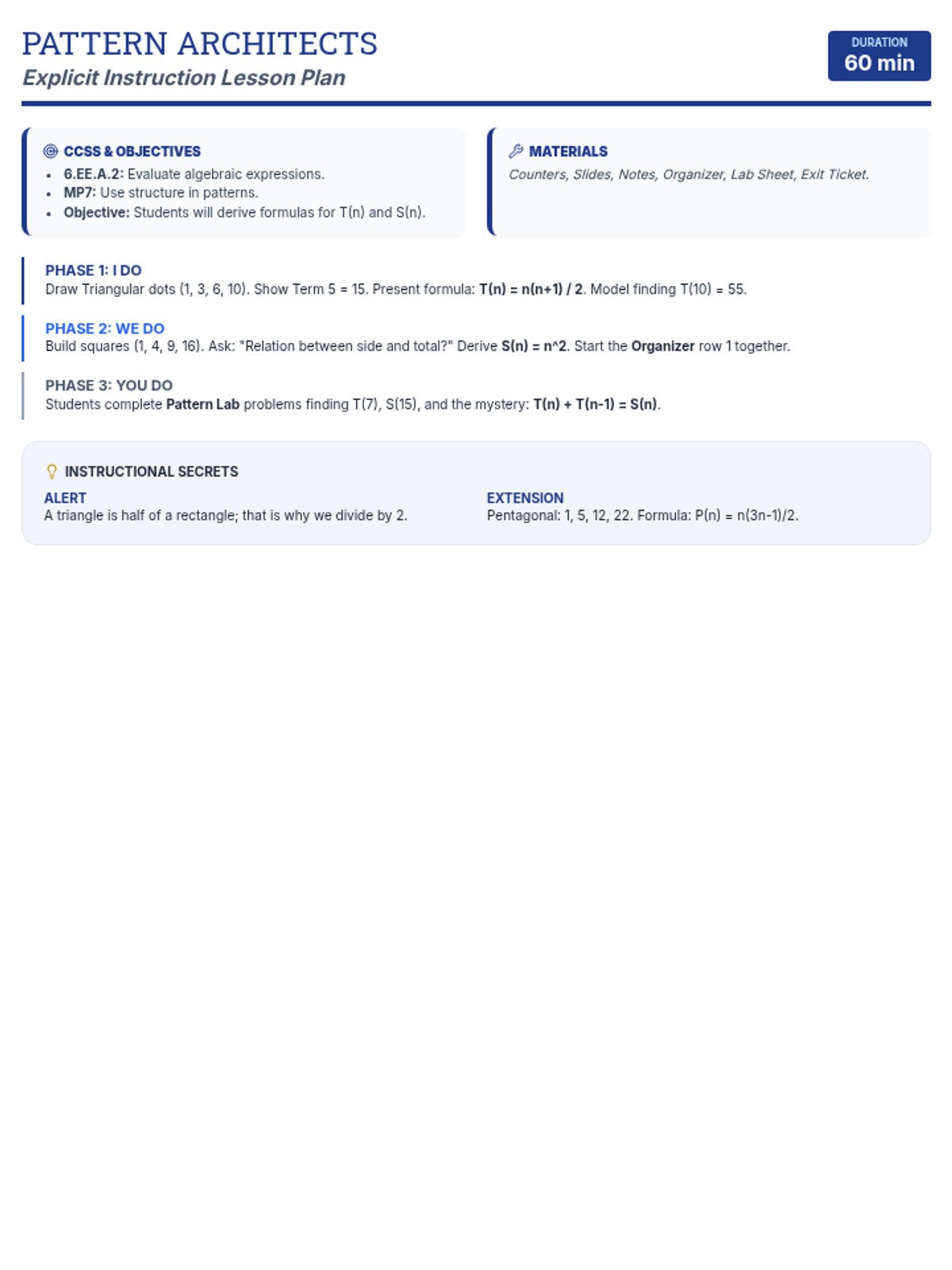
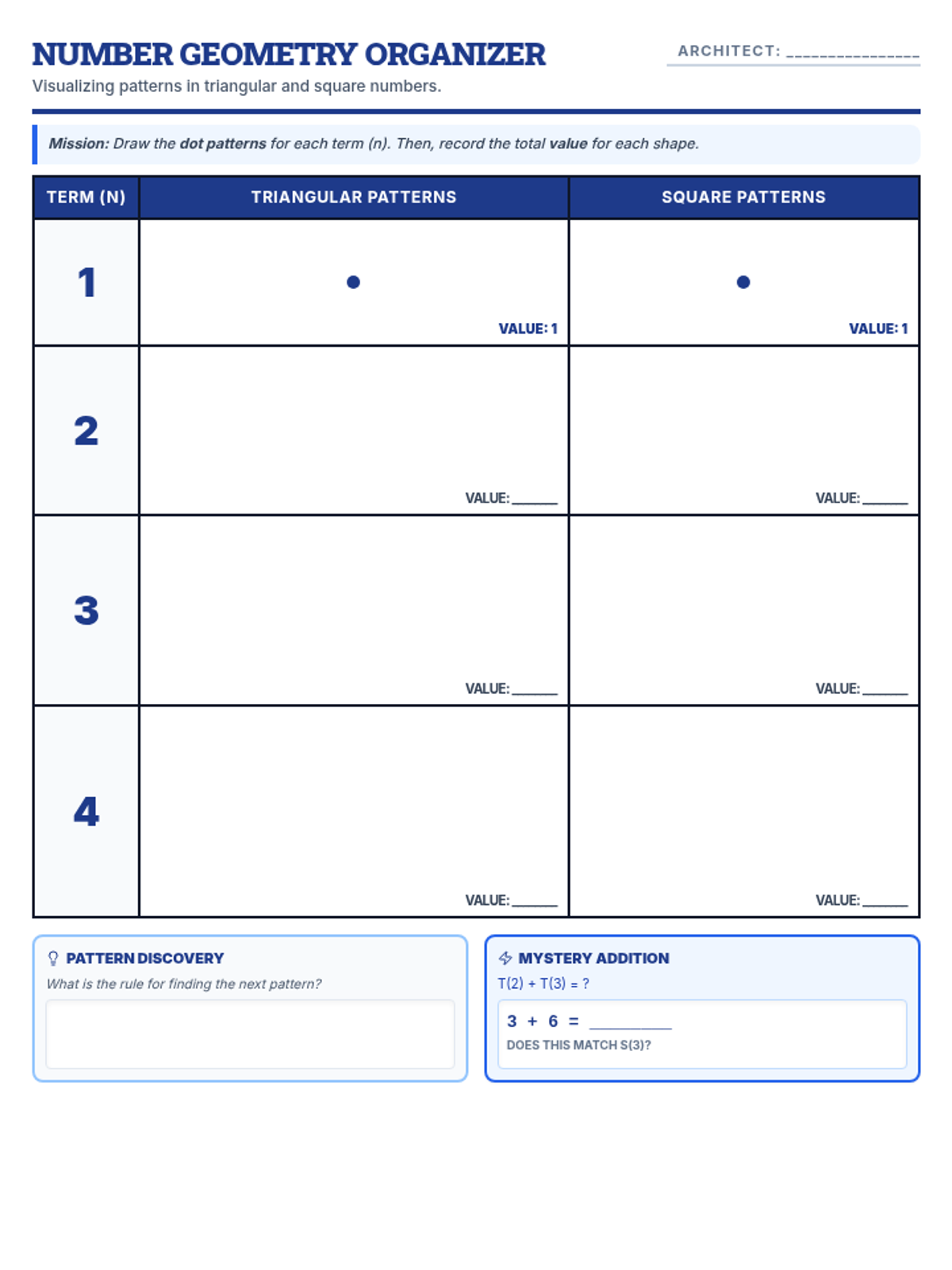
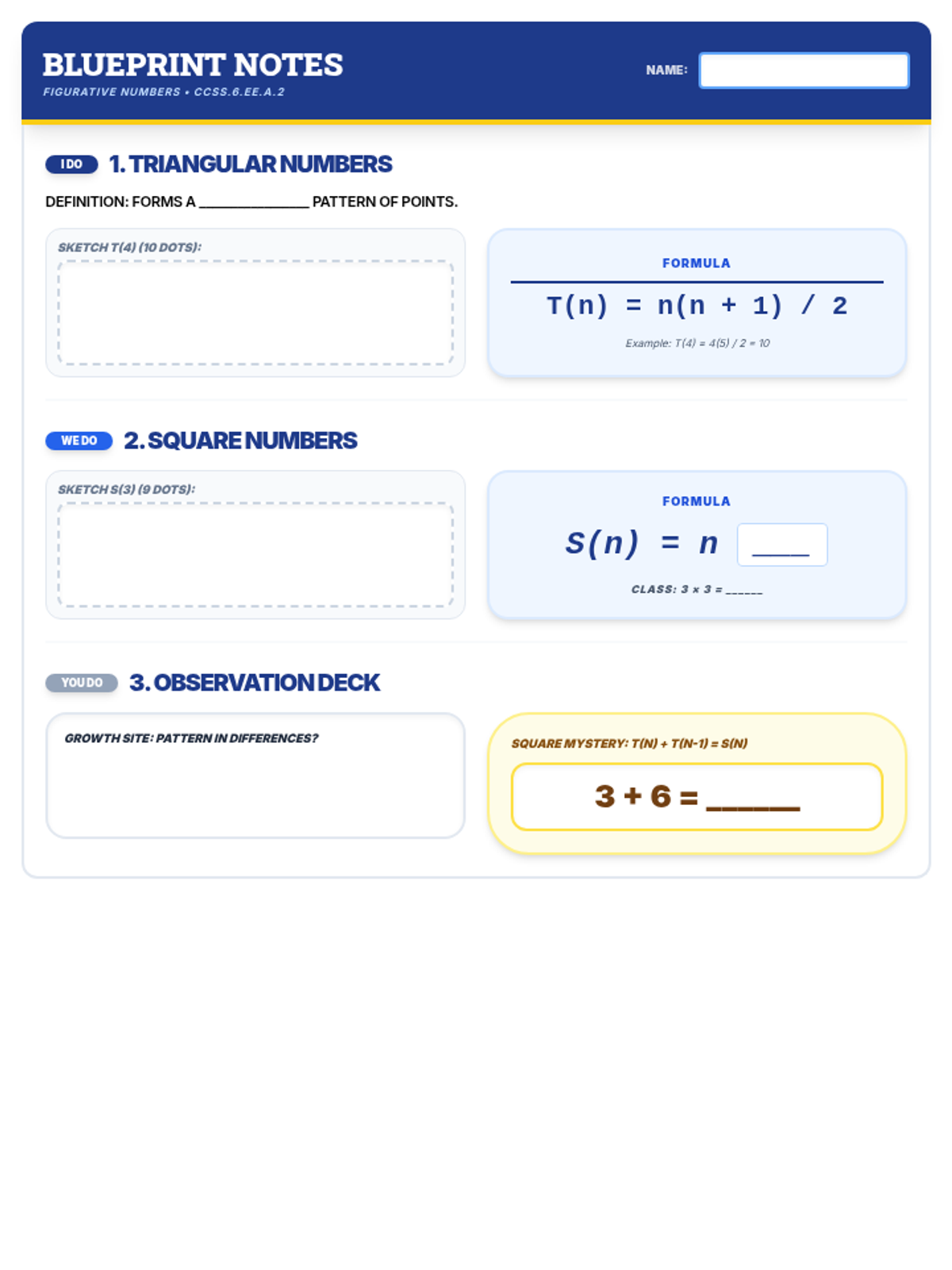
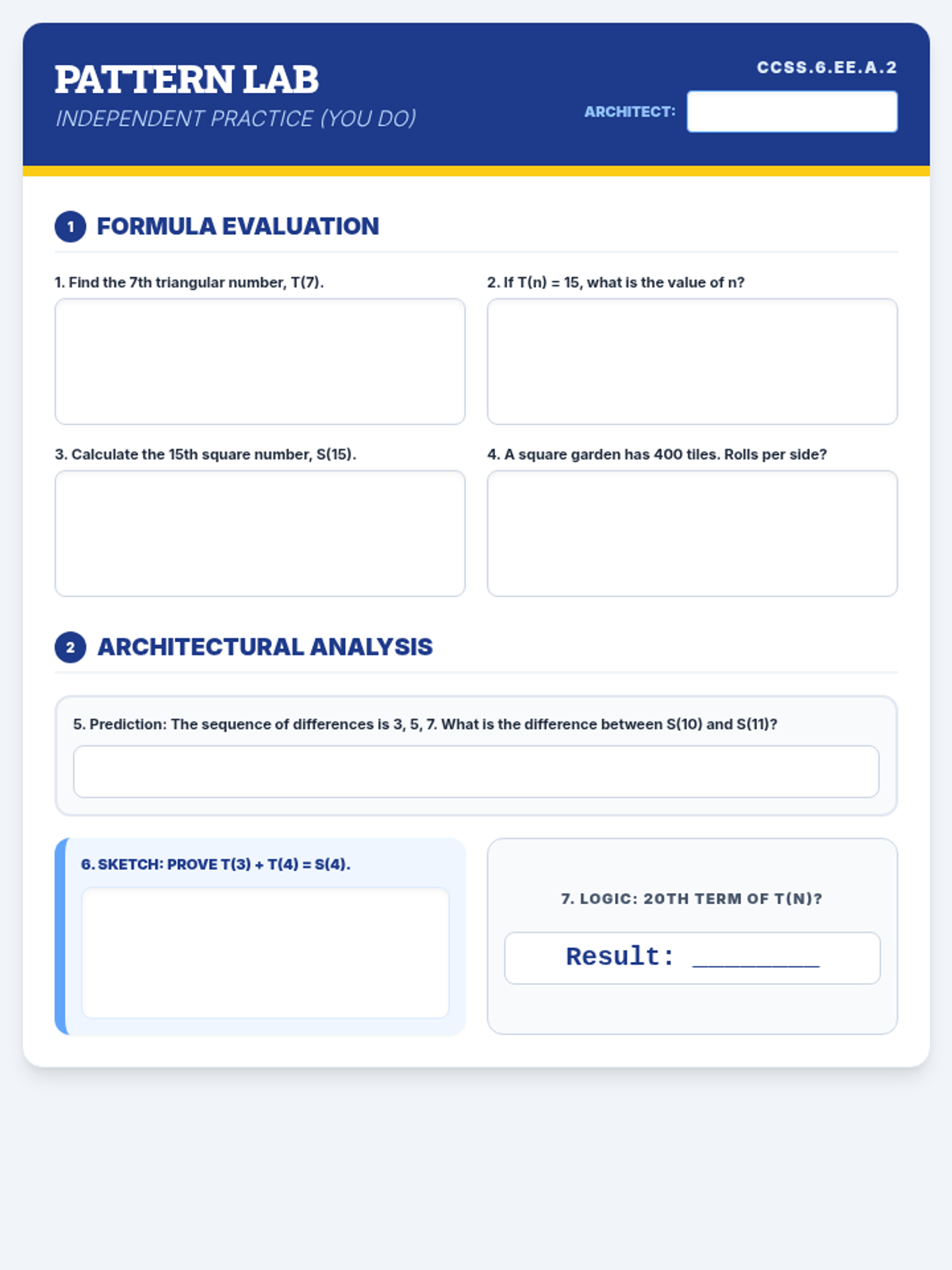
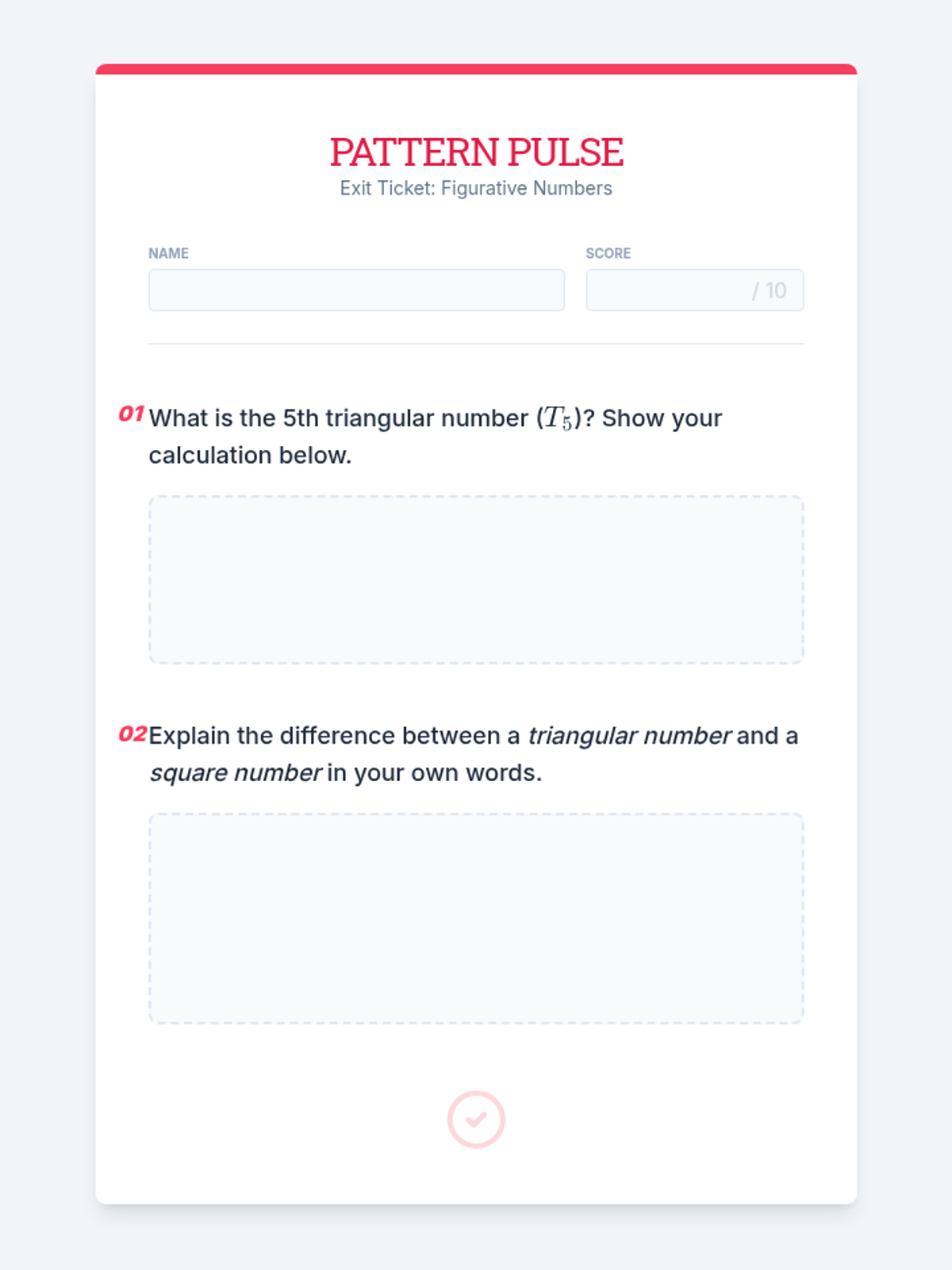
A comprehensive 5E lesson exploring the intersection of geometry and arithmetic through triangular and square numbers. Students will identify patterns, build geometric representations, and derive algebraic formulas for figurative numbers.
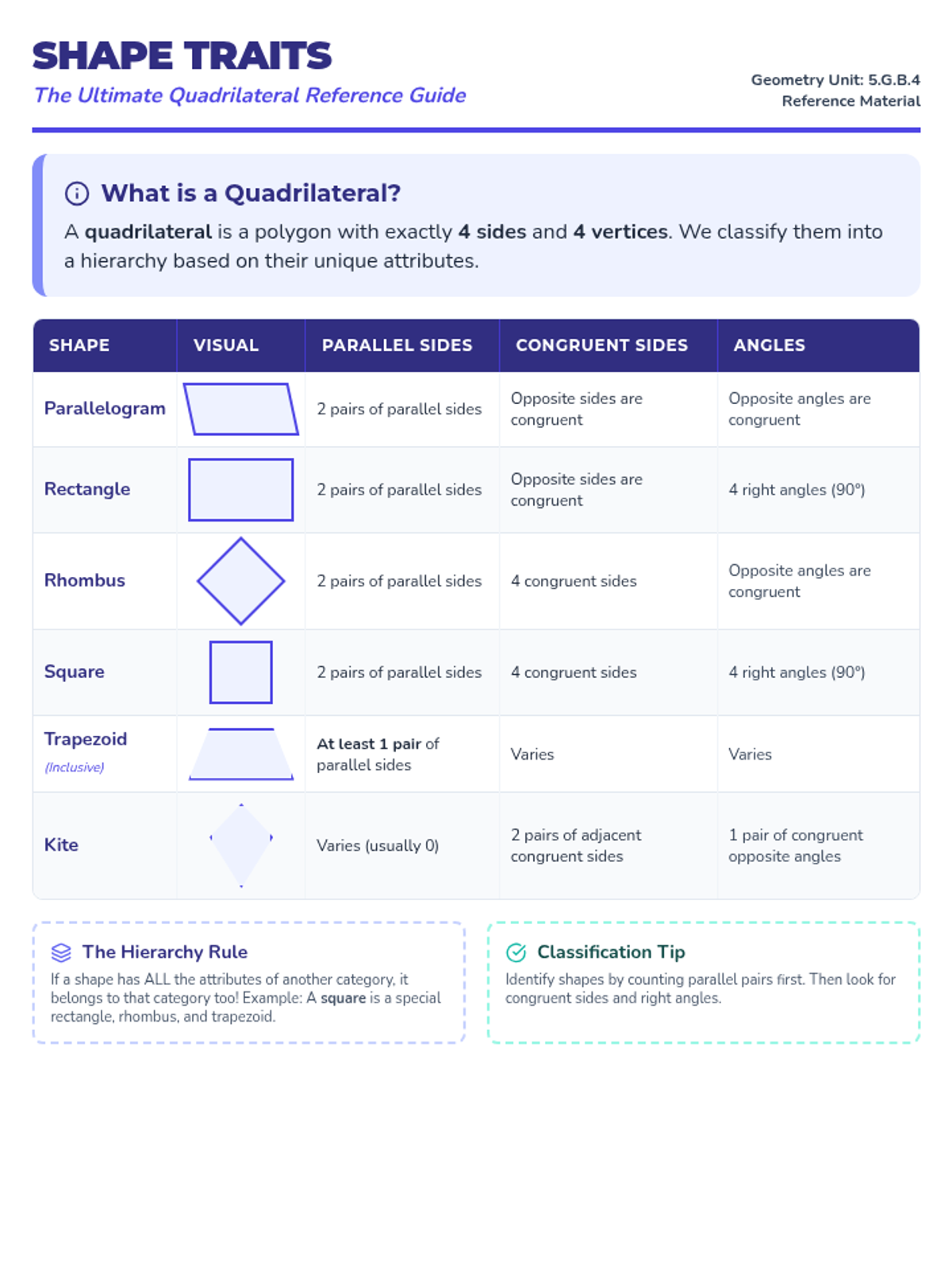
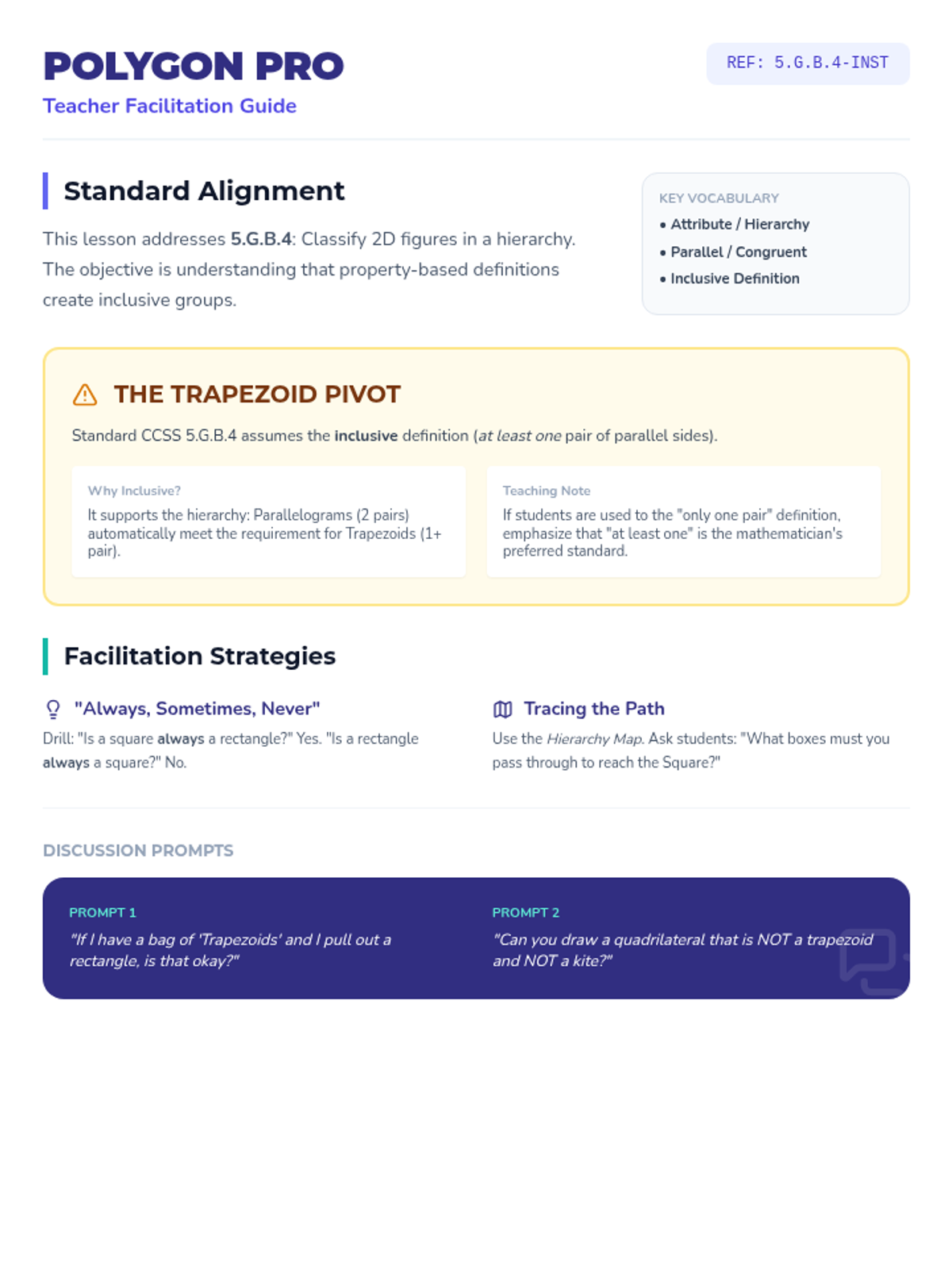
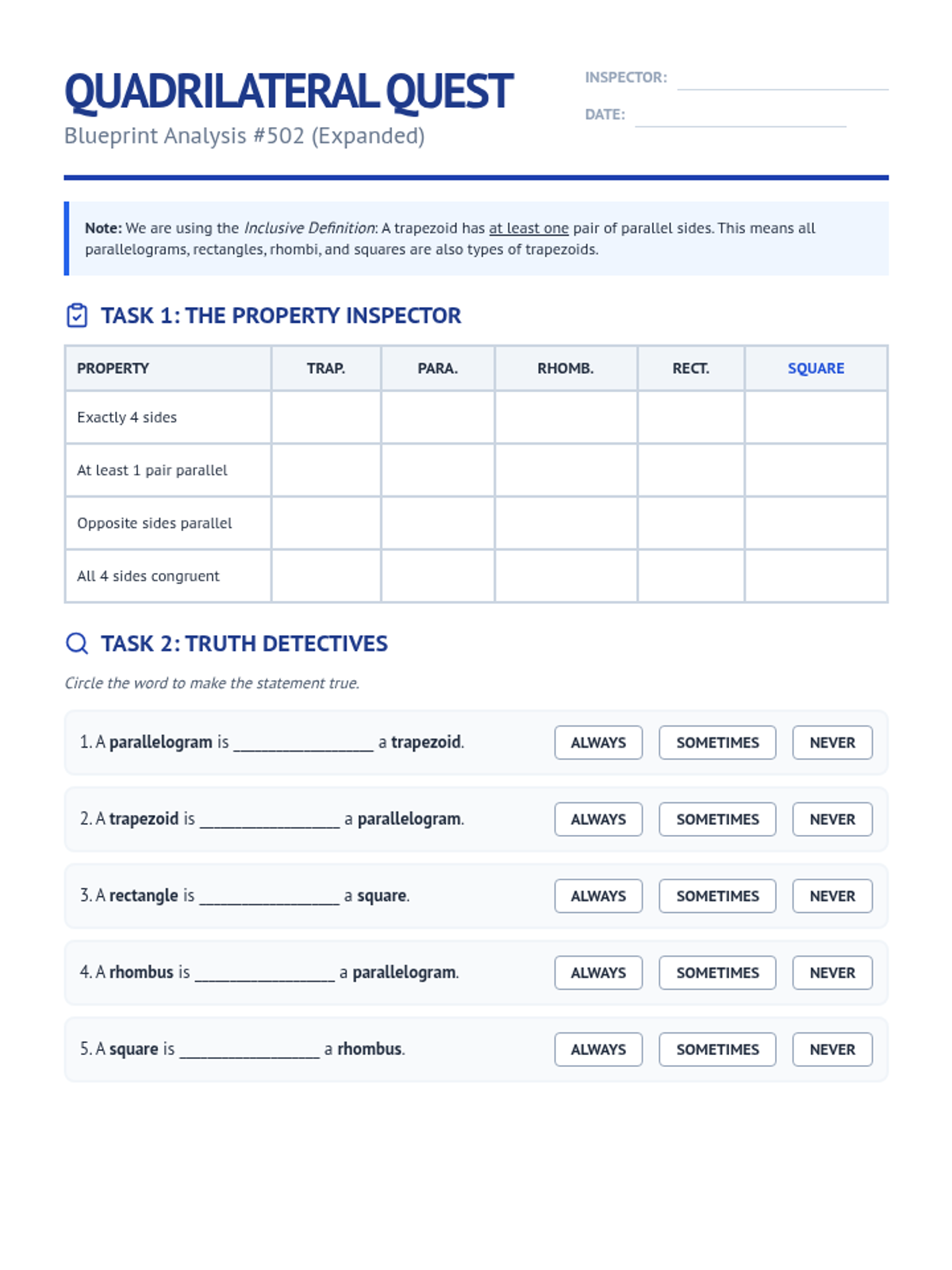
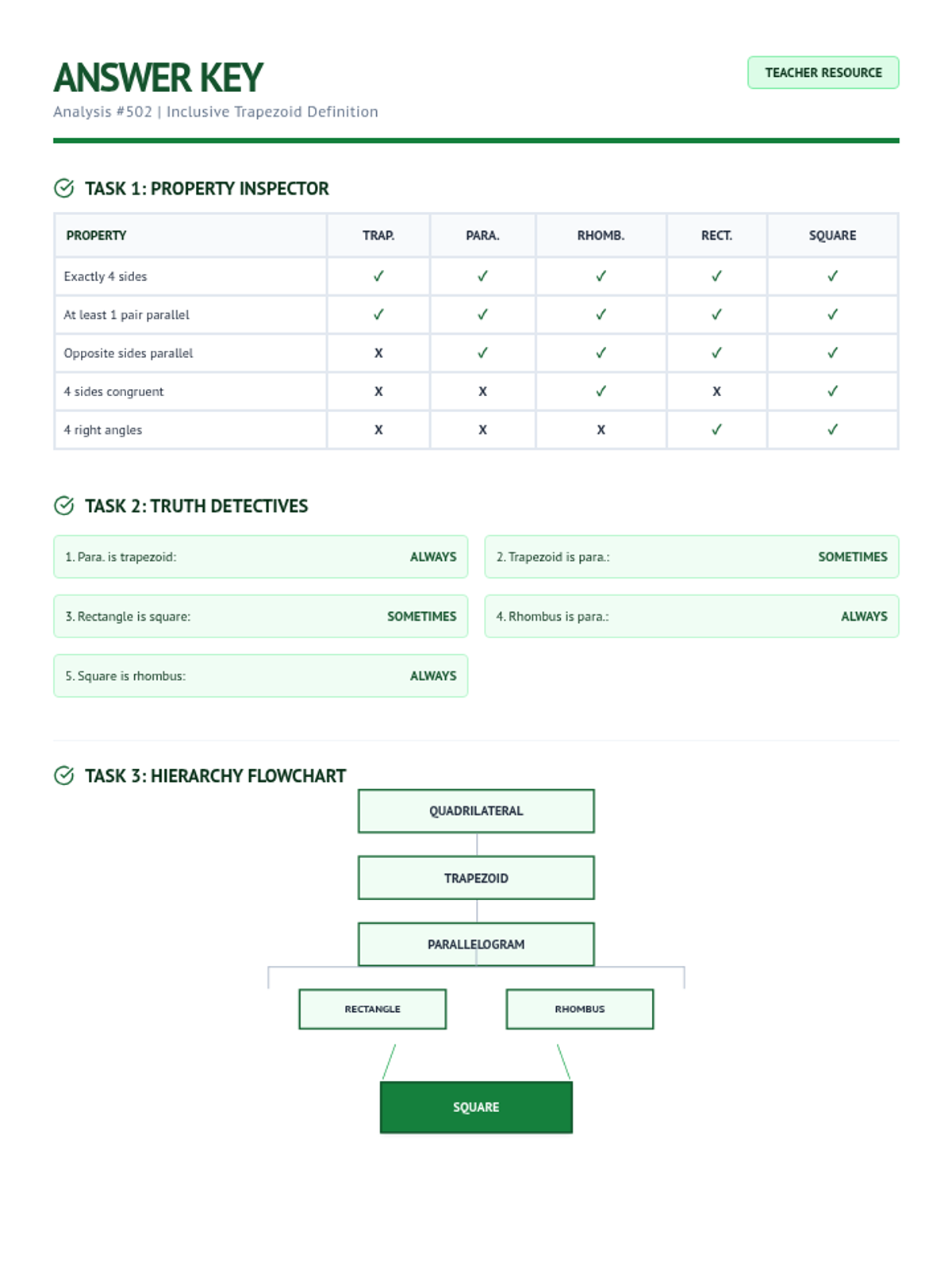
A comprehensive lesson on classifying quadrilaterals based on their properties, focusing on the hierarchy and inclusive definitions required for 5th-grade geometry.
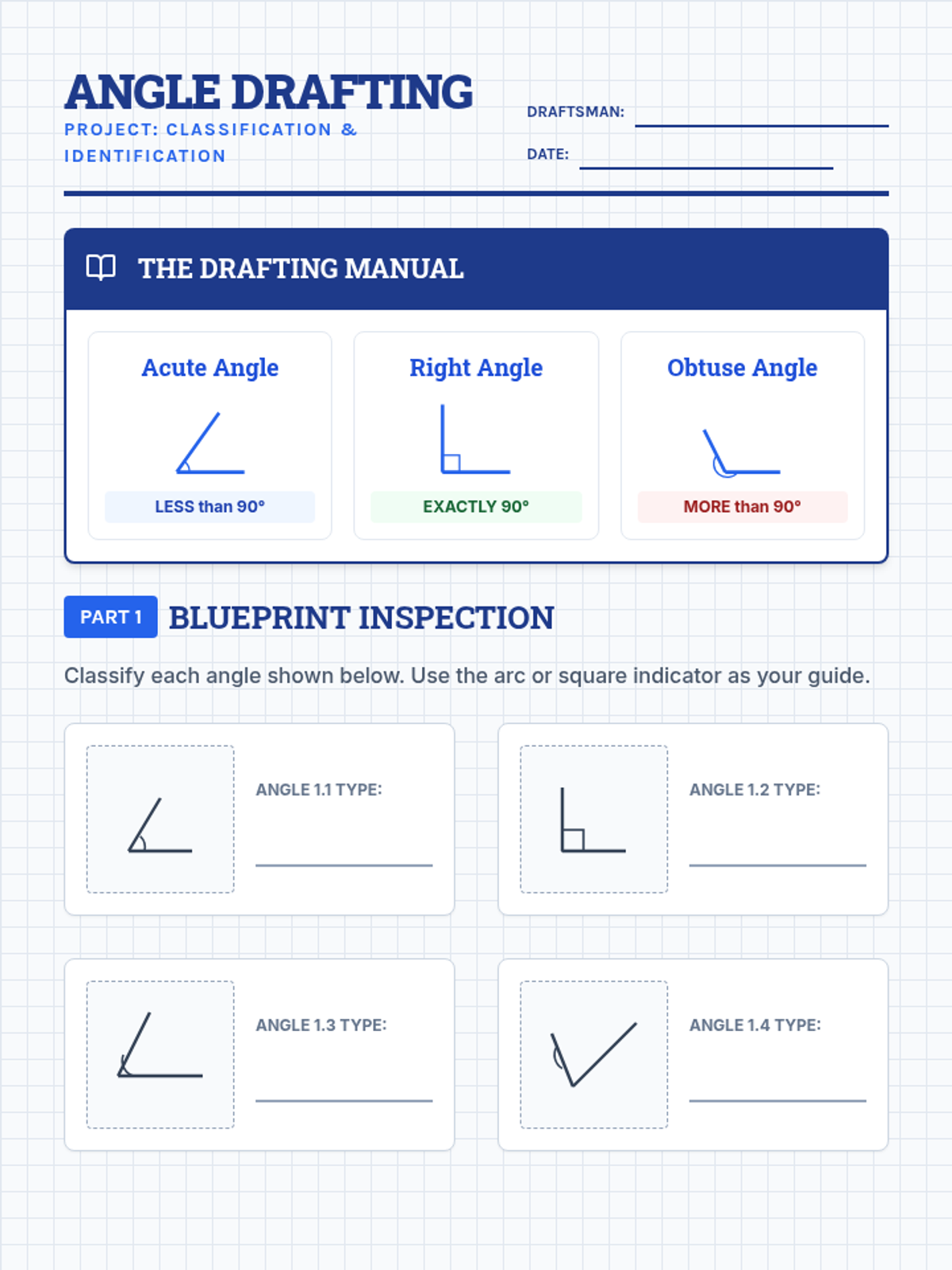
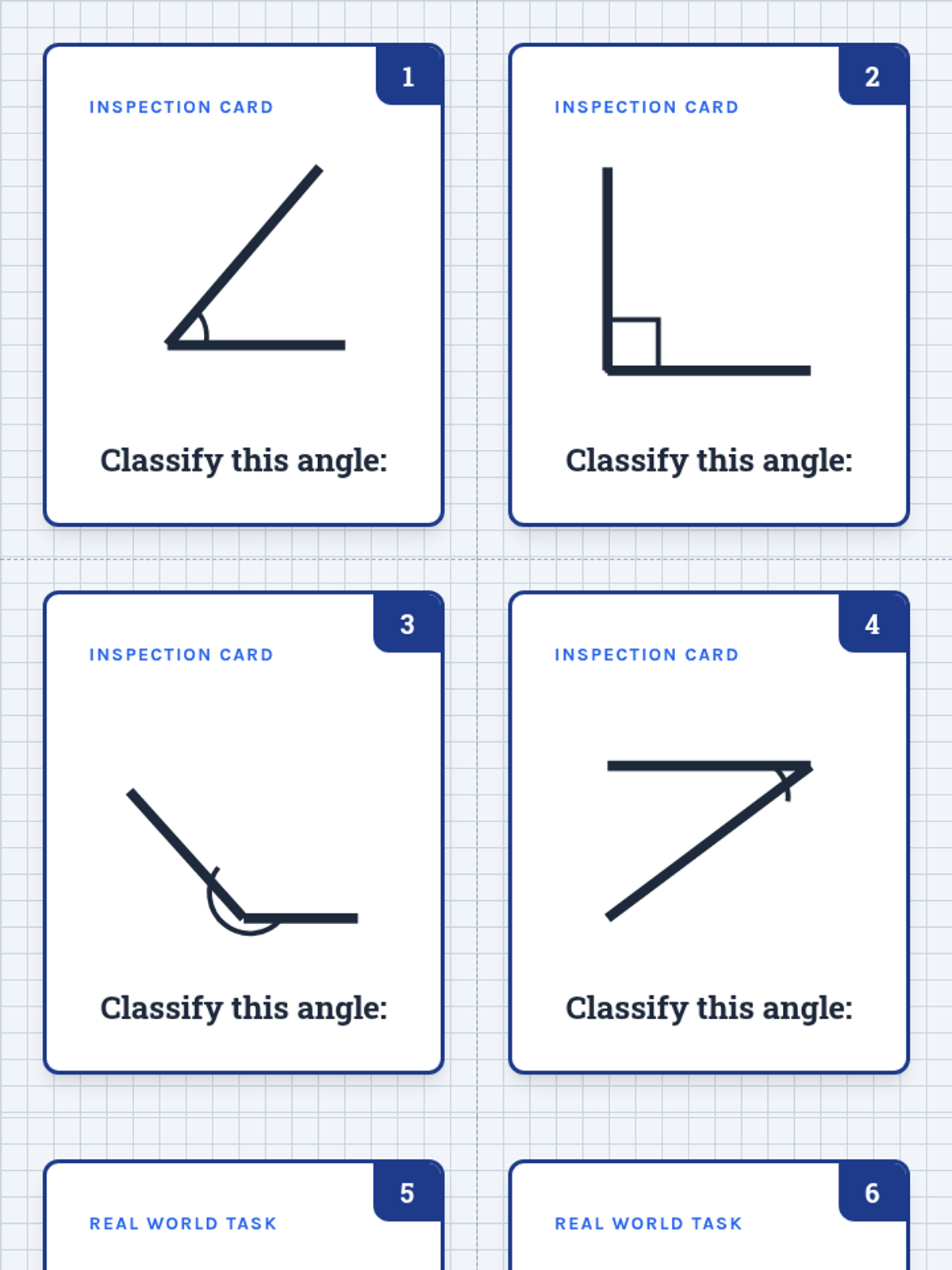
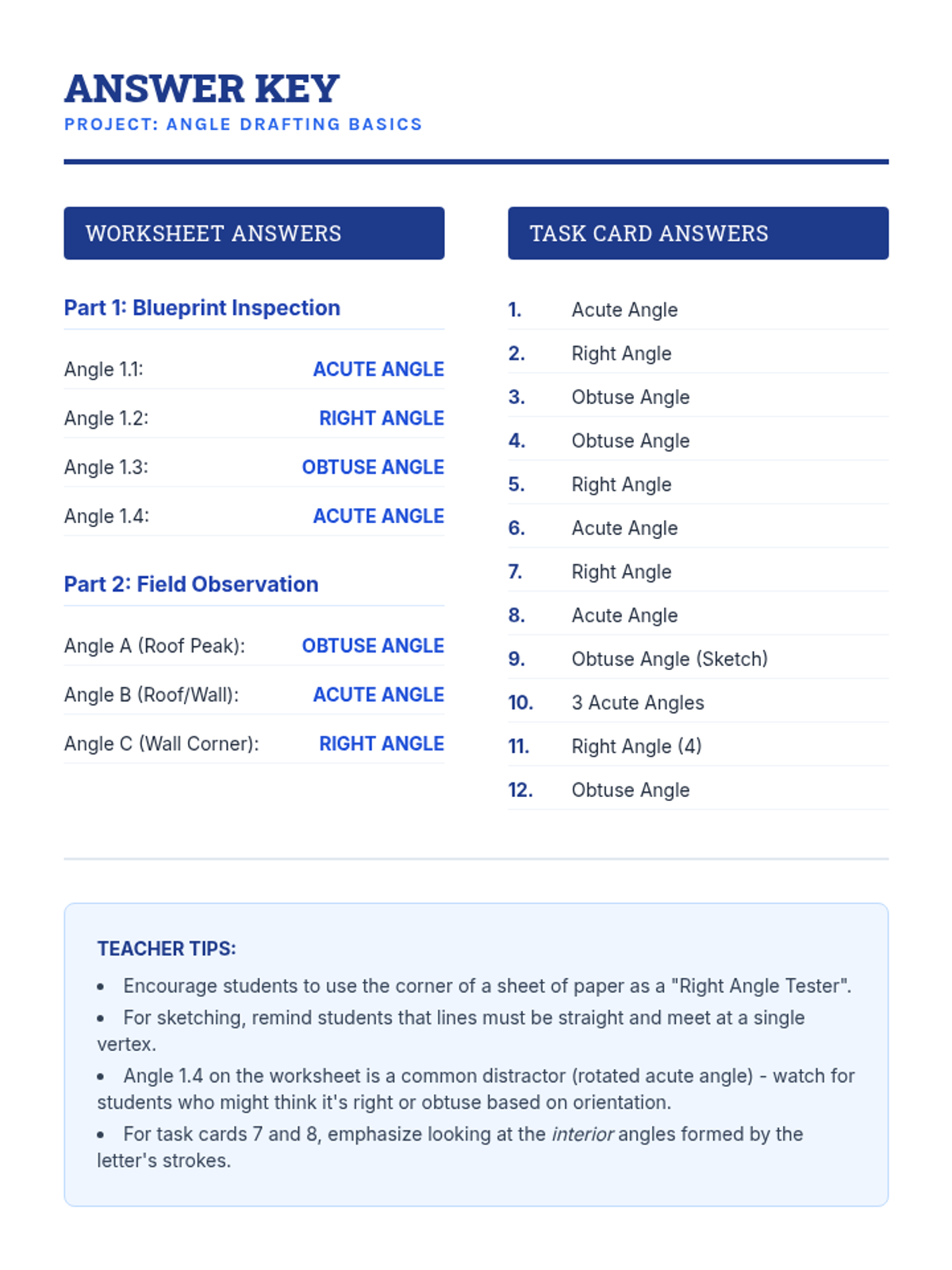
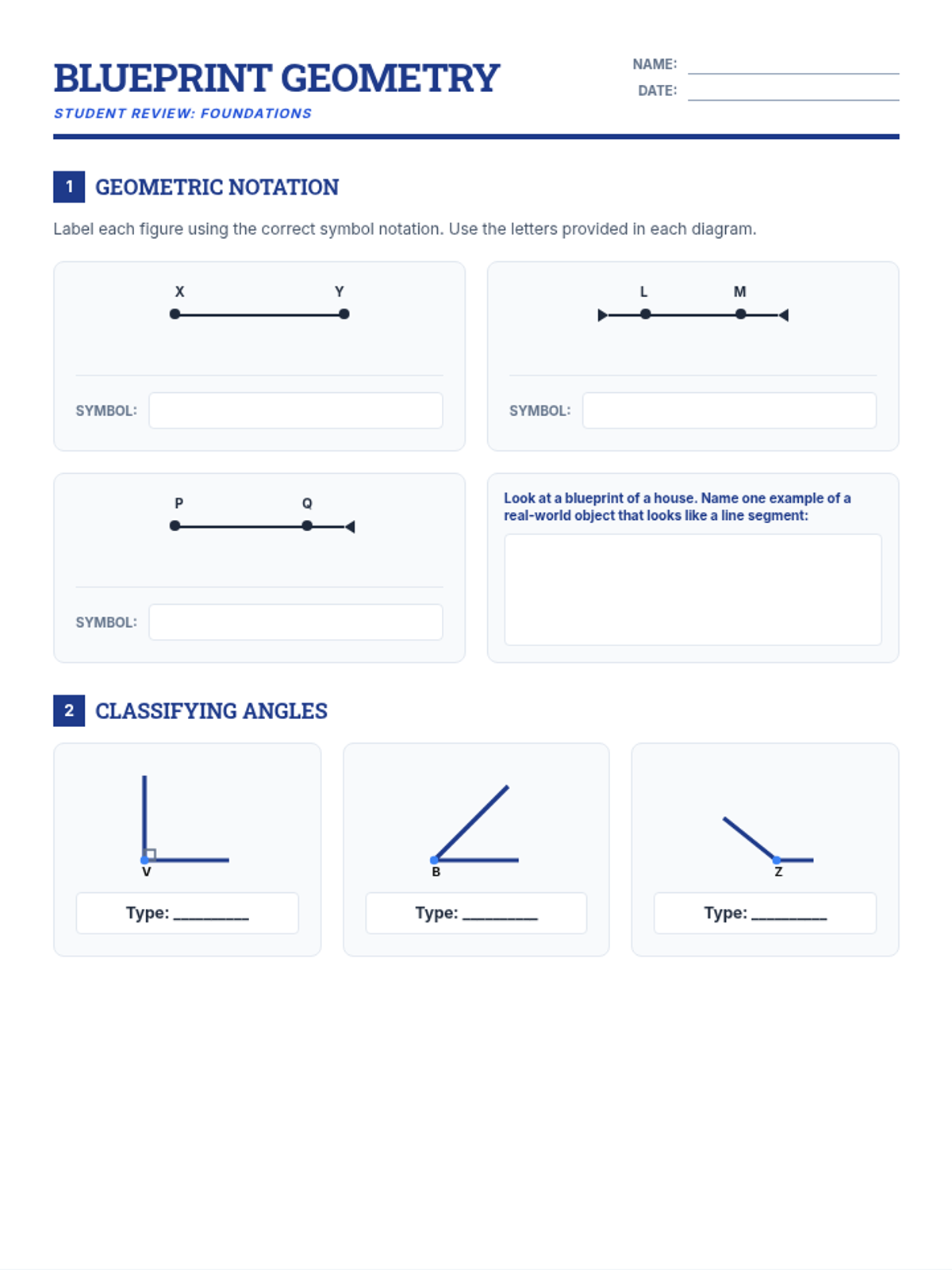
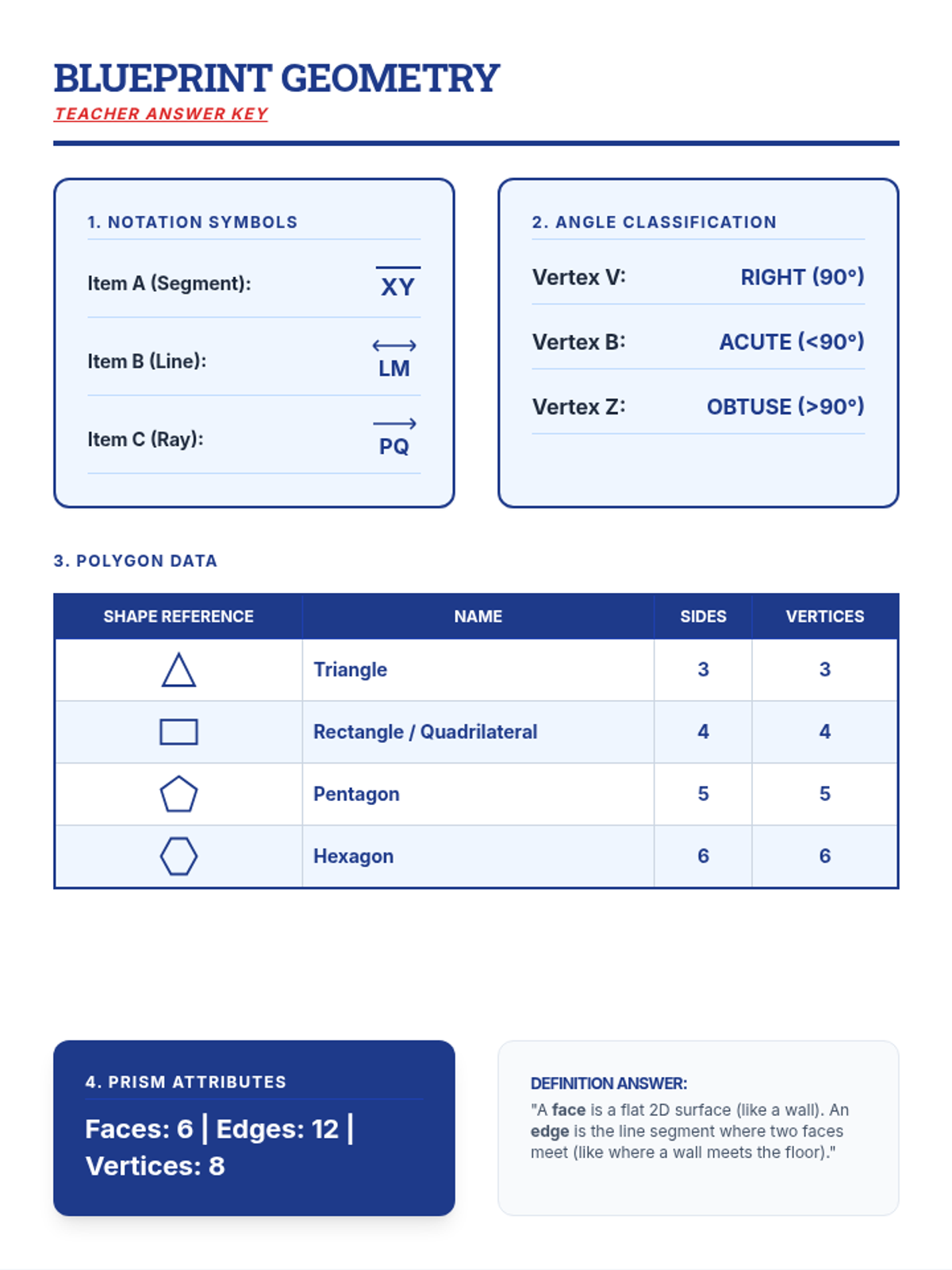
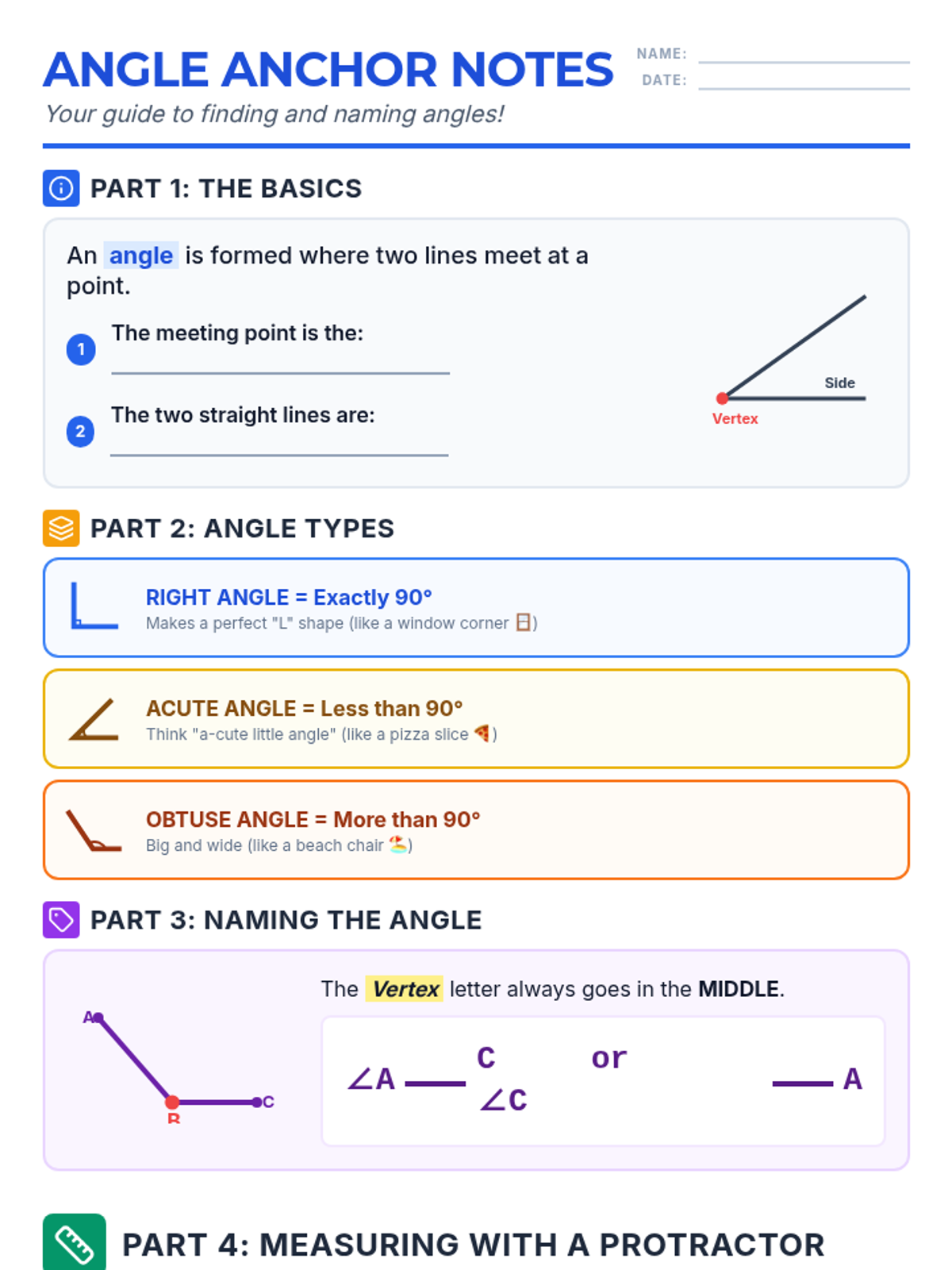
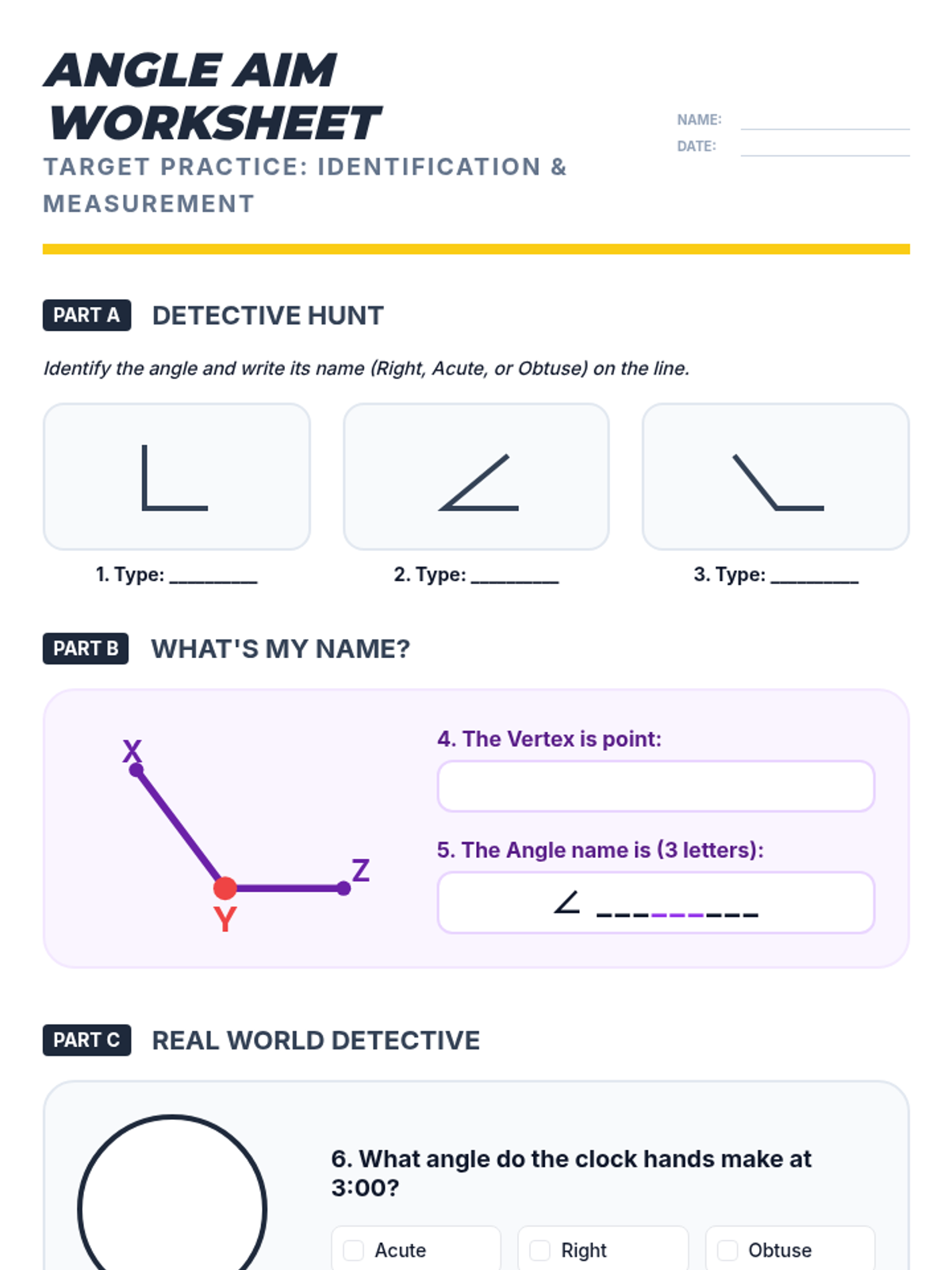
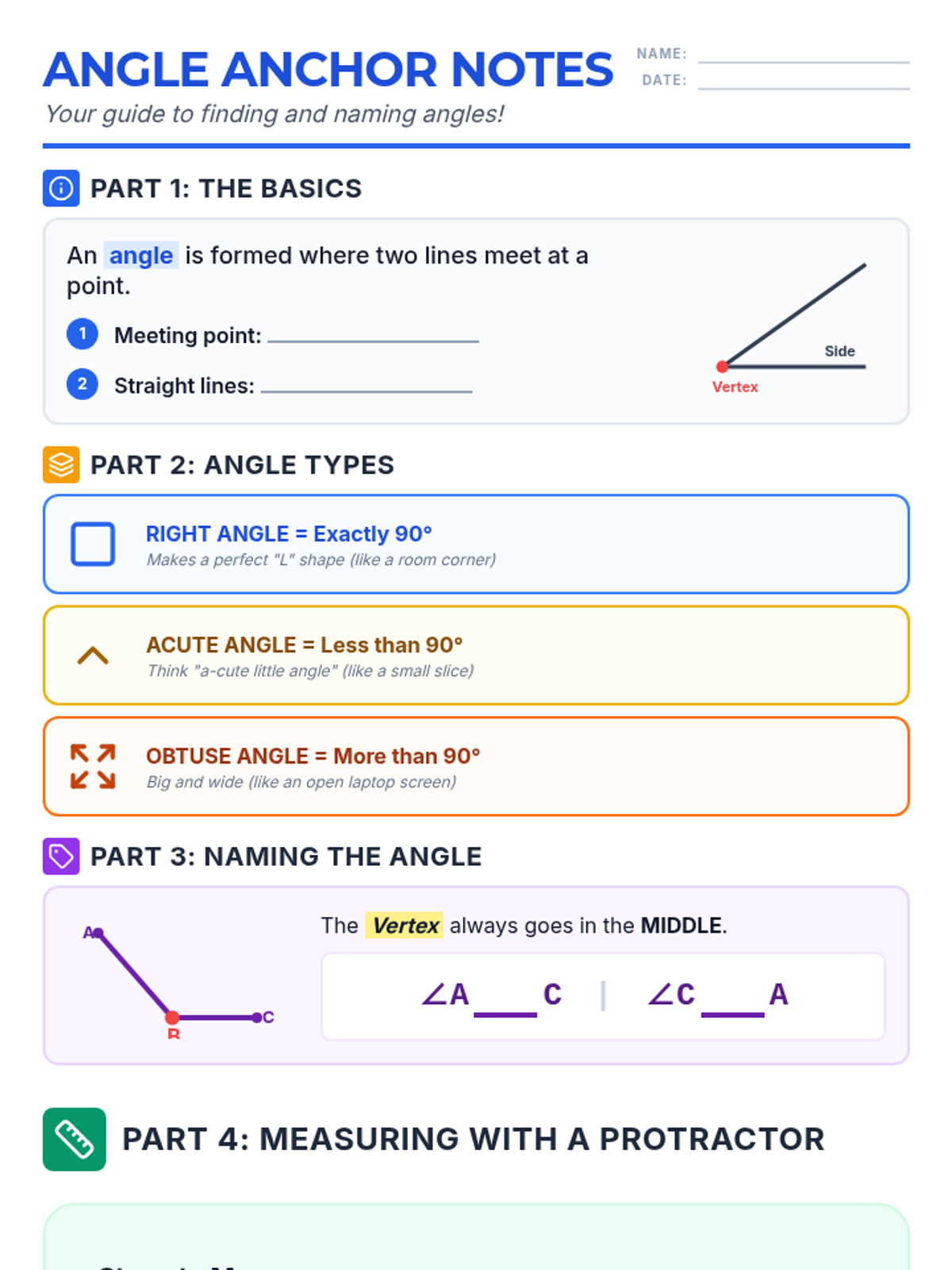
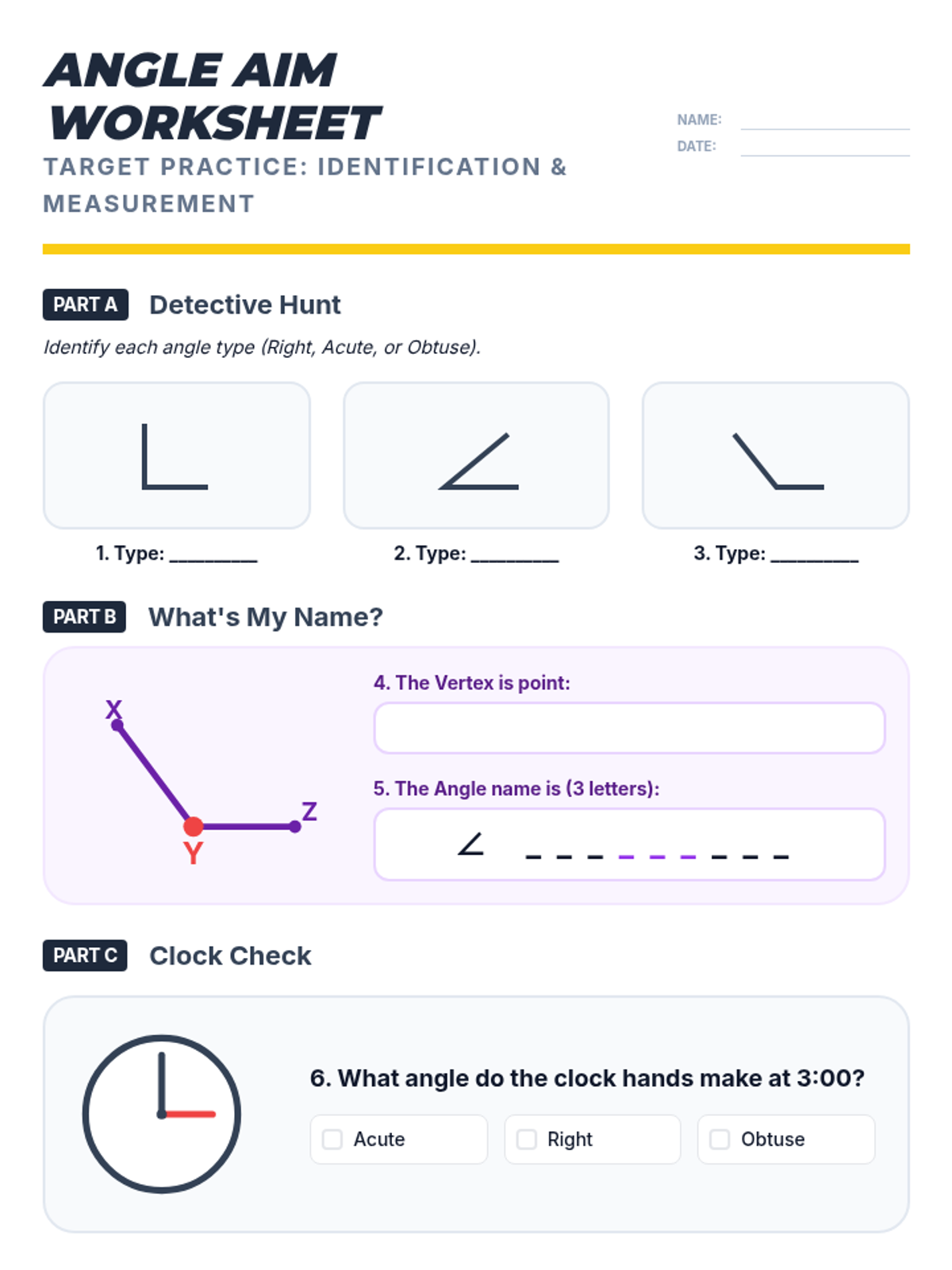
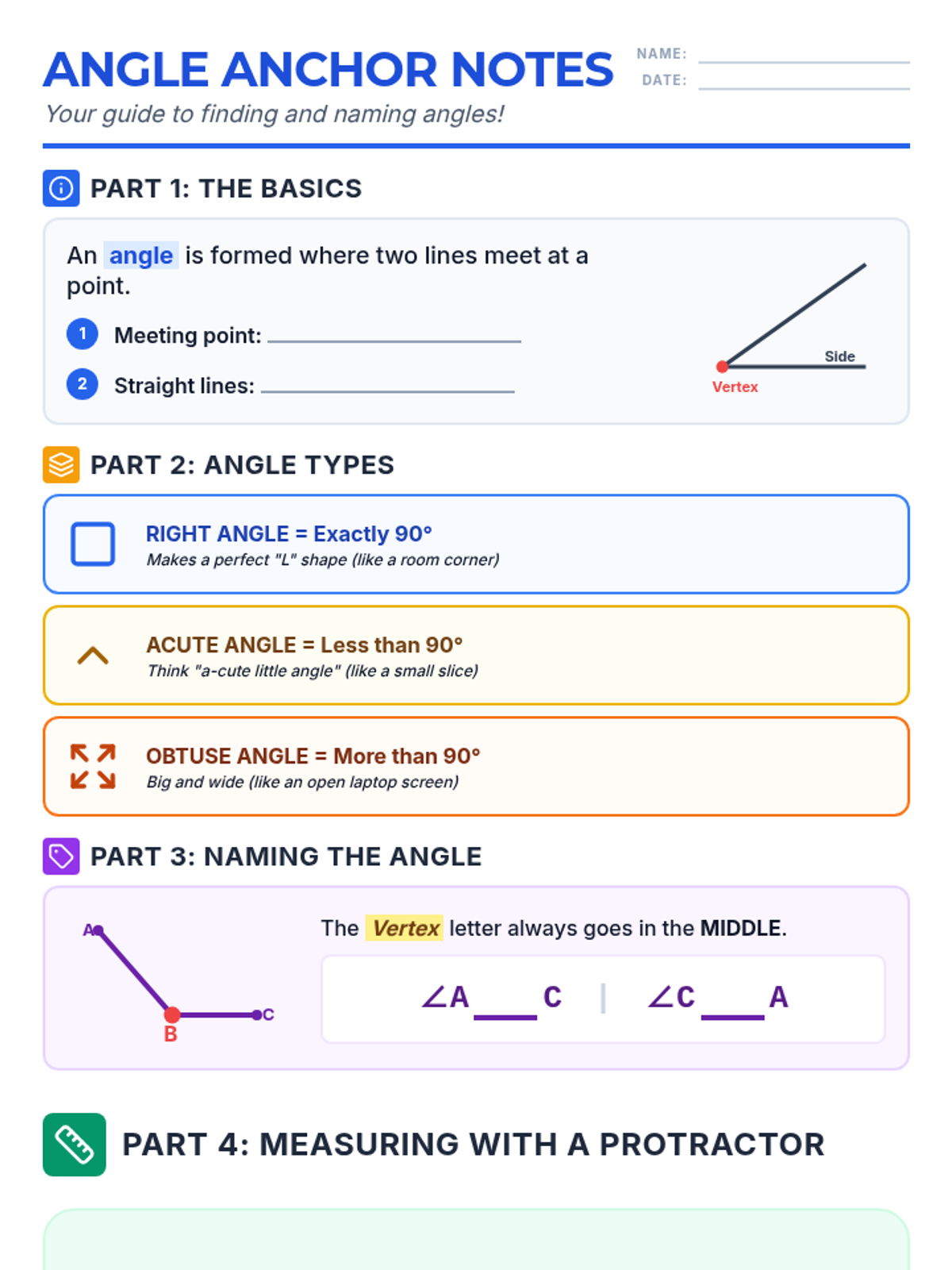
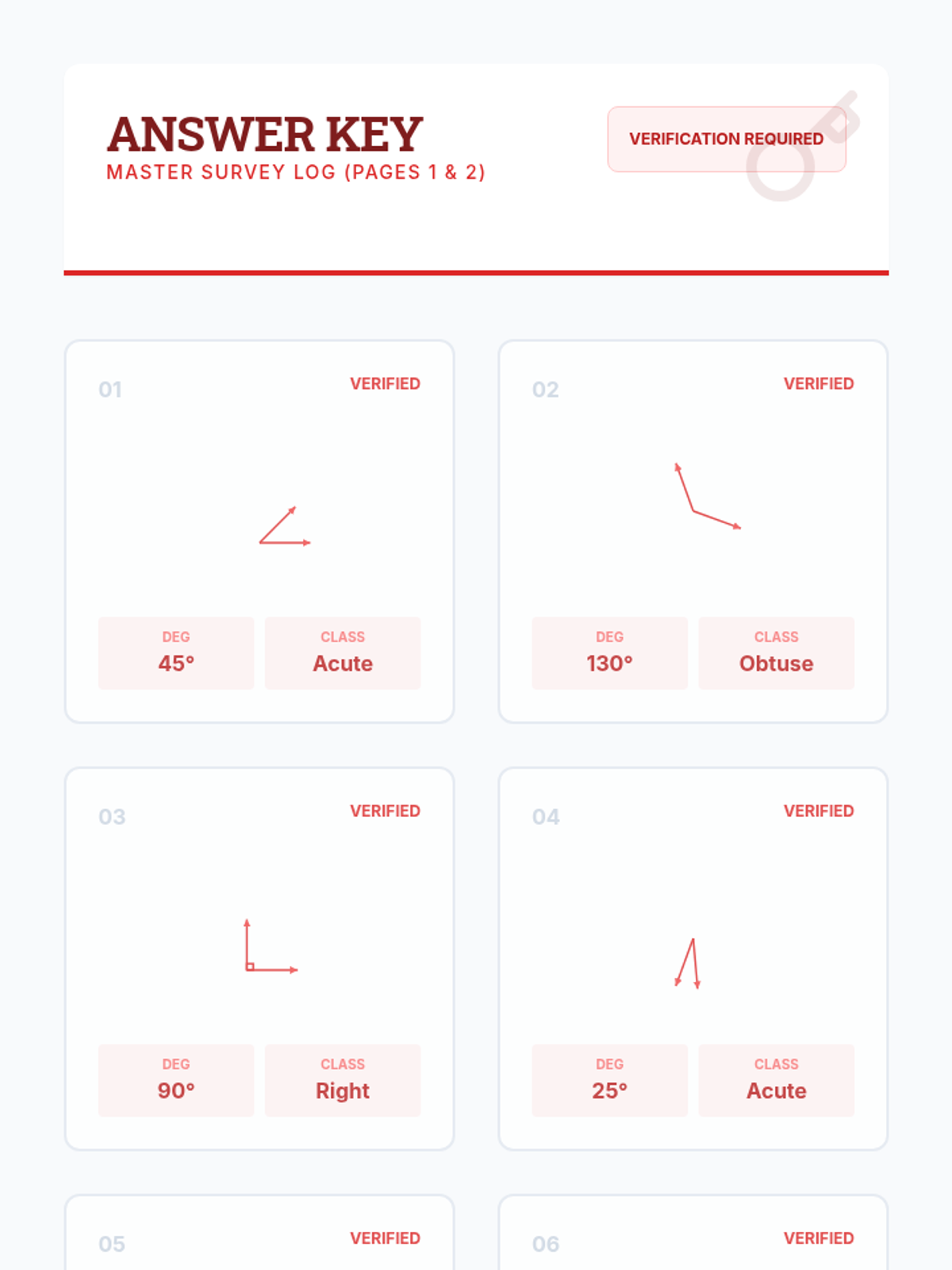
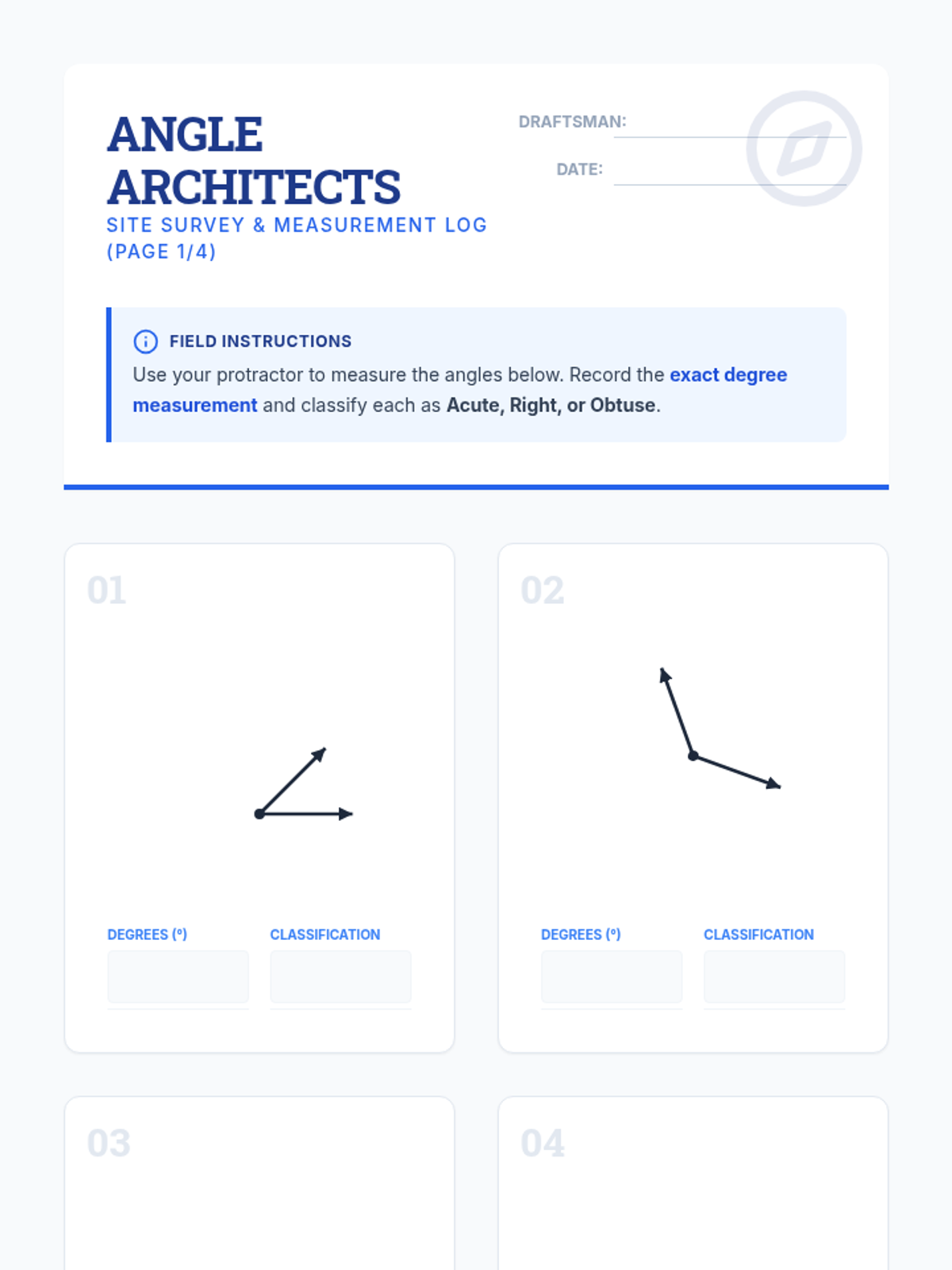
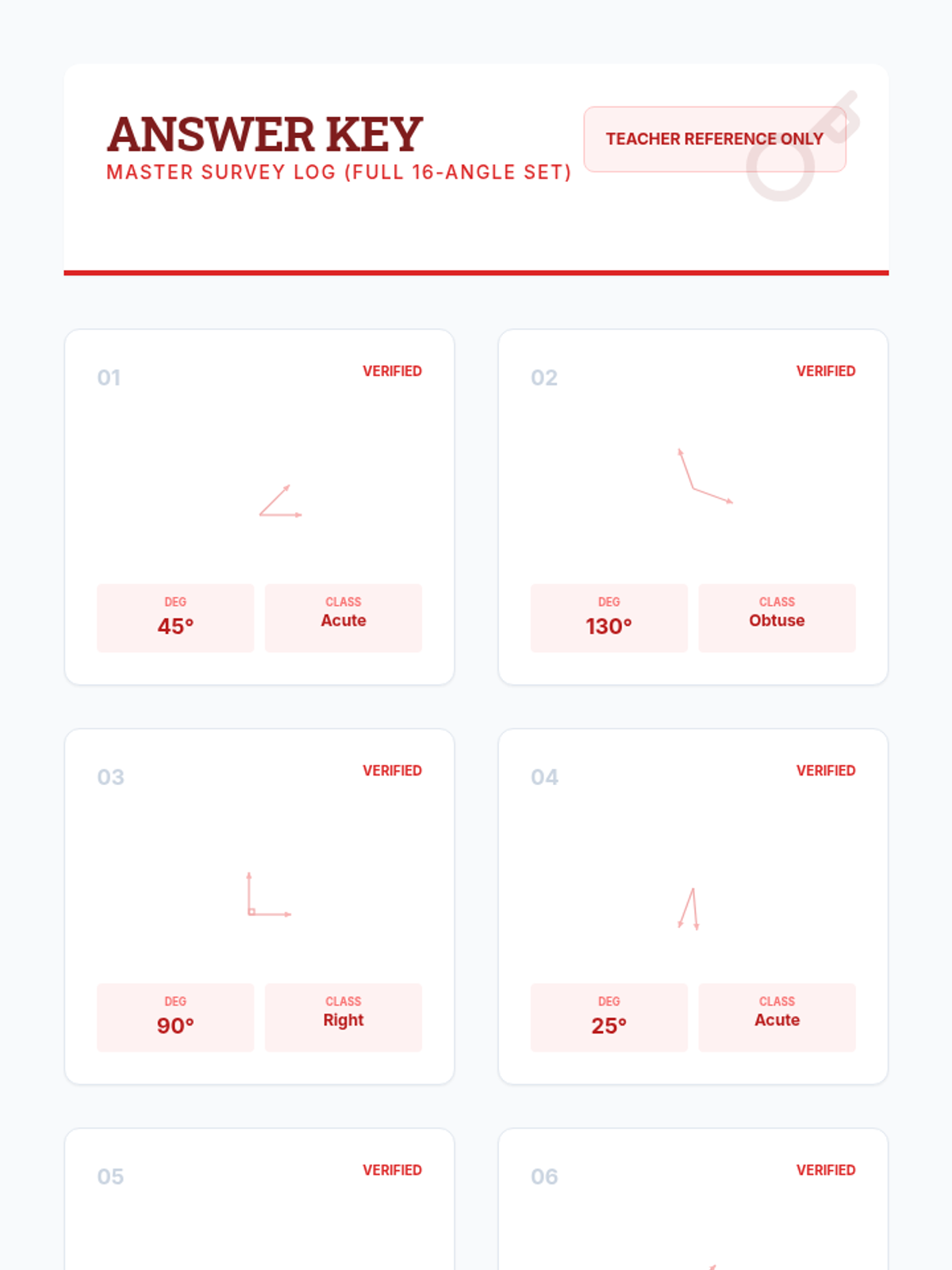
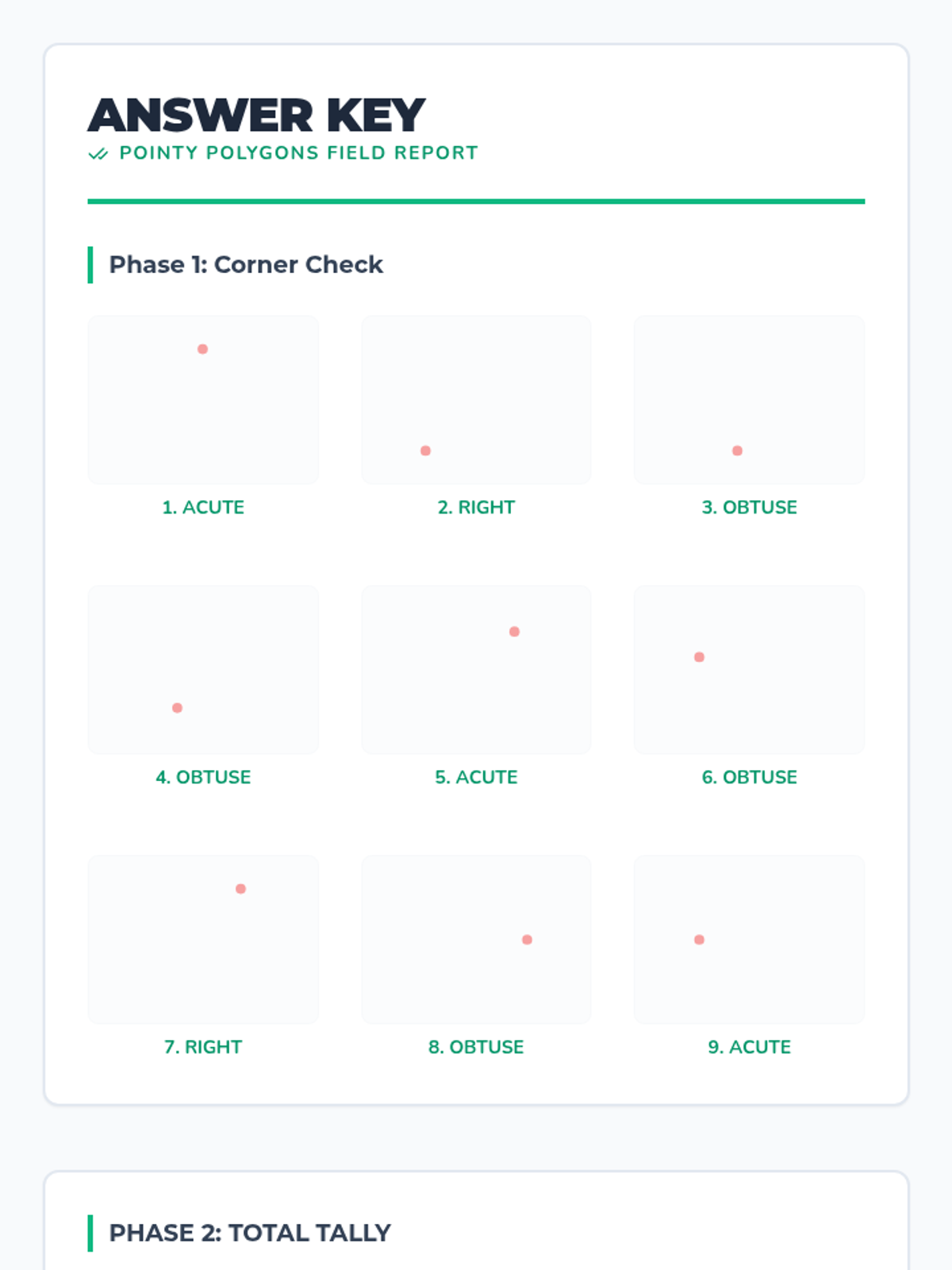
A foundational lesson on classifying angles as acute, obtuse, or right, serving as a prerequisite for measuring with a protractor. Students will identify, classify, and sketch angles within a technical blueprint-themed environment.
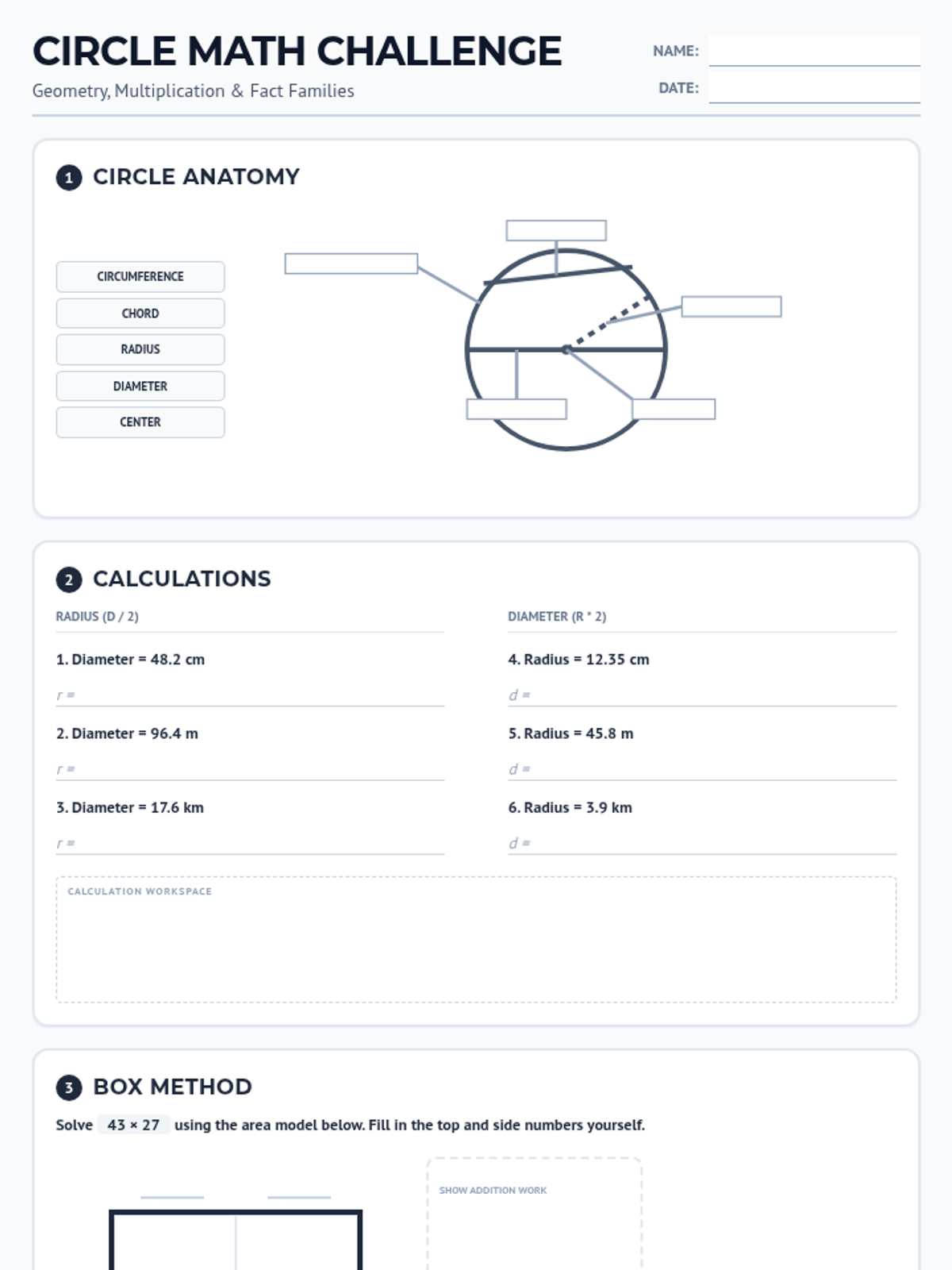
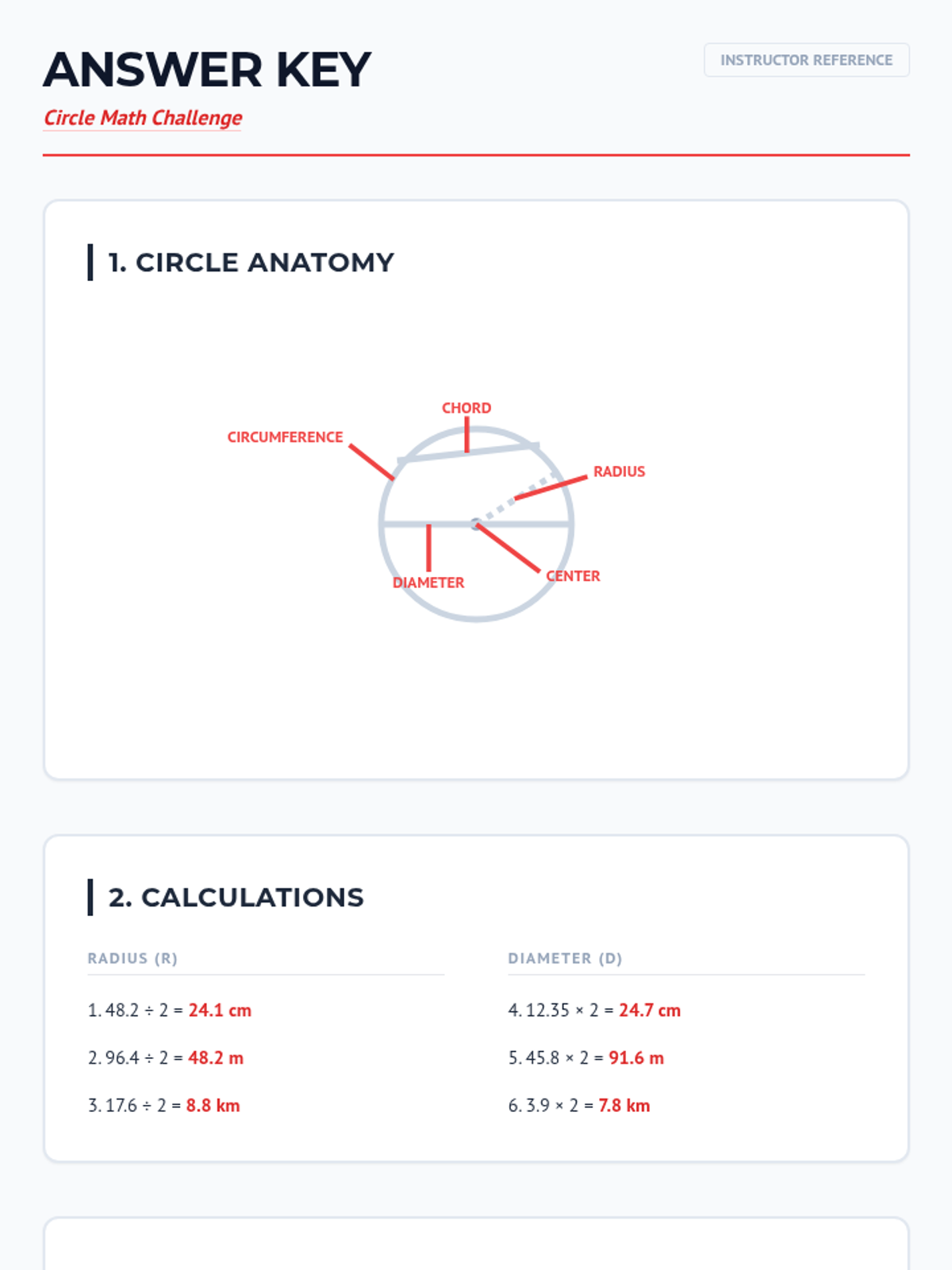
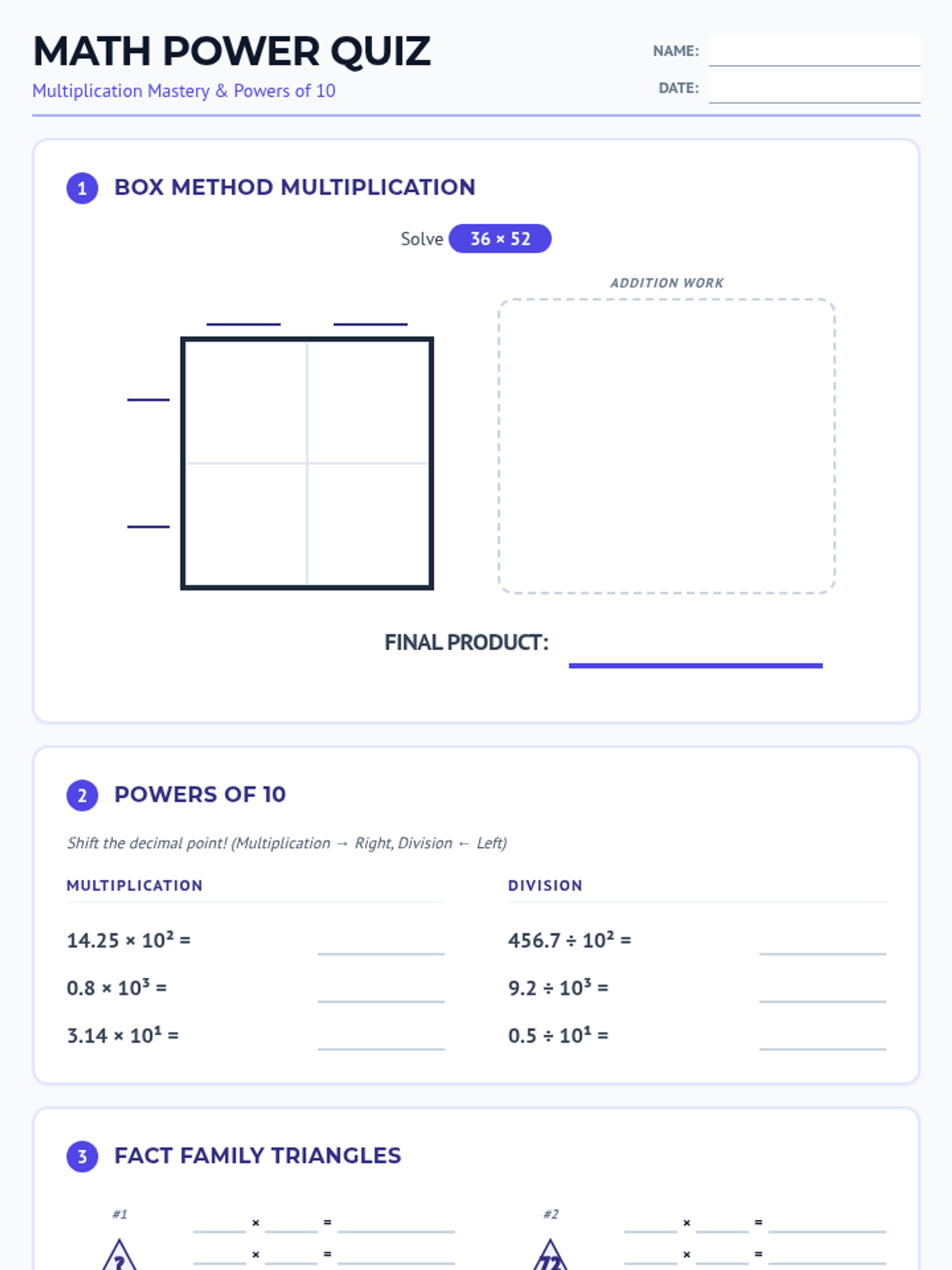
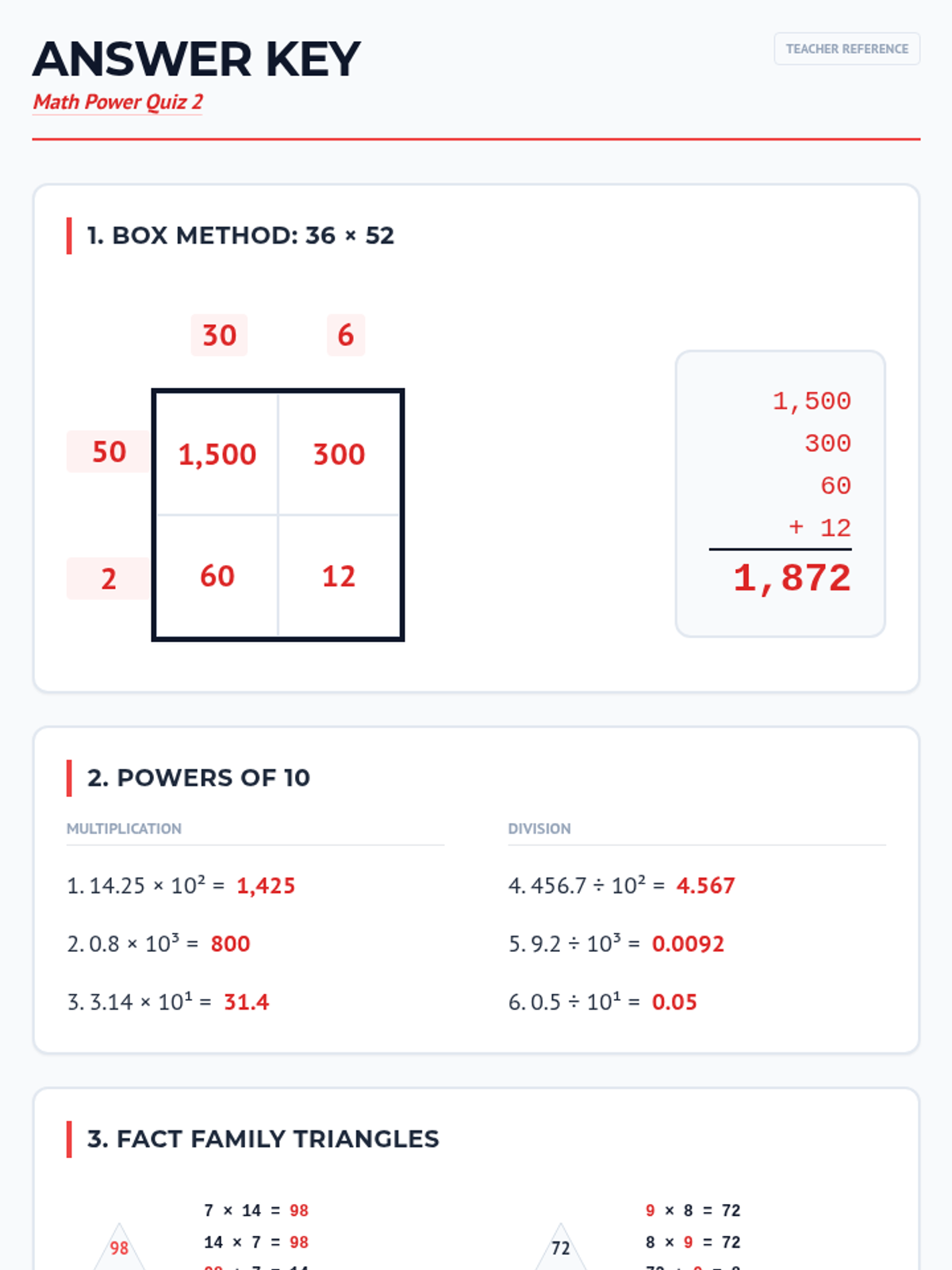
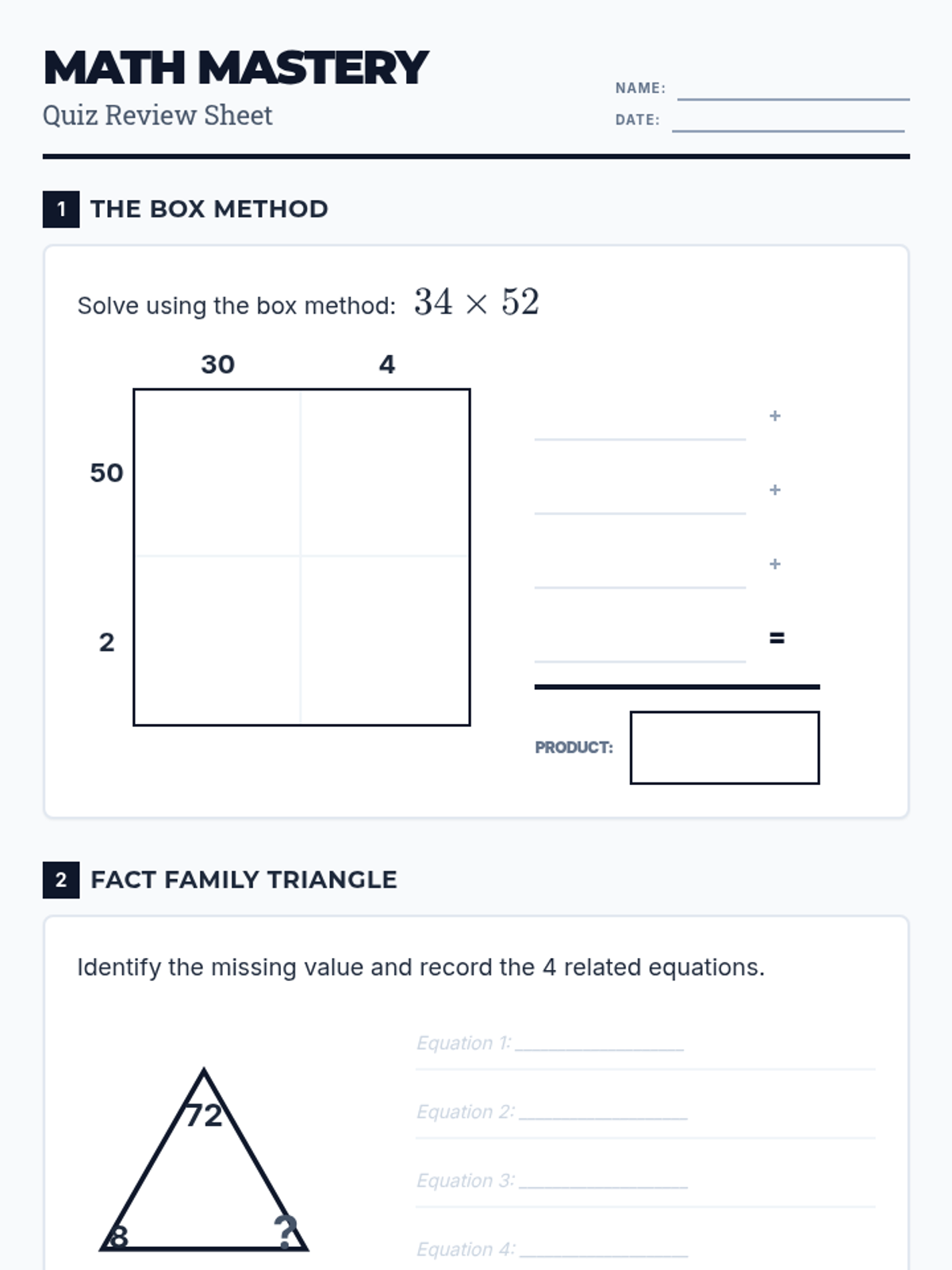
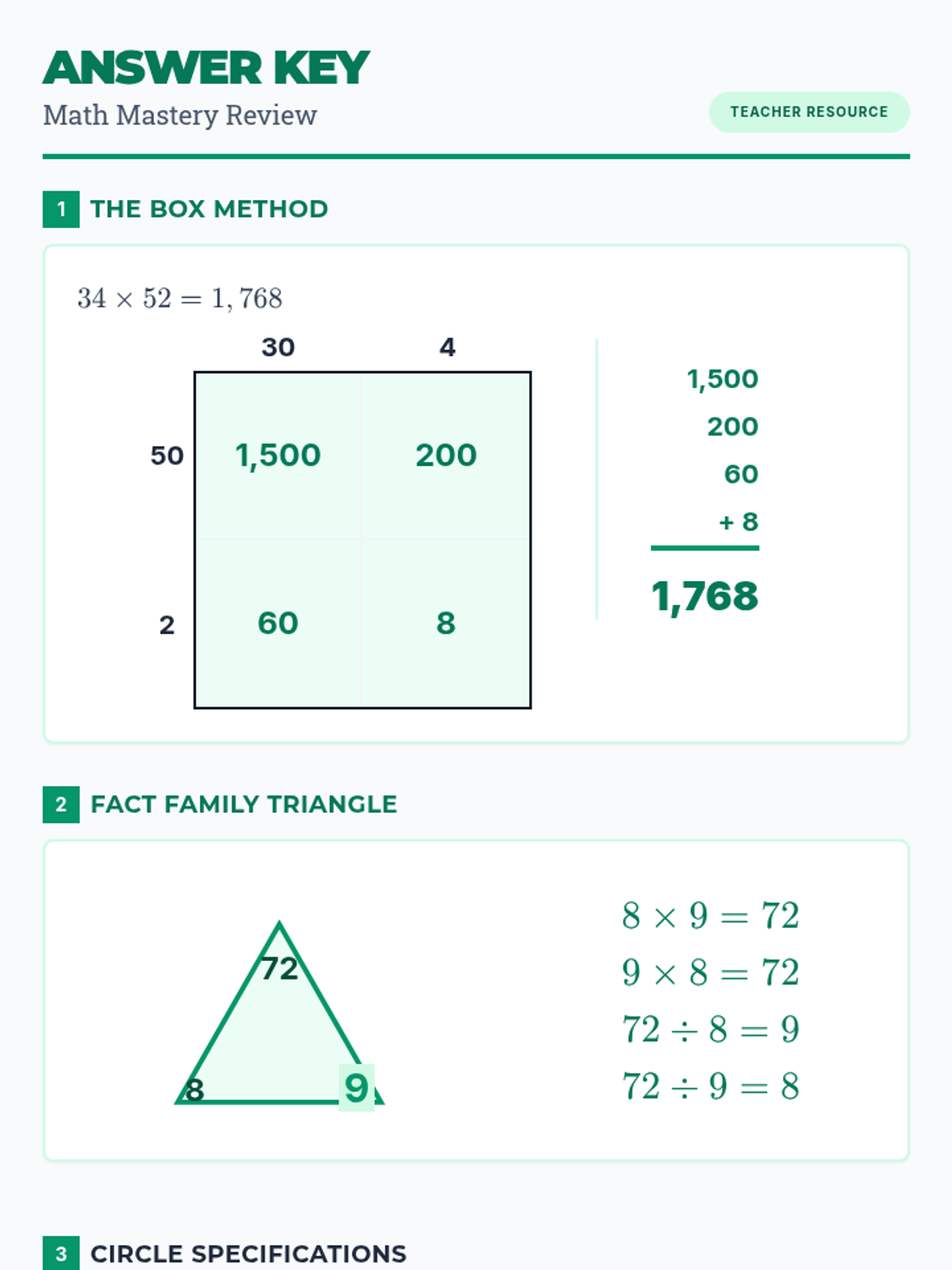
A comprehensive assessment covering circle geometry, area model multiplication, and multiplication/division fact families. Students will demonstrate their understanding of geometric parts, calculation skills, and algebraic relationships.
A comprehensive geometry review for 5th grade students, covering lines, angles, polygons, 3D shapes, and measurement with fractions and mixed numbers.
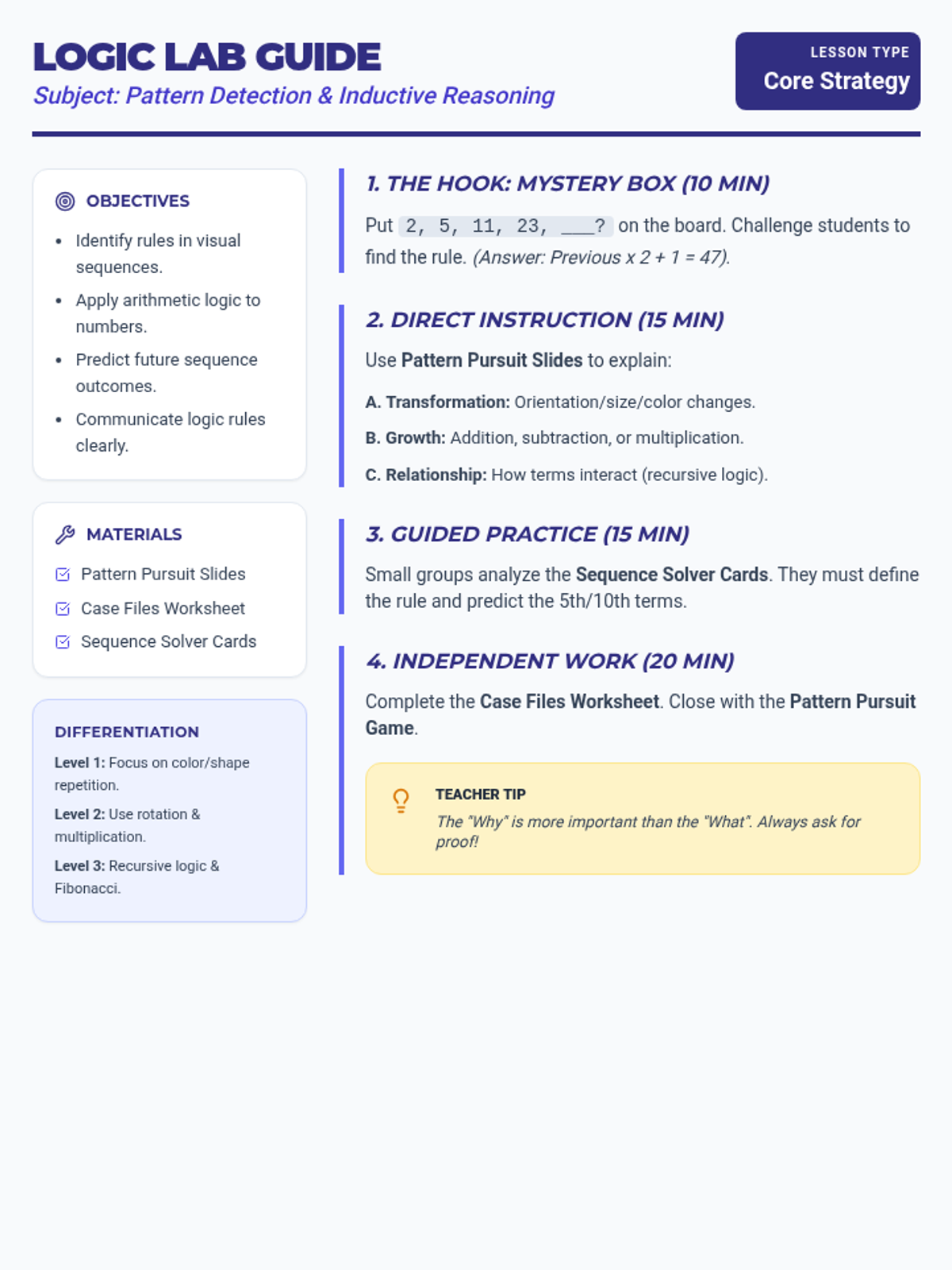
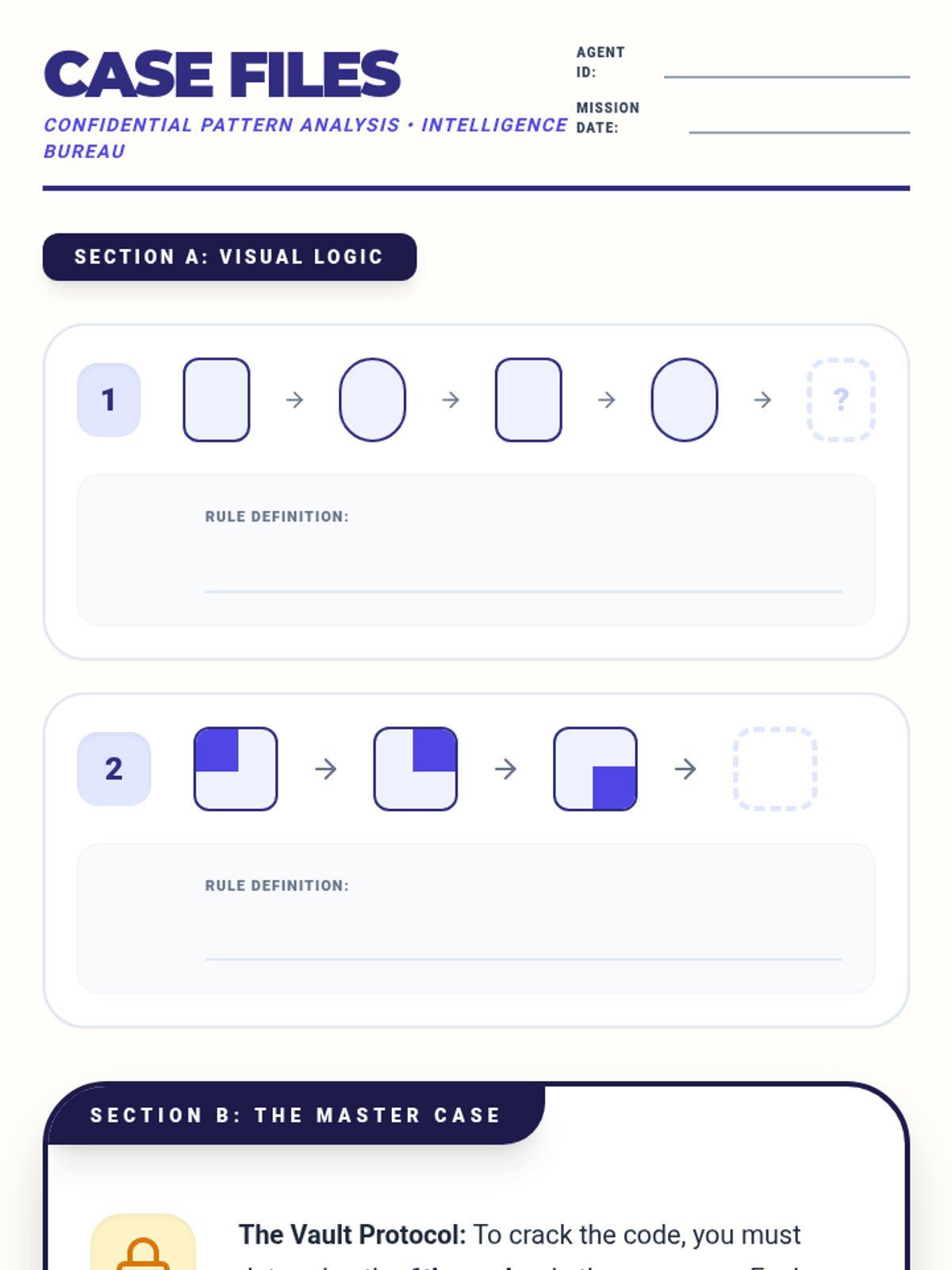
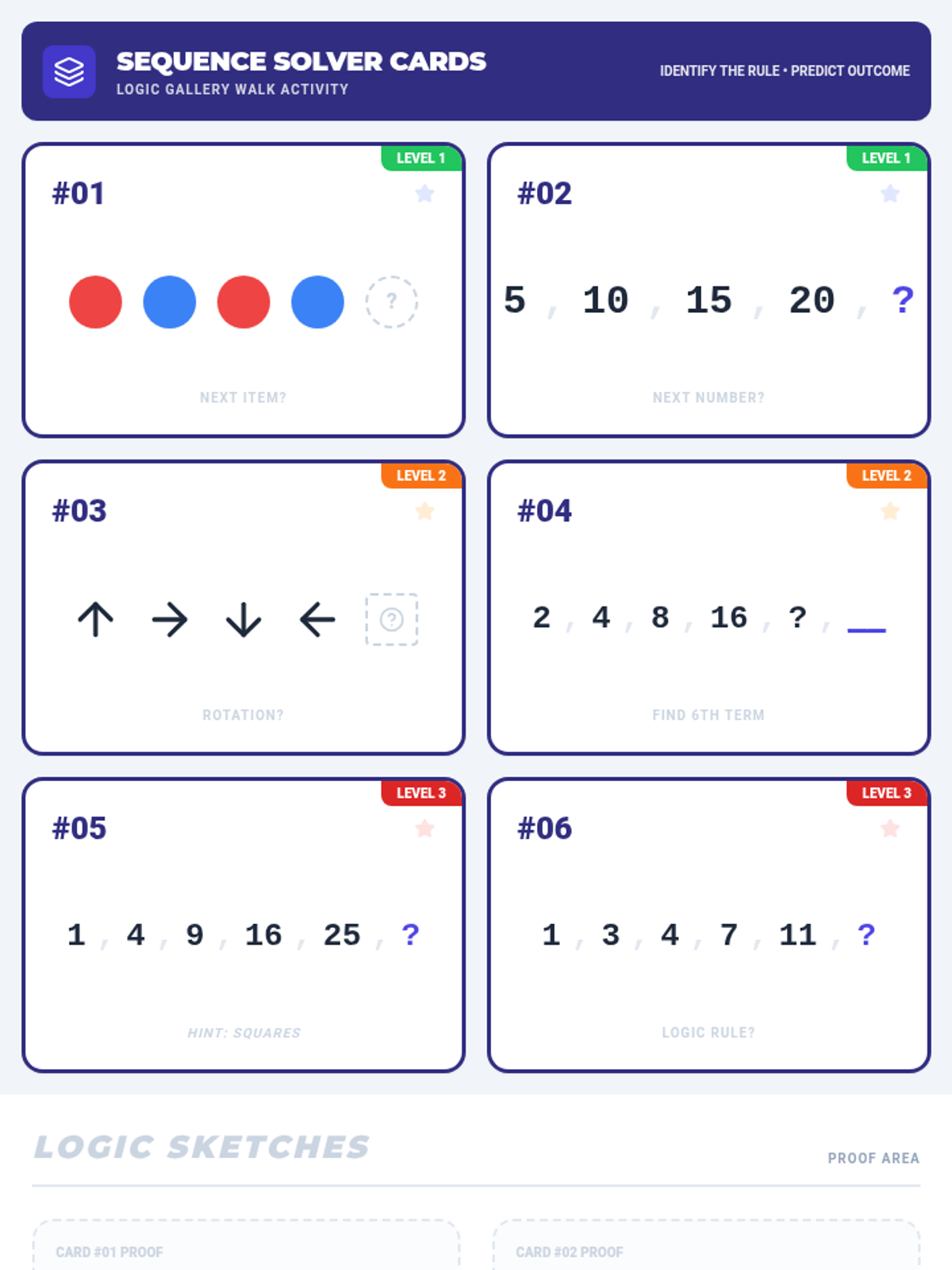
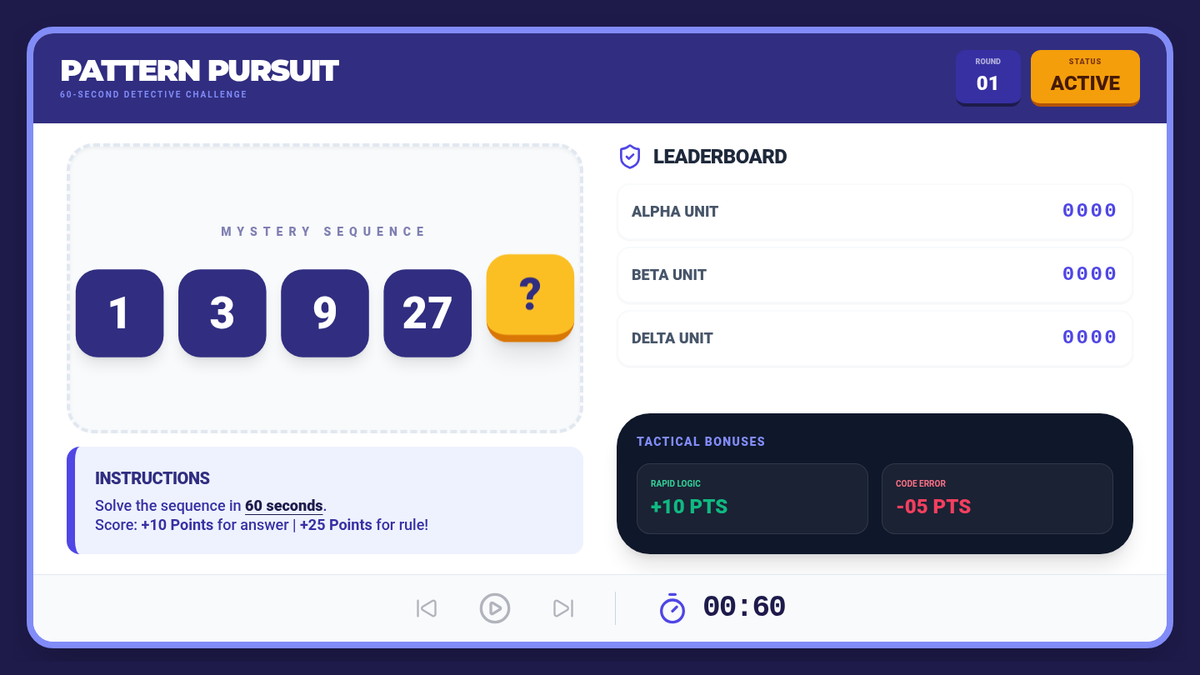
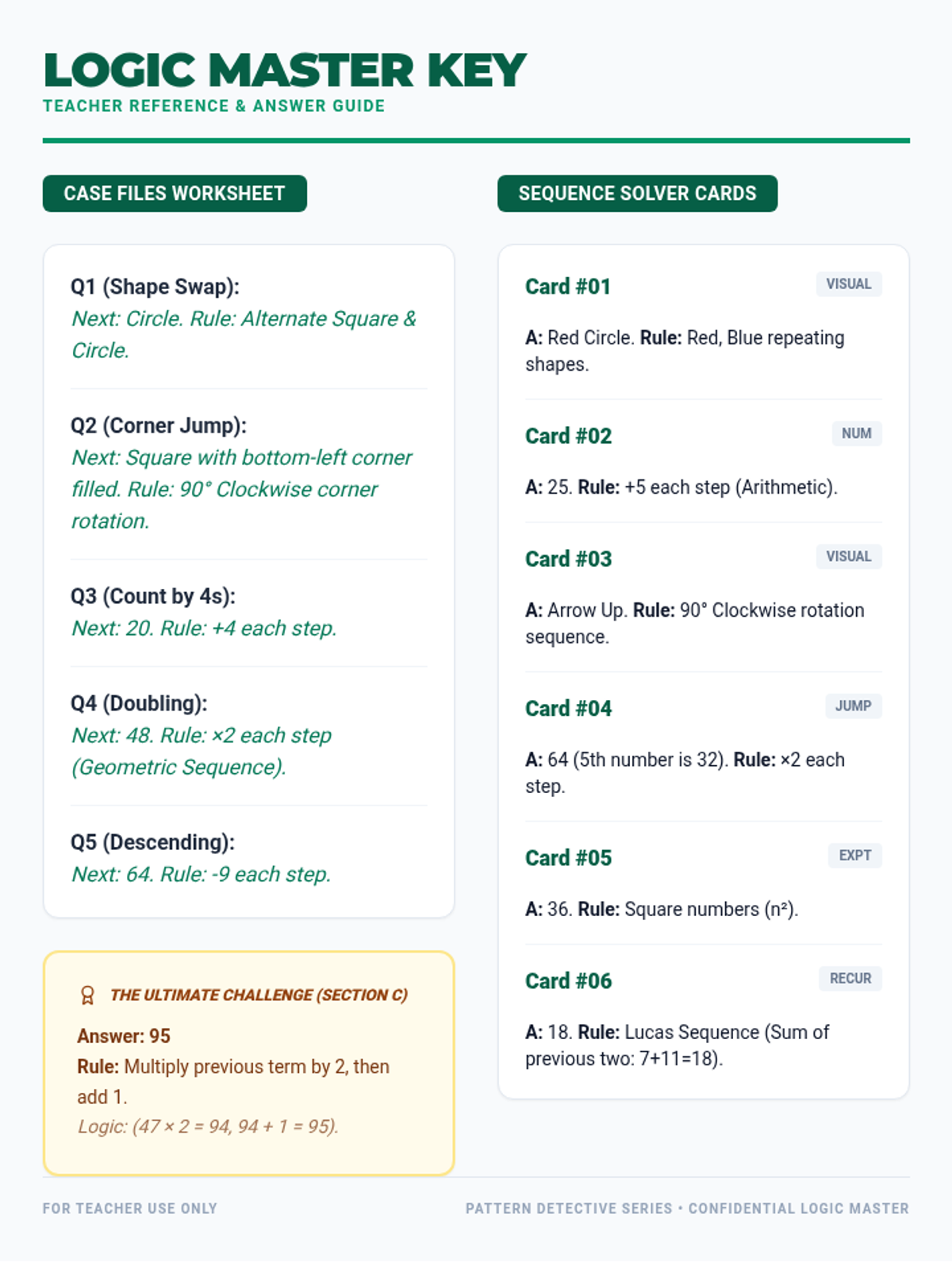
A comprehensive logic lesson where students act as detectives to identify rules in visual and numerical sequences, building inductive reasoning and prediction skills.
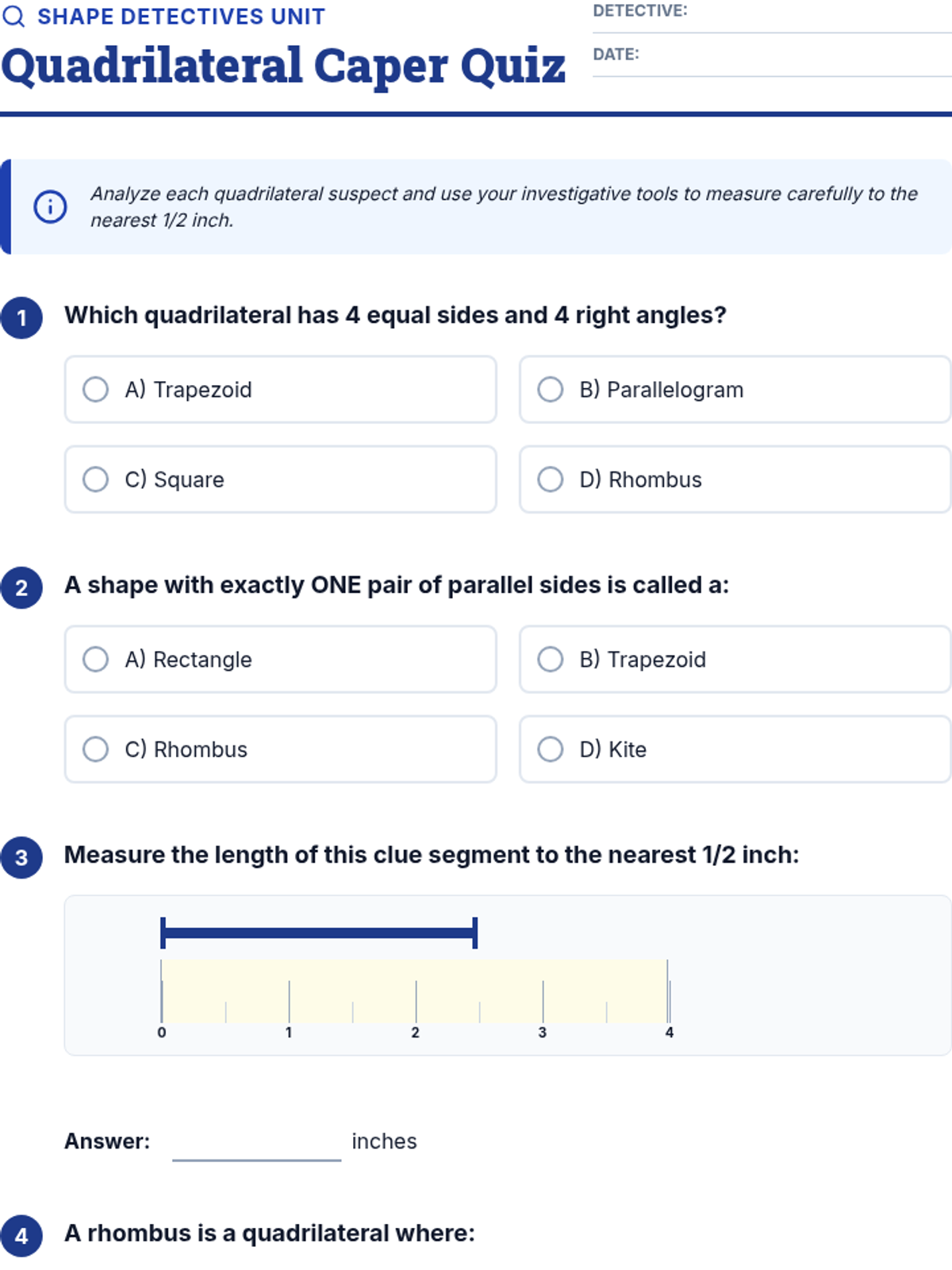
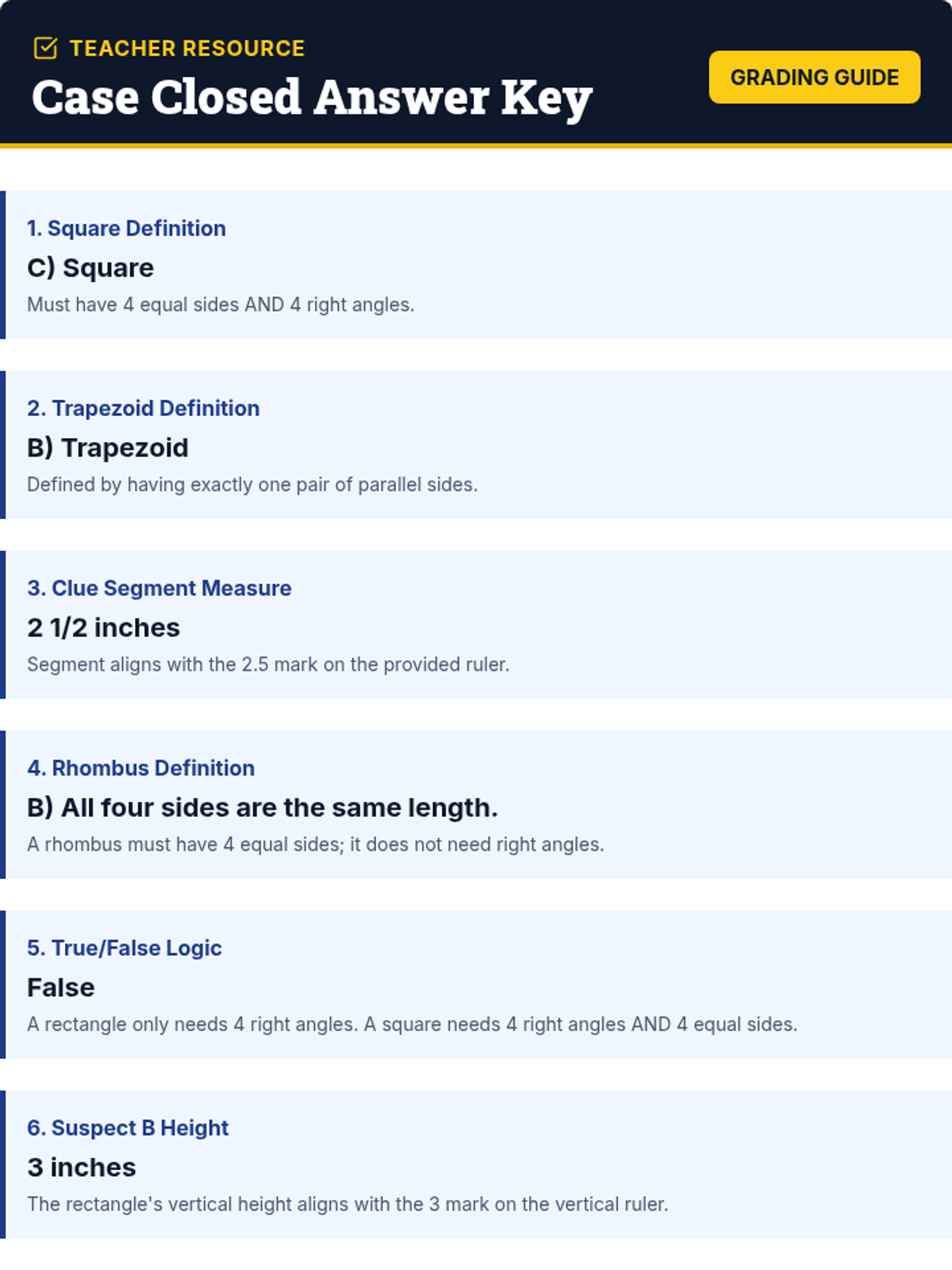
Students will identify various quadrilaterals by their attributes and practice measuring lengths to the nearest half-inch in this detective-themed lesson.
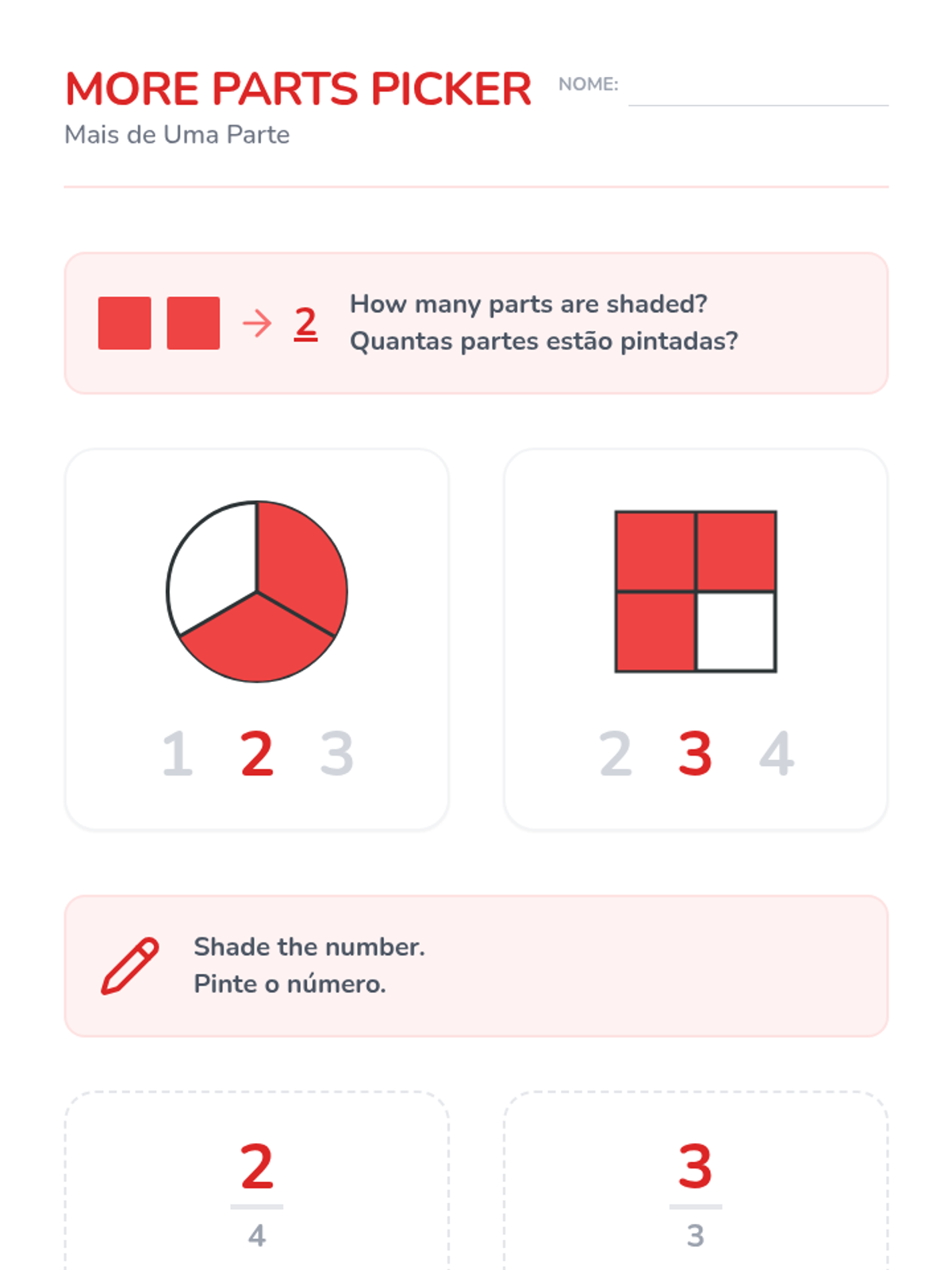
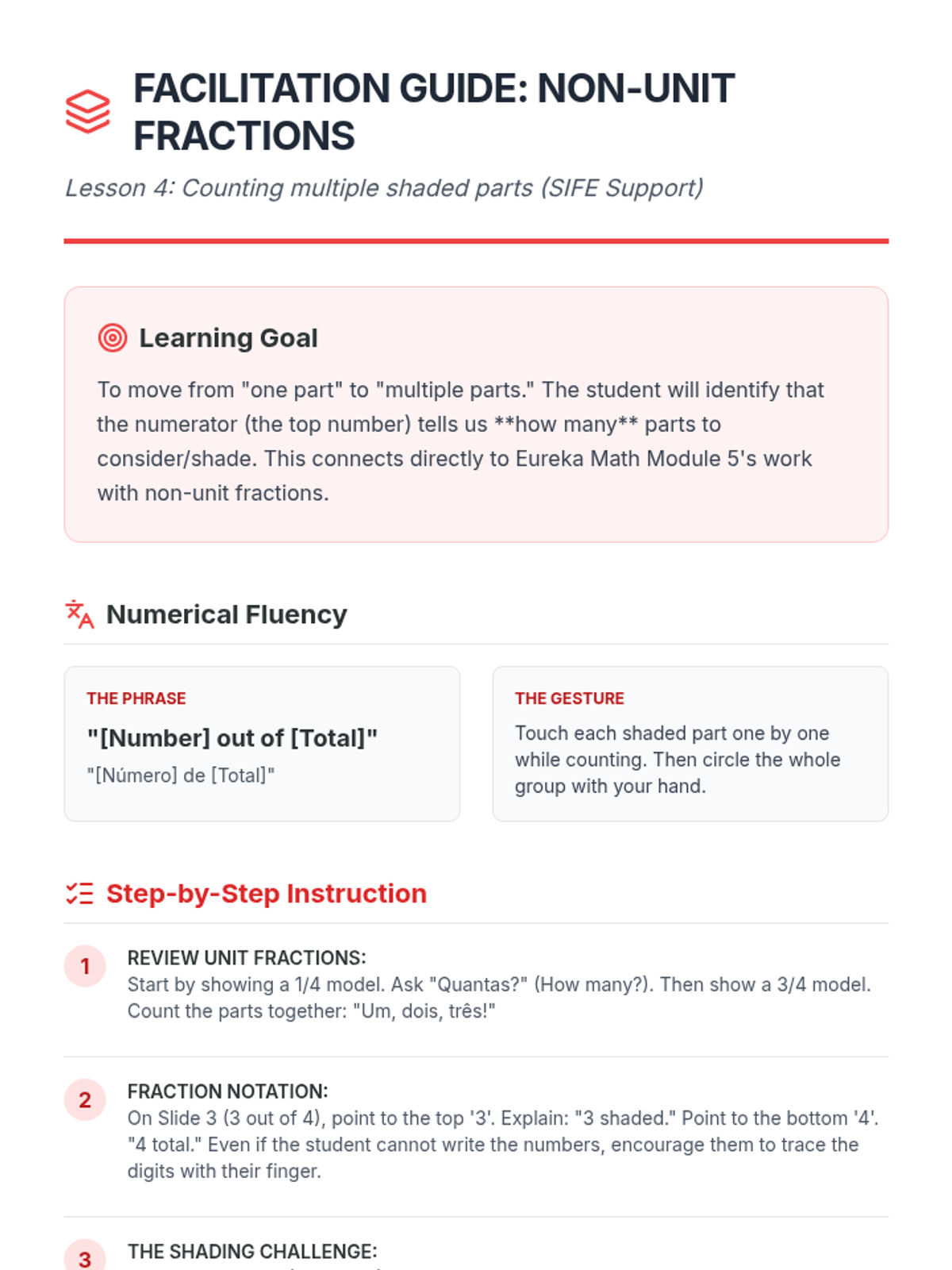
Introduces non-unit fractions by counting multiple shaded parts (e.g., 2 out of 3, 3 out of 4). Focuses on the verbal transition from "one part" to "many parts" while maintaining visual consistency.
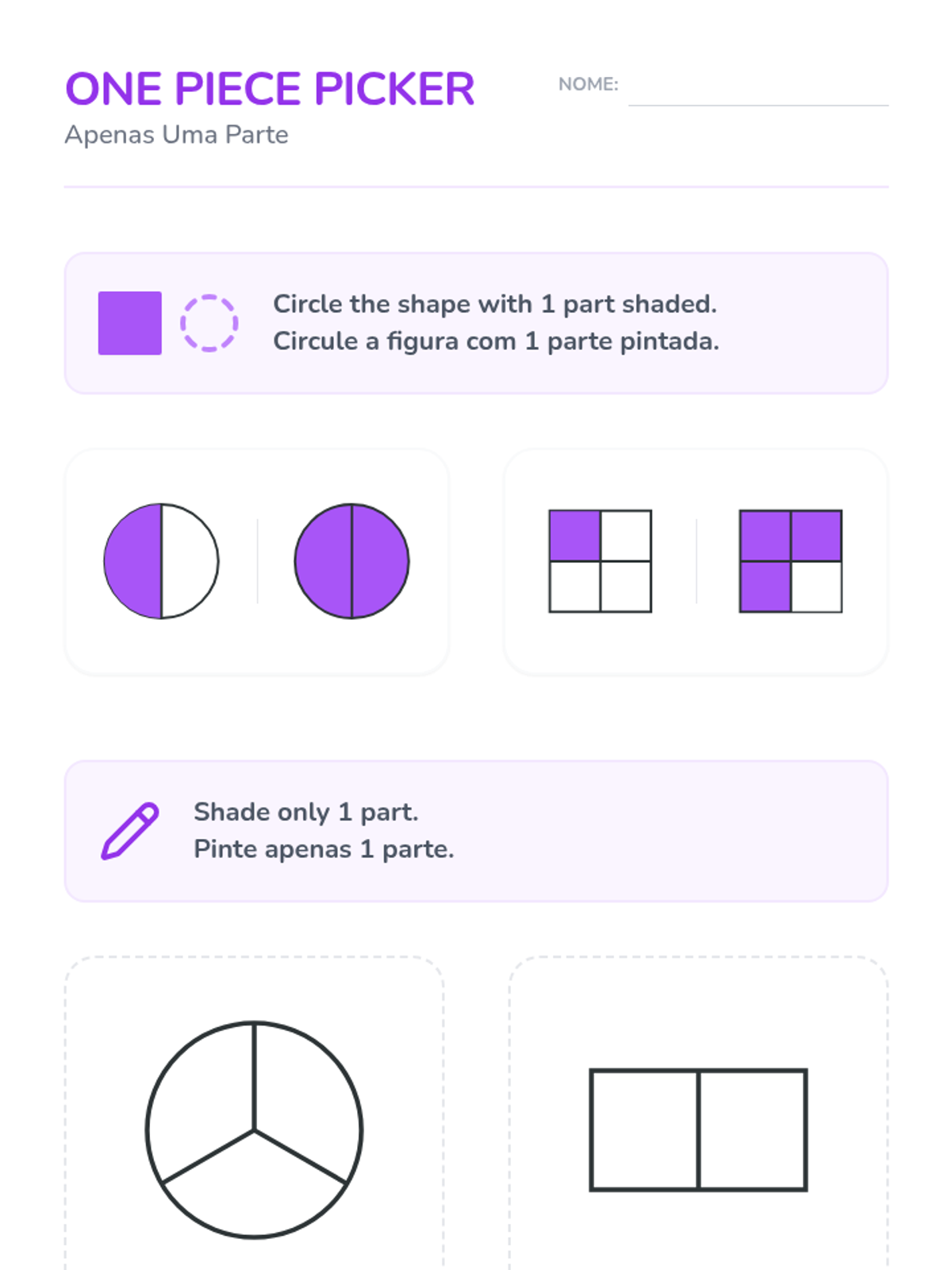
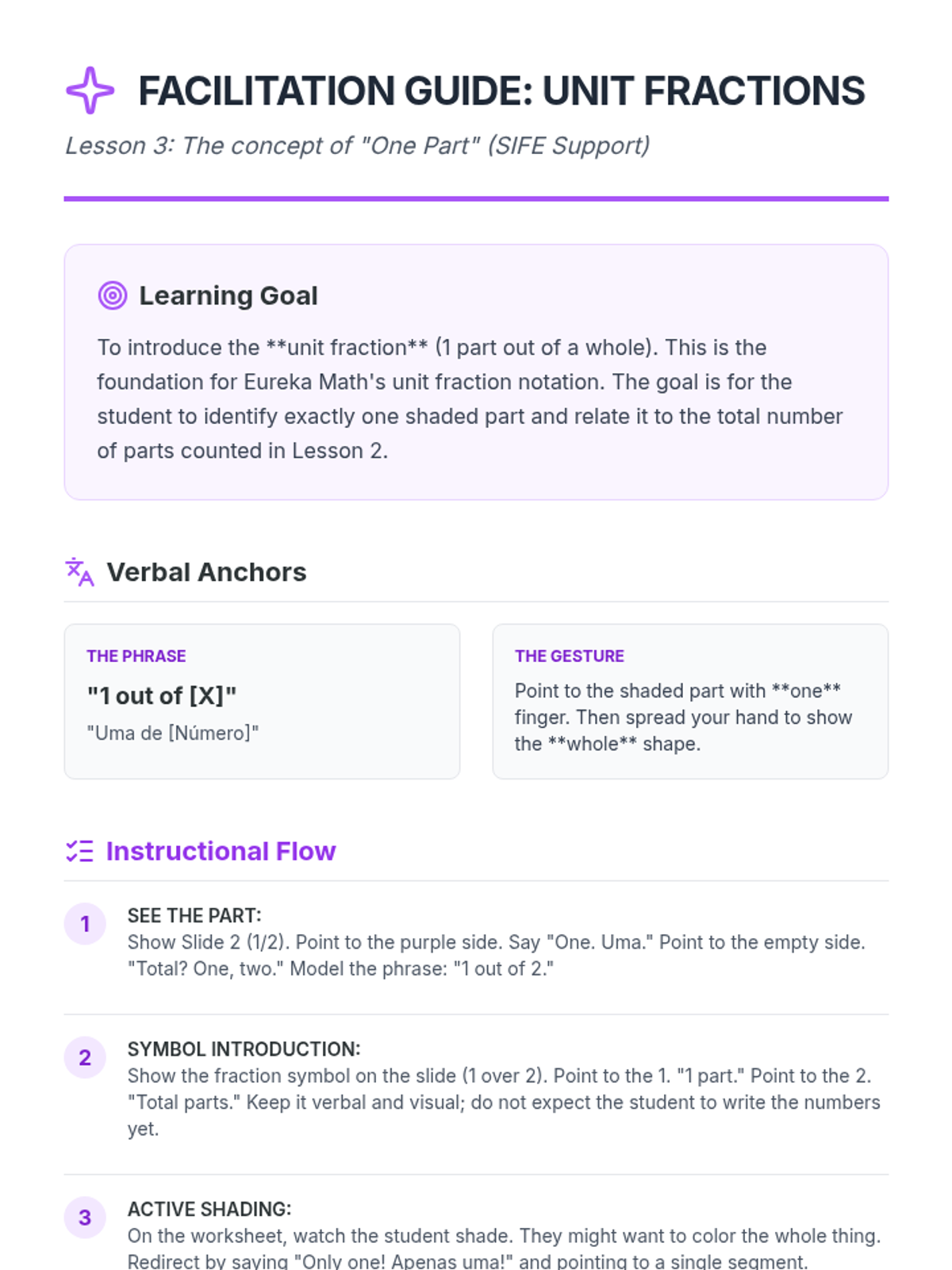
Introduces the concept of a unit fraction by identifying 'one part' out of a whole. Focuses on visual recognition of one shaded part and introduces the verbal phrasing 'one out of x' in English and Portuguese.
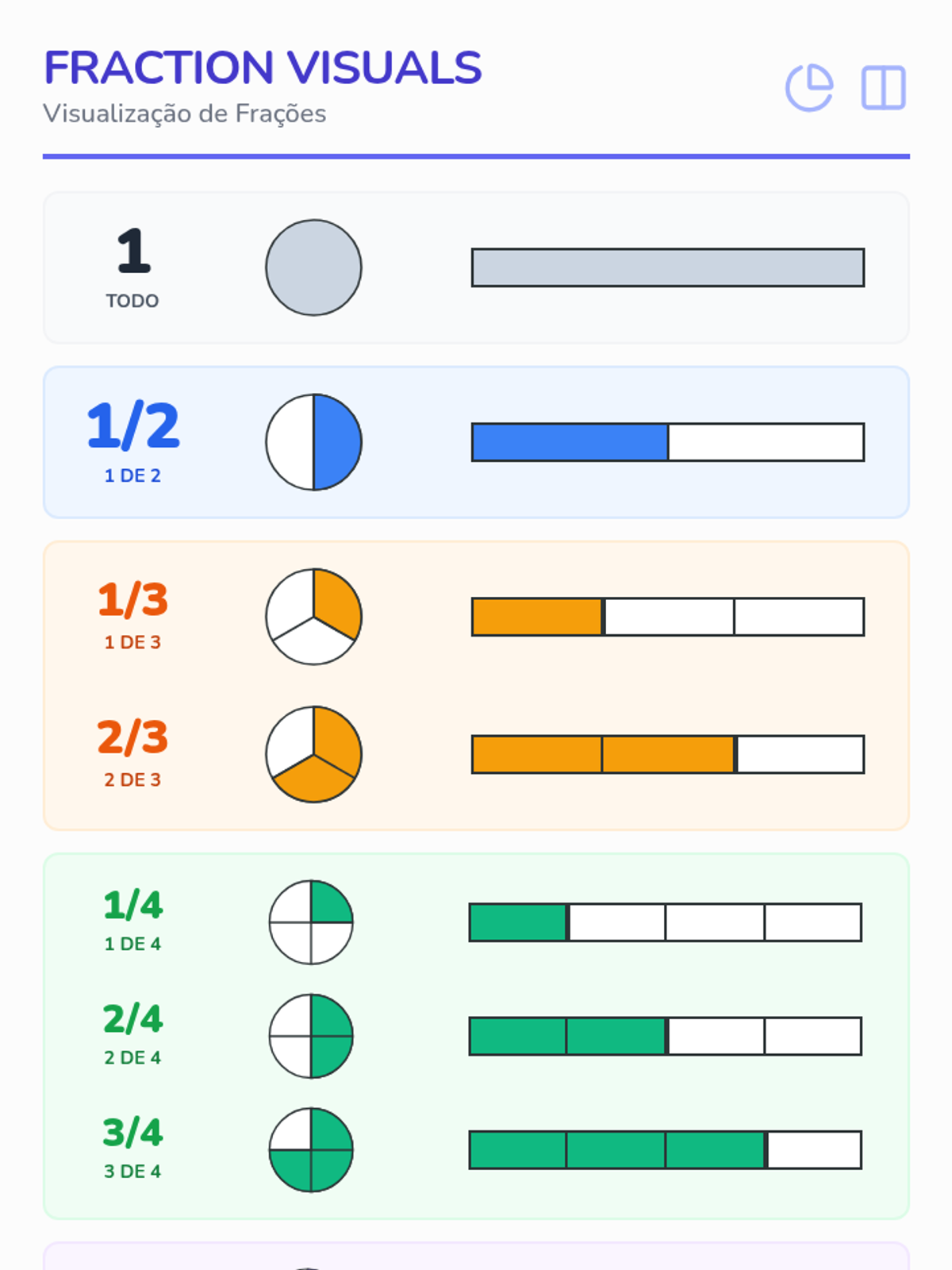
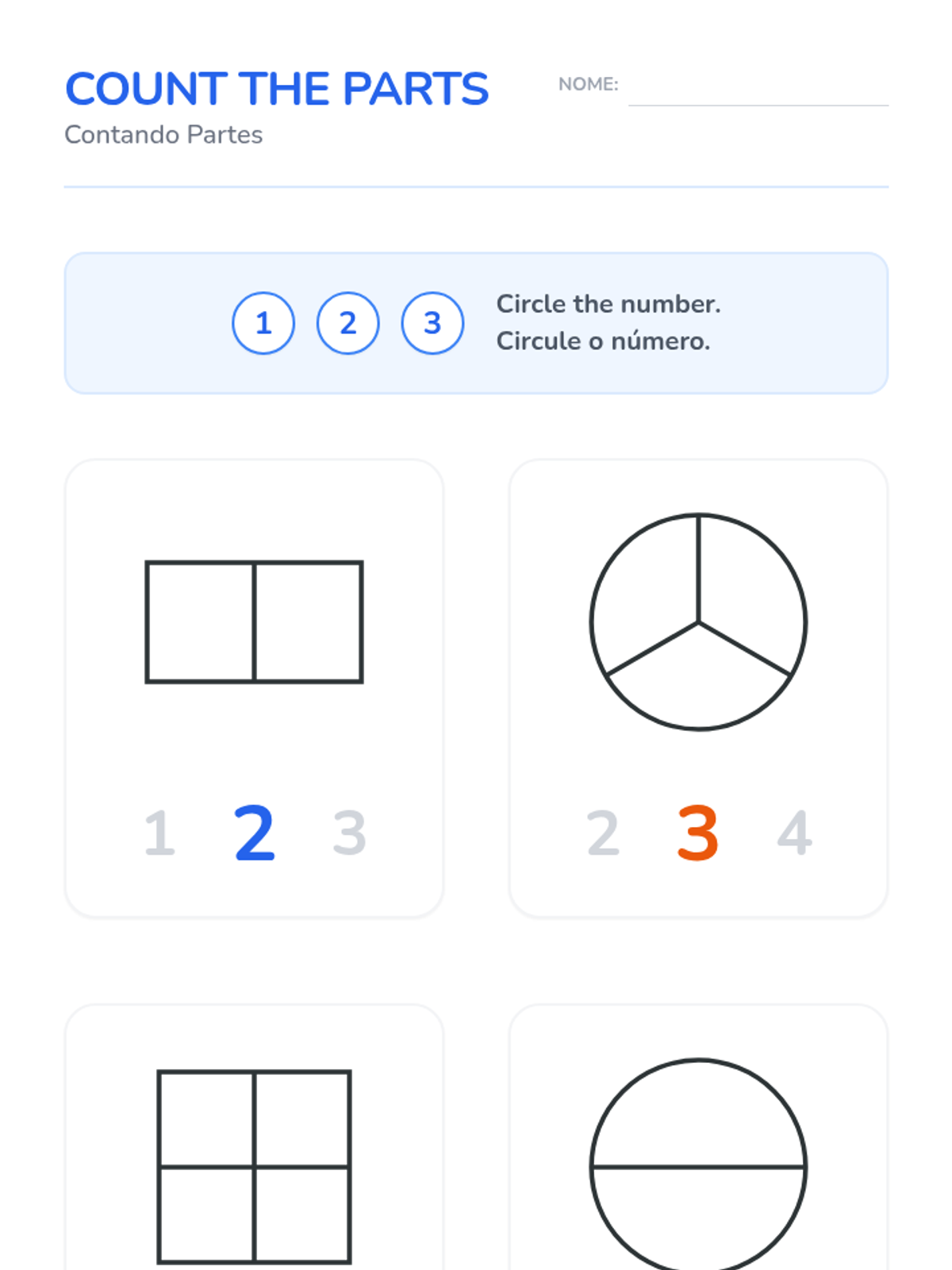
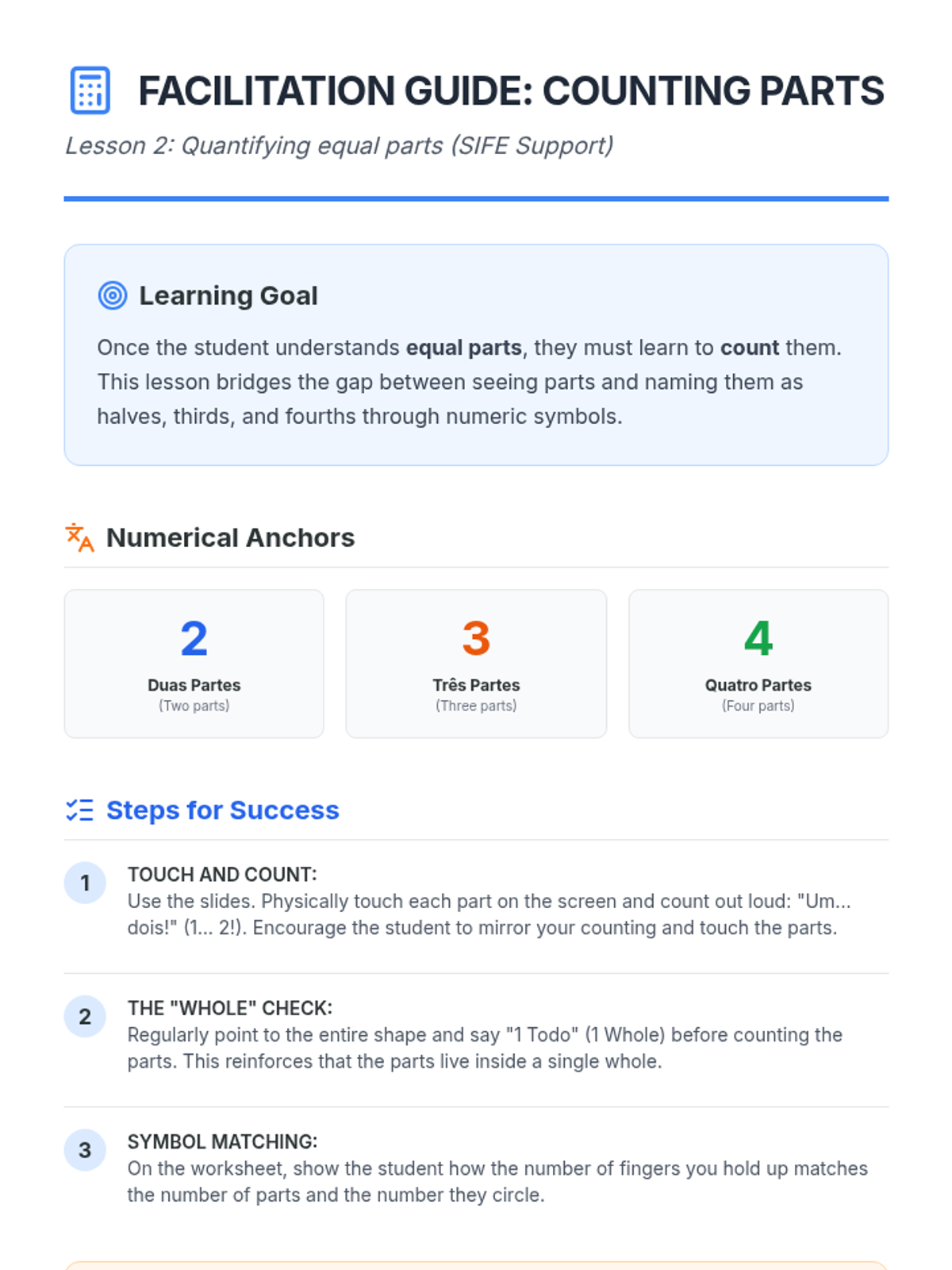
Focuses on identifying the number of equal parts (2, 3, and 4) in a whole. Introduces the vocabulary for halves, thirds, and fourths through visual counting and symbols, maintaining a low-literacy approach.
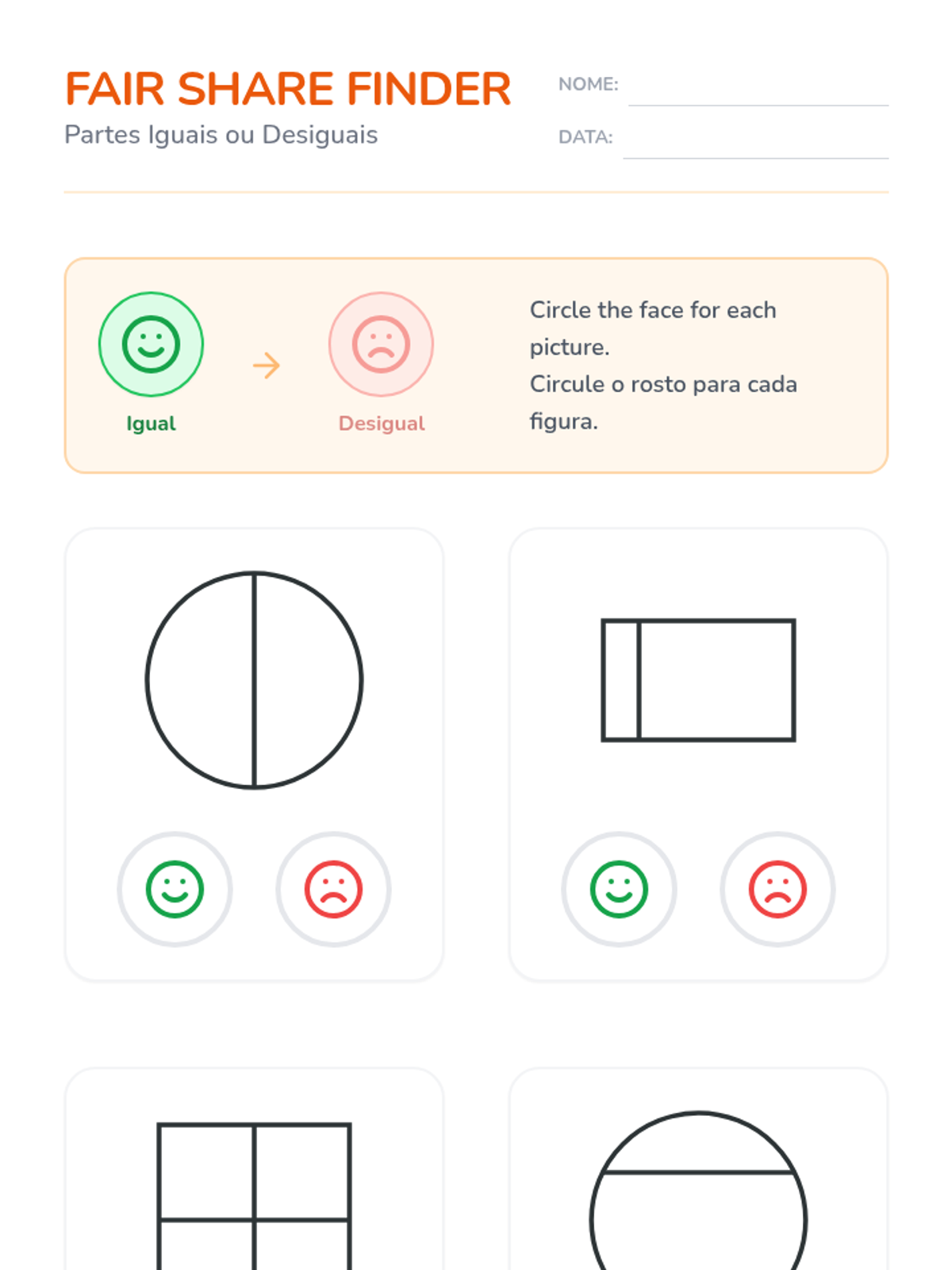
A foundational introduction to fractions as equal parts of a whole, specifically designed for students with interrupted education and no literacy. This lesson uses high-visual, low-text materials to assess and build conceptual understanding of partitioning and fair shares.
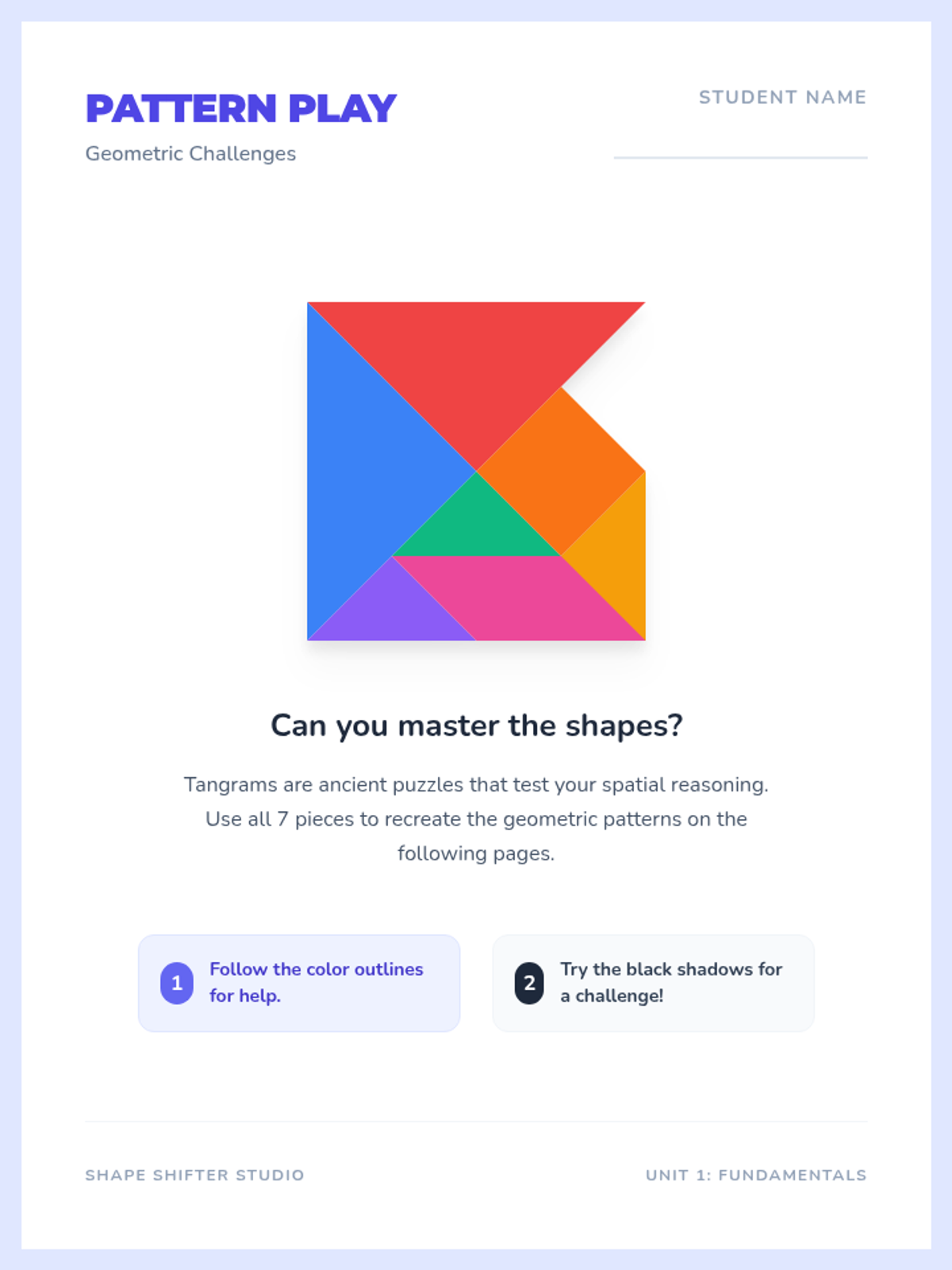
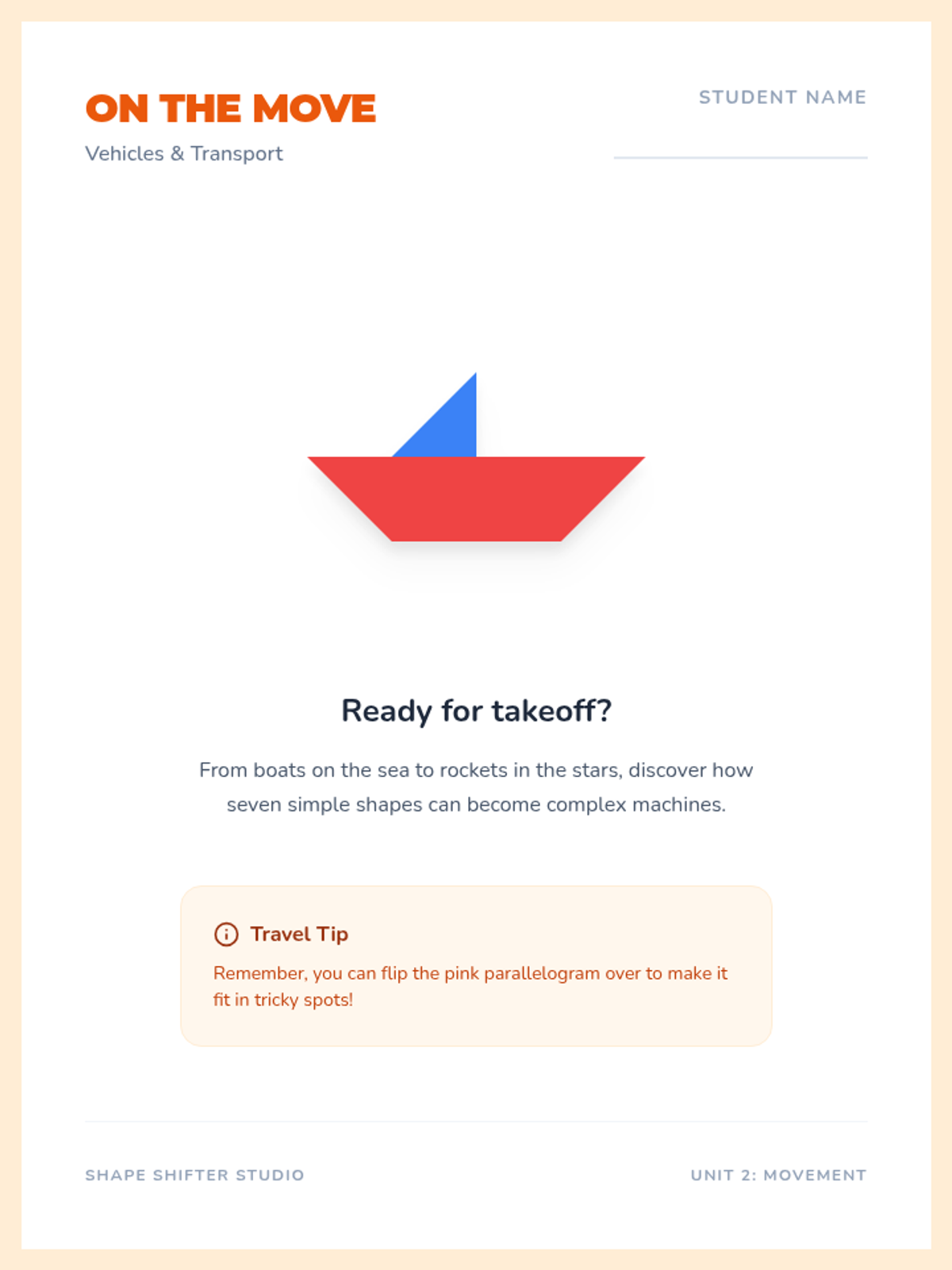
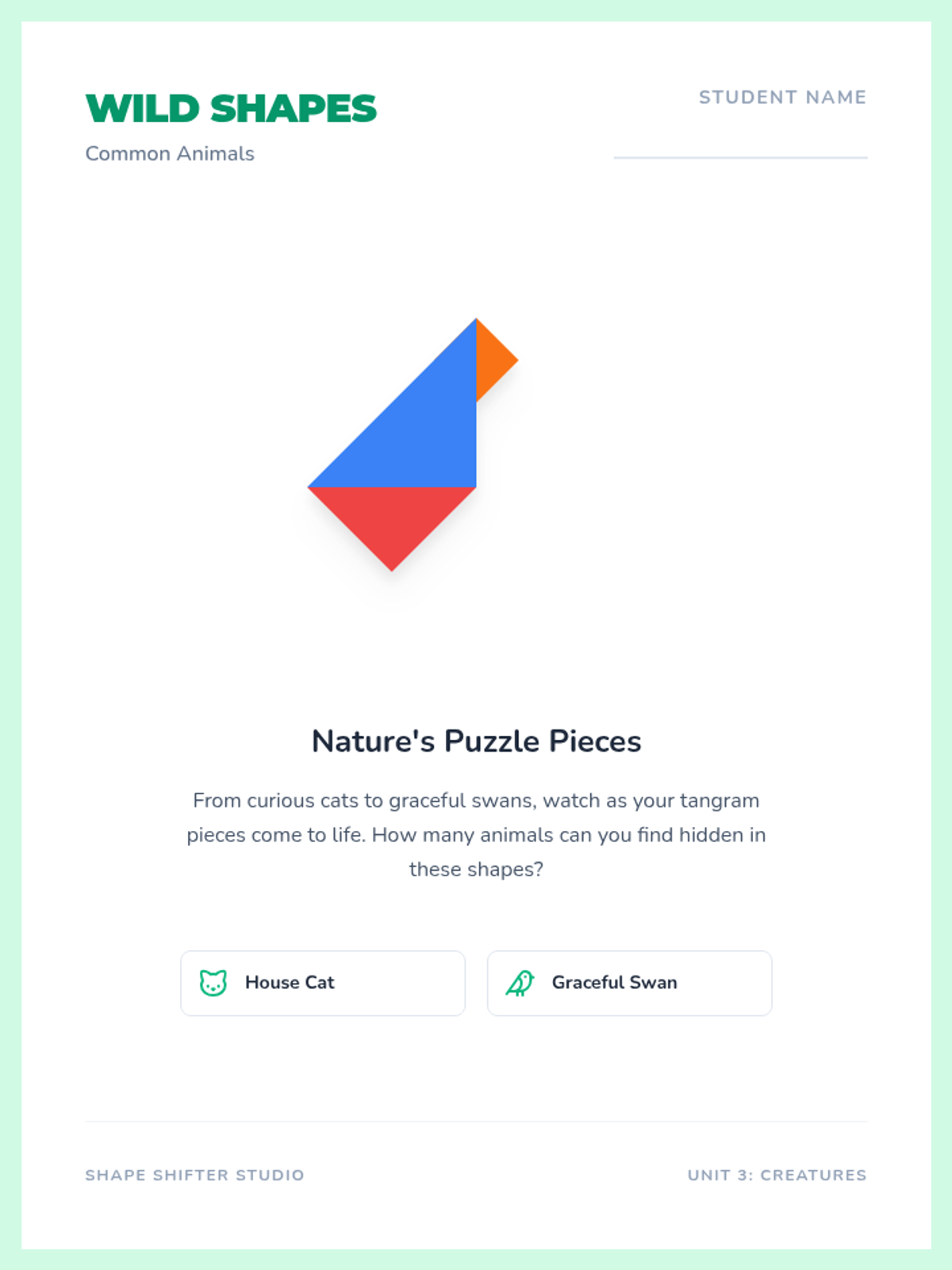
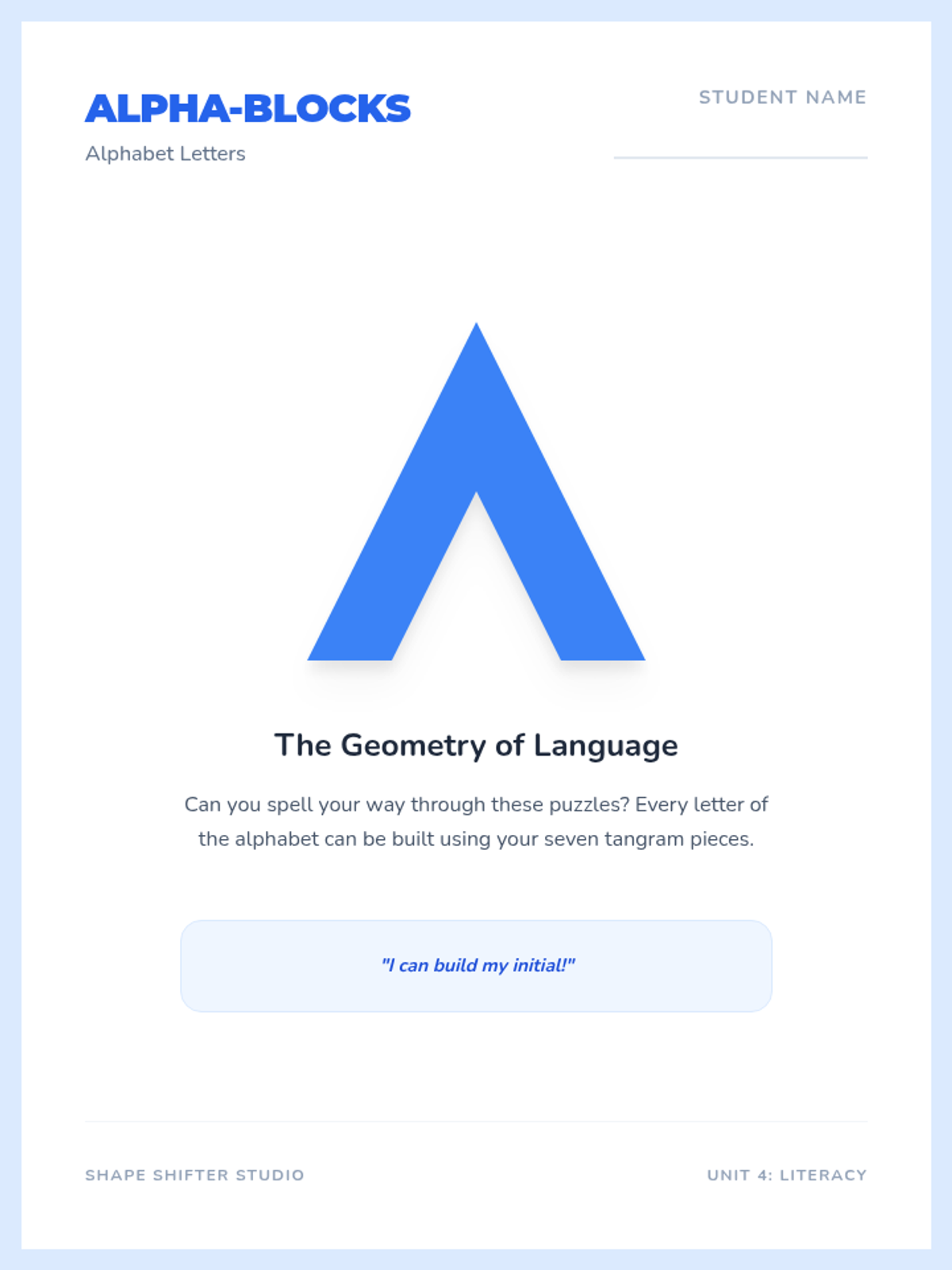
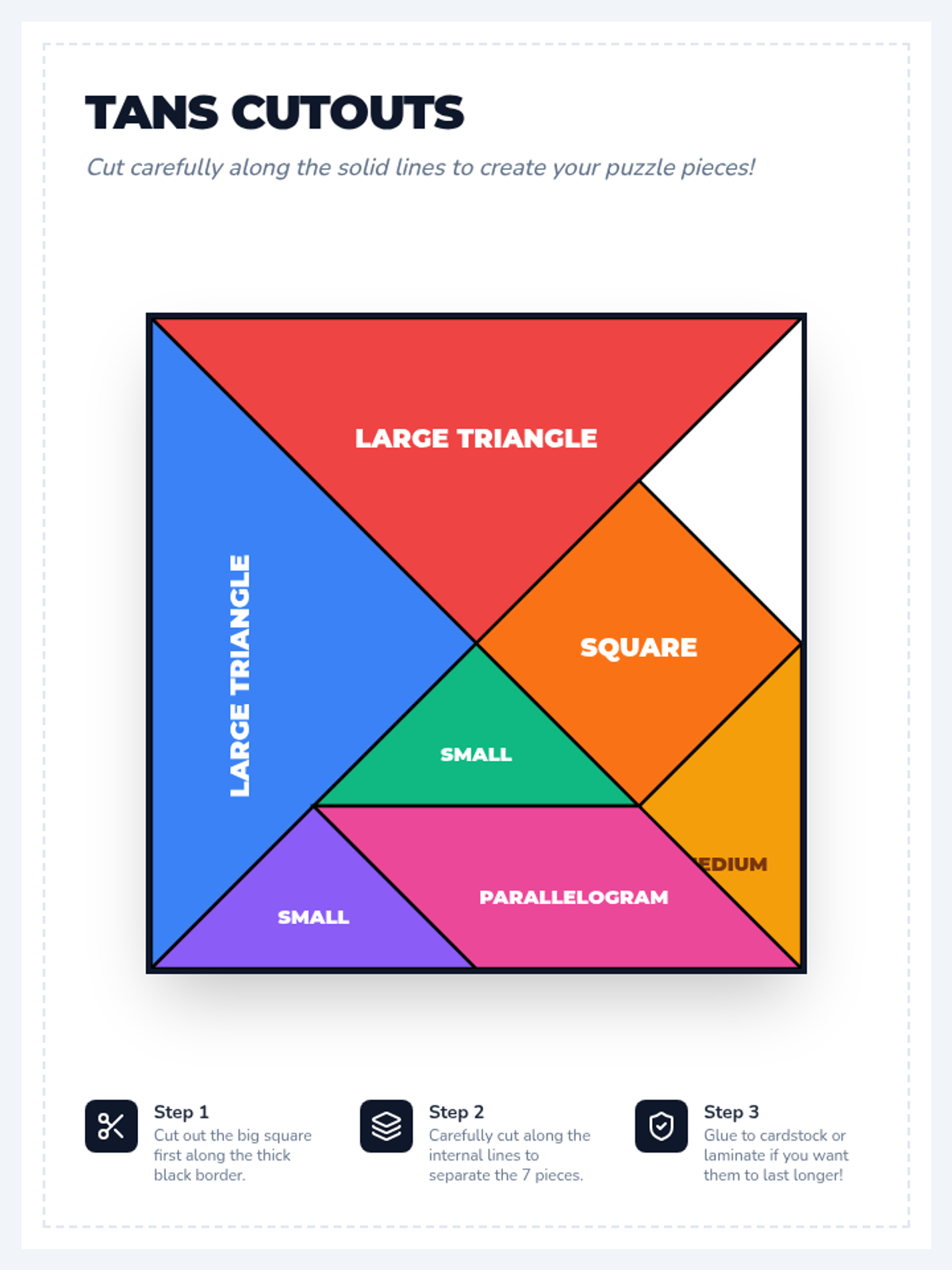
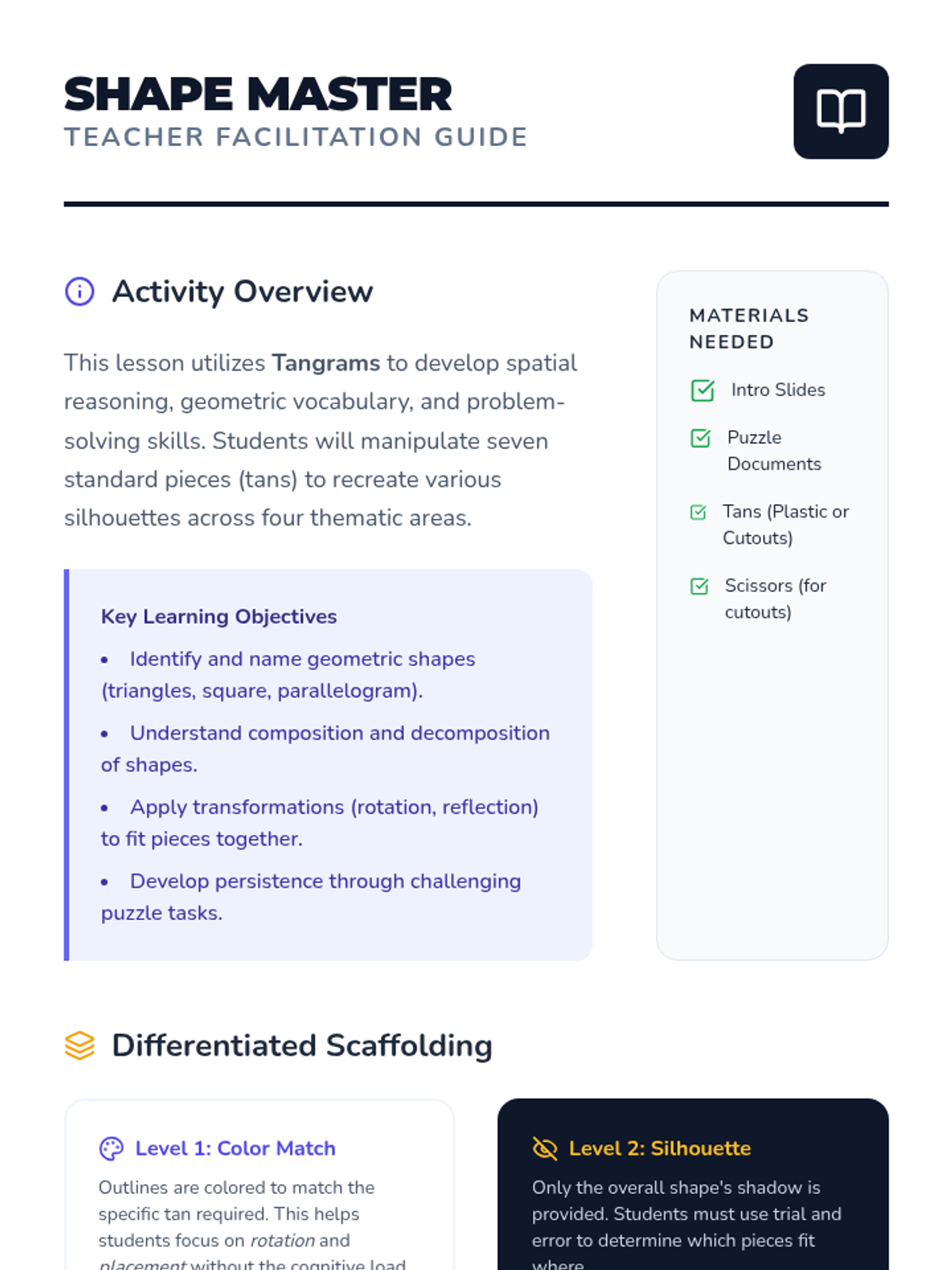
A hands-on exploration of geometry and spatial reasoning using tangrams, featuring puzzles across four diverse themes with varying difficulty levels.
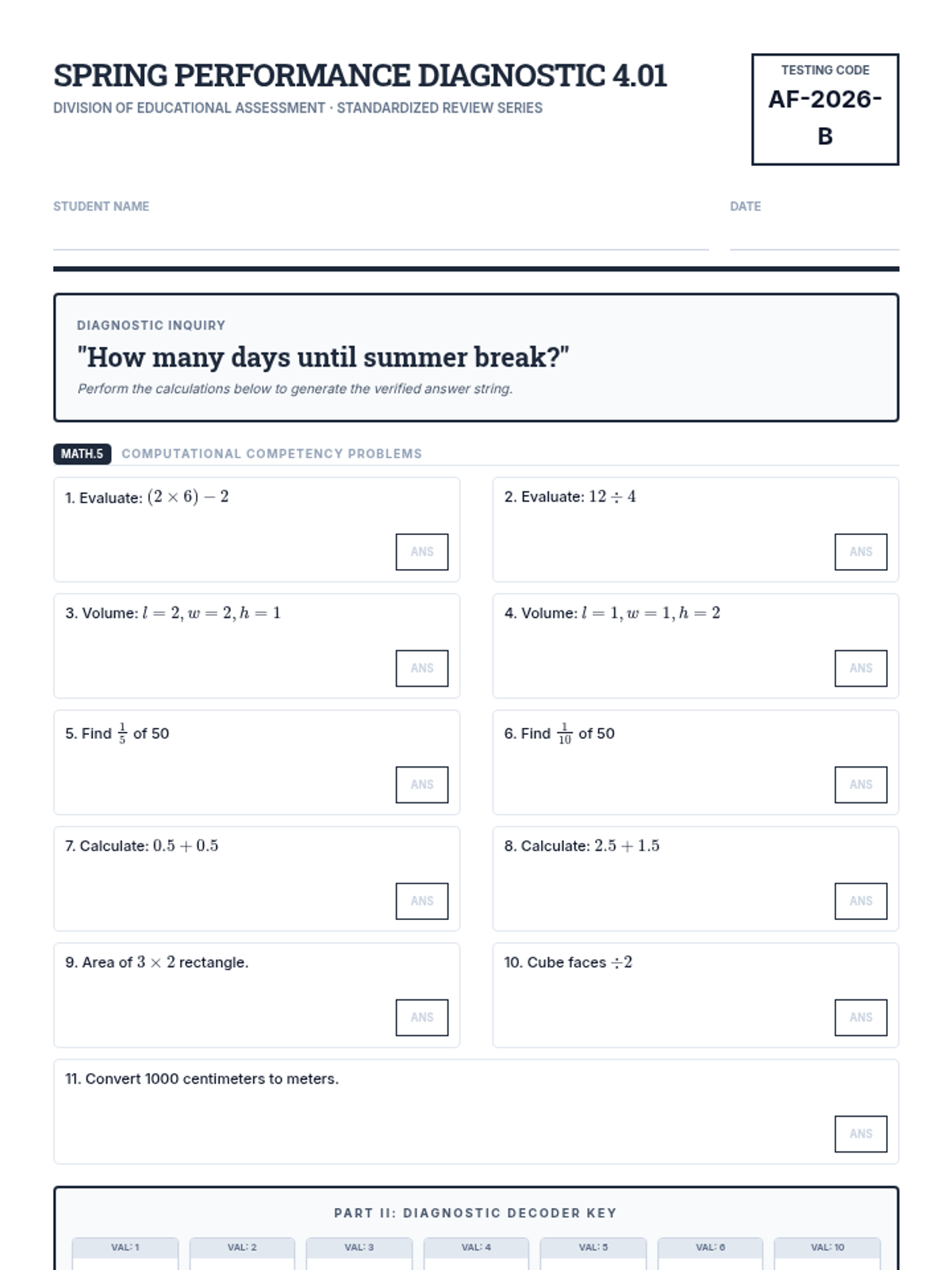
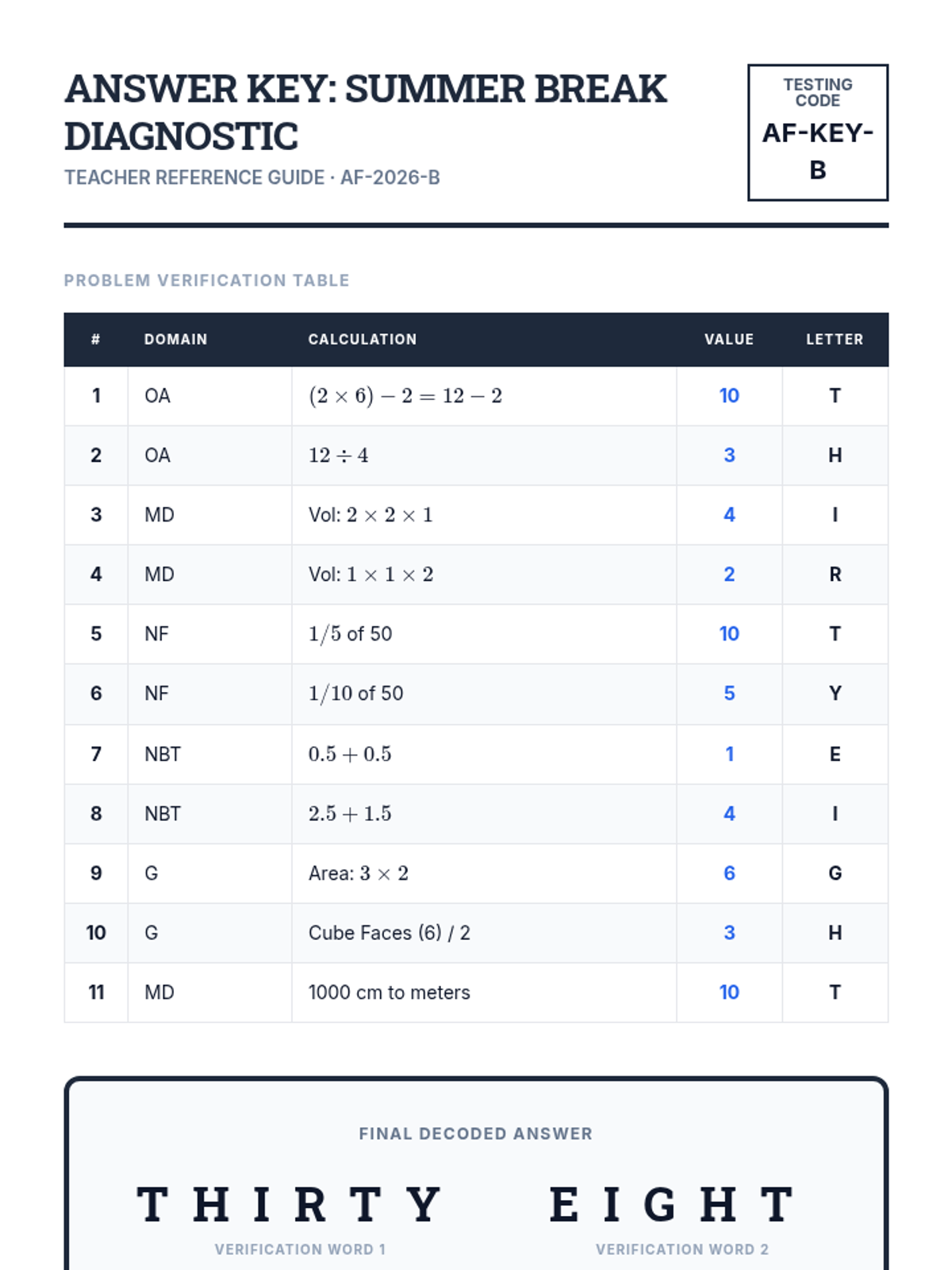
A collection of 5th-grade math review problems that reveal a hidden April Fools' message upon completion. Covers order of operations, volume, fractions, decimals, geometry, and measurement conversion.
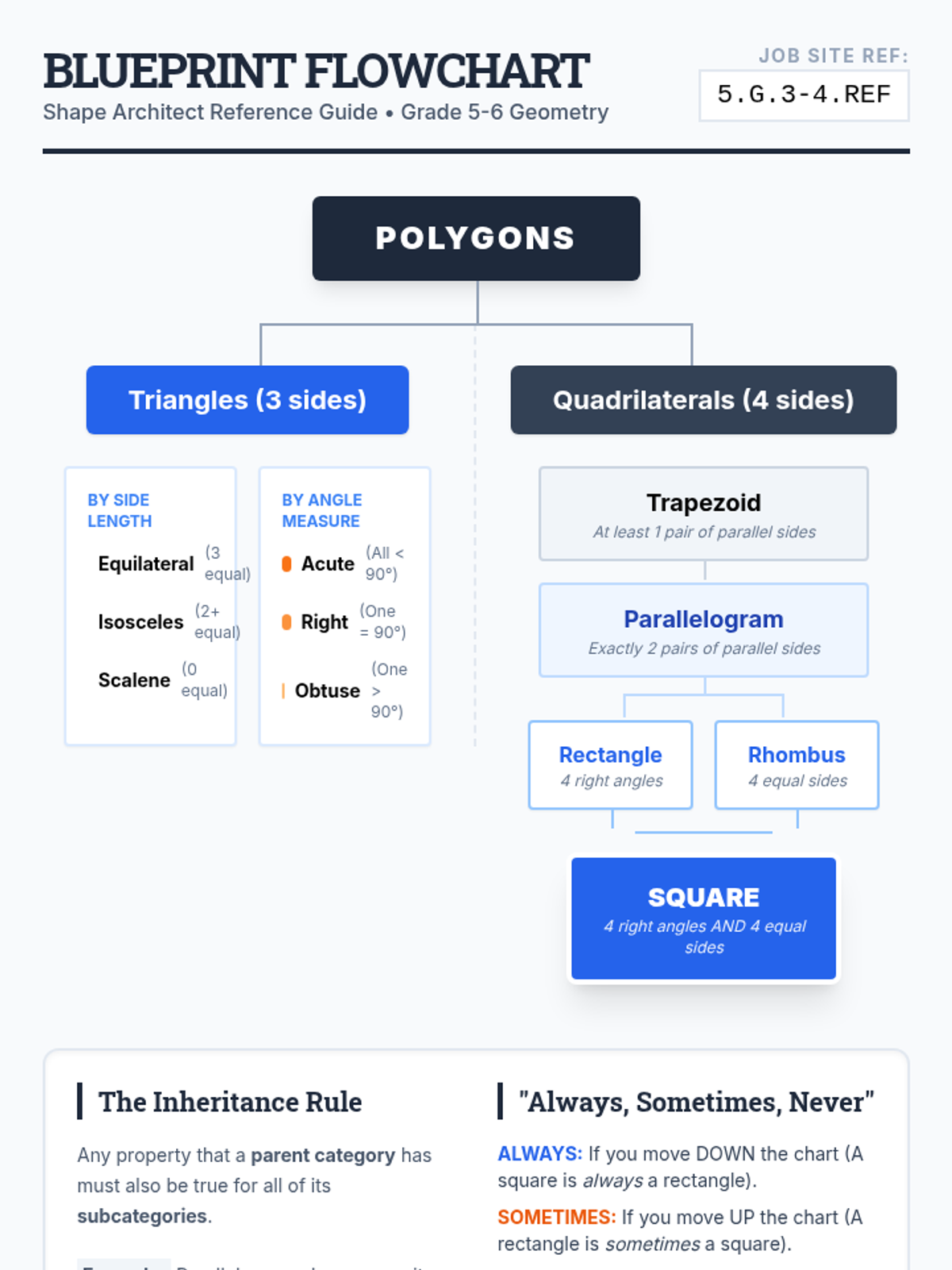
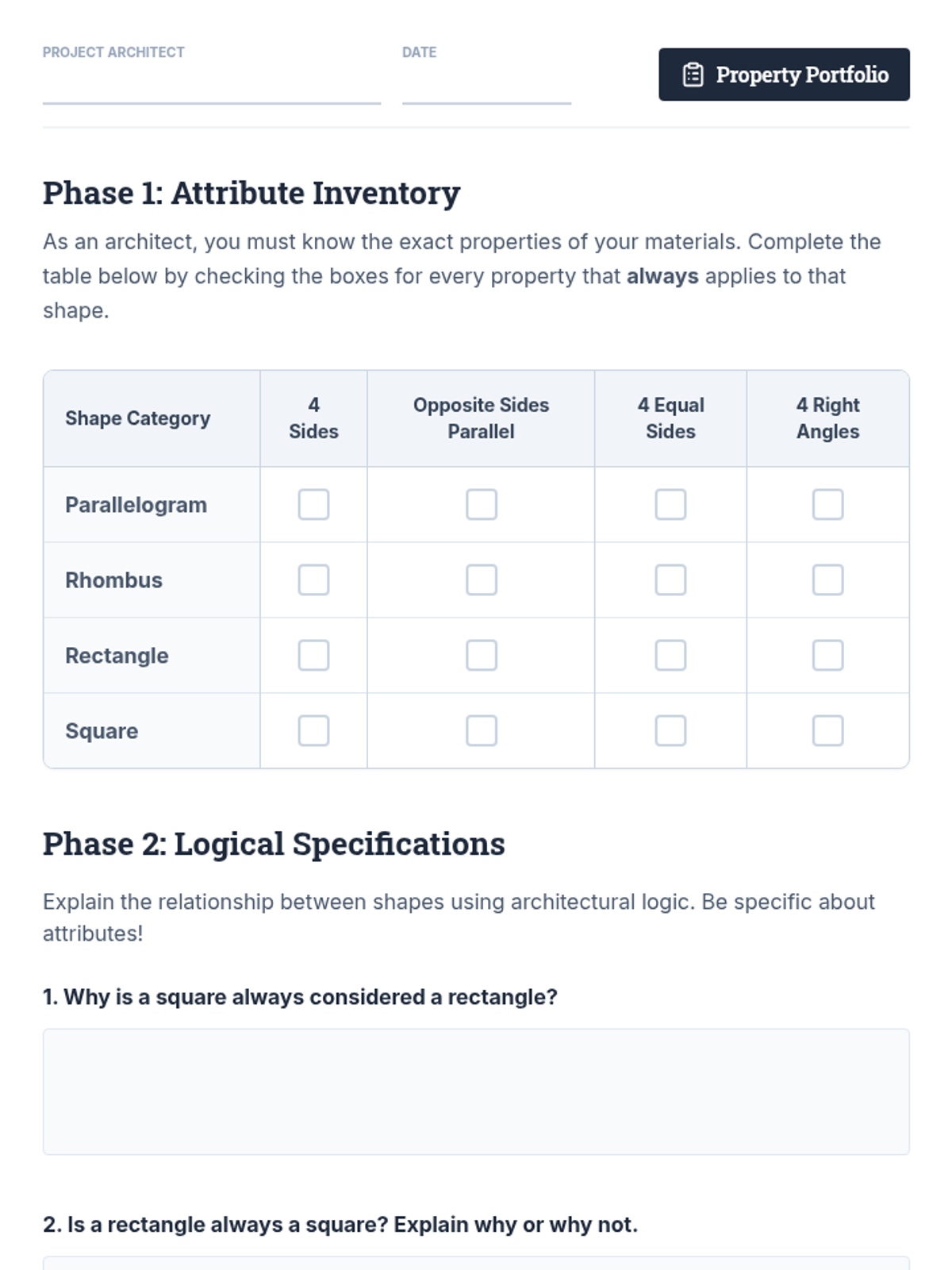
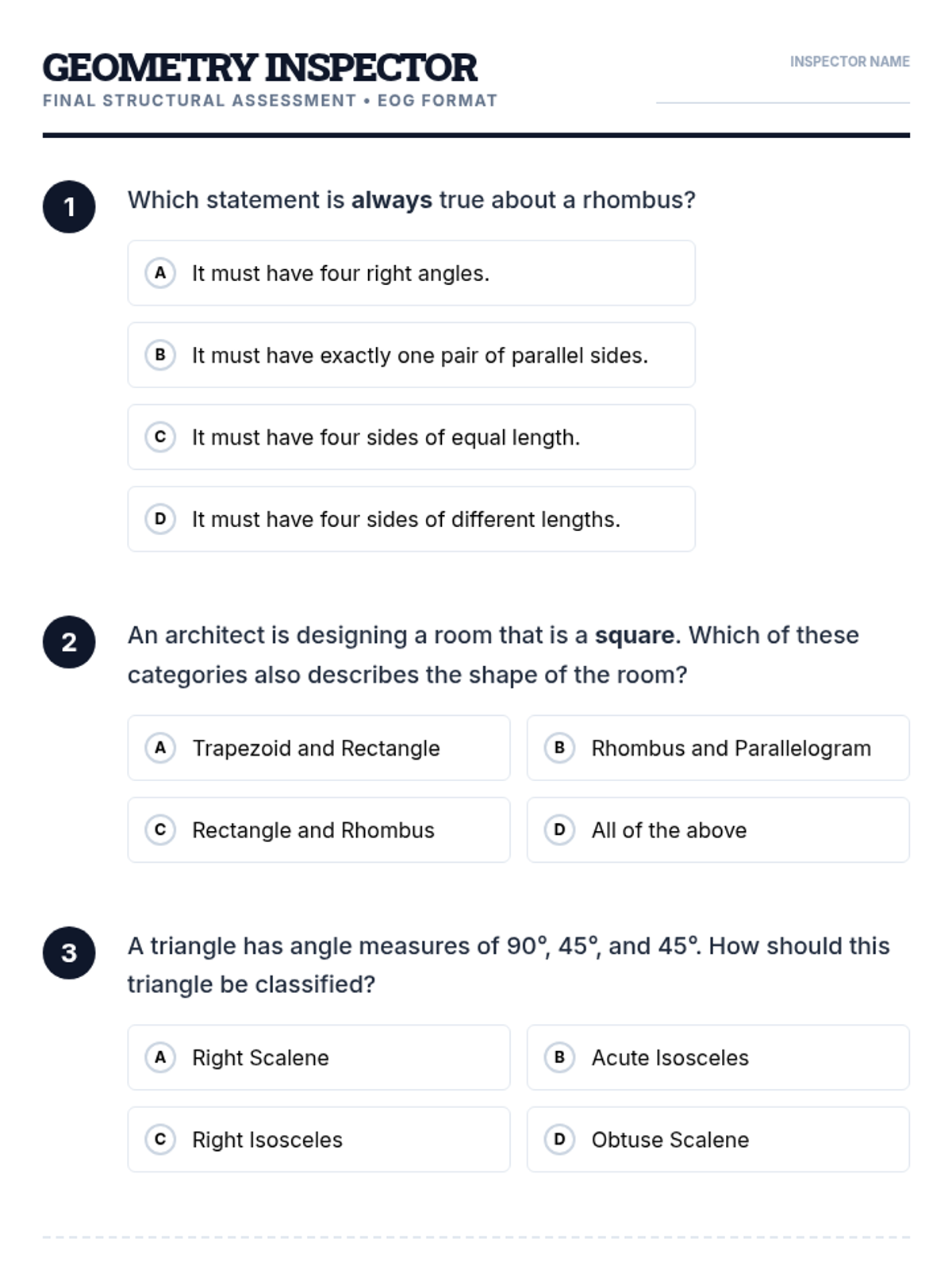
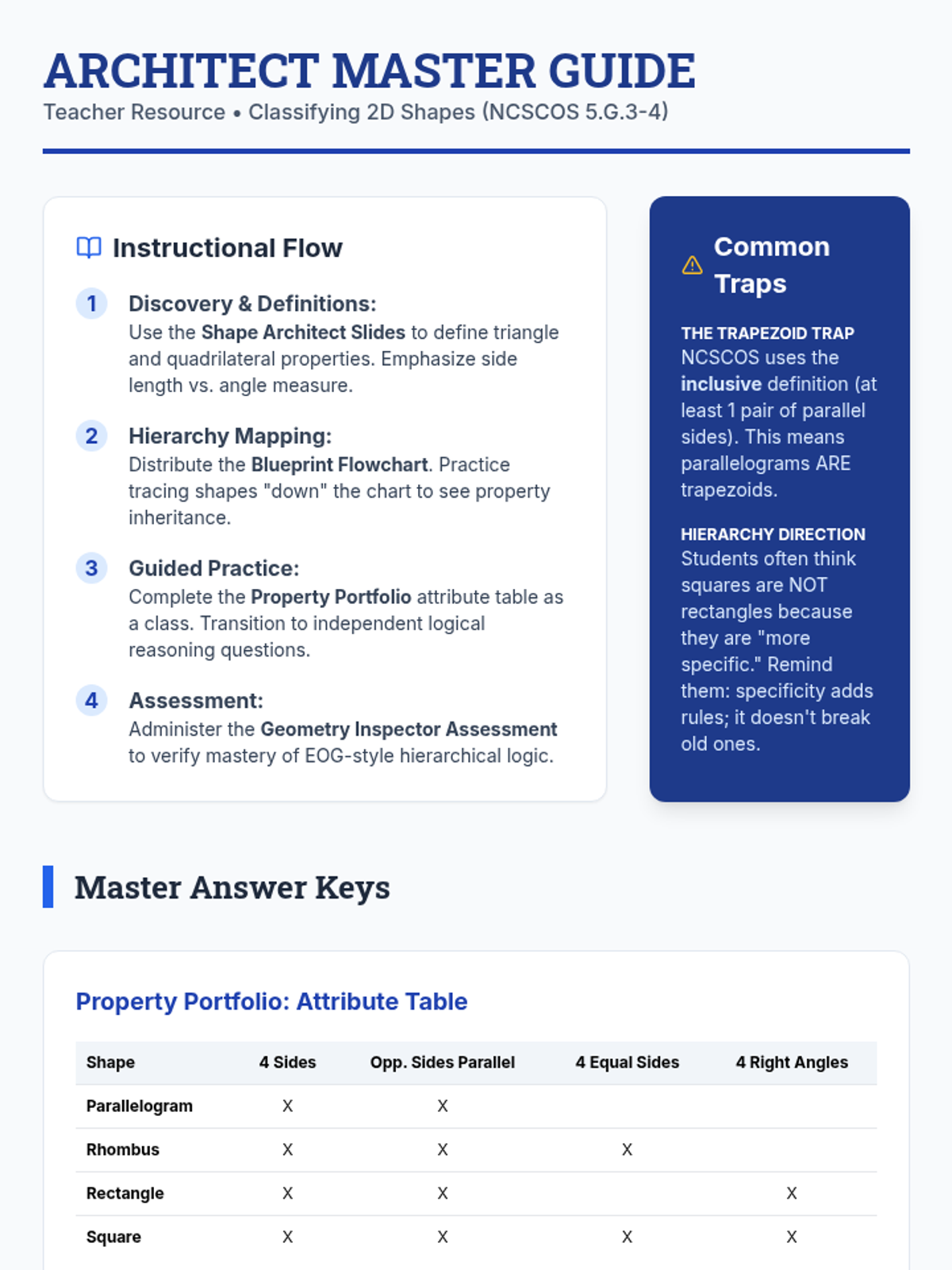
A comprehensive math lesson for grades 5-6 focused on classifying triangles and quadrilaterals. Students explore hierarchical relationships and property inheritance through the lens of architectural design.
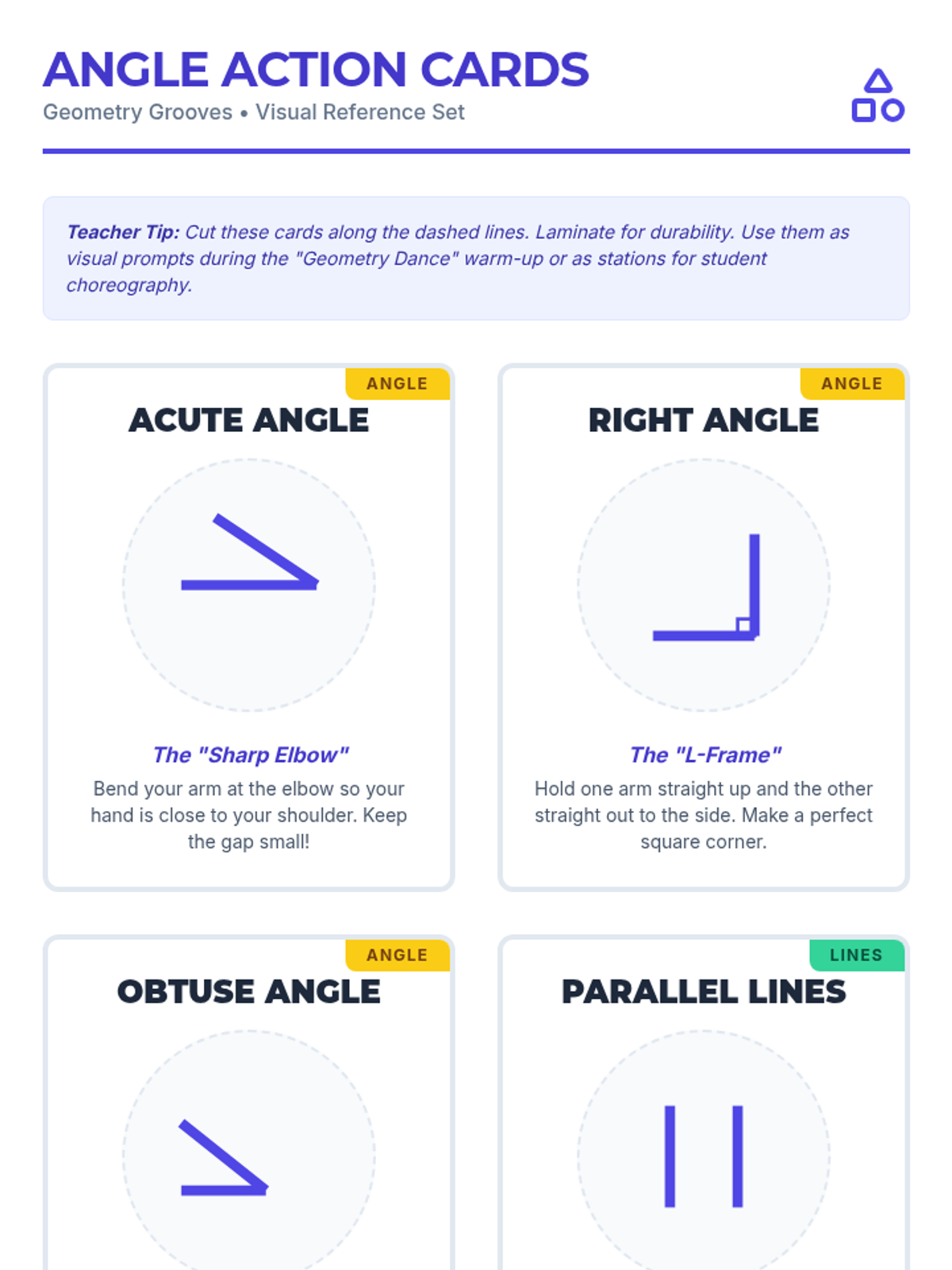
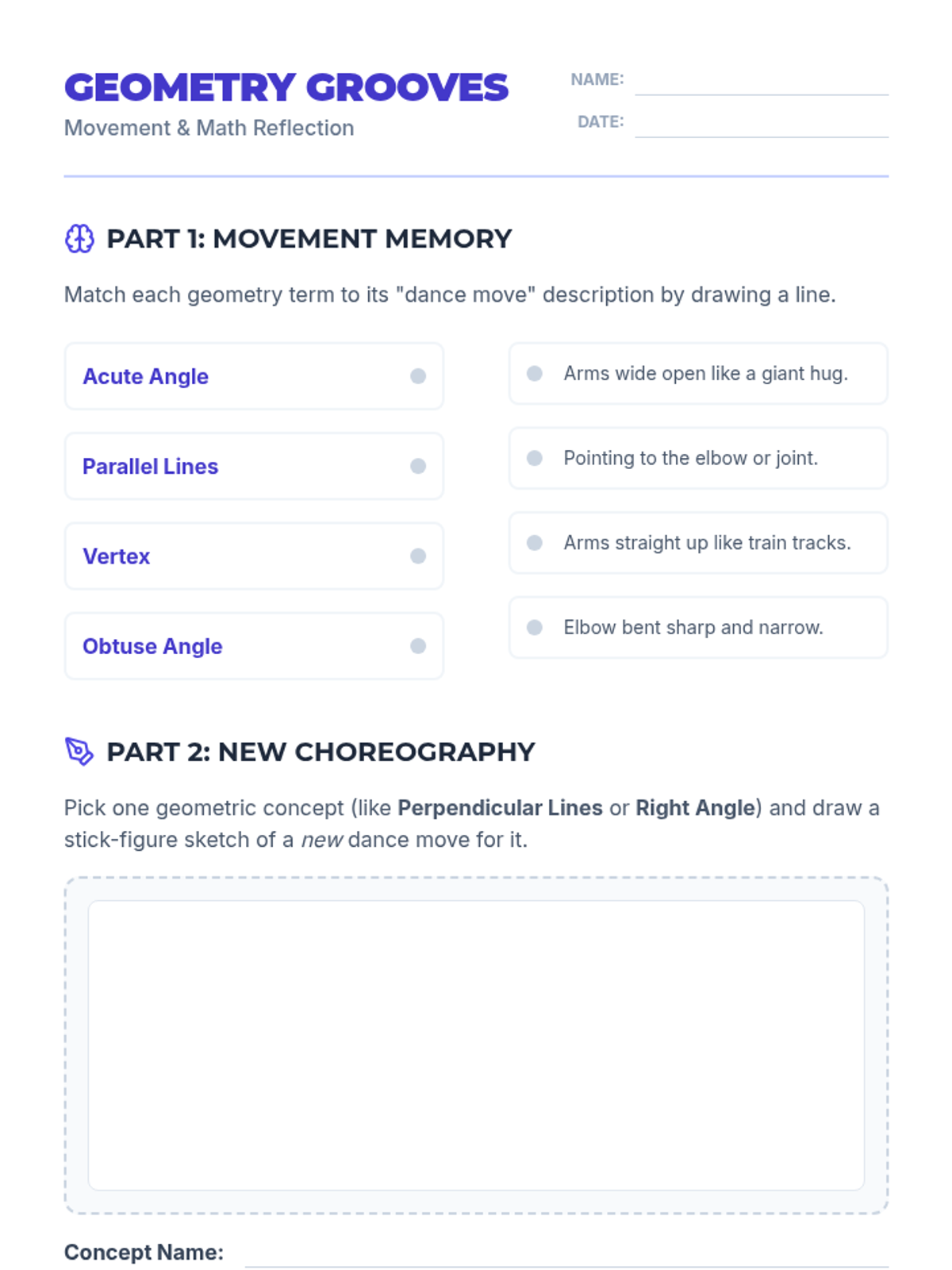
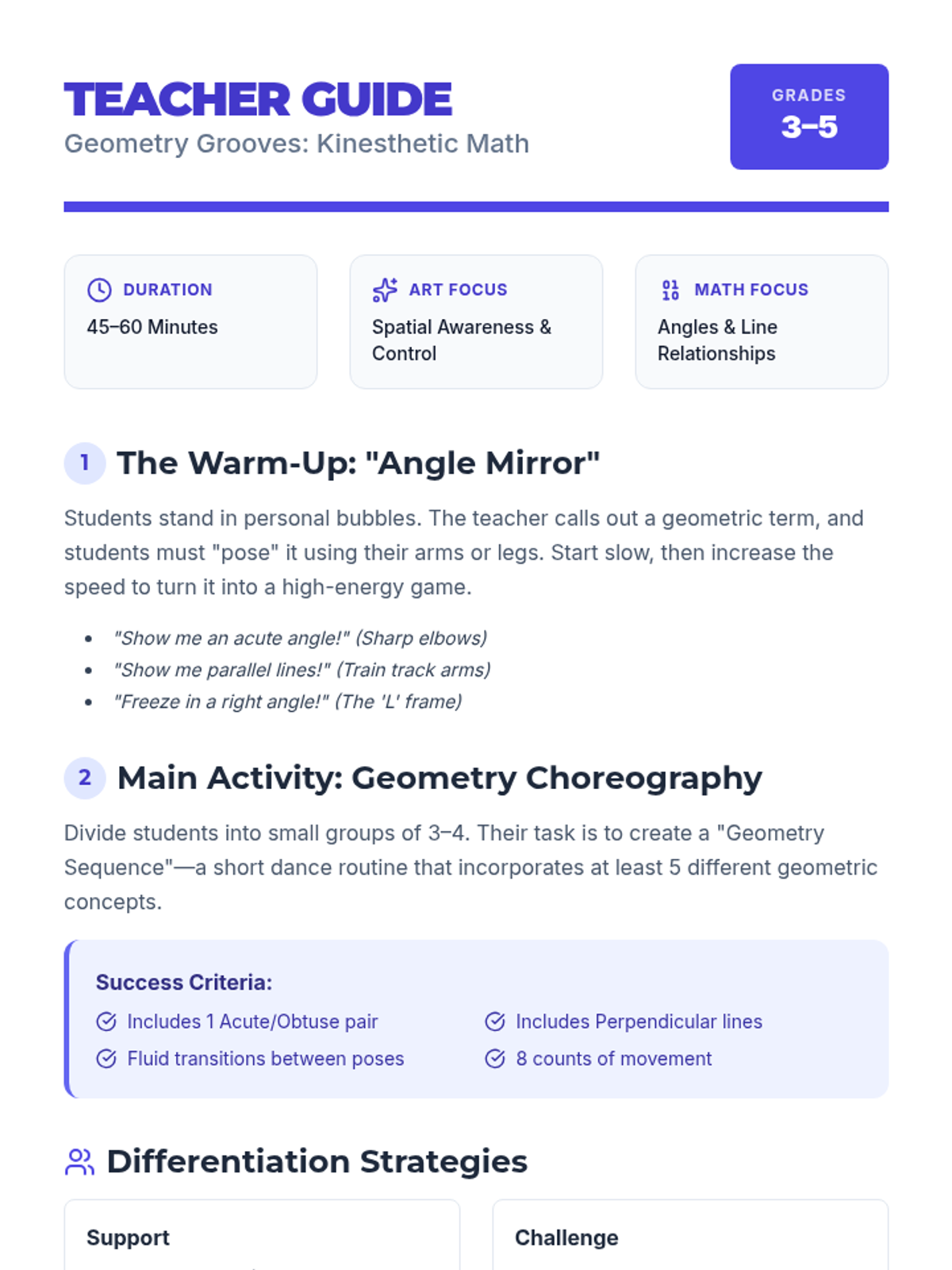
A cross-curricular lesson combining geometry and dance where students use body movement to model angles, lines, and shapes. Students develop spatial awareness and geometric vocabulary through kinesthetic learning.
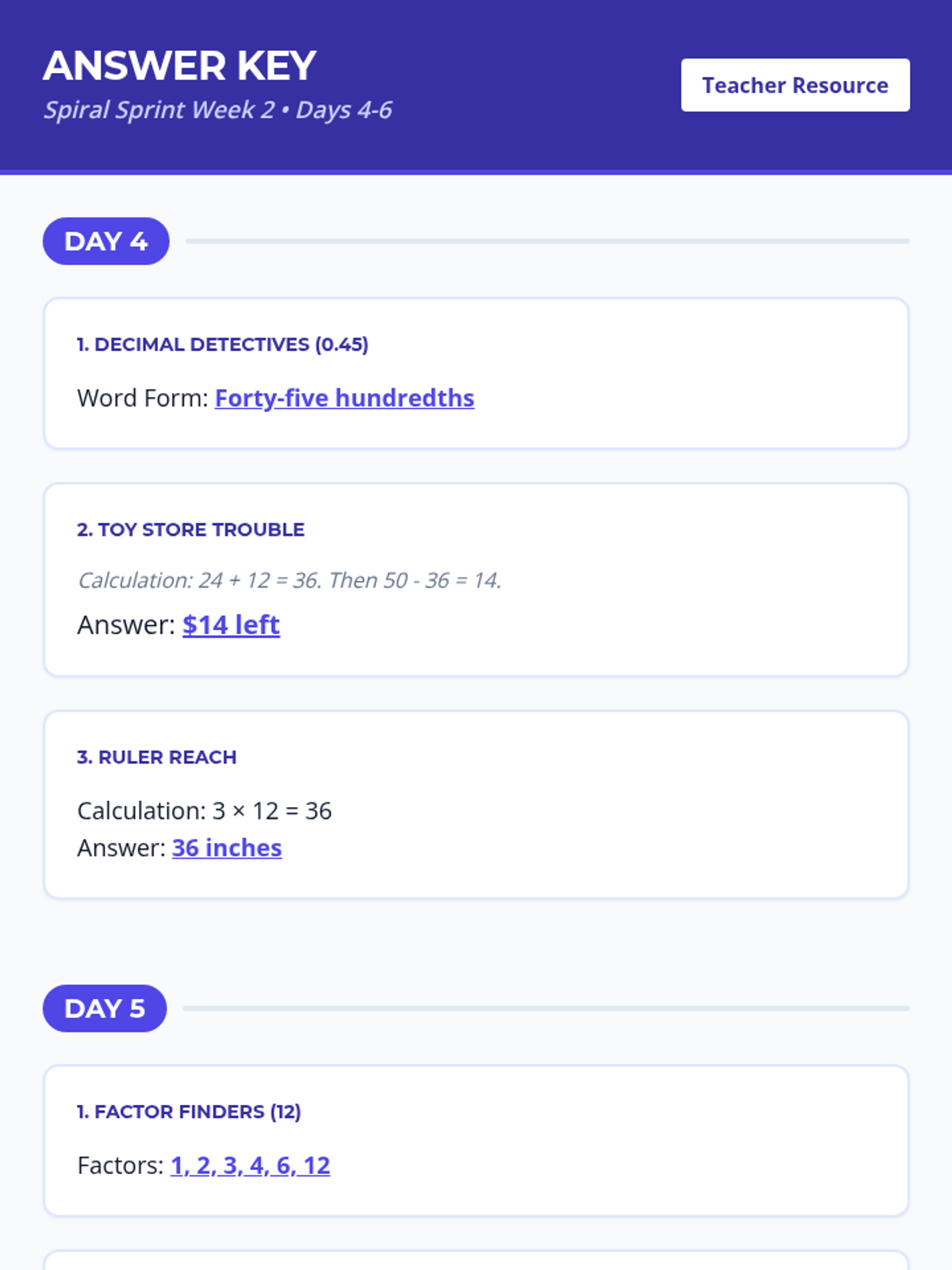
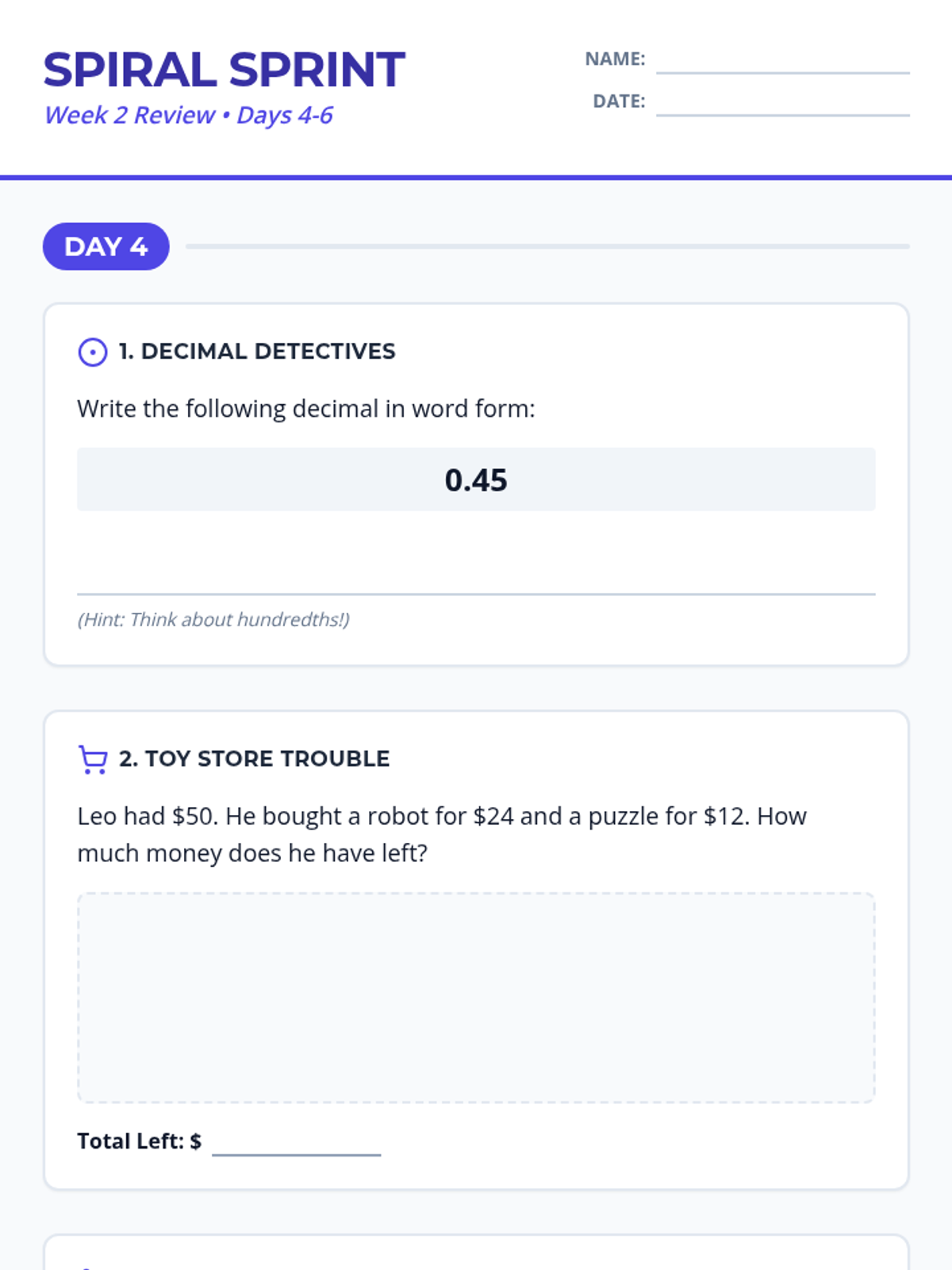
The second week of spiral review shifts towards multi-step word problems, decimal notation, and geometric properties.
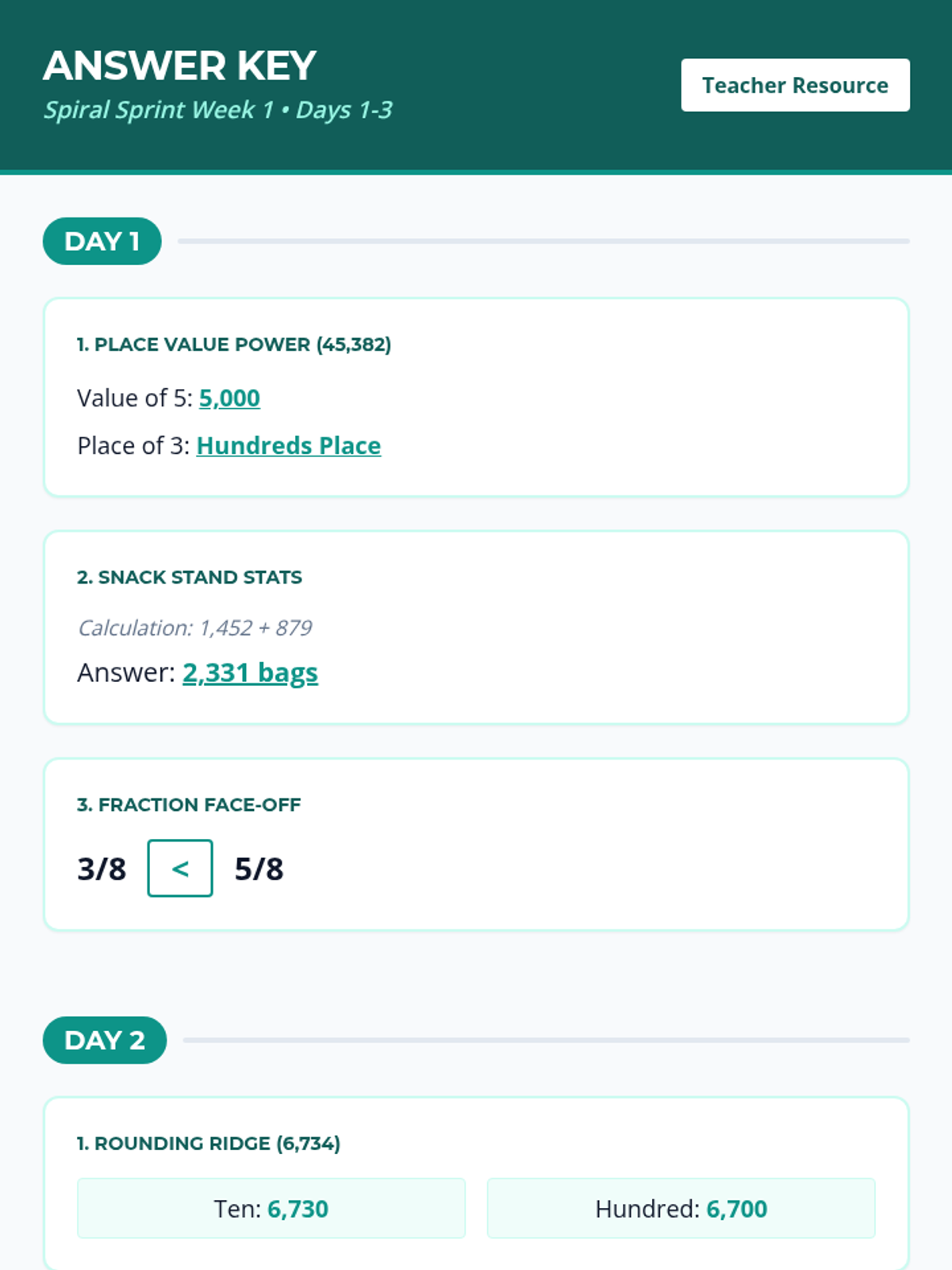
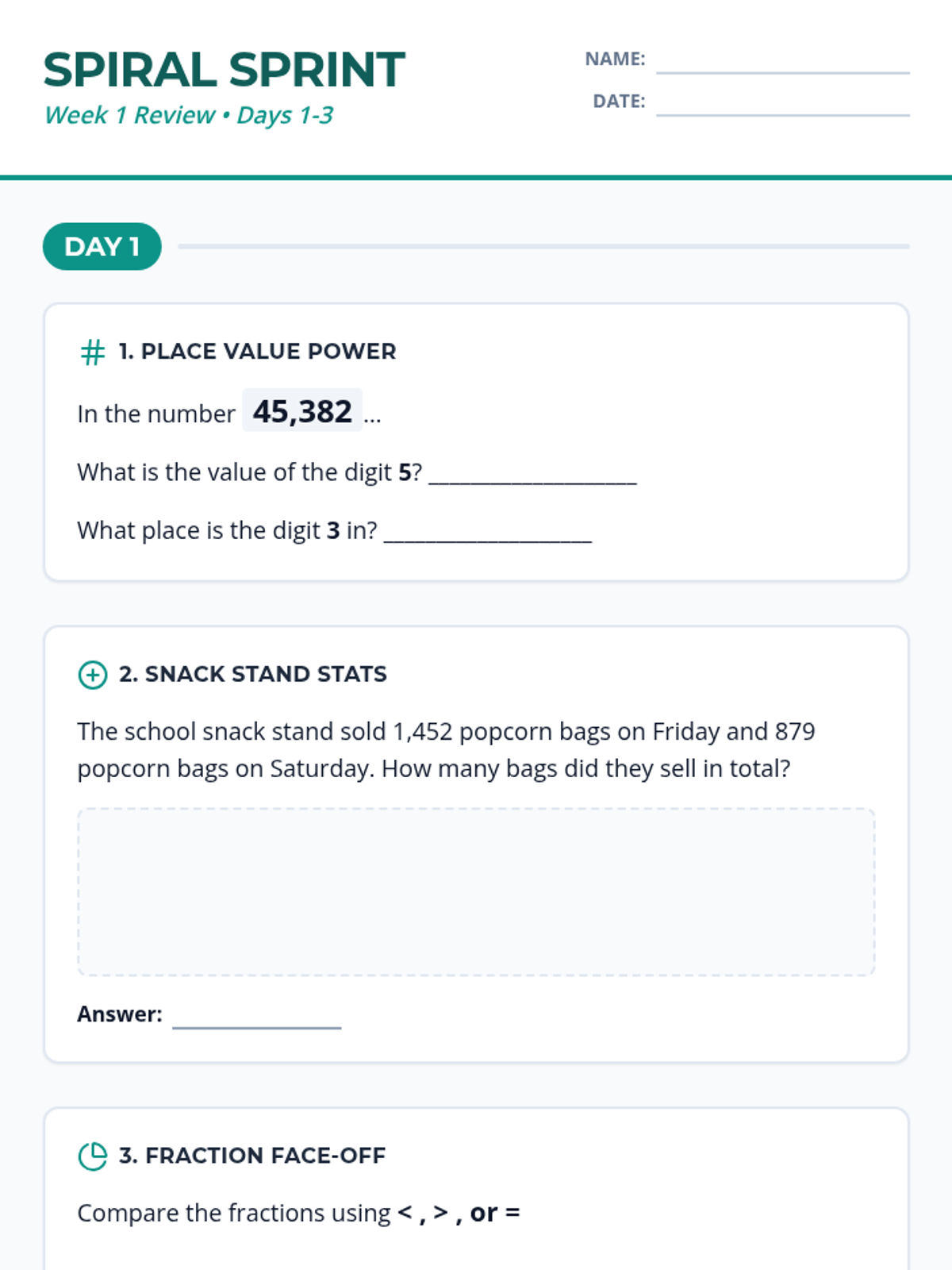
The first week of spiral review focuses on place value, basic multi-digit operations, and introductory fraction concepts.
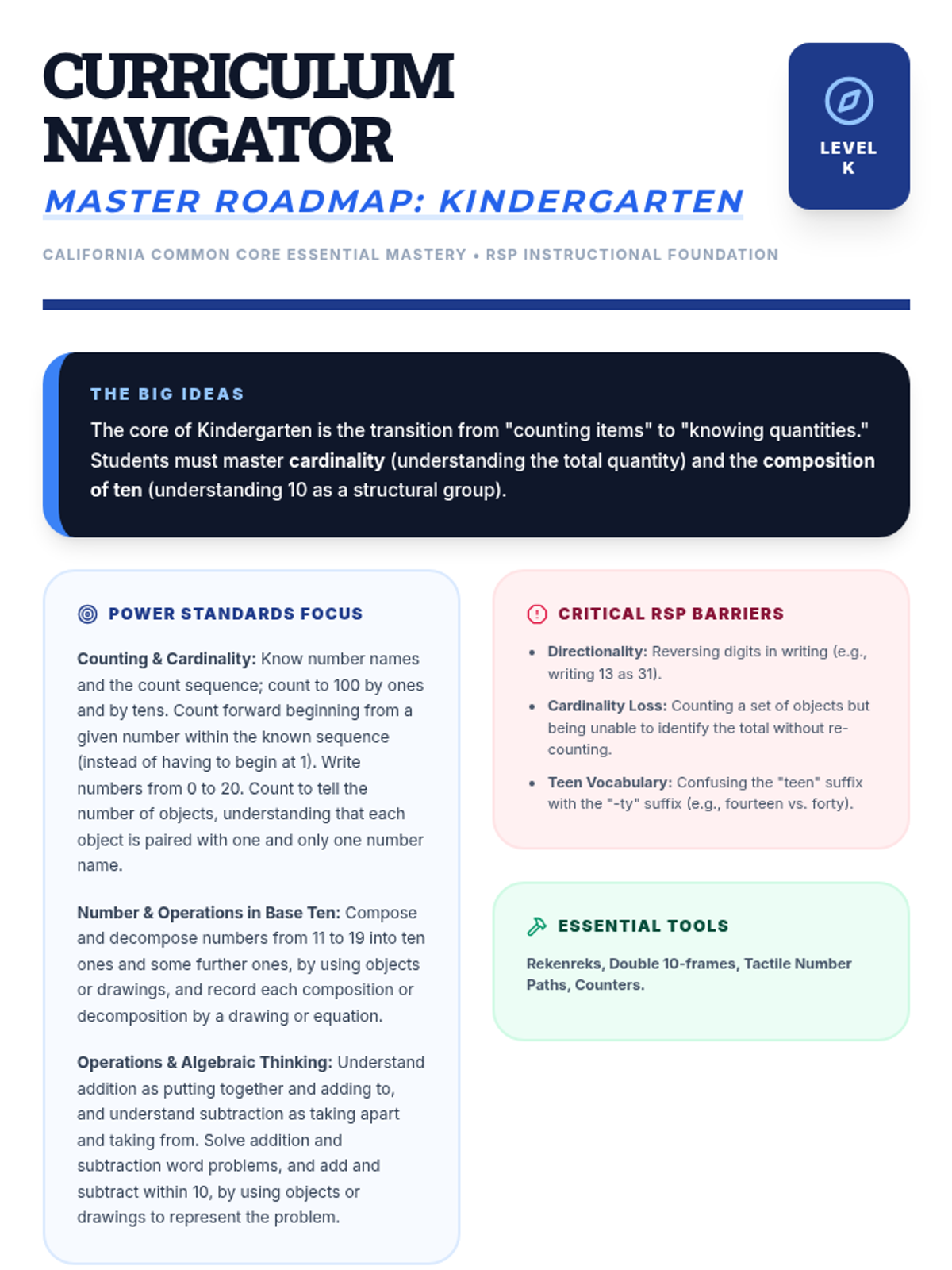
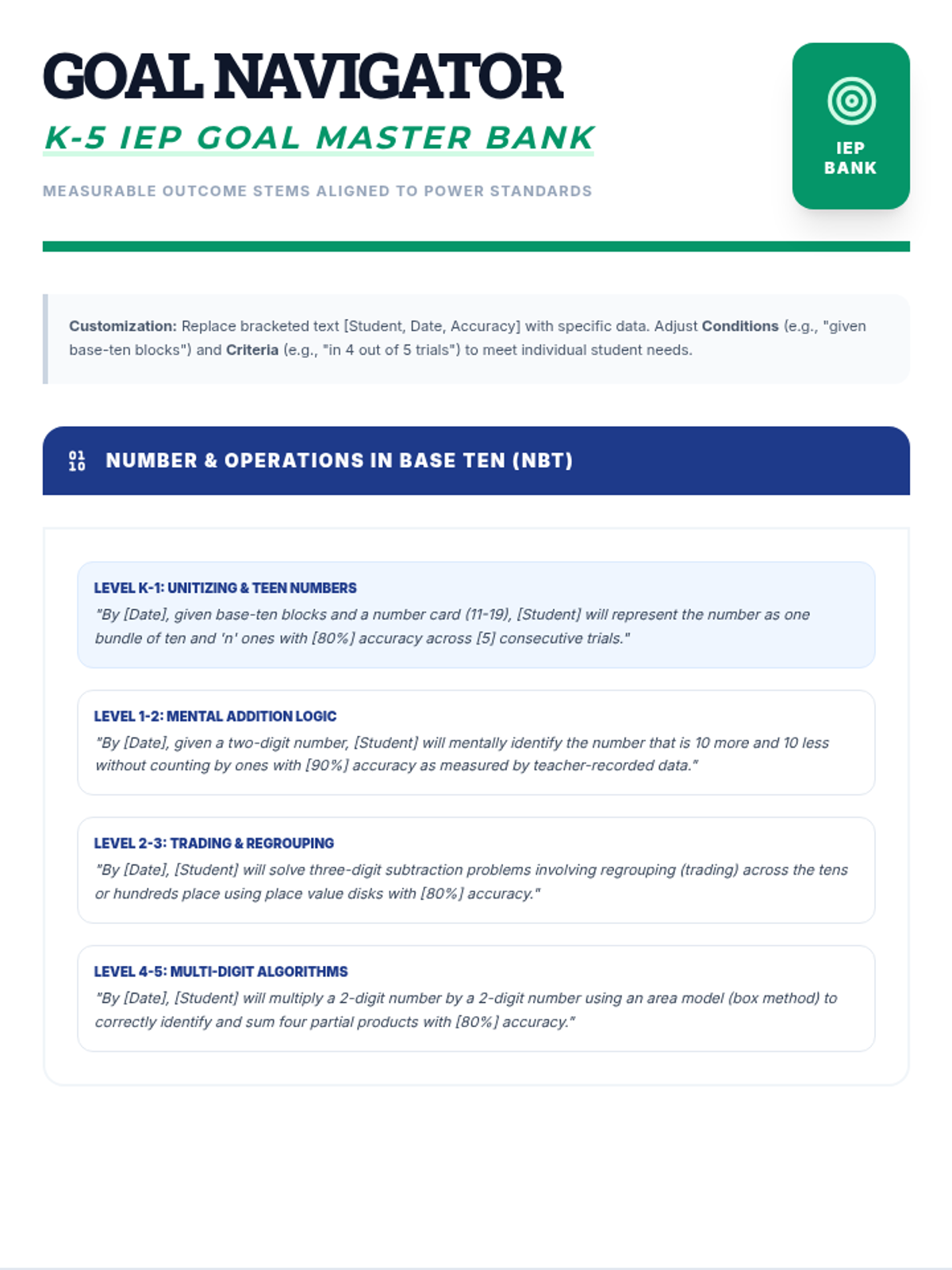
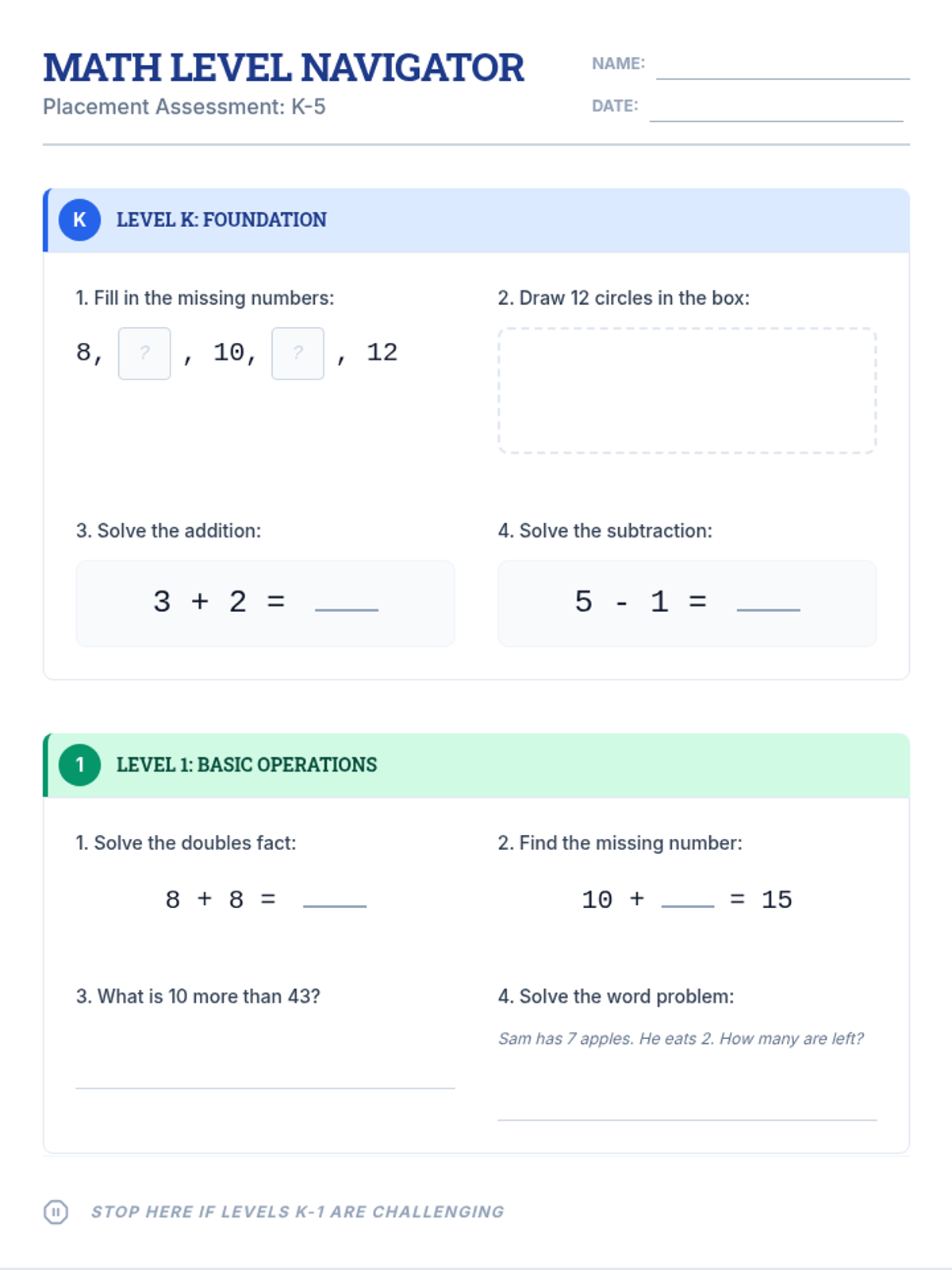
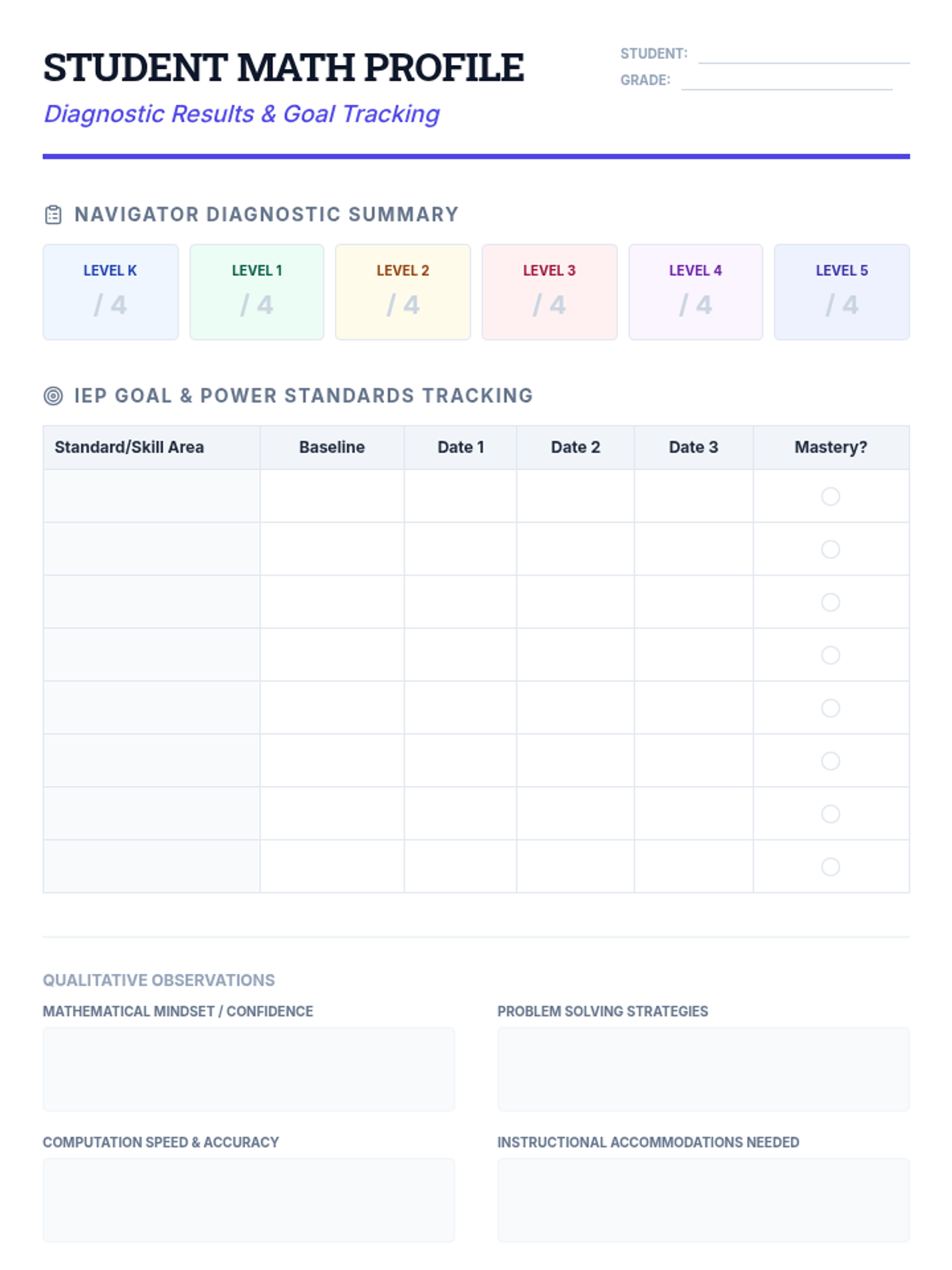
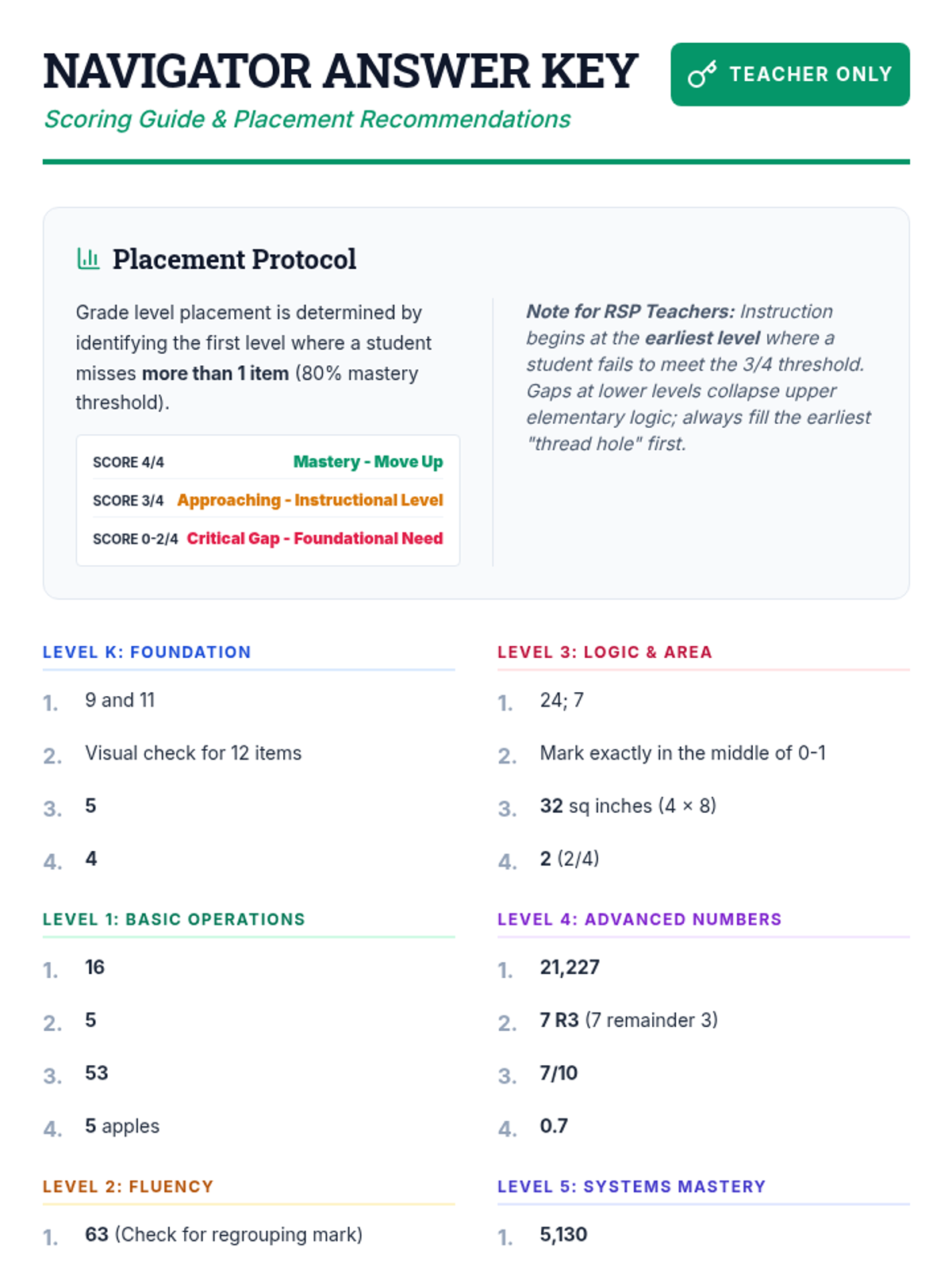
Foundational tools for assessing student levels and planning instruction based on California Power Standards across grades K-5.
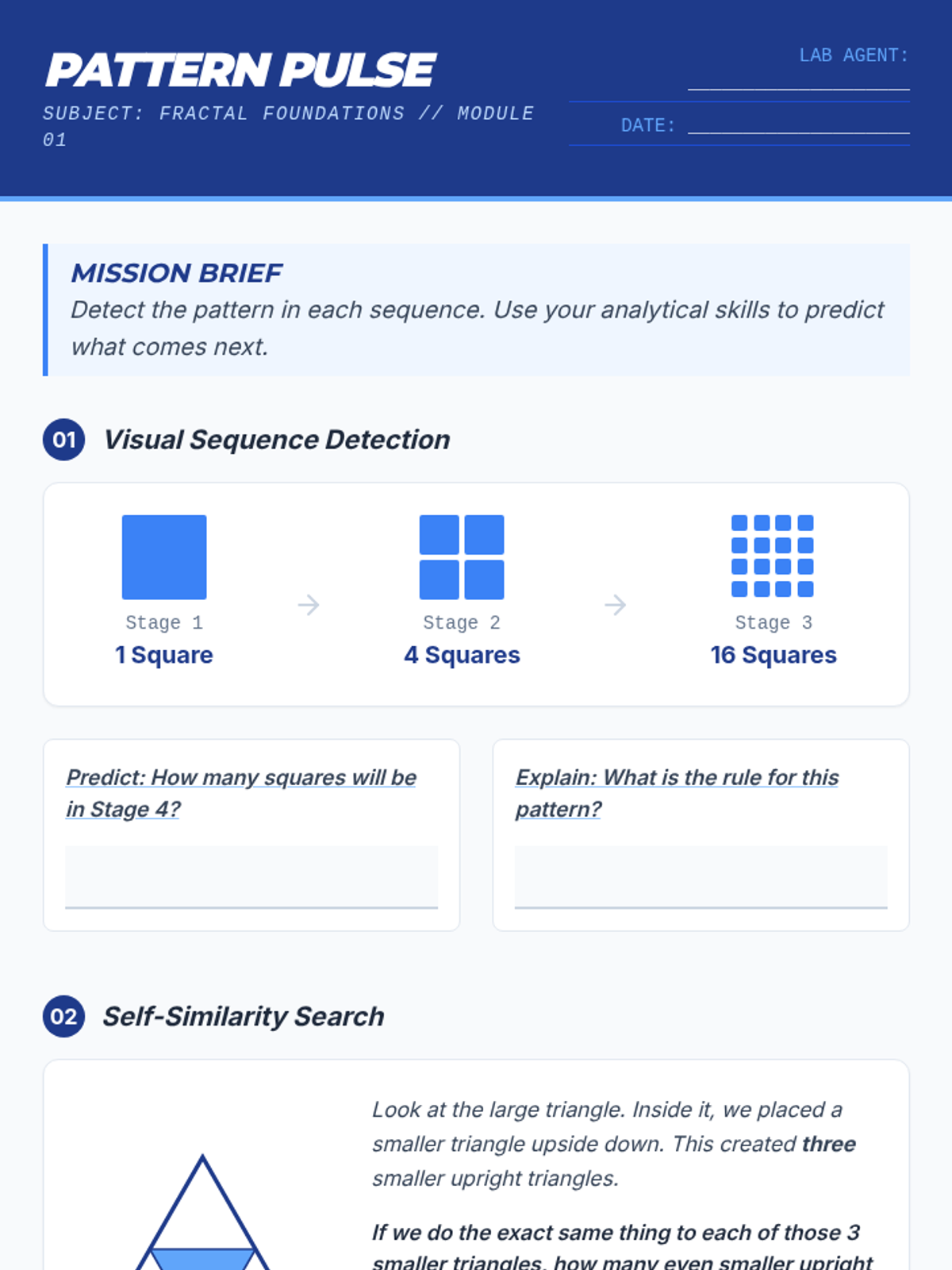
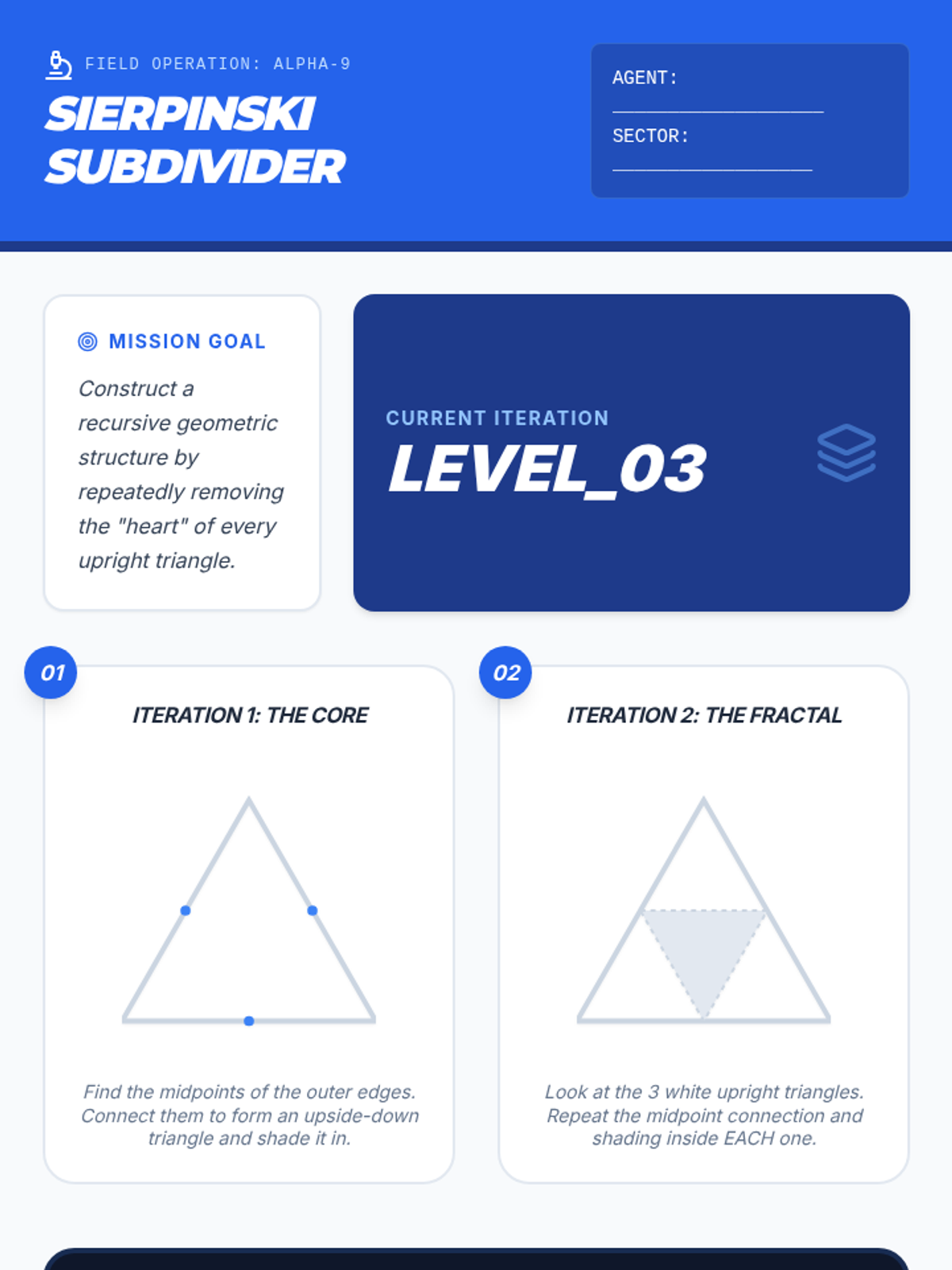
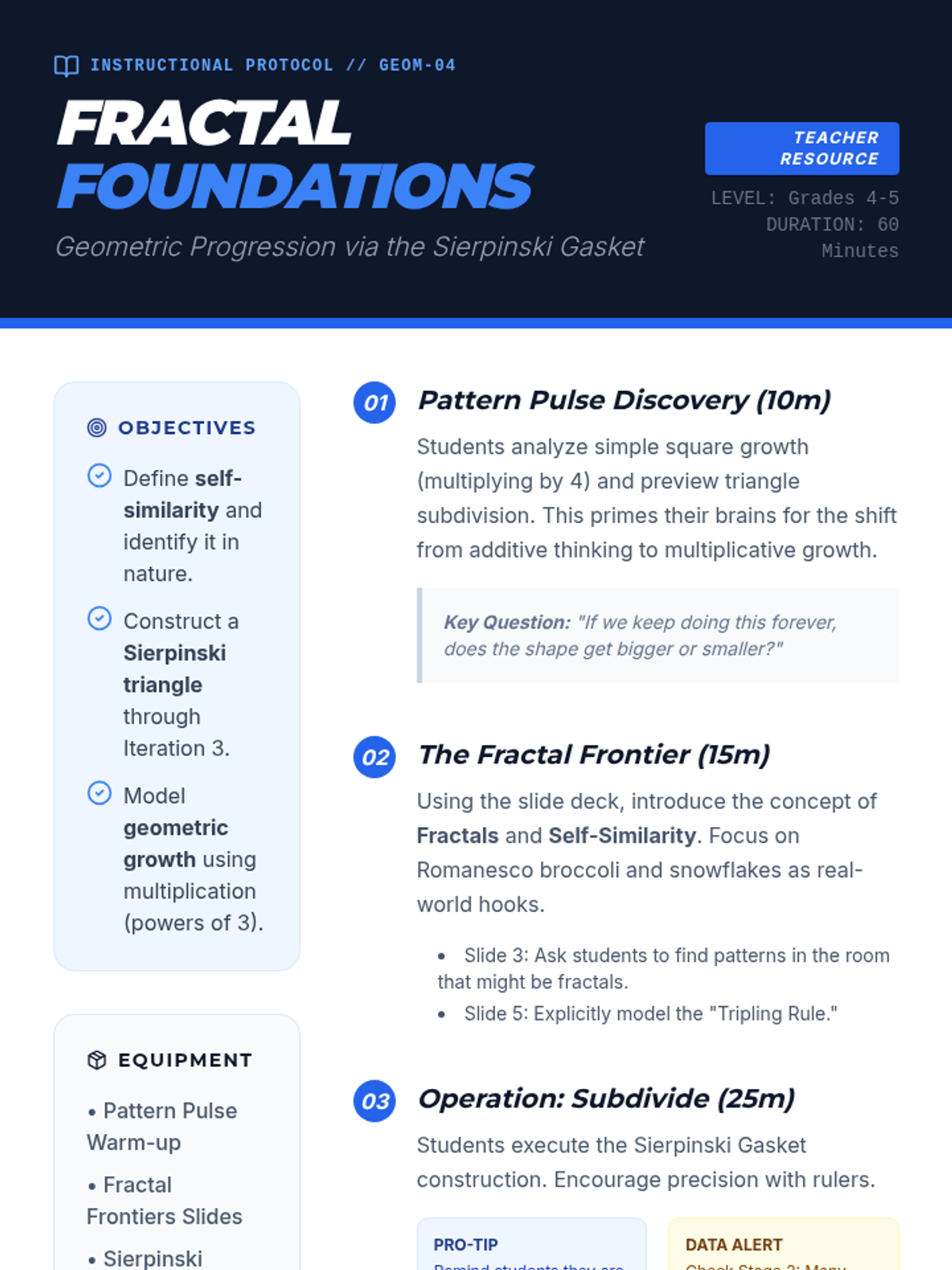
A high-engagement geometry lesson exploring self-similarity and patterns through the construction of Sierpinski triangles, bridging simple multiplication and geometric progression.
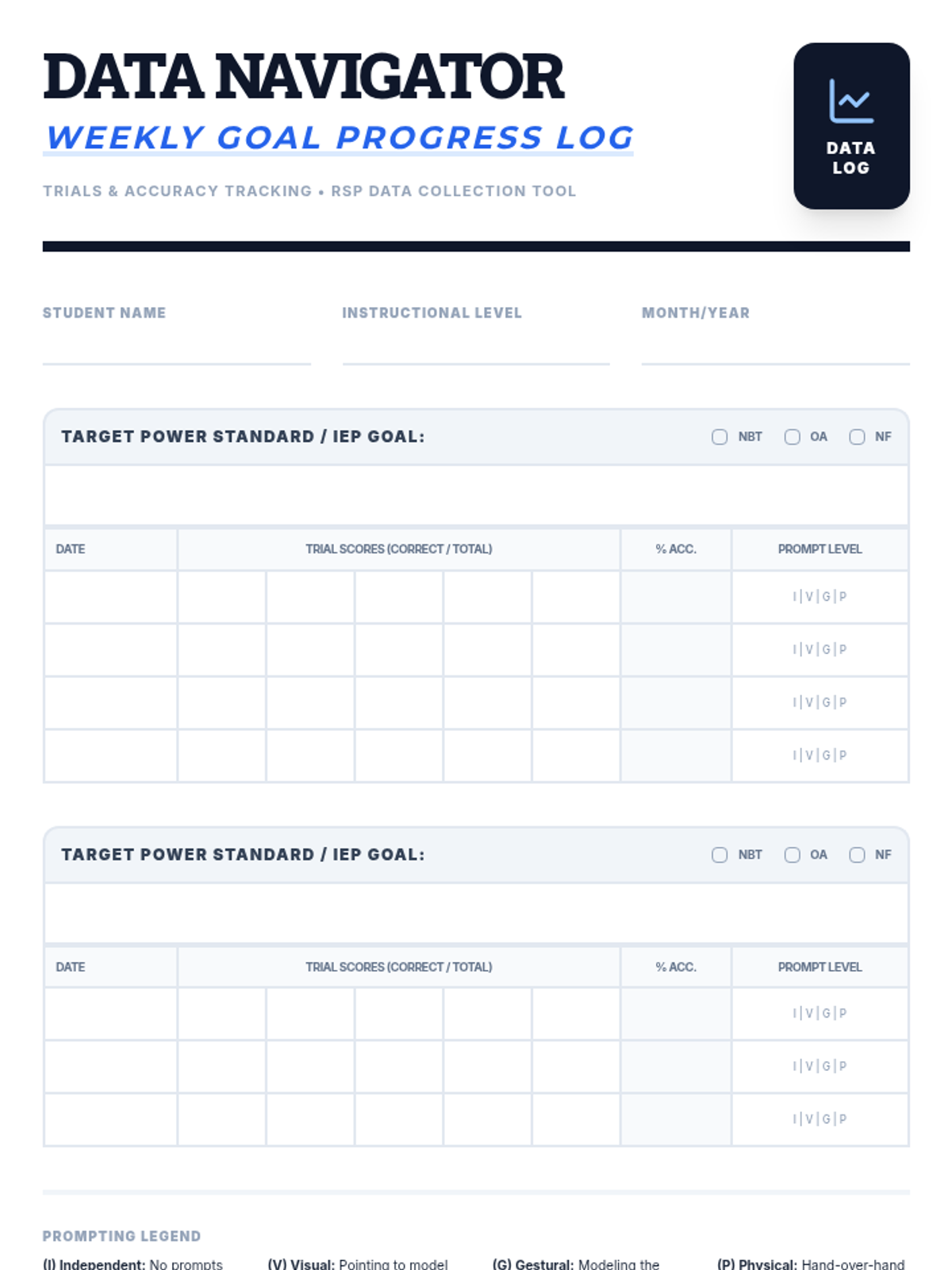
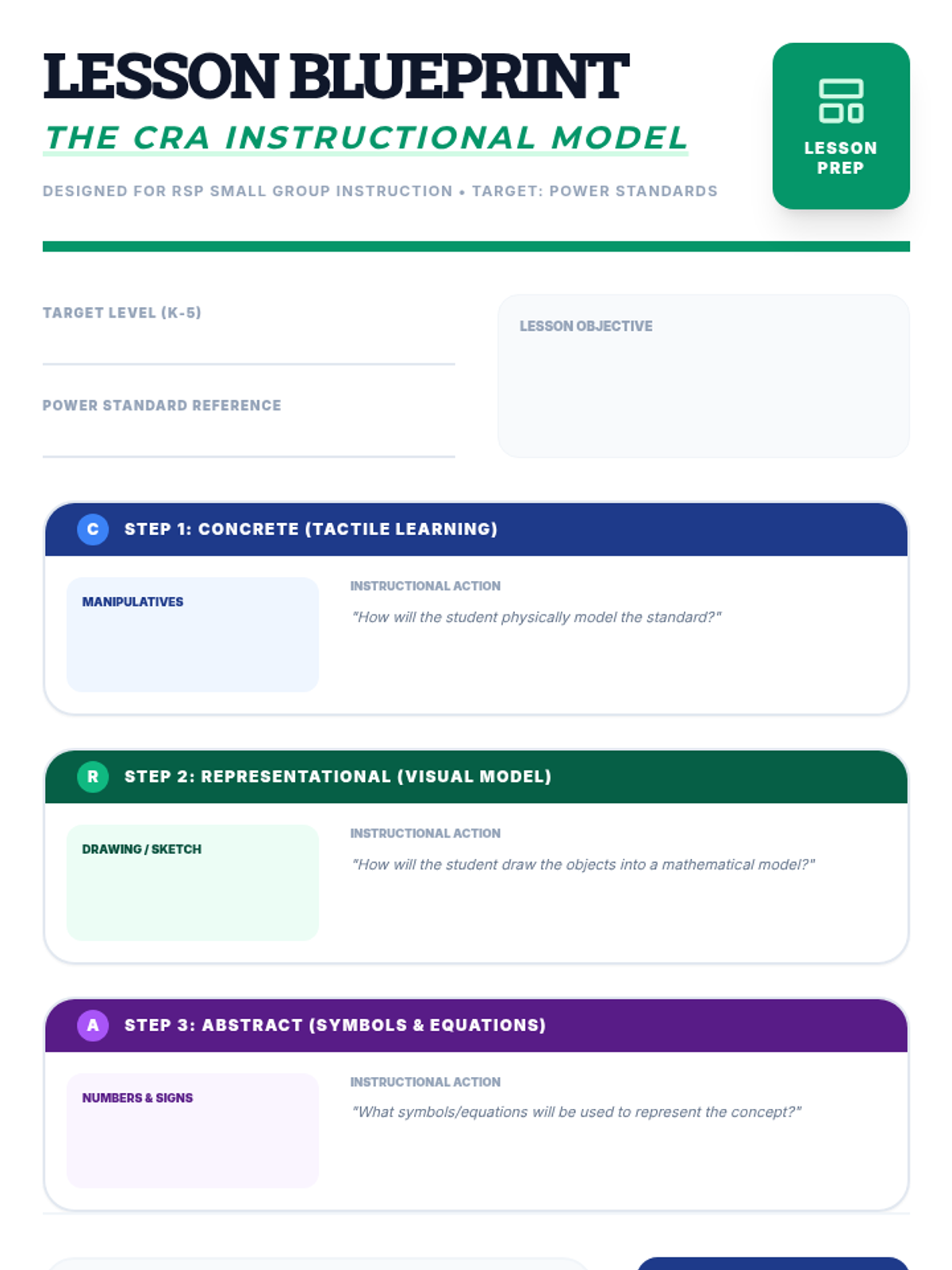
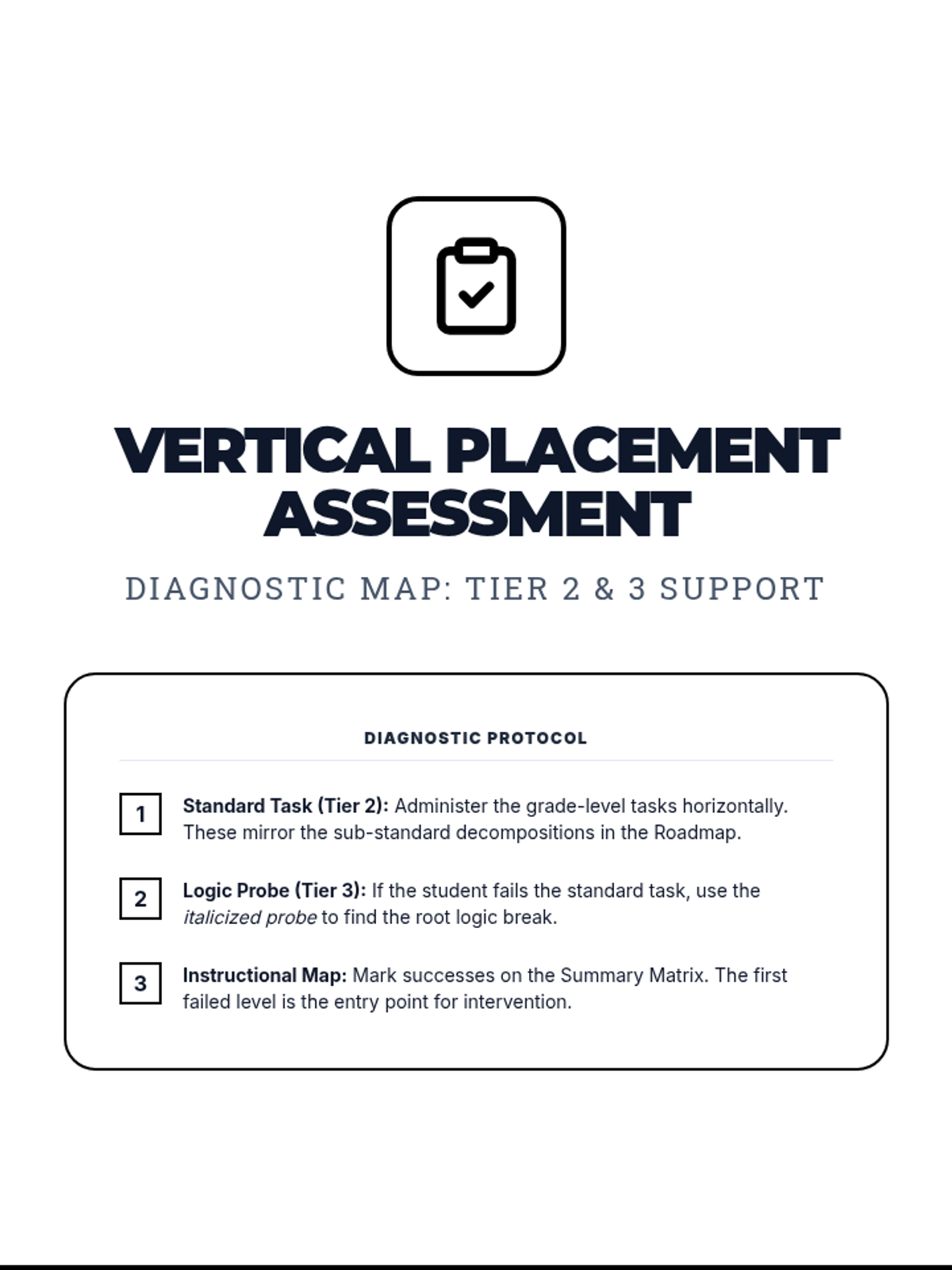
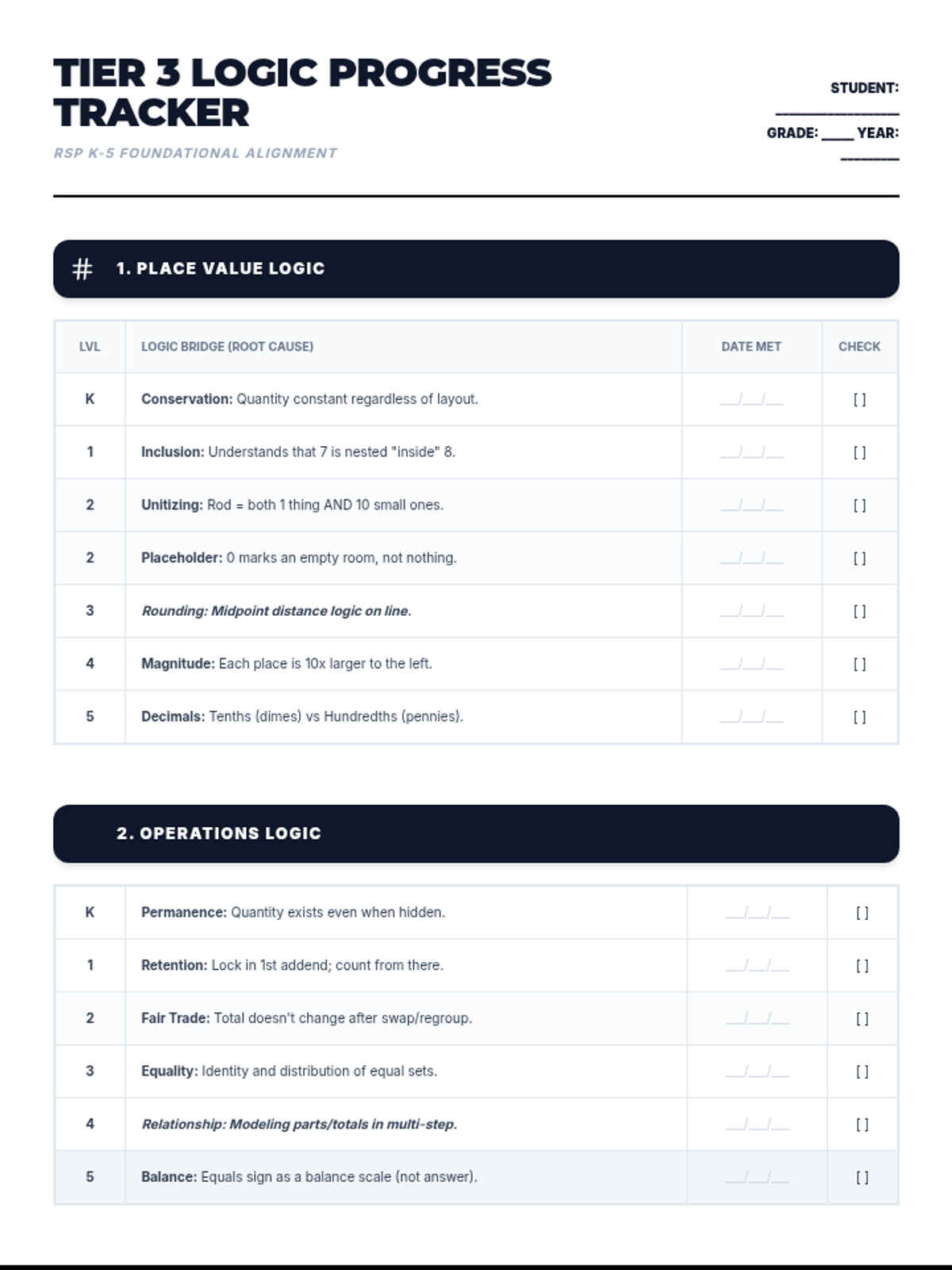
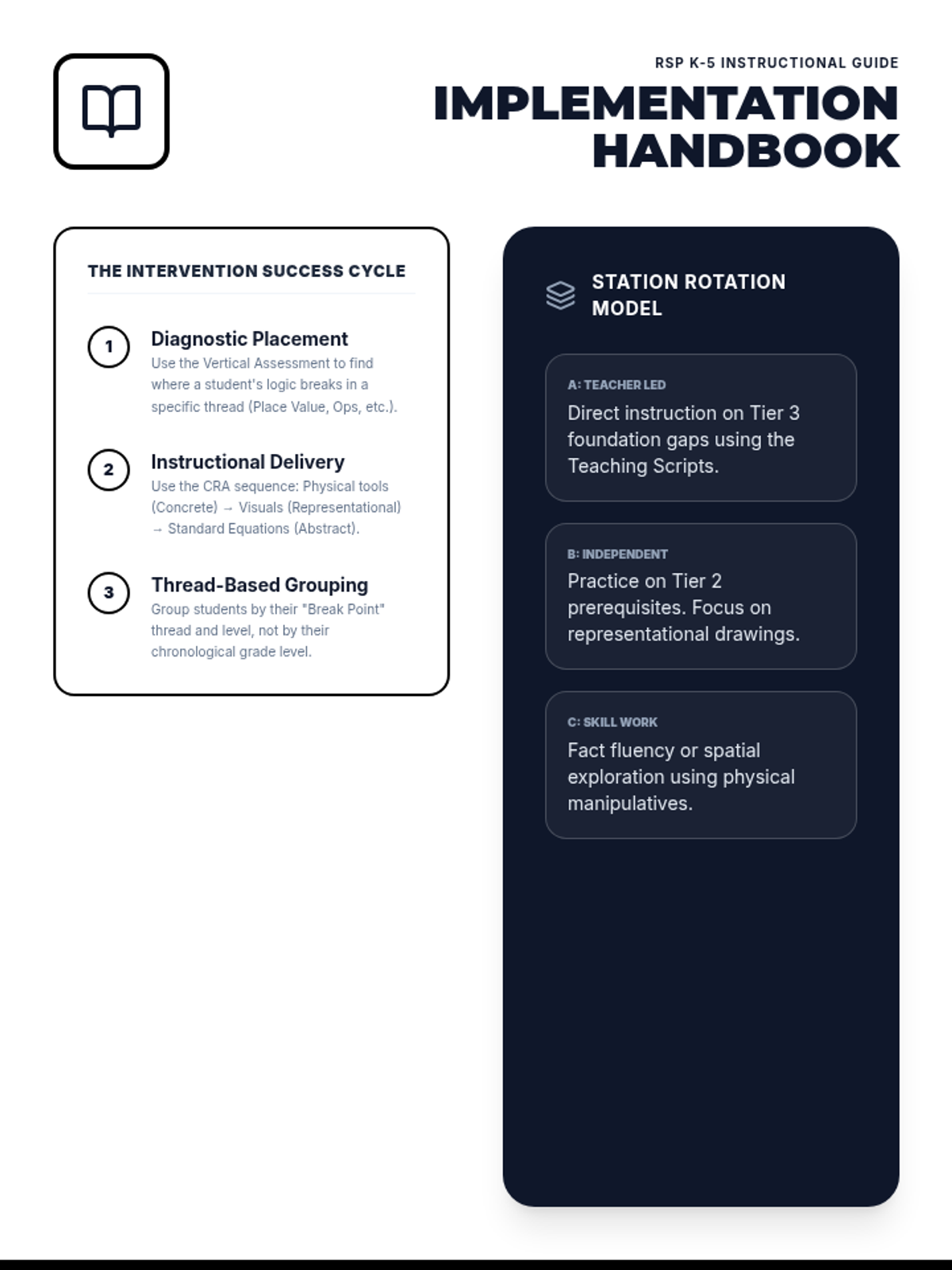
A toolkit for RSP teachers to transform a scope and sequence into a functional daily curriculum. Includes instructional frameworks, diagnostic tools, and planning templates specifically designed for multi-grade math intervention.
This lesson focuses on the hierarchical classification of quadrilaterals, helping students understand that subcategories inherit properties from their parent categories.
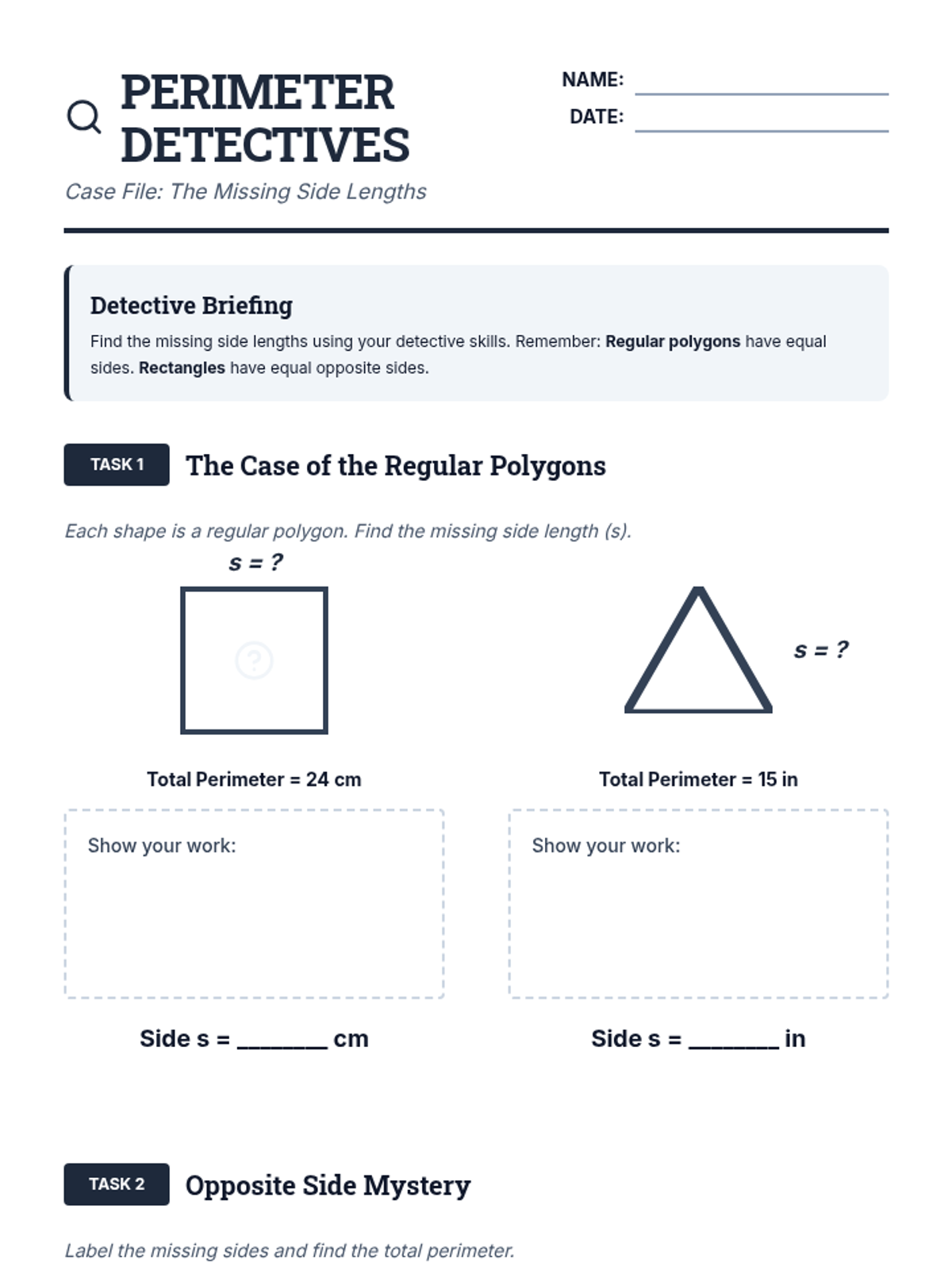
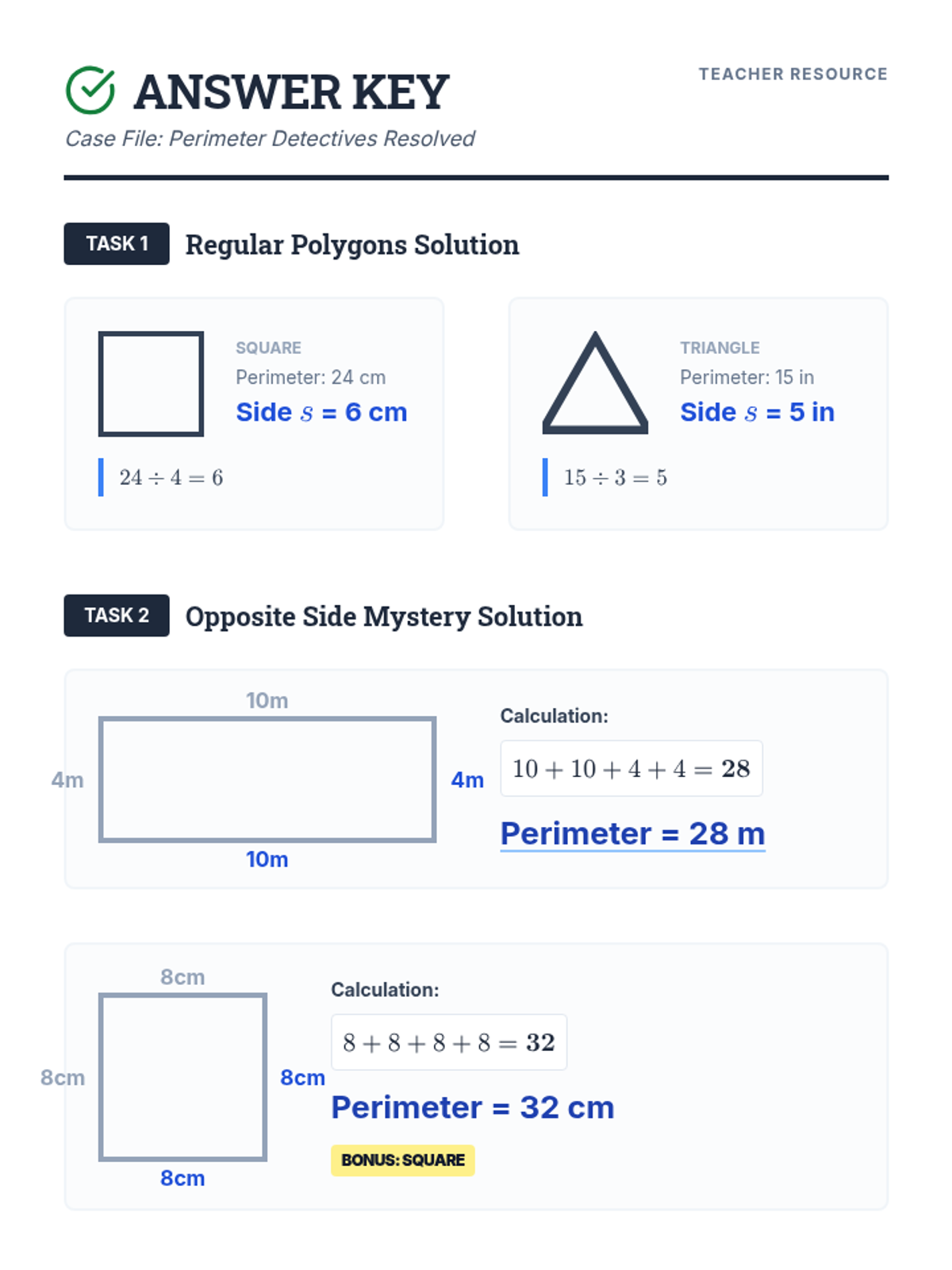
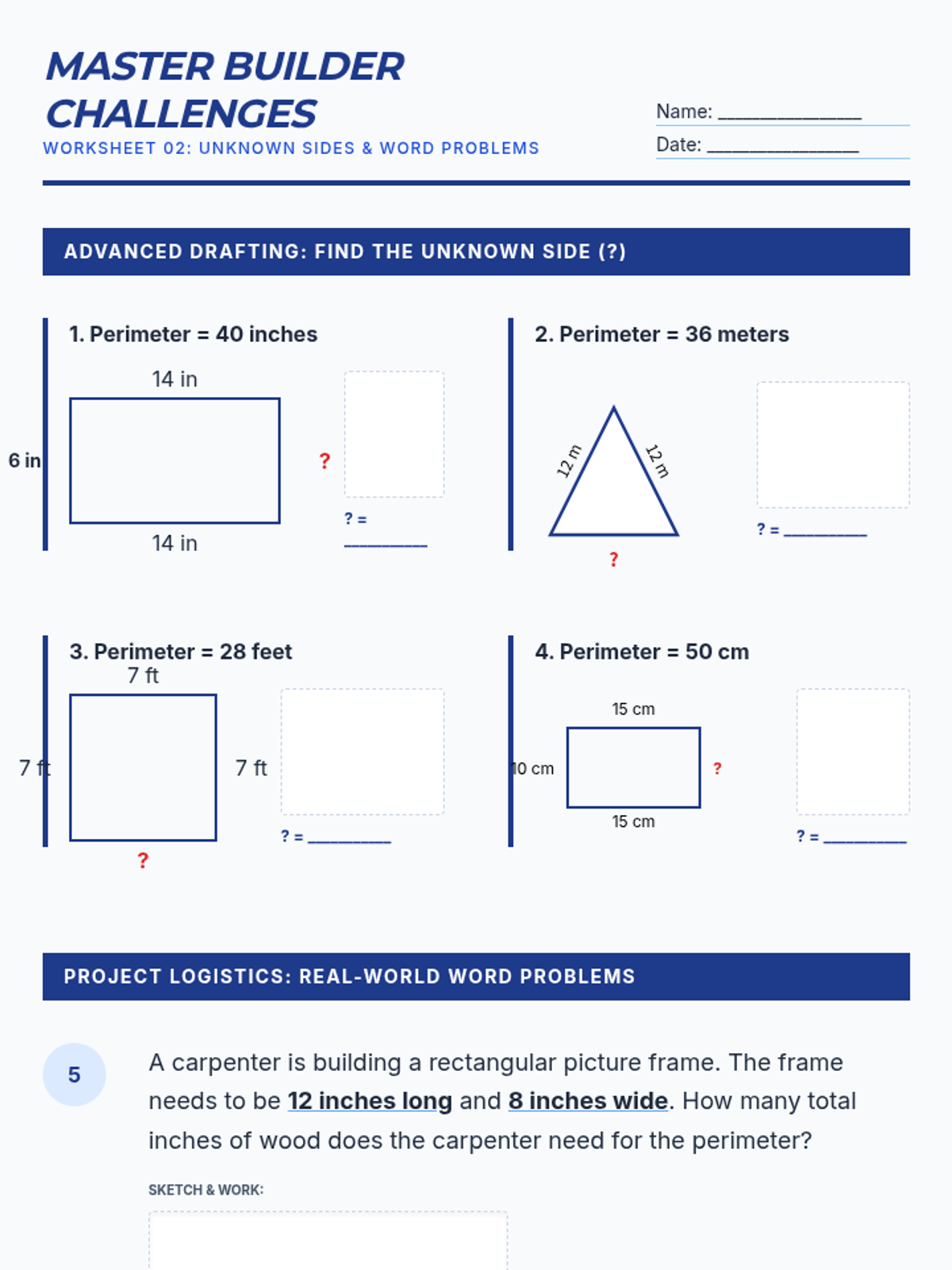
In this lesson, students become 'Perimeter Detectives' to solve for missing side lengths in regular polygons and rectangles. They use their knowledge of polygon properties and addition/subtraction to calculate perimeters and individual side measurements.
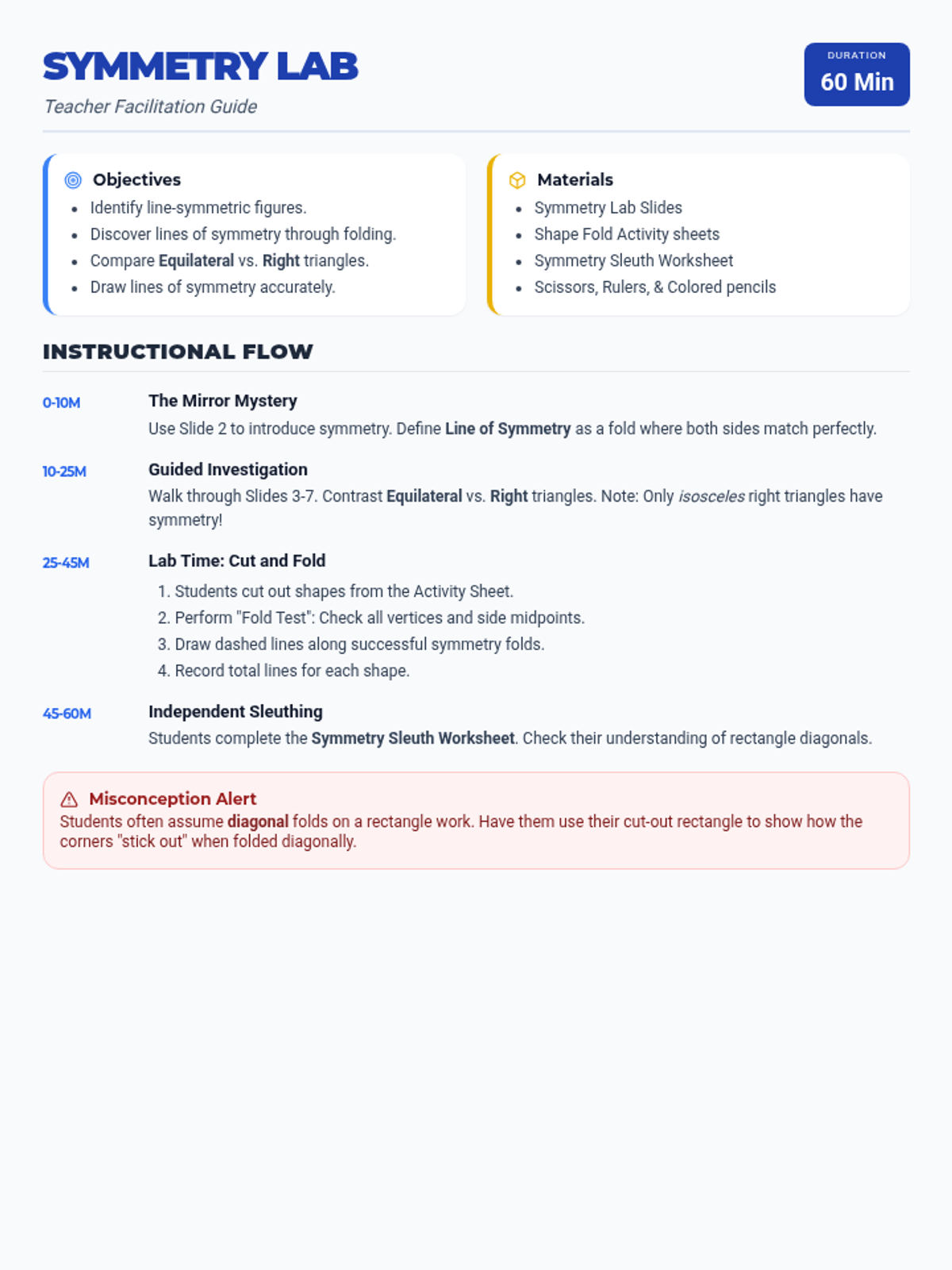
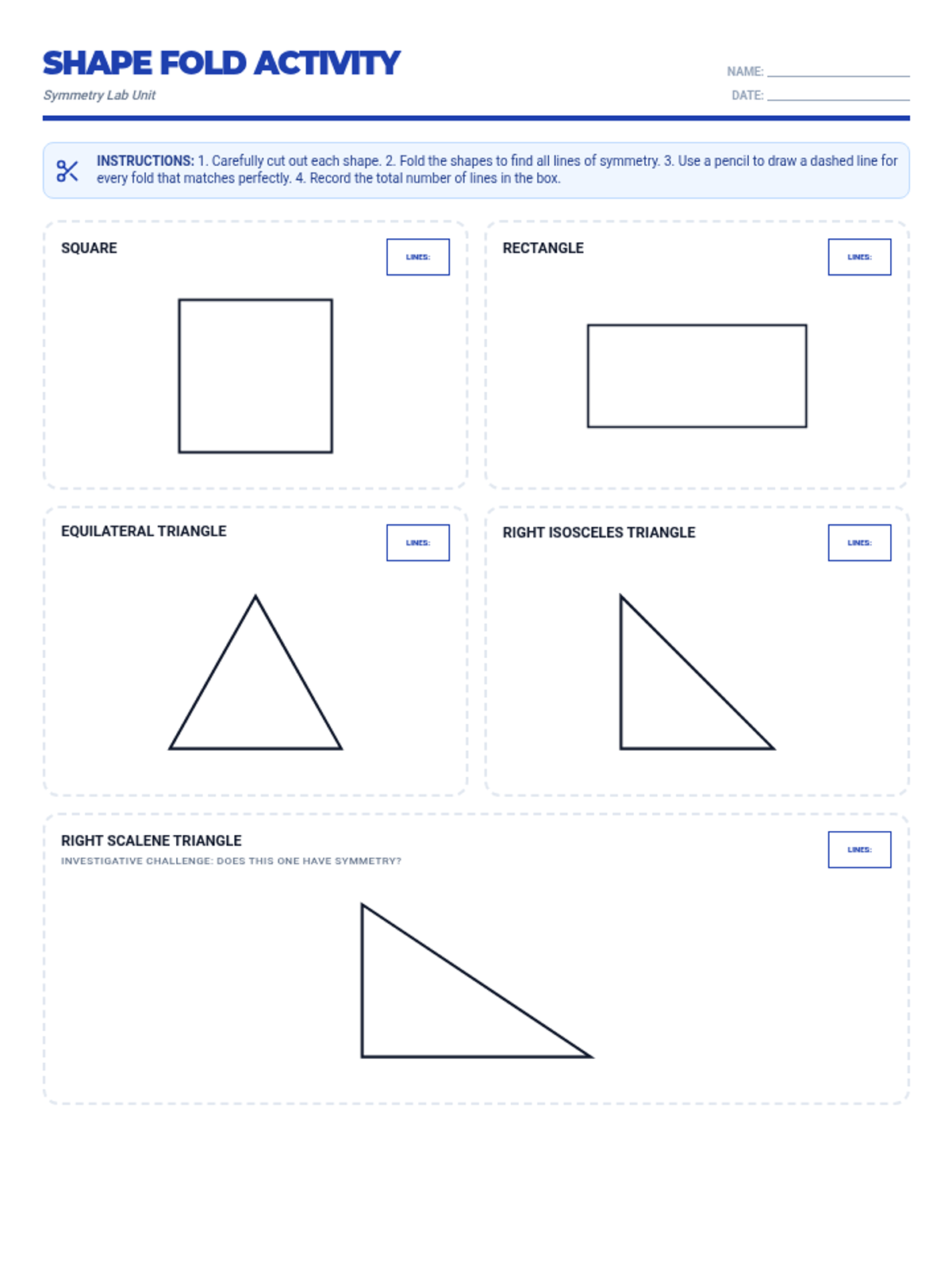
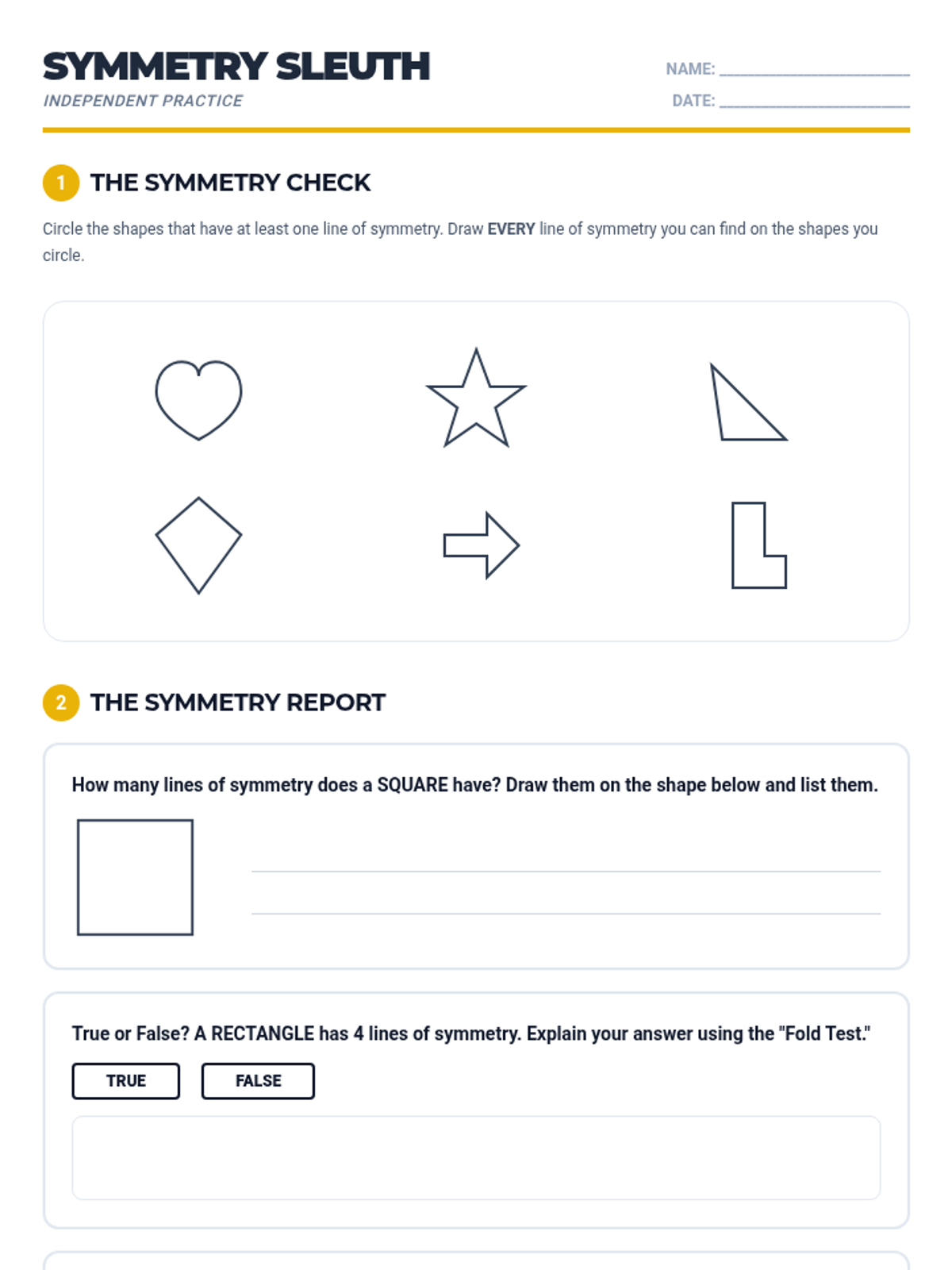
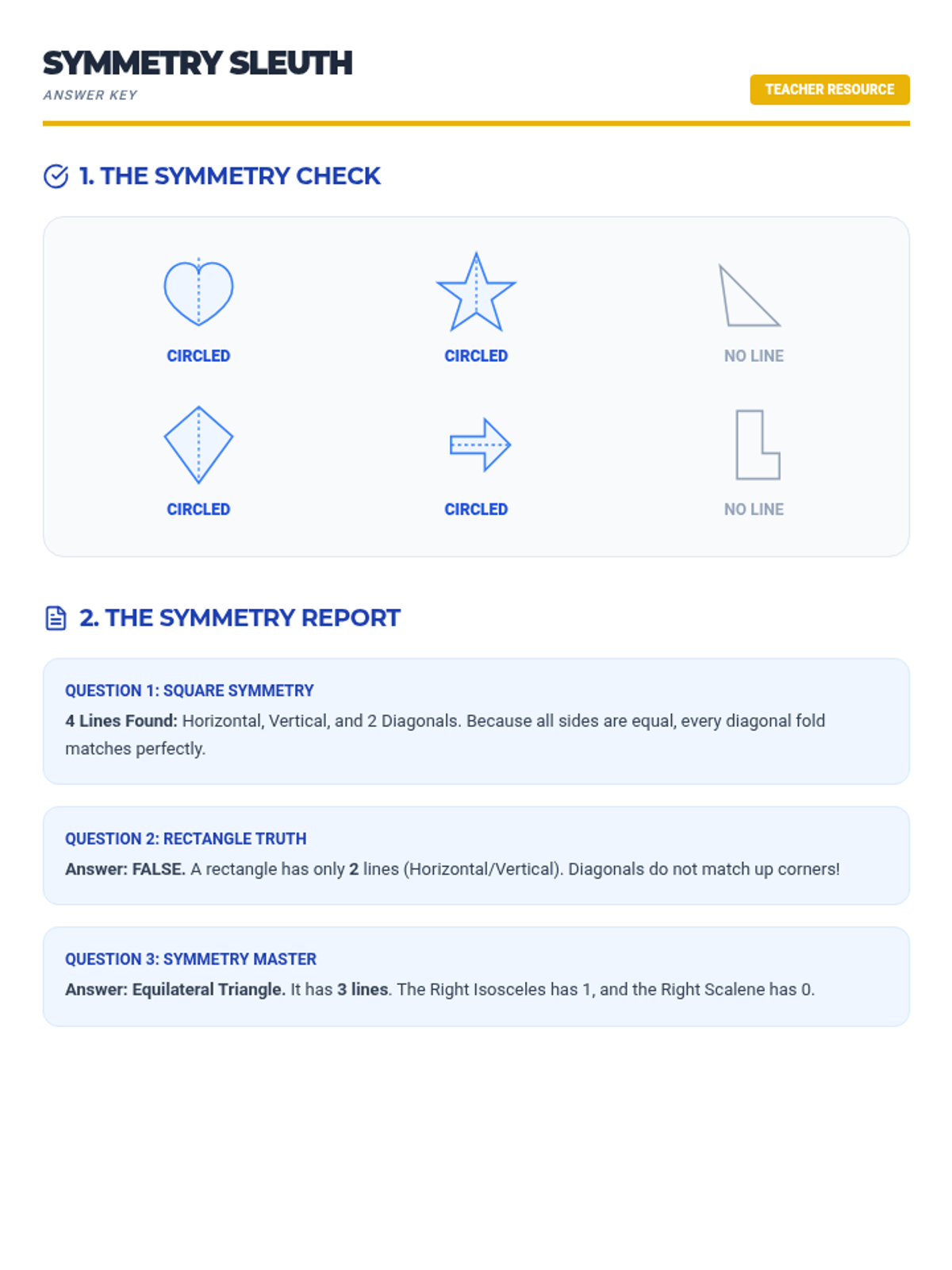
An investigative lesson where students use a 'cut and fold' technique to discover lines of symmetry in quadrilaterals and triangles.
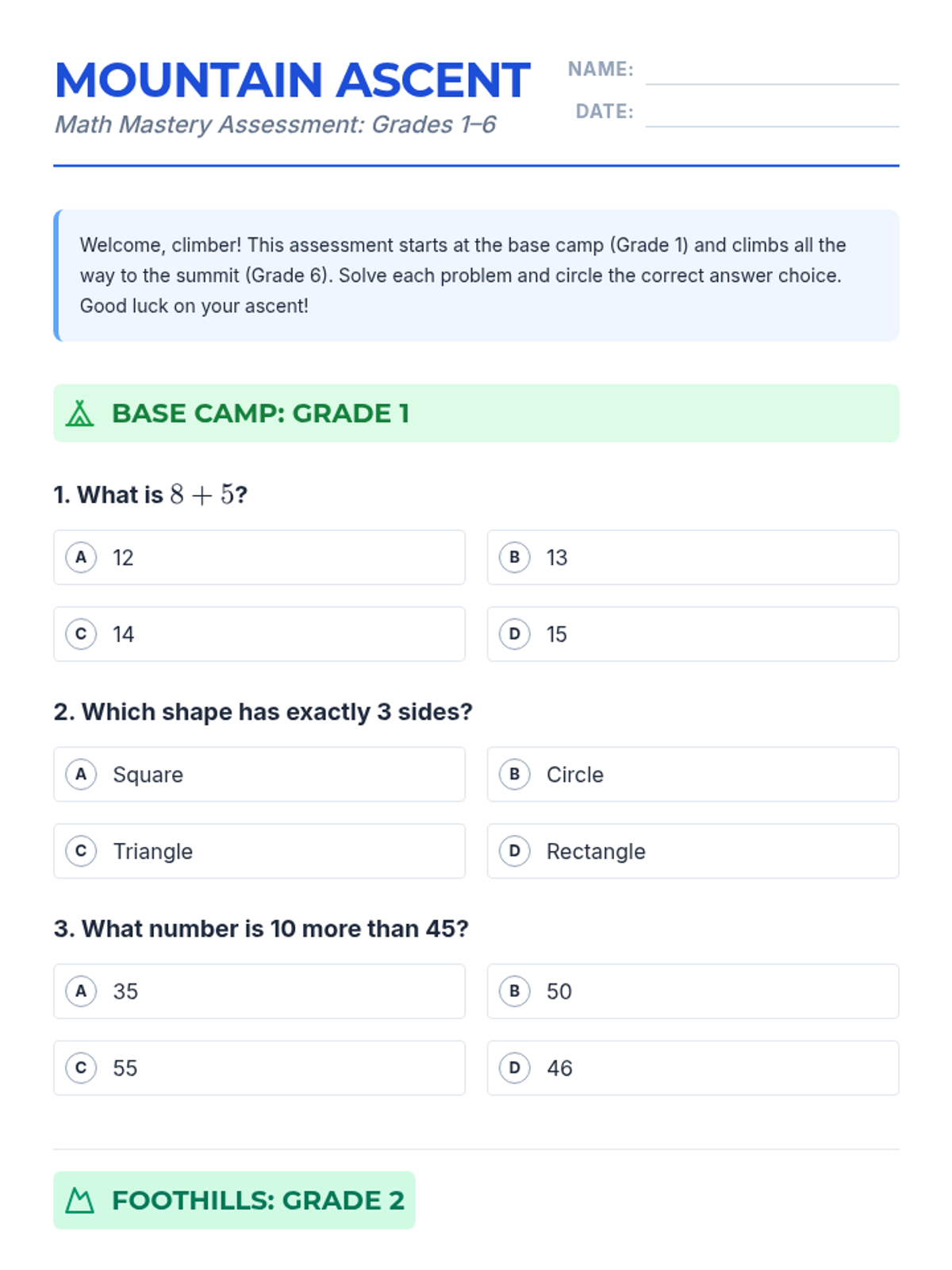
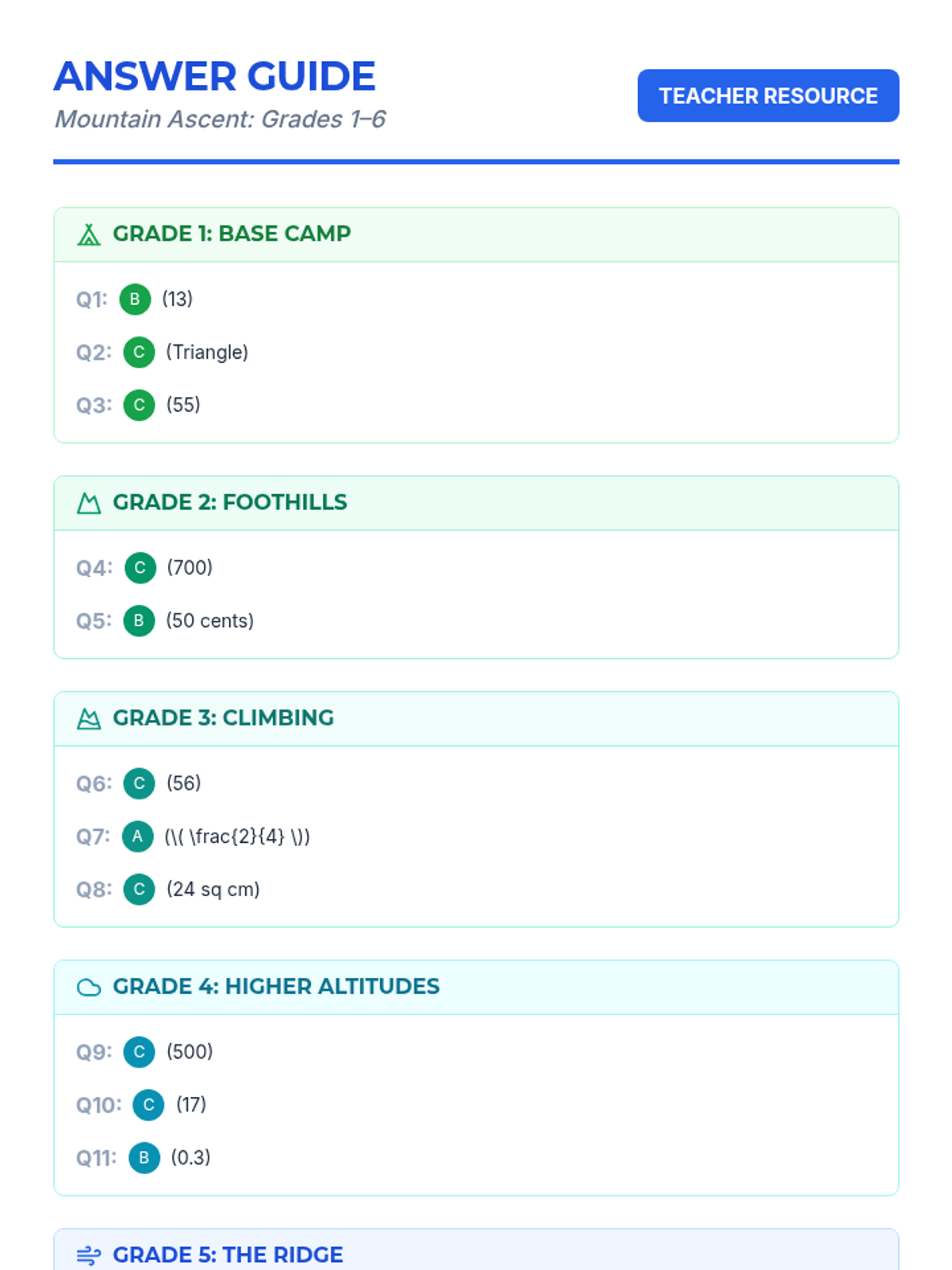
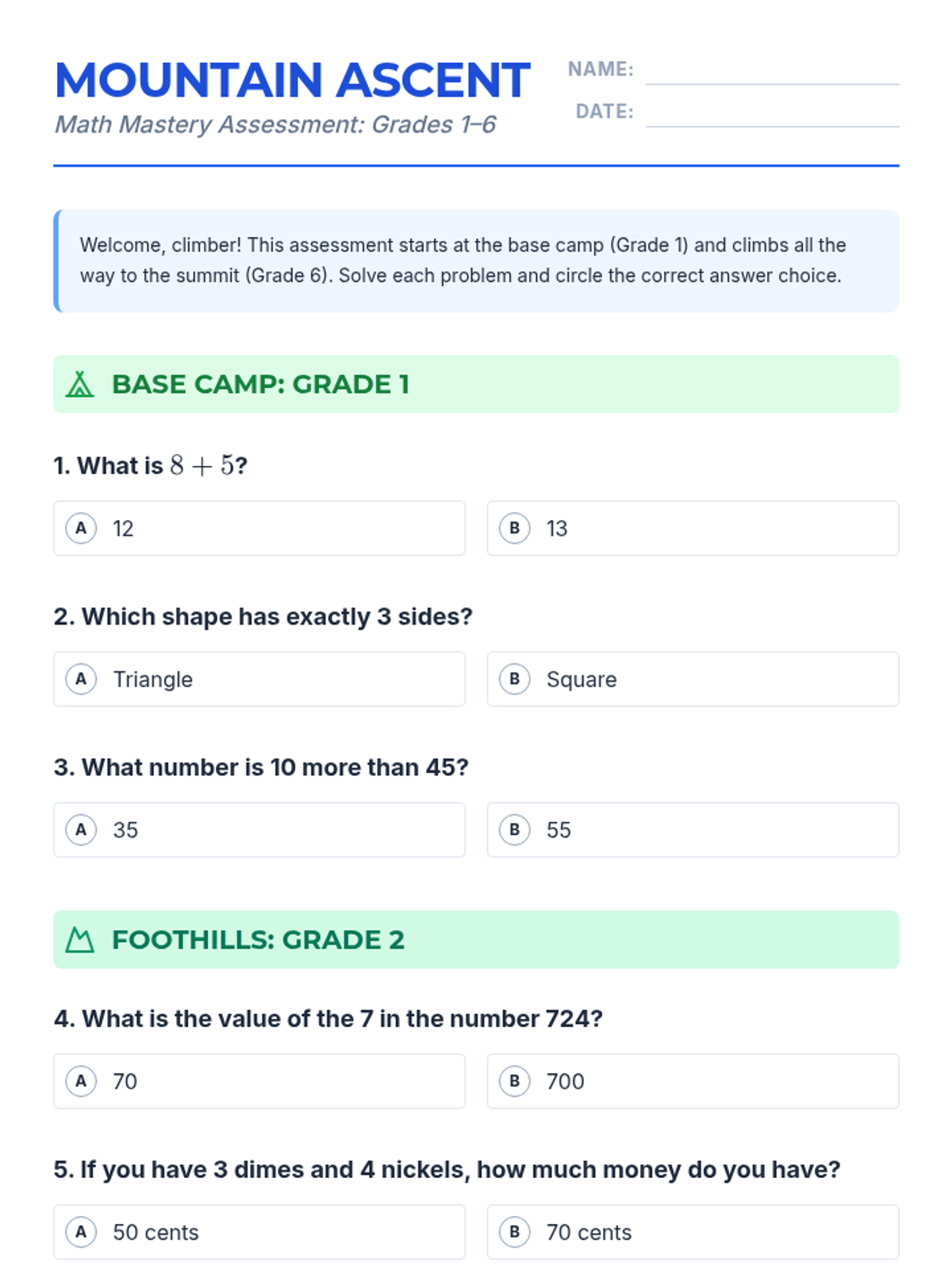
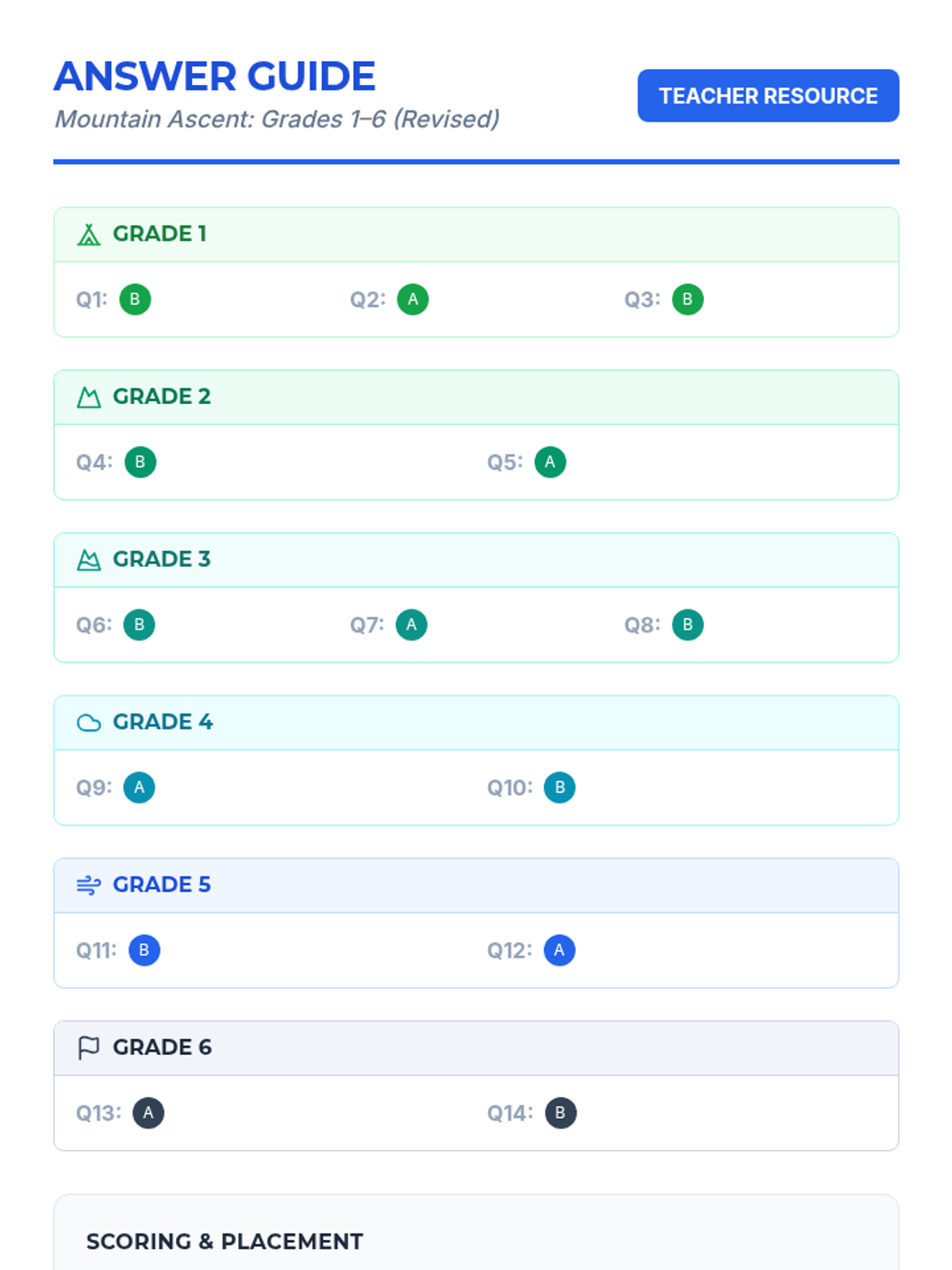
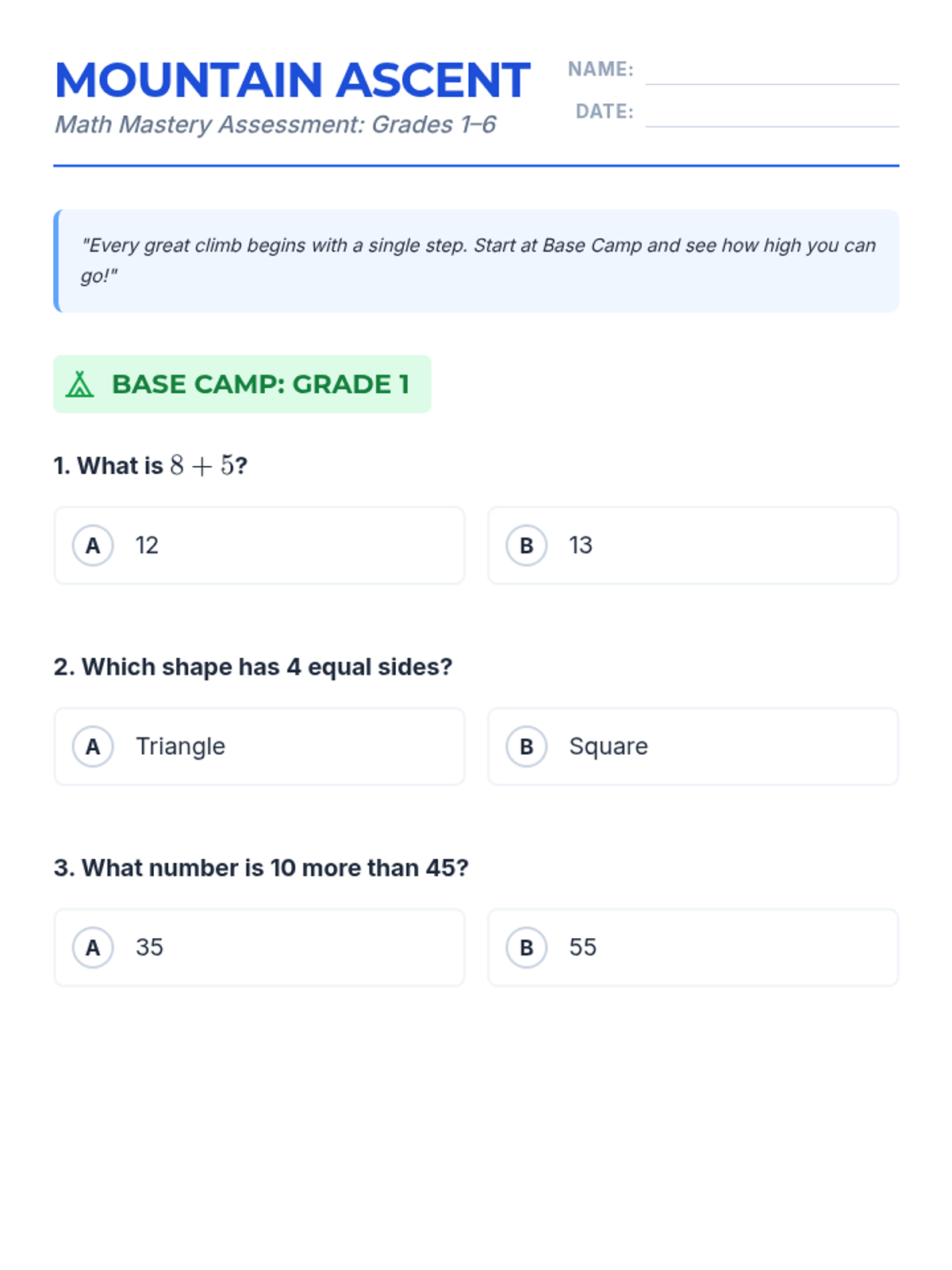
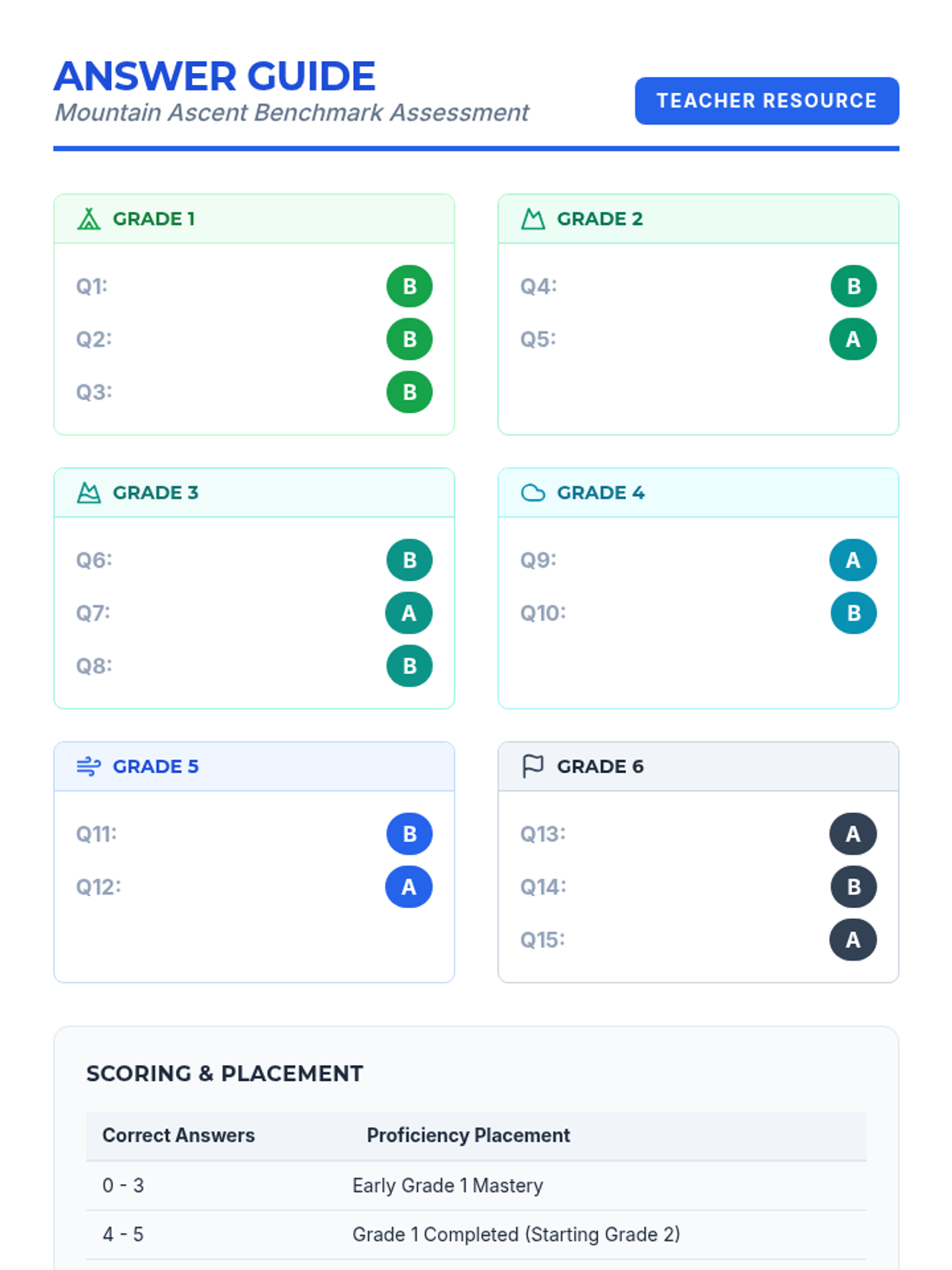
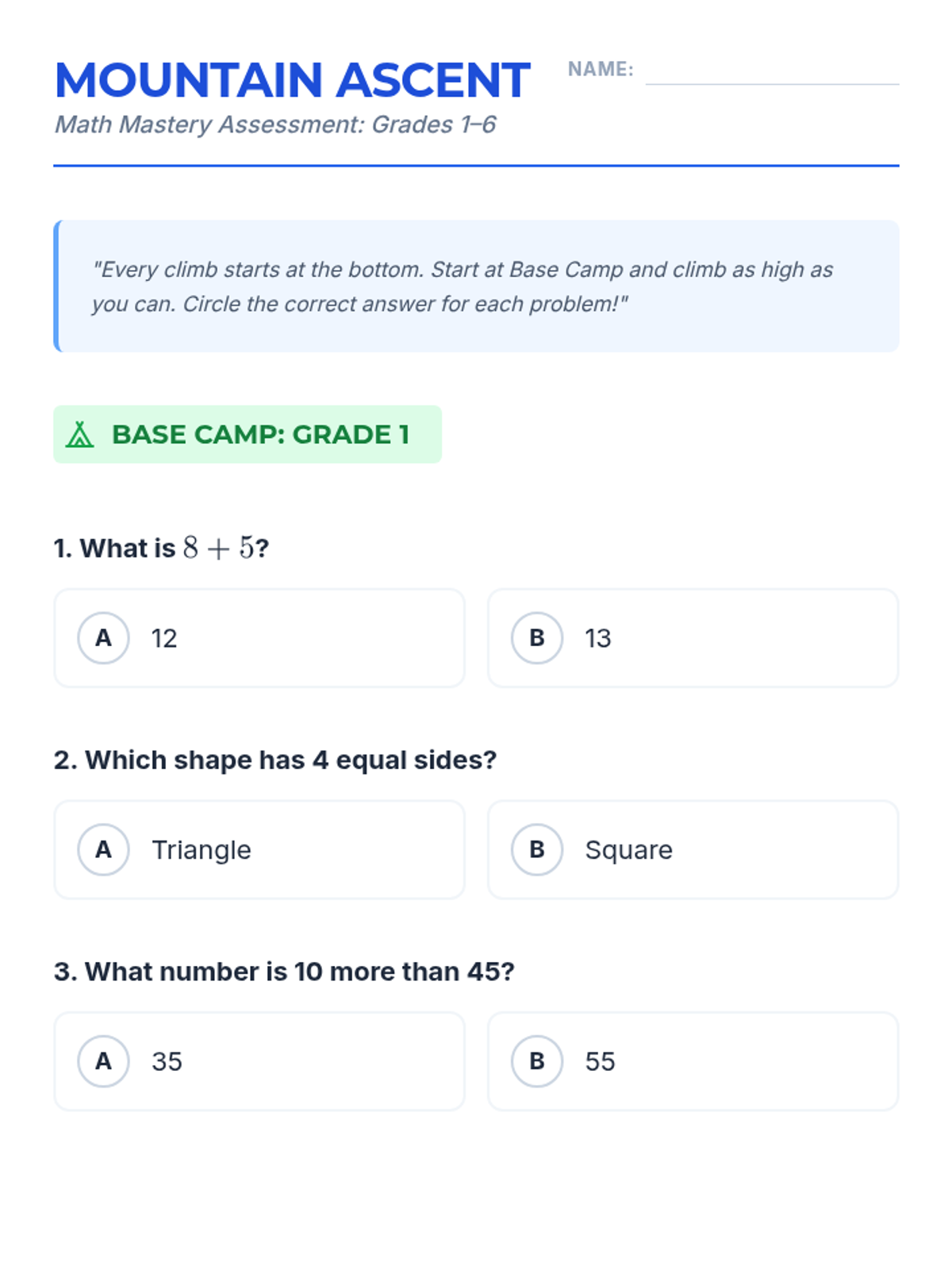
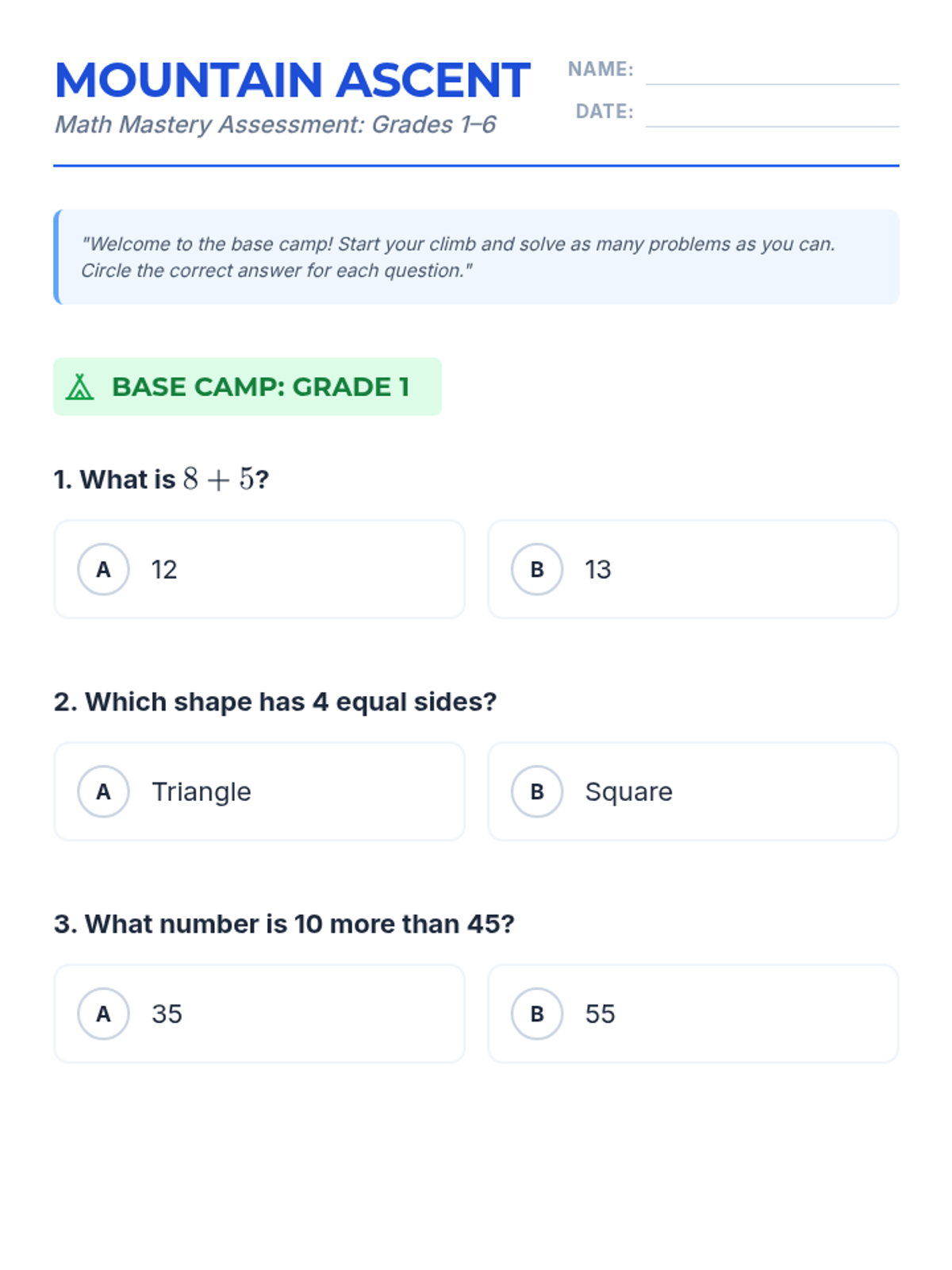
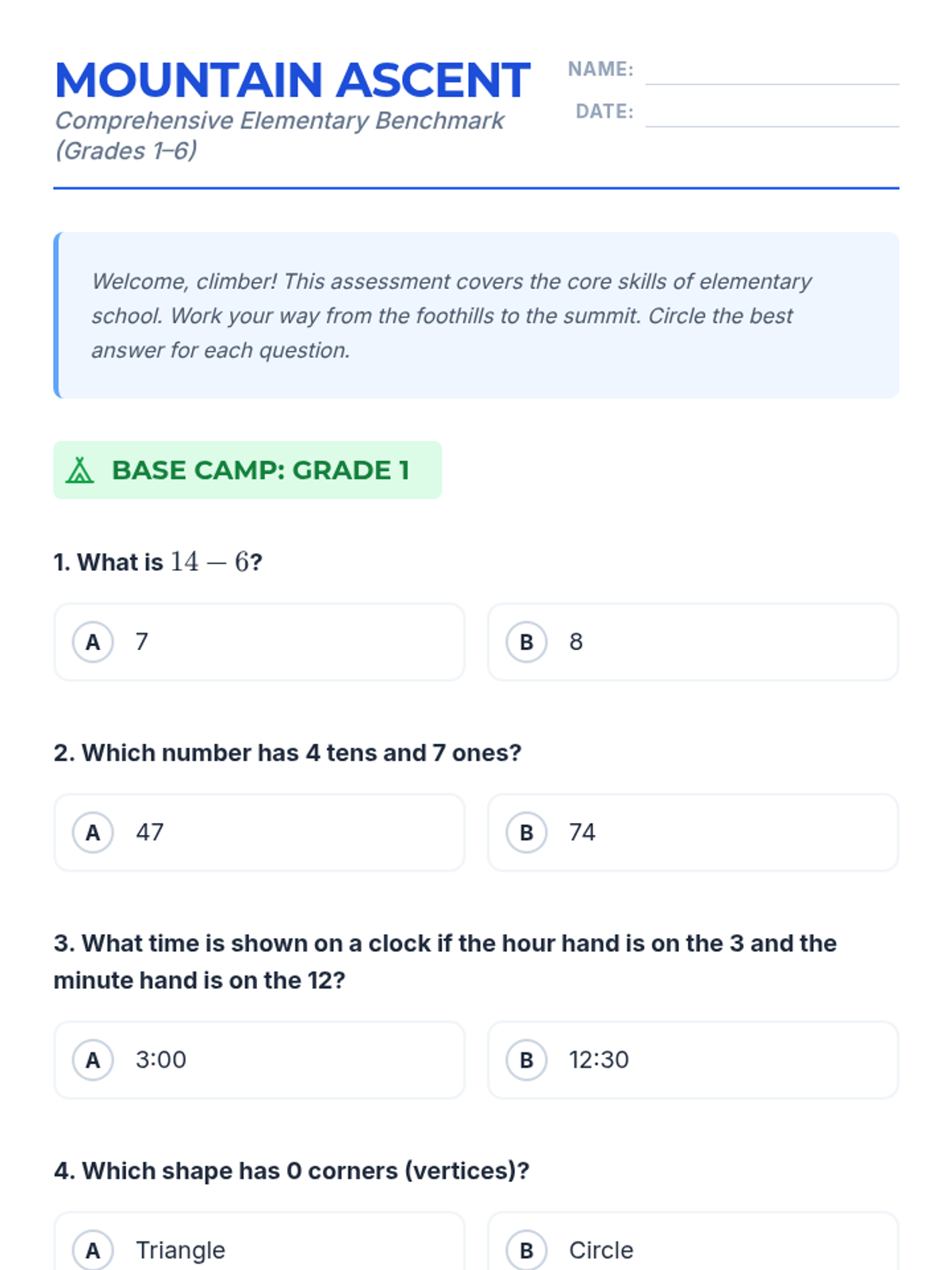
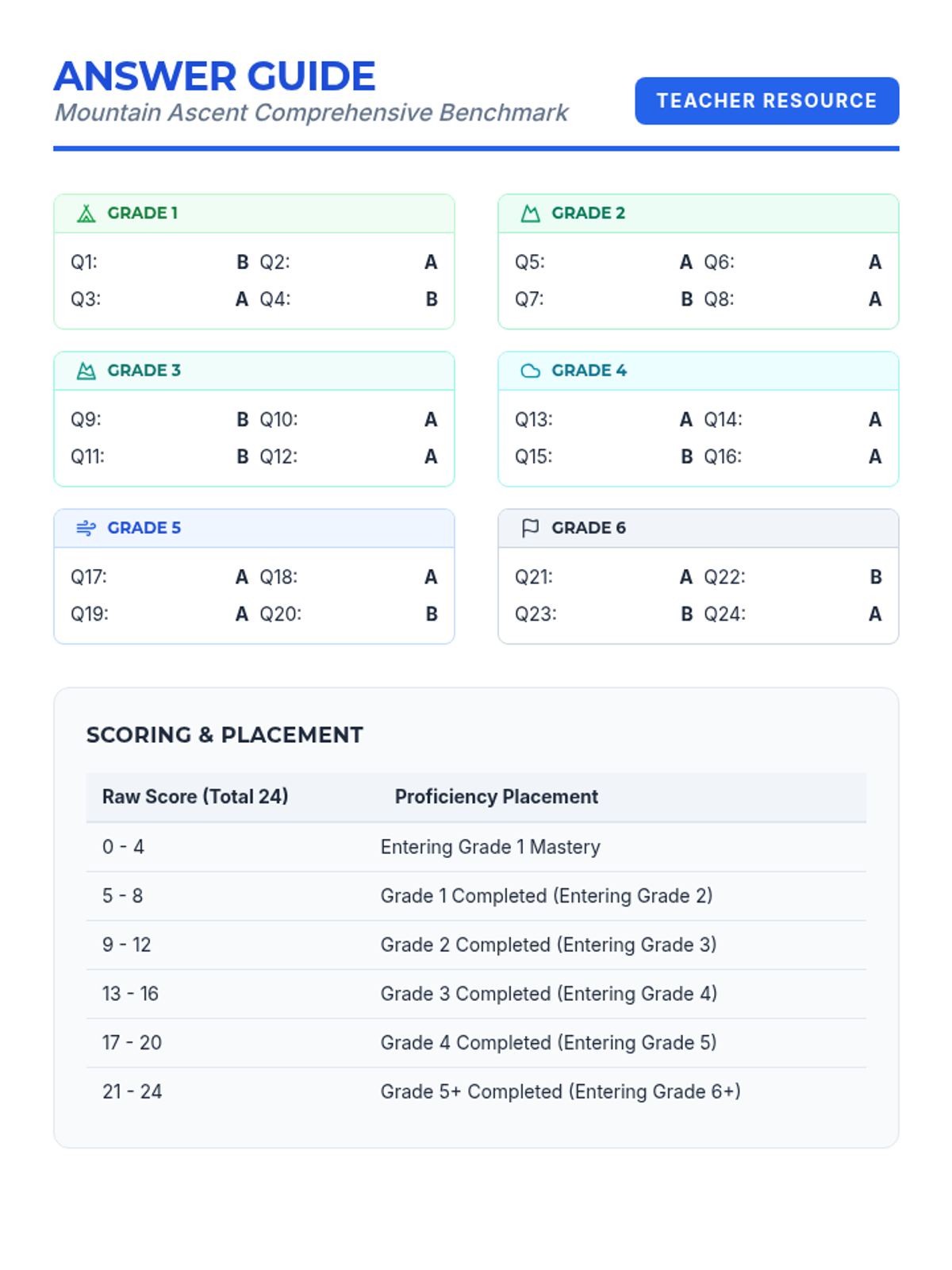
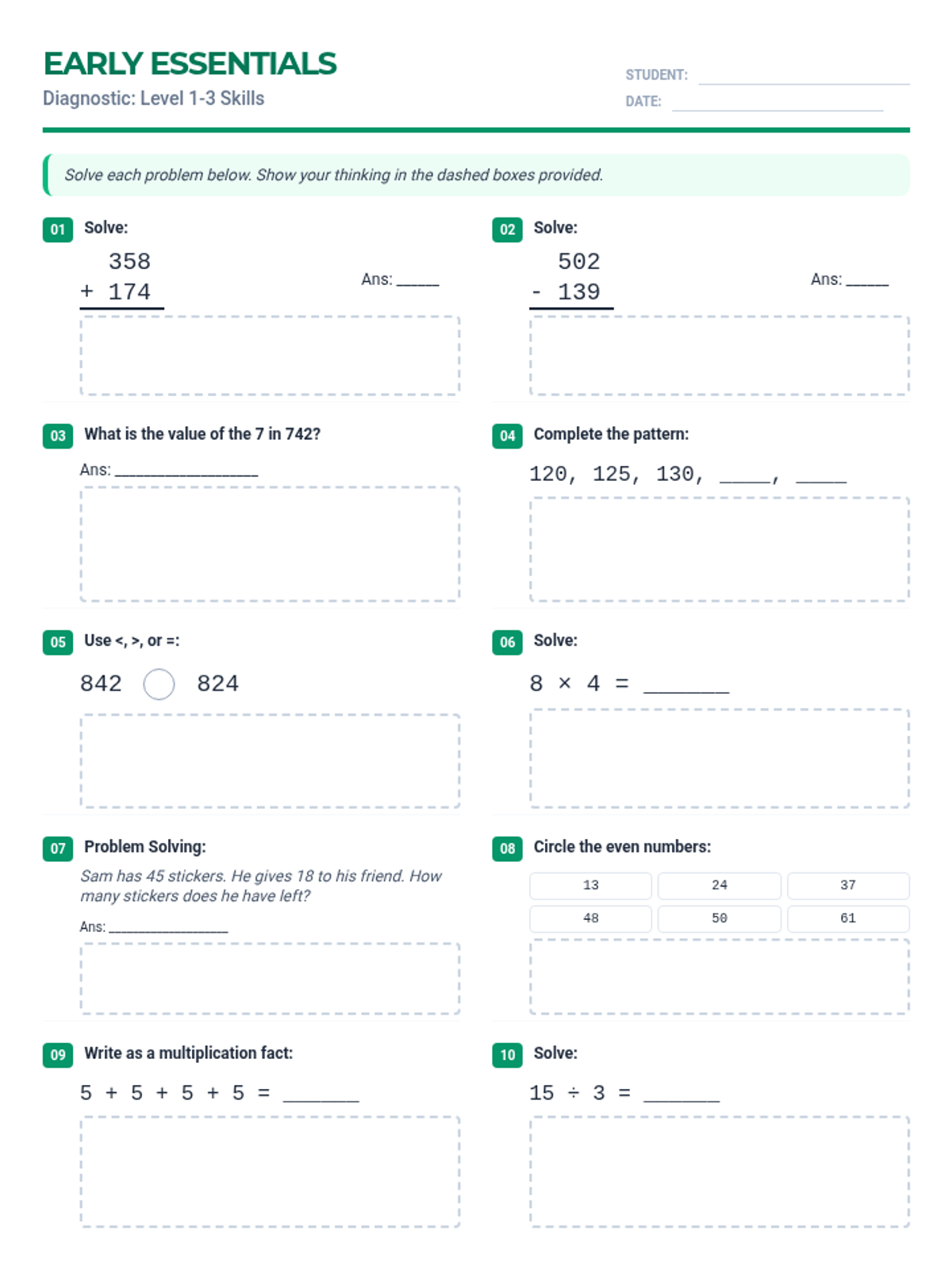
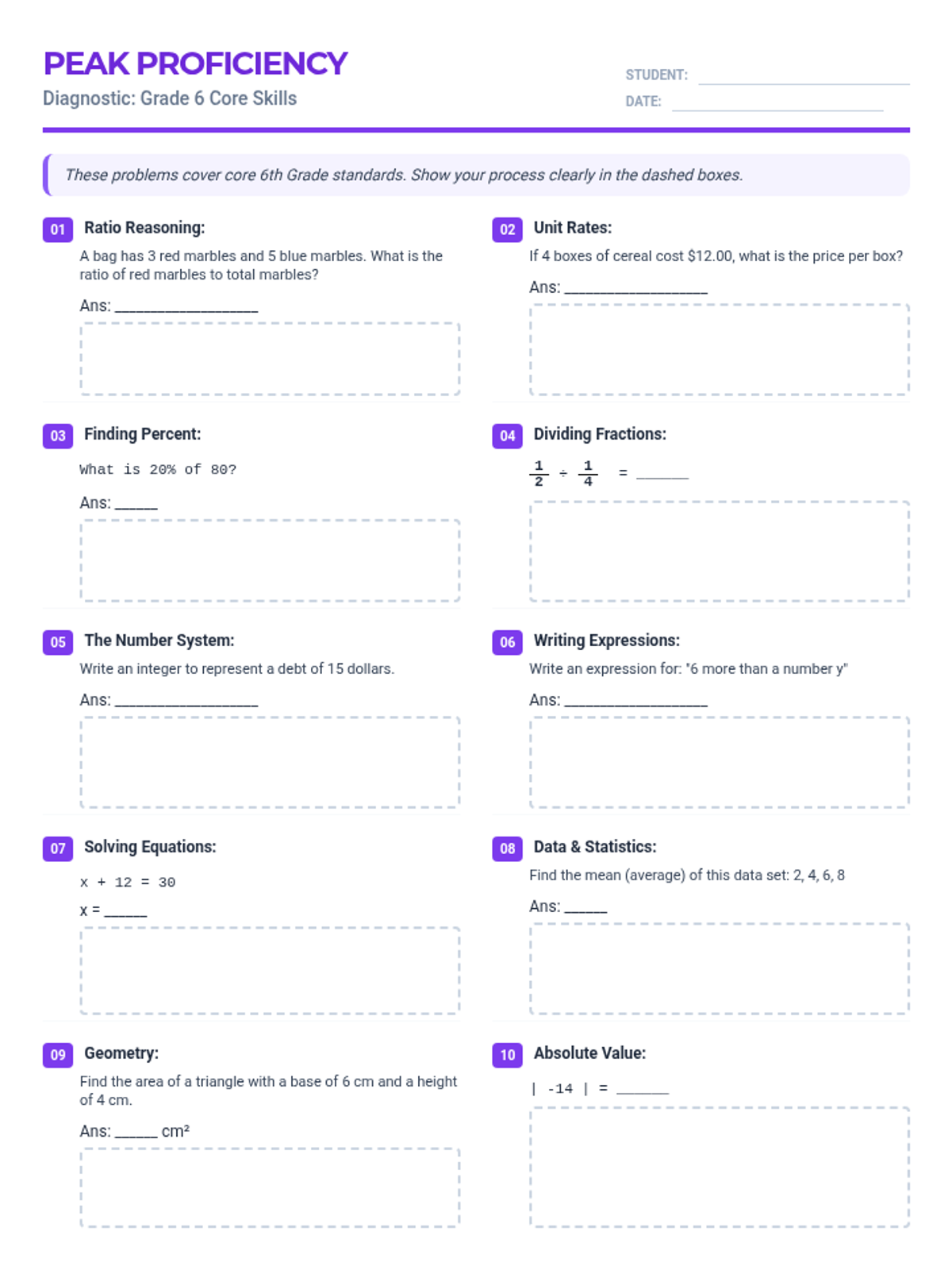
A comprehensive math benchmark assessment covering key standards from Grade 1 through Grade 6, designed to track student progress and identify skill gaps.
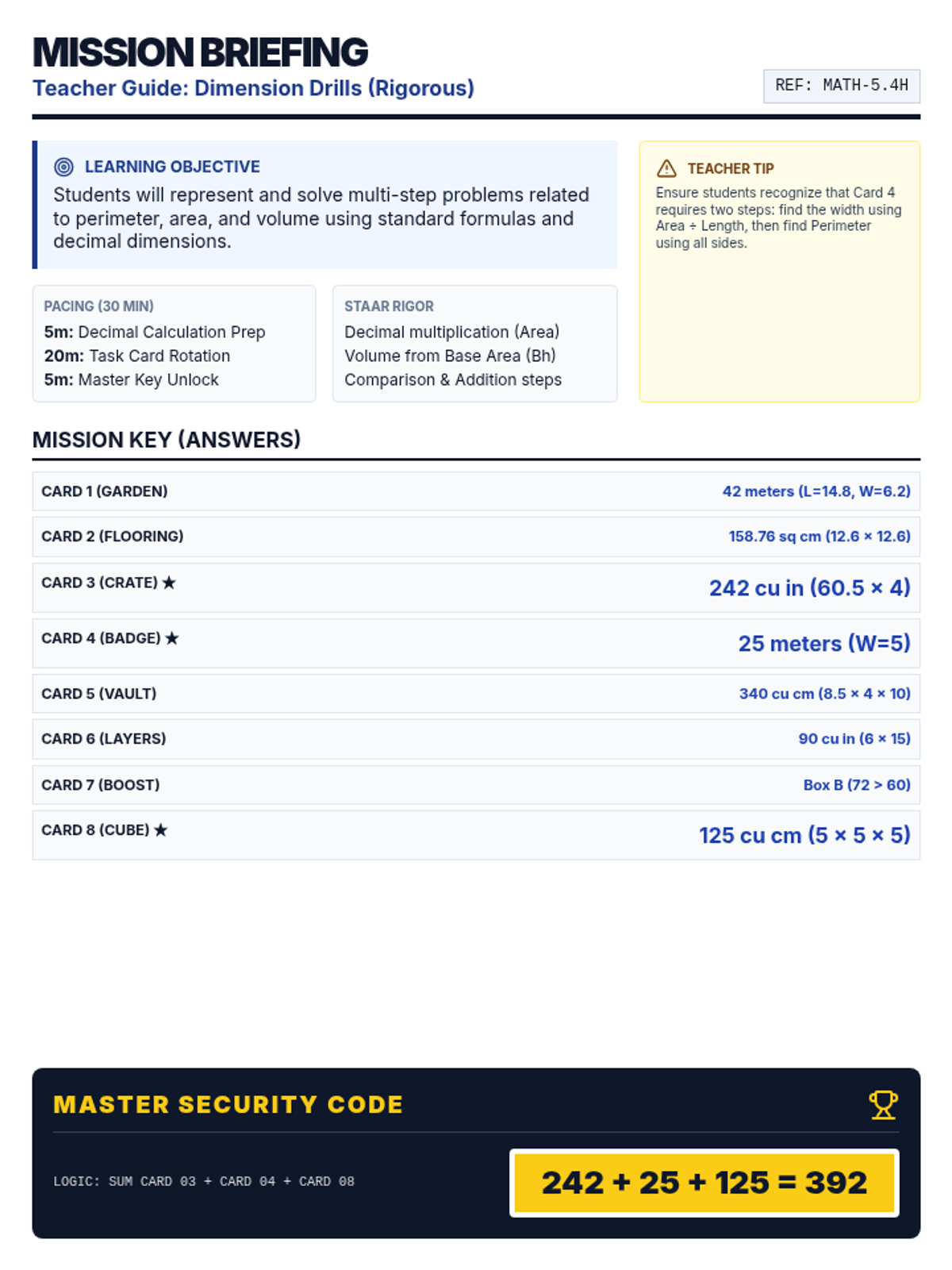
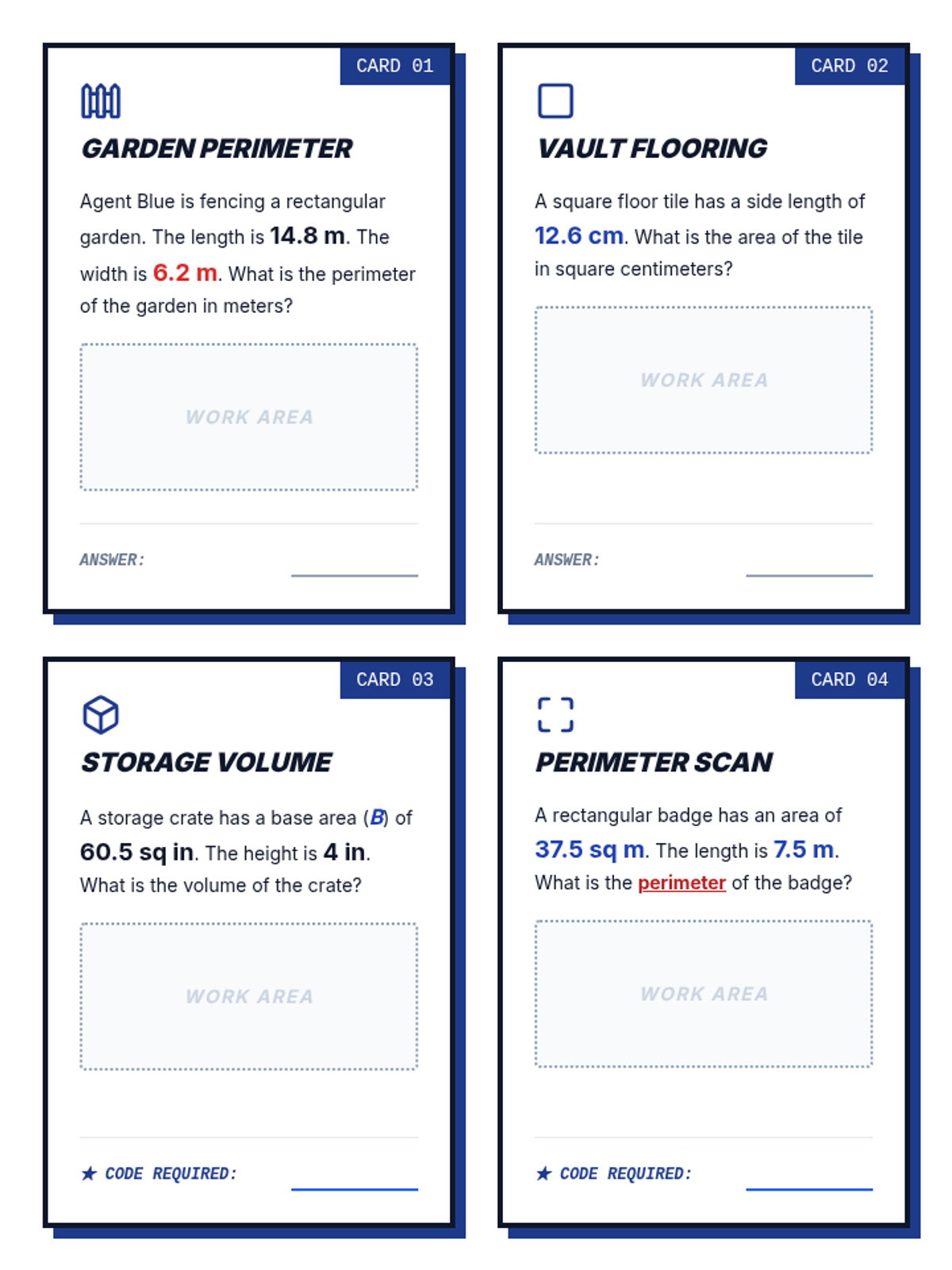
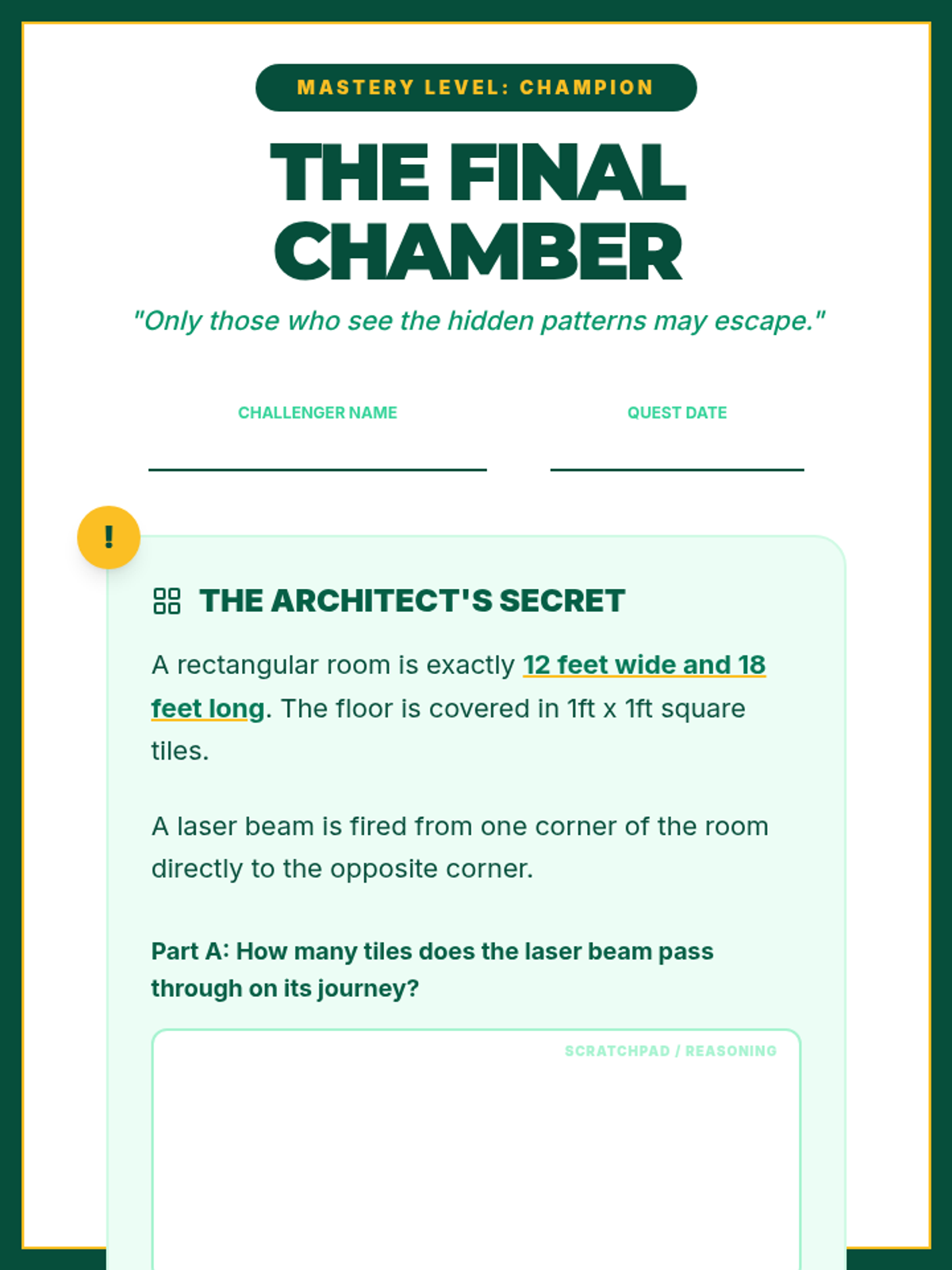
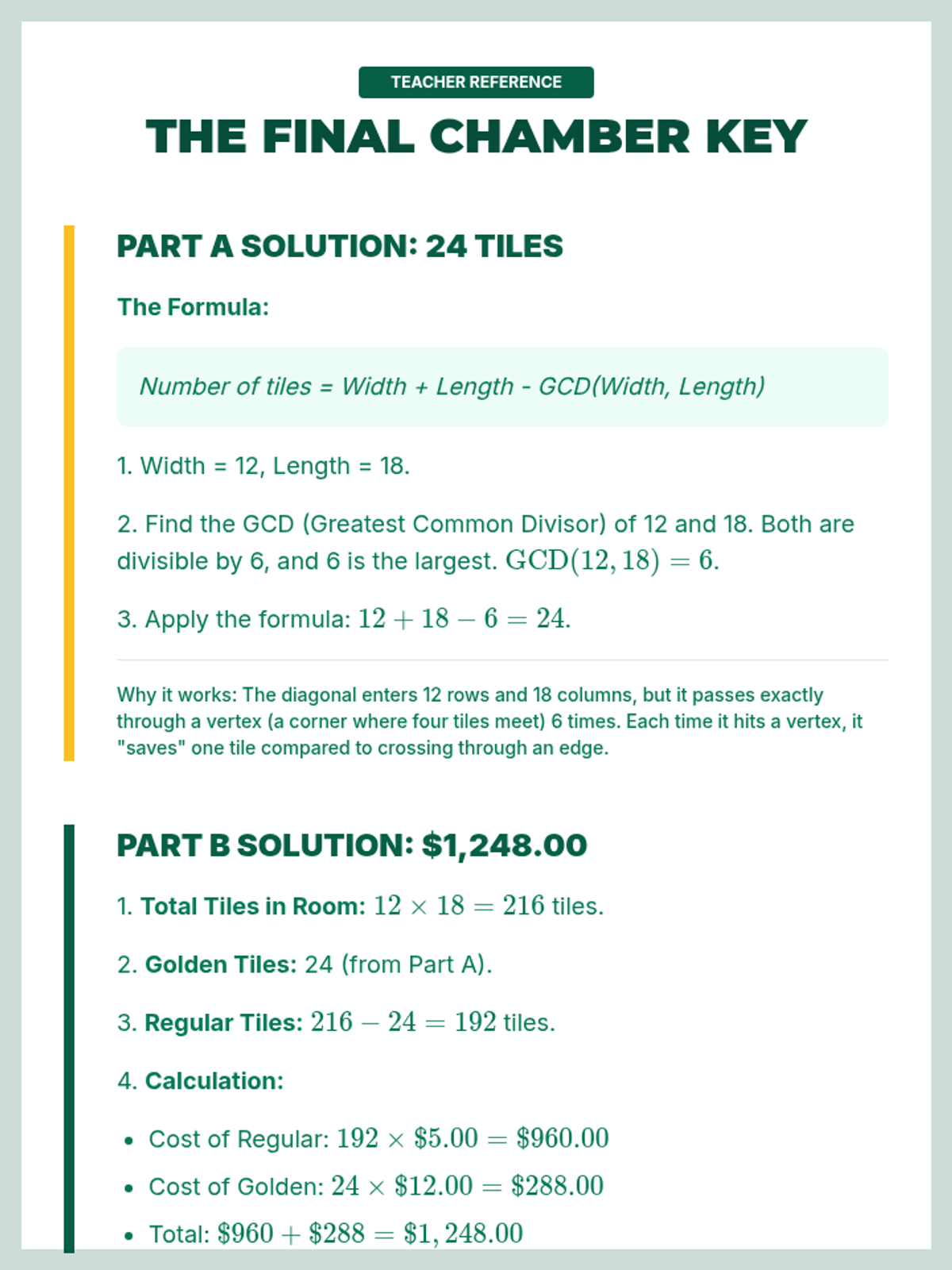
Focuses on representing and solving problems involving perimeter, area, and volume. Students use their measurement skills as 'Dimension Detectives' for the final mission.
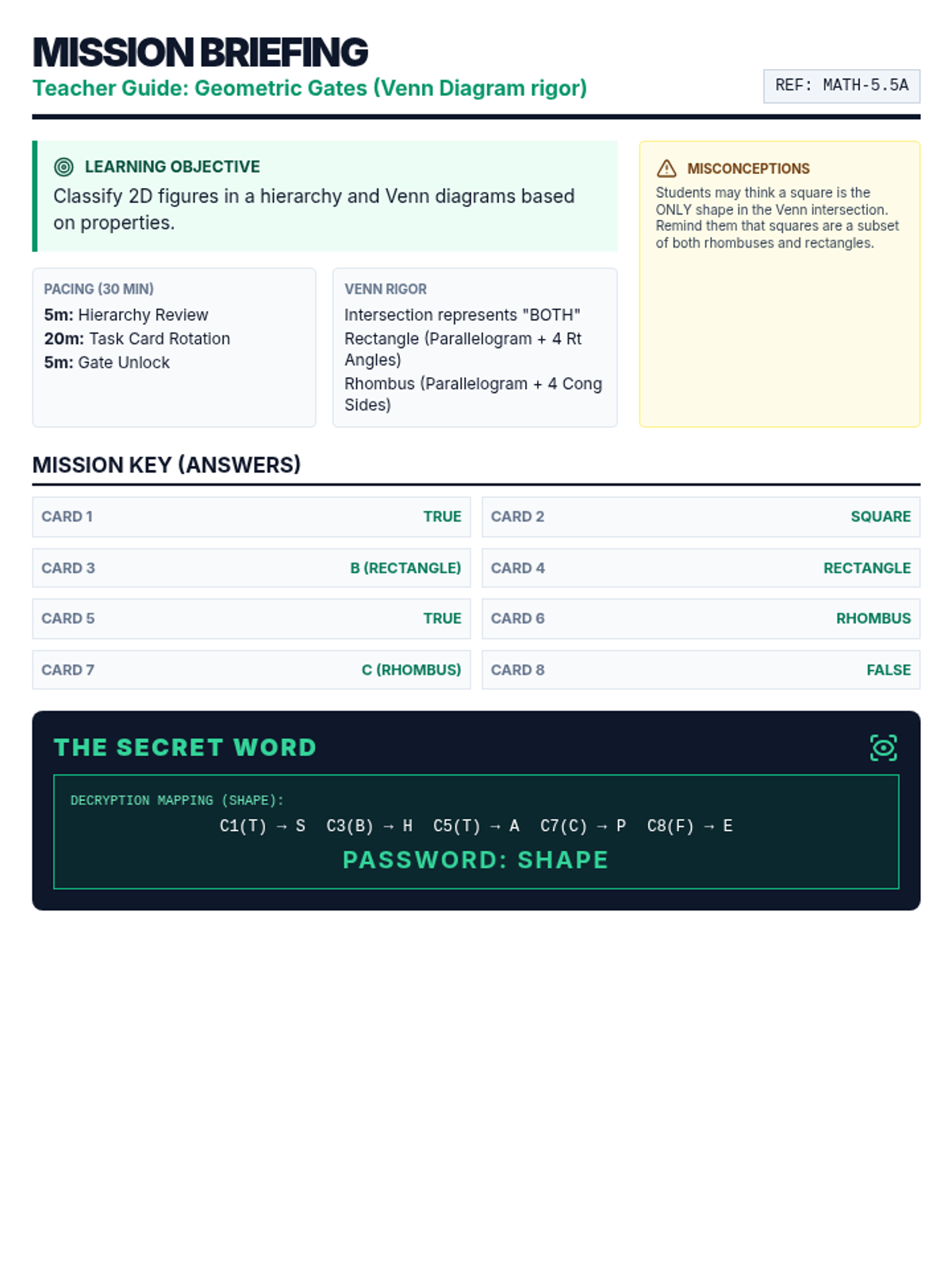
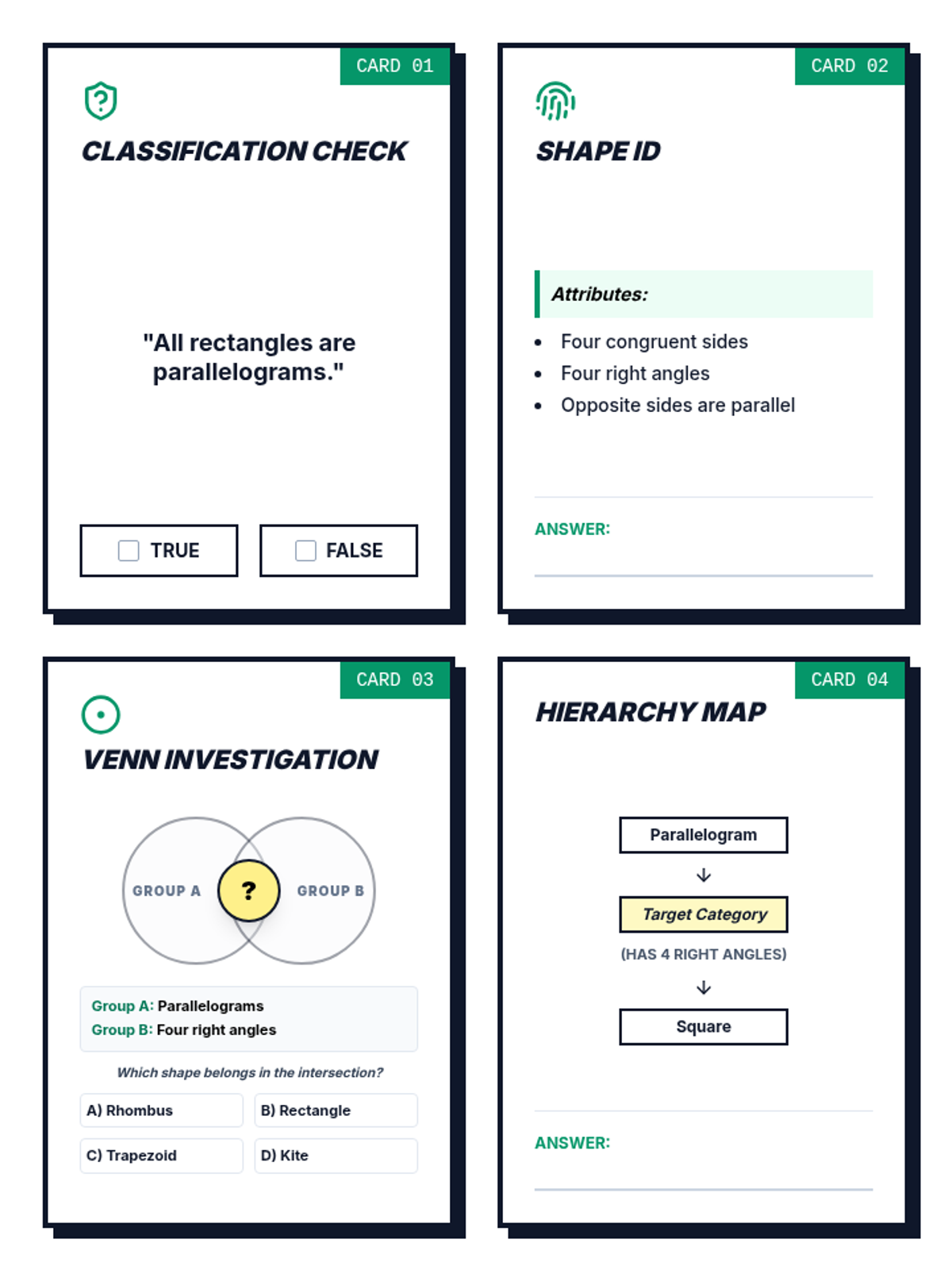
Focuses on classifying 2D figures in a hierarchy based on properties. Students identify relationships between sets and subsets to unlock the 'Geometric Gates'.
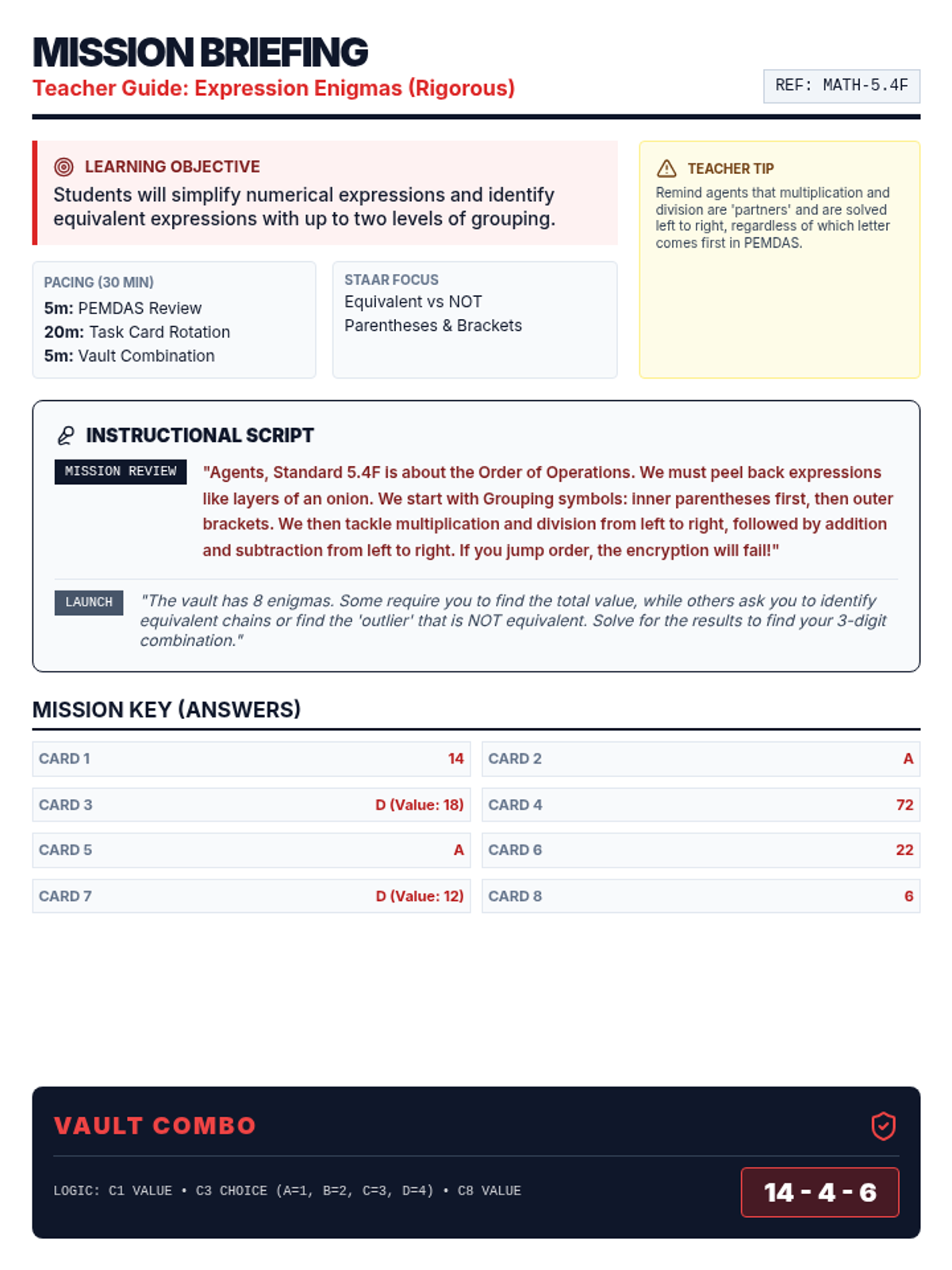
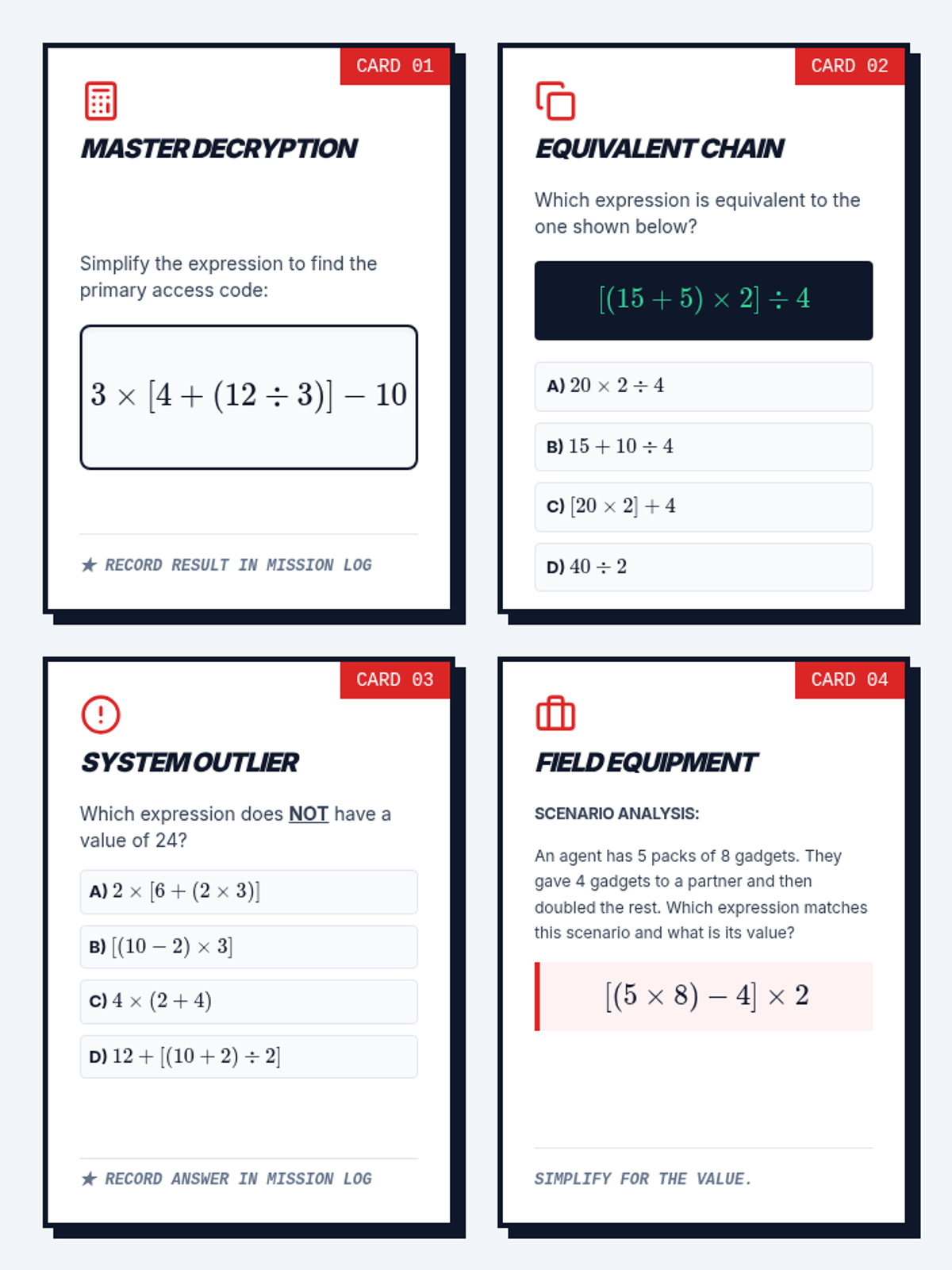
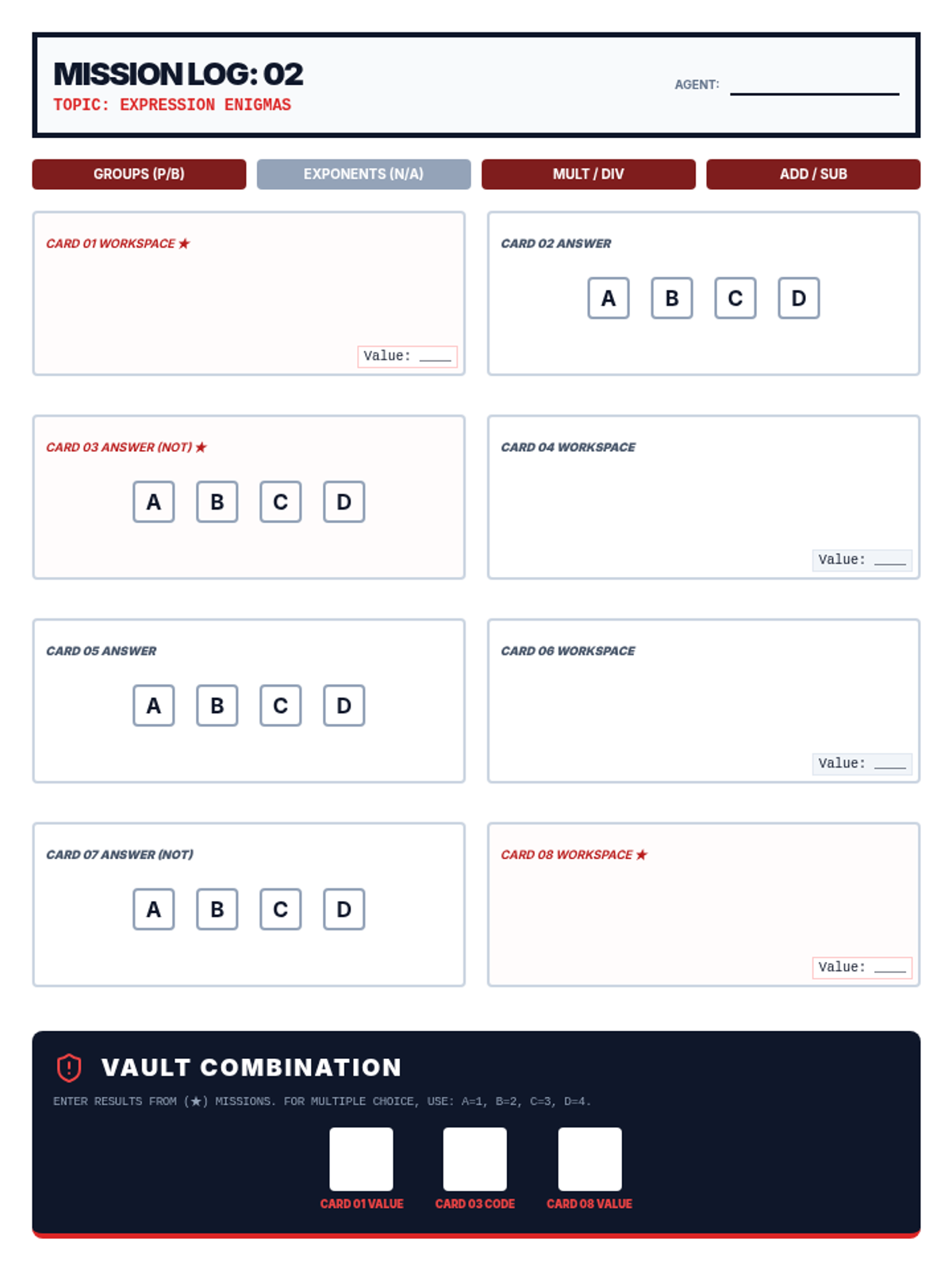
Focuses on simplifying numerical expressions using the order of operations, including up to two levels of grouping. Students solve 'Expression Enigmas' to find the vault combination.
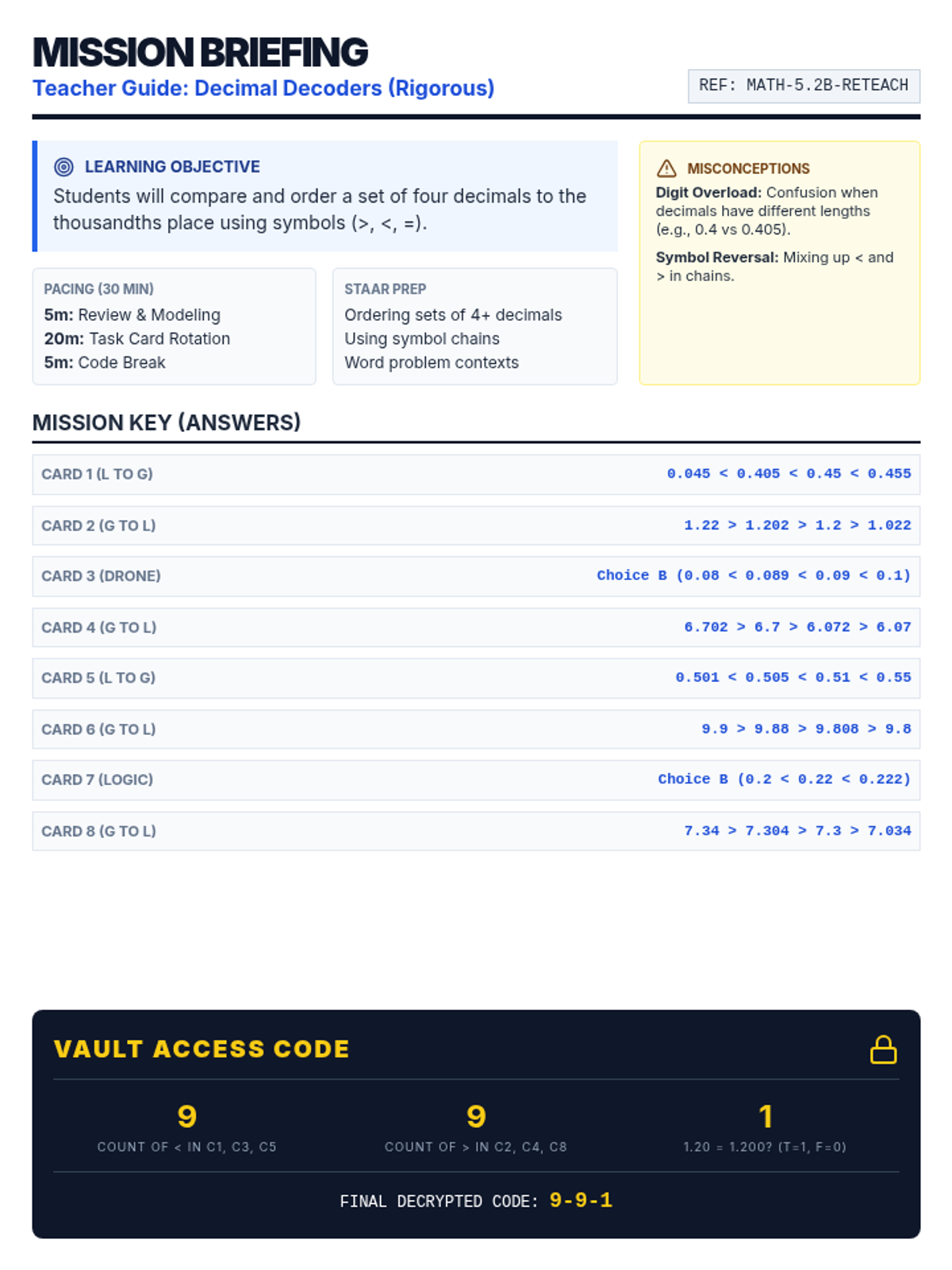
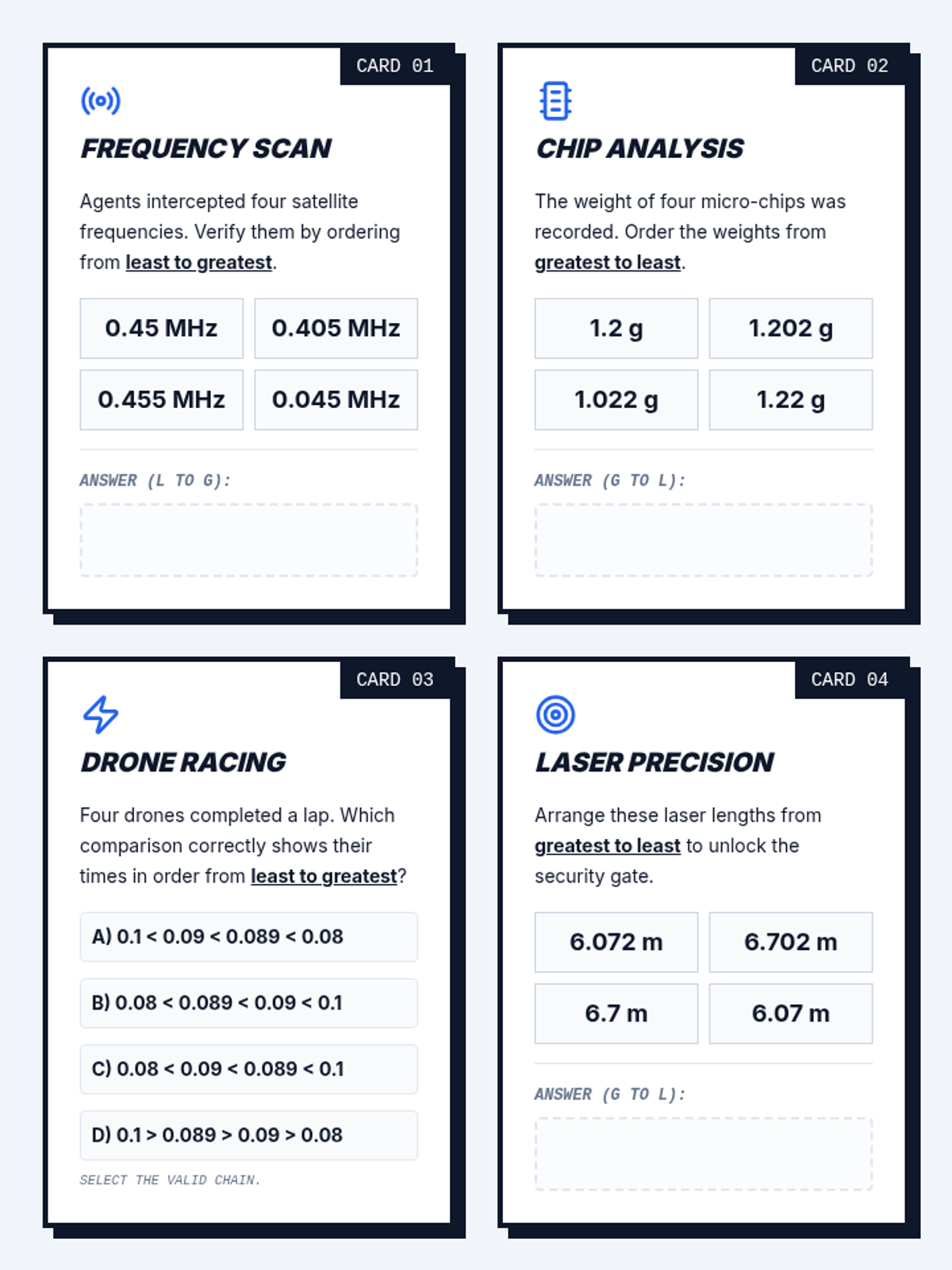
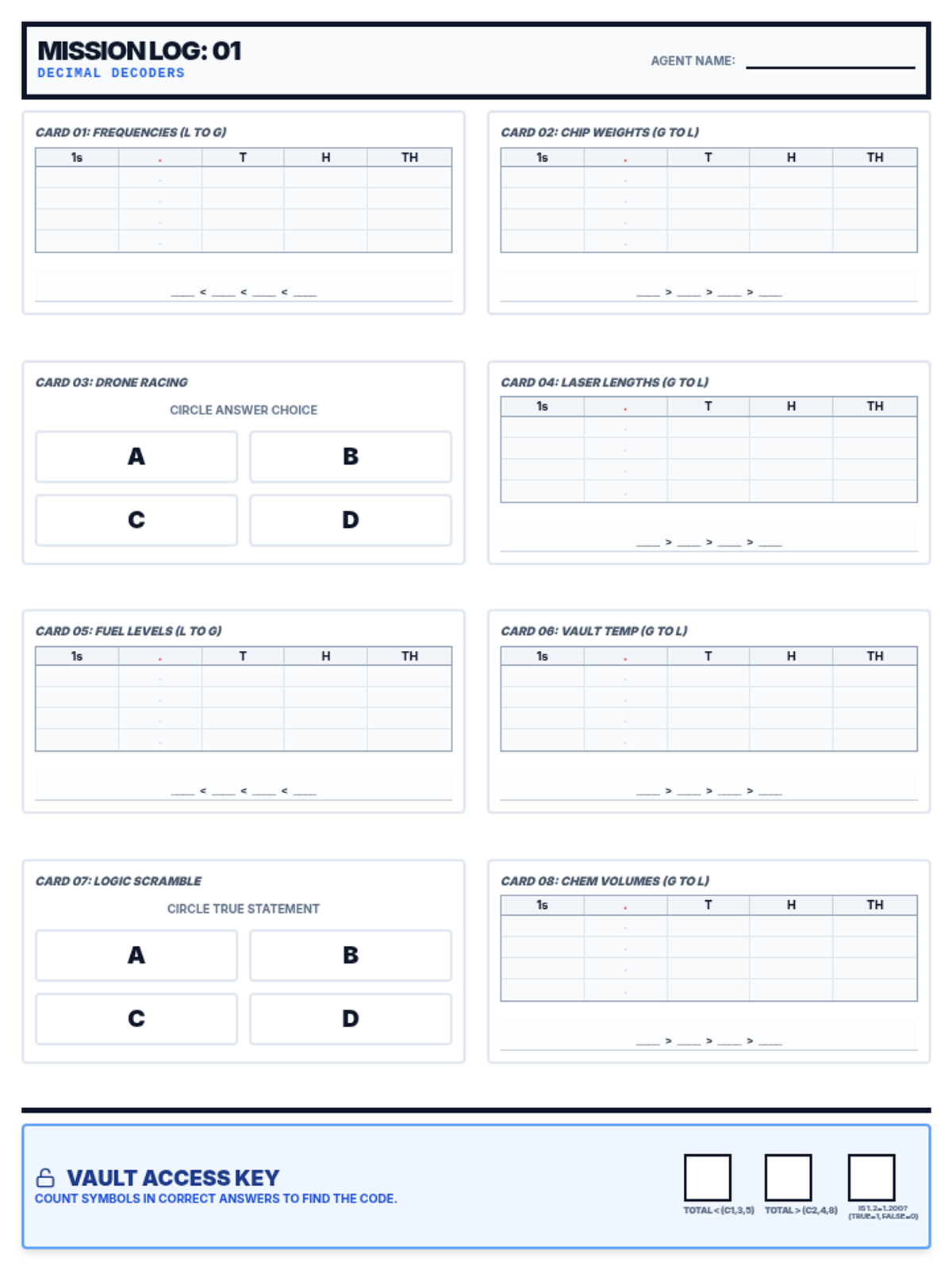
Focuses on comparing and ordering decimals to the thousandths place using symbols and place value logic. Students act as 'Decimal Decoders' to crack a numeric sequence code.
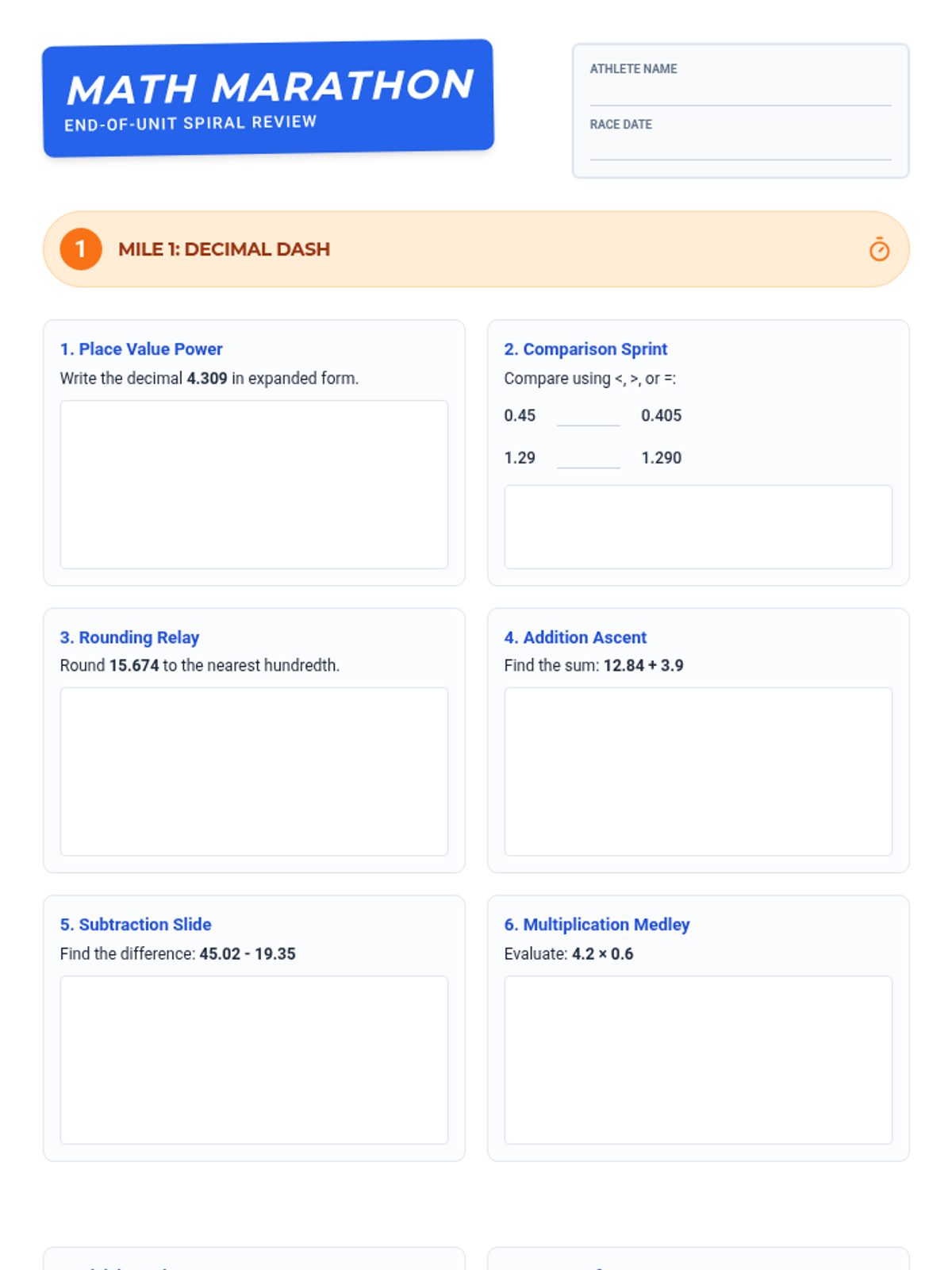
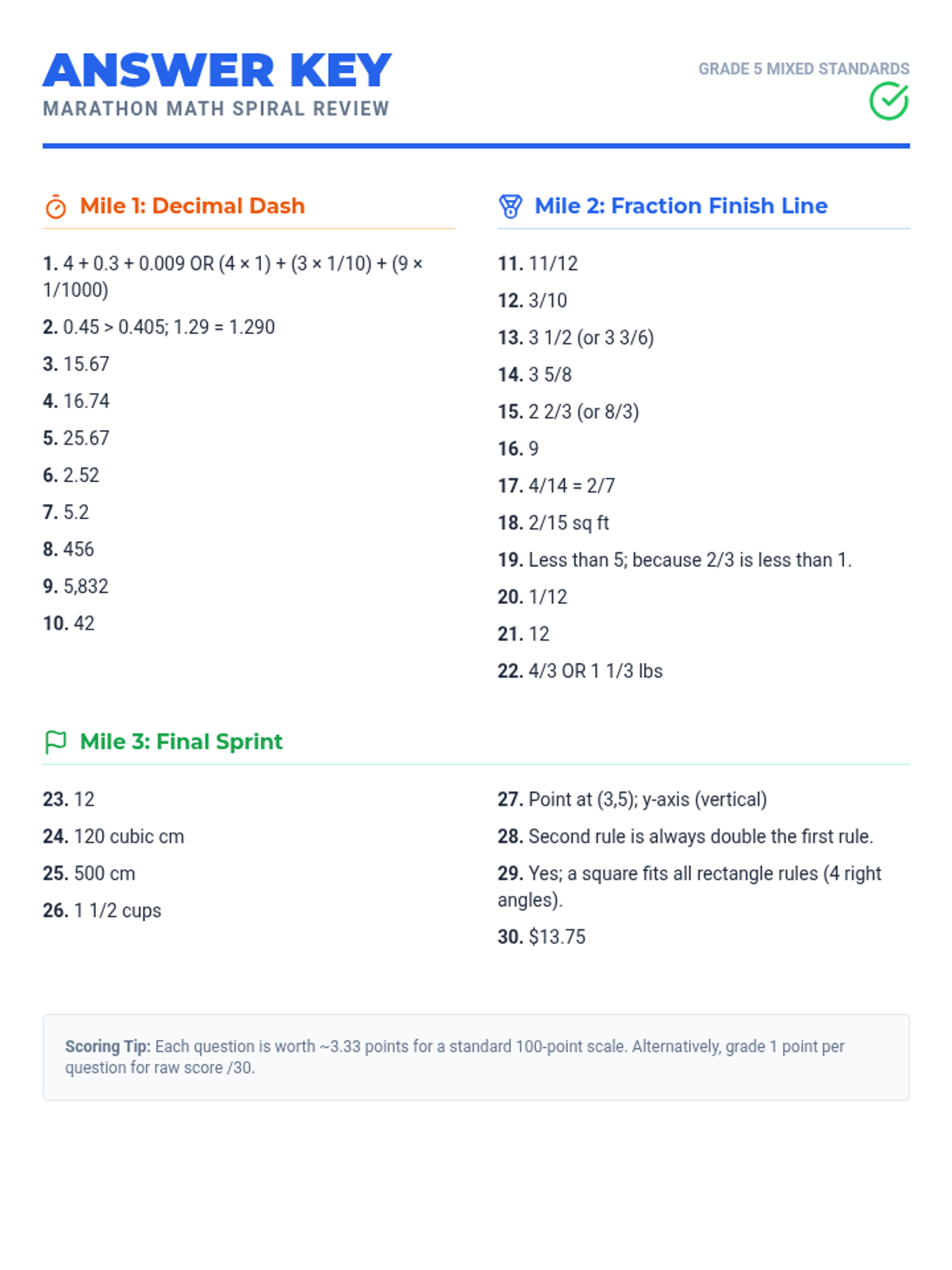
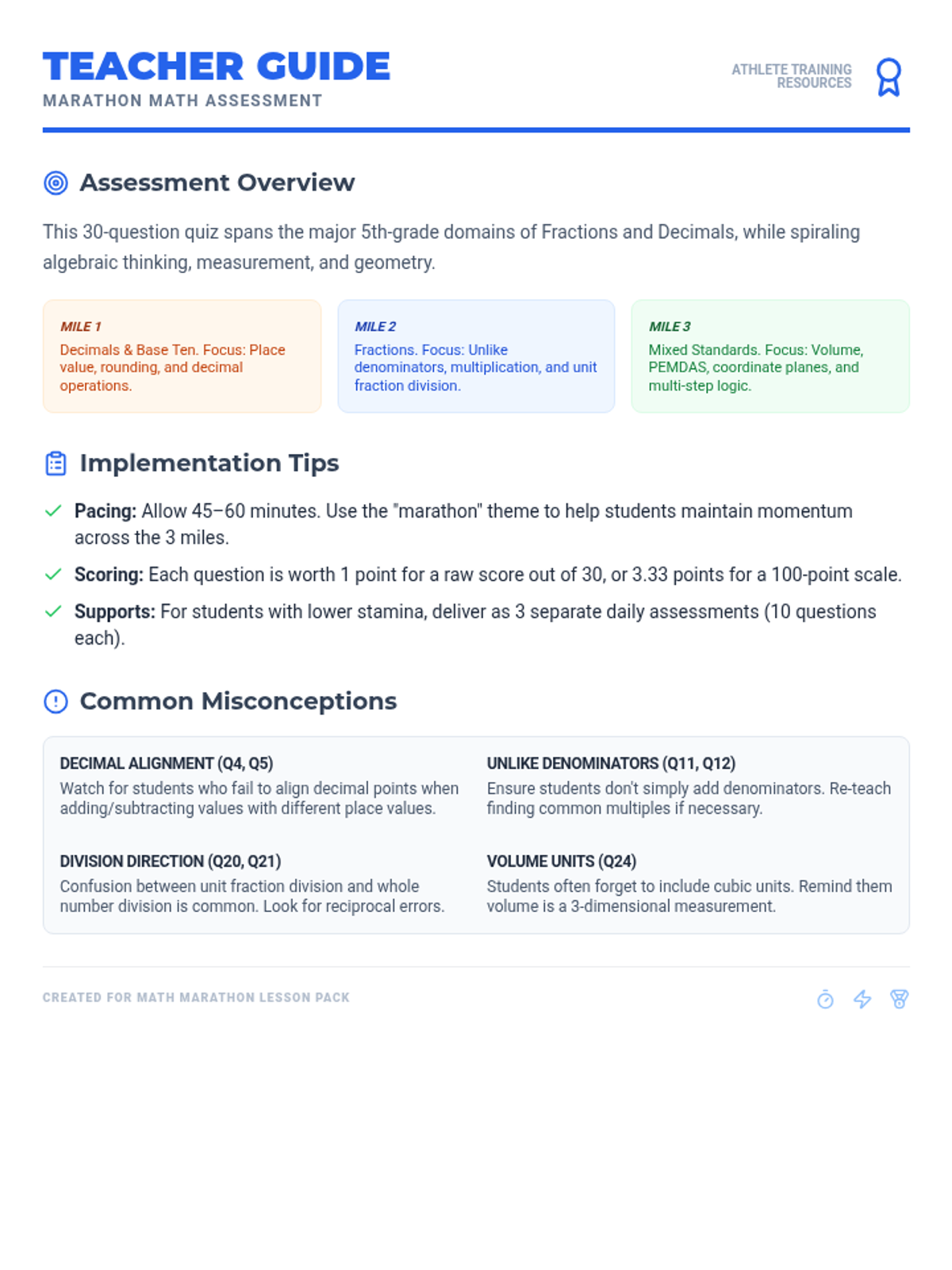
A comprehensive end-of-unit assessment designed for 5th-grade students, focusing on fractions, decimals, and mixed standards through a high-energy marathon theme.
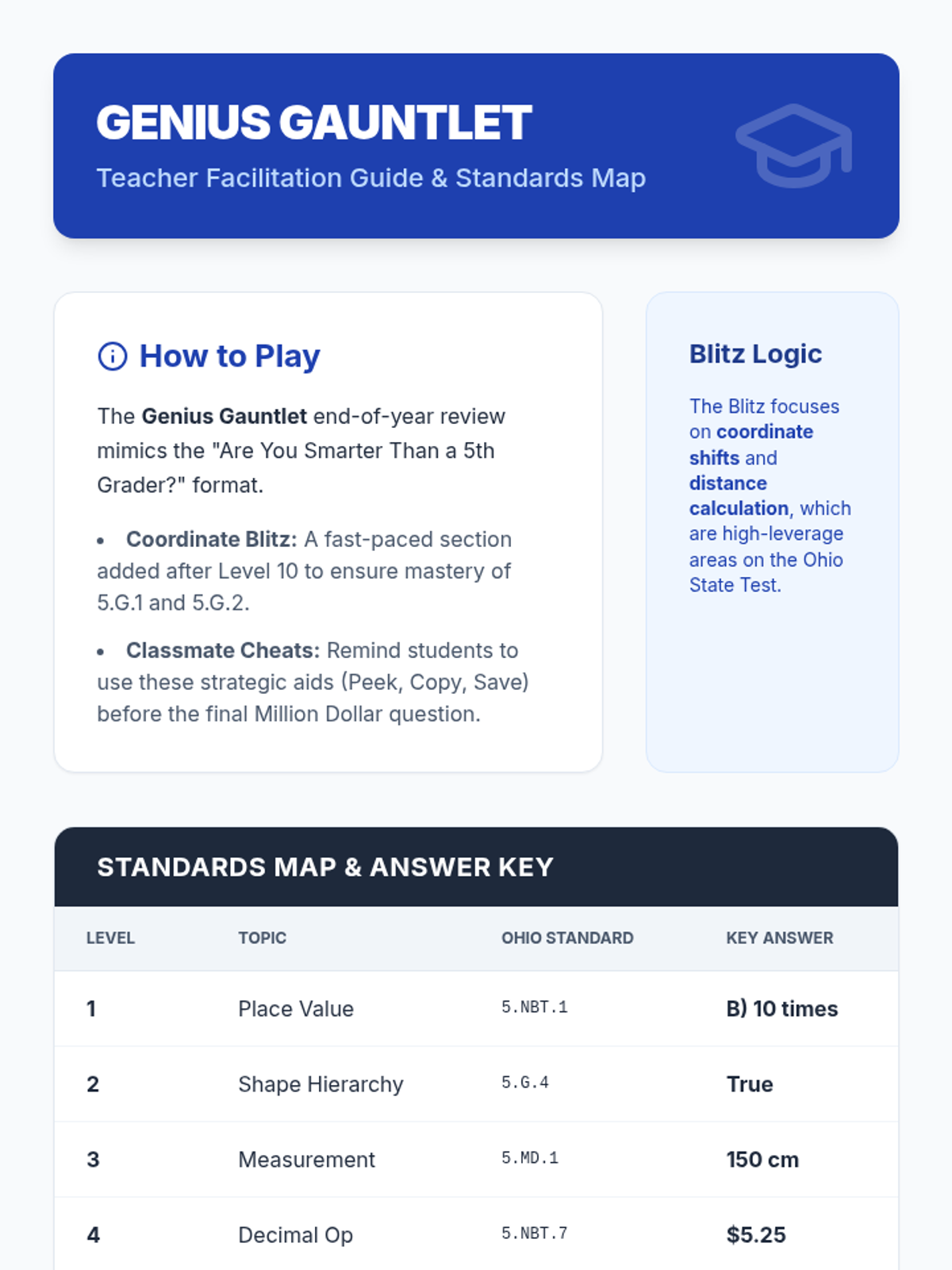
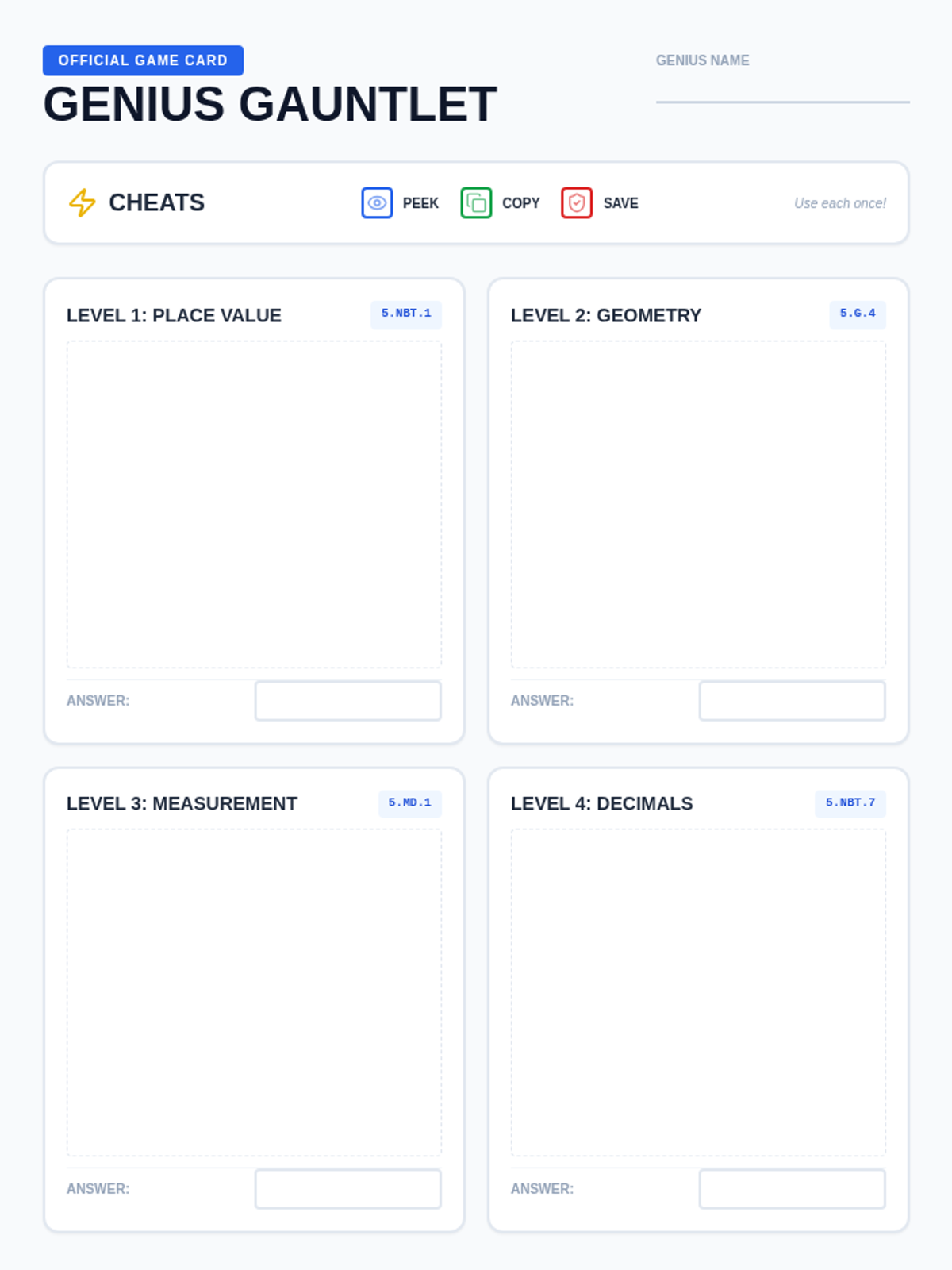
A comprehensive review of 5th Grade Ohio Learning Standards for Mathematics designed as a high-stakes classroom game show. Students will tackle 10 categories of increasing complexity plus a final 'Million Dollar' challenge covering fractions, volume, decimals, and algebraic thinking.
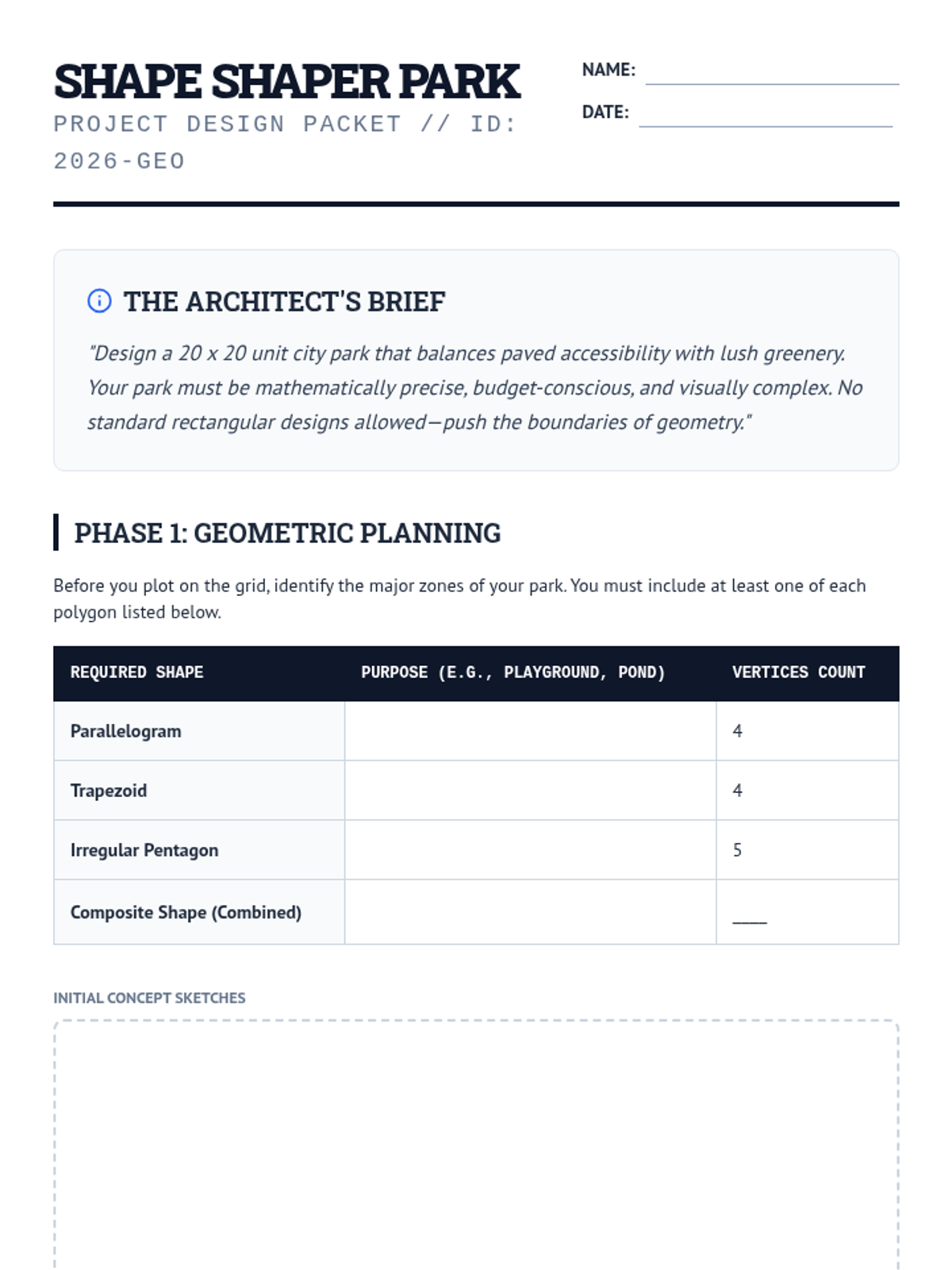
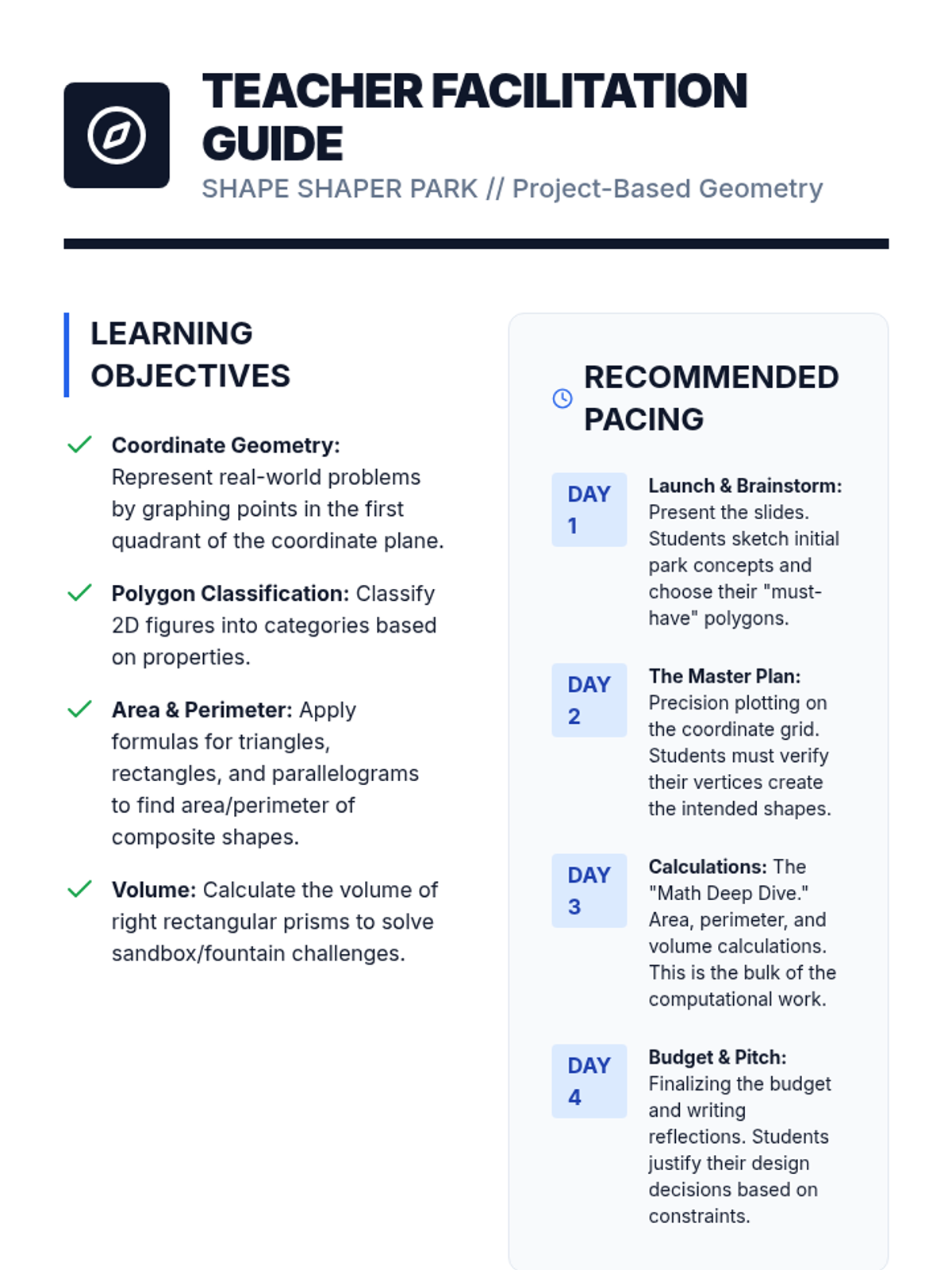
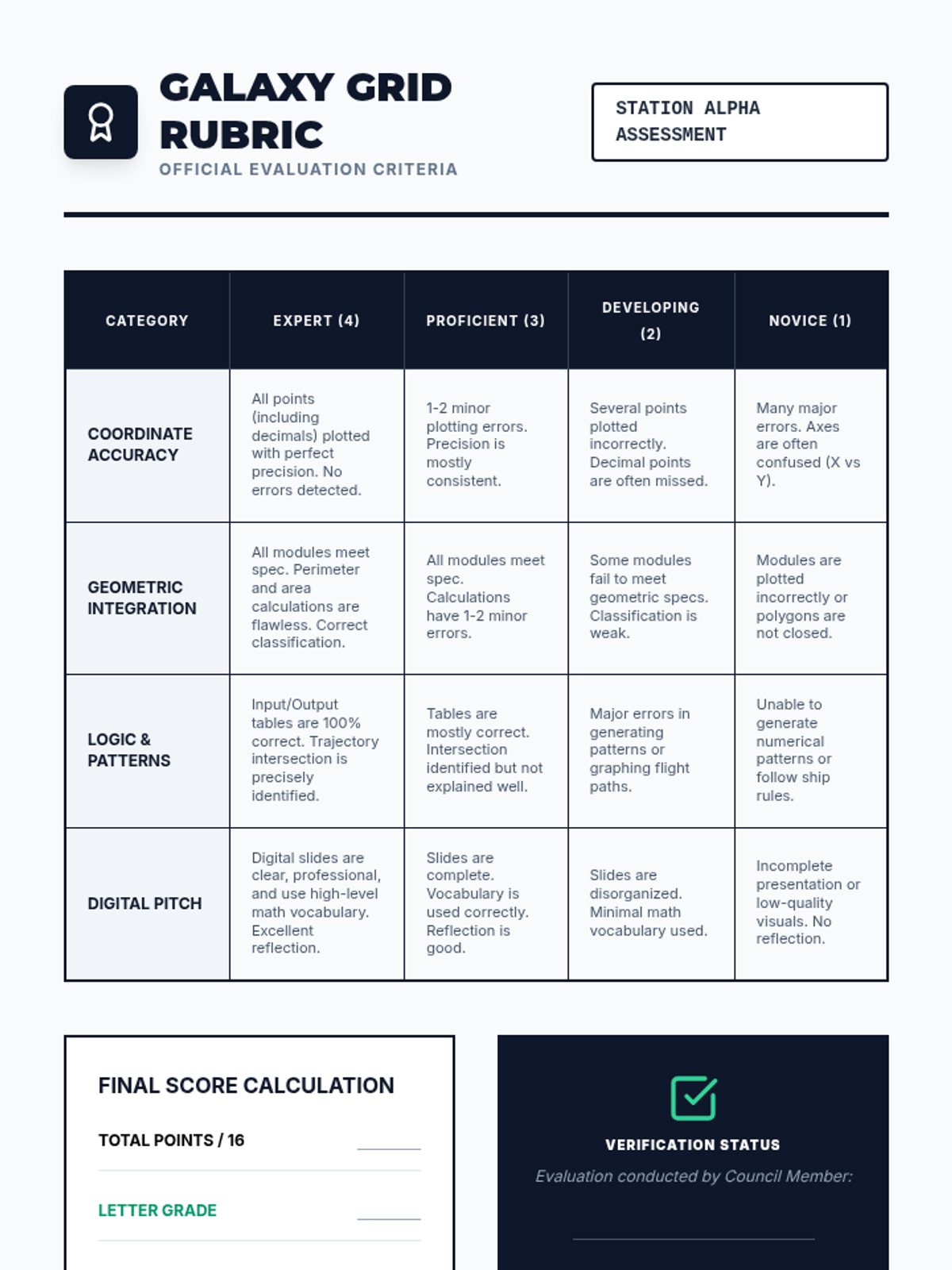
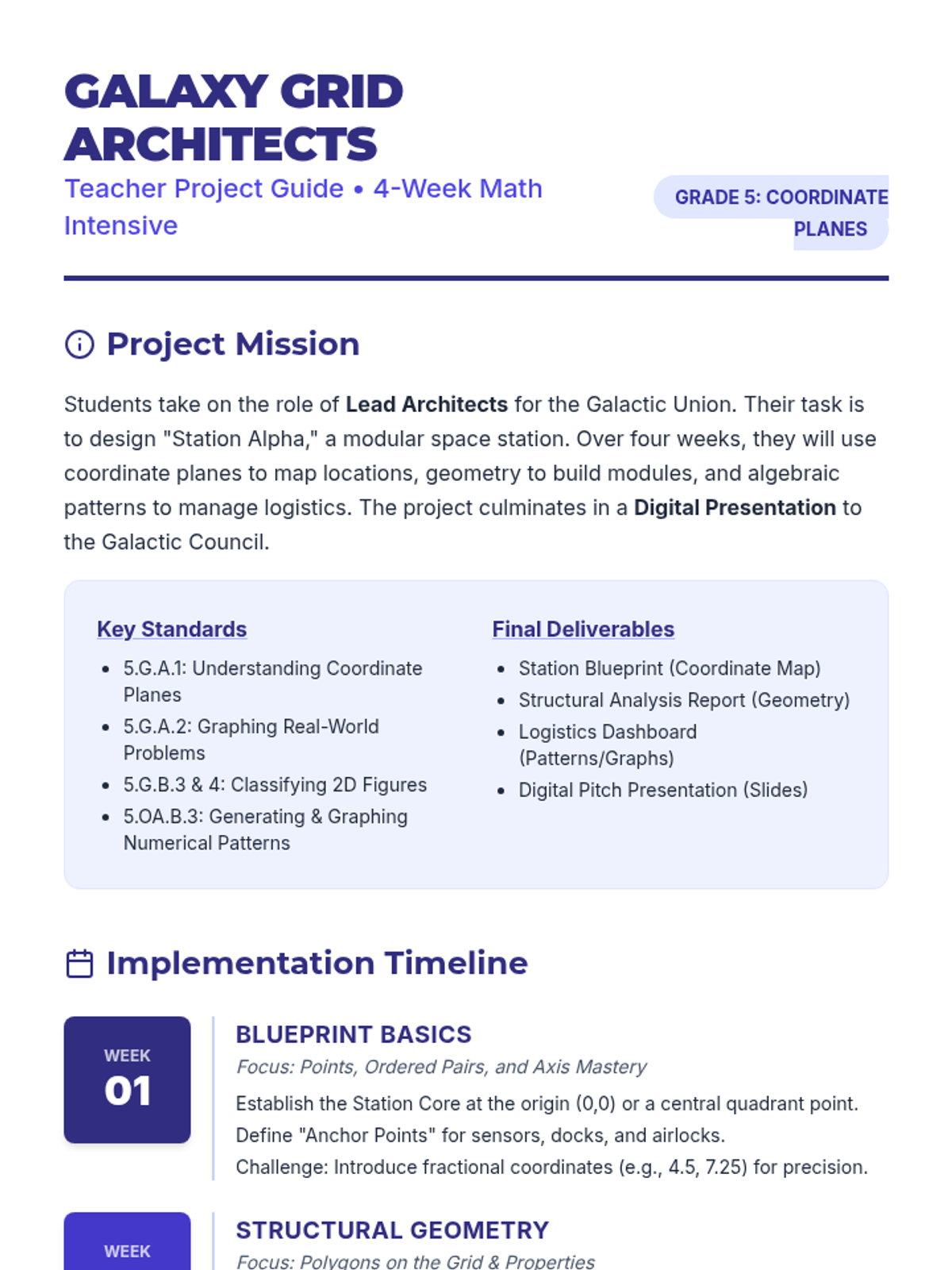
A geometry project where students design a futuristic city park using complex polygons, coordinate geometry, and volume calculations. This project-based learning investigation challenges students to balance aesthetic design with mathematical constraints and cost-efficiency.
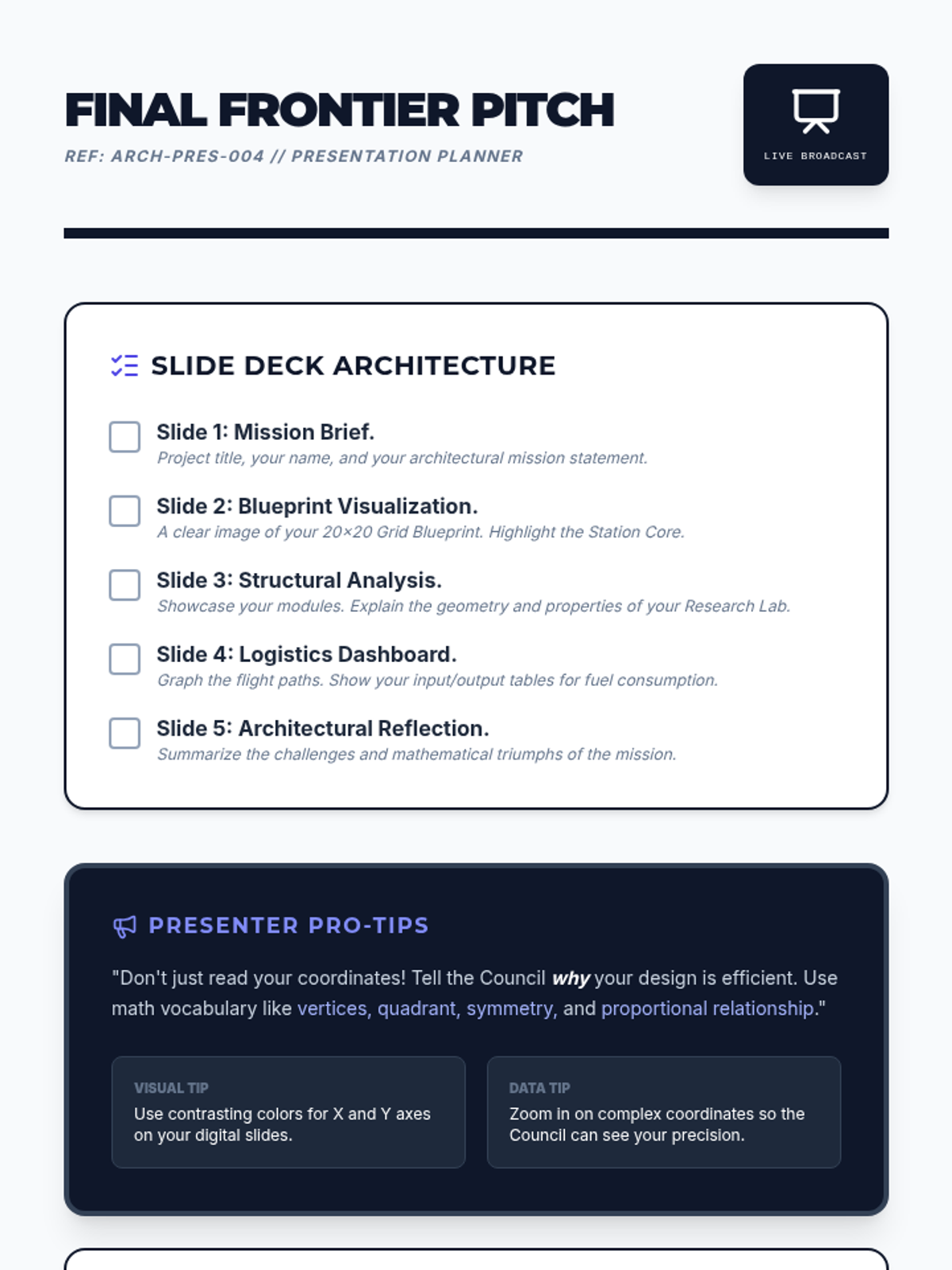
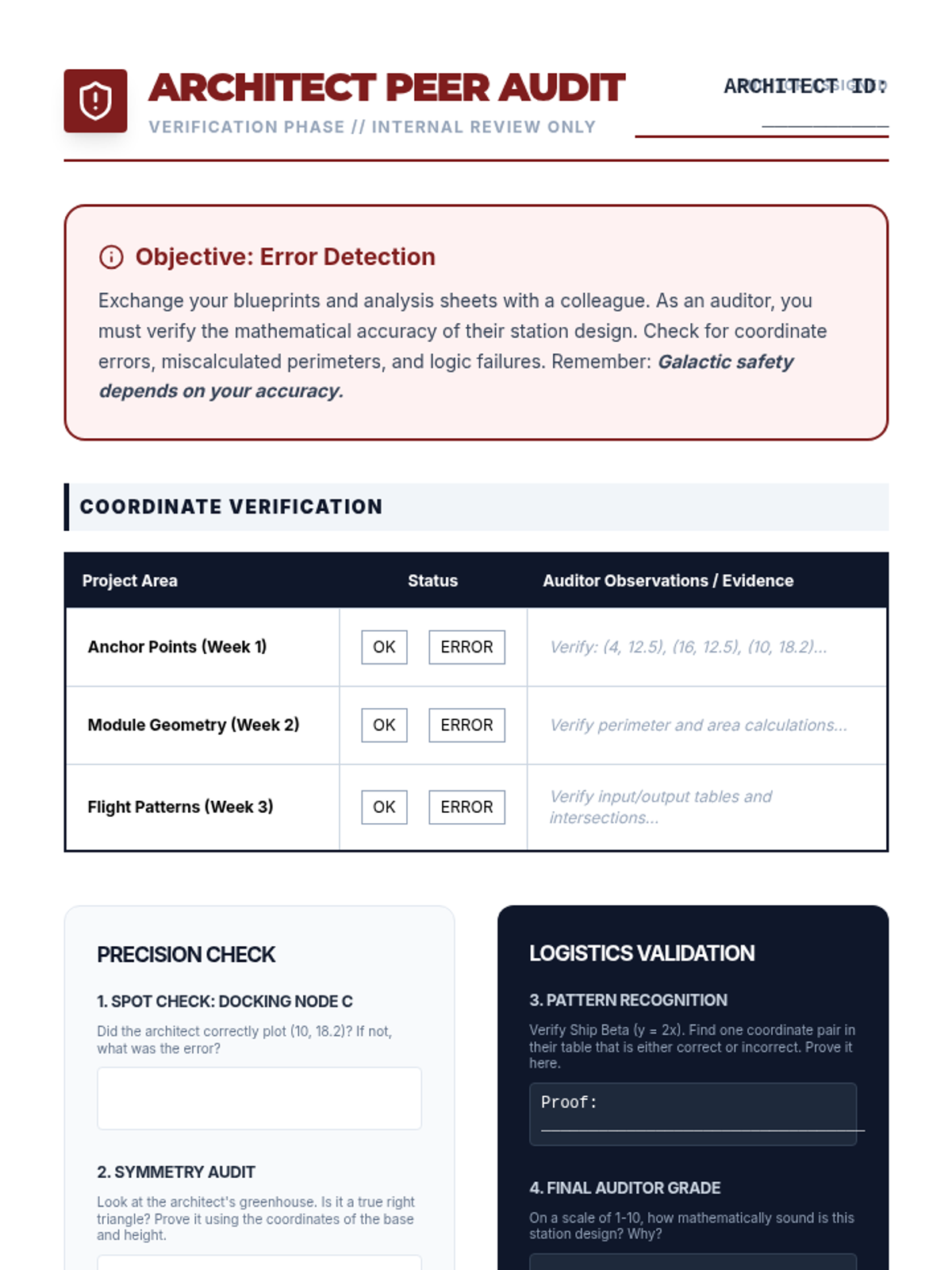
Synthesizing the design data into a professional digital presentation, including a project reflection and peer review of station designs.
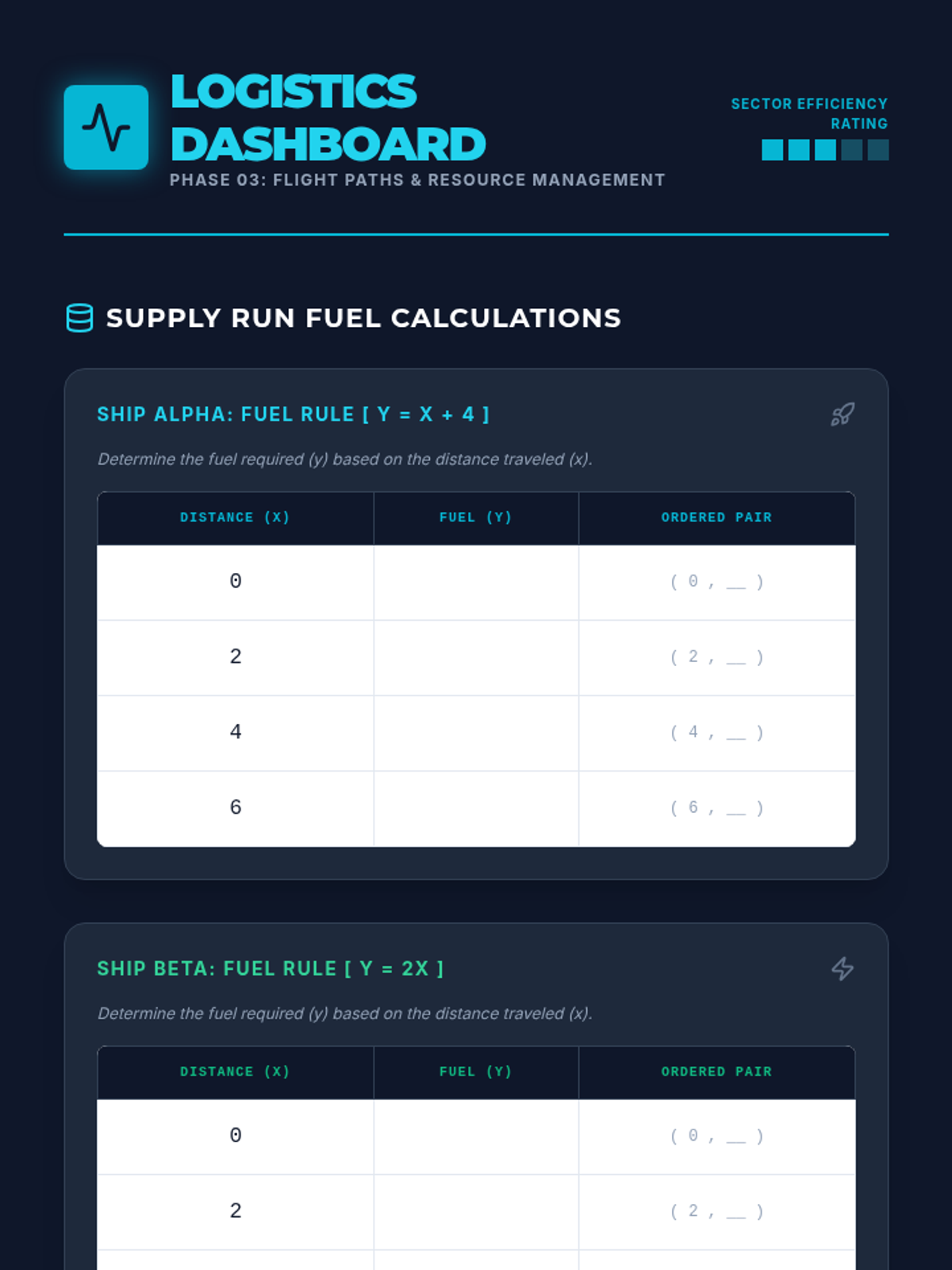
Analyzing flight paths and resource consumption using numerical patterns, input-output tables, and graphing relationships on the coordinate plane.
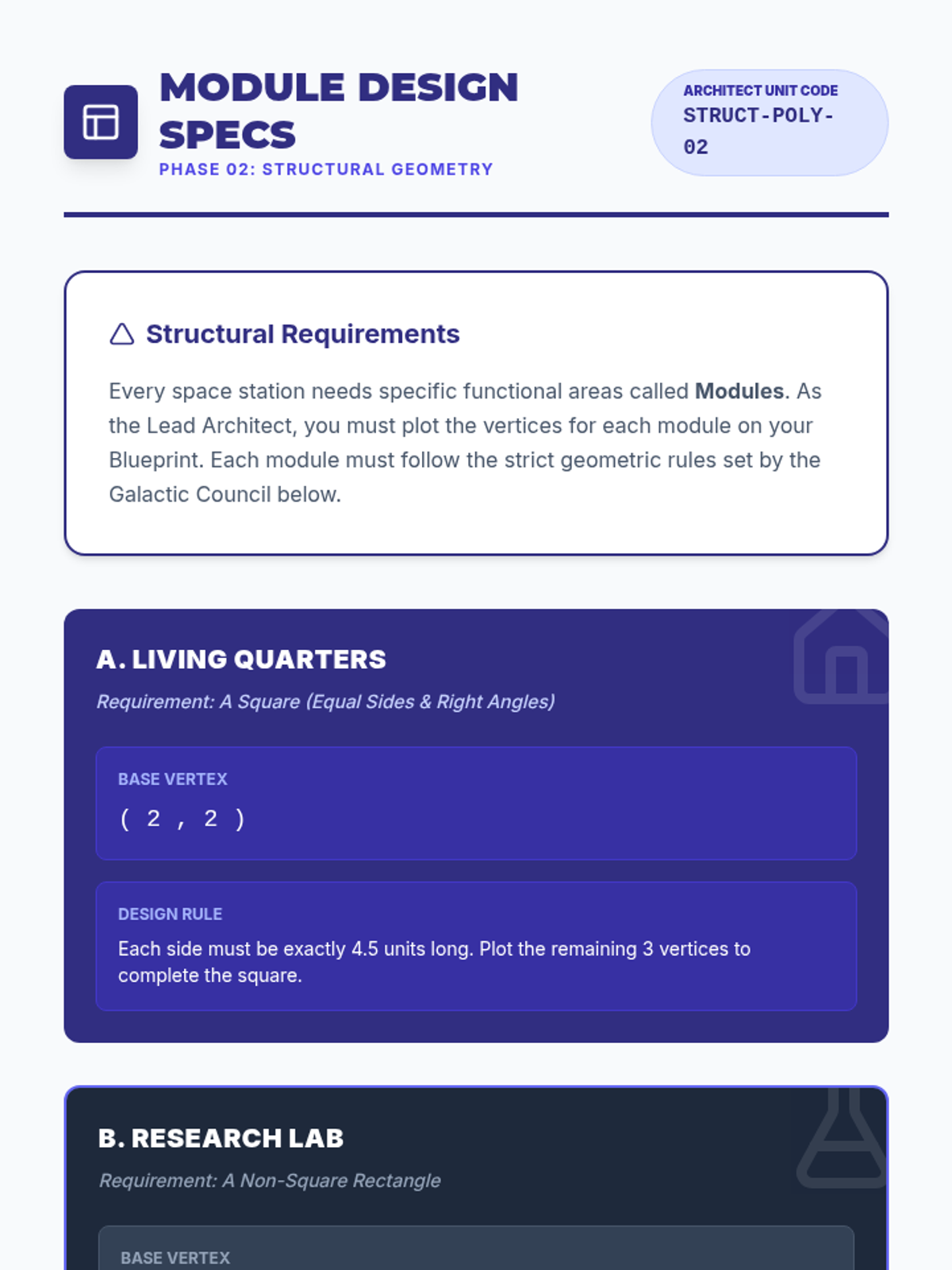
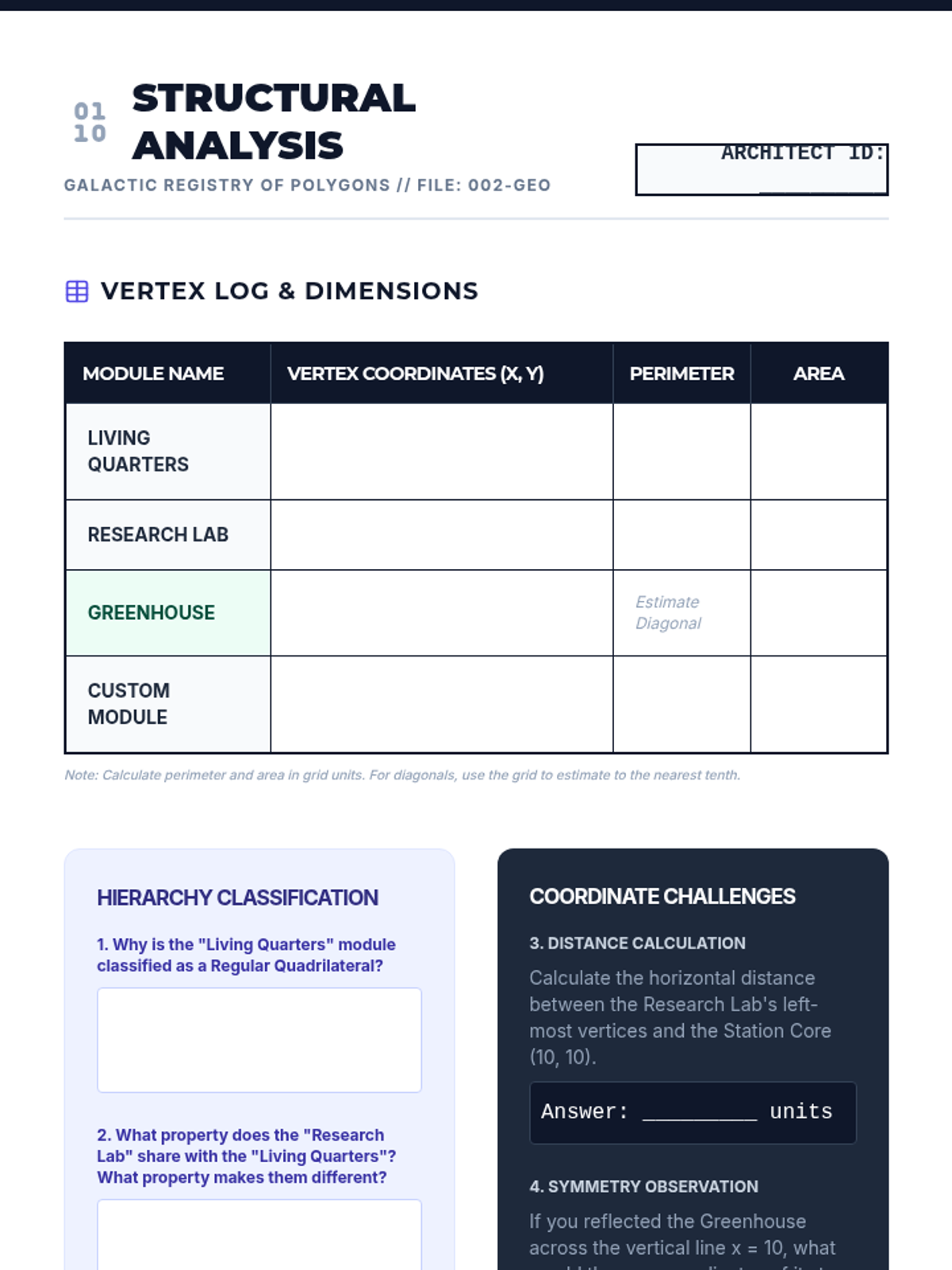
Using coordinate geometry to design station modules as specific polygons, calculating dimensions, and identifying geometric properties on the grid.
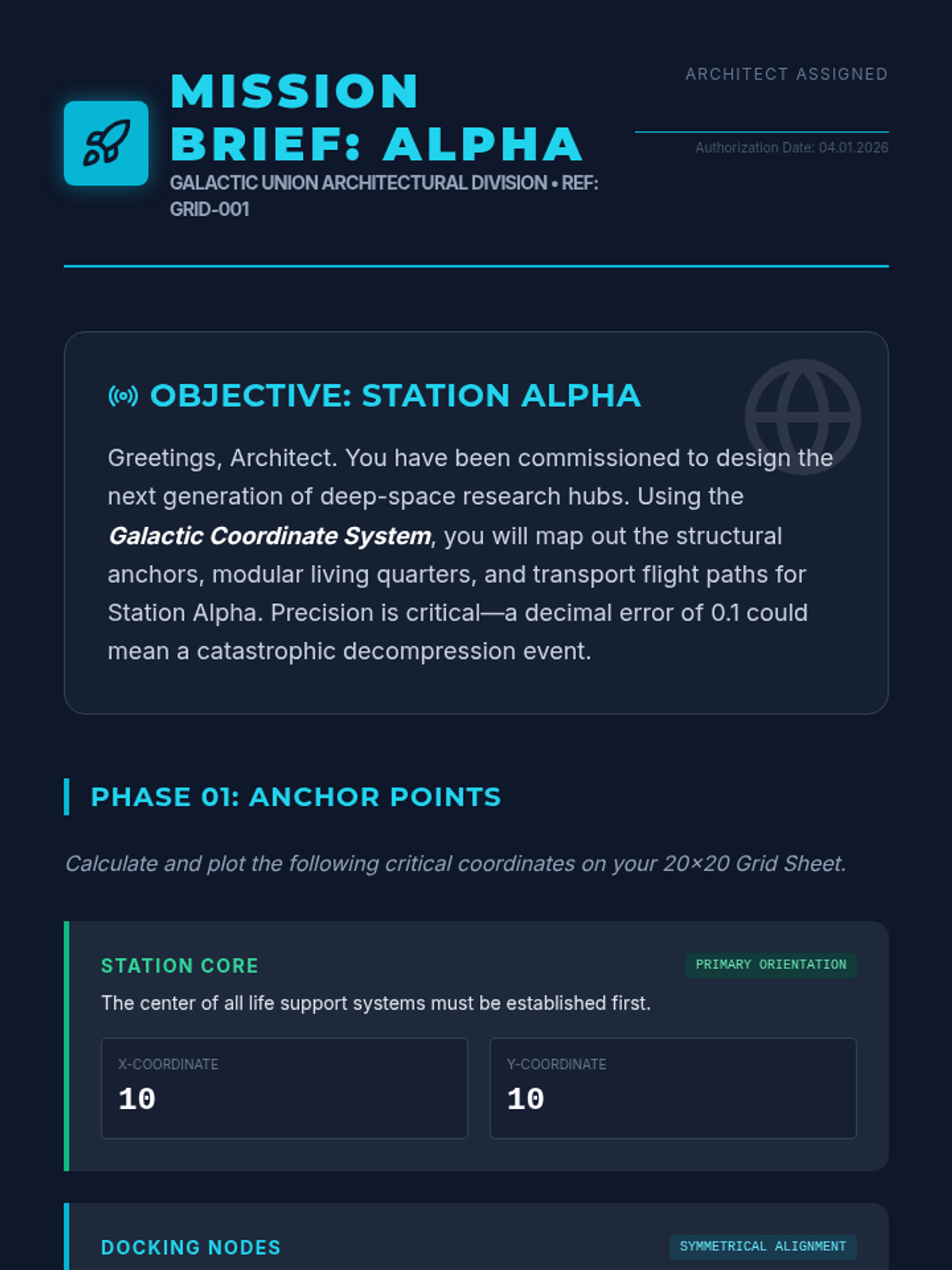
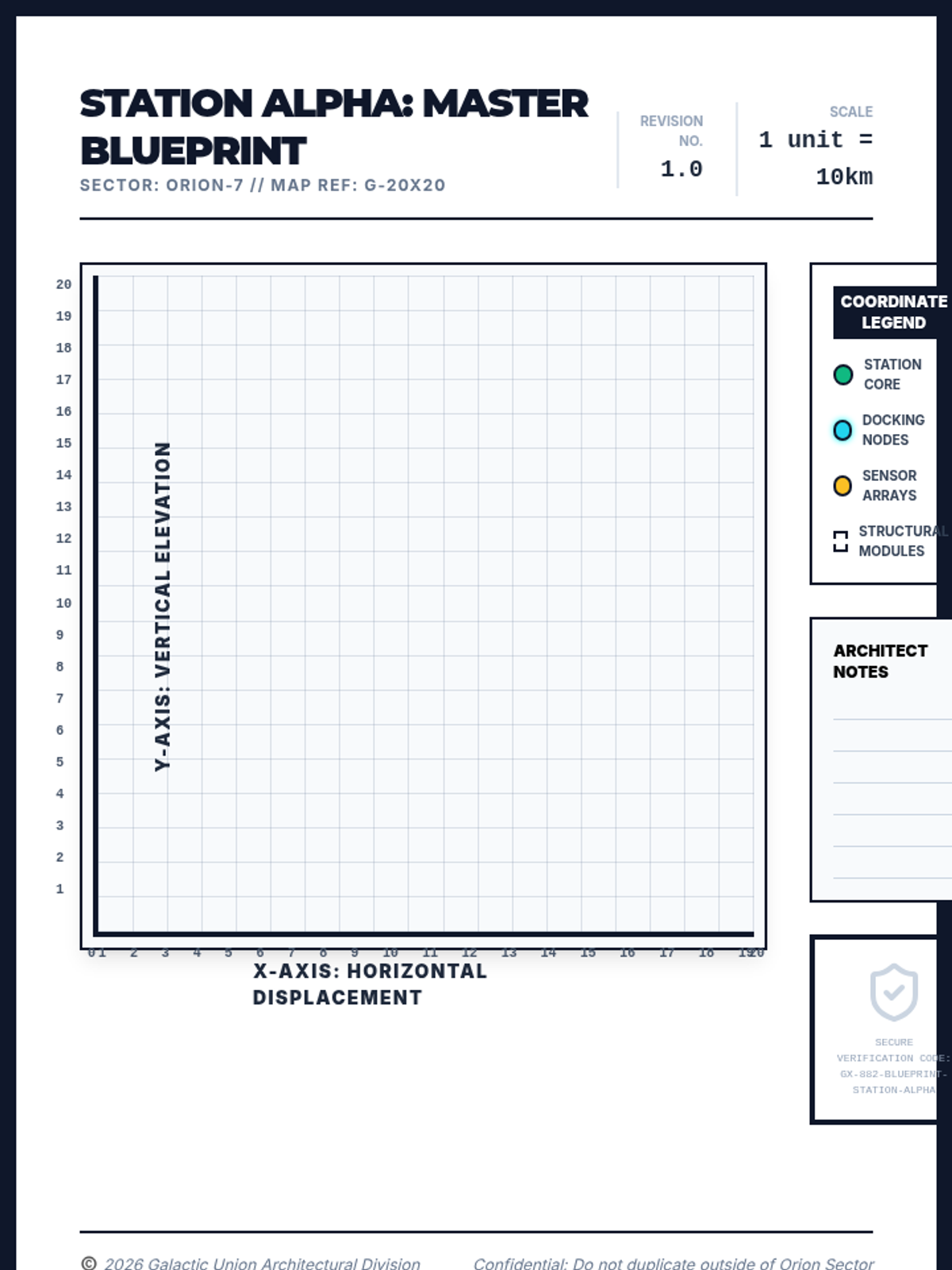
Introduction to the space station mission, establishing the coordinate grid system, and plotting the core anchor points of the station using precise coordinates.
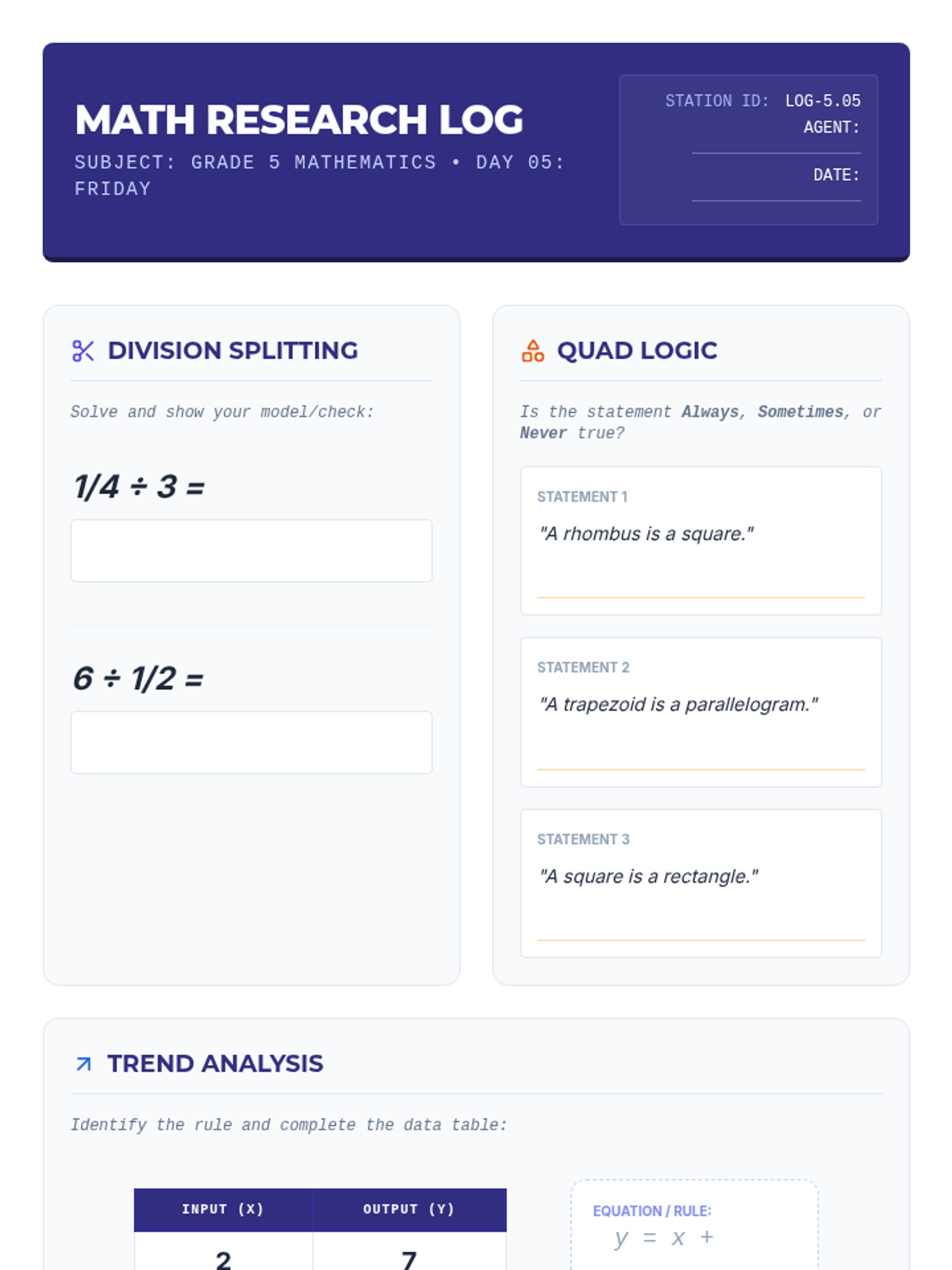
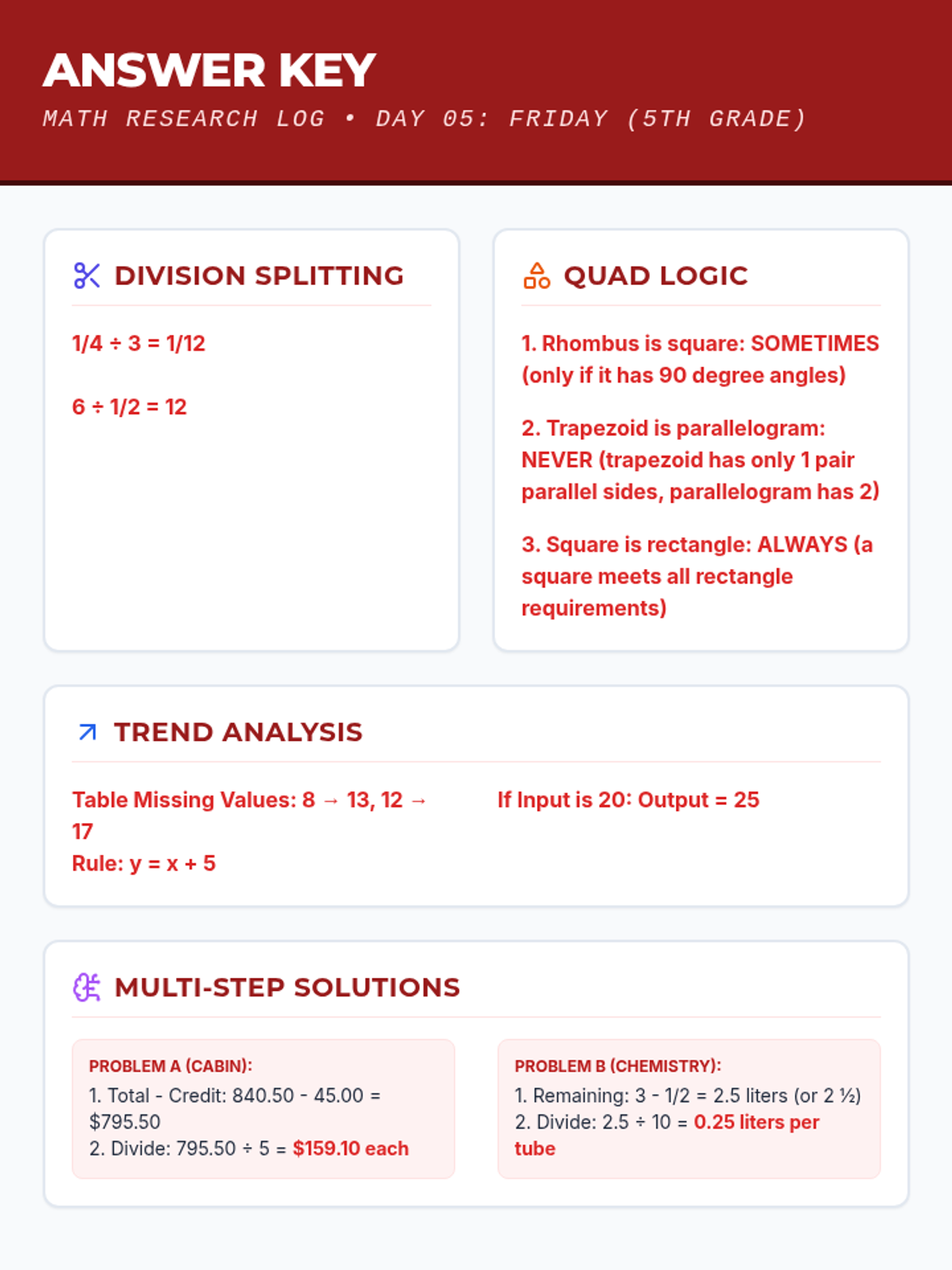
Friday Review: Dividing unit fractions/whole numbers, numerical patterns/rules, quadrilateral classification, and multi-step budgeting/trip word problems.
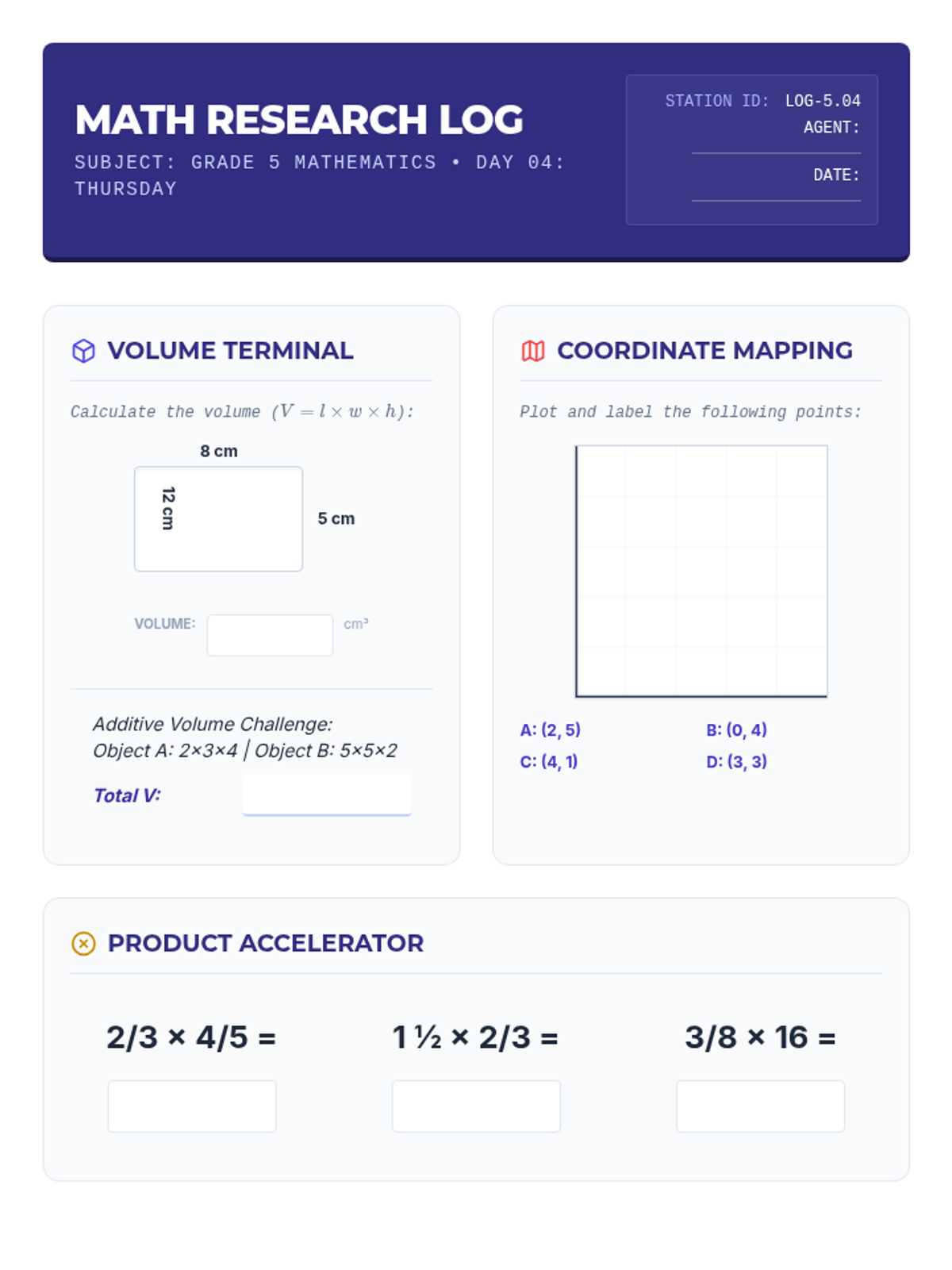
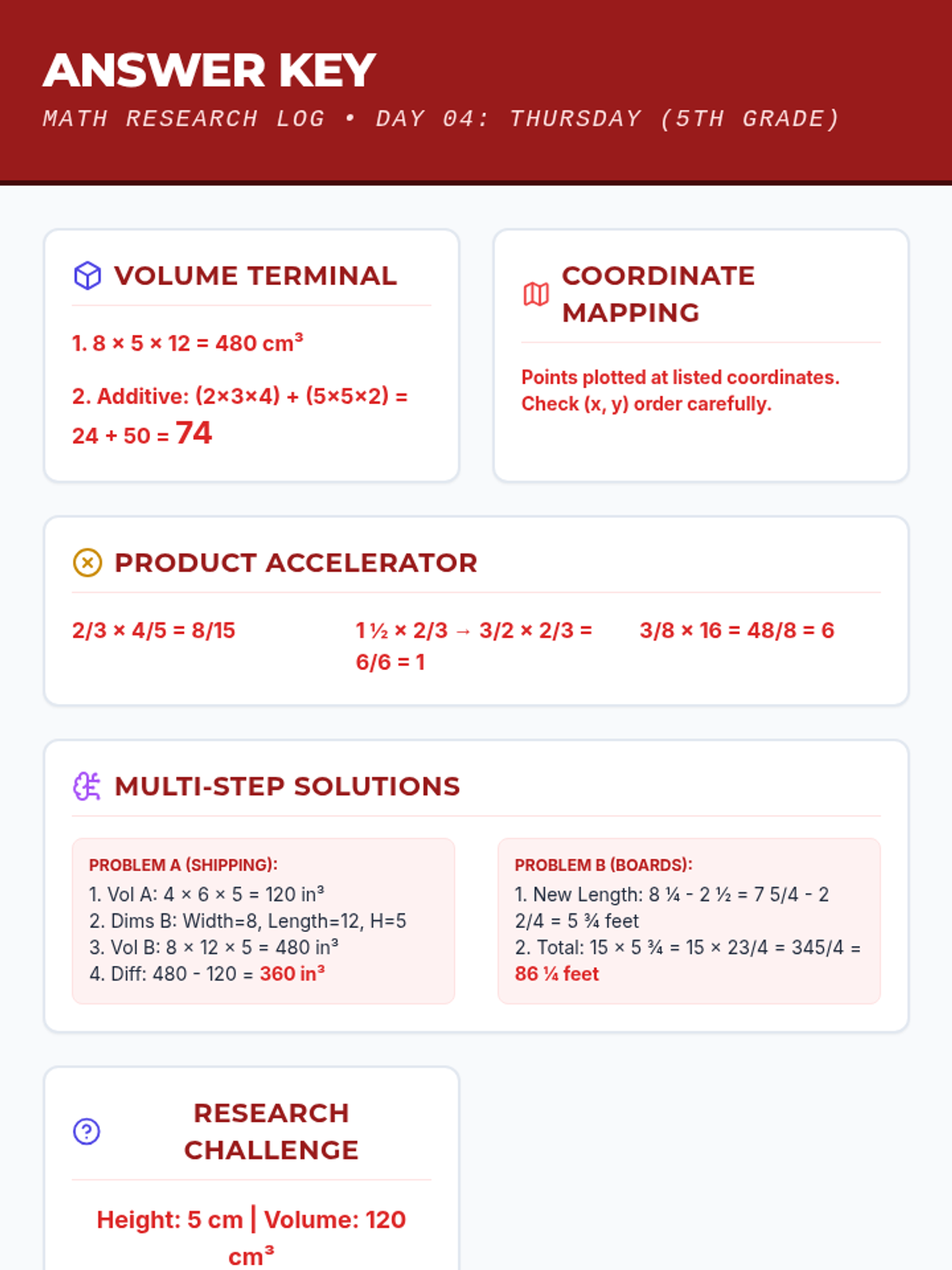
Thursday Review: Volume of rectangular prisms, additive volume, multiplying fractions/mixed numbers, coordinate plane graphing, and multi-step shipping/logistics word problems.
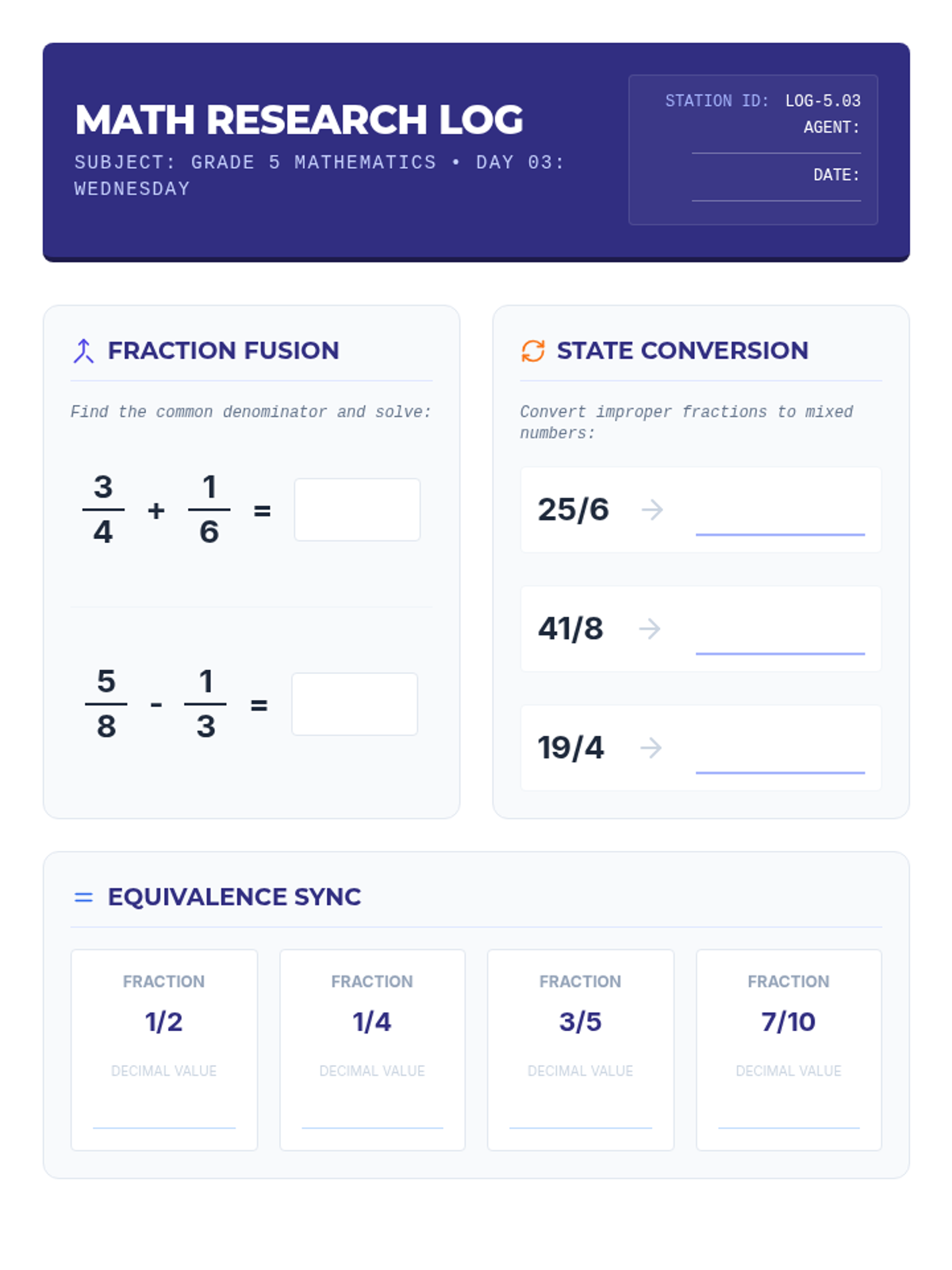
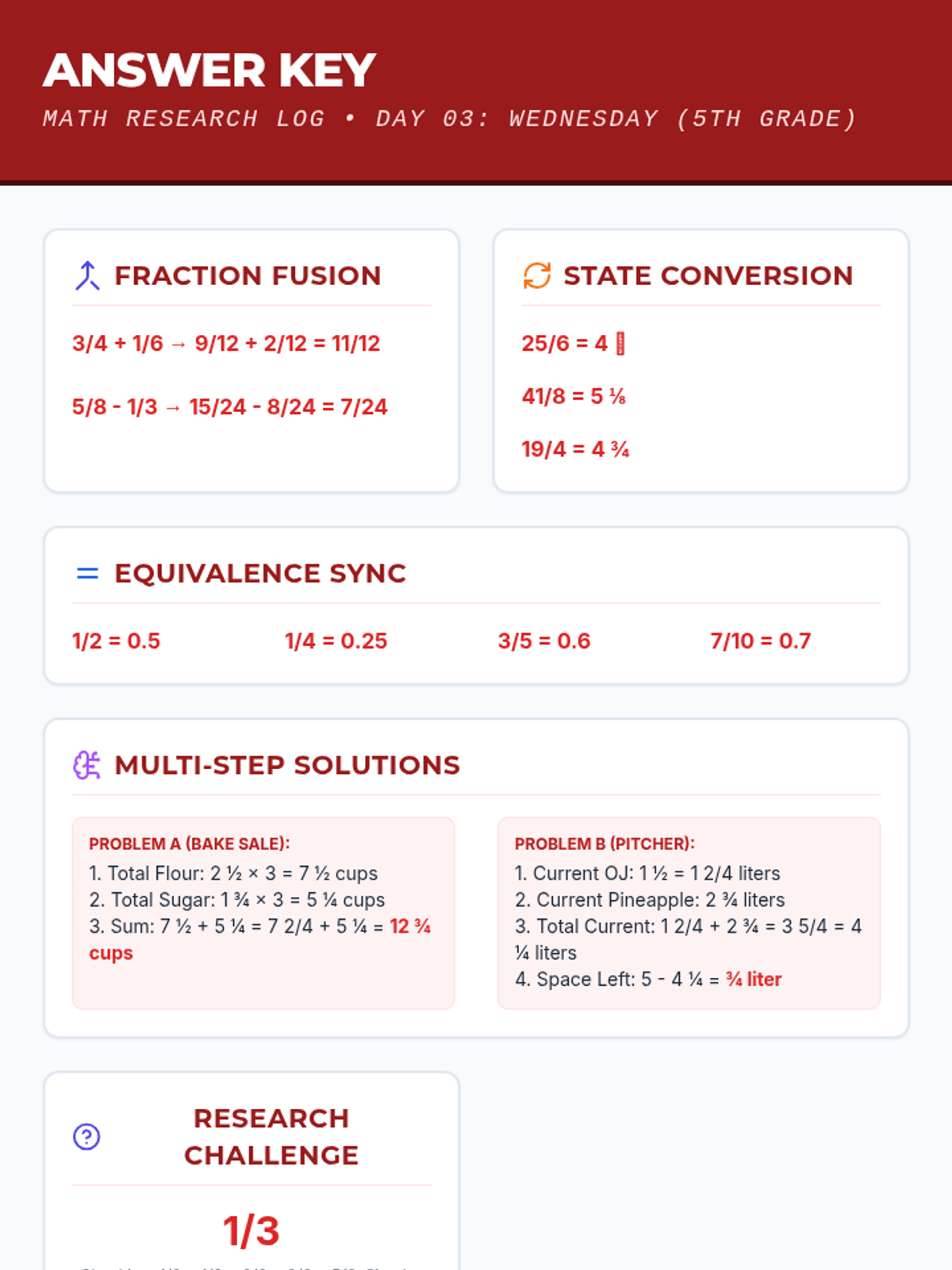
Wednesday Review: Adding/subtracting fractions with unlike denominators, converting improper fractions, fraction/decimal equivalence, and multi-step recipe conversion word problems.
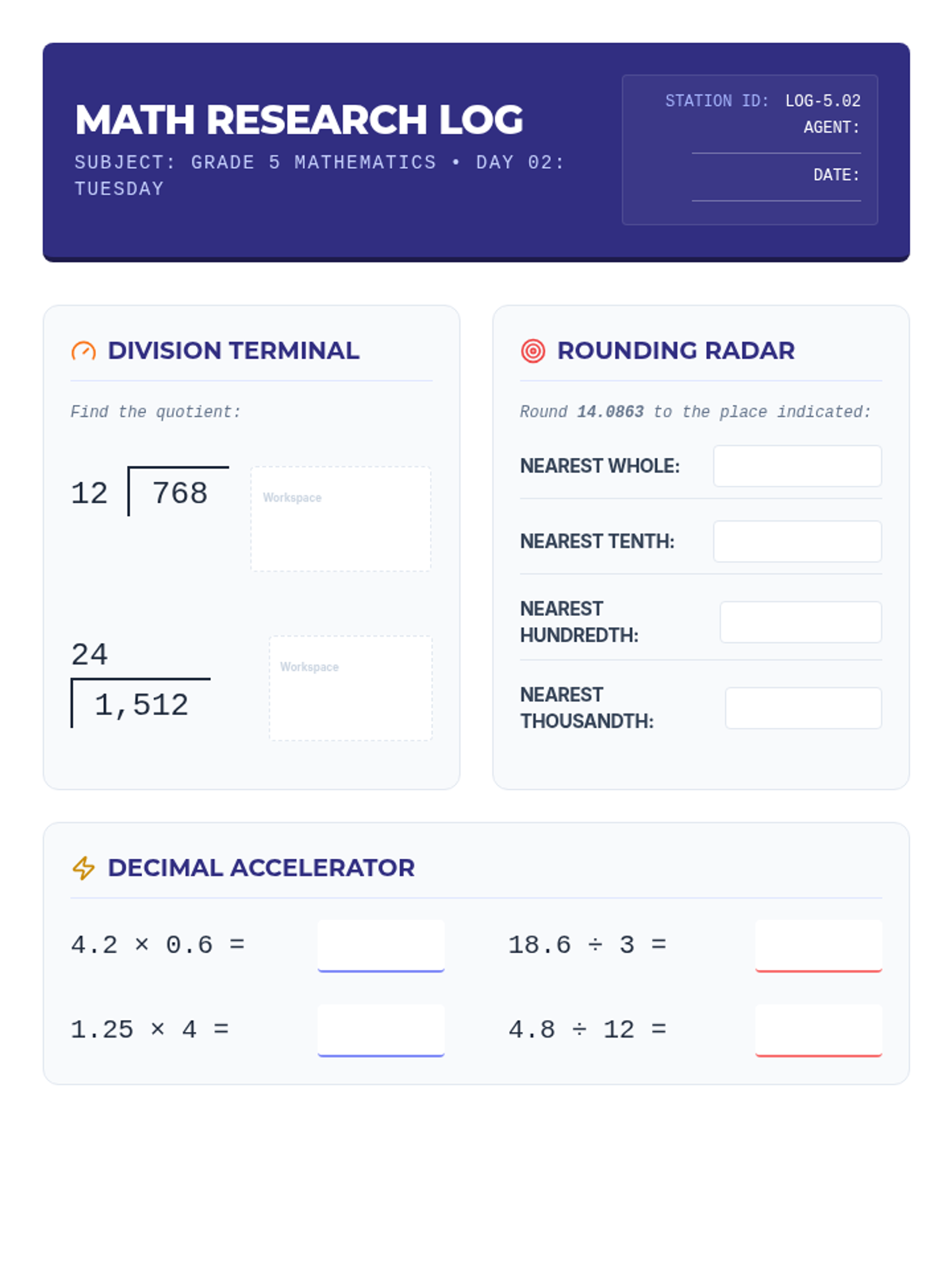
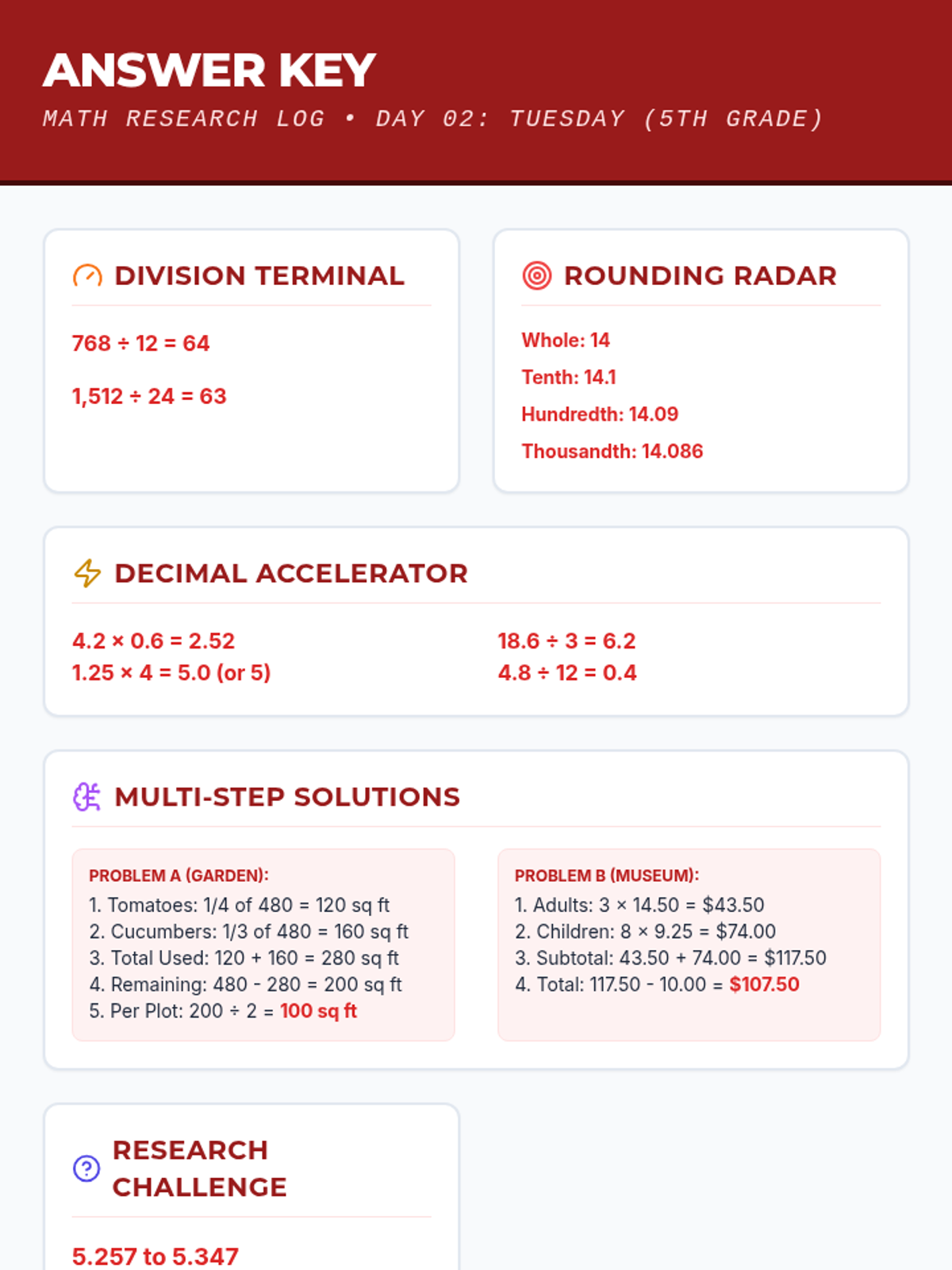
Tuesday Review: Long division with 2-digit divisors, rounding decimals to the thousandths, multiplying/dividing decimals, and multi-step fraction-of-a-whole word problems.
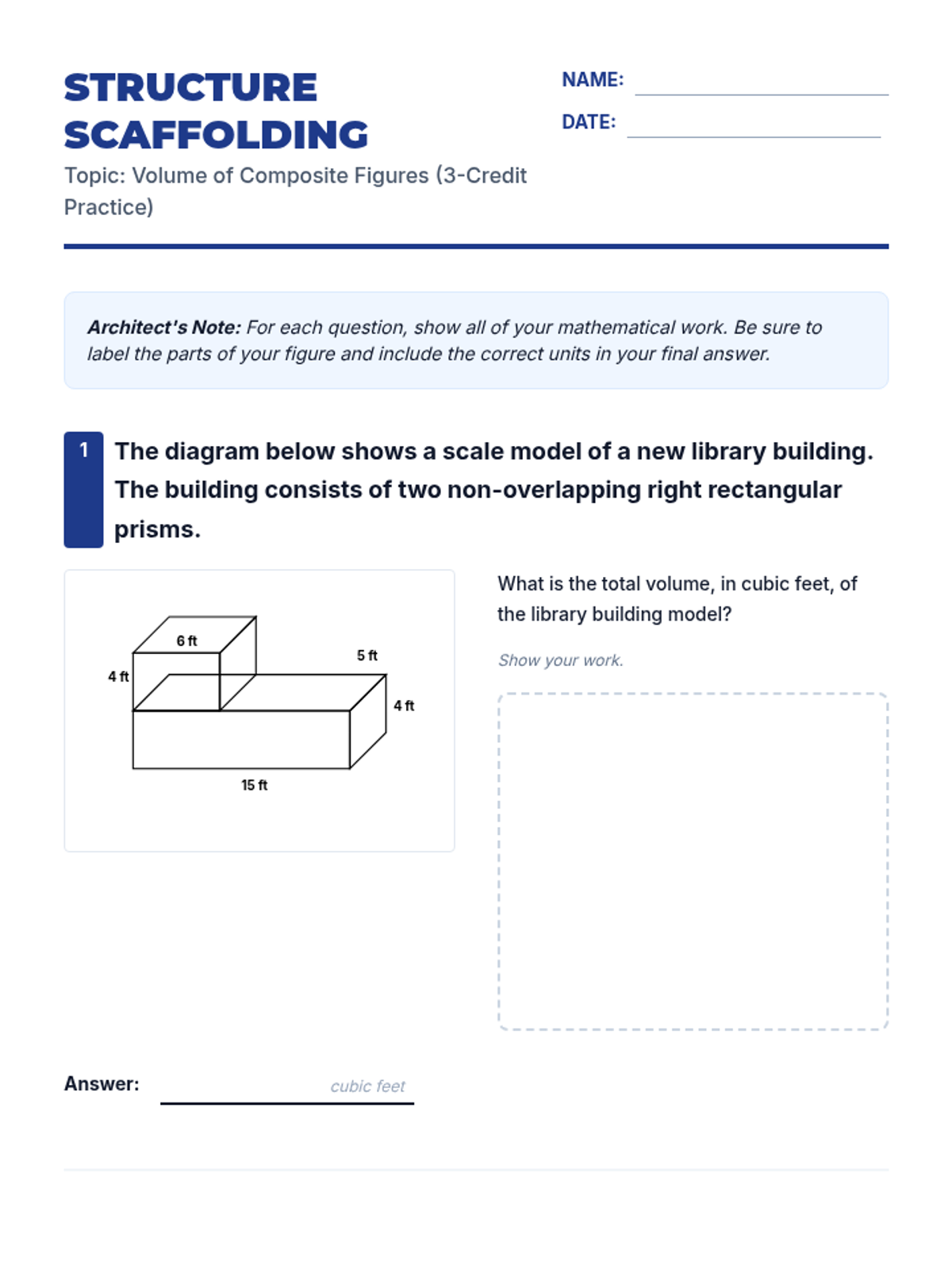
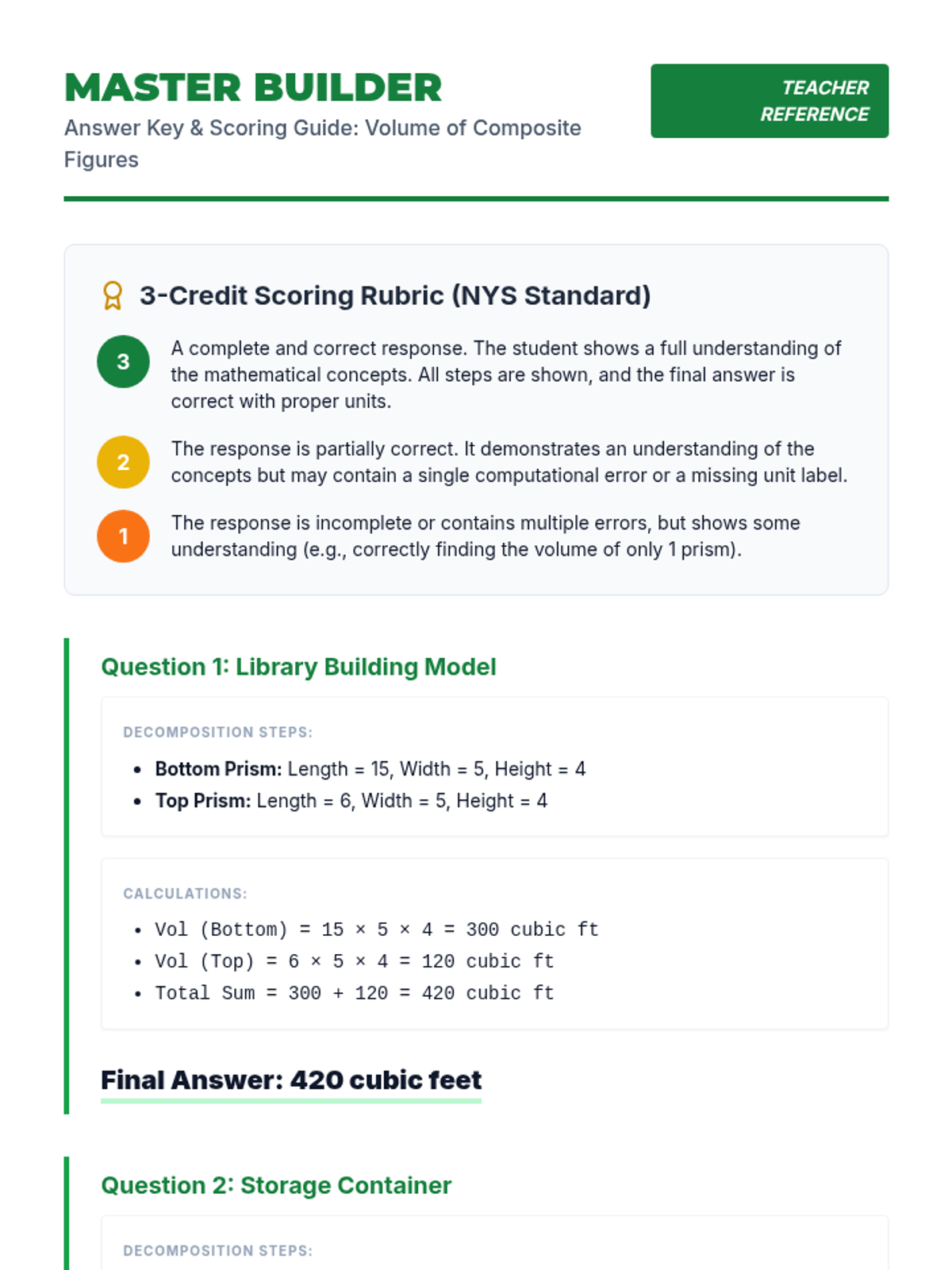
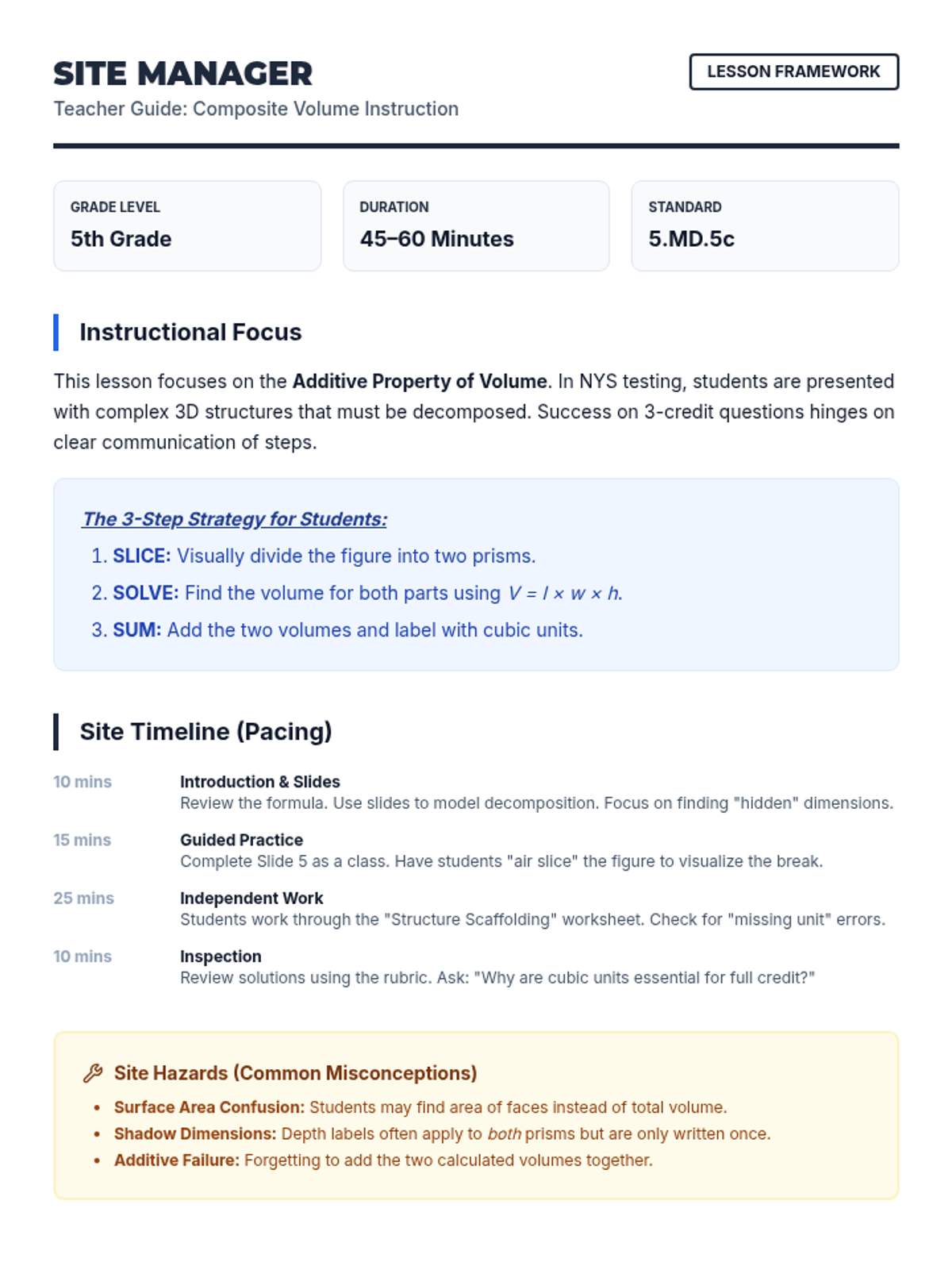
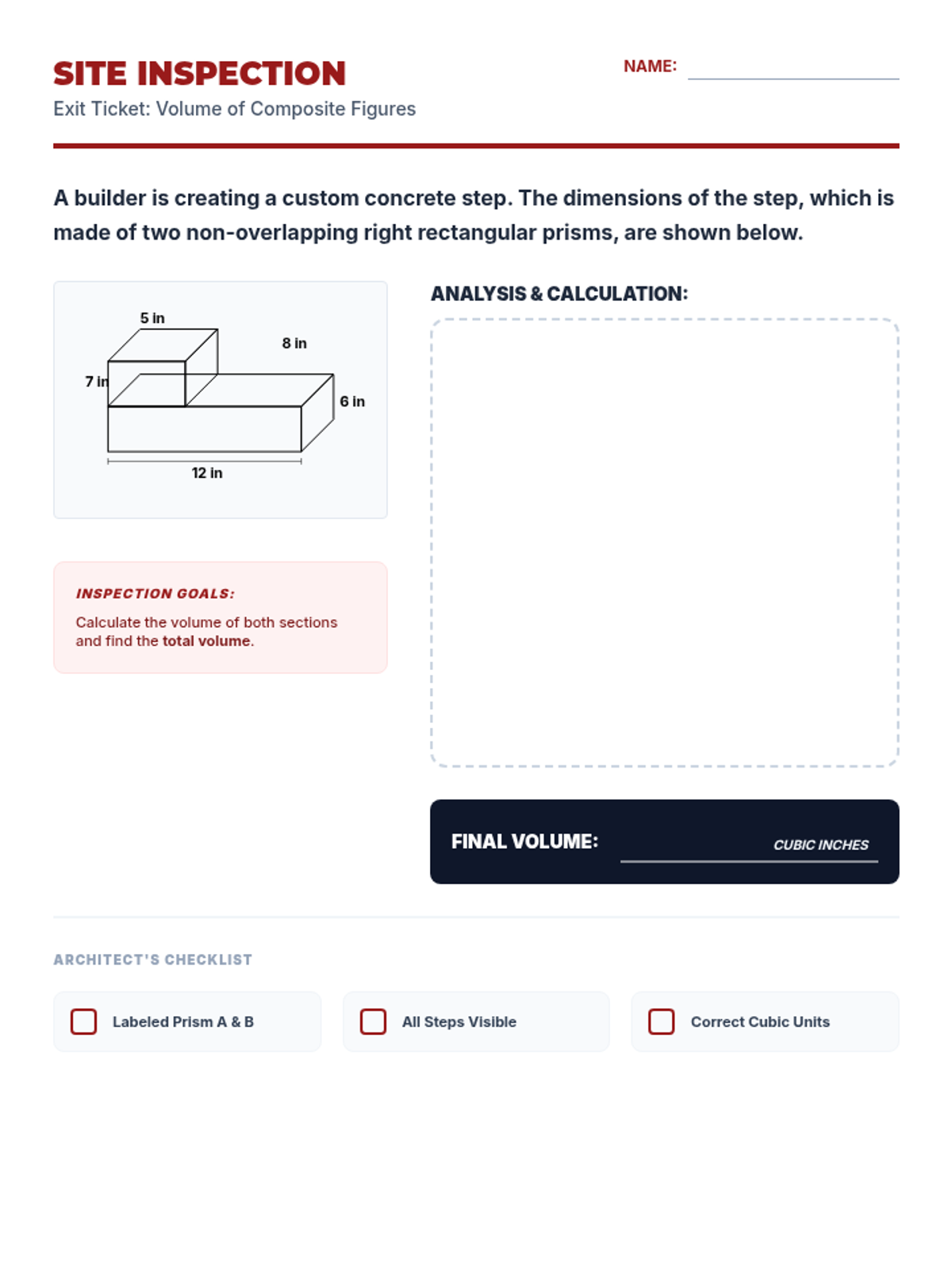
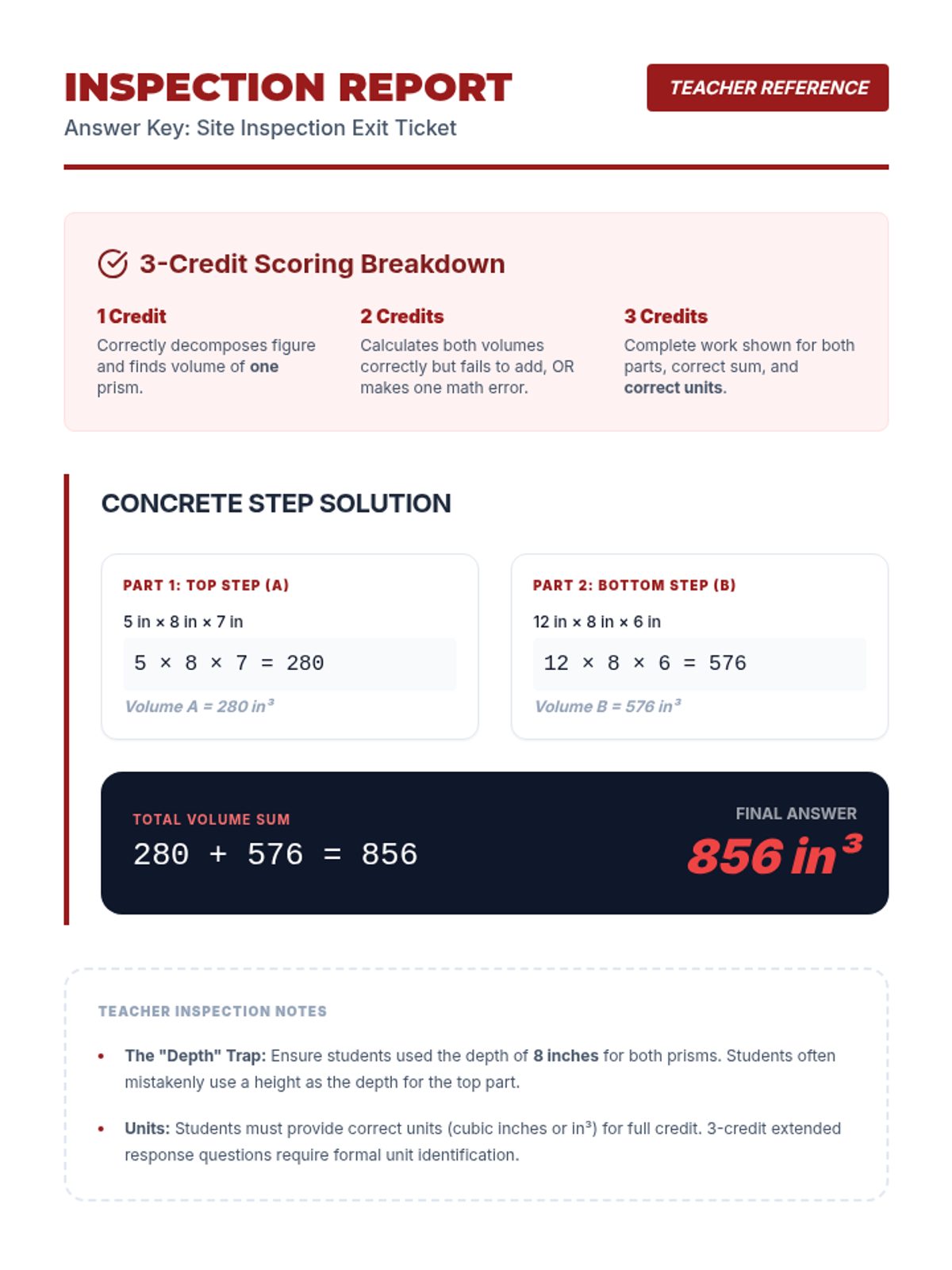
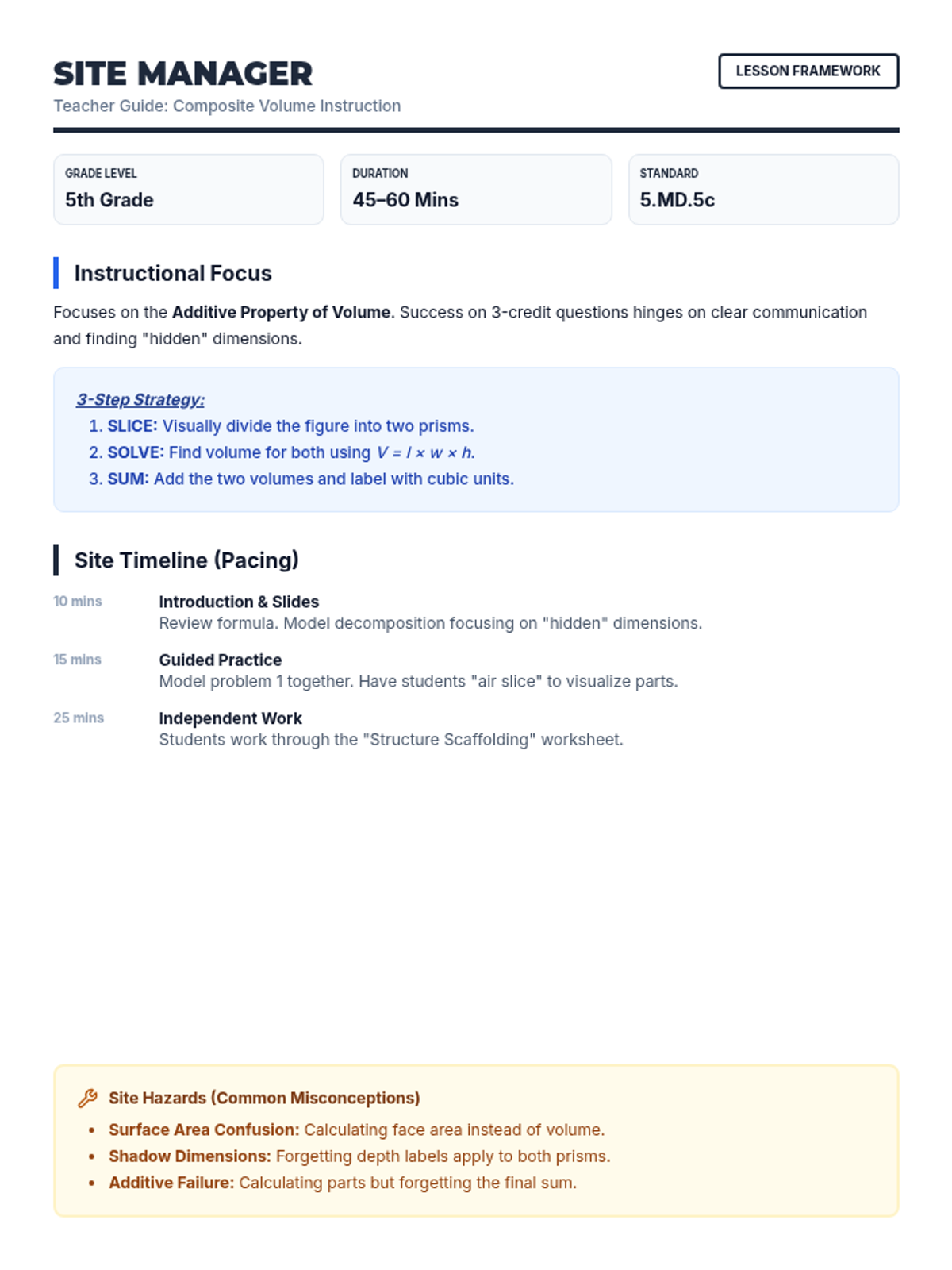
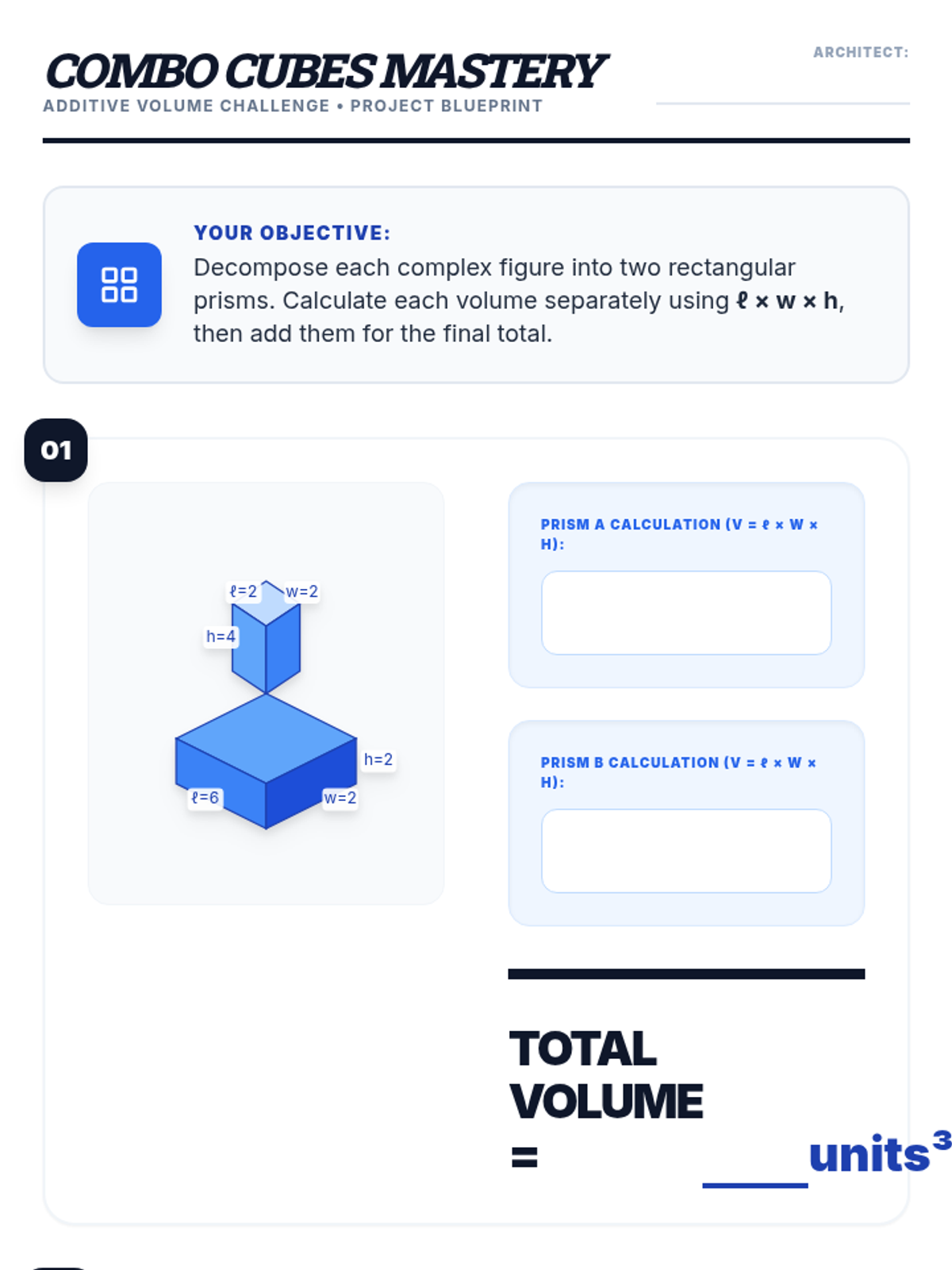
A comprehensive lesson on calculating the volume of composite figures composed of two non-overlapping right rectangular prisms, specifically modeled after NYS 3-credit extended response questions.
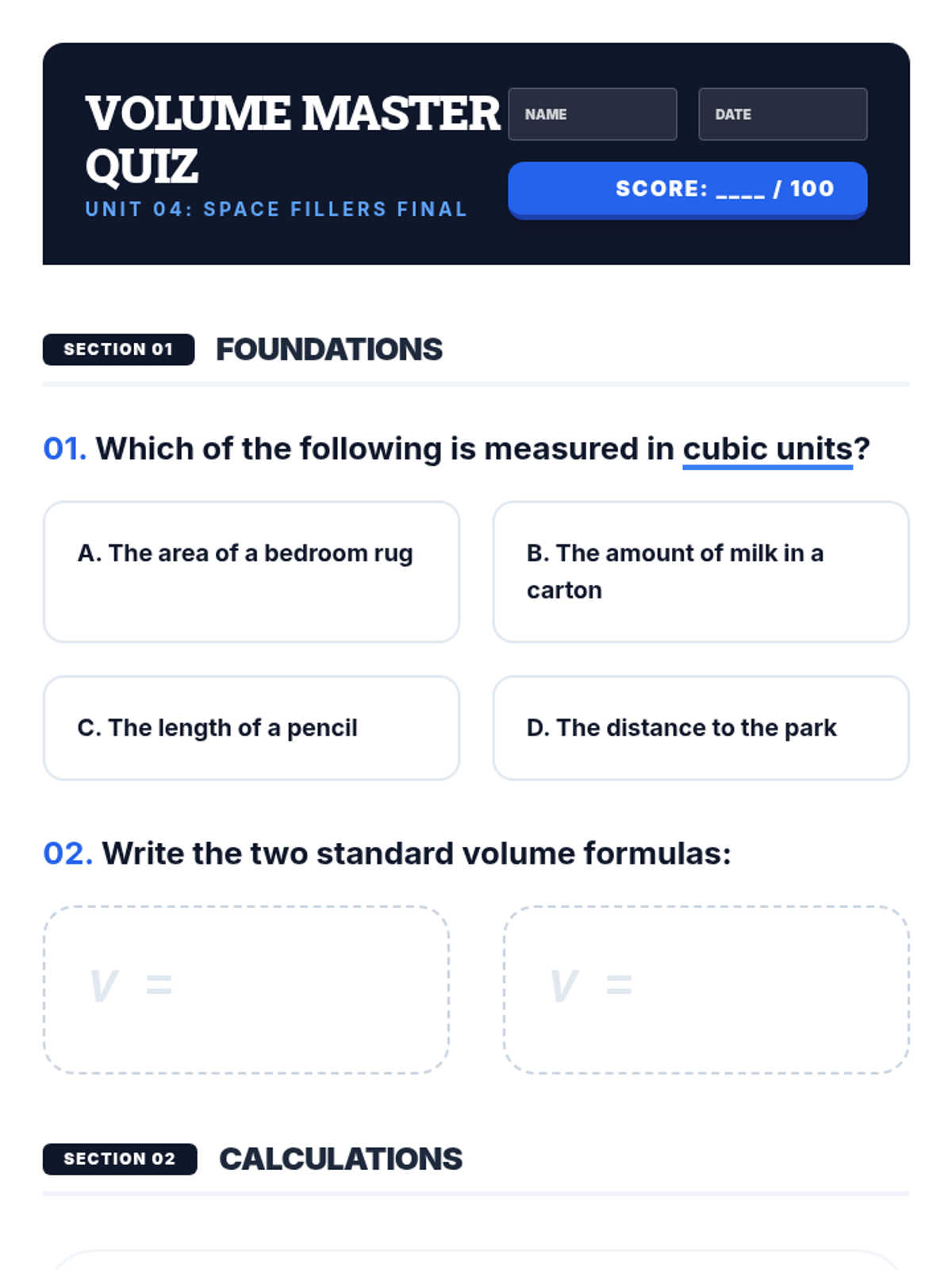
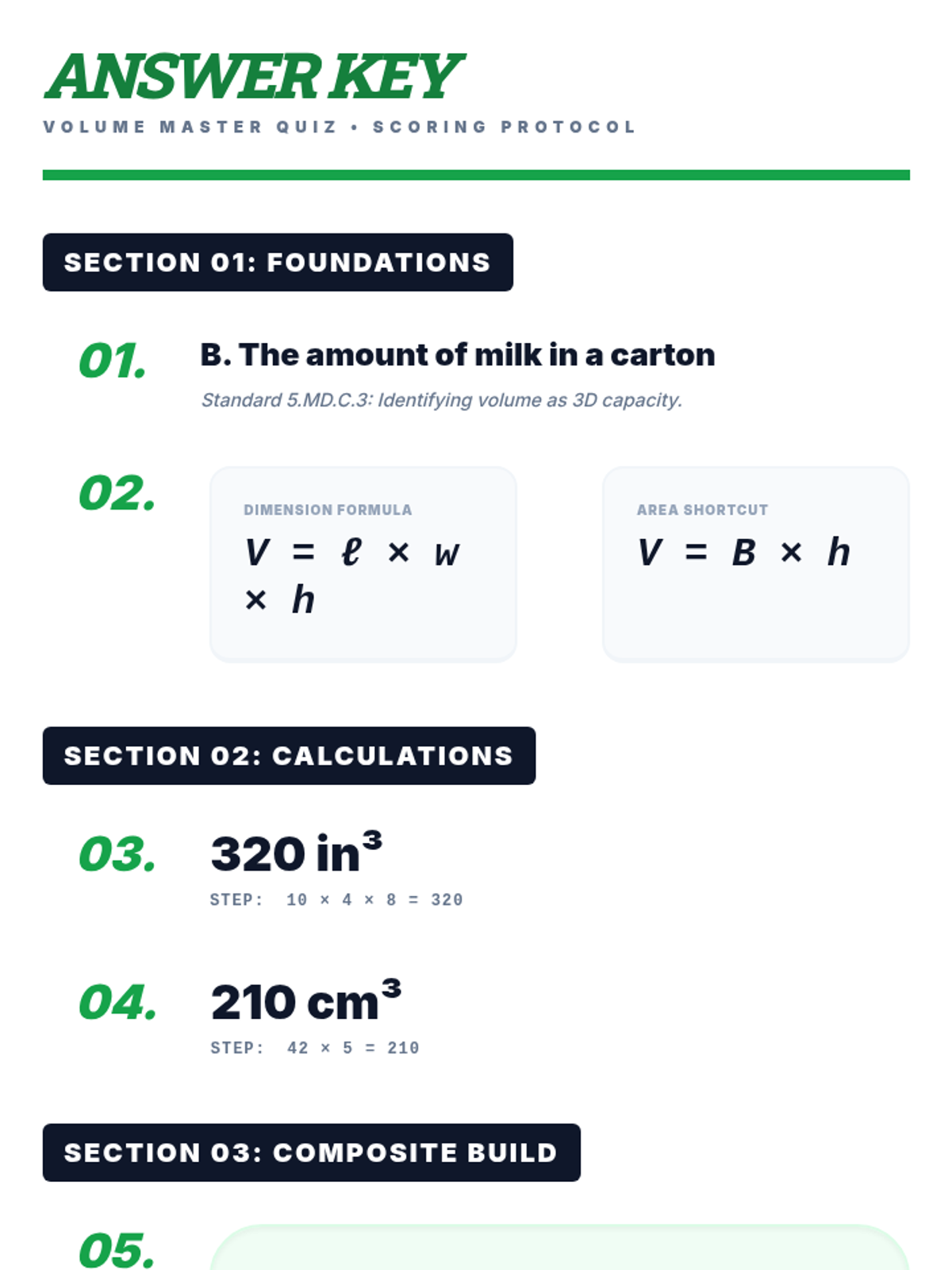
A final assessment of the unit covering all 5th-grade volume standards, including word problems and multi-step calculations.
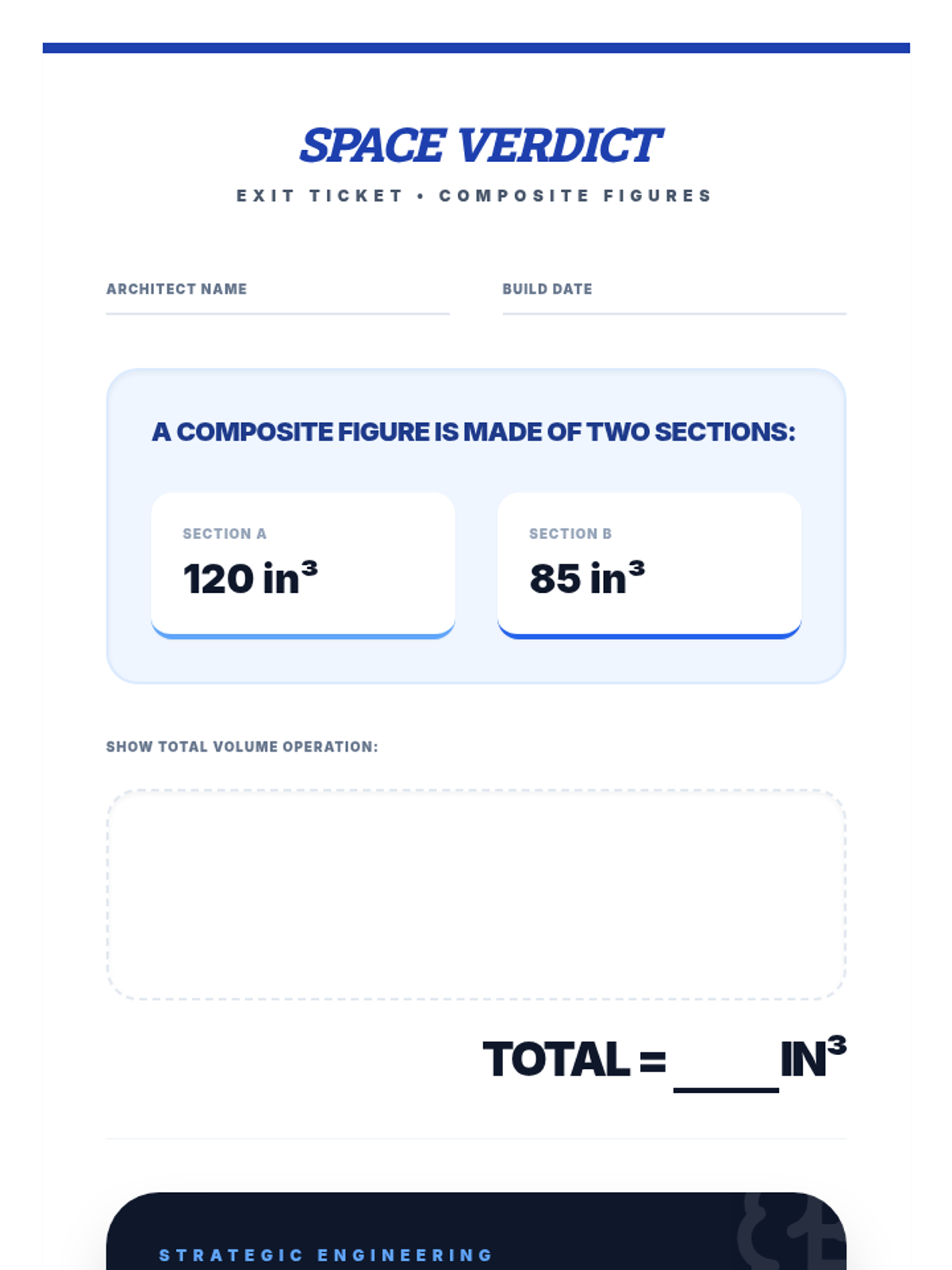
Calculating the volume of composite figures made of two non-overlapping rectangular prisms. Students learn to decompose complex shapes into simpler parts.
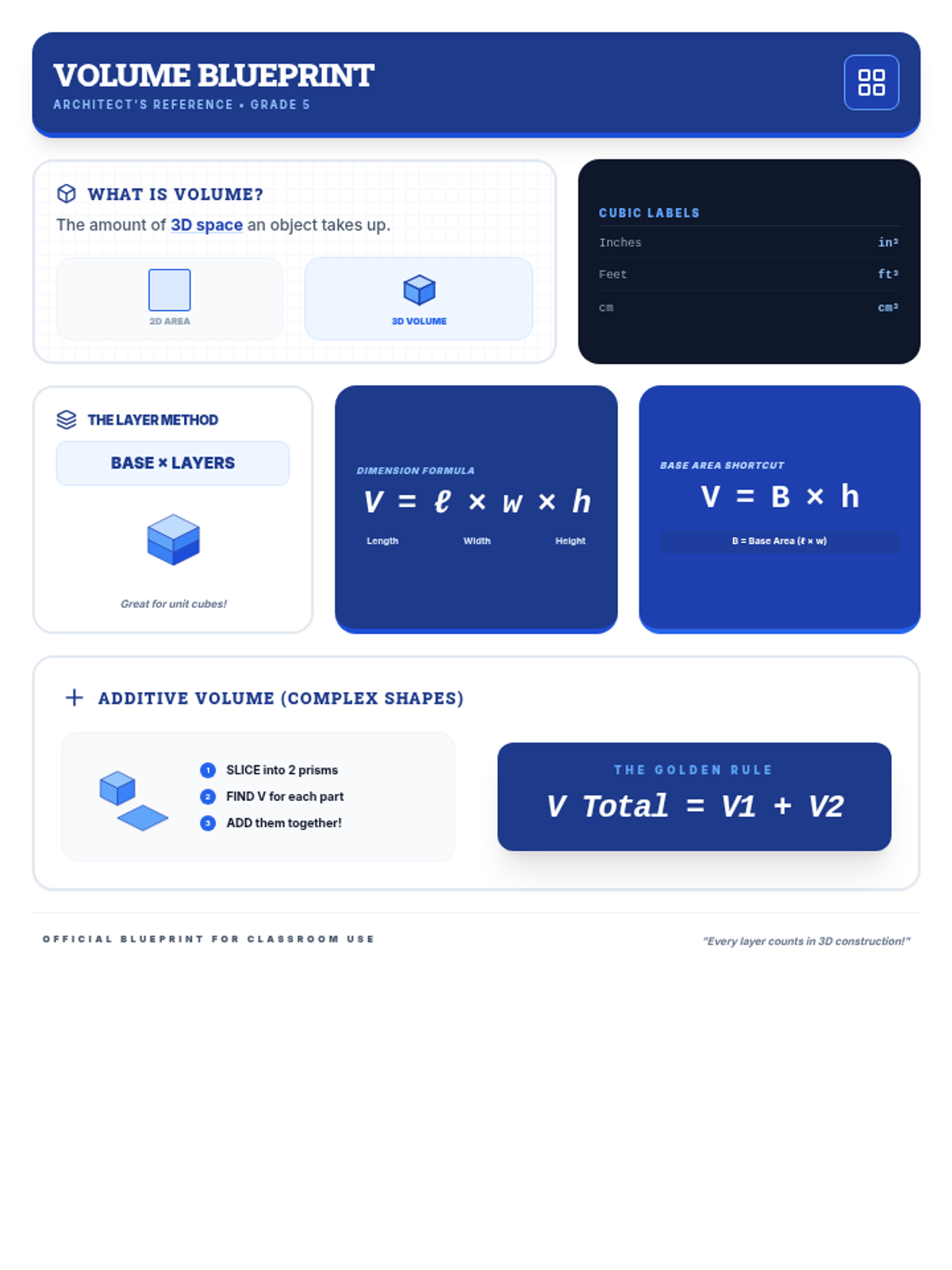
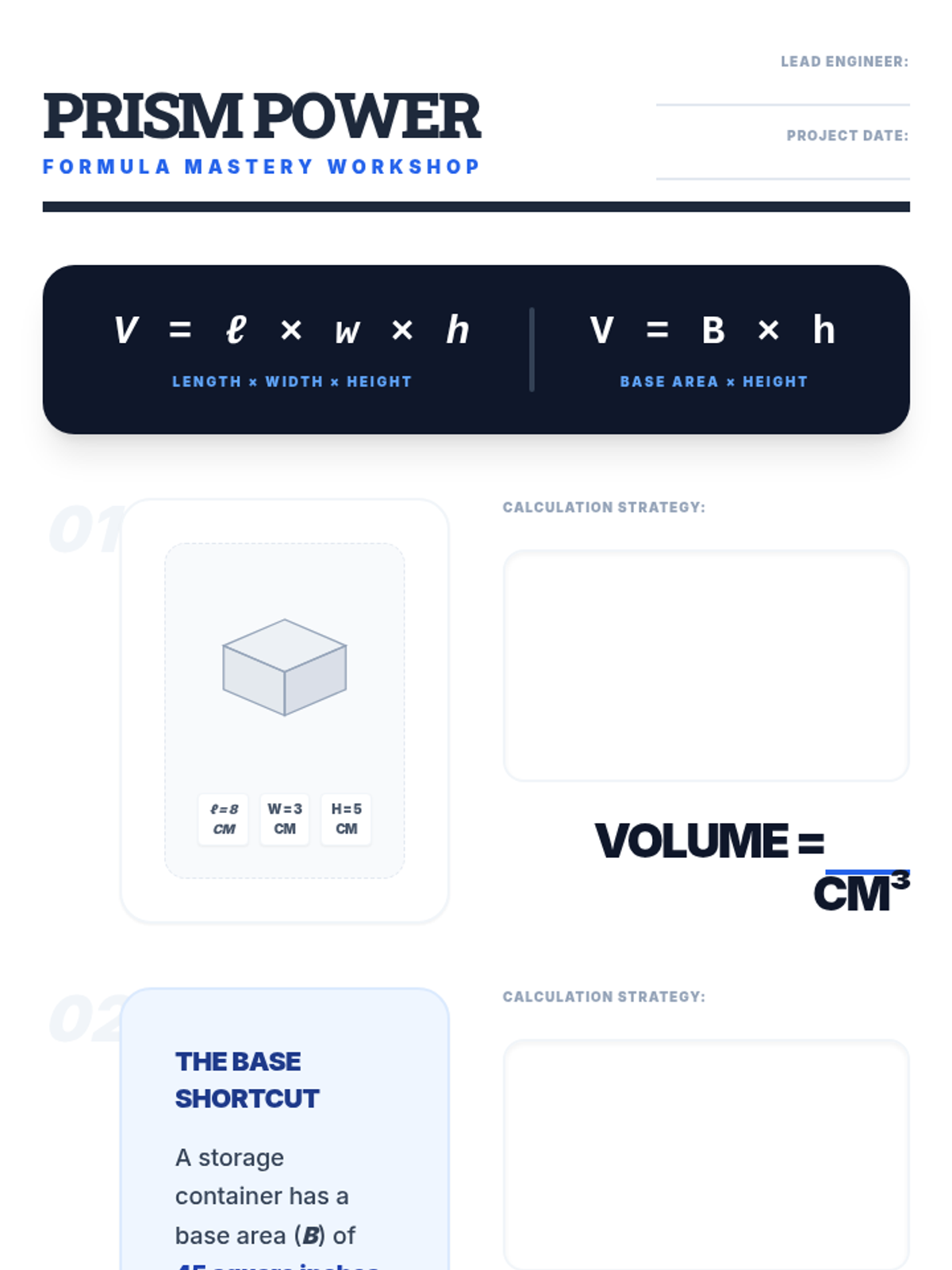
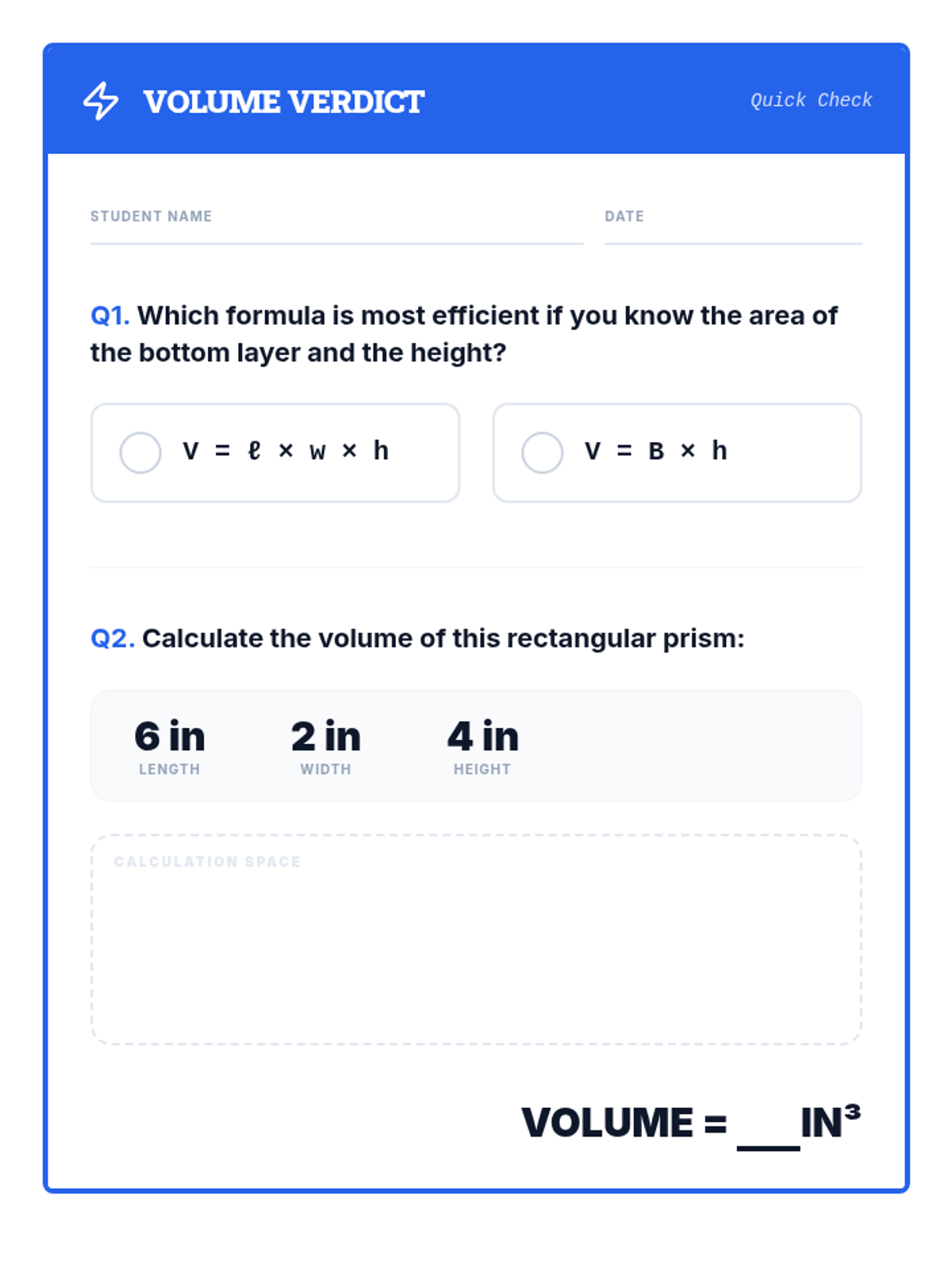
Moving from counting cubes to using the standard formulas V = l x w x h and V = B x h. Focuses on efficiency and understanding the relationship between layers and total volume.
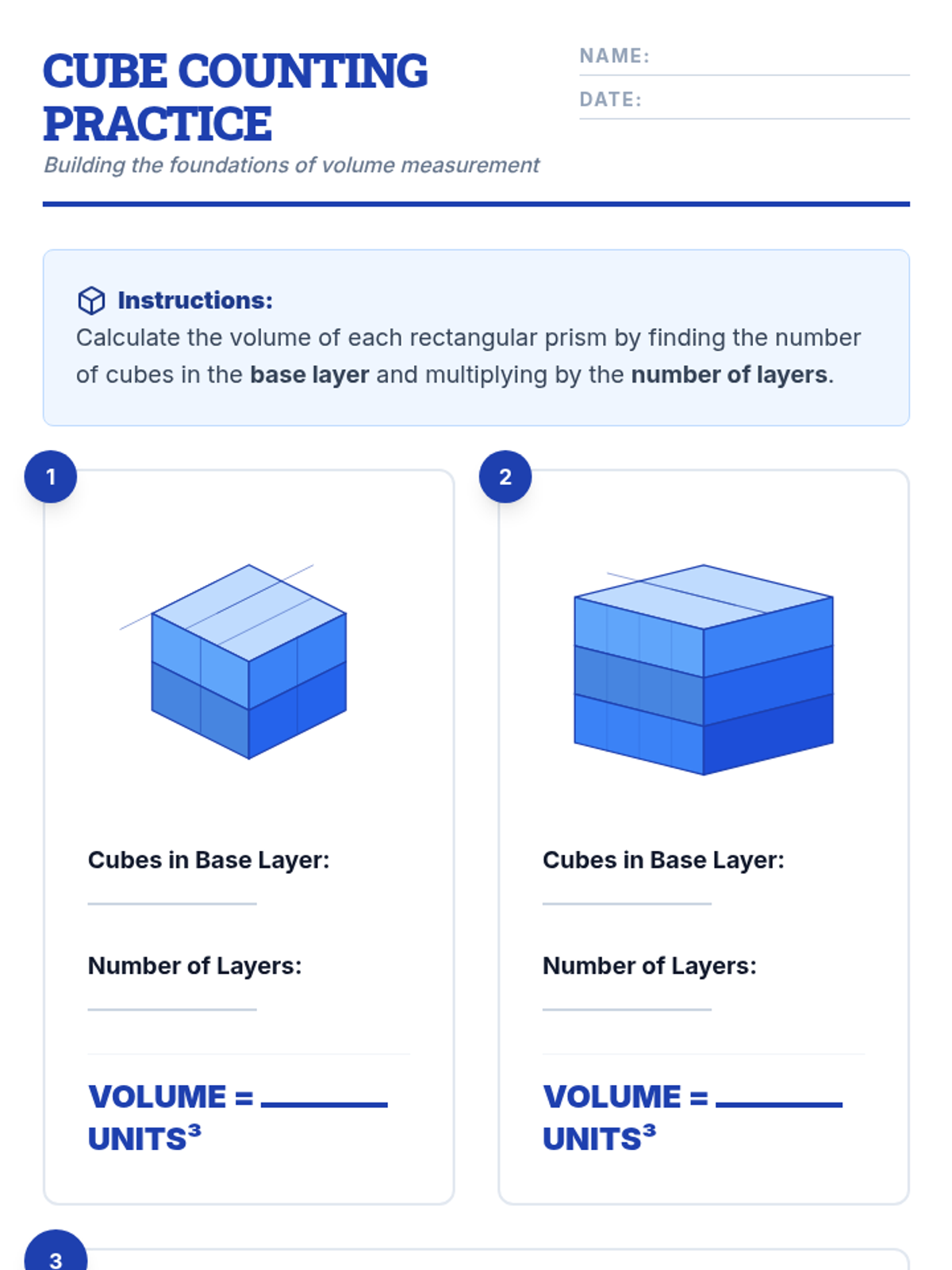
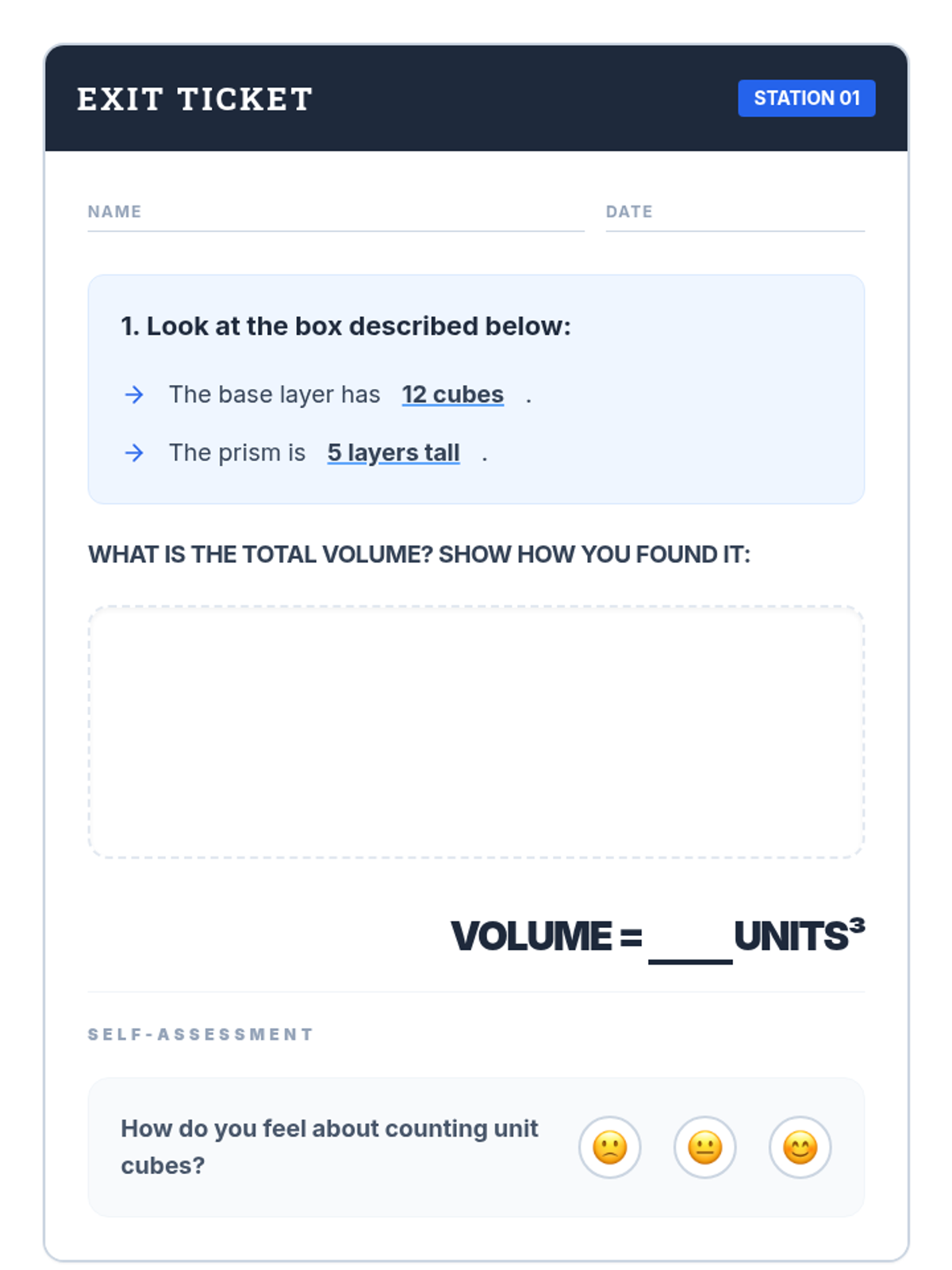
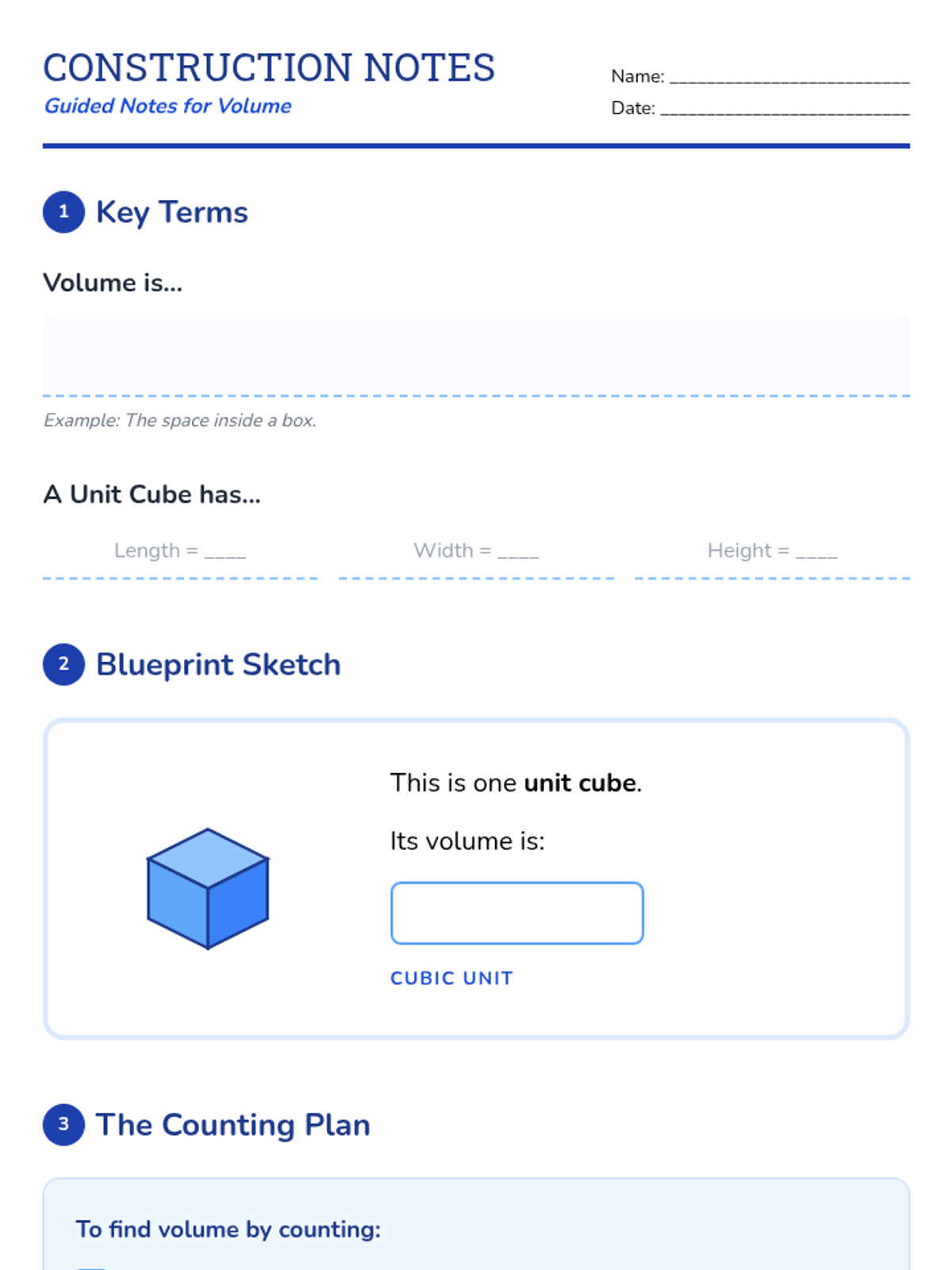
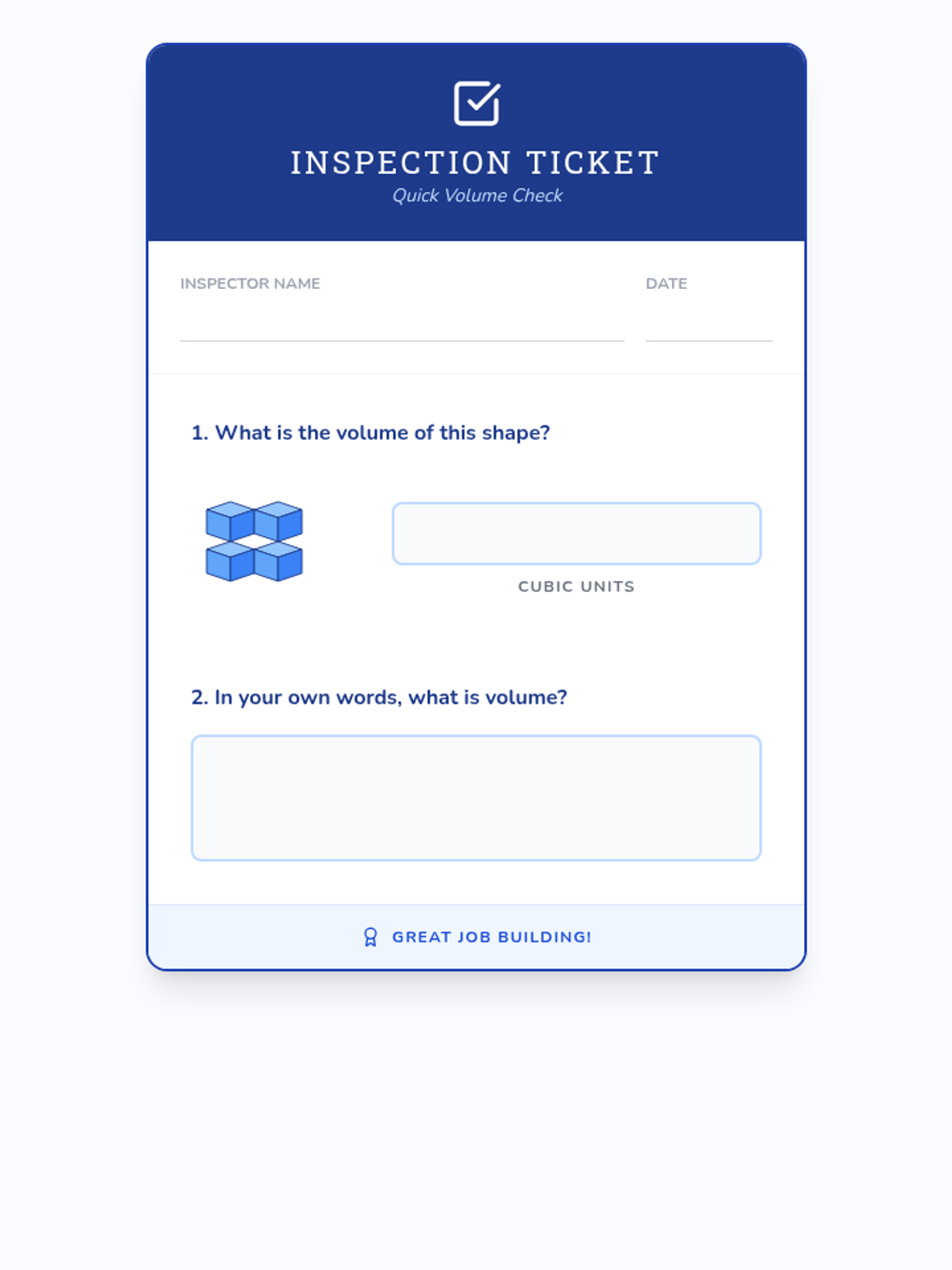
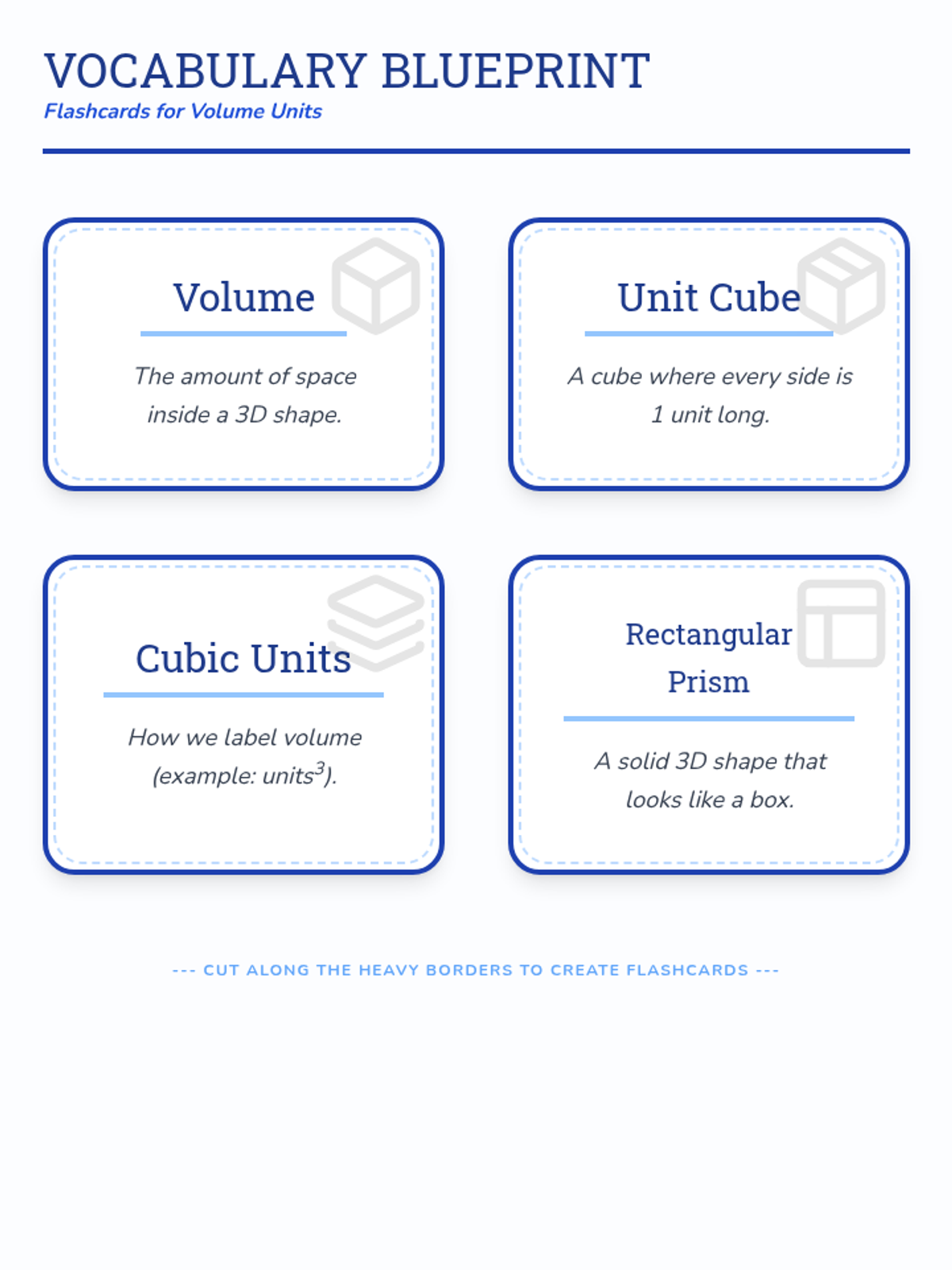
Introduction to the concept of volume using unit cubes to fill rectangular prisms. Students learn that volume is the amount of space an object occupies, measured in cubic units.
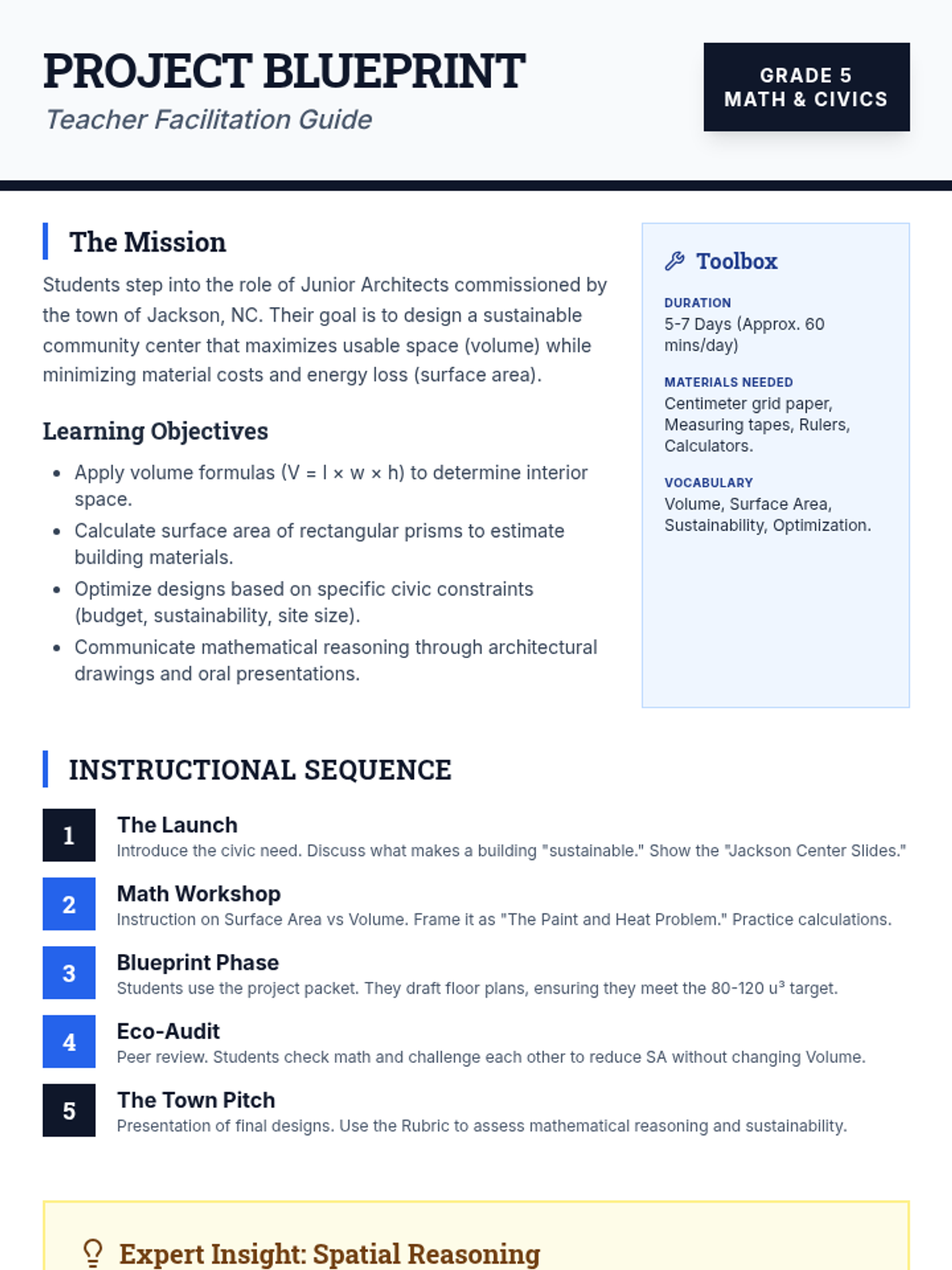
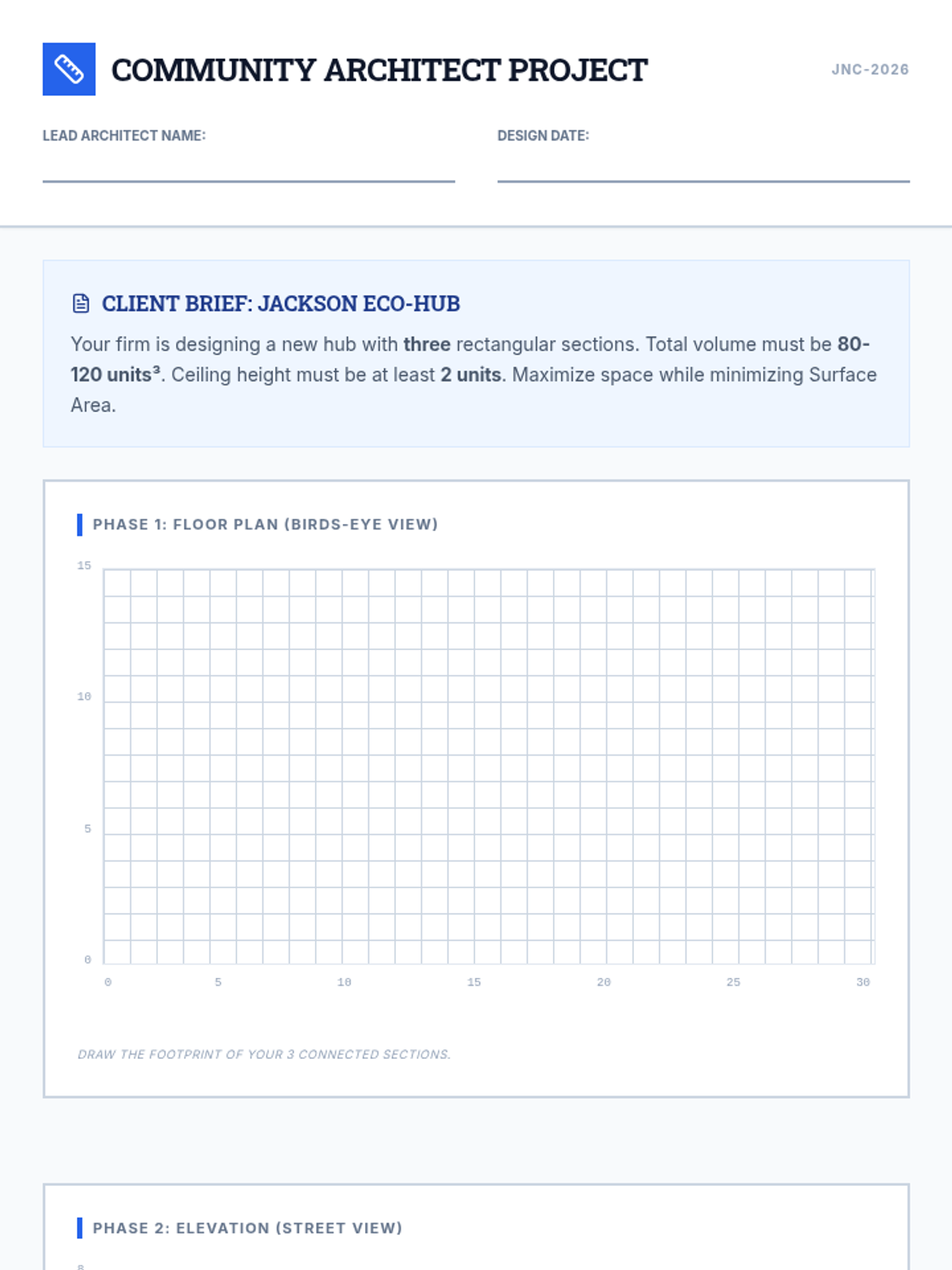
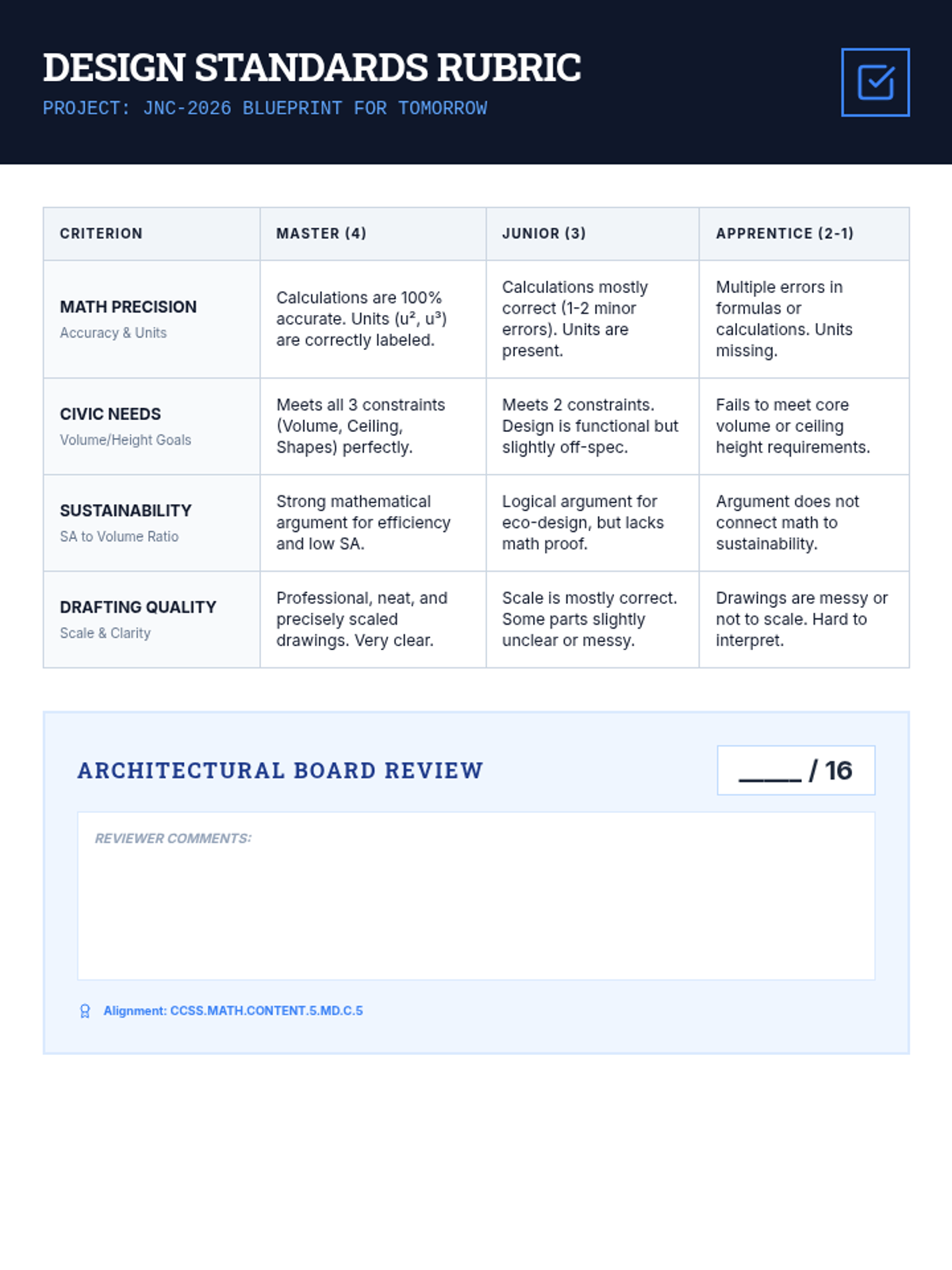
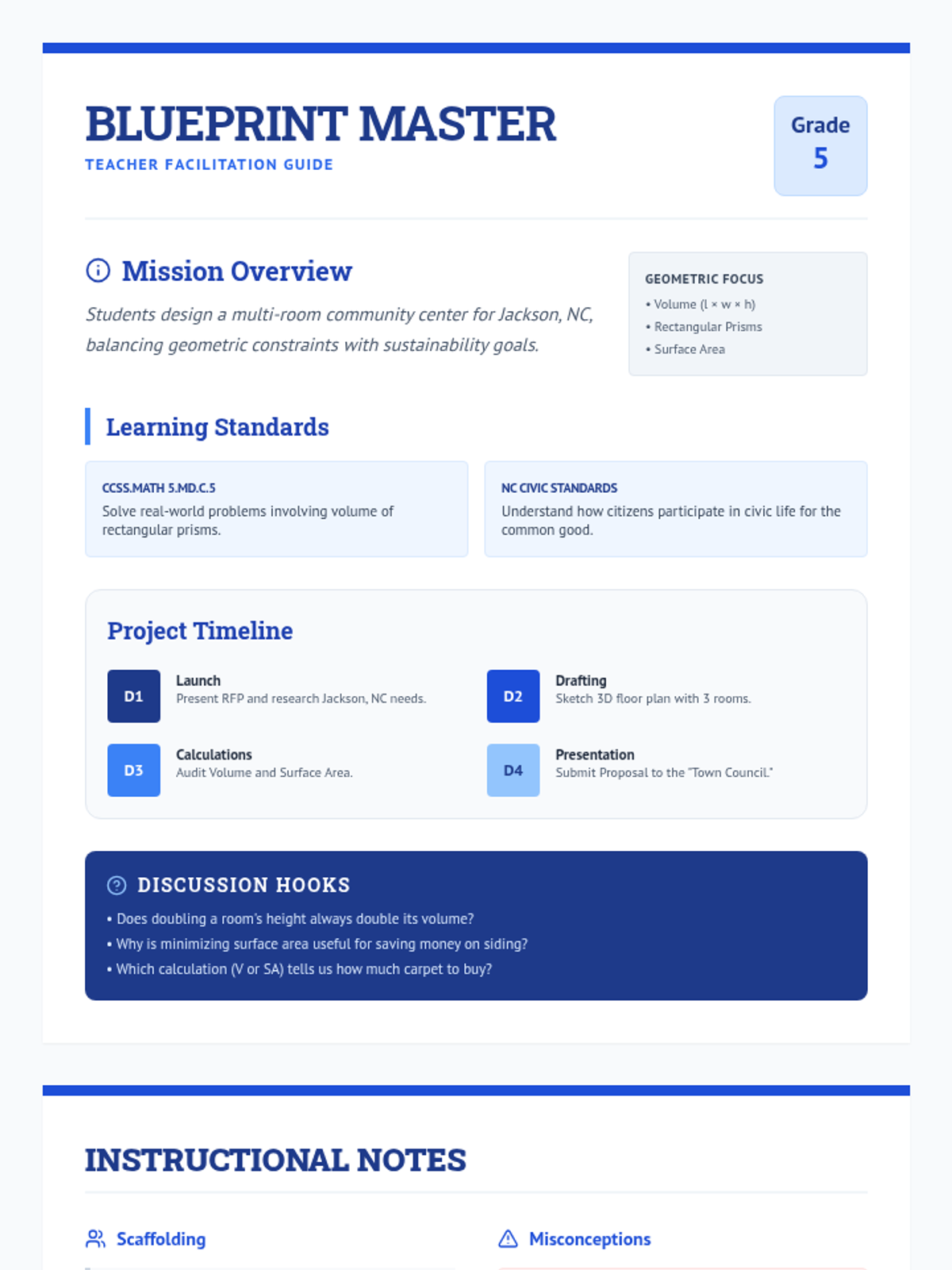
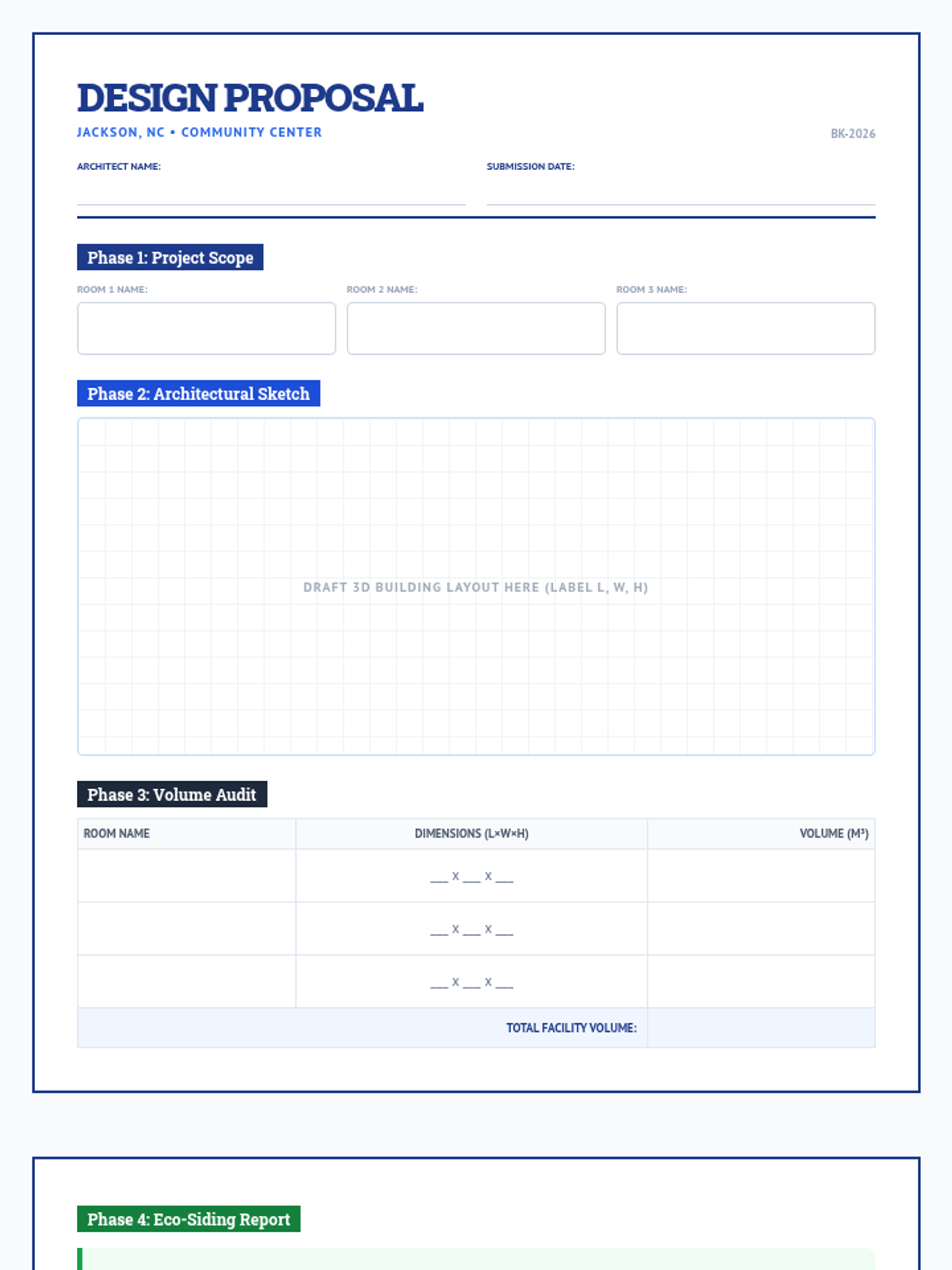
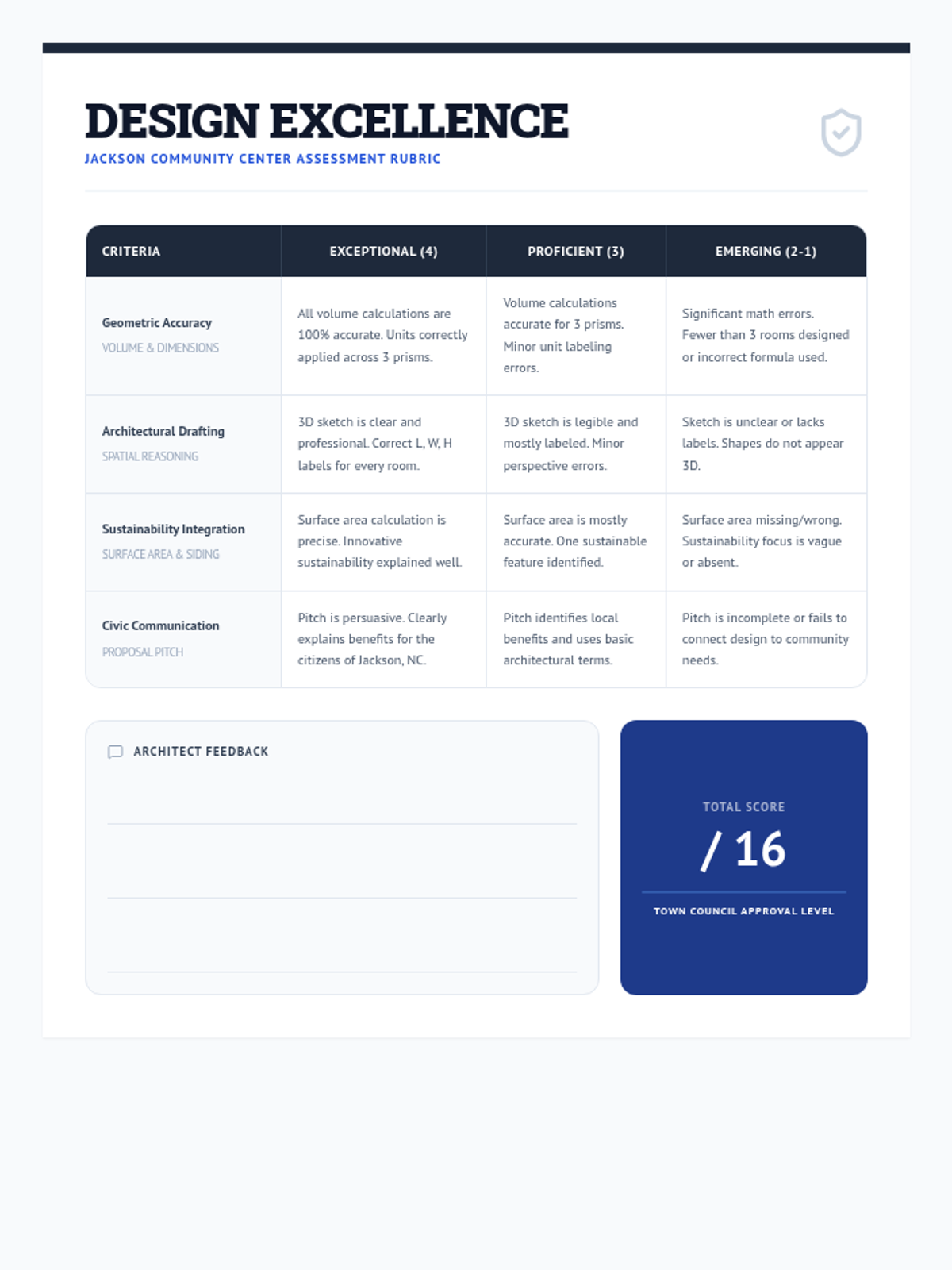
A project-based learning experience where 5th graders use volume and surface area to design a sustainable community center for Jackson, NC. Students bridge geometry with civic engineering through hands-on architectural design.
A project-based learning experience where 5th graders apply volume and surface area concepts to design a sustainable community center for Jackson, NC. Students bridge geometric standards with civic engineering and spatial reasoning through architectural drafting and calculation.
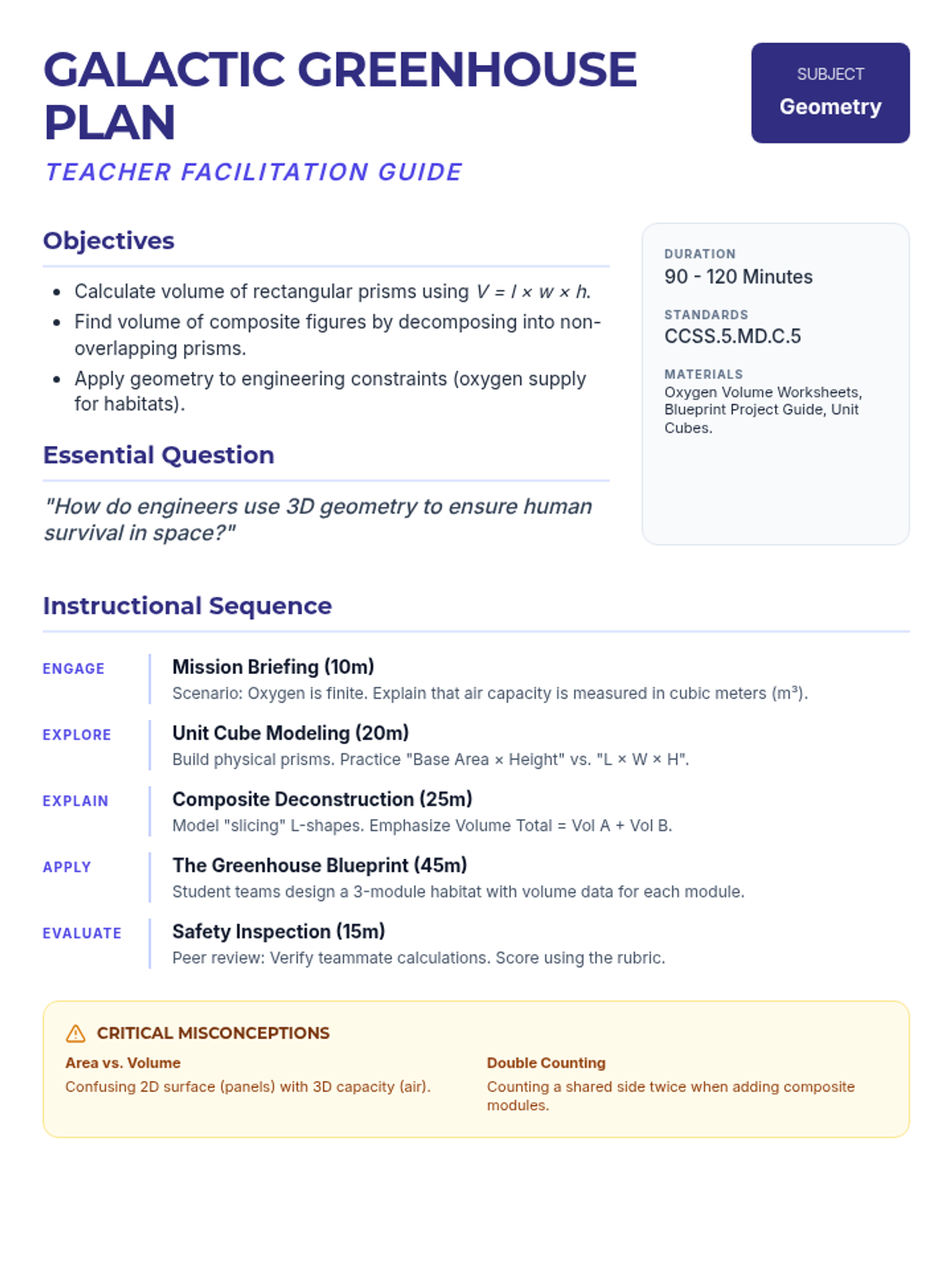
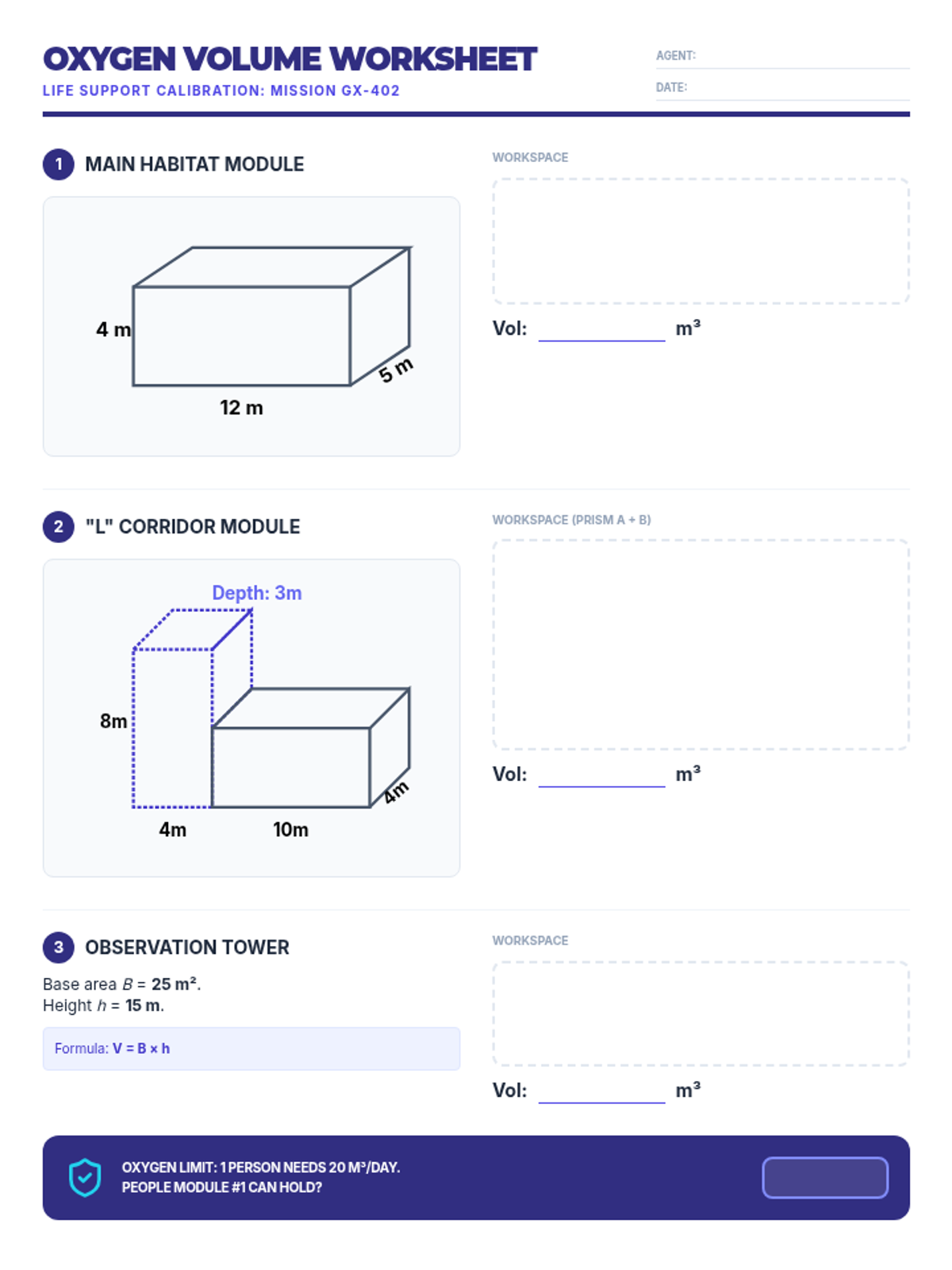
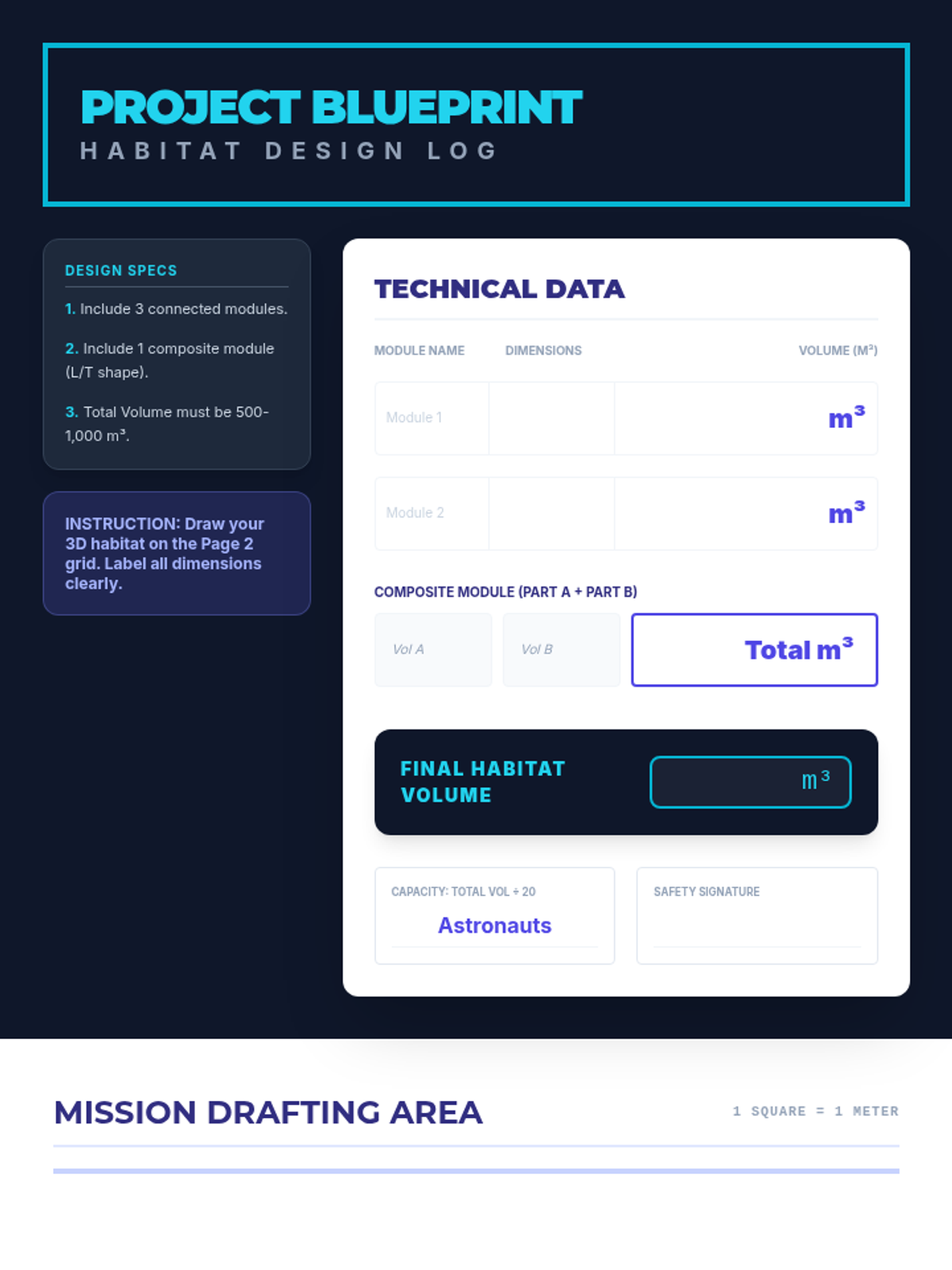
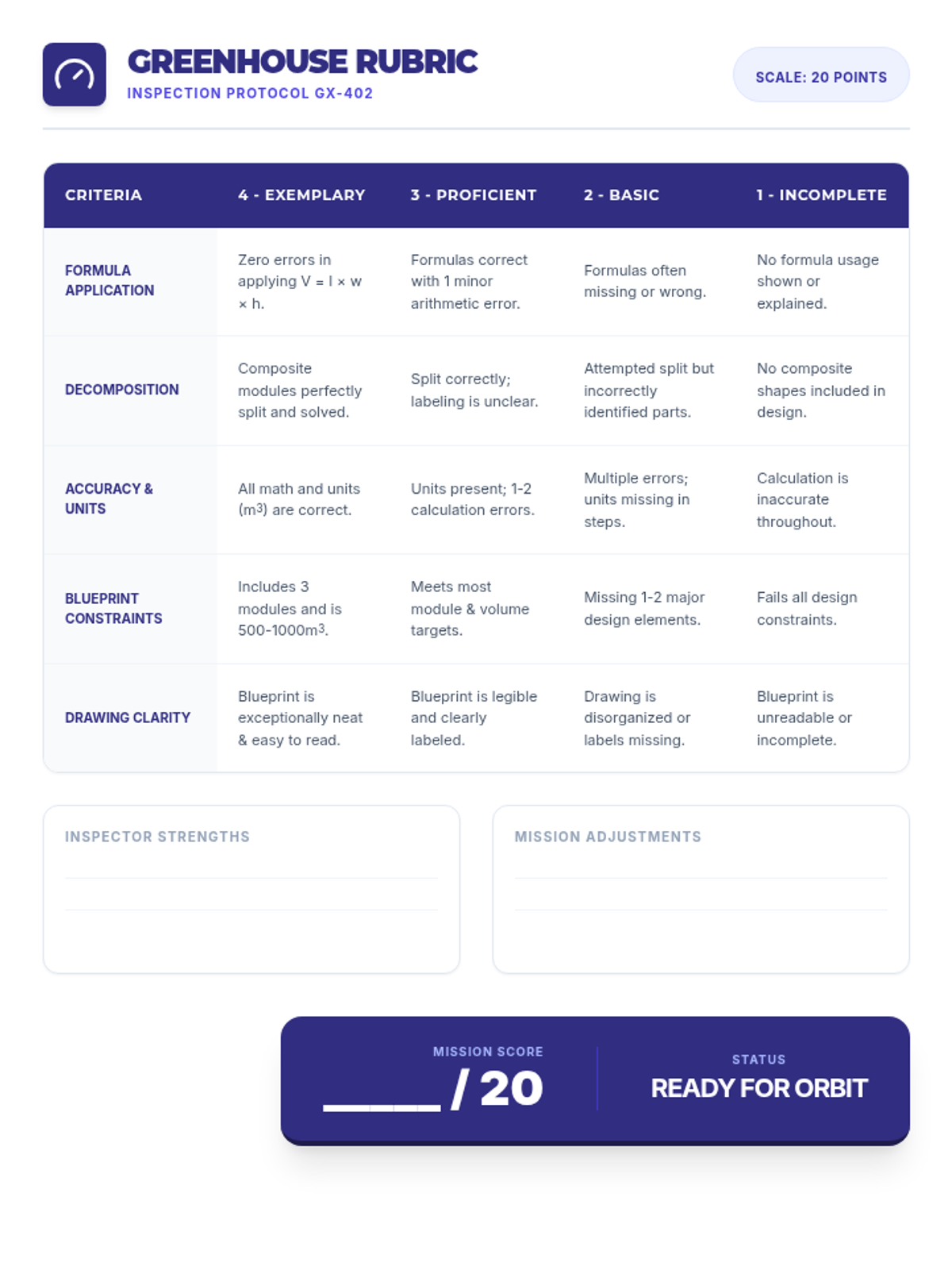
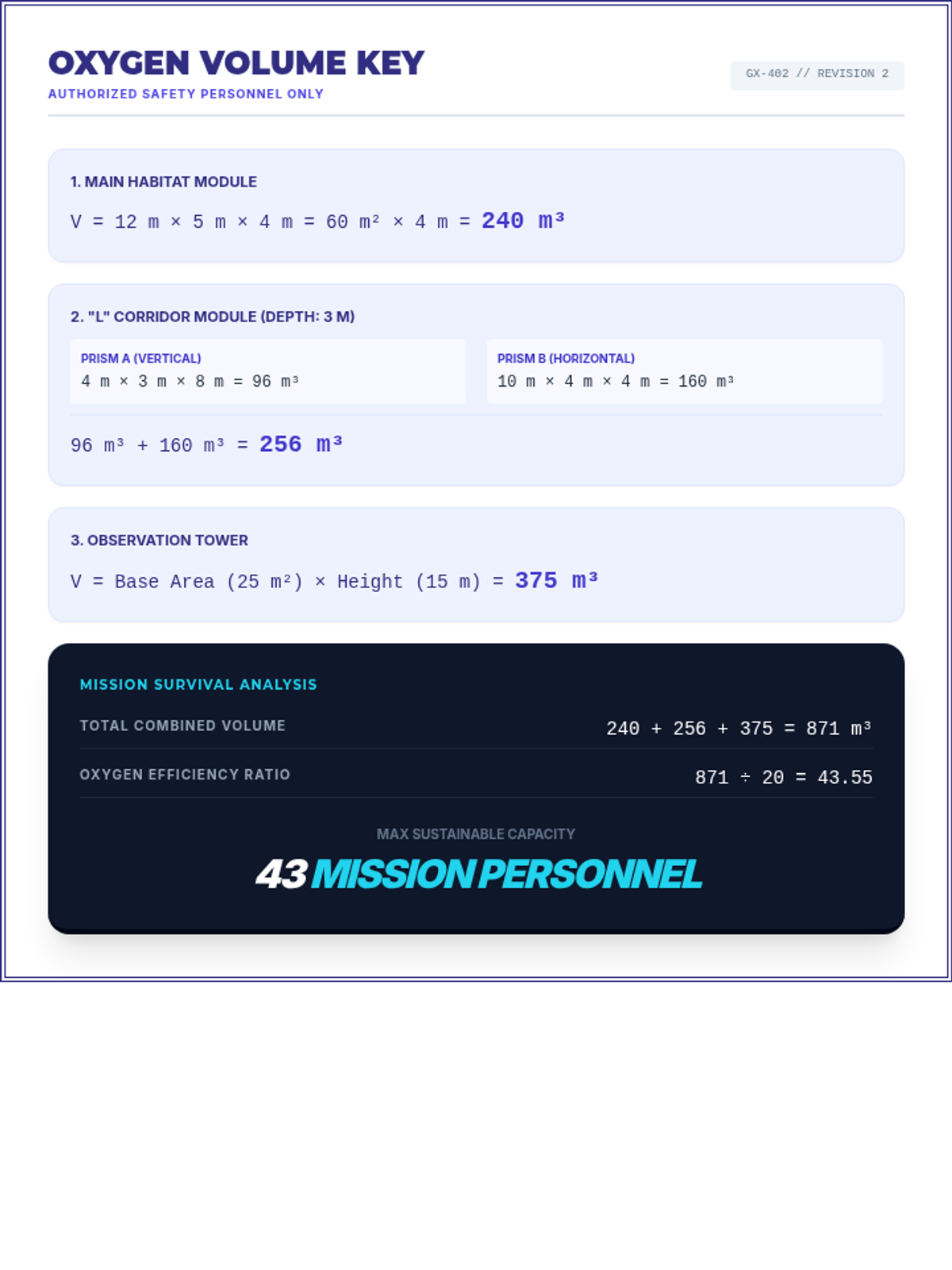
Students design futuristic space habitats by calculating the volume of rectangular prisms and composite figures to determine oxygen requirements. This lesson blends geometry with space exploration concepts for 4th and 5th grade students.
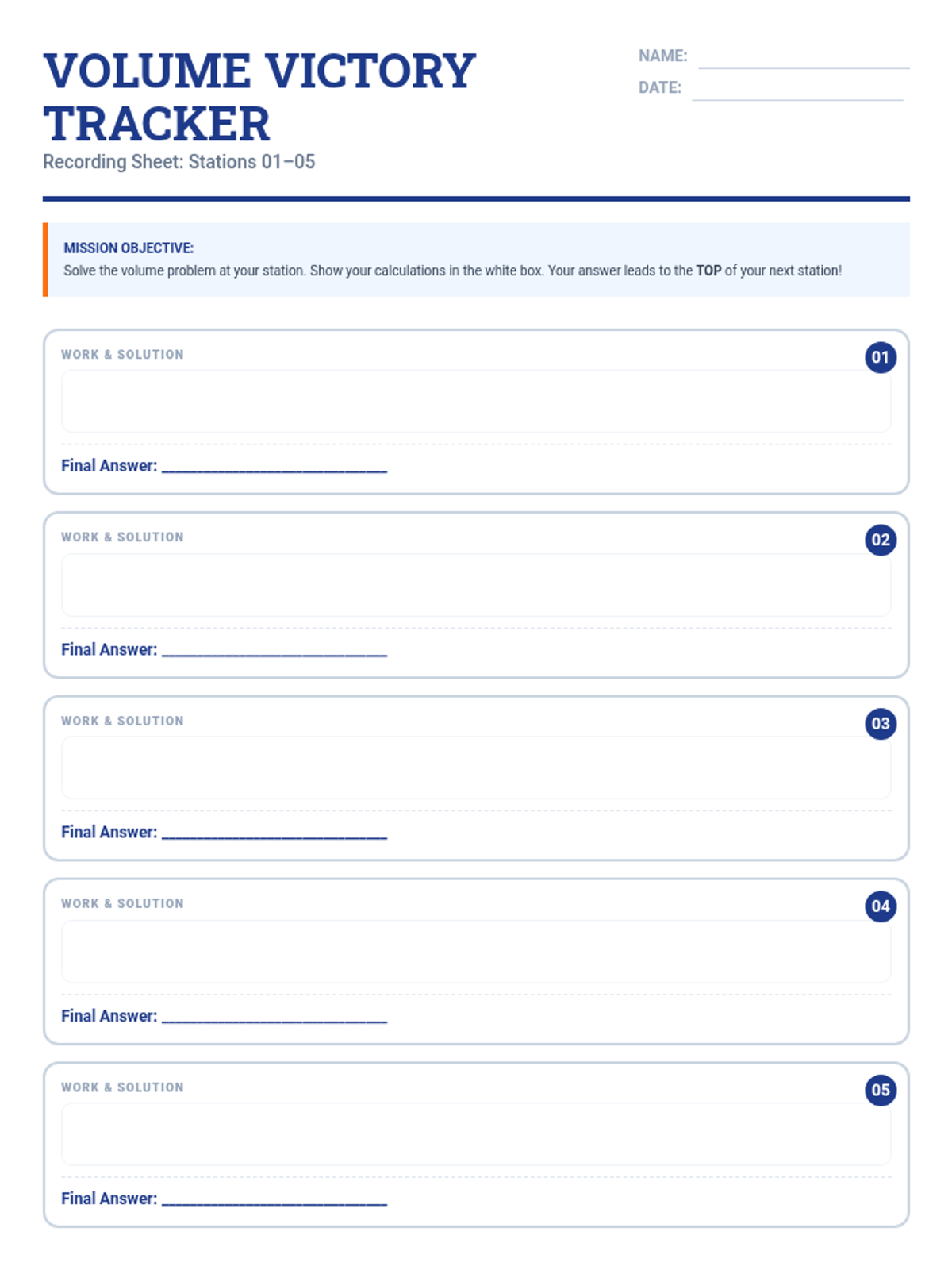
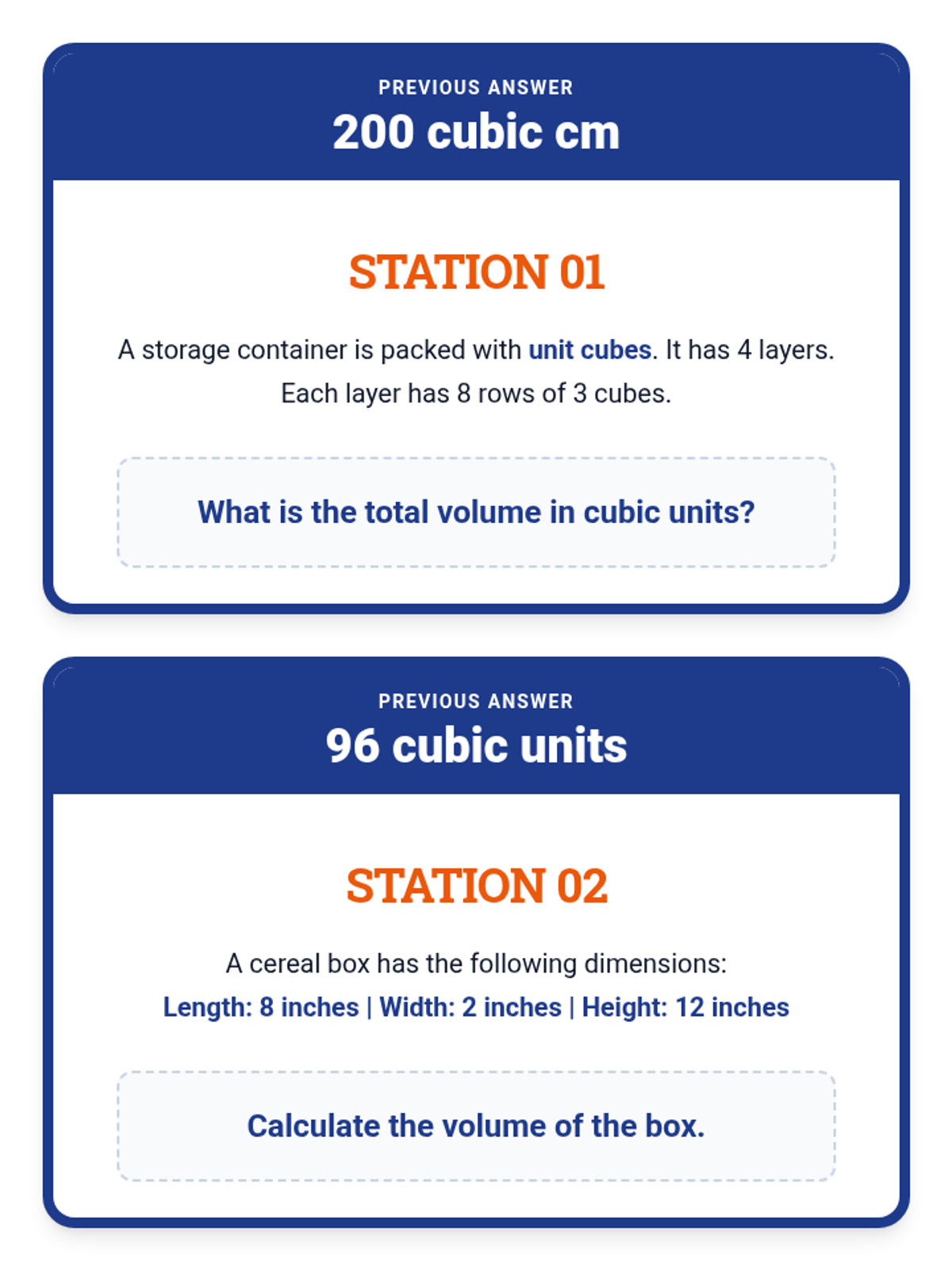
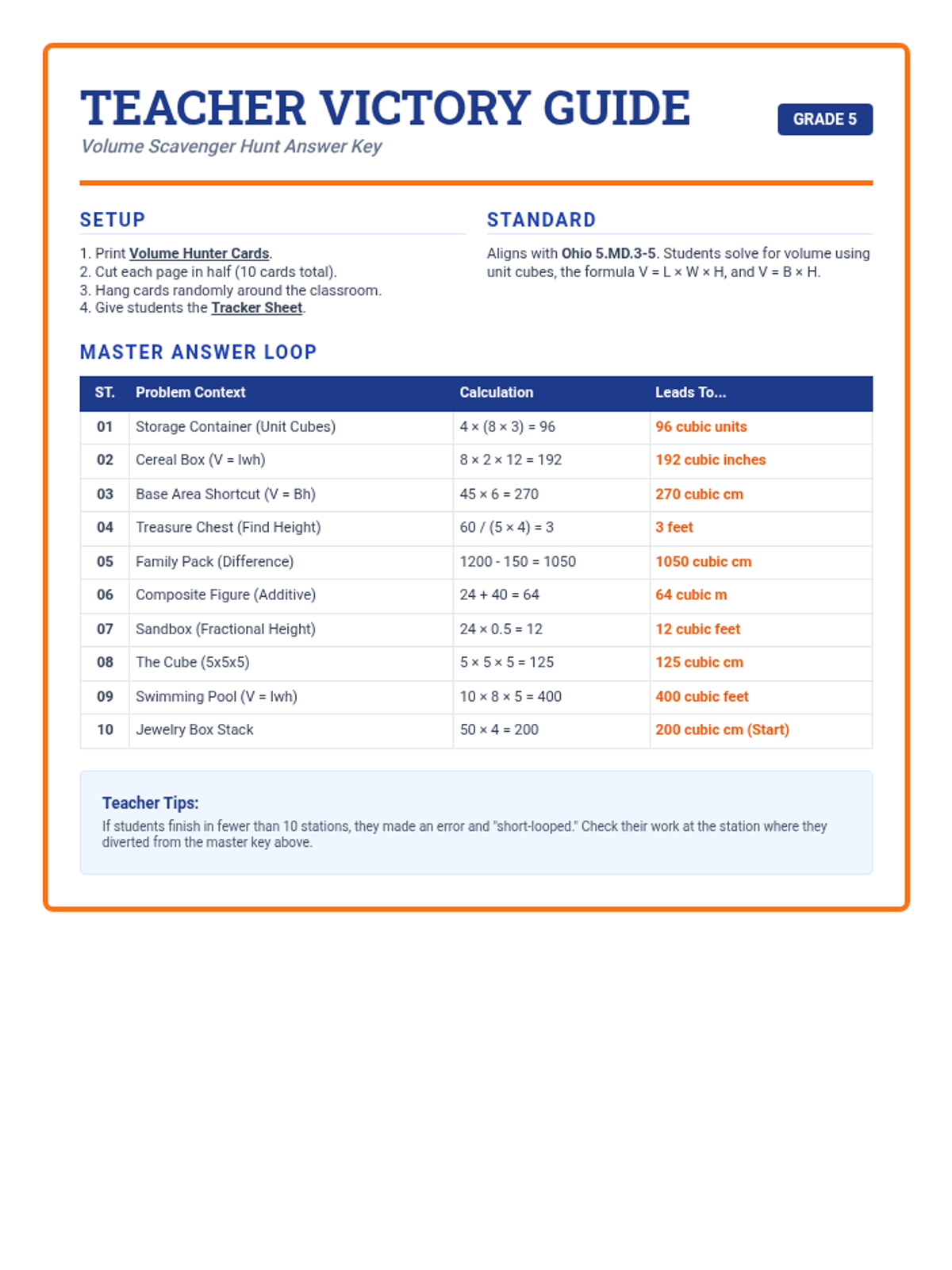
A high-energy math review focusing on Ohio 5th-grade volume standards. Students navigate the classroom solving real-world rectangular prism problems to complete a numerical loop.
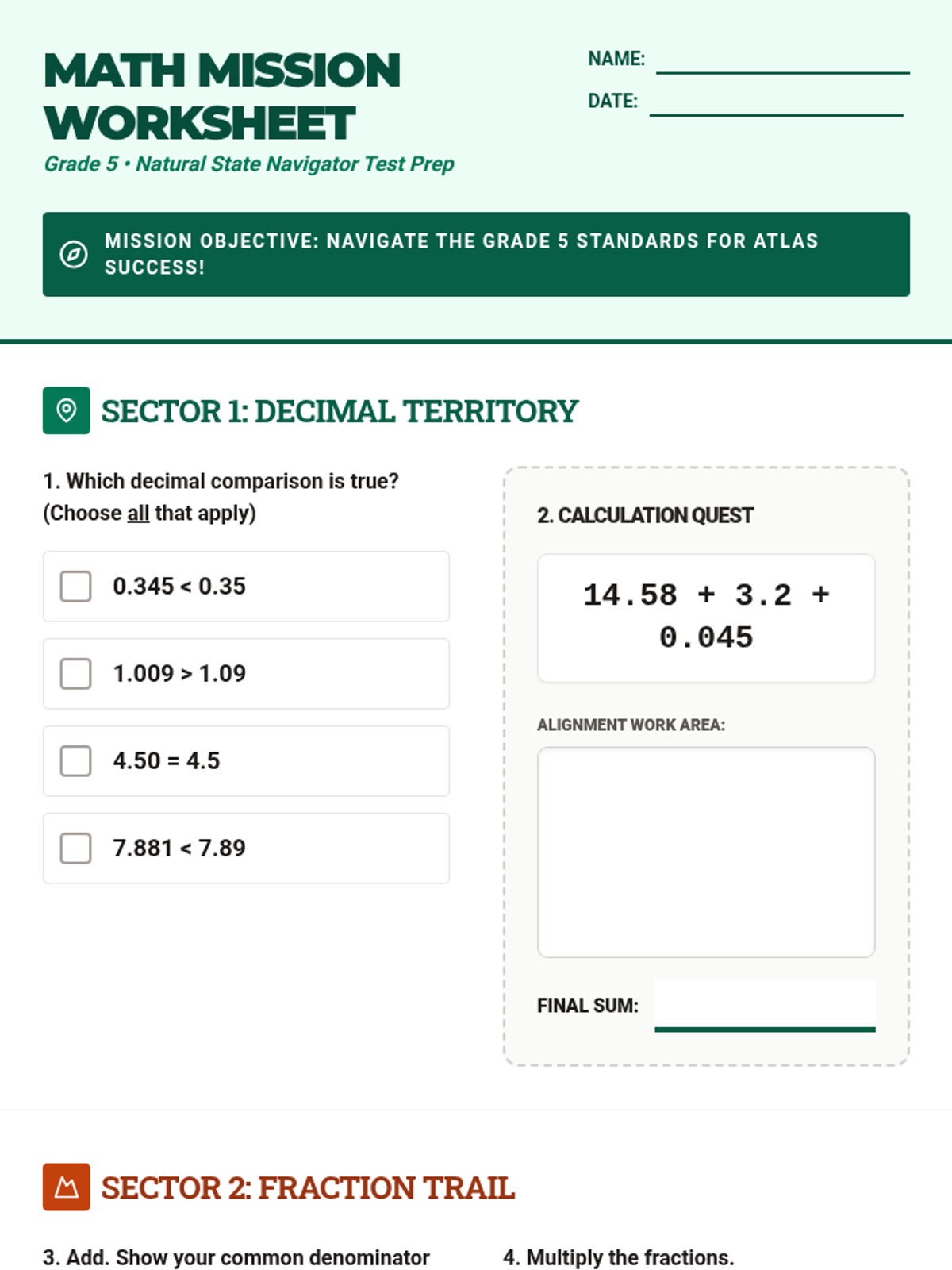
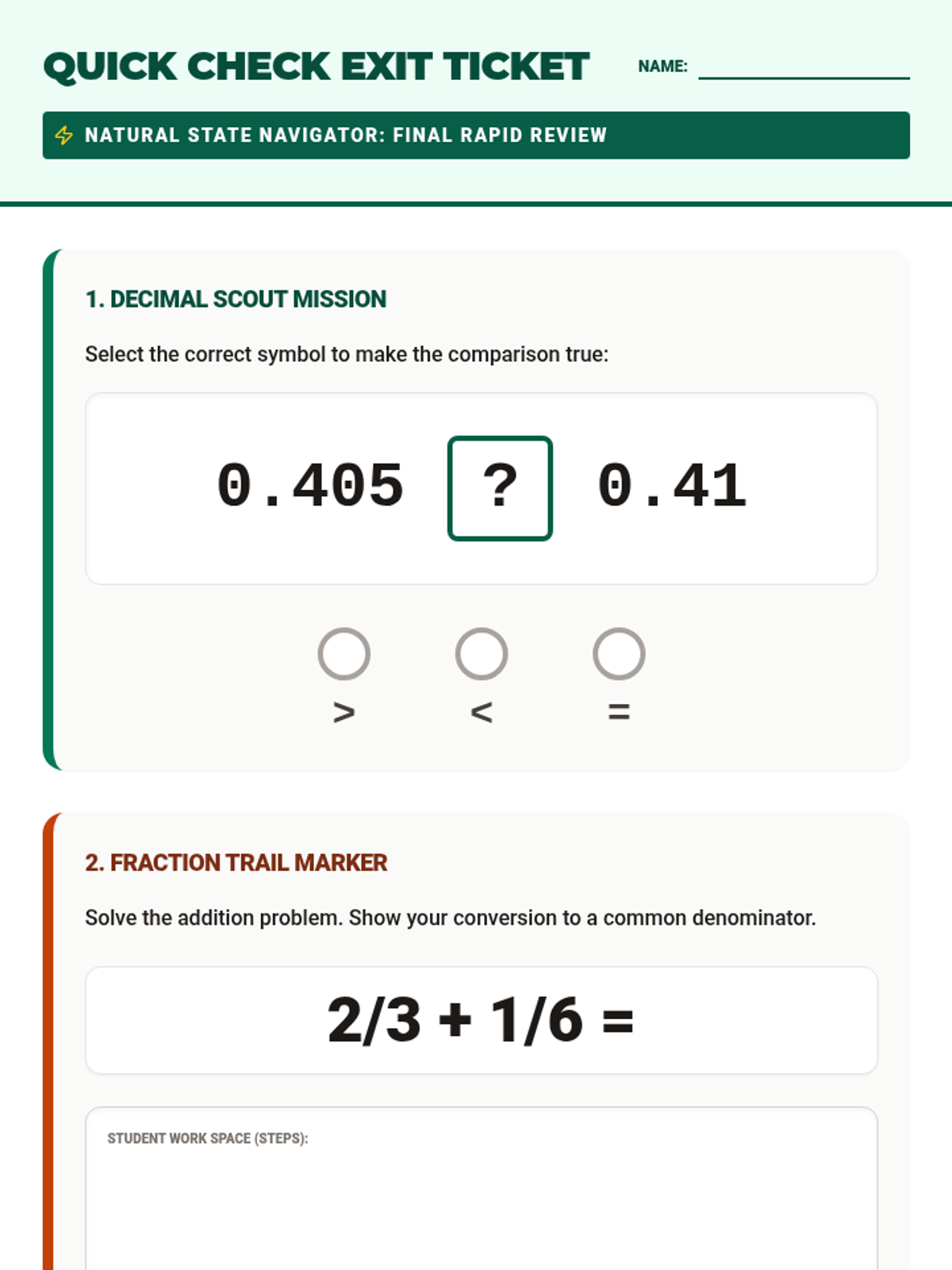
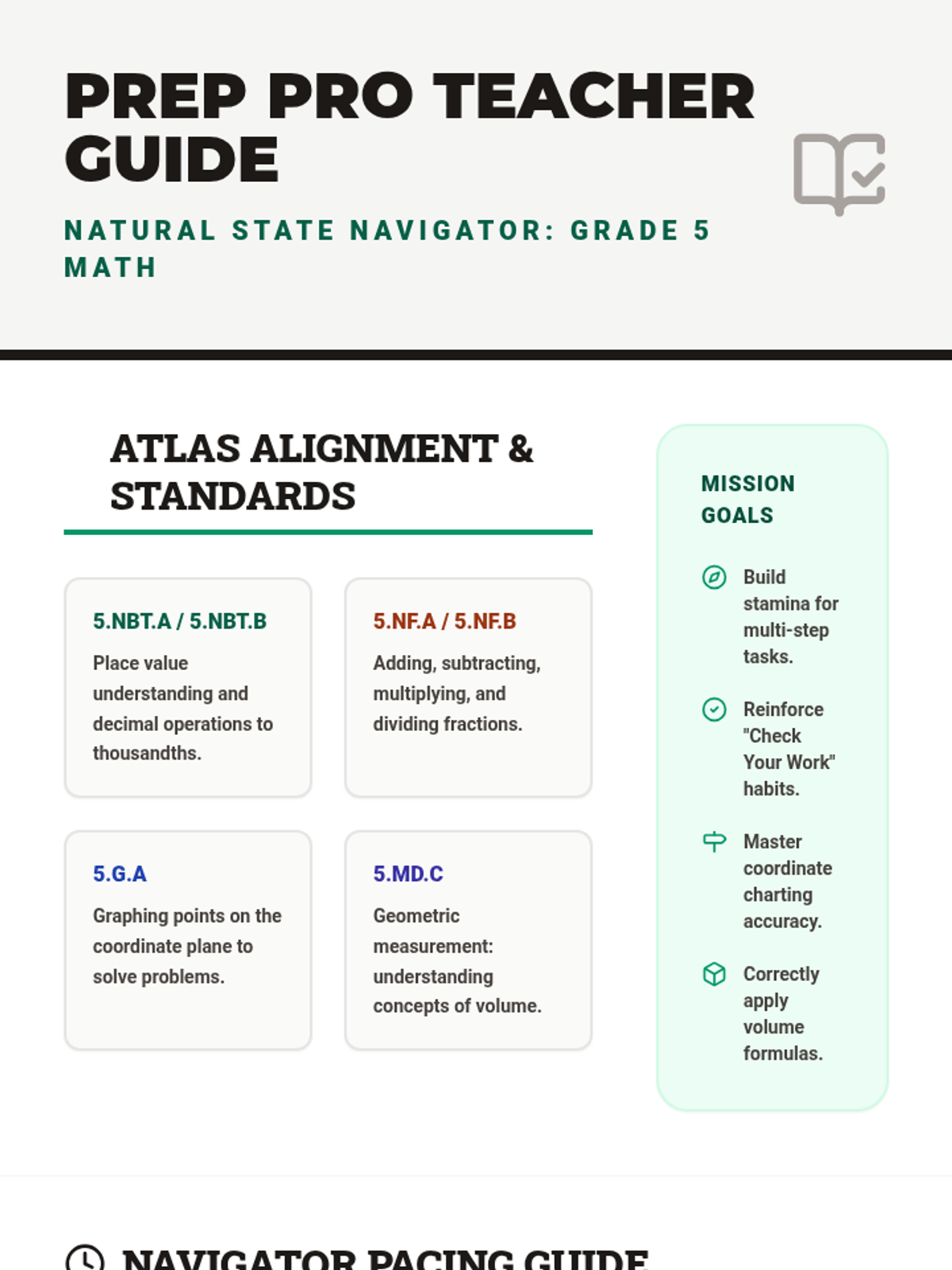
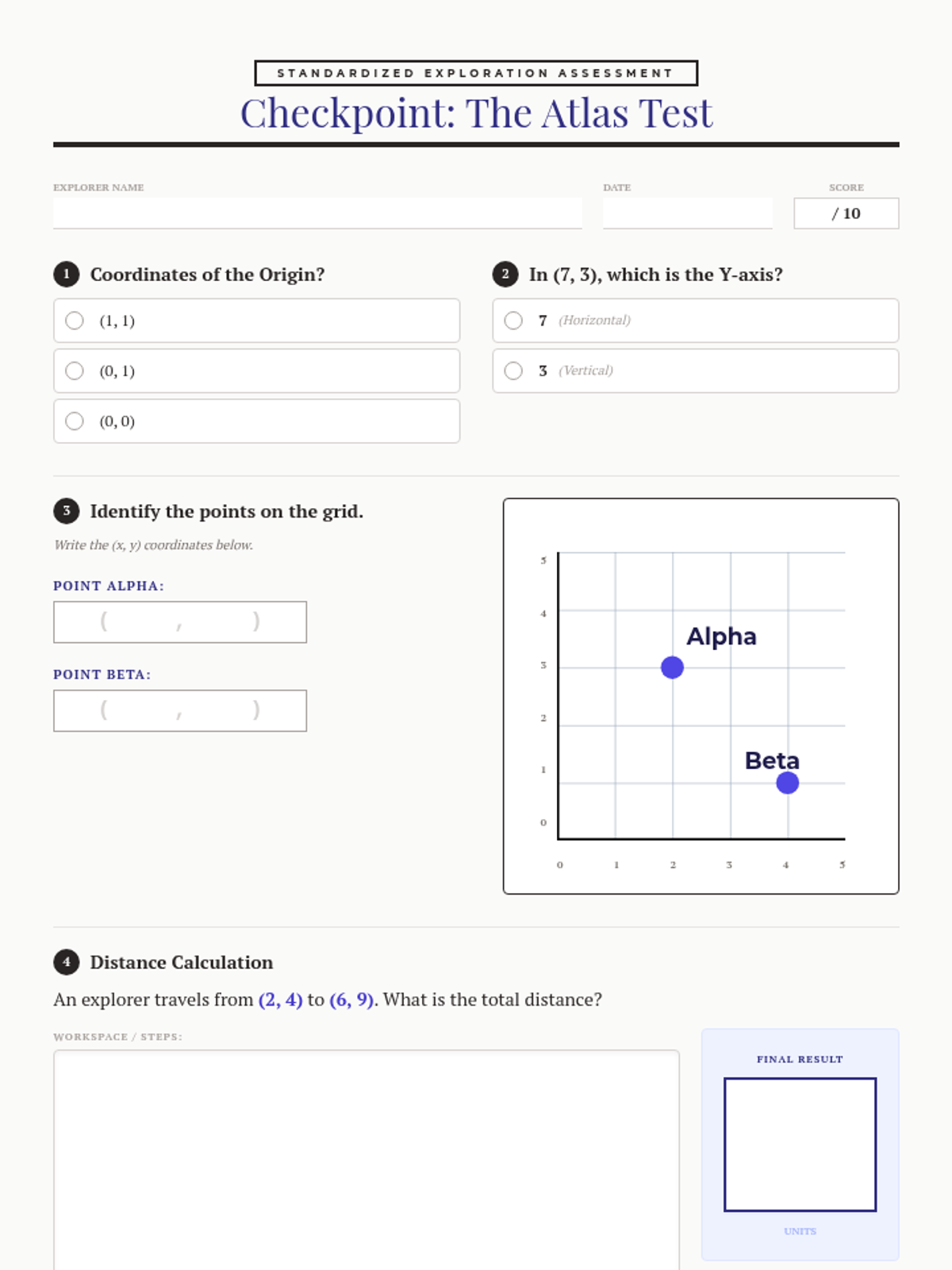
A comprehensive Grade 5 Math test prep lesson focused on Arkansas ATLAS standards, covering fractions, decimals, coordinate planes, and volume through a "Natural State Navigator" wilderness theme.
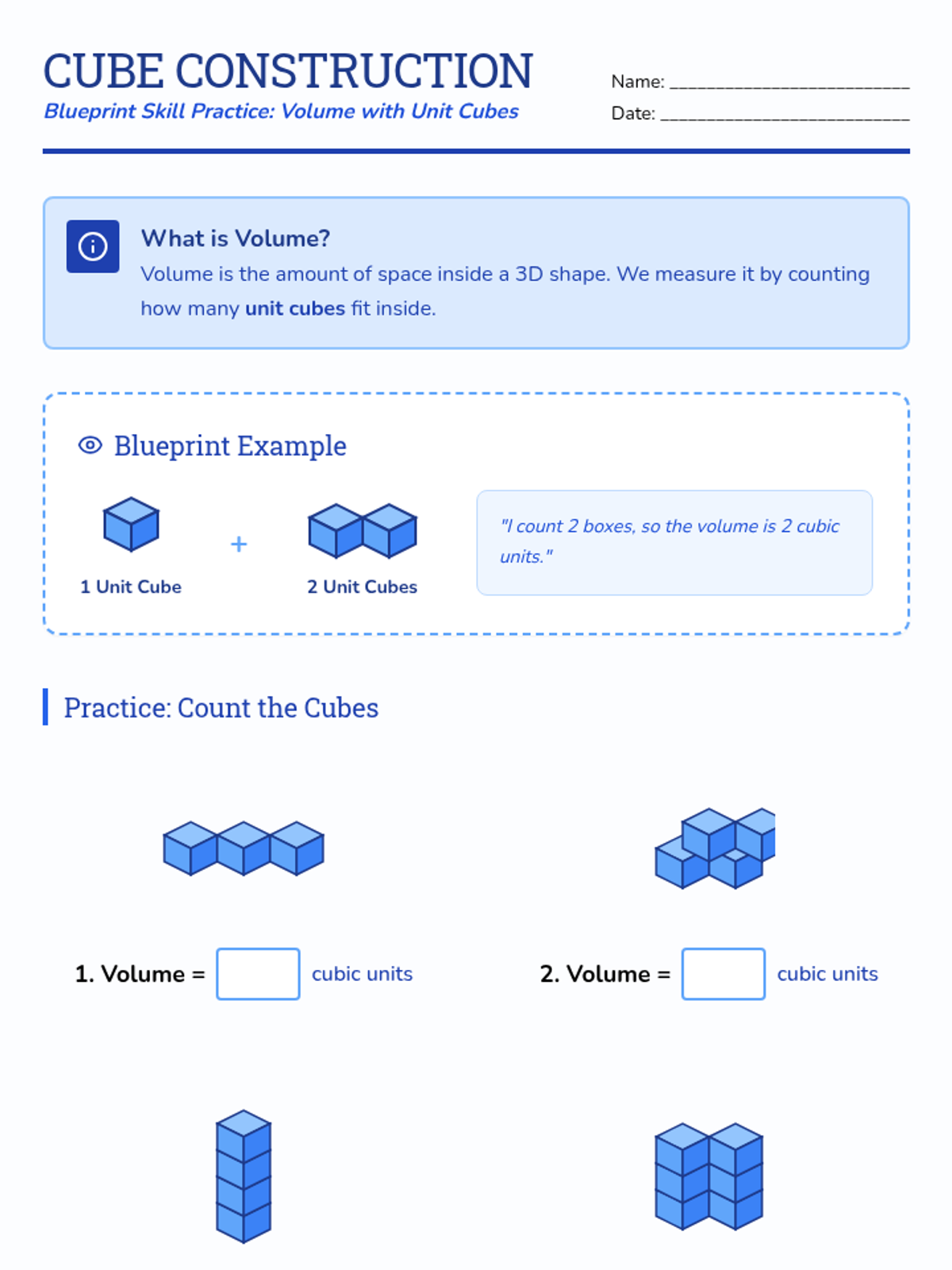
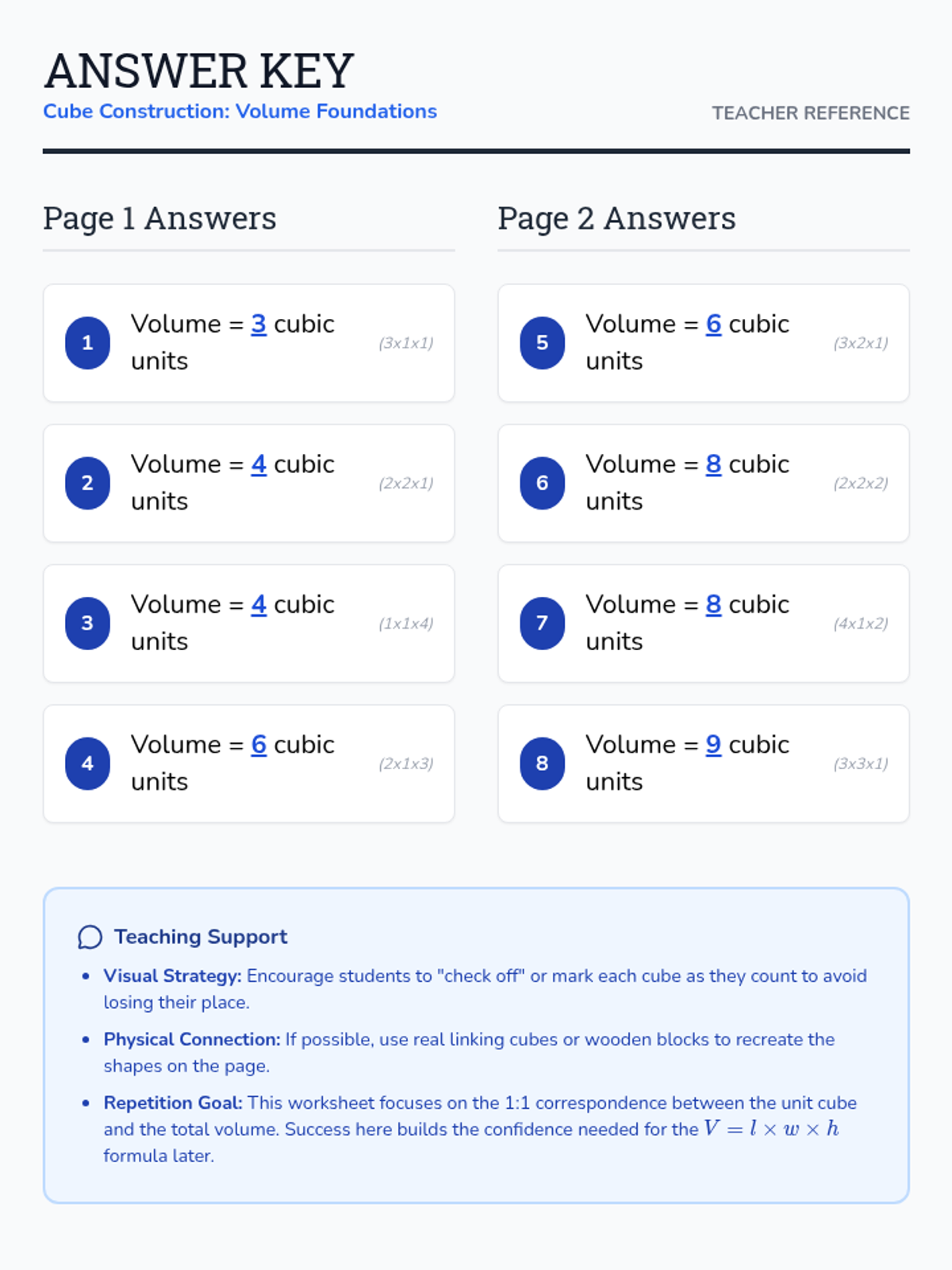
A lesson focused on developing a foundational understanding of volume by counting unit cubes within rectangular prisms, designed for students needing repetitive skill practice and clear visual support.
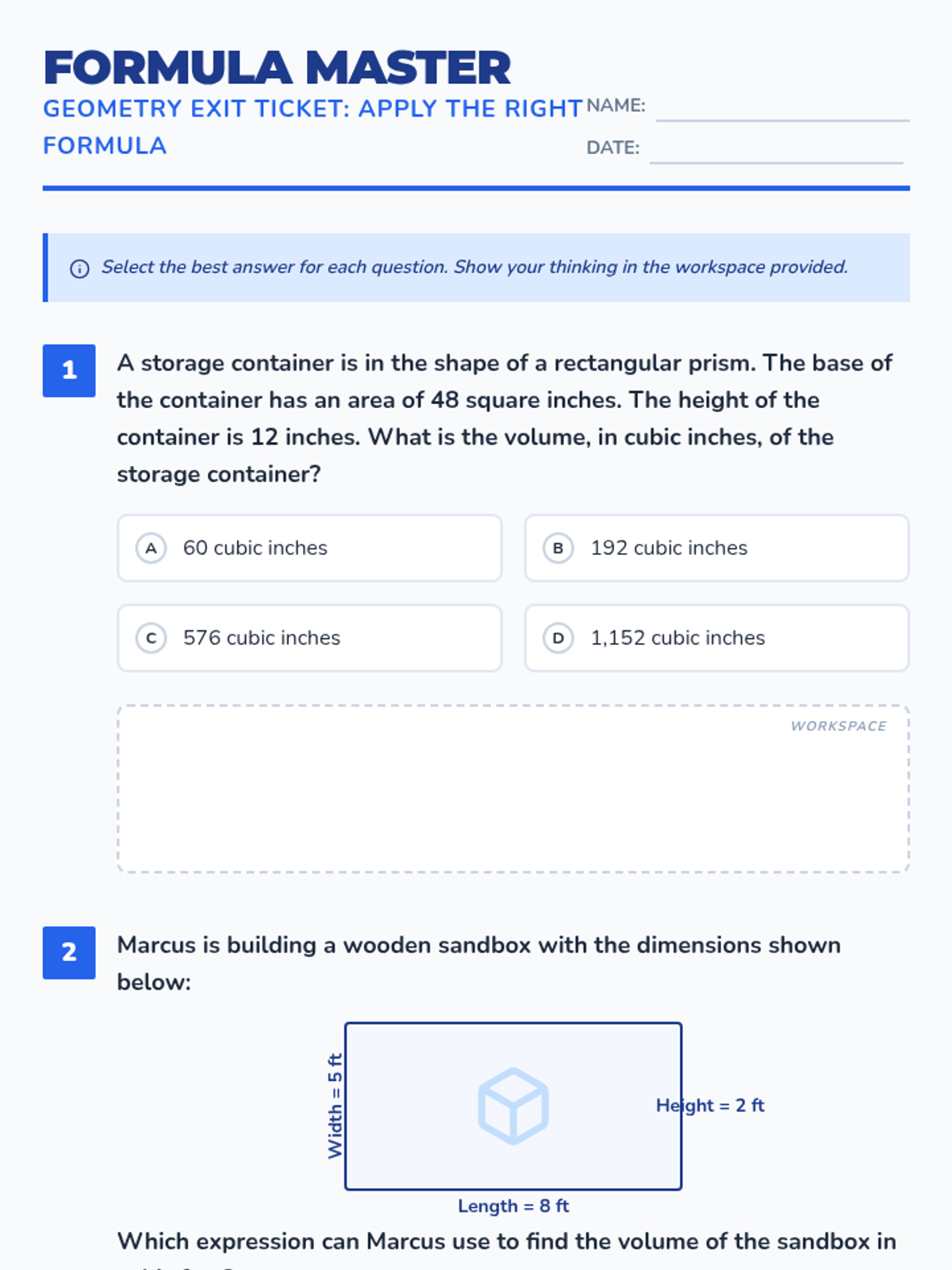
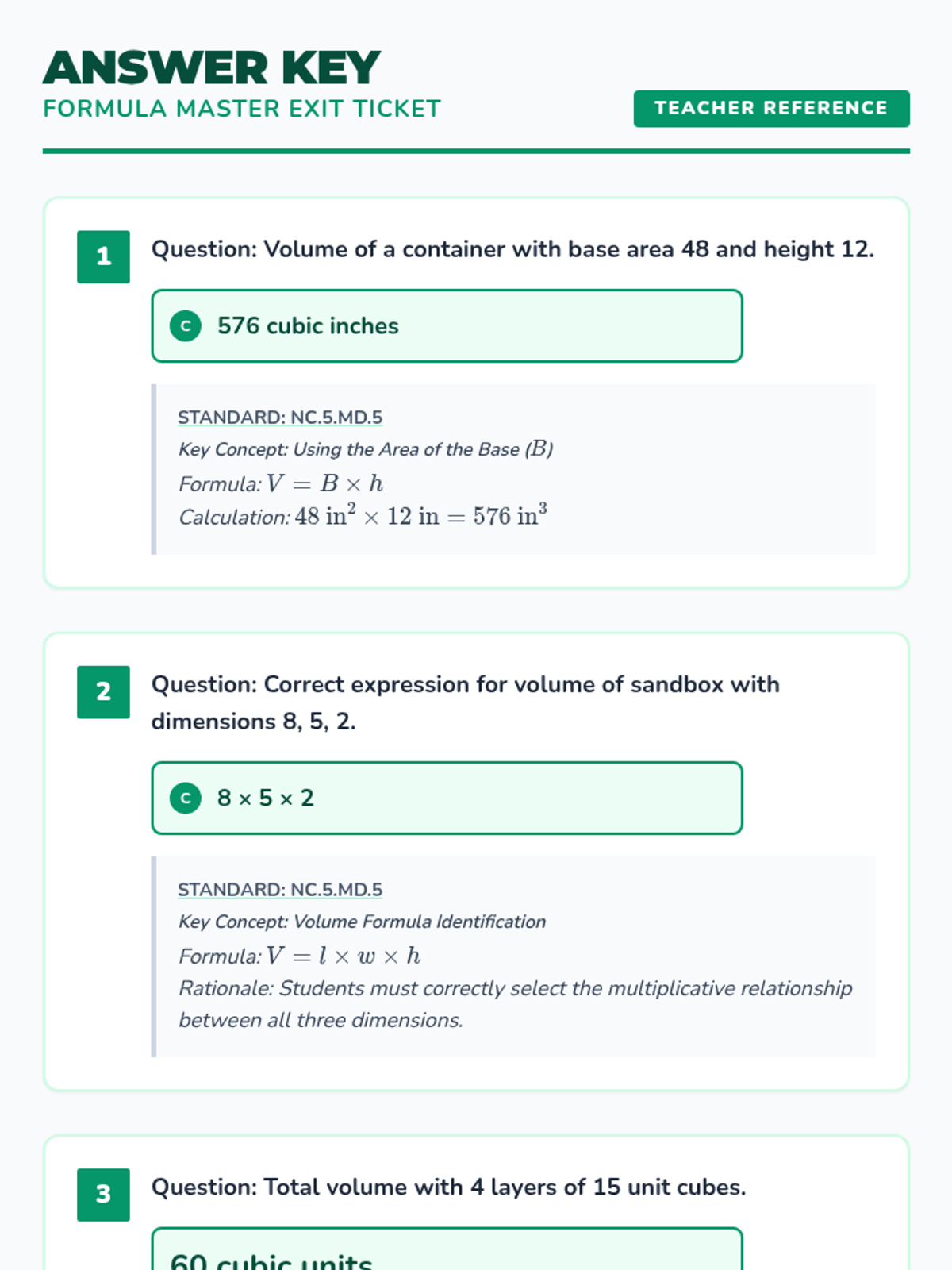
A Grade 5 geometry assessment focused on volume calculations and formula application, specifically aligned with NC standards for EOG preparation.
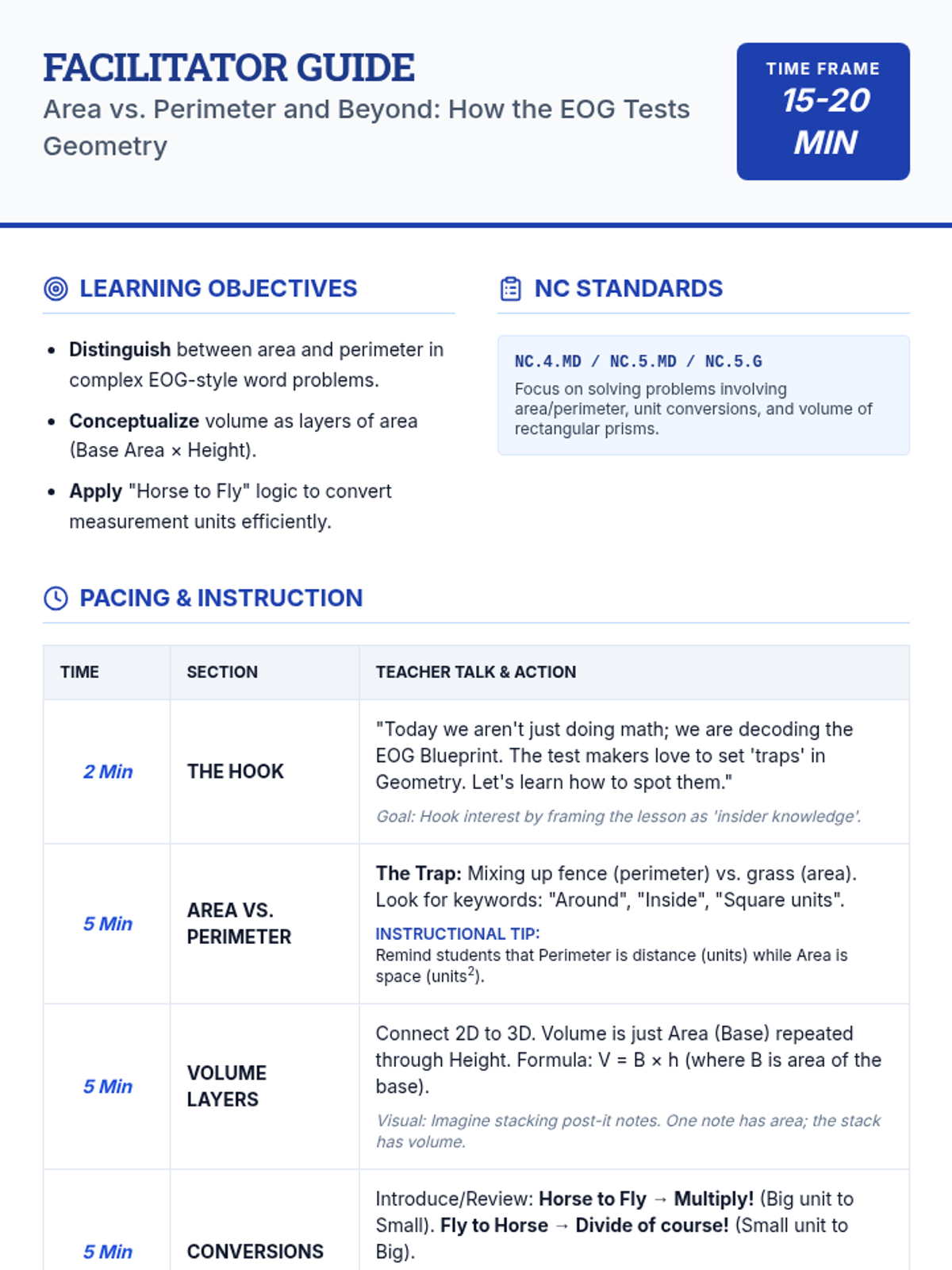
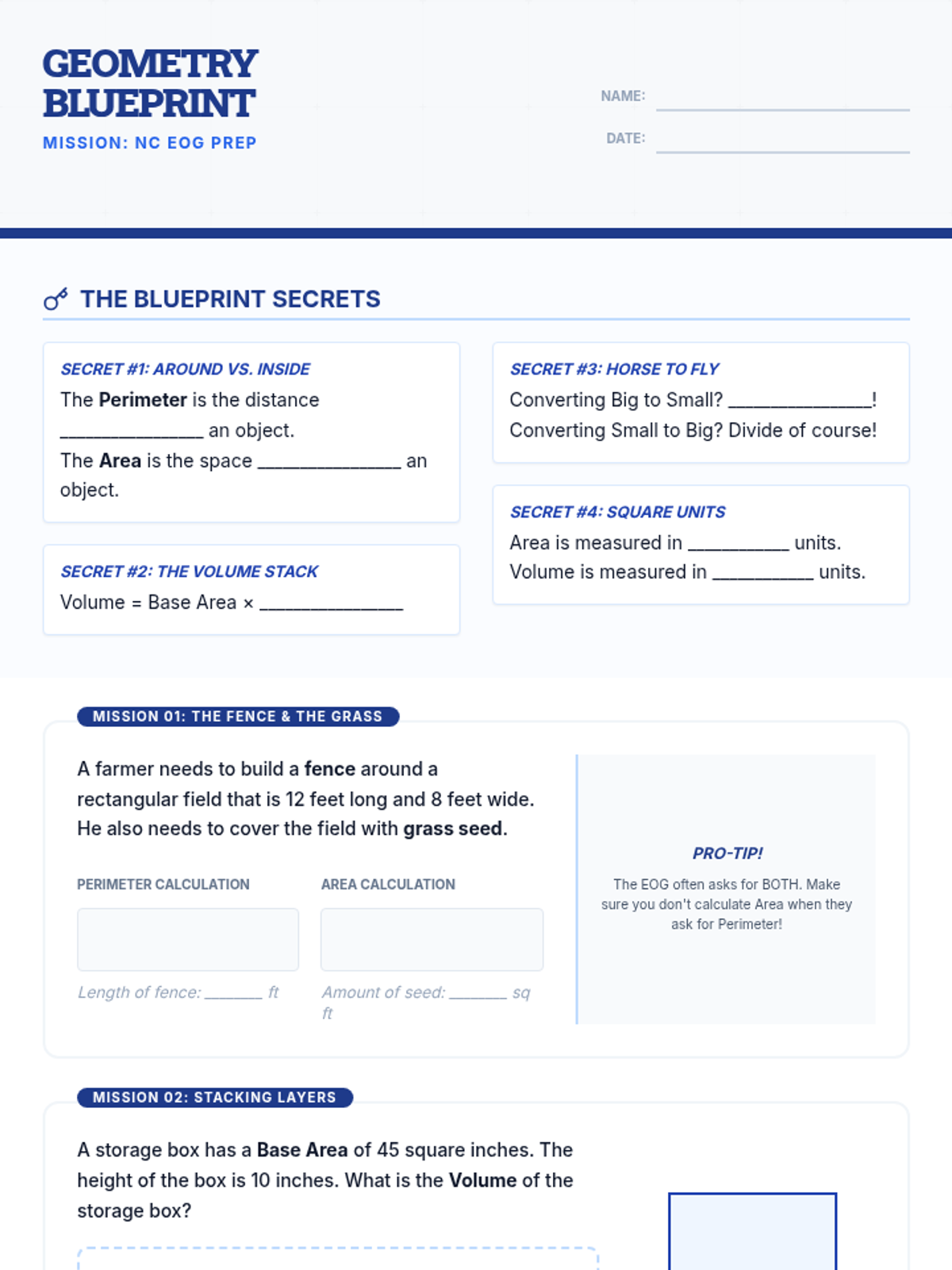
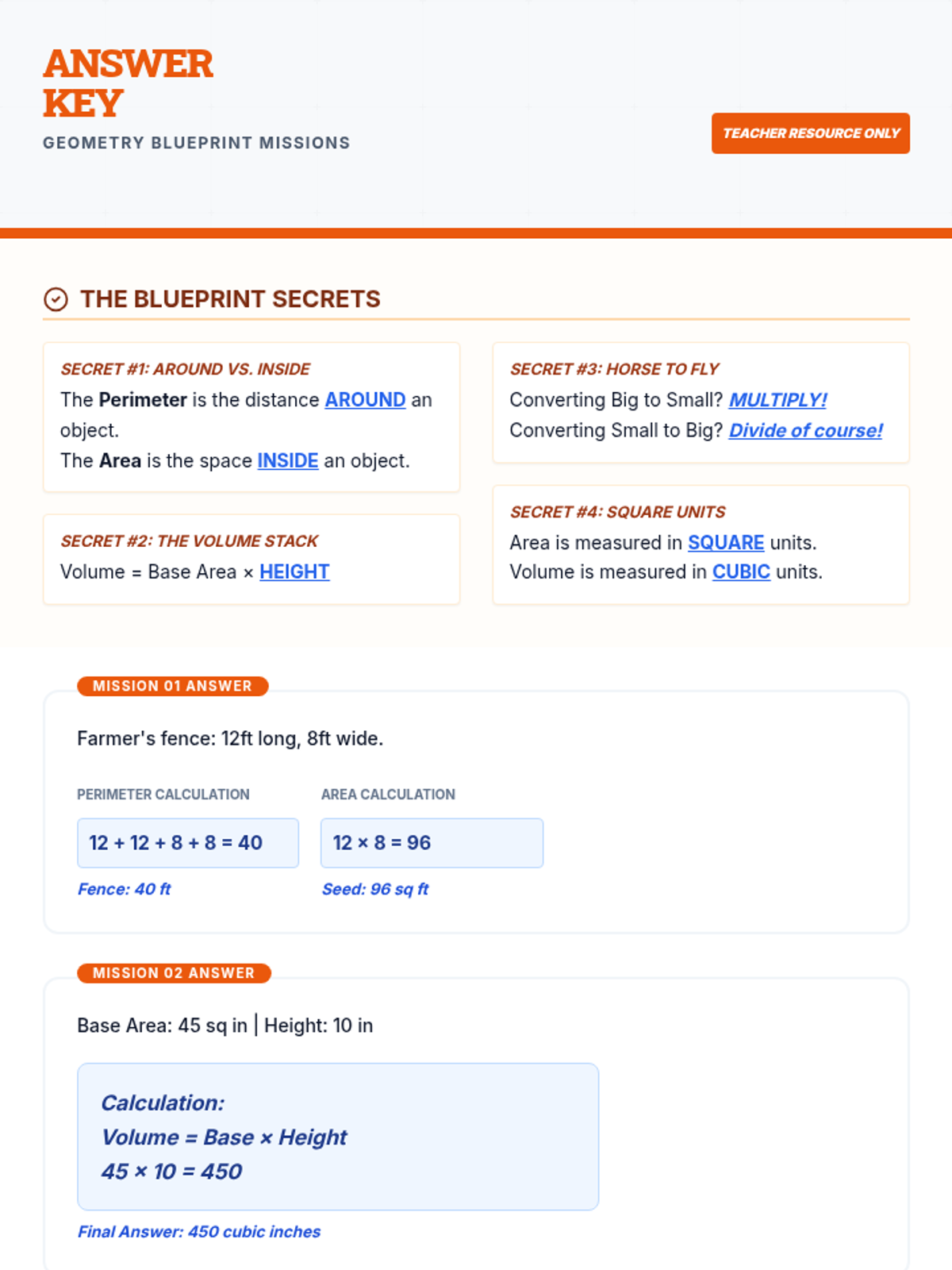
A high-impact mini-lesson focusing on common NC EOG traps in geometry and measurement, covering area vs. perimeter, volume concepts, and unit conversions.
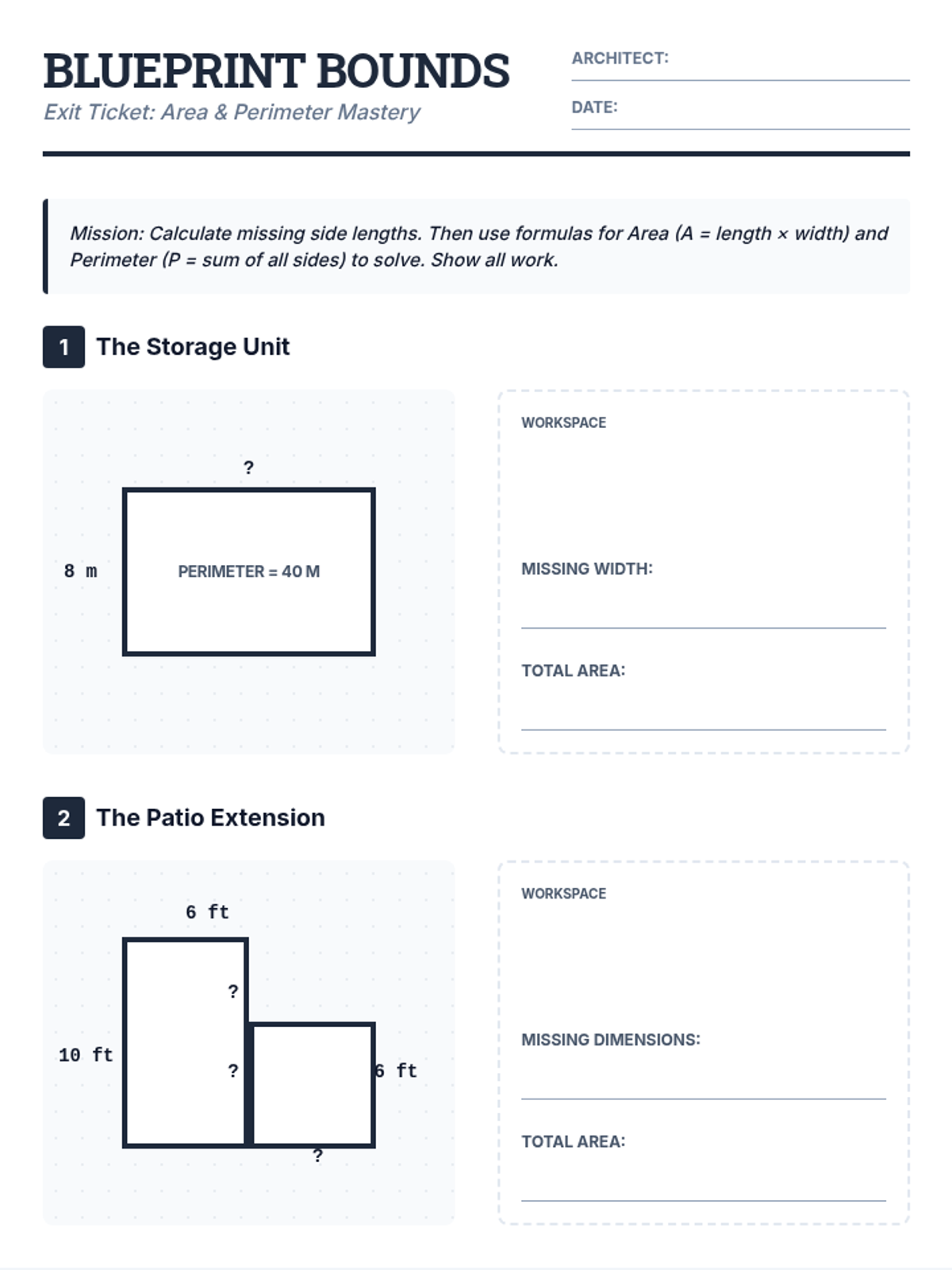
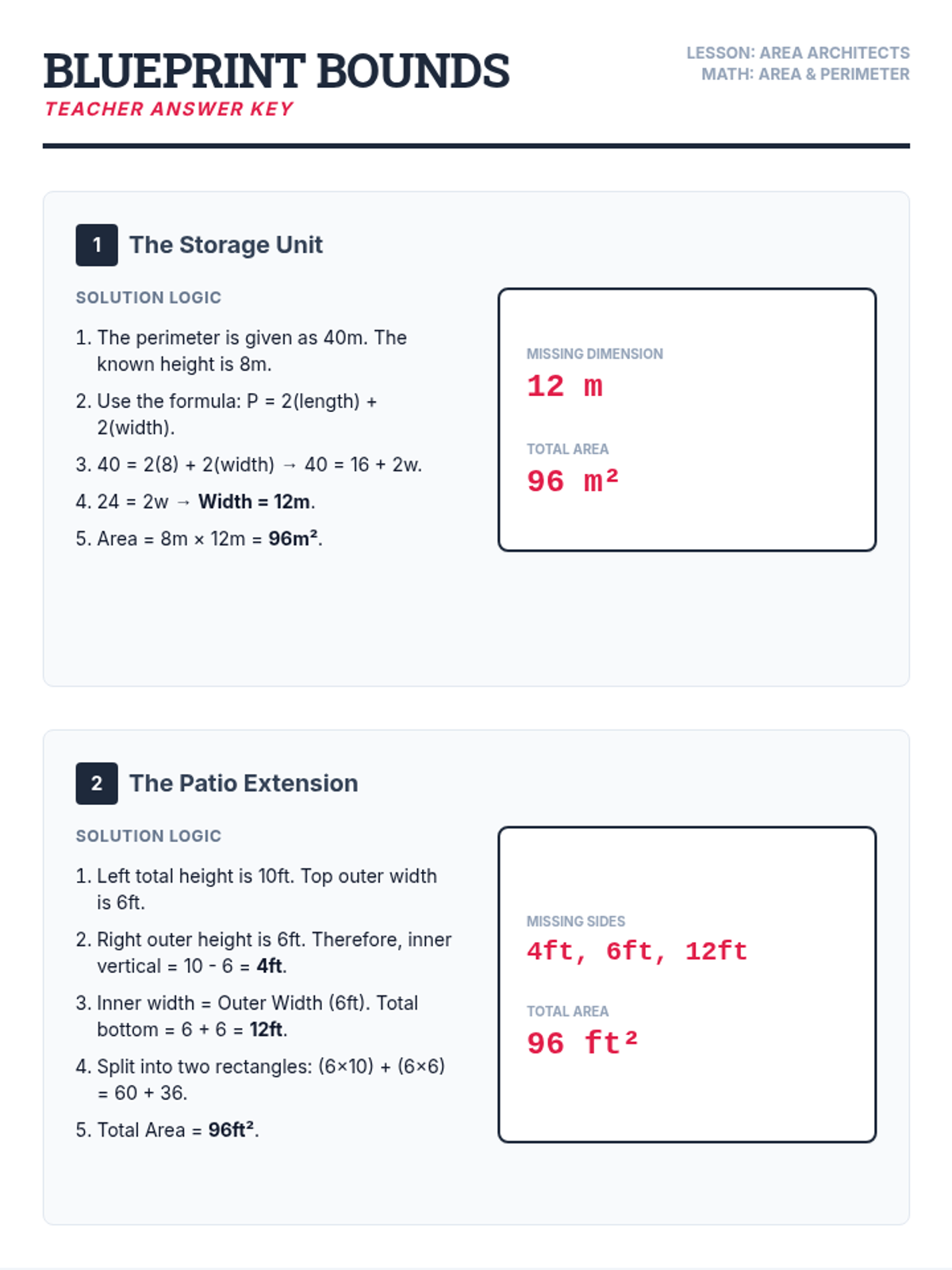
A focused lesson on calculating area and perimeter of complex rectilinear shapes by determining missing side lengths and applying geometric formulas.
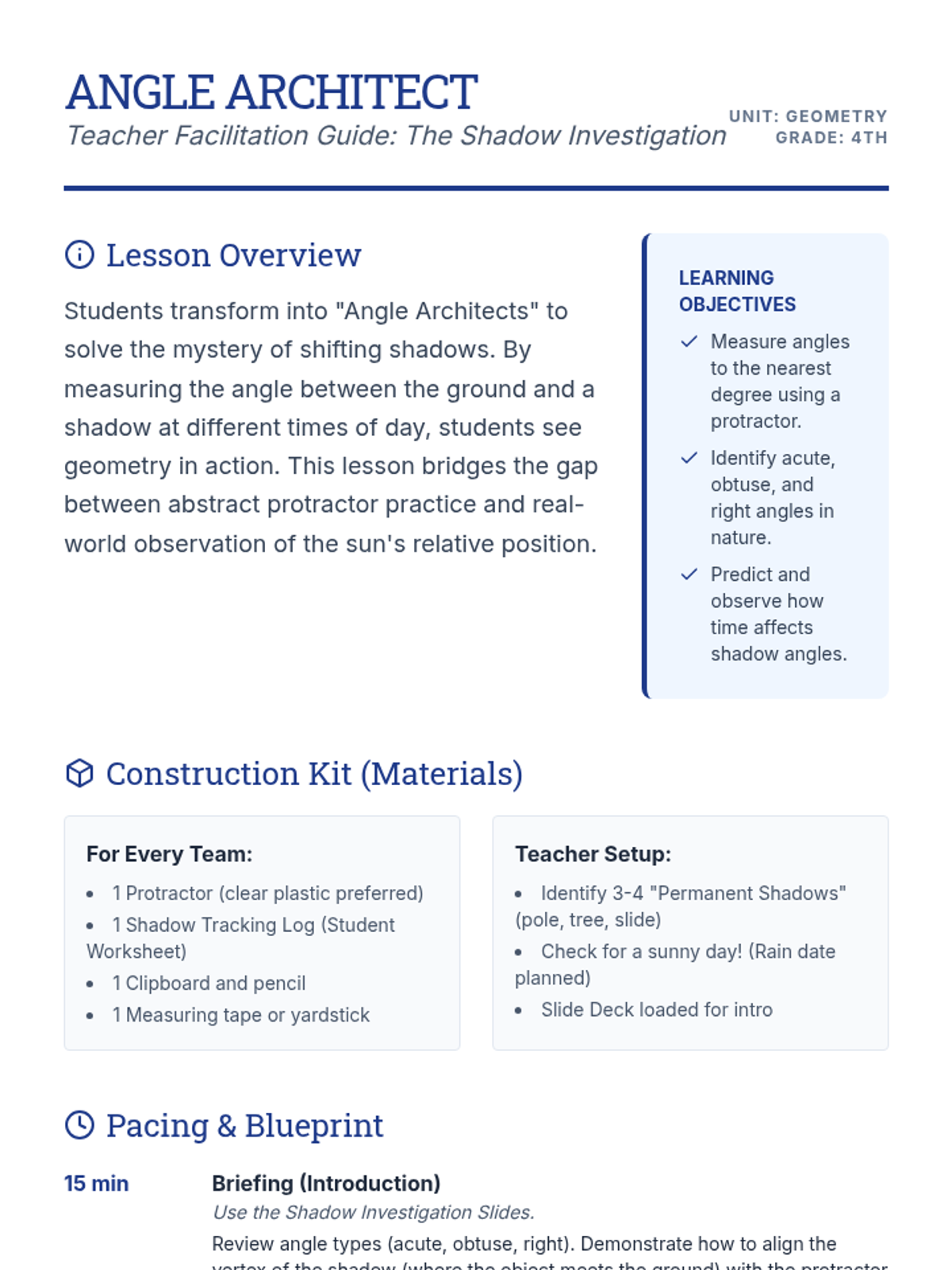
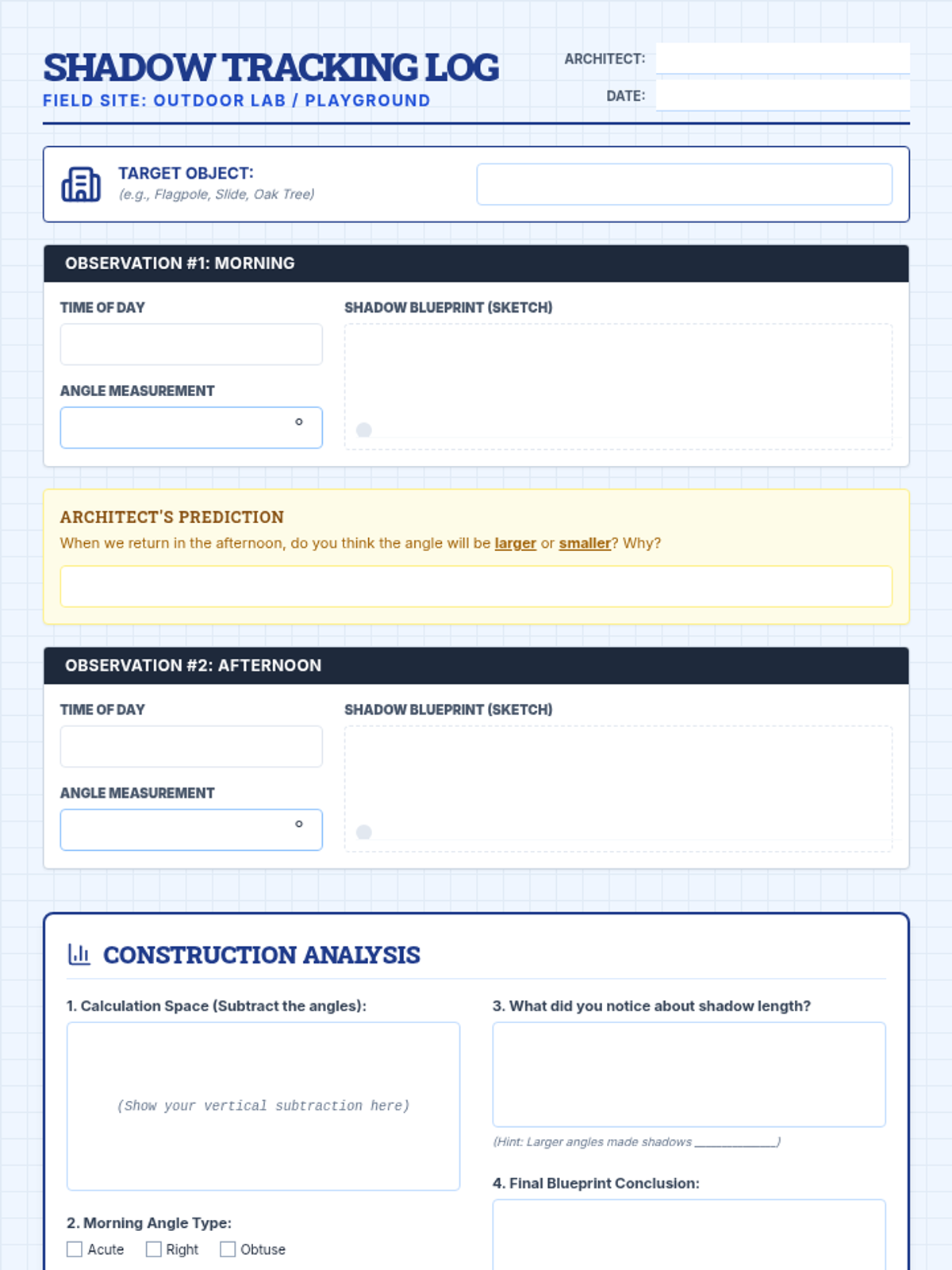
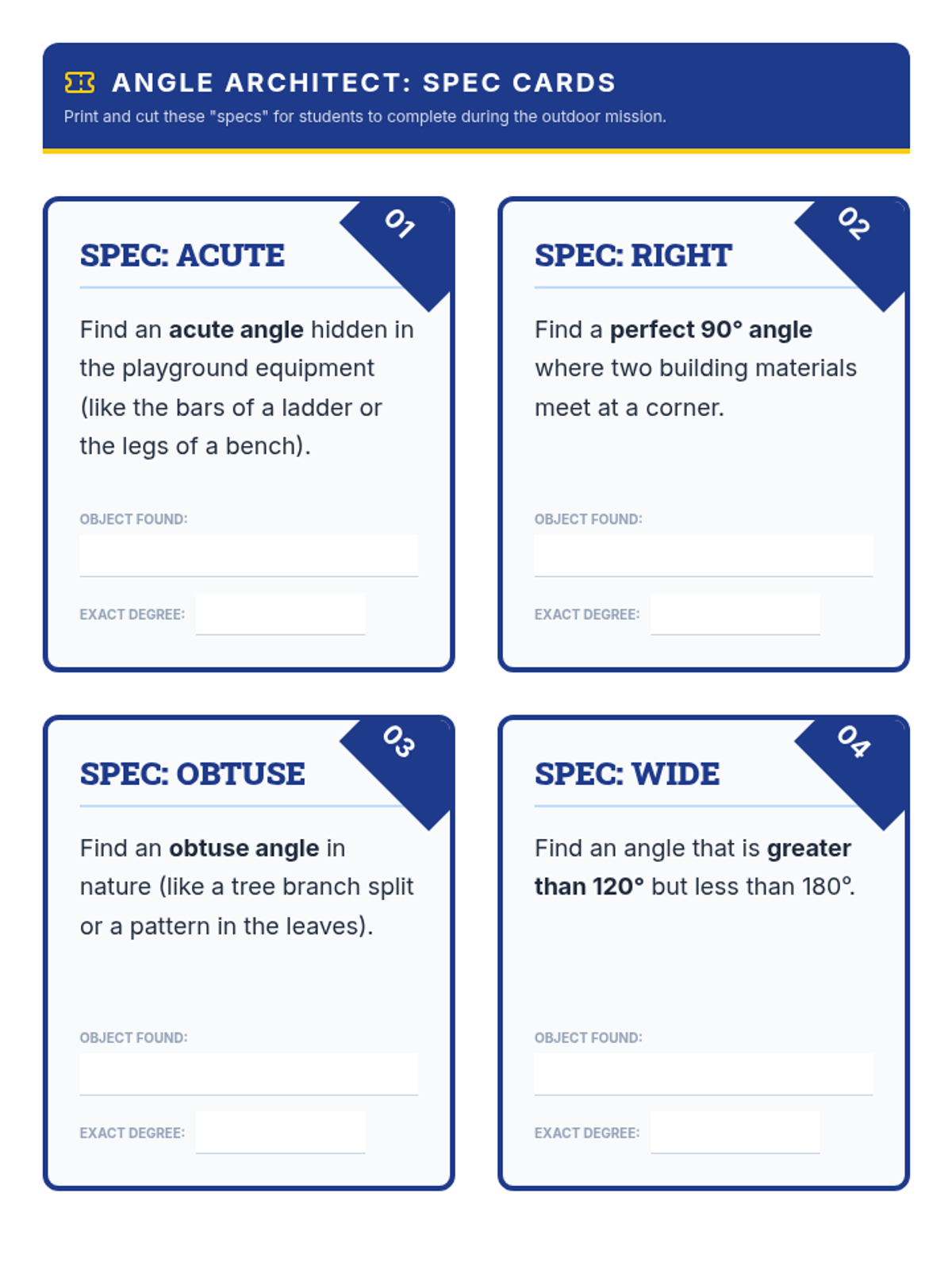
In this hands-on geometry exploration, students venture outside to measure the angles of shadows cast by playground equipment and trees at different times of day. They apply their protractor skills to record data and analyze how the sun's position changes angle measurements.
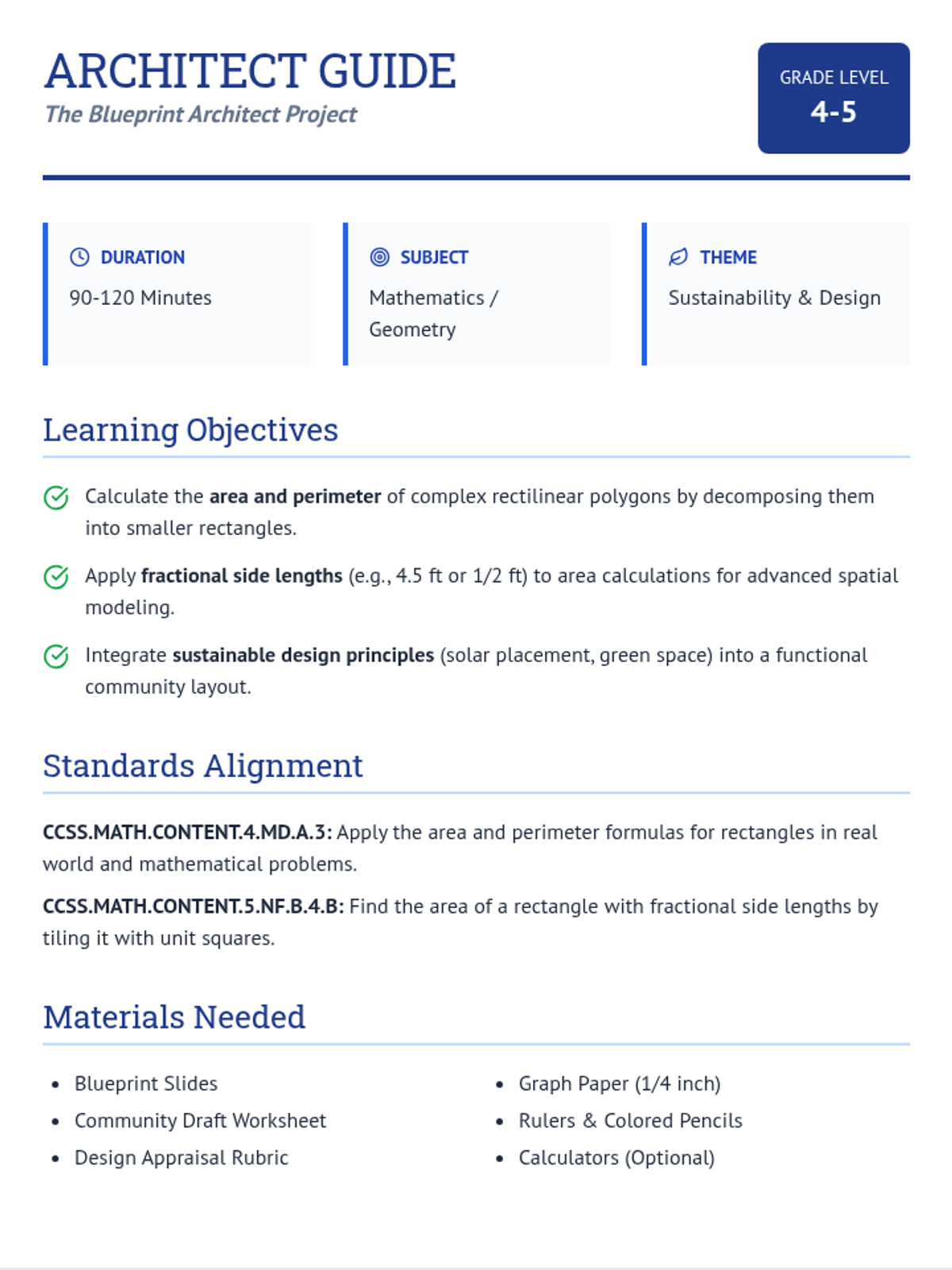
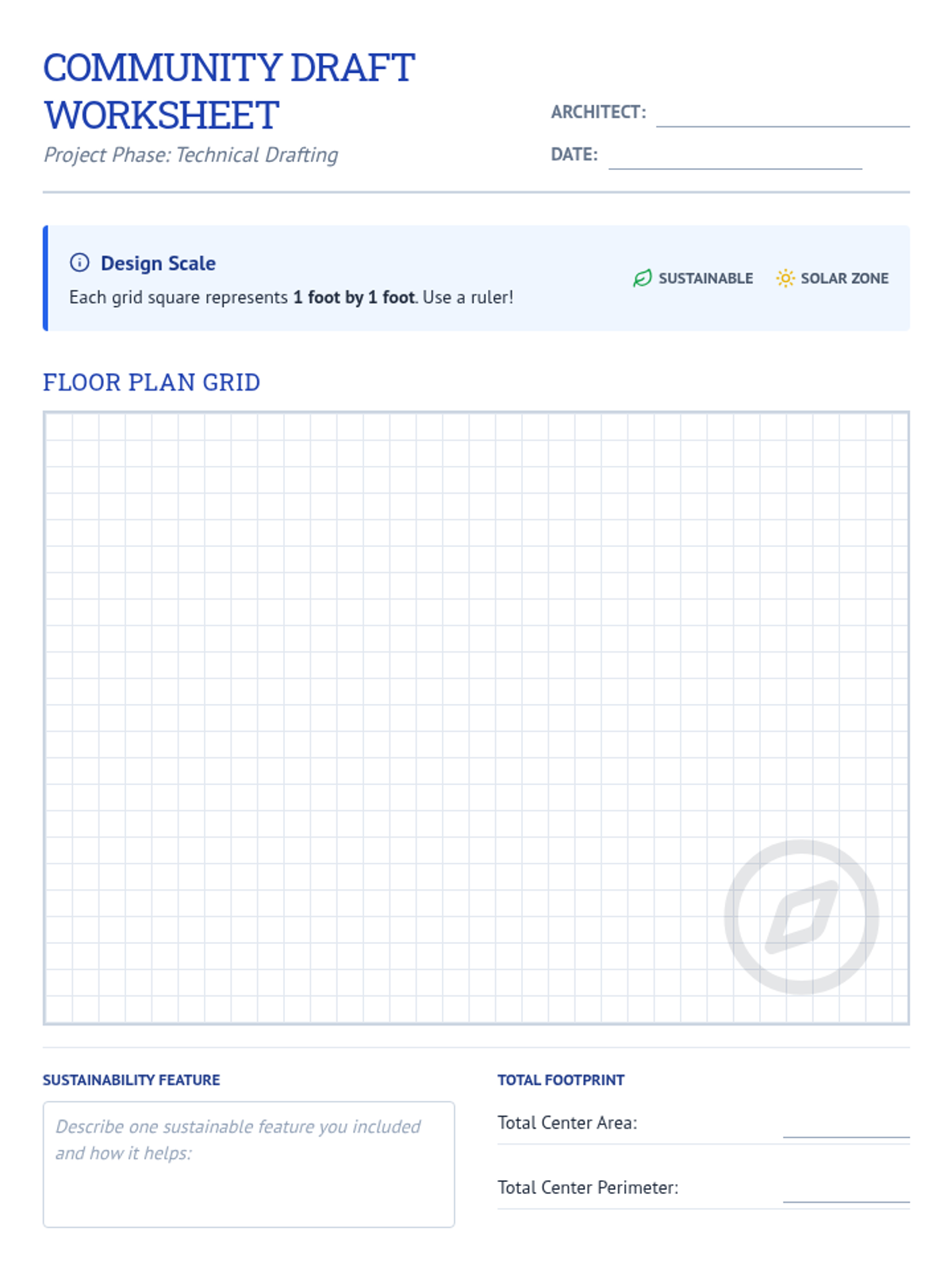
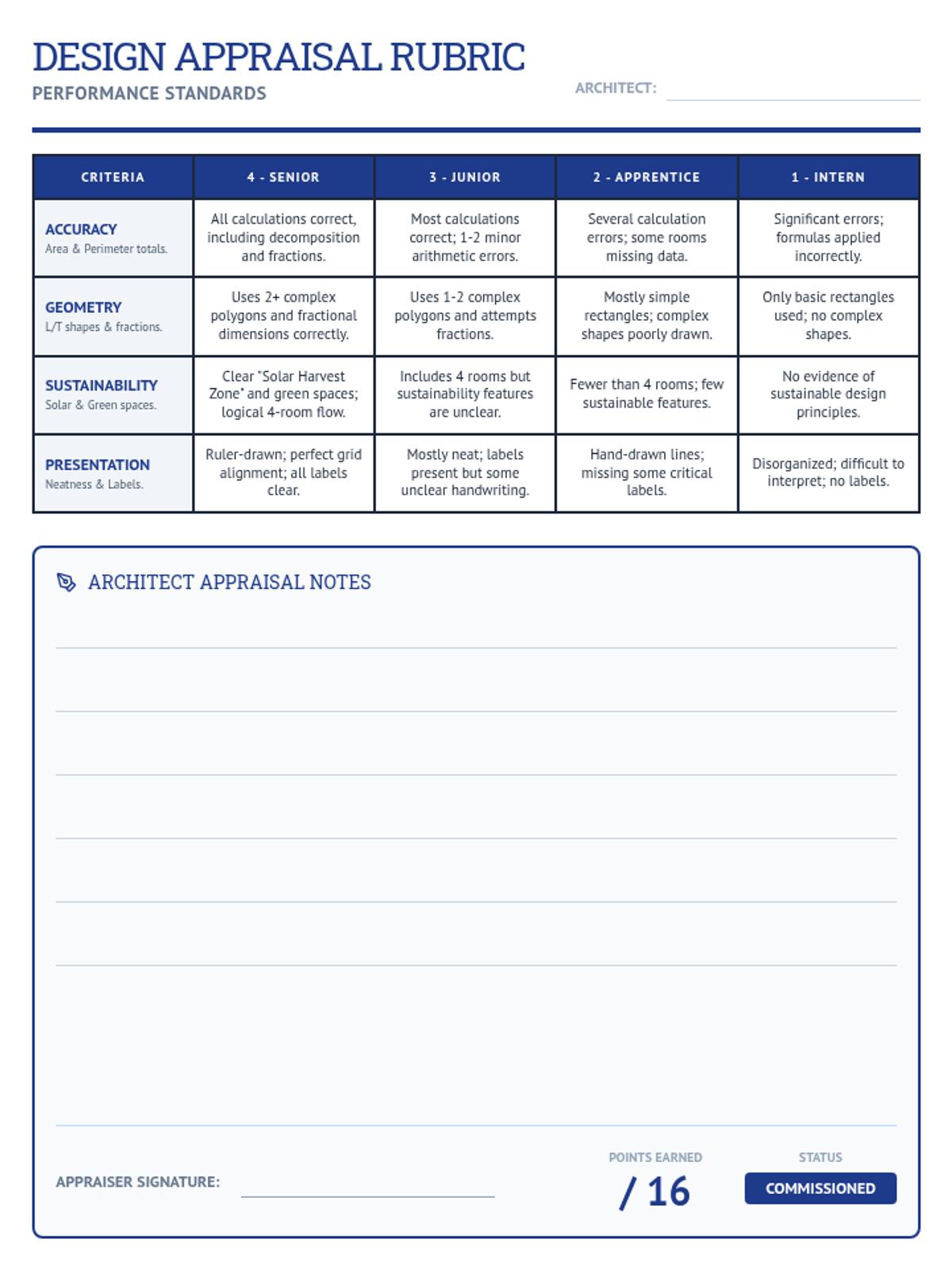
A project-based lesson where students design a sustainable community center, applying area and perimeter calculations to complex polygonal floor plans with fractional dimensions.
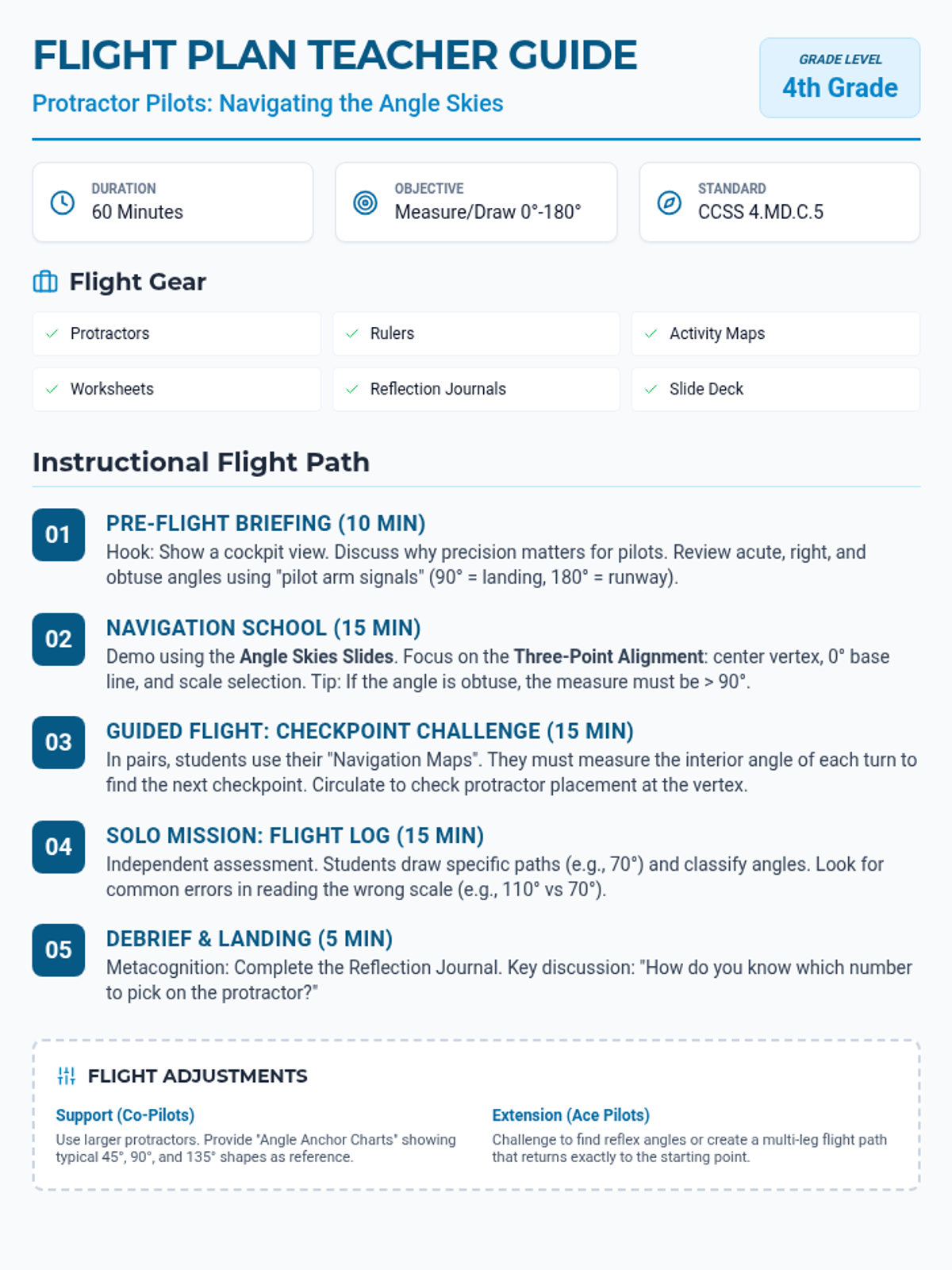
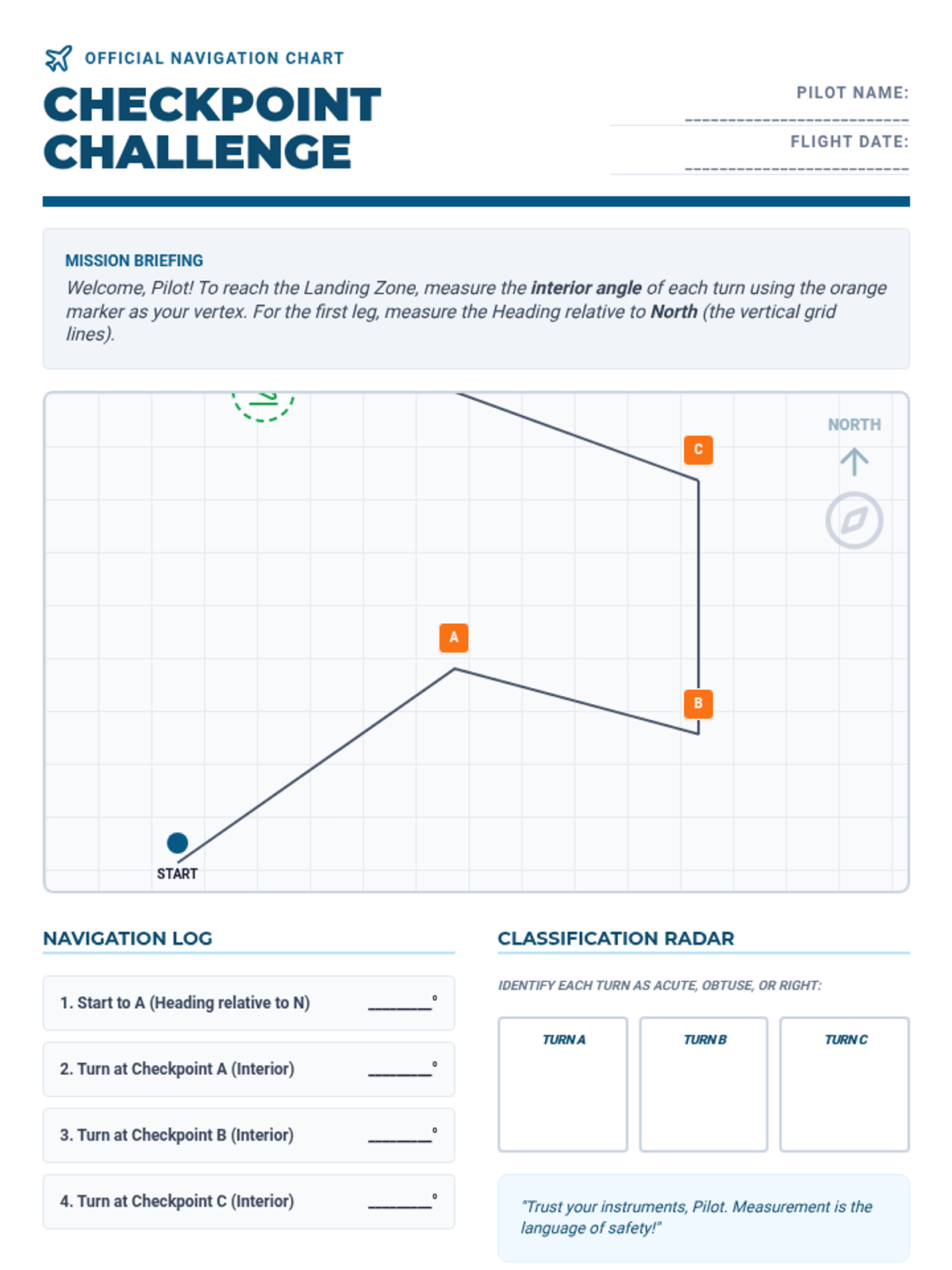
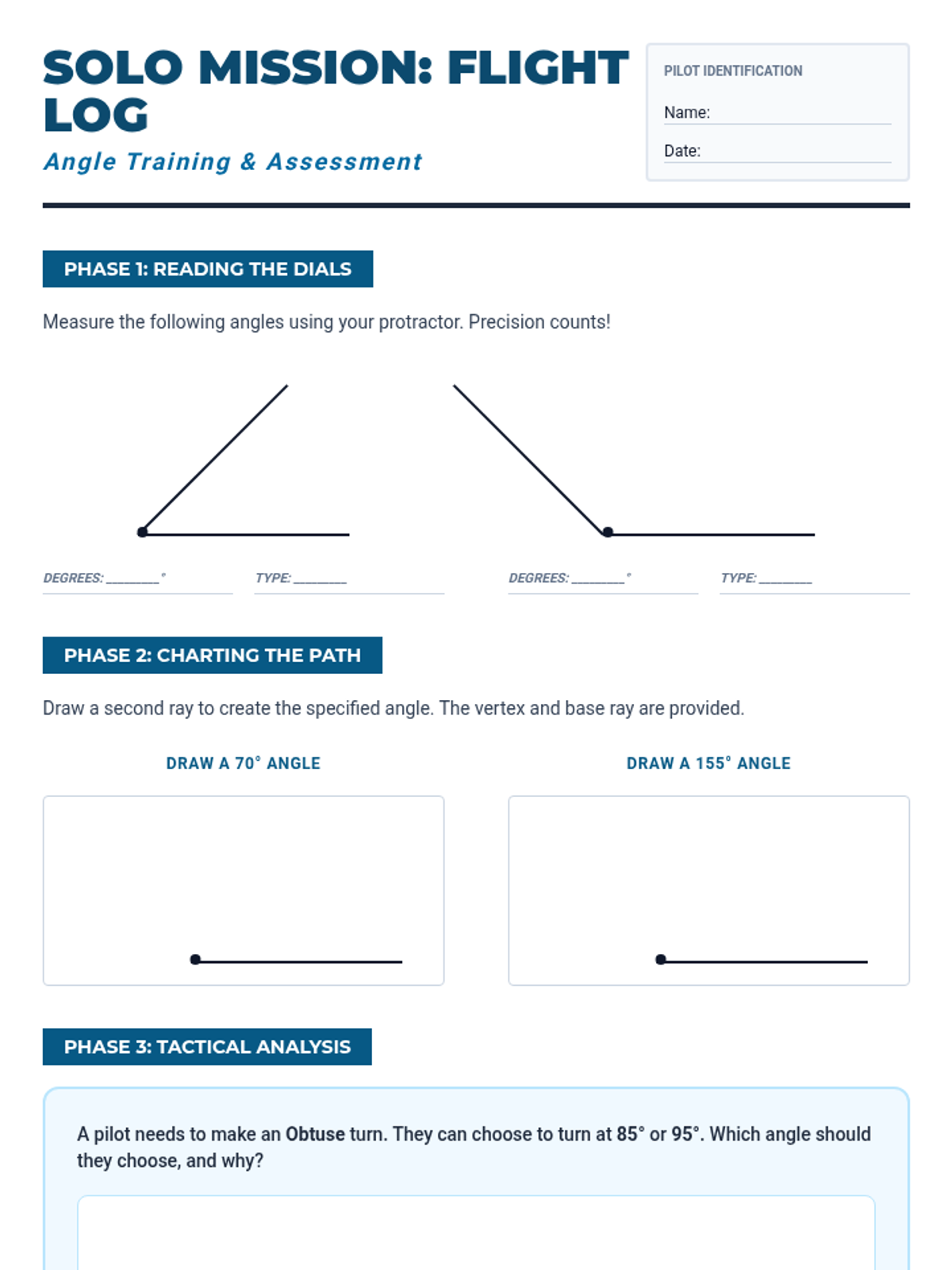
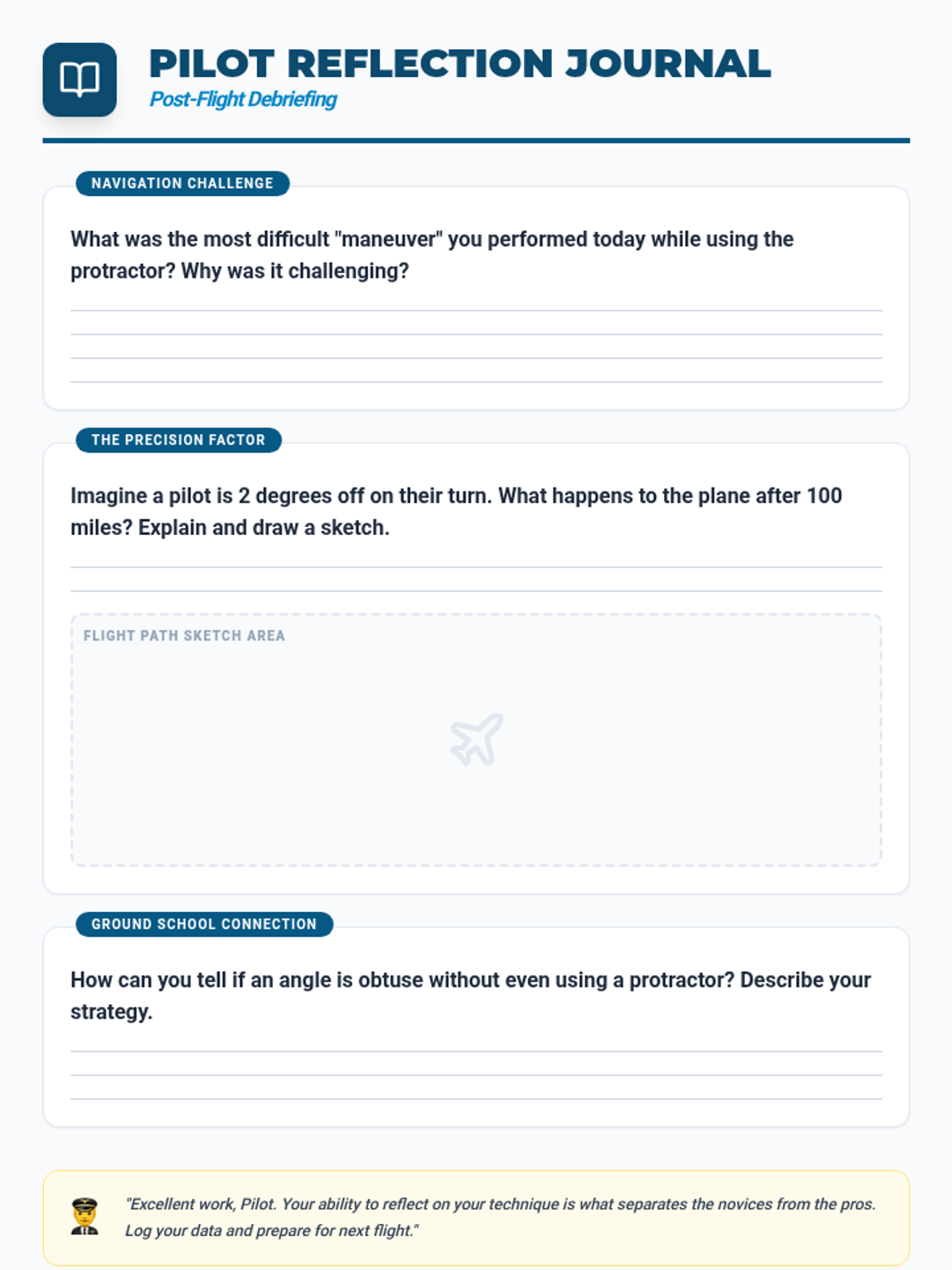
Students take to the skies as 'Protractor Pilots' to master measuring and drawing angles. This aviation-themed lesson focuses on precision, classifying angles, and spatial reasoning through a flight navigation simulation.
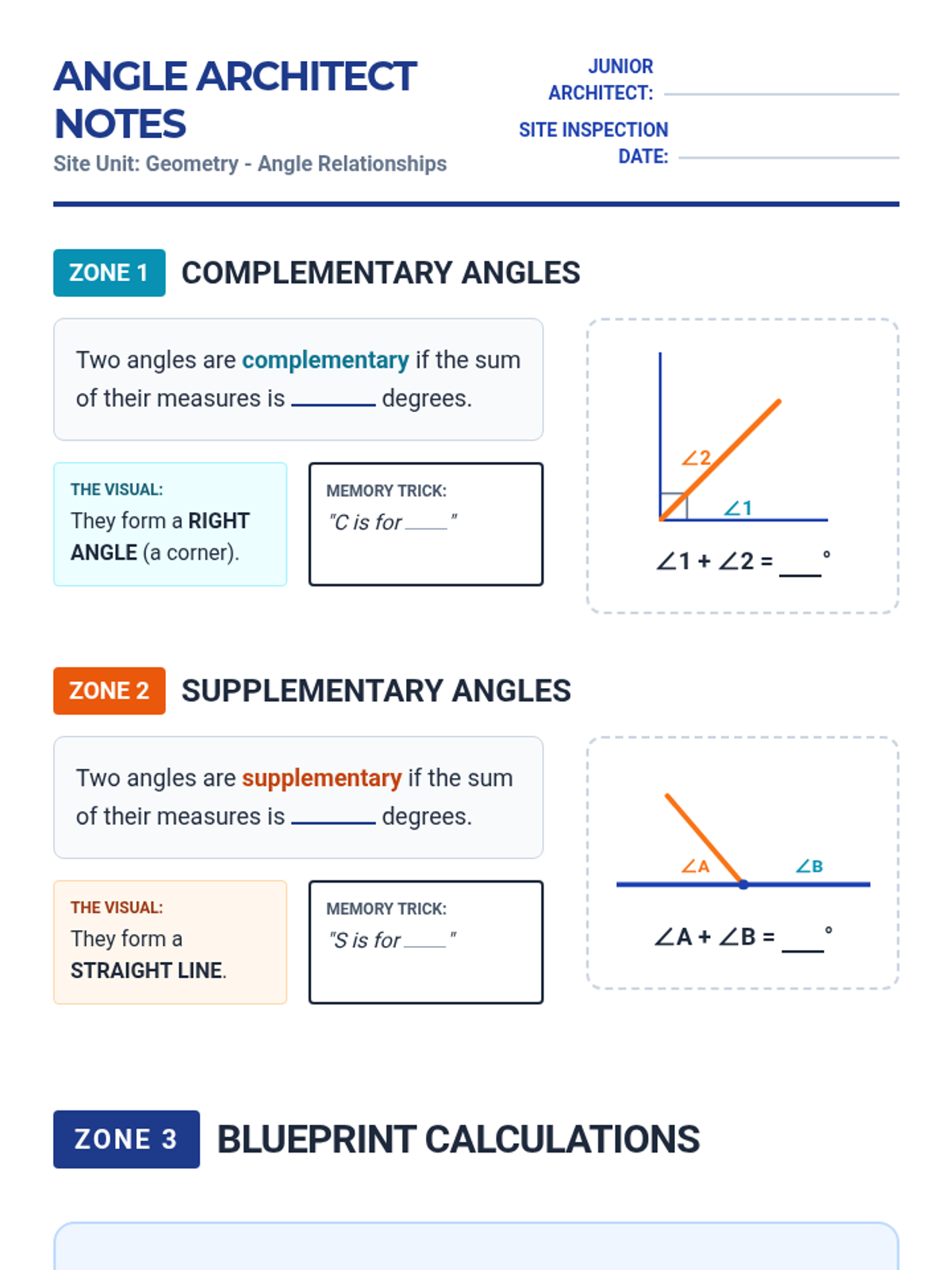
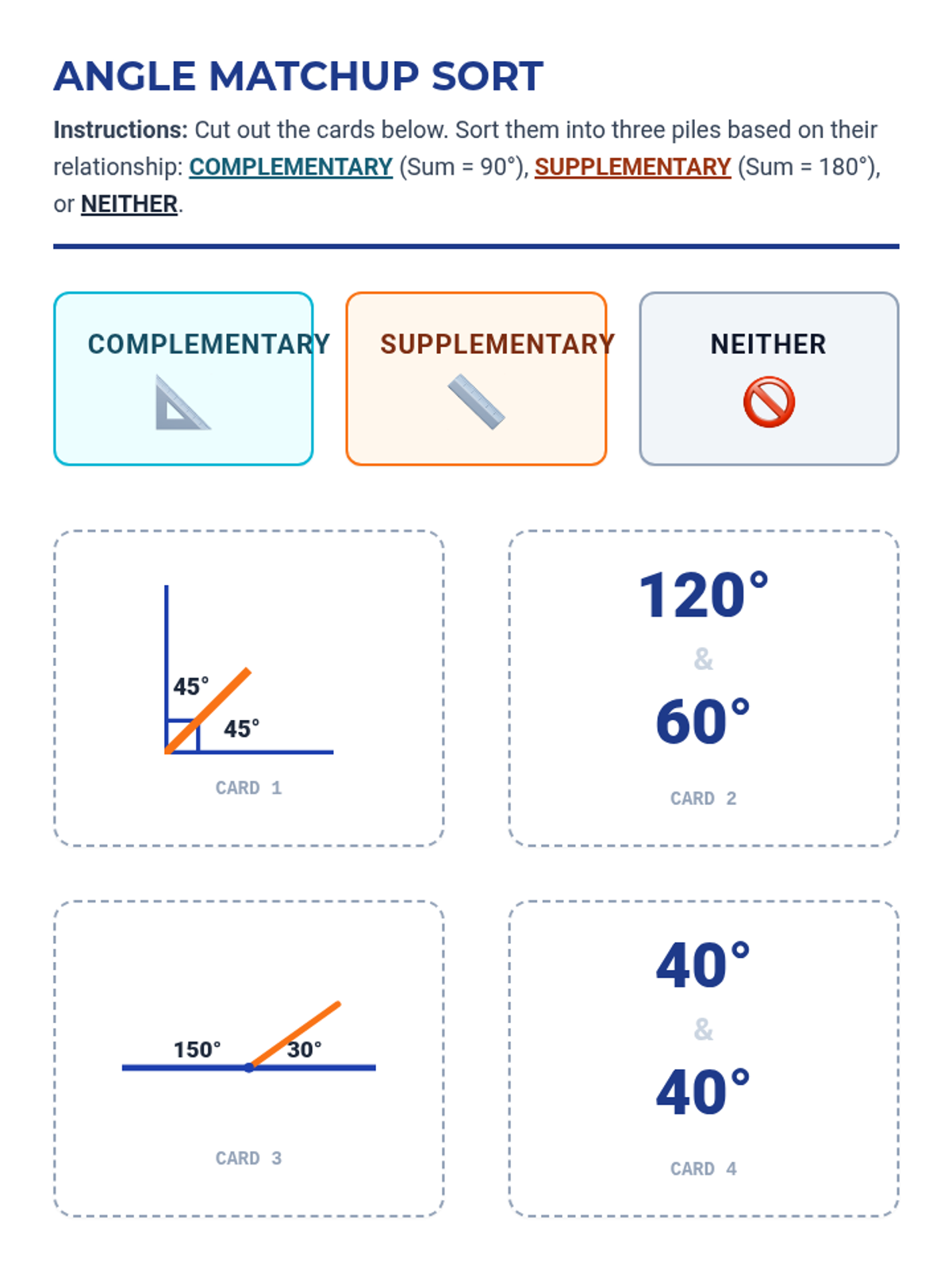
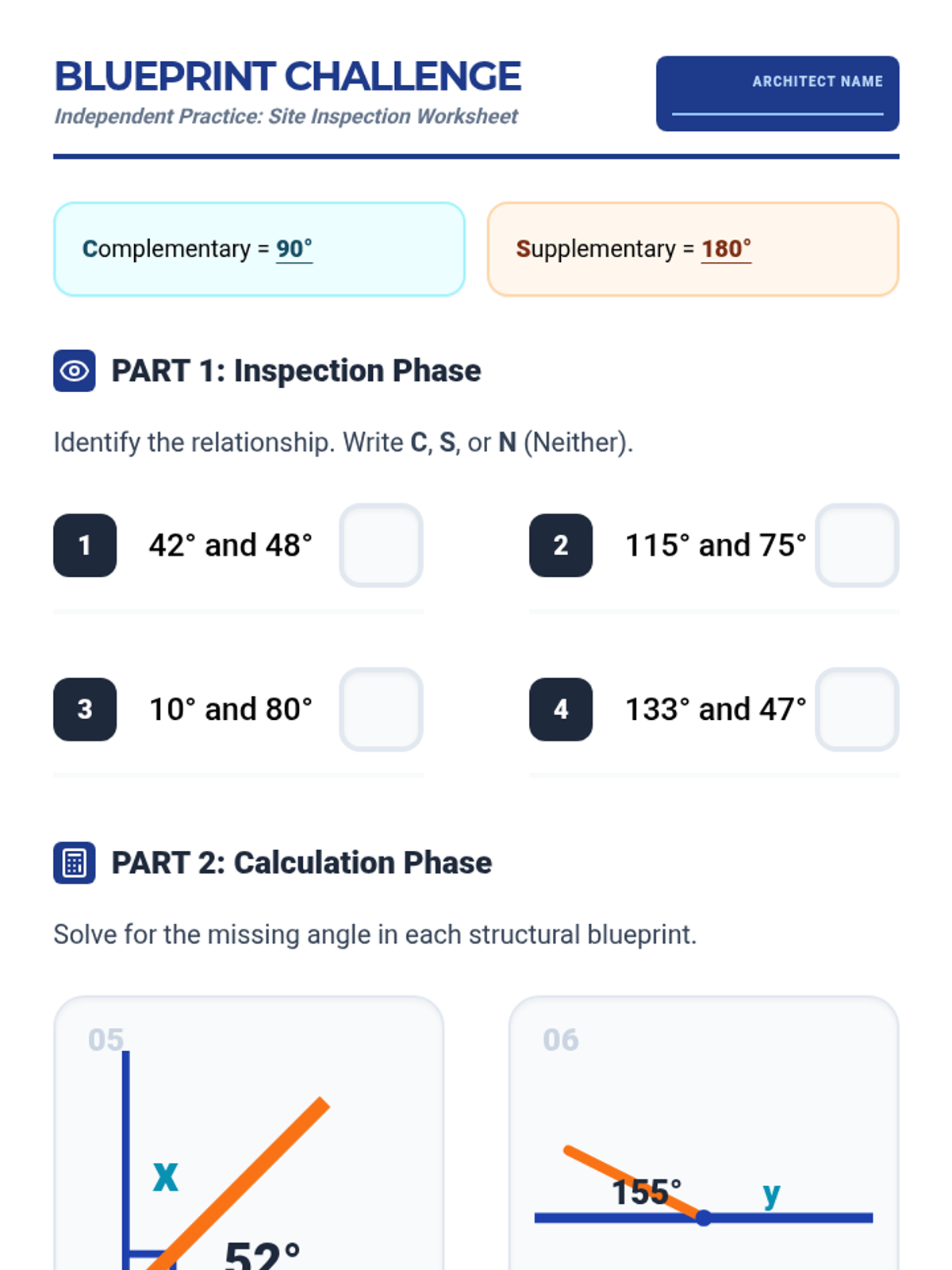
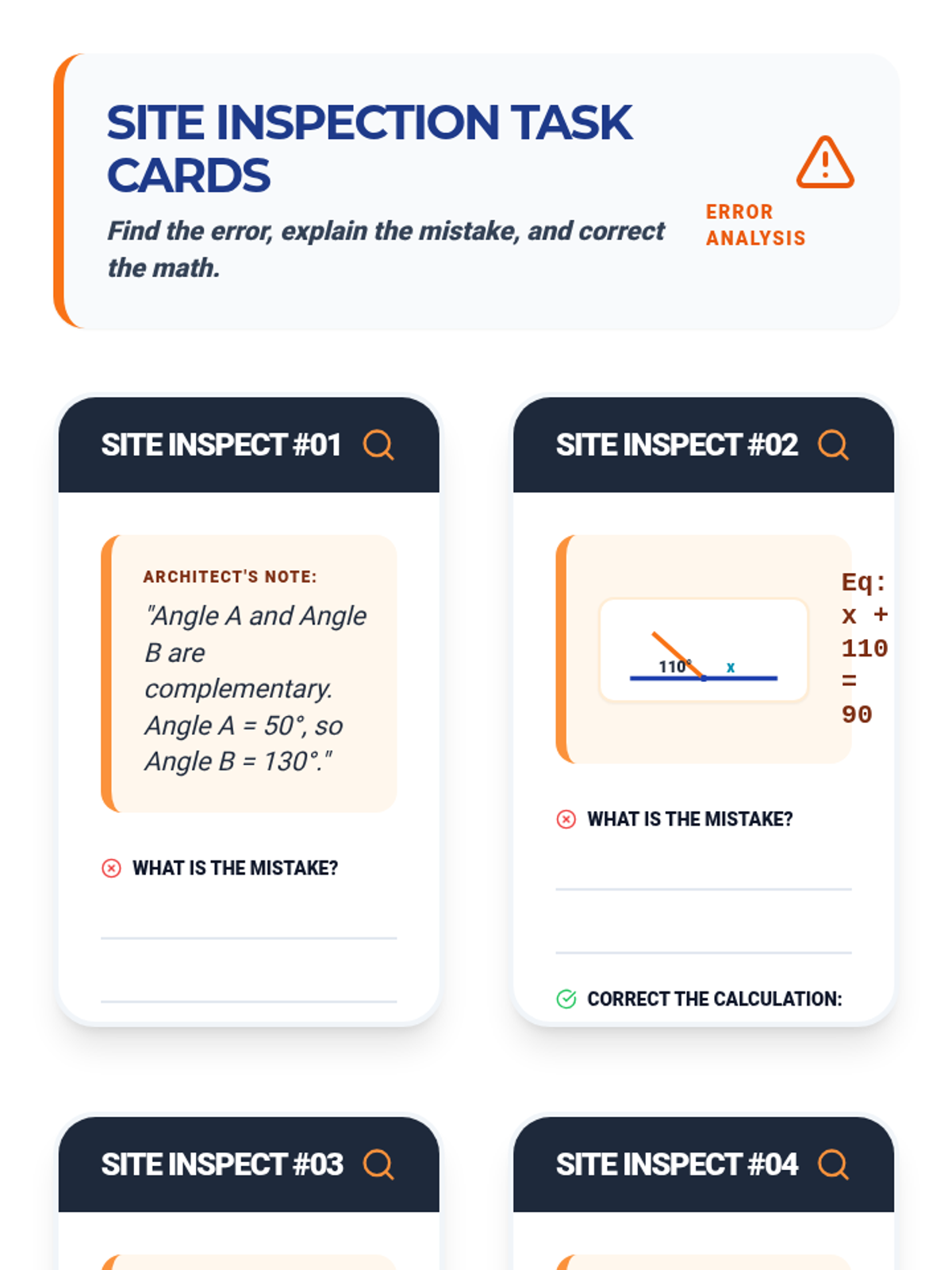
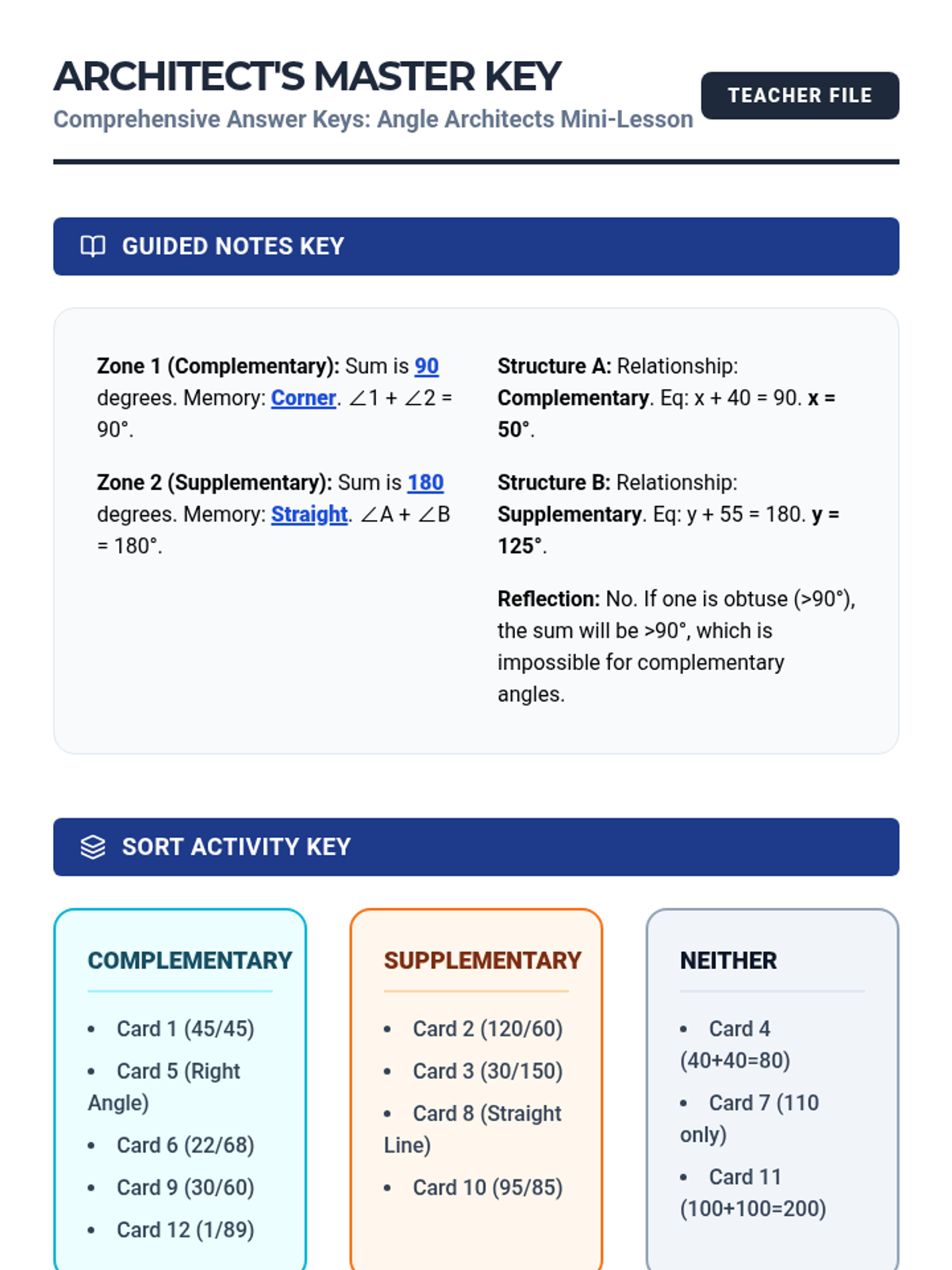
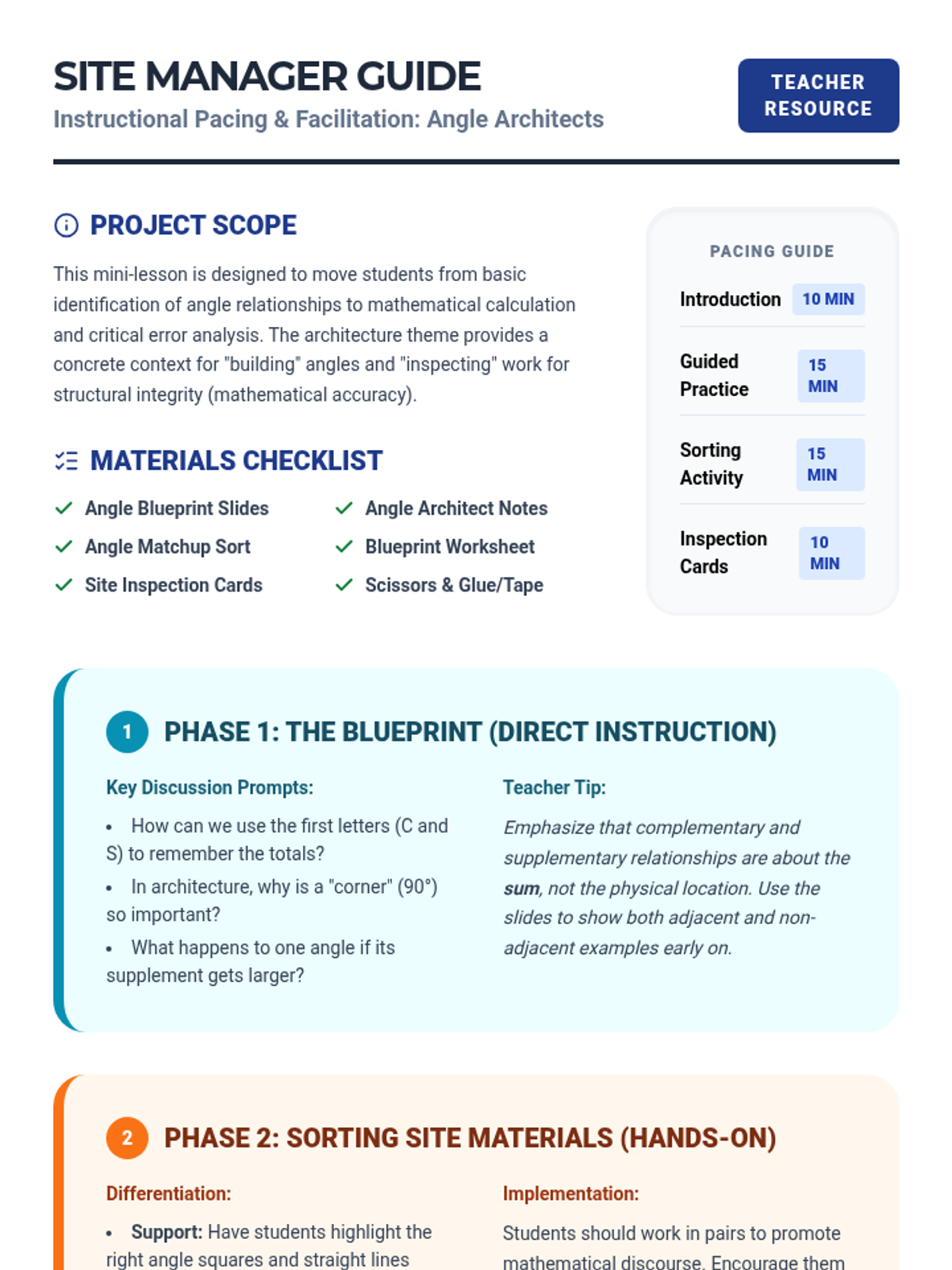
A focused mini-lesson on identifying, calculating, and analyzing complementary and supplementary angles using color-coded visual supports and real-world architect-themed scenarios.
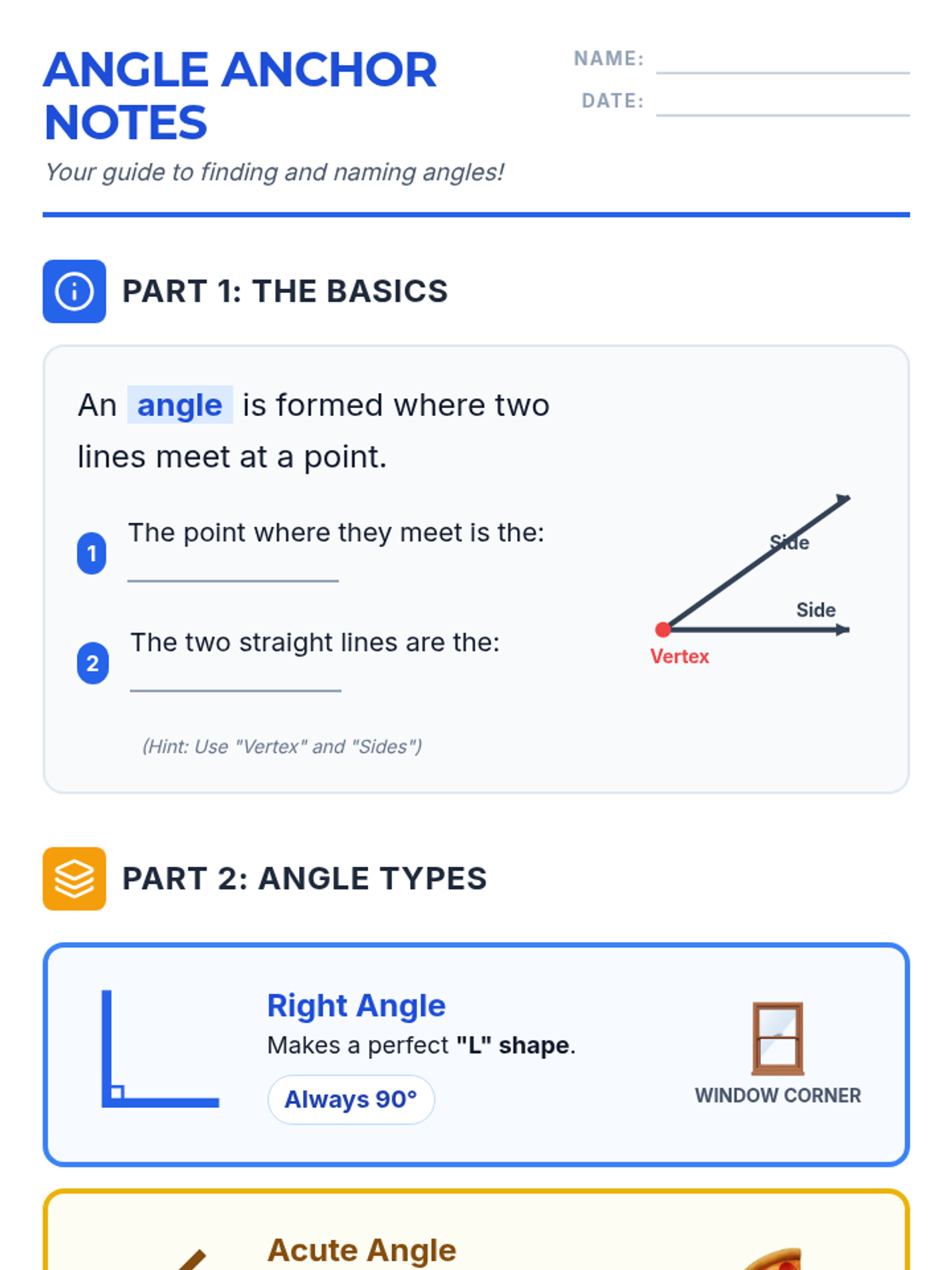
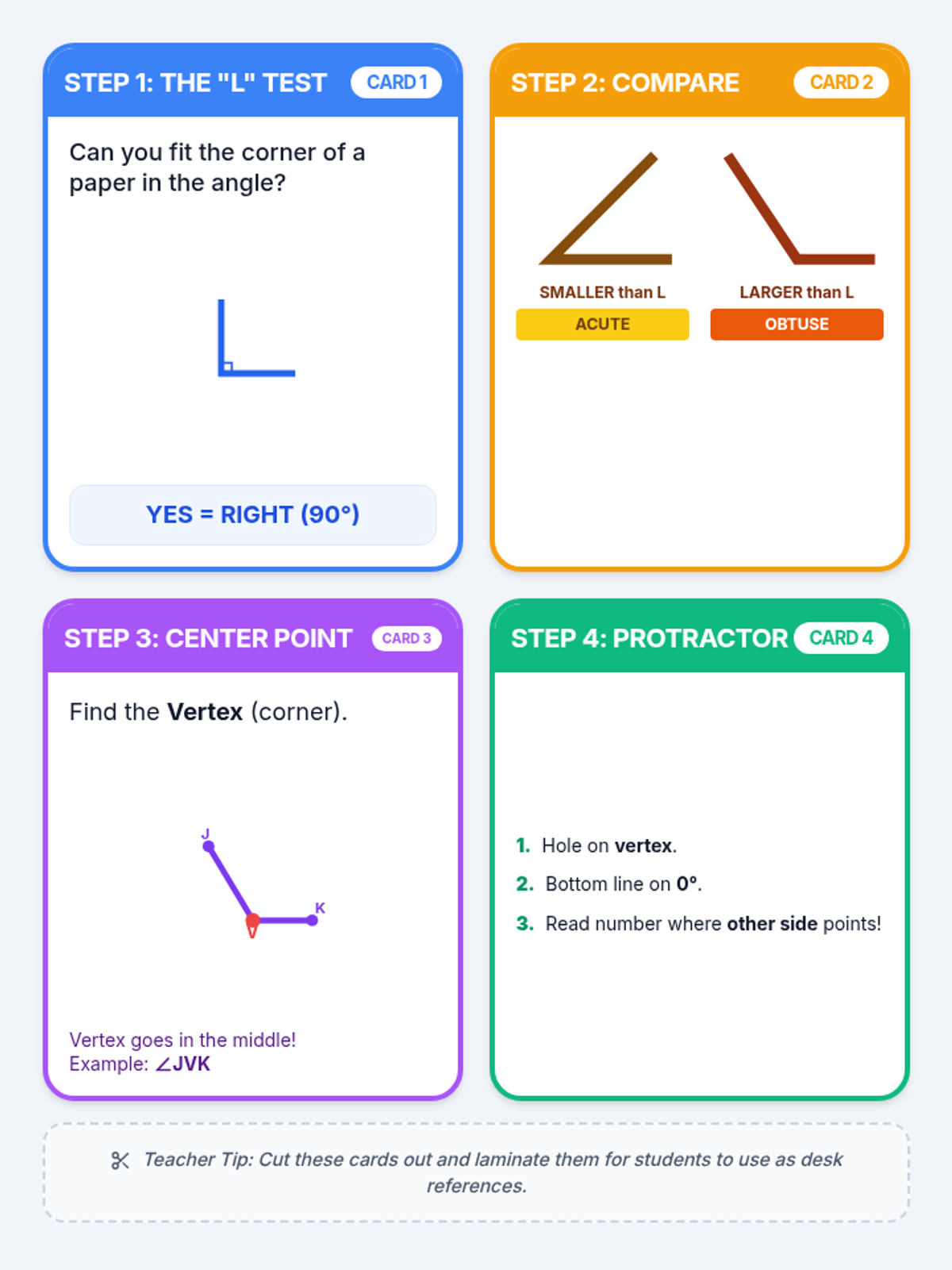
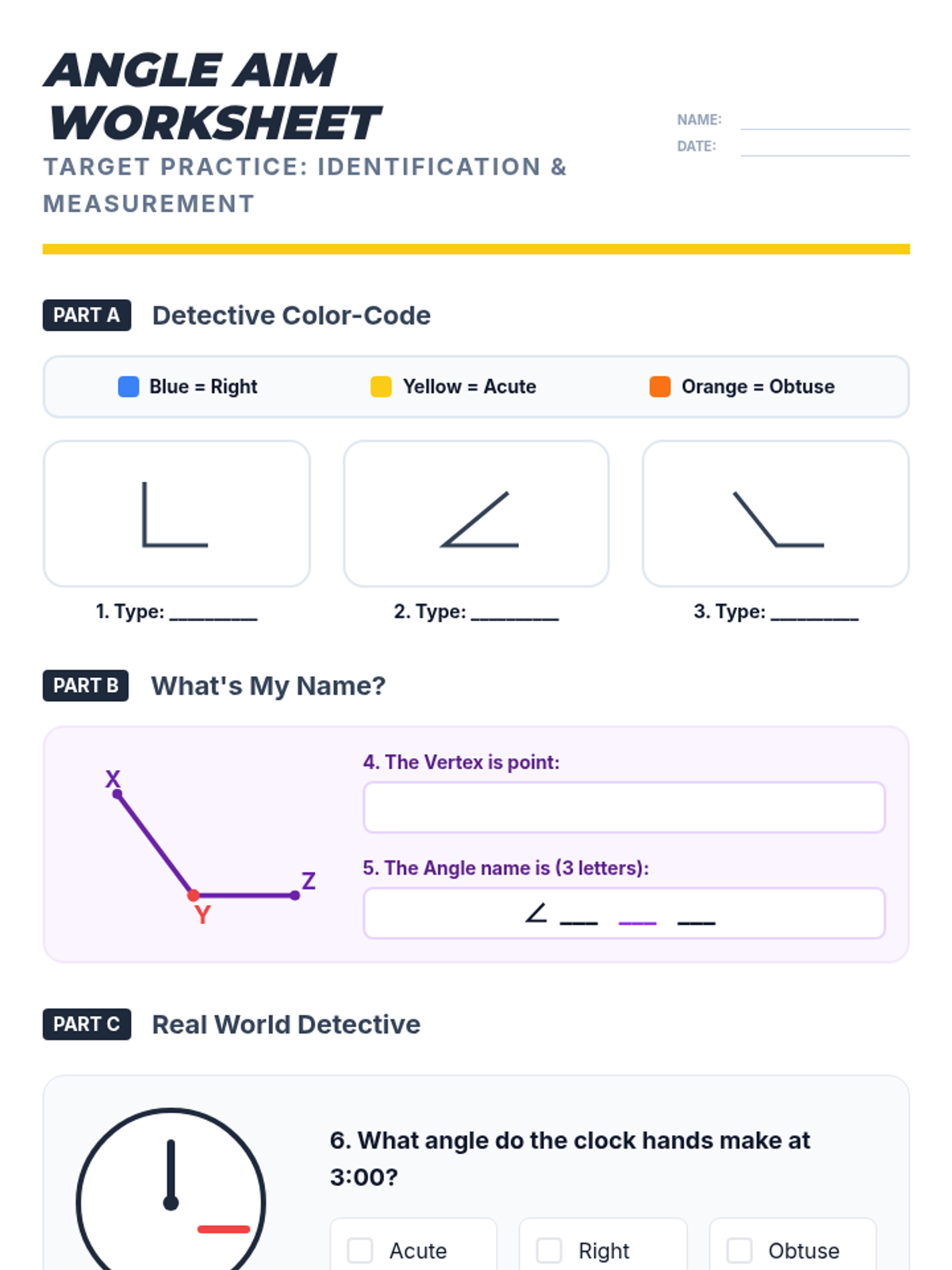
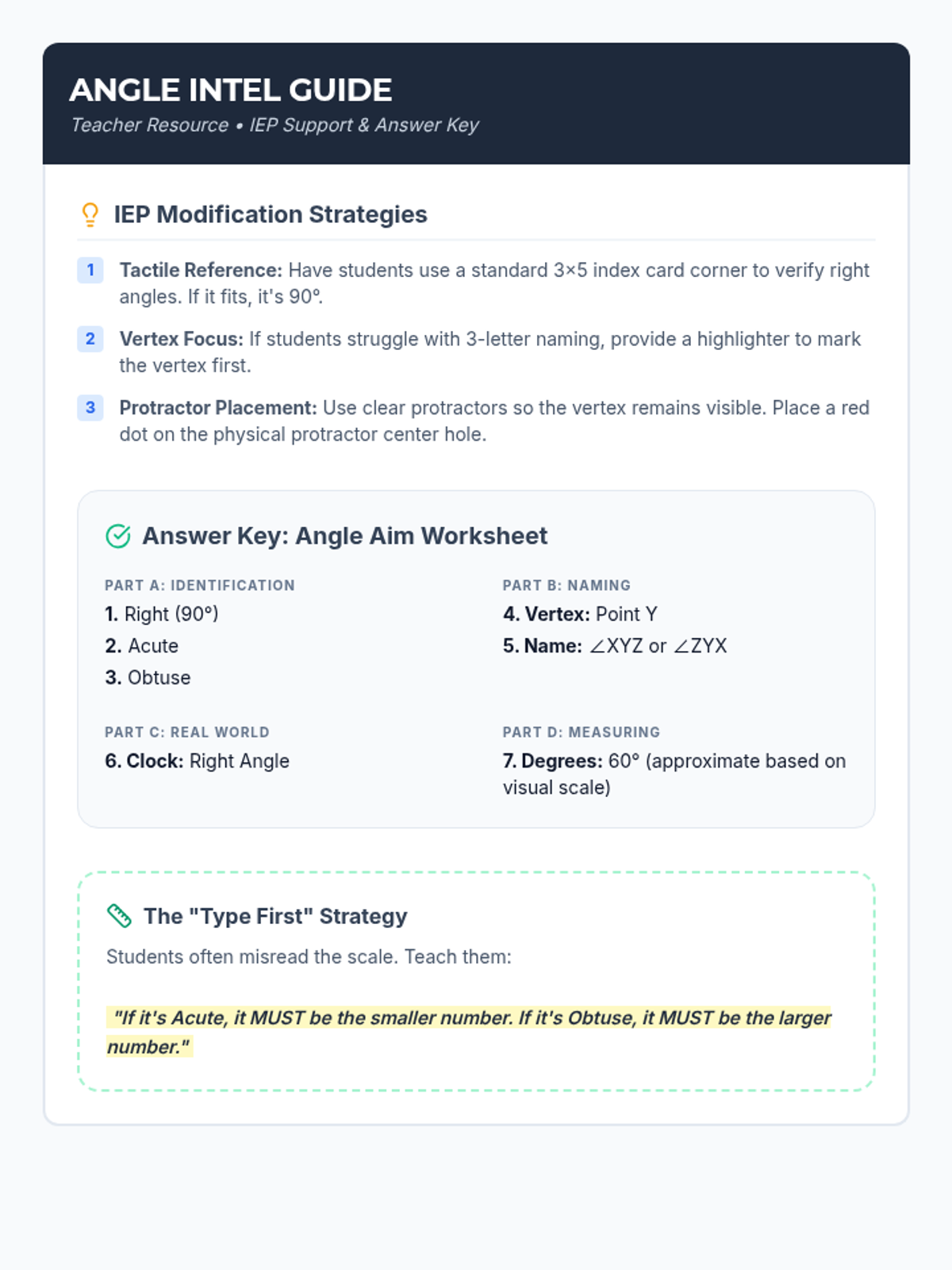
A foundational lesson on identifying, naming, and measuring angles, specifically designed with high-visual support and modified layouts for IEP students.
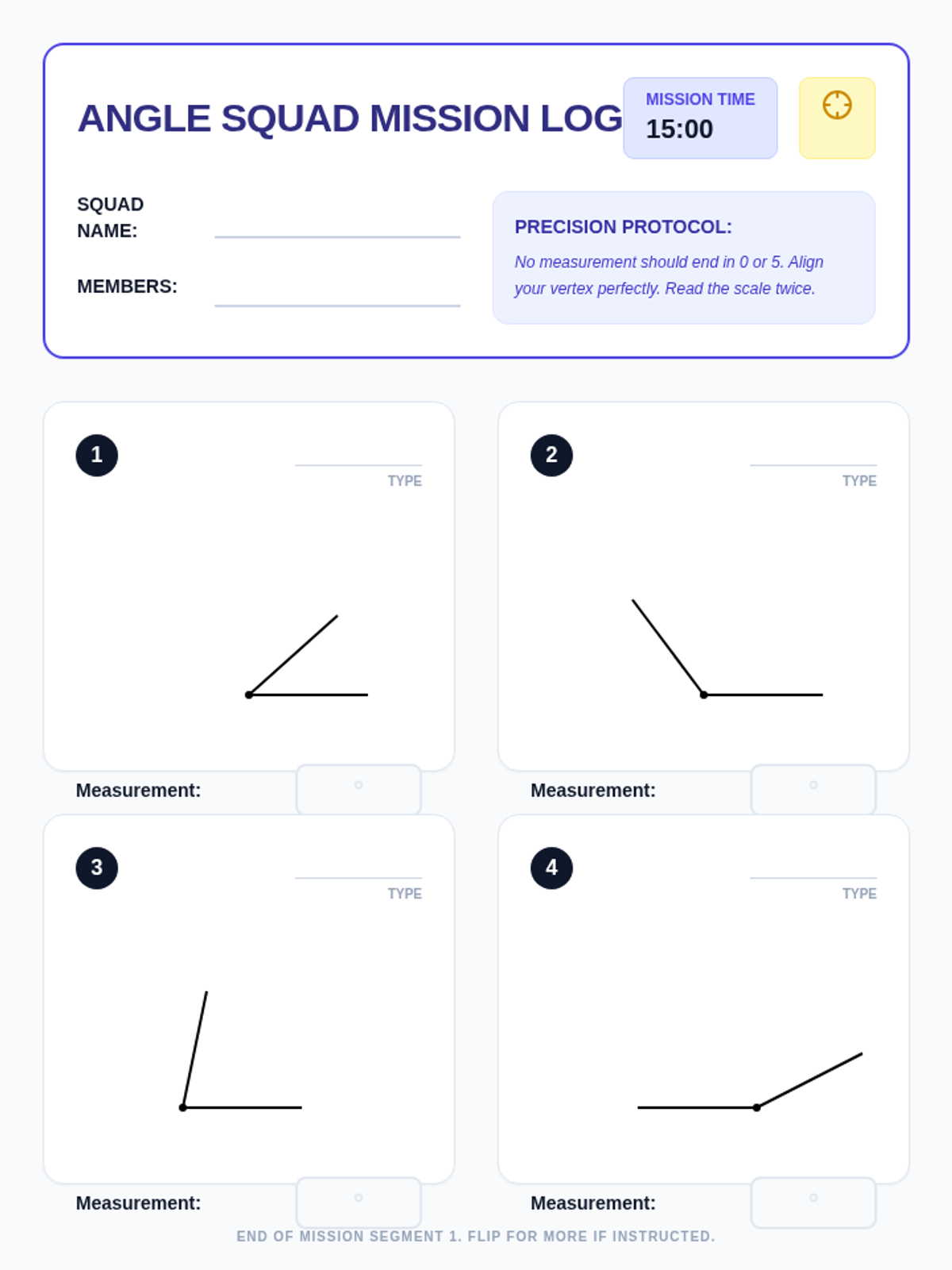
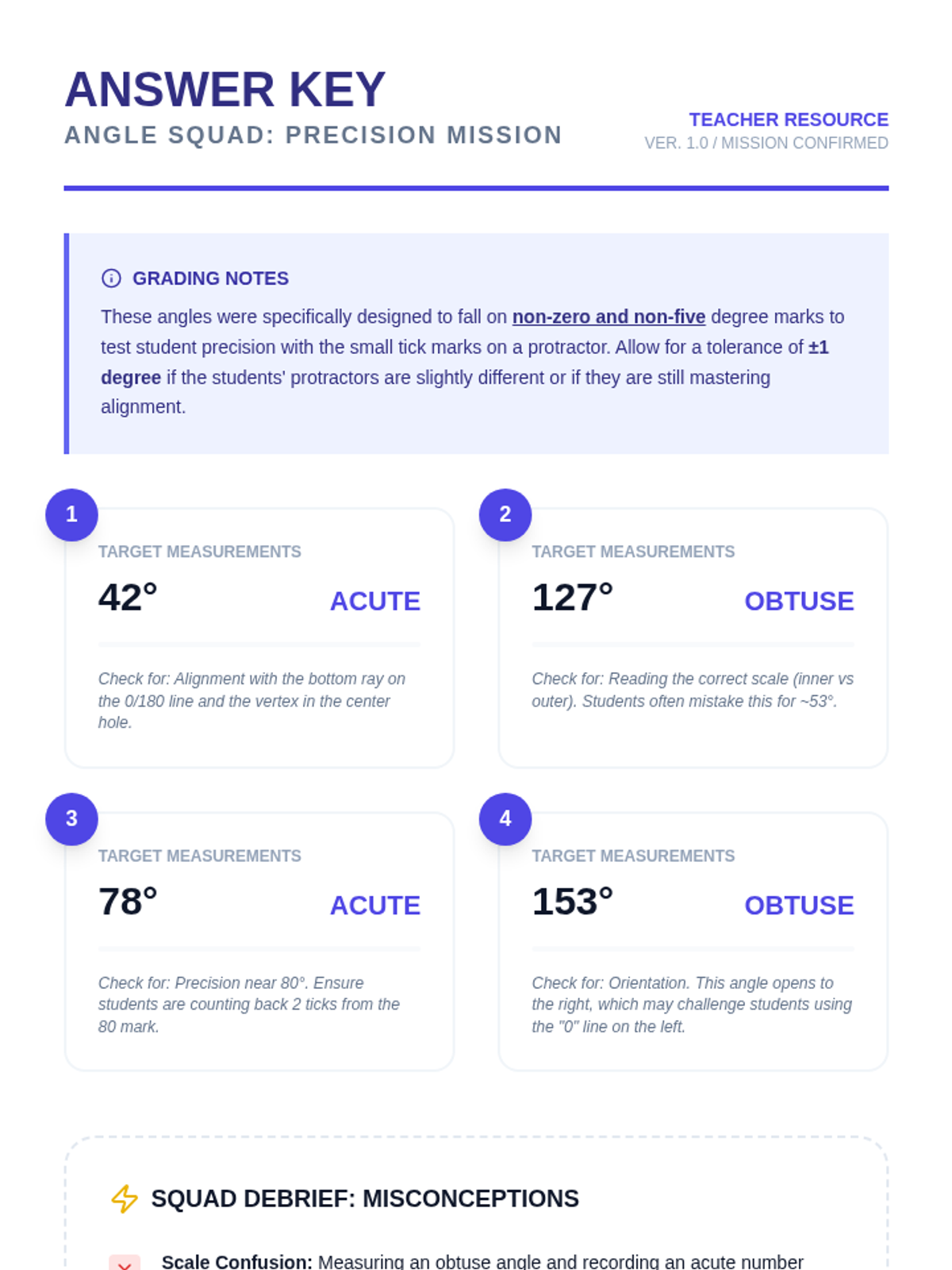
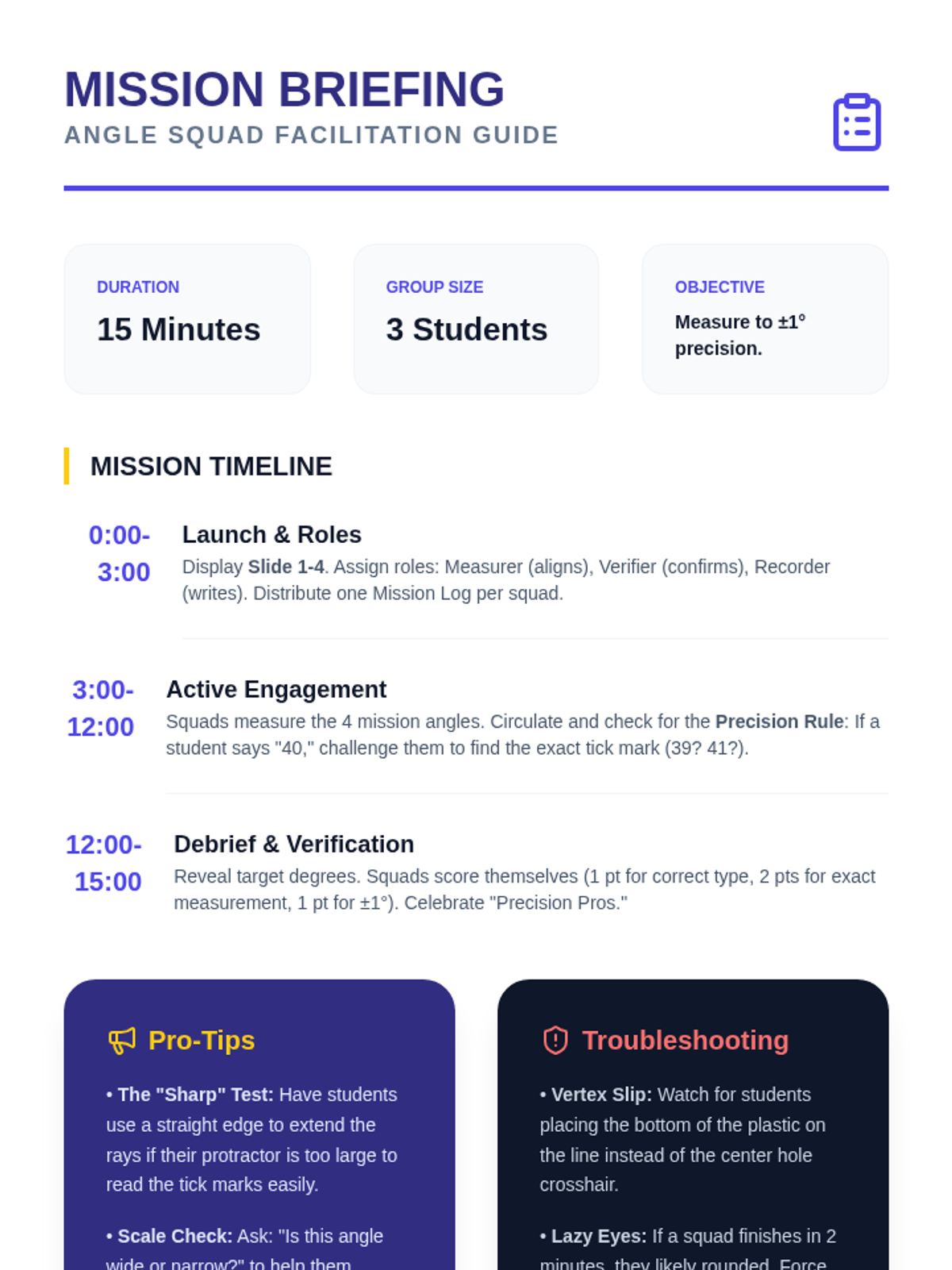
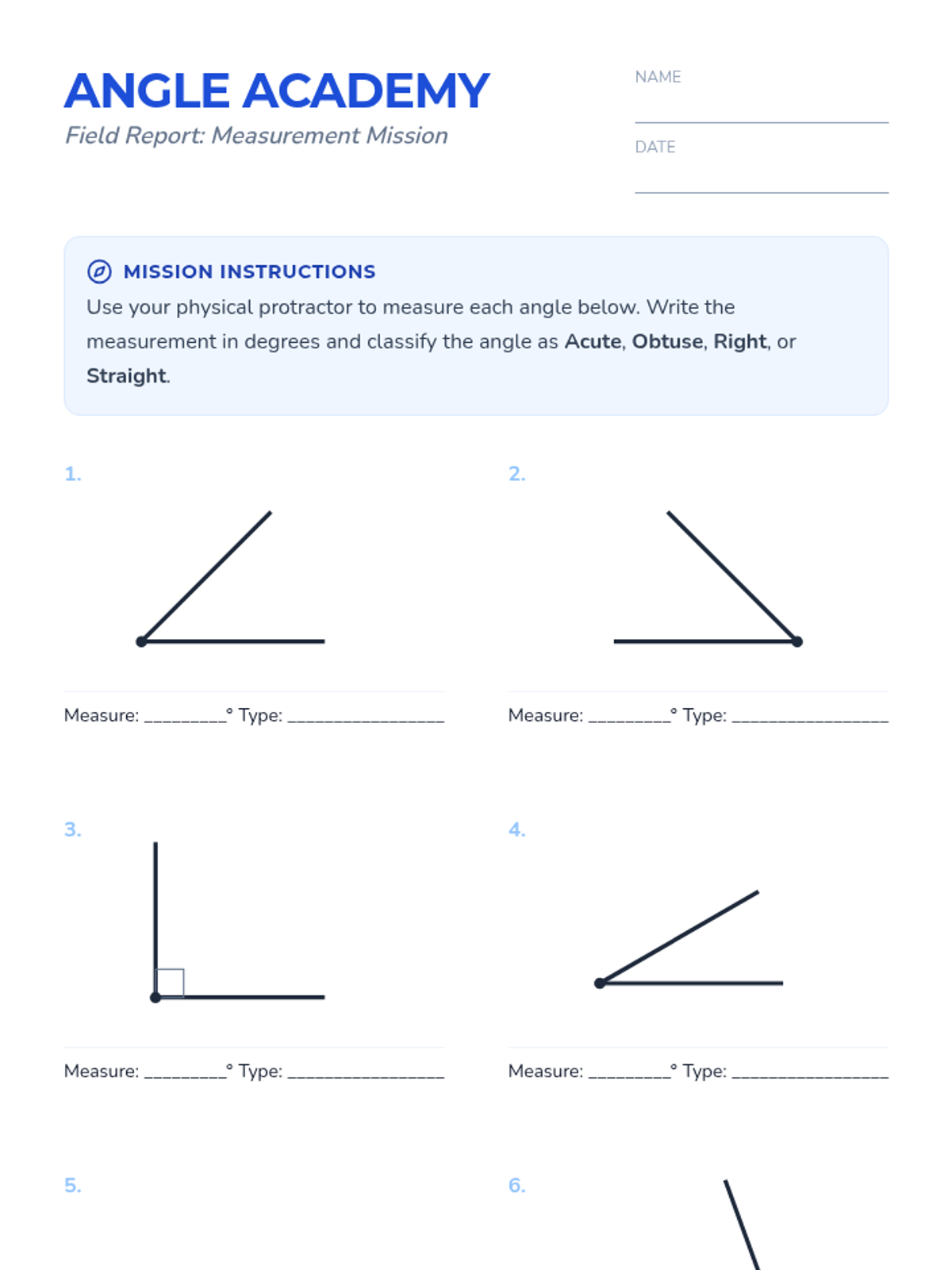
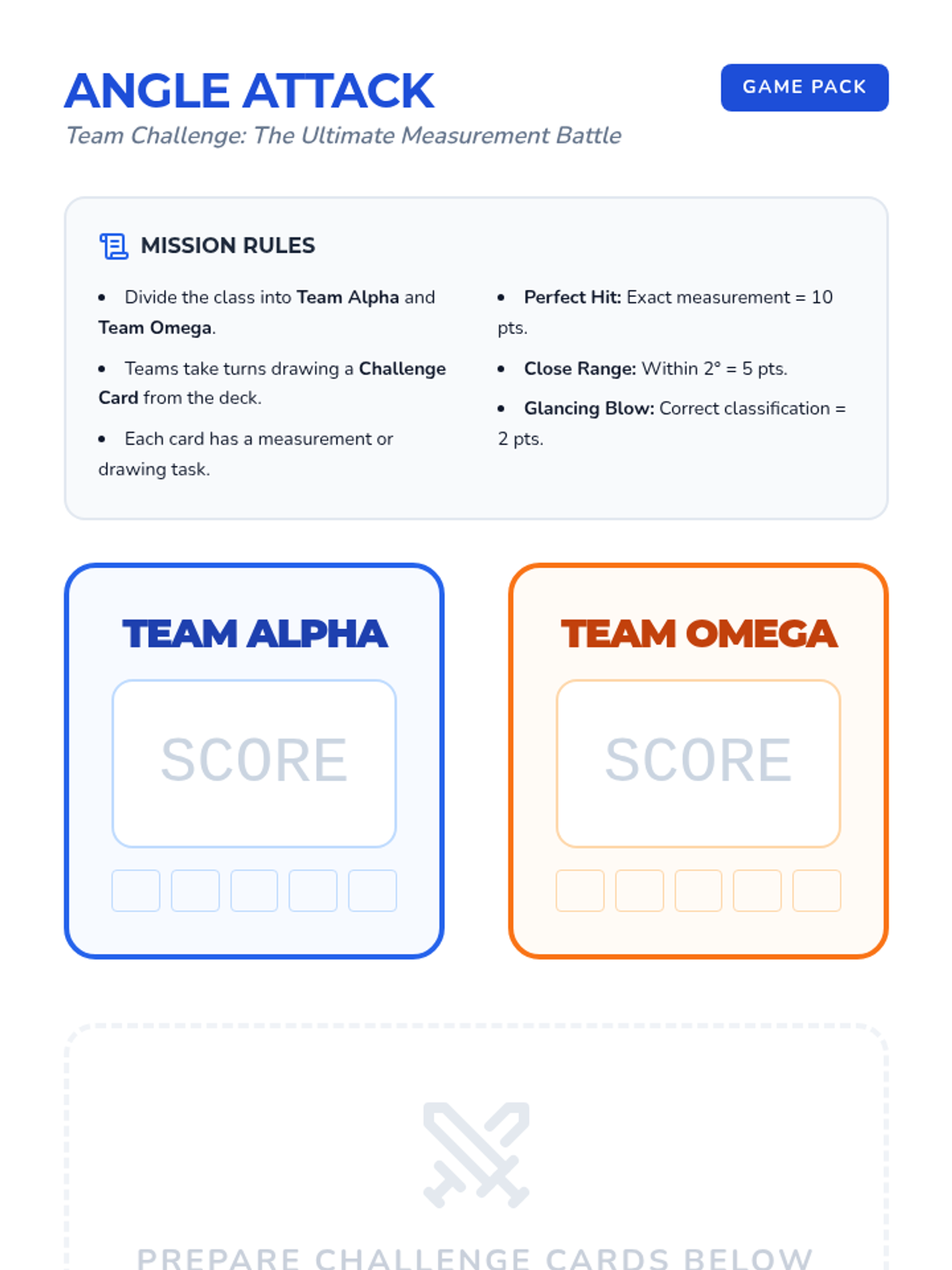
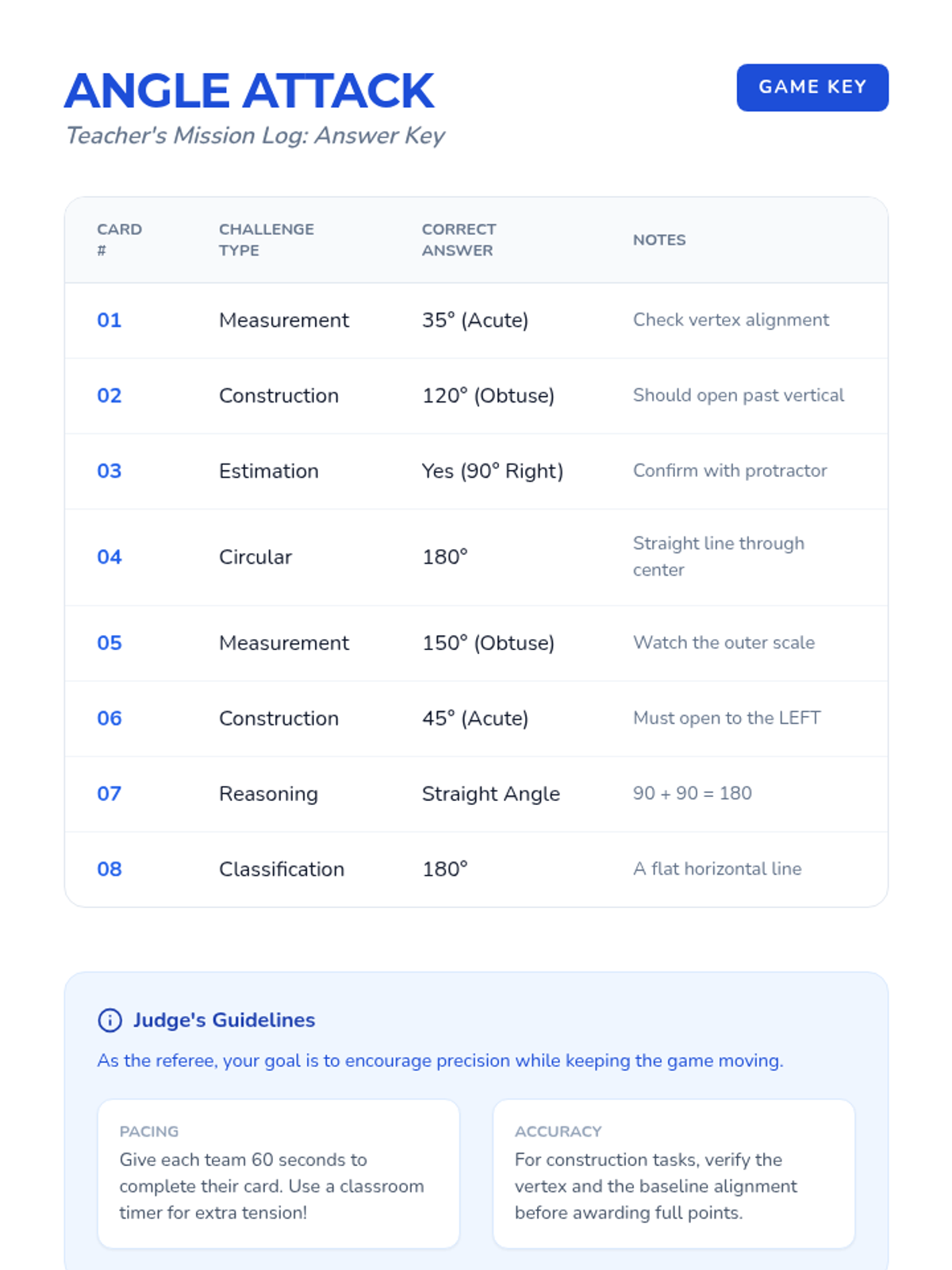
A 15-minute collaborative activity where students work in teams to measure acute, obtuse, and right angles with degree-level precision using a protractor.
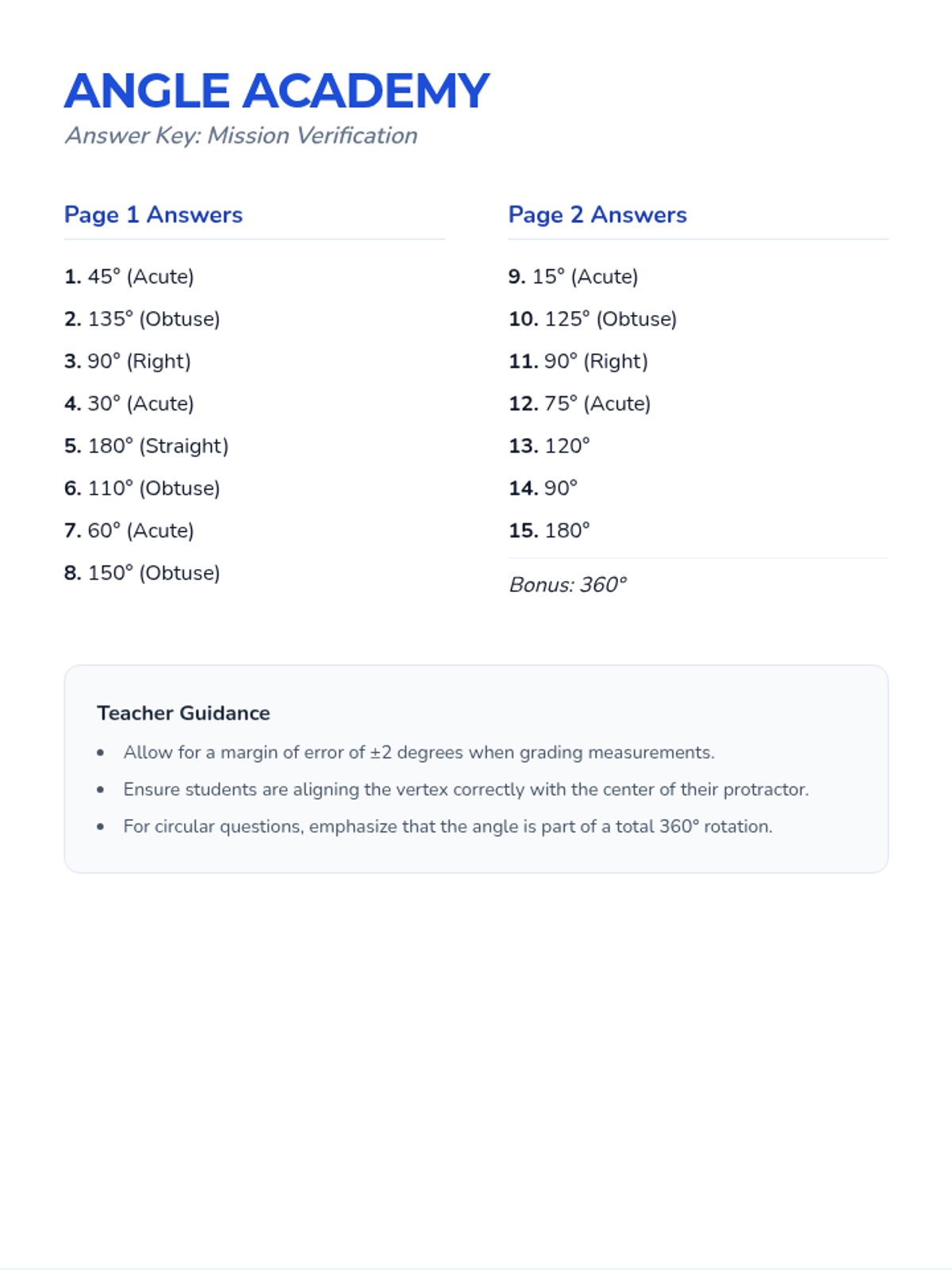
A comprehensive lesson on measuring angles using a physical protractor, covering acute, obtuse, right, straight, and circular angles.
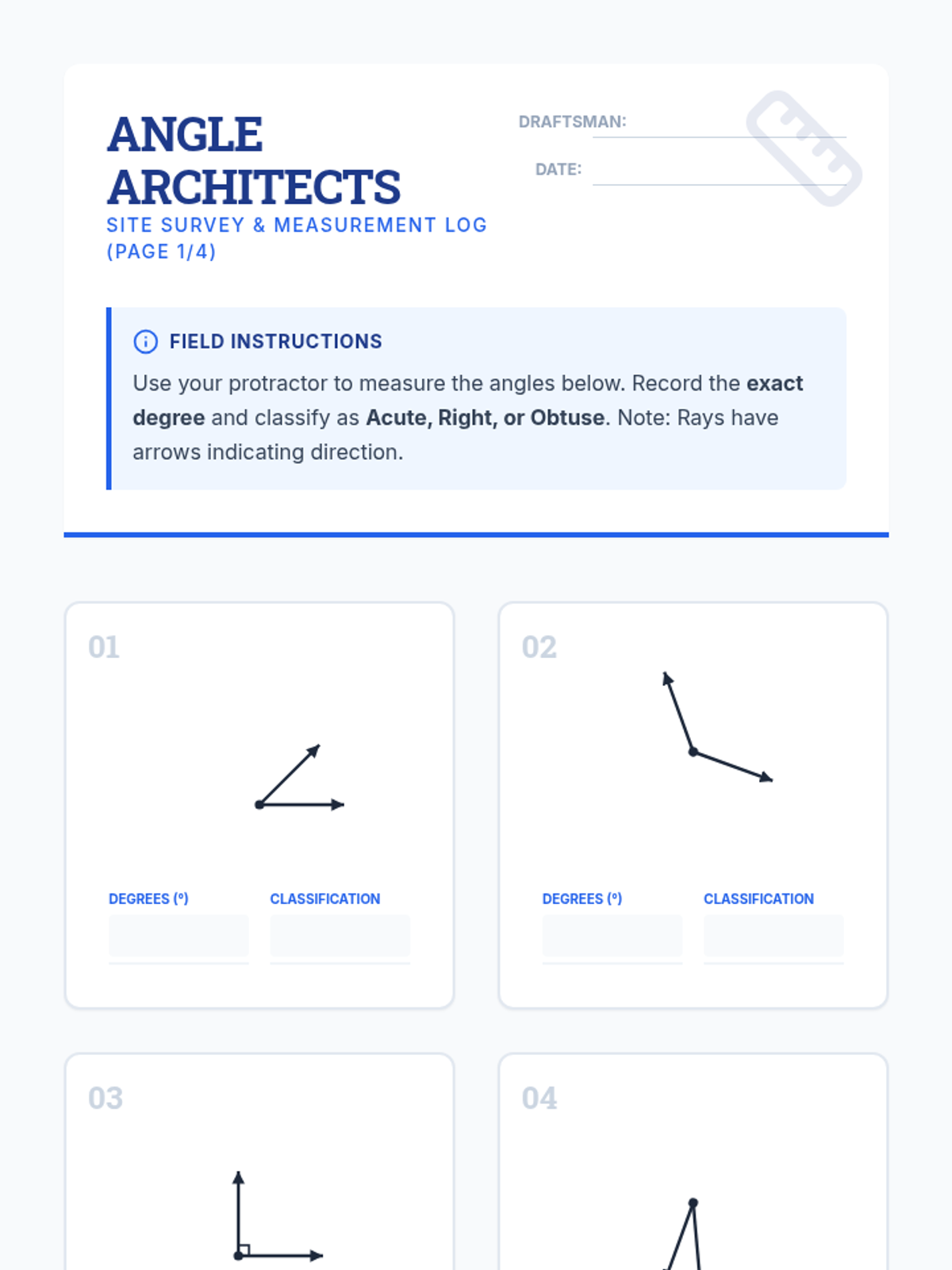
A hands-on lesson focusing on the precise measurement of acute, obtuse, and right angles using a protractor. Students will practice measuring angles in various orientations to build spatial reasoning and technical accuracy.
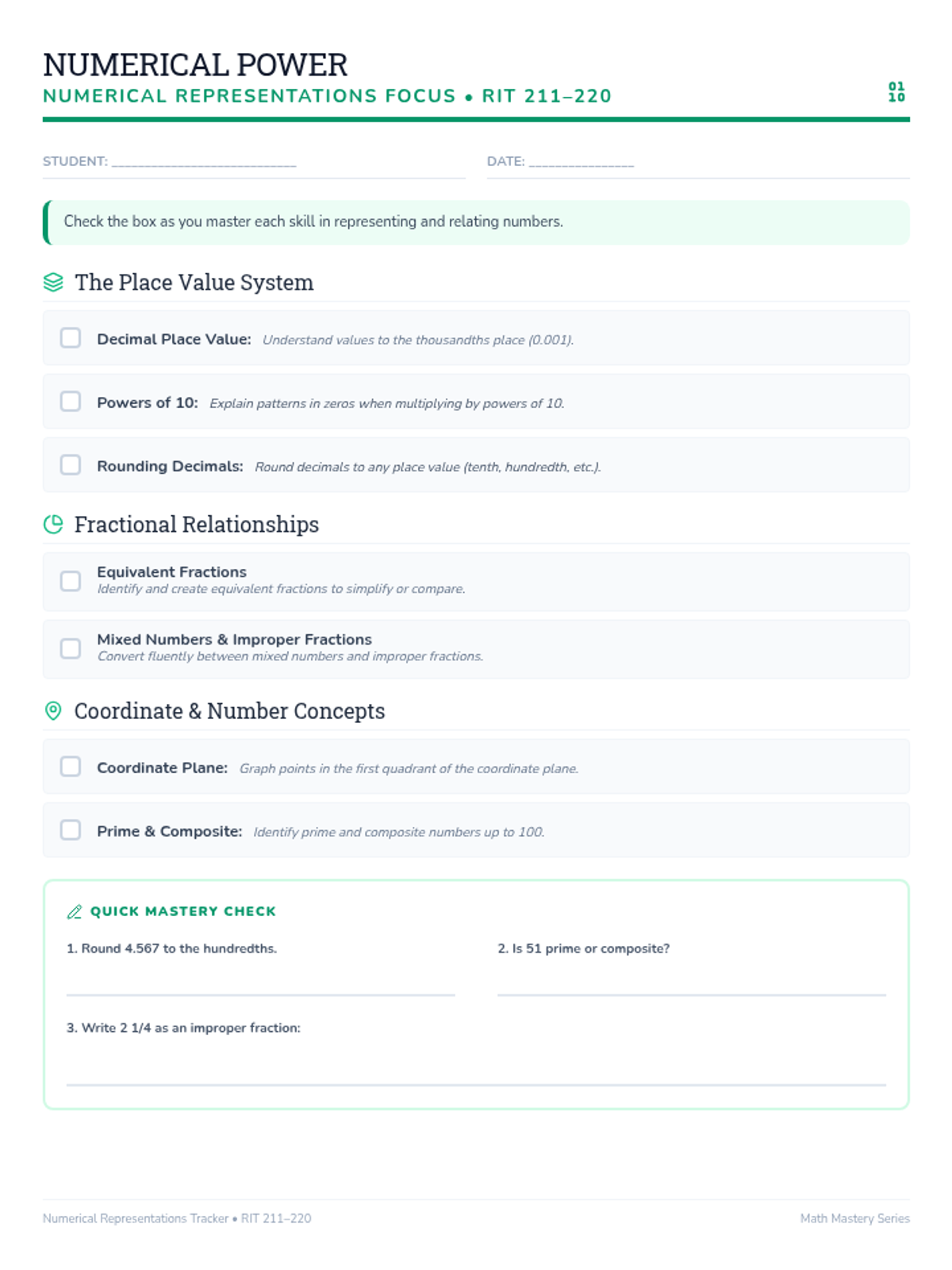
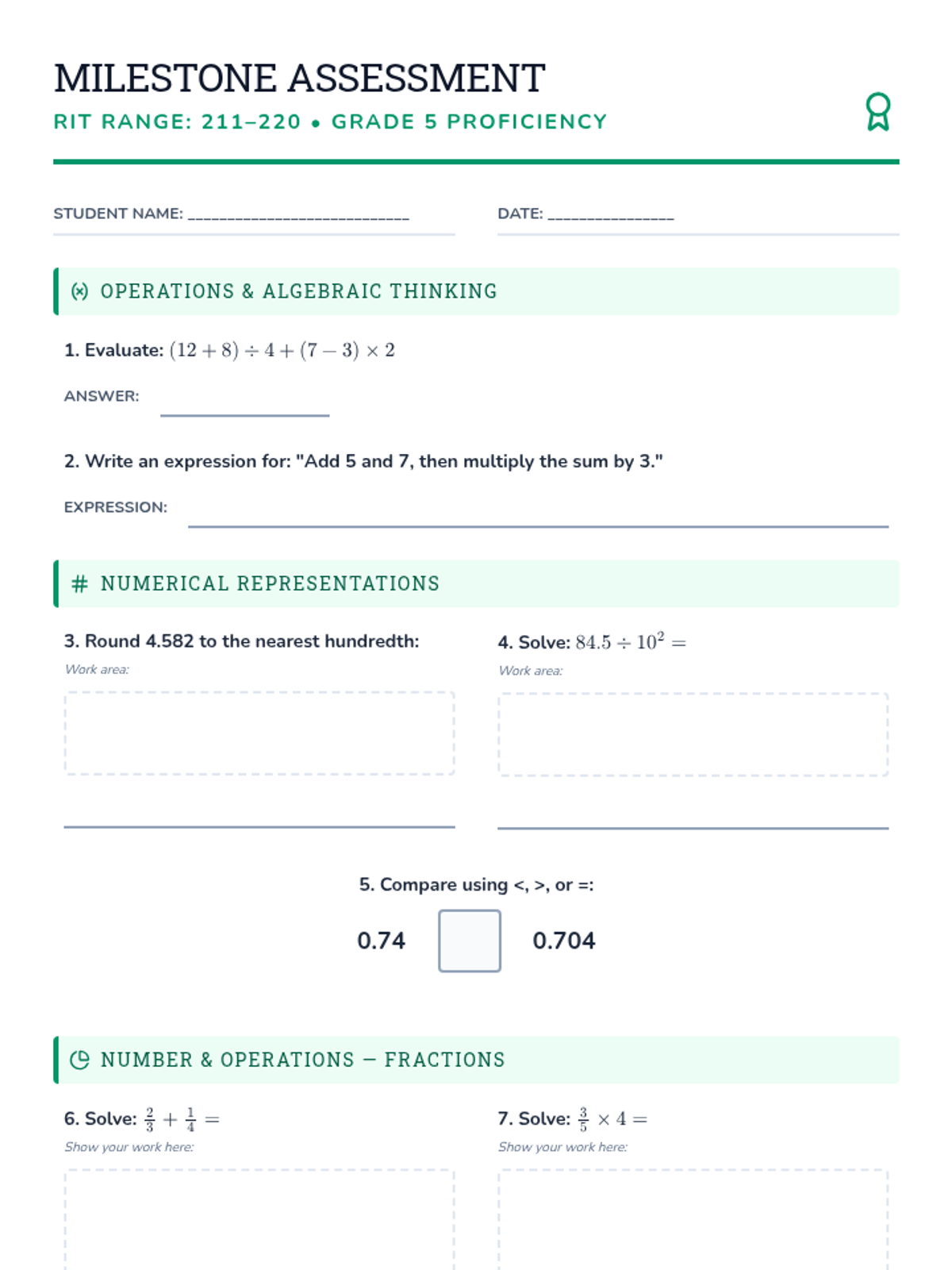
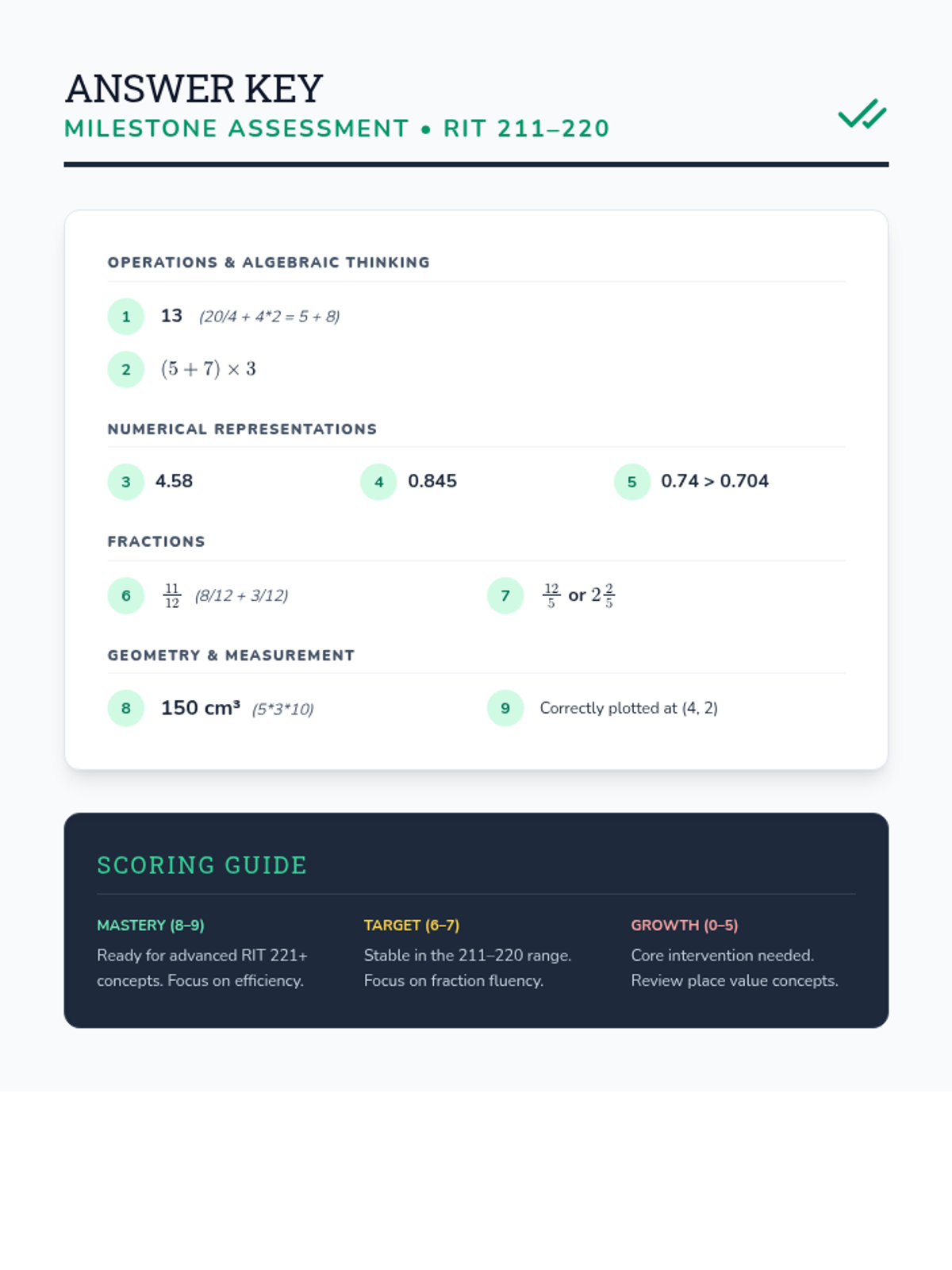
A specialized toolkit for navigating mathematical skills in the 211-220 RIT range, with a focus on foundational decimals, fractions, and place value relationships.
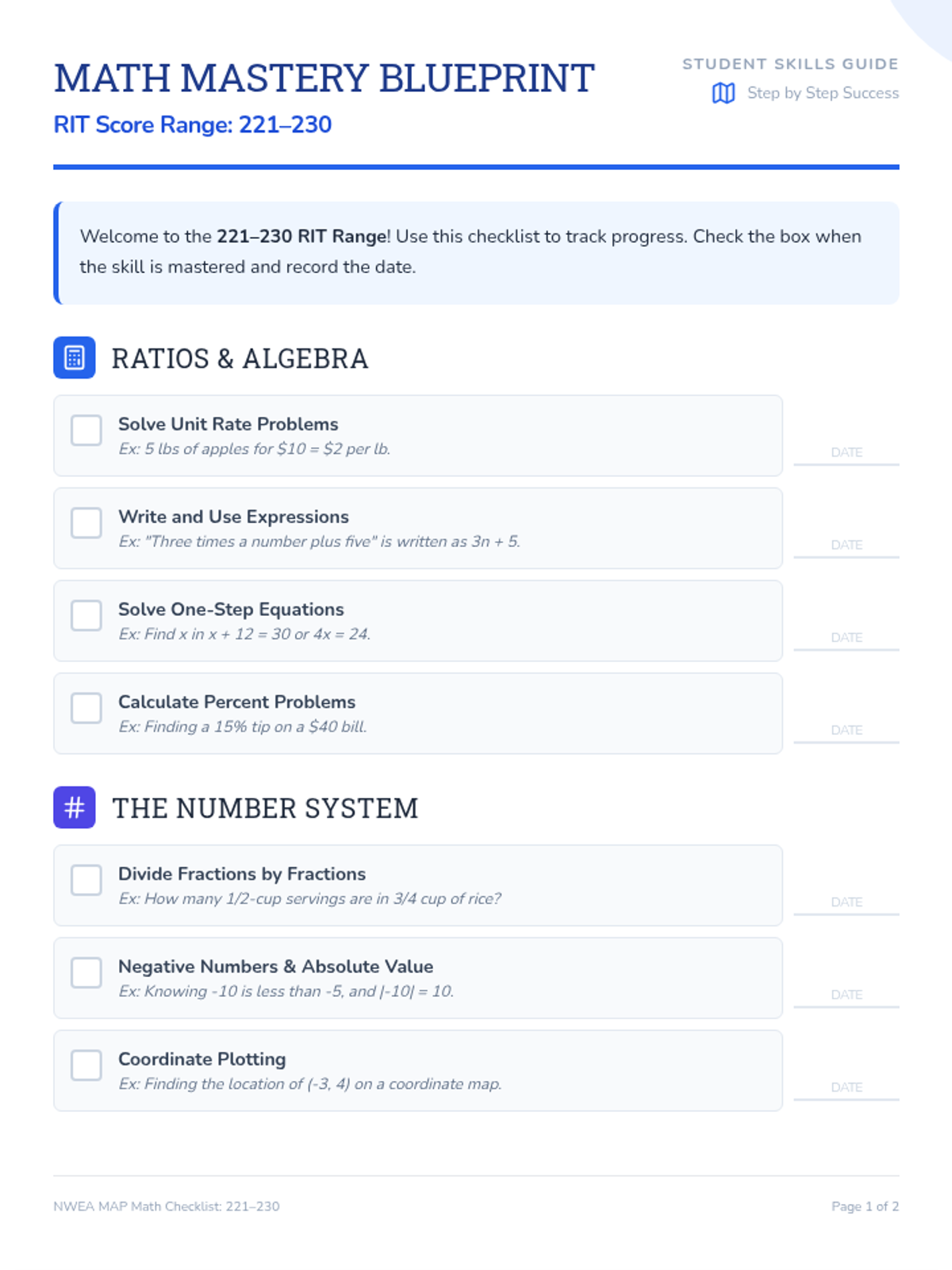
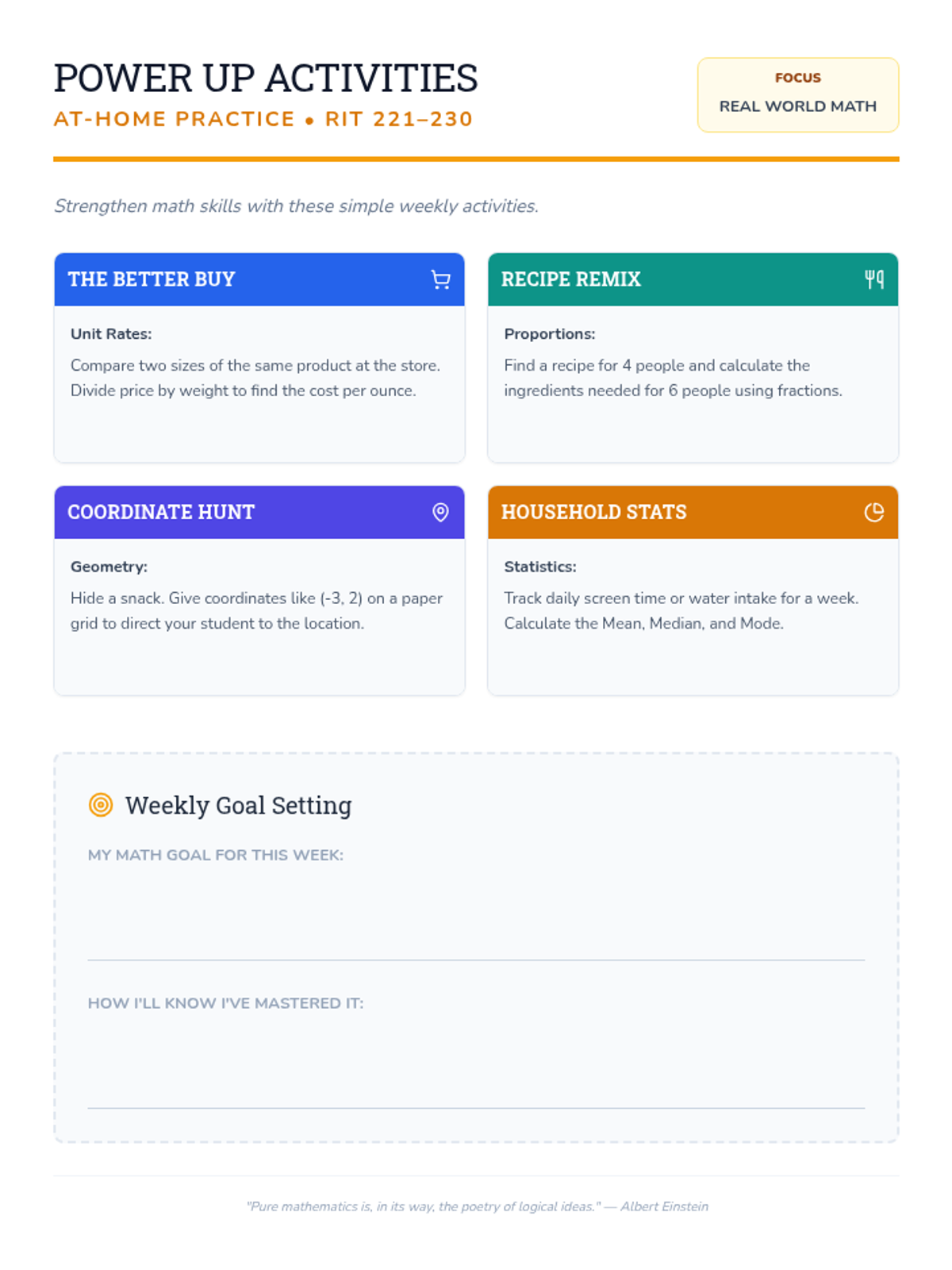
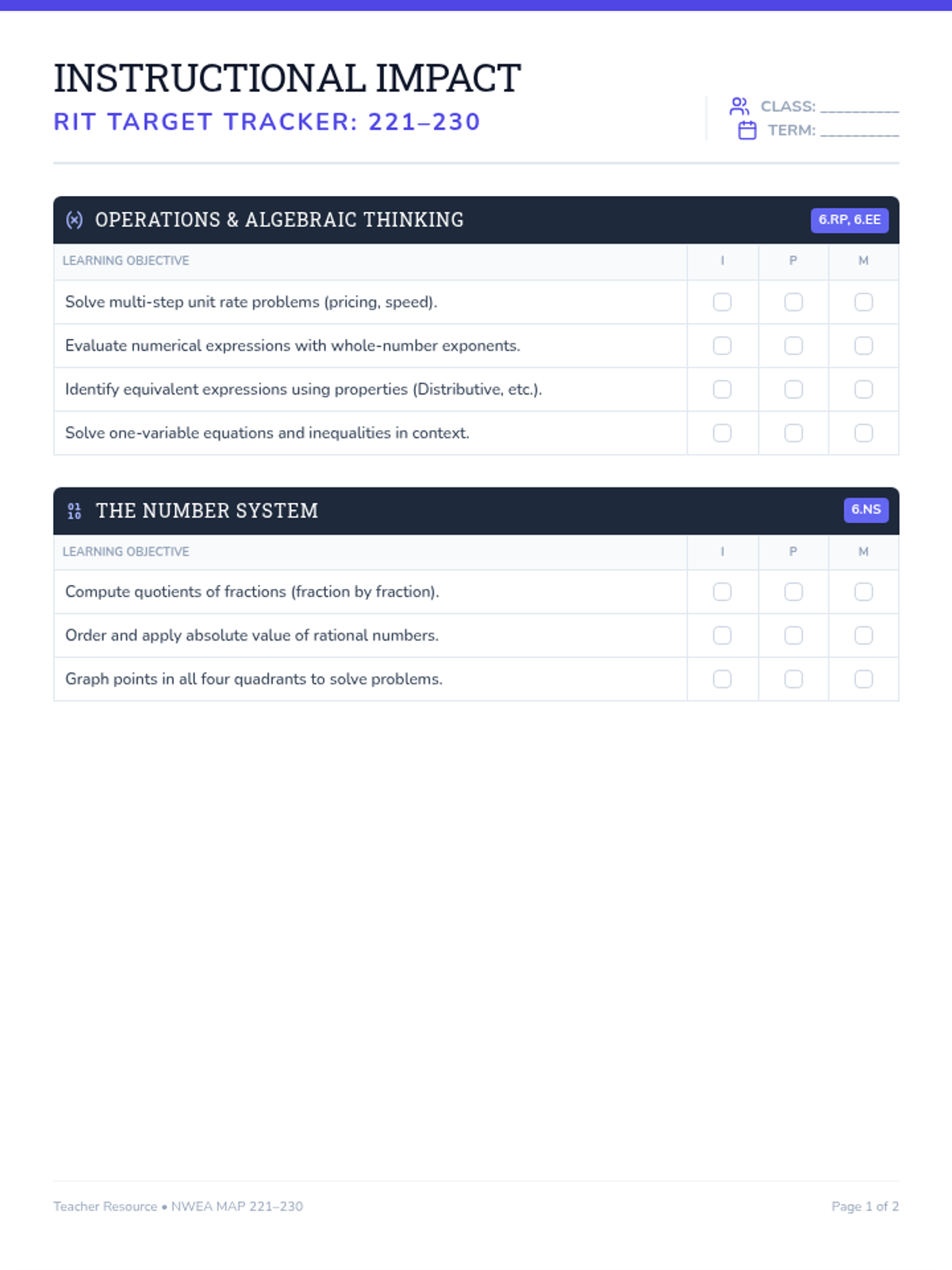
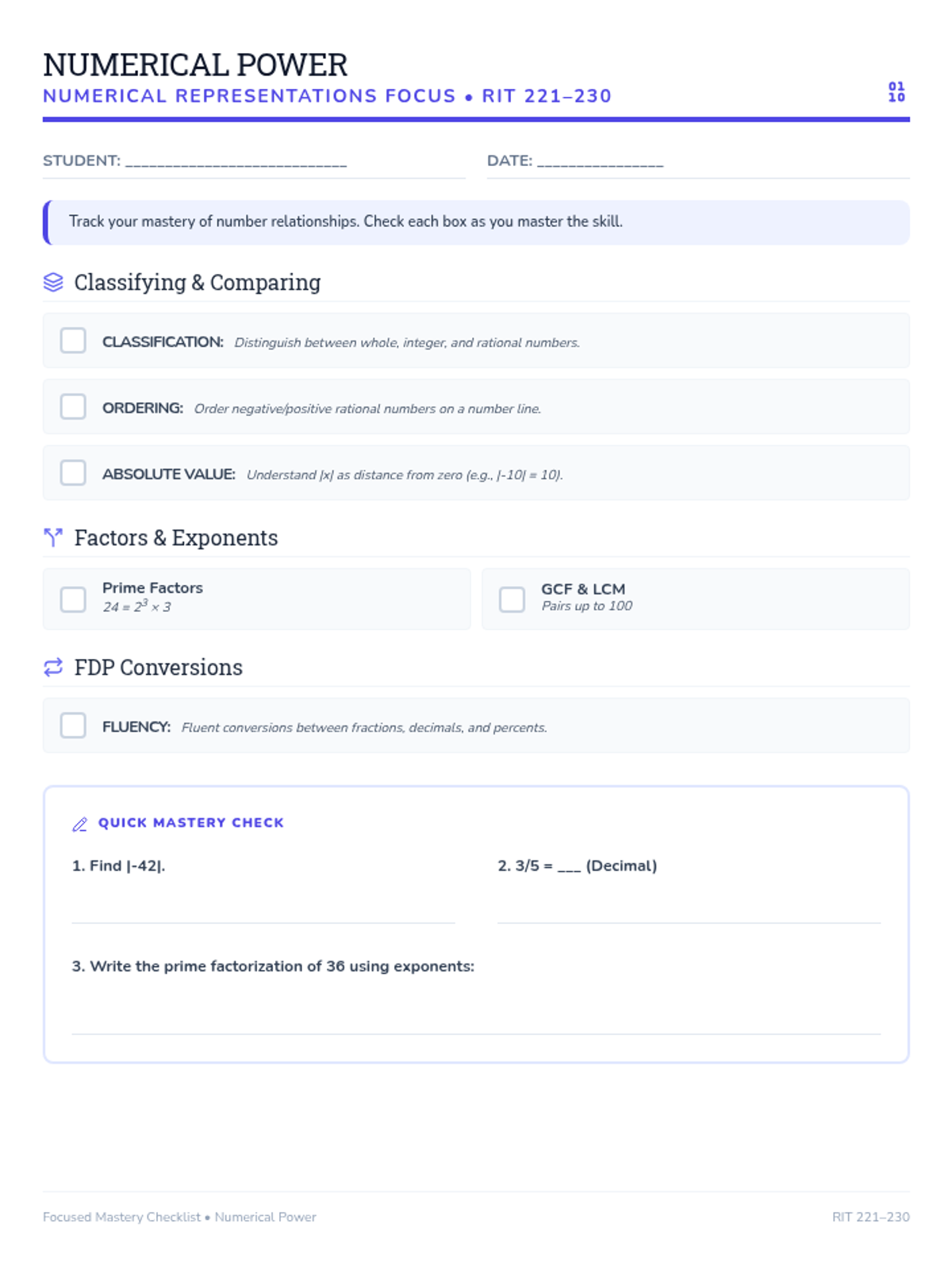
A comprehensive guide for parents and students to navigate the mathematical skills expected in the 221-230 NWEA MAP RIT range, featuring actionable checklists and home-based practice ideas.
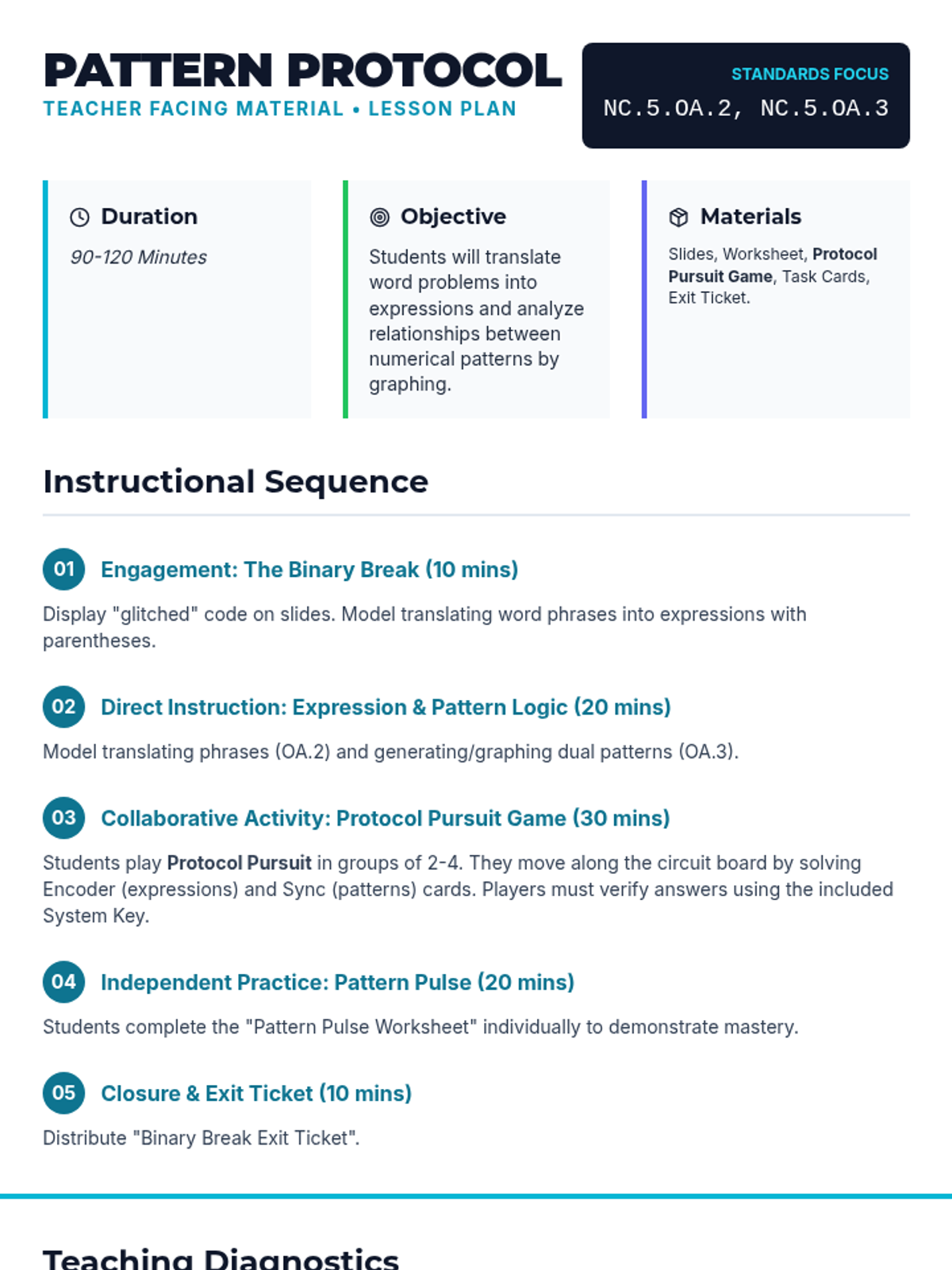
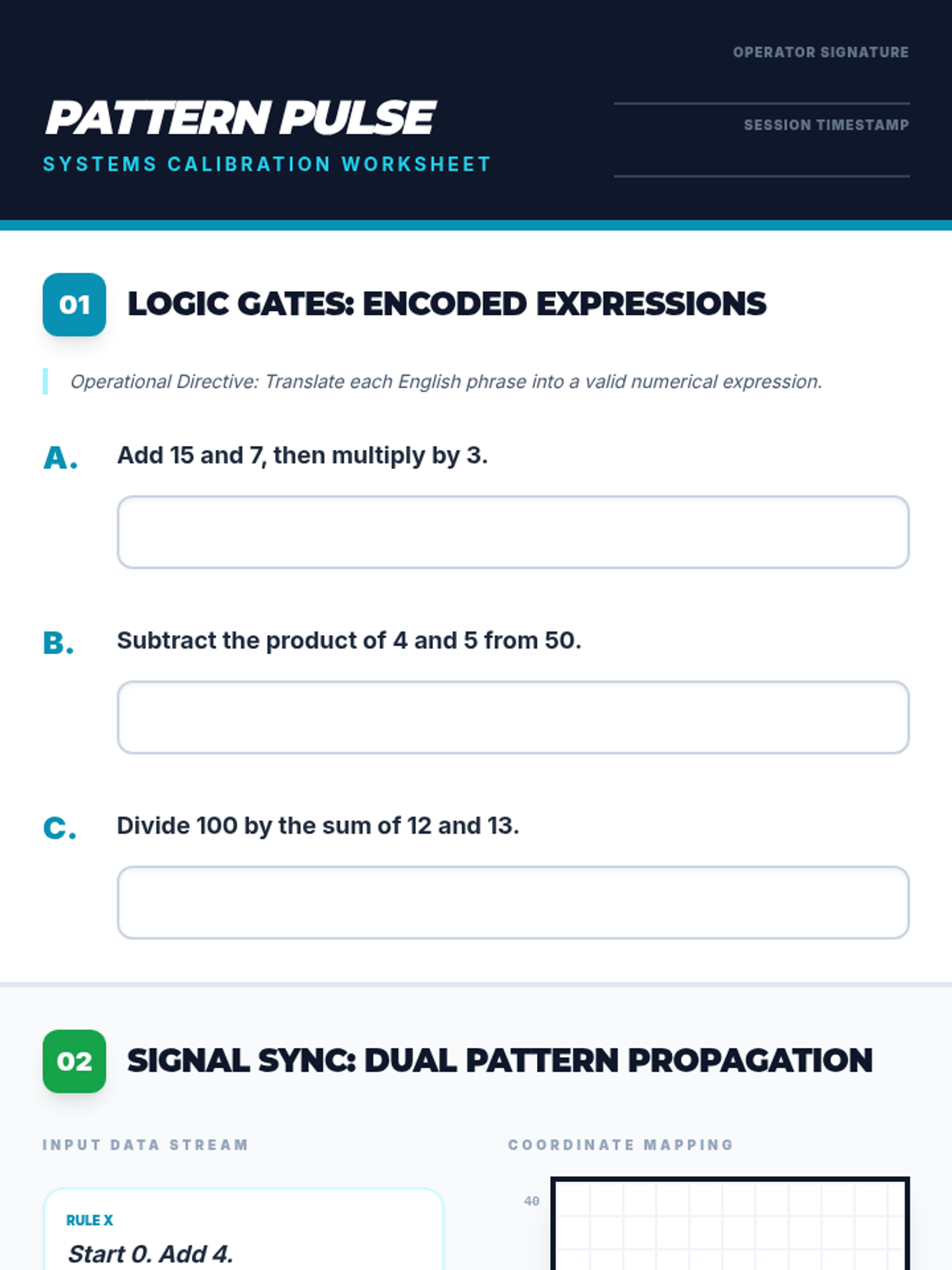
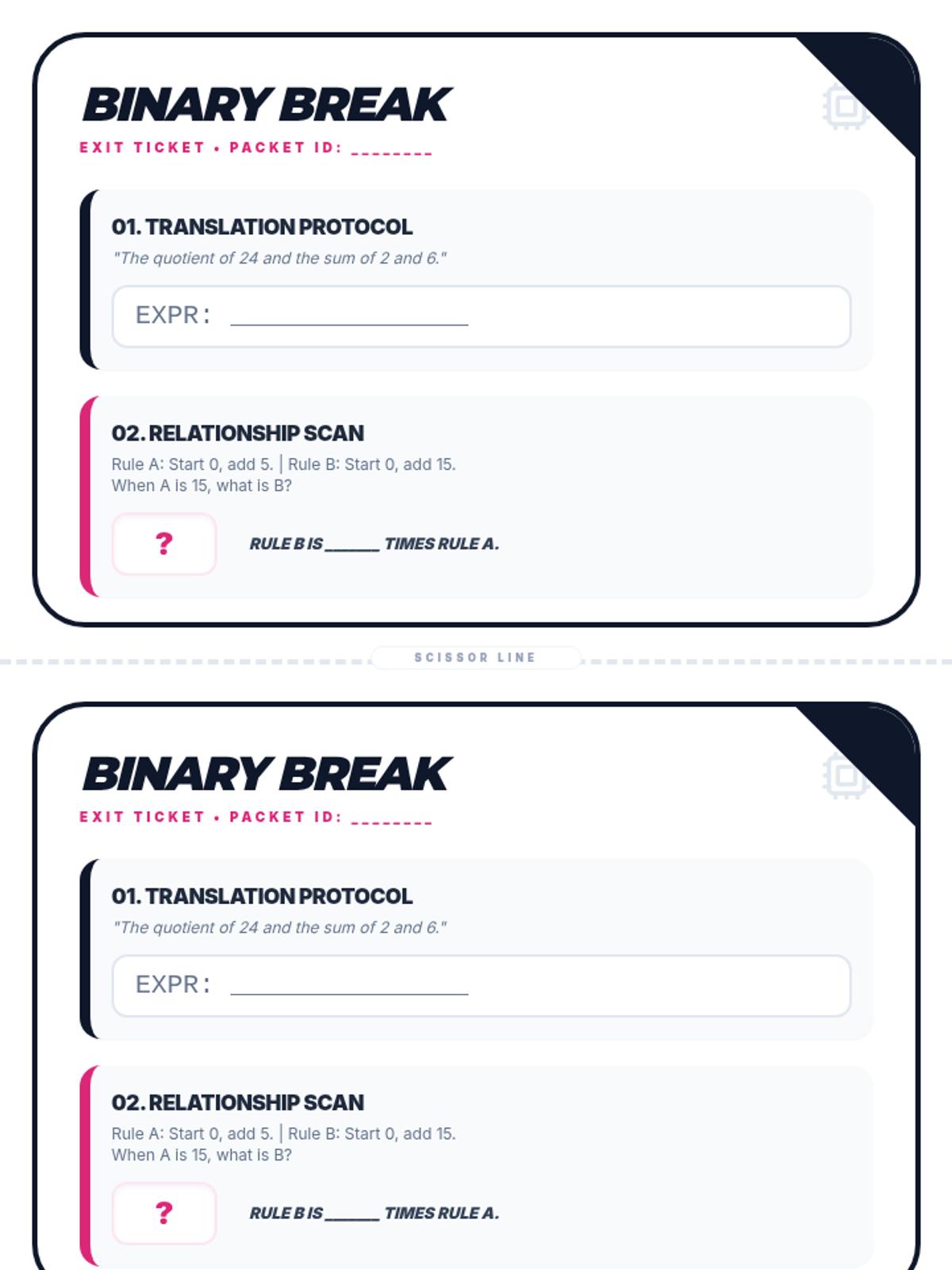
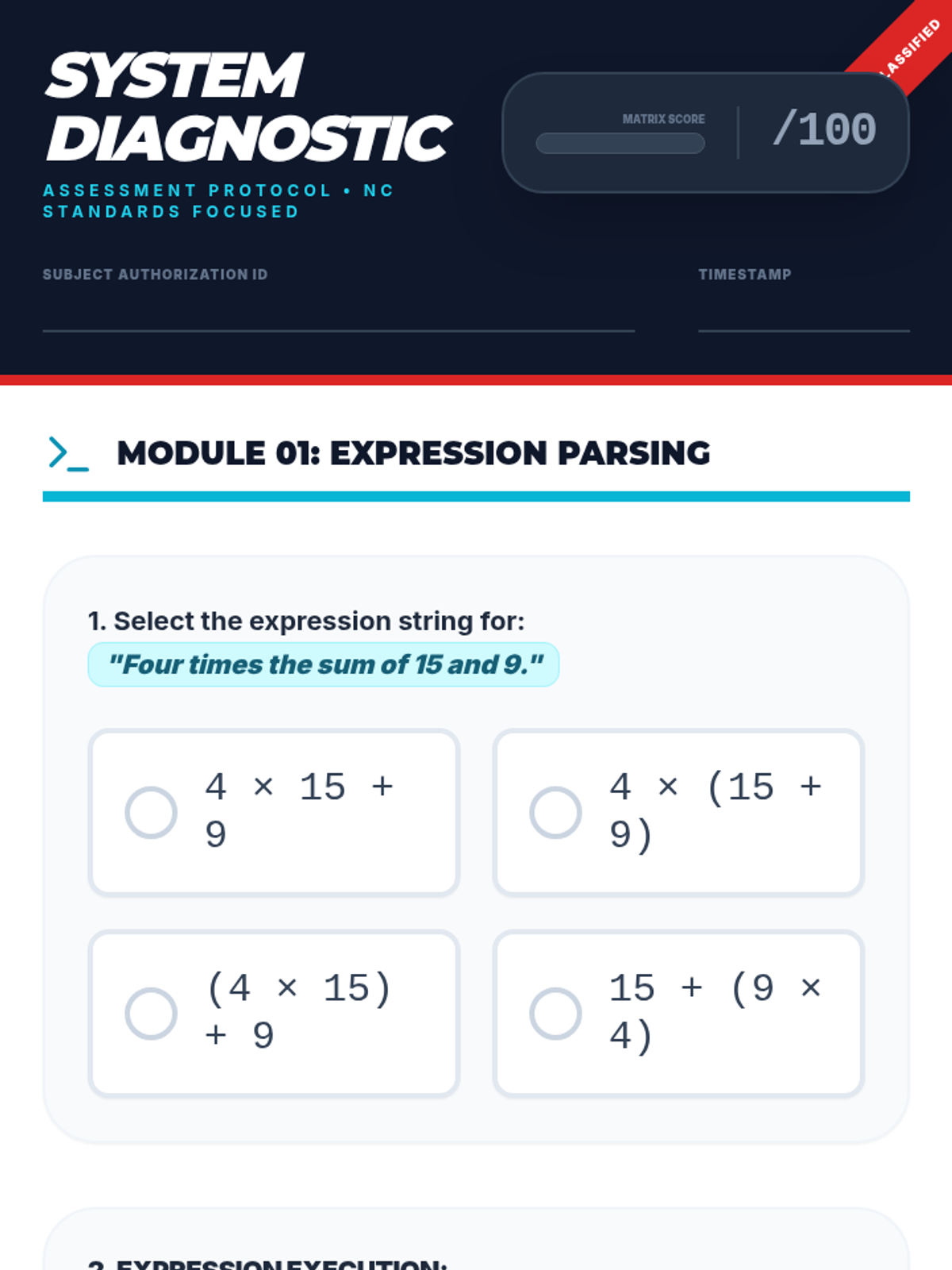
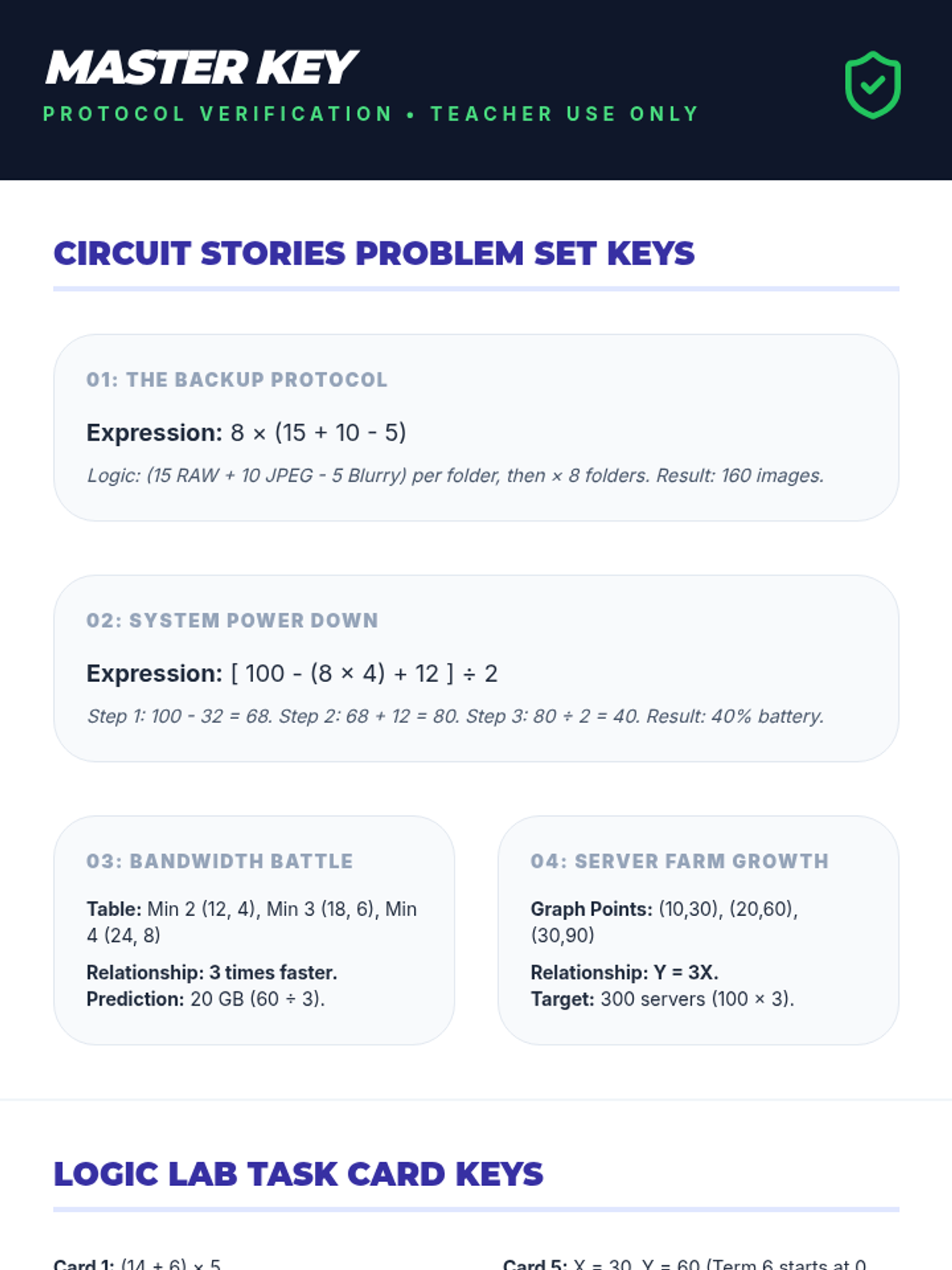
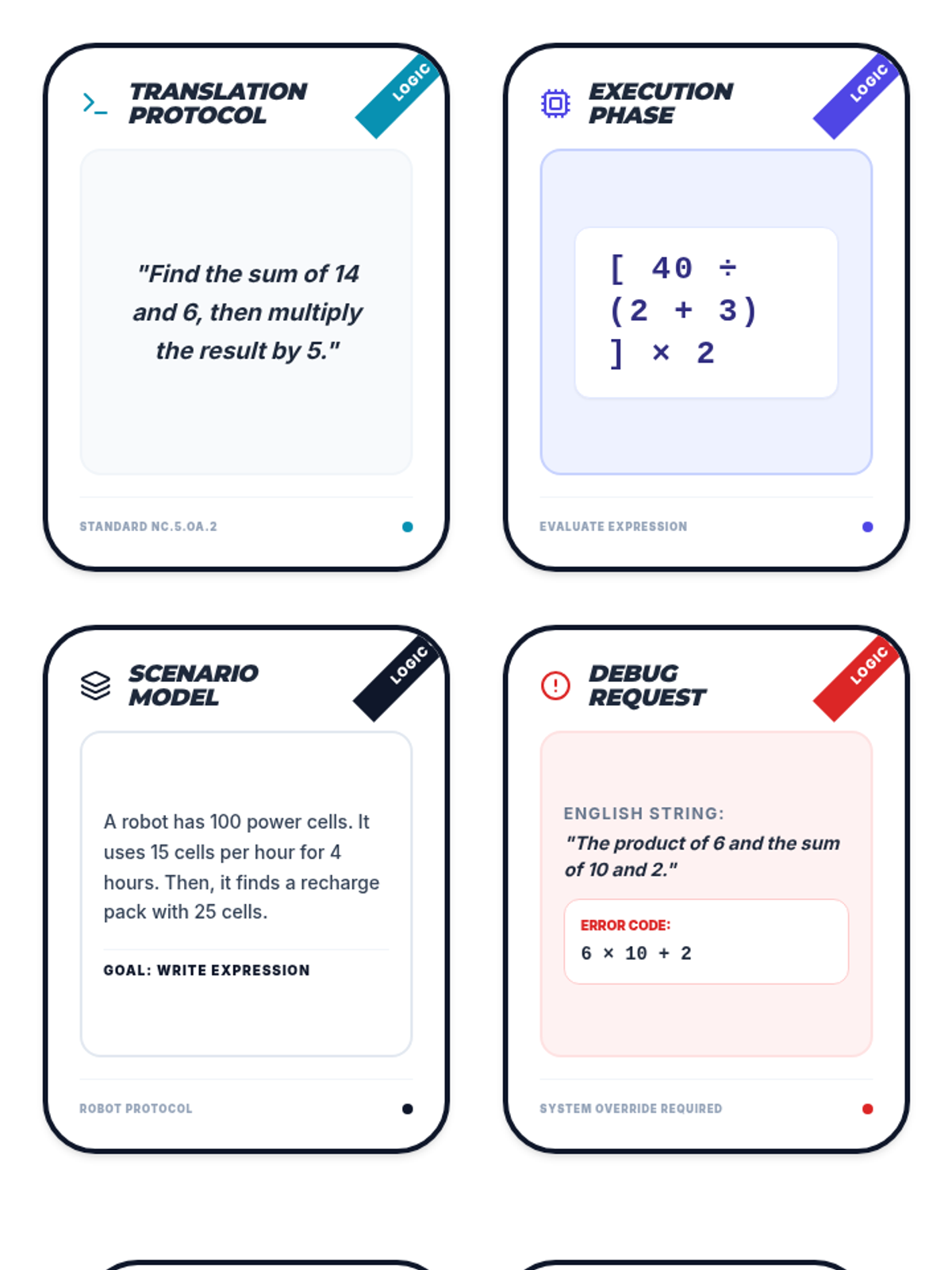
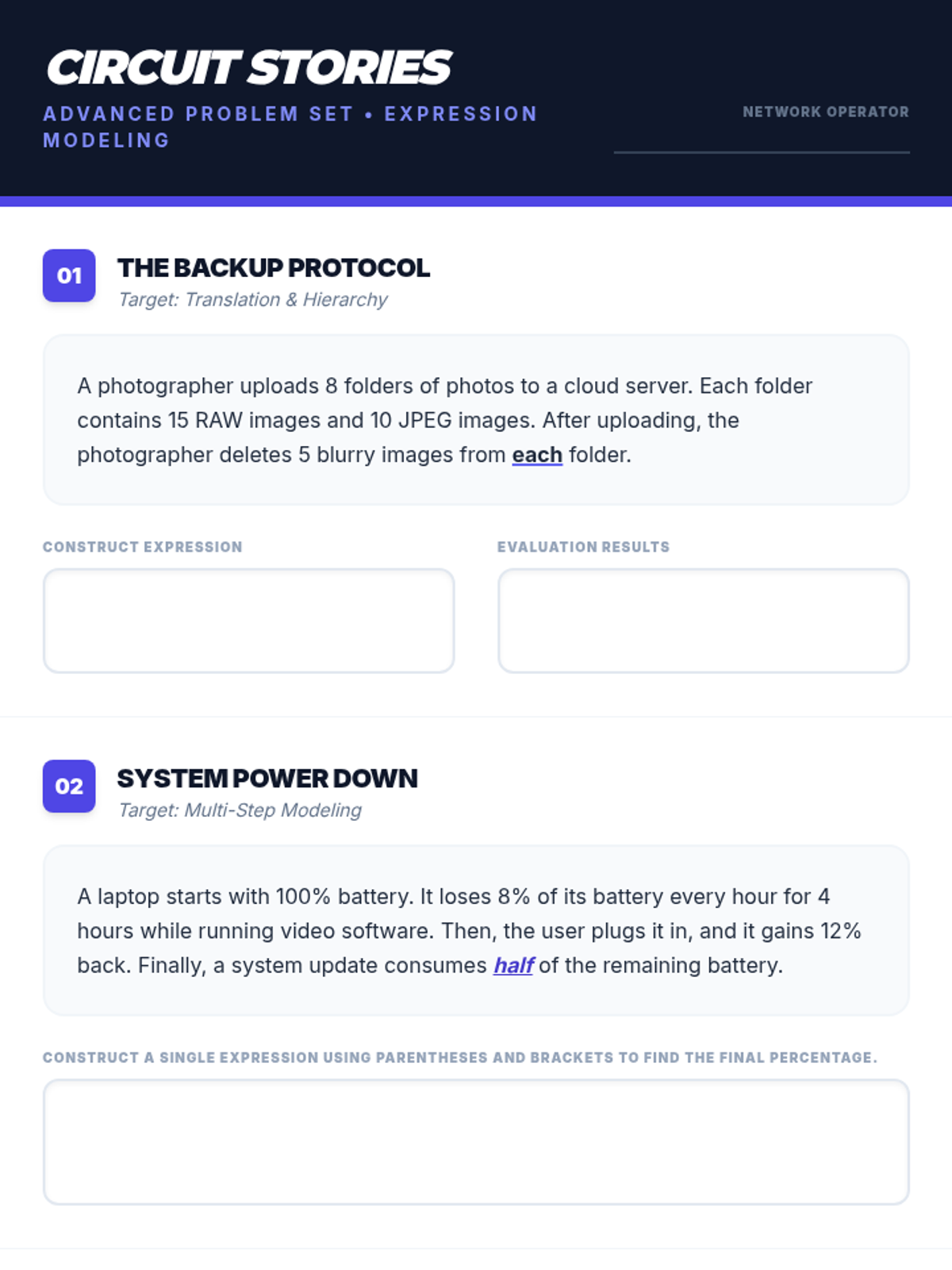
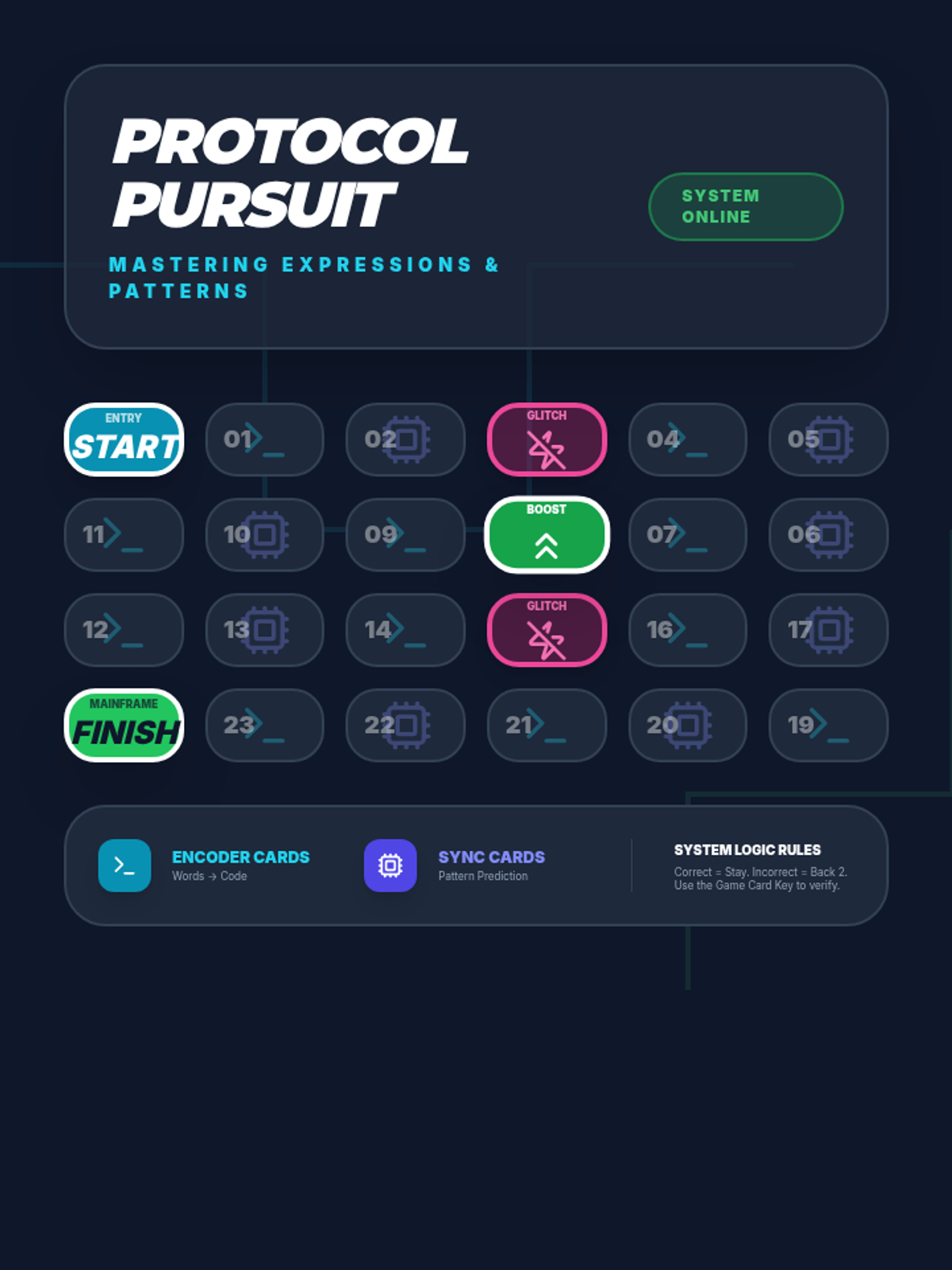
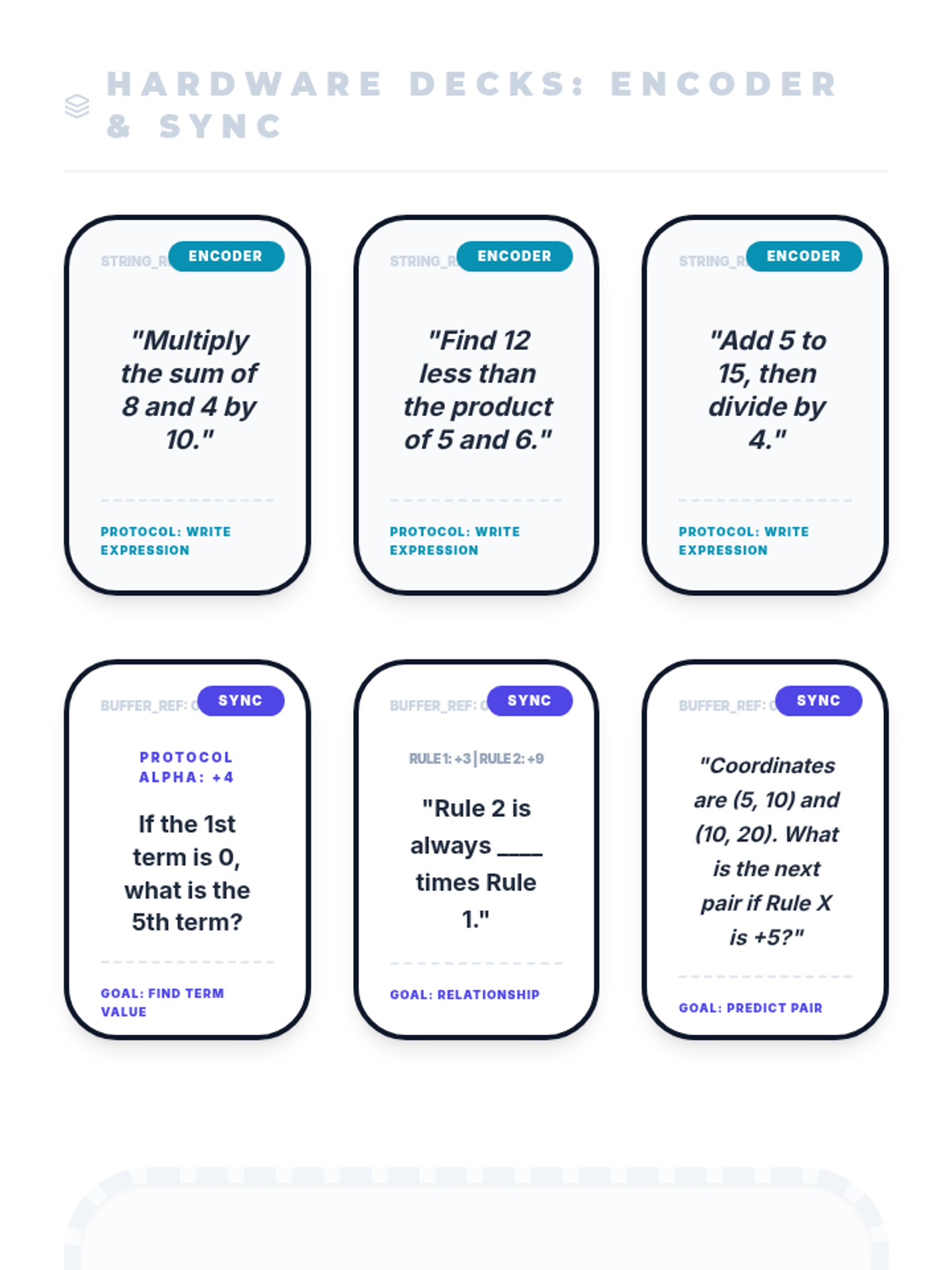
A comprehensive lesson on writing numerical expressions and analyzing mathematical patterns through the lens of digital logic and circuit design. Students will master parentheses in expressions and explore relationships between numerical patterns on a coordinate plane.
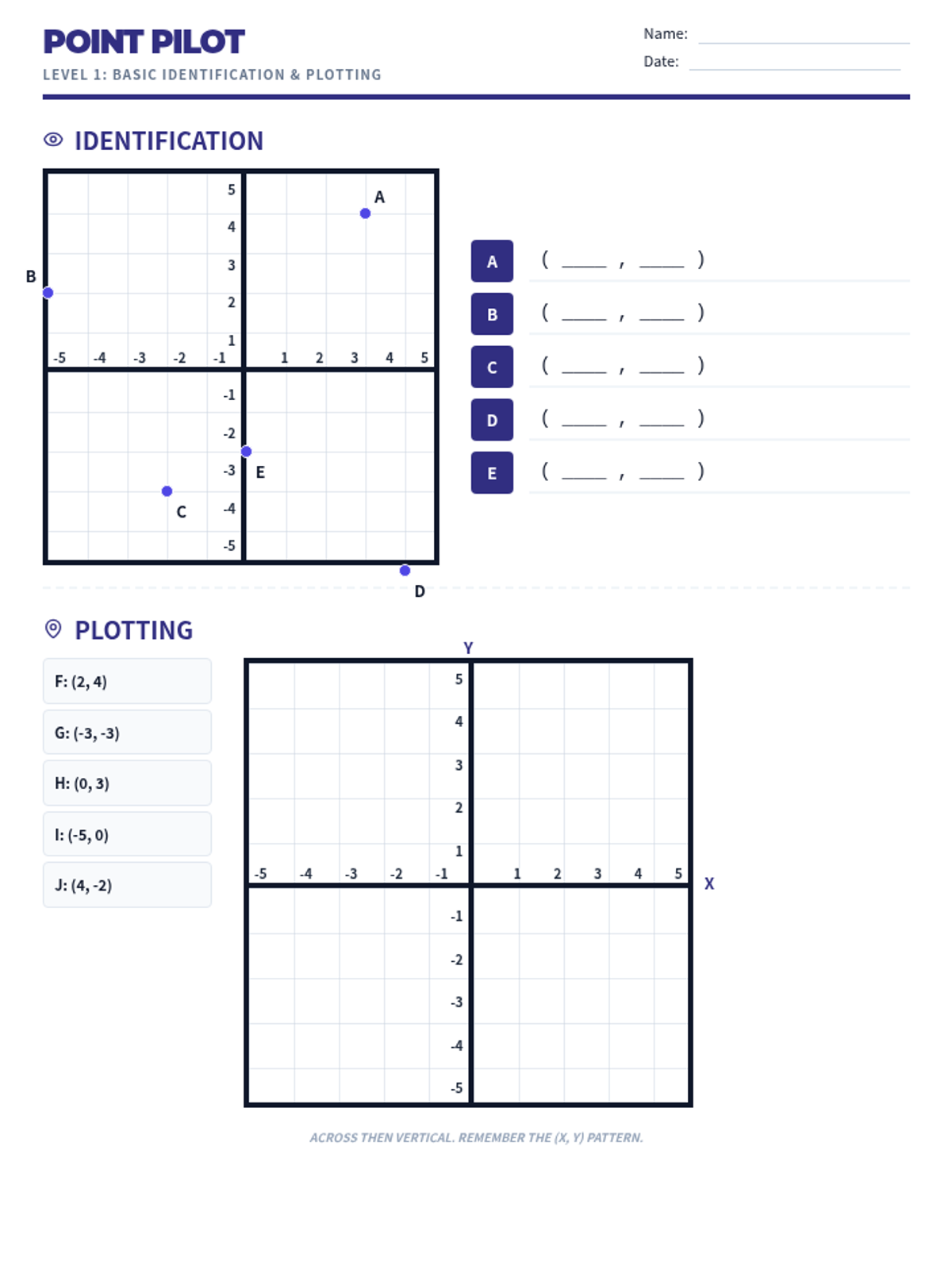
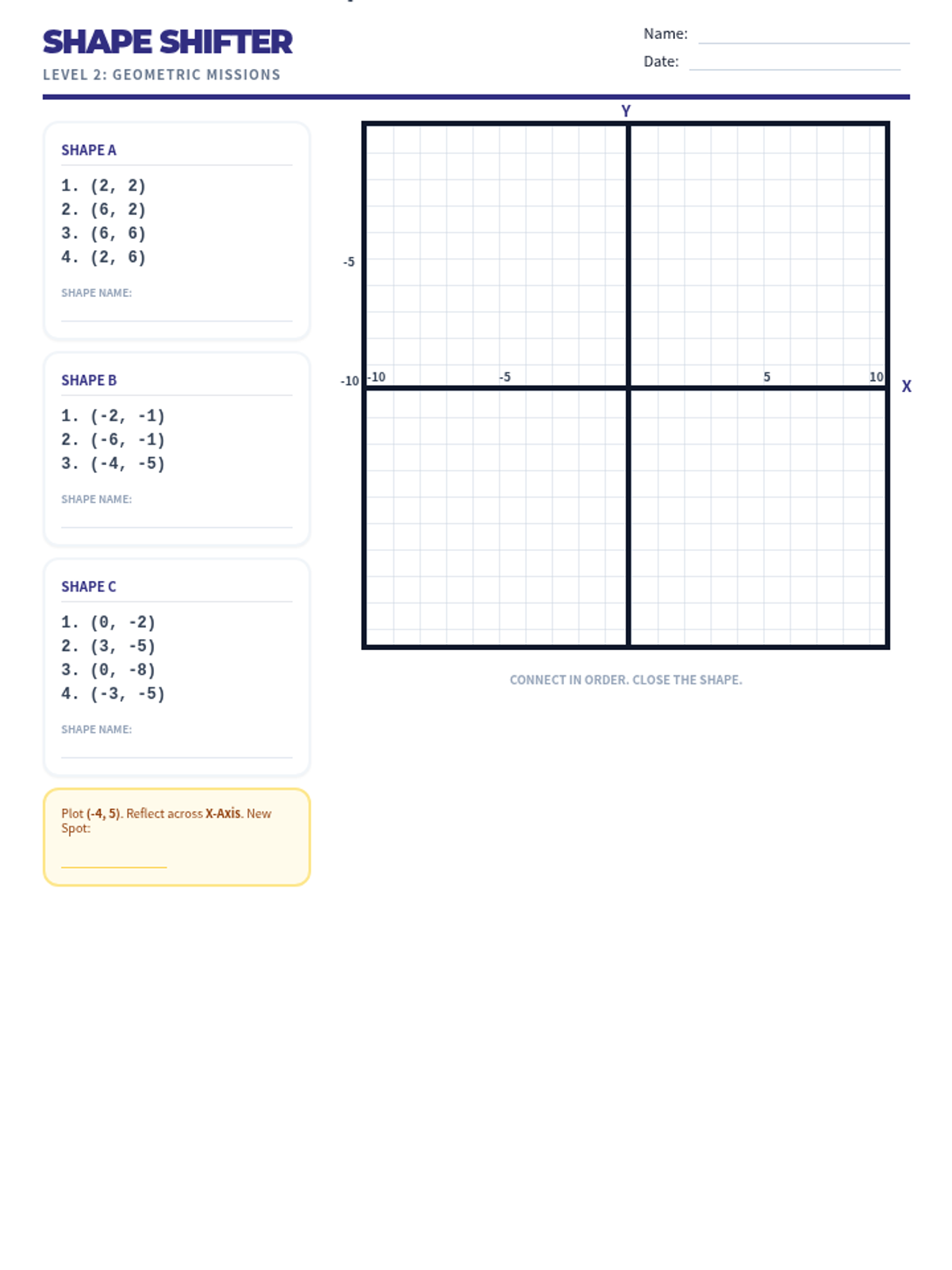
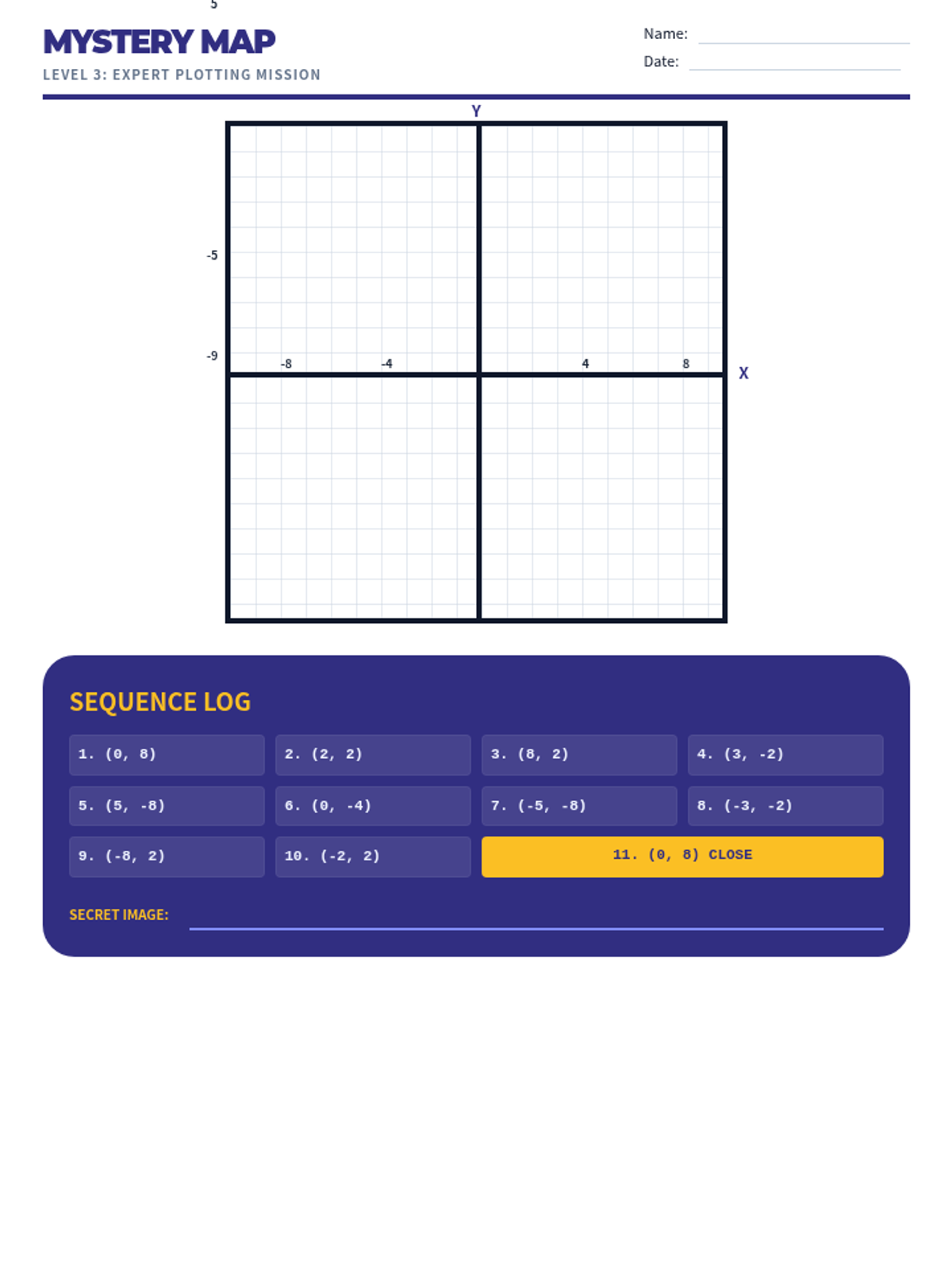
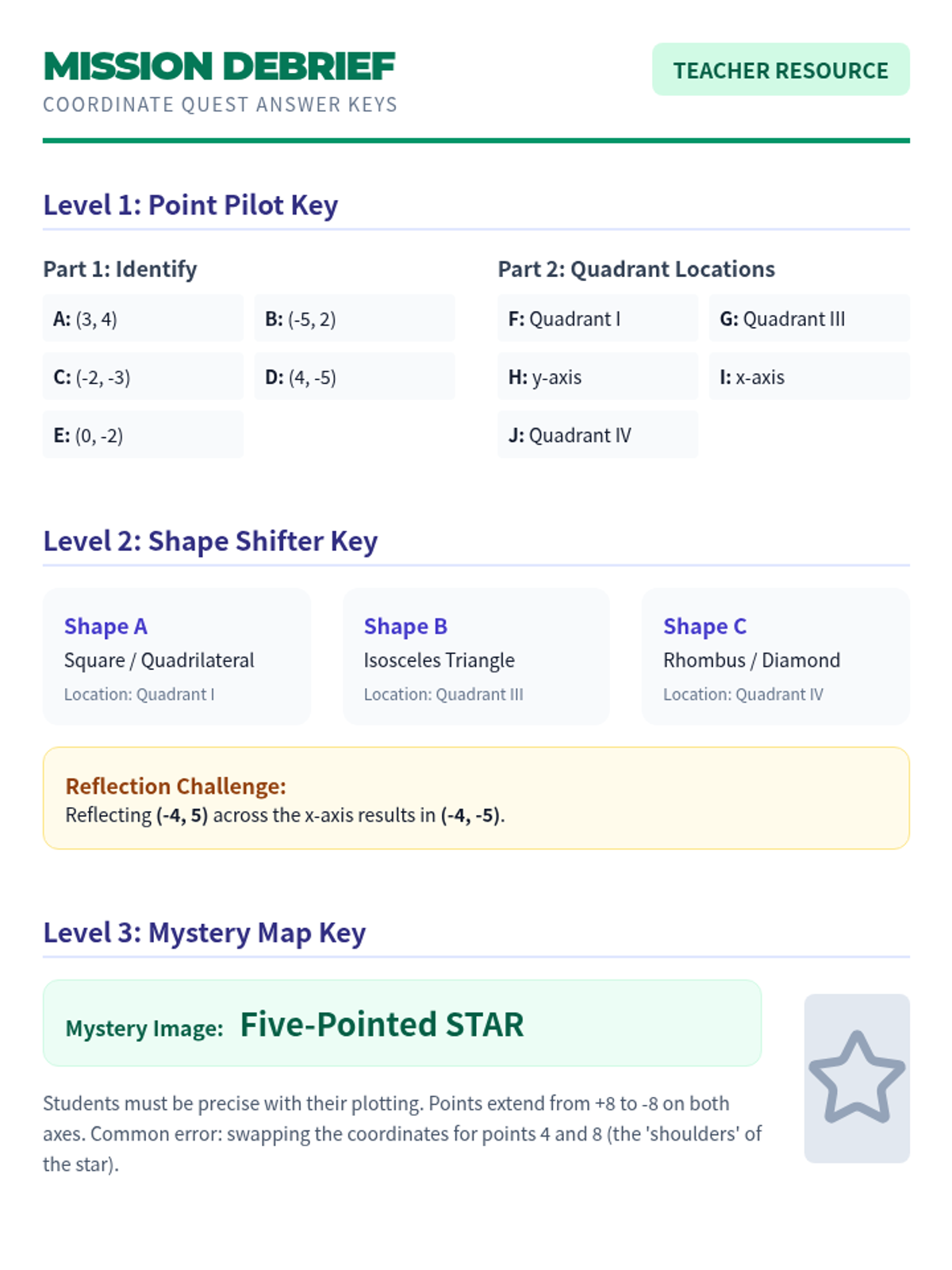
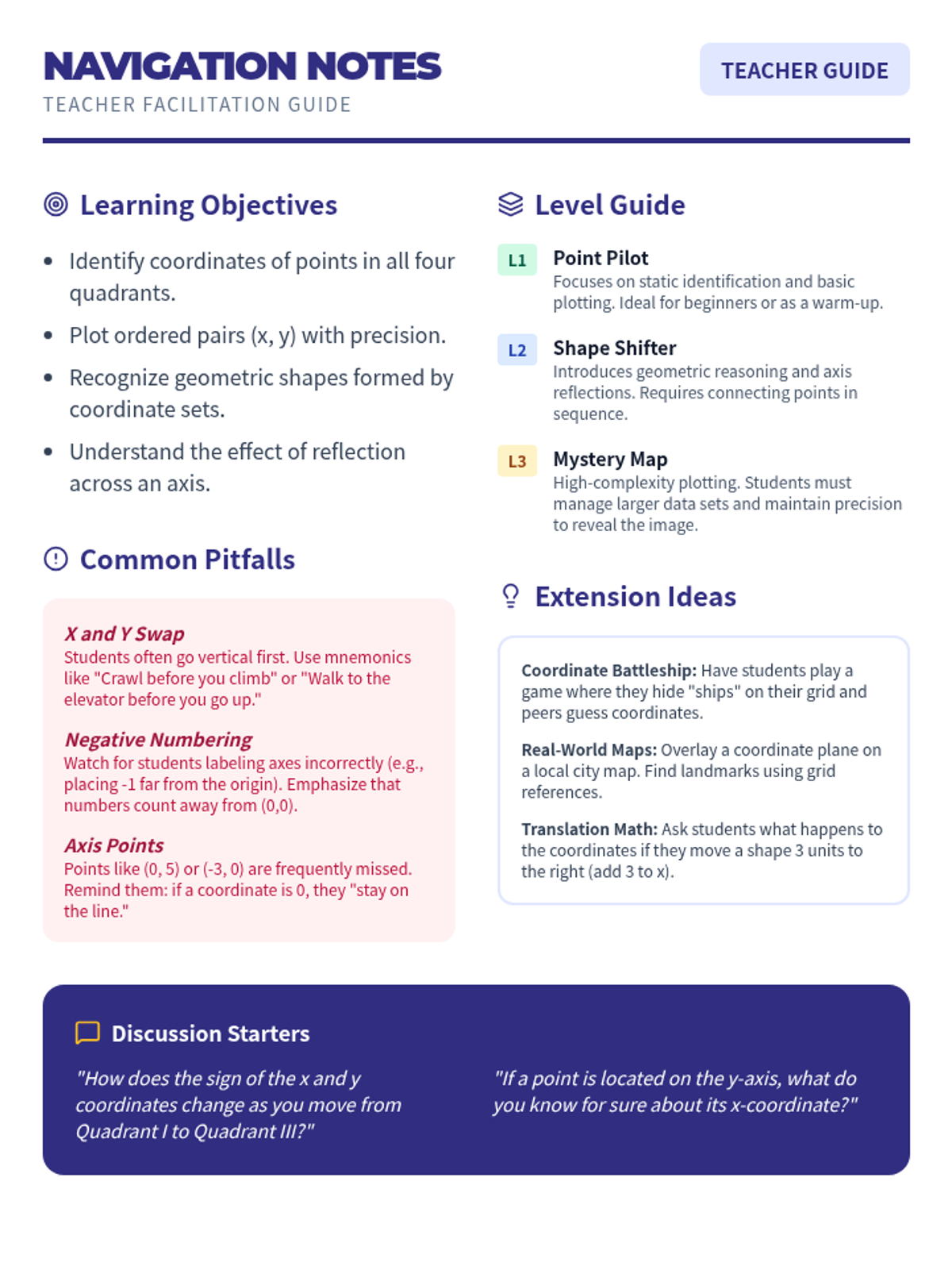
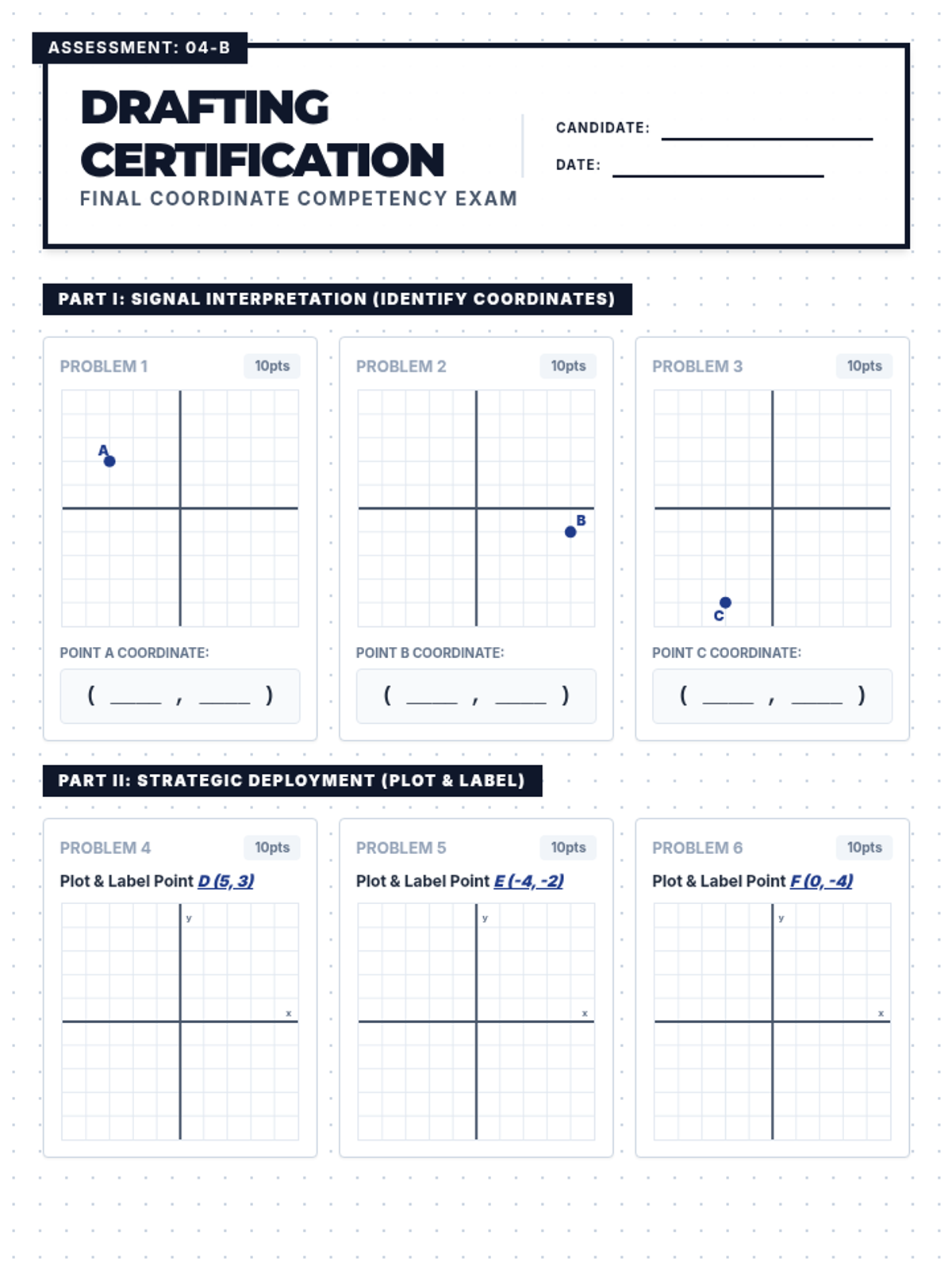
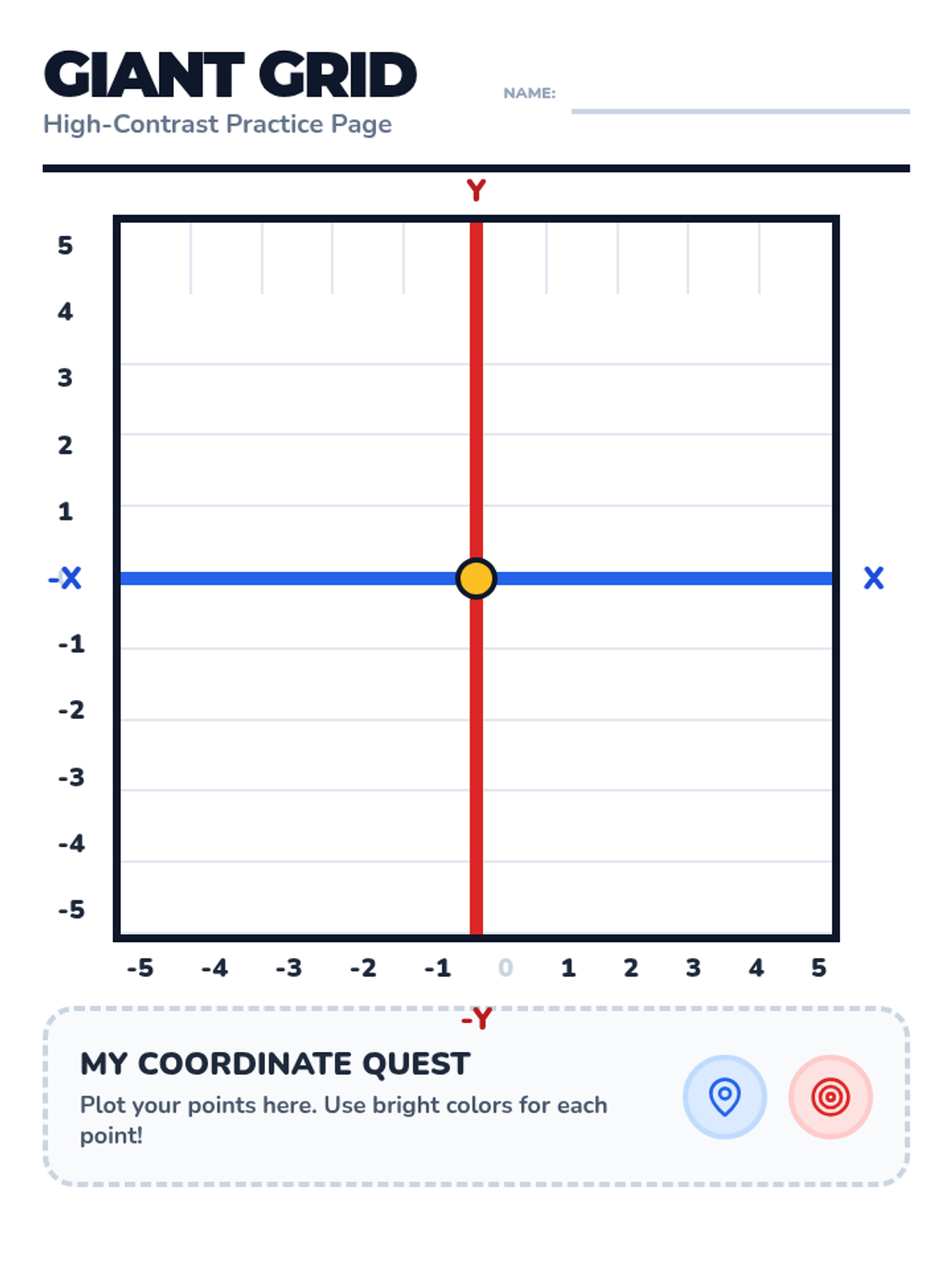
A comprehensive lesson on plotting points across all four quadrants of the coordinate plane, progressing from basic identification to complex shape creation.
A comprehensive review lesson covering multi-digit multiplication, circle geometry, fact families, and decimal operations with powers of ten.
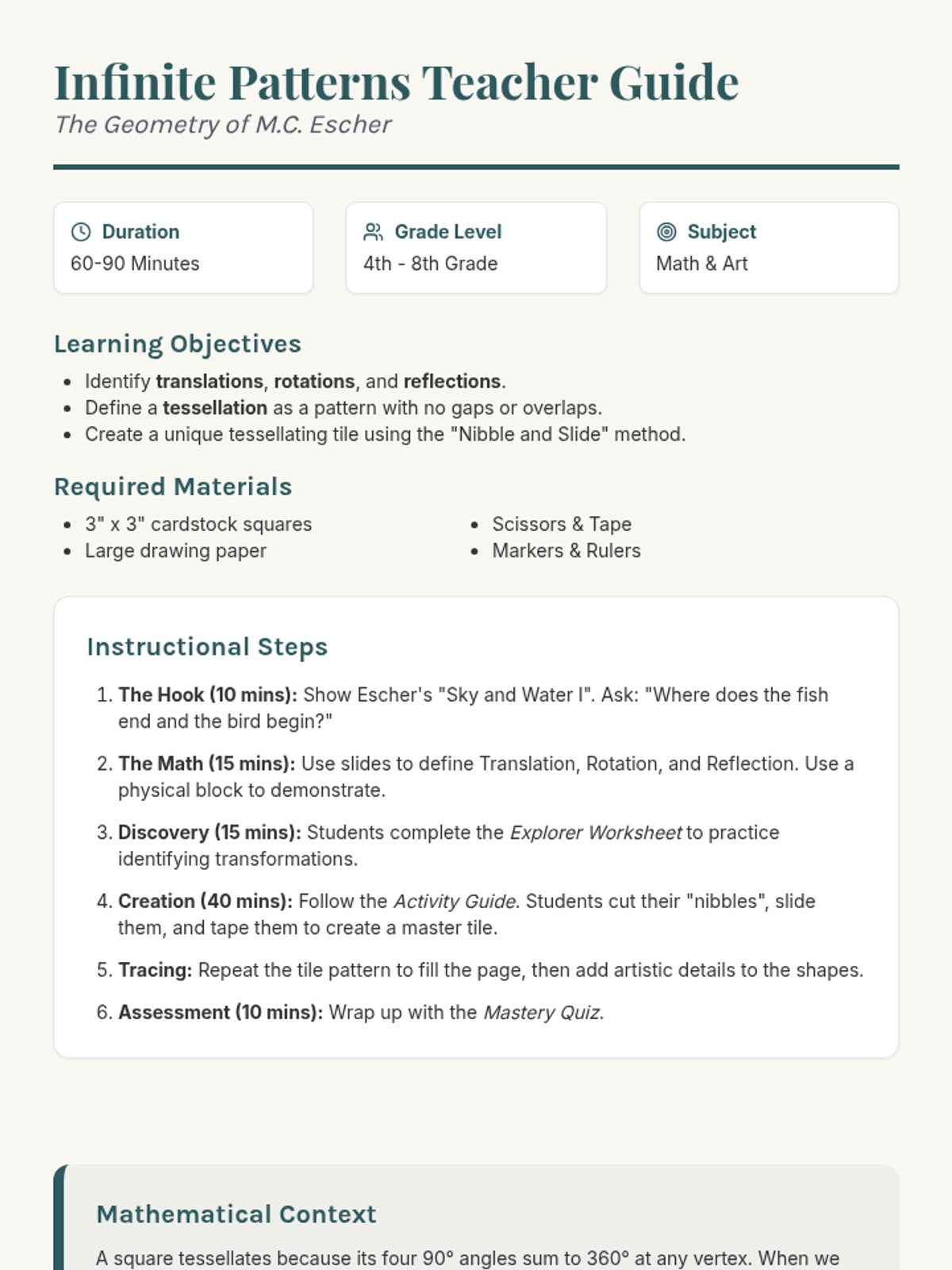
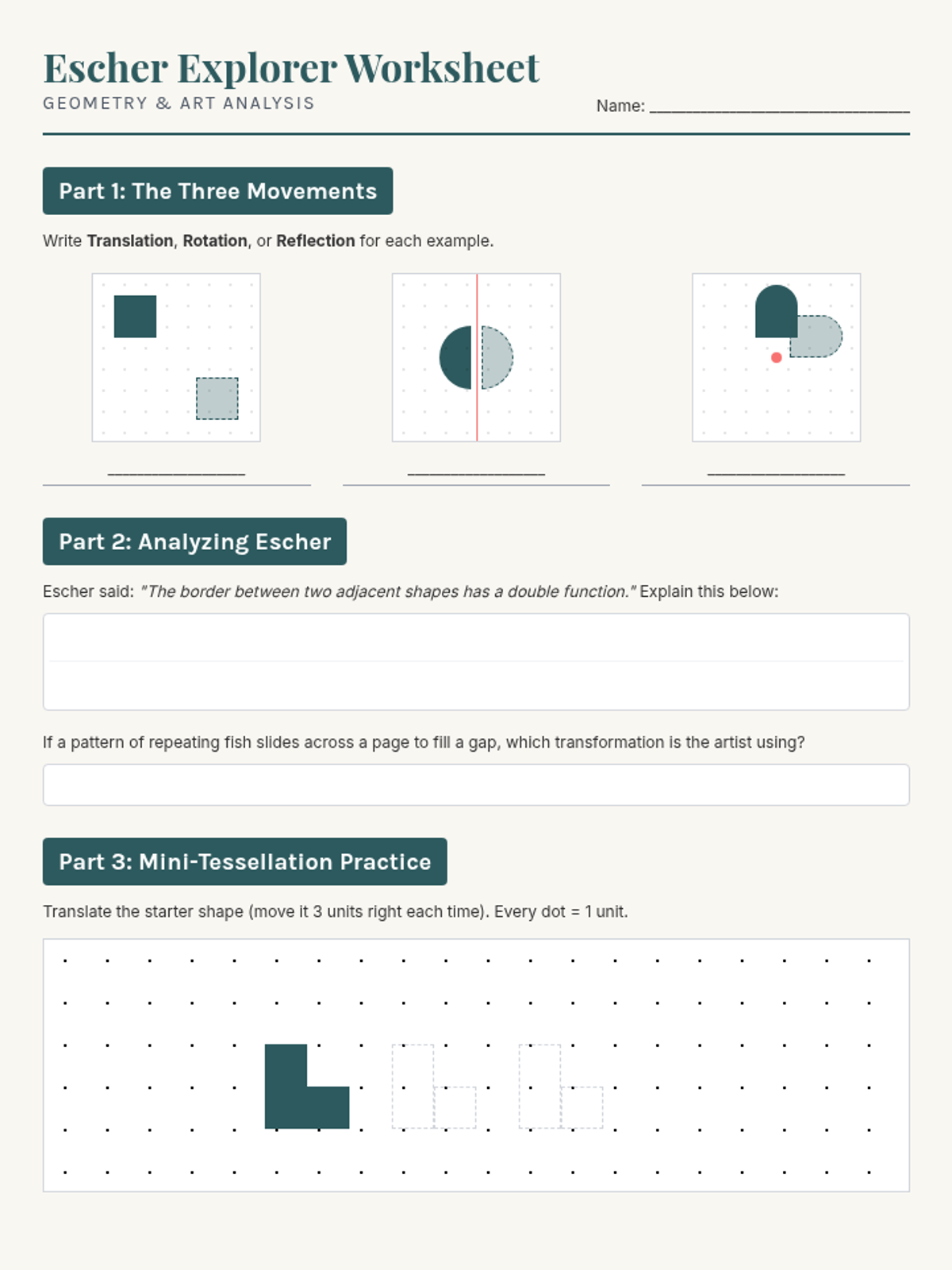
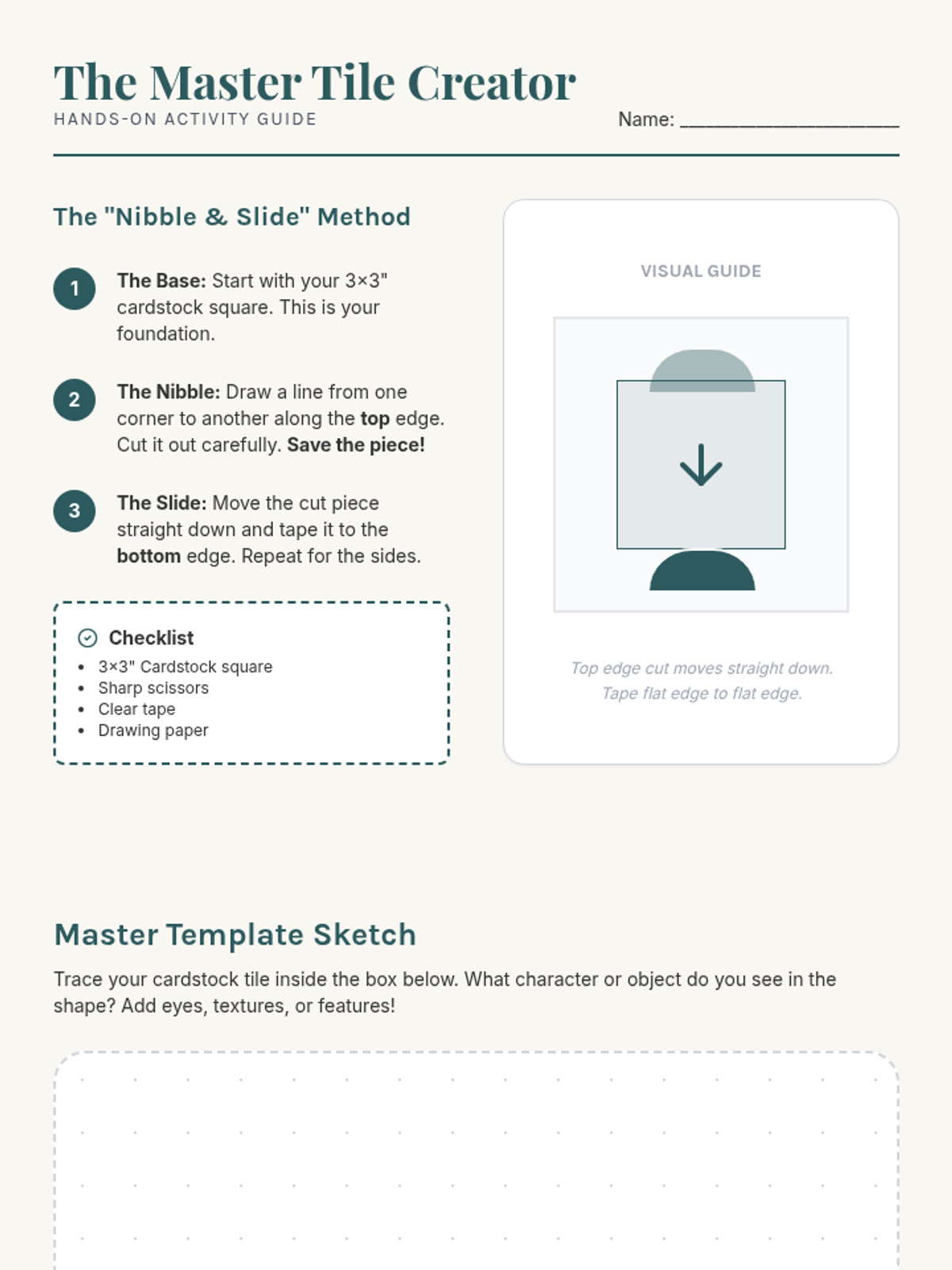
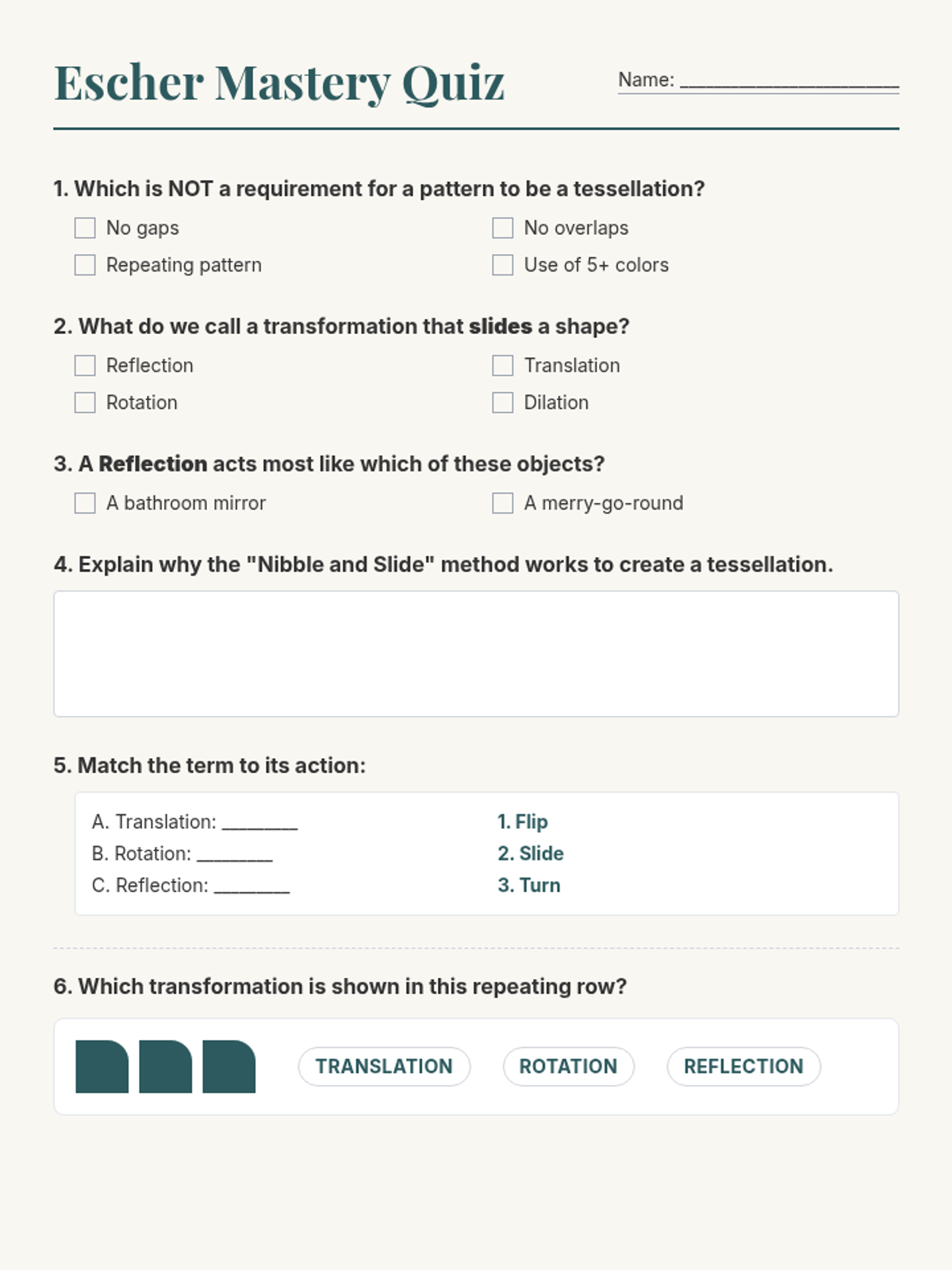
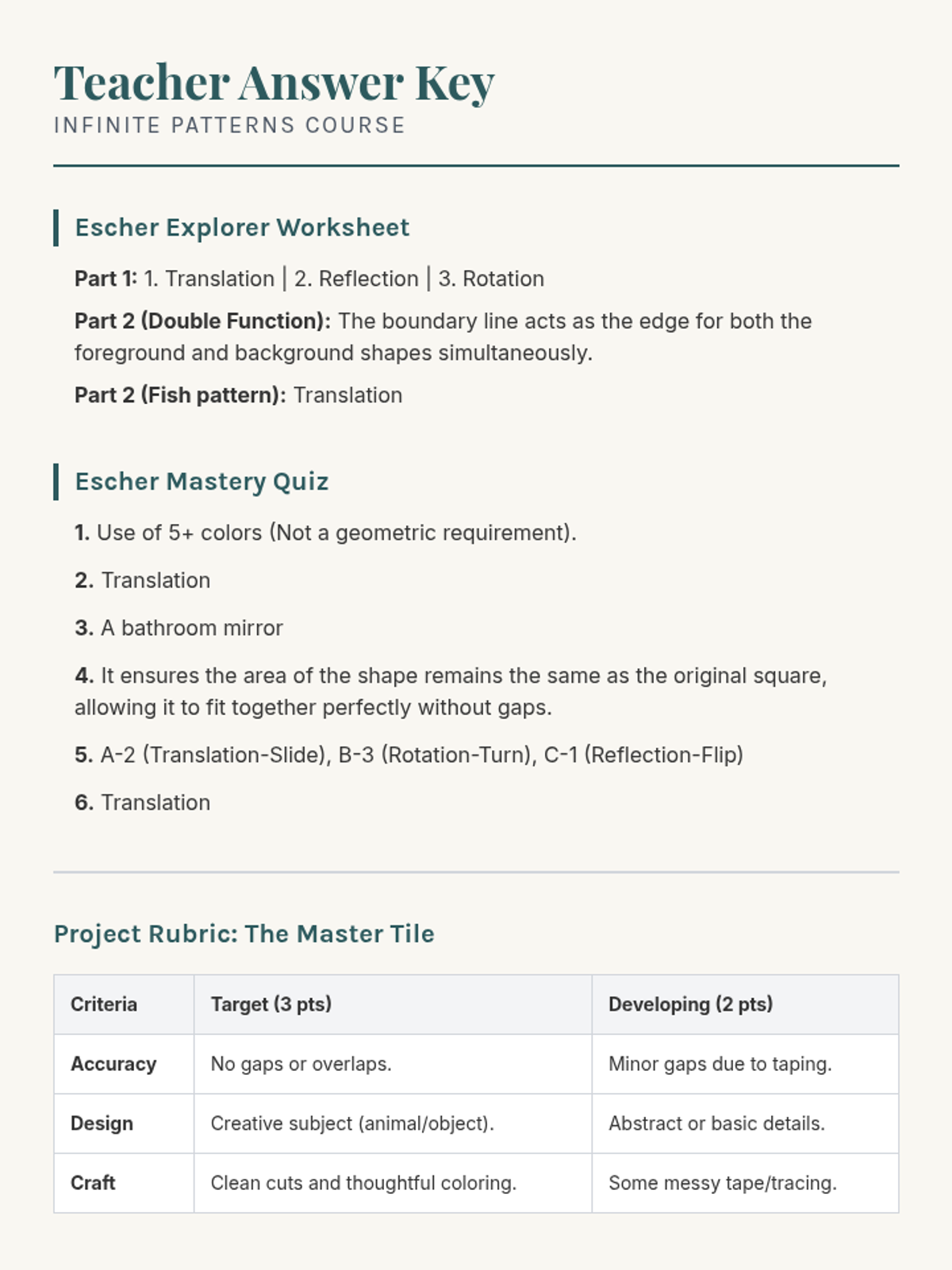
A hands-on interdisciplinary lesson blending geometry and art. Students explore M.C. Escher's work to understand and apply translations, rotations, and reflections through the creation of original tessellating patterns.
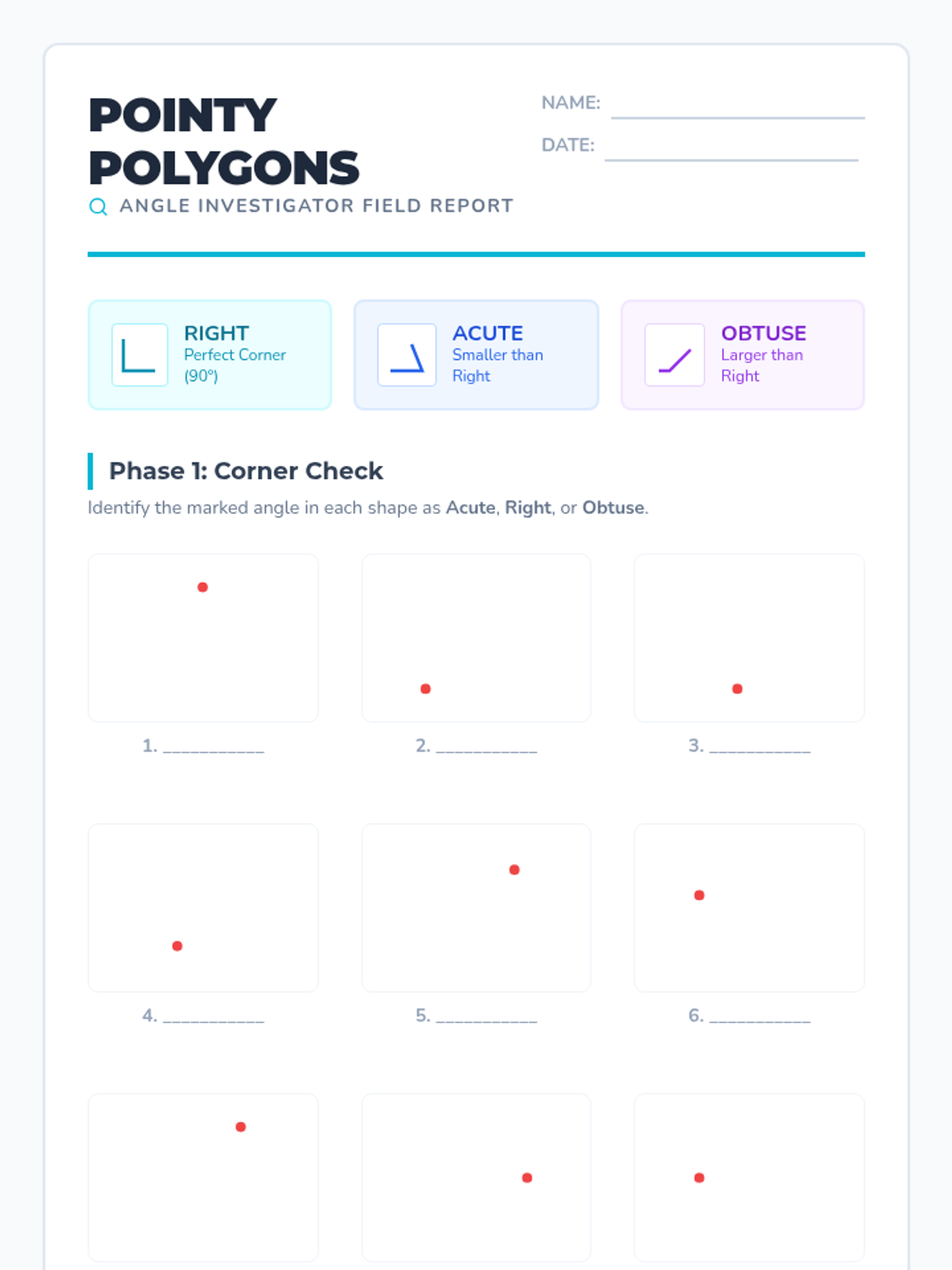
A comprehensive lesson on identifying and classifying acute, right, and obtuse angles within various geometric shapes through visual inspection and detective-themed practice.
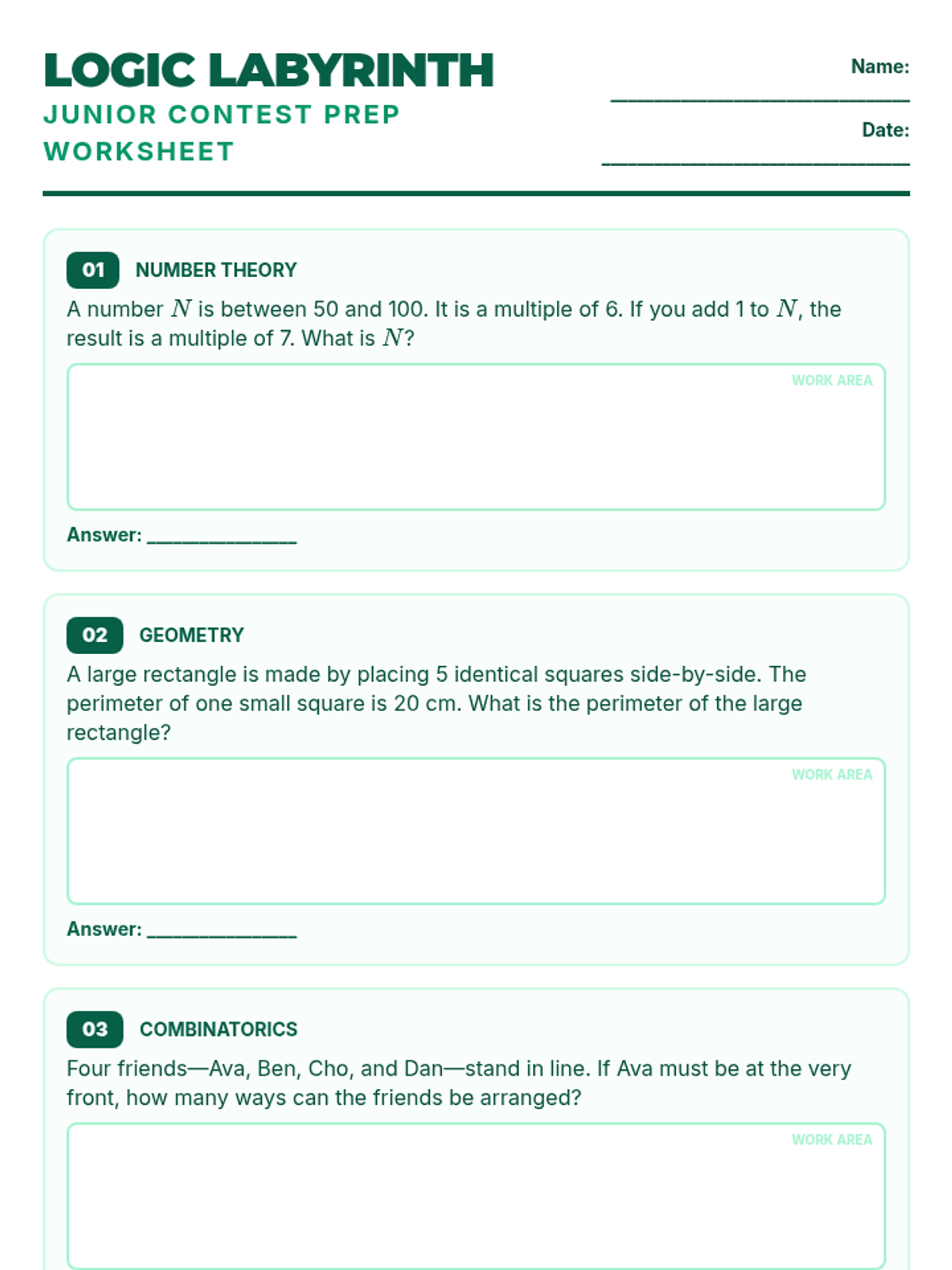
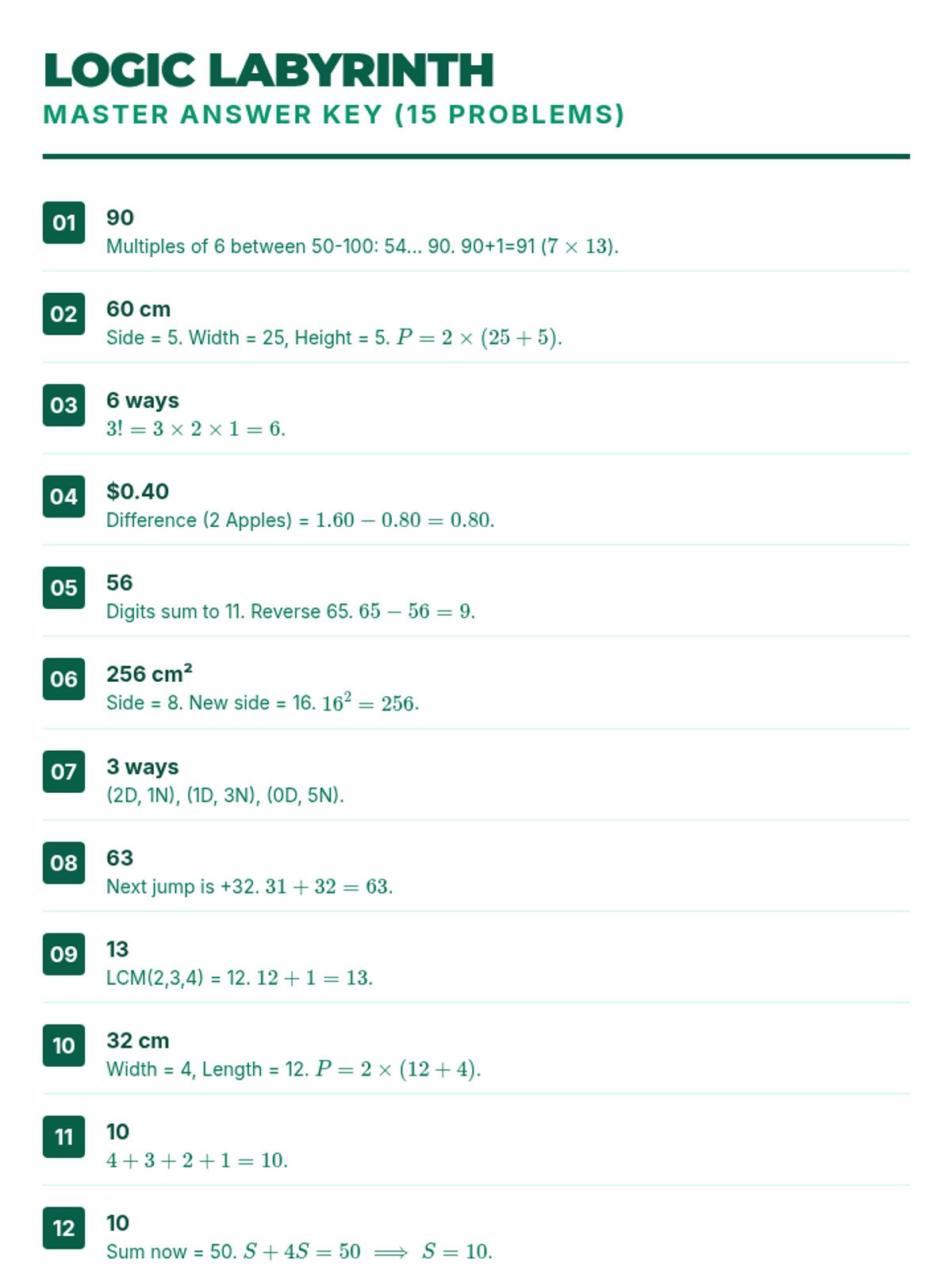
A collection of challenging math problems focusing on number theory, geometry, combinatorics, and algebra, designed for middle school students preparing for GAIM and similar math competitions.
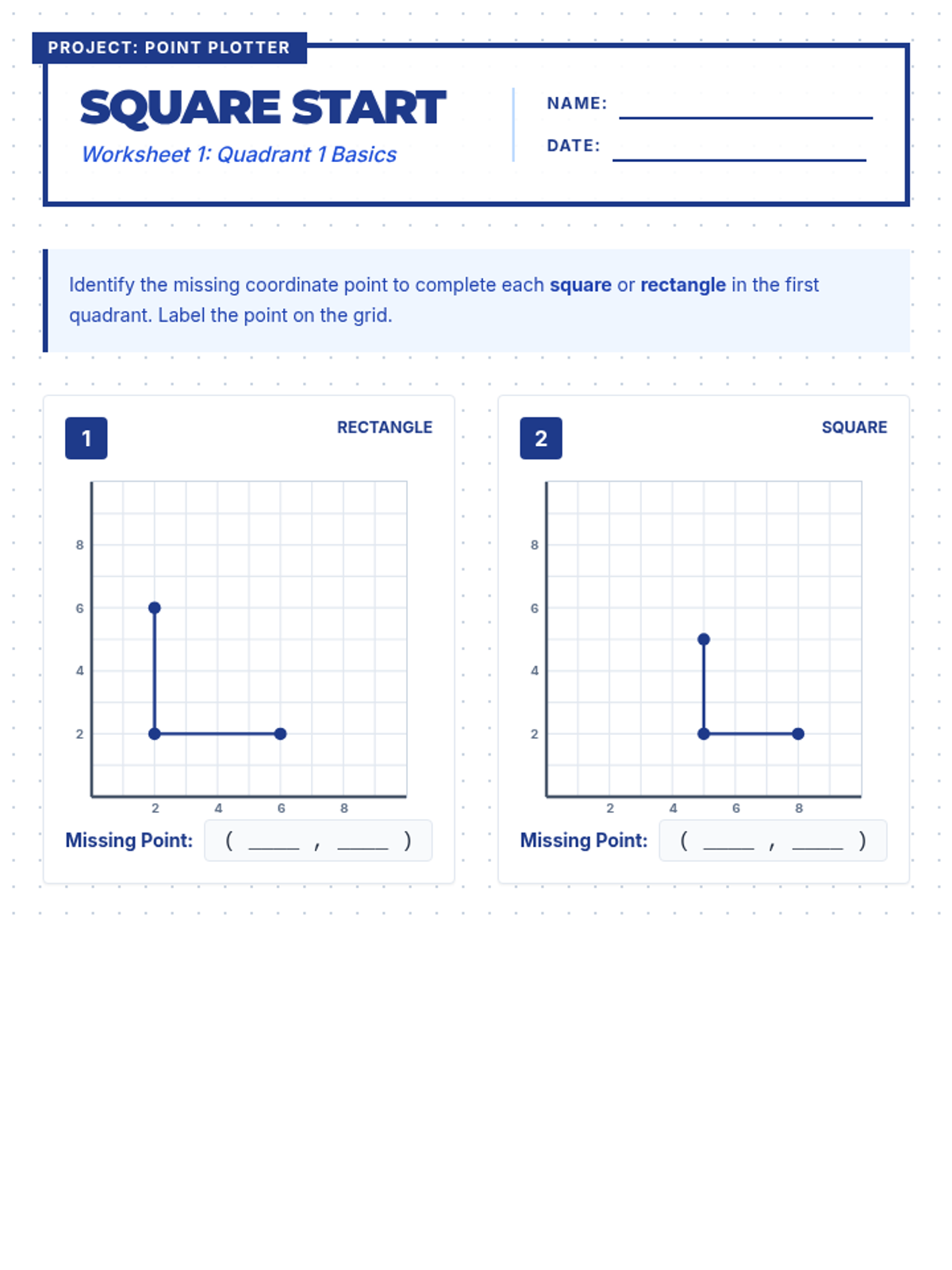
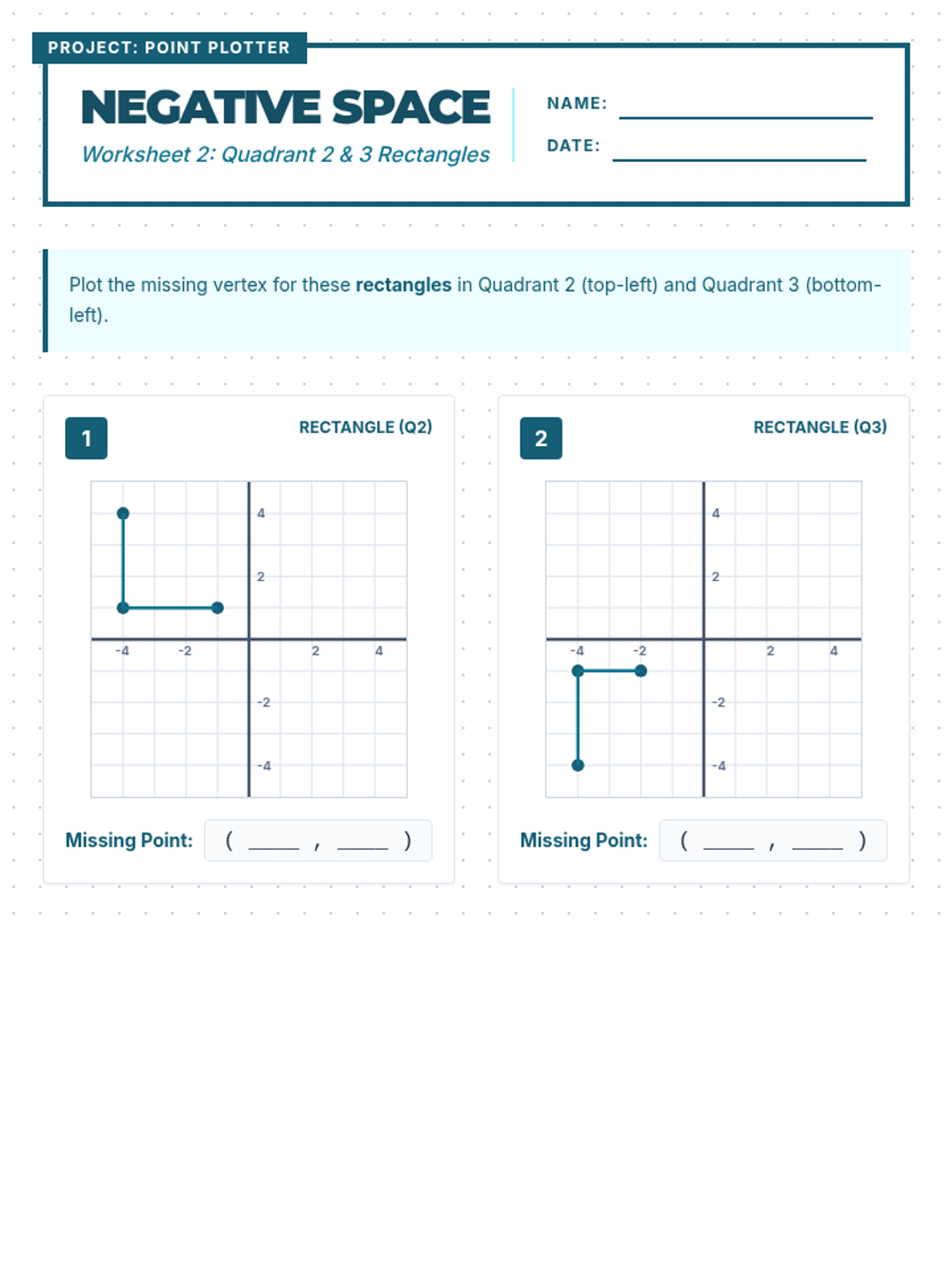
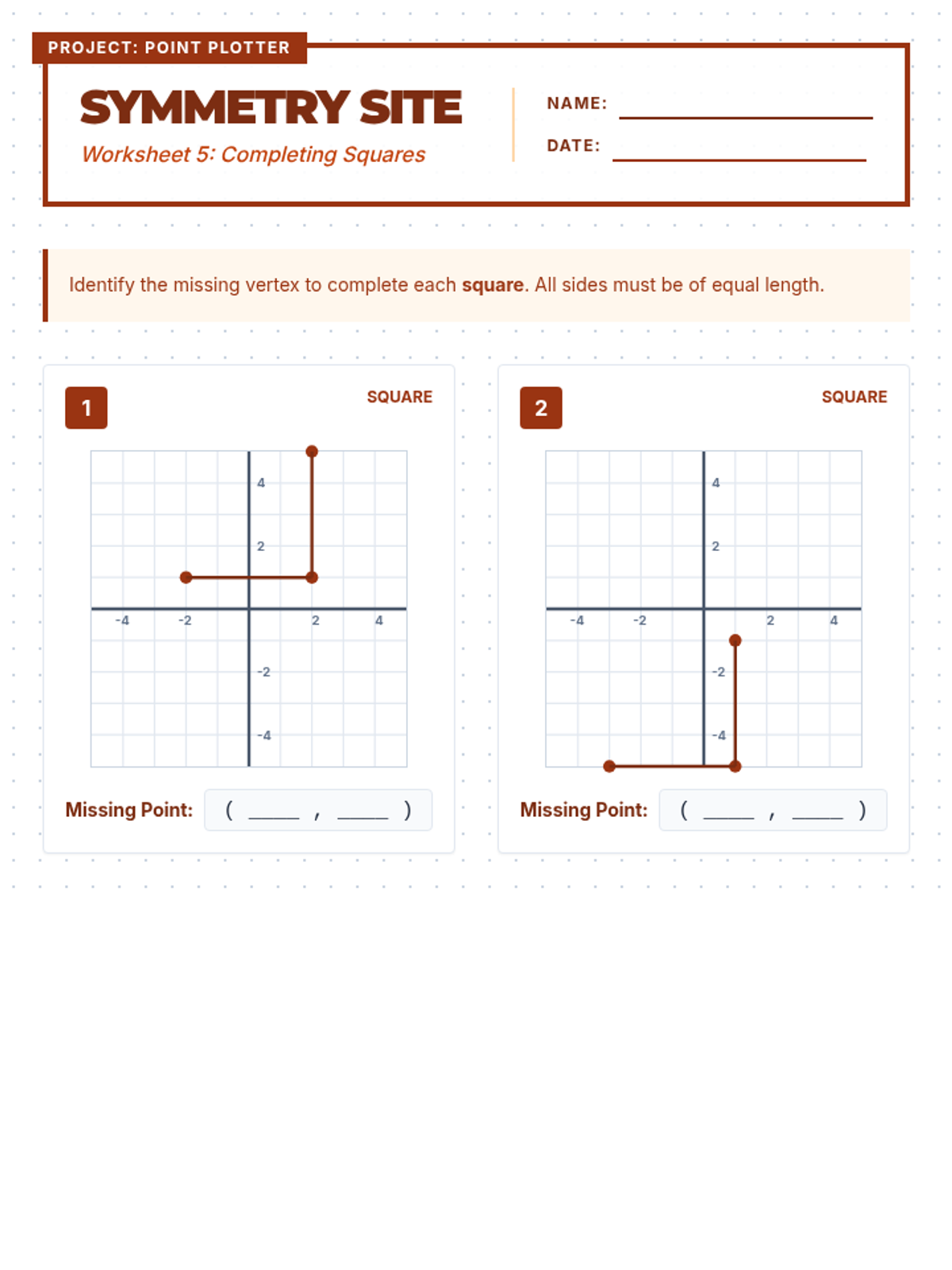
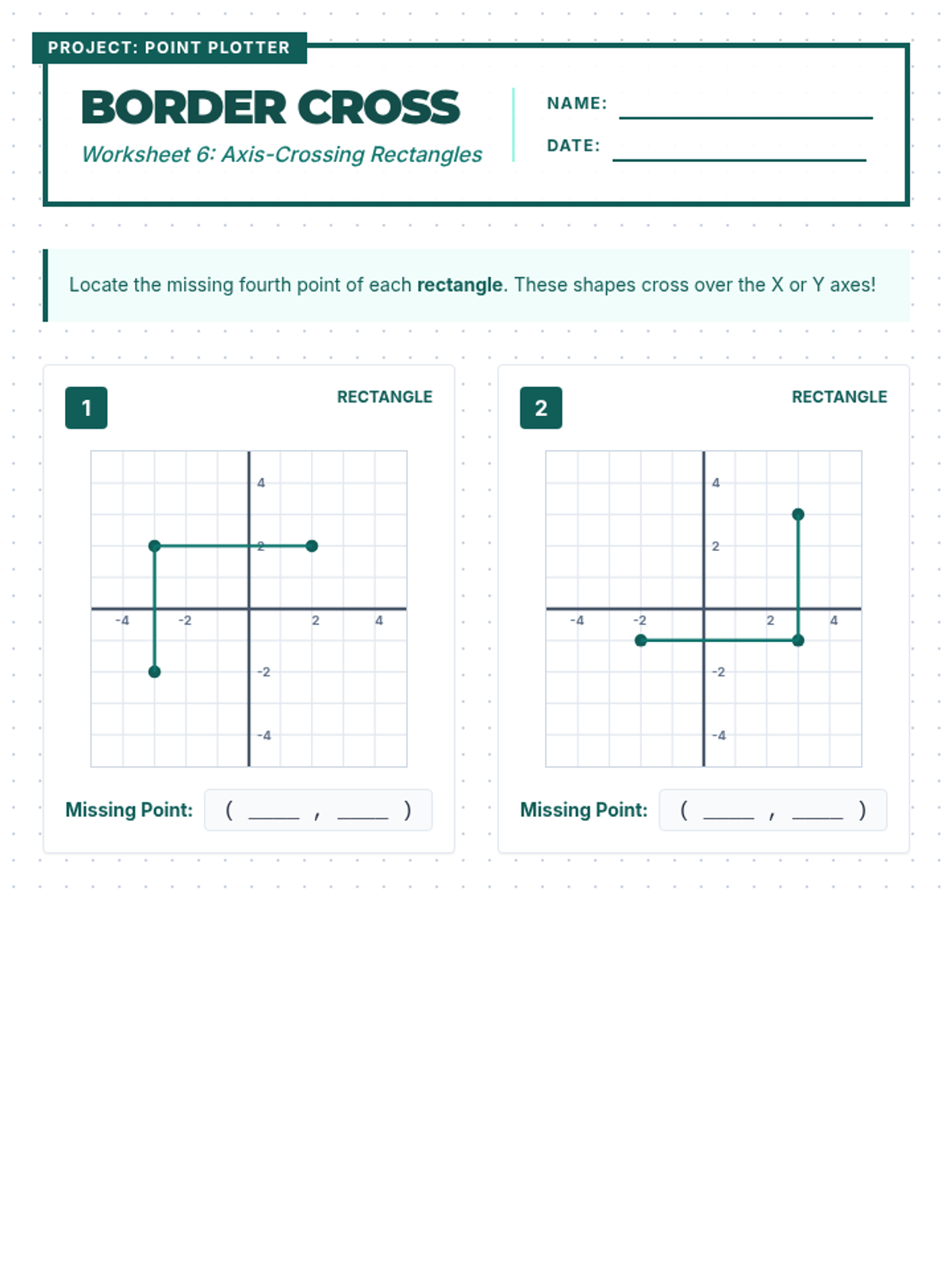
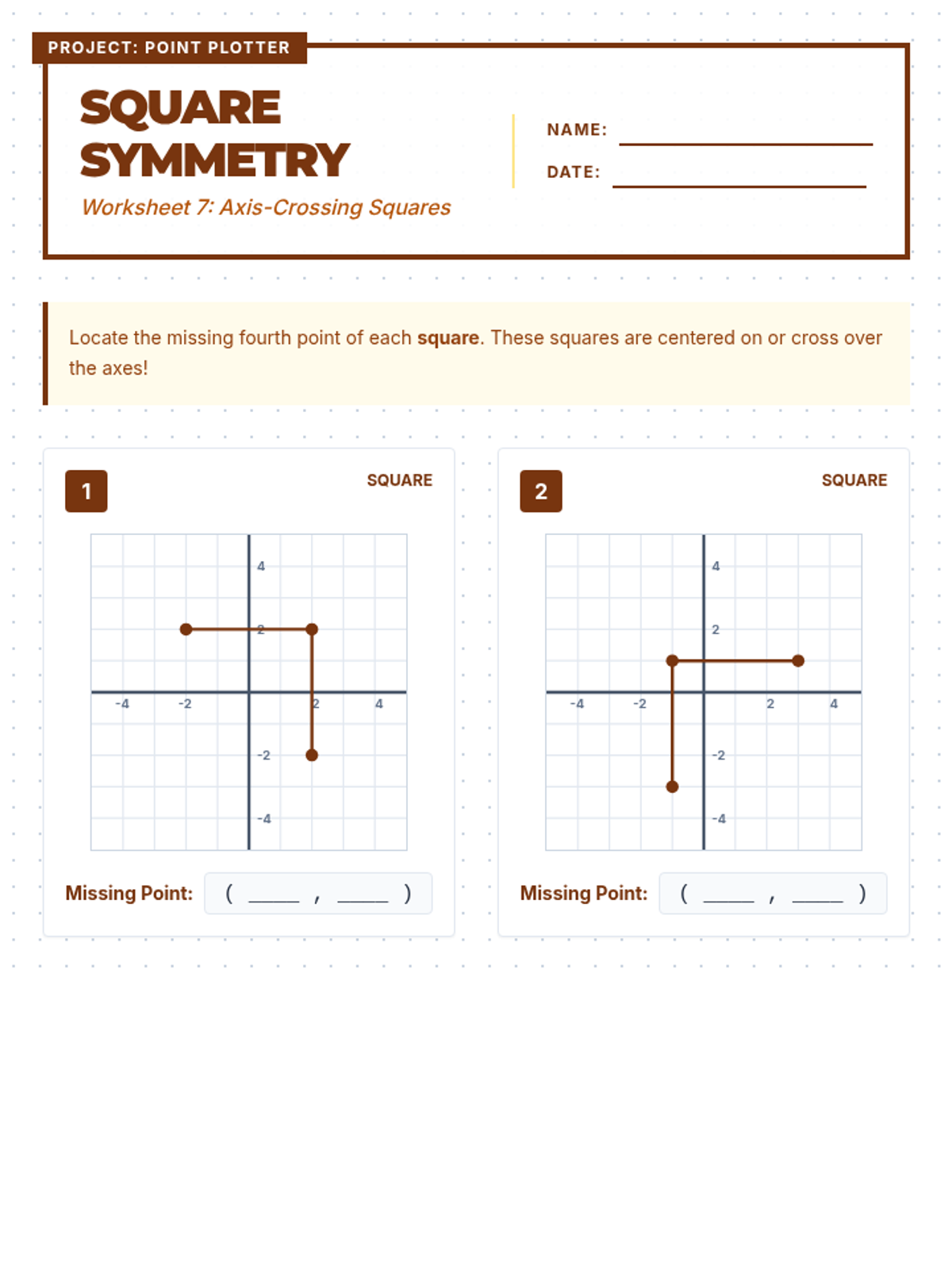
A series of 10 worksheets focused on identifying and plotting the missing vertex to complete rectangles and squares across all four quadrants of the coordinate plane.
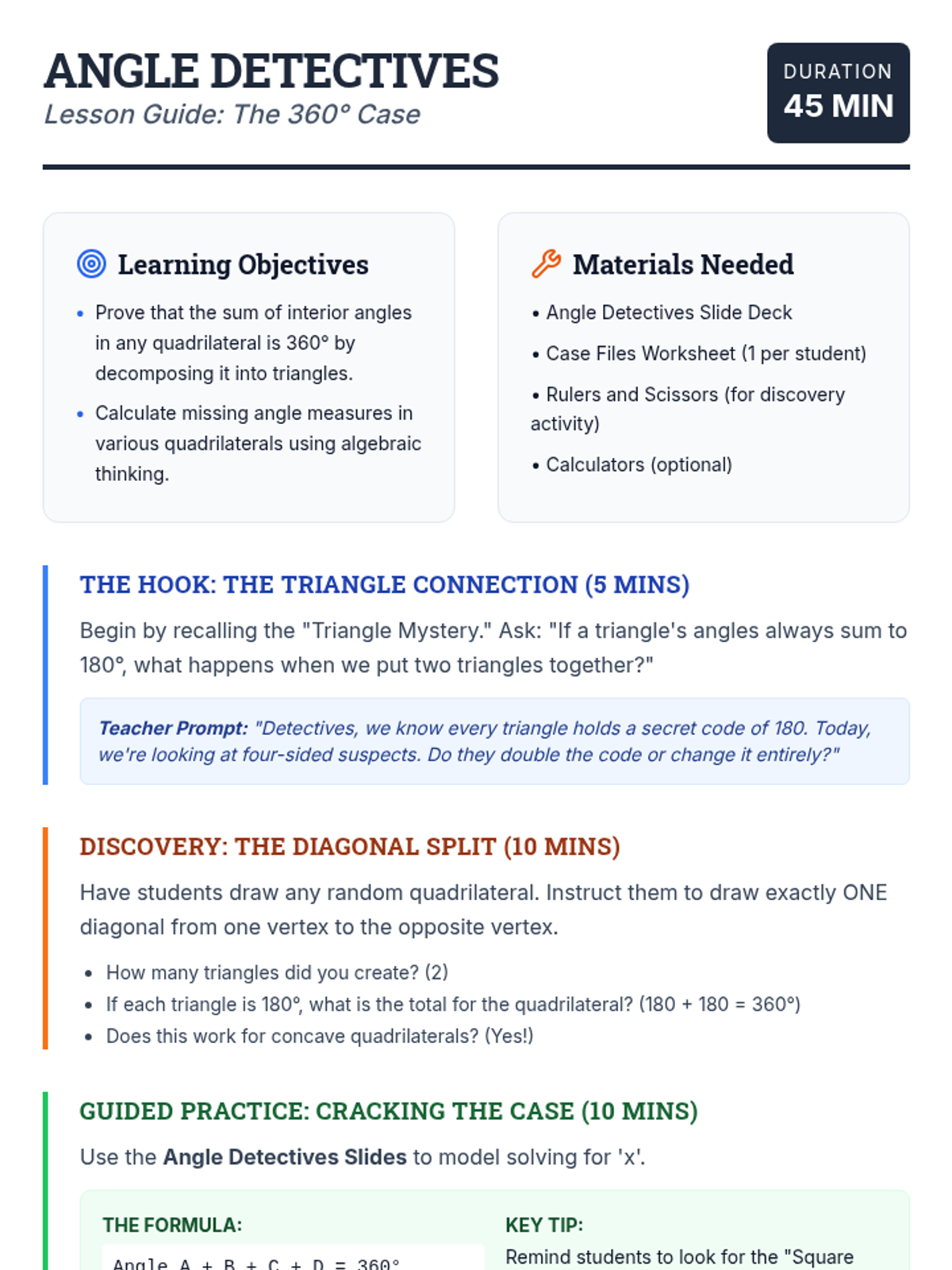
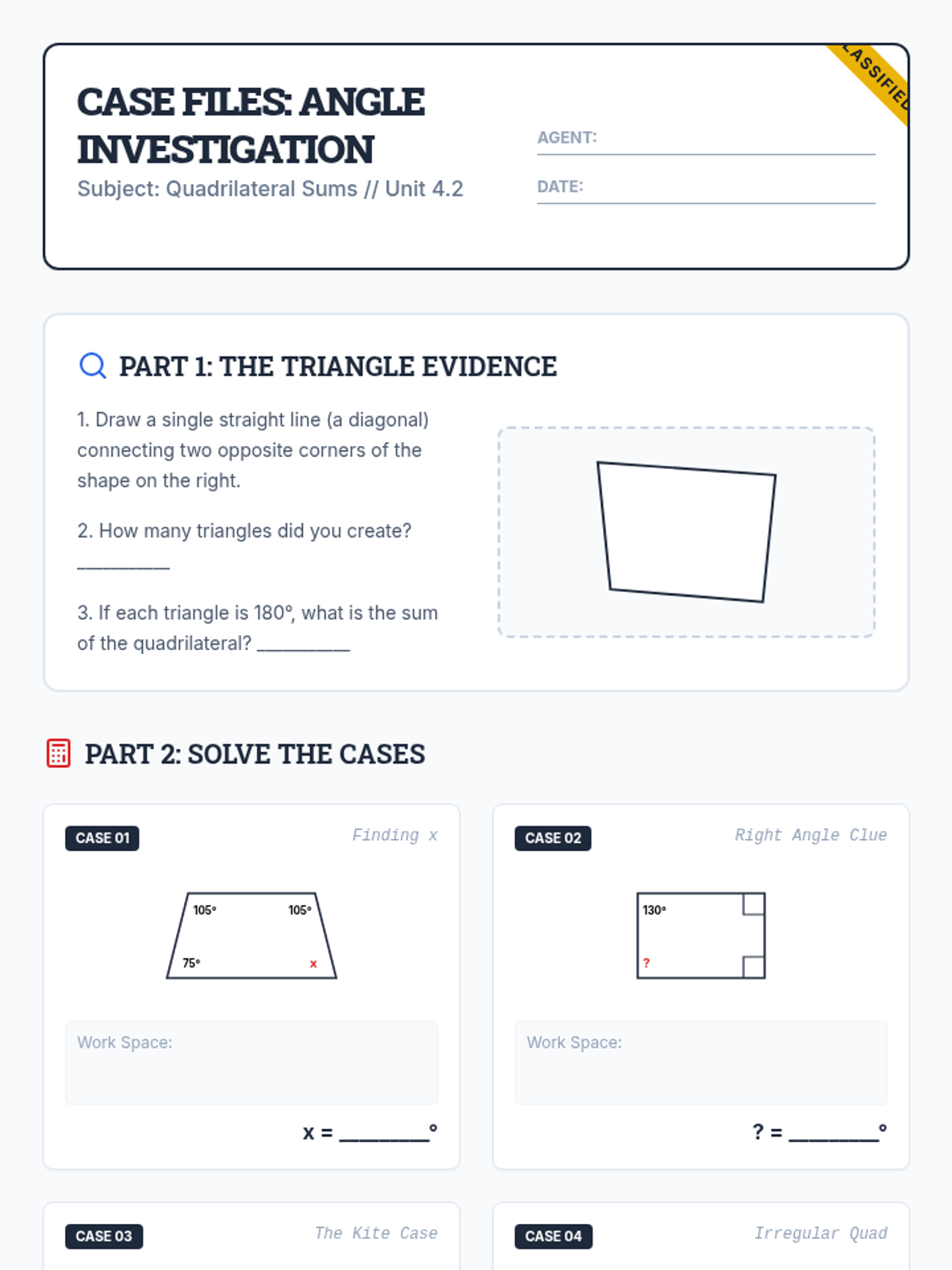
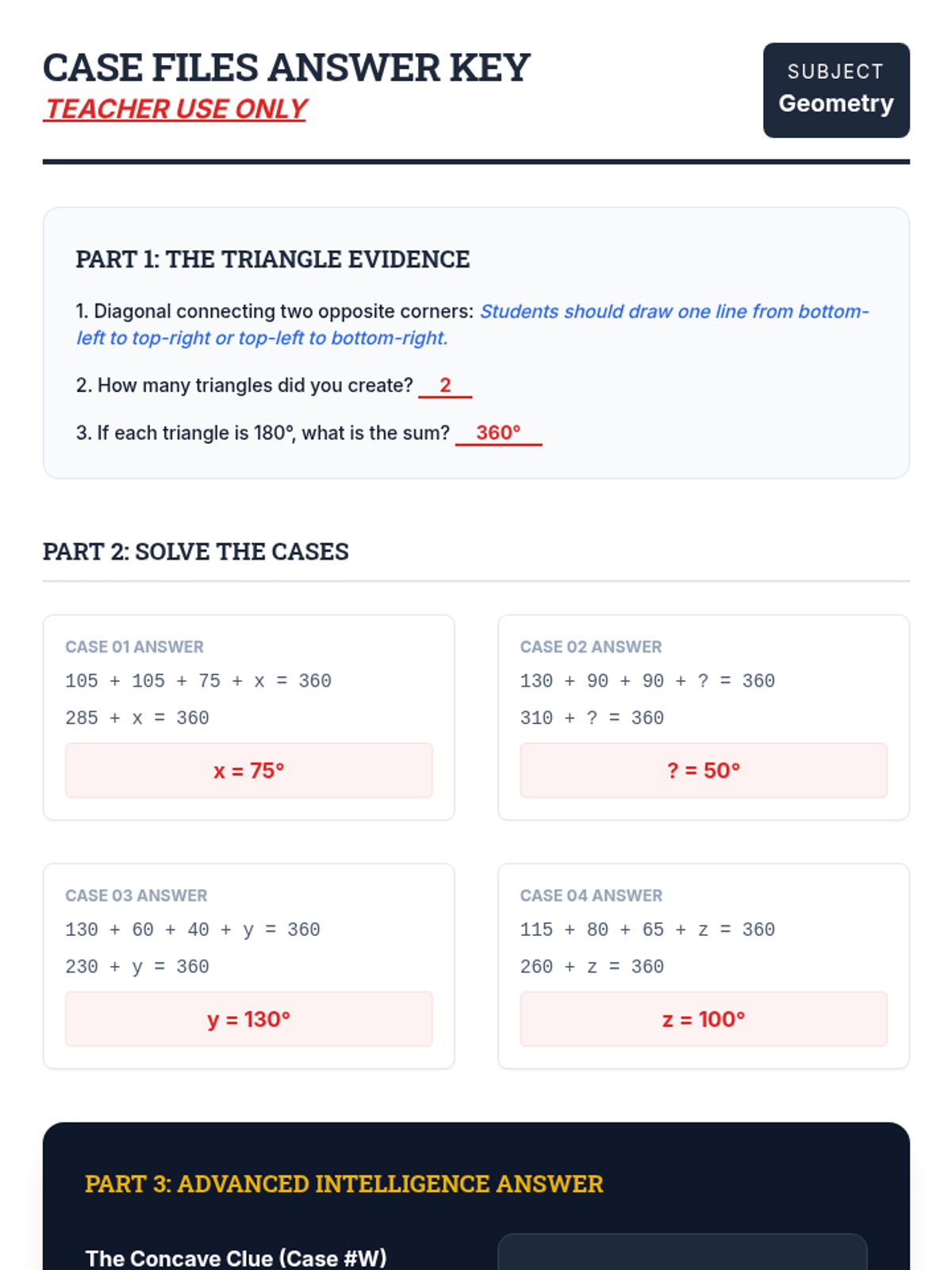
A 45-minute investigation into the interior angles of quadrilaterals, where students discover the 360-degree rule by dividing shapes into triangles and solve for missing 'clue' angles.
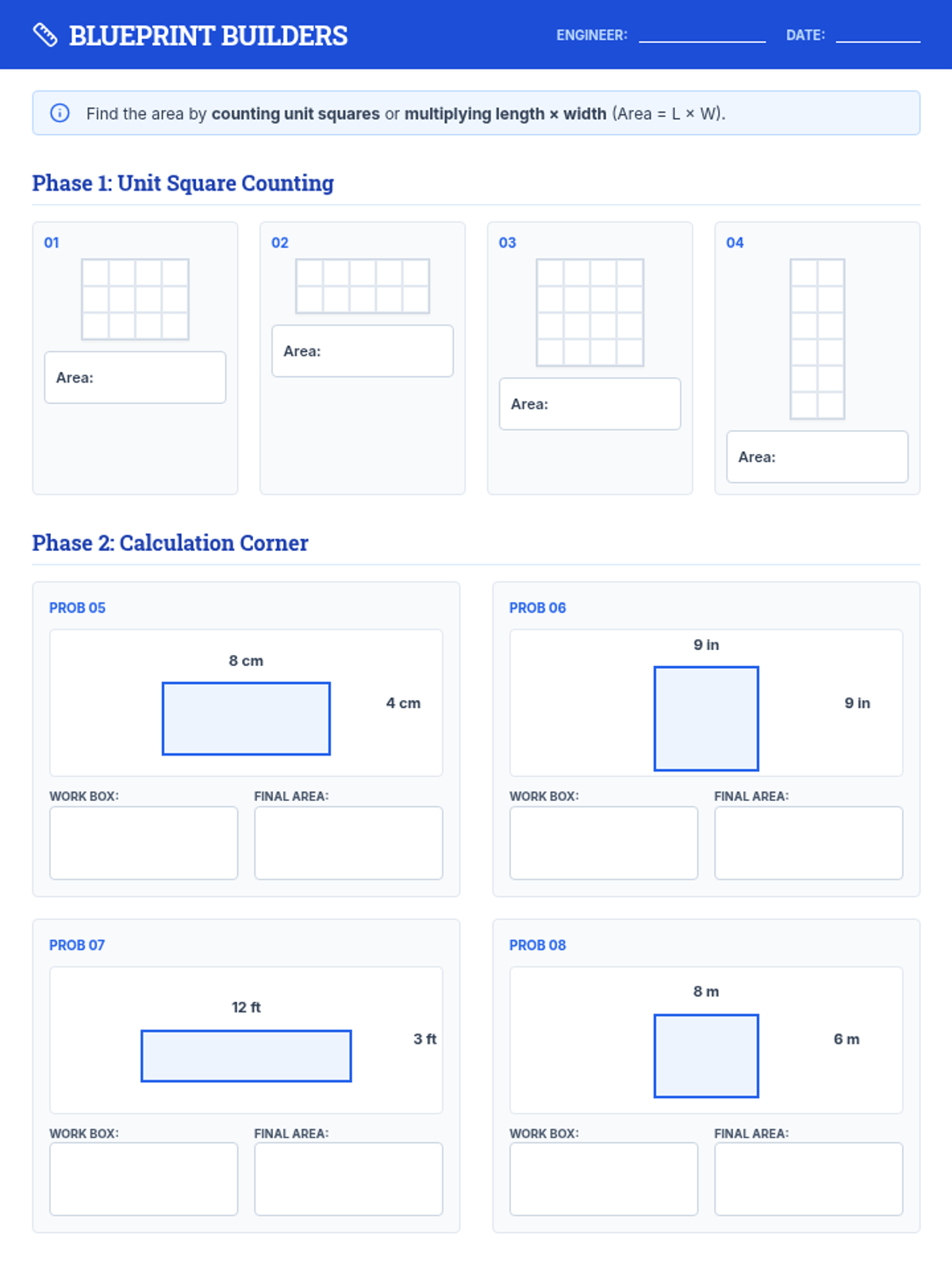
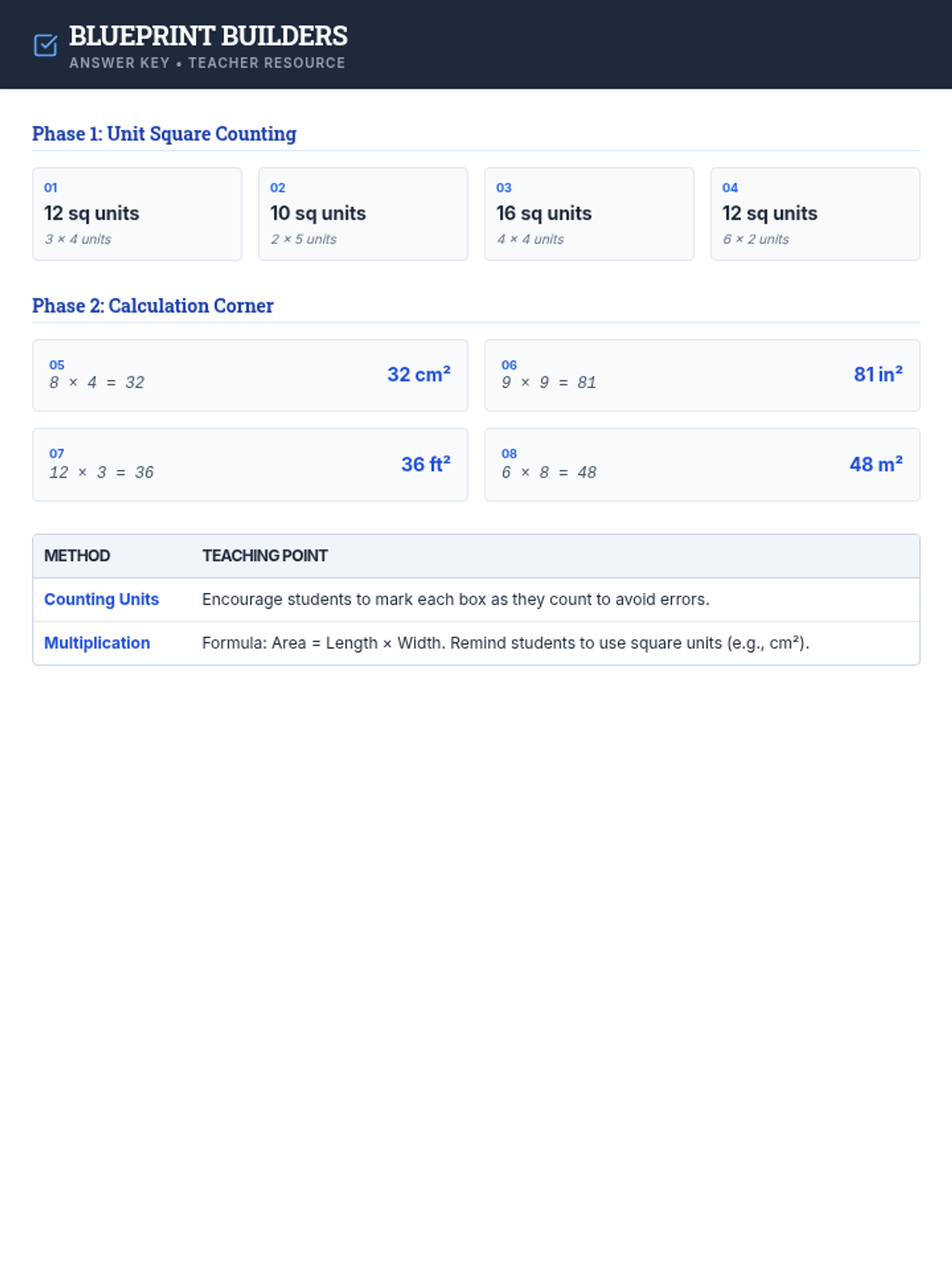
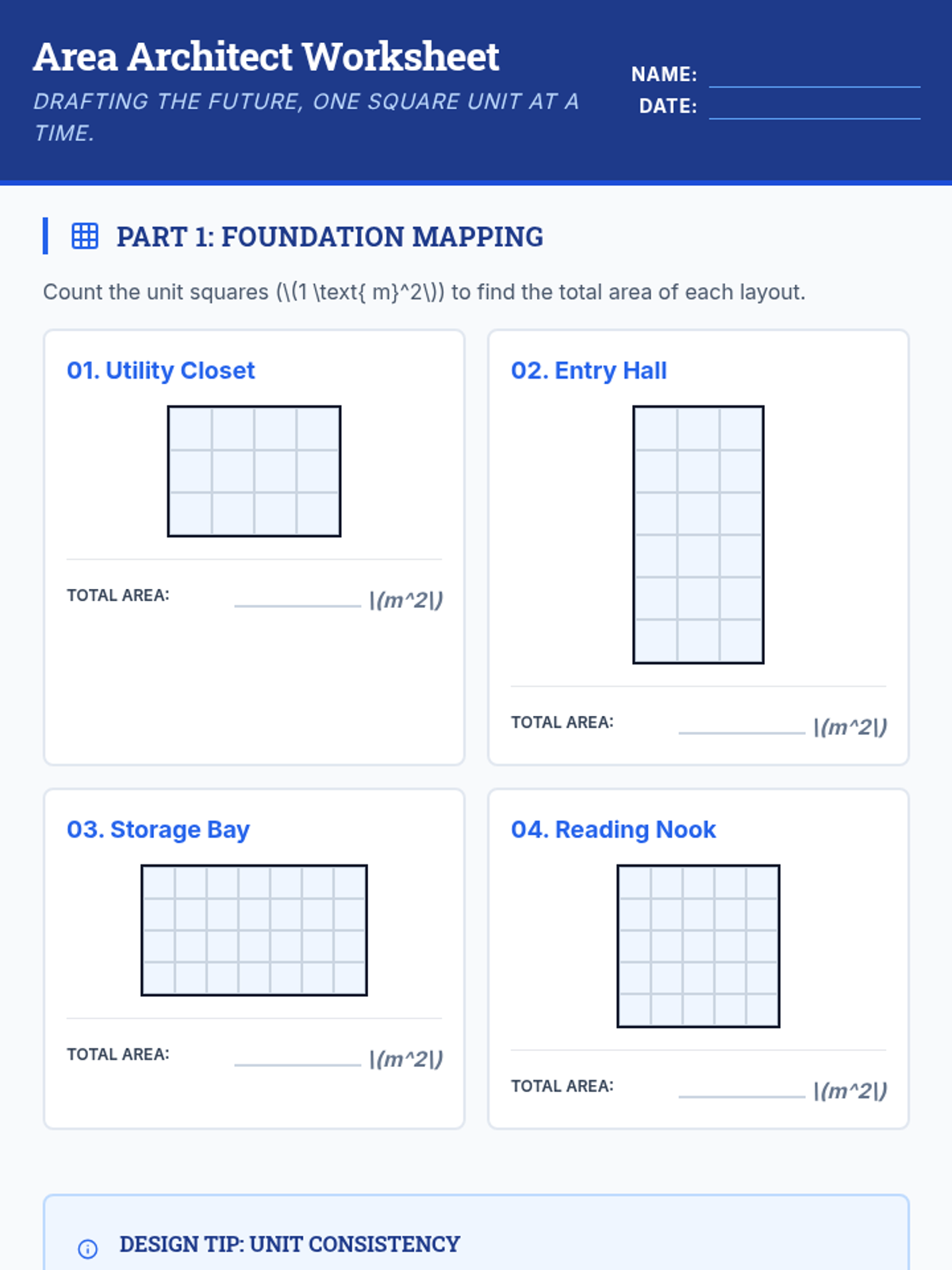
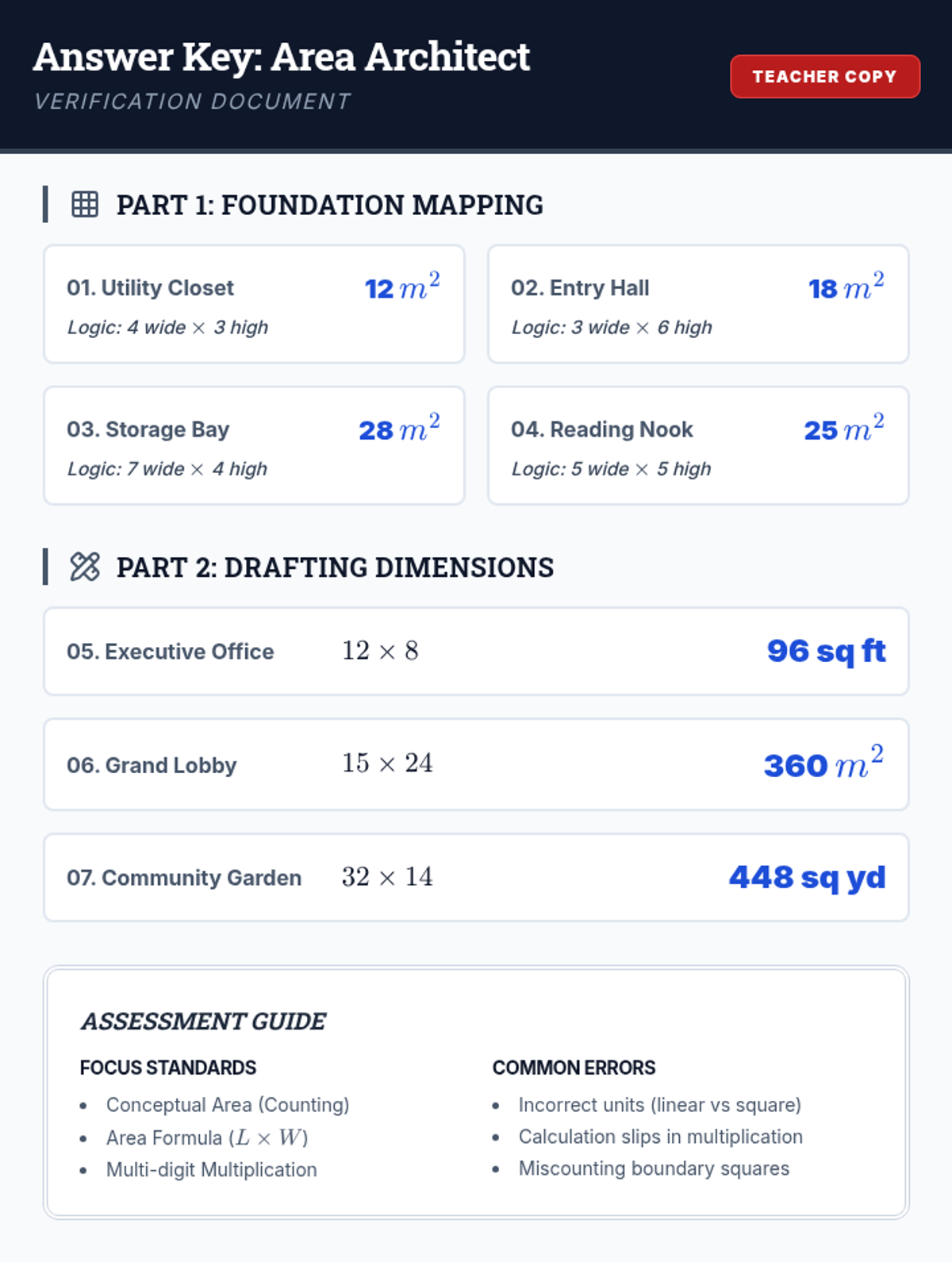
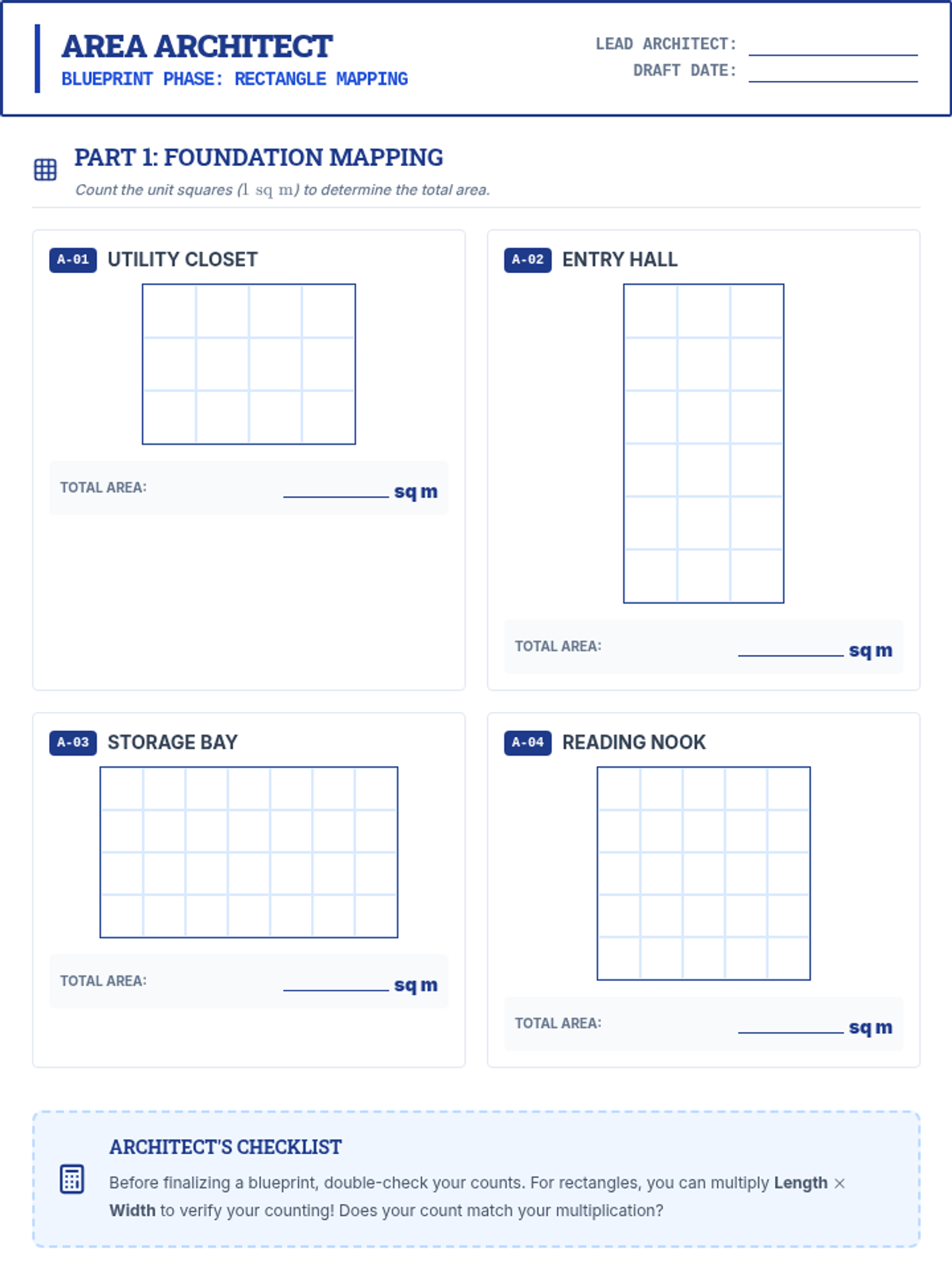
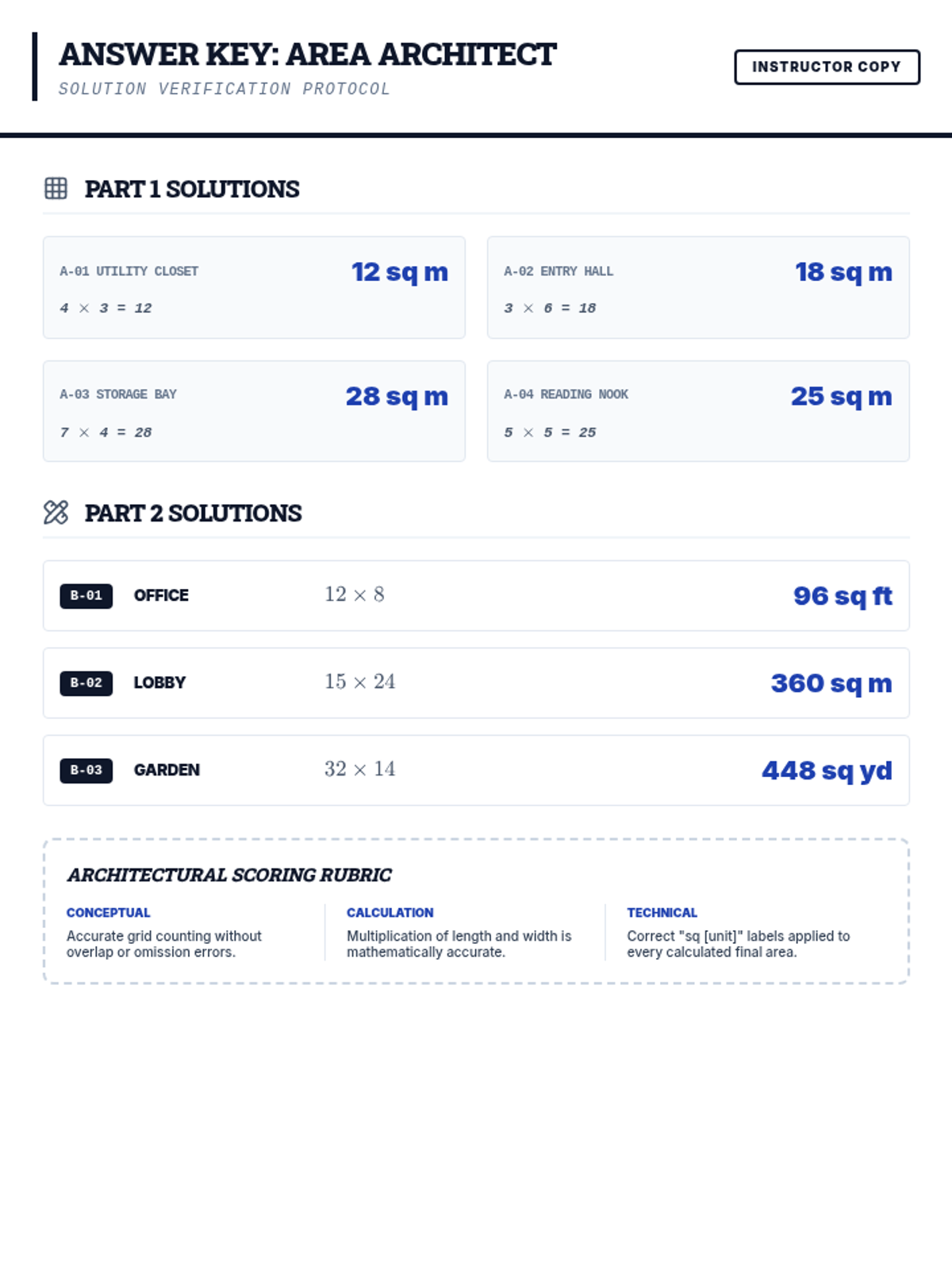
Students learn to calculate the area of rectangles and squares using two methods: counting unit squares on a grid and multiplying side lengths. This lesson provides hands-on practice with whole number measurements to build a solid foundation in geometry.
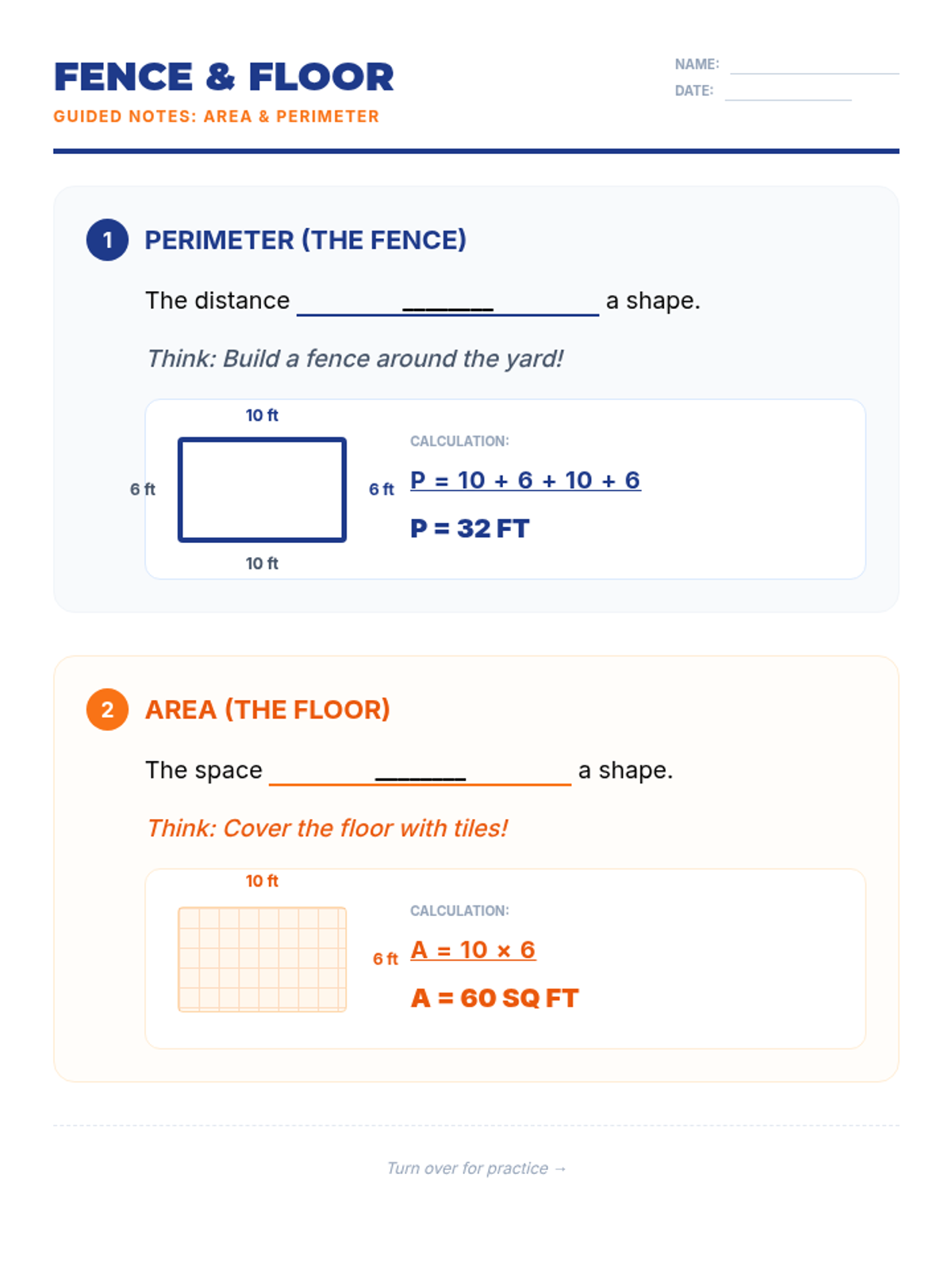
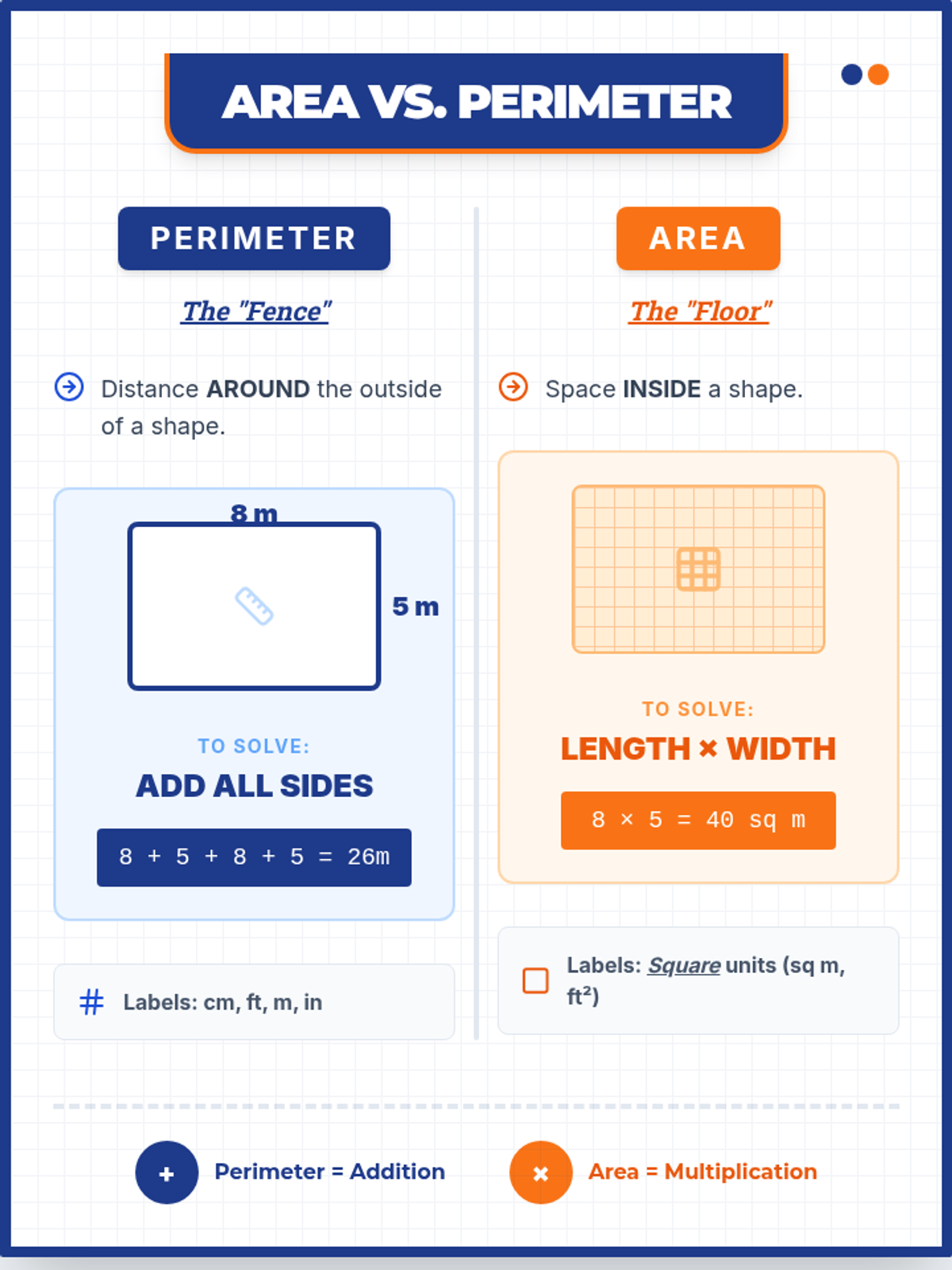
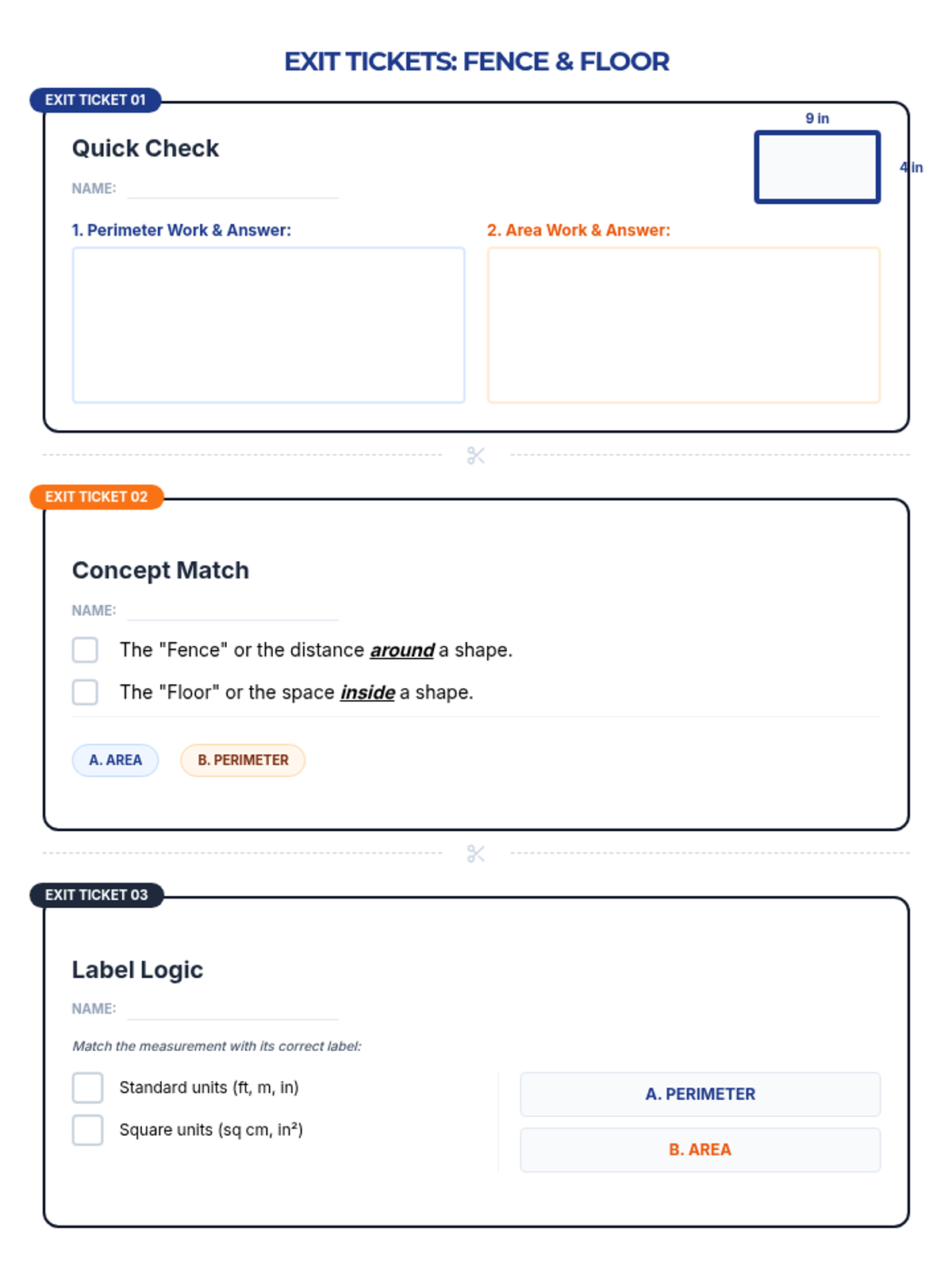
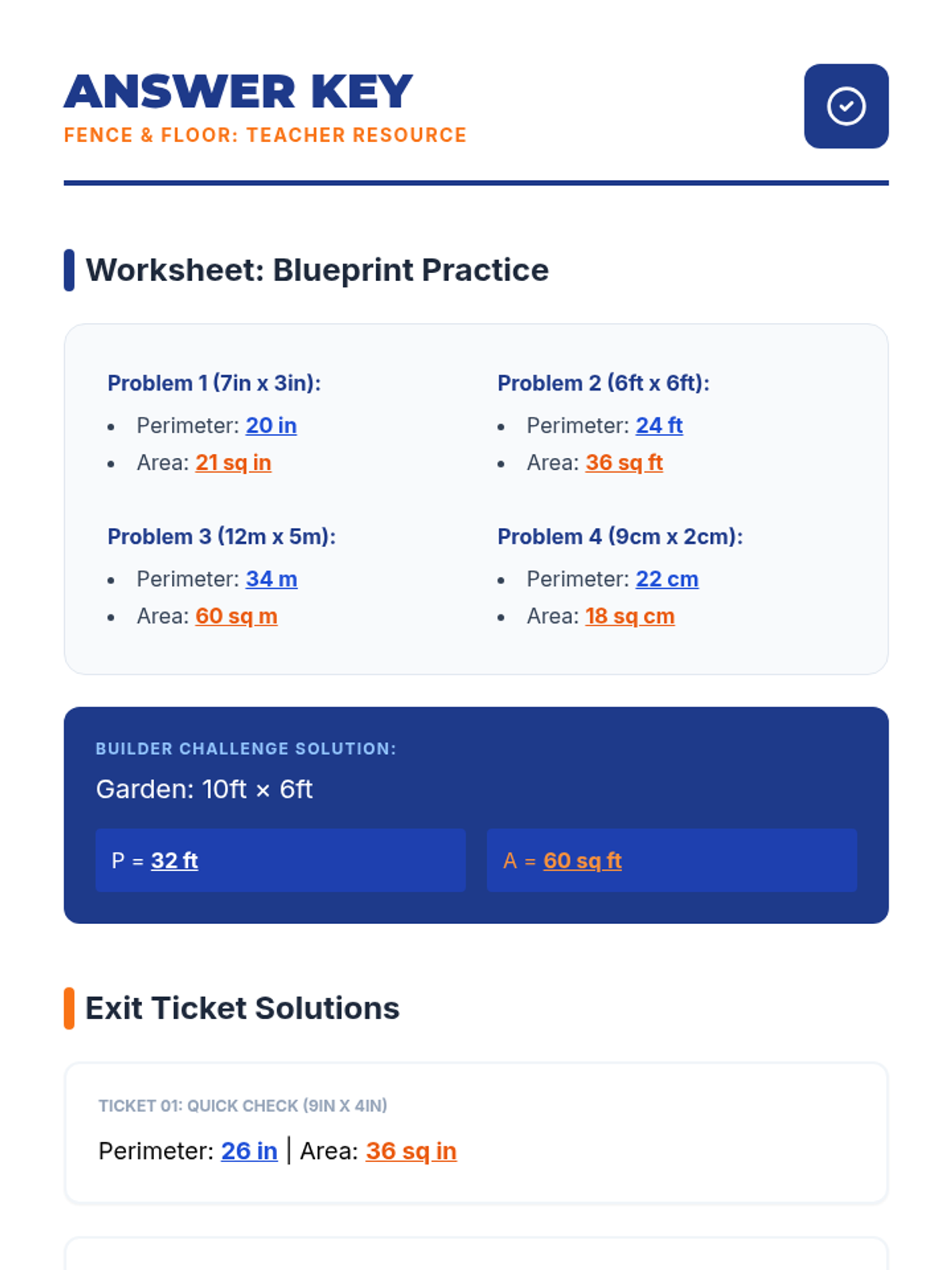
An introductory lesson on area and perimeter using the 'Fence and Floor' analogy. Students will learn the definitions, formulas, and real-world applications through visual aids and practice.
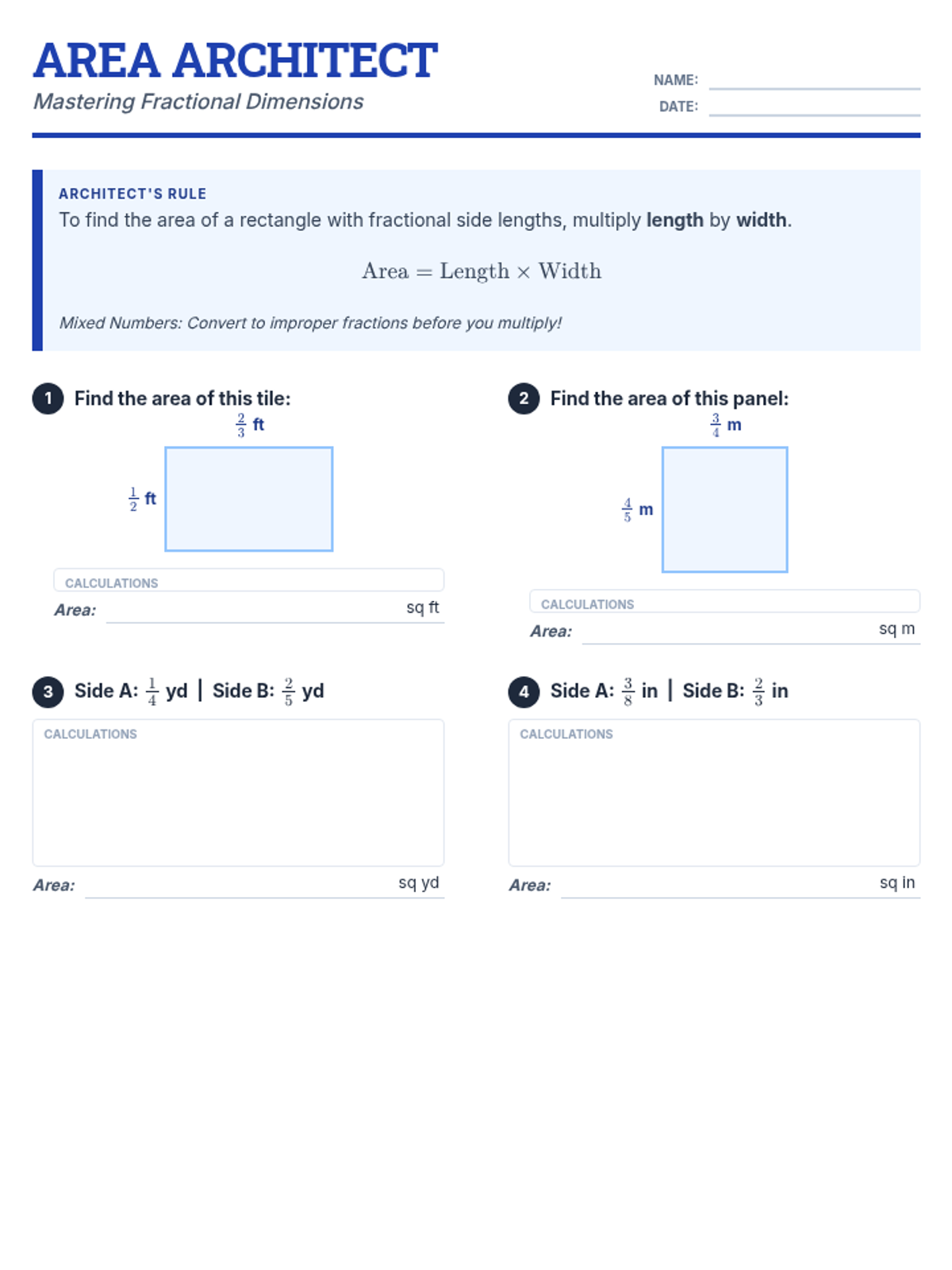
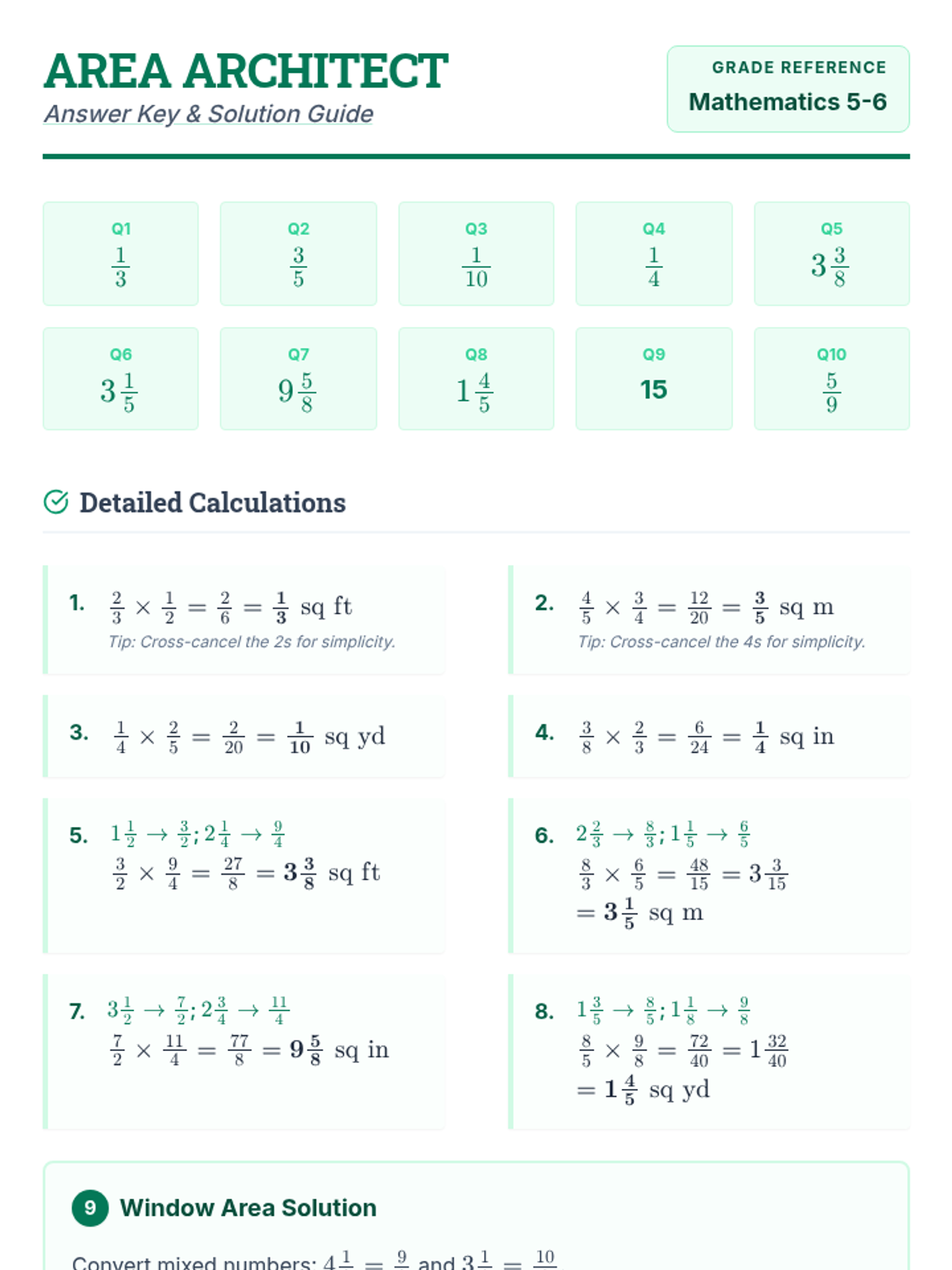
A lesson focused on calculating the area of rectangles with fractional and mixed number side lengths by relating the concept to multiplication. Students will practice converting mixed numbers to improper fractions and applying the area formula.
A lesson on calculating the area of rectangles using both grid counting and the area formula, themed around architectural blueprints.
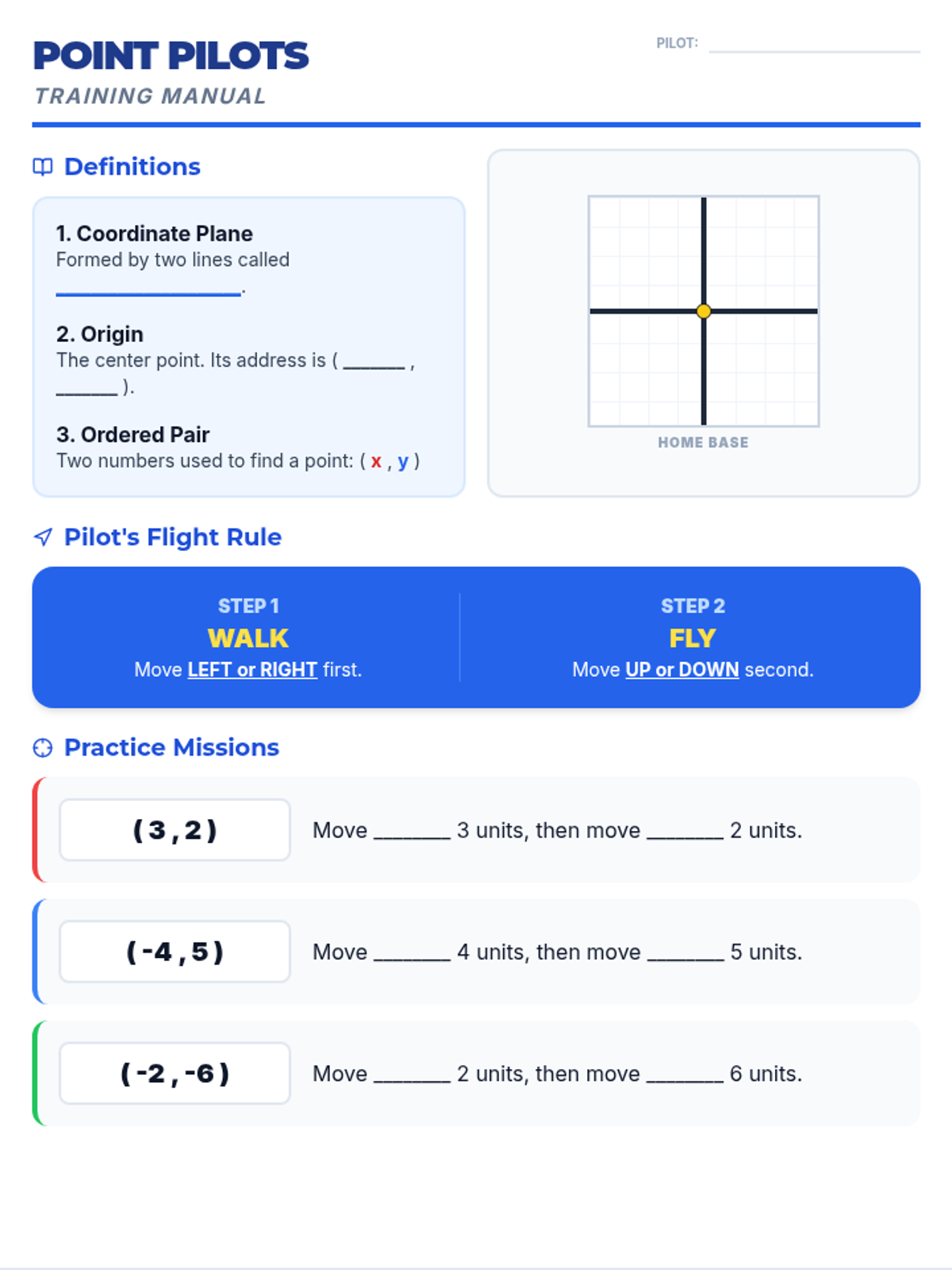
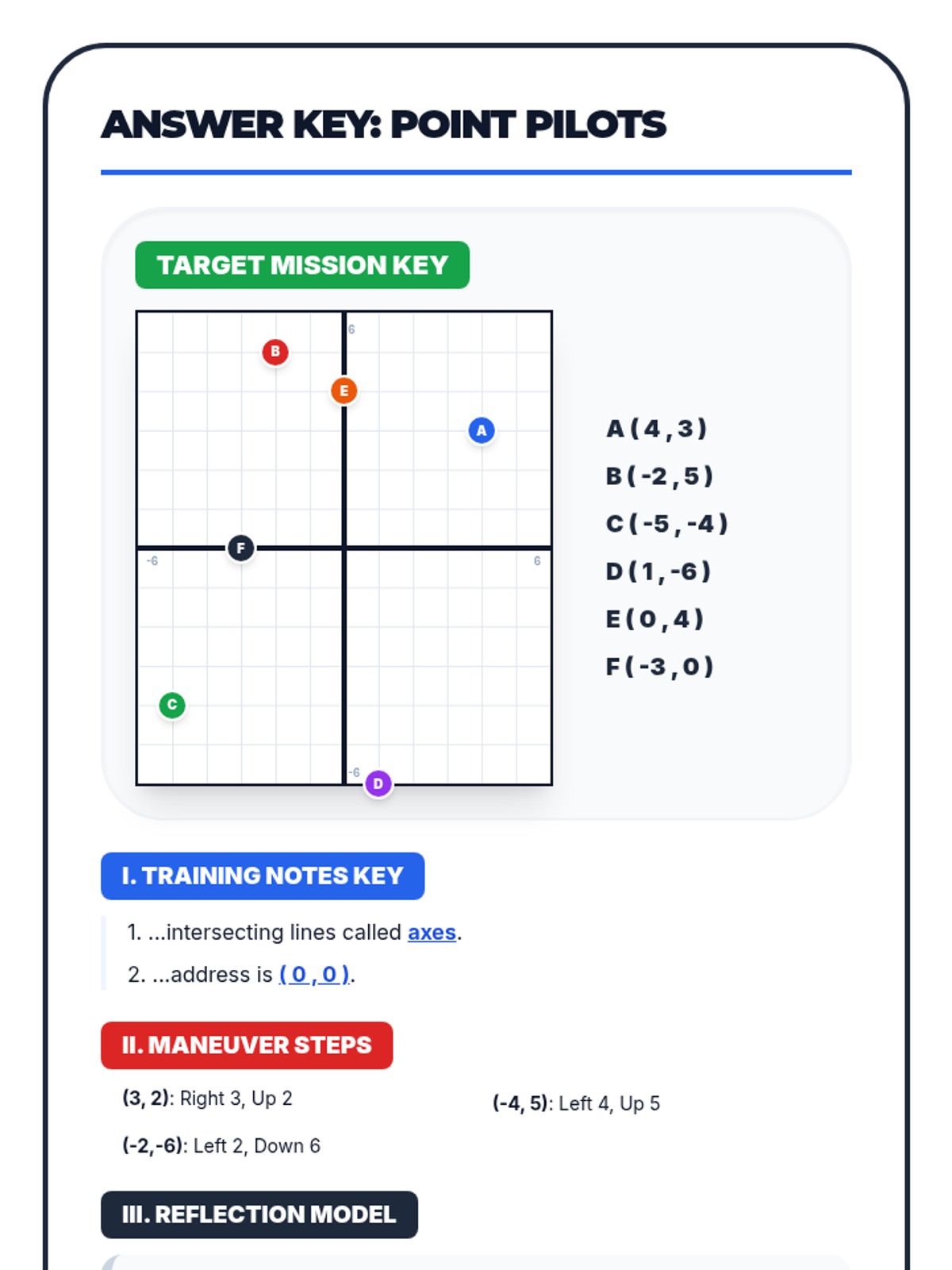
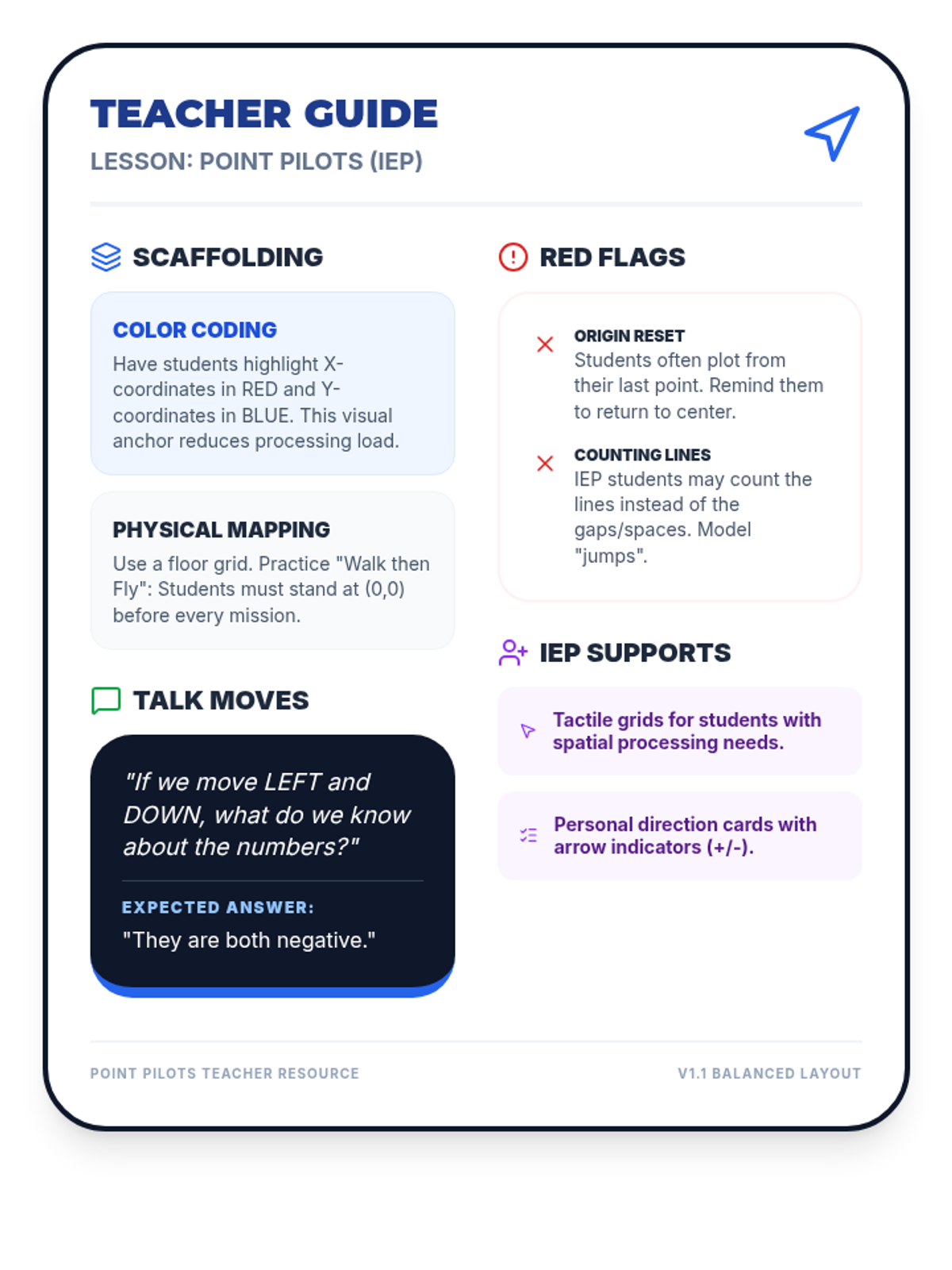
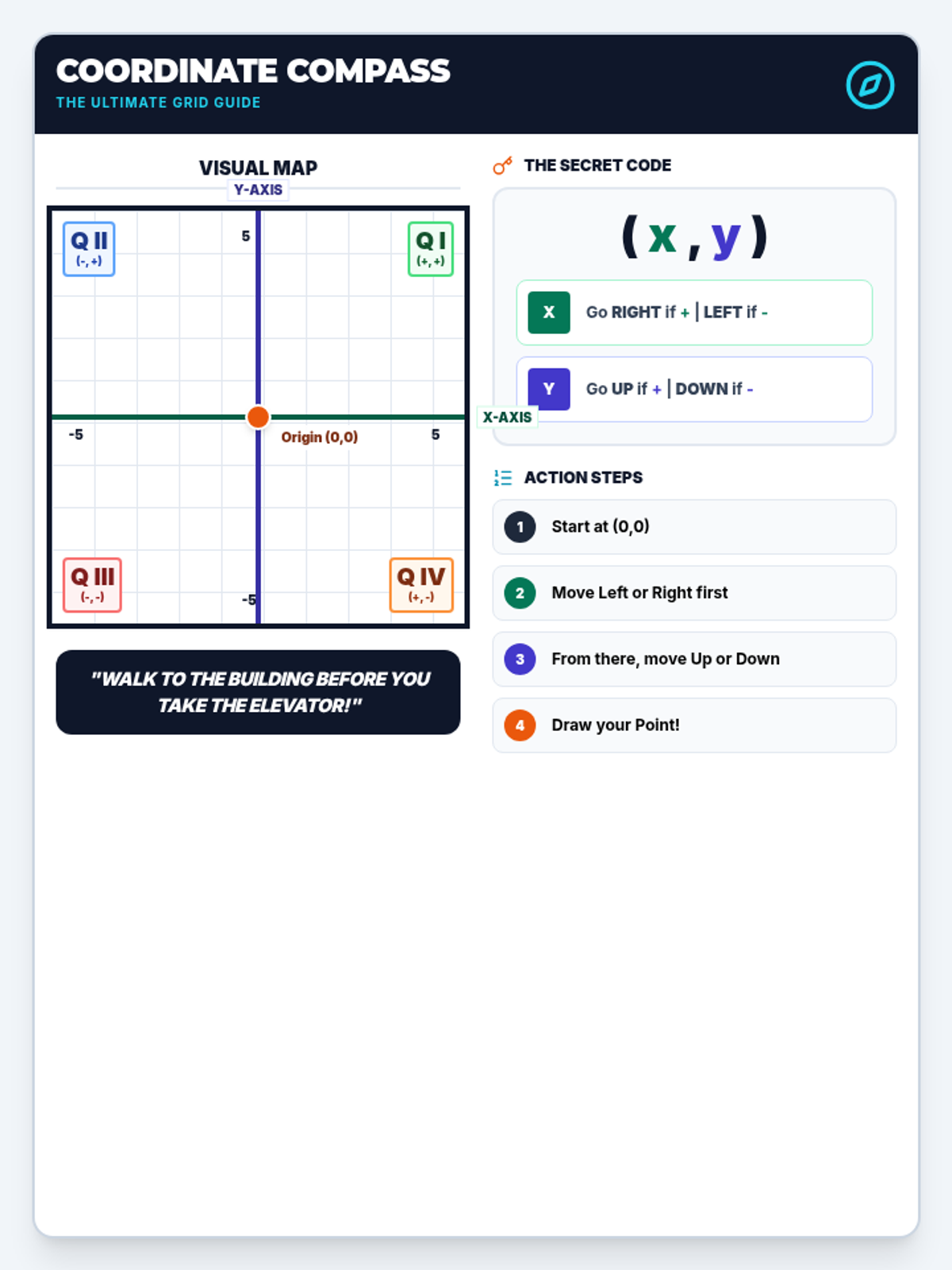
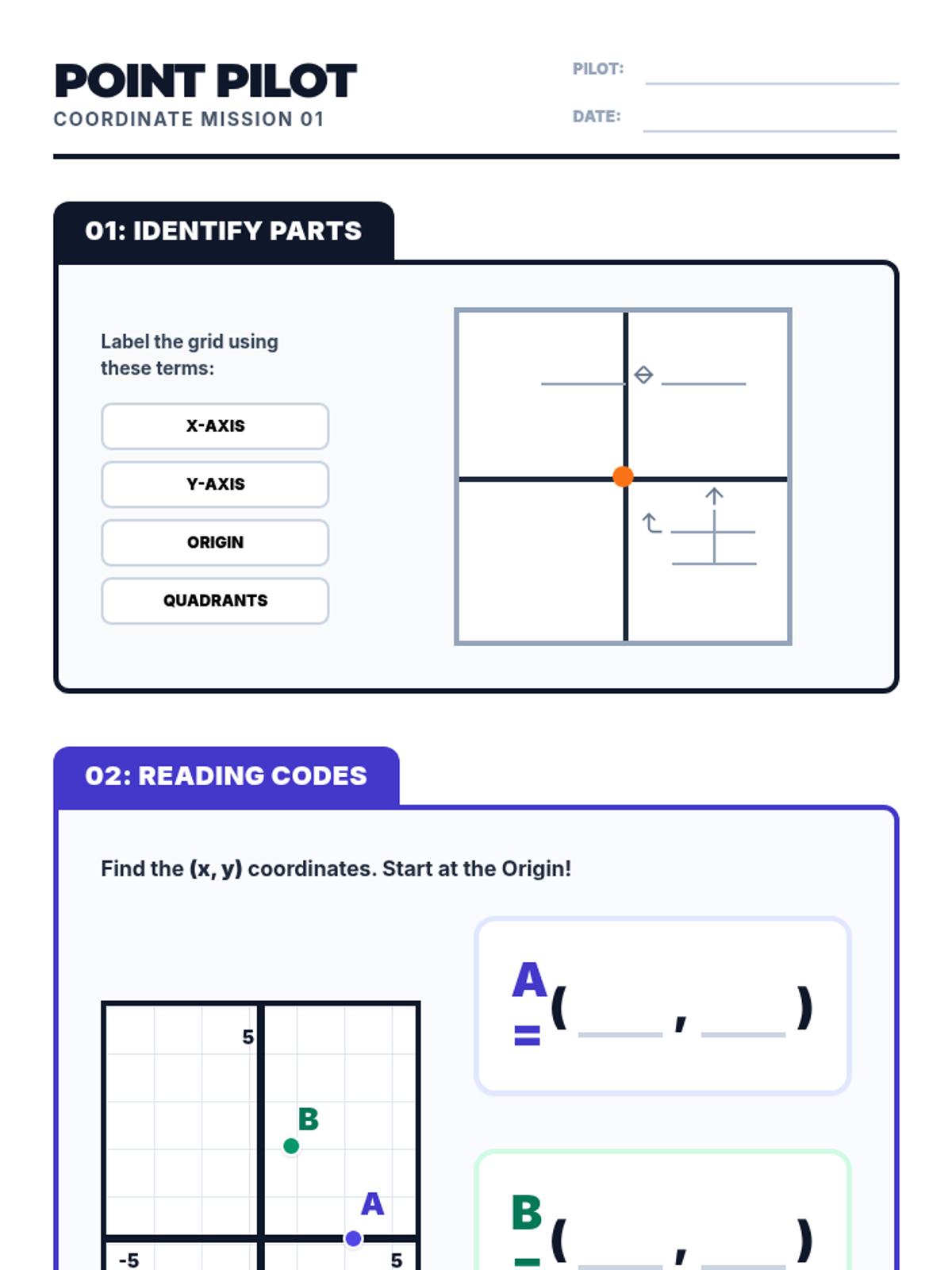
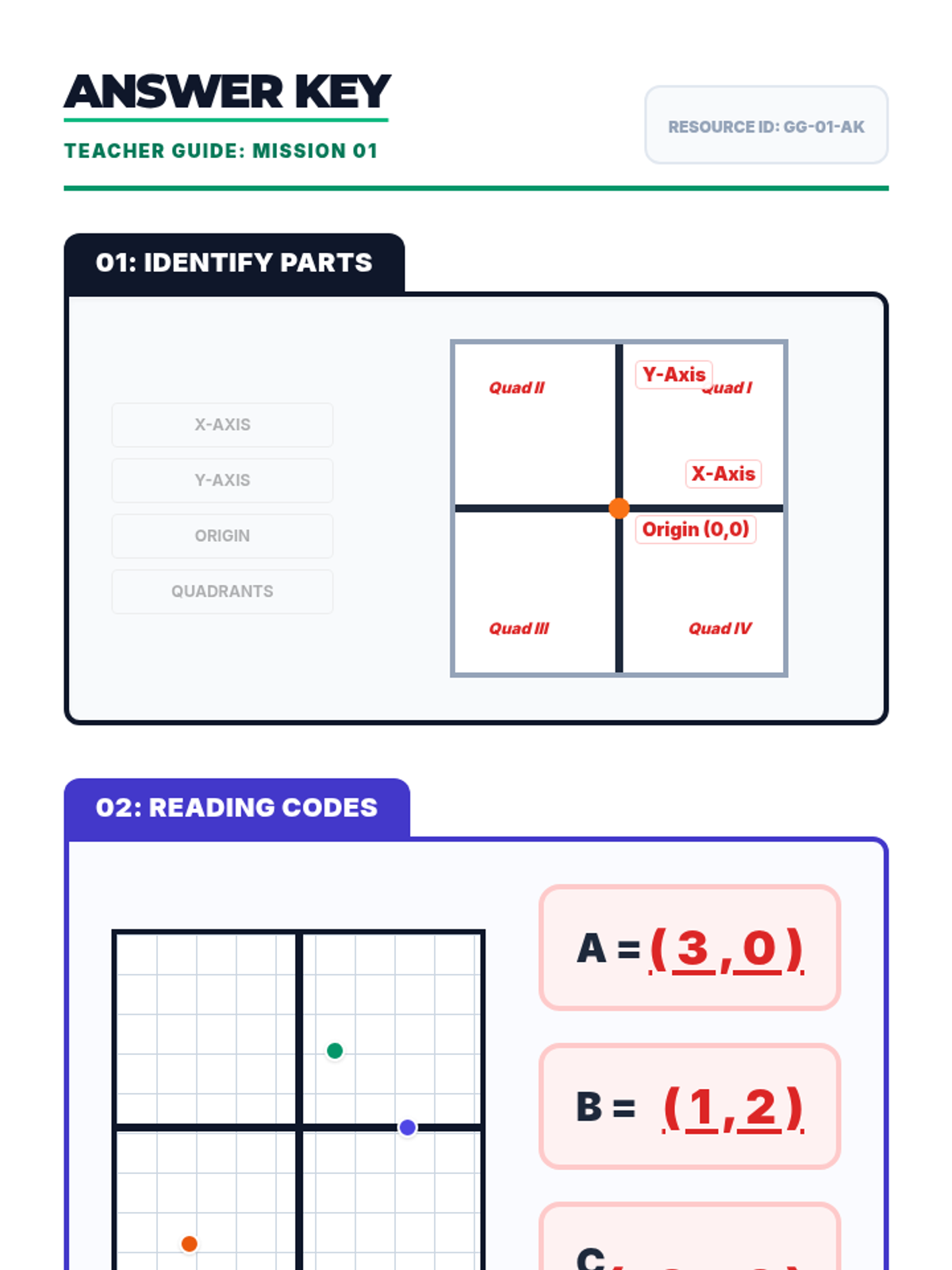
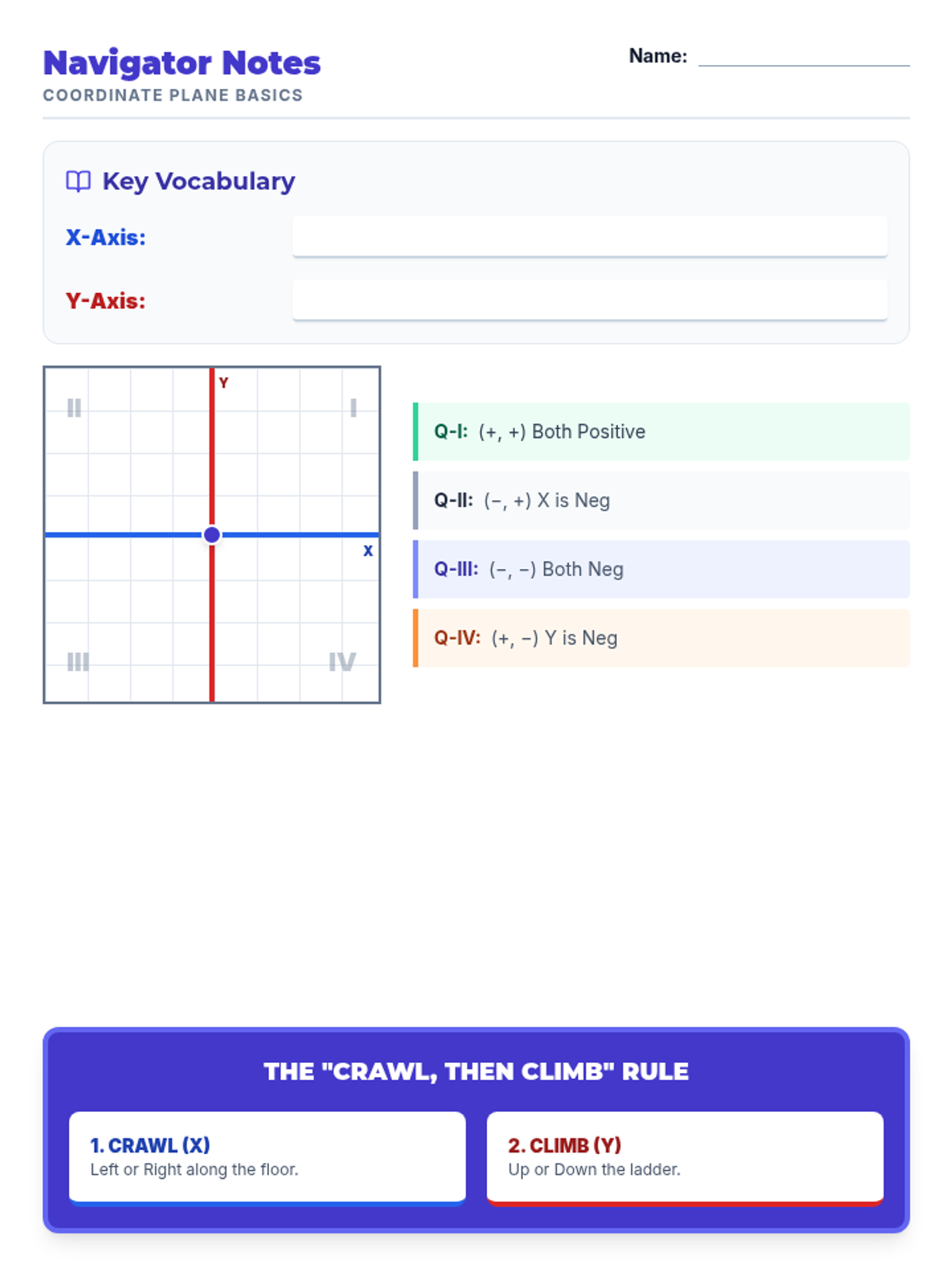
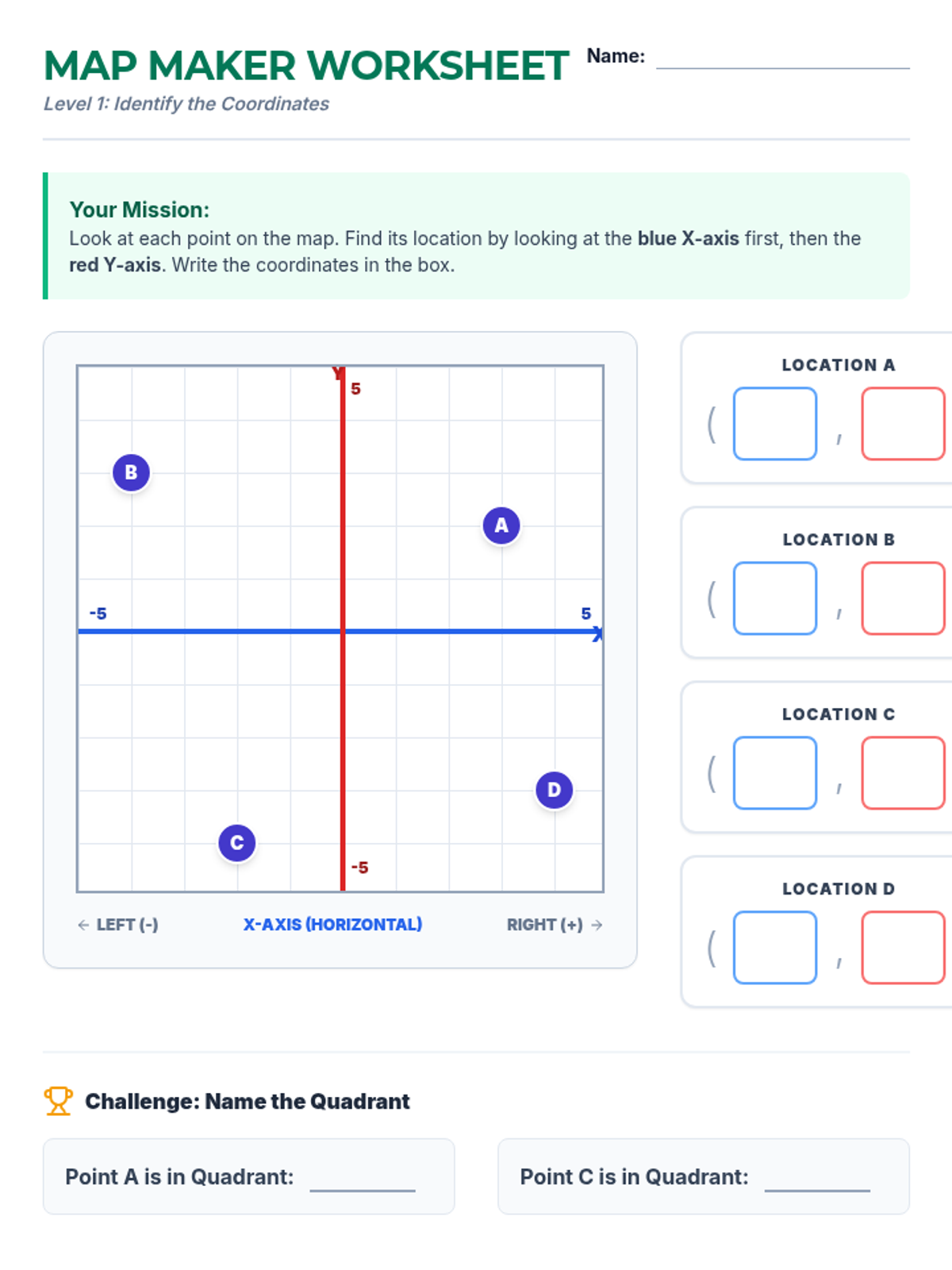
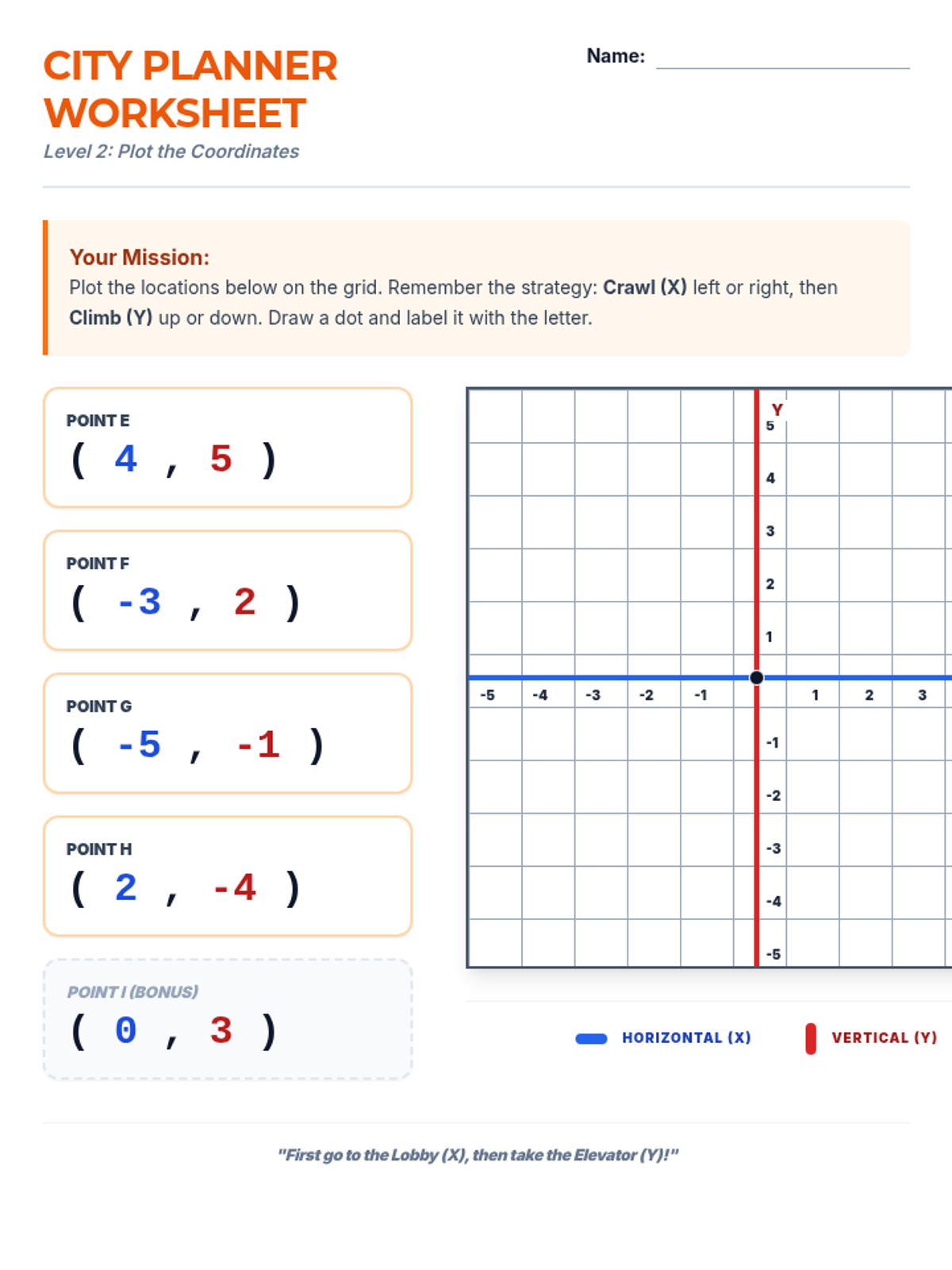
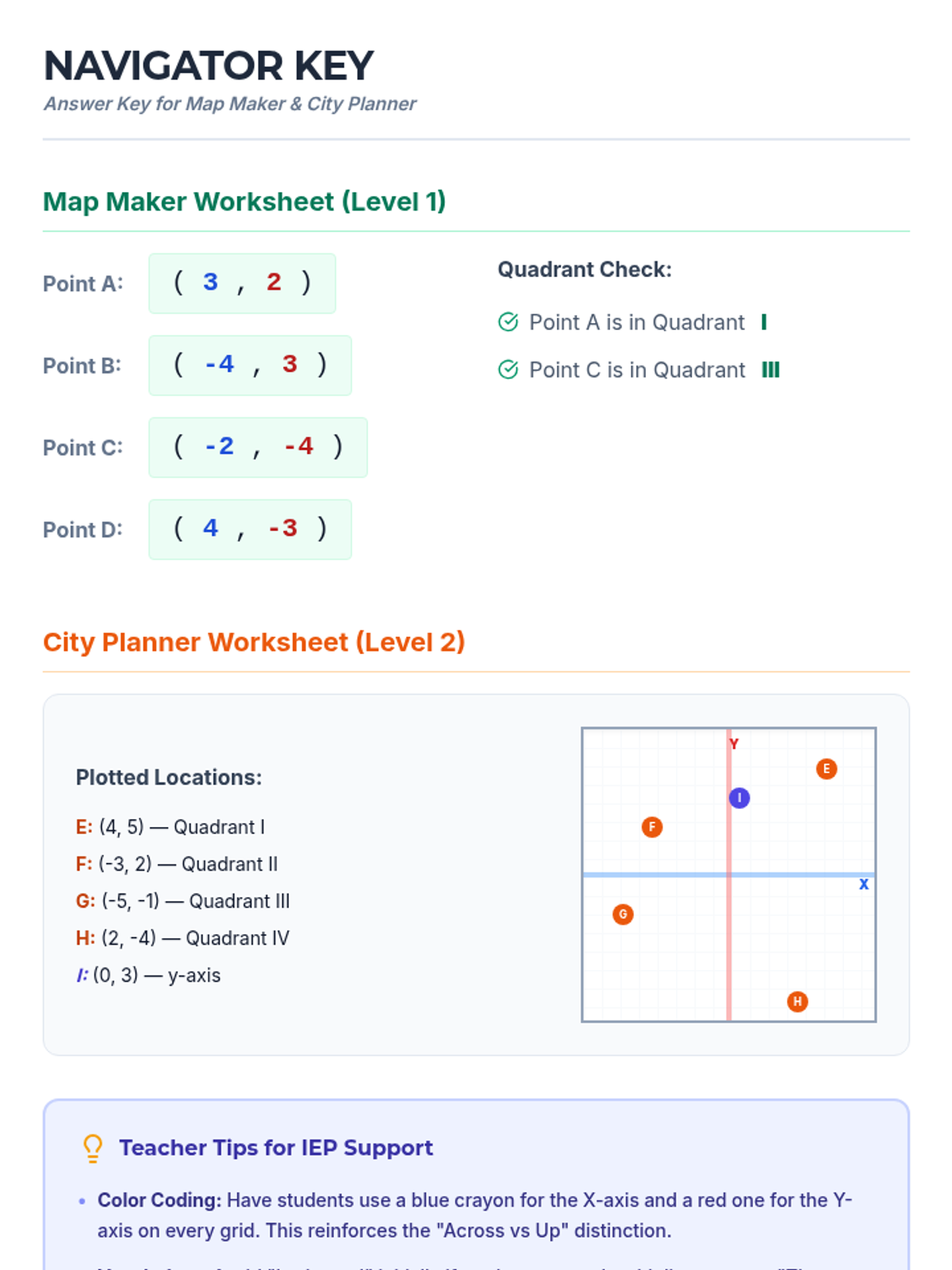
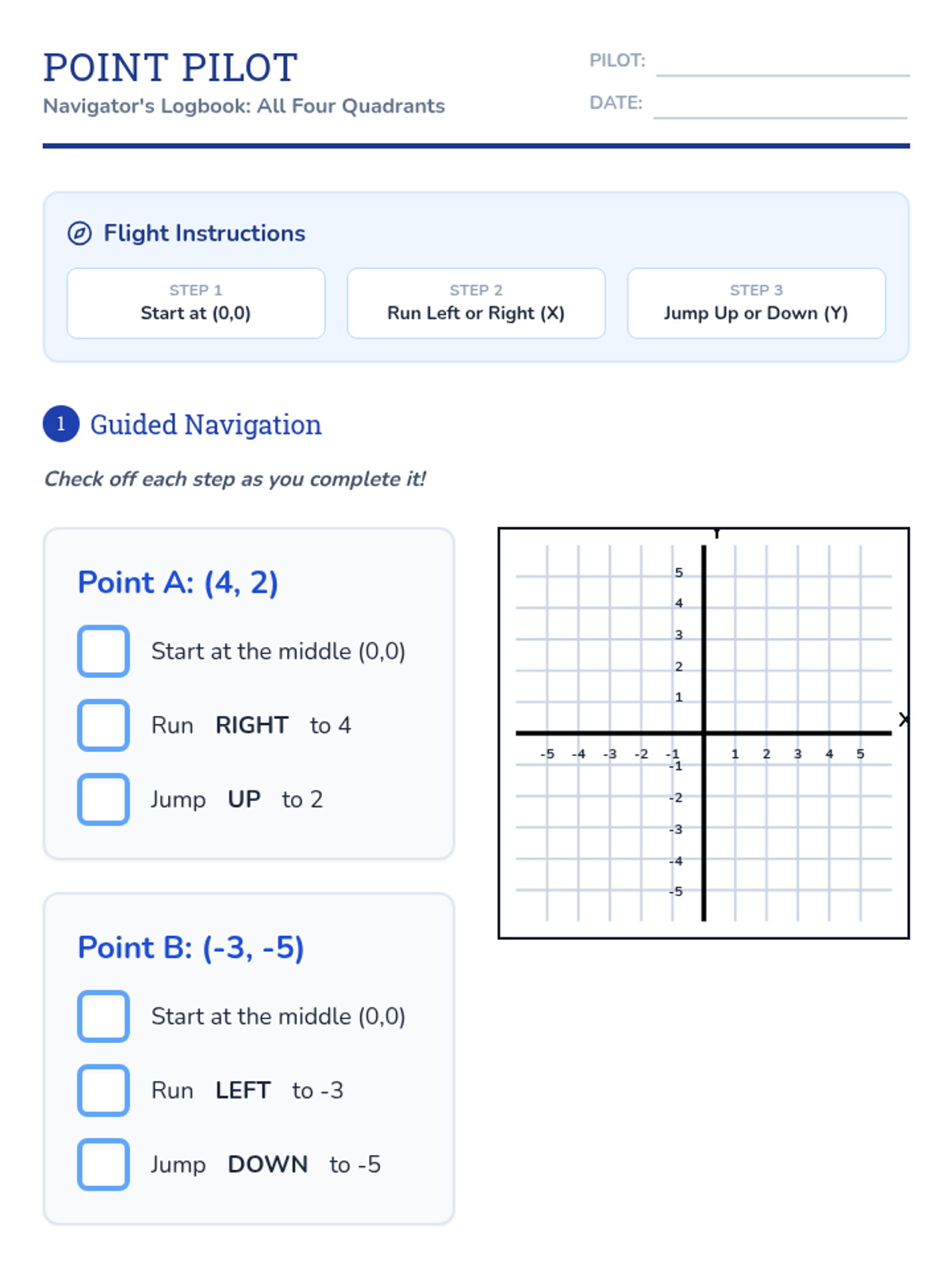
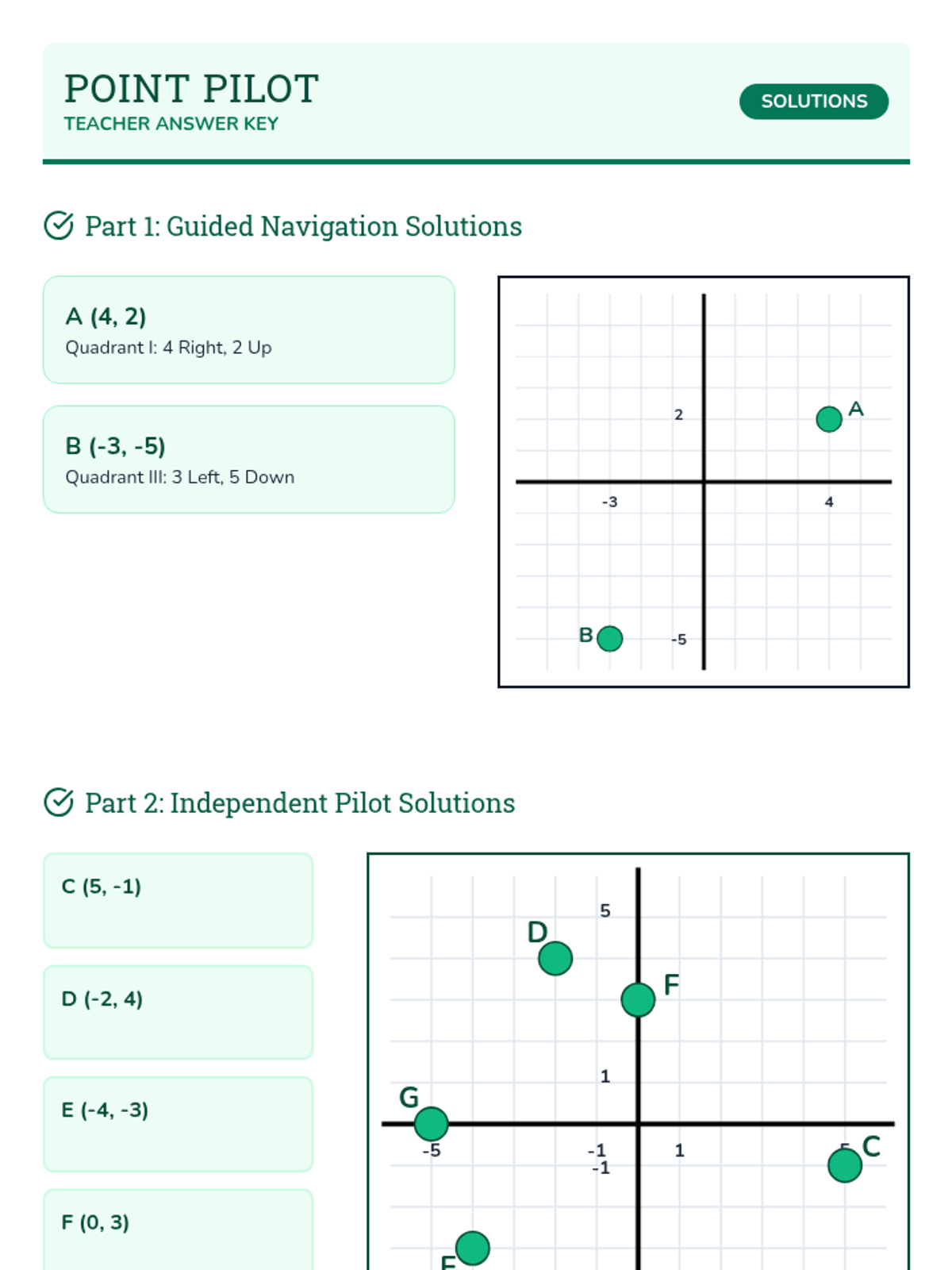
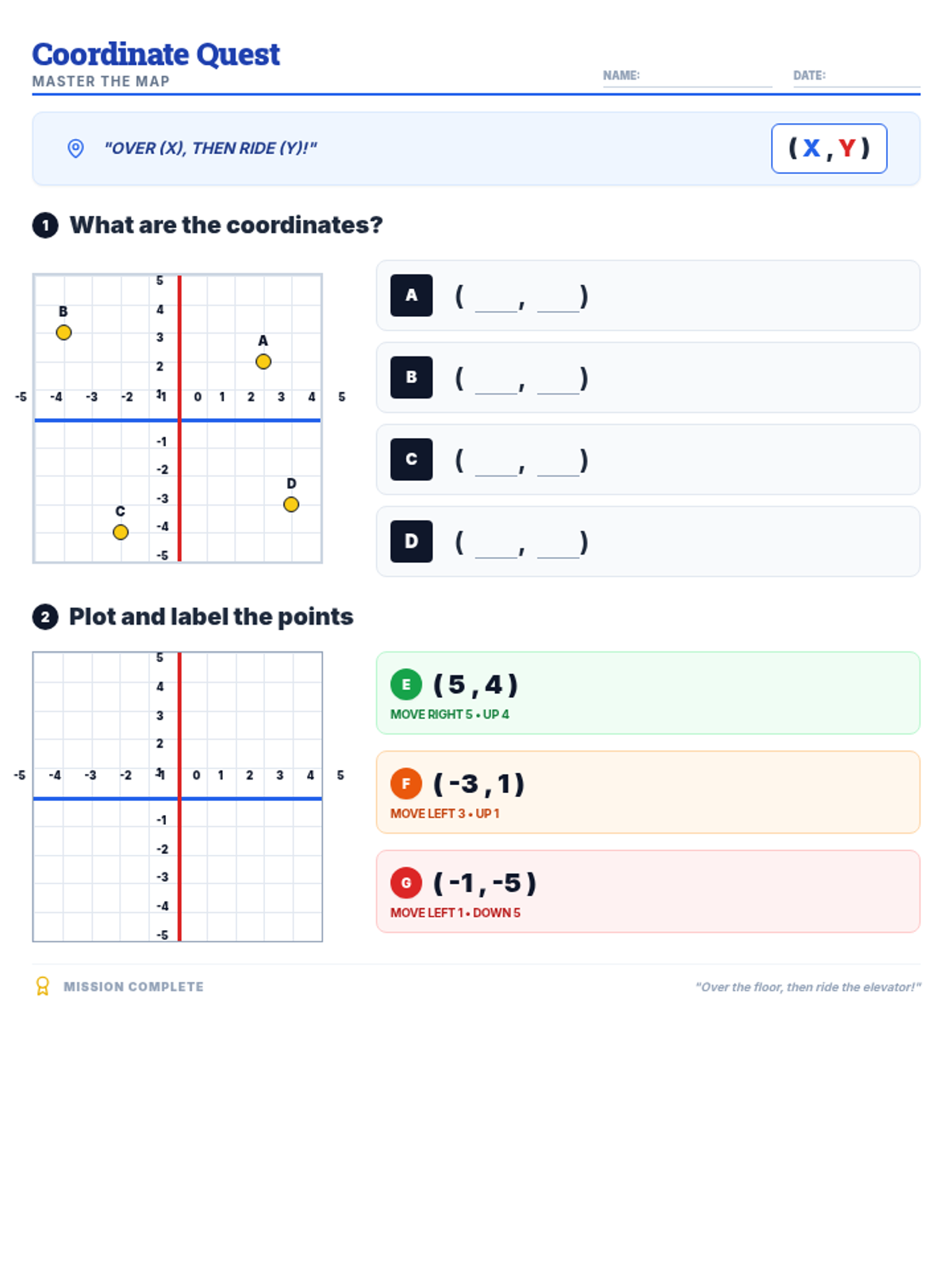
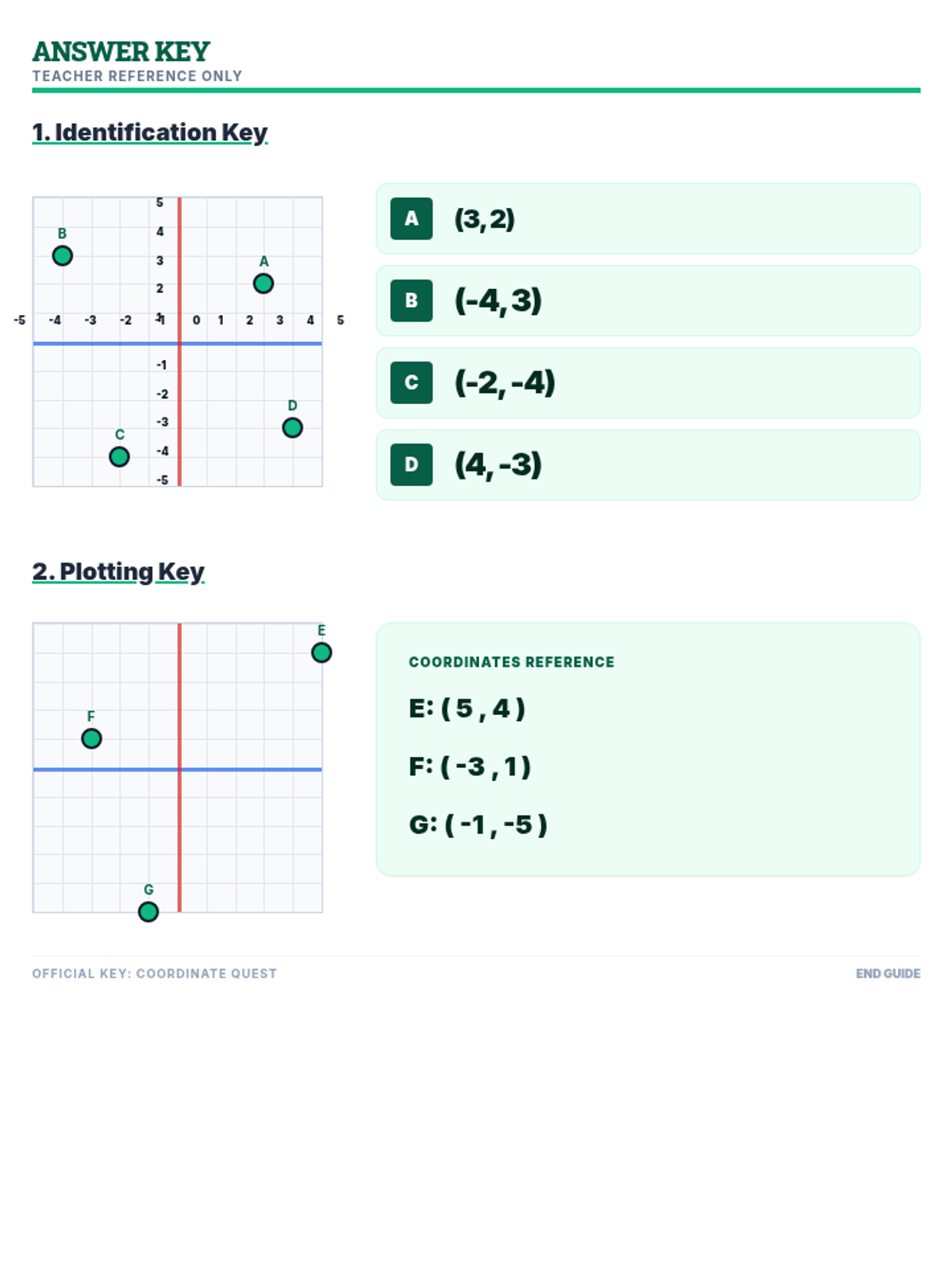
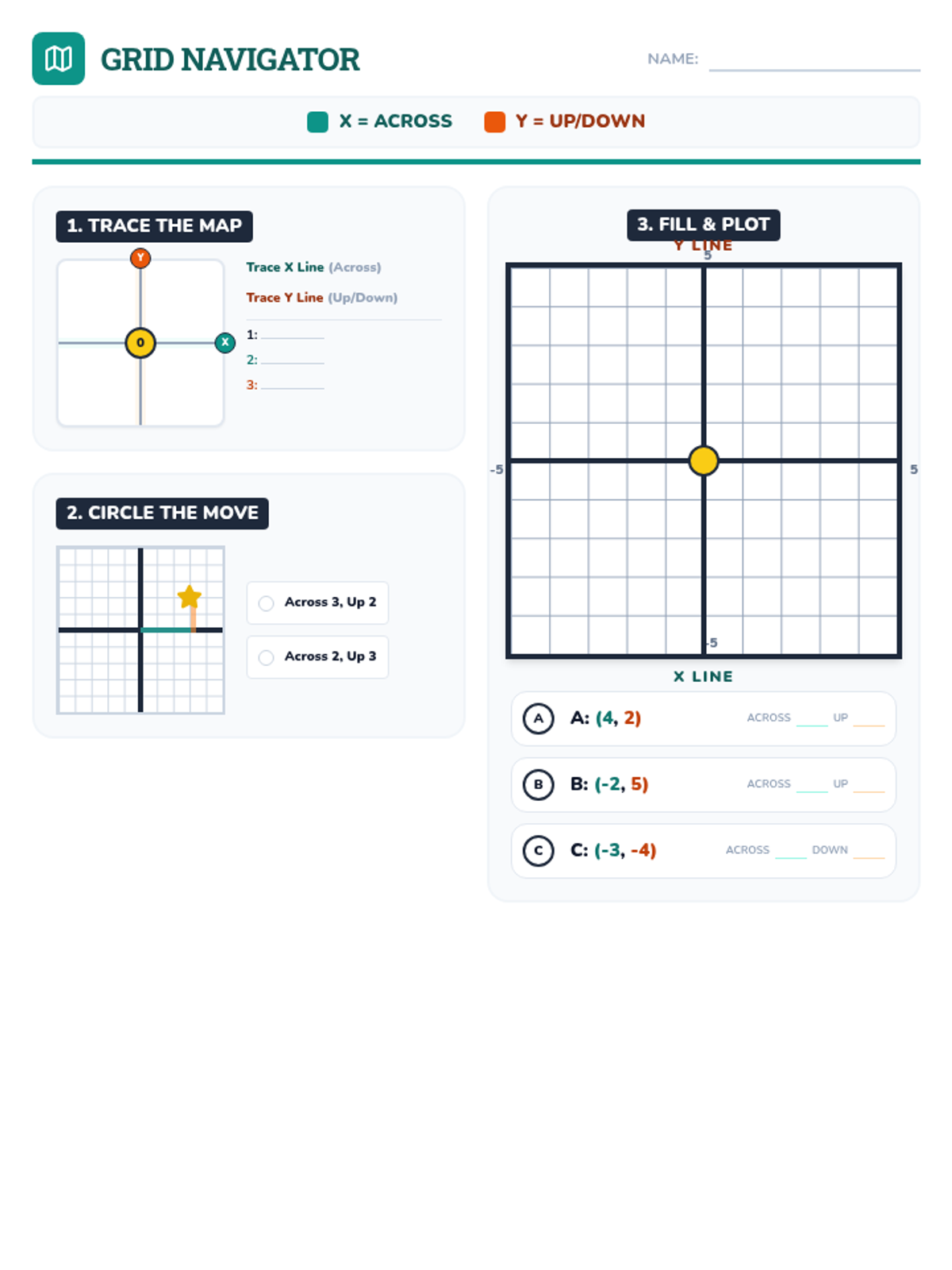
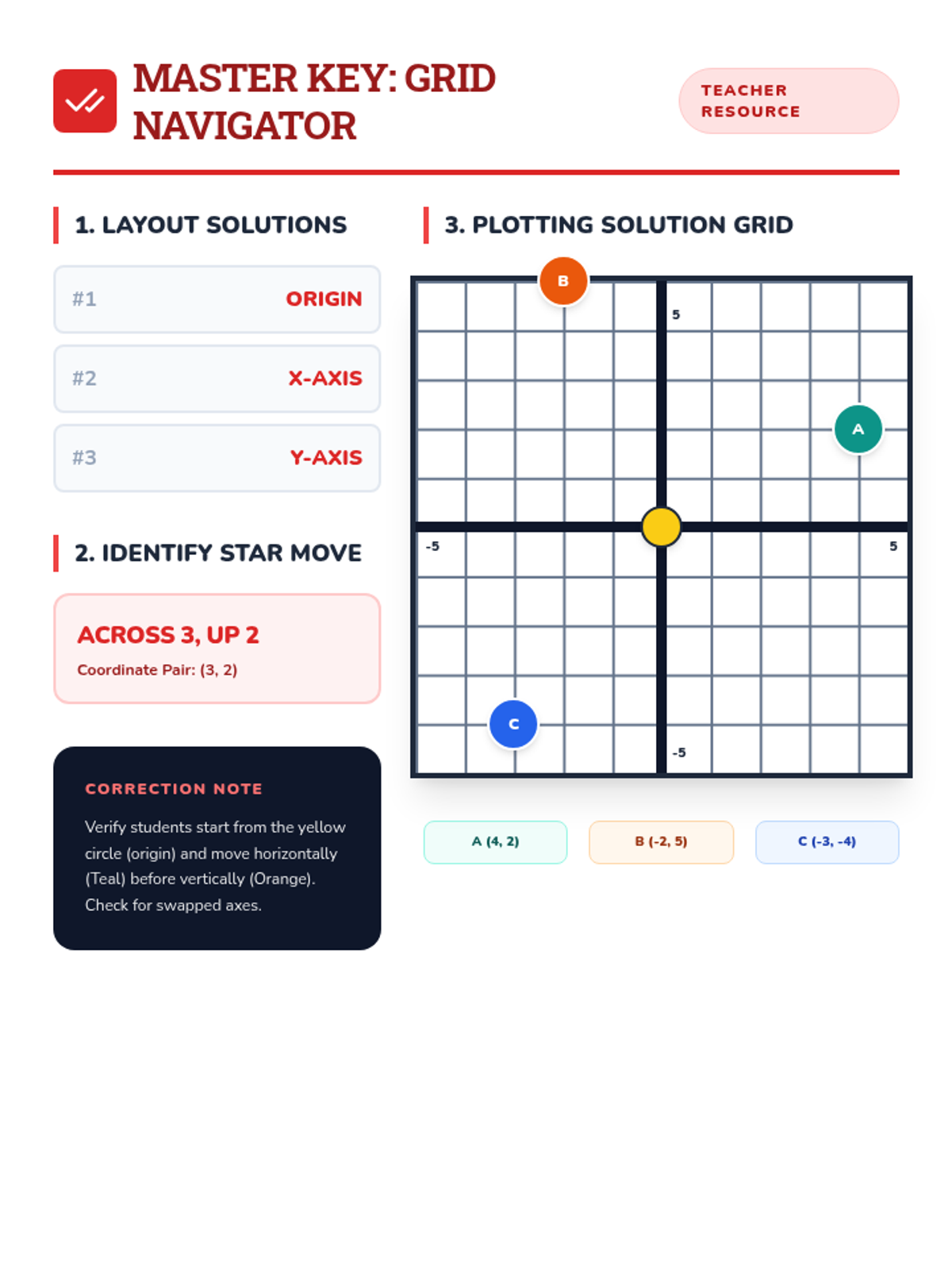
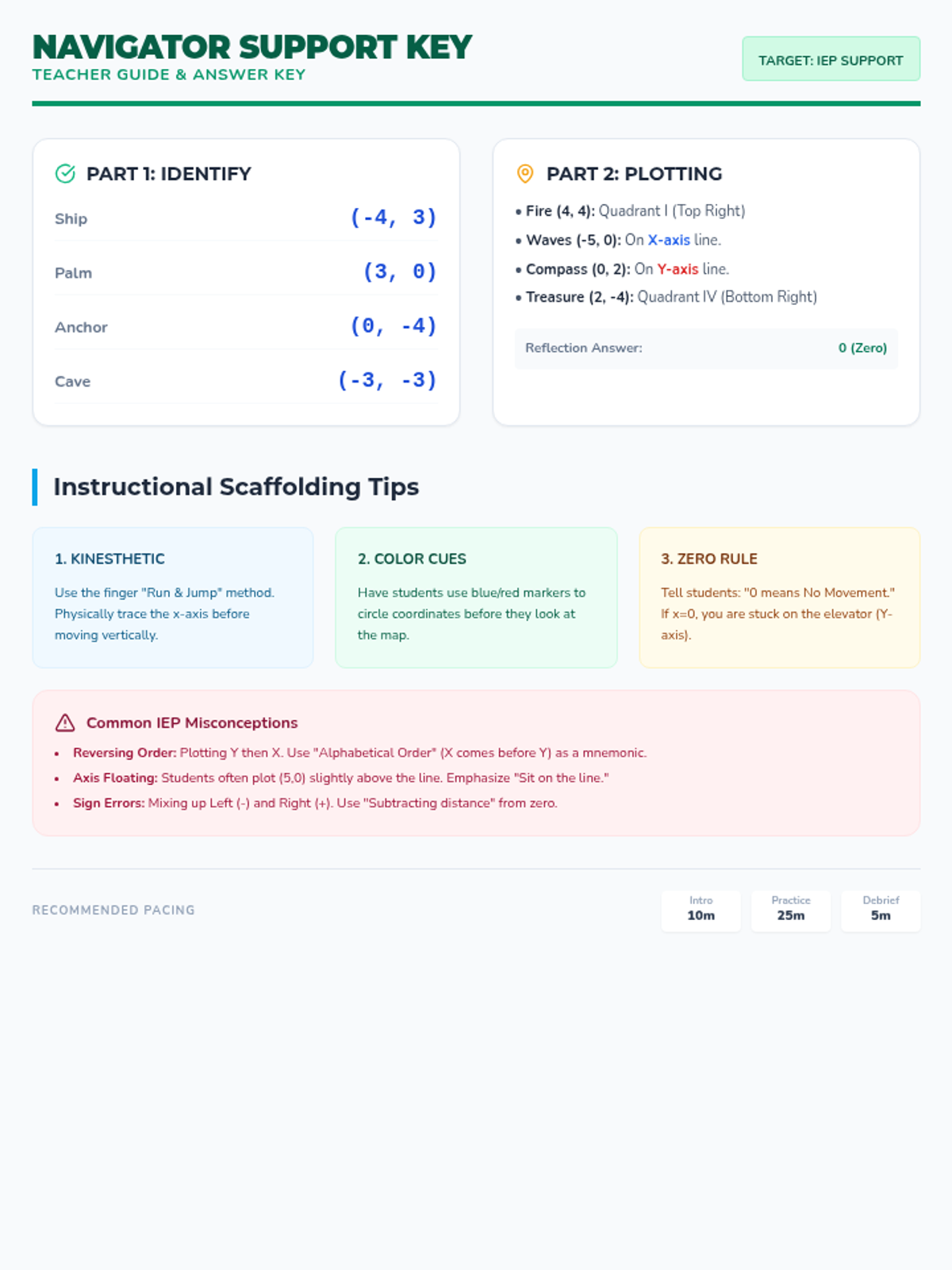
A scaffolded introduction to the four-quadrant coordinate plane, using a navigation theme to help students master plotting points with visual aids and step-by-step guides.
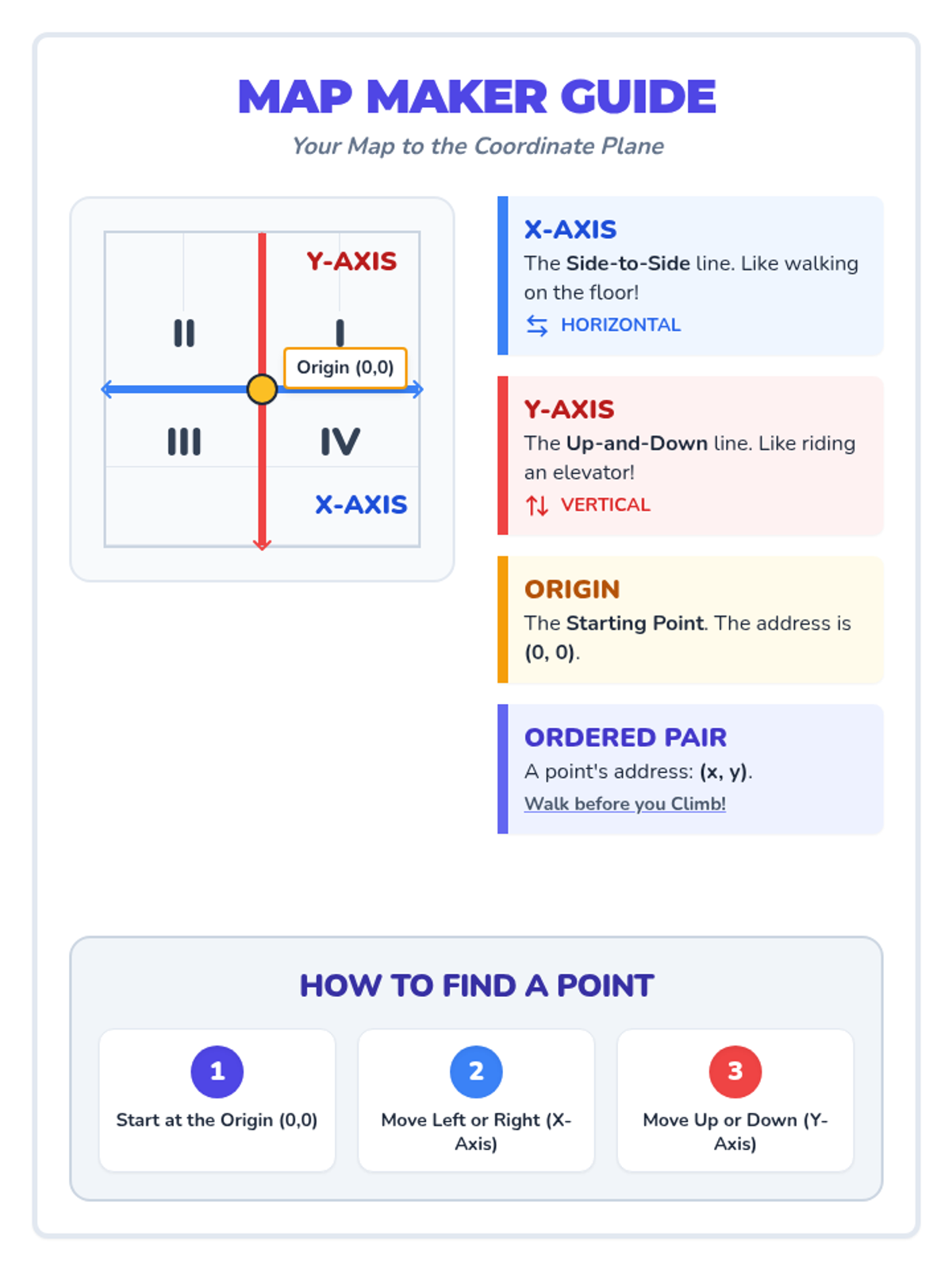
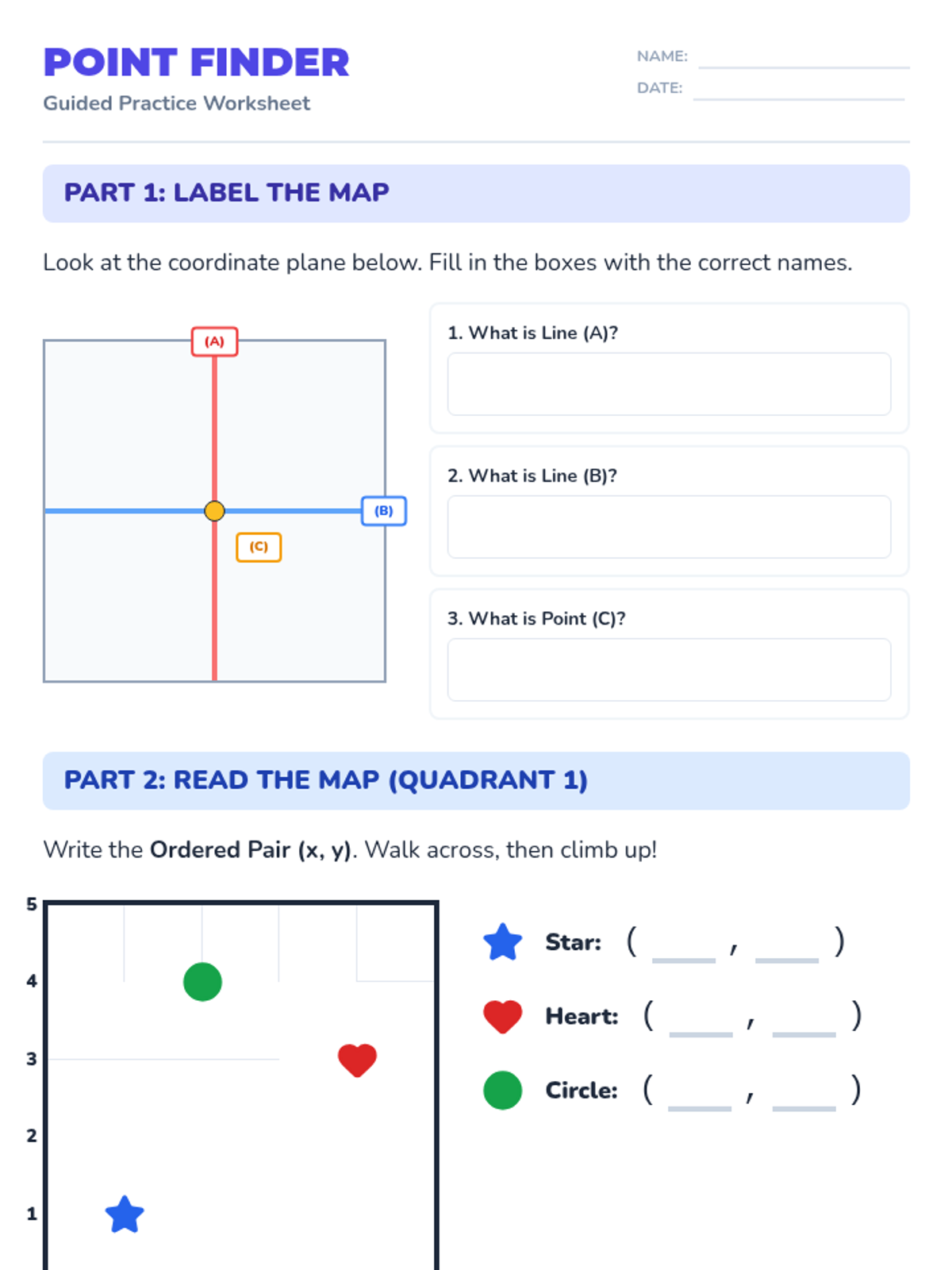
A scaffolded introduction to the four-quadrant coordinate plane, designed for students needing extra support. It covers identifying the axes and origin, understanding quadrants, and step-by-step plotting of points.
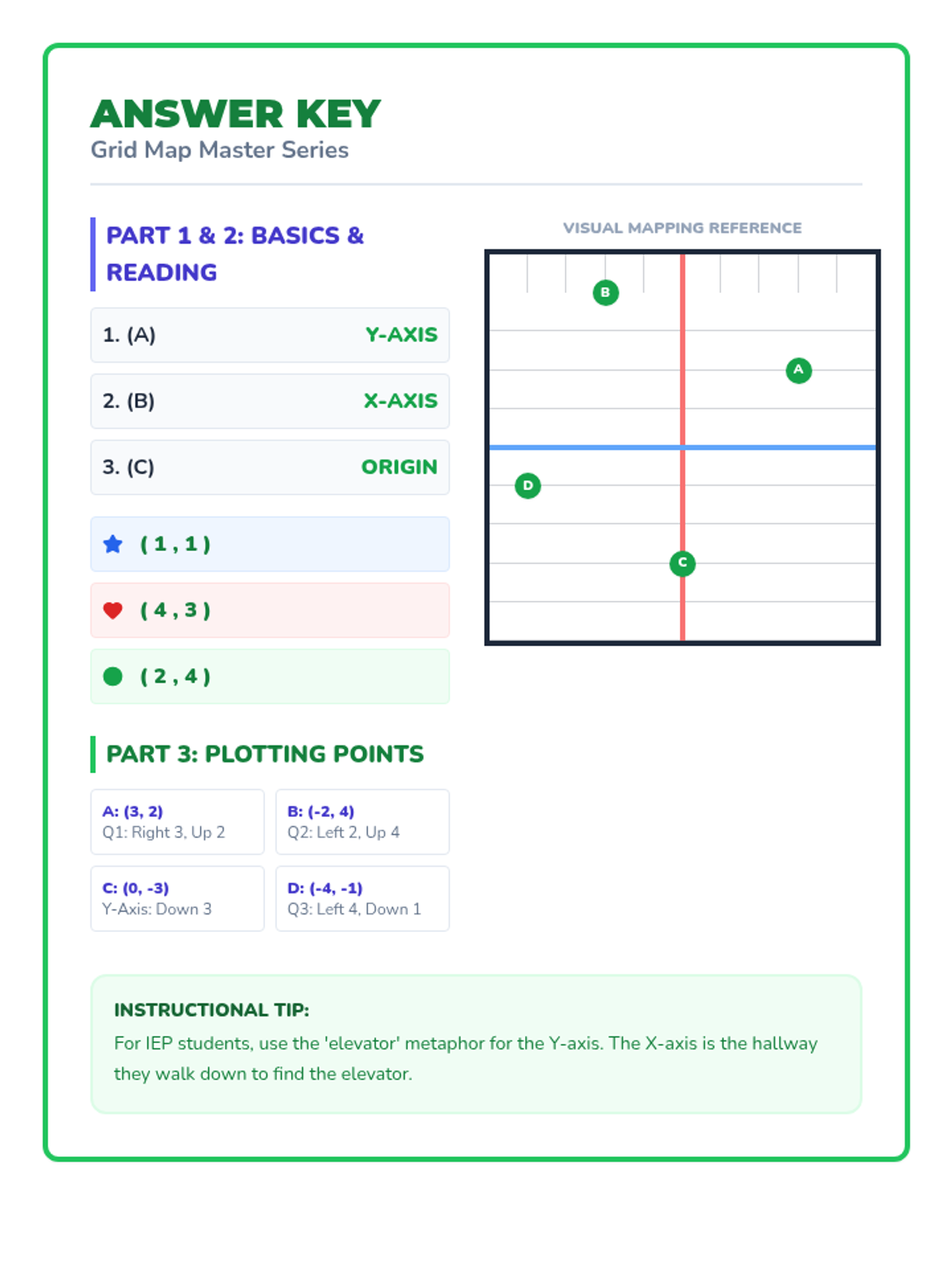
A foundational lesson on the 4-quadrant coordinate plane, specifically designed for students with IEPs. Includes visual-heavy instruction on identifying and plotting ordered pairs using color-coded axes and step-by-step strategies.
A scaffolded lesson on plotting points across all four quadrants of the coordinate plane, designed specifically for students with IEPs through visual aids and step-by-step guided practice.
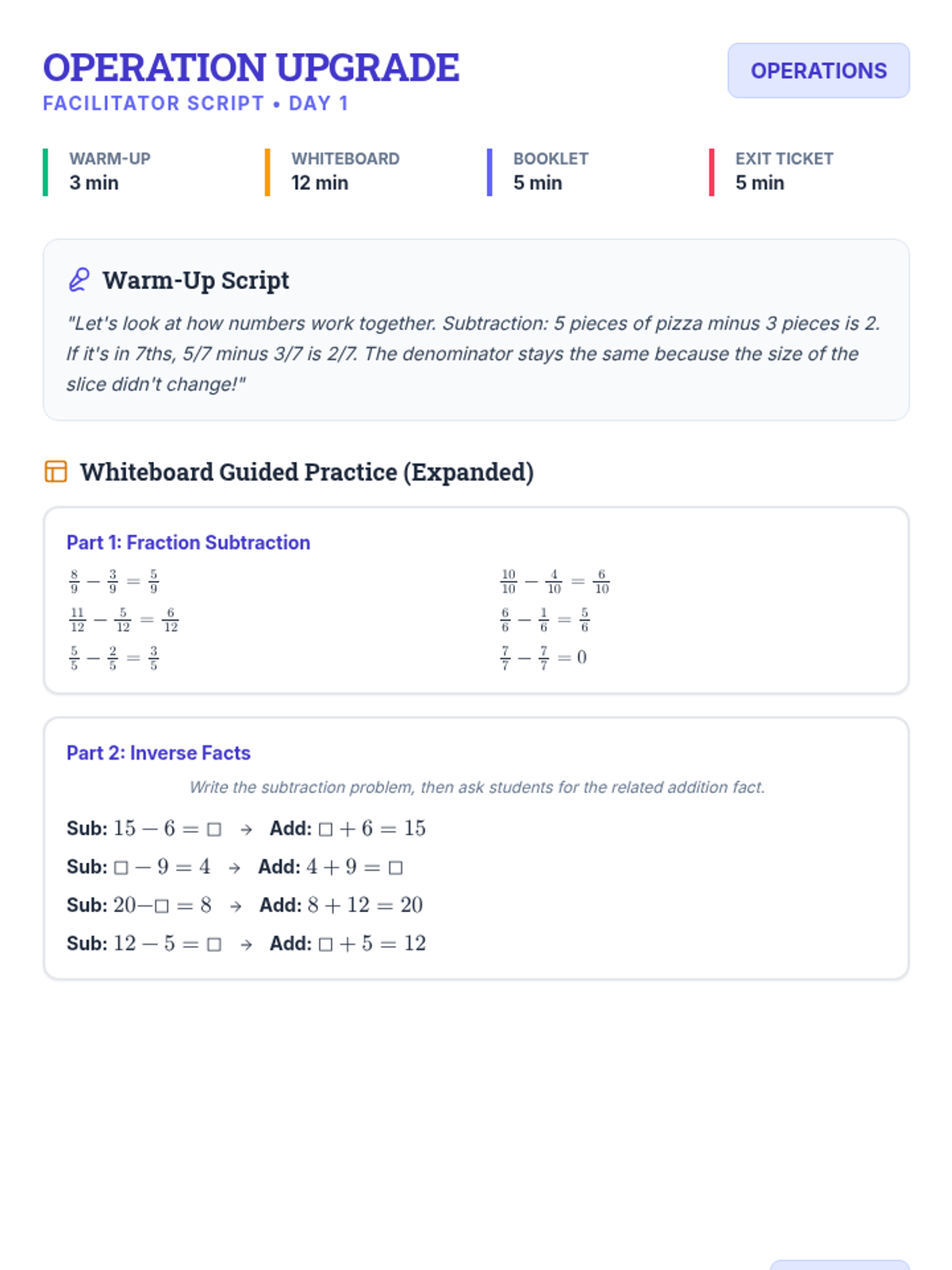
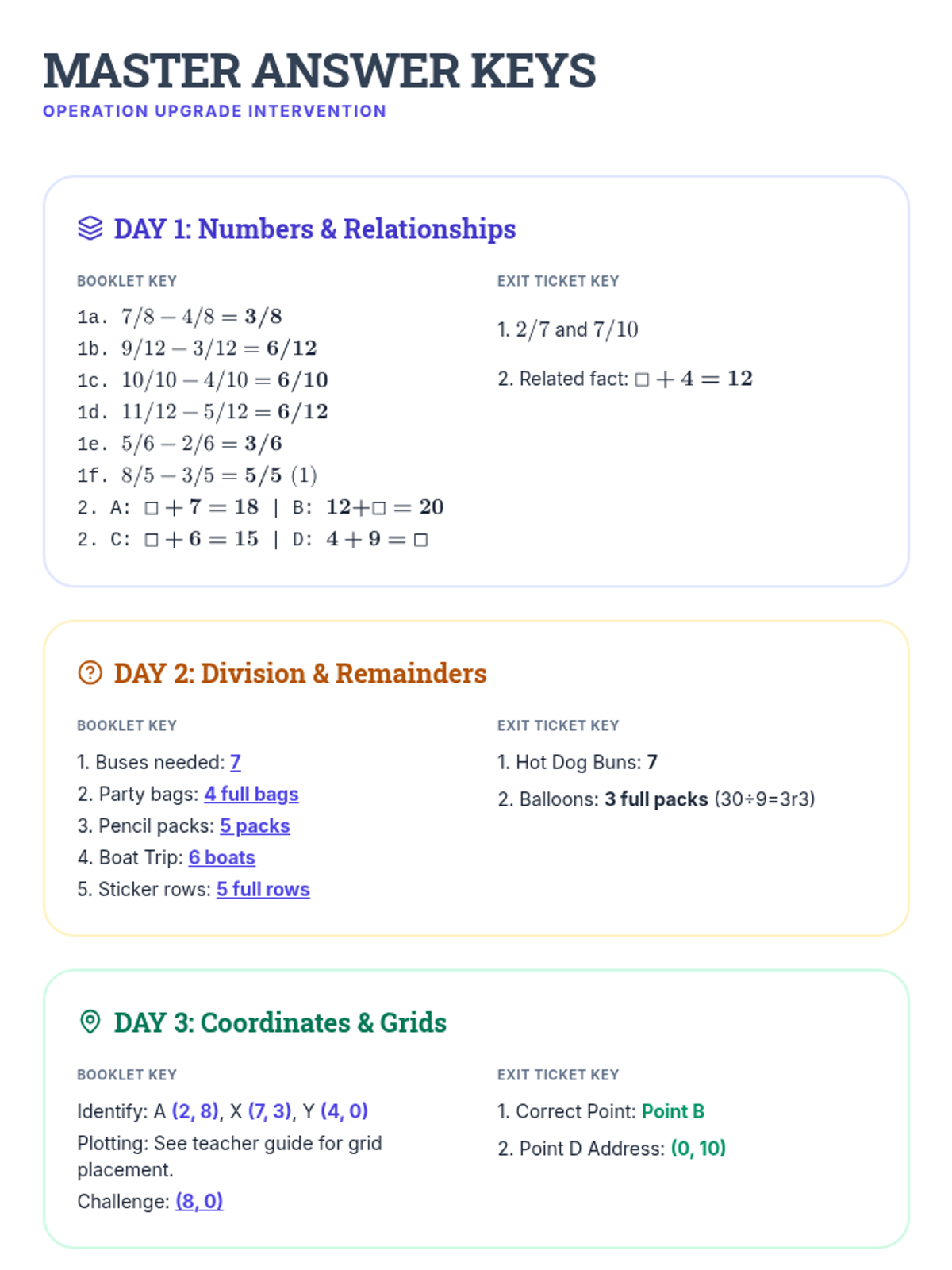
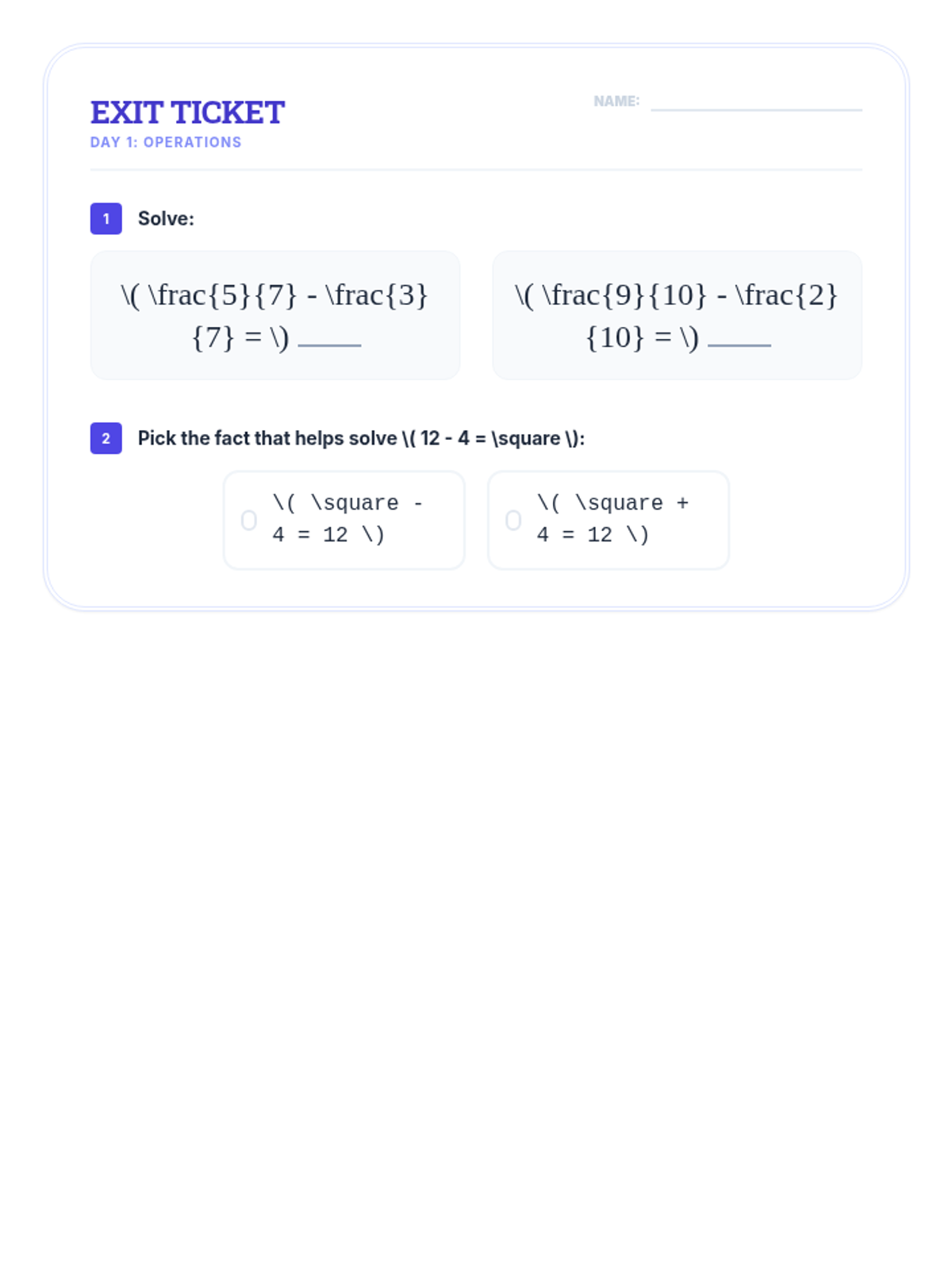
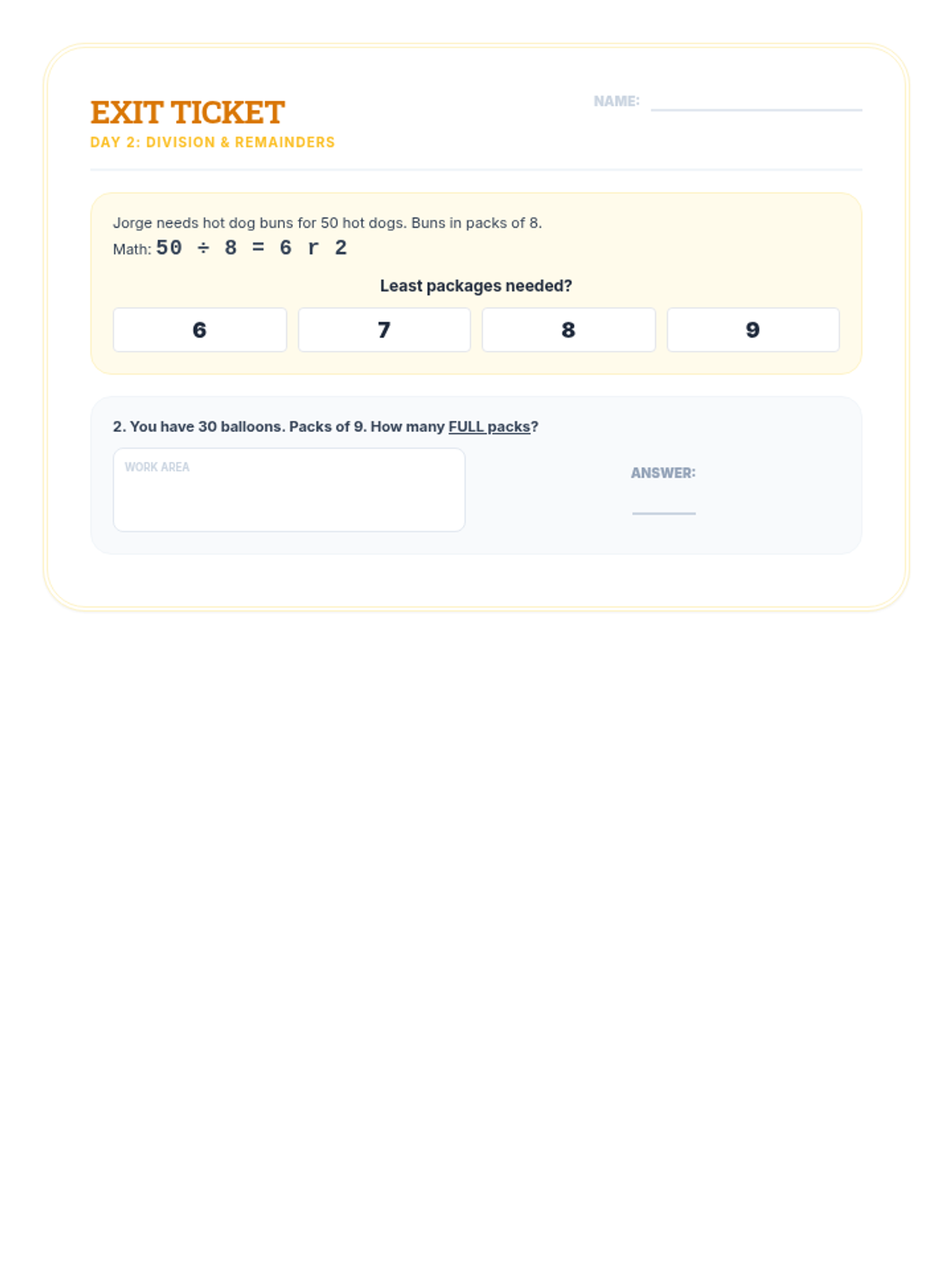
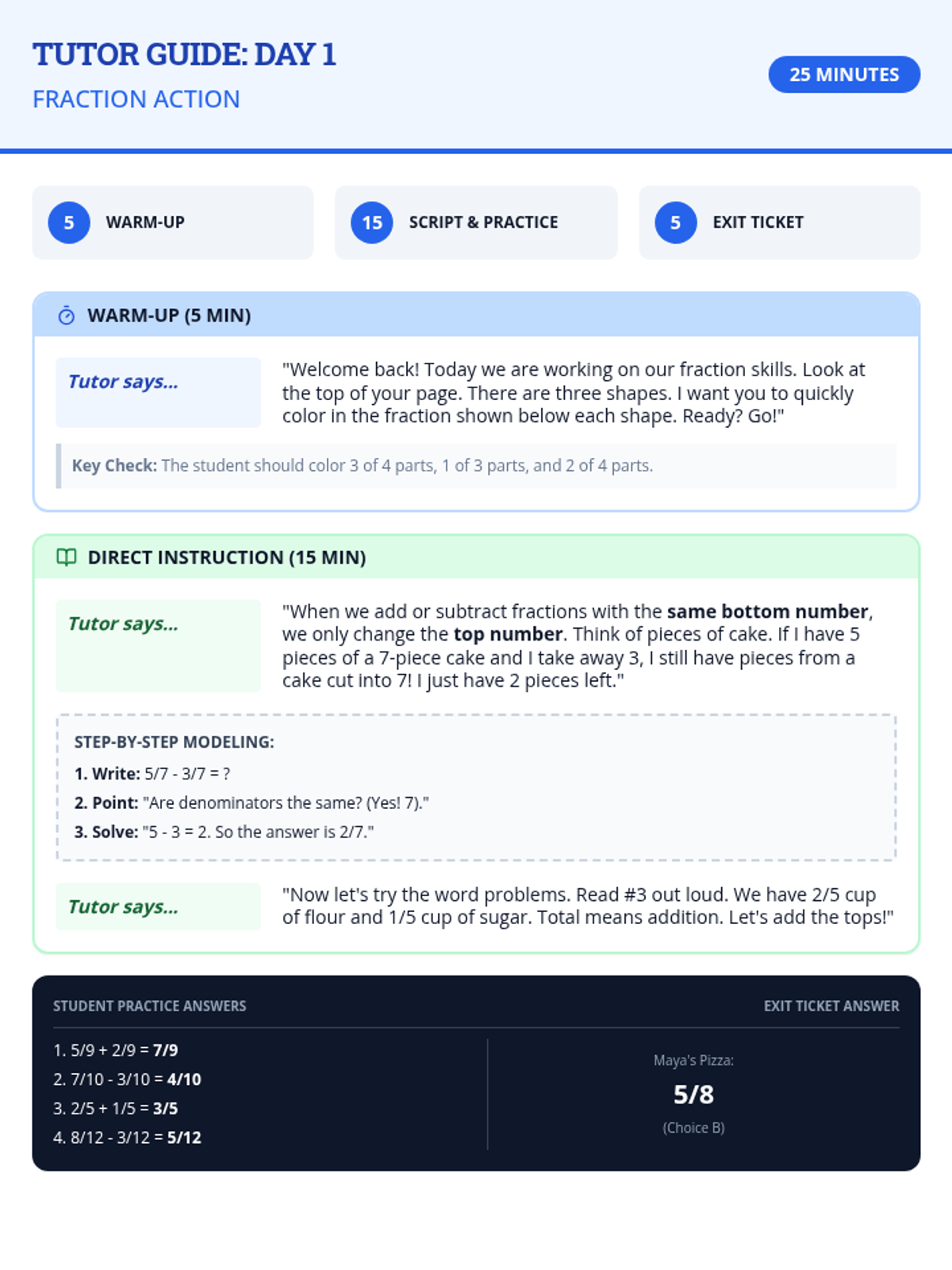
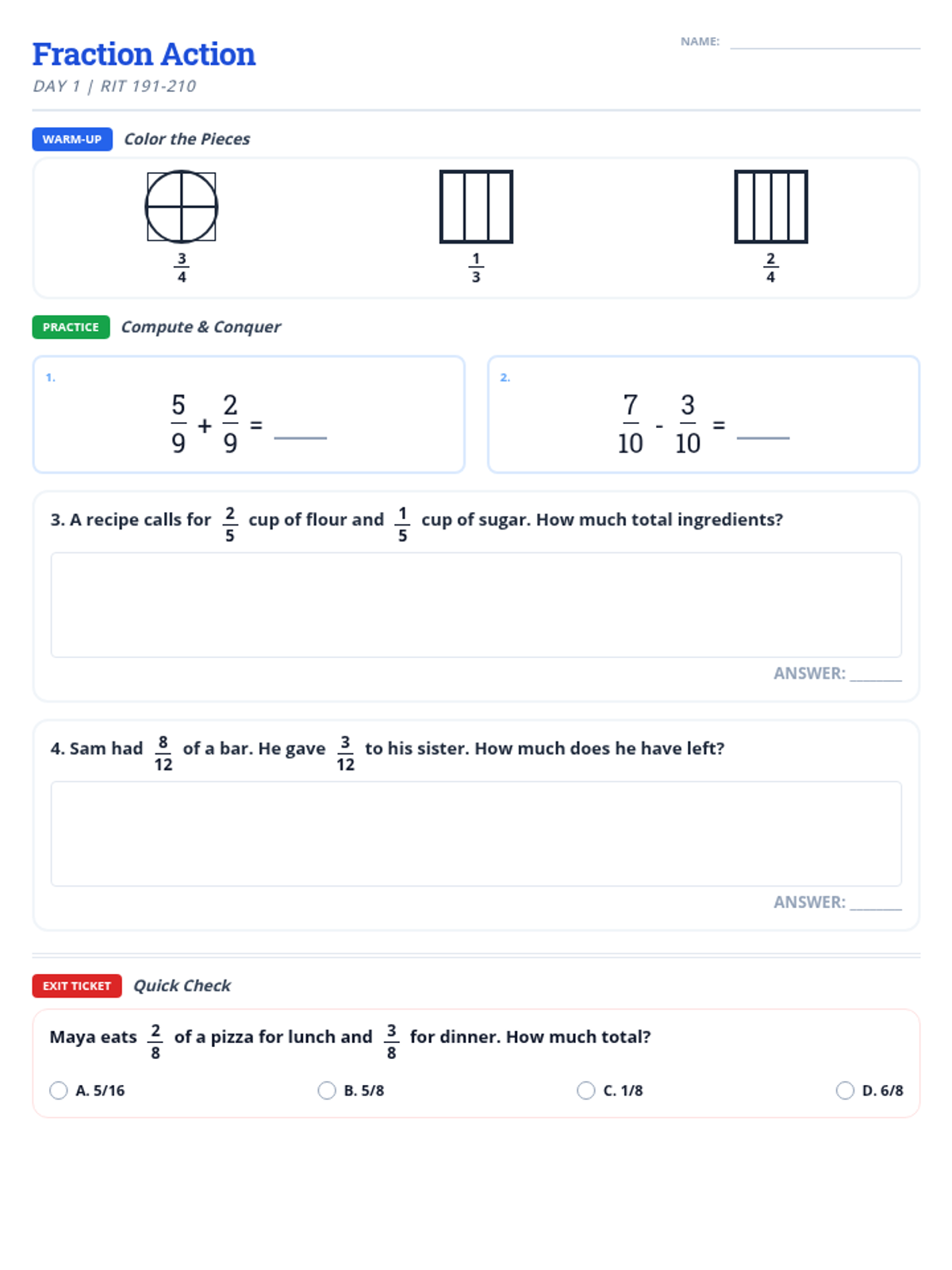
A 3-day small group intervention focused on RIT 191-210 skills: fraction subtraction, inverse operations, interpreting remainders, and coordinate plane graphing. Includes teacher scripts and student workbooks designed for 25-minute sessions without technology.
A foundational lesson on navigating the four-quadrant coordinate plane, designed with visual supports for IEP students to master plotting and identifying coordinates.
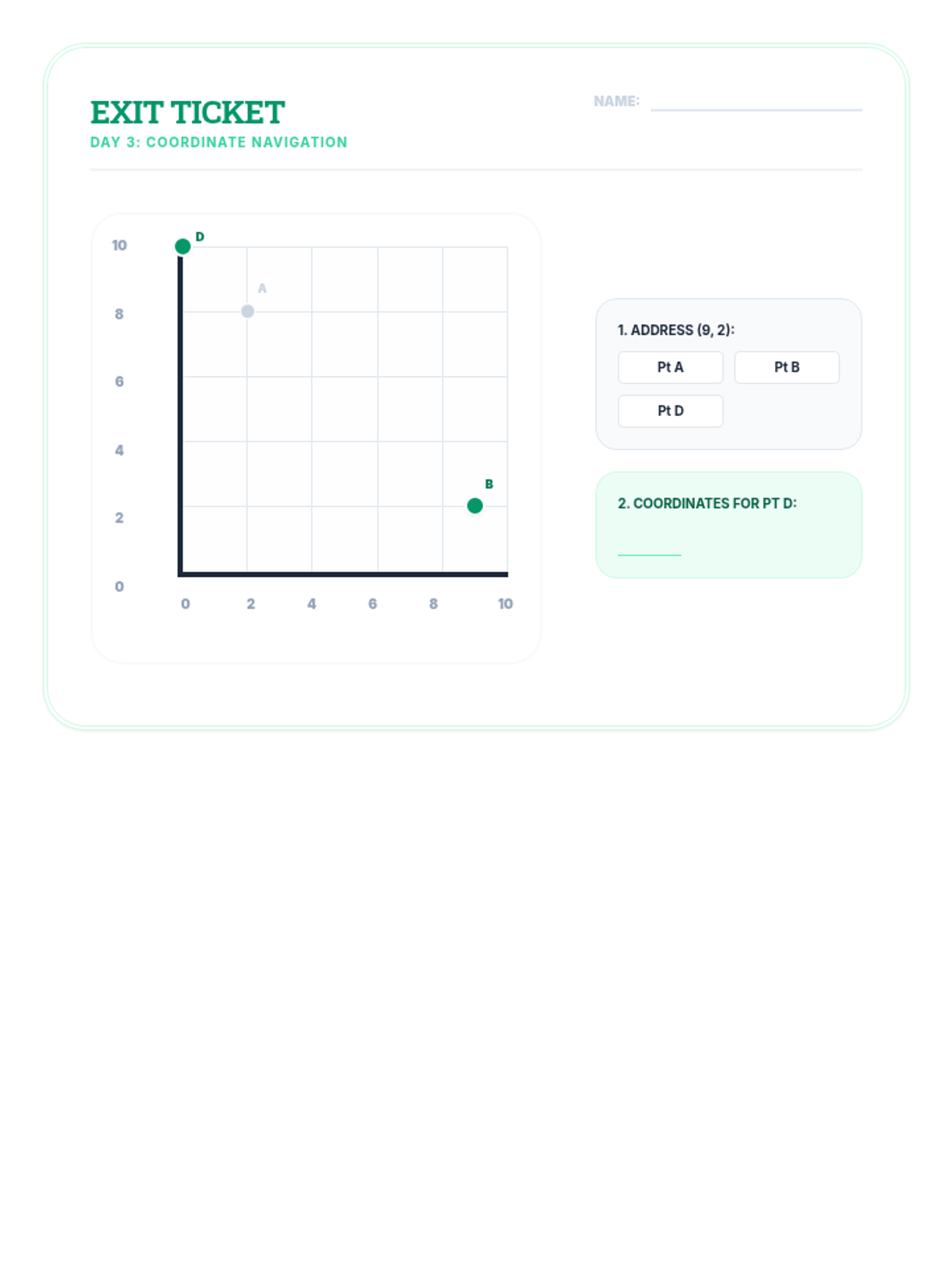
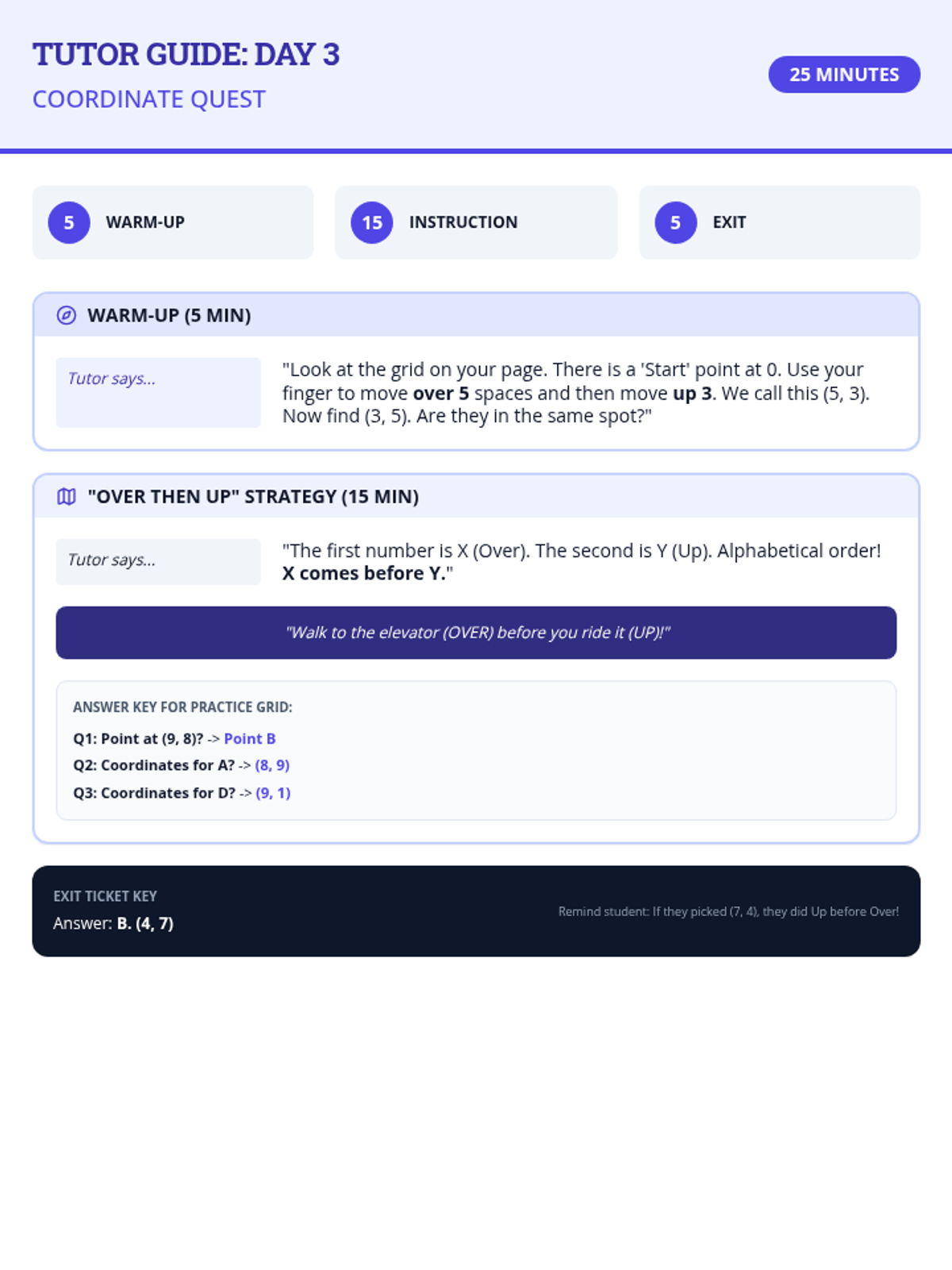
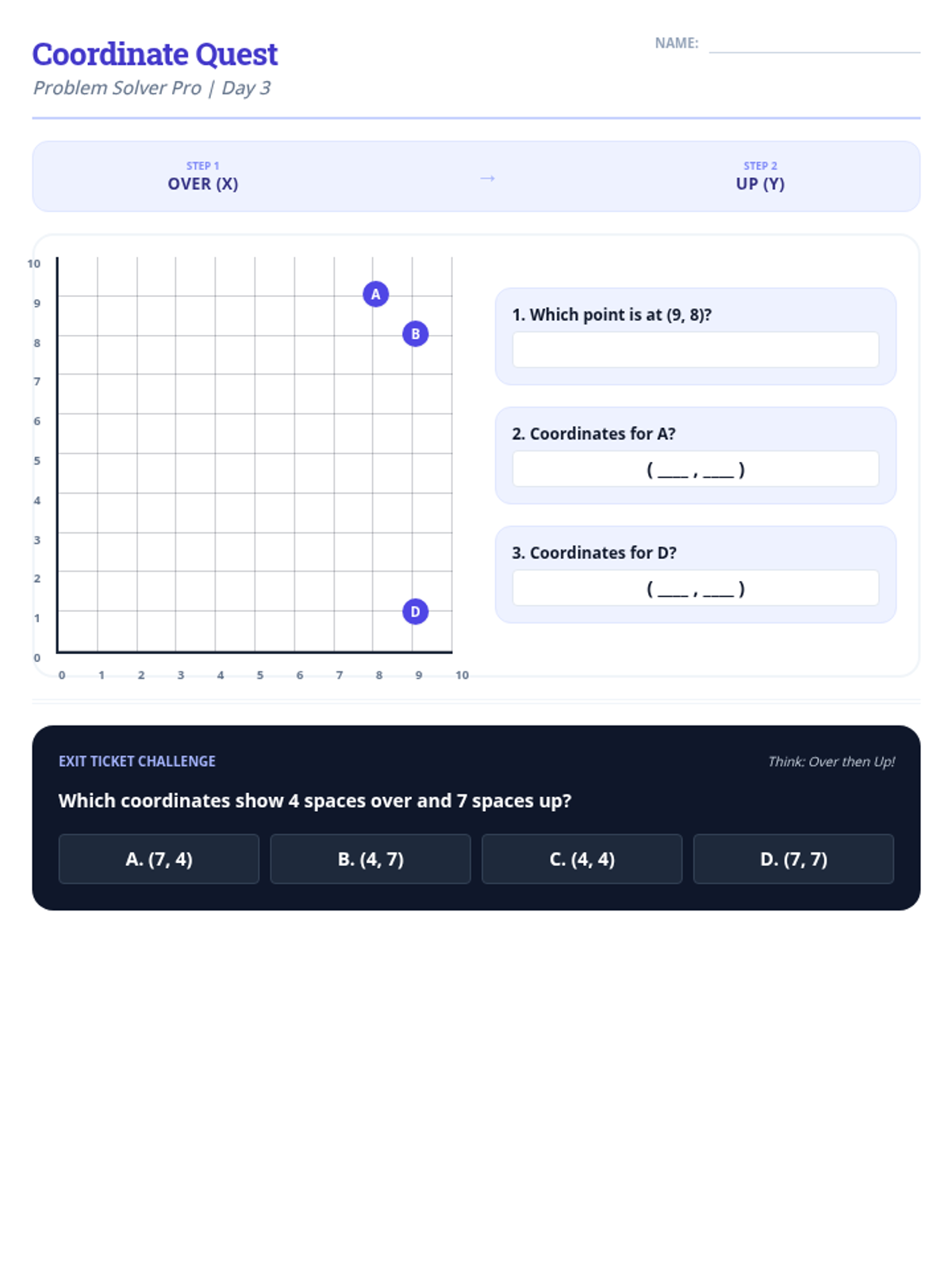
Introduces and reinforces the use of coordinate planes, focusing on identifying (x, y) coordinates using the 'over then up' strategy.
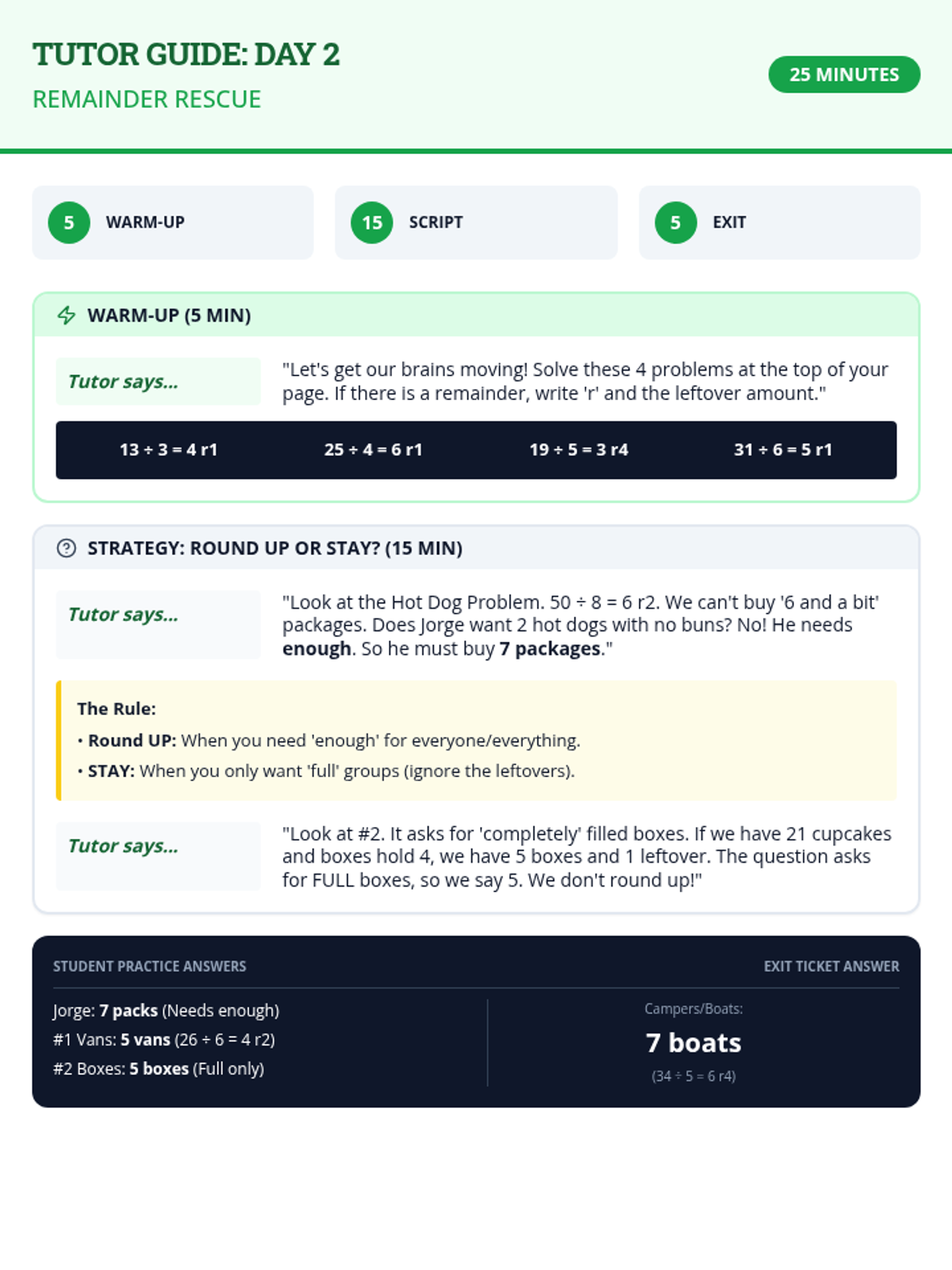
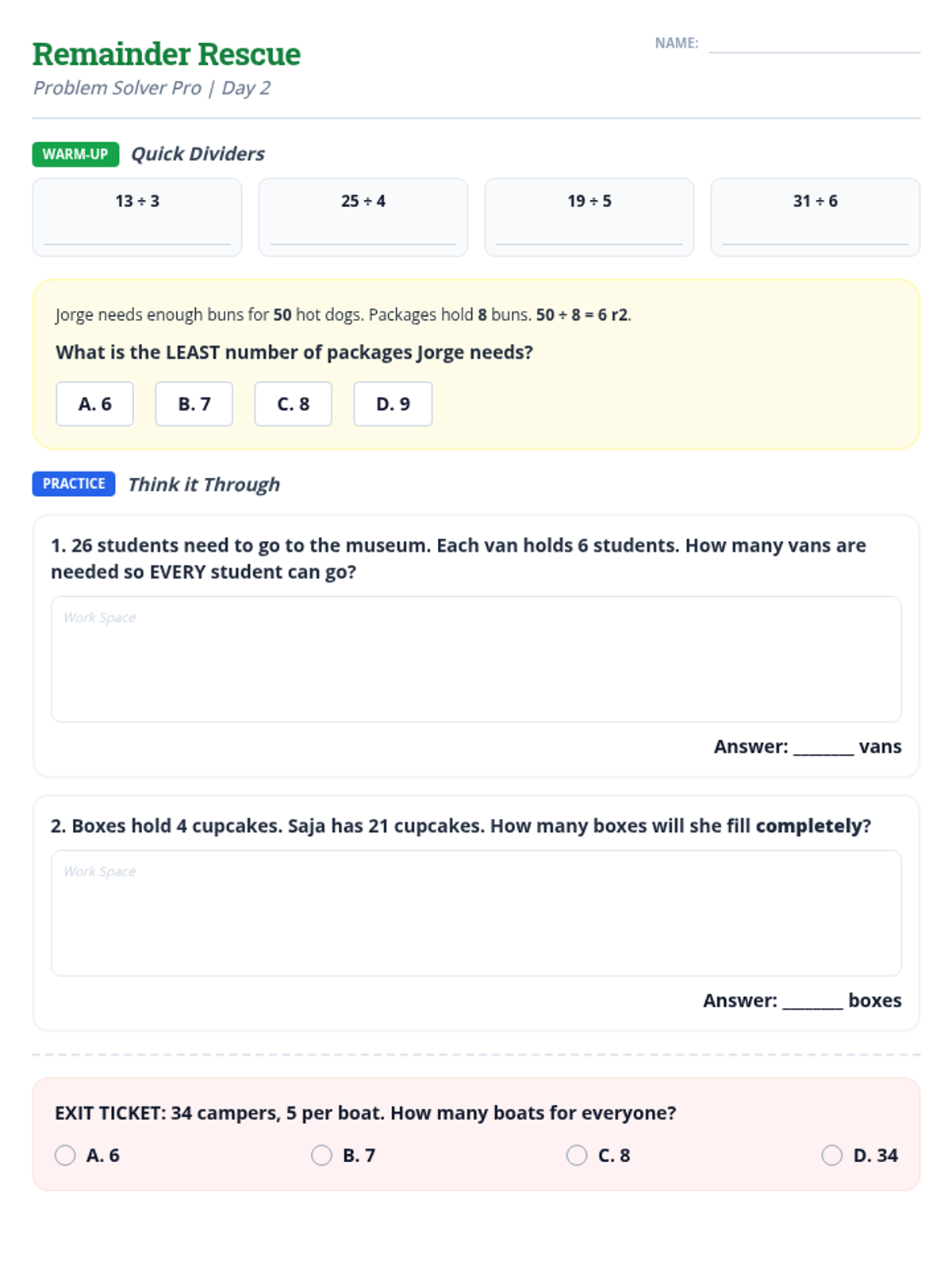
Teaches students how to interpret remainders in real-world division problems, specifically deciding when to 'round up' to ensure everyone or everything is included.
Focuses on adding and subtracting fractions with like denominators, emphasizing that the denominator represents the size of the piece and remains constant.
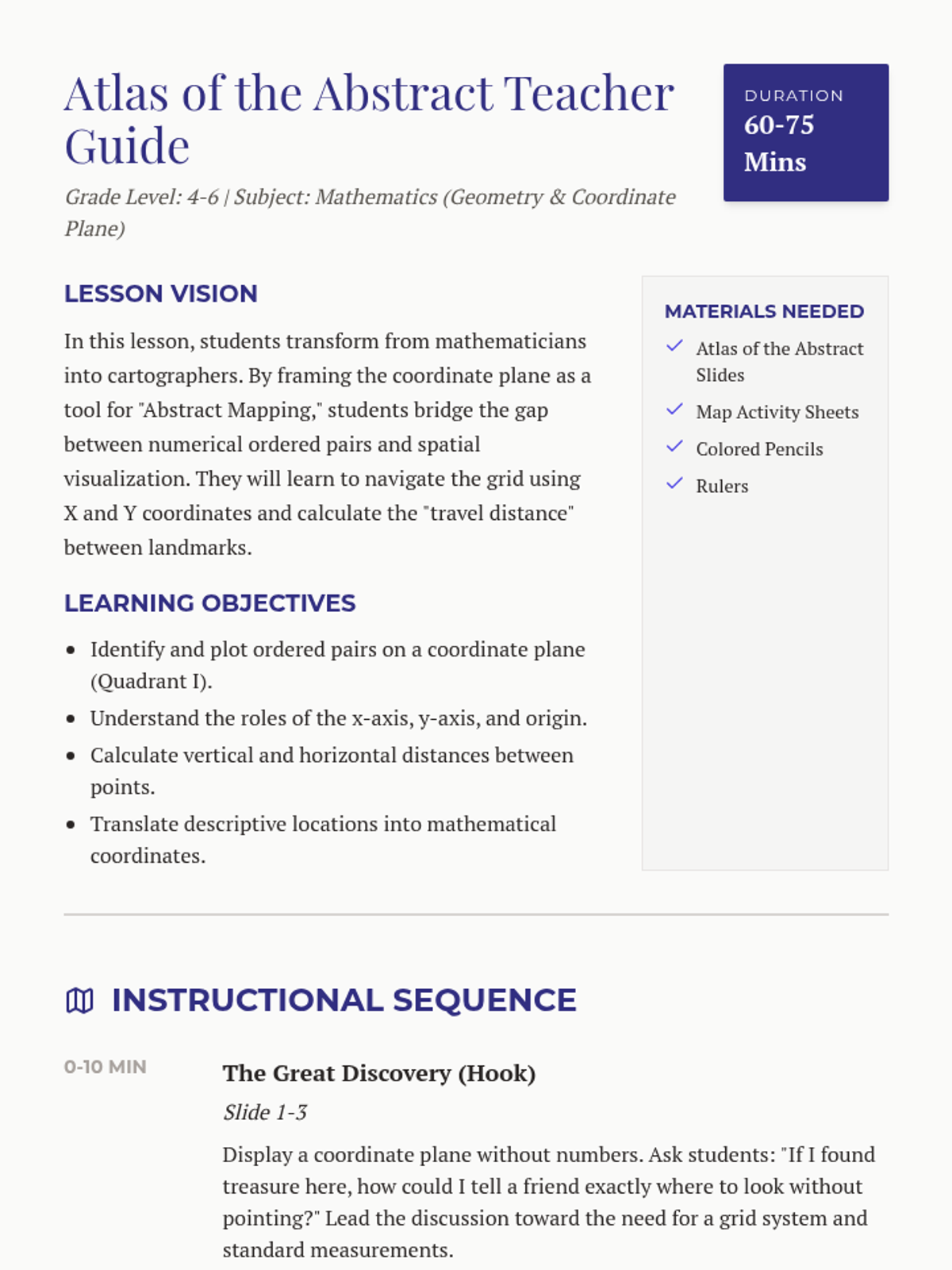
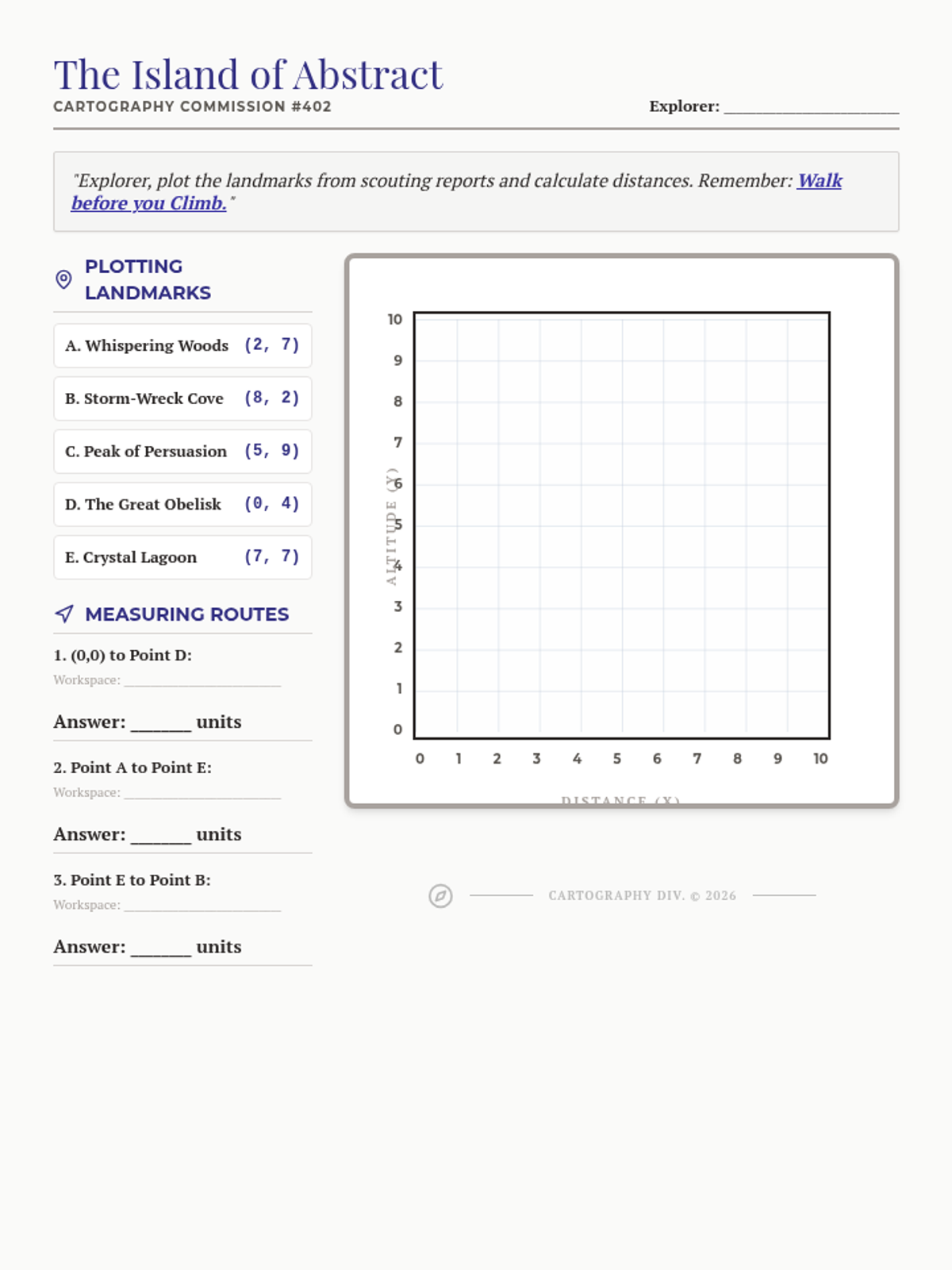
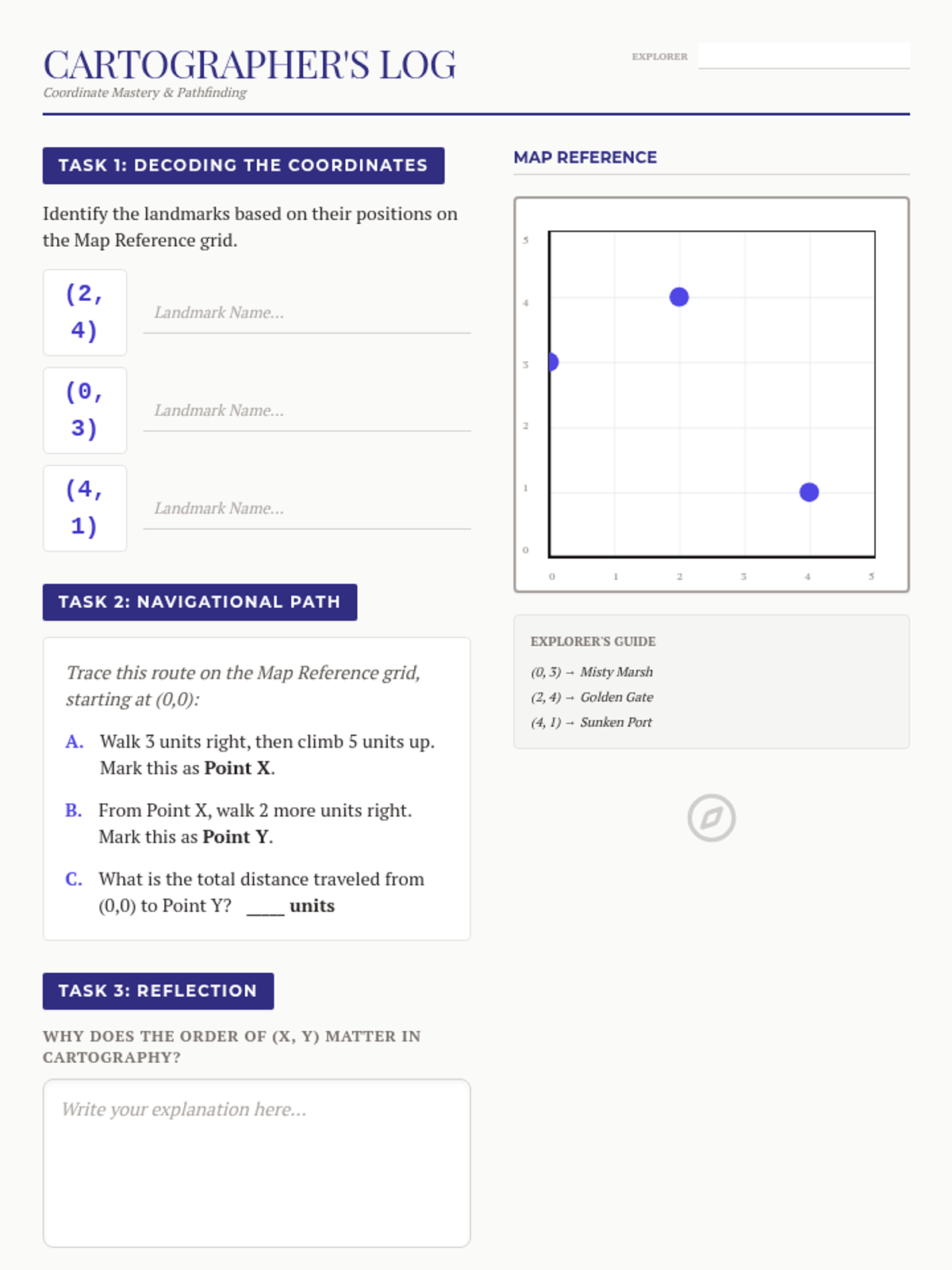
Students explore the coordinate plane through the lens of cartography, mapping imaginary landscapes using ordered pairs and calculating distances between landmarks.
A modified lesson on the coordinate plane focusing on identifying axes, the origin, and plotting points in all four quadrants with visual scaffolding.
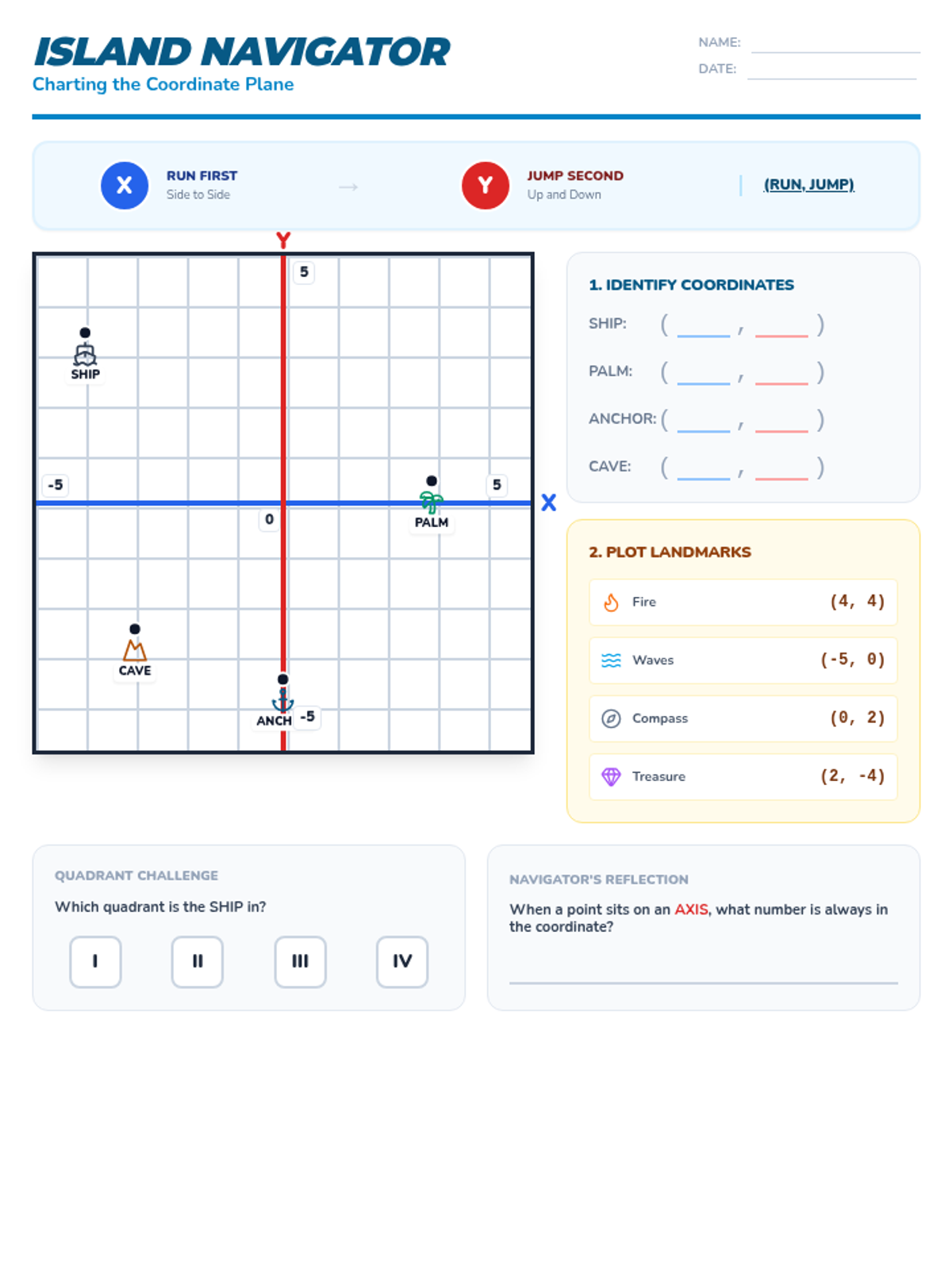
A specialized math lesson for plotting coordinates across all four quadrants and on the axes, designed with heavy scaffolding and visual cues for IEP support. Students will use an island map theme to practice identifying and plotting points.
A foundational lesson on the coordinate plane designed for IEP students, focusing on vocabulary, quadrant identification, and step-by-step plotting and reading of points.
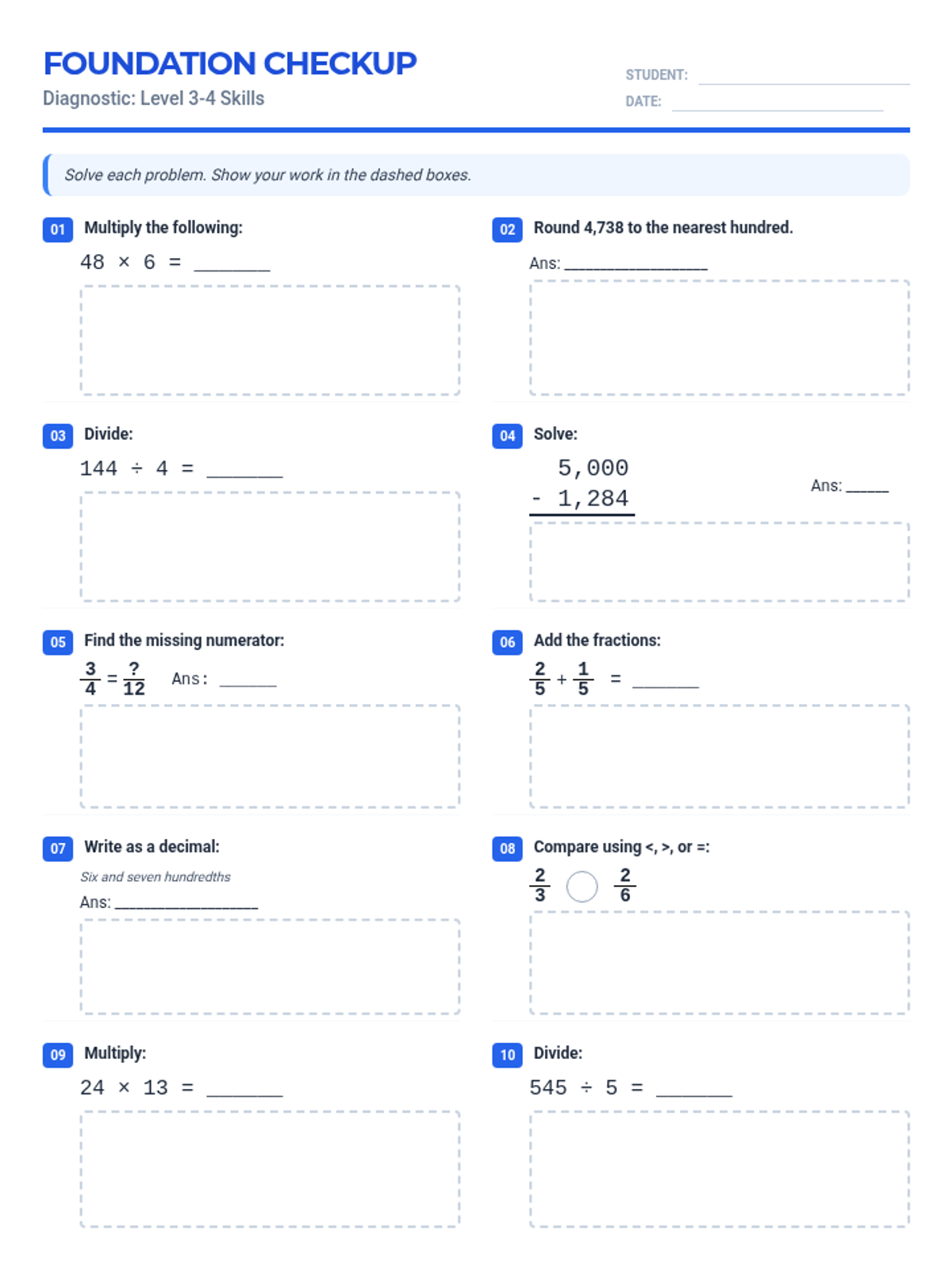
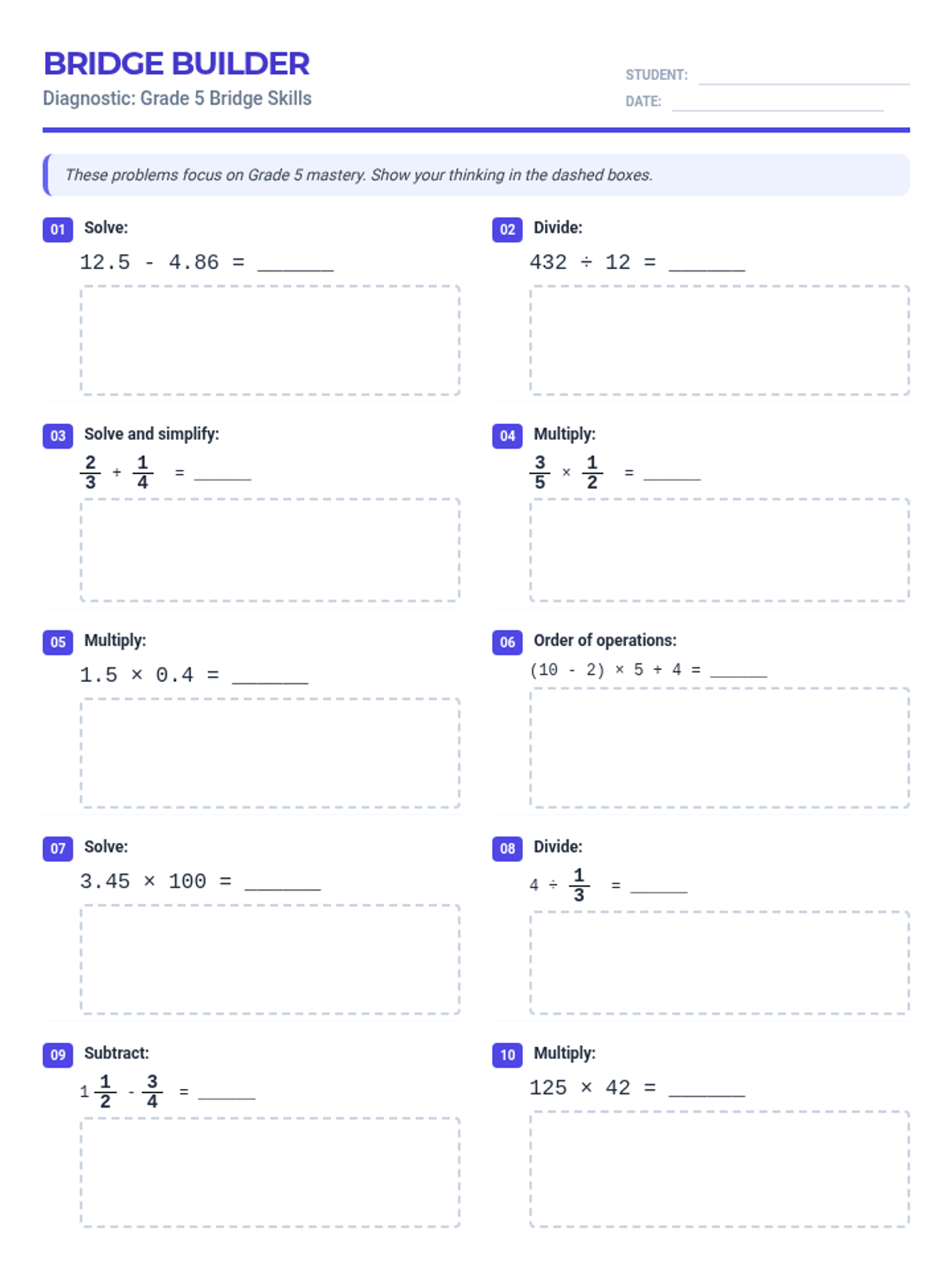
A pair of diagnostic assessments designed to pinpoint gaps in foundational number sense, fractions, and decimals, bridging 3rd-4th grade concepts to 5th grade mastery in preparation for 6th grade math.
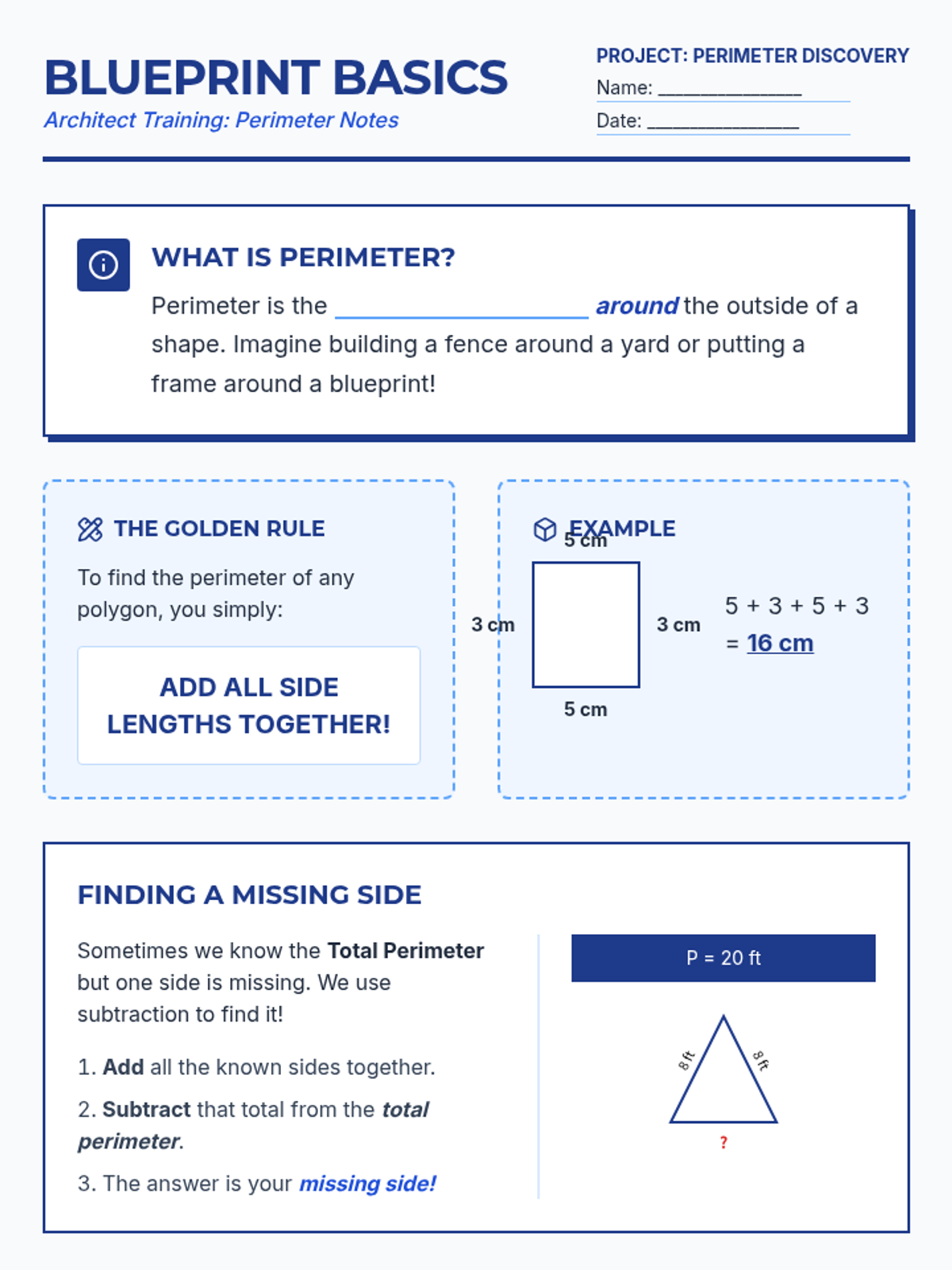
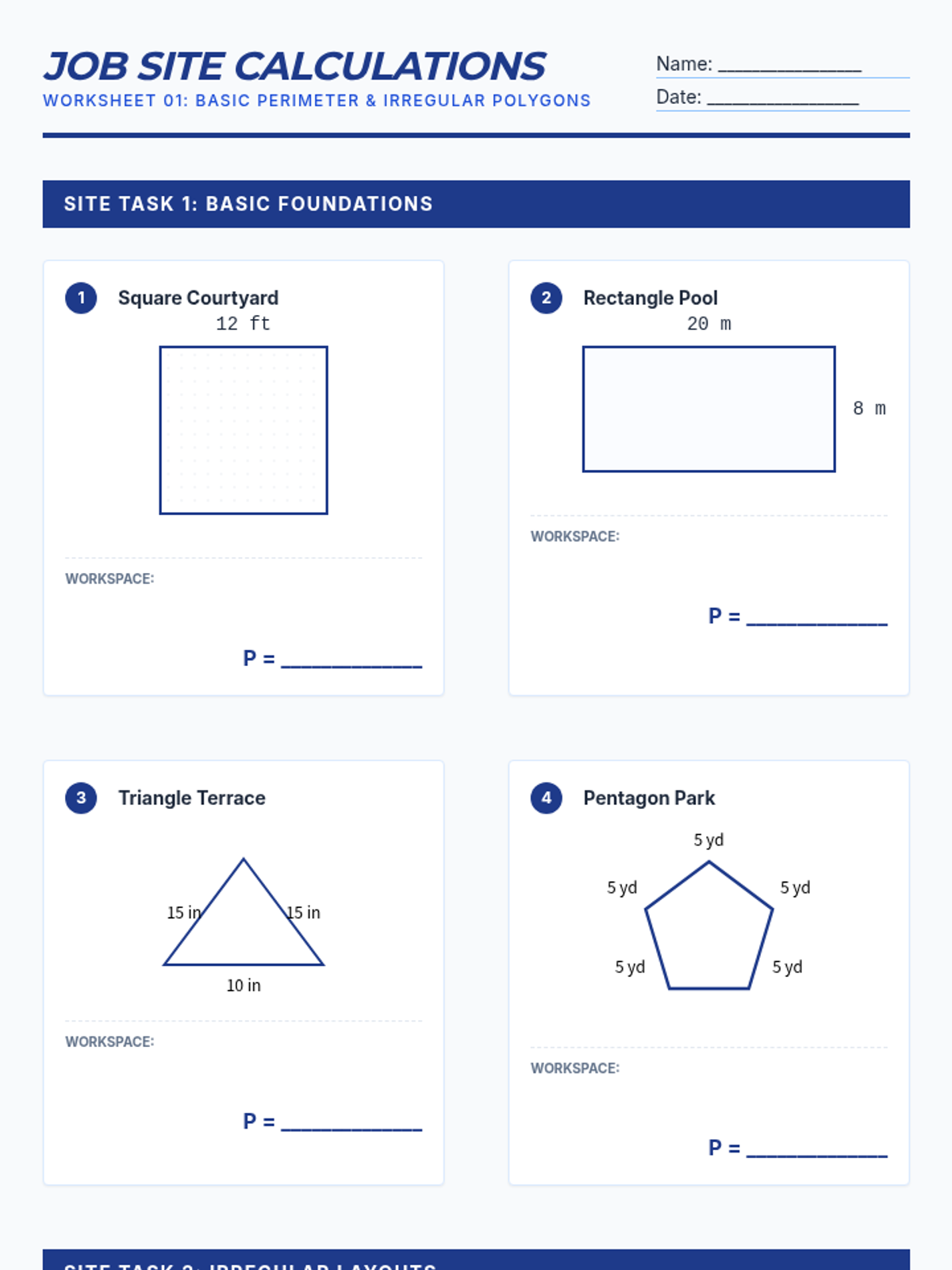
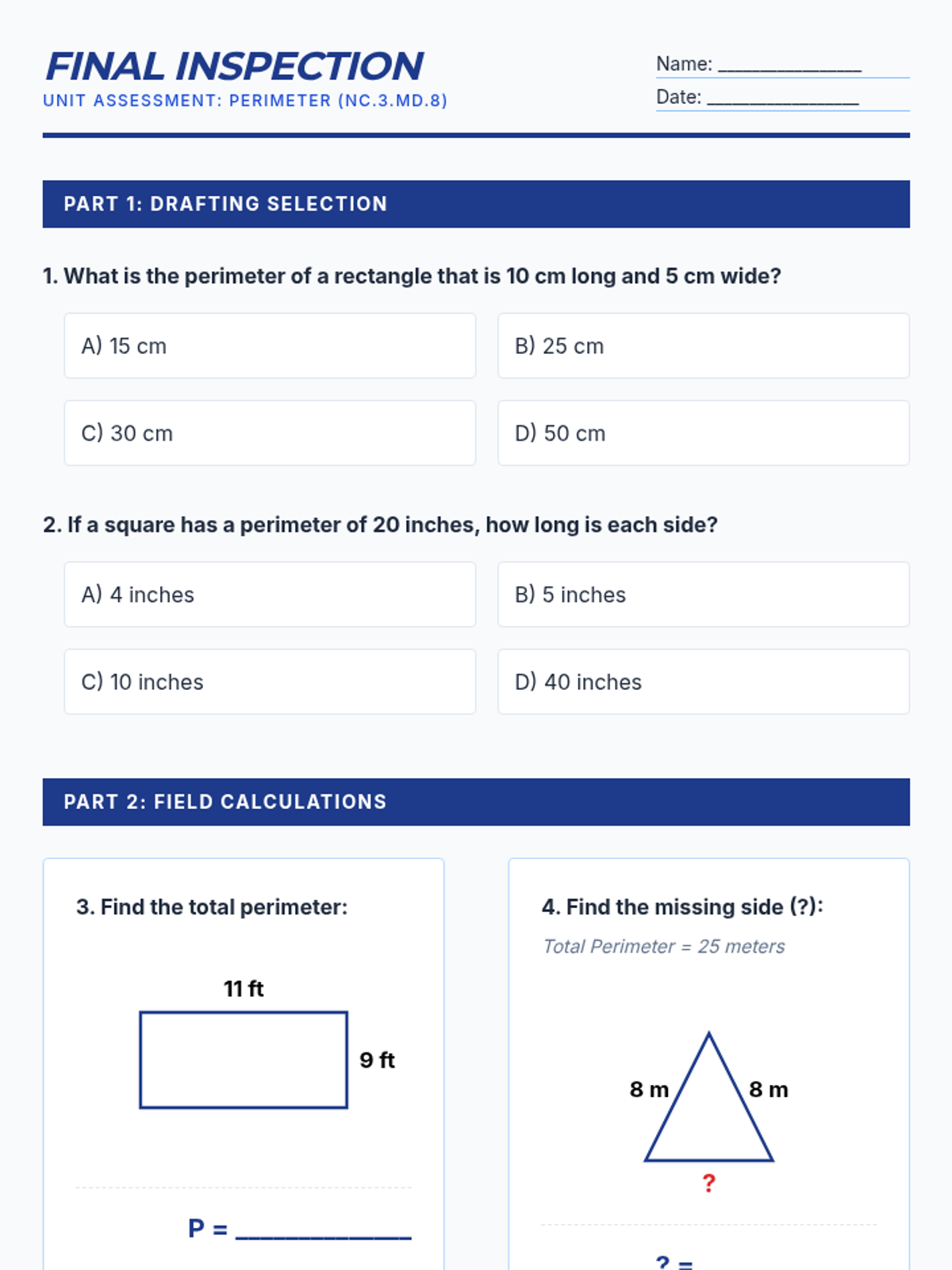
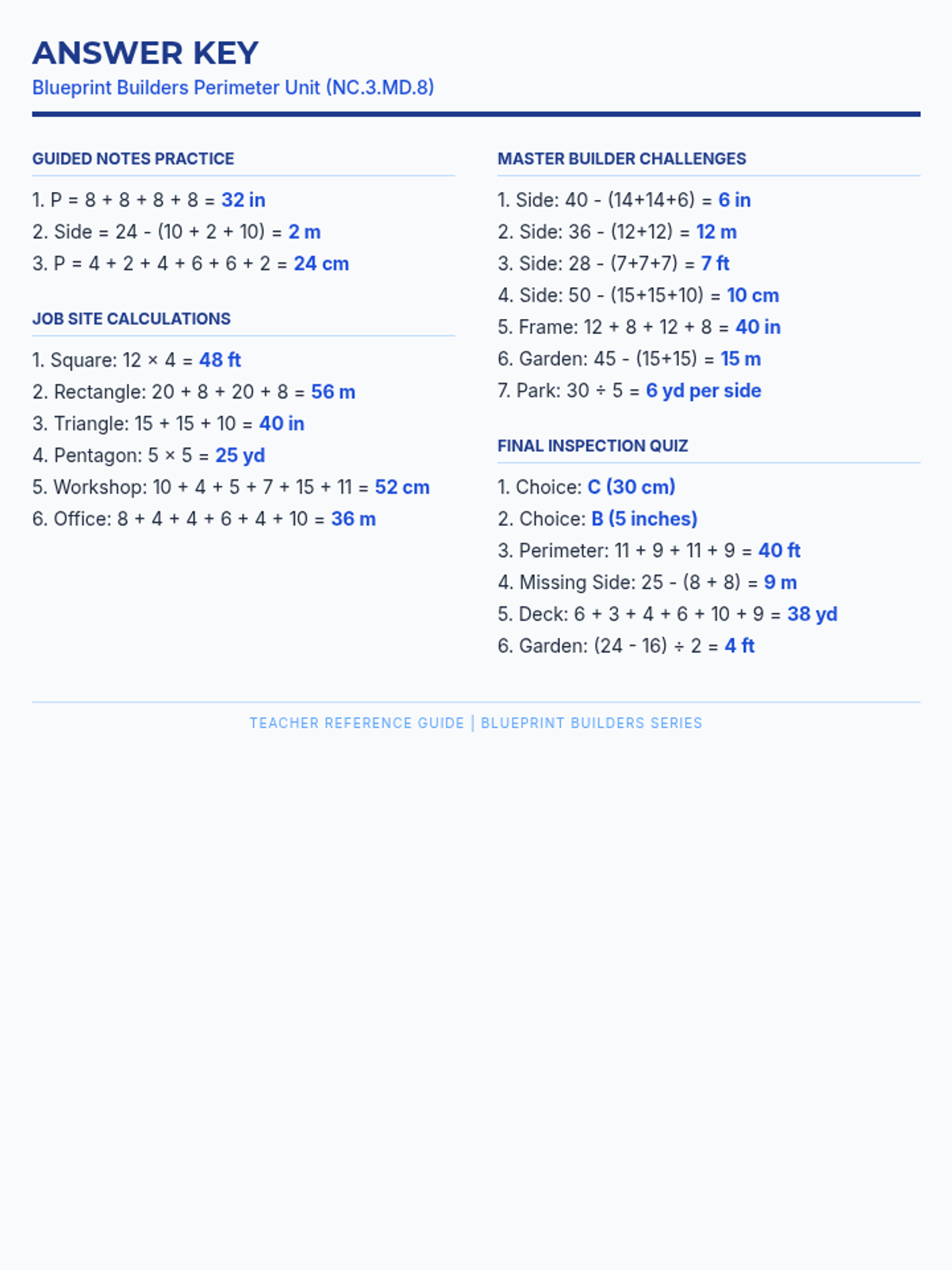
A comprehensive unit on finding the perimeter of various polygons, including unknown side lengths and real-world word problems, themed around architectural blueprints.
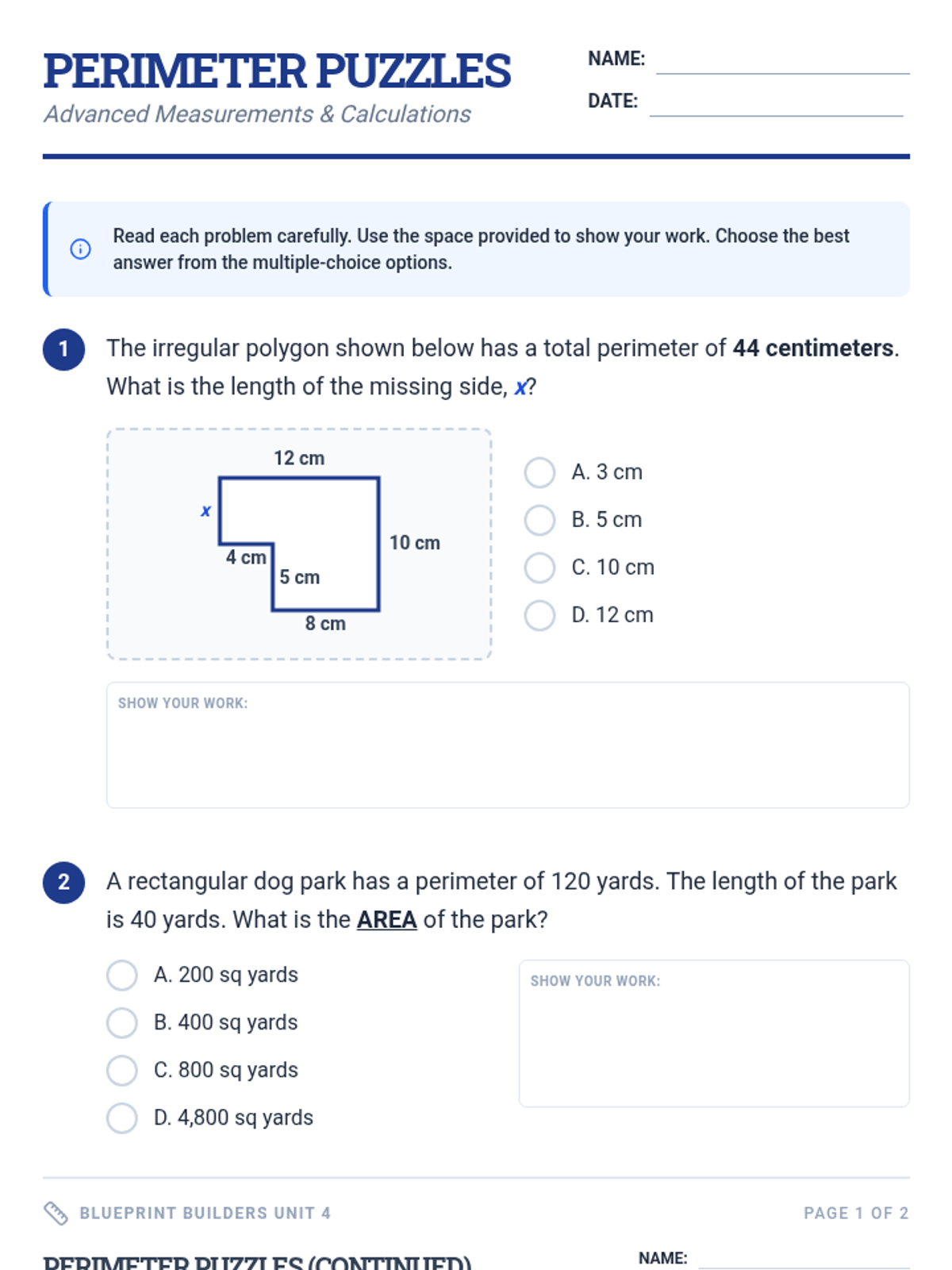
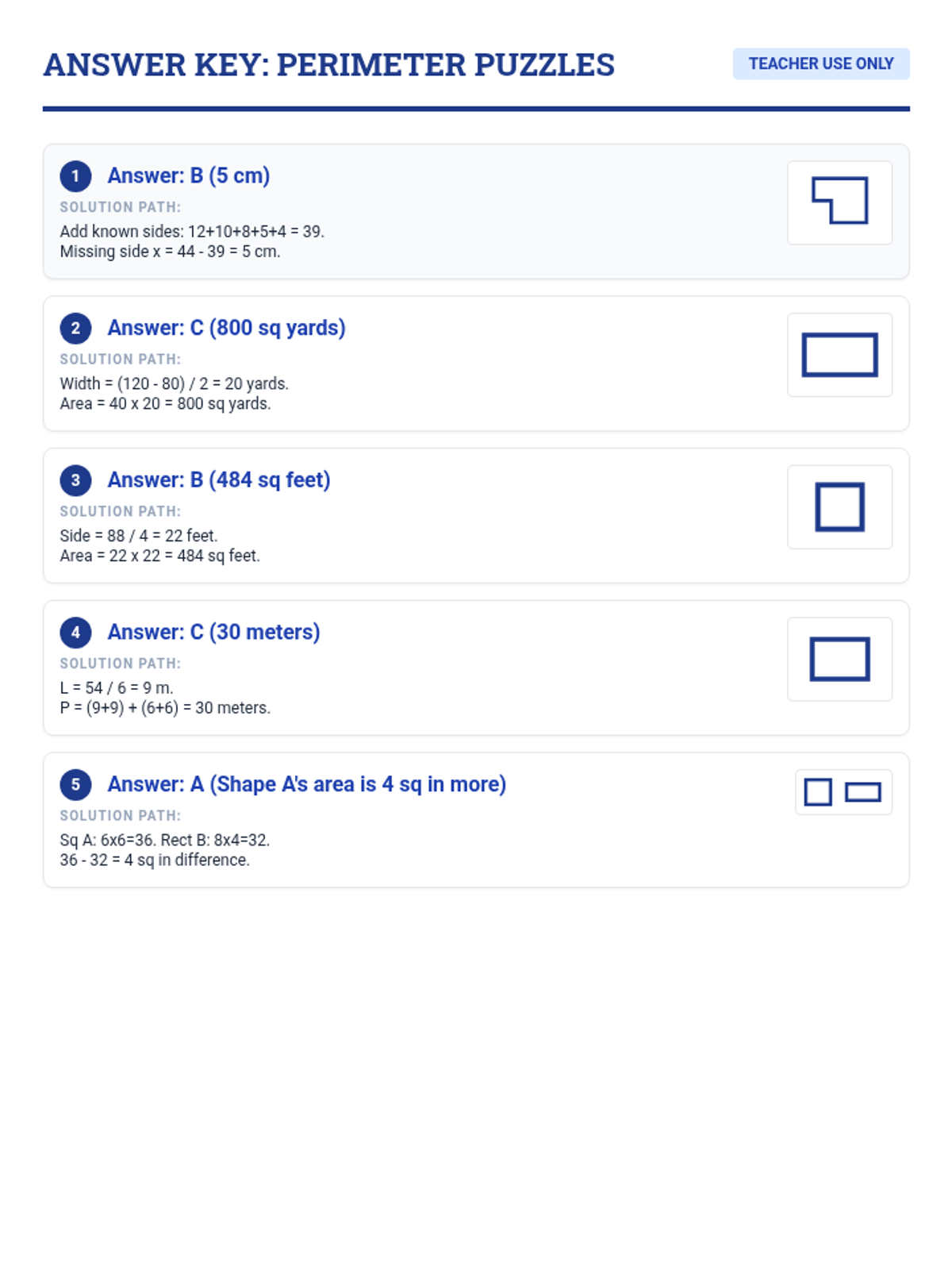
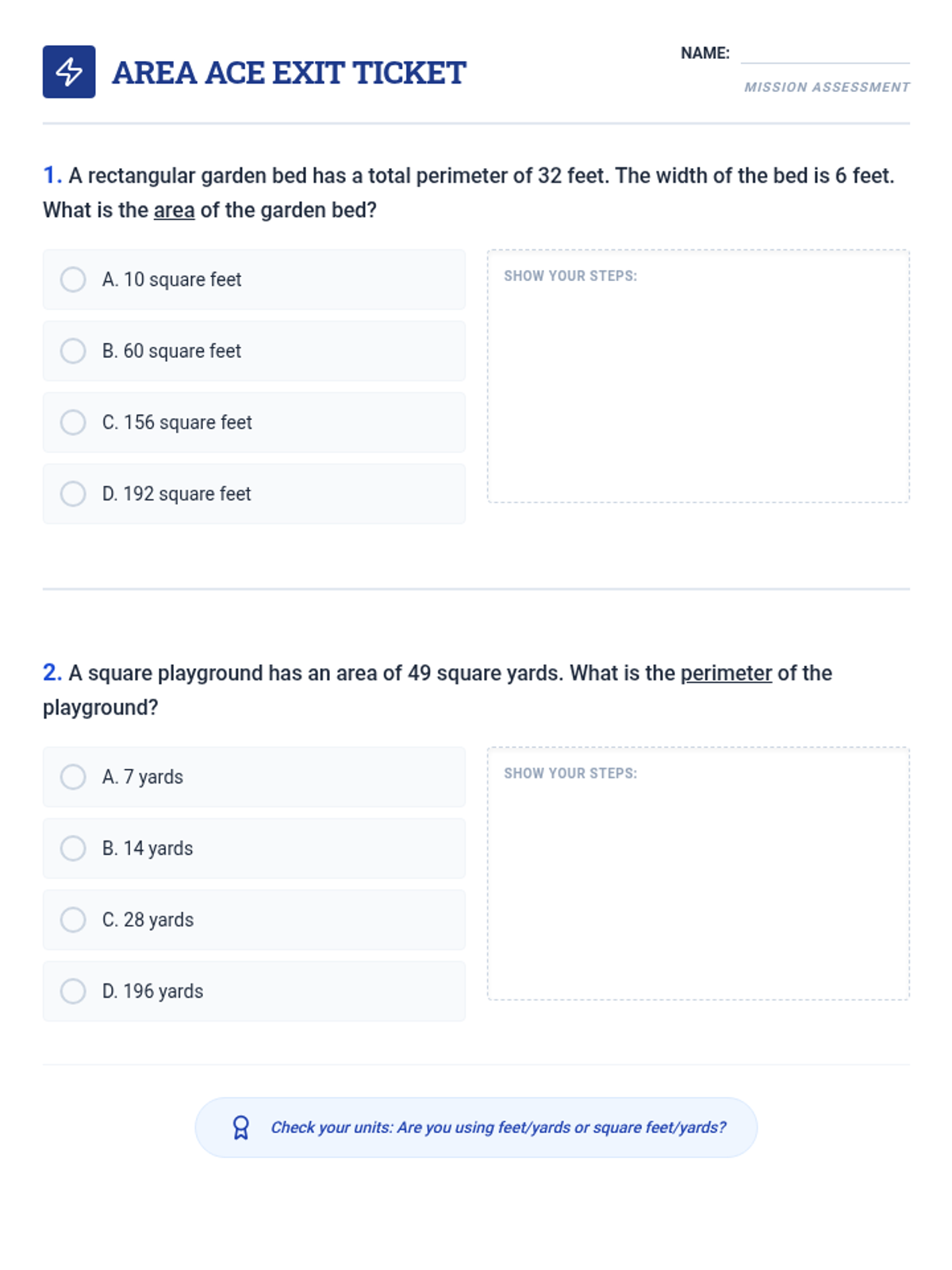
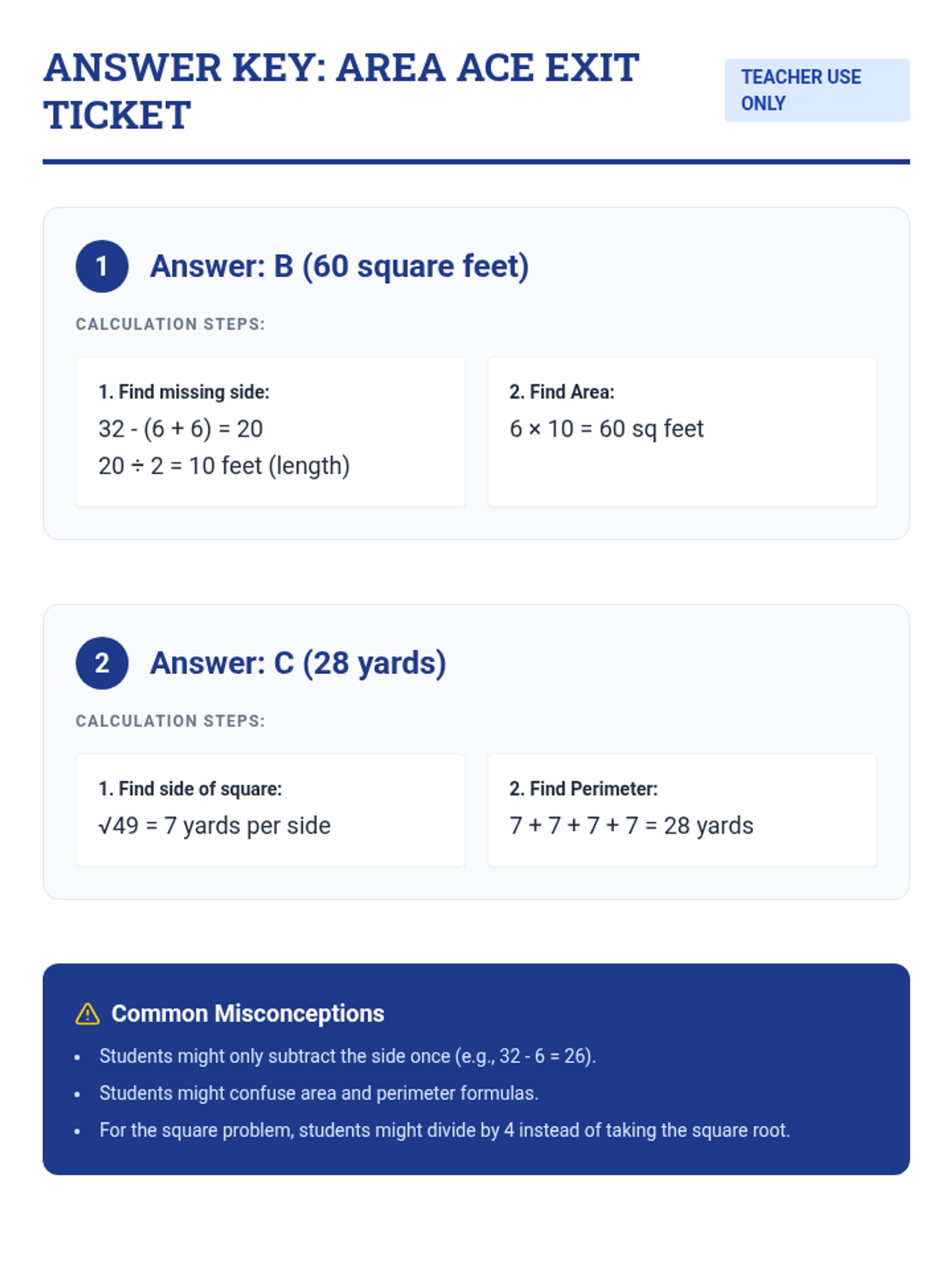
A rigorous math lesson focused on solving complex area and perimeter problems, including multi-step calculations to find area from perimeter and identifying missing side lengths in polygons.