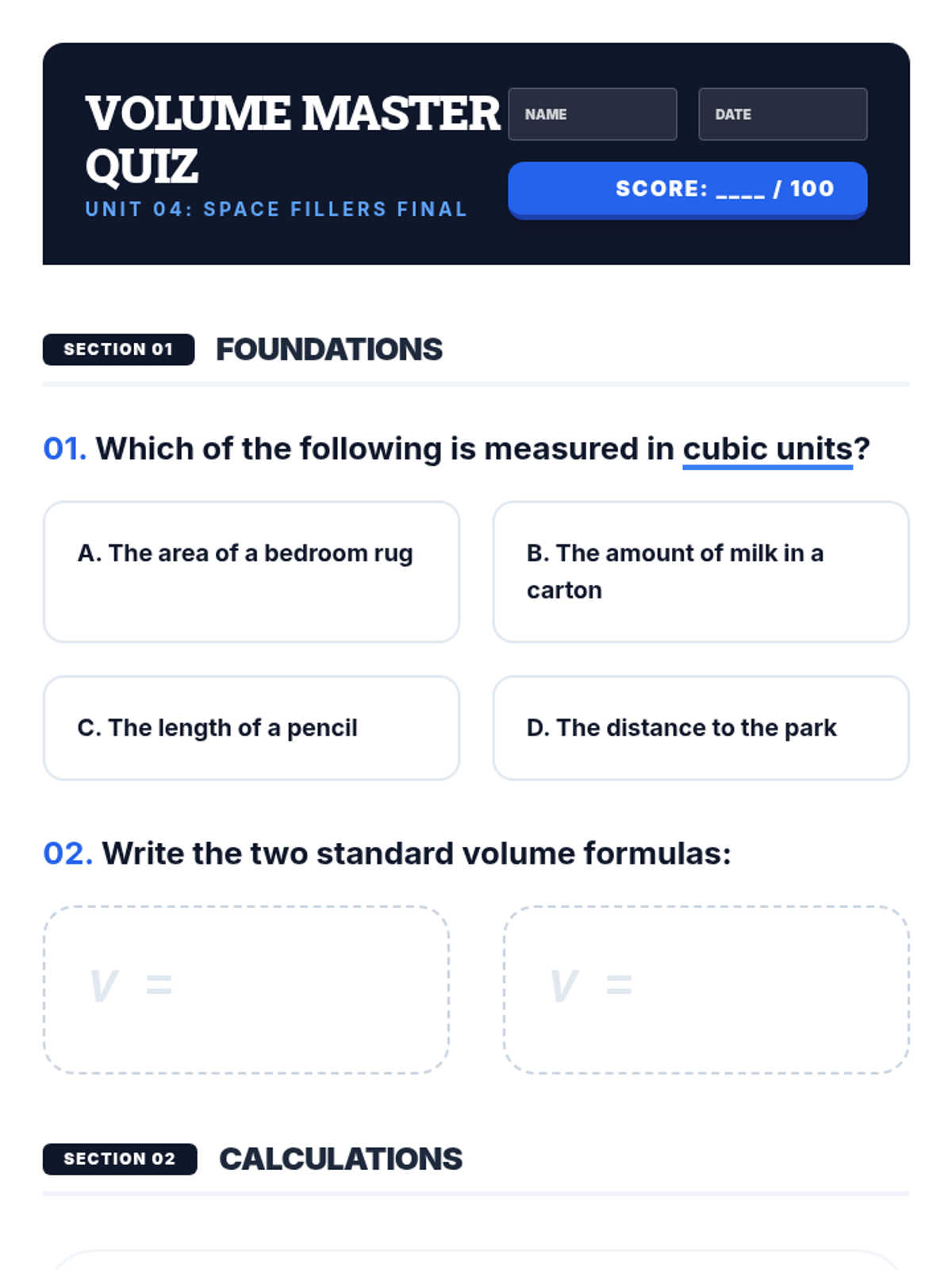
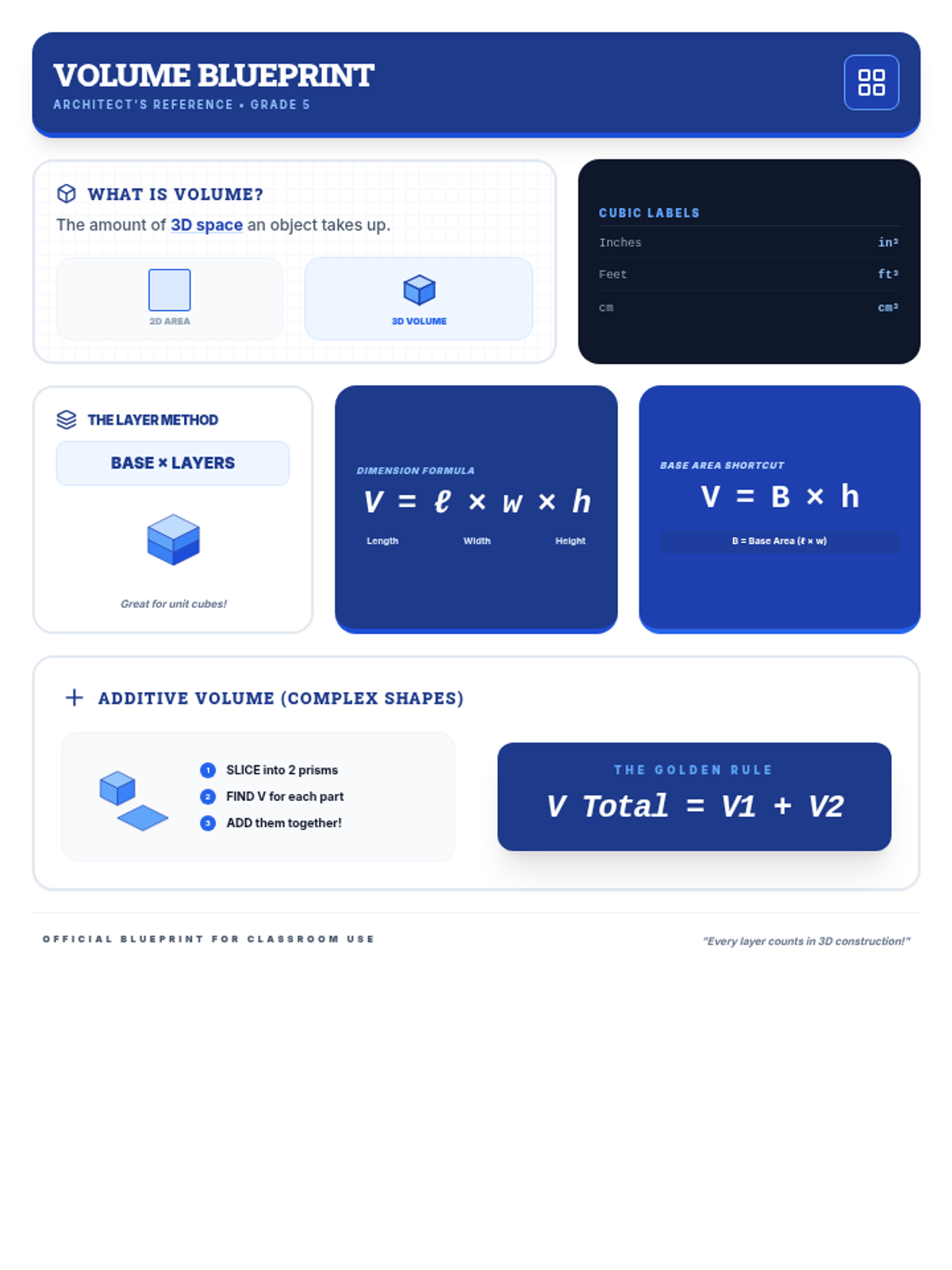
Moving from counting cubes to using the standard formulas V = l x w x h and V = B x h. Focuses on efficiency and understanding the relationship between layers and total volume.
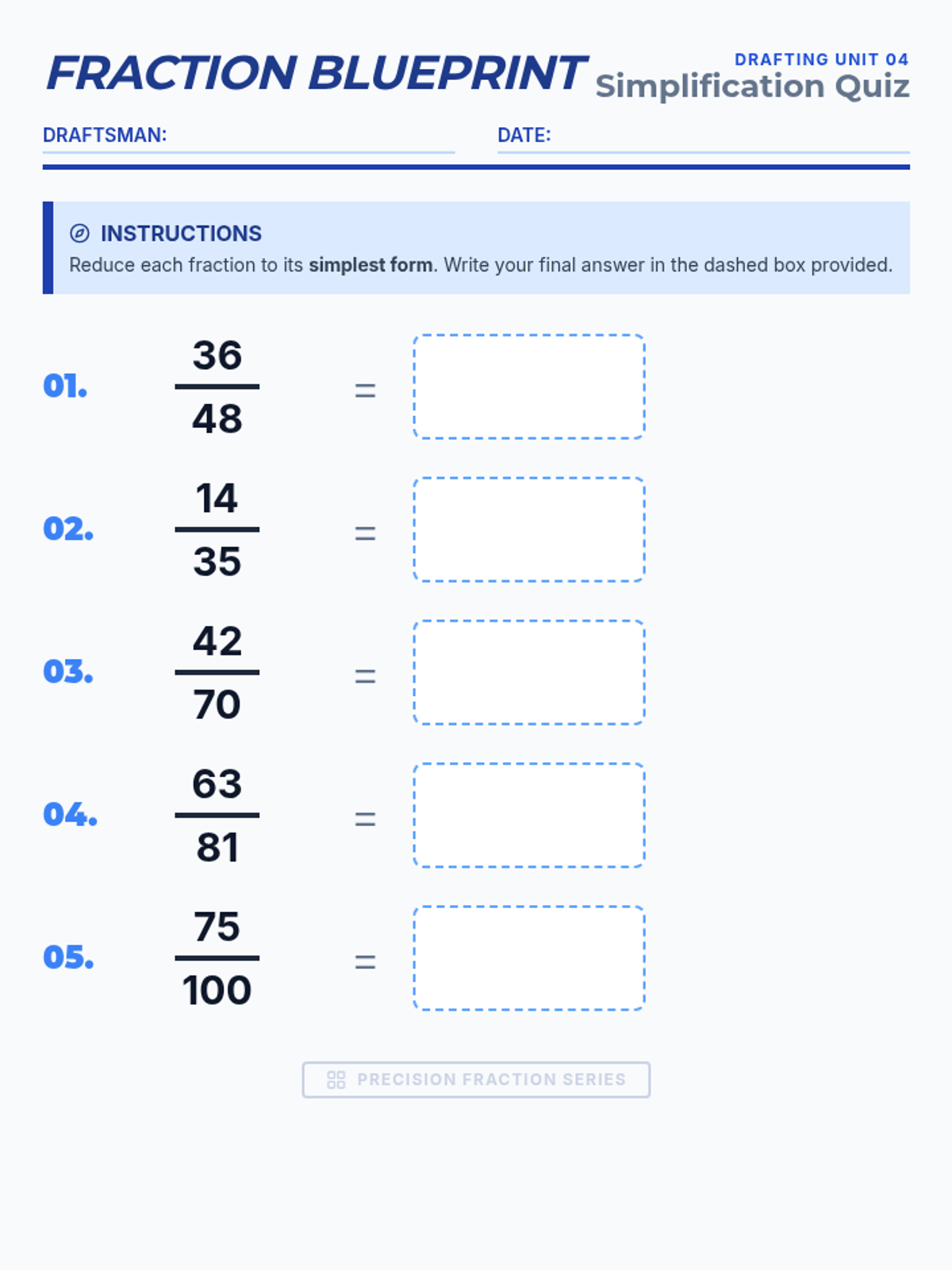
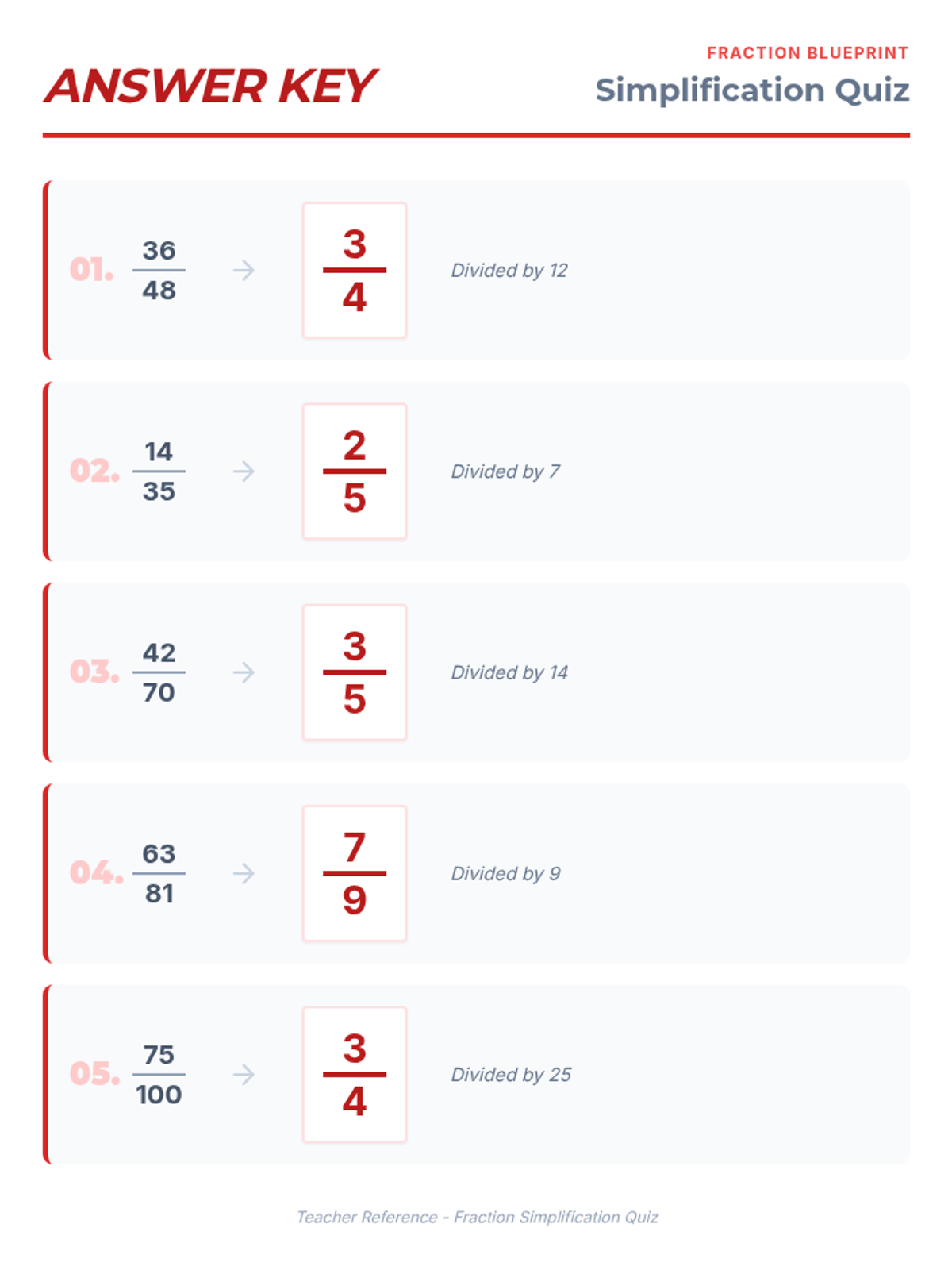
A quick assessment focusing on simplifying fractions with numerators and denominators up to 100 into their simplest form.
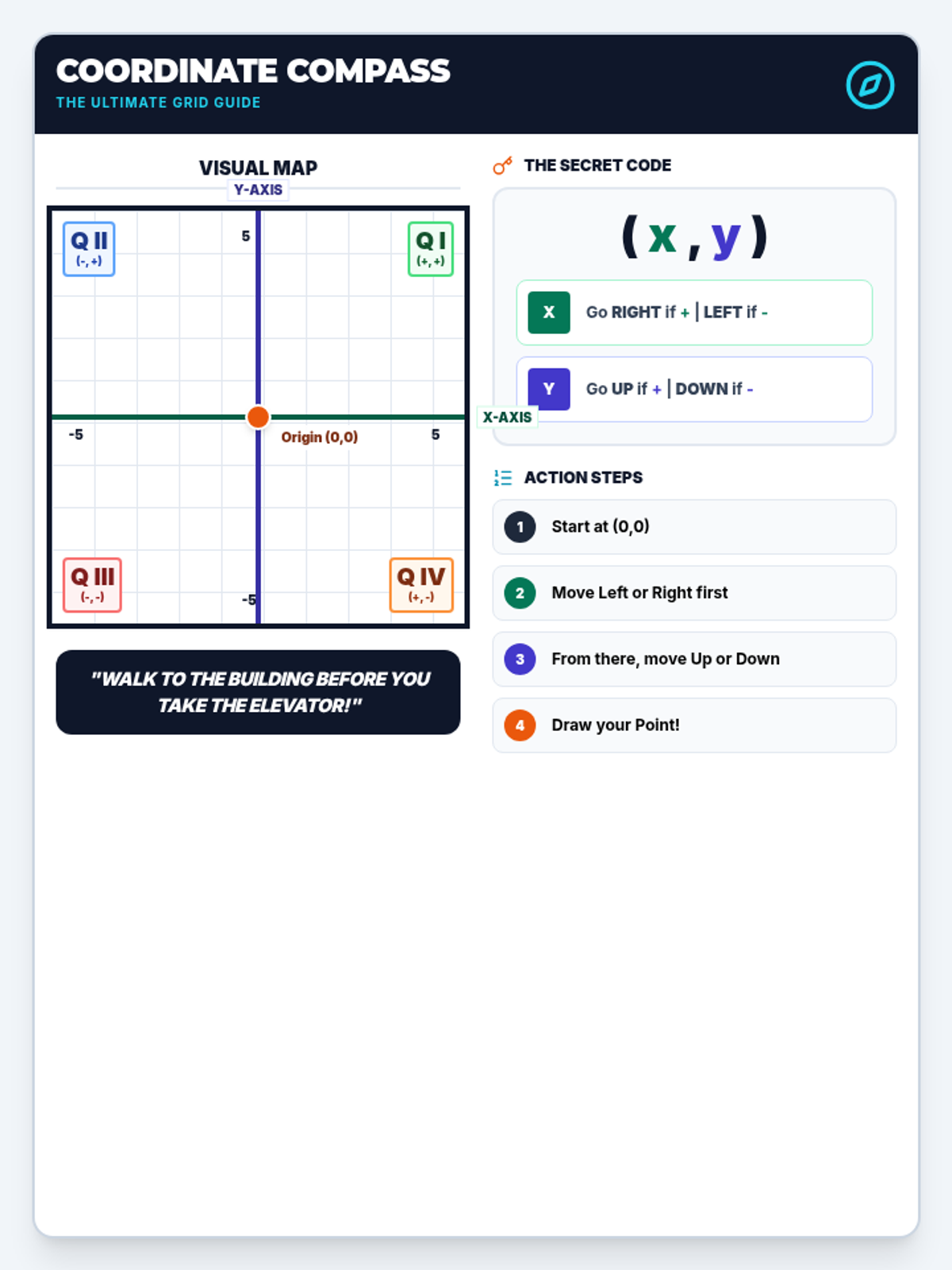
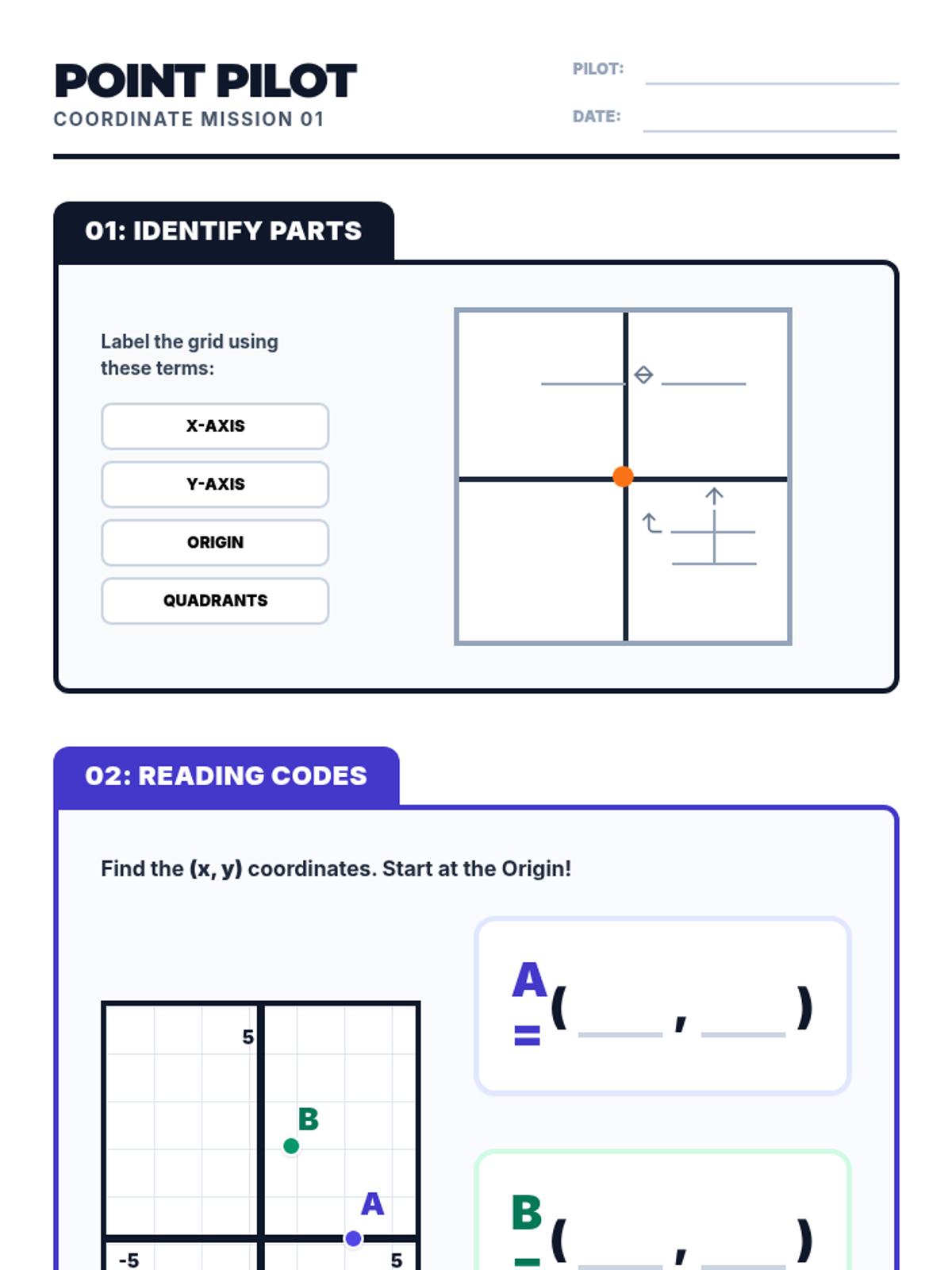
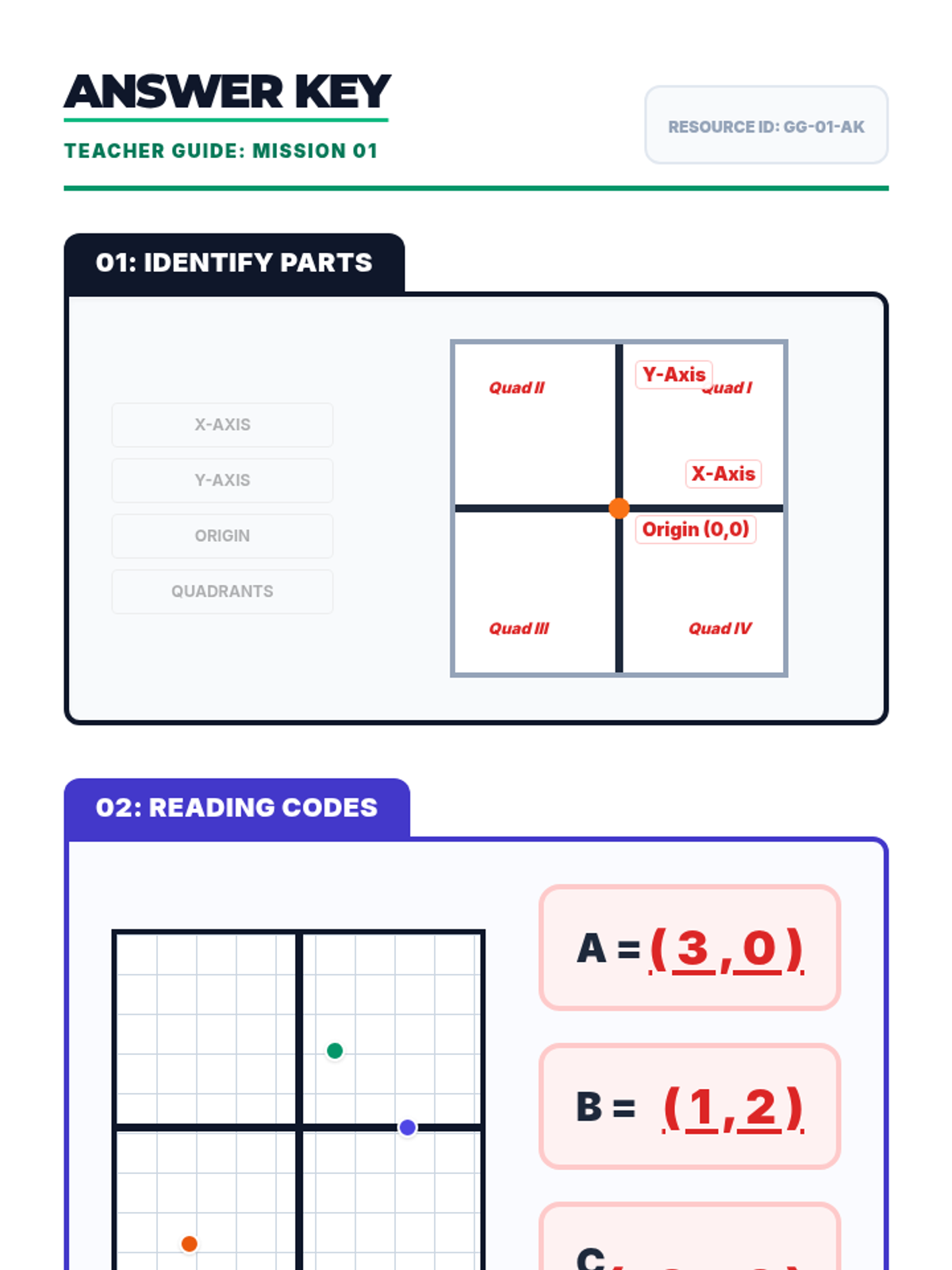
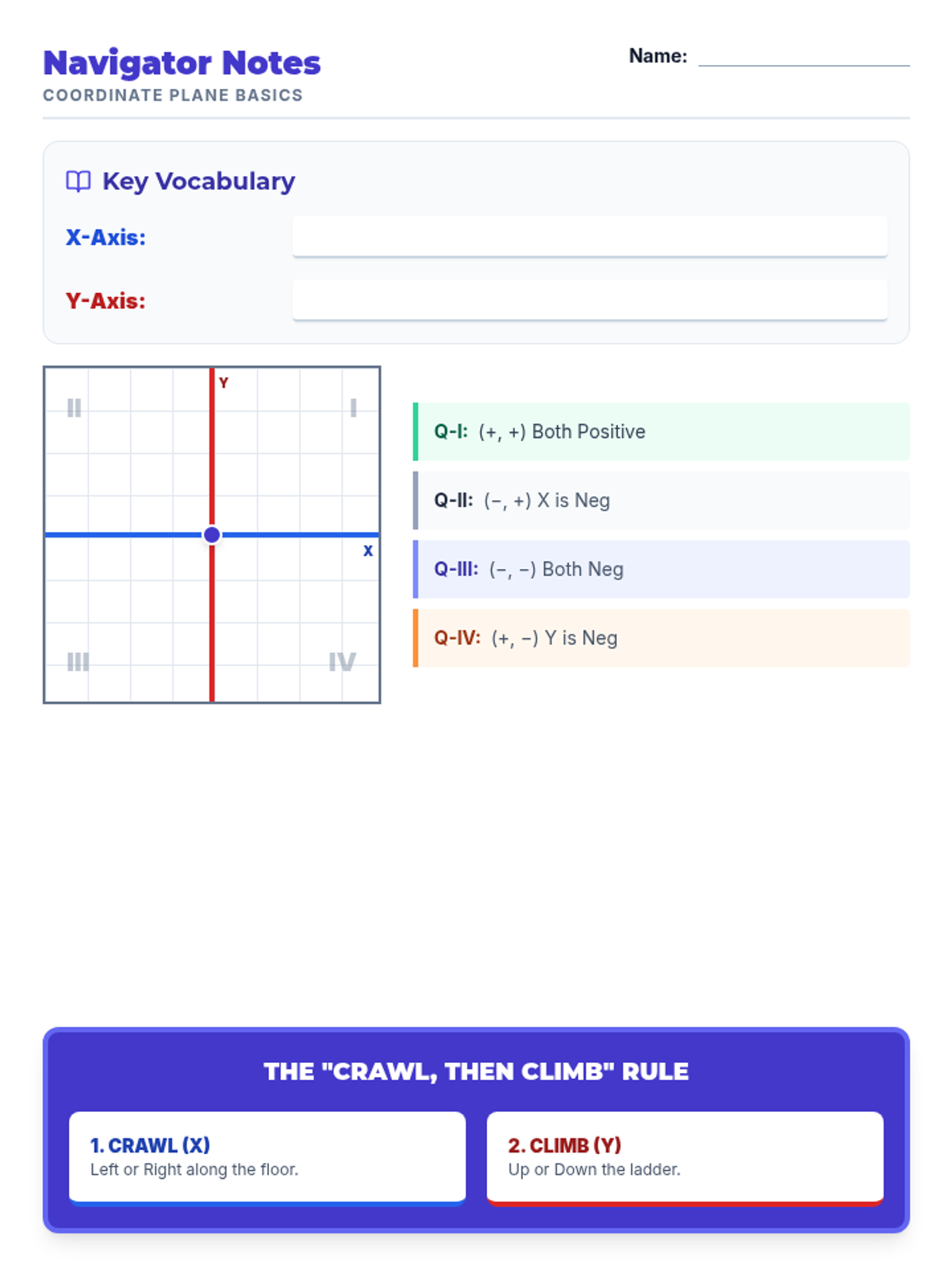
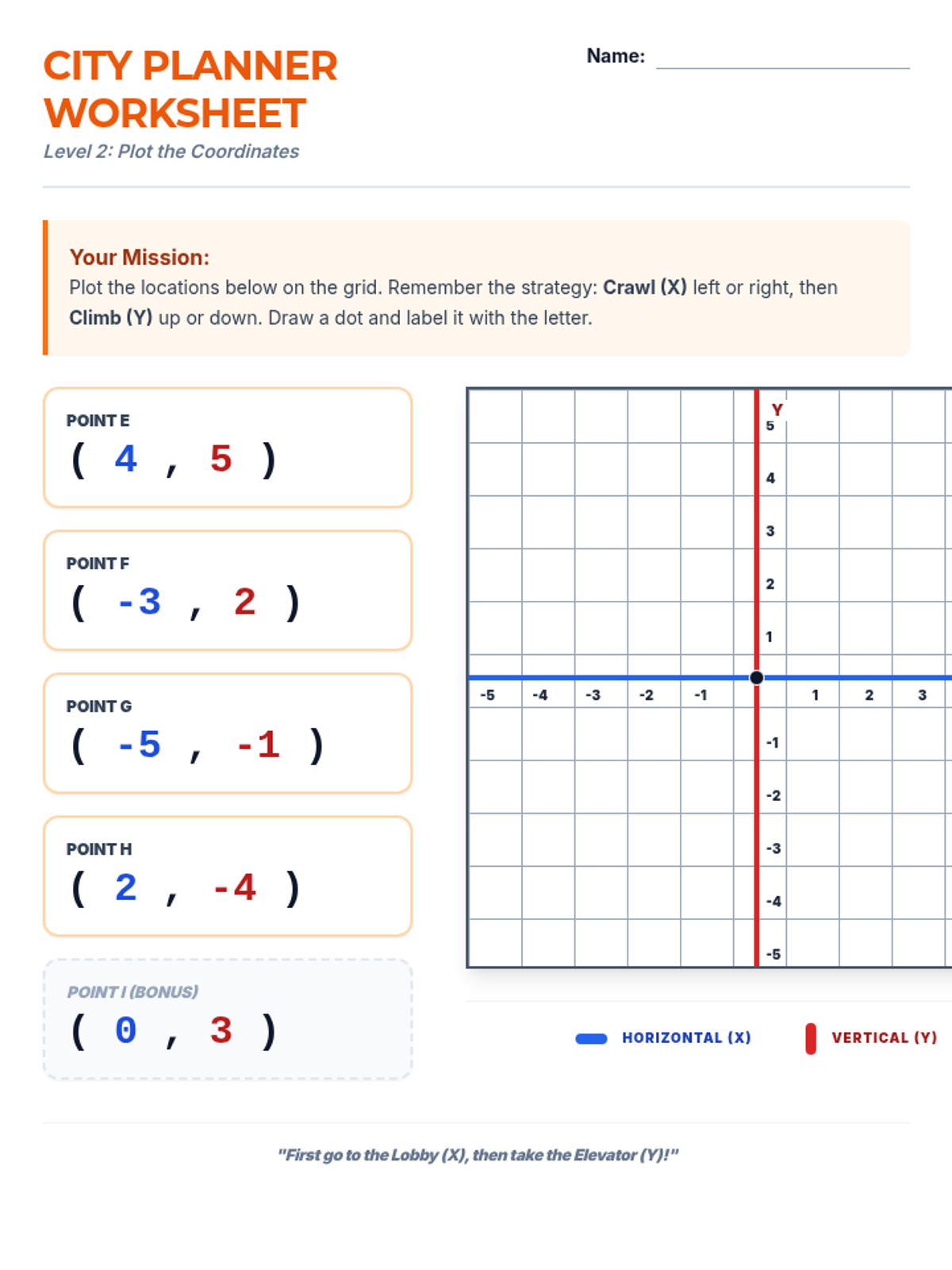
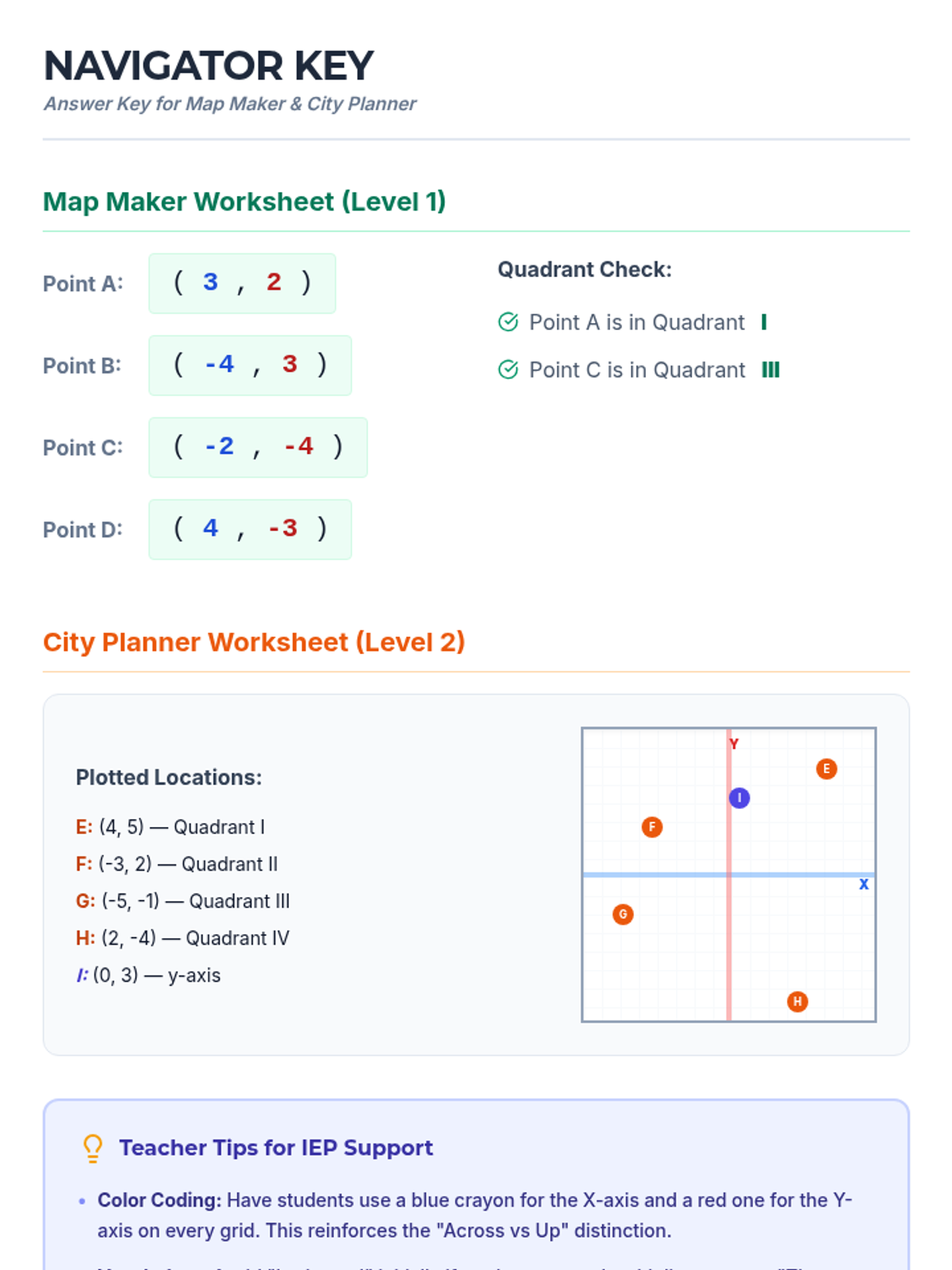
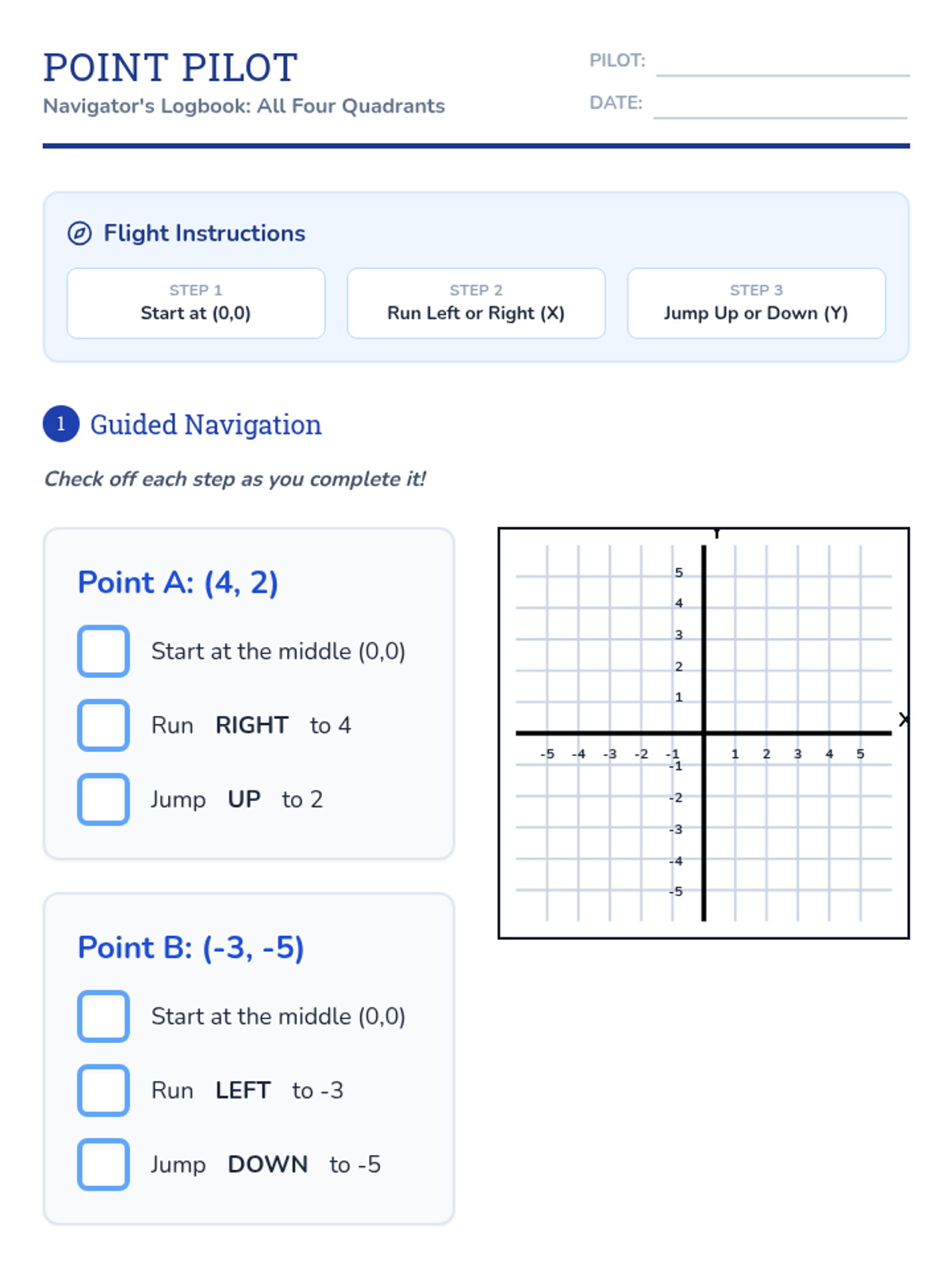
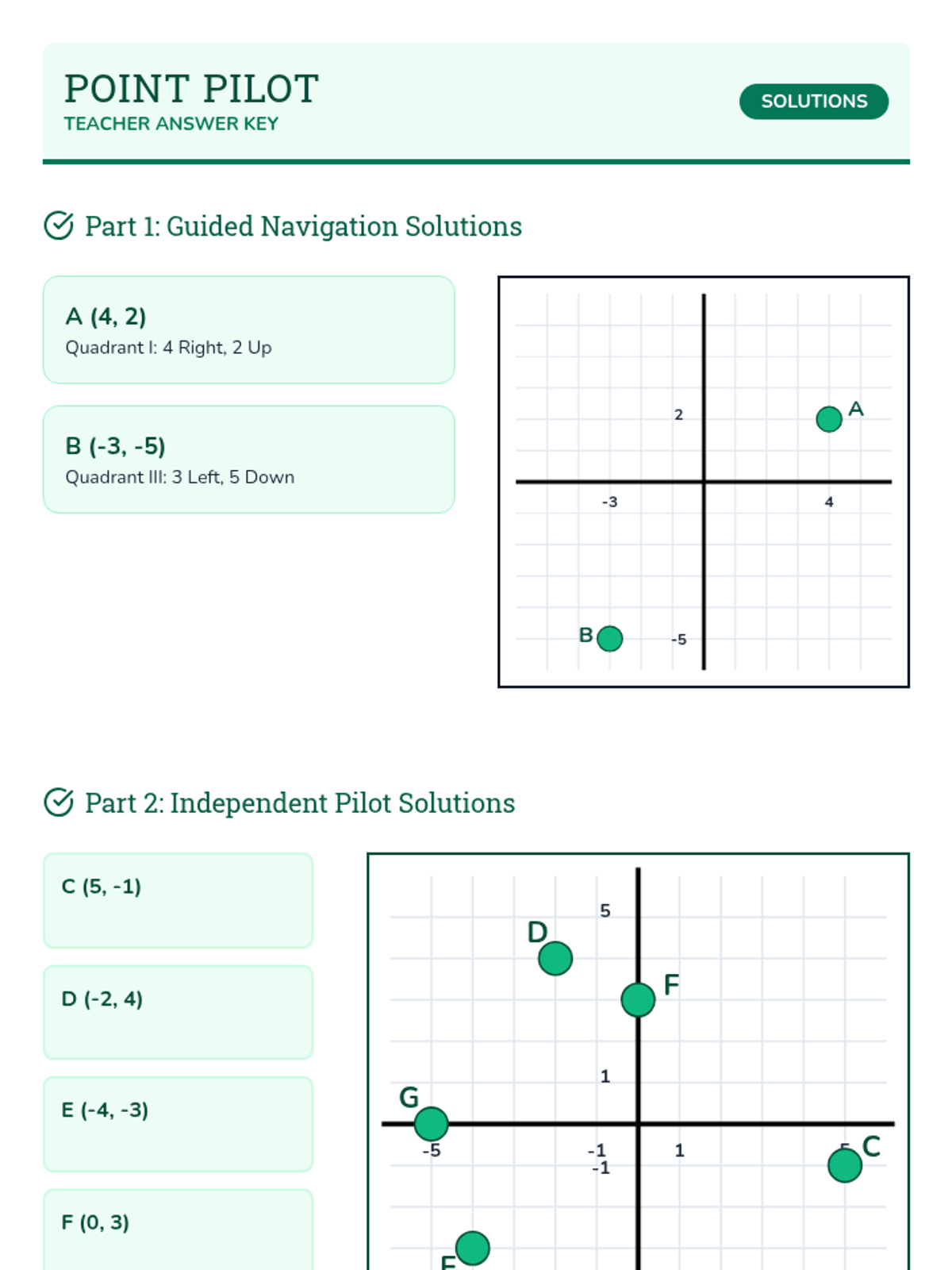
A scaffolded introduction to the four-quadrant coordinate plane, designed for students needing extra support. It covers identifying the axes and origin, understanding quadrants, and step-by-step plotting of points.
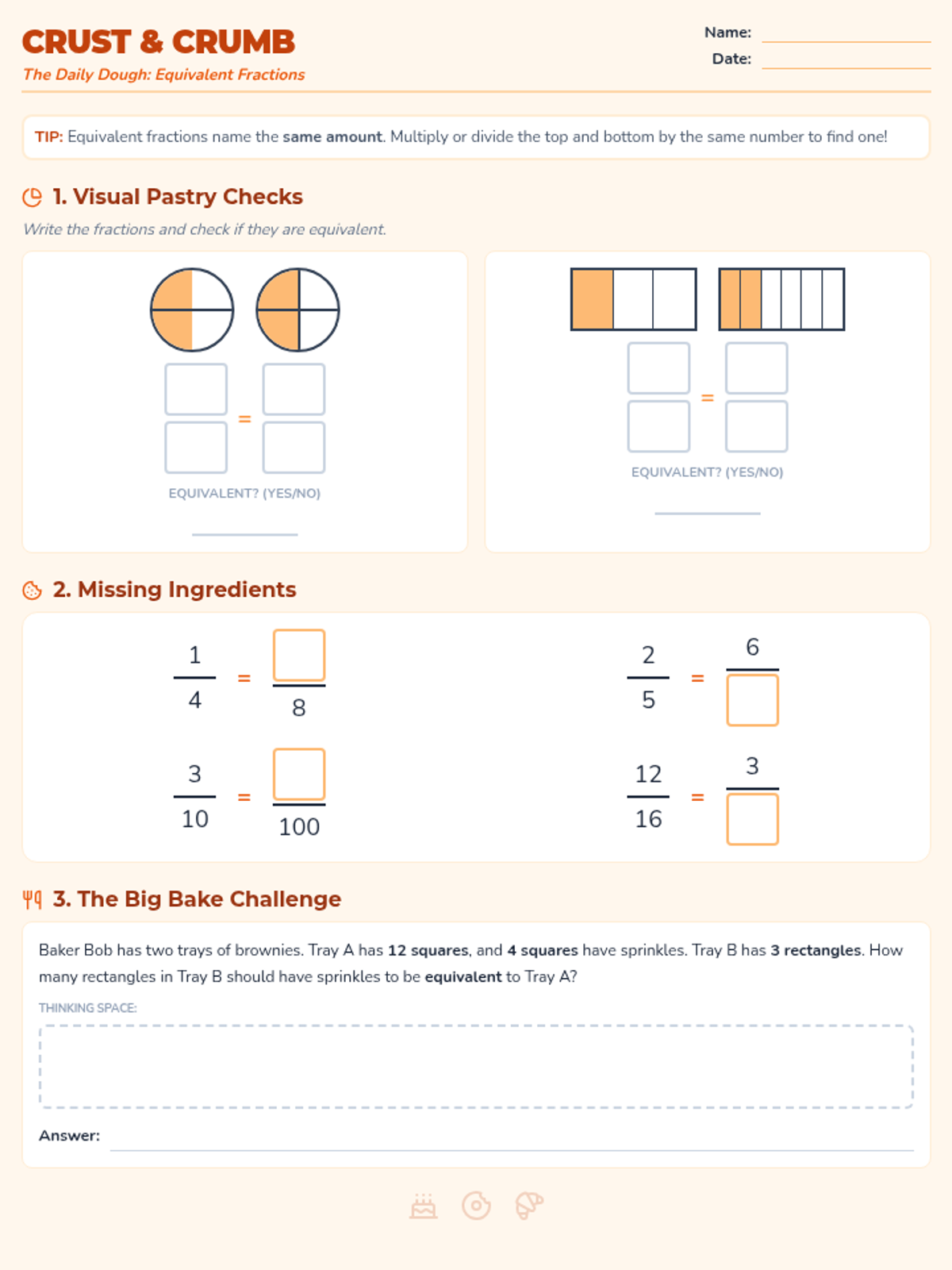
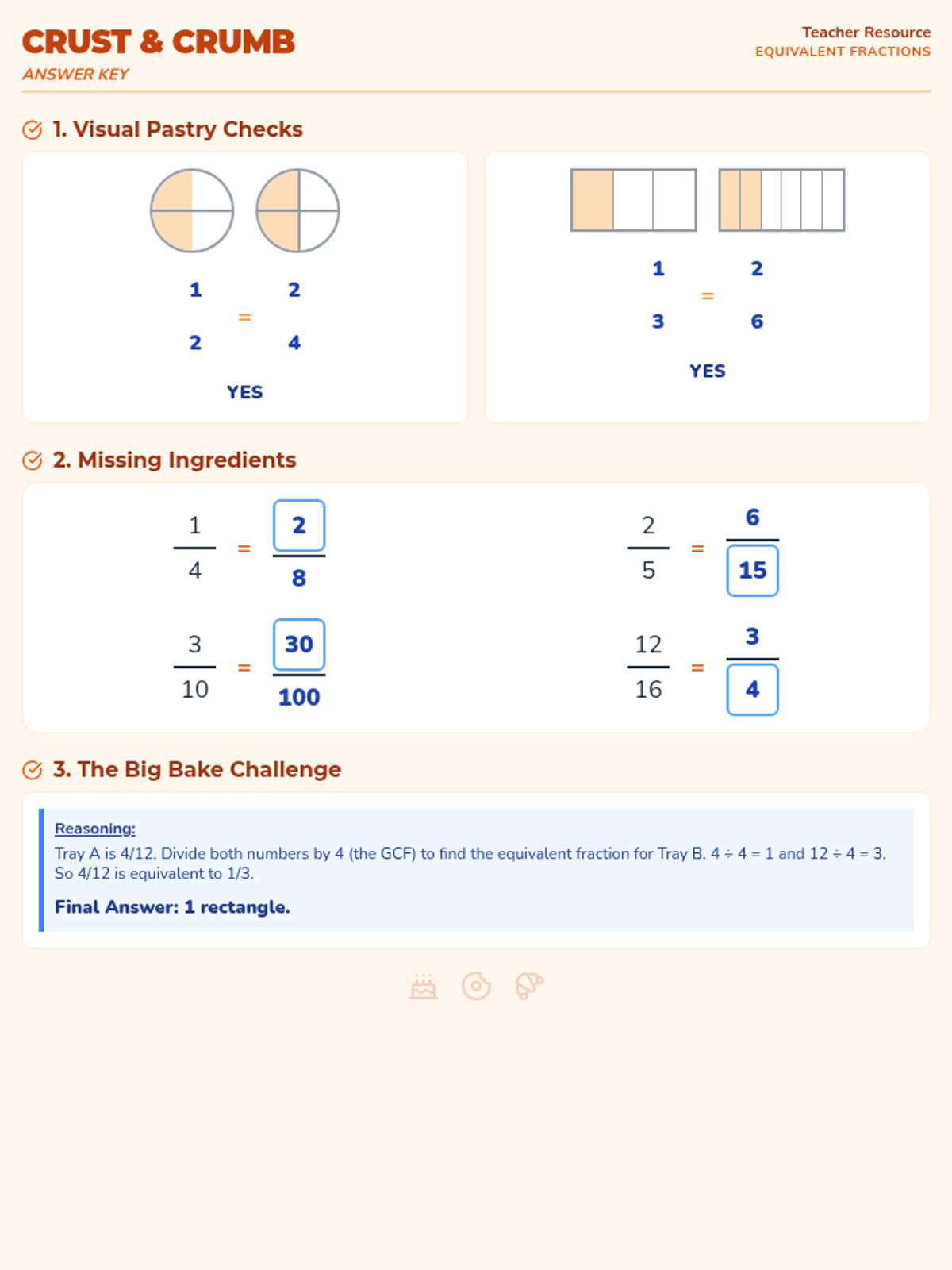
A focused lesson on identifying and generating equivalent fractions using visual models and multiplication strategies, themed around a bustling neighborhood bakery.
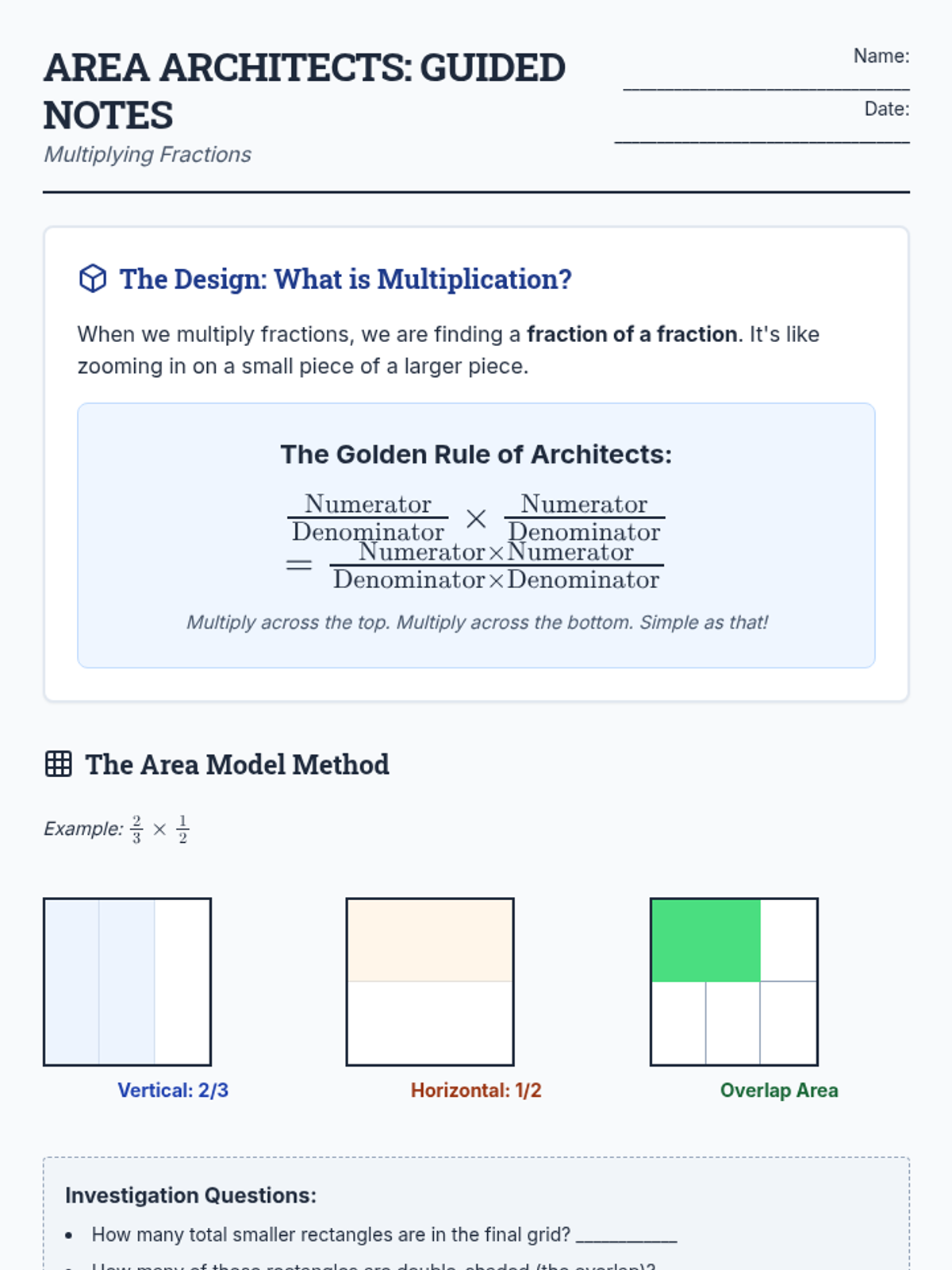
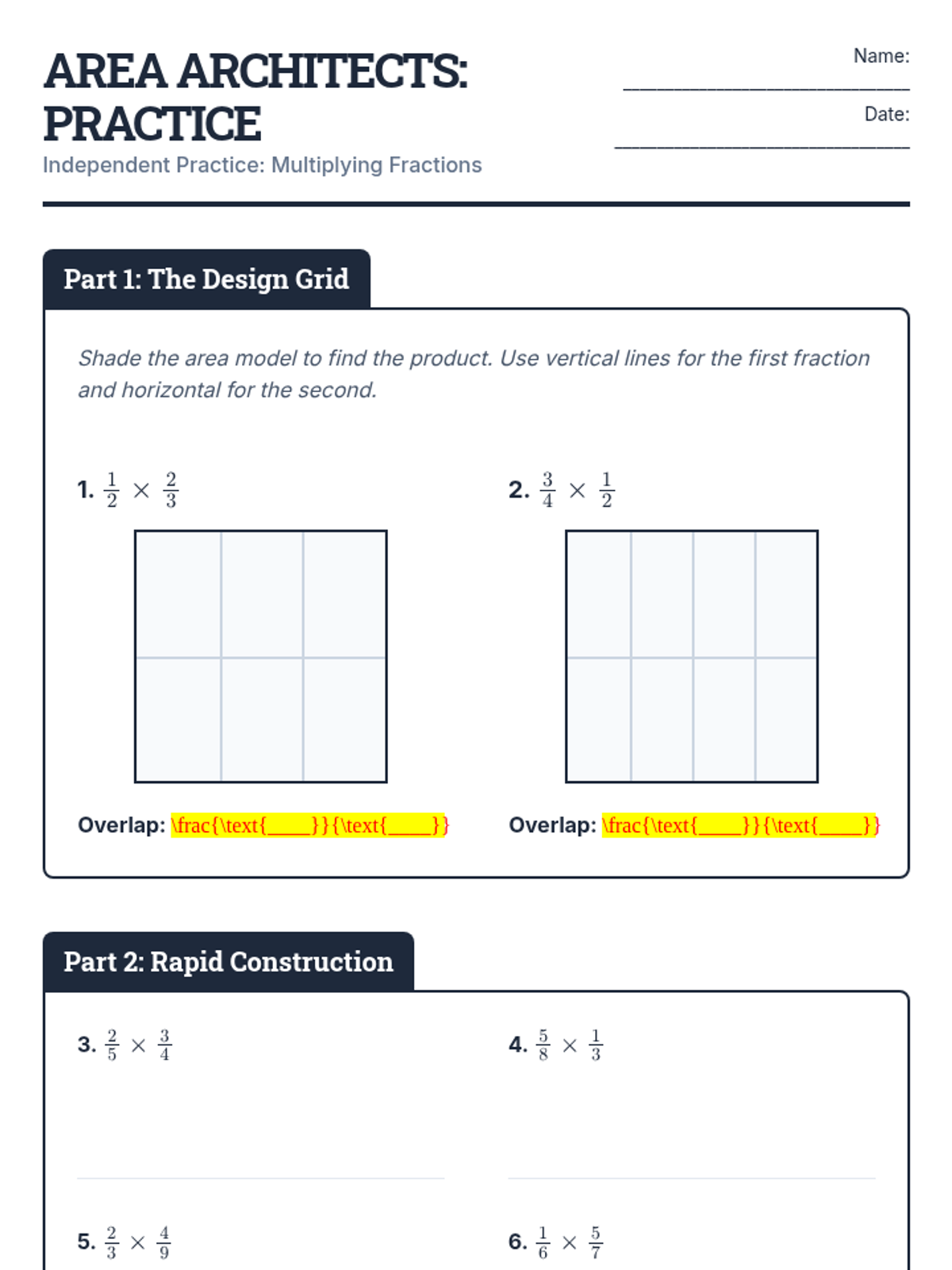
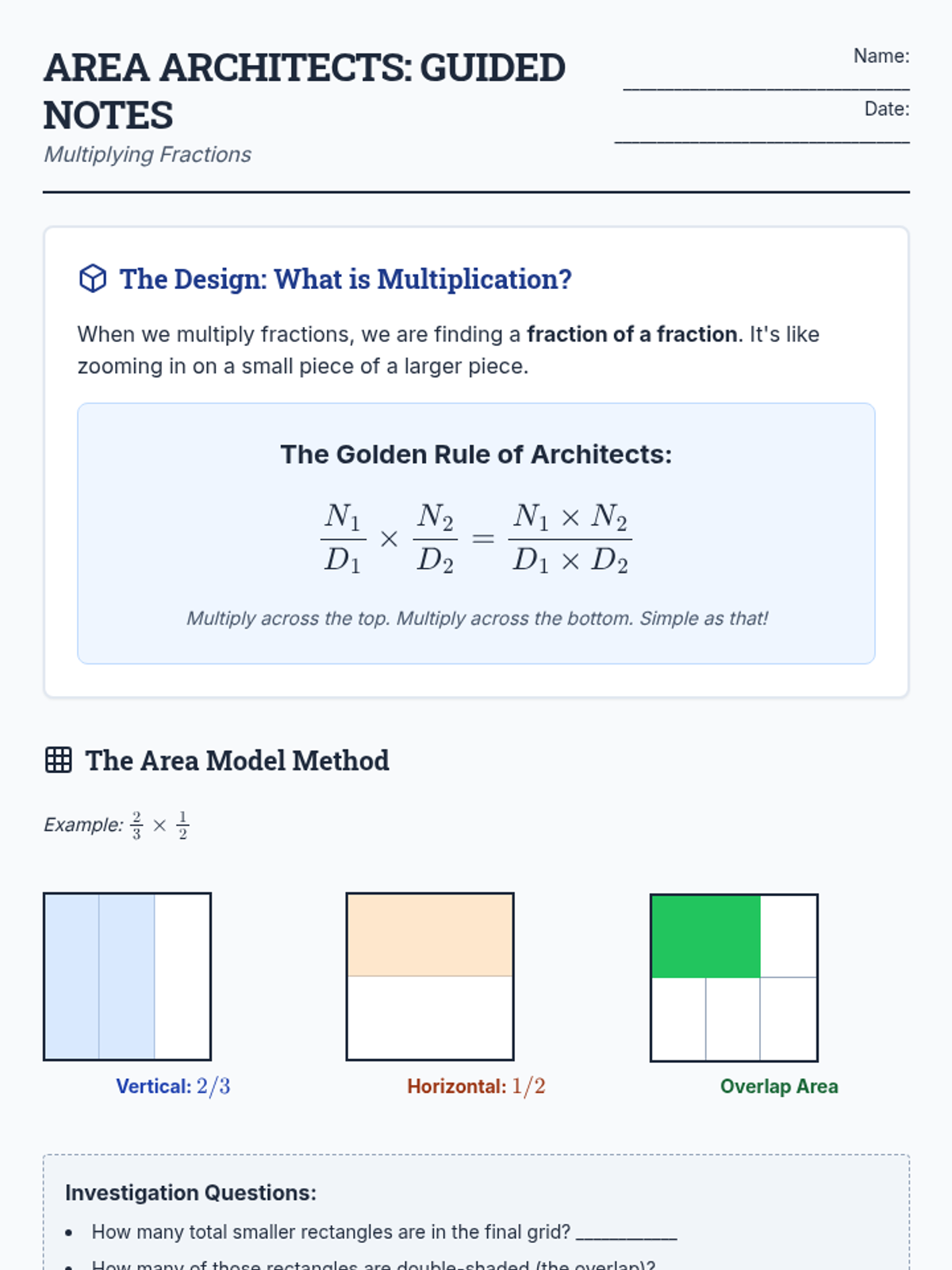
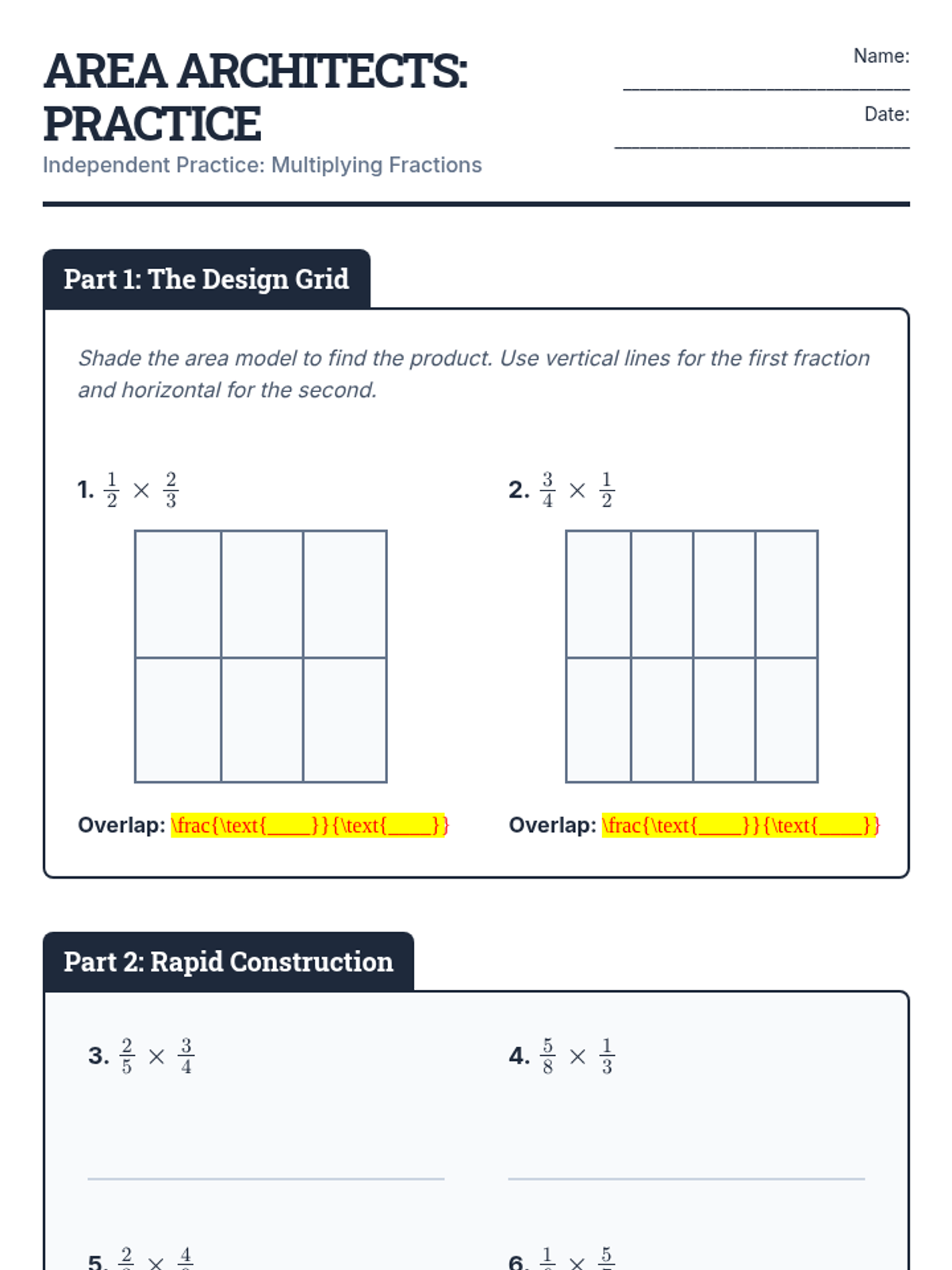
Students explore fraction multiplication through area models, understanding how to find a fraction of a fraction in real-world contexts.
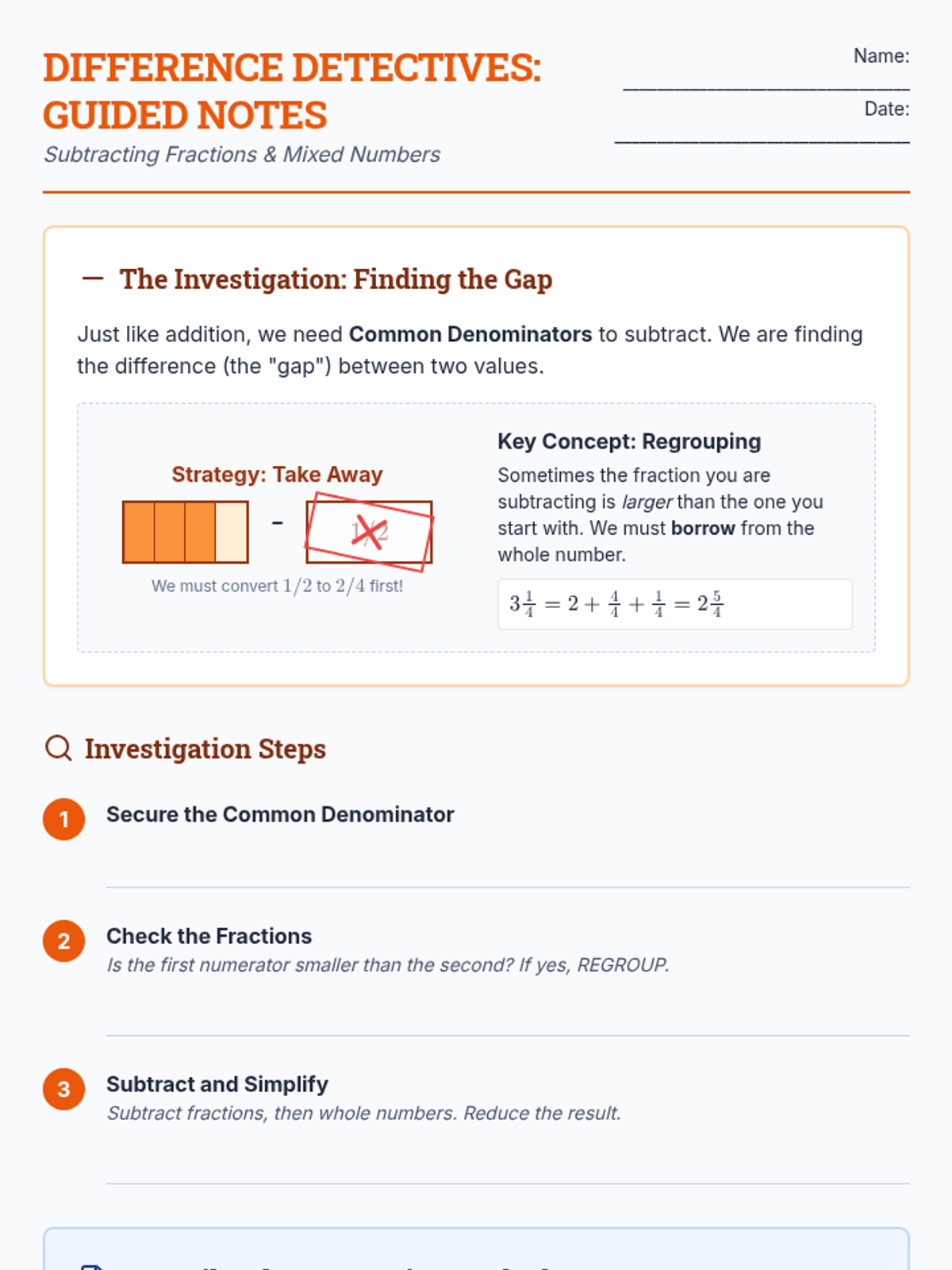
Students master subtracting fractions and mixed numbers with unlike denominators, focusing on regrouping strategies and visual representations.
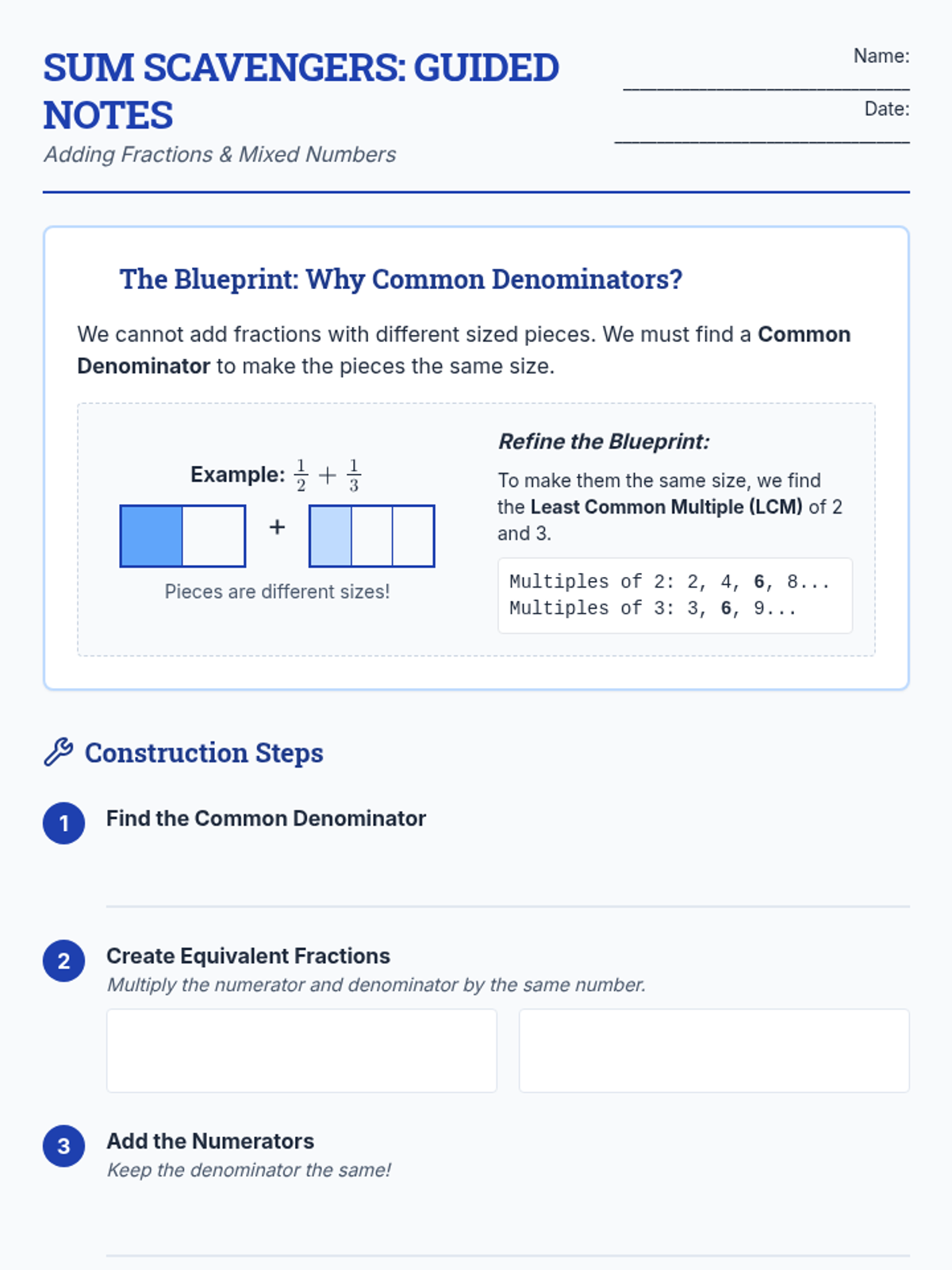
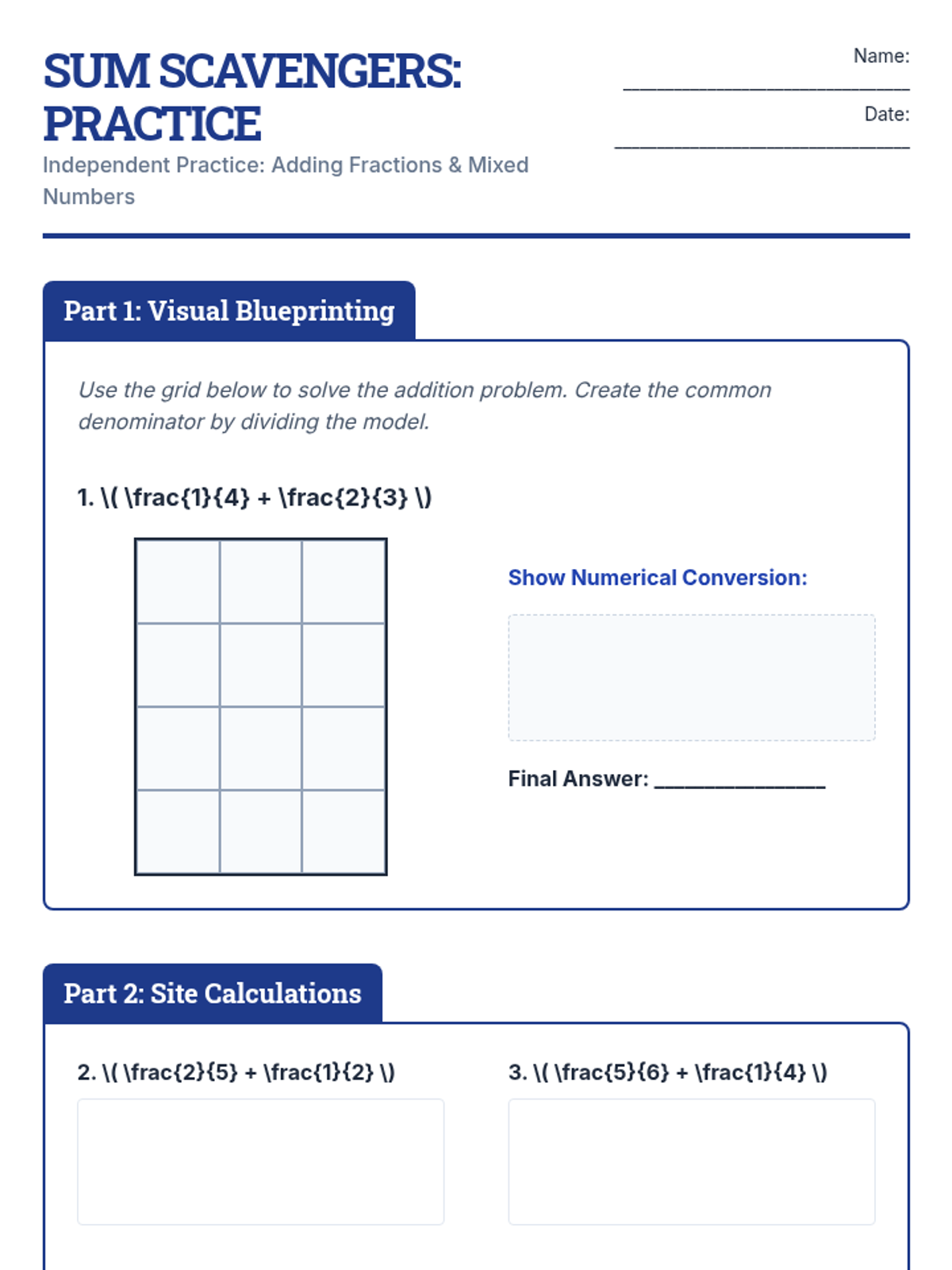
Students learn to add fractions and mixed numbers with unlike denominators using area models and number lines to find common grounds.
A foundational lesson on the 4-quadrant coordinate plane, specifically designed for students with IEPs. Includes visual-heavy instruction on identifying and plotting ordered pairs using color-coded axes and step-by-step strategies.
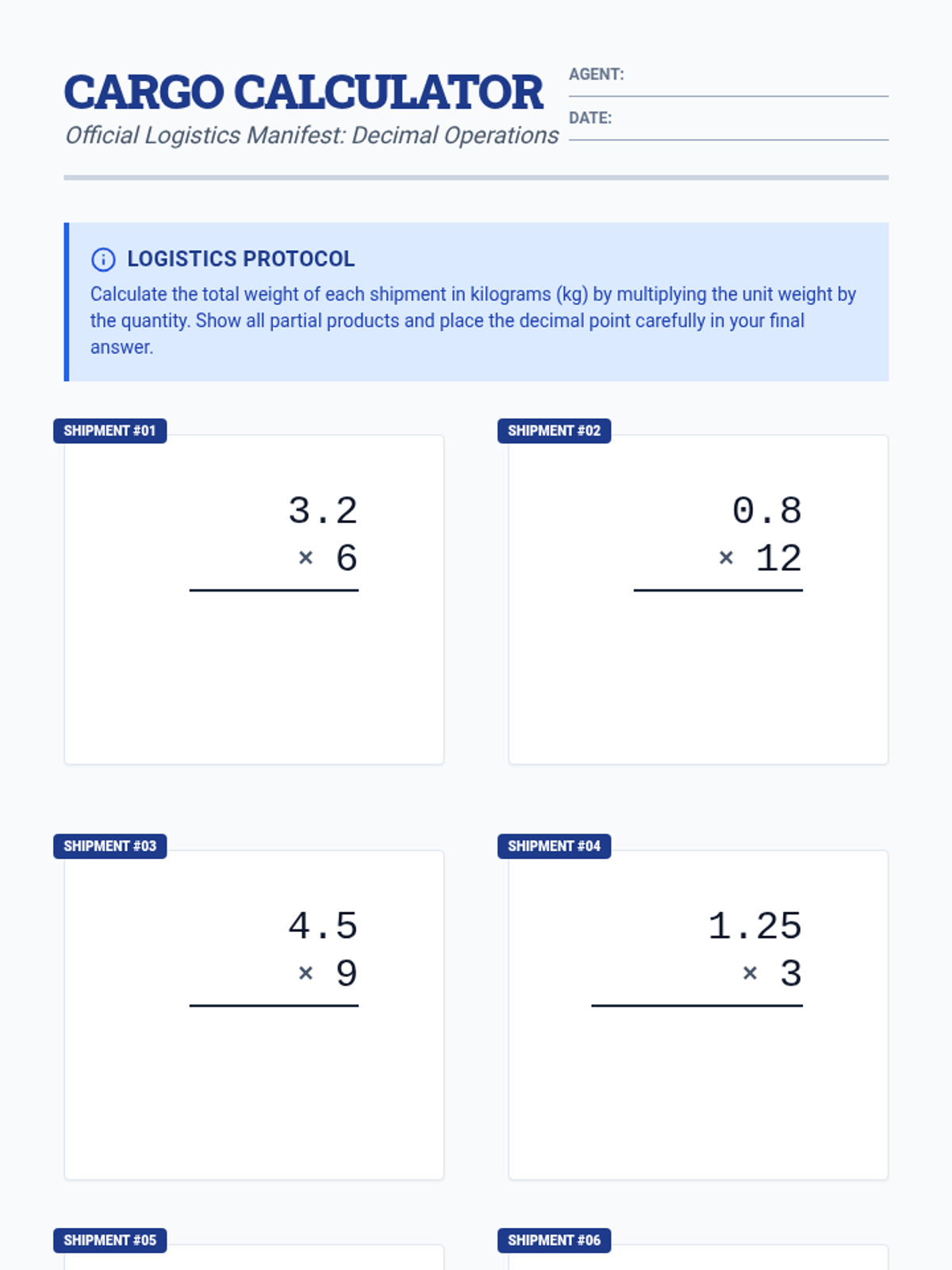
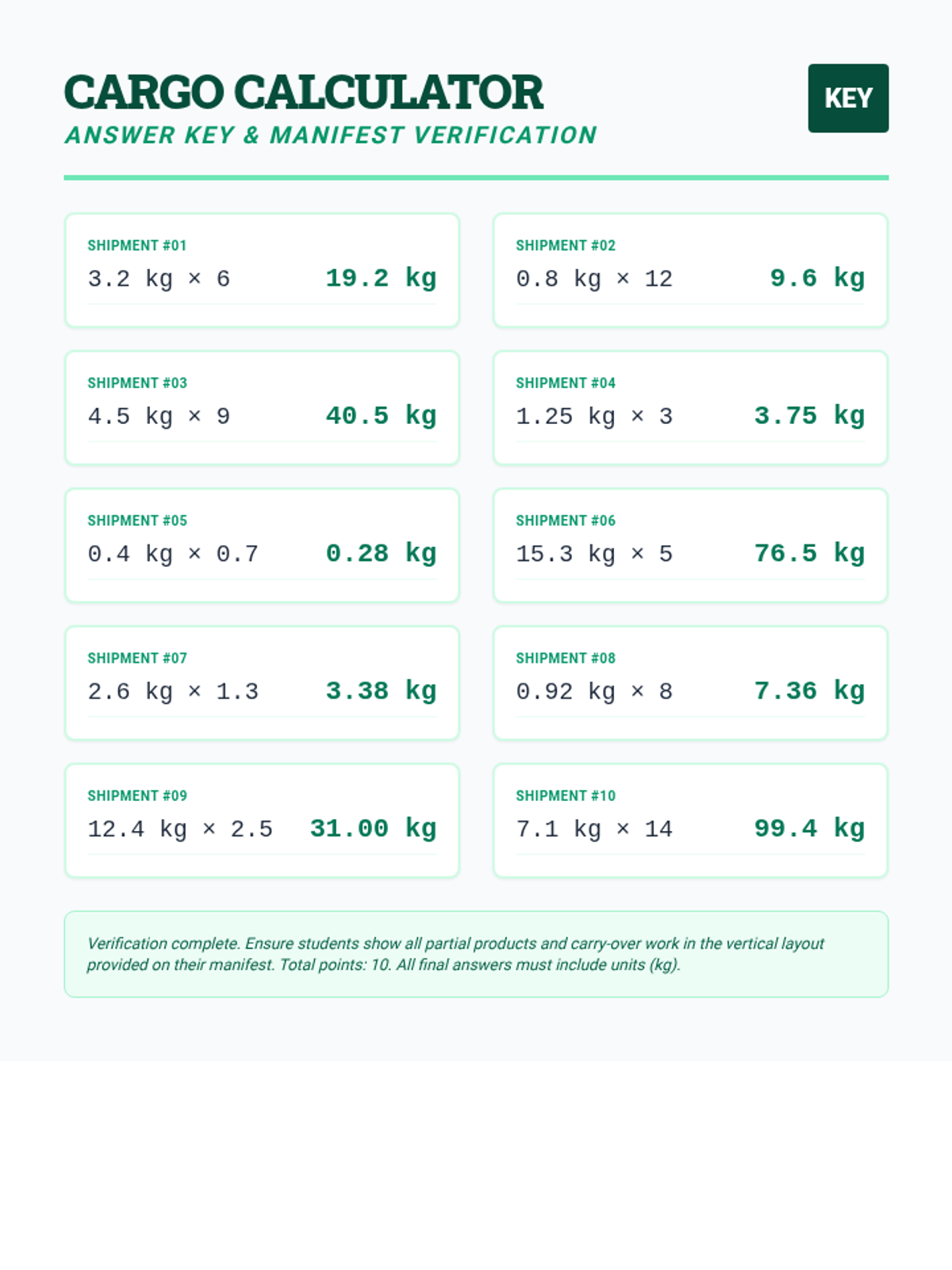
A lesson focused on multiplying decimals by whole numbers and other decimals using a cargo/shipping theme. Students will practice vertical multiplication and decimal point placement.
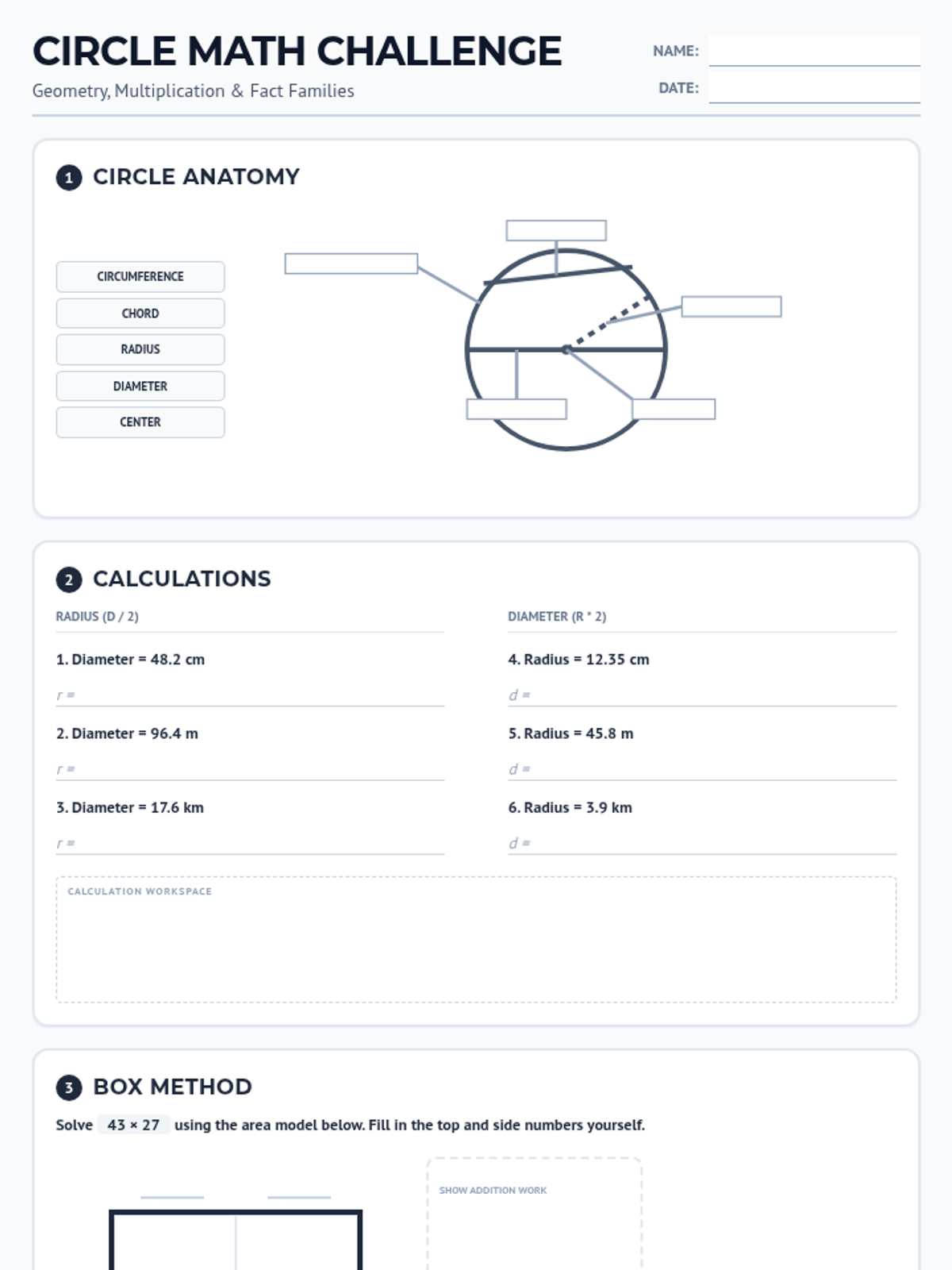
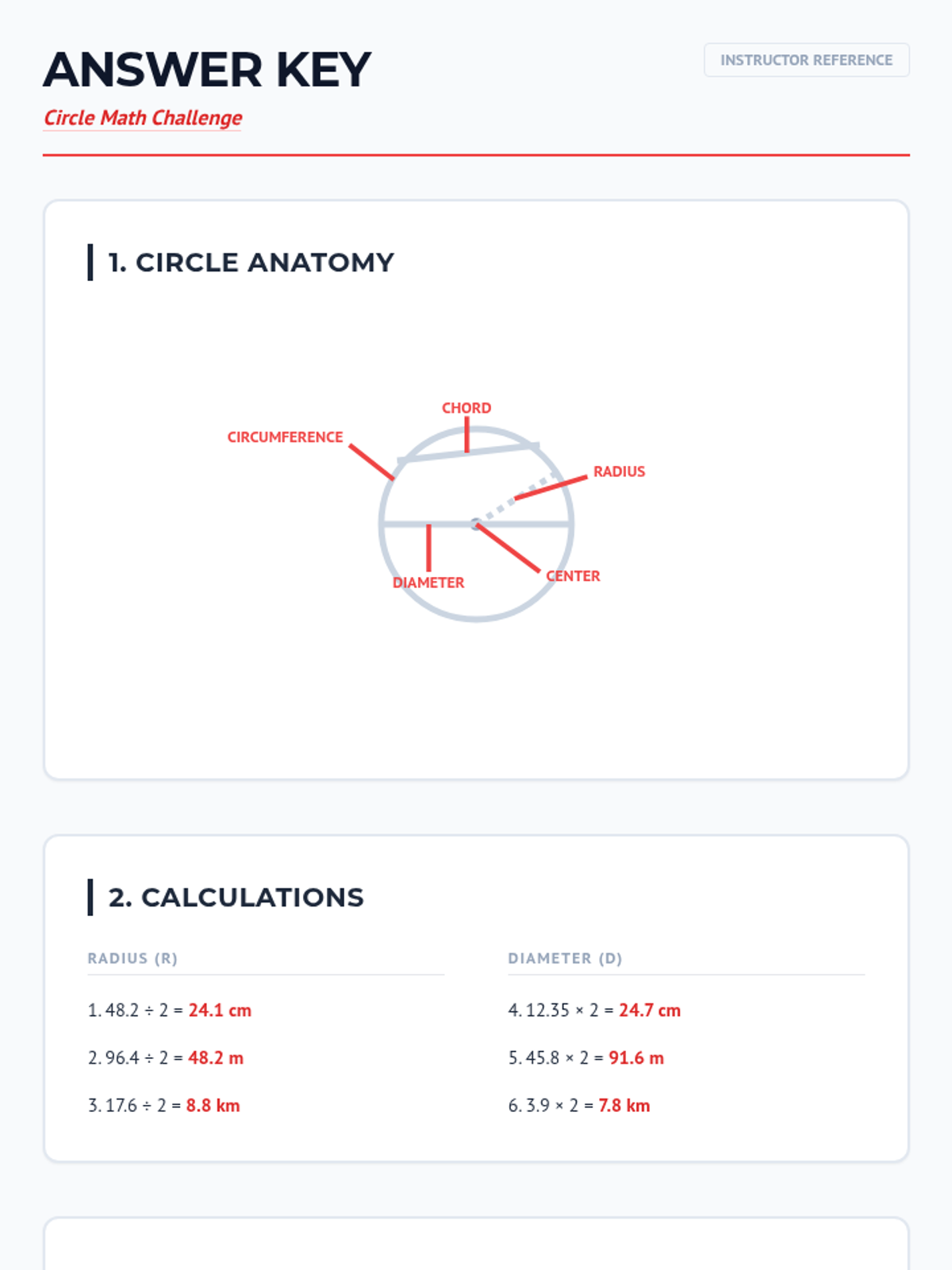
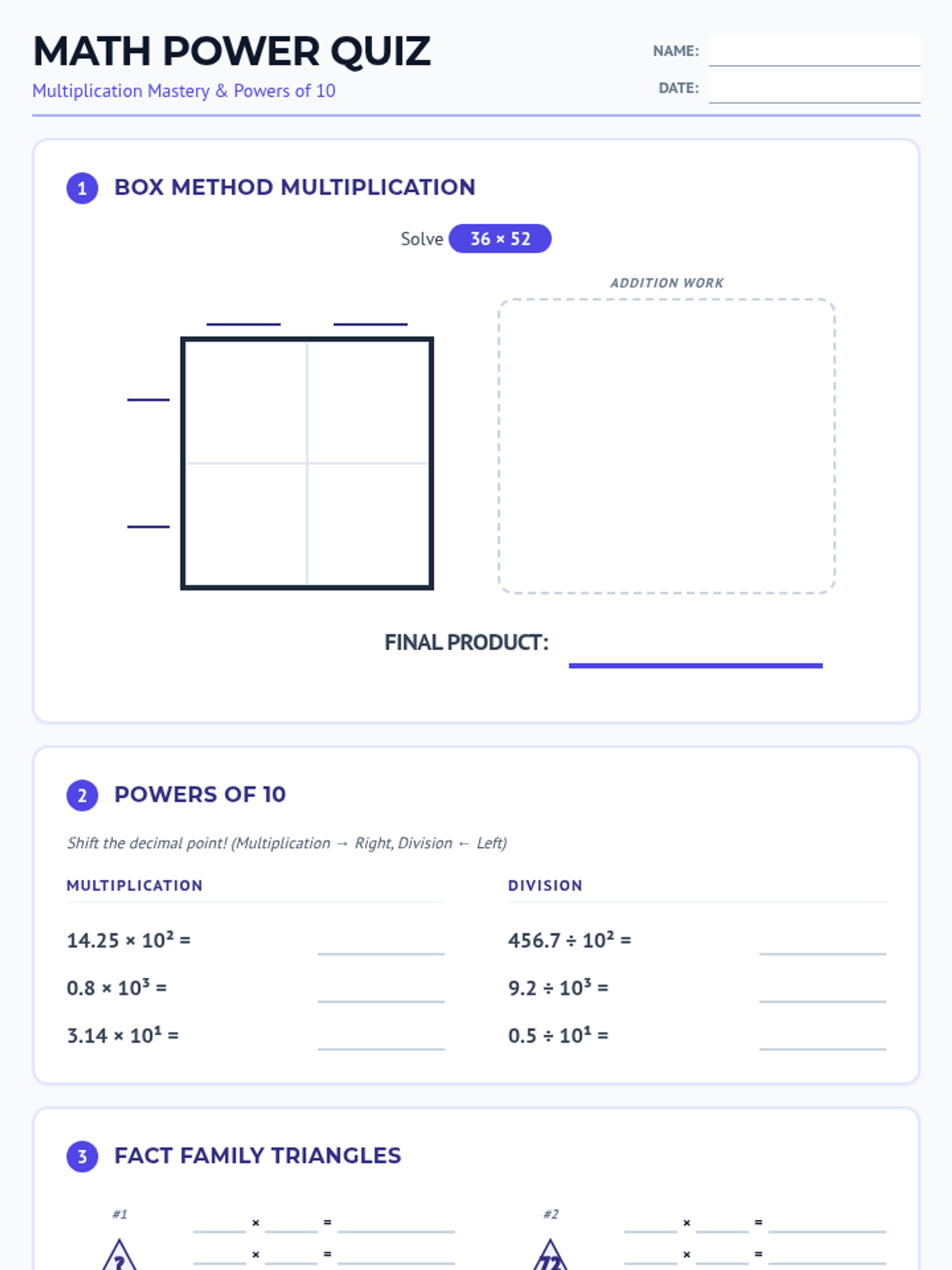
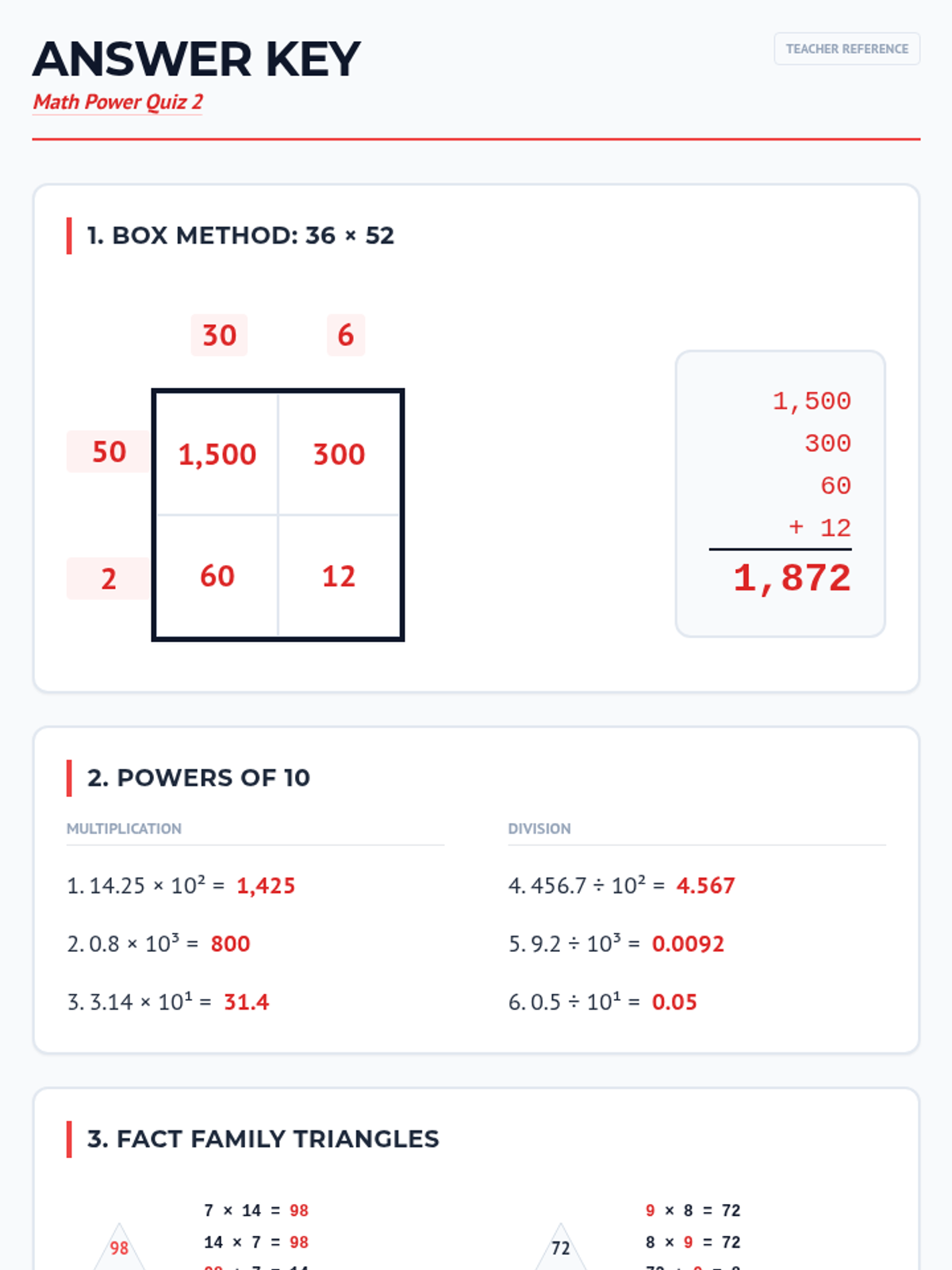
A comprehensive assessment covering circle geometry, area model multiplication, and multiplication/division fact families. Students will demonstrate their understanding of geometric parts, calculation skills, and algebraic relationships.
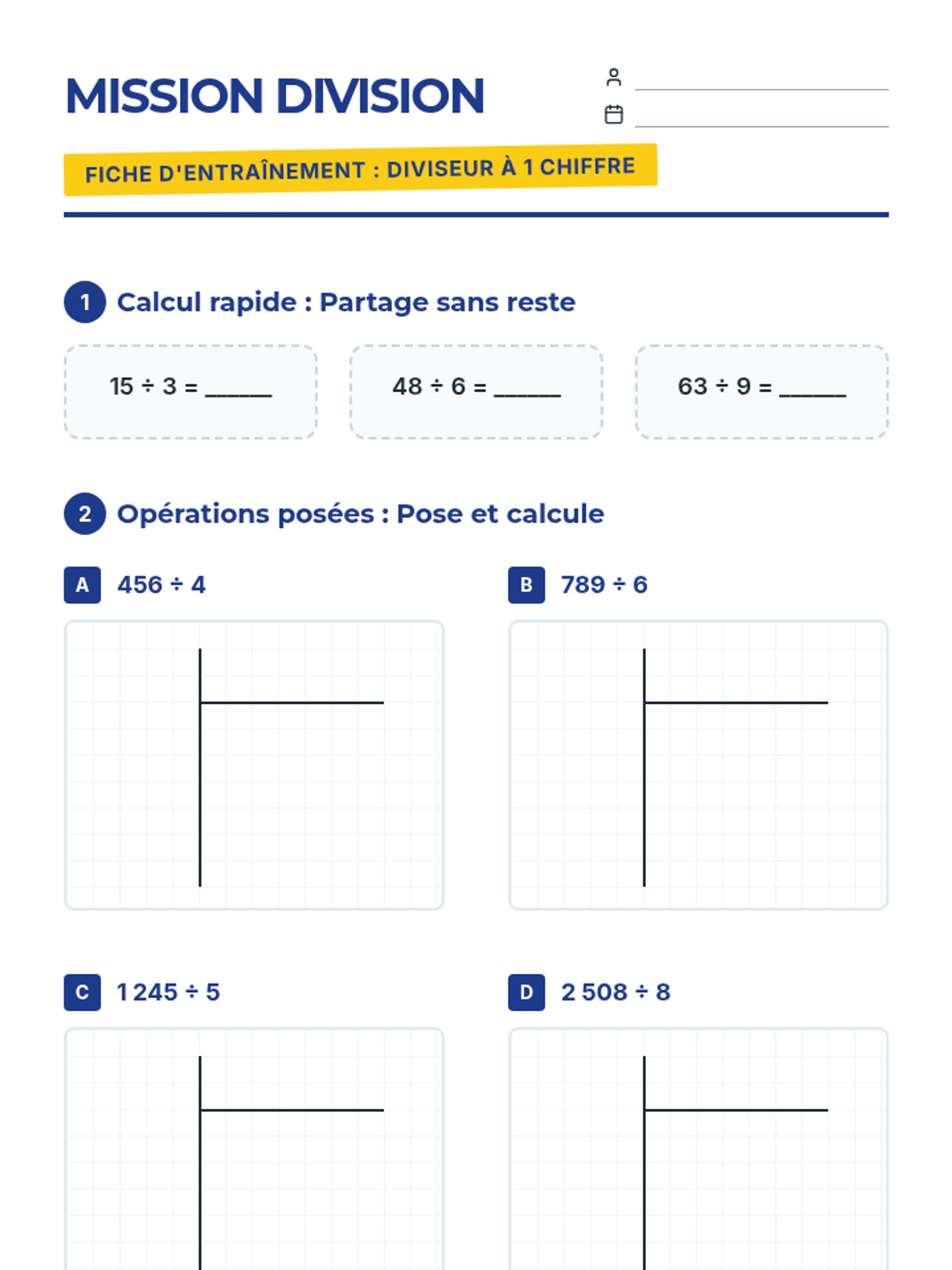
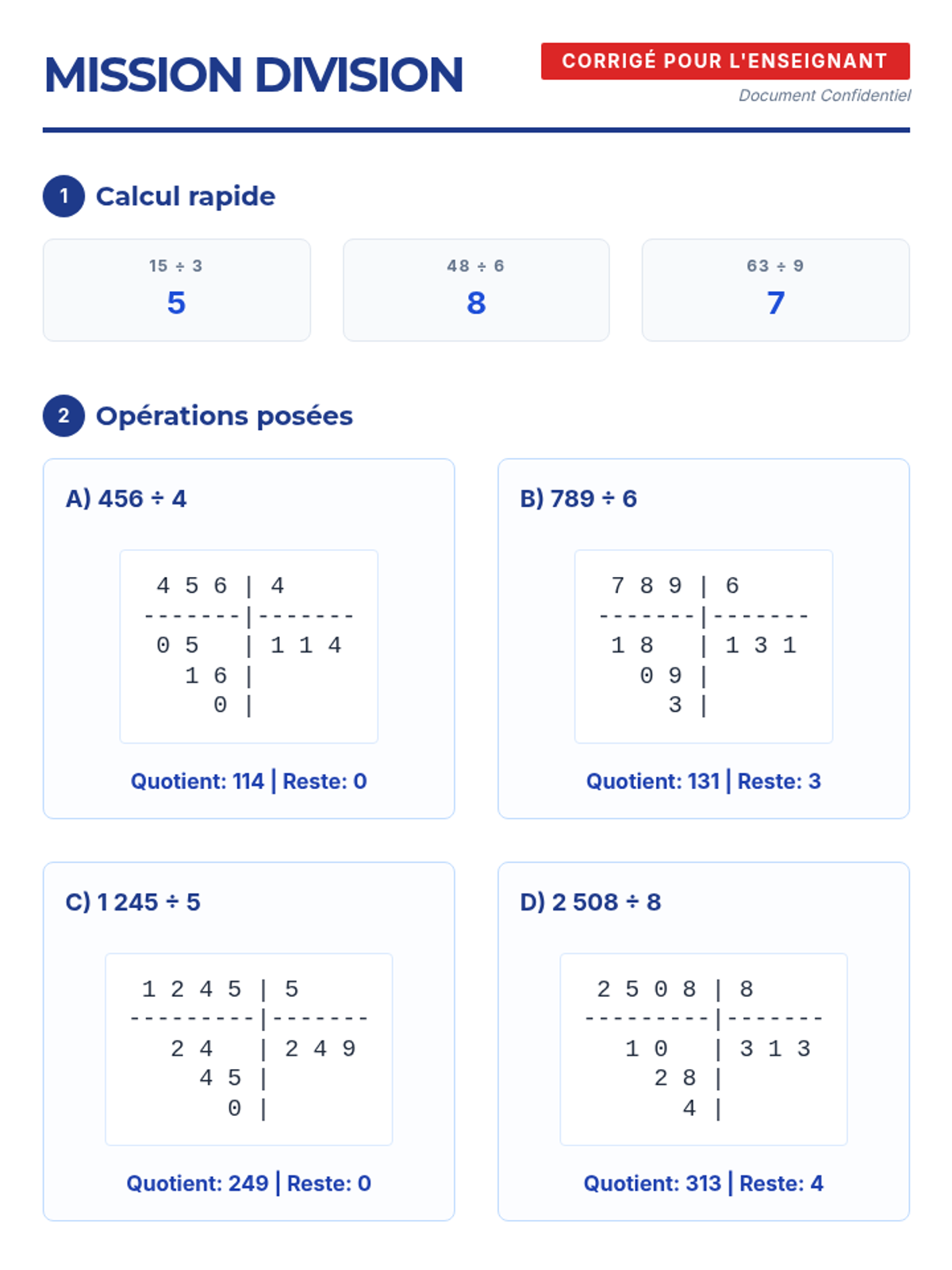
Une leçon focalisée sur la pratique des divisions posées avec un diviseur à un chiffre pour les élèves de CM1 et CM2.
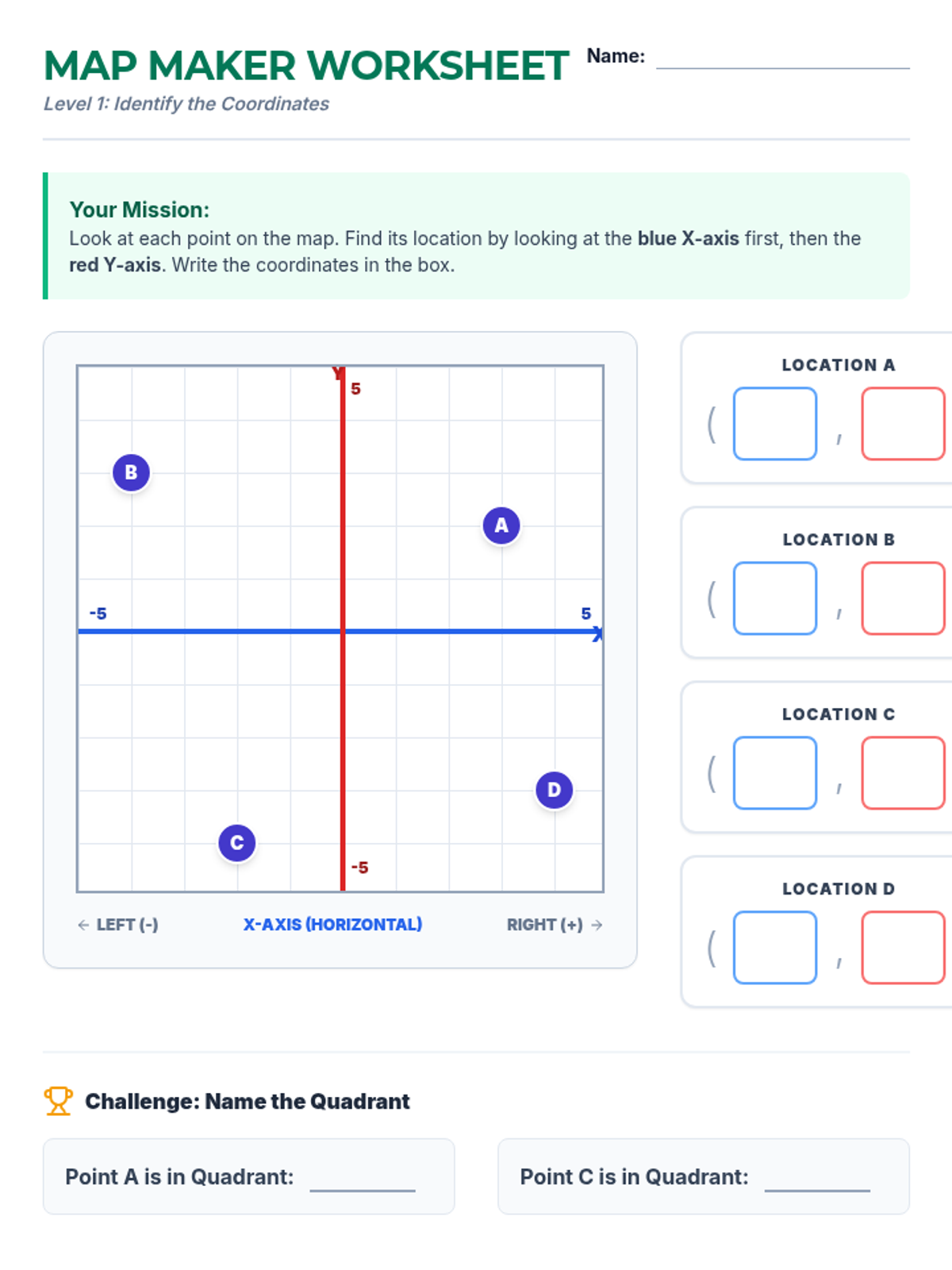
A scaffolded lesson on plotting points across all four quadrants of the coordinate plane, designed specifically for students with IEPs through visual aids and step-by-step guided practice.
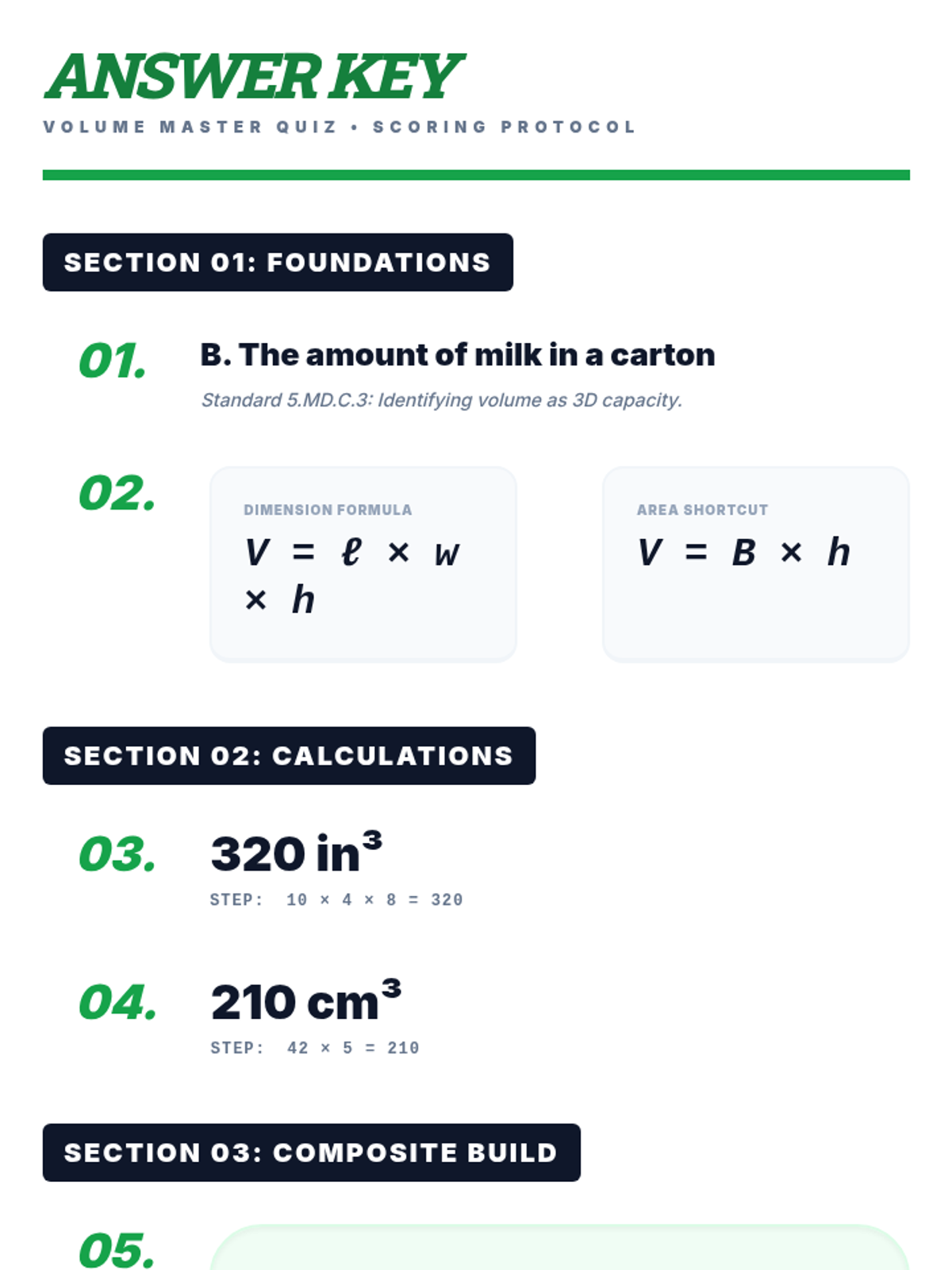
A final assessment of the unit covering all 5th-grade volume standards, including word problems and multi-step calculations.
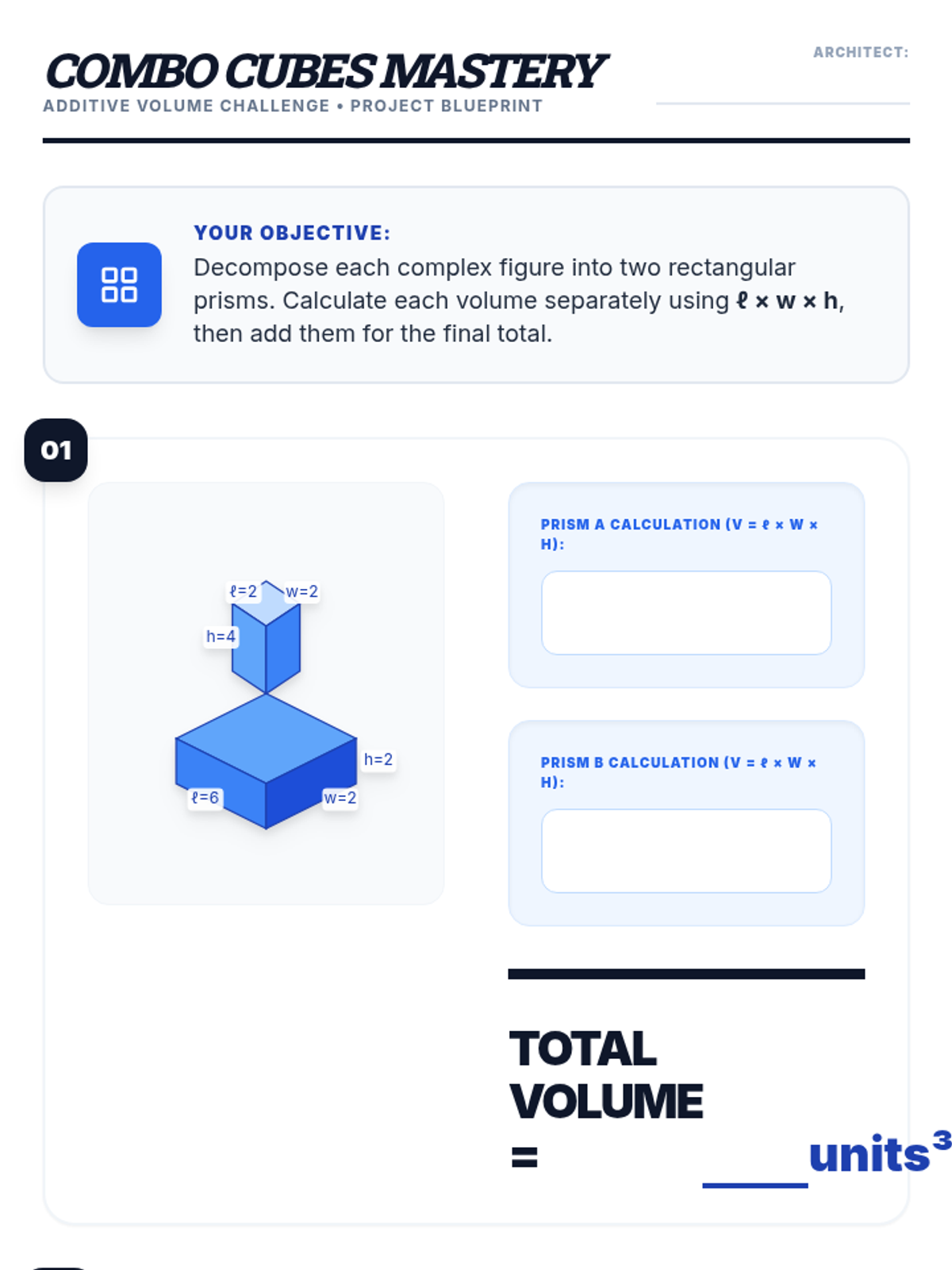
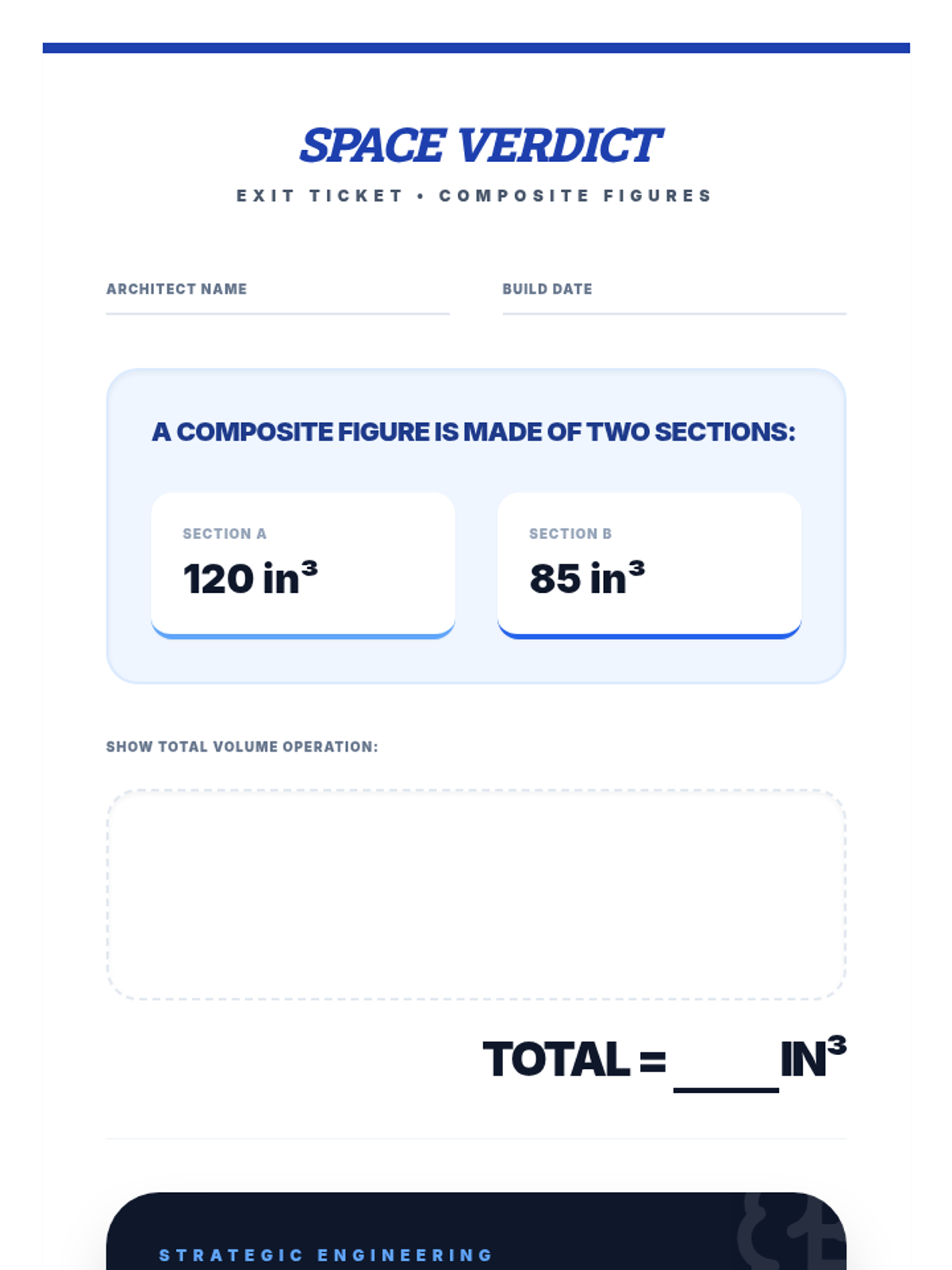
Calculating the volume of composite figures made of two non-overlapping rectangular prisms. Students learn to decompose complex shapes into simpler parts.