Students design futuristic space habitats by calculating the volume of rectangular prisms and composite figures to determine oxygen requirements. This lesson blends geometry with space exploration concepts for 4th and 5th grade students.
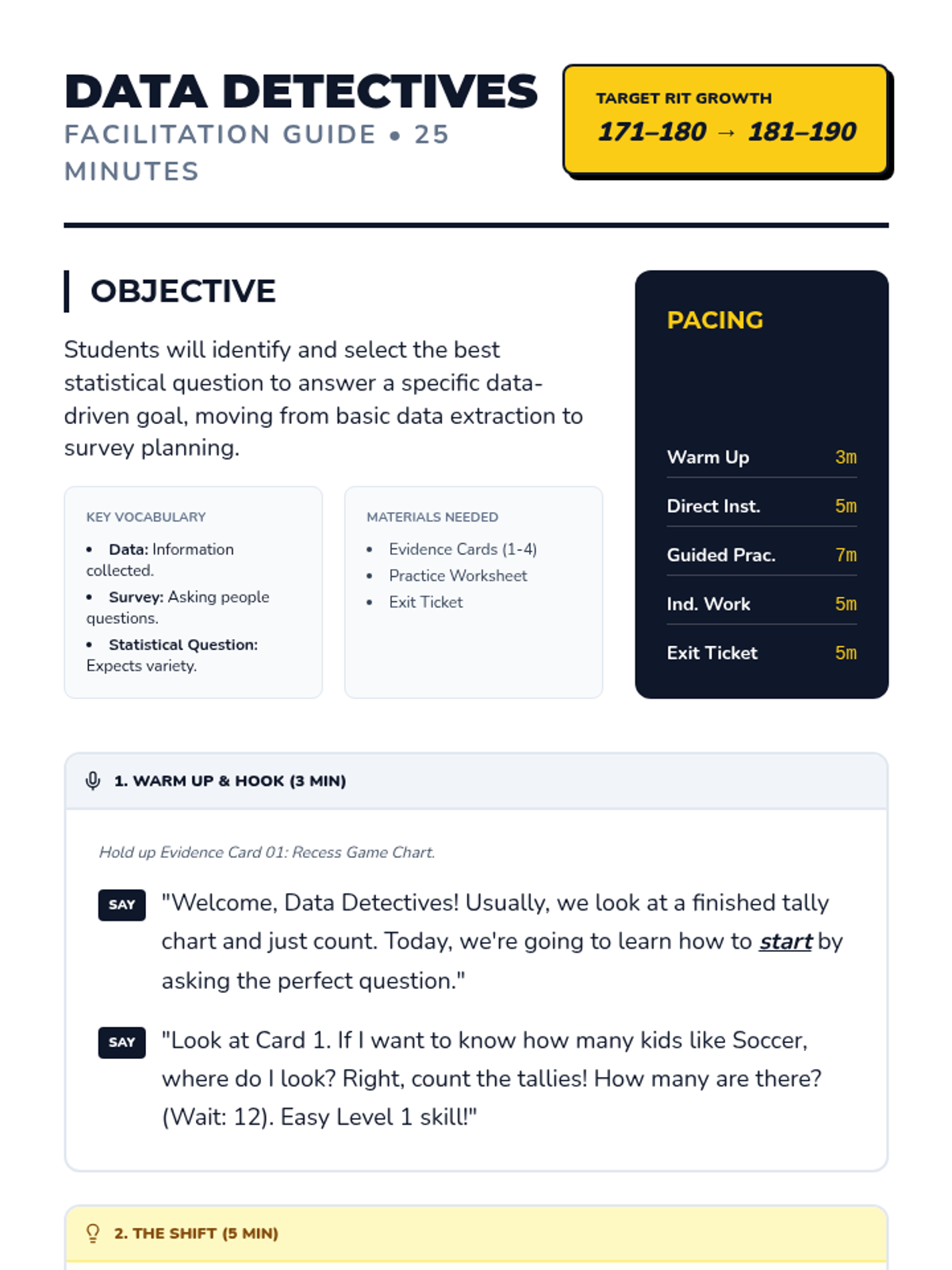
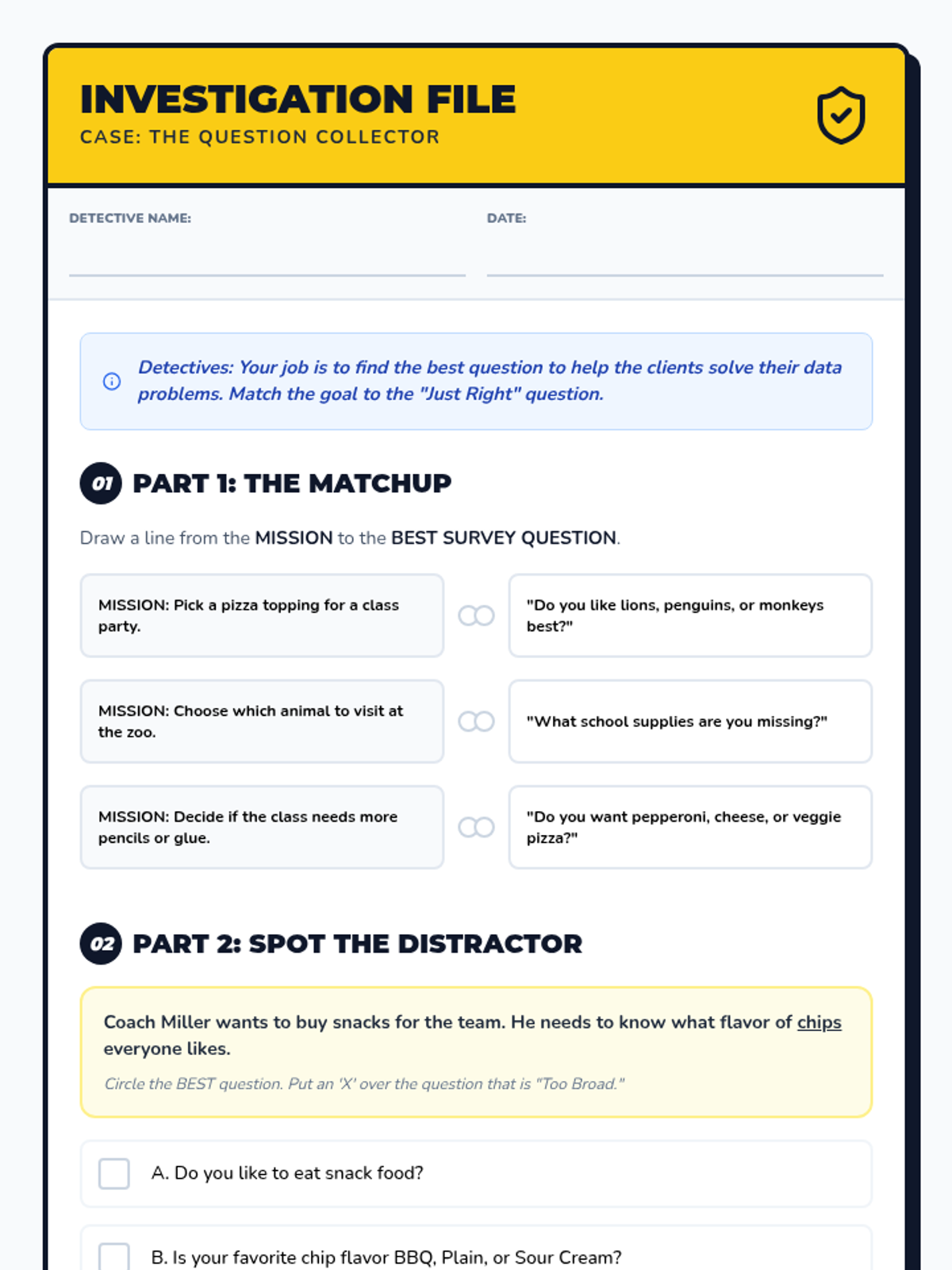
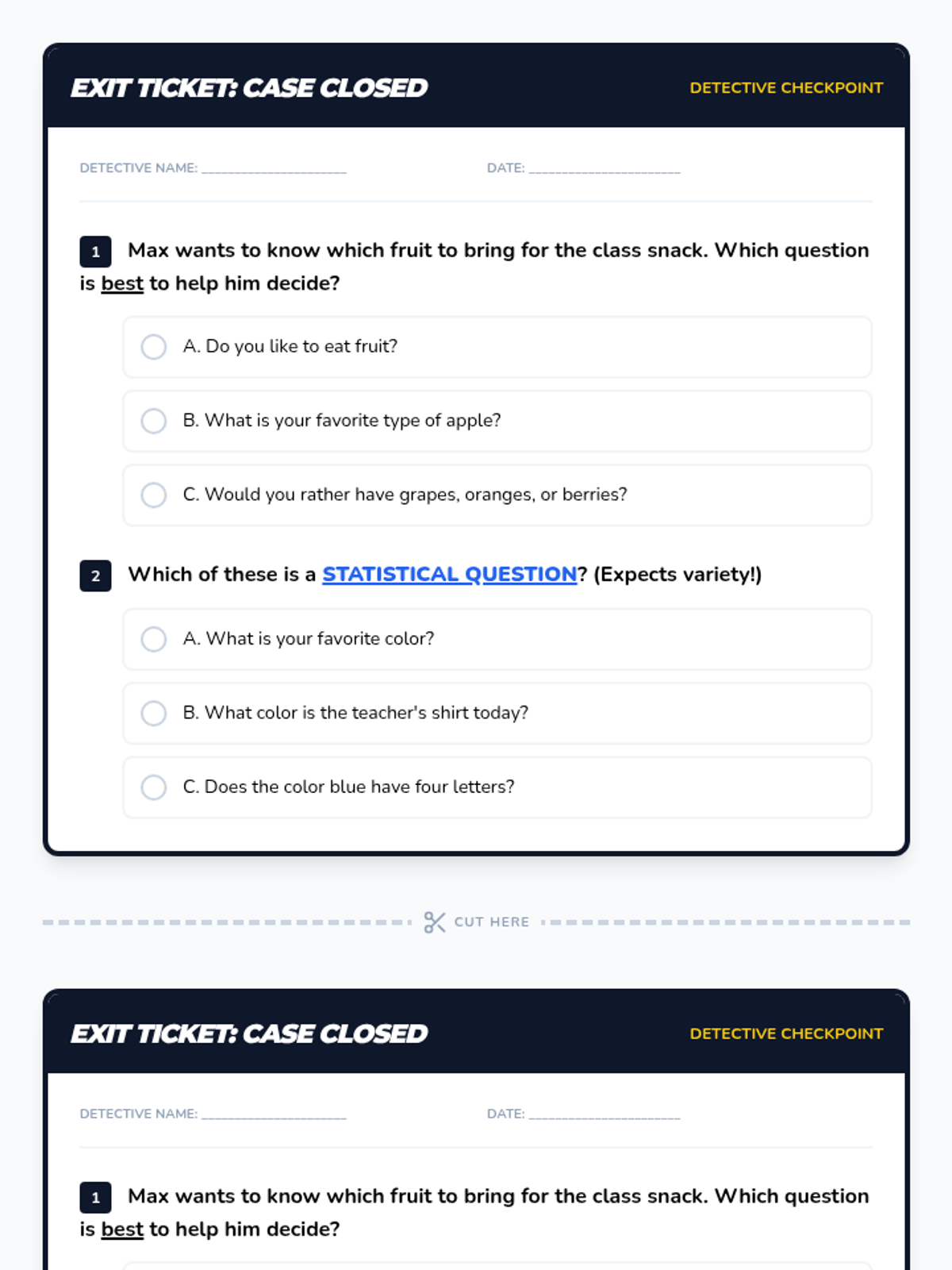
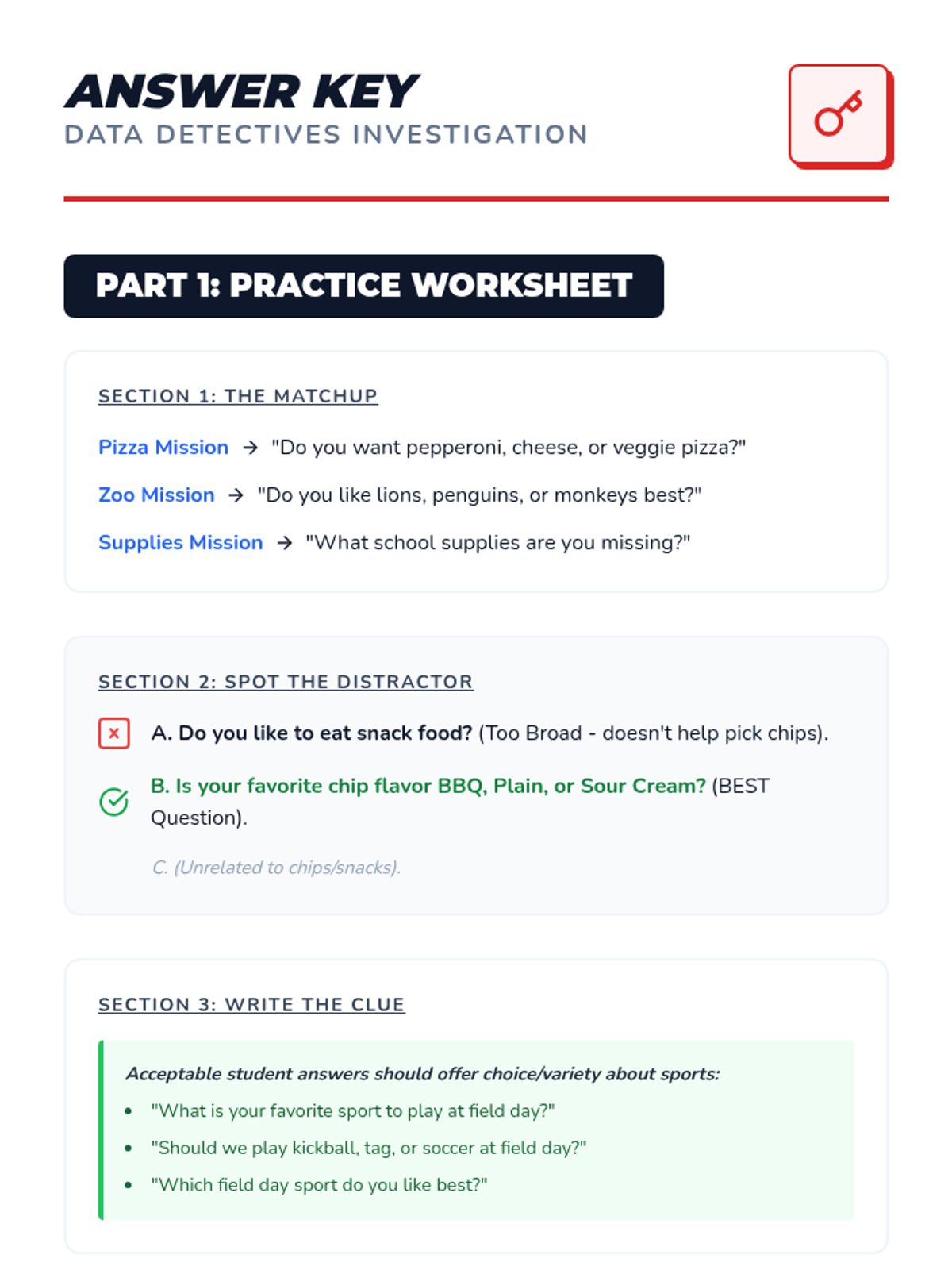
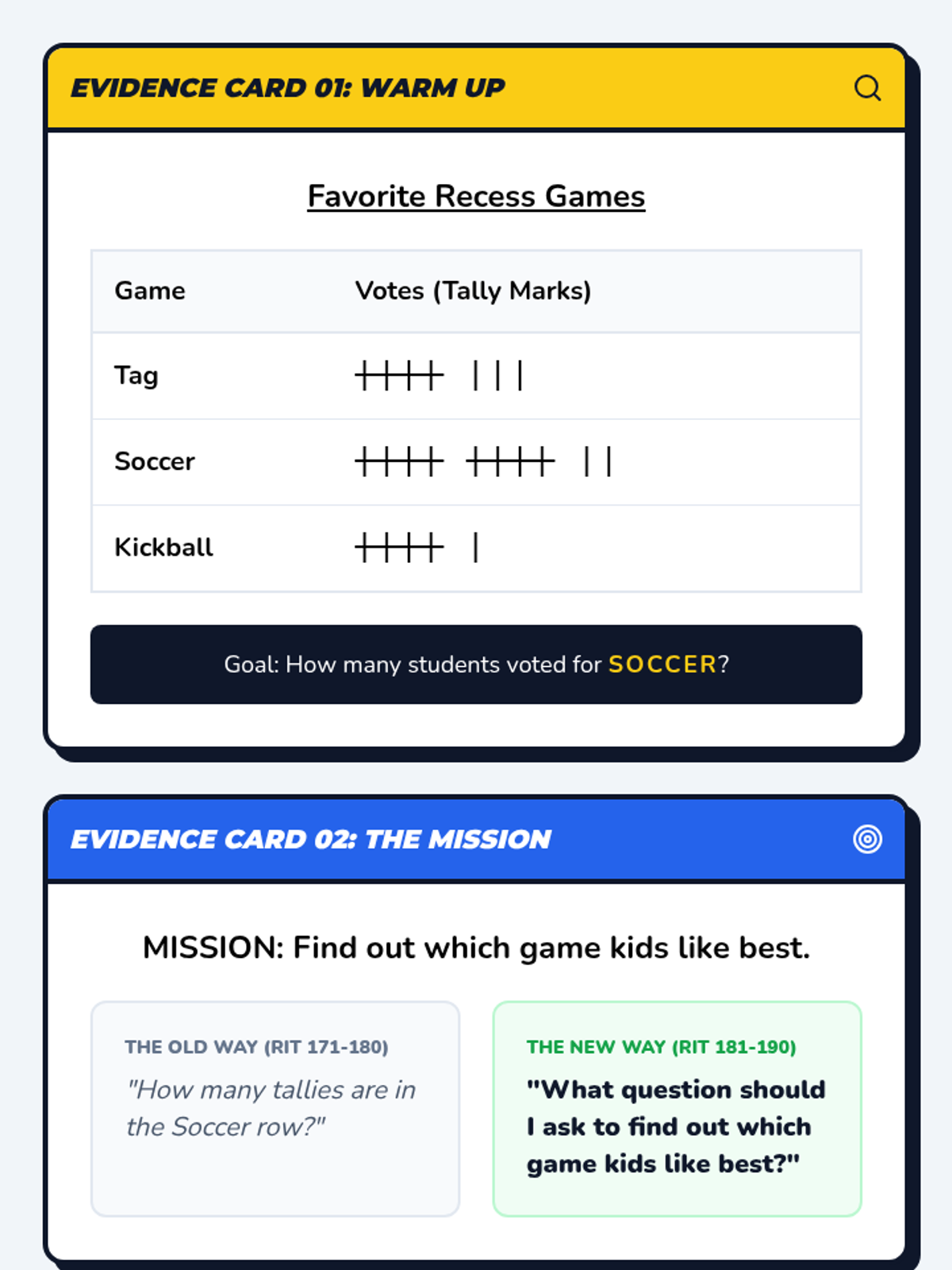
A 25-minute small group lesson designed to move students from RIT 171-180 to 181-190 by shifting from basic data interpretation to formulating and selecting effective statistical questions.
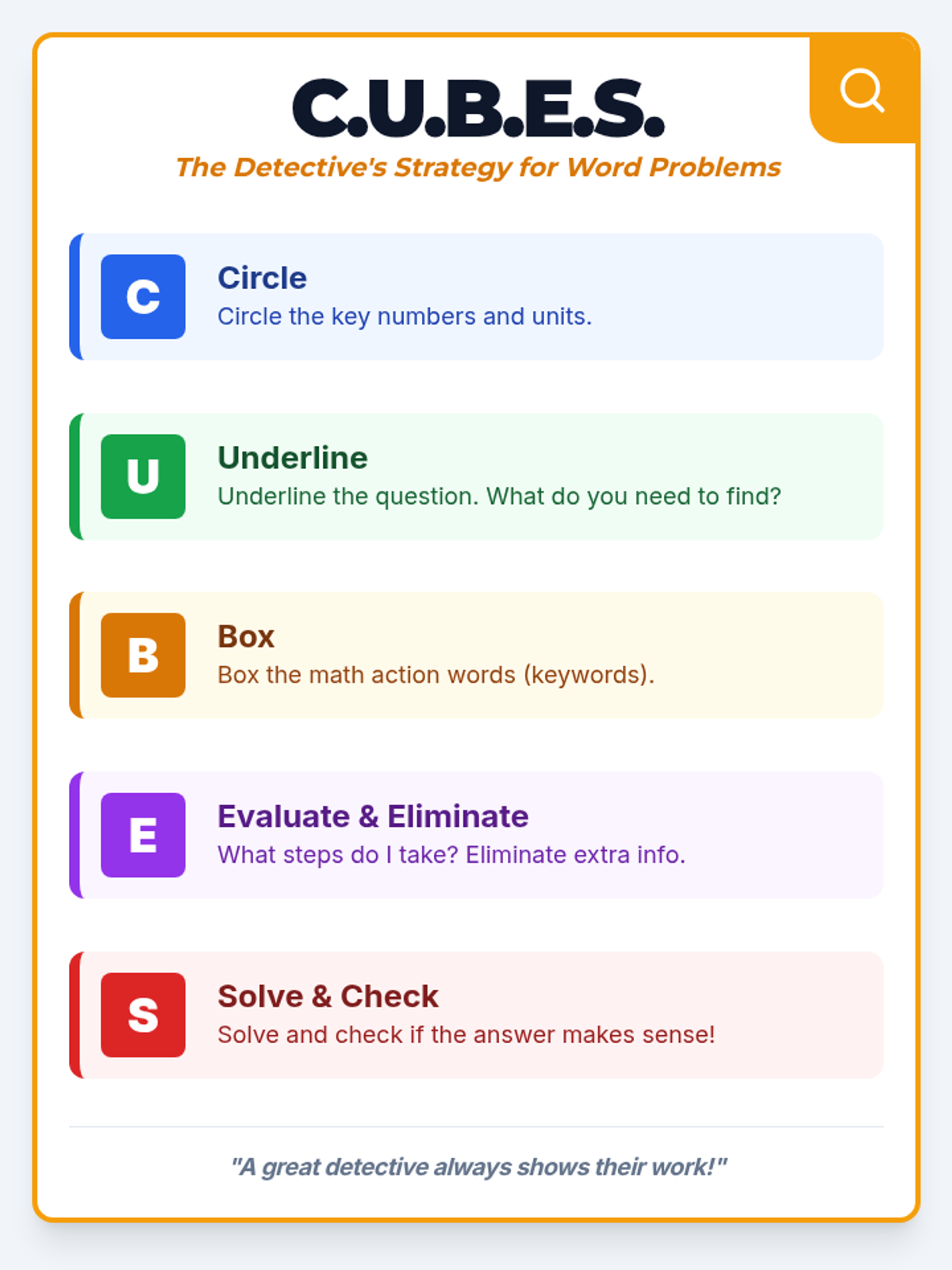
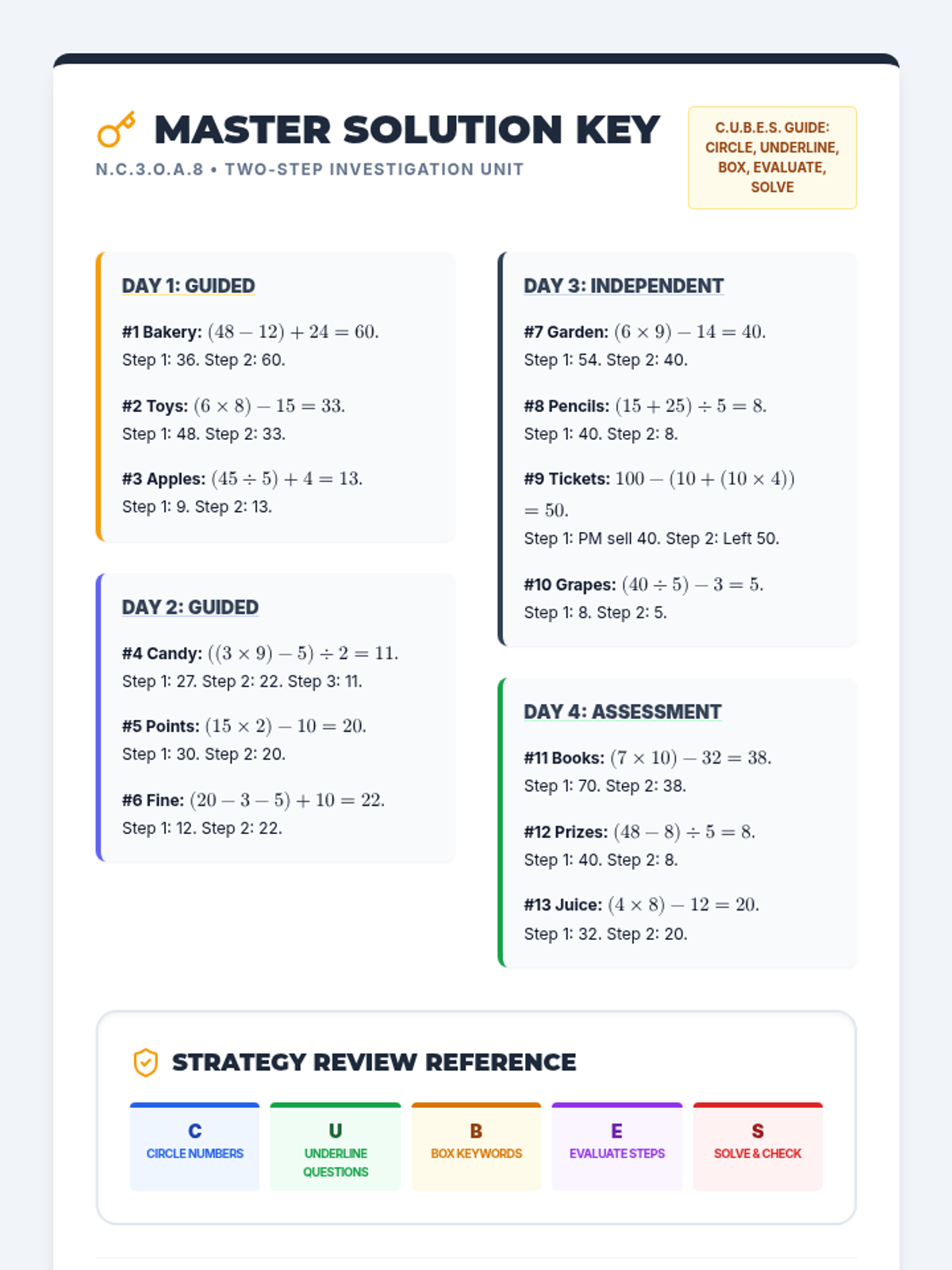
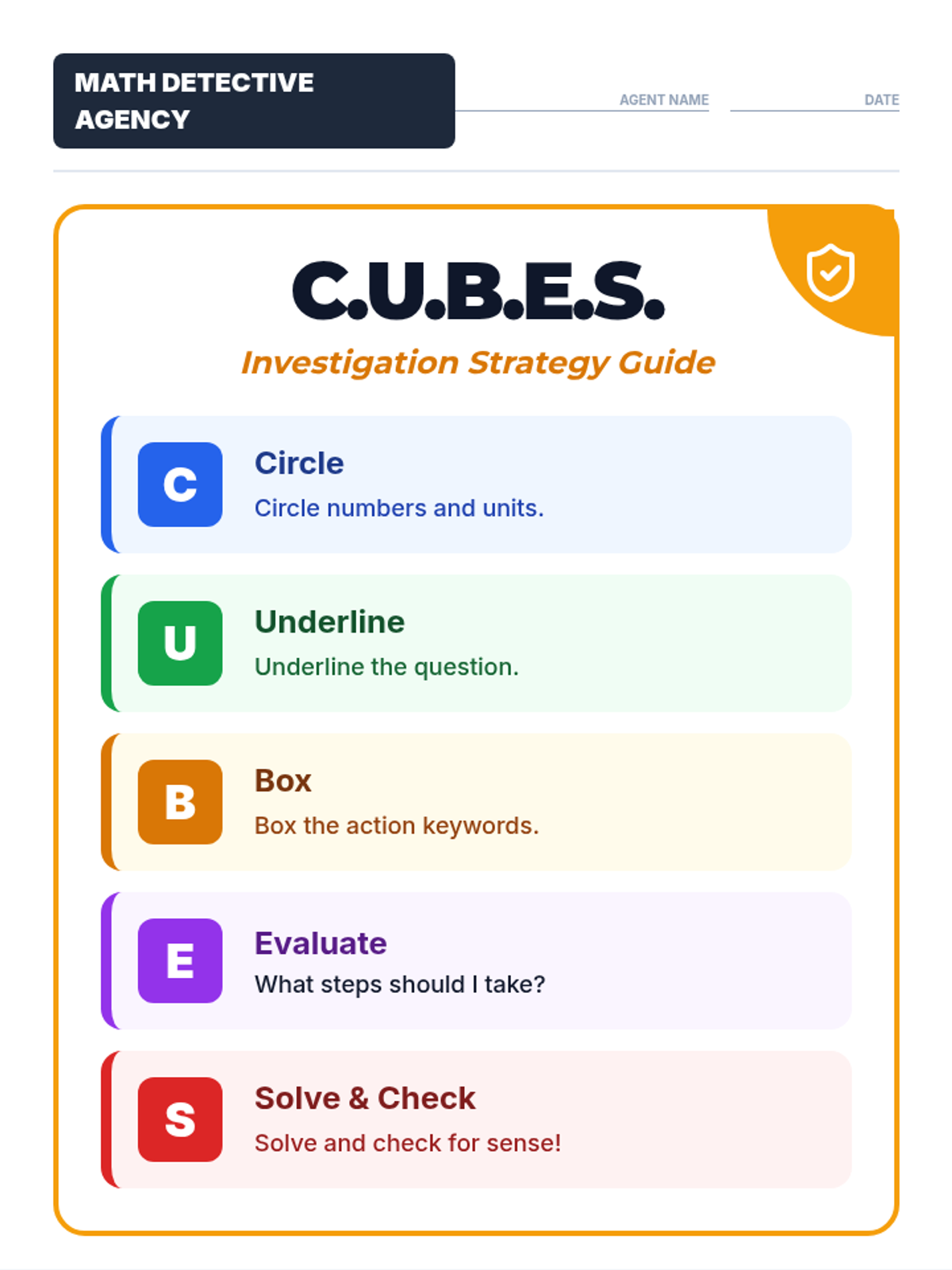
A 4-day intensive on solving two-step word problems using all four operations, featuring the CUBES strategy, variable equations, and reasonableness checks.
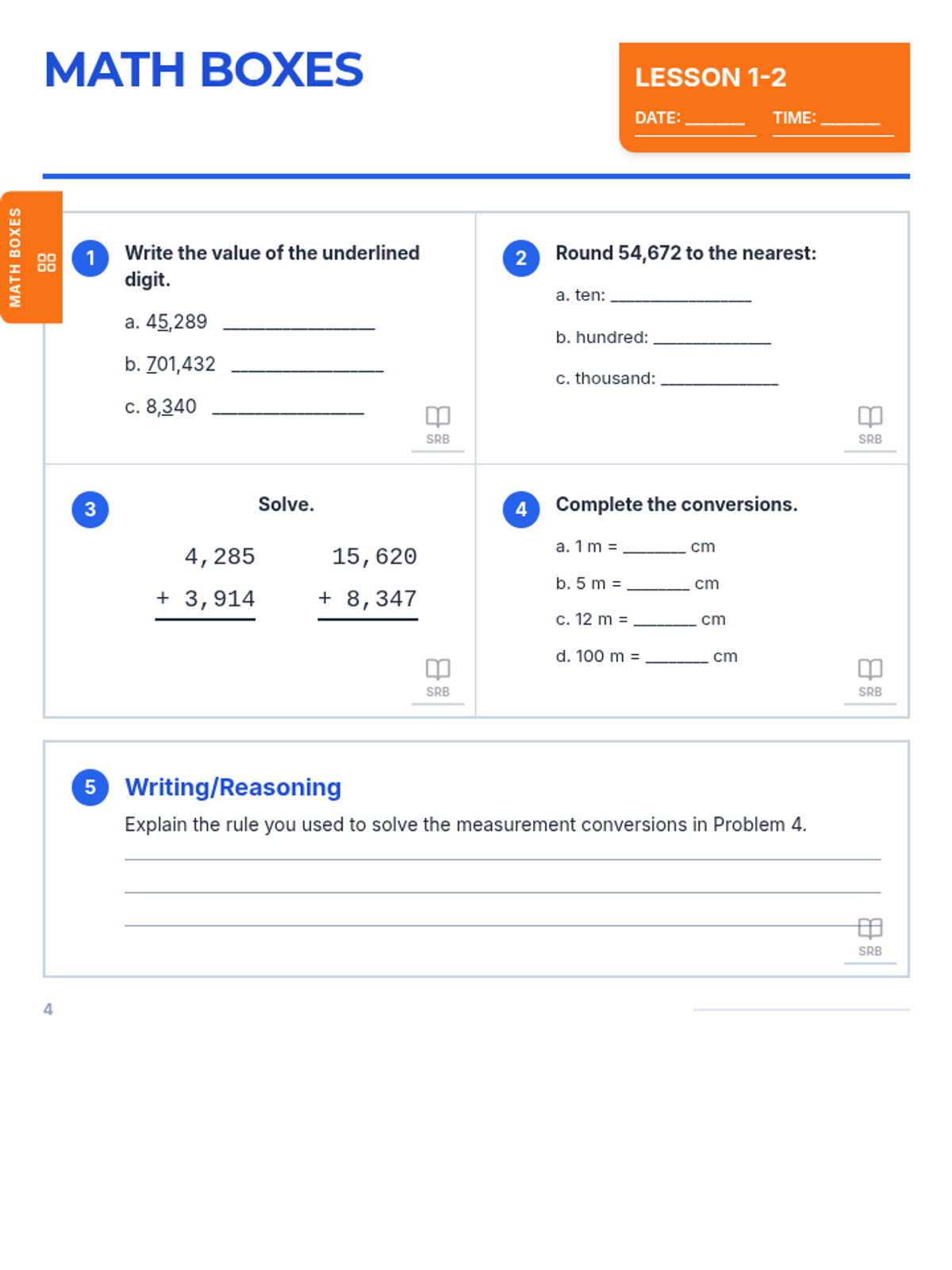
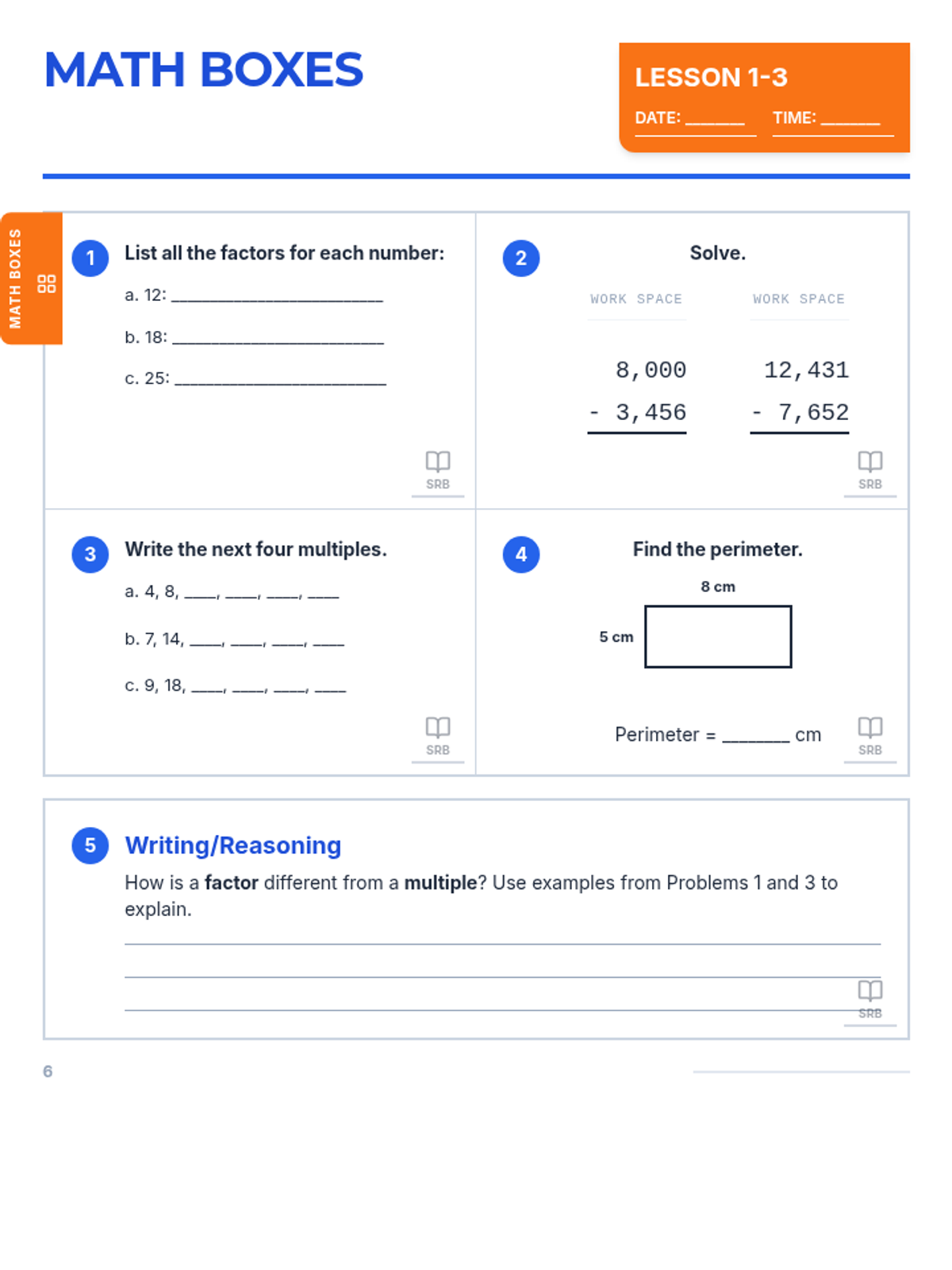
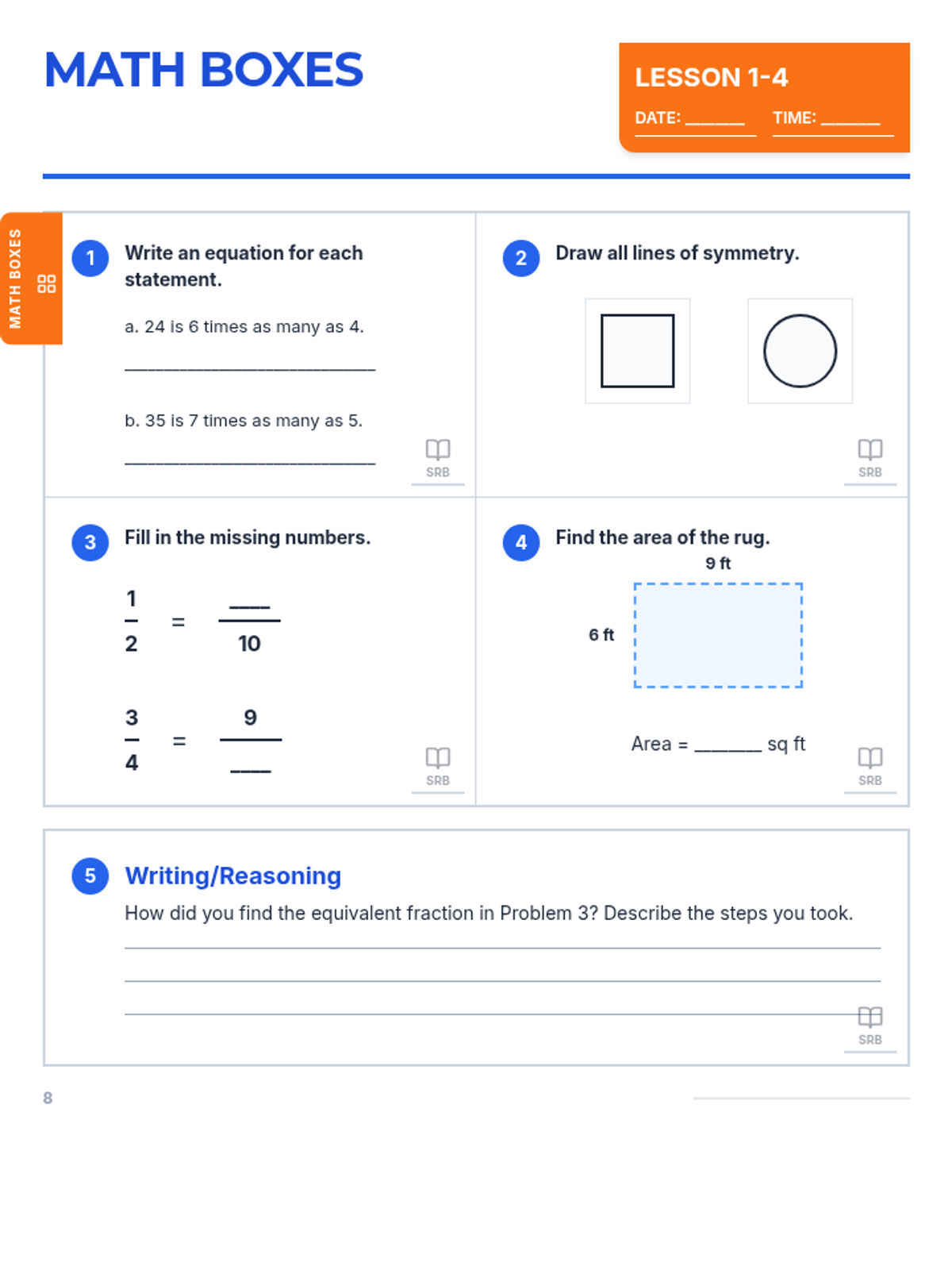
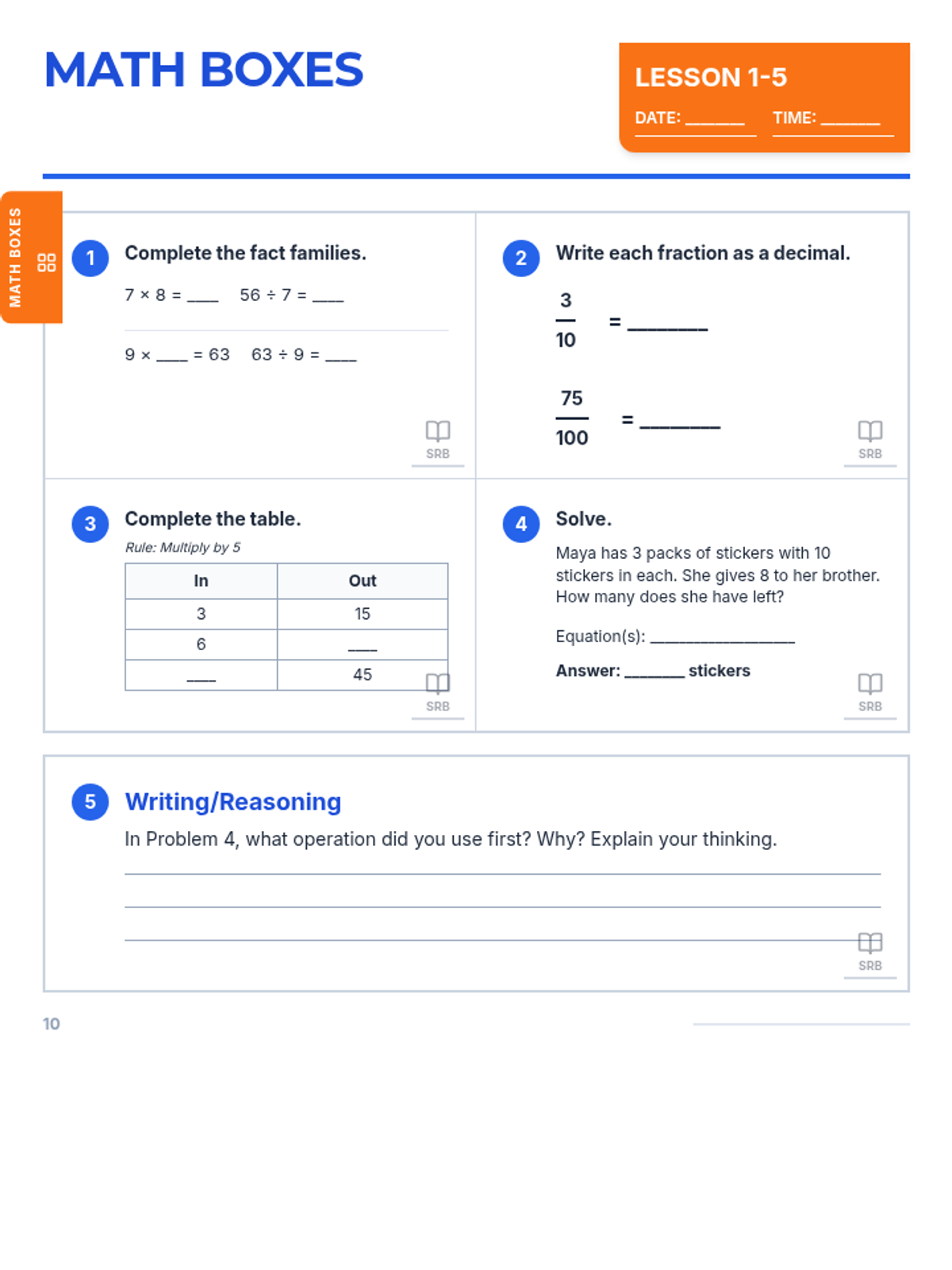
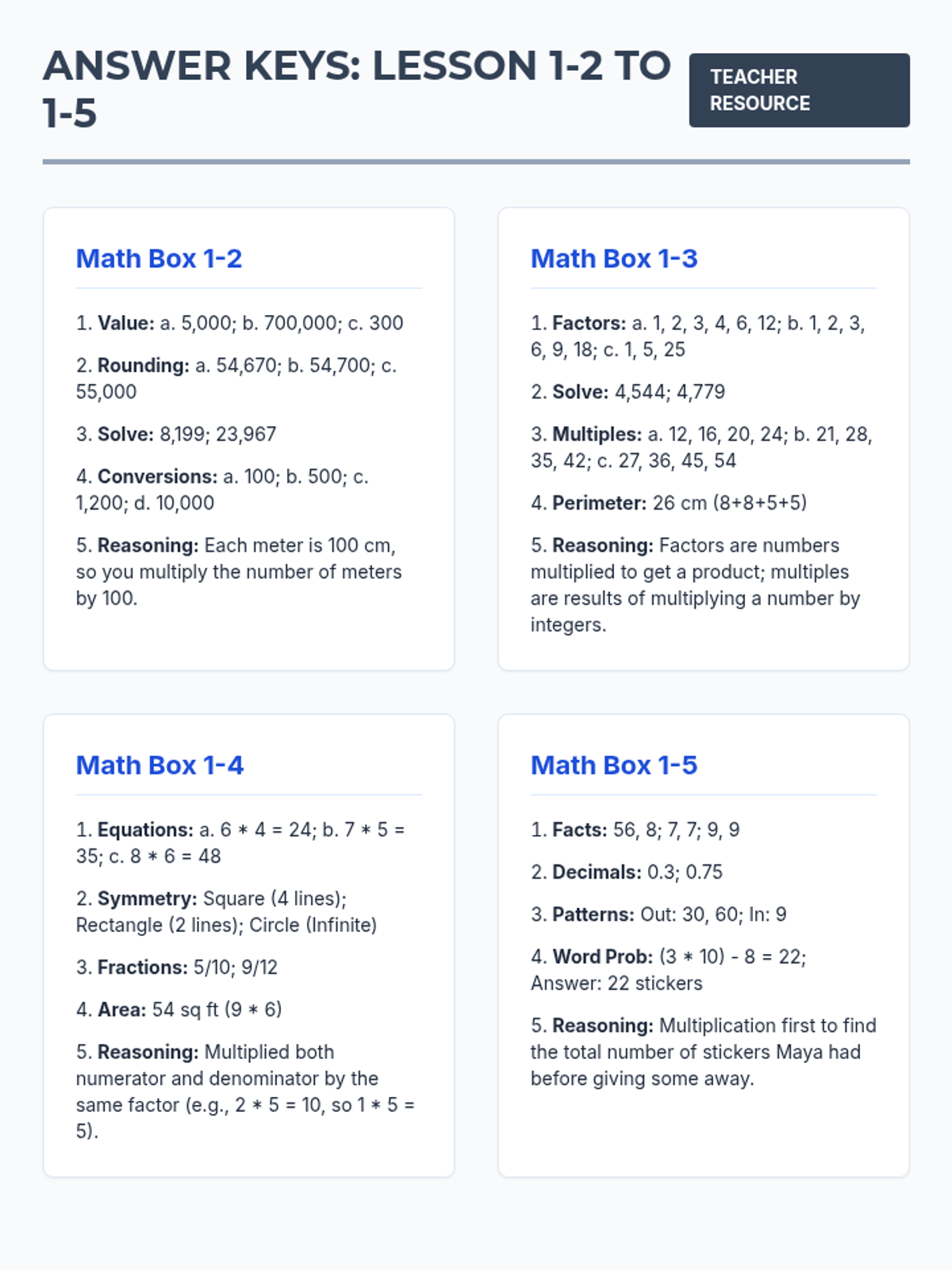
A series of mixed-review math worksheets designed for daily practice or formative assessment, covering key 4th-grade standards.
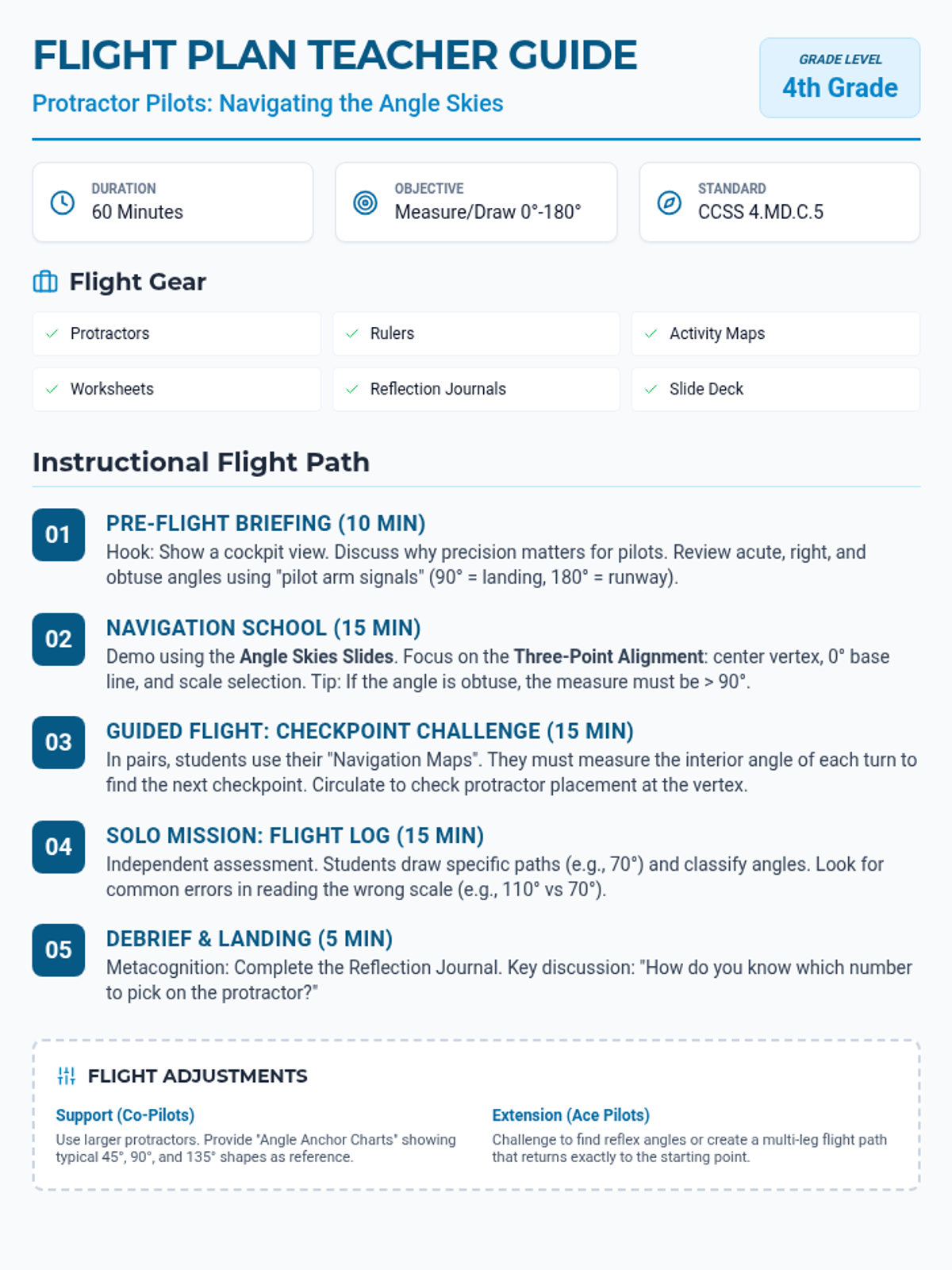
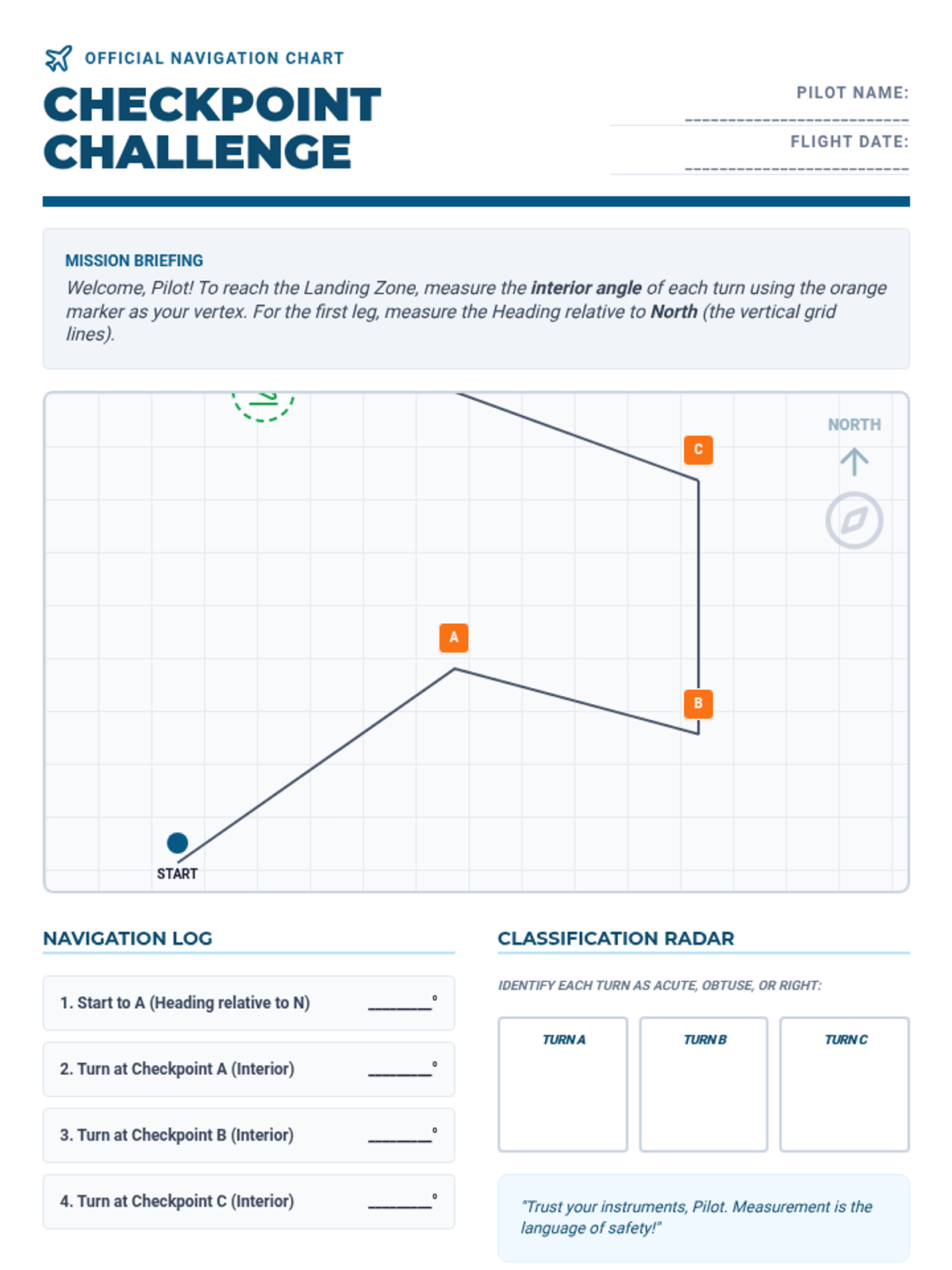
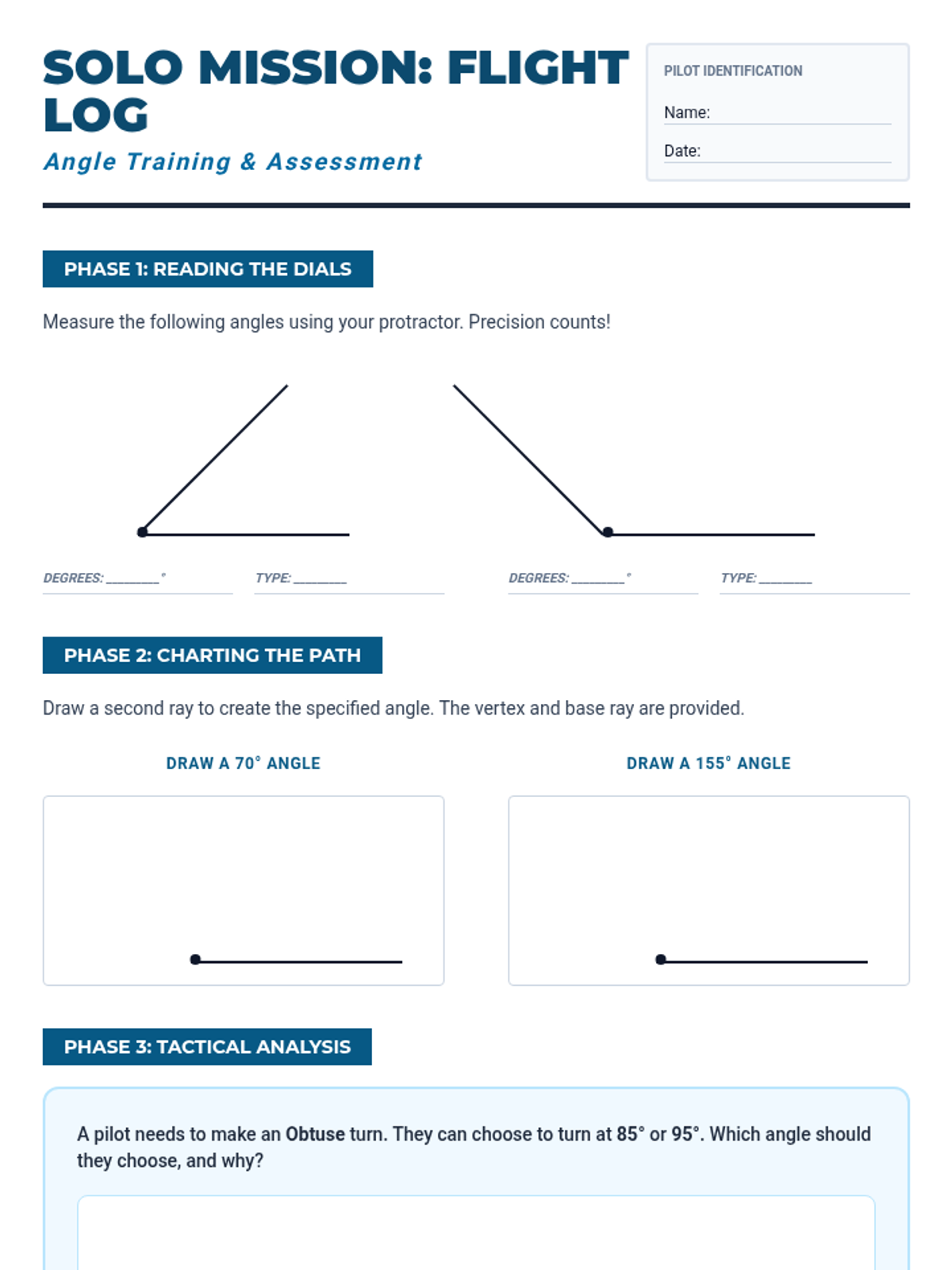
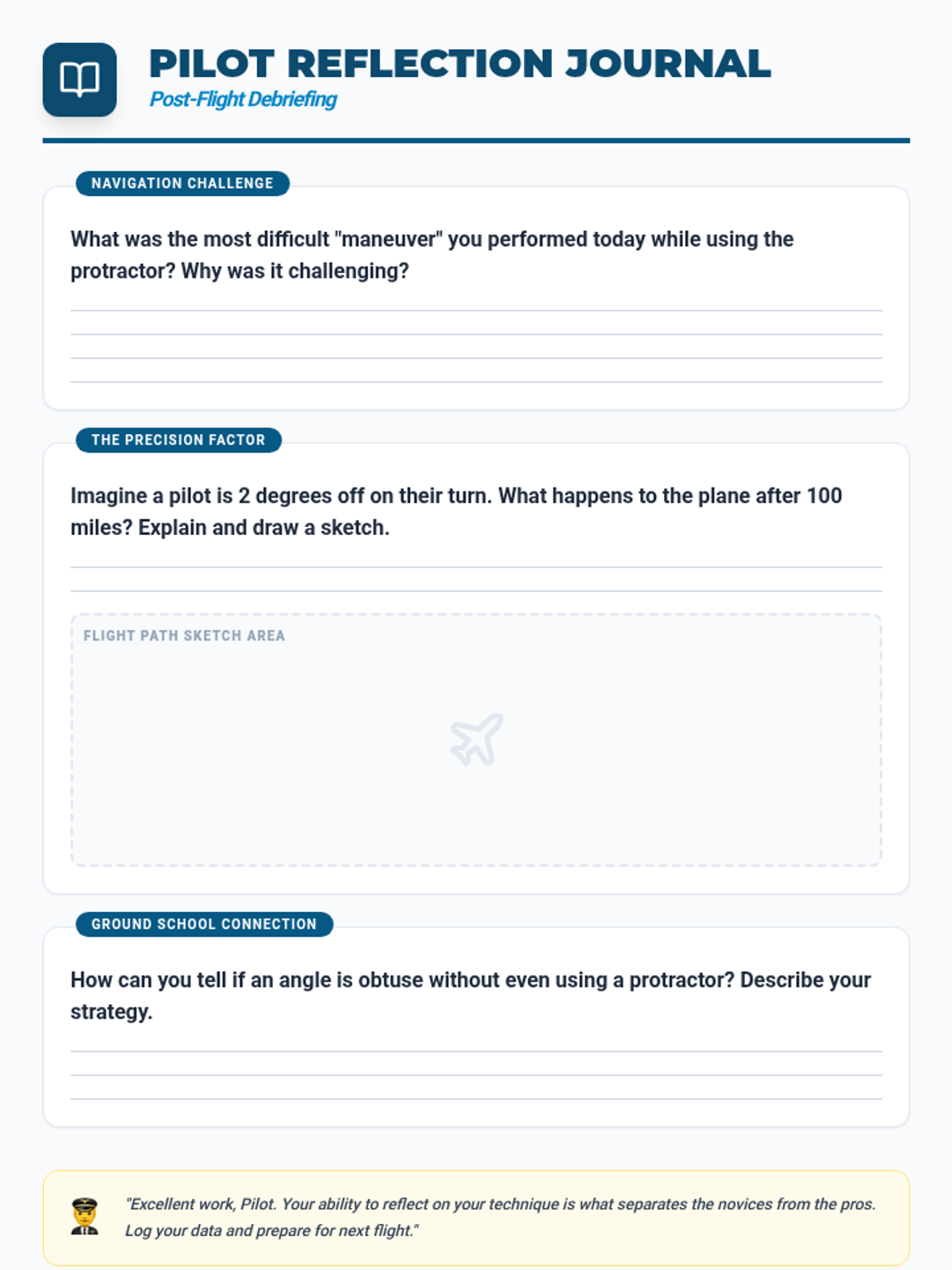
Students take to the skies as 'Protractor Pilots' to master measuring and drawing angles. This aviation-themed lesson focuses on precision, classifying angles, and spatial reasoning through a flight navigation simulation.
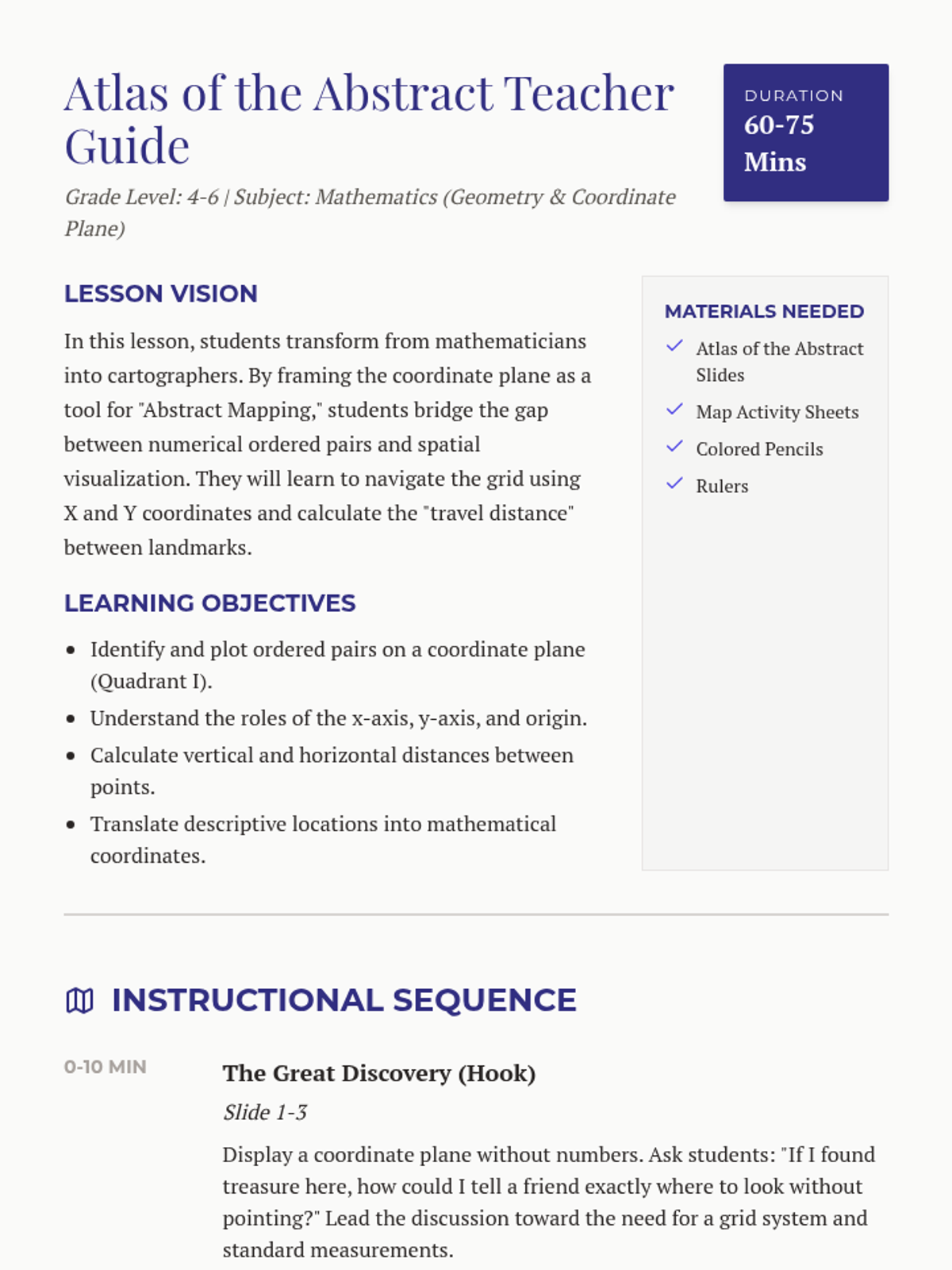
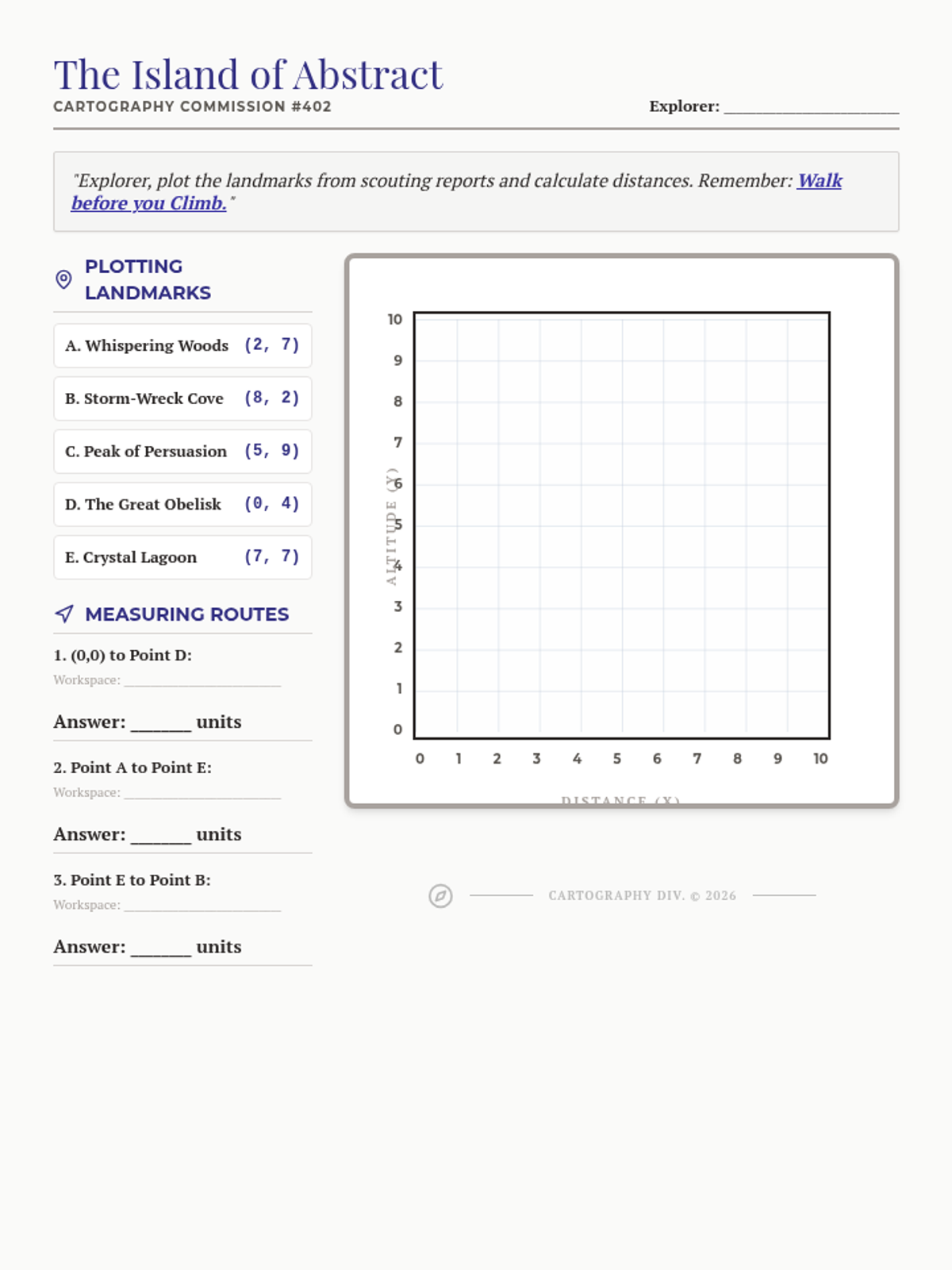
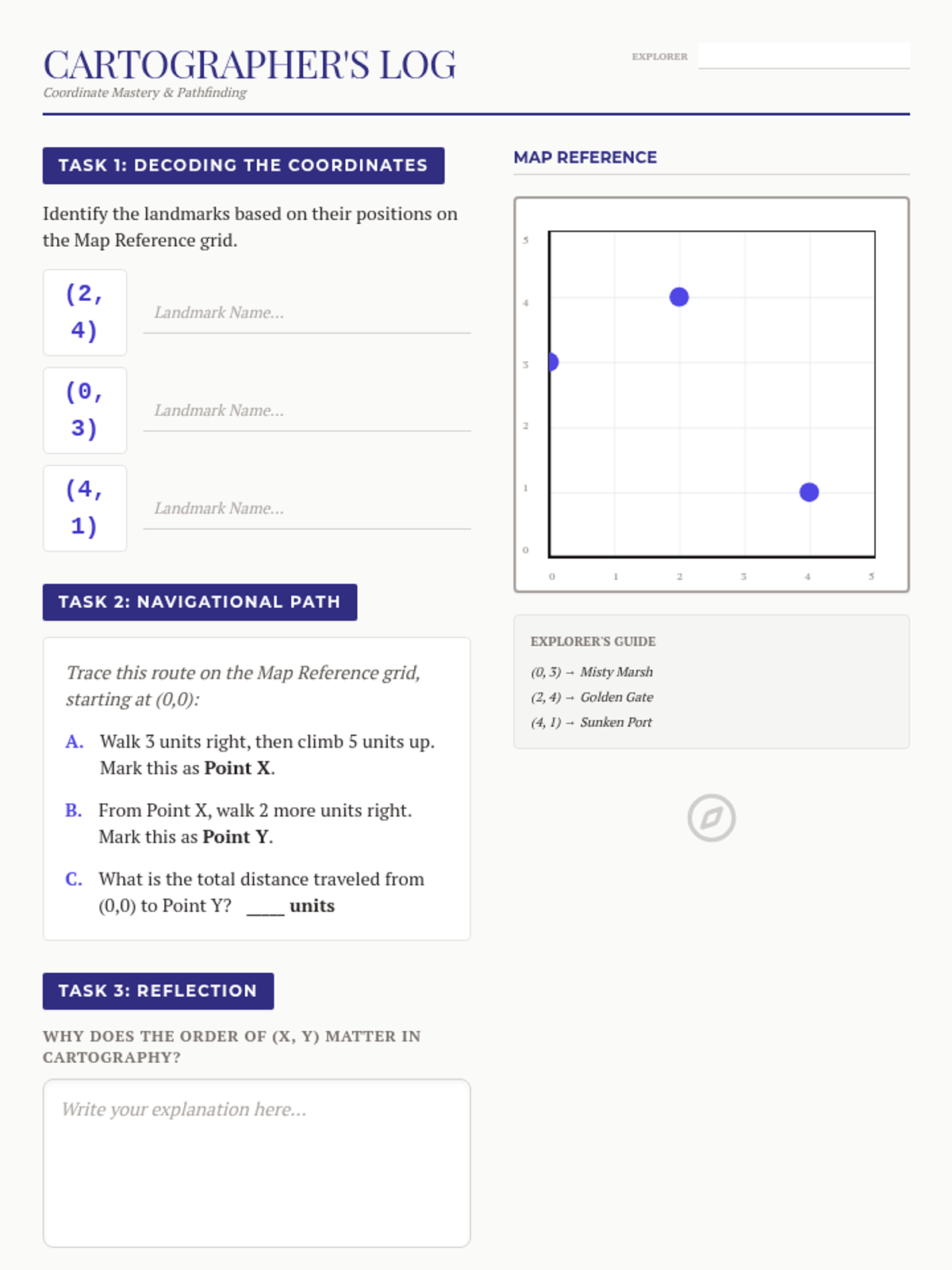
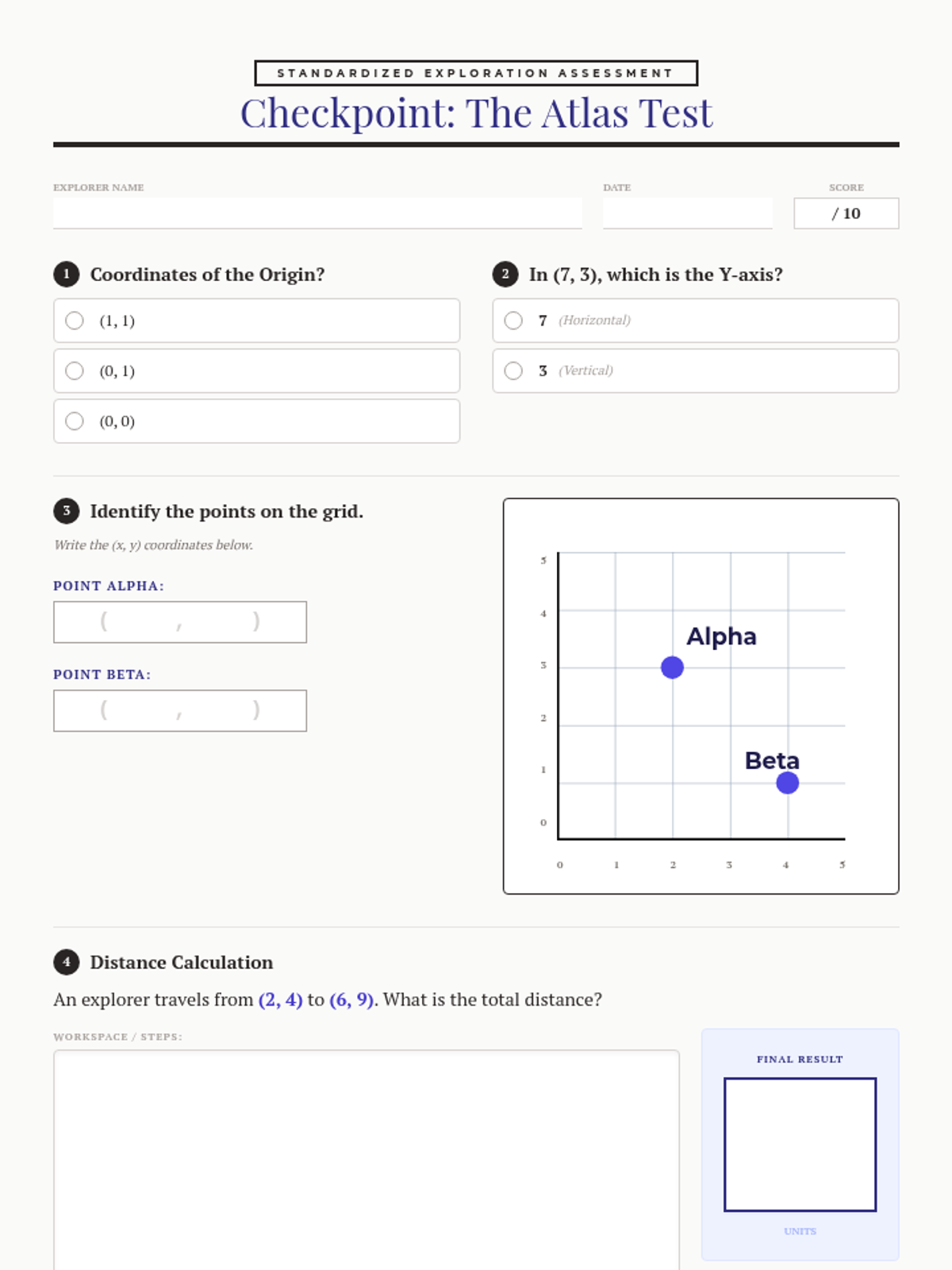
Students explore the coordinate plane through the lens of cartography, mapping imaginary landscapes using ordered pairs and calculating distances between landmarks.
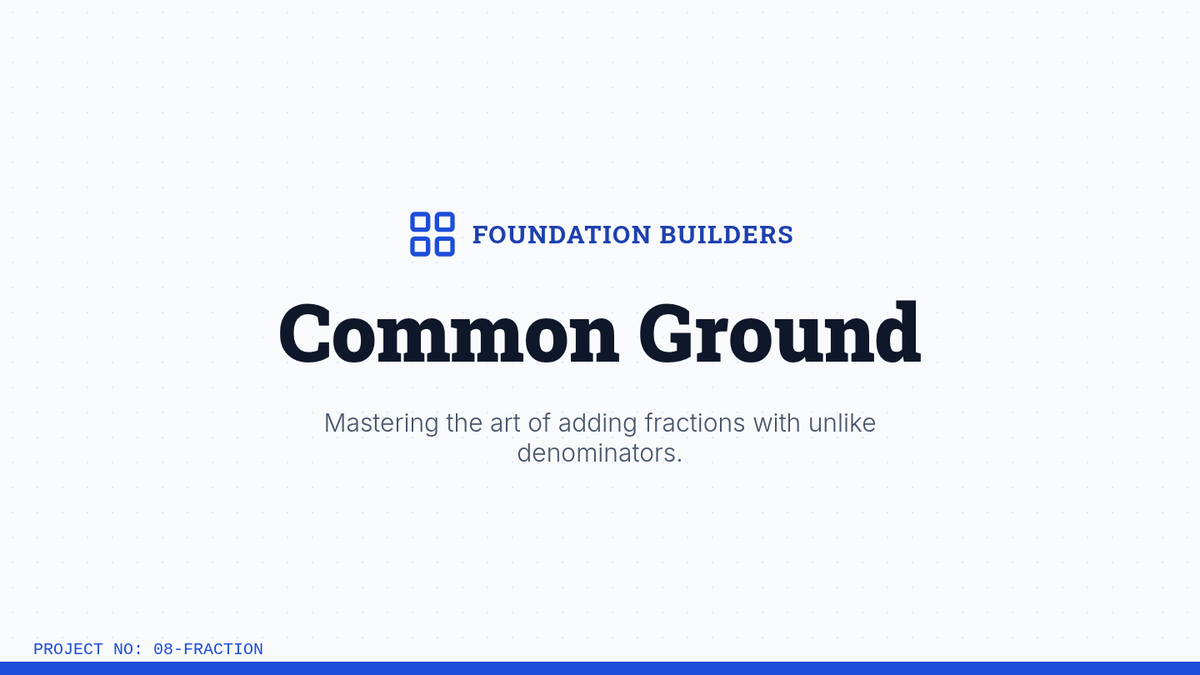
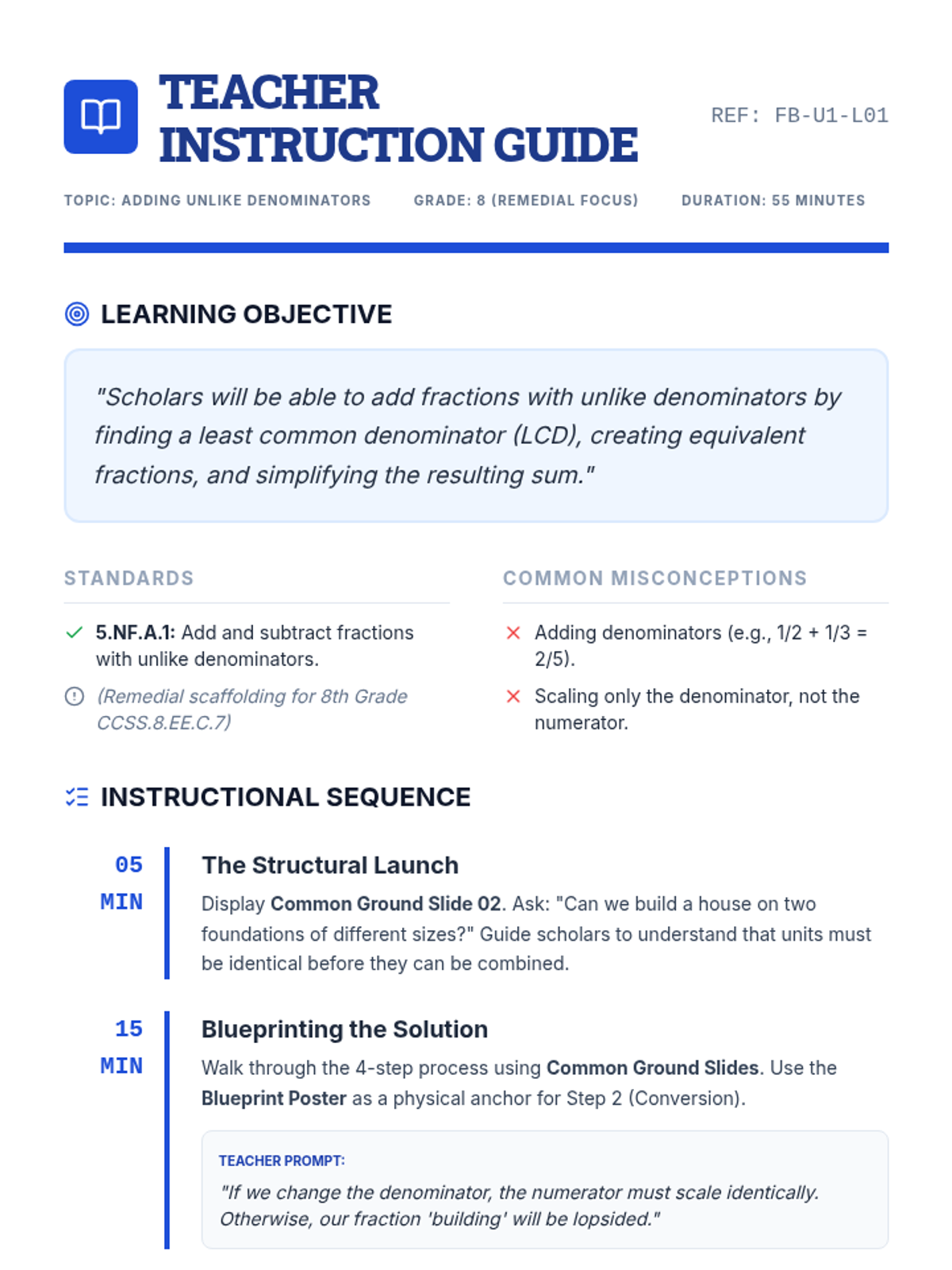
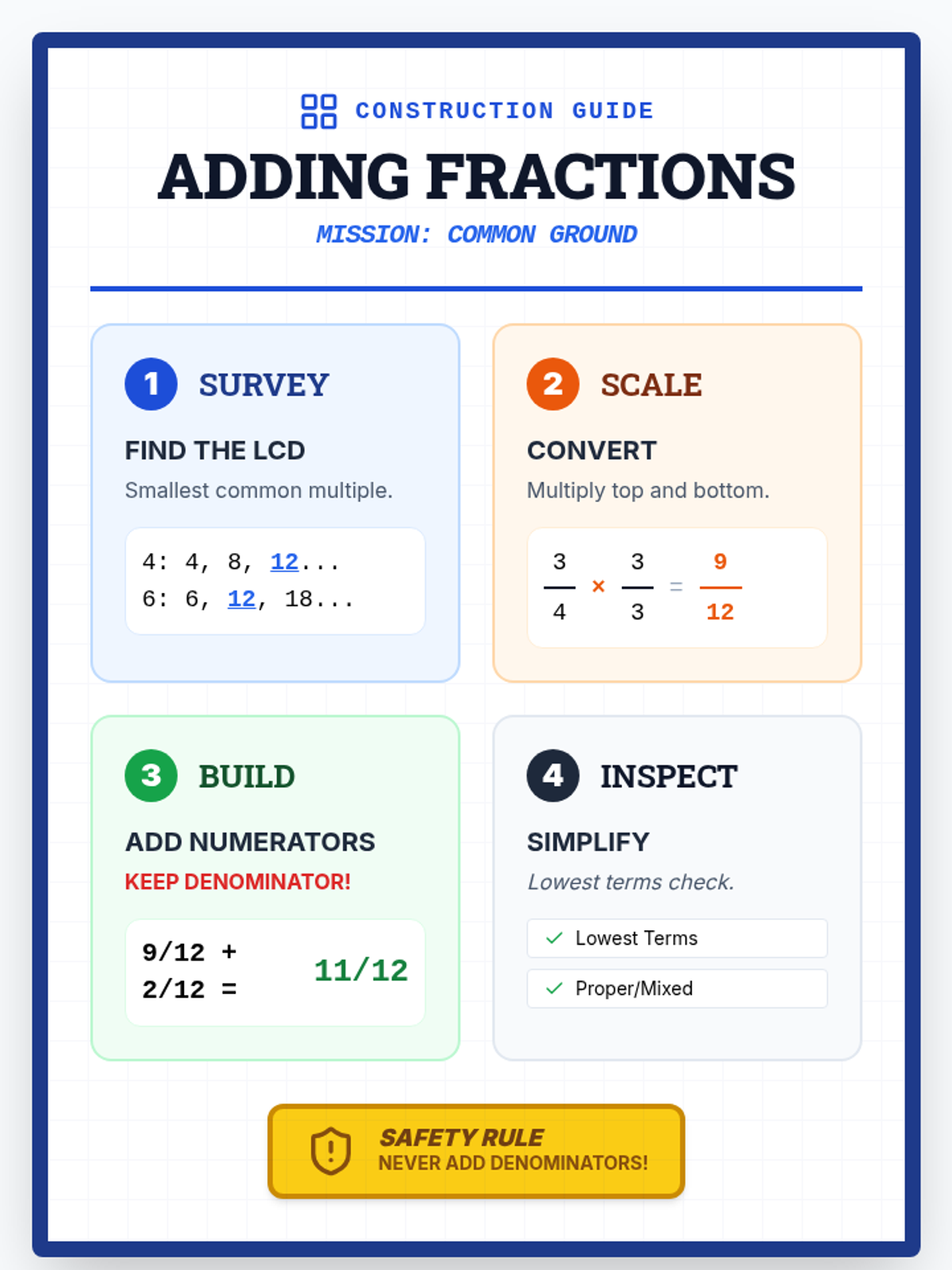
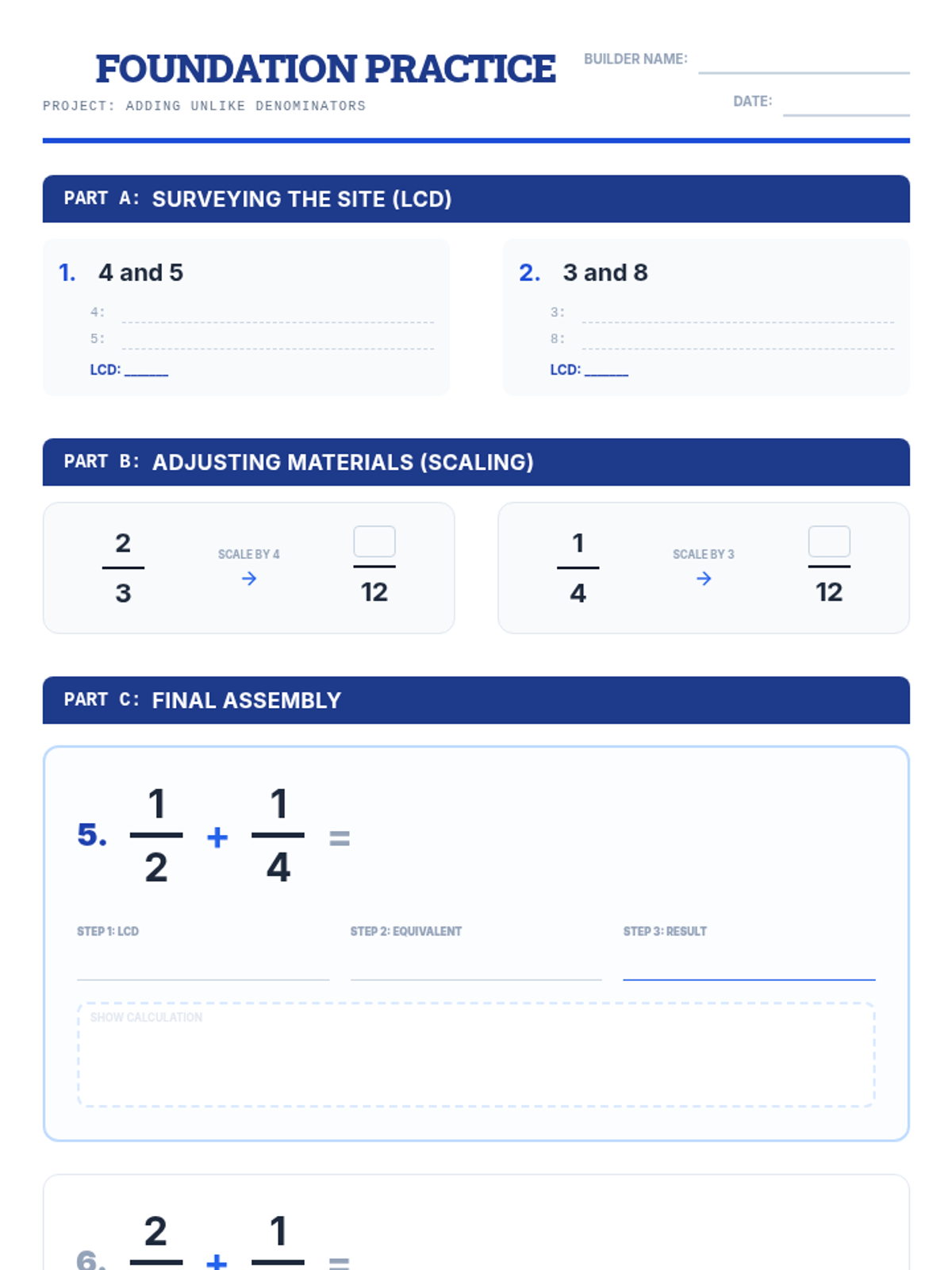
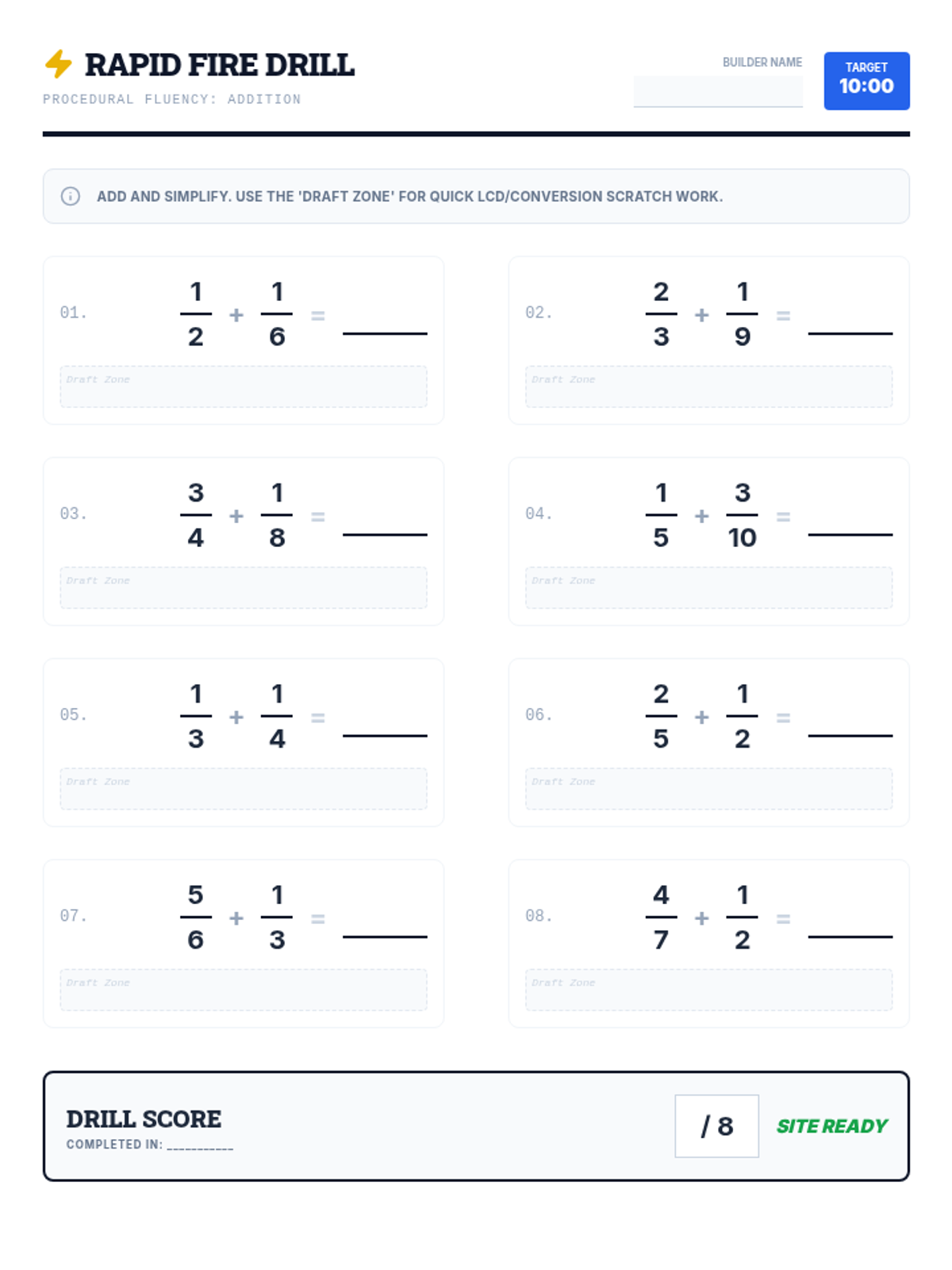
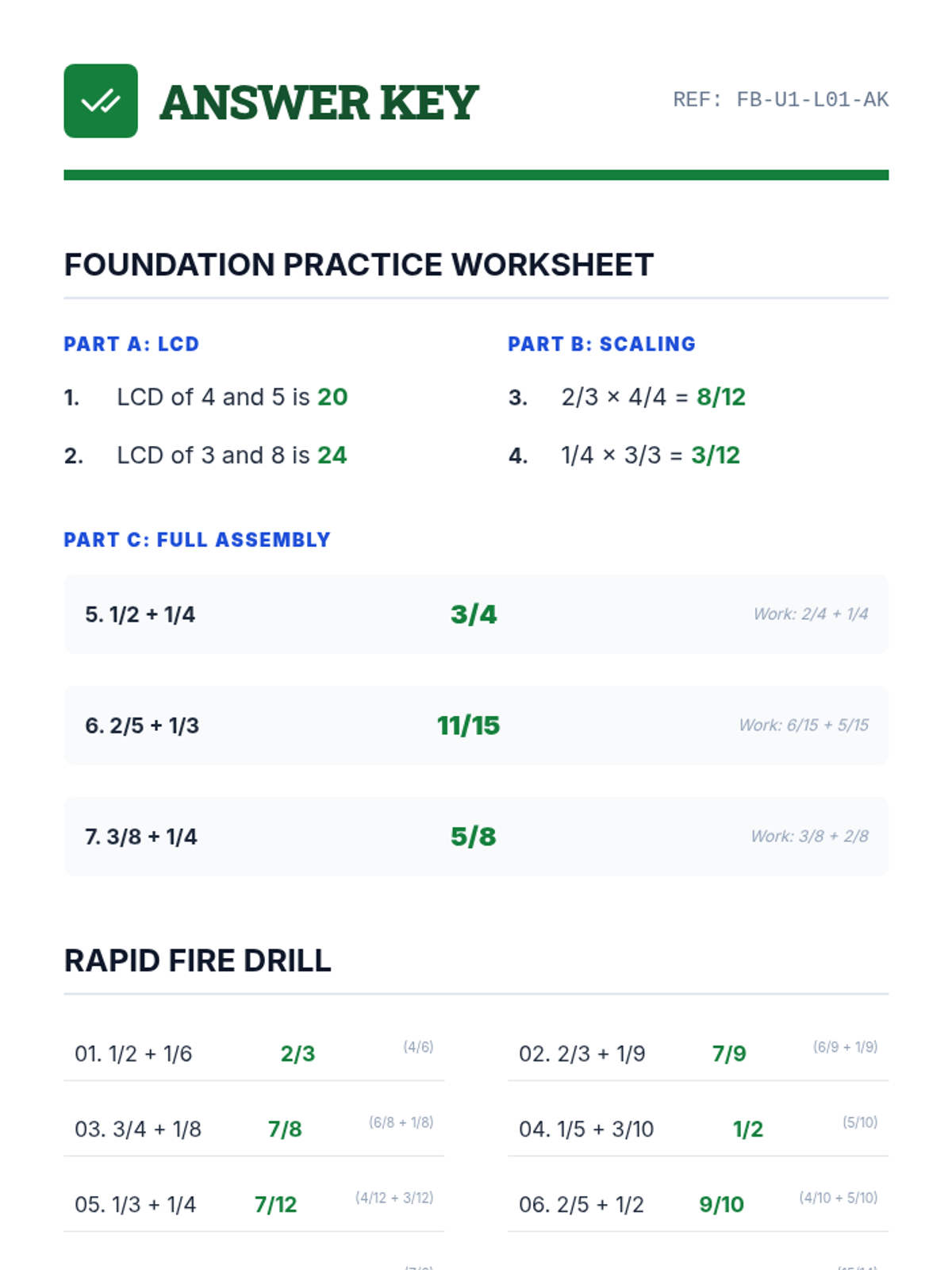
A focused lesson on adding fractions with unlike denominators using a blueprint-inspired approach to building common denominators.
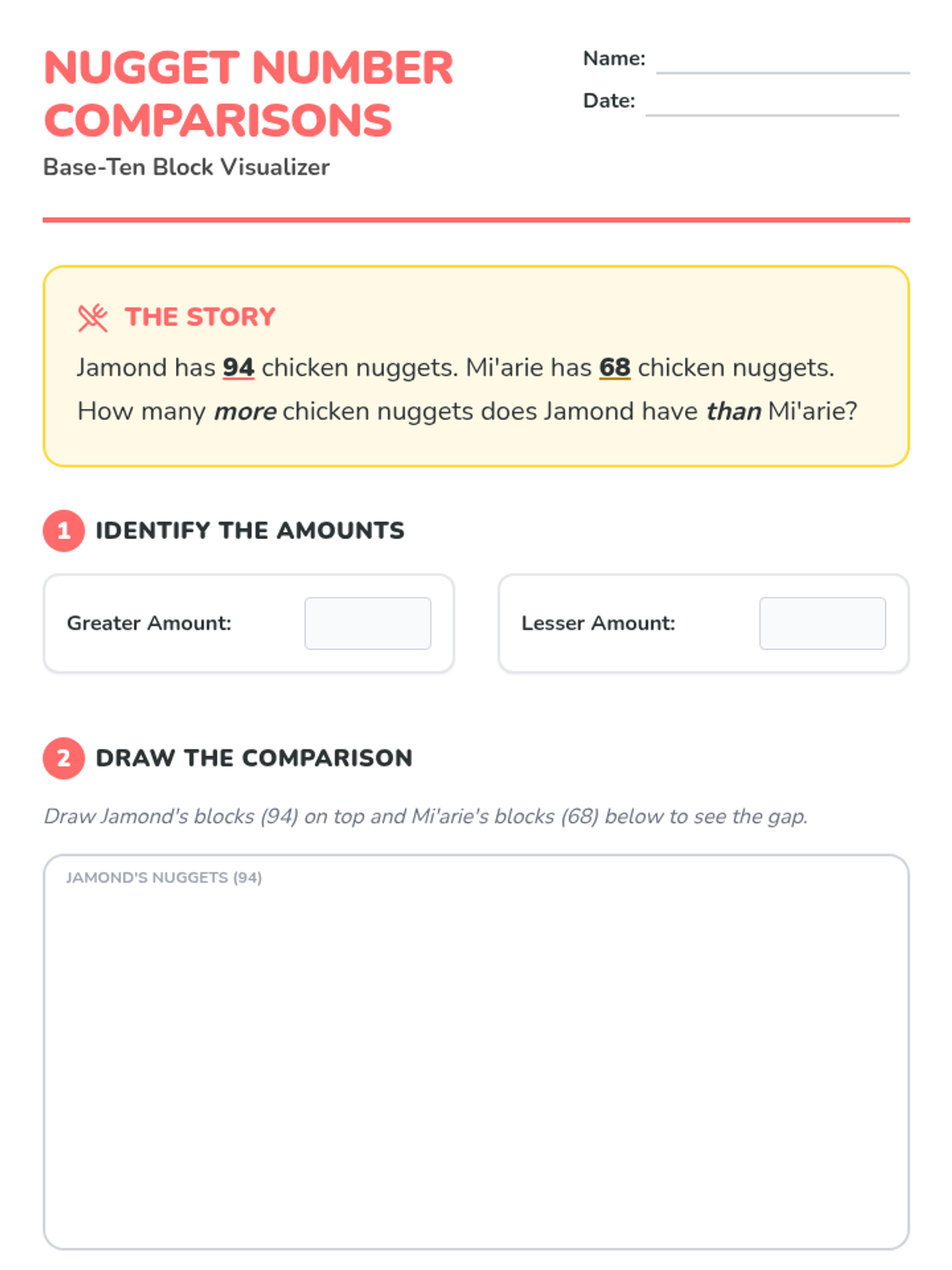
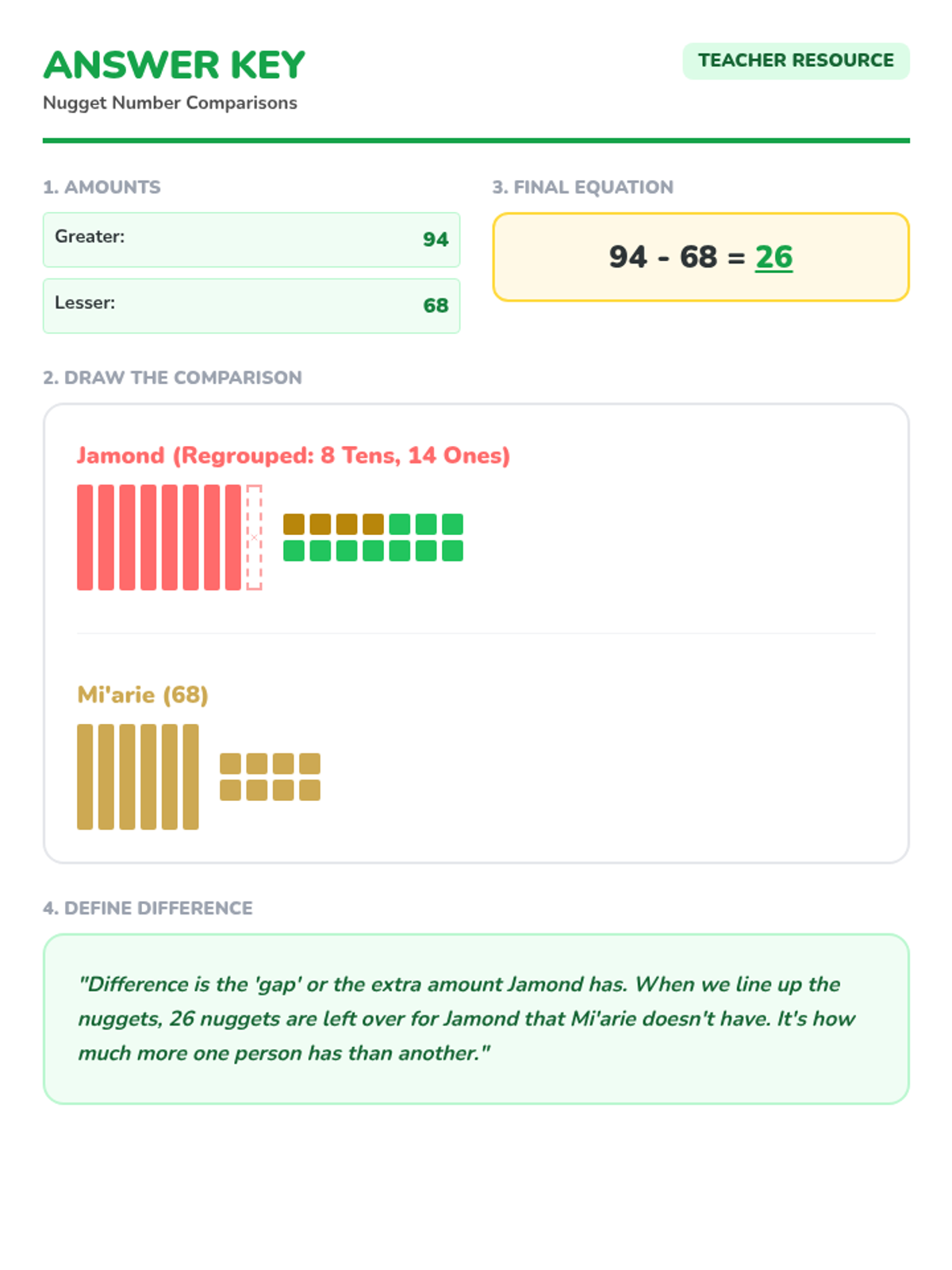
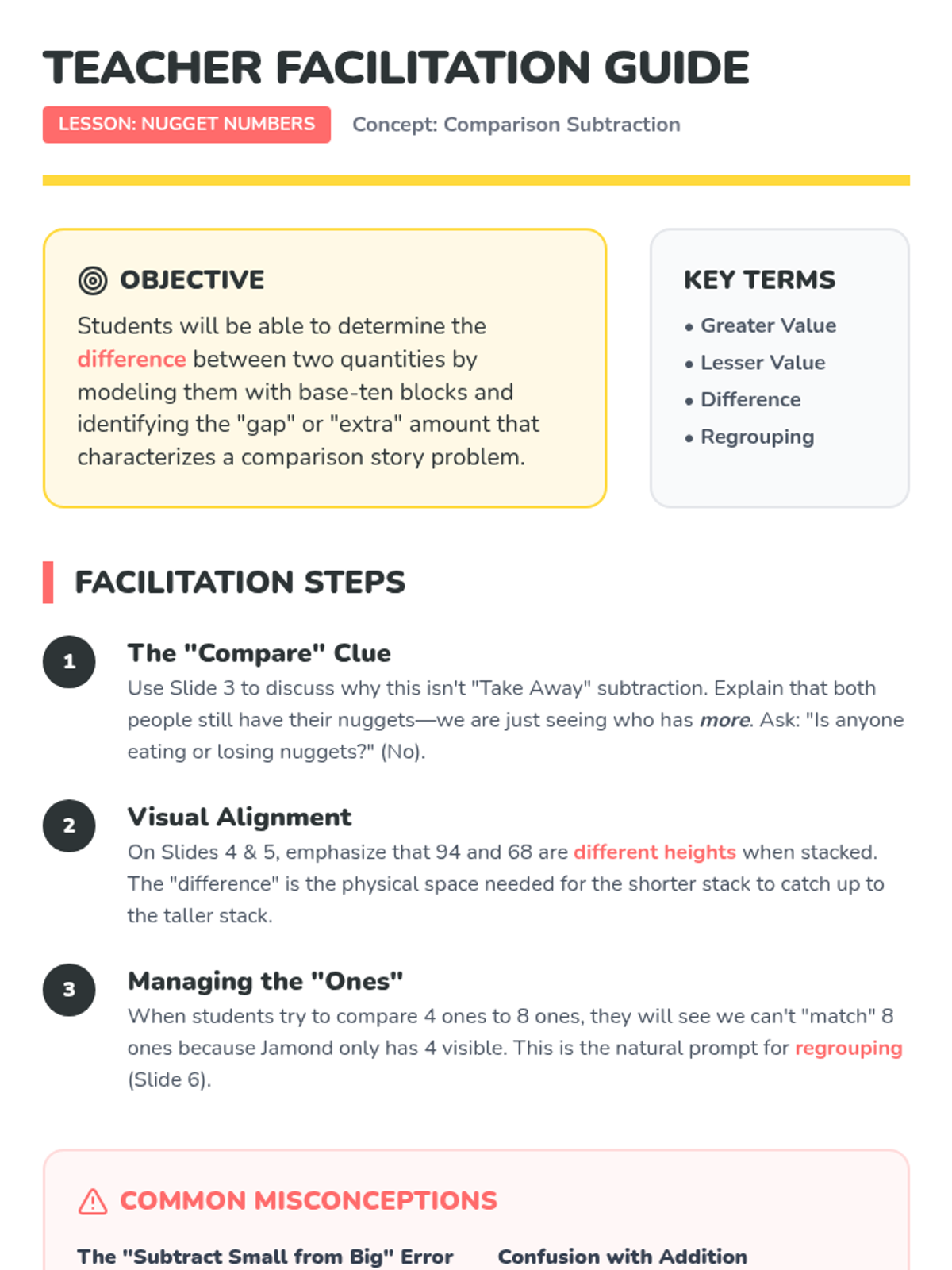
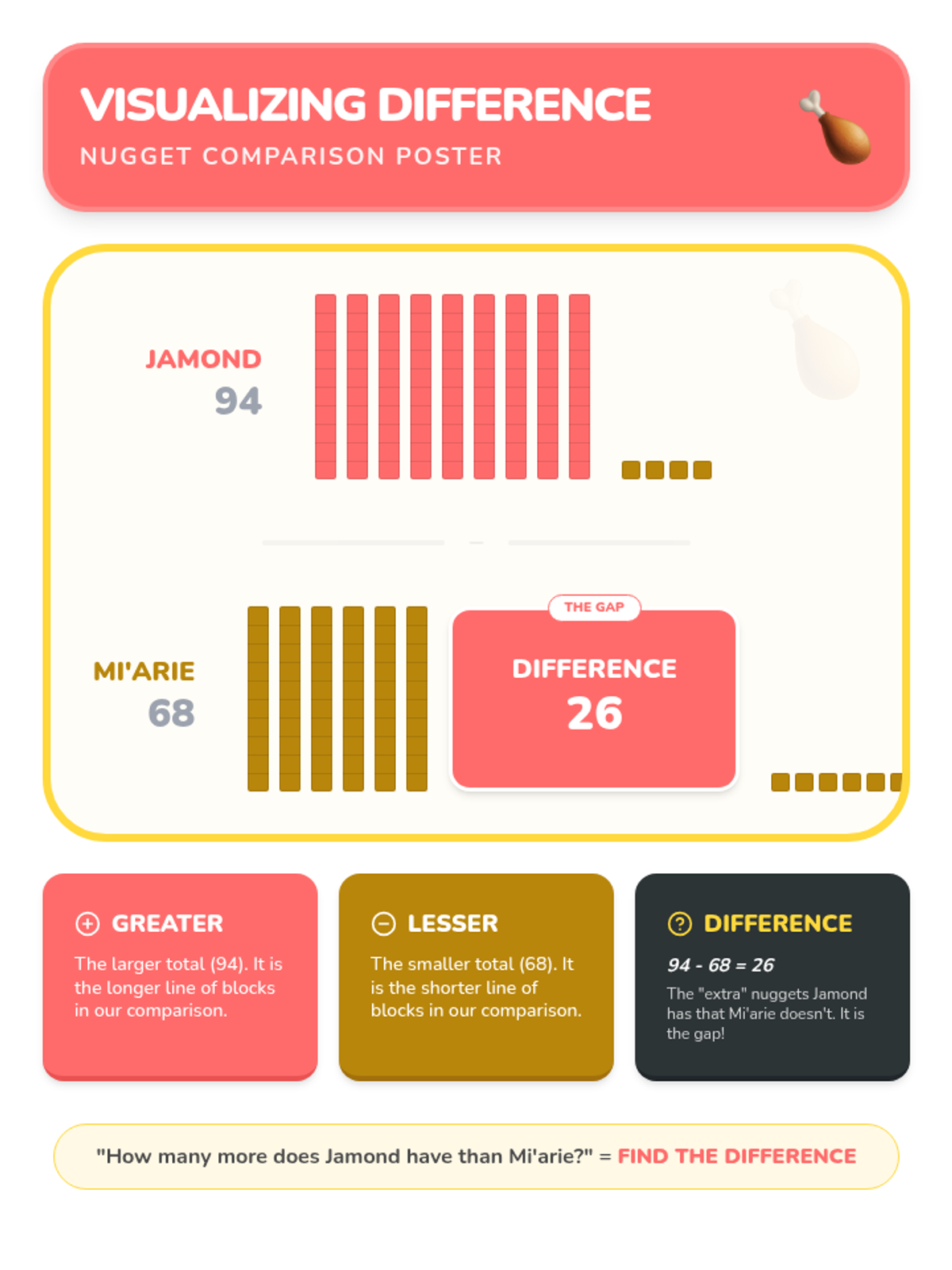
A visual exploration of subtraction using base-ten blocks to compare two quantities. Students learn to identify the greater and lesser values and define 'difference' through a real-world story problem involving chicken nuggets.
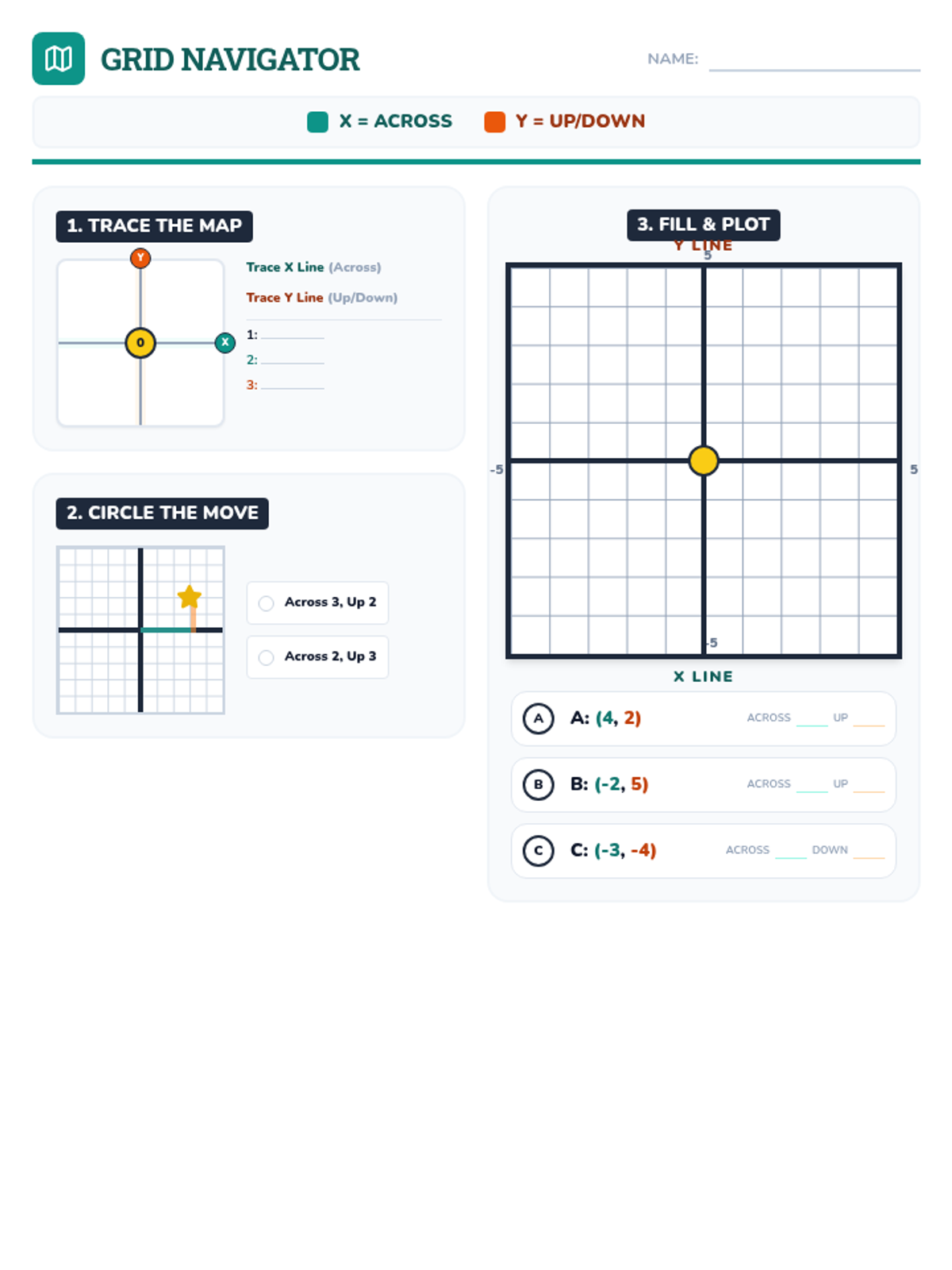
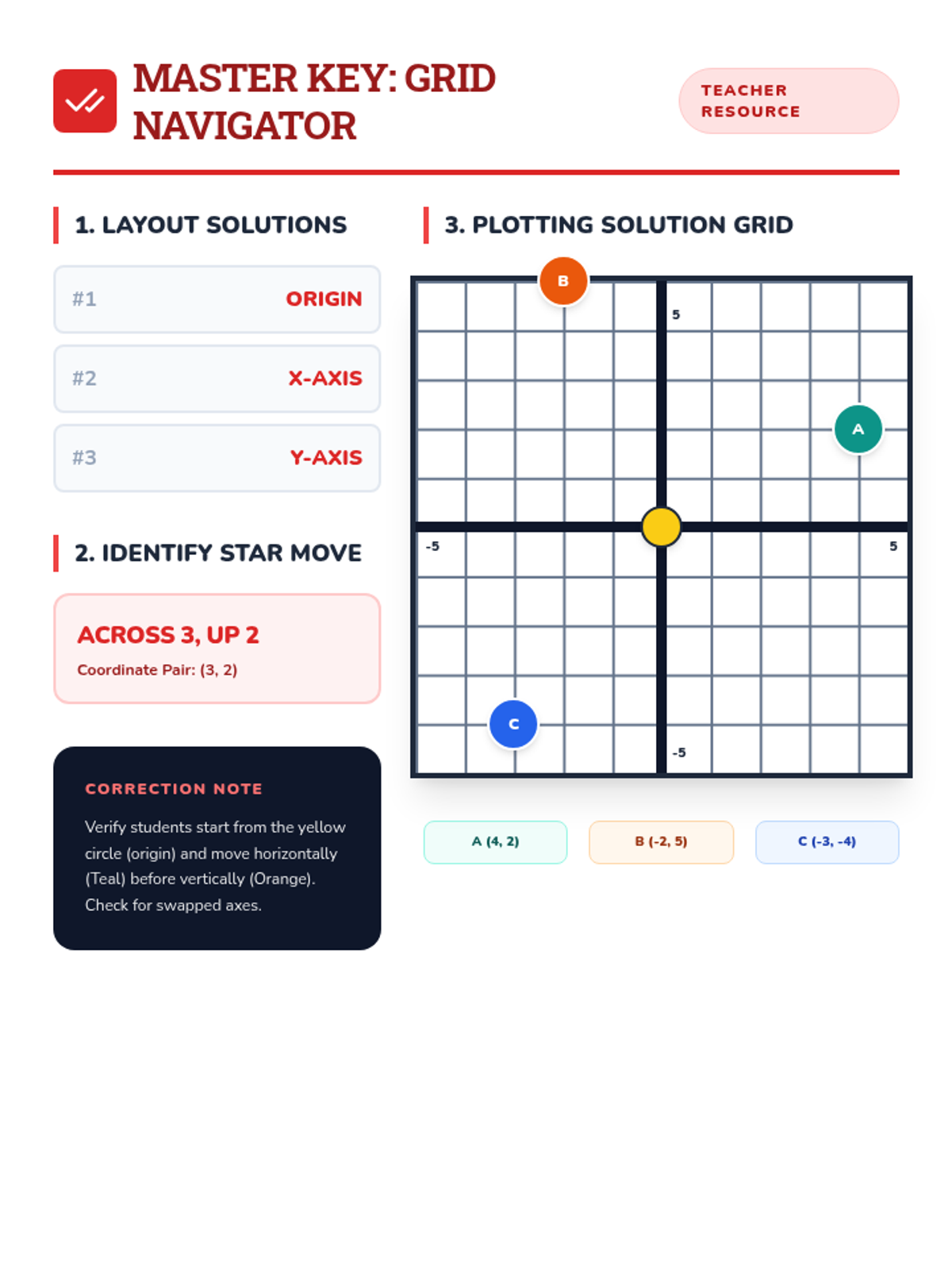
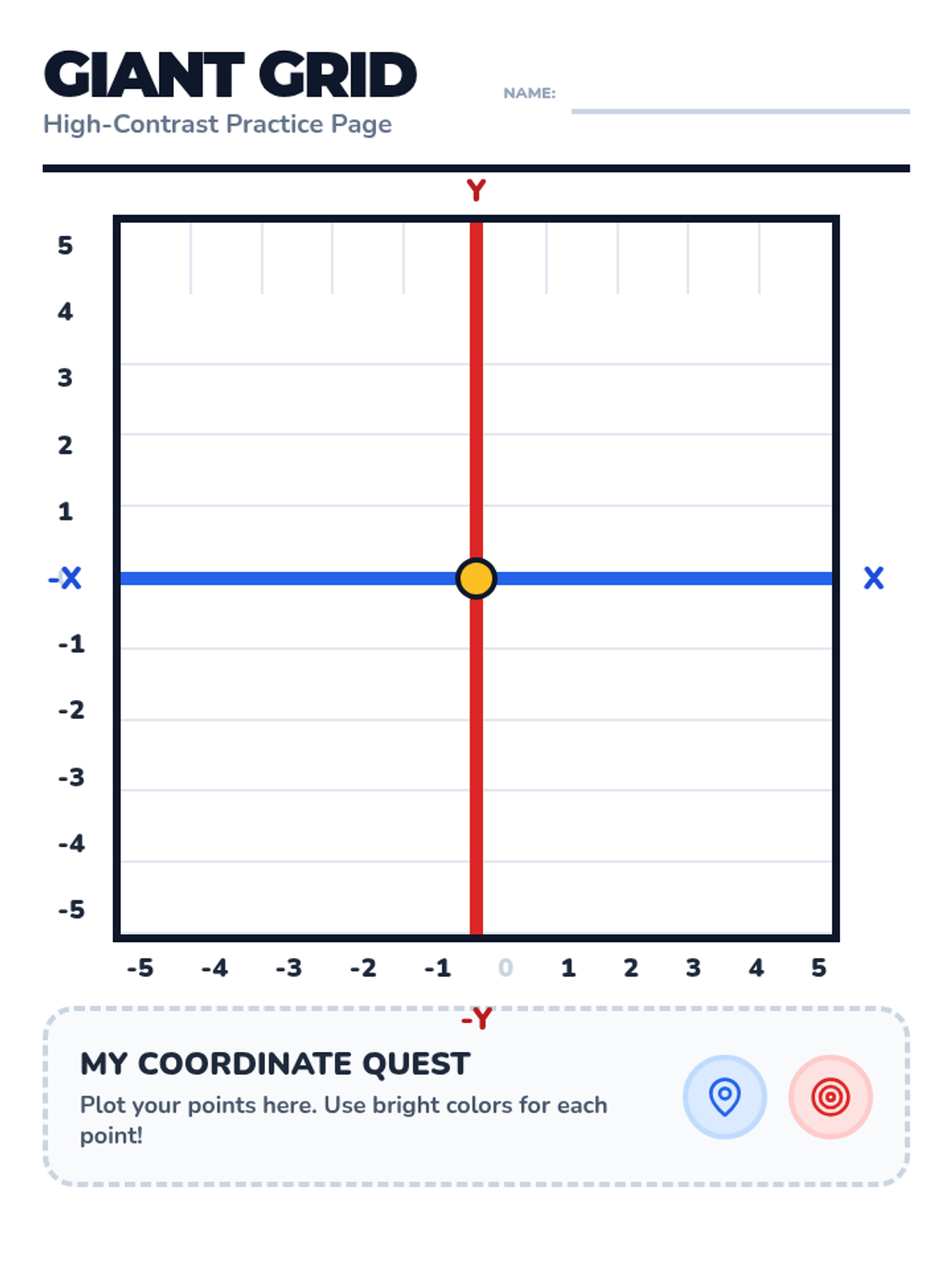
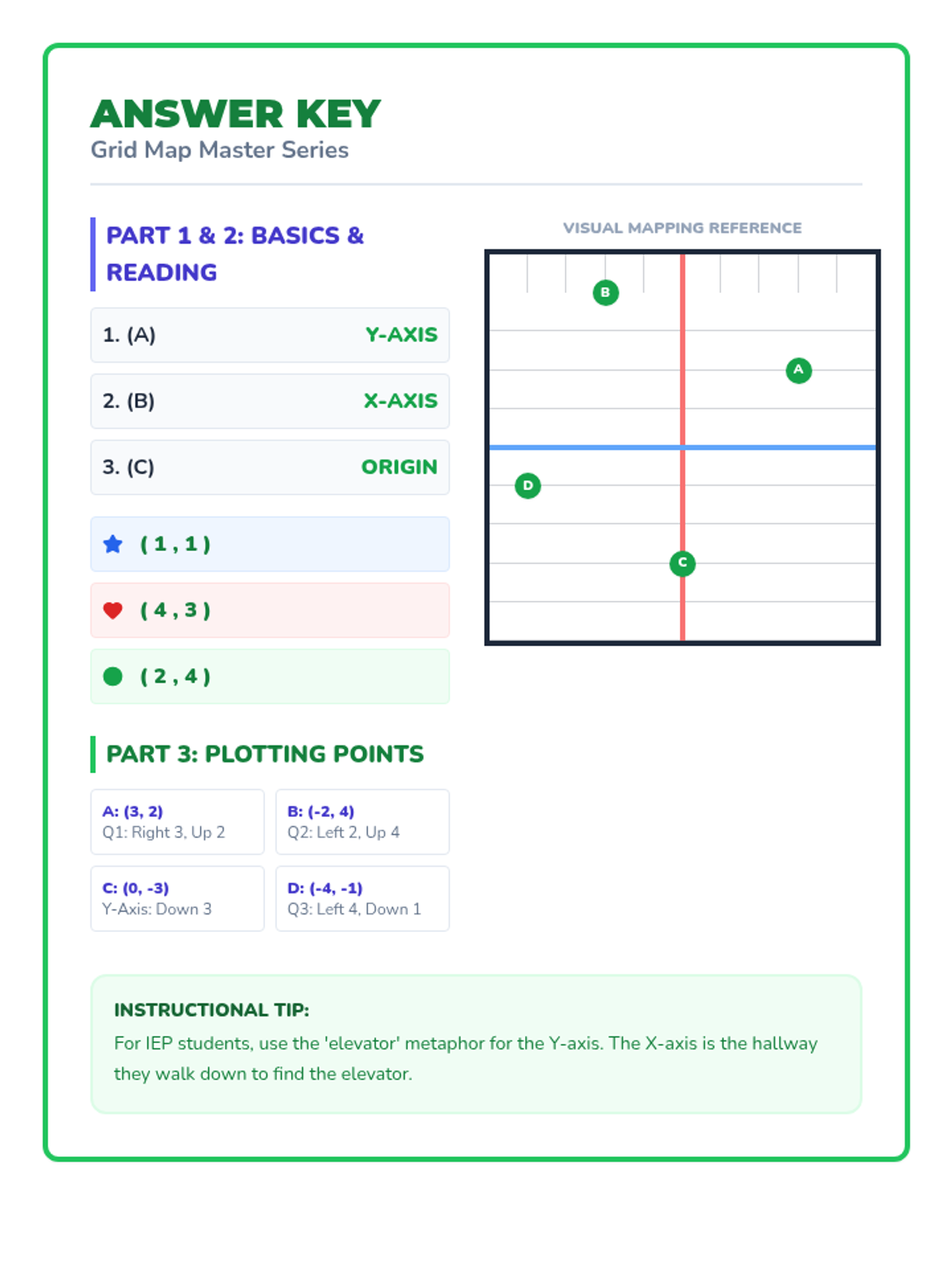
A modified lesson on the coordinate plane focusing on identifying axes, the origin, and plotting points in all four quadrants with visual scaffolding.
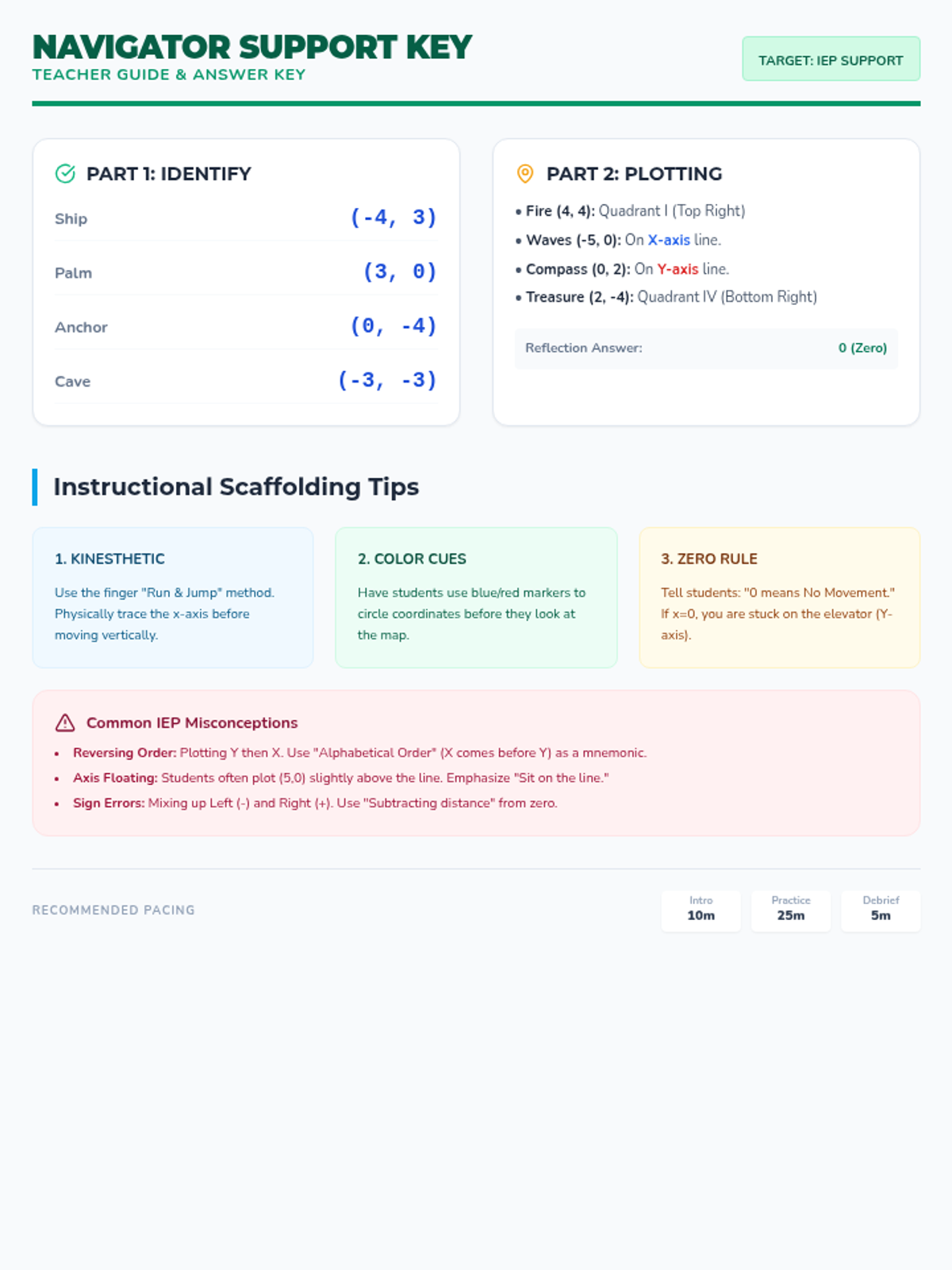
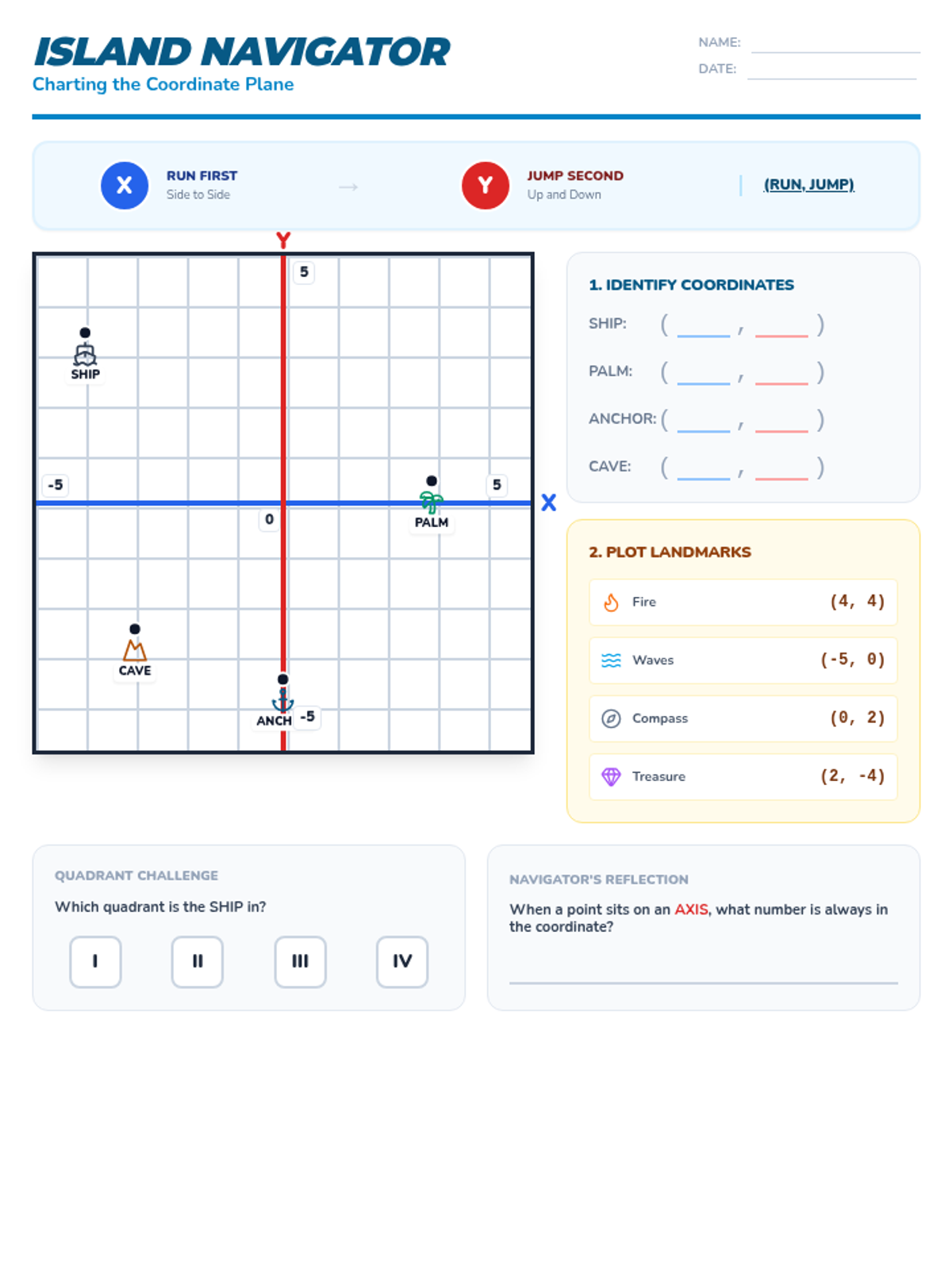
A specialized math lesson for plotting coordinates across all four quadrants and on the axes, designed with heavy scaffolding and visual cues for IEP support. Students will use an island map theme to practice identifying and plotting points.
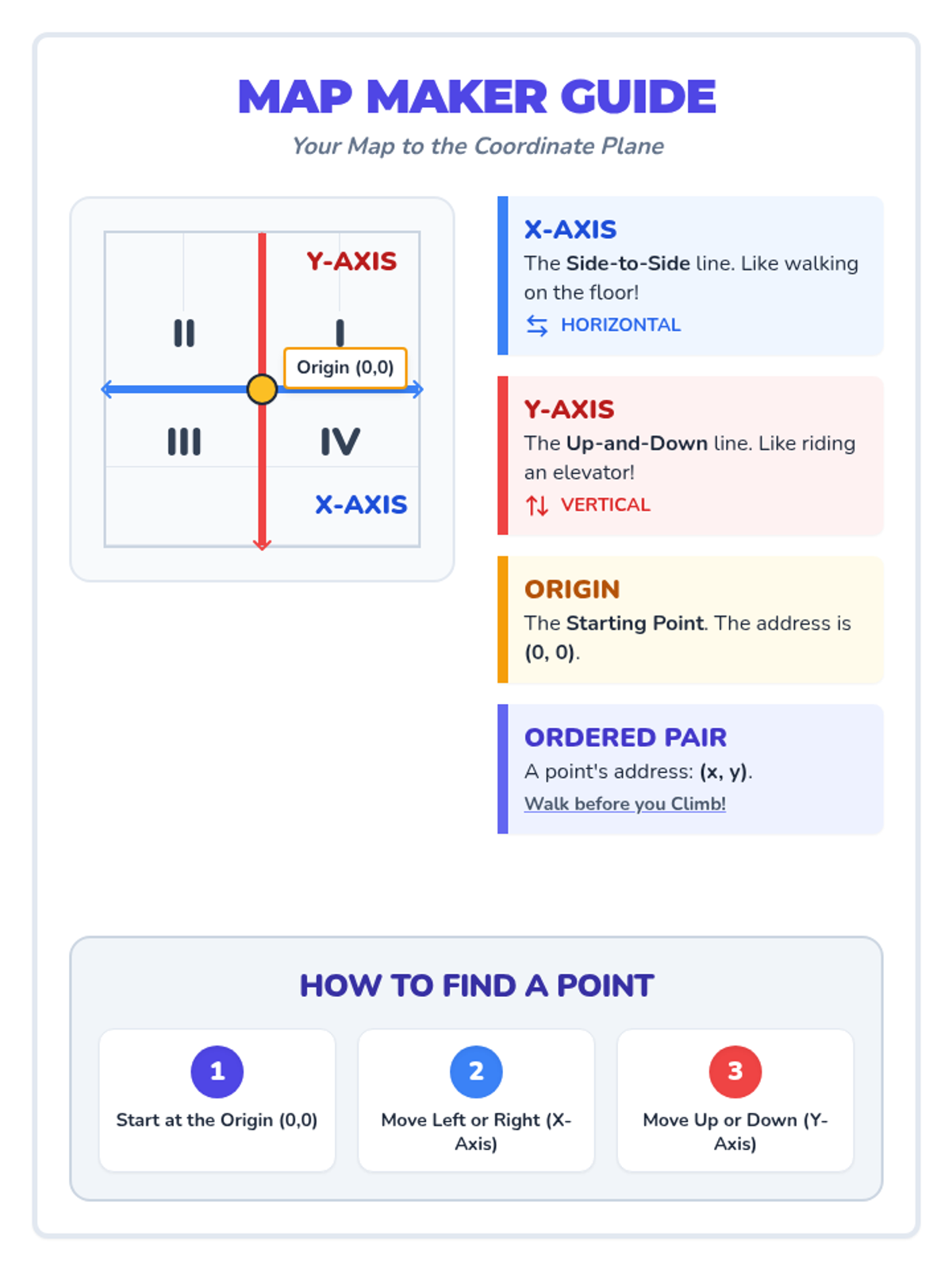
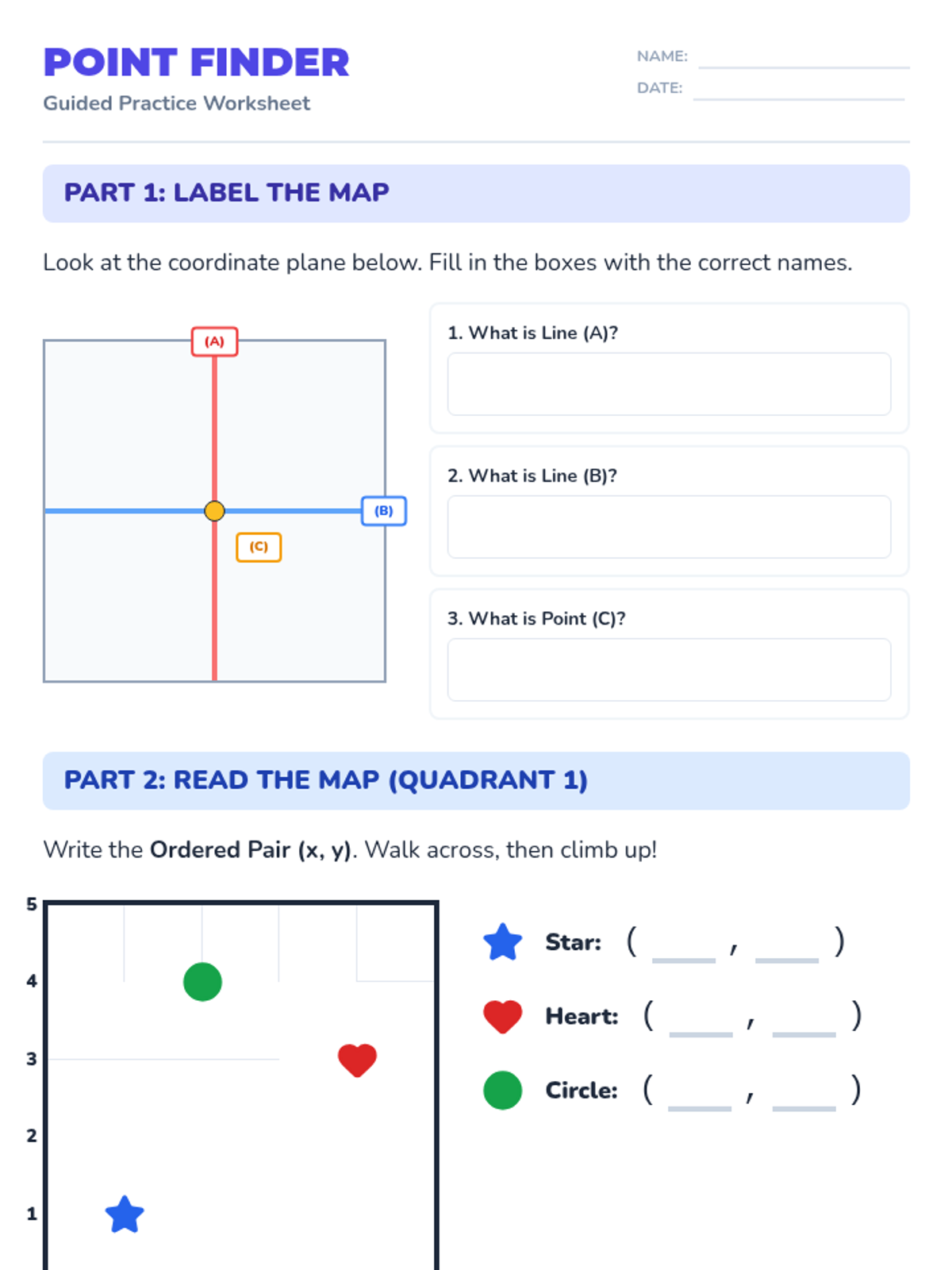
A foundational lesson on the coordinate plane designed for IEP students, focusing on vocabulary, quadrant identification, and step-by-step plotting and reading of points.
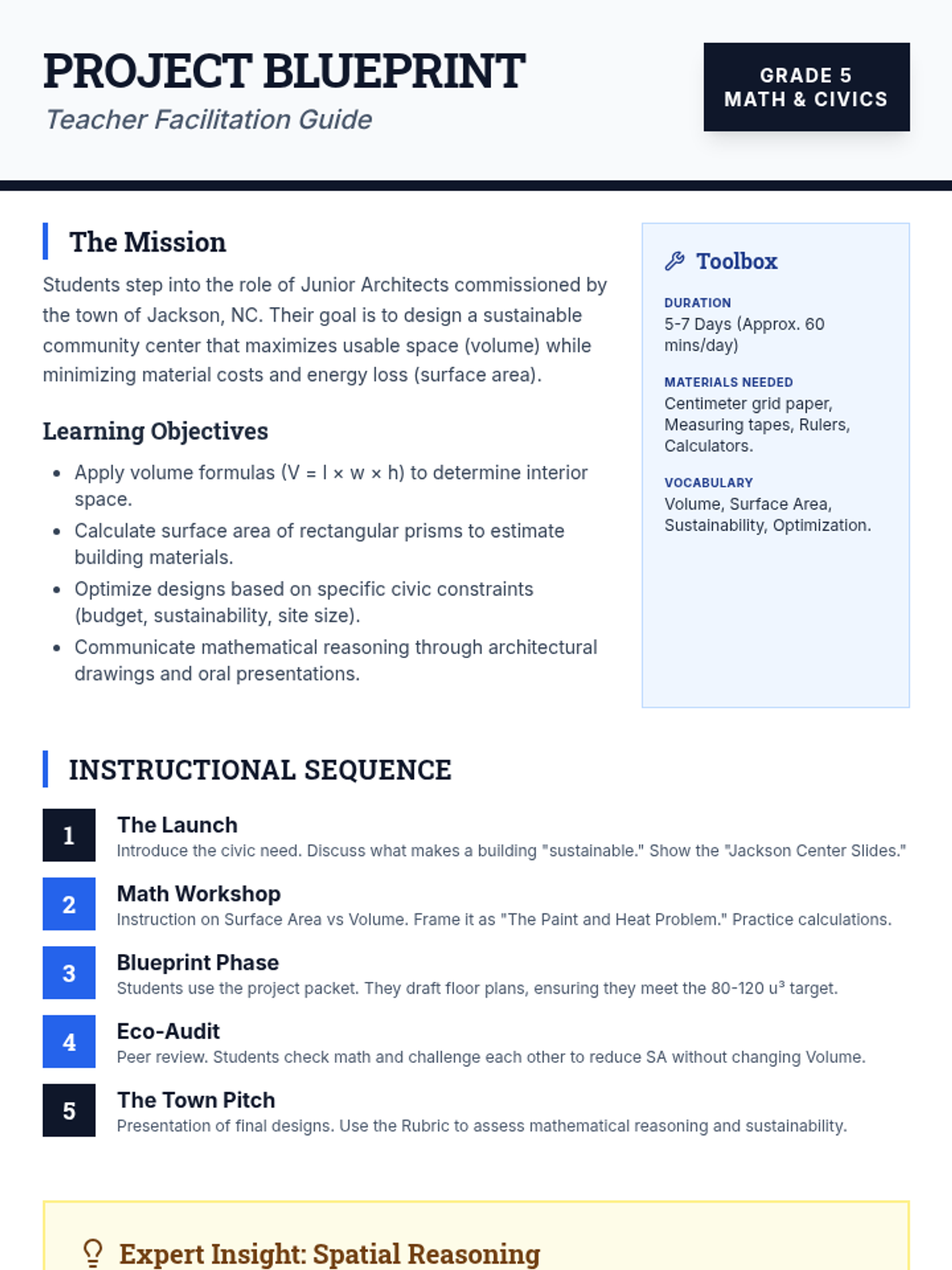
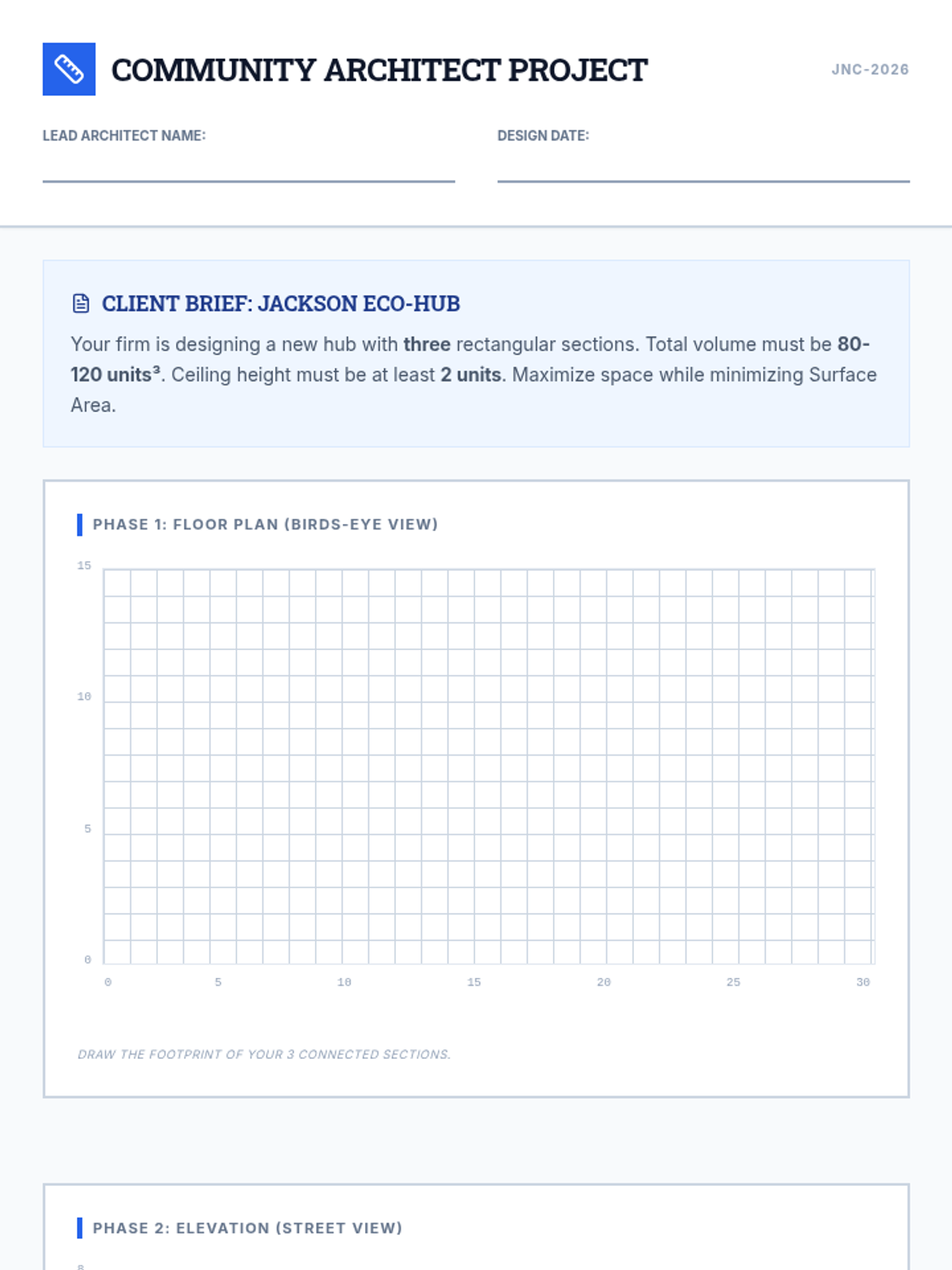
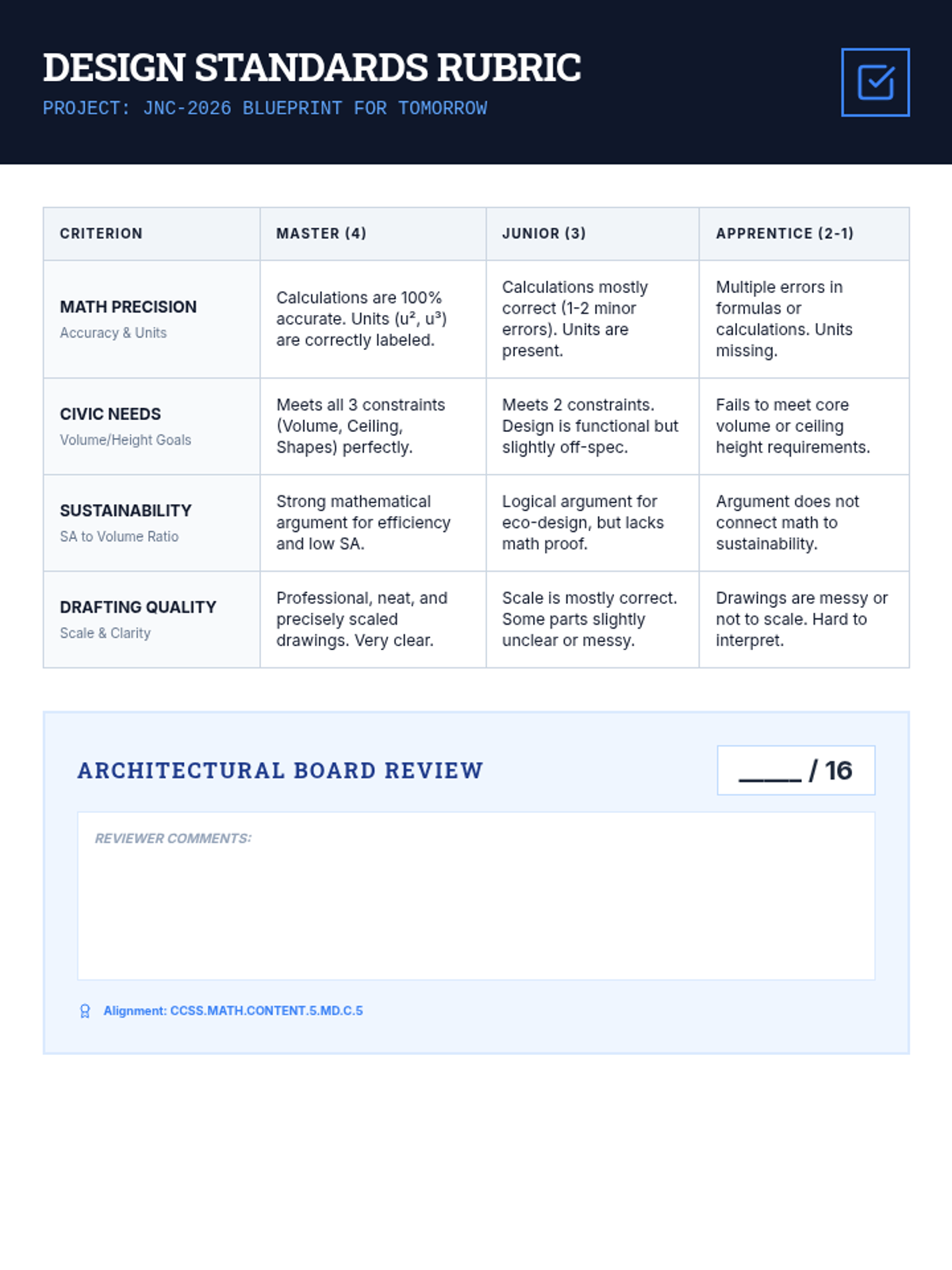
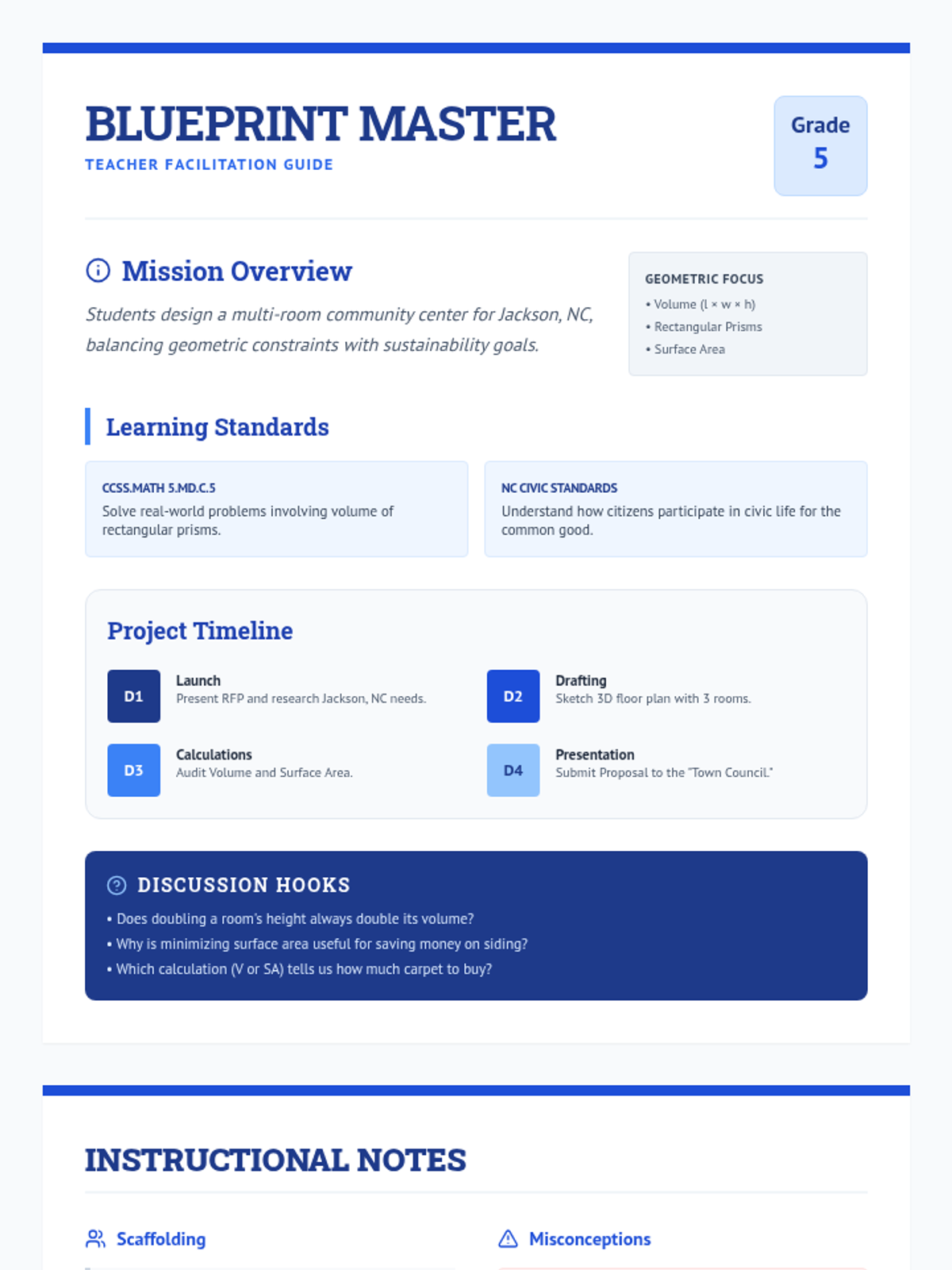
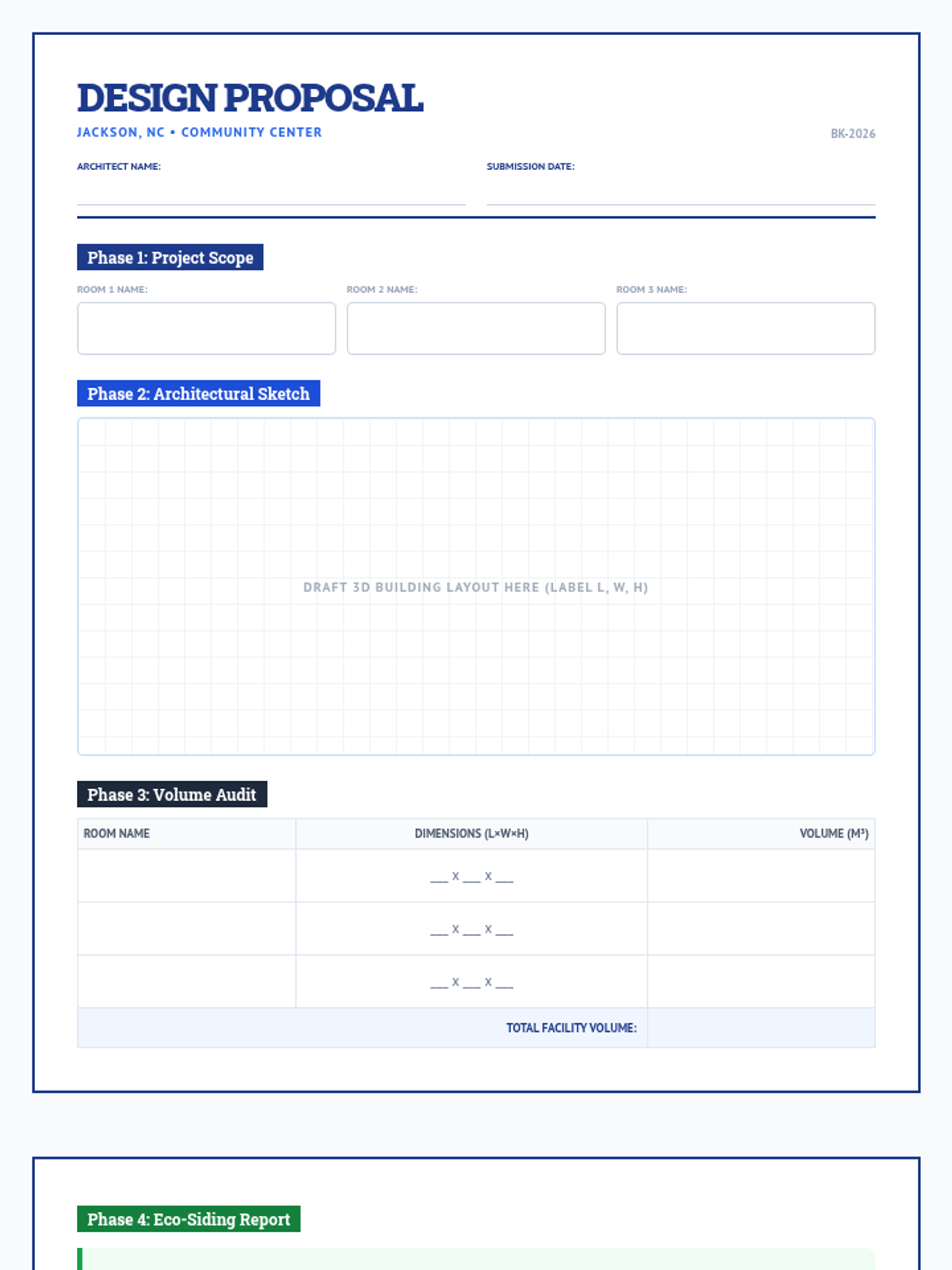
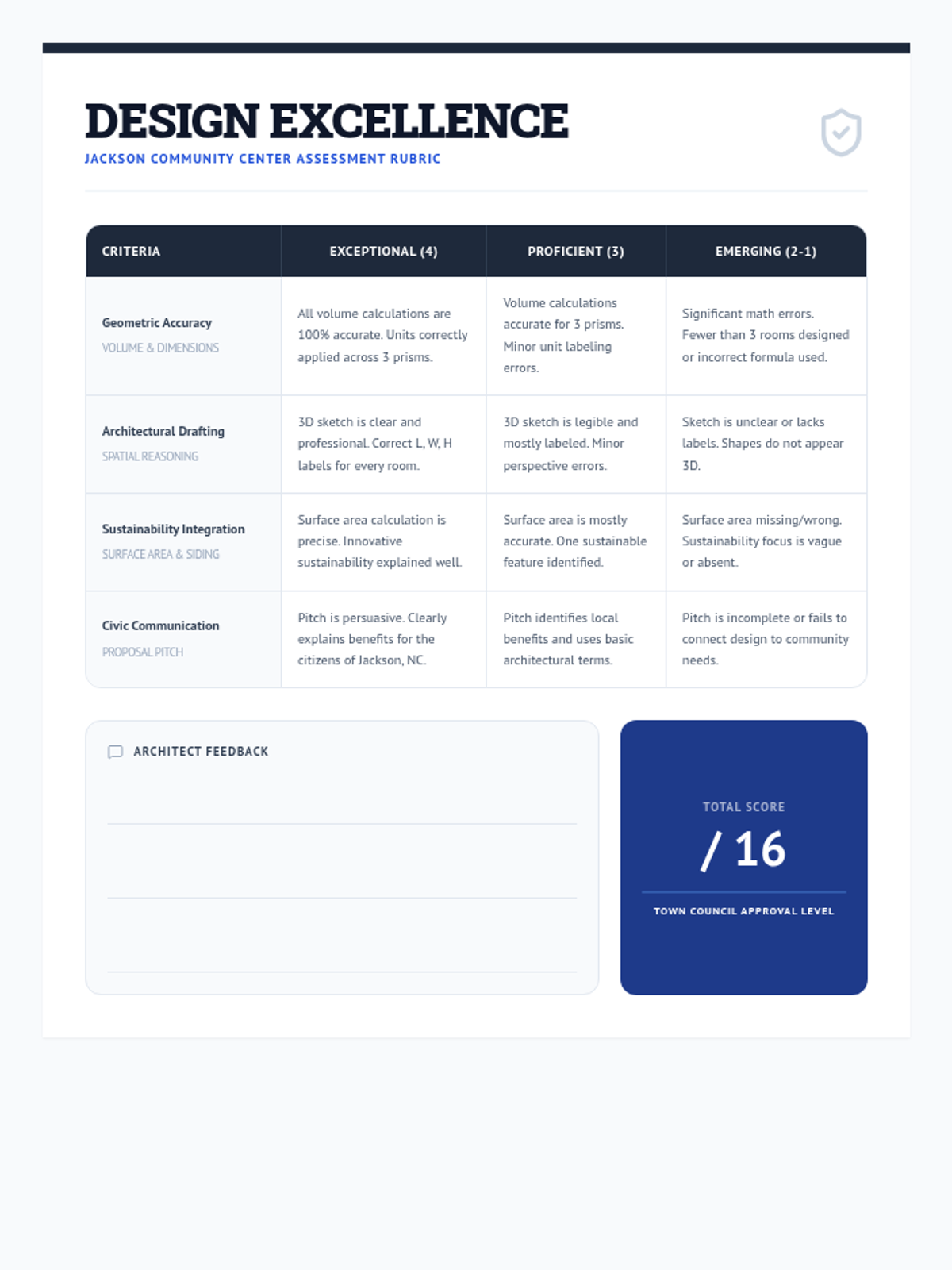
A project-based learning experience where 5th graders use volume and surface area to design a sustainable community center for Jackson, NC. Students bridge geometry with civic engineering through hands-on architectural design.
A project-based learning experience where 5th graders apply volume and surface area concepts to design a sustainable community center for Jackson, NC. Students bridge geometric standards with civic engineering and spatial reasoning through architectural drafting and calculation.
A foundational lesson on measurement, specifically focusing on inches and half-inches, translated into Japanese. Students learn to partition rulers and record data.
A comprehensive introduction to measurement, focusing on length, using inches and halves of an inch. Students learn to use rulers, collect data, and represent it on line plots while developing precision in their measurements.
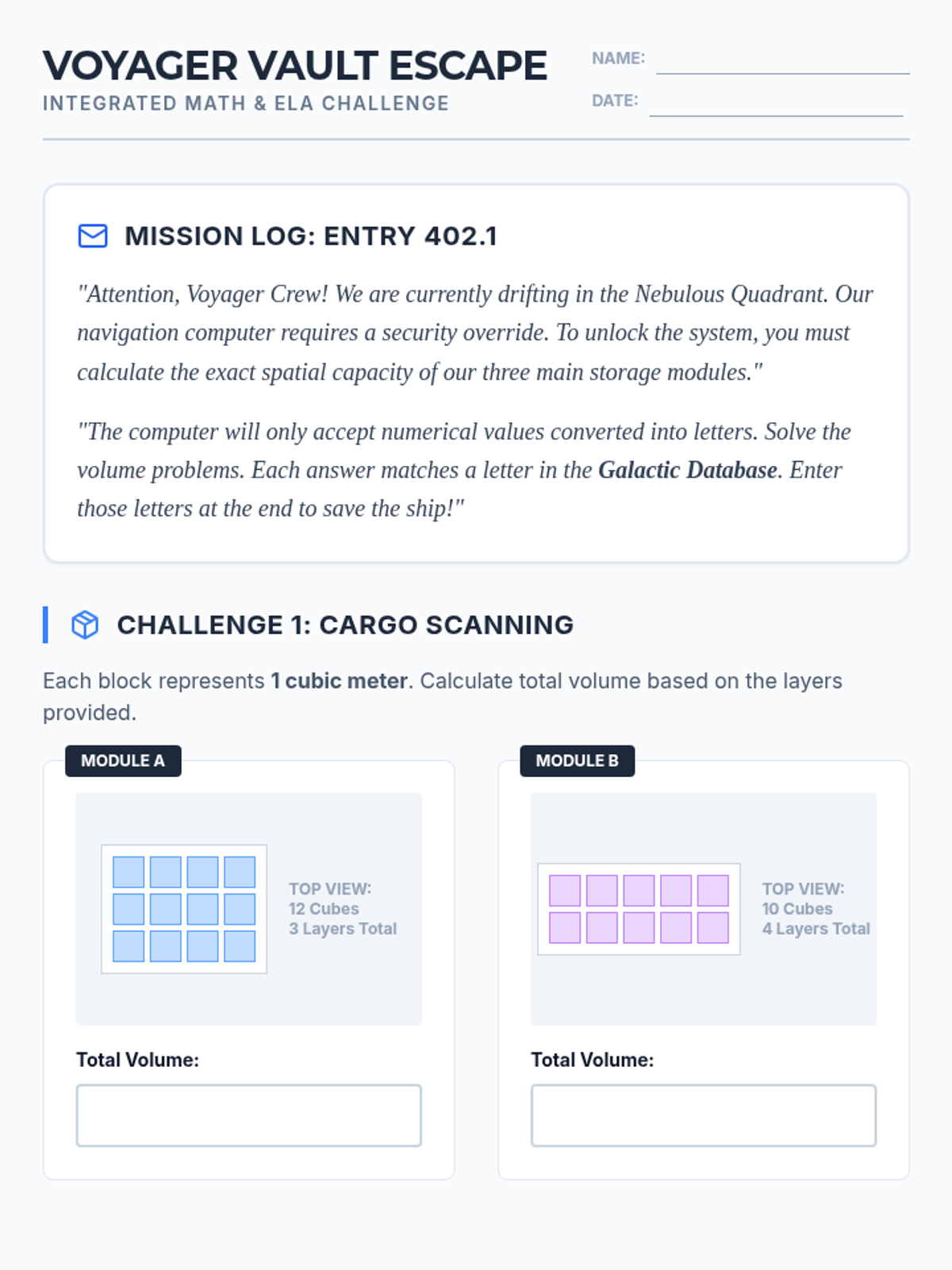
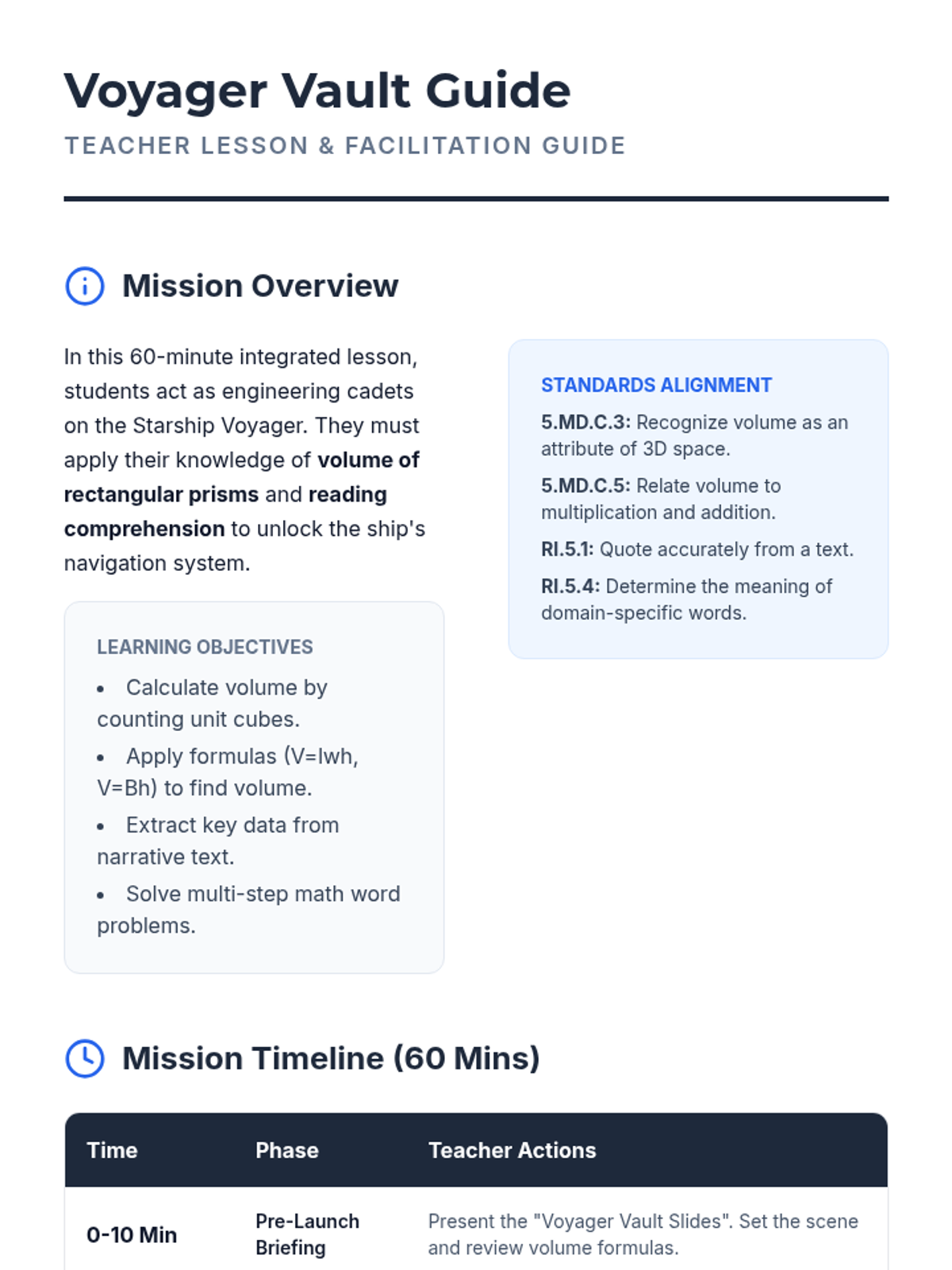
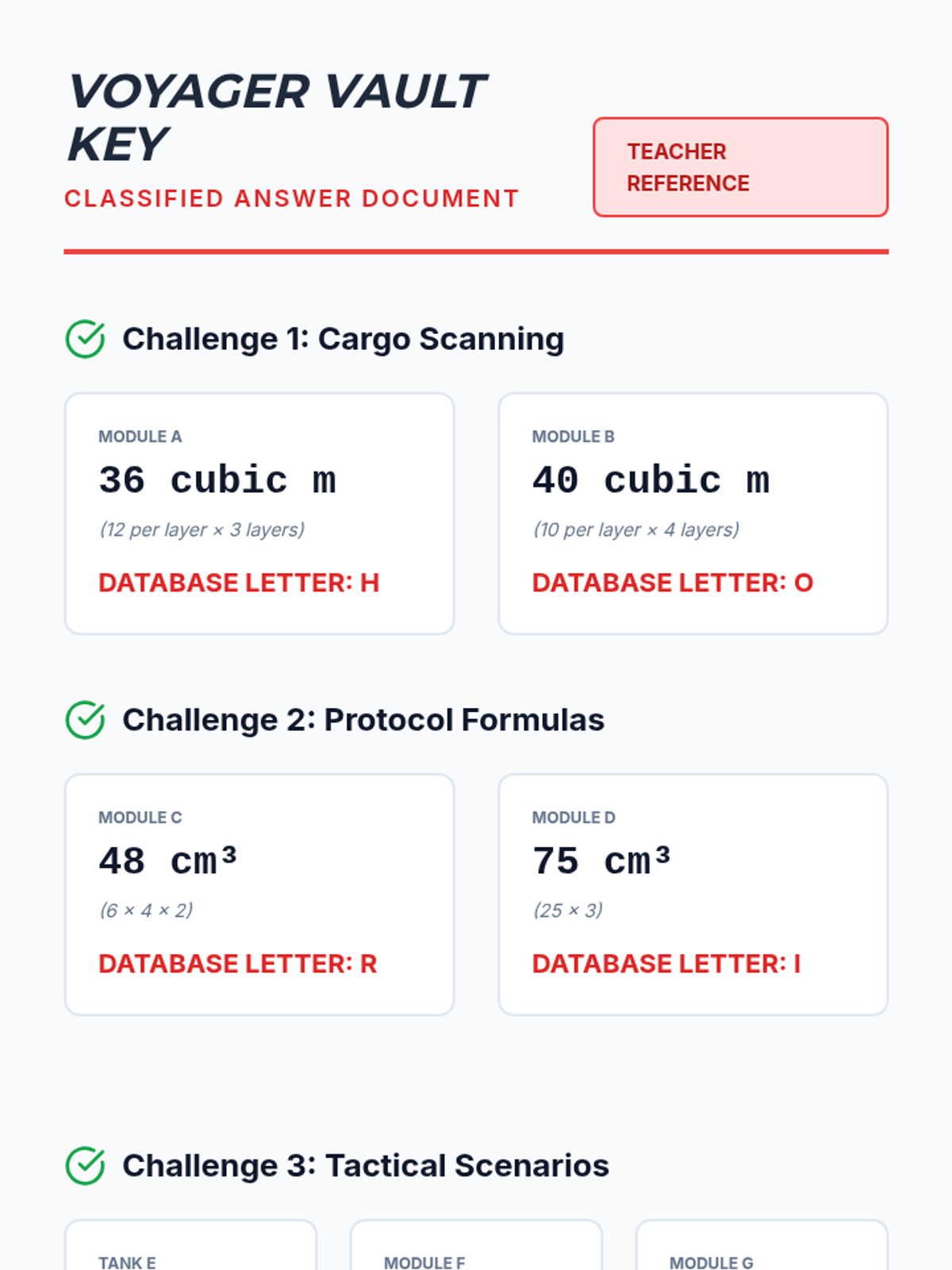
A 5th-grade integrated lesson where students solve volume-based math challenges within a space-themed narrative to unlock a starship's navigation system. Students apply math formulas and reading comprehension skills to crack the code and save the mission.
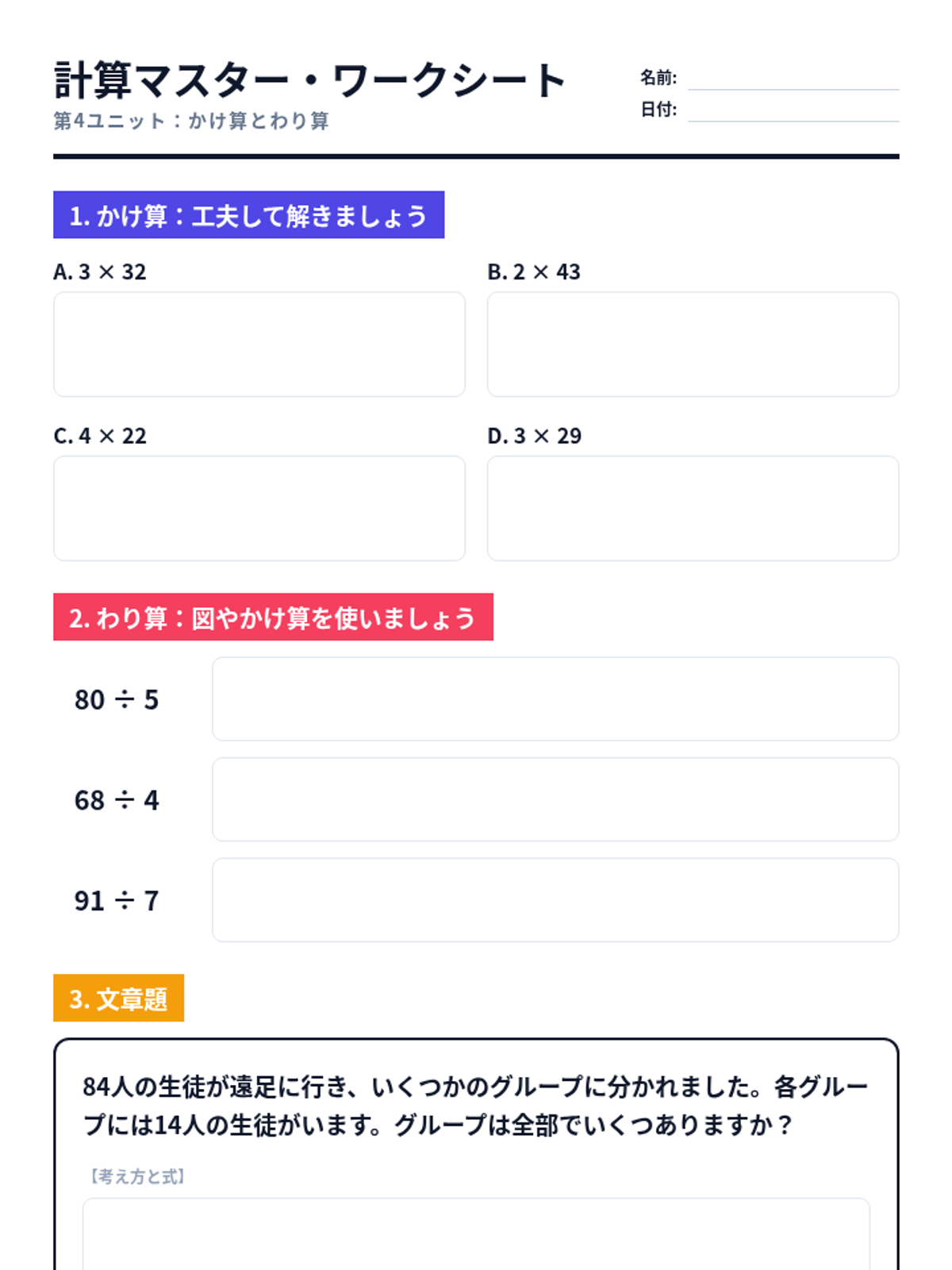
A lesson focusing on strategies for multiplying numbers greater than 20 and exploring various methods for division, including visual representations and mental math strategies, all presented in Japanese.