Emotion recognition ranging from basic feelings to complex nuances and mixed states. Strengthens accurate self-assessment through identity exploration, strength identification, and values-based decision making.
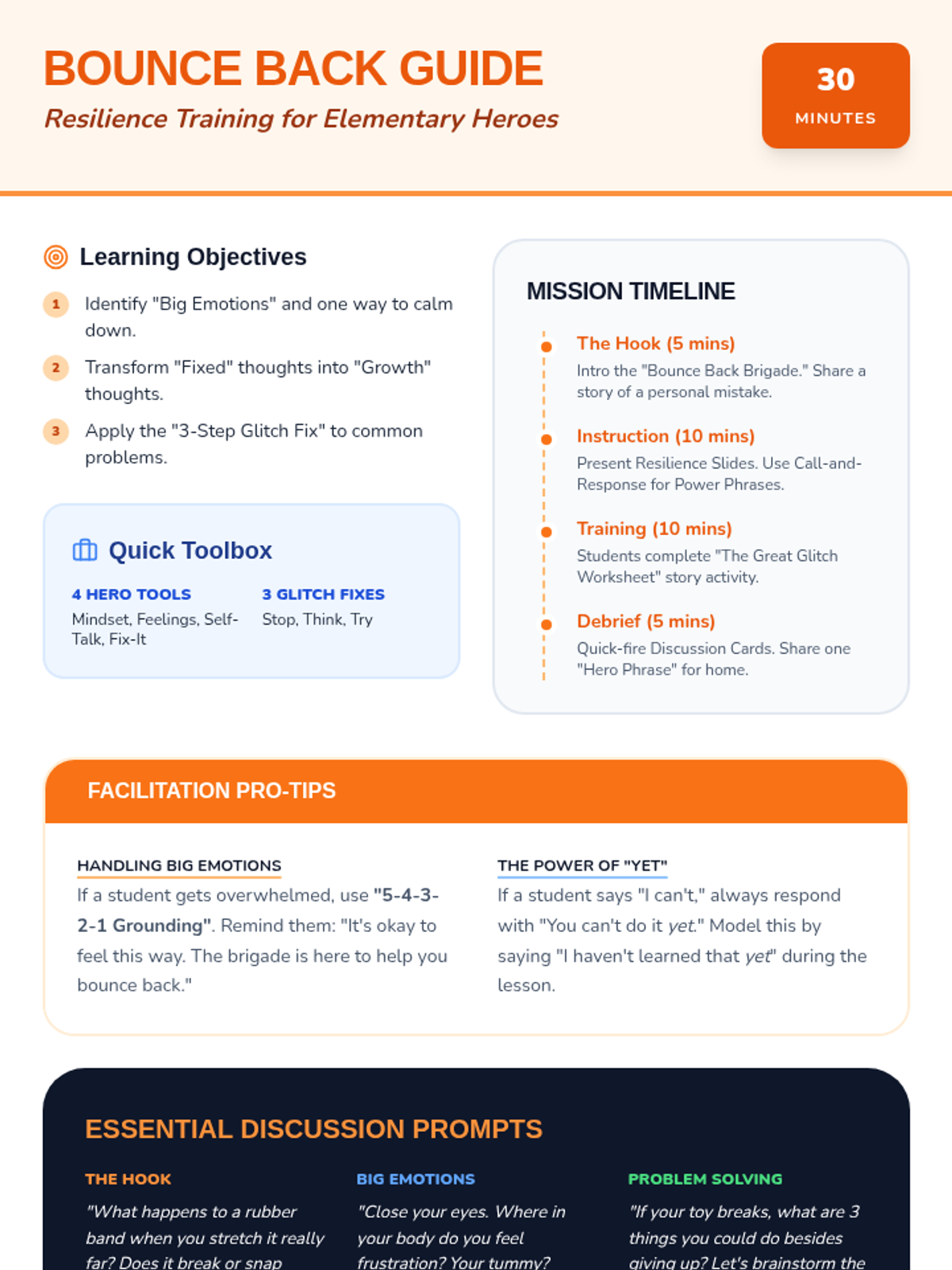
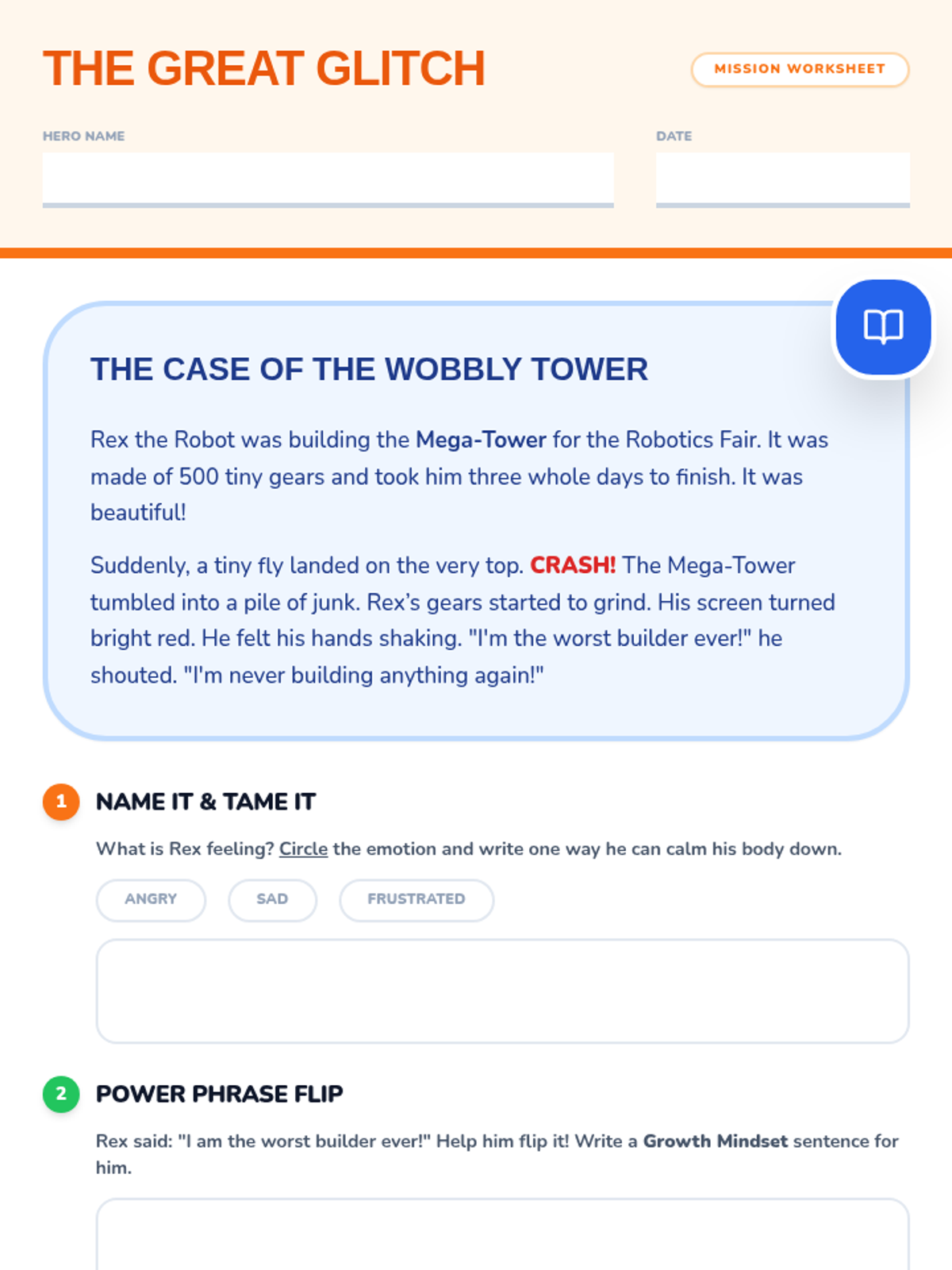
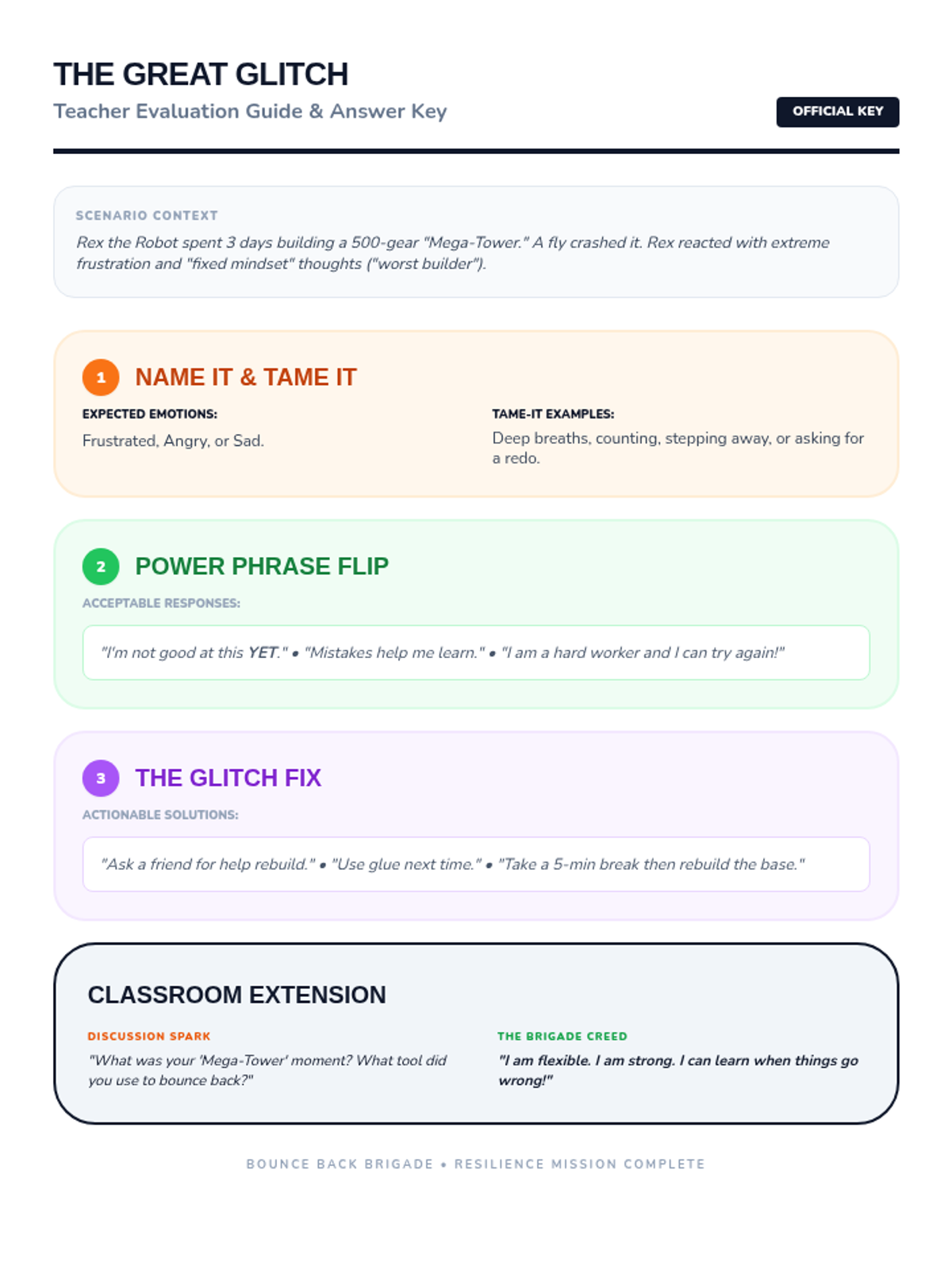
A fast-paced, high-energy 30-minute lesson designed to teach elementary students the fundamentals of resilience through the 'Bounce Back Brigade' framework. Students learn to navigate big emotions, use positive self-talk, adopt a growth mindset, and solve problems through interactive slides and story-based activities.
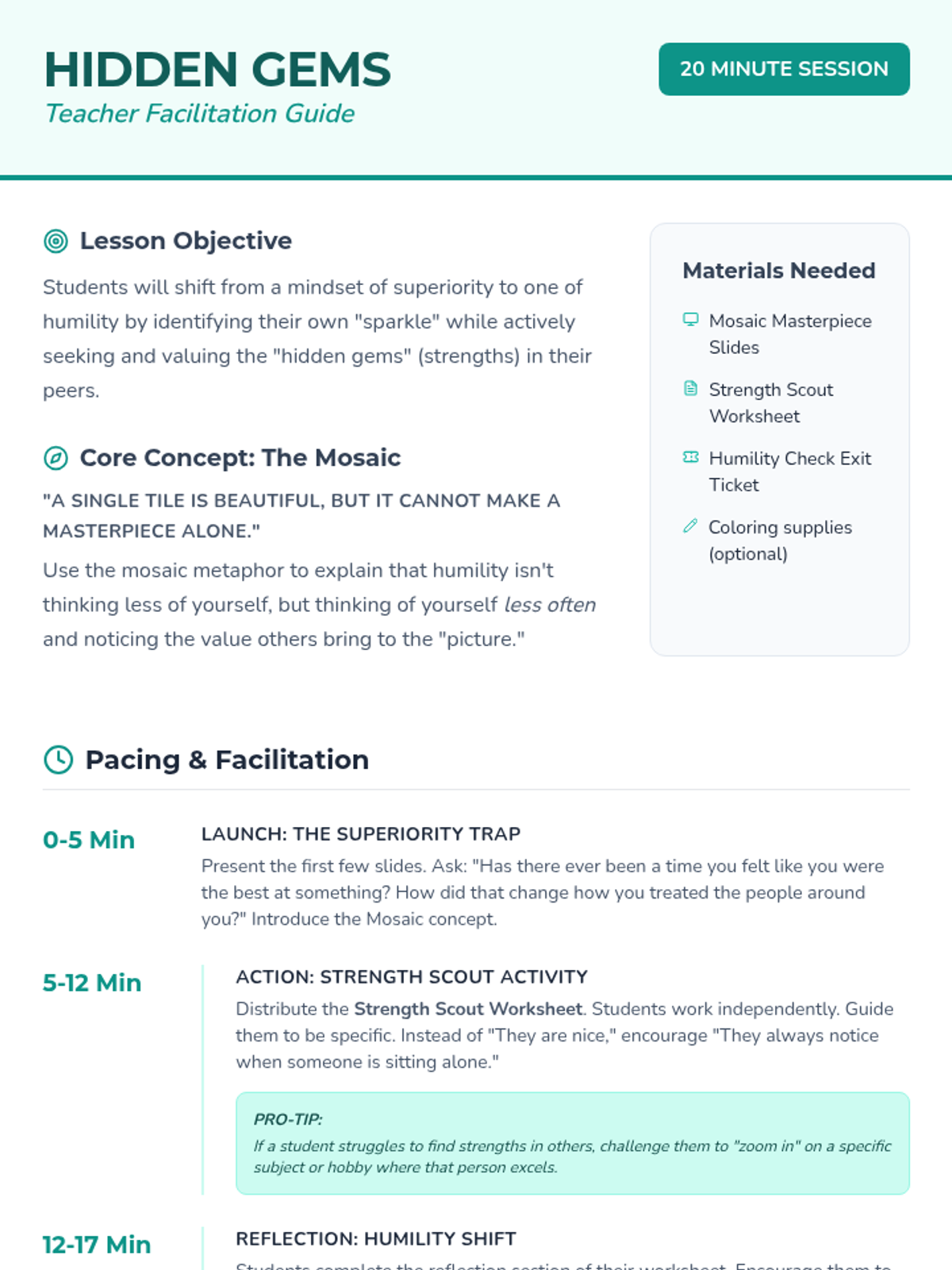
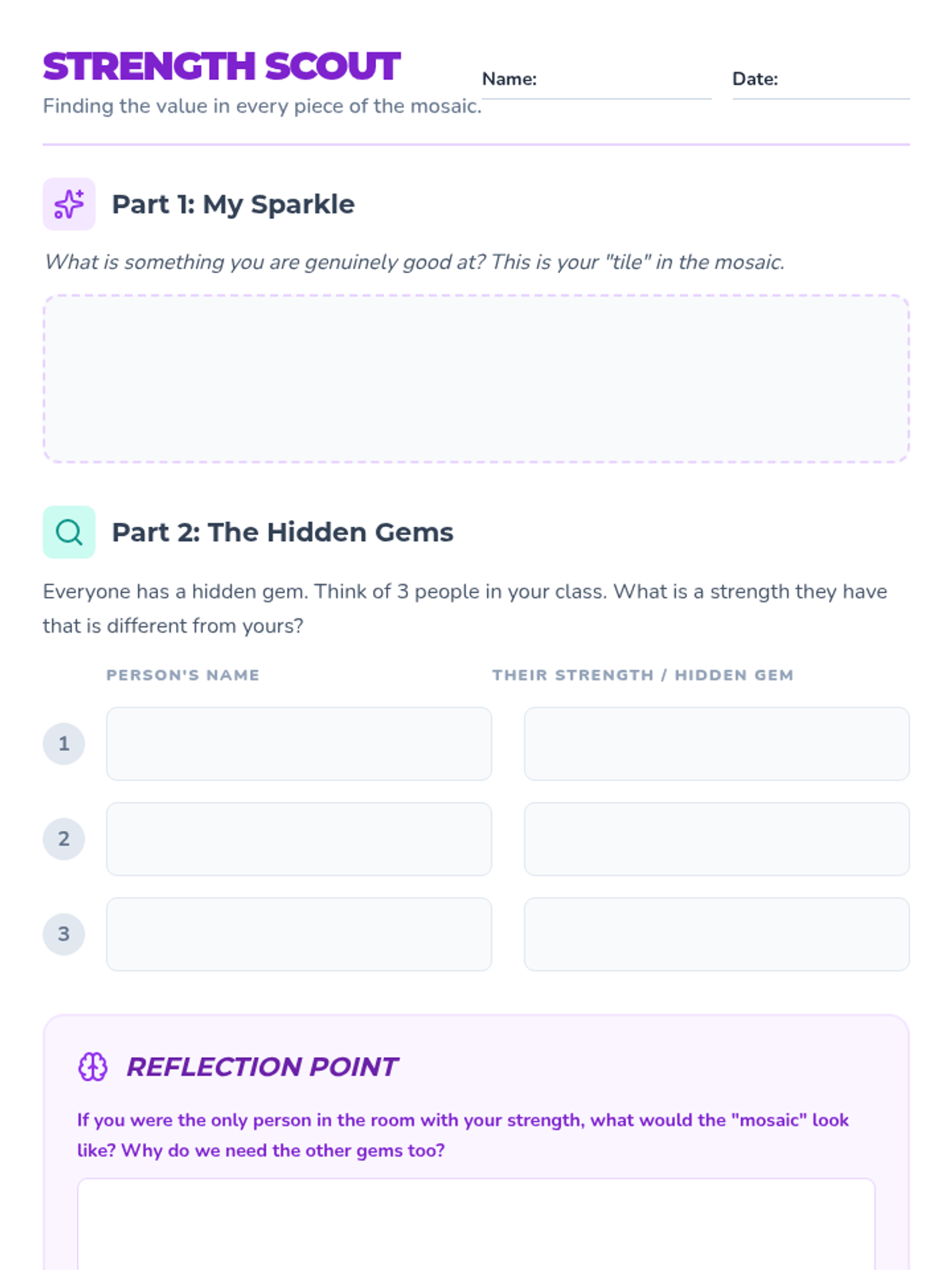
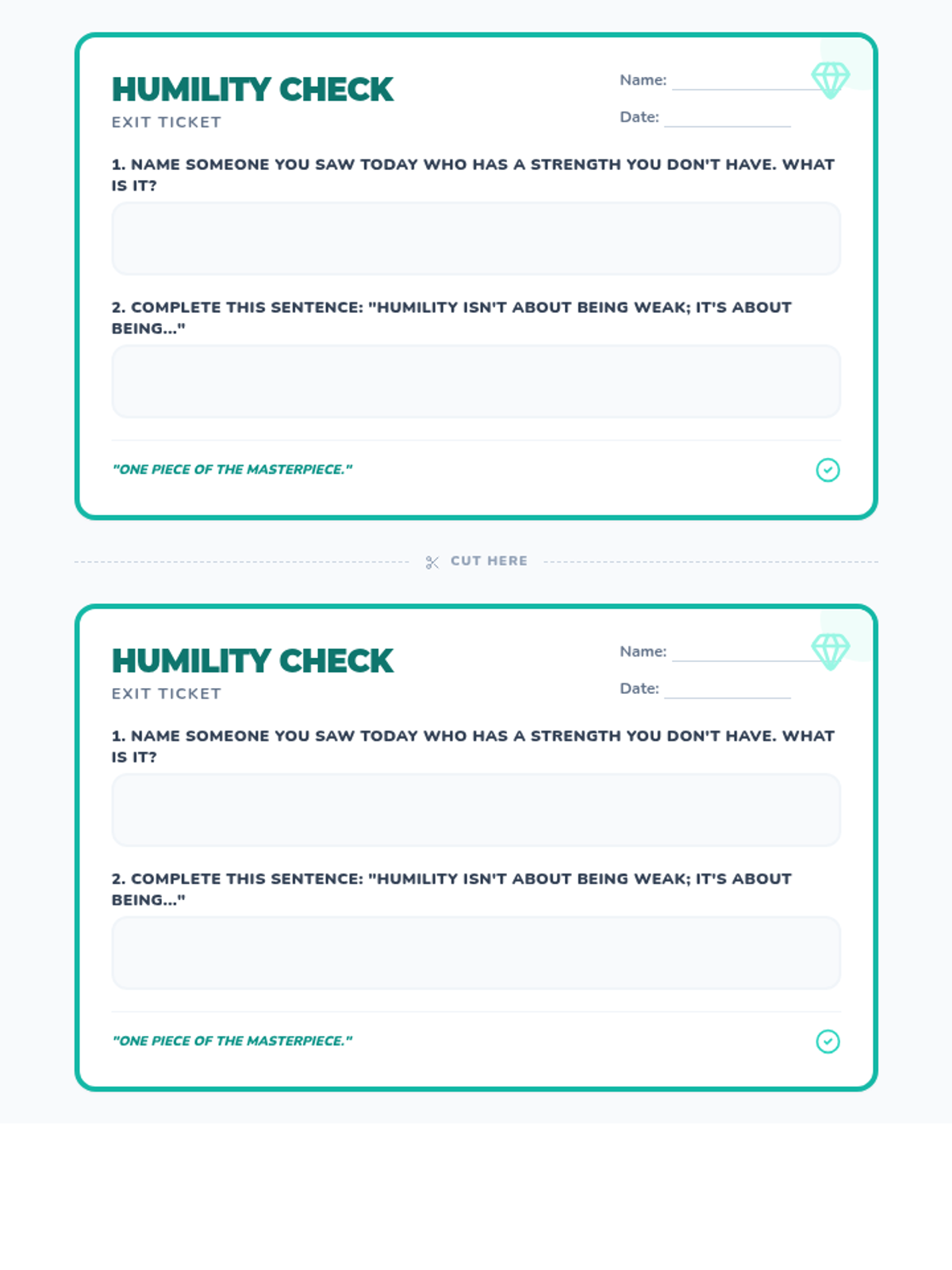
A 20-minute lesson focused on humility and valuing the unique strengths of others, using the metaphor of a mosaic to show that every individual is a vital piece of a larger whole.
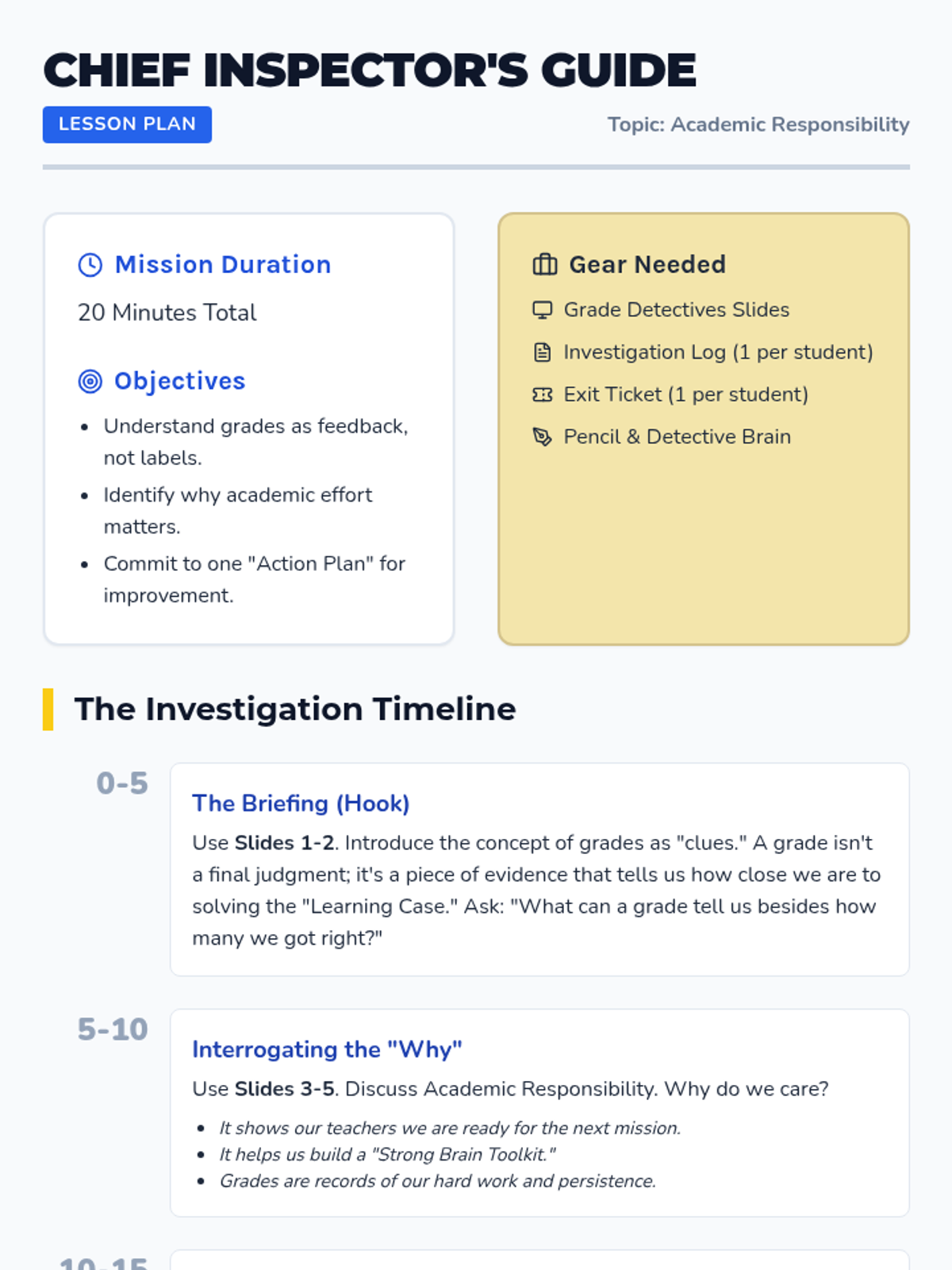
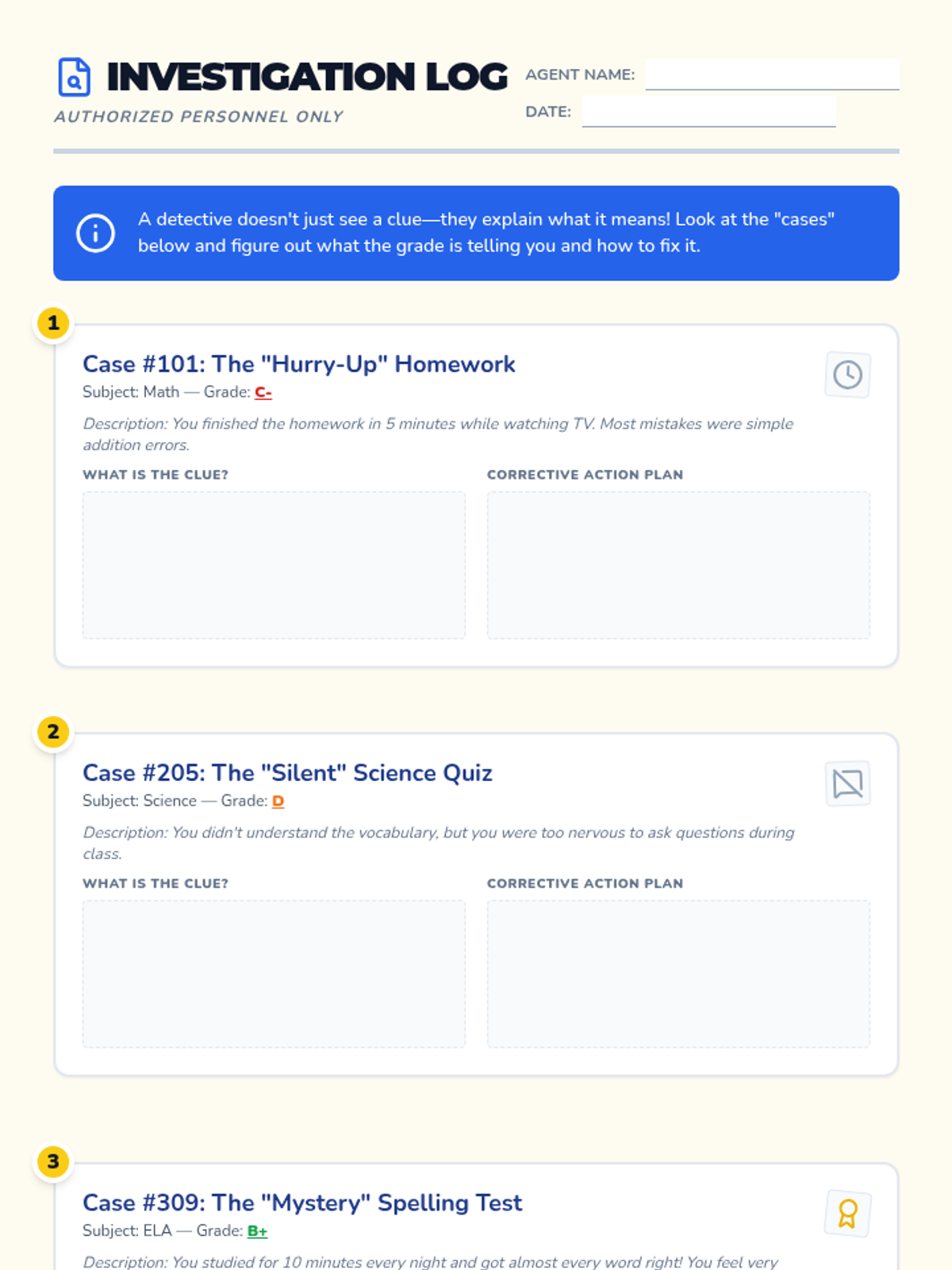
A 20-minute lesson using a detective theme to teach elementary students about the importance of grades as feedback and the value of academic responsibility.
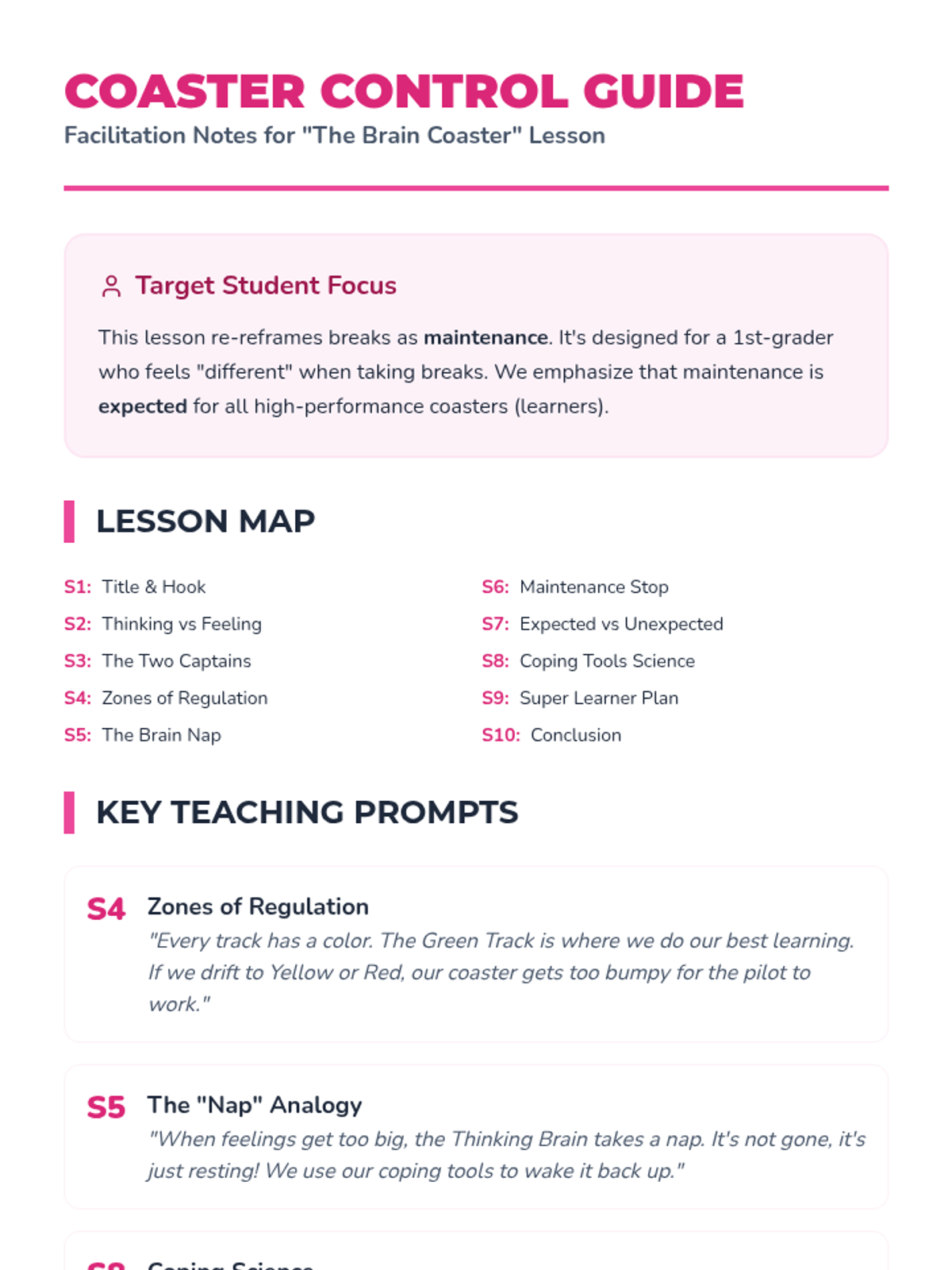
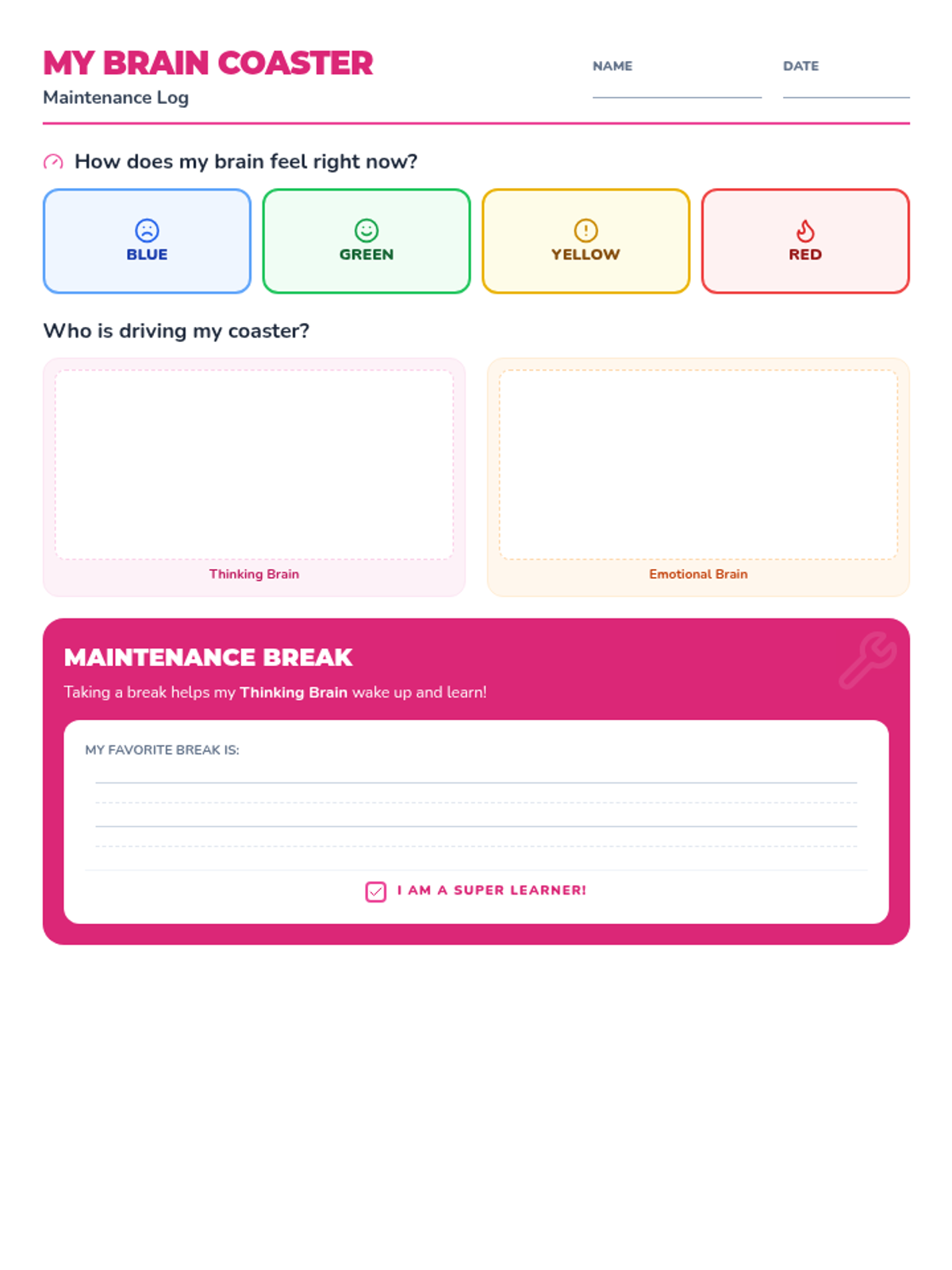
A social-emotional learning lesson designed for a 1st-grade student with autism, using a rollercoaster theme and Social Thinking language to explain the science of brain regulation and the value of breaks.
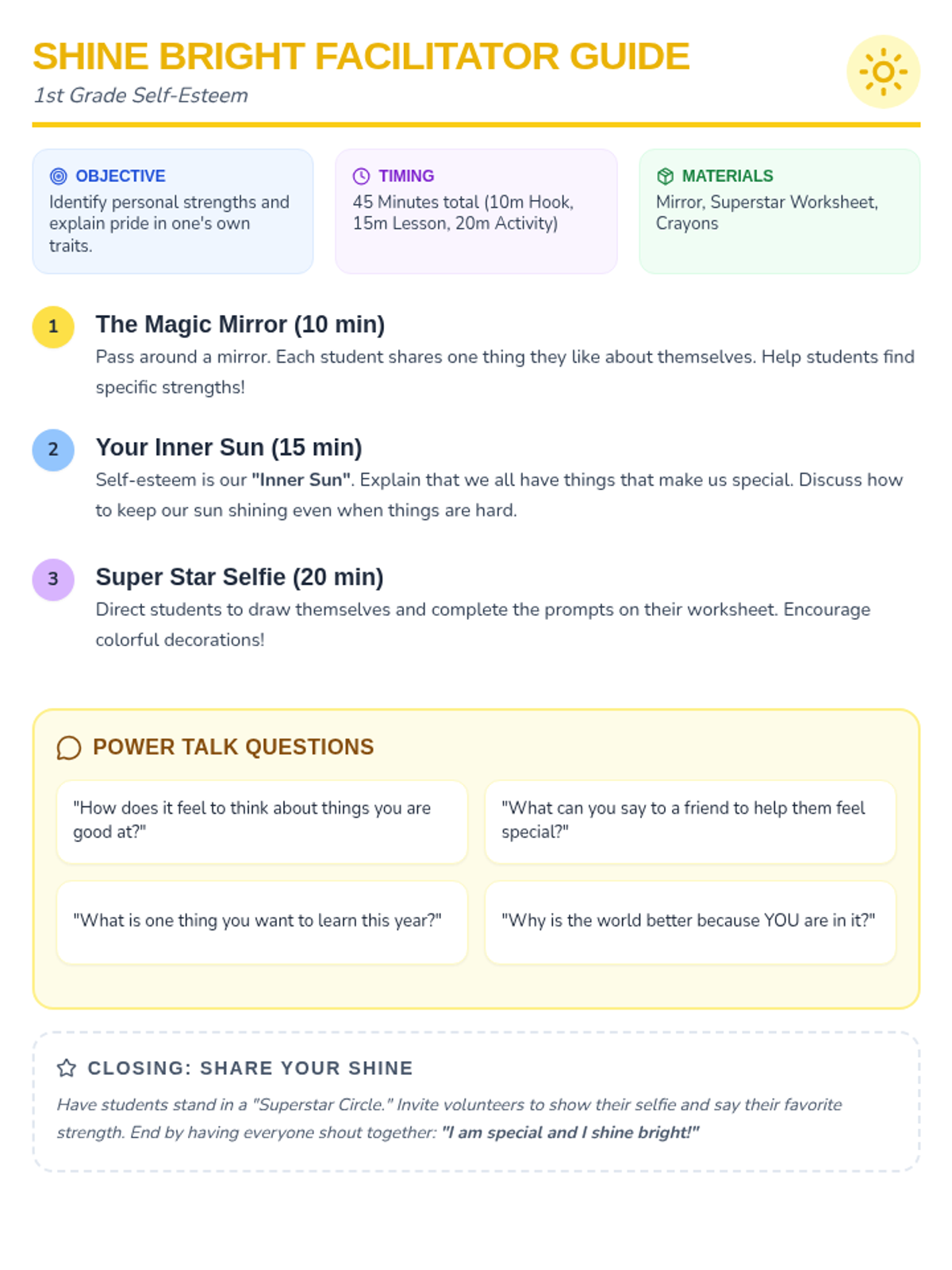
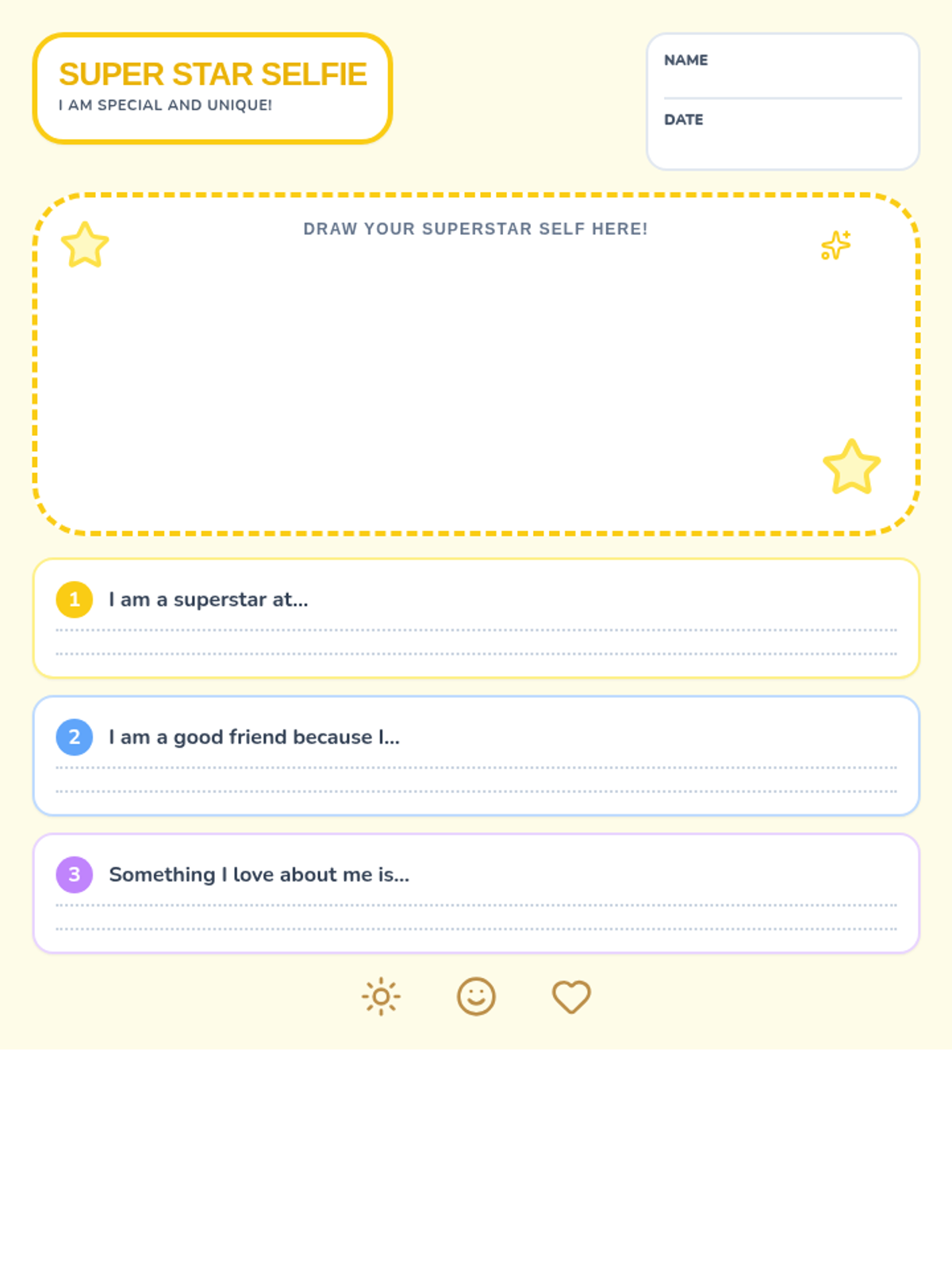
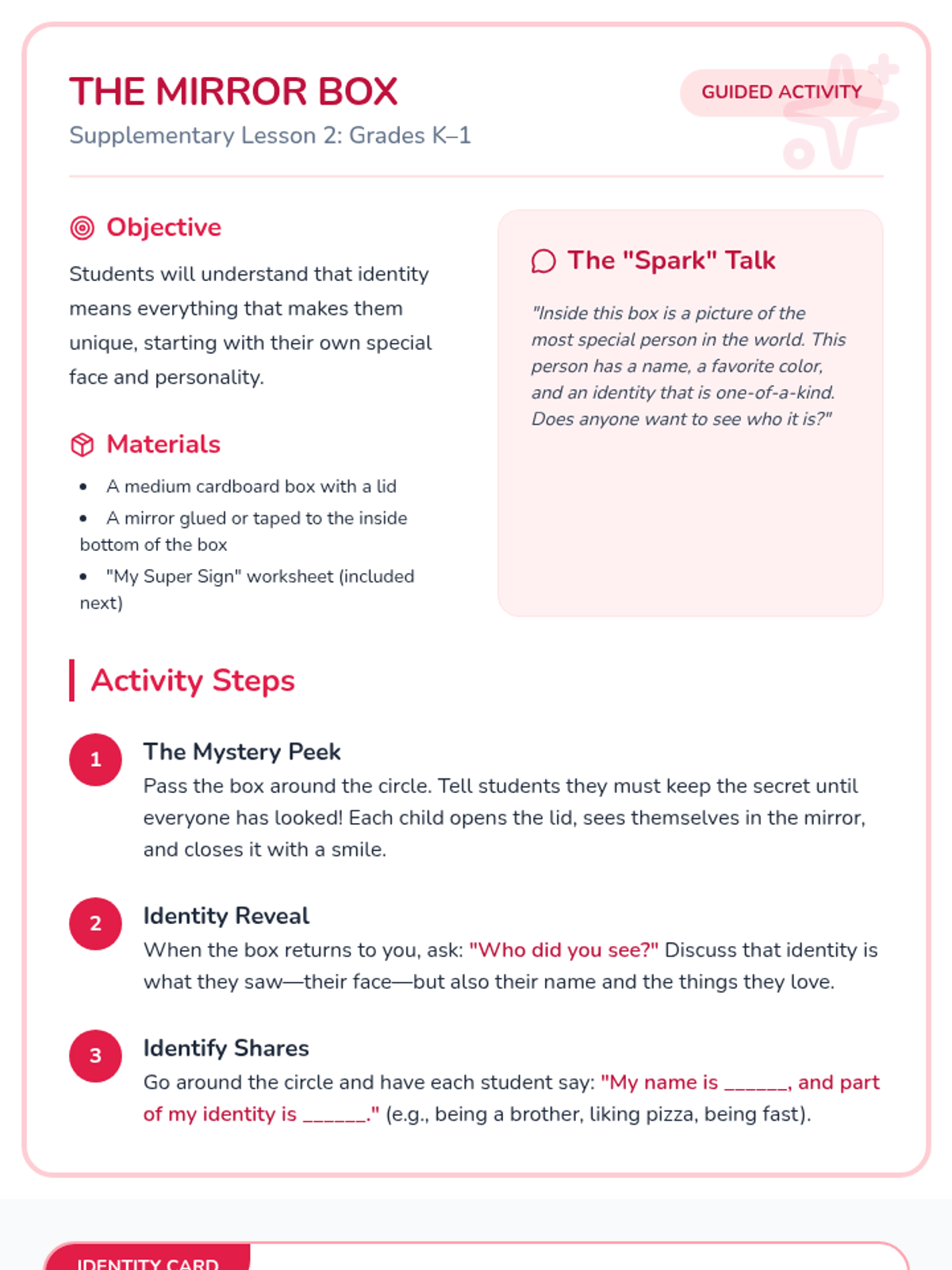
A foundational lesson for 1st graders to identify their unique strengths and build a positive self-image through reflection and creative expression.
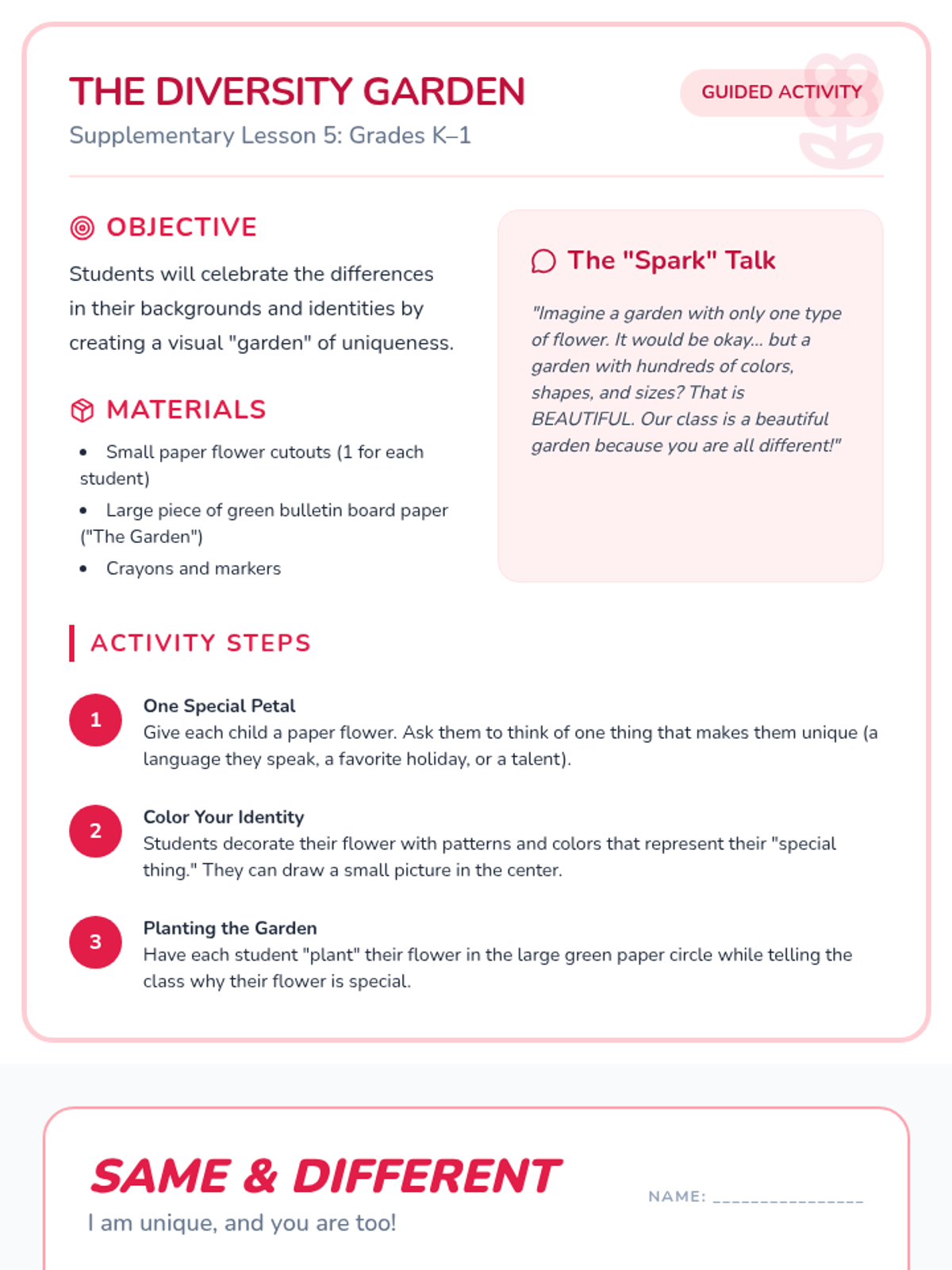
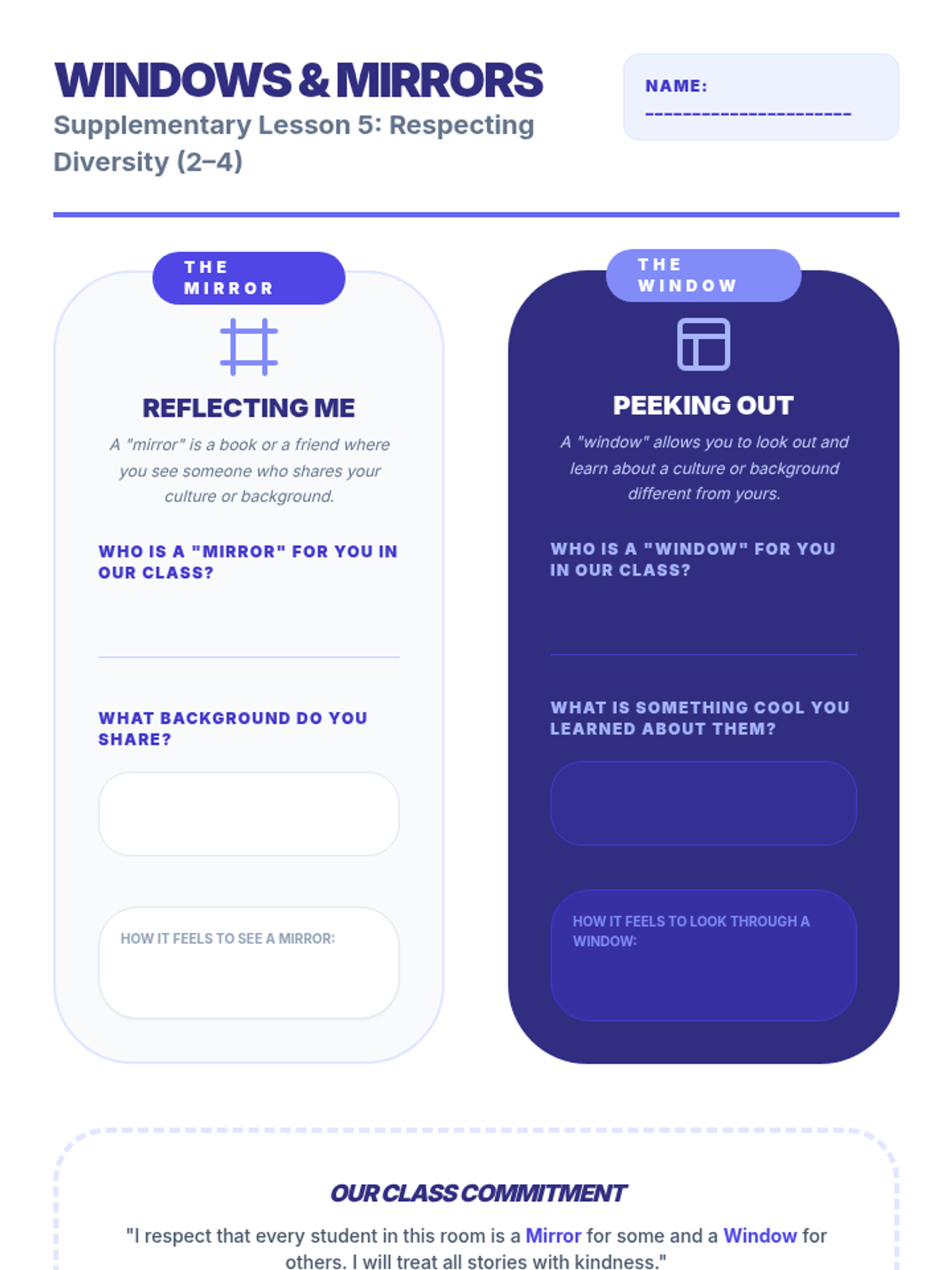
A lesson focused on recognizing and valuing the diverse backgrounds and experiences of classmates to build a more respectful community.
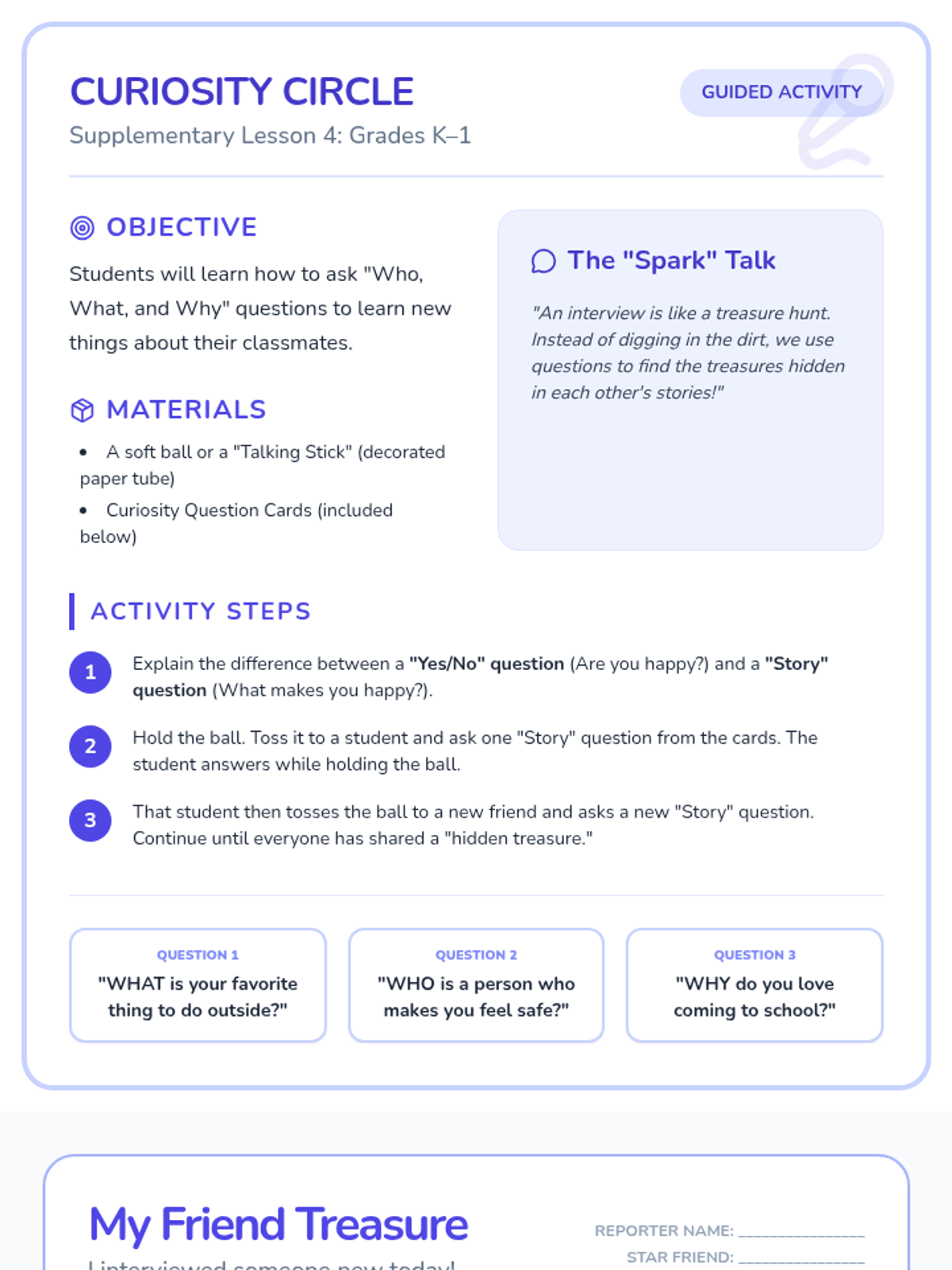
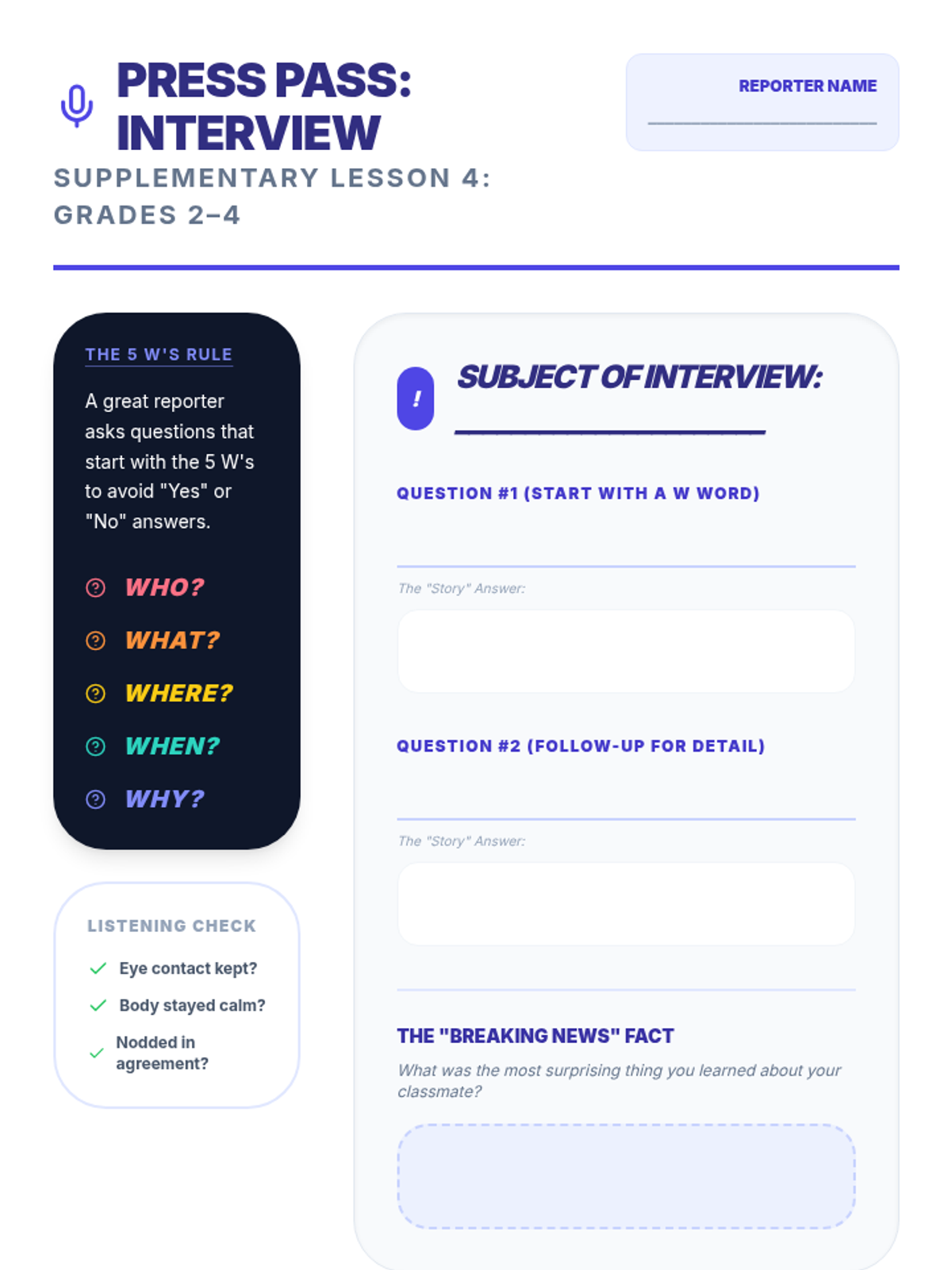
A skill-building lesson on how to ask open-ended questions and listen actively to learn about others in the community.
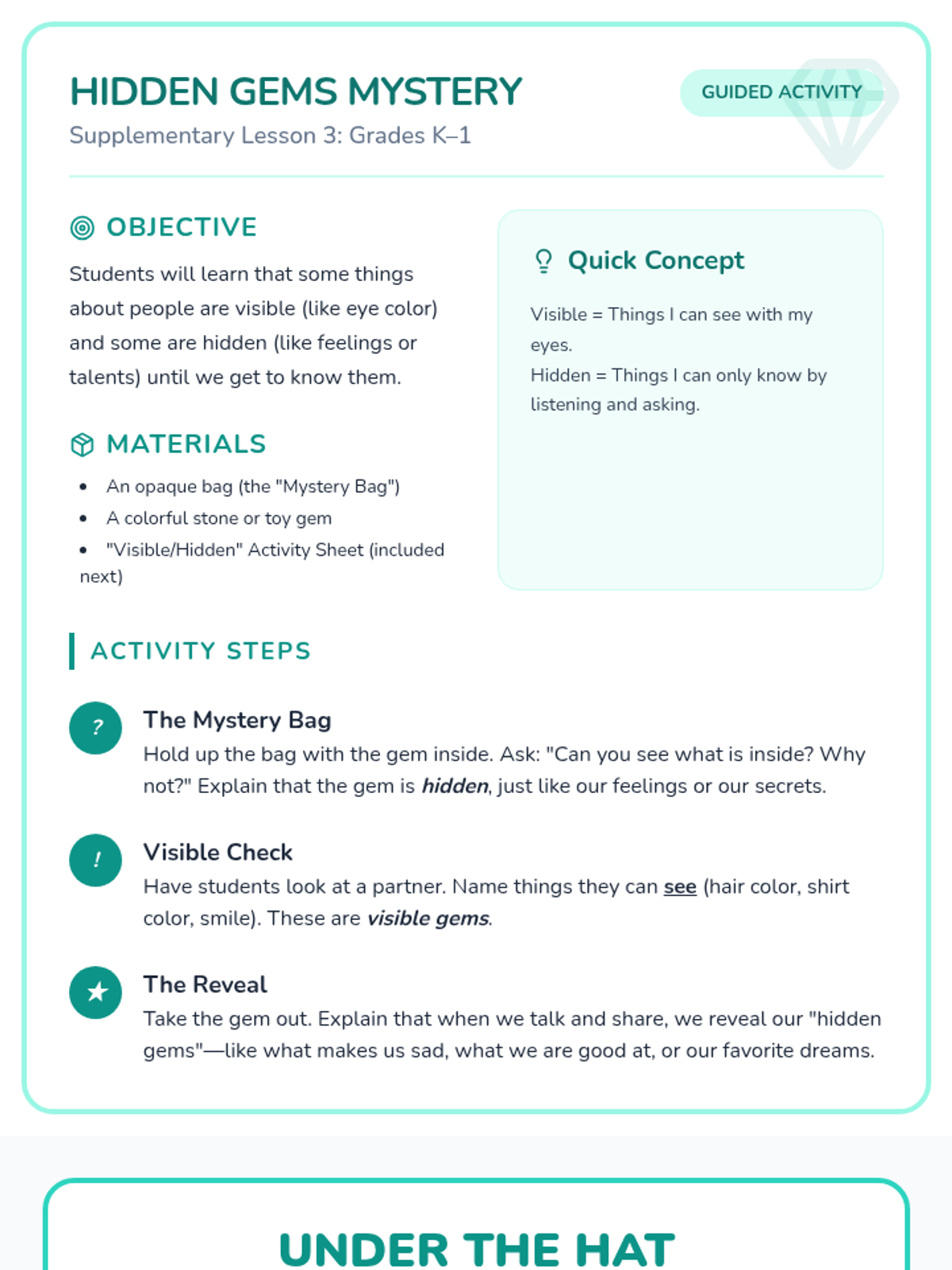
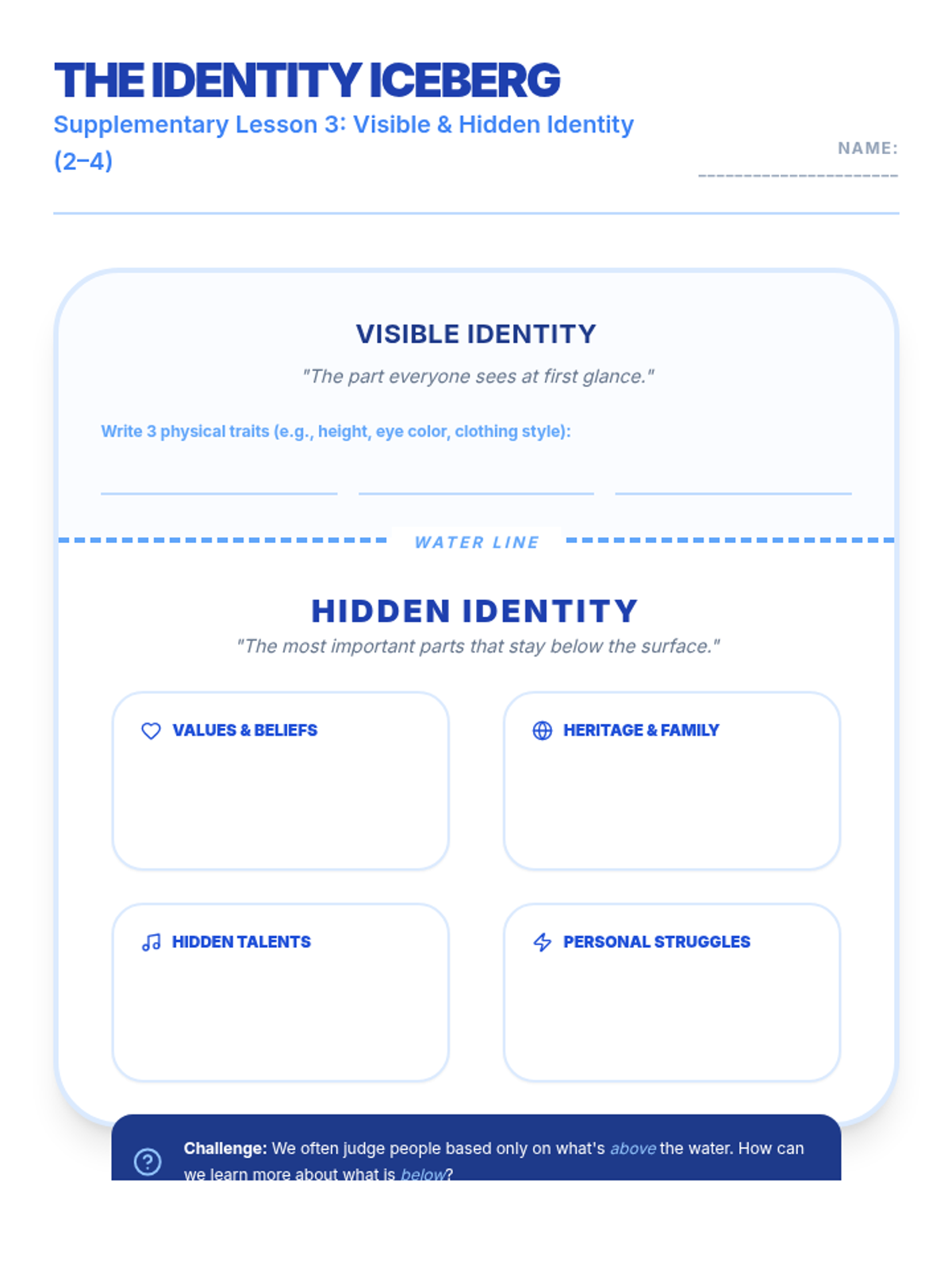
An exploration of the traits people can see and the qualities that are hidden underneath, fostering deeper understanding of self and others.
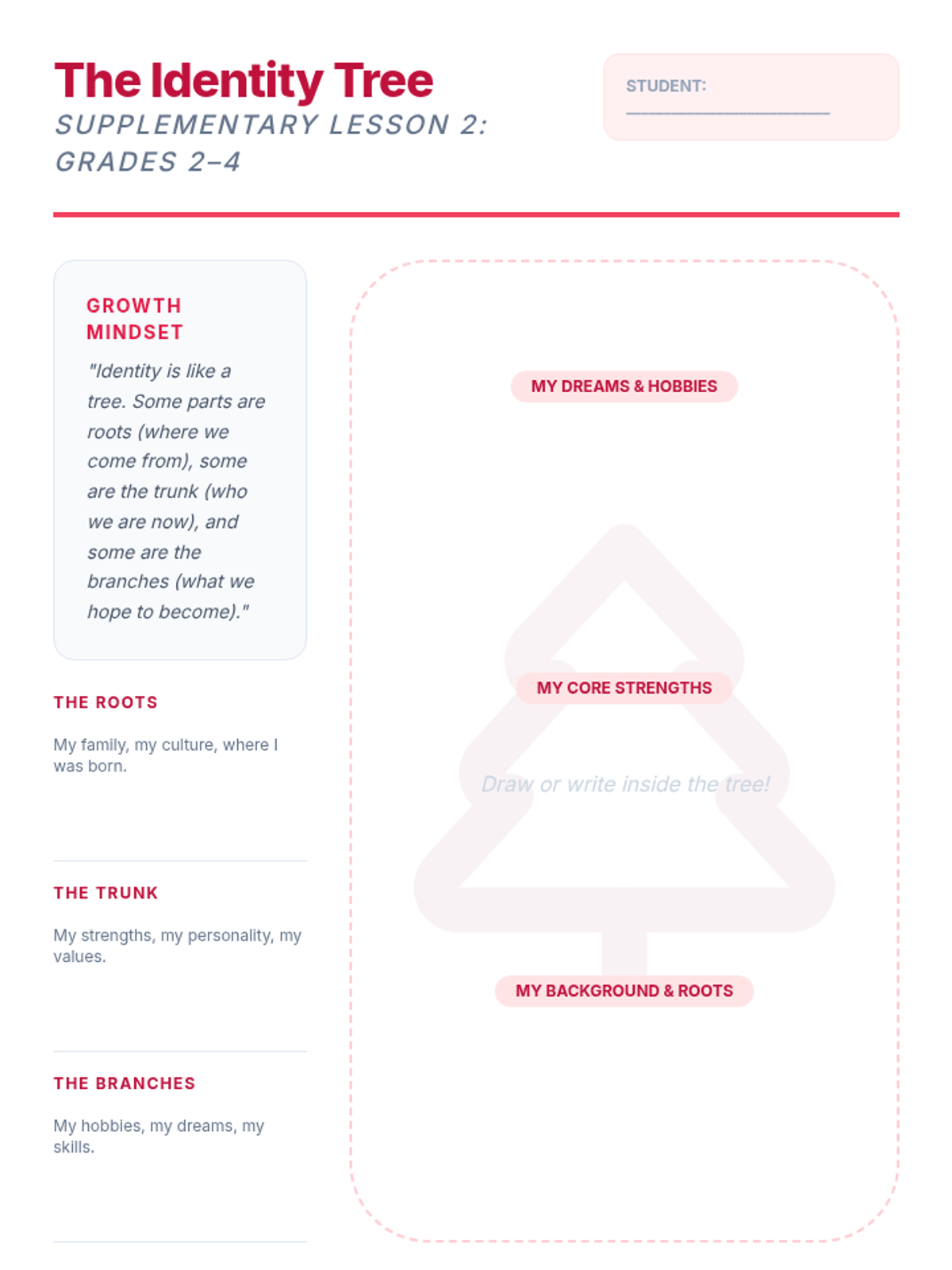
A lesson designed to help students identify and celebrate the unique traits that make up their individual identities.
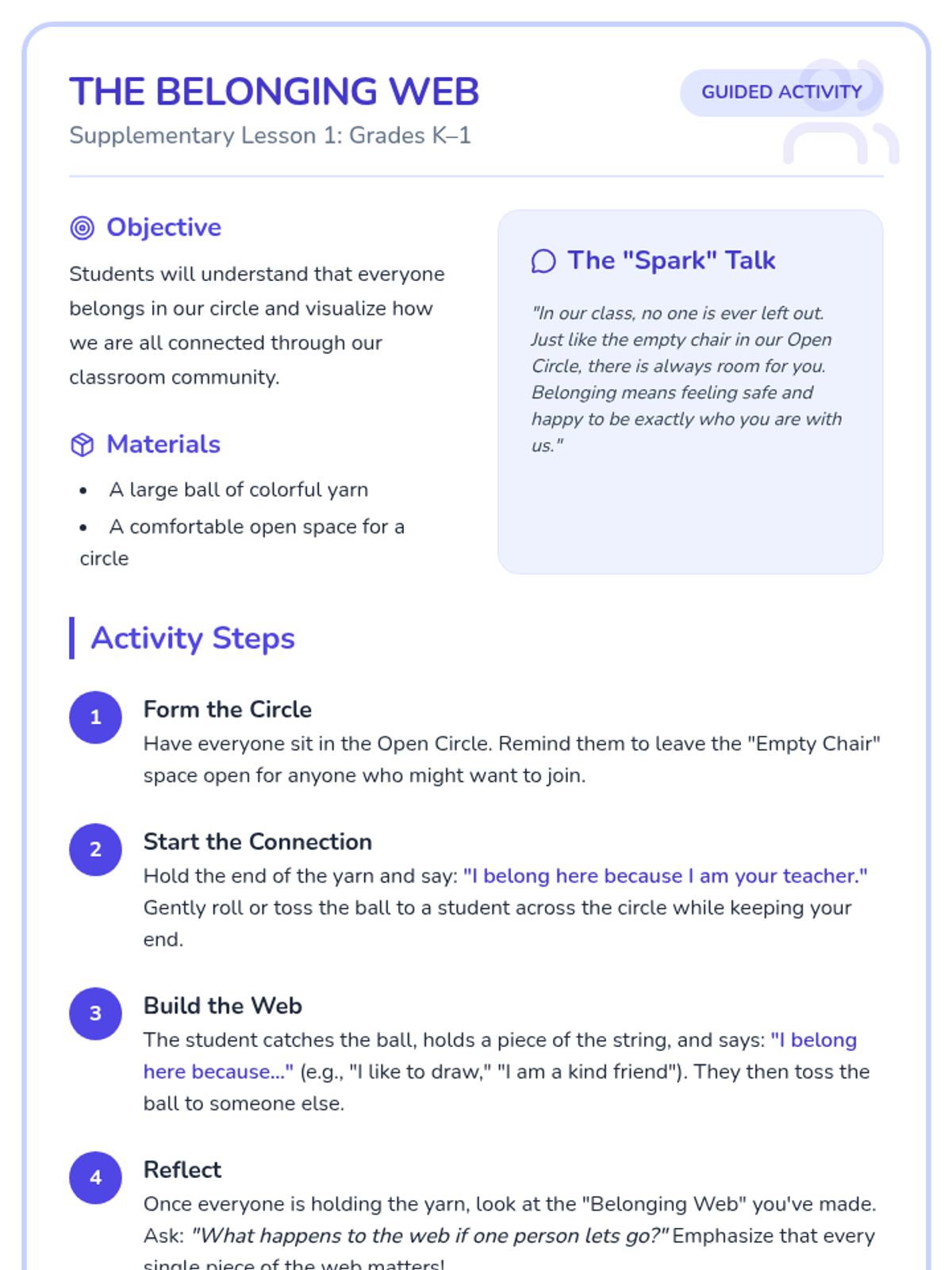
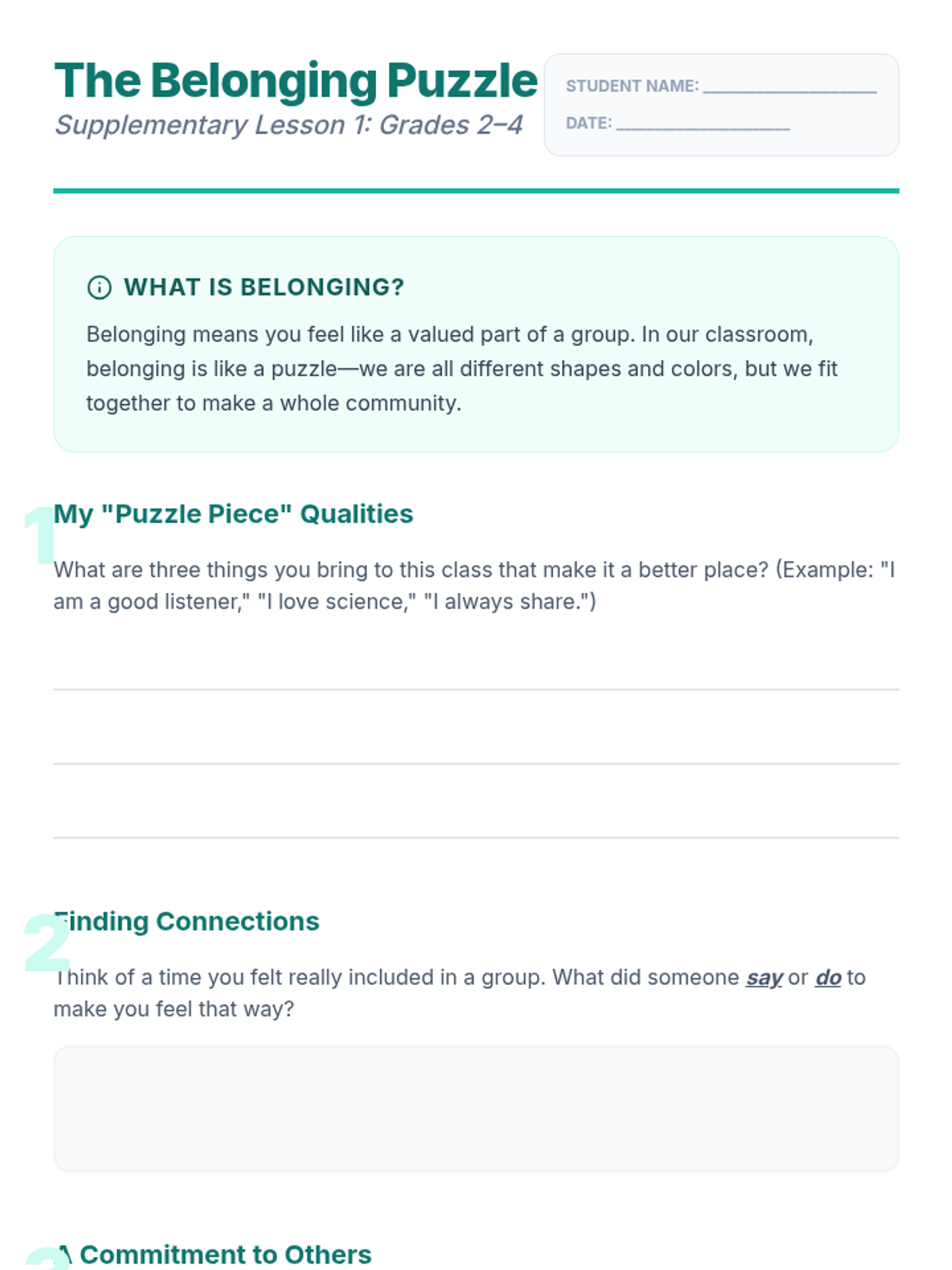
An introductory supplementary lesson exploring what it means to belong to a group and how students can make everyone feel included.
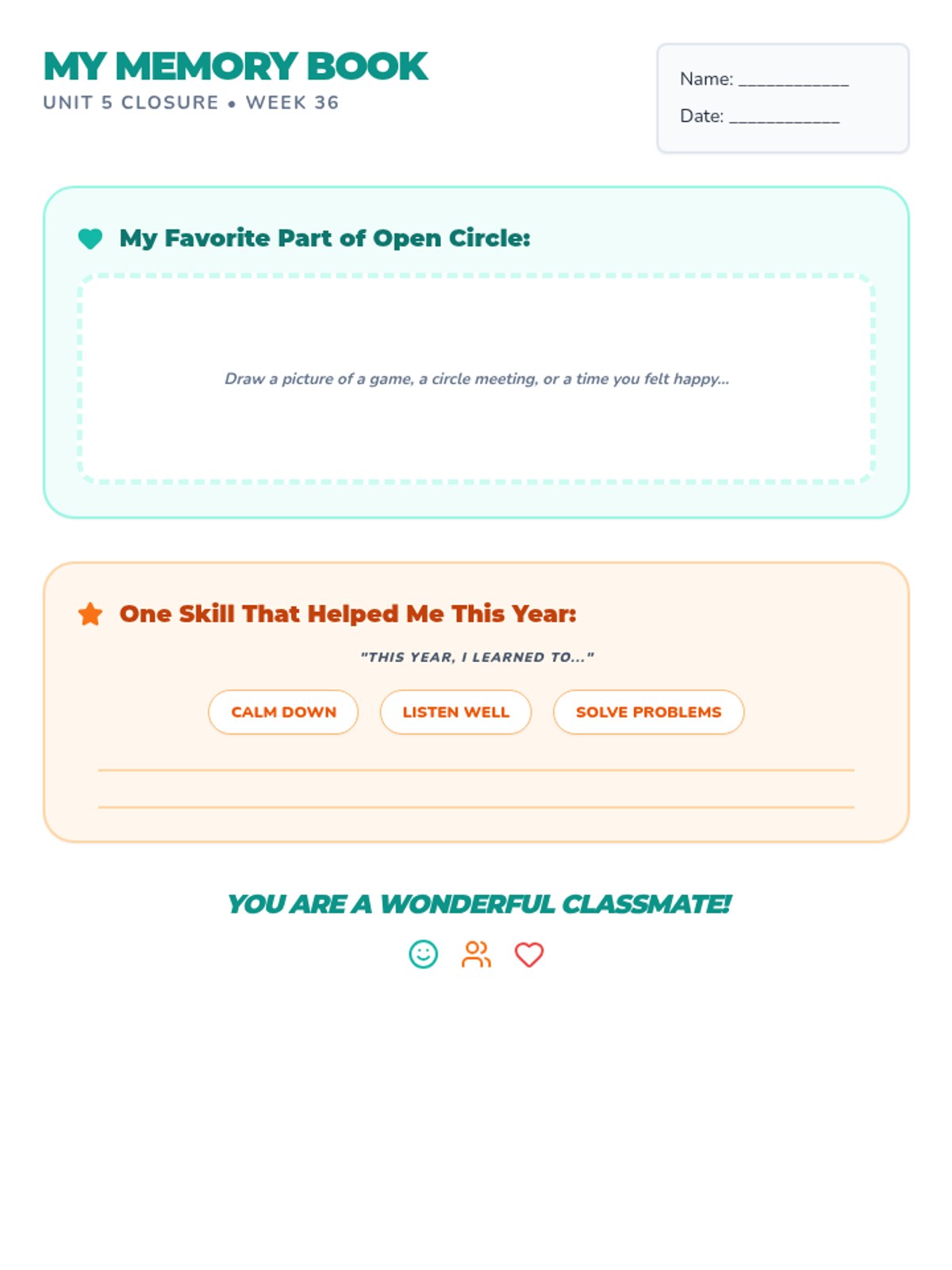
Final reflections on the school year and the growth made in Open Circle.
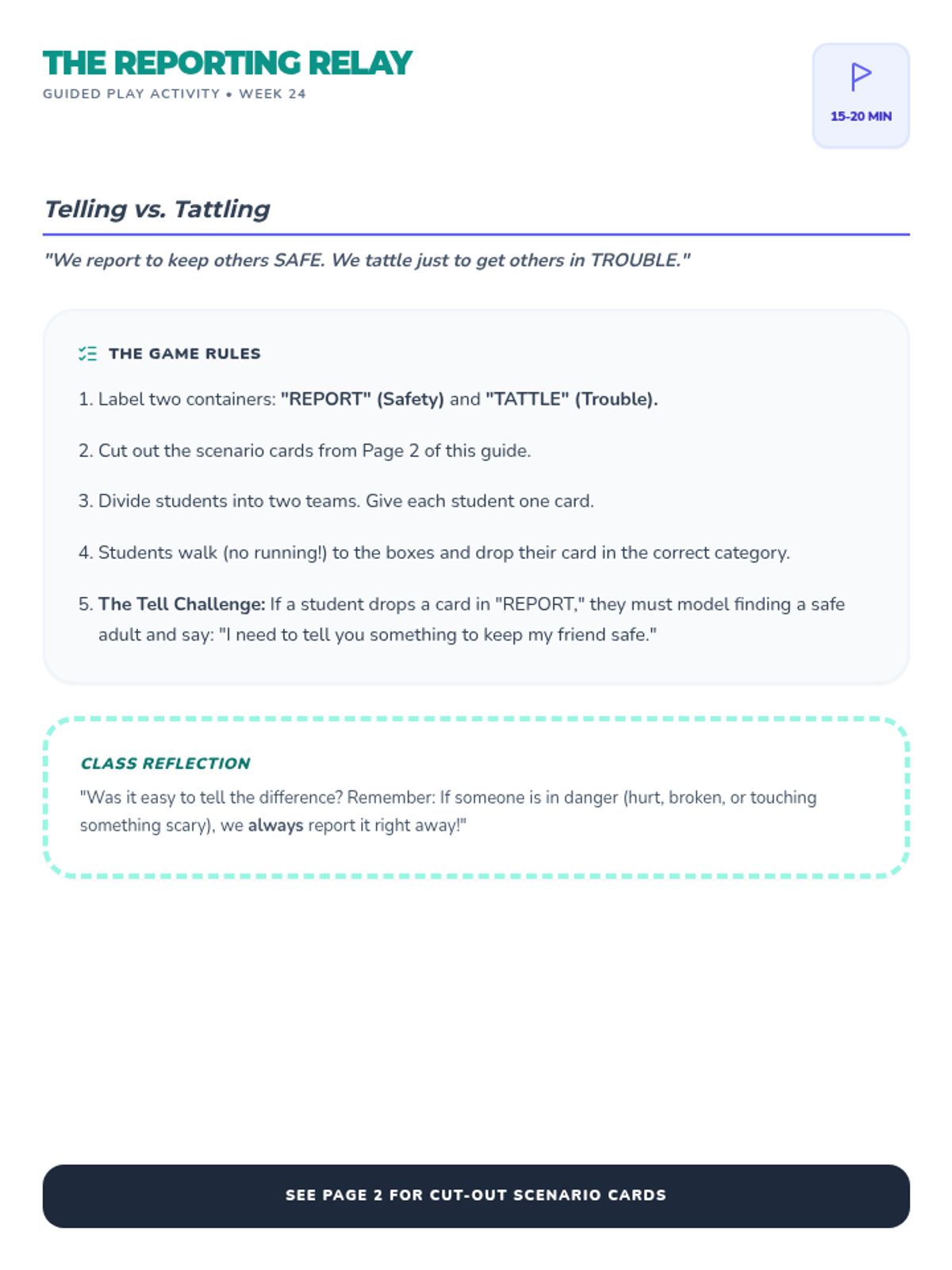
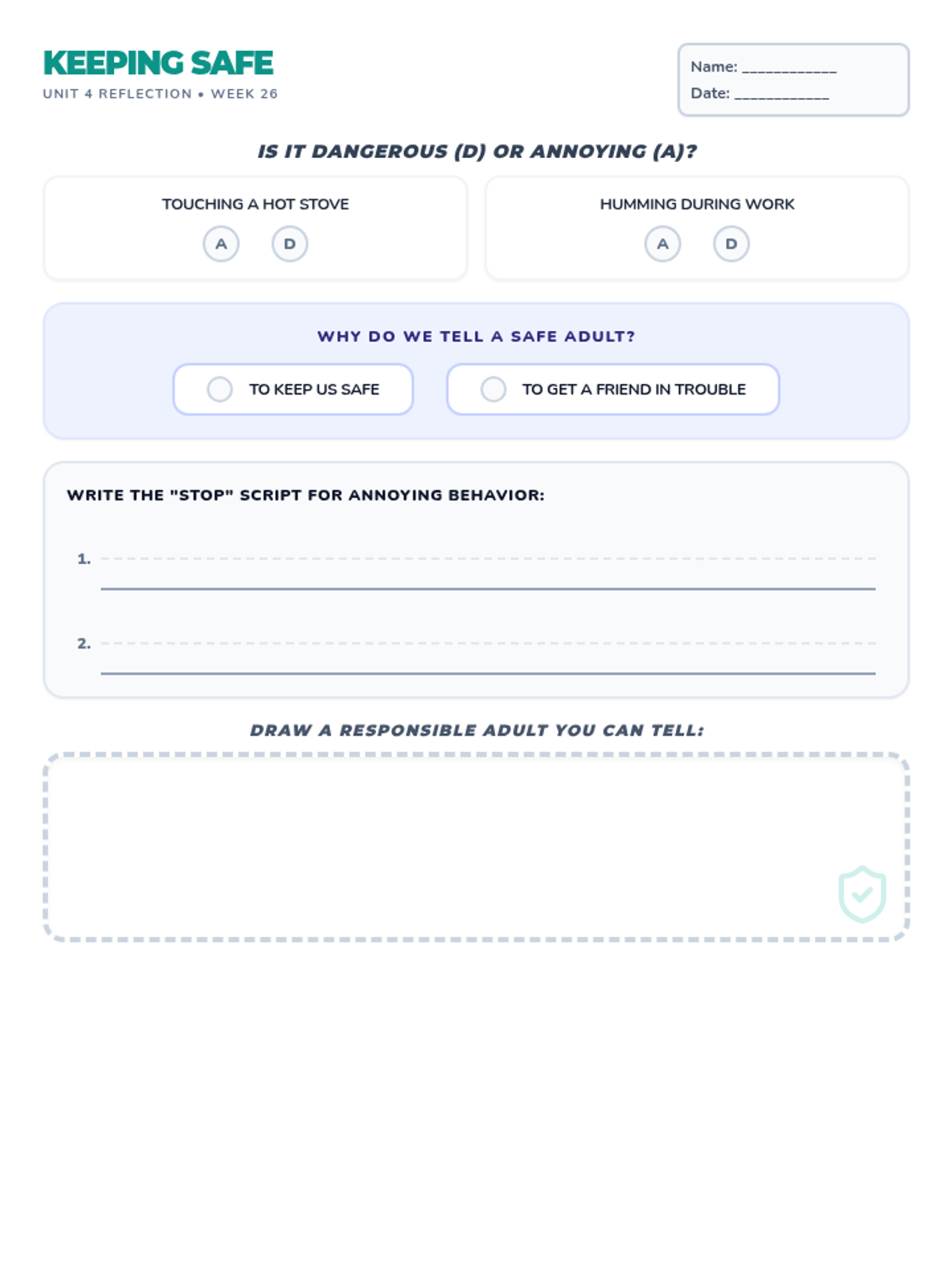
A supplementary lesson clarifying the difference between getting others in trouble versus keeping them safe.
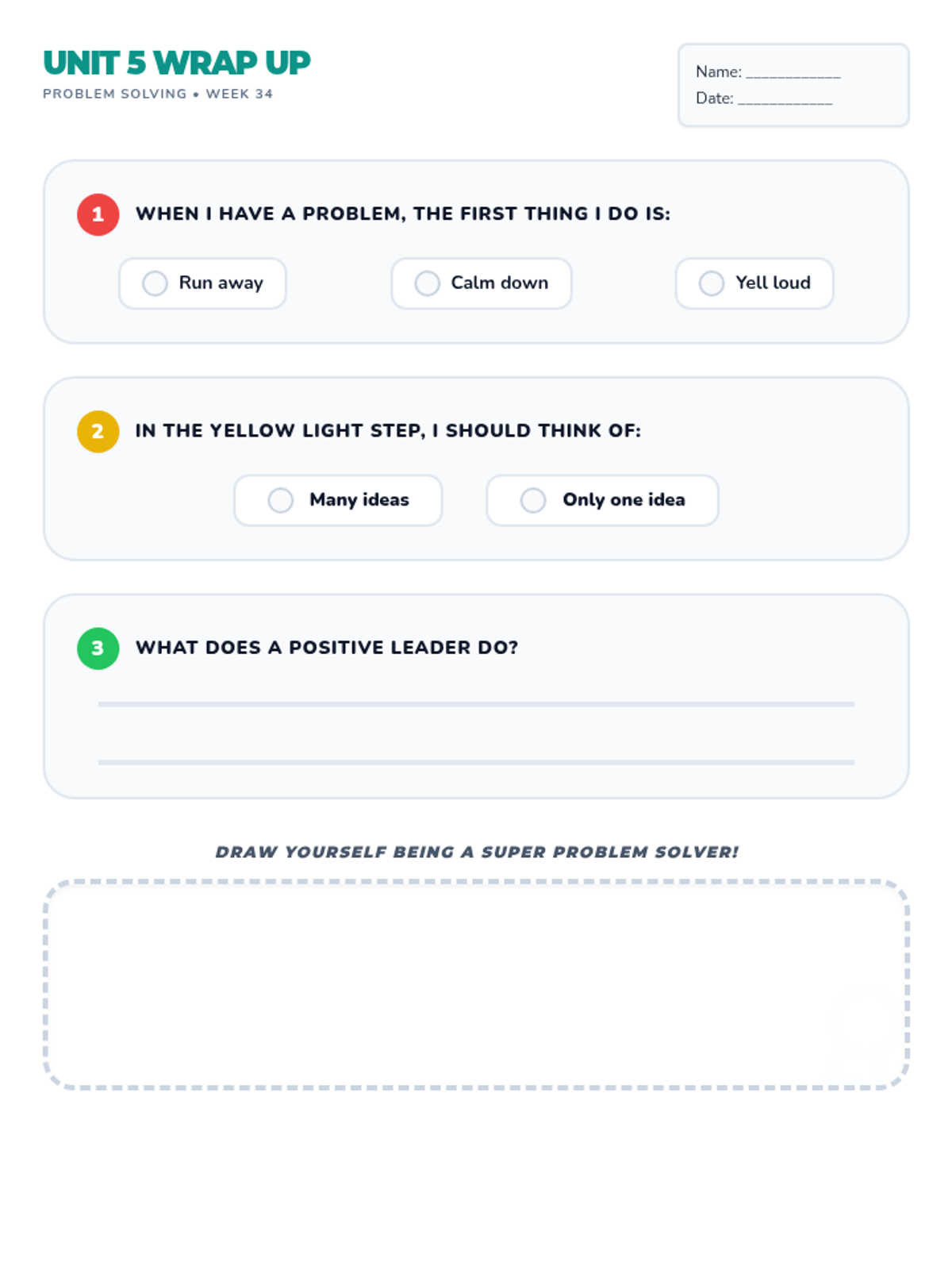
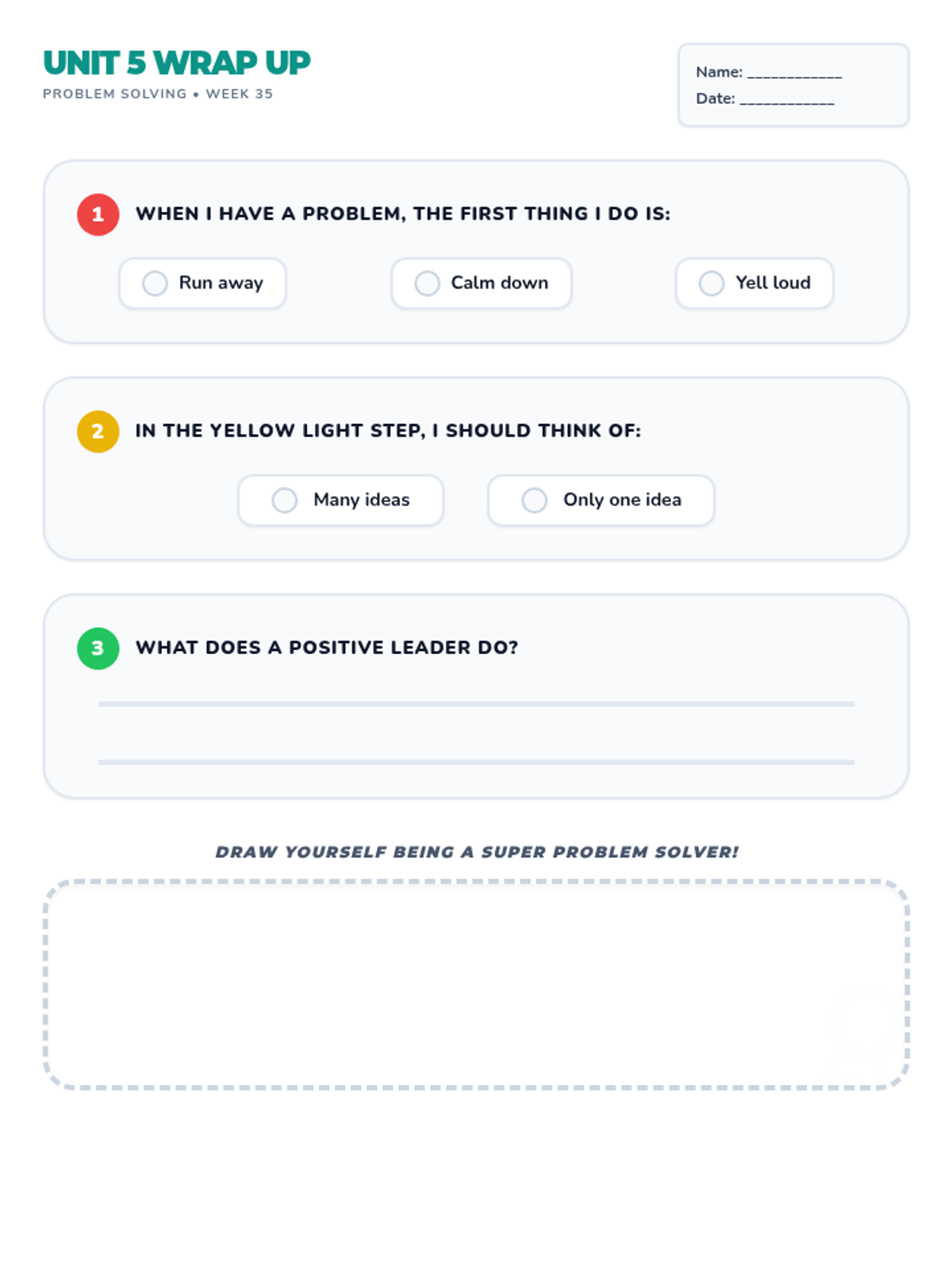
A full practice session using the complete problem-solving process on real scenarios.
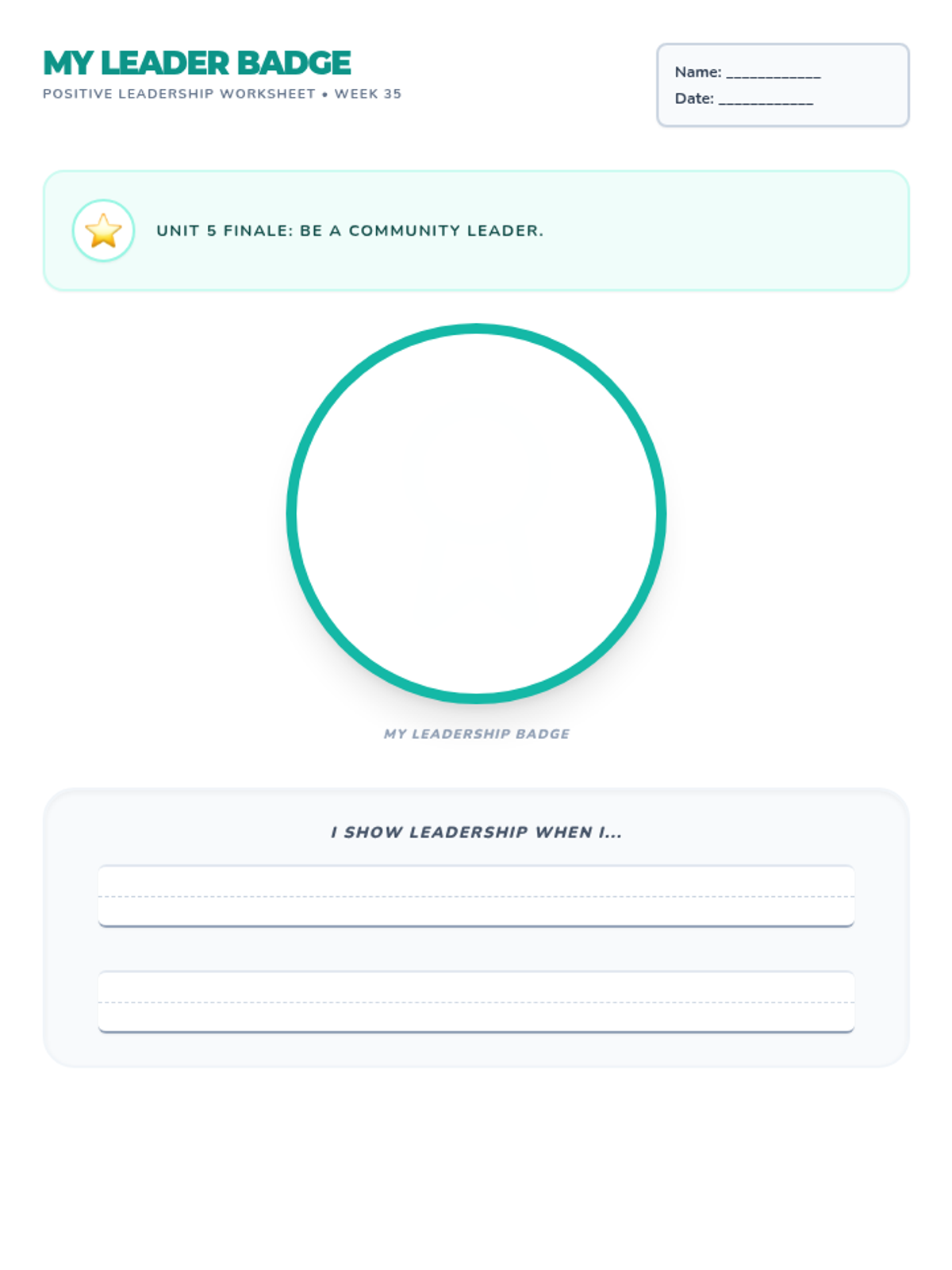
Defining positive leadership and how to use SEL skills to help the group.
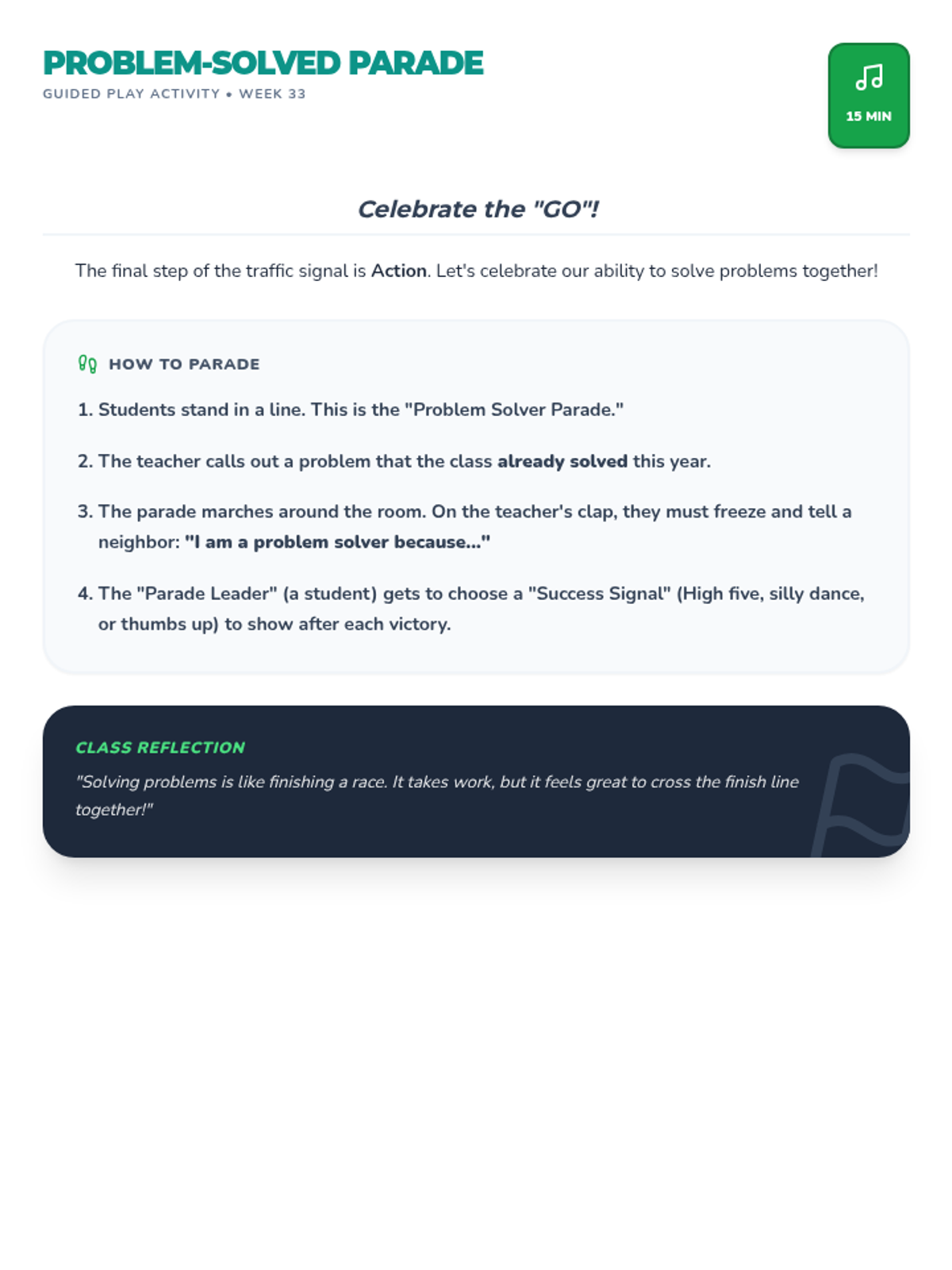
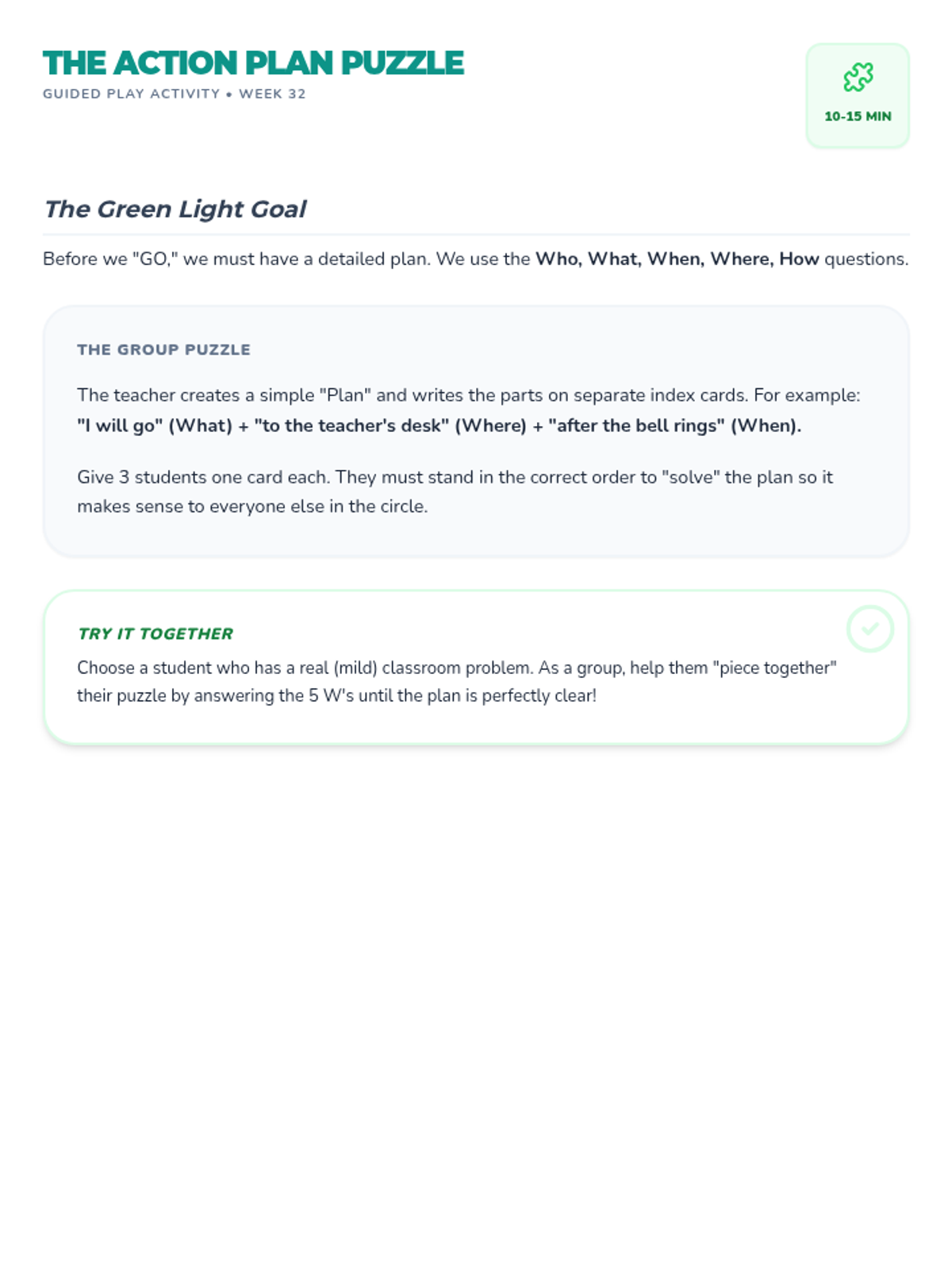
Practicing how to try a plan and what to do if it doesn't work as expected.
Choosing the best idea and making a detailed plan for how to carry it out.
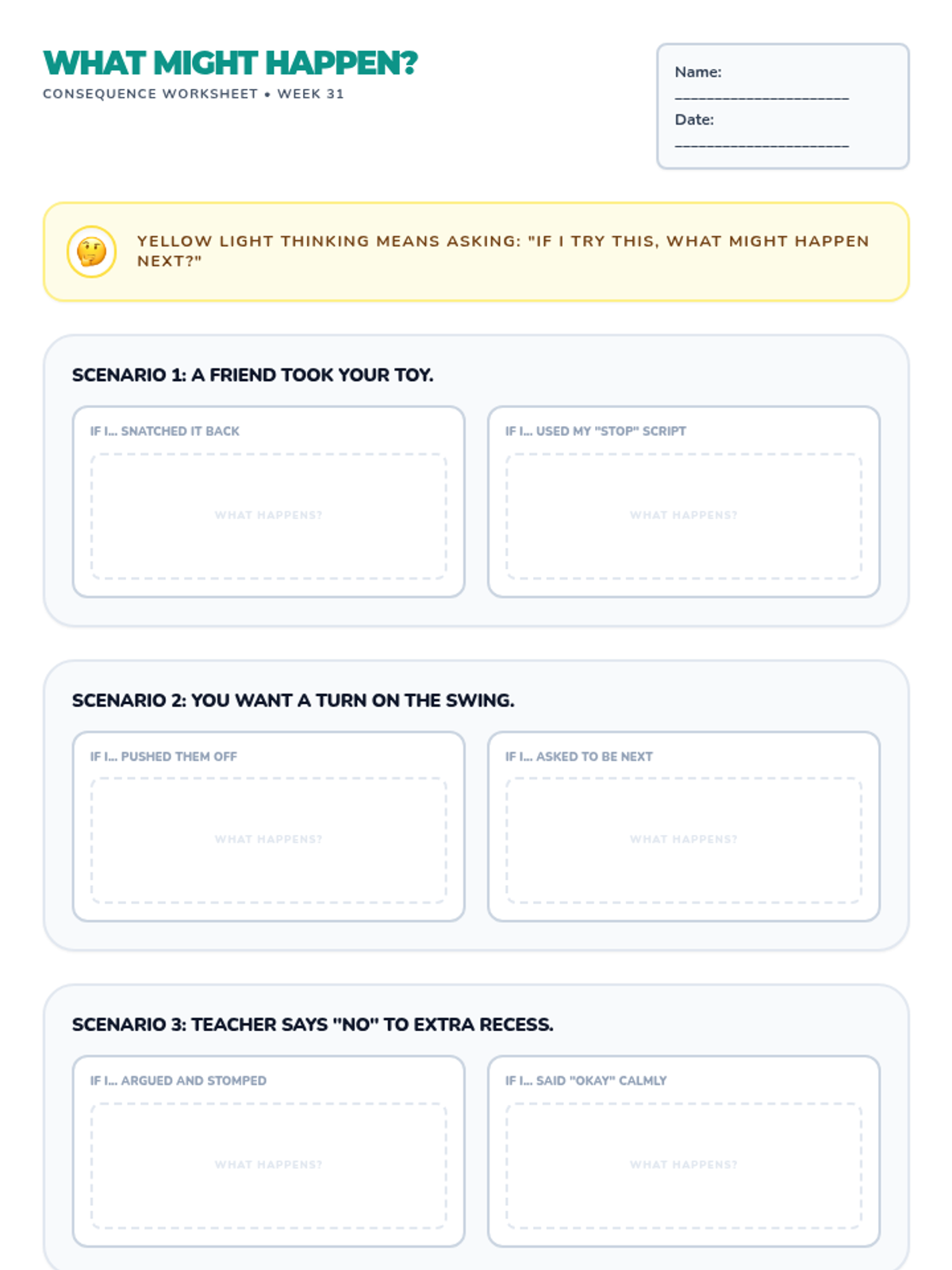
Evaluating brainstormed ideas by asking 'What might happen if I try this?'
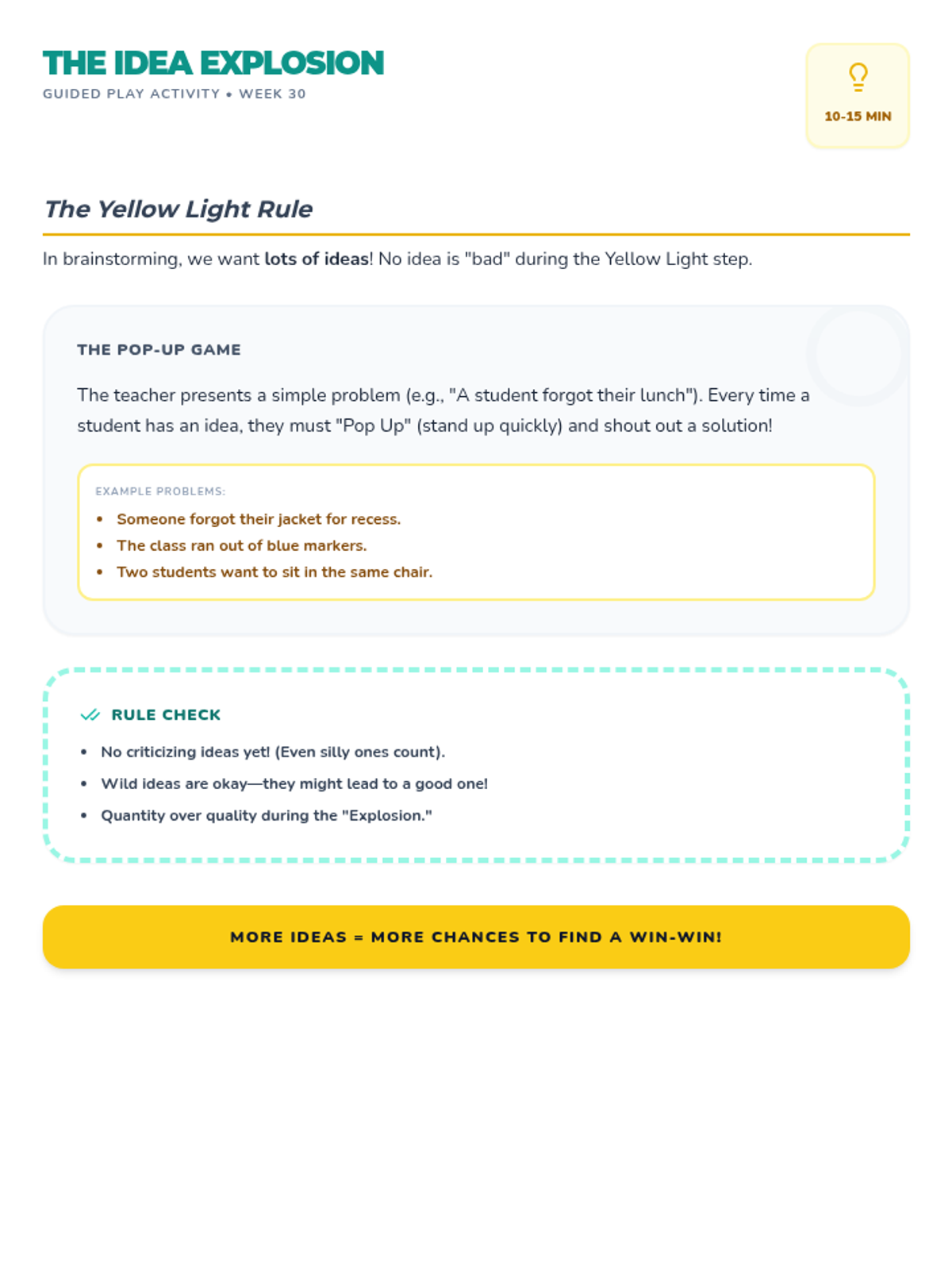
Learning the rules of brainstorming to generate many possible solutions to a problem.
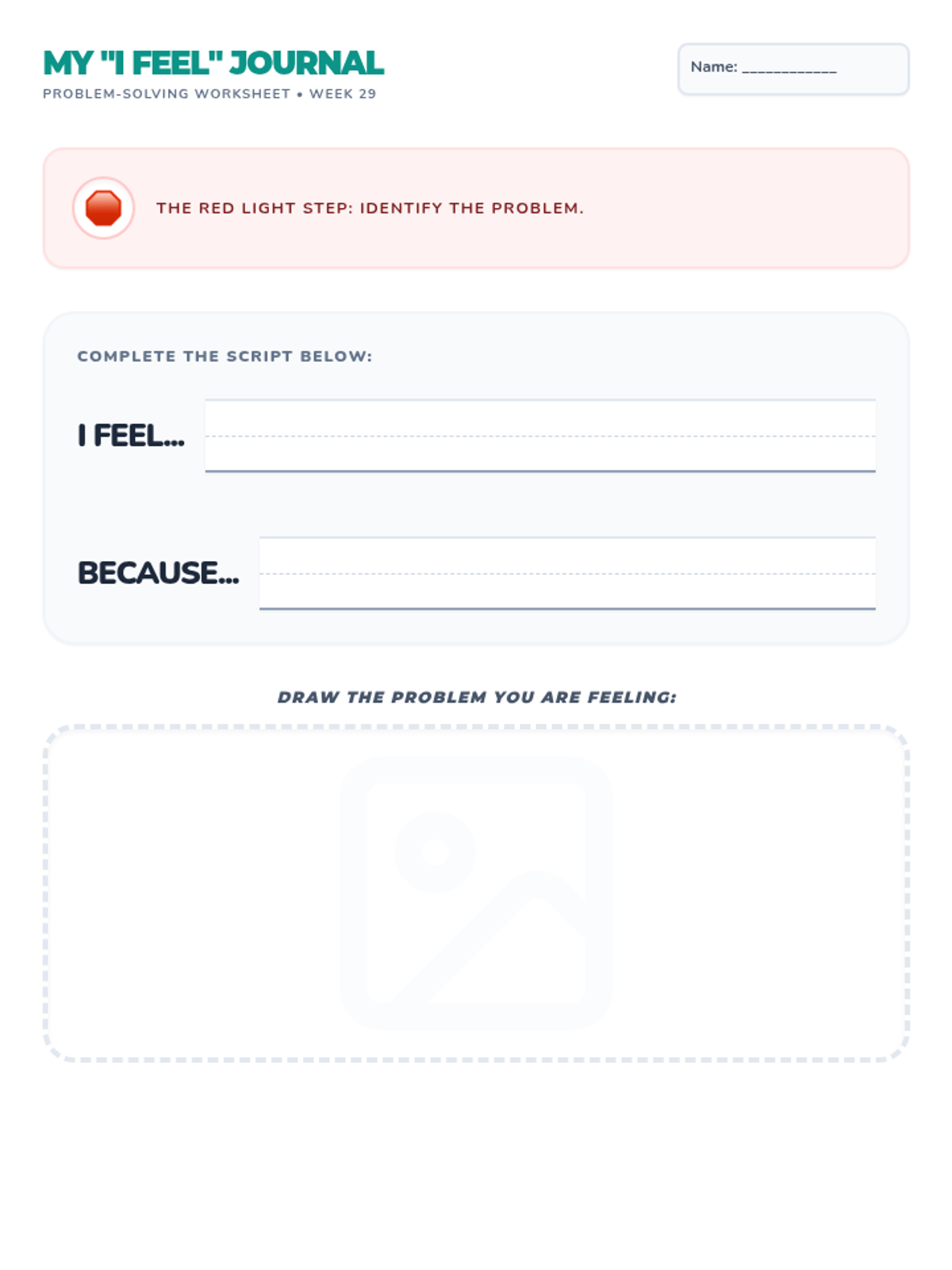
Practice using 'I feel... because...' to identify the specific problem.
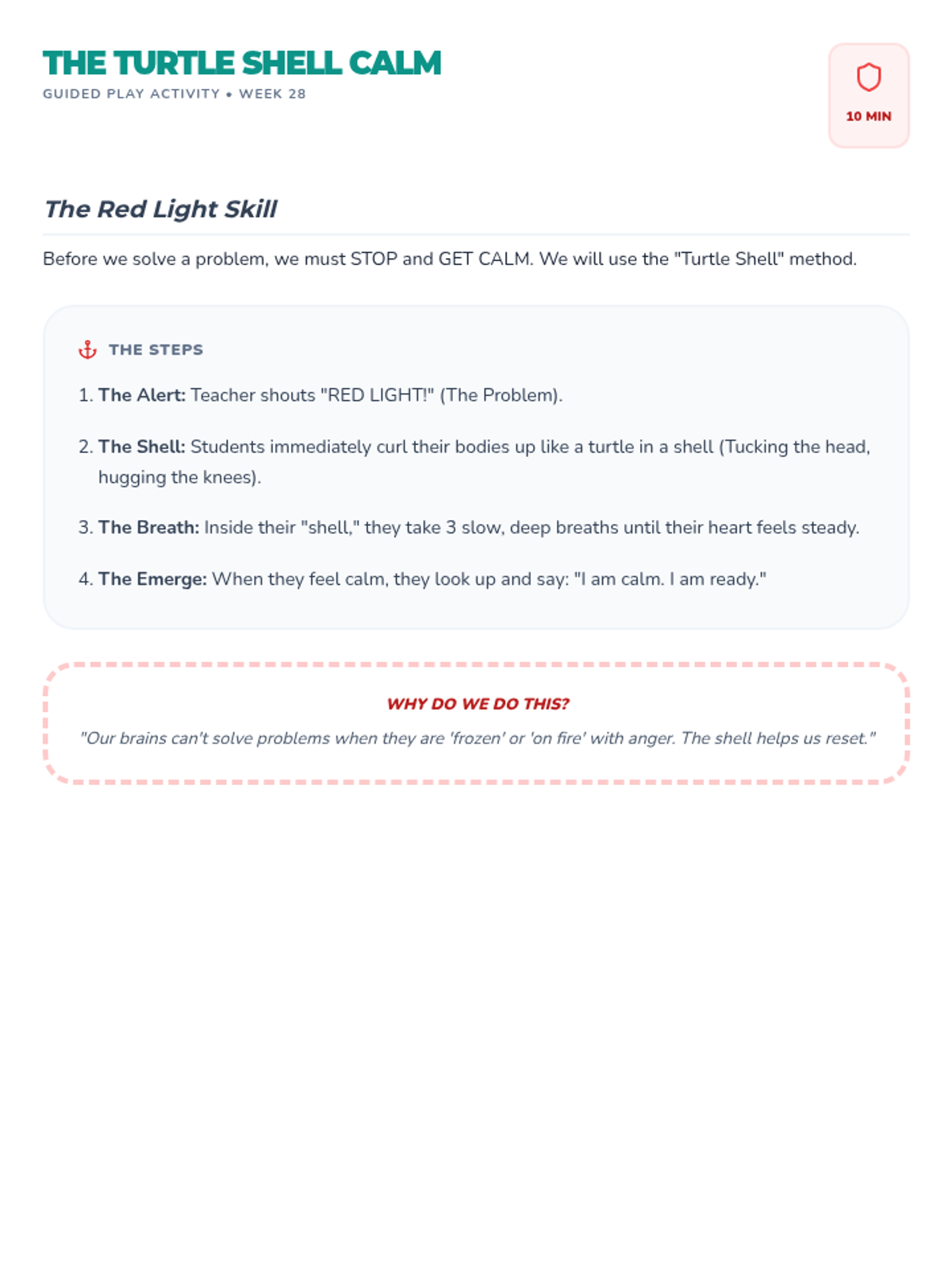
Focusing on the first step of the traffic signal: stopping to calm down.
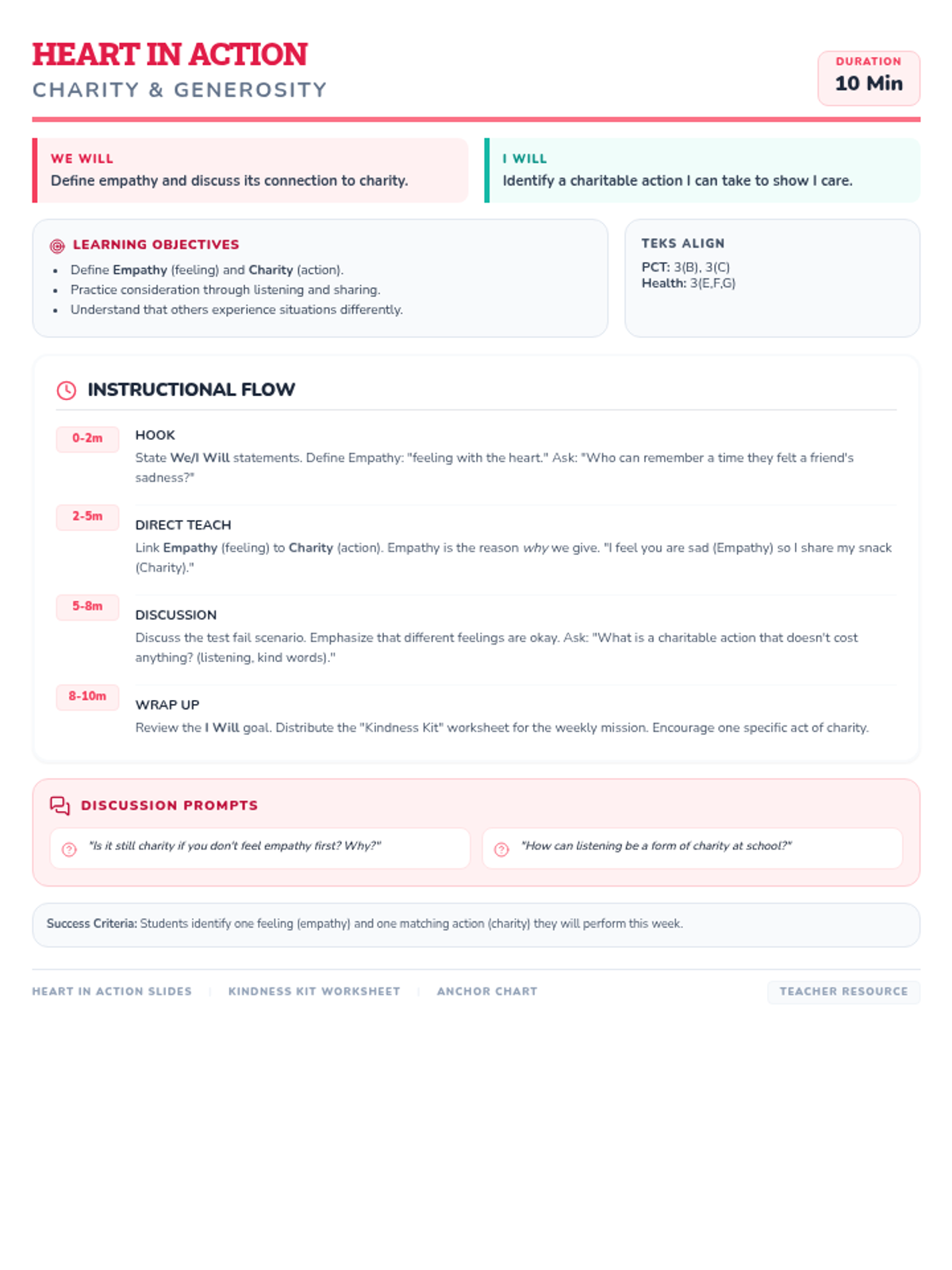
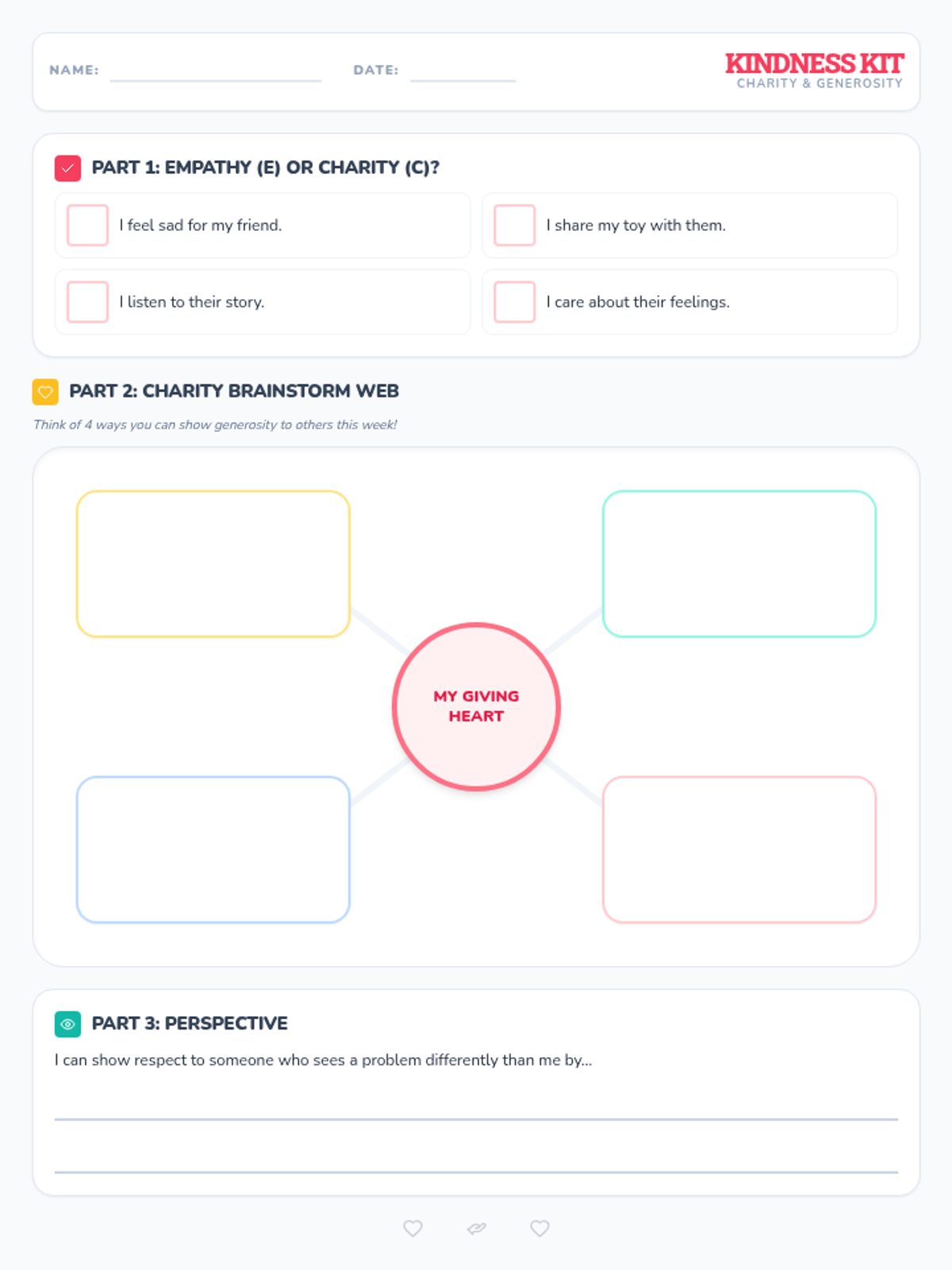
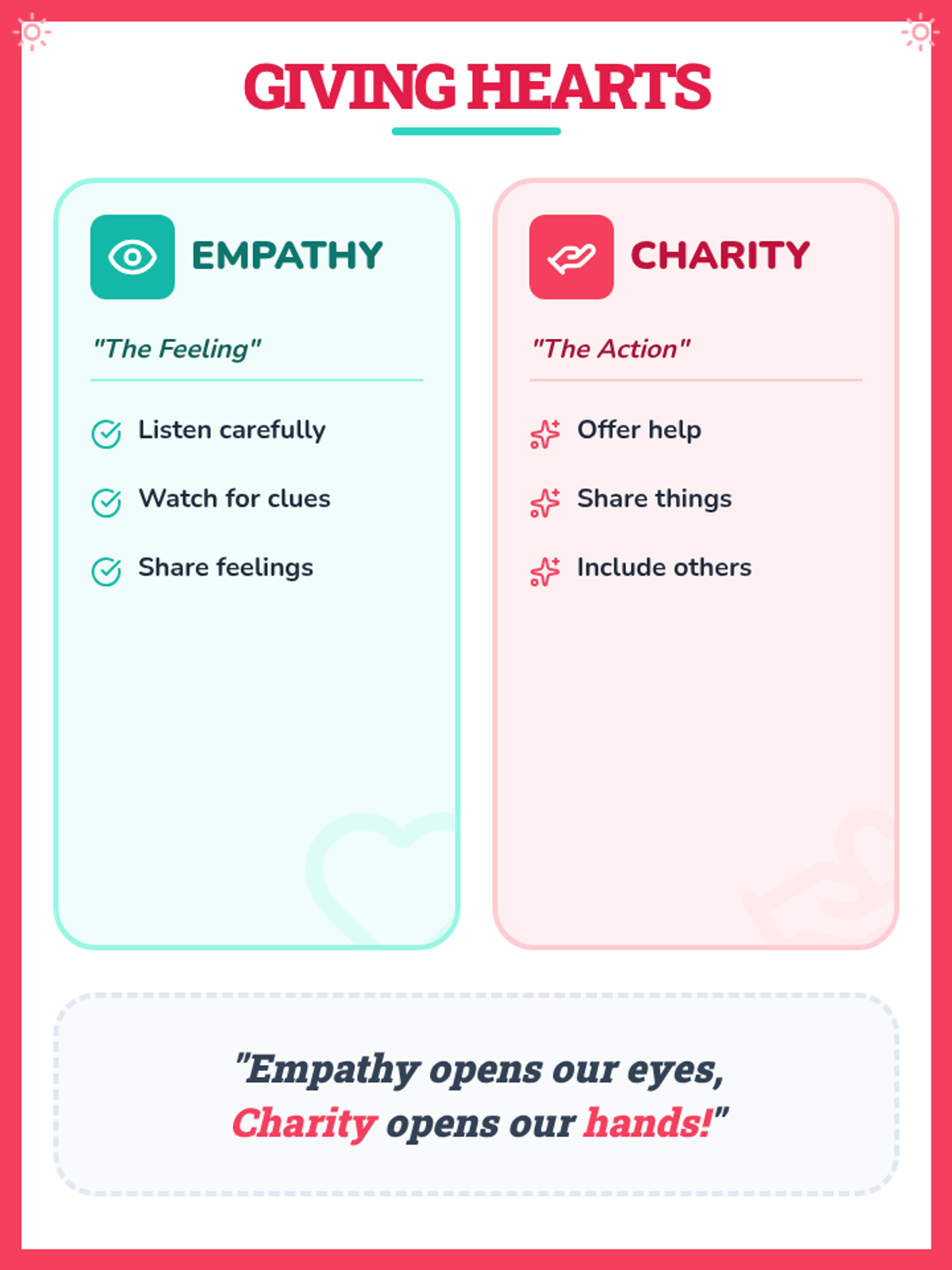
A 10-minute lesson focused on the connection between empathy and charity, teaching students how to identify needs and act with generosity. Includes a slide deck, worksheet, and anchor chart.
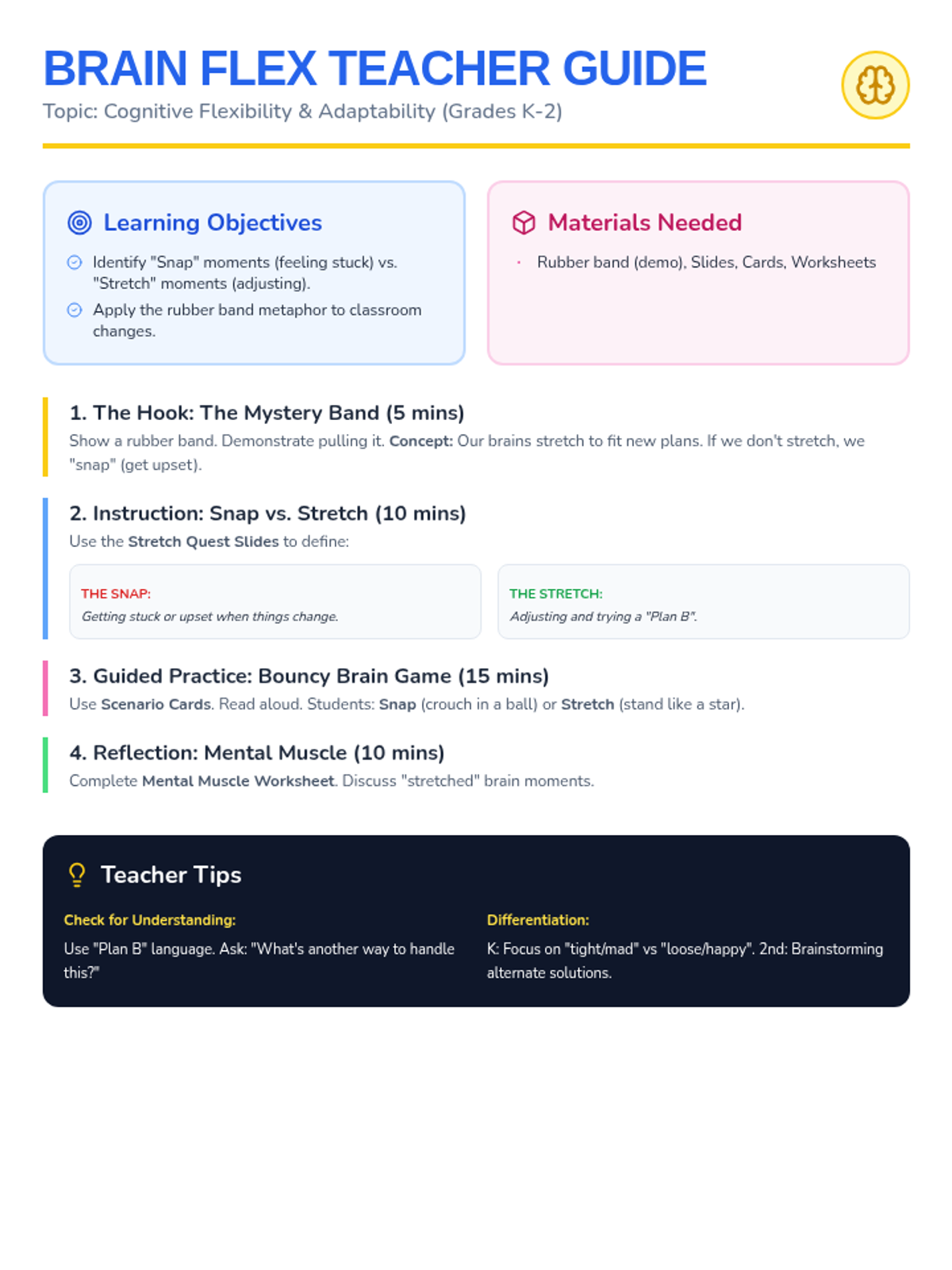
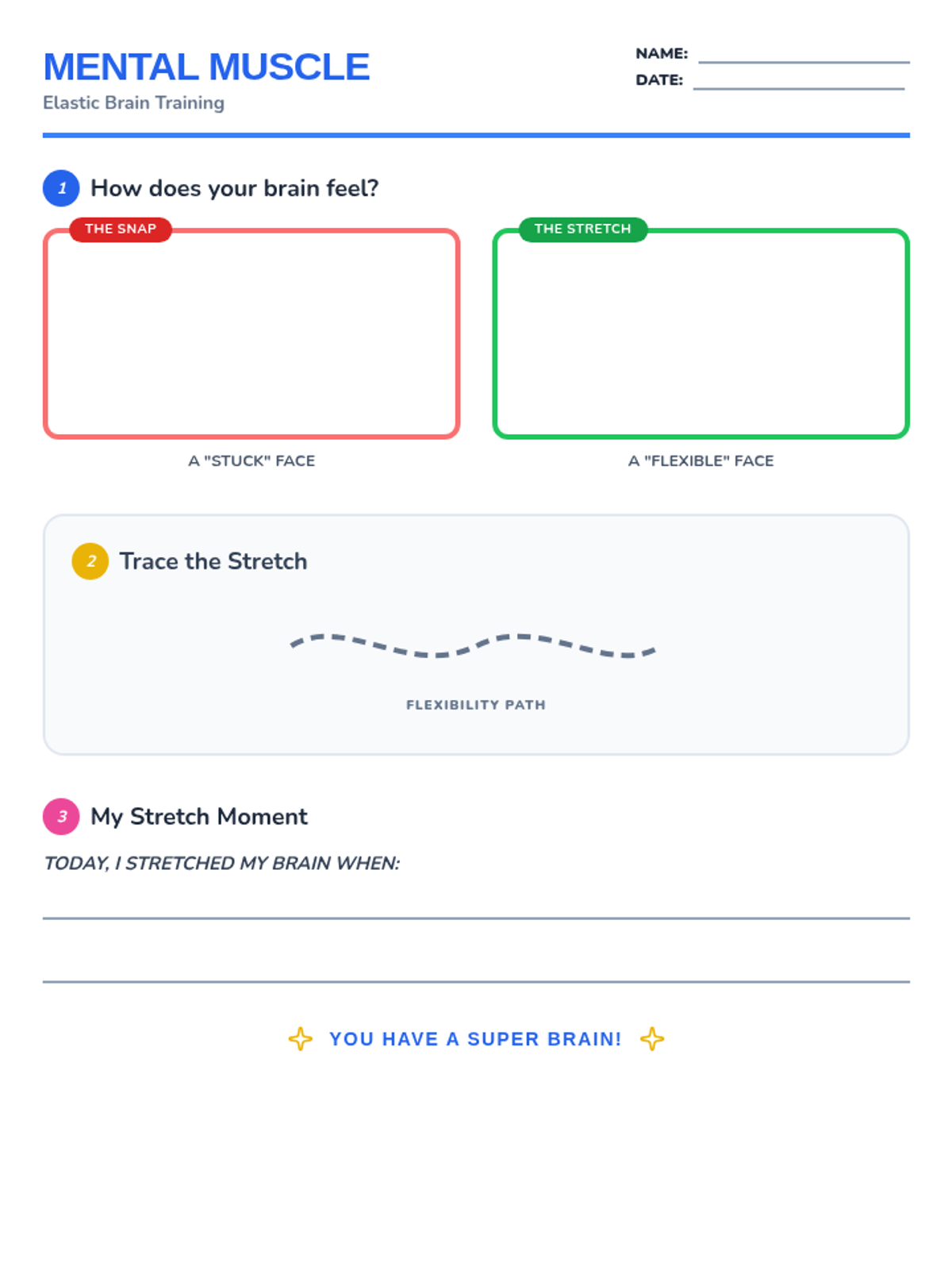
A social-emotional learning lesson for K-2 students that uses the metaphor of a rubber band to teach cognitive flexibility, adaptability, and emotional regulation when facing changes.
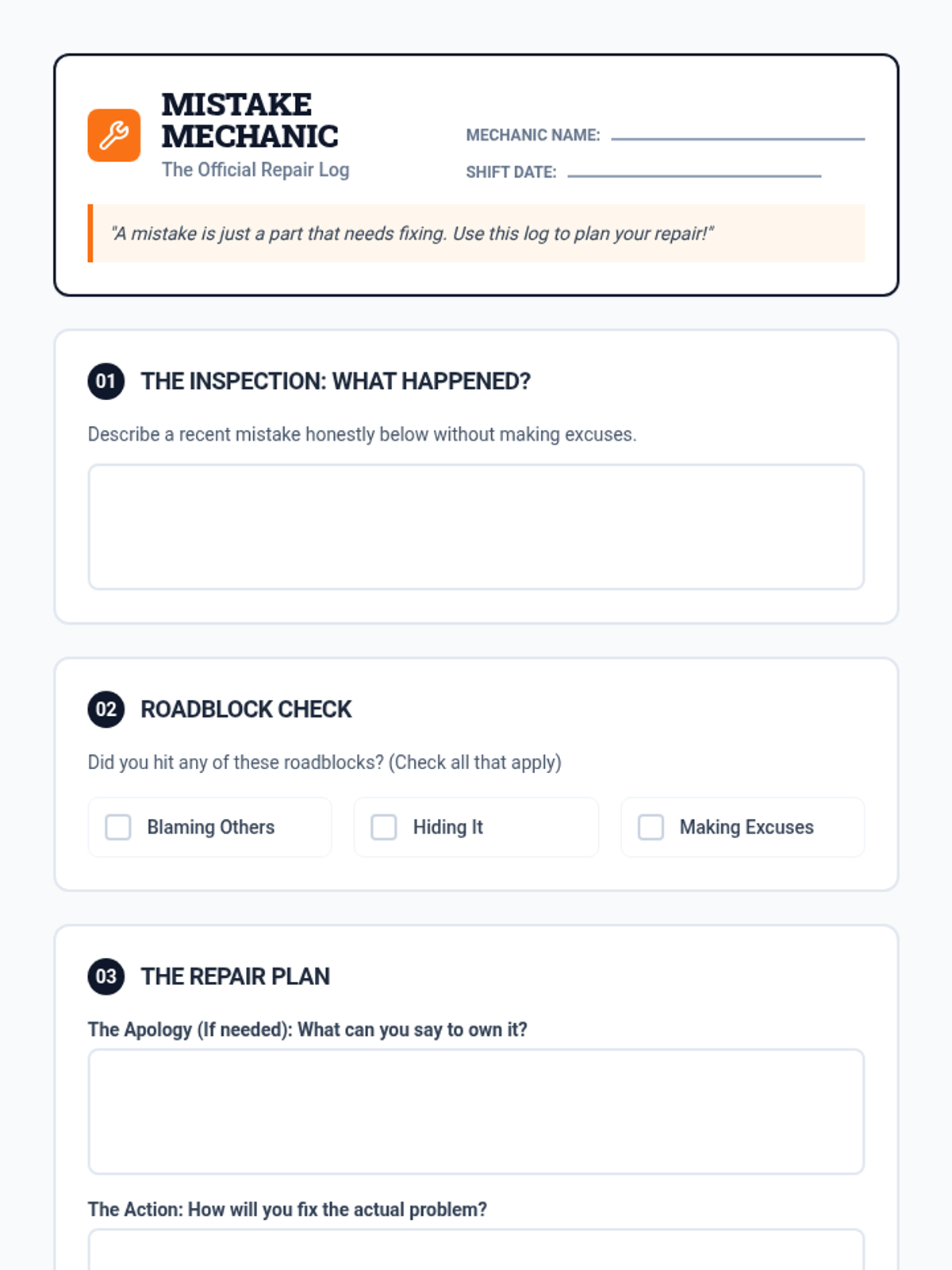
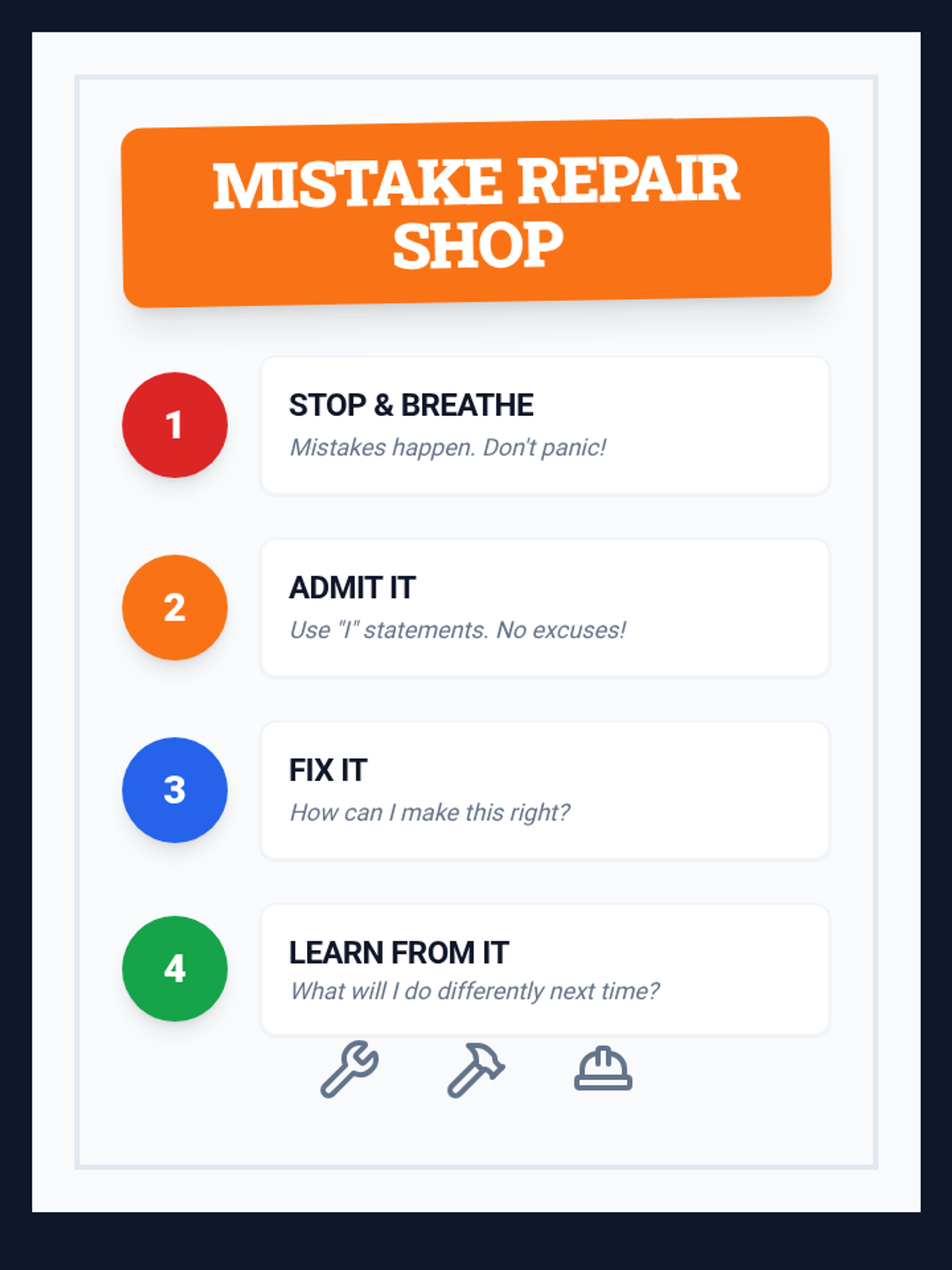
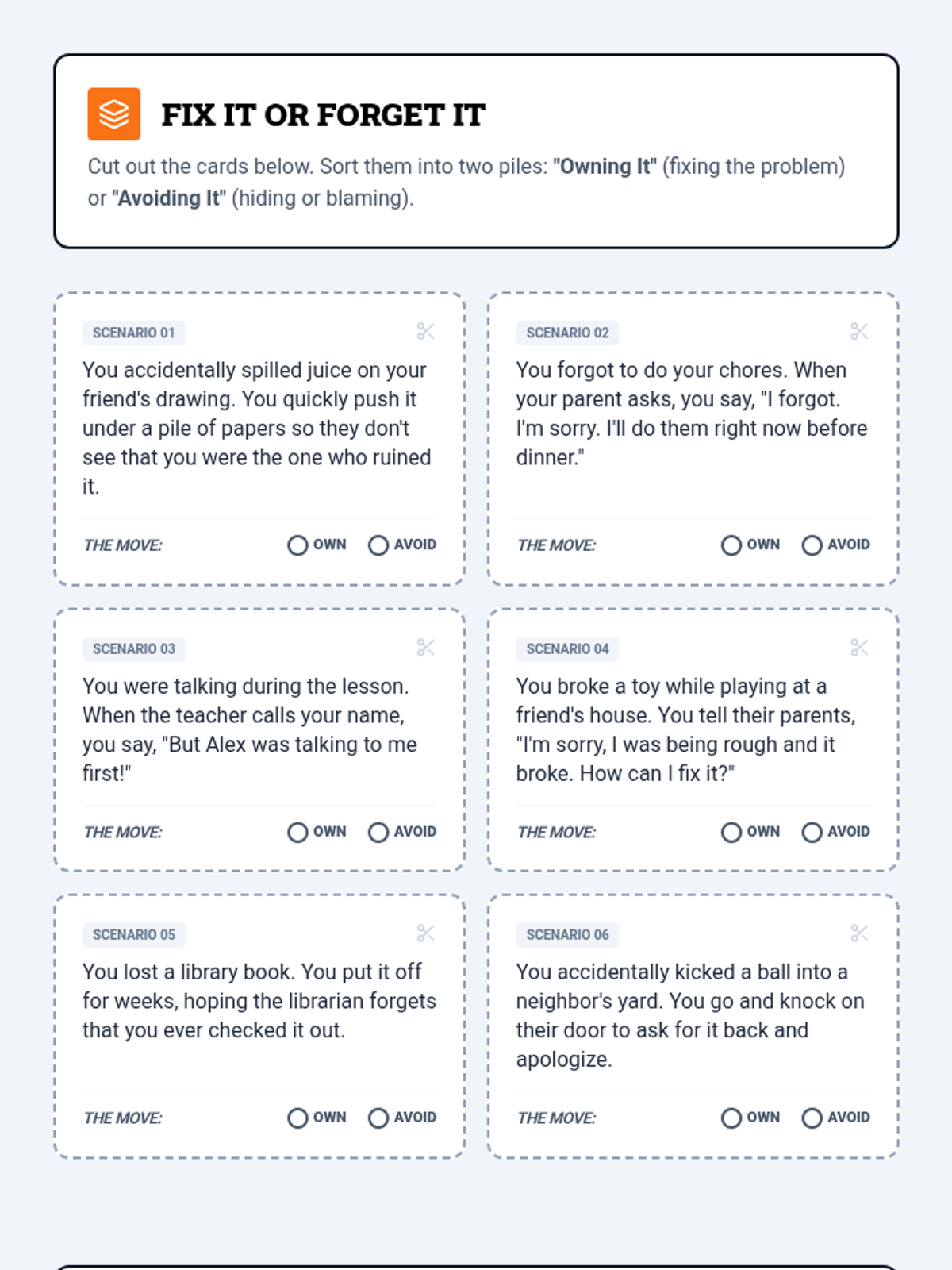
A lesson focused on taking ownership of mistakes through the metaphor of a 'Repair Shop'. Students will learn to move past blame and use a step-by-step process to fix their errors and learn from them.
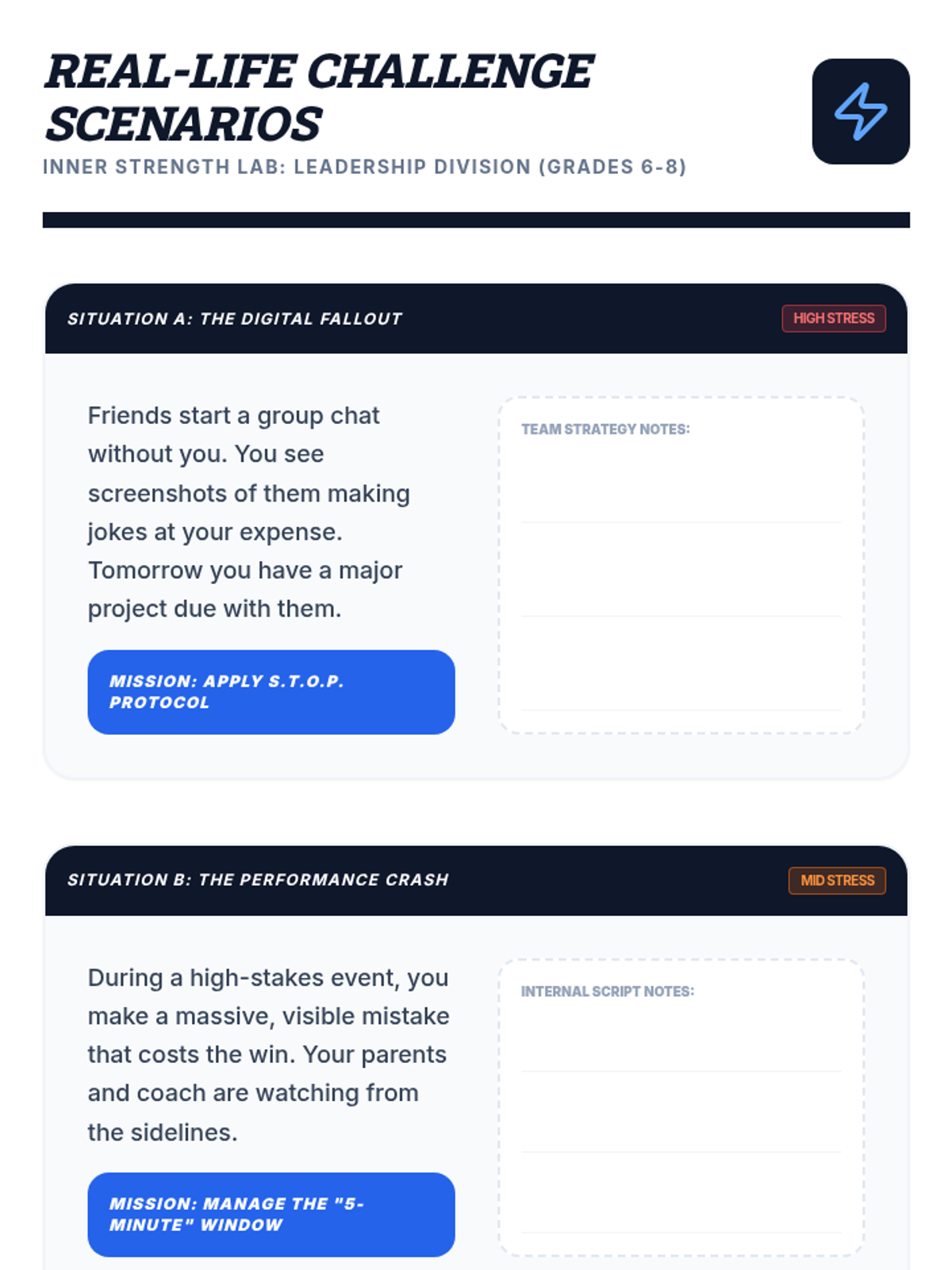
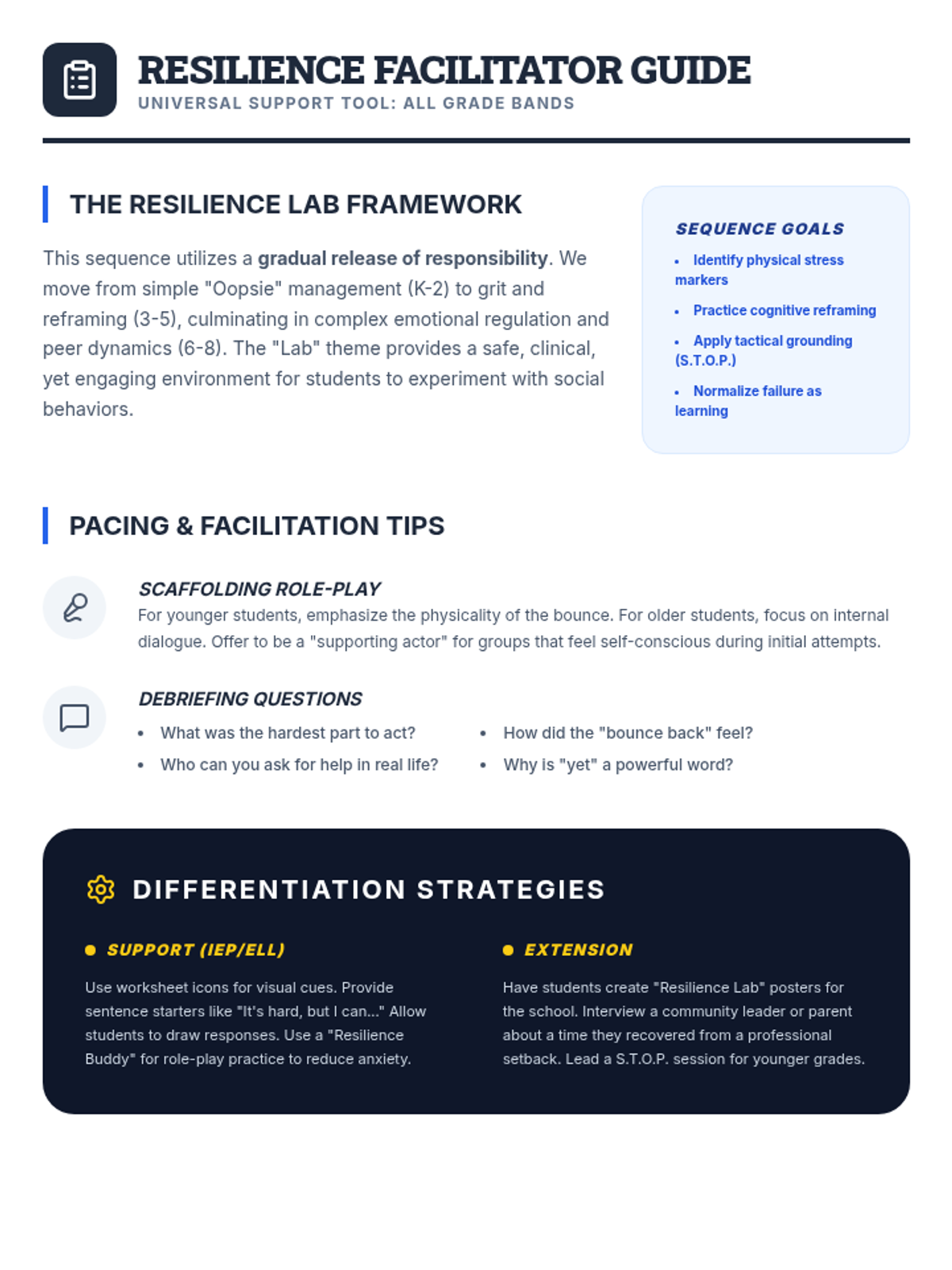
Equips middle schoolers (6th-8th) with strategies to handle complex social dynamics and personal setbacks using realistic role-play scenarios.
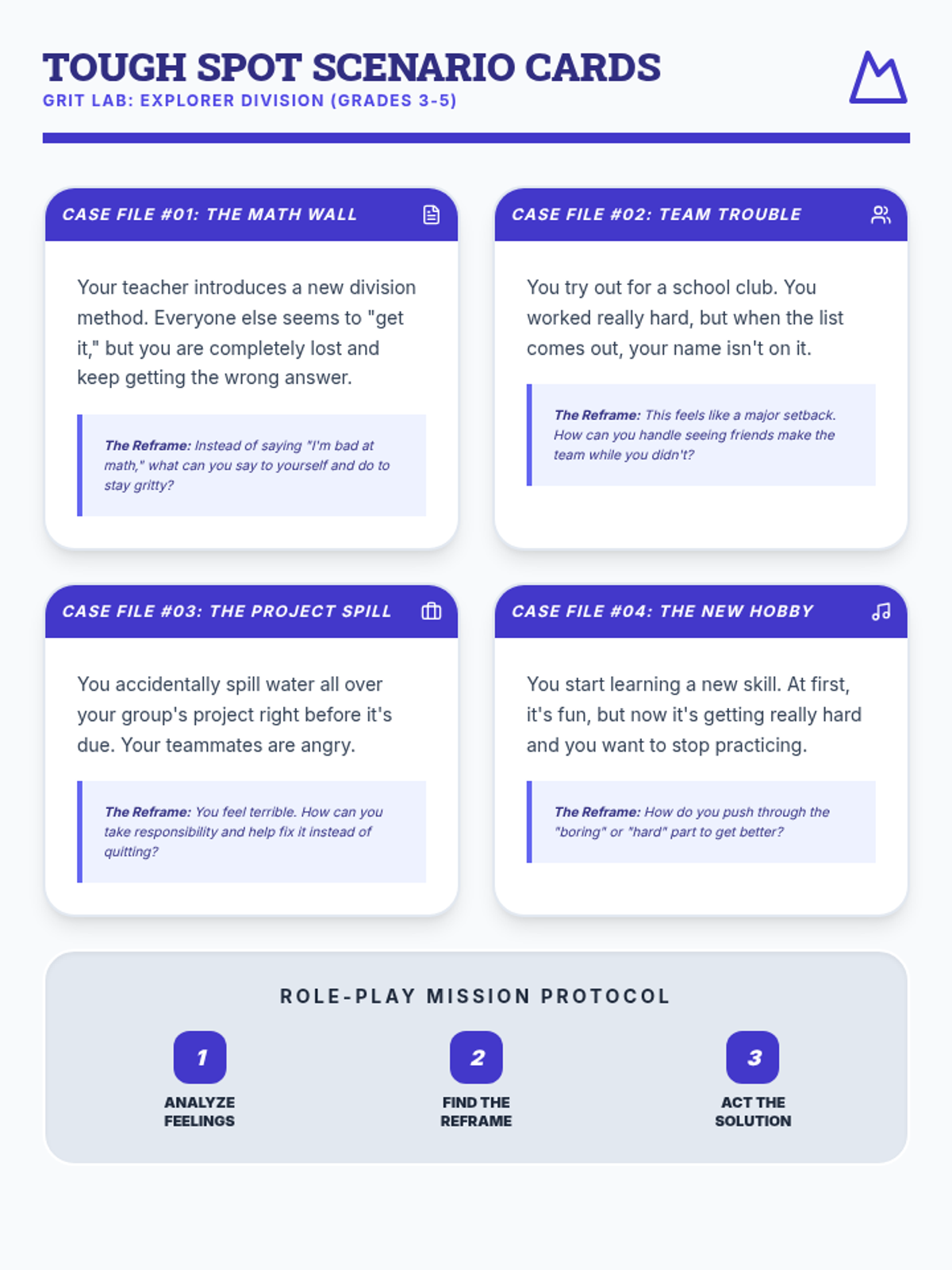
Helps 3rd to 5th graders develop grit and perspective when facing academic and social challenges through collaborative role-play.
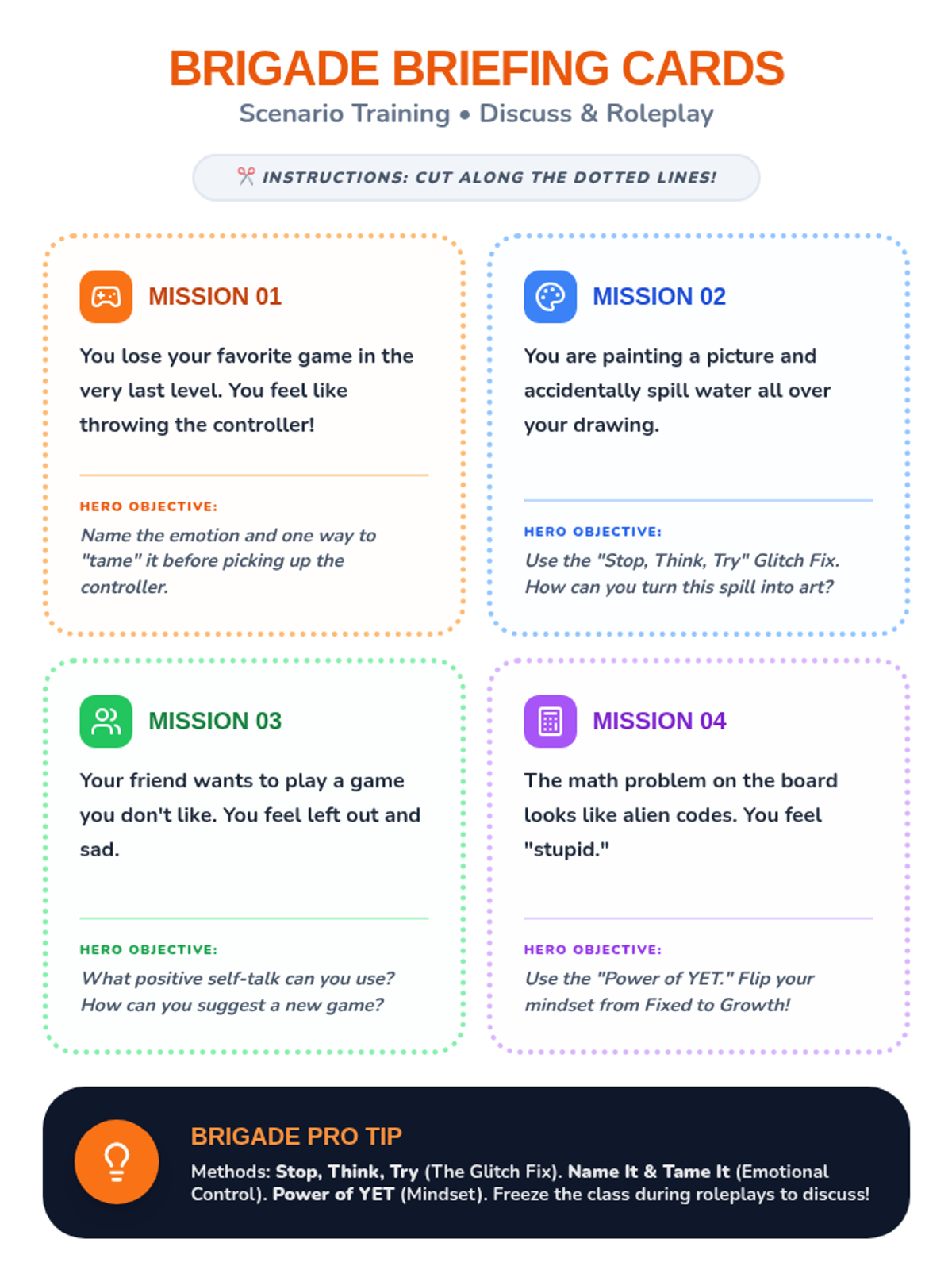
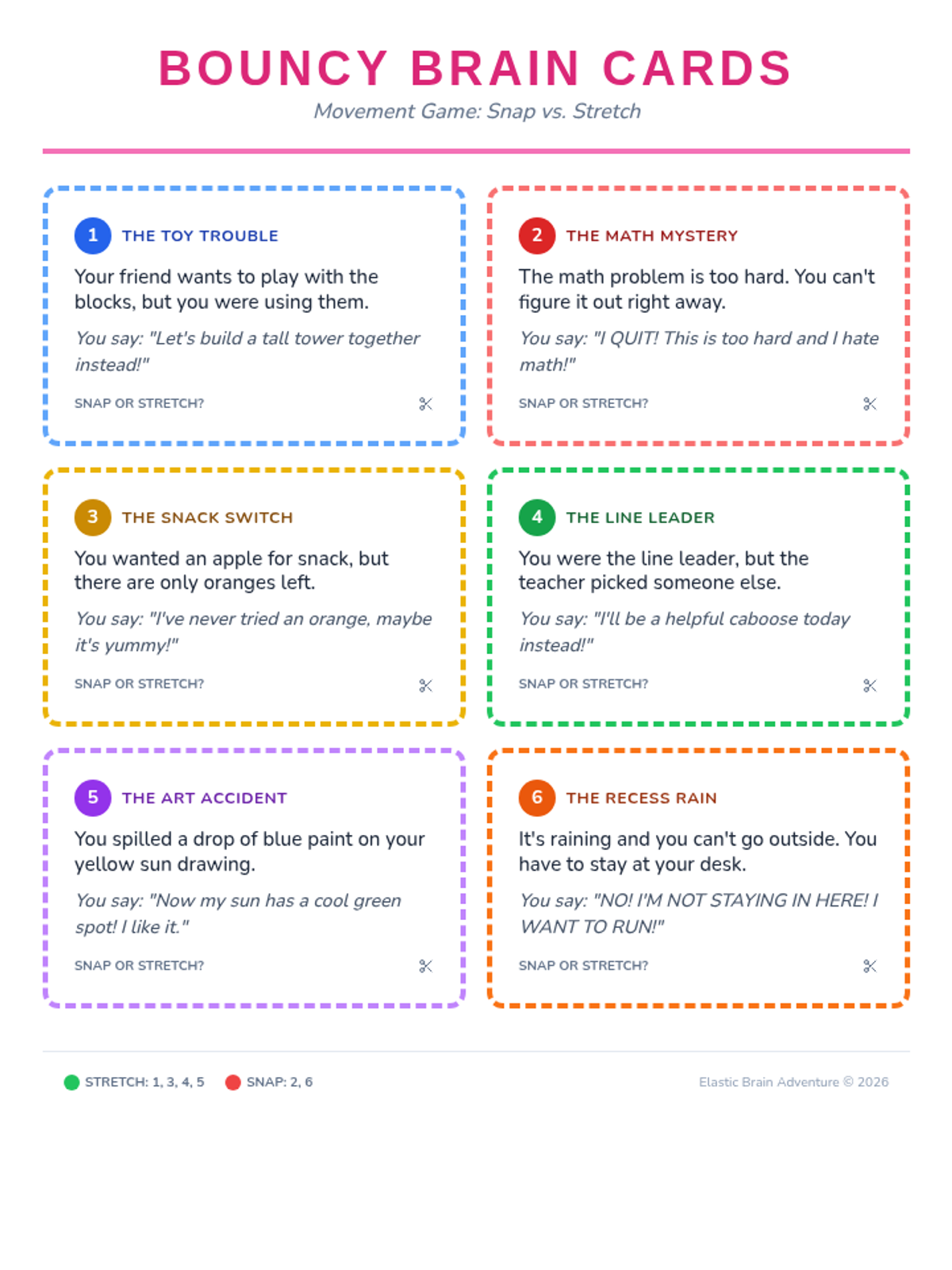
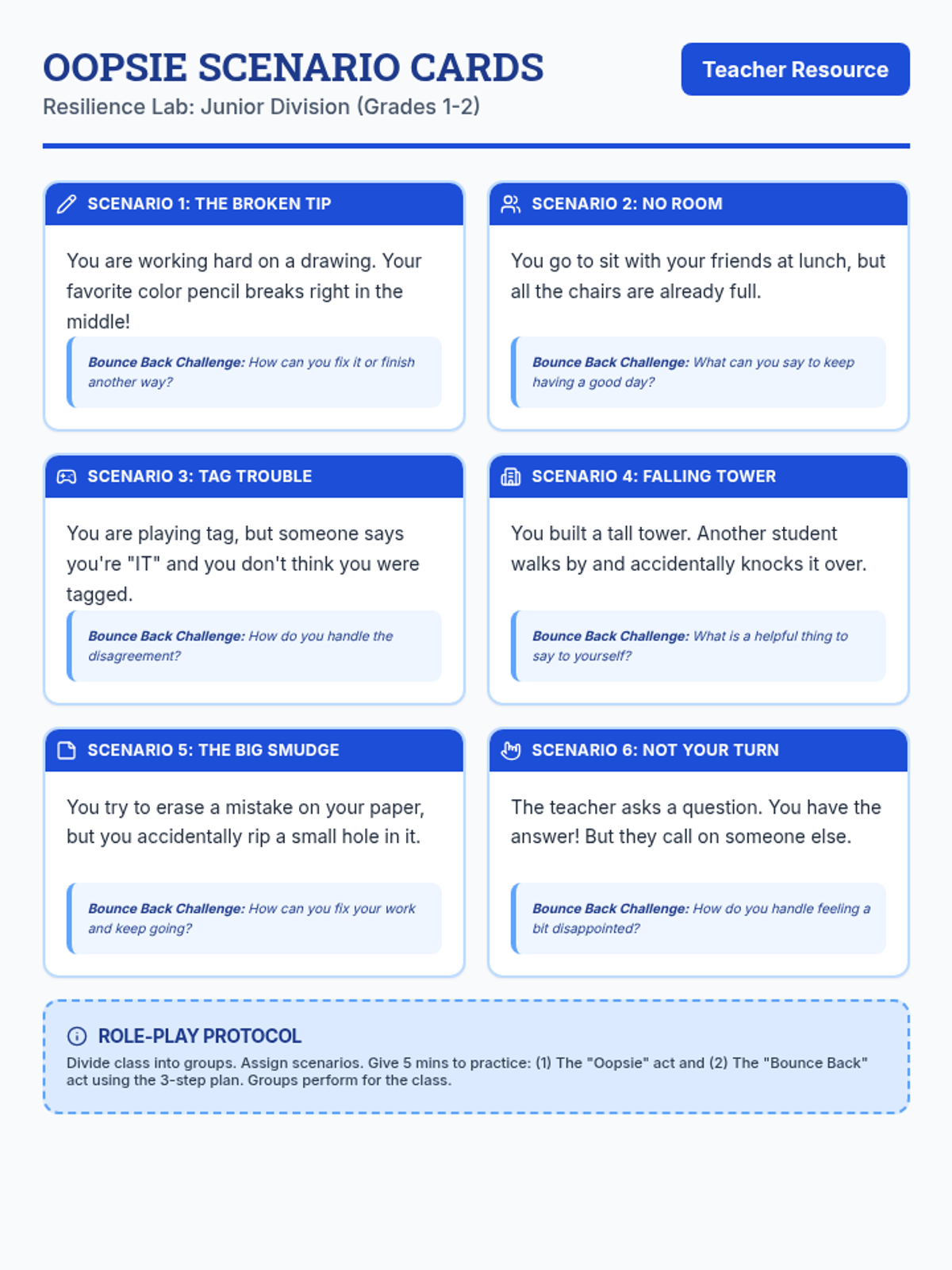
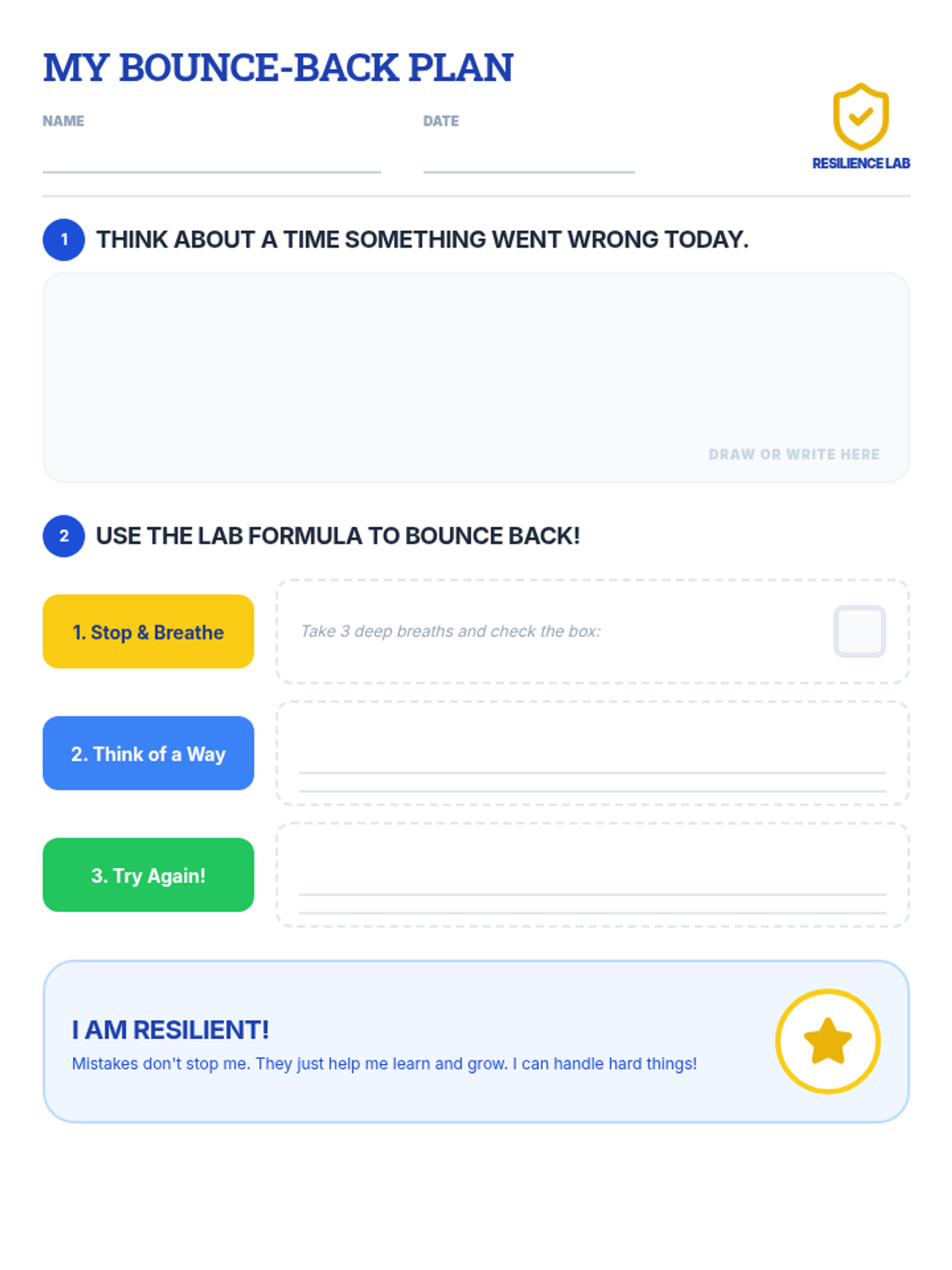
Introduces 1st and 2nd graders to the concept of 'bouncing back' from small mistakes and managing big feelings using role-play scenarios.
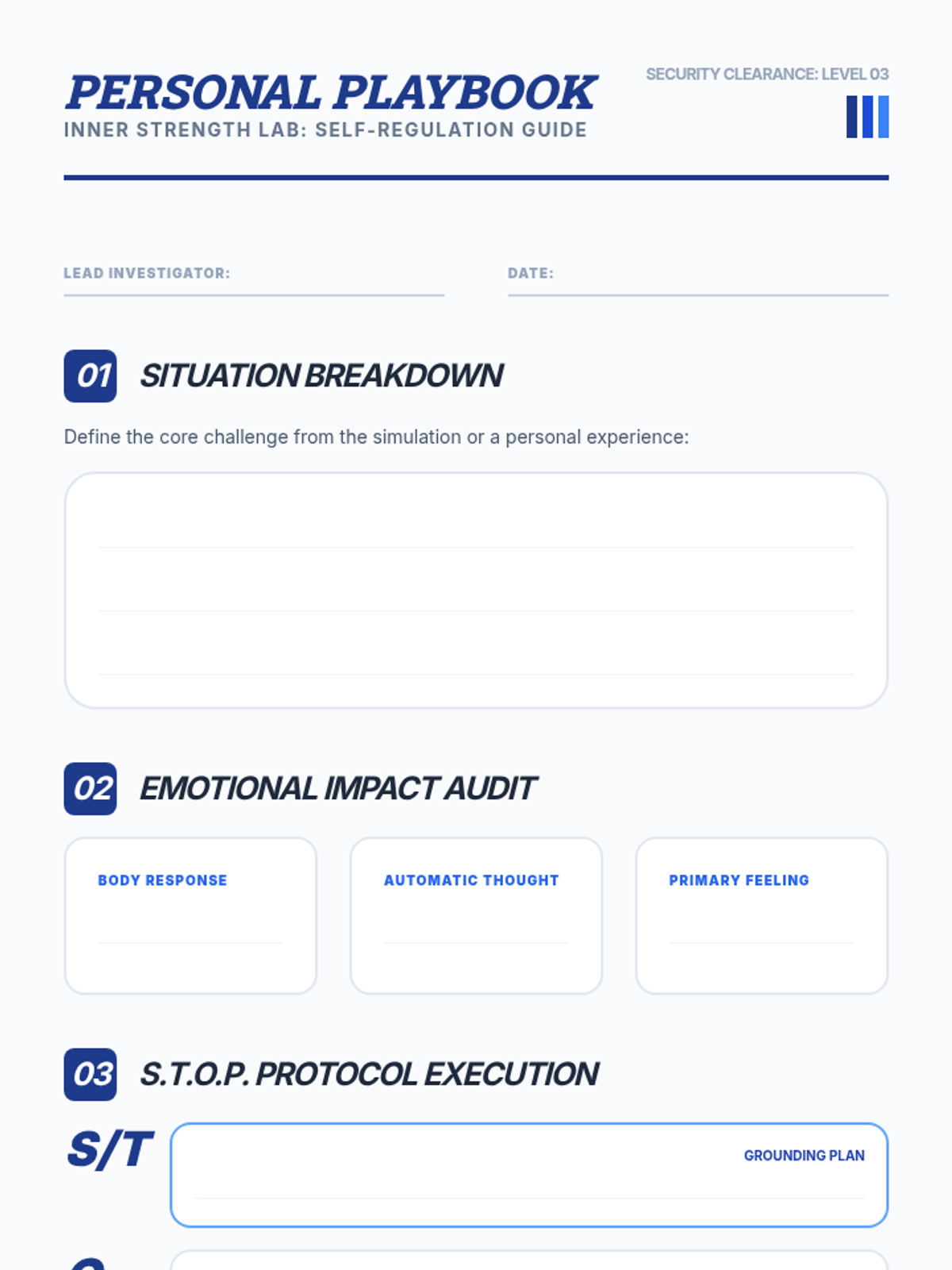
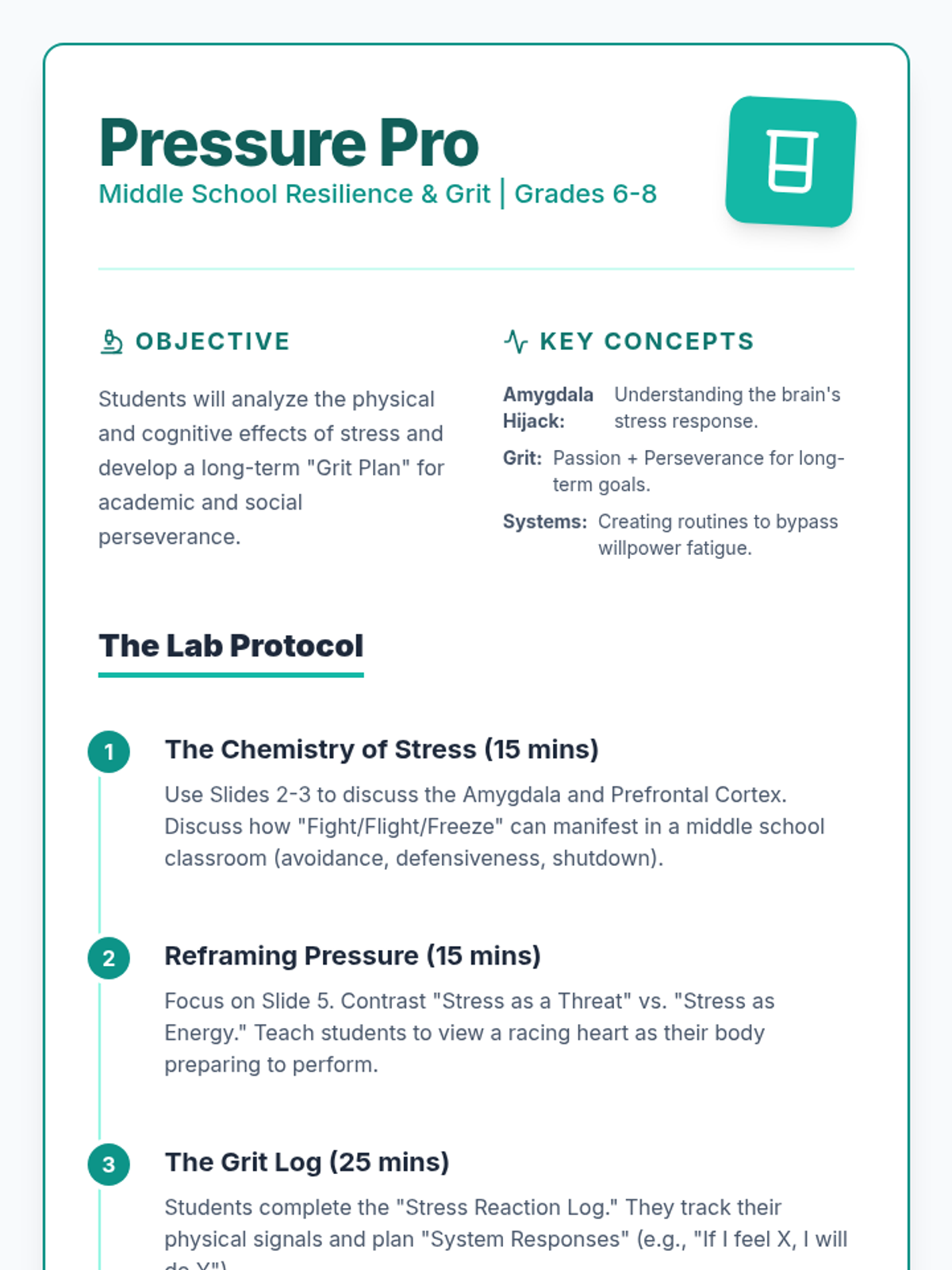
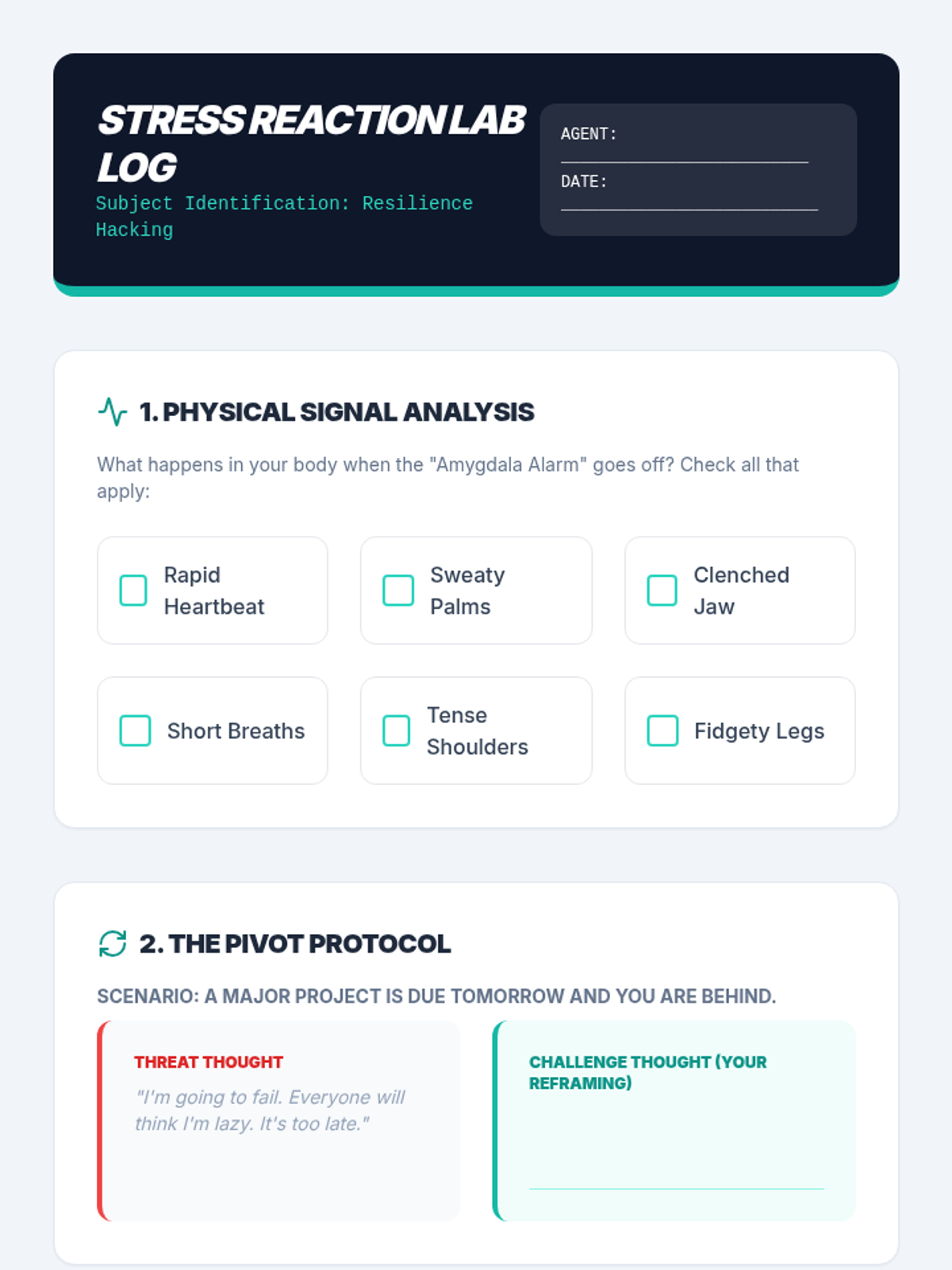
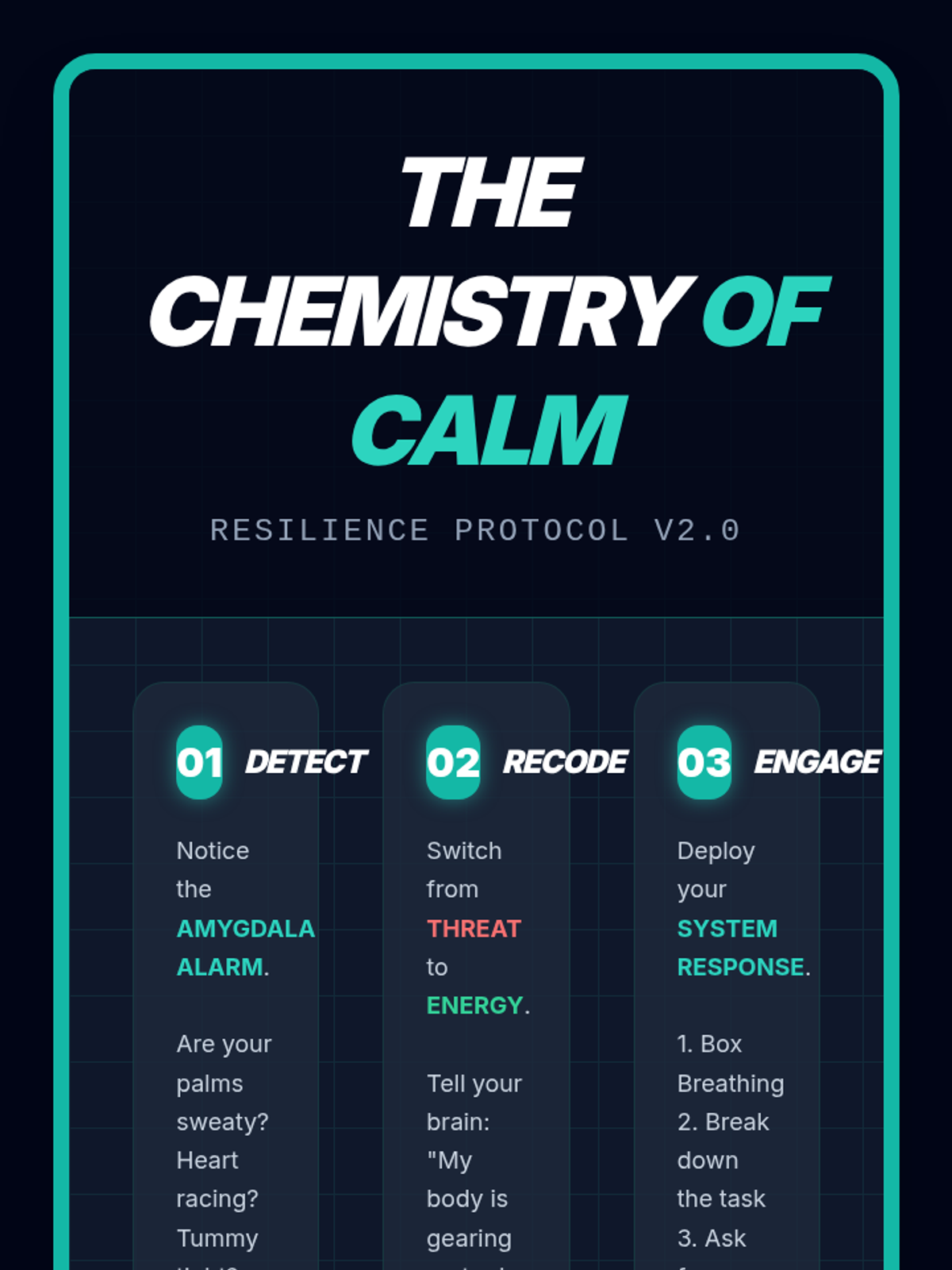
Explores the science of stress, long-term perseverance (grit), and developing a personal resilience plan for navigating middle school transitions.
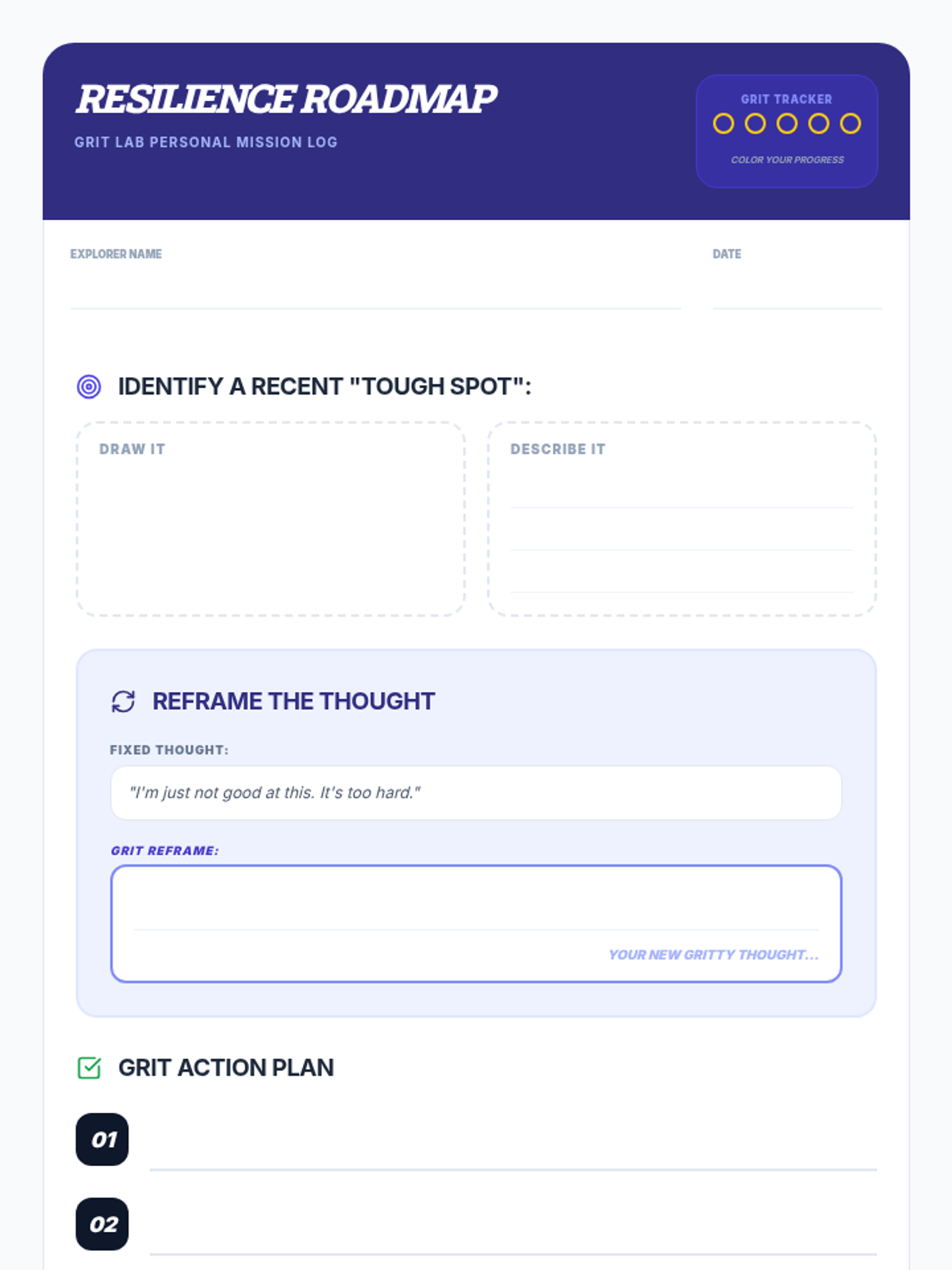
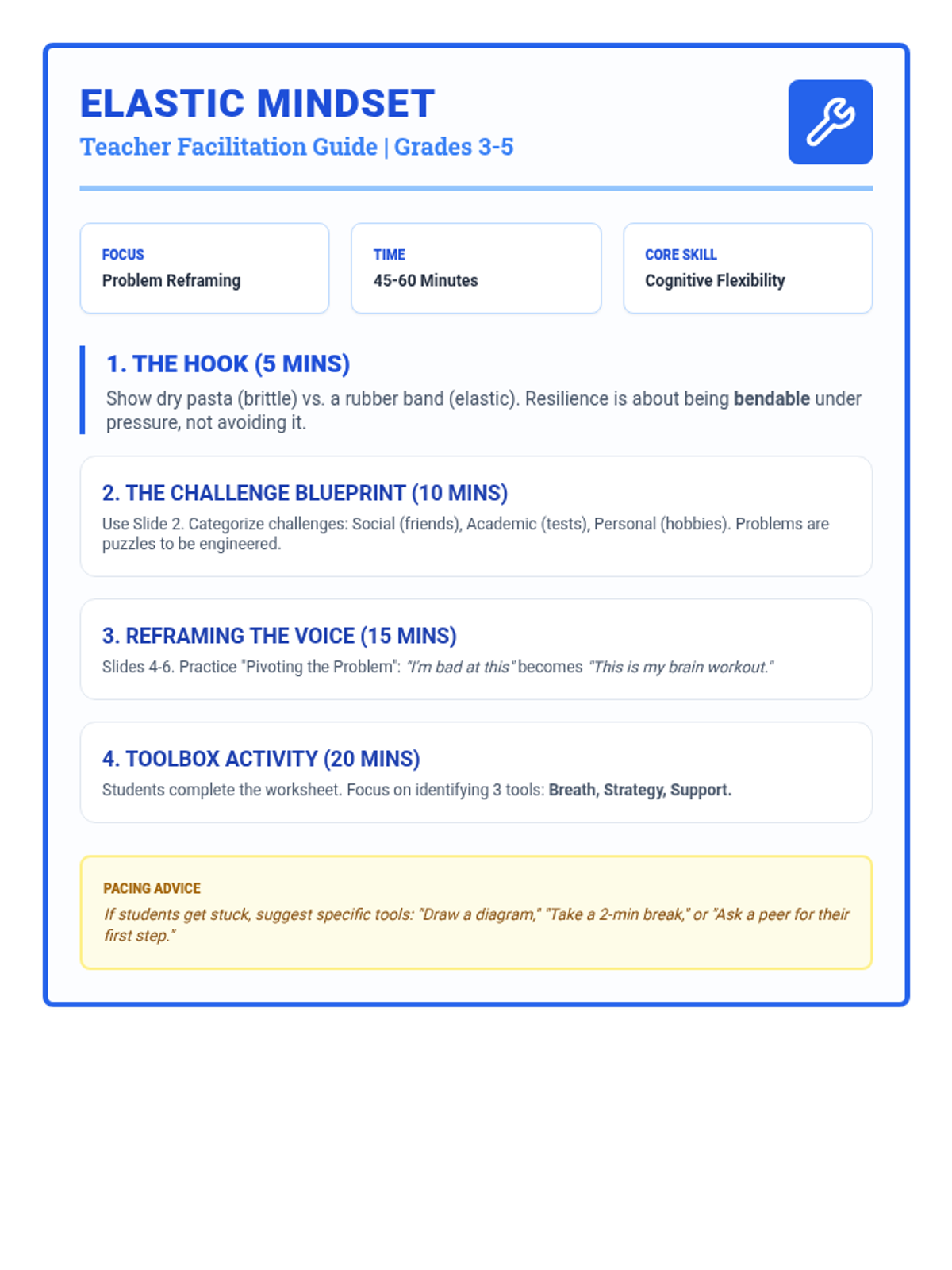
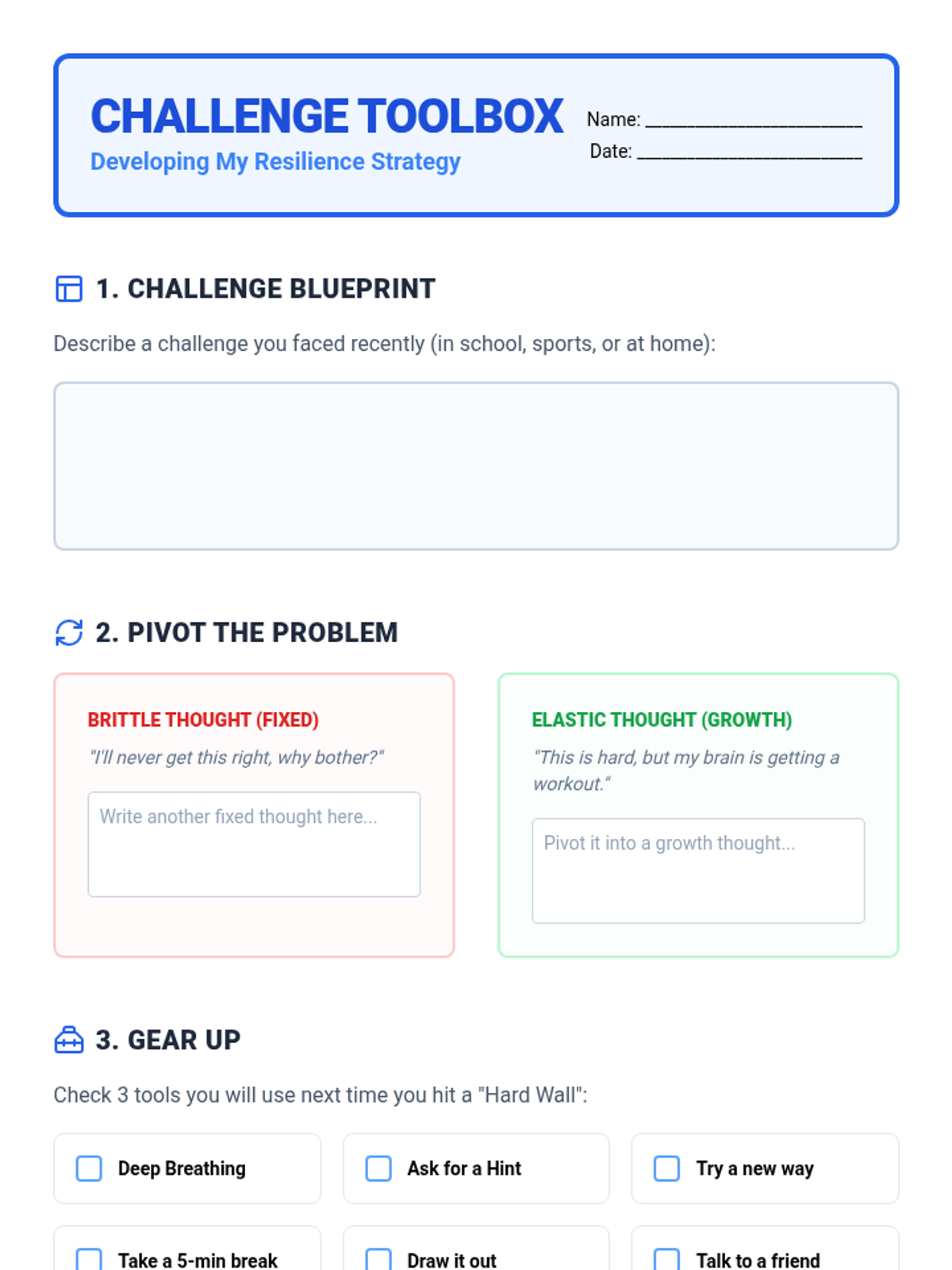
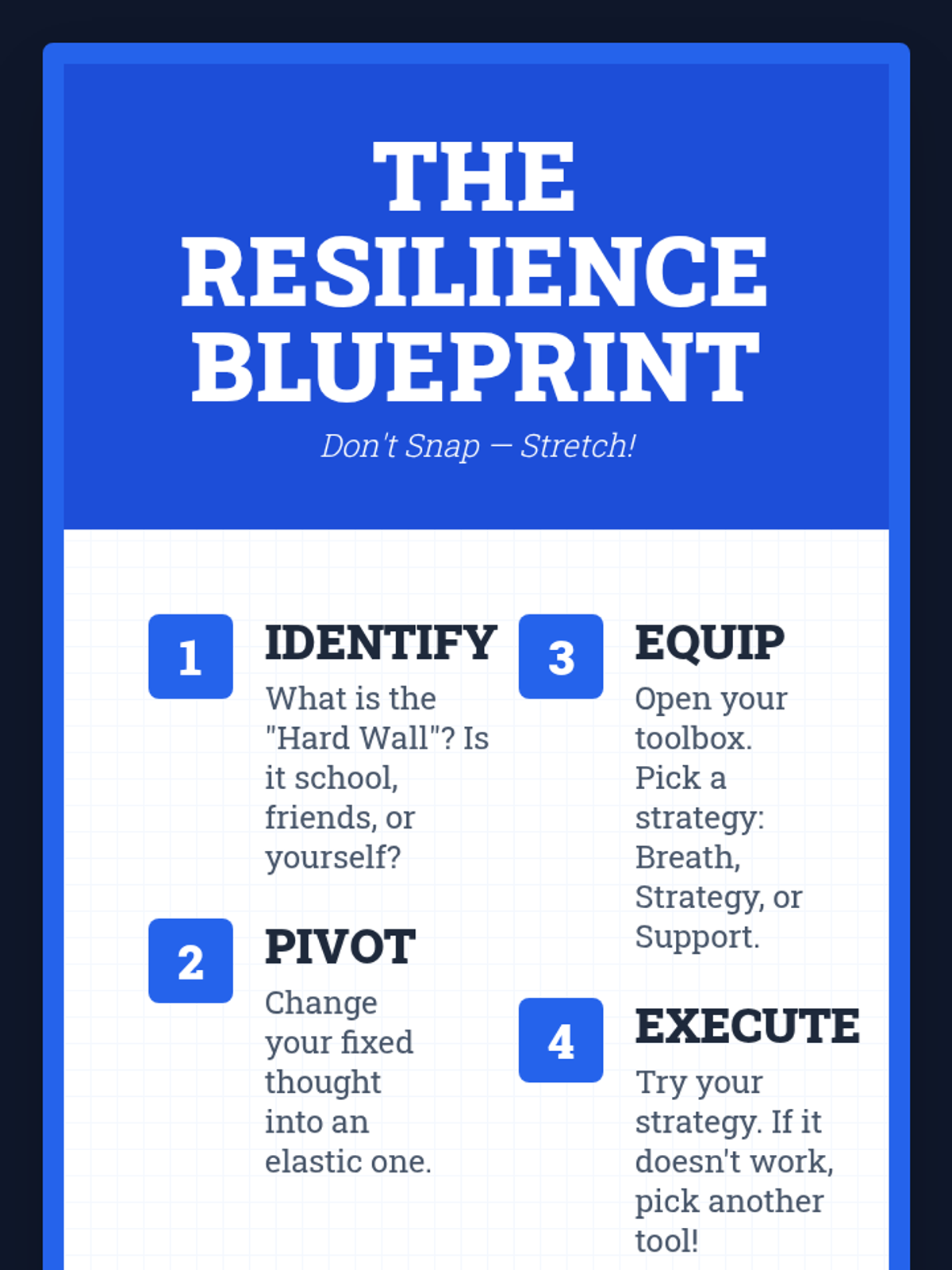
Teaches students to identify challenges, reframe negative thoughts, and build a 'toolbox' of coping strategies for social and academic hurdles.
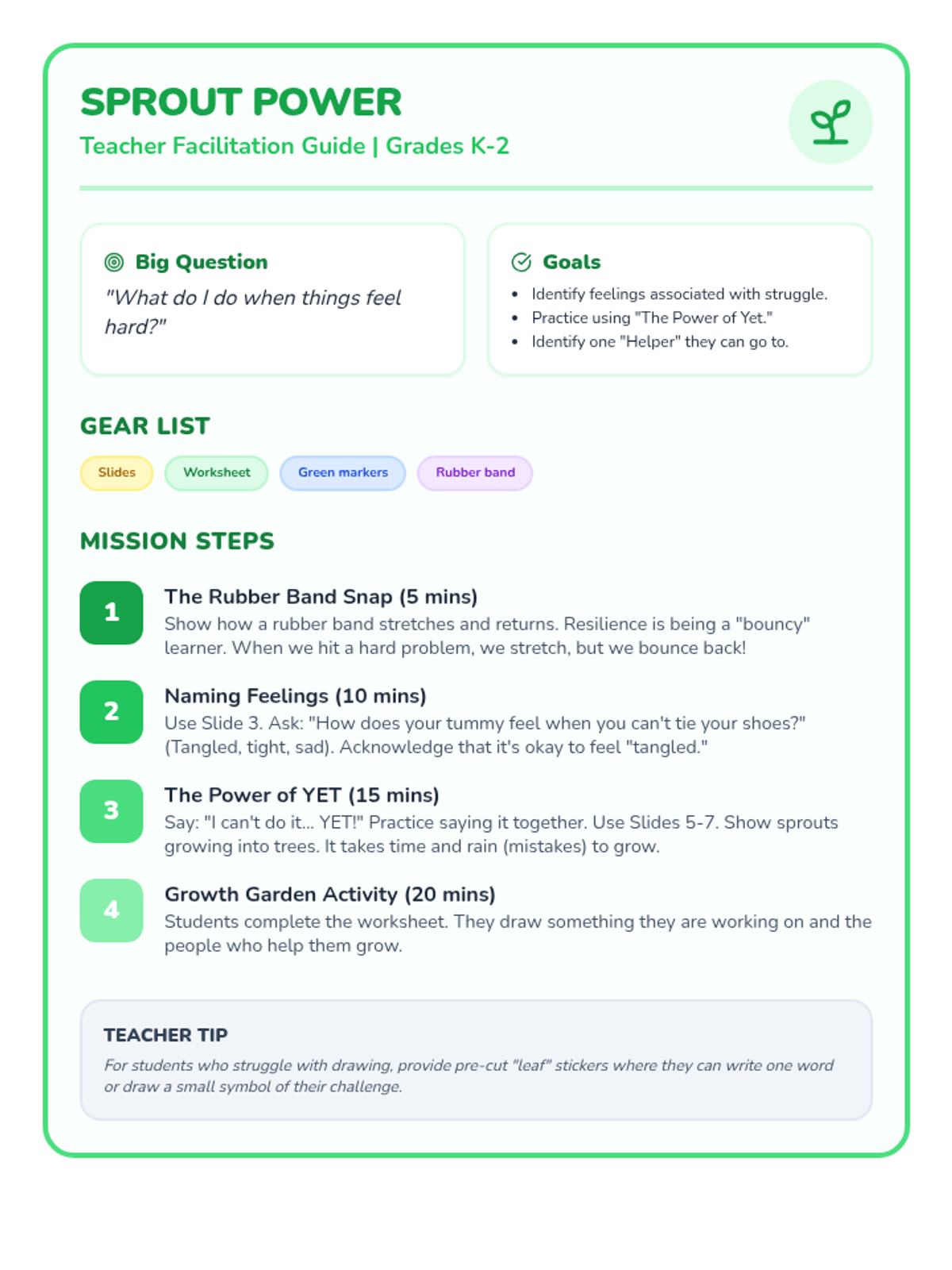
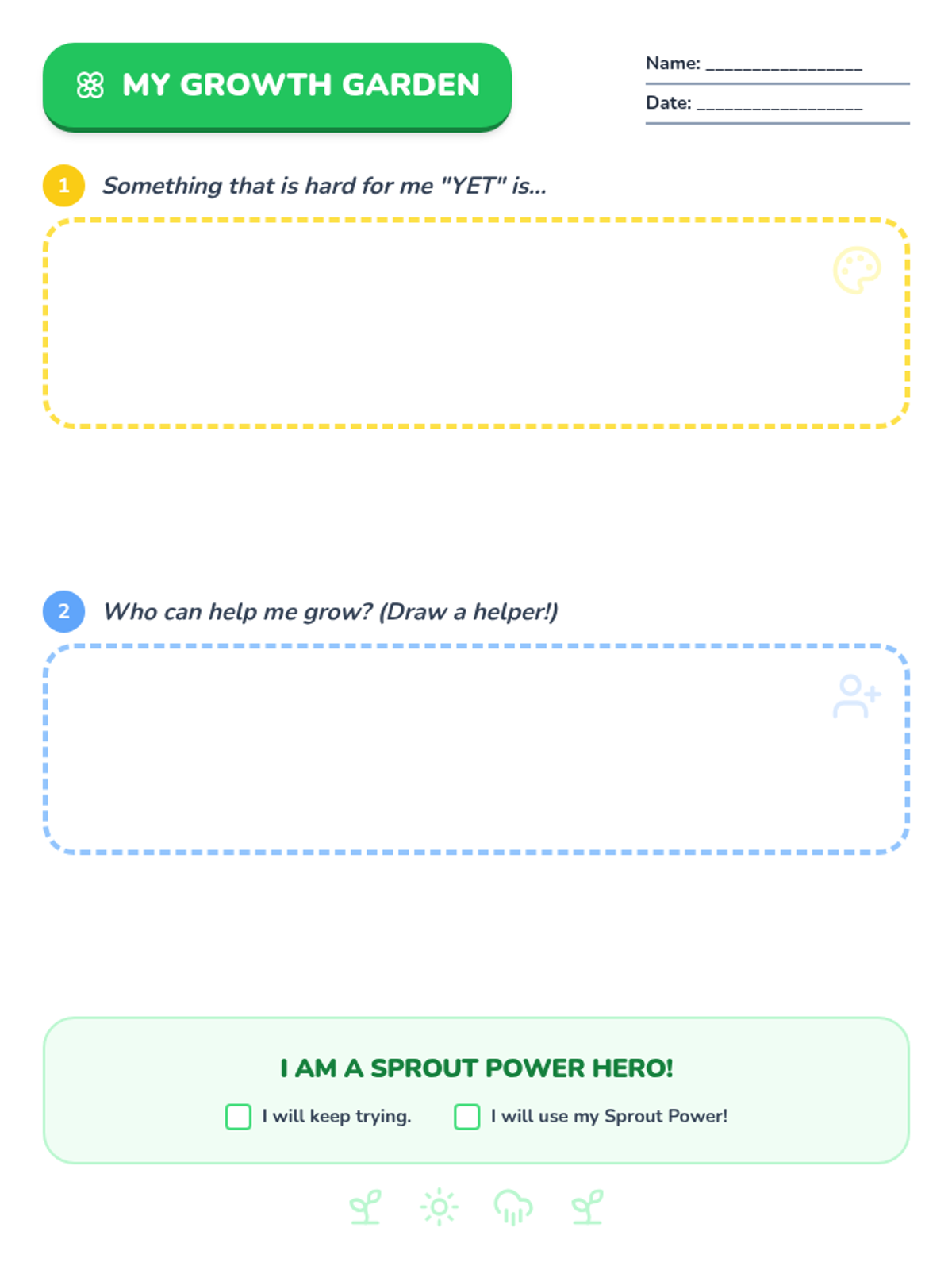
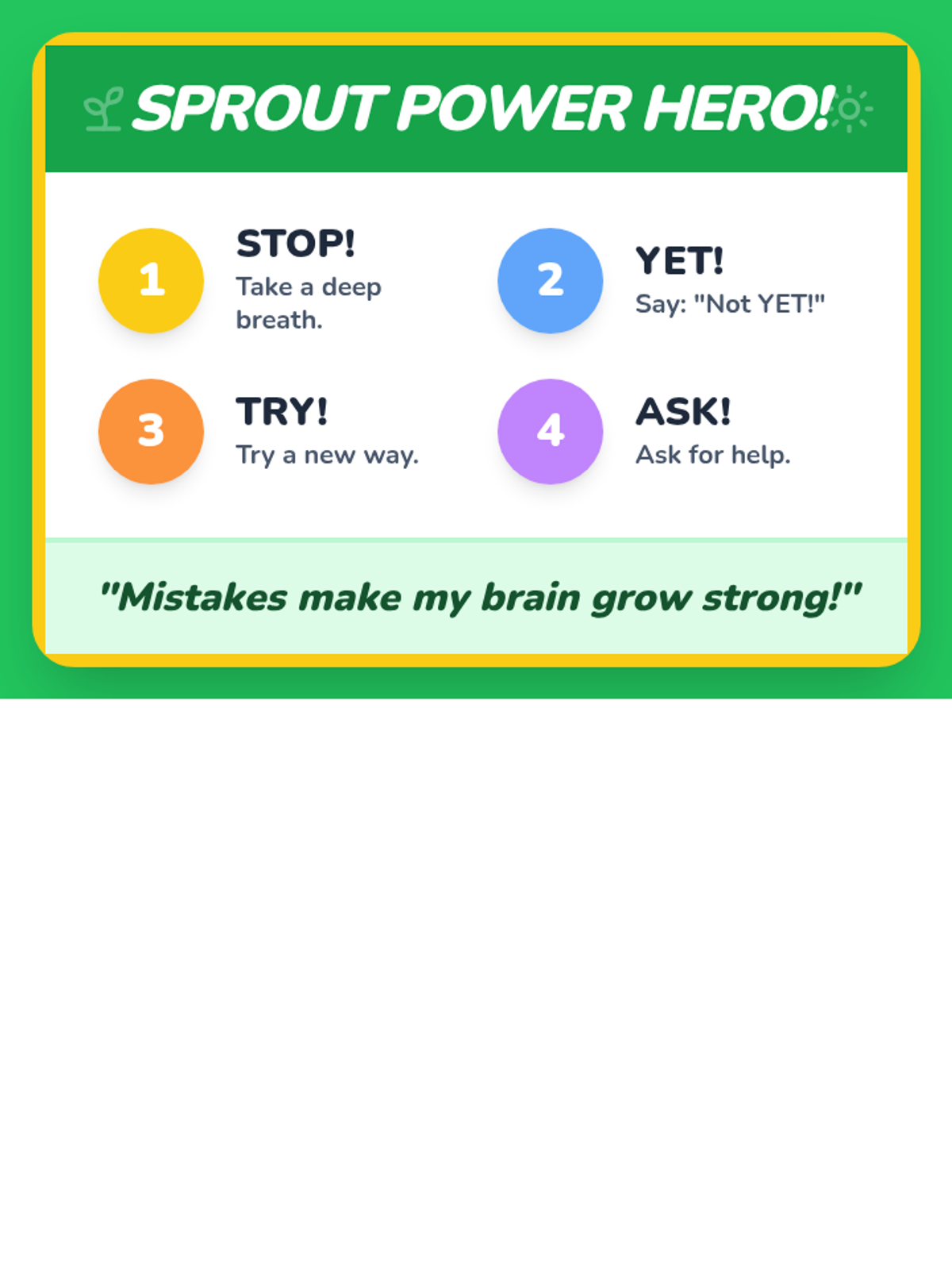
Focuses on naming emotions, understanding that mistakes help us grow, and using the 'Power of Yet' to build early resilience.
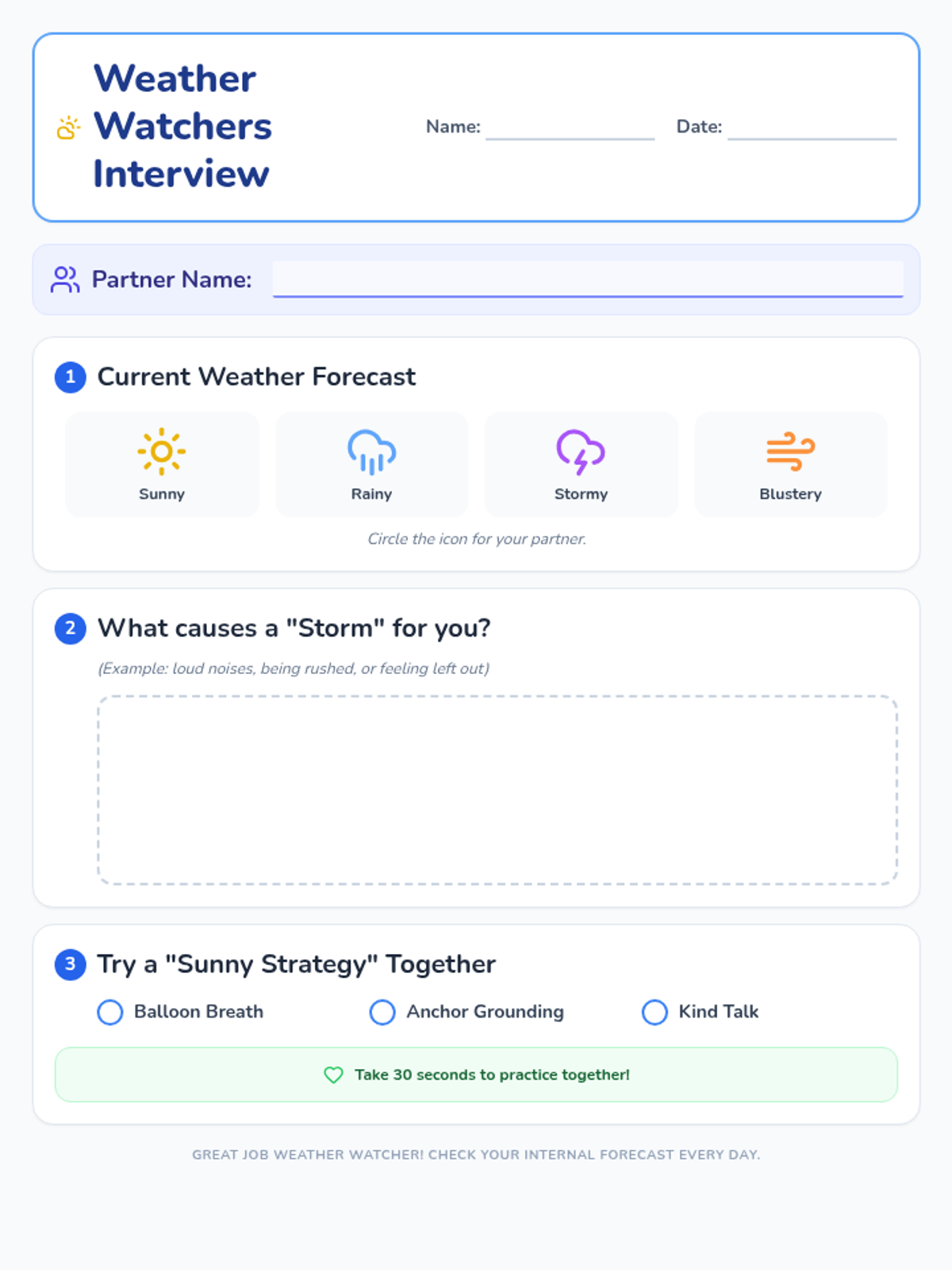
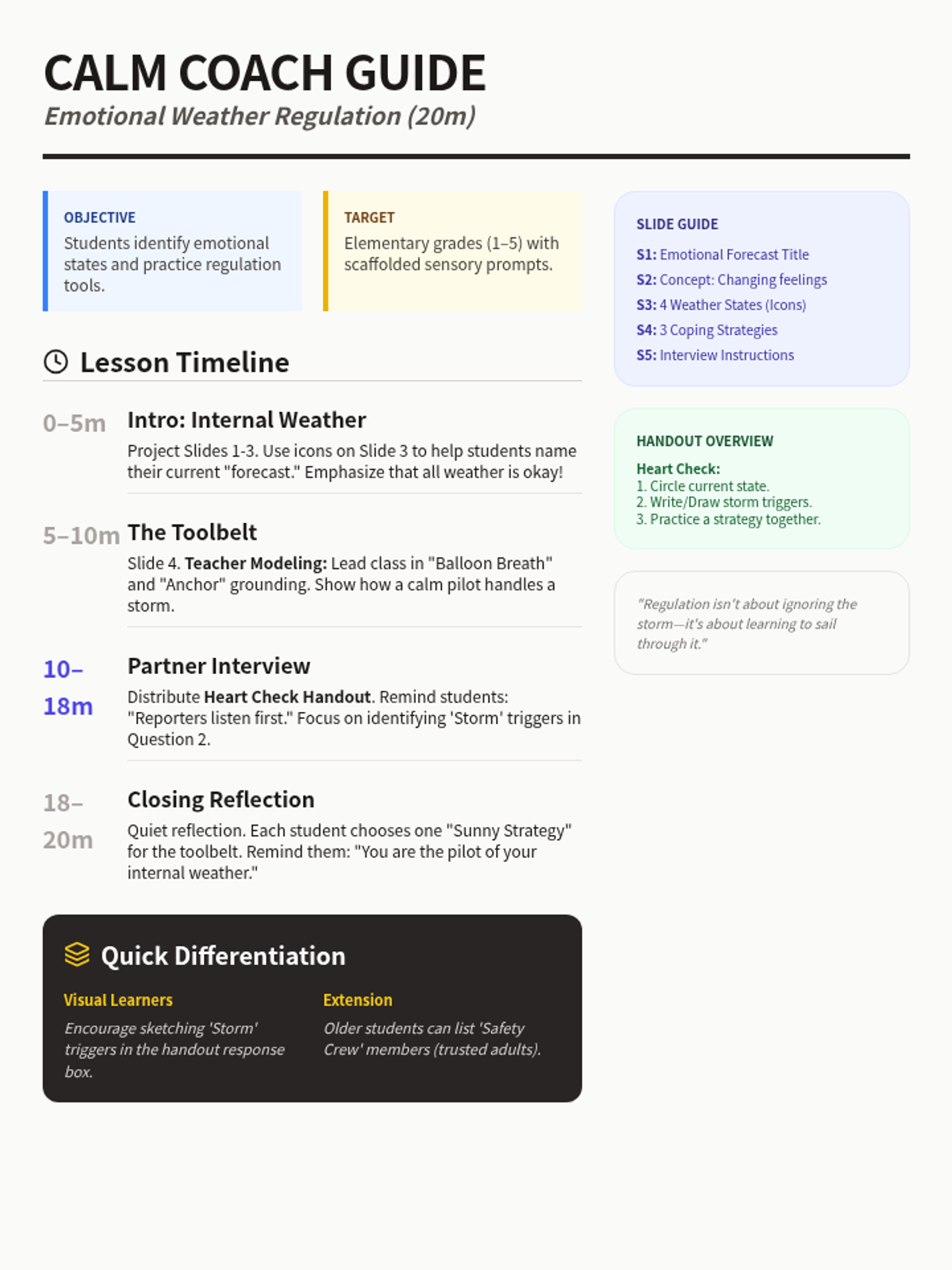
A 20-minute lesson focused on emotional regulation through the metaphor of 'internal weather,' helping students identify feelings and practice self-care strategies.
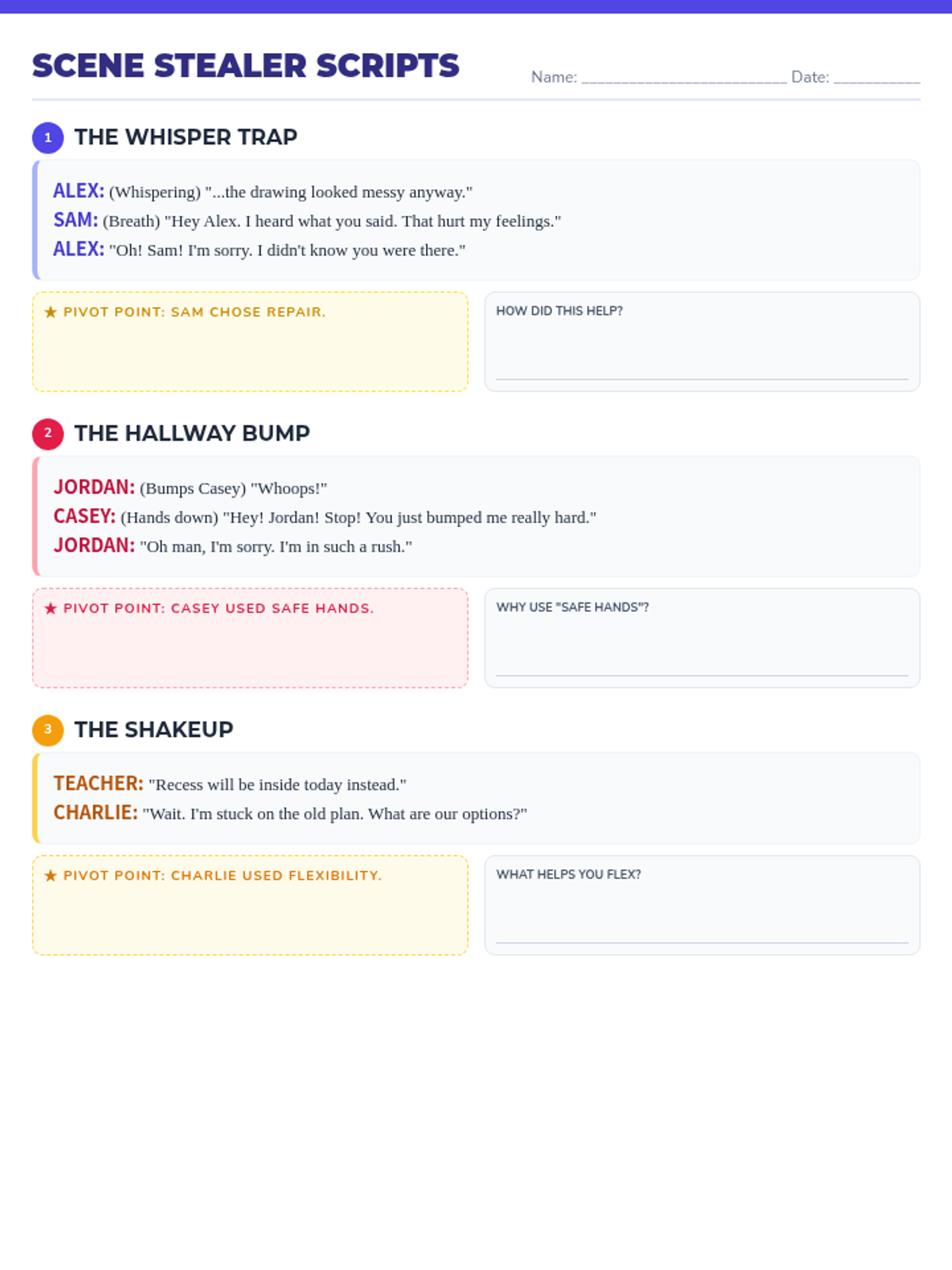
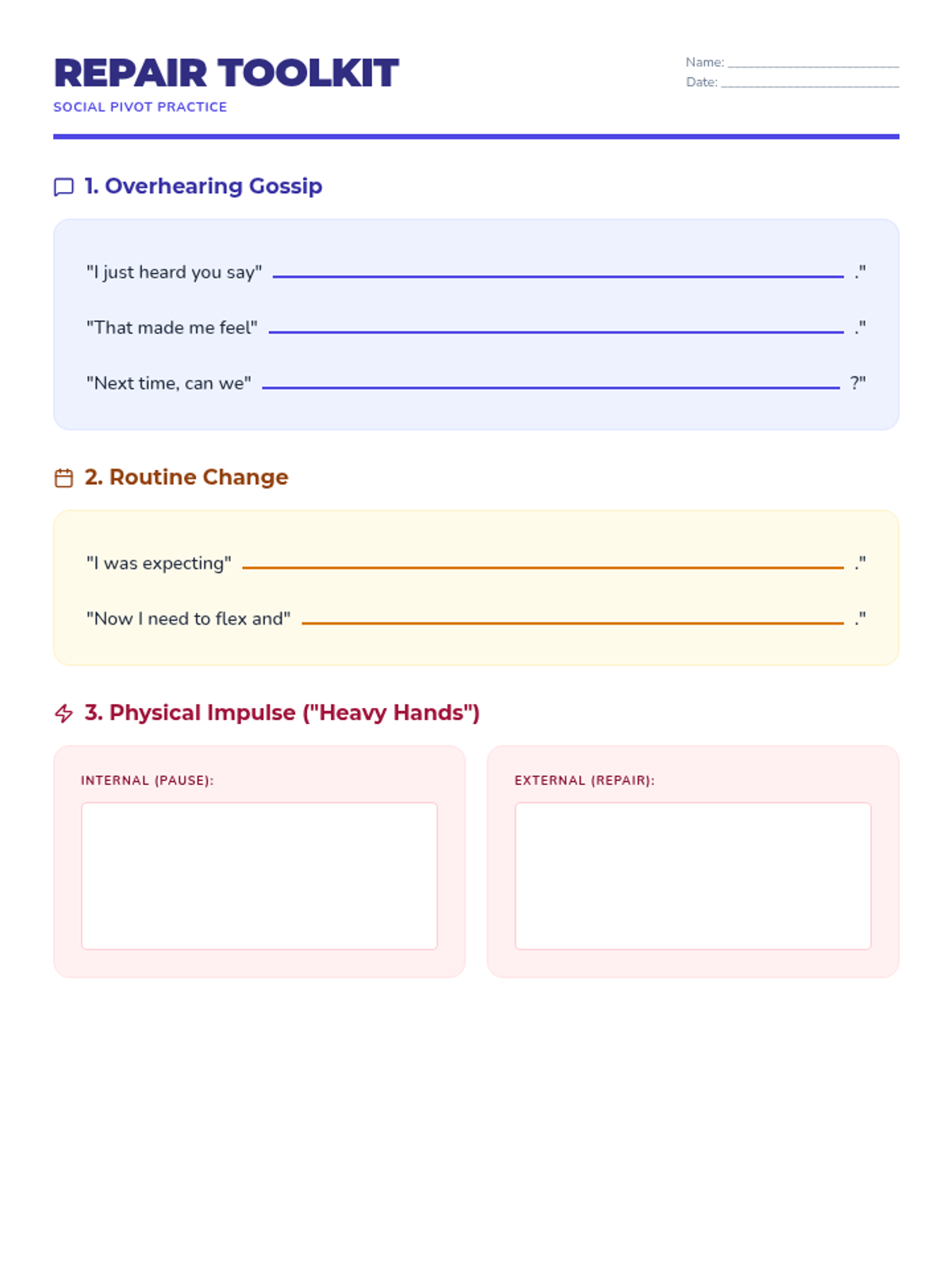
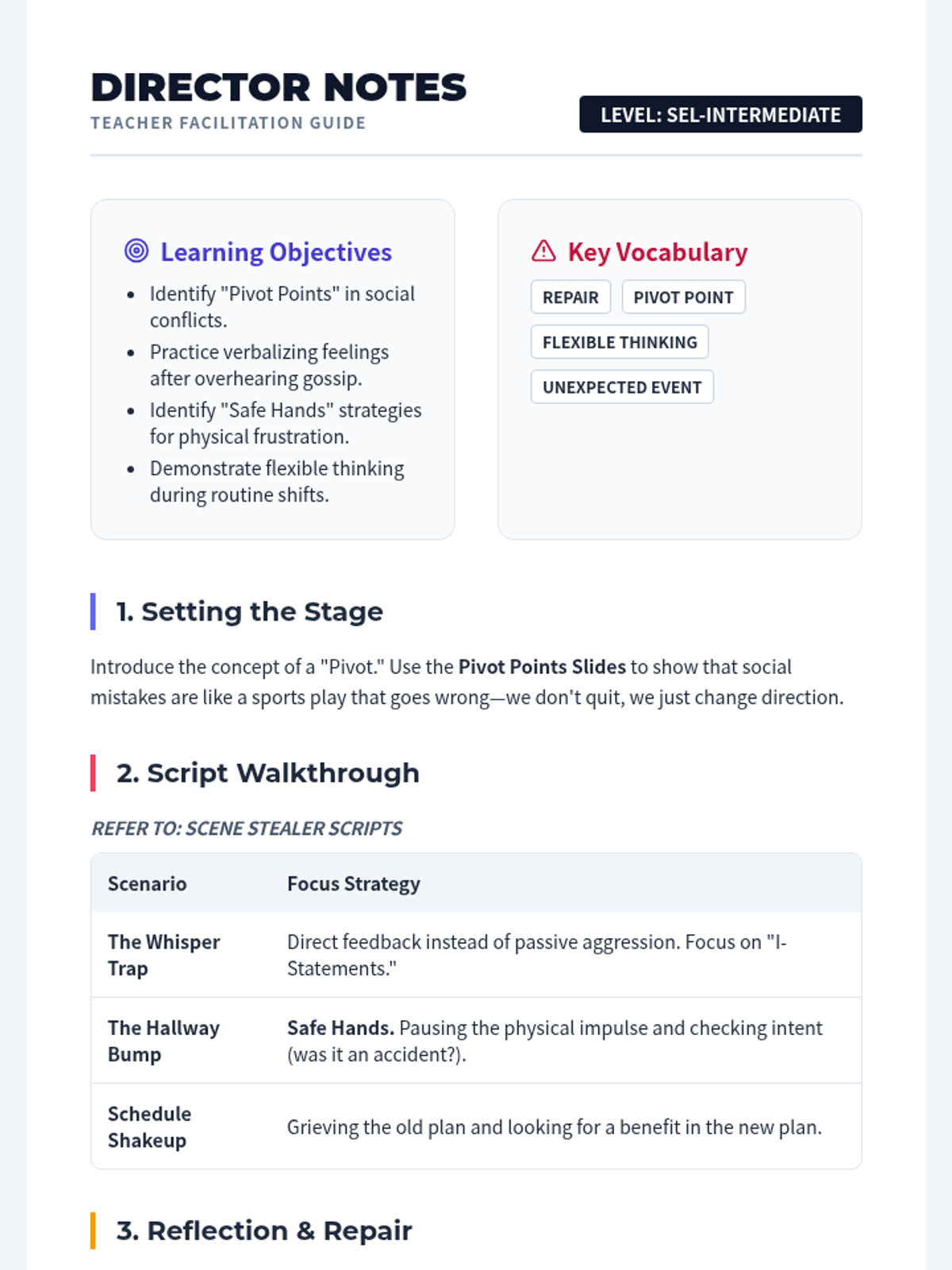
A social-emotional learning lesson focused on navigating difficult social moments like overhearing gossip, managing physical impulses, and adapting to routine changes through roleplay and scripts.
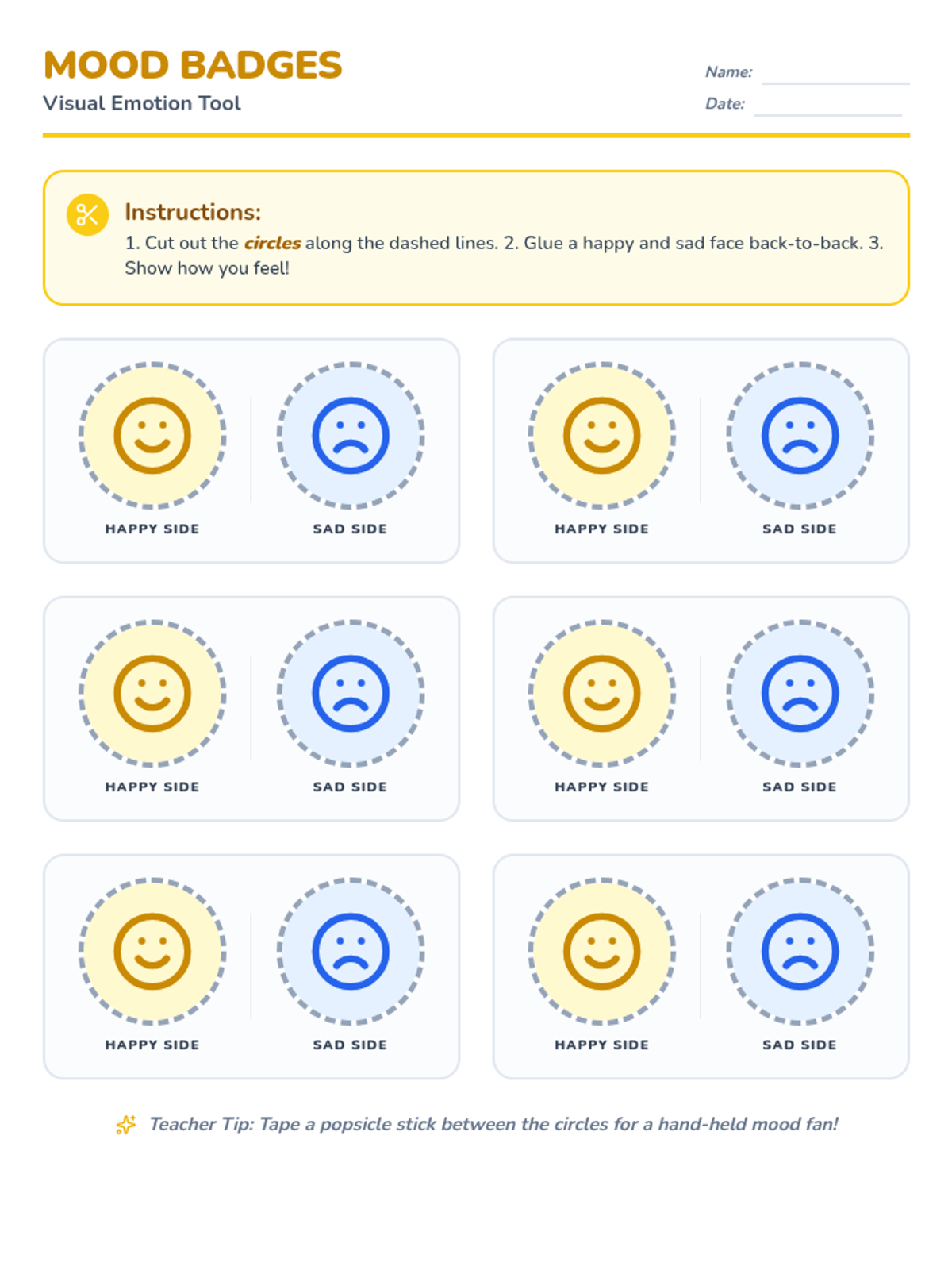
A collection of visual tools to help students identify and communicate their emotions using simple, tactile badges.
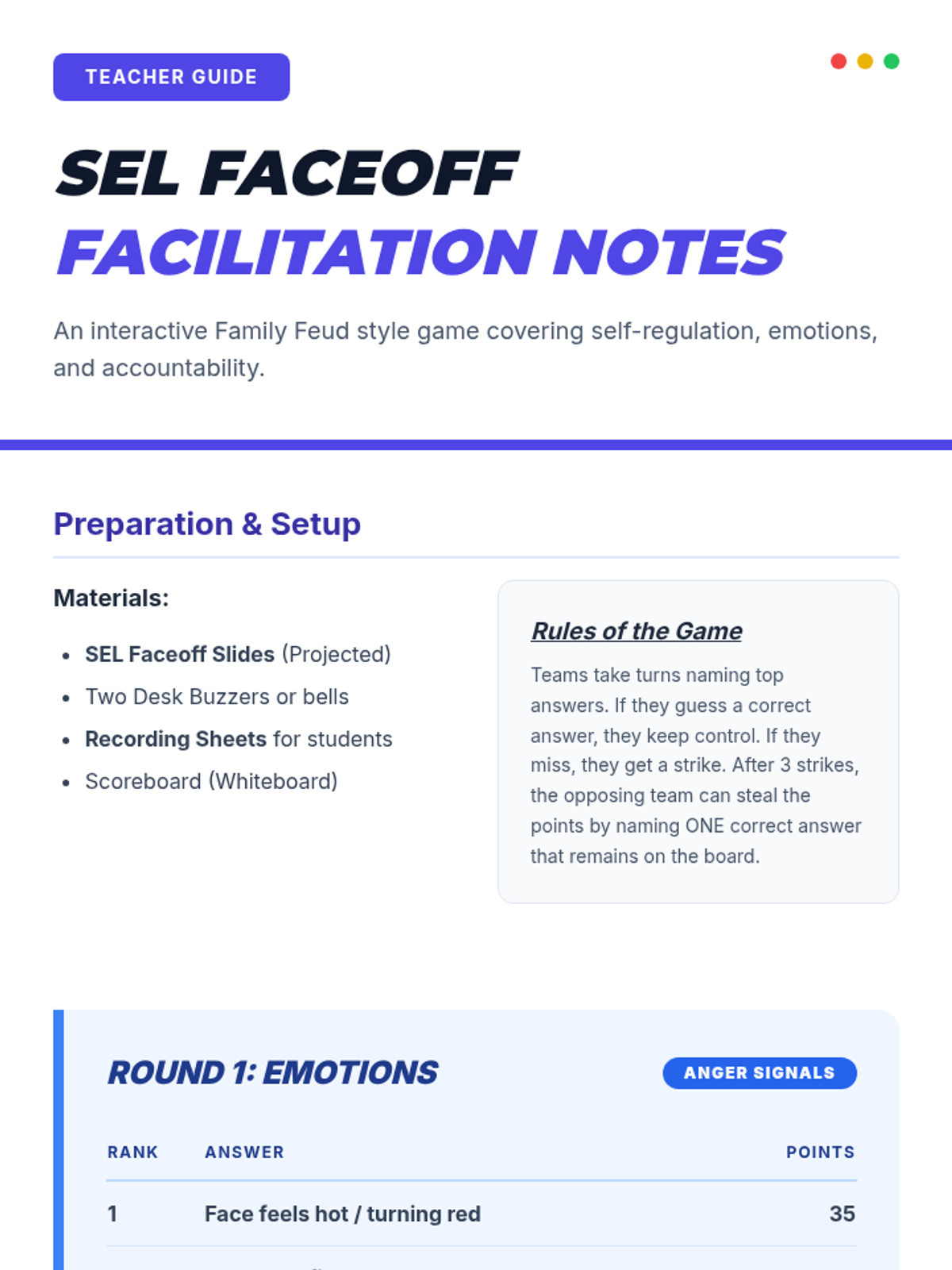
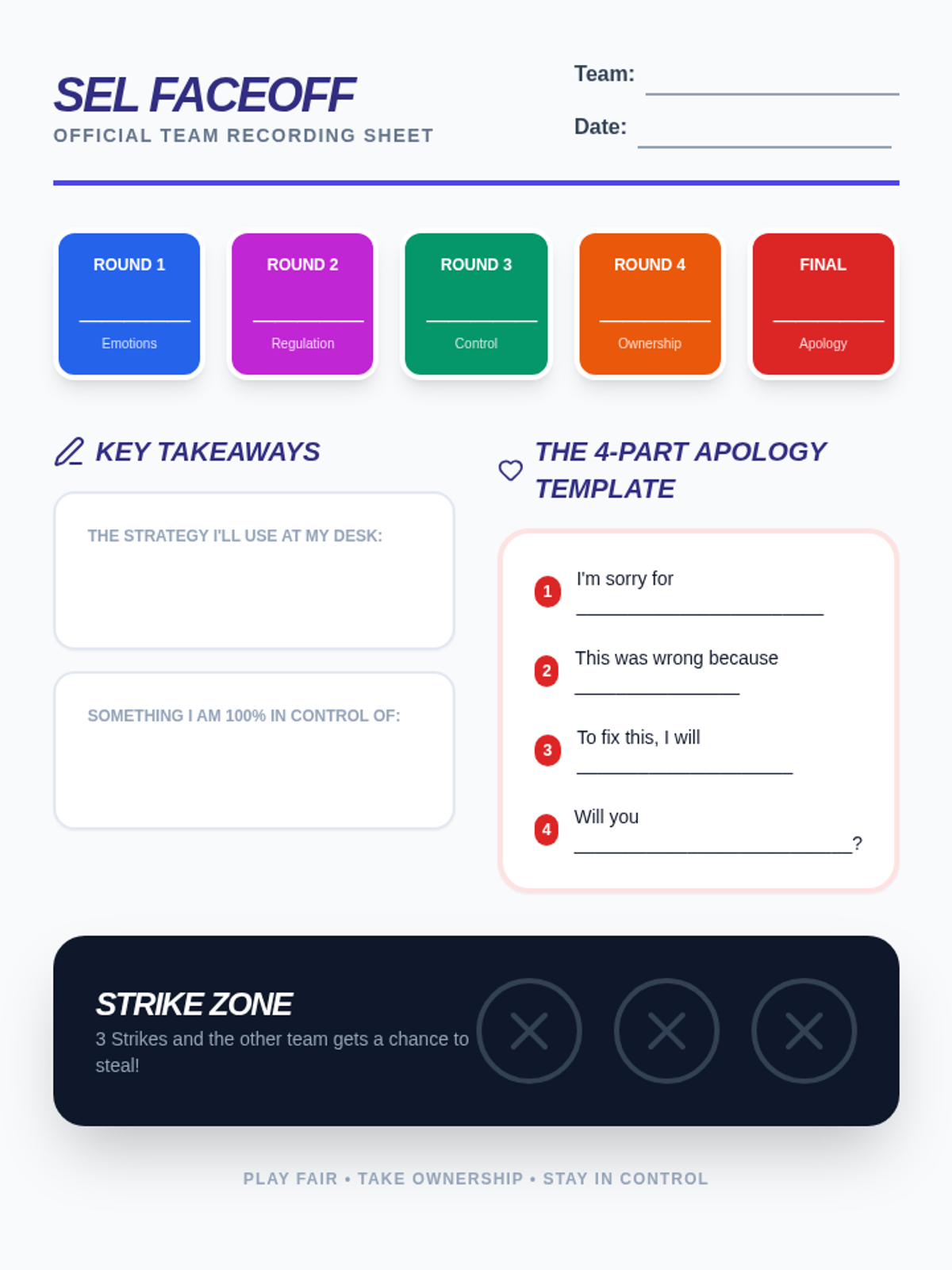
An interactive game-show style lesson covering emotional intelligence, self-regulation strategies, personal accountability, and the 4-part apology method. Students compete in teams to identify 'top answers' for common social-emotional scenarios.
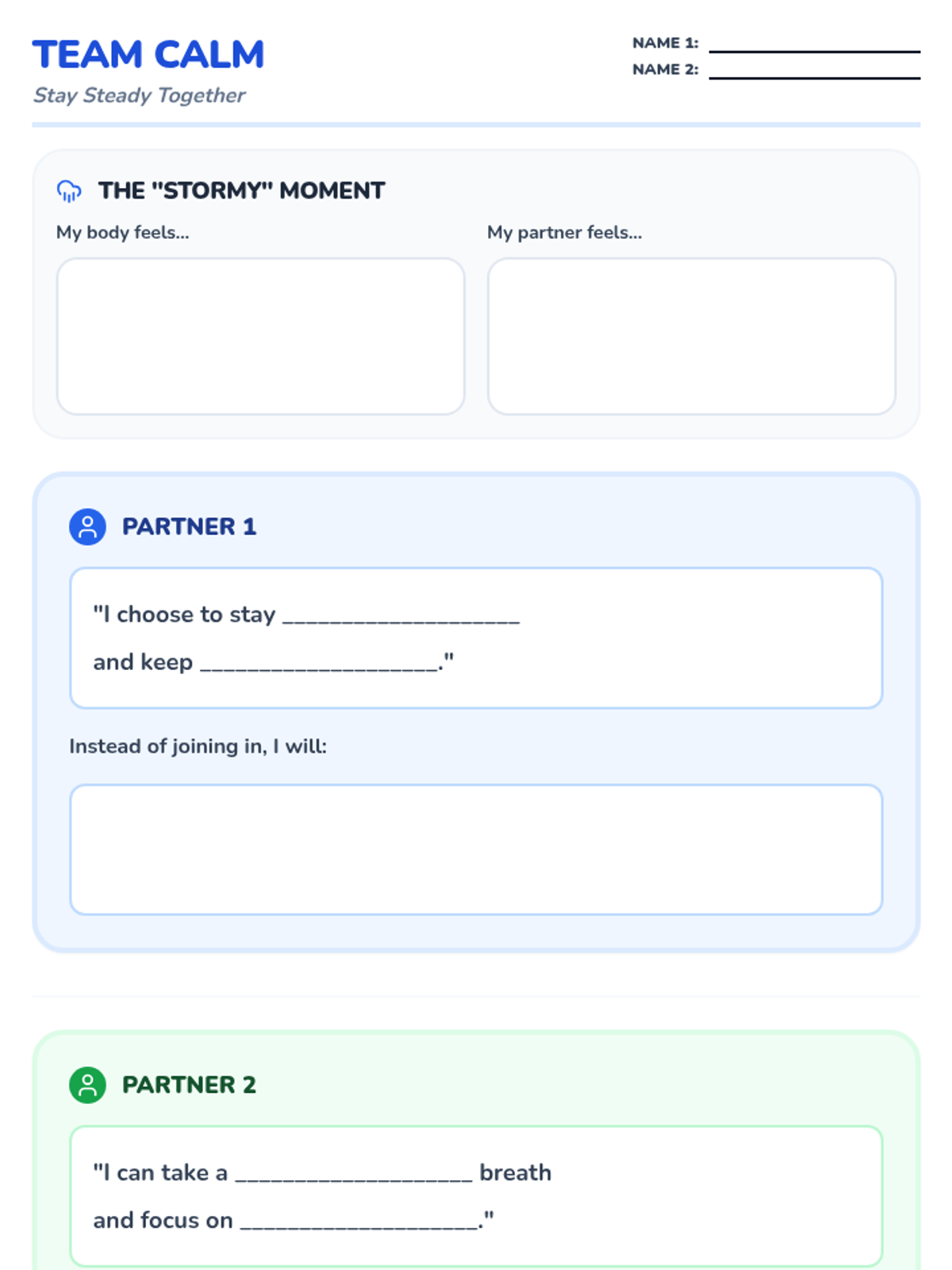
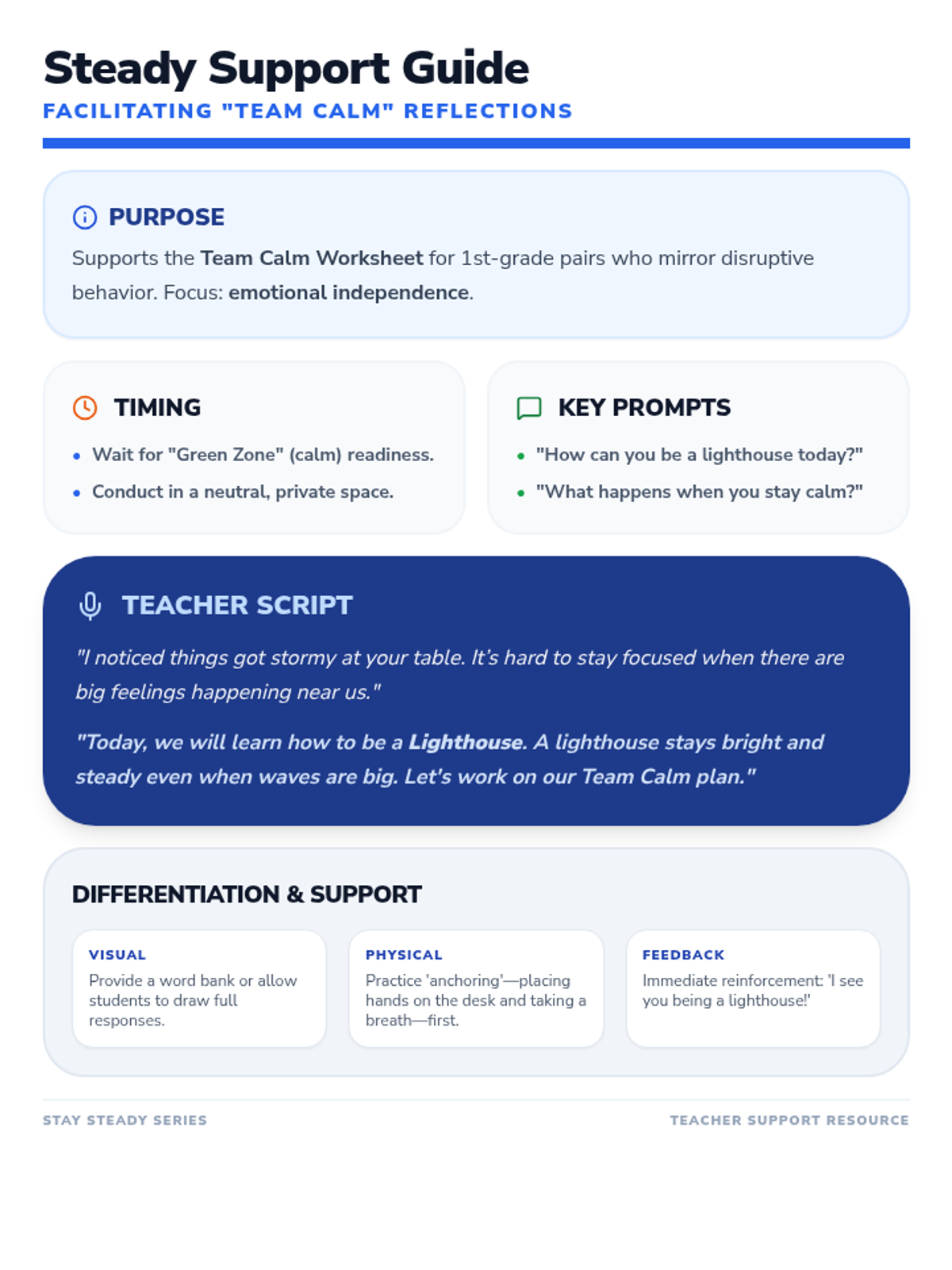
This lesson helps young students learn how to maintain their own emotional regulation and make positive choices even when their peers are experiencing emotional outbursts or disruptive behavior. It focuses on the 'lighthouse' metaphor—being a steady light during someone else's storm.
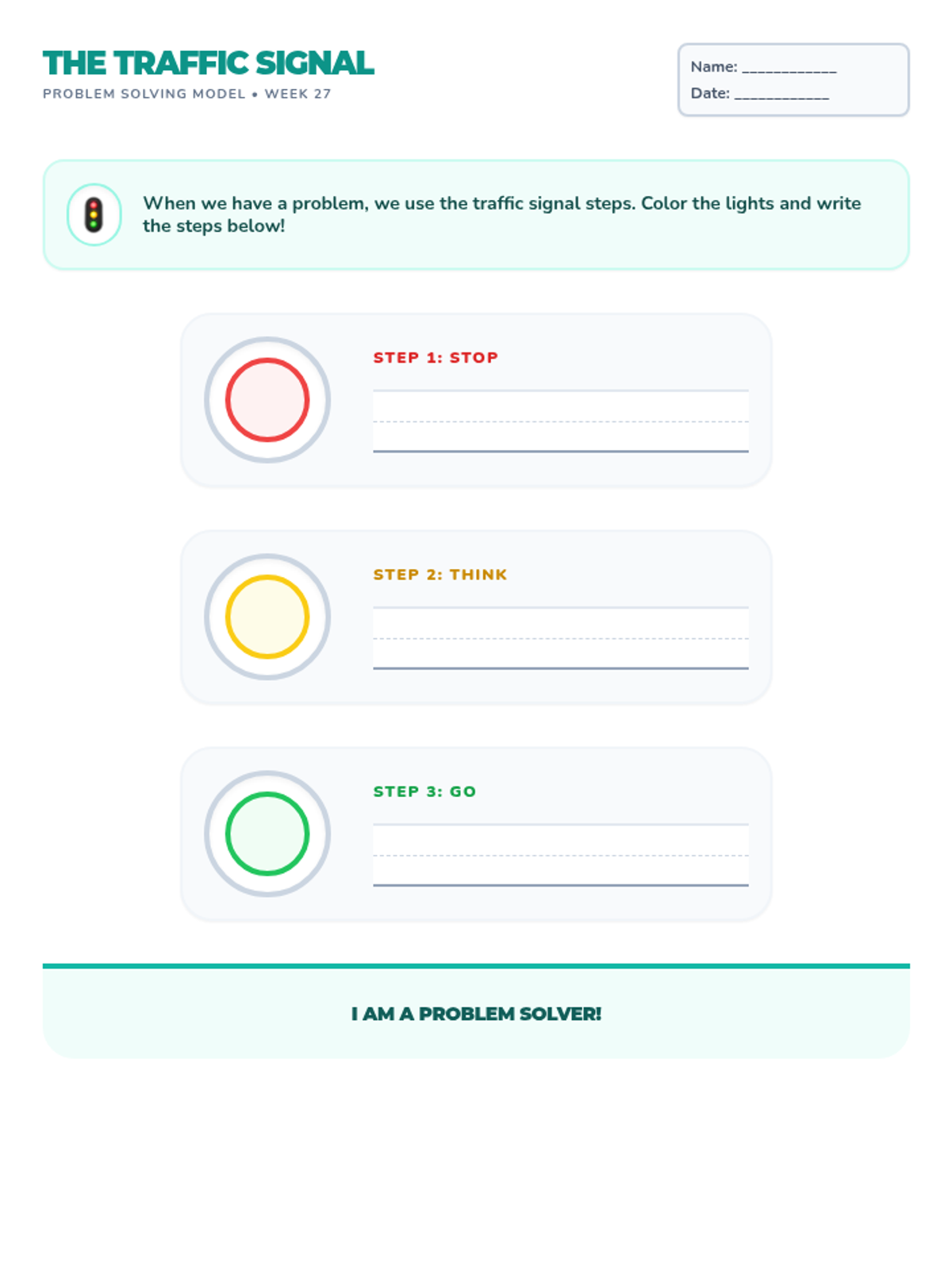
Introduction to the Stop, Think, Go traffic signal model for solving problems.
Defining what a problem is and identifying common problems that occur in first grade.
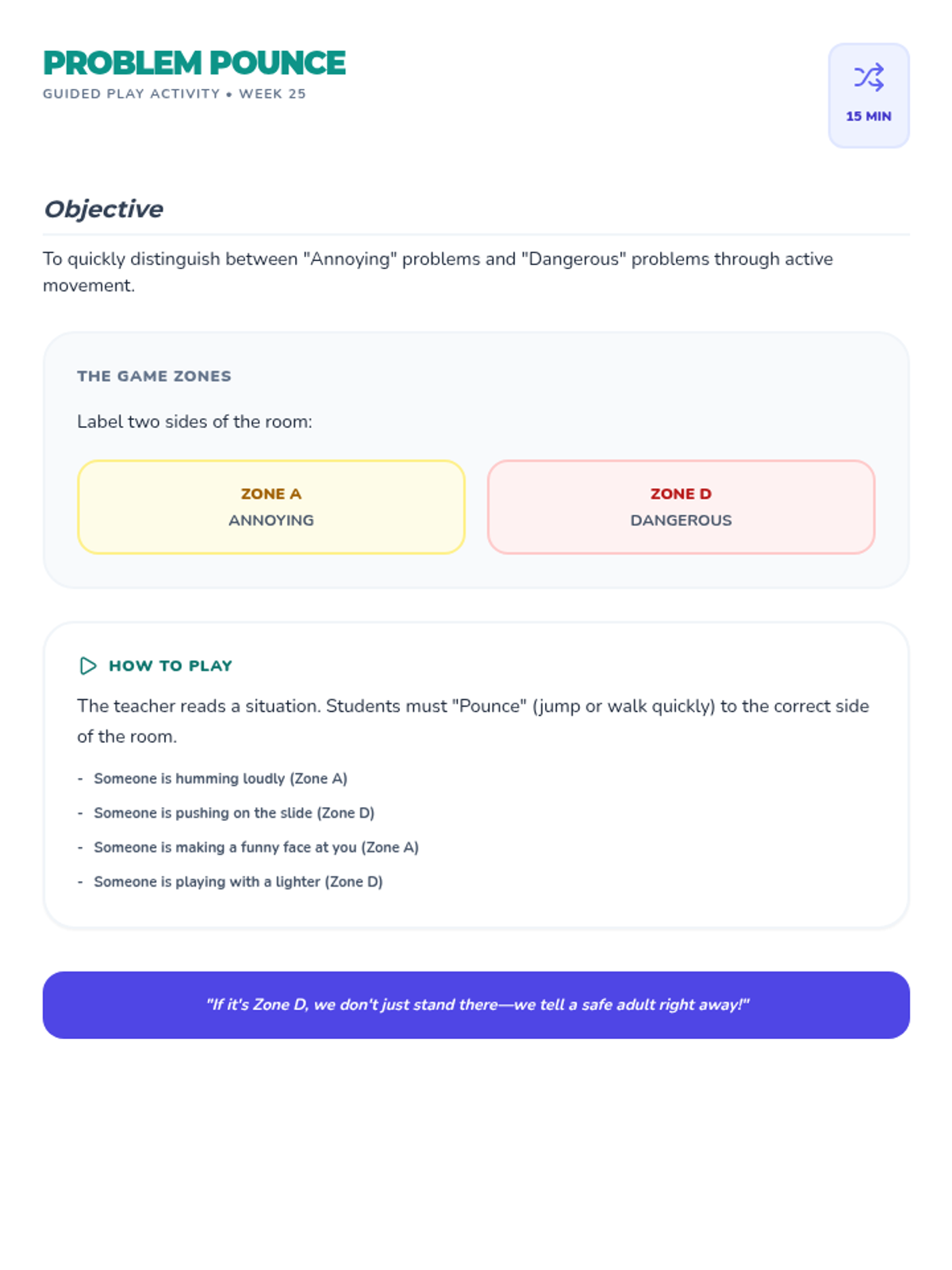
Reviewing the categories of problems and how to tell the difference between them.
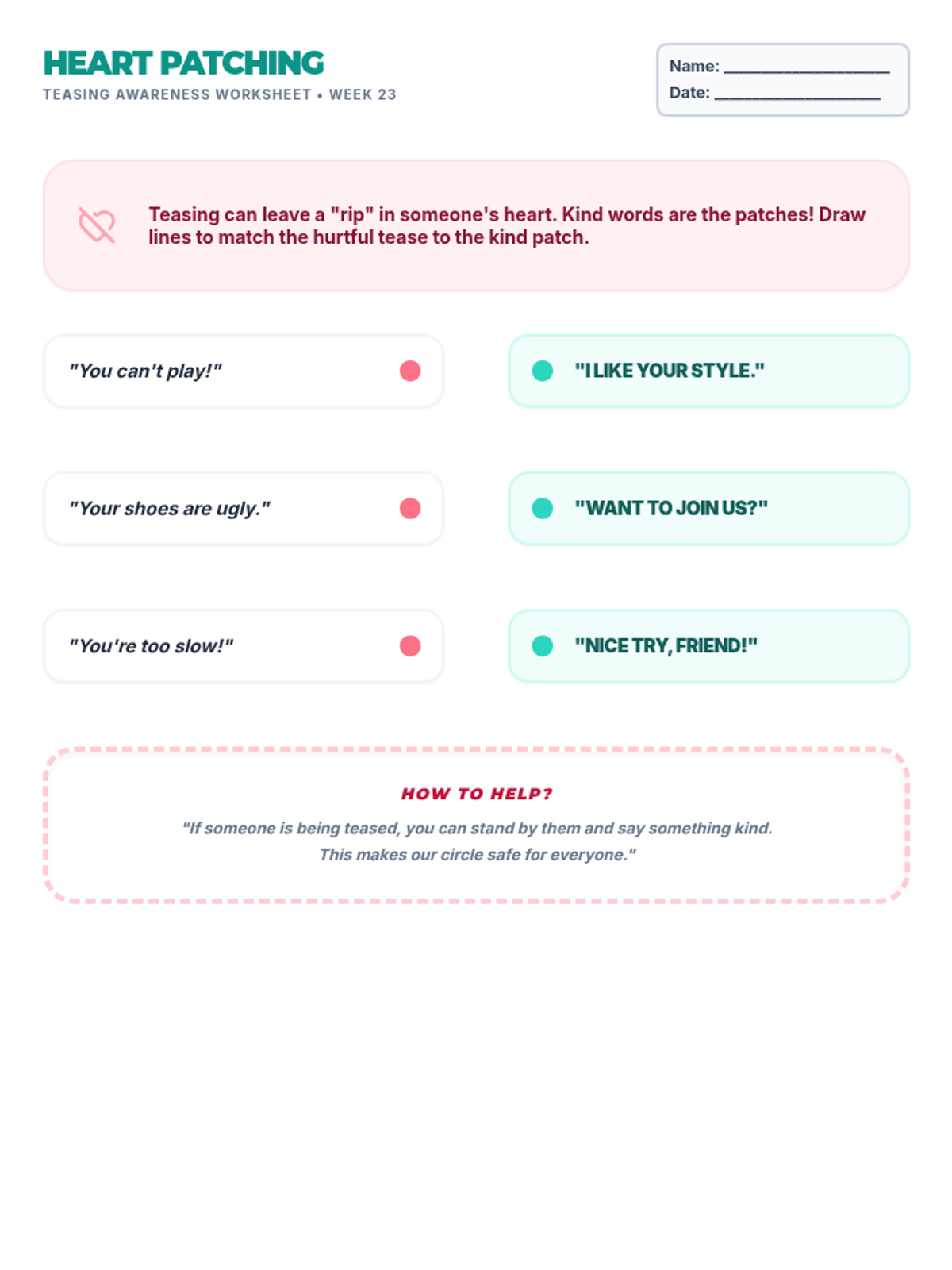
Discussing how teasing feels and practicing strategies to respond when being teased.
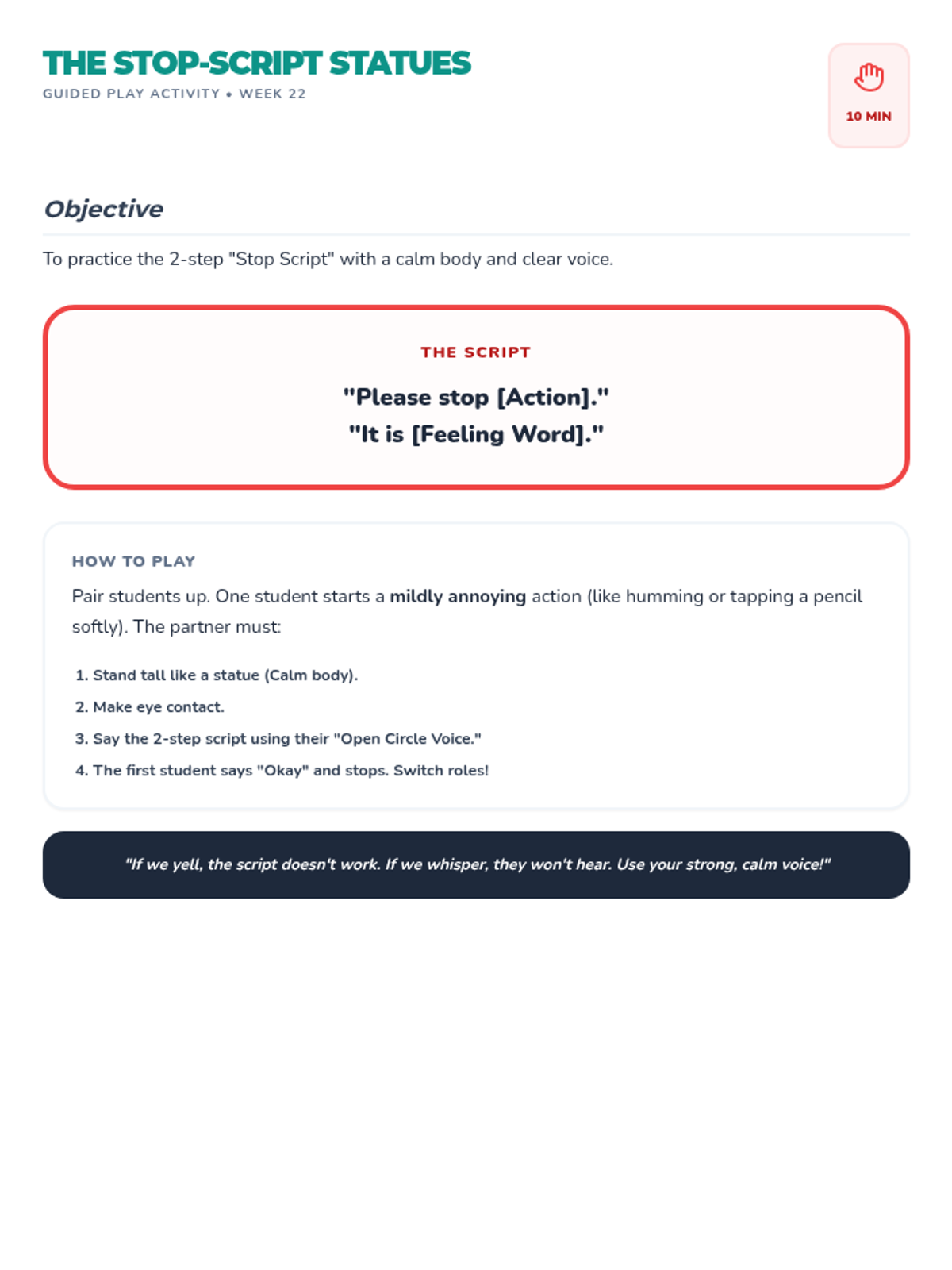
Students learn a two-step script for addressing annoying but not dangerous behavior.
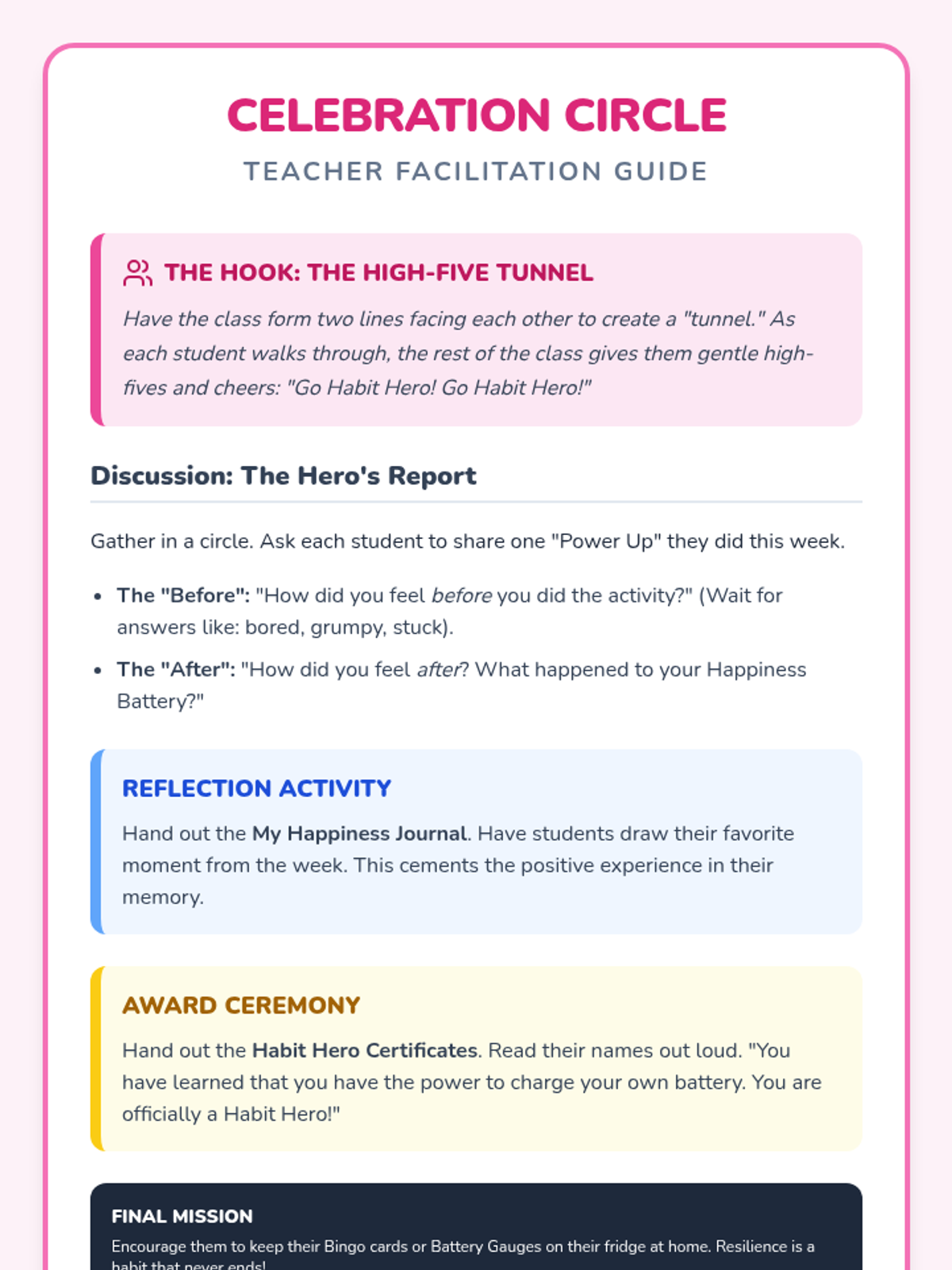
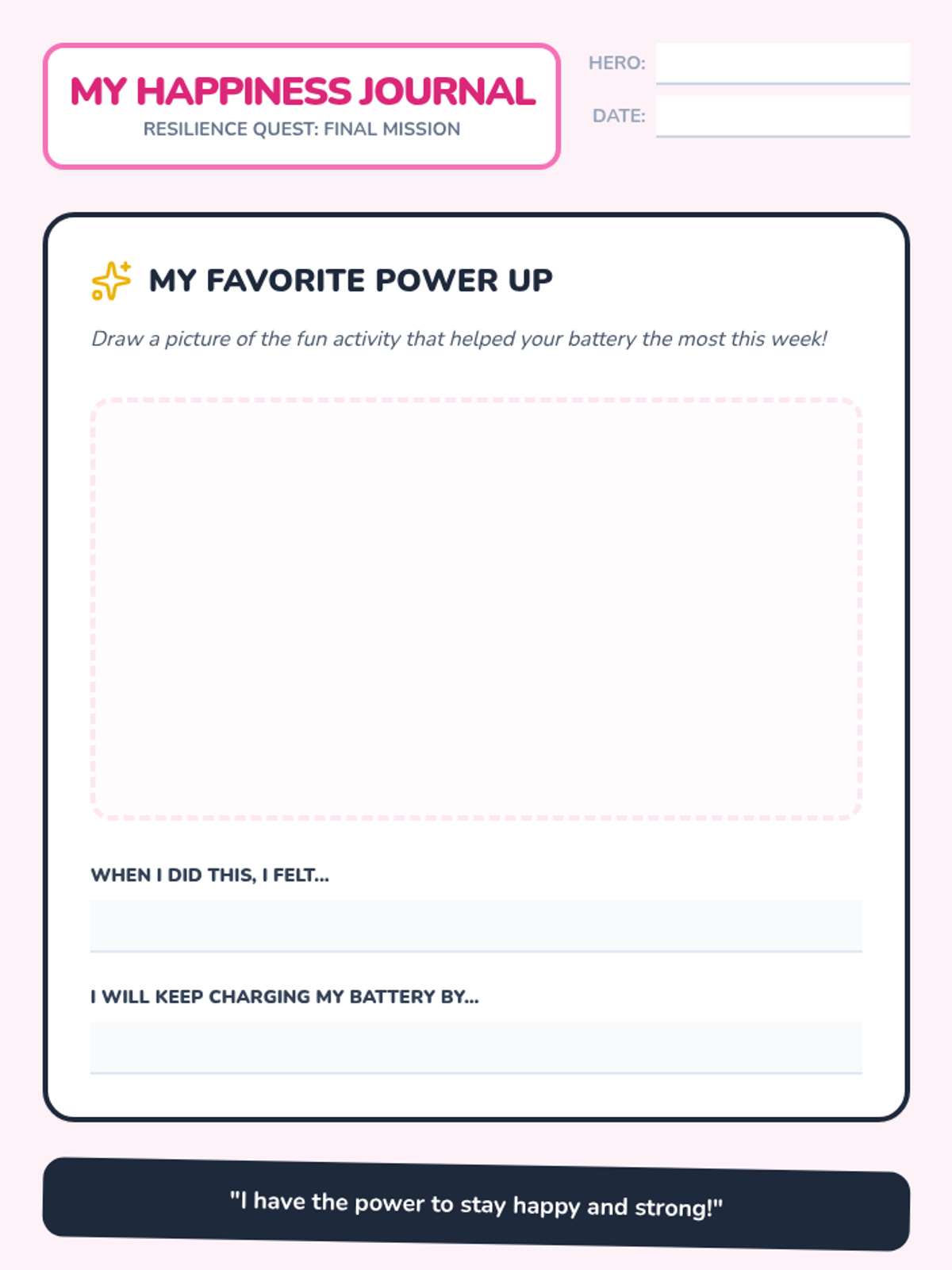
A final reflection and celebration session where students share their progress, discuss the impact of their new habits, and receive recognition for their efforts.
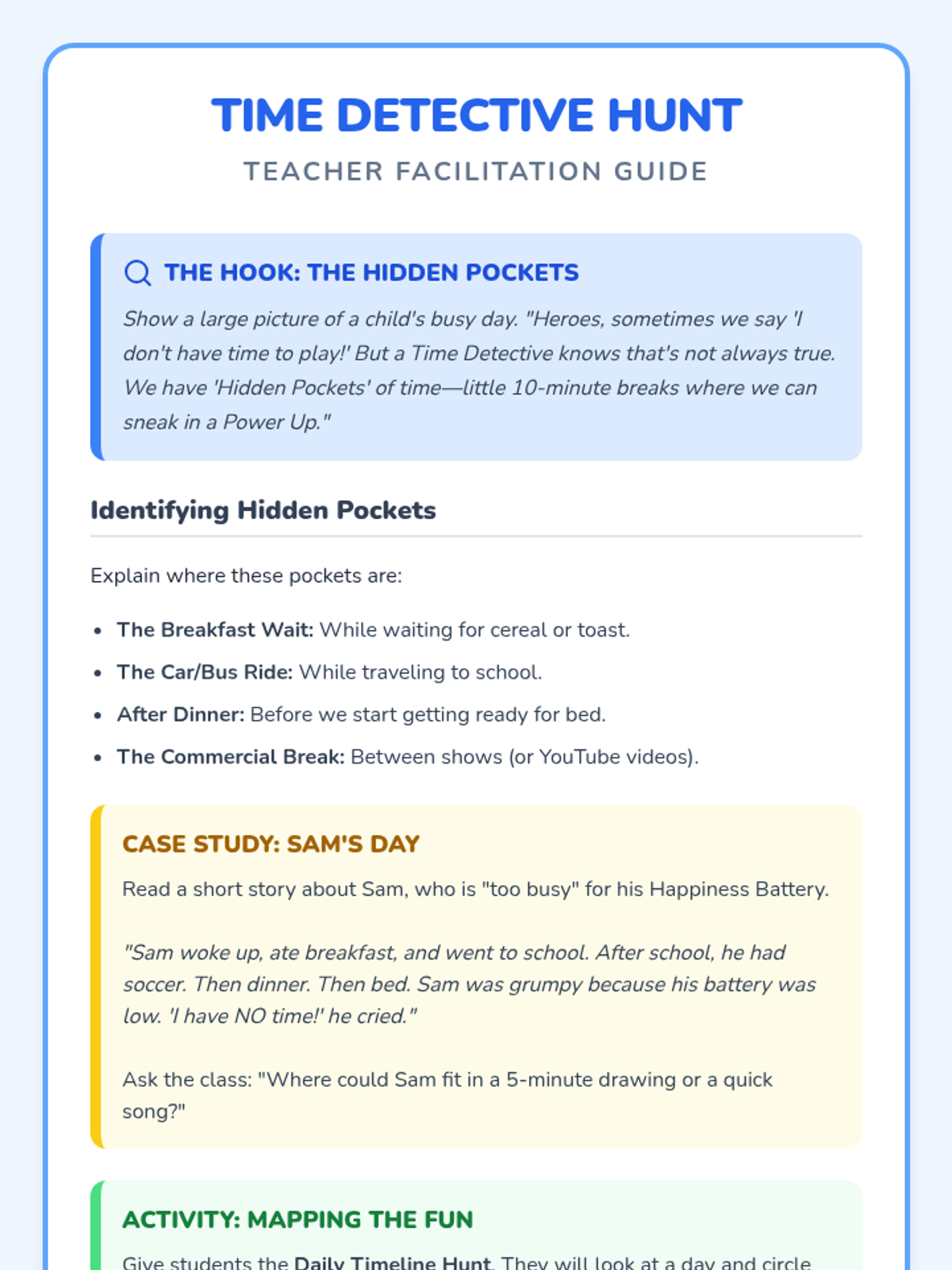
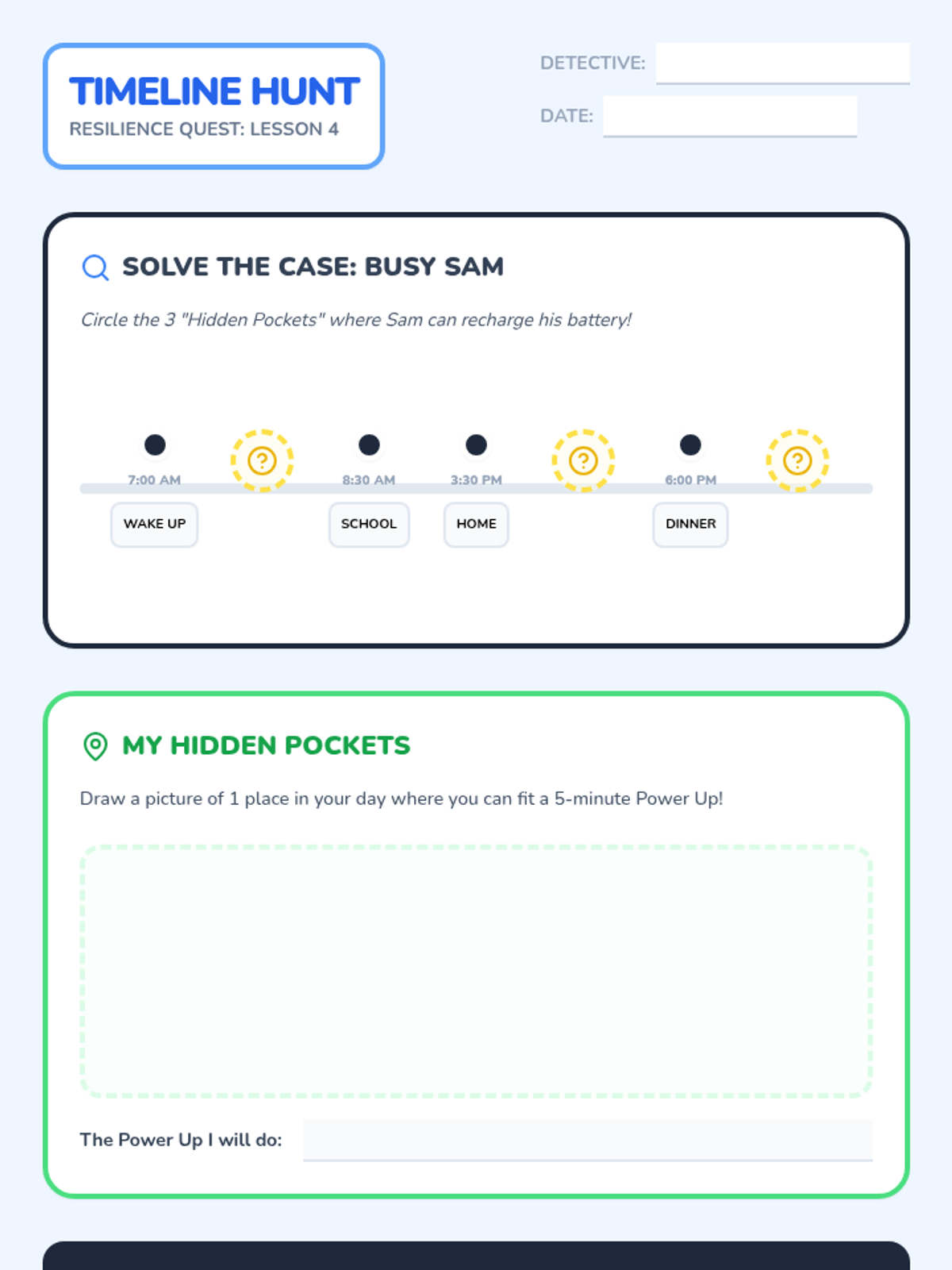
Students become 'Time Detectives' to identify opportunities in their daily lives to fit in short, high-impact positive activities.
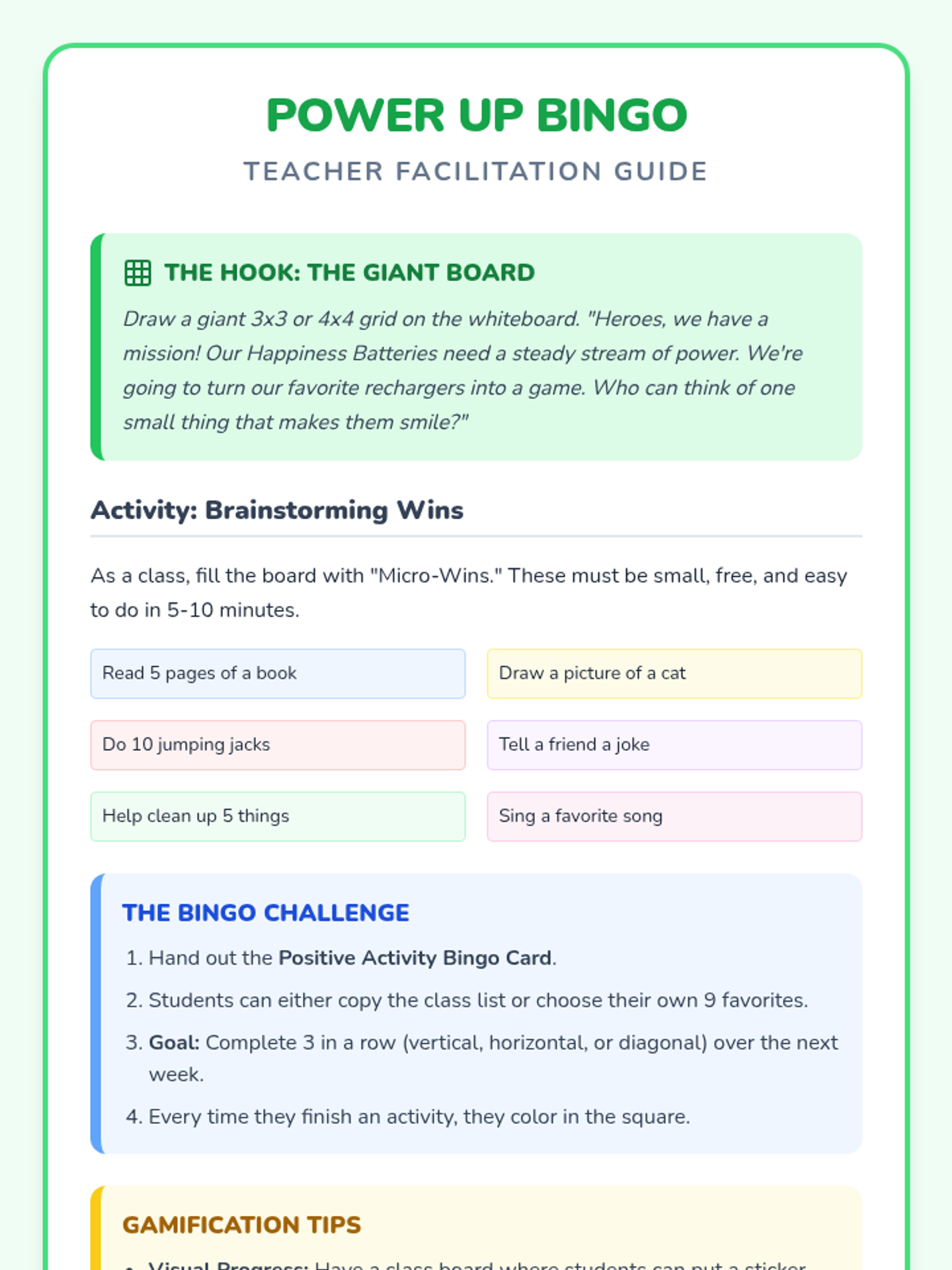
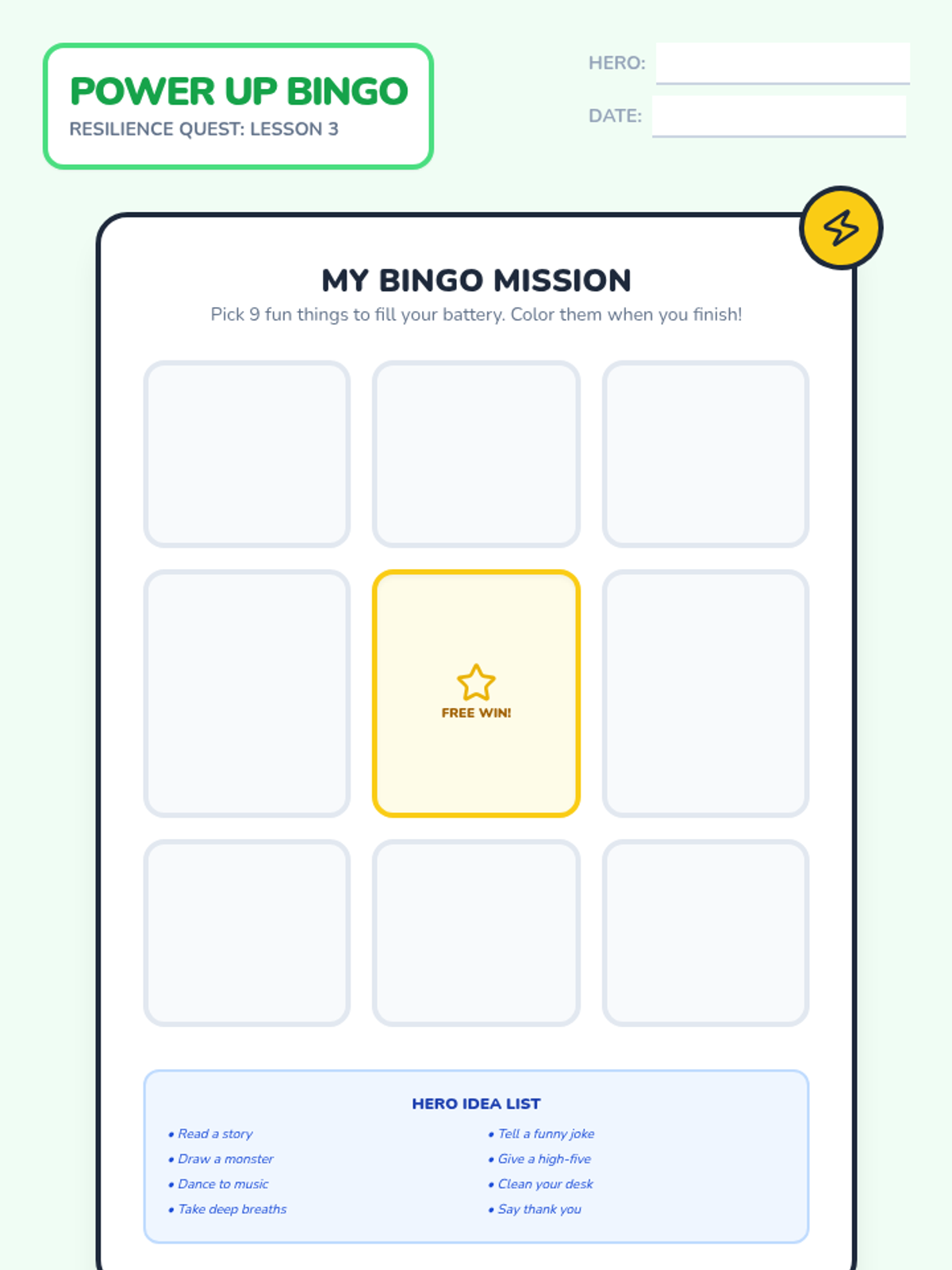
Students gamify their positive habits by creating and participating in a class-wide bingo challenge focused on daily small wins.
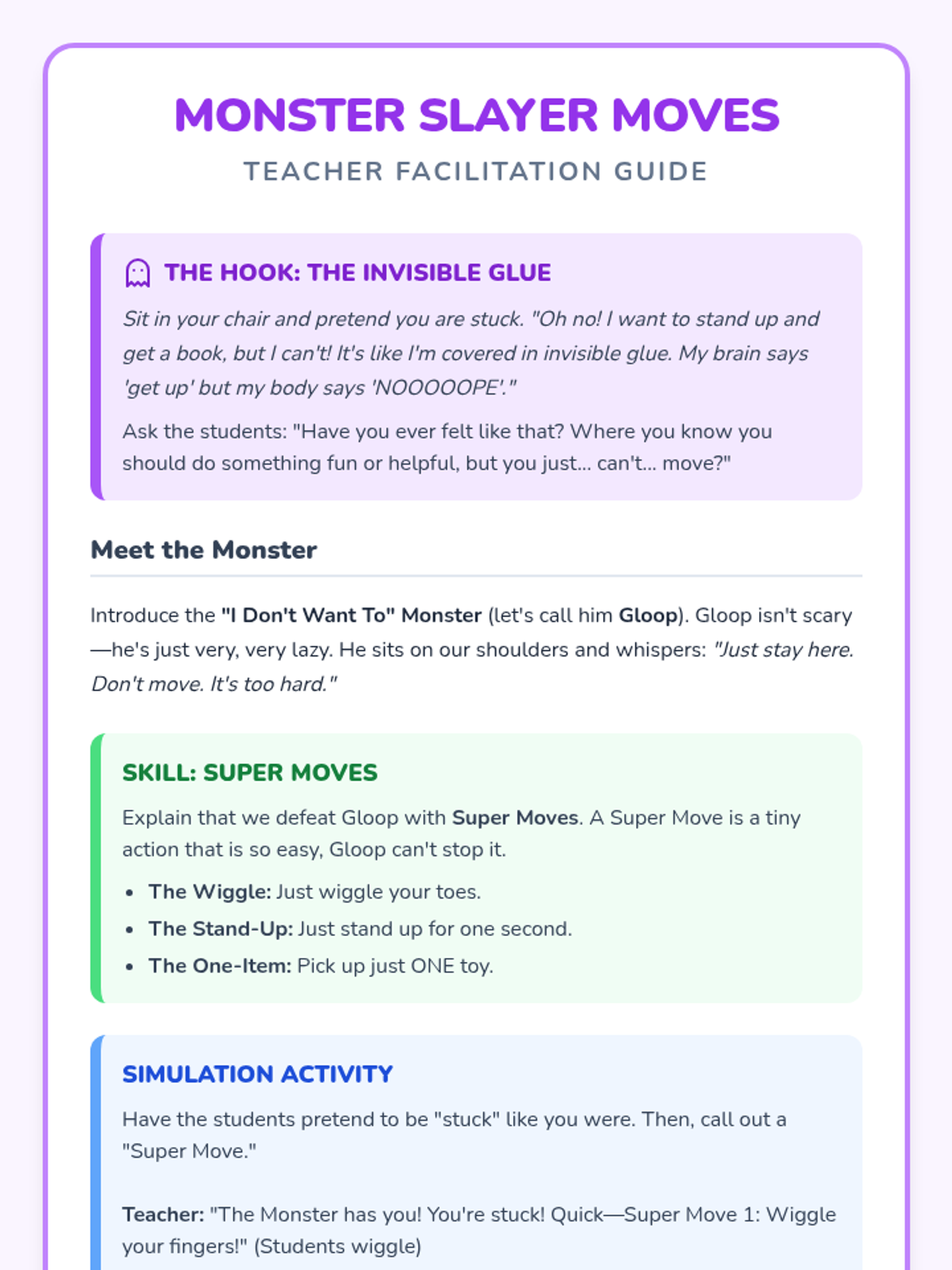
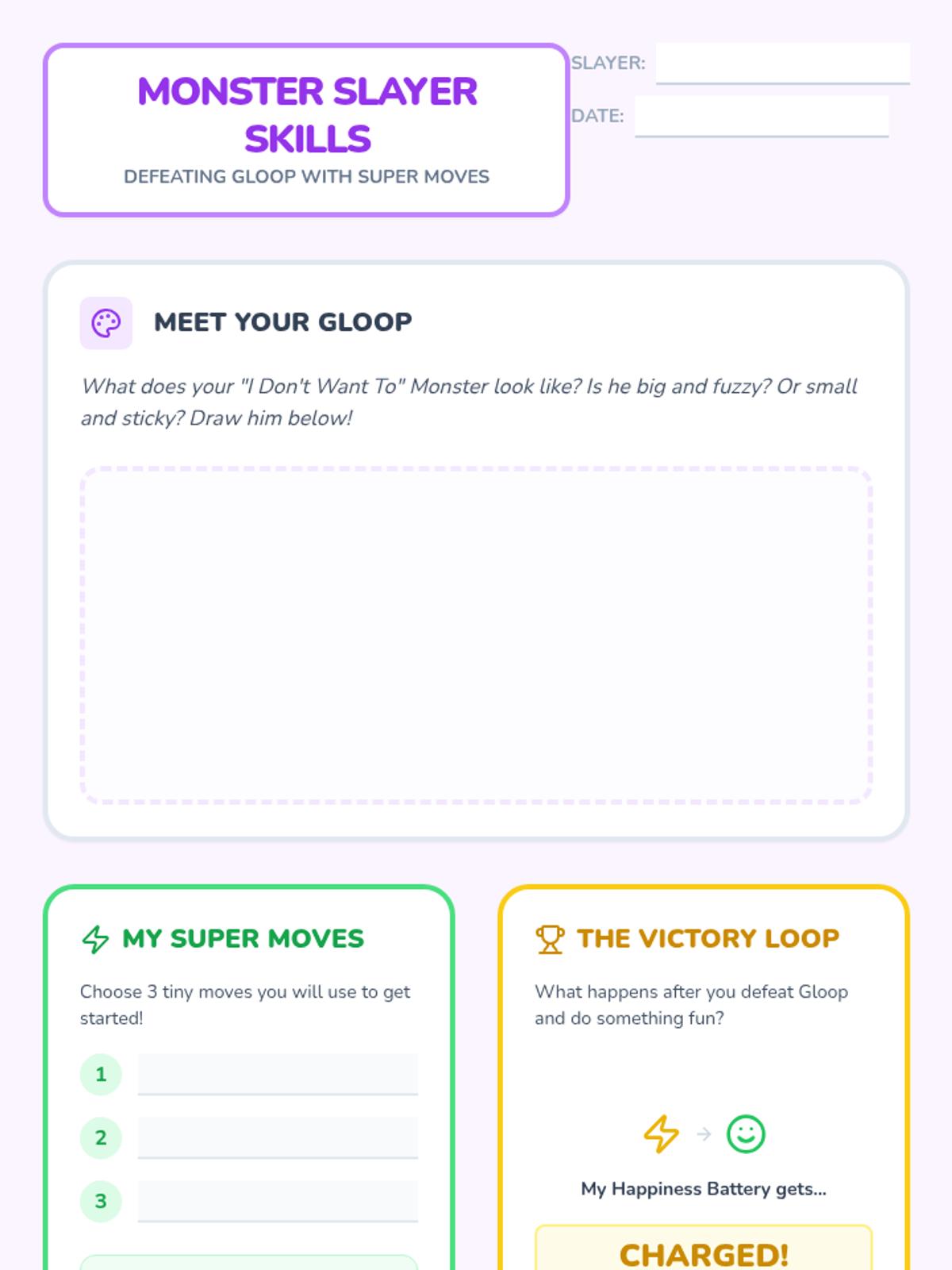
Teaches students how to overcome inertia and task initiation hurdles by personifying the 'I Don't Want To' feeling and using 'Super Moves' to get started.
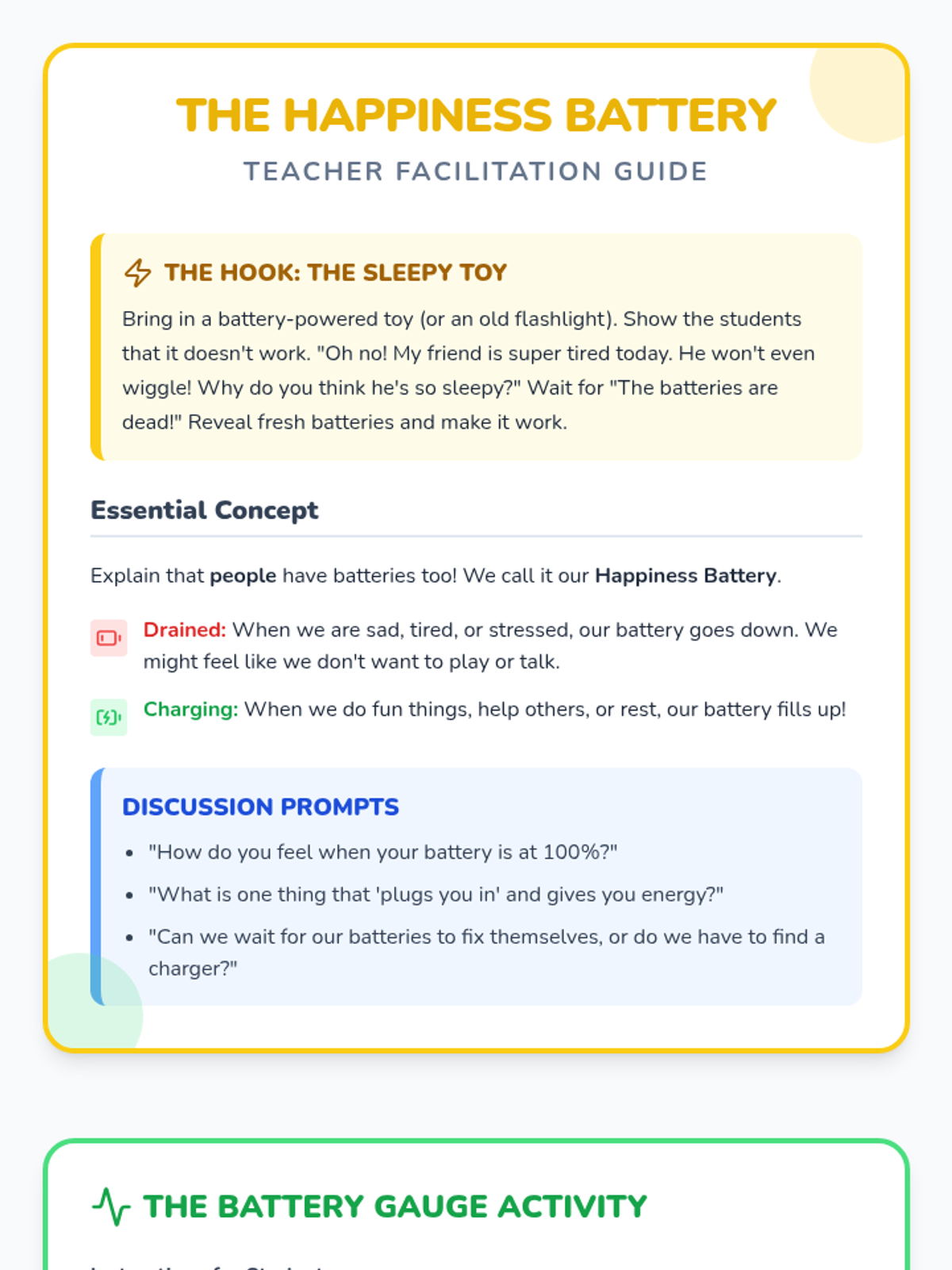
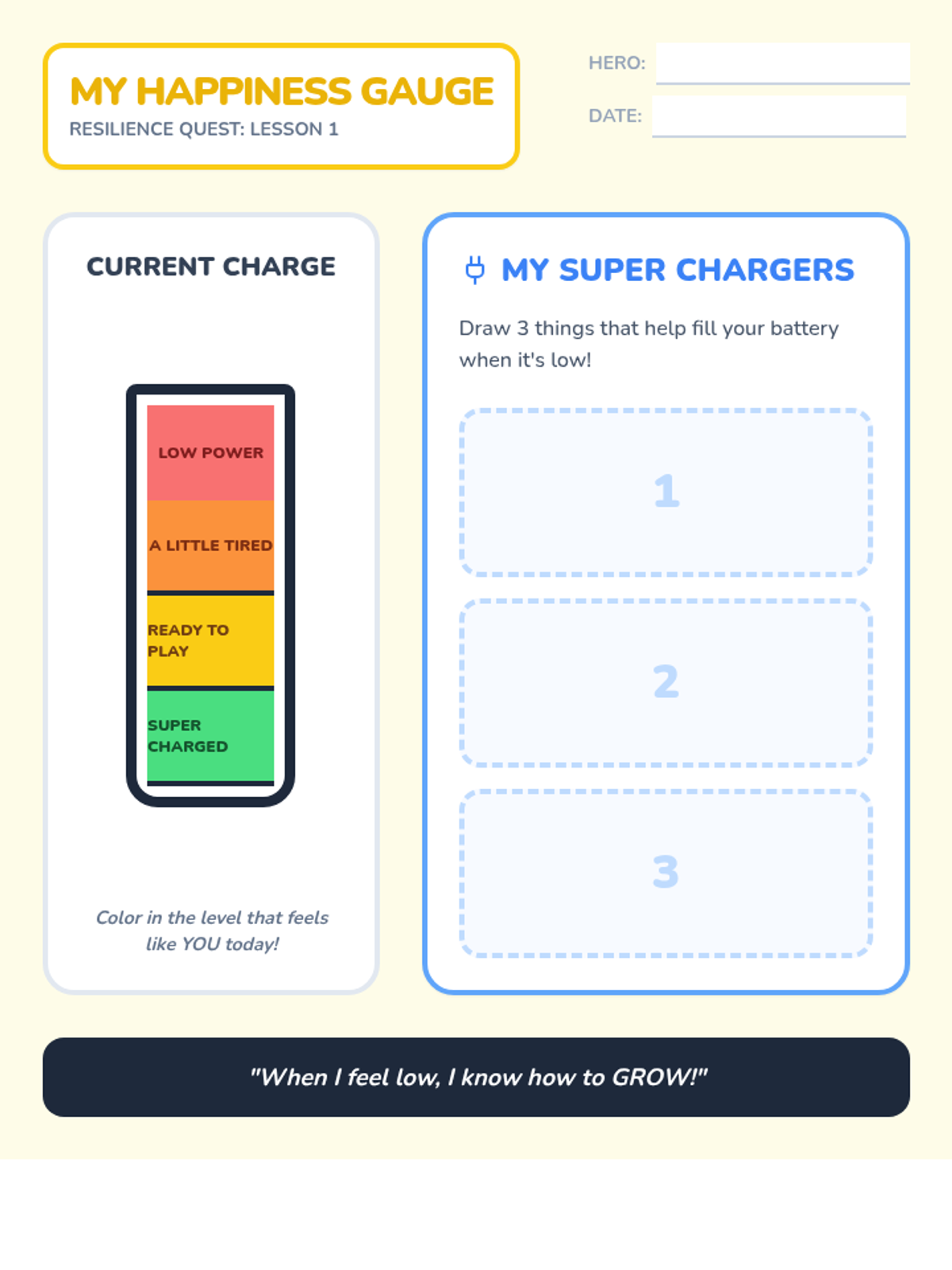
Introduces the battery metaphor for emotional energy, teaching students to monitor their own 'charge' and understand the need for recharging through positive activities.
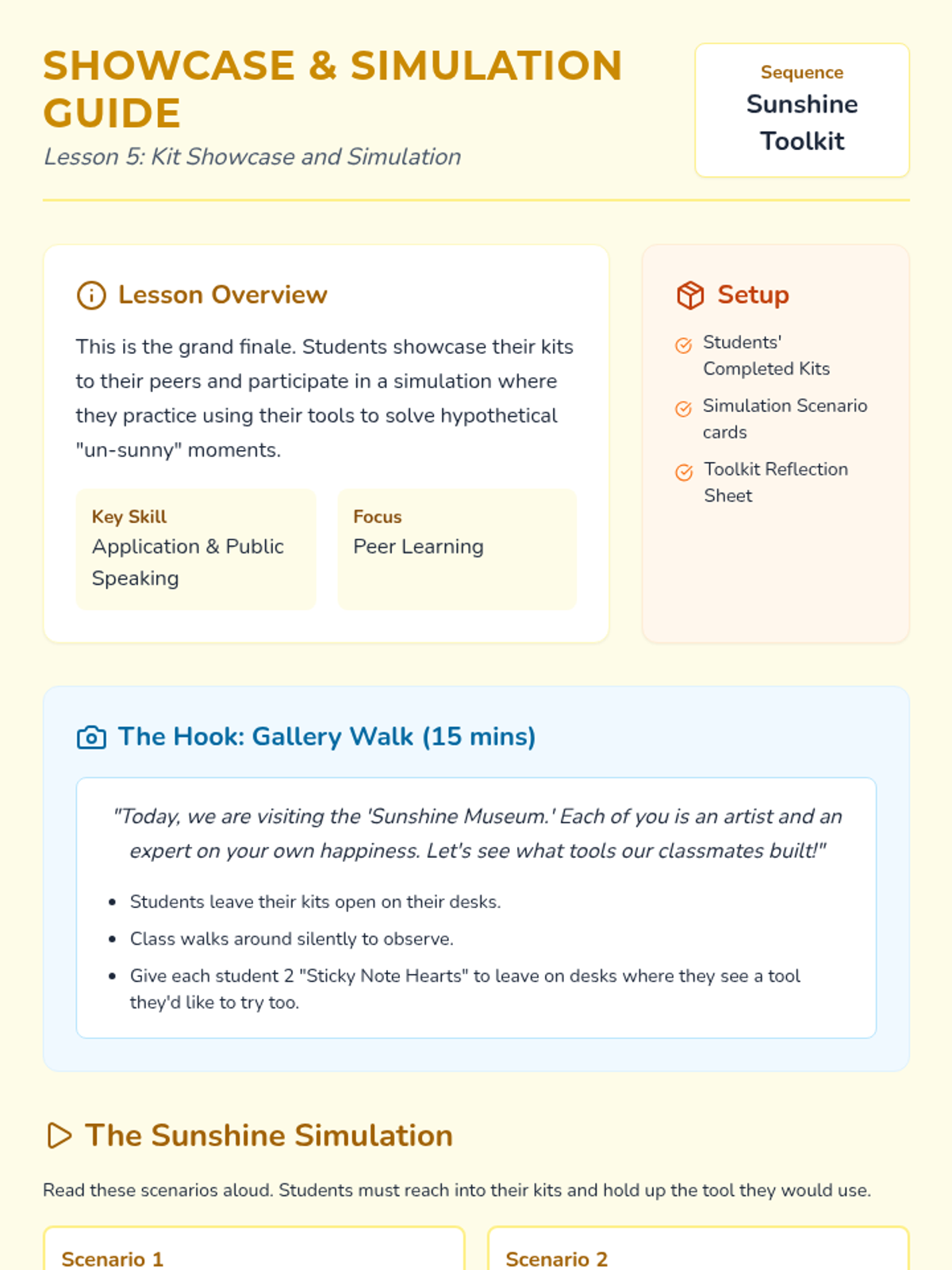
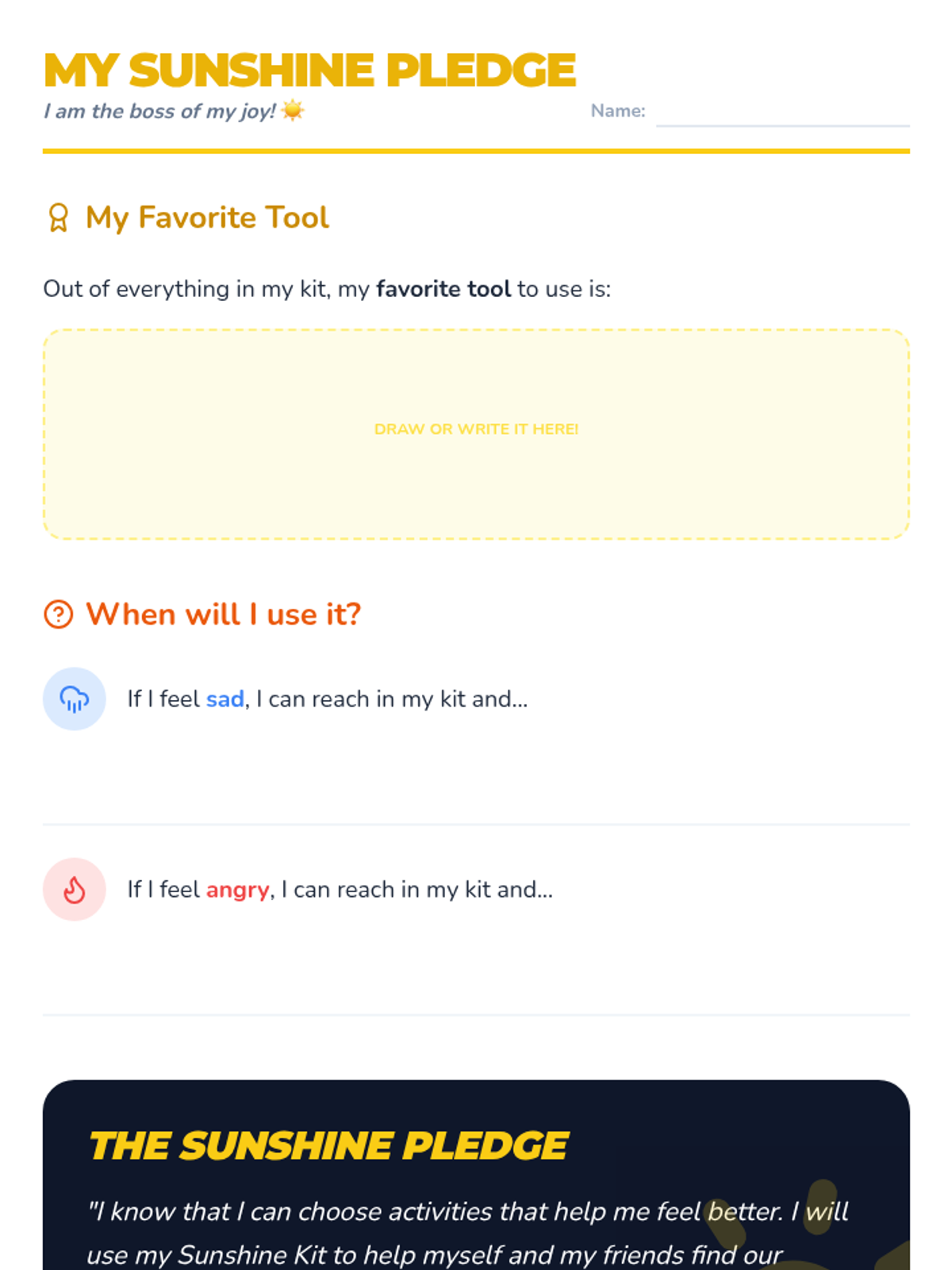
The culminating lesson where students present their kits and practice using them through real-world simulations. A Gallery Walk allows students to learn from their peers' creative tool choices.
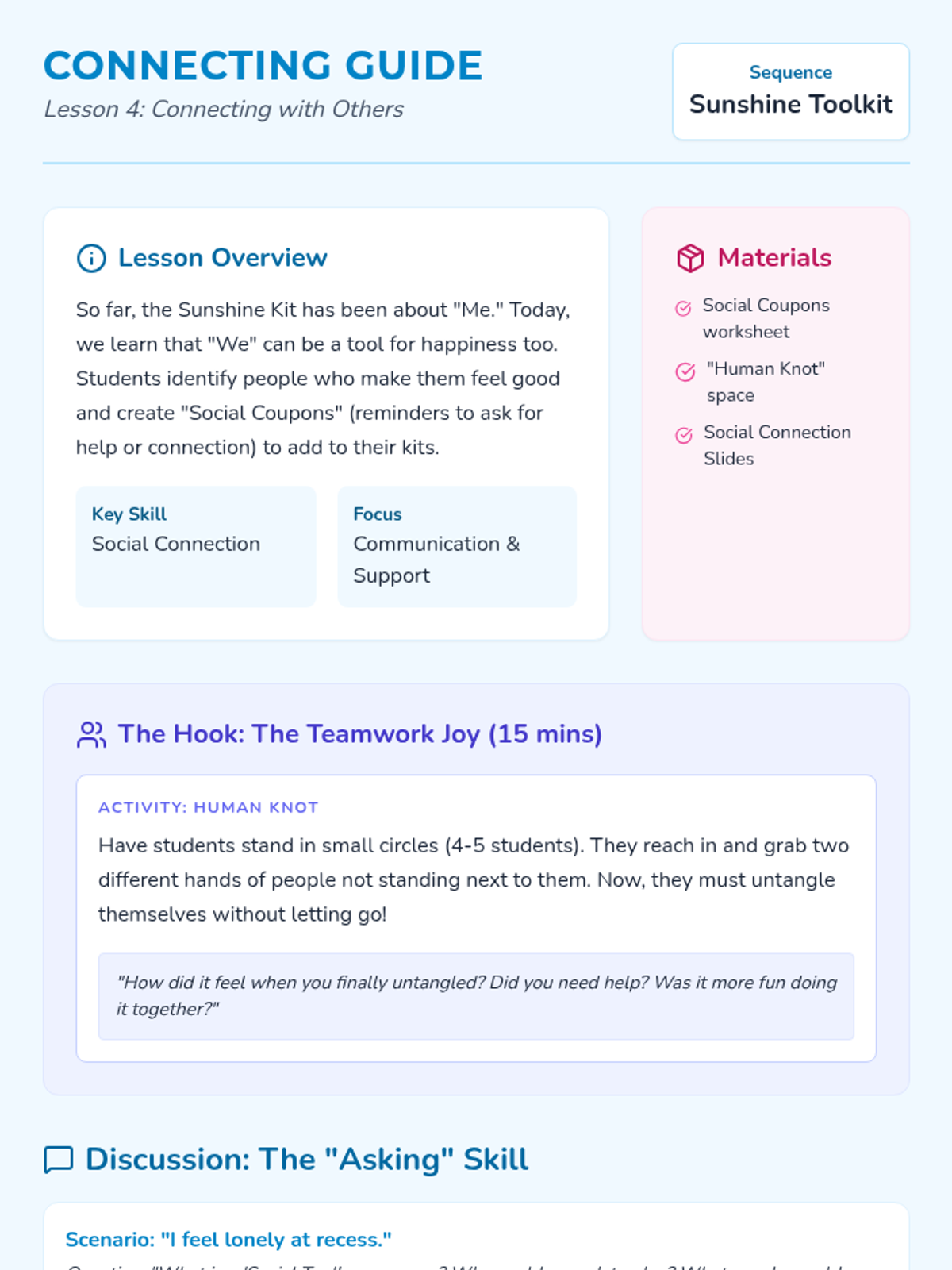
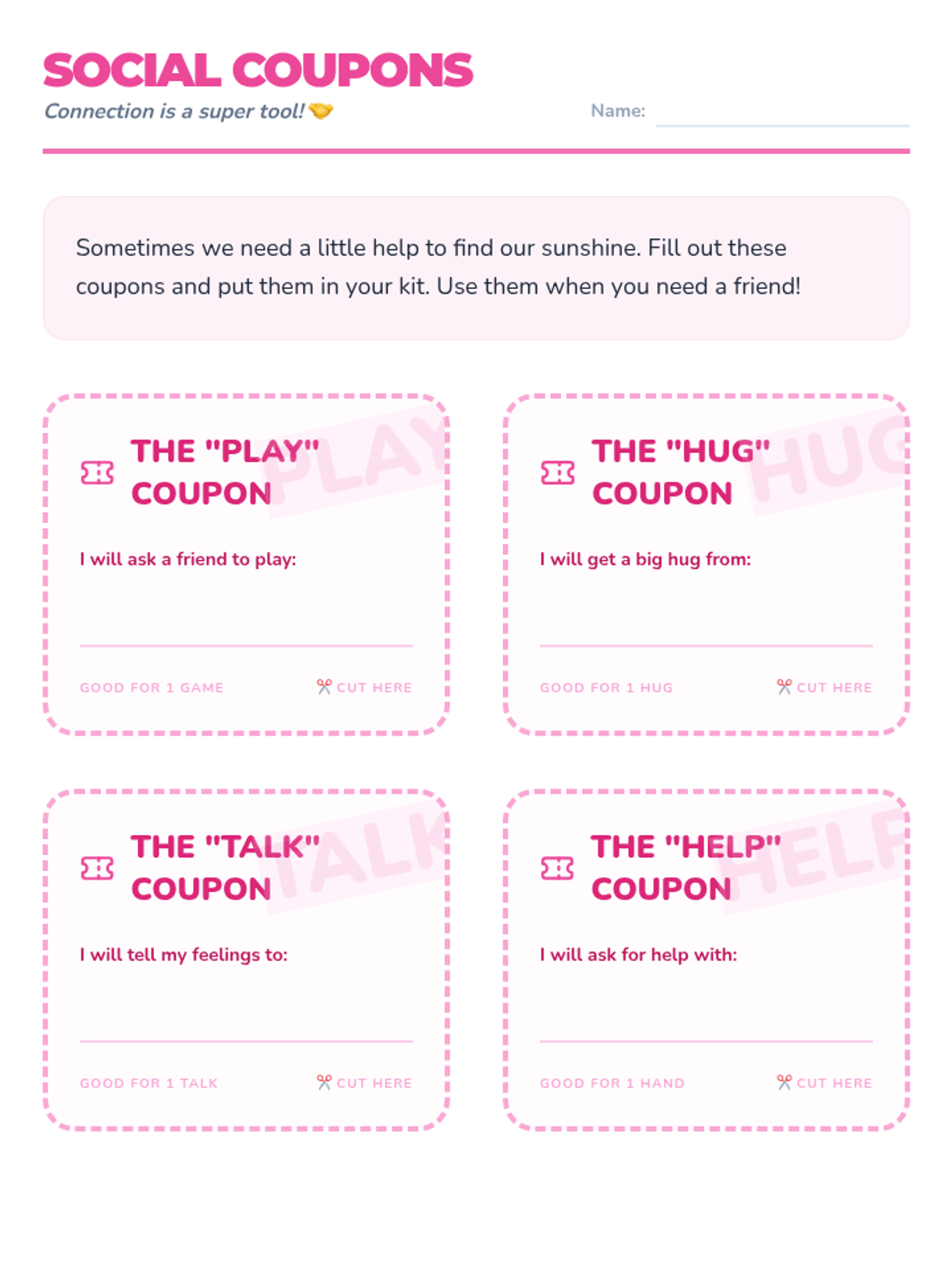
Students learn the value of social connections as a source of positive experiences. They identify people they can reach out to and create 'Social Coupons' to add to their kits for moments when they need a friend or family member.
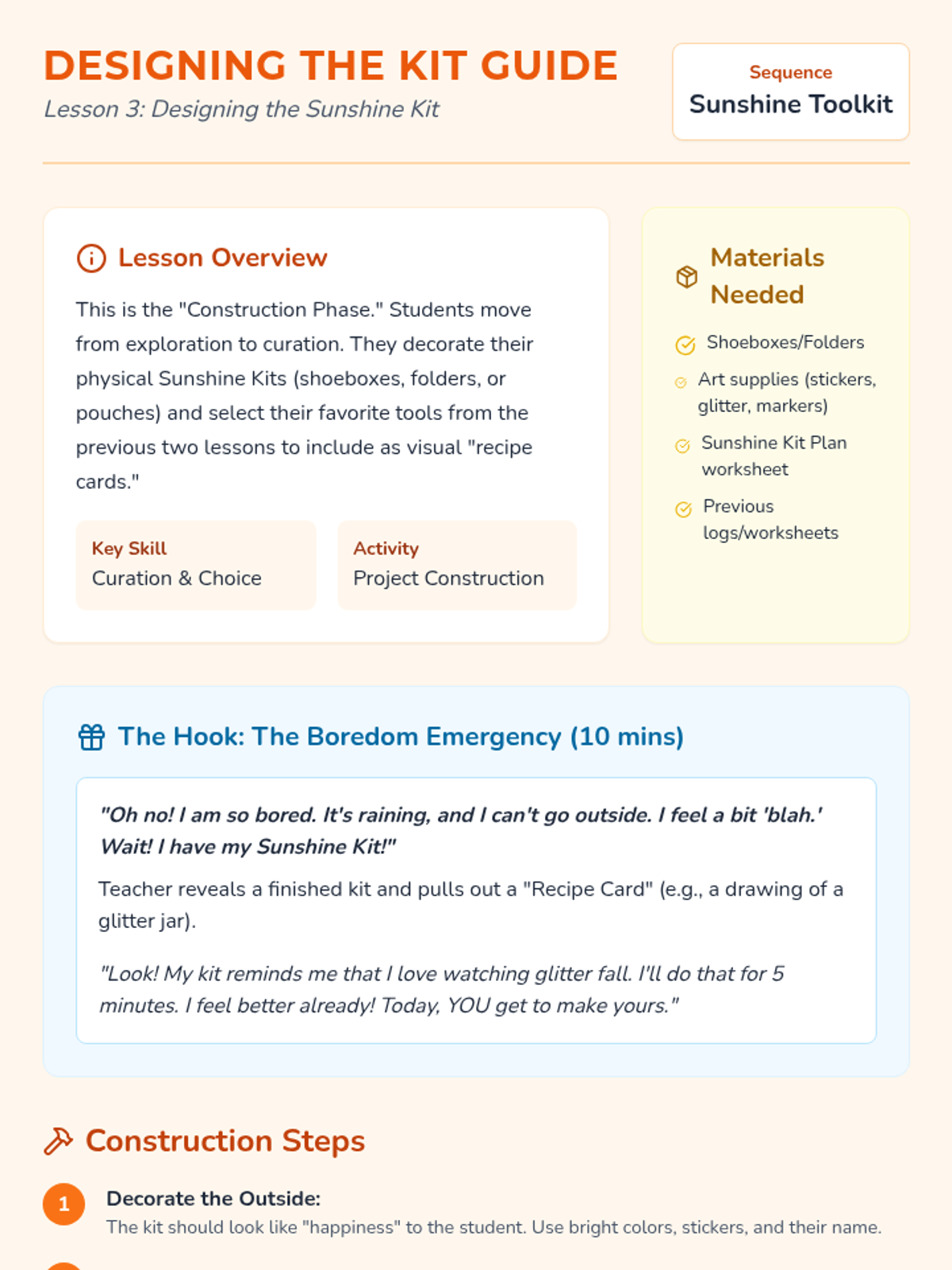
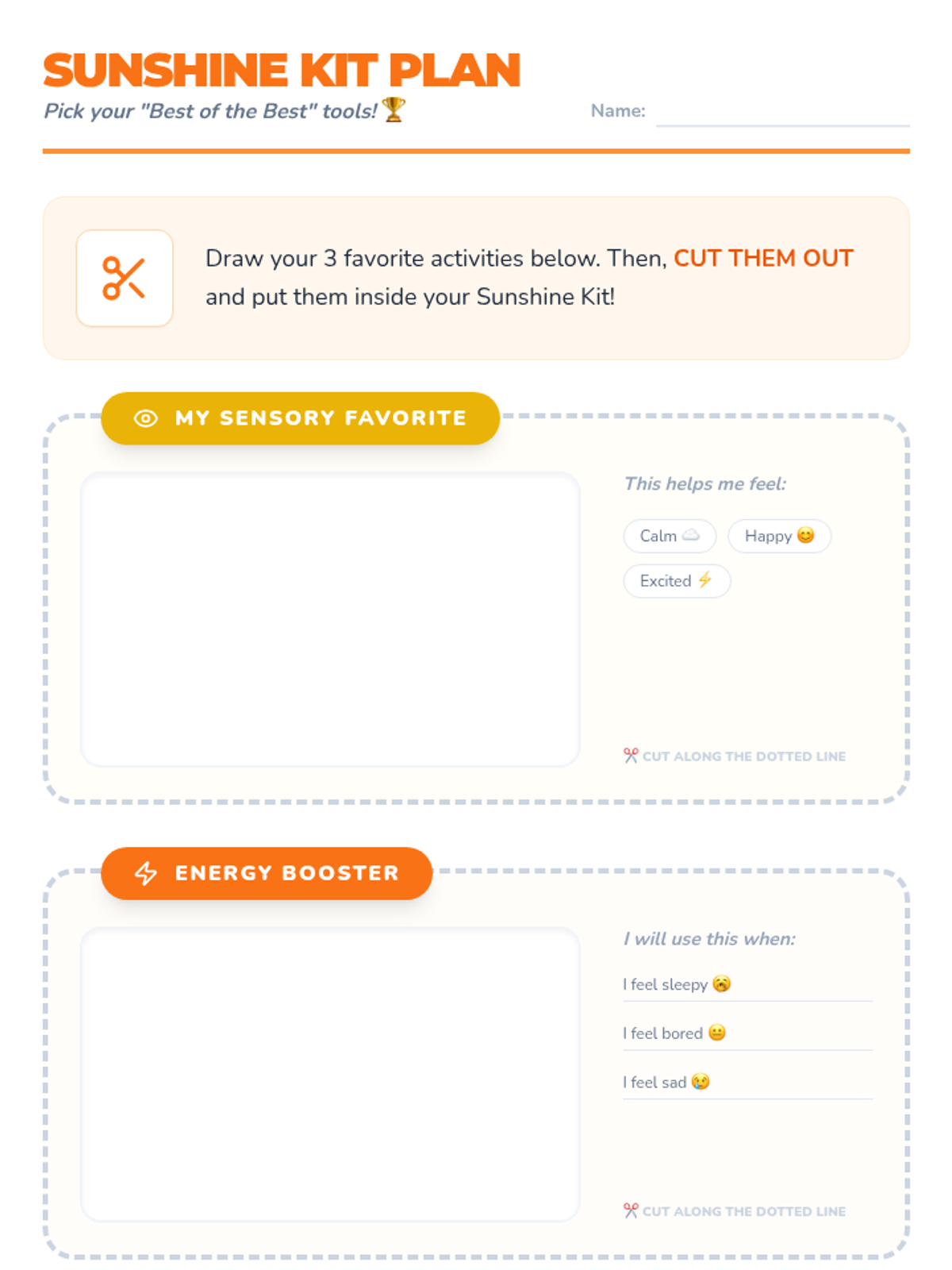
Students begin the physical construction of their Sunshine Kits, decorating their containers and selecting specific sensory and movement tools to include based on their previous discoveries.
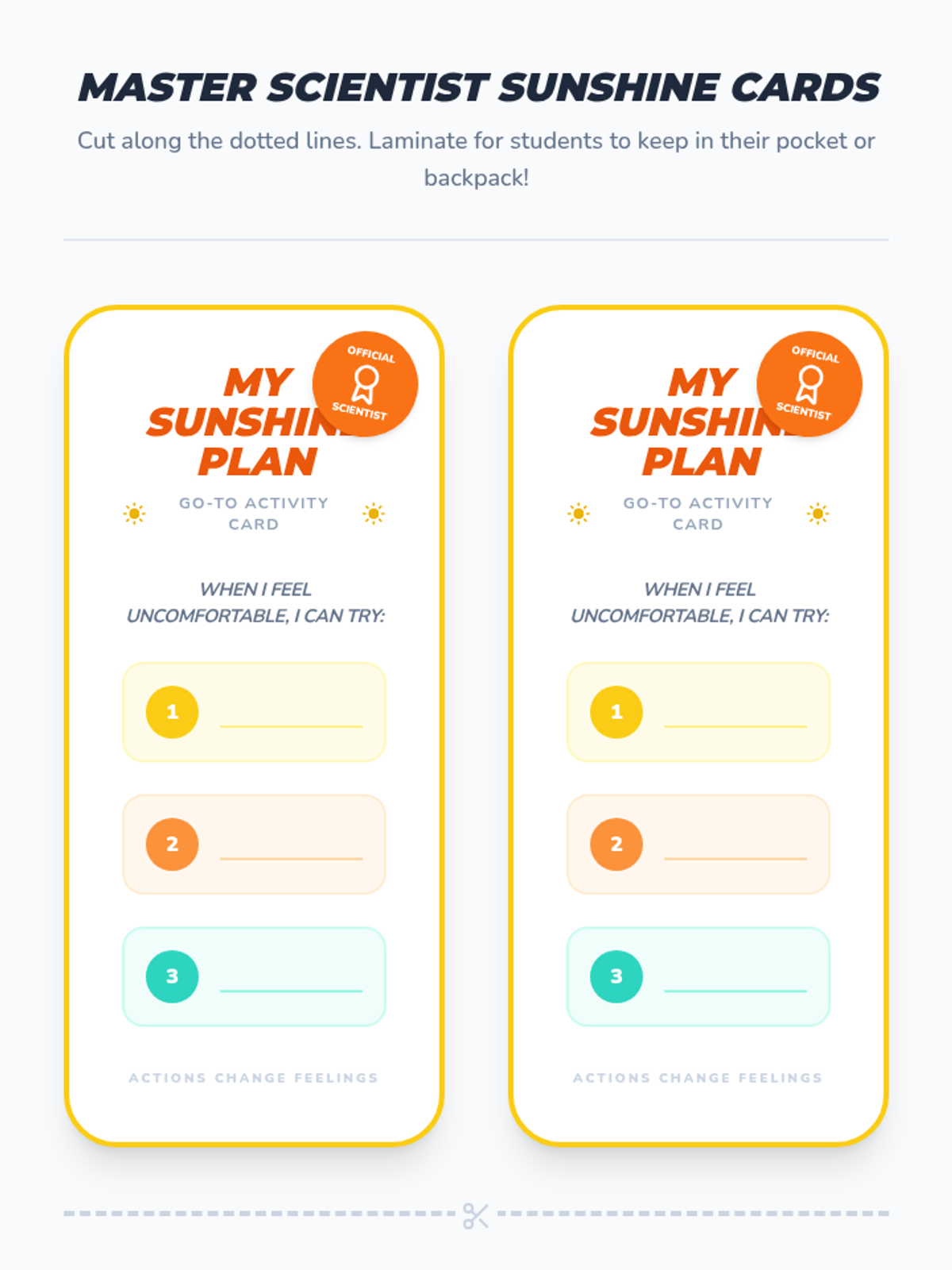
Students create a 'Go-To' card listing three simple actions they can take when they feel down and share their strategies with a partner.
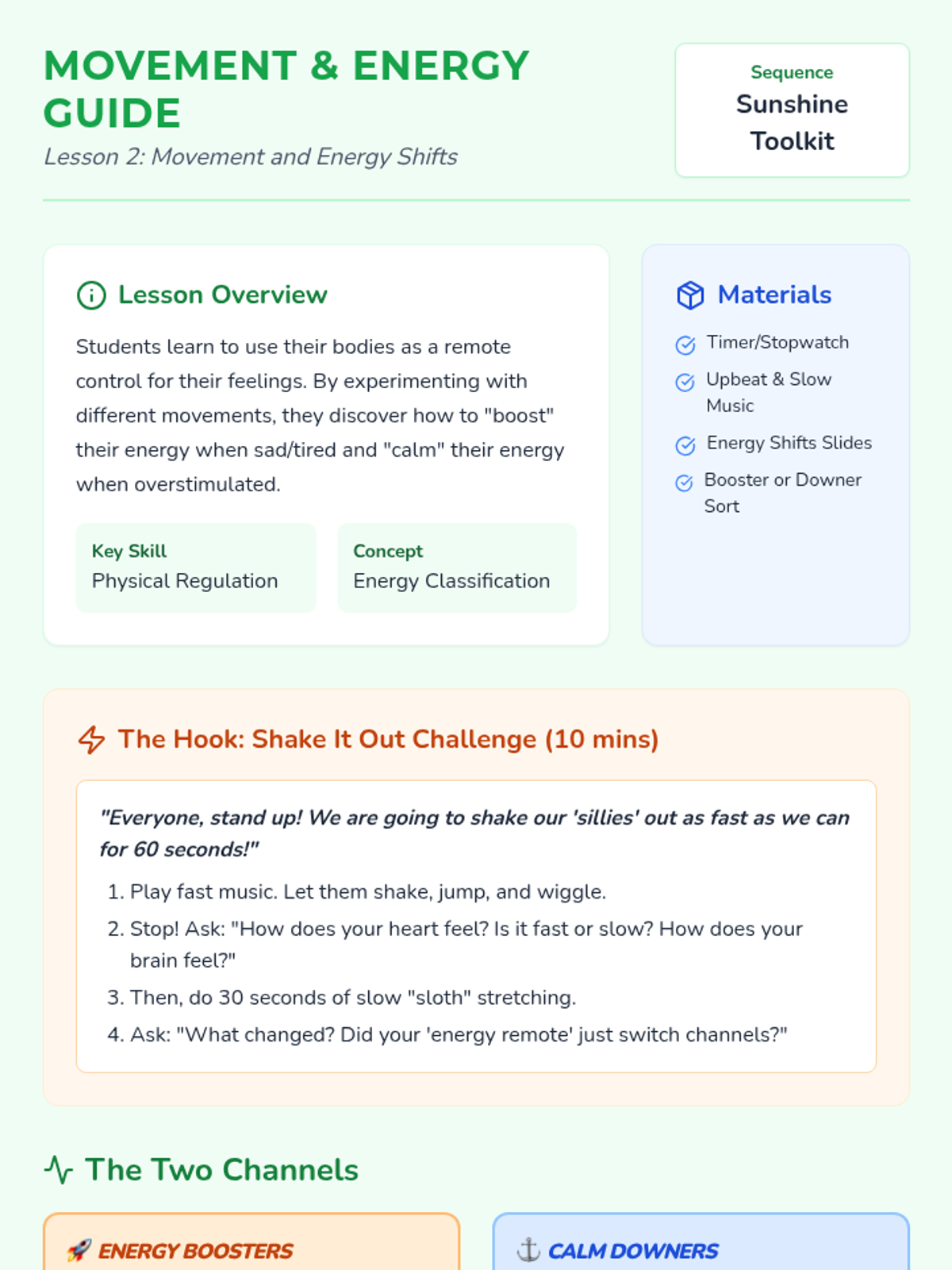
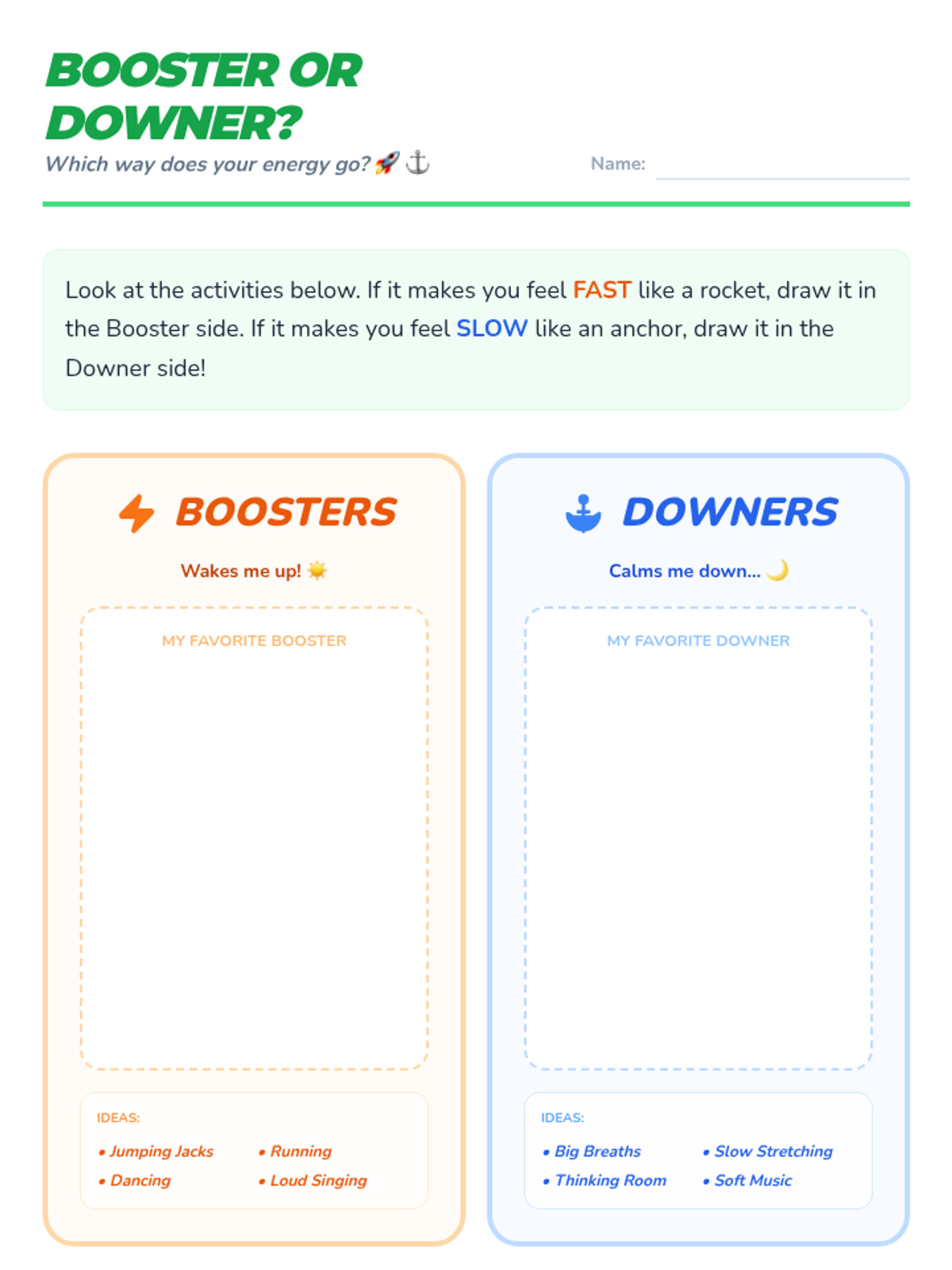
Students investigate how physical movement can shift their energy and mood. They learn to categorize activities as 'Energy Boosters' for low energy and 'Calm Downers' for high anxiety or overstimulation.
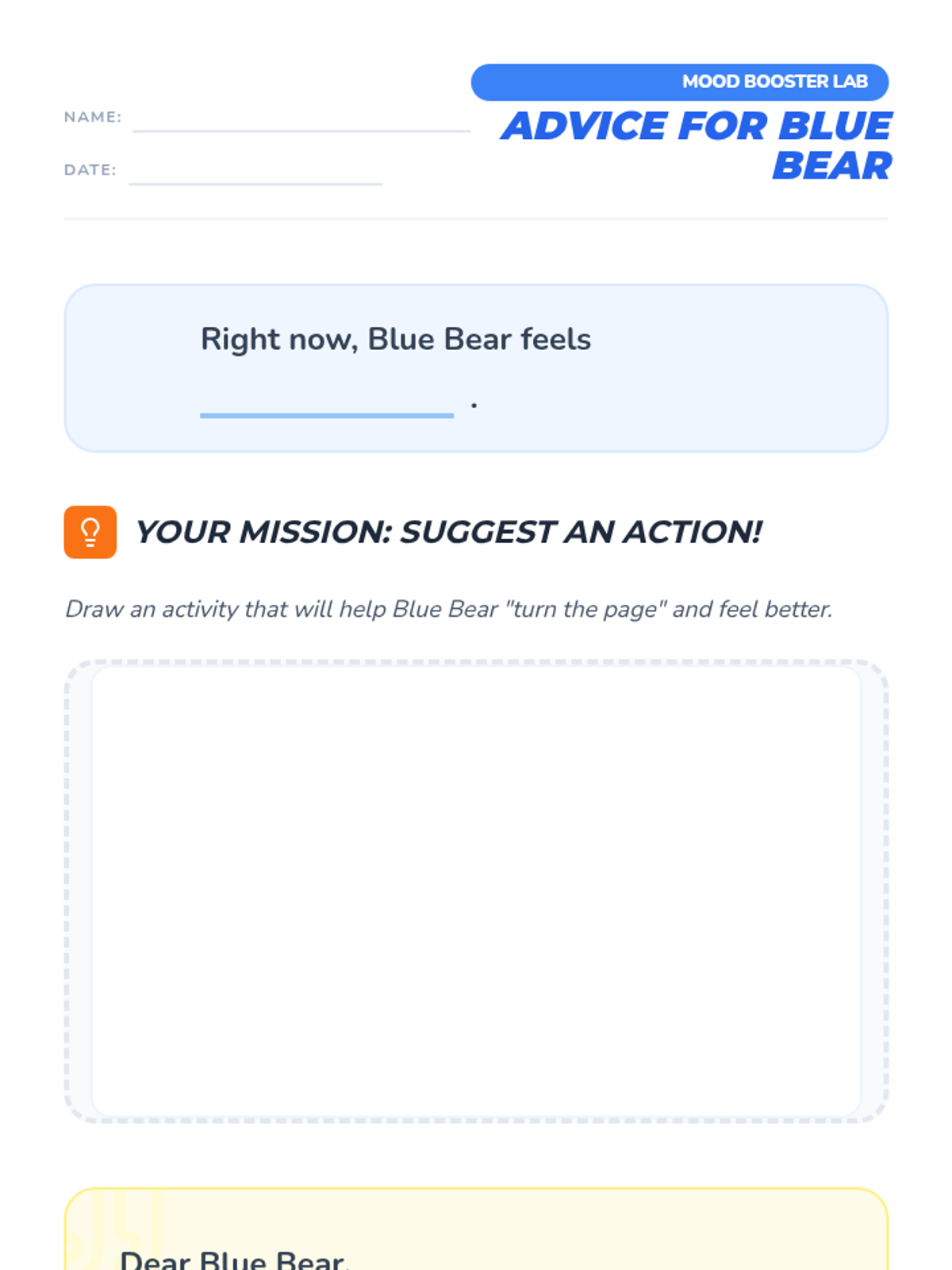
Using a story about a character having a bad day, students role-play giving advice and suggest specific actions to help the character feel better.
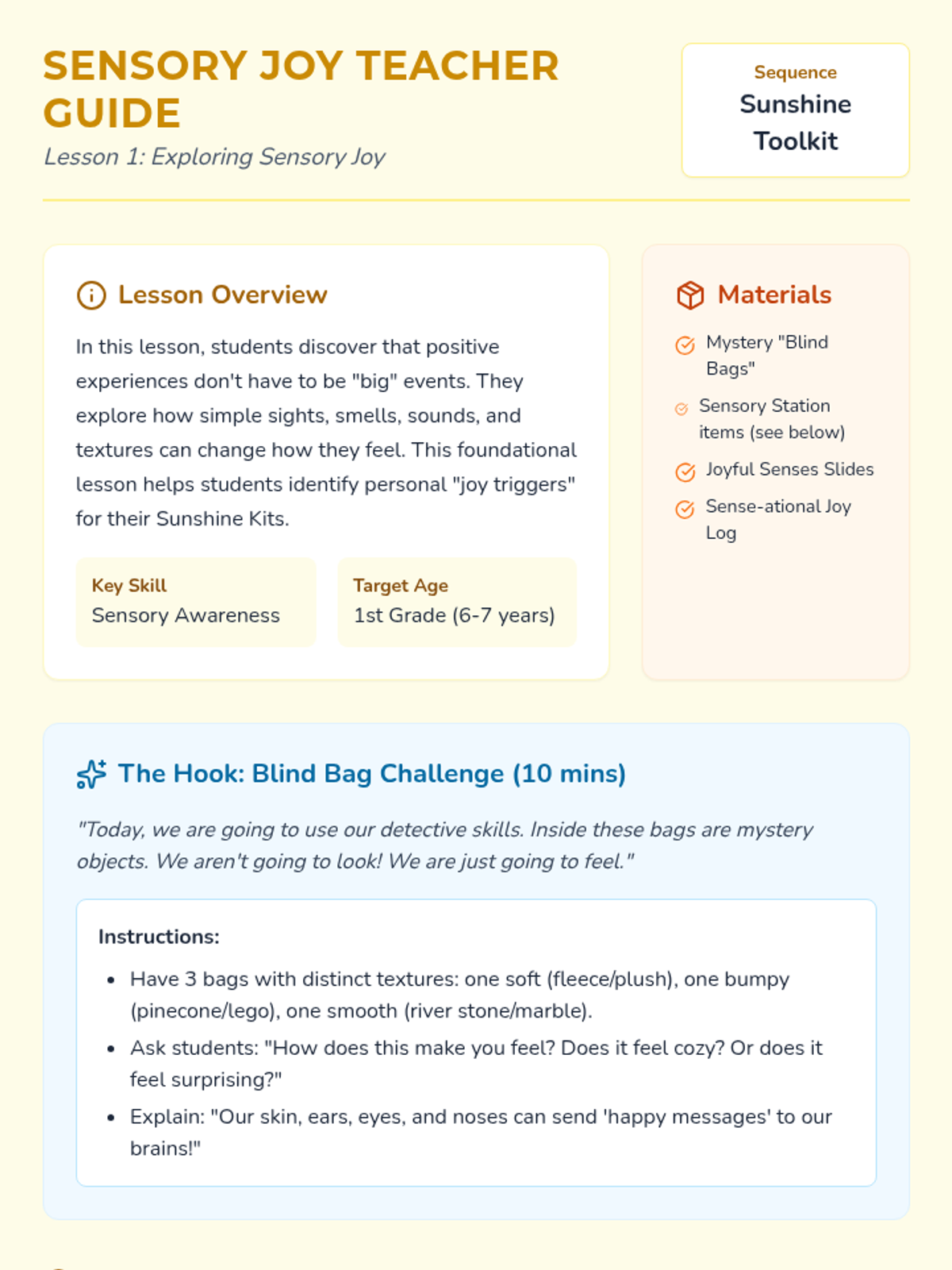
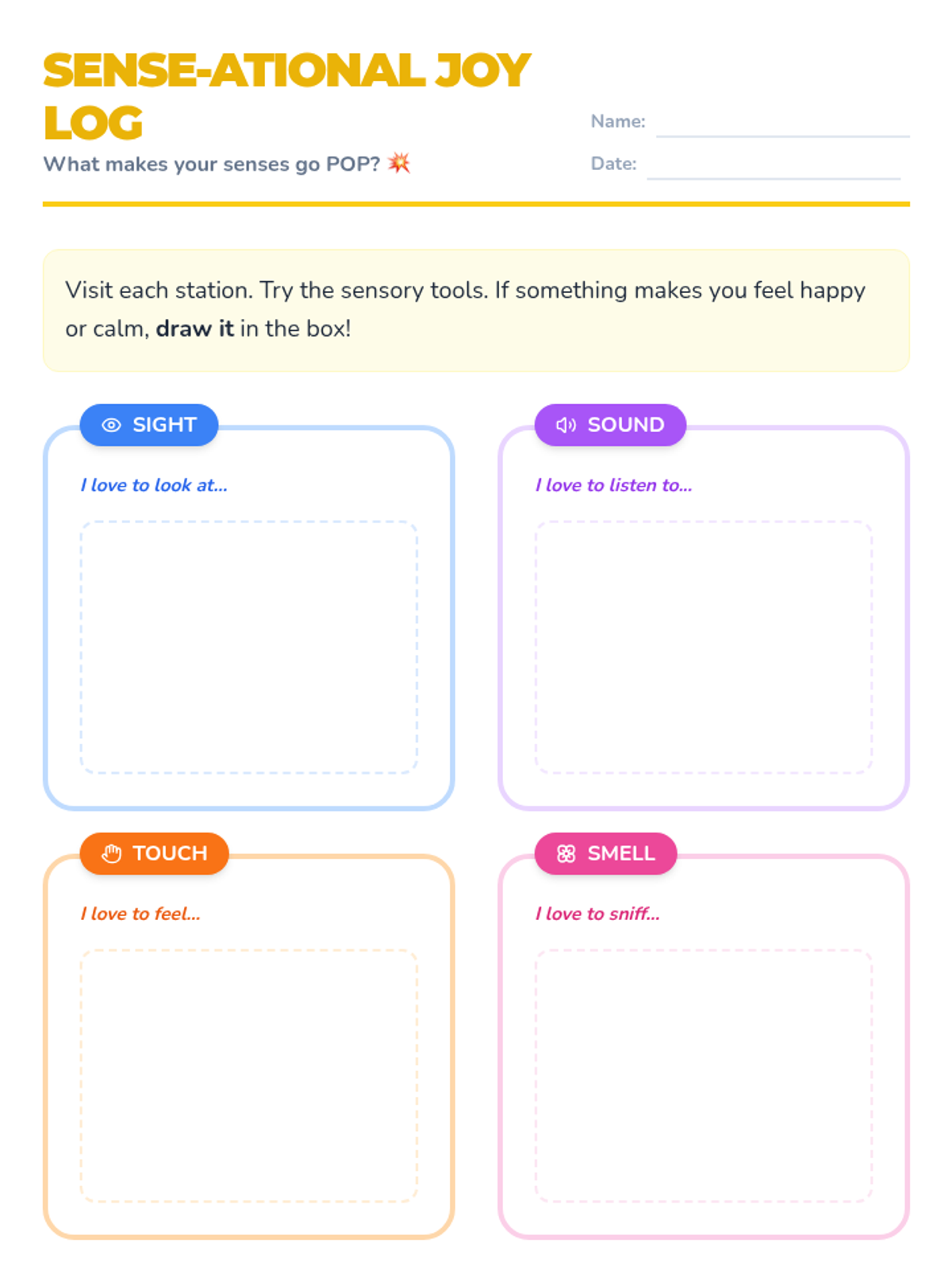
Students explore how their five senses can create simple positive experiences and help them feel happy or calm. They rotate through stations to identify personal sensory preferences for their Sunshine Kits.
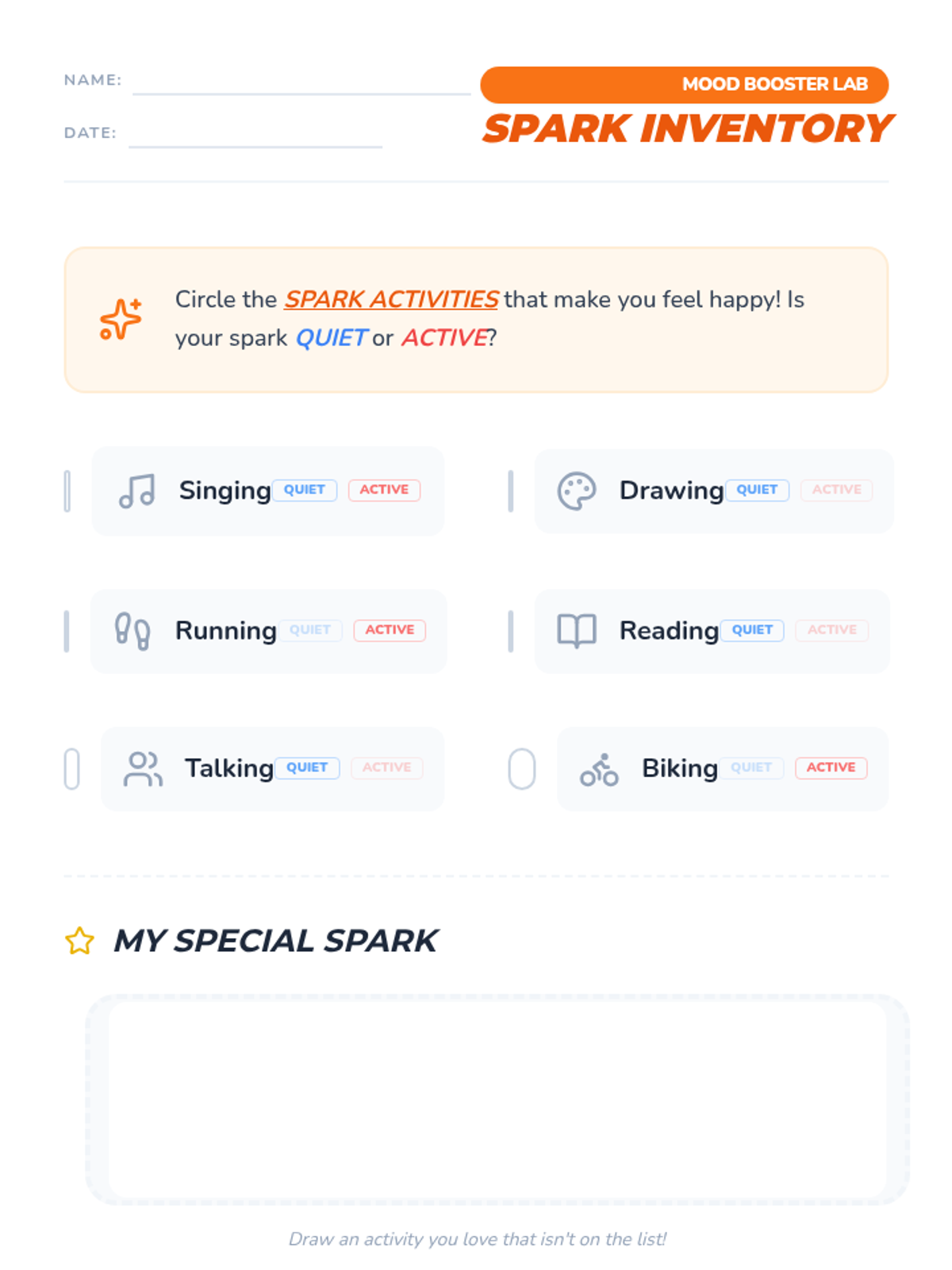
Students identify their personal 'Spark Activities'—things that light them up inside—and distinguish between active play and quiet relaxation.
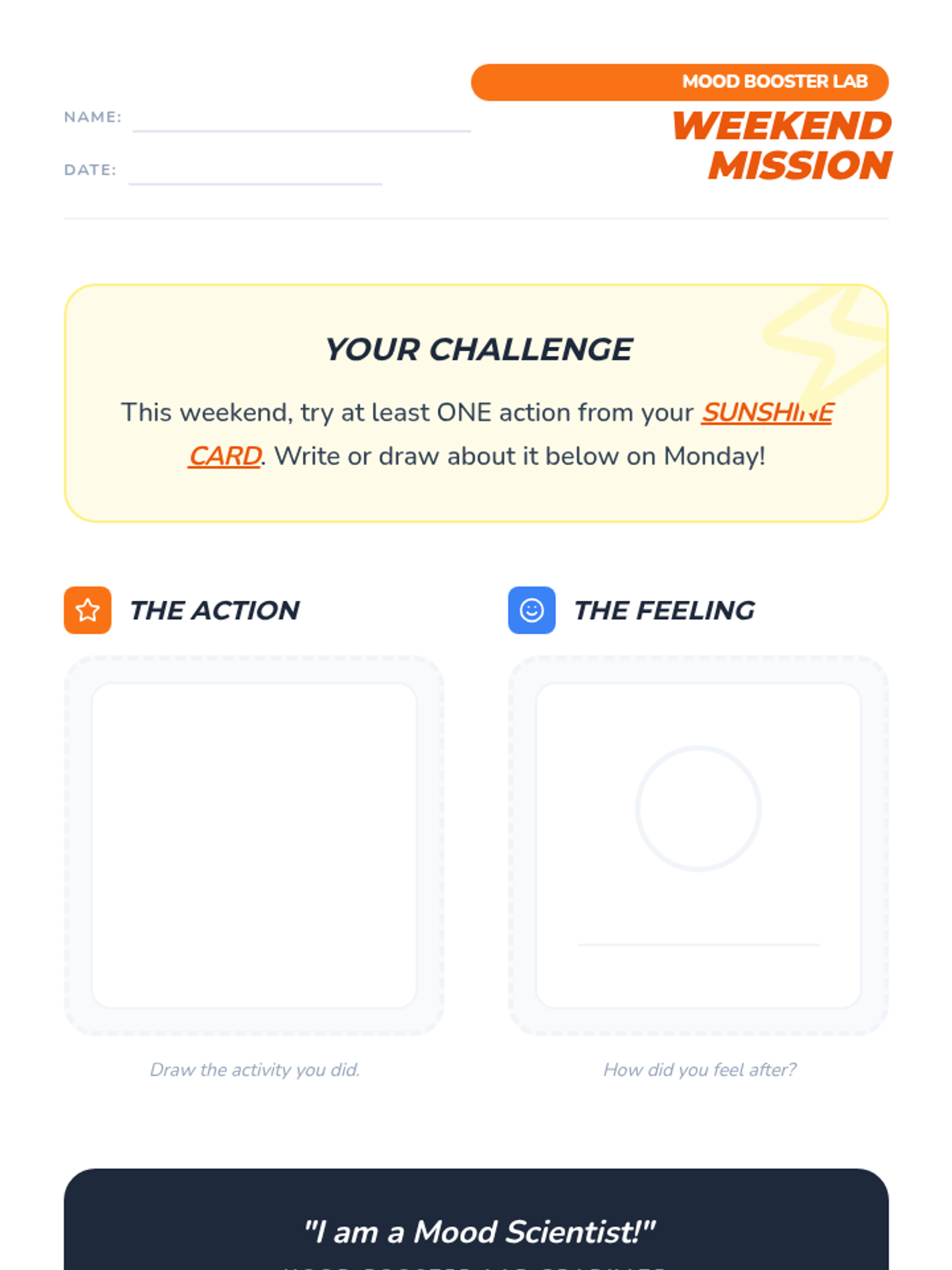
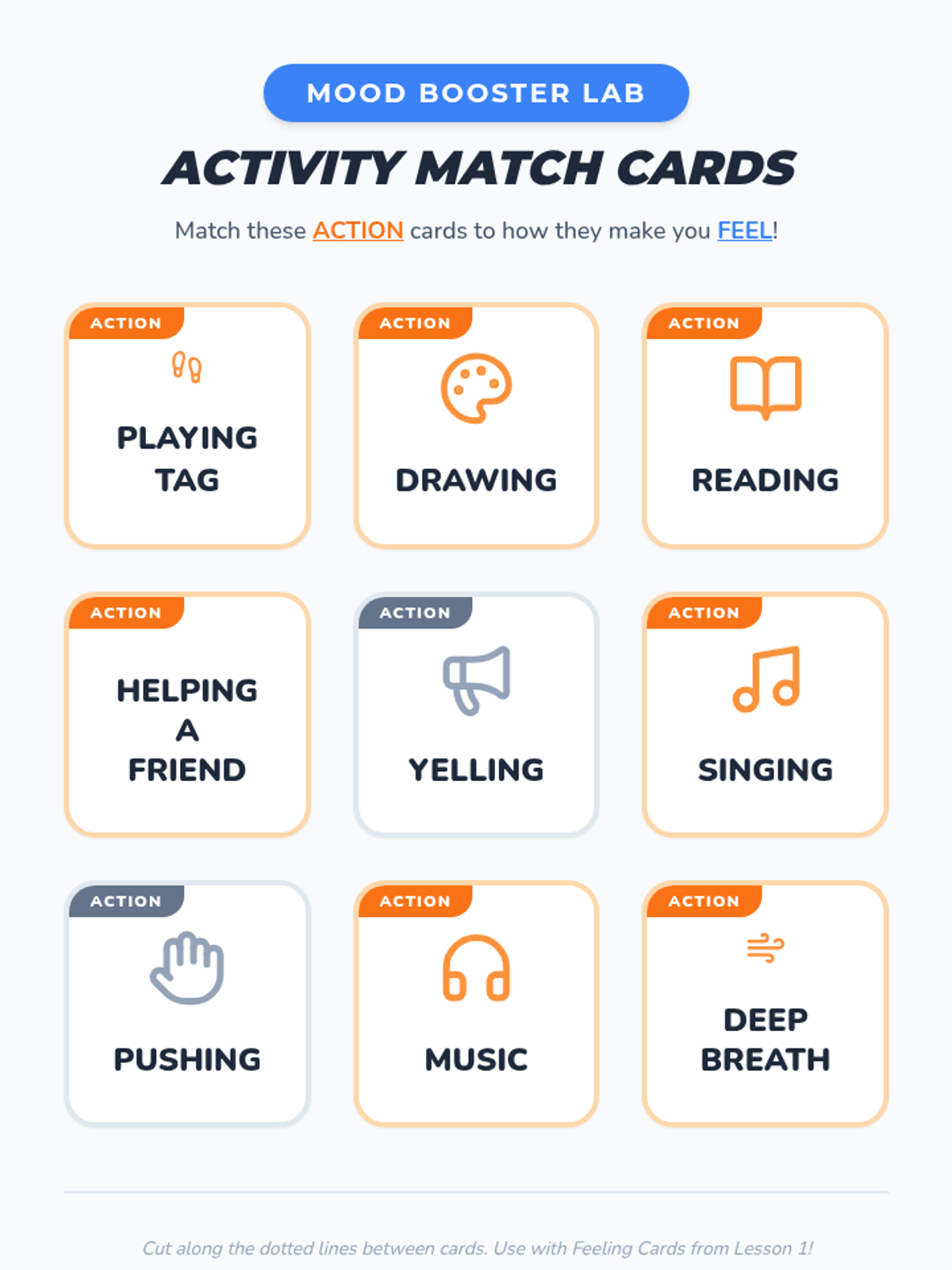
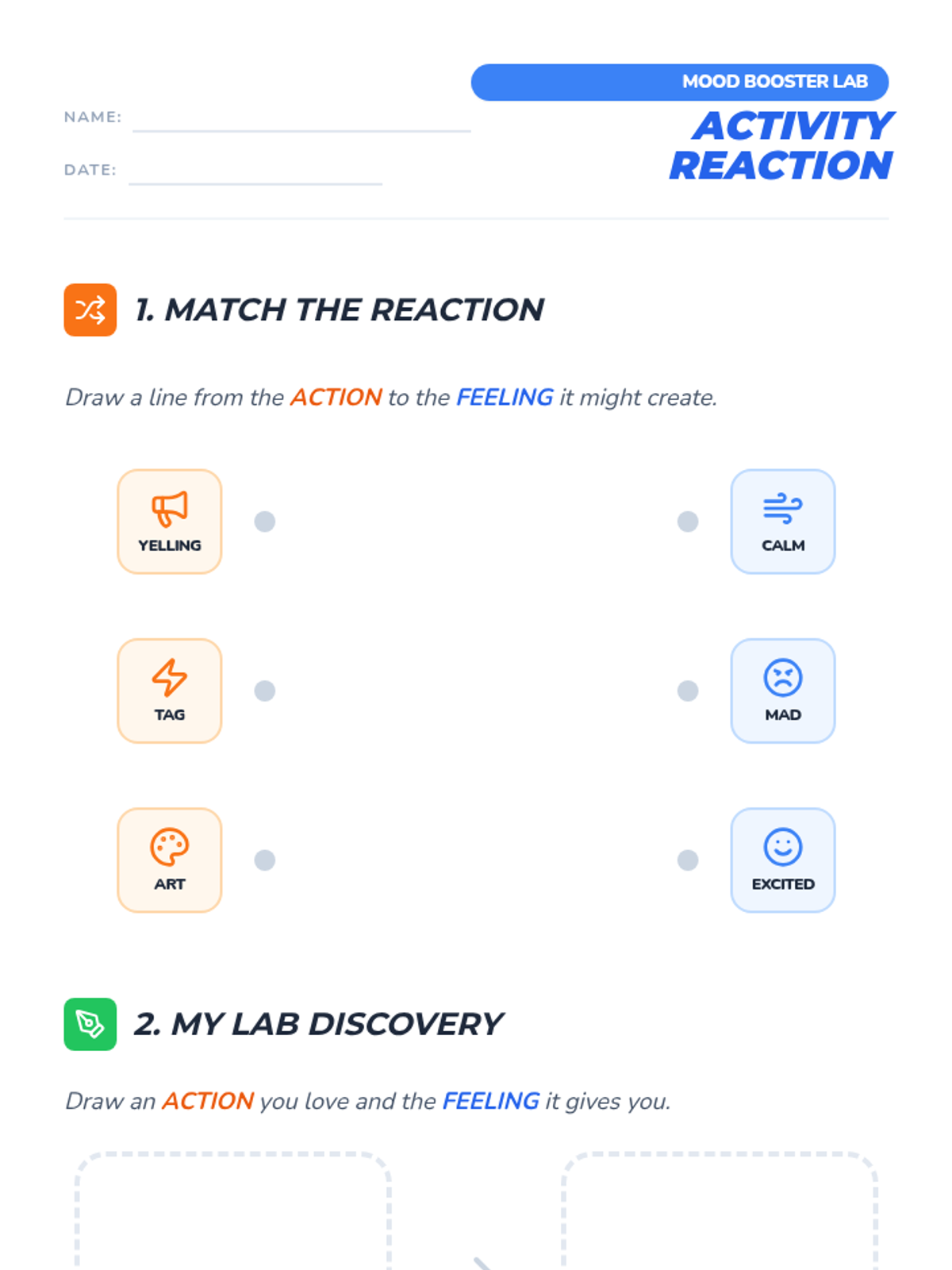
Students analyze how different activities lead to specific feelings, mapping 'action' cards to 'feeling' cards to see cause-and-effect.
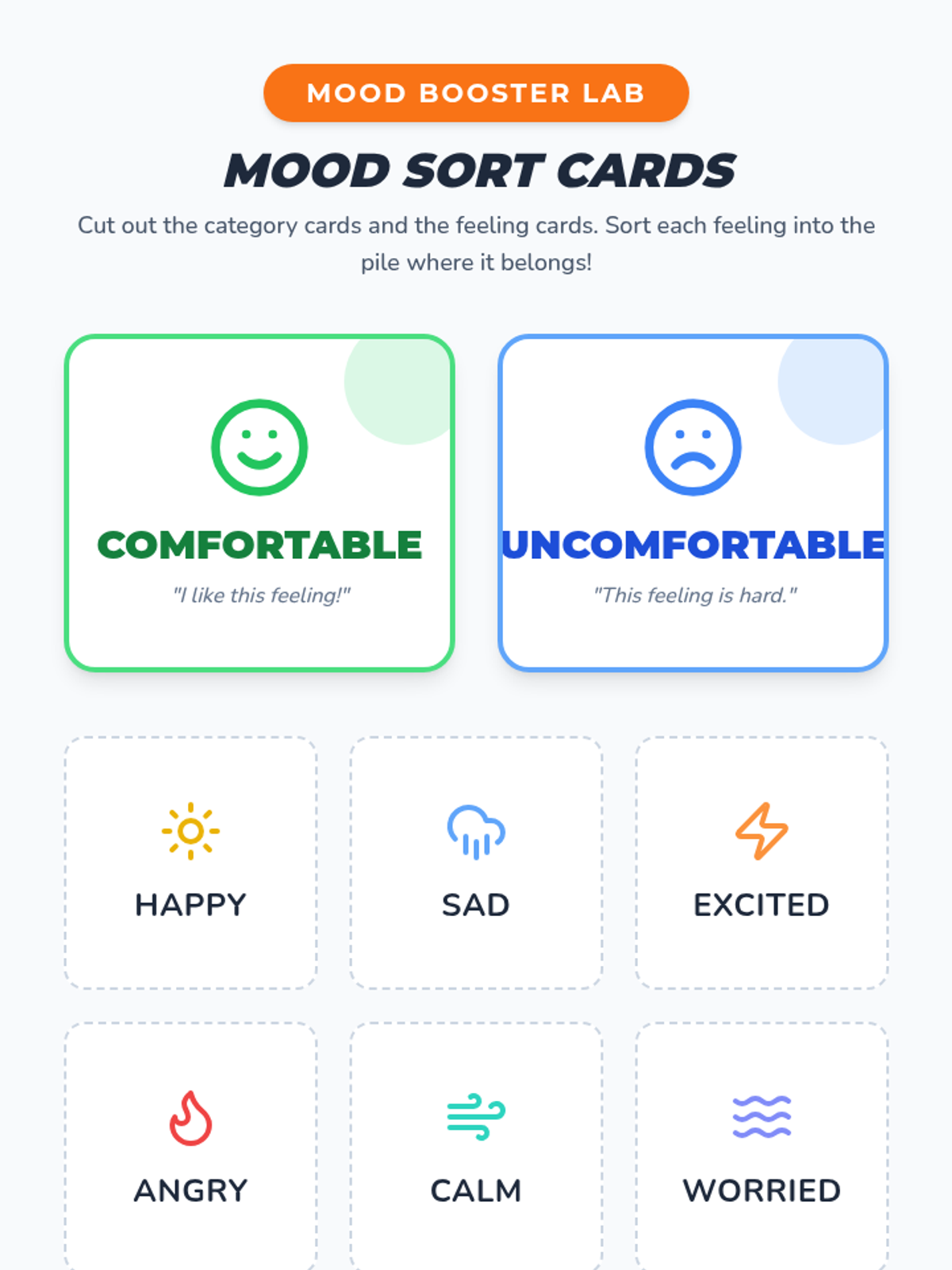
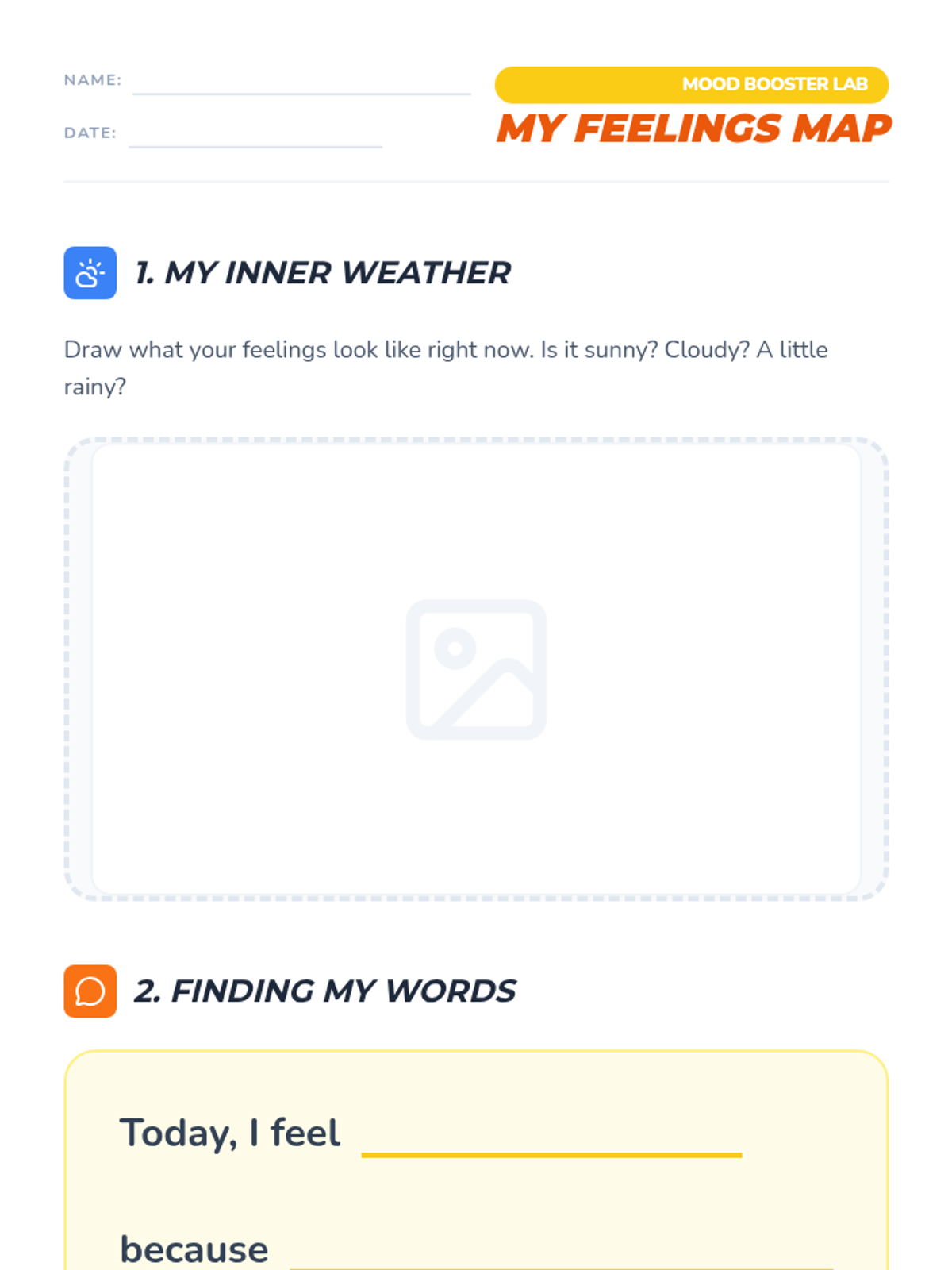
Students engage in a card sorting activity to distinguish between comfortable and uncomfortable feelings and practice using 'I feel' statements using a feelings chart.
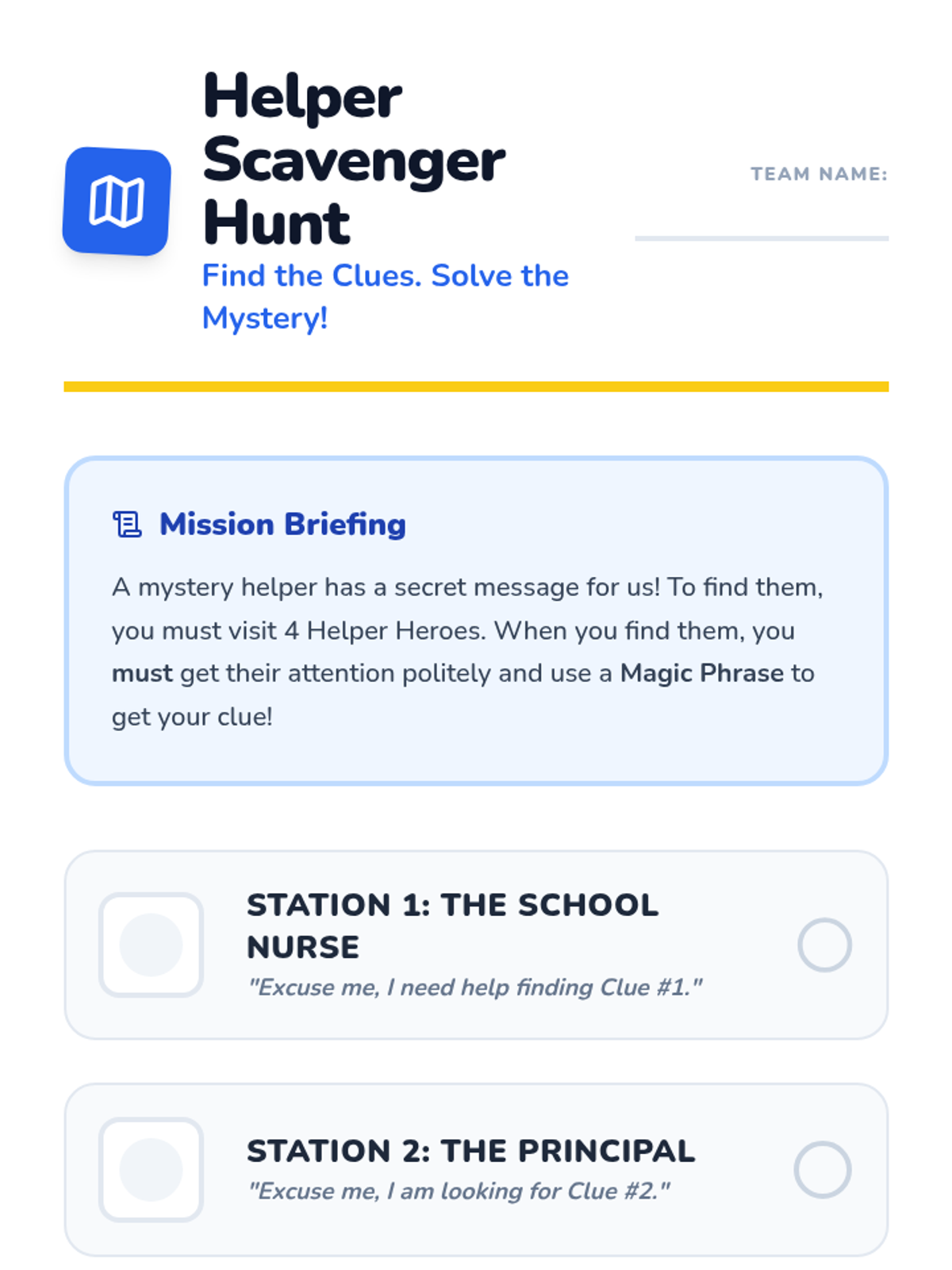
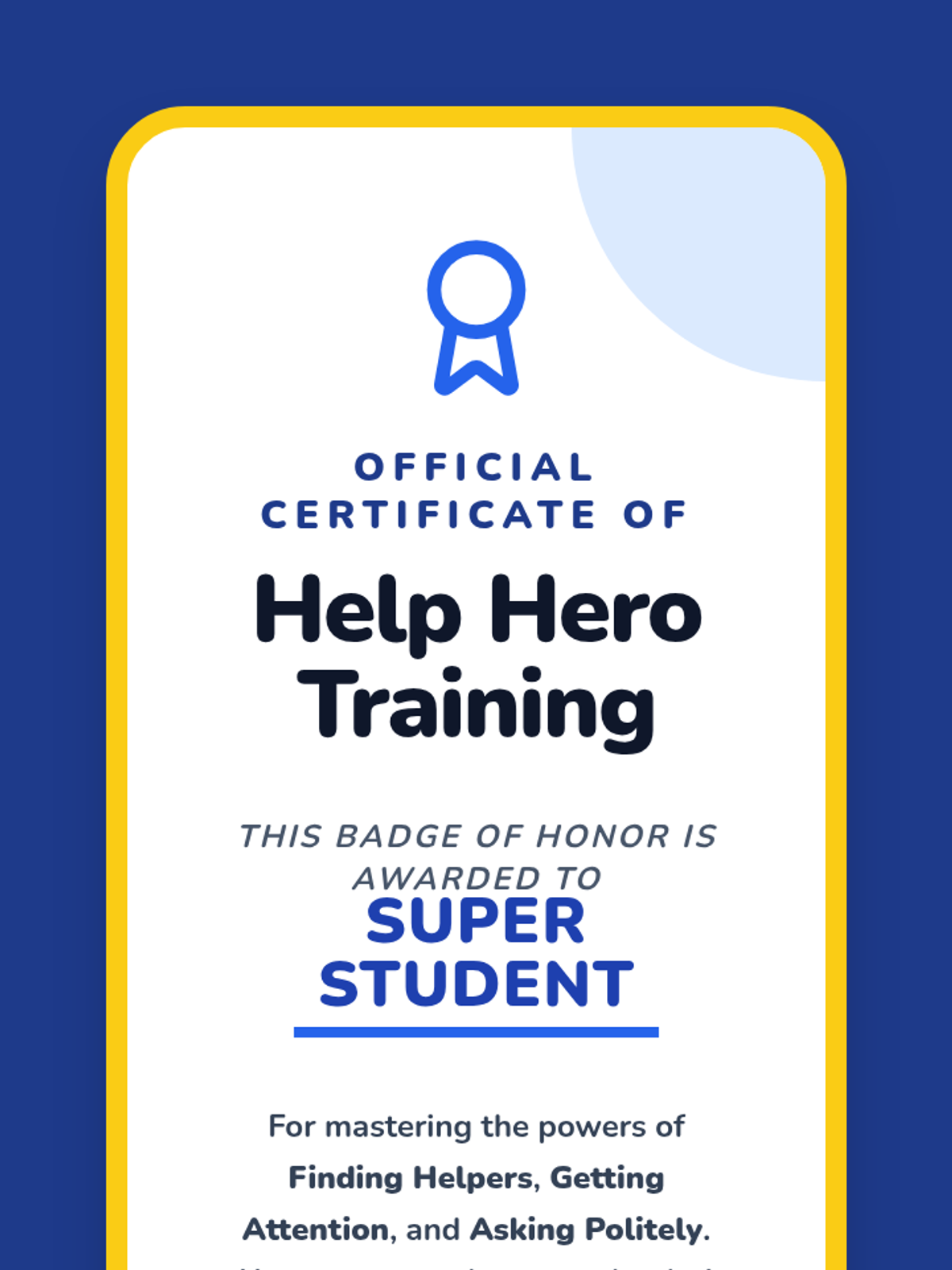
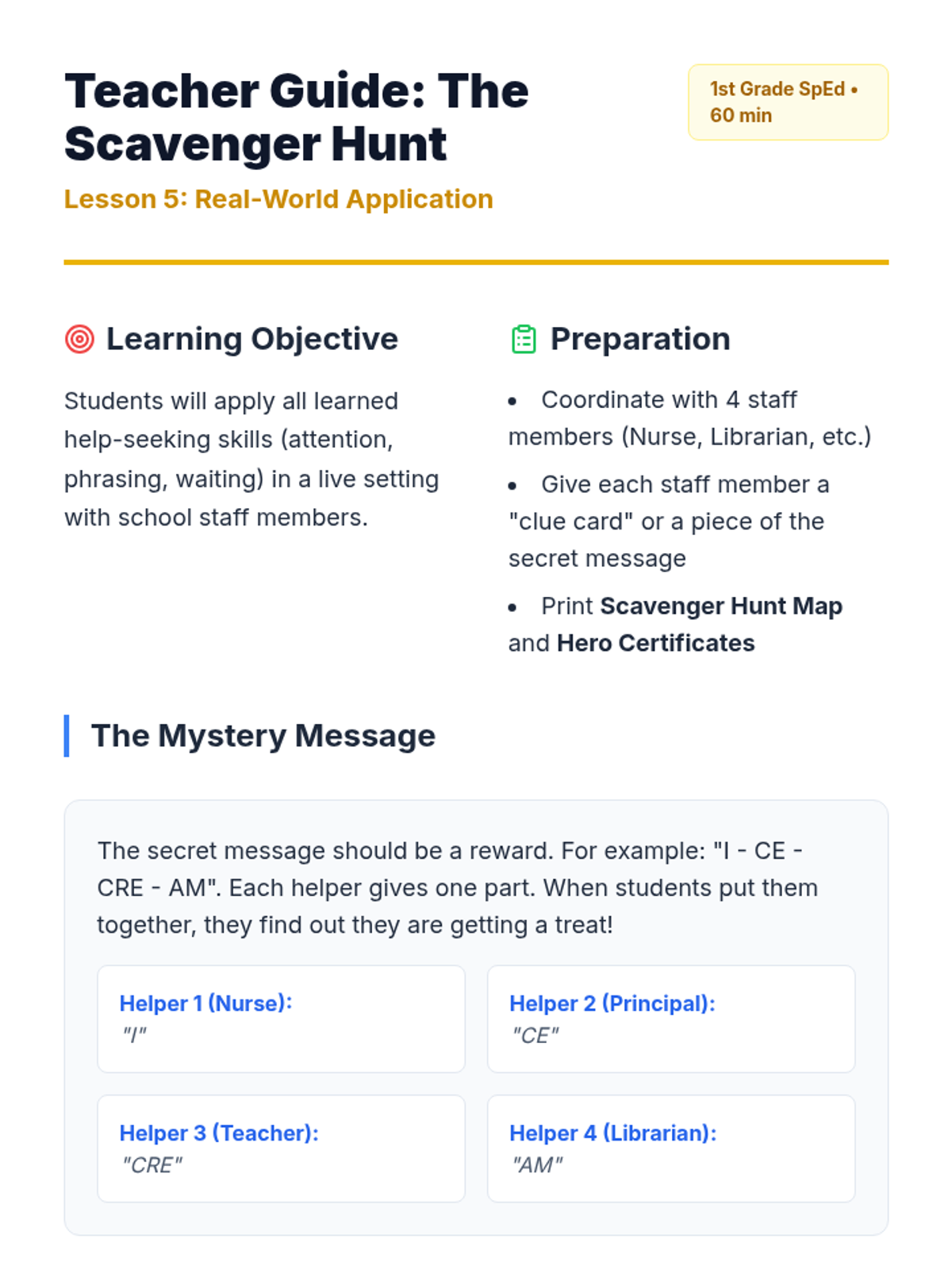
A culminating classroom scavenger hunt where students apply all their help-seeking skills in a real-world mystery activity.
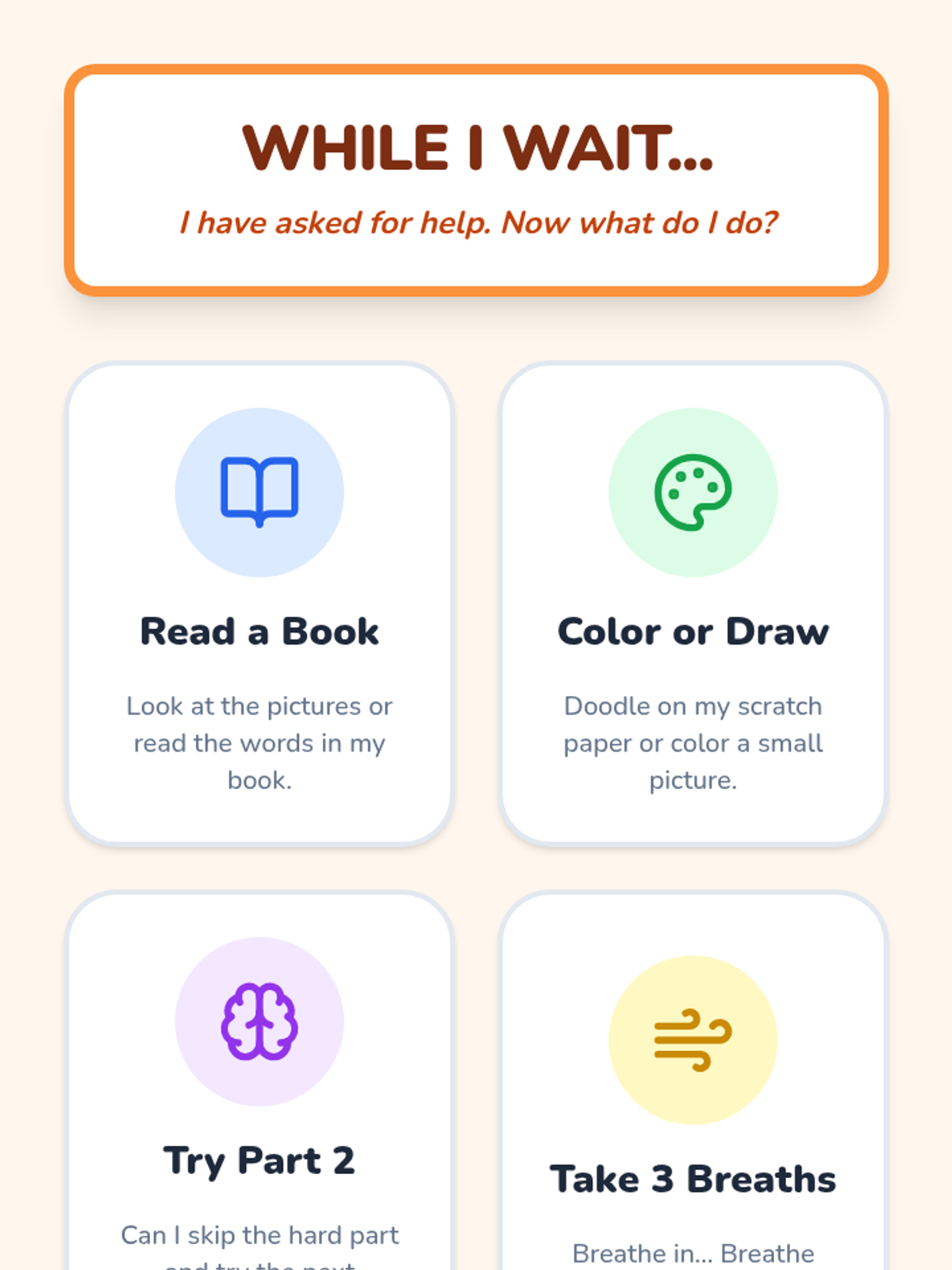
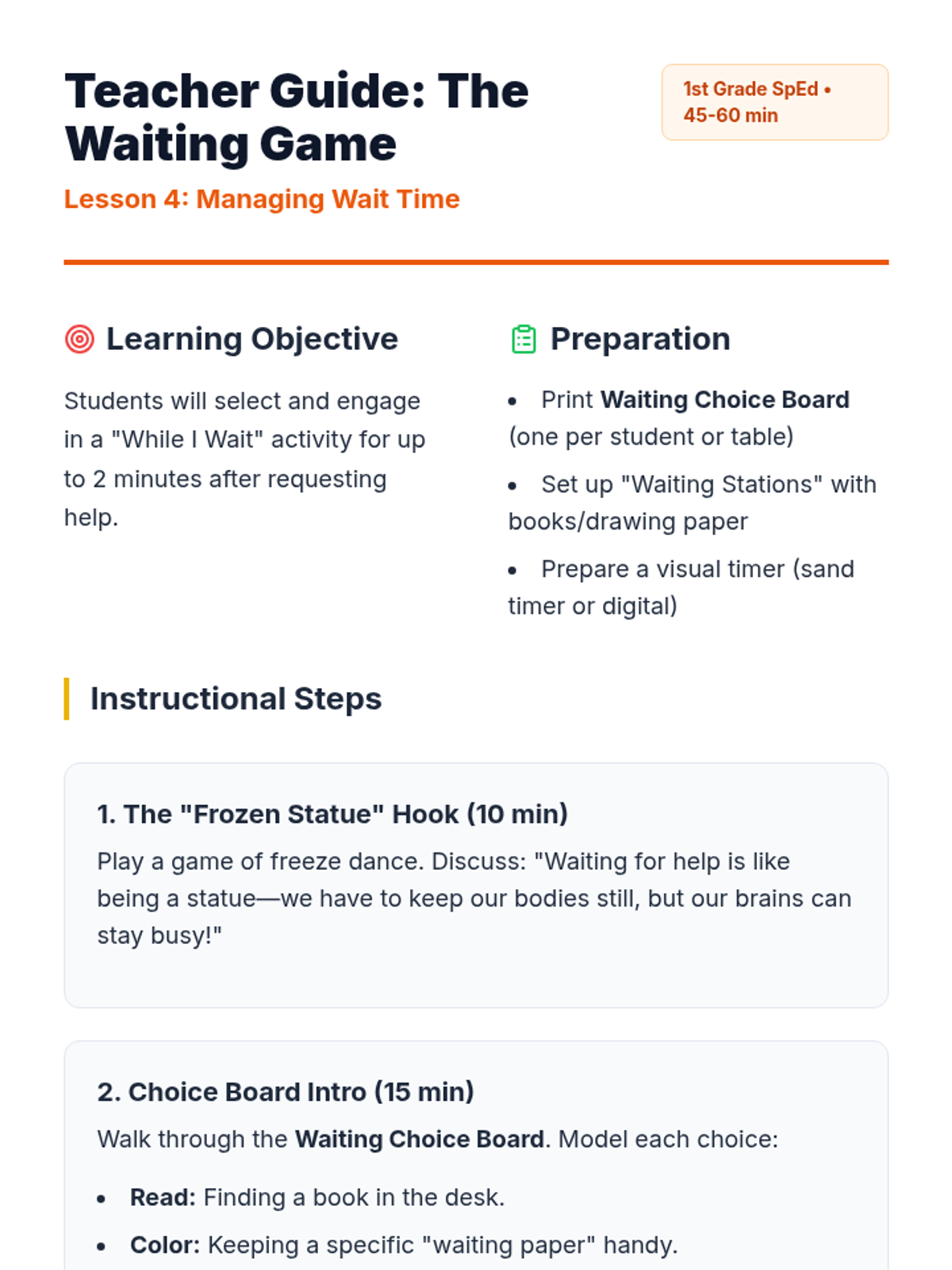
Develops self-regulation skills for the period between asking for help and receiving it, using 'While I Wait' choice boards.
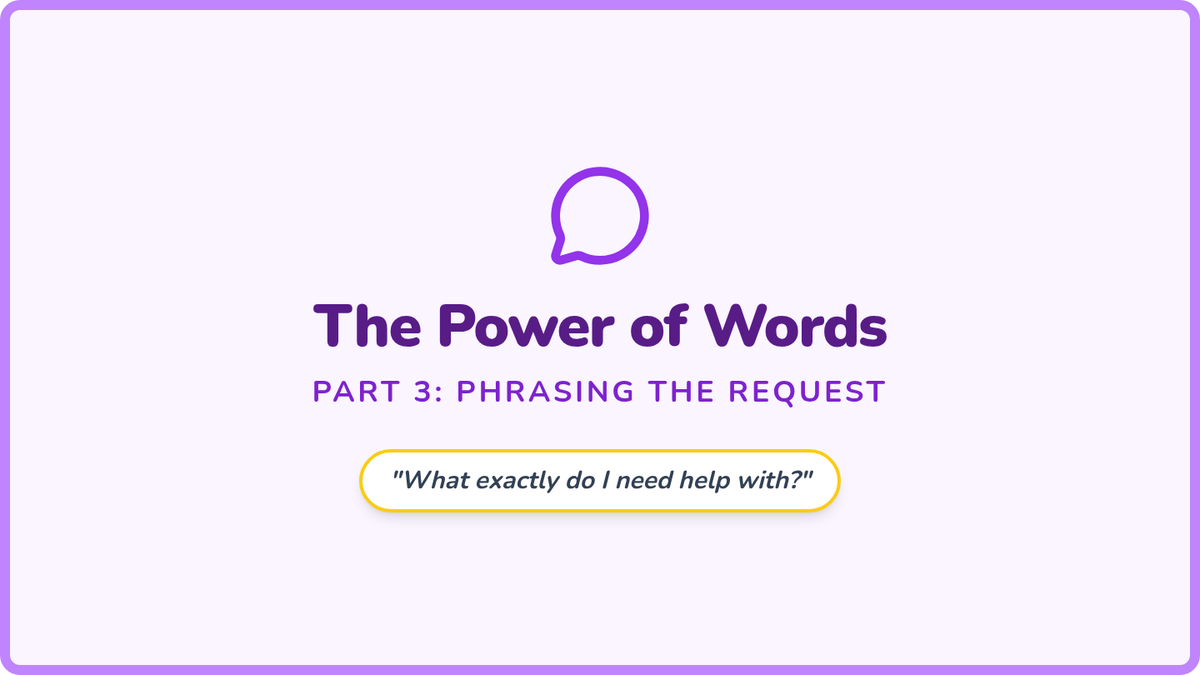
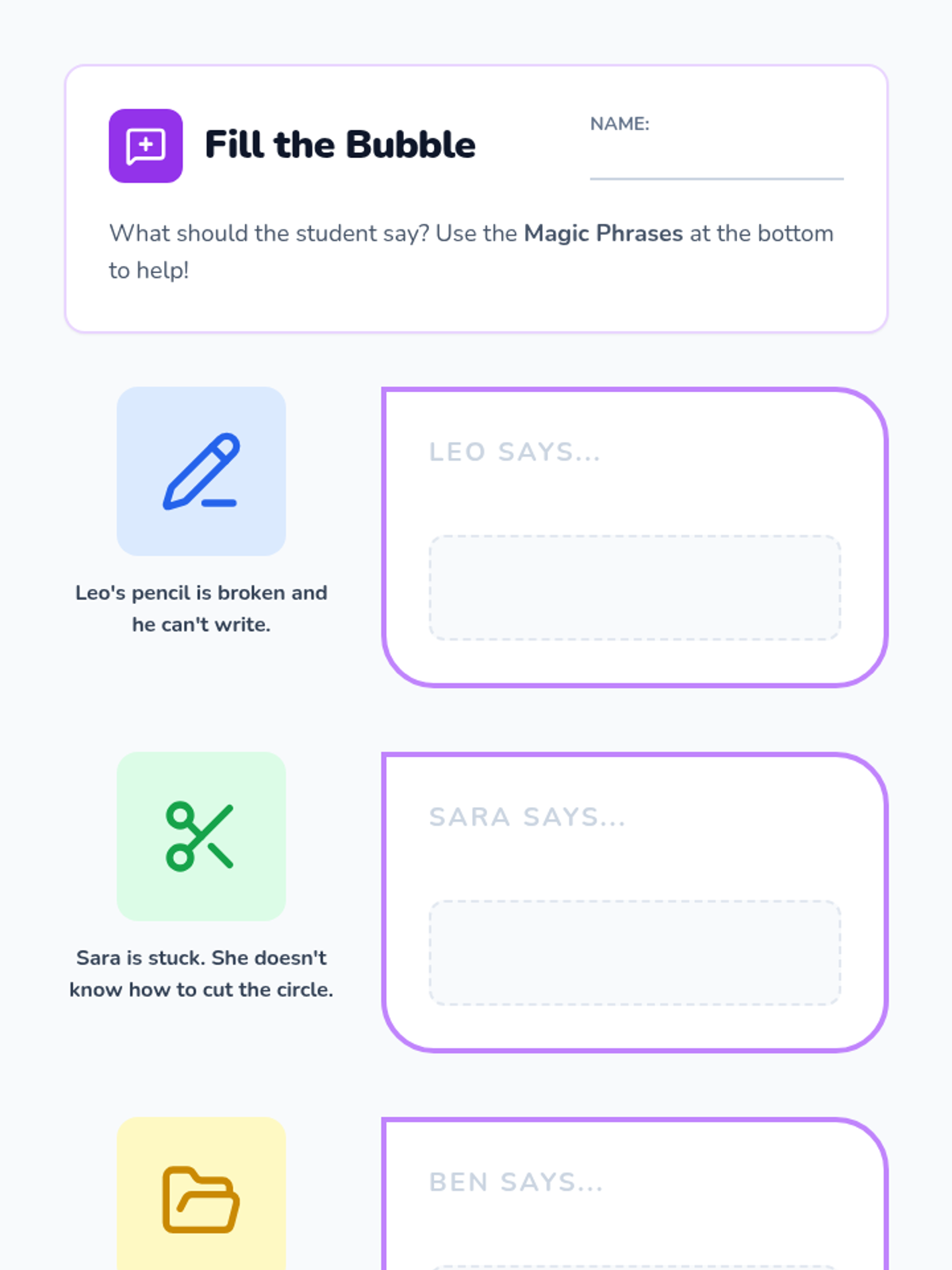
Teaches students specific language and sentence stems to communicate their specific needs clearly and politely.
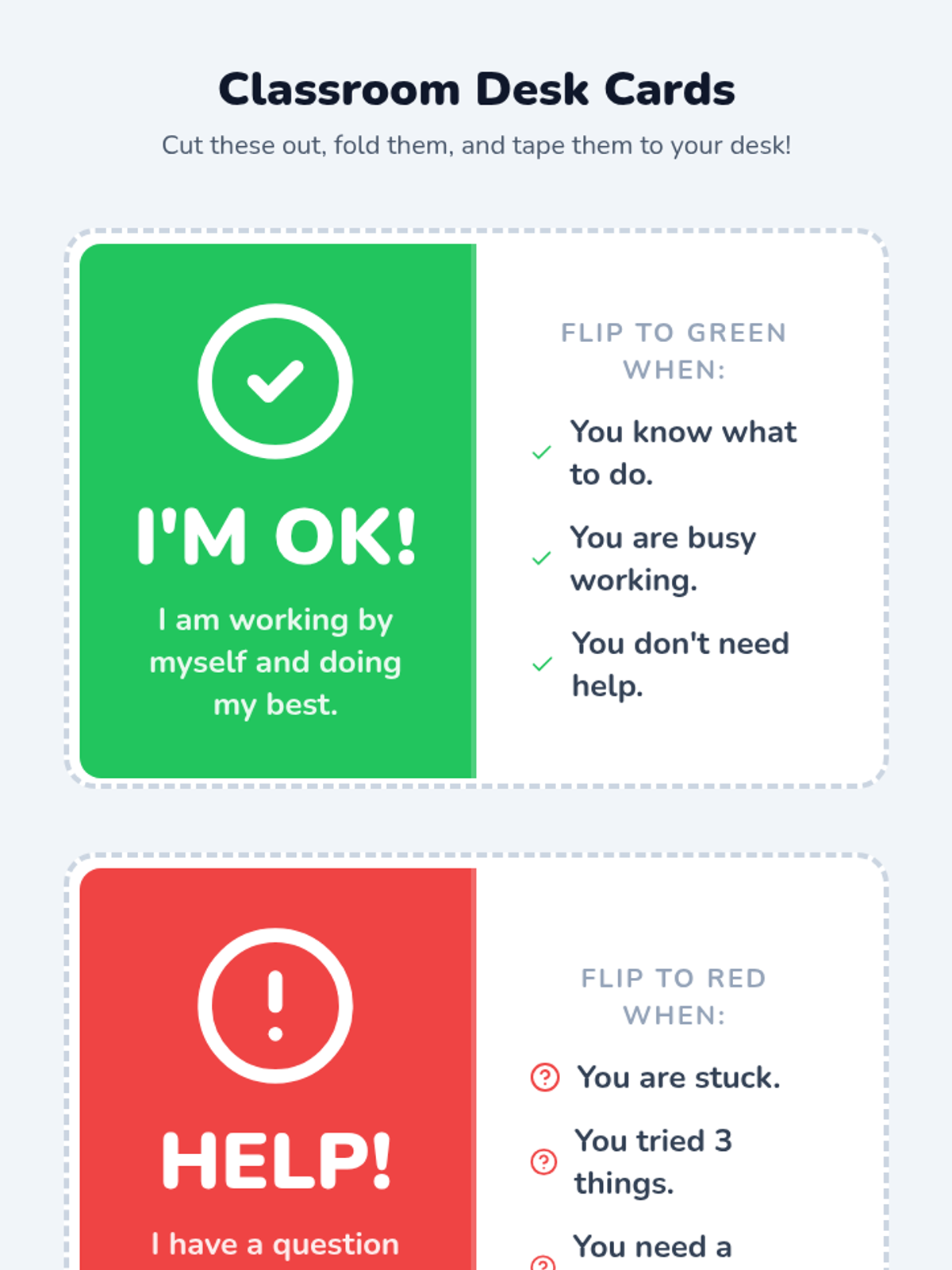
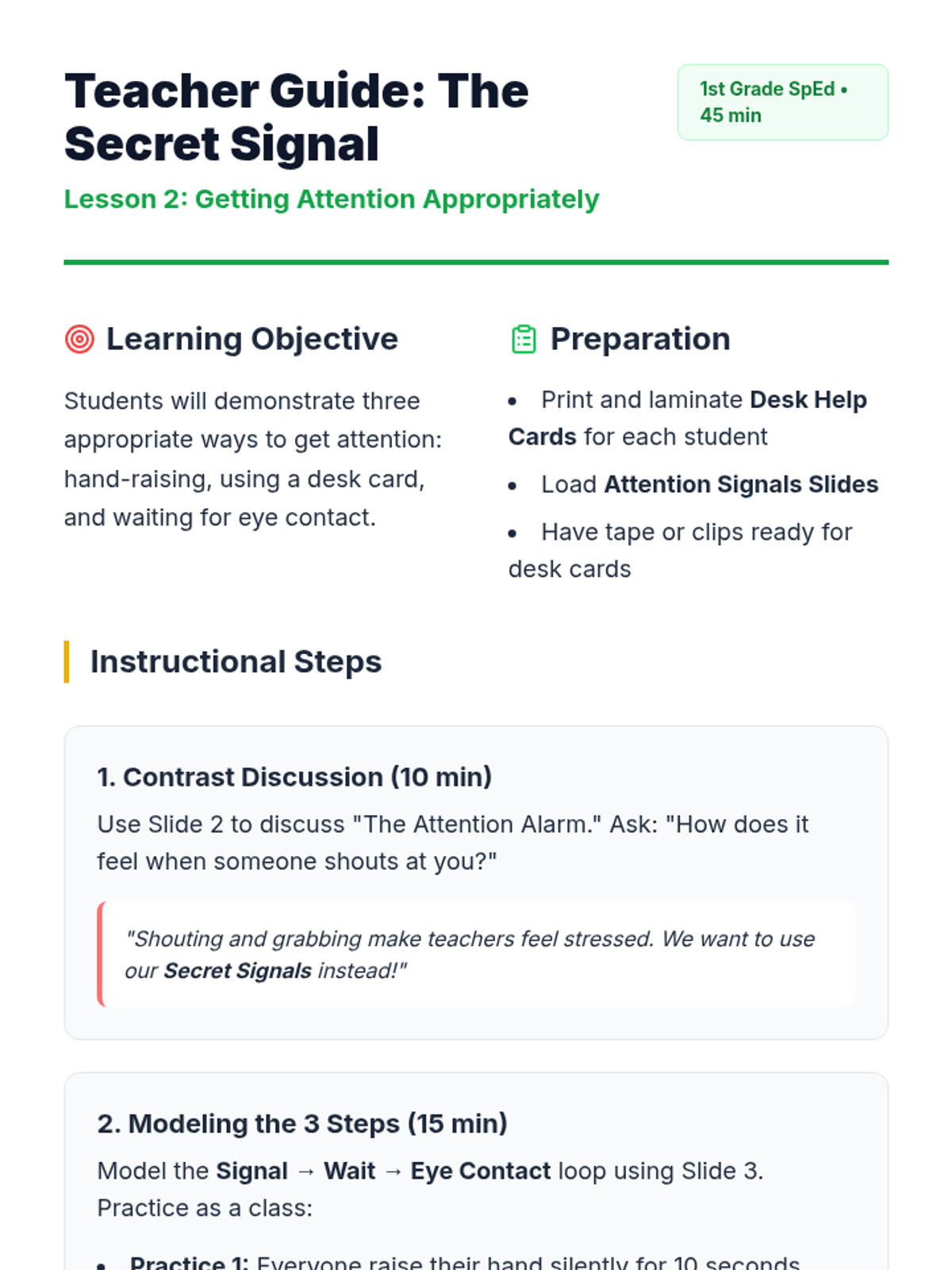
Focuses on the physical actions of getting attention politely, including hand-raising and non-verbal signals.
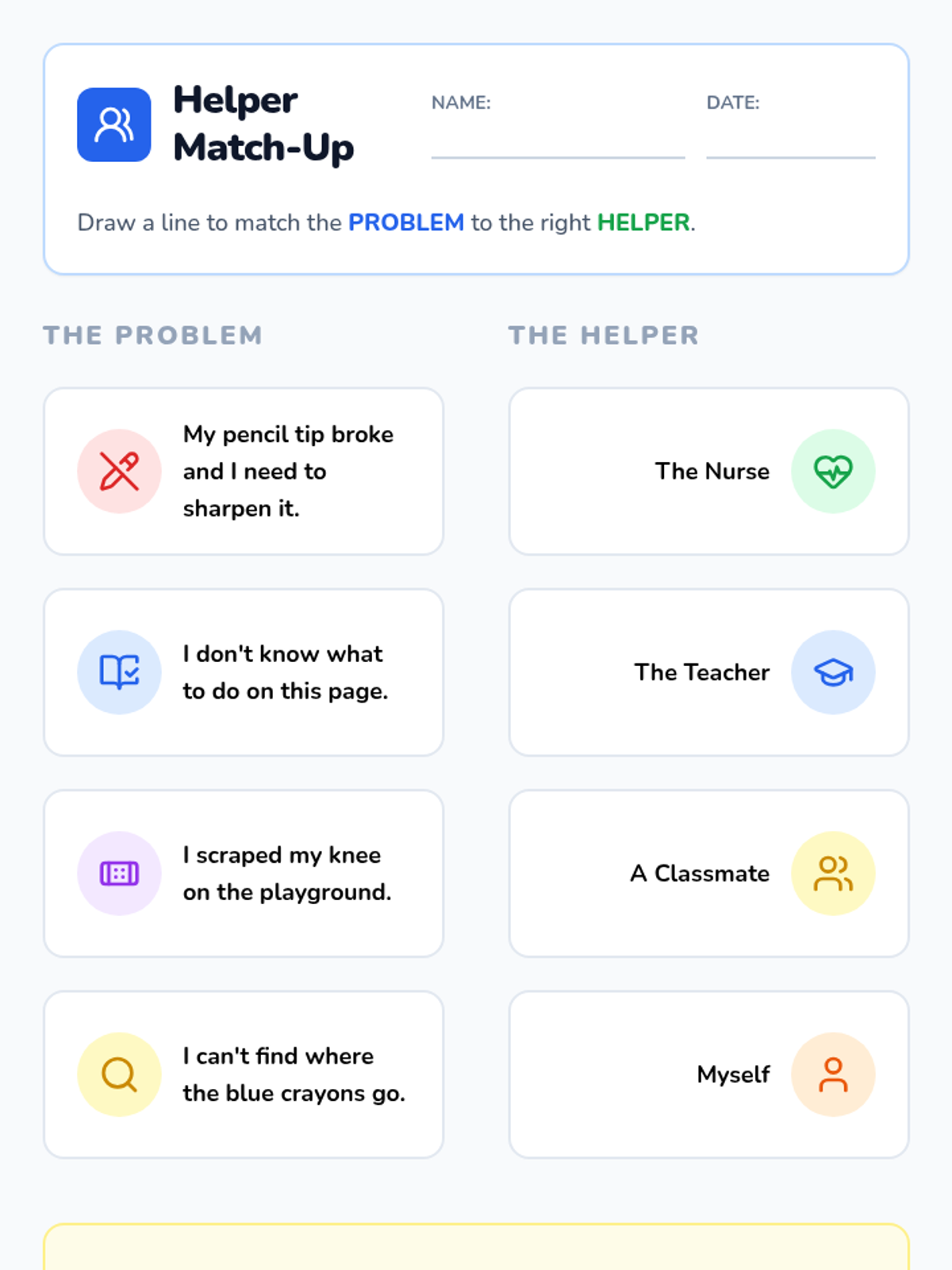
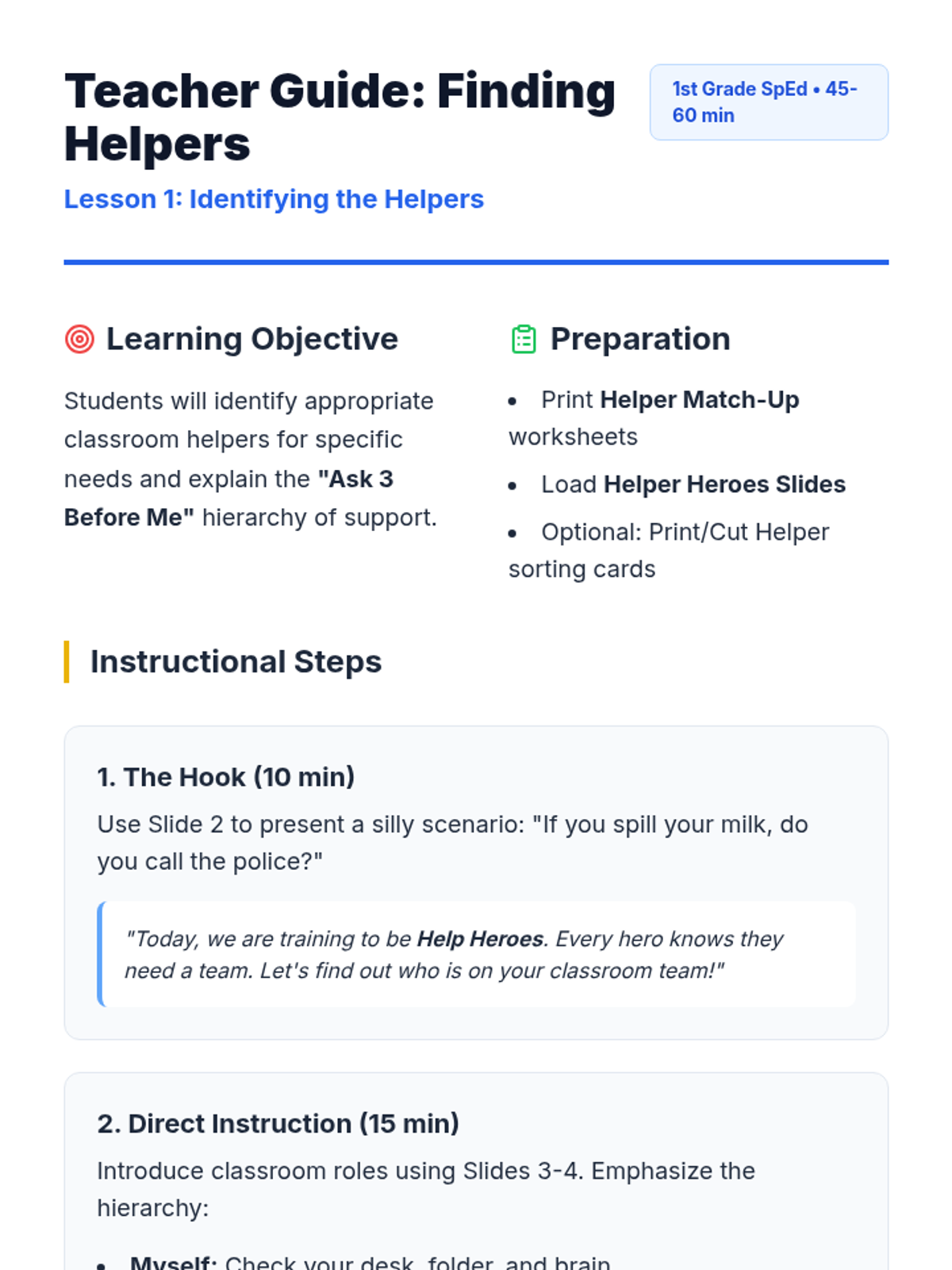
Students learn to distinguish between different types of helpers and classroom roles, establishing the 'Ask 3 Before Me' rule for seeking support.
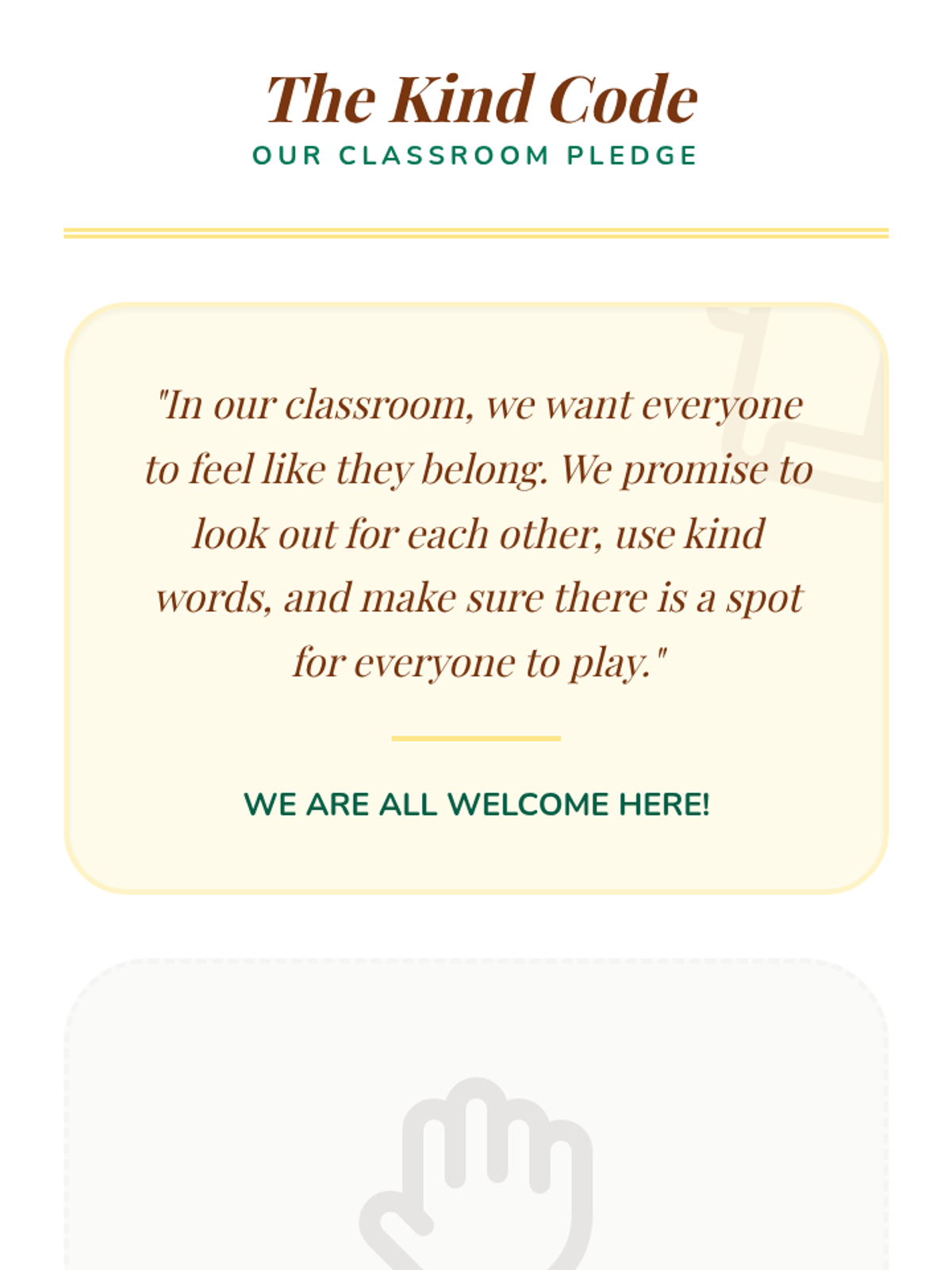
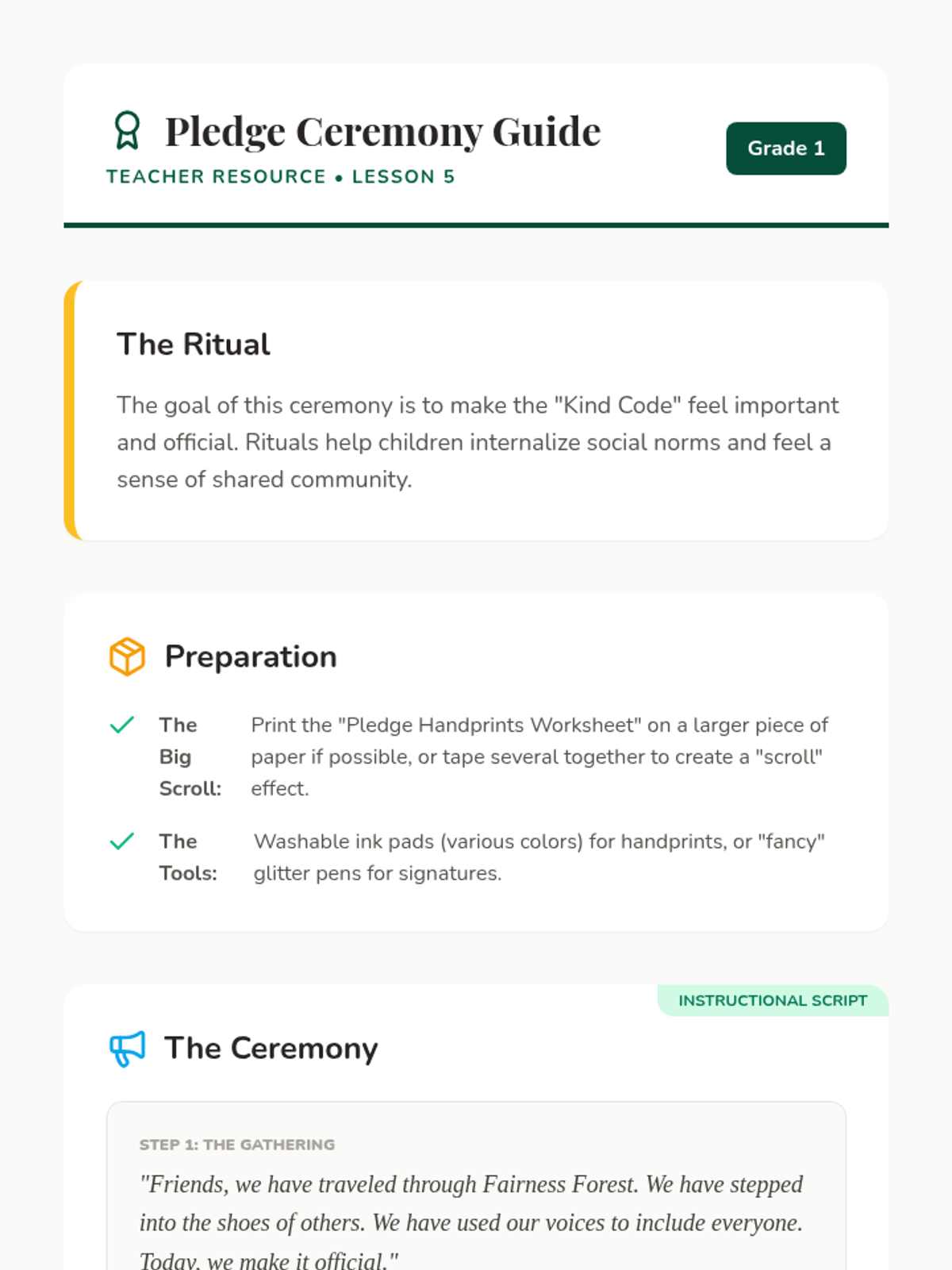
The class formalizes their commitment to inclusion by co-creating and signing a classroom pledge.
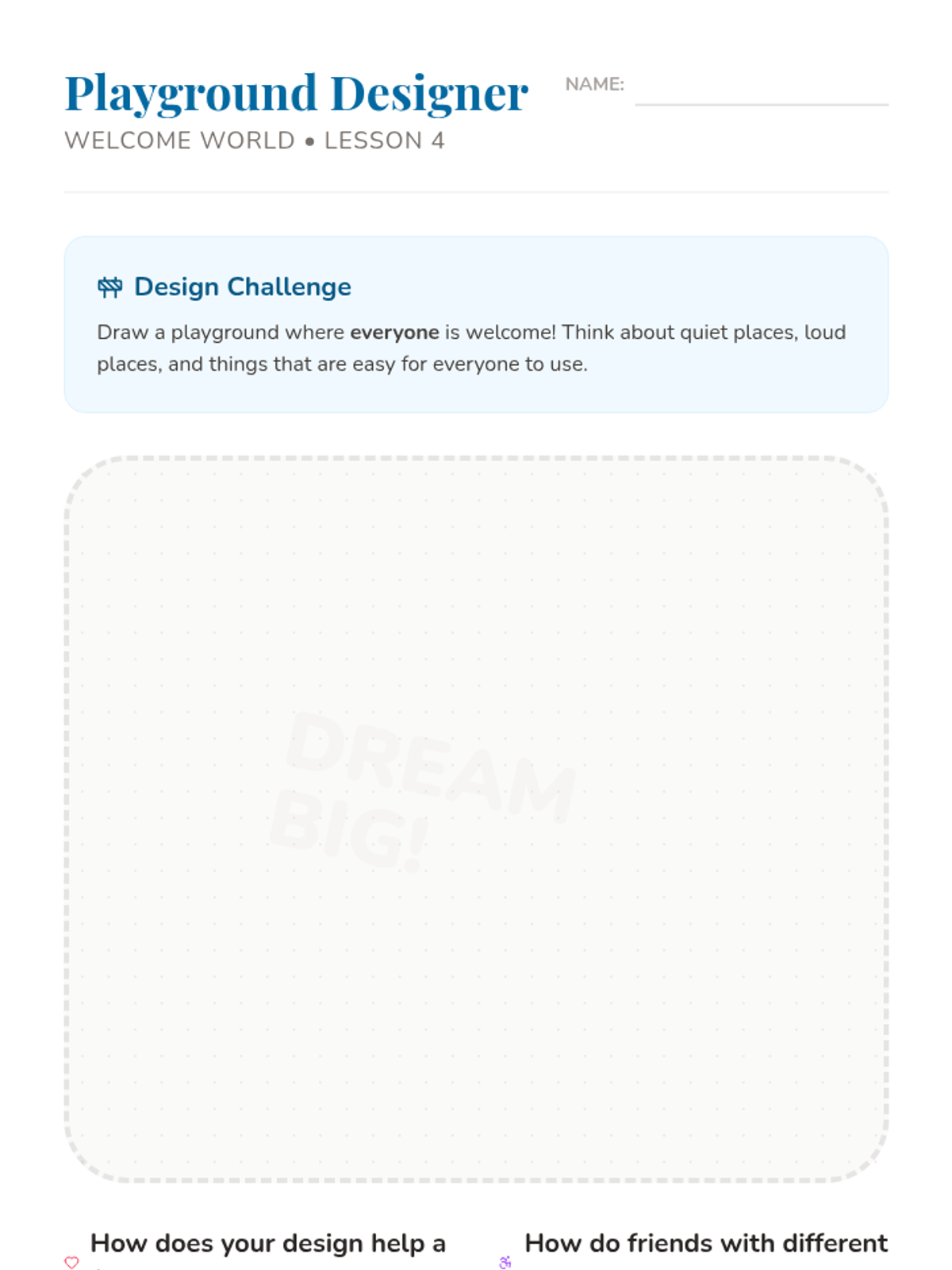
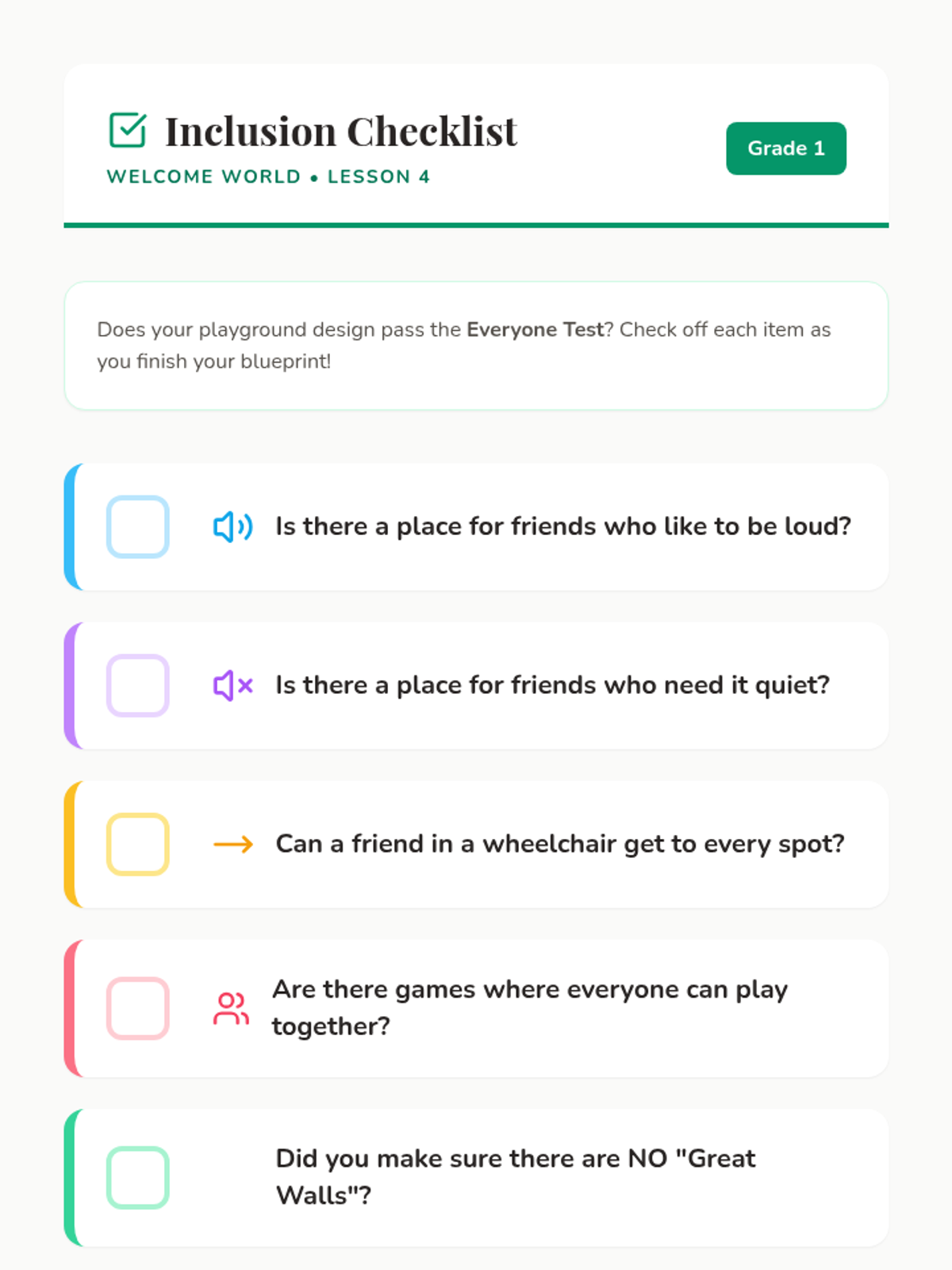
Students design inclusive playground models to visualize a world where everyone can play together regardless of differences.
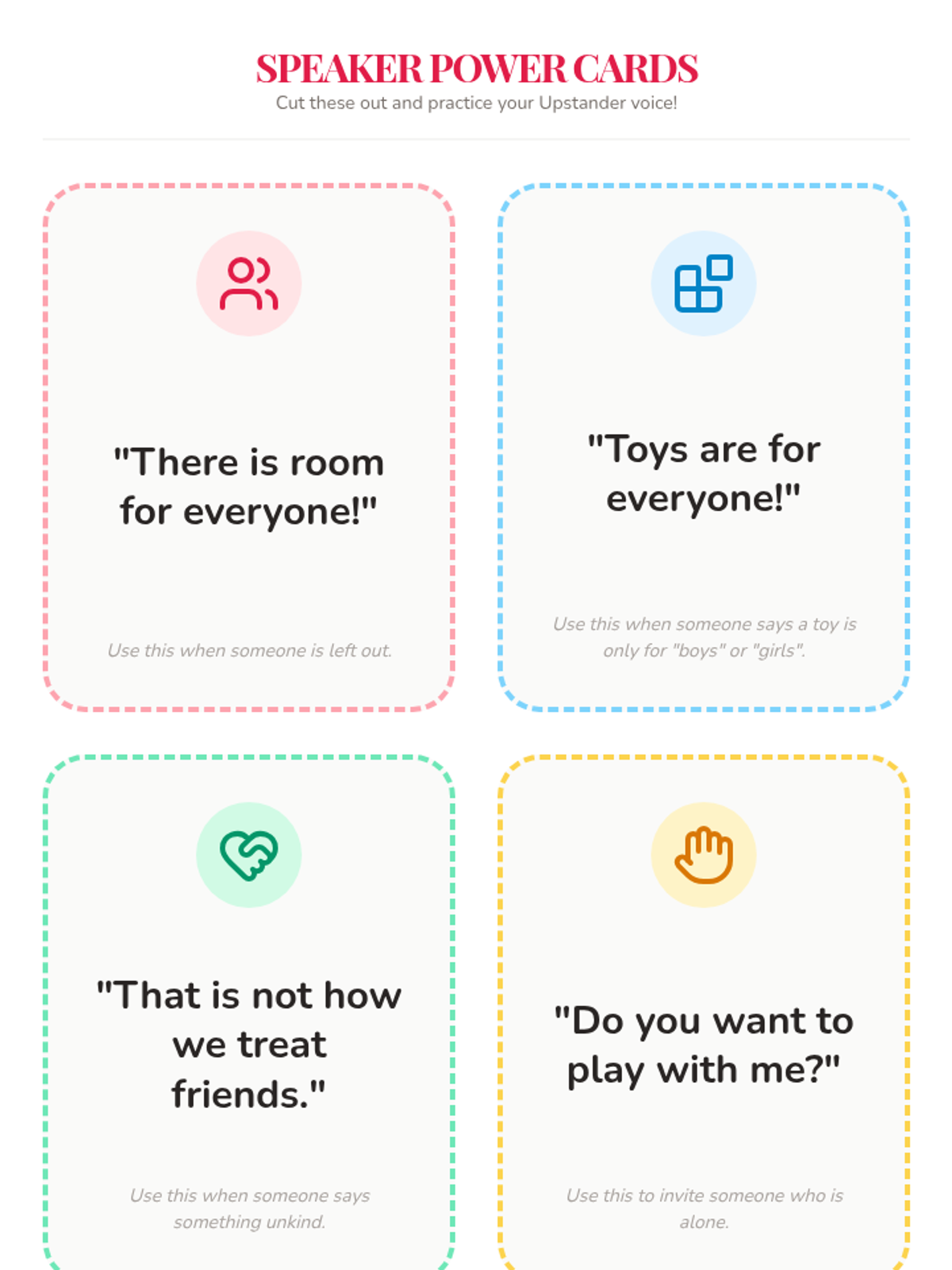
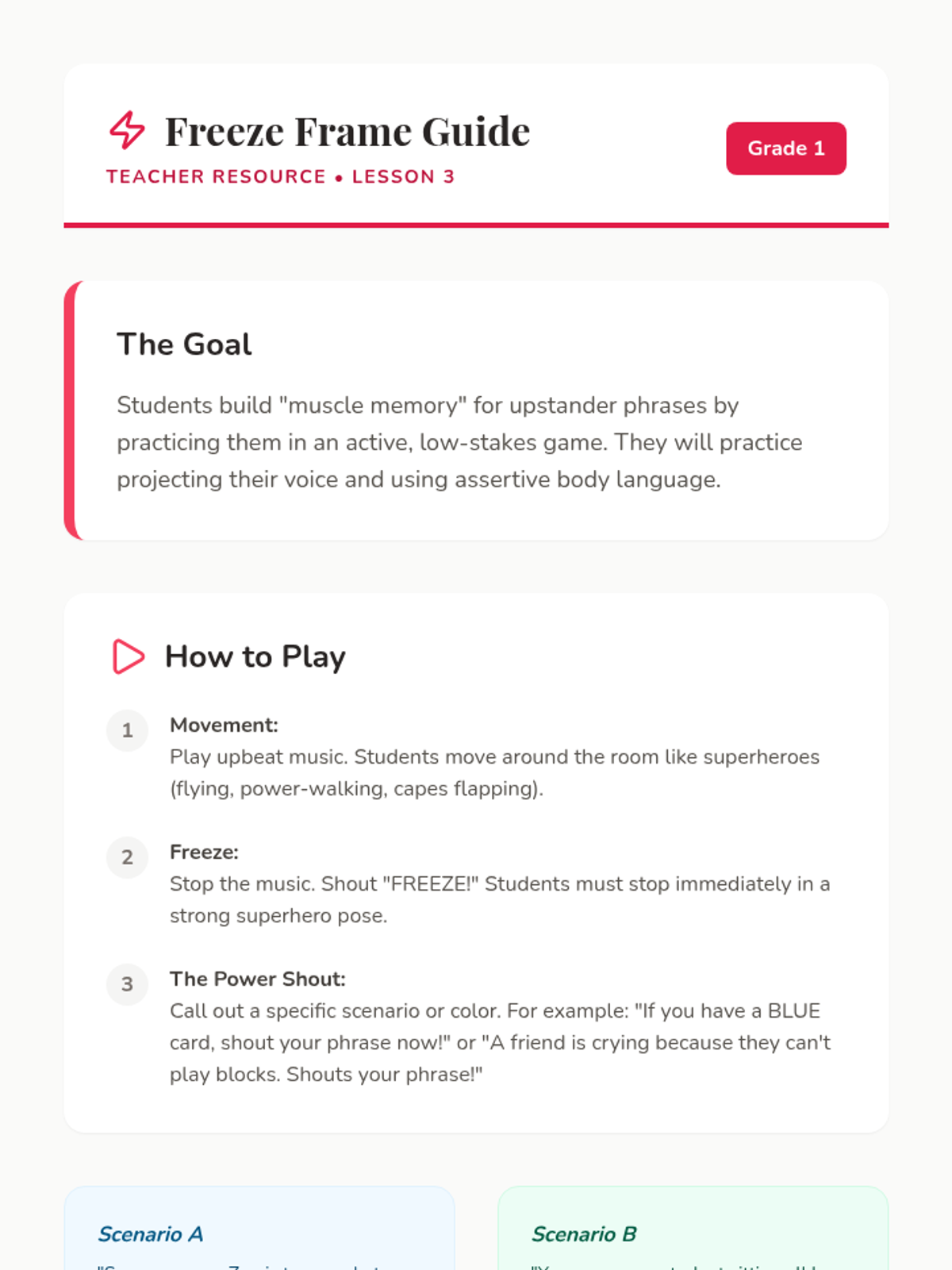
Students learn and practice specific upstander phrases to respond to unfair comments and stereotypes in a safe, structured environment.
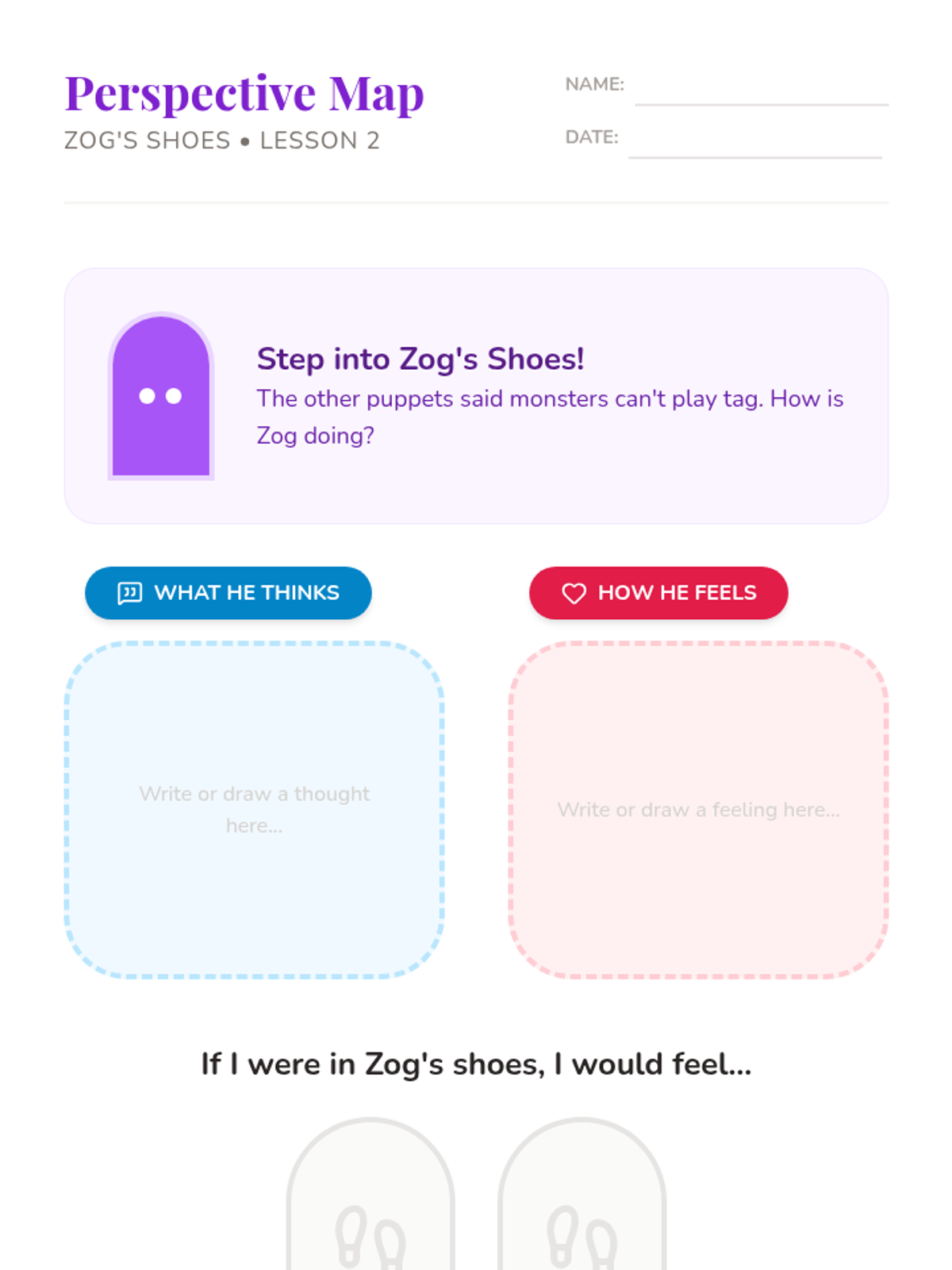
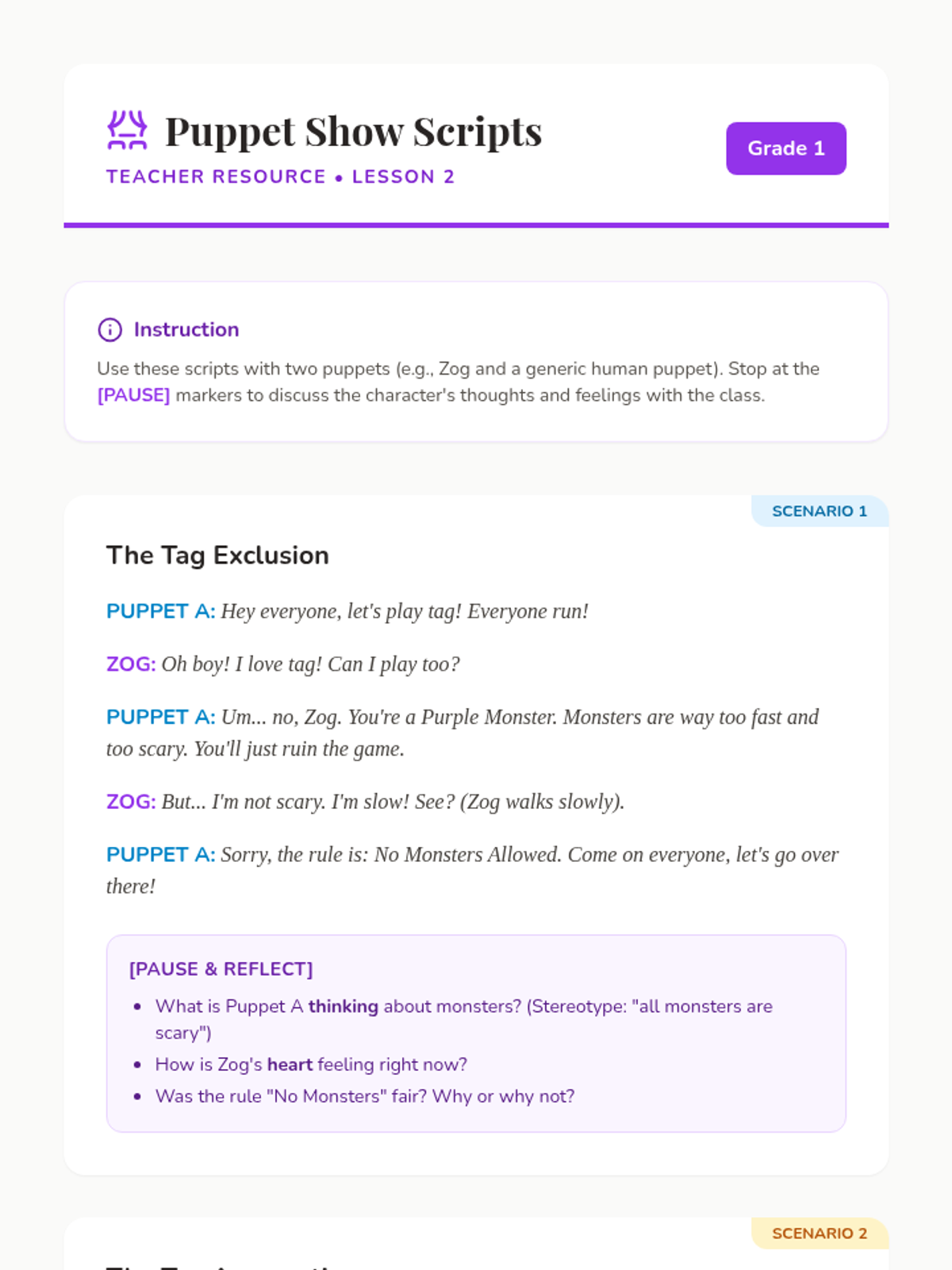
Using puppets, students practice perspective-taking by identifying how characters feel when they are excluded based on stereotypes.
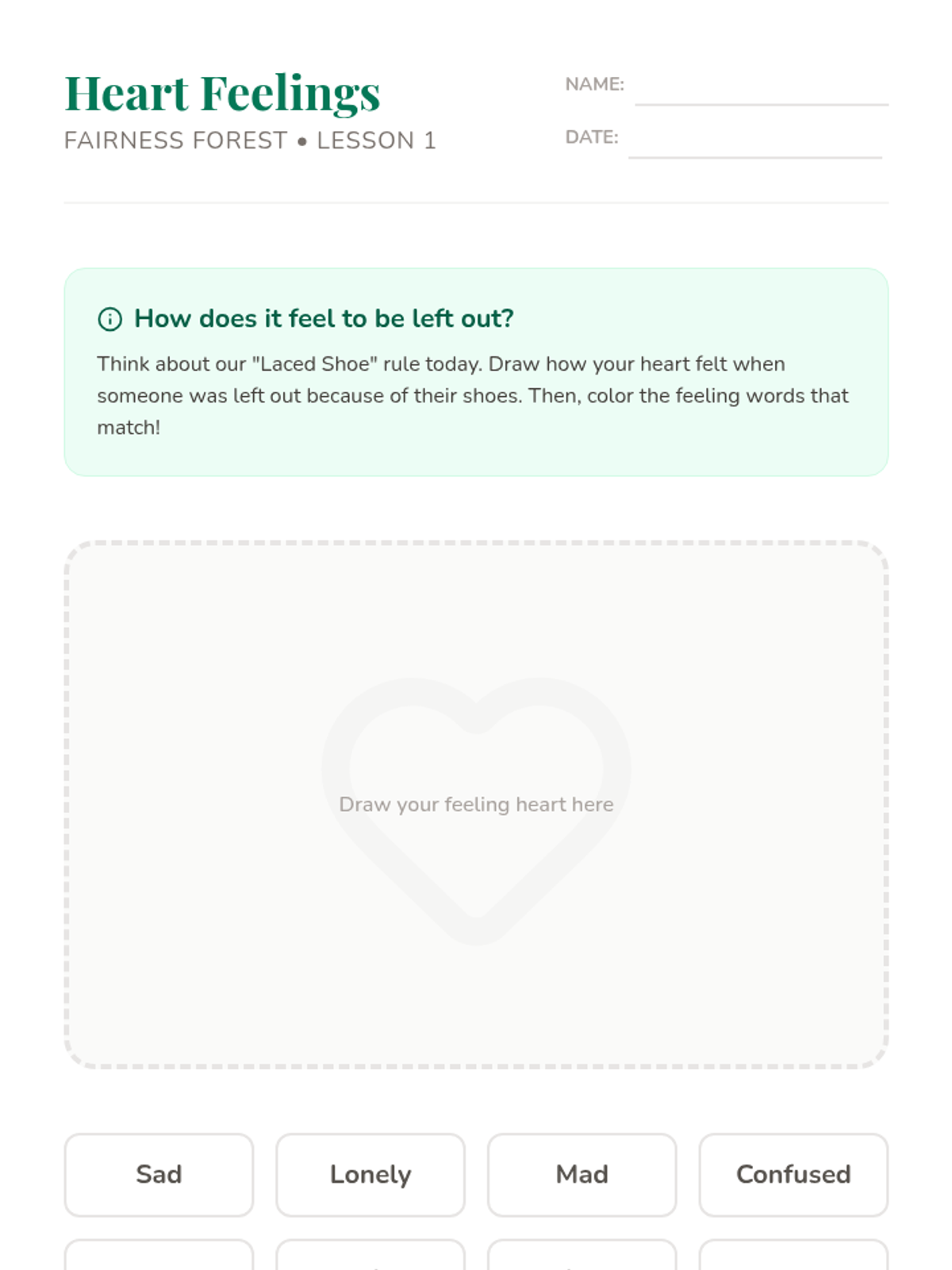
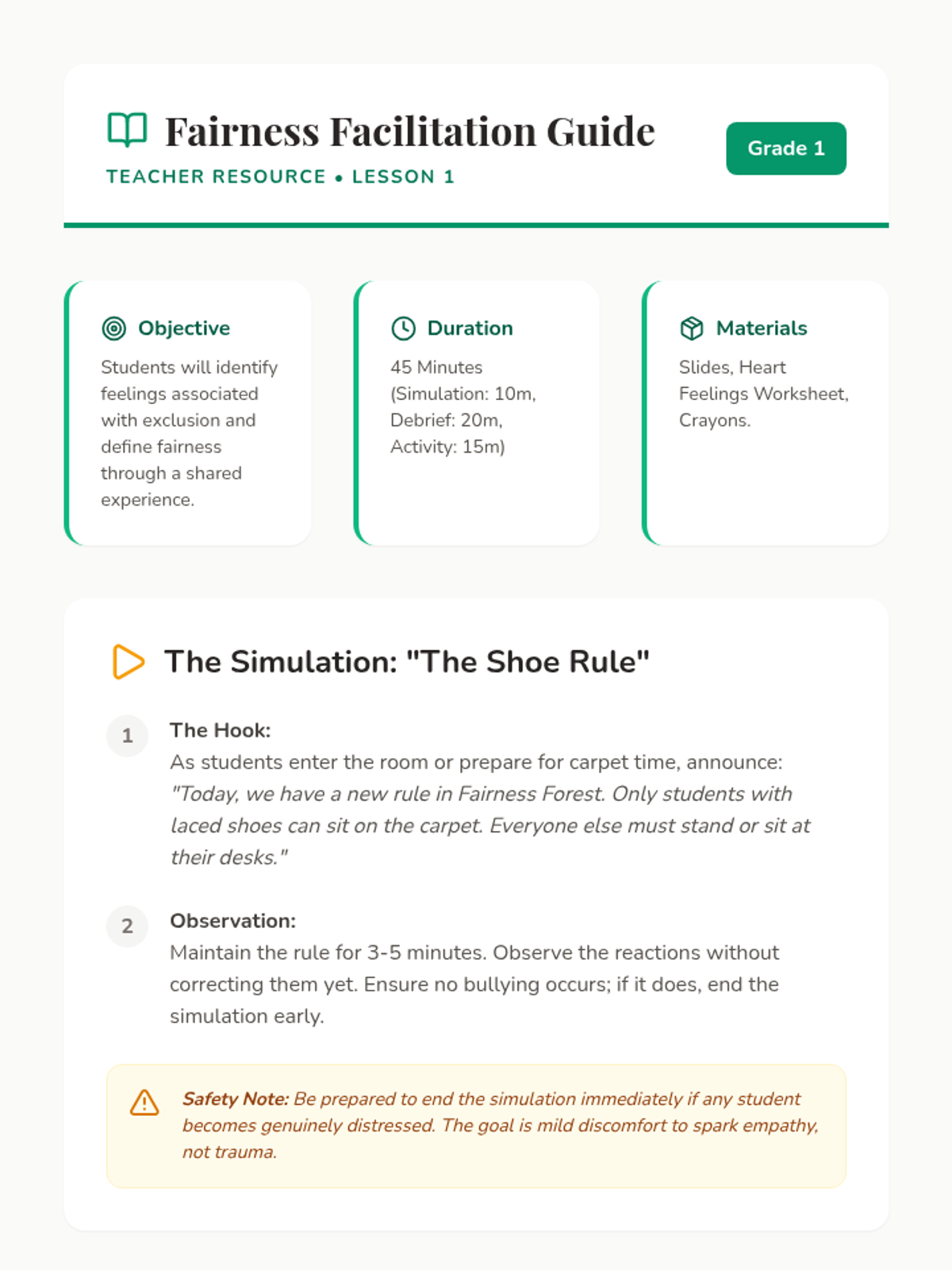
Students experience a structured simulation of unfairness to identify feelings associated with exclusion and define the concept of fairness.
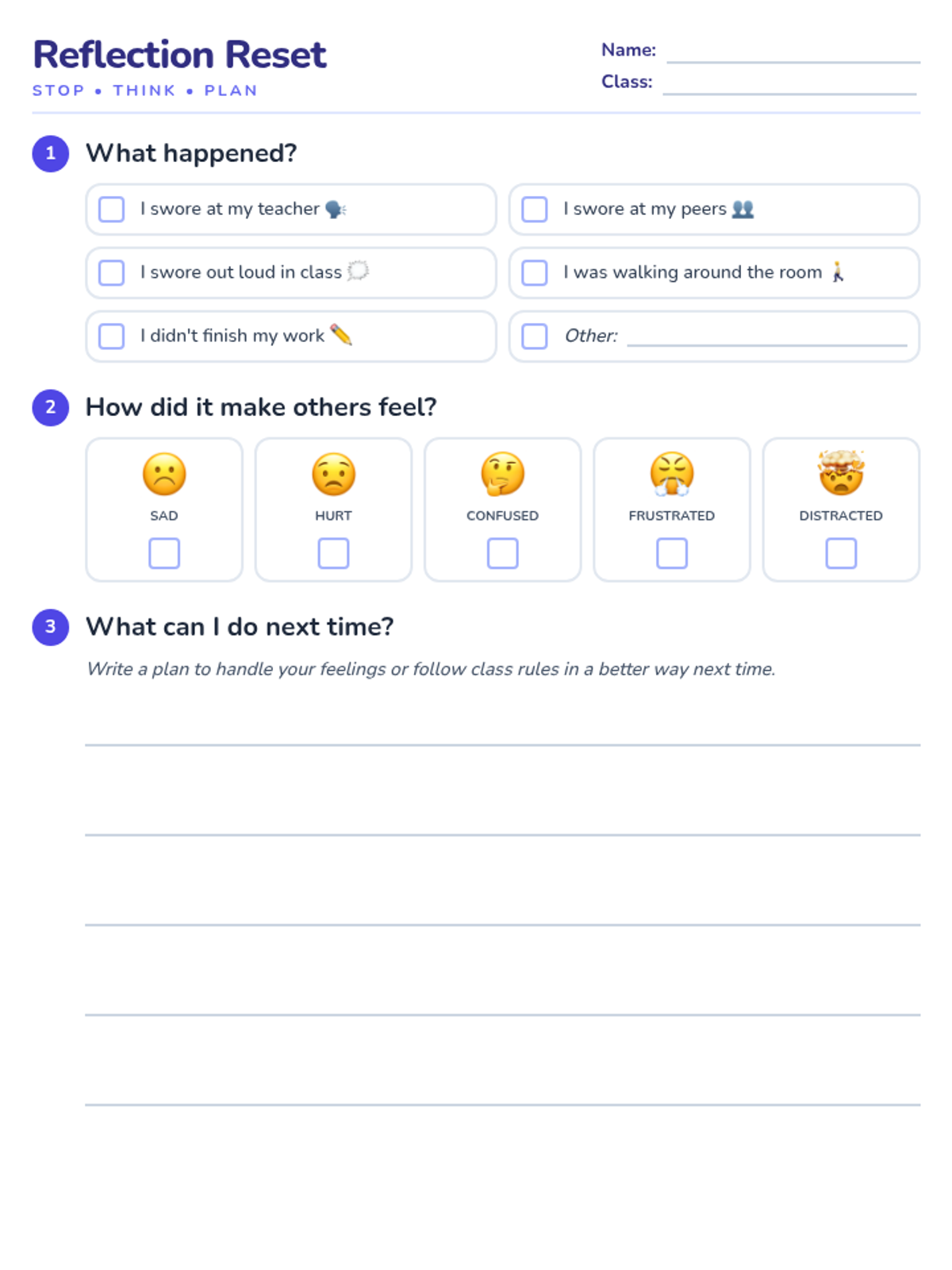
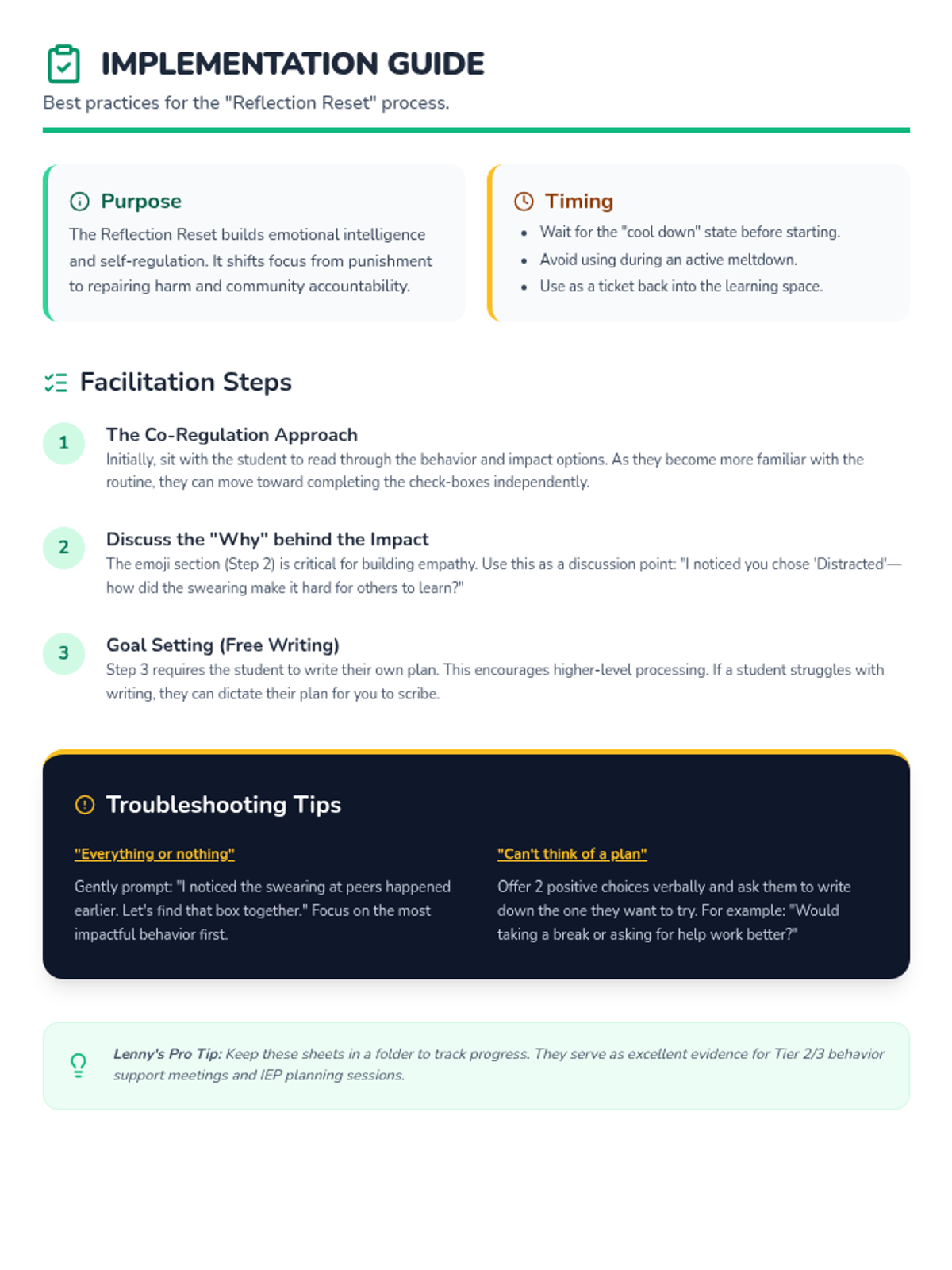
A set of resources designed to help students process behavioral incidents through reflection, identifying impact, and planning better choices.