Root cause analysis and brainstorming techniques for everyday problem-solving. Equips learners with ethical frameworks and risk-benefit evaluation skills to predict consequences and make informed choices.
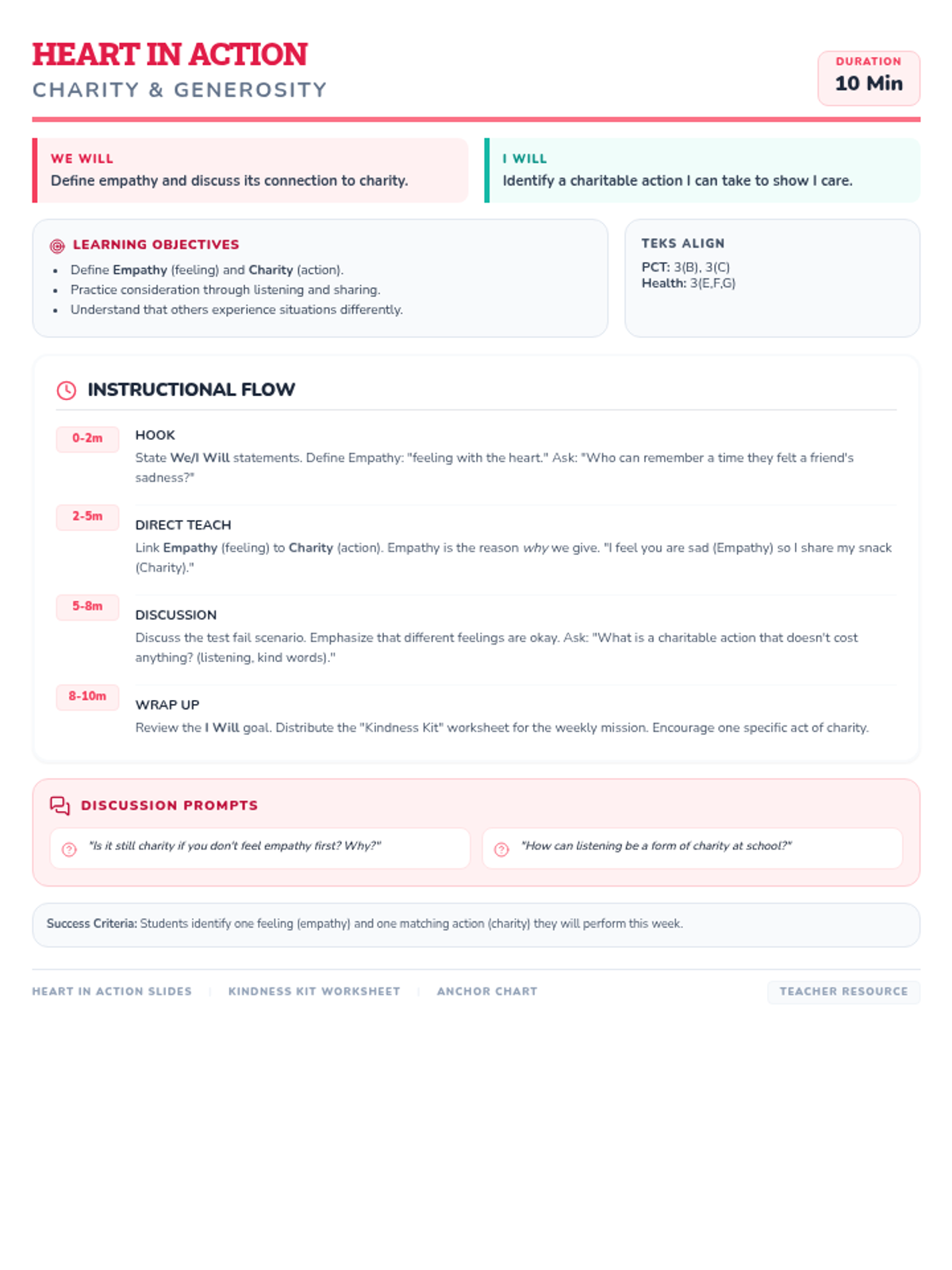
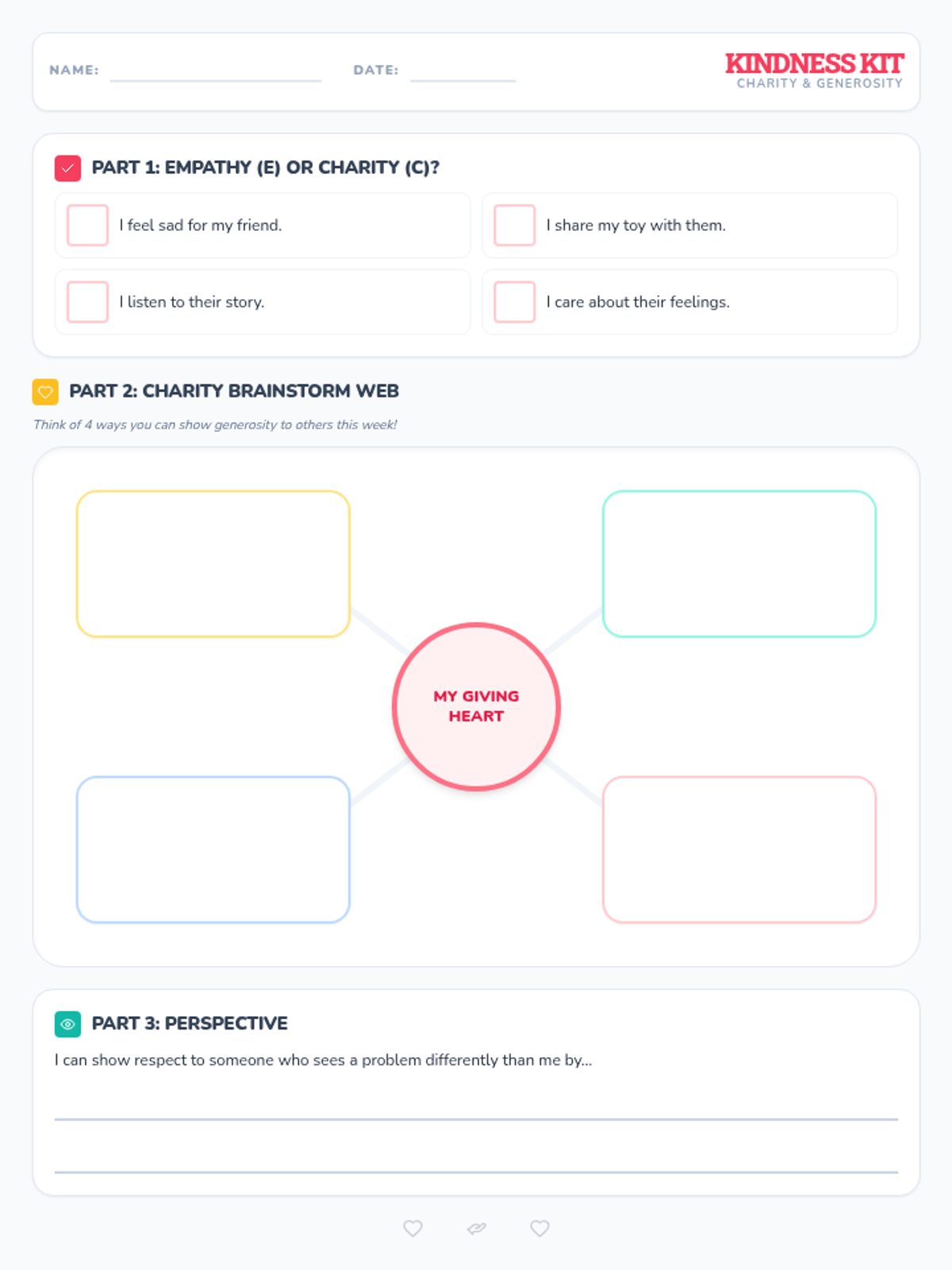
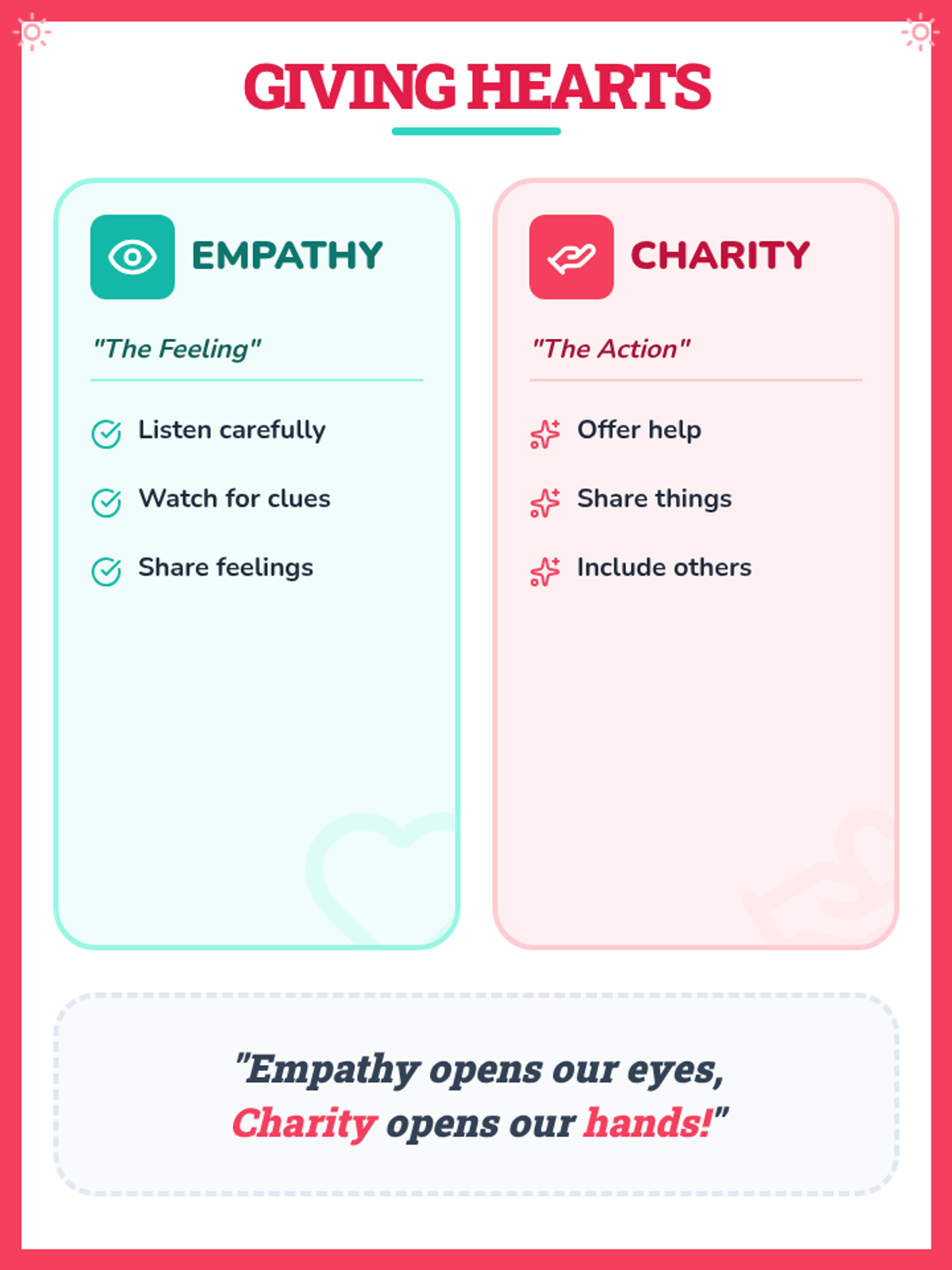
A 10-minute lesson focused on the connection between empathy and charity, teaching students how to identify needs and act with generosity. Includes a slide deck, worksheet, and anchor chart.
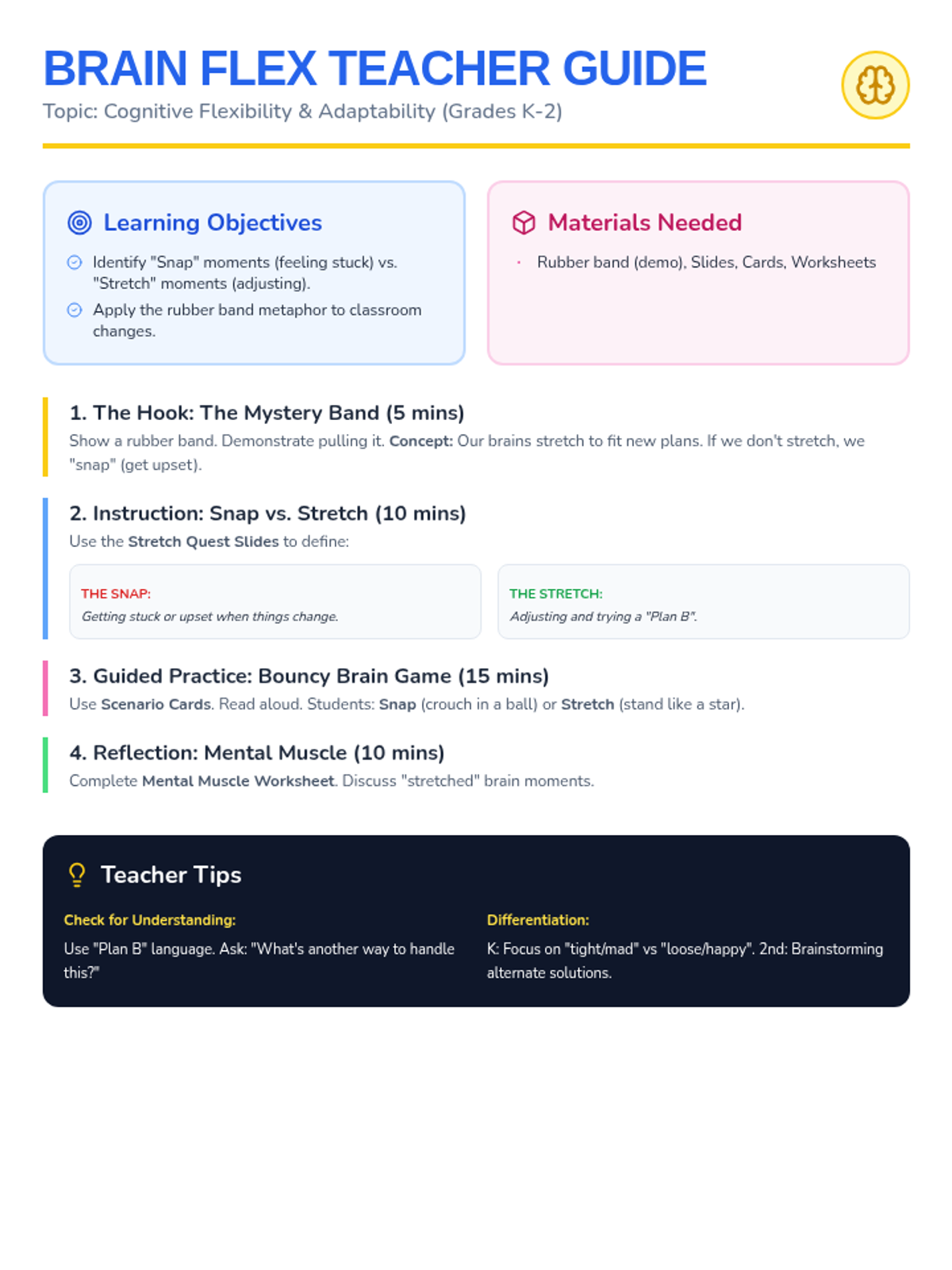
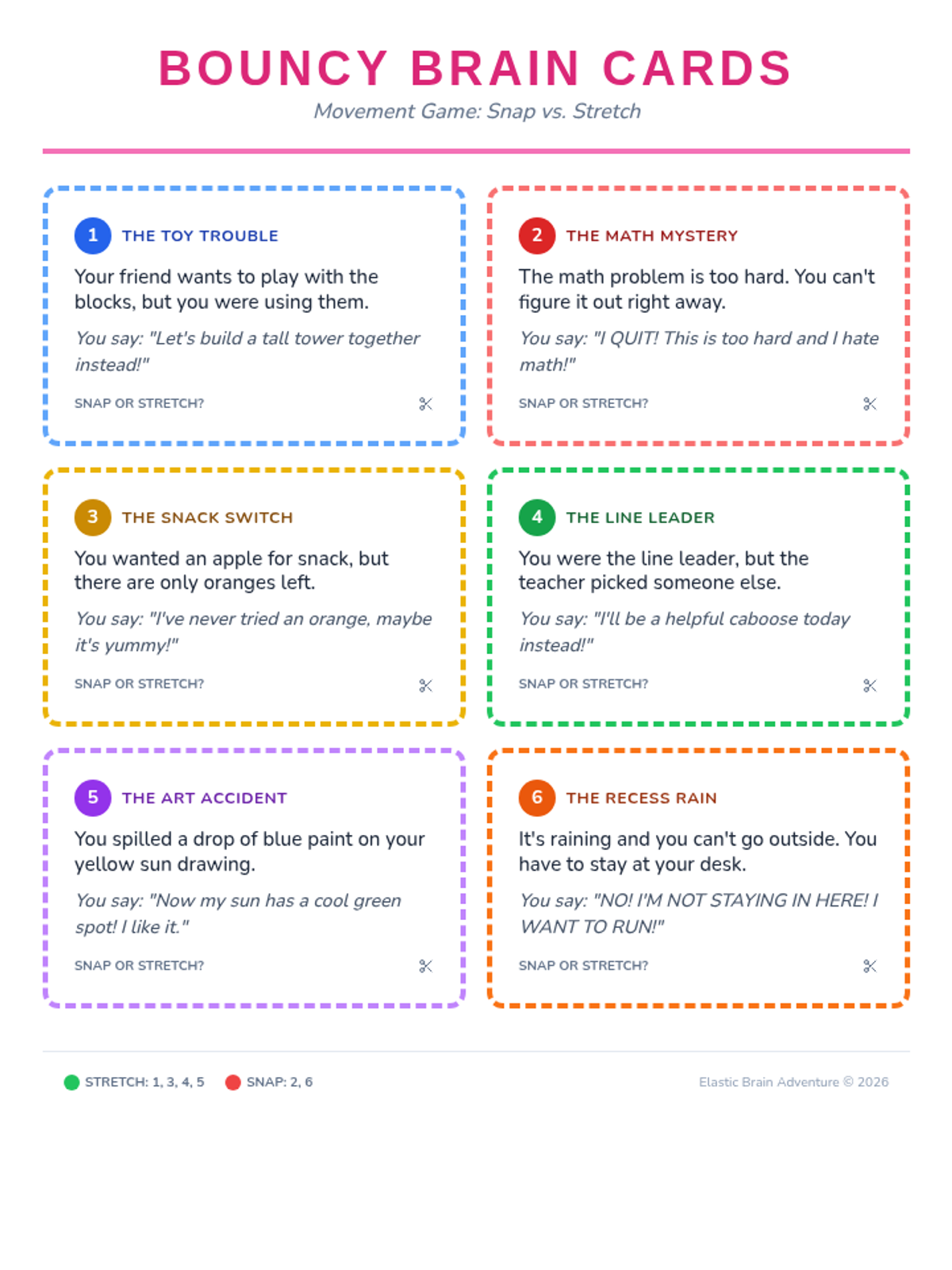
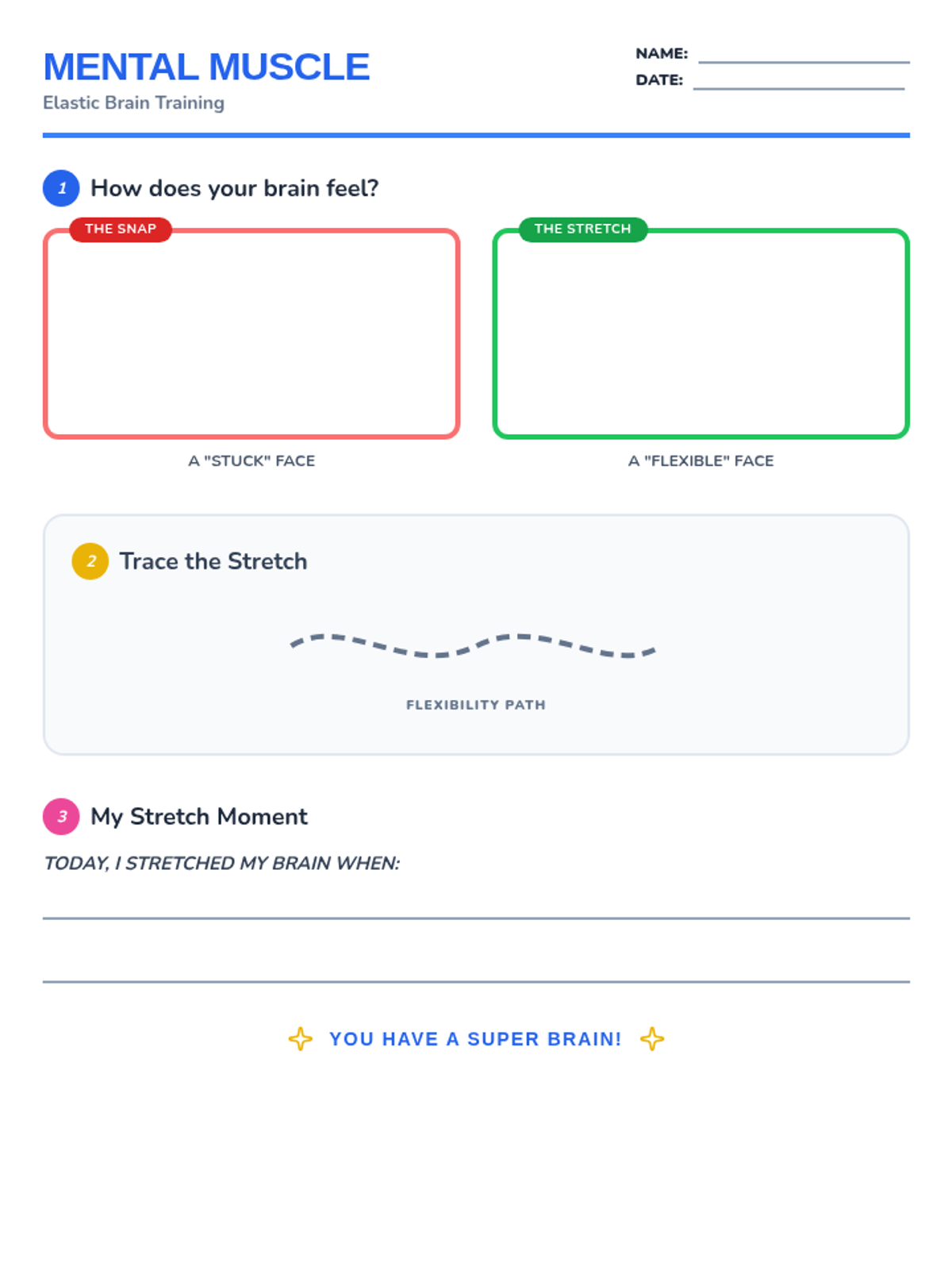
A social-emotional learning lesson for K-2 students that uses the metaphor of a rubber band to teach cognitive flexibility, adaptability, and emotional regulation when facing changes.
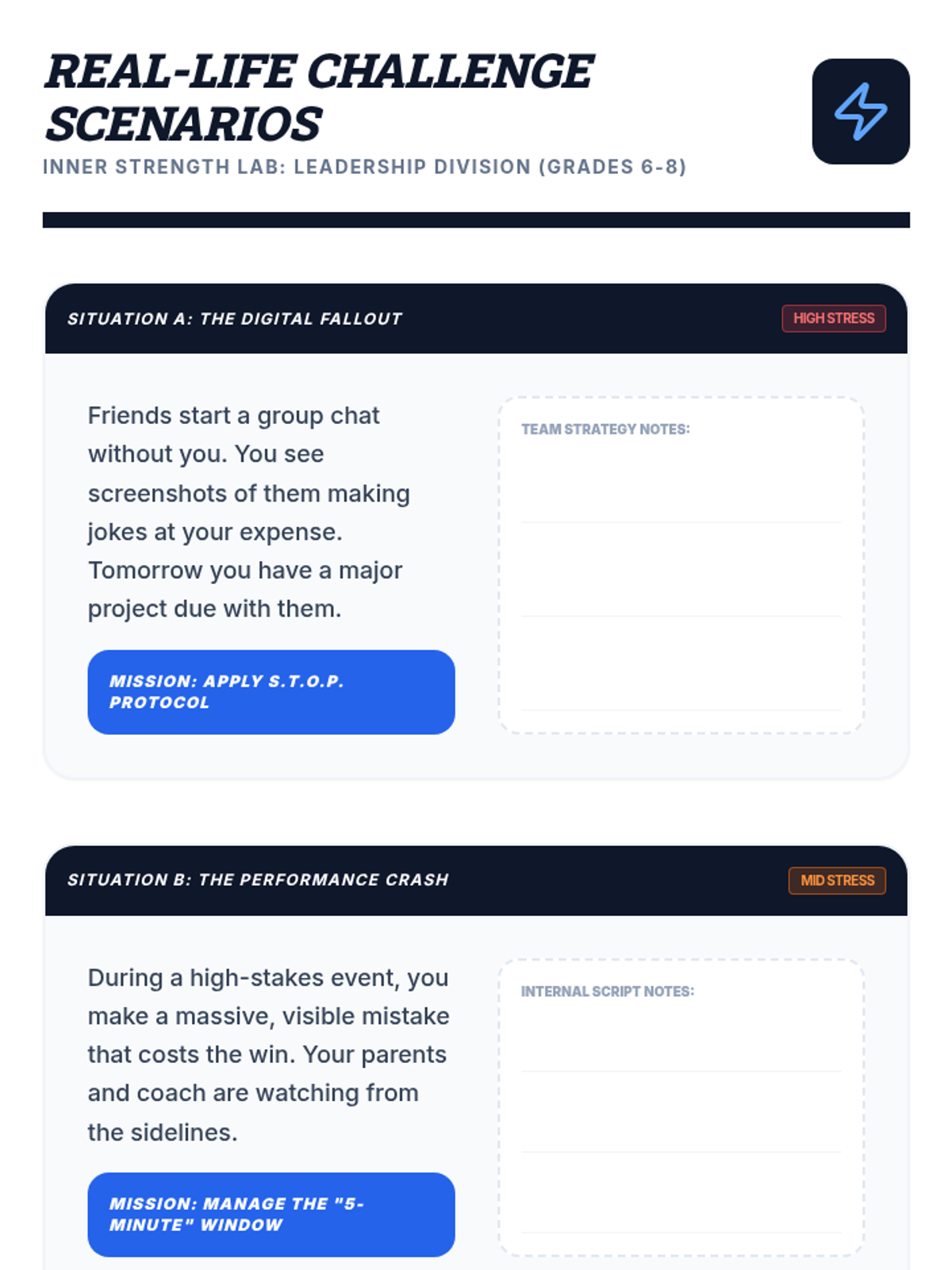
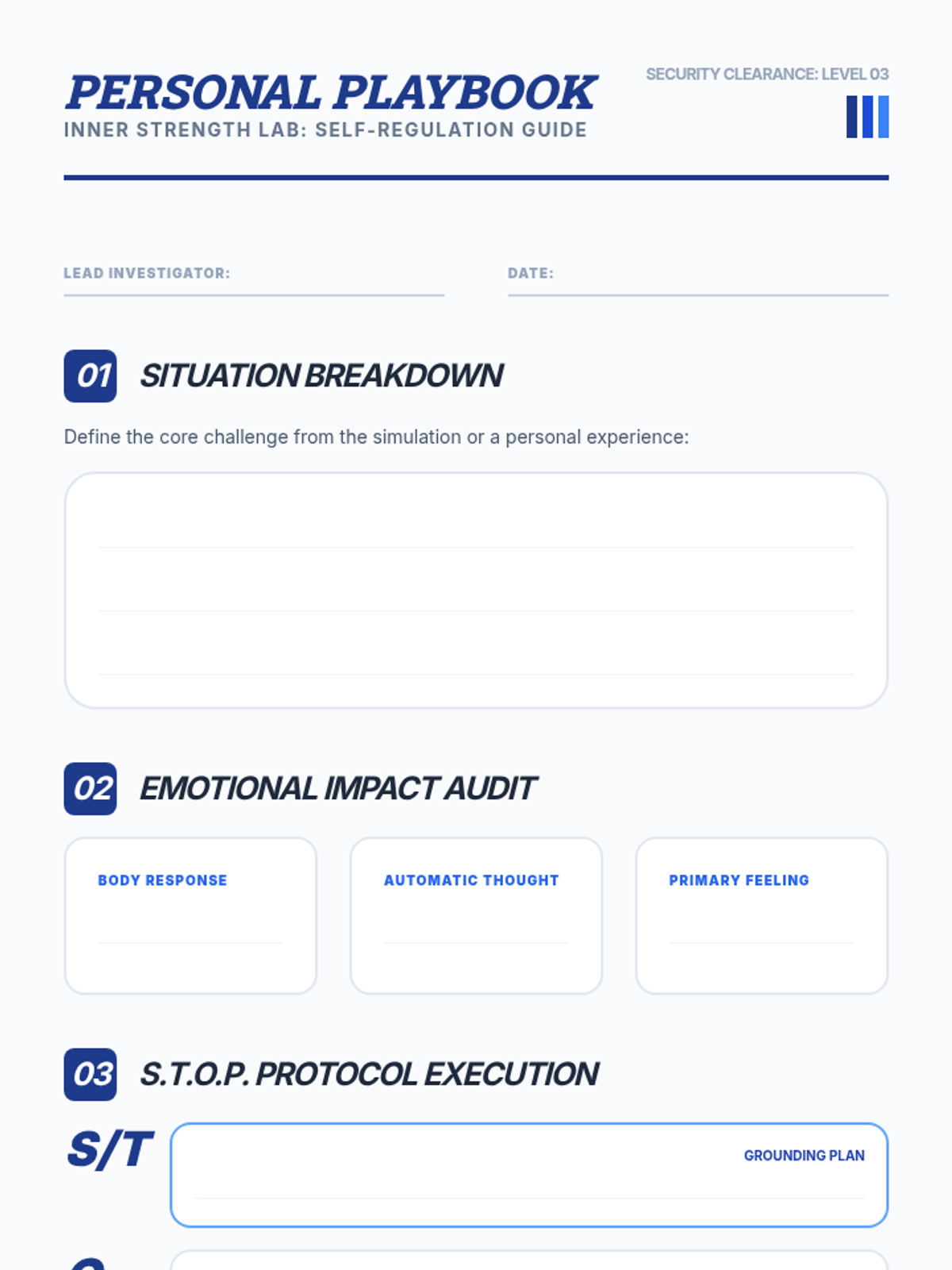
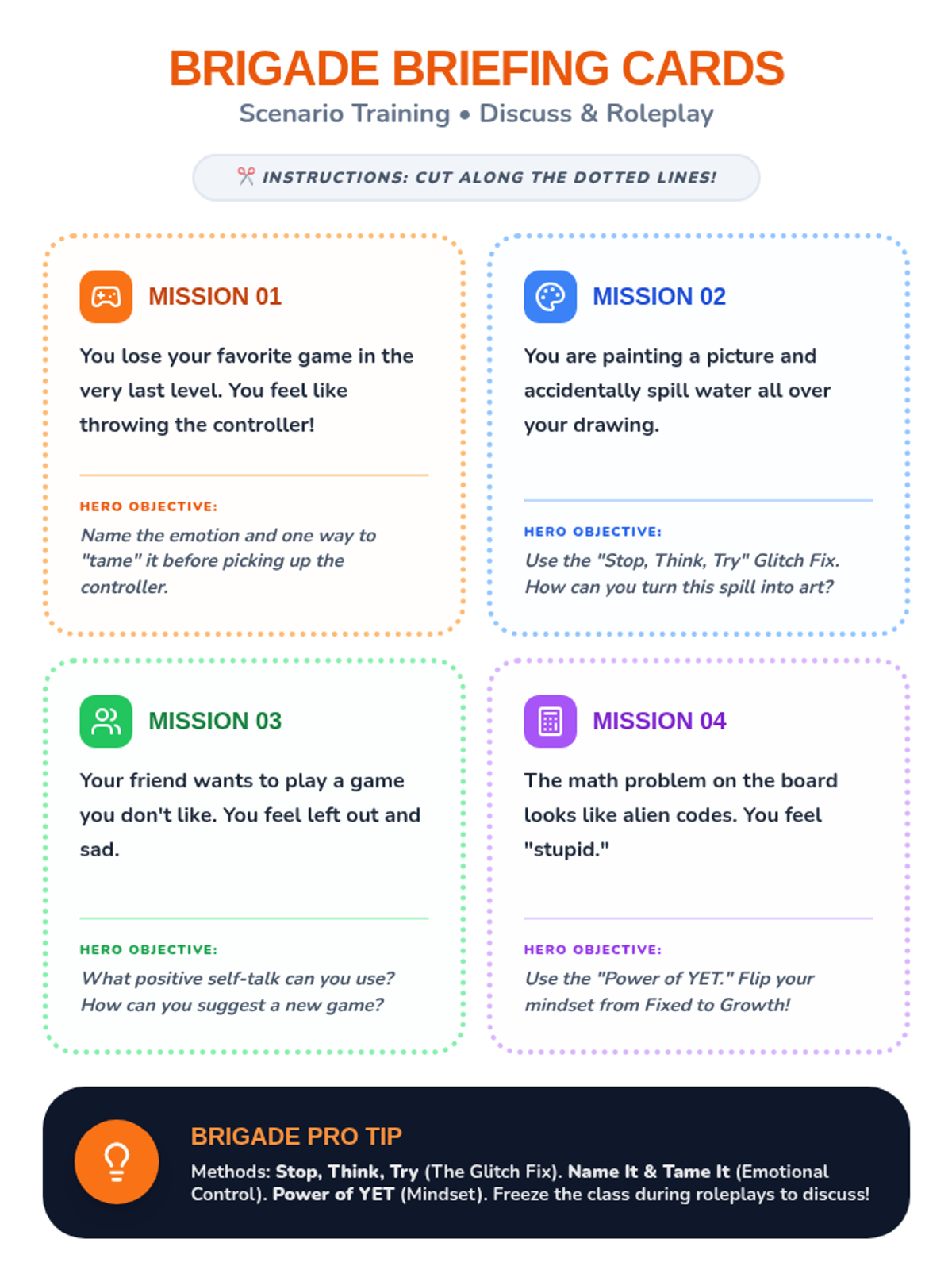
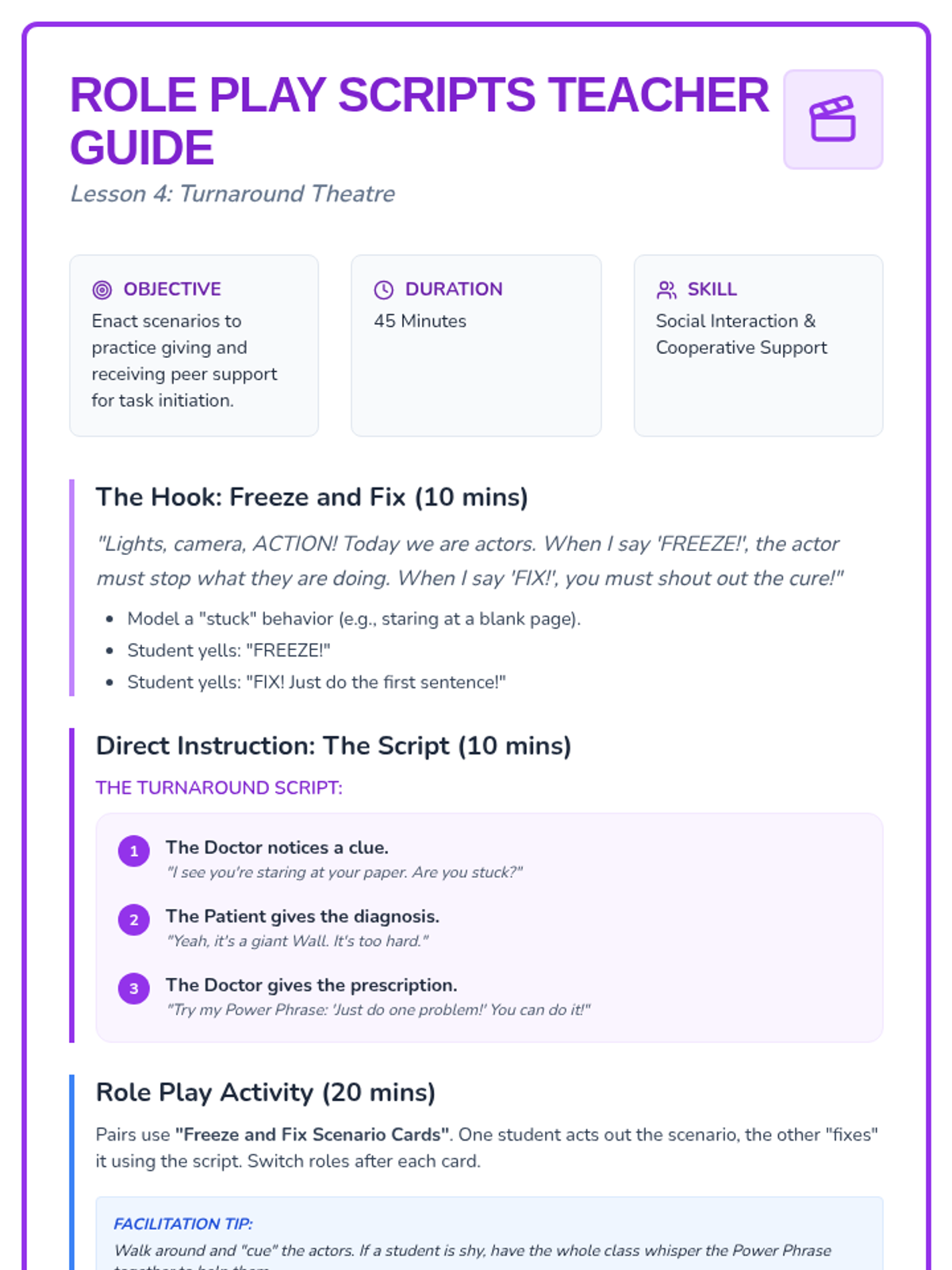
Equips middle schoolers (6th-8th) with strategies to handle complex social dynamics and personal setbacks using realistic role-play scenarios.
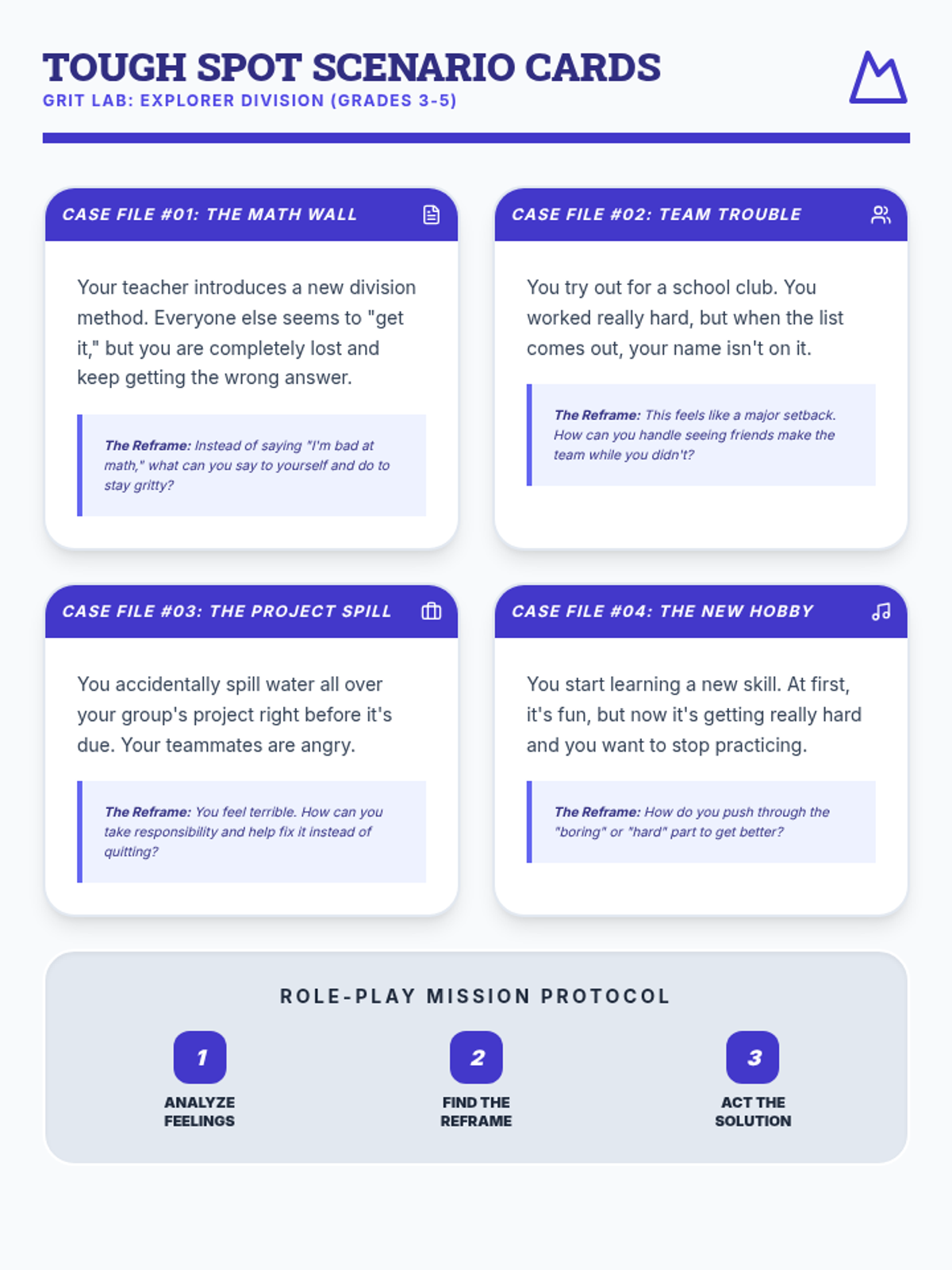
Helps 3rd to 5th graders develop grit and perspective when facing academic and social challenges through collaborative role-play.
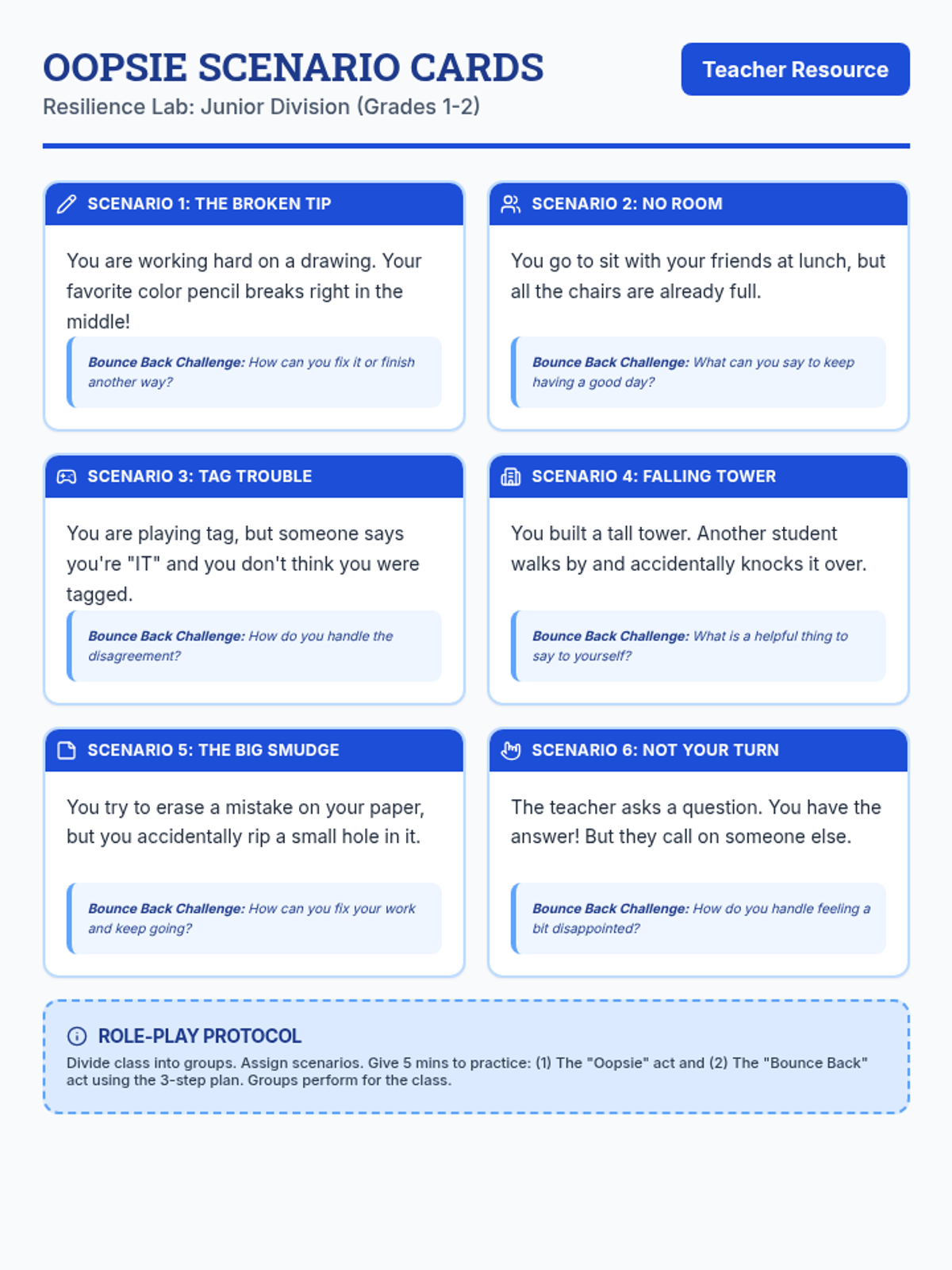
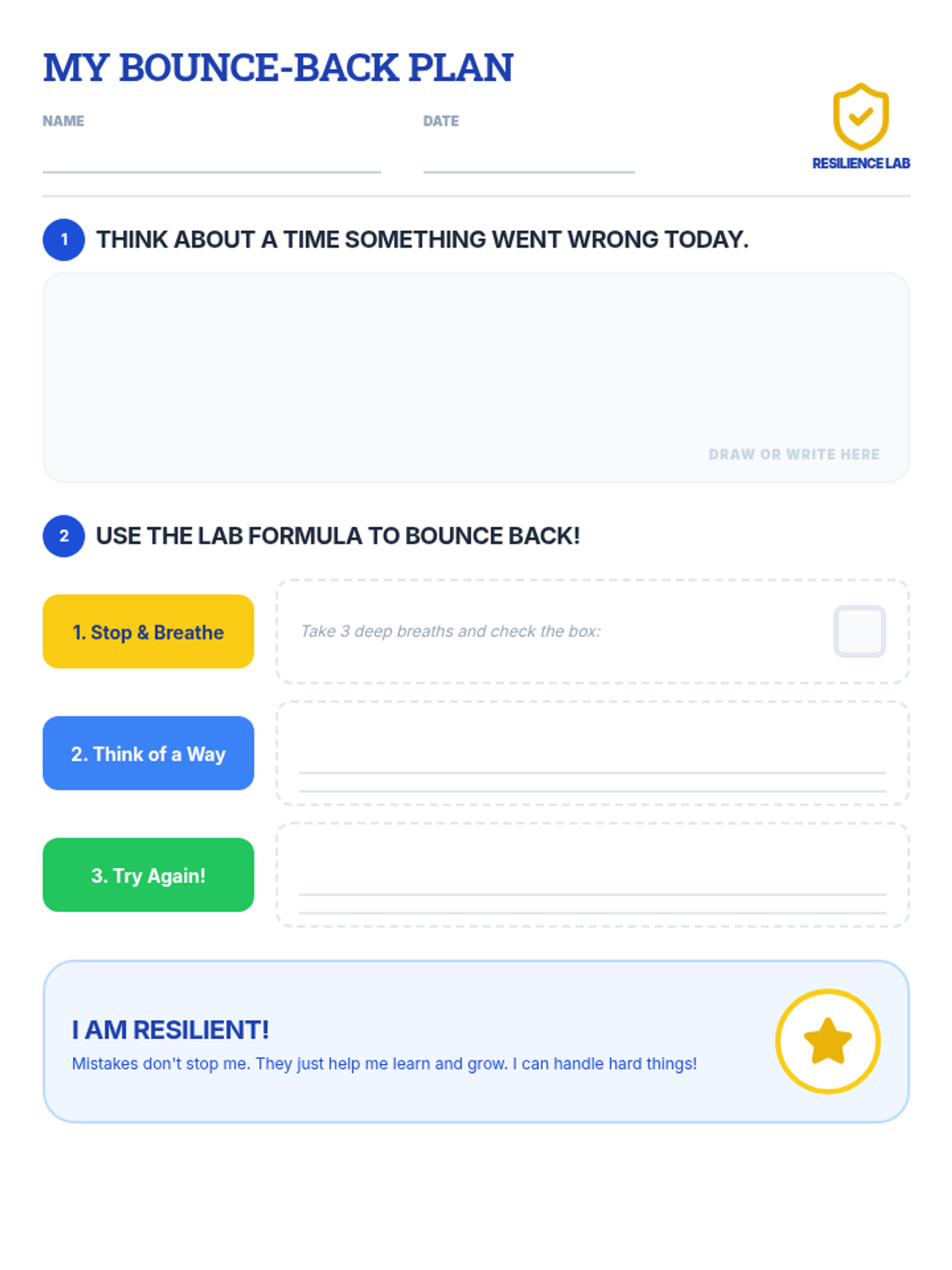
Introduces 1st and 2nd graders to the concept of 'bouncing back' from small mistakes and managing big feelings using role-play scenarios.
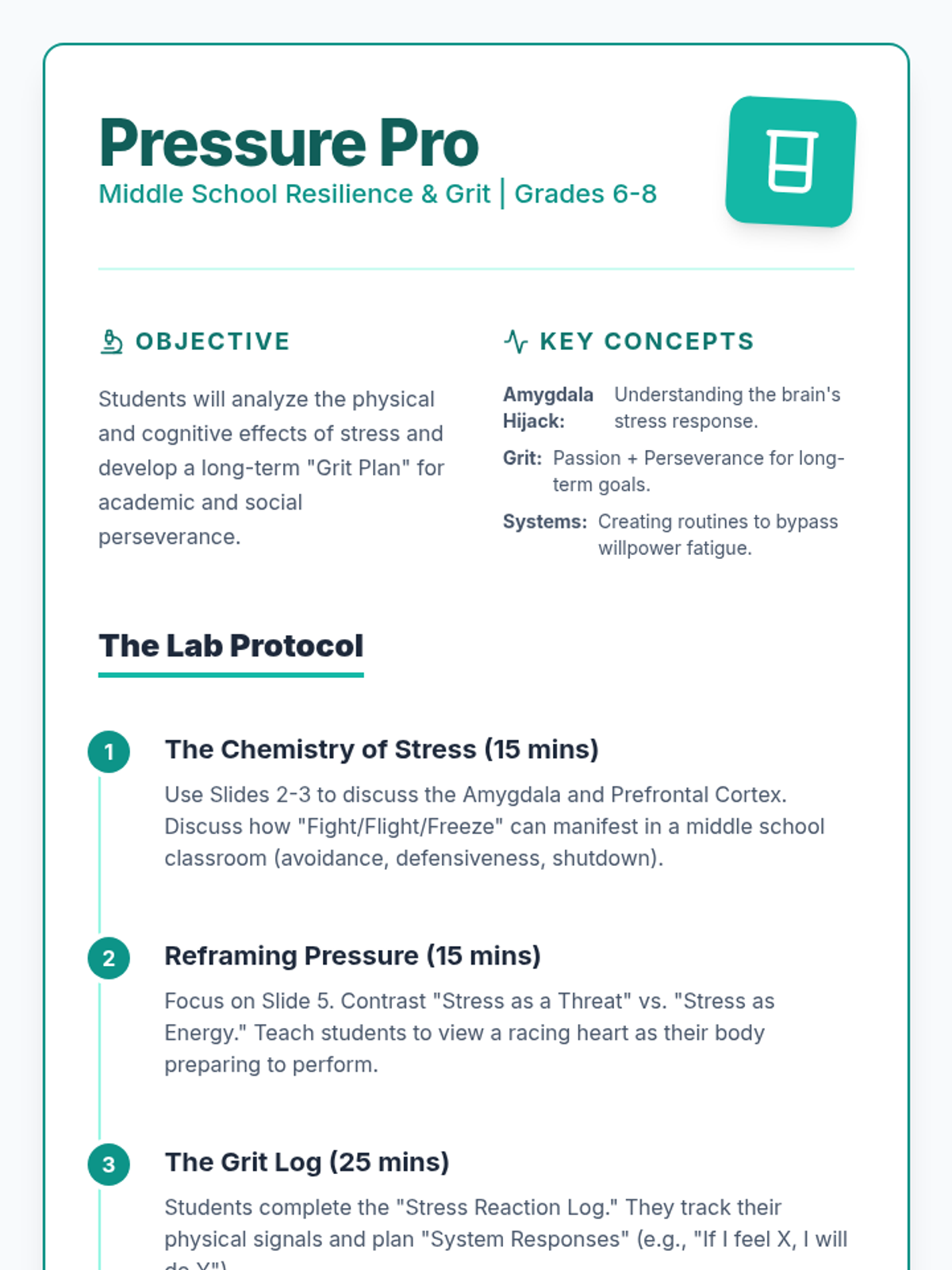
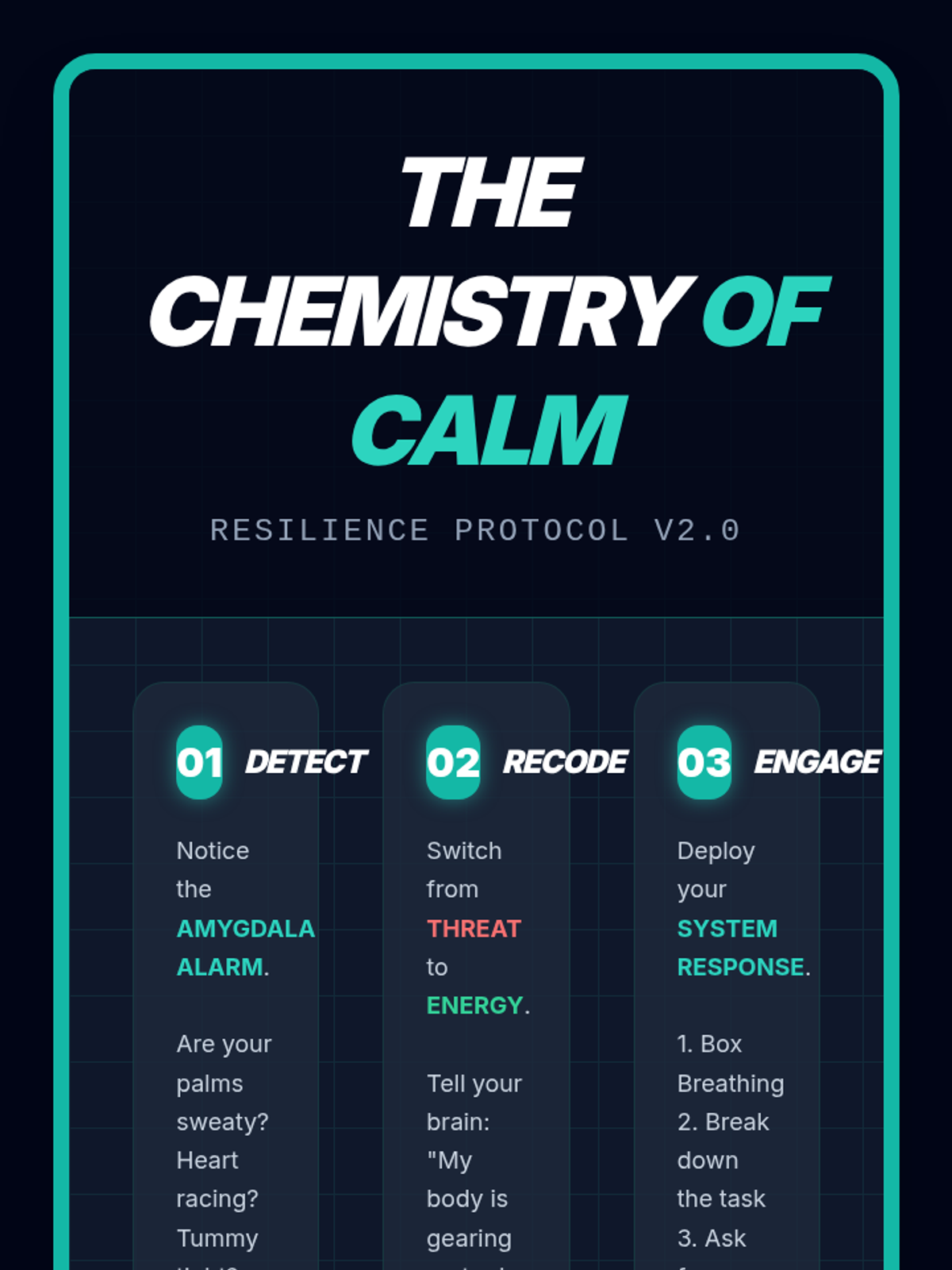
Explores the science of stress, long-term perseverance (grit), and developing a personal resilience plan for navigating middle school transitions.
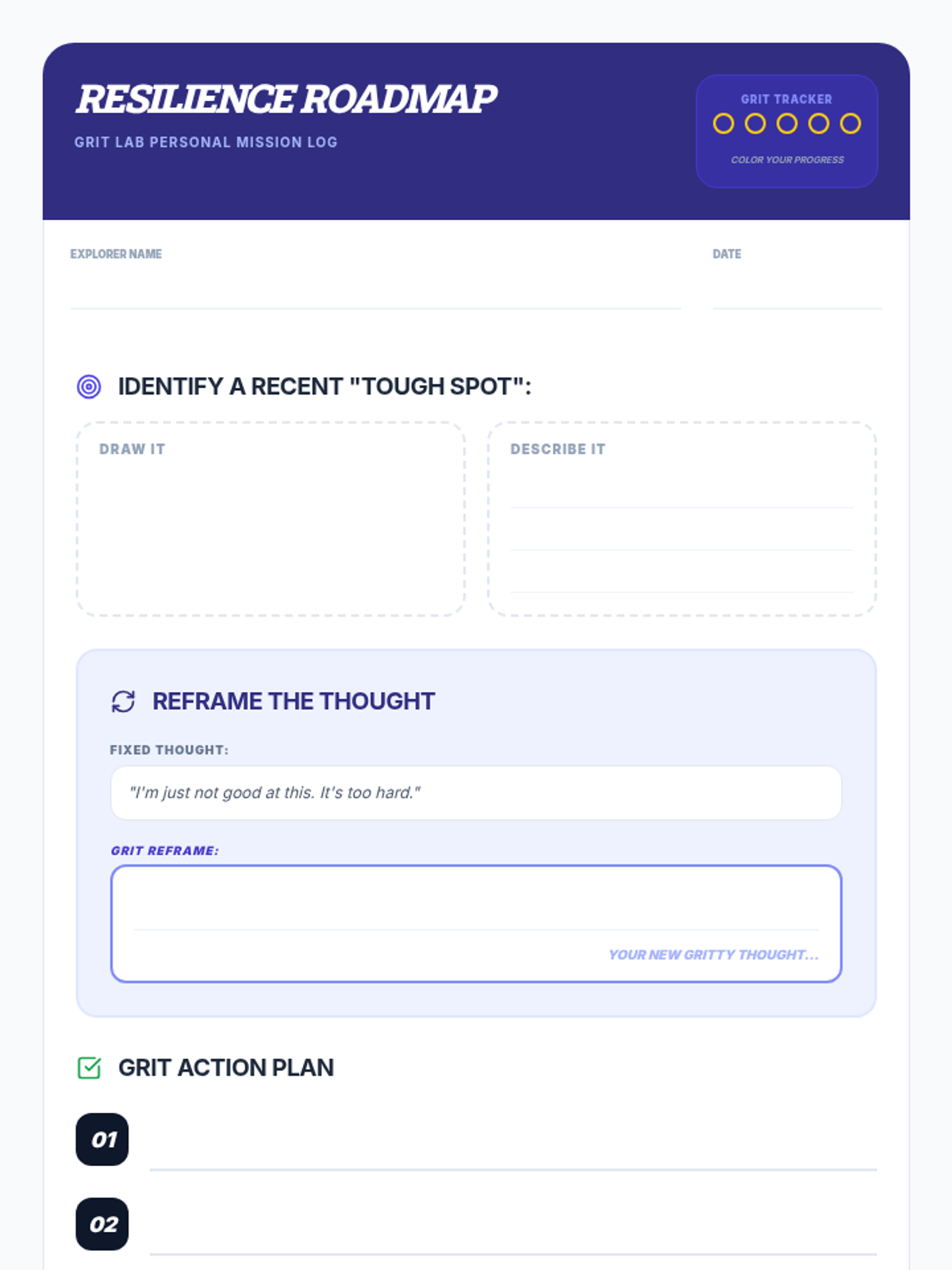
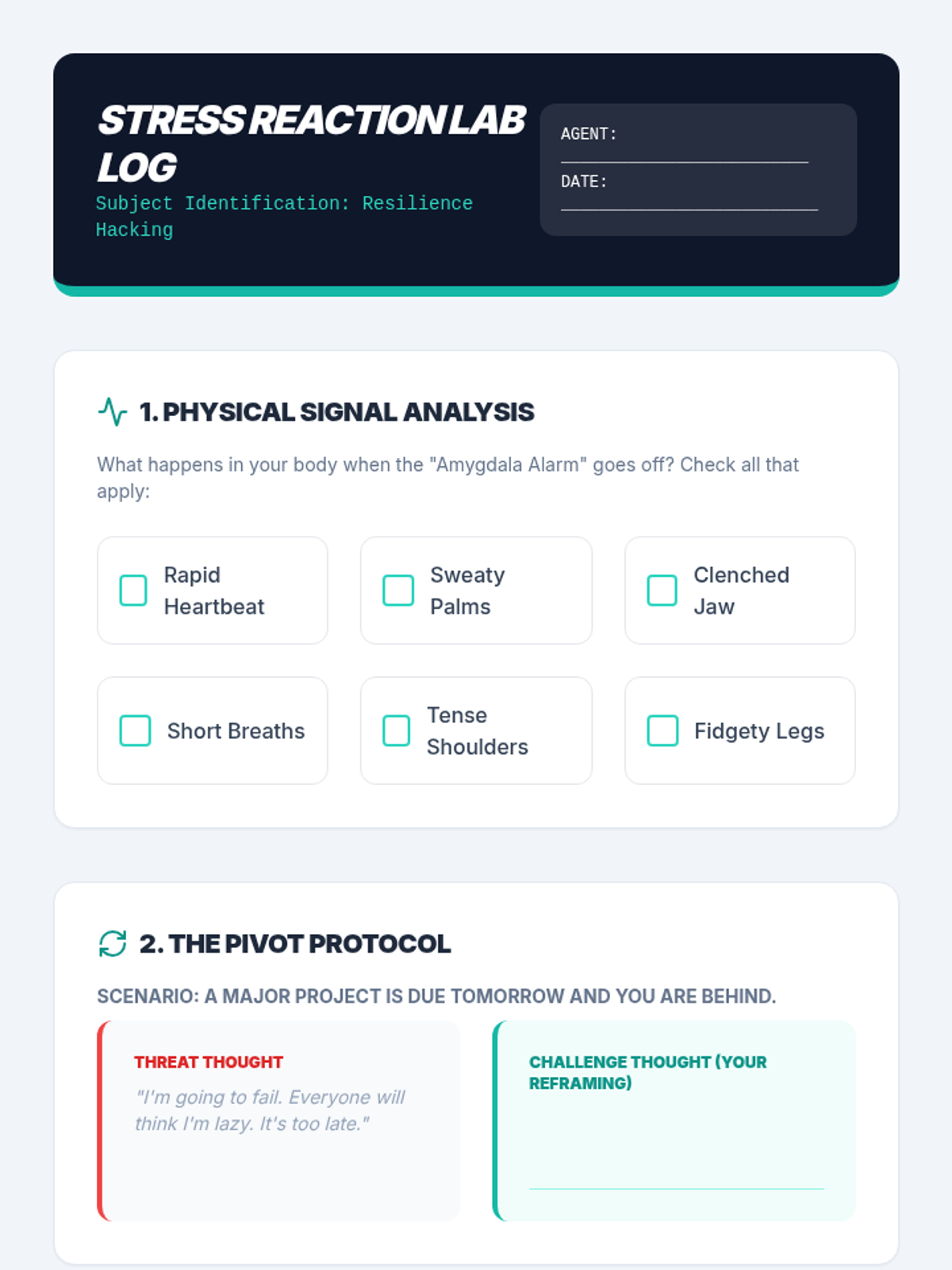
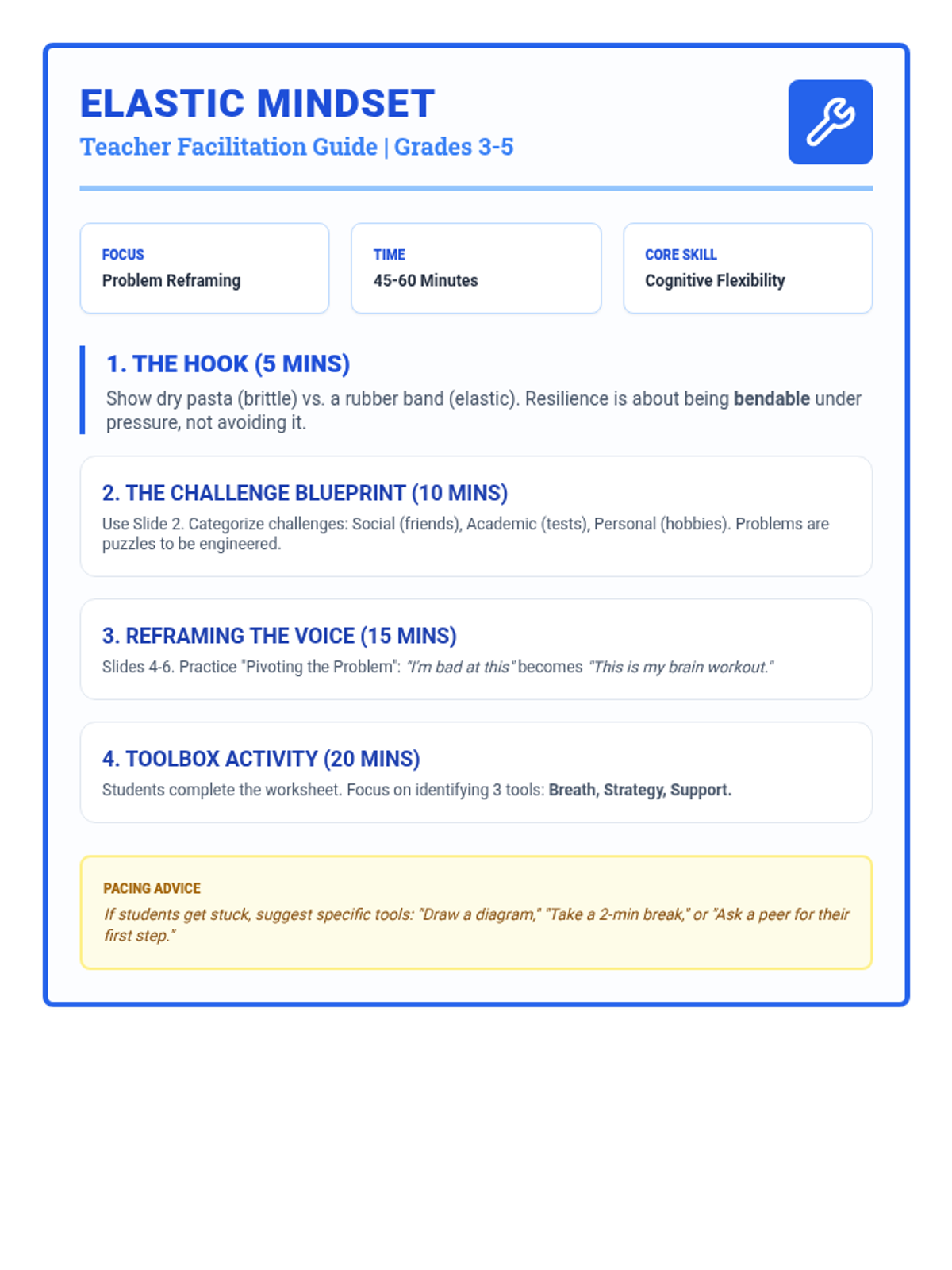
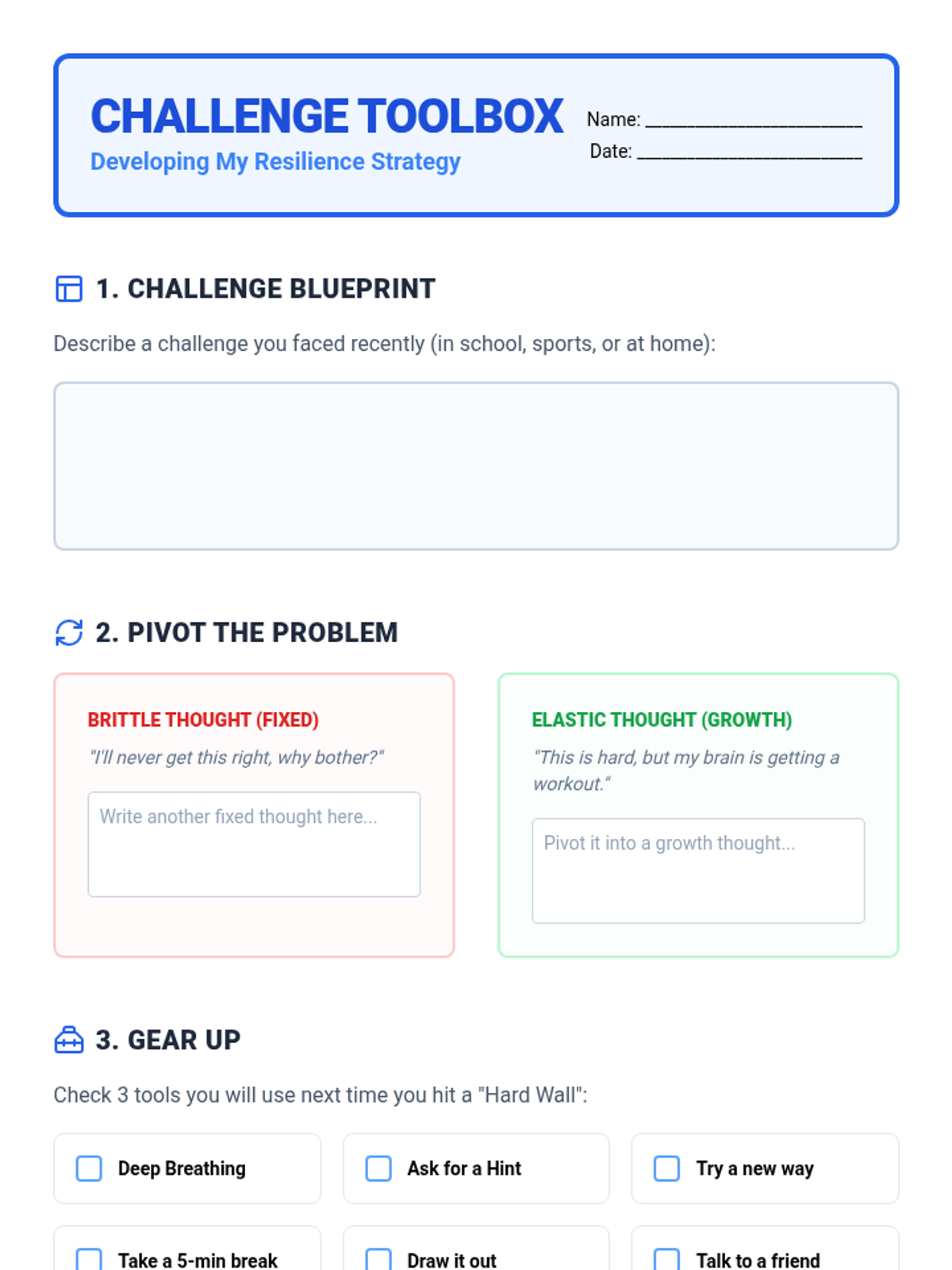
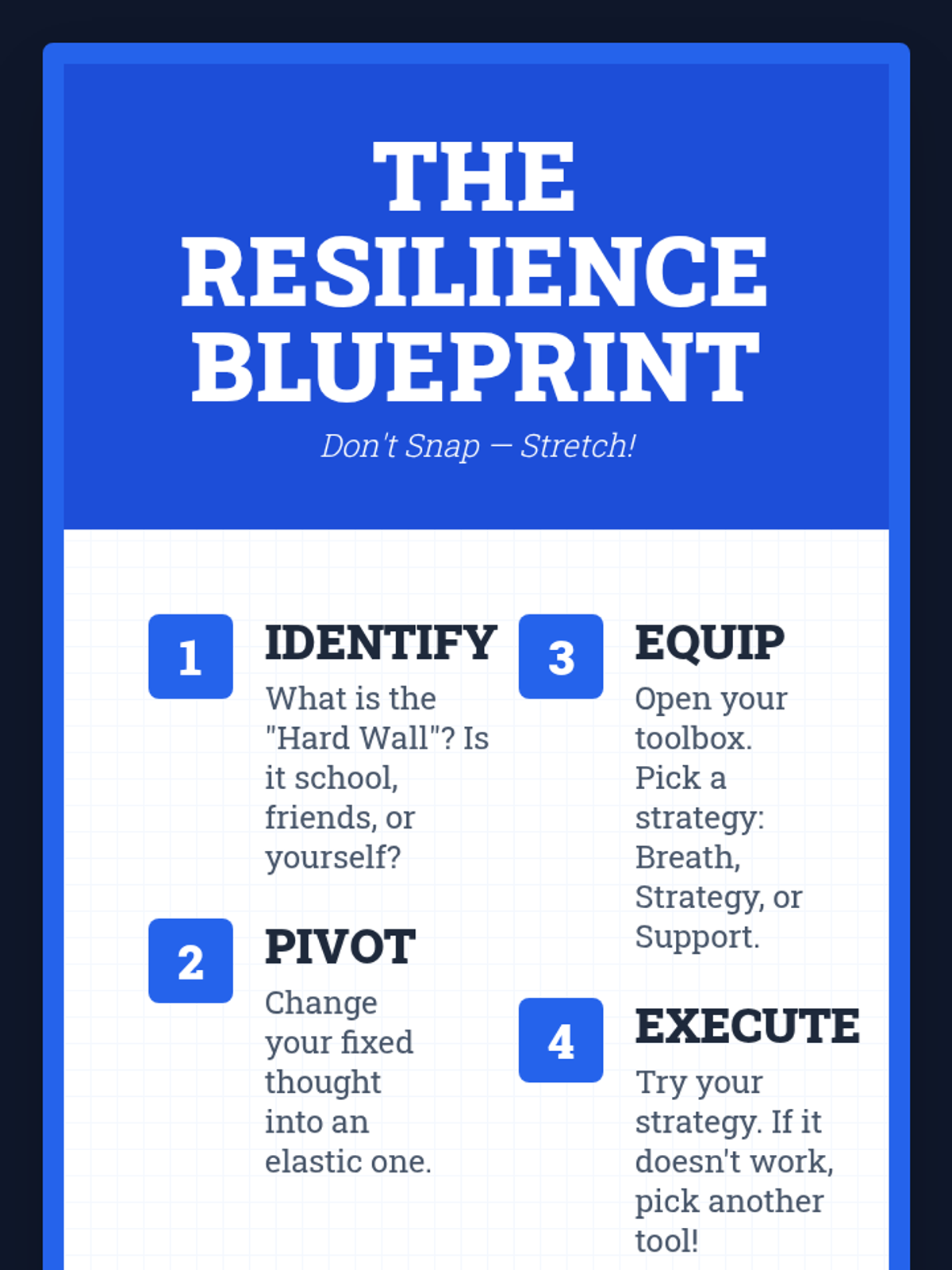
Teaches students to identify challenges, reframe negative thoughts, and build a 'toolbox' of coping strategies for social and academic hurdles.
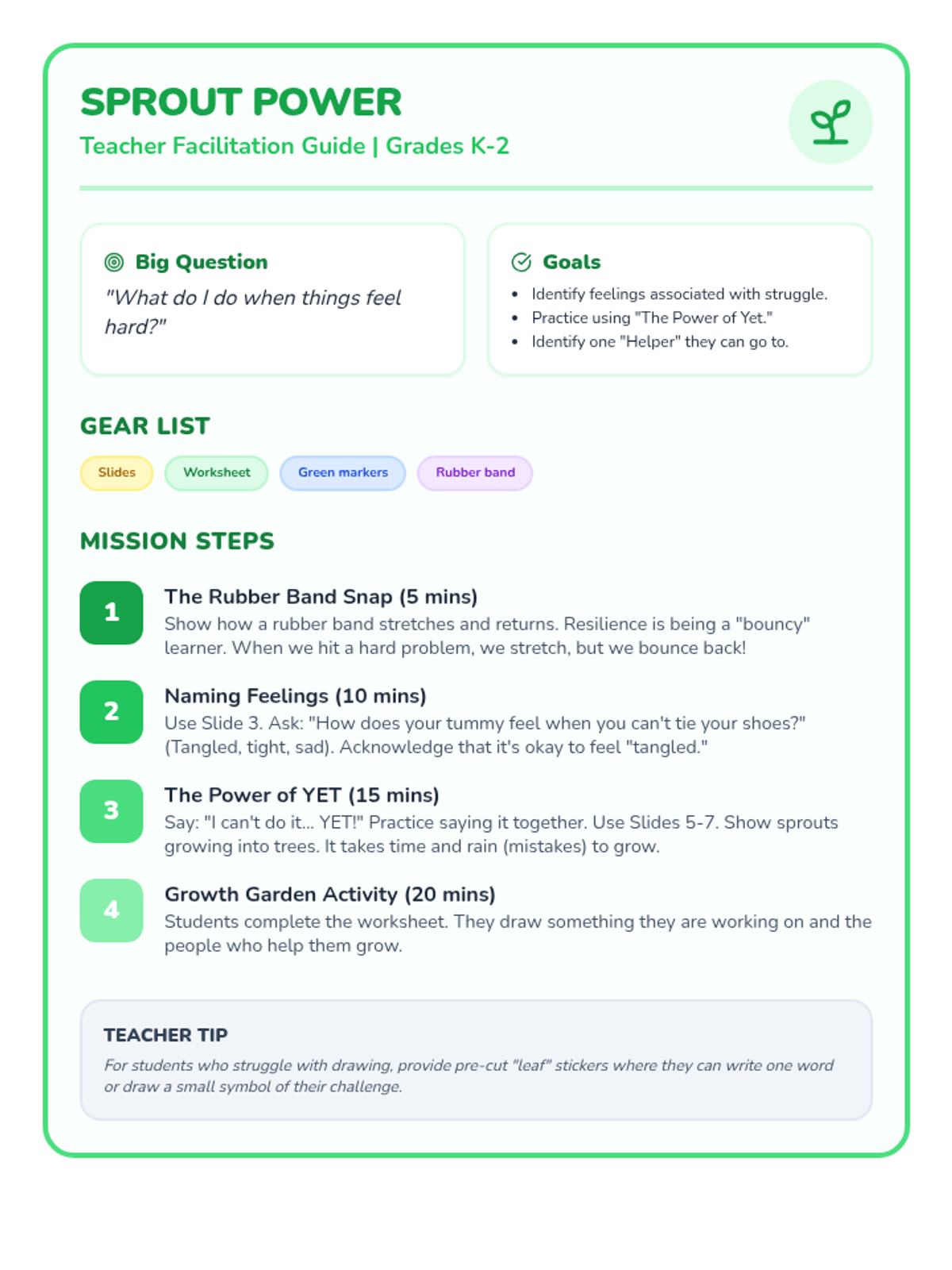
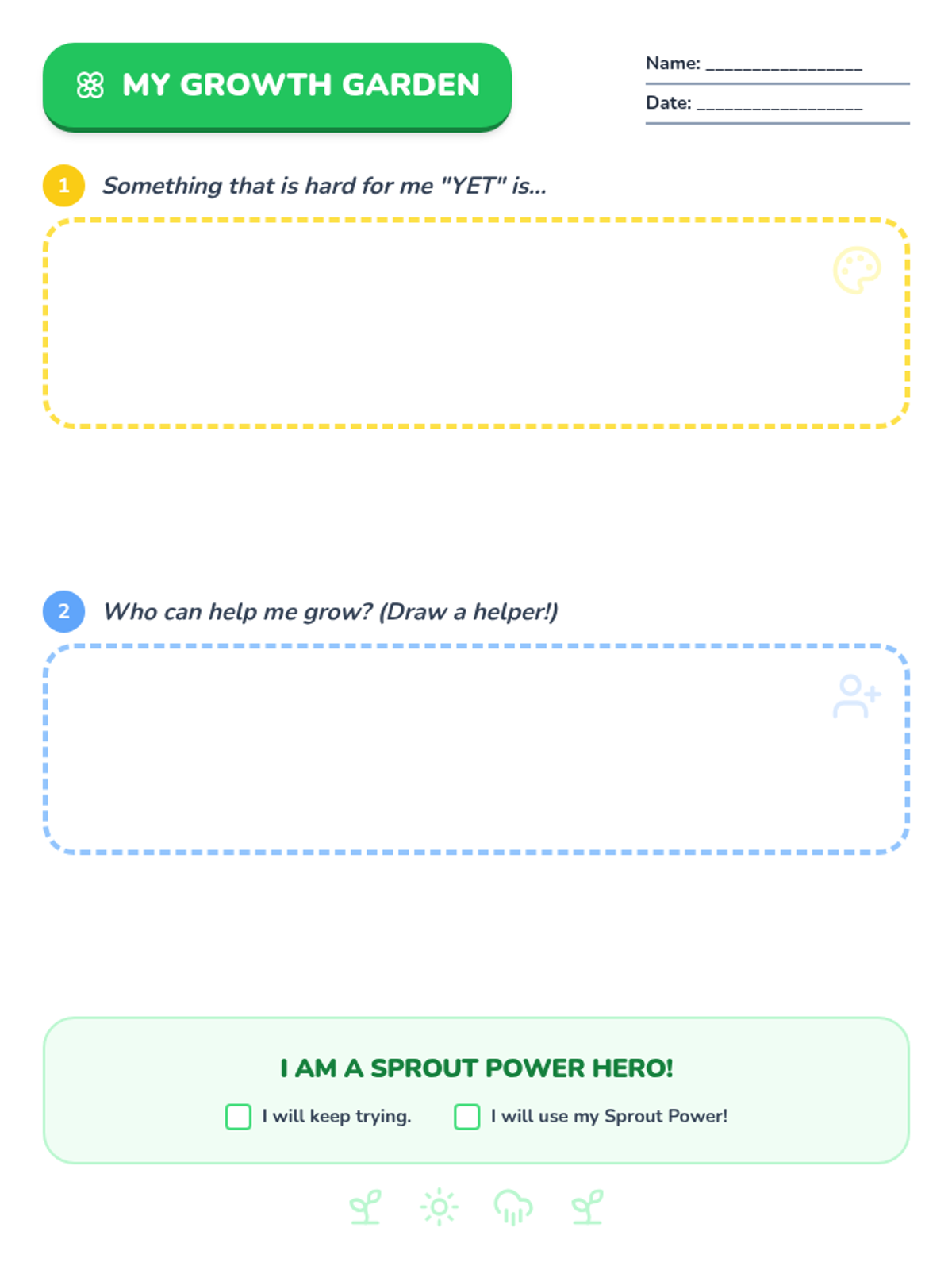
Focuses on naming emotions, understanding that mistakes help us grow, and using the 'Power of Yet' to build early resilience.
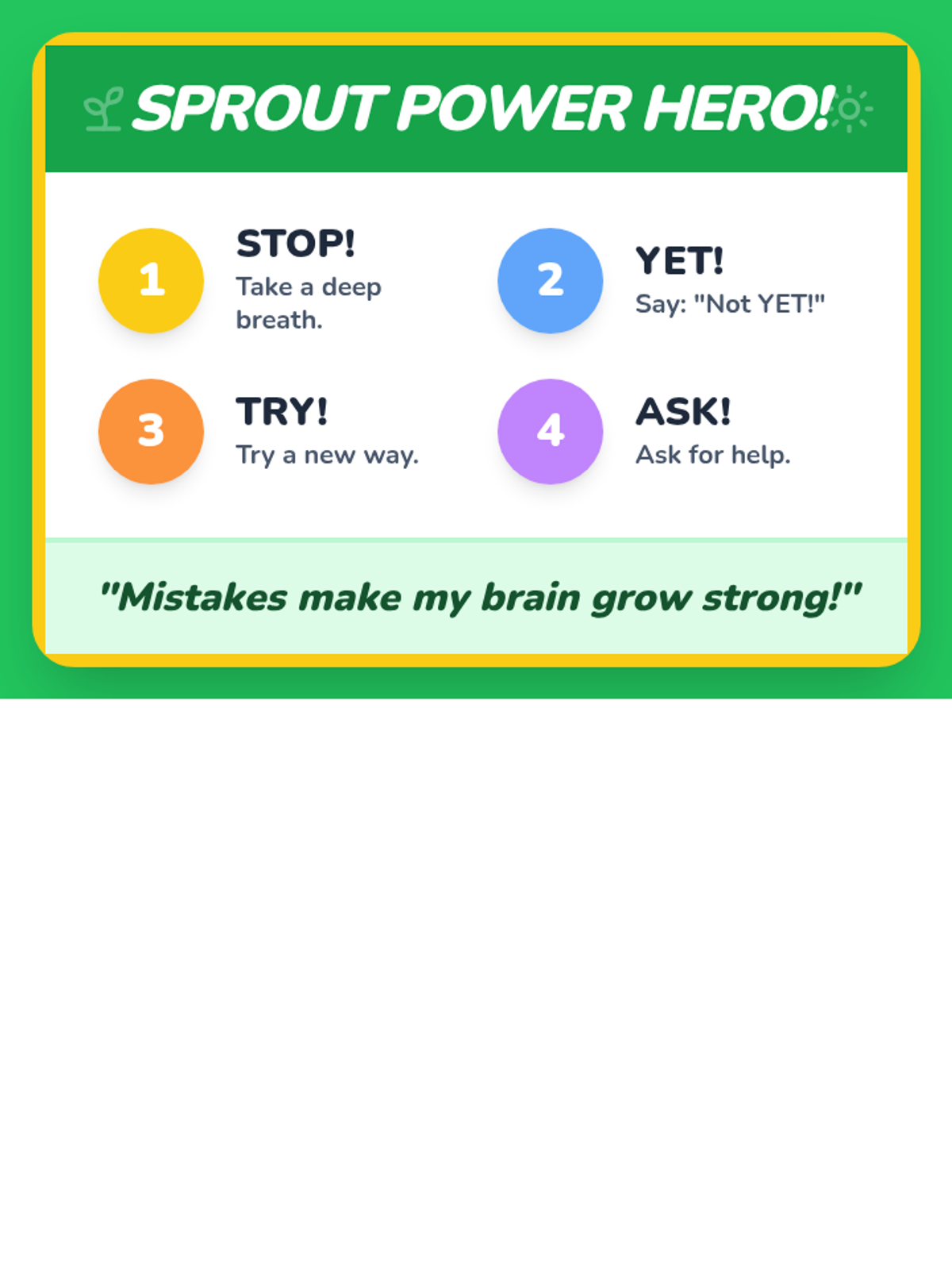
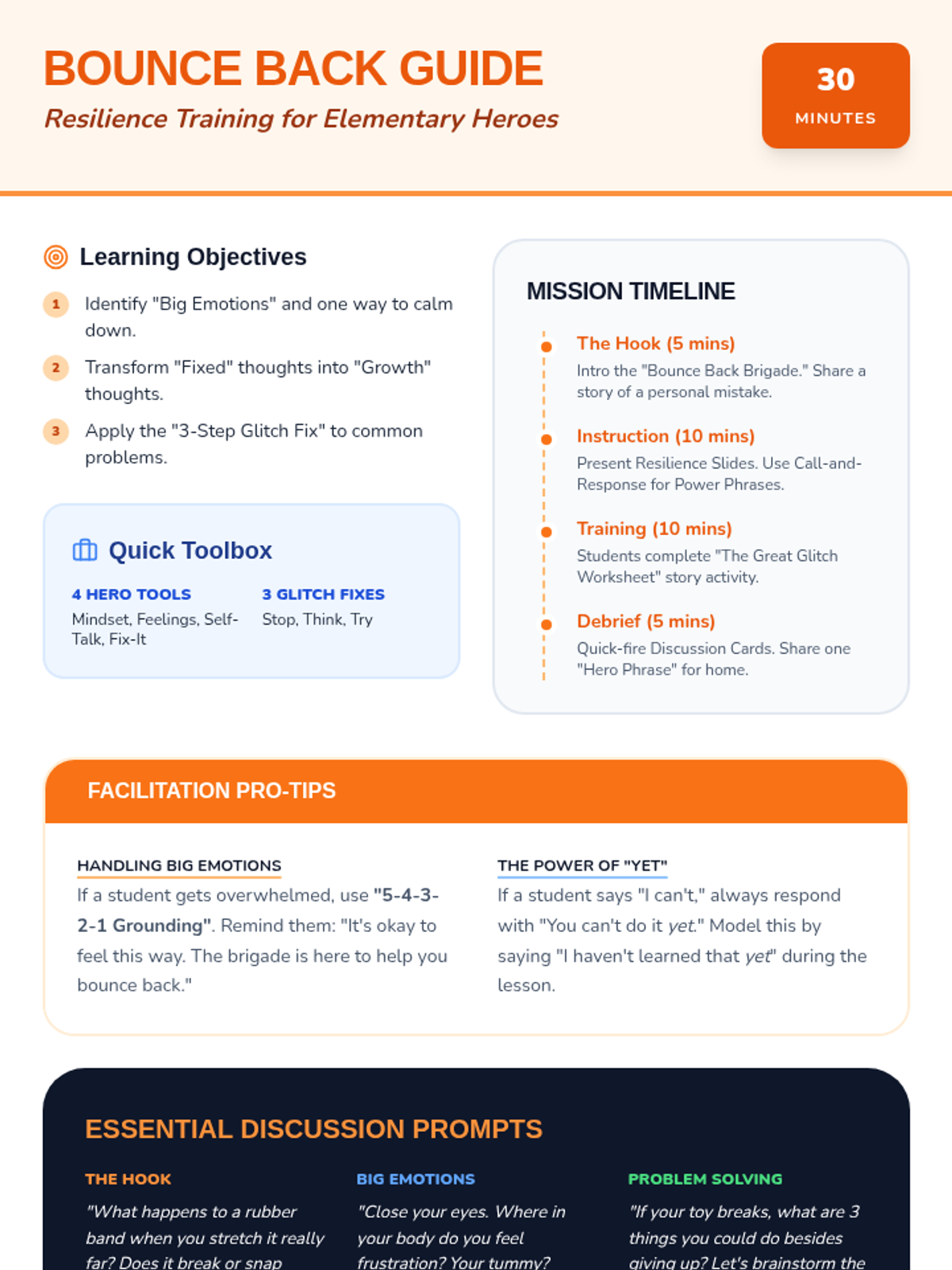
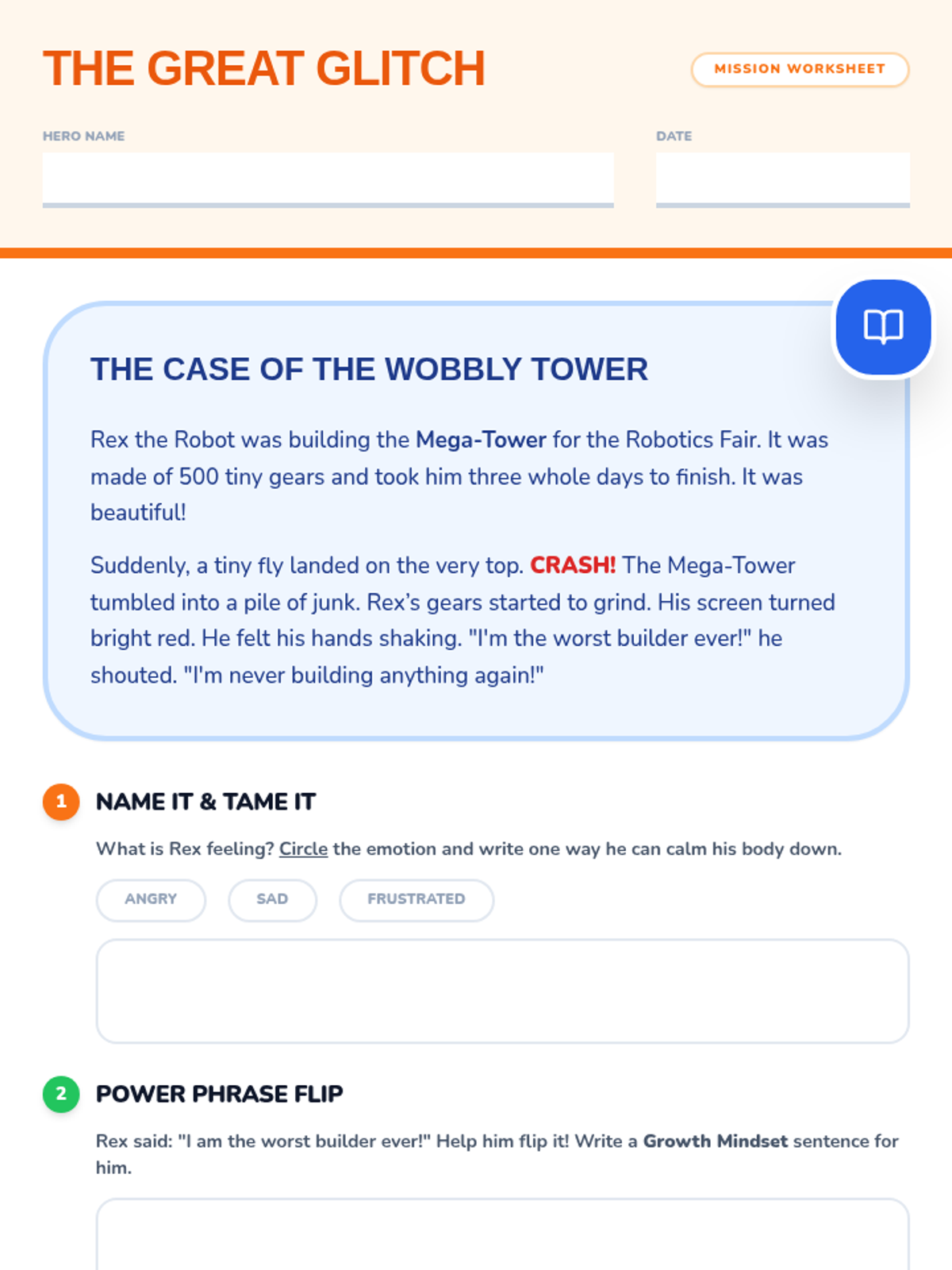
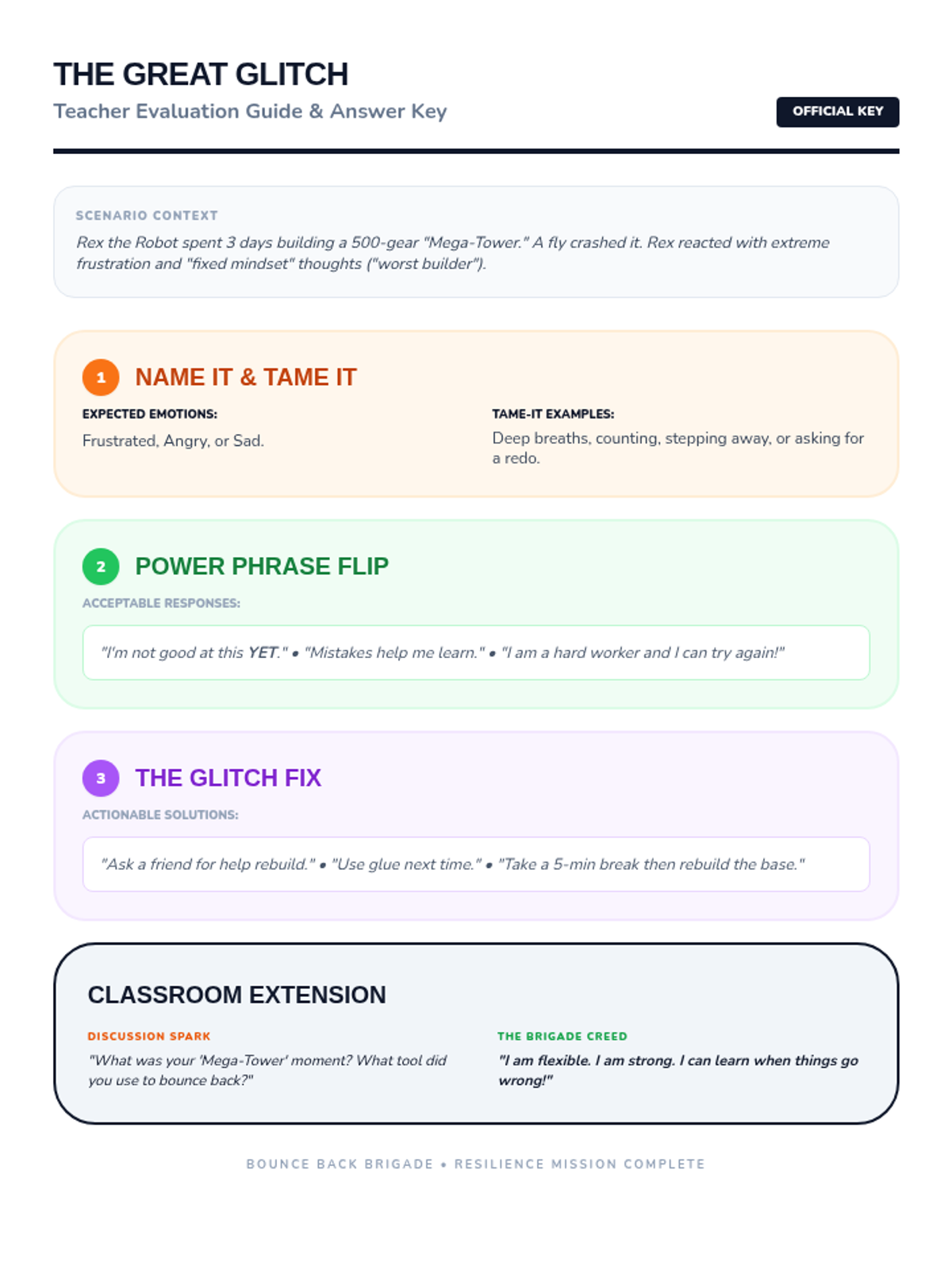
A fast-paced, high-energy 30-minute lesson designed to teach elementary students the fundamentals of resilience through the 'Bounce Back Brigade' framework. Students learn to navigate big emotions, use positive self-talk, adopt a growth mindset, and solve problems through interactive slides and story-based activities.
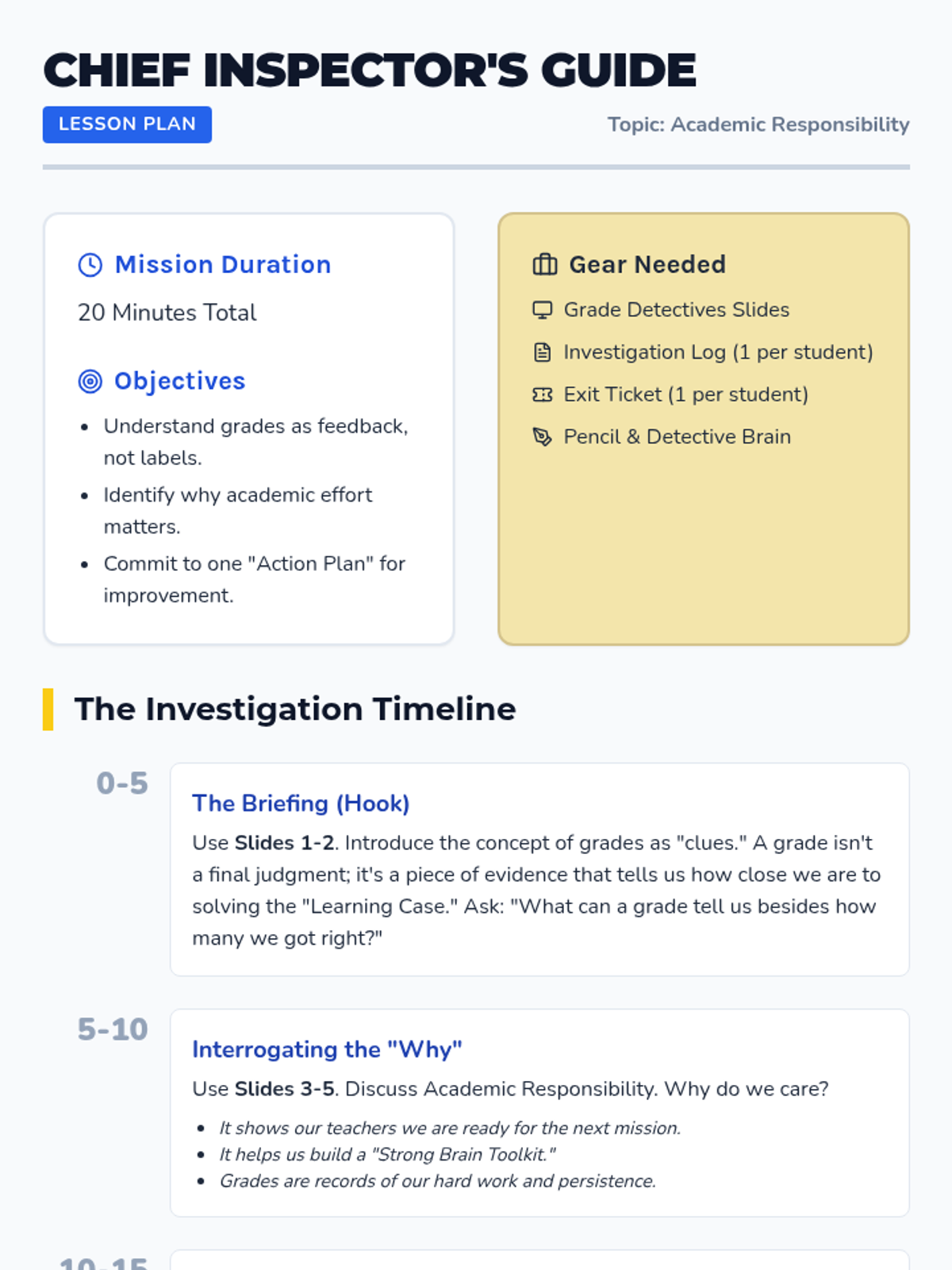
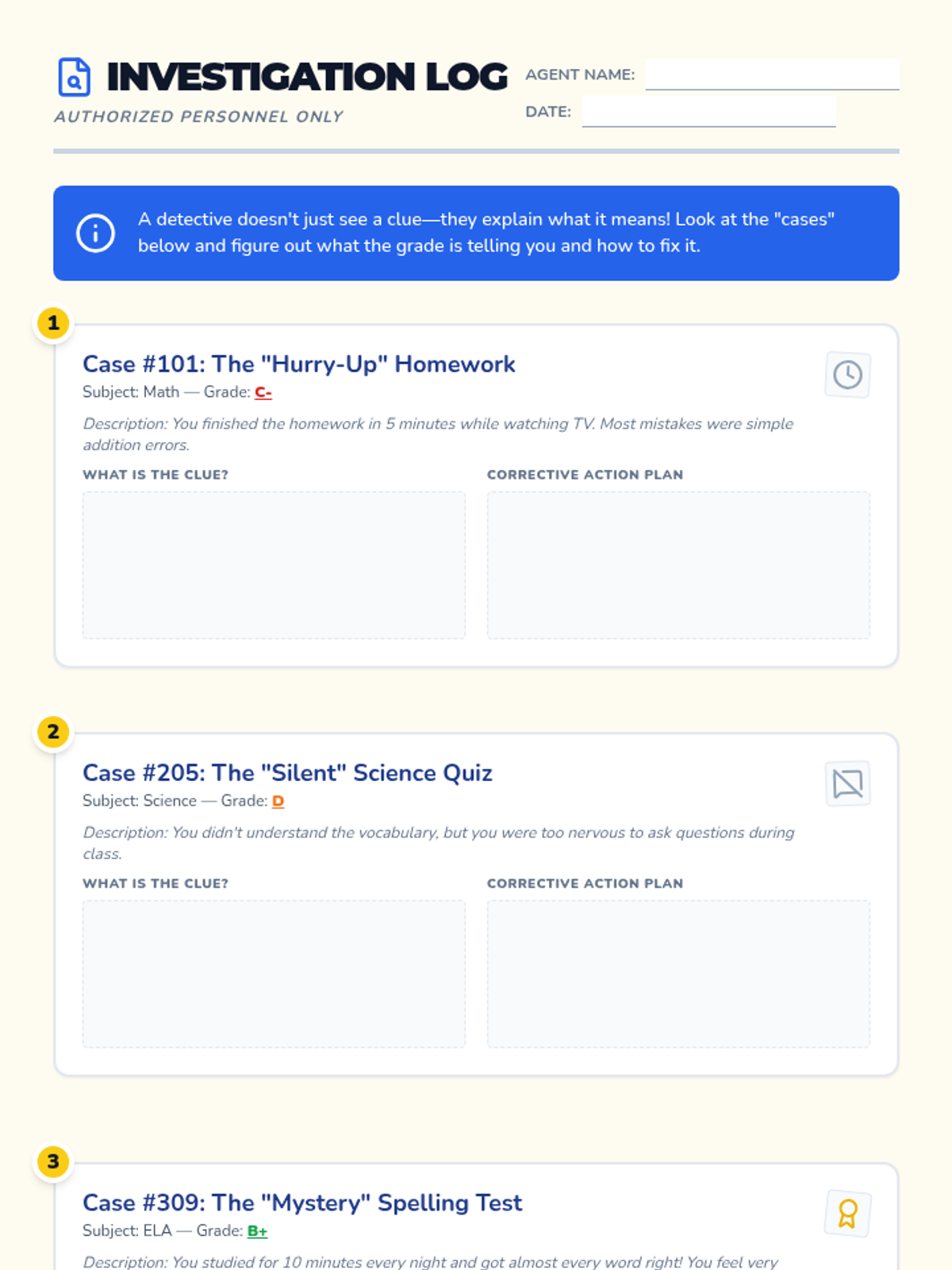
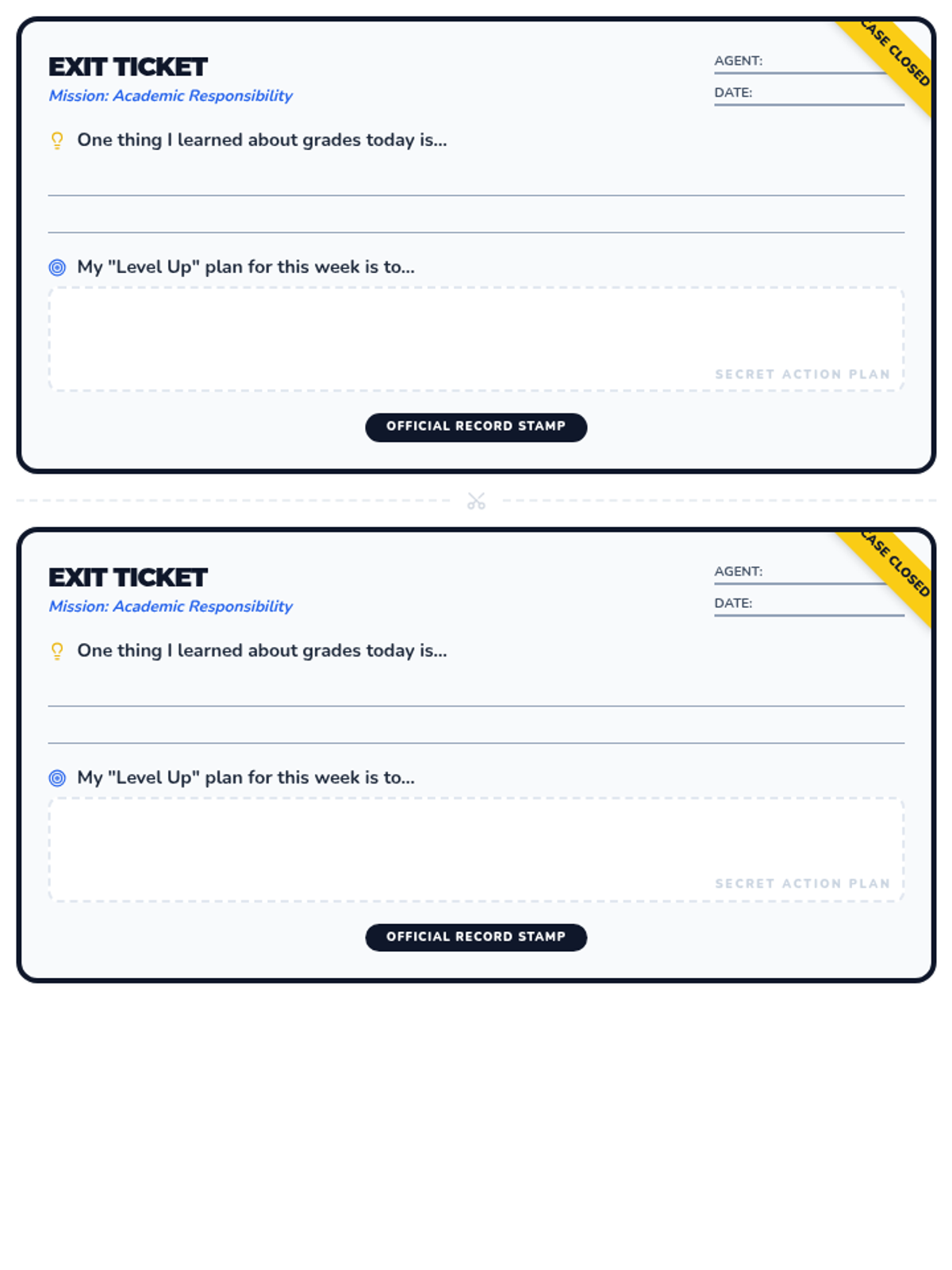
A 20-minute lesson using a detective theme to teach elementary students about the importance of grades as feedback and the value of academic responsibility.
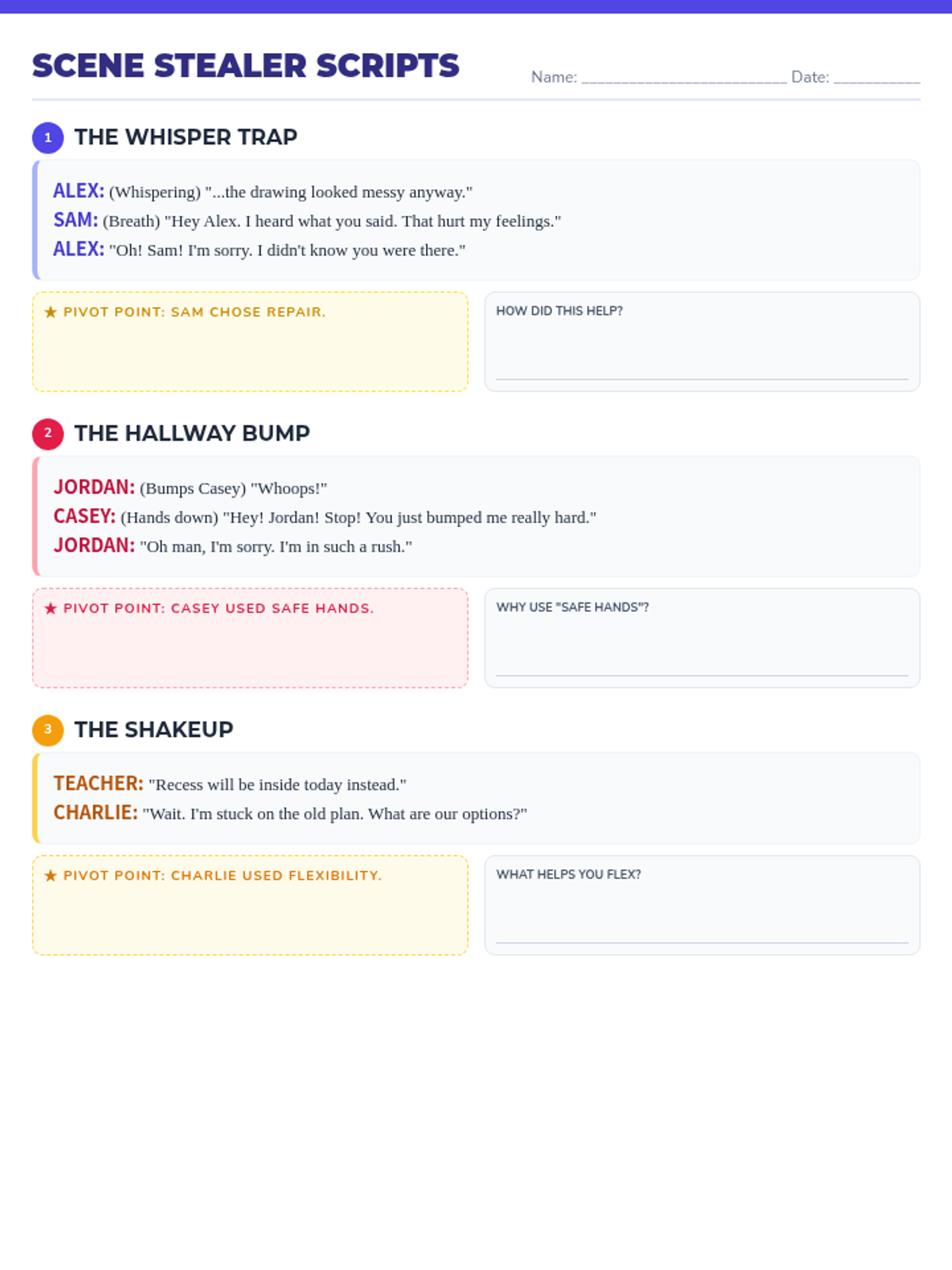
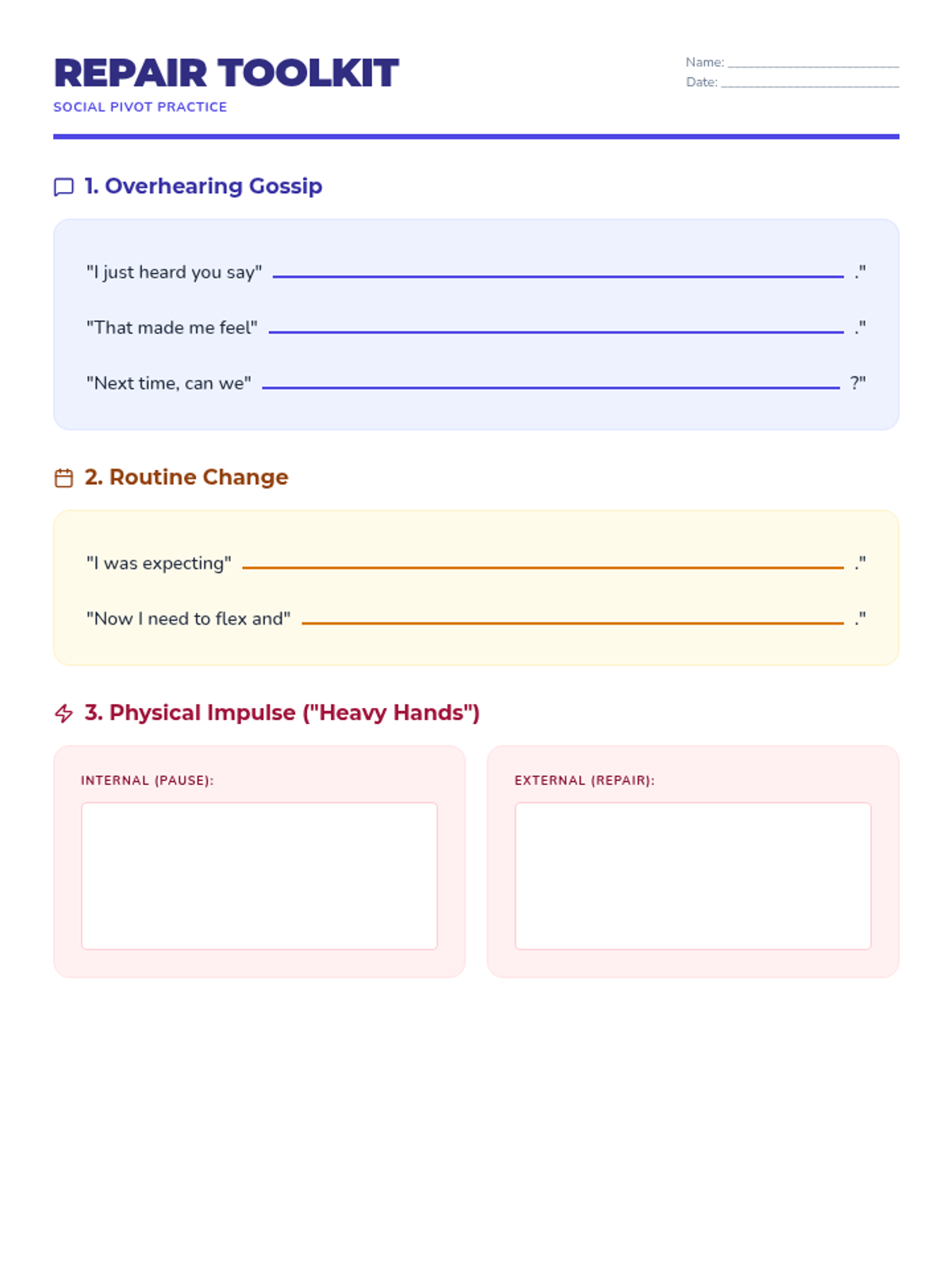
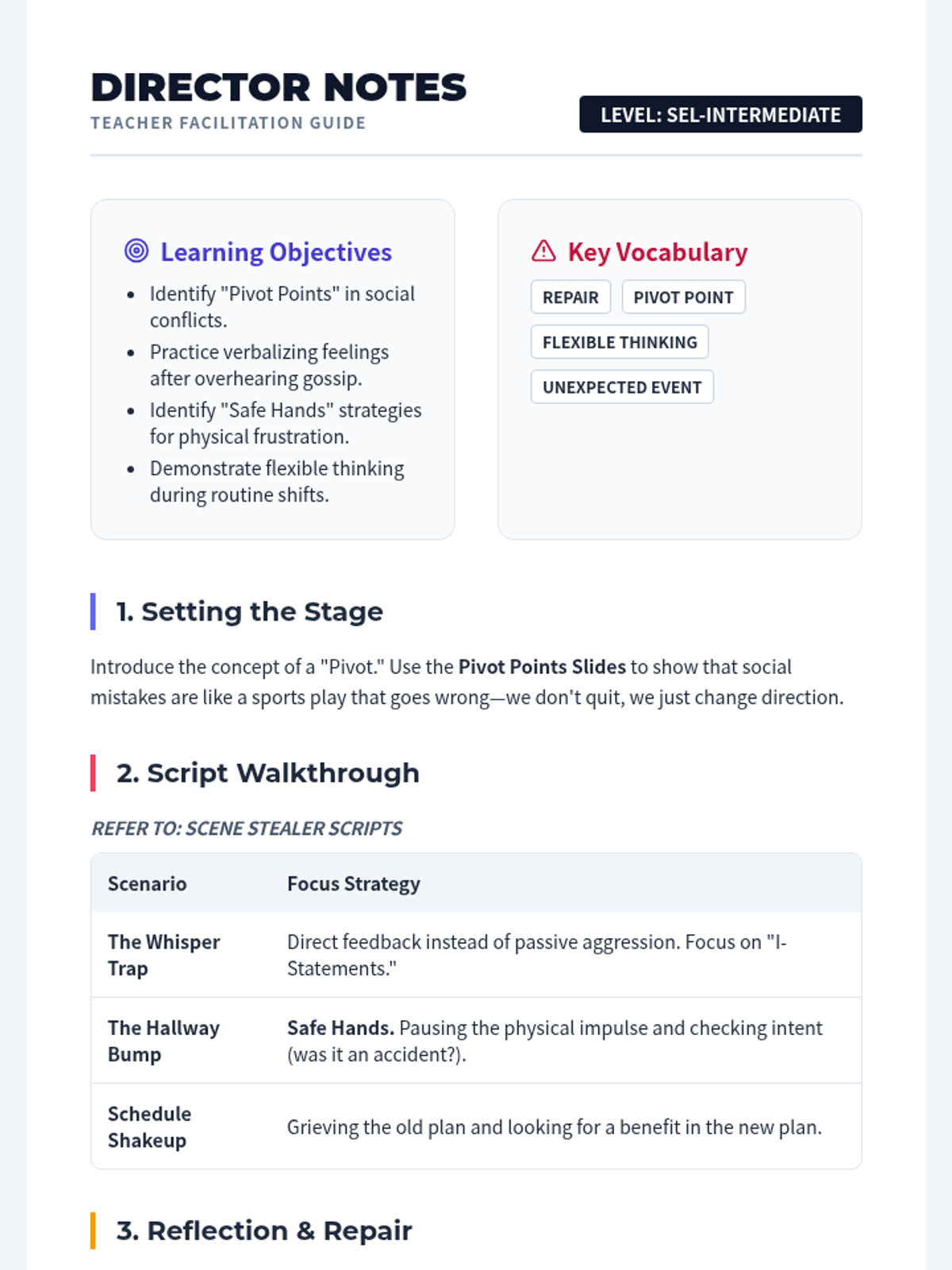
A social-emotional learning lesson focused on navigating difficult social moments like overhearing gossip, managing physical impulses, and adapting to routine changes through roleplay and scripts.
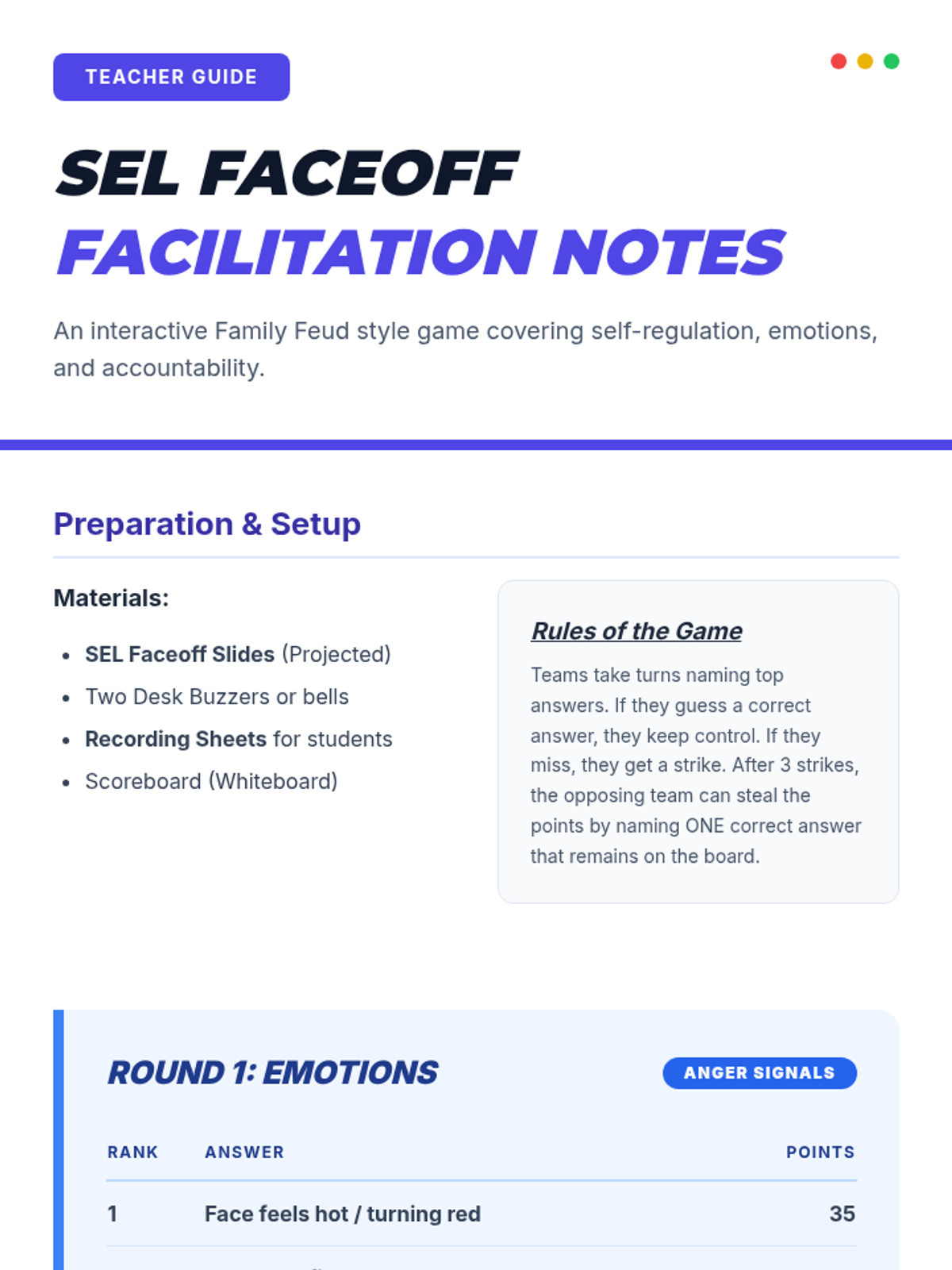
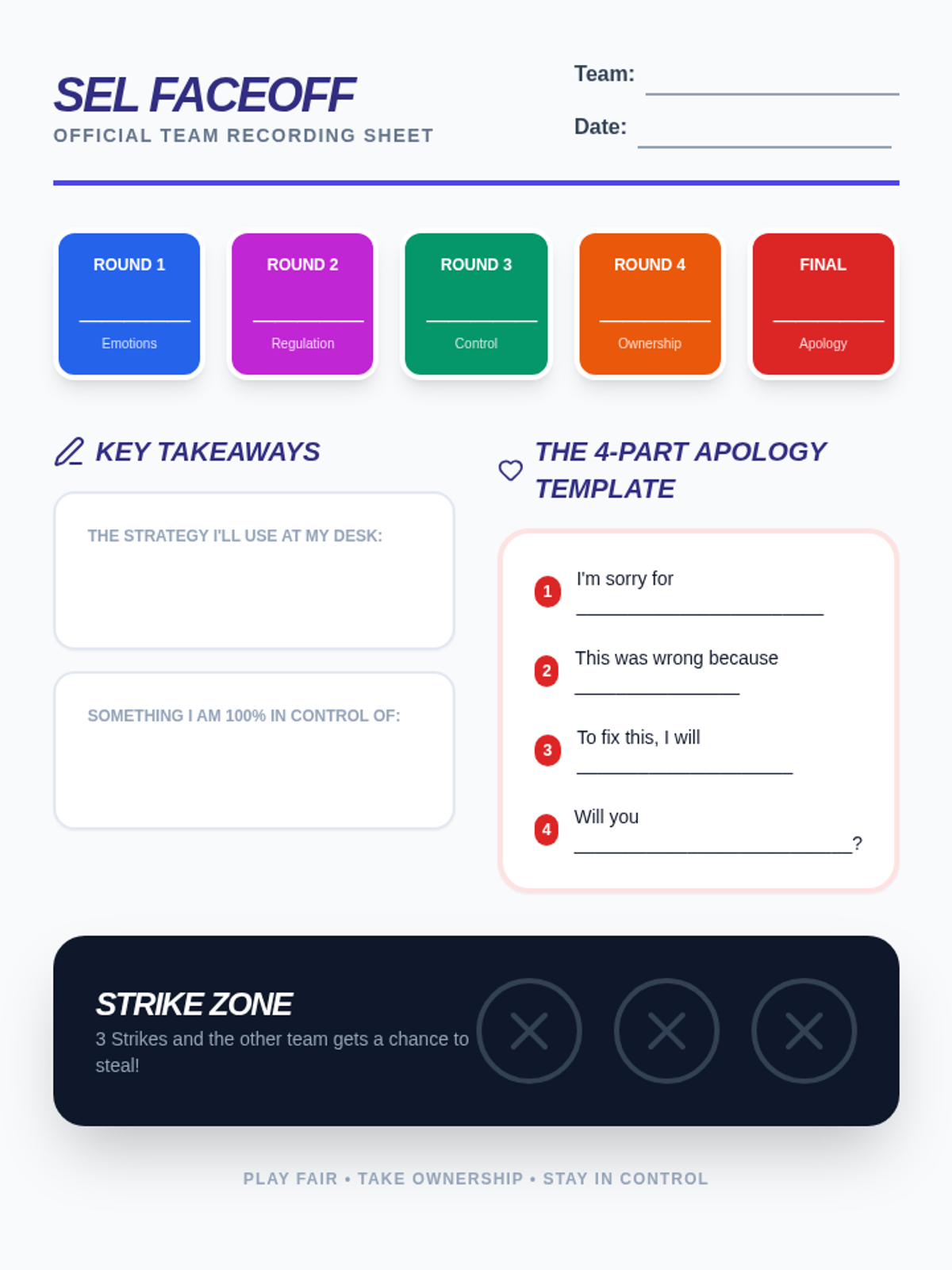
An interactive game-show style lesson covering emotional intelligence, self-regulation strategies, personal accountability, and the 4-part apology method. Students compete in teams to identify 'top answers' for common social-emotional scenarios.
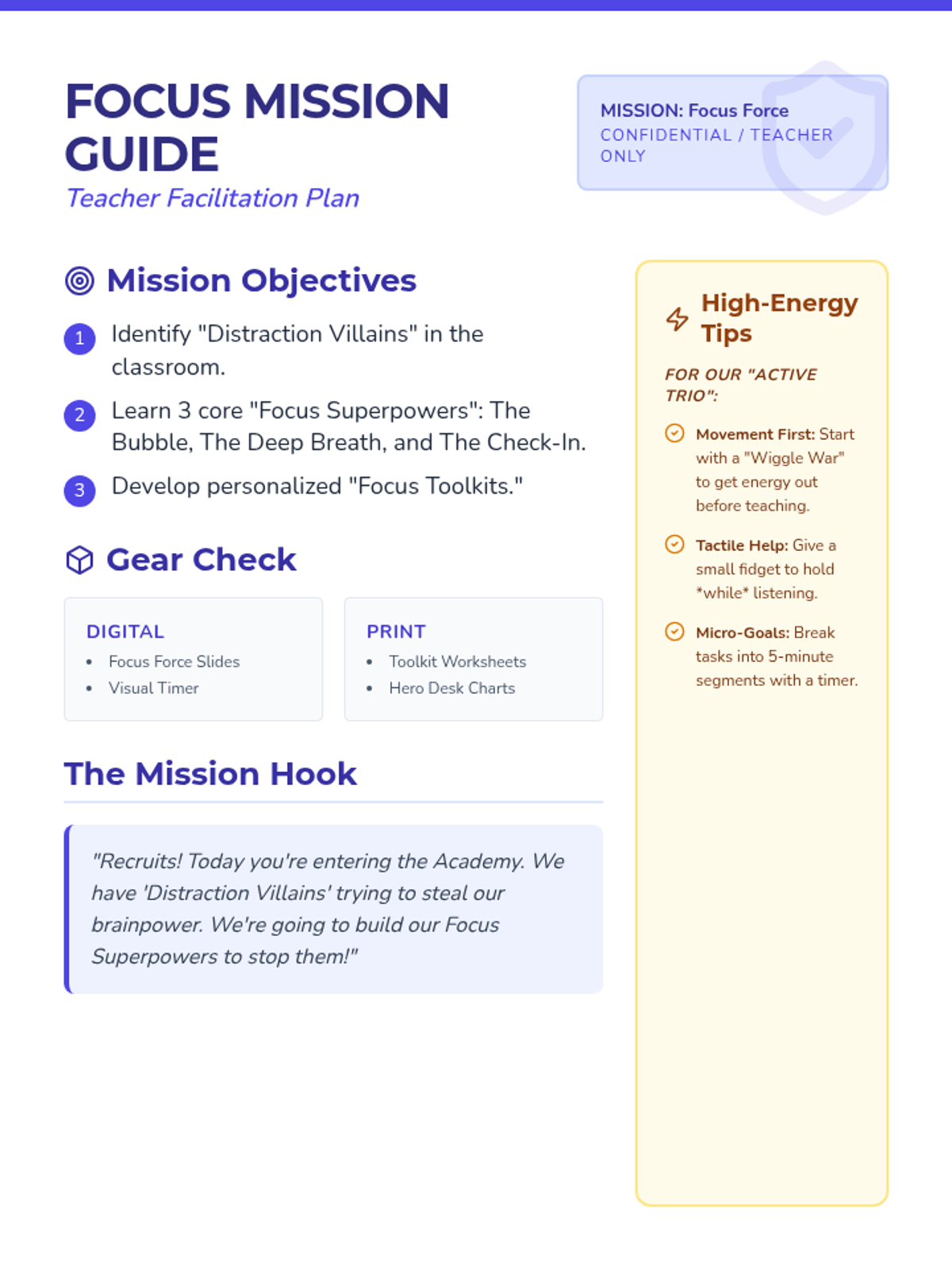
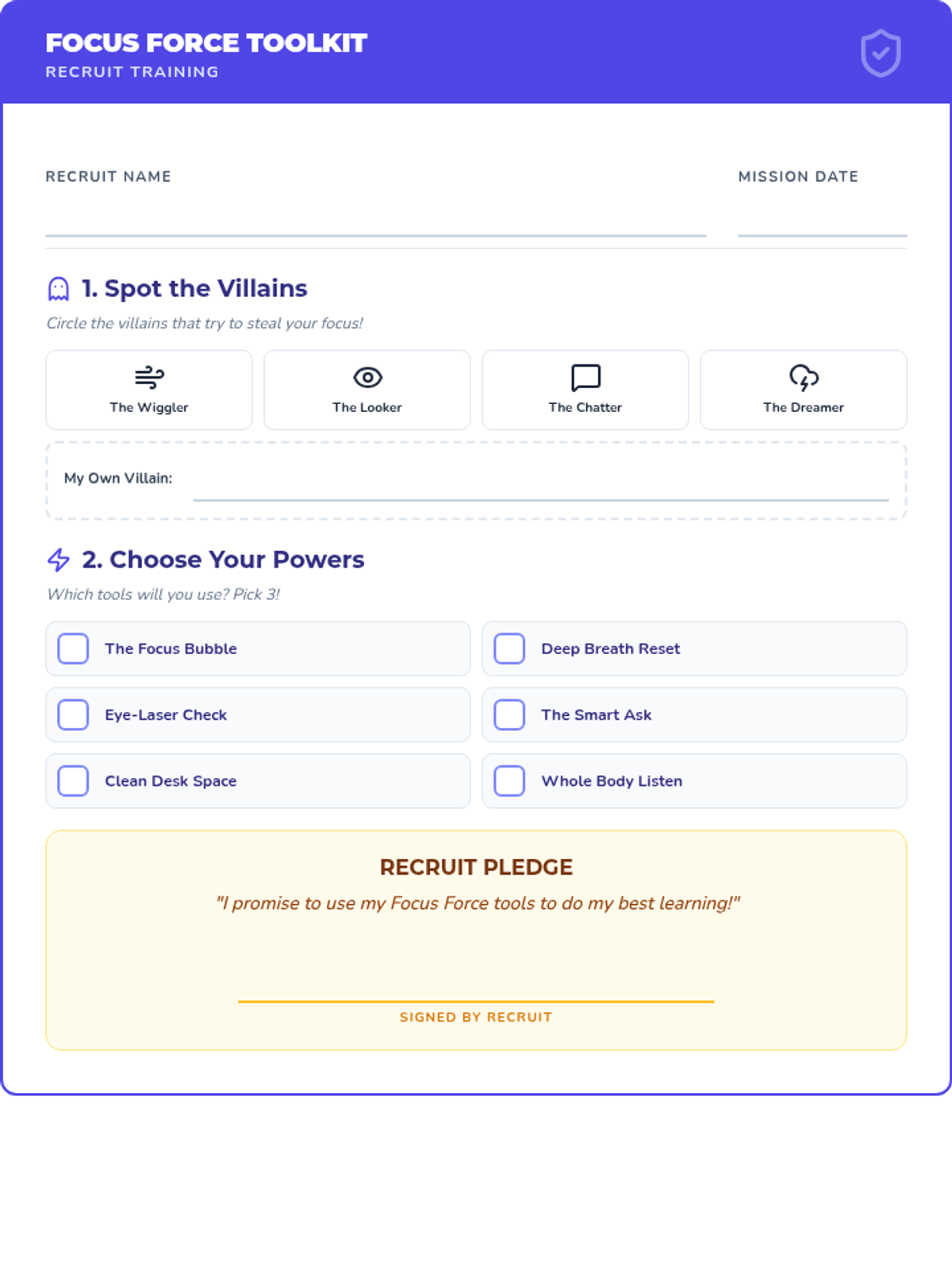
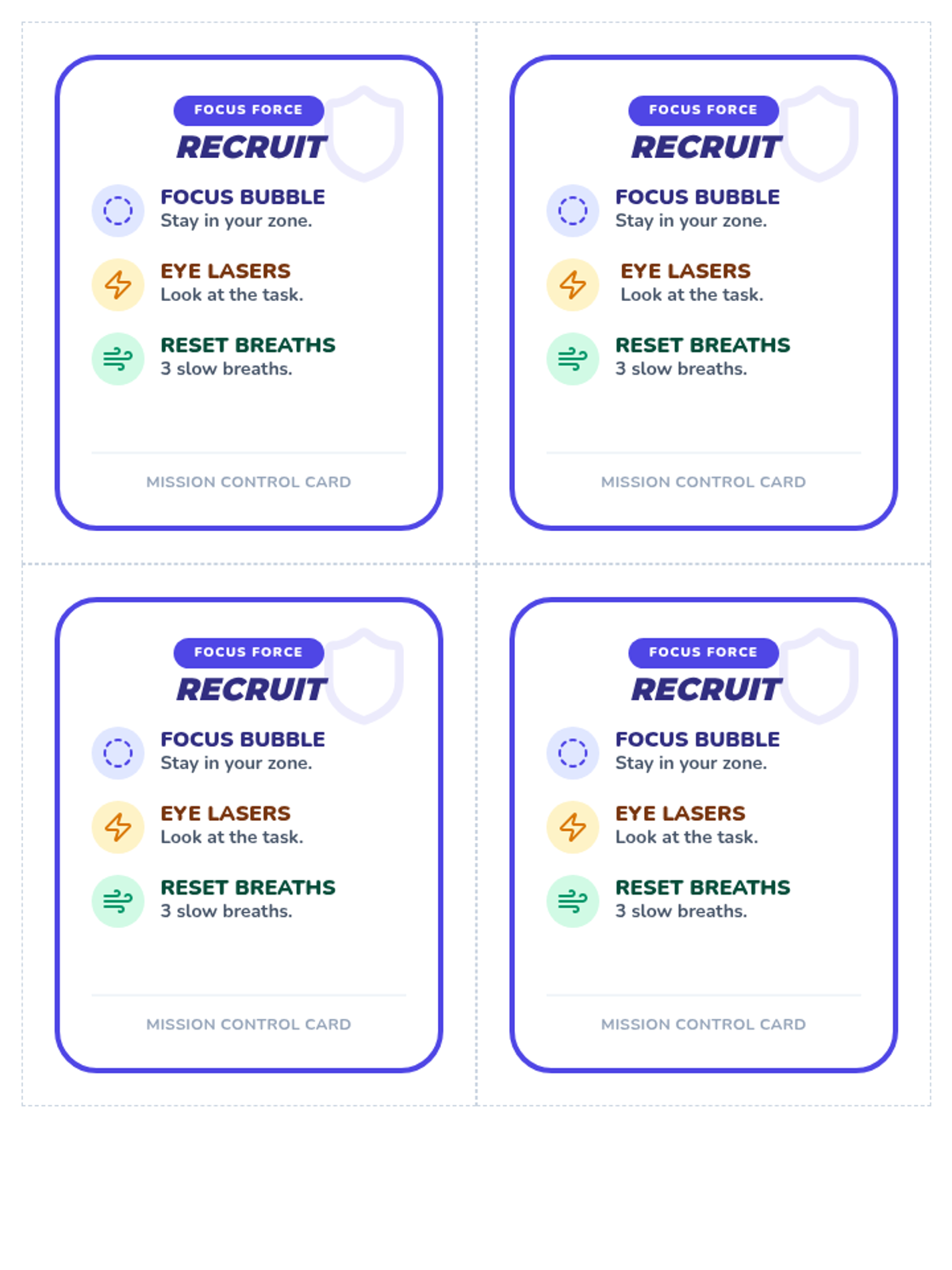
A high-energy, superhero-themed lesson designed to teach 1st graders practical strategies for staying focused and managing distractions in the classroom.
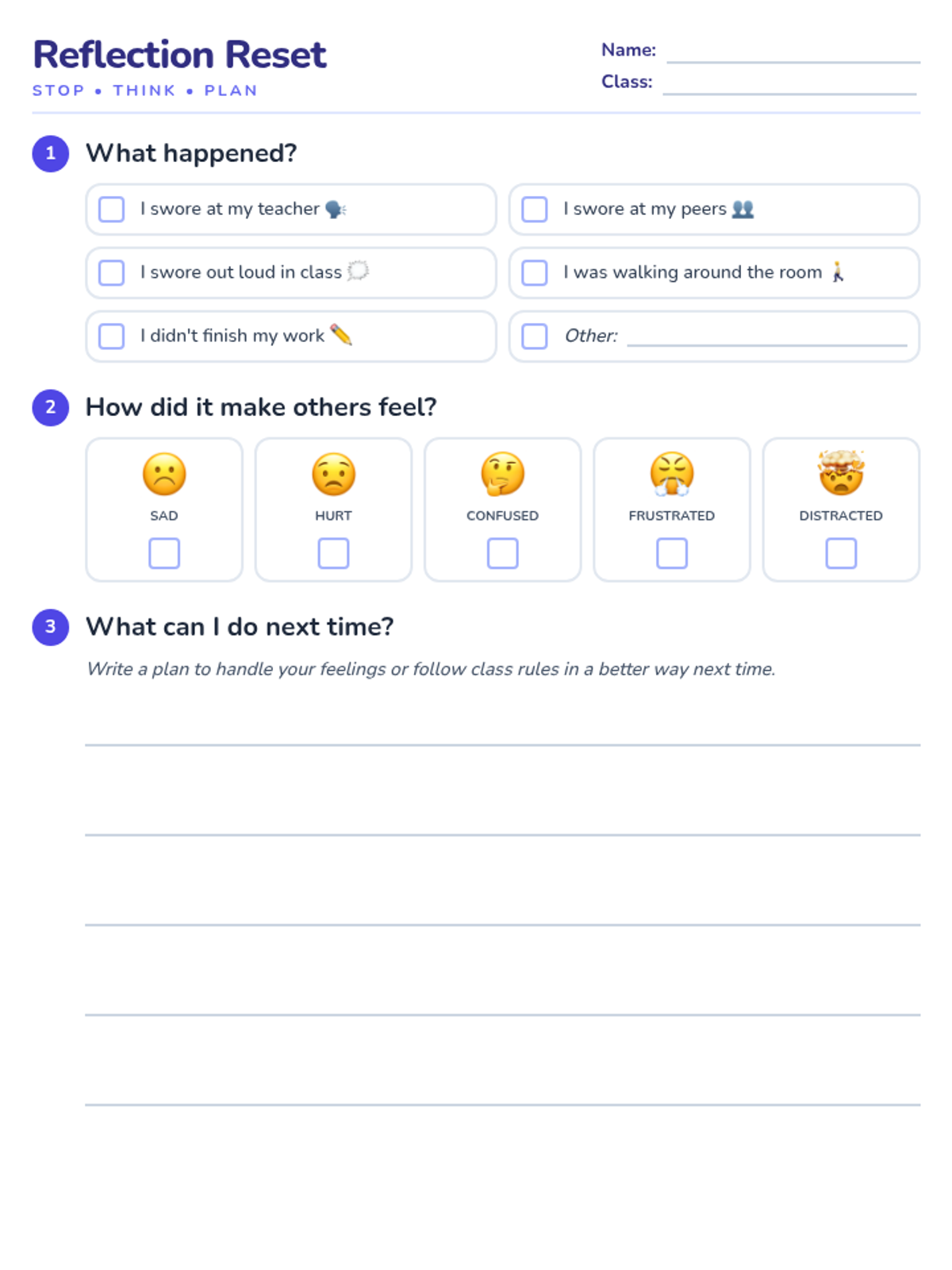
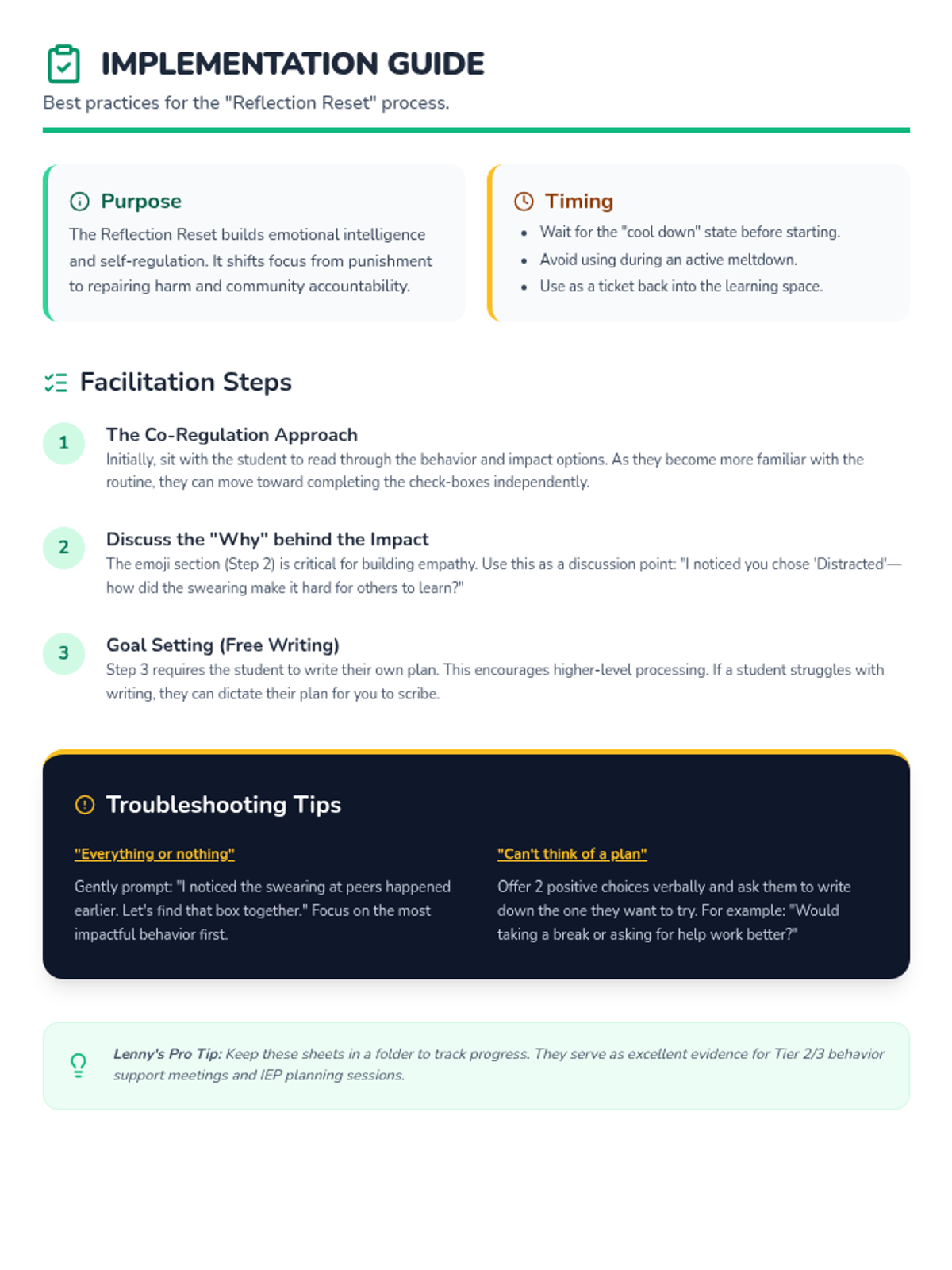
A set of resources designed to help students process behavioral incidents through reflection, identifying impact, and planning better choices.
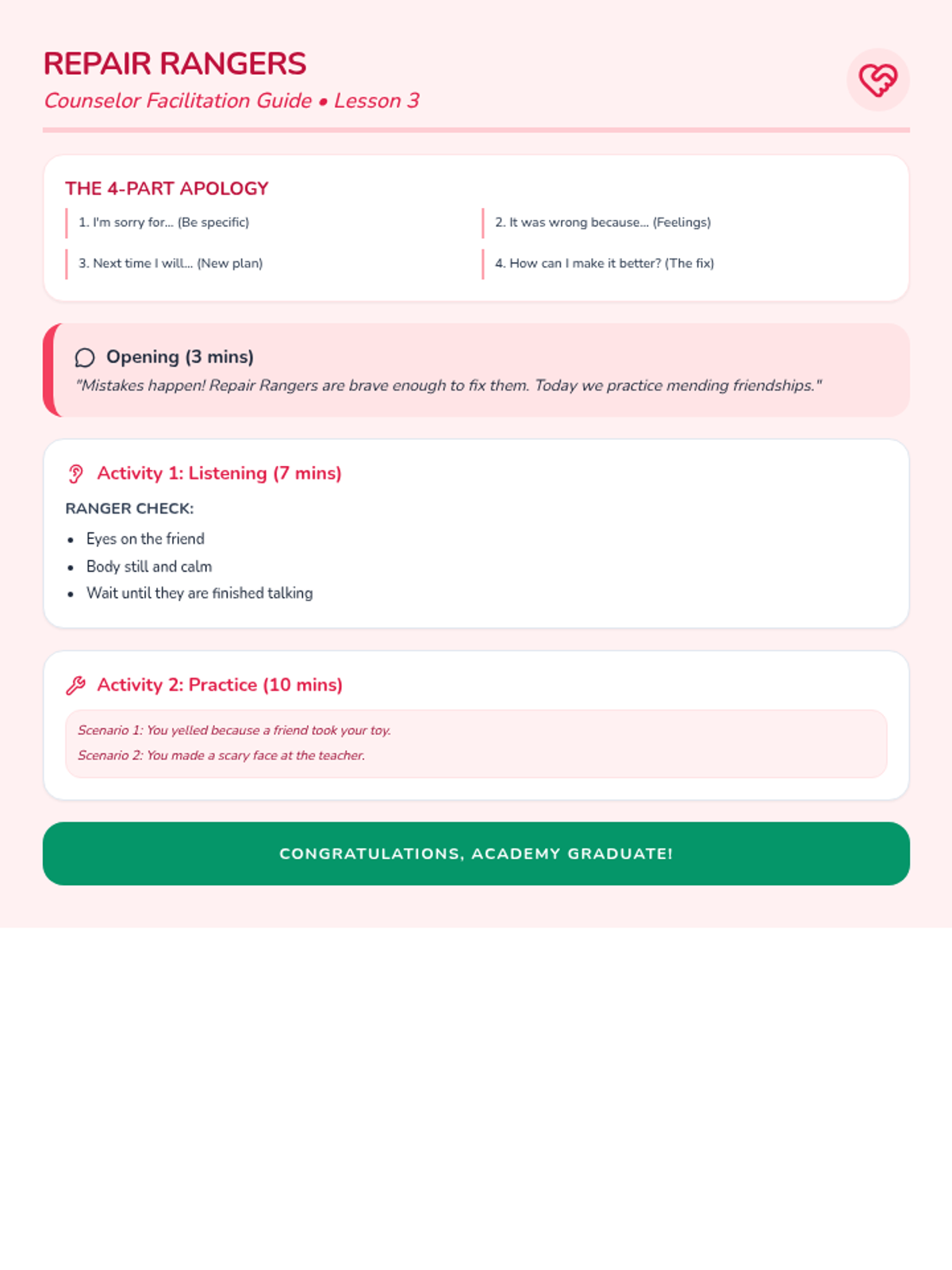
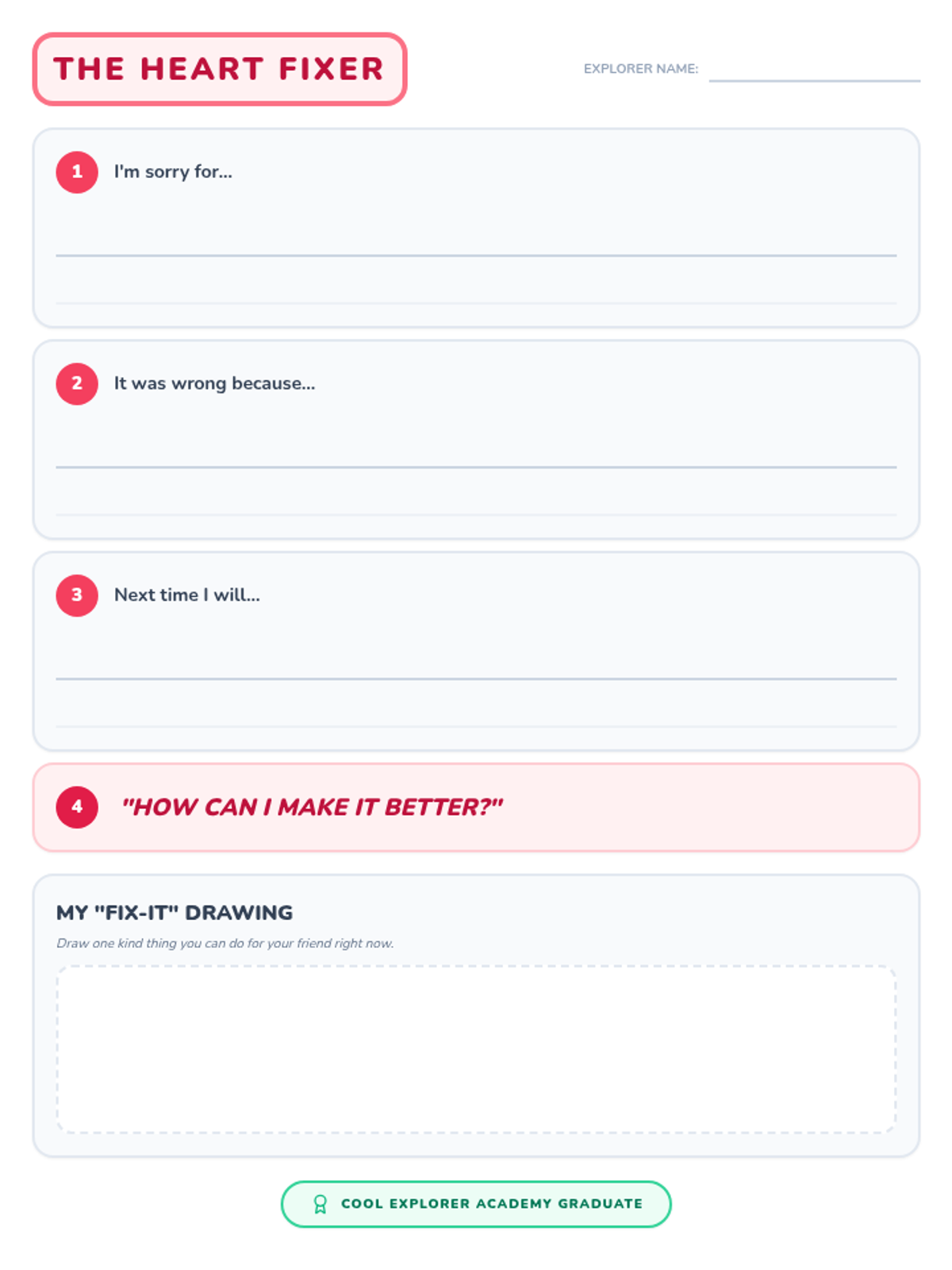
Teaches active listening and the steps of a meaningful apology to repair relationships with peers.
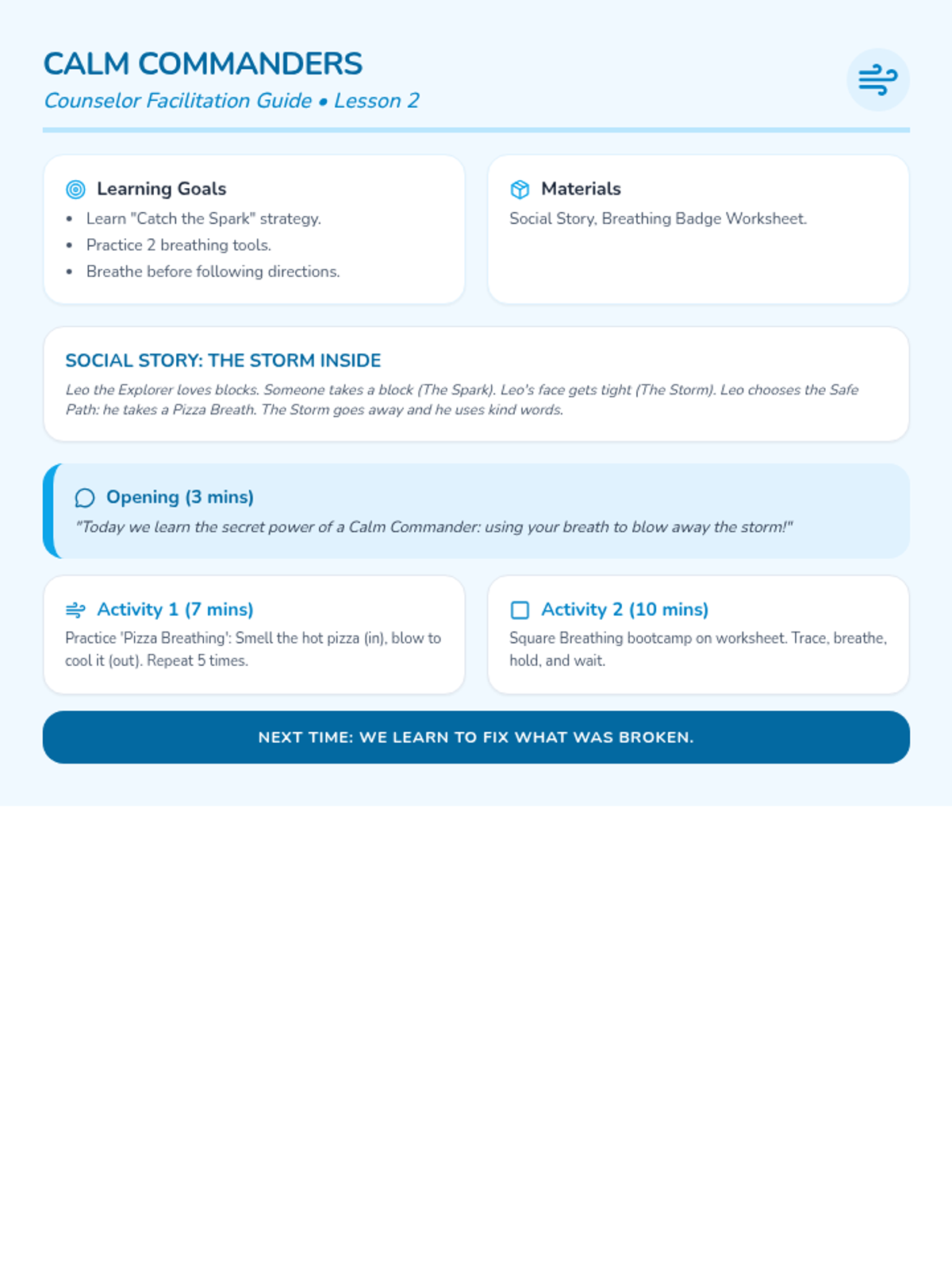
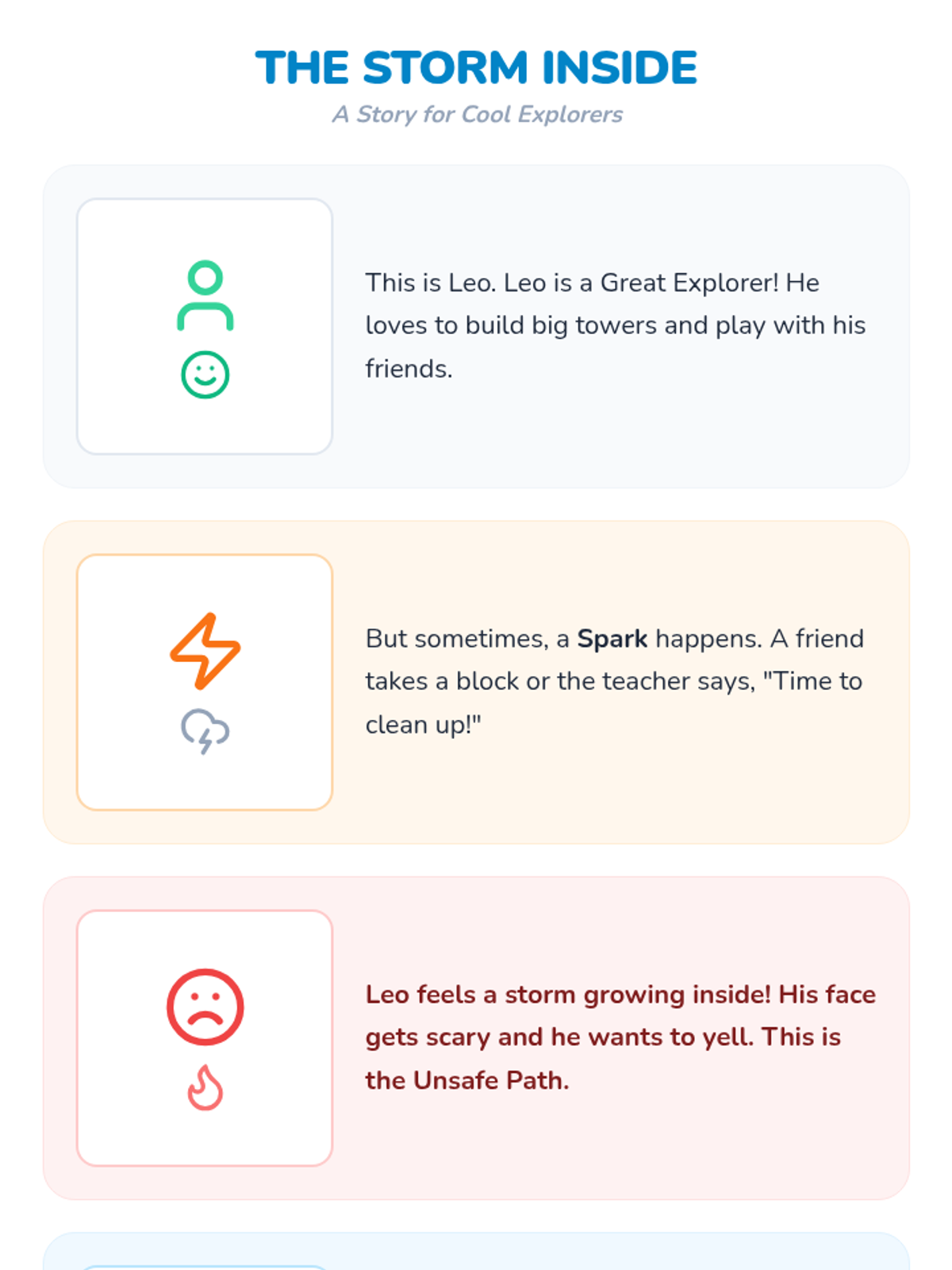
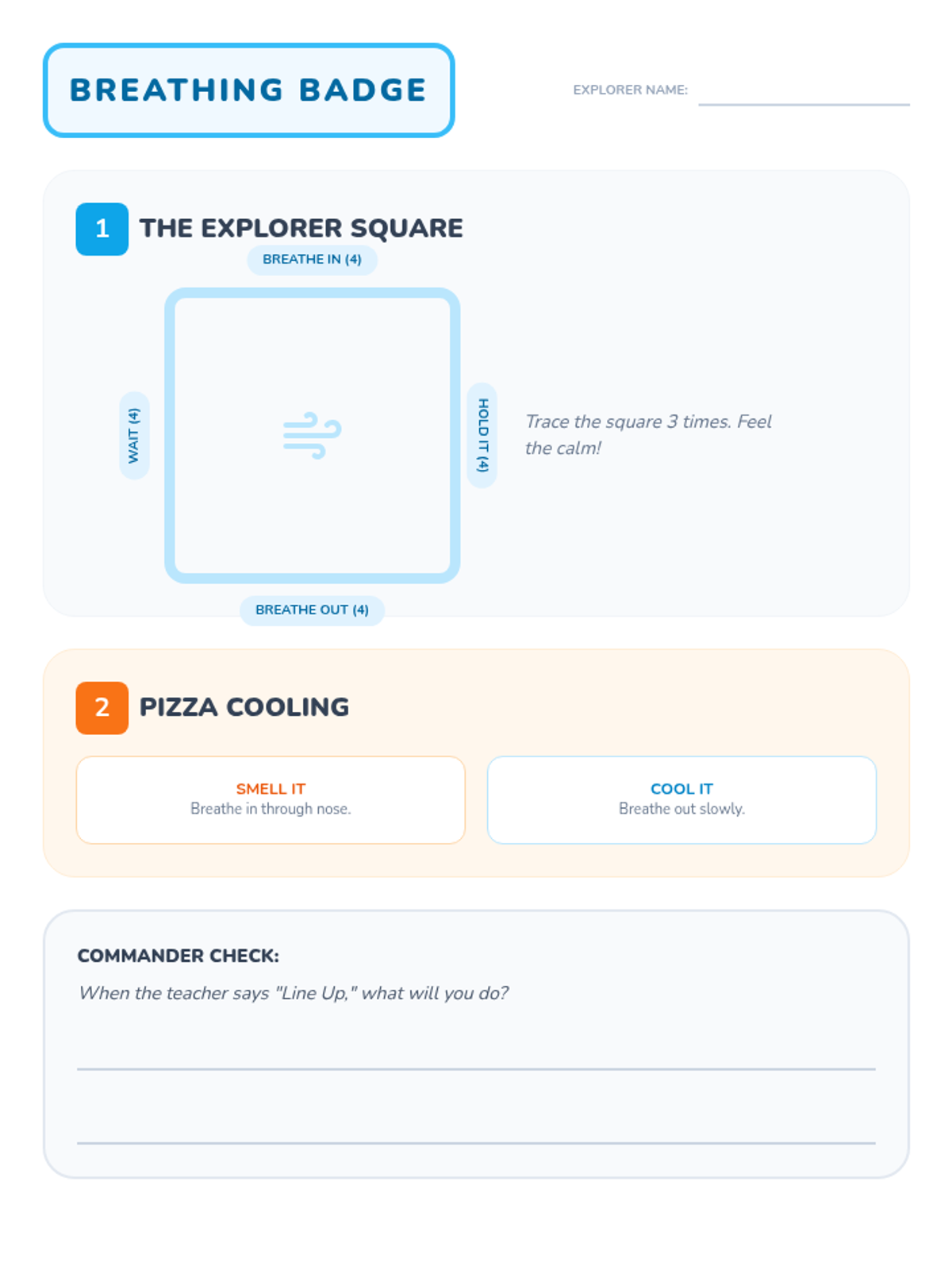
Teaches practical calm-down breathing techniques and tools through a social story and visual guide.
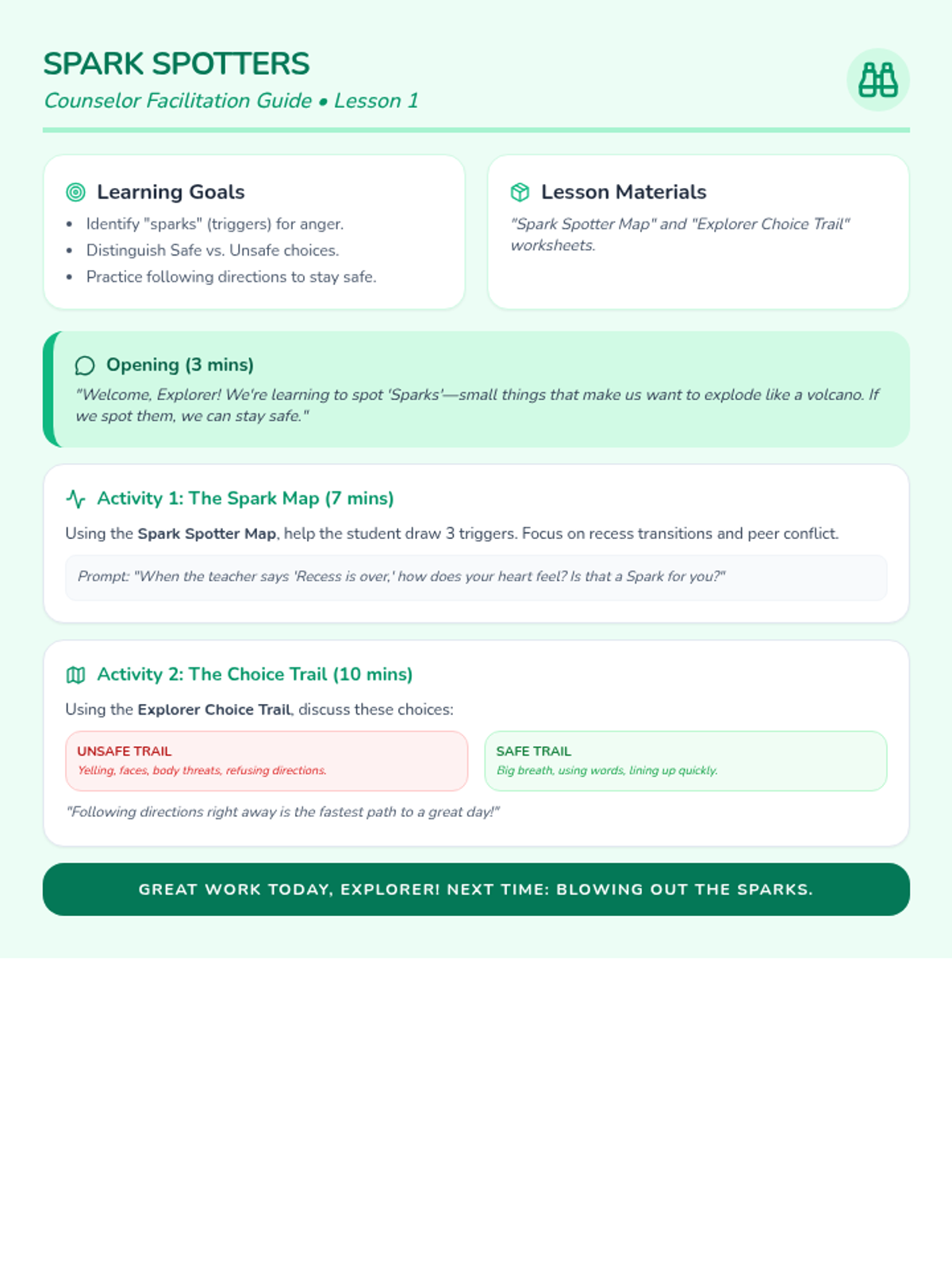
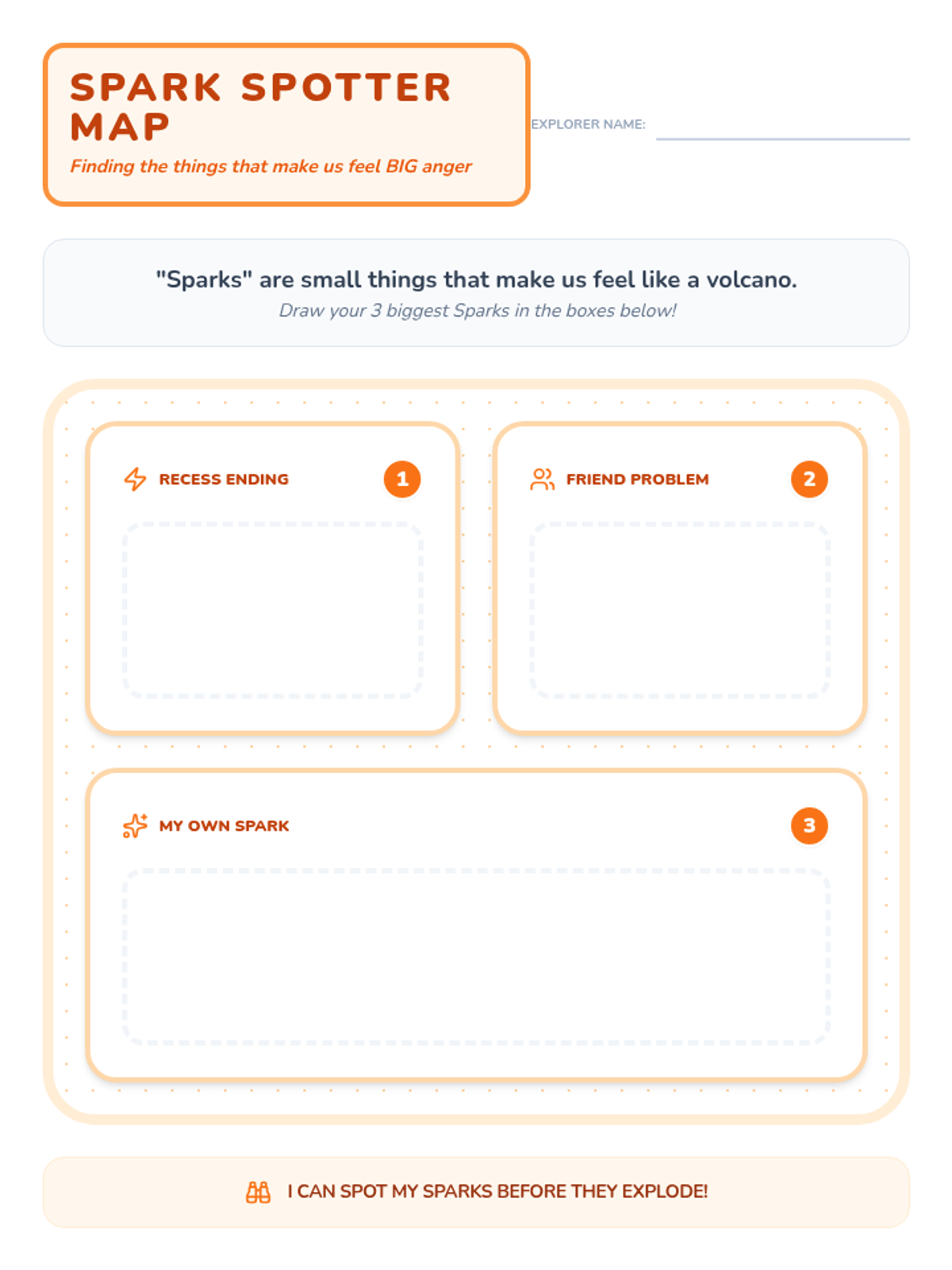
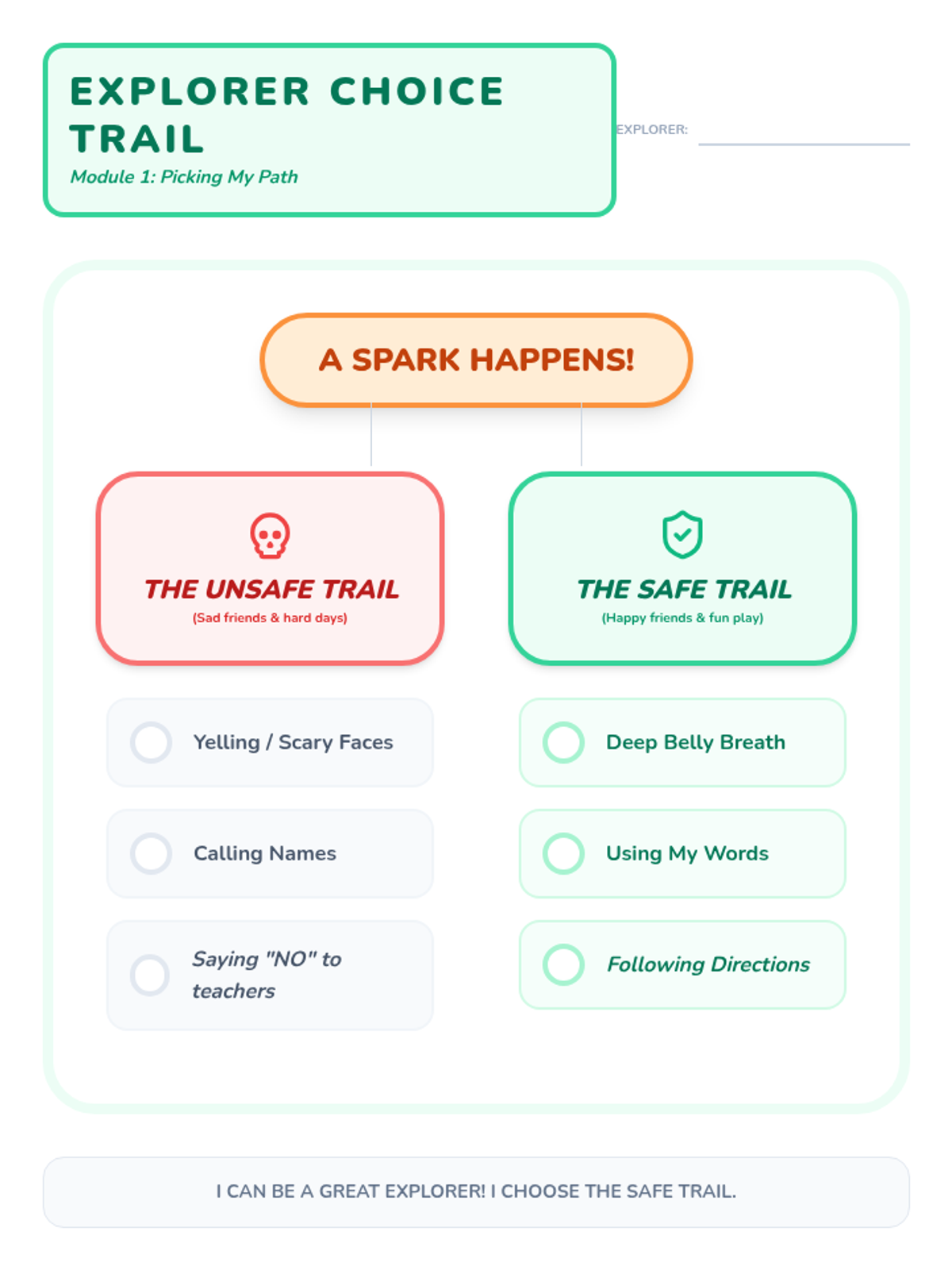
Focuses on identifying personal anger triggers and distinguishing between safe and unsafe choices when big feelings arise.
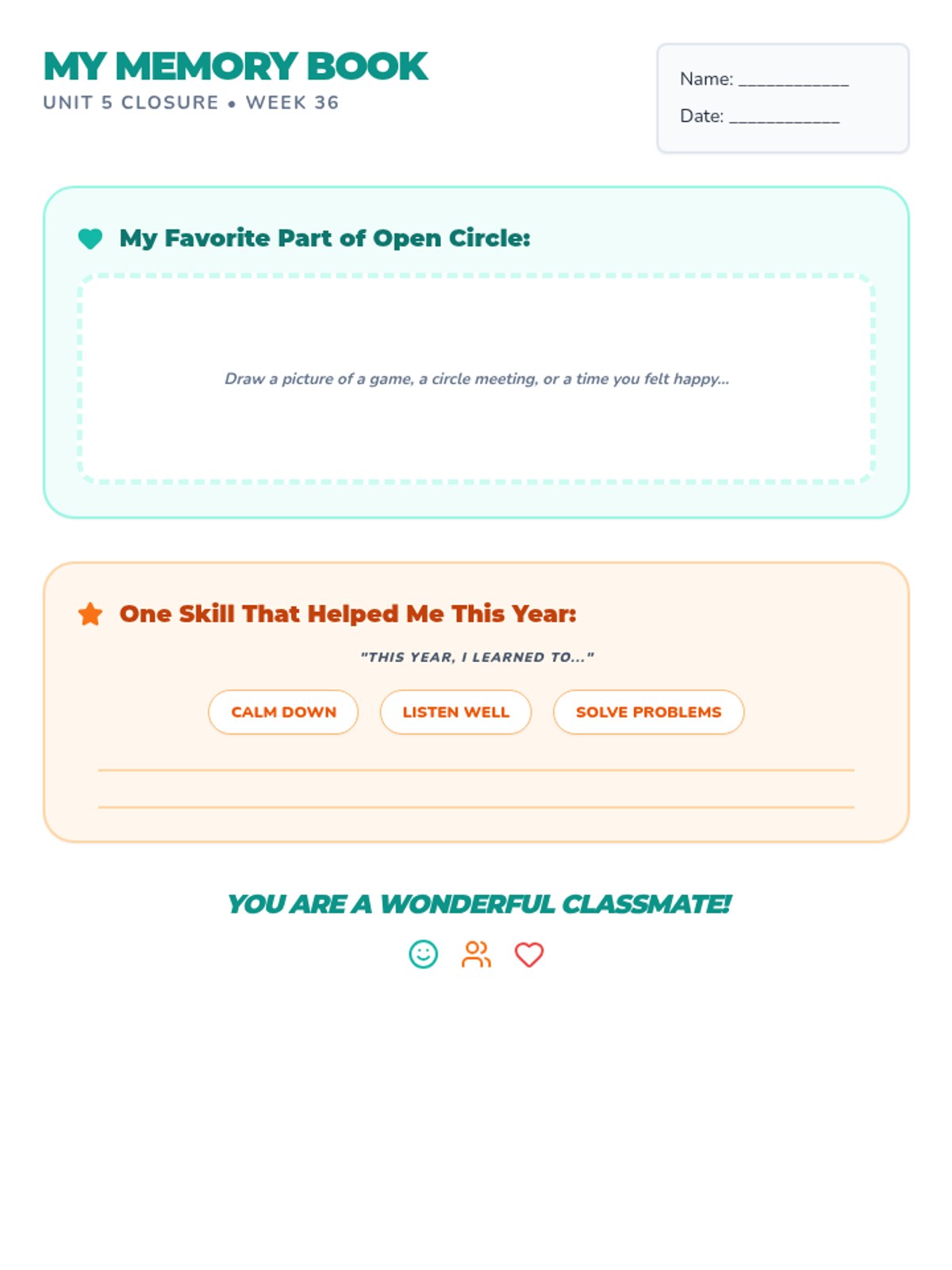
Final reflections on the school year and the growth made in Open Circle.
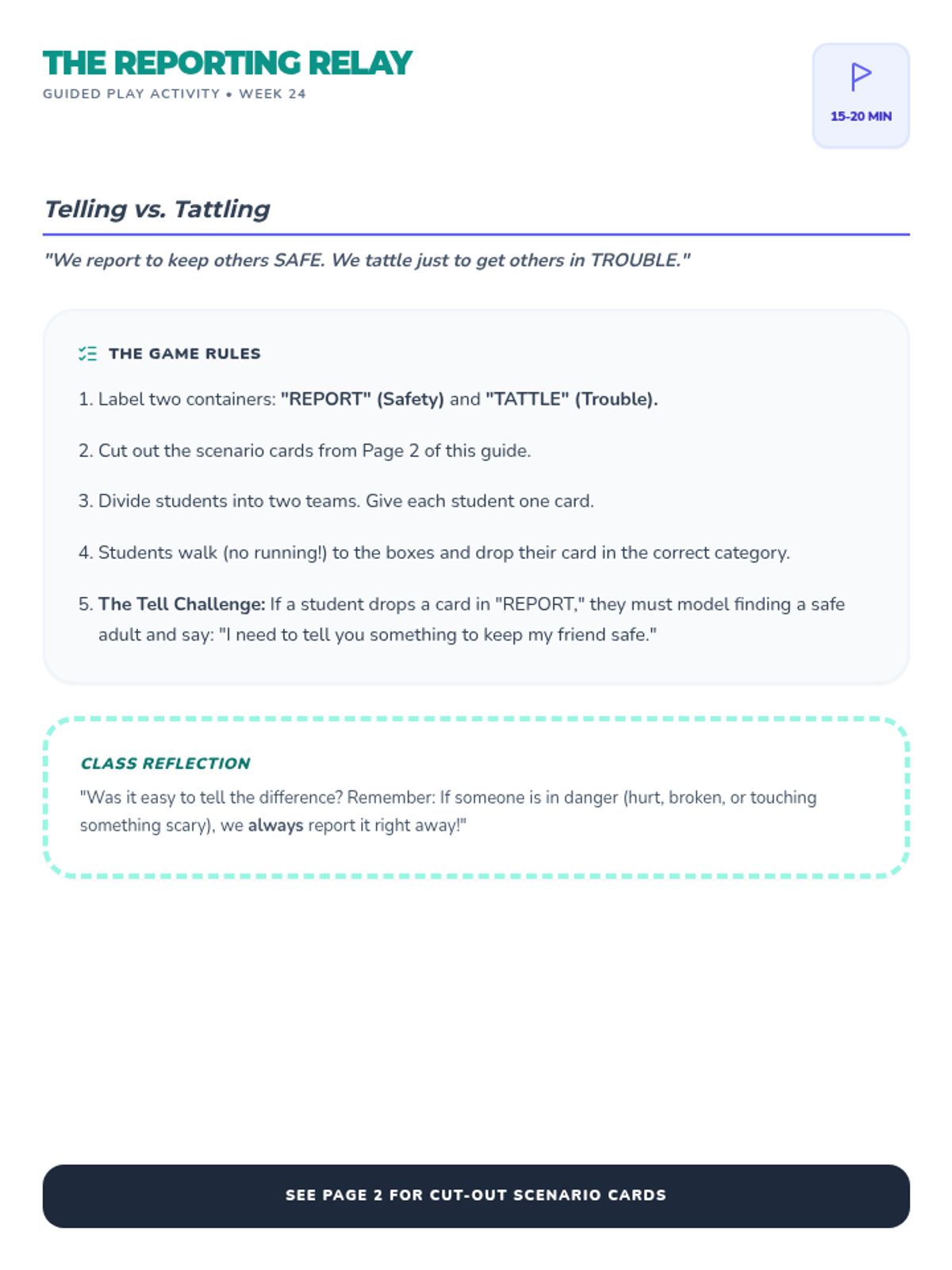
A supplementary lesson clarifying the difference between getting others in trouble versus keeping them safe.
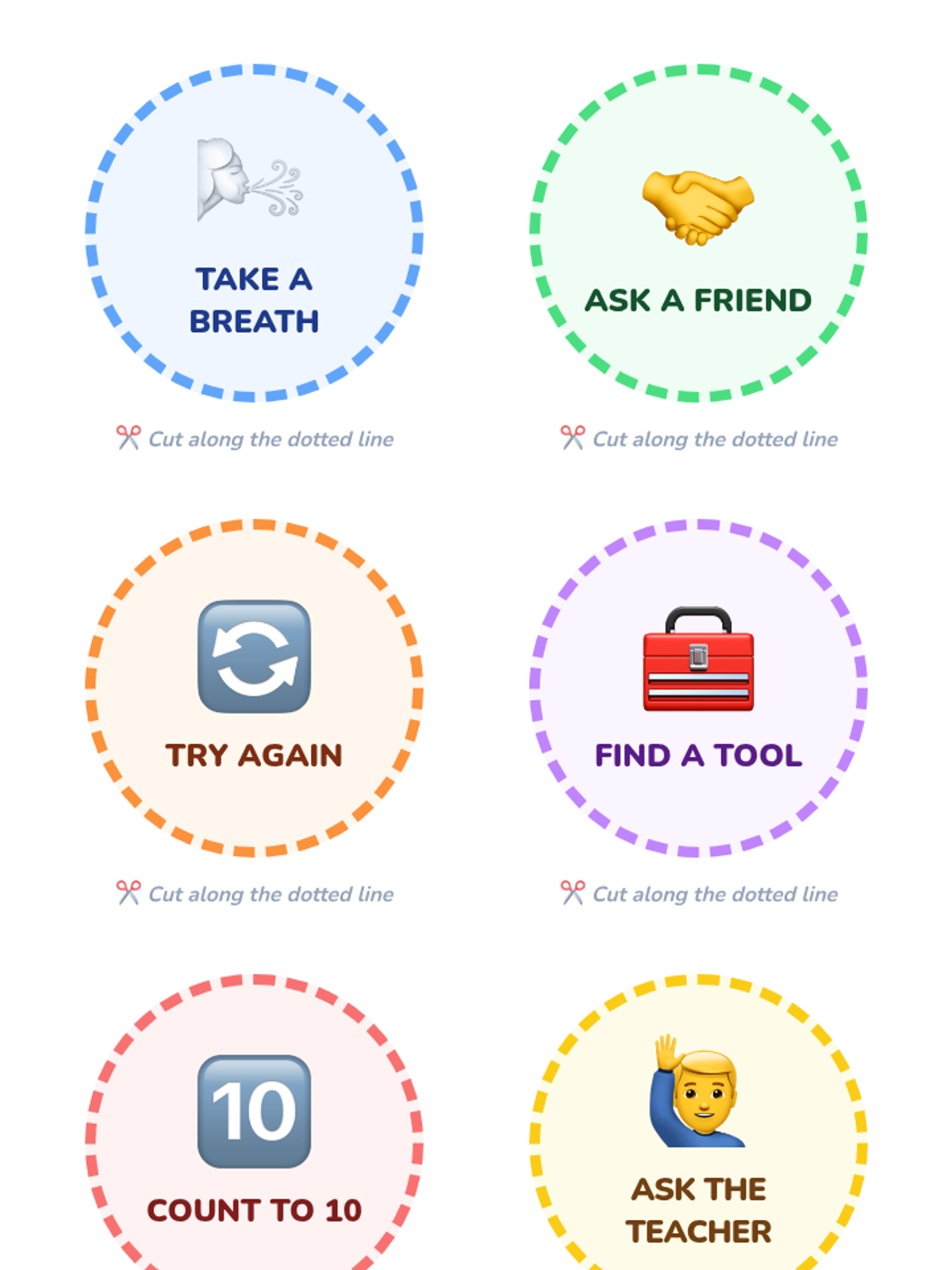
Students create a collective 'Fix-It Kit' of visual strategies to use independently in the classroom throughout the year.
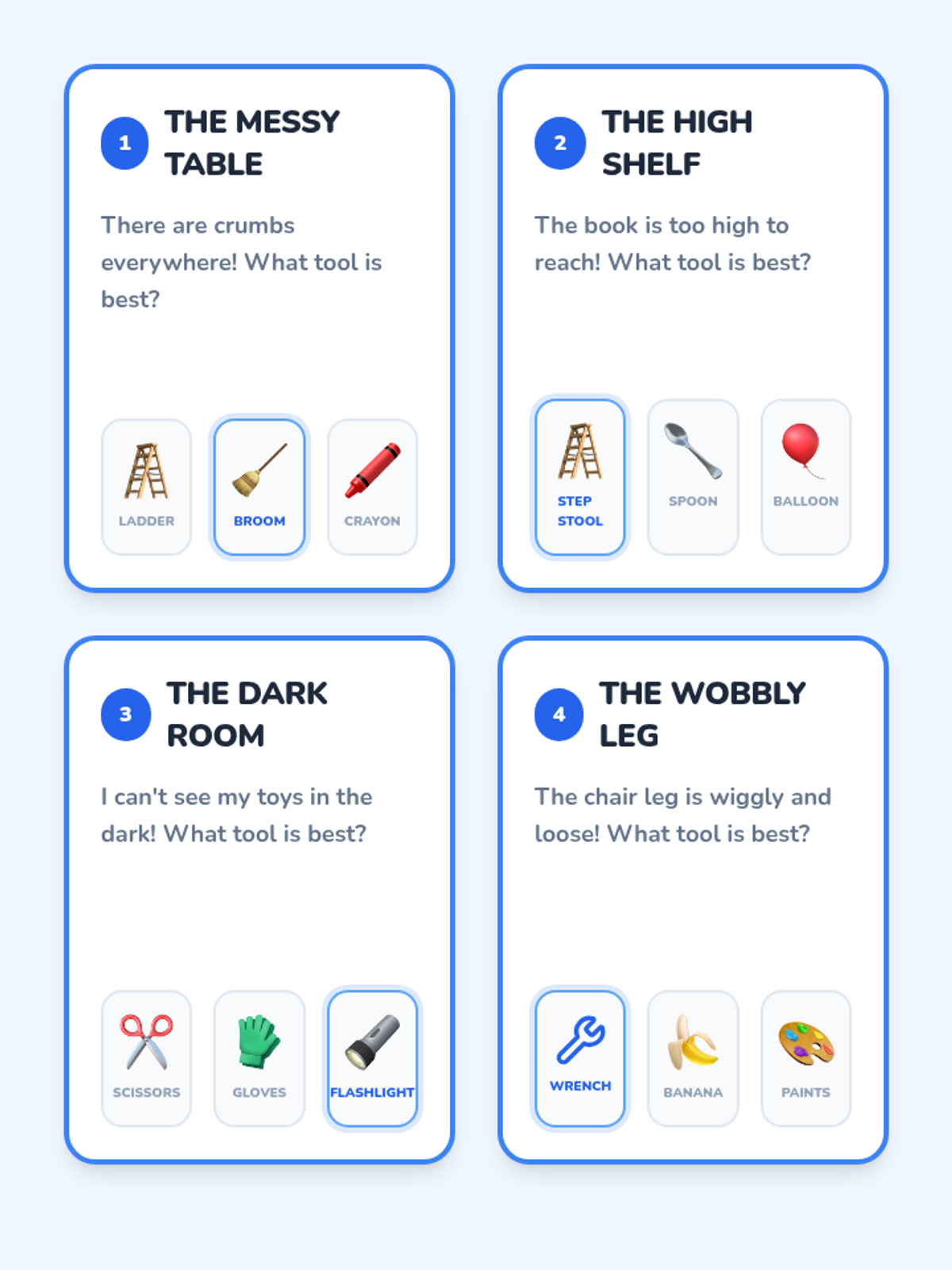
Students evaluate different tools and strategies to find the best fit for specific problems, strengthening the 'Think' phase of their routine.
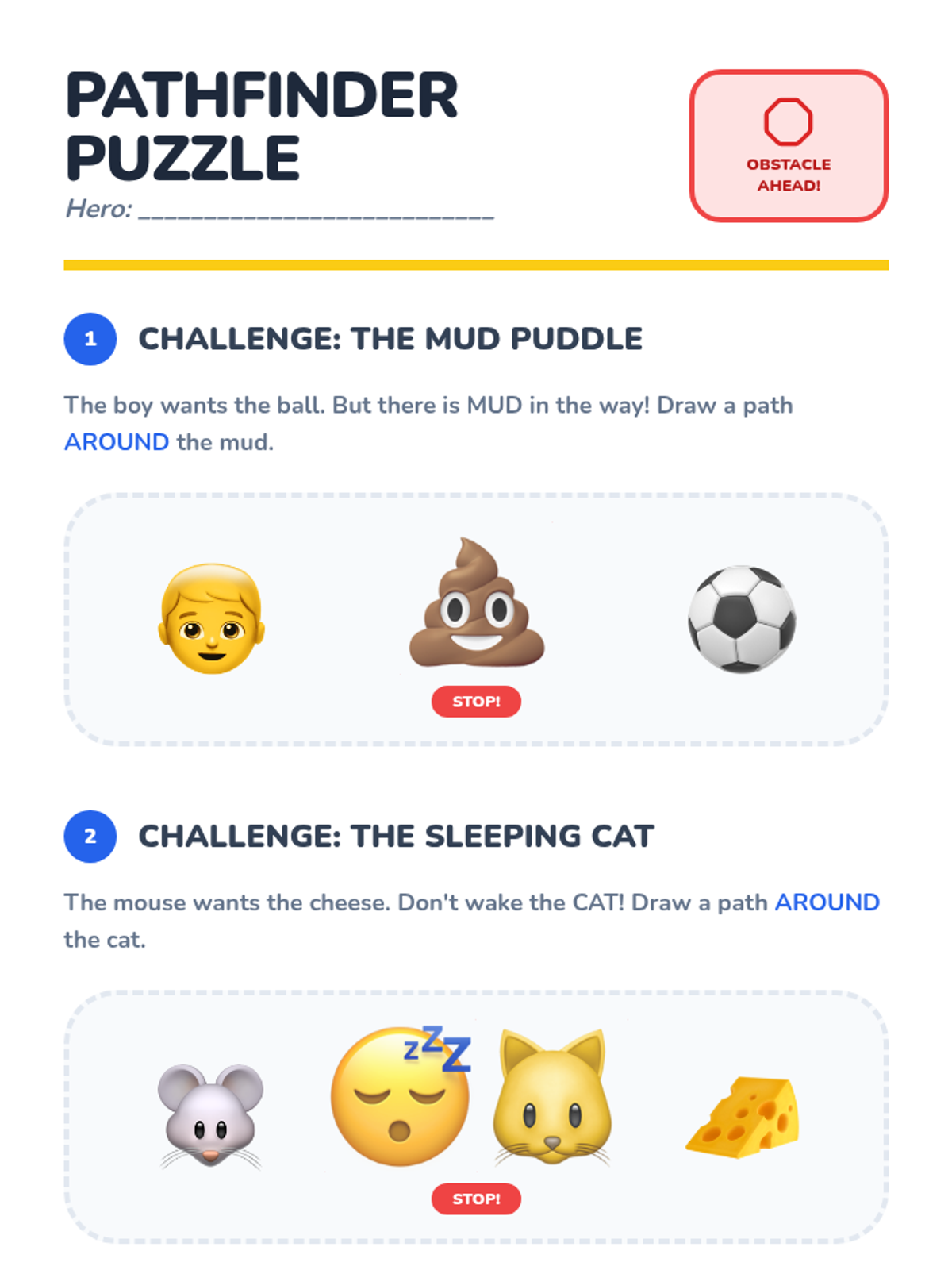
Students navigate mazes and physical obstacles by planning alternative routes when the direct path is blocked.
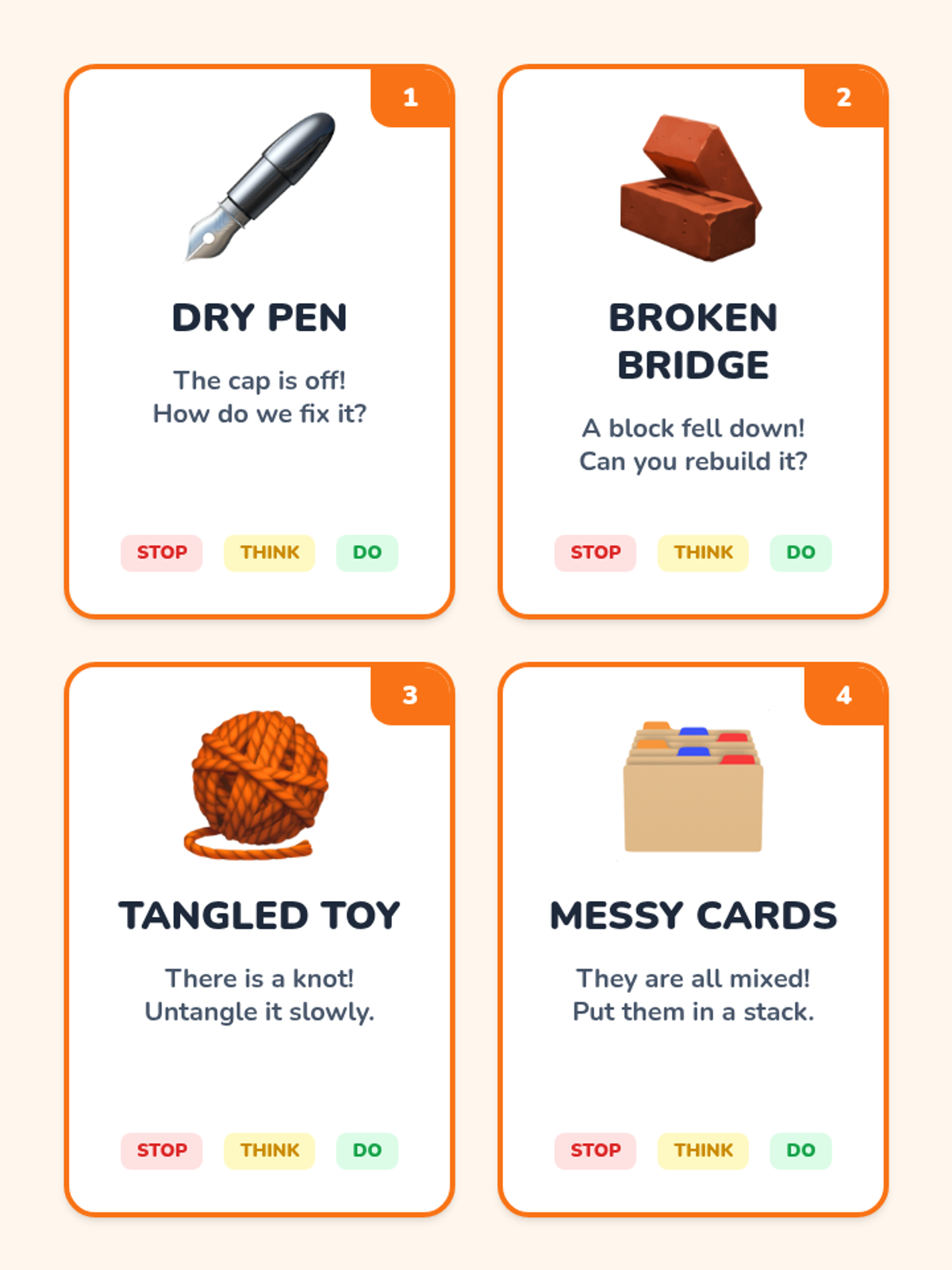
Students act as 'Toy Doctors' to fix simple broken objects, applying the problem-solving routine to concrete physical tasks.
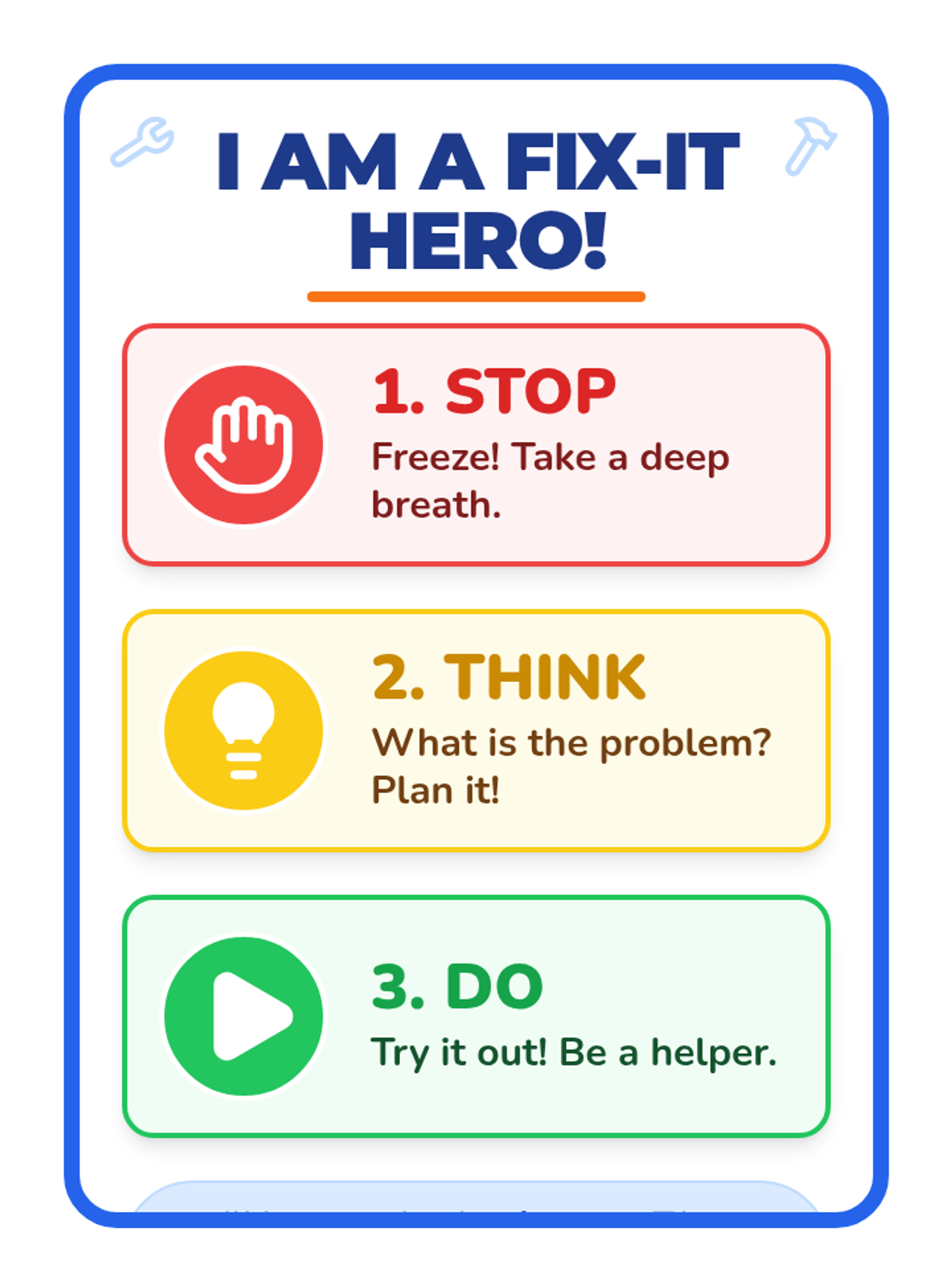
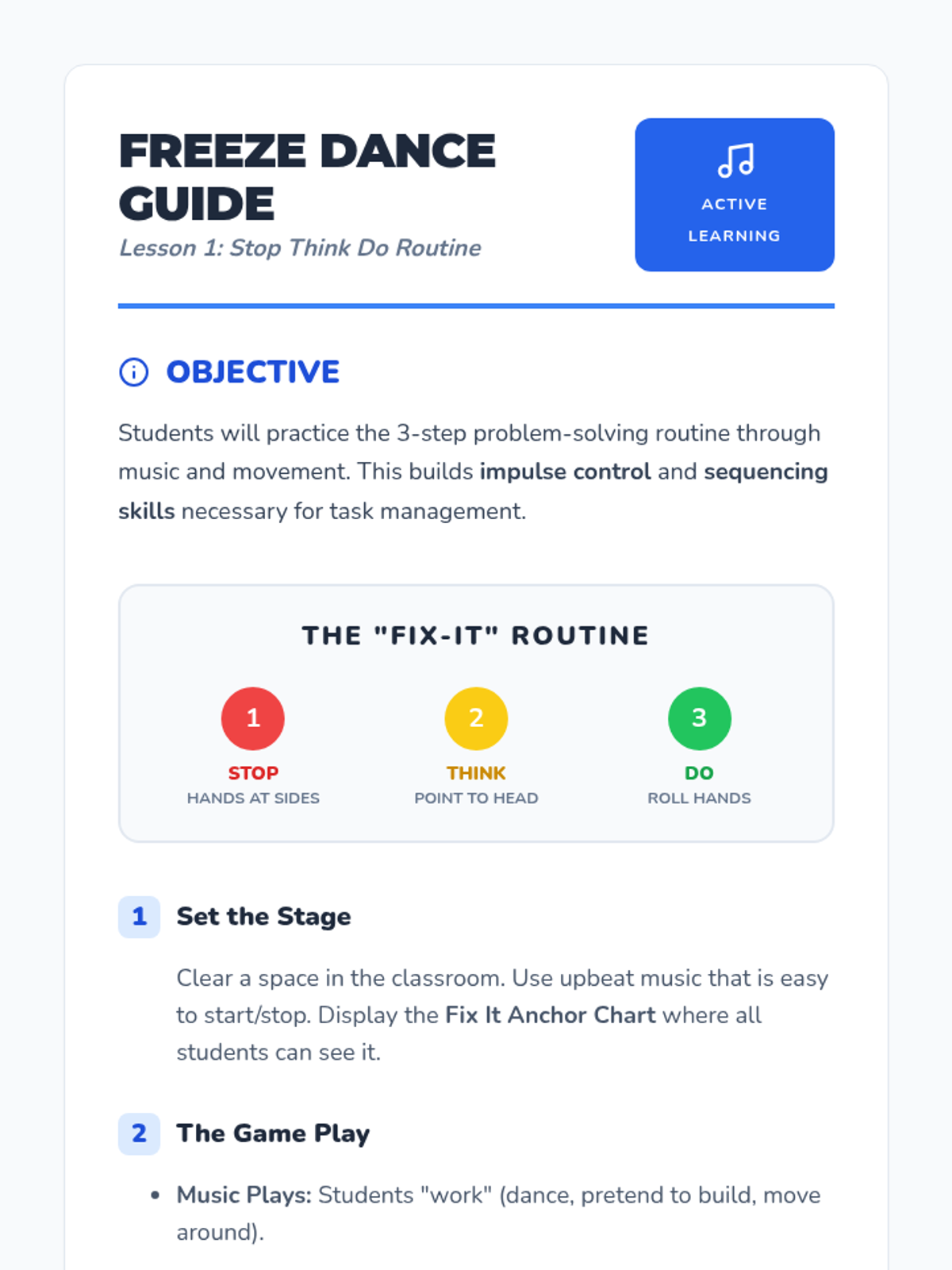
Students learn the 'Stop, Think, Do' movement routine and practice it through a freeze dance game to build inhibition and sequencing skills.
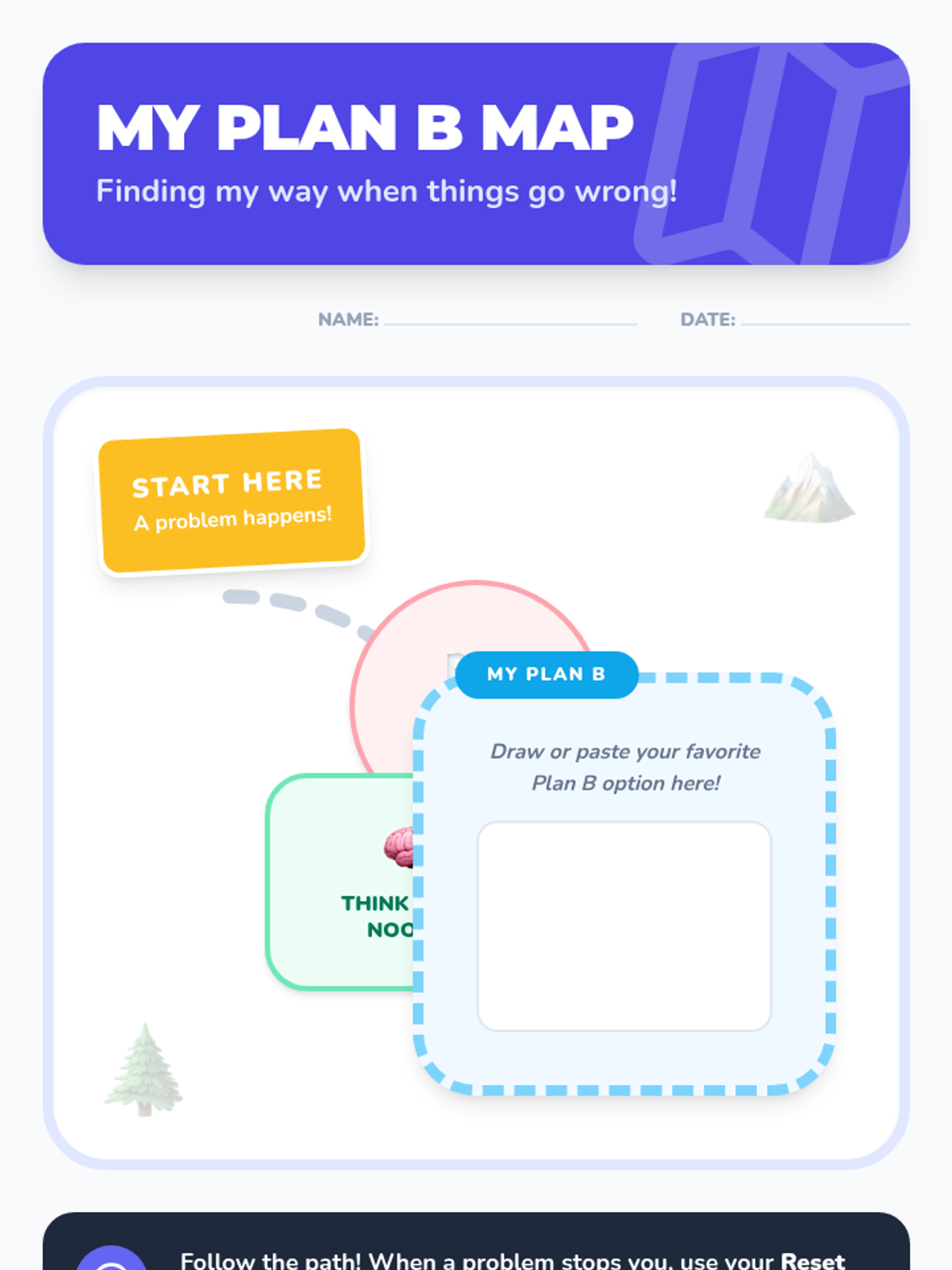
Students synthesize their learning by creating a personalized visual map of 'Plan B' options for common classroom obstacles.
Focuses on the skill of 'waiting' and choosing alternatives when preferred items are unavailable.
Students practice managing anxiety during schedule shifts by using visual aids and moving to a 'Plan B' activity.
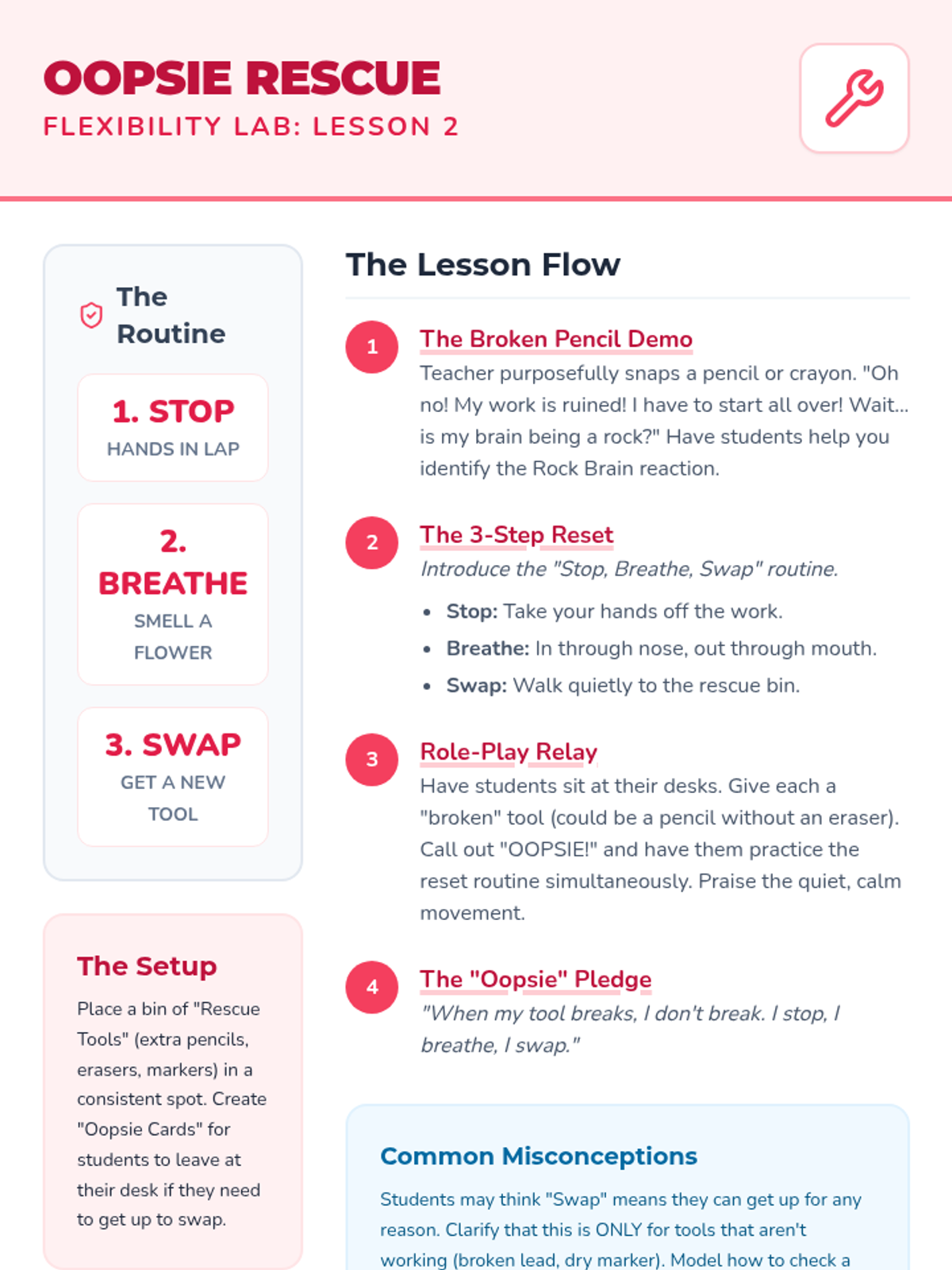
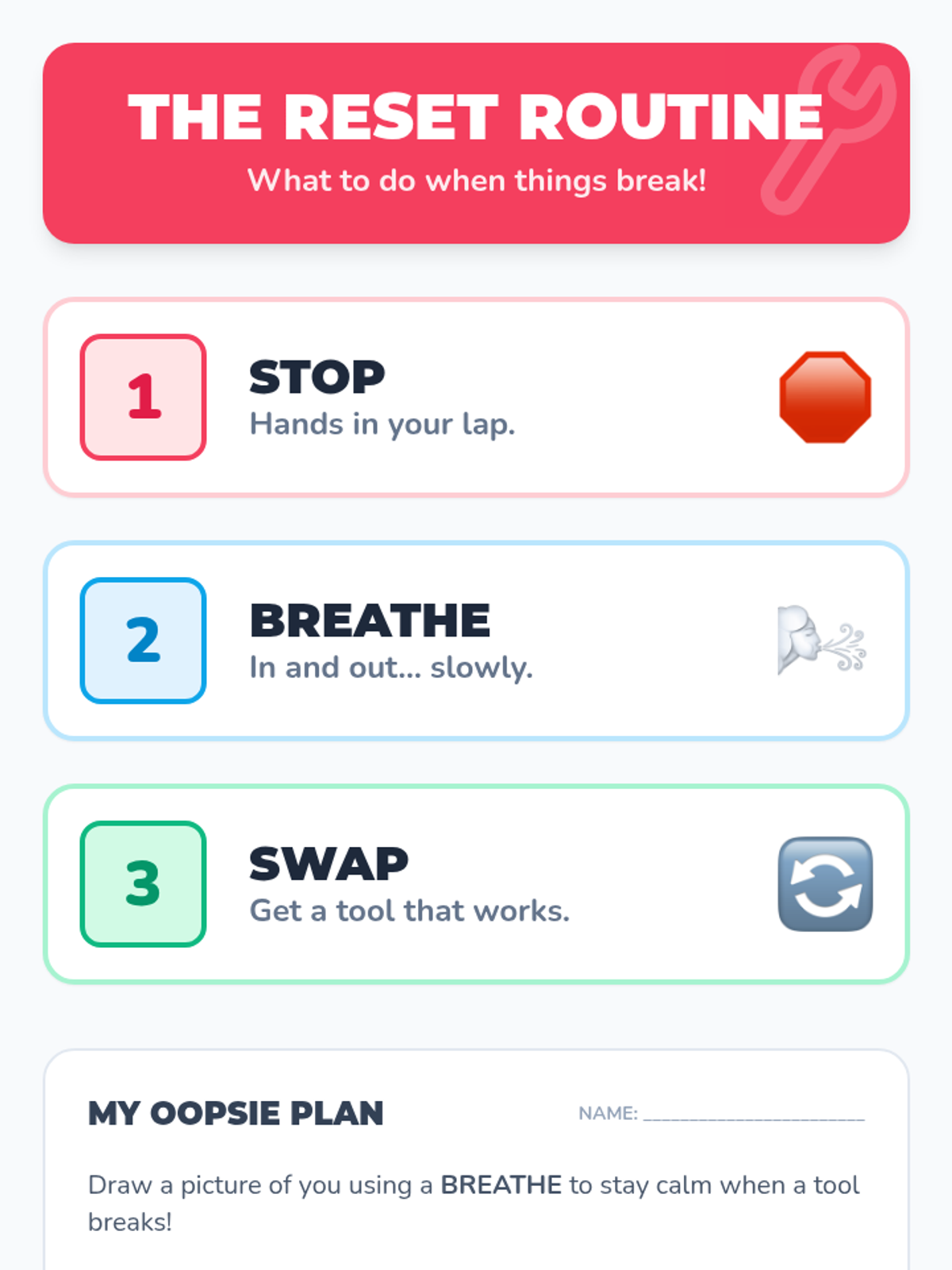
Students role-play tool breakage and practice a three-step reset routine: Stop, Breathe, Swap to maintain emotional regulation.
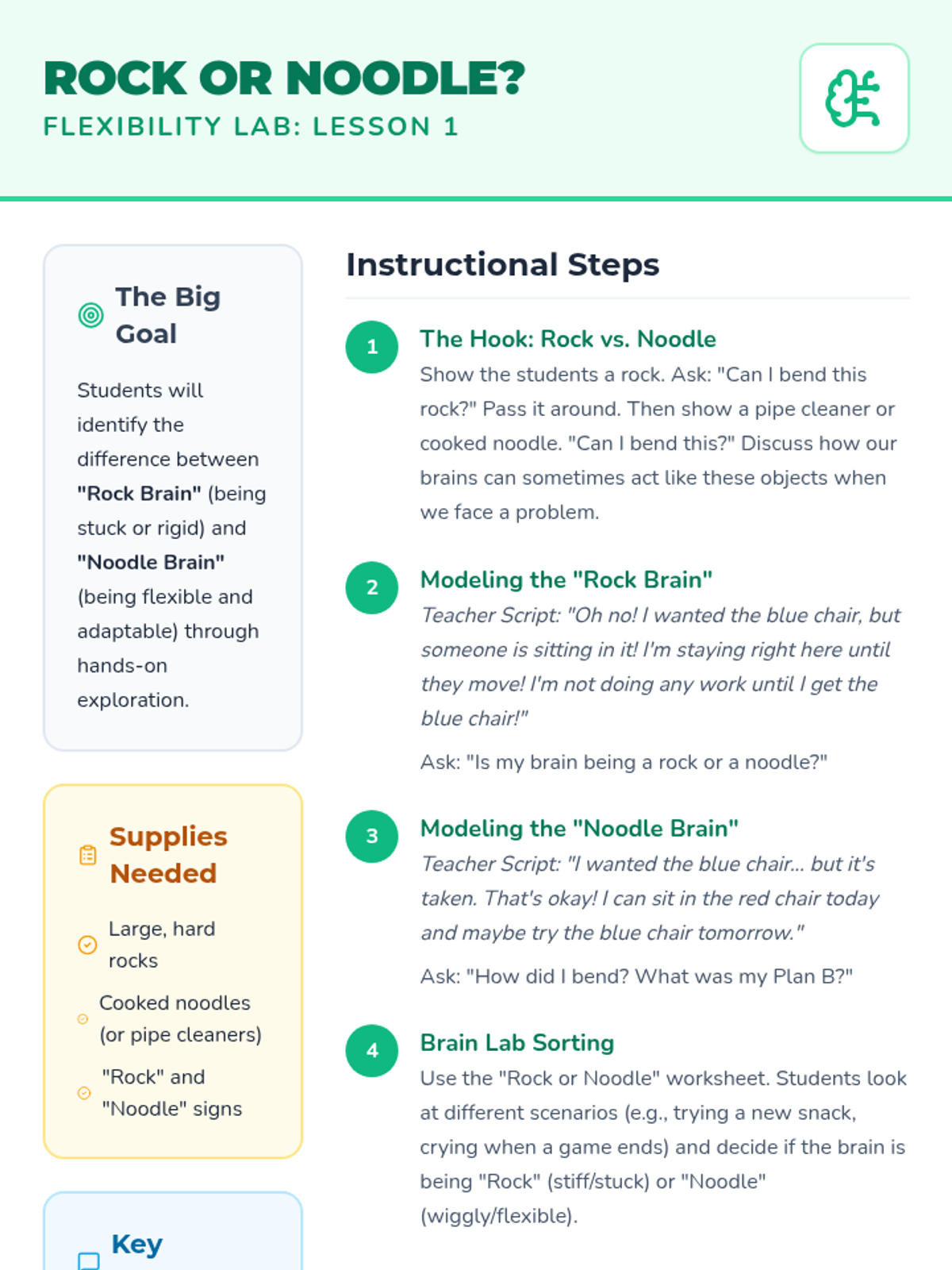
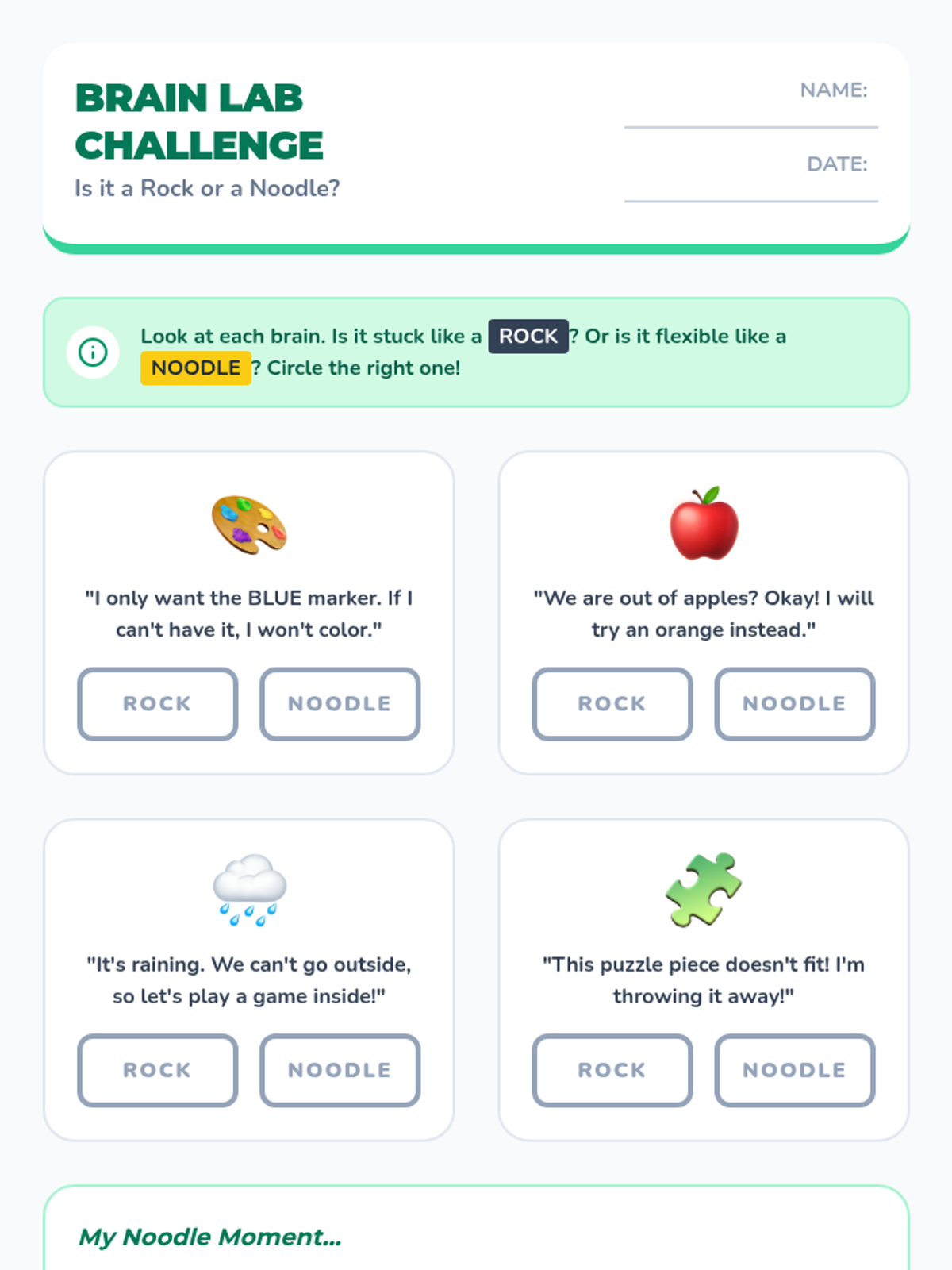
Students explore the difference between 'rock brain' (stuck) and 'noodle brain' (flexible) using physical objects and metaphors. They establish the core vocabulary for the unit.
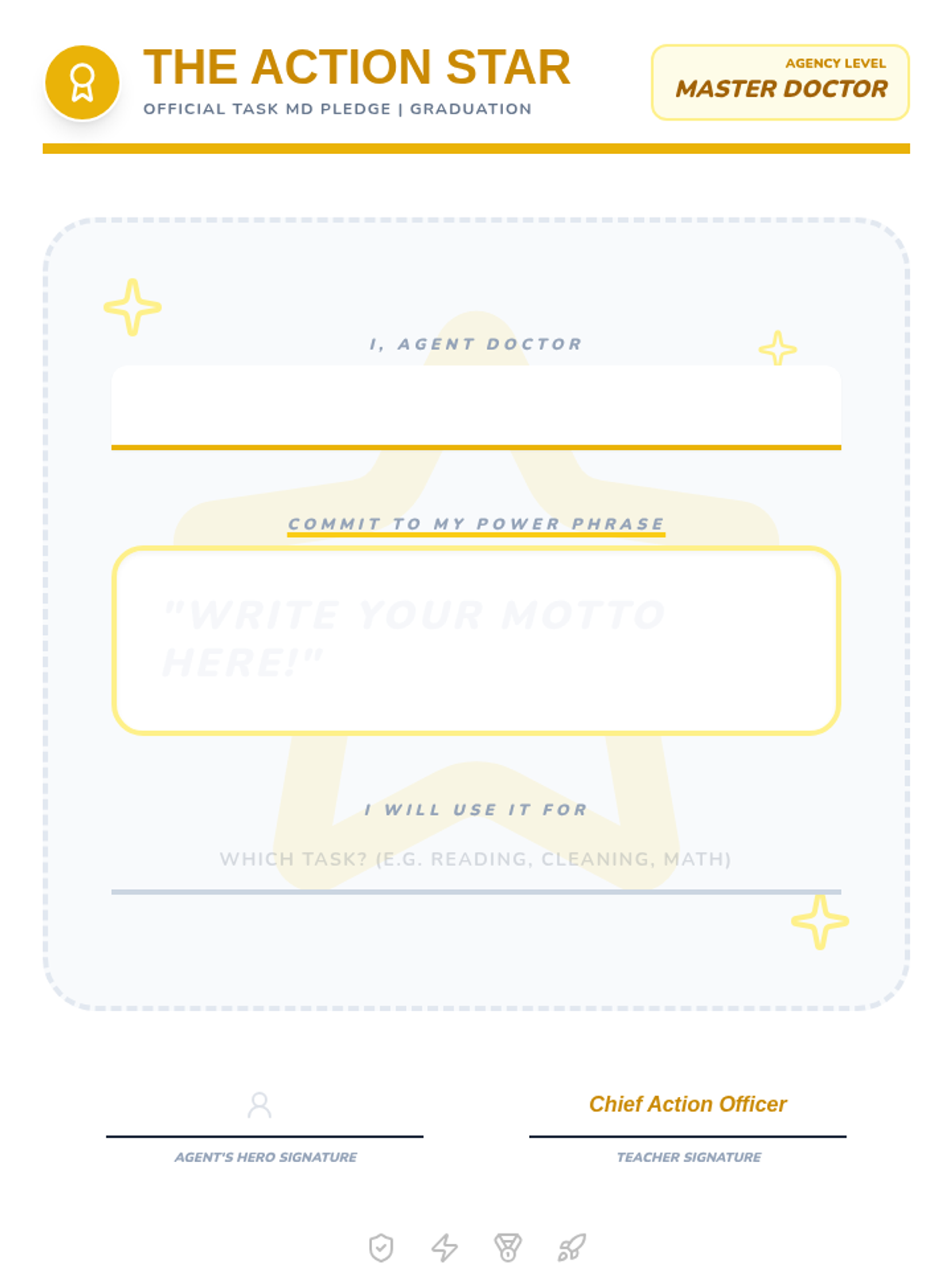
Students identify their own barriers to starting work and select a personal 'Power Phrase' motto for future tasks.
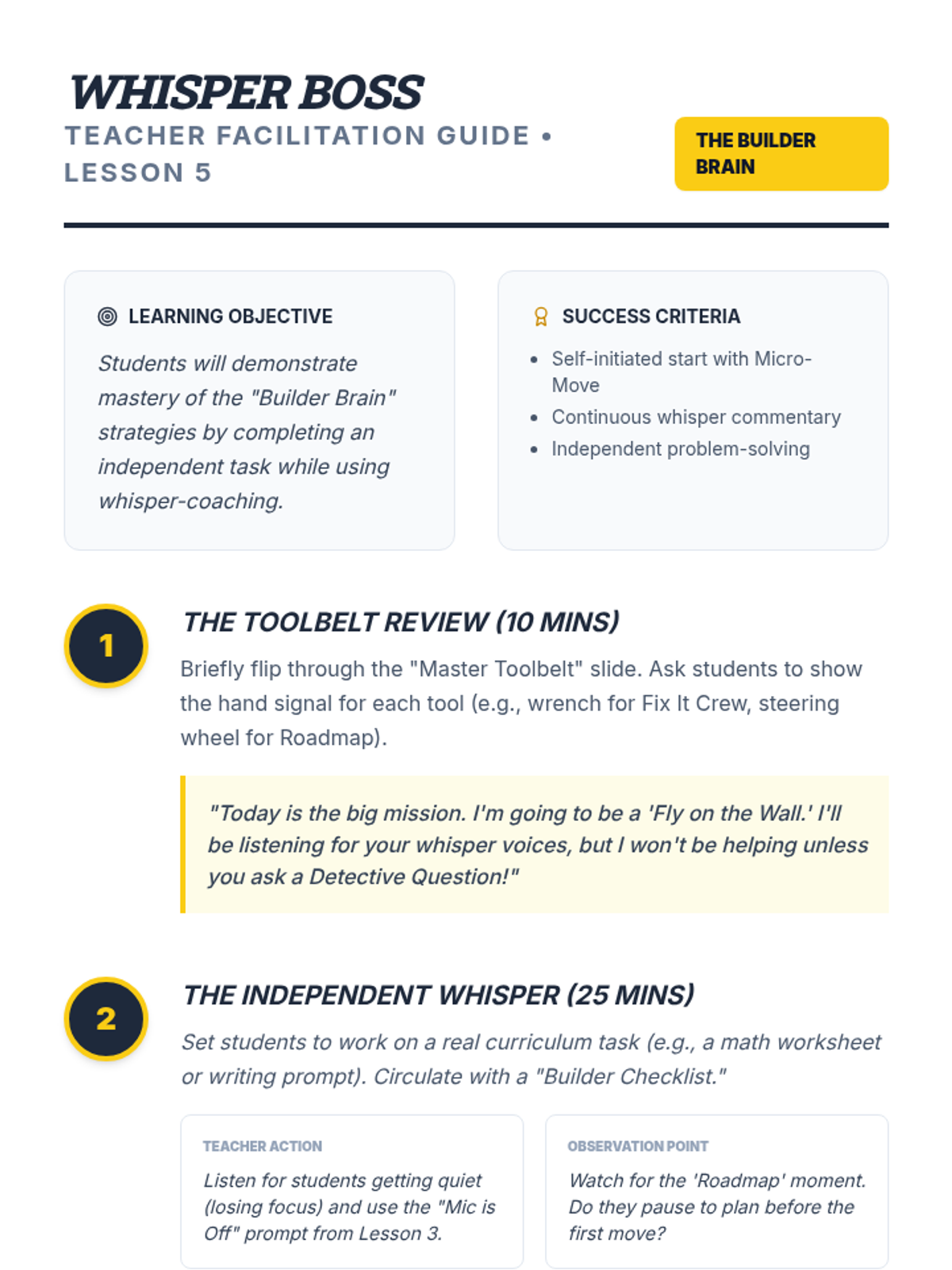
Students apply the breakdown and narration techniques to a real independent work session. The teacher circulates to listen for 'whisper coaching' as students initiate and sustain their work.
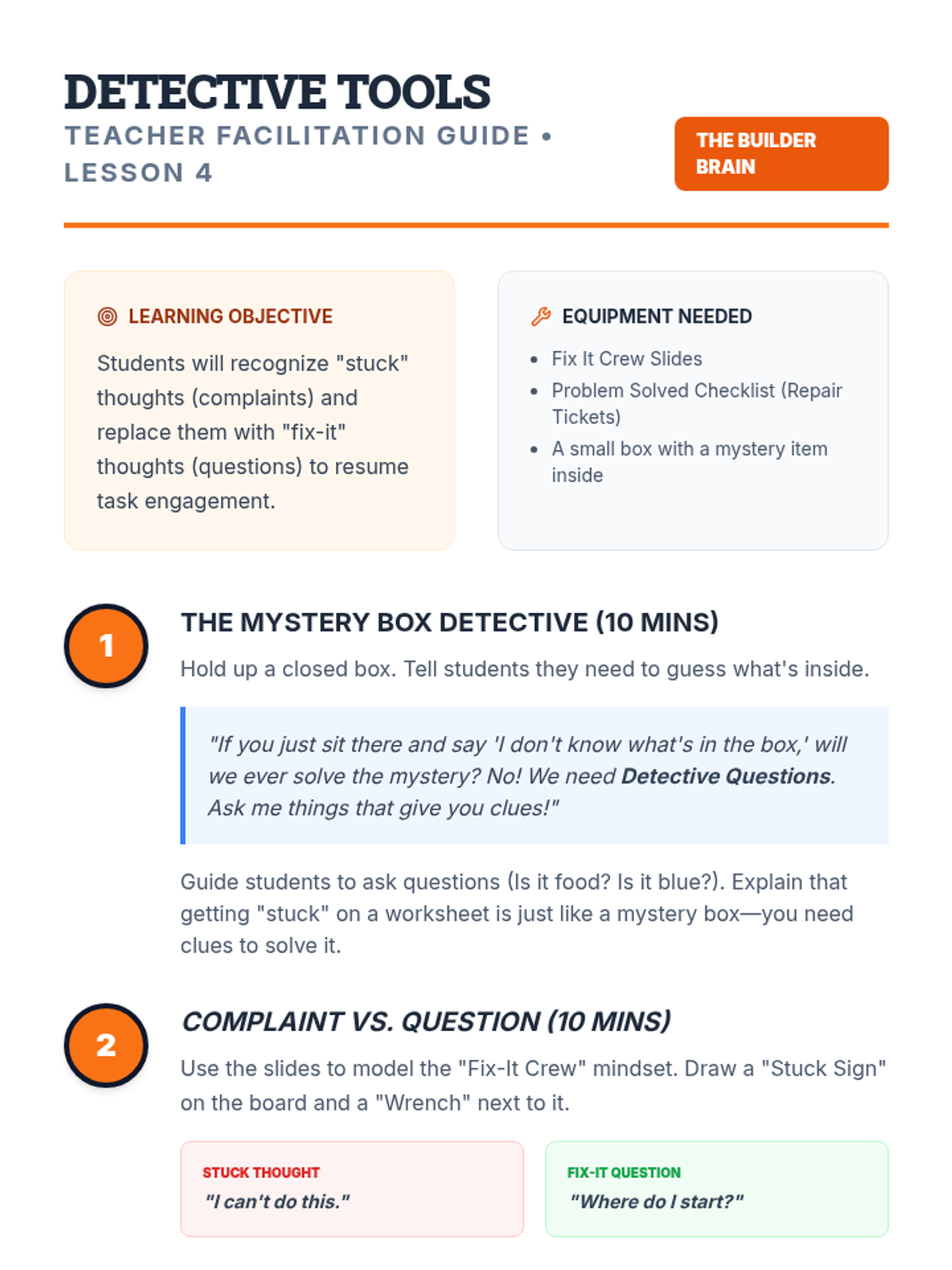
Students learn to ask themselves specific questions when they get stuck. This shifts the internal monologue from complaint to inquiry and problem-solving.
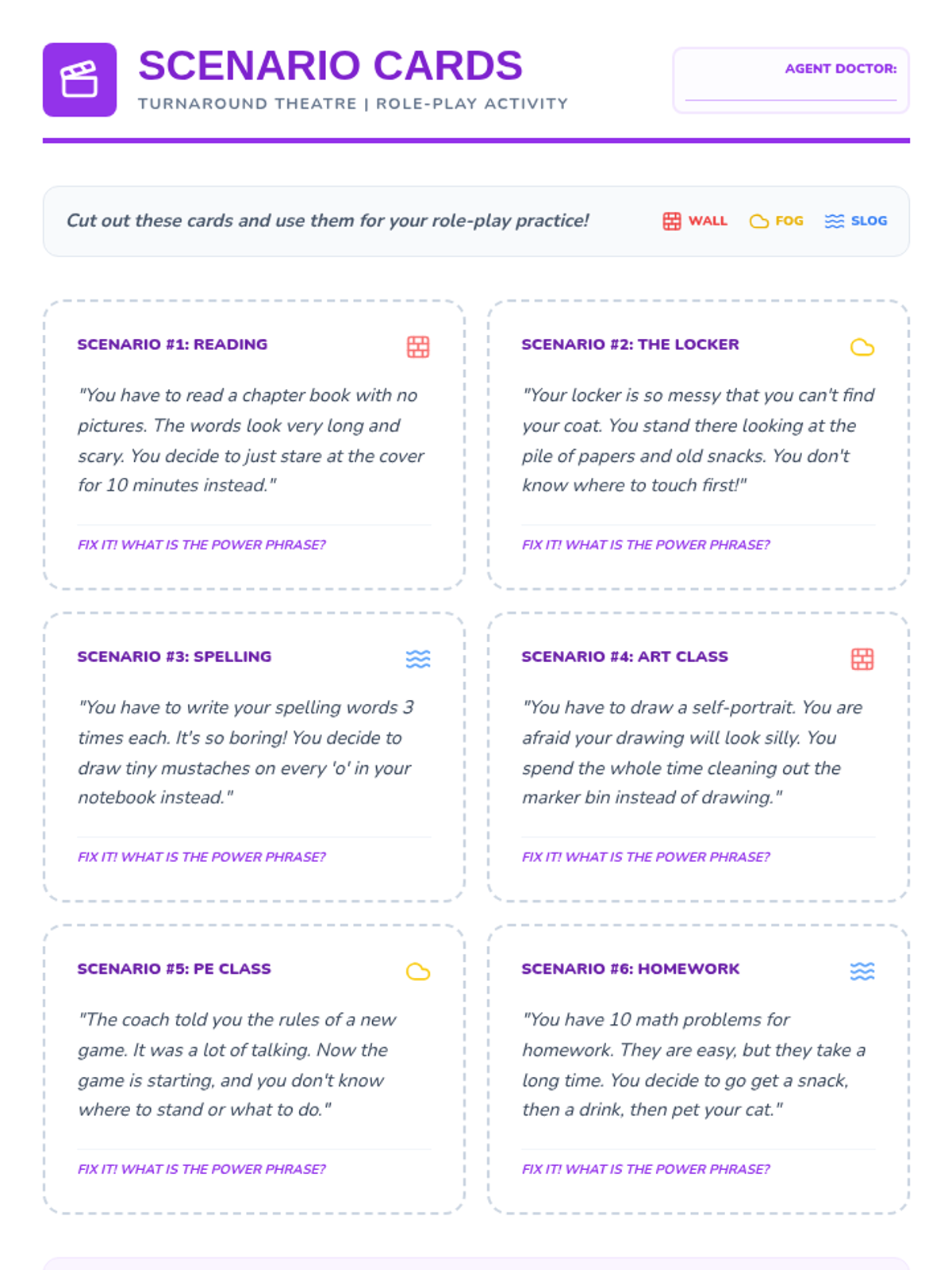
Students role-play scenarios where they help a peer get 'unstuck' using their self-talk prescriptions.
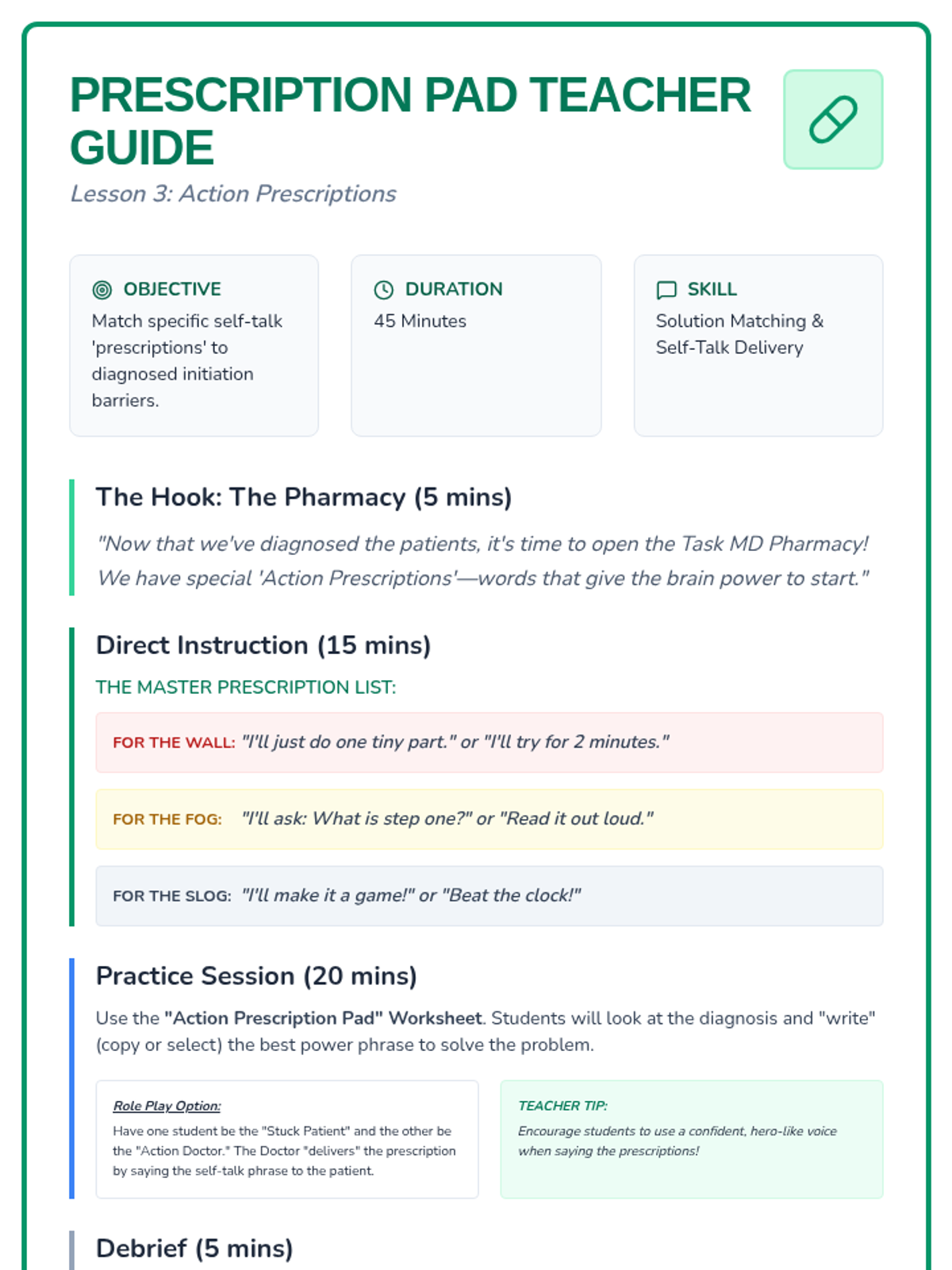
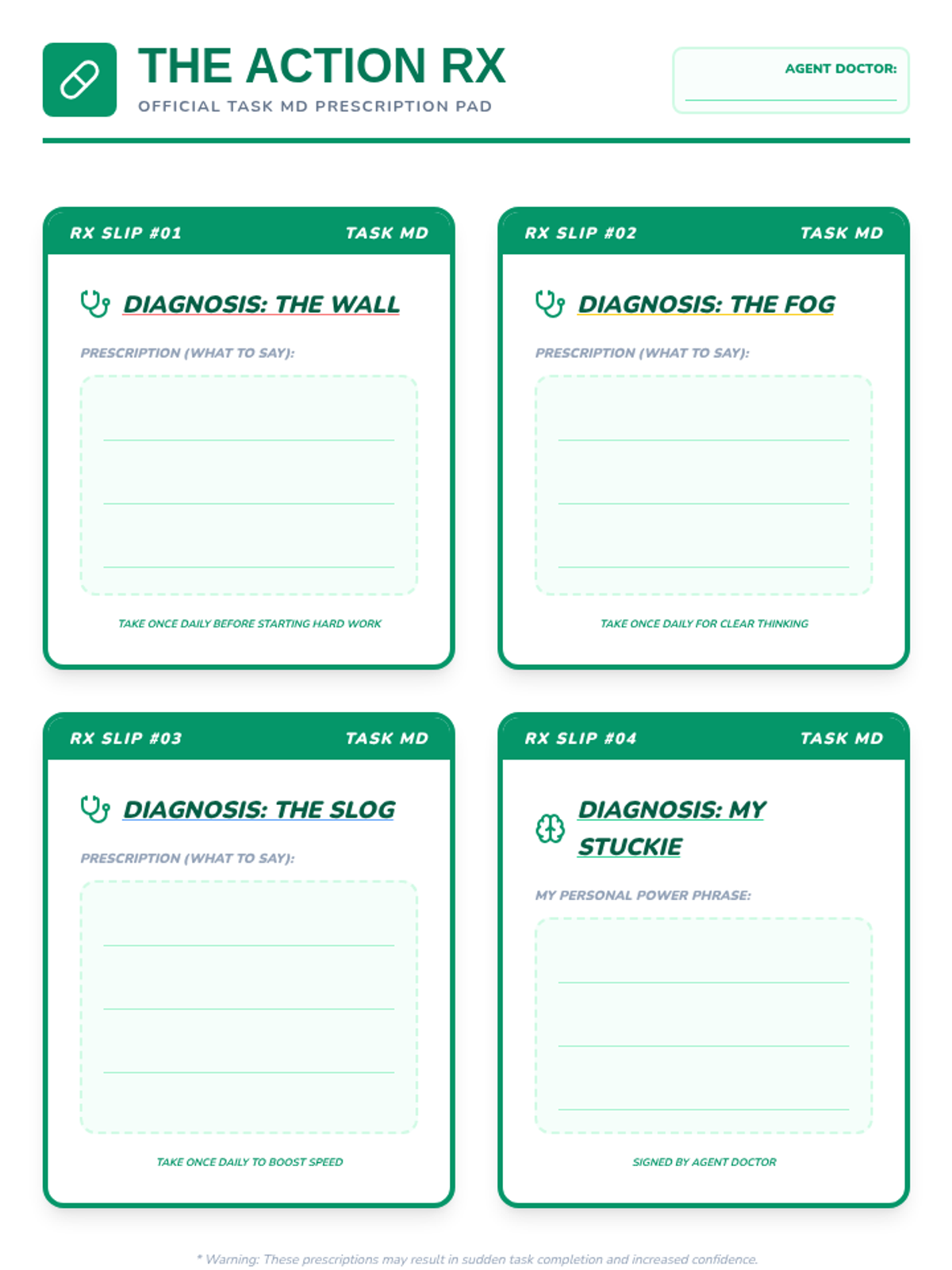
Students match specific self-talk 'prescriptions' to diagnosed problems and practice delivering these lines to characters.
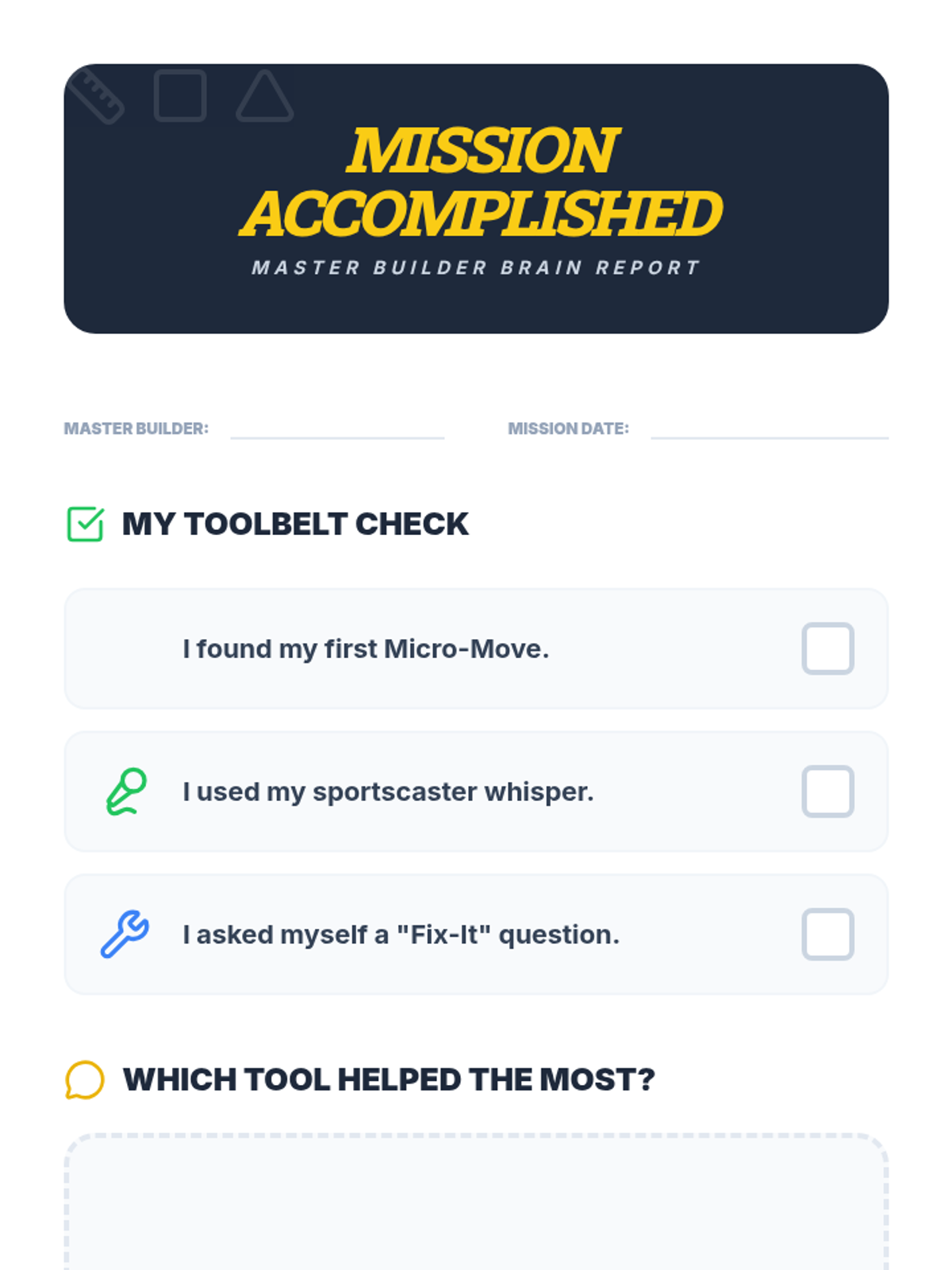
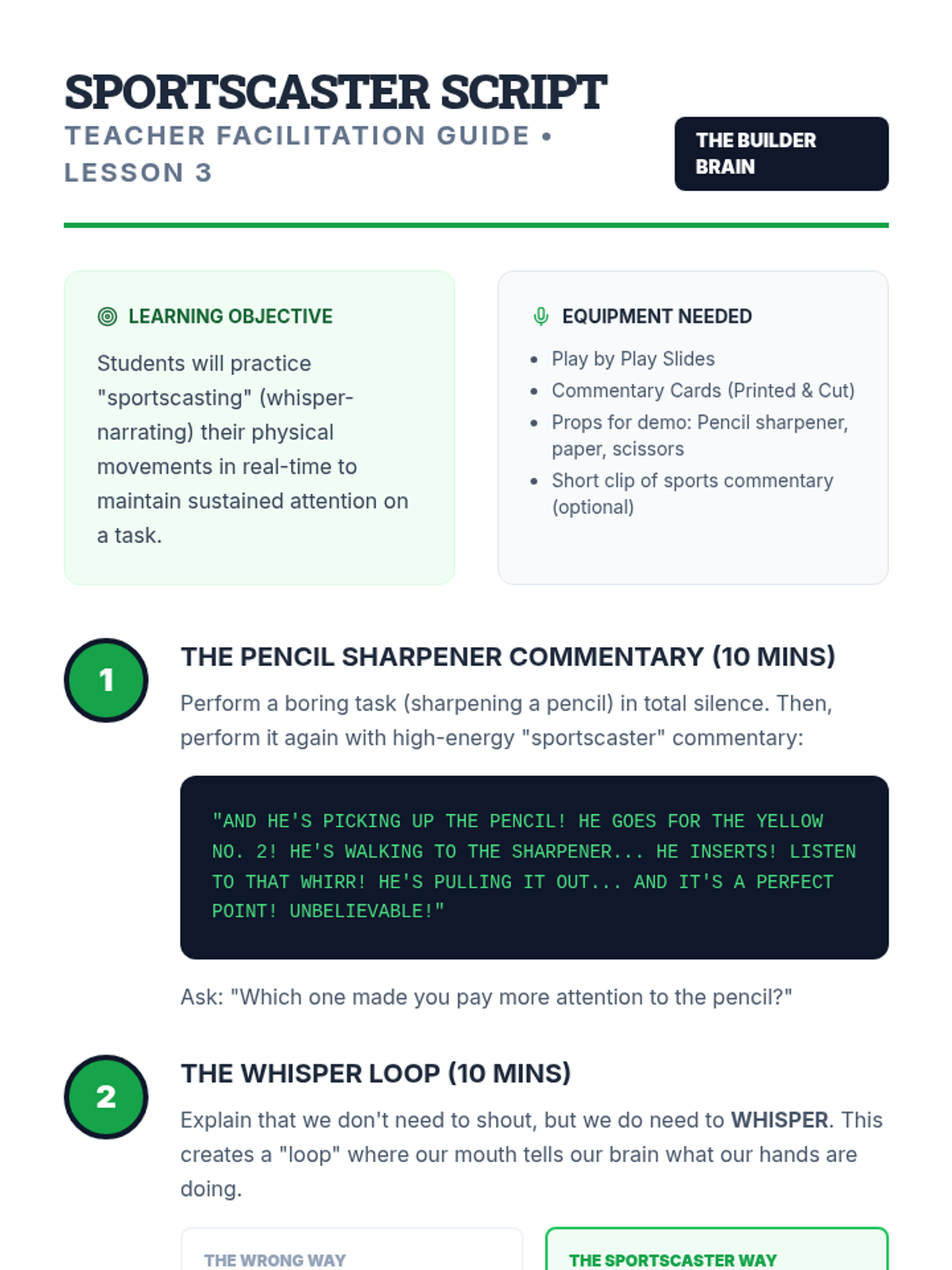
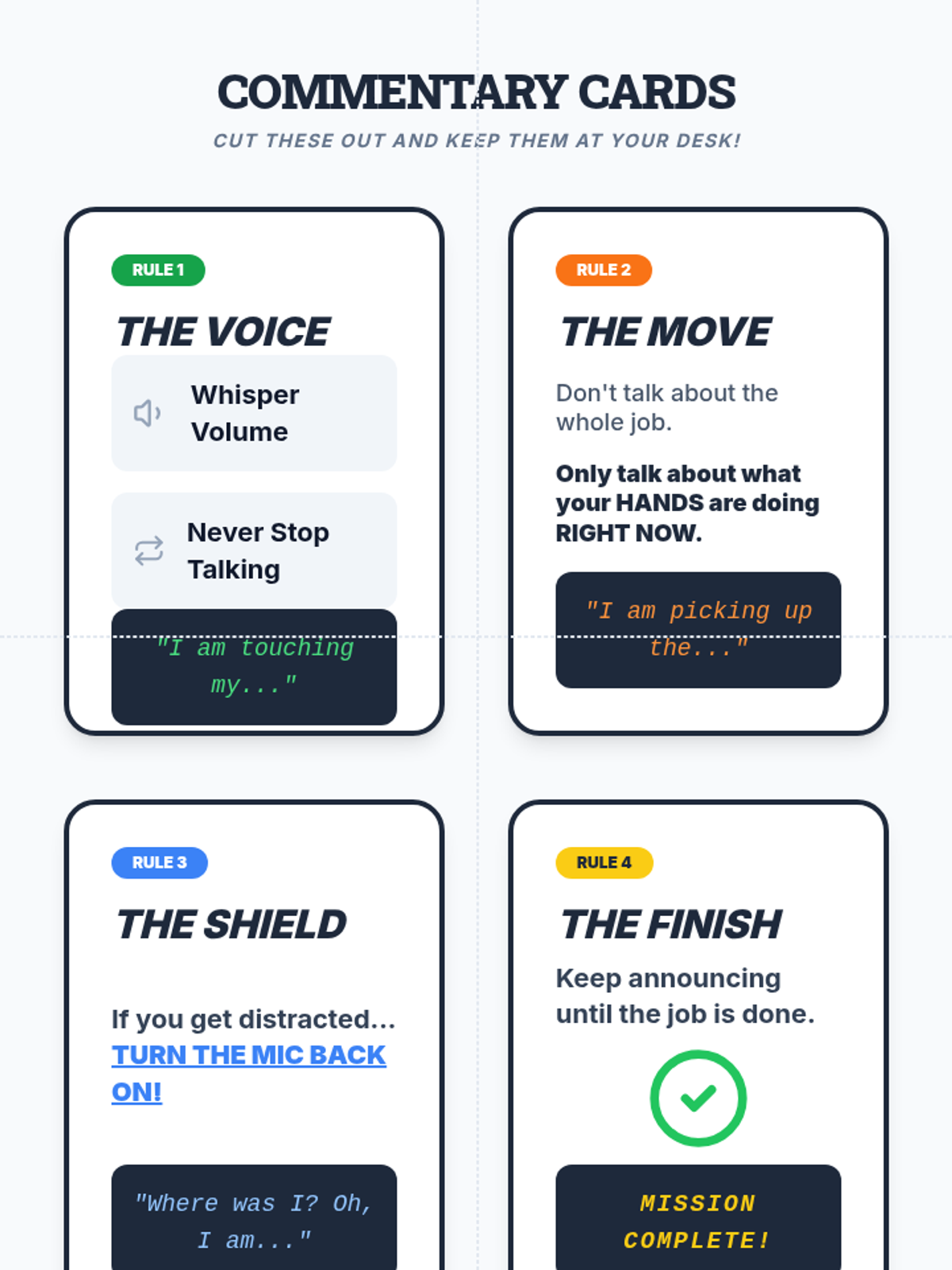
Students practice whispering their actions as they do them, similar to a sportscaster announcing a game. This continuous verbal loop helps prevent distraction and keeps the student engaged.
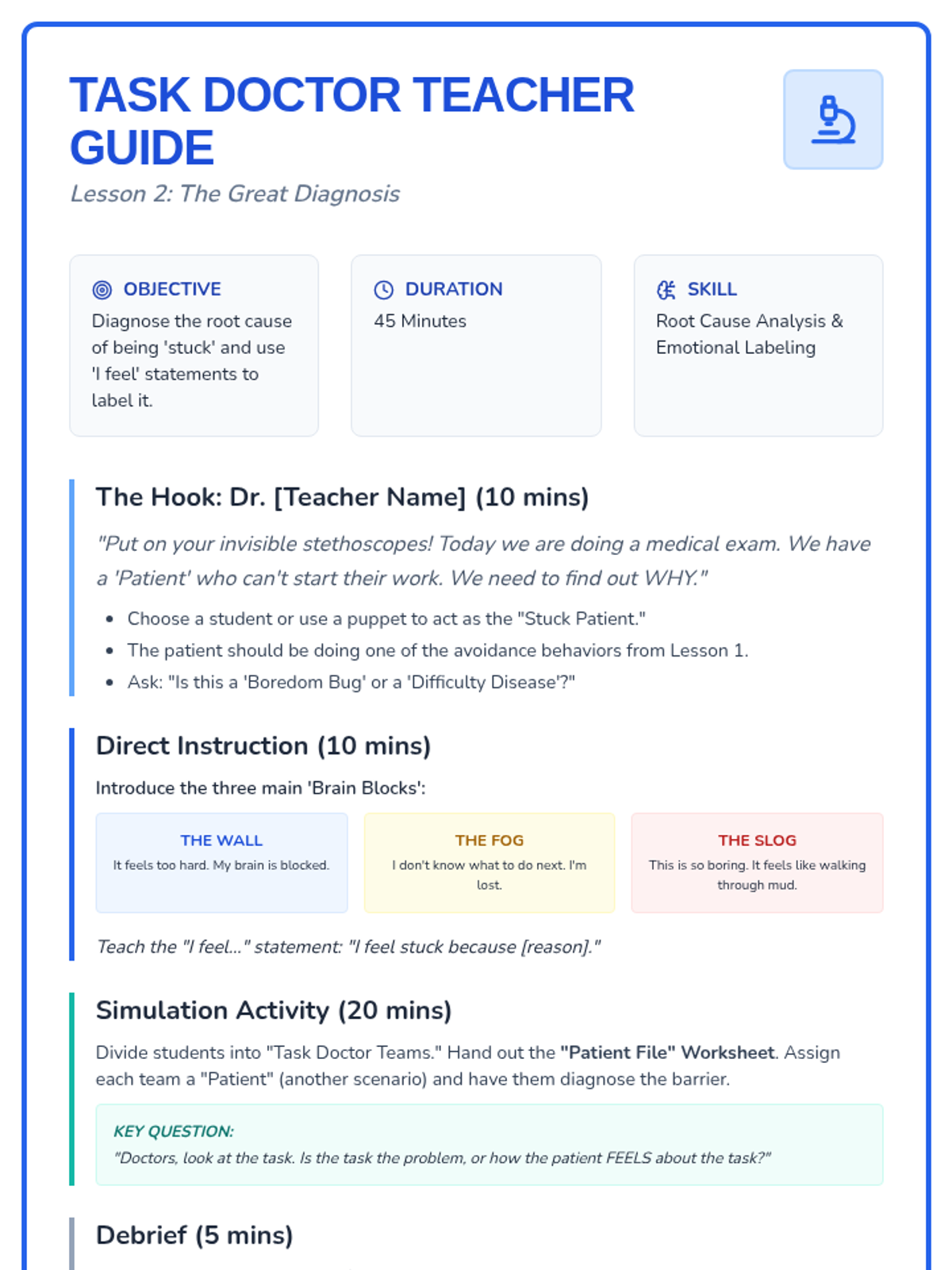
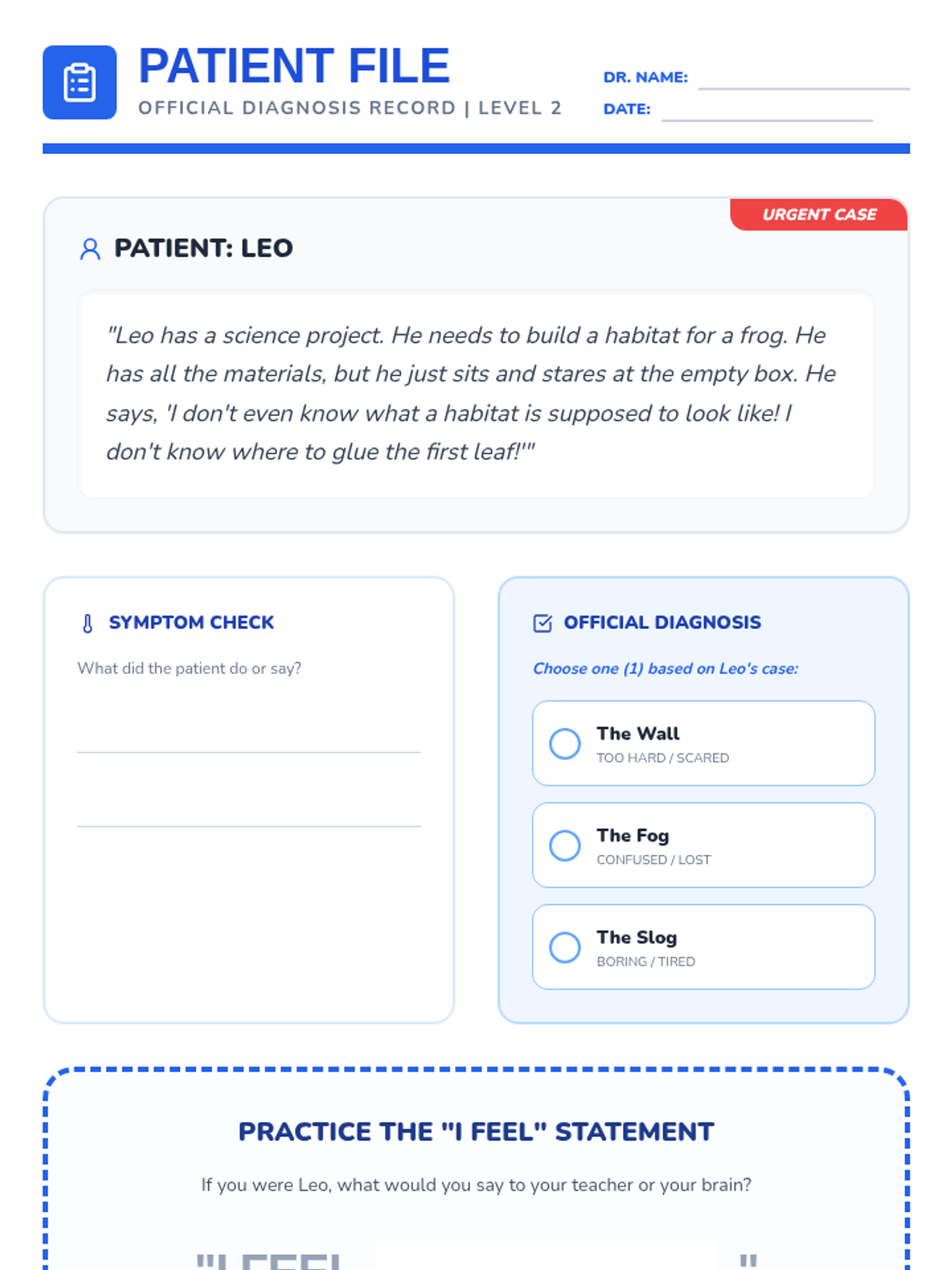
Students act as 'Task Doctors' to determine why a character is stuck (boredom, difficulty, fatigue) and practice labeling these emotions.
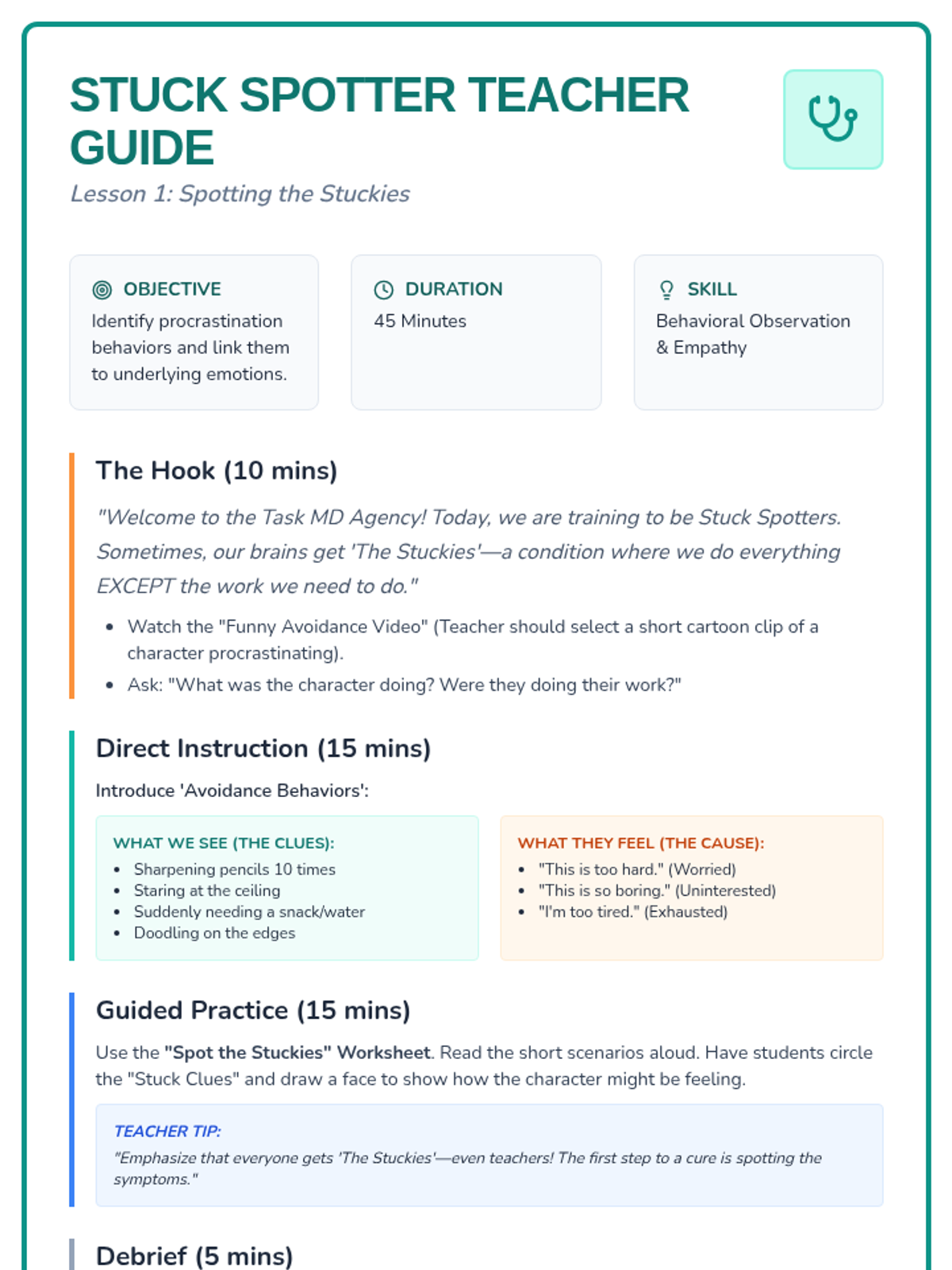
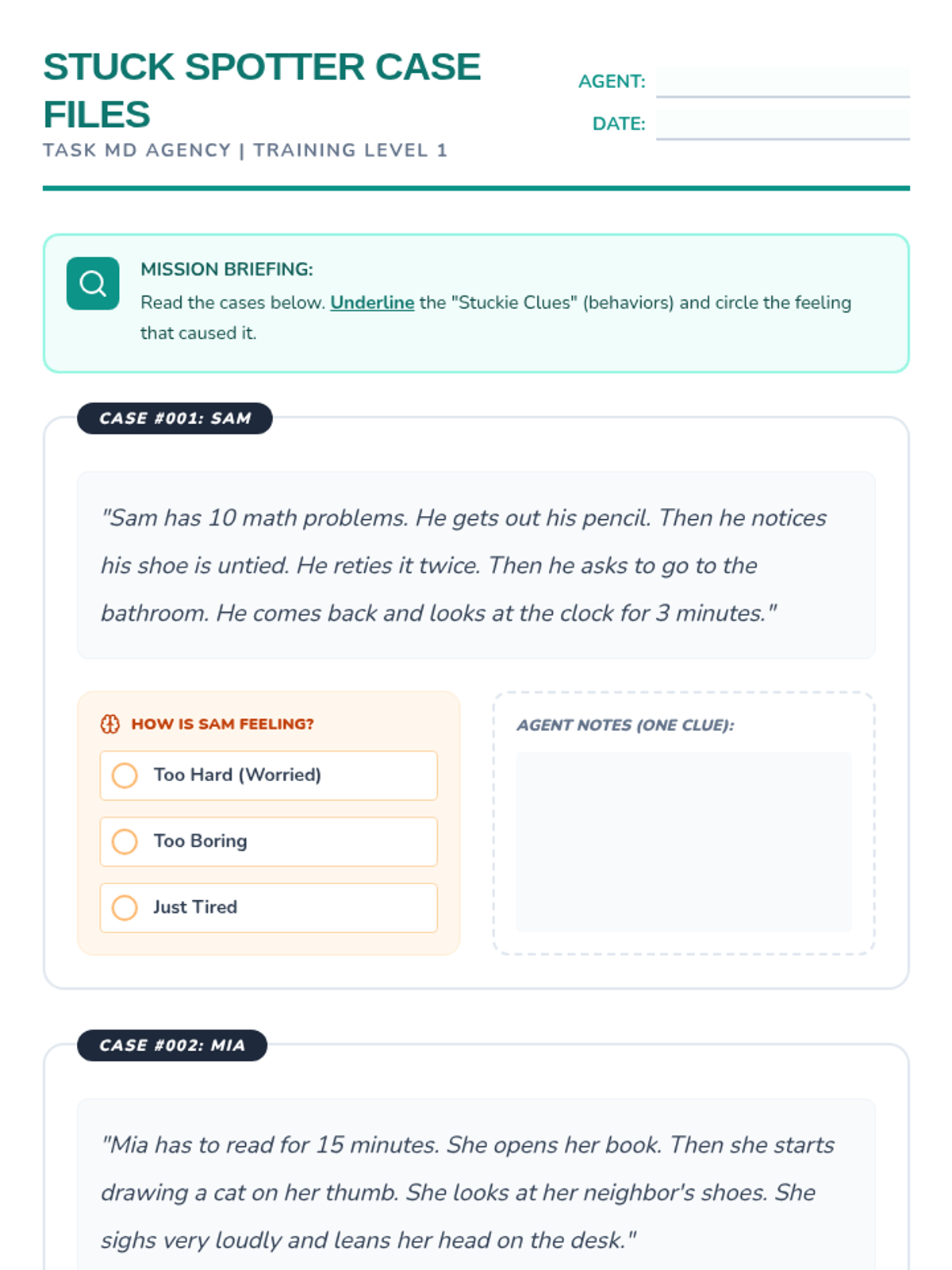
Students identify behaviors that show someone is avoiding work and brainstorm what emotions might be driving those behaviors through case studies.
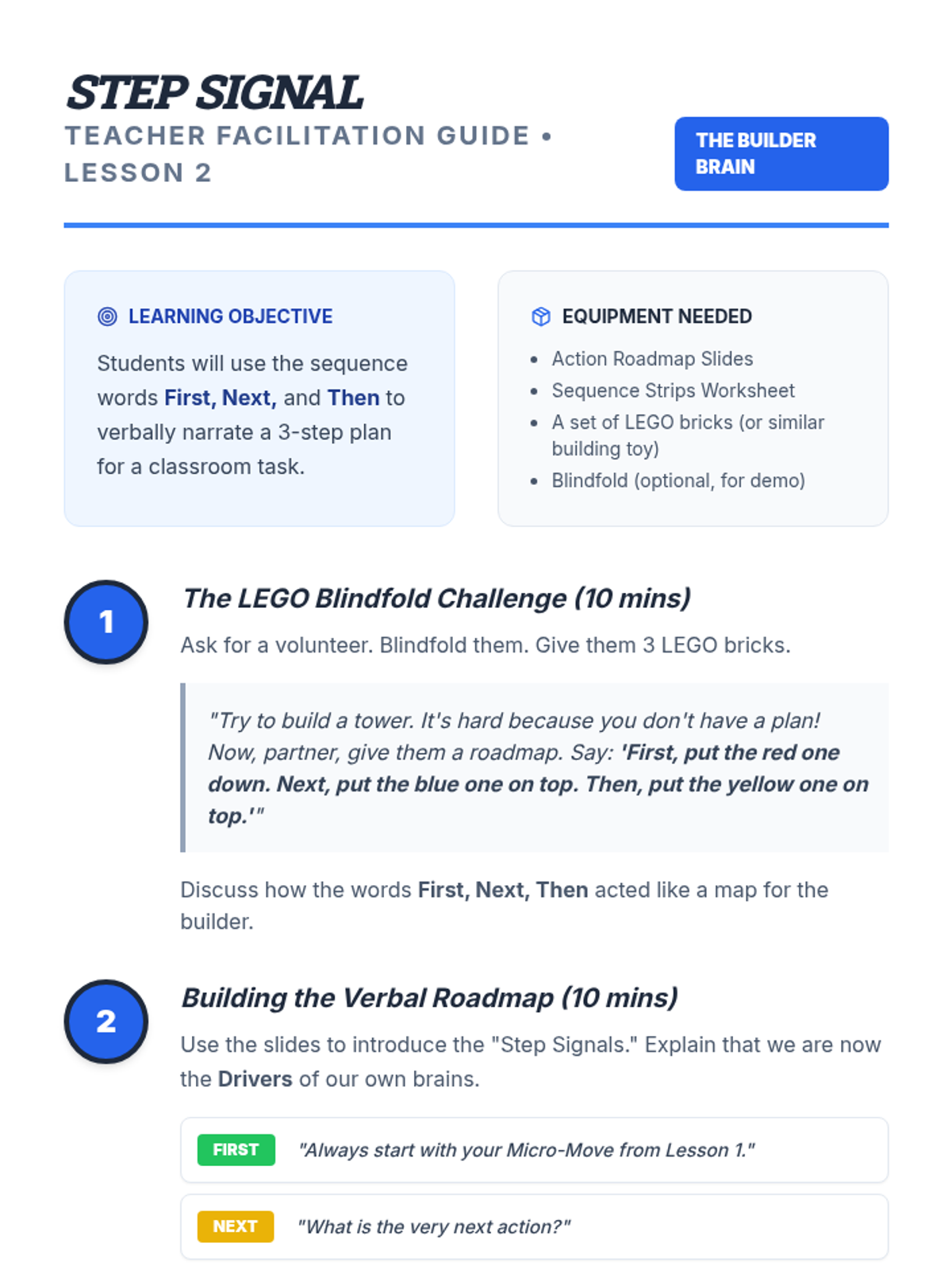
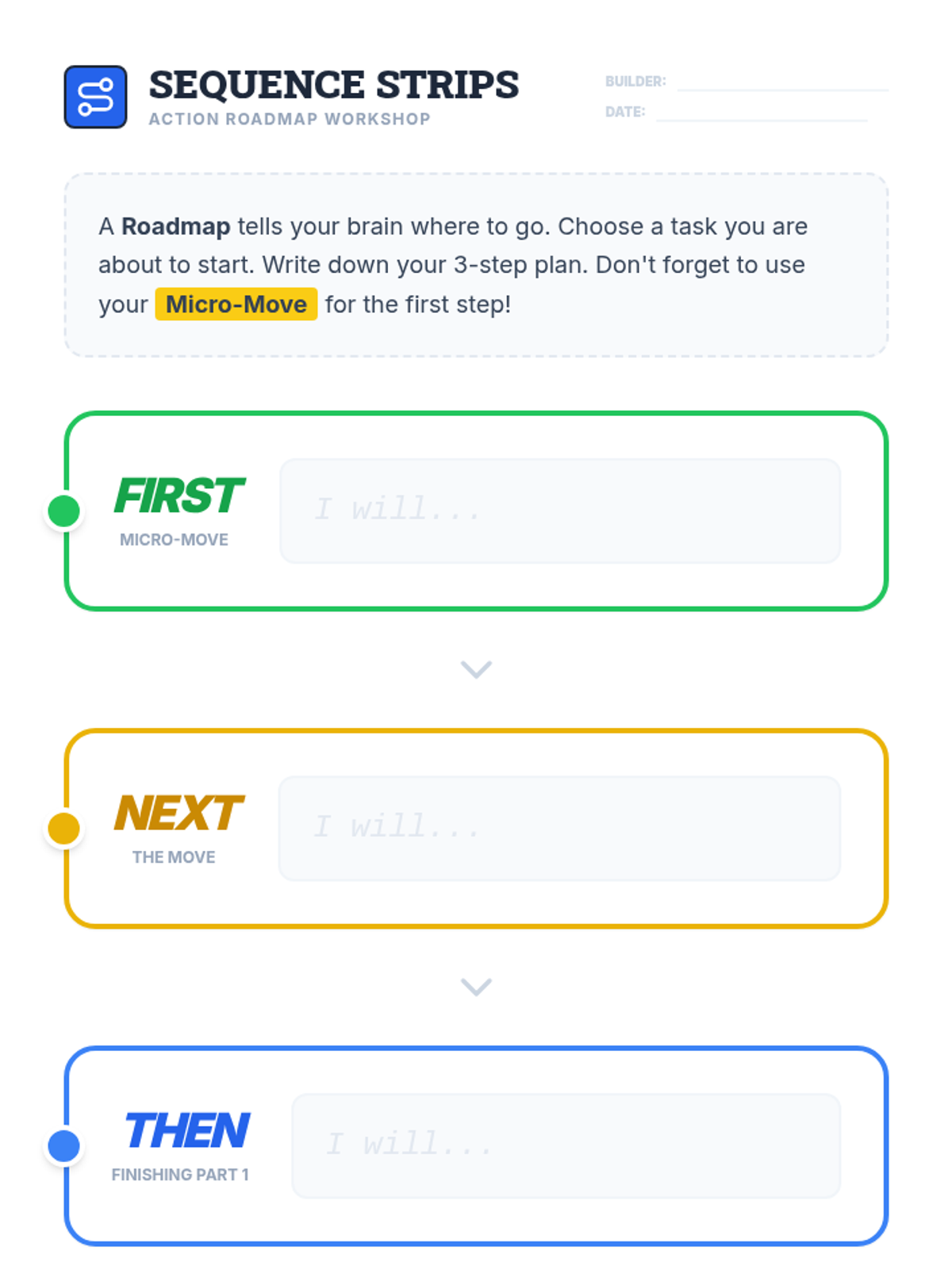
Students practice using the words 'First,' 'Next,' and 'Then' to create a verbal roadmap. They verbally plan a simple classroom routine, ensuring they can narrate the order of operations before beginning.
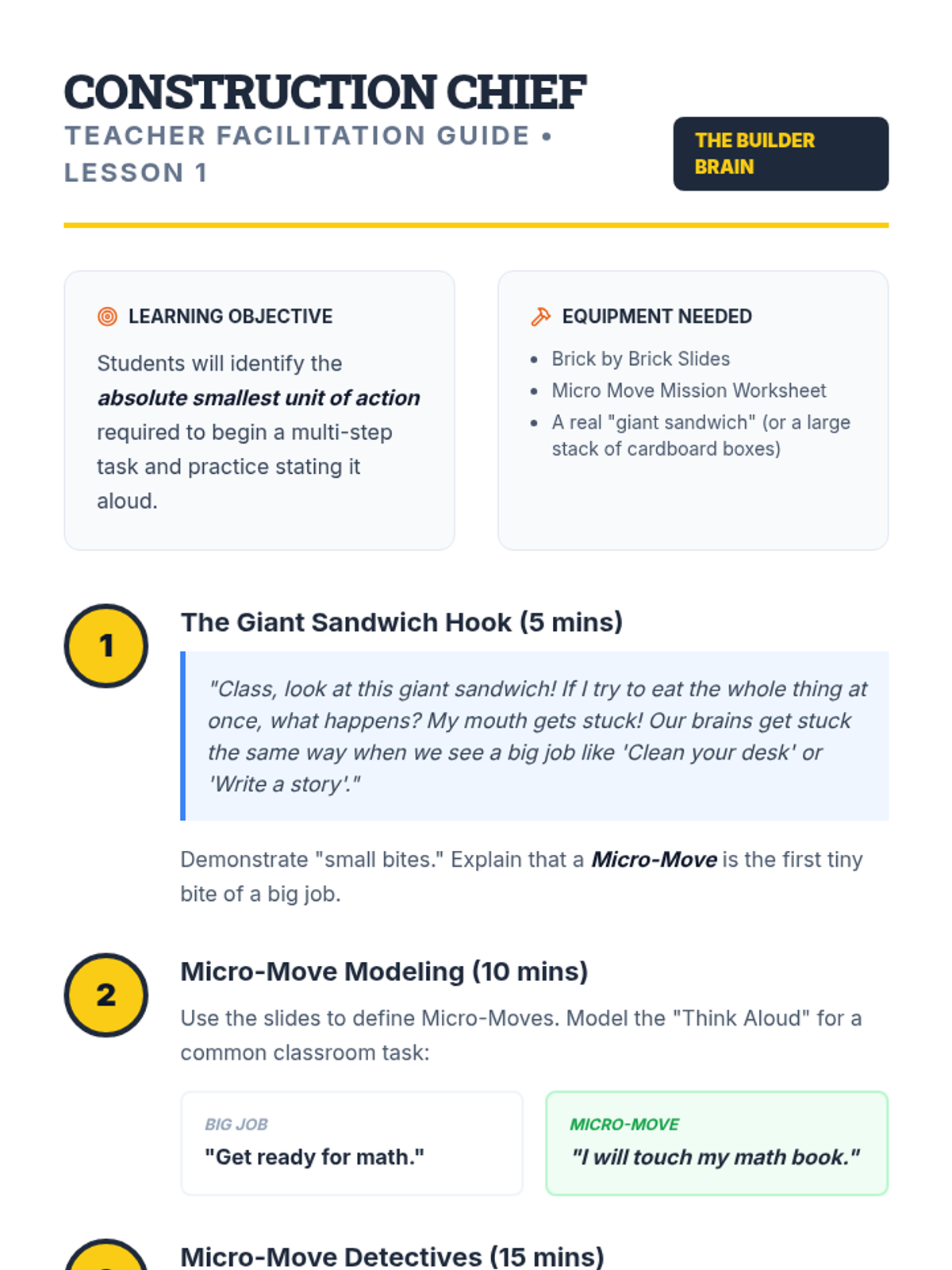
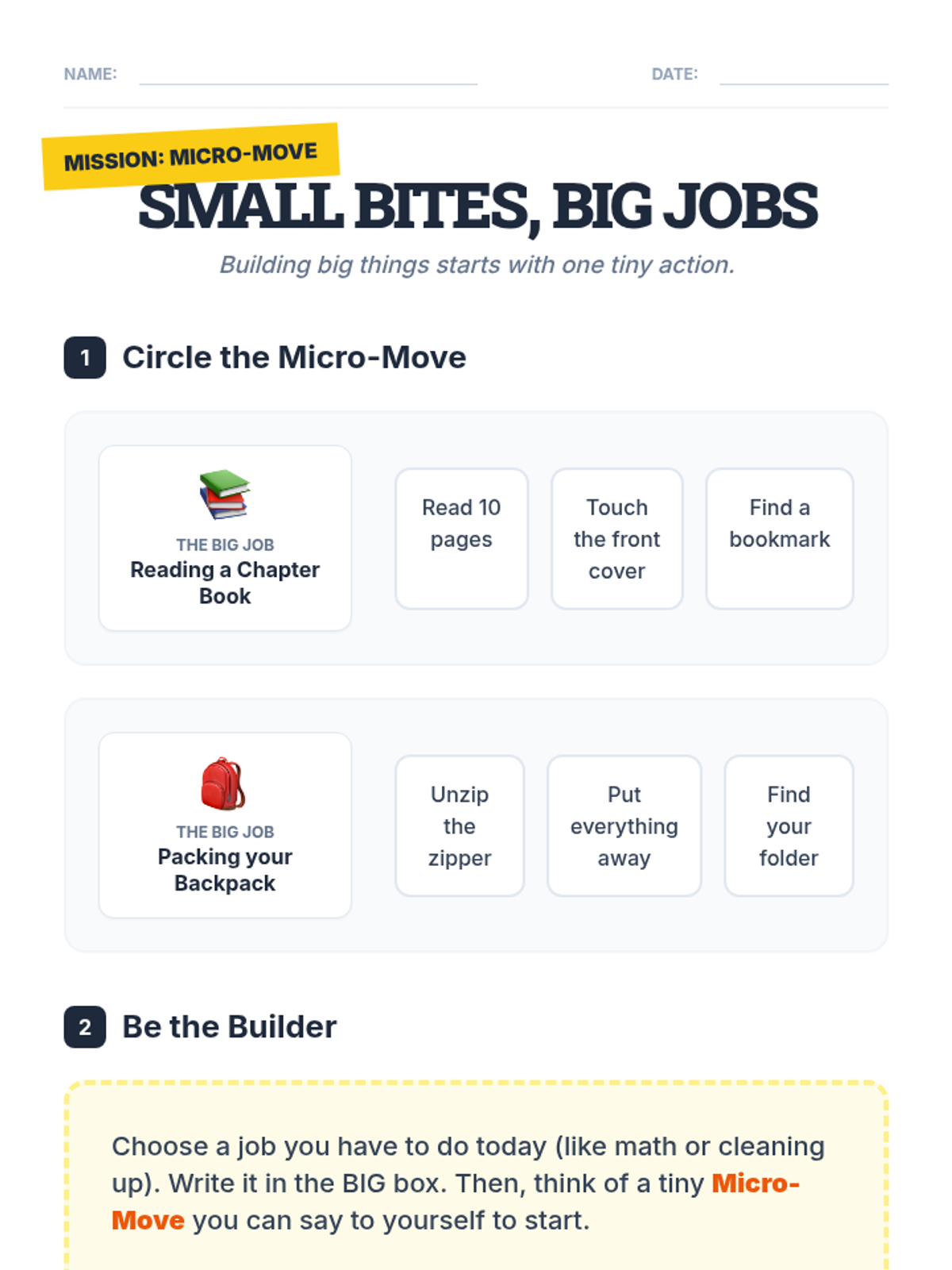
Students learn to identify the absolute smallest unit of action required to begin a task. They practice ignoring the whole assignment to focus solely on the physical action needed to start.
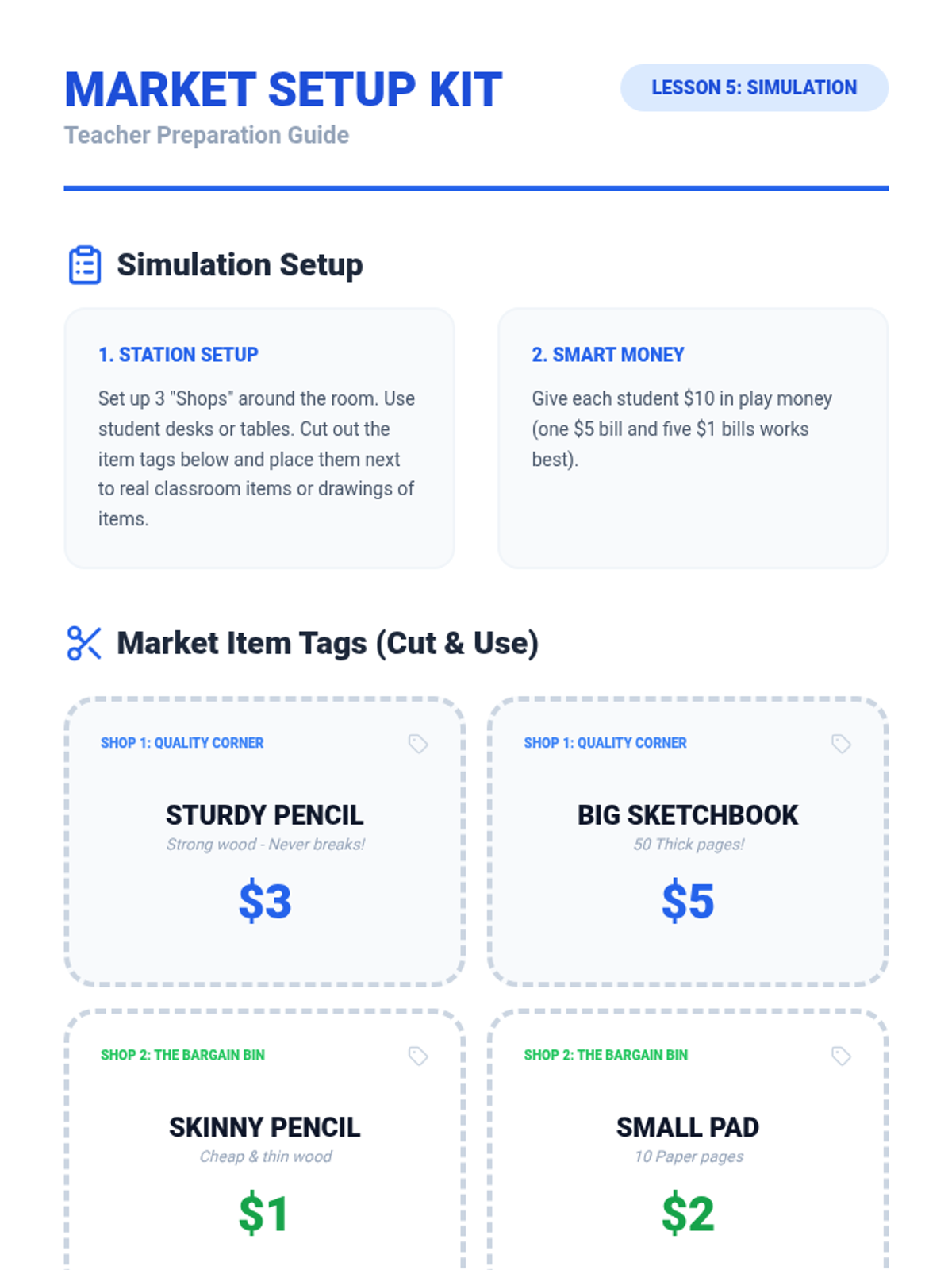
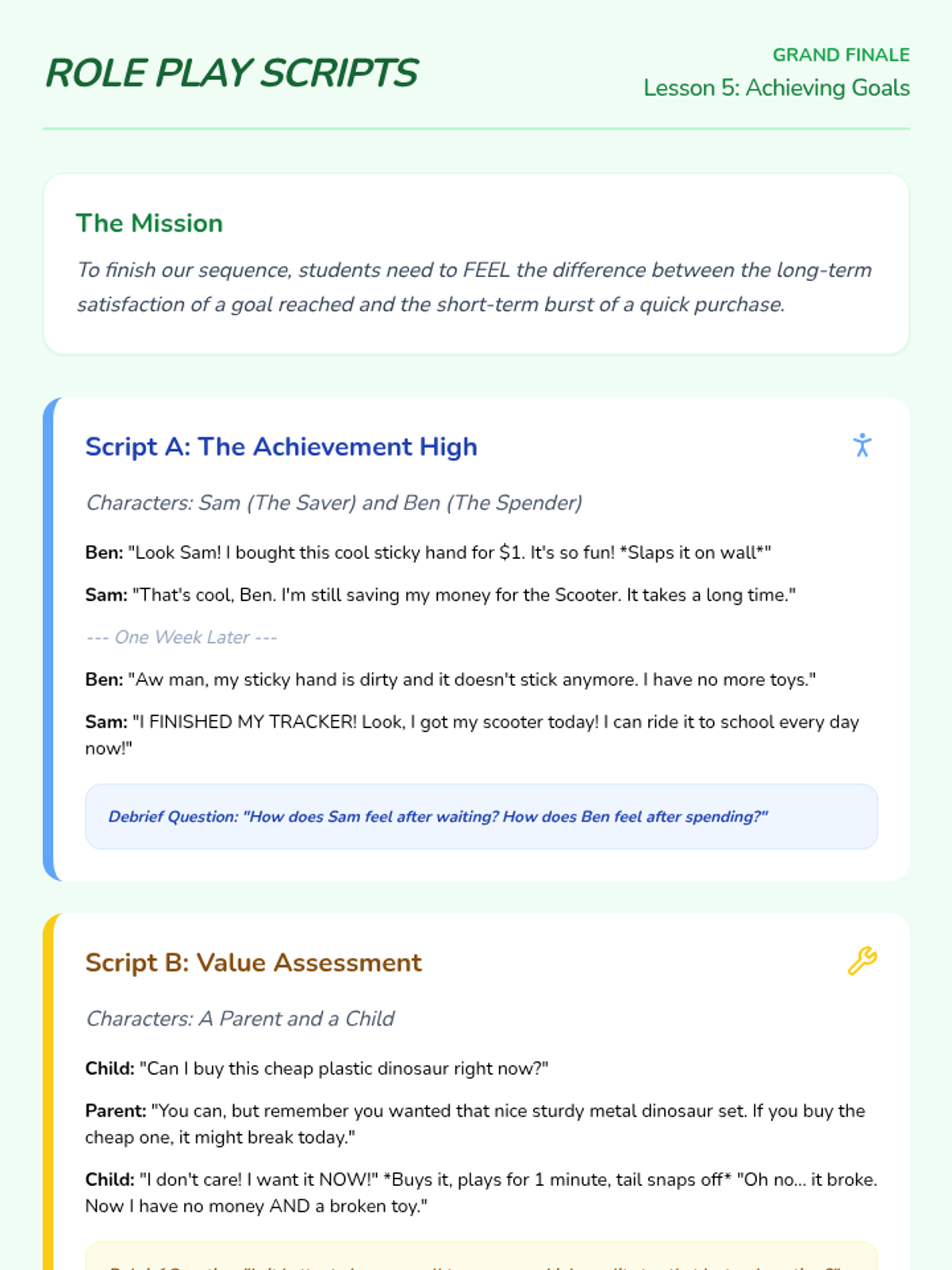
In this final simulation, students navigate a classroom 'store' with play money, encountering items with different prices and quality levels. They must apply all previous skills to make the best purchase decisions for a set scenario.
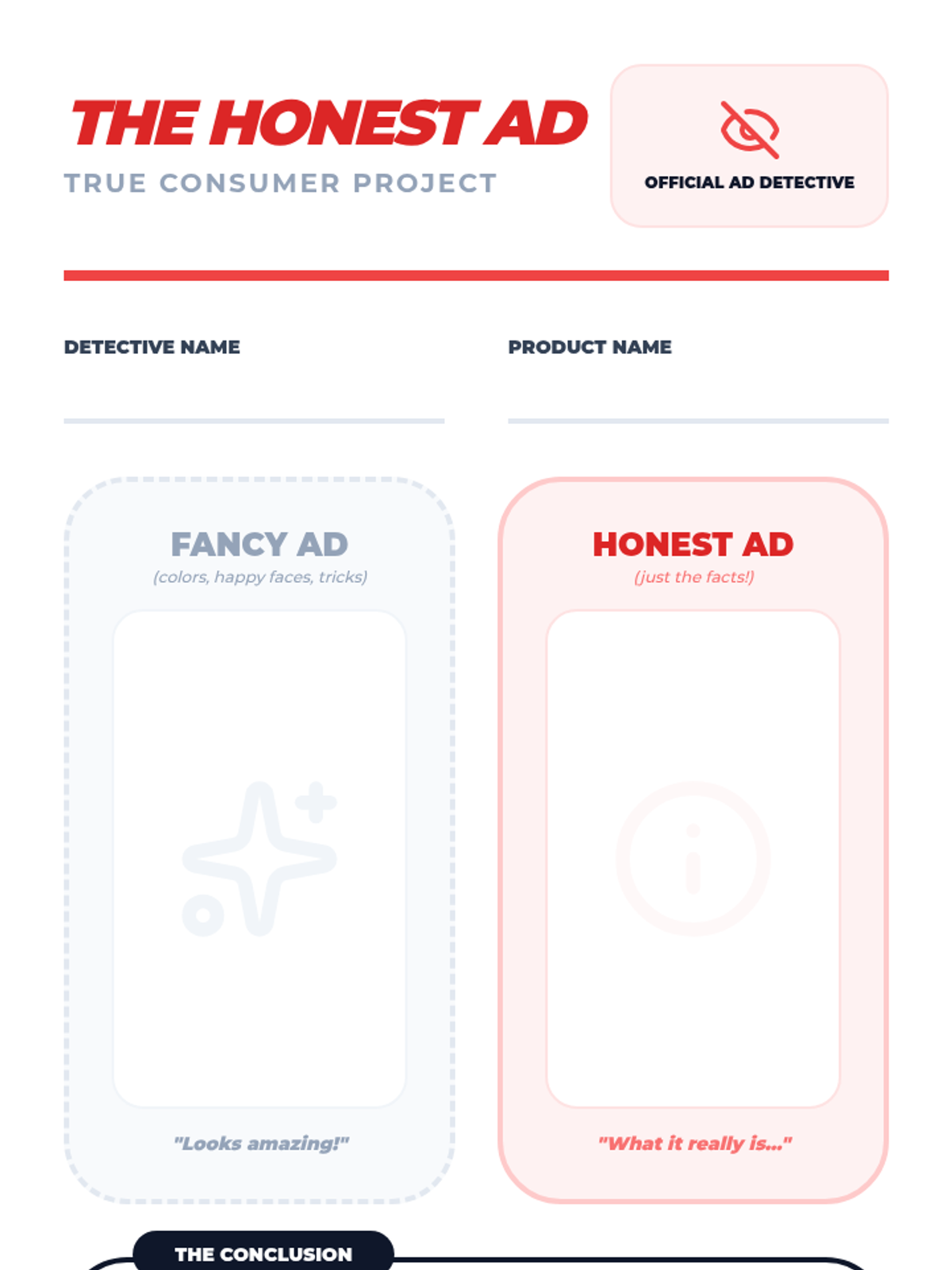
Students analyze simple advertisements to see how colors and words make them want to buy things, then create their own 'honest ad' to understand how marketing works.
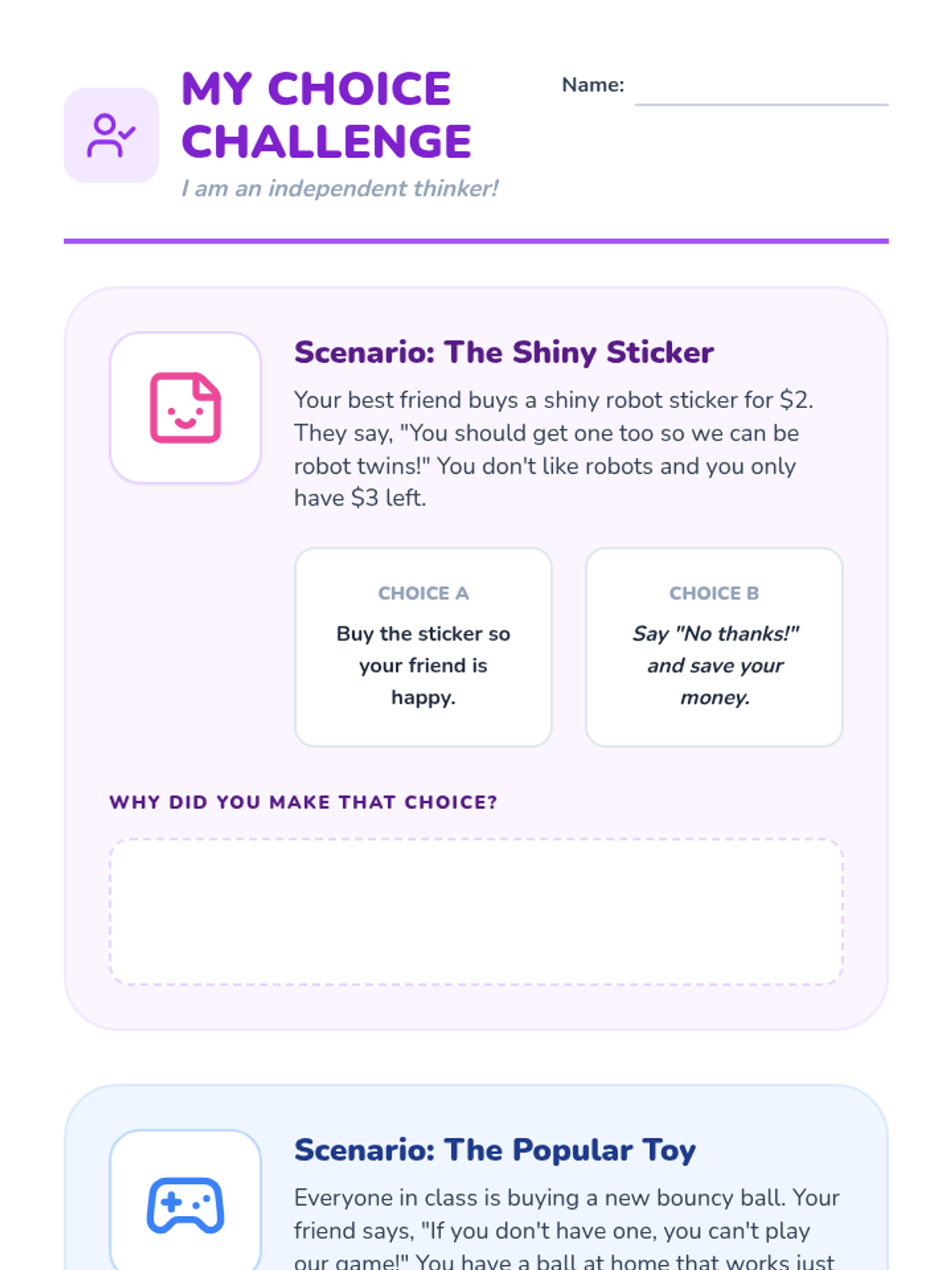
Through role-playing scenarios, students explore how friends influence spending and practice making independent decisions based on their own needs and wants.
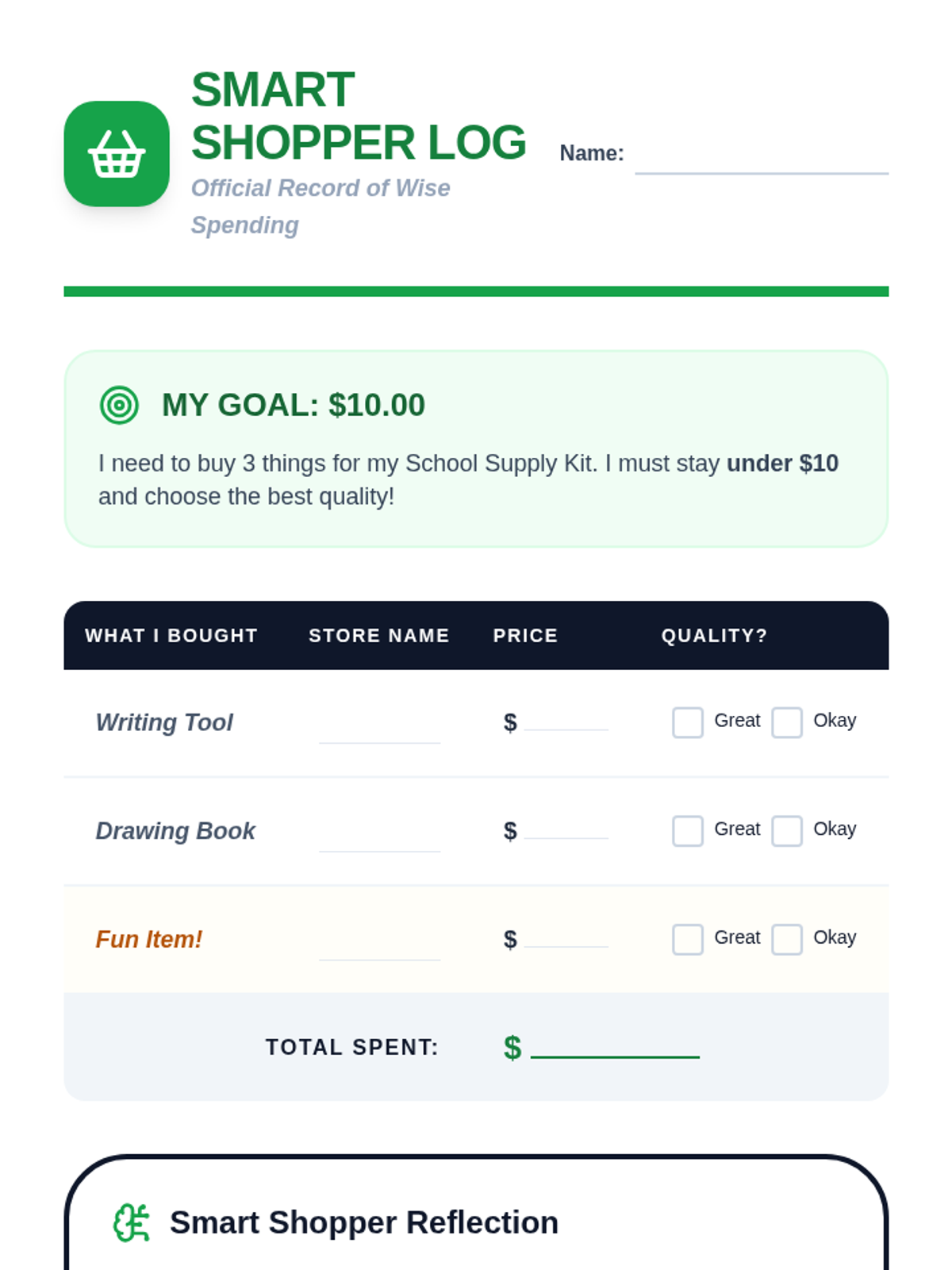
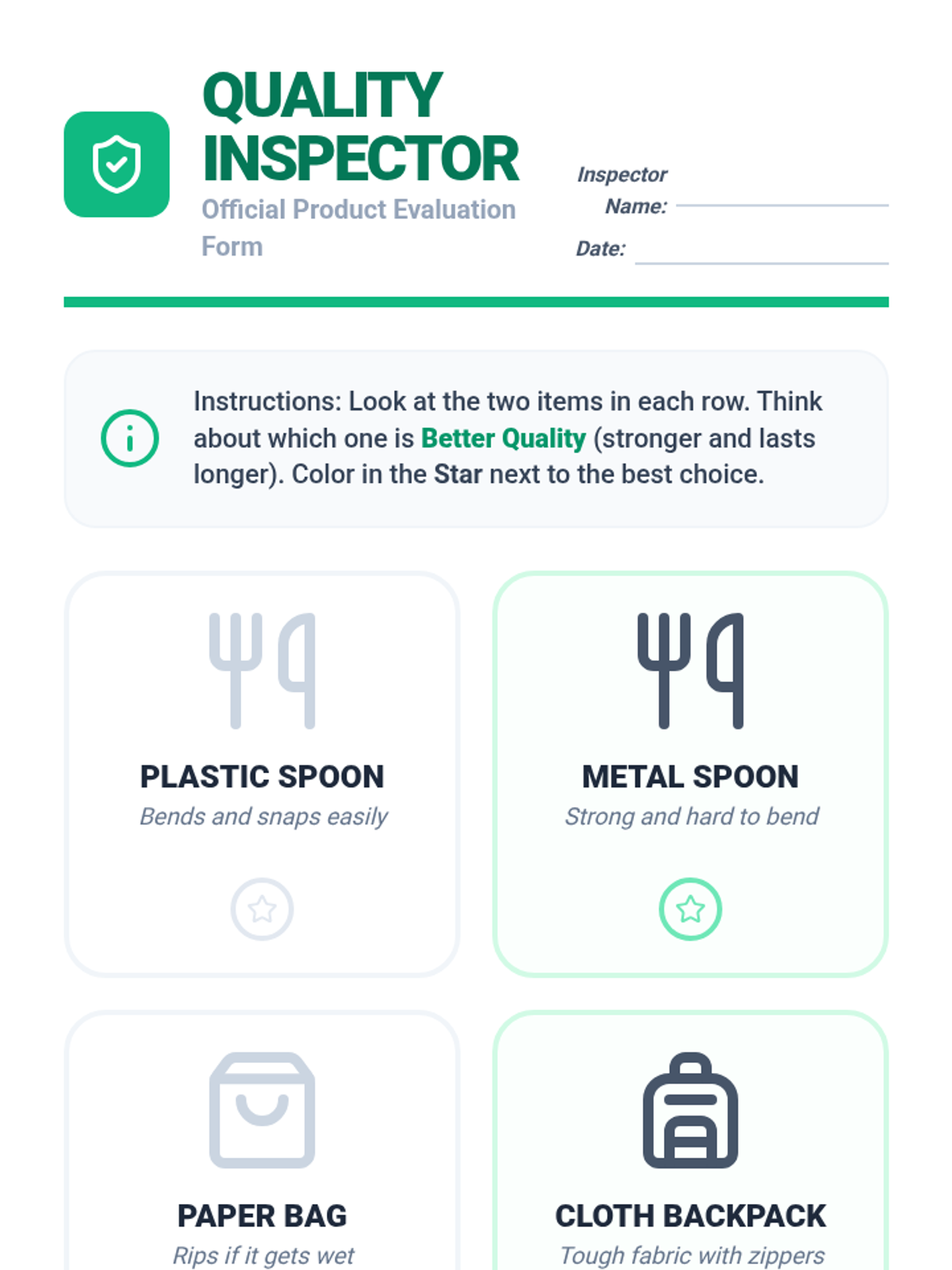
Students examine objects to determine their quality and durability, discussing the risks of buying items that break easily versus investing in well-made products.
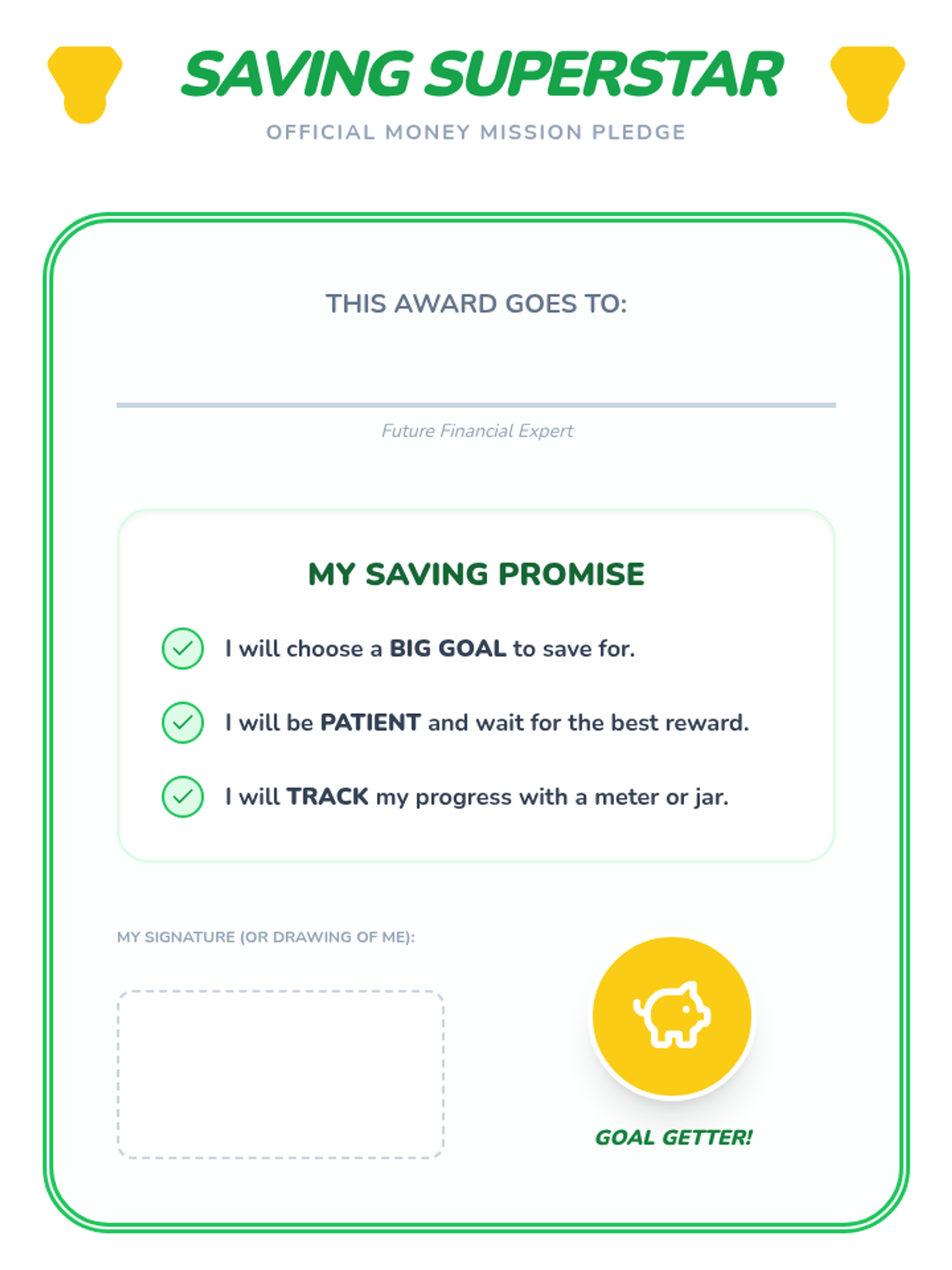
Students reflect on the satisfaction of reaching a goal and make a personal pledge to practice good saving habits.
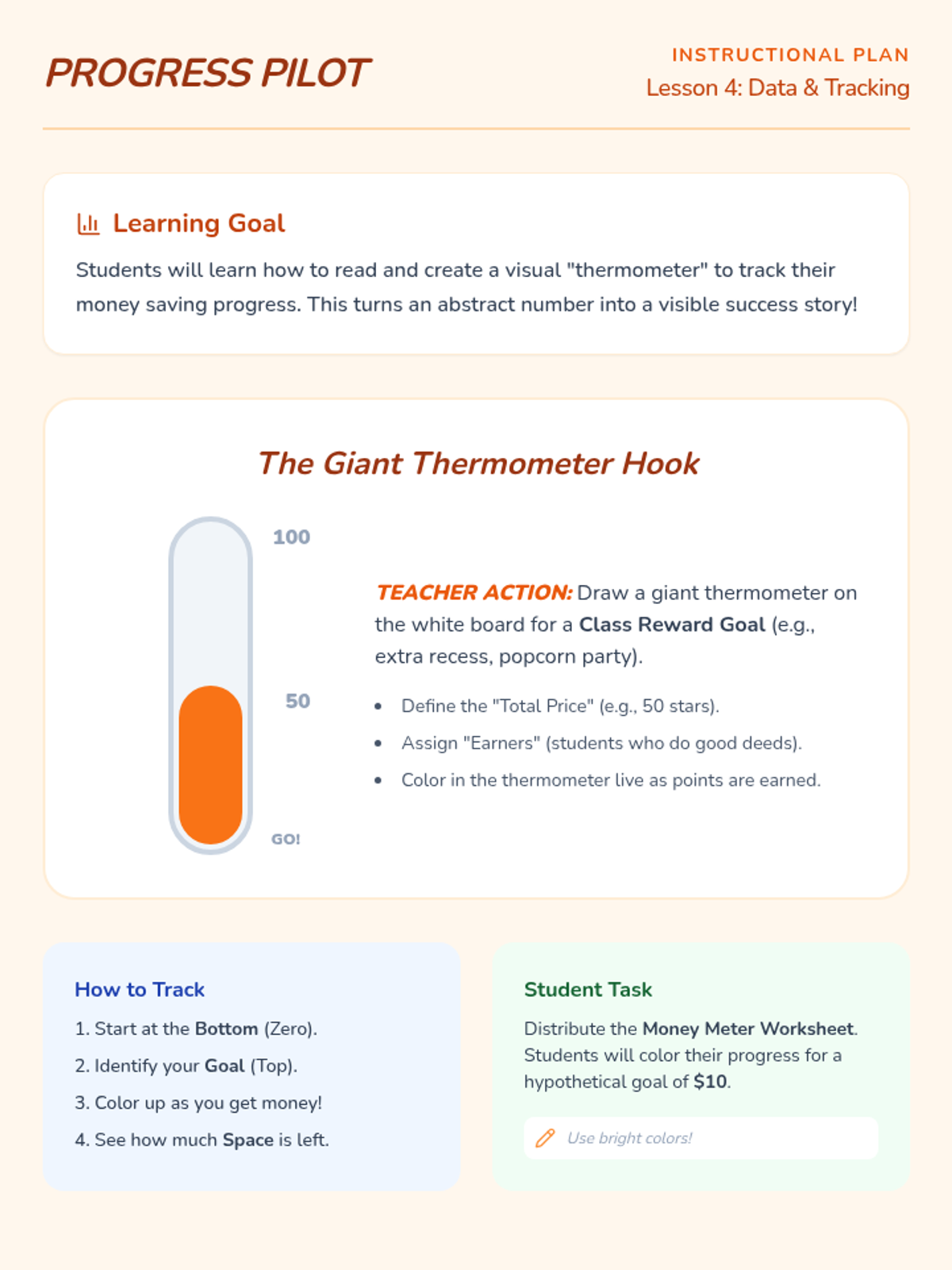
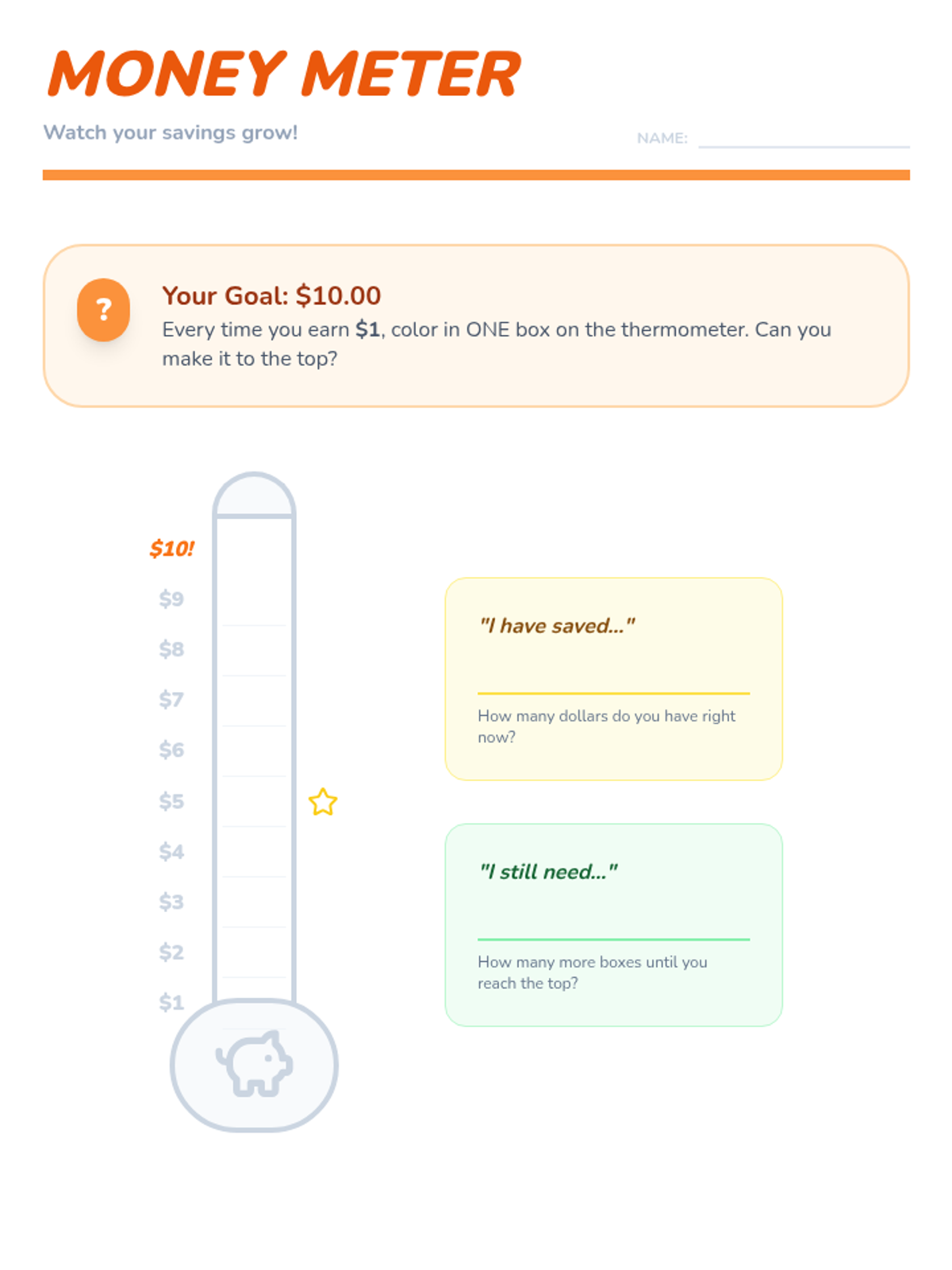
Students learn to track their financial progress using visual charts and thermometers to stay motivated toward their goals.
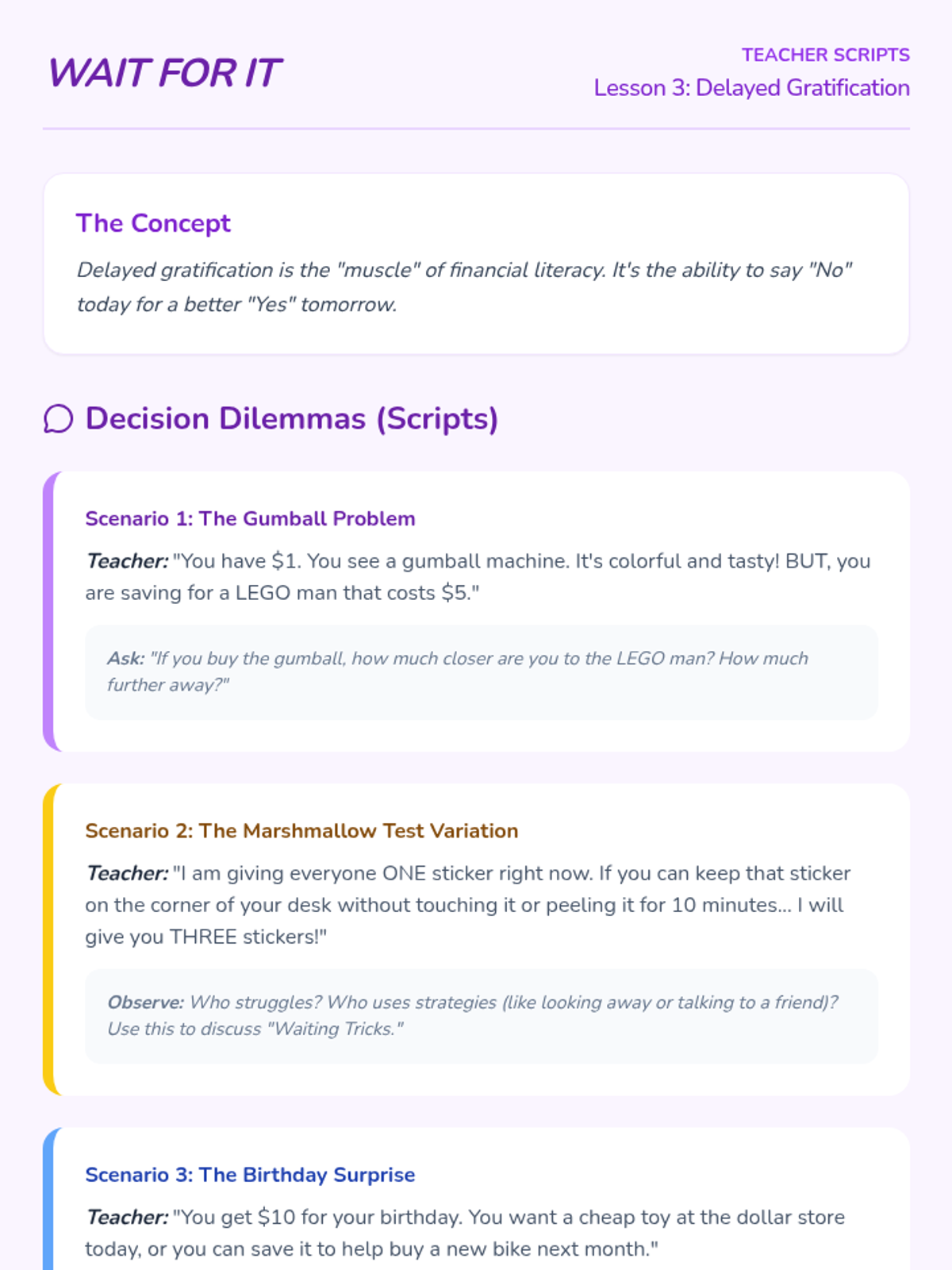
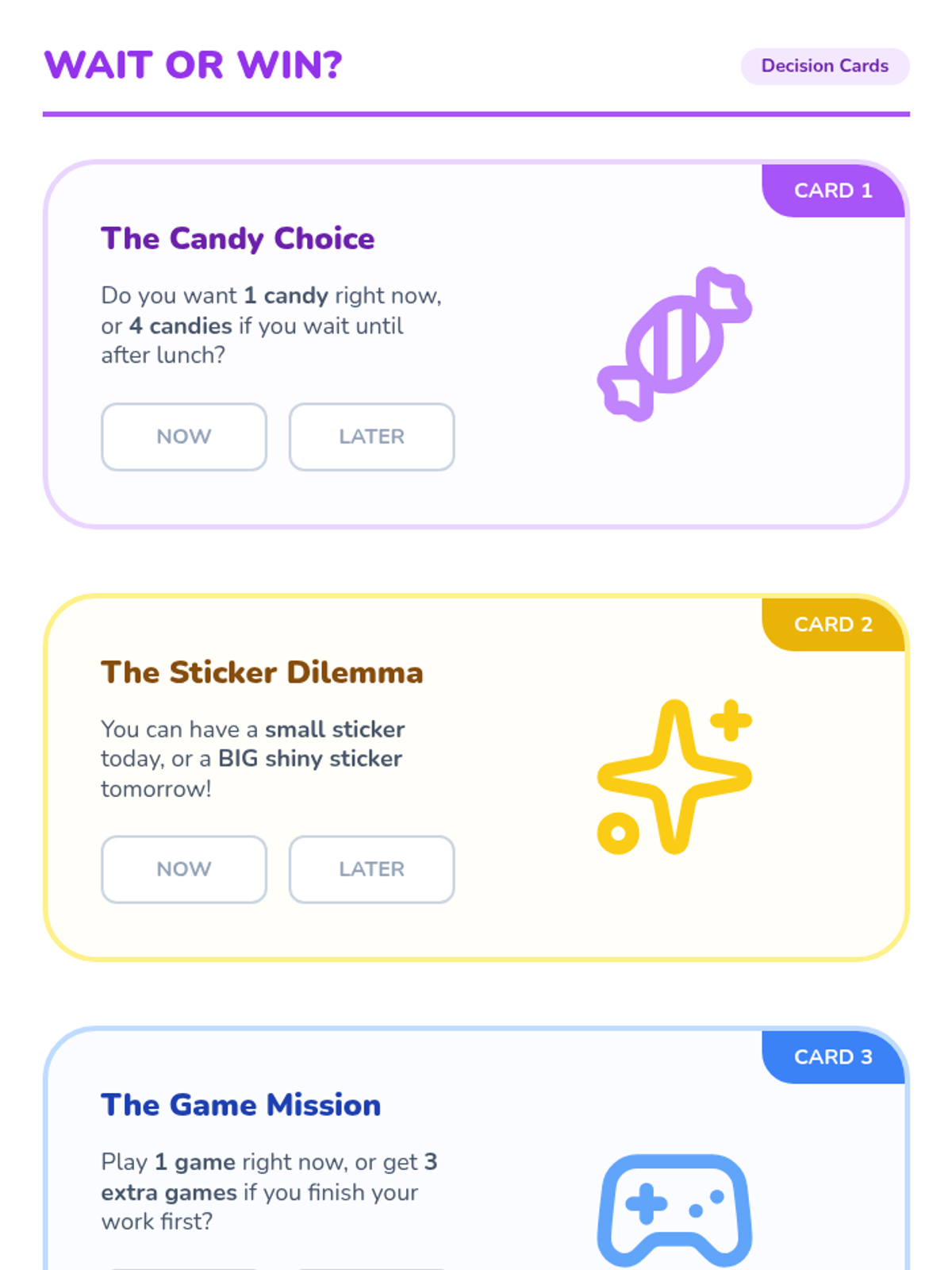
Students practice choosing between a small reward now and a larger reward later, building emotional regulation and understanding delayed gratification.
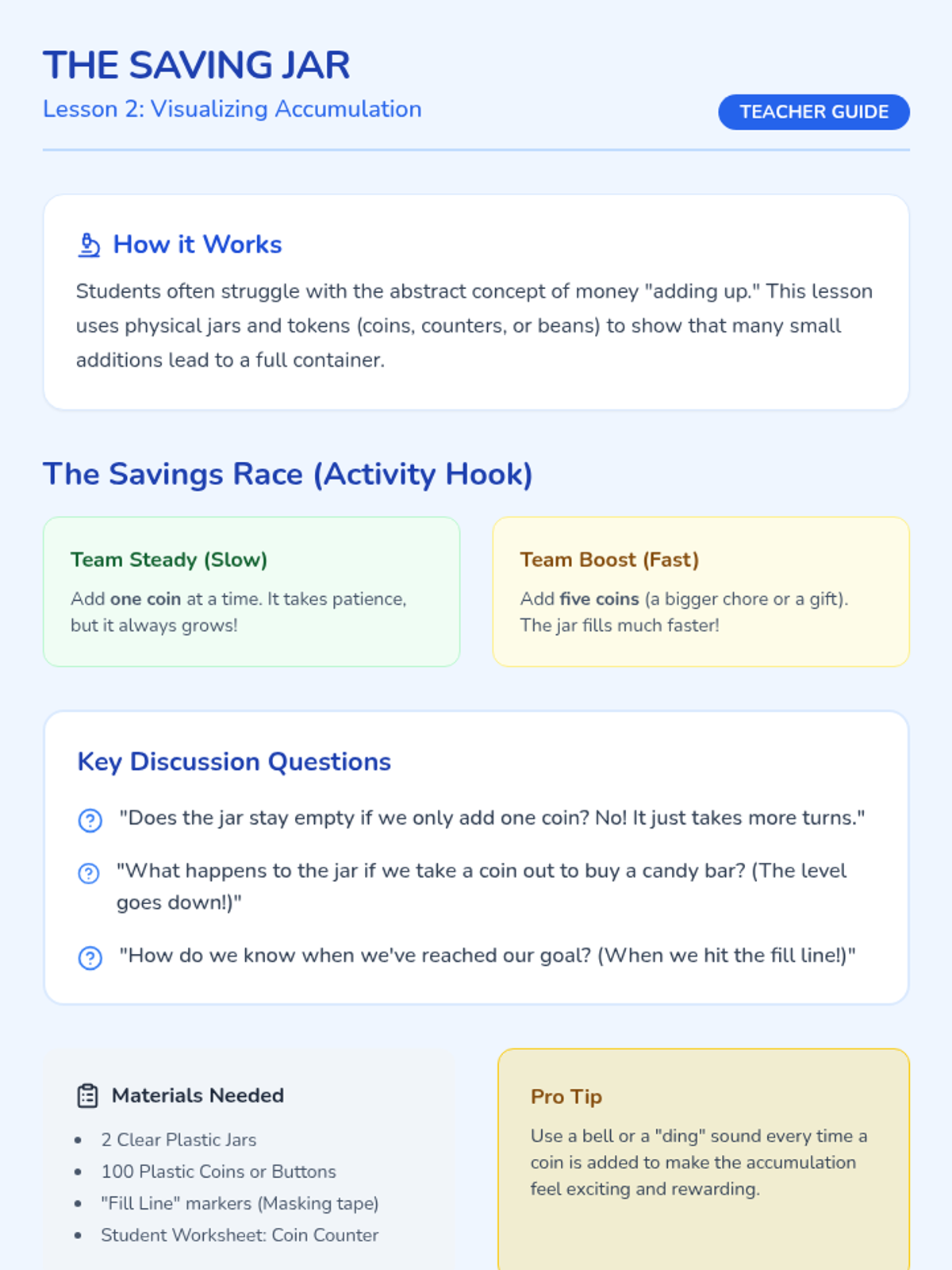
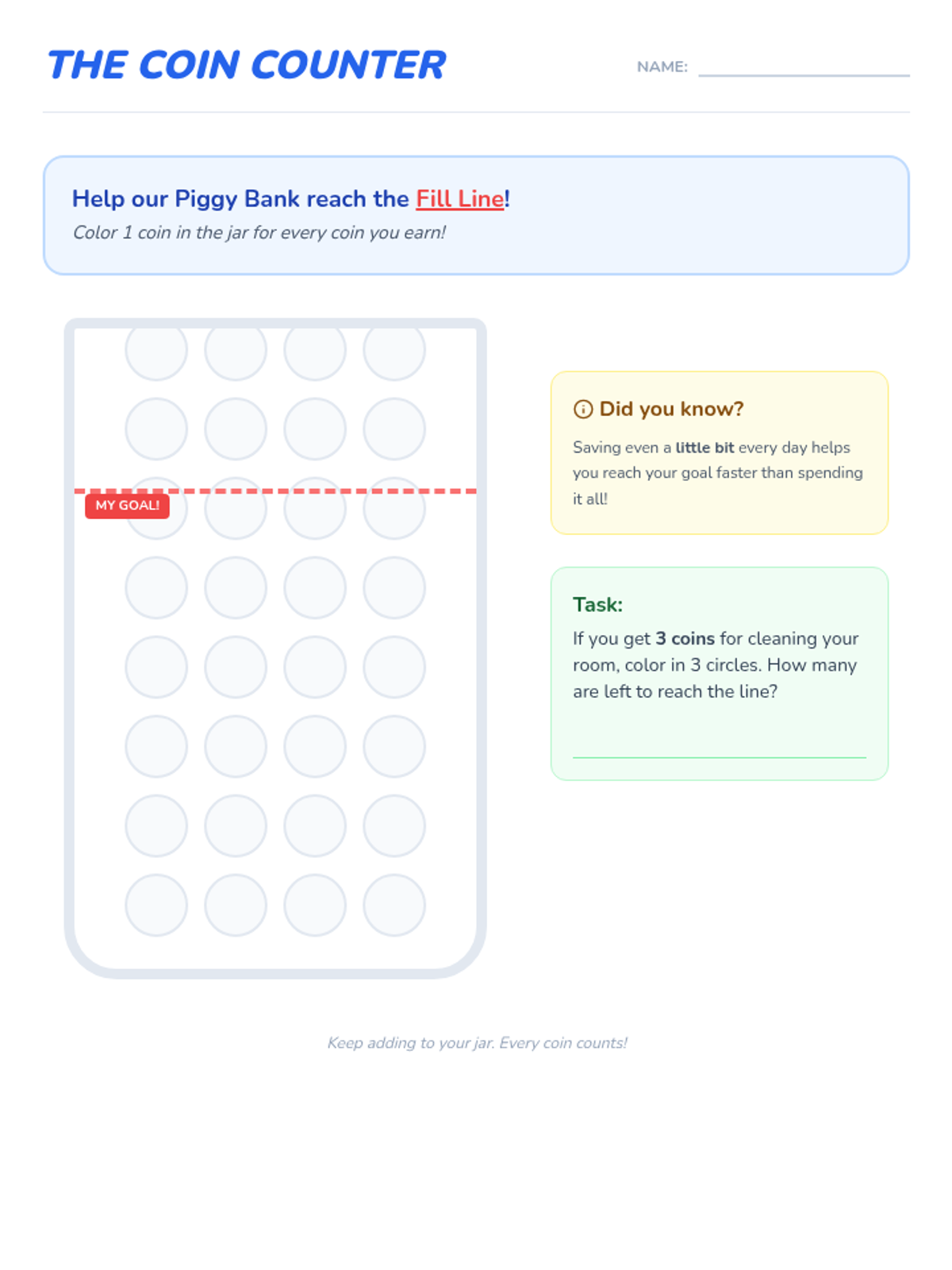
Students explore how small amounts of money add up over time to reach a larger goal using visual accumulation models.
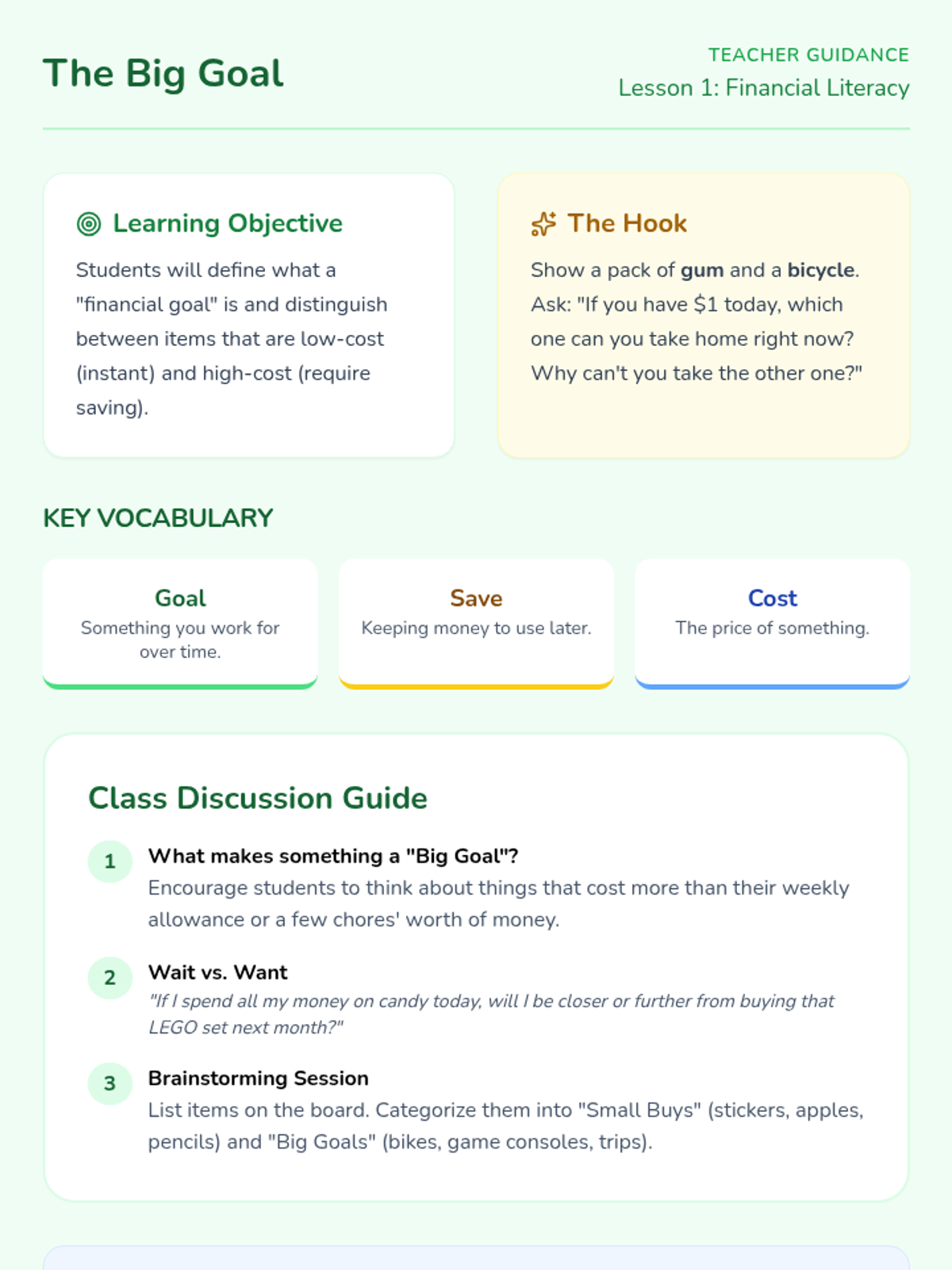
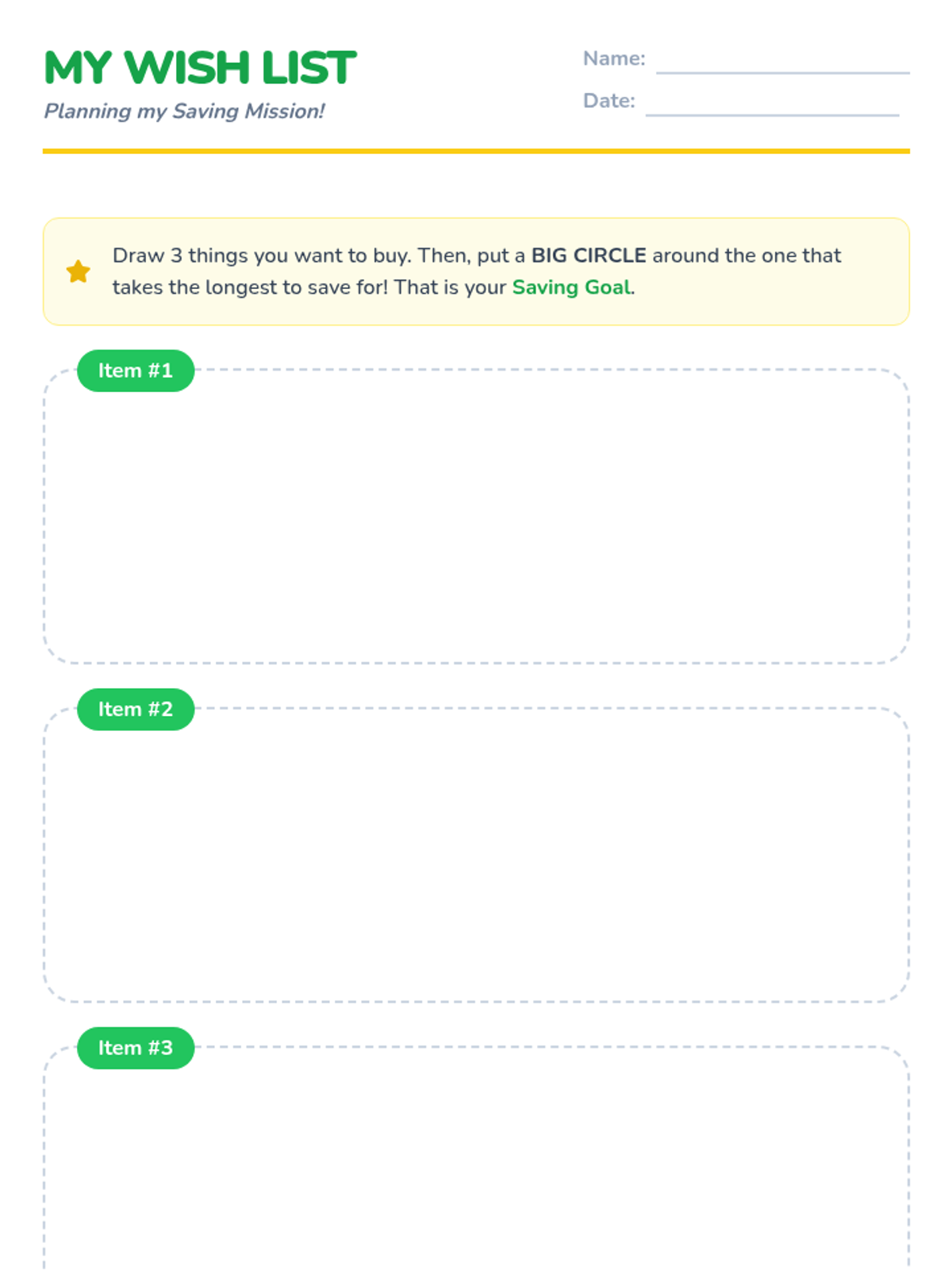
Students define financial goals and differentiate between items that can be bought immediately and those that require saving. They identify a personal saving goal.
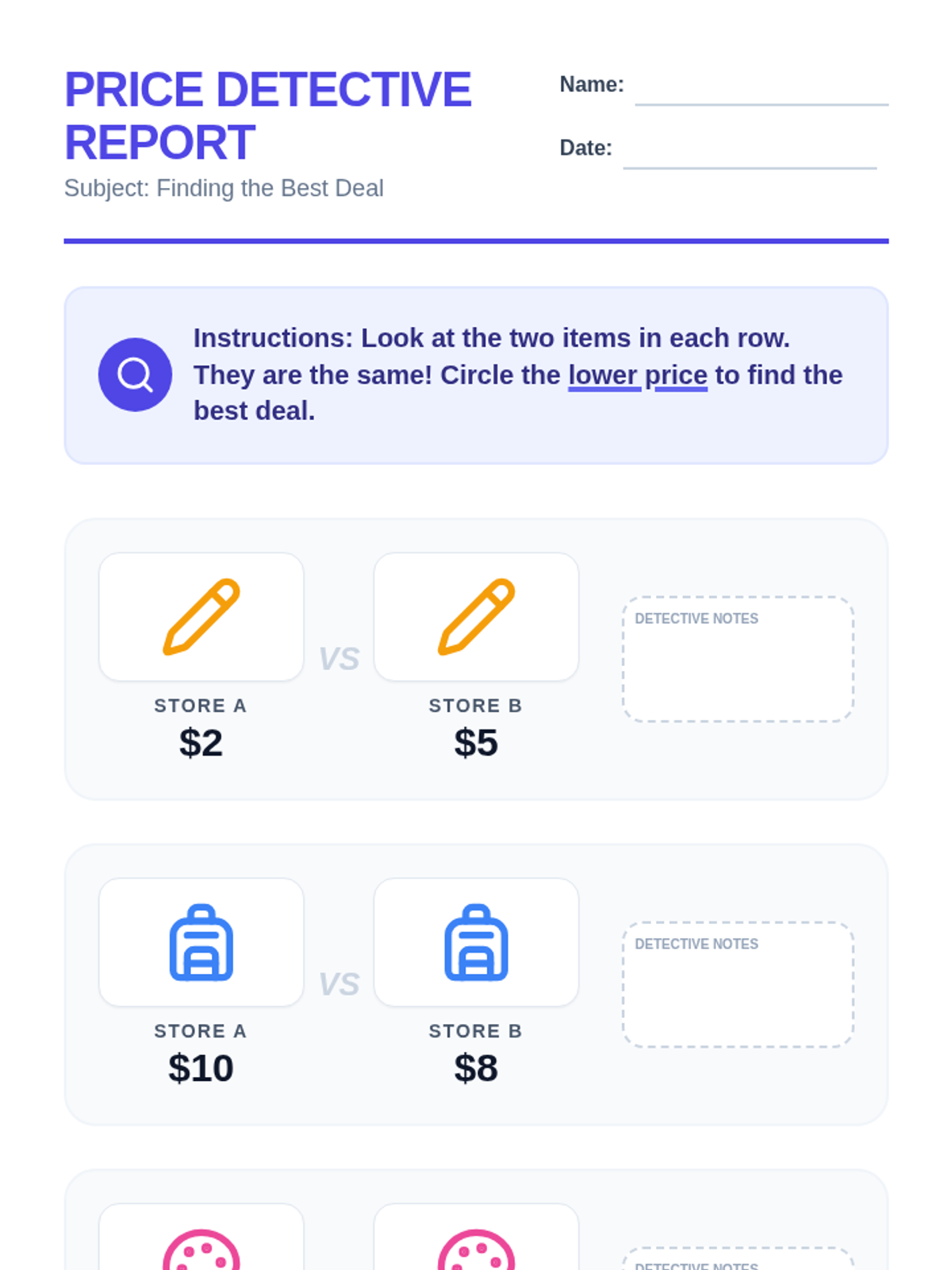
Students learn to compare prices of identical items to find the best deal, using number comparison skills to make smart financial choices.
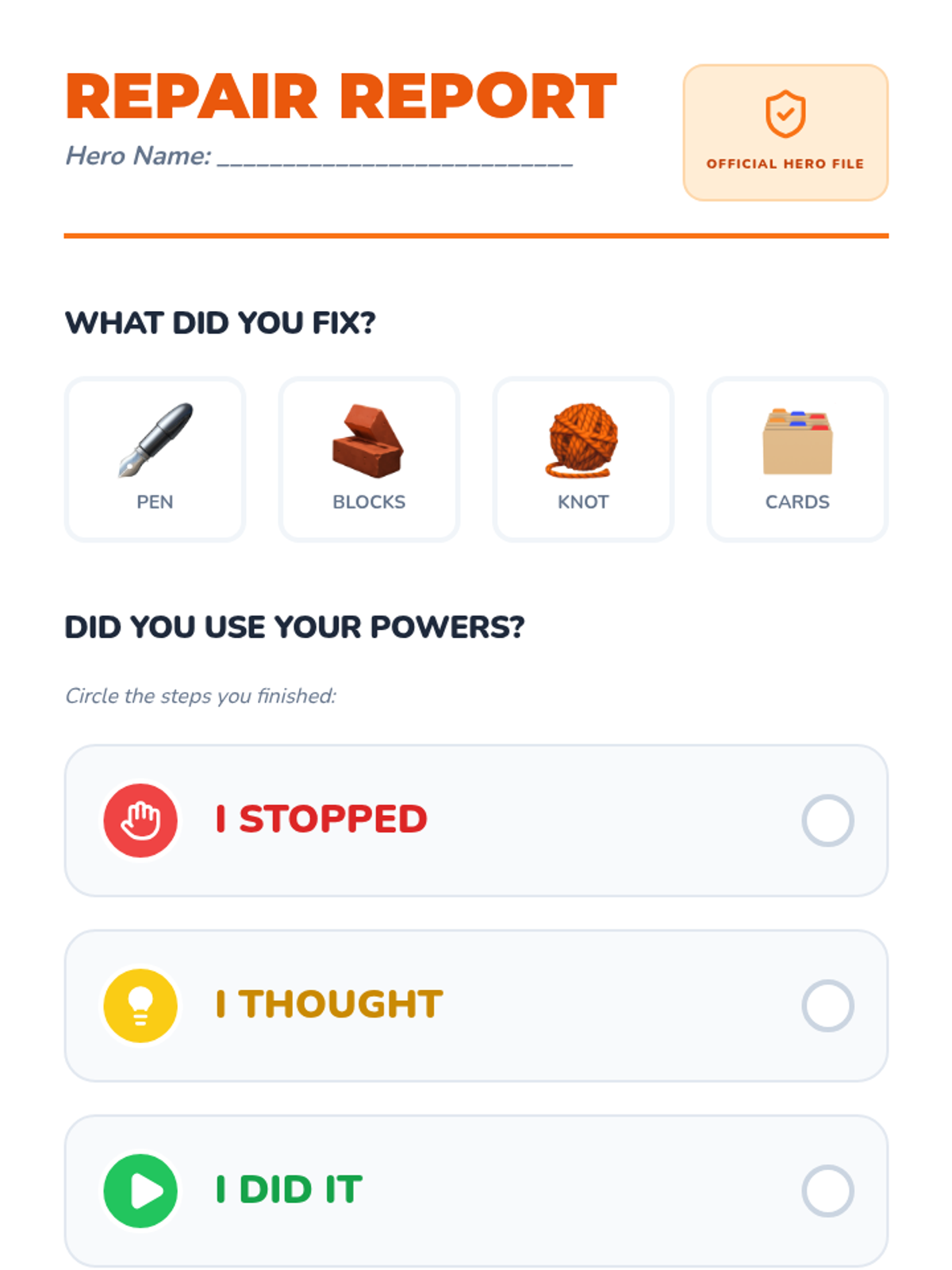
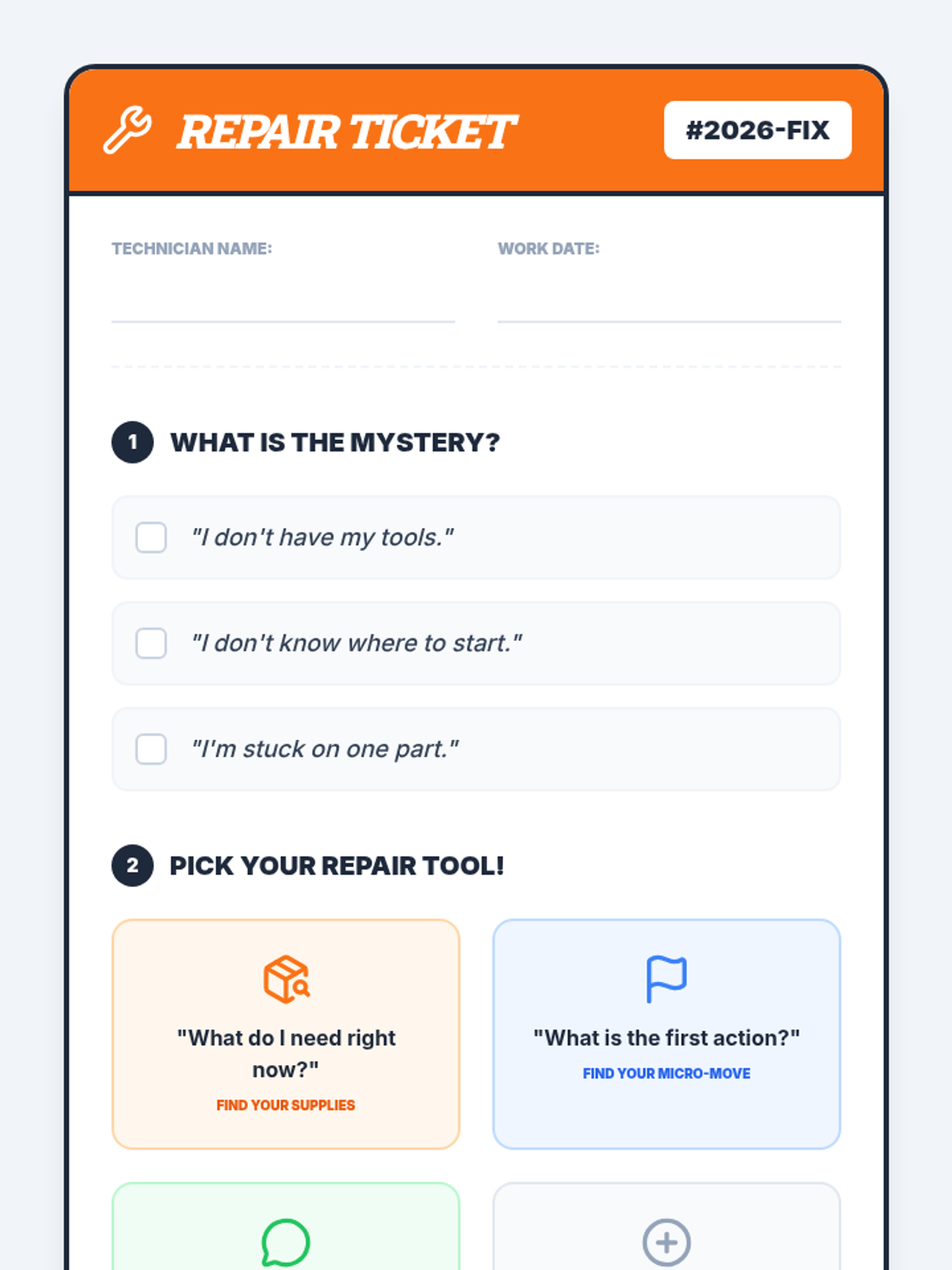
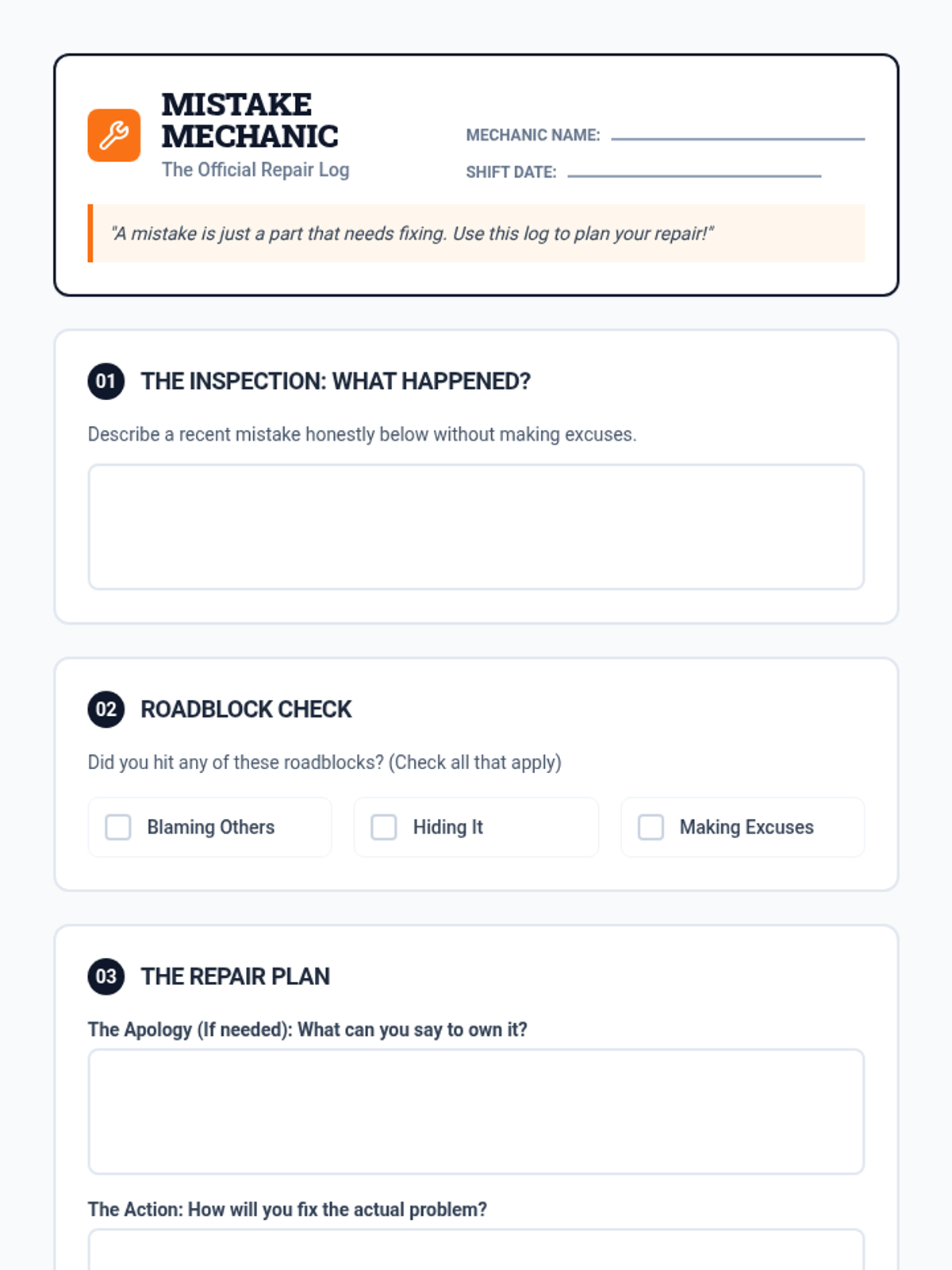
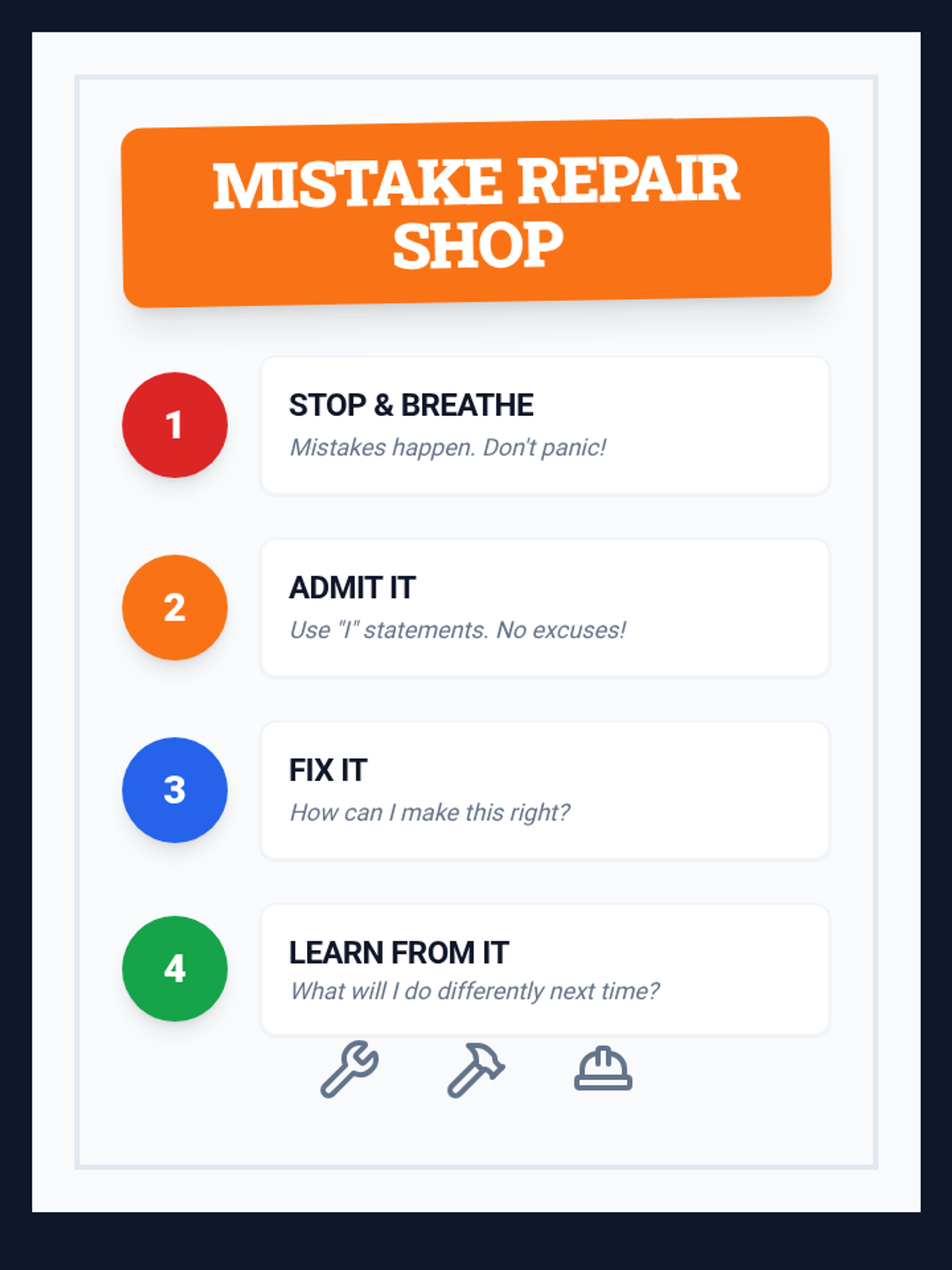
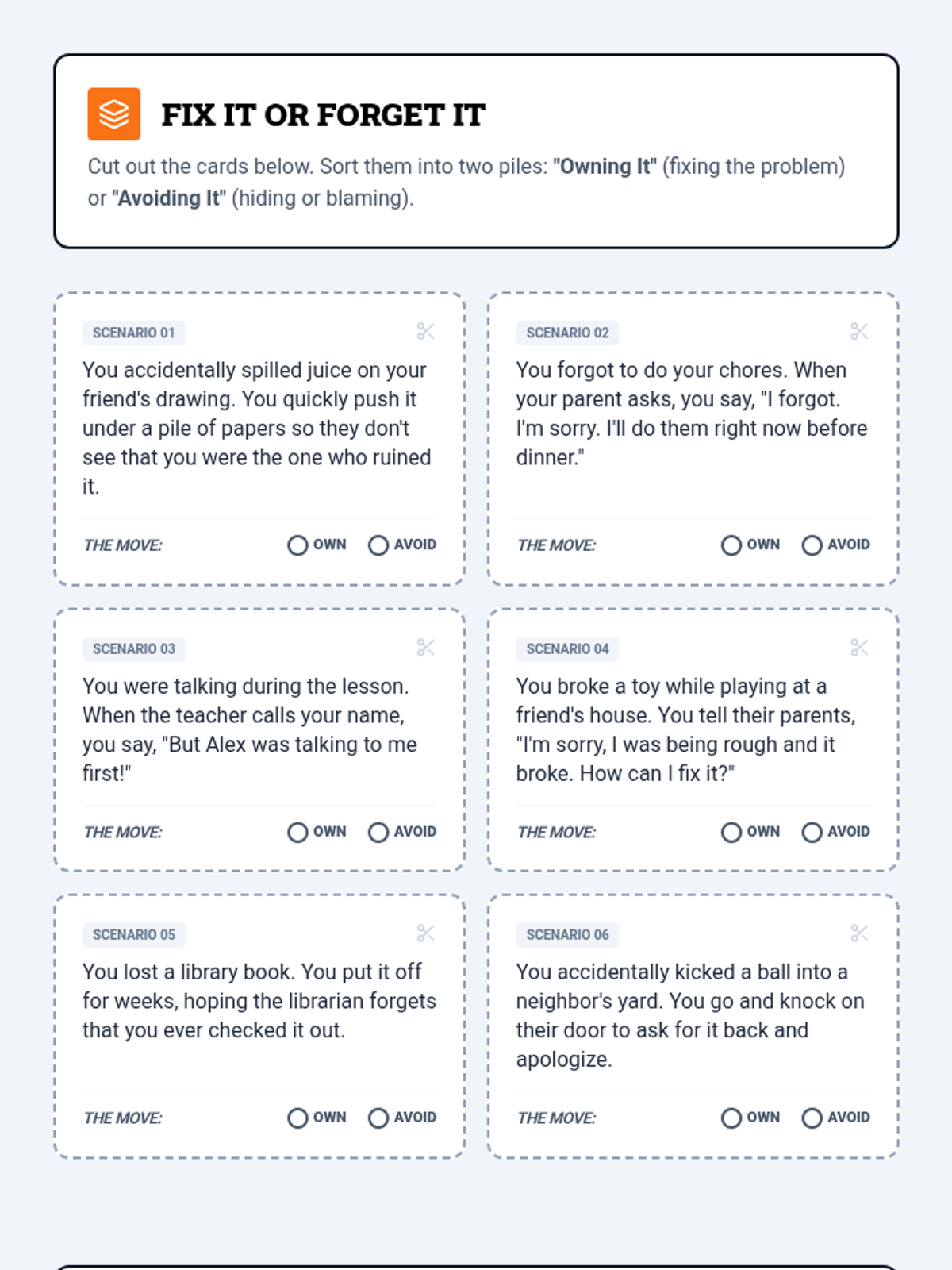
A lesson focused on taking ownership of mistakes through the metaphor of a 'Repair Shop'. Students will learn to move past blame and use a step-by-step process to fix their errors and learn from them.
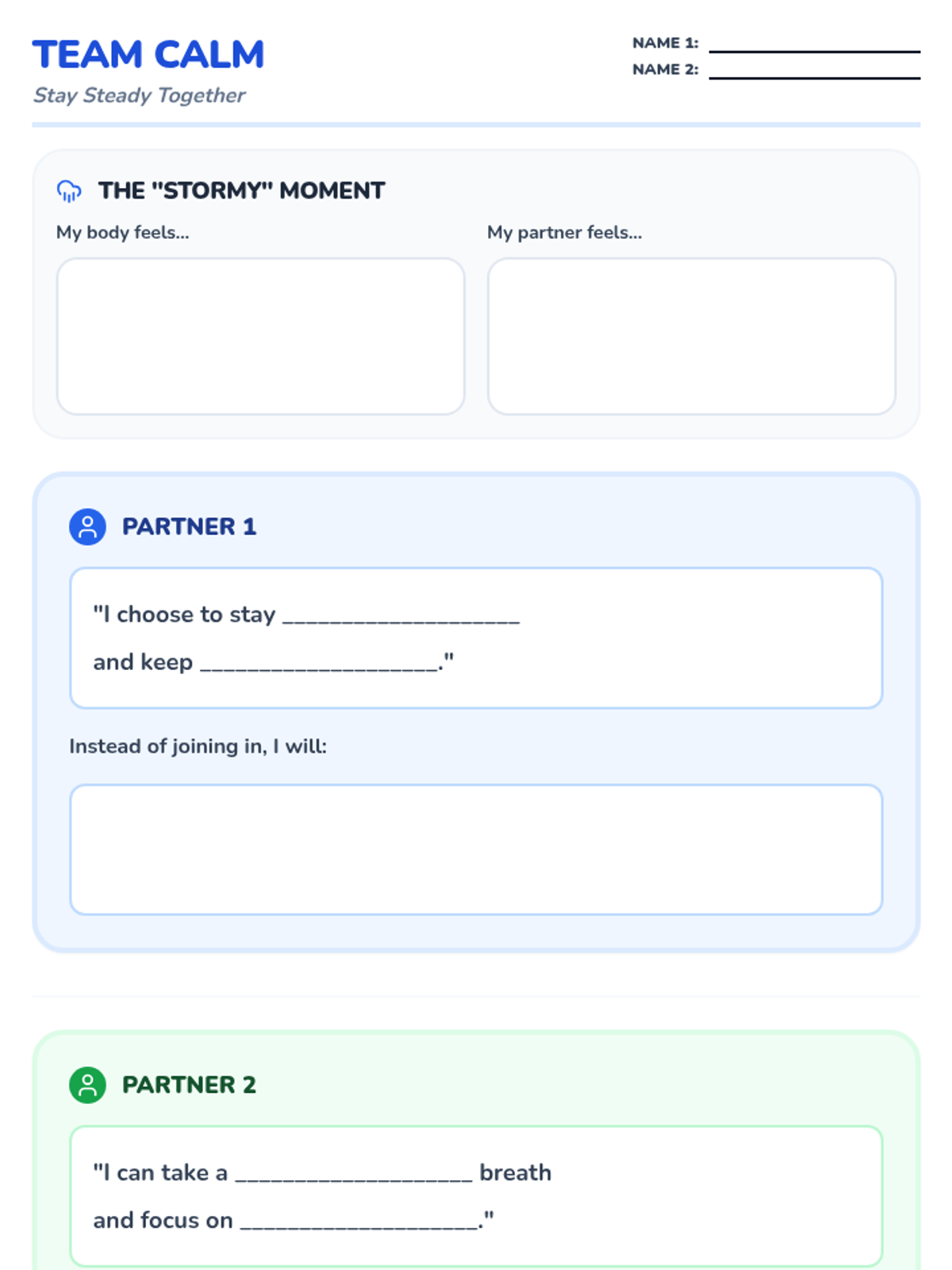
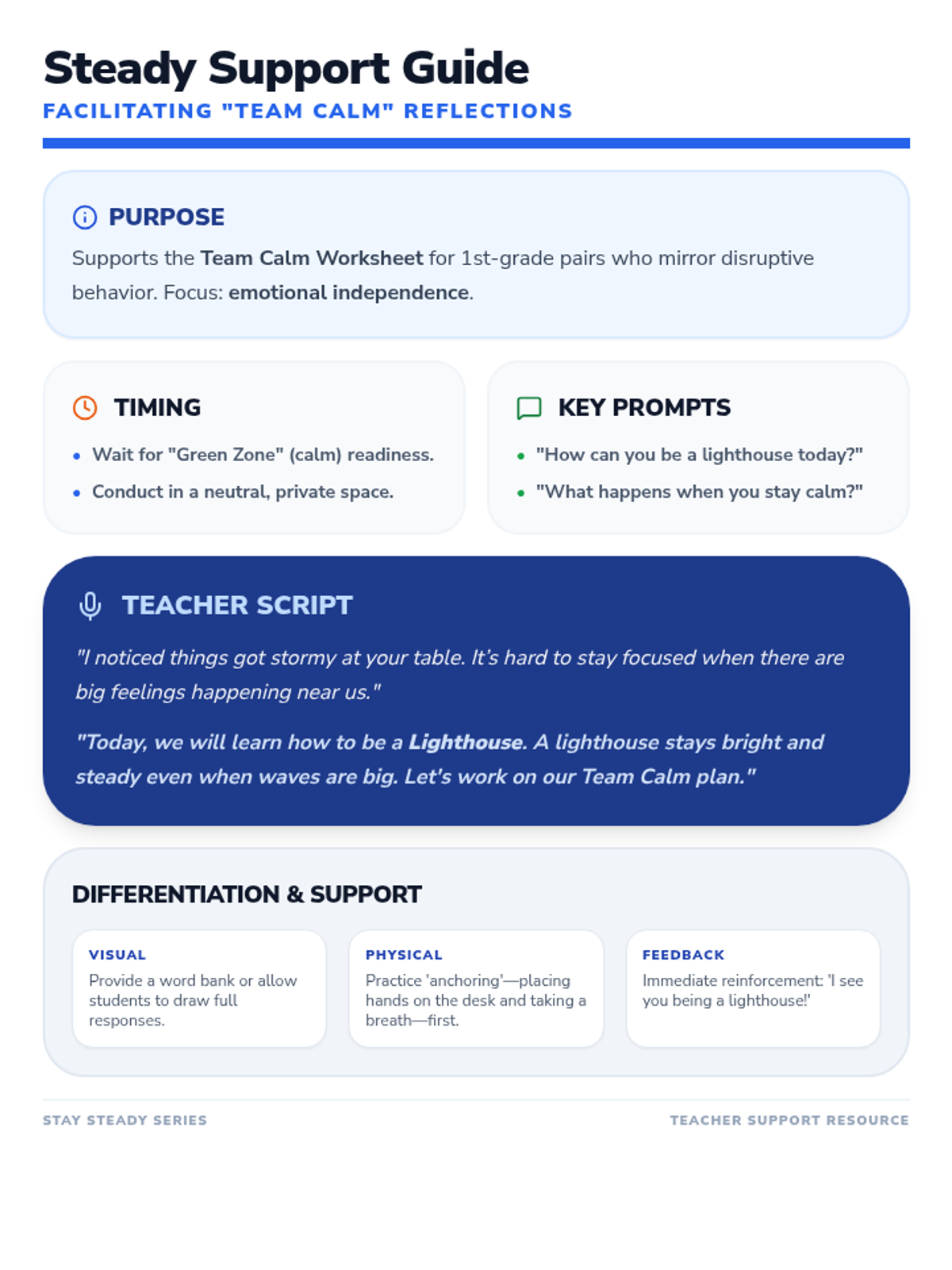
This lesson helps young students learn how to maintain their own emotional regulation and make positive choices even when their peers are experiencing emotional outbursts or disruptive behavior. It focuses on the 'lighthouse' metaphor—being a steady light during someone else's storm.
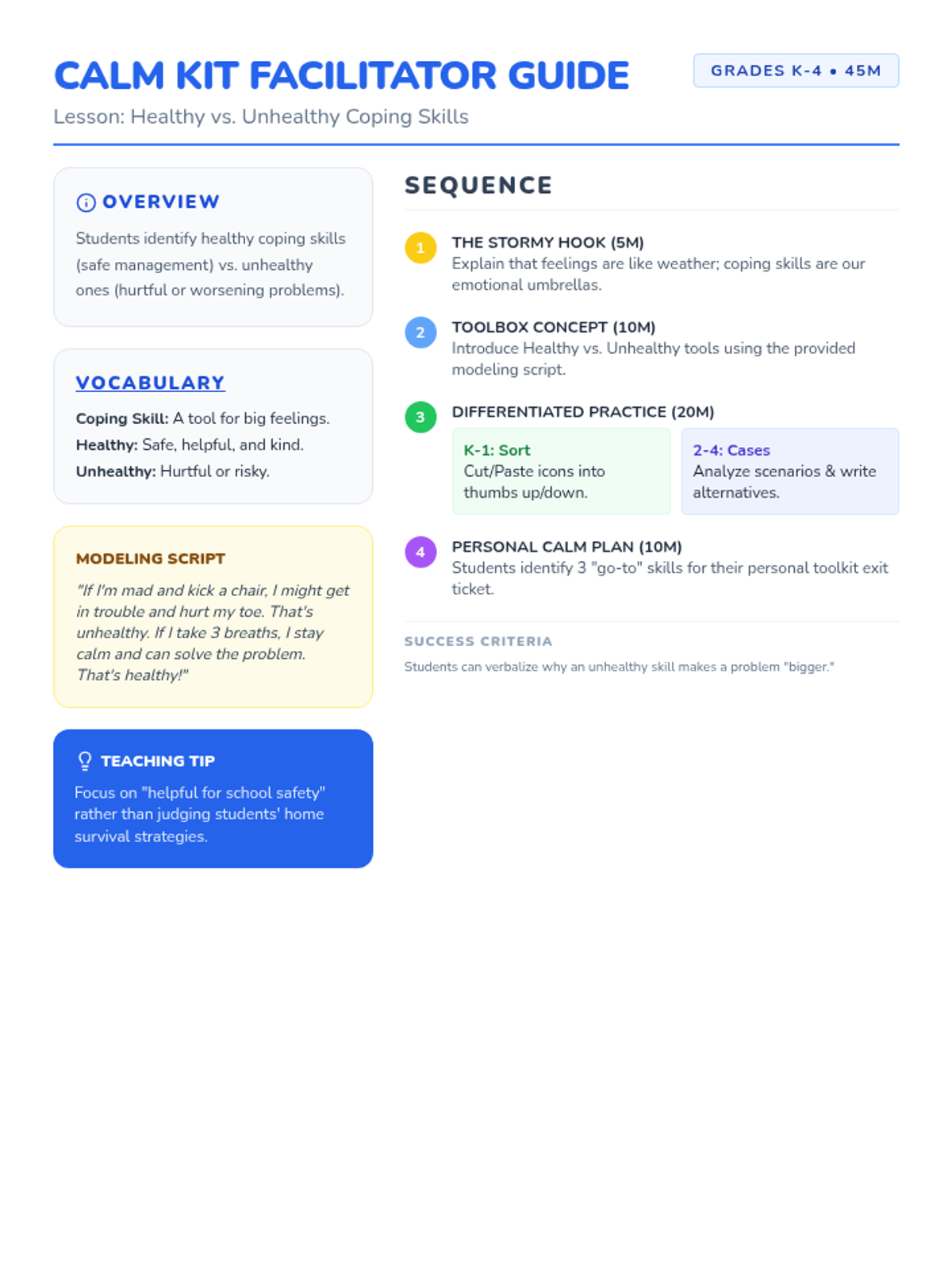
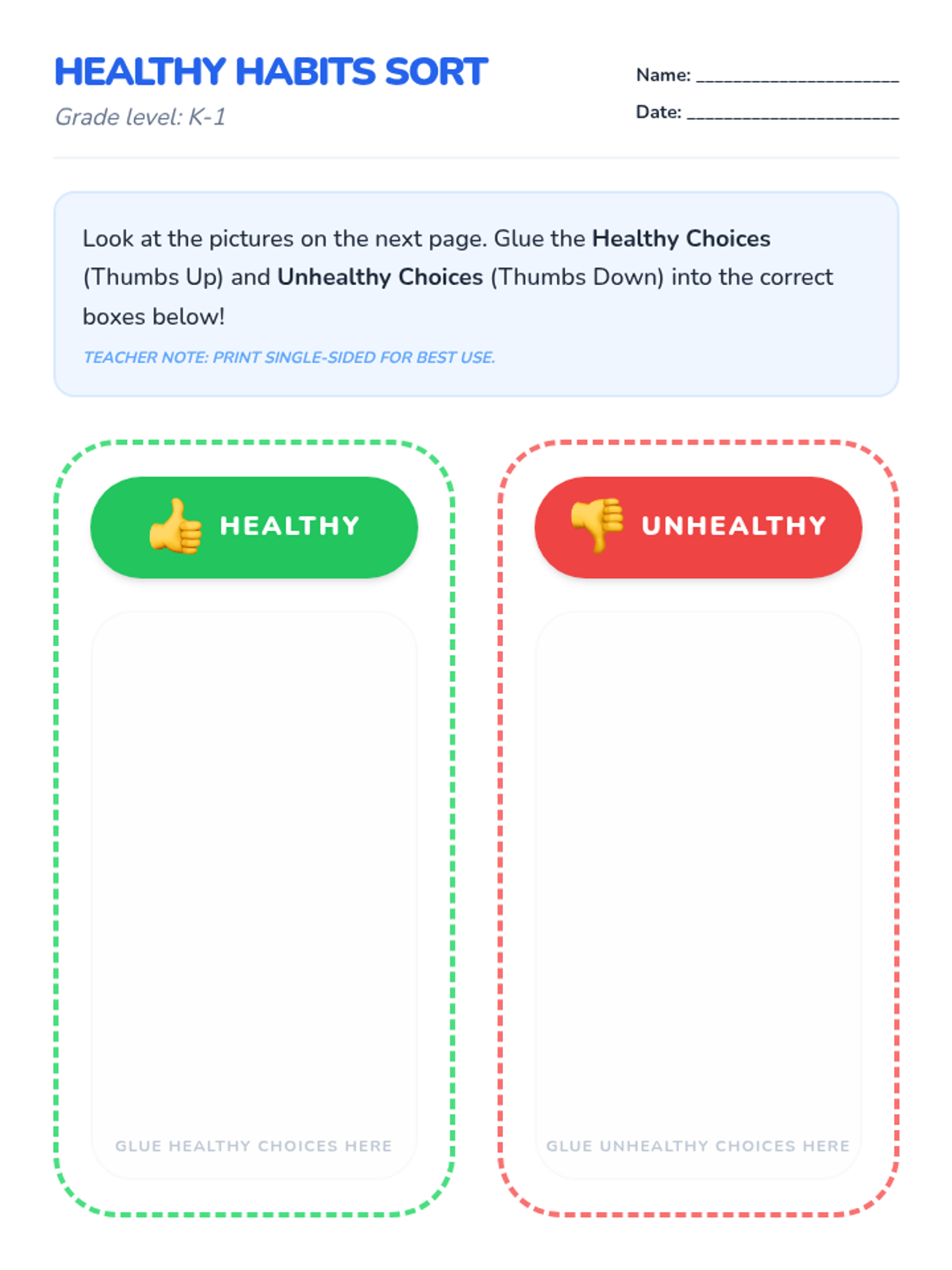
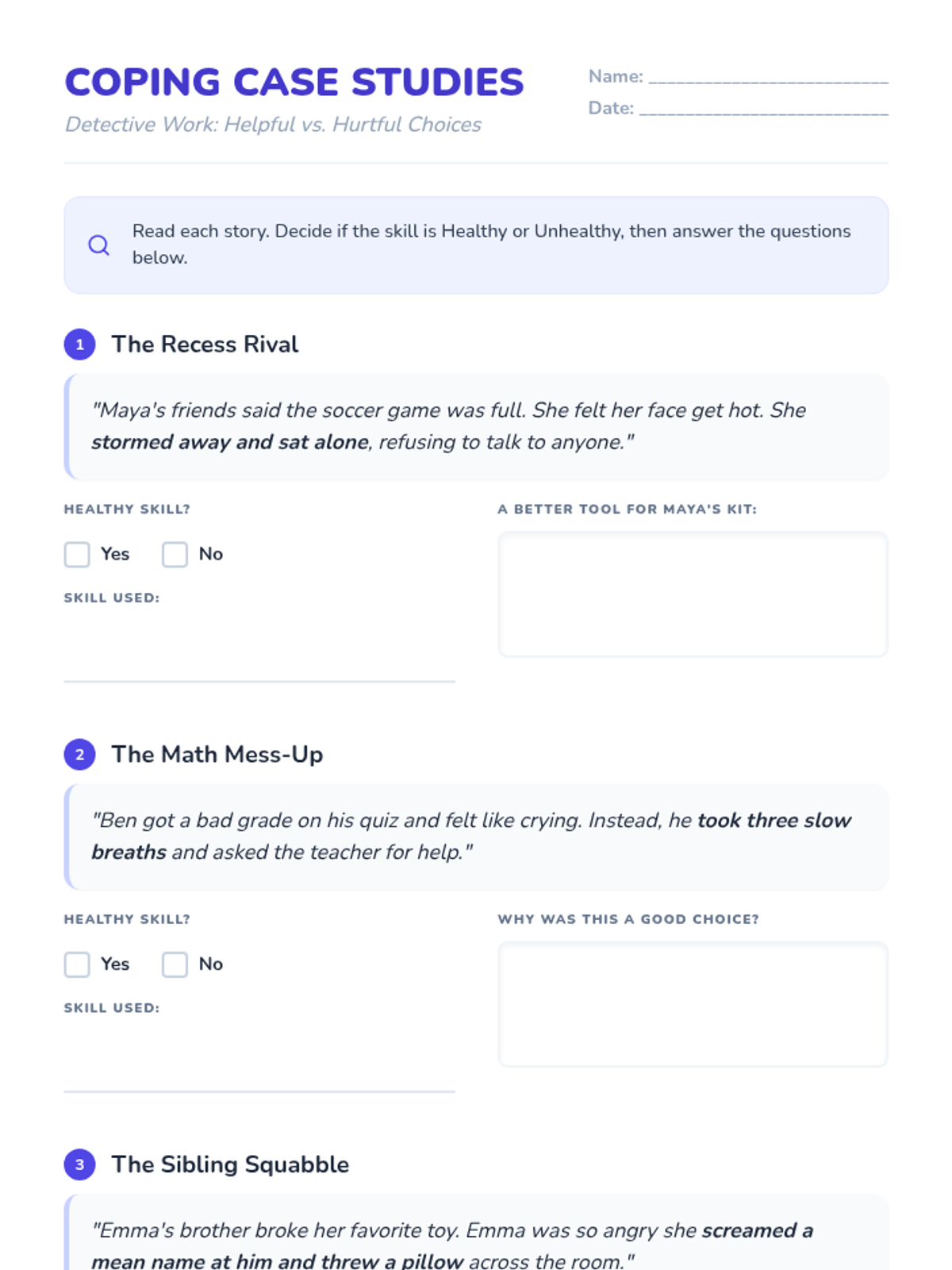
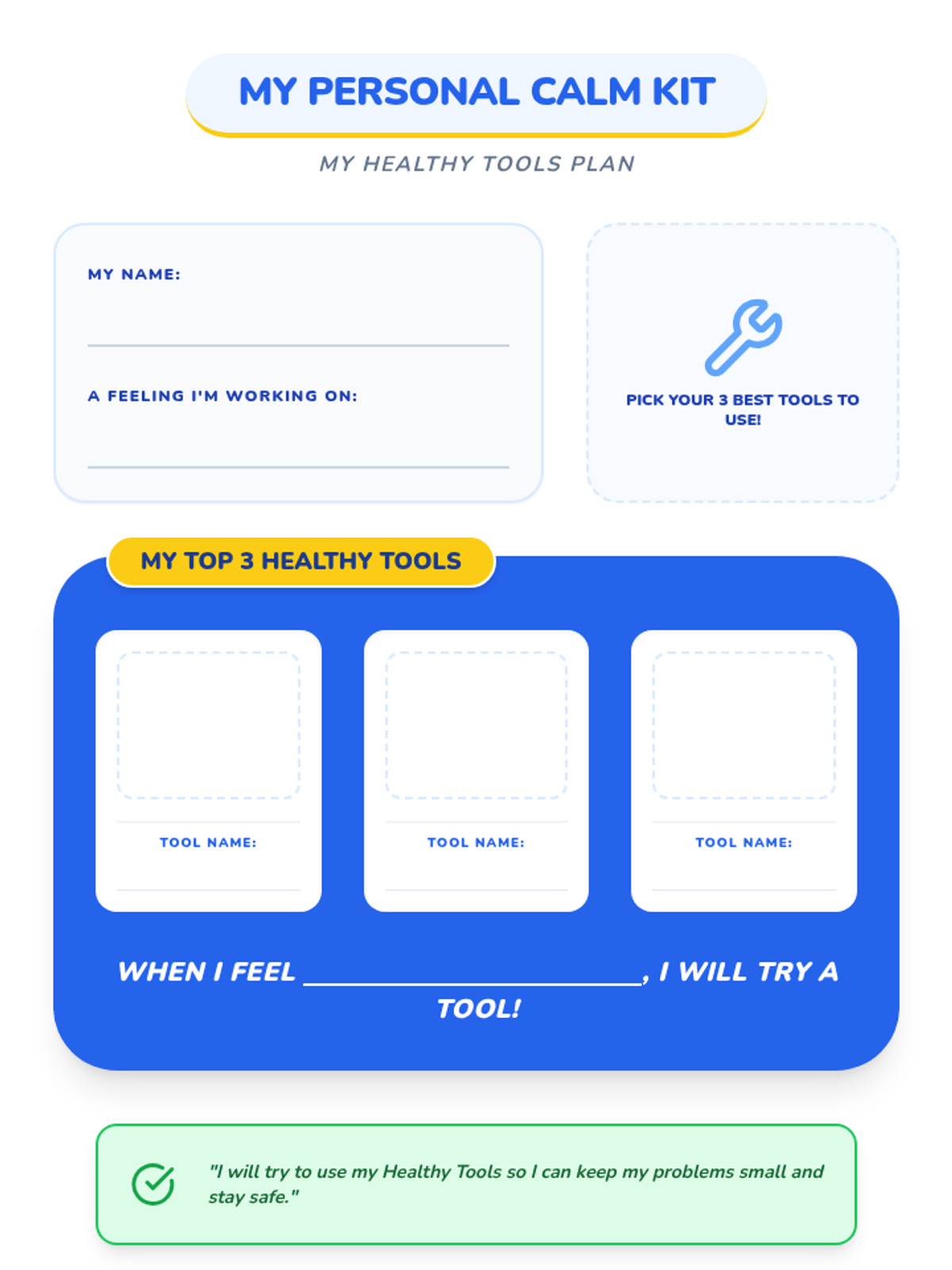
A comprehensive lesson on identifying and choosing healthy coping skills for students in grades K-4, featuring differentiated activities for younger and older learners.
A full practice session using the complete problem-solving process on real scenarios.
Defining positive leadership and how to use SEL skills to help the group.
Practicing how to try a plan and what to do if it doesn't work as expected.