Students investigate yeast as a single-celled fungus through a video study and a hands-on balloon inflation experiment to observe carbon dioxide production and evidence of life.
A foundational science lesson exploring the three primary states of matter—solids, liquids, and gases—through reading, visual aids, and interactive observation.
Cette séance de 2 heures permet aux élèves de distinguer qualification et compétence, d'analyser l'impact des conditions de travail sur le comportement des salariés et de mesurer la performance de l'activité humaine via des indicateurs de productivité et de climat social.
A comprehensive exploration of the water cycle, covering evaporation, condensation, precipitation, and collection through hands-on activities and visual aids. Students will learn how water moves through Earth's systems and why it is vital for life.
An introductory lesson exploring the eight planets of our solar system, their unique characteristics, and space-related vocabulary.
Une exploration approfondie des besoins nutritionnels humains, des groupes d'aliments et de l'équilibre alimentaire, alignée sur le programme de cycle 3. Les élèves apprennent à identifier la provenance de leur énergie et à composer des repas équilibrés pour leur santé.
The capstone project where students combine their coding knowledge and engineering skills. Students design a functional 'helper bot' using recycled materials and write the pseudo-code for its operations.
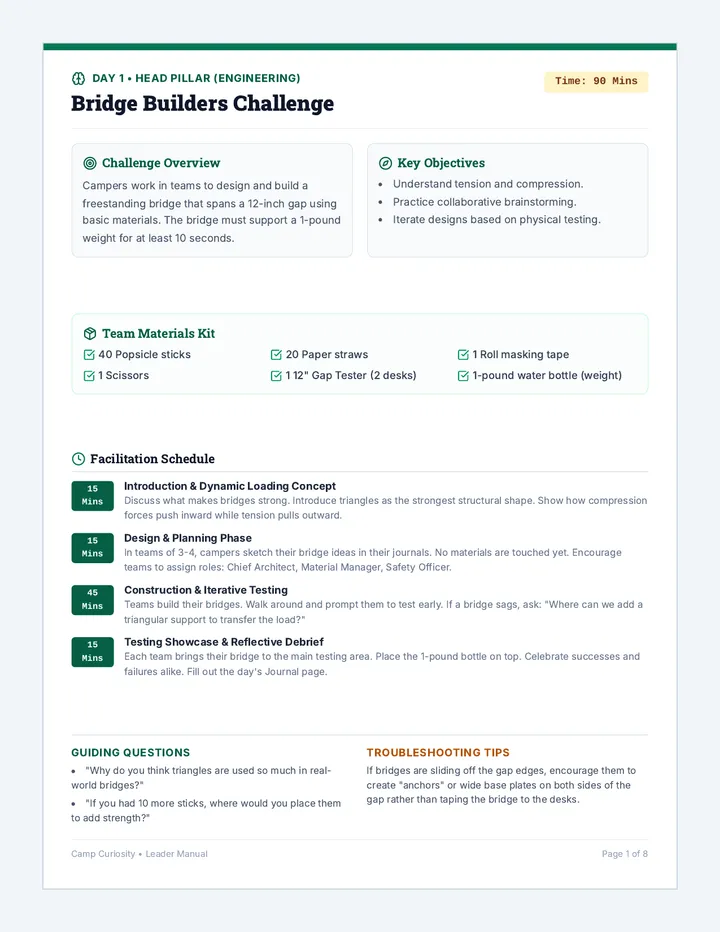
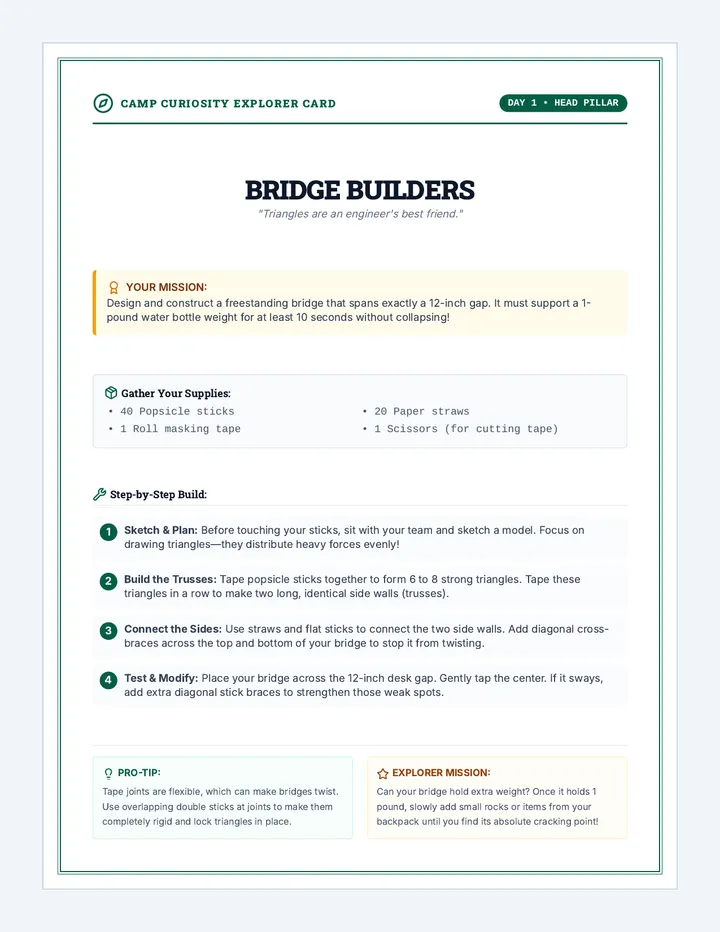
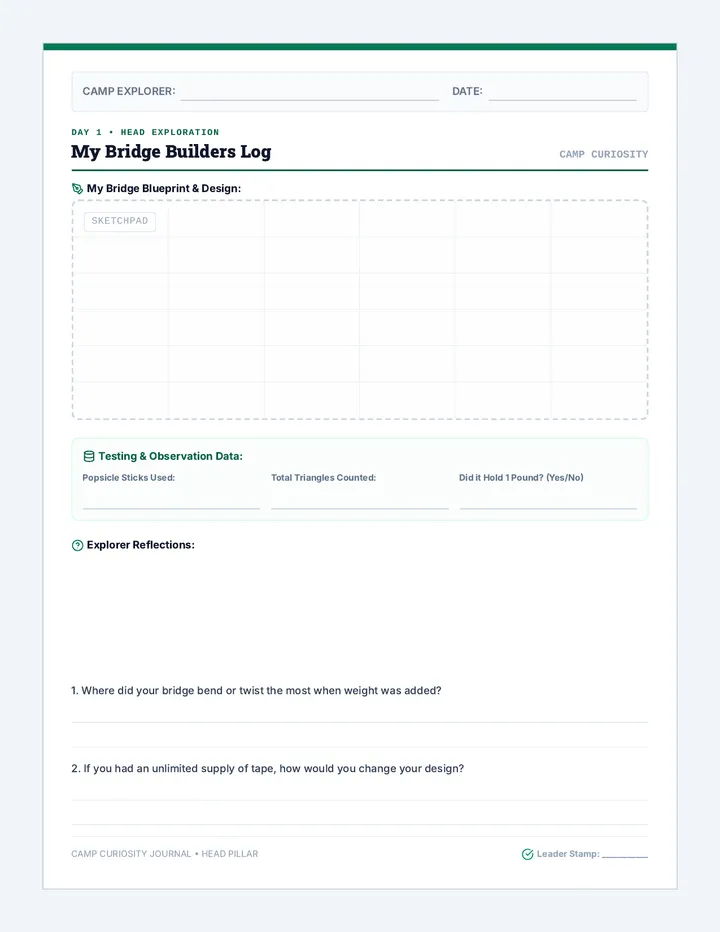
A hands-on engineering challenge where students apply the Engineering Design Process to build stable structures. This lesson focuses on physics, materials science, and iterative testing.
An introduction to computational thinking focusing on algorithms, sequencing, and loops. Students engage with online coding platforms and offline logic puzzles to master the basics of programming.
A step-by-step Scratch coding project where students build a physics-based bottle flip game. This lesson covers events, motion, loops, and variables through an engaging arcade-style project.
A comprehensive review lesson covering Earth's water distribution, fossil records in rock layers, plate tectonics, and the water cycle to prepare students for the Unit 4 Quiz.
Reviewing the principles of thermal energy, including states of matter, heat-related properties, and conservation of mass during heating.
An interactive 5th-grade science lesson where students become 'Earth Guardians' to solve water cycle mysteries and investigate how human activity impacts Earth's systems. Students will review core concepts of water distribution, geology, and plate tectonics before diving into a deep-dive on human-water interactions.
Students will investigate how thermal energy affects the speed and spacing of particles in a gas. They will interpret models and data to explain why hot air rises and how this principle is applied to technologies like hot-air balloons.
Students will explore how the mass of a substance remains constant even as it undergoes phase changes (freezing, melting, boiling). They will analyze data involving state changes and evaluate scientific claims about matter 'disappearing' during evaporation.
Students will review the law of conservation of mass as it applies to mixtures and dissolving. They will practice interpreting data tables to prove that matter still exists even when it is no longer visible in a solution.
A hands-on exploration of physical changes in matter, focusing on reversibility, state changes, and the conservation of identity.
Students design a balloon rocket investigation to test how varying force affects motion along a string.
Students design and conduct an experimental investigation to test the effect of force on a car traveling down a ramp.
Students compare properties of substances before and after forming solutions and demonstrate the conservation of matter.
Students investigate solubility in water and the ability of various materials to conduct or insulate thermal and electrical energy.
Students compare and contrast matter based on measurable and observable physical properties including mass, magnetism, relative density, and physical state.
A comprehensive 45-minute lesson exploring the three key processes that shape Earth's surface: weathering, erosion, and deposition. Students will identify these processes in real-world landscapes and understand their interconnected nature.
An introductory lesson on Microsoft Word basics, covering document creation, saving, text formatting, and clipboard actions (copy/cut/paste). Students will learn through a 'Word Wizardry' theme, transforming technical skills into creative magic.
An introductory lesson on physical and chemical changes for 5th-grade students, focusing on identifying signs of change and understanding reversibility.
A lesson focused on helping Level 3 ESL students master the Claim, Evidence, Reasoning framework through the analysis of bar and line graphs. Students act as 'Data Detectives' to uncover trends and support their conclusions with specific data points.
A series of feedback and reflection tools for students, parents, and teachers to evaluate learning after completing the Wild Adventure project. It uses an explorer theme to make the assessment process engaging and collaborative.
A hands-on lesson exploring the relationship between water level and volume, teaching students how to observe, measure, and compare how much liquid a container holds.
Students become geological detectives to investigate how rocks change over time through heat, pressure, and erosion, culminating in a mystery-solving identification challenge.
A foundational introduction to ecosystems, biomes, and the roles living things play in their environments. Students explore biotic and abiotic factors and the simple energy paths within food chains and webs.
A 45-minute introductory lesson on macroinvertebrates and their role as bioindicators, preparing students for a leaf pack study. Students will learn key ecosystem vocabulary and identification techniques across grades 5-9.