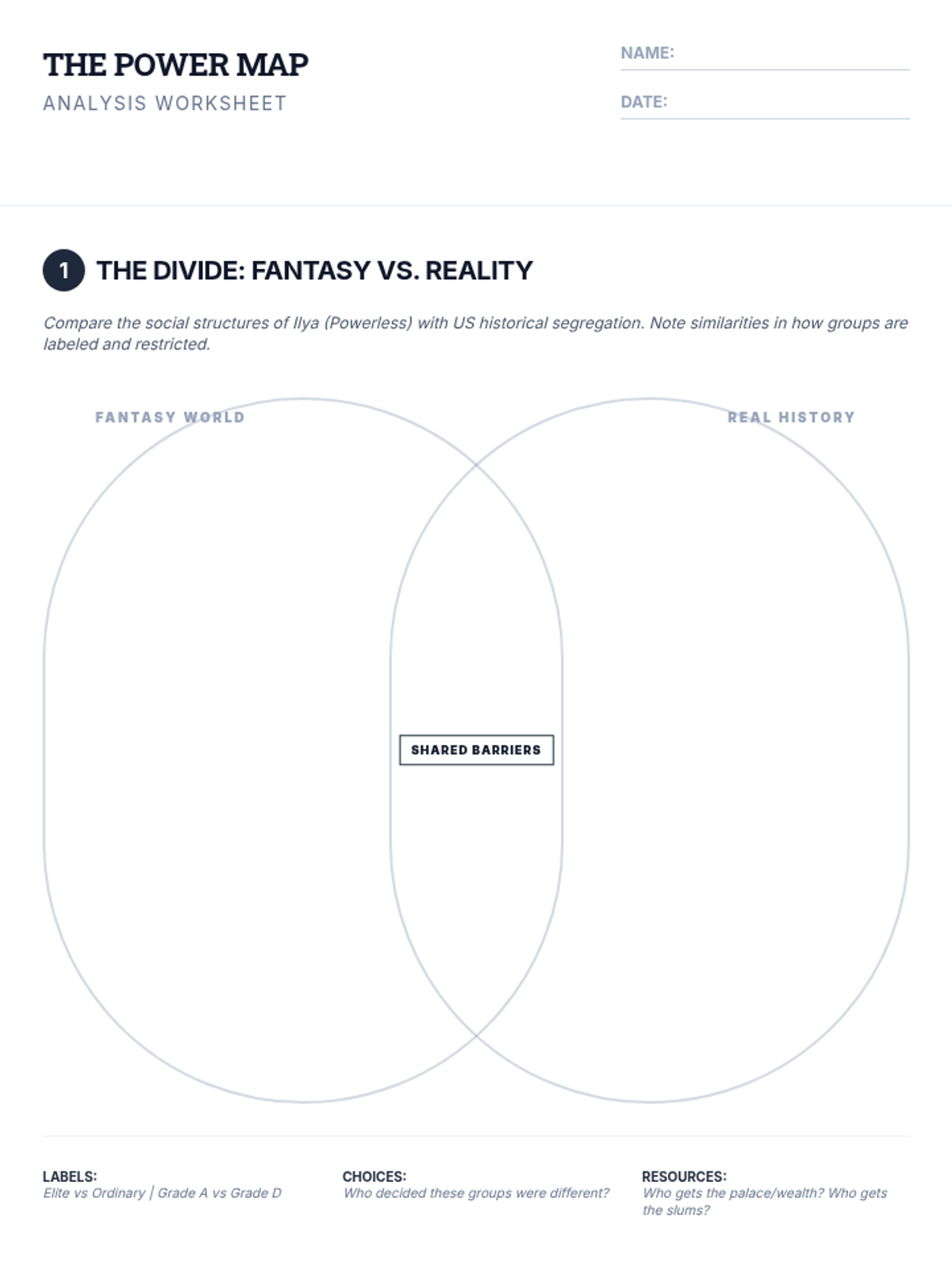
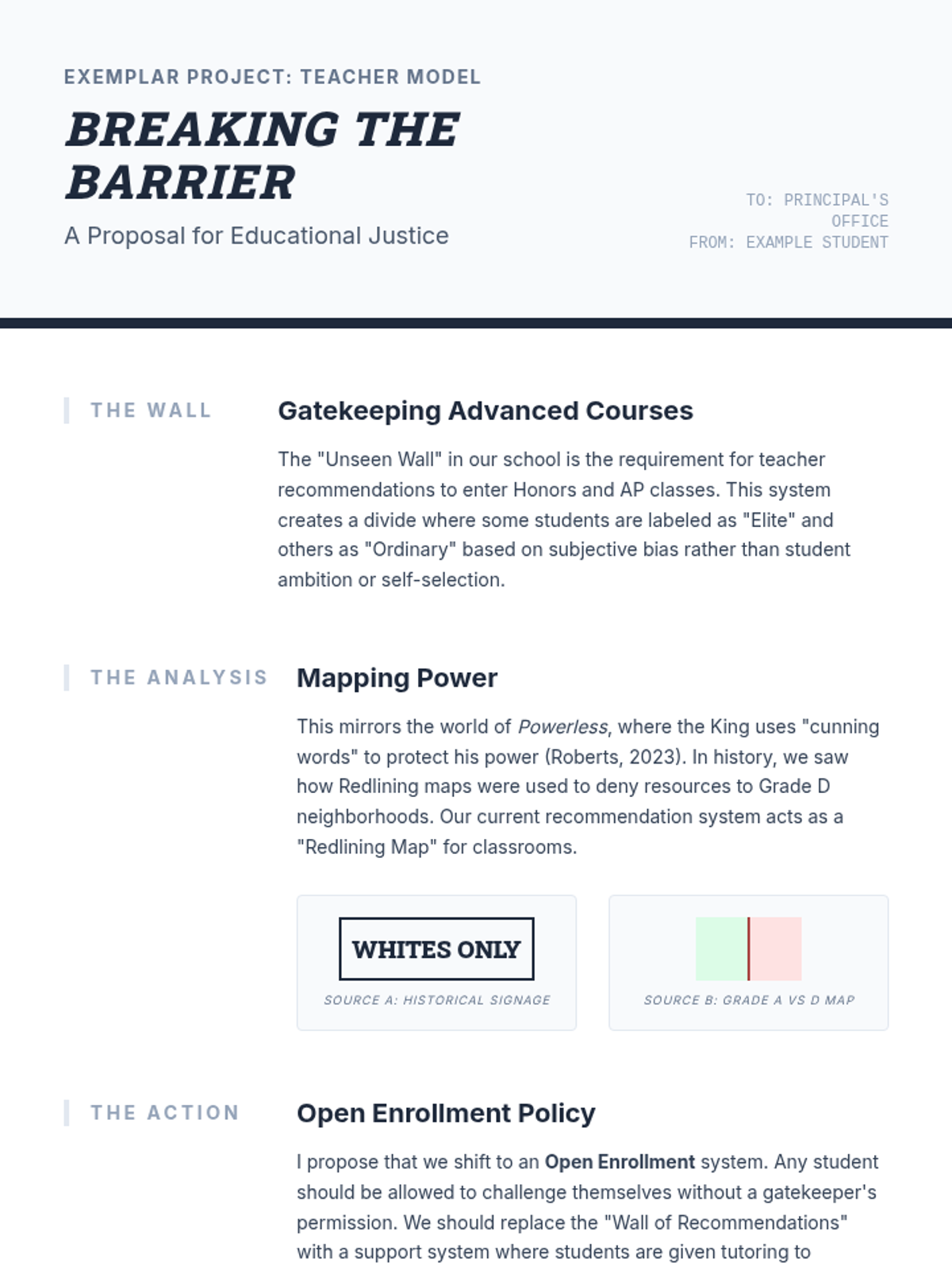
A middle school spelling lesson focusing on orthographic mapping for multisyllabic words using an architectural blueprint theme. Students learn to break down complex words into syllables and map sounds to graphemes for permanent storage.
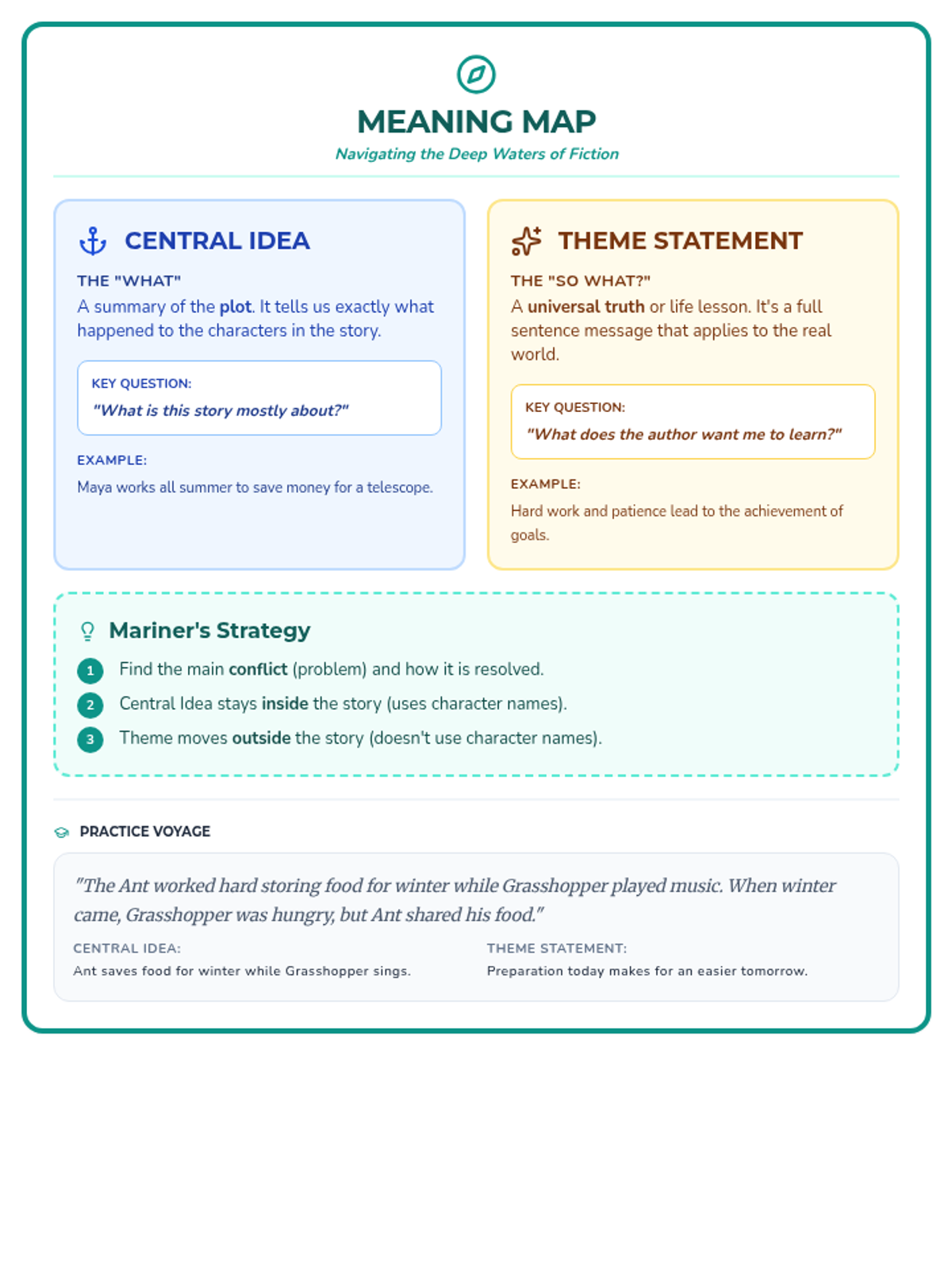
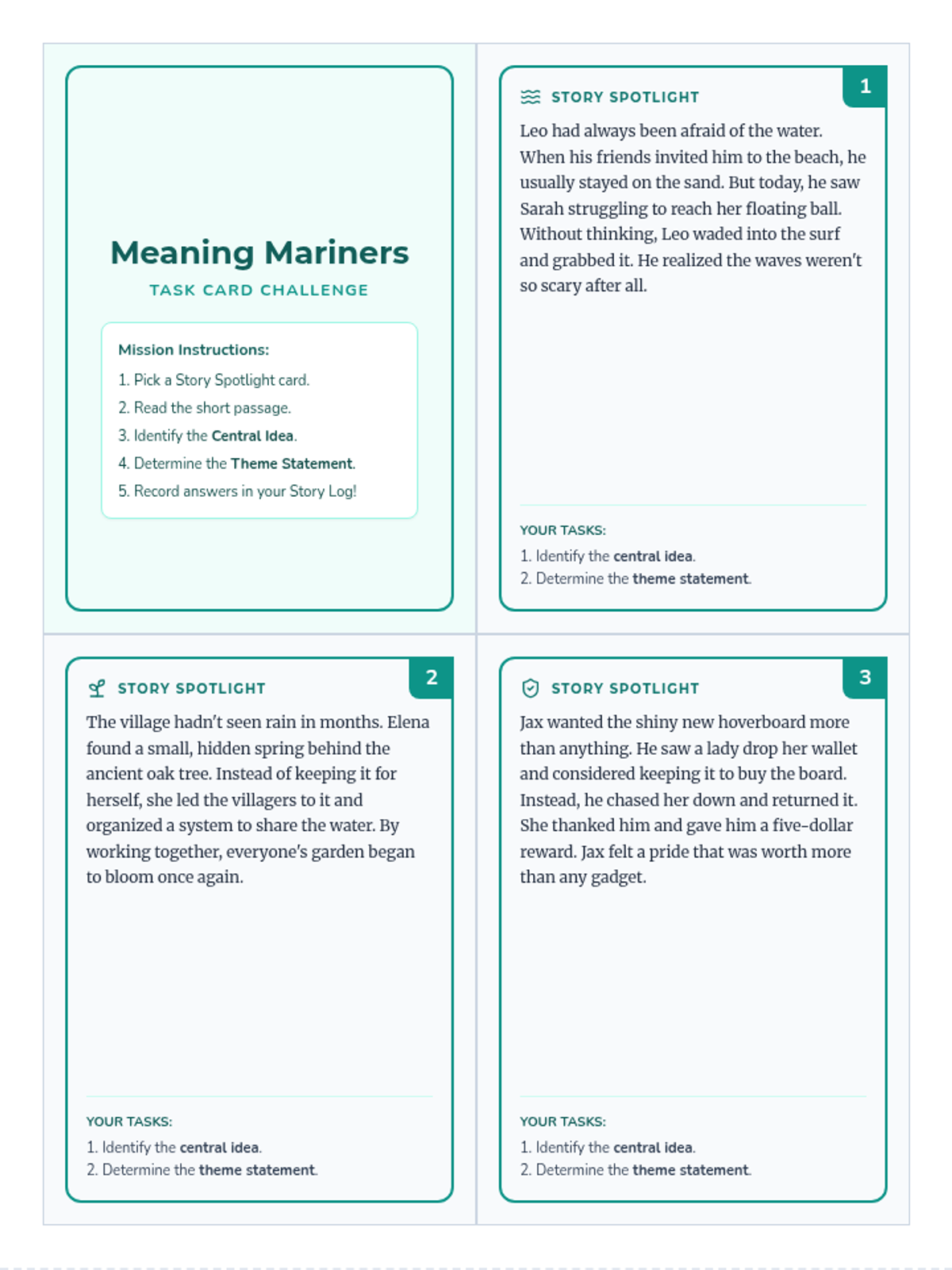
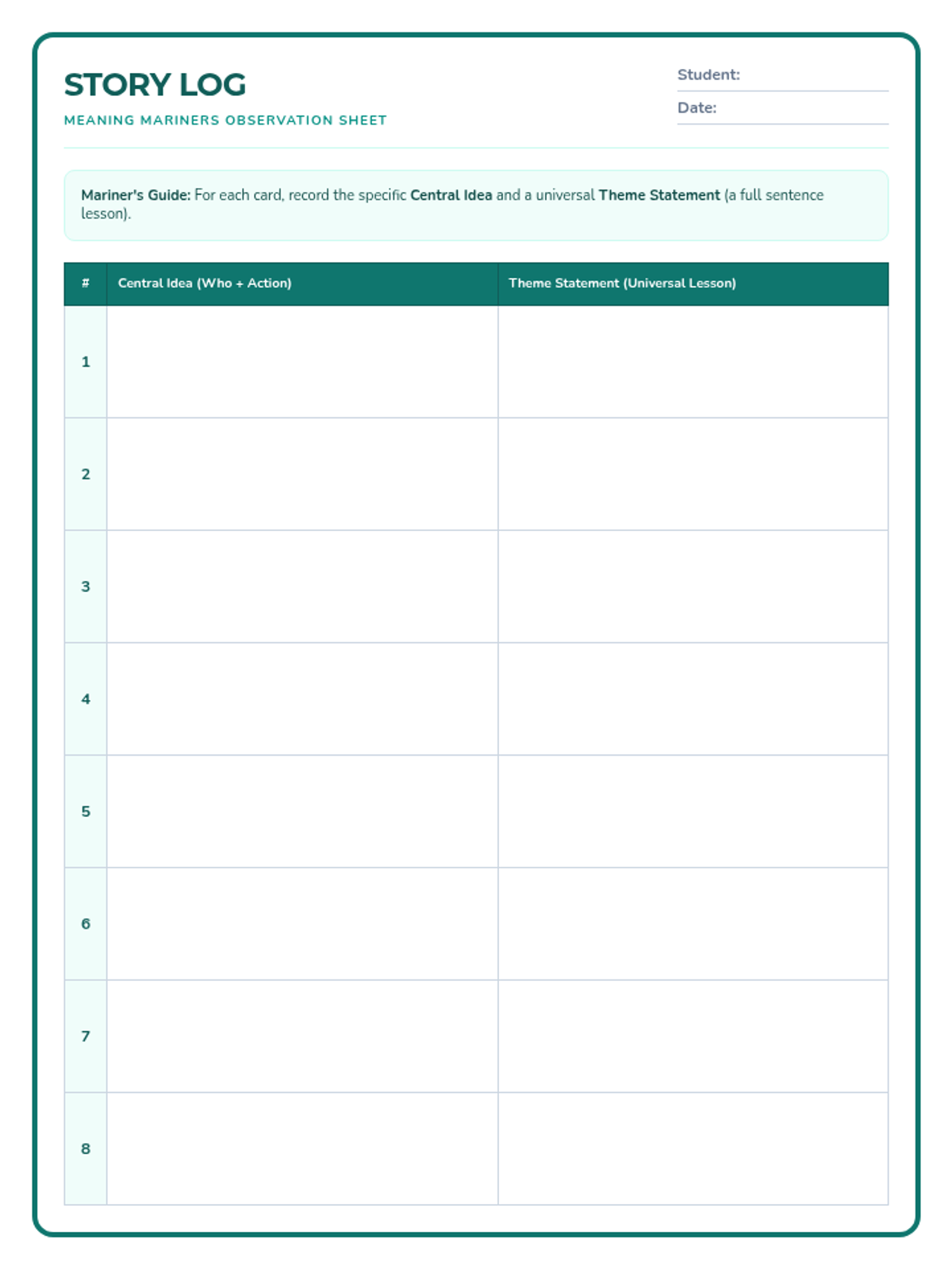
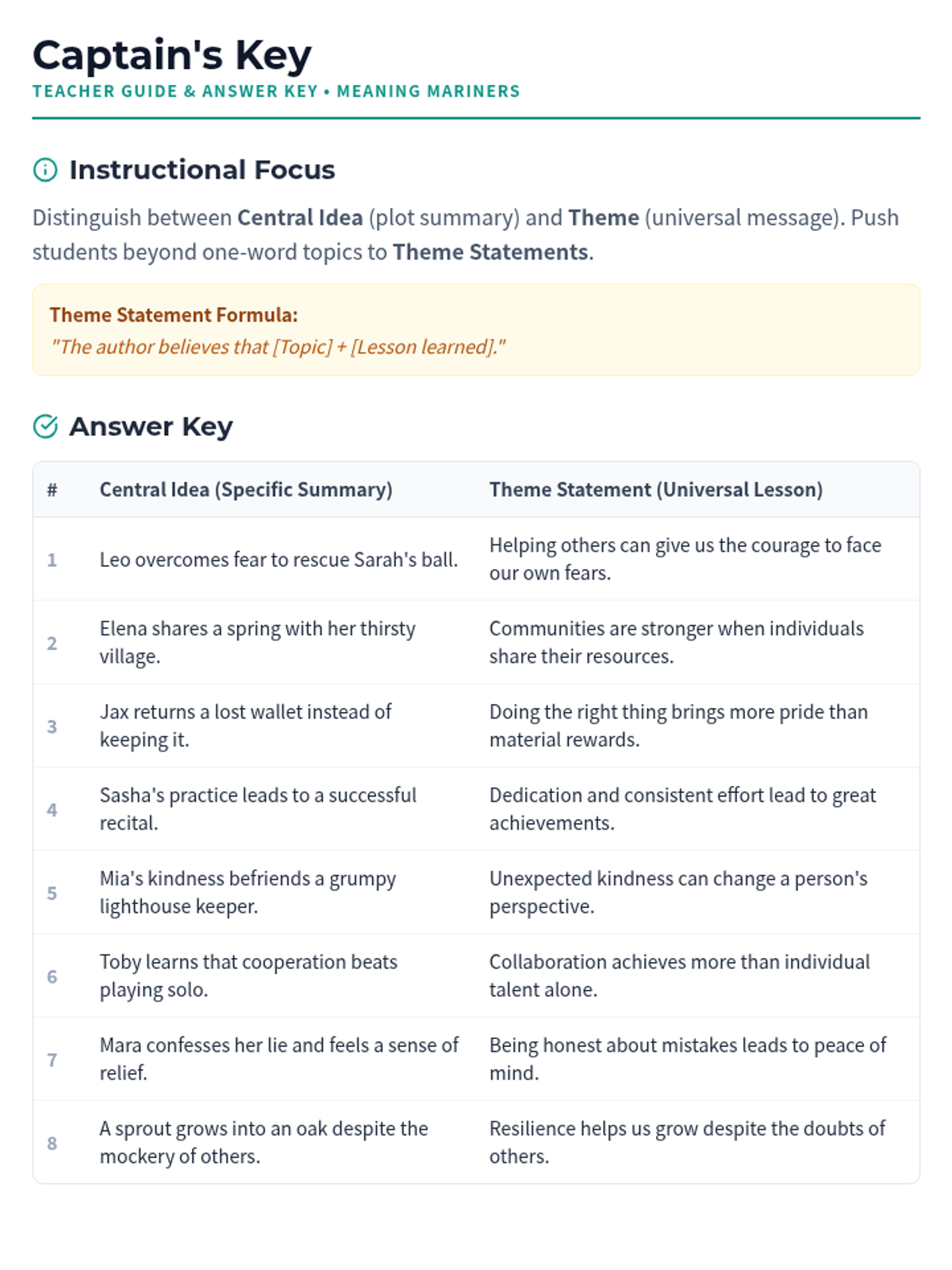
A targeted reteach lesson focused on distinguishing between central idea and theme in fictional texts through guided practice and independent task cards.
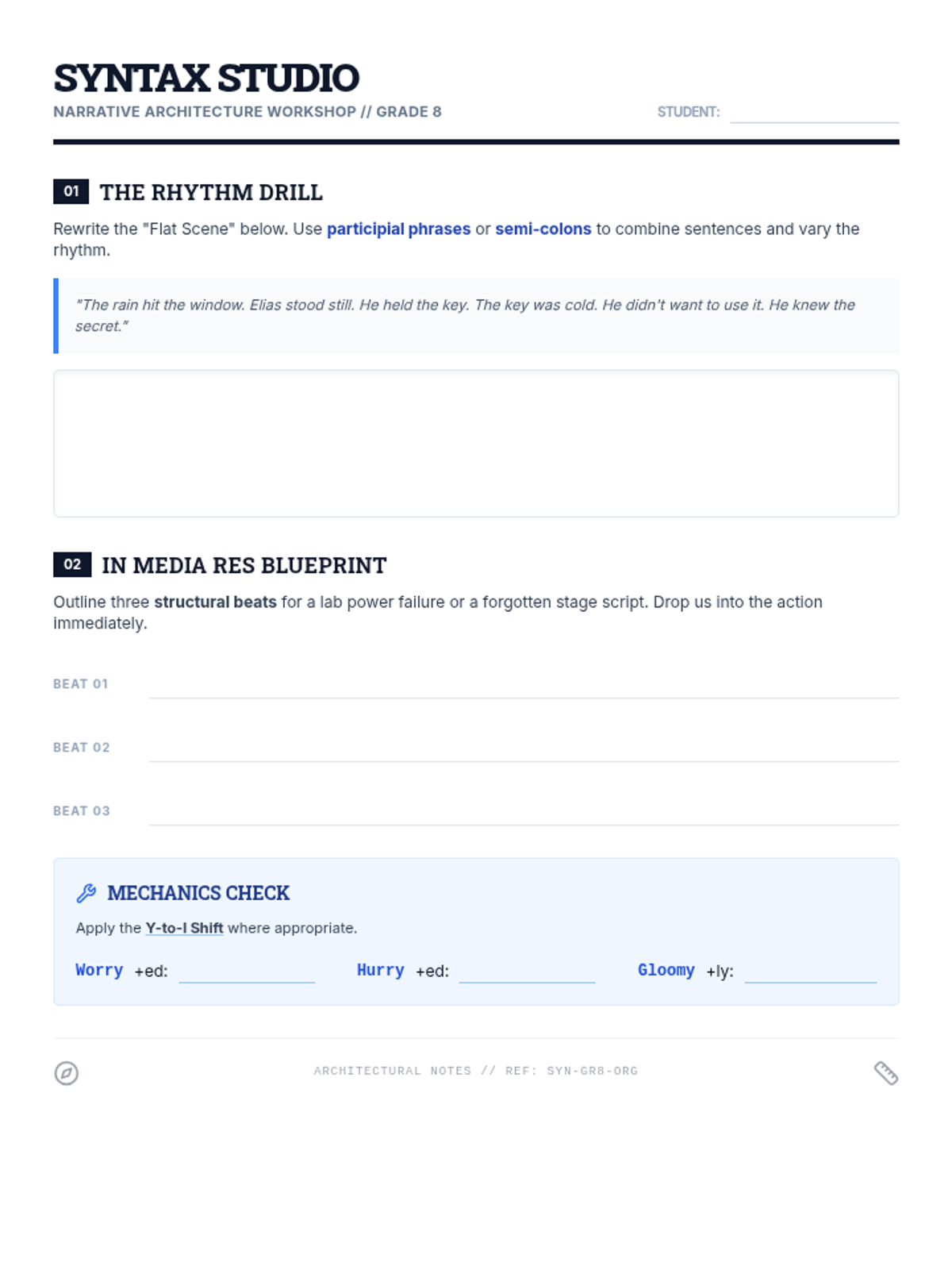
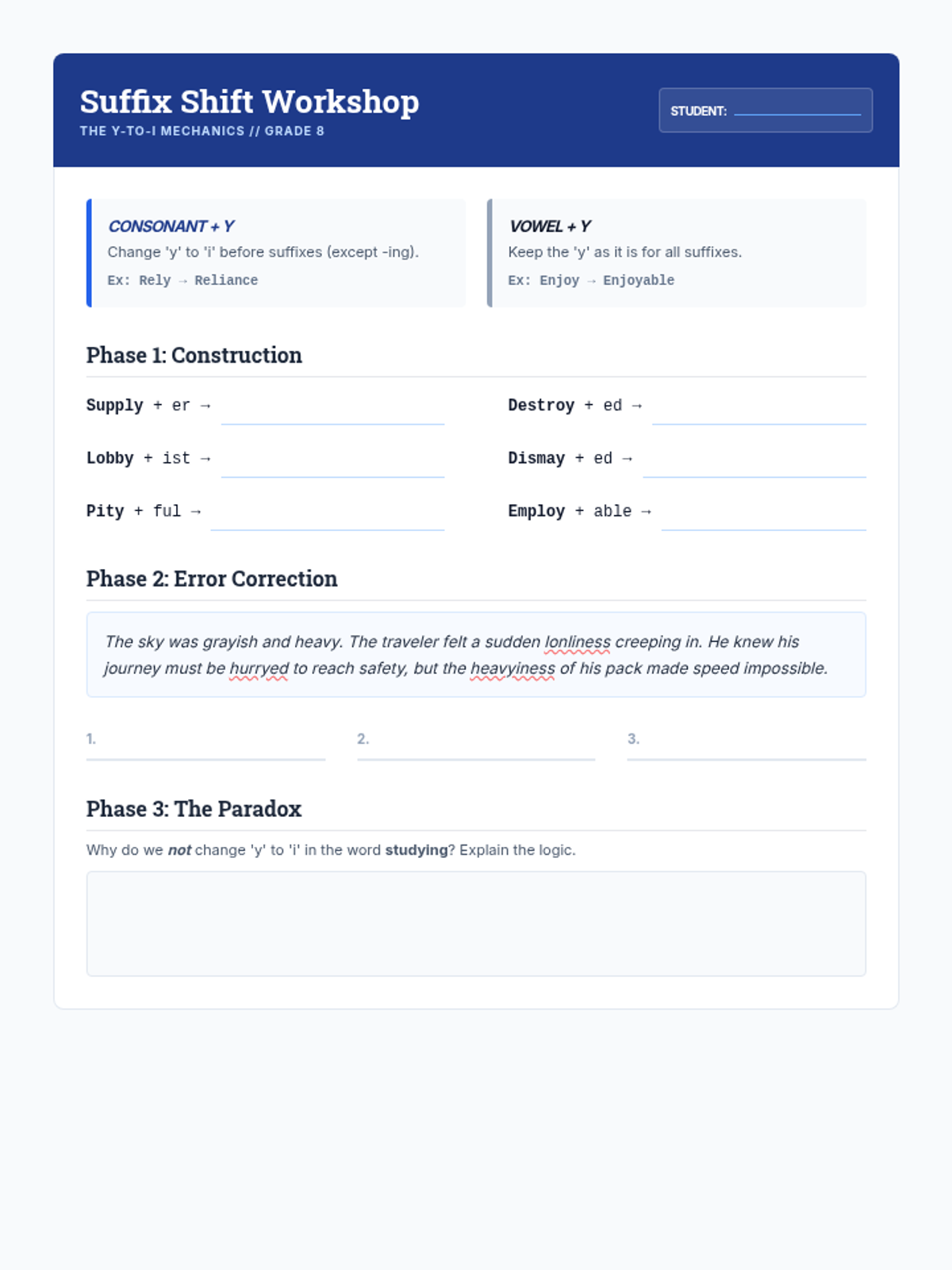
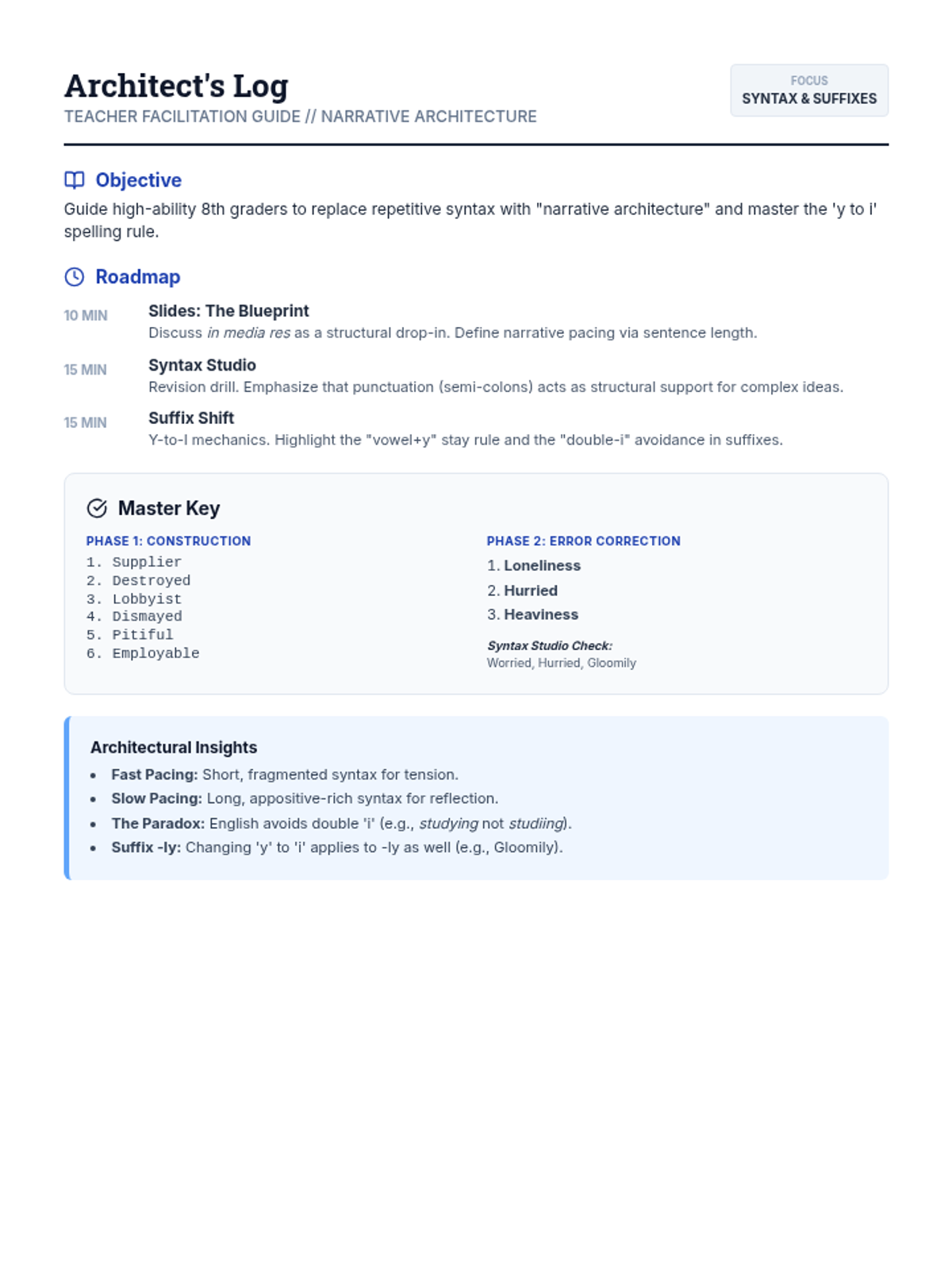
A sophisticated lesson focused on narrative organization, advanced syntax, and the 'y to i' spelling rule for a high-ability 8th grader.
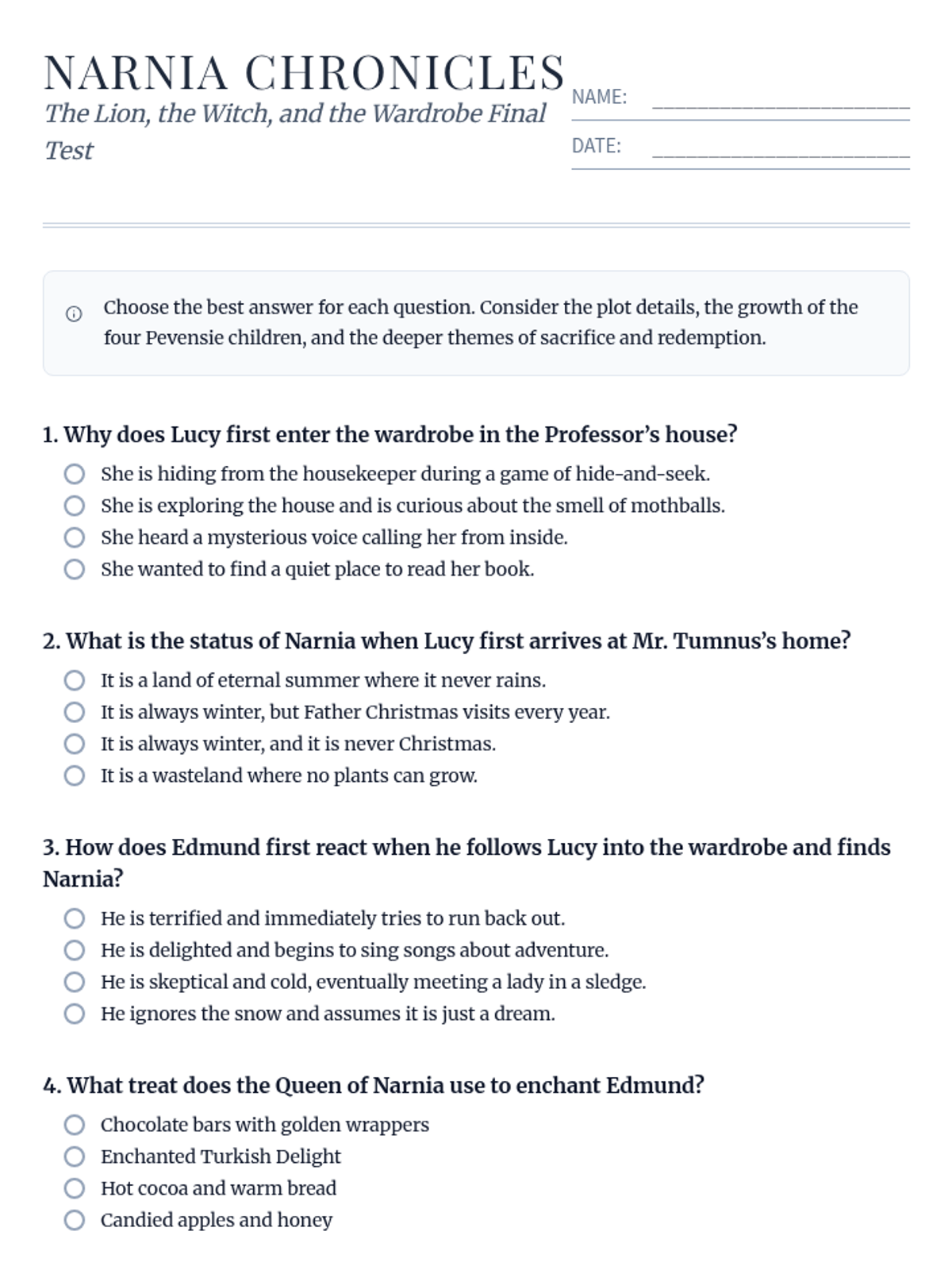
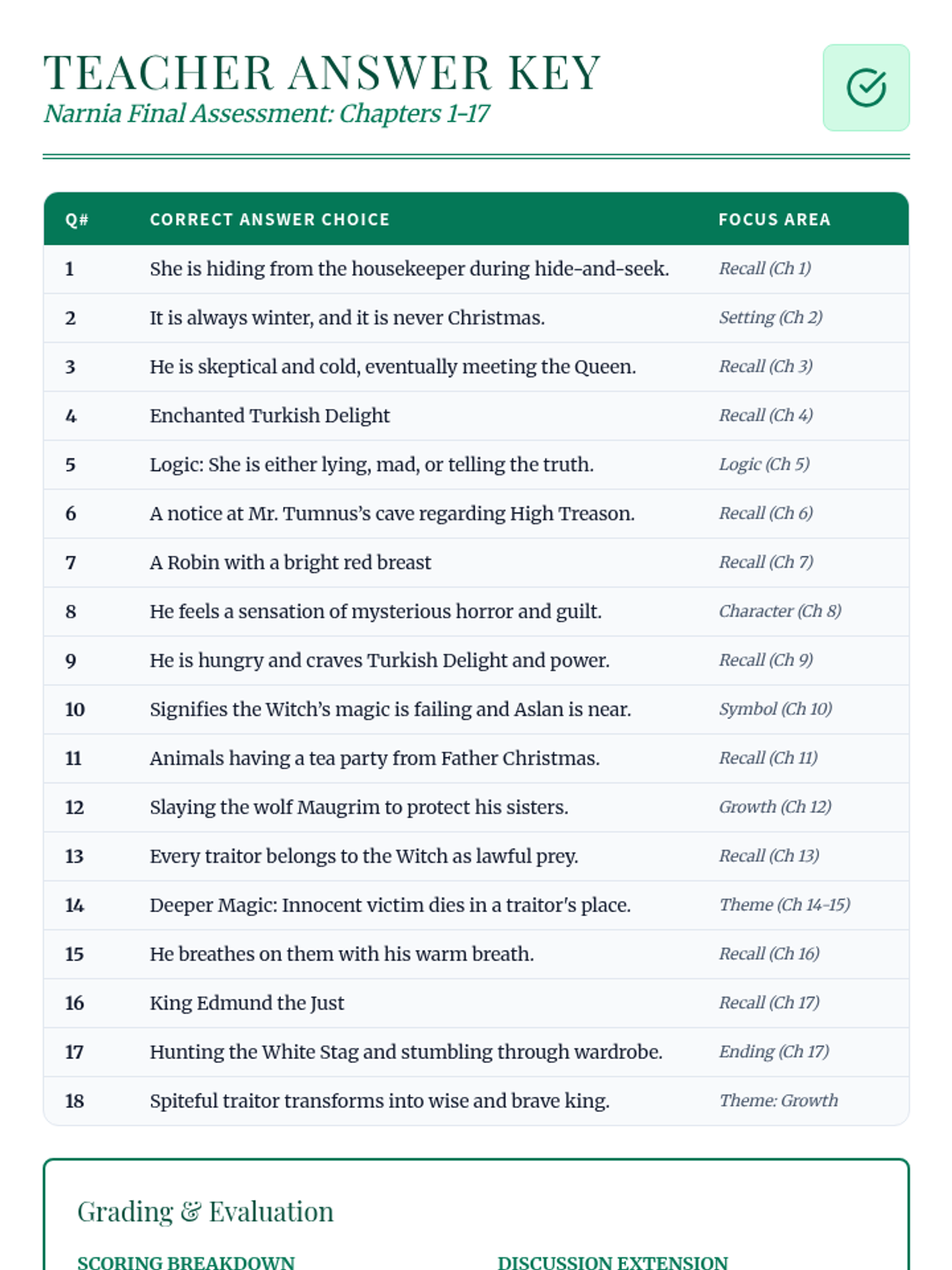
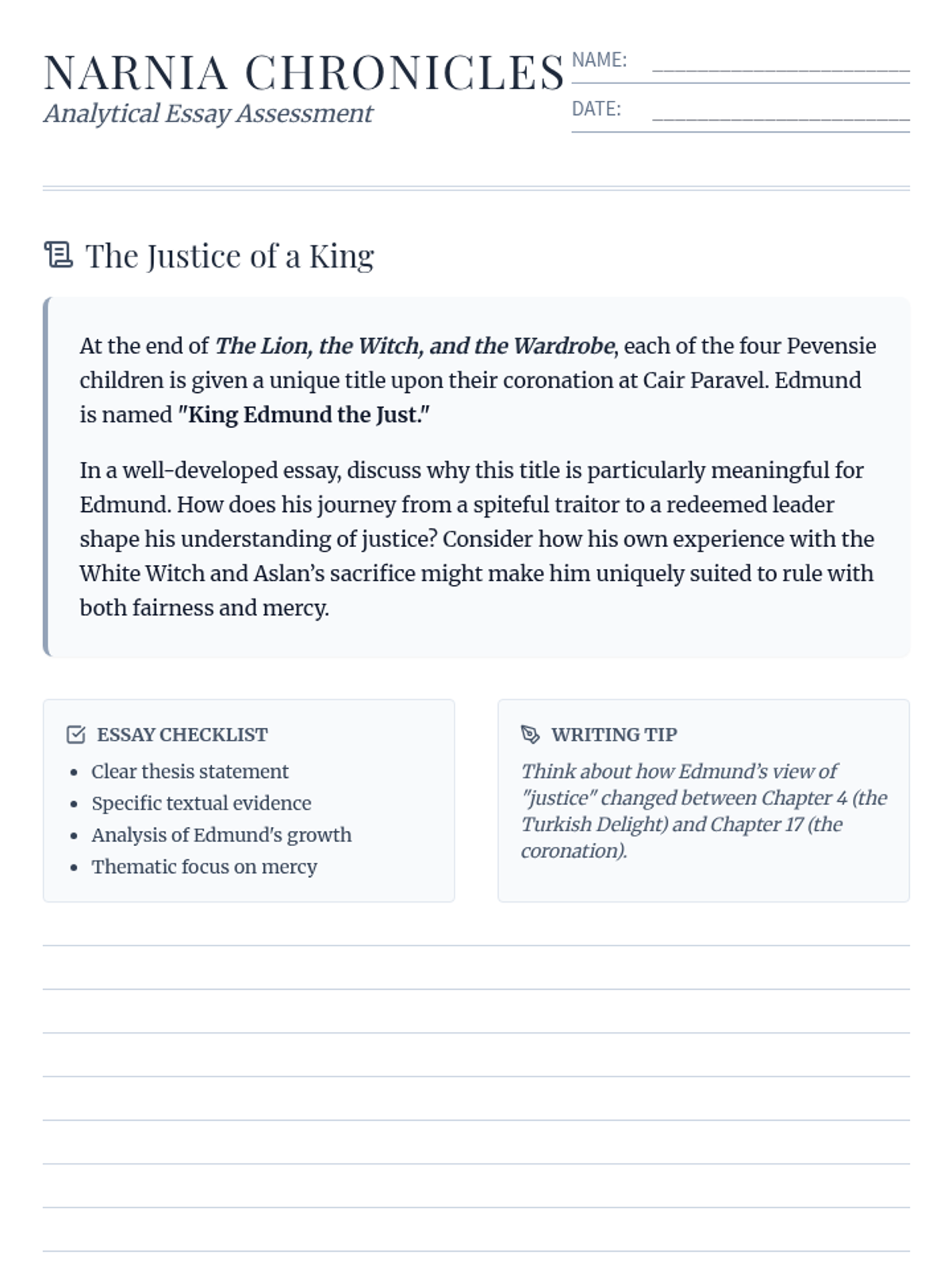
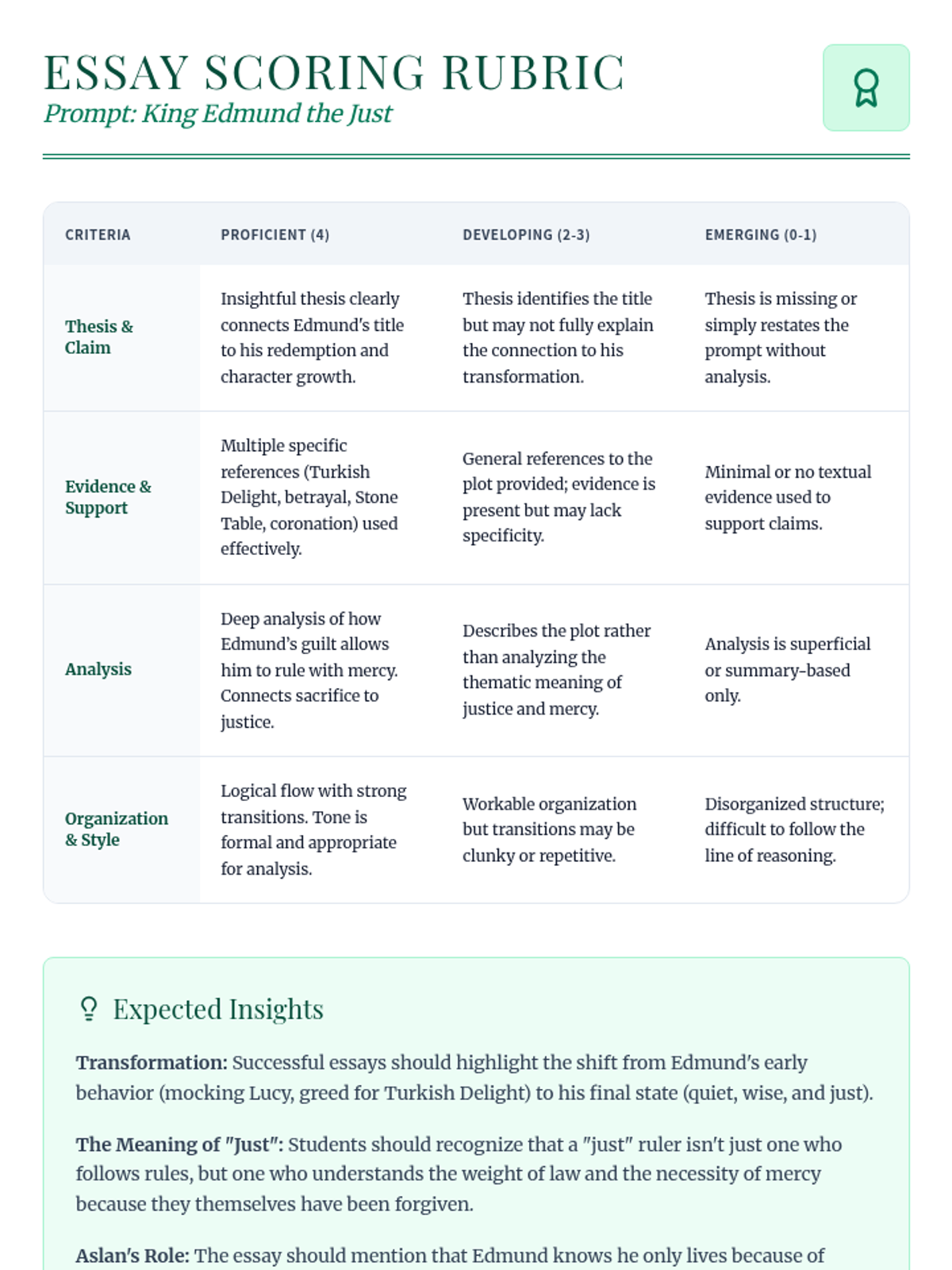
A comprehensive assessment of C.S. Lewis's 'The Lion, the Witch, and the Wardrobe' covering all 17 chapters through basic recall, character analysis, and thematic understanding.
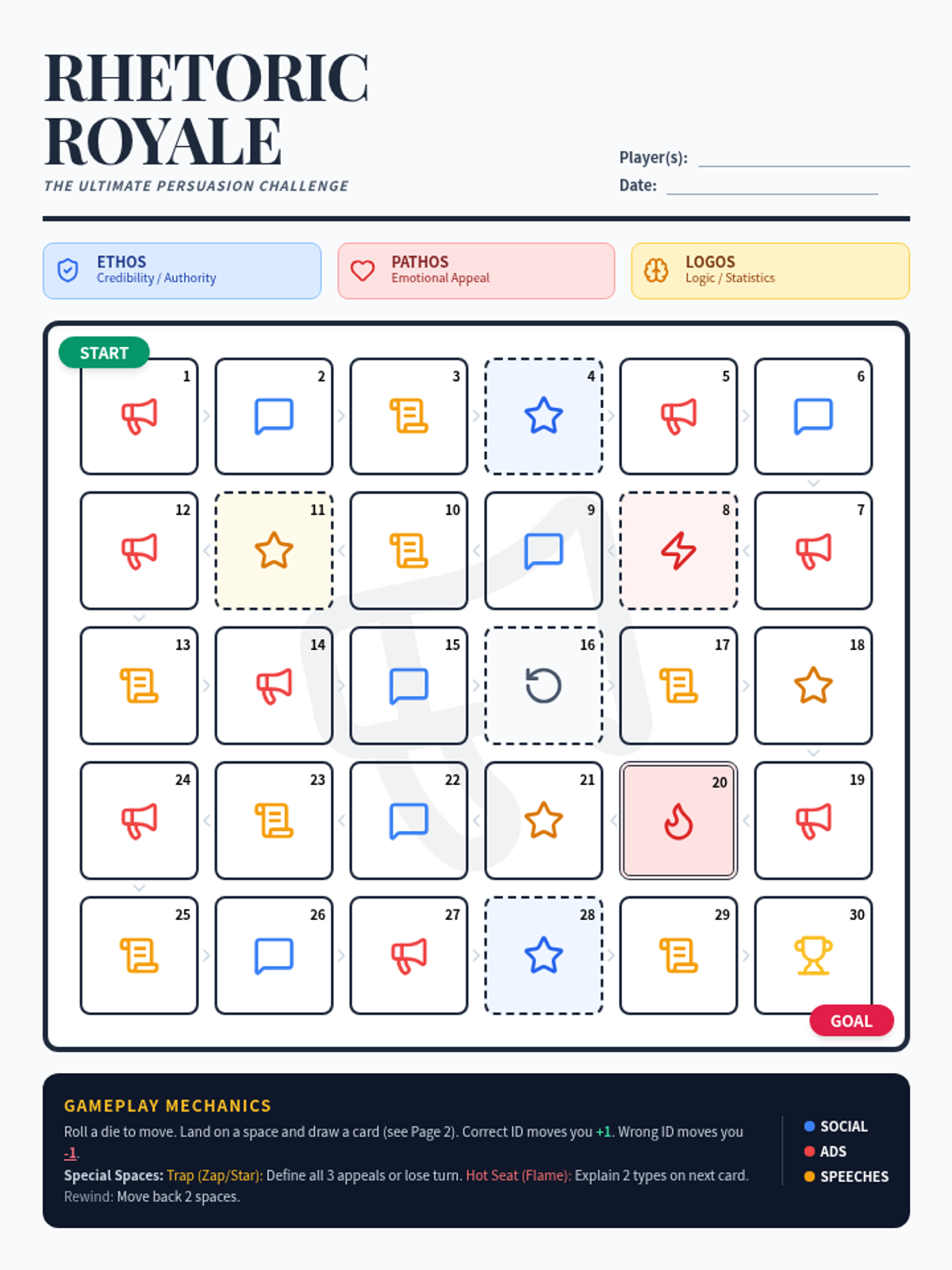
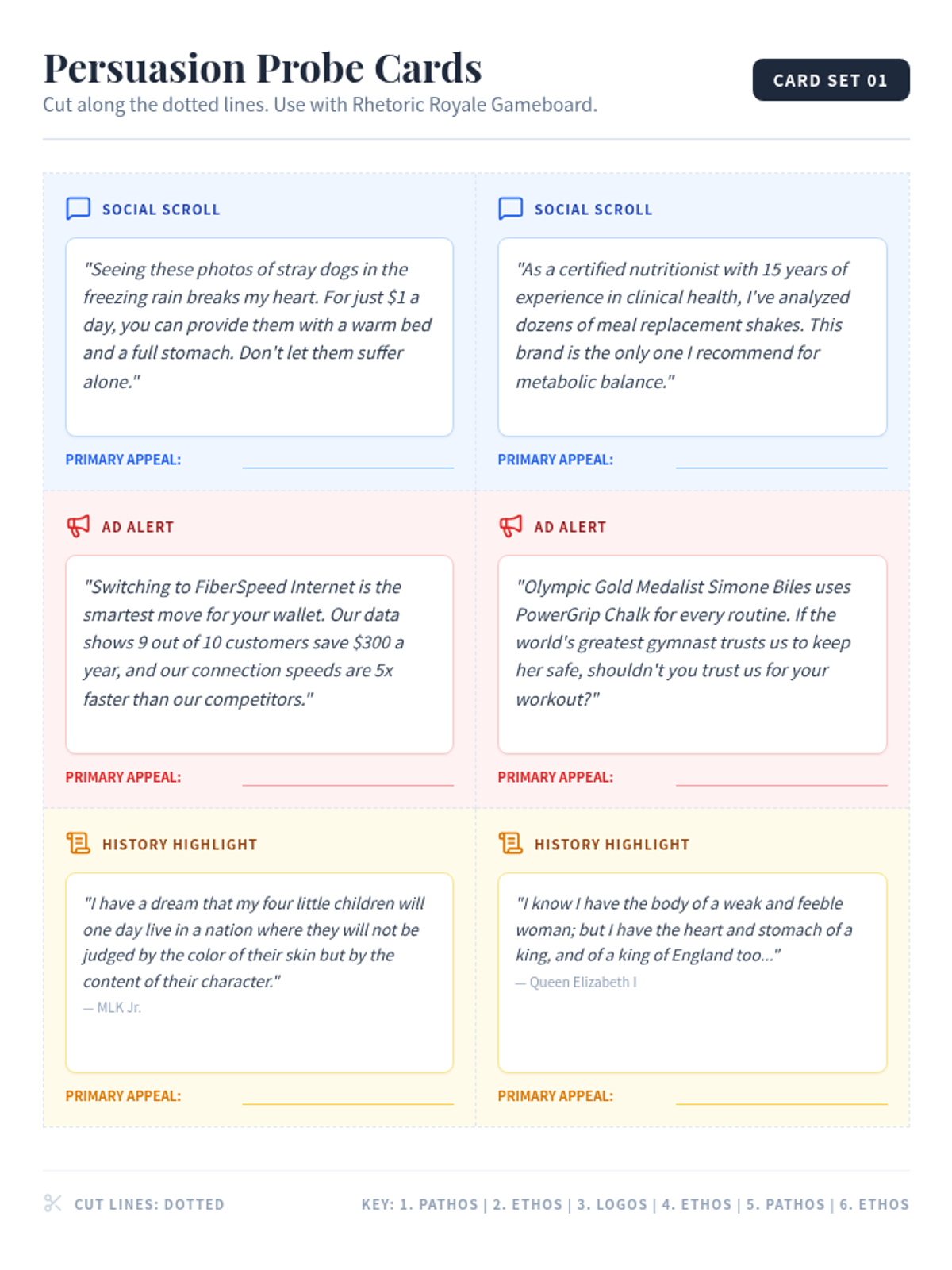
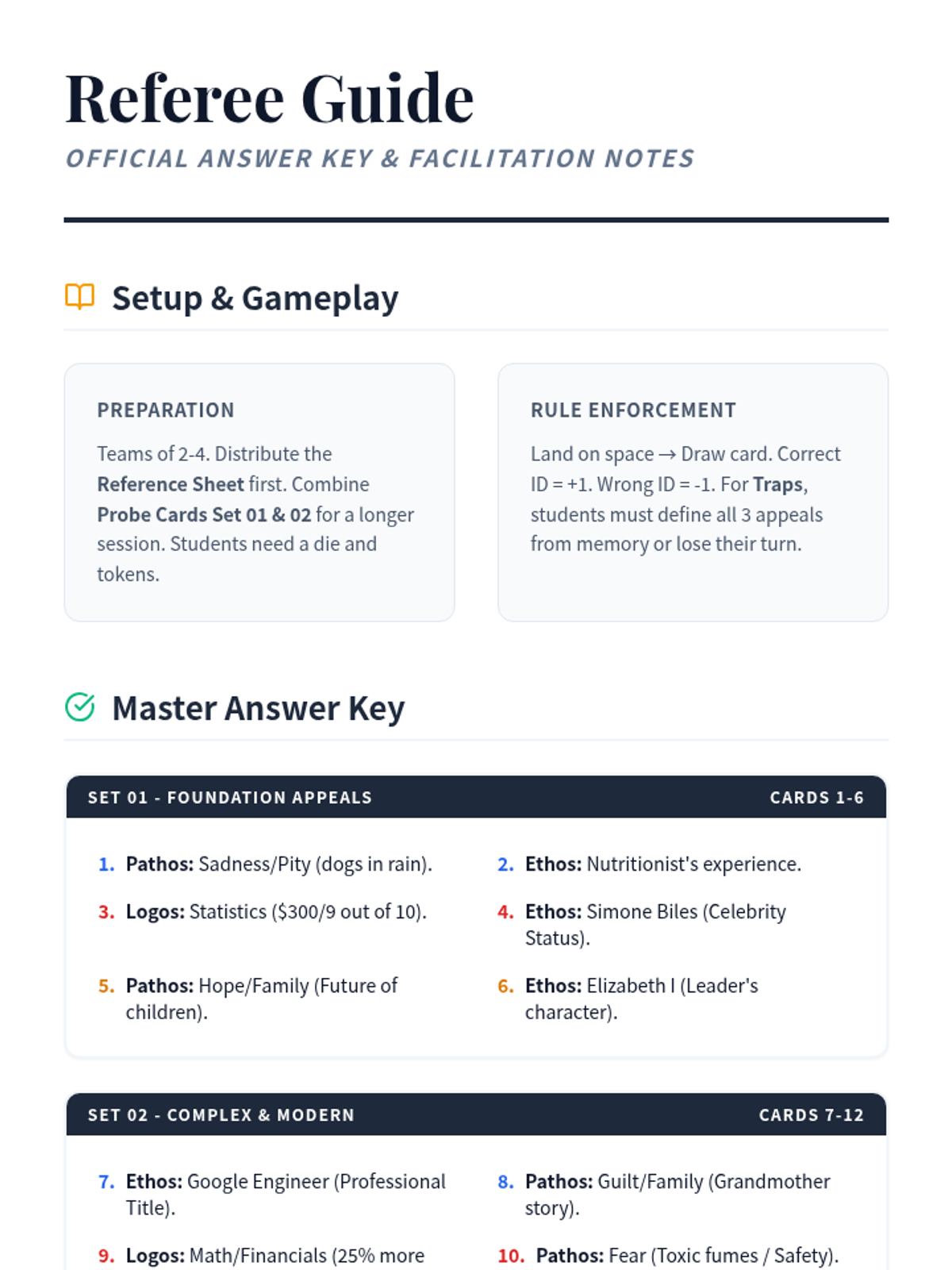
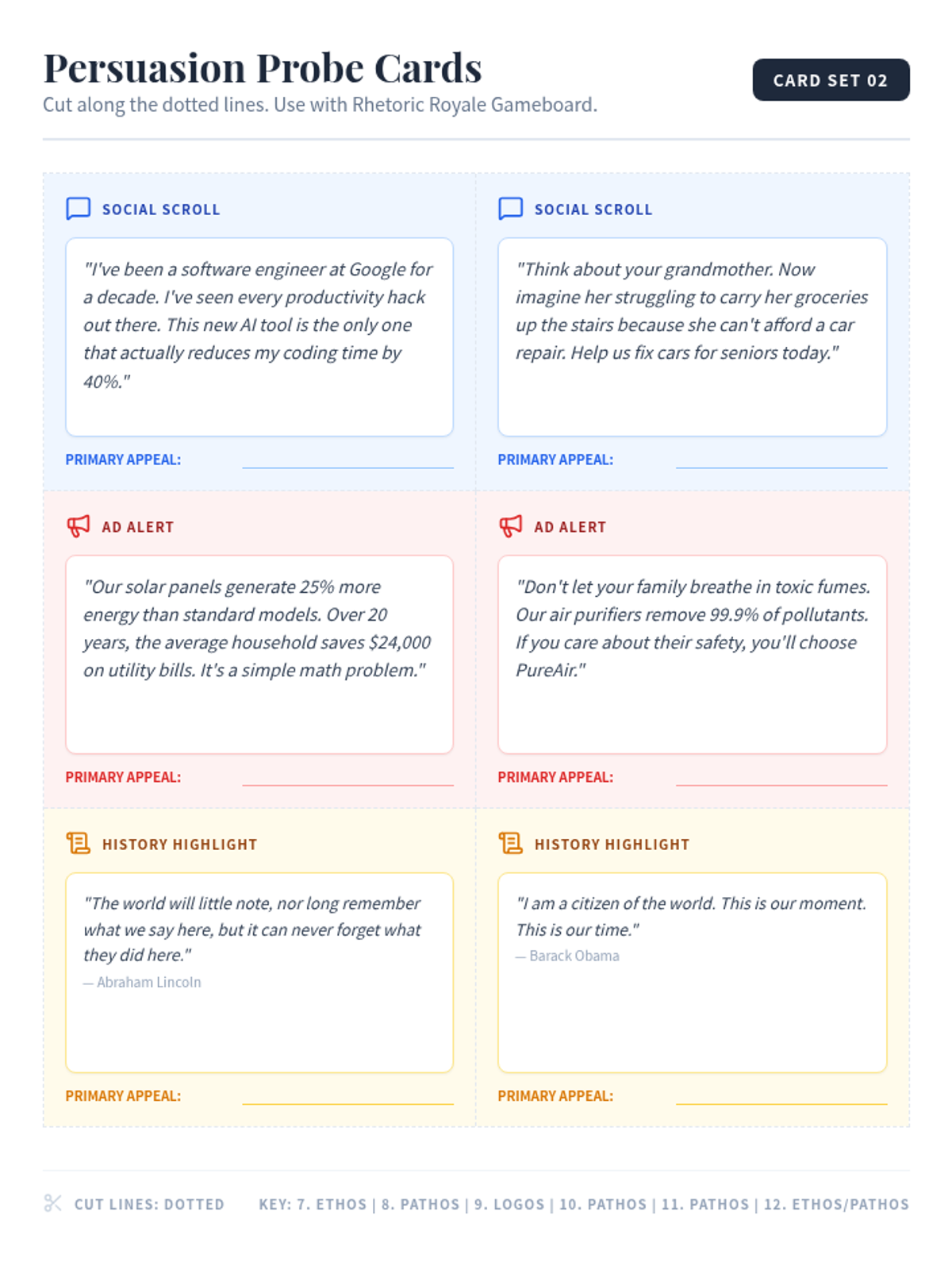
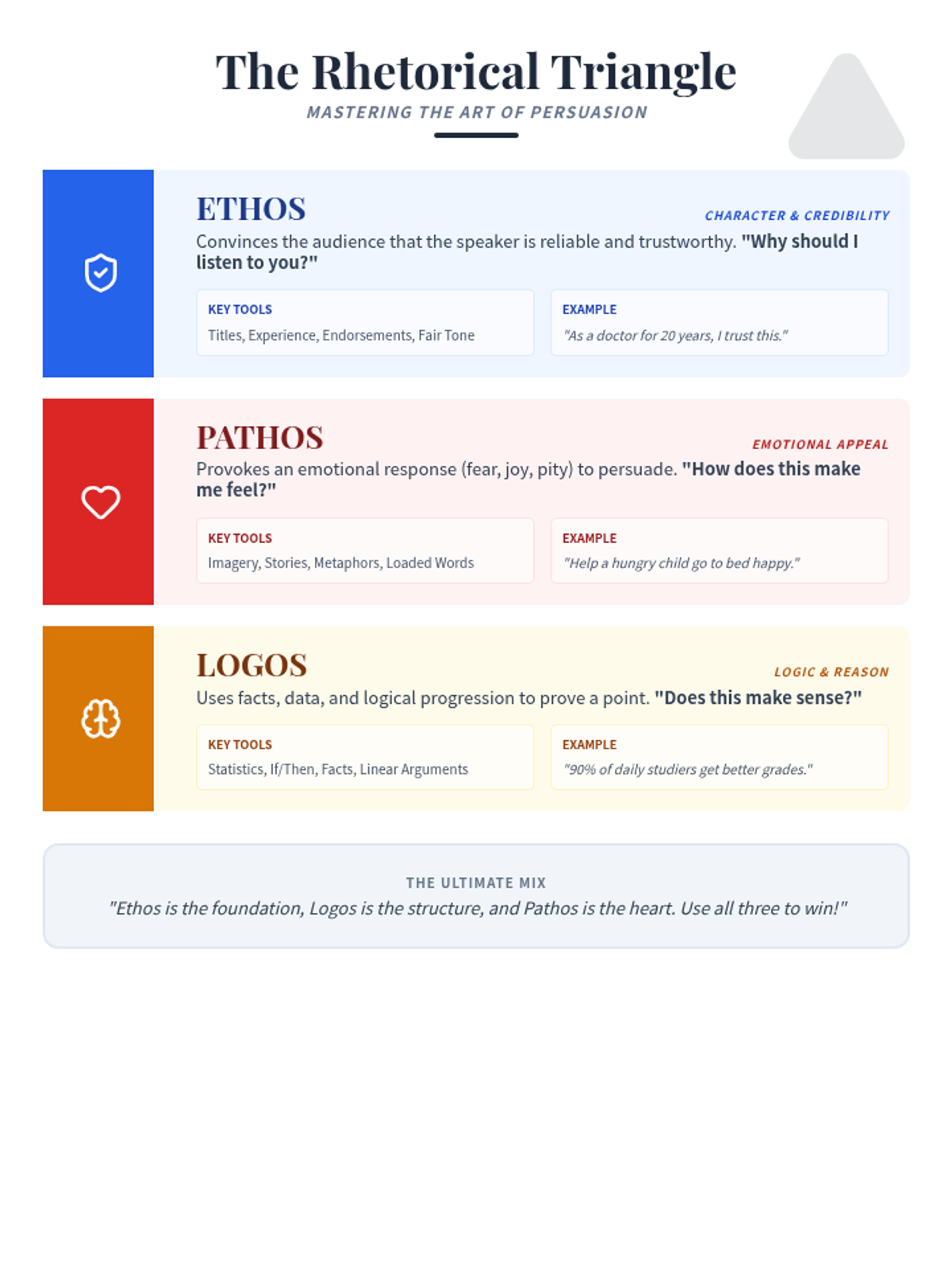
A high-energy board game lesson where students identify Ethos, Pathos, and Logos in modern ads, social media, and historical speeches. Students compete in teams to master the art of persuasion and navigate the path to rhetorical victory.
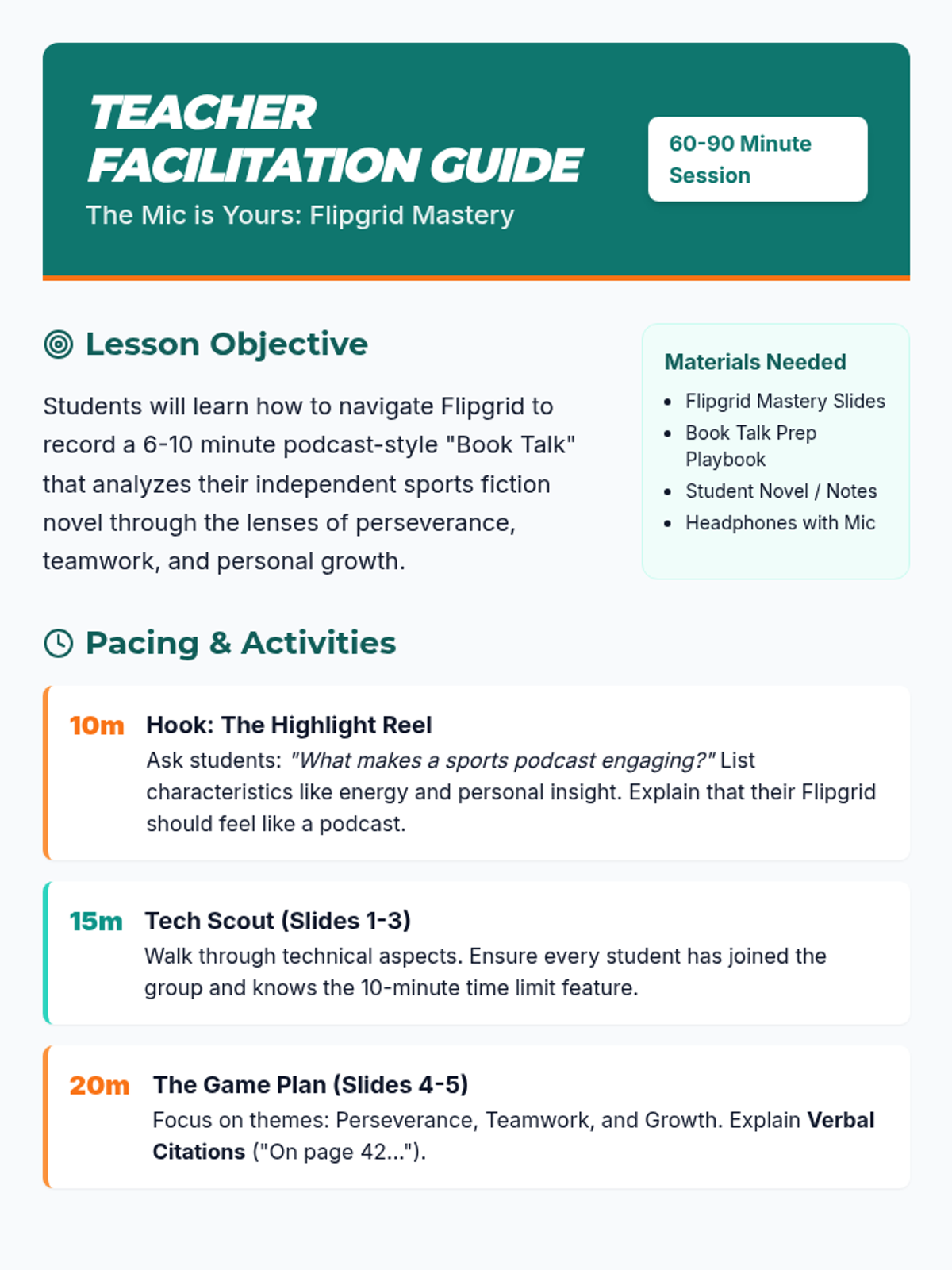
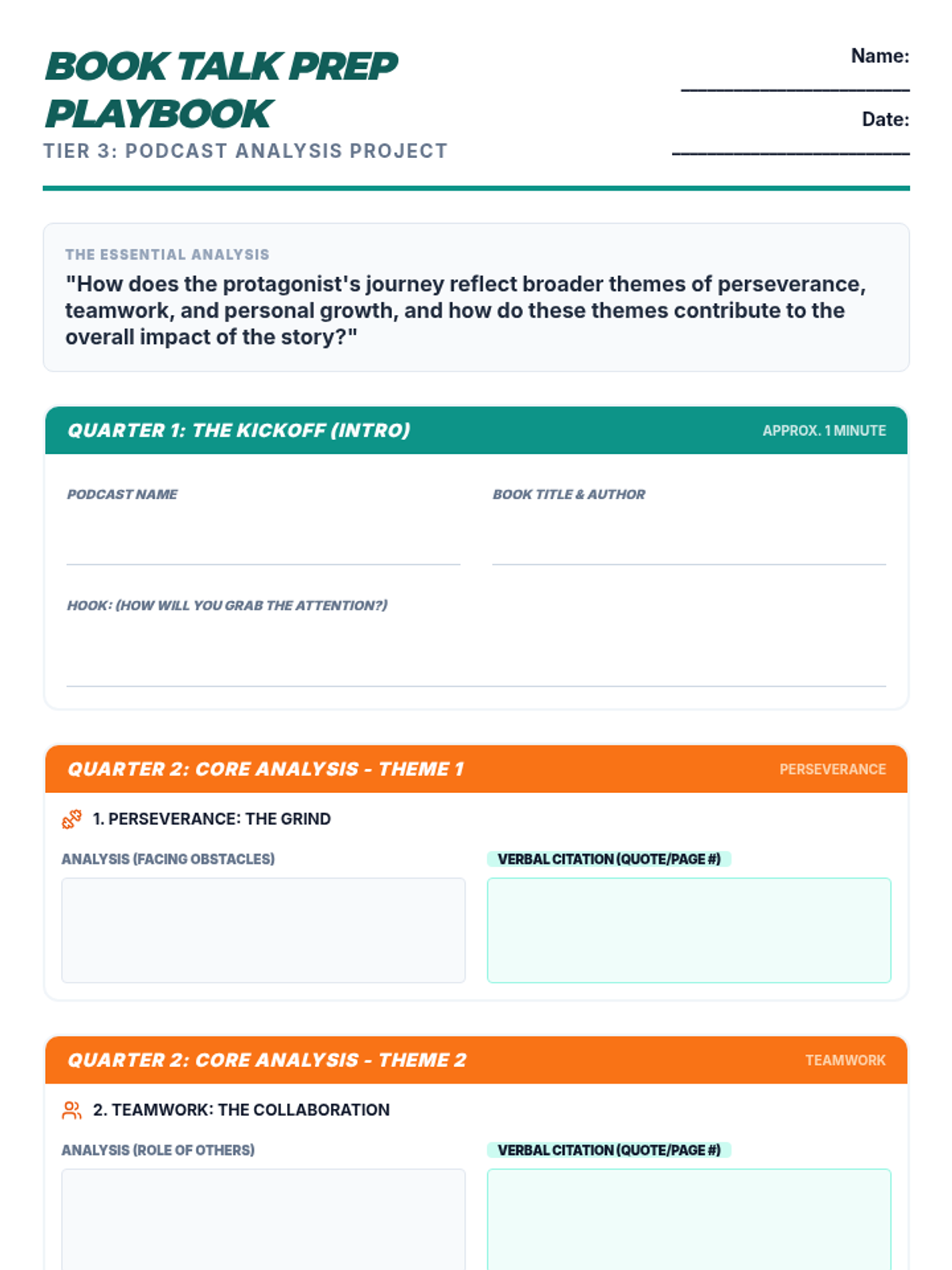
A quick introductory lesson to help students master Flipgrid for their Tier 3 Book Talk project. This lesson covers technical setup, content structuring, and creative delivery tips specifically for the sports fiction context.
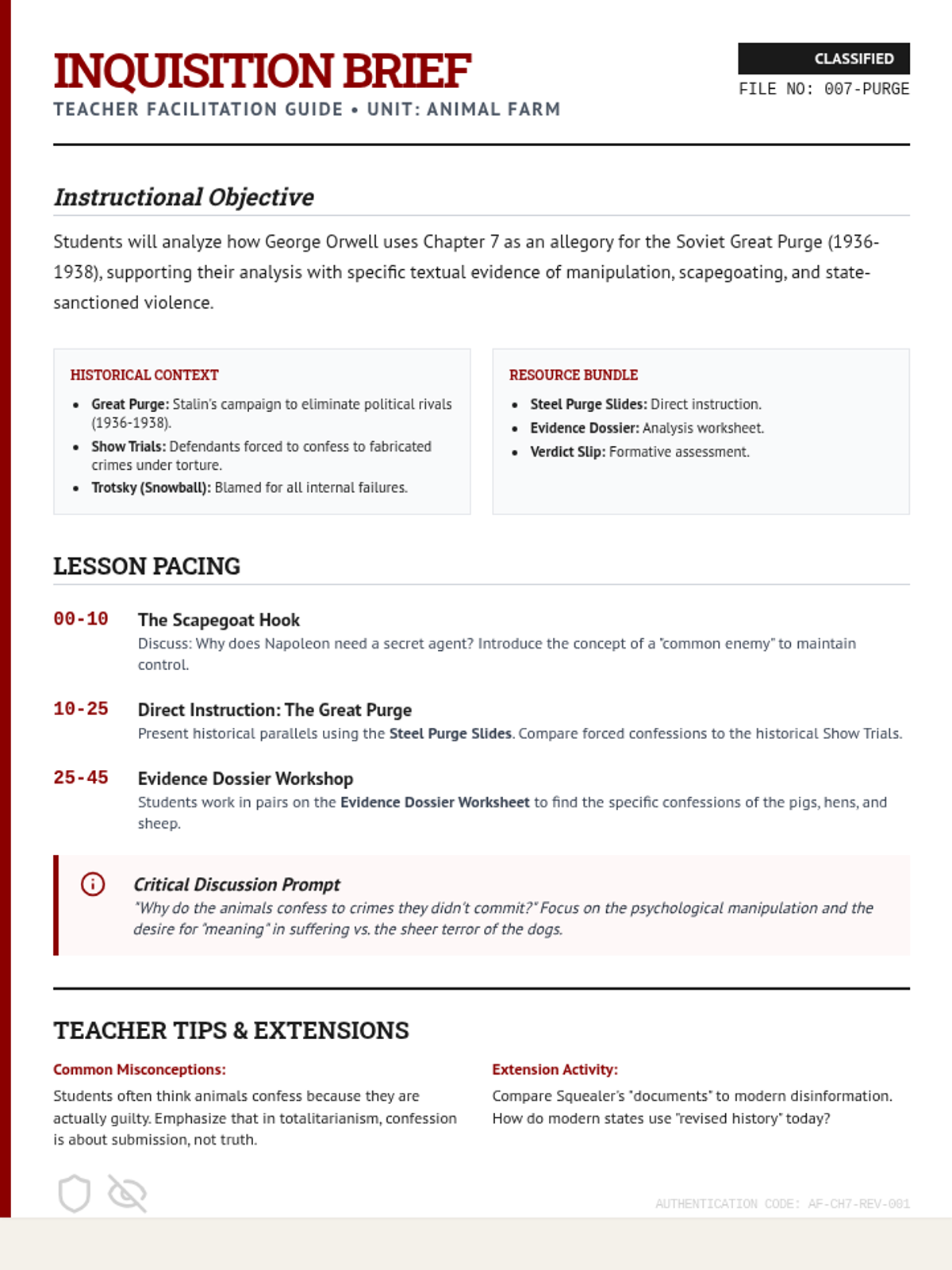
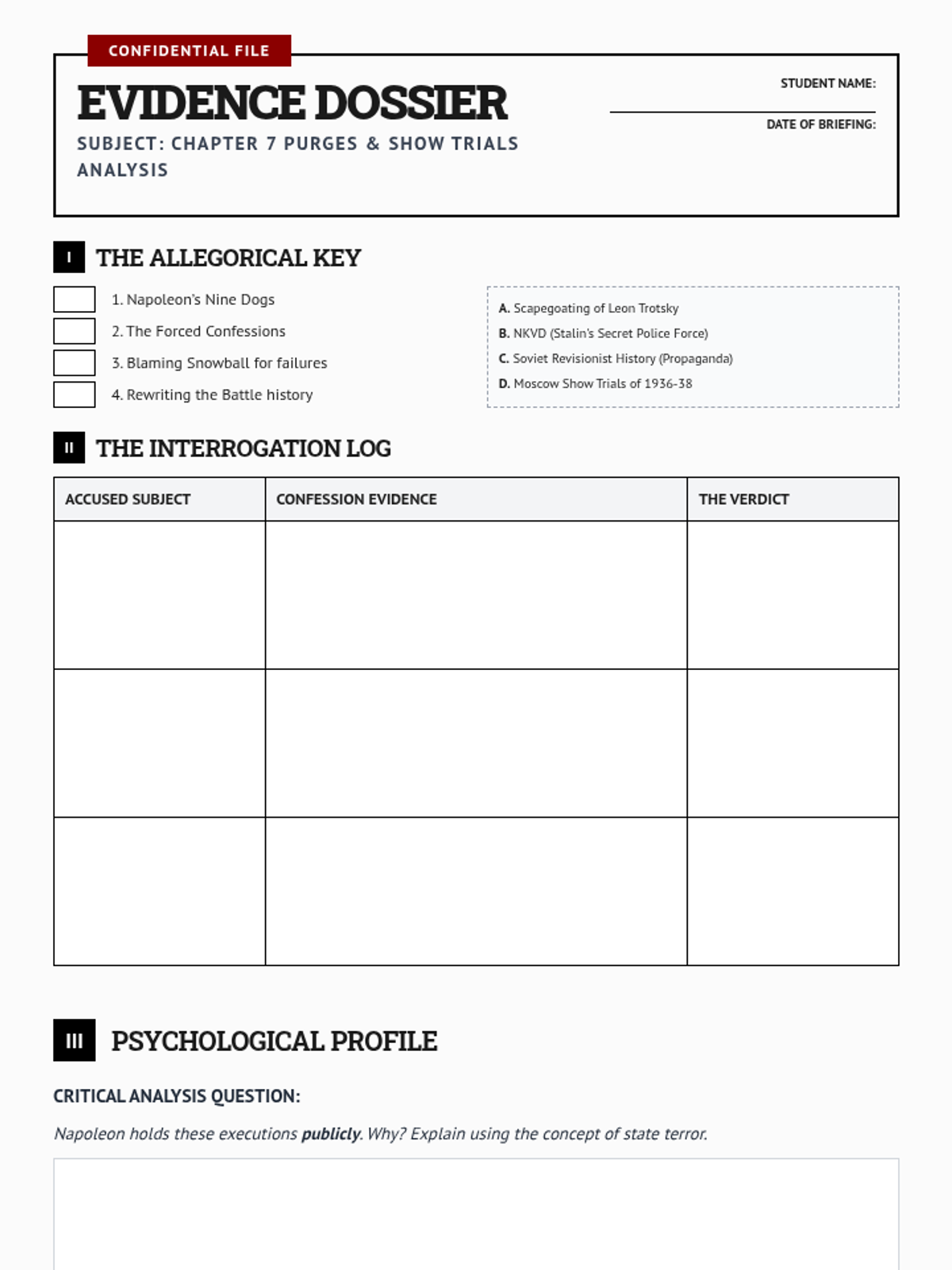
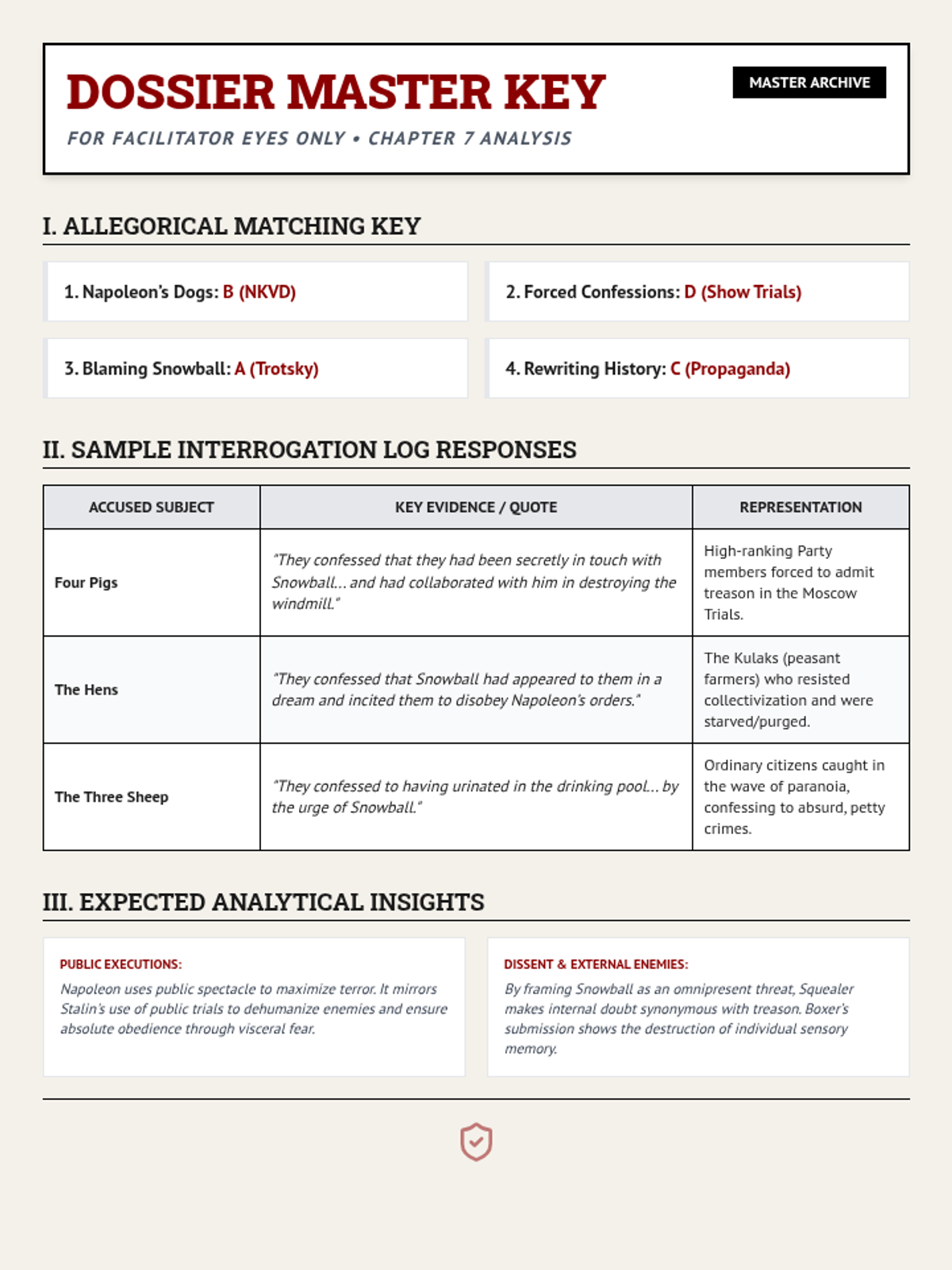
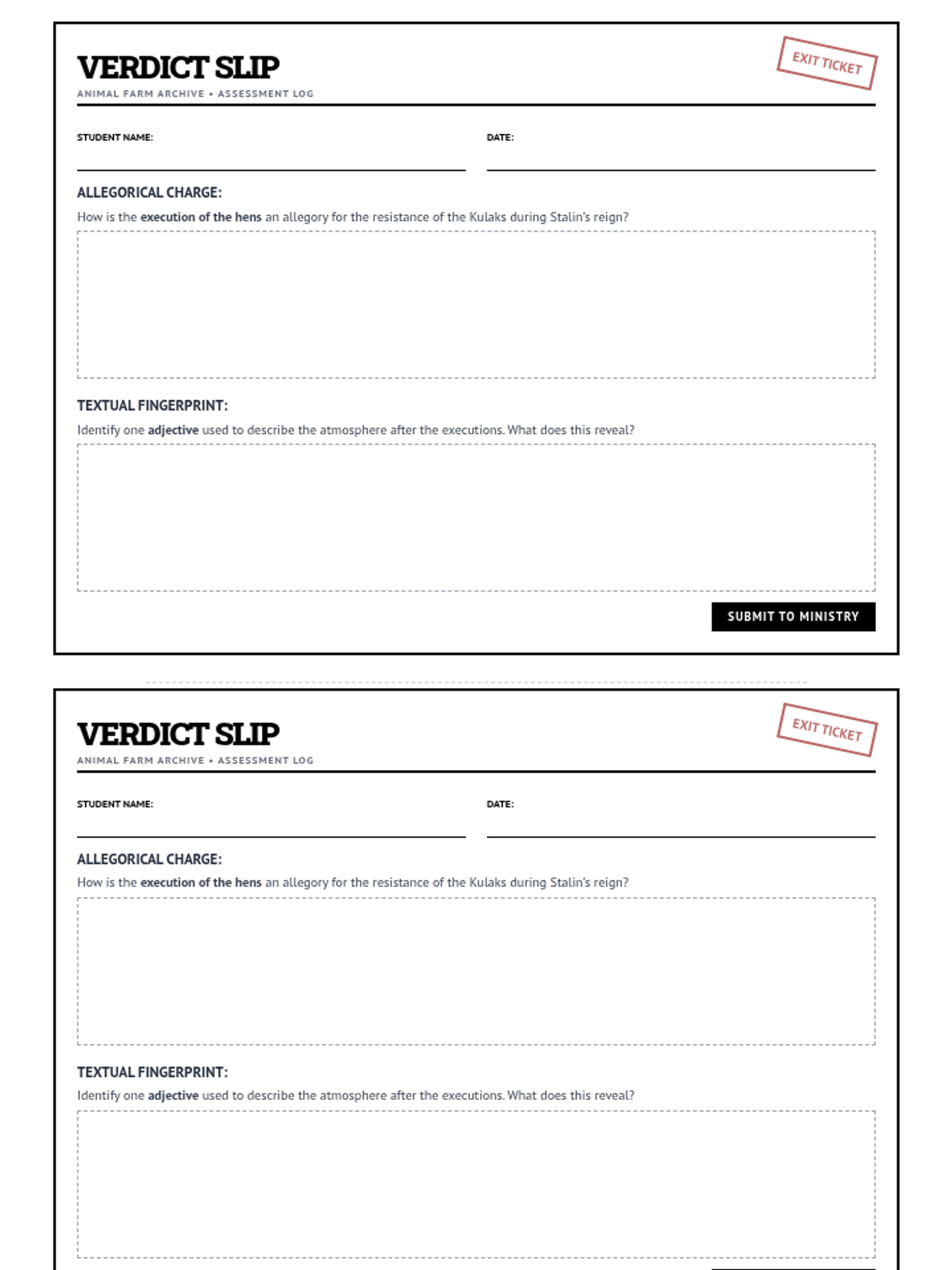
A deep dive into the allegorical parallels between Animal Farm Chapter 7 and Stalin's Great Purge, focusing on using textual evidence to decode Orwell's political commentary.
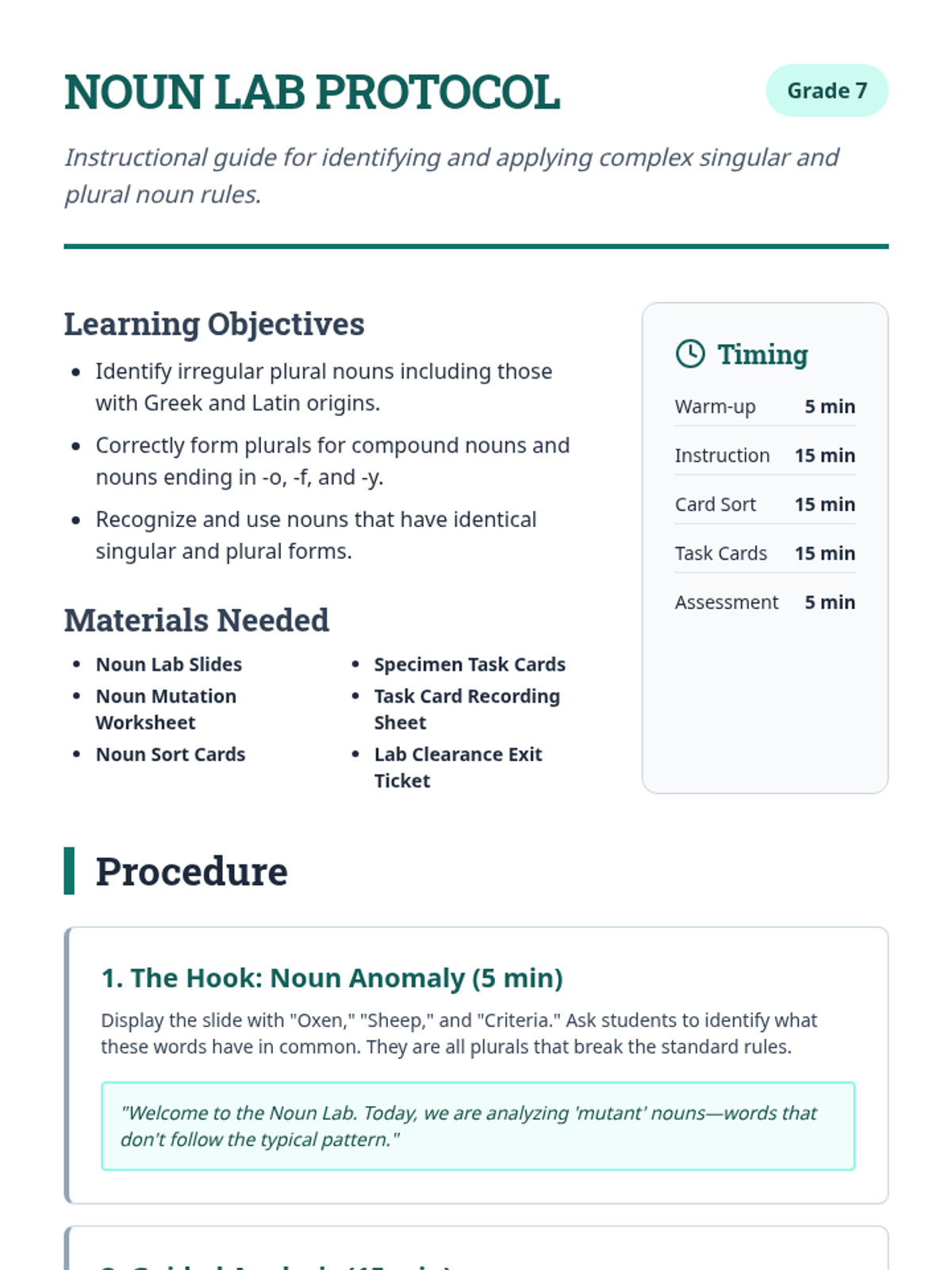
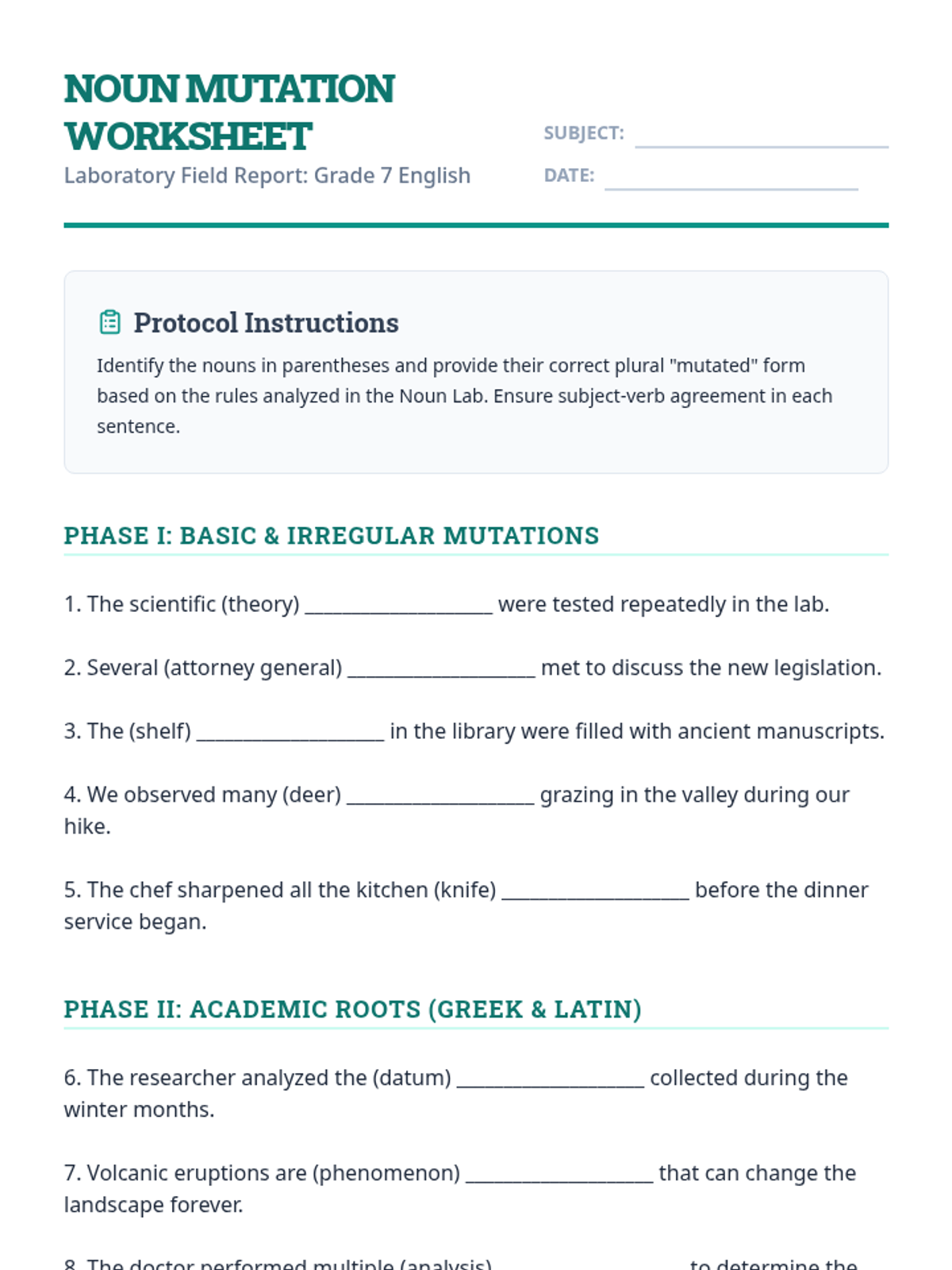
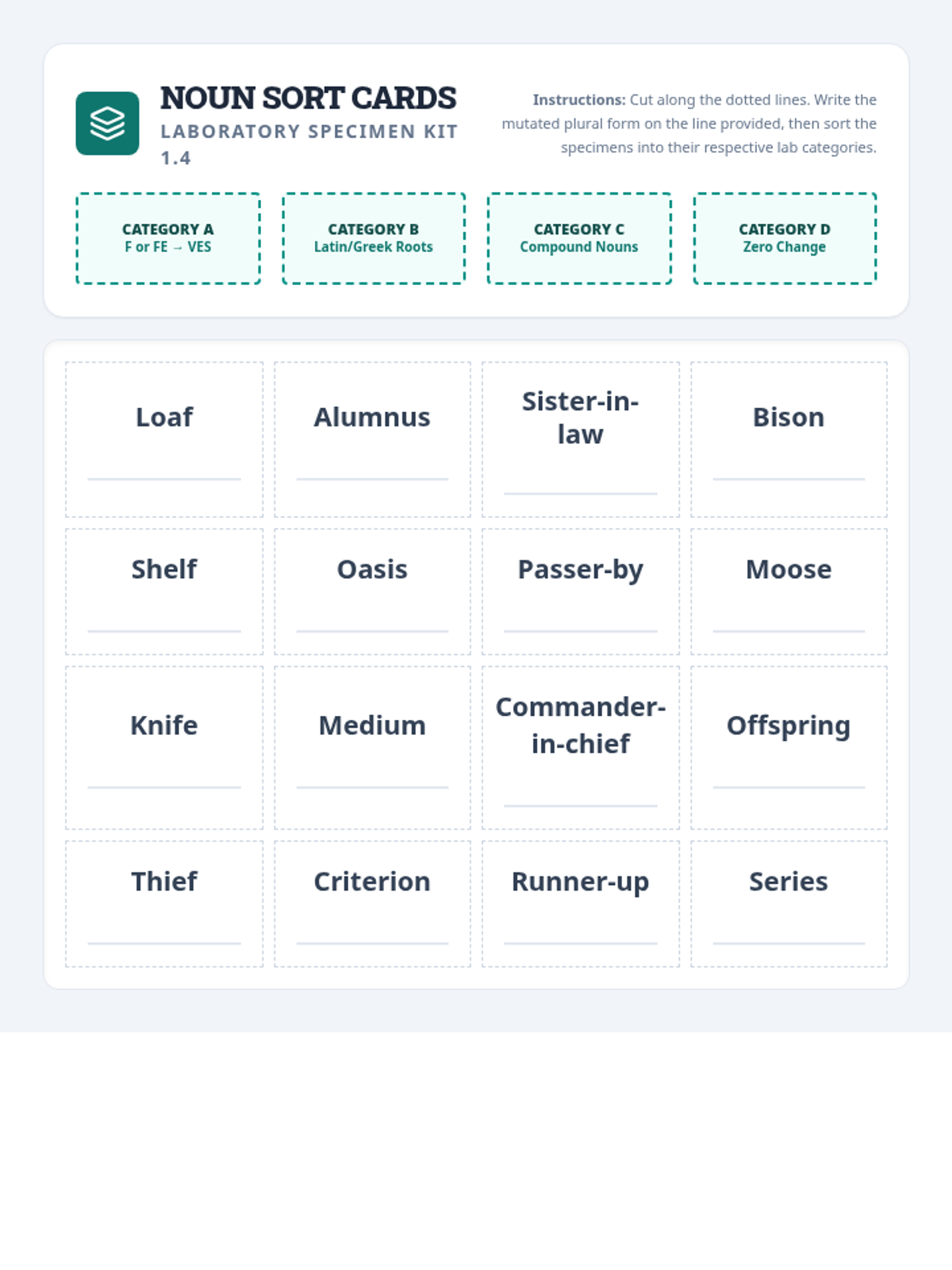
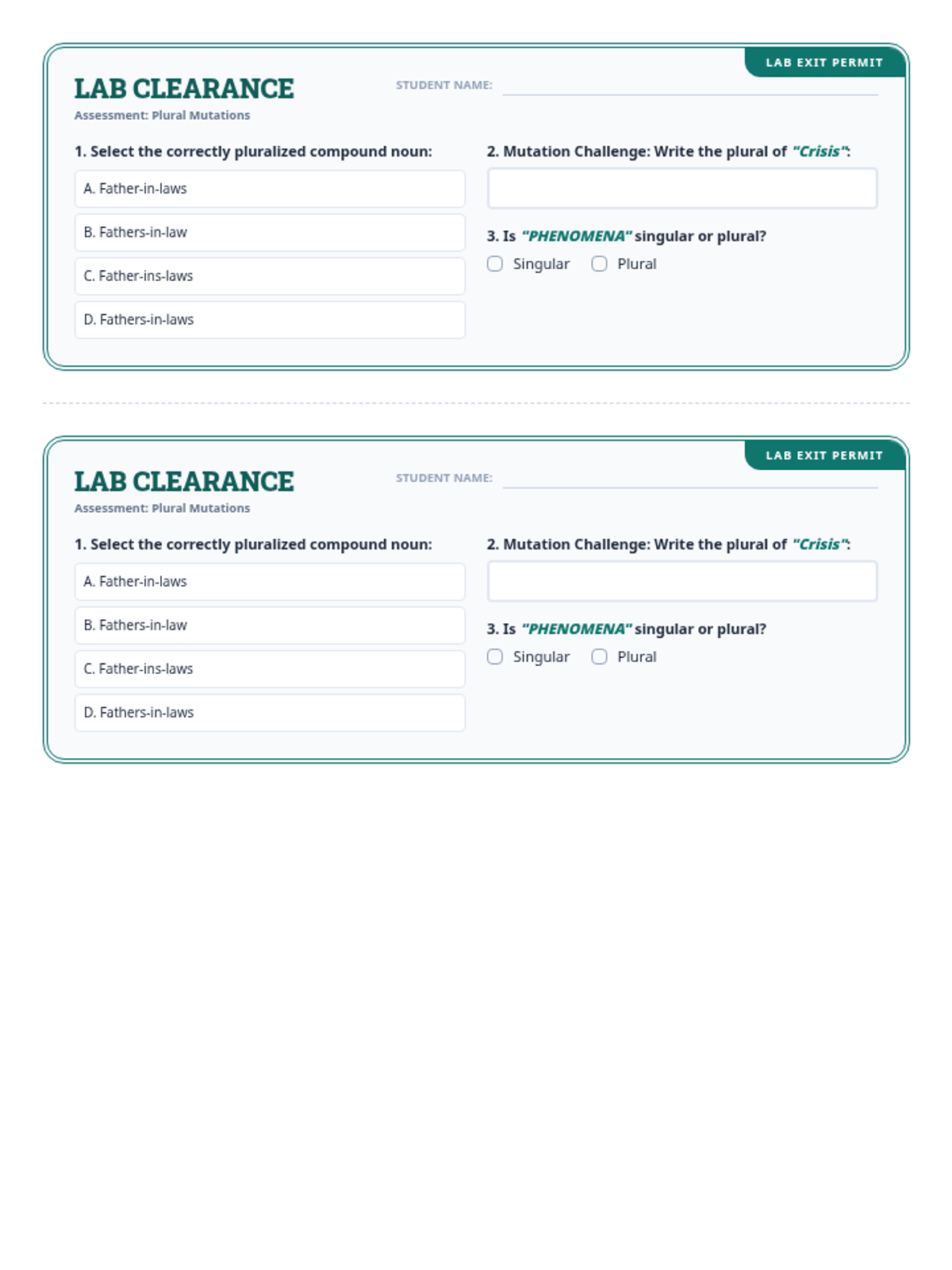
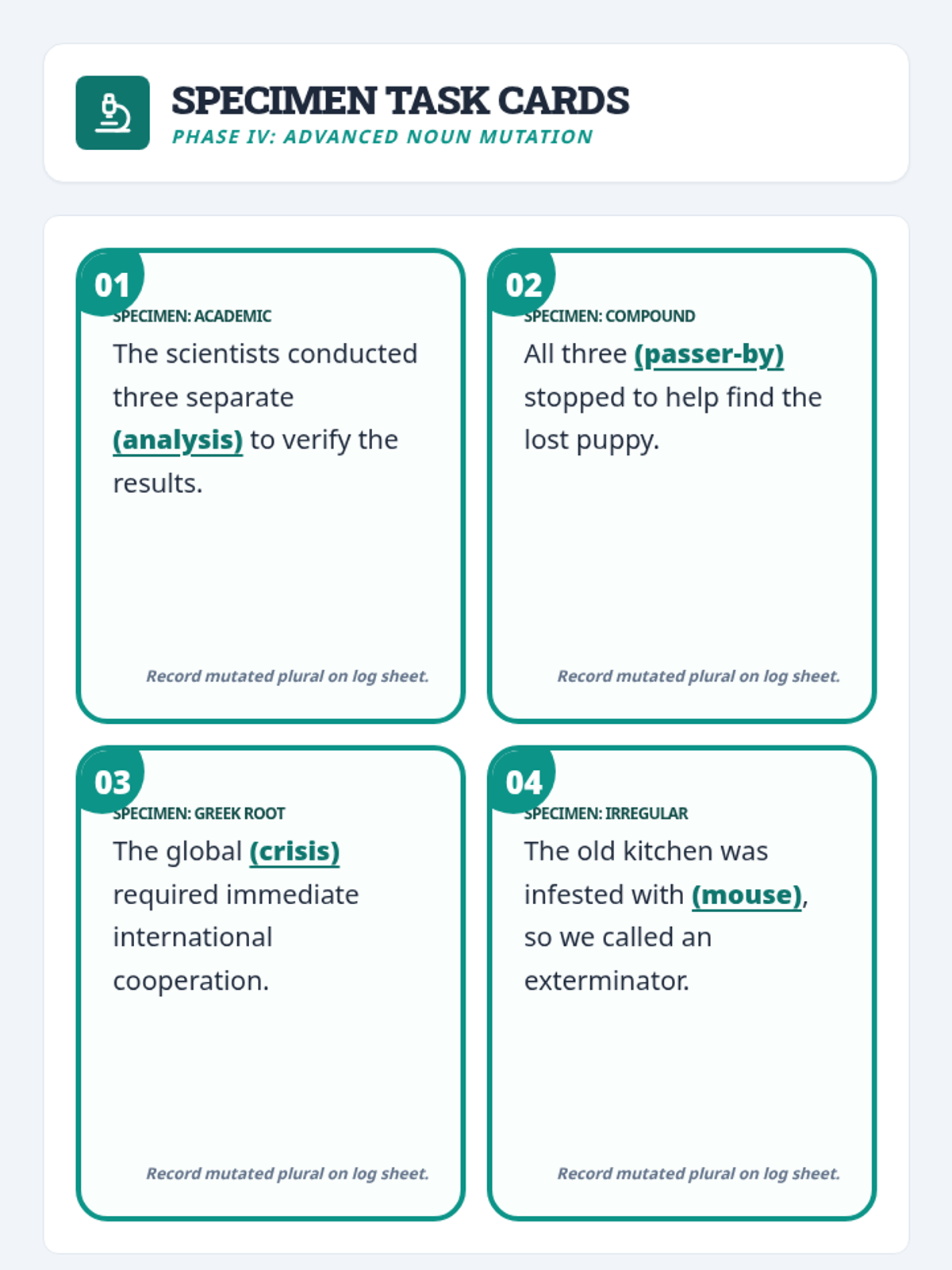
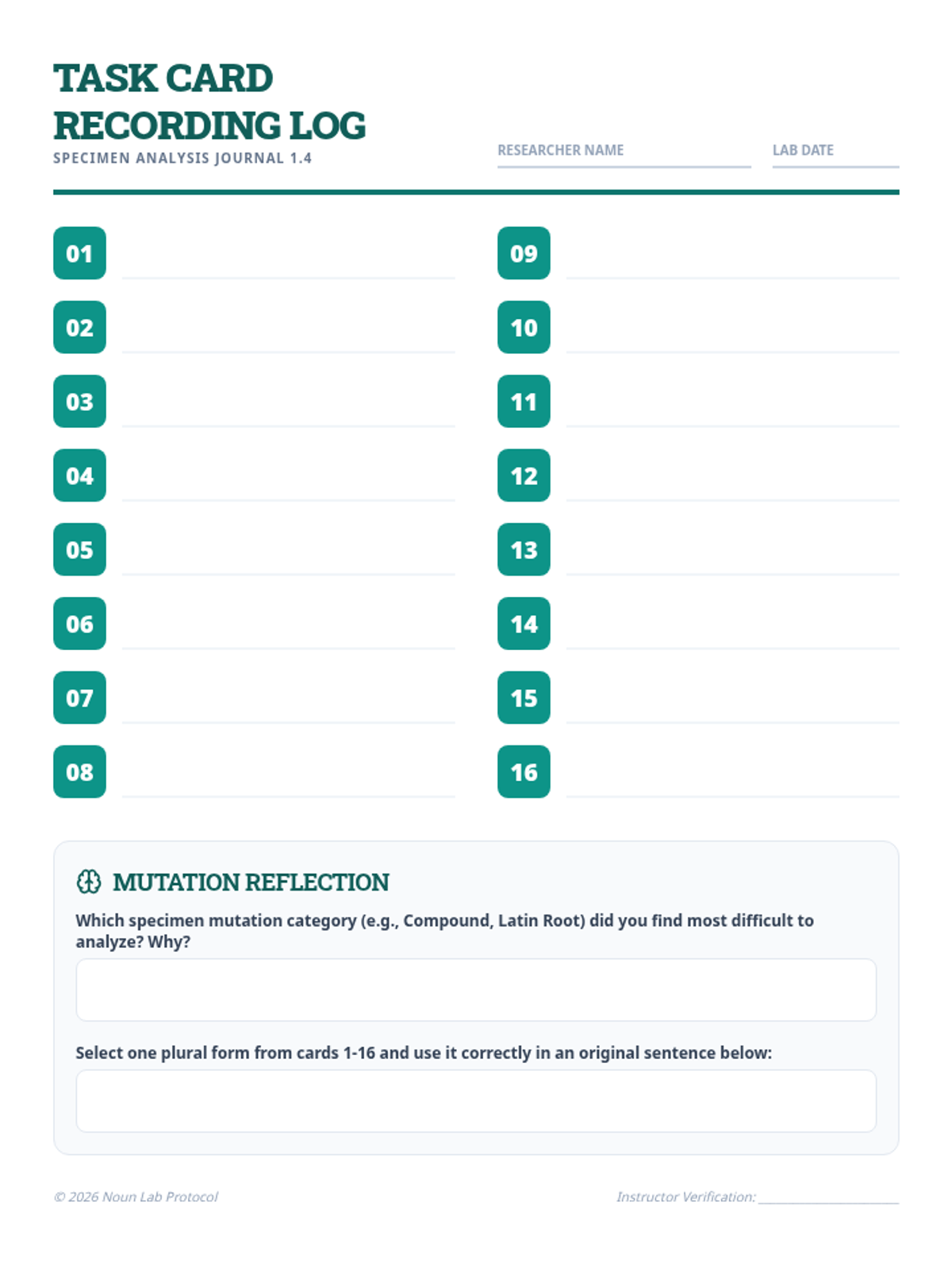
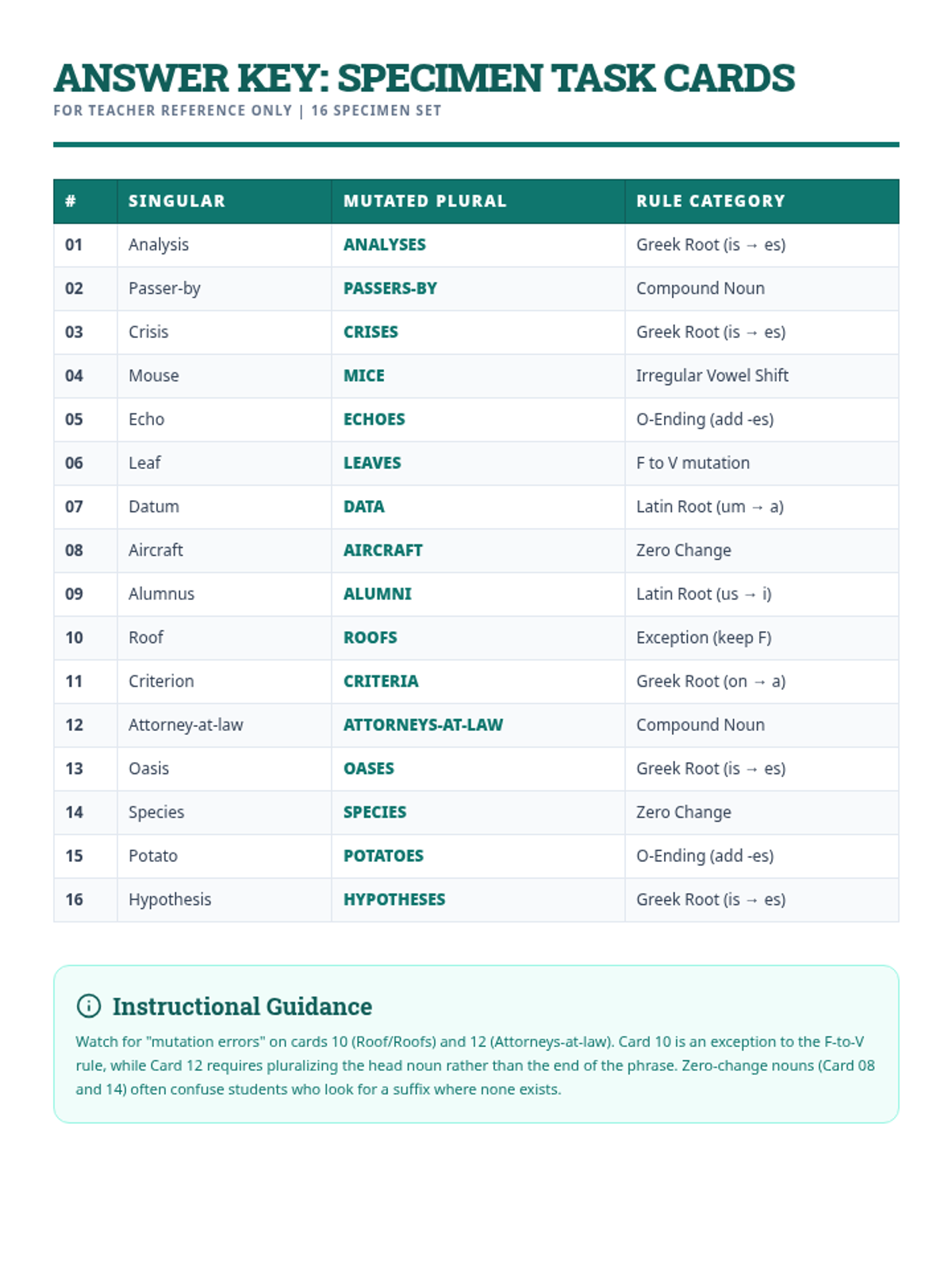
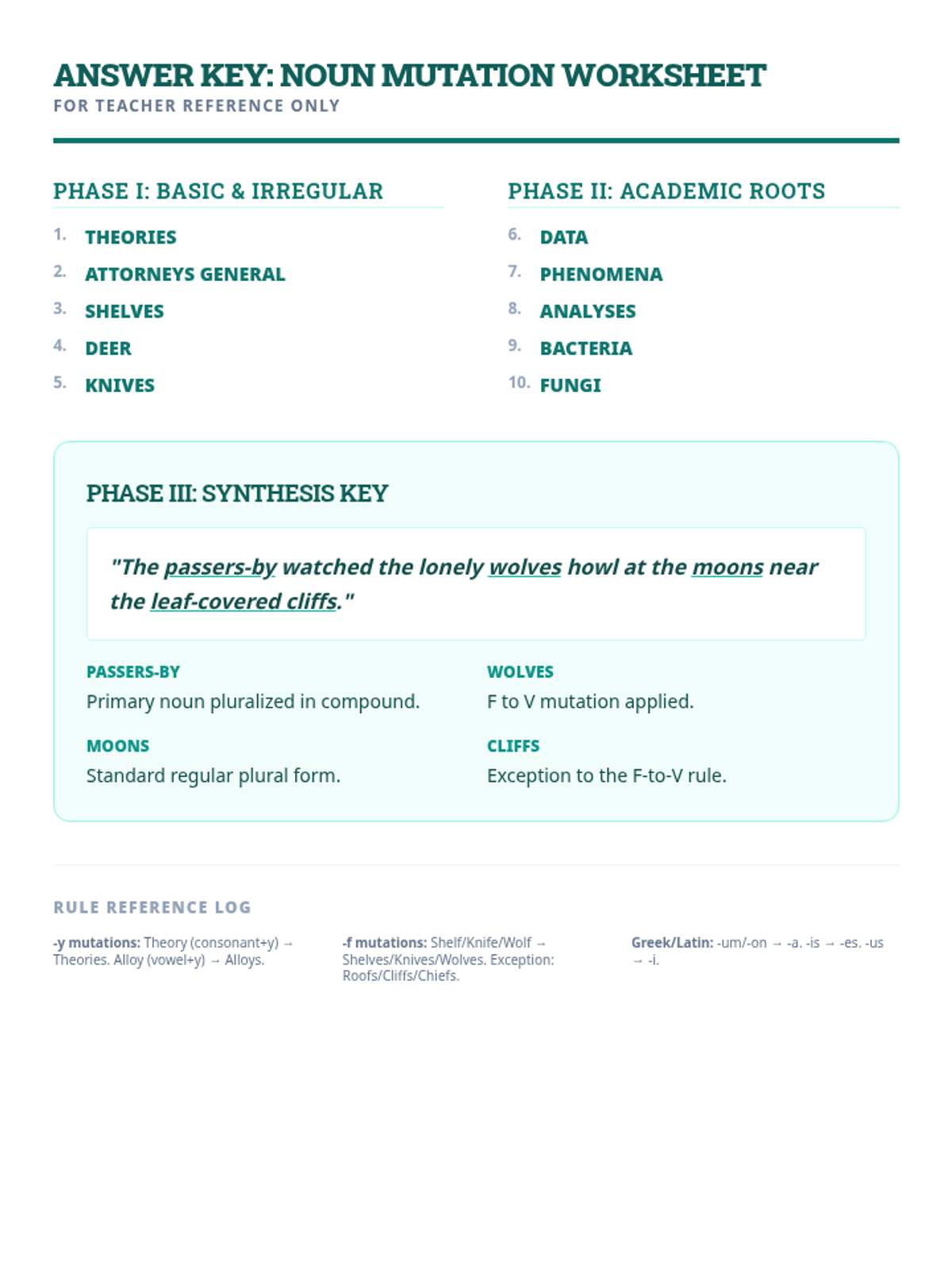
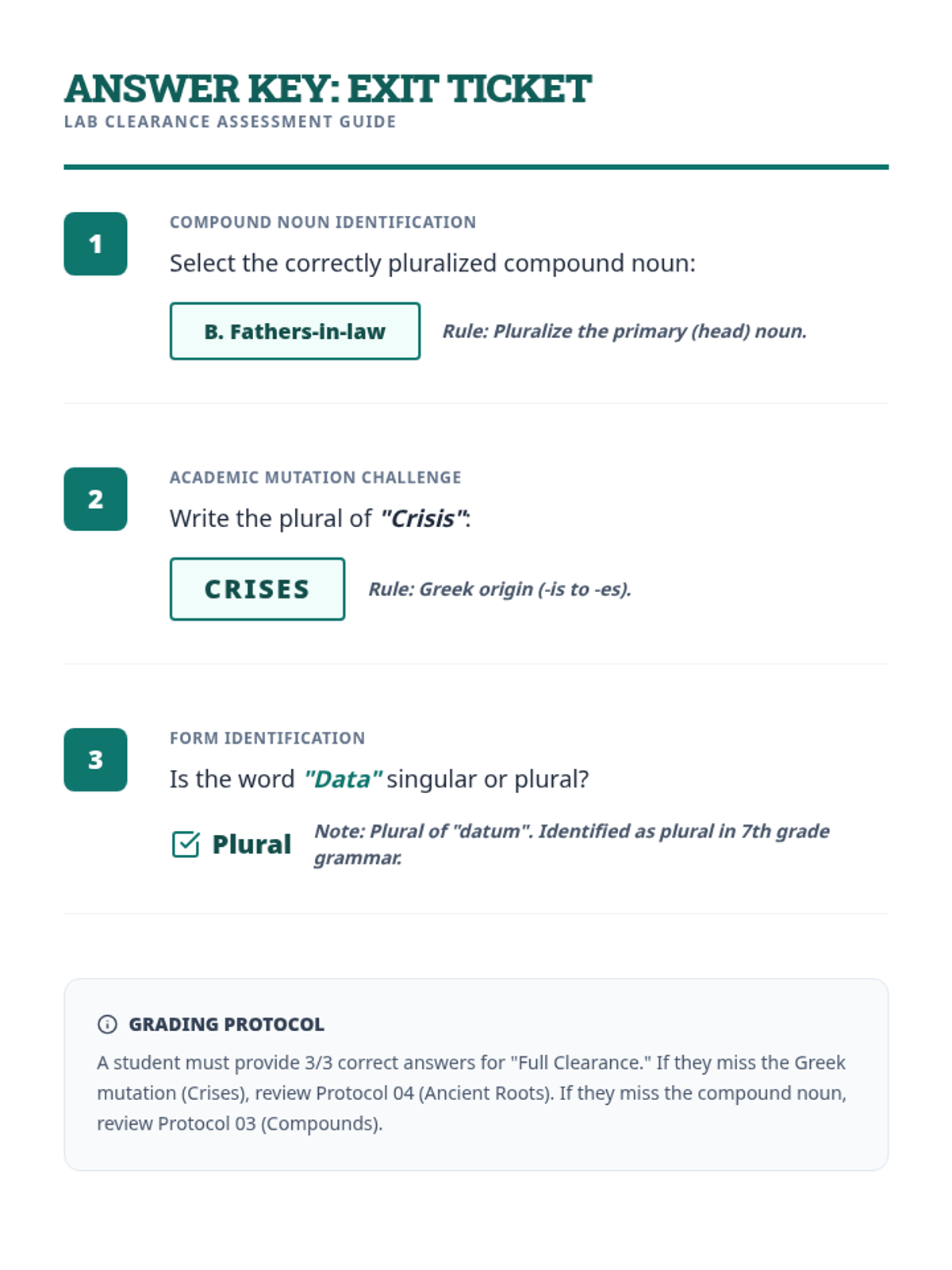
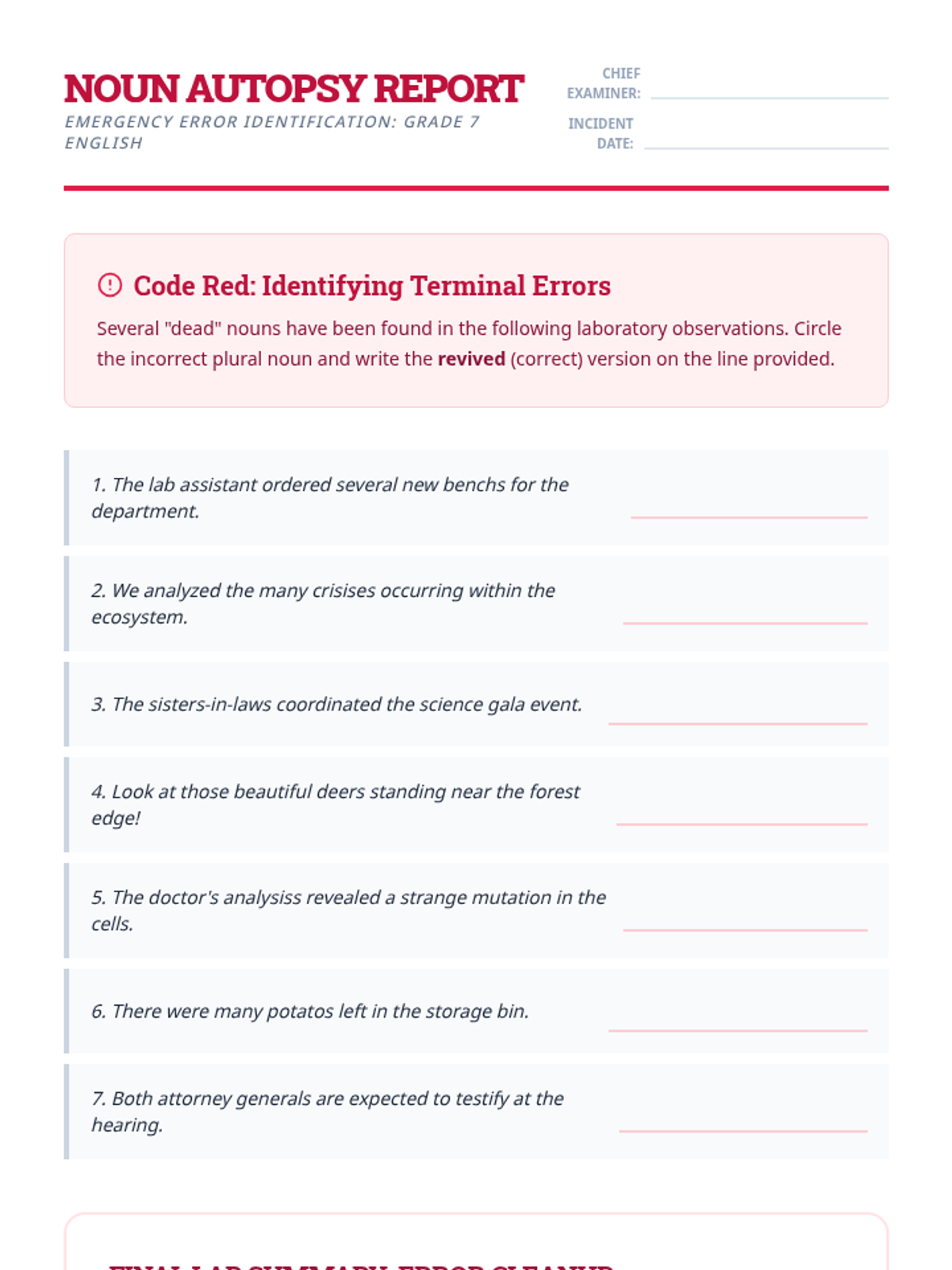
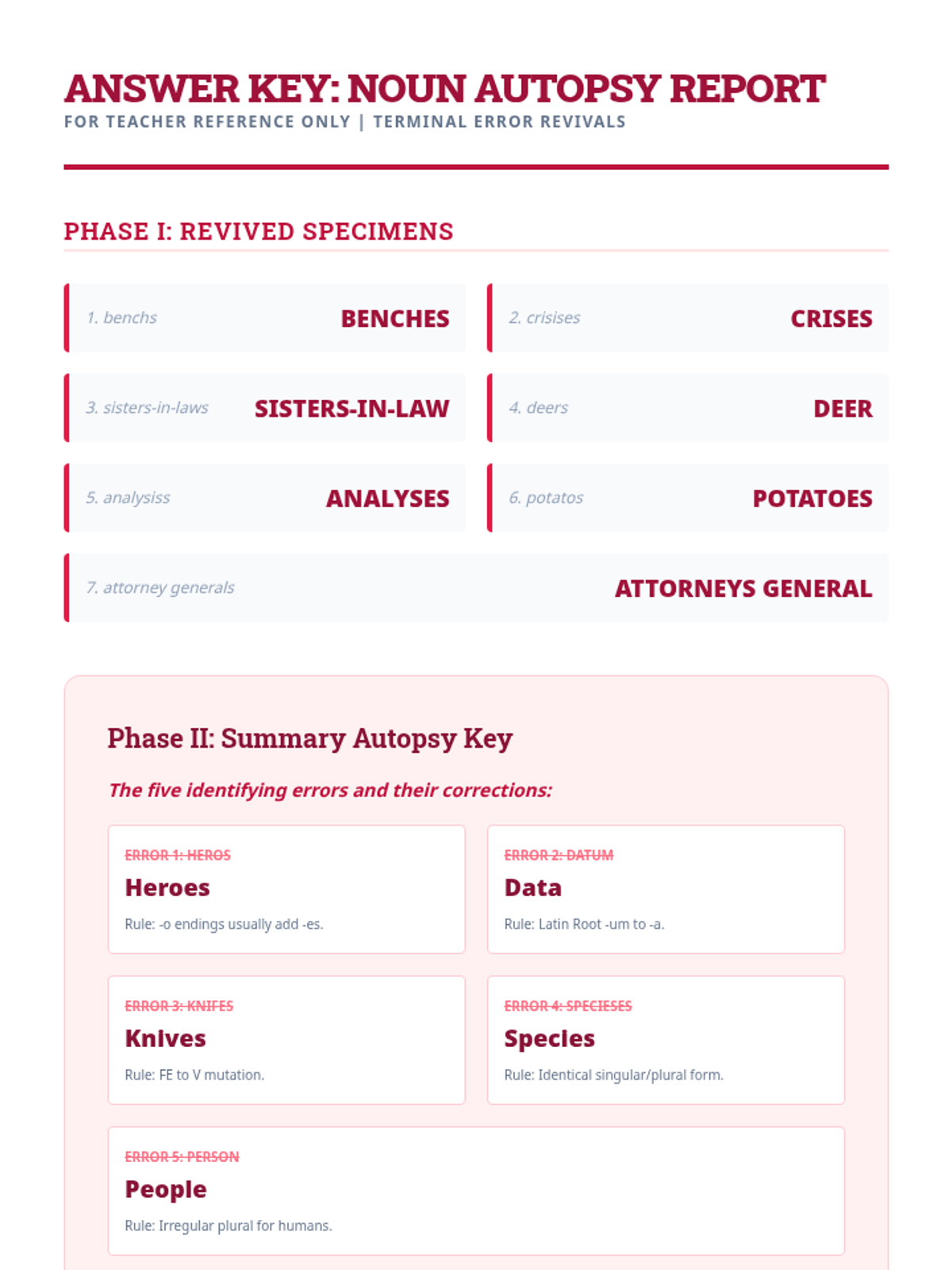
A comprehensive lesson on singular and plural nouns for 7th grade, focusing on irregular forms, compound nouns, and foreign-origin plurals.
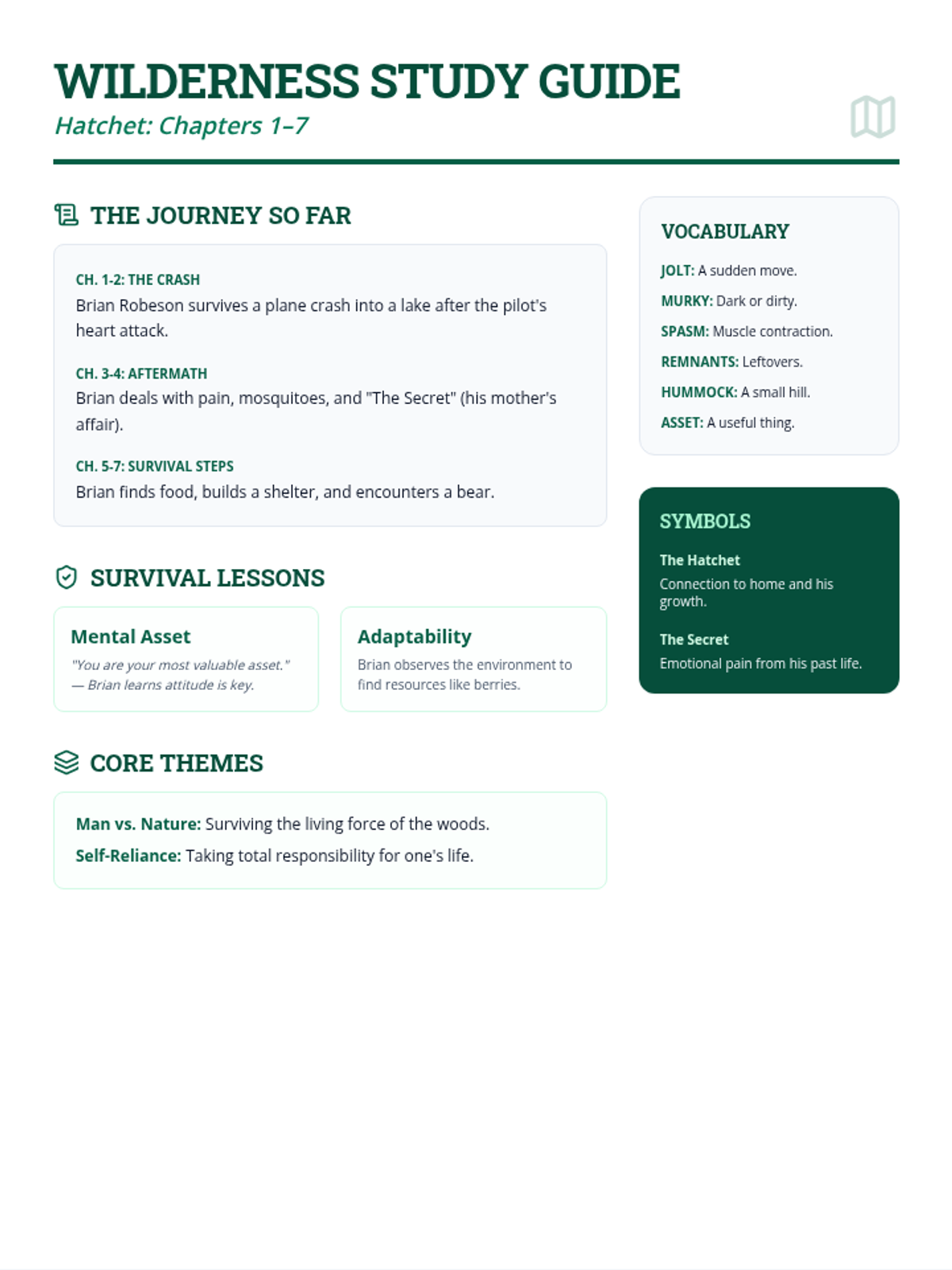
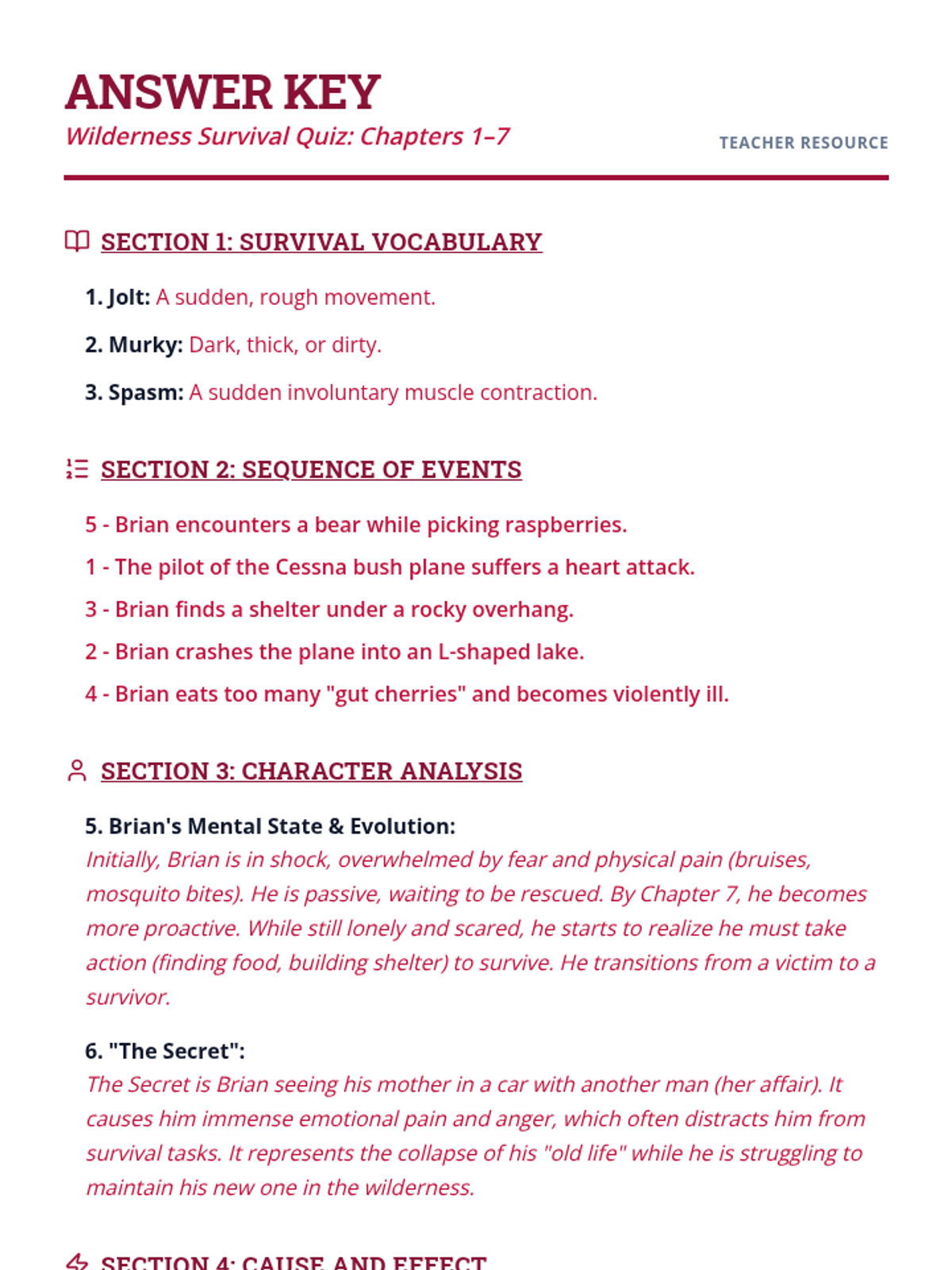
A focused assessment on the first seven chapters of Gary Paulsen's Hatchet, covering Brian's initial survival challenges, the plane crash, and his early encounters with the wilderness.
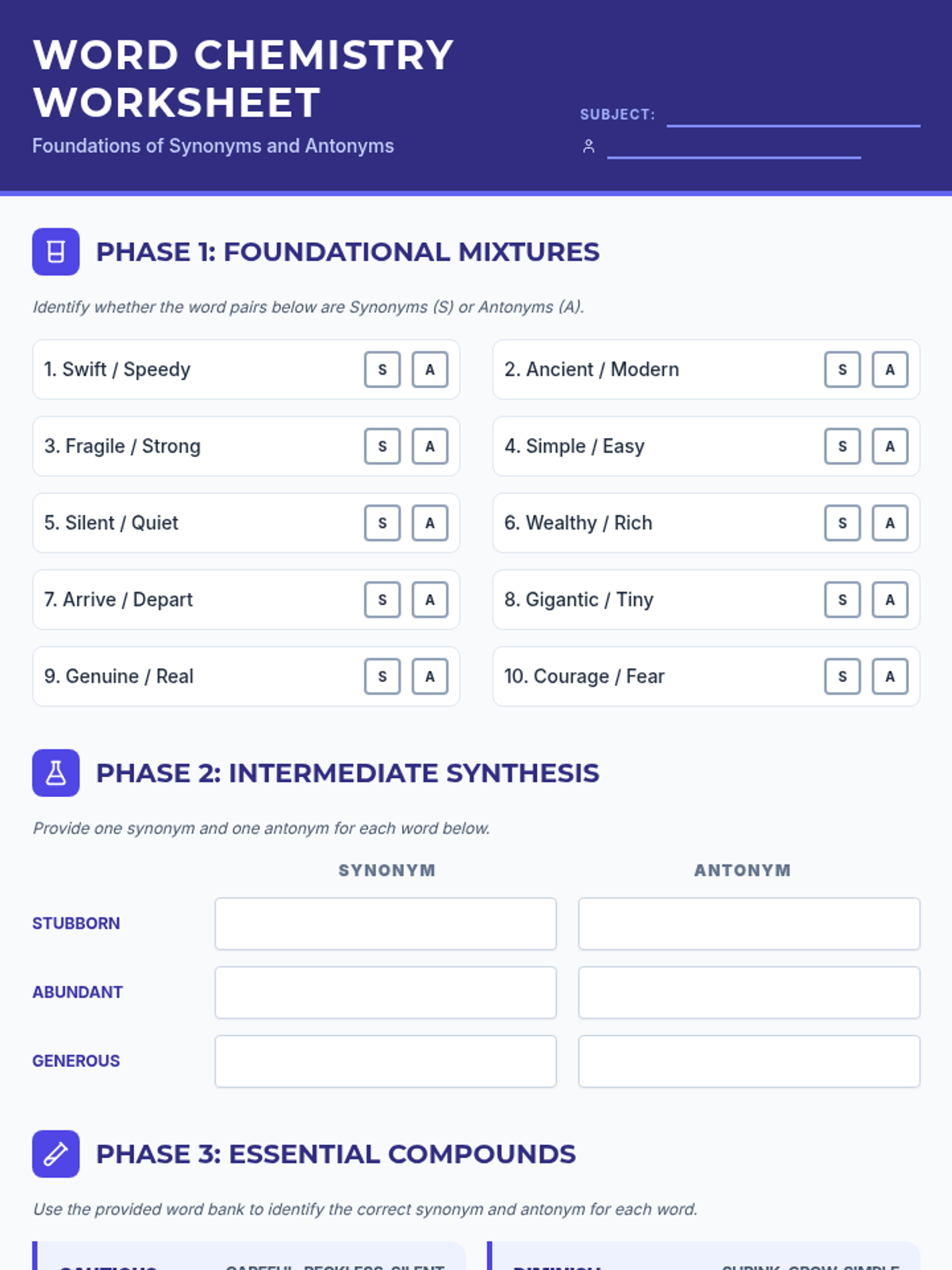
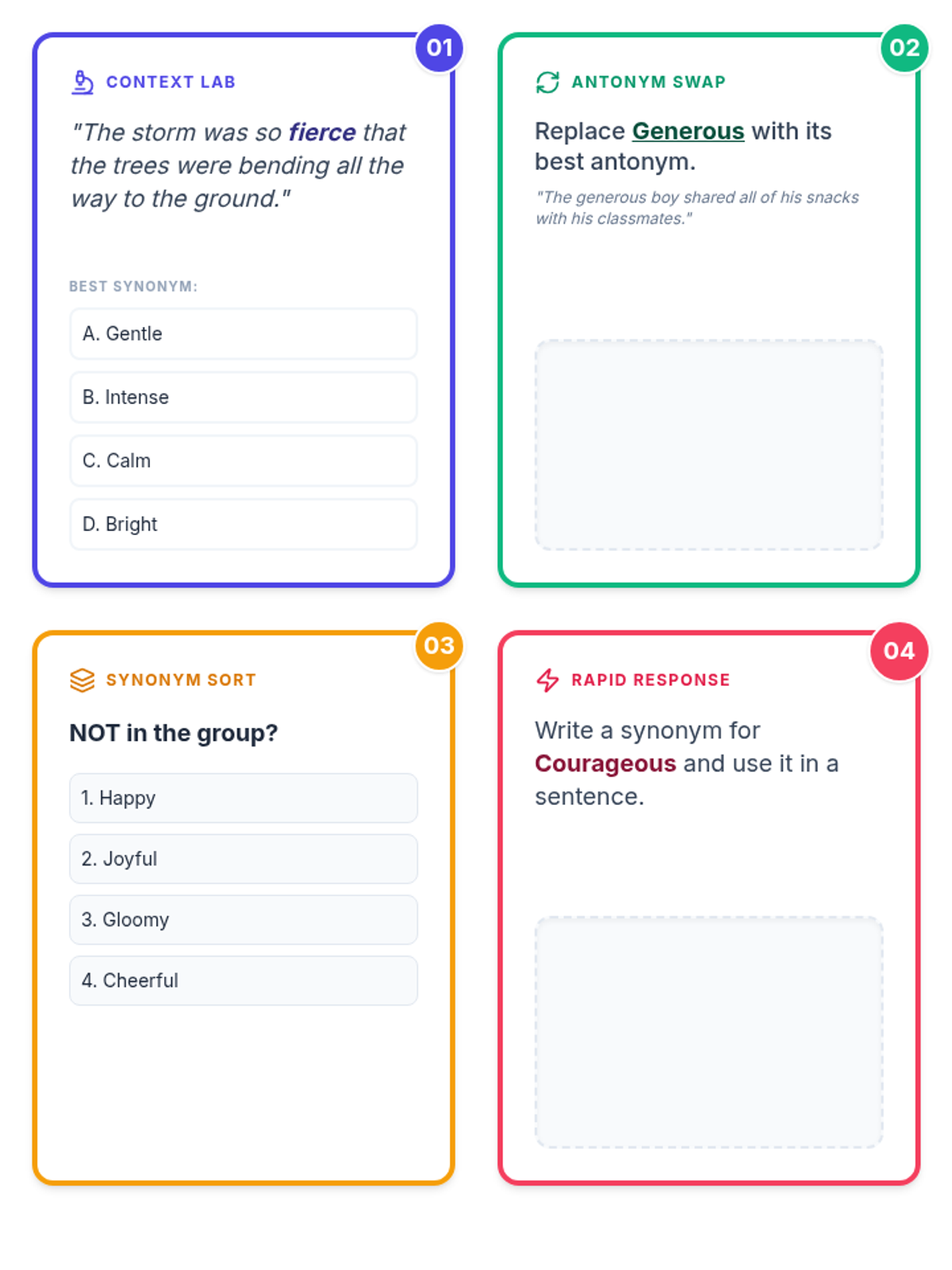
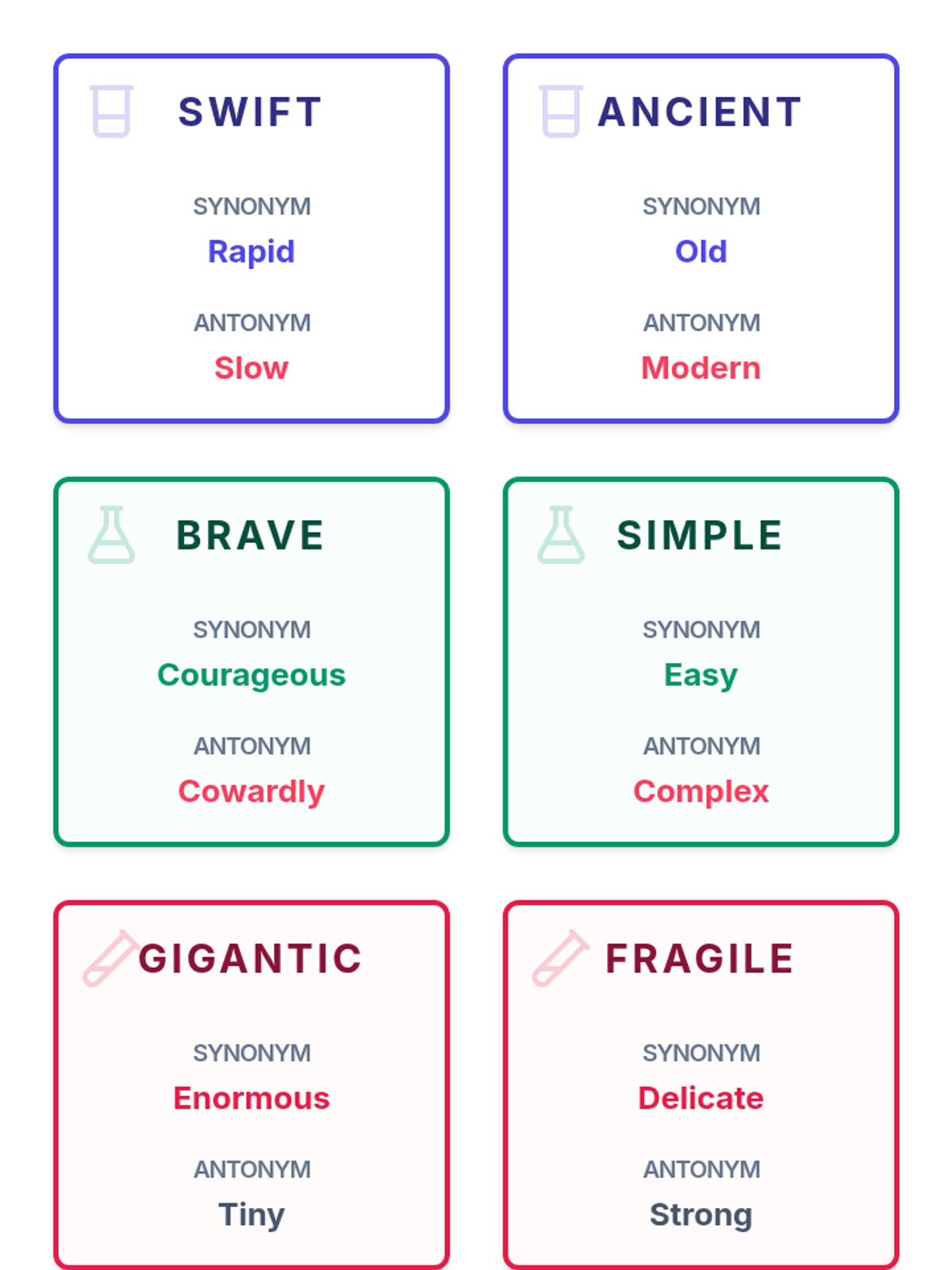
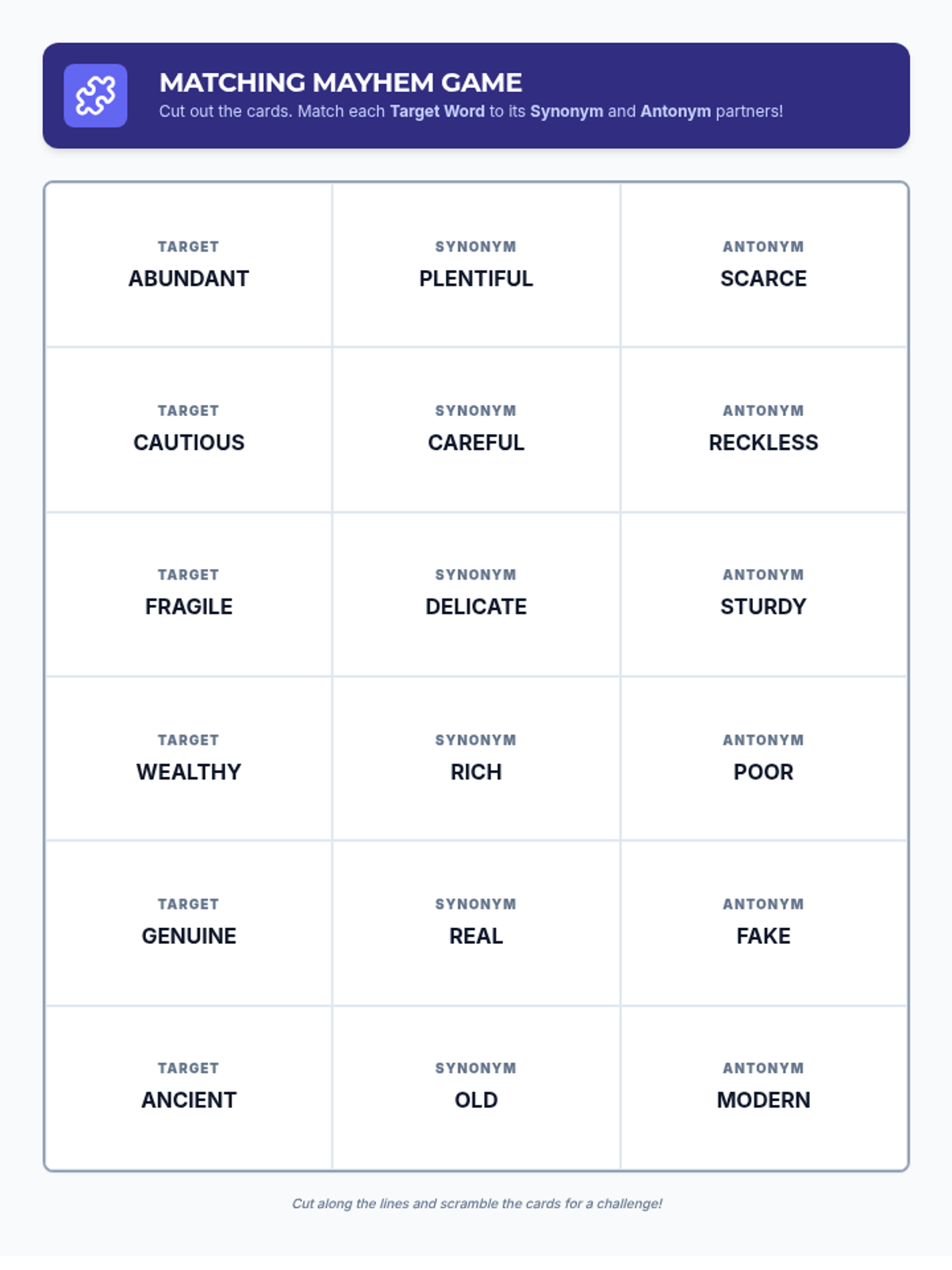
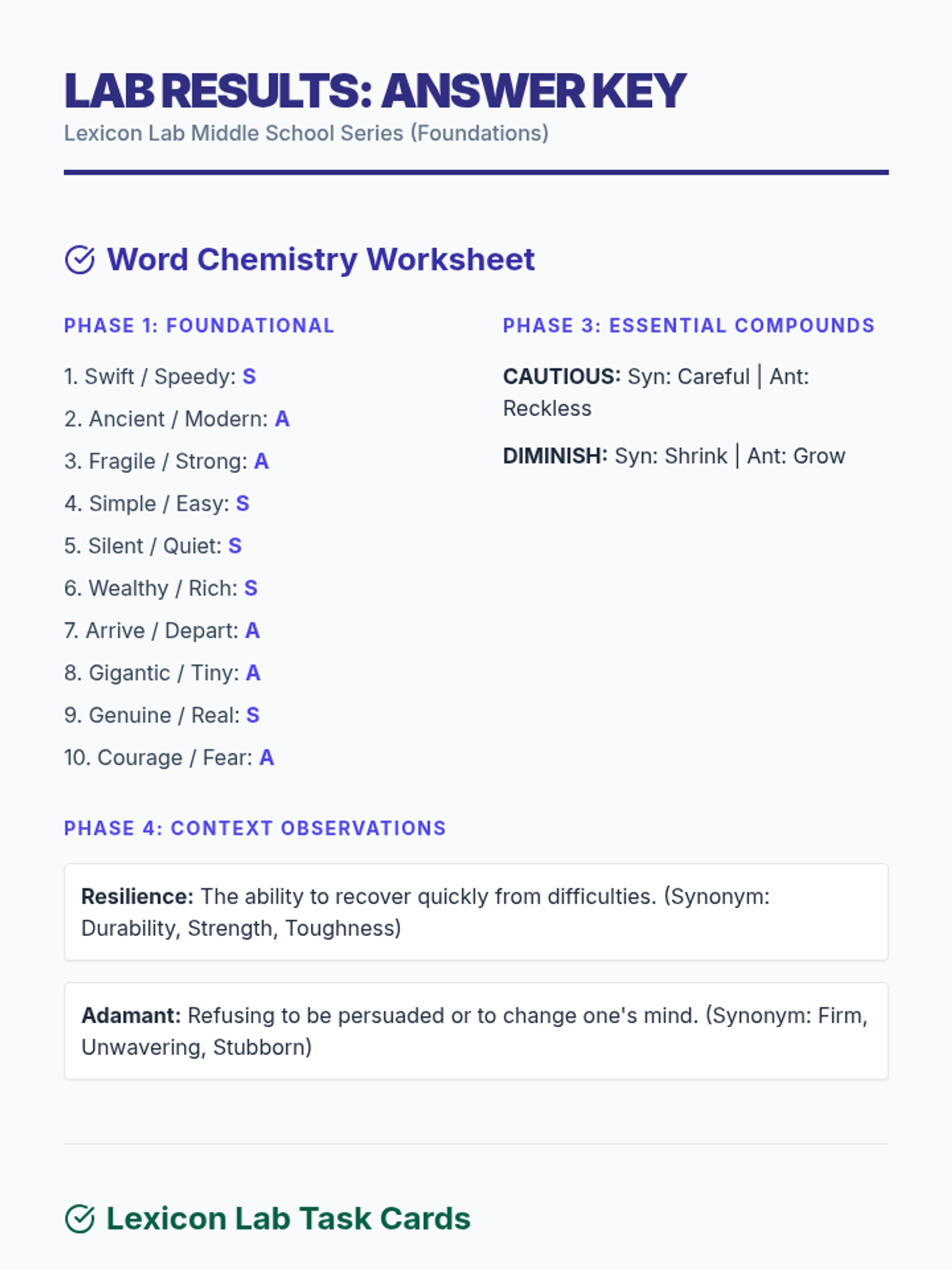
A comprehensive lesson on synonyms and antonyms featuring word exploration from foundational to advanced levels through labs, tasks, and games.
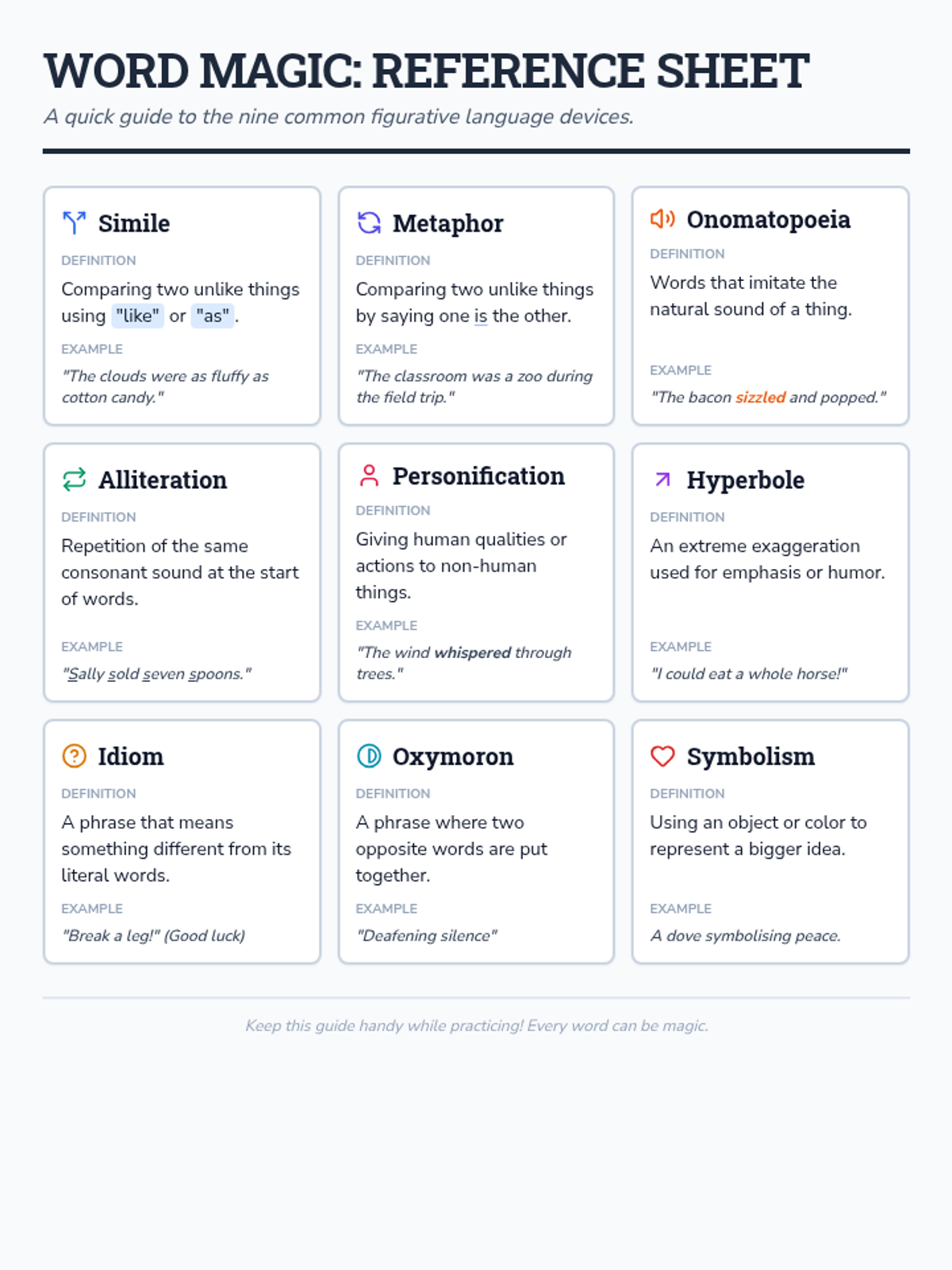
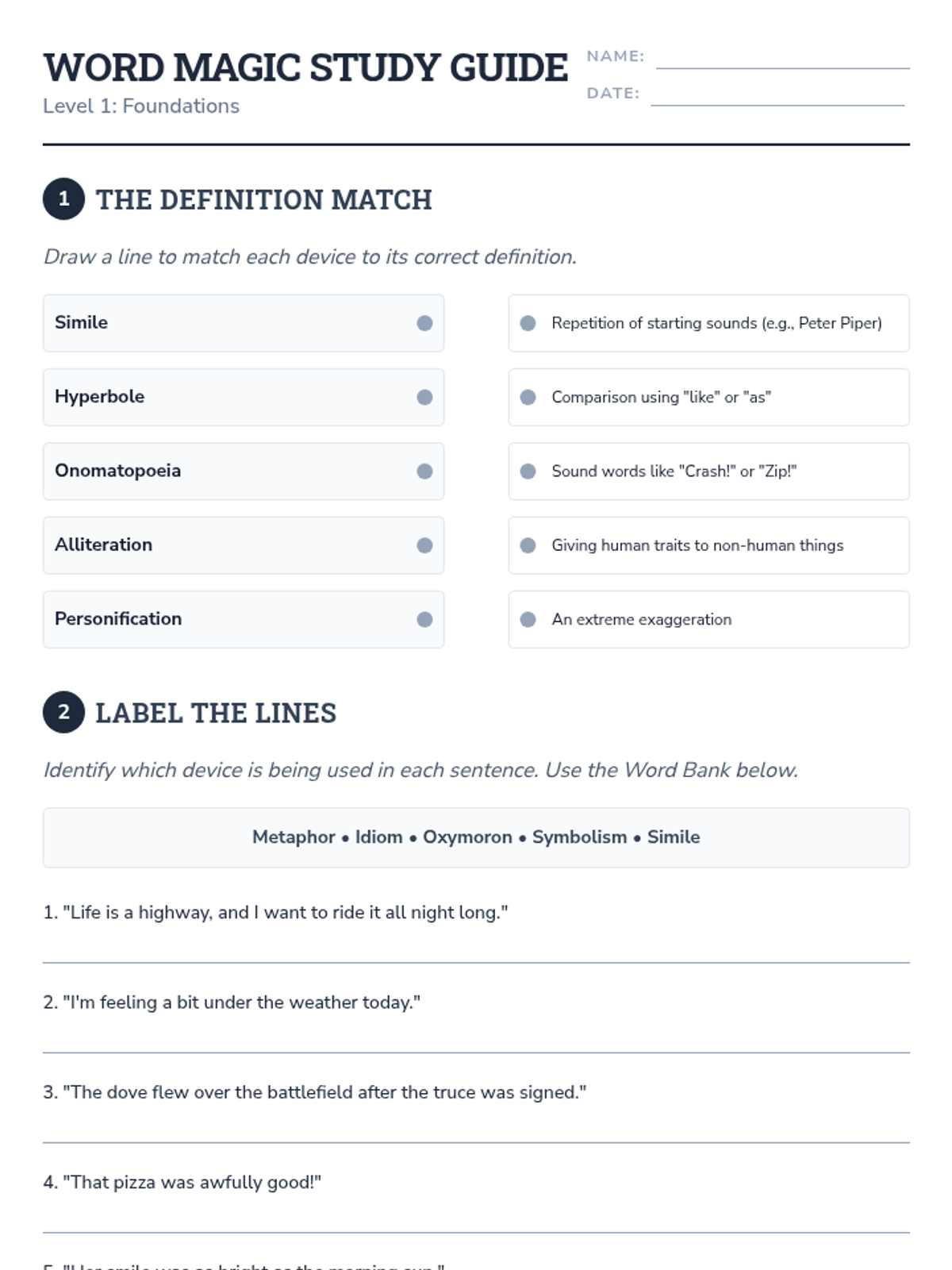
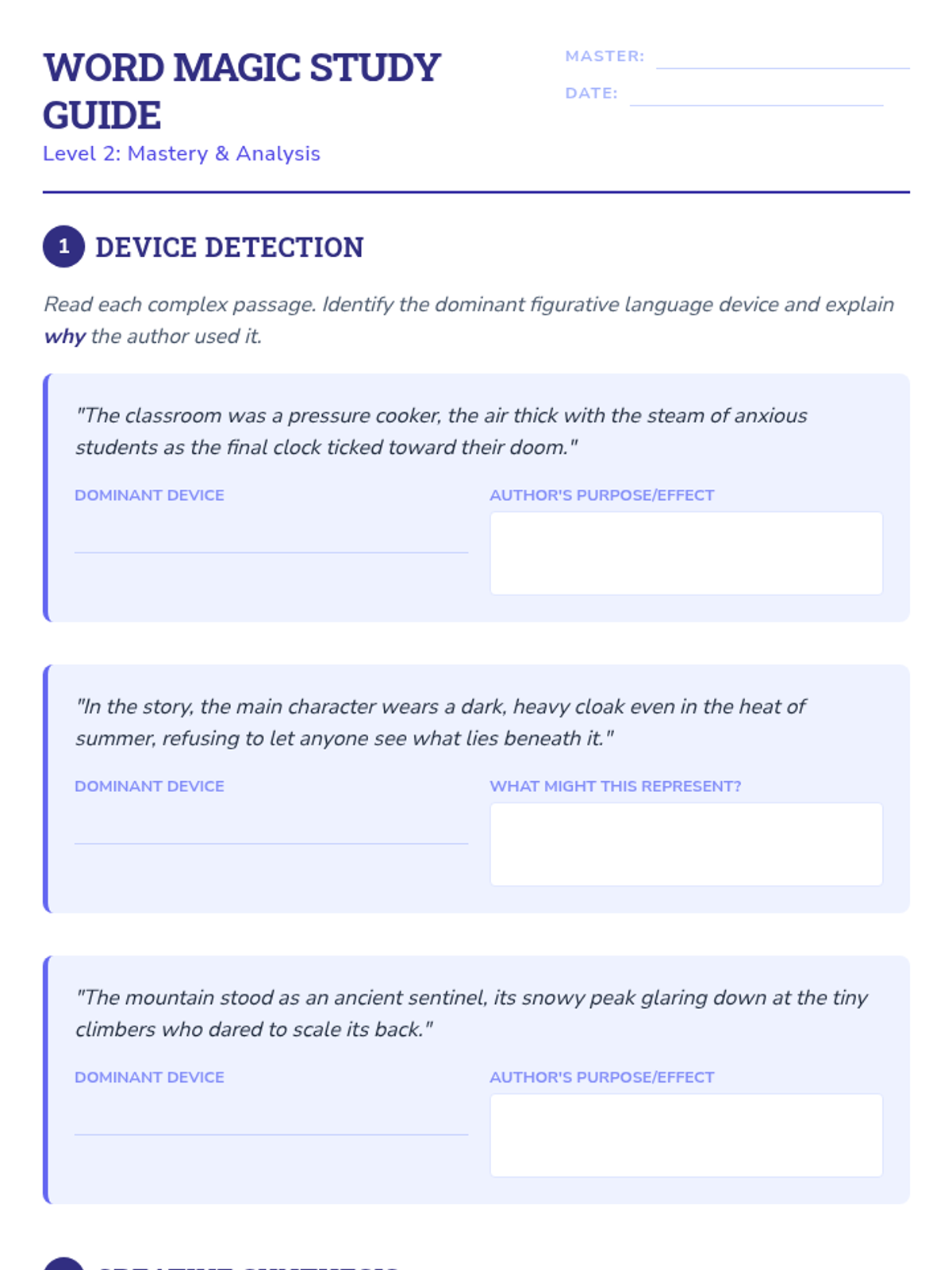
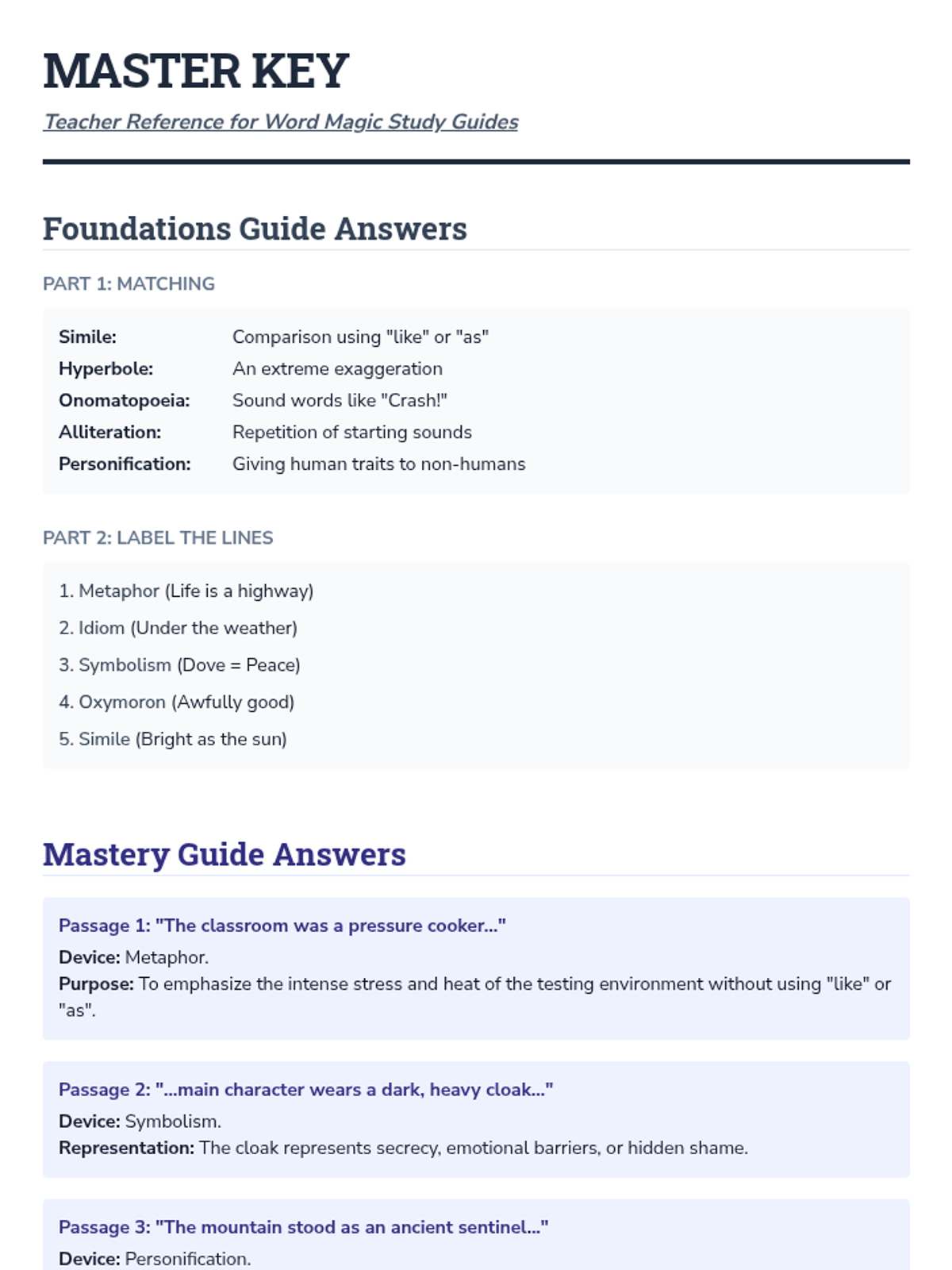
A comprehensive lesson on identifying and analyzing nine types of figurative language through tiered study guides and a visual reference sheet.
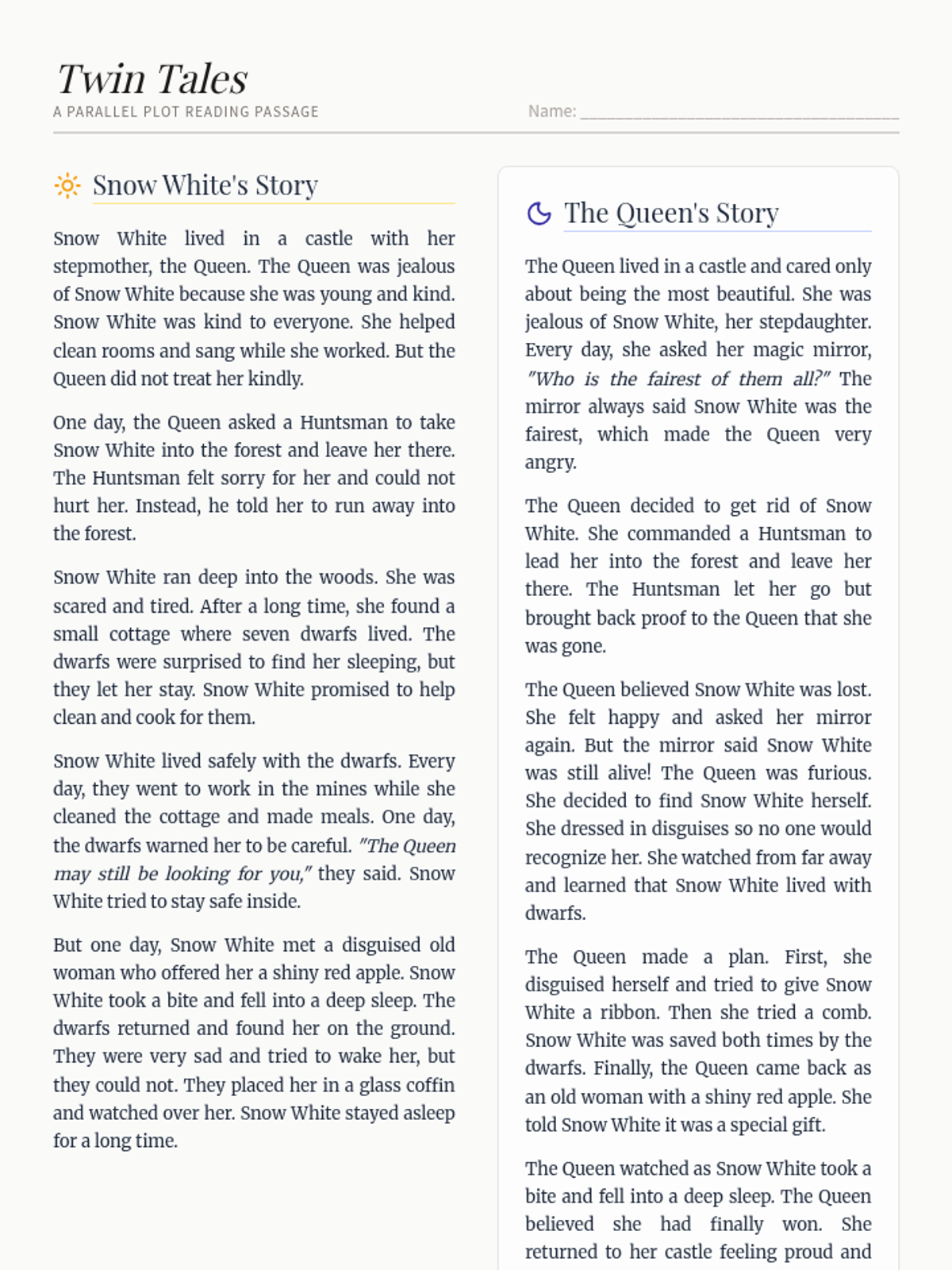
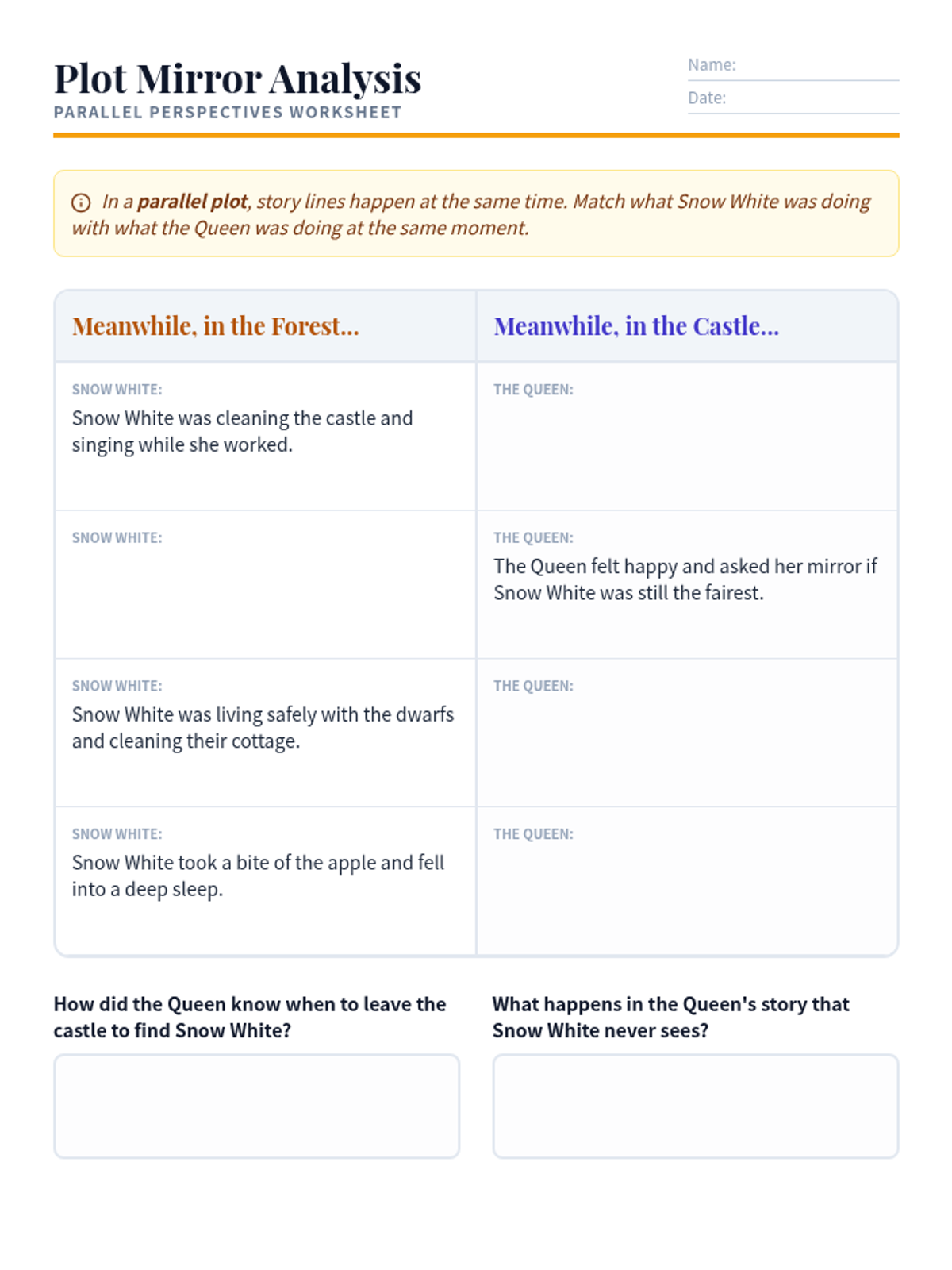
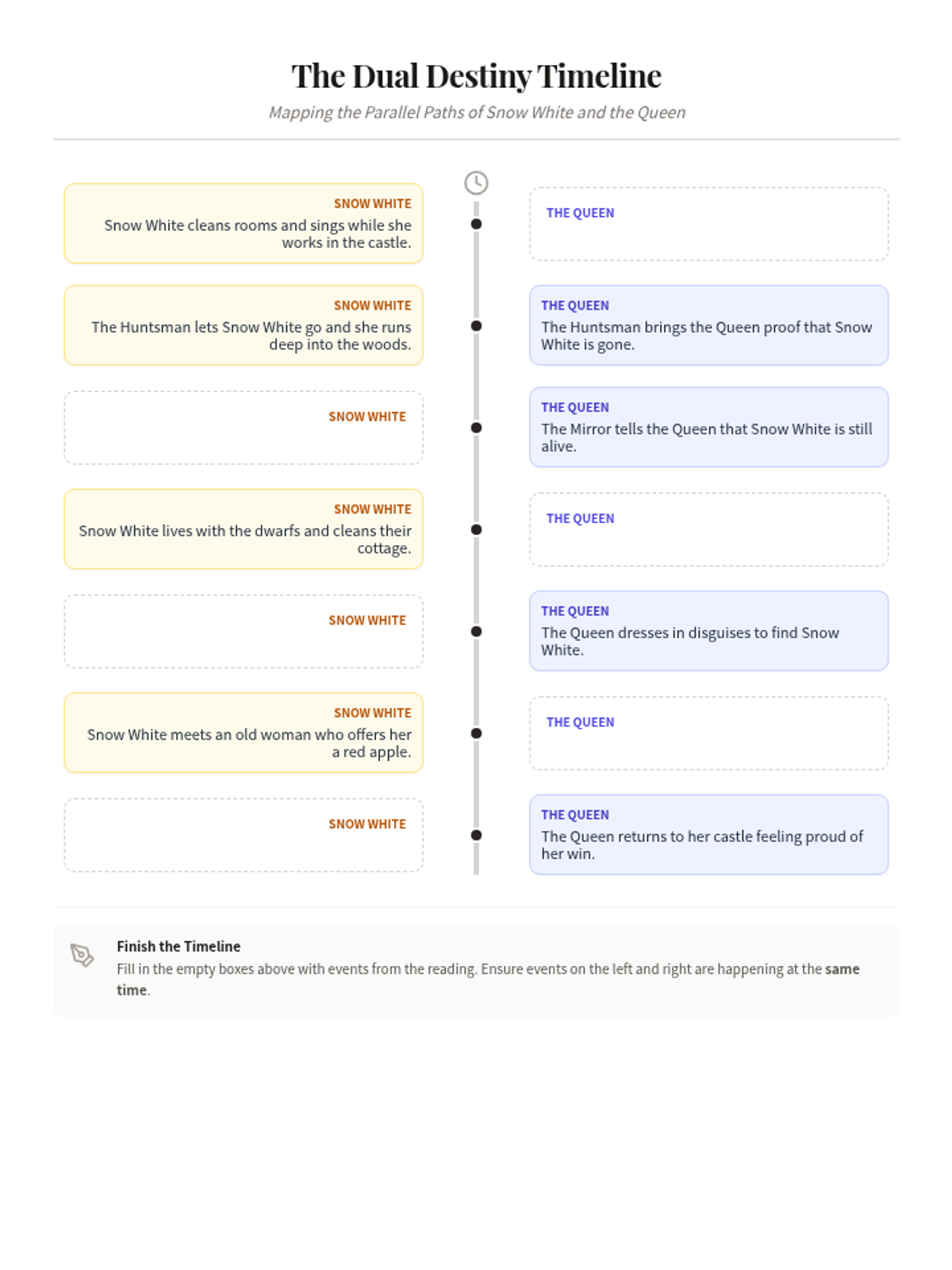
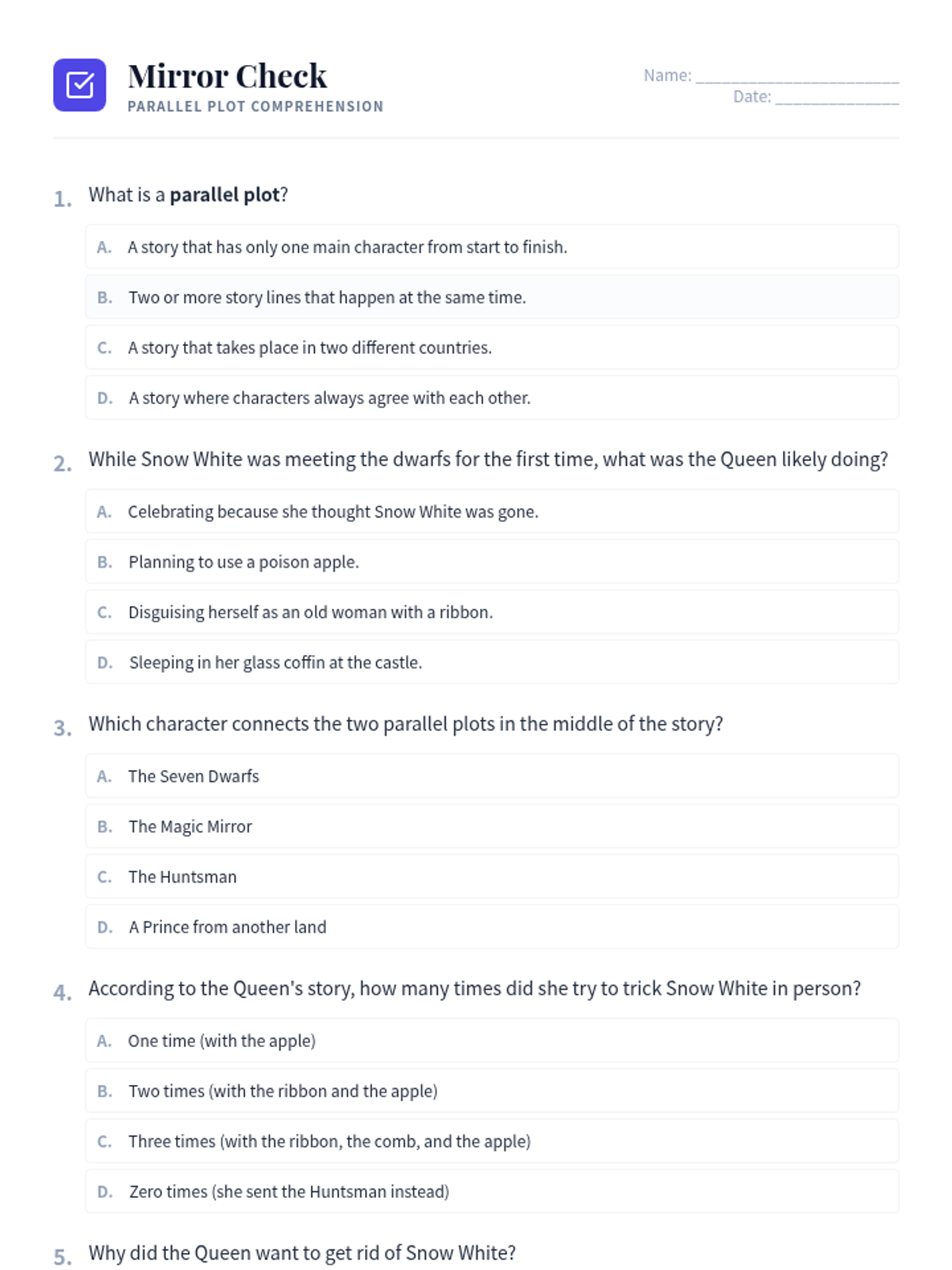
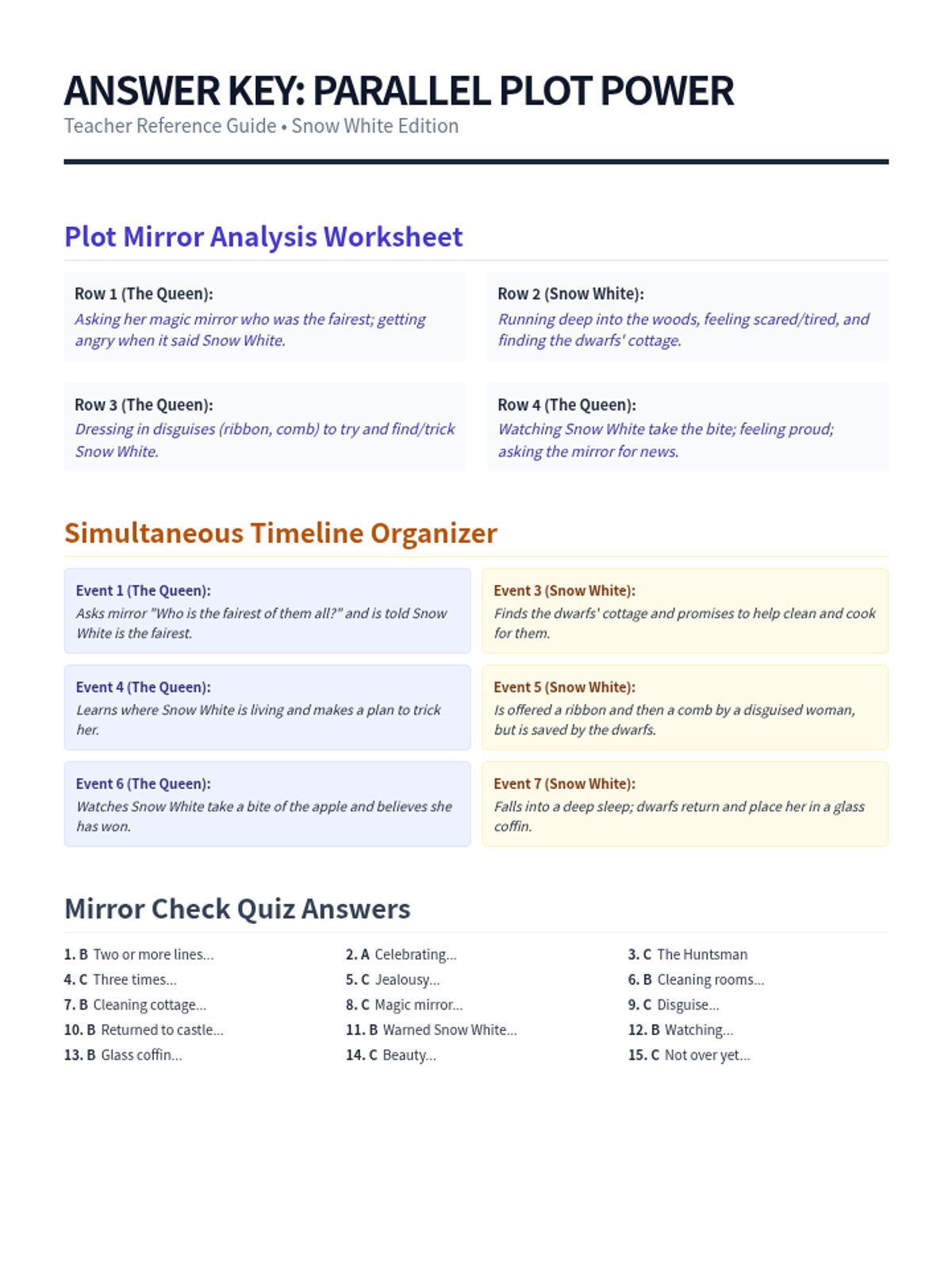
Students analyze two versions of the Snow White story to understand parallel plots, identifying how events in the Queen's journey occur simultaneously with Snow White's.
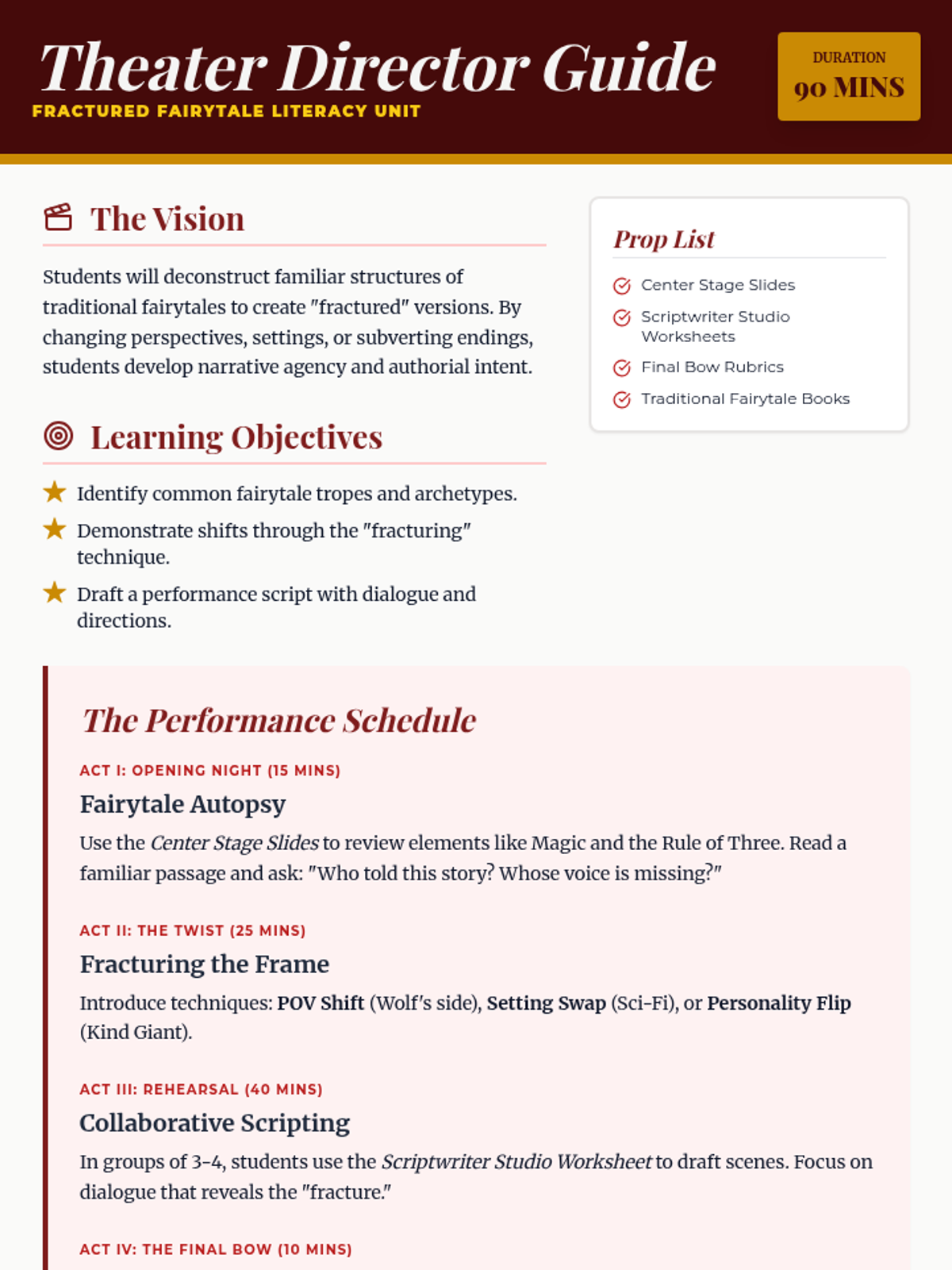
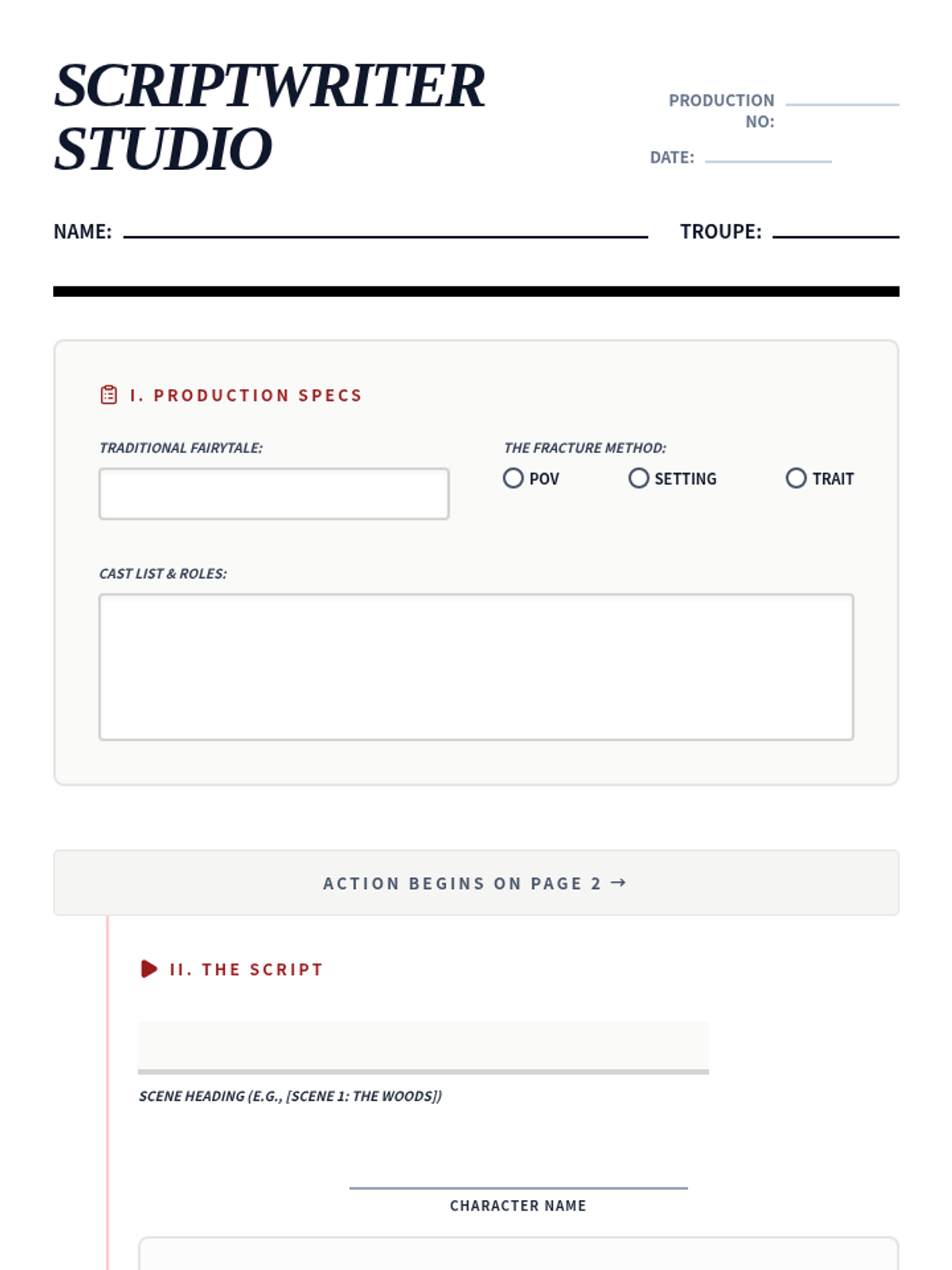
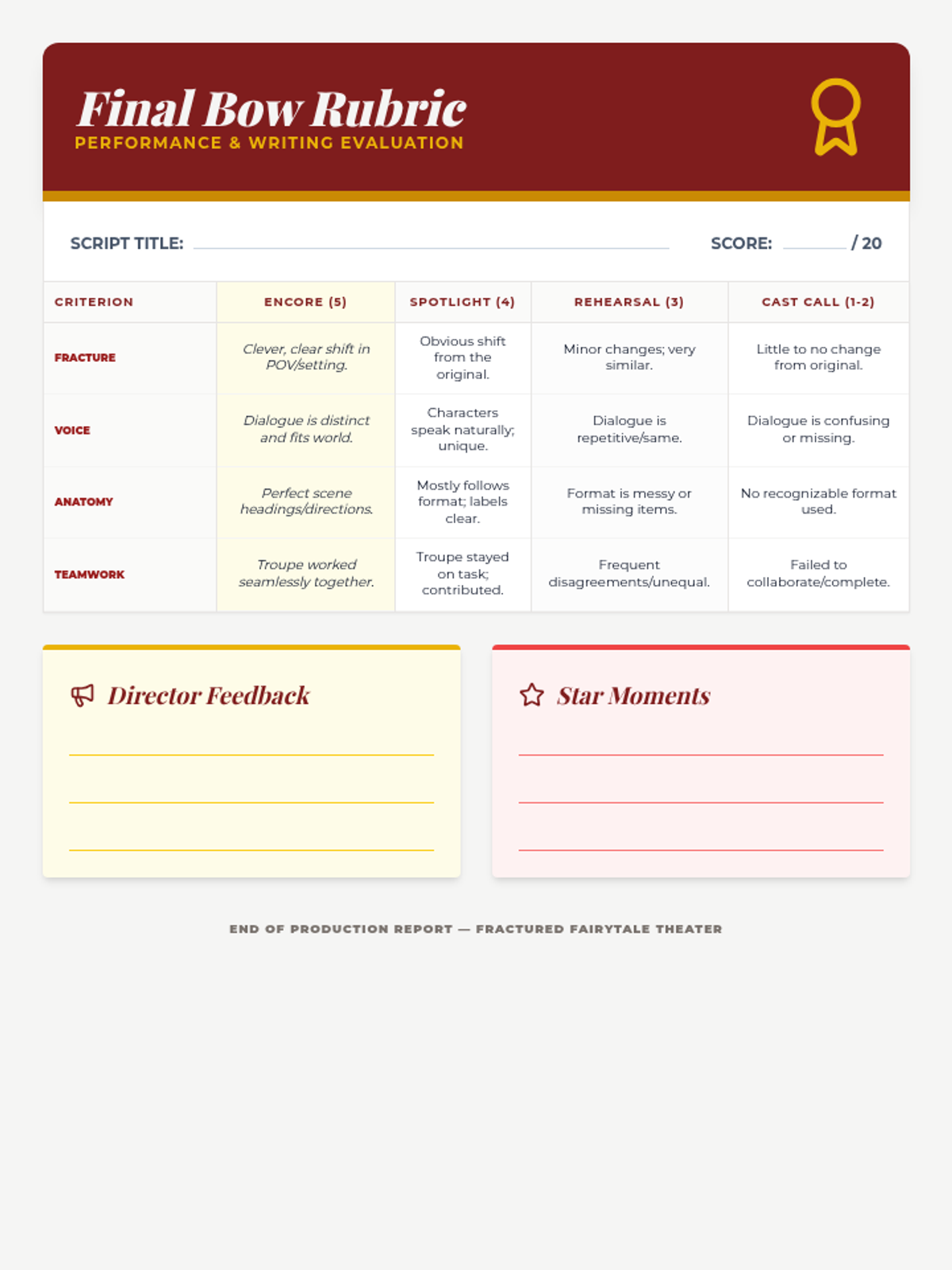
A literacy unit where students analyze traditional fairytales and collaborate to rewrite them through script-writing and dramatic play. Students explore character perspectives and alternative endings to strengthen comprehension and creative expression.
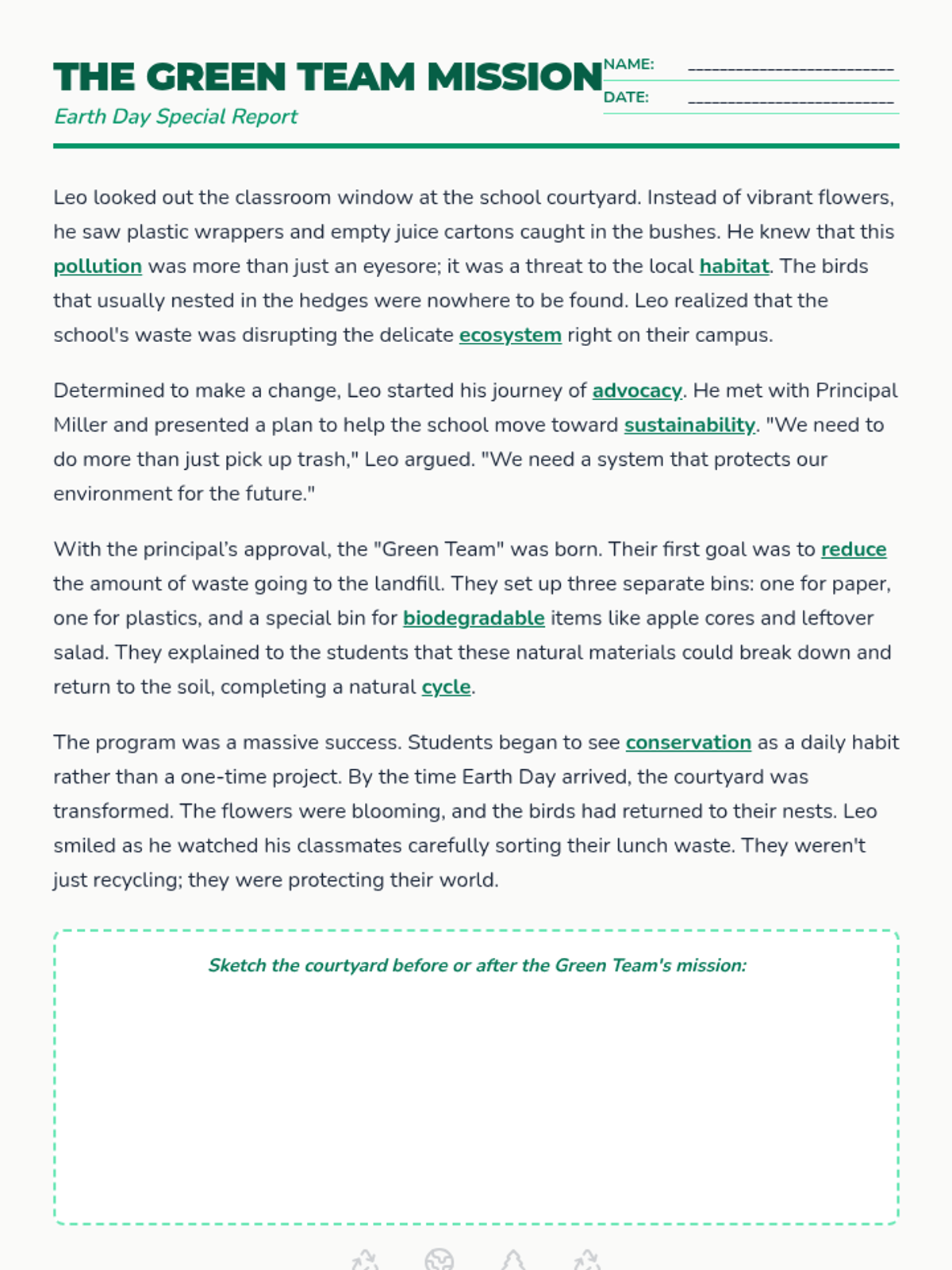
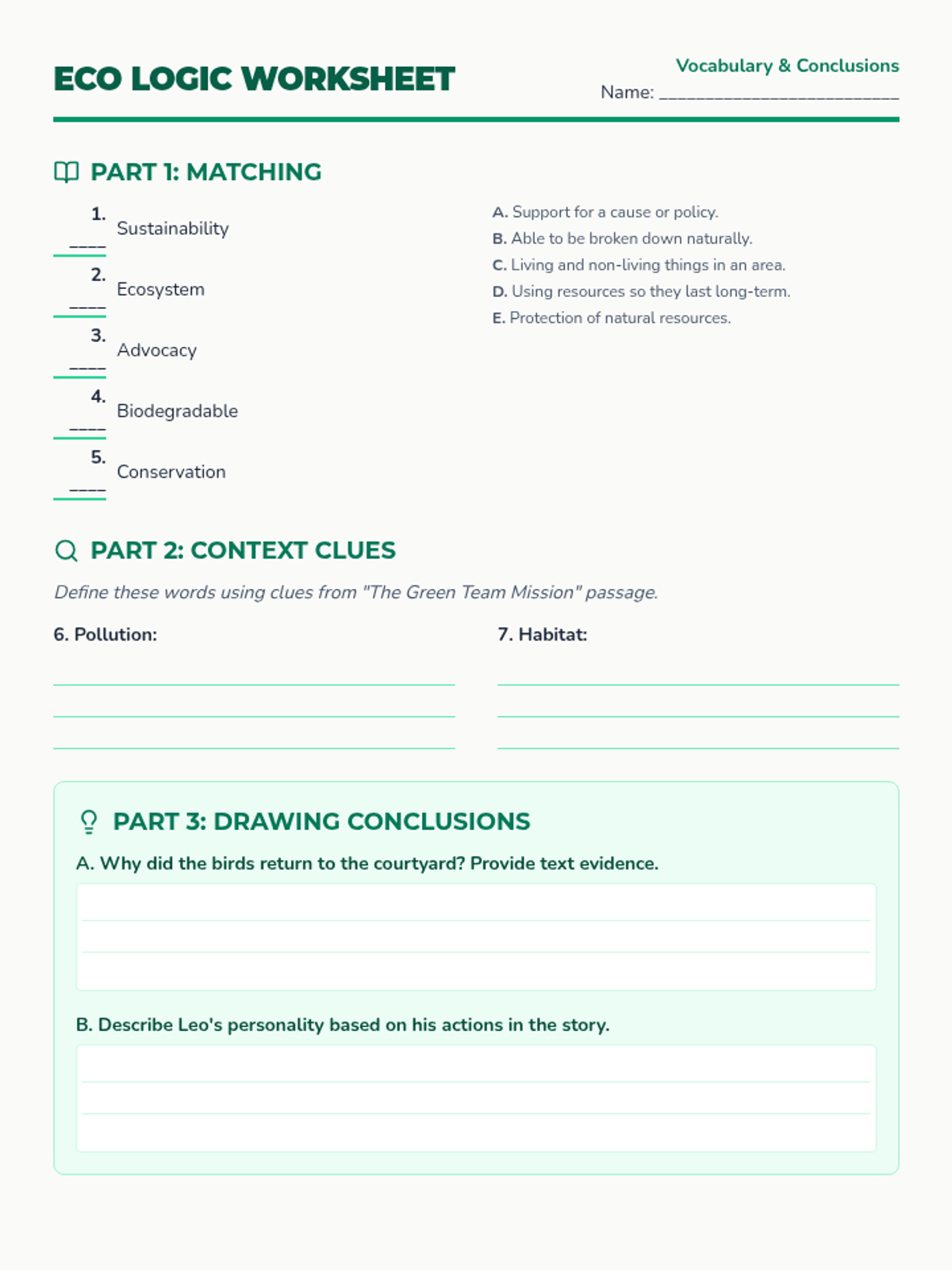
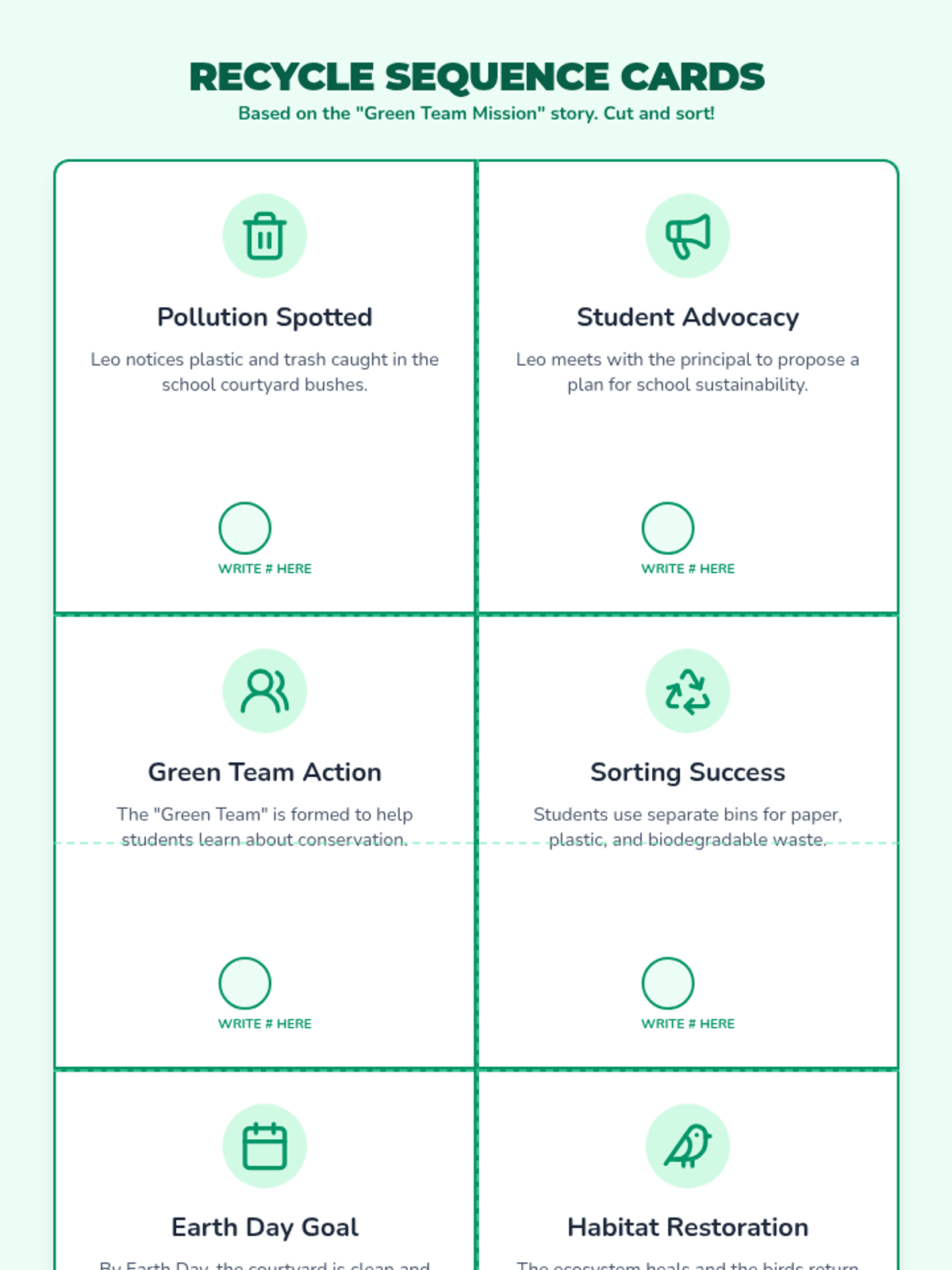
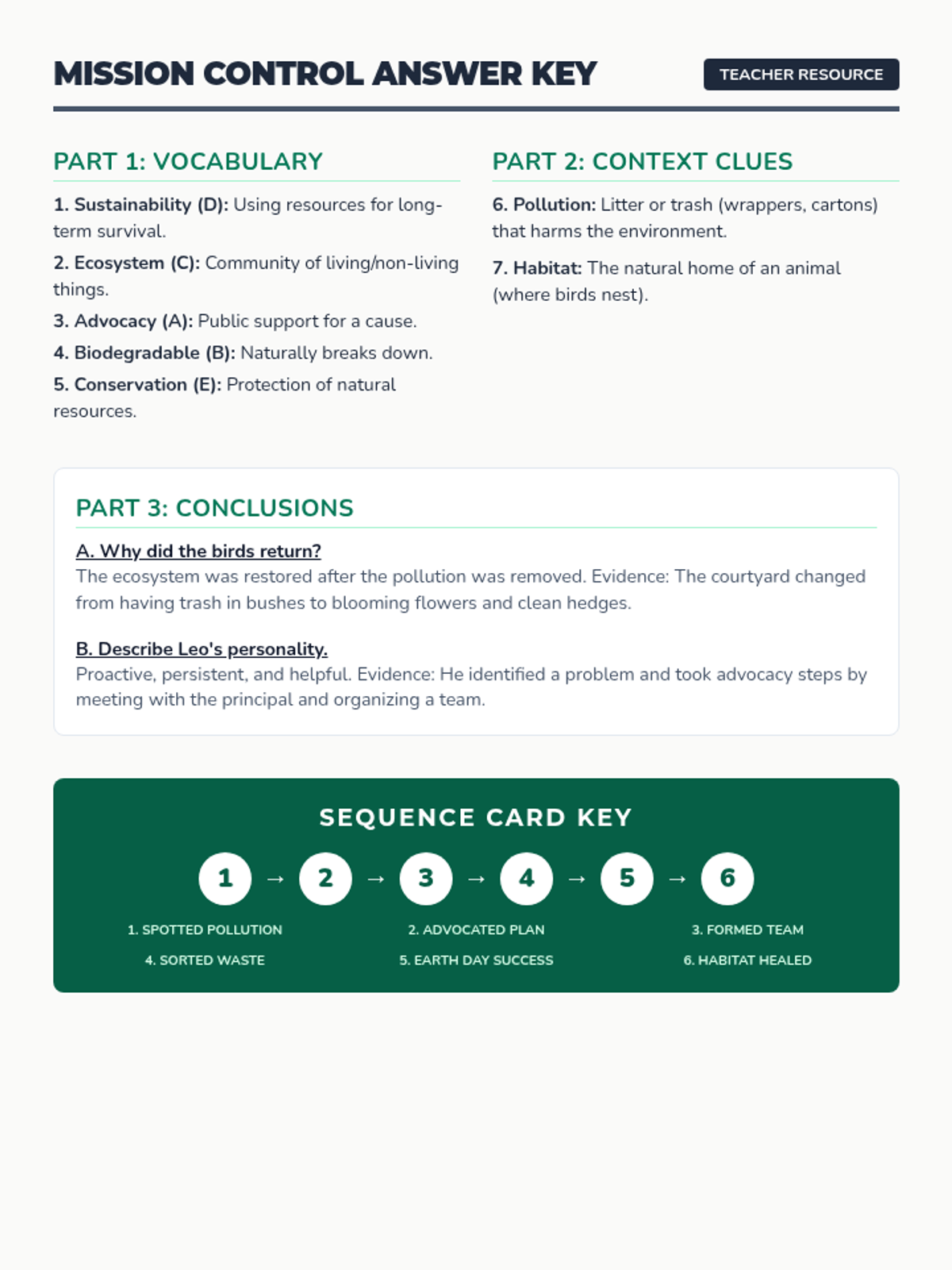
A lesson focused on school recycling, vocabulary development, and drawing conclusions for Earth Day. Students will engage with a reading passage and sequence cards to understand environmental impact.
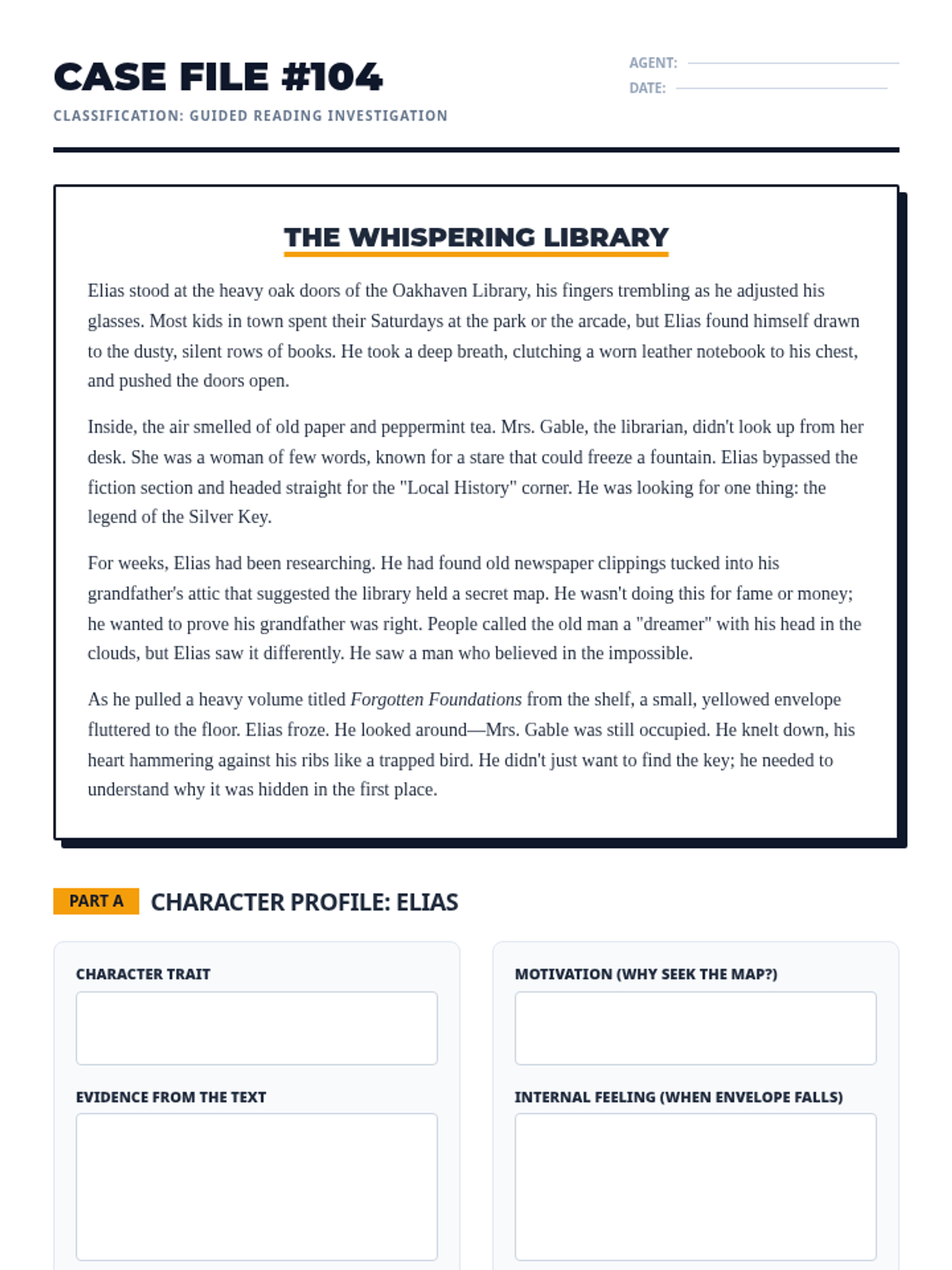
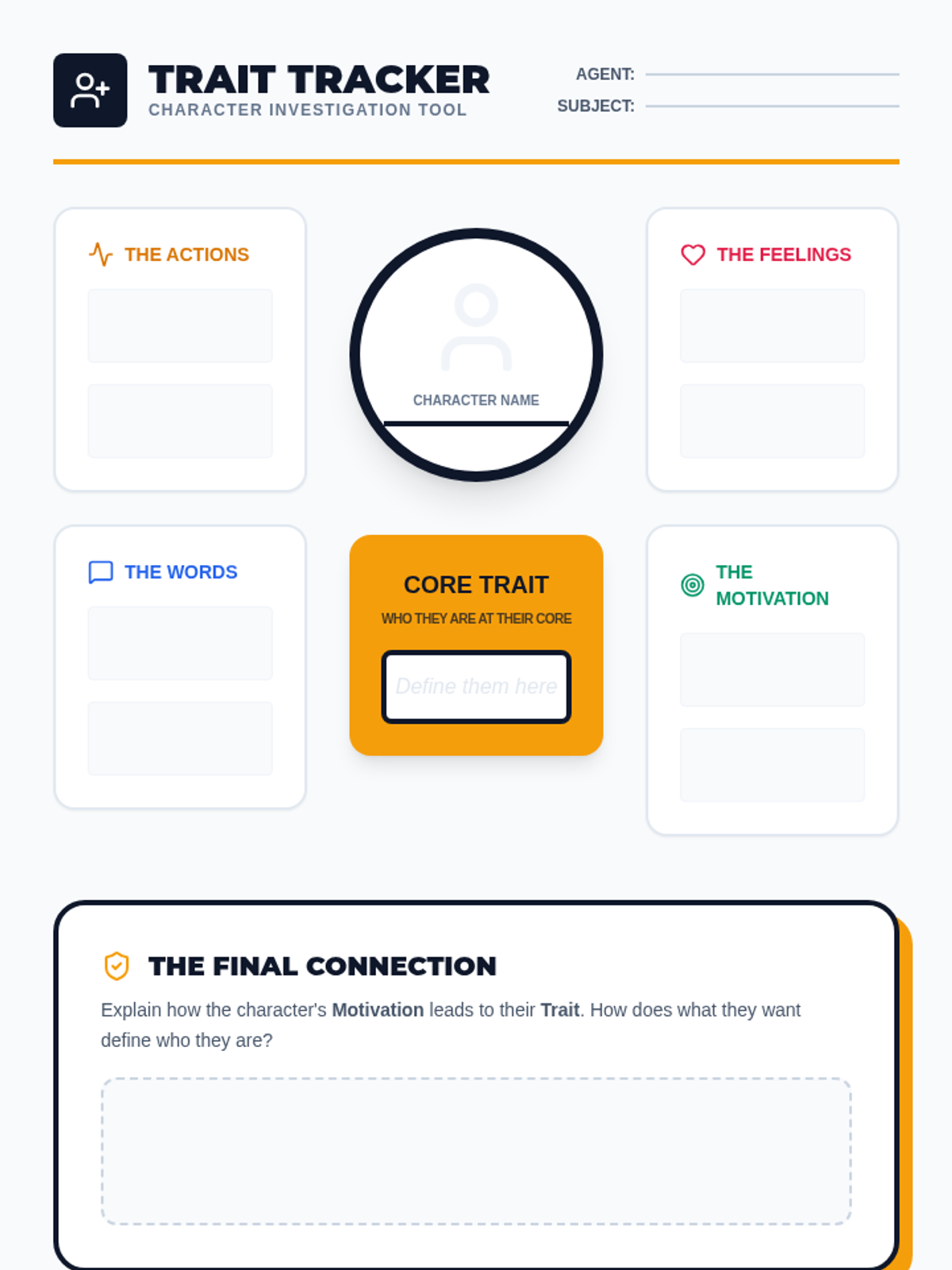
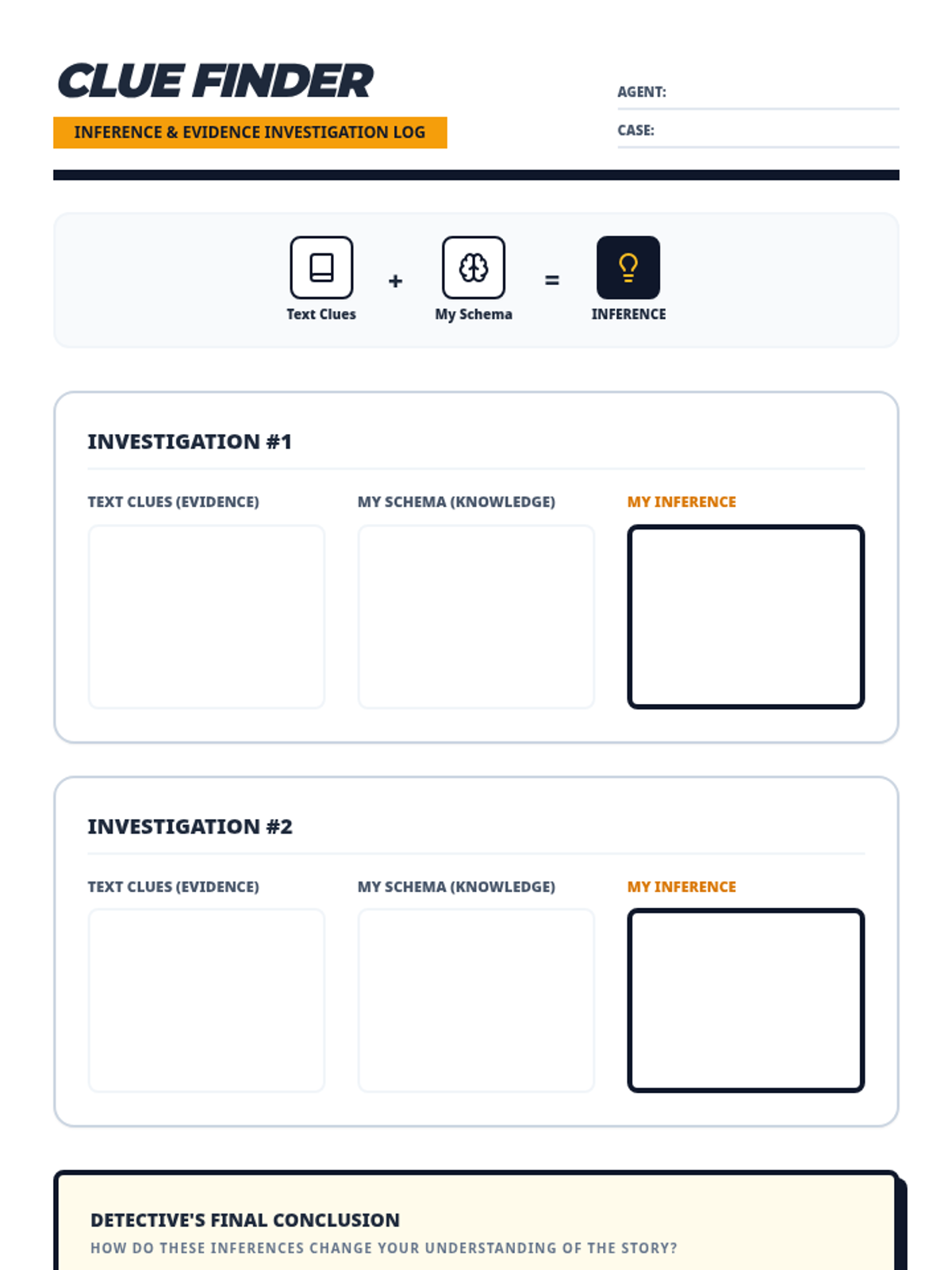
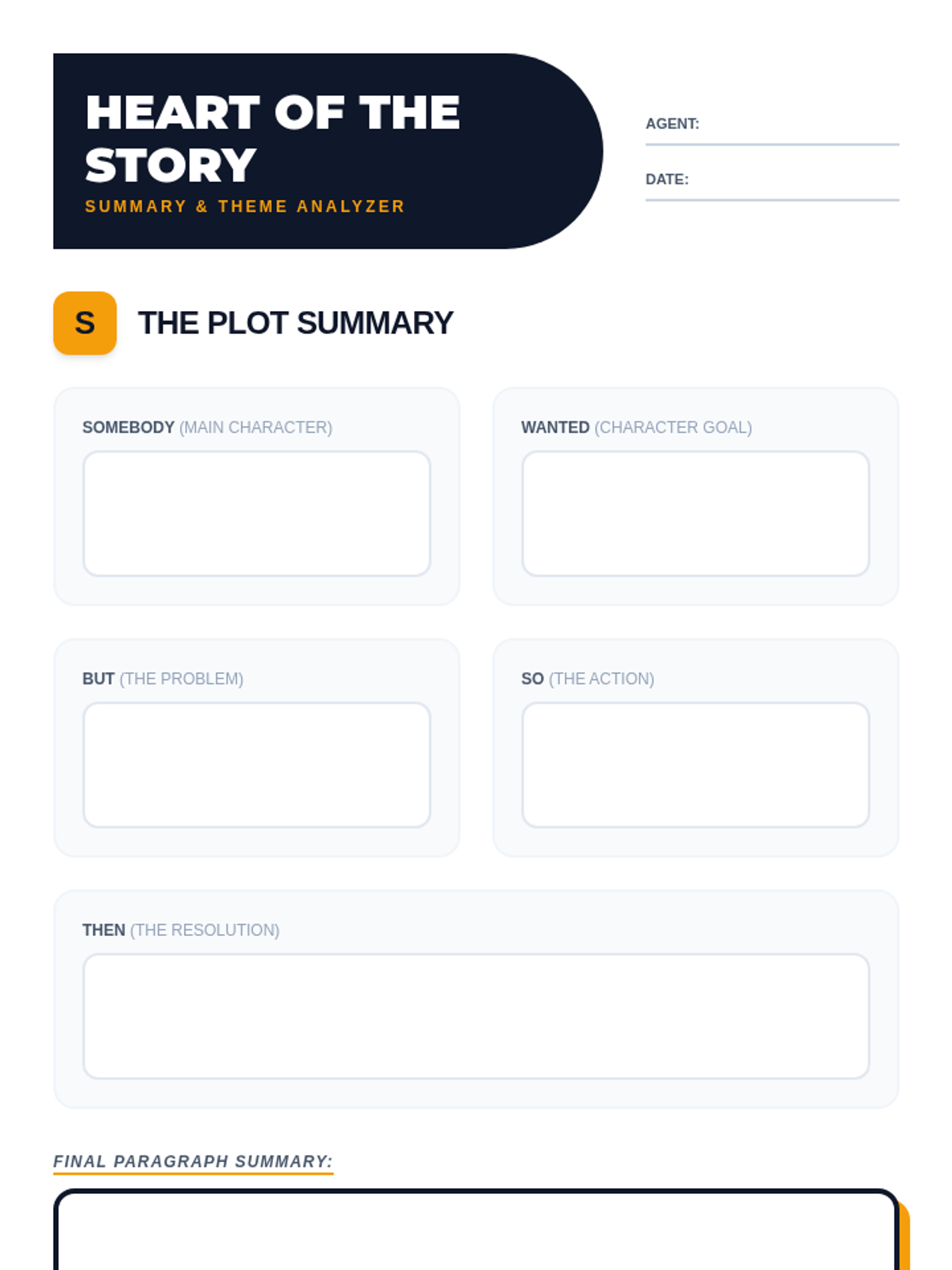
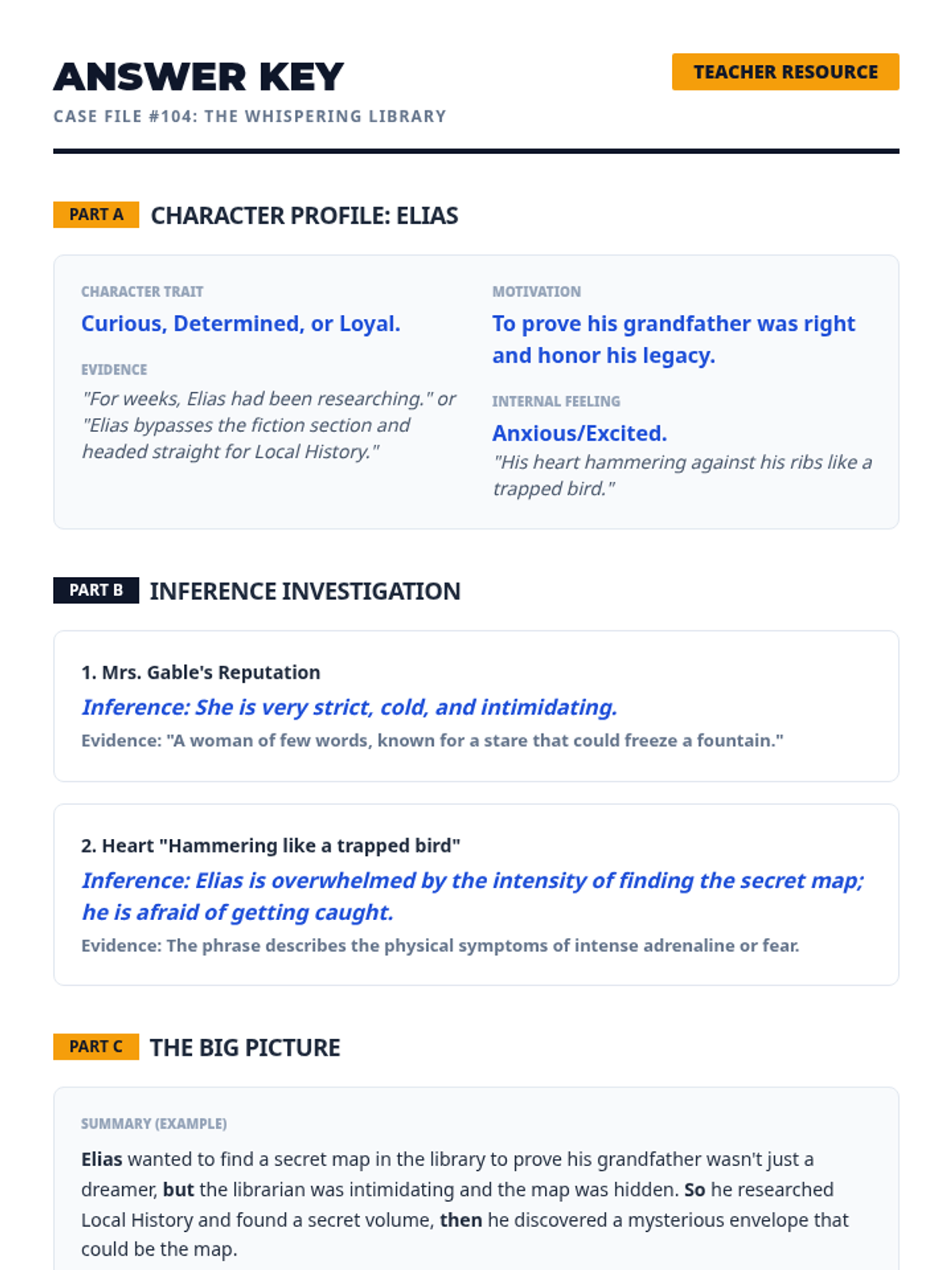
Students learn to analyze characters, make evidence-based inferences, and synthesize story elements into summaries and themes using a detective-themed approach.
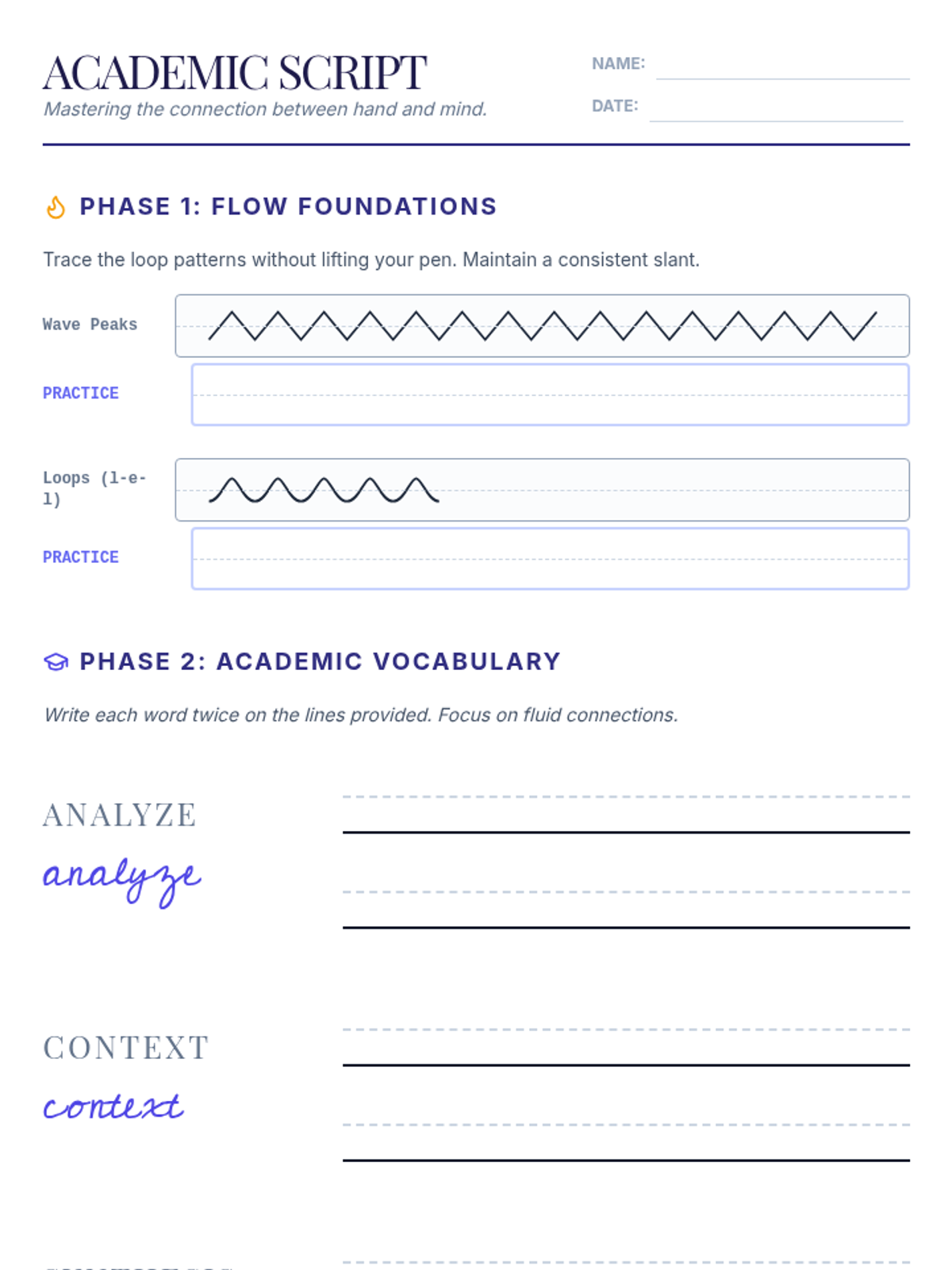
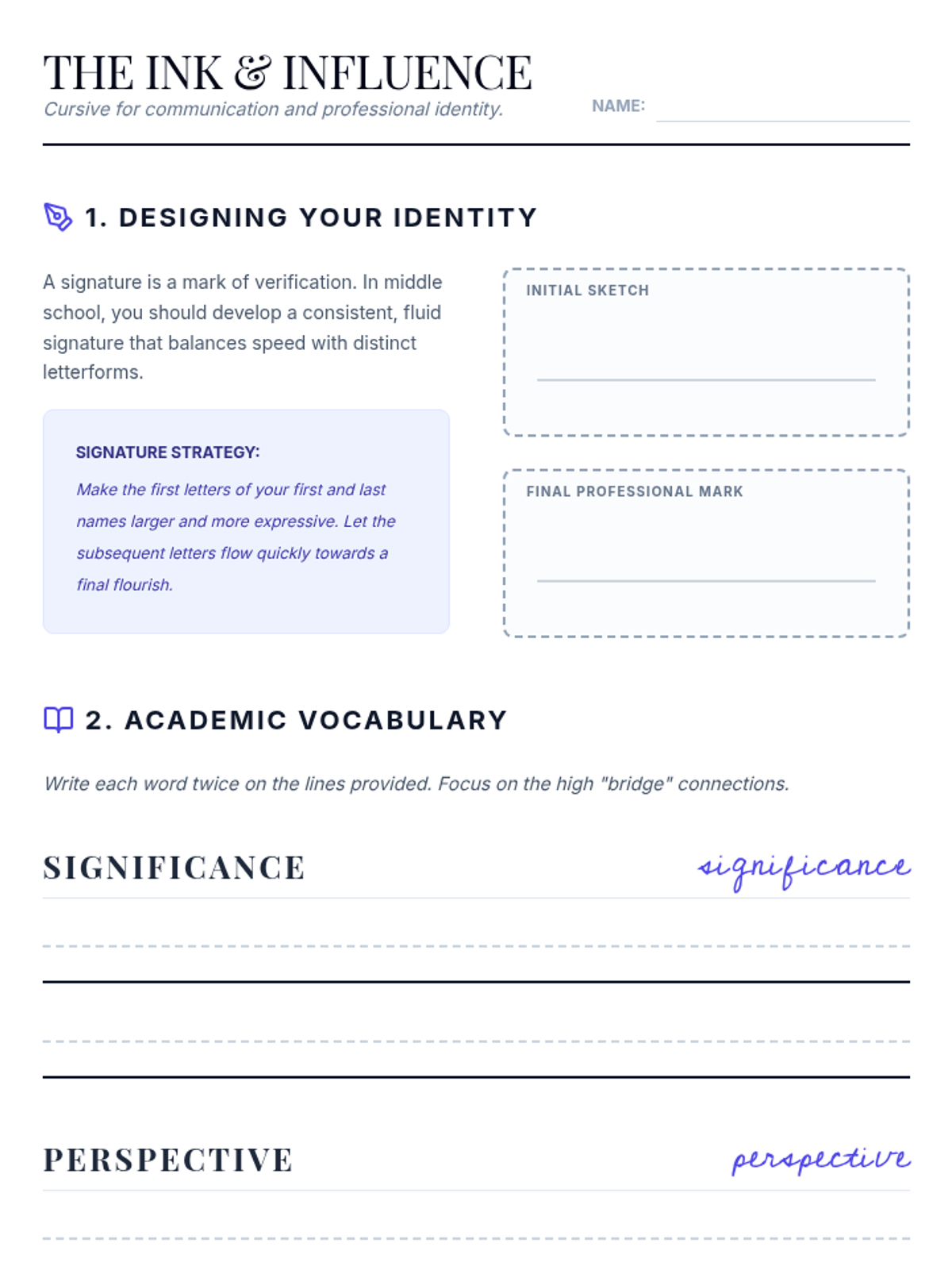
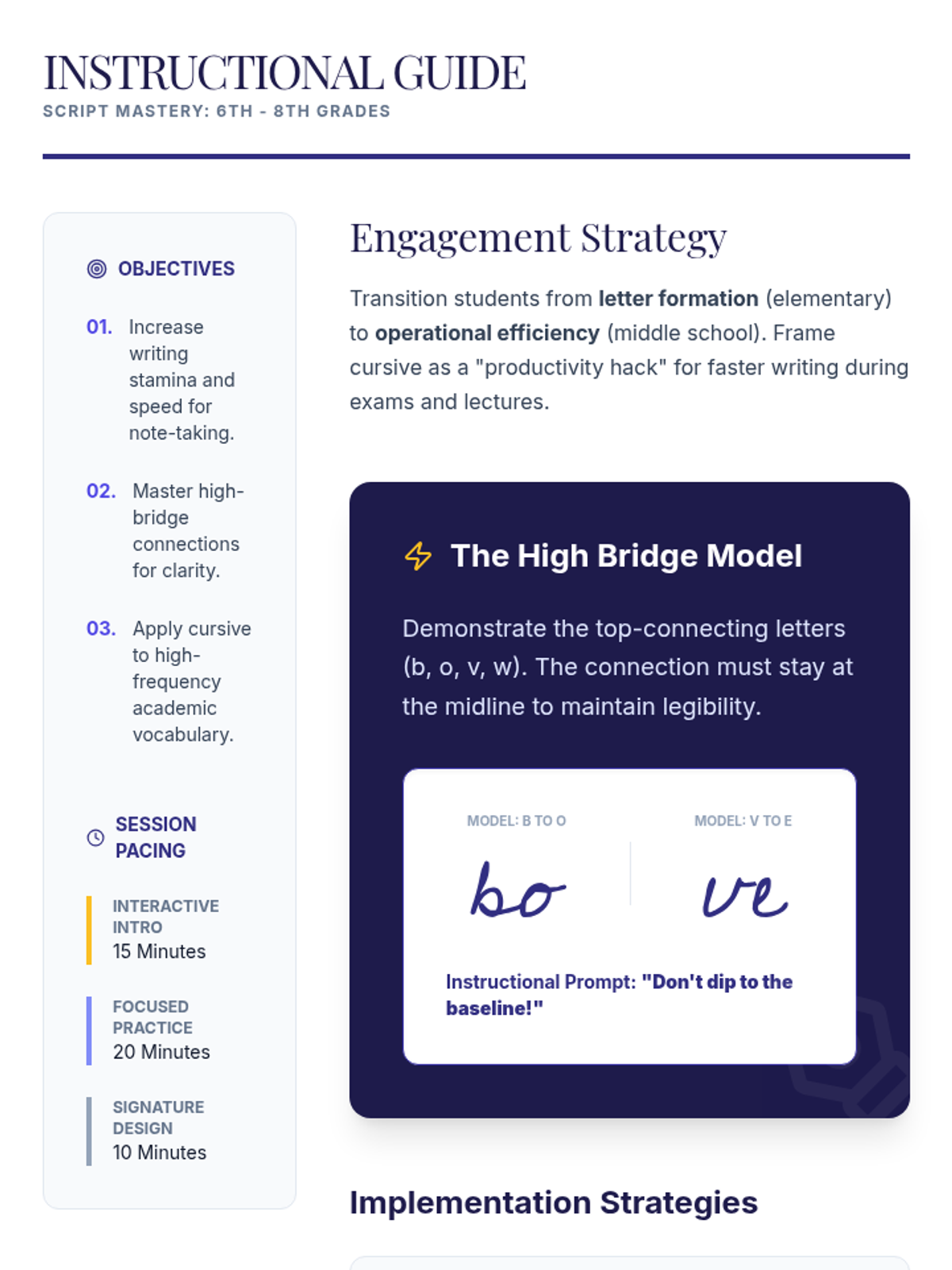
A modern take on cursive handwriting for middle school students, focusing on academic vocabulary, signature development, and the efficiency of script for note-taking. This lesson moves beyond elementary tracing to focus on fluid connections and professional presentation.
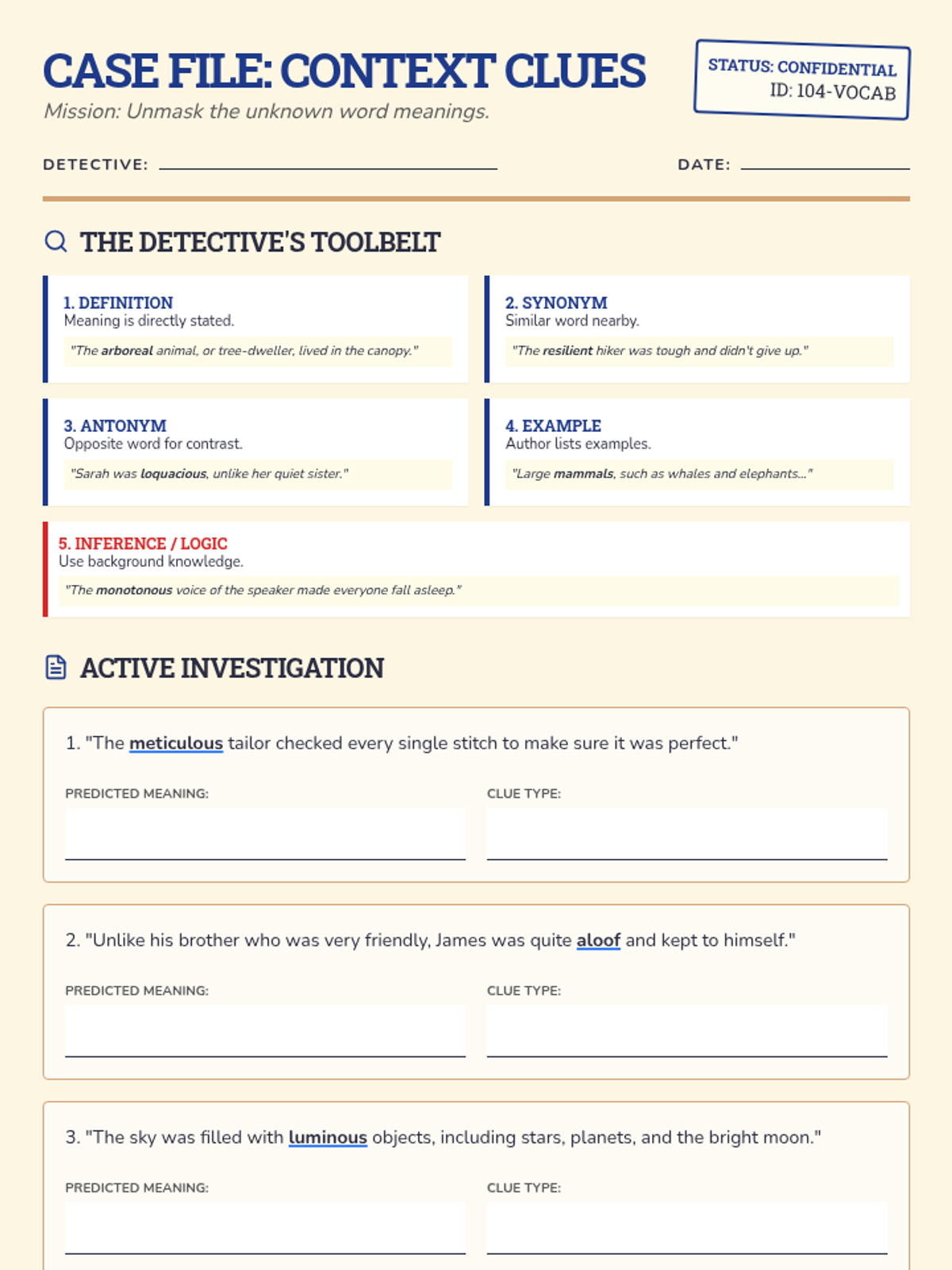
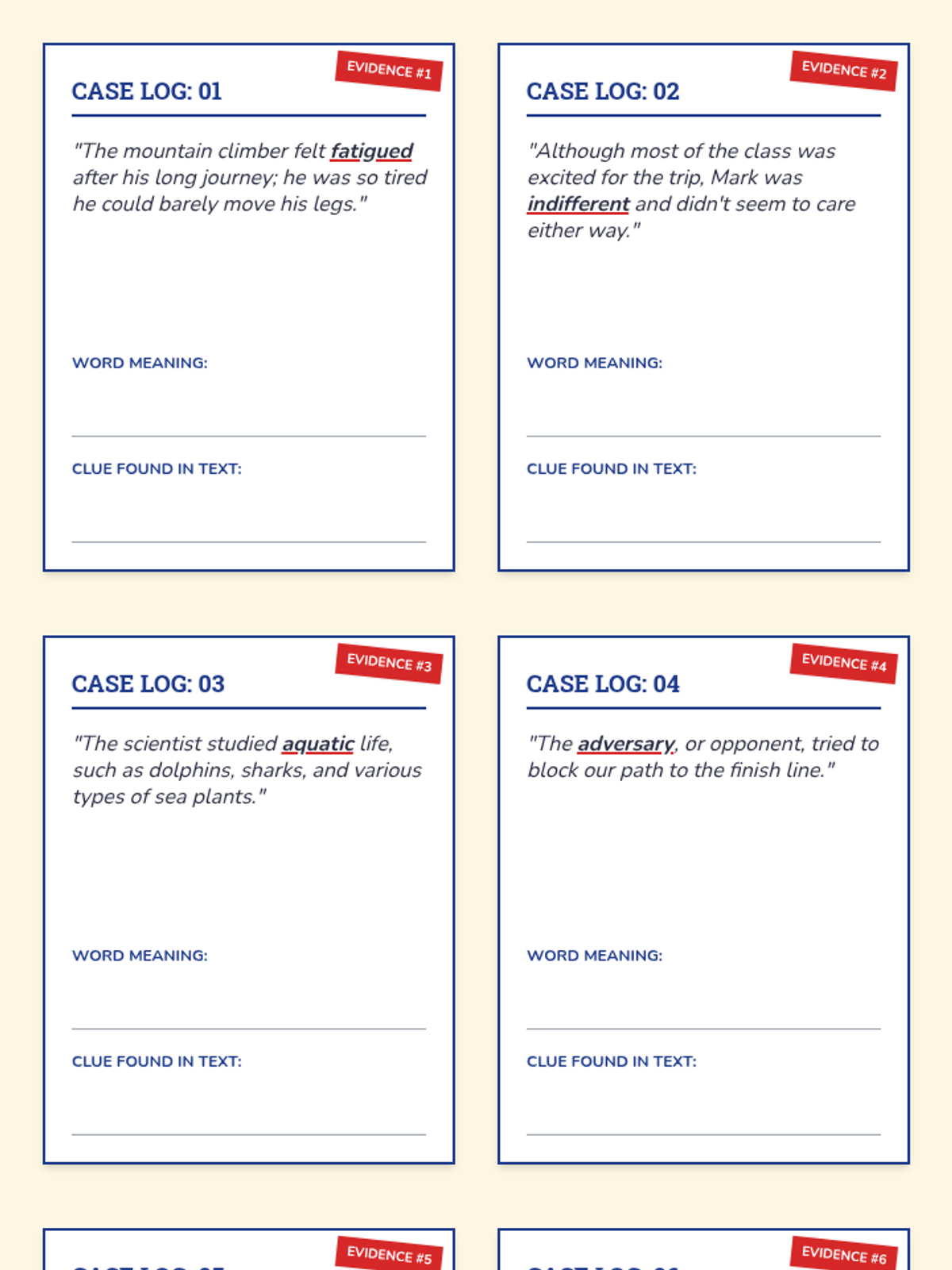
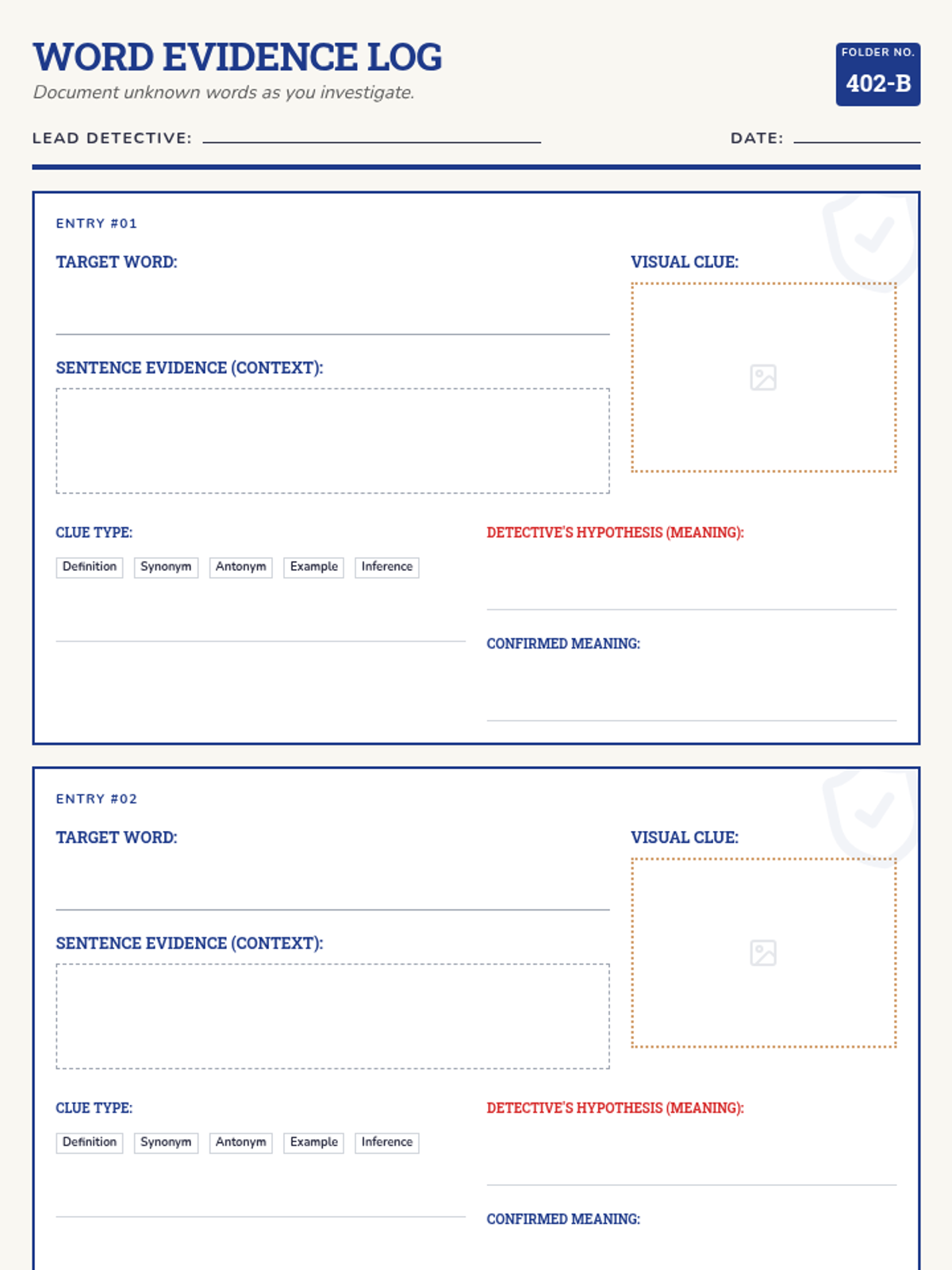
A deep dive into using word relationships and context clues to uncover the meaning of unfamiliar words. Students act as word detectives, searching for evidence in sentences to solve vocabulary mysteries through guided practice and independent evidence-gathering.
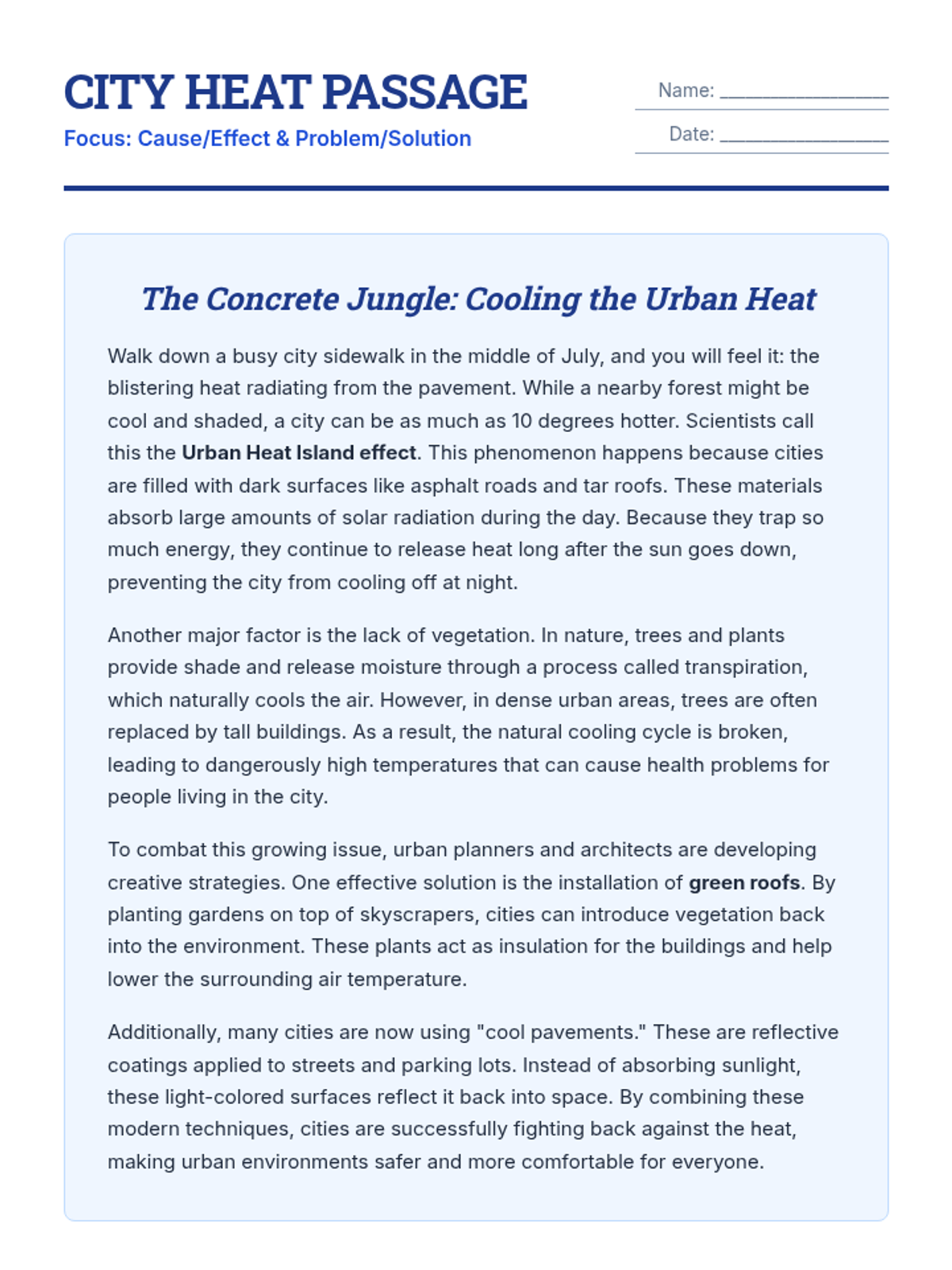
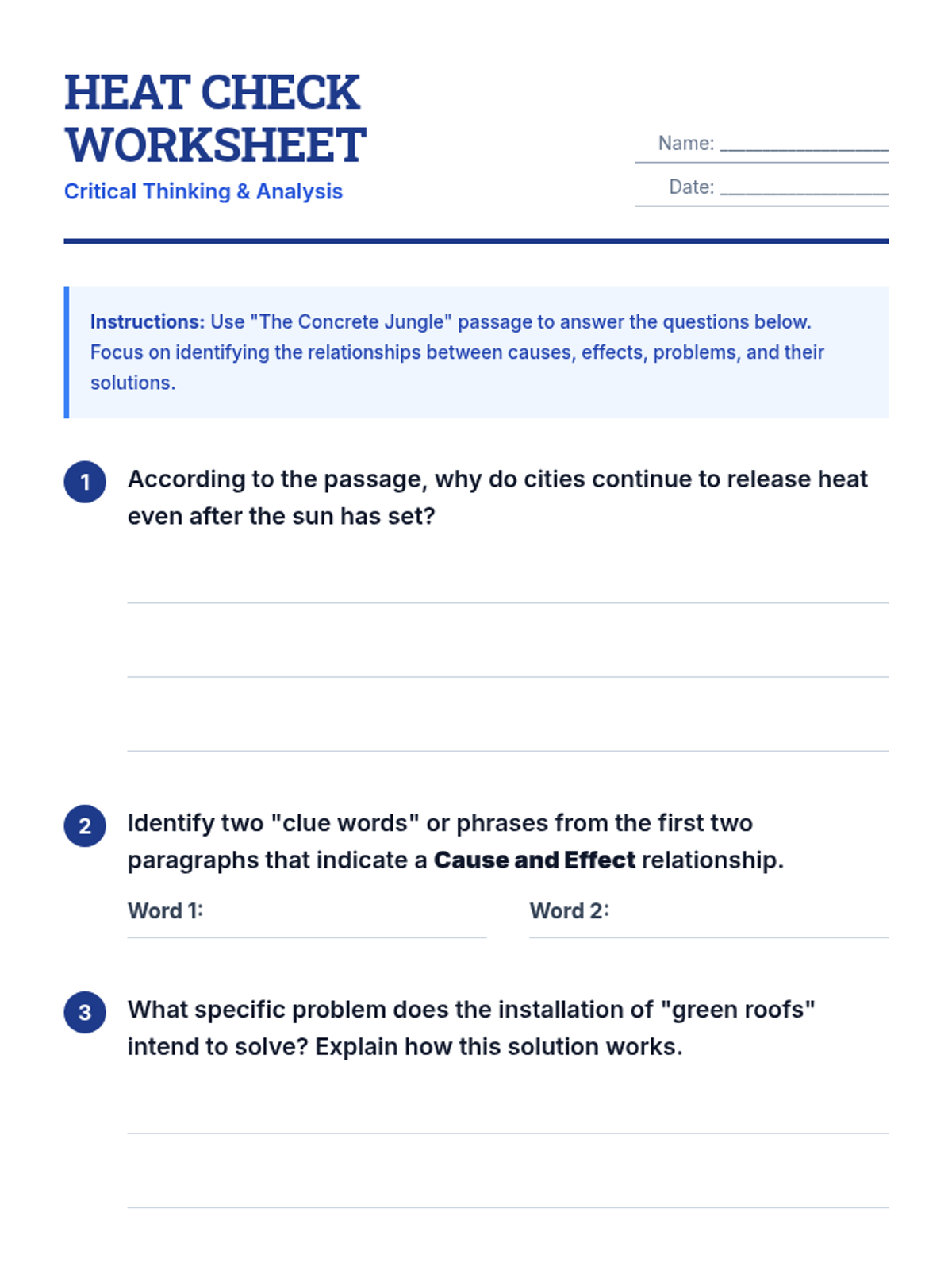
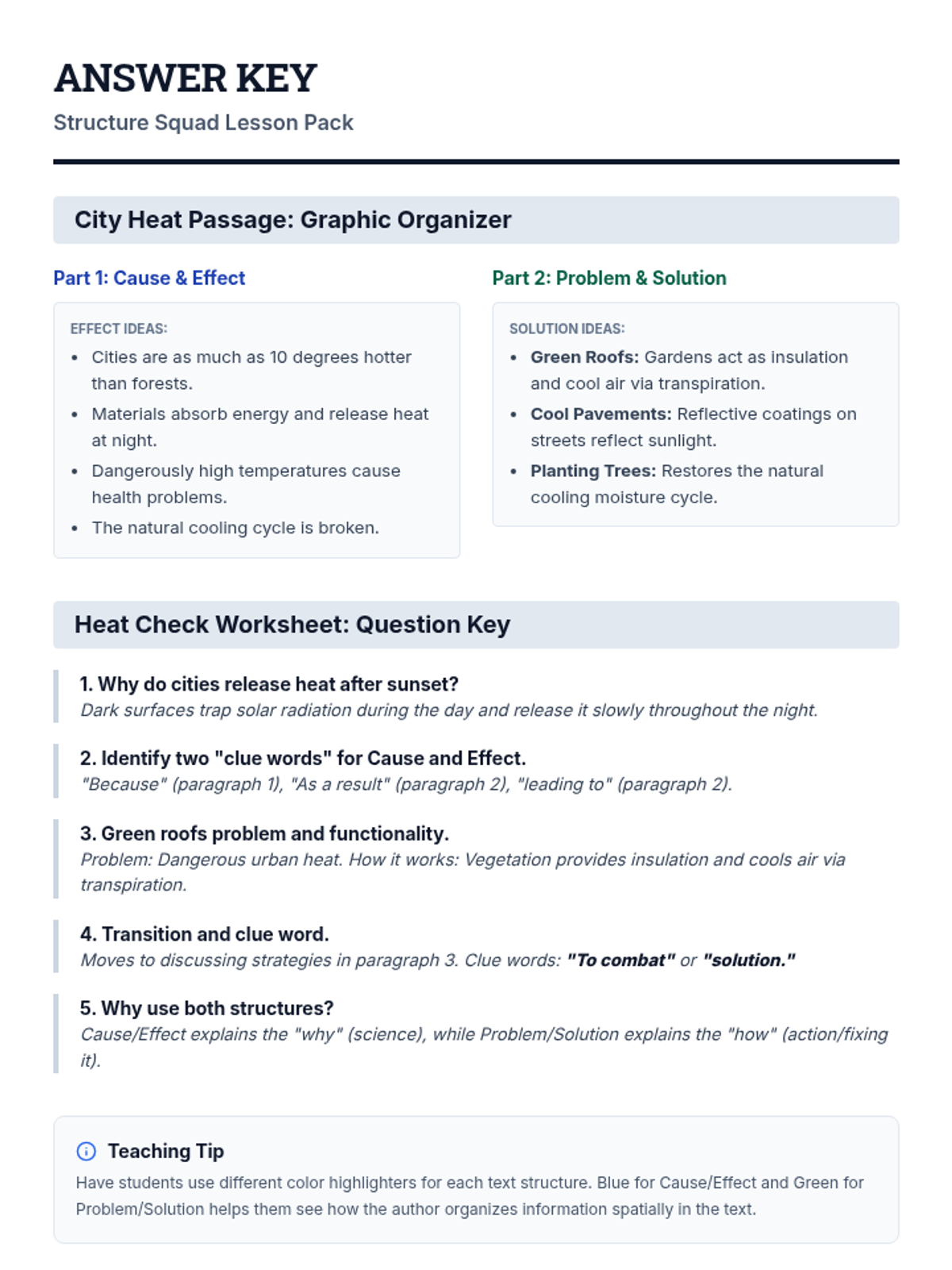
This lesson introduces students to identifying and distinguishing between cause-and-effect and problem-solution text structures using a high-interest passage about urban heat islands. Students will analyze the relationship between events and the methods used to solve environmental challenges.
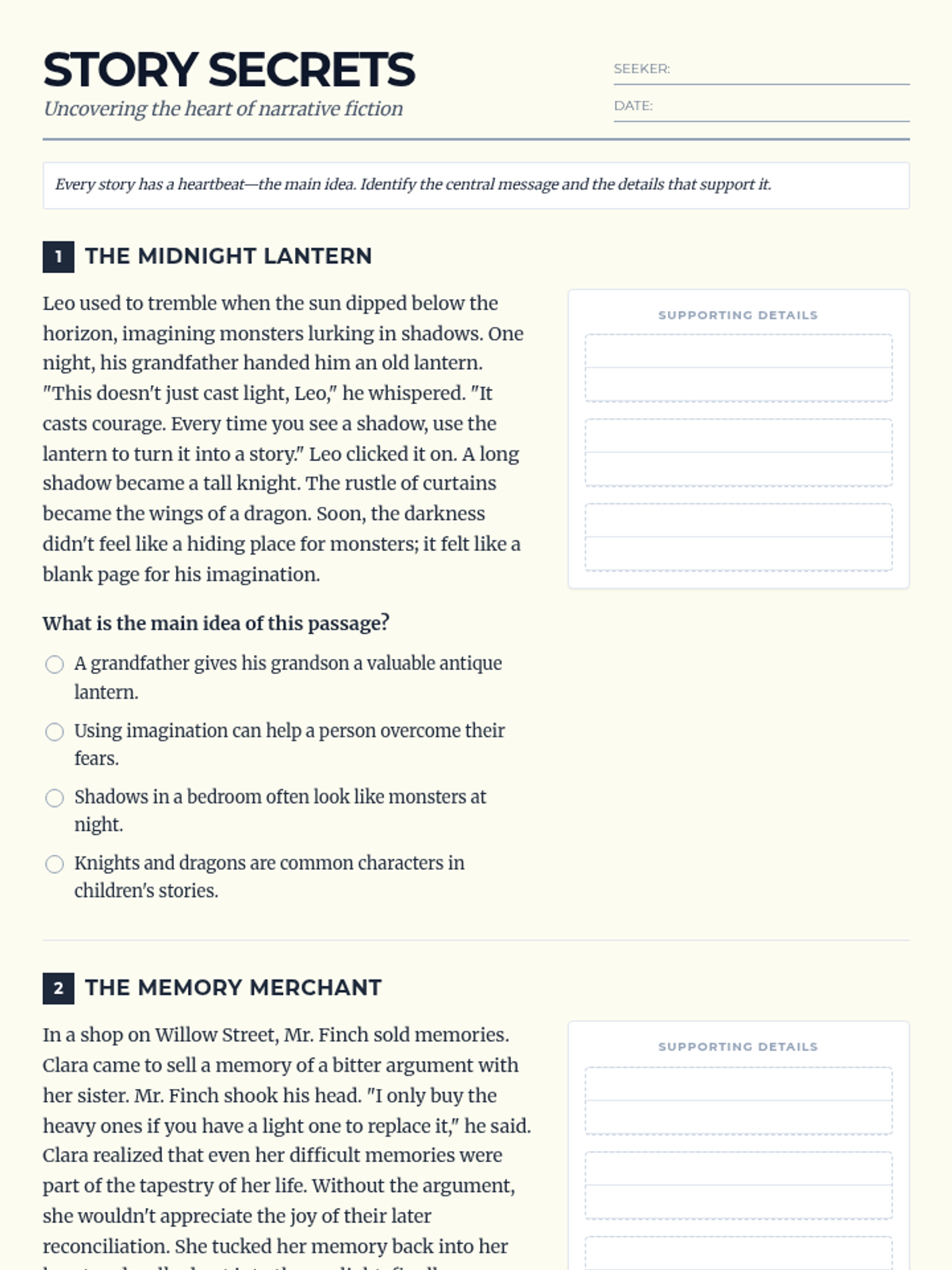
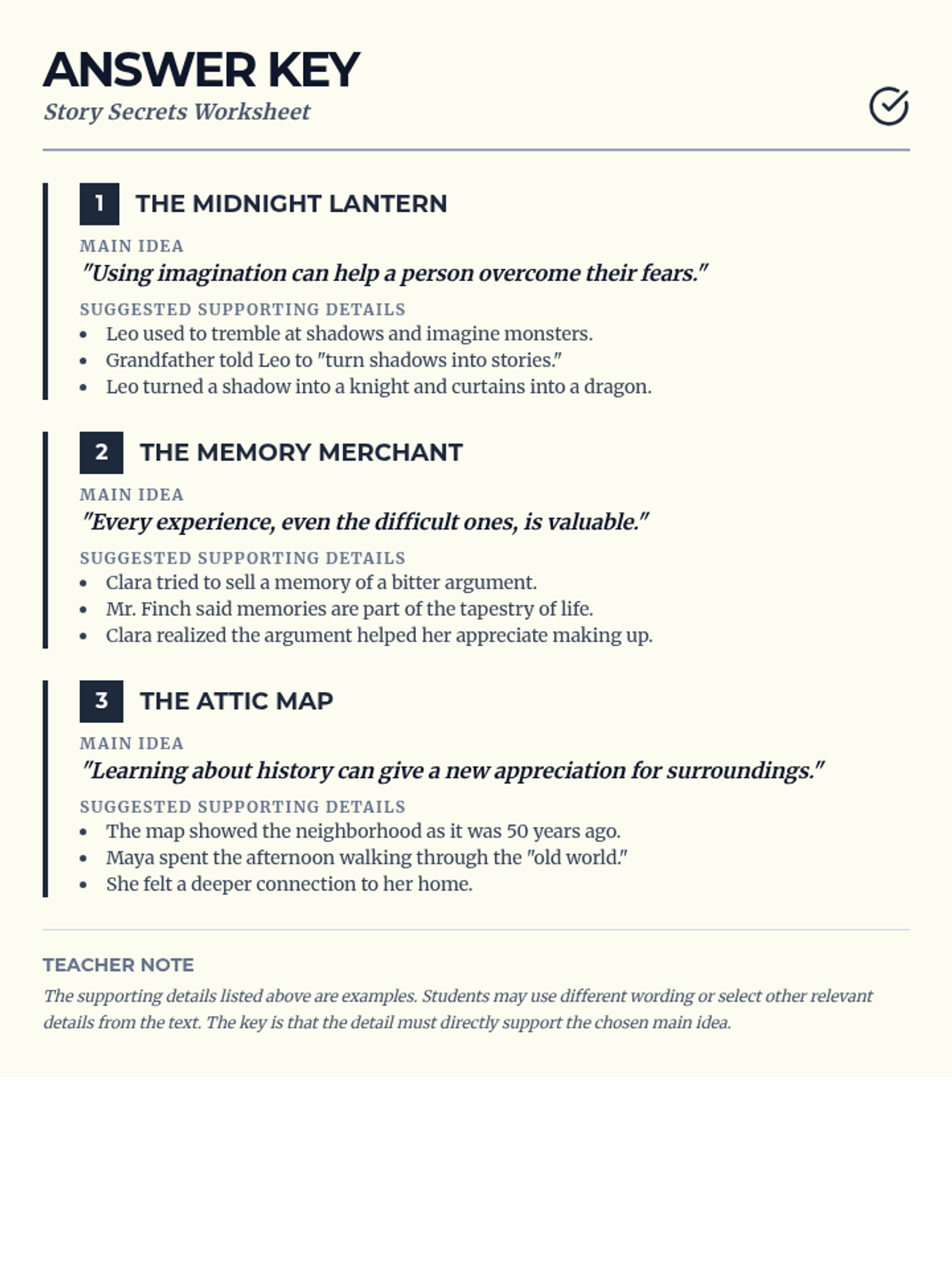
A lesson focused on identifying the main idea and supporting details within narrative fiction through engaging short stories and structured analysis.
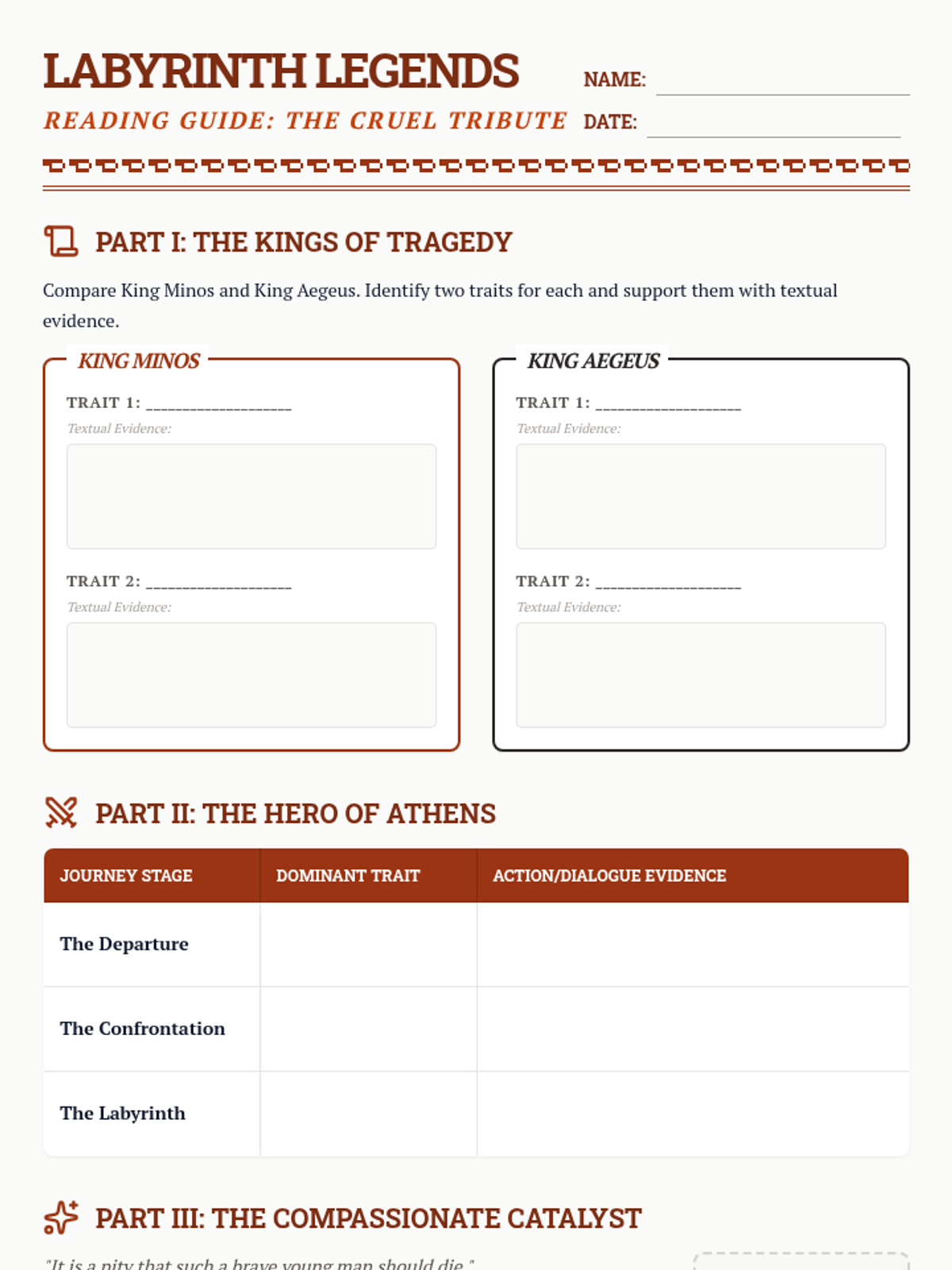
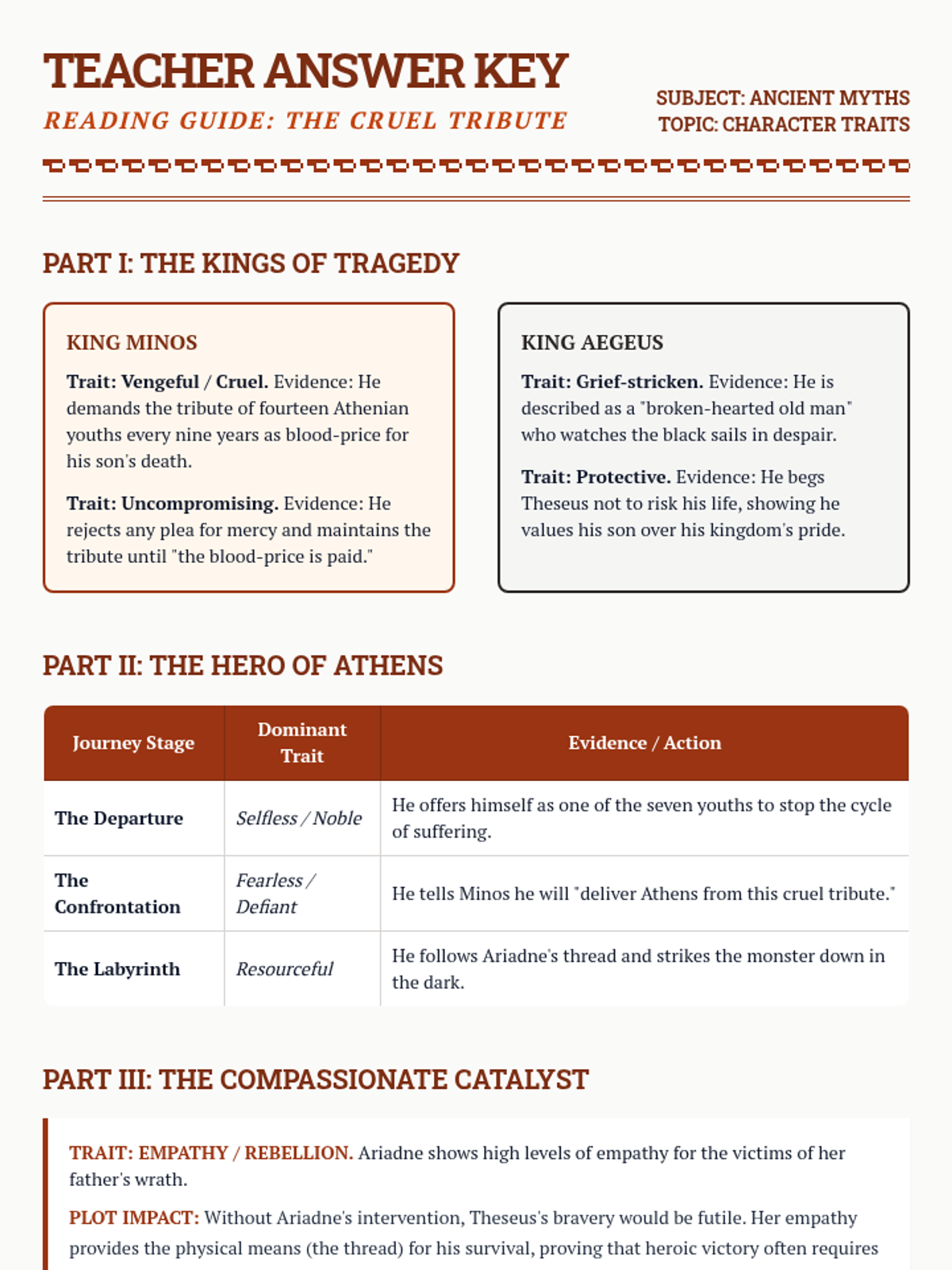
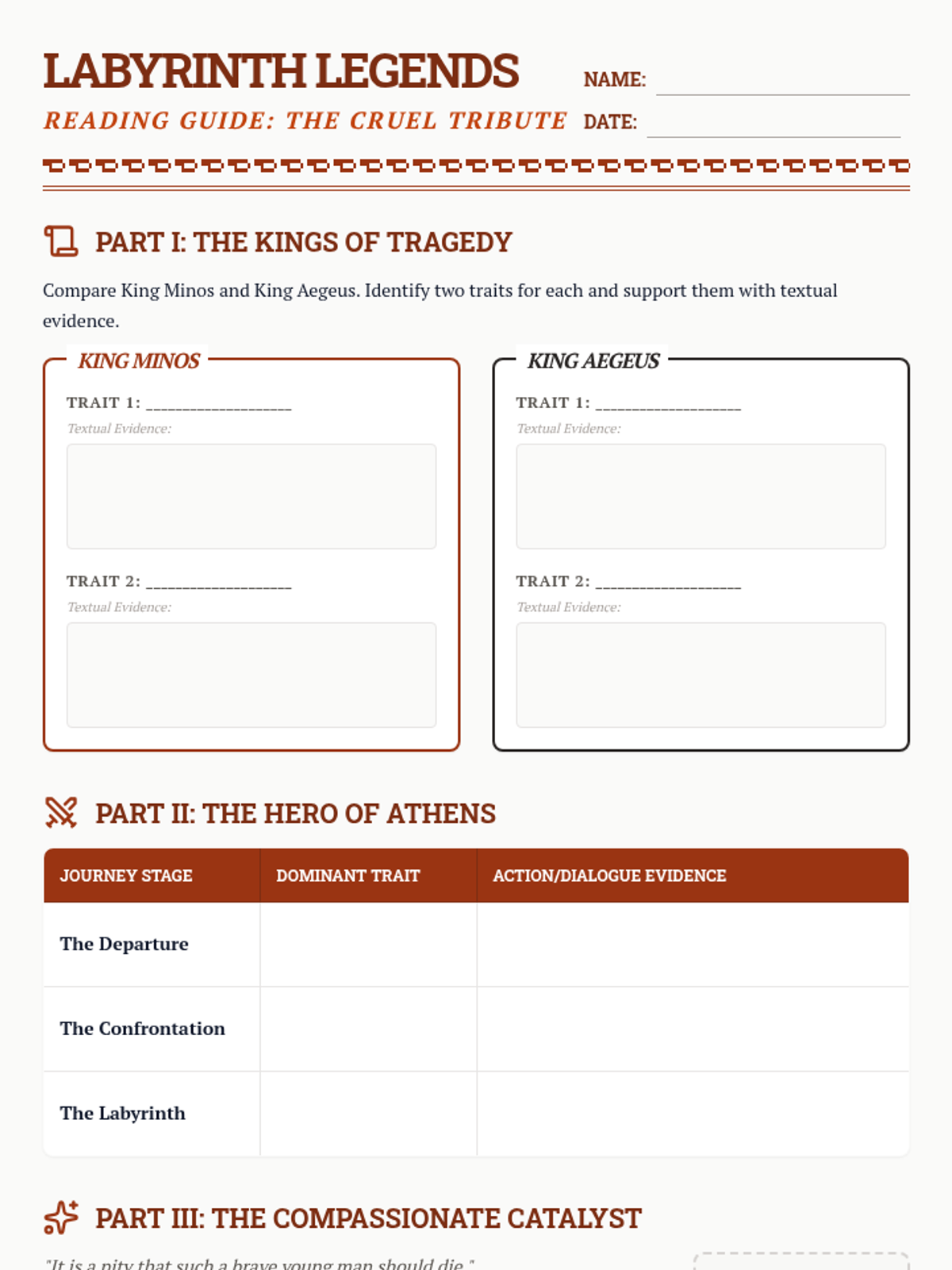
A comprehensive study of 'The Cruel Tribute', focusing on character trait analysis, textual evidence, and the motivations of heroes and villains in Greek mythology.
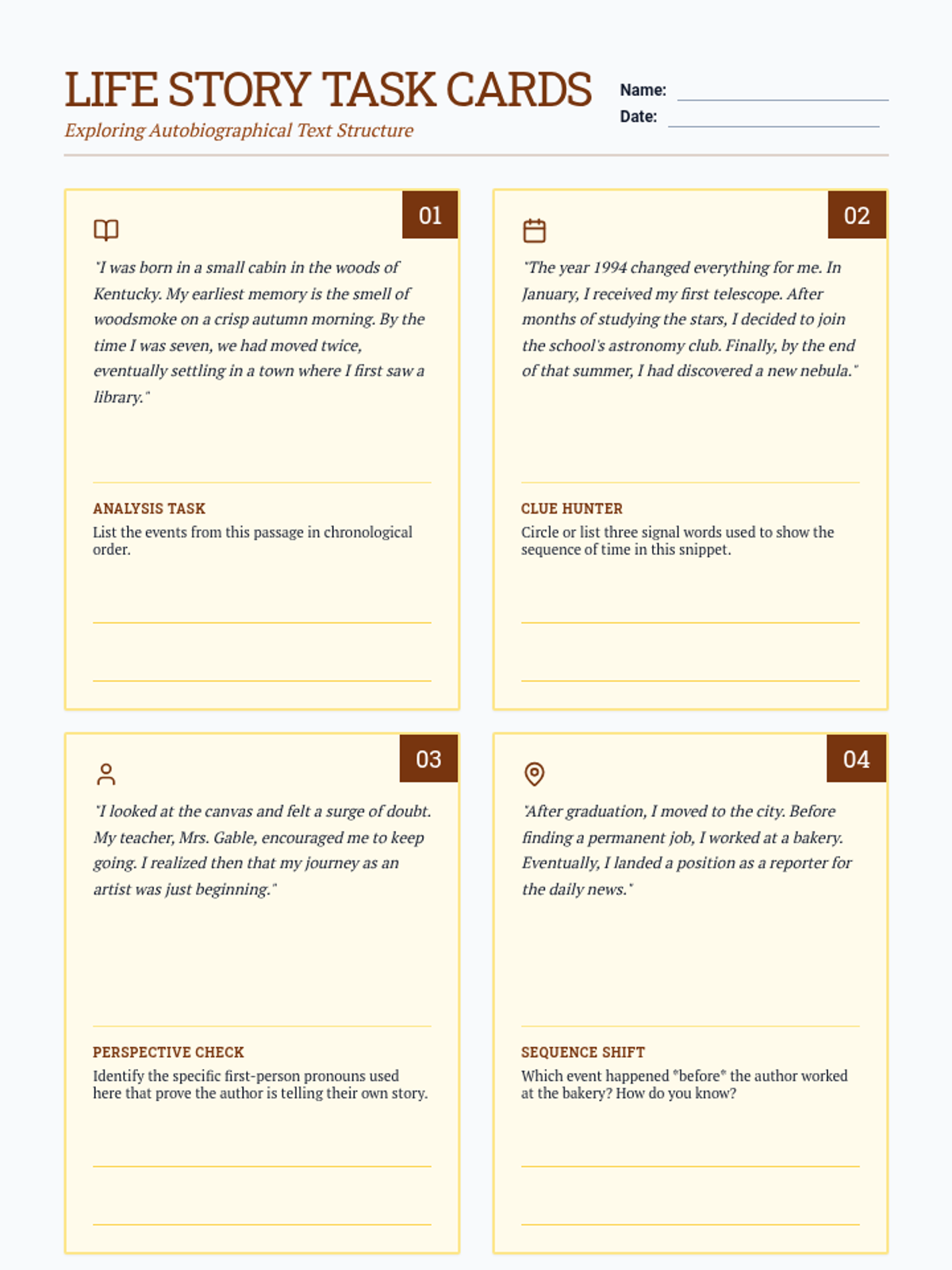
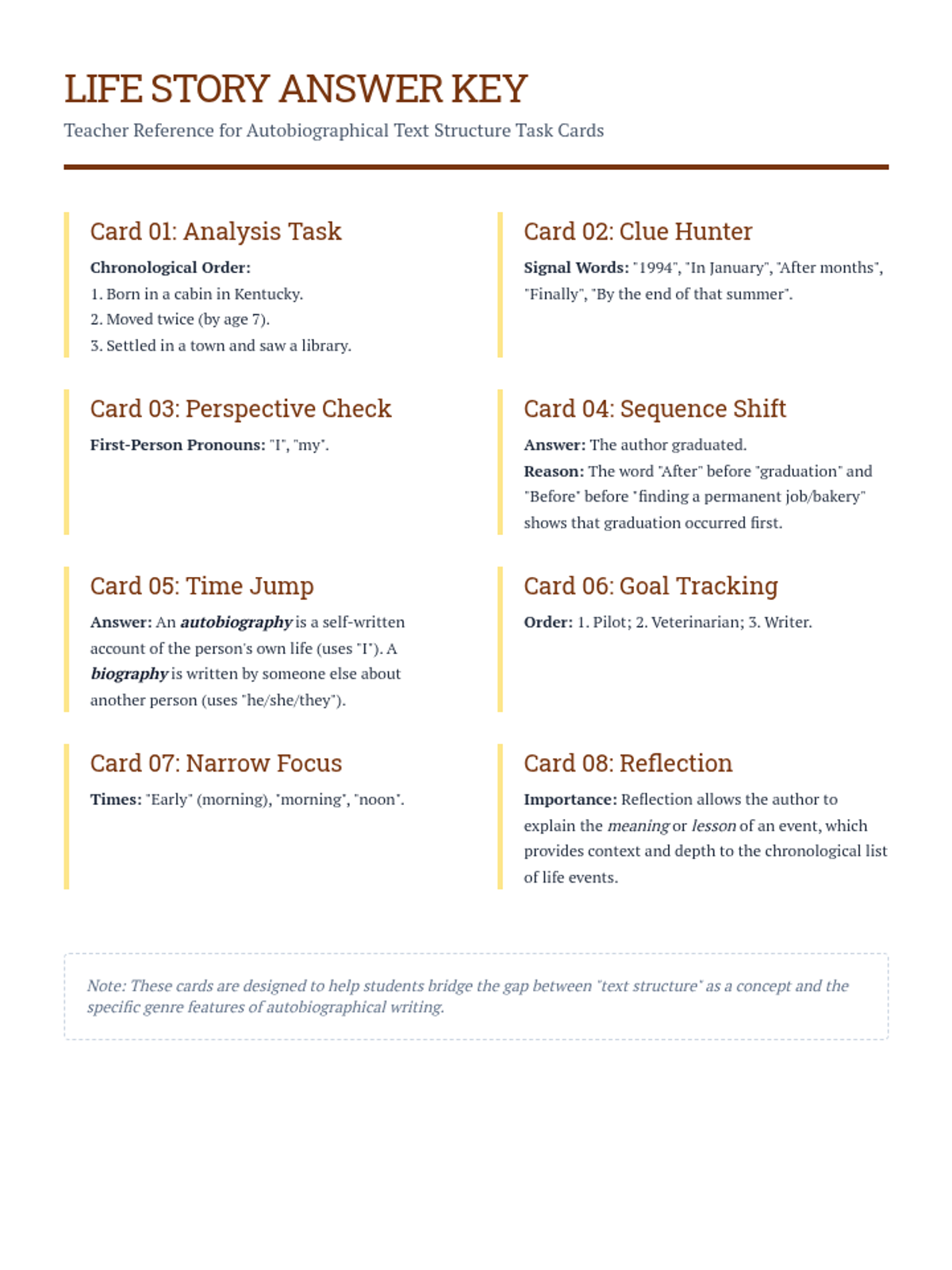
A lesson focused on identifying the features of autobiographical writing, including chronological text structure and first-person perspective.
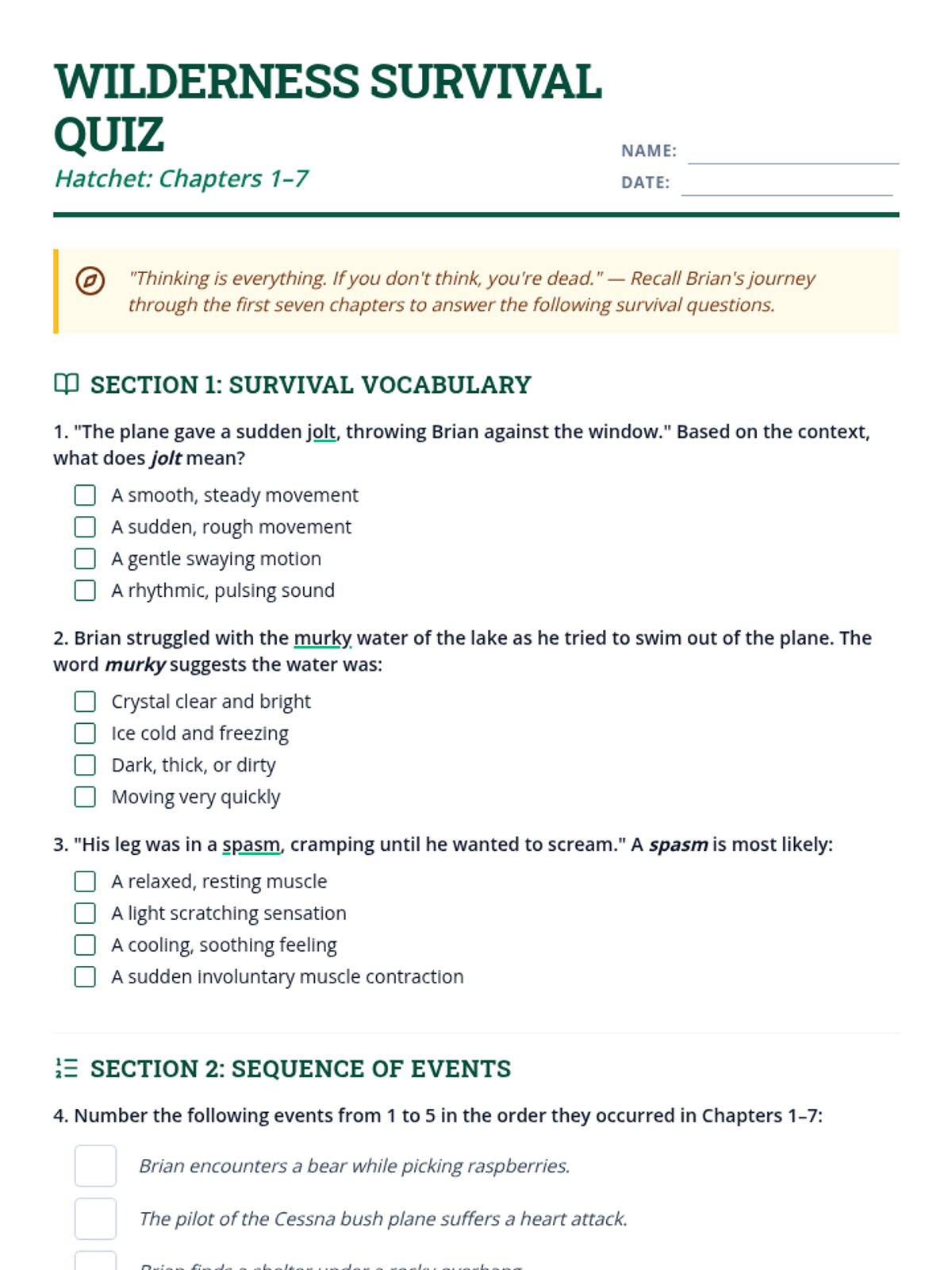
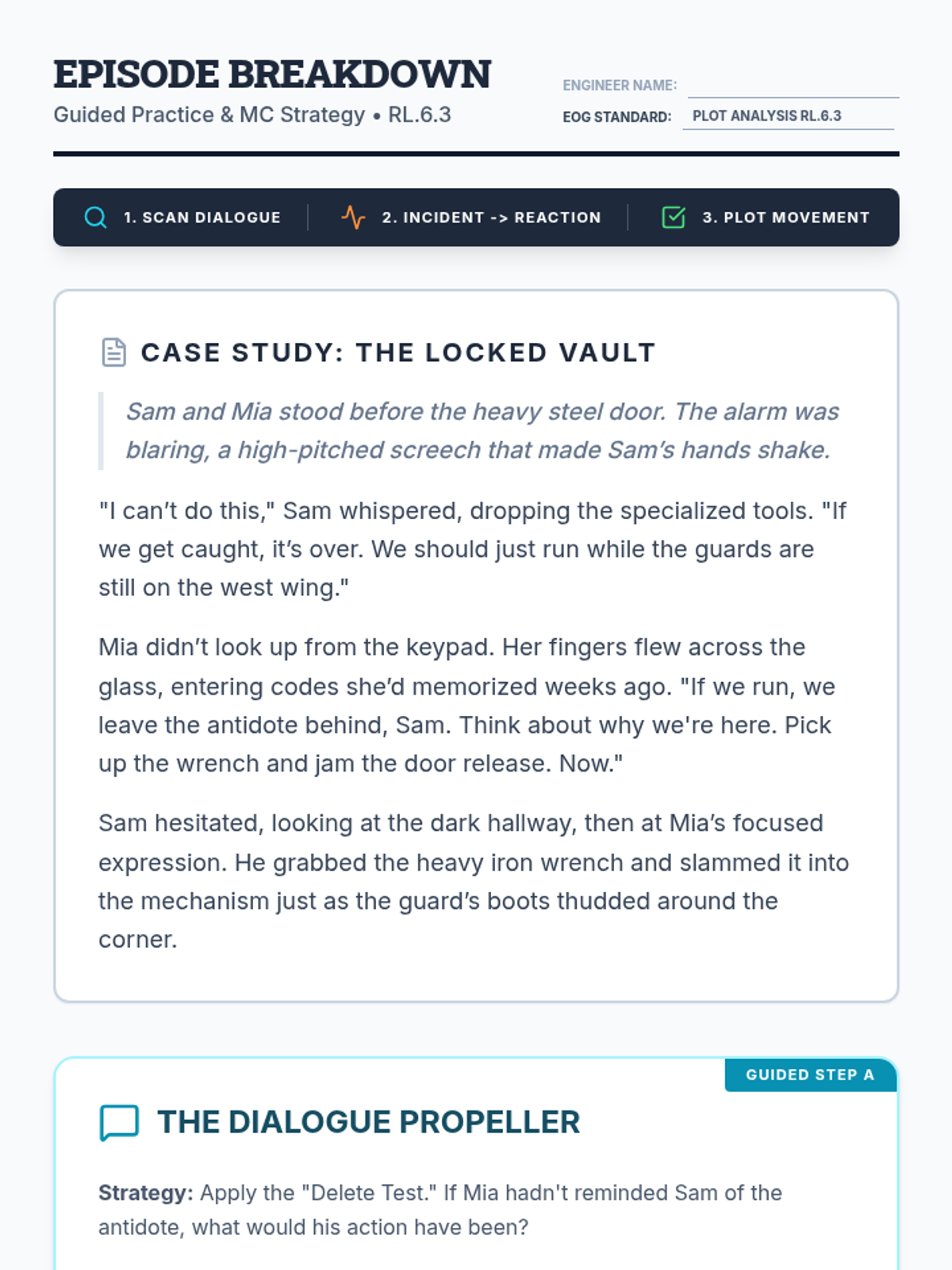
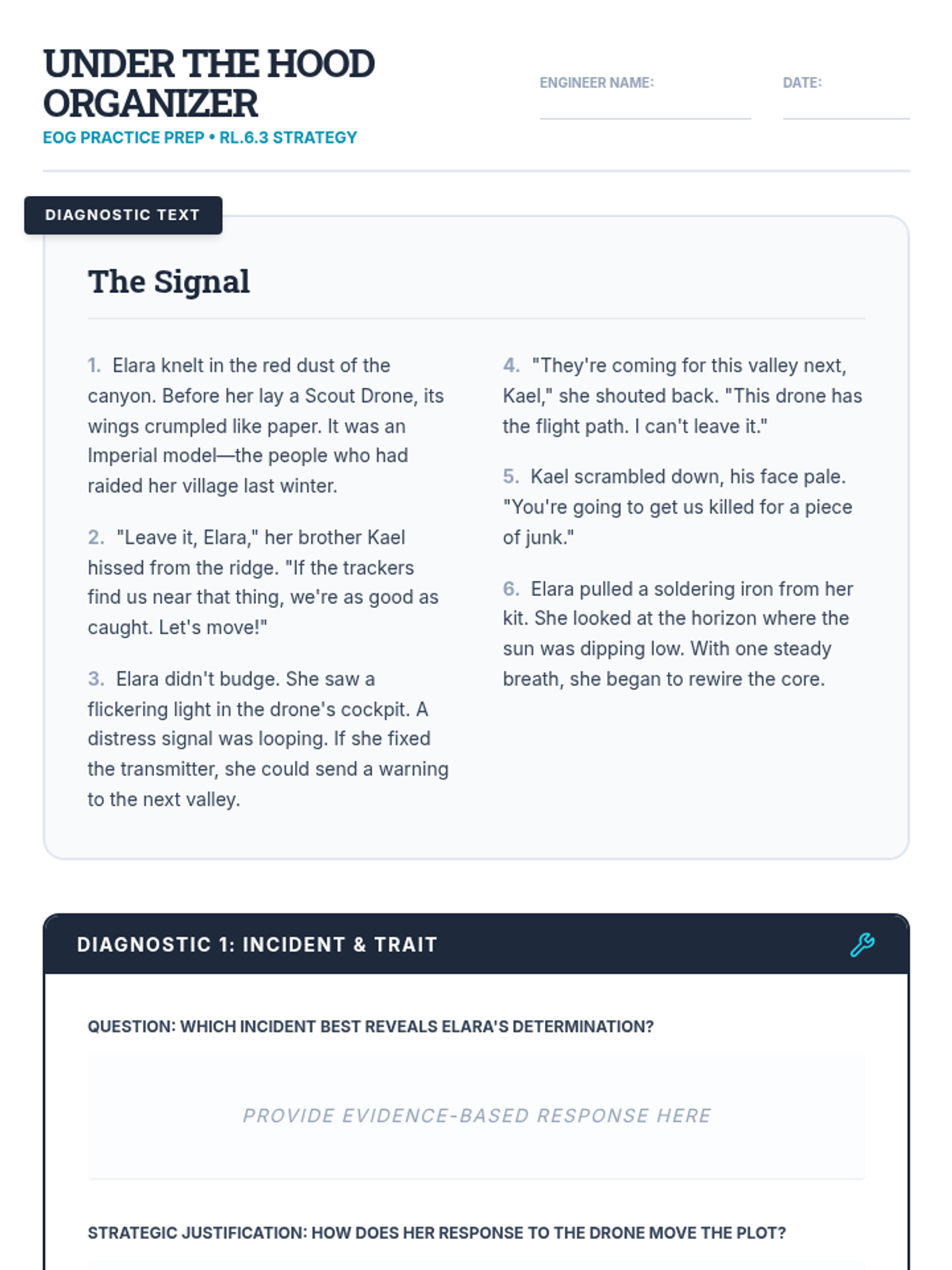
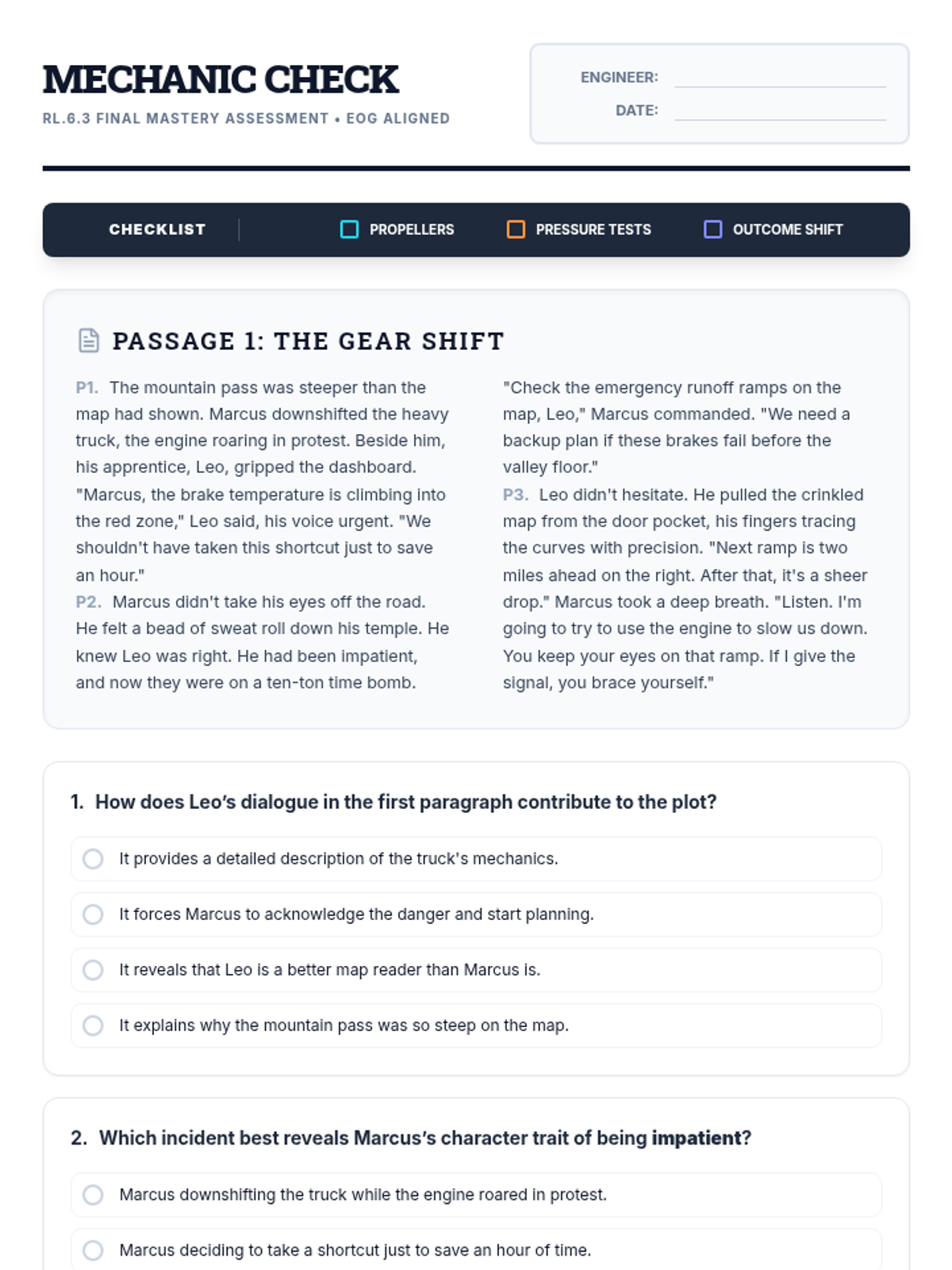
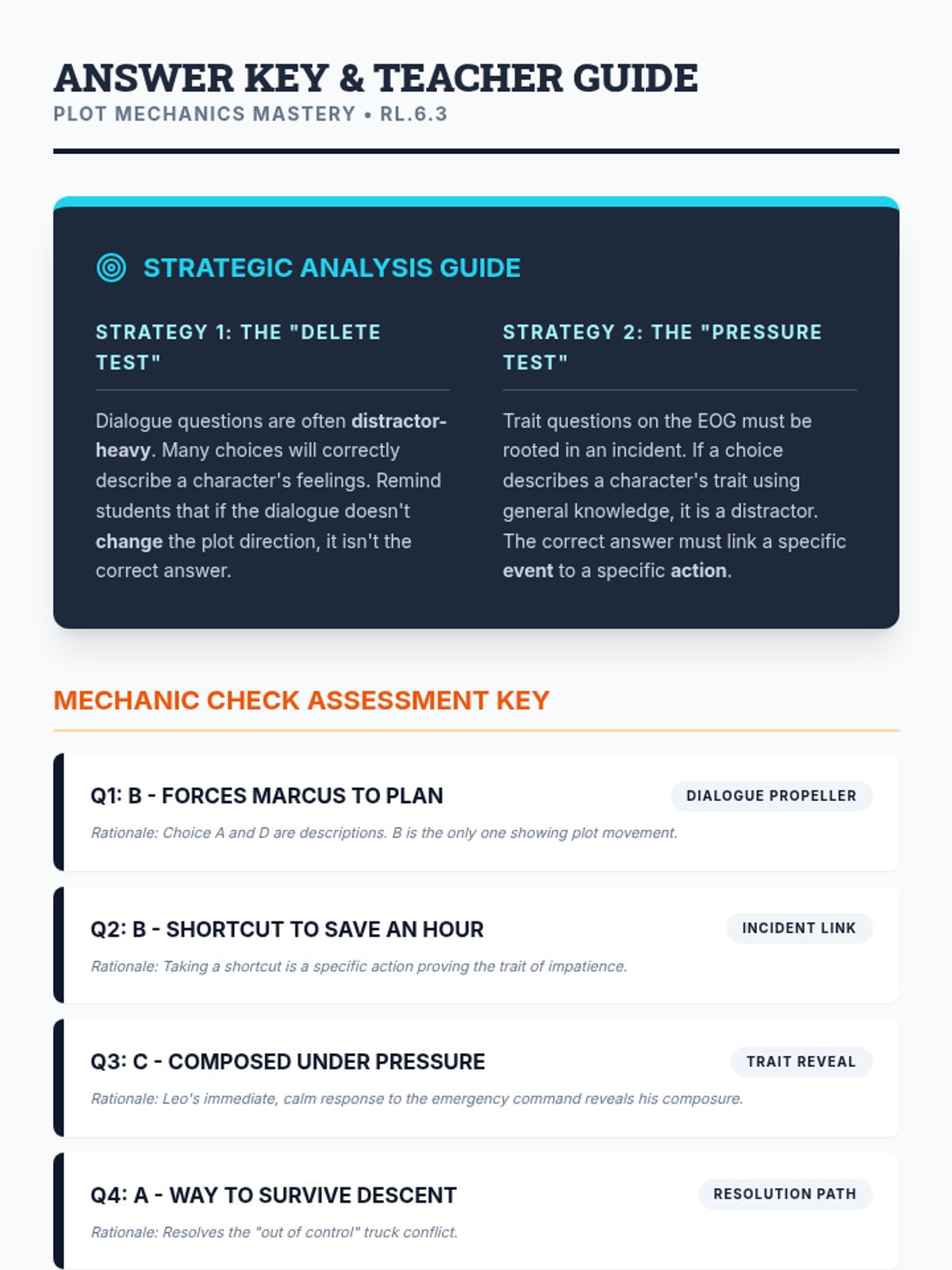
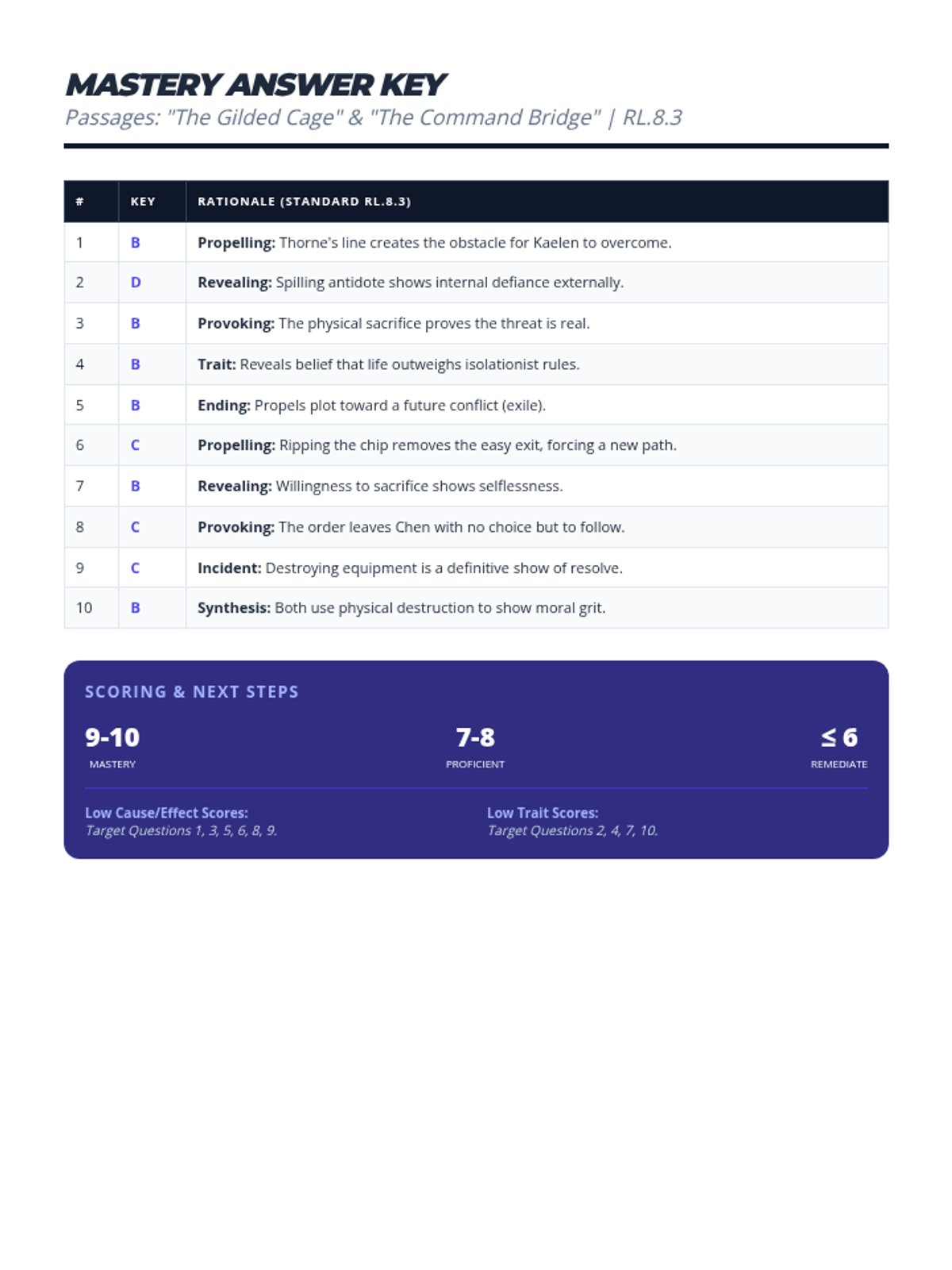
A reteach lesson focused on RL.6.3, analyzing how dialogue, incidents, and decisions drive a story's plot and reveal character traits using a 'story mechanics' theme.
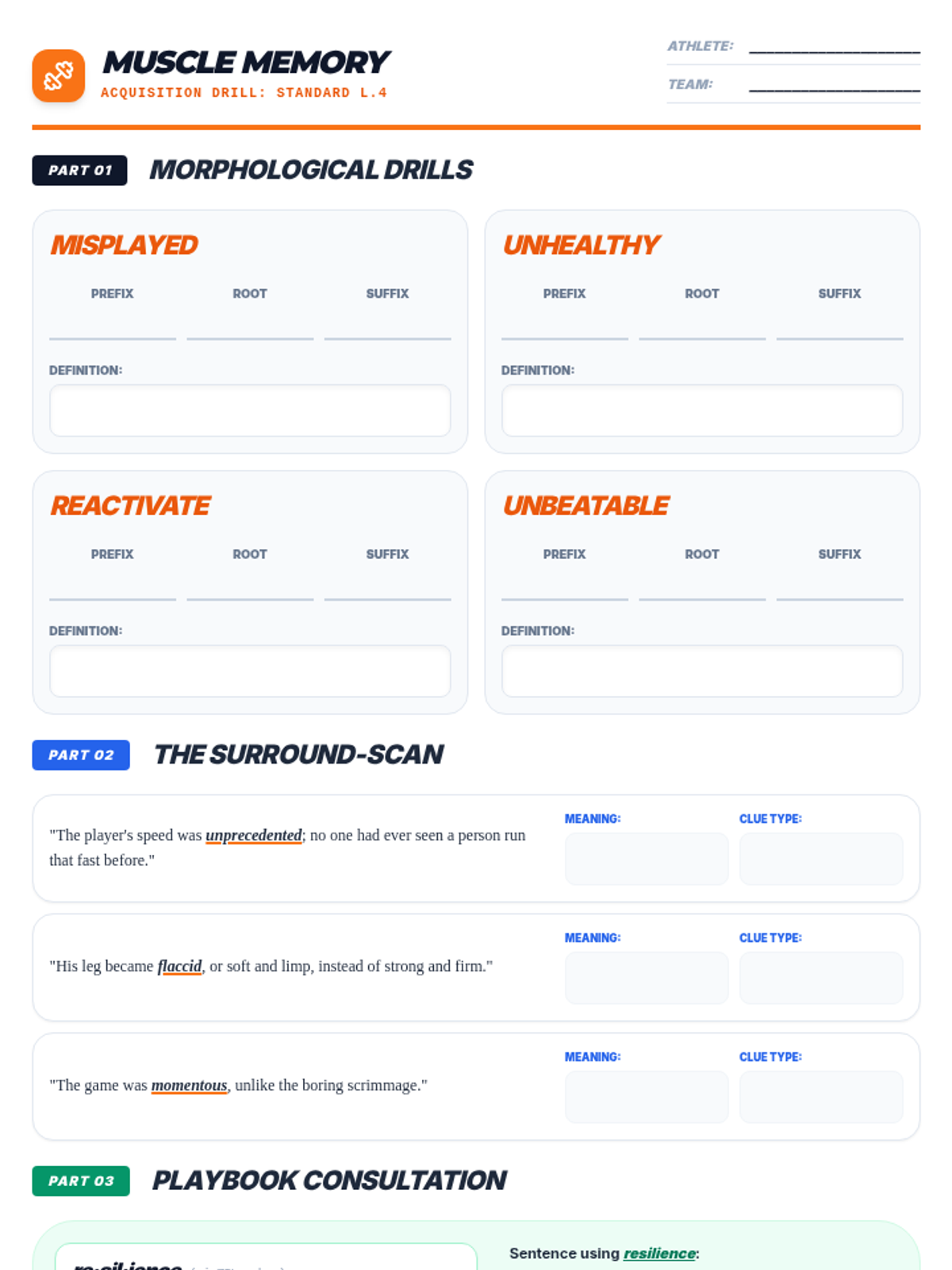
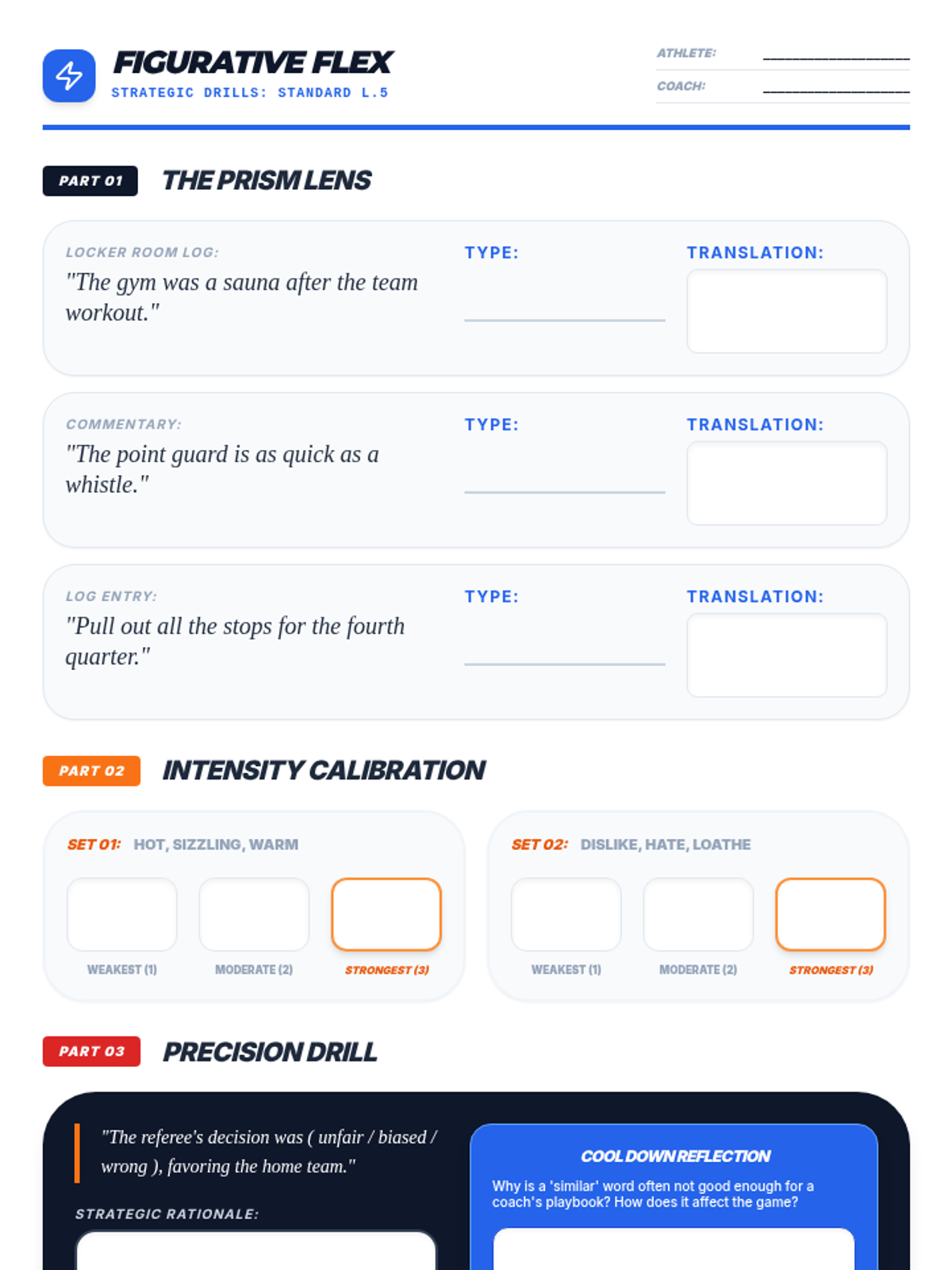
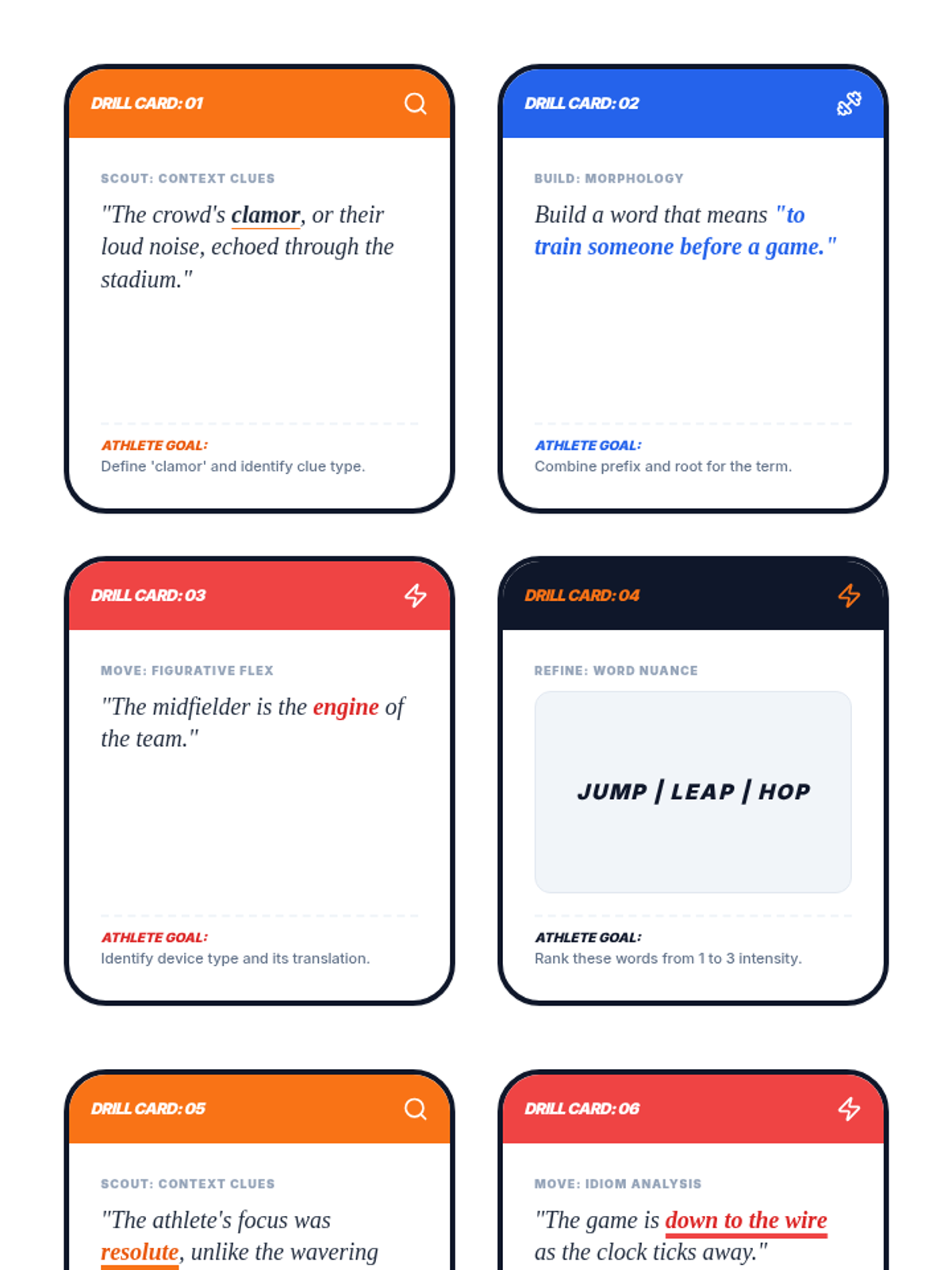
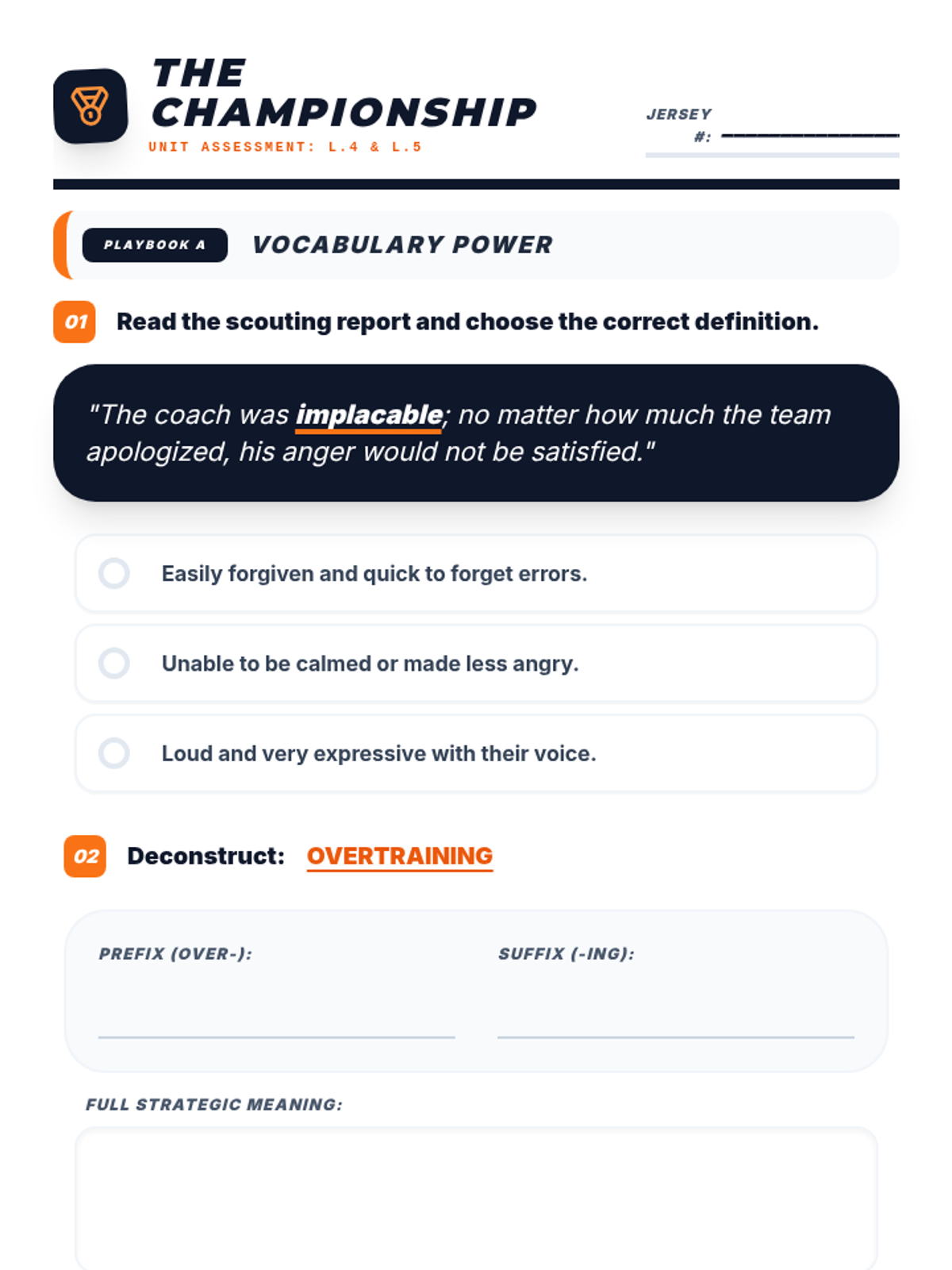
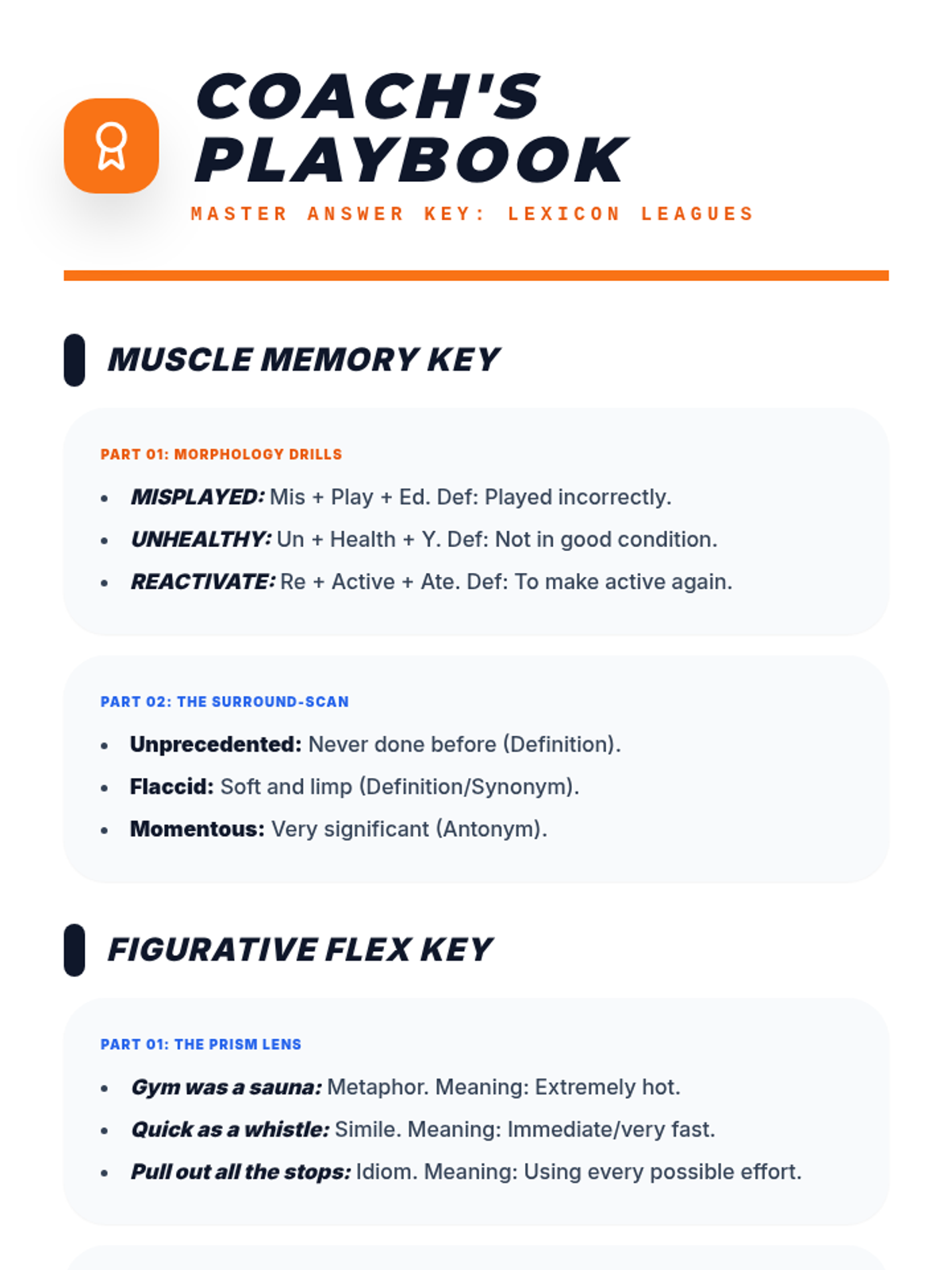
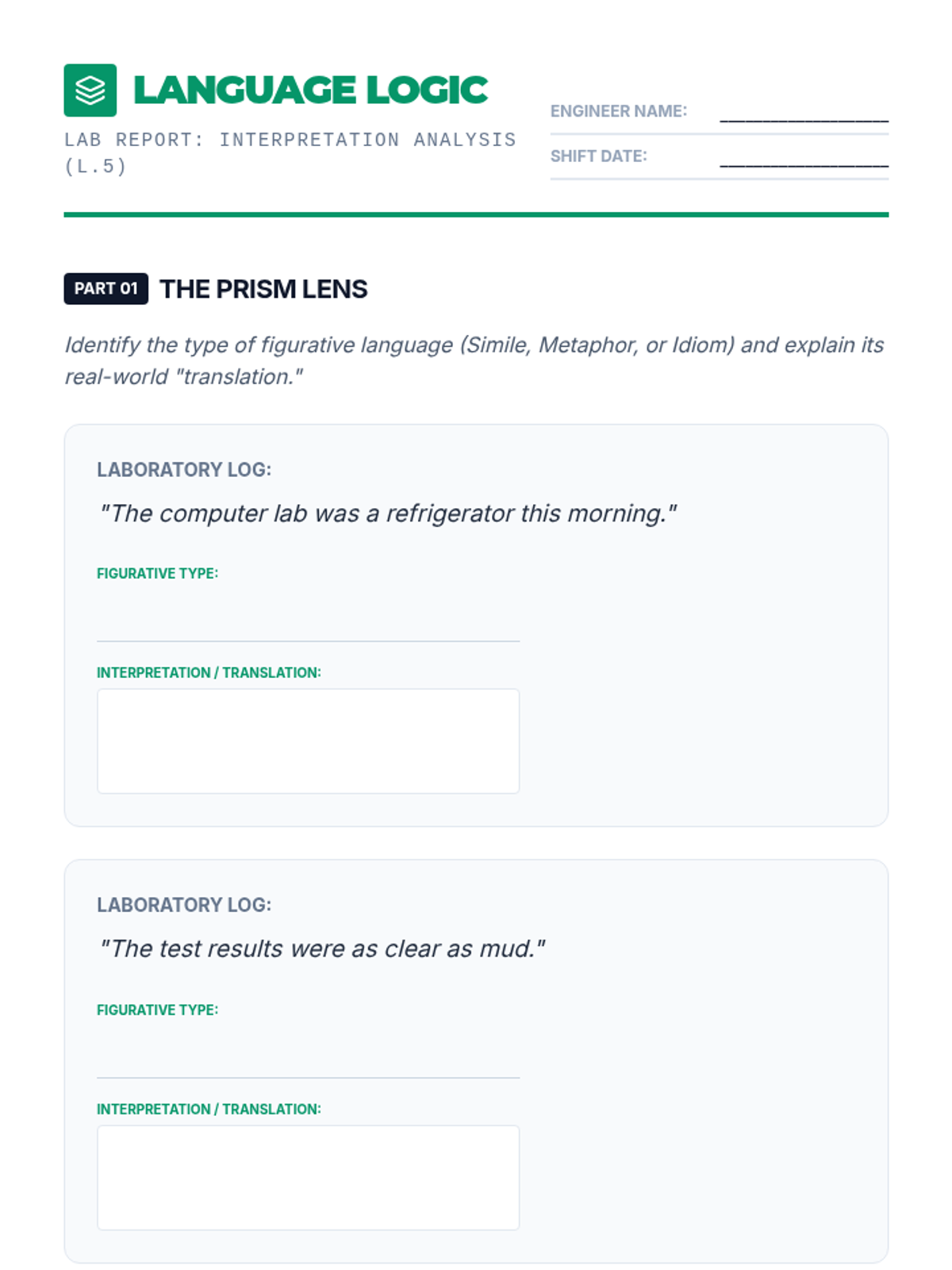
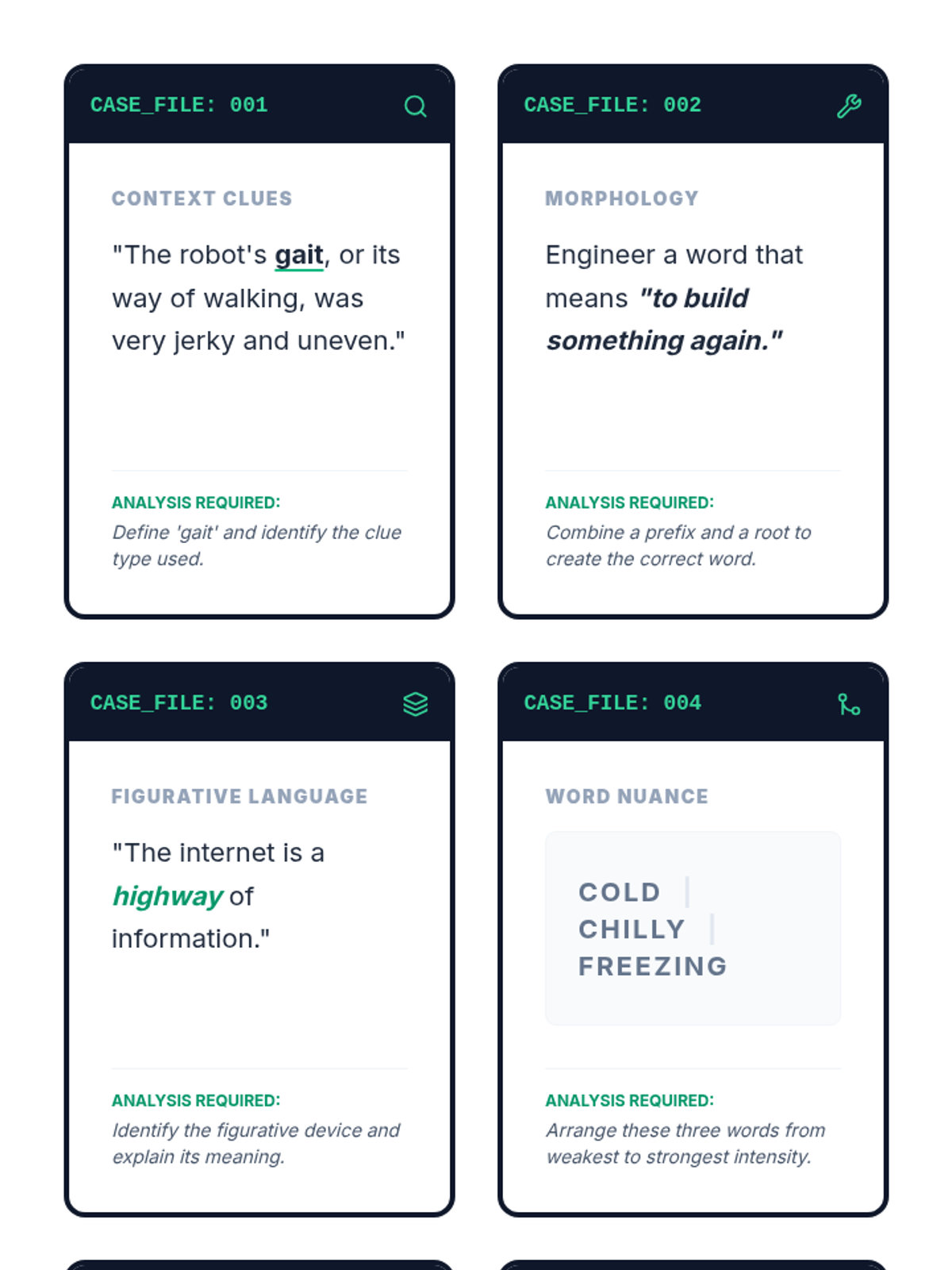
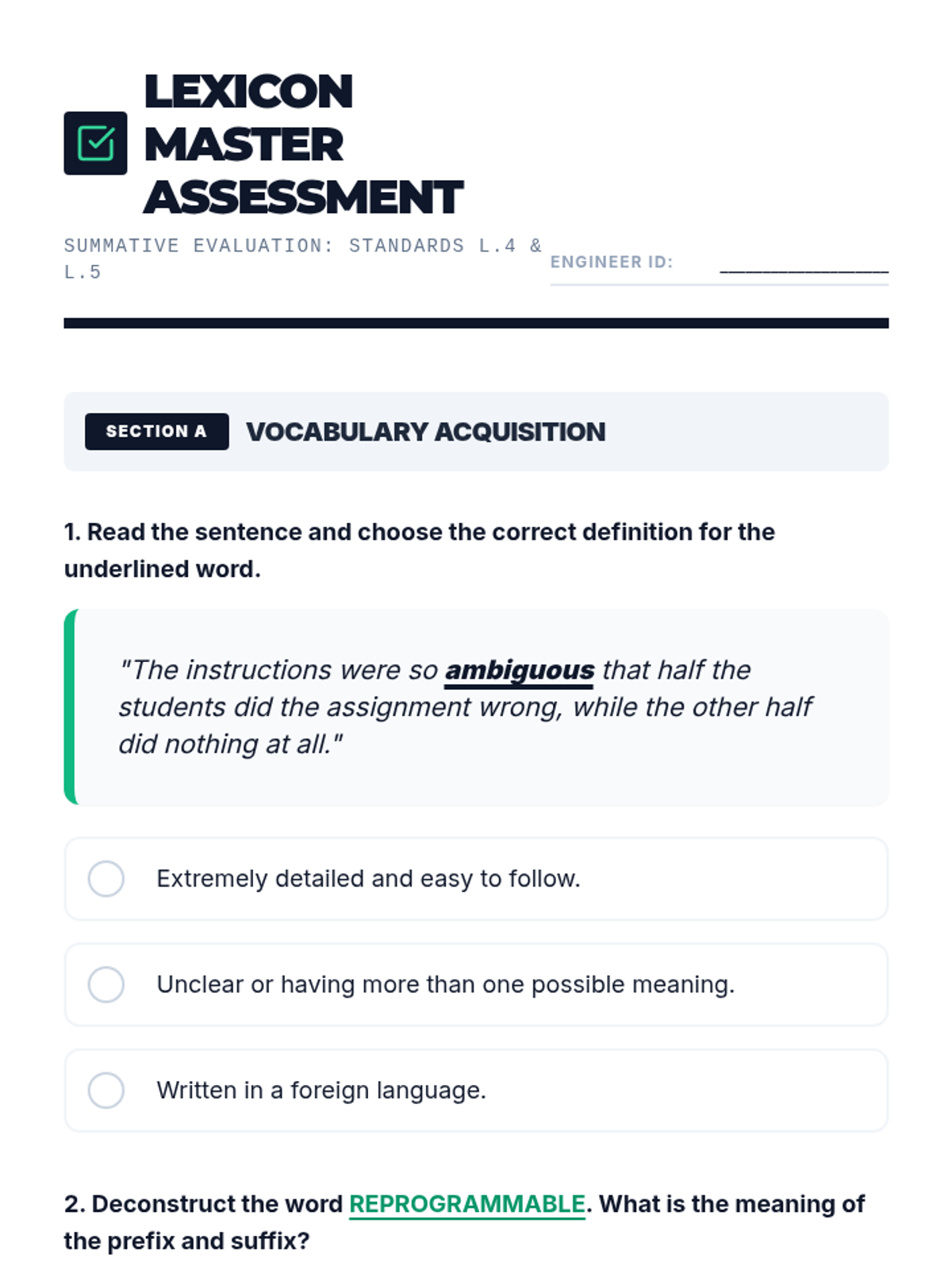
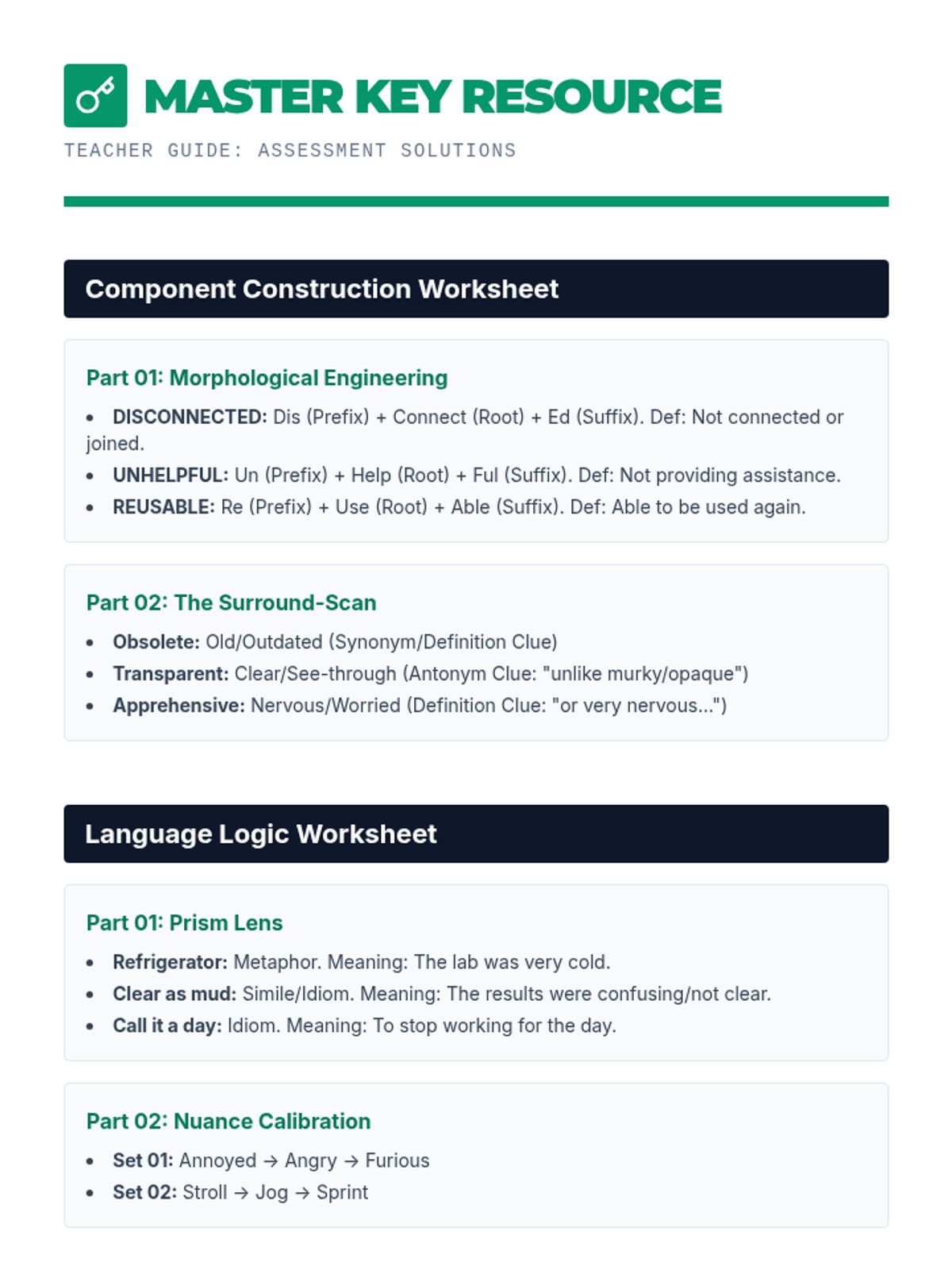
Instructional materials for vocabulary acquisition (L.4) and figurative language mastery (L.5). Students complete a 'training camp' sequence including drills, circuit training, and a final championship assessment.
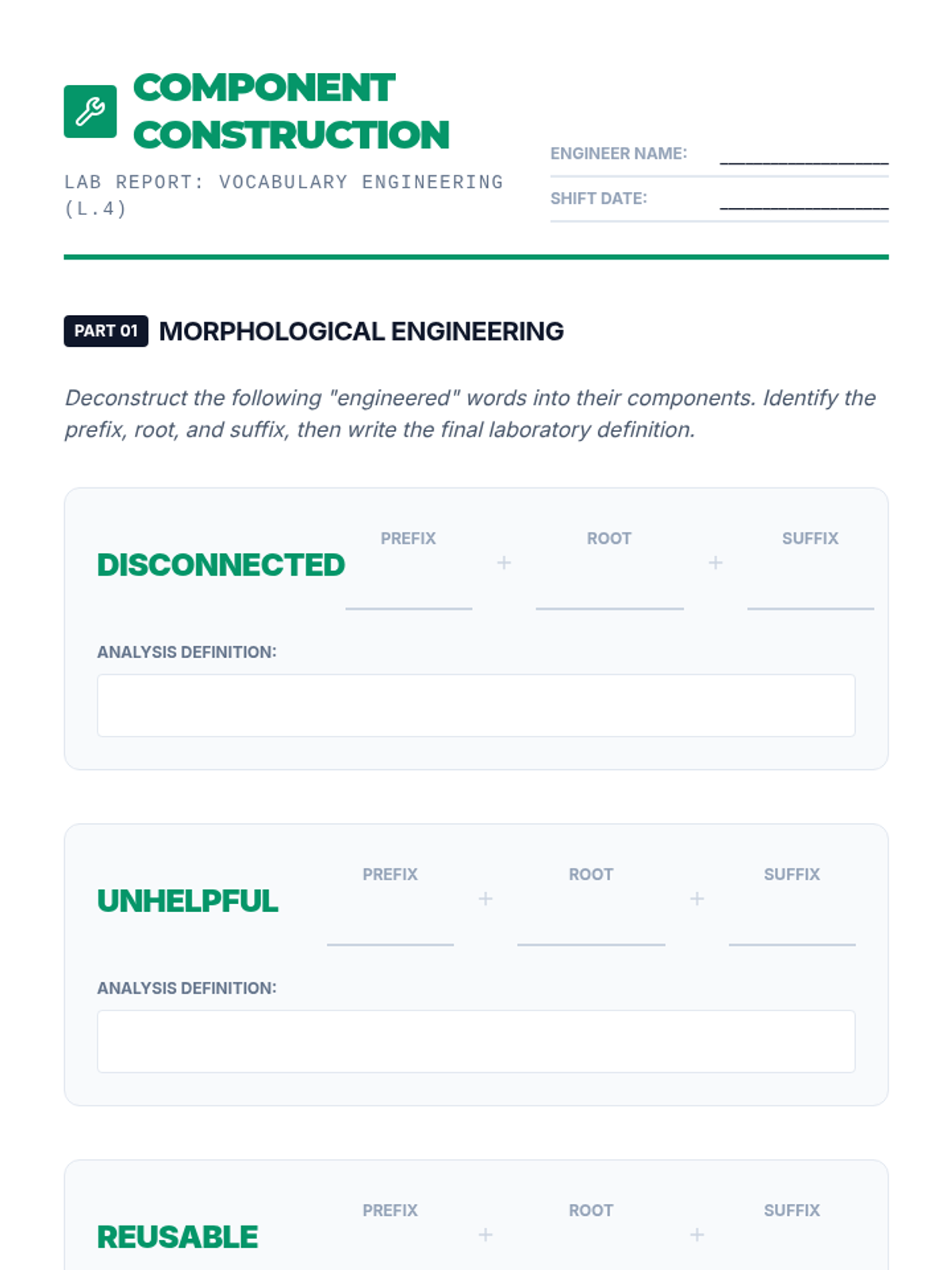
Instructional materials for mastering vocabulary acquisition (L.4) and understanding figurative language and word nuances (L.5). Includes direct instruction, hands-on practice, and a final summative assessment.
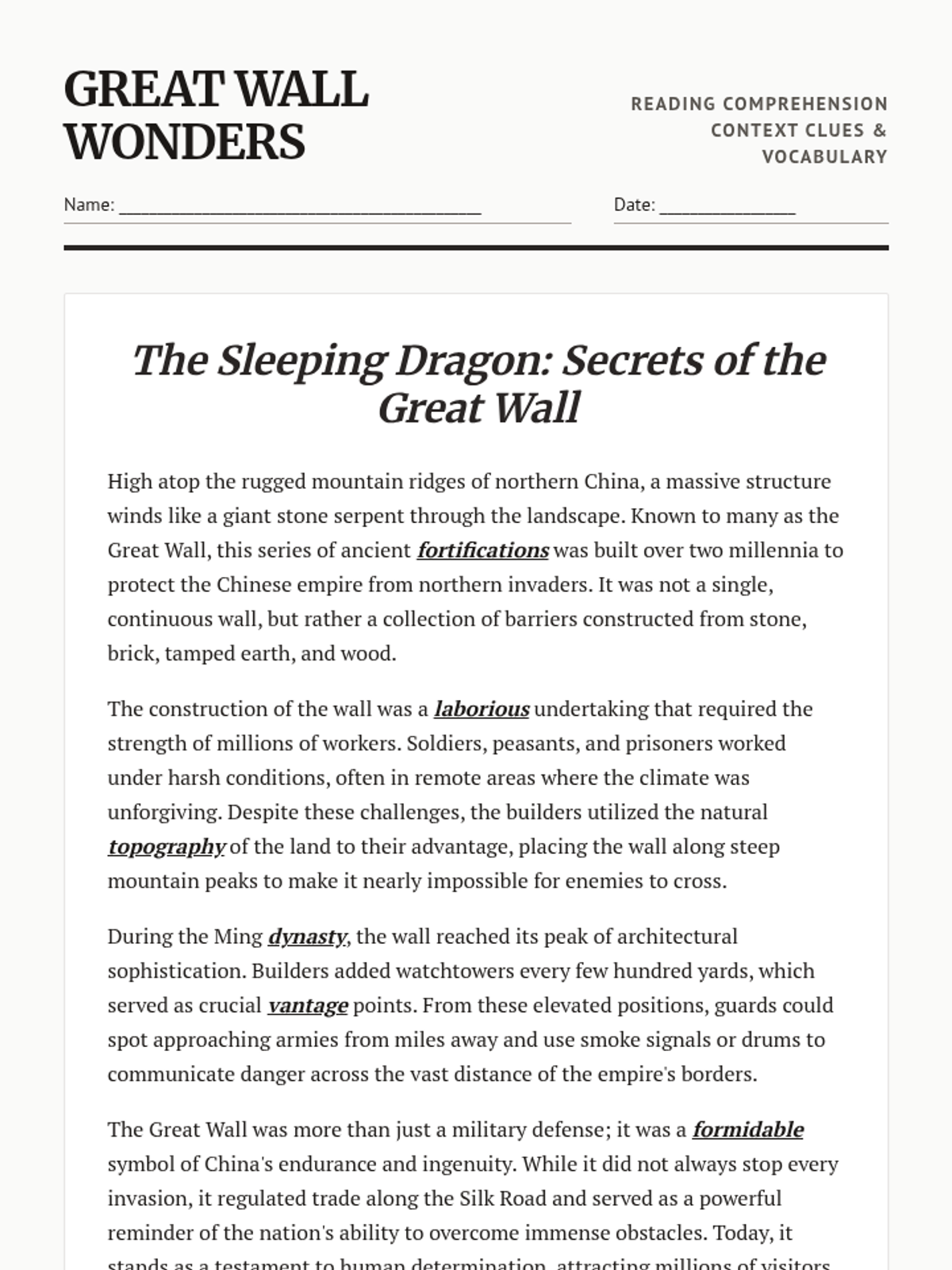
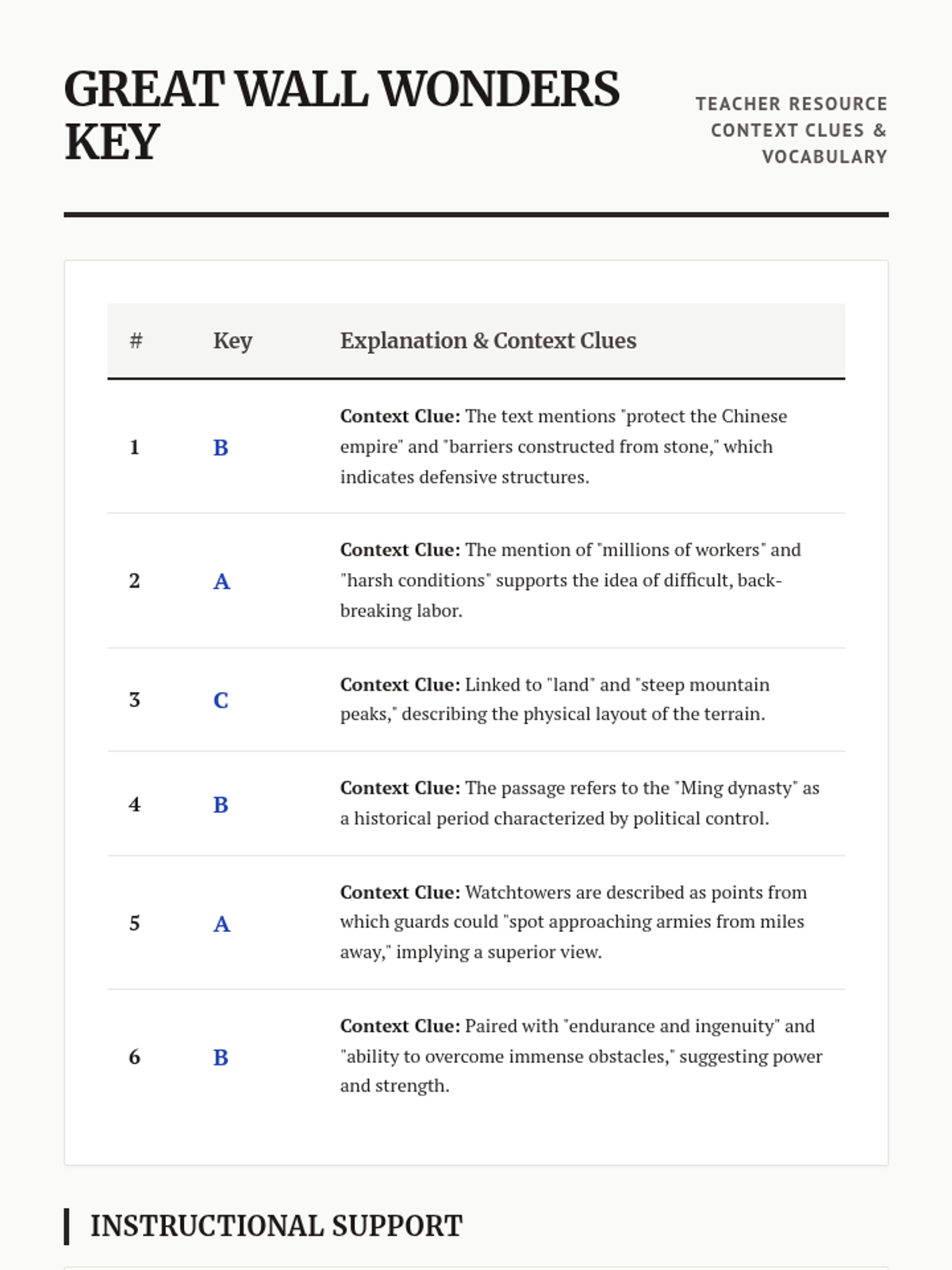
A reading comprehension lesson focused on historical informational texts, specifically targeting context clues and vocabulary acquisition skills.
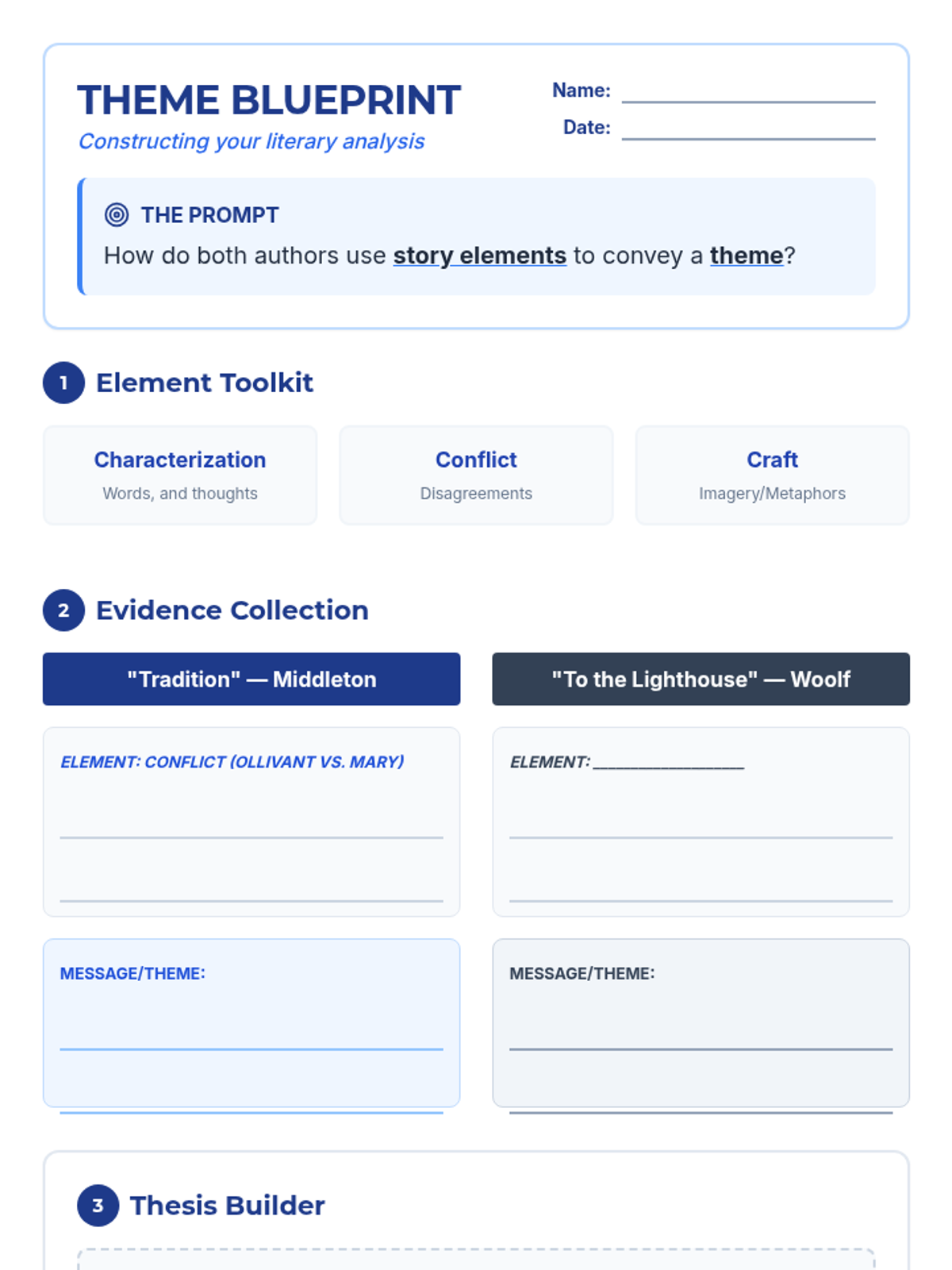
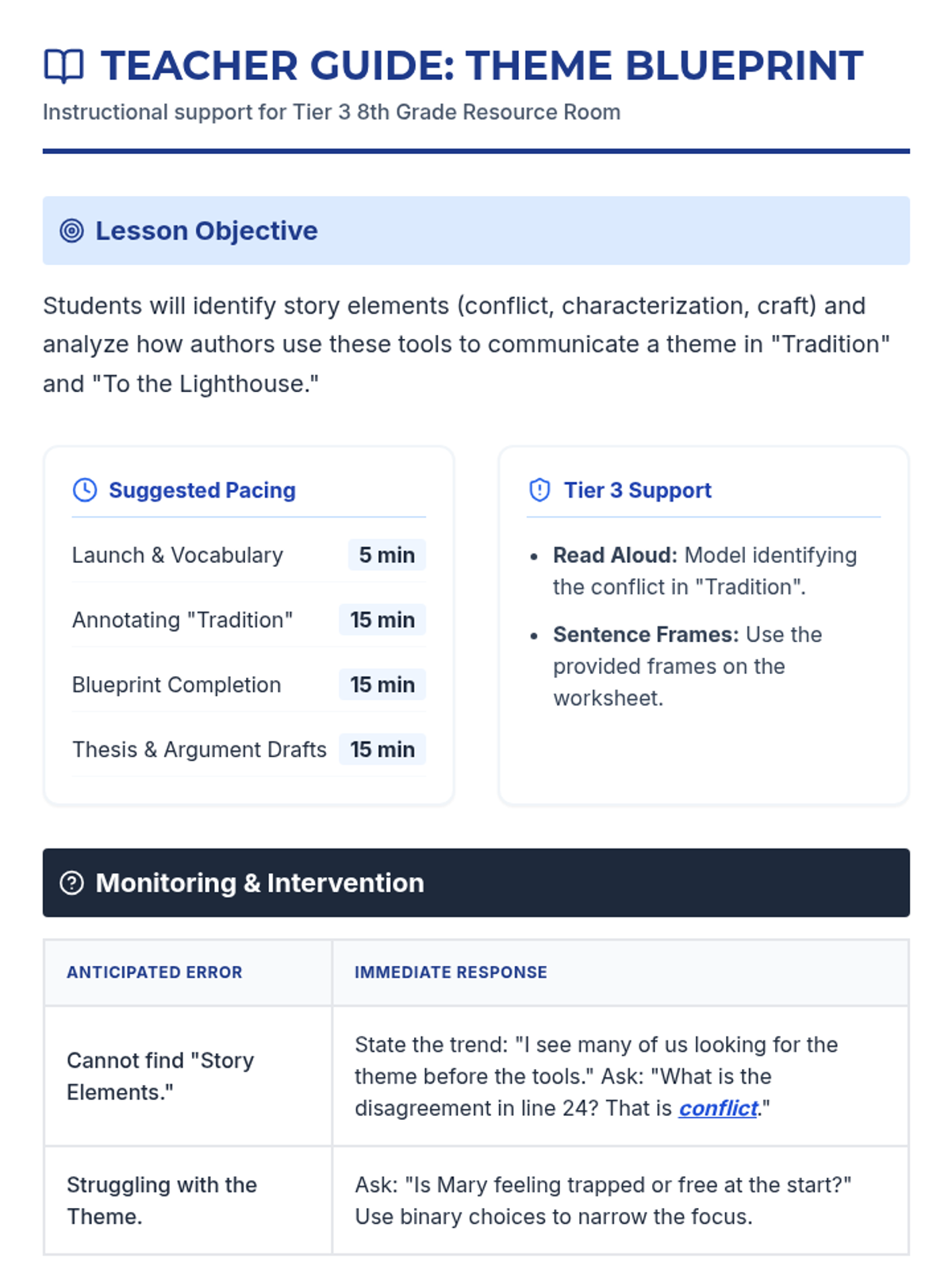
A highly scaffolded lesson for 8th-grade Tier 3 students to analyze how authors use story elements to convey themes, featuring a step-by-step planning guide for comparing 'Tradition' and 'To the Lighthouse'.
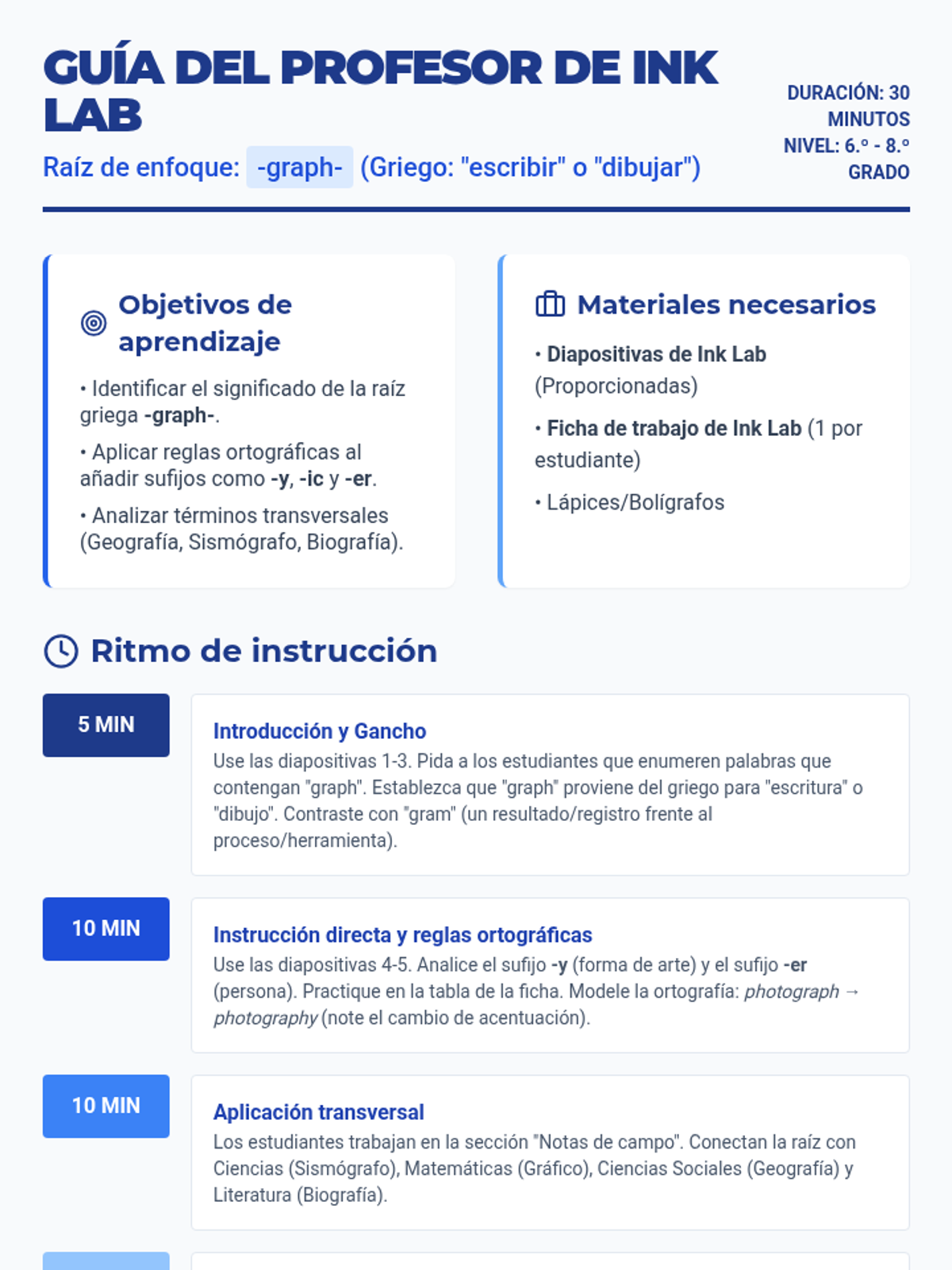
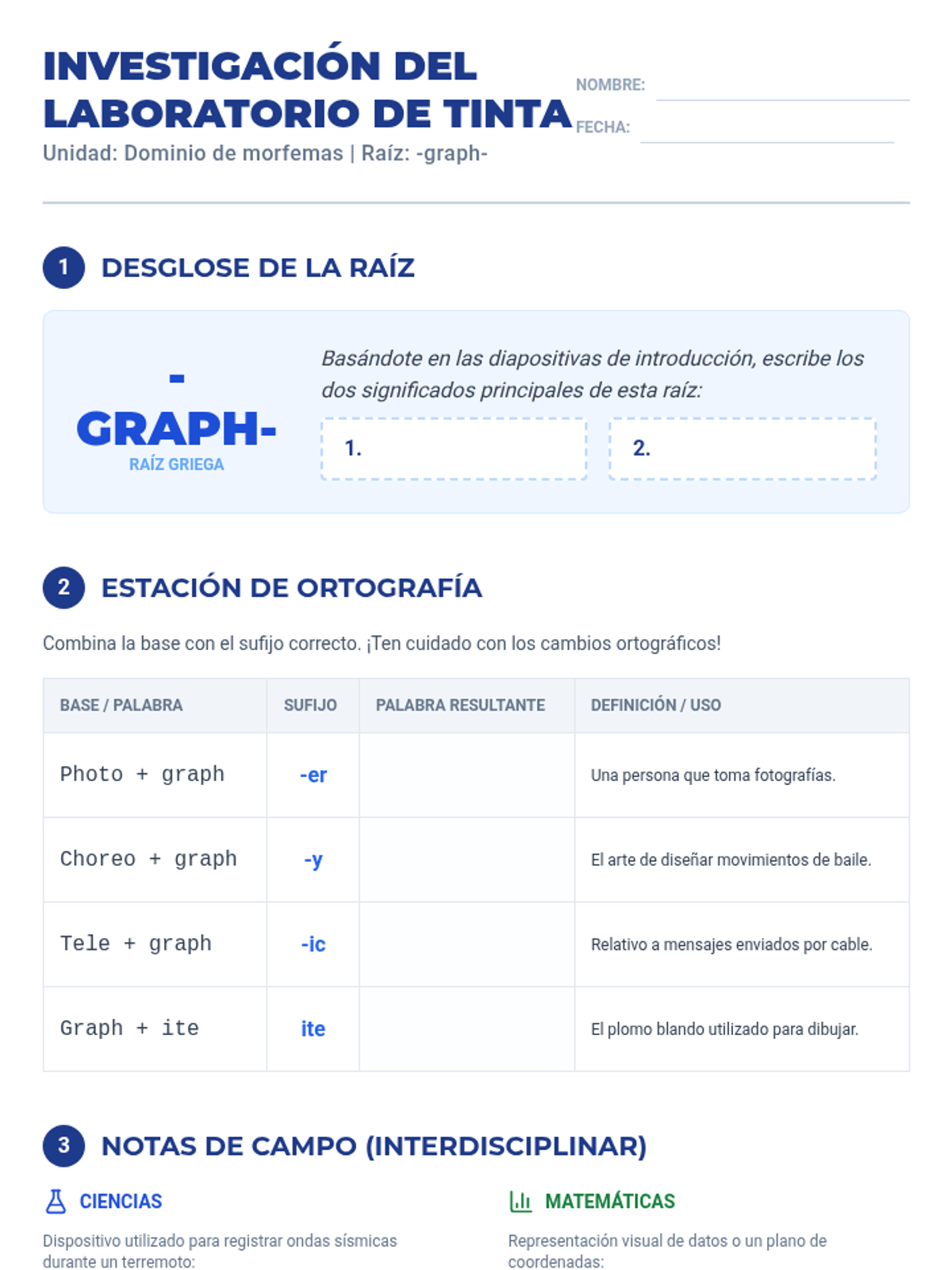
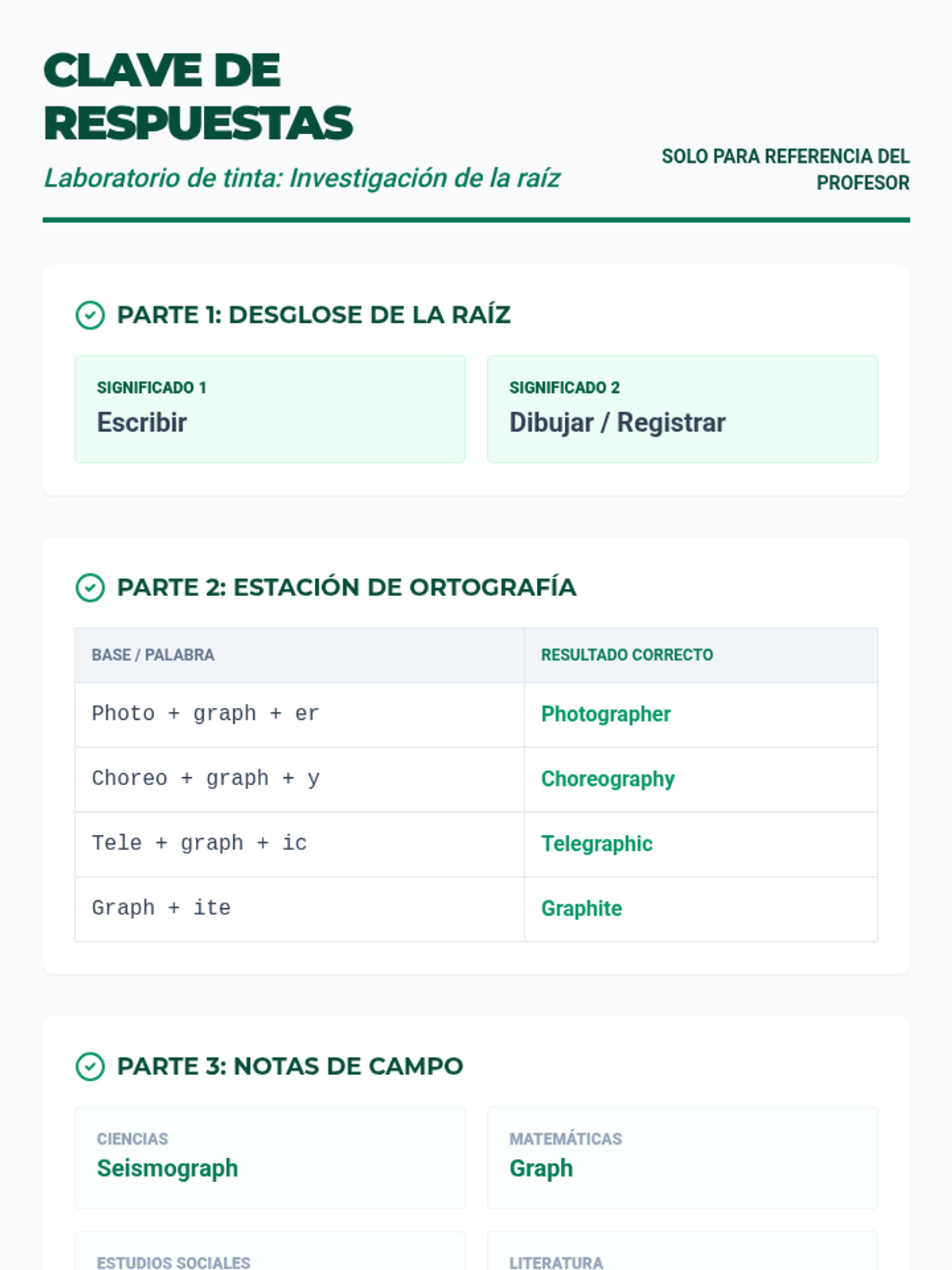
A fast-paced 30-minute lesson focusing on the Greek root 'graph' (to write/draw), covering spelling rules for suffixes and cross-curricular application in science, math, and history.
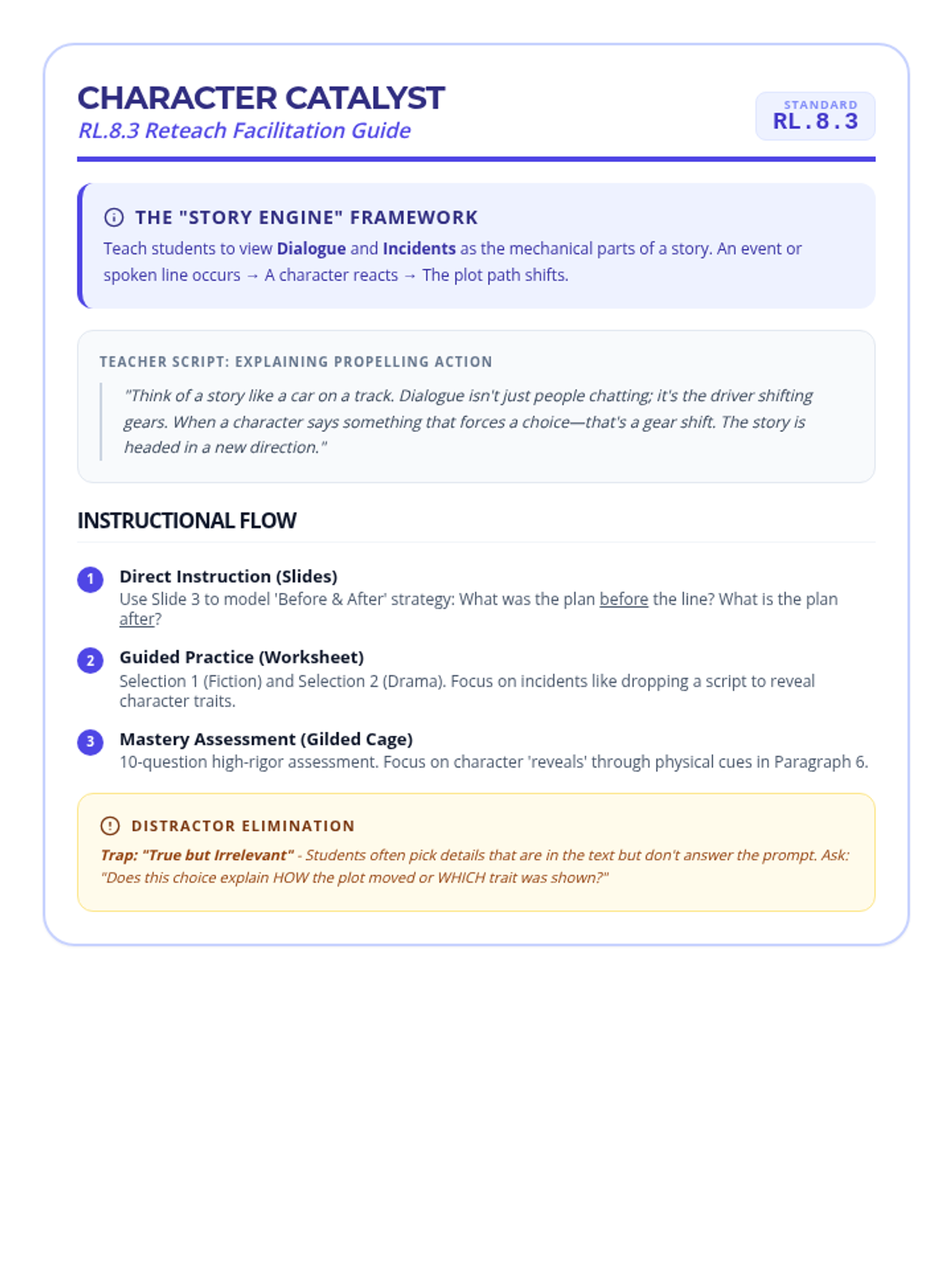
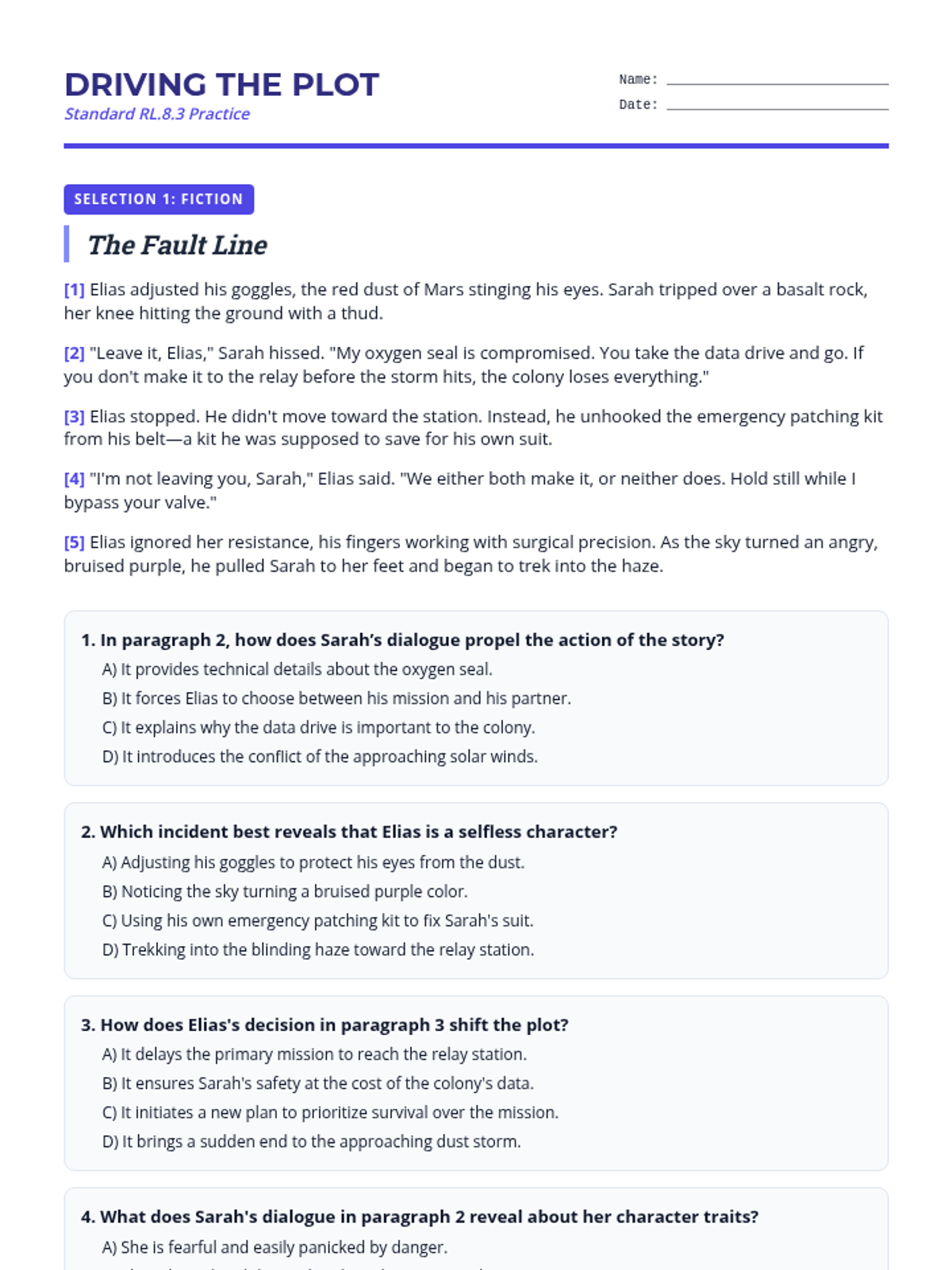
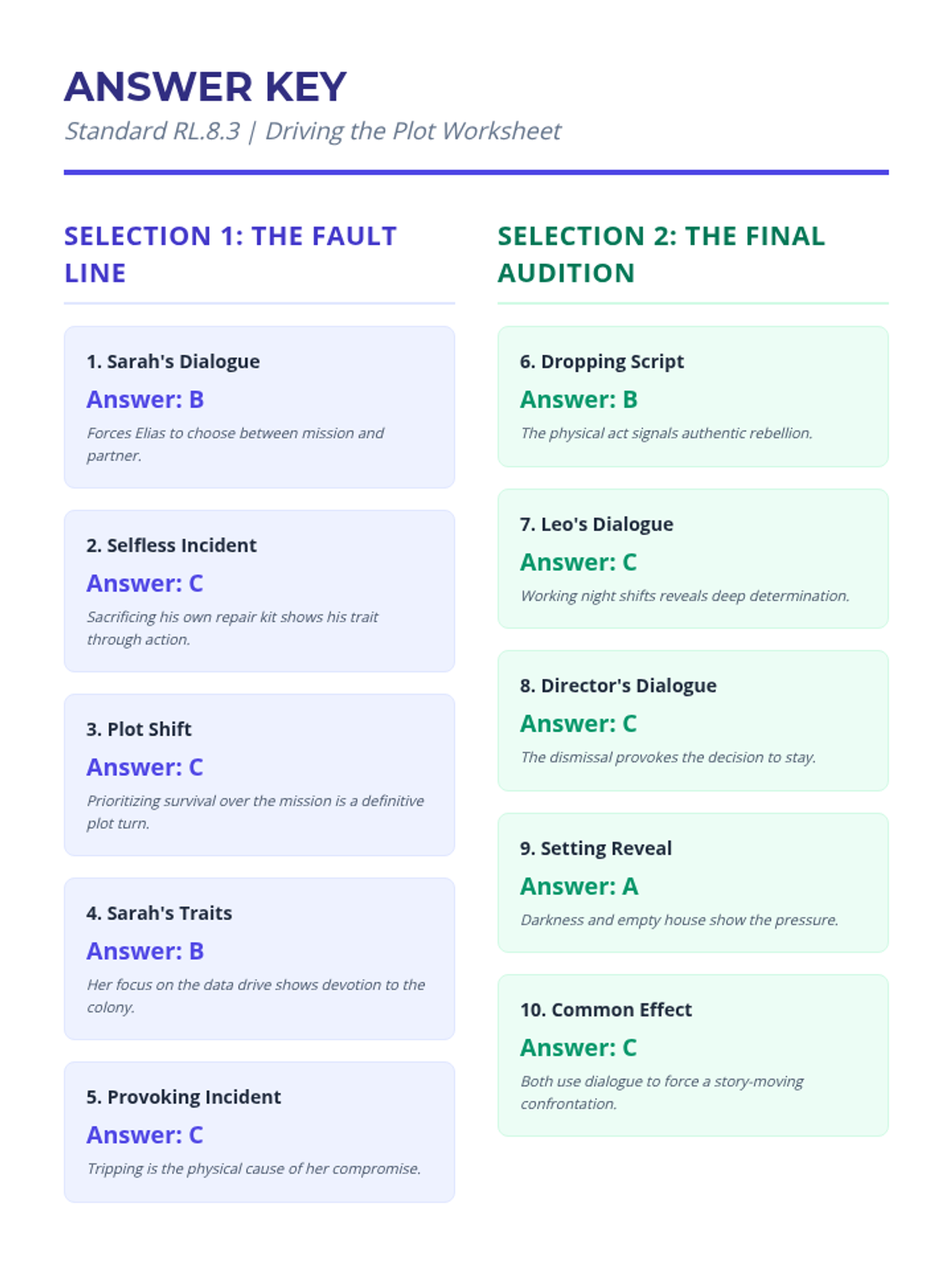
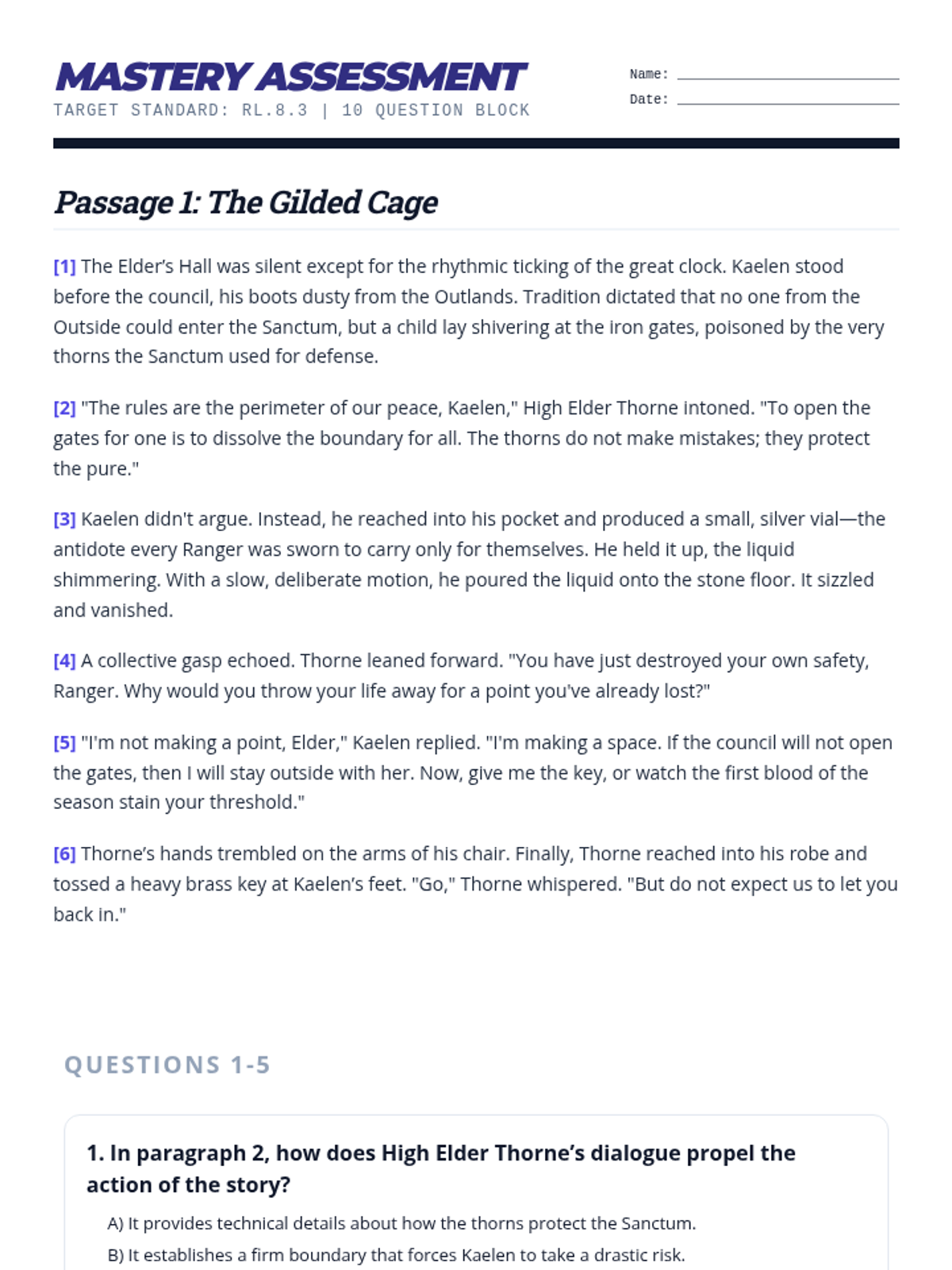
This lesson focuses on identifying specific lines of dialogue and key incidents that propel action and reveal character depth in modern short stories and dramatic scenes.
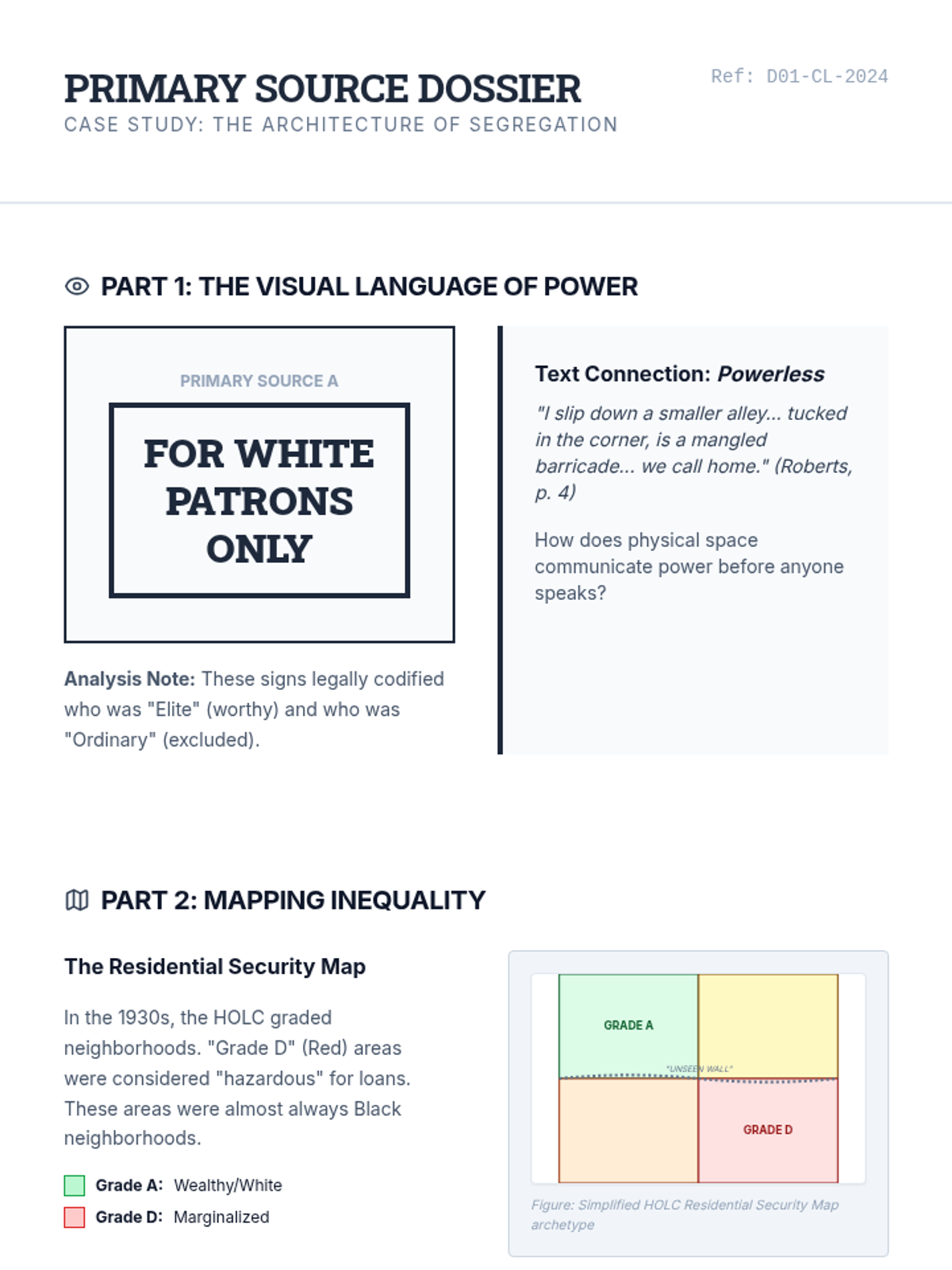
A critical literacy unit that bridges the fantasy world of Lauren Roberts' Powerless with real-world historical segregation, culminating in a student-led social action proposal to school leadership.