A focused assessment on the first seven chapters of Gary Paulsen's Hatchet, covering Brian's initial survival challenges, the plane crash, and his early encounters with the wilderness.

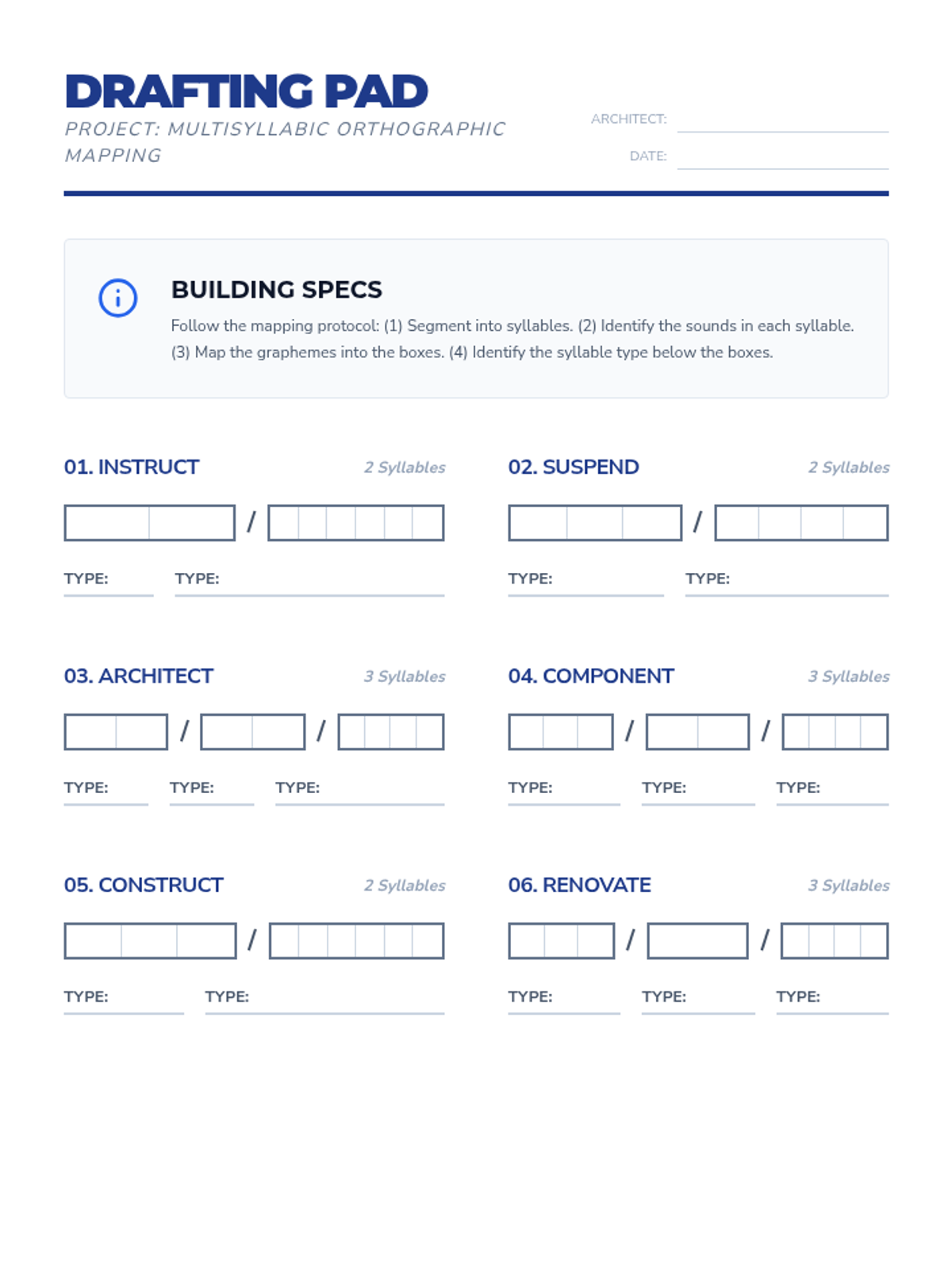
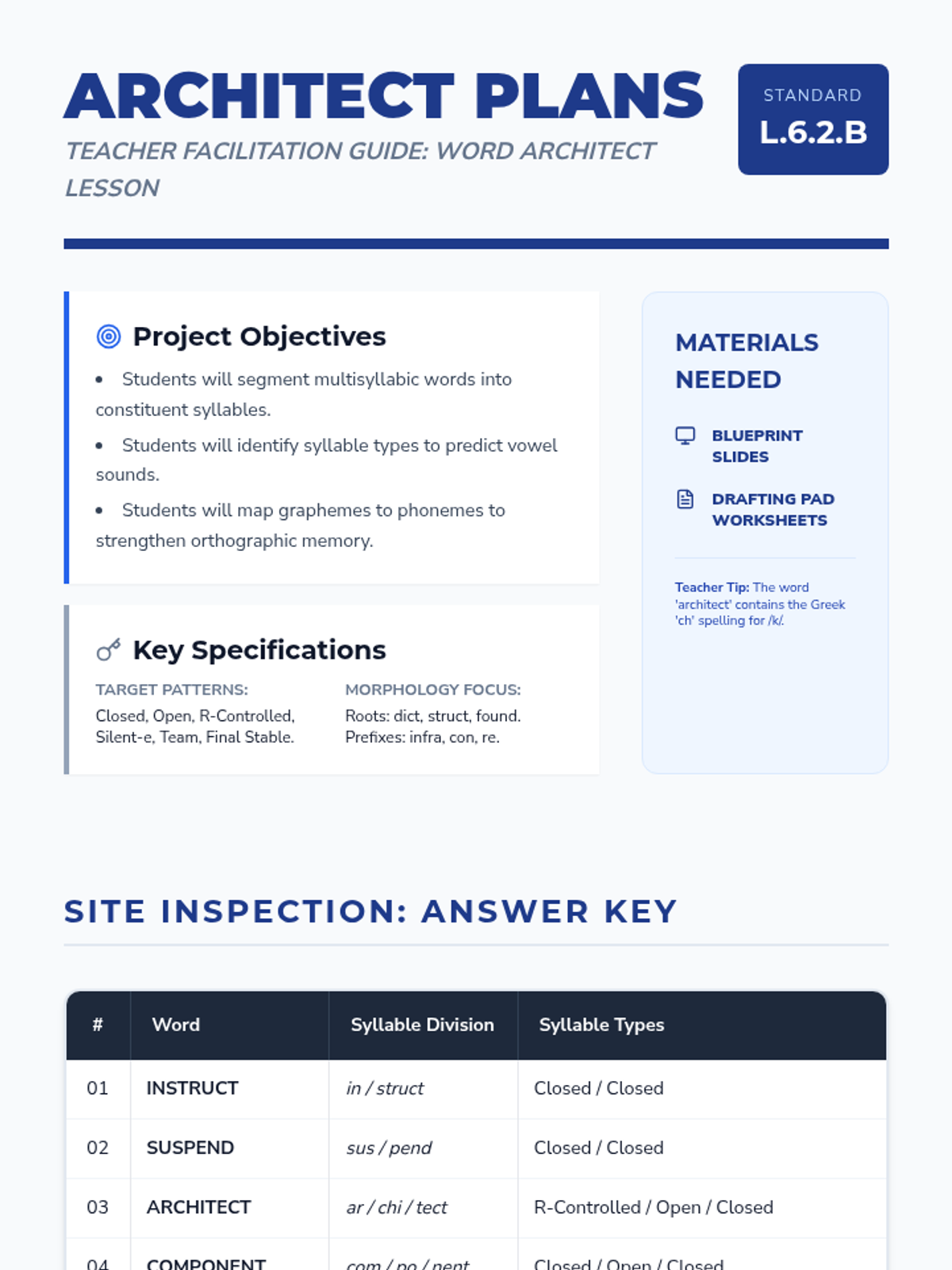
A middle school spelling lesson focusing on orthographic mapping for multisyllabic words using an architectural blueprint theme. Students learn to break down complex words into syllables and map sounds to graphemes for permanent storage.
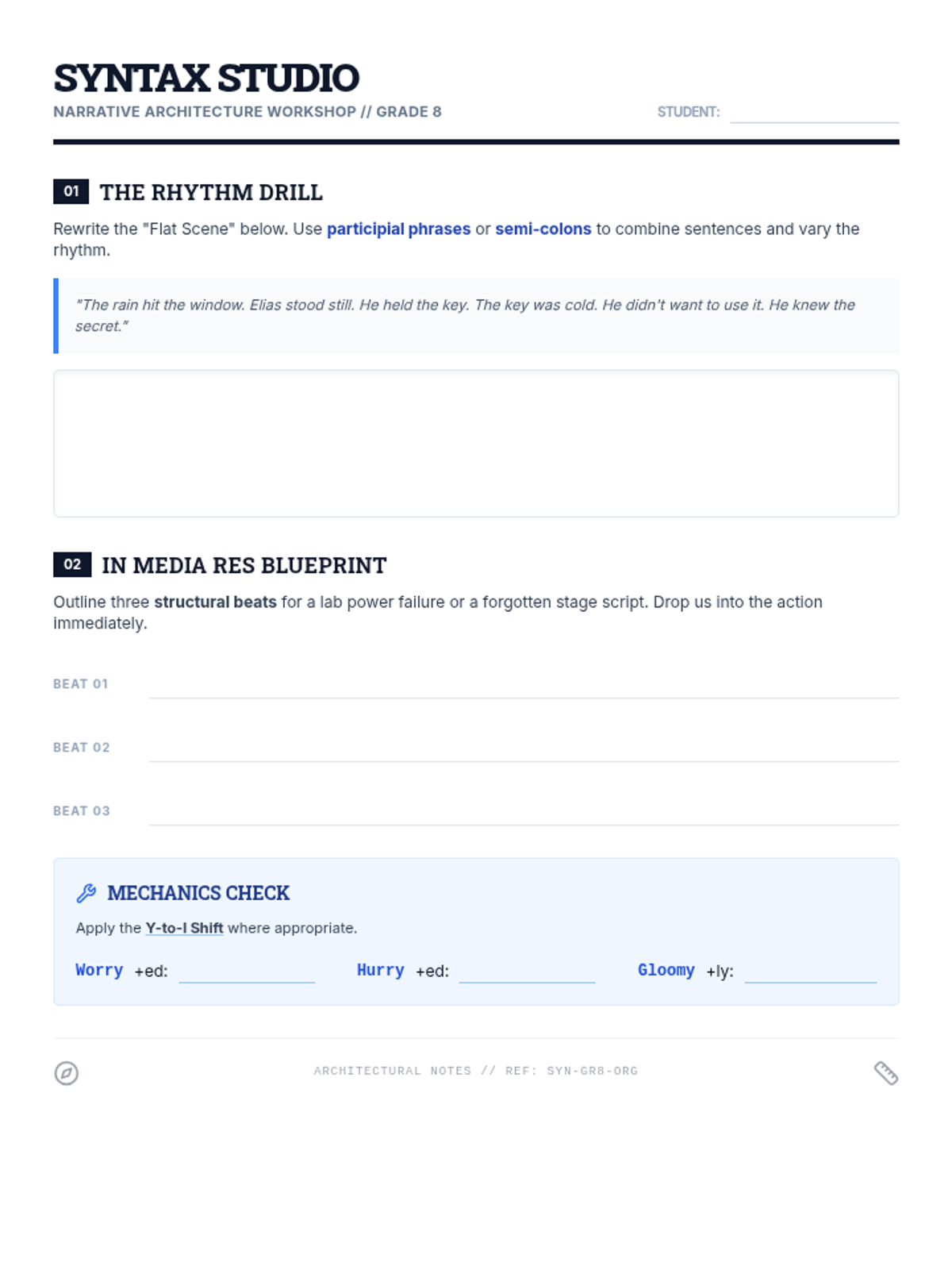
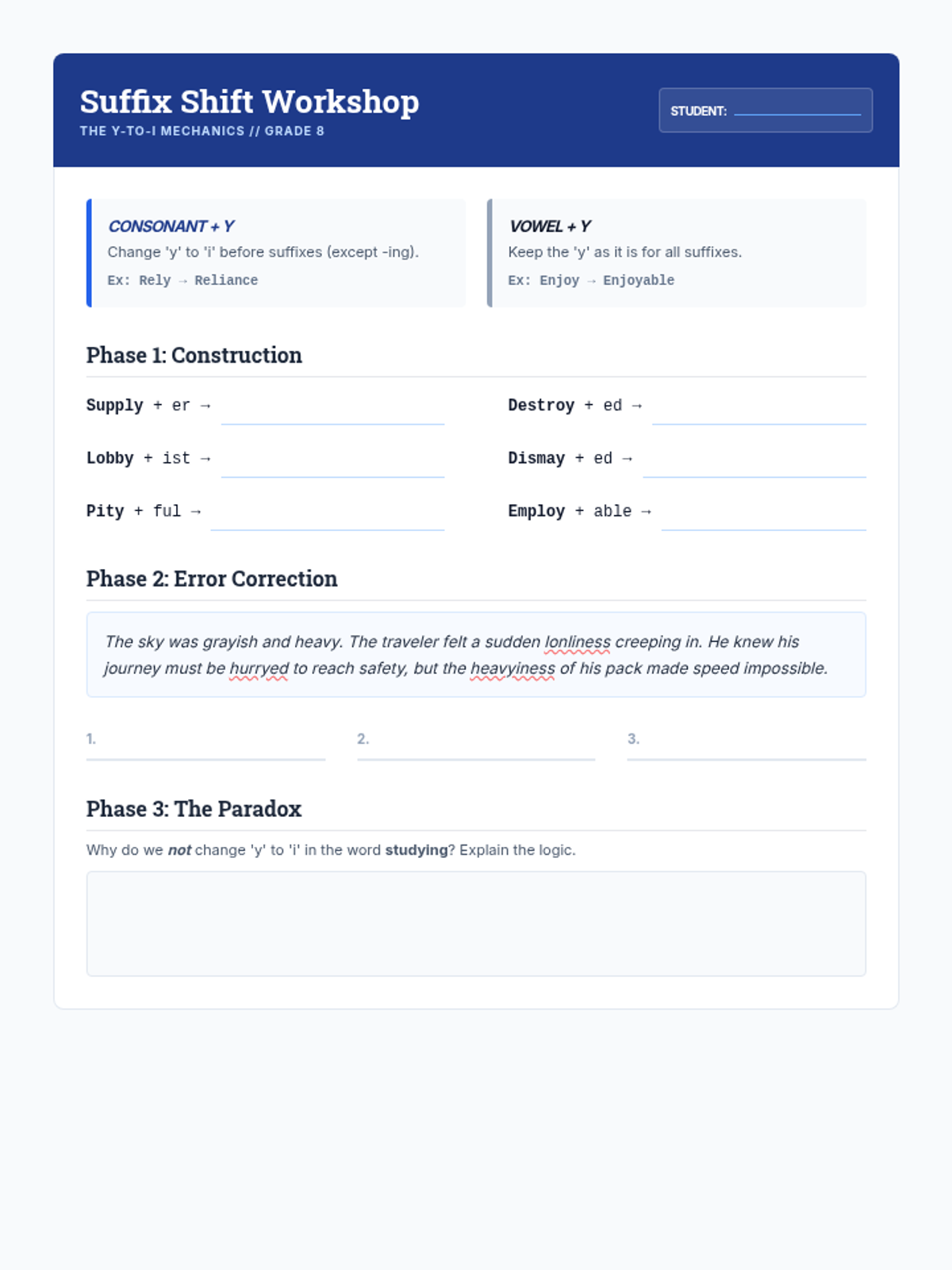
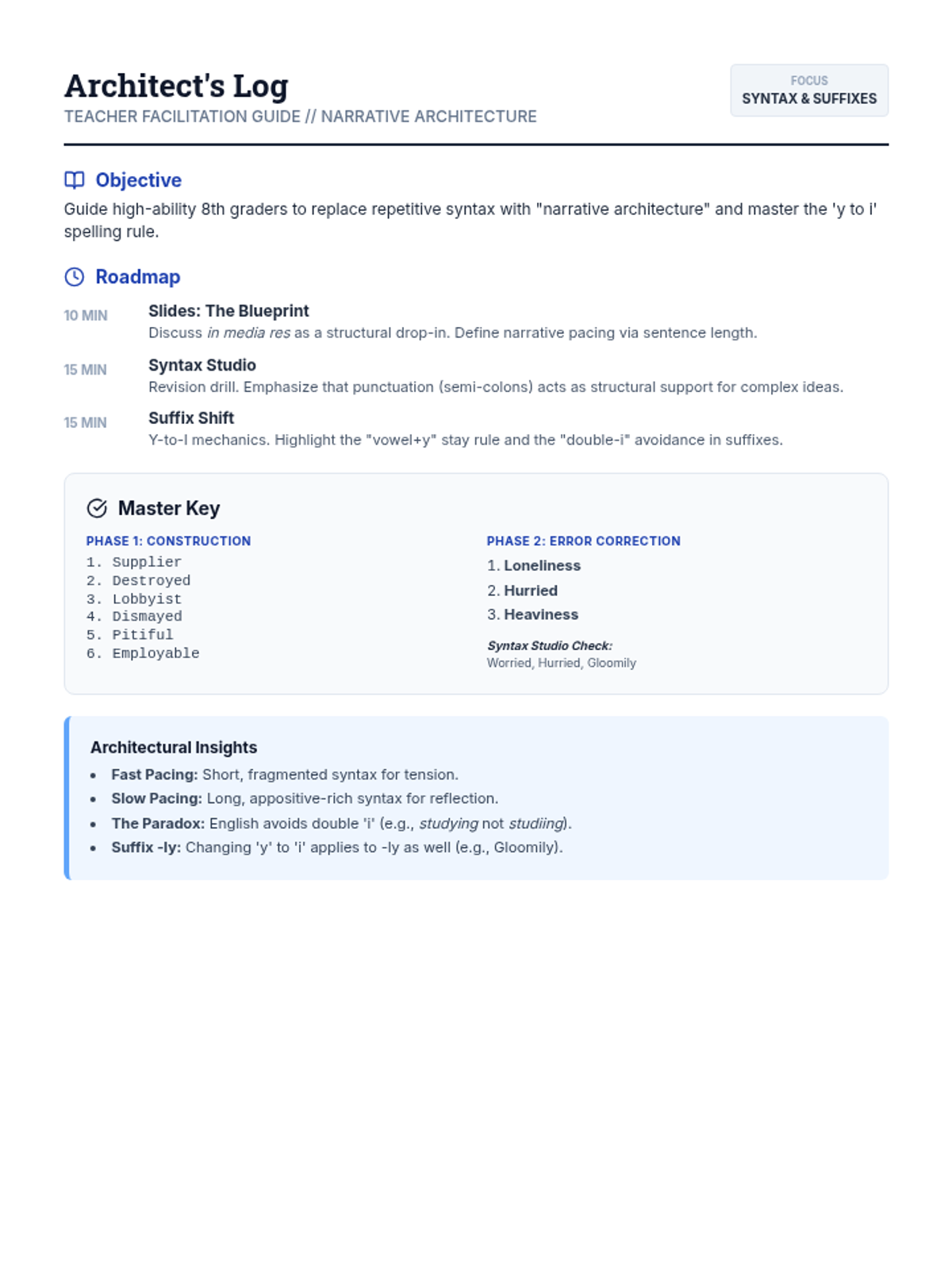
A sophisticated lesson focused on narrative organization, advanced syntax, and the 'y to i' spelling rule for a high-ability 8th grader.
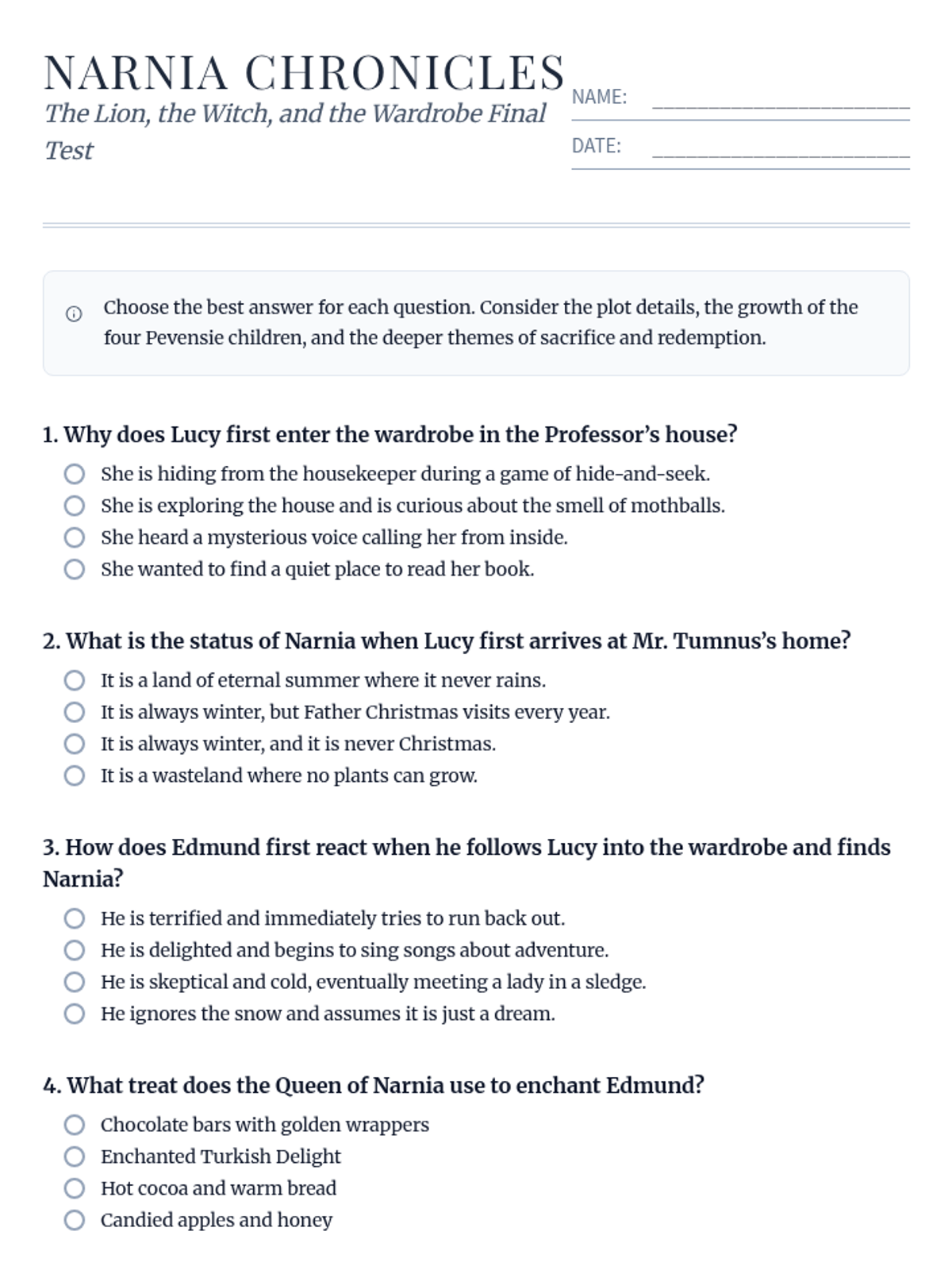
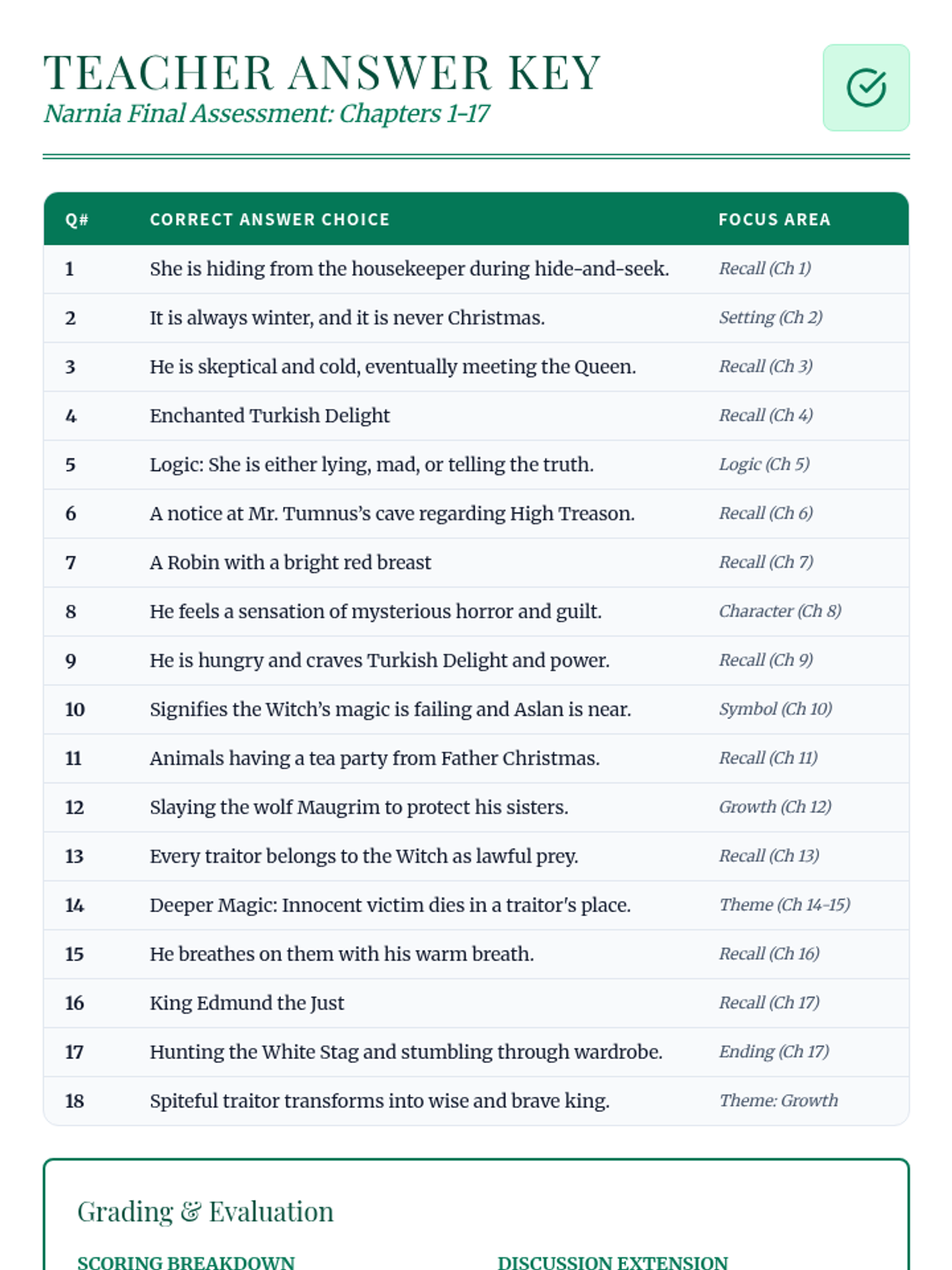
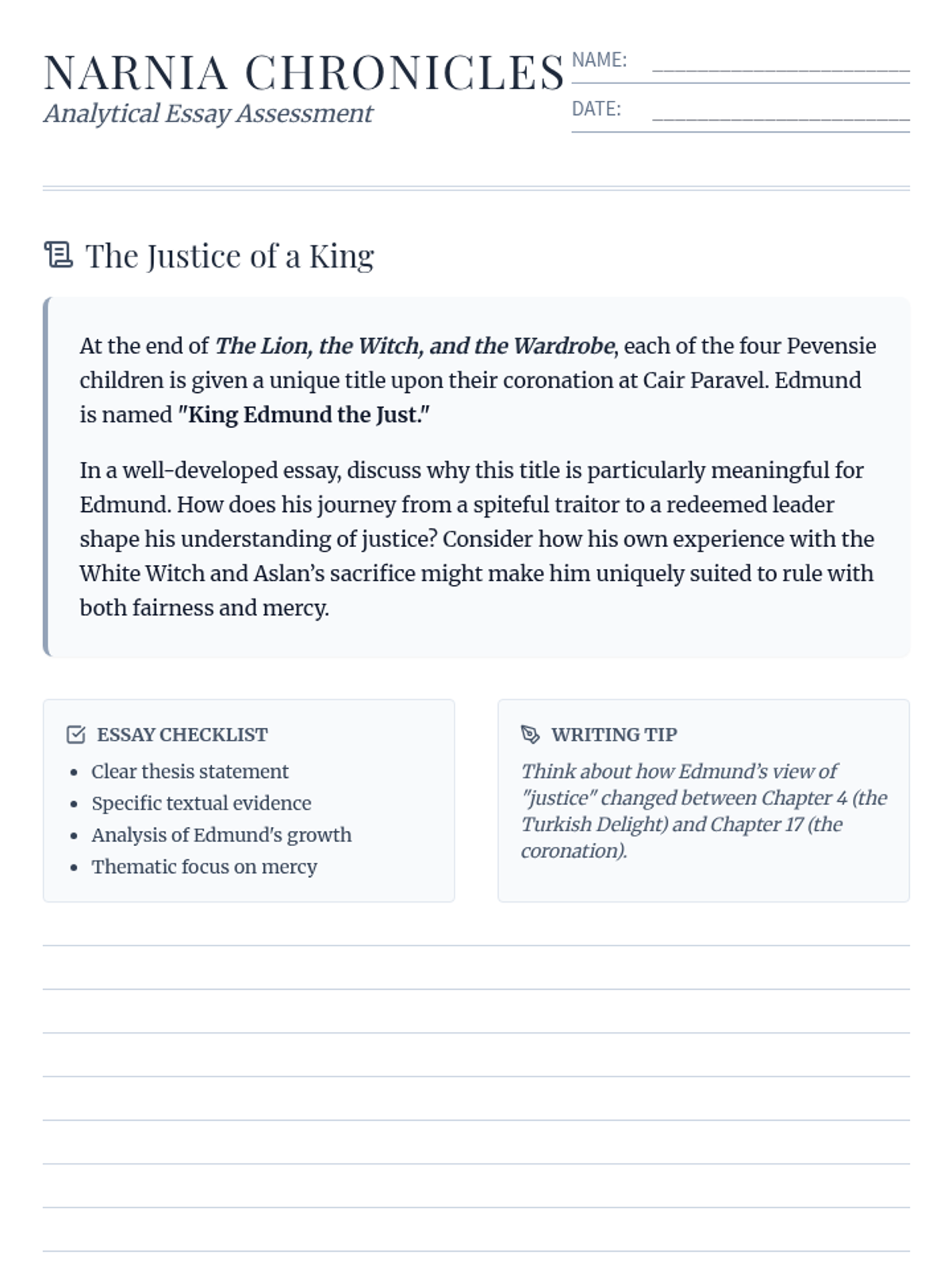
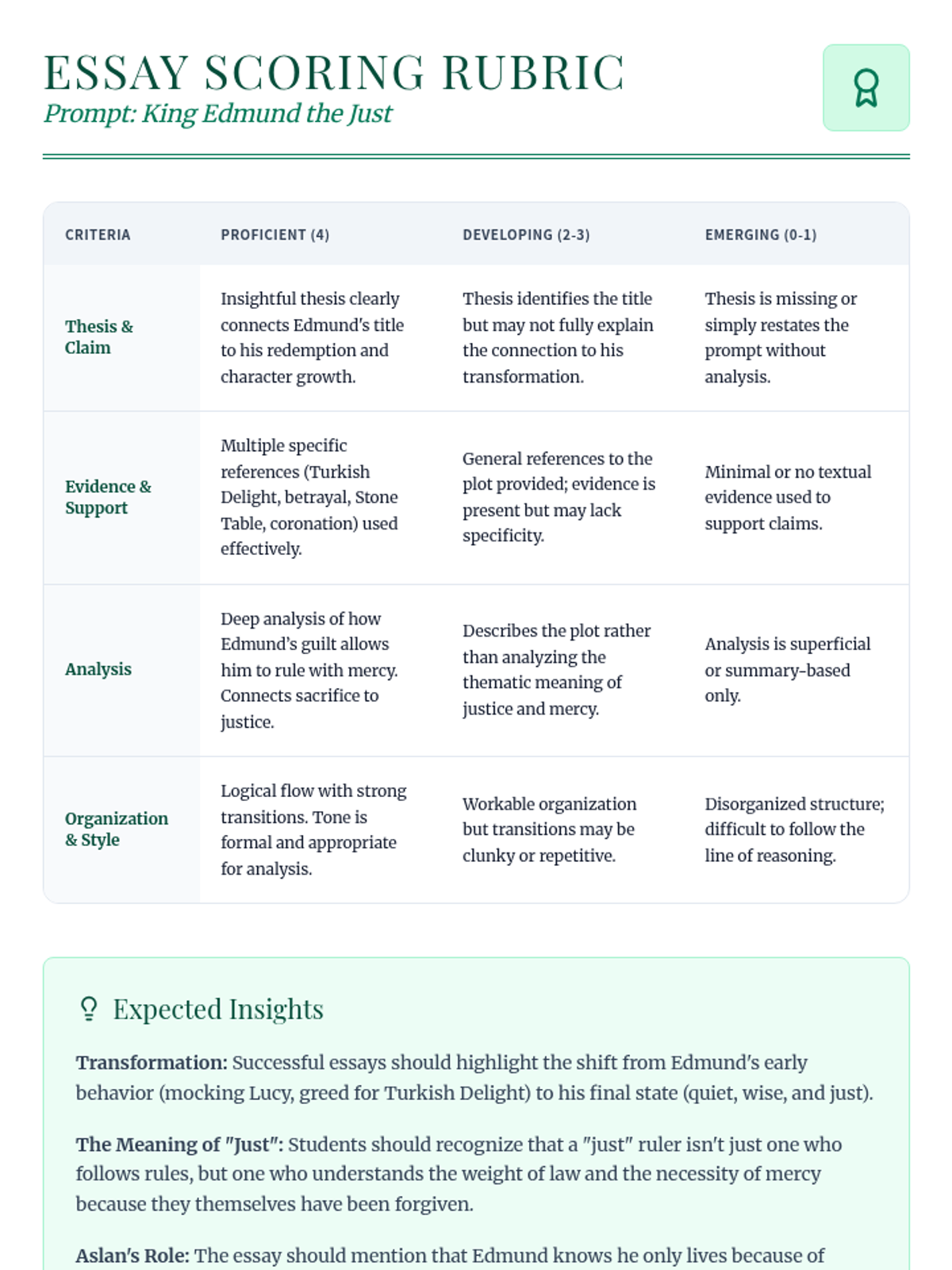
A comprehensive assessment of C.S. Lewis's 'The Lion, the Witch, and the Wardrobe' covering all 17 chapters through basic recall, character analysis, and thematic understanding.
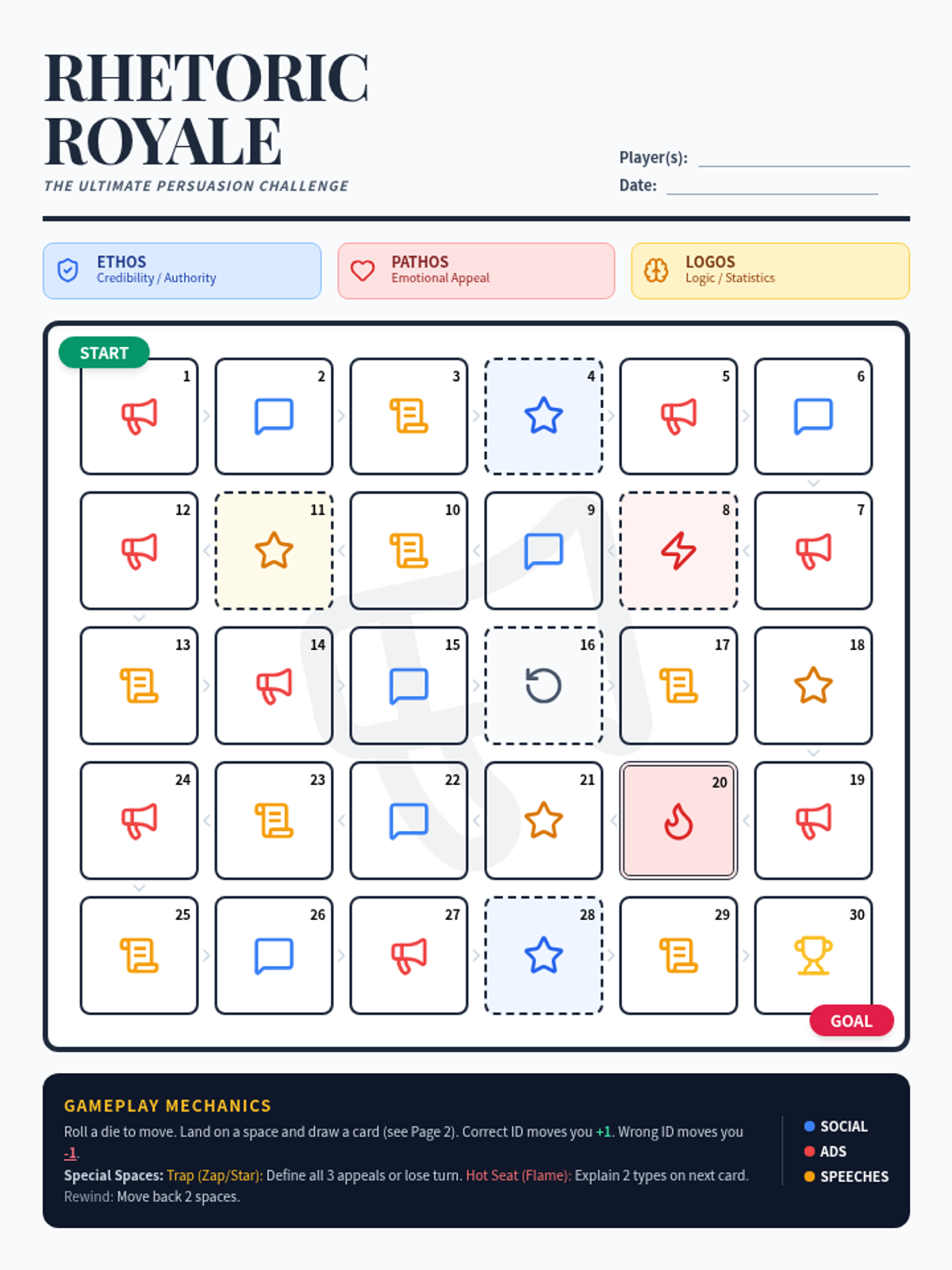
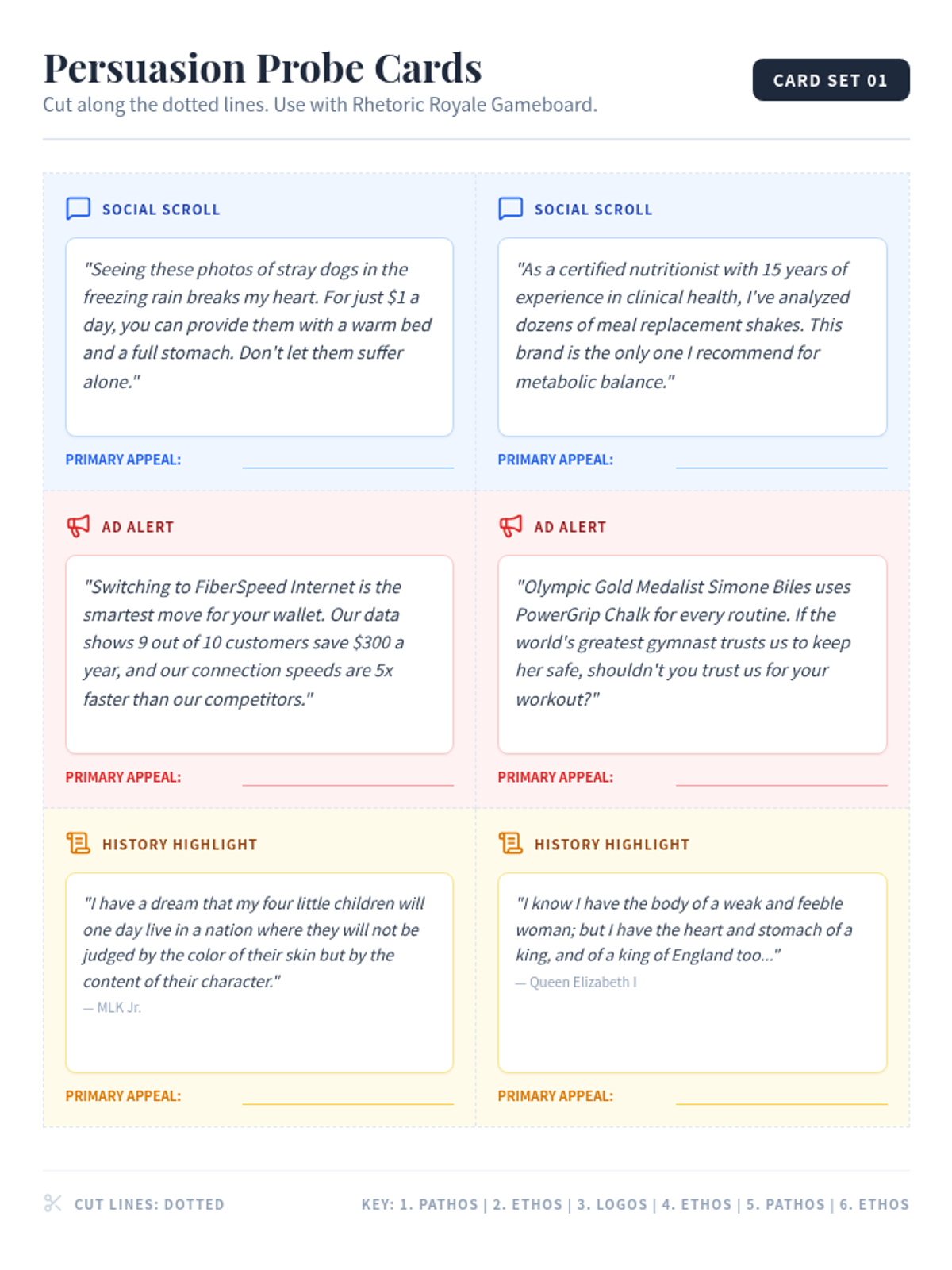
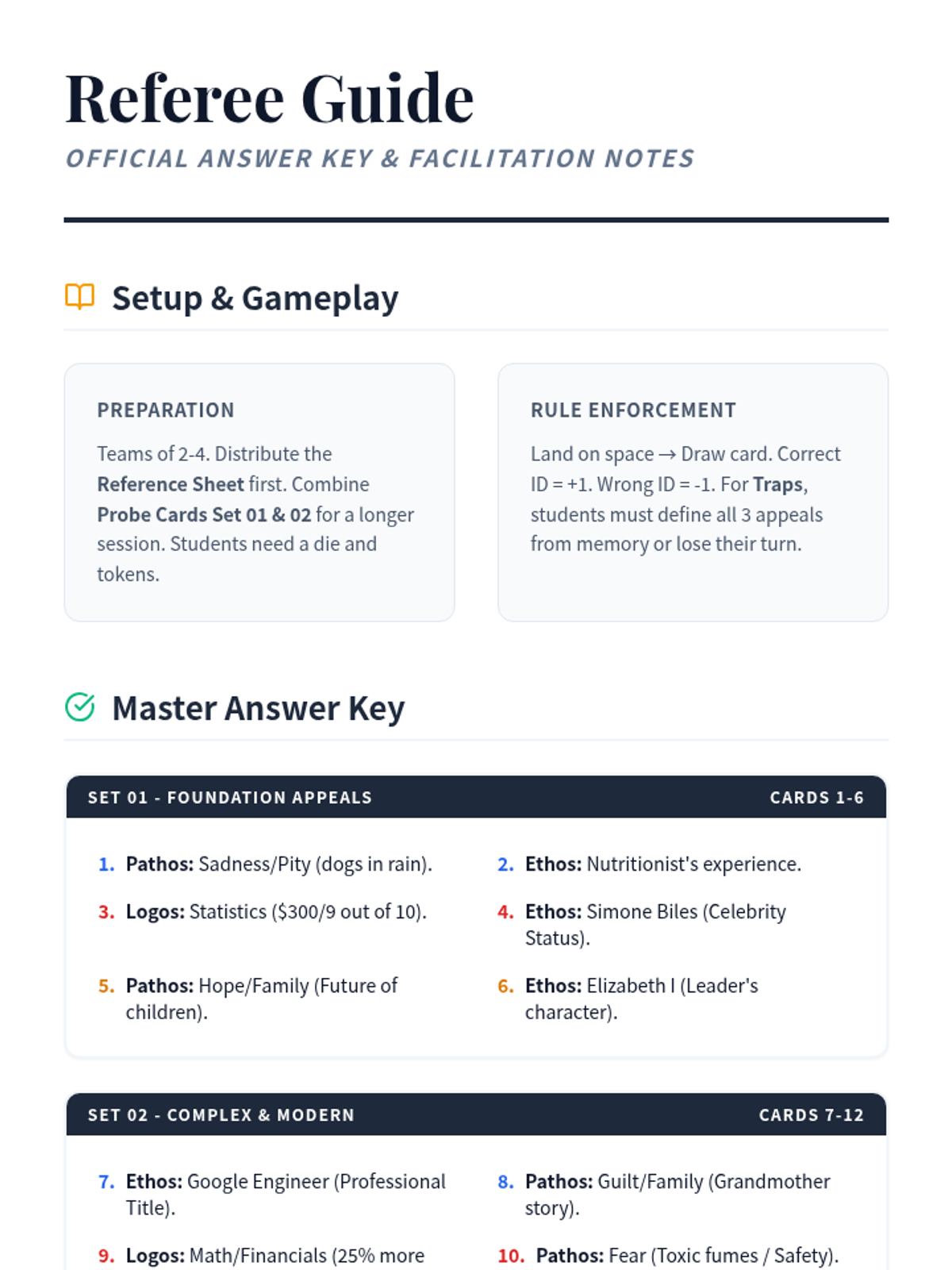
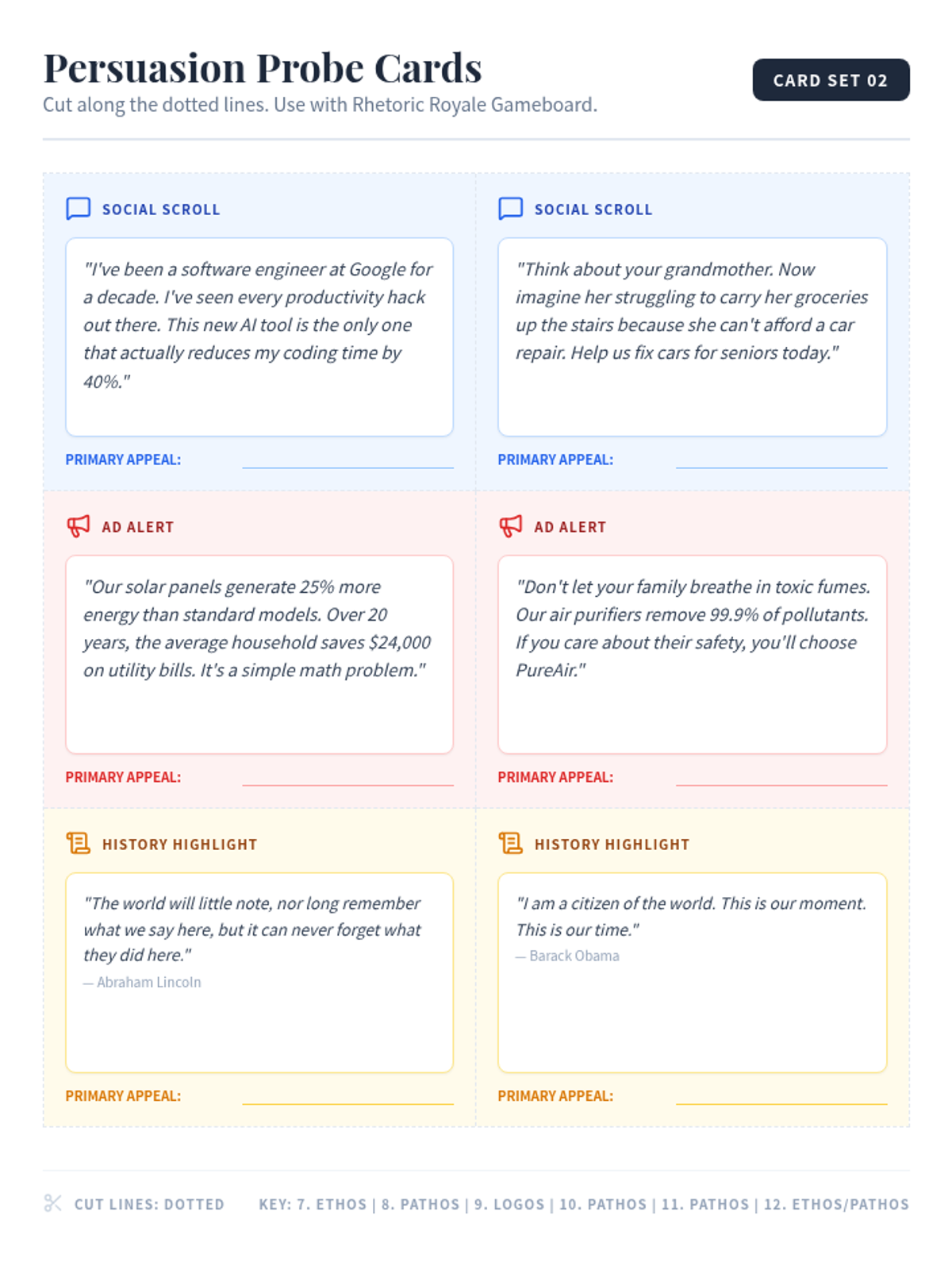
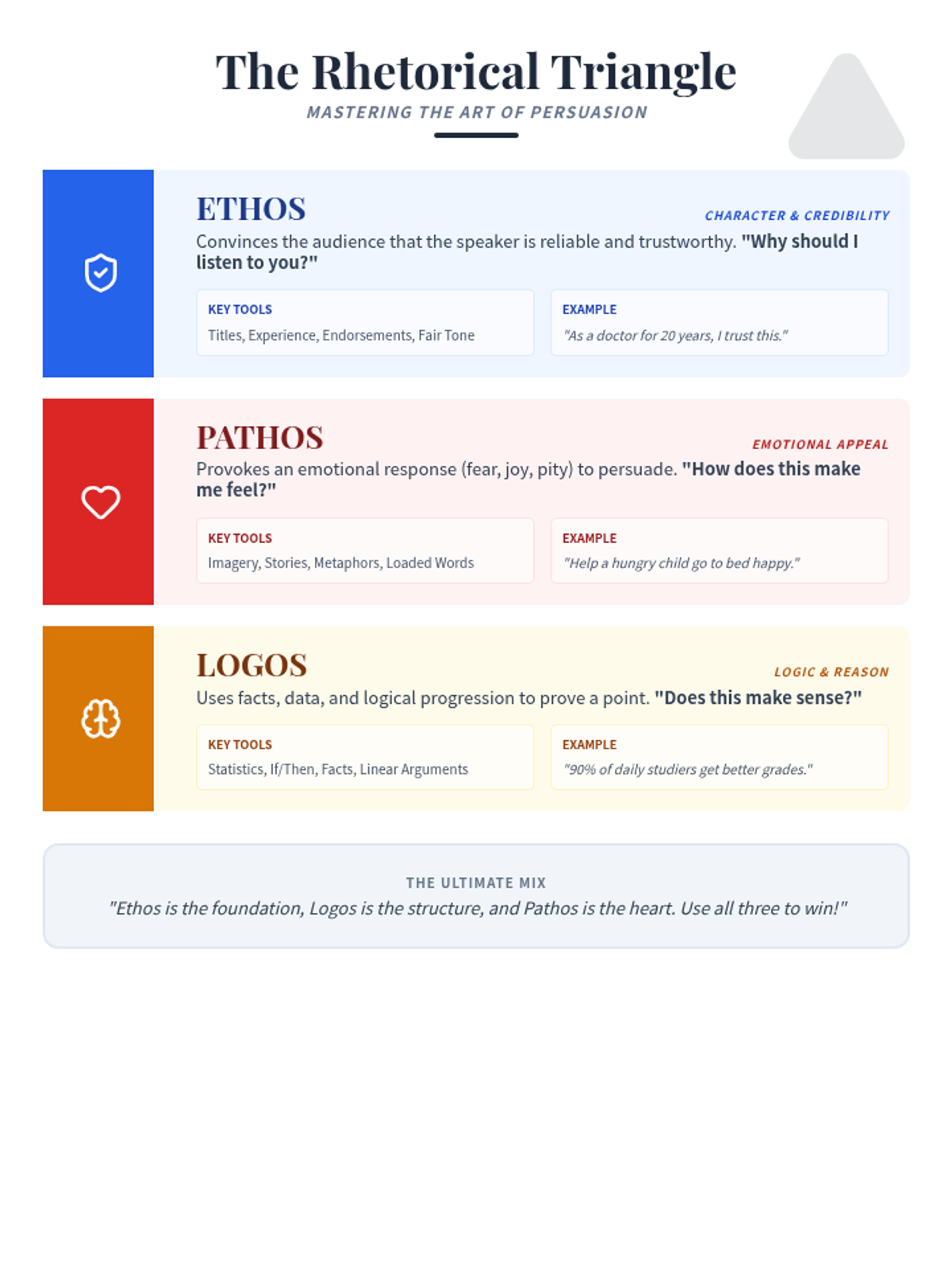
A high-energy board game lesson where students identify Ethos, Pathos, and Logos in modern ads, social media, and historical speeches. Students compete in teams to master the art of persuasion and navigate the path to rhetorical victory.
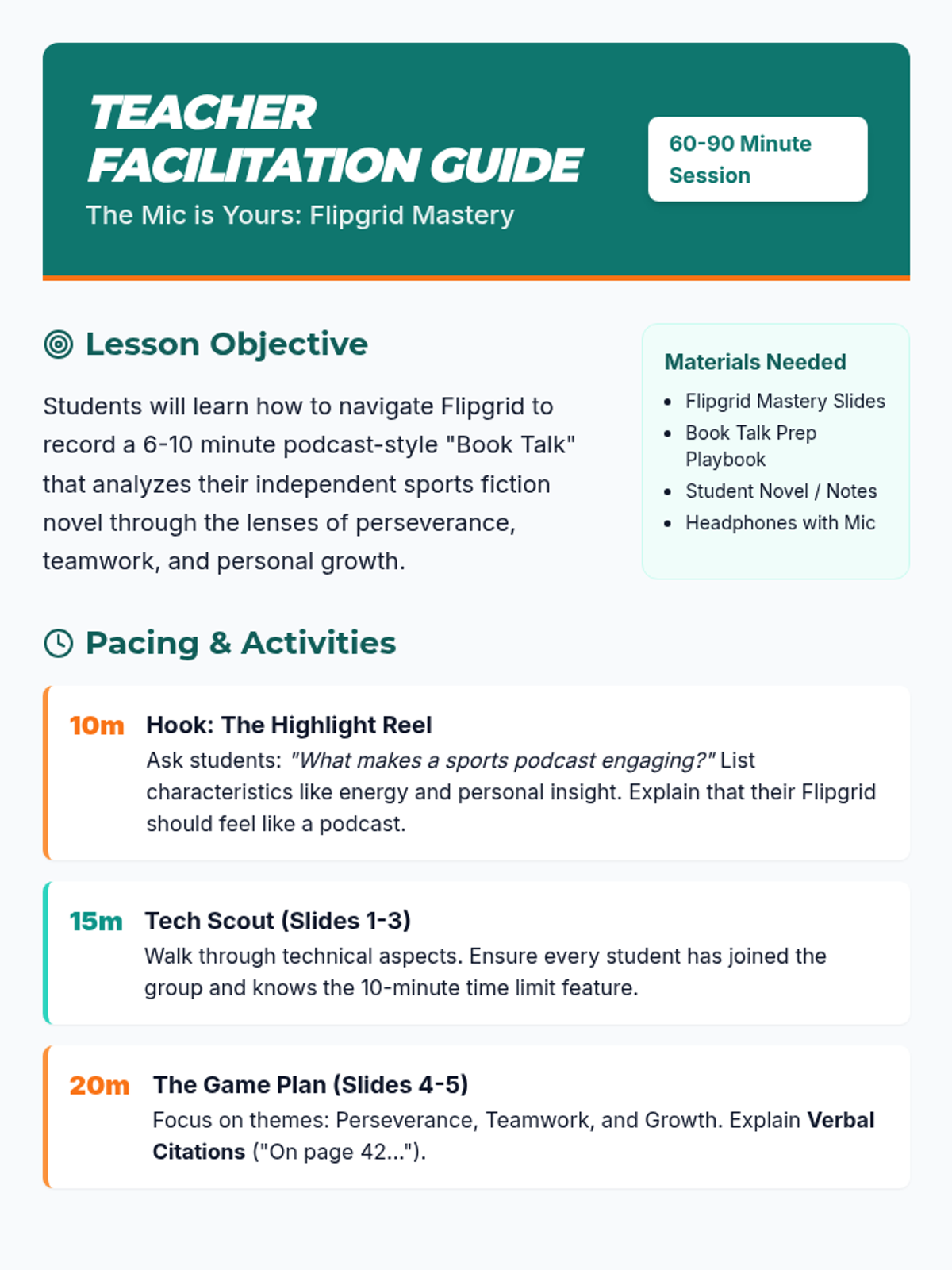
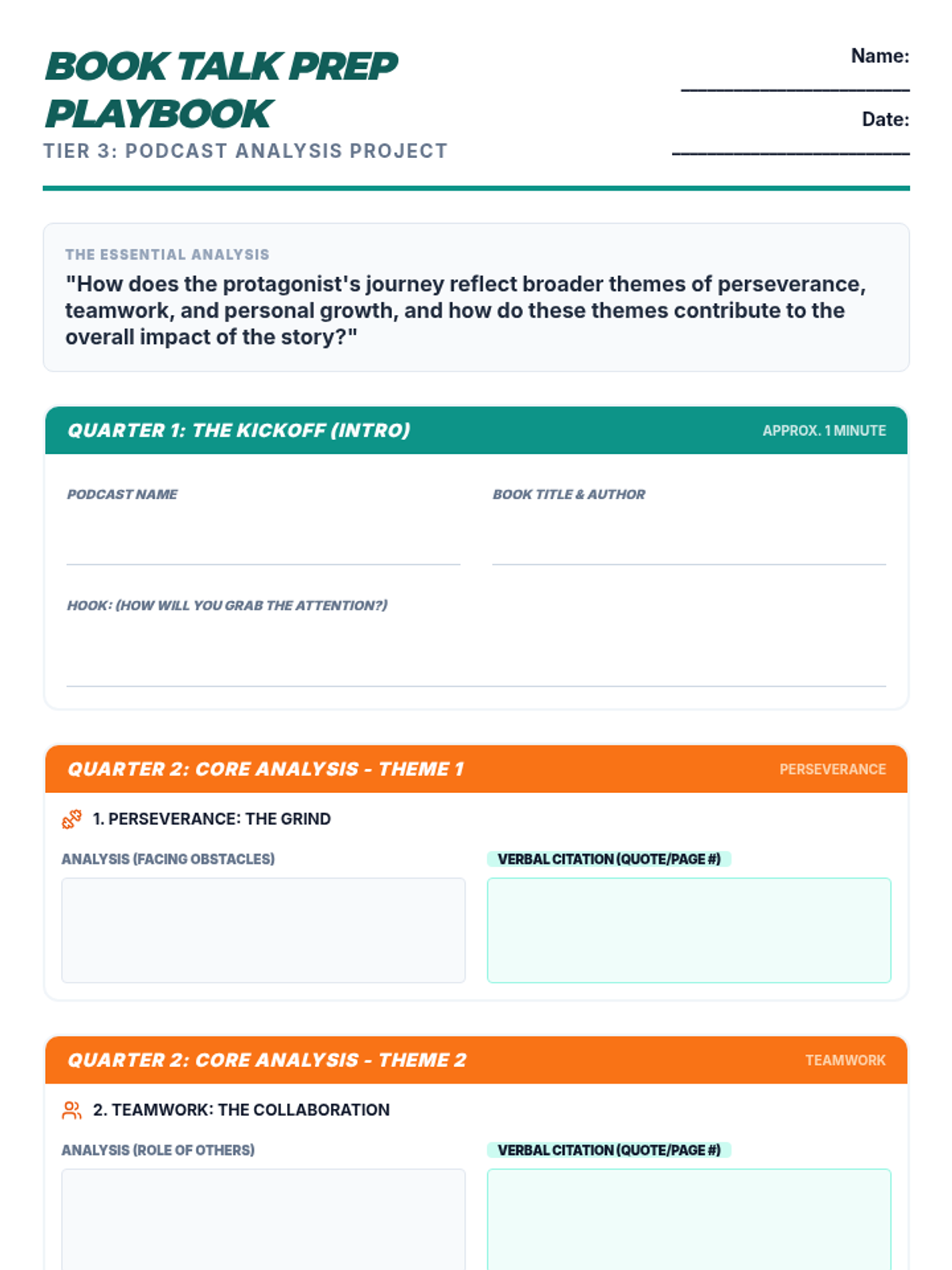
A quick introductory lesson to help students master Flipgrid for their Tier 3 Book Talk project. This lesson covers technical setup, content structuring, and creative delivery tips specifically for the sports fiction context.
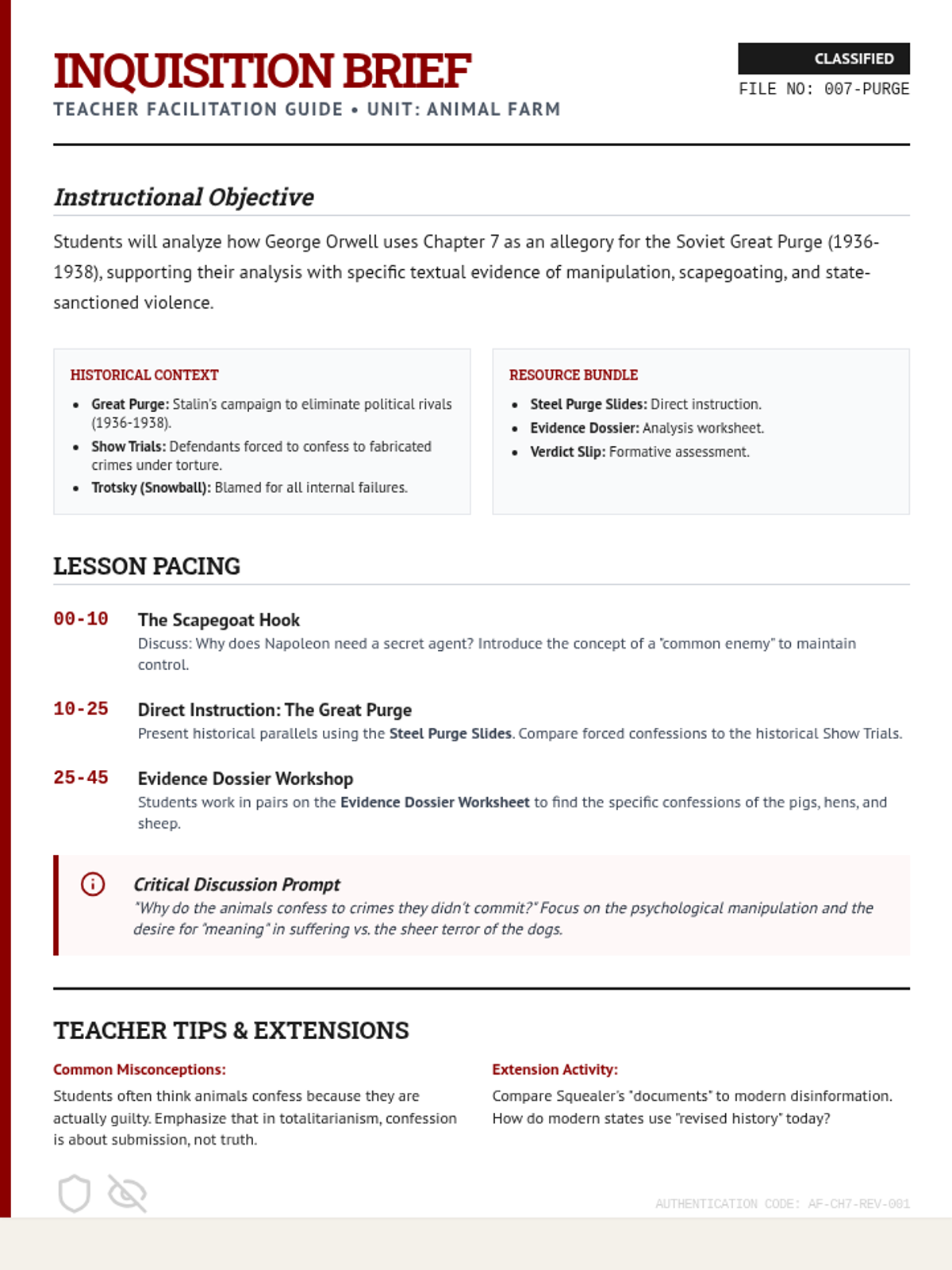
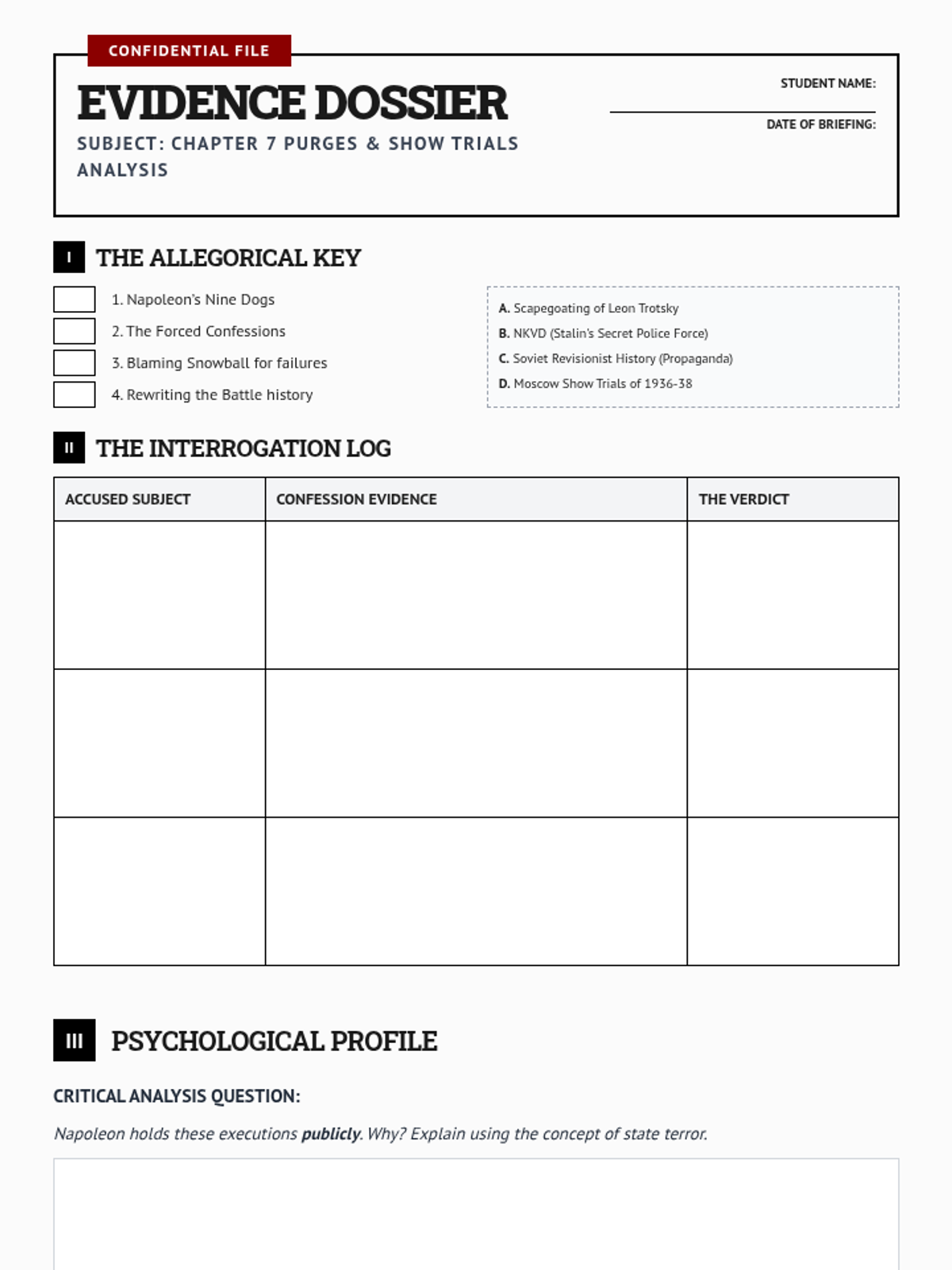
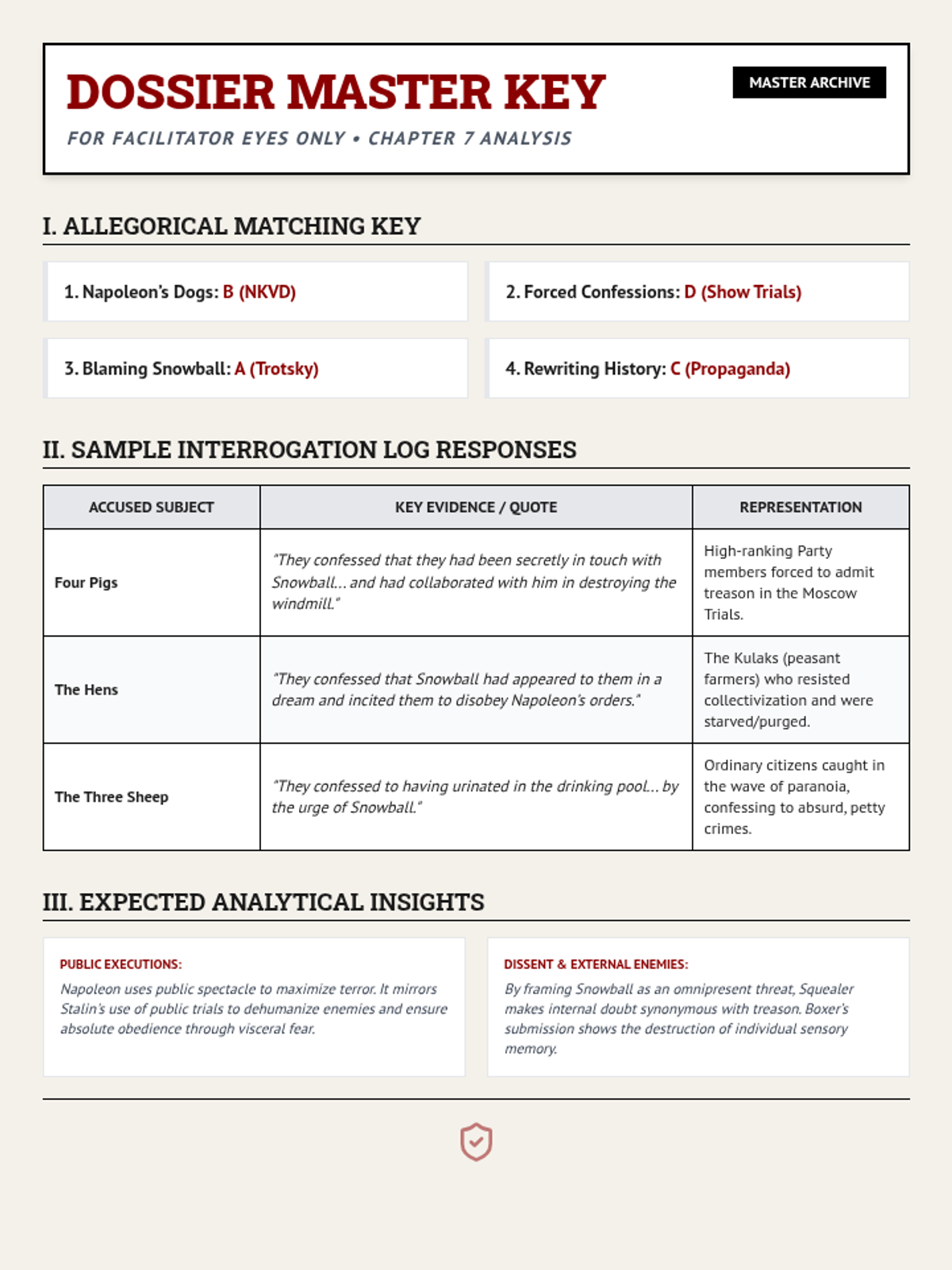
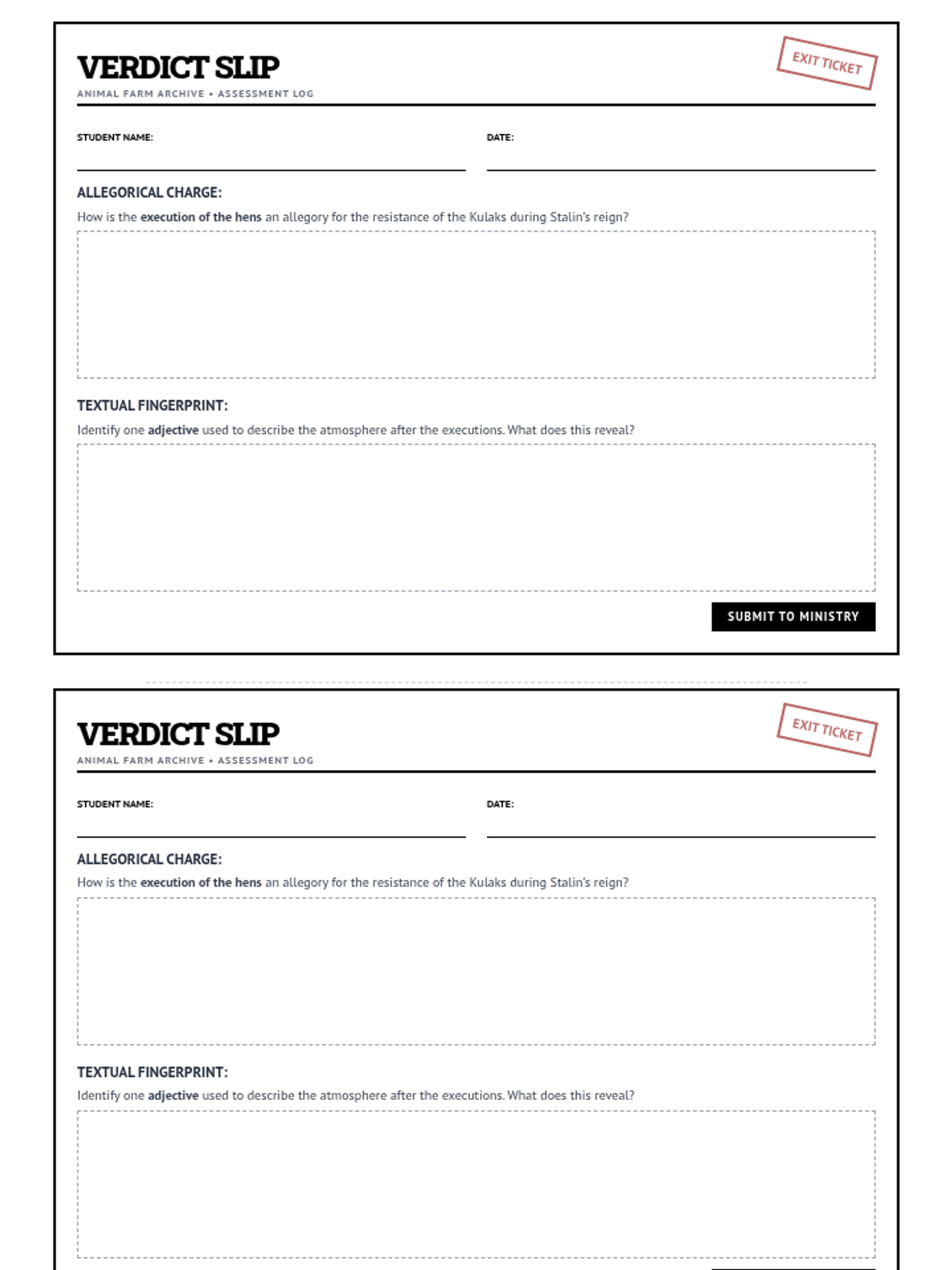
A deep dive into the allegorical parallels between Animal Farm Chapter 7 and Stalin's Great Purge, focusing on using textual evidence to decode Orwell's political commentary.
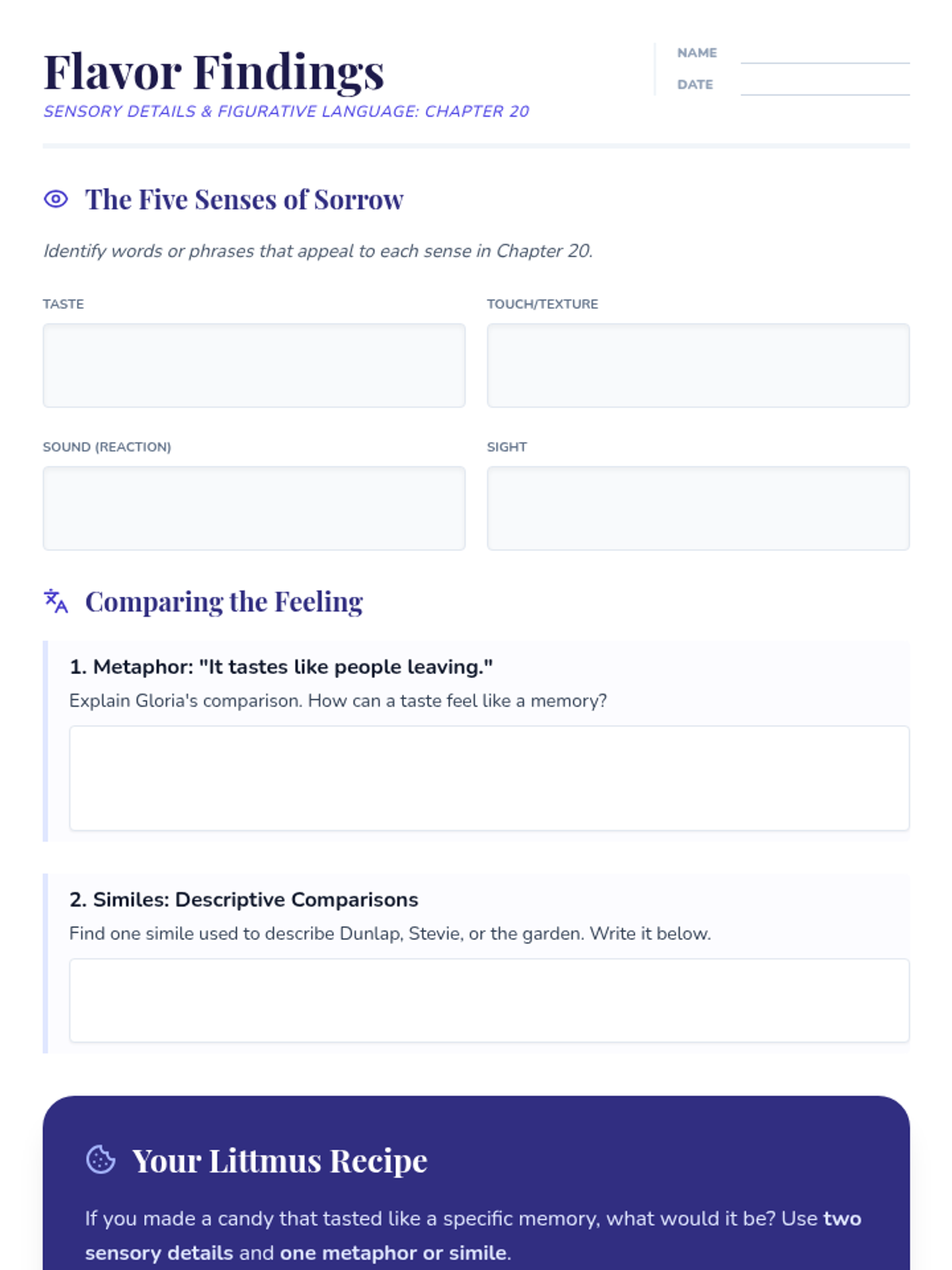
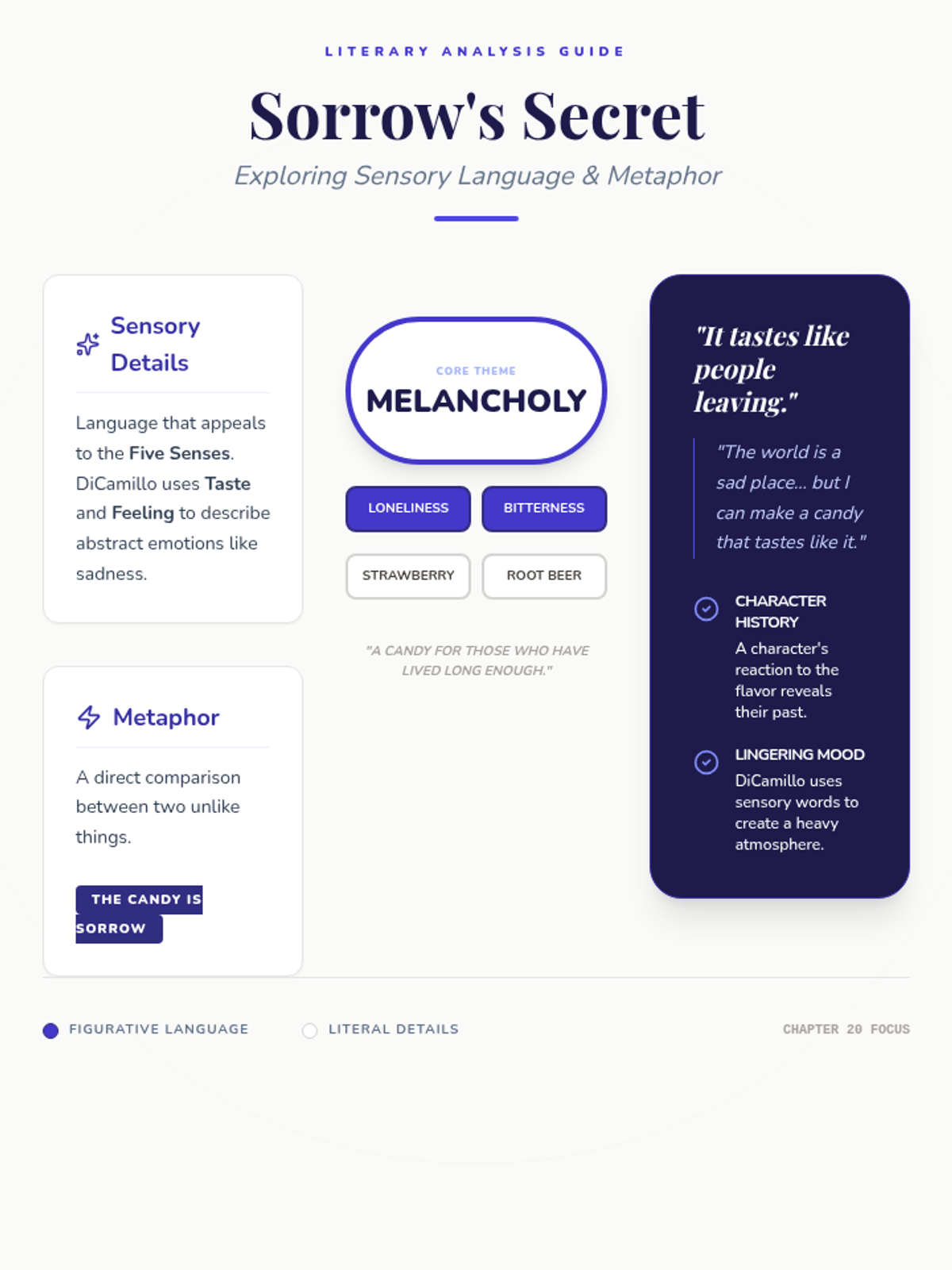
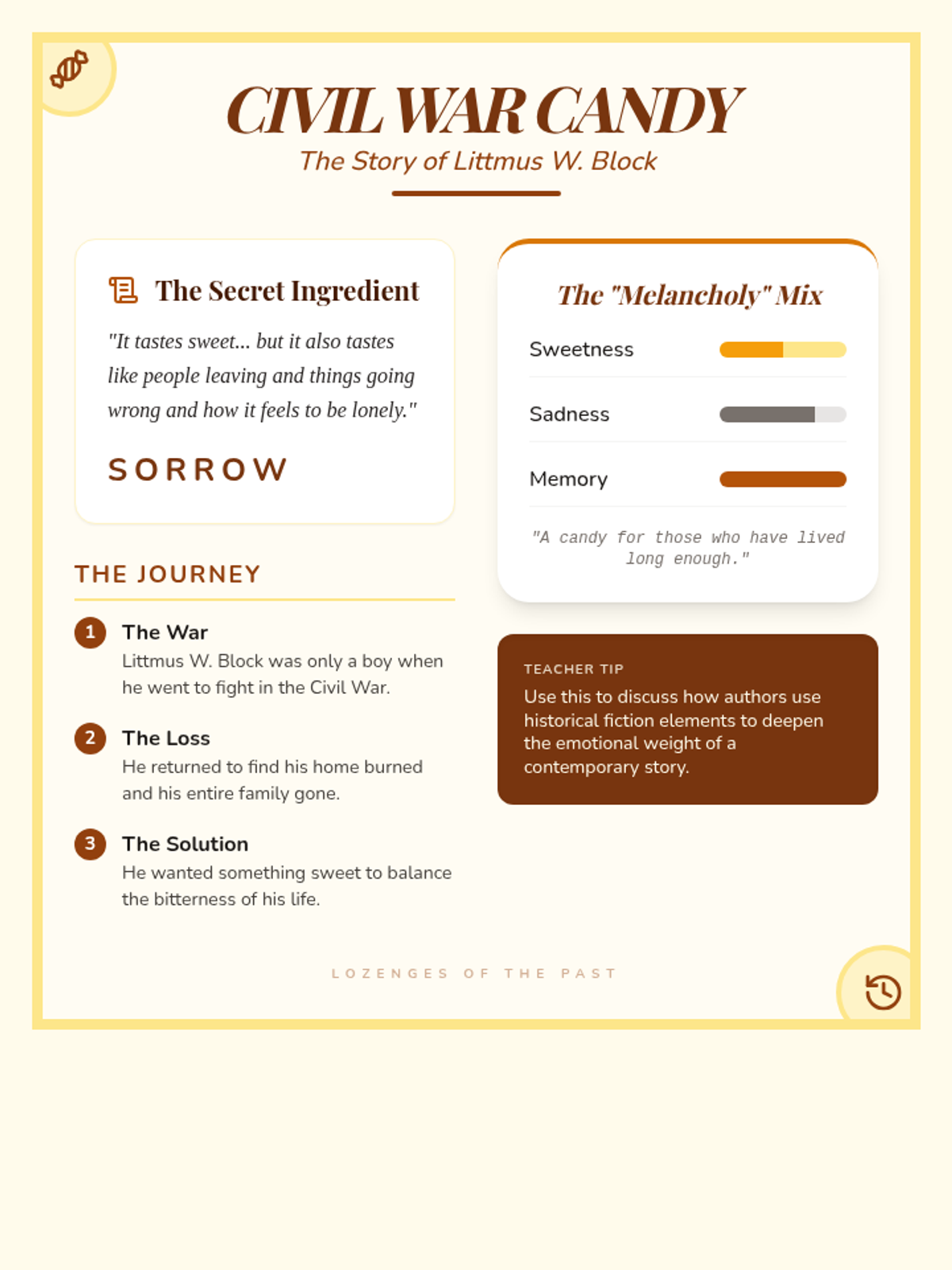
A lesson exploring the sensory language and figurative descriptions used in Chapter 20 to describe the unique flavor of sorrow.
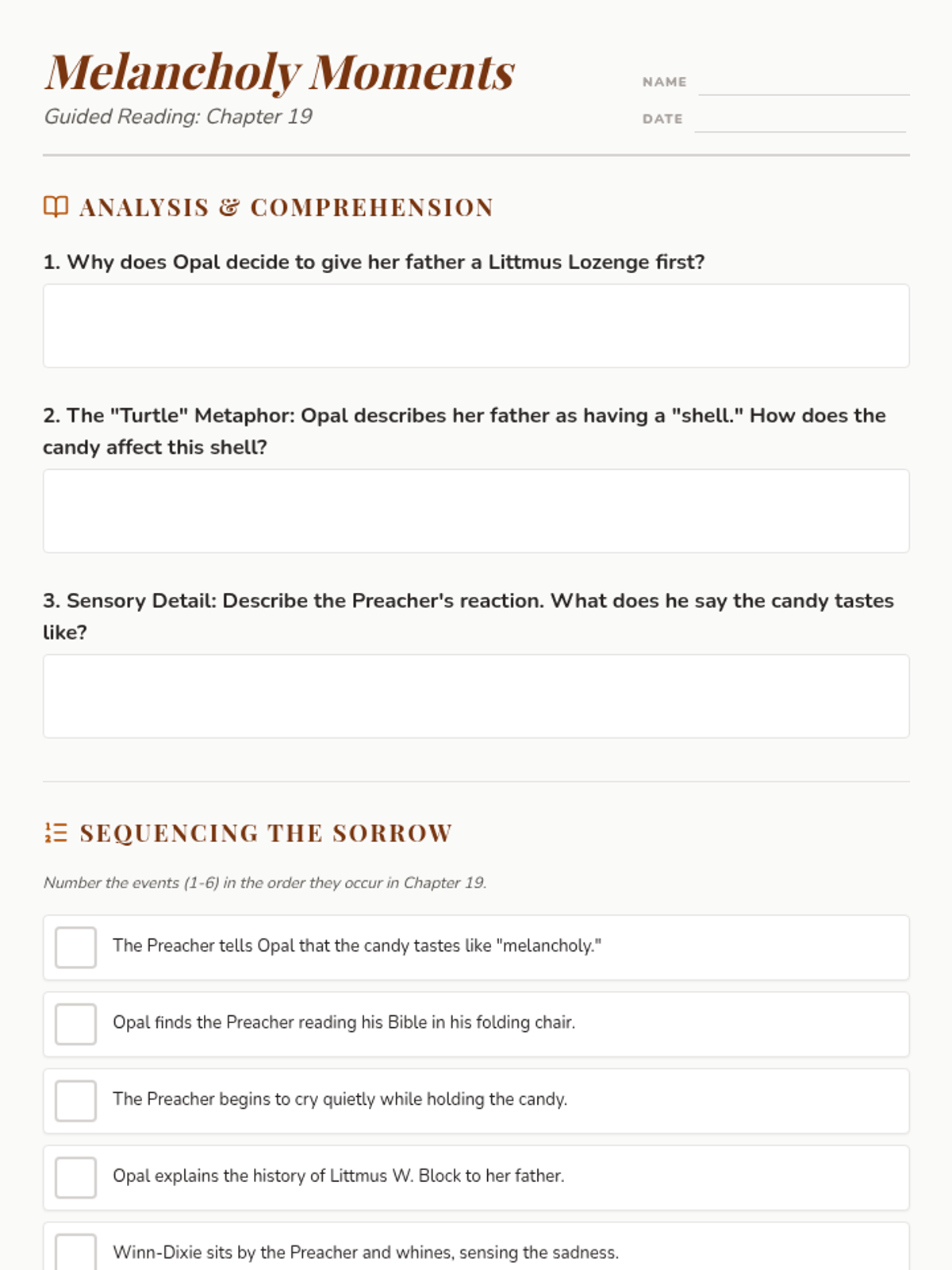
A lesson focused on the sequencing of events in Chapter 19 and deep comprehension of the Preacher's emotional reaction to the Littmus Lozenge.
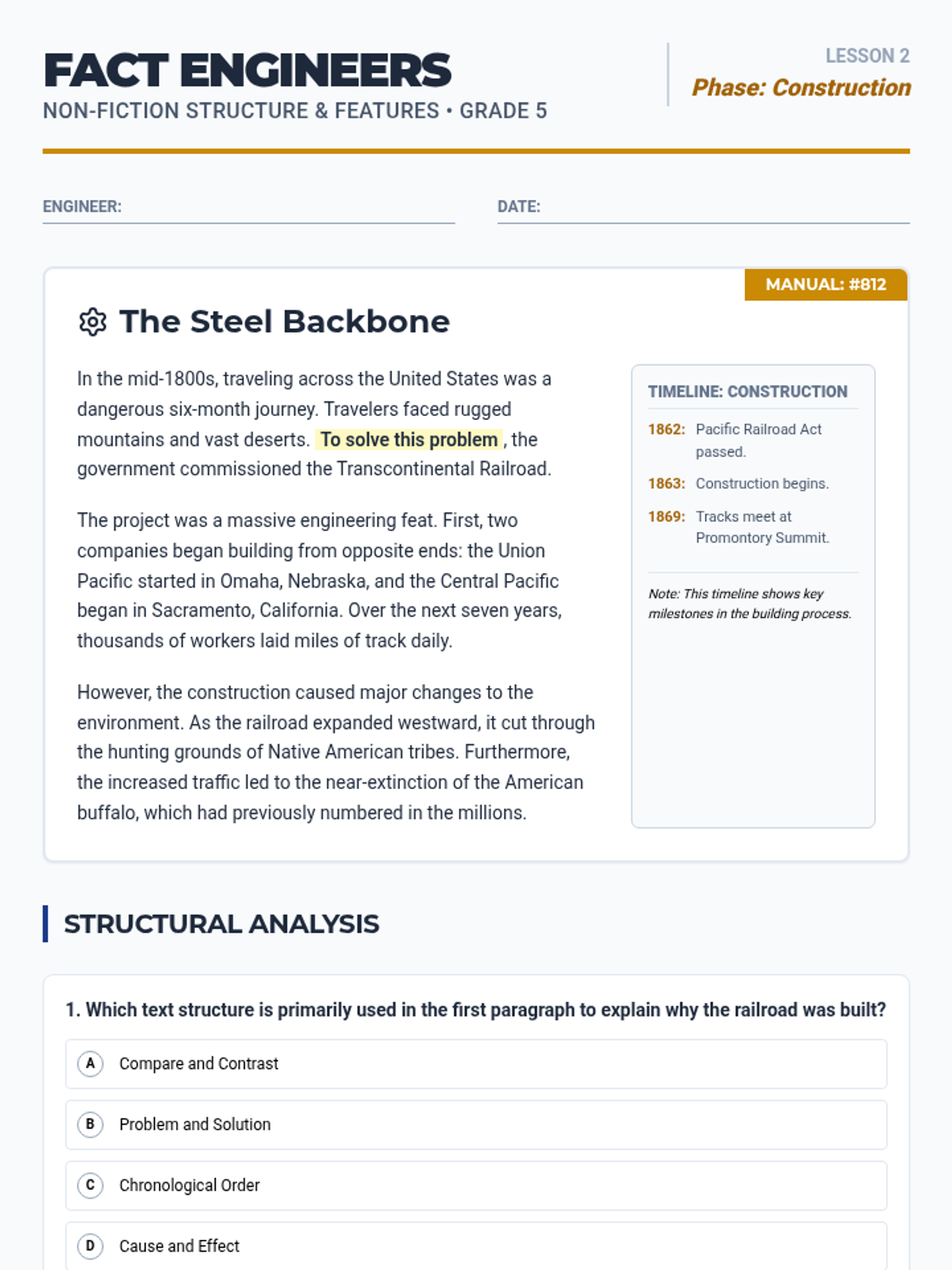
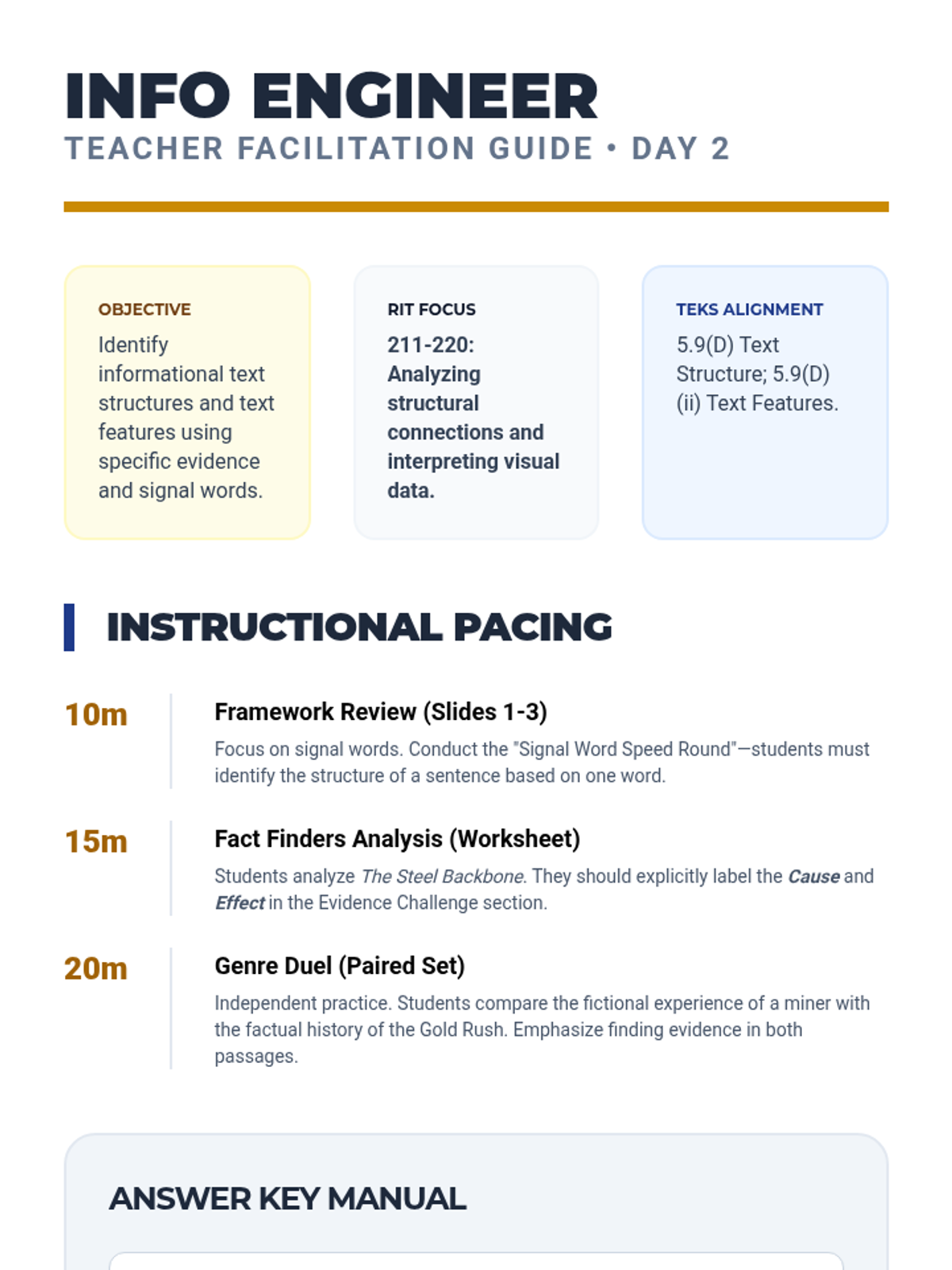
Focuses on informational text structures (chronological, problem/solution, compare/contrast, cause/effect) and the use of text features to provide key information, emphasizing evidence-based analysis.
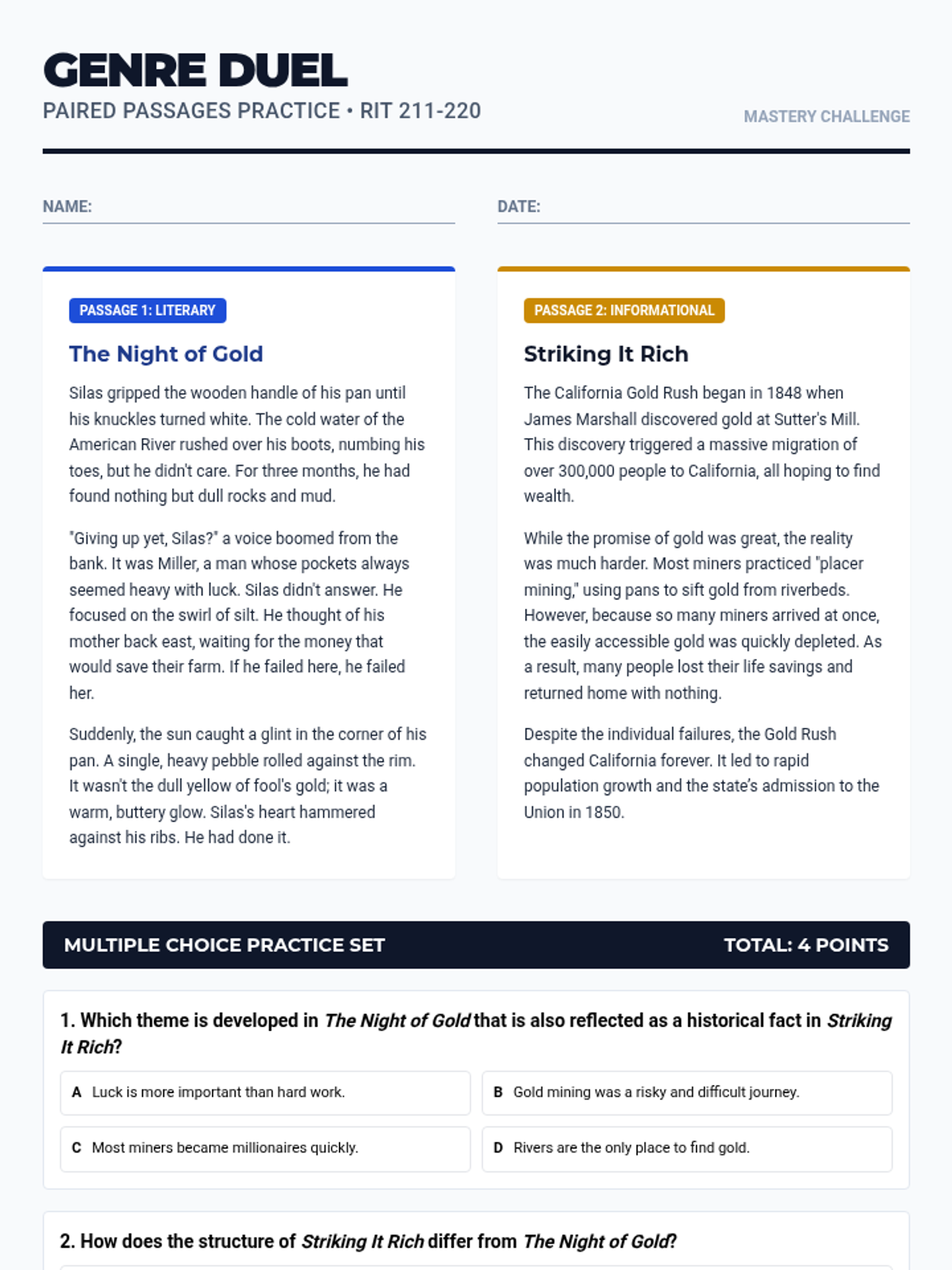
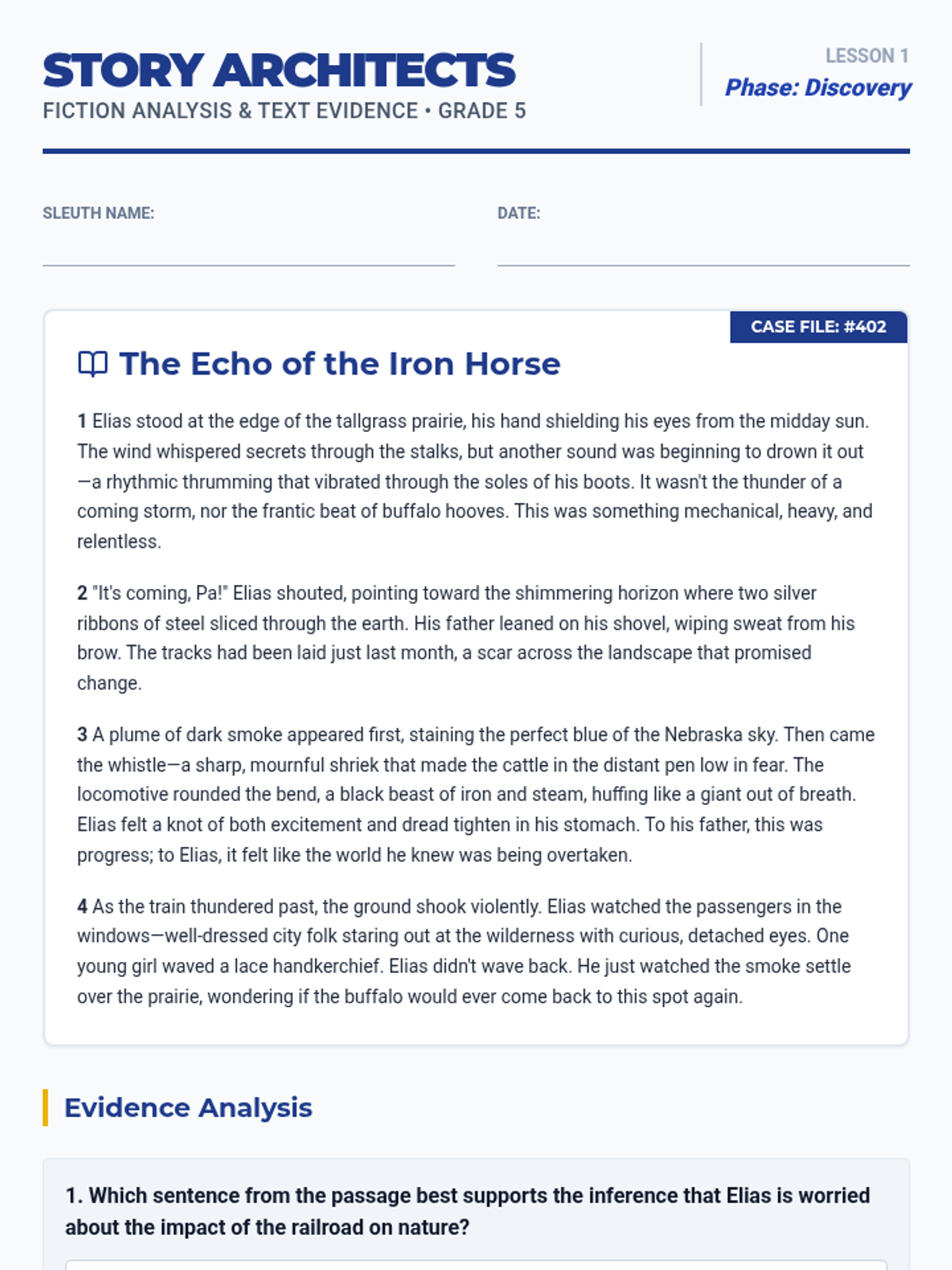
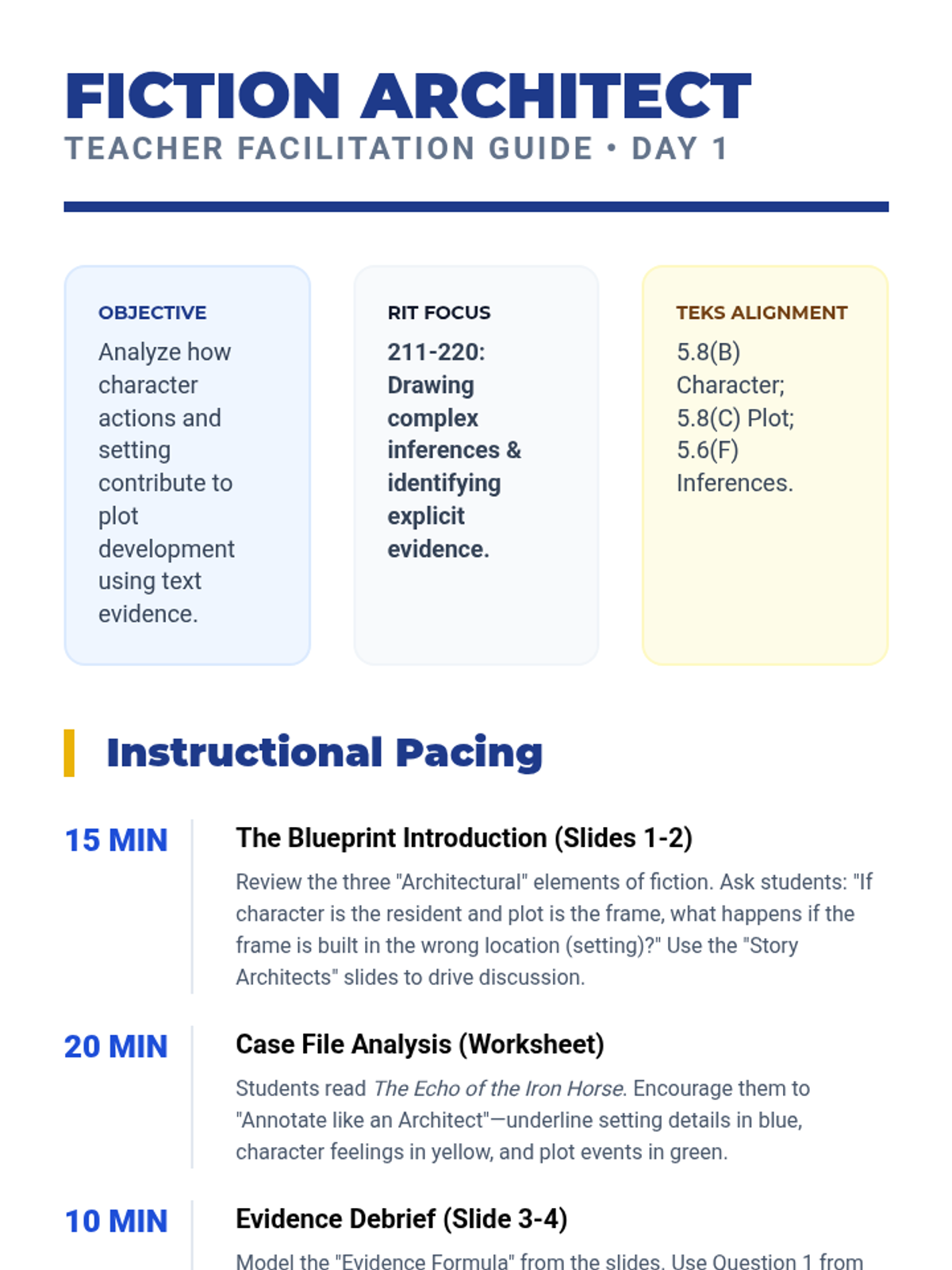
Focused on analyzing literary fiction elements, including plot development, character traits/motivations, and setting, while training students to identify specific text evidence for their inferences.