A comprehensive lesson on identifying and analyzing nine types of figurative language through tiered study guides and a visual reference sheet.
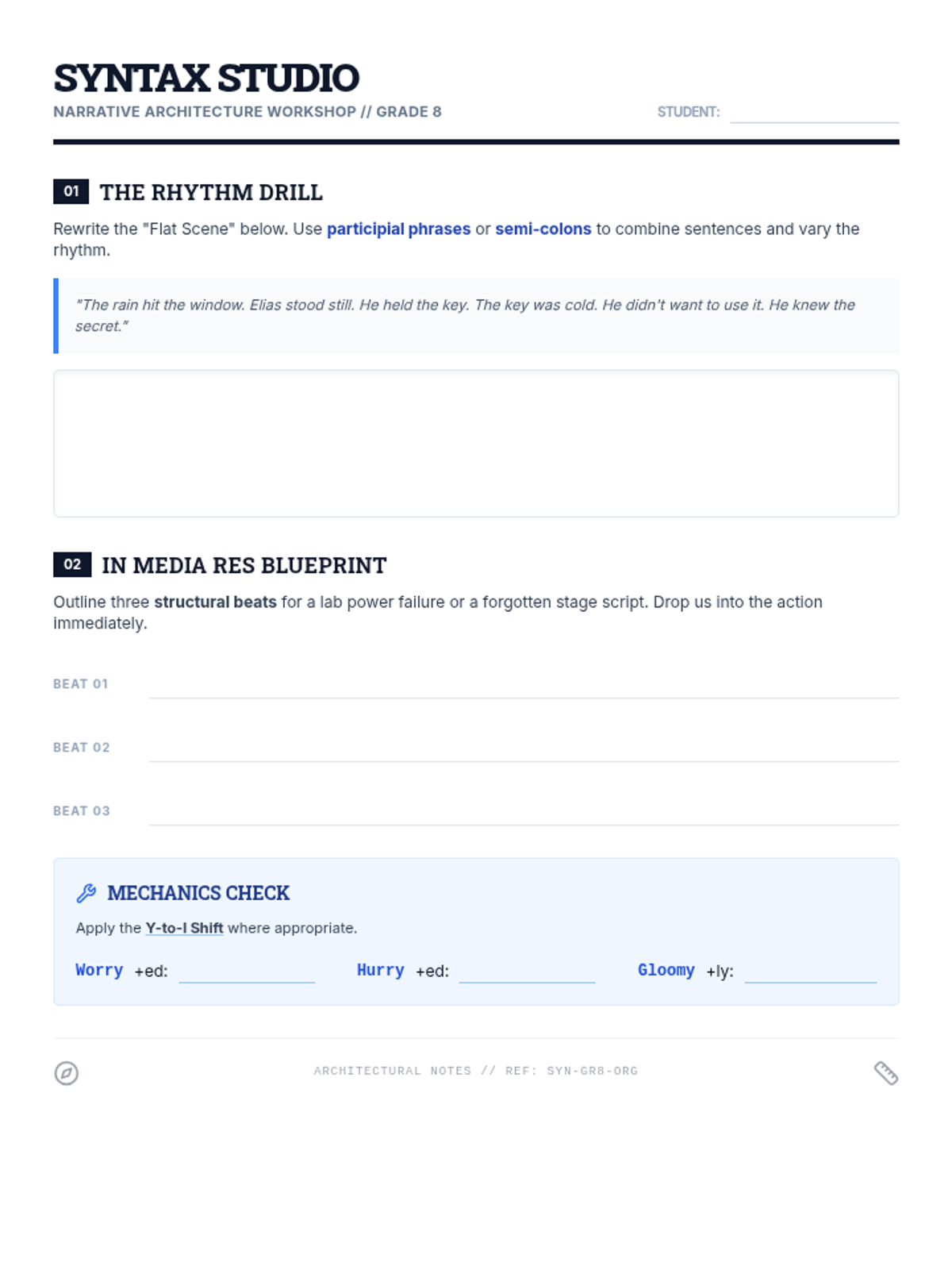
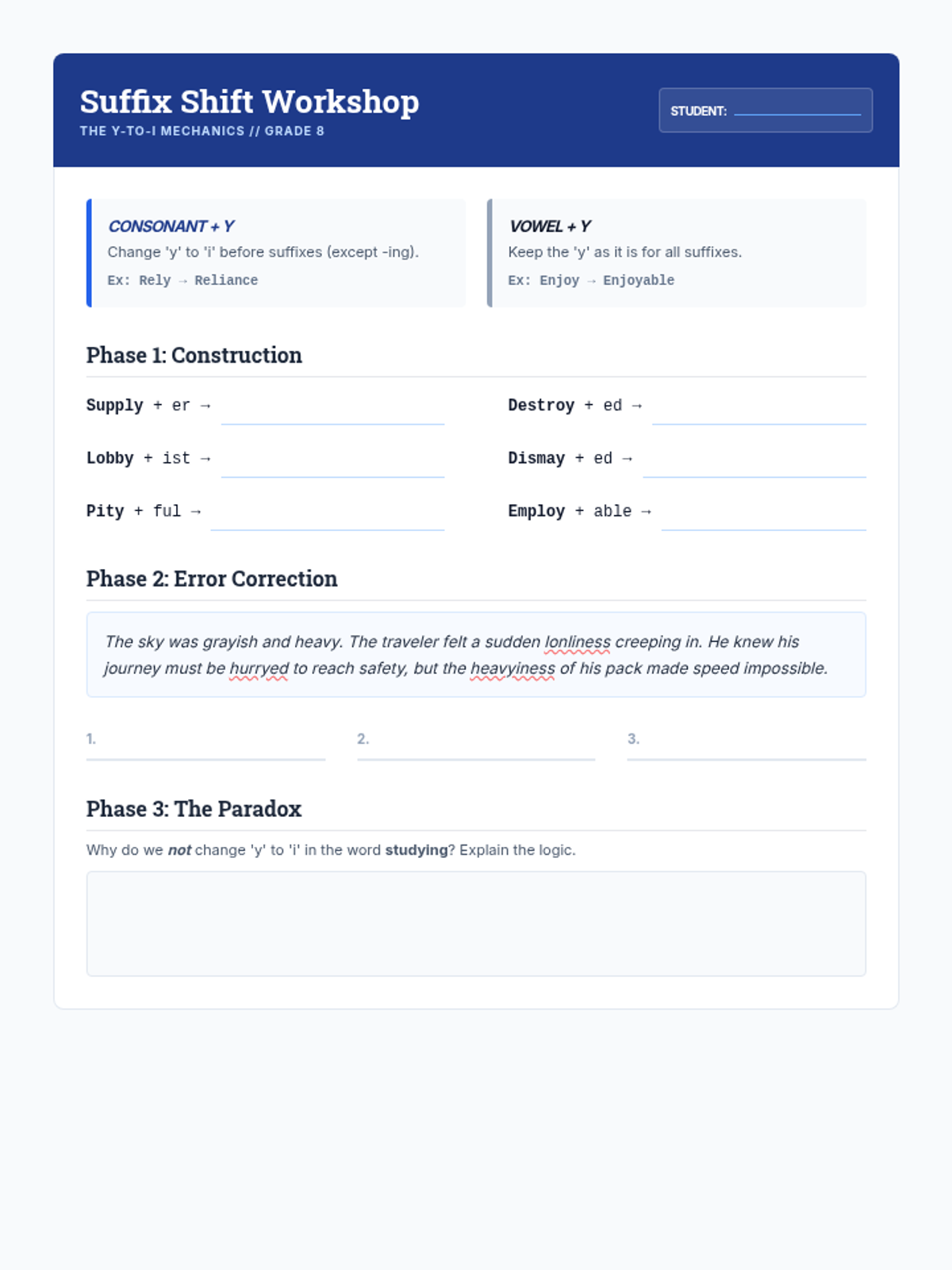
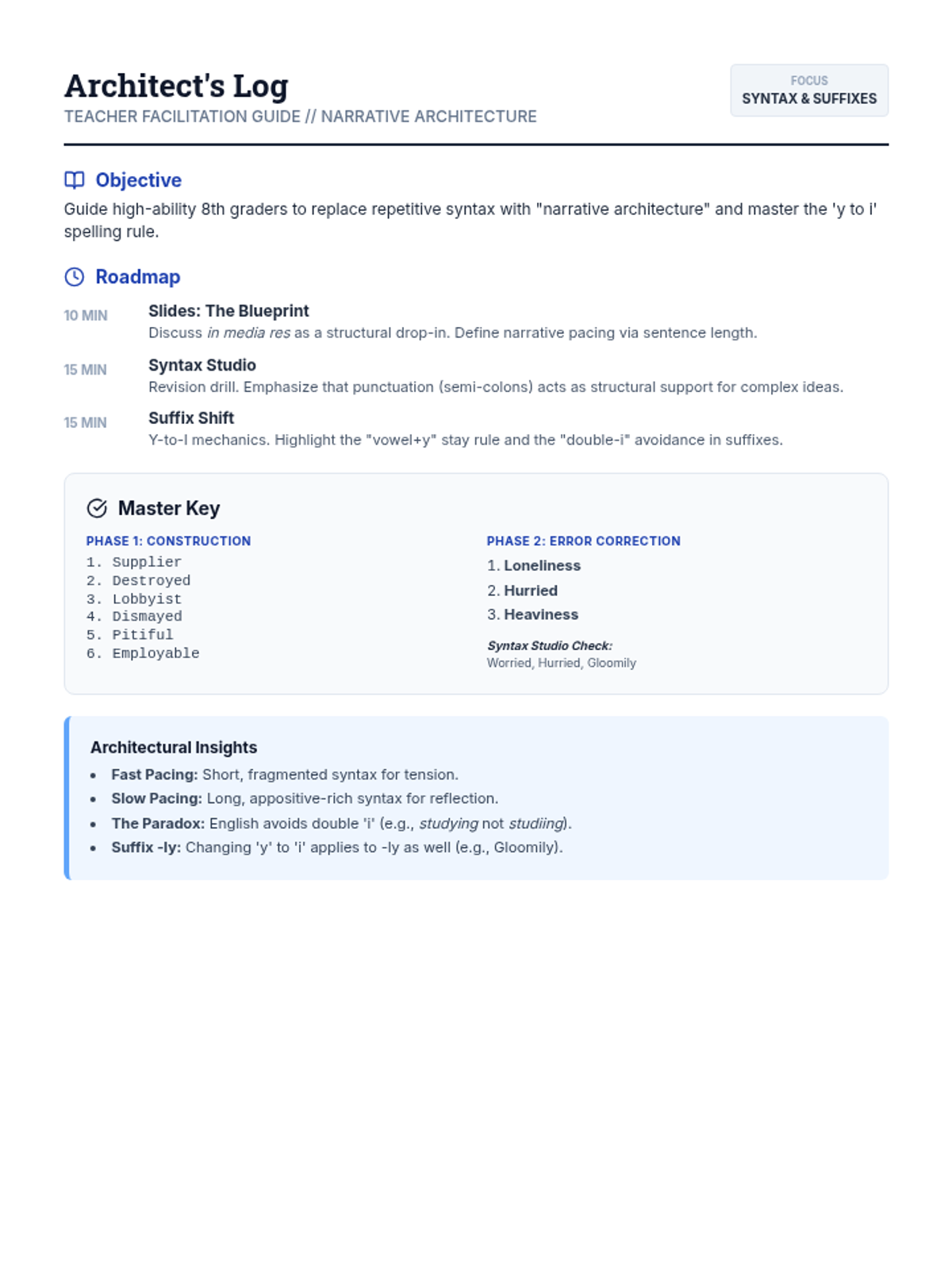
A sophisticated lesson focused on narrative organization, advanced syntax, and the 'y to i' spelling rule for a high-ability 8th grader.
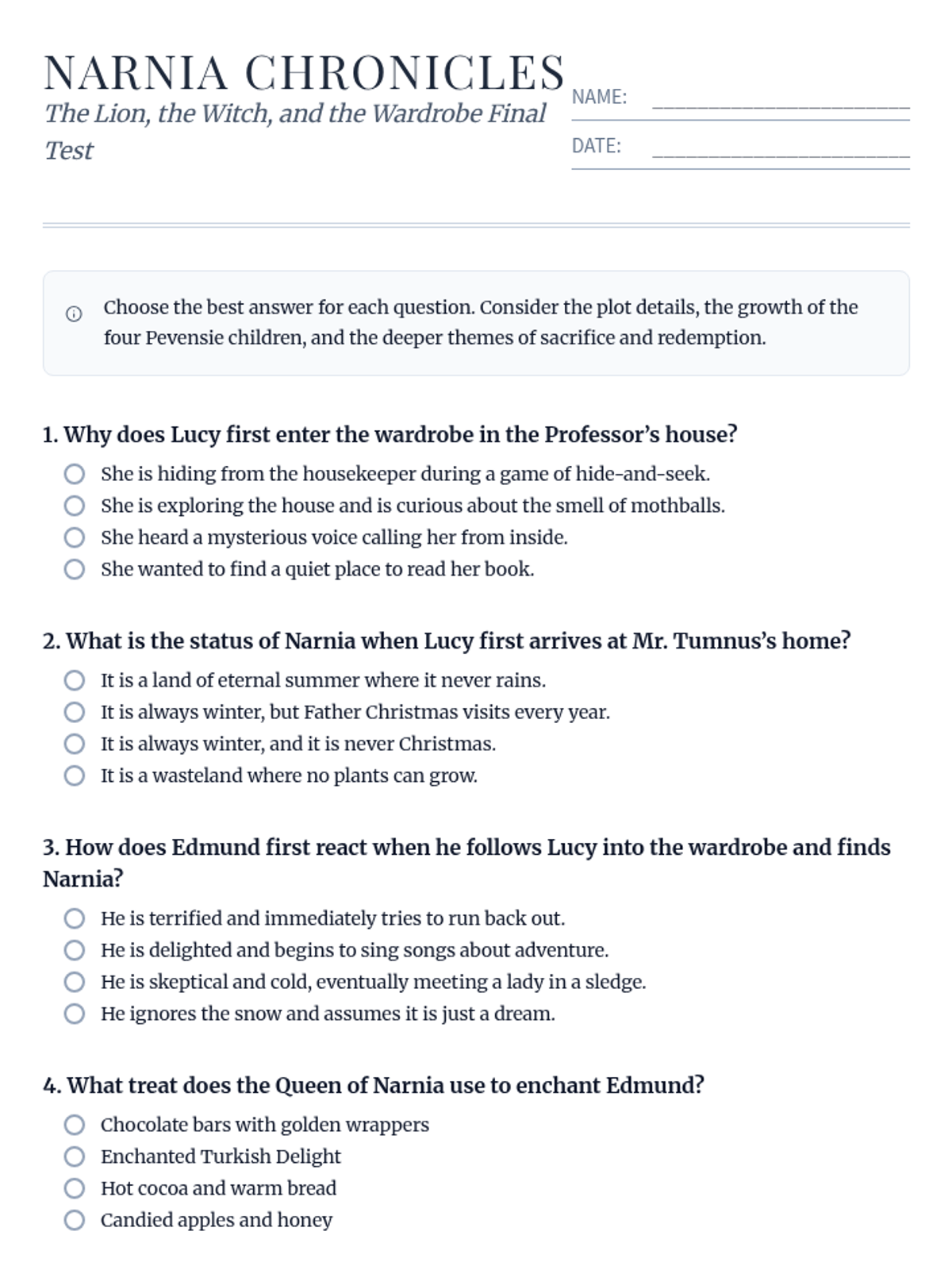
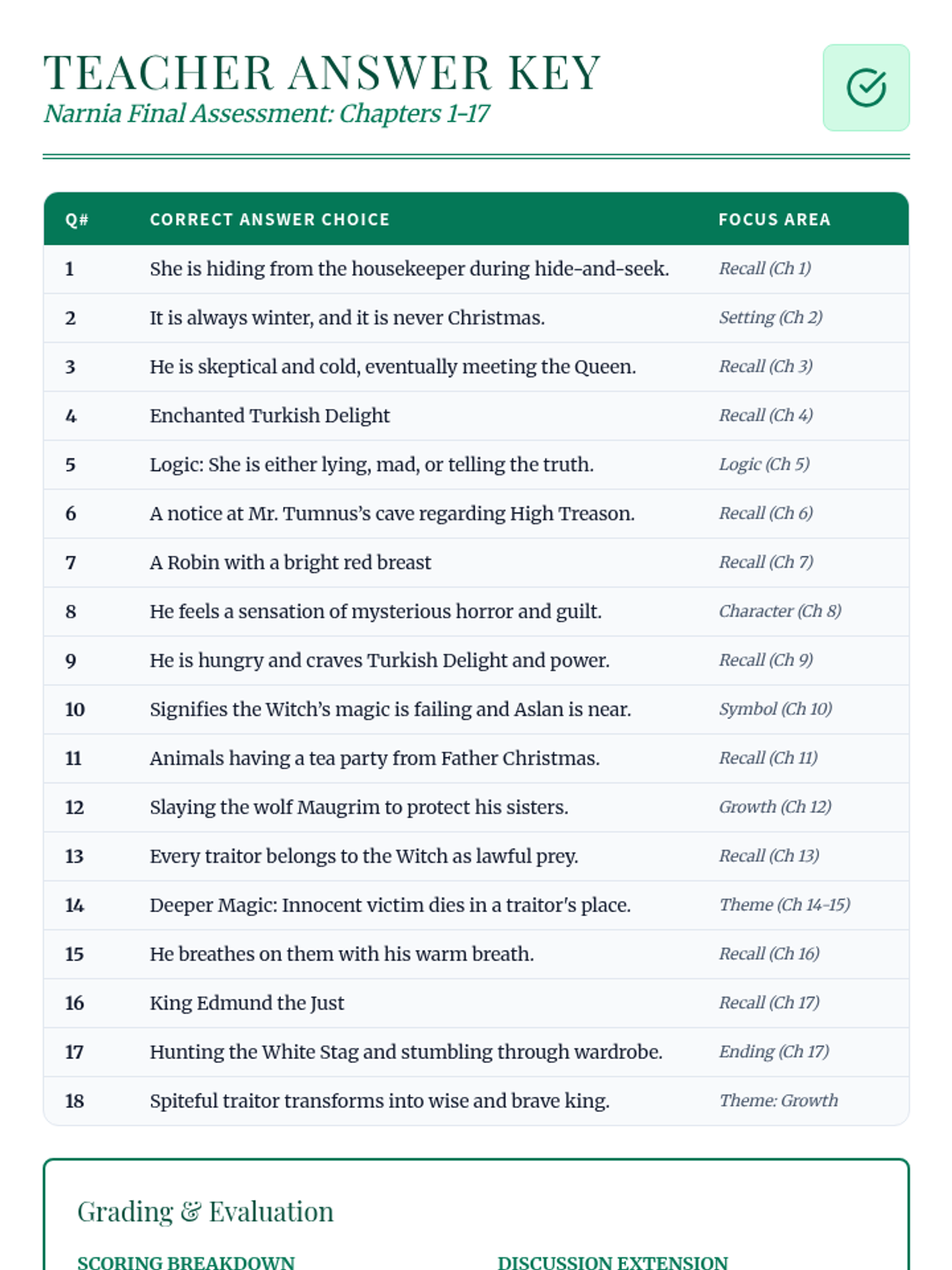
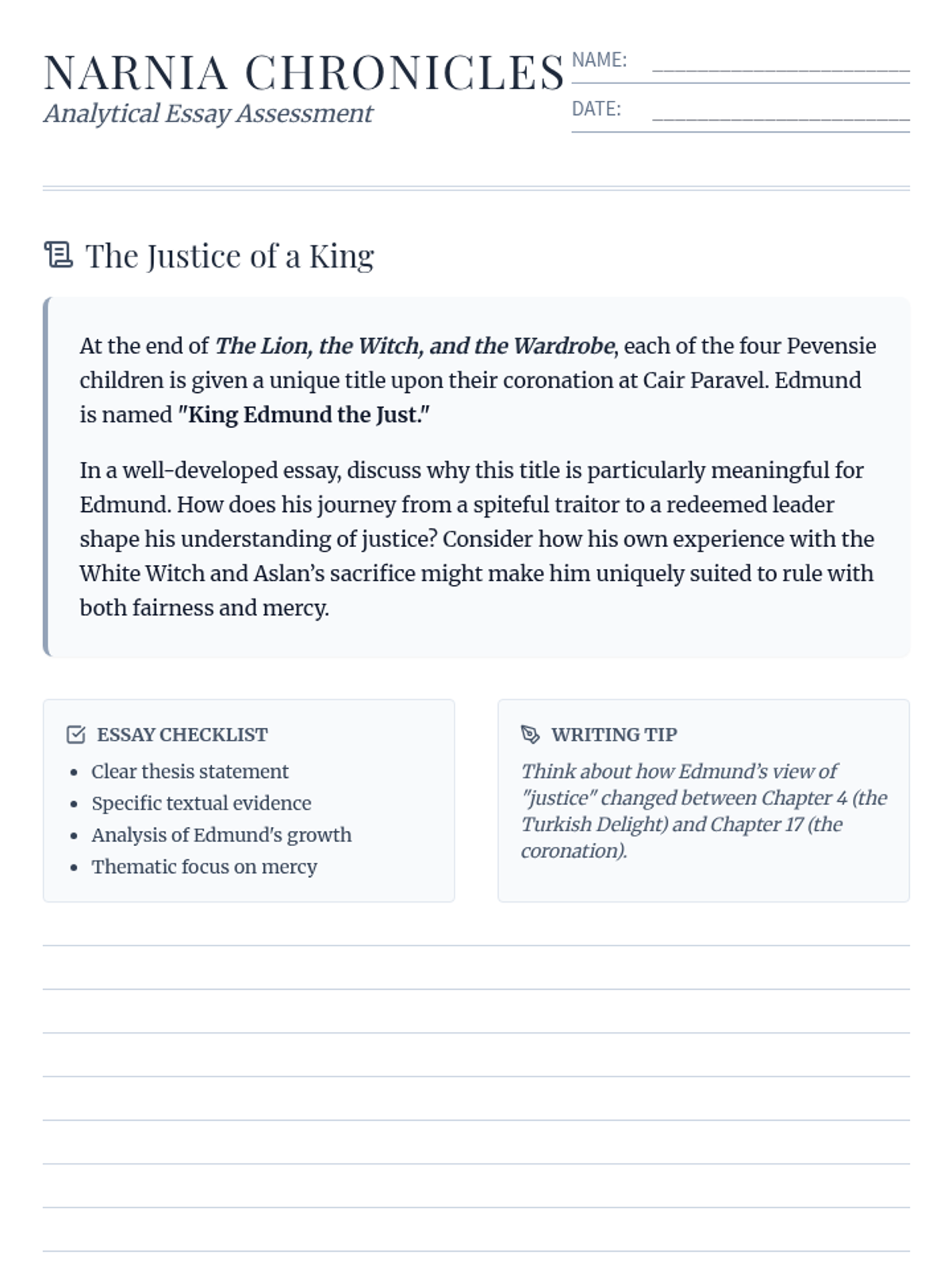
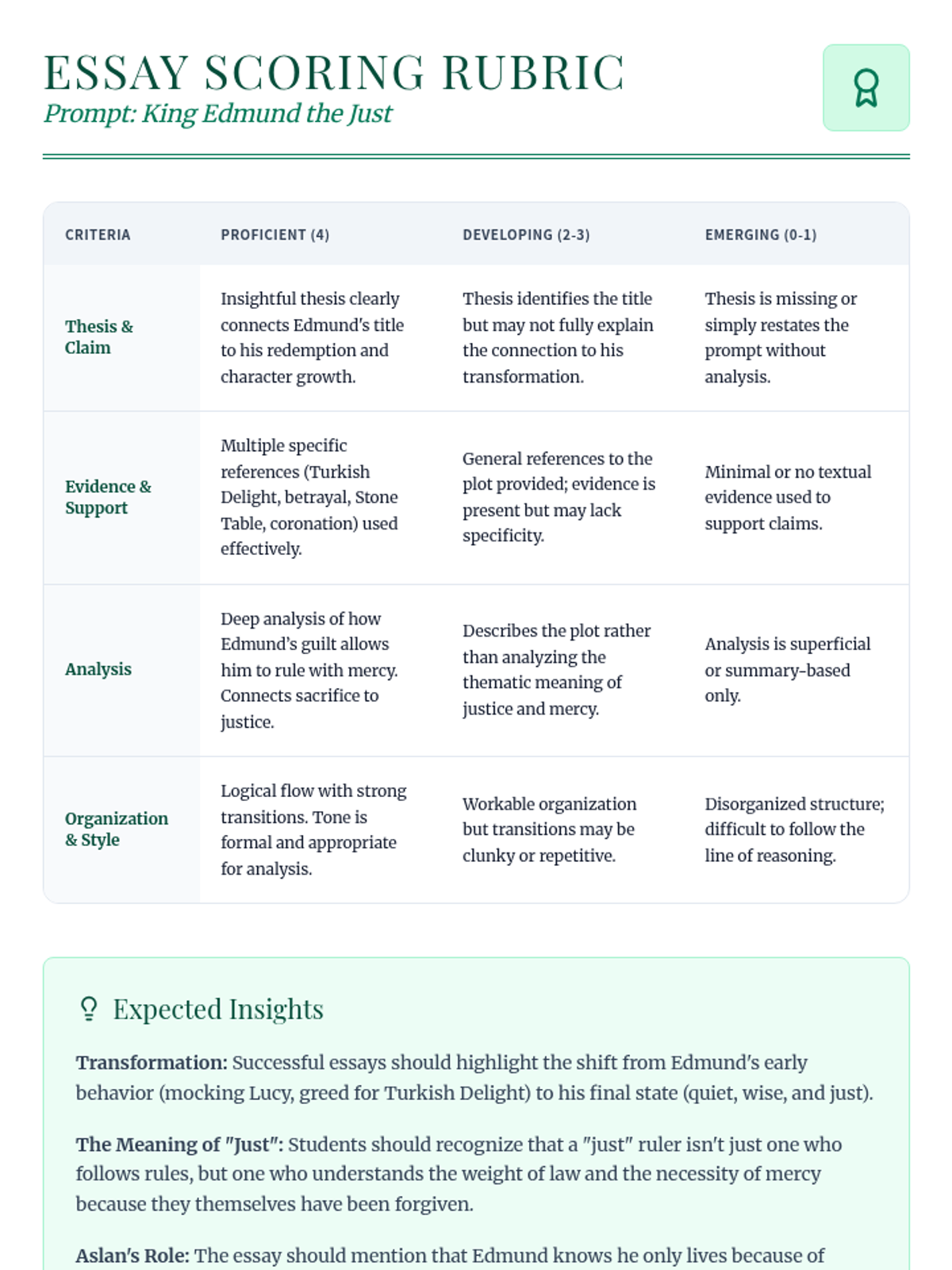
A comprehensive assessment of C.S. Lewis's 'The Lion, the Witch, and the Wardrobe' covering all 17 chapters through basic recall, character analysis, and thematic understanding.
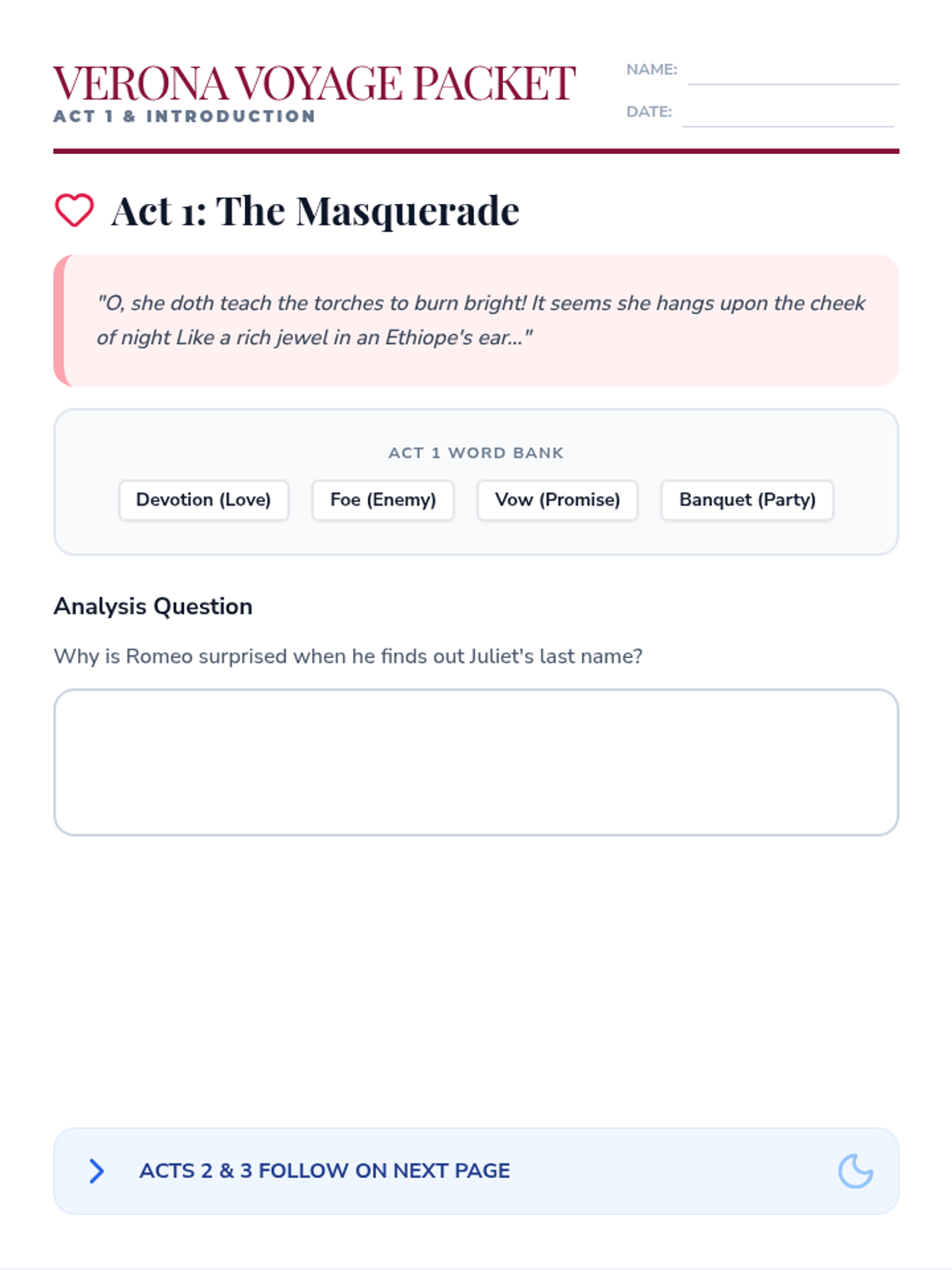
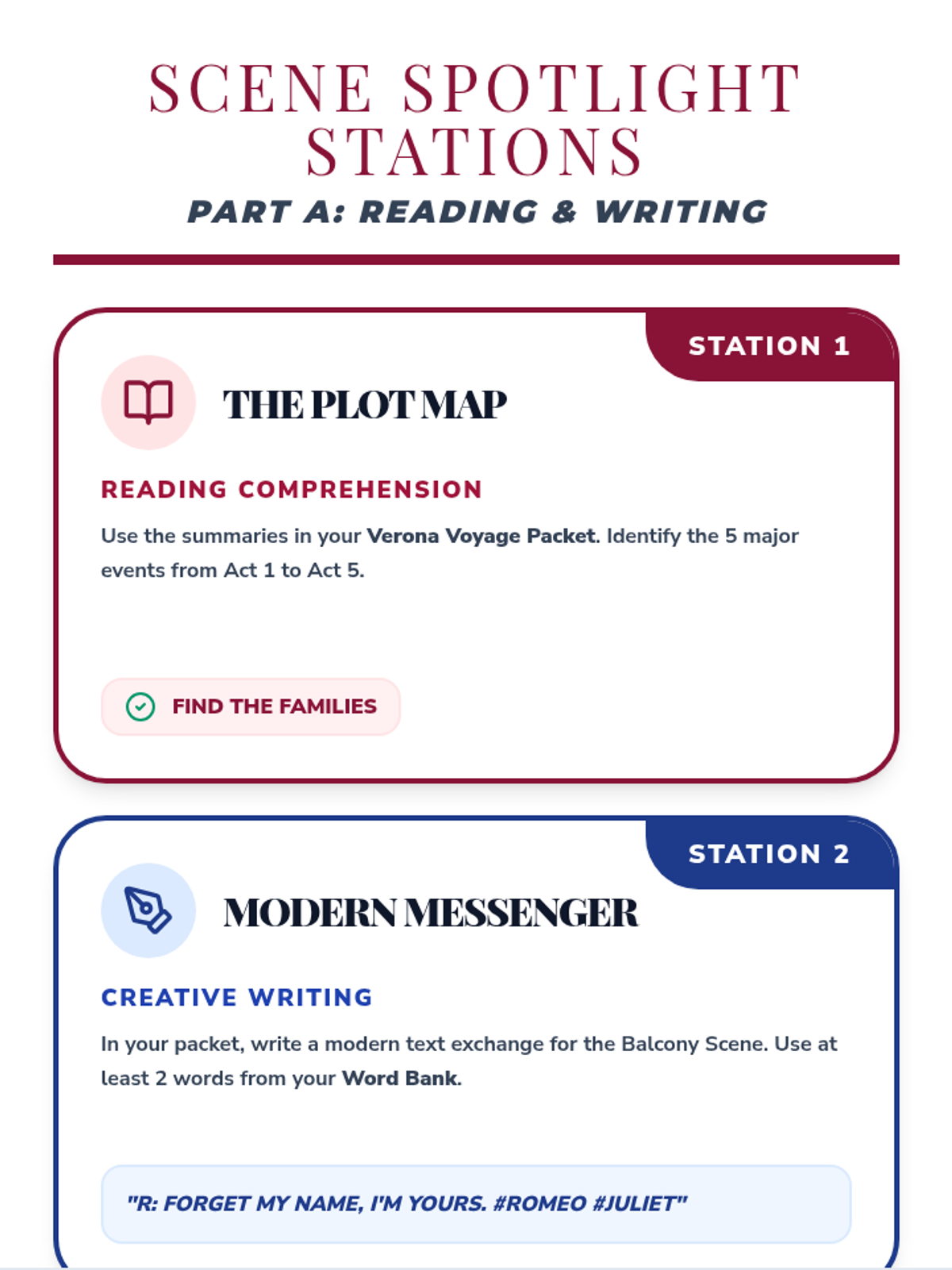
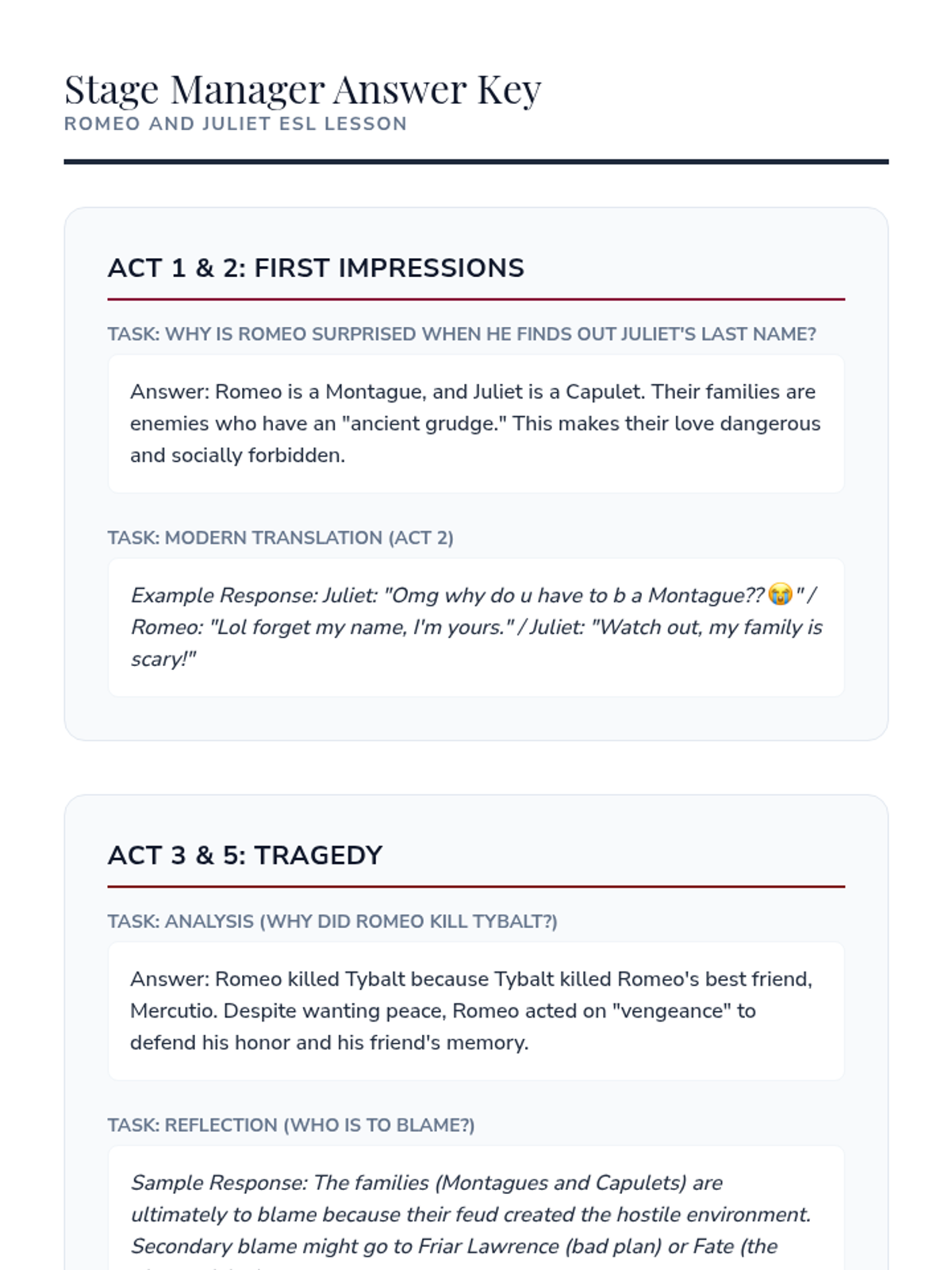
A multi-modal lesson for ESL high schoolers covering key scenes from Romeo and Juliet (Acts 1, 2, 3, and 5) through reading, writing, listening, and speaking activities.
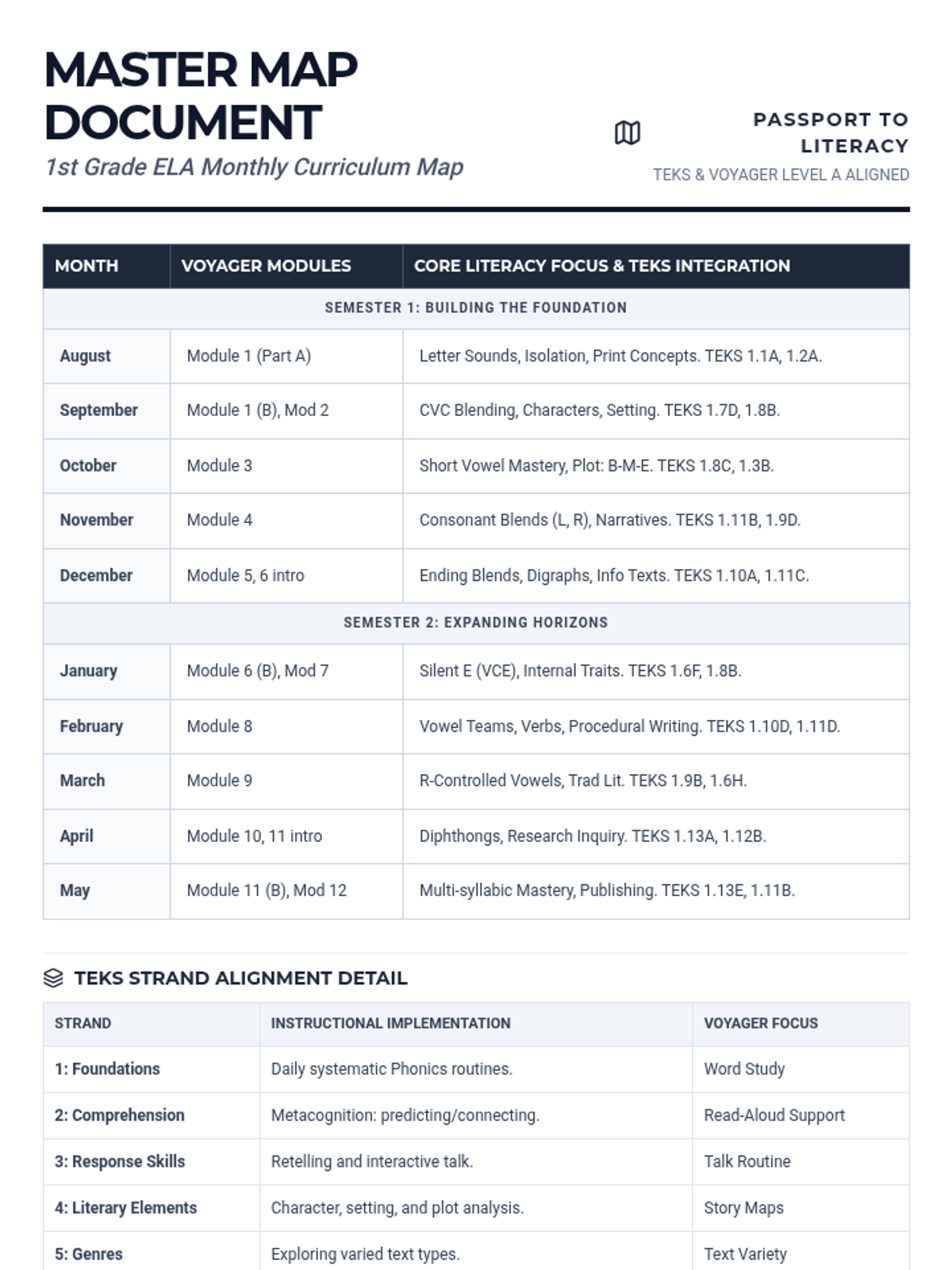
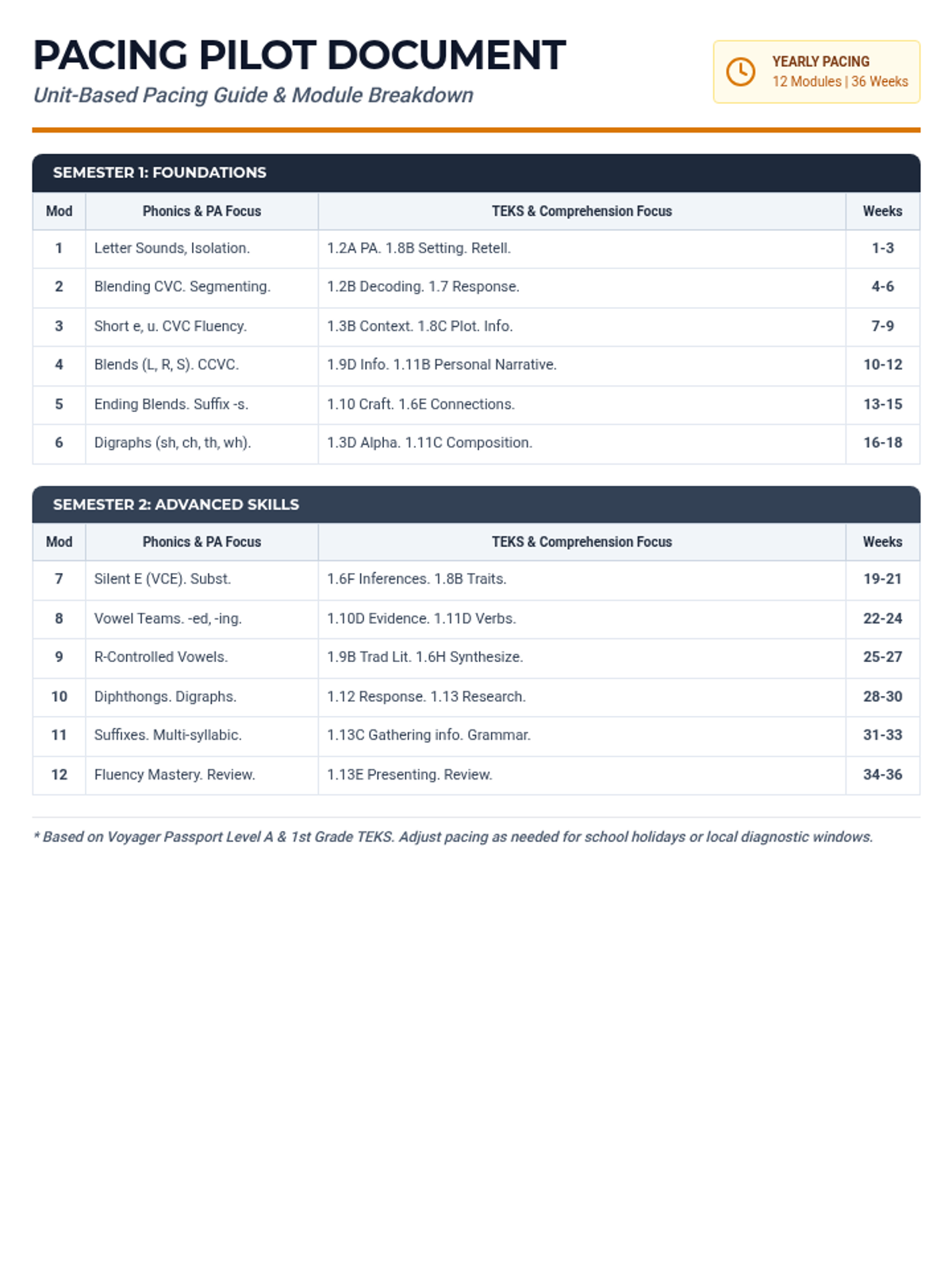
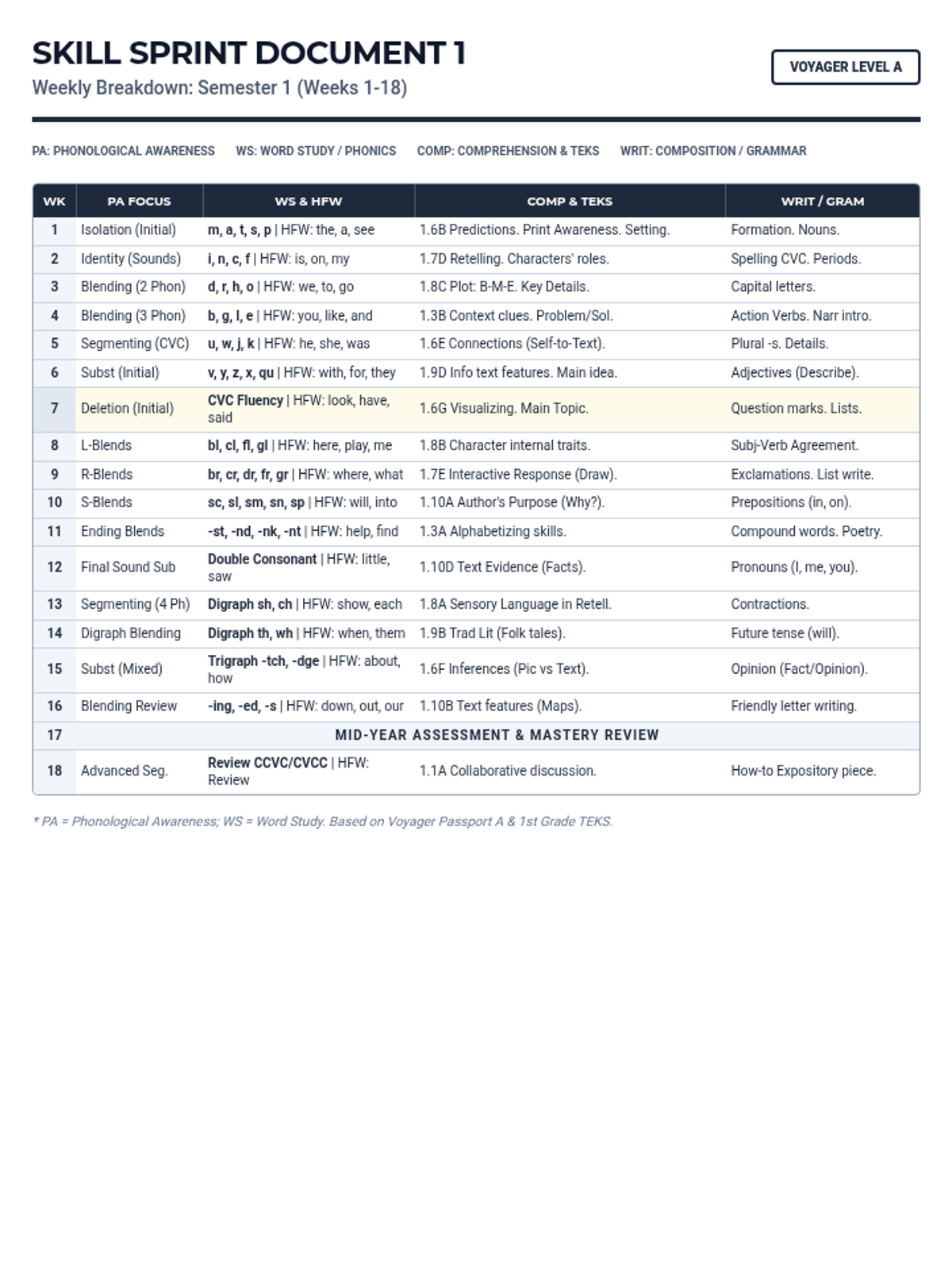
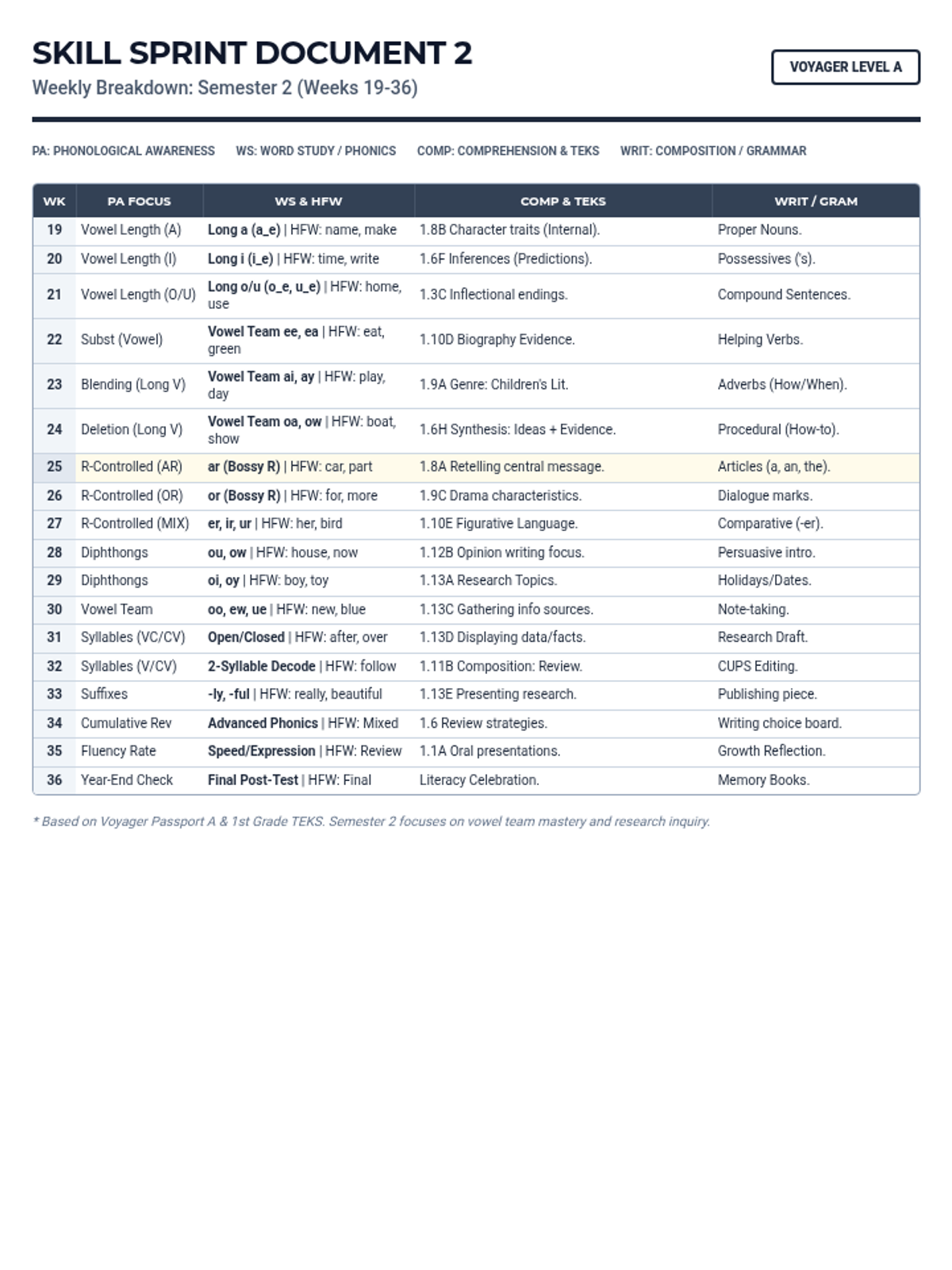
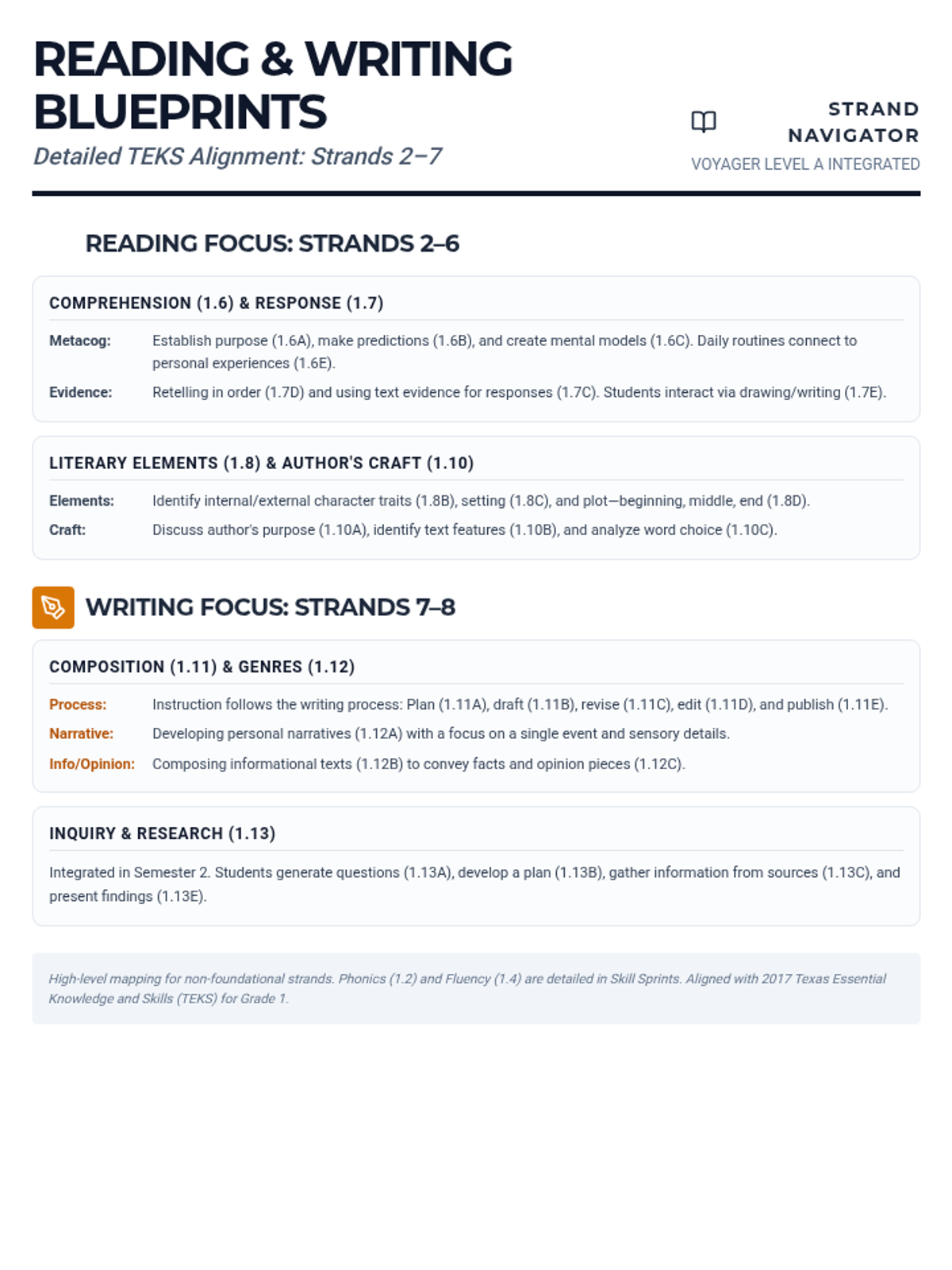
A roadmap for the second half of the year, moving into complex vowel patterns, advanced comprehension, and research-based inquiry aligned with 1st Grade TEKS.
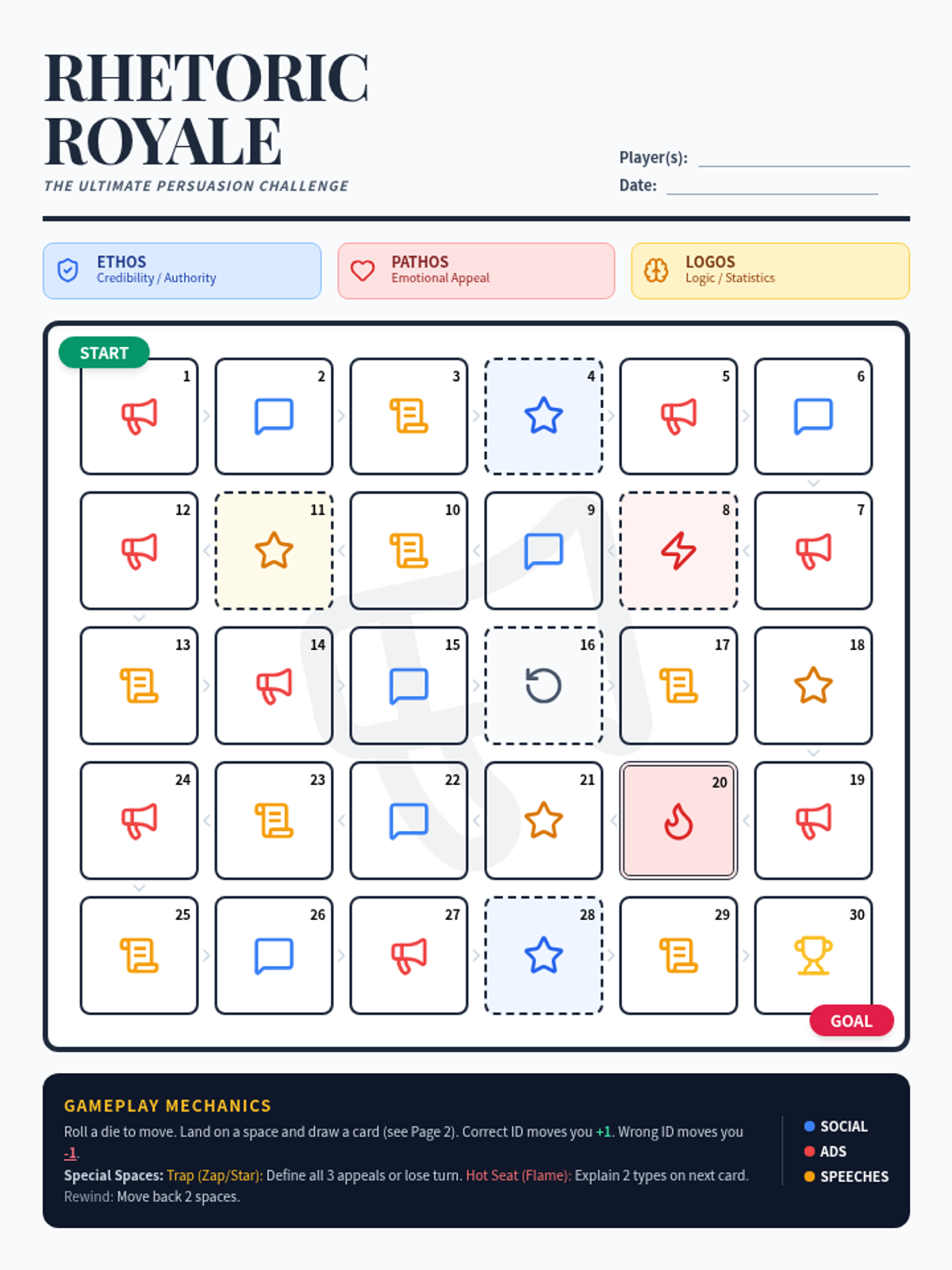
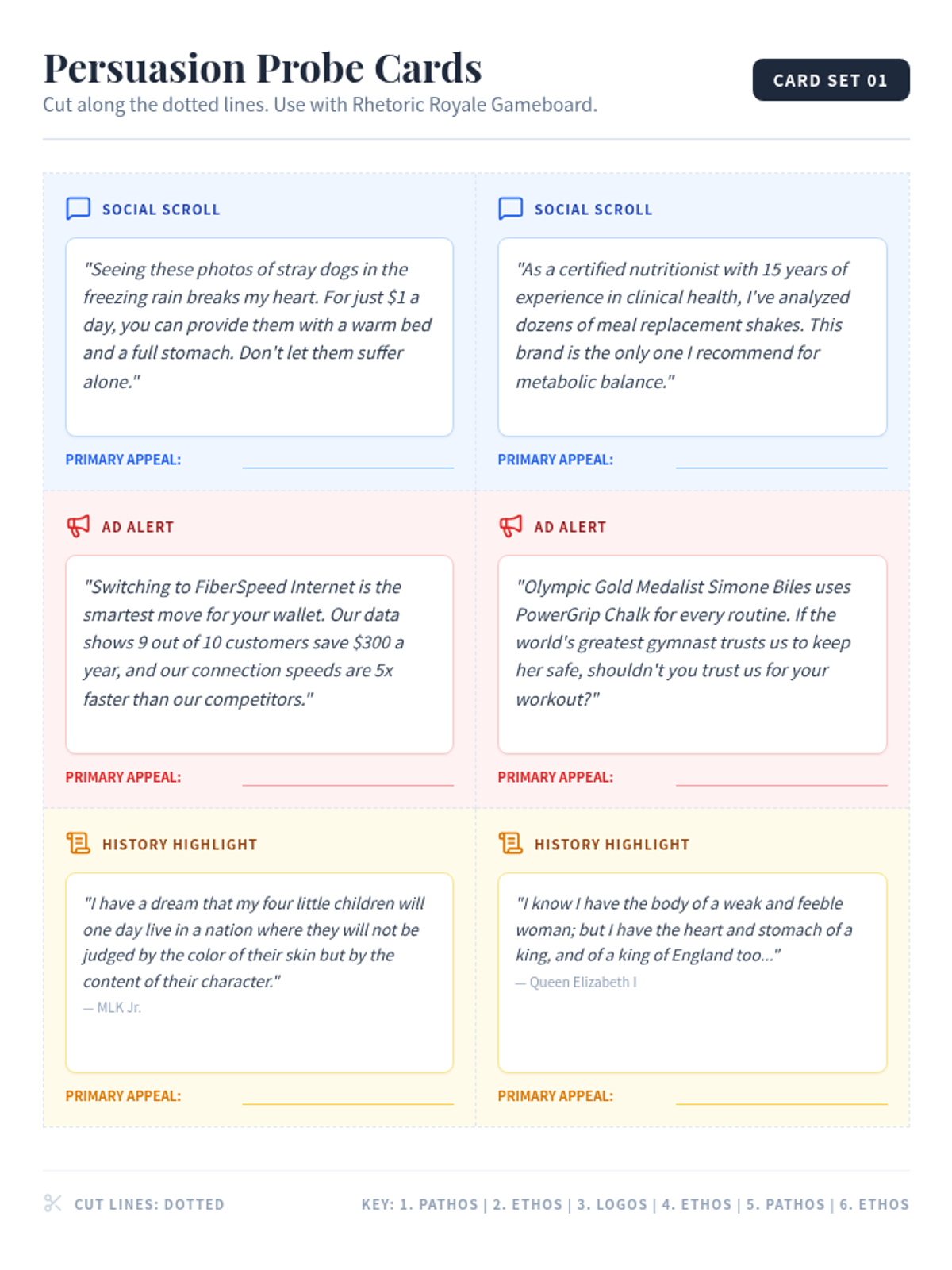
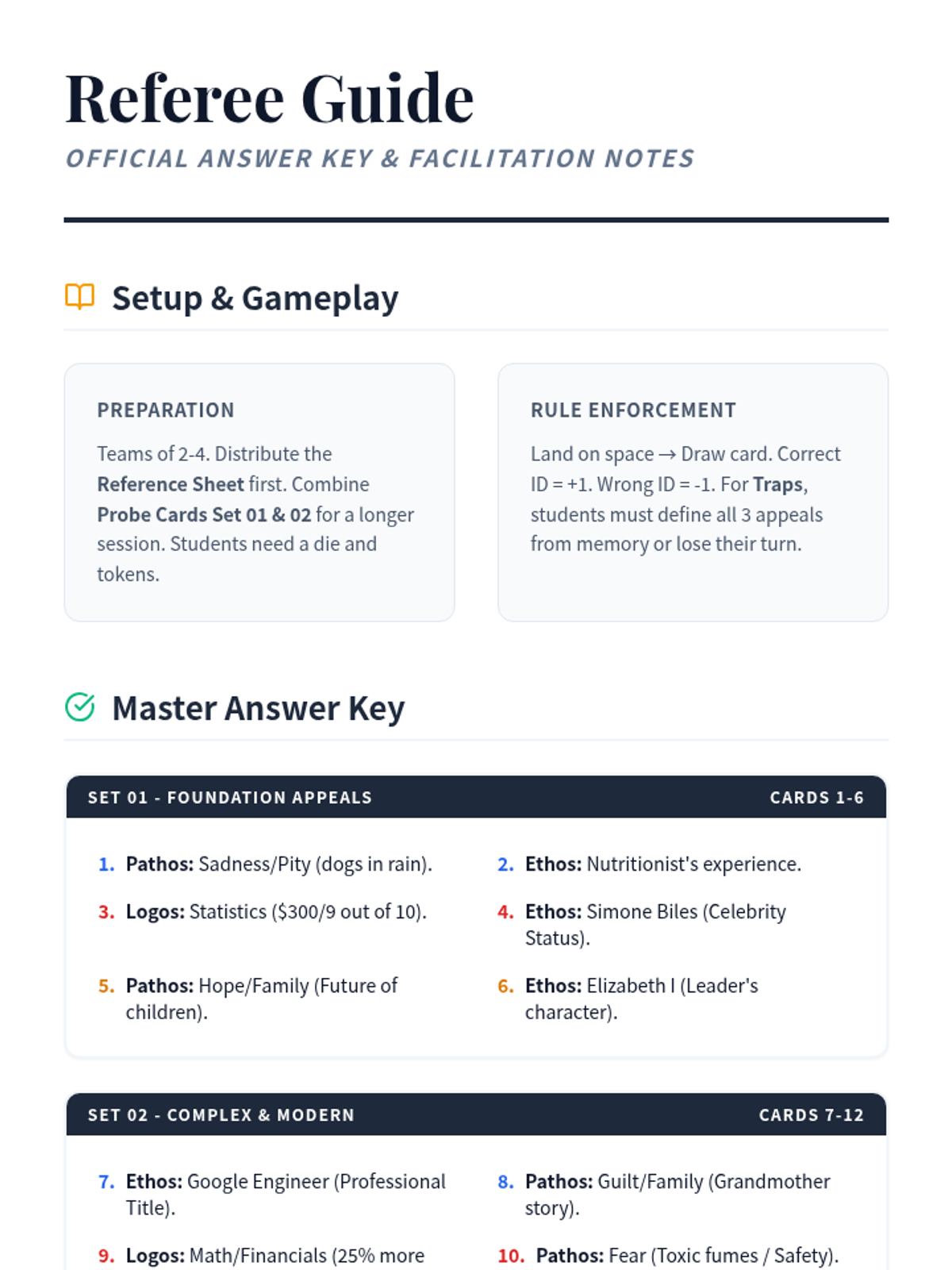
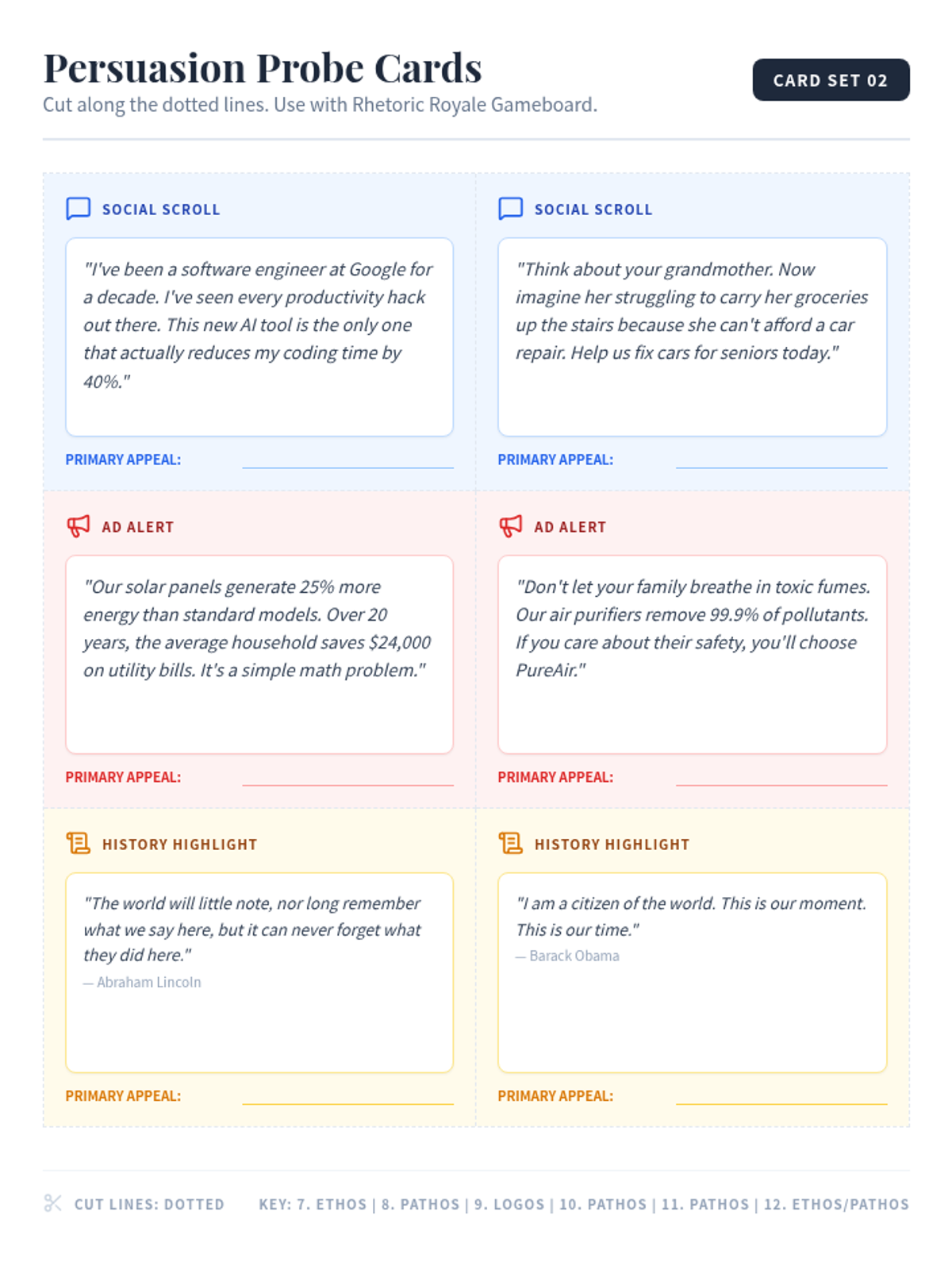
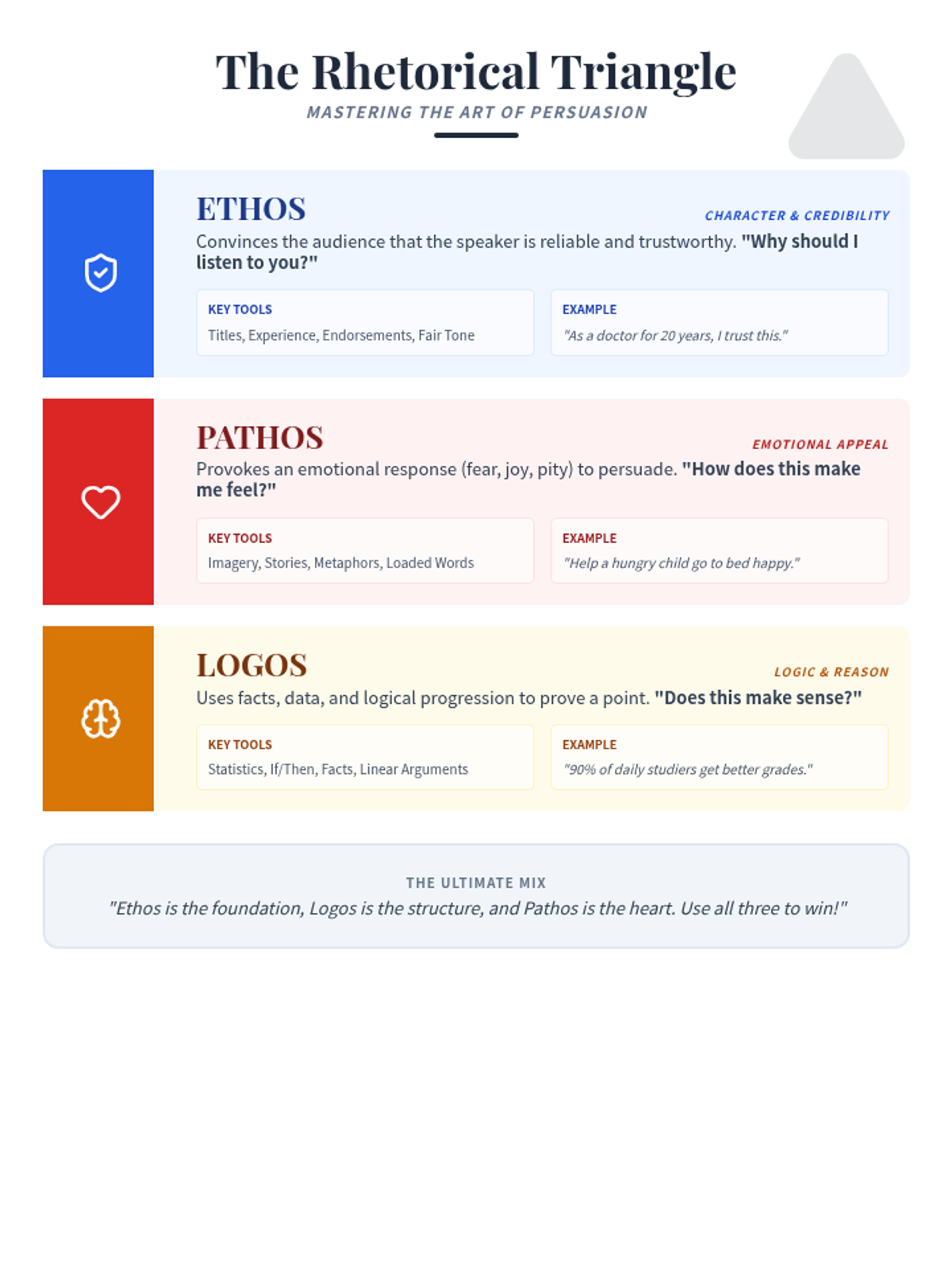
A high-energy board game lesson where students identify Ethos, Pathos, and Logos in modern ads, social media, and historical speeches. Students compete in teams to master the art of persuasion and navigate the path to rhetorical victory.
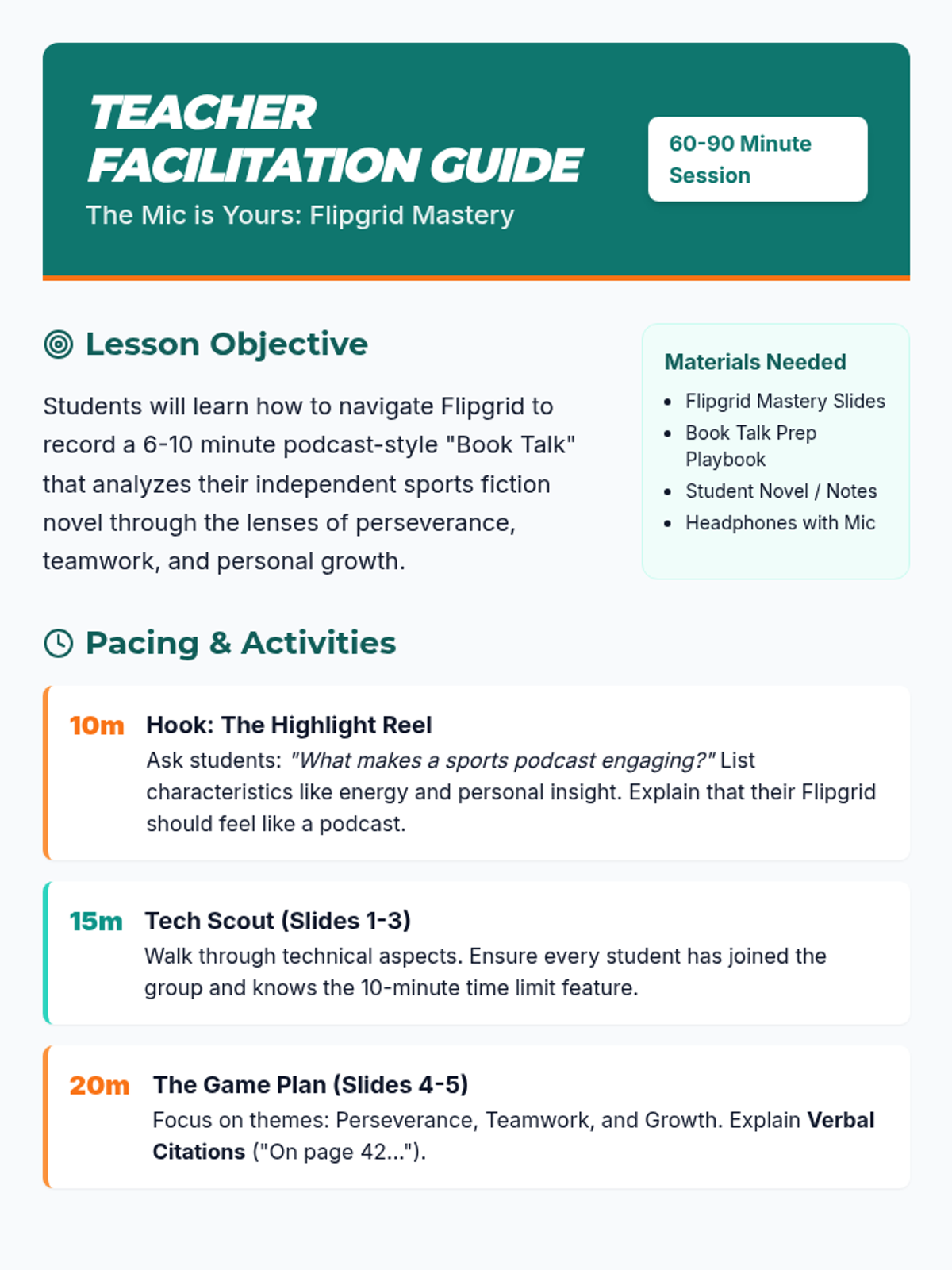
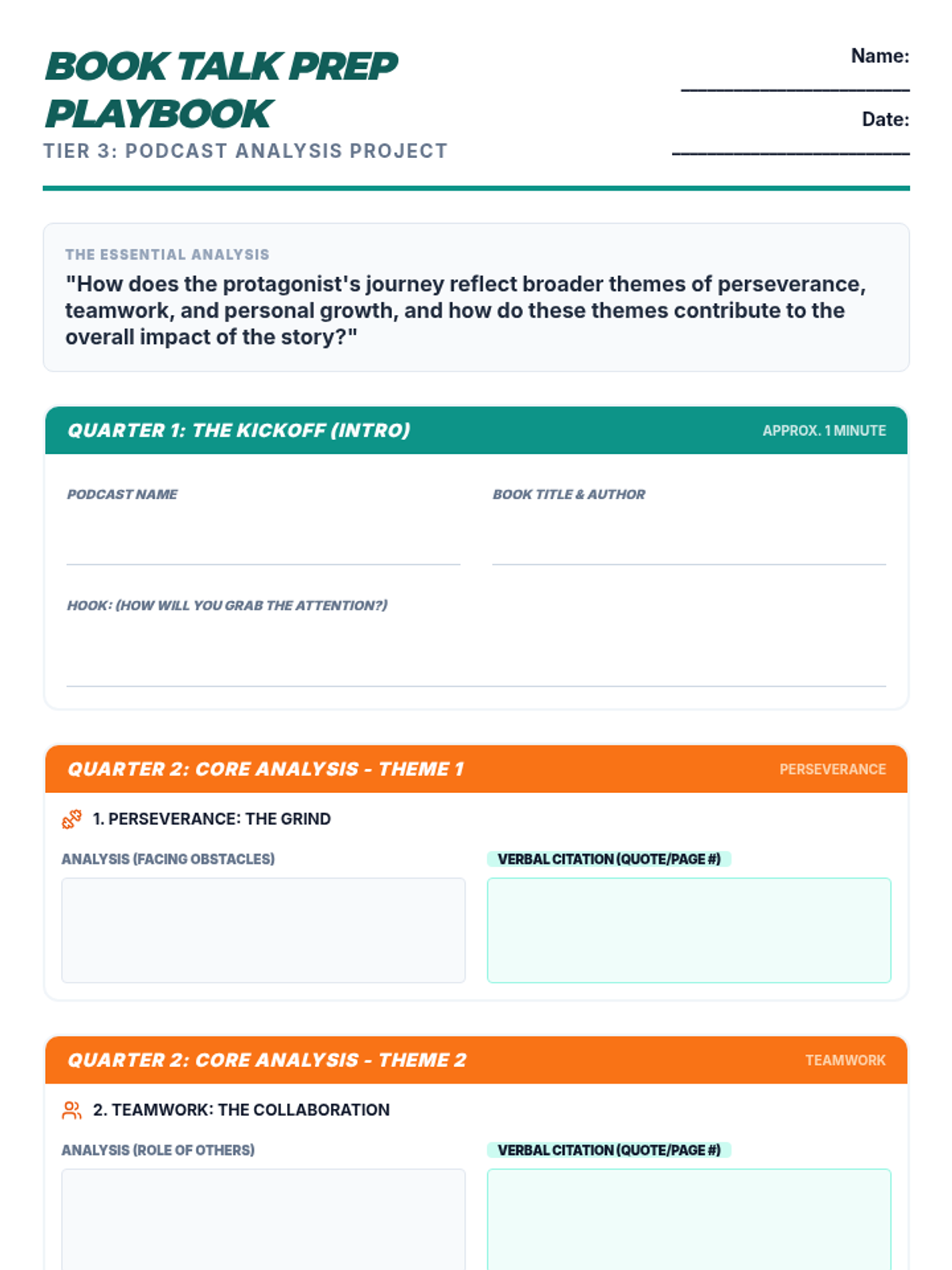
A quick introductory lesson to help students master Flipgrid for their Tier 3 Book Talk project. This lesson covers technical setup, content structuring, and creative delivery tips specifically for the sports fiction context.

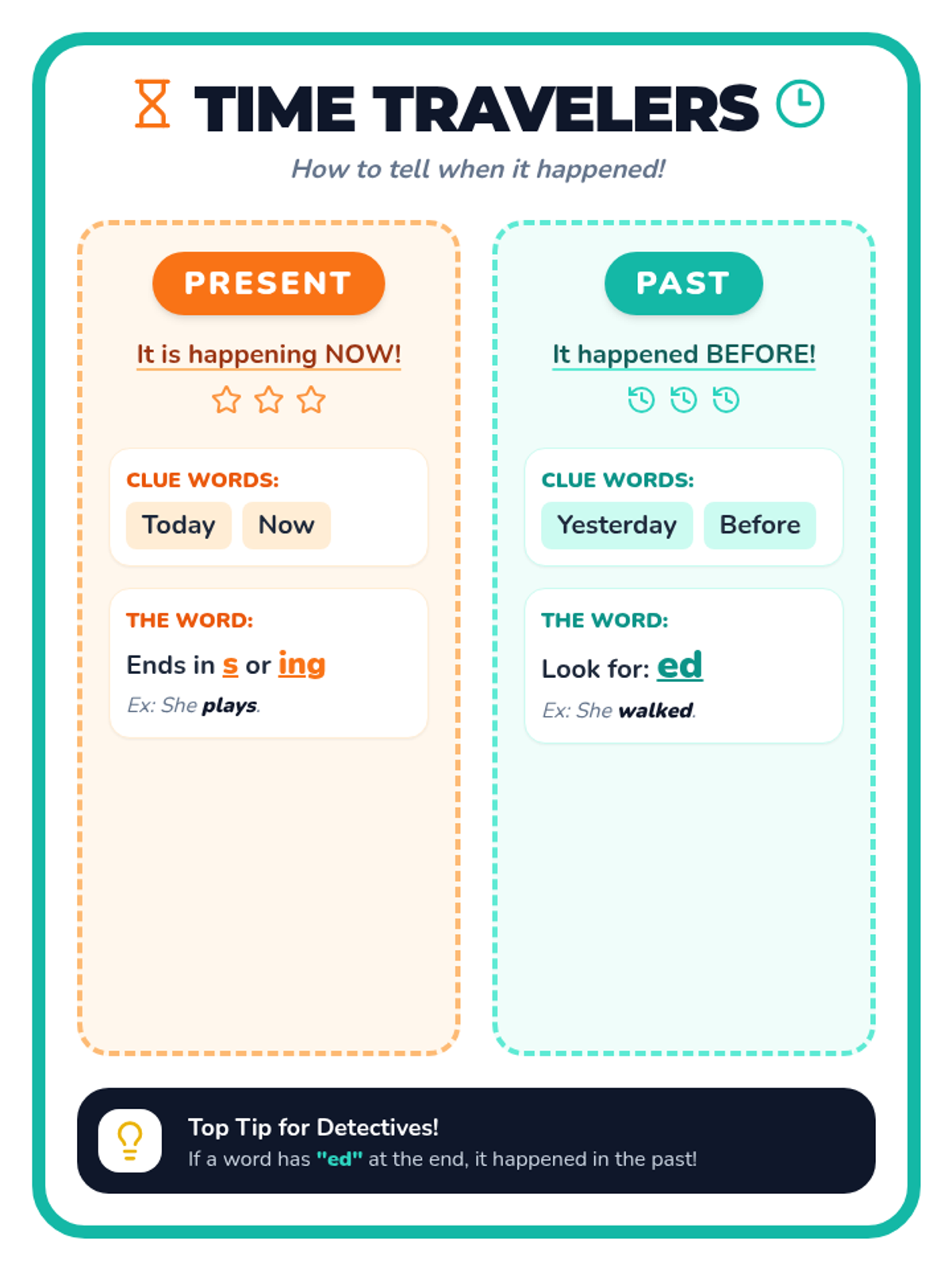
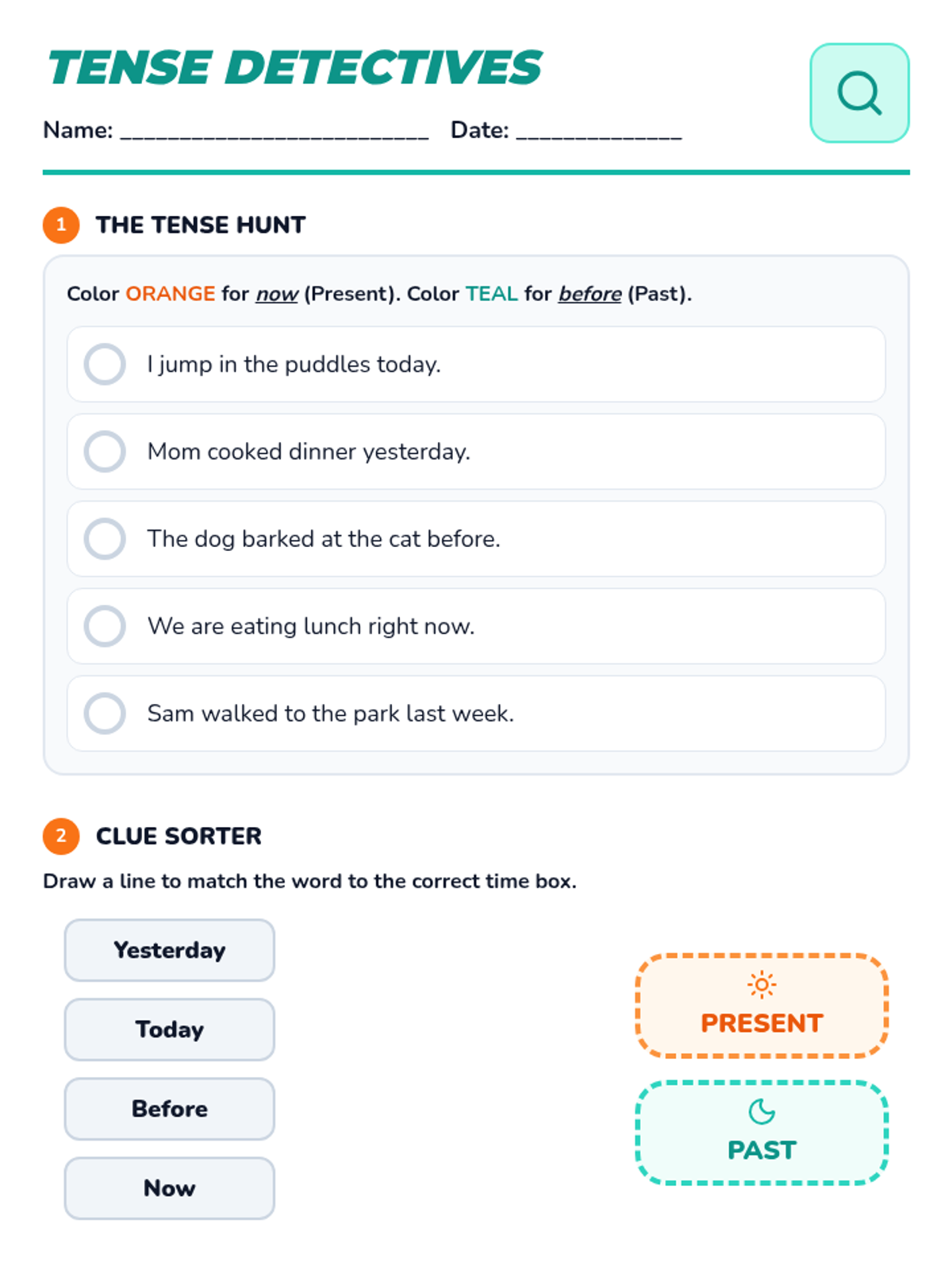
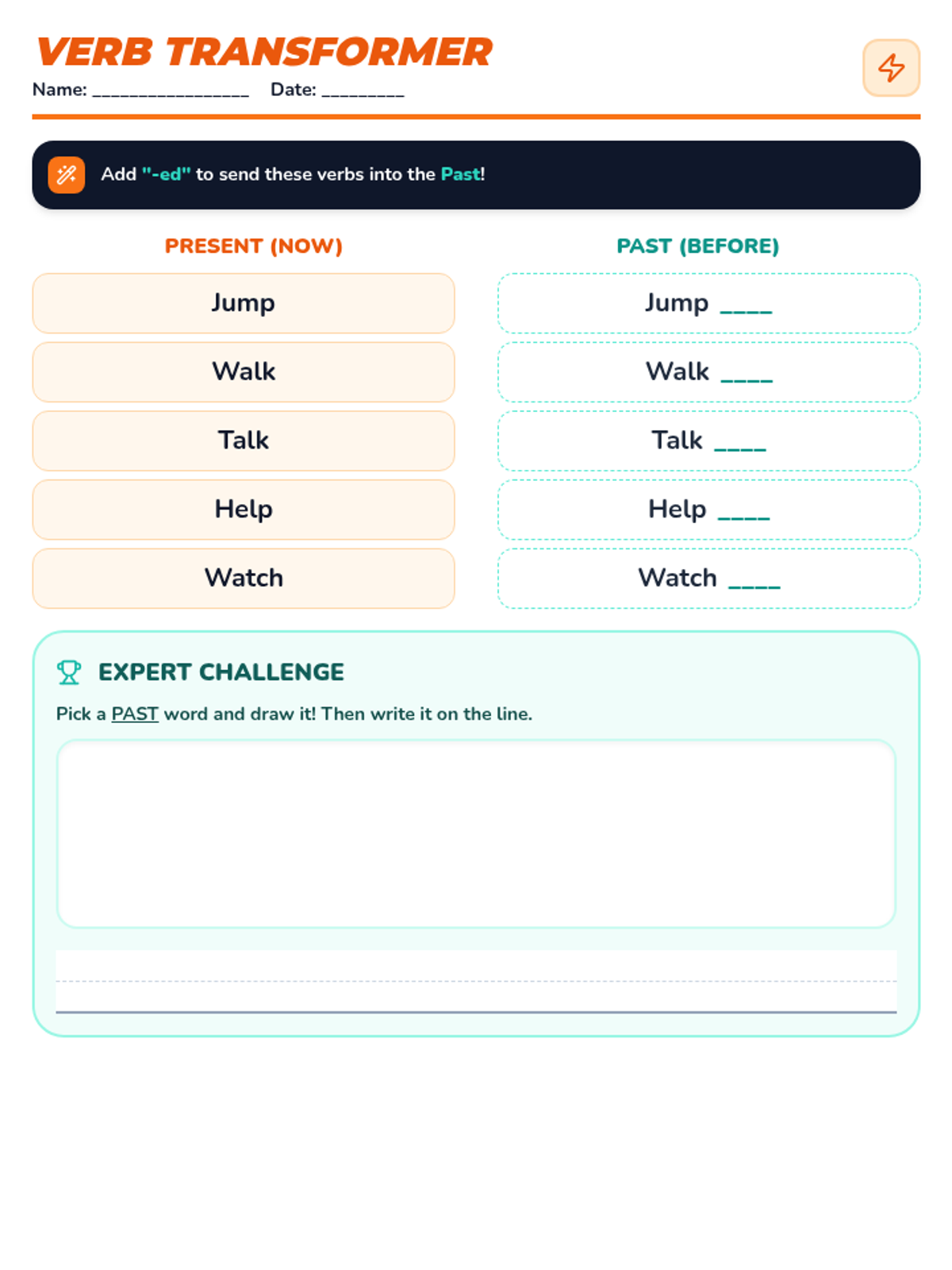
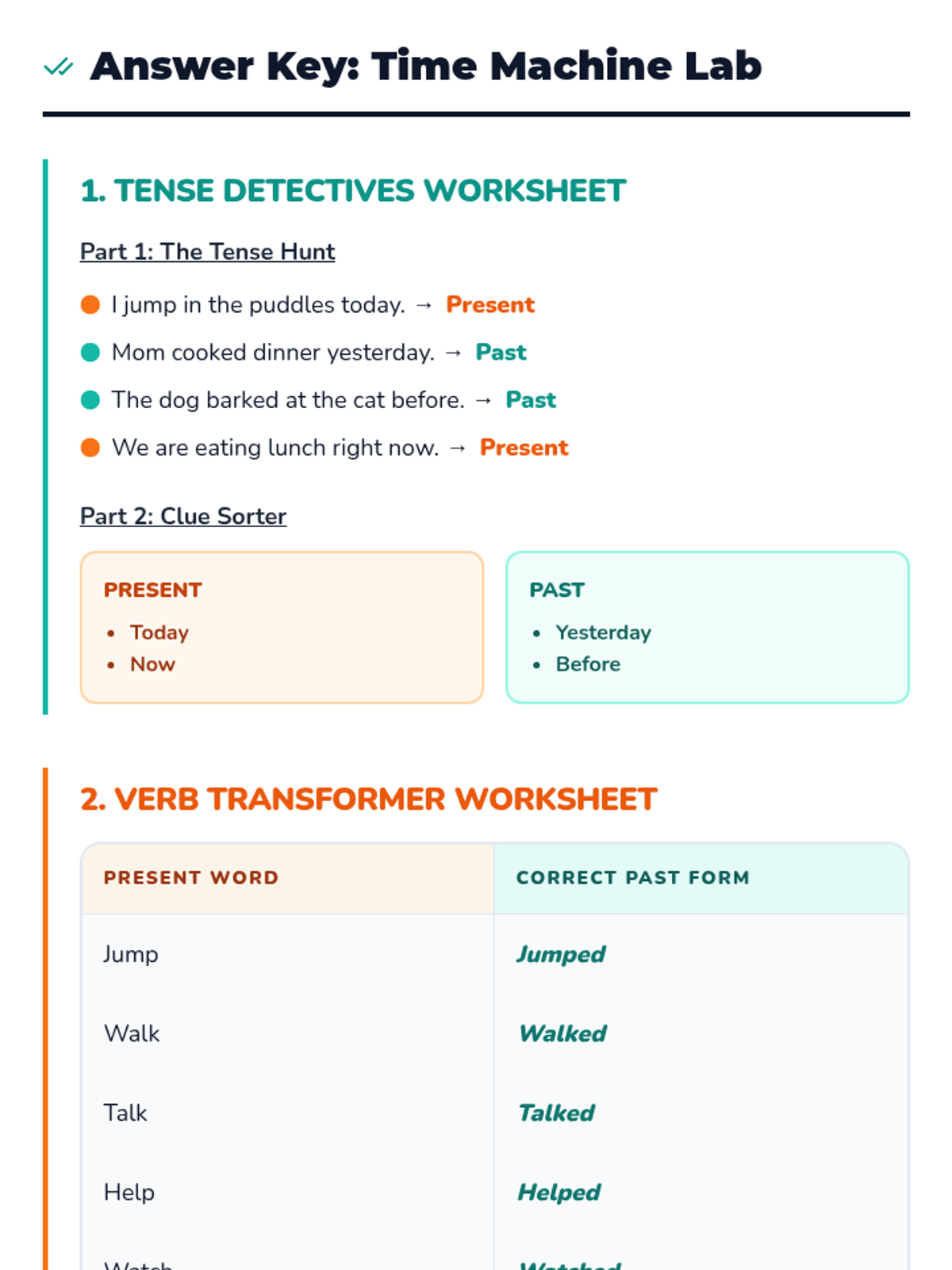
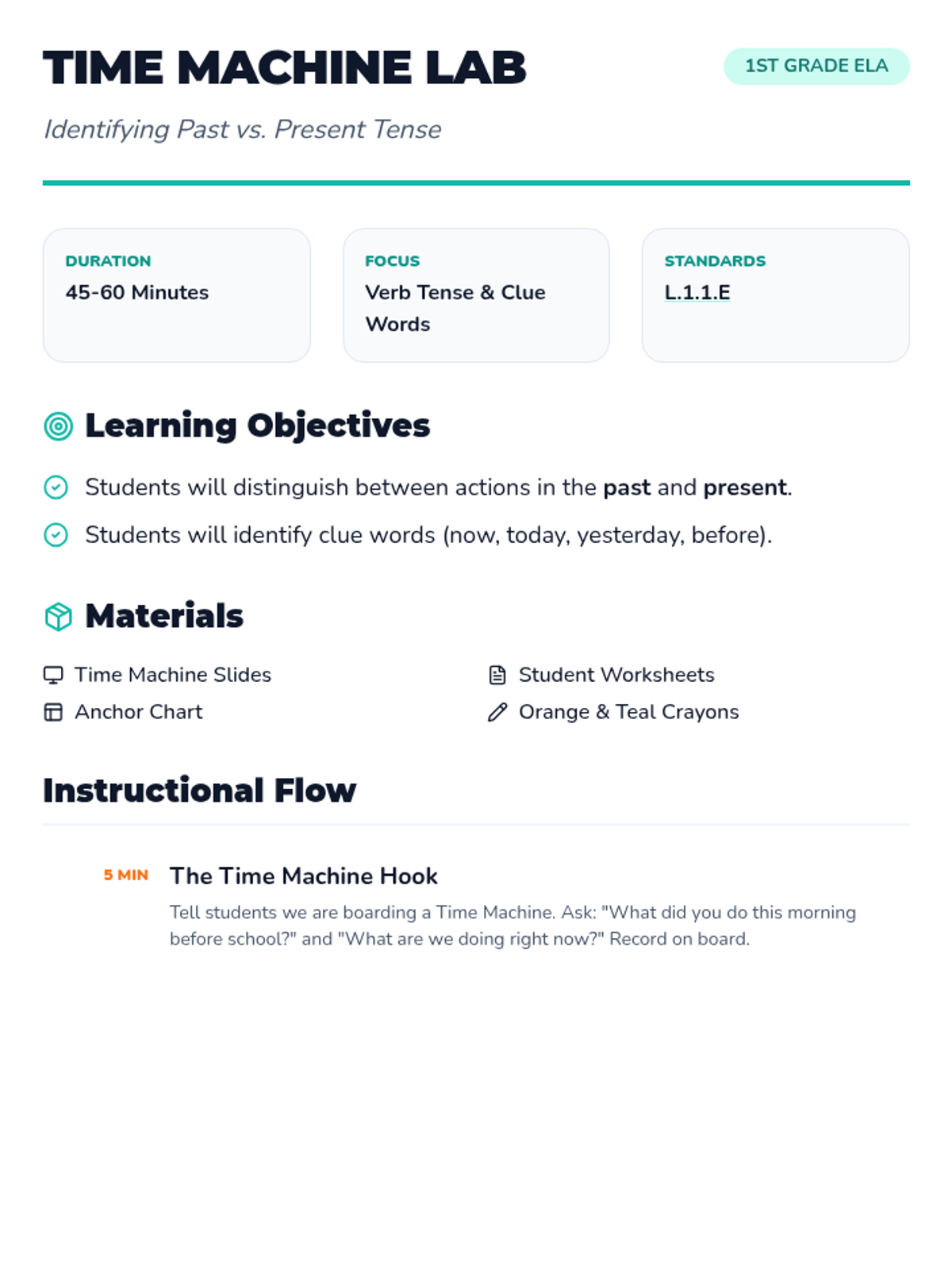
A foundational lesson for 1st grade students to distinguish between past and present tense using time markers and verb endings. Students will learn to identify 'now' versus 'before' through interactive slides, visual aids, and hands-on practice.
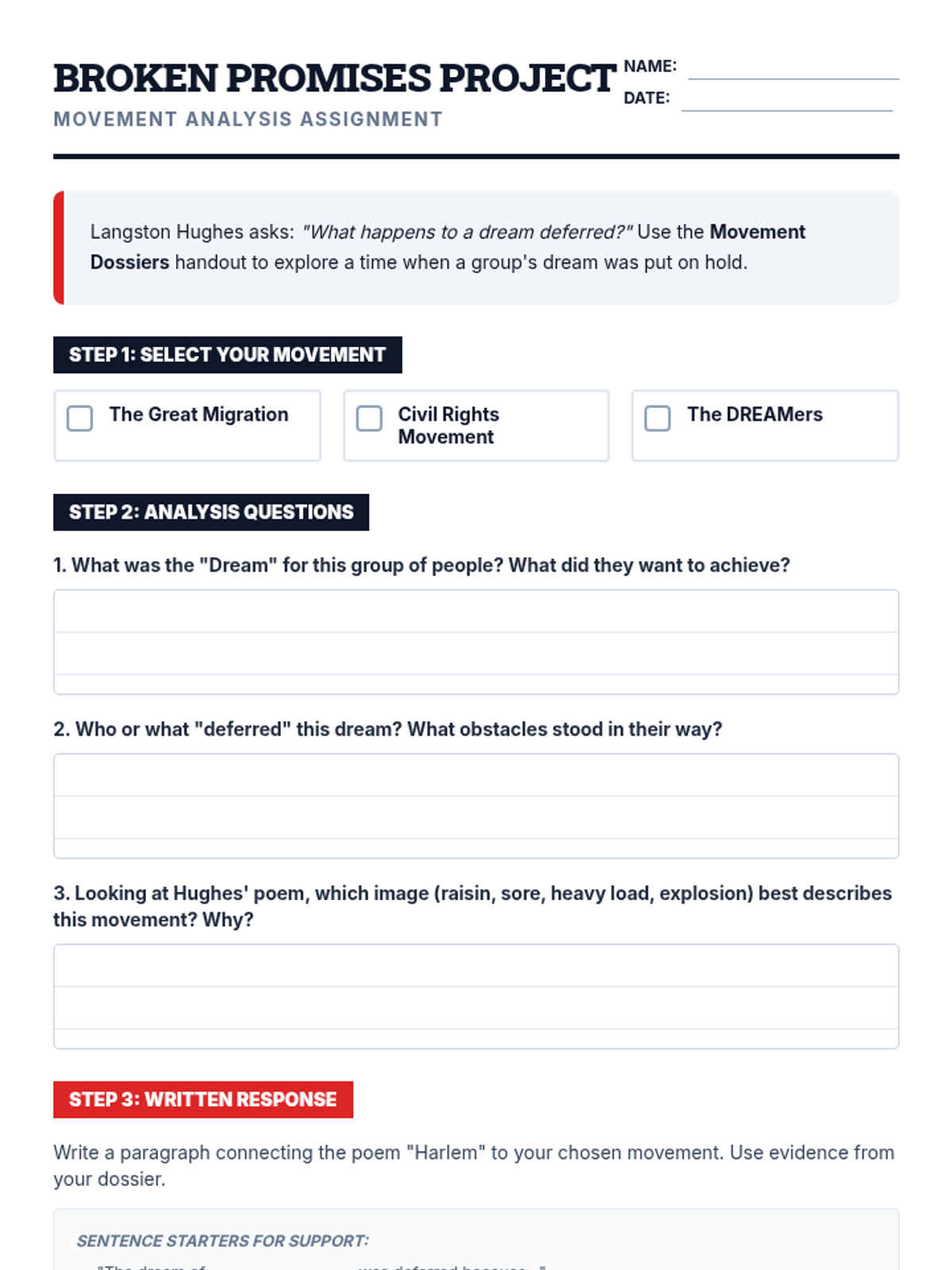
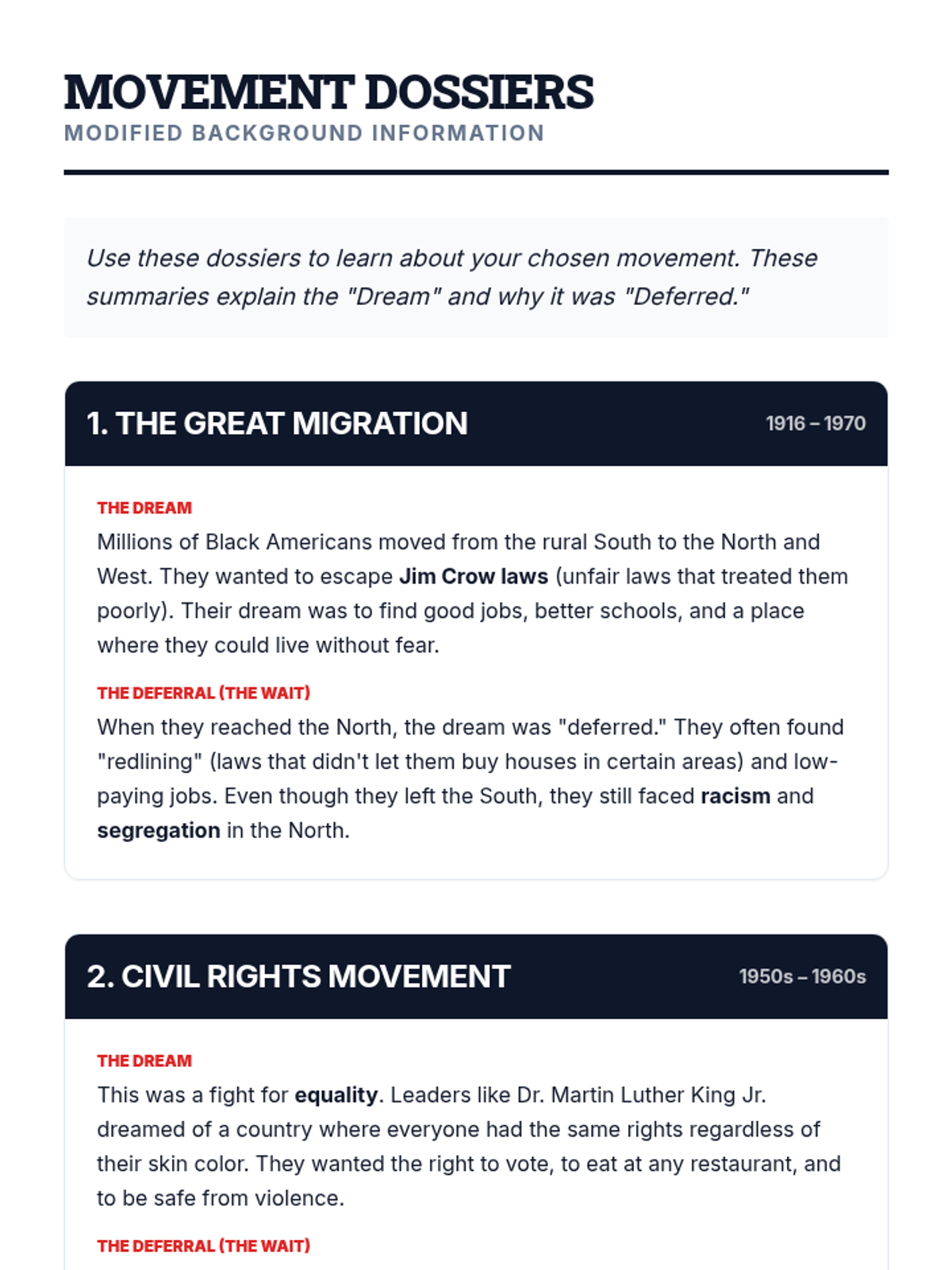
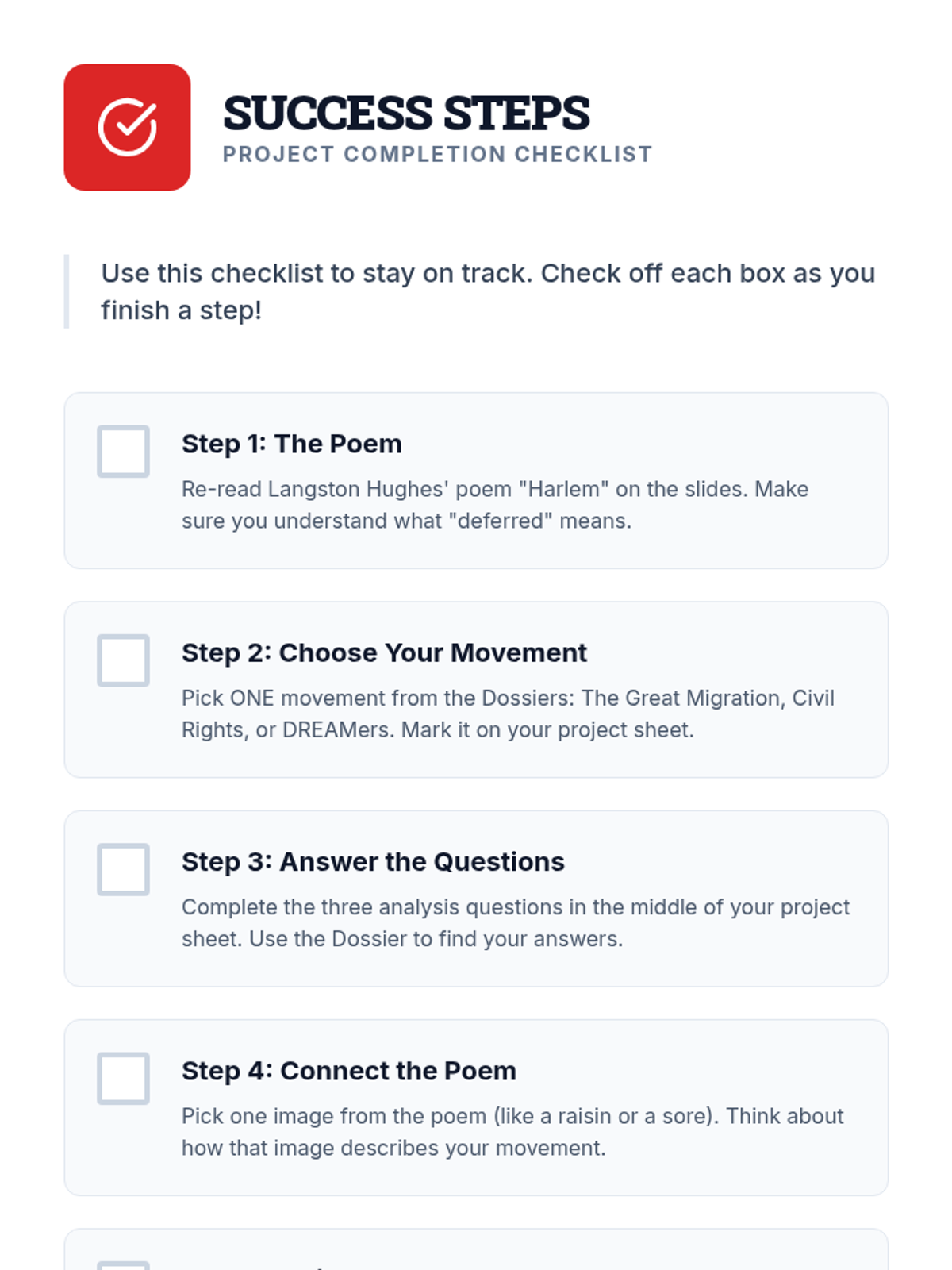
This lesson explores Langston Hughes' poem 'Harlem' by connecting the concept of a 'dream deferred' to significant historical and social movements. Students analyze the emotional weight of delayed dreams through research and written reflection.
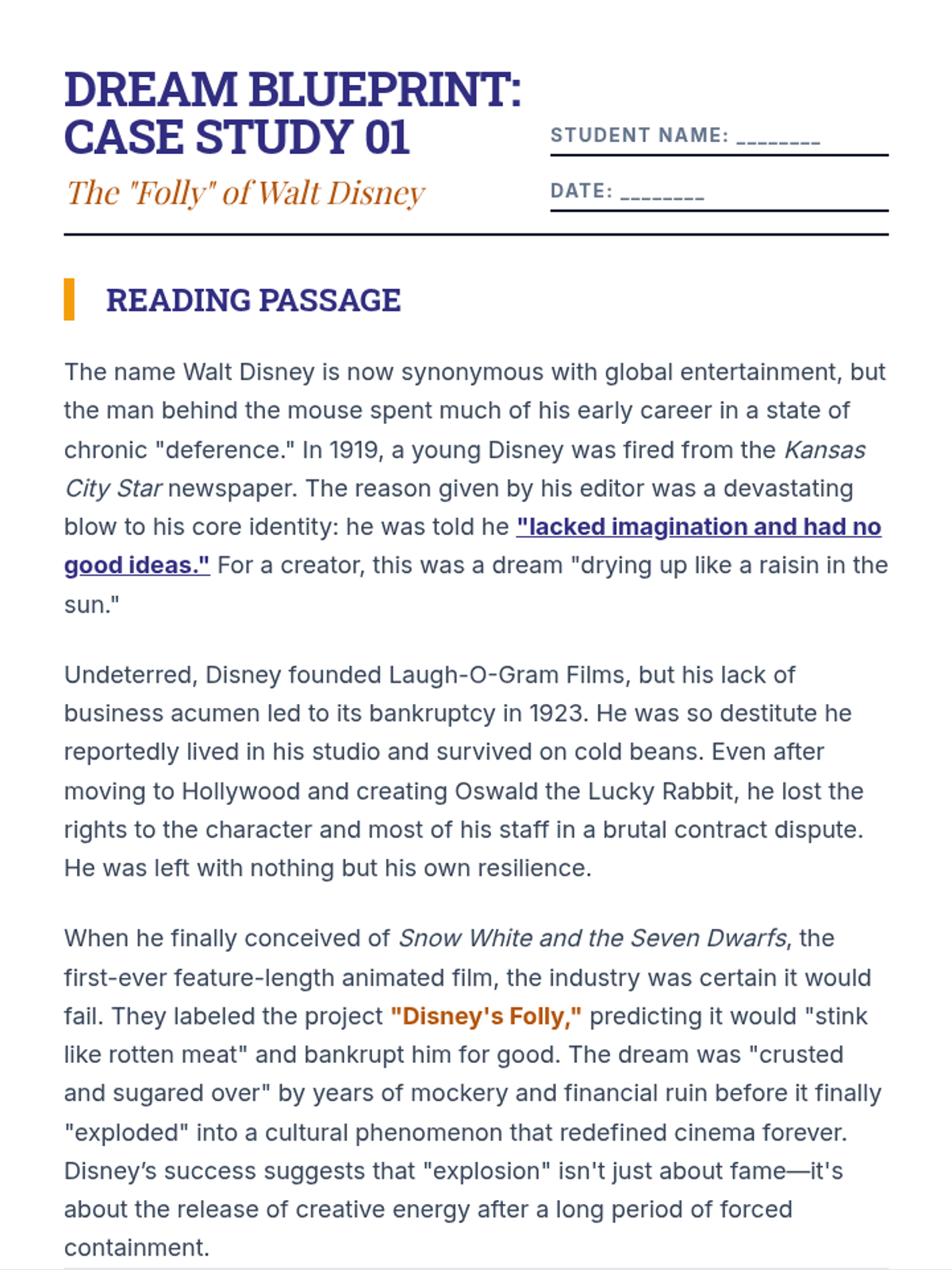
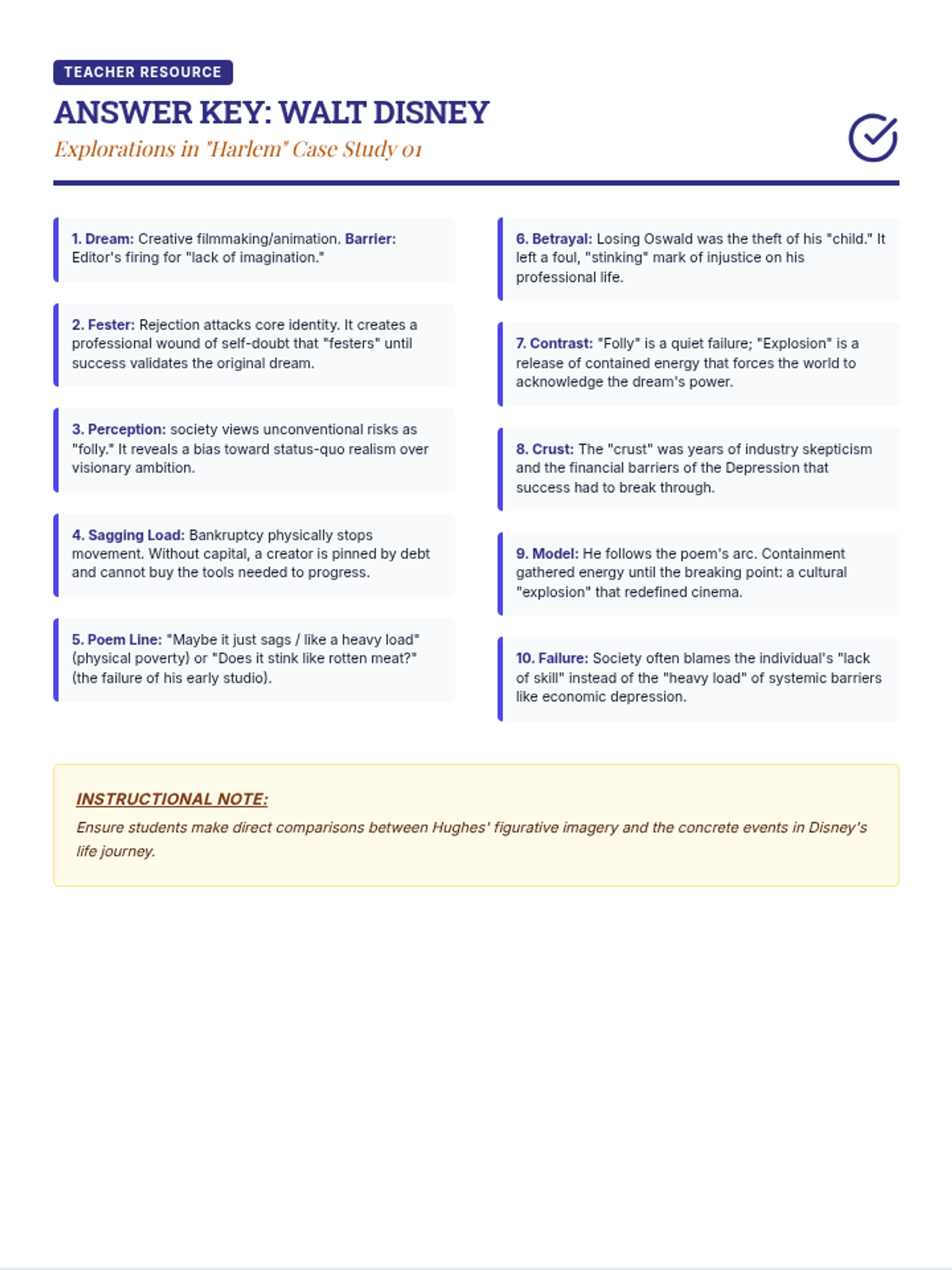
An extension activity for high school seniors exploring Langston Hughes' 'Harlem' through in-depth celebrity case studies of Walt Disney and Oprah Winfrey. Students analyze long-form narratives of deferred dreams, answer rigorous analysis questions, and synthesize their findings into a thematic one-pager.
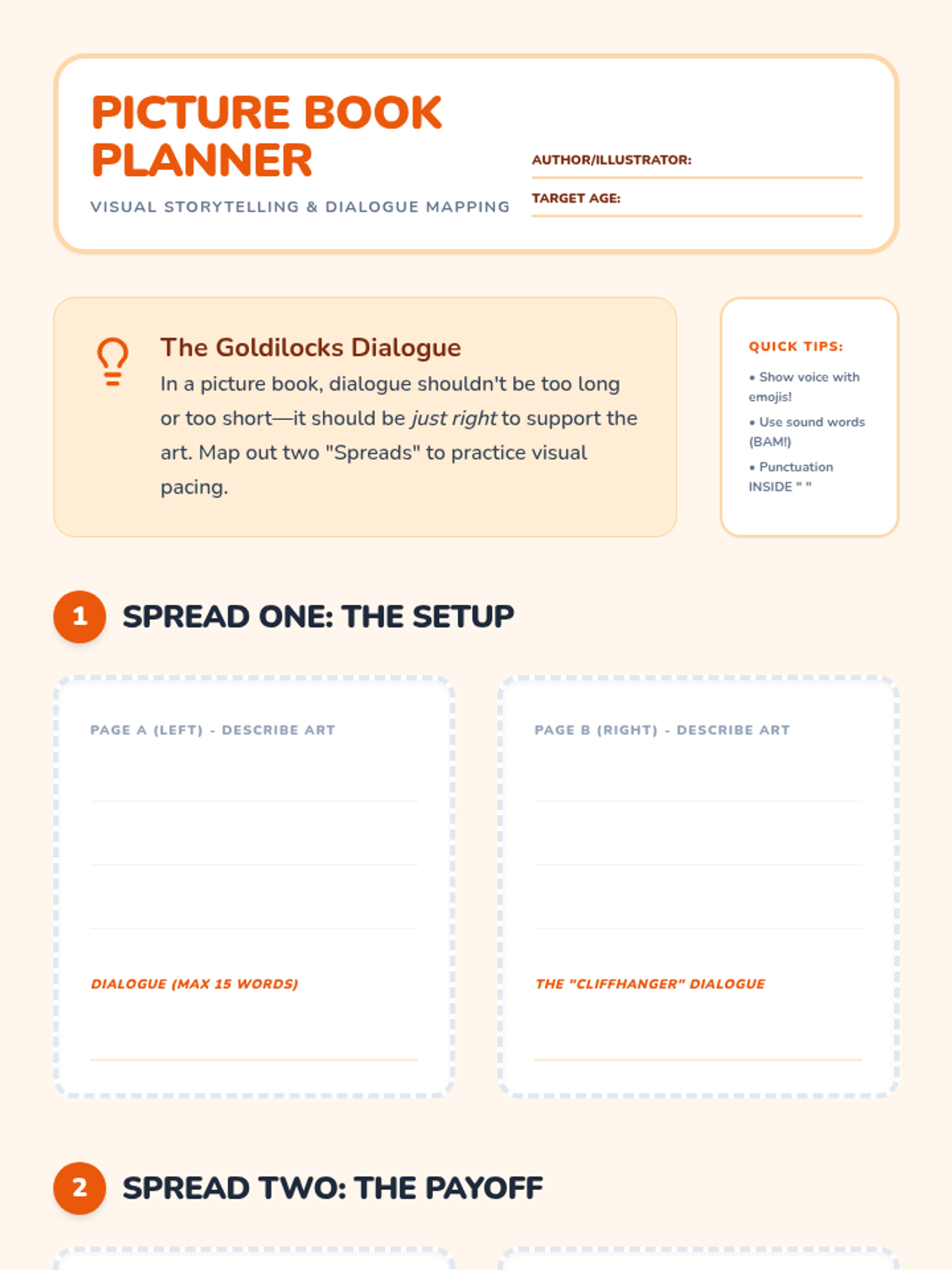
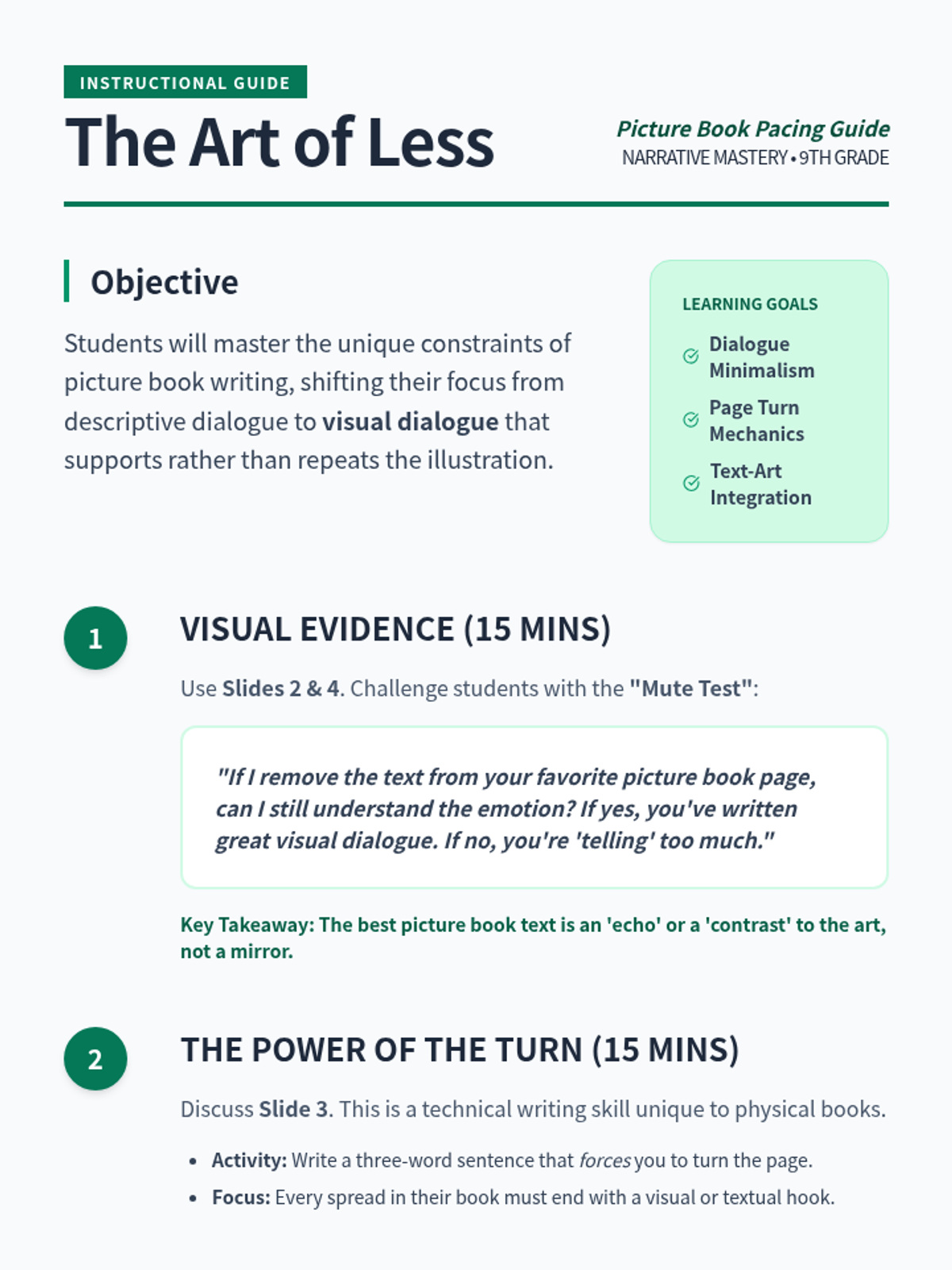
Students transition from chapter book dialogue to the minimalist, visual-heavy style of children's picture books. This lesson focuses on the interplay between text and illustration, the 'Page Turn' technique, and keeping dialogue punchy and purposeful.
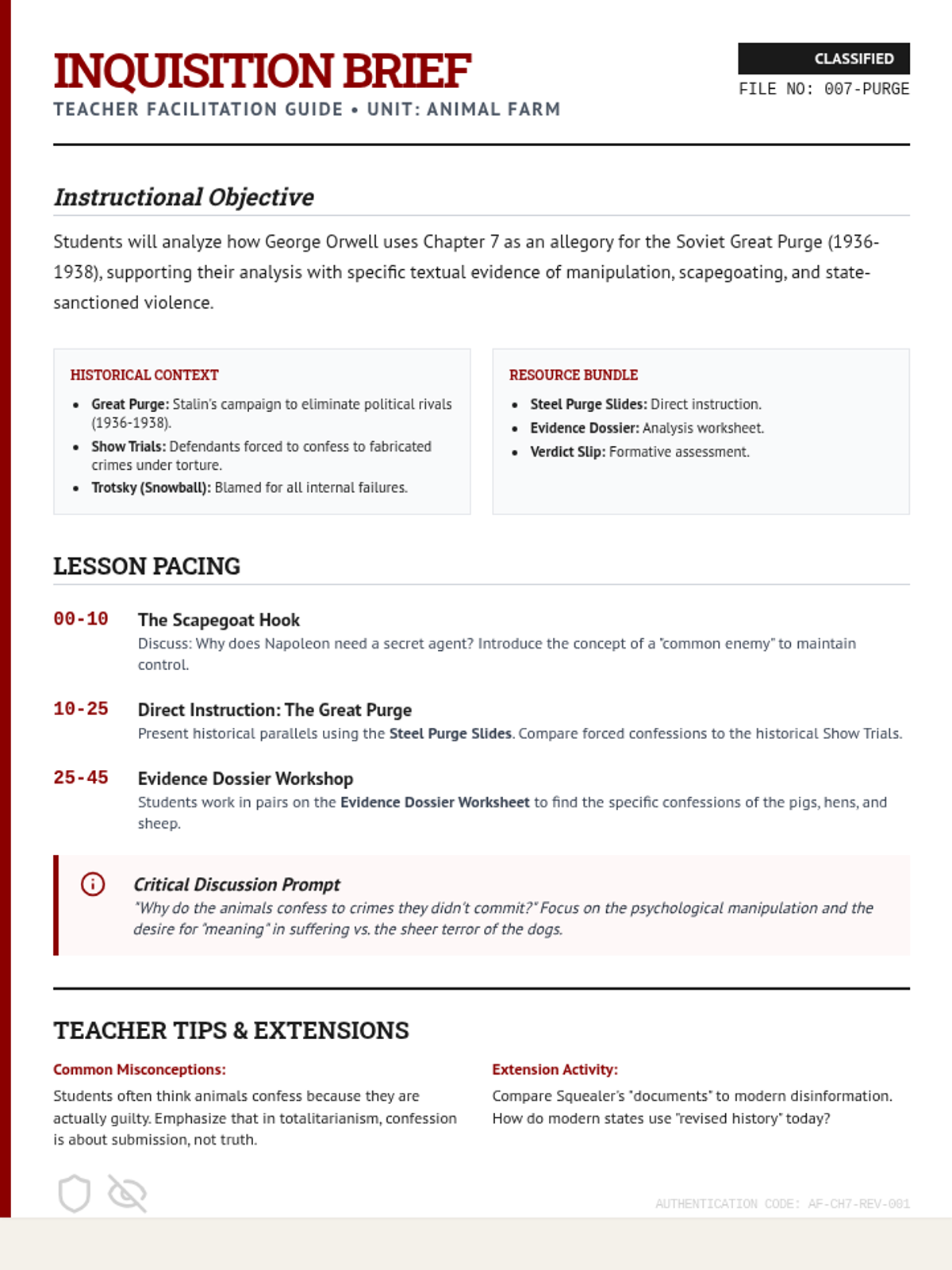
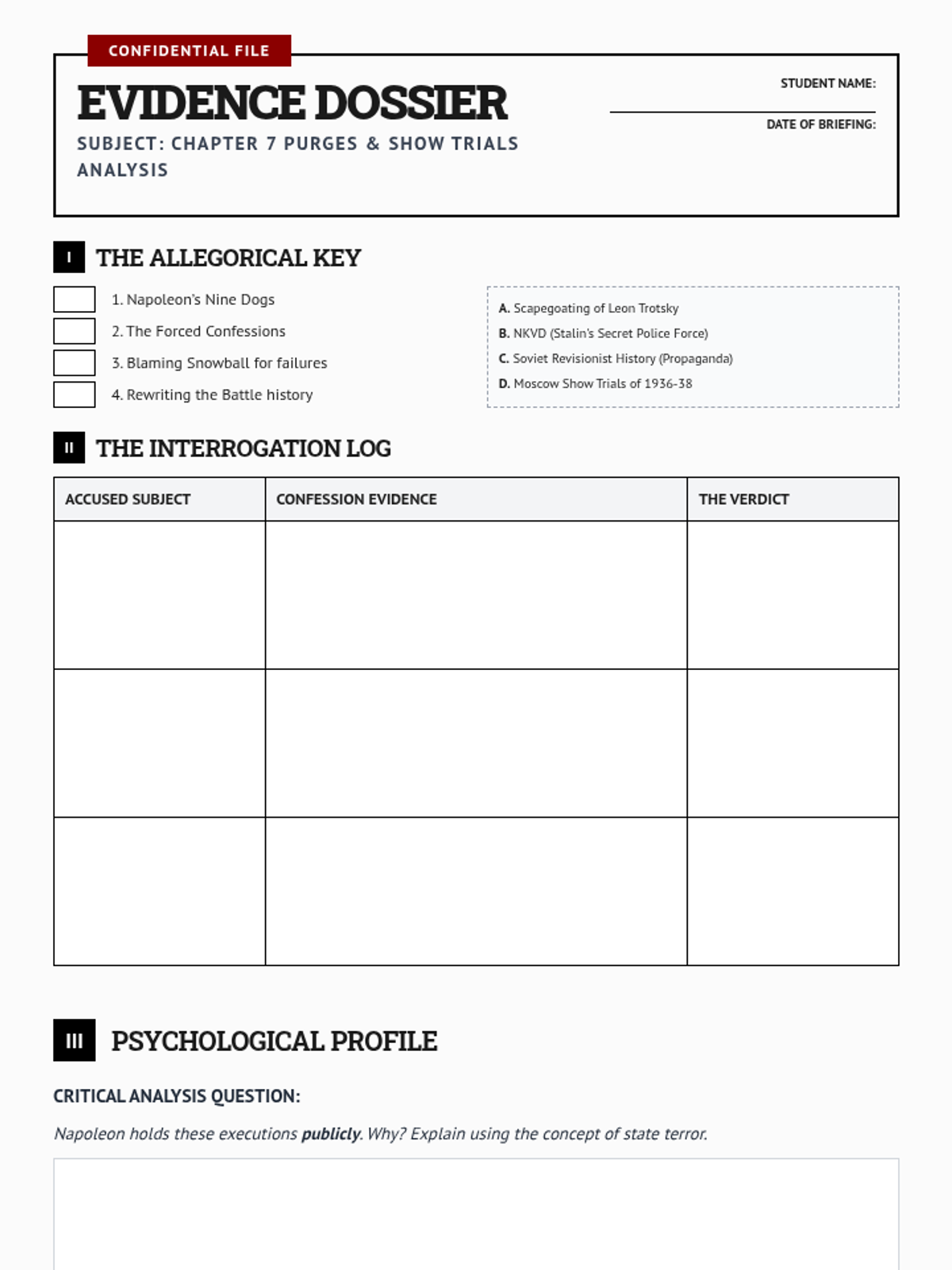
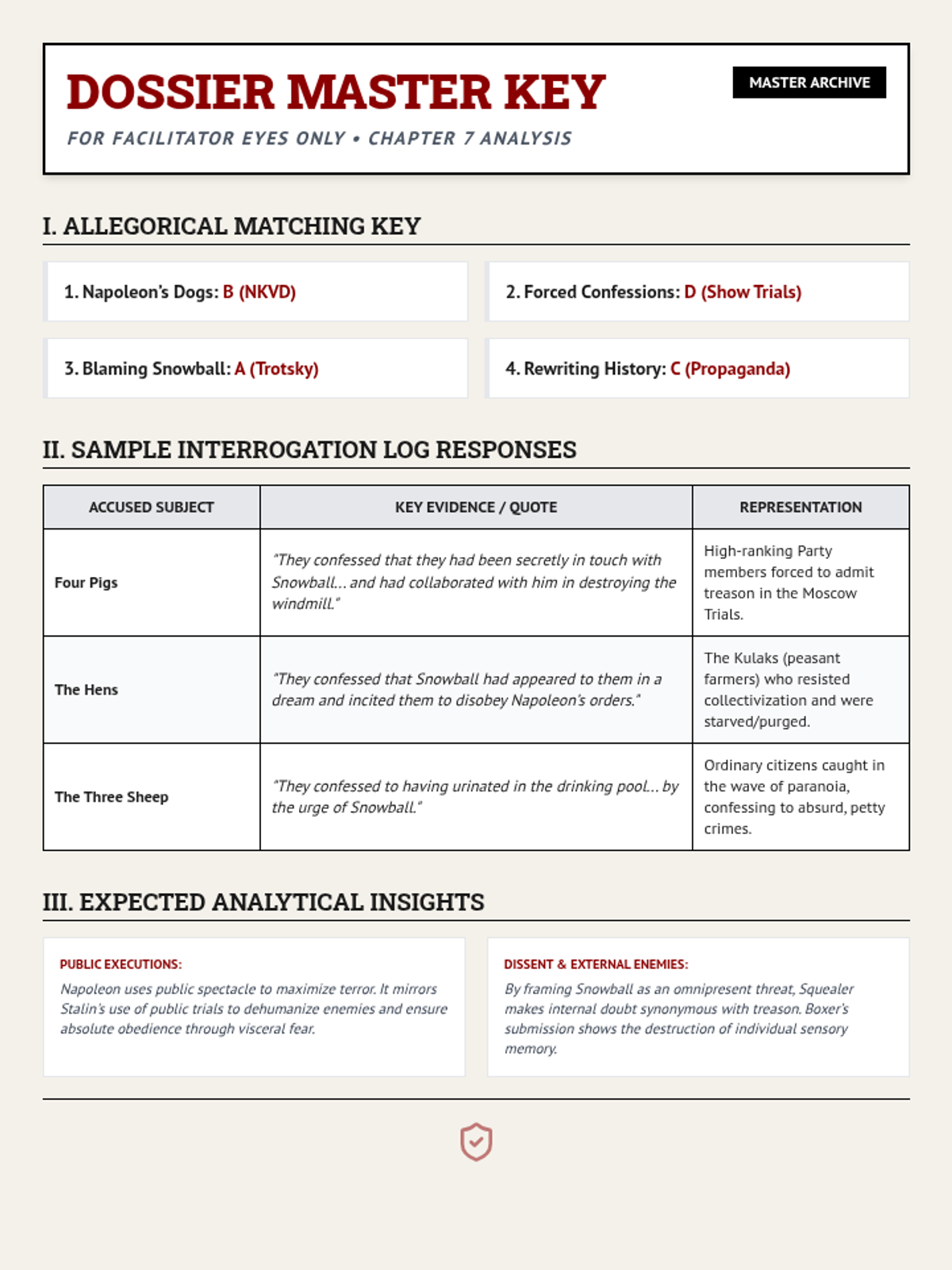
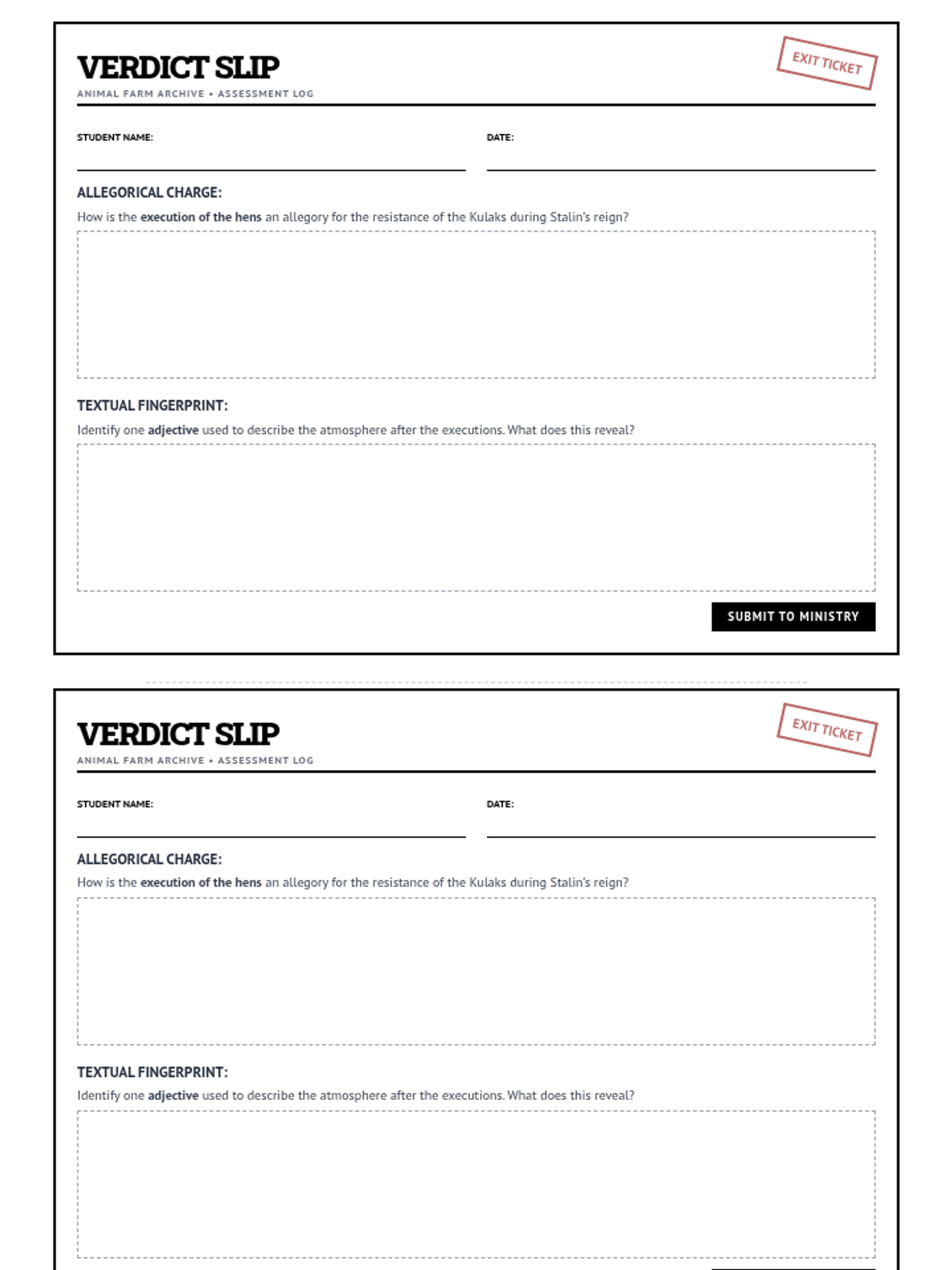
A deep dive into the allegorical parallels between Animal Farm Chapter 7 and Stalin's Great Purge, focusing on using textual evidence to decode Orwell's political commentary.