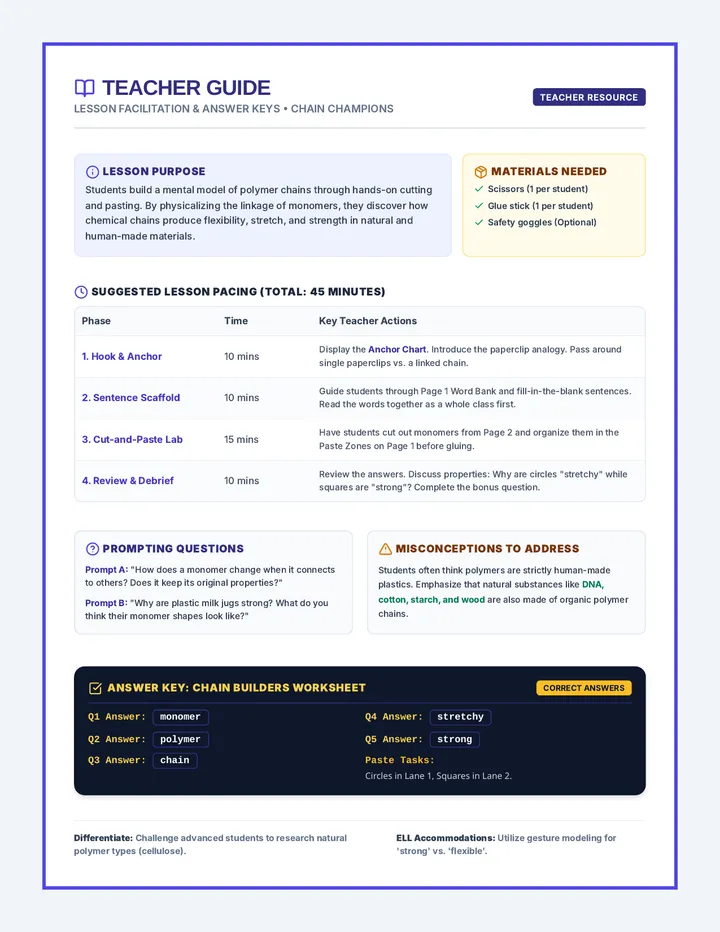
A hands-on exploration of solids, liquids, and colloids using gelatin. Students will classify common objects and discover how some substances, like gelatin, can share properties of both states of matter.
A comprehensive teacher professional development and model lesson plan sequence. It equips educators with hands-on mineral testing protocols, inquiry-based (3D) NGSS teaching strategies, geological vocabulary support, and formative assessment tools for grades 4-8.
An exemplar 3D science lesson exploring physical properties, mineral testing, and rock classification. It integrates hands-on inquiry with structured vocabulary acquisition and formative checks.
A formative assessment exit ticket with a performance-based criteria rubric to assess student competency in physical mineral testing, evidence-backed claims, and geological patterns.
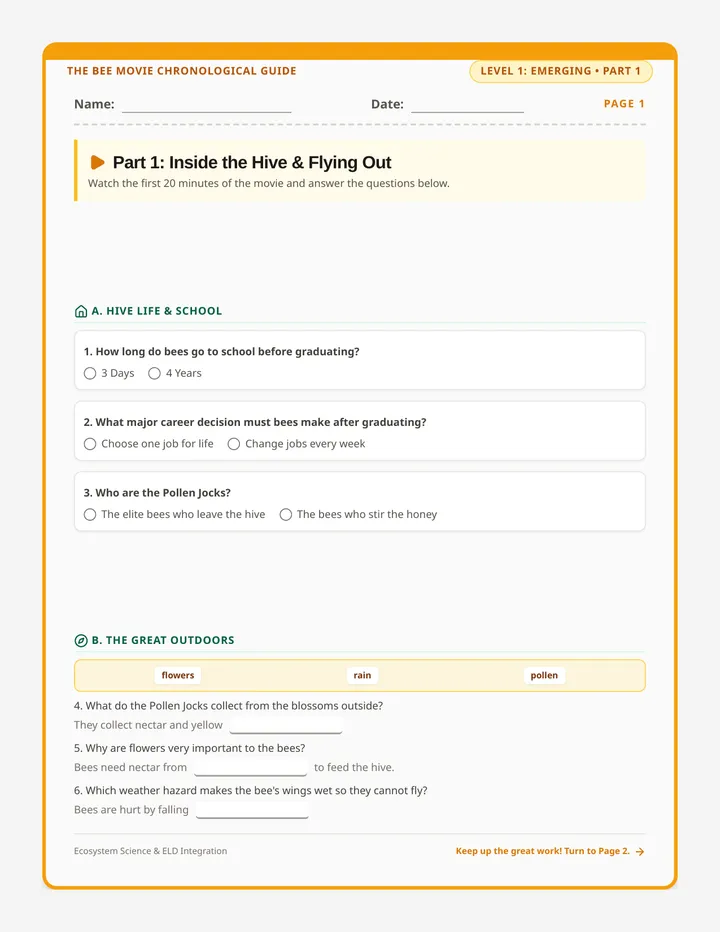
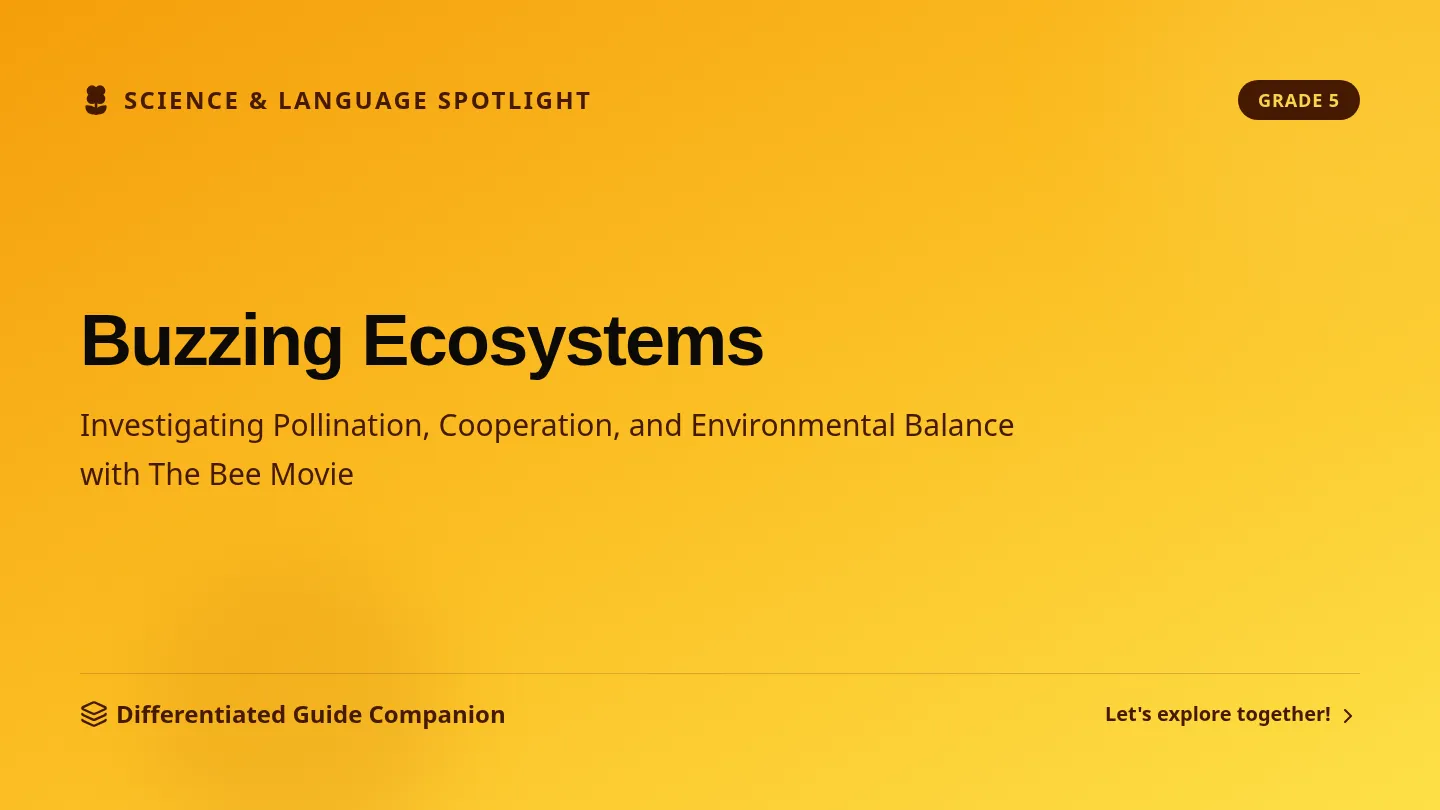
An interactive, highly visual ecosystem unit designed for 7th/8th grade MCAS standards but adapted to a 4th-grade reading and comprehension level. The unit explores abiotic/biotic factors, energy flow, interactions, and disruptions through hands-on activities, adapted readings, visual slides, and scaffolded assessments.
An introductory lesson in the CTA-101 Electrical Fundamentals course, teaching students to demystify electricity, observe its invisible work through coffee equipment, and conduct physical components exploration on the ACT-1 simulator board.
A printable two-page student lab packet containing structured data recording tables for mineral testing, a dichotomous rock classification key, and analytical reflection prompts.
An intensive High School Biology sequence that dives deep into the biophysics and biochemistry of photosynthesis. Students explore the molecular machinery of the light-dependent reactions and the enzymatic steps of the Calvin cycle.
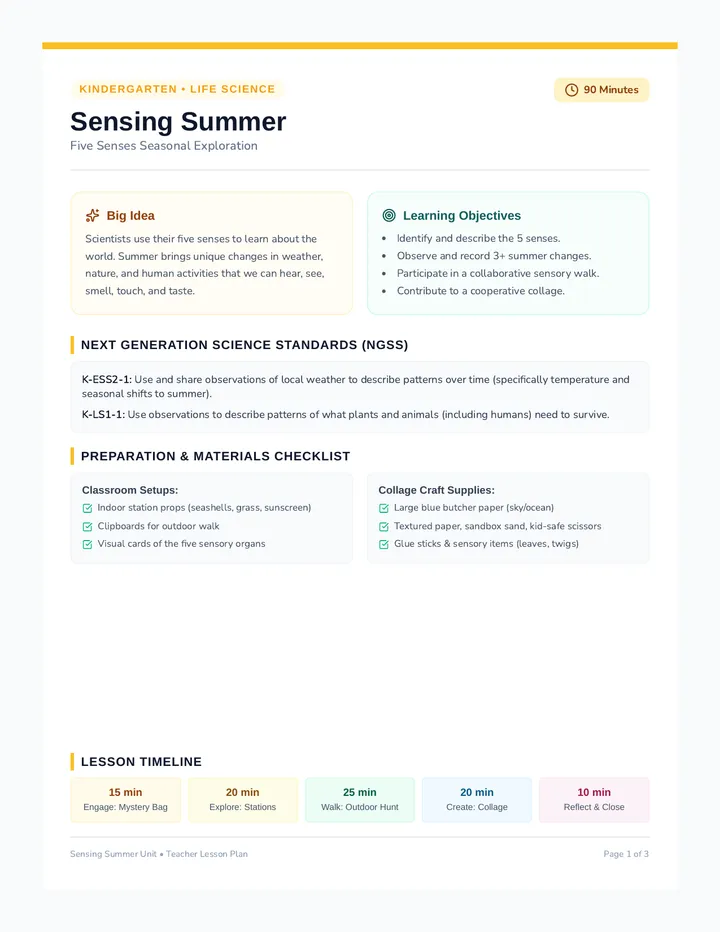
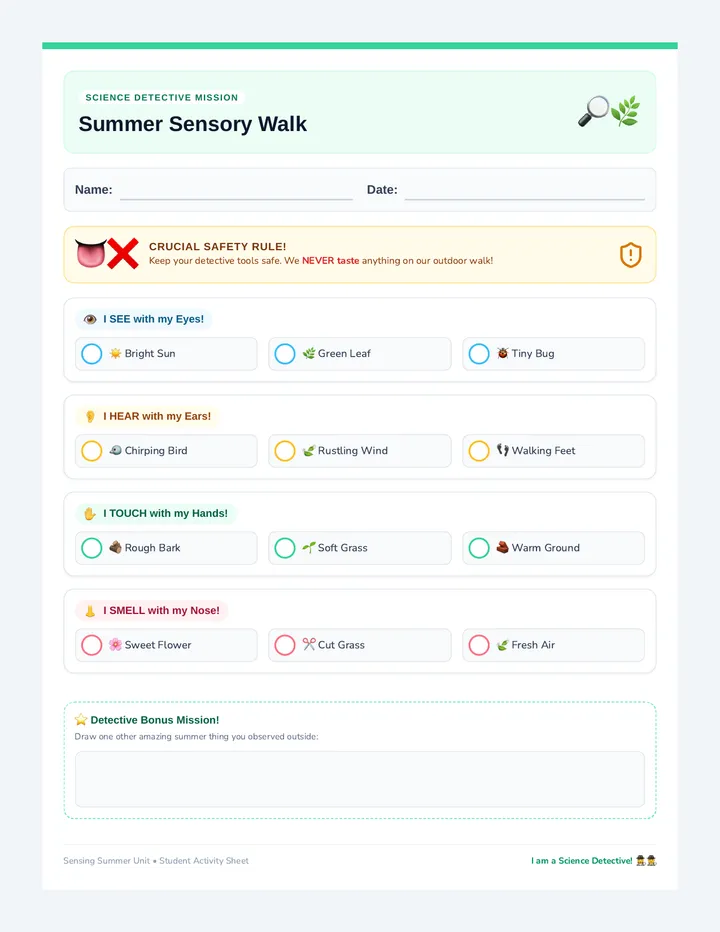
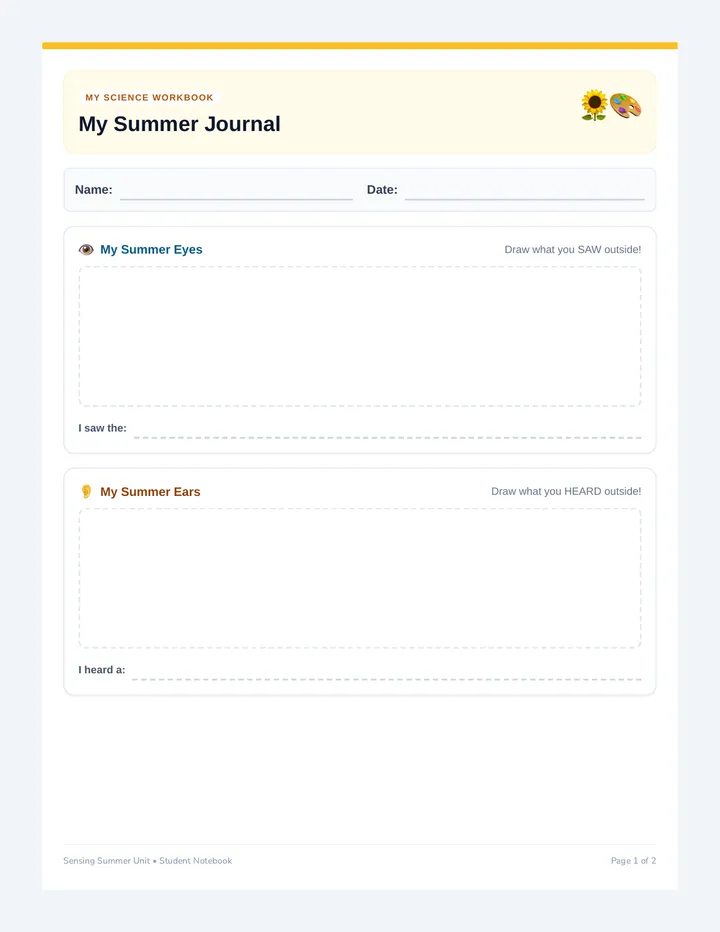
A highly interactive, hands-on introduction to the five senses designed for young learners. Students explore sensory stations, identify sensory organs, and practice observation skills.
A multi-page printable teacher guide (720x960) detailing lesson objectives, NGSS three-dimensional alignments, material requirements, a step-by-step facilitation protocol, common student misconceptions, and questioning strategies.
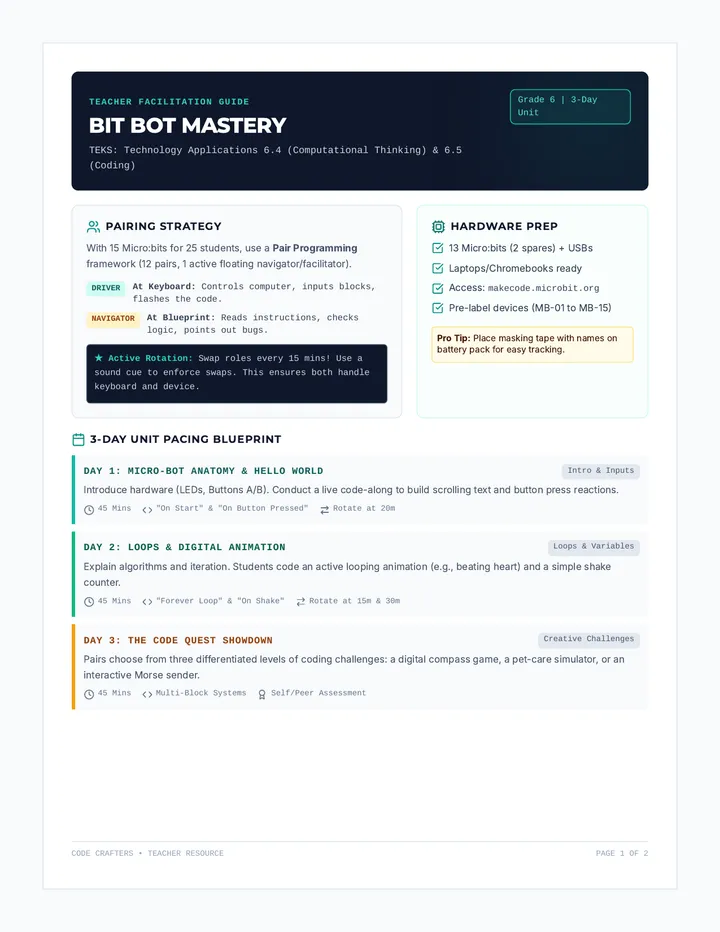
A three-day project-based learning unit where students design and pitch interactive paper prototypes of apps that address real-world community challenges.
A clear, comparative breakdown of special education service delivery models, highlighting the key differences between push-in, pull-out, replacement, self-contained, and supplemental programs.
A professional development slide deck (16:9) designed to train teachers on facilitating hands-on mineral labs, introducing academic vocabulary strategies, and integrating 3D NGSS formative assessments.