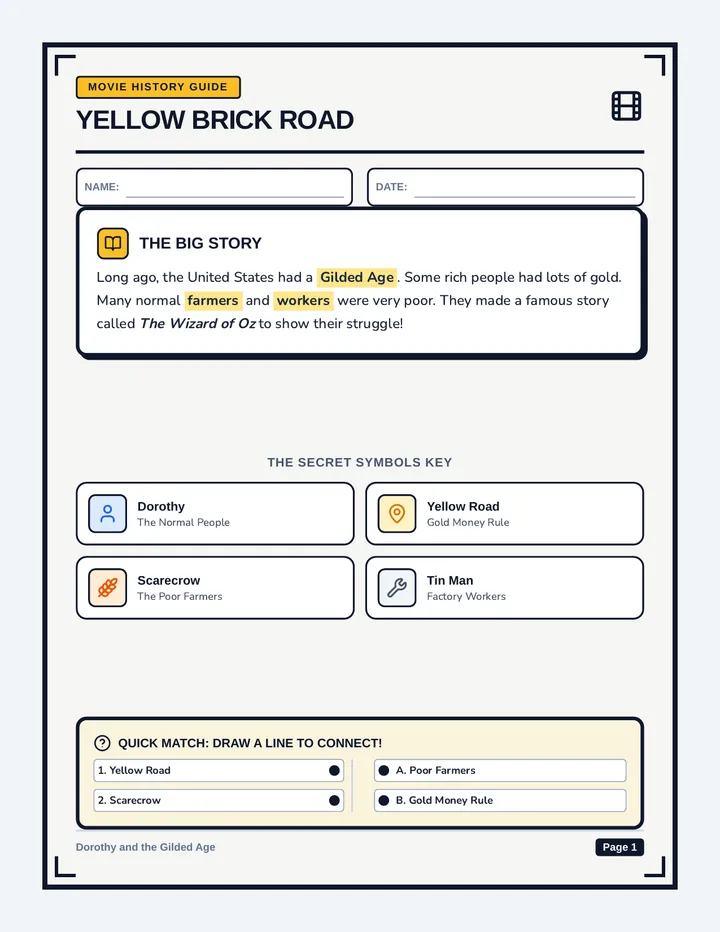
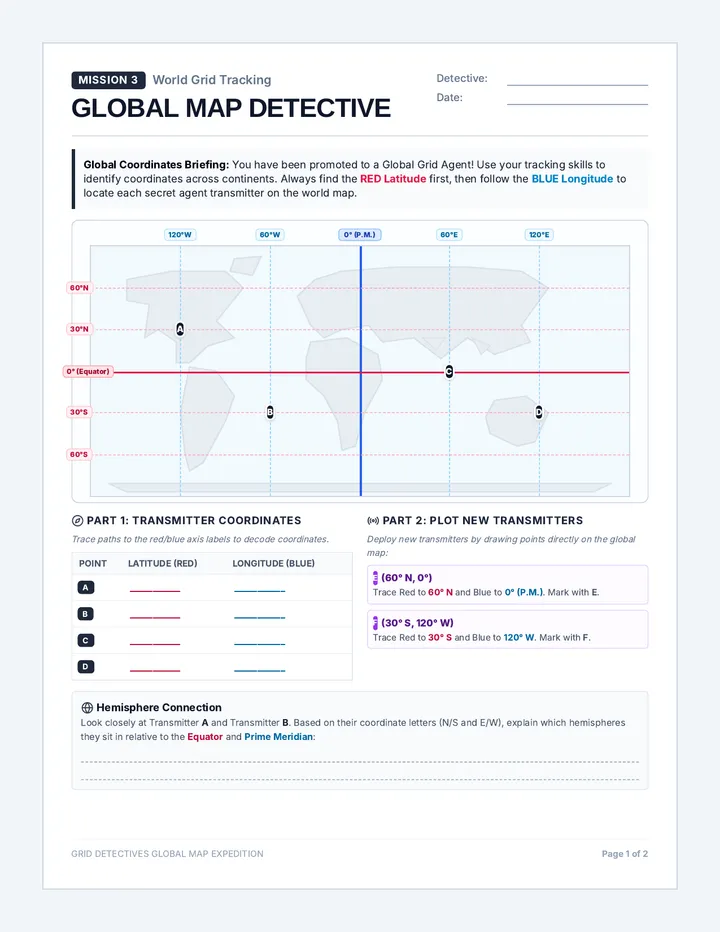
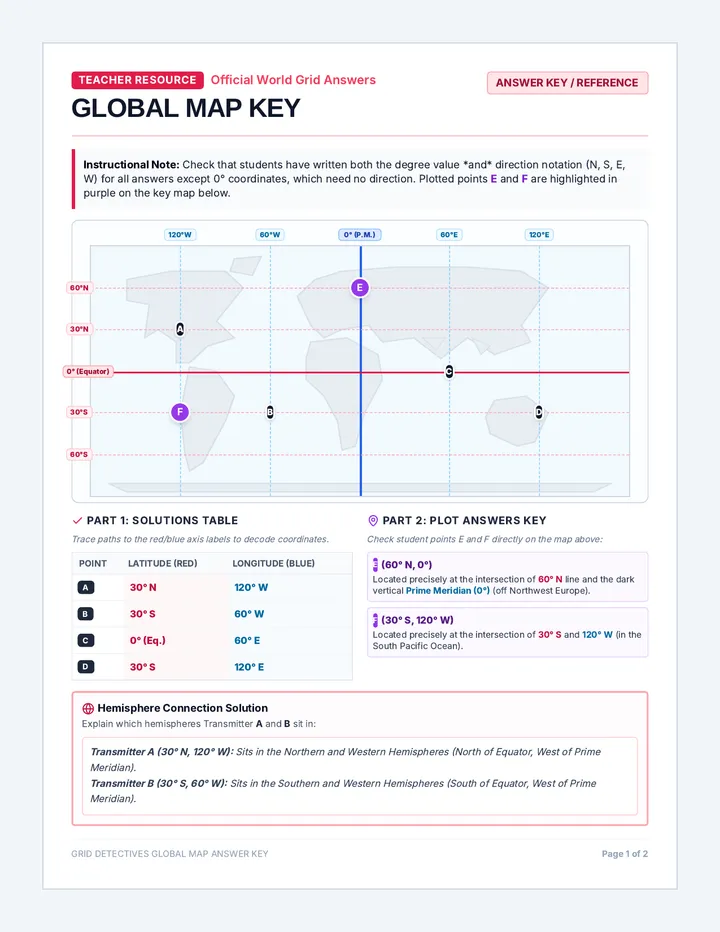
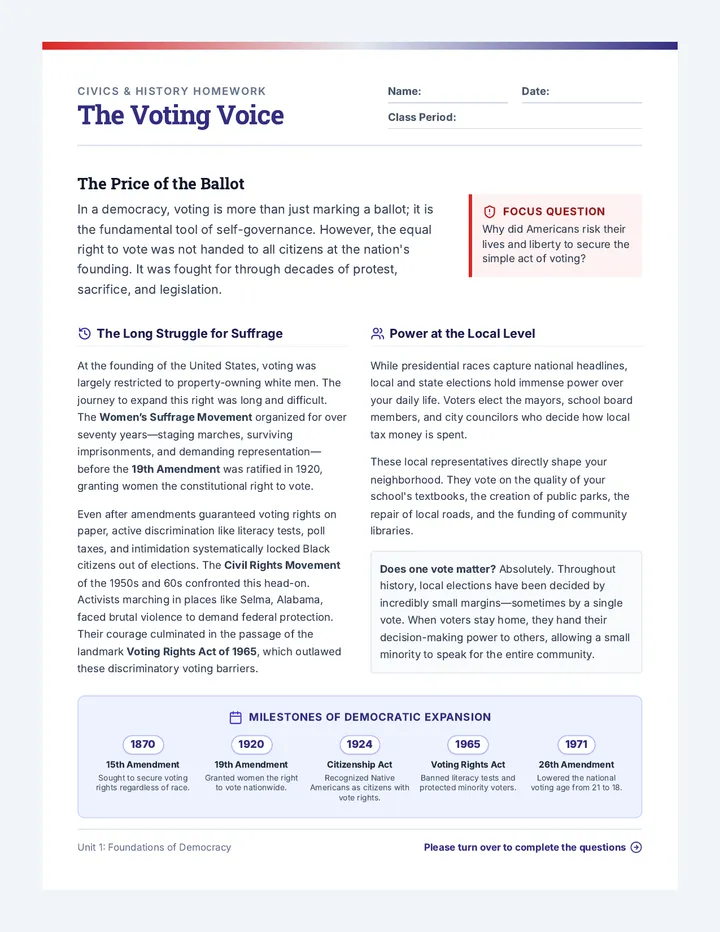
A fast-paced 30-minute Tier 1 lesson for 7th-grade students to master key geography and government vocabulary through an interactive matching challenge.
In this lesson, students research unsung heroes of social justice movements and create a 'Justice Journey Map' to visualize the spatial impact of historical change. They explore how geography and movement shape activism while developing research and empathy skills.
A unit assessment covering prominent African American leaders, their roles as agents of change, and the systemic barriers they worked to dismantle within their communities.
A collection of resources for an educational information booth about Peru at a cultural fair, including a fact sheet and interactive trivia cards.
This lesson explores the Homestead Act of 1862 and the logistical realities of settling the American West, focusing on the grid system and survival challenges.
A lesson introducing students to famous figures from Ohio and their contributions to history, science, and sports.
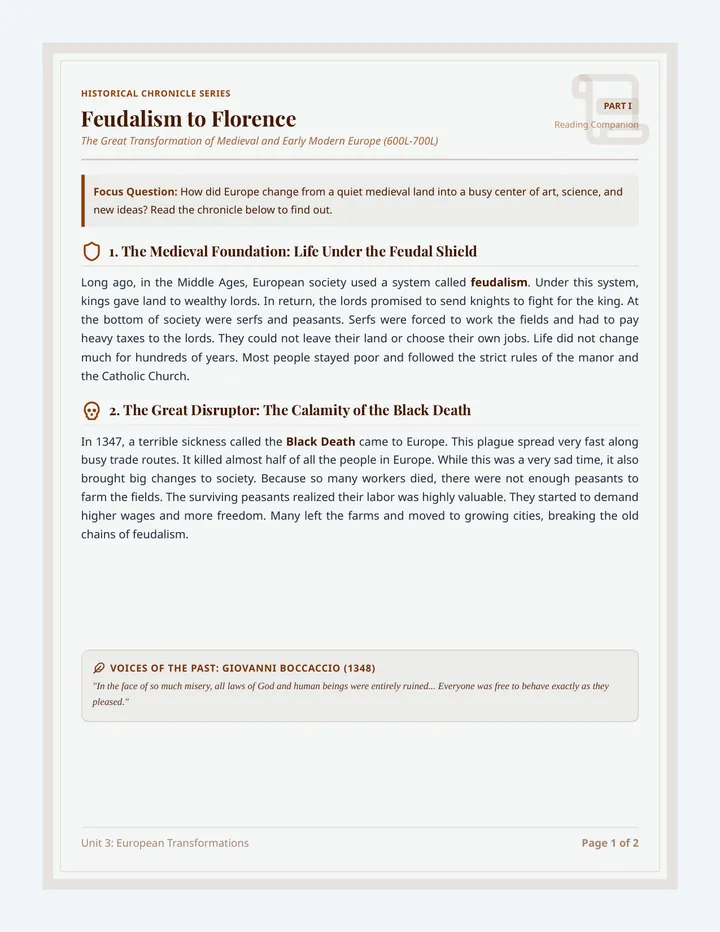
A comprehensive guide to structuring an informative essay on the social, economic, and religious consequences of the Black Death in medieval Europe.
A deep dive into the physical and human geography that shaped the rise of the Roman Empire, from the Tiber River to its expansion across three continents.
A lesson exploring the impact of the Latin American (Creole) Revolutions on government, freedom, and daily life, featuring a scaffolded journal activity for IEP students.
A lesson exploring the social and political changes following the Creole-led revolutions in Latin America, specifically designed for students requiring IEP accommodations.
This lesson explores the causes of the Latin American Revolutions, specifically focusing on the social and political grievances of the Creoles against Spanish rule. Students will analyze the casta system, mercantilism, and Enlightenment influences.
A middle school civics lesson exploring disability rights history, the ADA, and the shift from the medical to the social model of disability through the lens of the 'Capital Crawl' activism.
An introductory lesson on urban legends, covering their definition, key characteristics, and famous examples, followed by student analysis and discussion.
Students investigate the architectural mystery and economic power of Great Zimbabwe, analyzing archaeological evidence to debunk colonial-era myths about African civilizations.
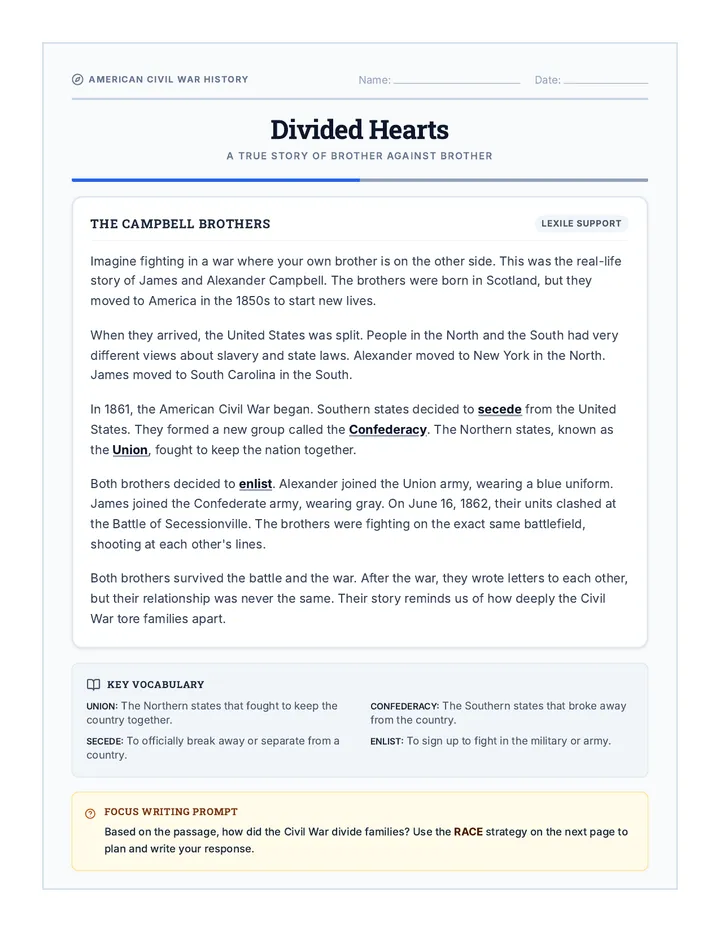
A comprehensive exploration of the Underground Railroad, comparing the leadership styles of Harriet Tubman and Frederick Douglass, and analyzing the impact of abolitionist literature.