Students investigate the birth of democracy in Athens and the development of the republican system in Rome, comparing citizen participation, power structures, and modern democratic connections.
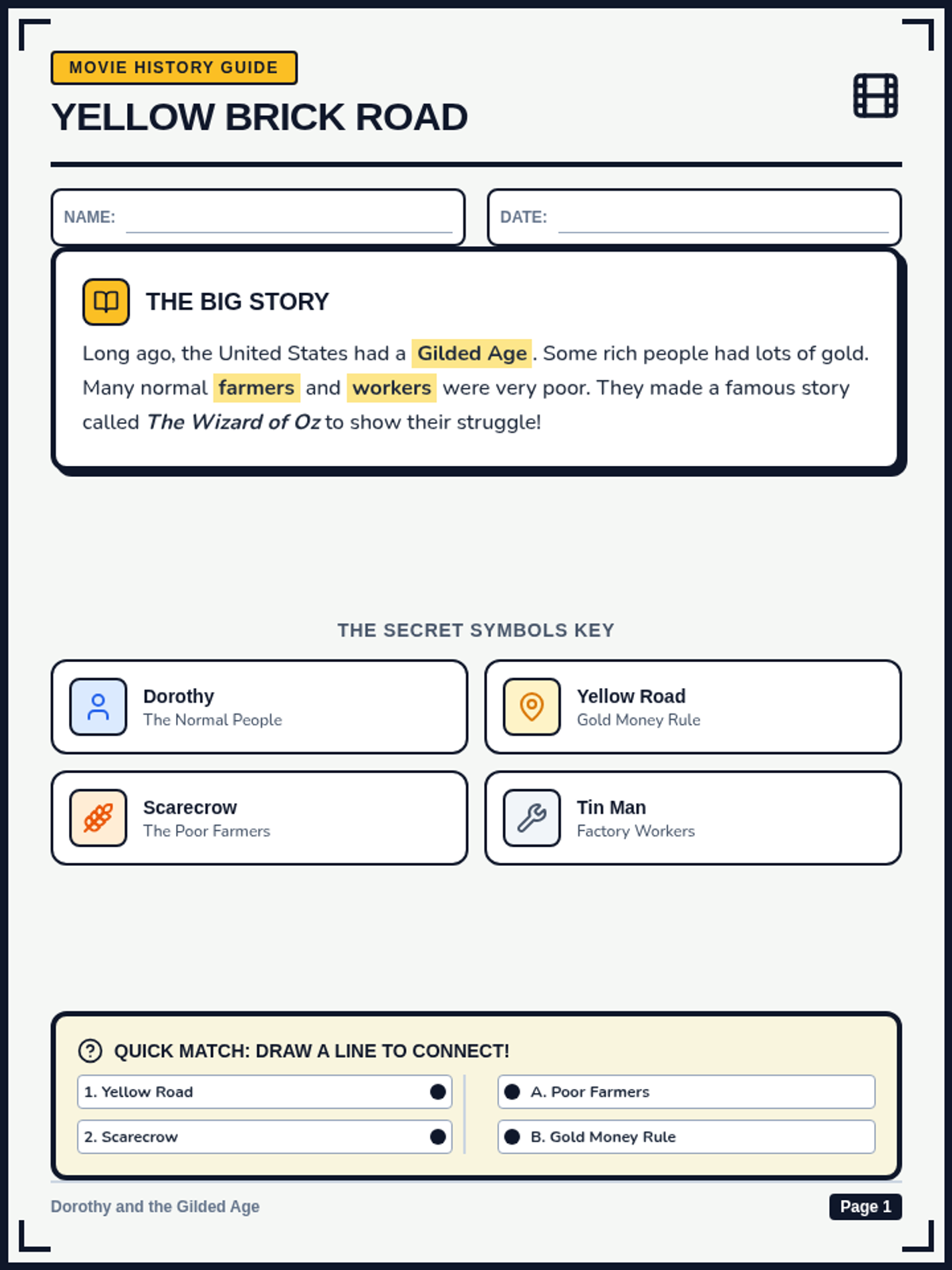
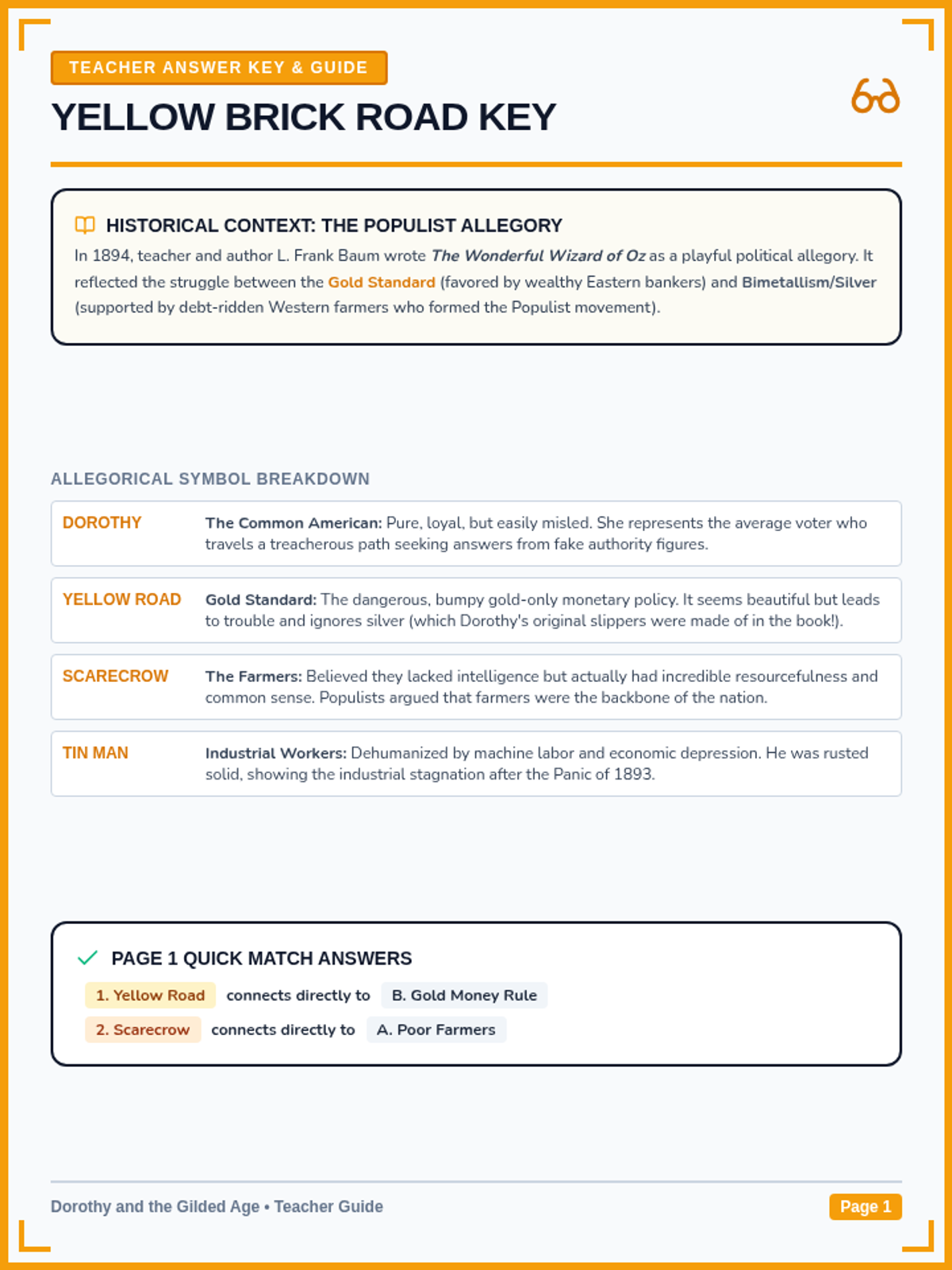
A highly accessible watch guide lesson linking The Wizard of Oz (1939) to Gilded Age politics (Populism, the Gold Standard, and industrial workers), designed specifically for middle school students reading at a 1st-grade level using visual matching, word banks, and literal multiple-choice questions.
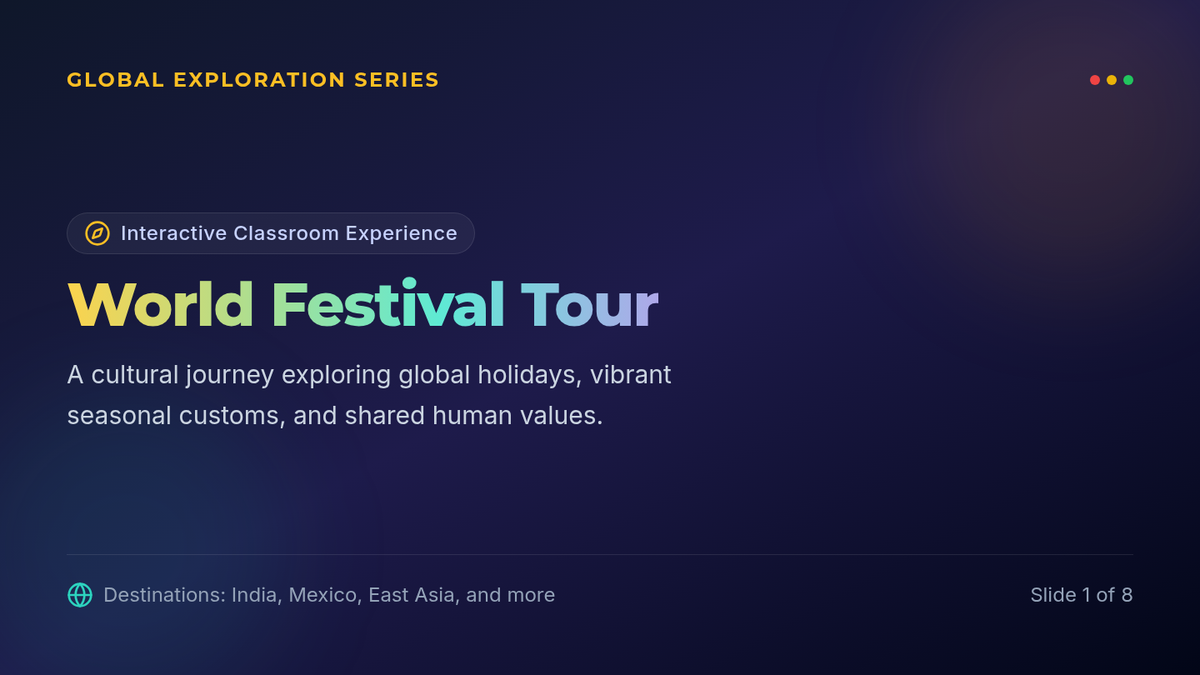
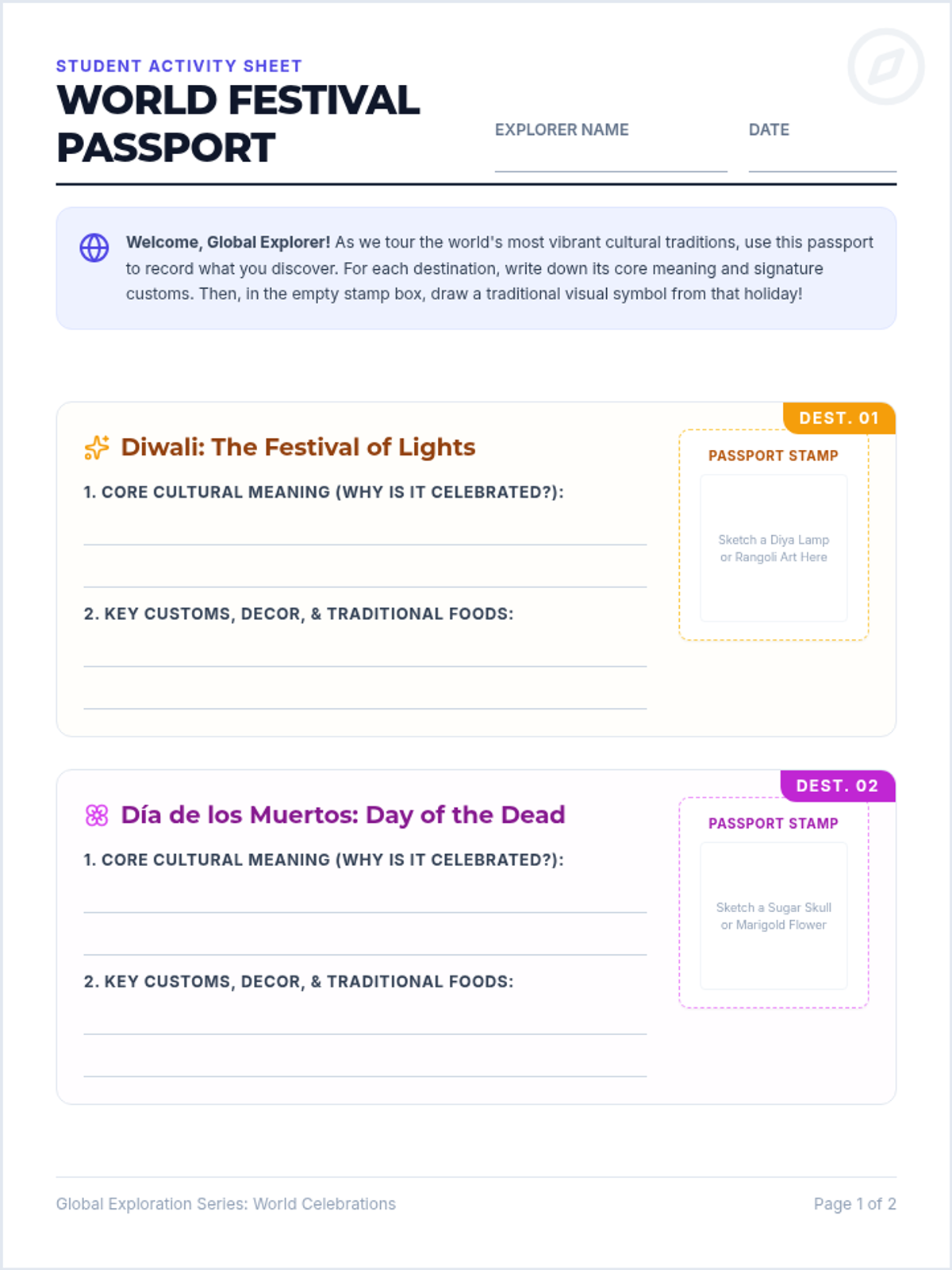
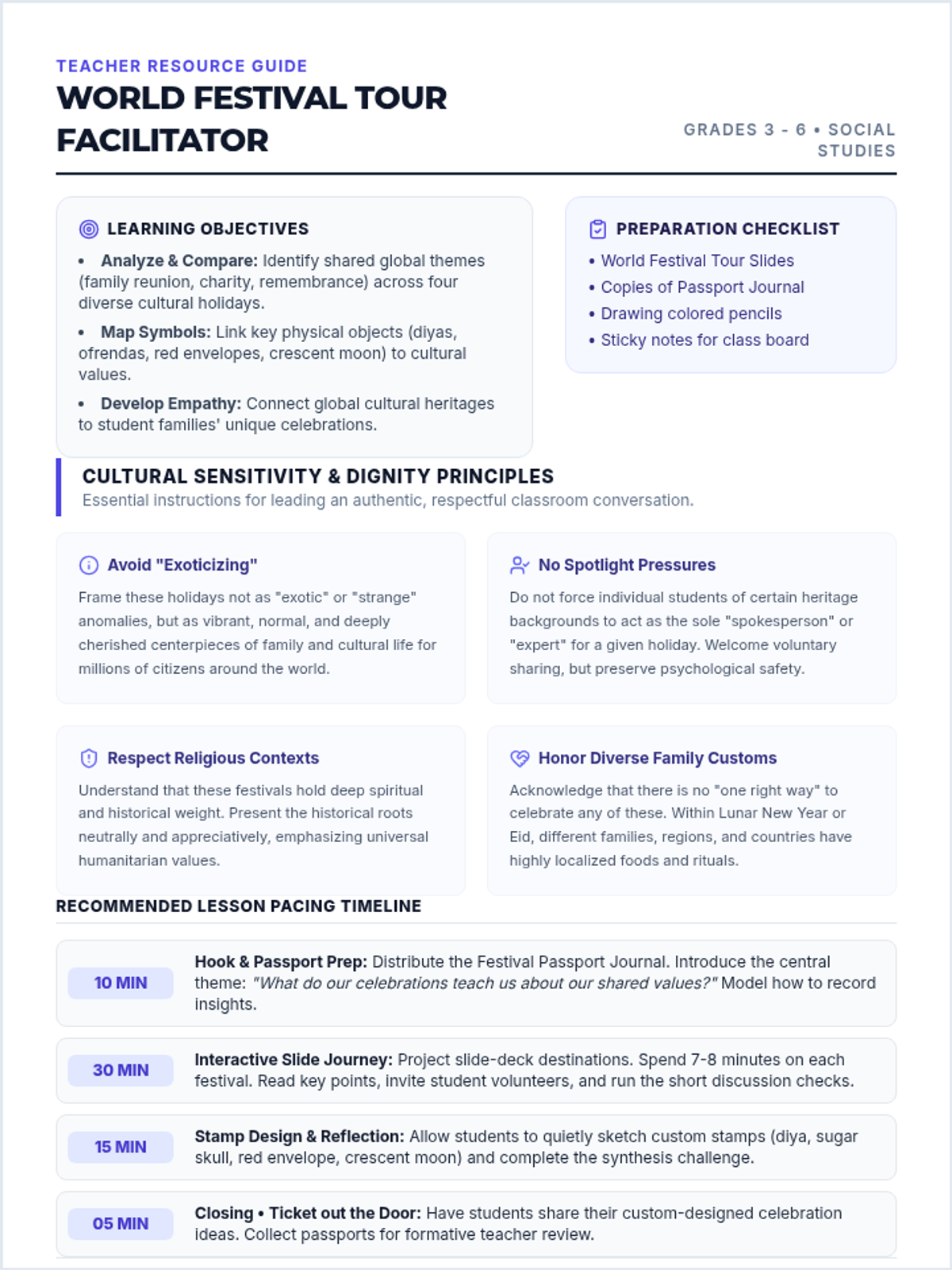
An engaging, multicultural lesson introducing students to four rich global celebrations: Diwali, Día de los Muertos, Lunar New Year, and Eid al-Fitr. The lesson explores cultural significance, seasonal customs, symbols, and values, supporting global citizenship and empathy.
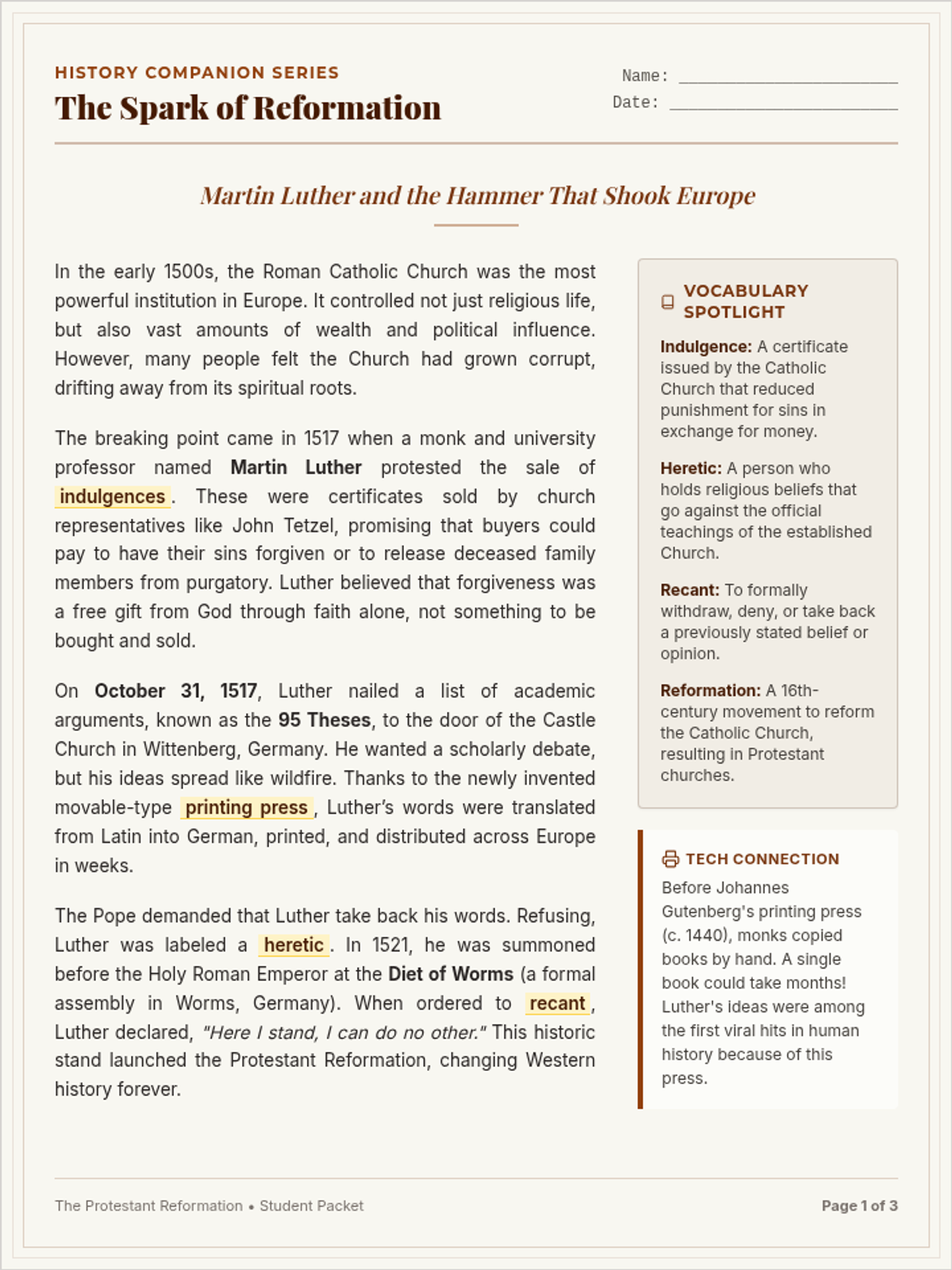
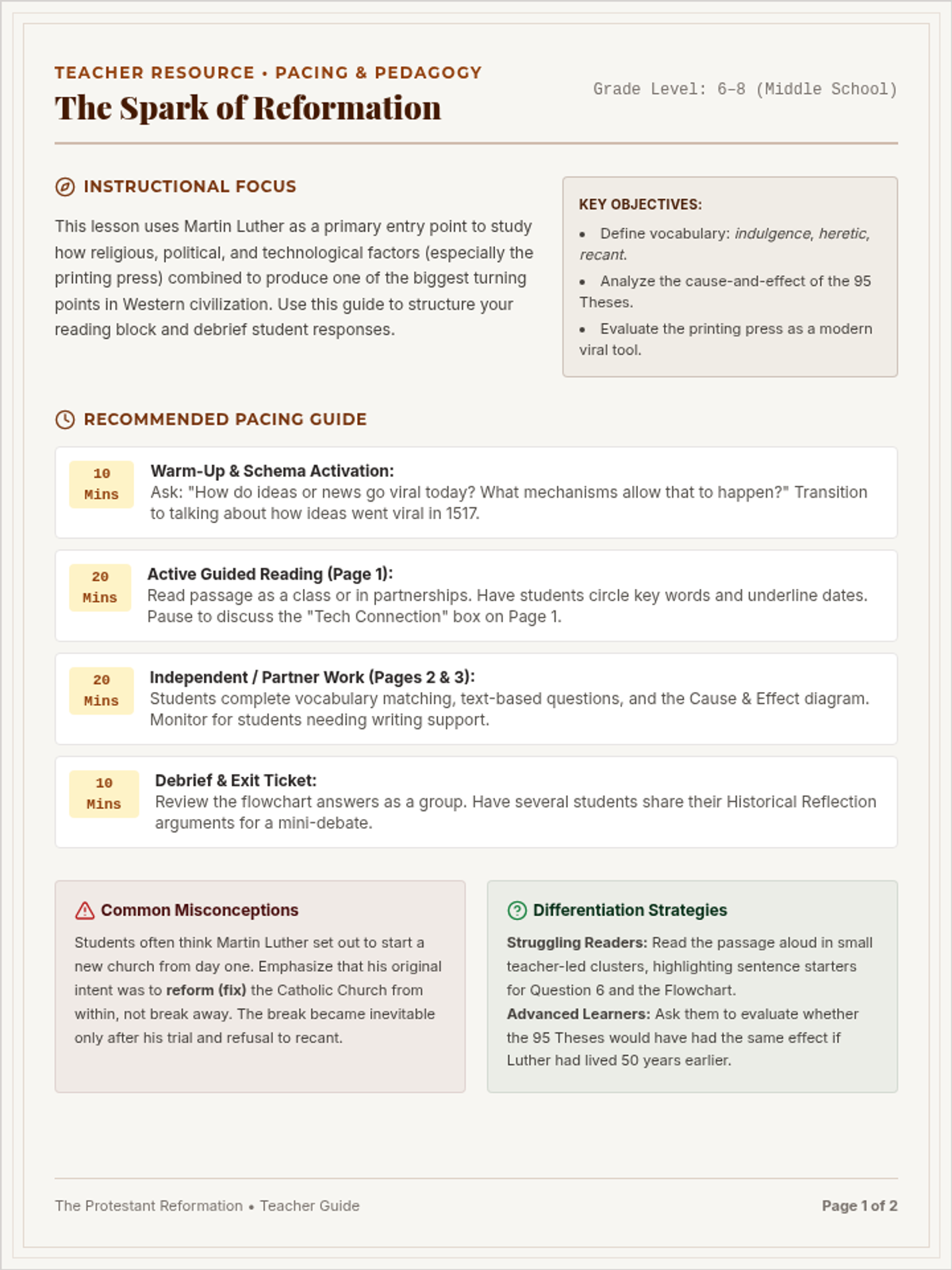
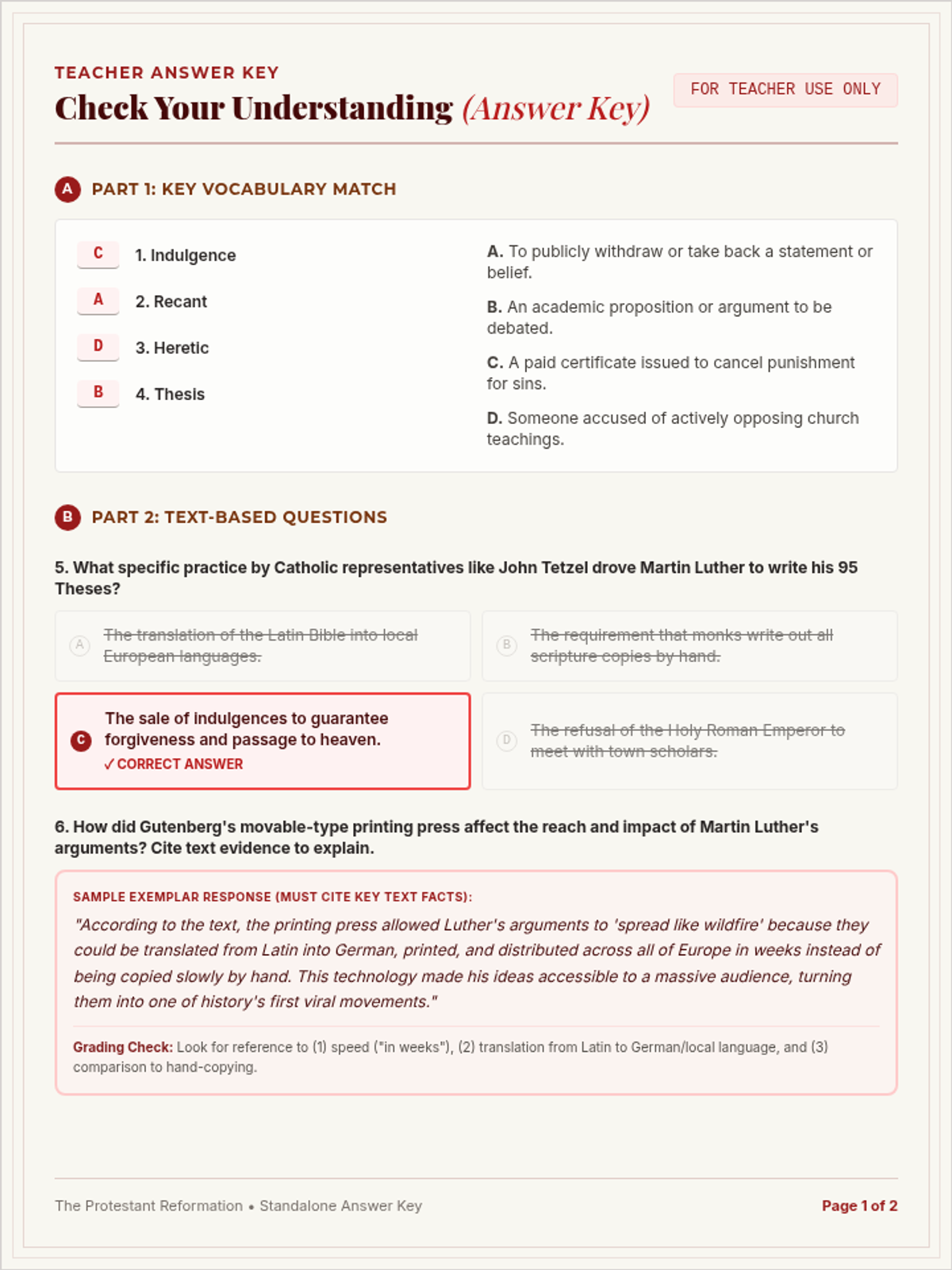
A middle school history lesson exploring Martin Luther's role in the Protestant Reformation, focusing on key biographical events, critical vocabulary, and cause-and-effect historical analysis.
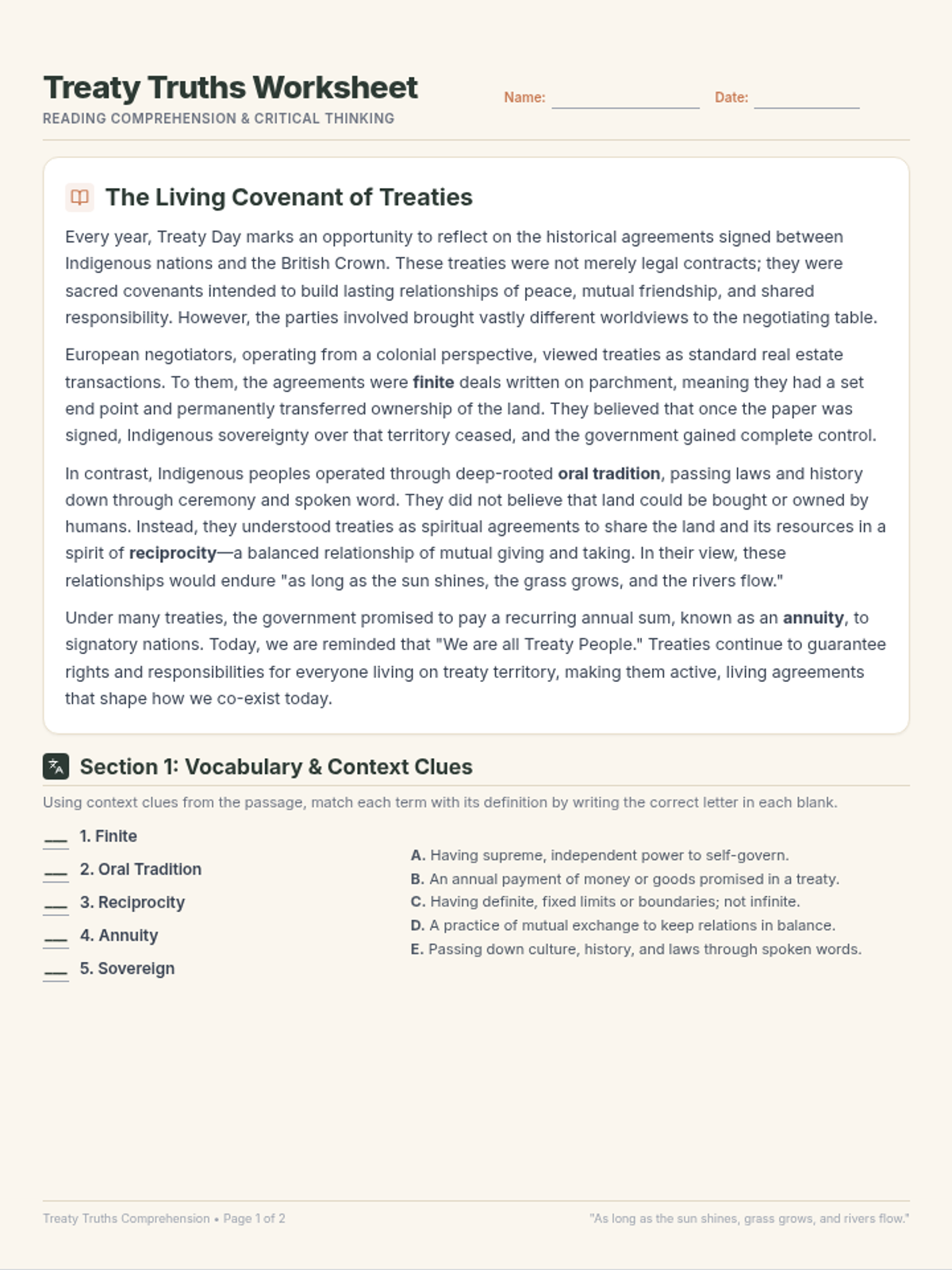
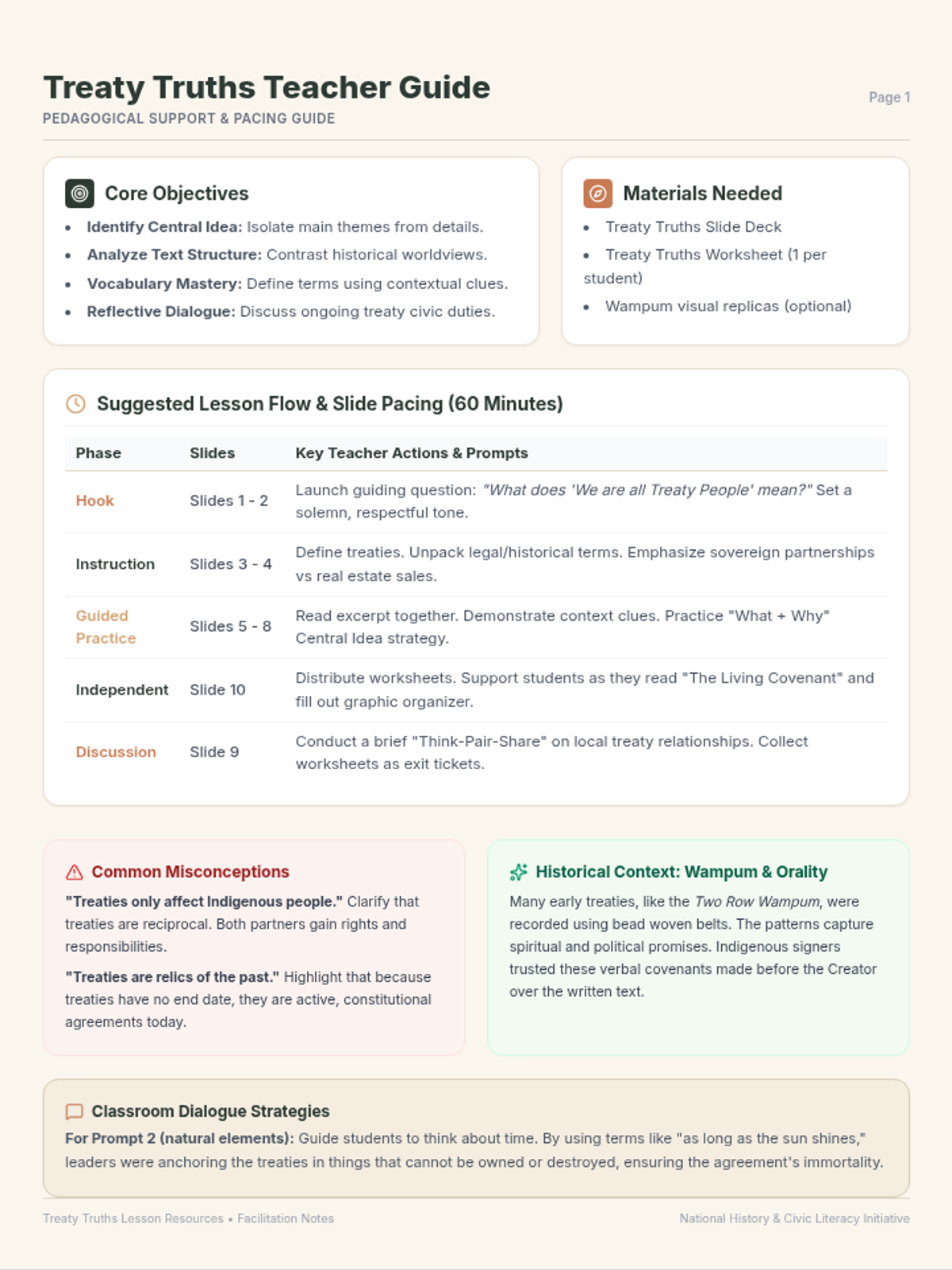
An interactive, historically grounded lesson exploring the significance of Treaty Day, focusing on central ideas, summarizing, and historical vocabulary. Students analyze the nature of treaties as sacred, ongoing agreements and practice identifying key themes and context clues.
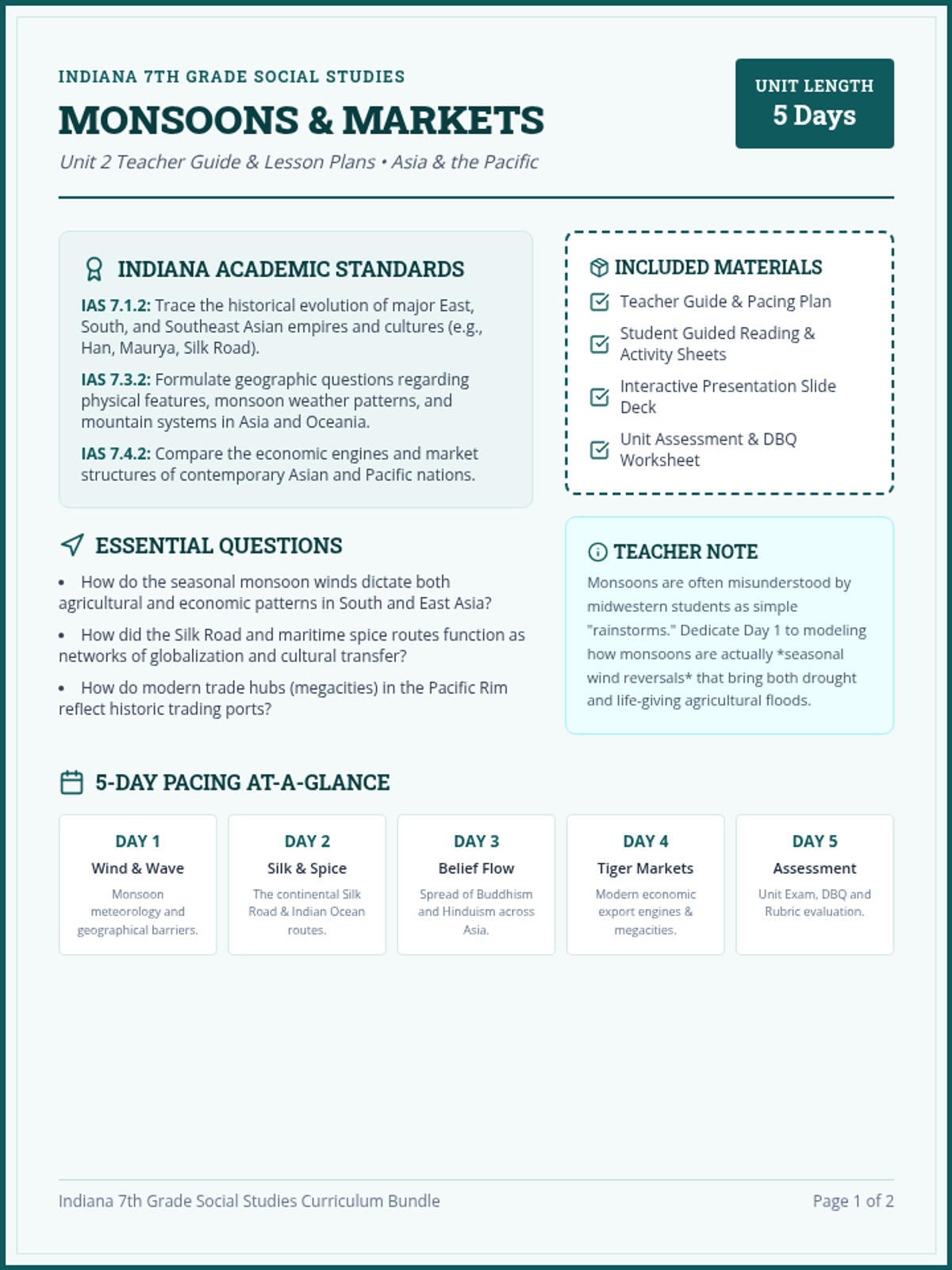
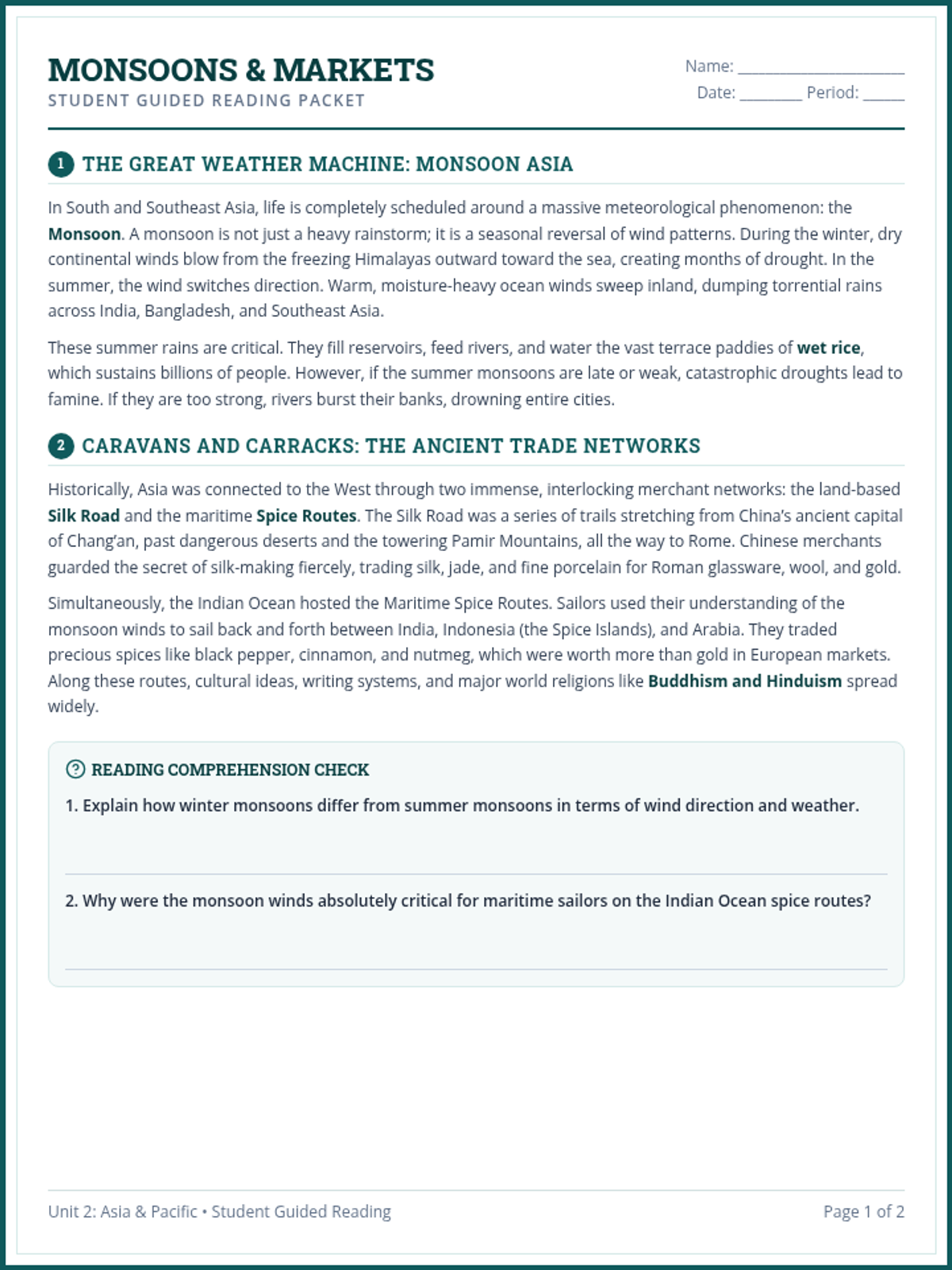
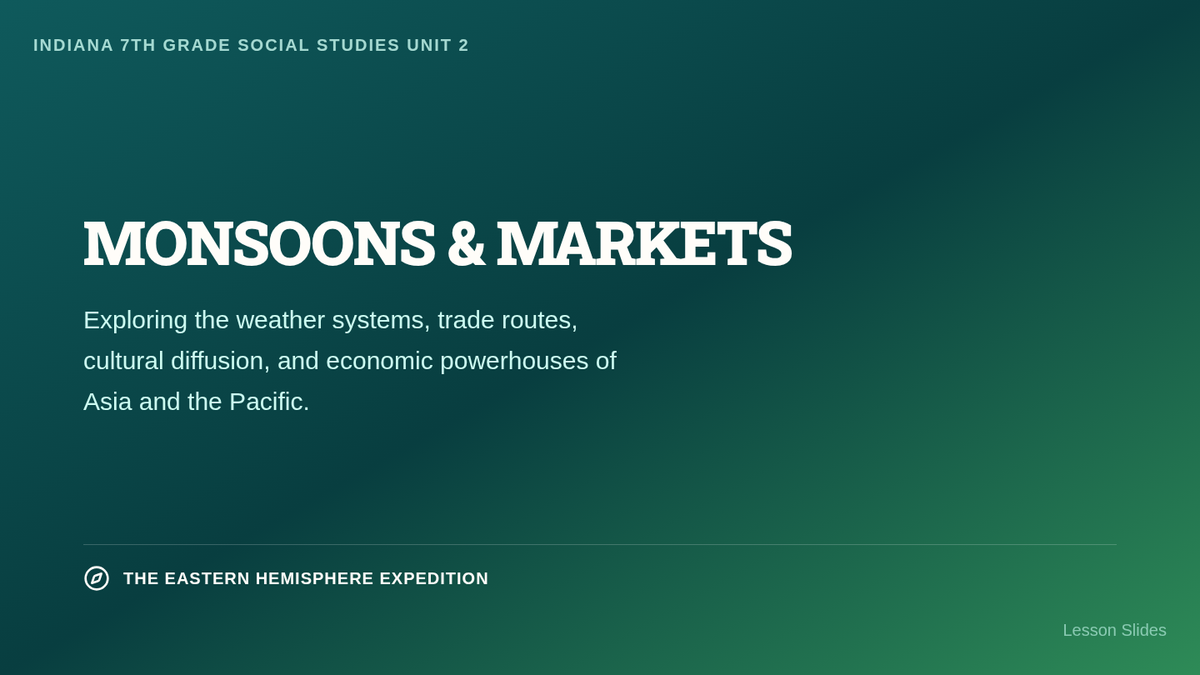
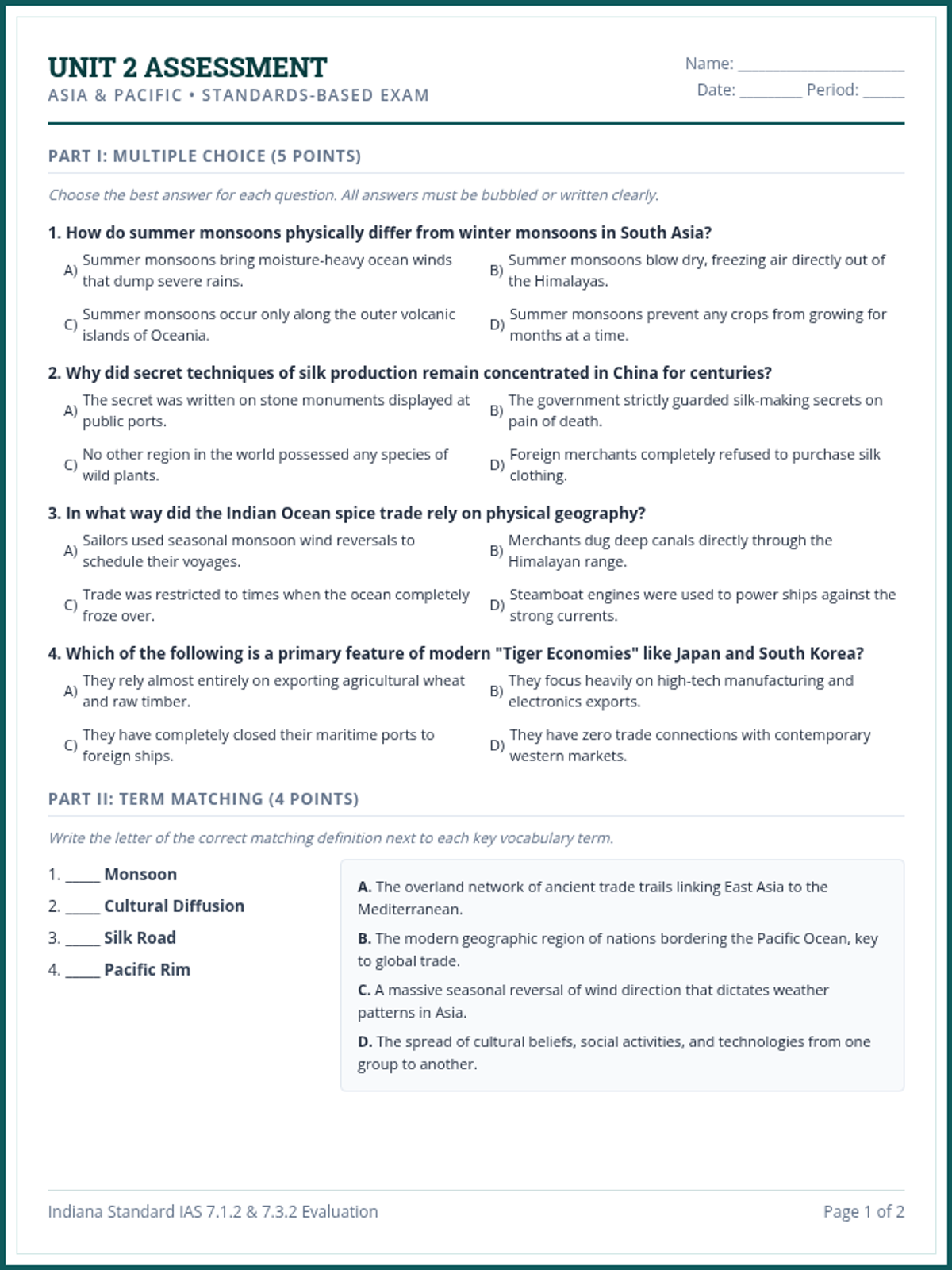
An exploration of Asia and the Pacific, focusing on diverse cultural traditions, physical features, and the economic engines of the modern world.
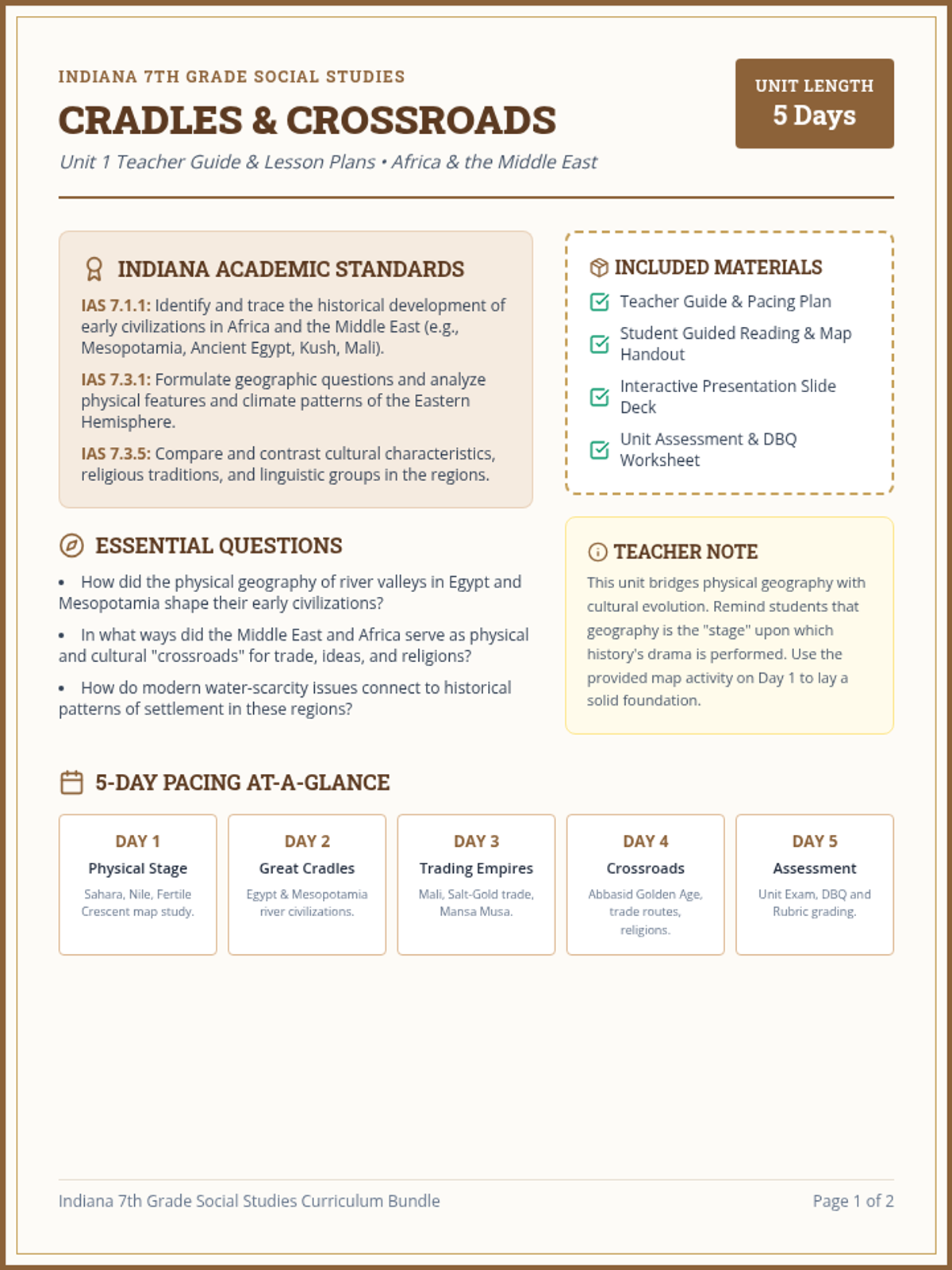
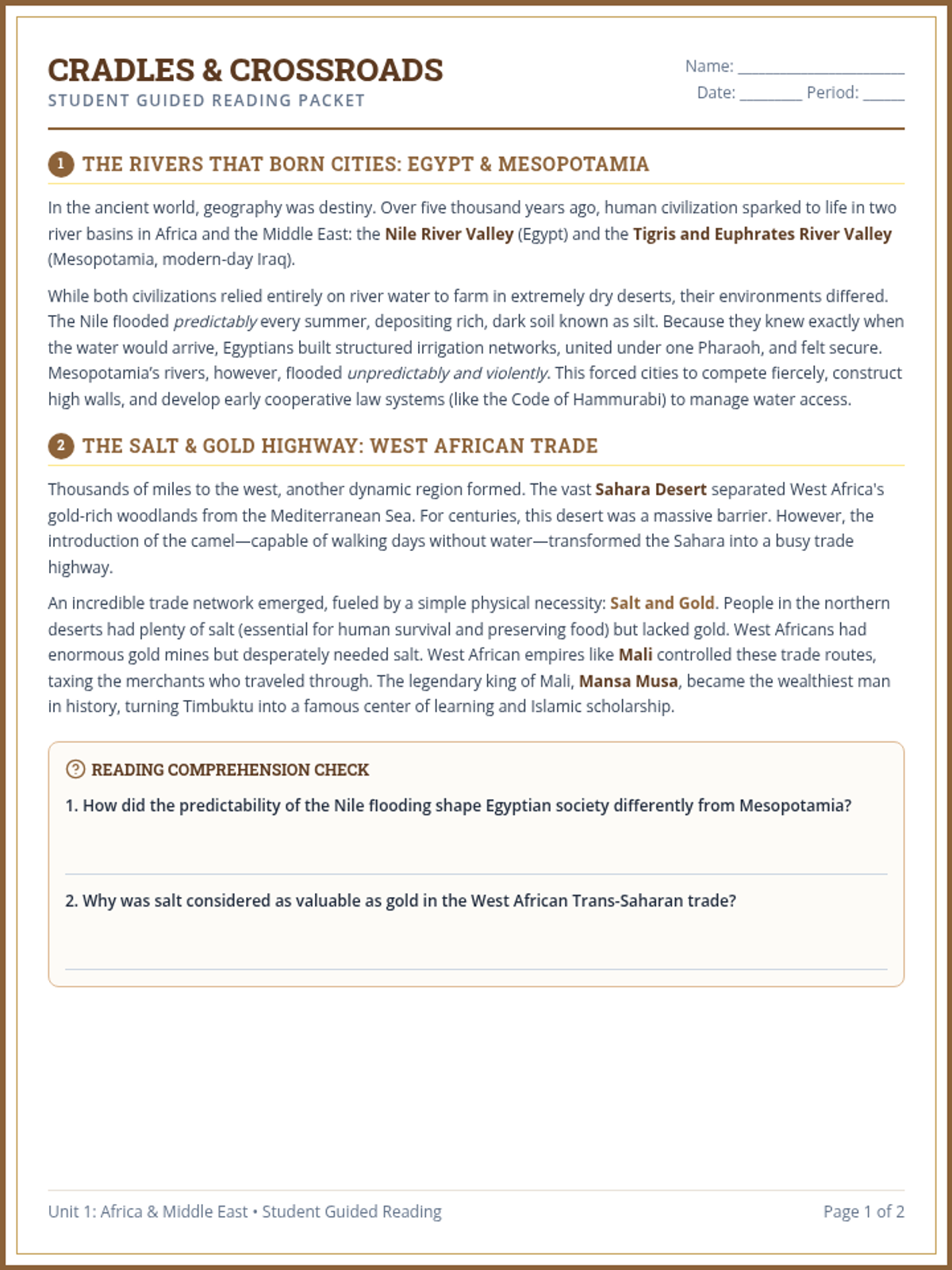
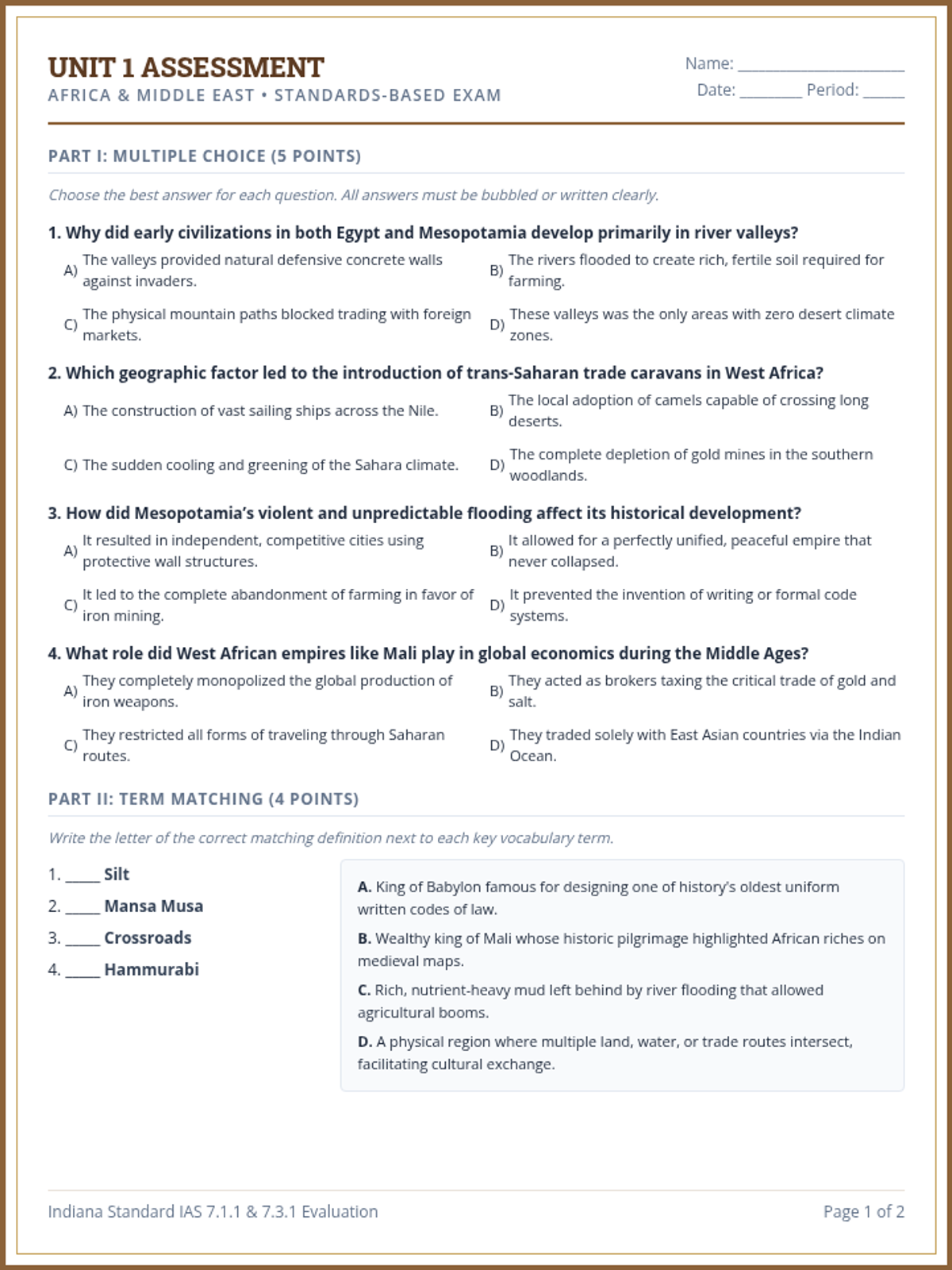
An in-depth exploration of Africa and the Middle East, covering physical geography, historical civilizations, and diverse cultures aligned with Indiana 7th Grade Academic Standards.
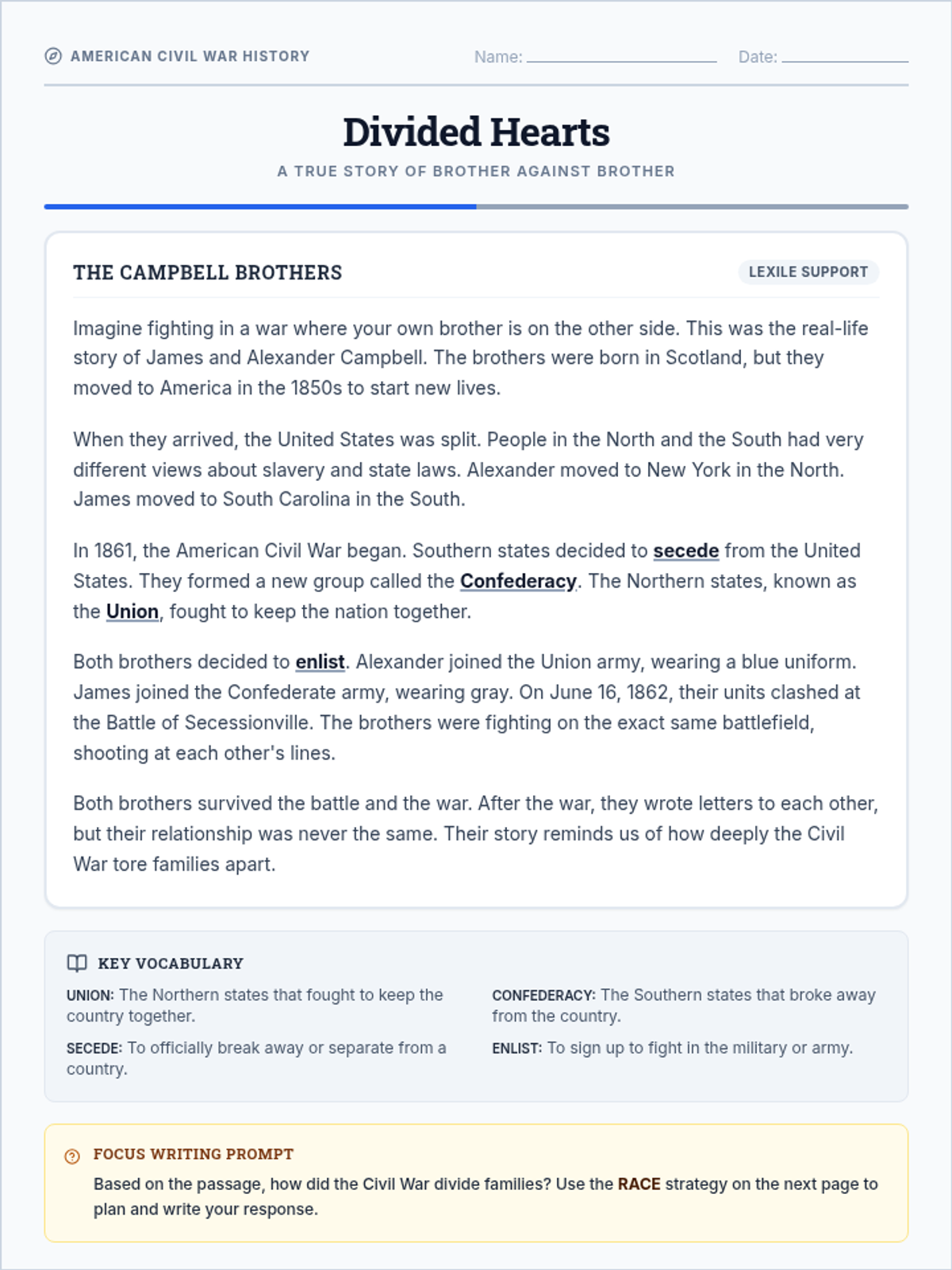
A lesson focused on the division of families during the American Civil War. It includes a simplified reading passage detailing the true story of the Campbell brothers and a structured RACE (Restate, Answer, Cite, Explain) response graphic organizer with student writing lines.
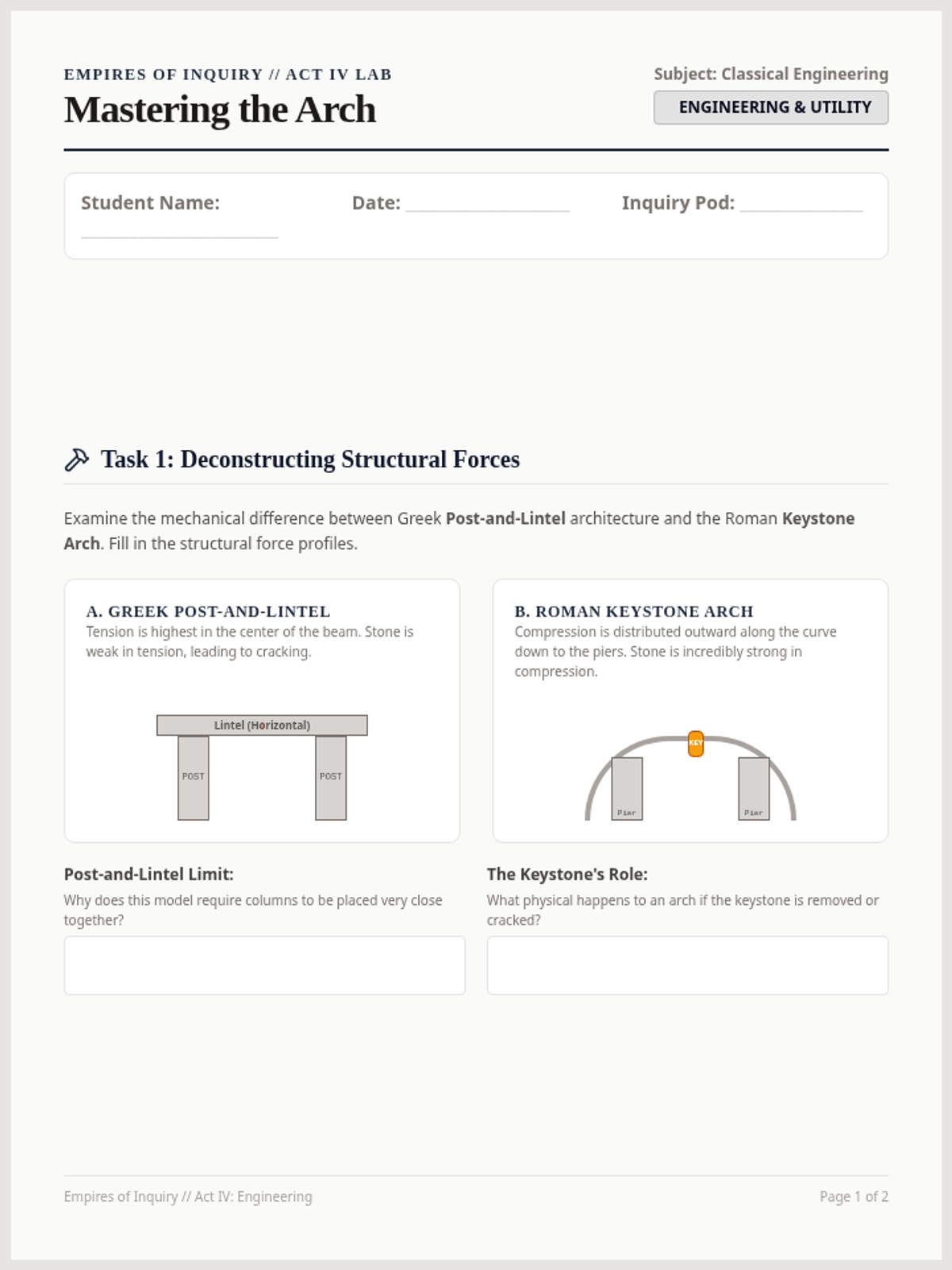
Students investigate the physical backbone of classical empires, comparing Greek structural harmony with Roman concrete engineering and infrastructural feats like aqueducts and roadways.
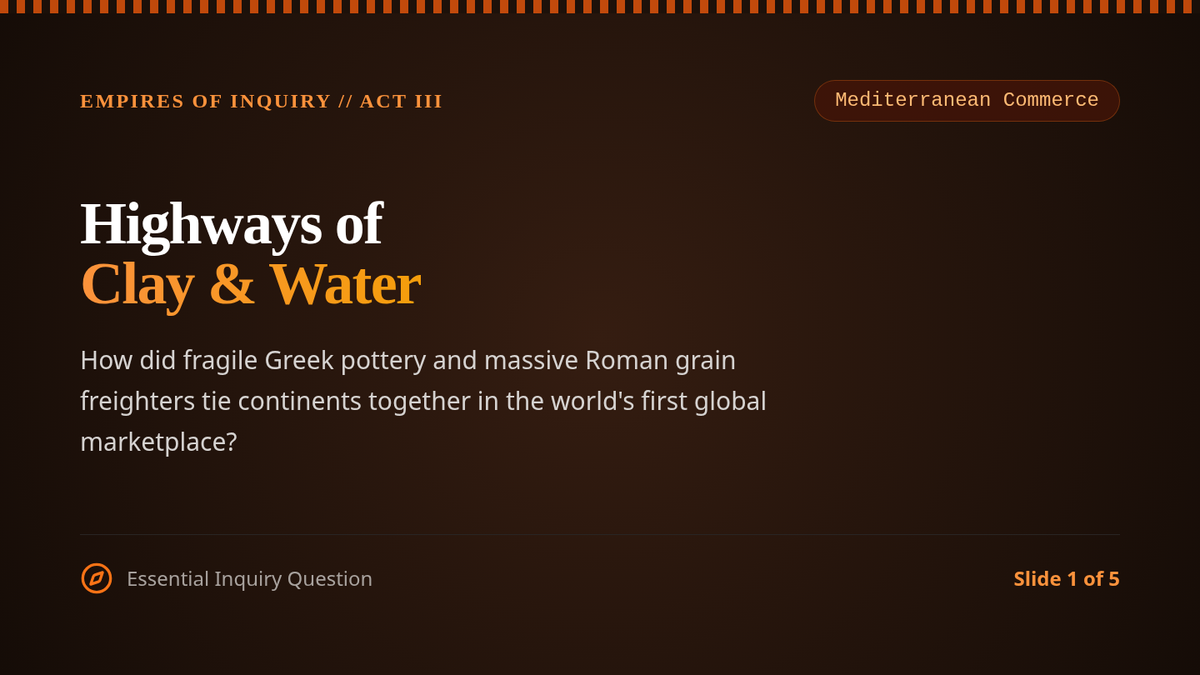
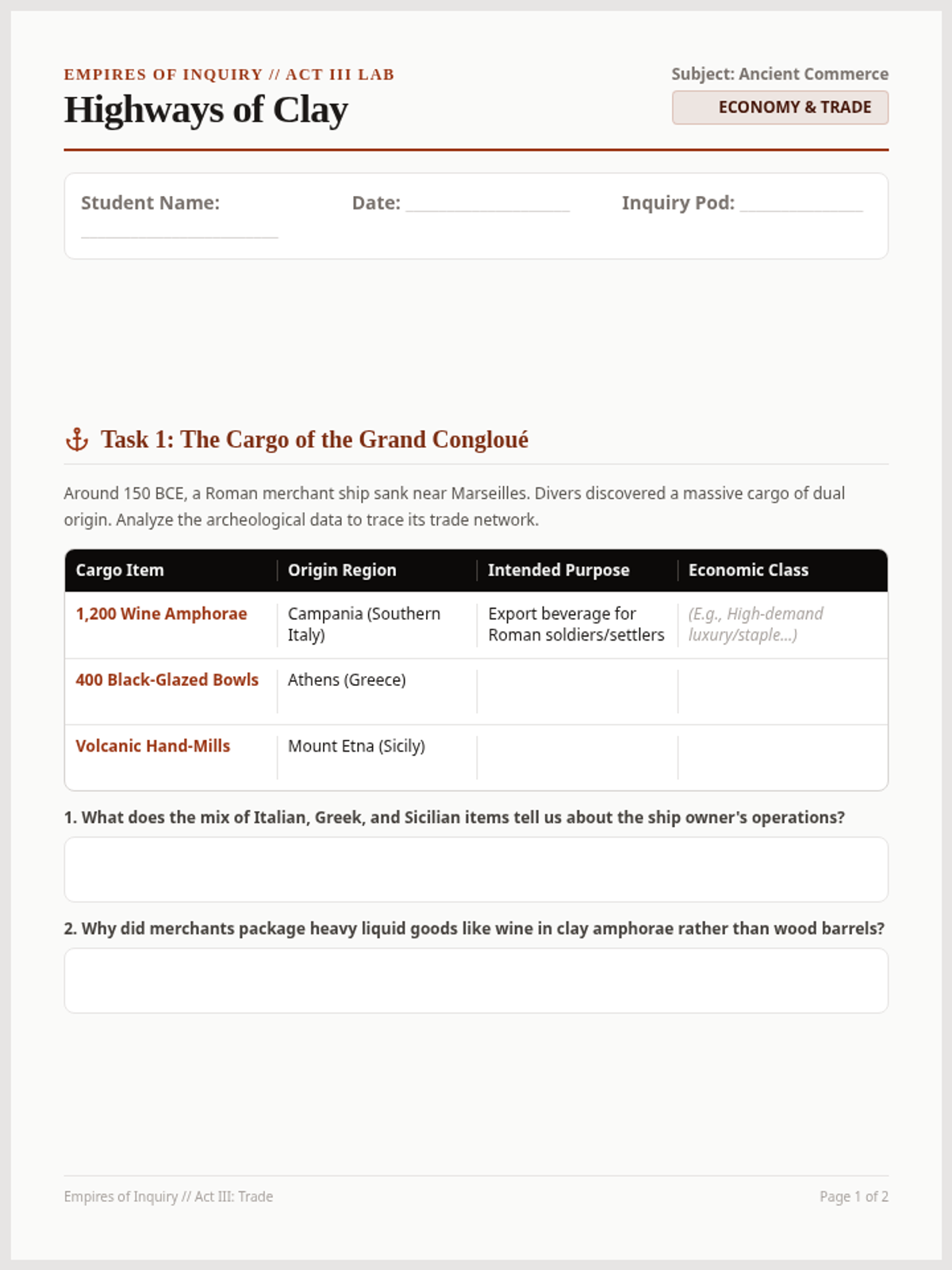
Students trace the economic veins of the Mediterranean, mapping how Greek ceramic trade and Roman maritime highways linked continents, exchanged technologies, and forged a globalized ancient marketplace.