Focusing on offensive tactics, this lesson introduces the geometric concept of triangles to maintain possession. Students practice the 'pass and move' technique, learning to immediately run to open space after releasing the ball.
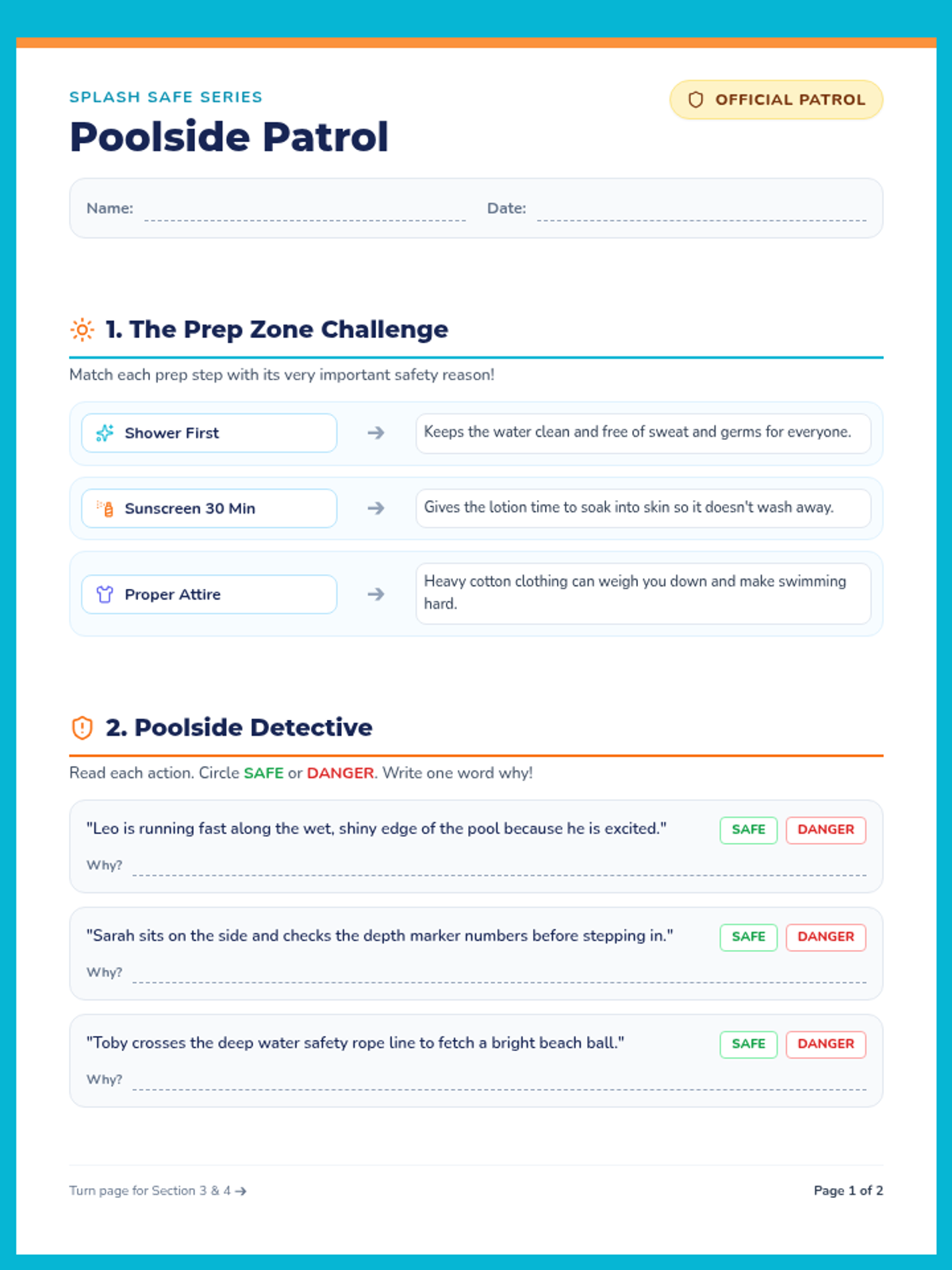
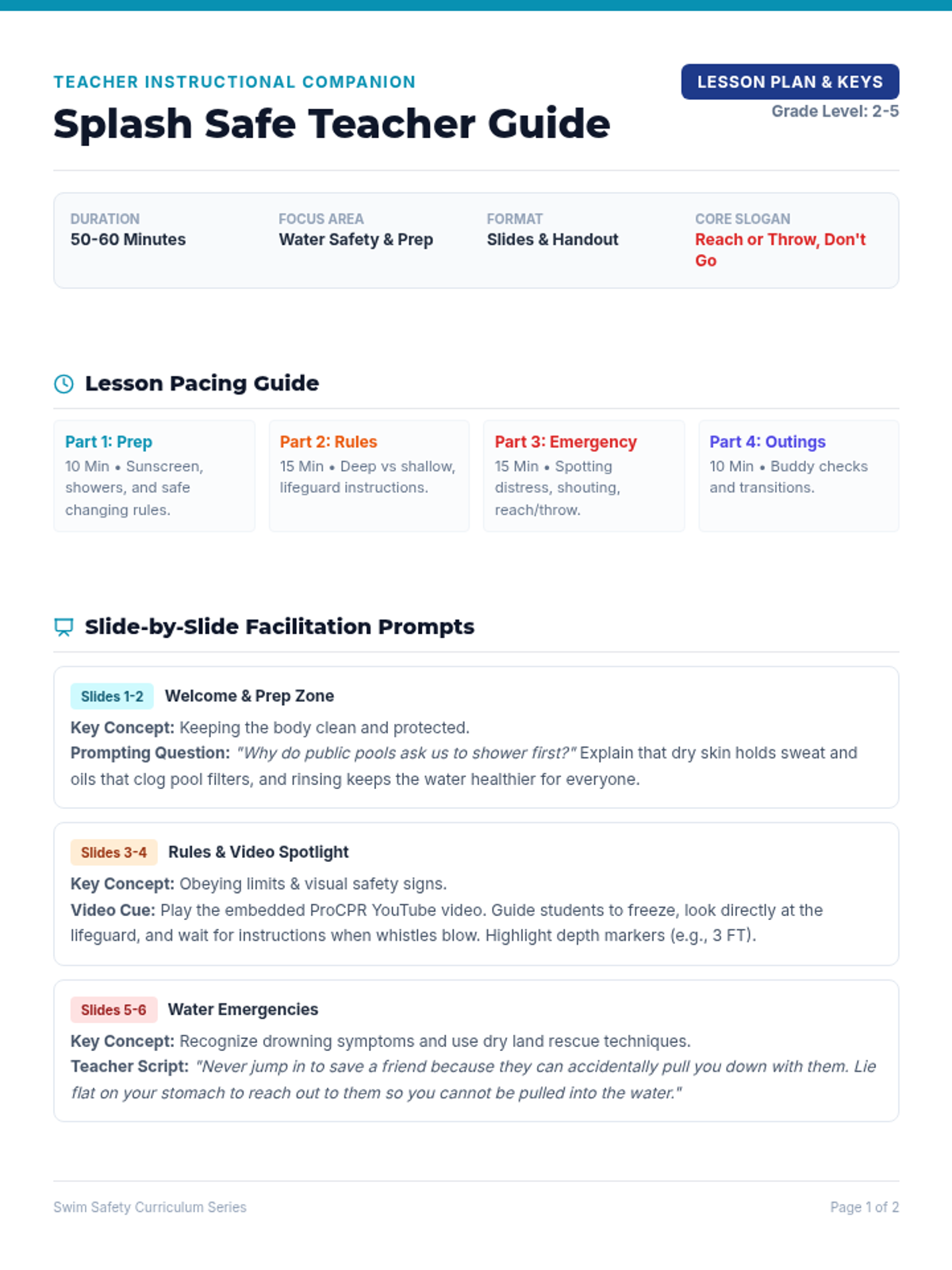
A comprehensive lesson on swimming safety covering preparation, pool rules, water emergencies, and community outing routines. Designed to equip students with practical safety habits through visual slides, scenario discussions, and a structured practice guide.
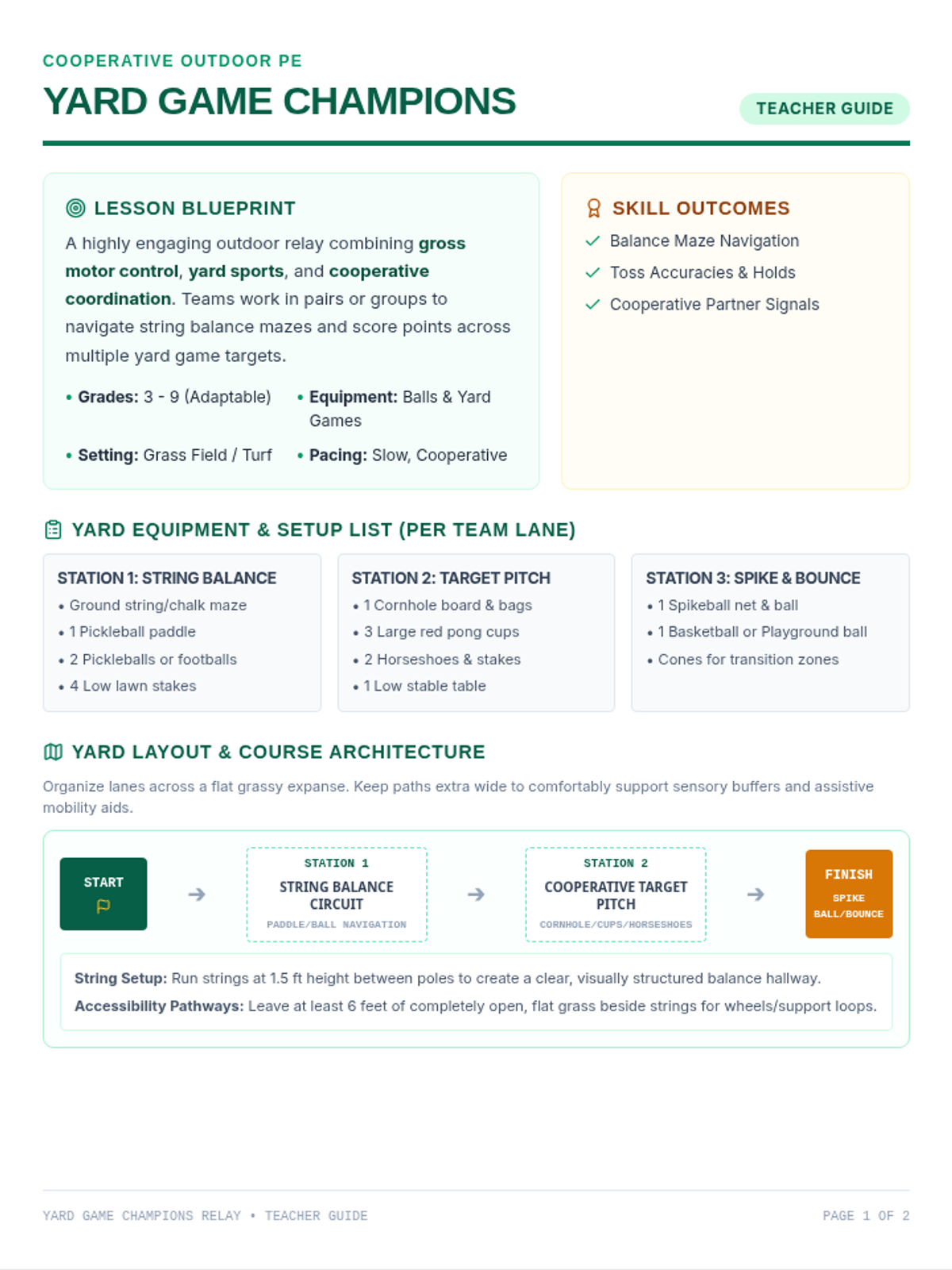
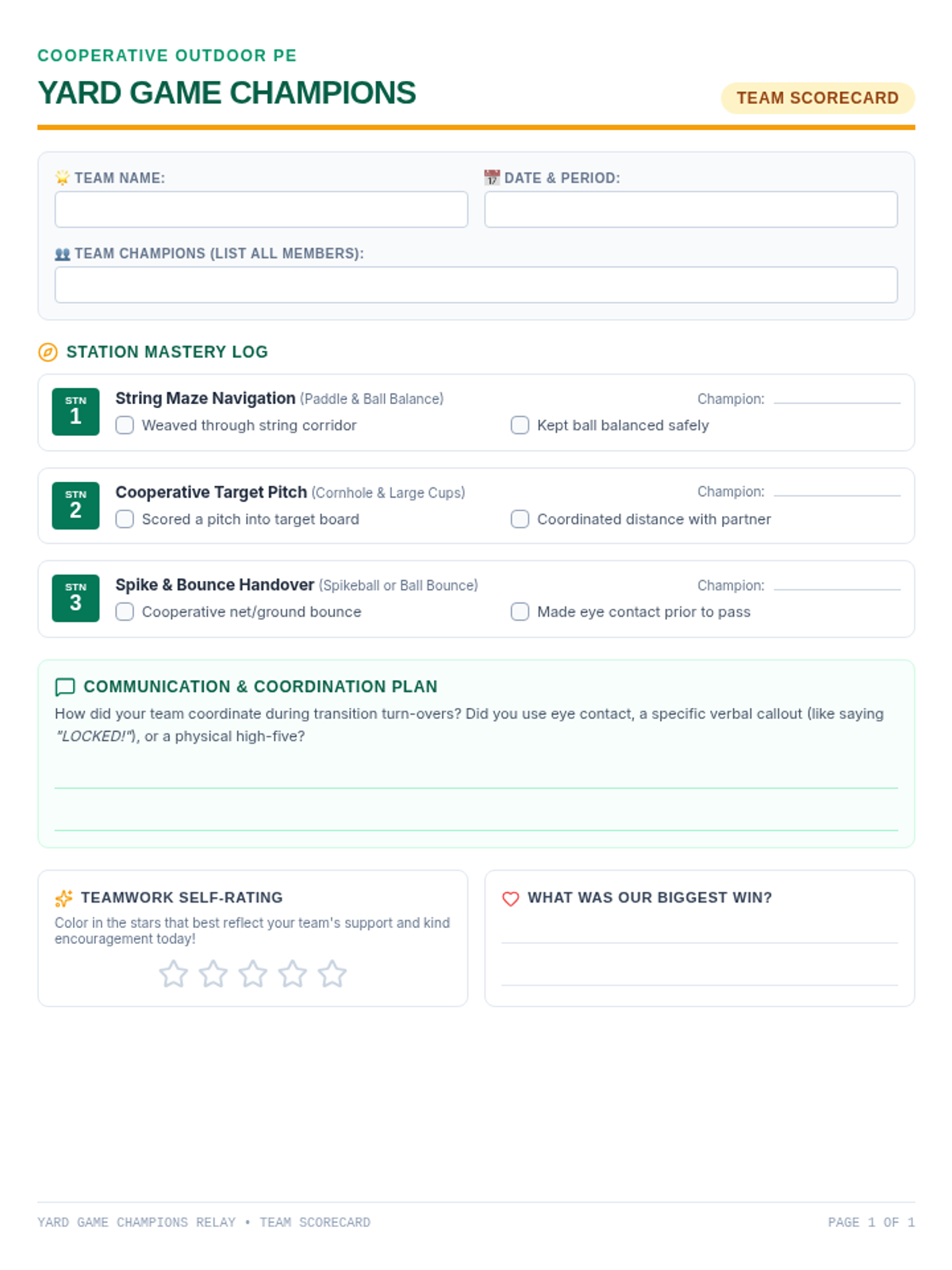
An outdoor cooperative relay race utilizing yard games, balls, and string balance circuits, designed with low-impact adaptations to ensure full class inclusion.
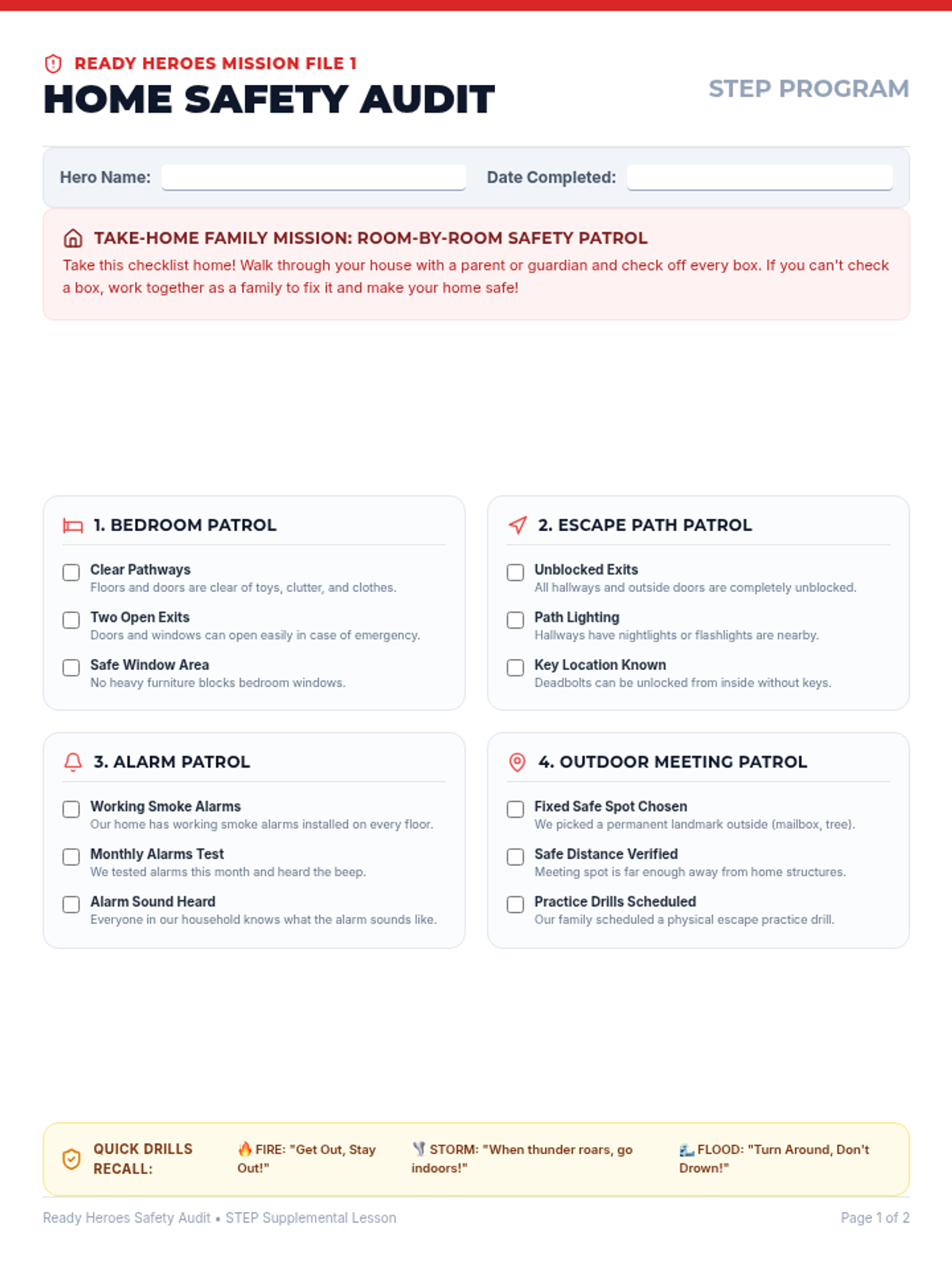
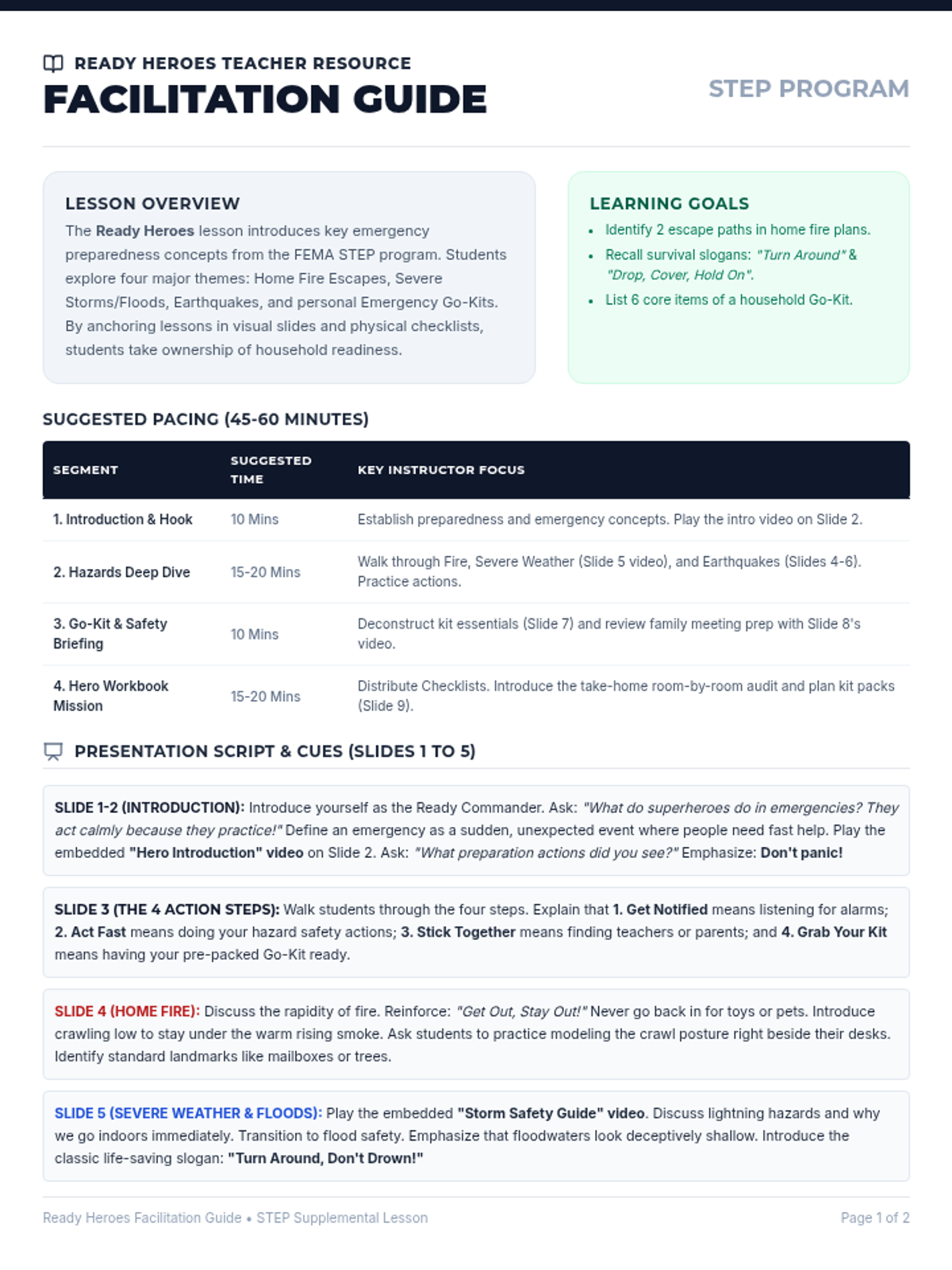
A highly visual, action-oriented emergency preparedness lesson teaching students how to stay safe during fires, severe weather, floods, and earthquakes. Includes hands-on planning for emergency go-kits and home escape plans.
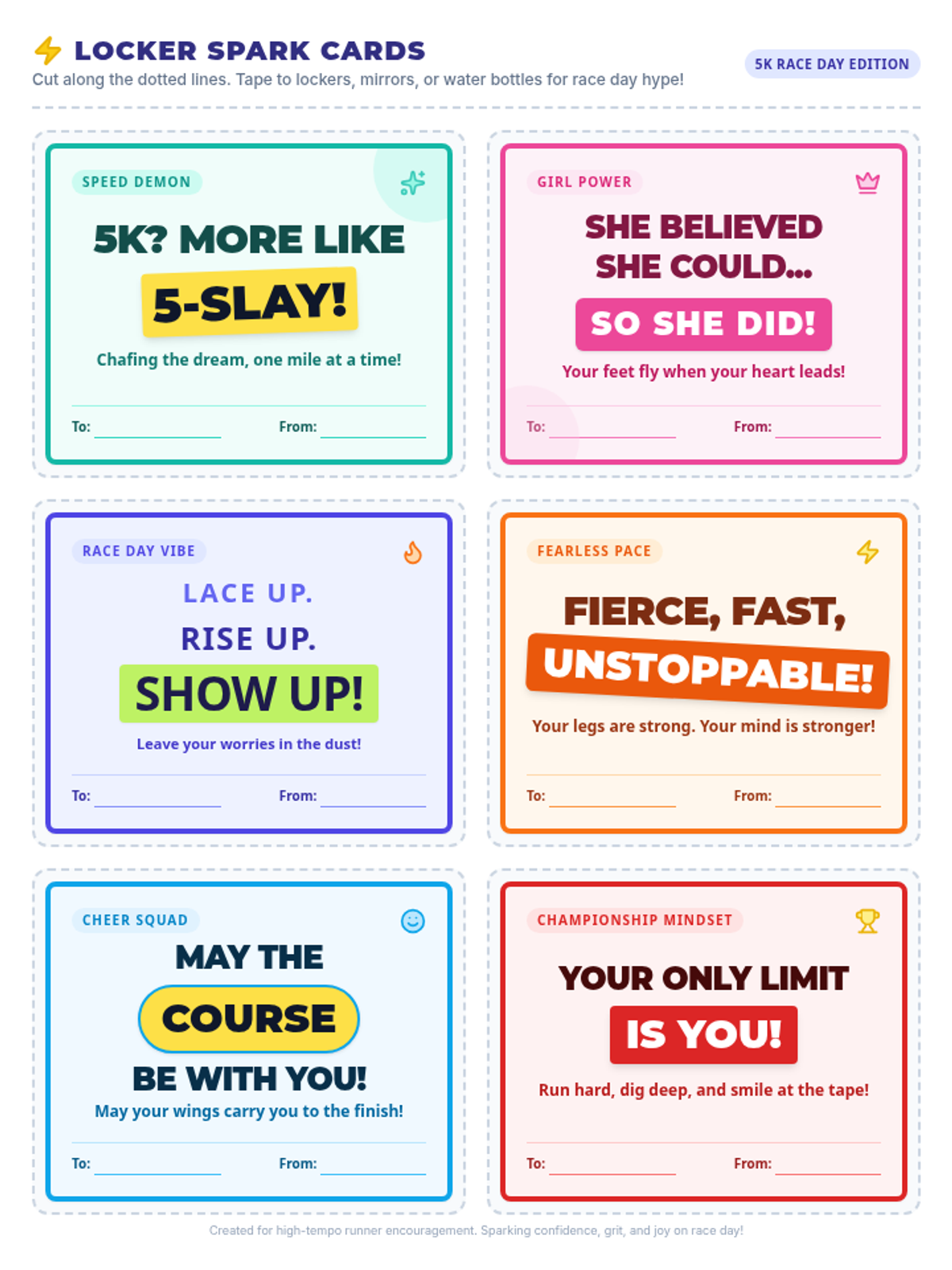
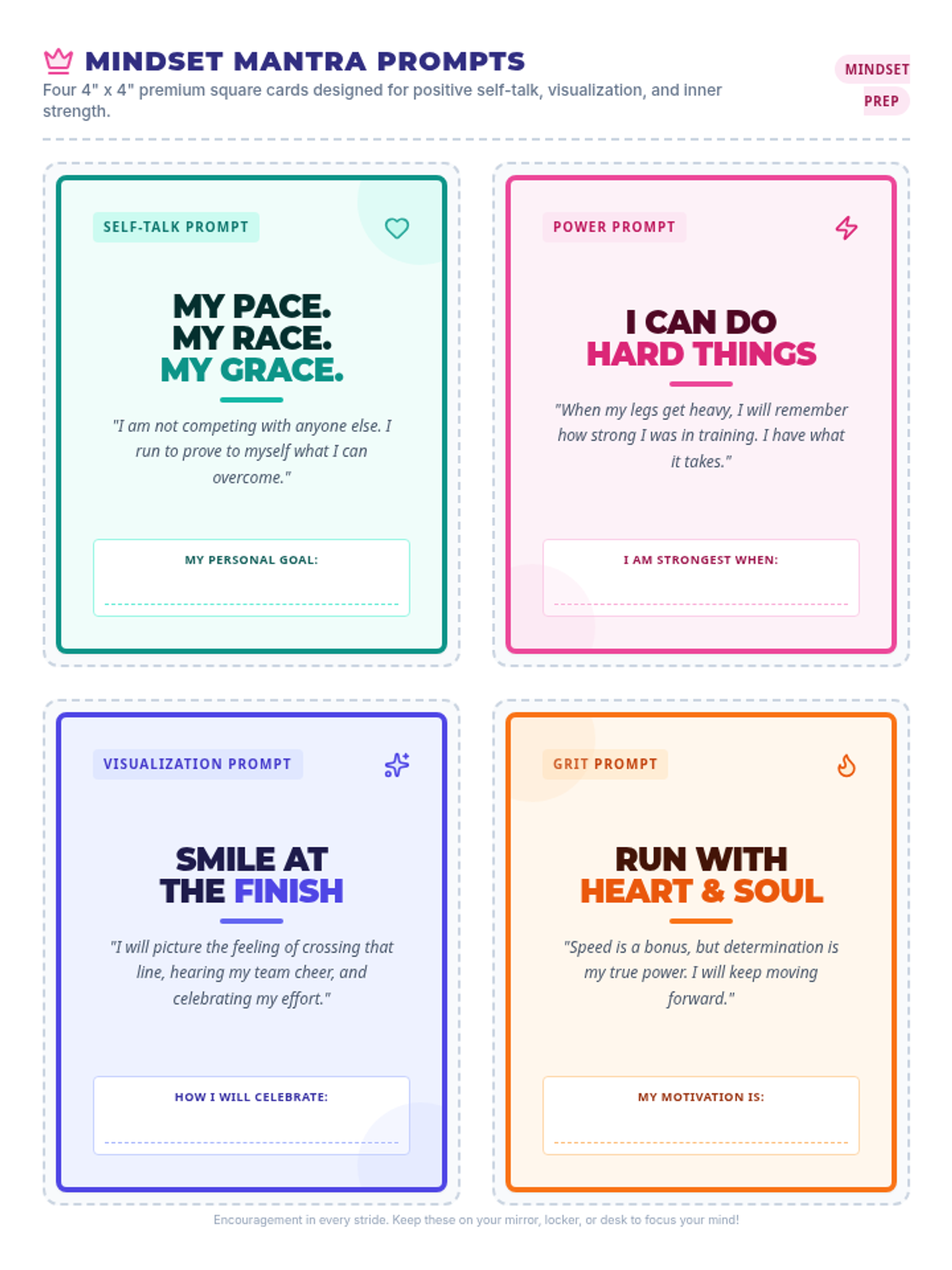
A short lesson focused on boosting runner morale and building community hype for the upcoming 5k race through personalized, high-energy motivation.
An interactive, visually rich lesson preparing Florida students for severe storms and hurricanes. Covers emergency kit building, weather alerts, home action plans, and sensory coping strategies to reduce storm anxiety.
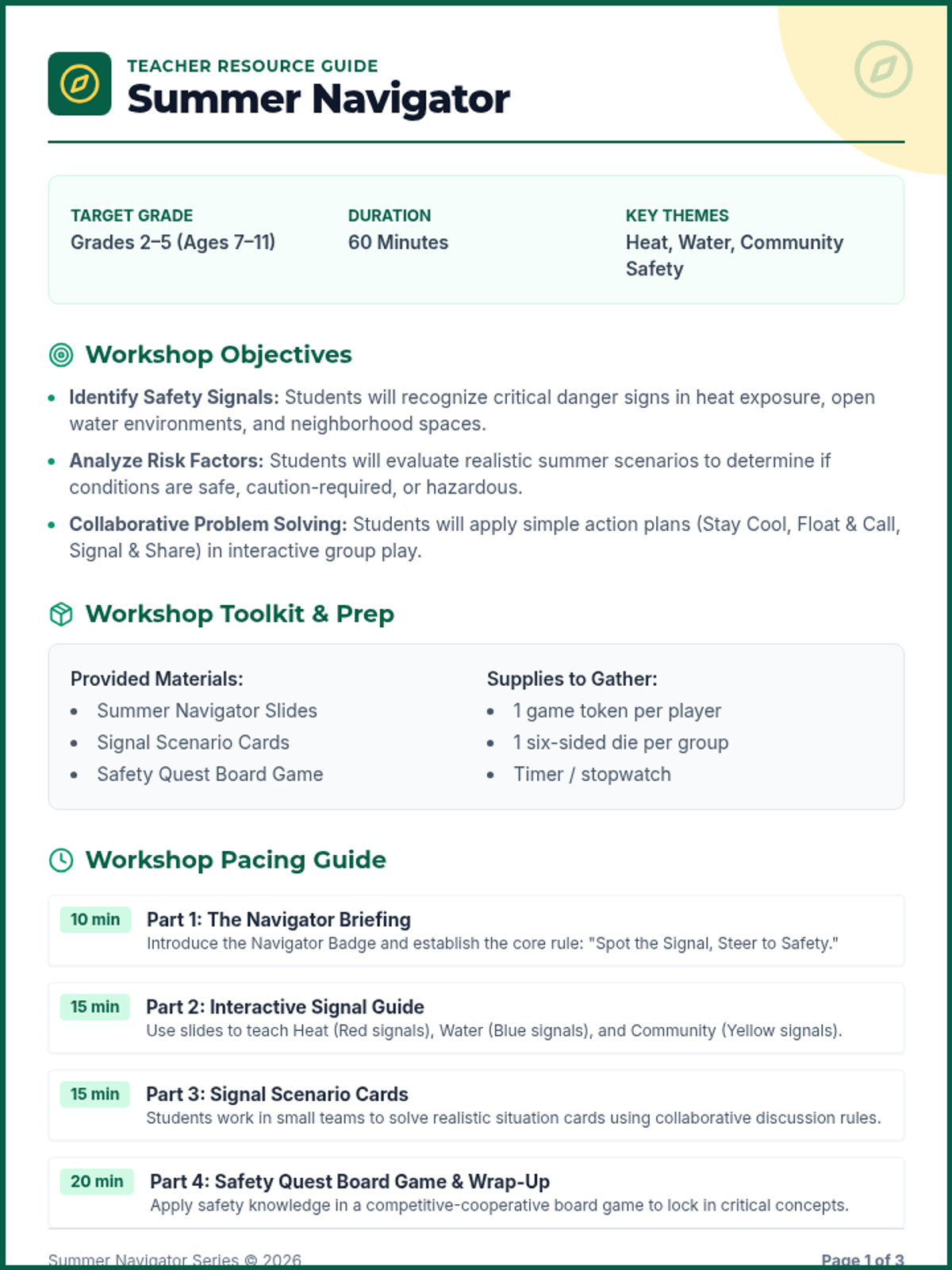
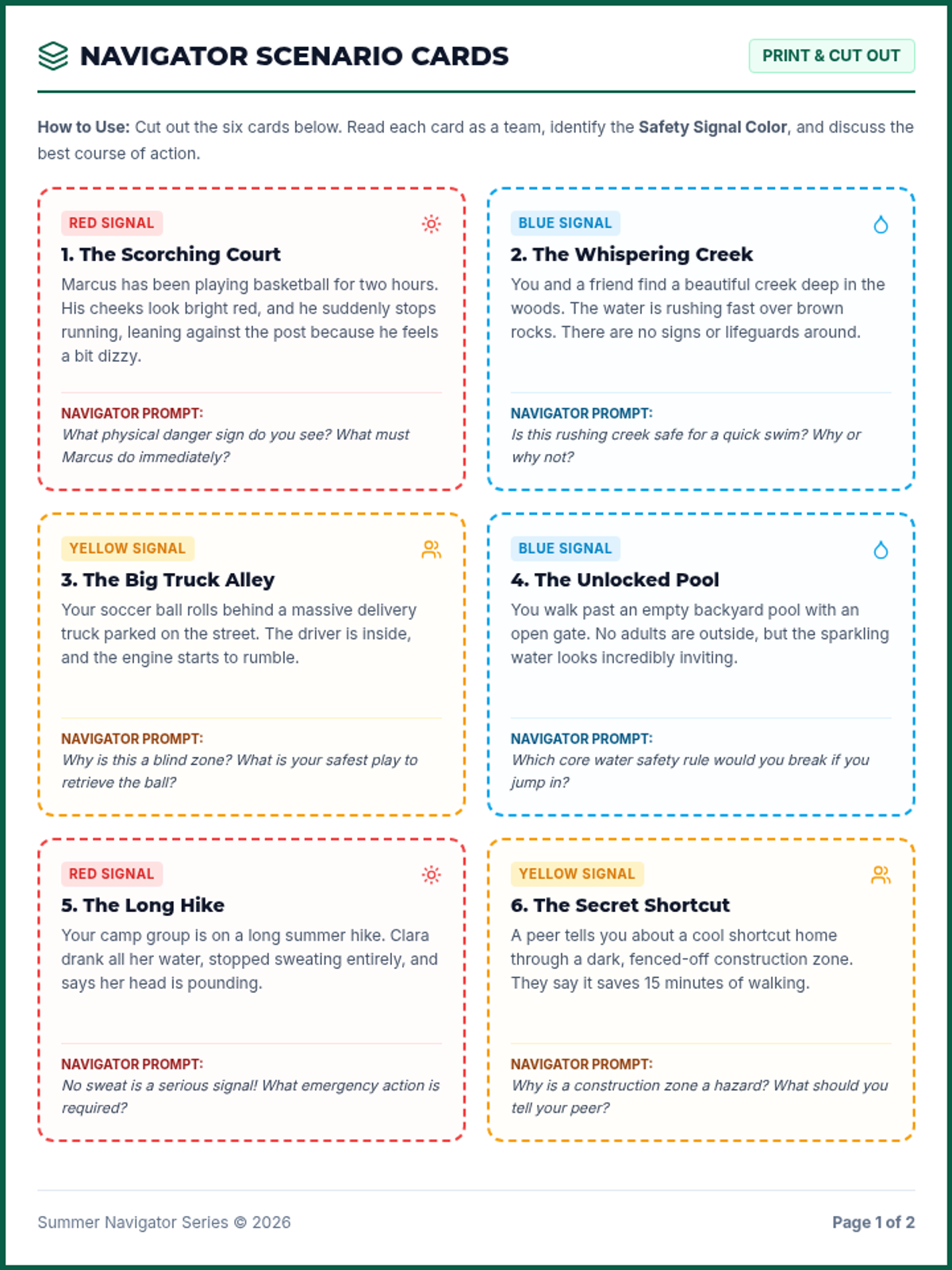
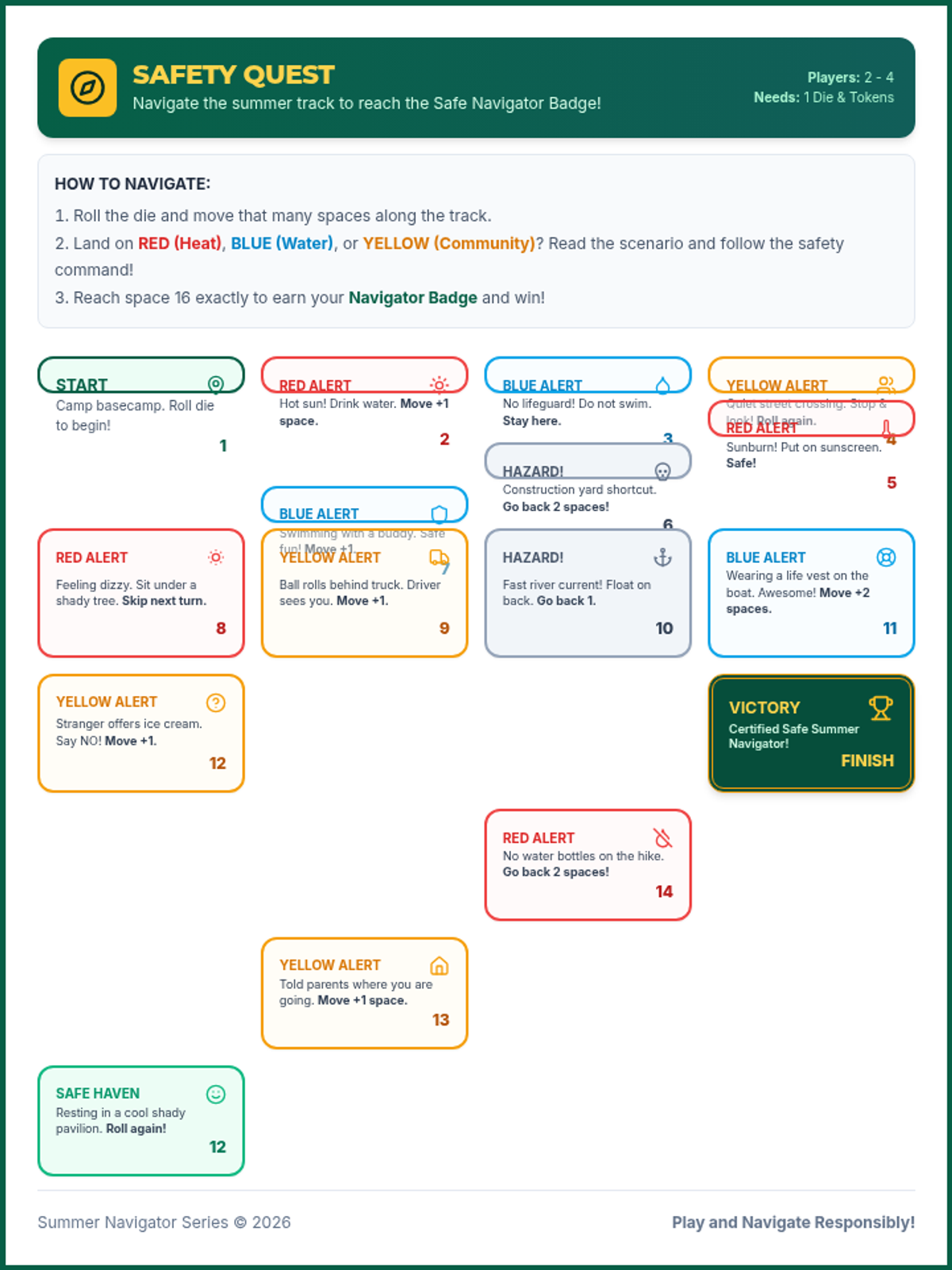
A life-skills workshop for grades 2-5 teaching heat, water, and community safety through a collaborative 'Summer Navigator' framework. Includes an instructional lesson plan, interactive slides, collaborative scenario discussion cards, and a safety quest board game.
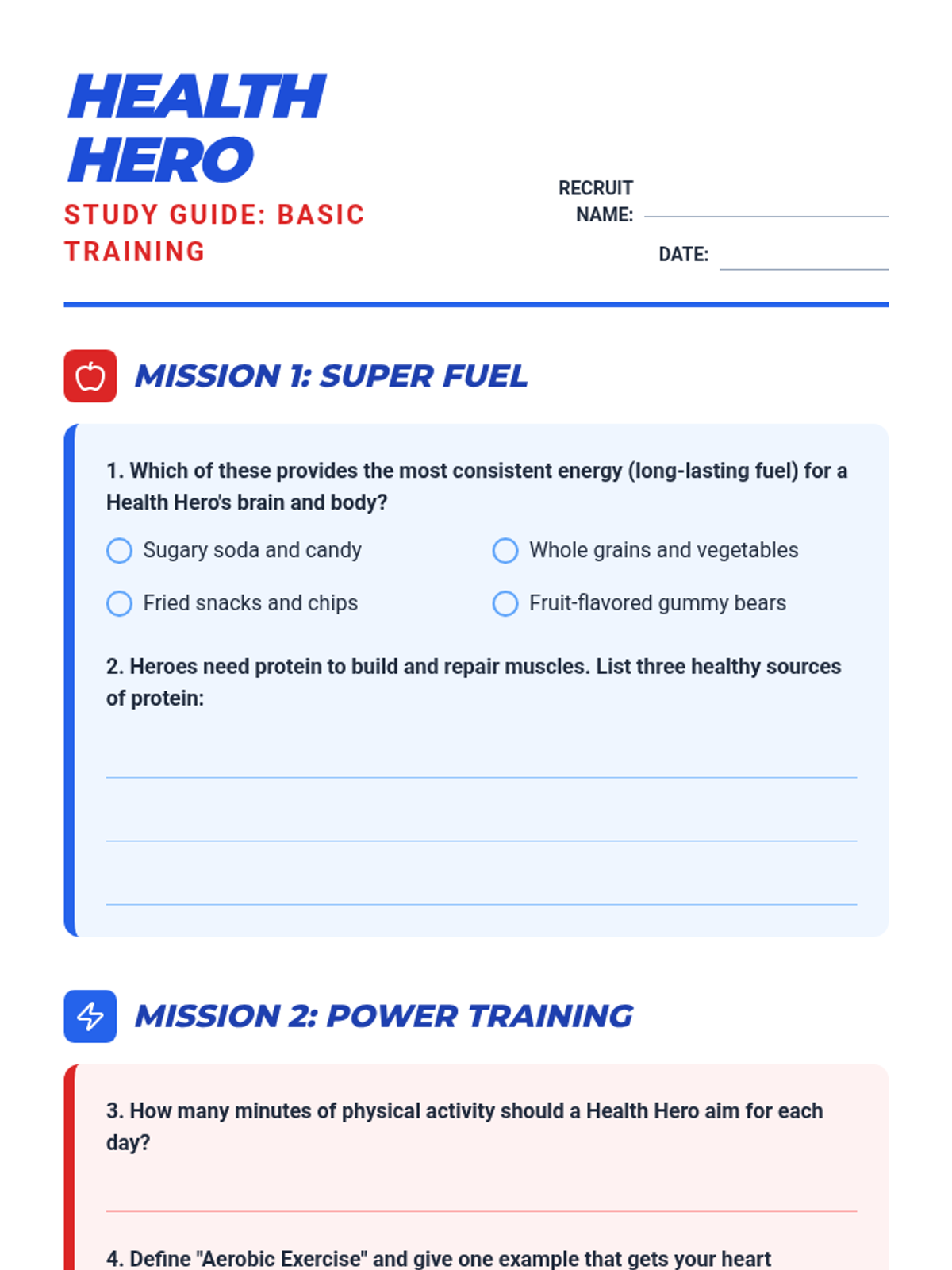
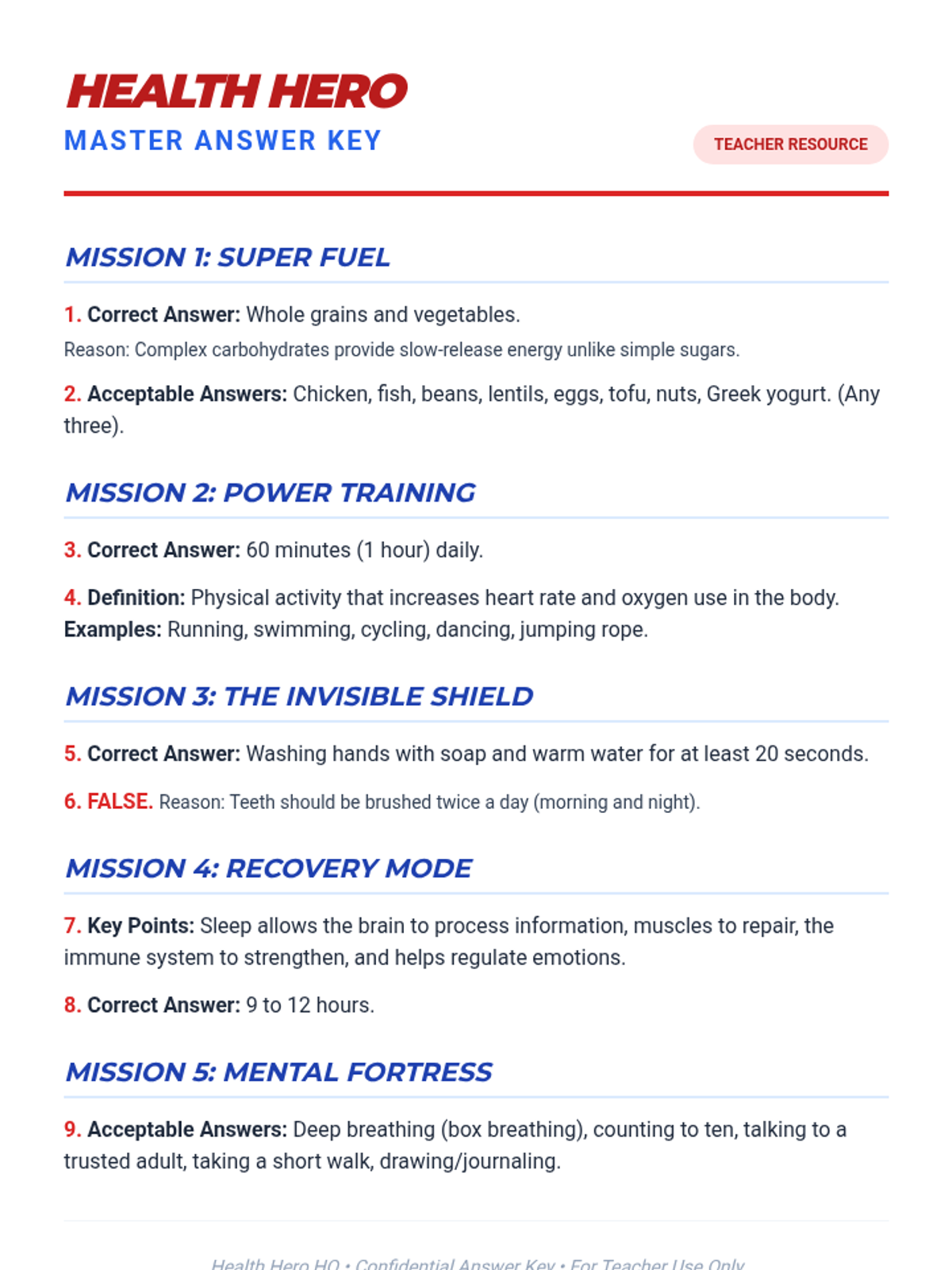
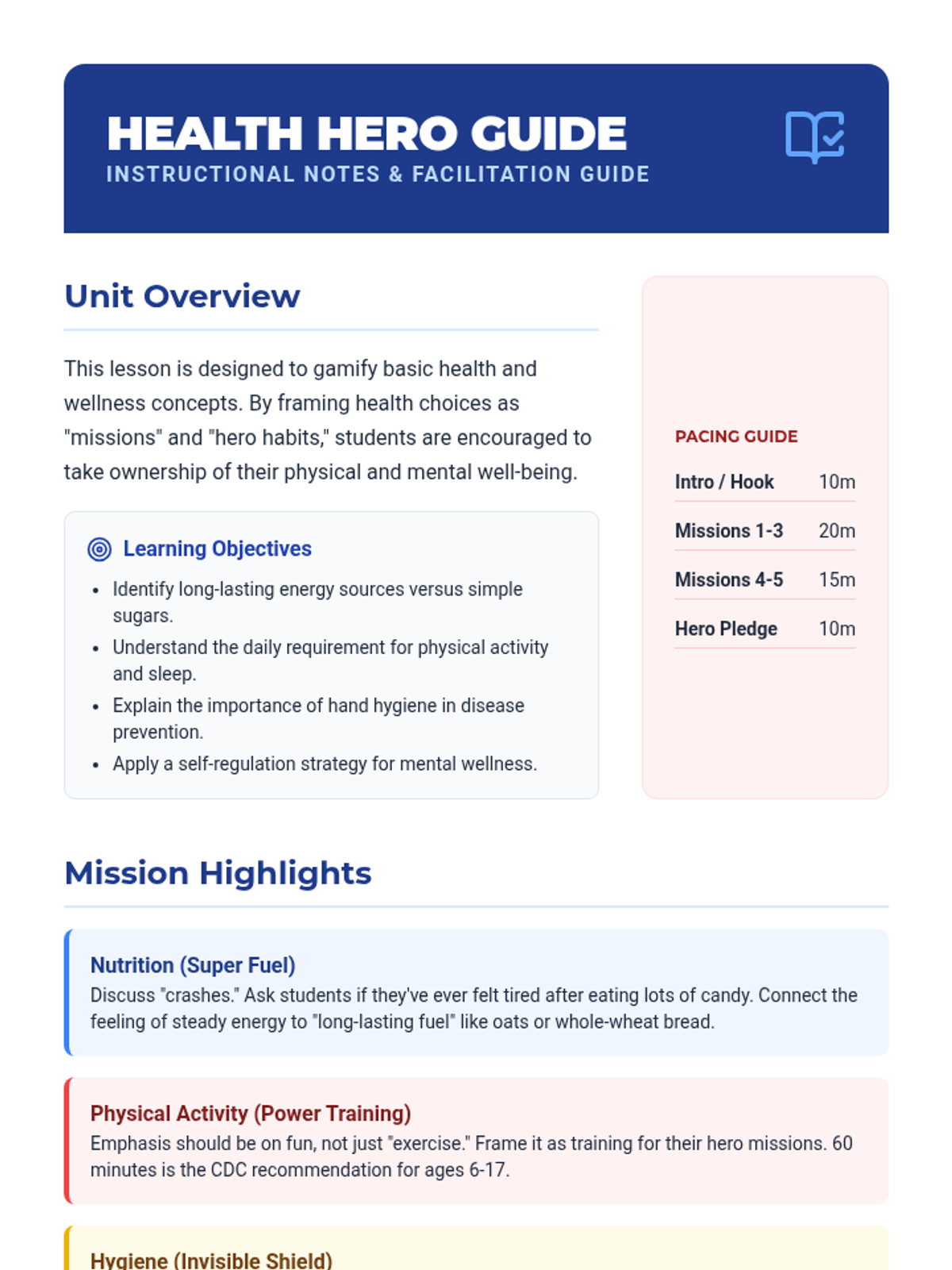
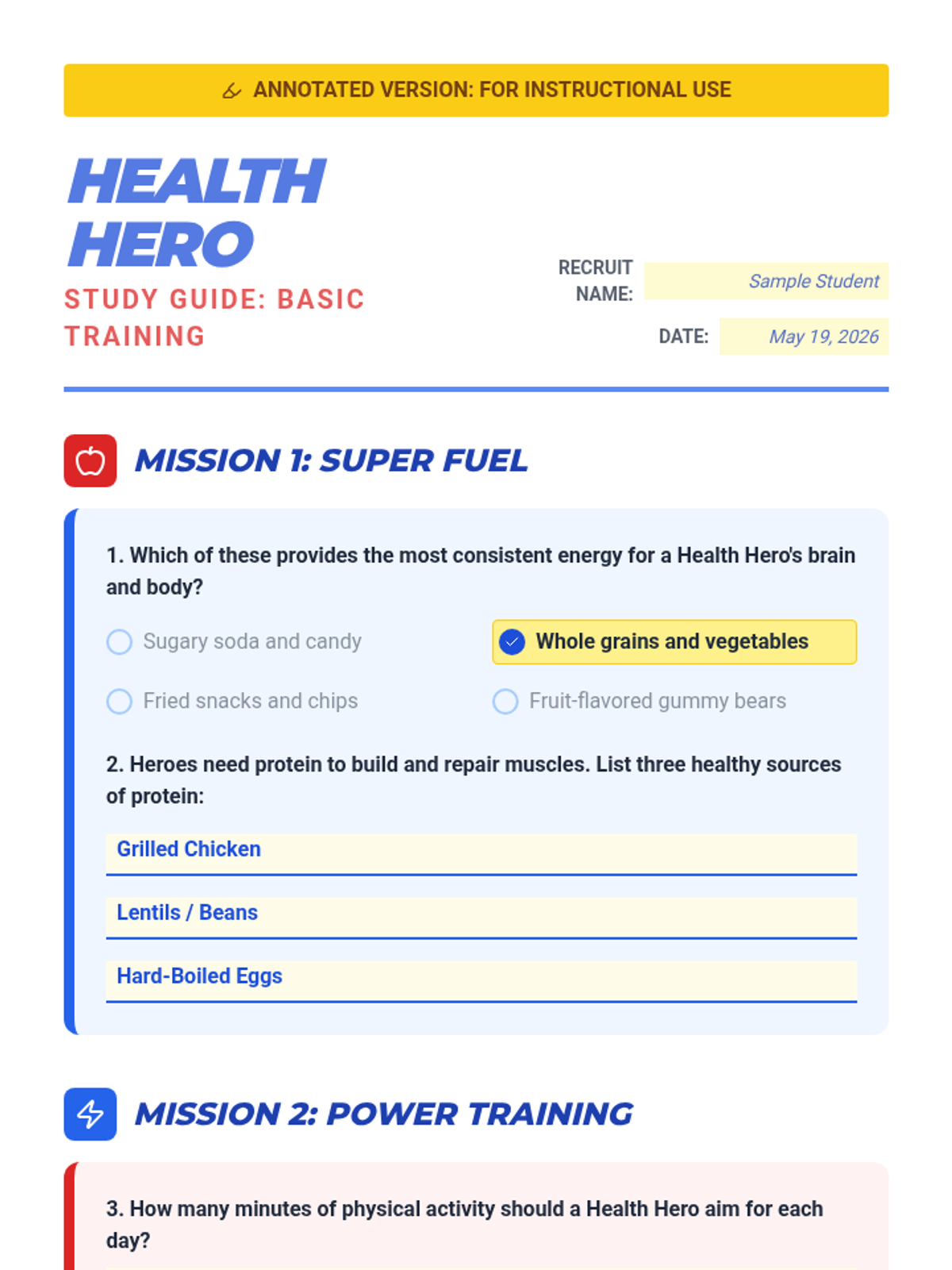
A foundational lesson where students learn the core pillars of health—nutrition, exercise, sleep, and hygiene—to build their own 'Hero's Habit' routine.
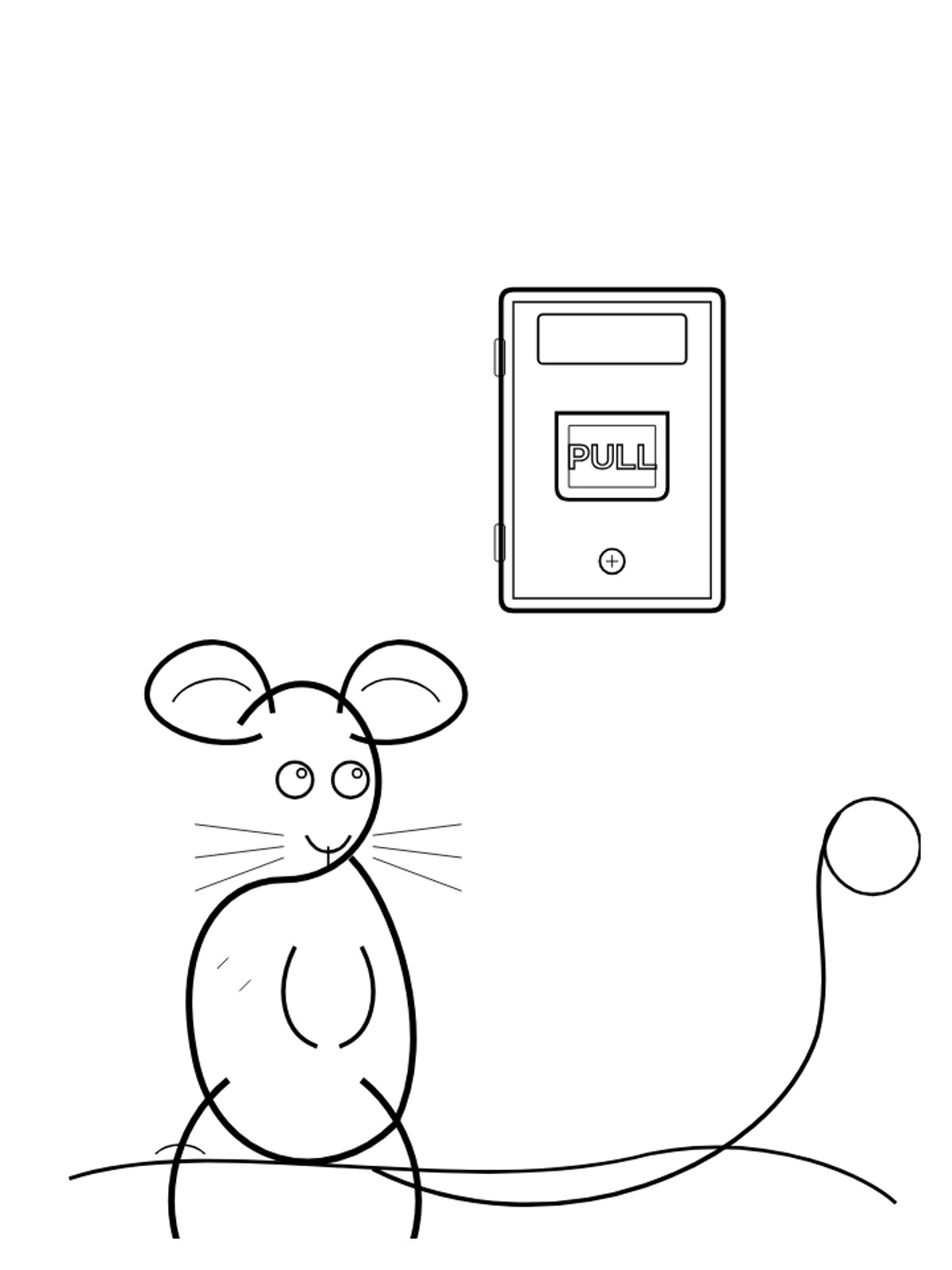
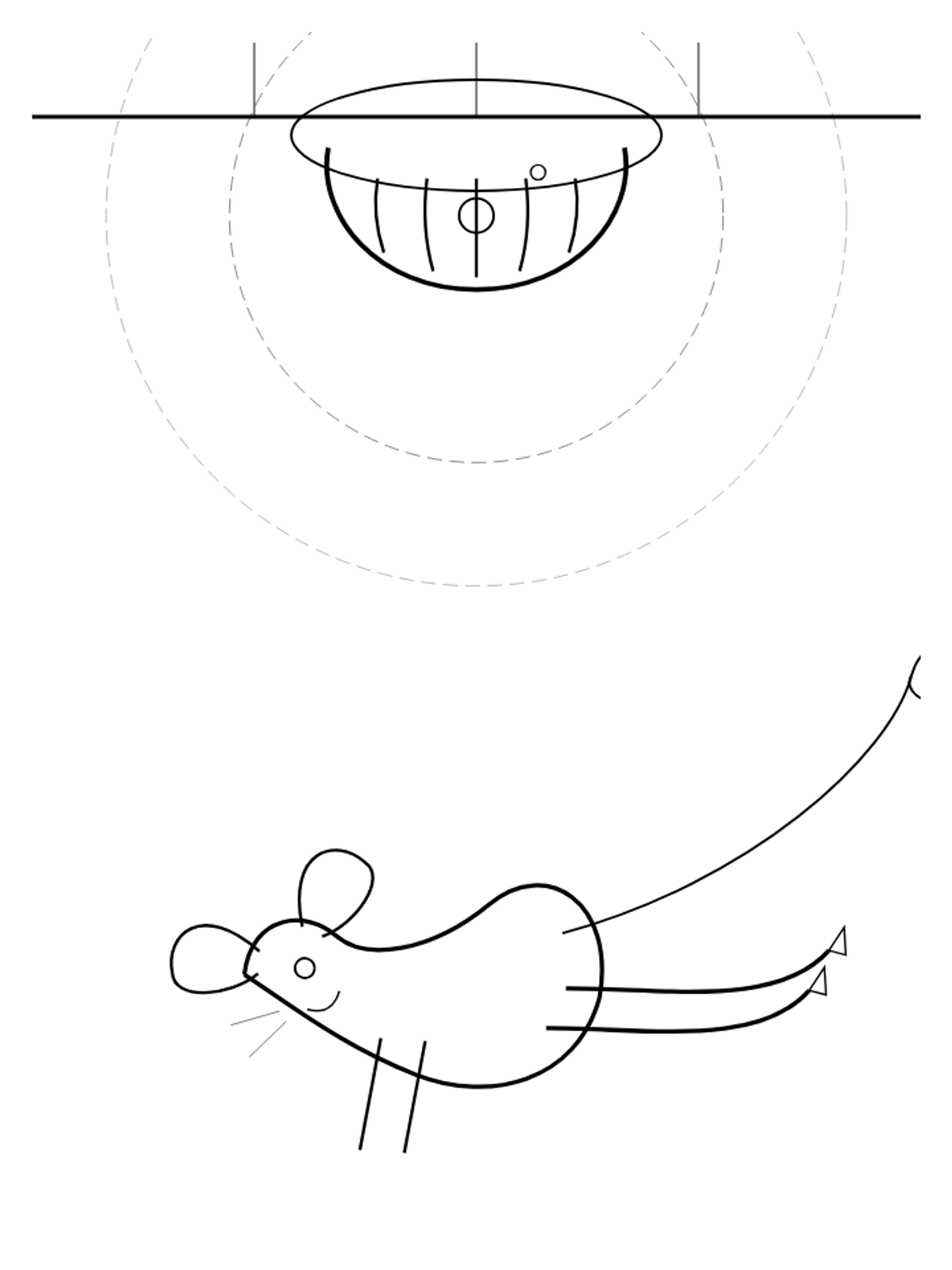
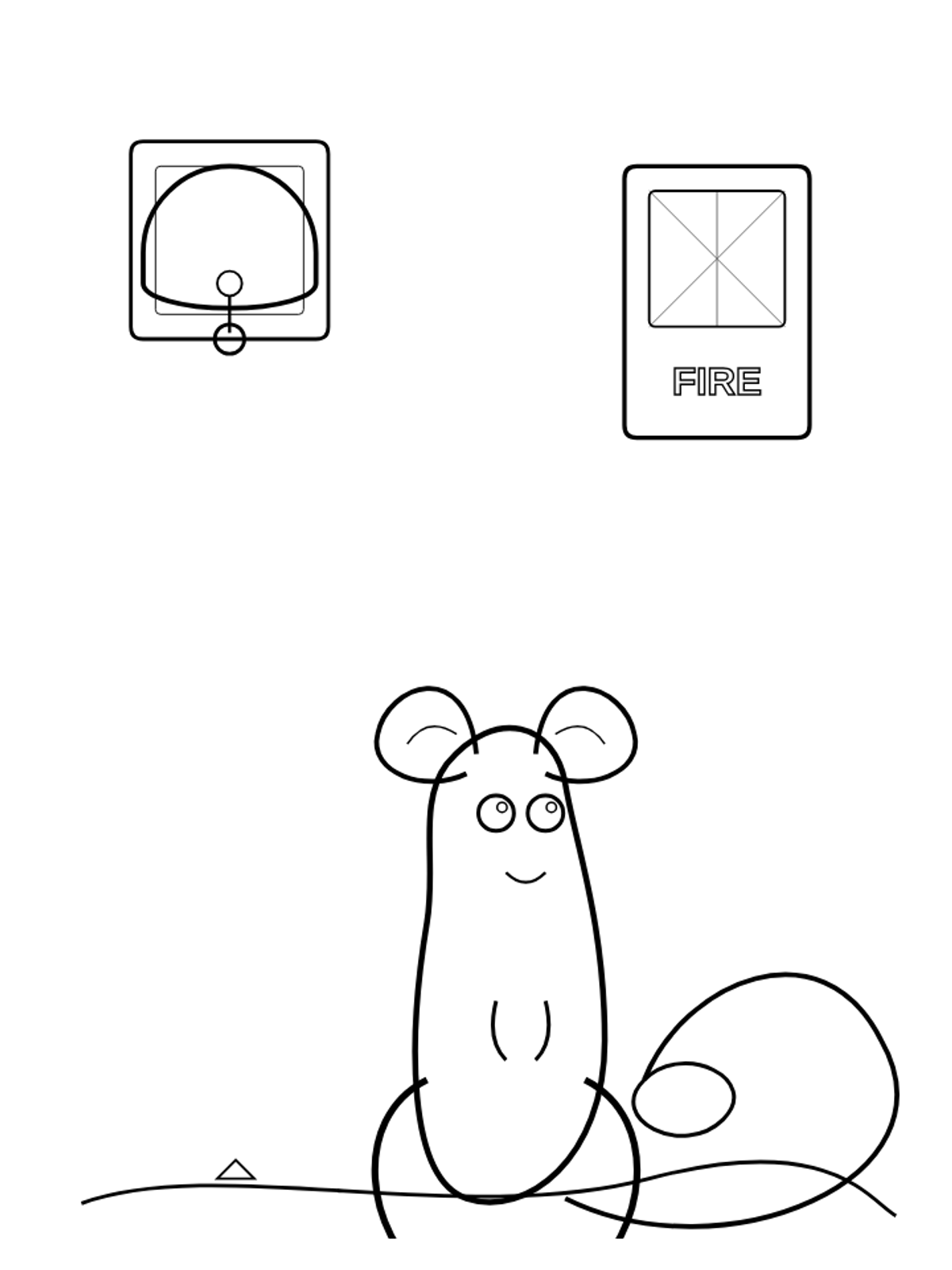
A collection of three detailed coloring pages featuring realistic jerboas and various fire alarm equipment, perfect for creative sessions or safety-themed activities.
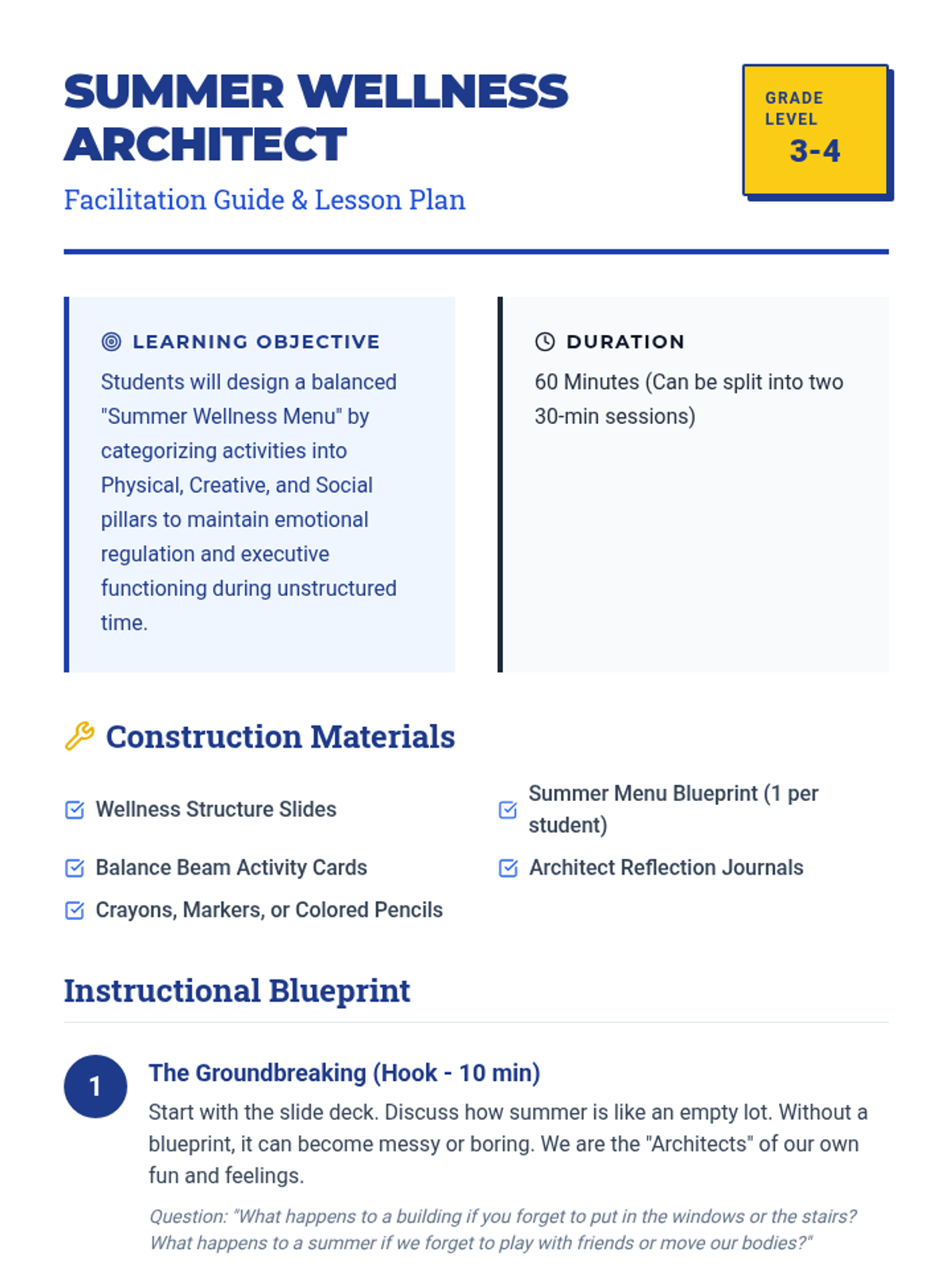
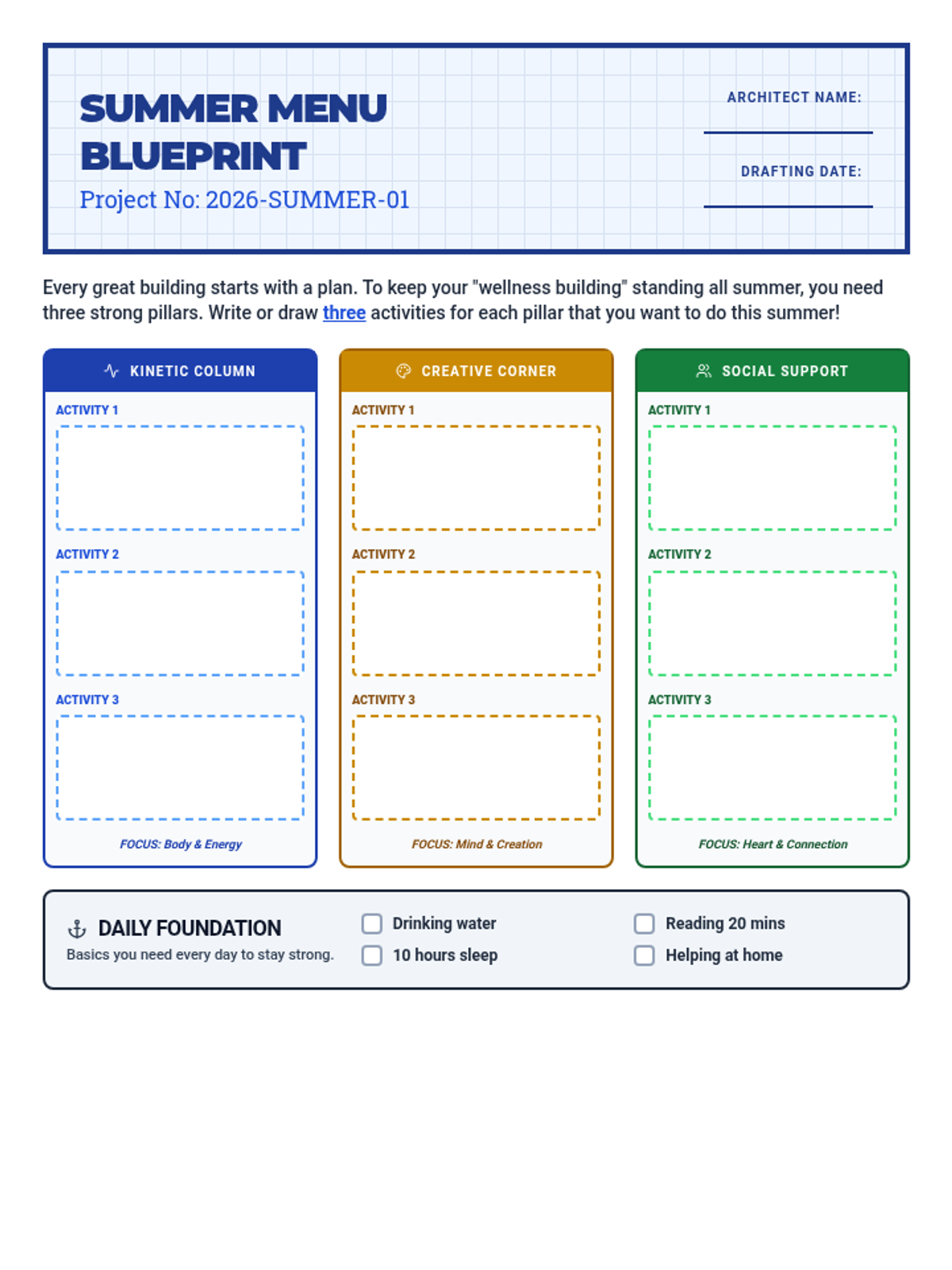
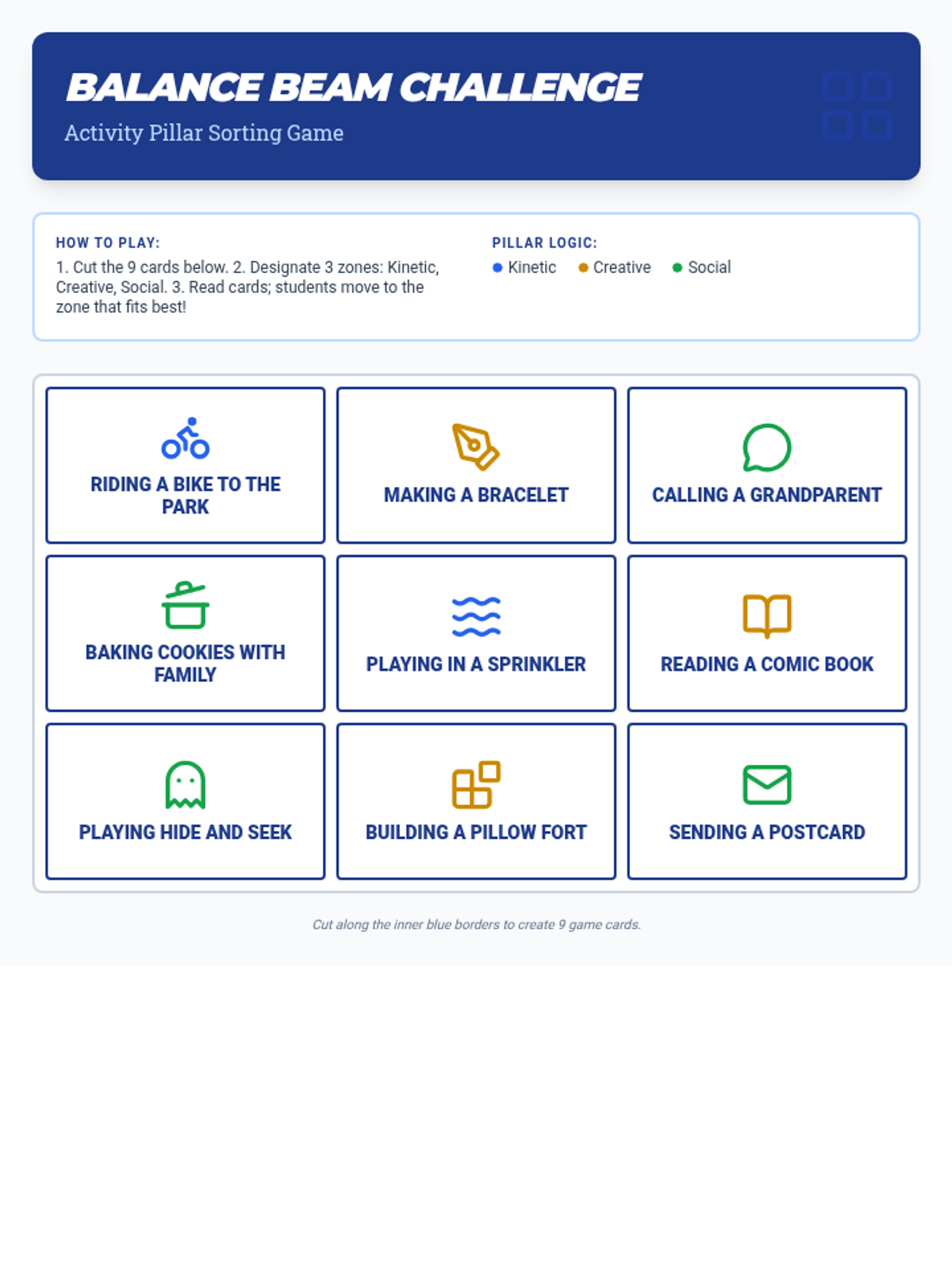
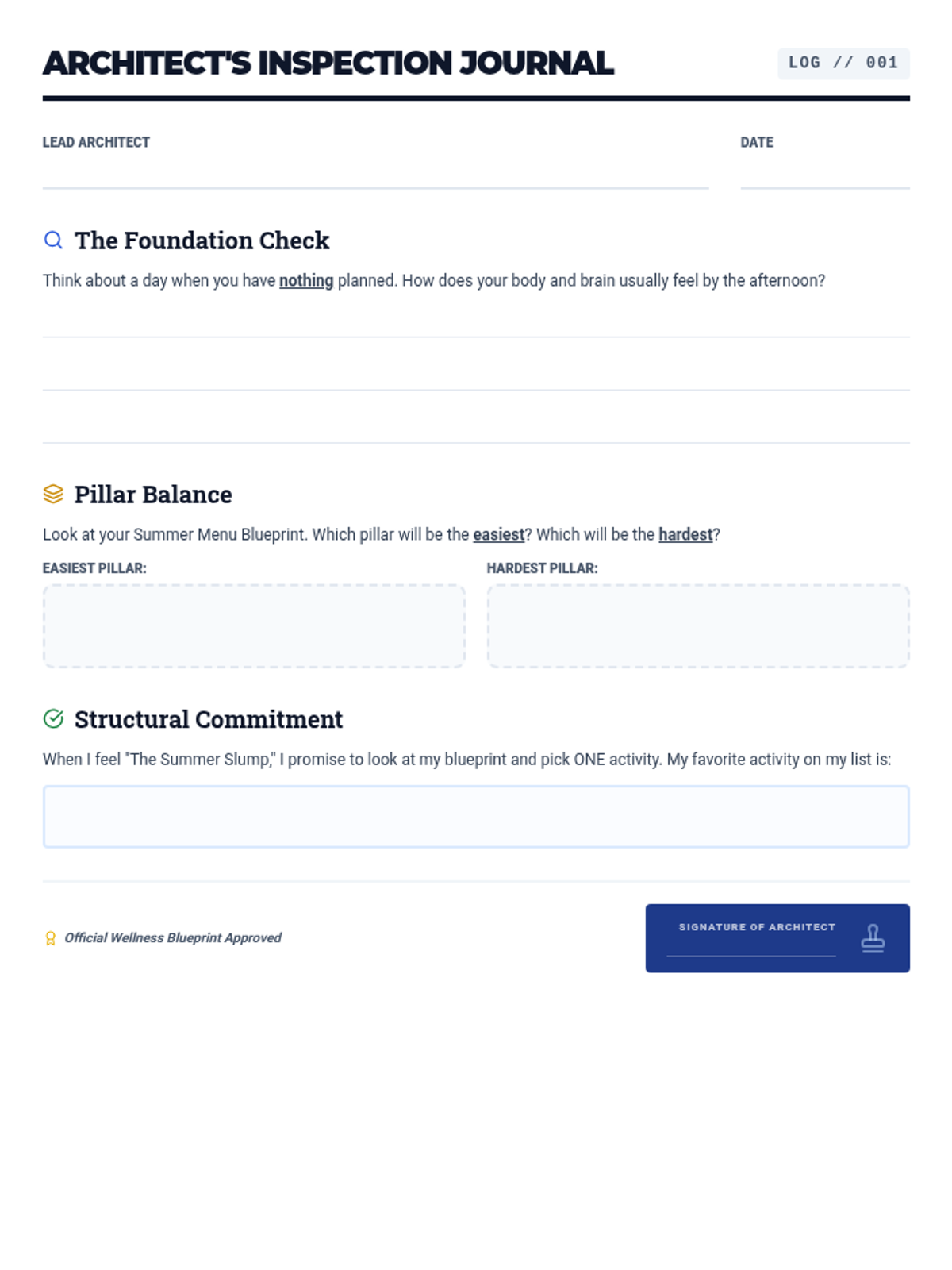
A proactive wellness lesson for 3rd and 4th graders to design a balanced summer routine. Students use 'architectural' thinking to build a menu of physical, creative, and social activities, fostering executive functioning during unstructured breaks.
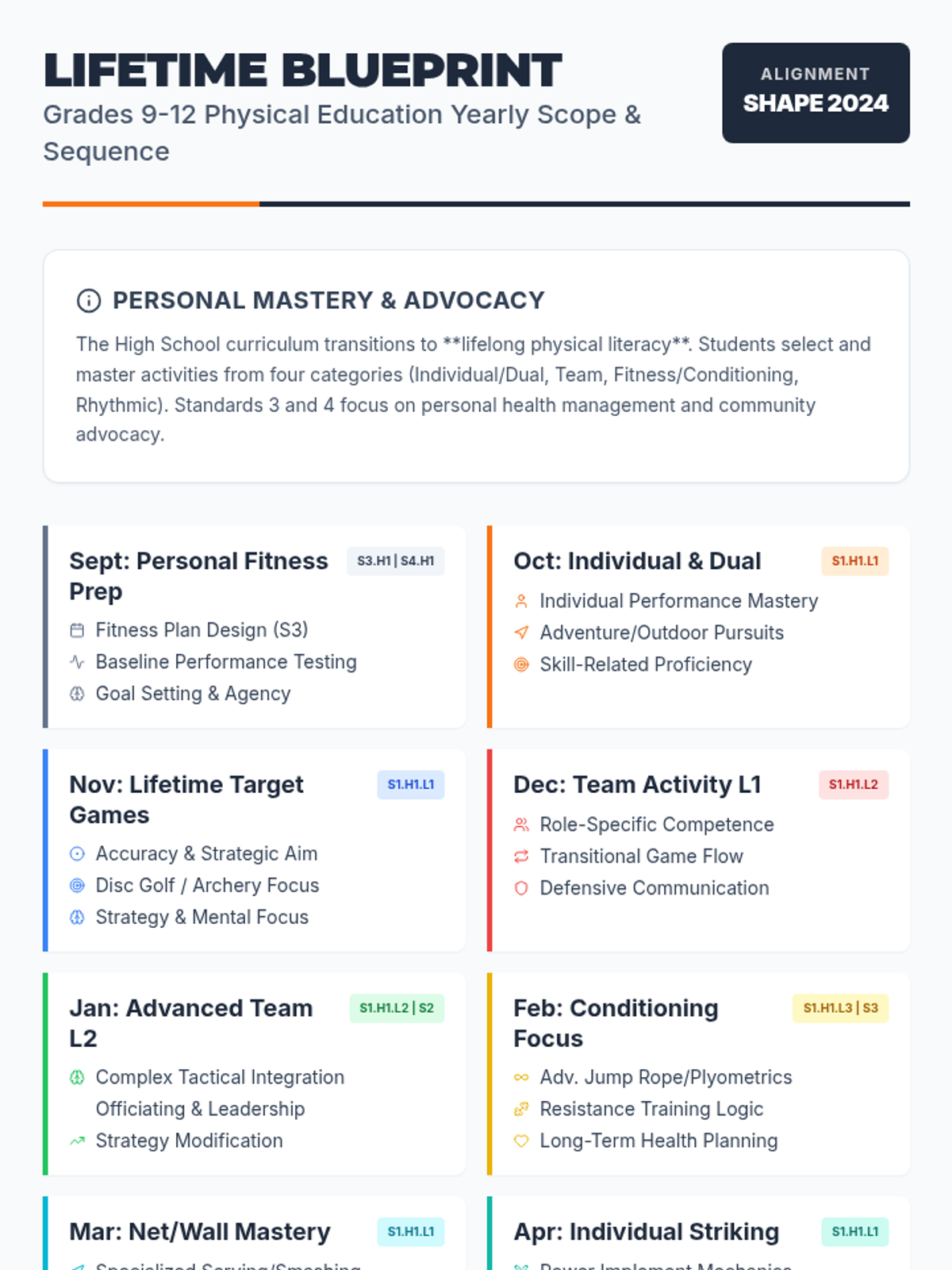
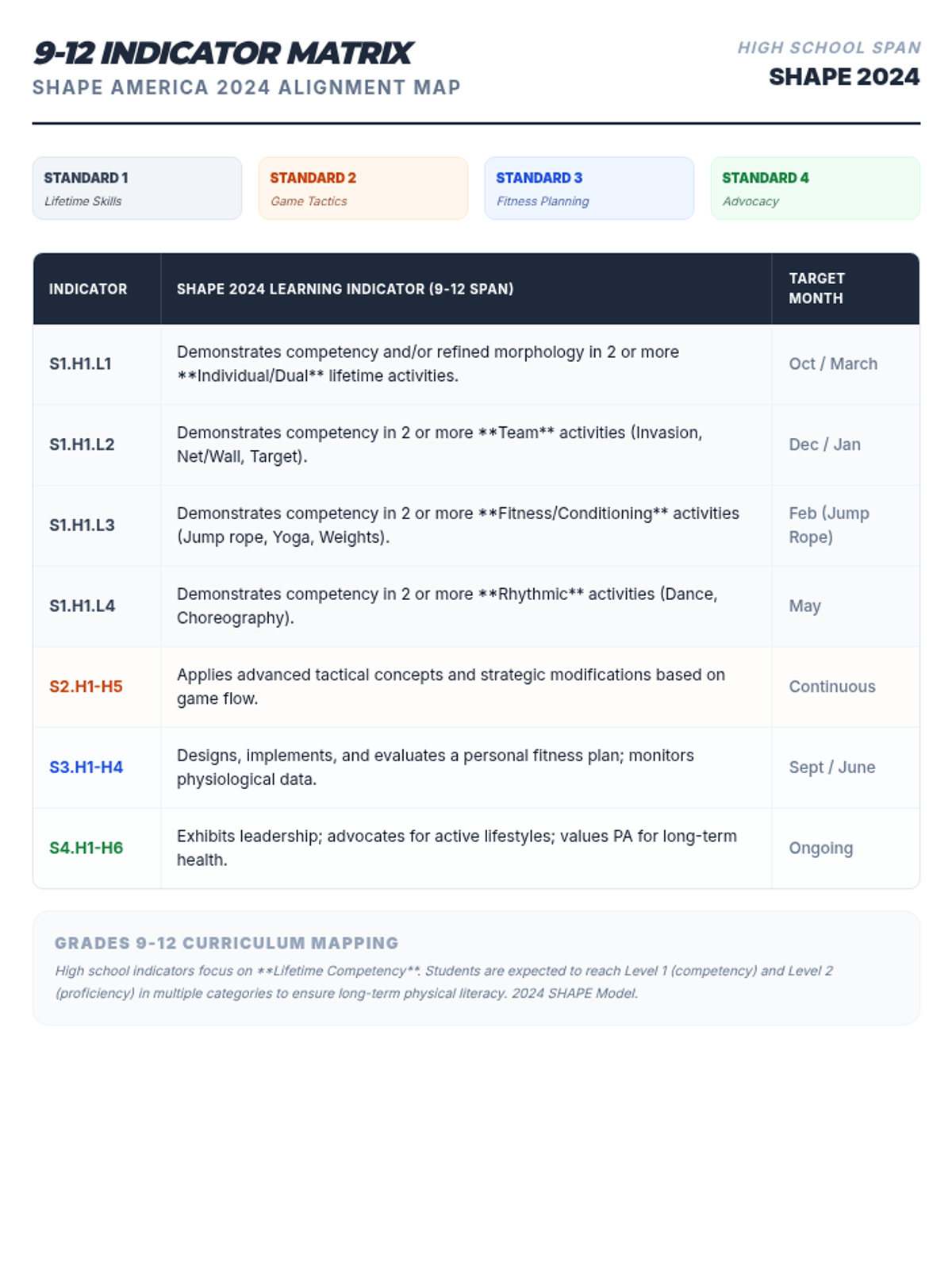
Designing and implementing personal fitness plans and mastering lifetime activities for Grades 9-12.
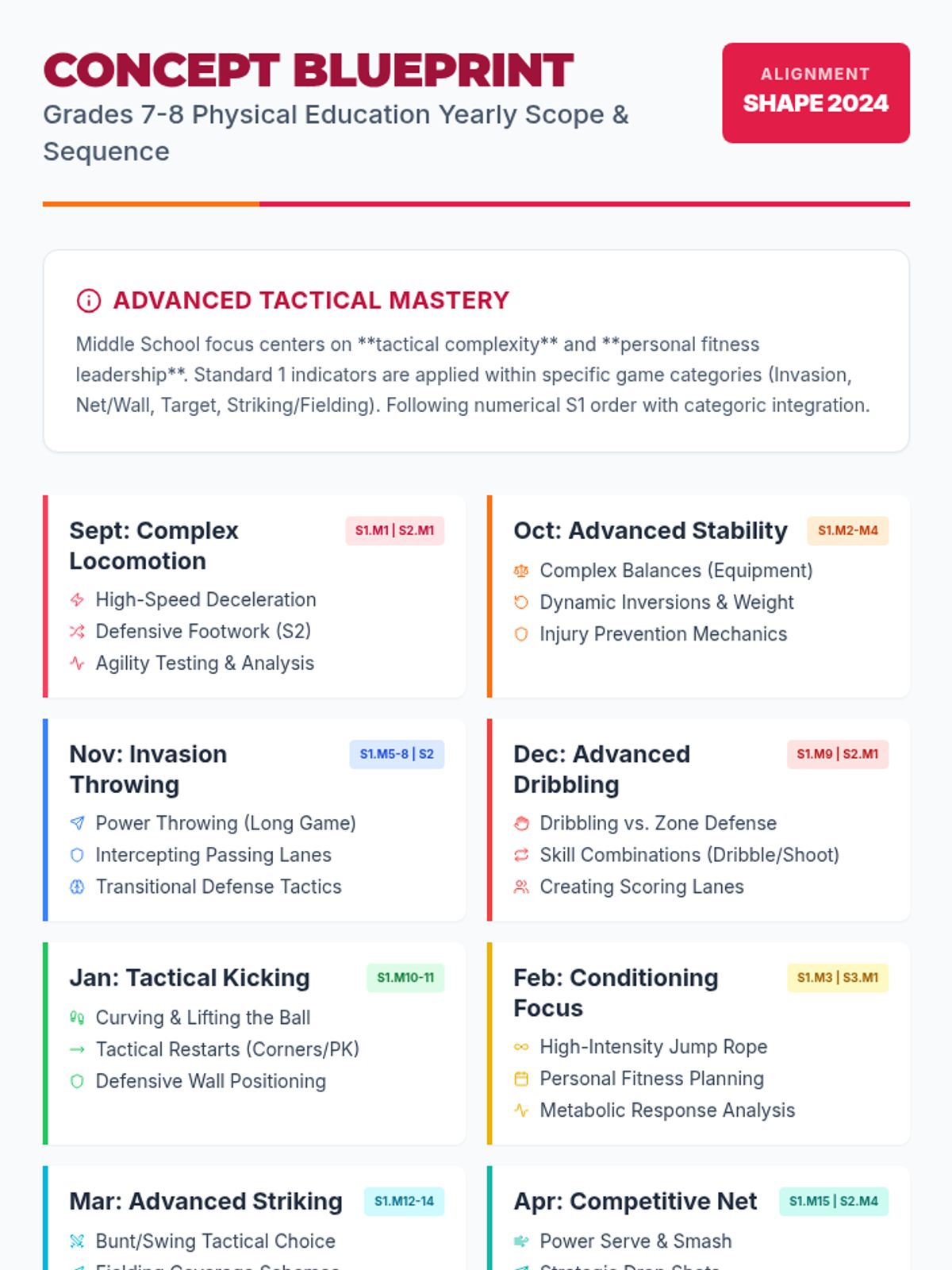
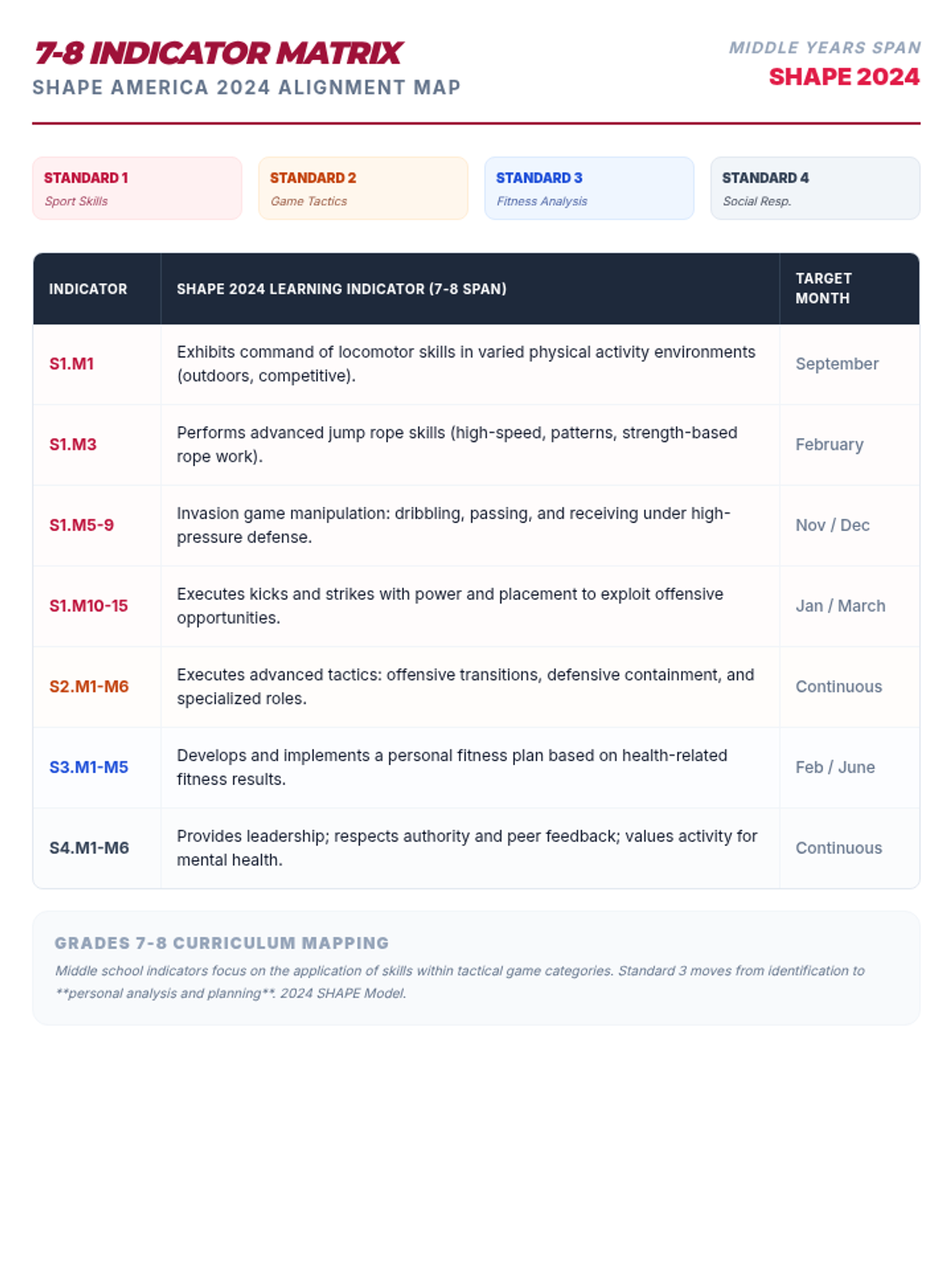
Applying advanced tactical principles and health-related fitness analysis for Grades 7-8.
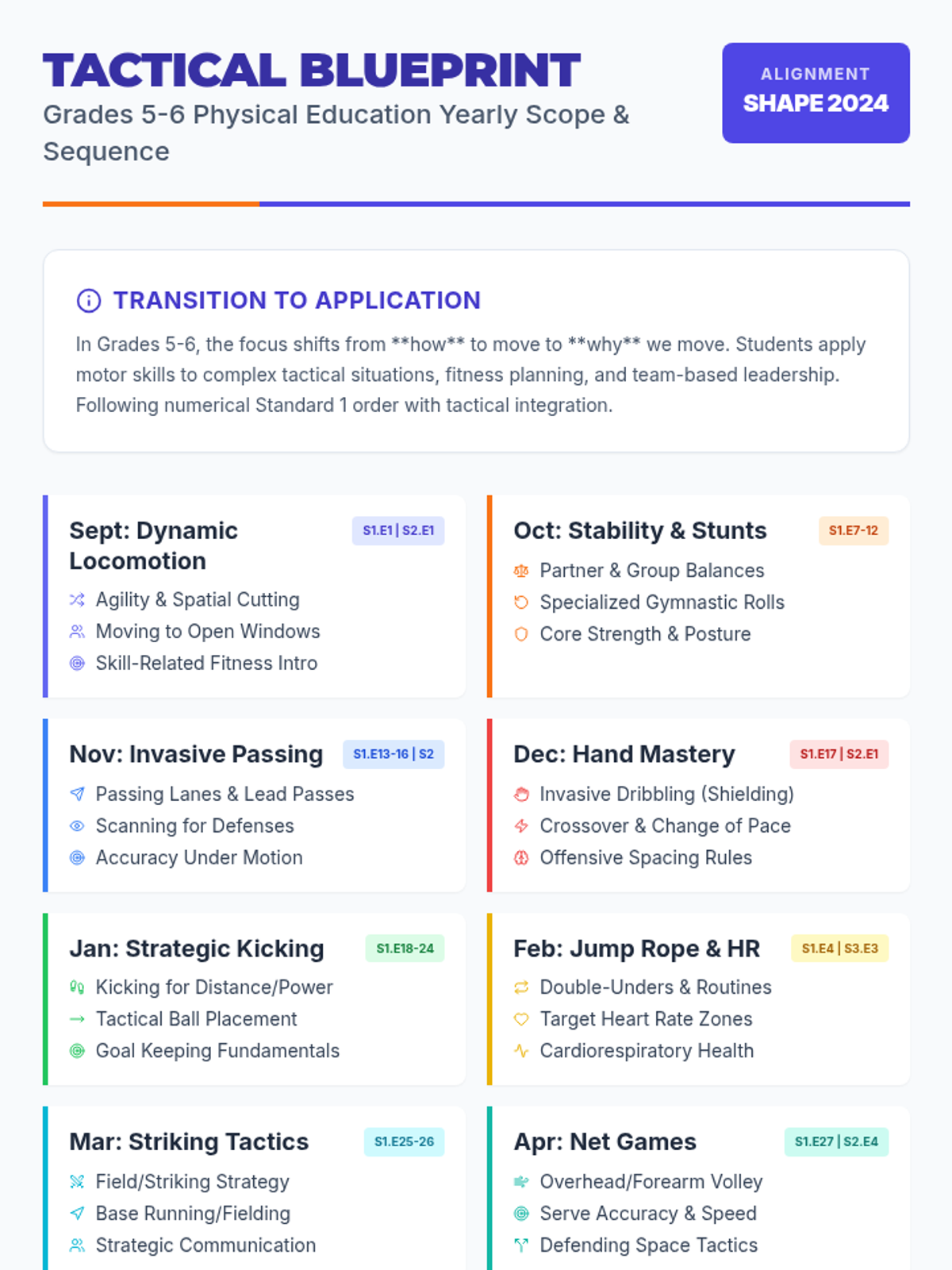
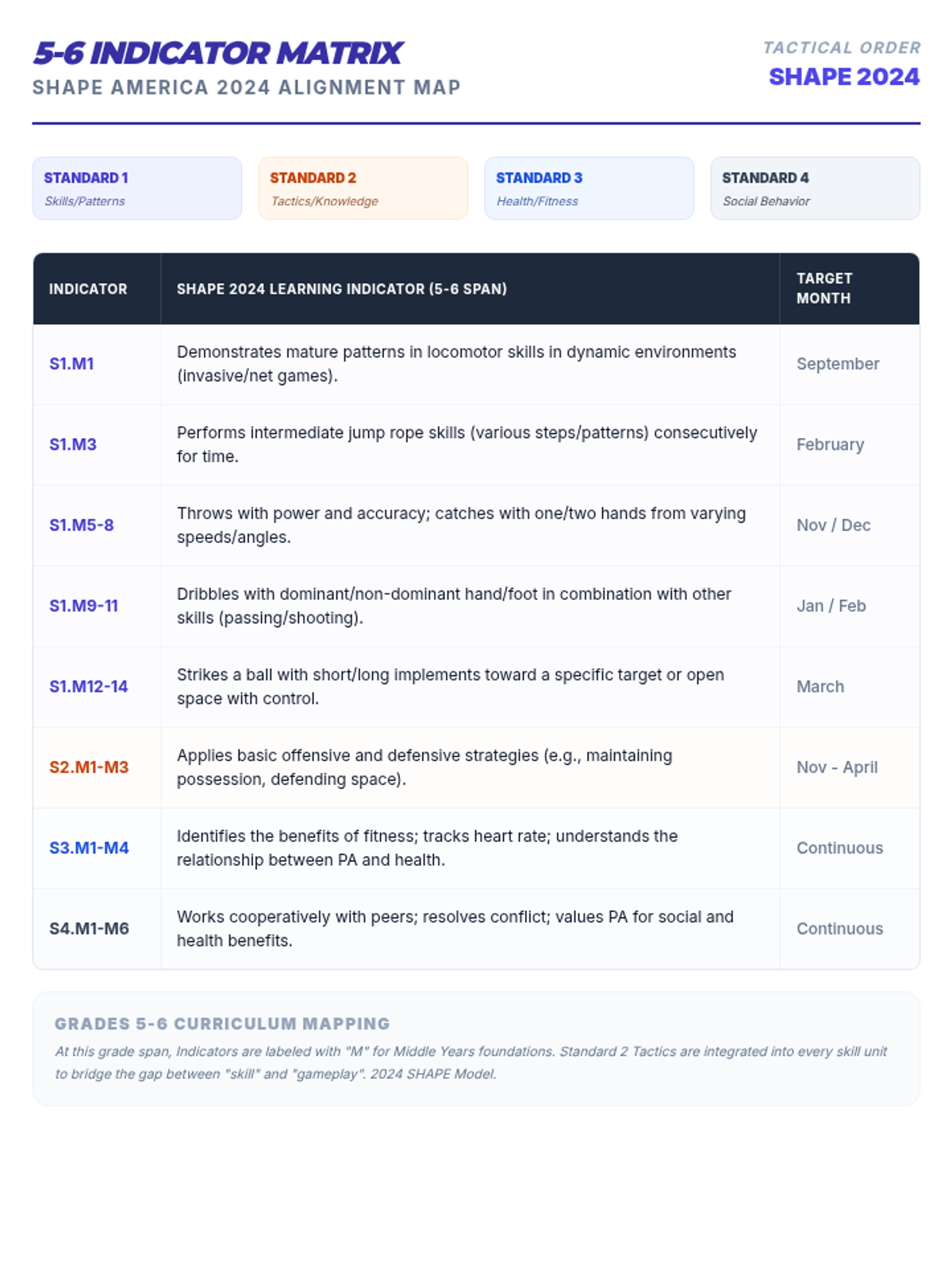
Transitioning from skill mastery to tactical application and fitness planning for Grades 5-6.
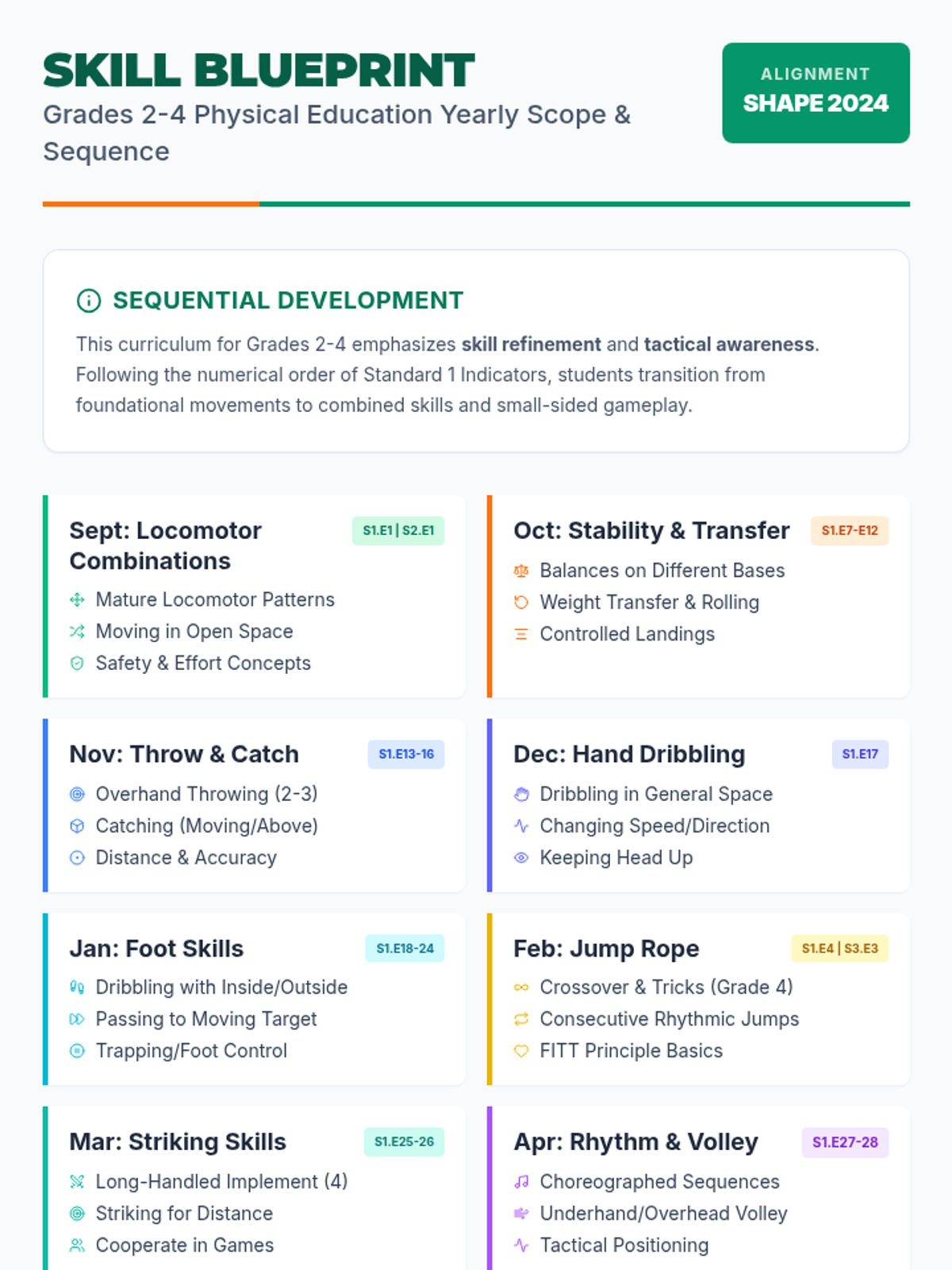
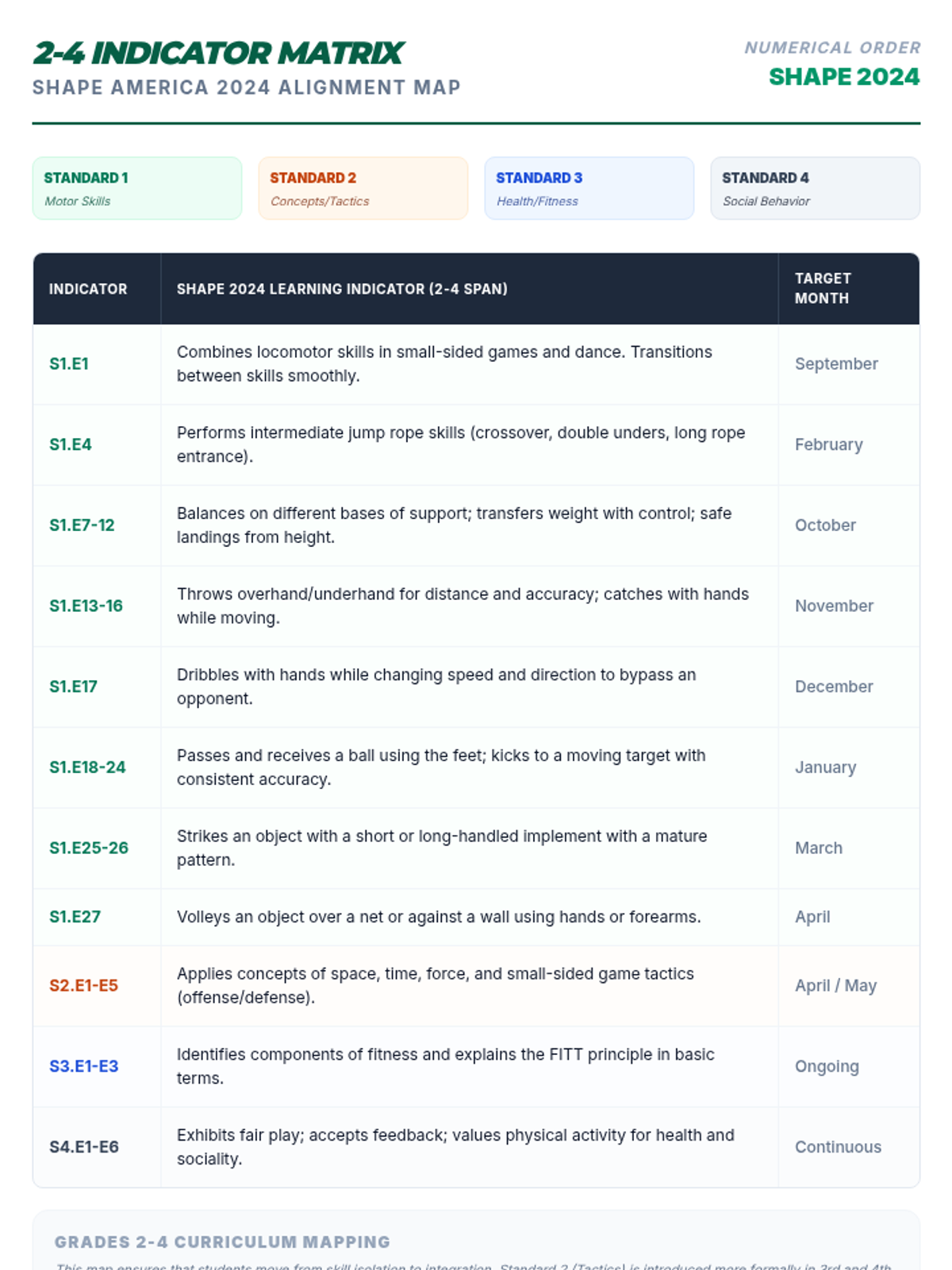
Curriculum planning and pacing for Grades 2-4, focusing on skill refinement and introductory strategies.