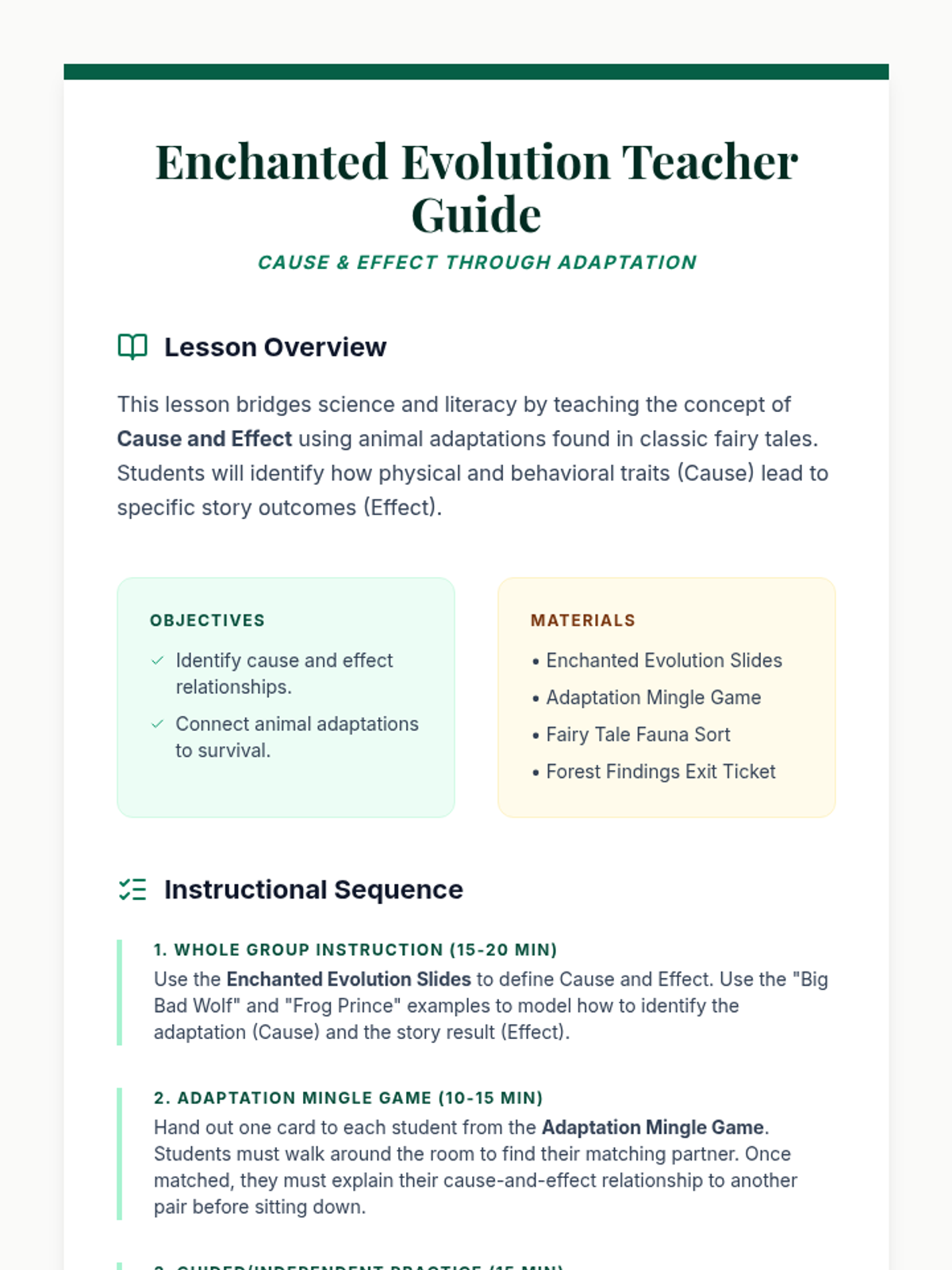
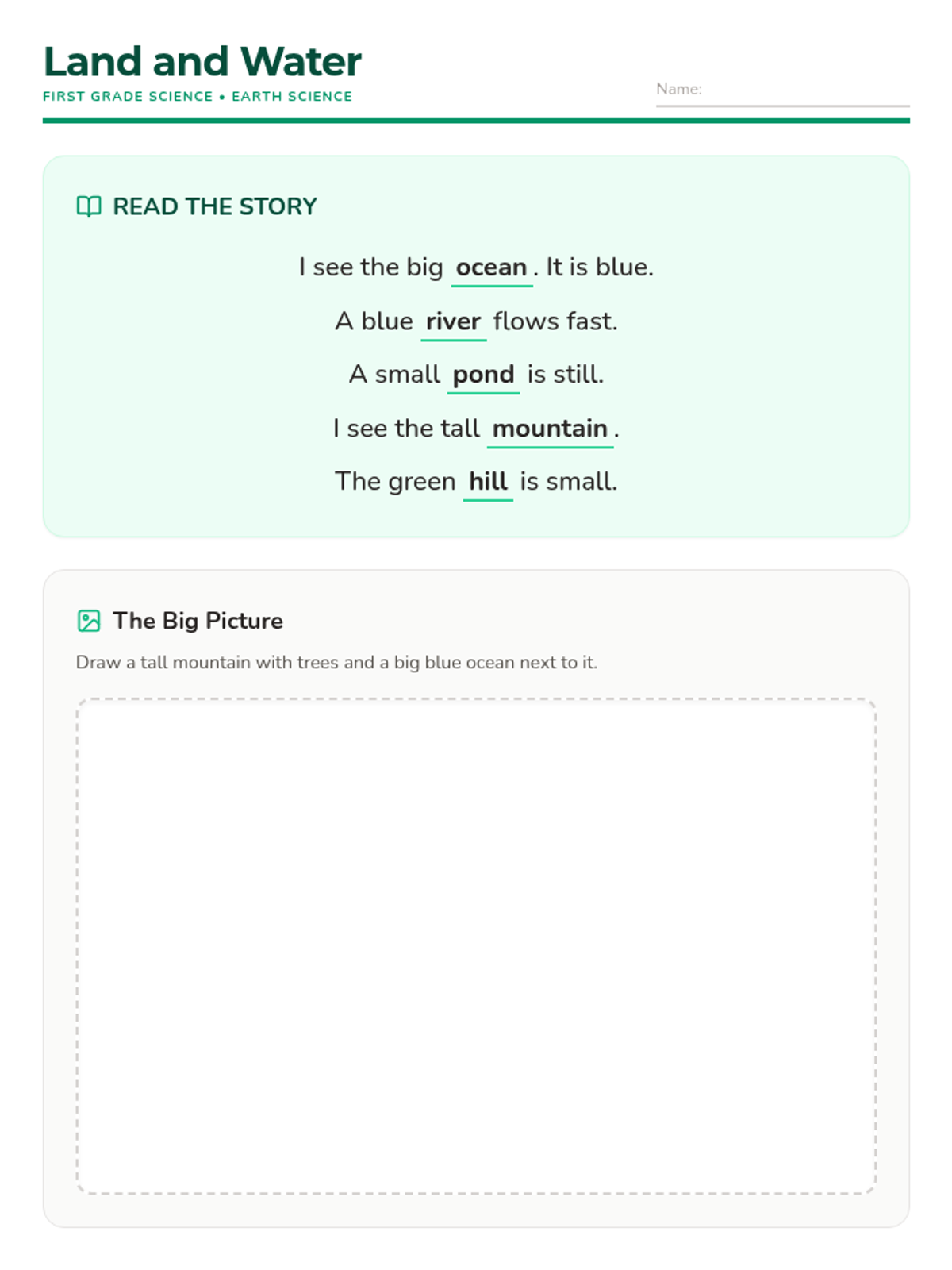
Students identify their circle of safety by naming and drawing the trusted adults they can turn to when they encounter requests for private information.
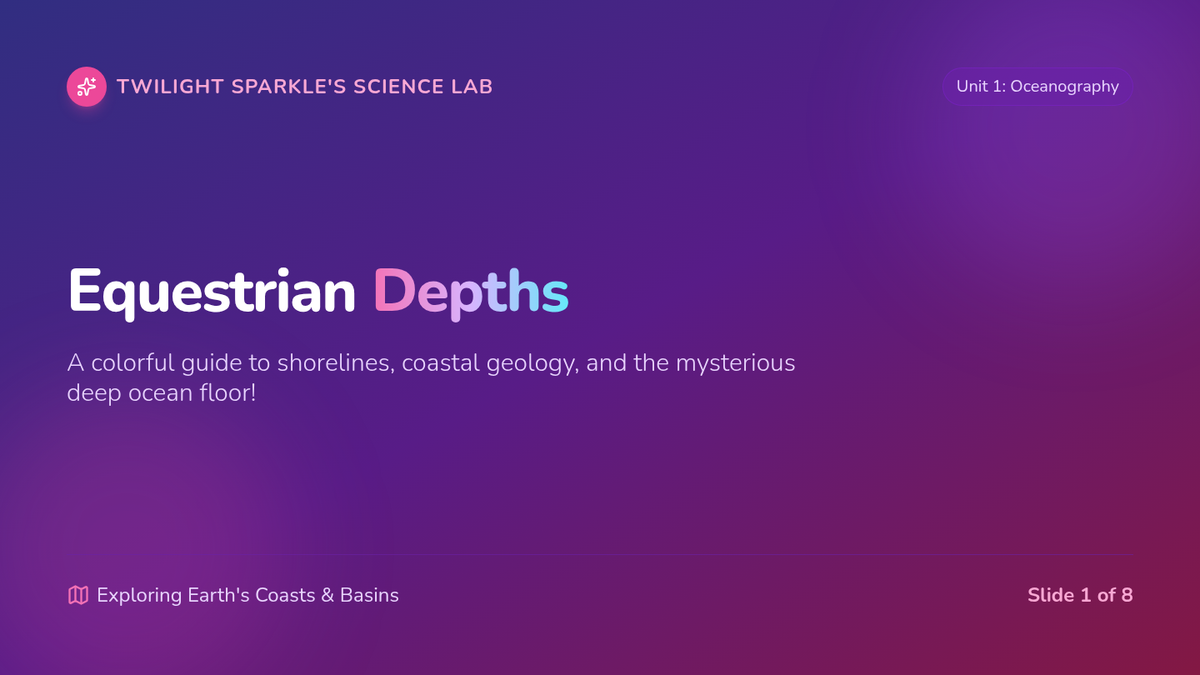
A foundational toolkit for setting up a physical engineering and maker space, covering physical layout, collaborative roles, and essential classroom routines.
A synthesis lesson where students compare and sort the needs of all living things to identify patterns.
Explores the survival requirements of animals and humans, highlighting food, water, air, and shelter.
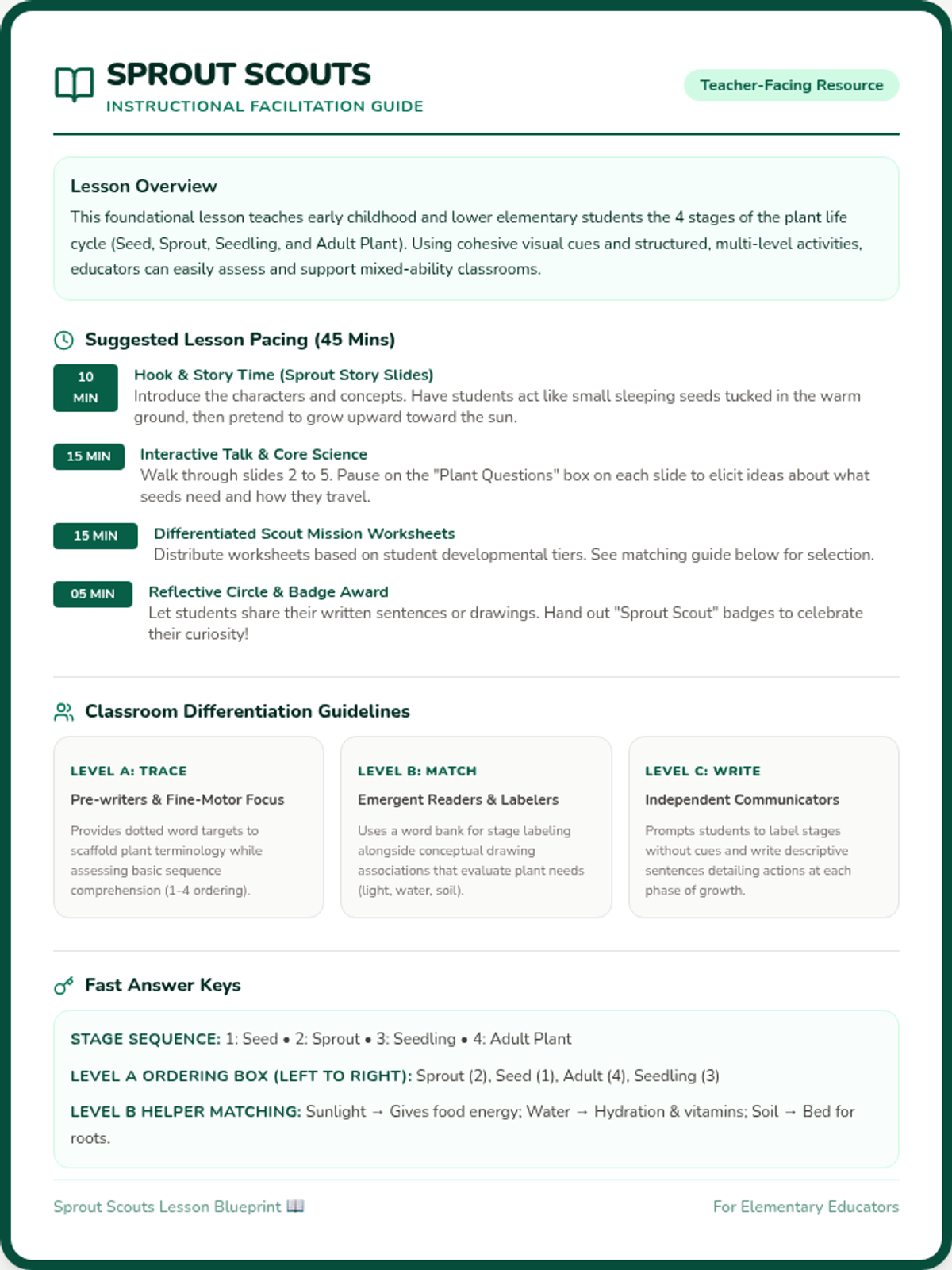
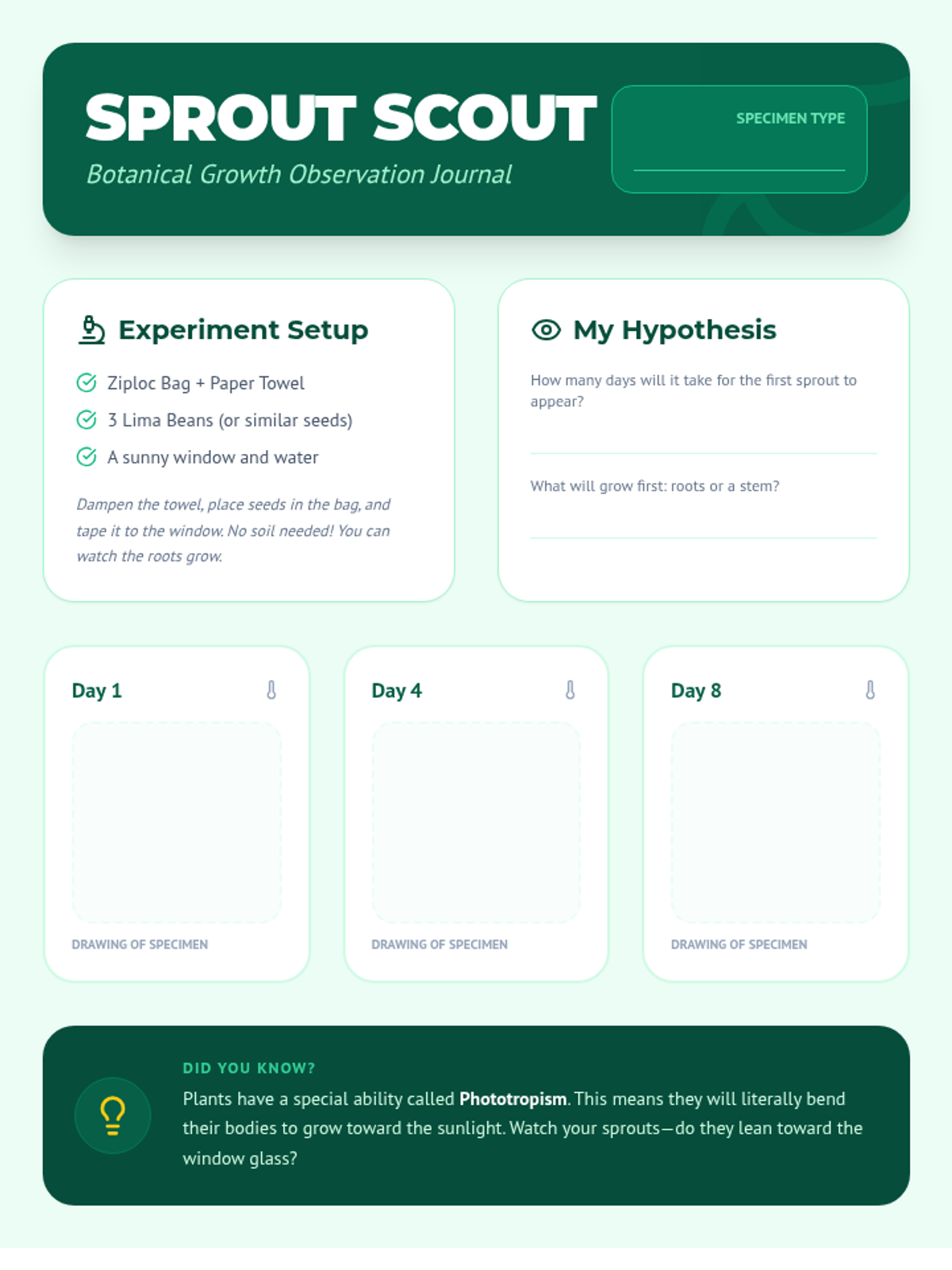
Focuses on what plants need to grow and thrive, including sunlight, water, air, and soil.
A 40-minute introductory lesson on the rainforest ecosystem for 1st grade, featuring a read-aloud and a collaborative KWL anchor chart activity. Students will explore what they know, what they wonder, and what they learned about this diverse habitat.
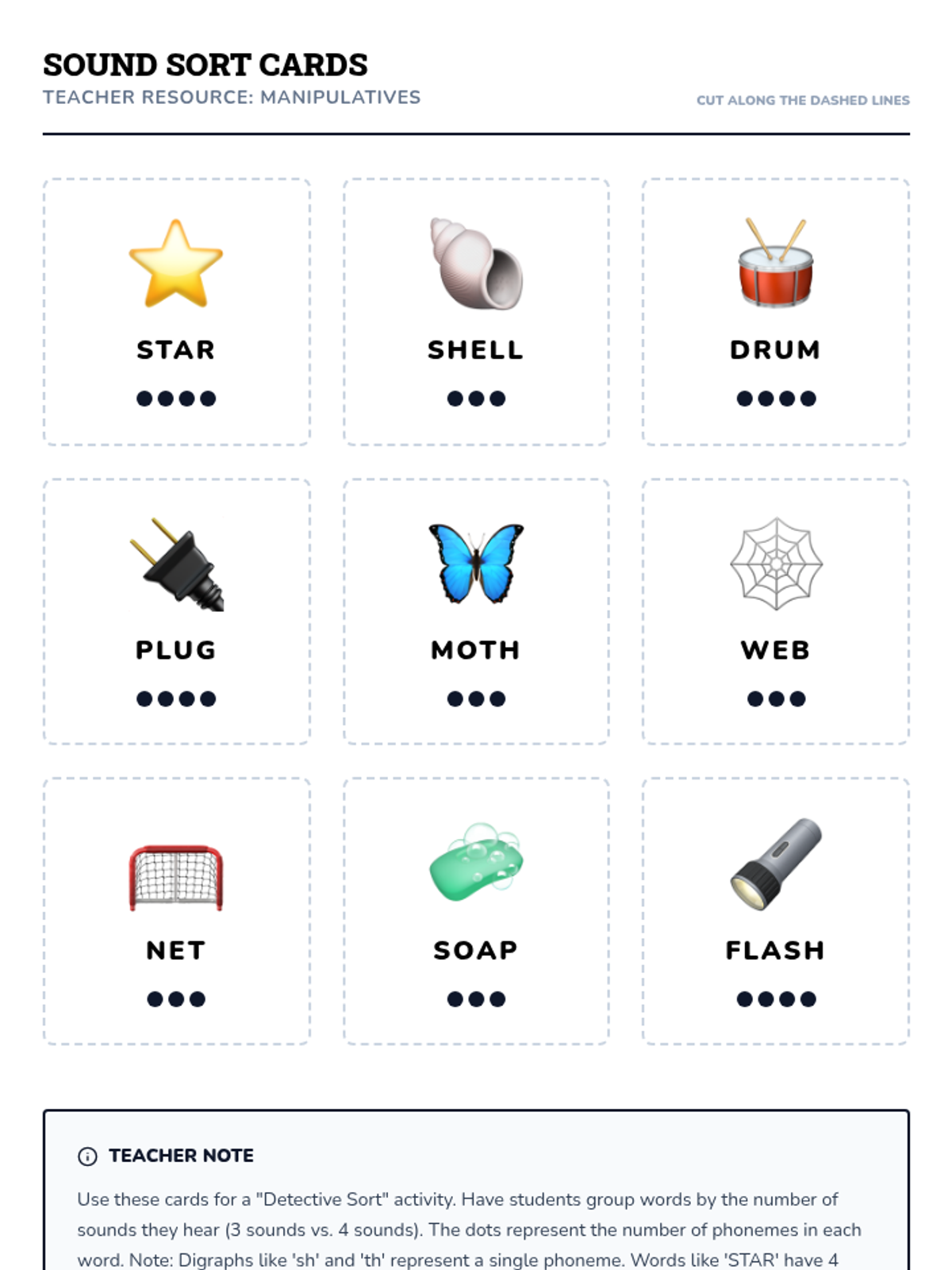
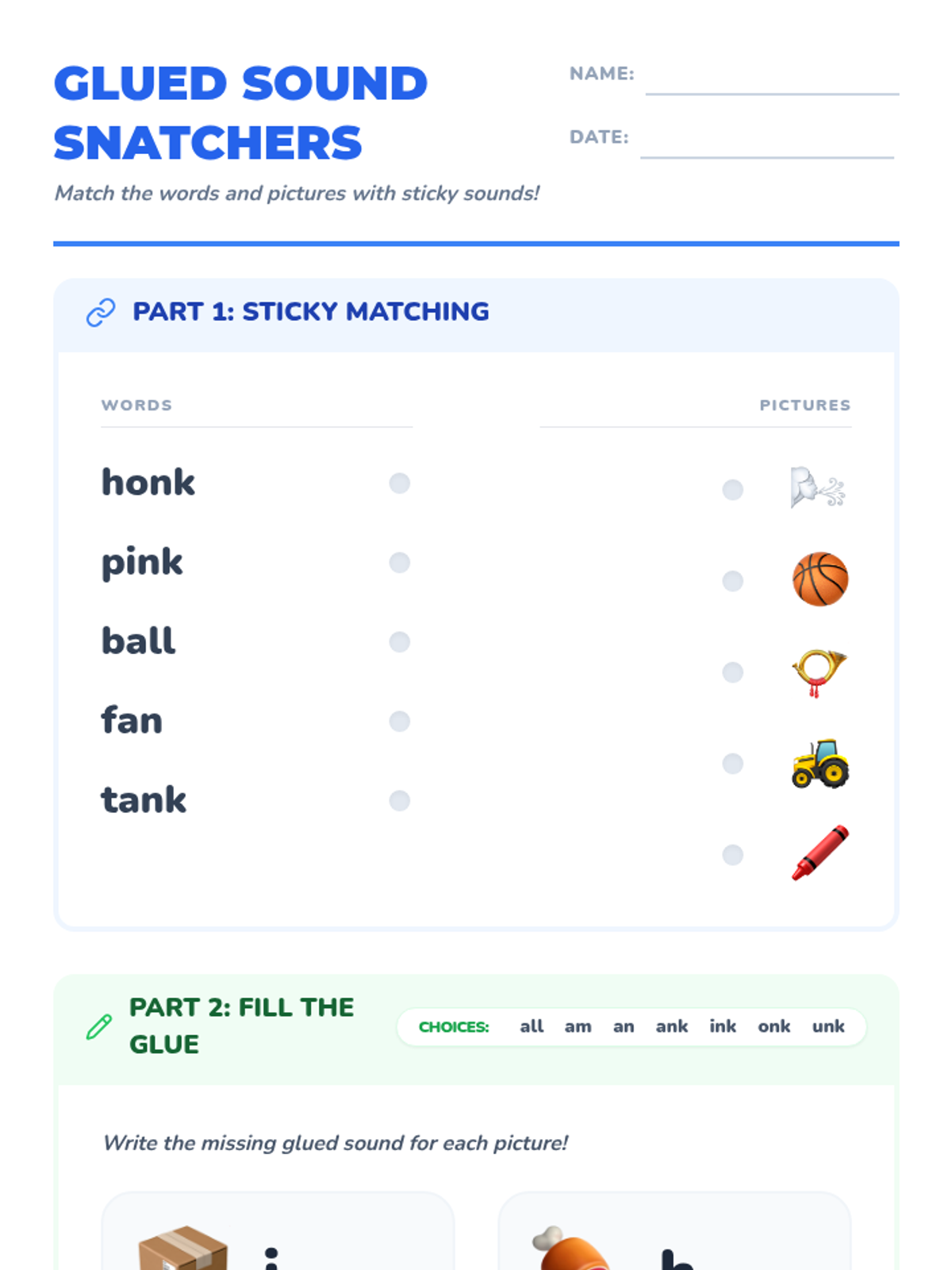
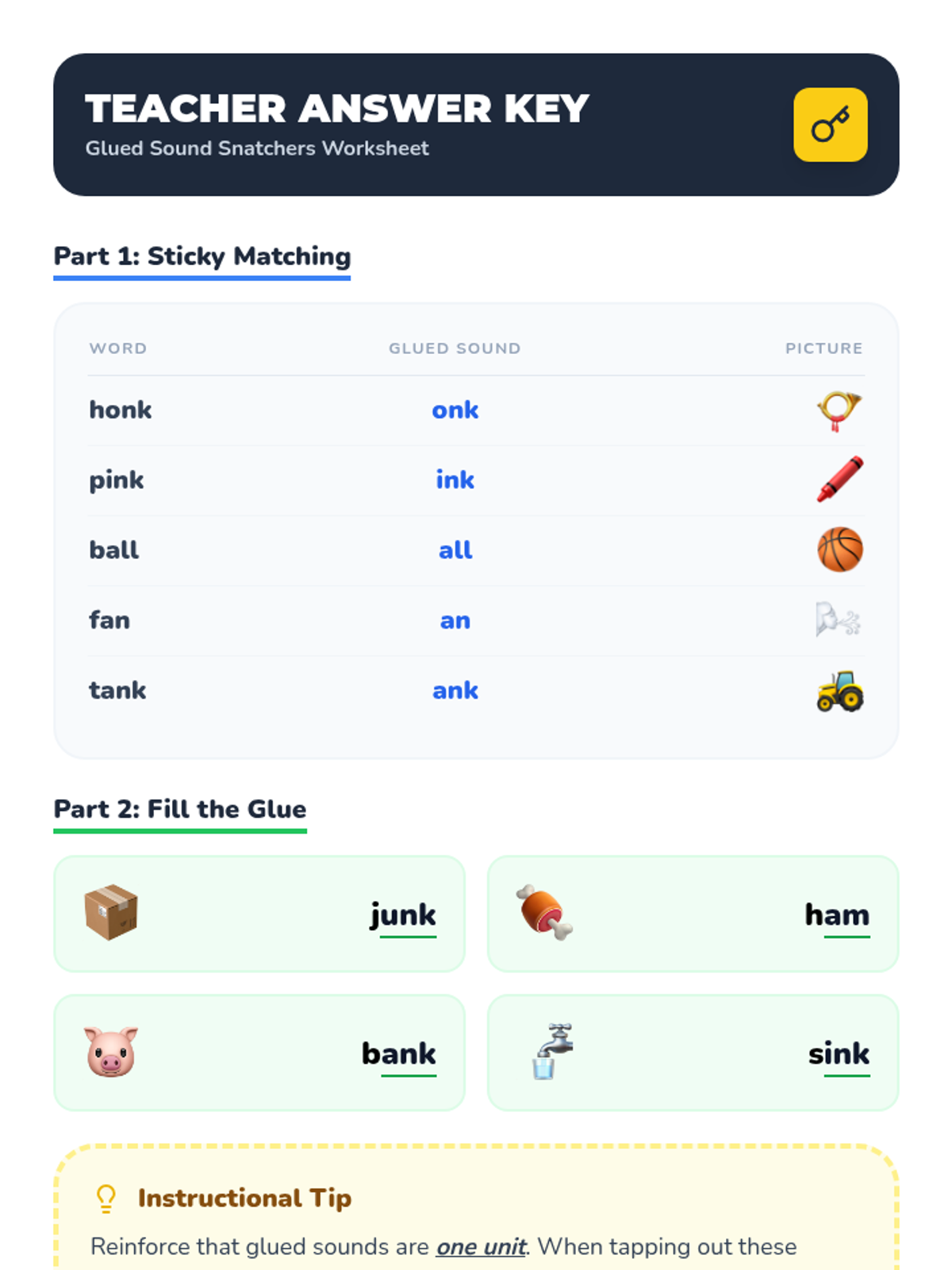
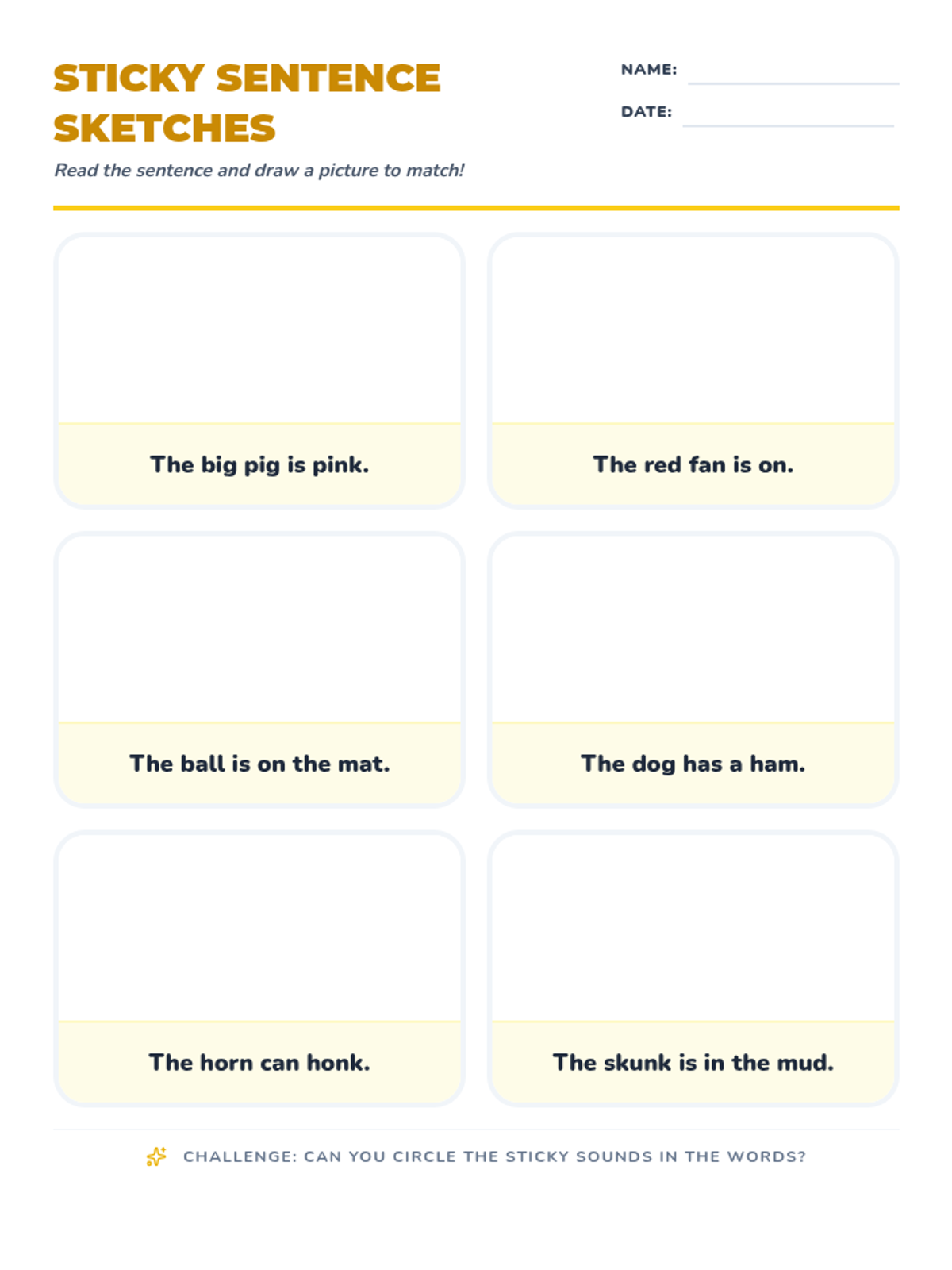
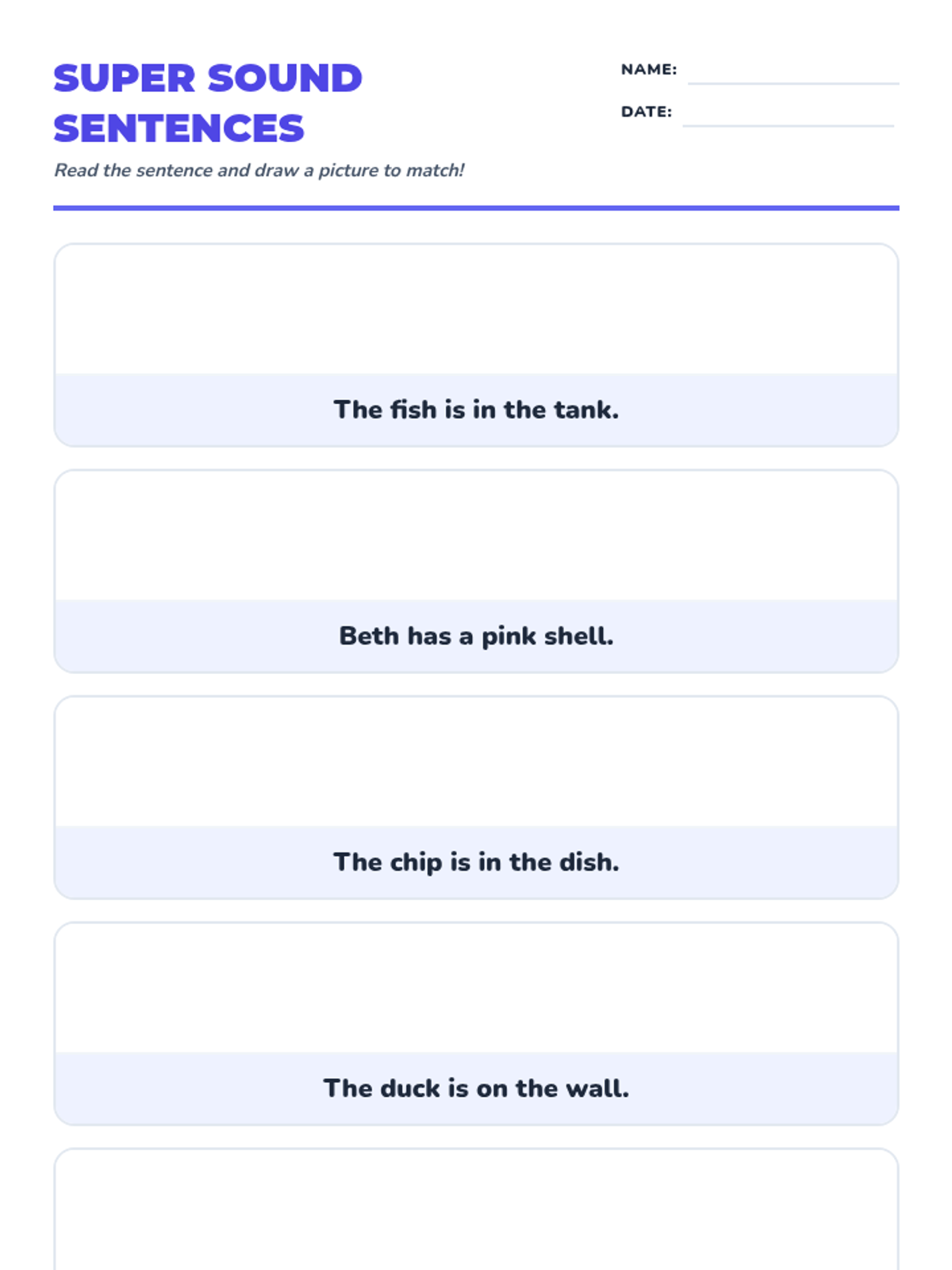
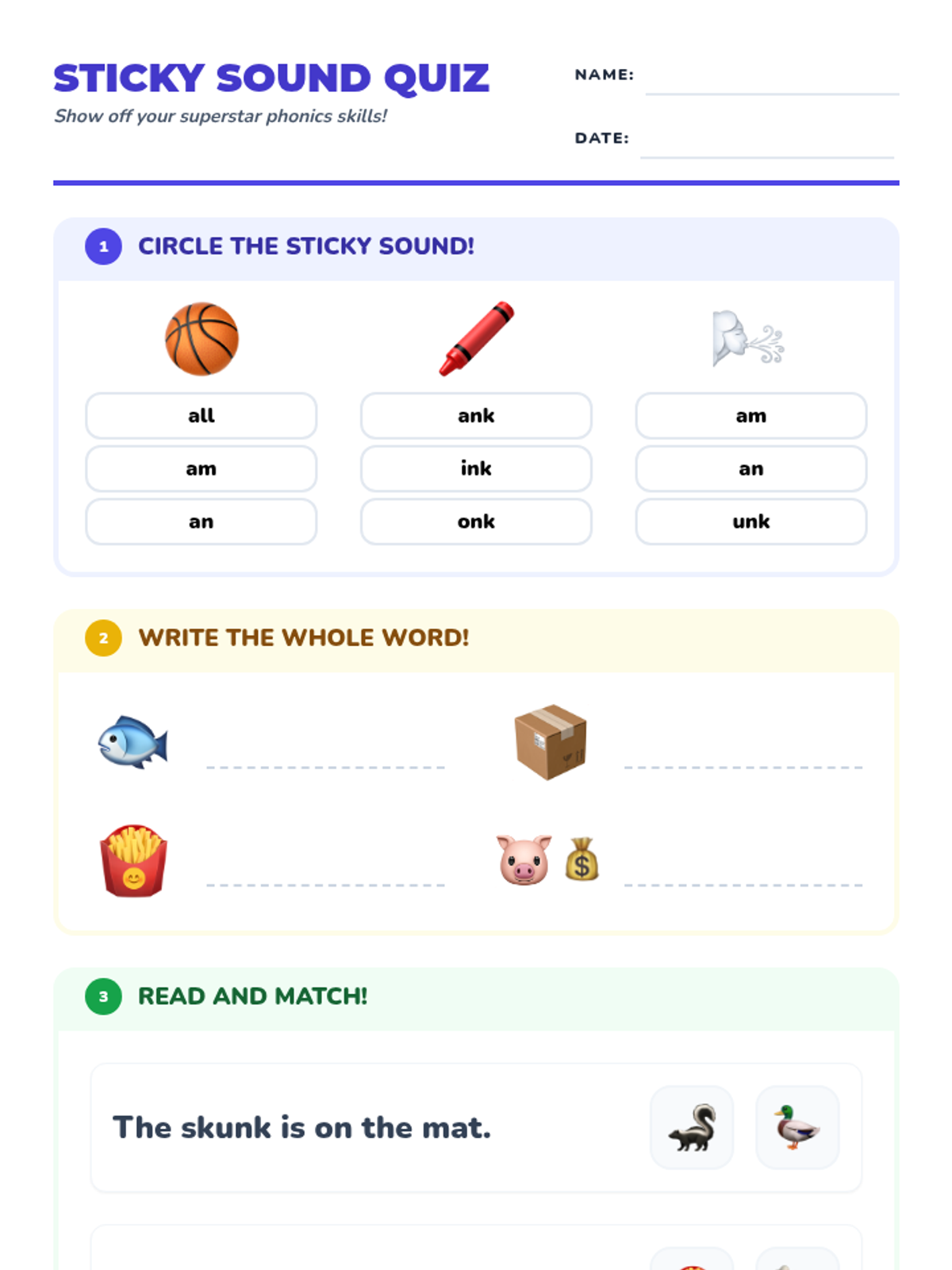
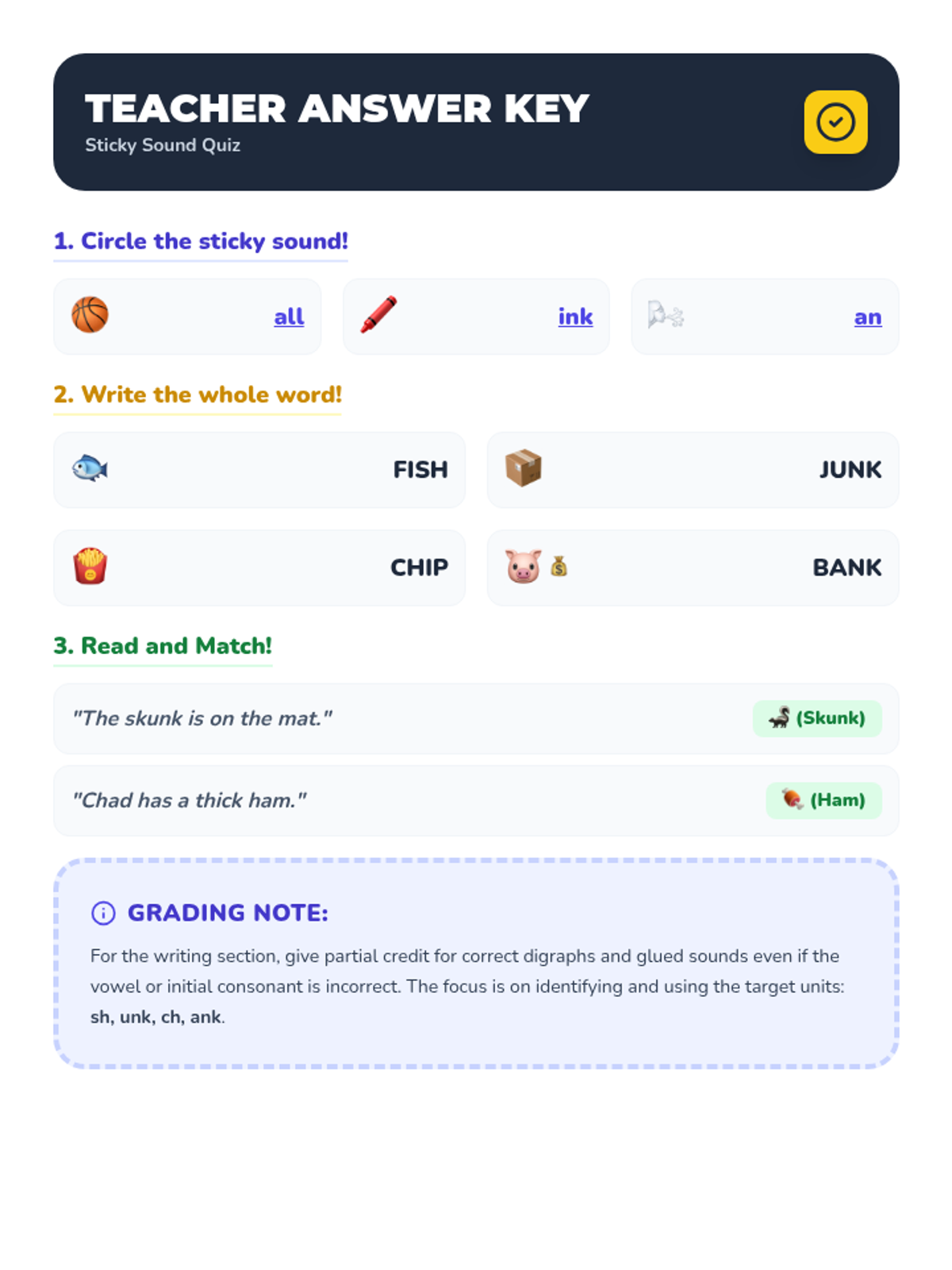
A phonics lesson focused on distinguishing between the nasal endings 'ng' and 'nk' through interactive sorting and visual aids. Students learn to hear the subtle 'k' click in 'nk' versus the continuous nasal 'ng'.
Final assessment of the Floss rule and heart words. Includes dictation and a creative word family exercise.
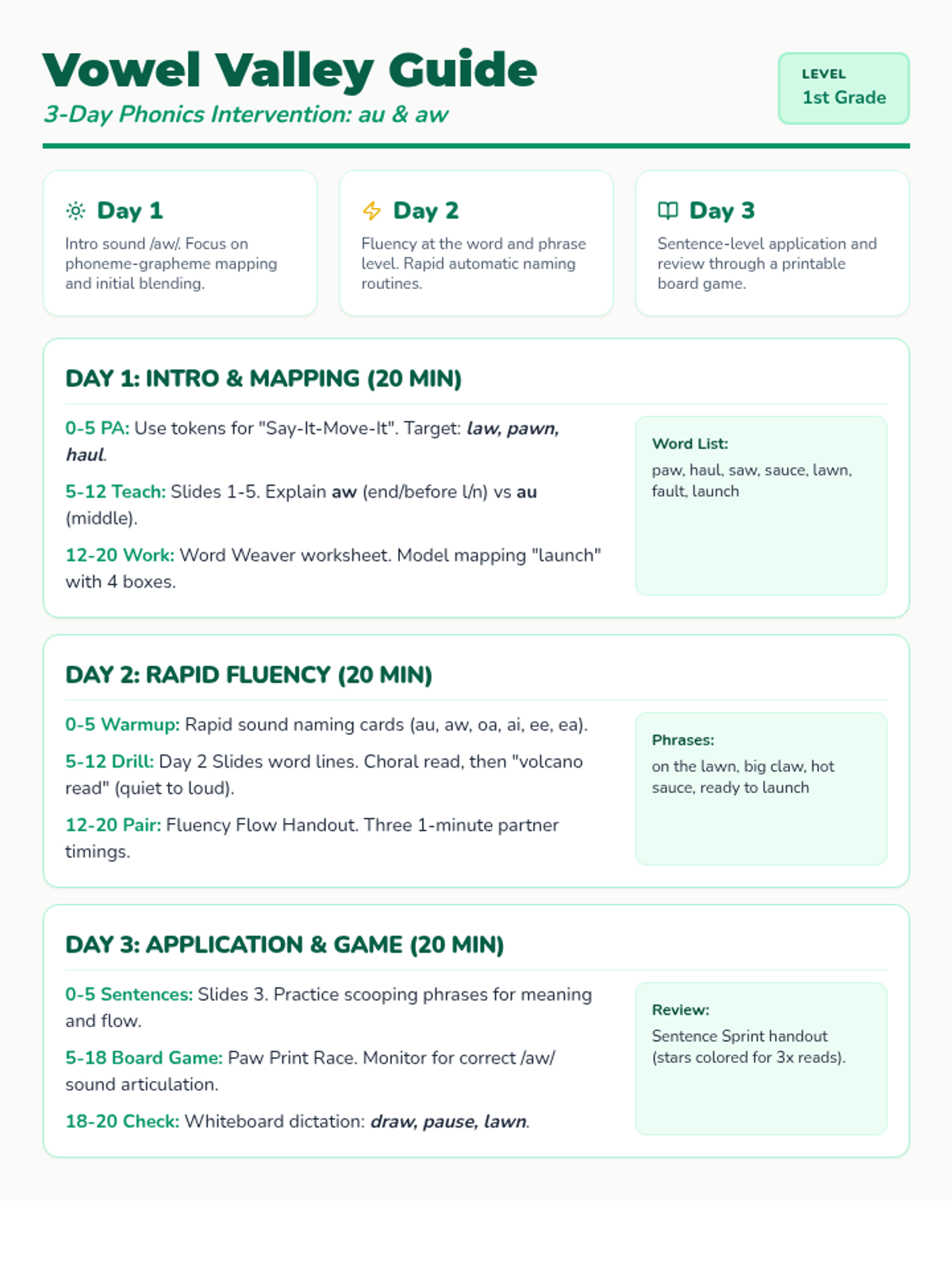
Fluency building and phonics games. Students practice rapid reading of bonus letter words and construct sentences.
Application through word sorting and decodable reading. Students identify word families and read words in context.
Focus on word building and dictation. Students use letter tiles to practice doubling final consonants and apply heart word knowledge in writing.
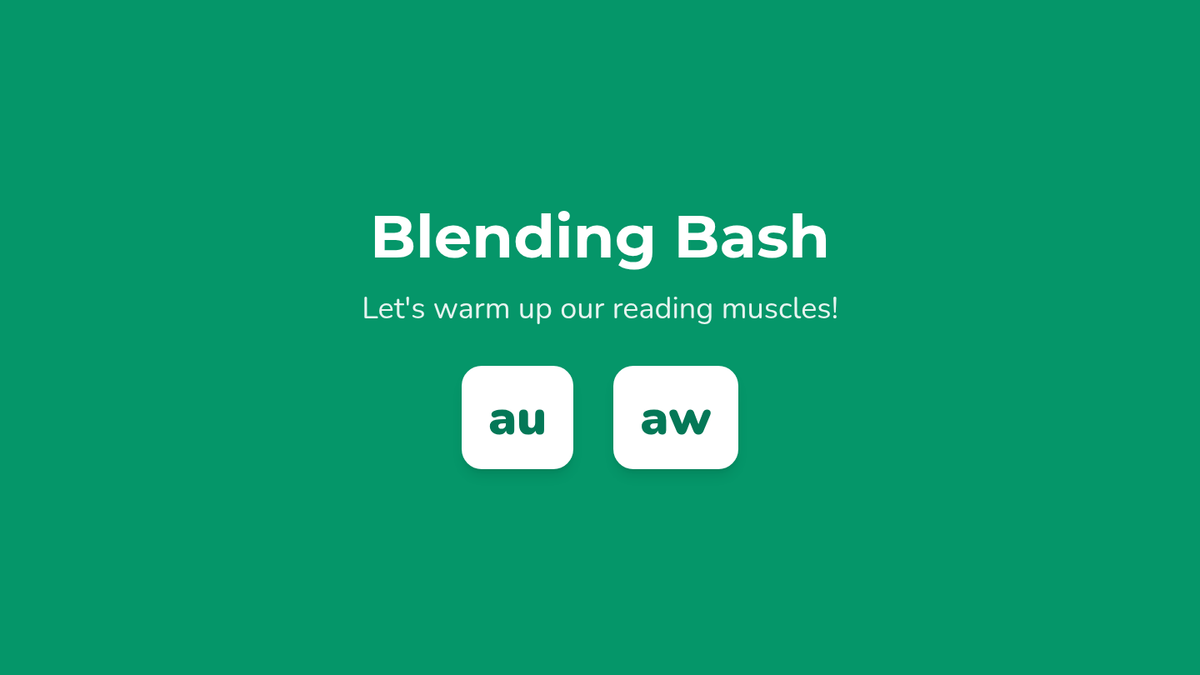
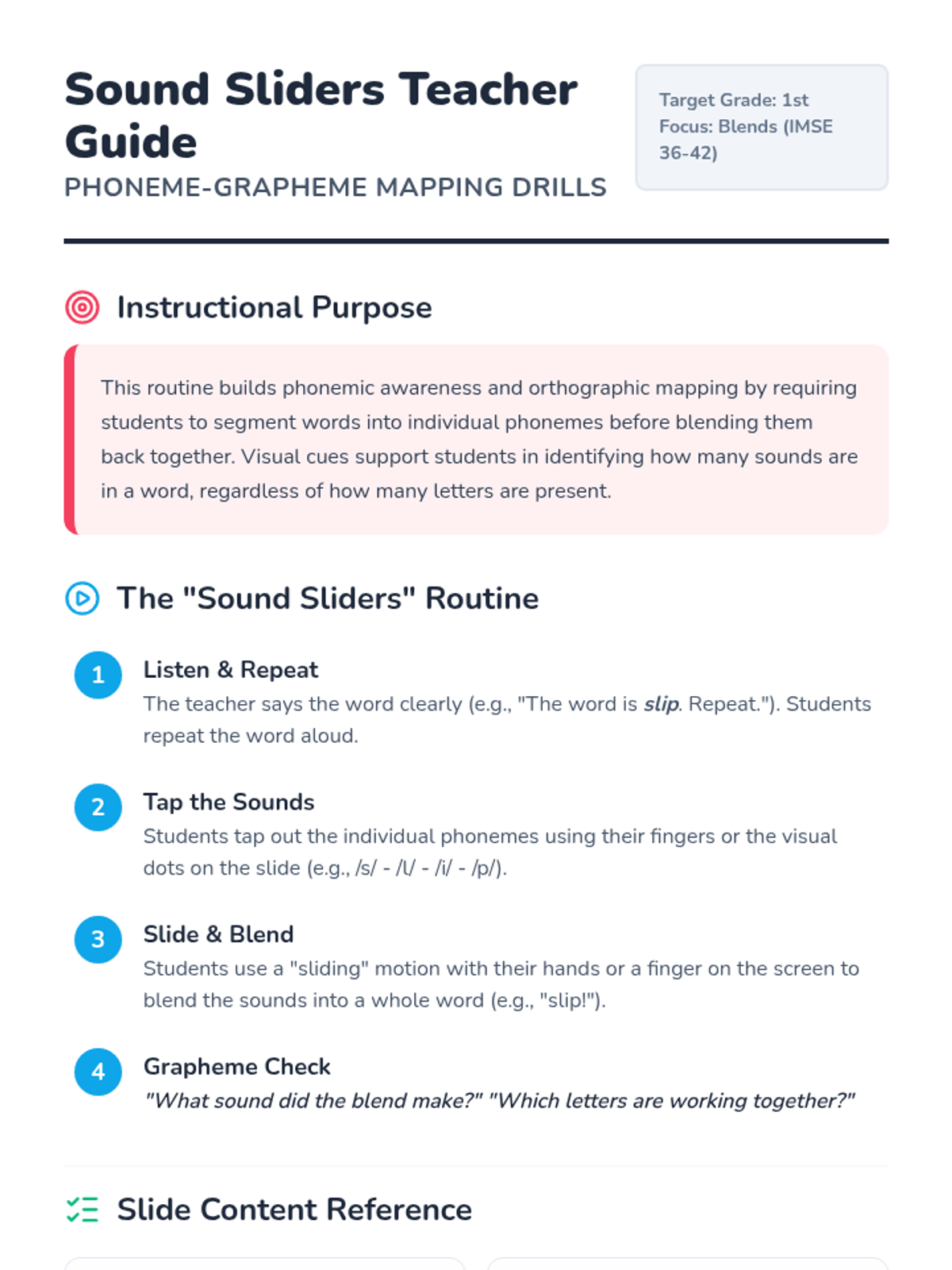
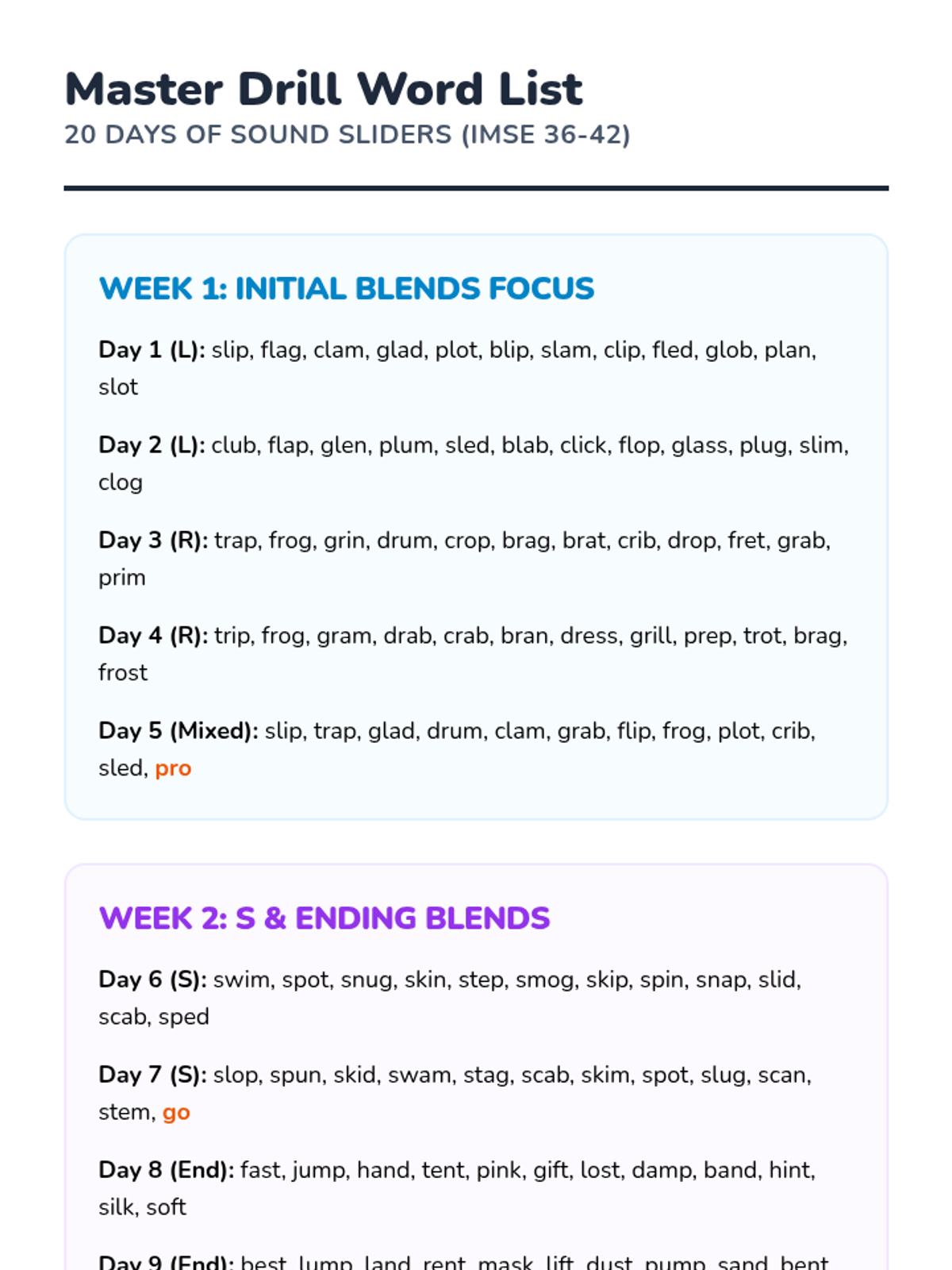
Introduction to the bonus letters f, l, s, and z. Students learn the rule that when a one-syllable word ends in f, l, s, or z after a short vowel, the letter is doubled. Includes the teacher guide for the full week.
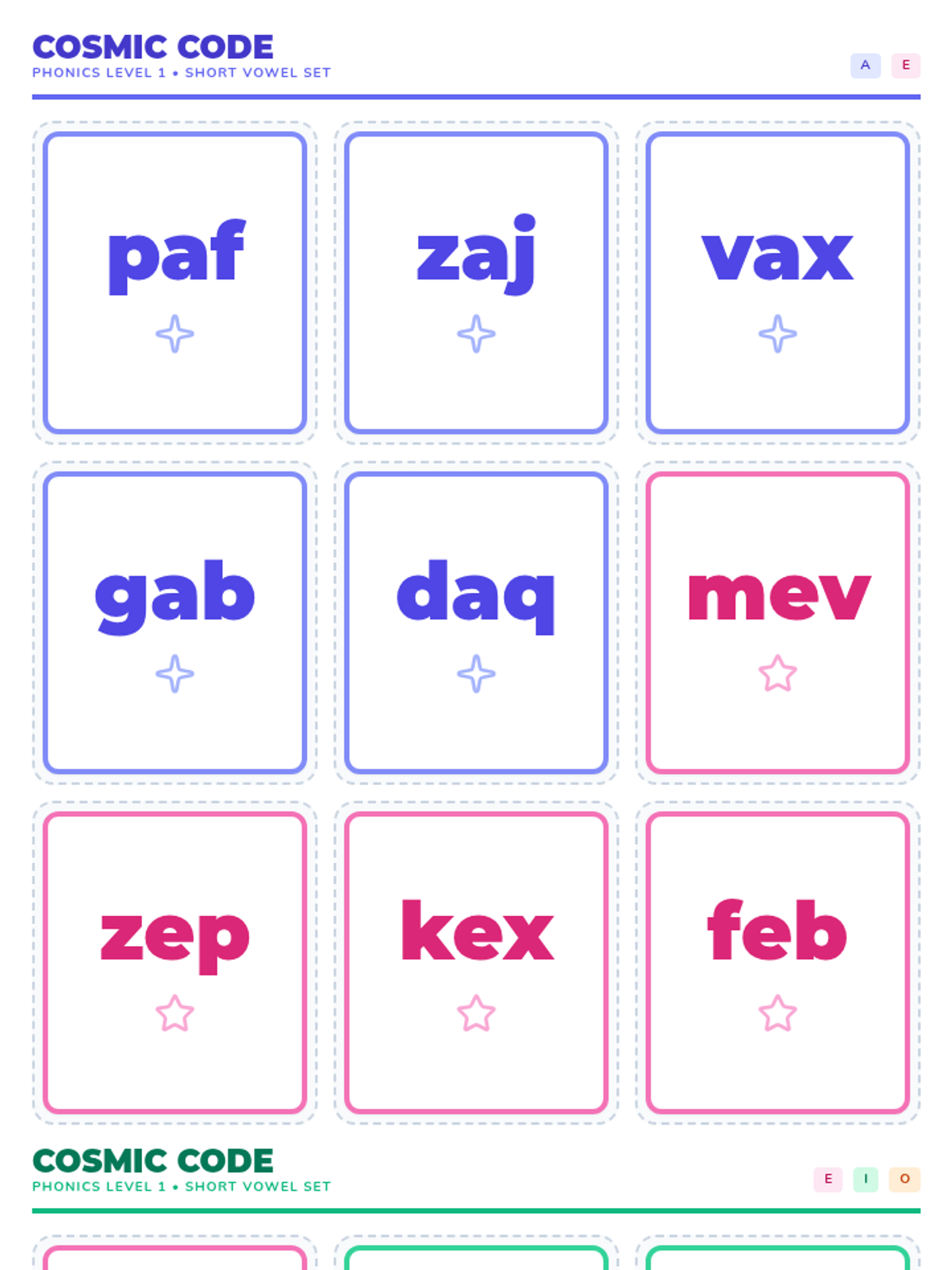
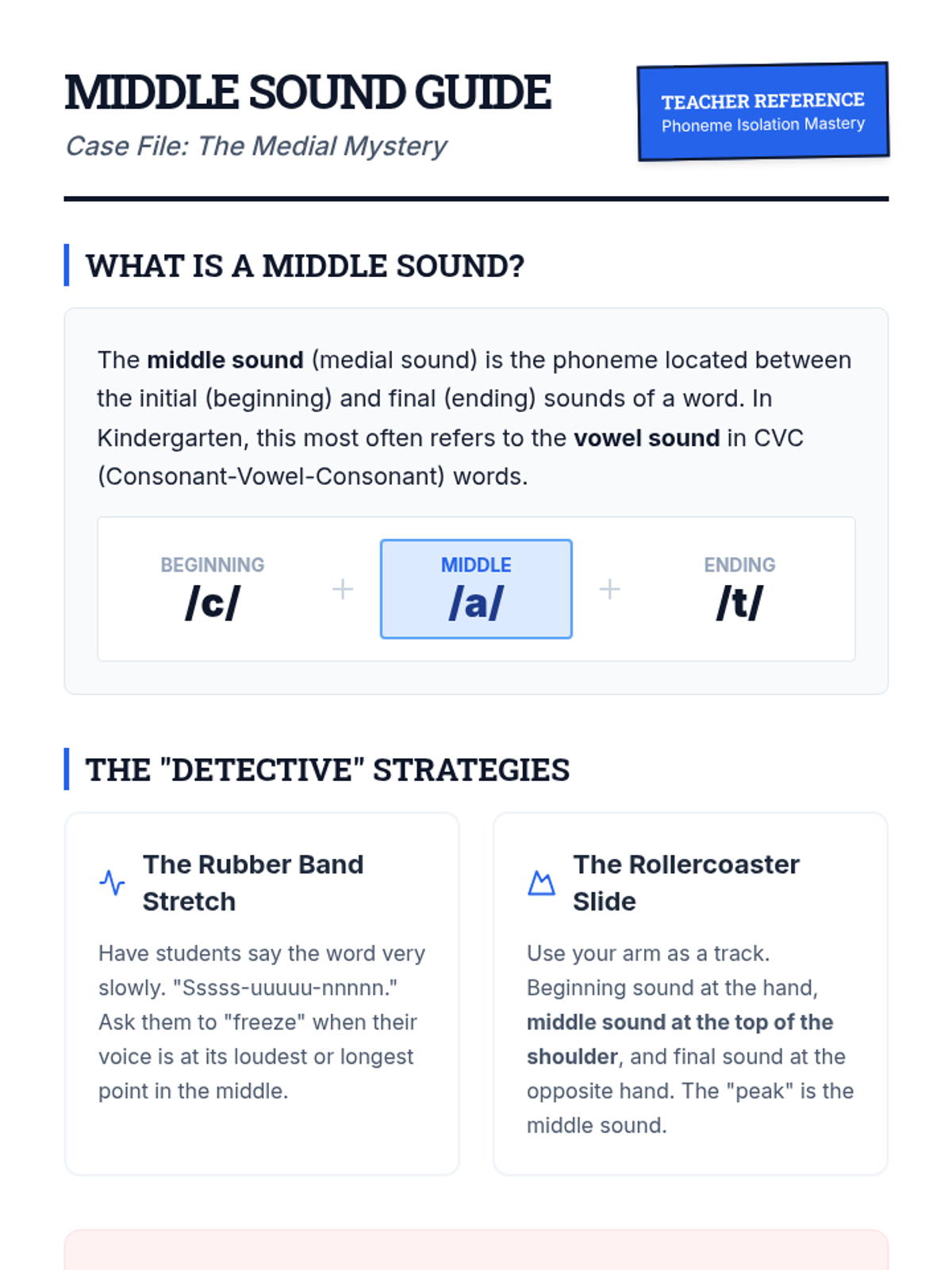
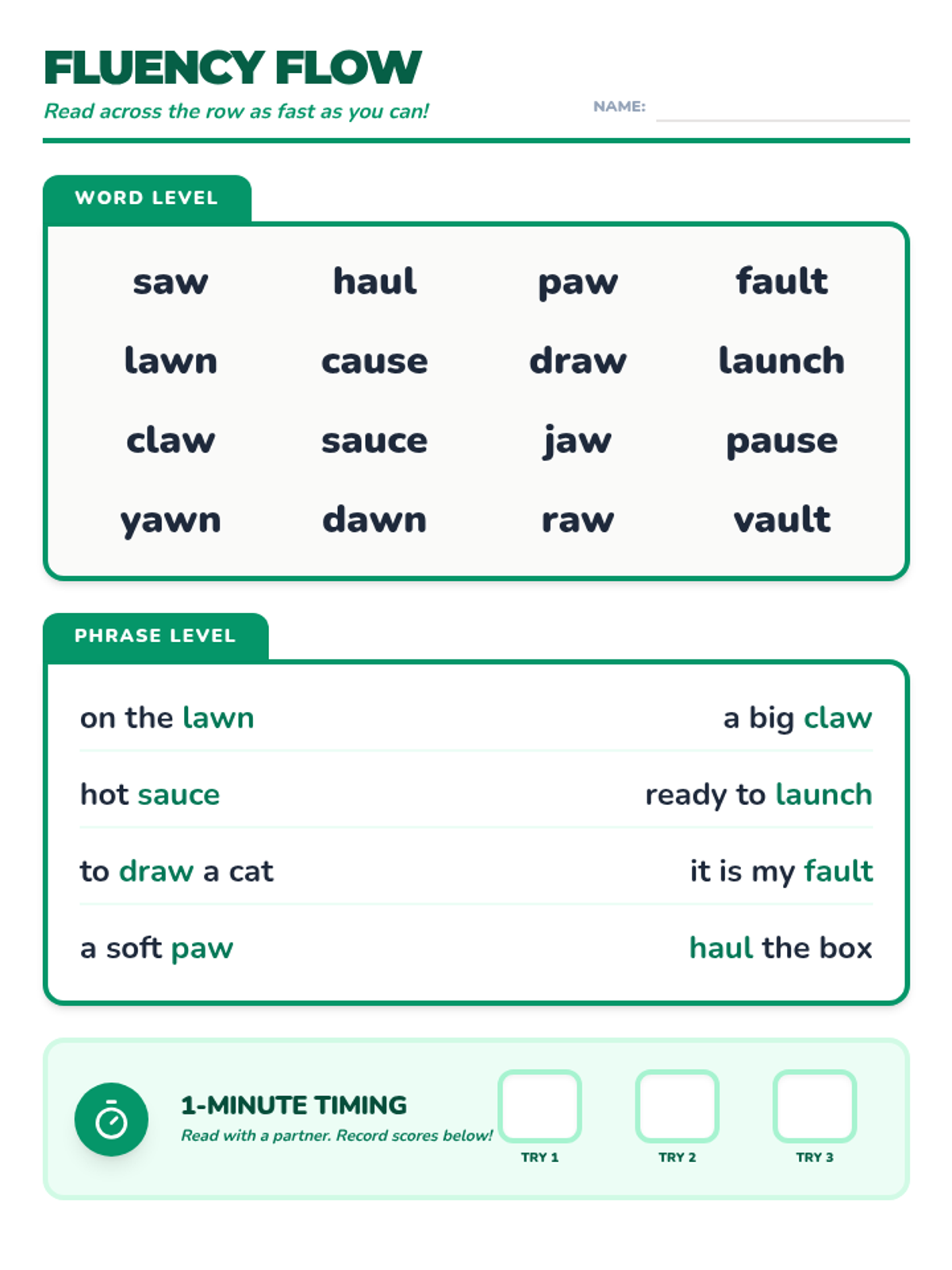
A comprehensive week-long unit reviewing short vowels through explicit instruction, multisensory practice, and decodable text application.
A 20-minute outdoor investigation where students compare the diversity of life in two different micro-habitats to understand patterns of biodiversity. This lesson integrates art through scientific sketching and a nature color hunt.
A hands-on gardening lesson that turns natural distractions into learning opportunities. Students learn seasonal planting, water conservation, tool safety, and wildlife cohabitation through the lens of being 'Earth Architects'.
A 30-minute introductory lesson for K-1 students to learn about skin's protective role and the sense of touch through a texture-sorting activity.
A 30-minute introductory lesson for K-1 students about the skin's layers and its role as a protective shield for the body.
A hands-on inquiry lesson where students use their senses to investigate objects, build descriptive vocabulary, and form scientific hypotheses about the unknown.
A high-energy, 30-minute introduction to the first half of the digestive system (mouth to stomach) designed for K-1 students. Includes a guided exploration of how food travels and a hands-on activity sheet.
Students explore the fascinating world of seed dispersal through hands-on modeling and observation, discovering how plant 'form' follows 'function' to ensure the next generation of plants can grow in new places.
A high-level overview of the Wild Writing Adventure curriculum, including teacher guides, scope and sequence, and implementation strategies.
Explore the rocky shore to discover sight words while meeting starfish, crabs, and sea anemones in colorful tide pools.
Venture into the mysterious world of caves to master essential sight words while meeting bats, spiders, and salamanders.
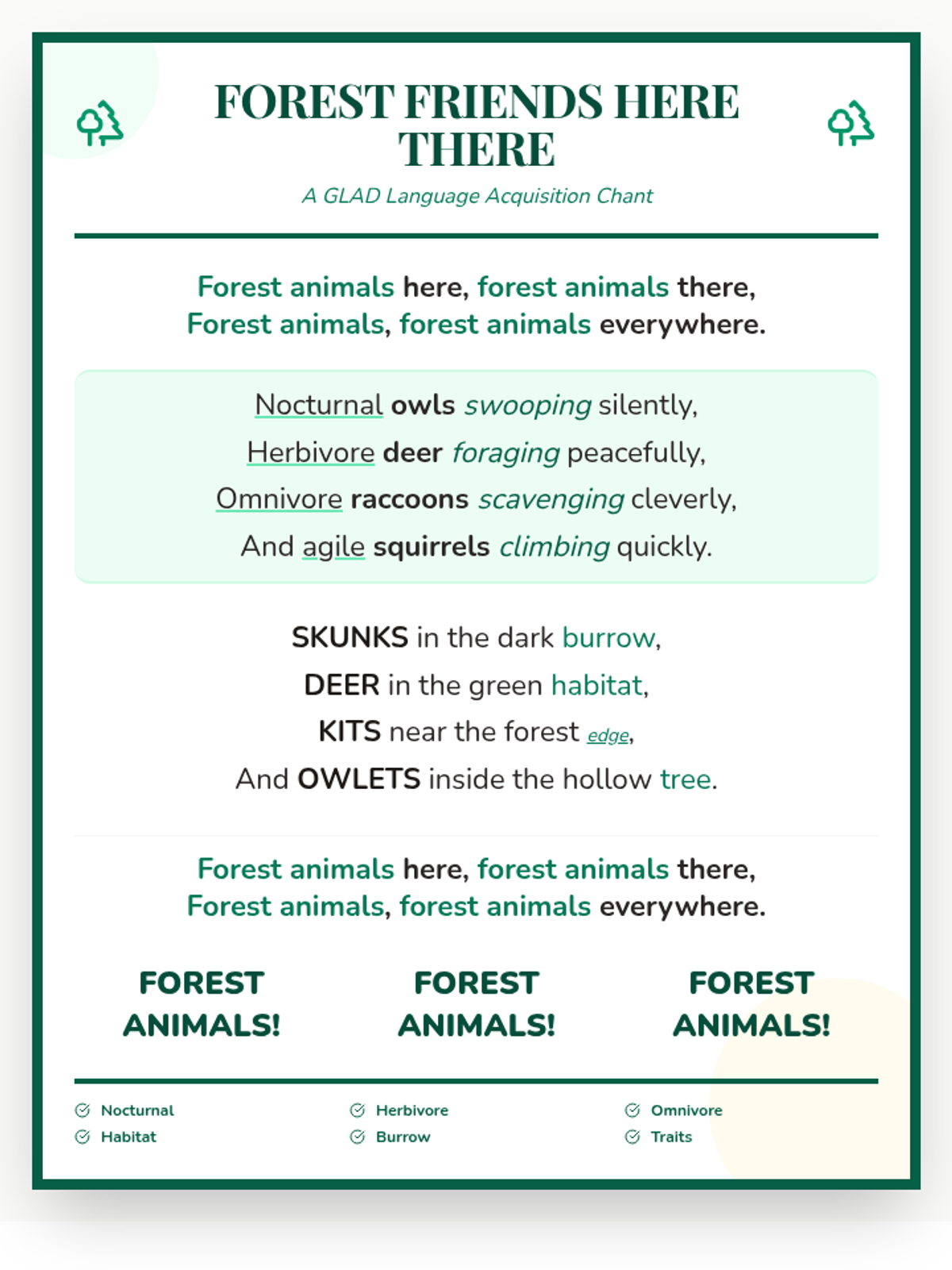
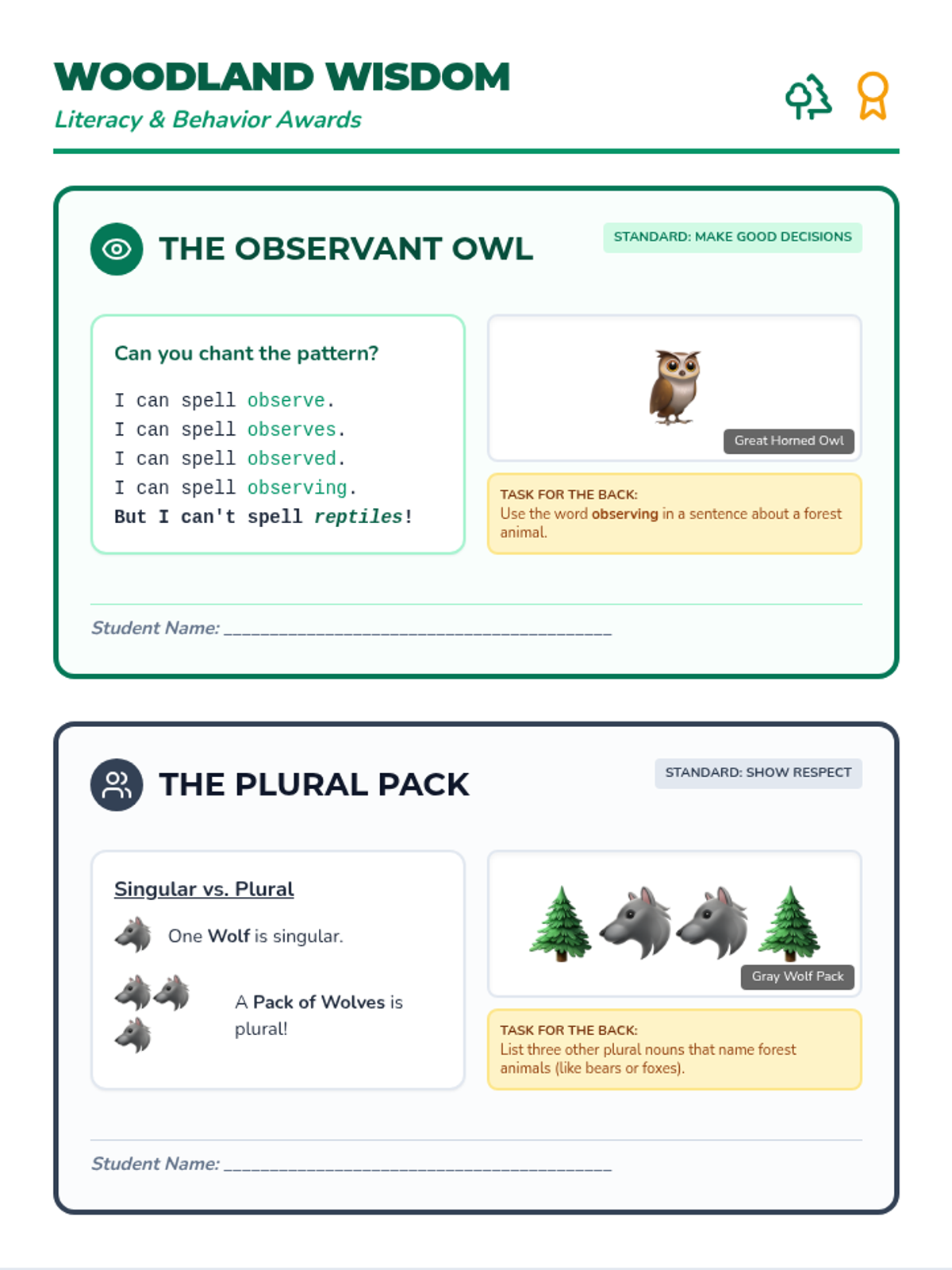
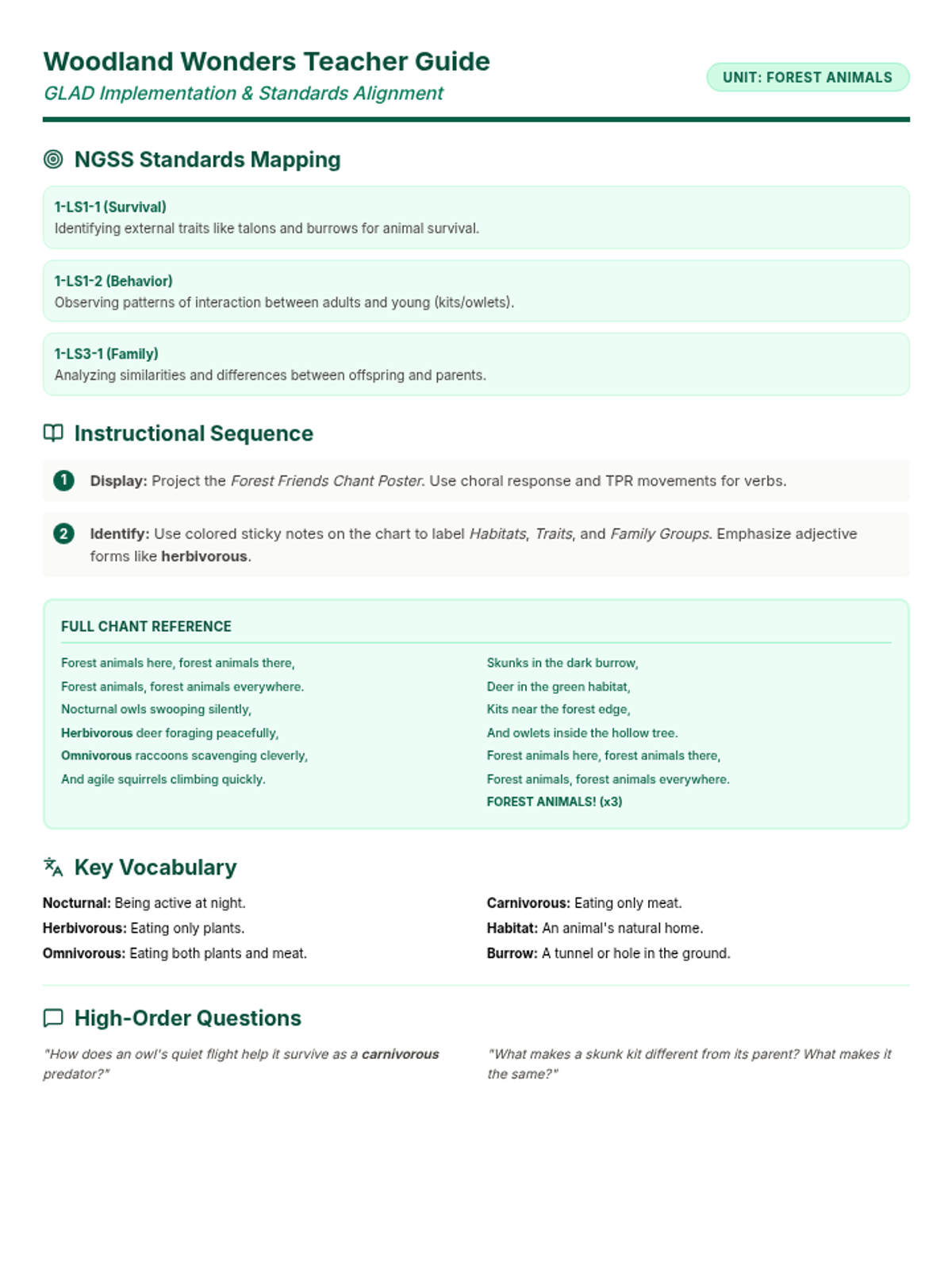
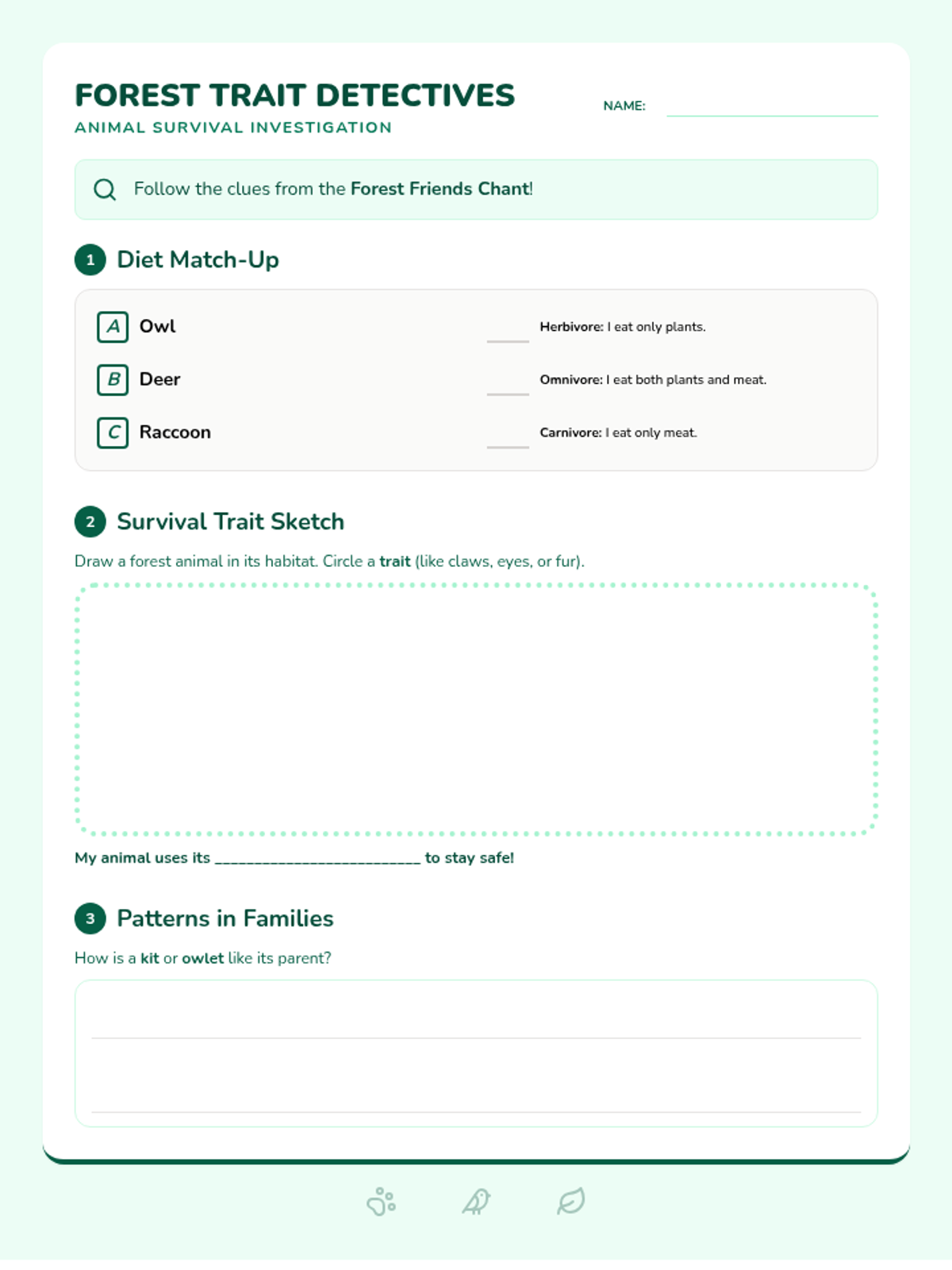
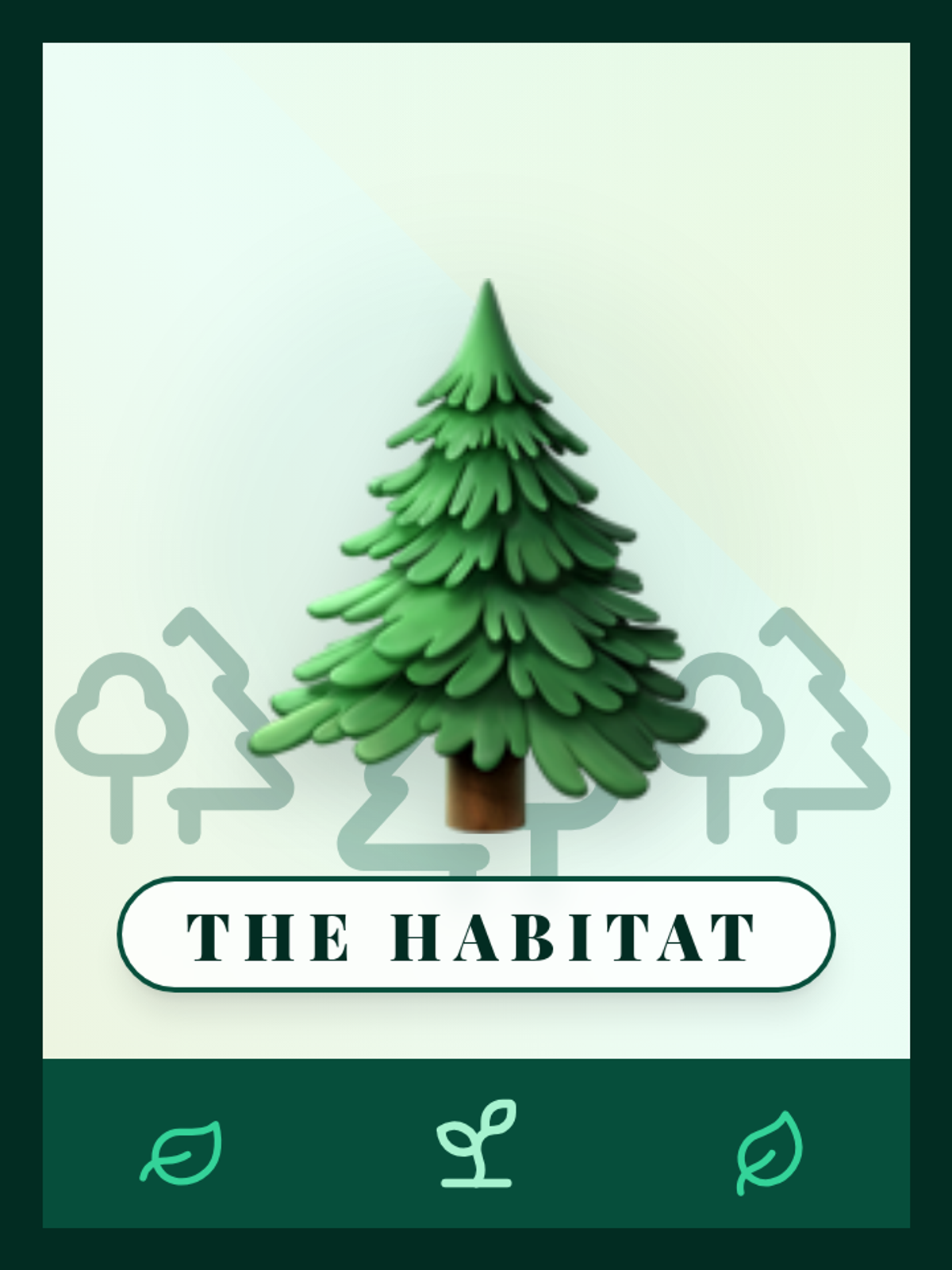
Explore the leafy woodland forest to master essential sight words while meeting graceful deer, wise owls, and busy woodpeckers.
Squelch through the marshy wetlands to master descriptive sight words while spotting alligators, frogs, and dragonflies.
Climb to the highest peaks to master directional sight words while meeting mountain goats, eagles, and black bears.
Hop through the sun-drenched Australian Outback to master new sight words while meeting kangaroos, koalas, and wombats.
A student-led advocacy campaign to encourage schools and families to raise lawn mower heights. Students learn the science of soil temperature, root health, and pest management to promote cooler, greener communities.
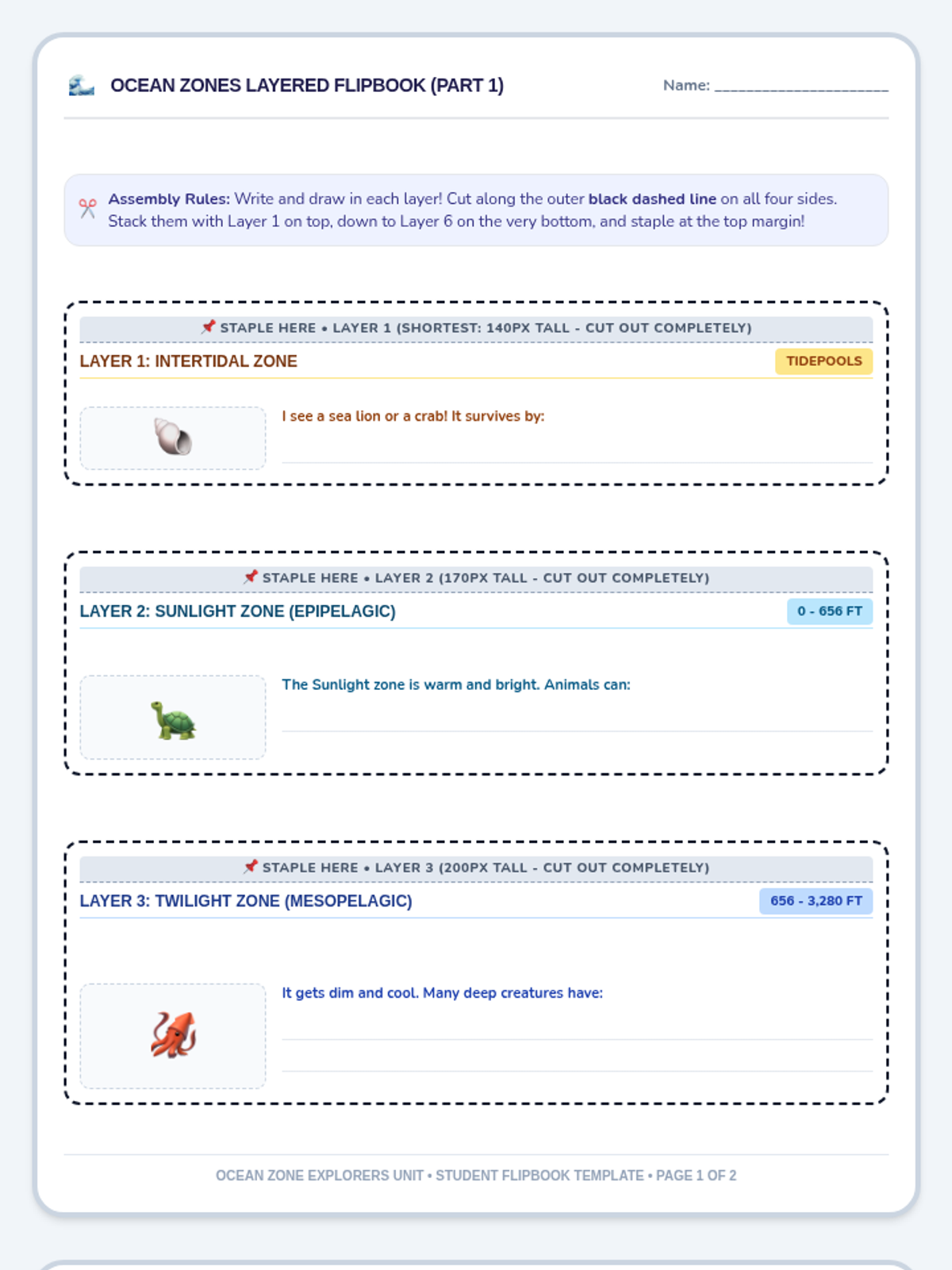
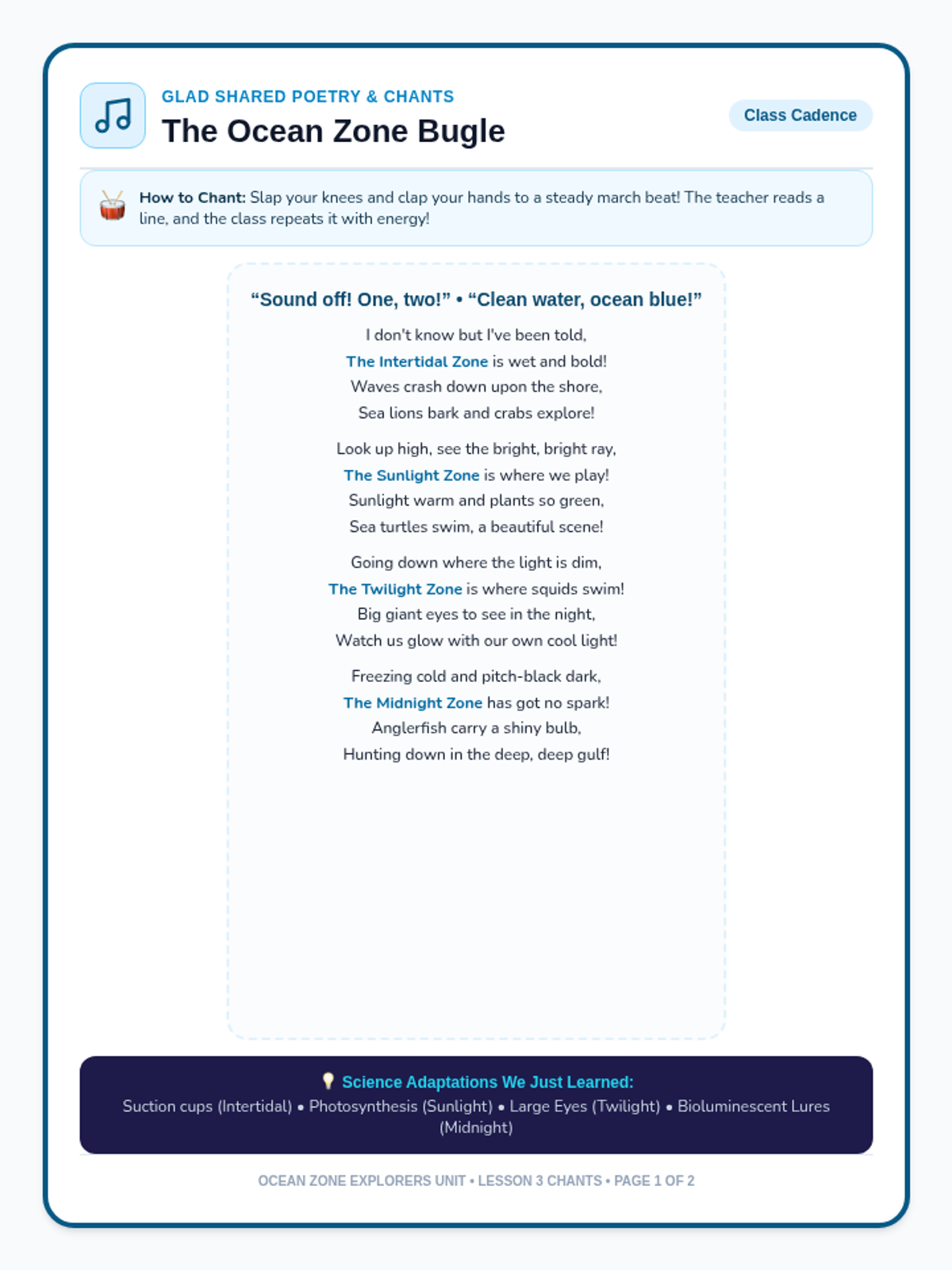
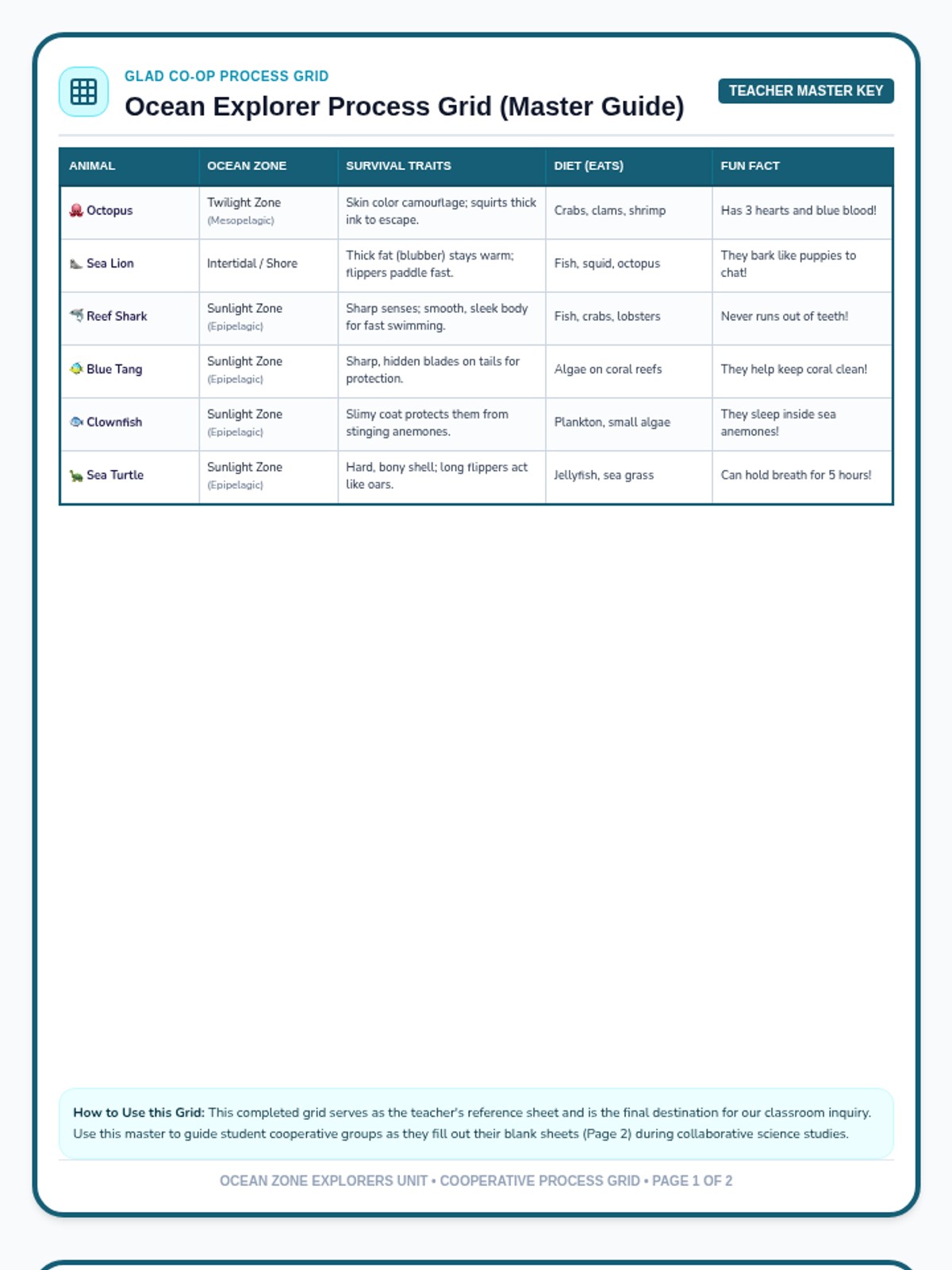
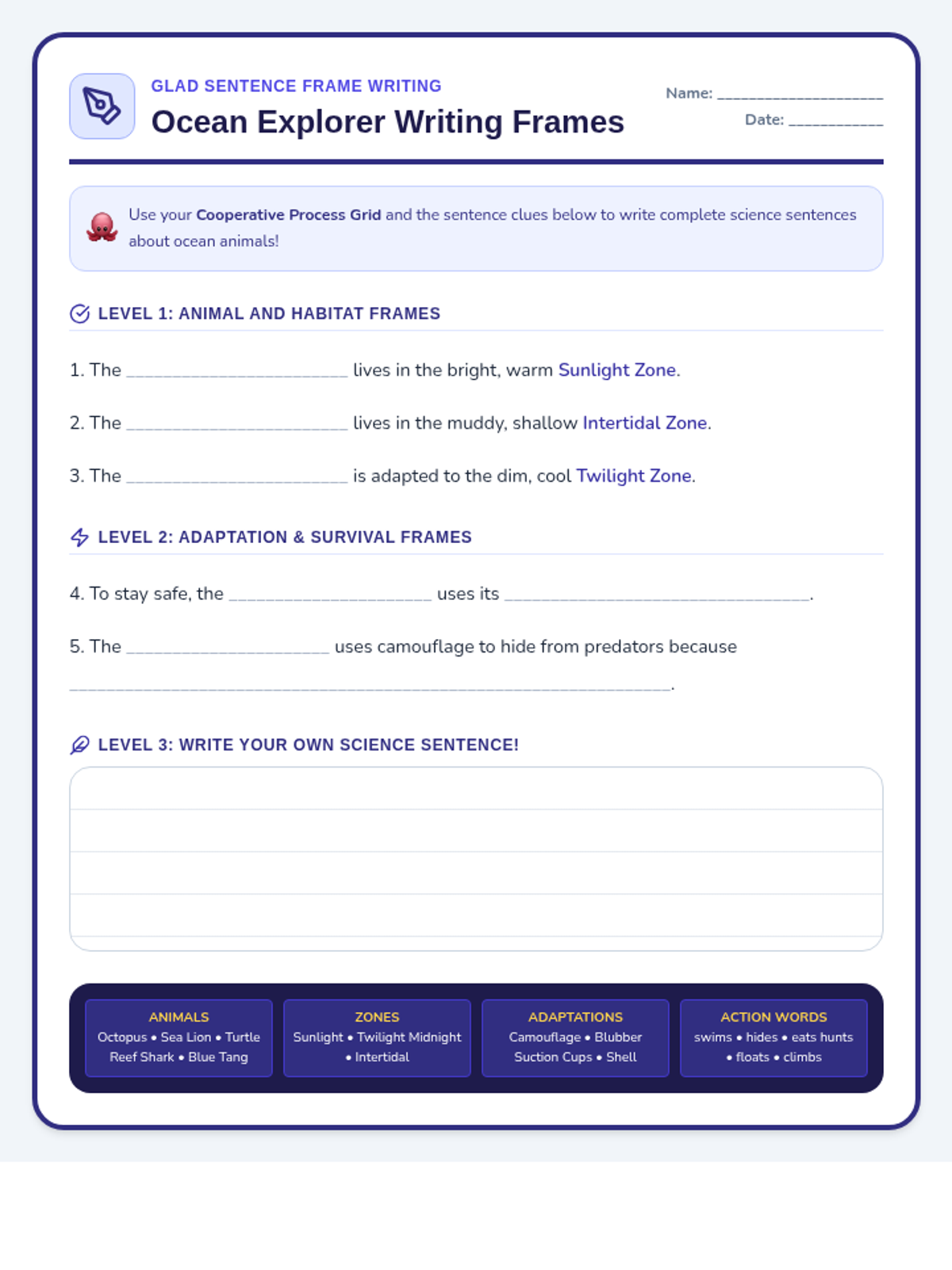
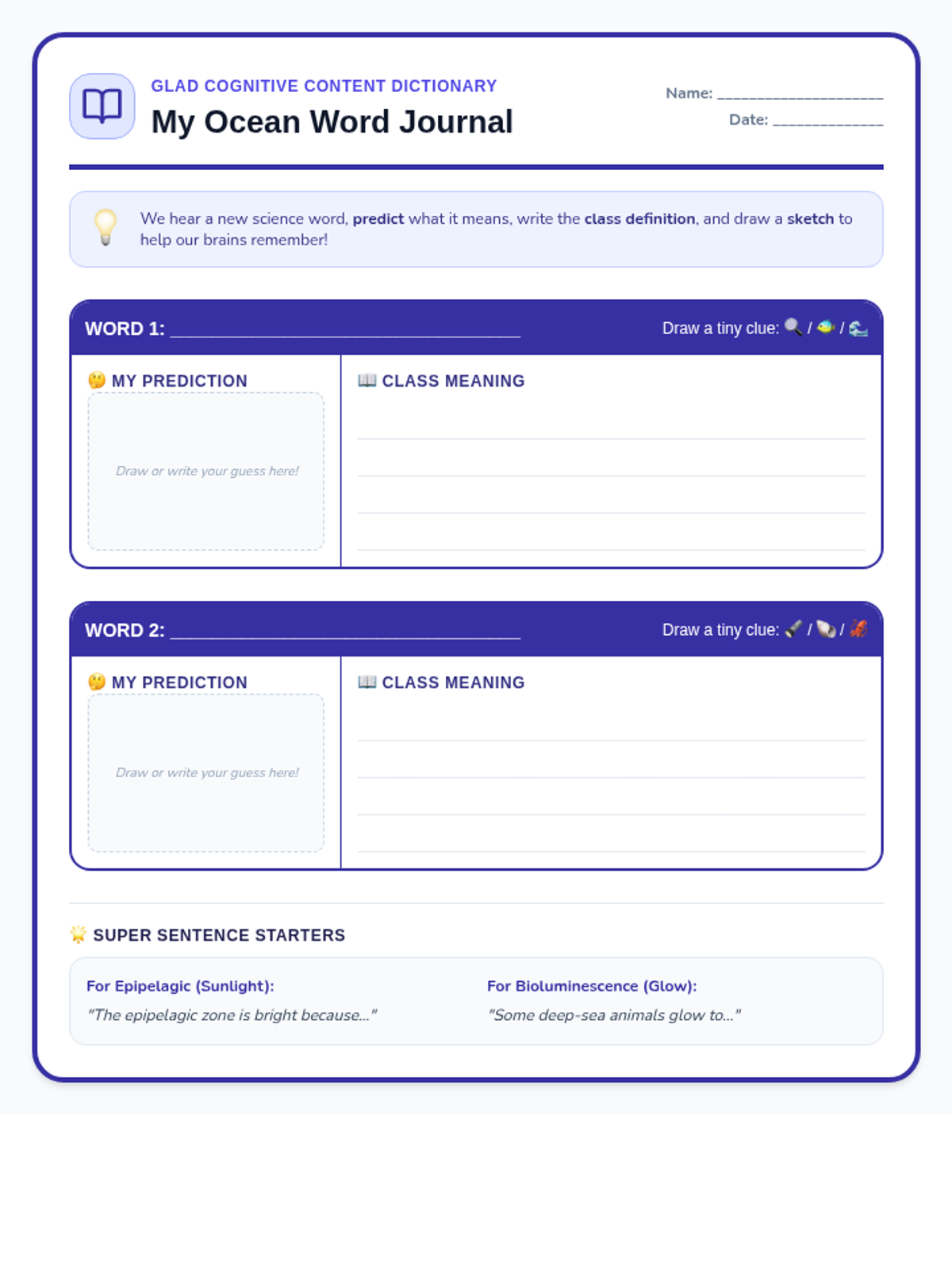
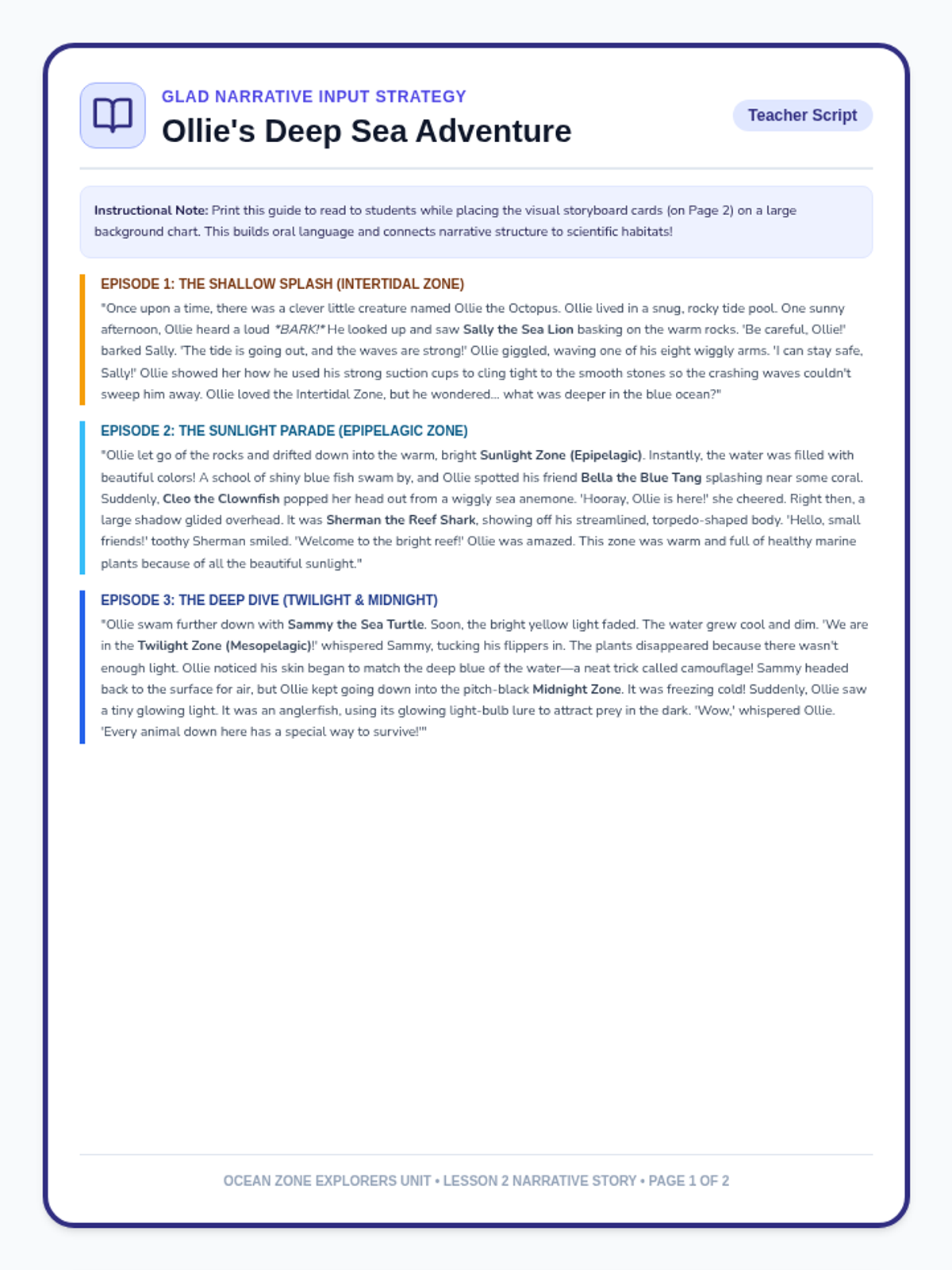
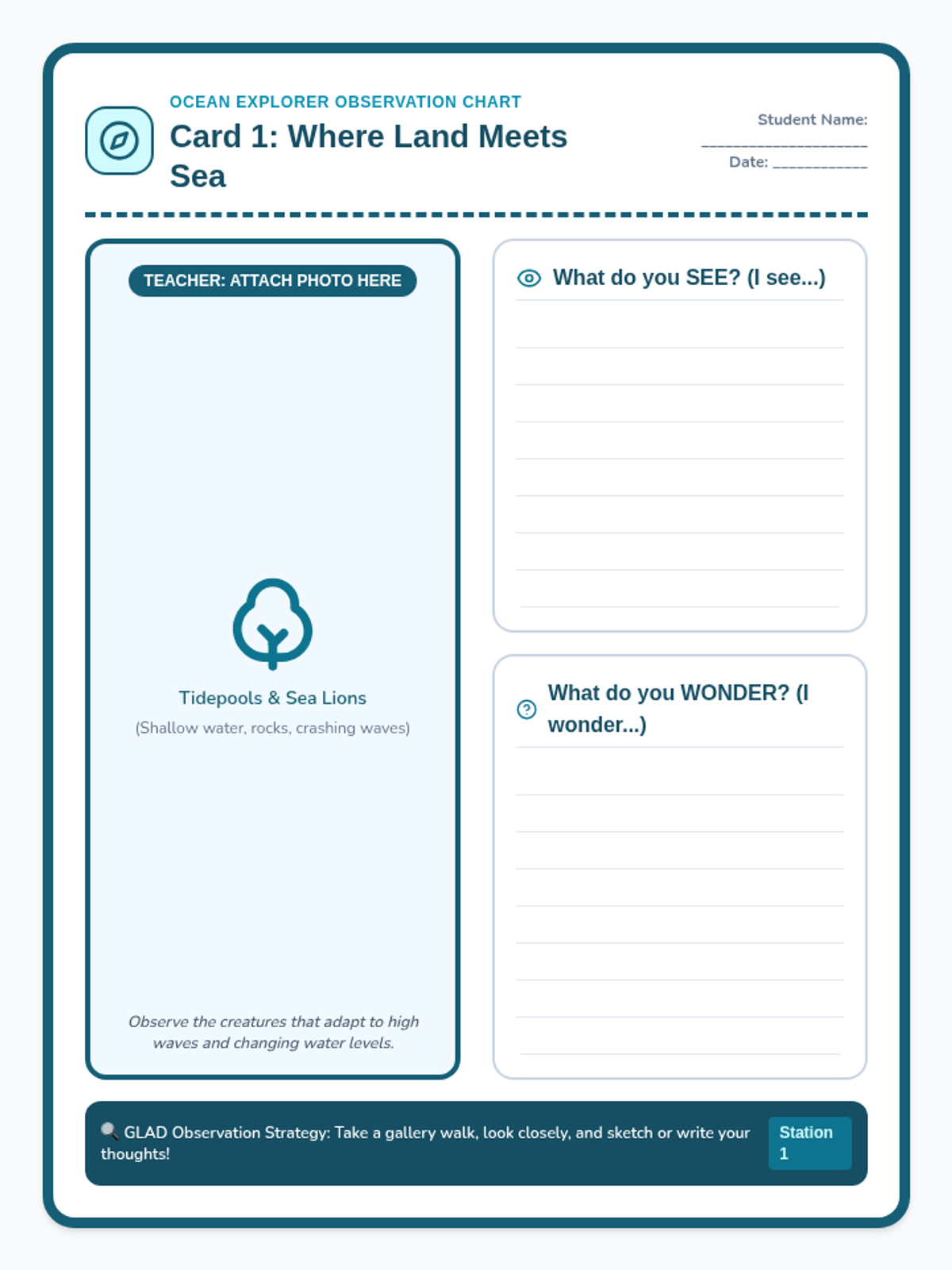
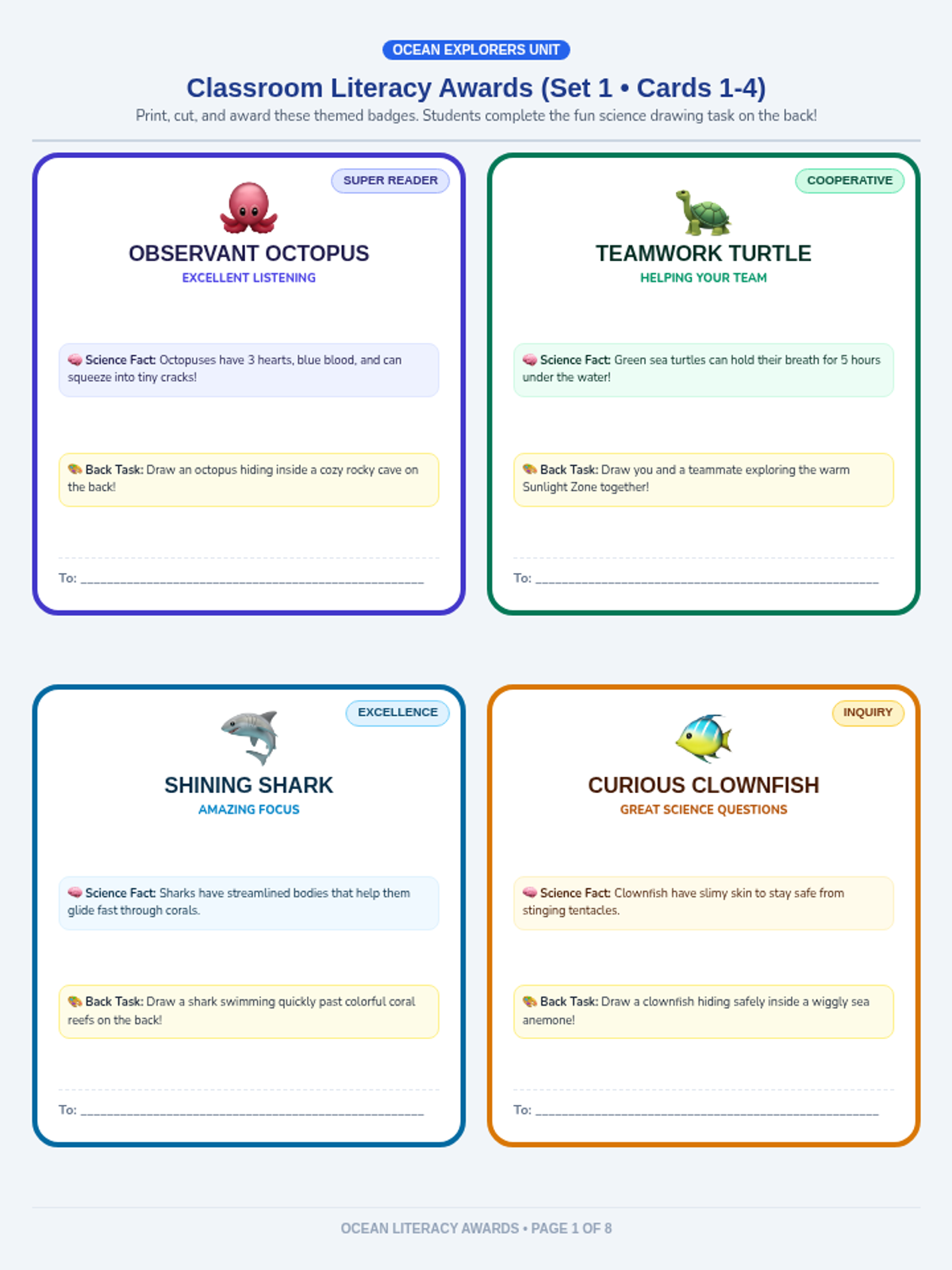
Dive into the deep blue ocean to master positional sight words while discovering sea turtles, sharks, and octopuses.
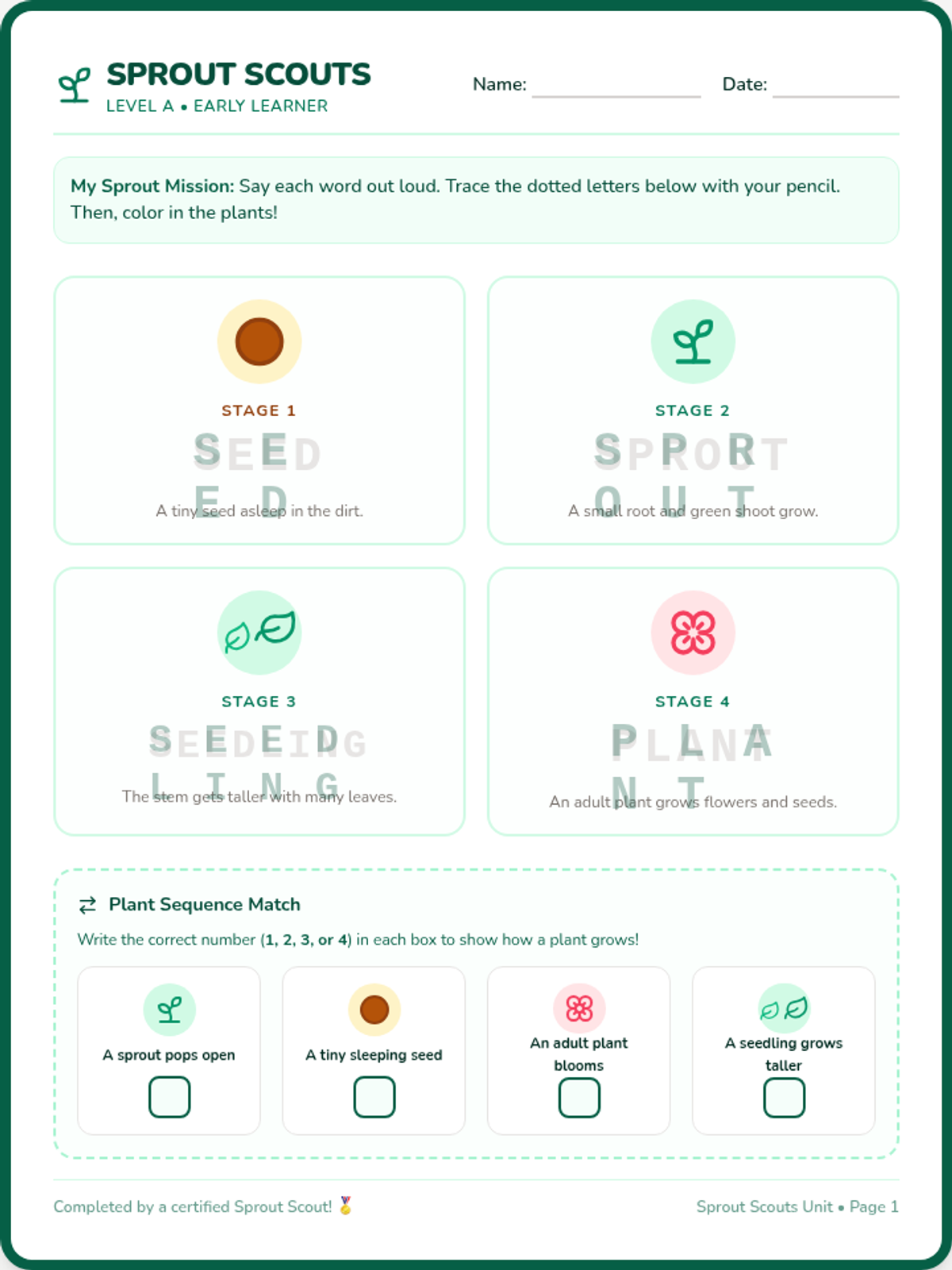
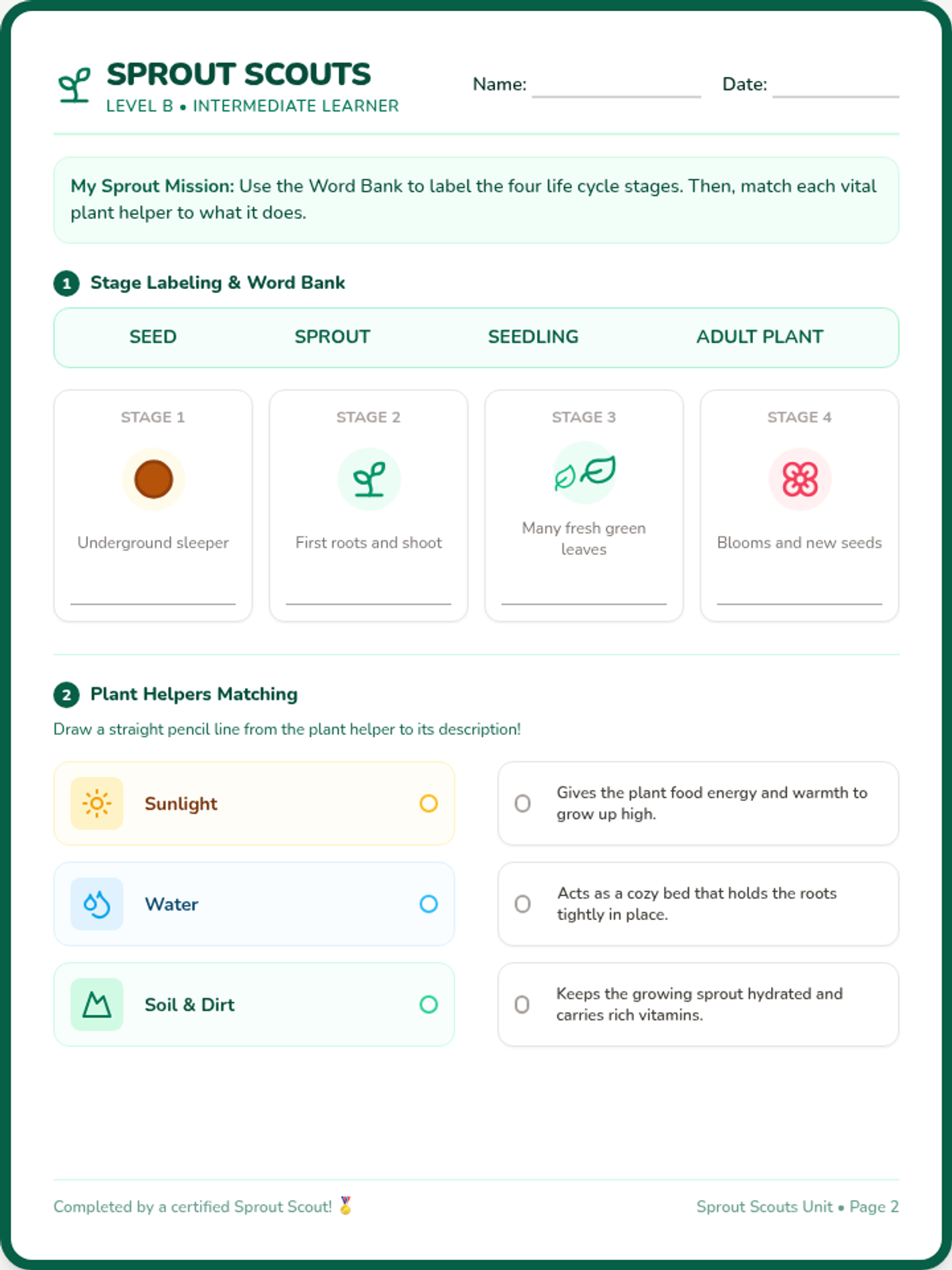
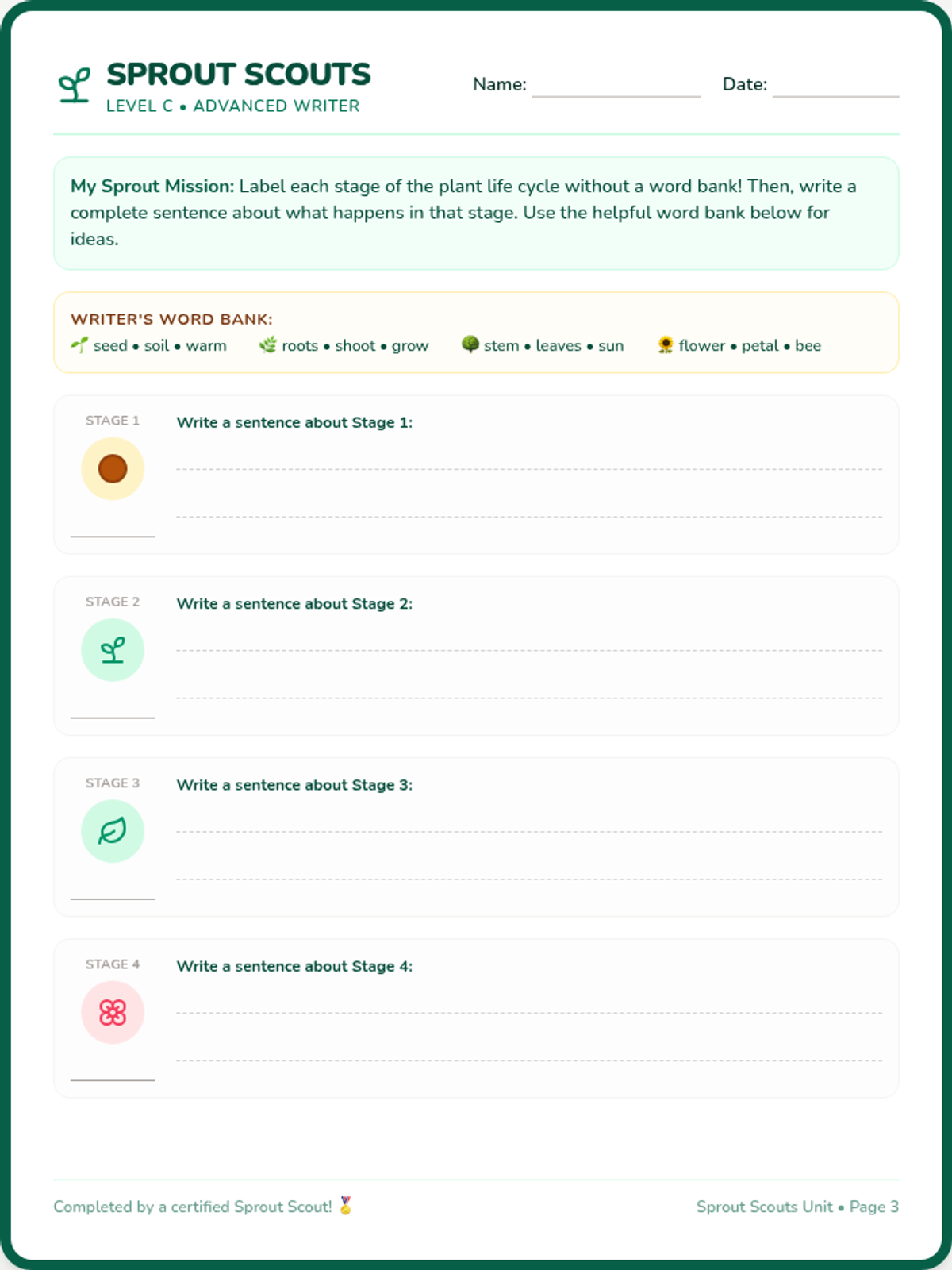
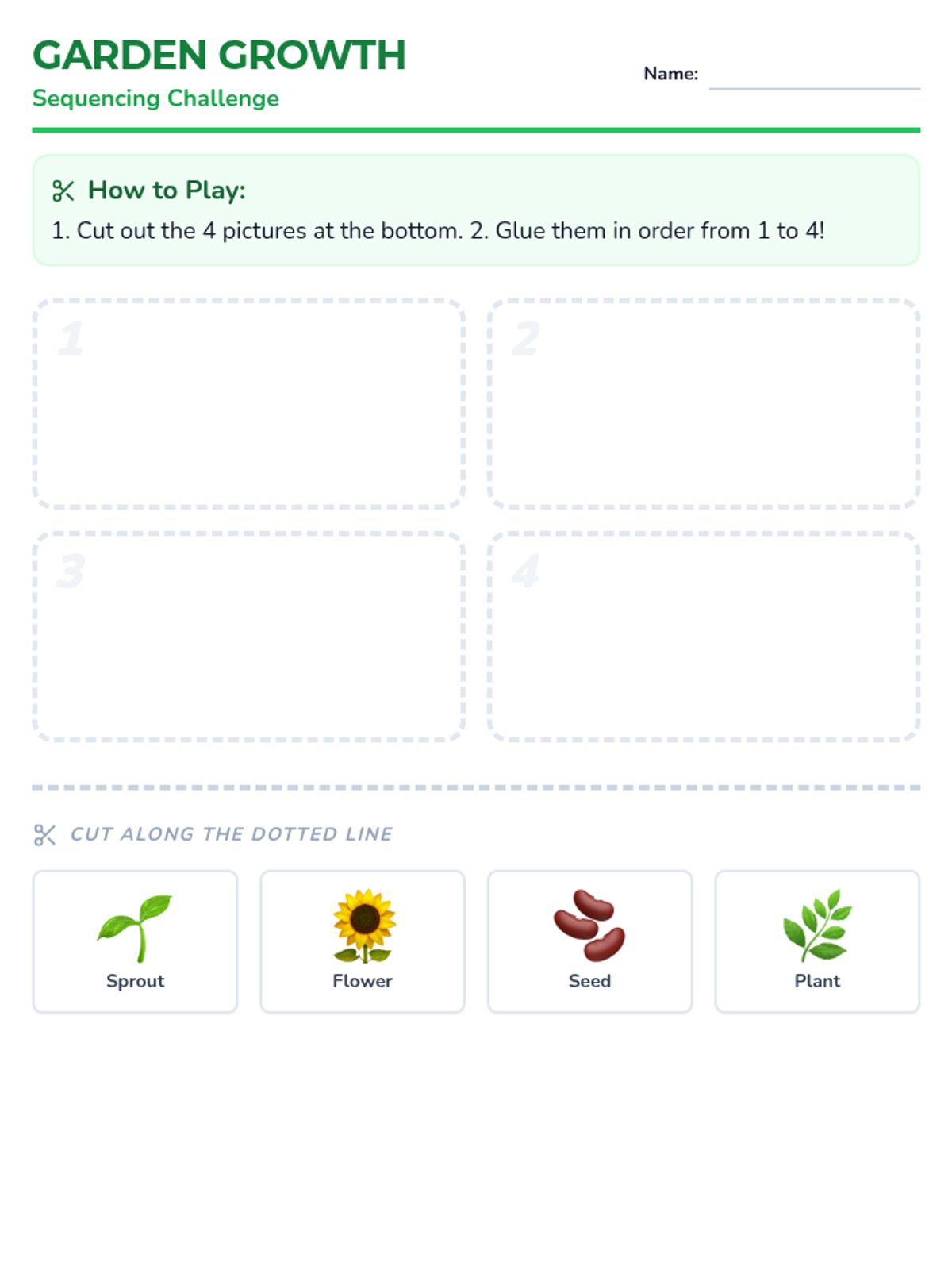
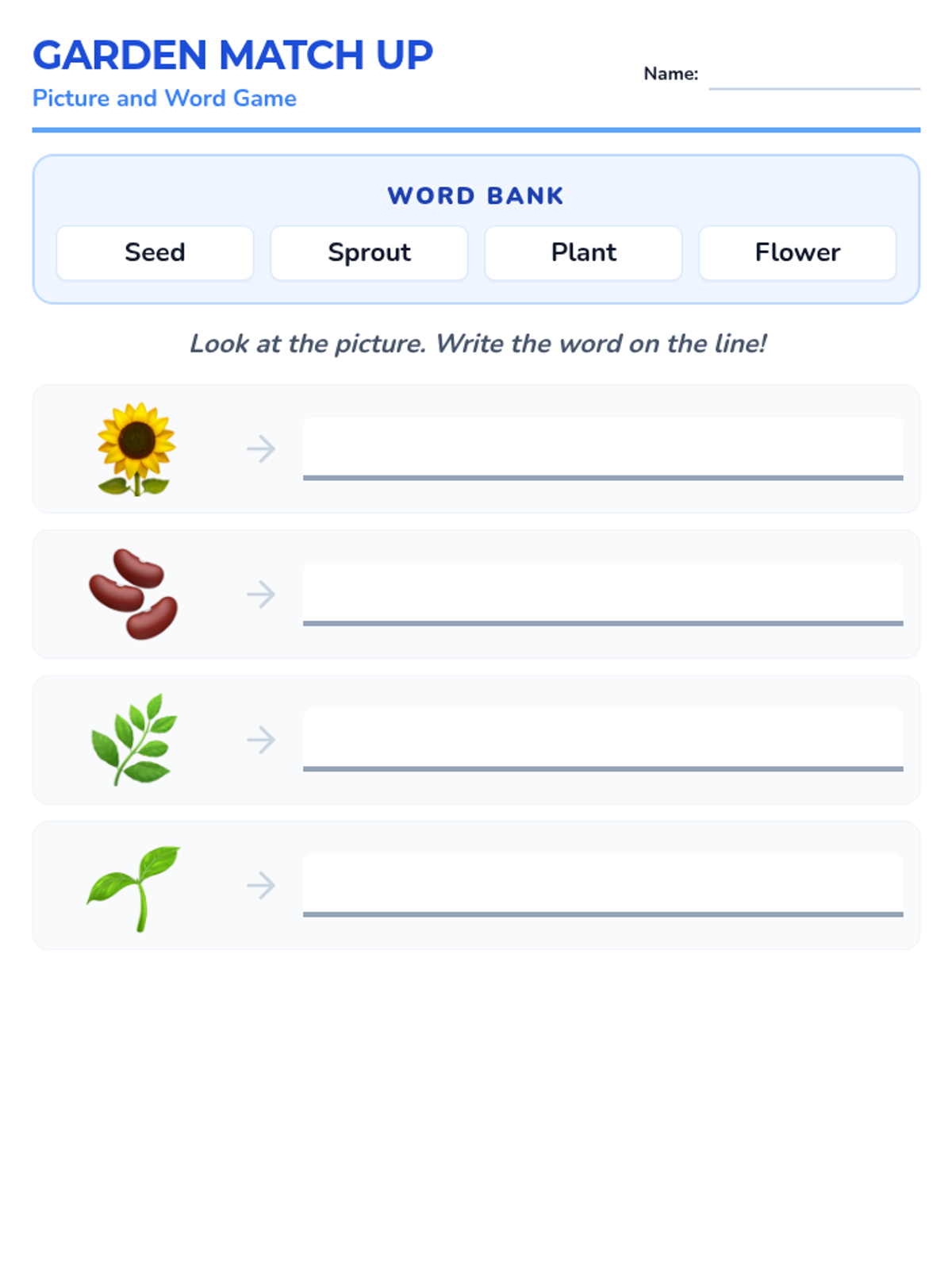
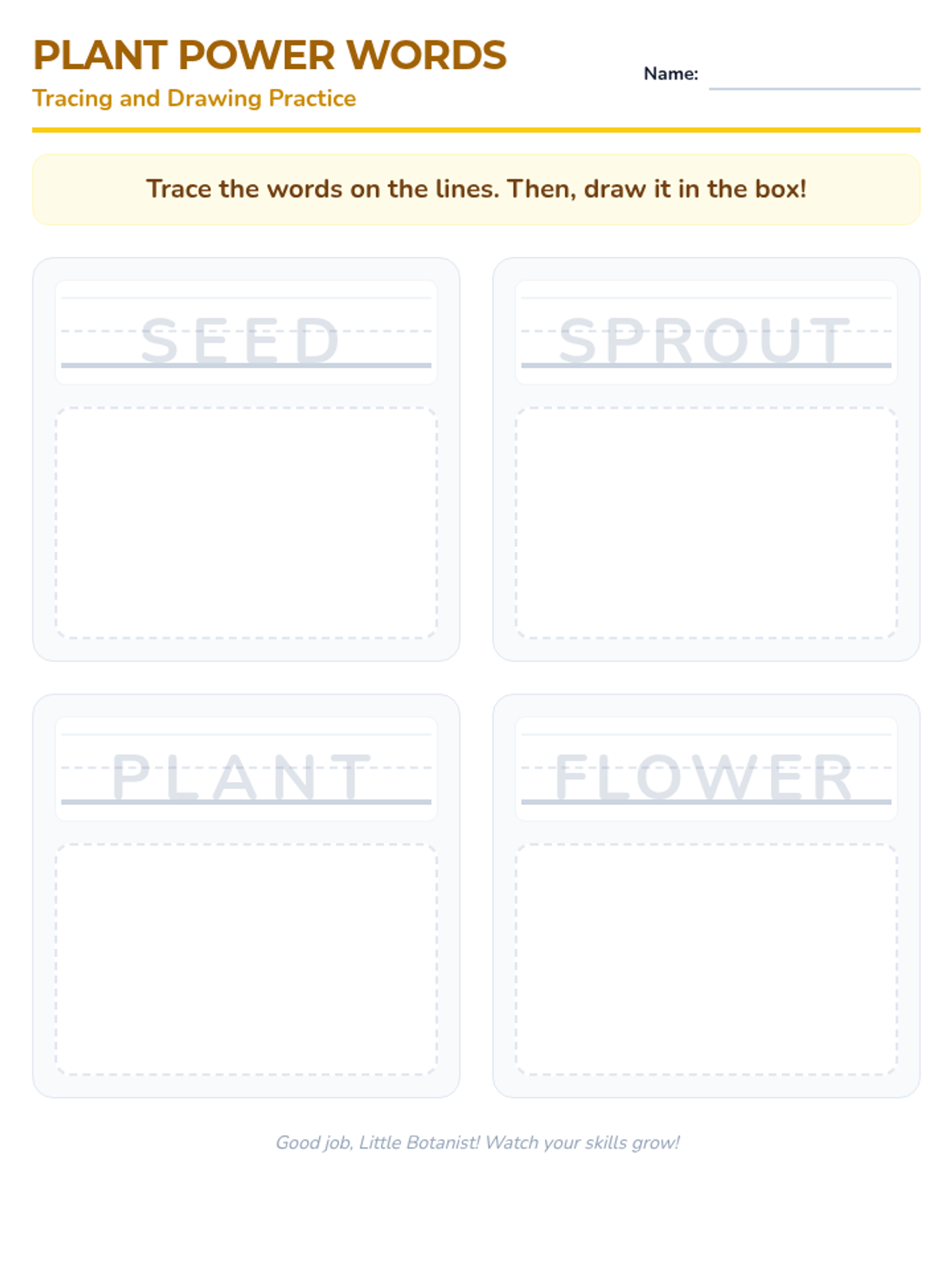
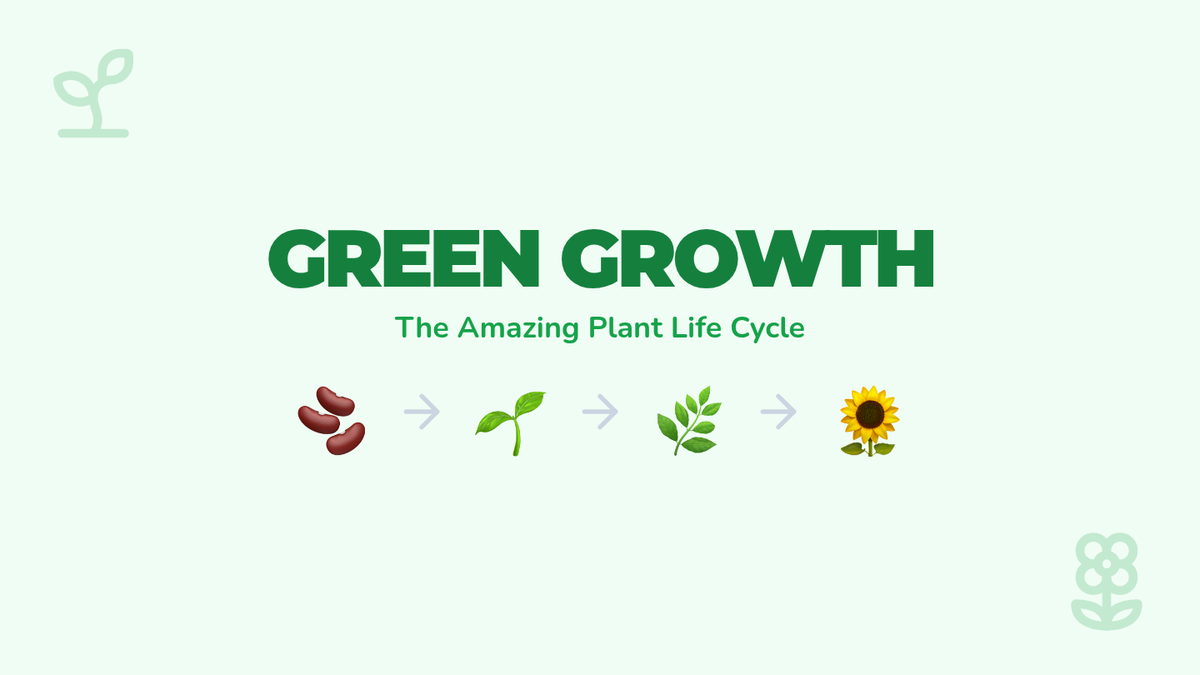
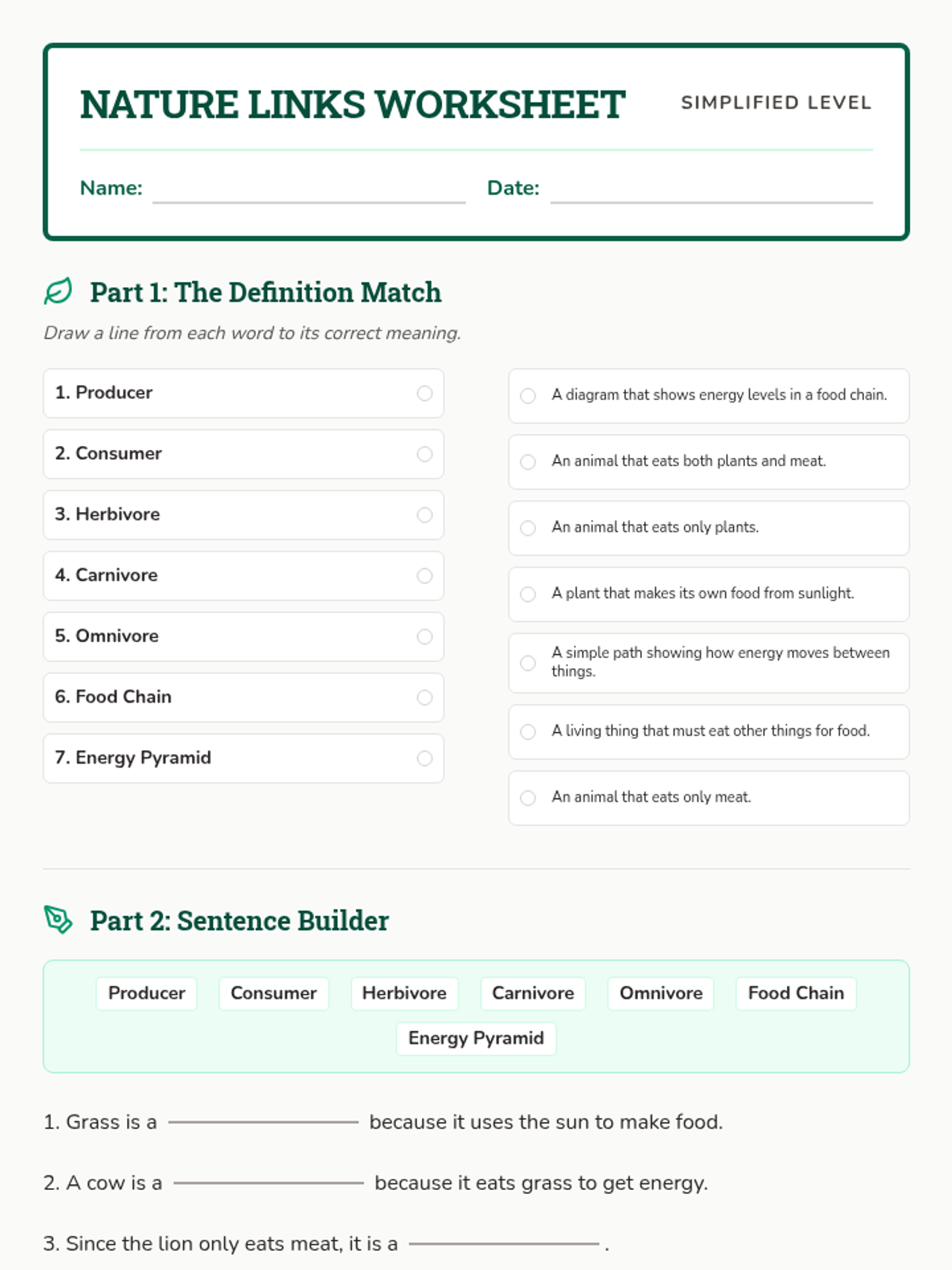
Investigate the life cycle of plants and the essentials for growth while mastering sight words and scientific observation.
Launch into orbit to explore planets and stars while mastering high-frequency sight words and scientific terminology.
A visual-heavy introduction to water-related vocabulary for ESL students, focusing on the states of matter and natural water forms.
A hands-on STEAM lesson where emerging bilingual students use Ozobots to act out short scenarios, focusing on beginner-level English speaking, listening, reading, and writing skills.
A first-grade science unit focusing on how fossils provide clues about ancient animals and their environments. Students act as "Dino Detectives" to compare bones, study changing habitats, and analyze footprints to determine movement.
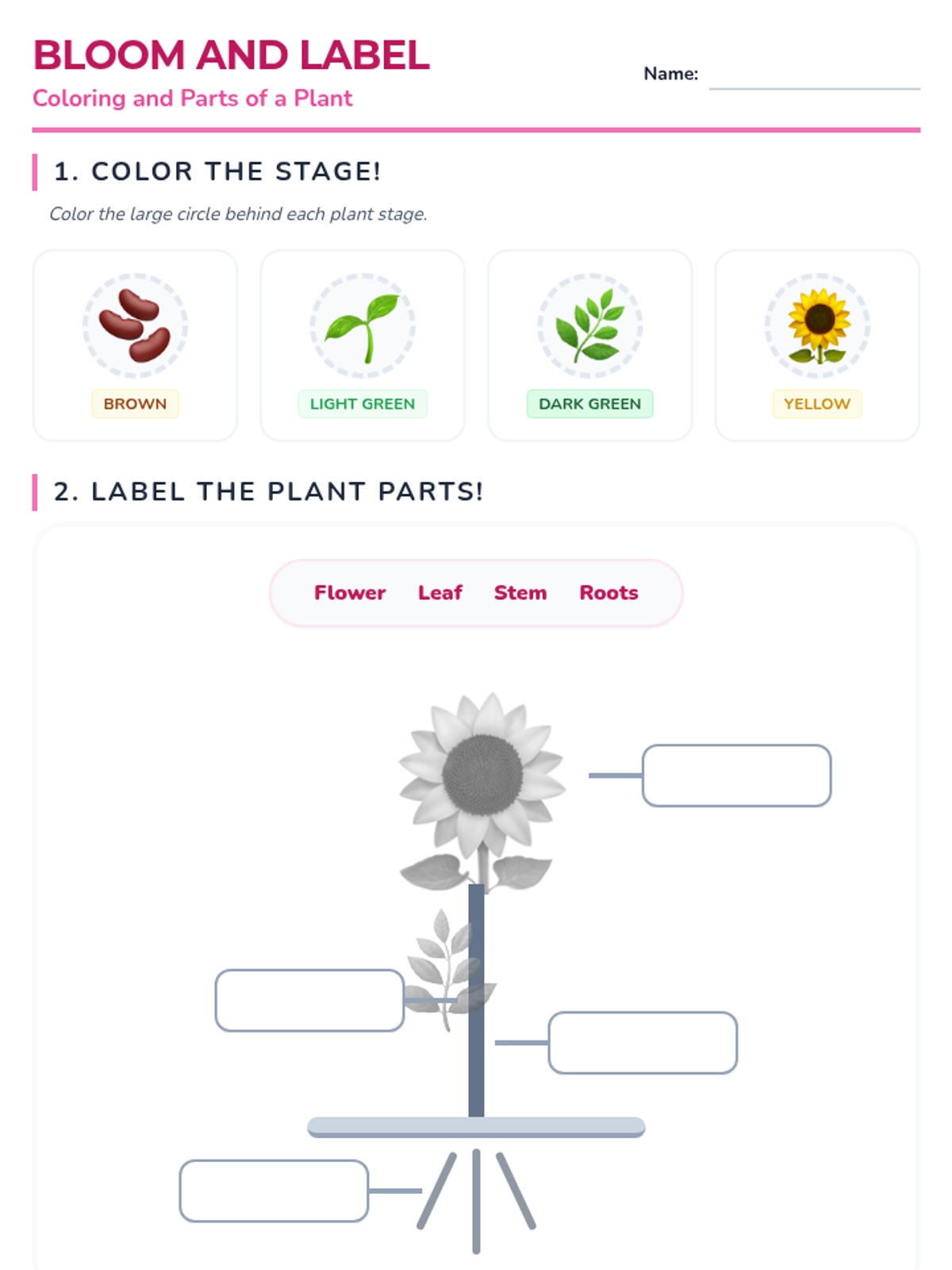
A cross-curricular lesson where students combine scientific observation with artistic detail to create labeled diagrams of flowering plants and animals. Students focus on identifying key parts of organisms while developing their drawing and labeling skills.
An introductory lesson for early elementary students exploring the characteristics of spring, the life cycle of plants, and the basic concept of photosynthesis.
A series of creative coding challenges designed for young learners using Scratch Jr. Students will explore basic programming concepts through open-ended, imaginative projects.
An introductory lesson on bird anatomy where students learn to identify and label five key body parts: eye, beak, wing, feathers, and claws.
An introductory lesson on birds for first-grade students, focusing on anatomy, habitats, and common species through a visual read-along and interactive activities.
Dive into the invisible world of cells and microscopes to master essential sight words while discovering how scientists see tiny things.
A phonics lesson focused on decoding 2-syllable VCV words with open and closed syllables, set against a retro-futuristic solar system theme.
A vocabulary-focused lesson introducing students to the concepts of environmental stewardship and nonrenewable resources. Students will learn to define and use these terms through interactive slides and oral practice.
In this lesson, students explore the different parts of a plant, the specific needs for plant growth, and various types of plants. They will use visual cards to identify and categorize these elements in a hands-on sorting activity.
A dedicated hub for educators featuring a K-12 curriculum scope, professional development guides, and quick-reference AI cheat sheets.
High school students analyze the impact of generative AI on careers and society, mastering advanced prompt engineering and debating complex ethical dilemmas.
Middle schoolers dive into the mechanics of neural networks and the ethical implications of AI in daily life, focusing on digital citizenship and algorithmic fairness.