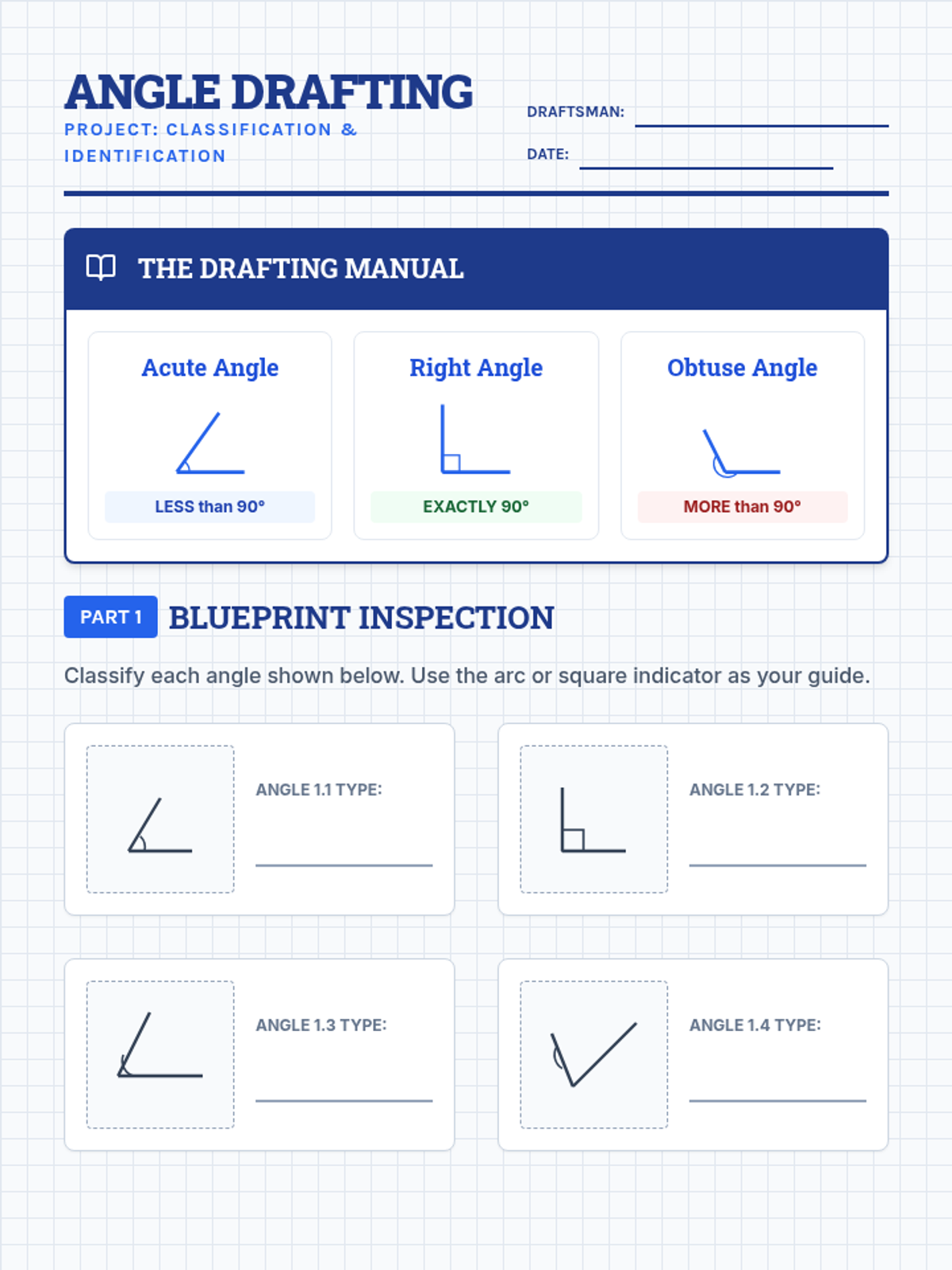
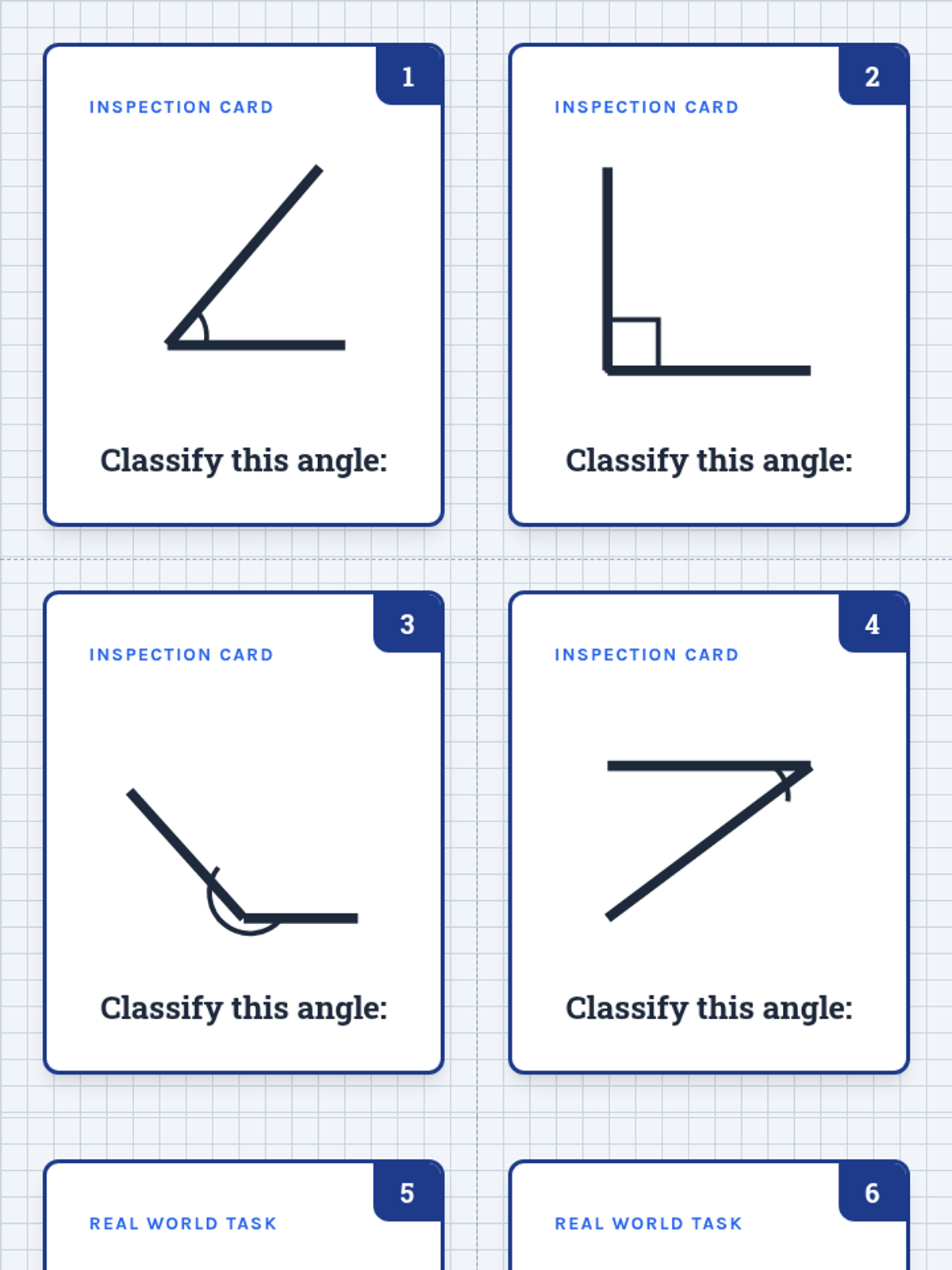
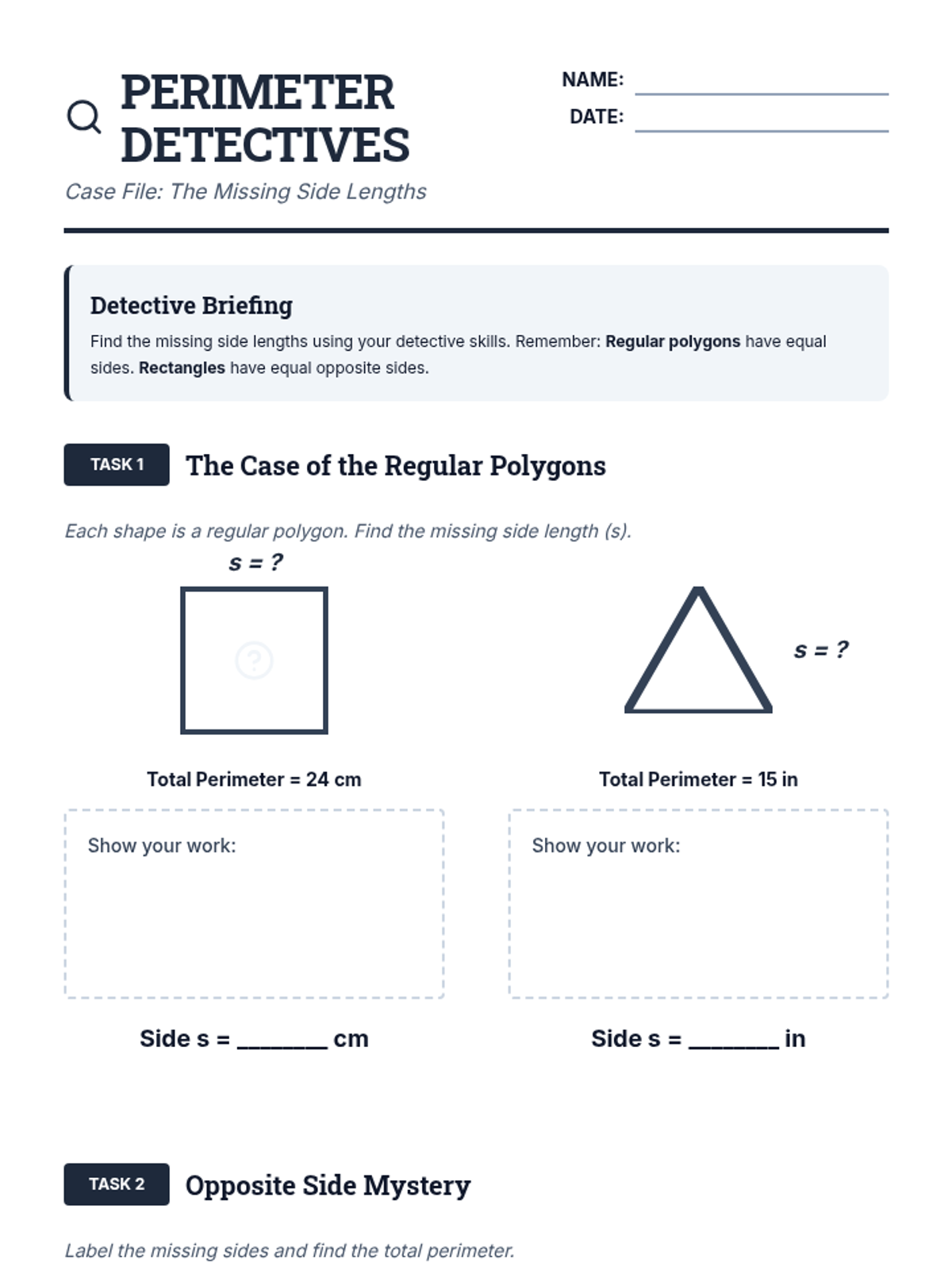
Students learn the precise process of copying an angle using only a compass and straightedge, focusing on the concept of 'congruence' without numerical measurement.
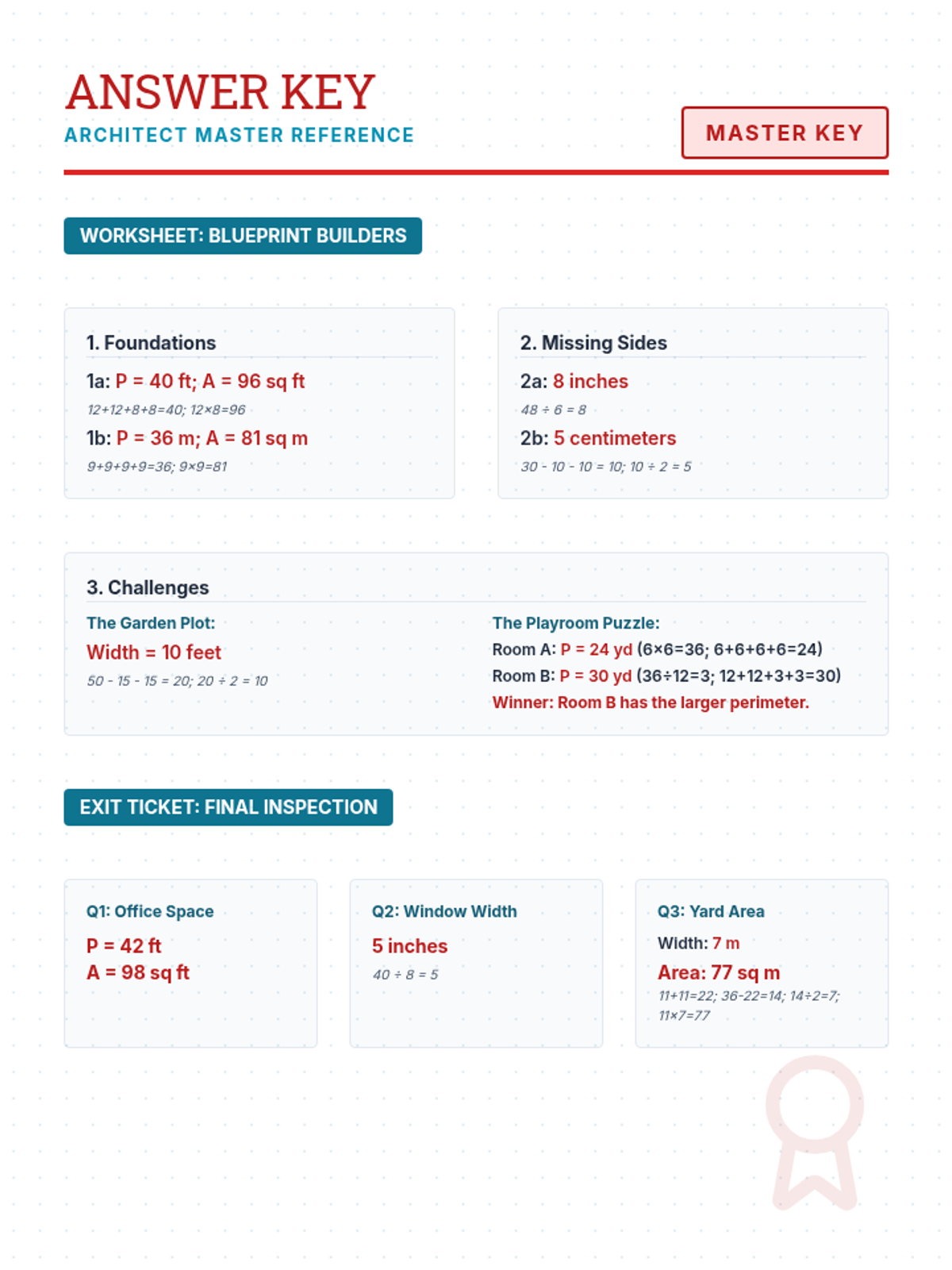
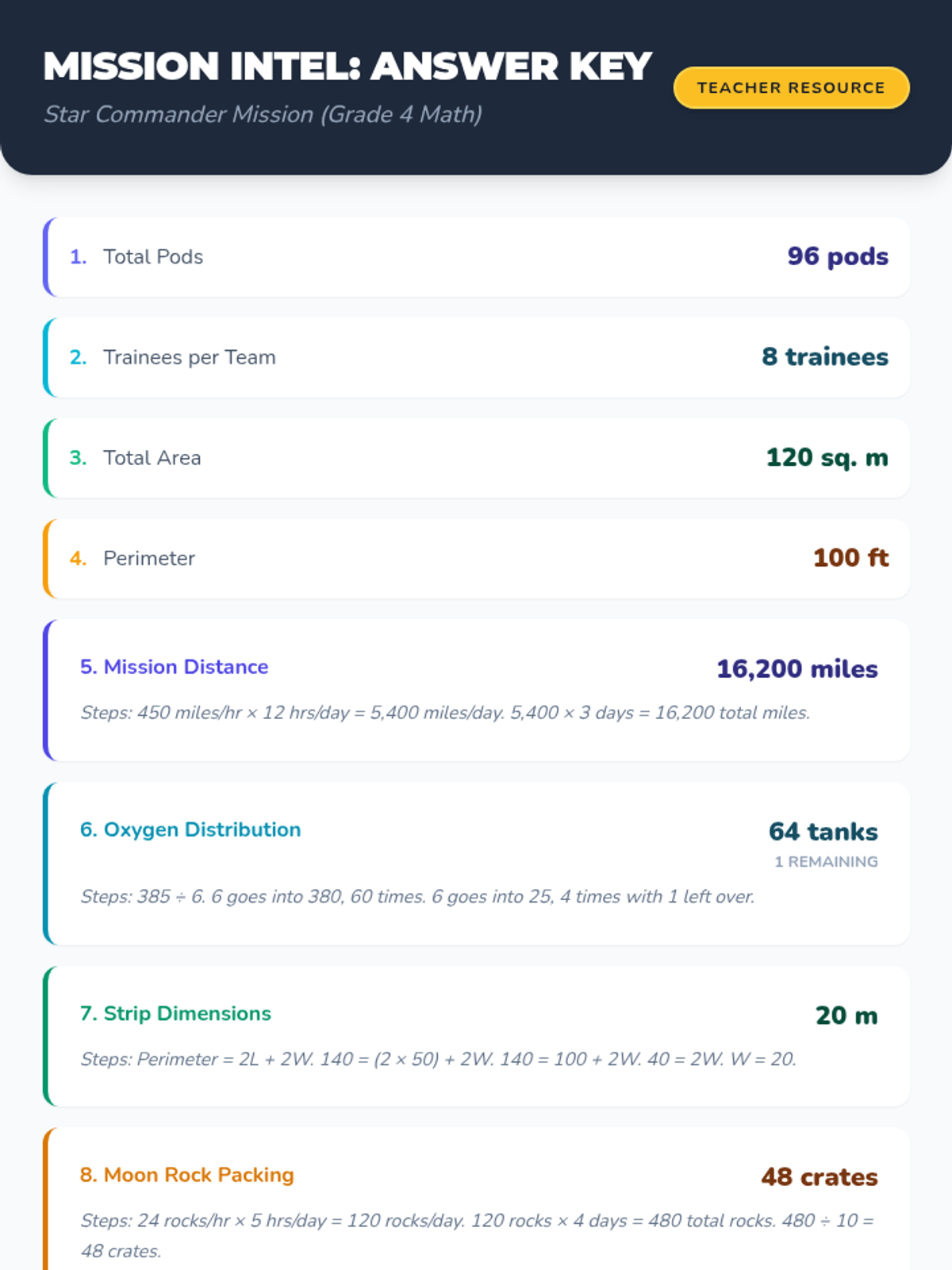
Students transition from scouts to architects, applying their research to design a complex structure blueprint. They will calculate additive angles, classify polygons within their design, and present their final architectural plan.
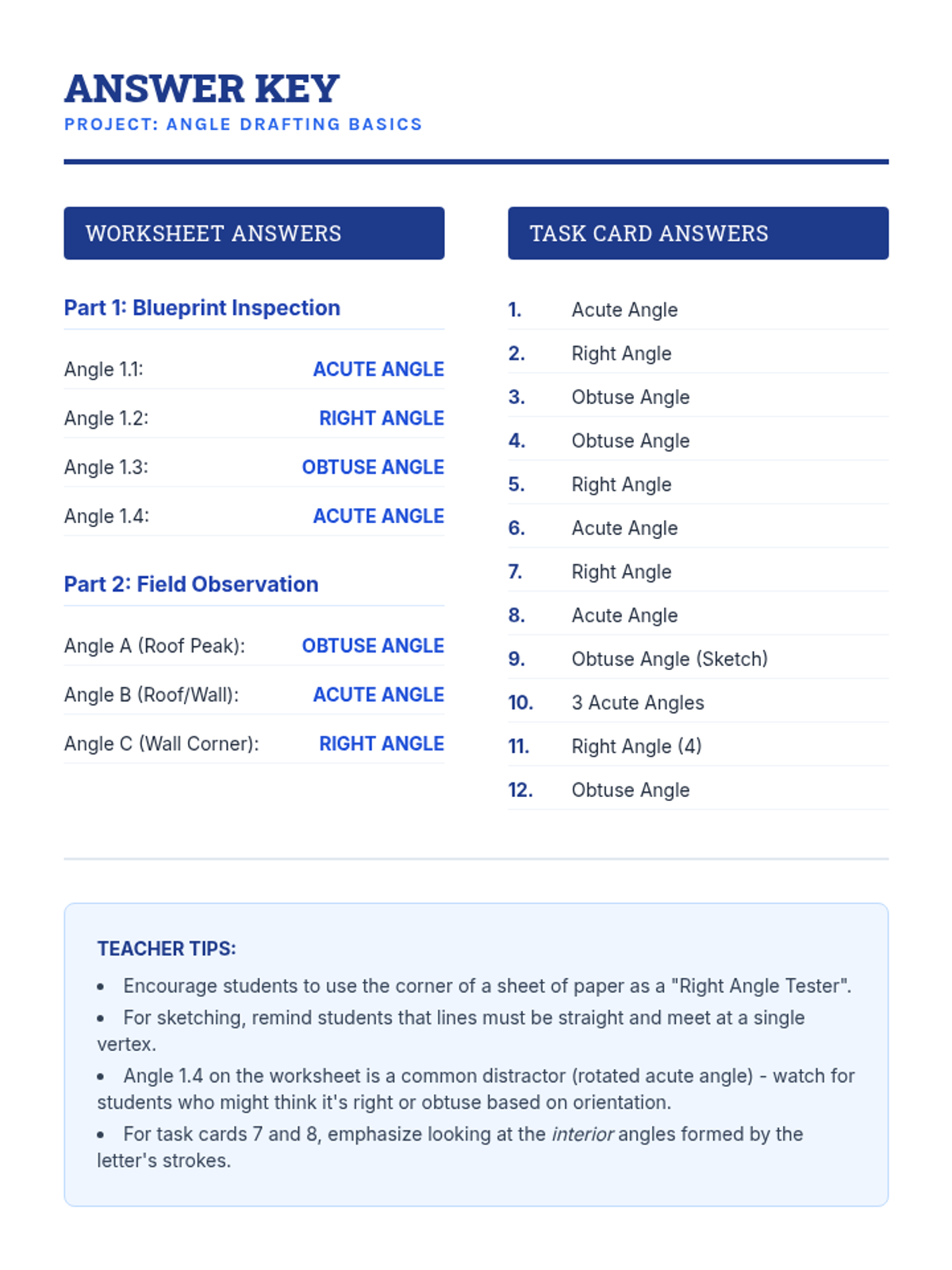
Students become Geometry Scouts, researching and documenting real-world examples of lines, angles, and two-dimensional figures. They will use protractors to measure angles in their environment and identify geometric properties in architecture and nature.
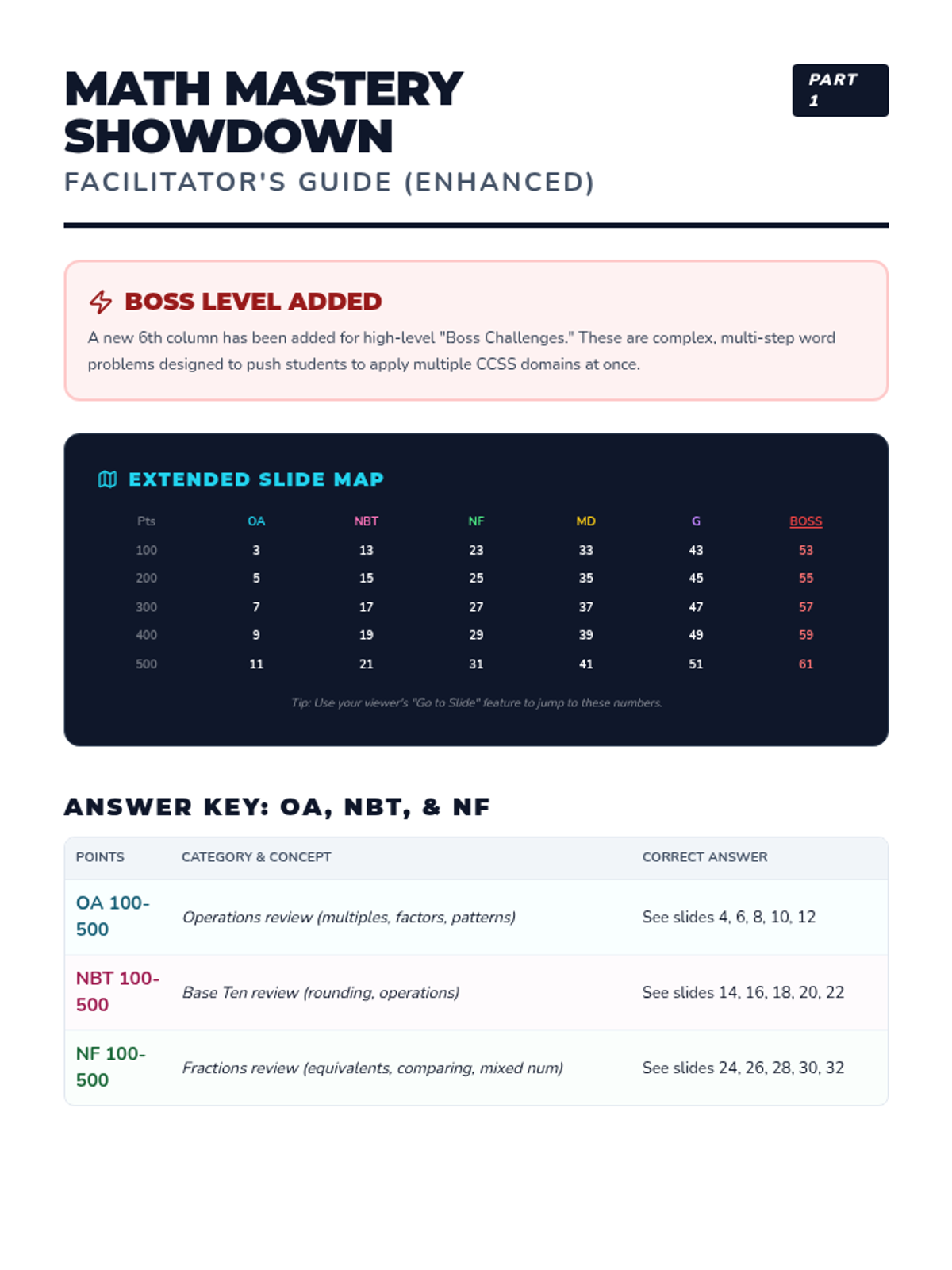
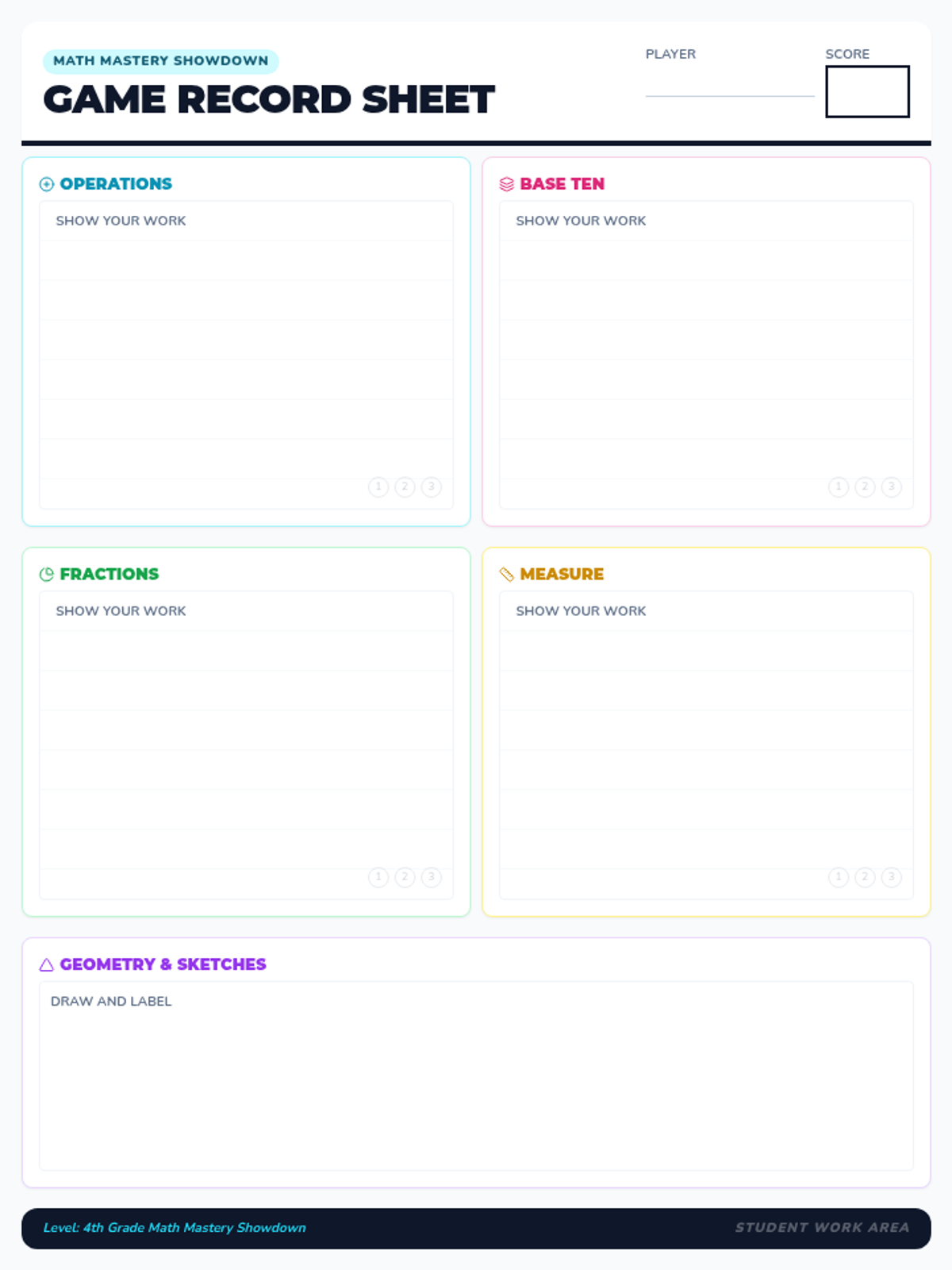
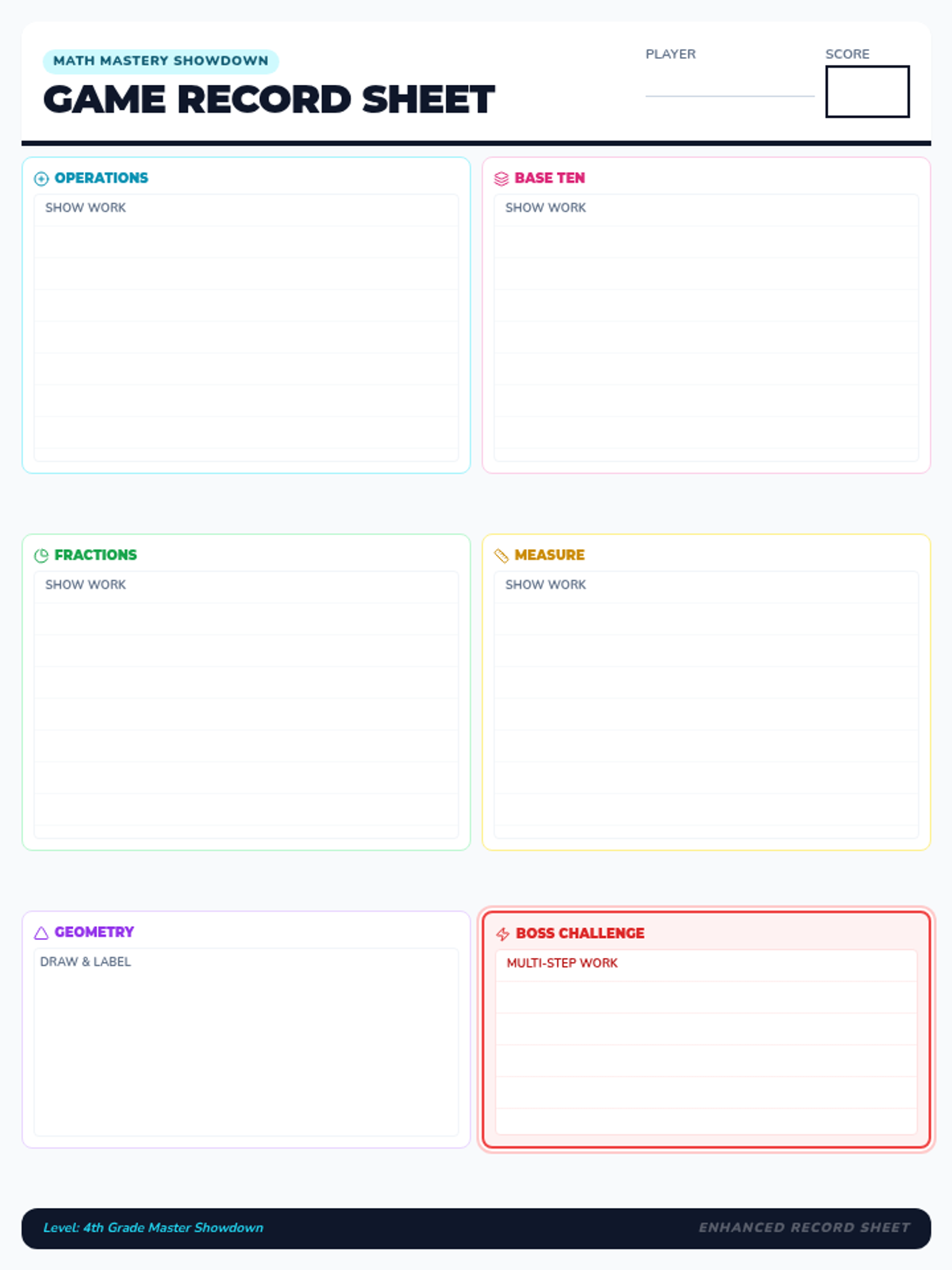
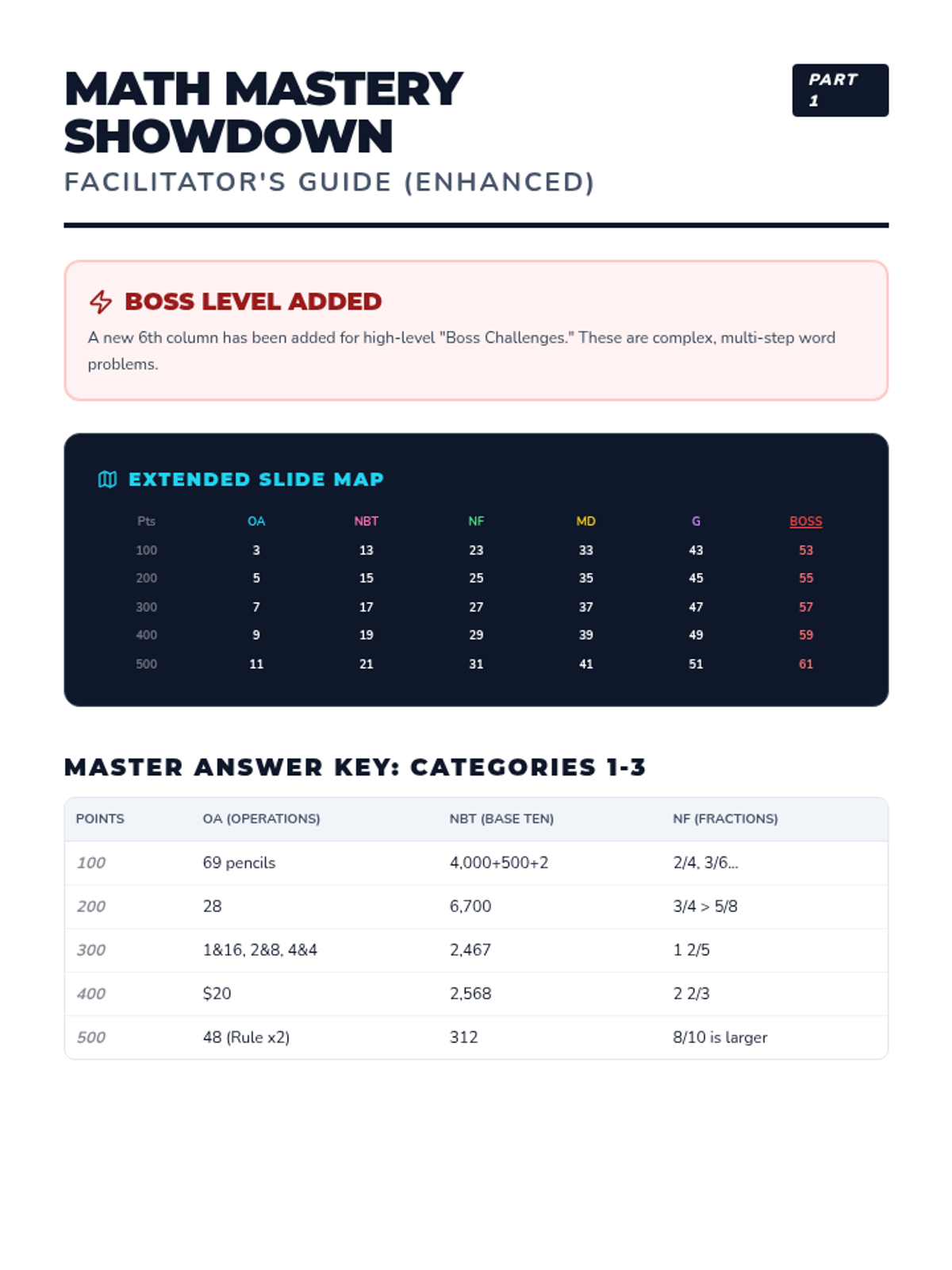
A high-energy, 45-minute comprehensive math review covering place value, fractions, and multi-step word problems for grades 3-5, designed as a 'Math Marathon'.
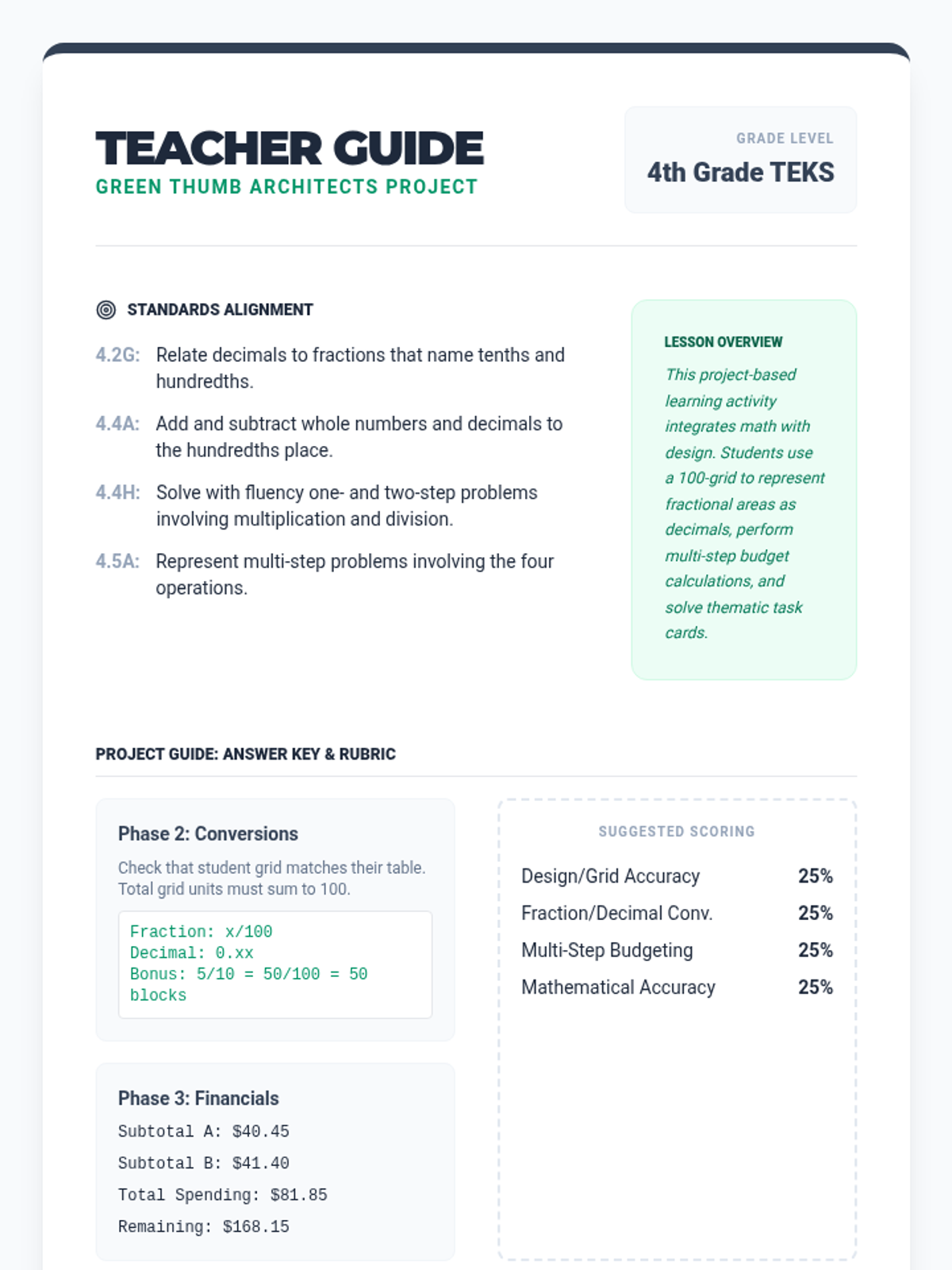
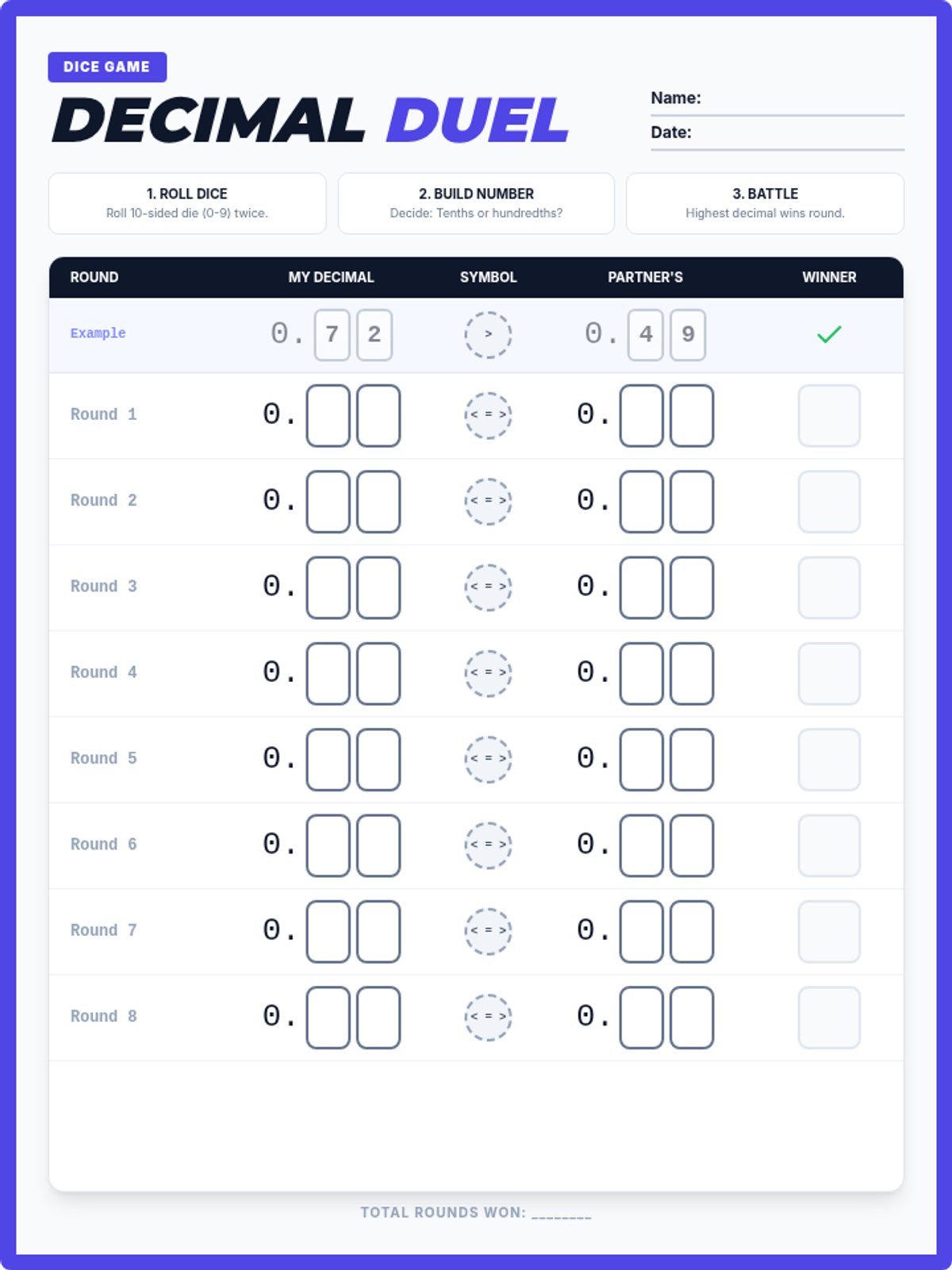
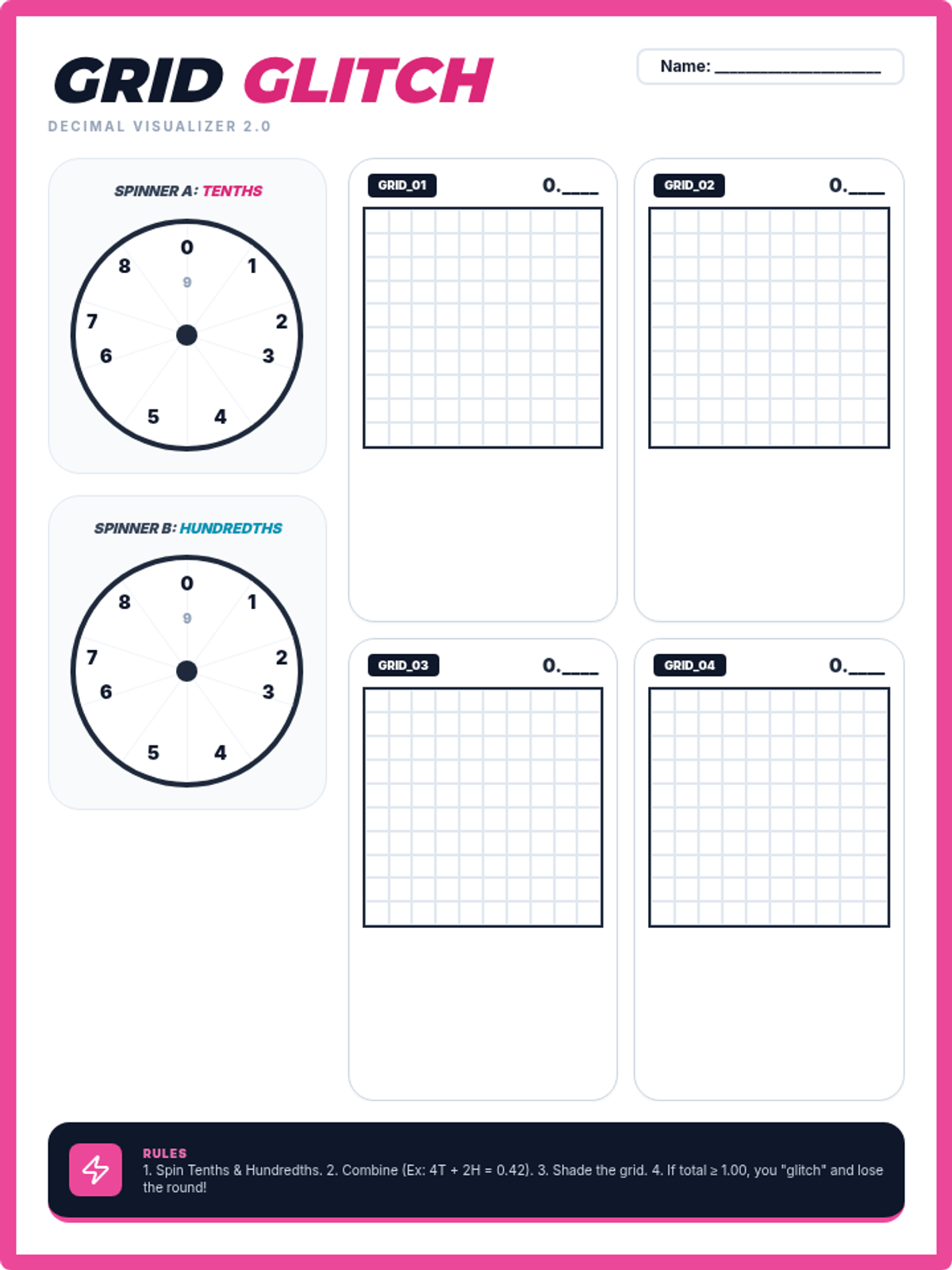
A comprehensive set of bulletin board resources and student activities focused on understanding fractions and decimals through the hundredths place, aligned with 4th Grade Texas TEKS.
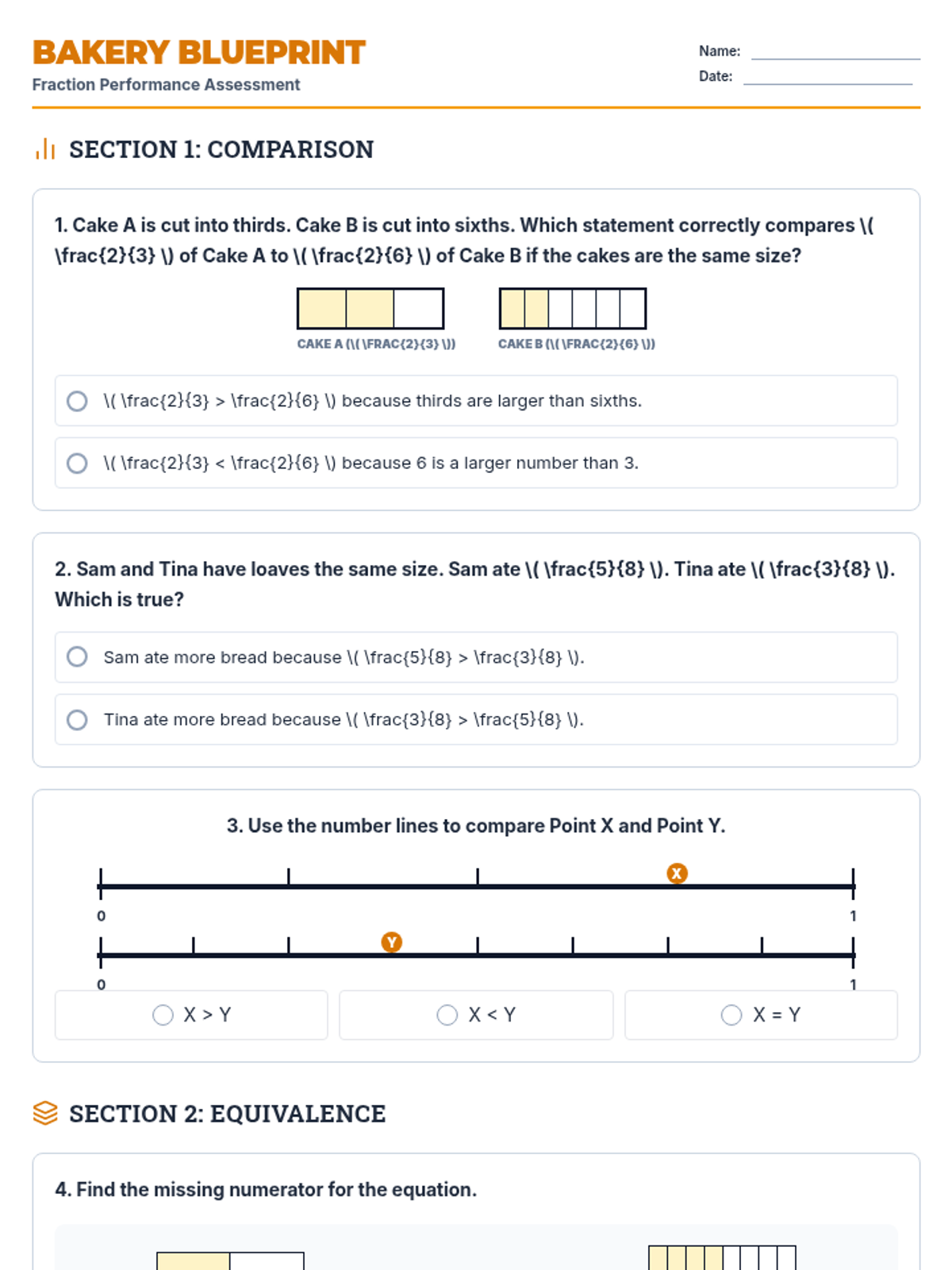
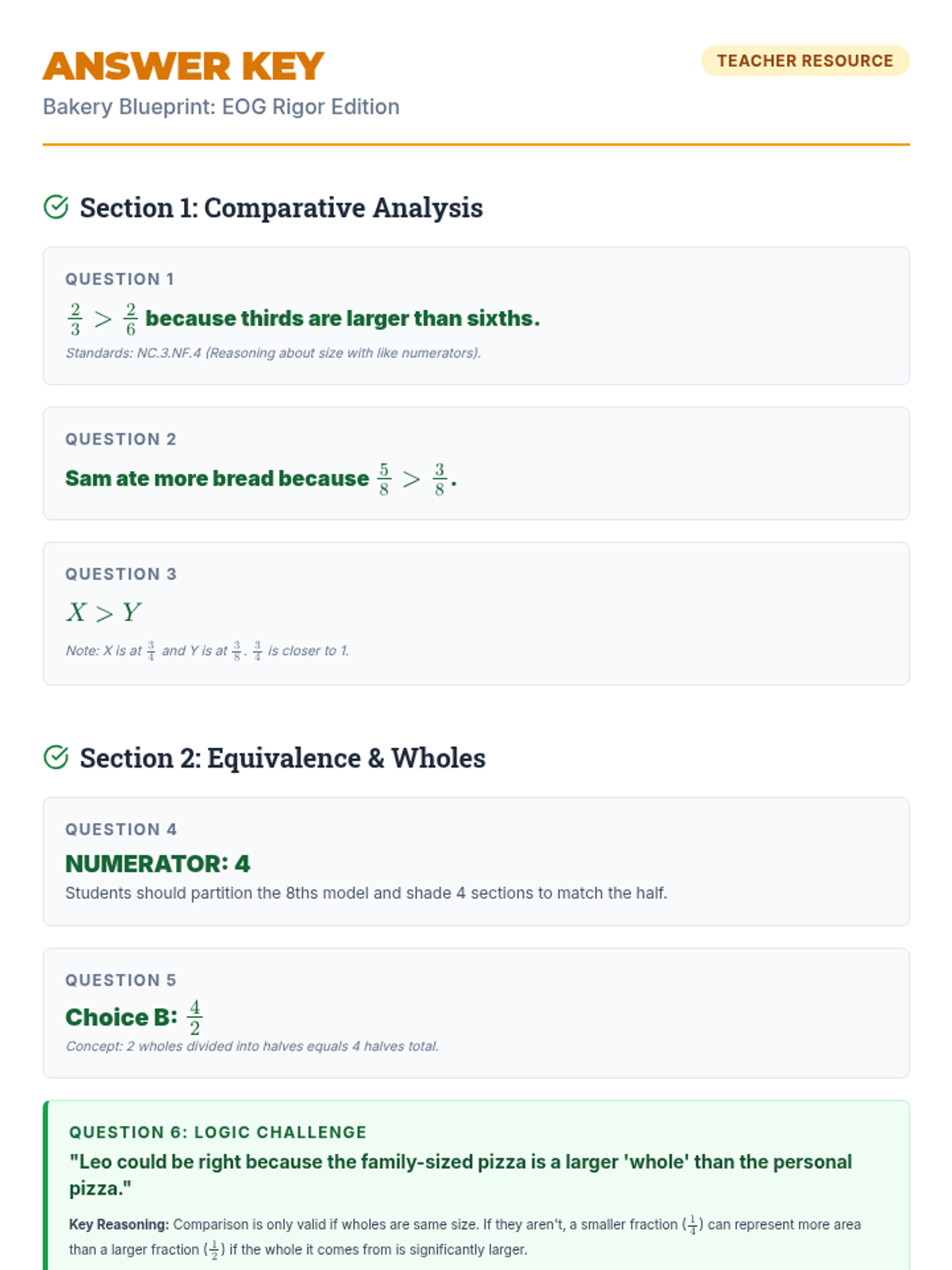
A conceptual introduction to fractions using a bakery theme. Students explore area, set, and linear models through a collaborative 'Great Bakery Mix-up' task designed with UDL principles to ensure all learners can access deep mathematical concepts.
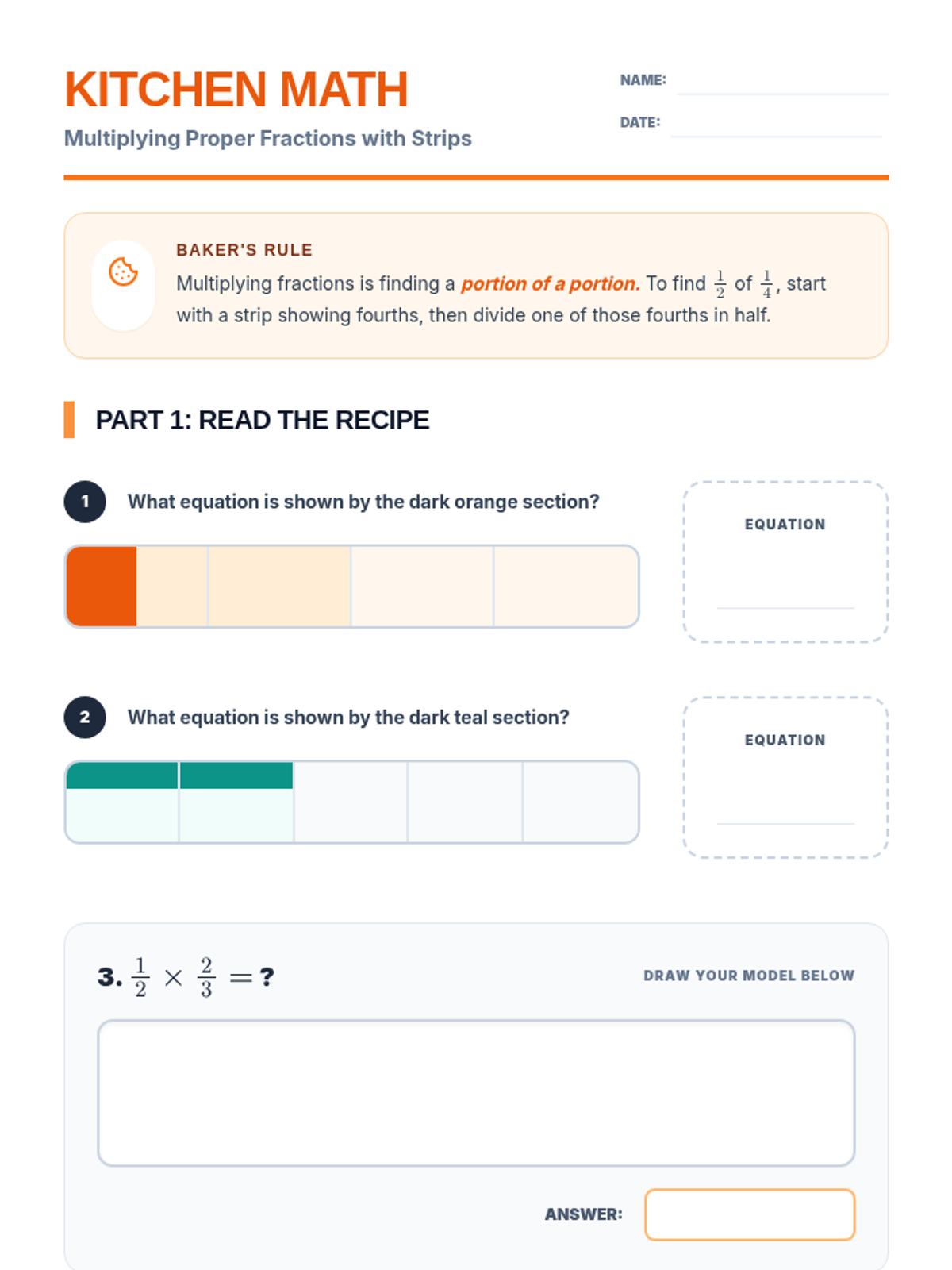
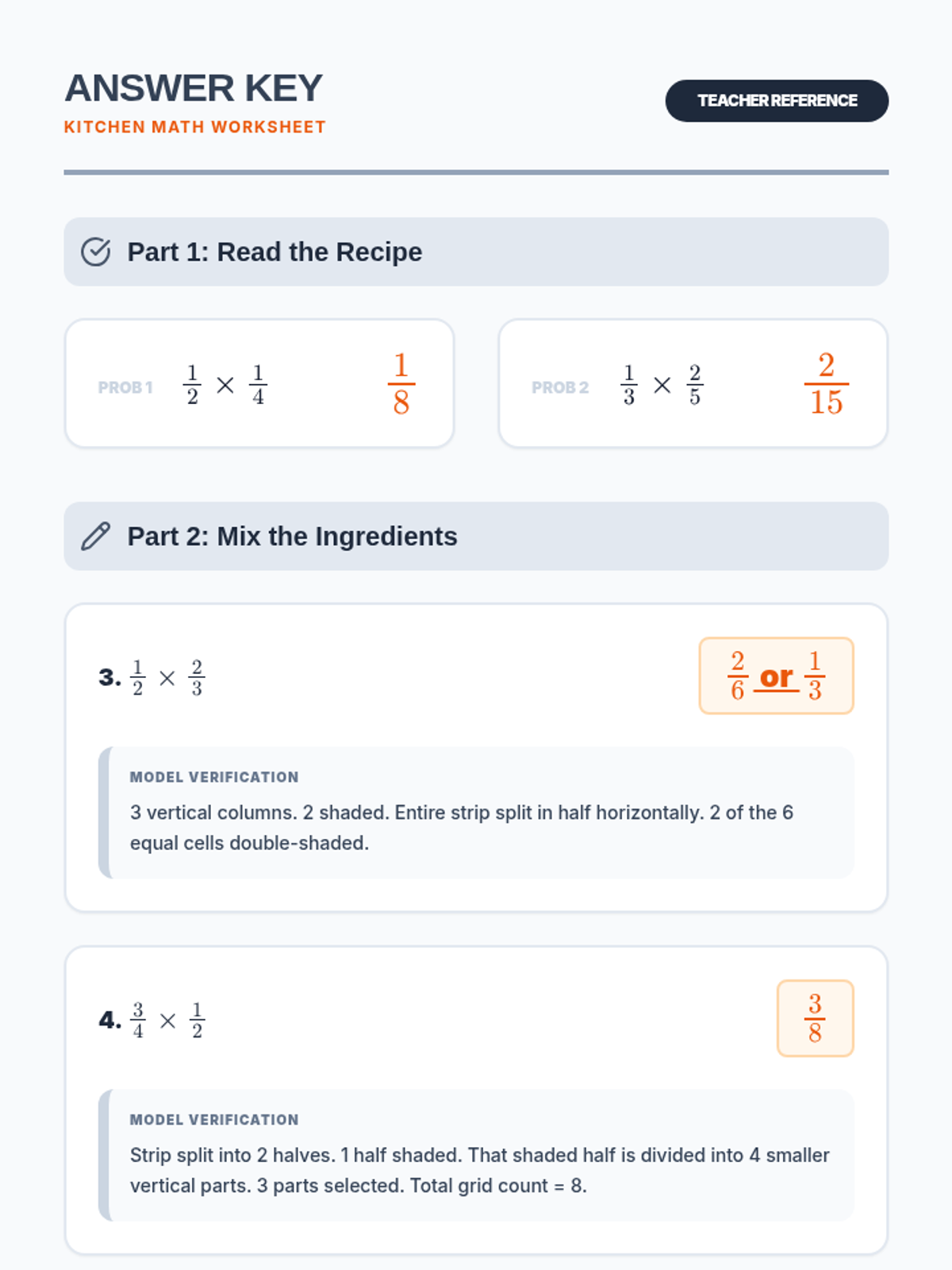
A hands-on, kitchen-themed lesson where students explore fractions through area models, number lines, and real-world cooking scenarios. Includes tiered tasks for grades 3-5 to master fractional representation and comparison.
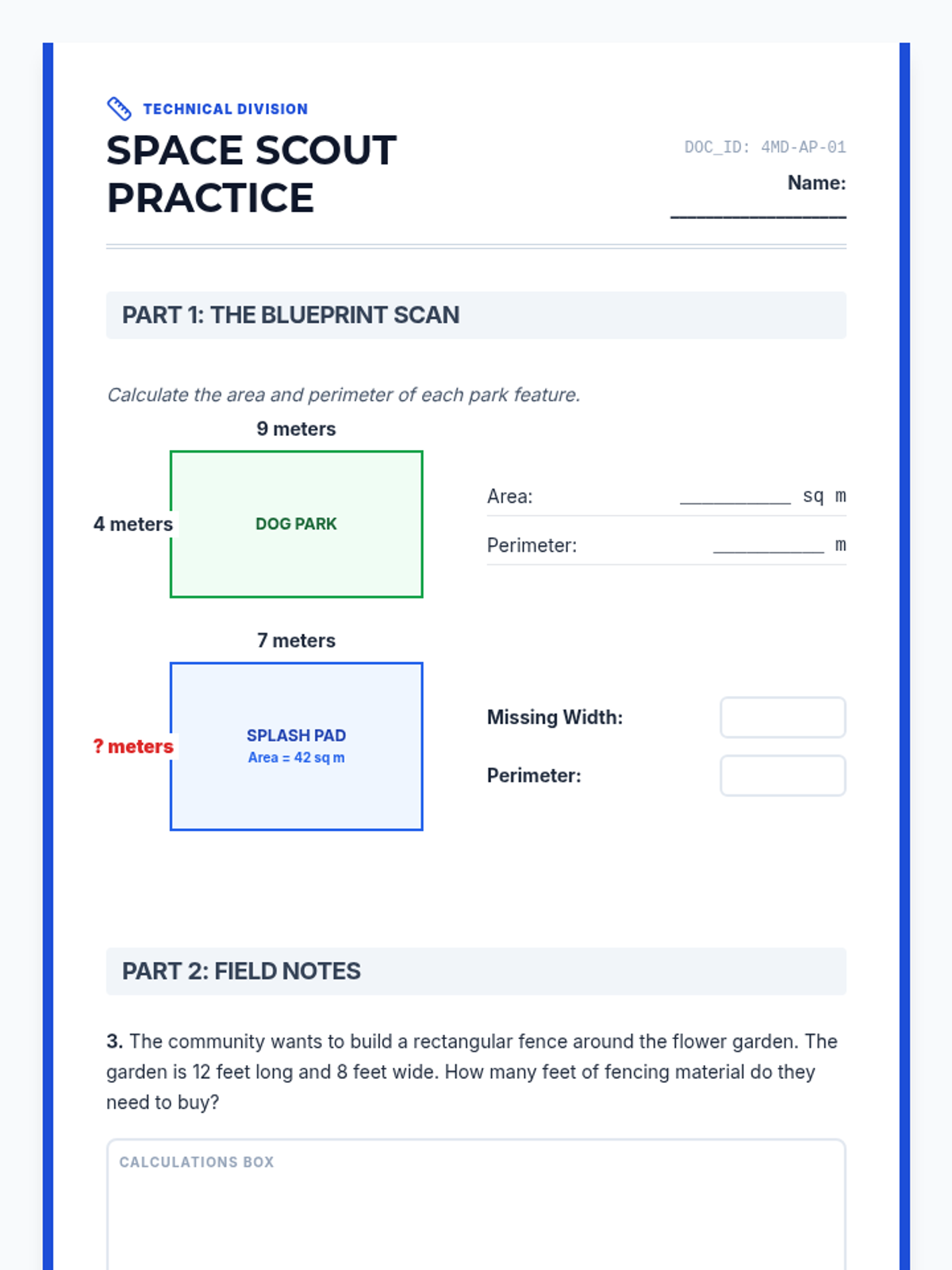
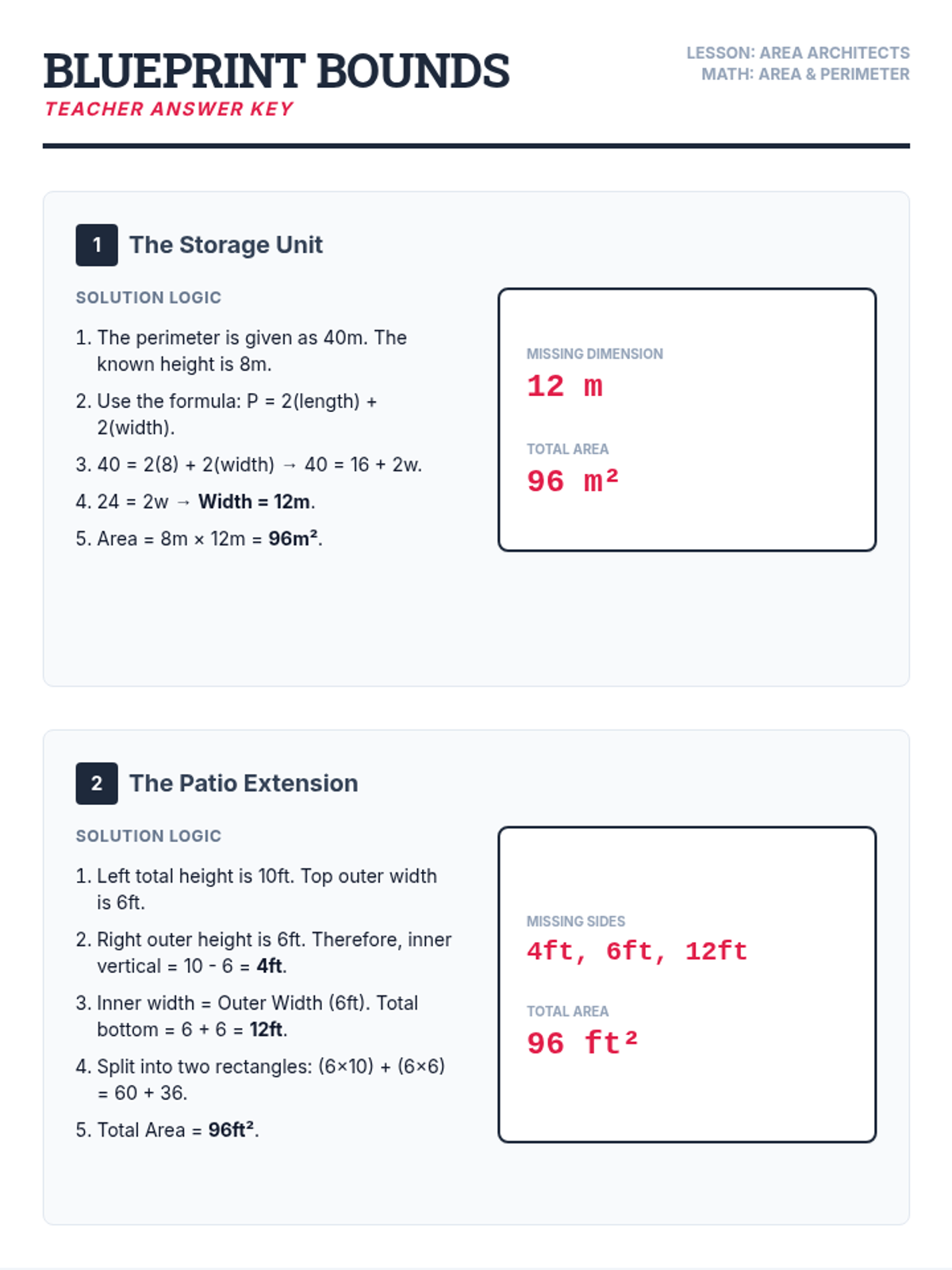
A 35-minute introductory lesson on solving area word problems using context clues and keywords. Students take on the role of 'Area Detectives' to identify when a problem is asking for area and how to calculate it using the length times width formula.
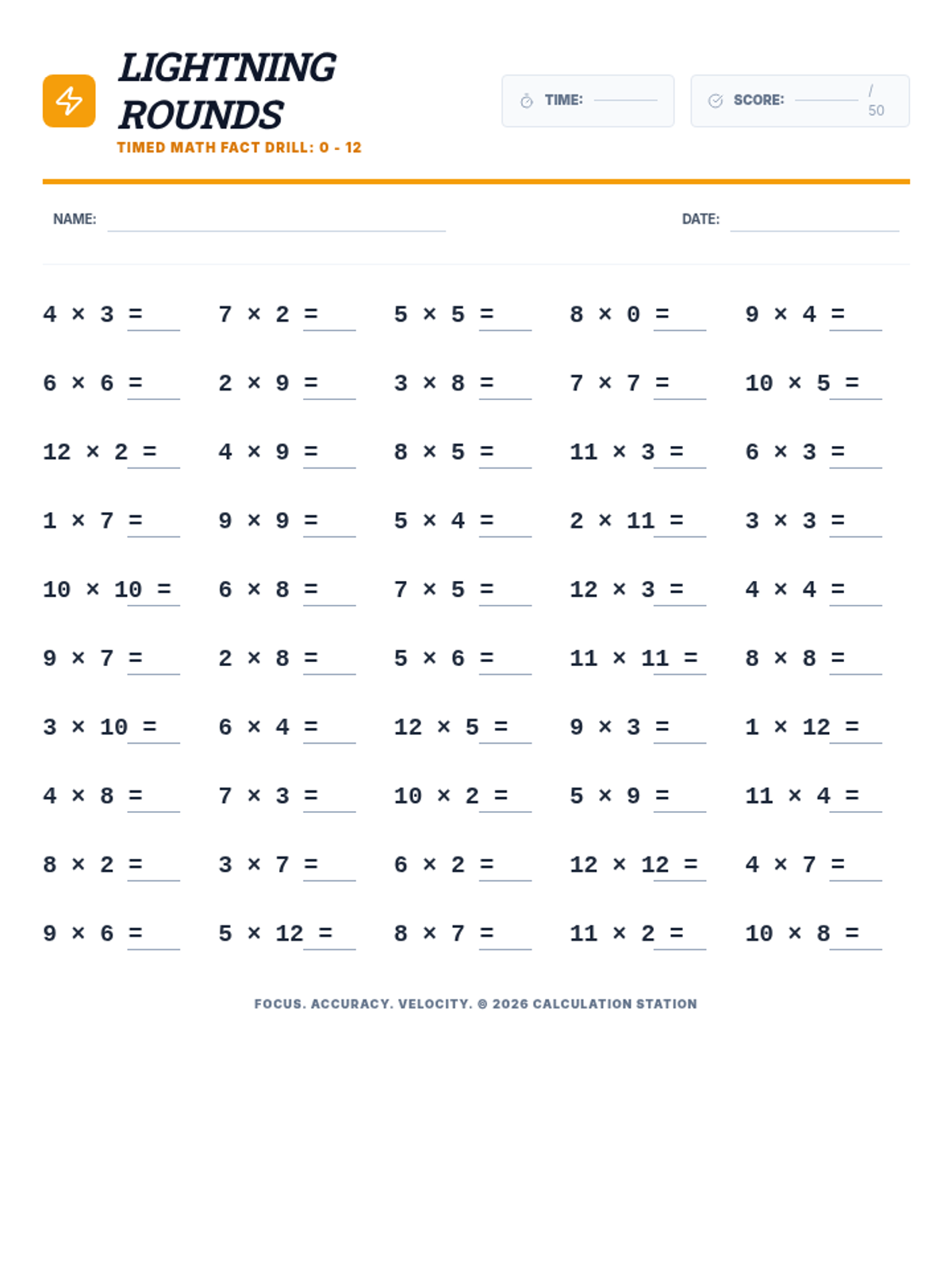
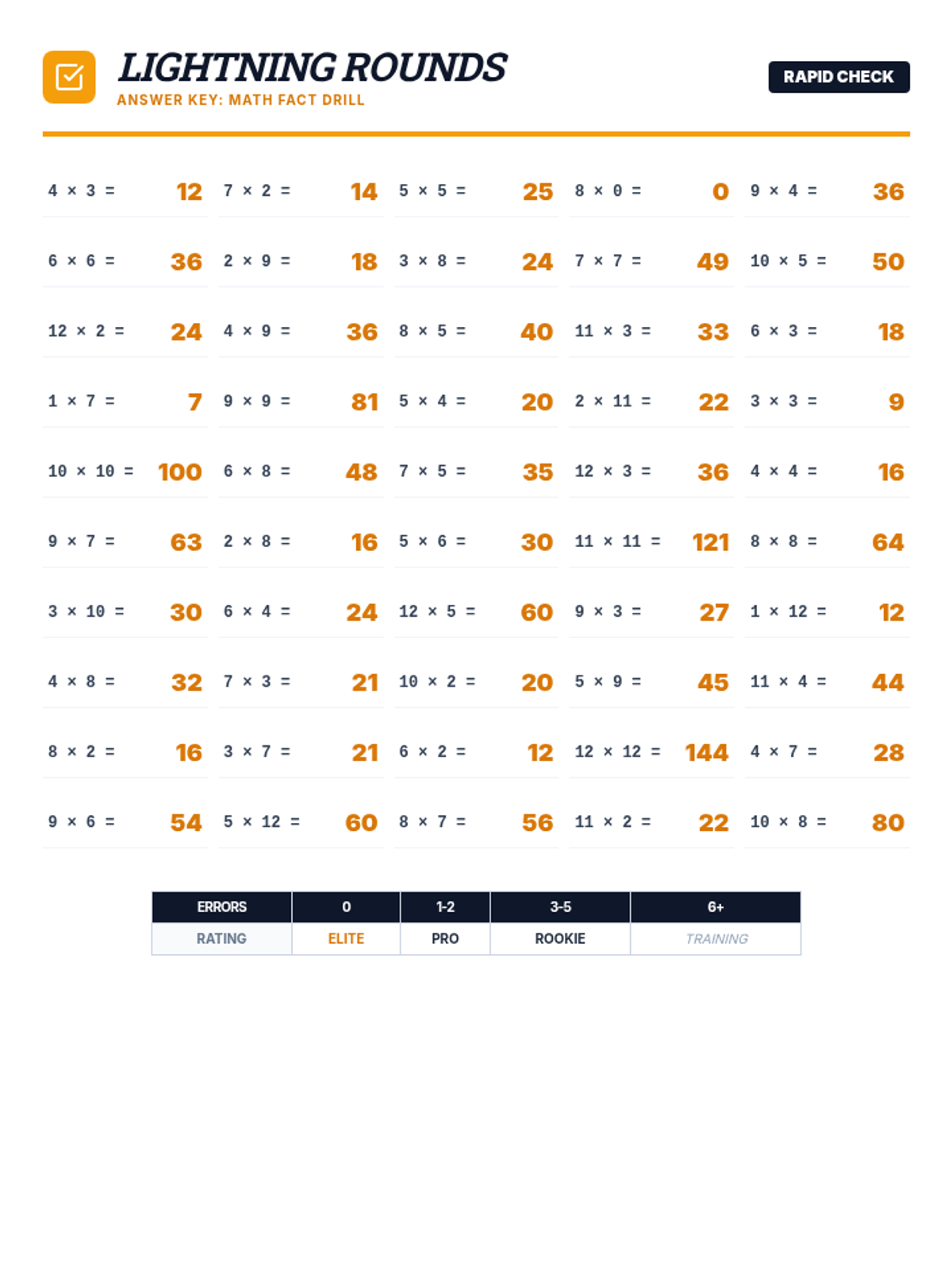
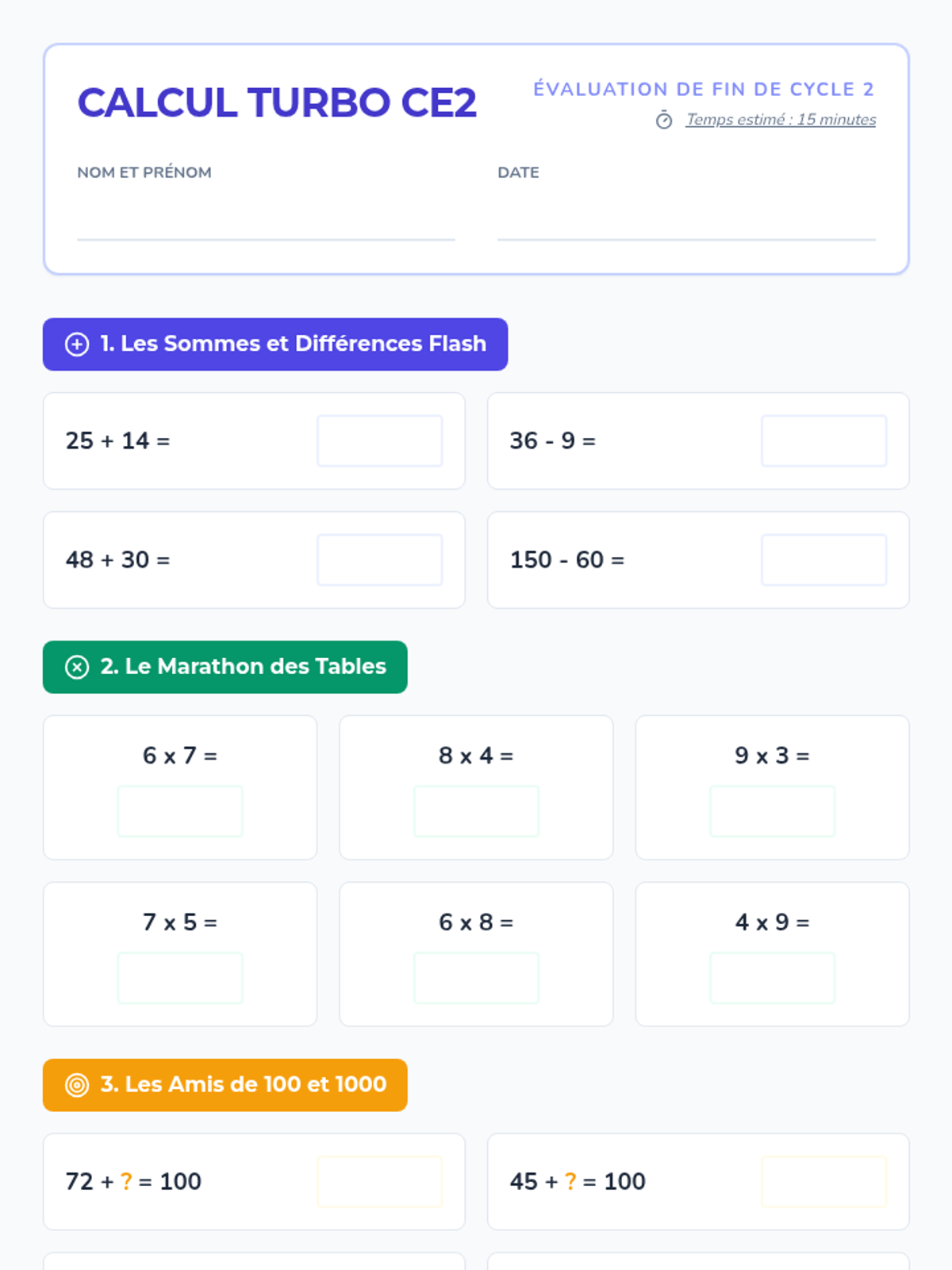
A high-energy lesson focused on mastering multiplication facts up to 12x12 through interactive arcade-themed games and collaborative challenges.
A collection of 4th-grade Illustrative Mathematics center planning resources, including a visual reference and a CSV data export.
Students represent and compare fractions on a number line, understanding distance from zero.
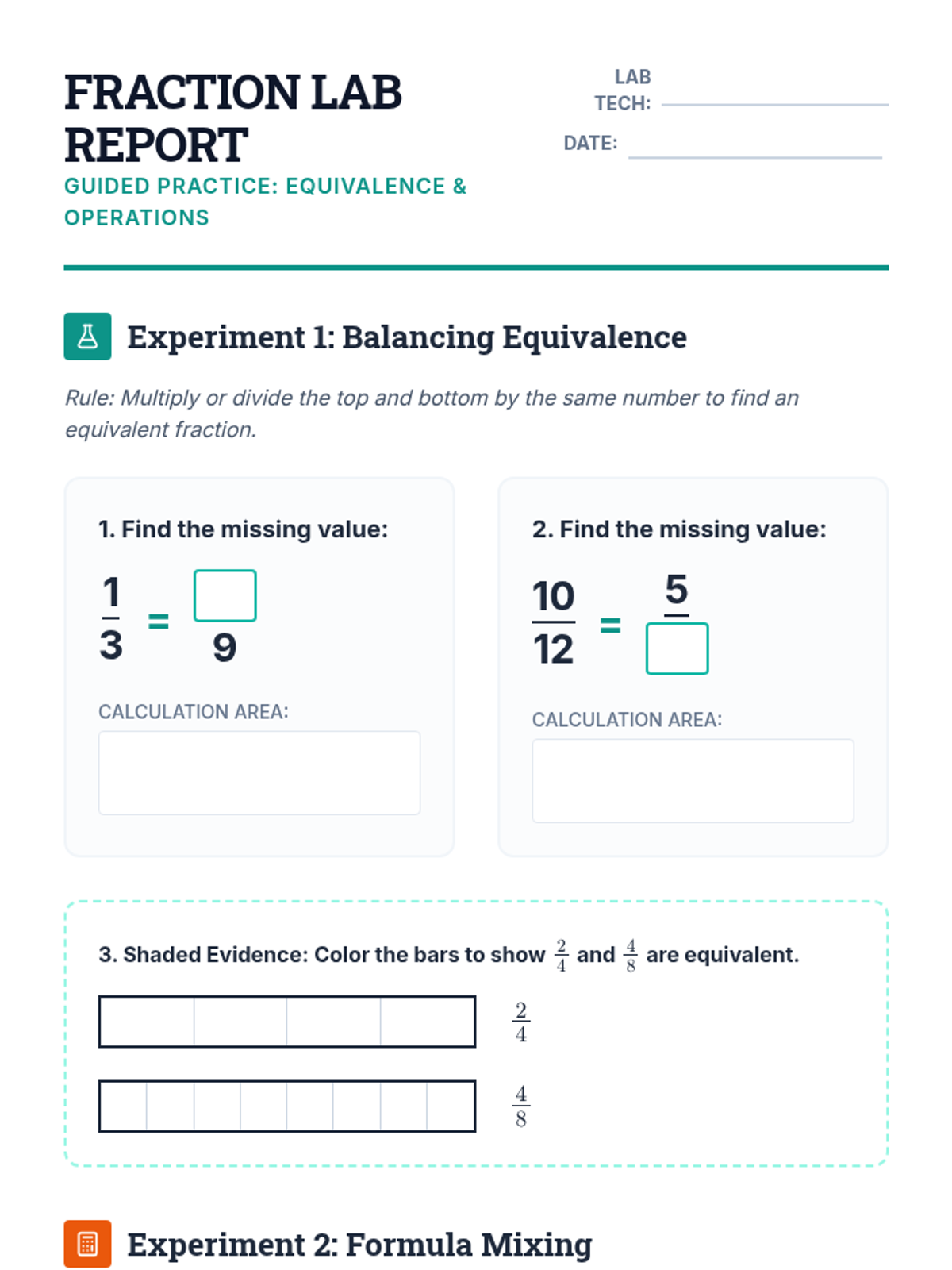
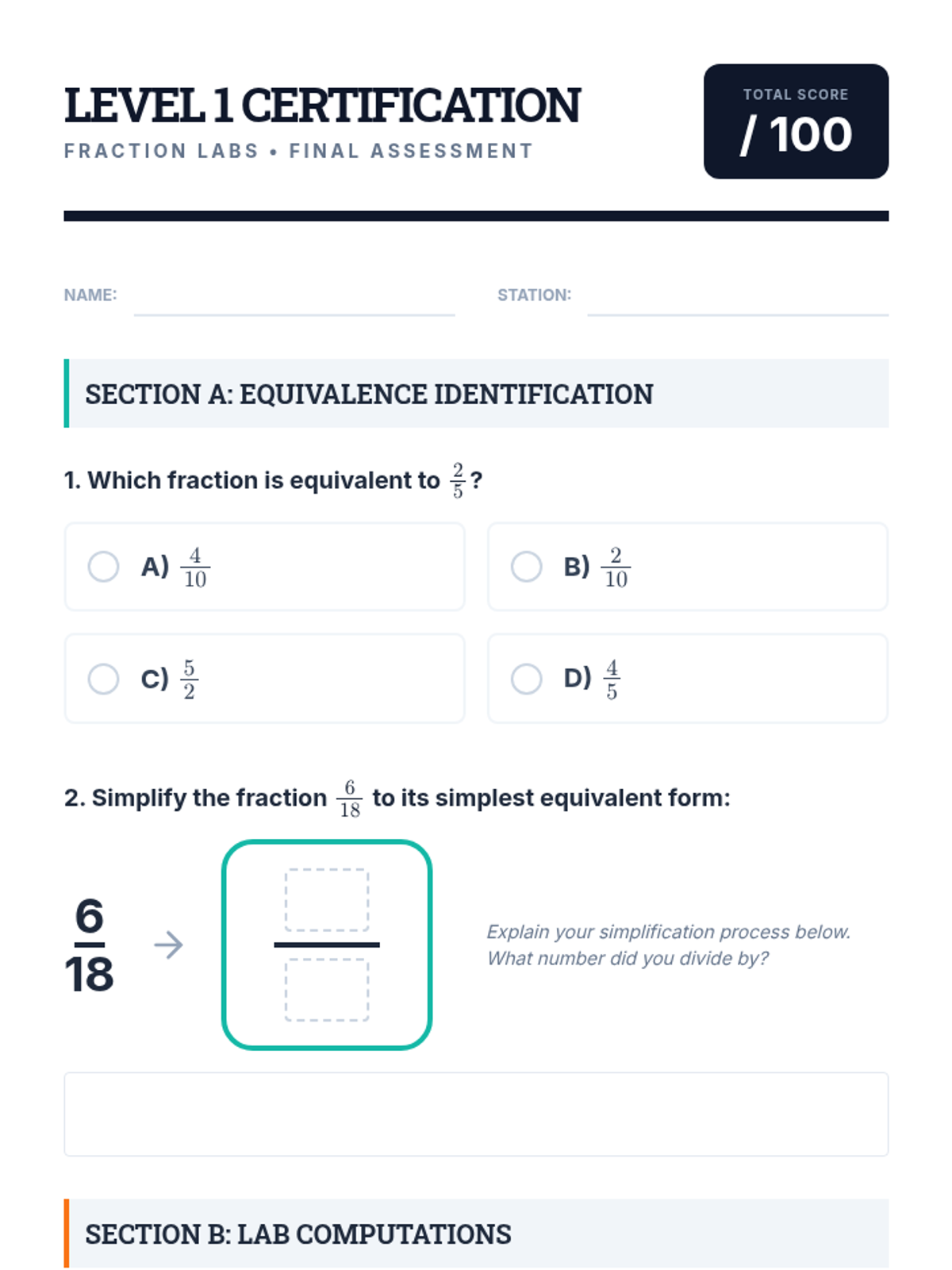
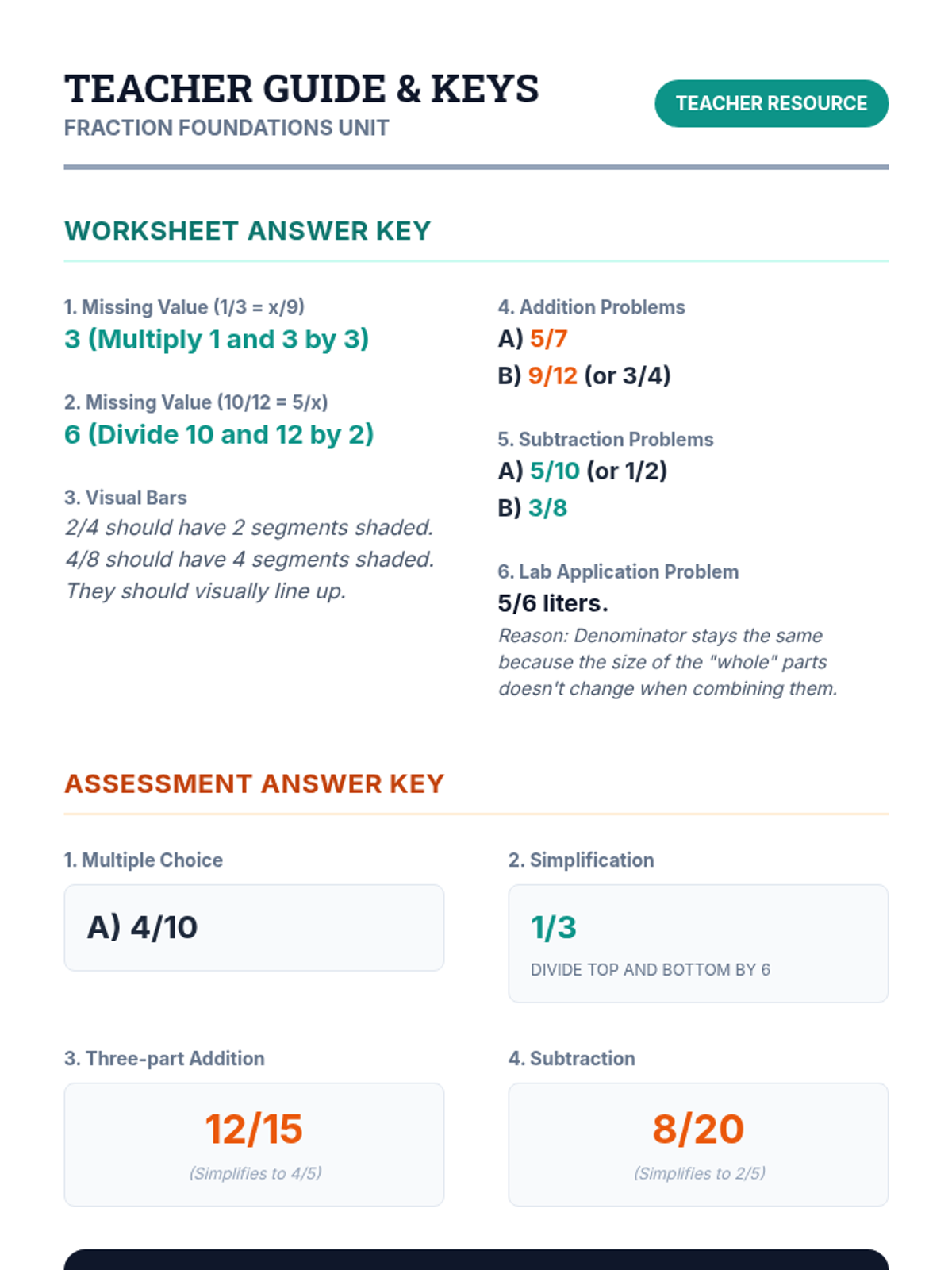
Students explore equivalent fractions using visual models and multiplication/division strategies.
Students learn to decompose fractions into unit fractions and non-unit fractions using tape diagrams and addition sentences.
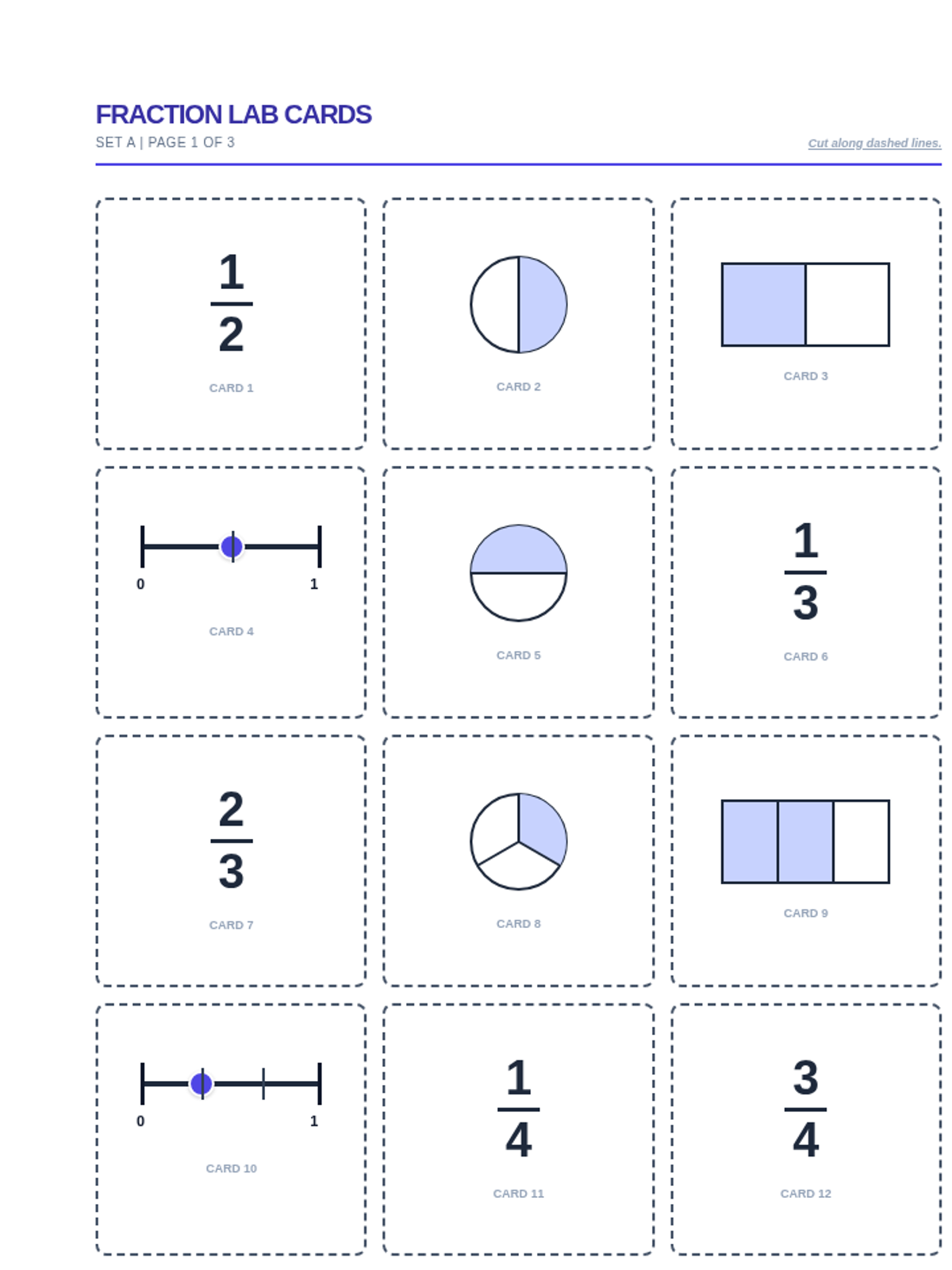
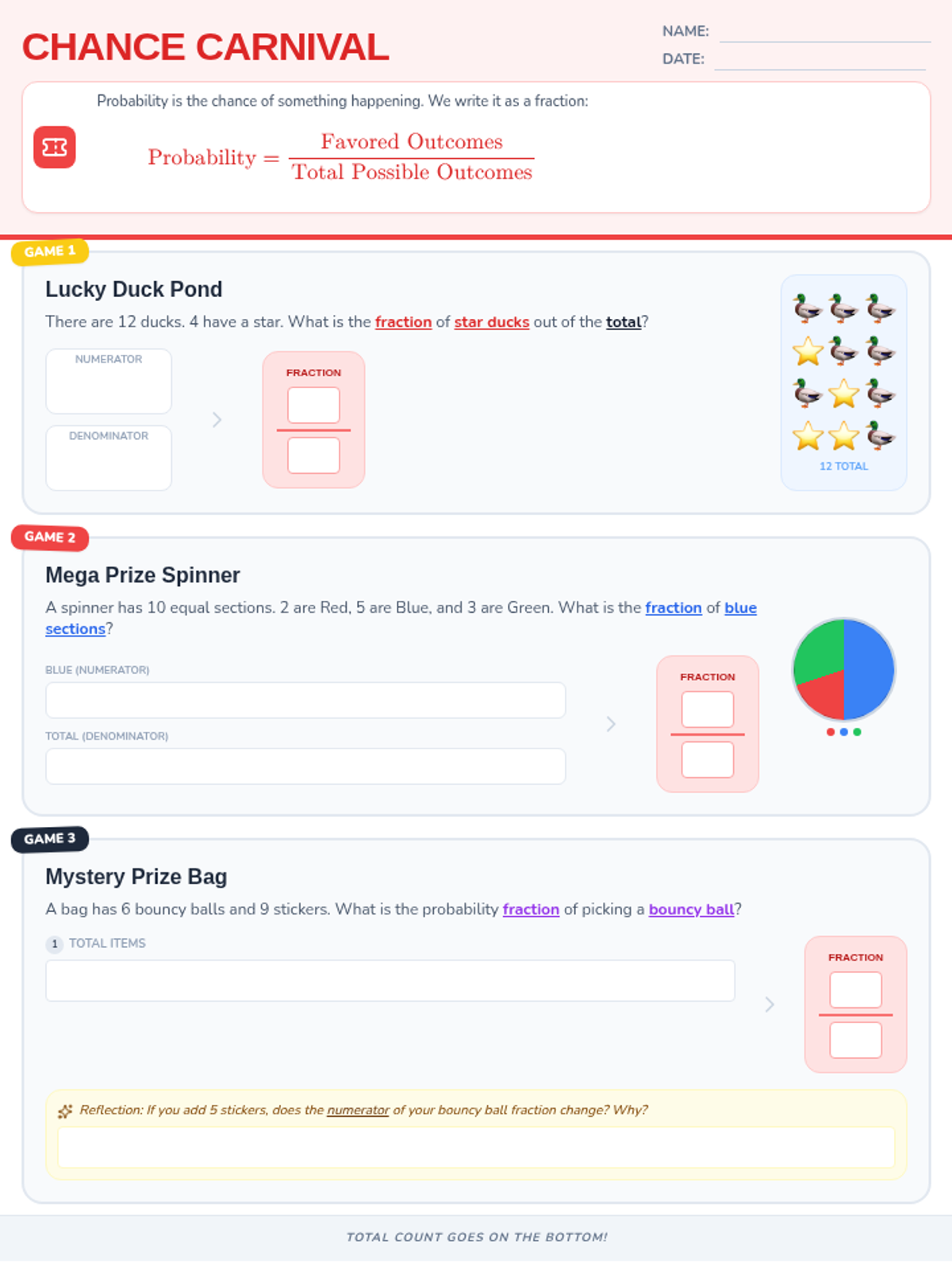
Students identify and label fractions using area models and set models, focusing on the meaning of the numerator and denominator.
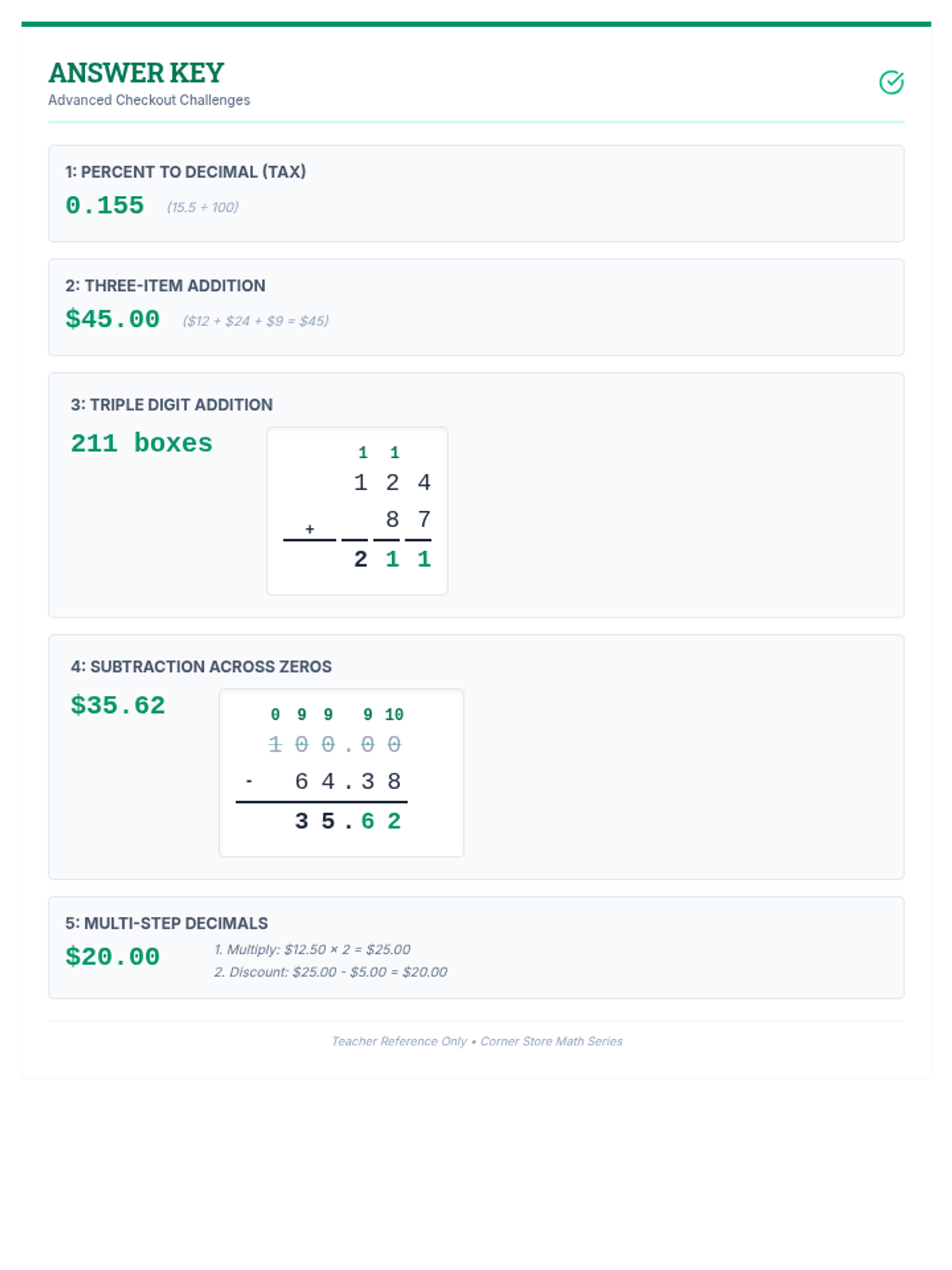
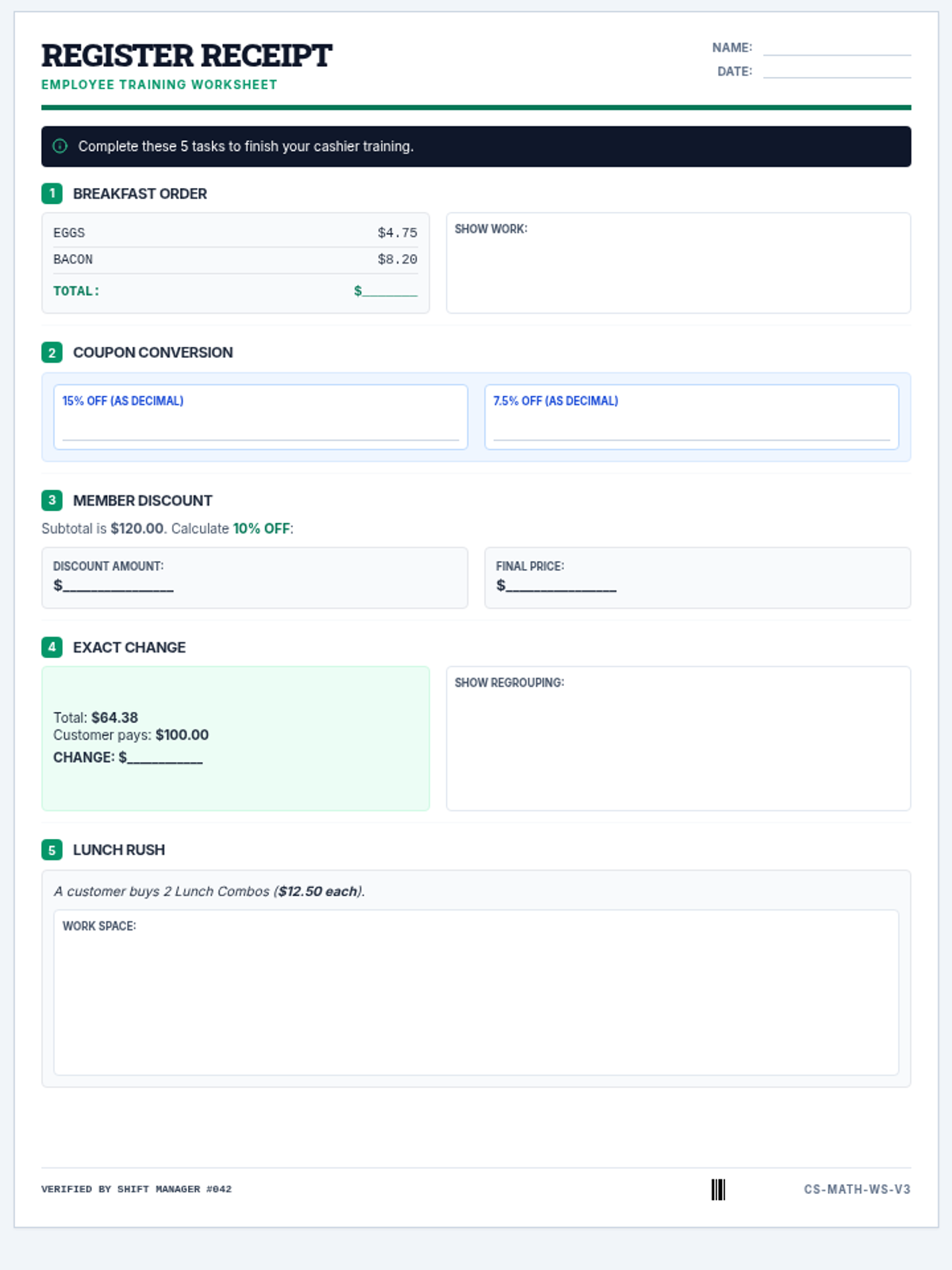
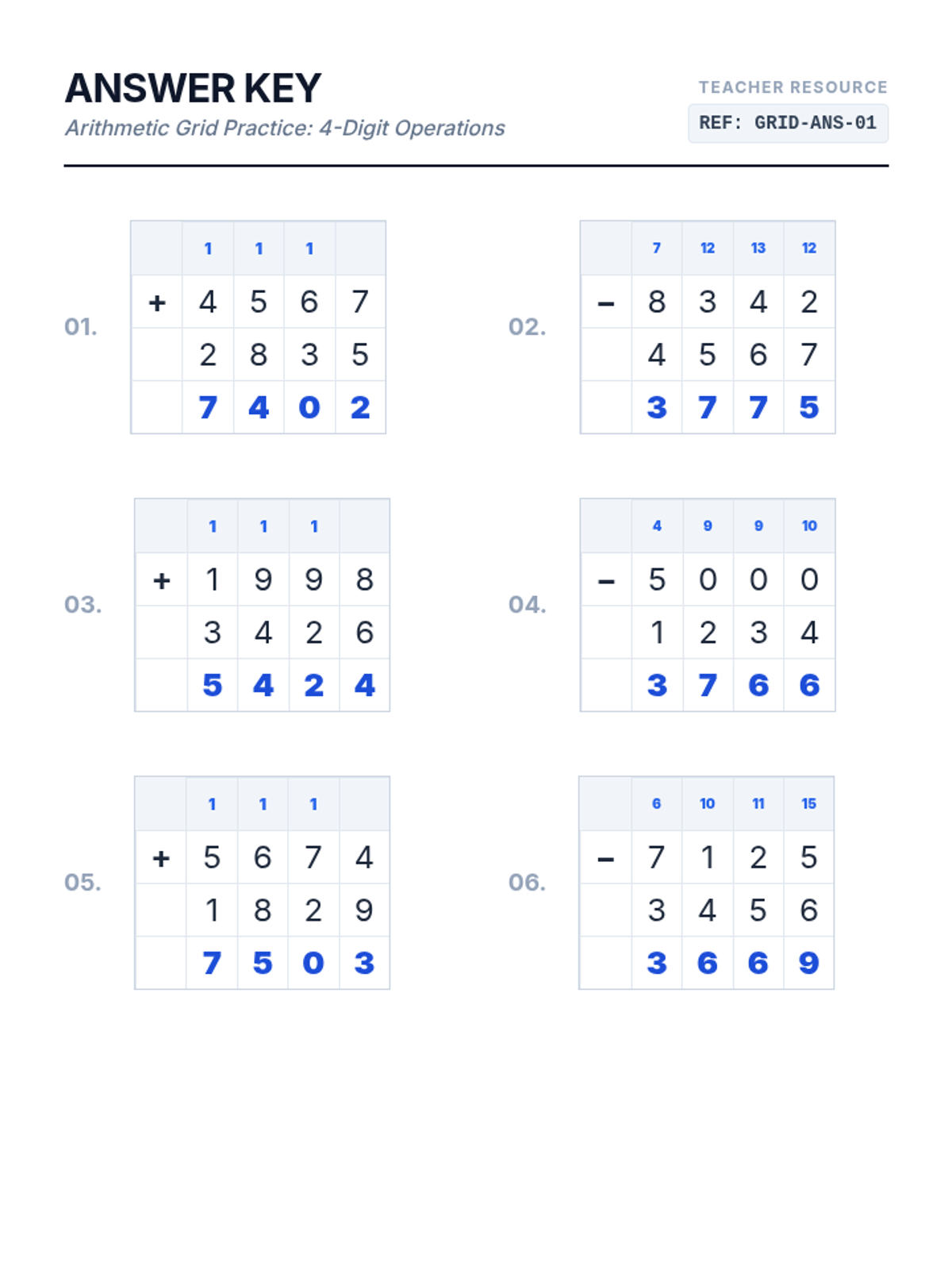
A lesson focused on mastering three-digit subtraction with regrouping, specifically targeting the challenge of subtracting across zeros and applying these skills to real-world word problems.
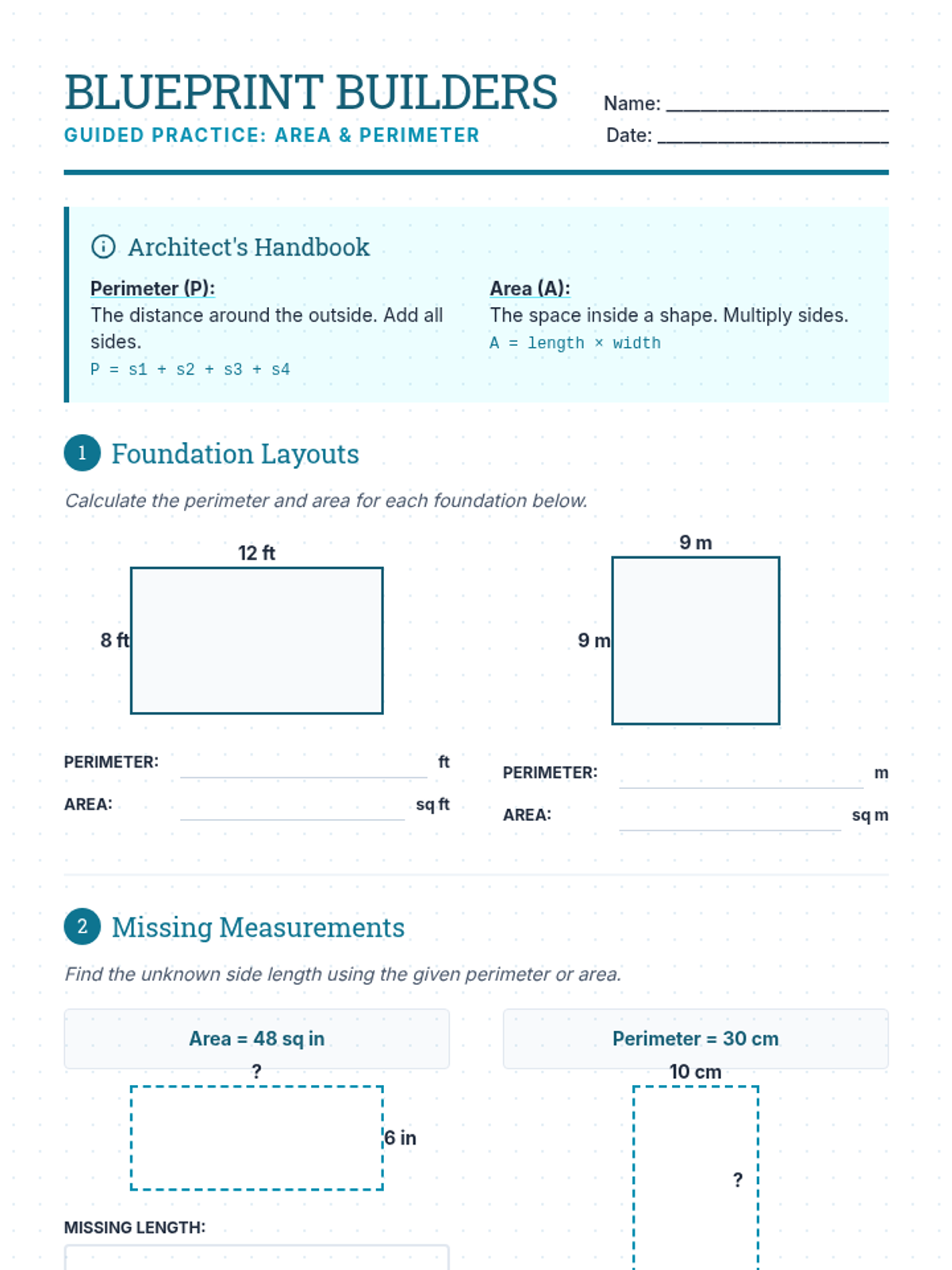
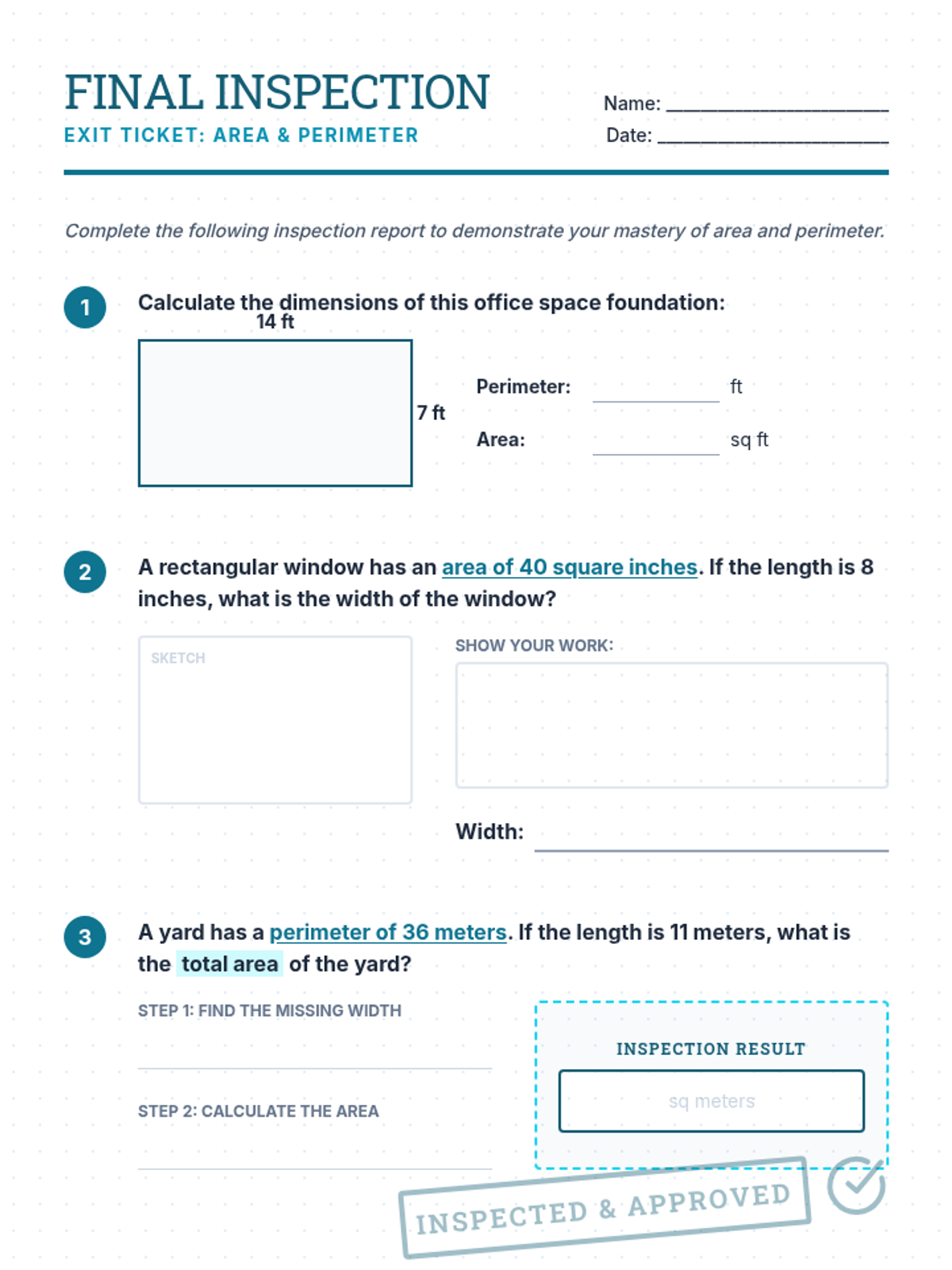
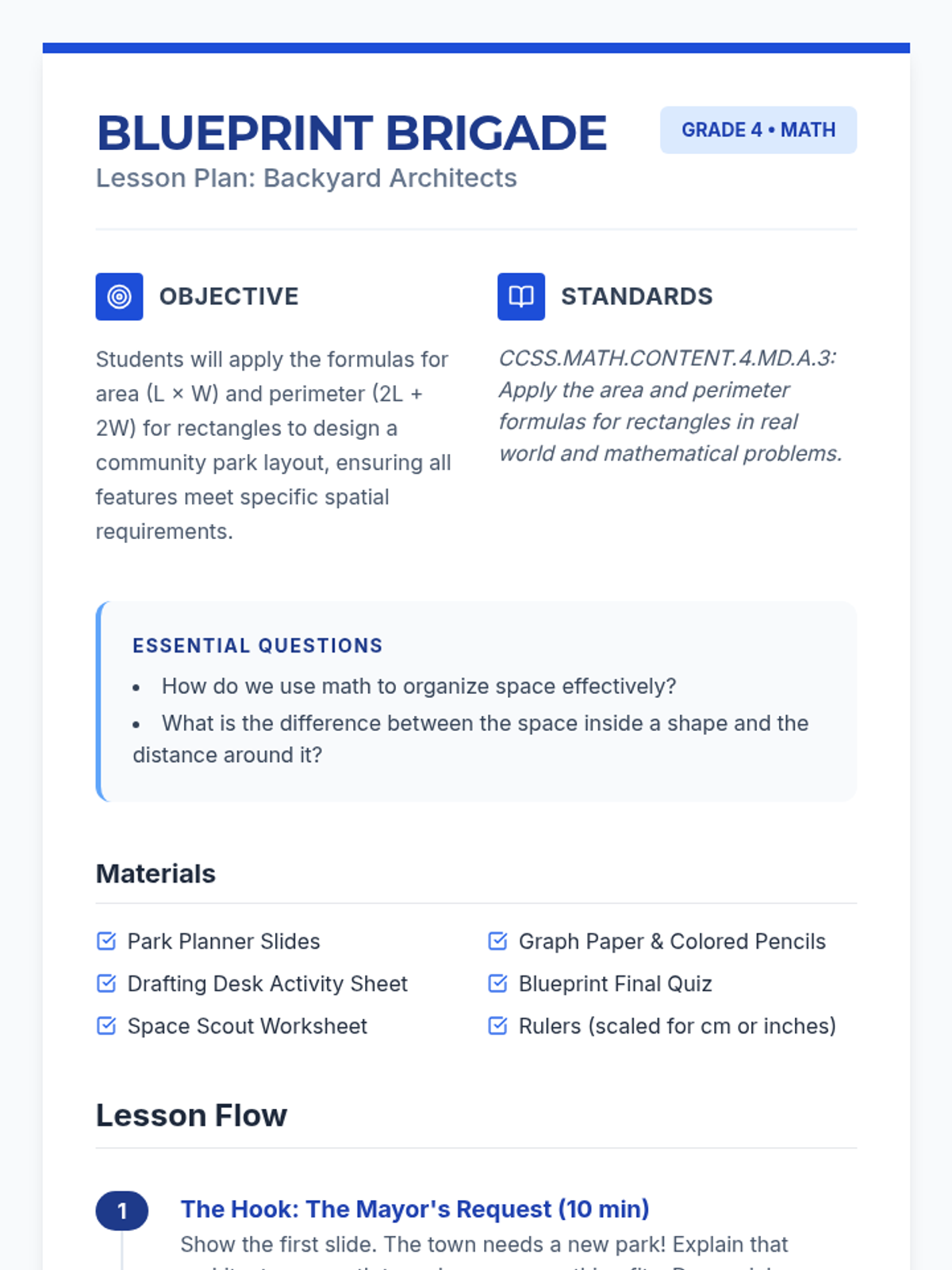
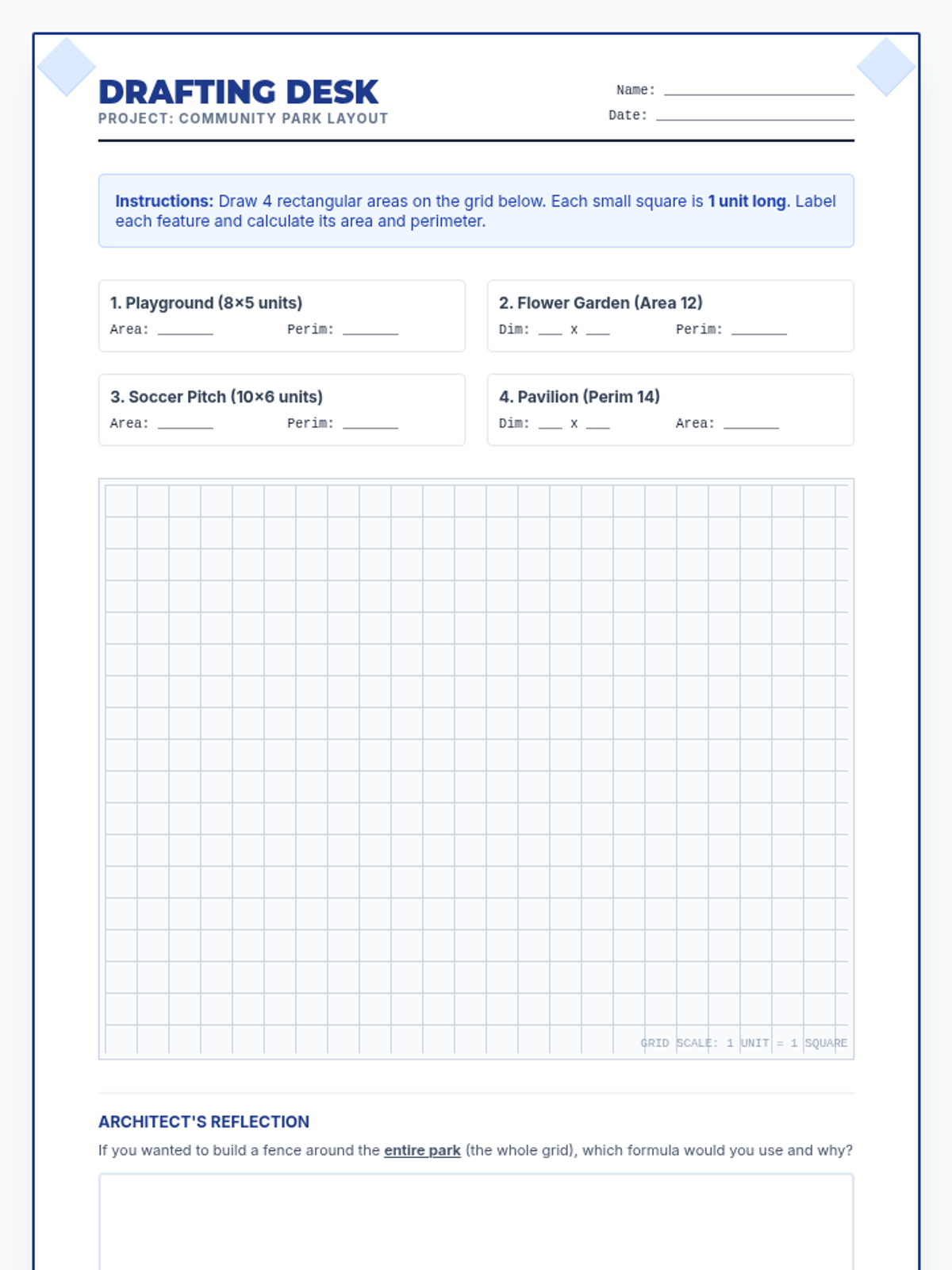
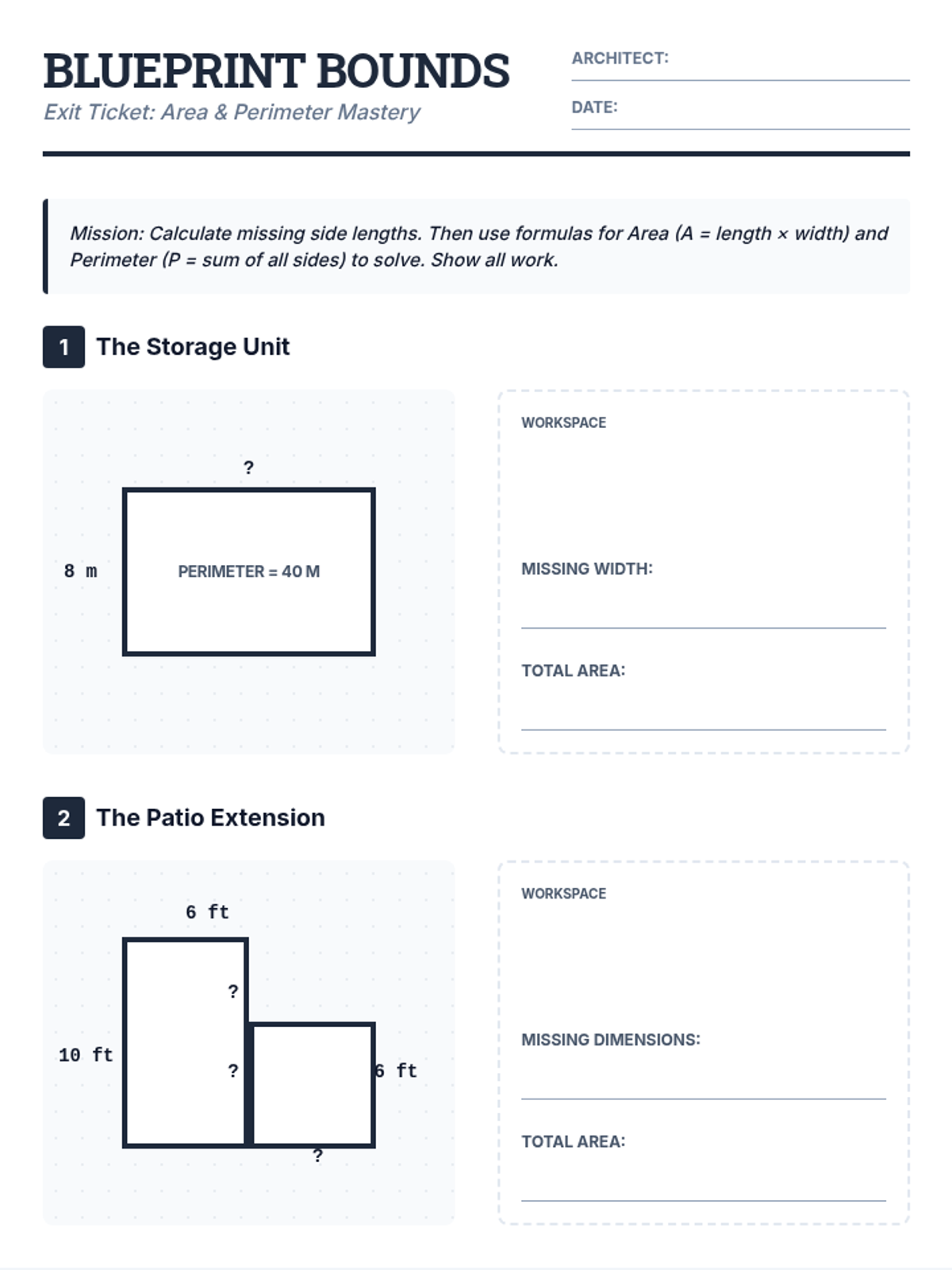
A 35-minute lesson focused on decomposing rectilinear shapes into rectangles to find total area using the distributive property, themed around architectural blueprints.
Mastery of the high-level multiplication facts for numbers 11 and 12, along with comprehensive mixed-fact reviews for ultimate fluency.
Progressive multiplication facts for numbers 6 through 10, focusing on the more challenging mid-range factors. Includes individual fact quizzes for each number.
Introduction to multiplication facts focusing on the foundational numbers 0 through 5. Includes individual fact quizzes for each number to build confidence and speed.
A comprehensive lesson on 3-digit by 1-digit division using the standard algorithm, themed around a detective investigation. includes a lesson plan, slides, anchor chart, and tiered worksheets.
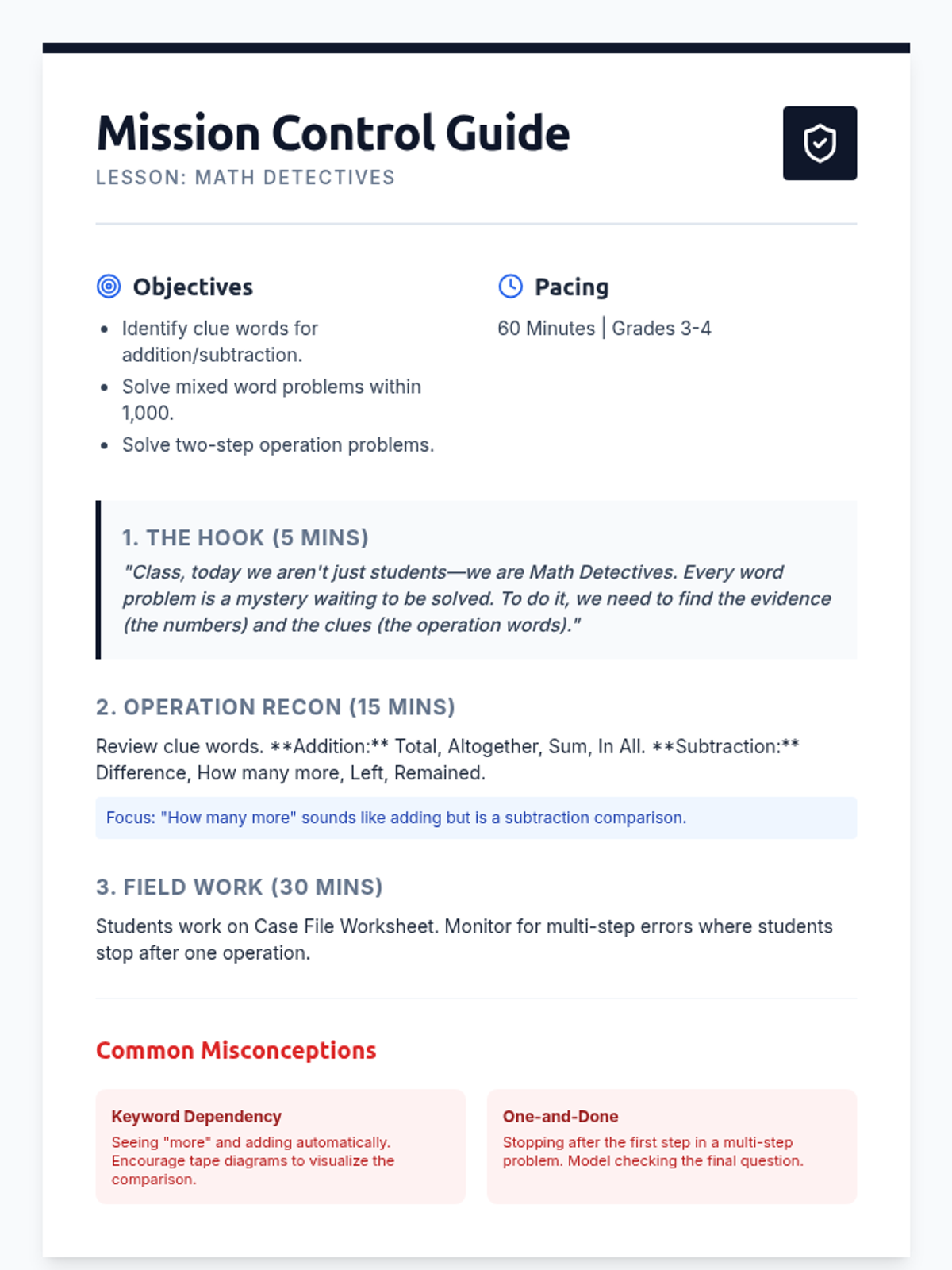
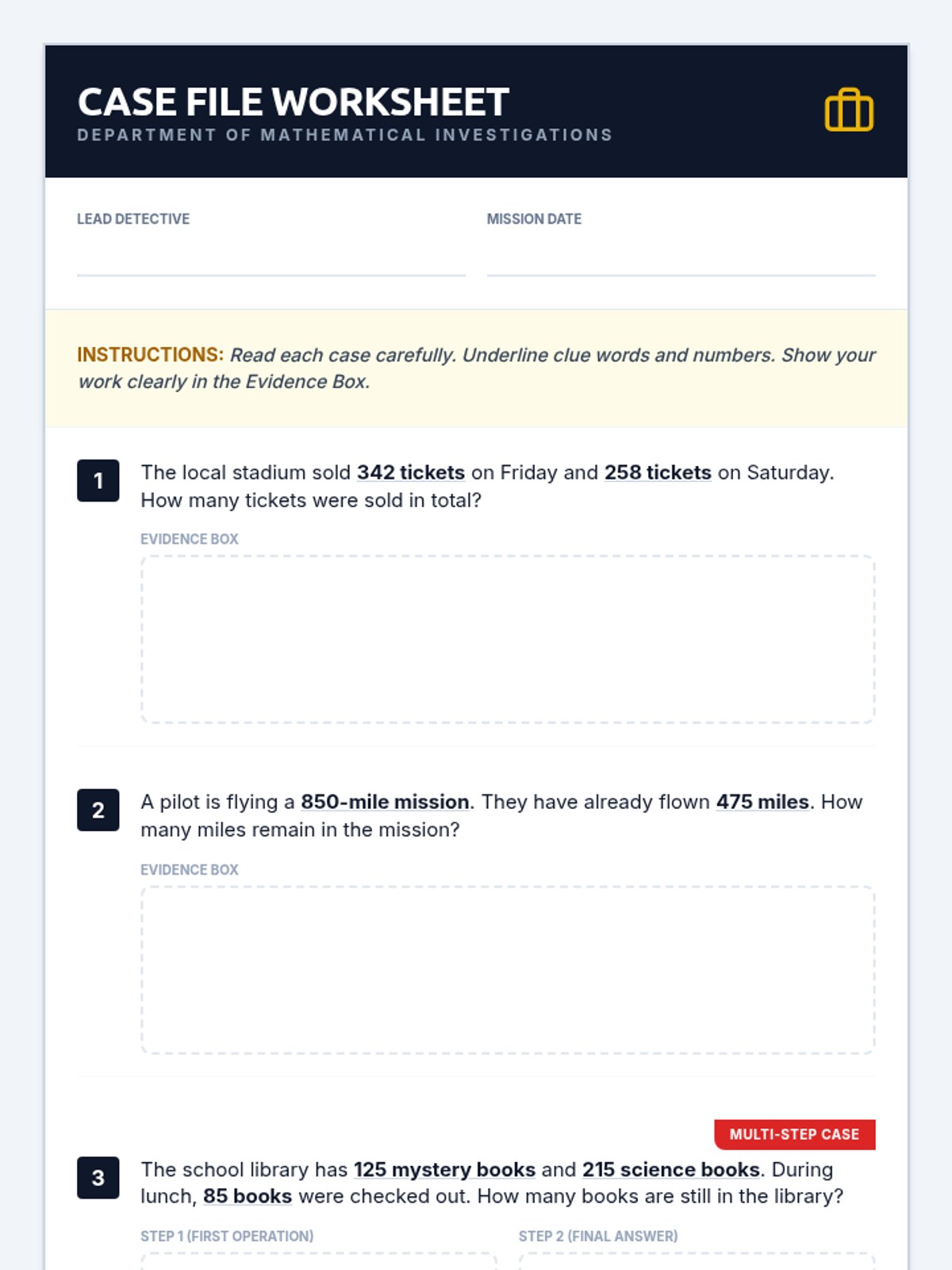
A lesson focused on using calculators to solve multi-step operations and explore numerical patterns with large numbers, suitable for grade 4 students.
A collection of teacher-facing tools including scoring keys, result interpretation guides, and class-wide data tracking charts to help educators act on diagnostic findings.
A diagnostic assessment for 5th-grade students focusing on decimal operations, powers of 10, multi-digit division, and adding/subtracting fractions with unlike denominators.
A diagnostic assessment for 4th-grade students targeting multi-digit multiplication and division, place value to 1,000,000, fraction equivalence, and basic decimal notation.
A diagnostic assessment for 3rd-grade students covering rounding, multi-digit addition/subtraction, multiplication and division concepts, and introductory fraction understanding.
A diagnostic assessment for 2nd-grade students focusing on place value to 1,000, addition and subtraction within 100, and early foundations of multiplication through arrays.
A collection of 9 standardized probes and tracking tools to monitor student growth in number sense and fractions.
A March Madness-themed lesson that provides students with a strategic "Game Plan" for deconstructing and solving math word problems. Students use a basketball-themed graphic organizer to scout for data, draft a playbook, and execute their solution.
A comprehensive set of materials for mastering two-digit by two-digit multiplication, designed to support an IEP goal of increasing accuracy from 40% to 80%. Includes a progress tracker, instructional slides, practice worksheets, and assessments.
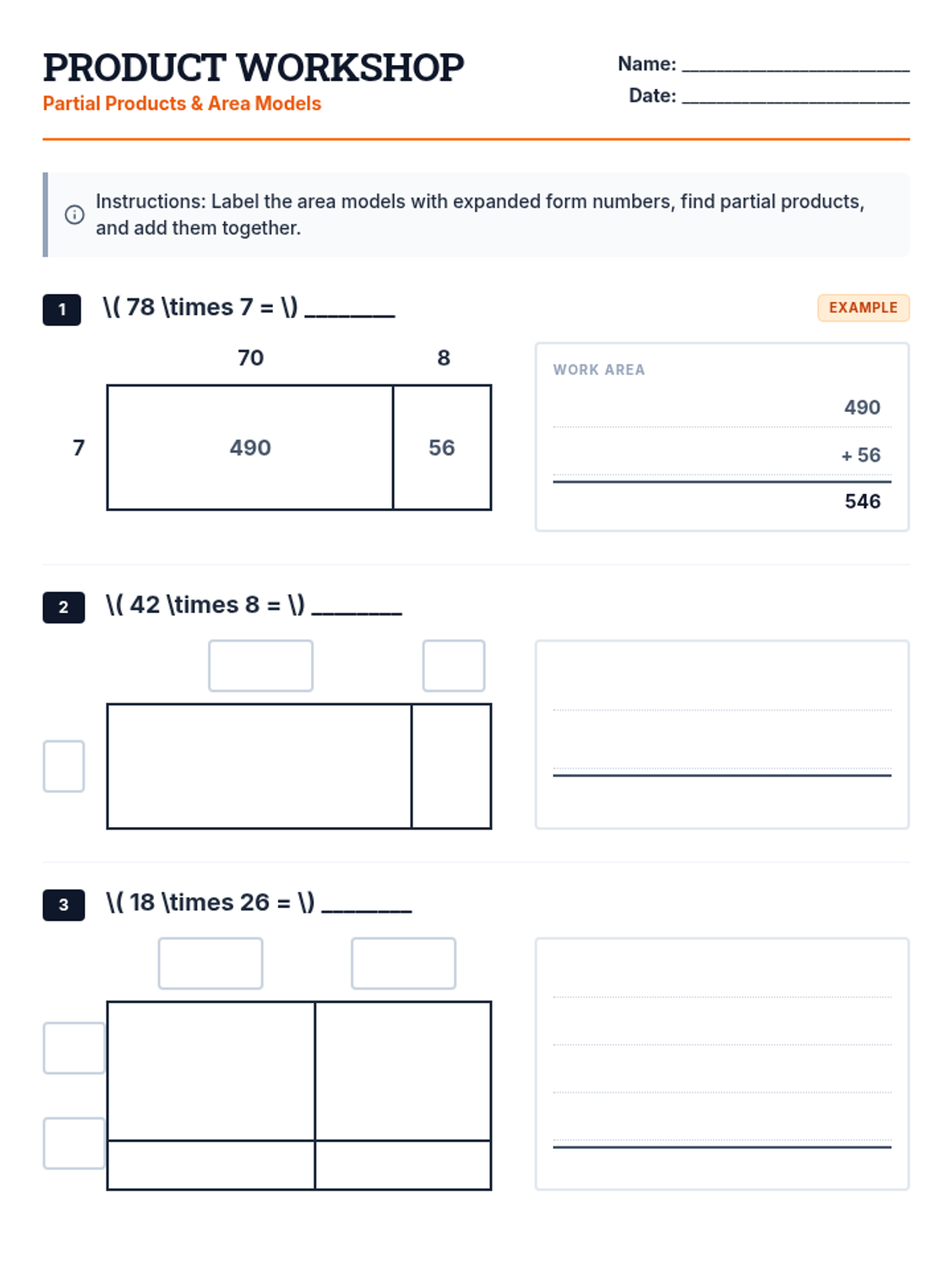
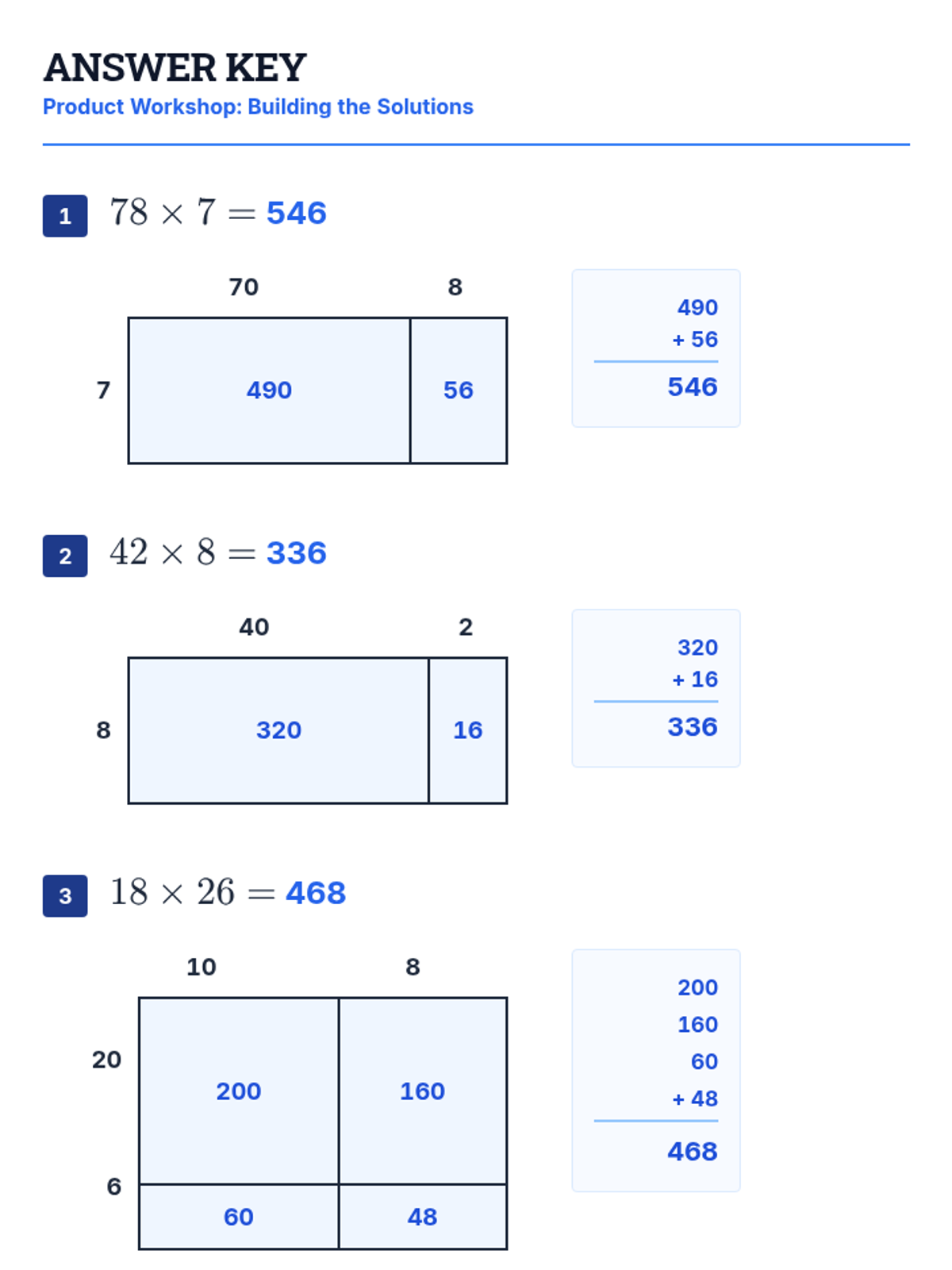
A comprehensive lesson focused on mastering 2-digit by 2-digit multiplication through the 'Blueprint' method, including instructional slides, student practice, and progress monitoring tools.
A comprehensive lesson focused on mastering 2-digit by 2-digit multiplication, designed to help students bridge the gap from 40% to 80% accuracy through scaffolded instruction and weekly progress monitoring.
Students learn to calculate elapsed time by helping llama guides manage their trekking schedules and daily farm tasks. The lesson covers finding the end time, start time, and total duration using mountain-themed scenarios.
Students engage in a tiered math workshop where they choose or are assigned a 'Quest Level' based on their current mastery of word problems. The lesson includes direct instruction on decoding problems and independent practice at three distinct challenge levels.