This lesson introduces the concept of orbital mixing through sp3 hybridization. Students learn how one s and three p orbitals combine to form four degenerate hybrid orbitals, explaining the tetrahedral geometry of molecules like methane.
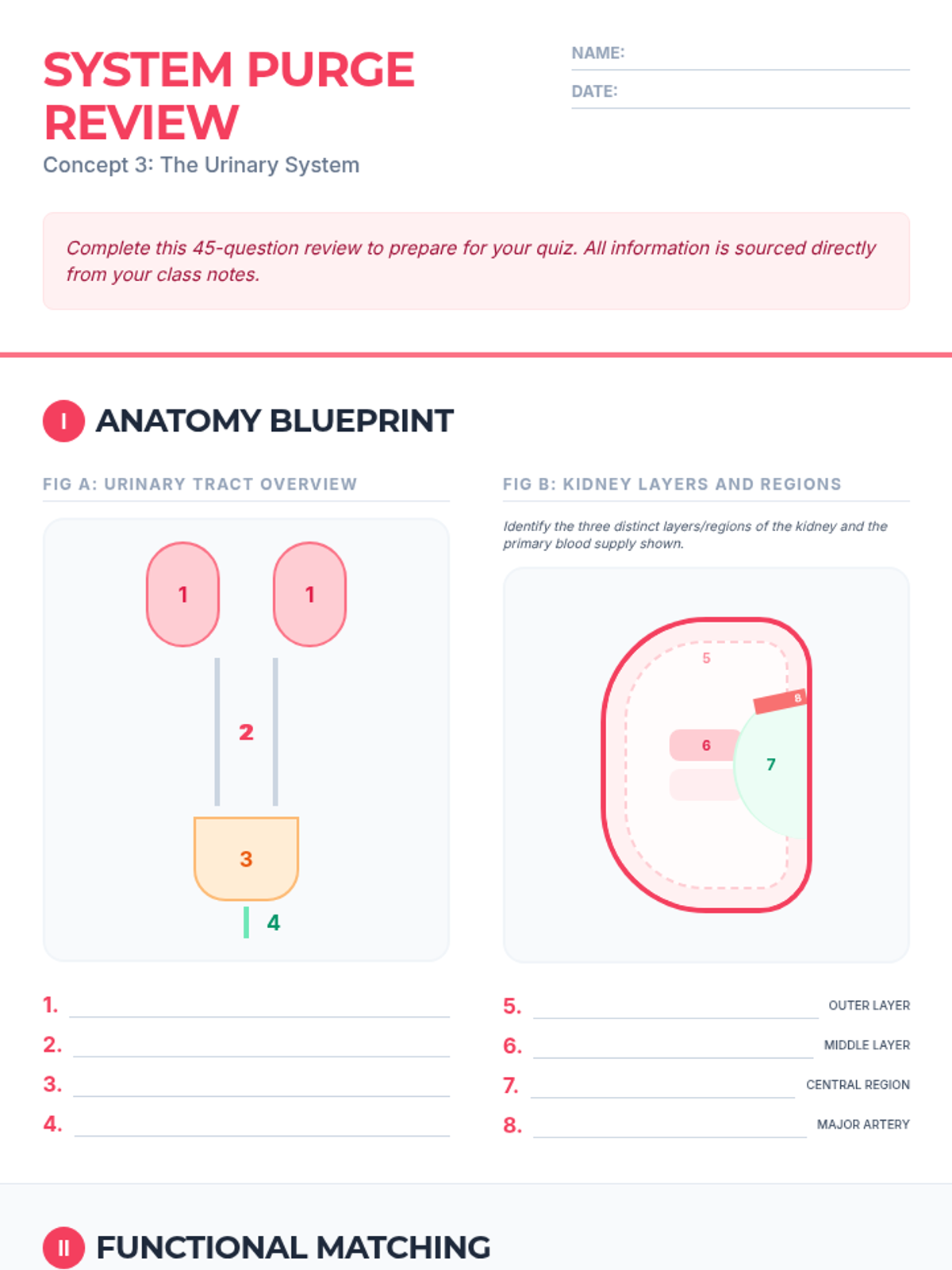
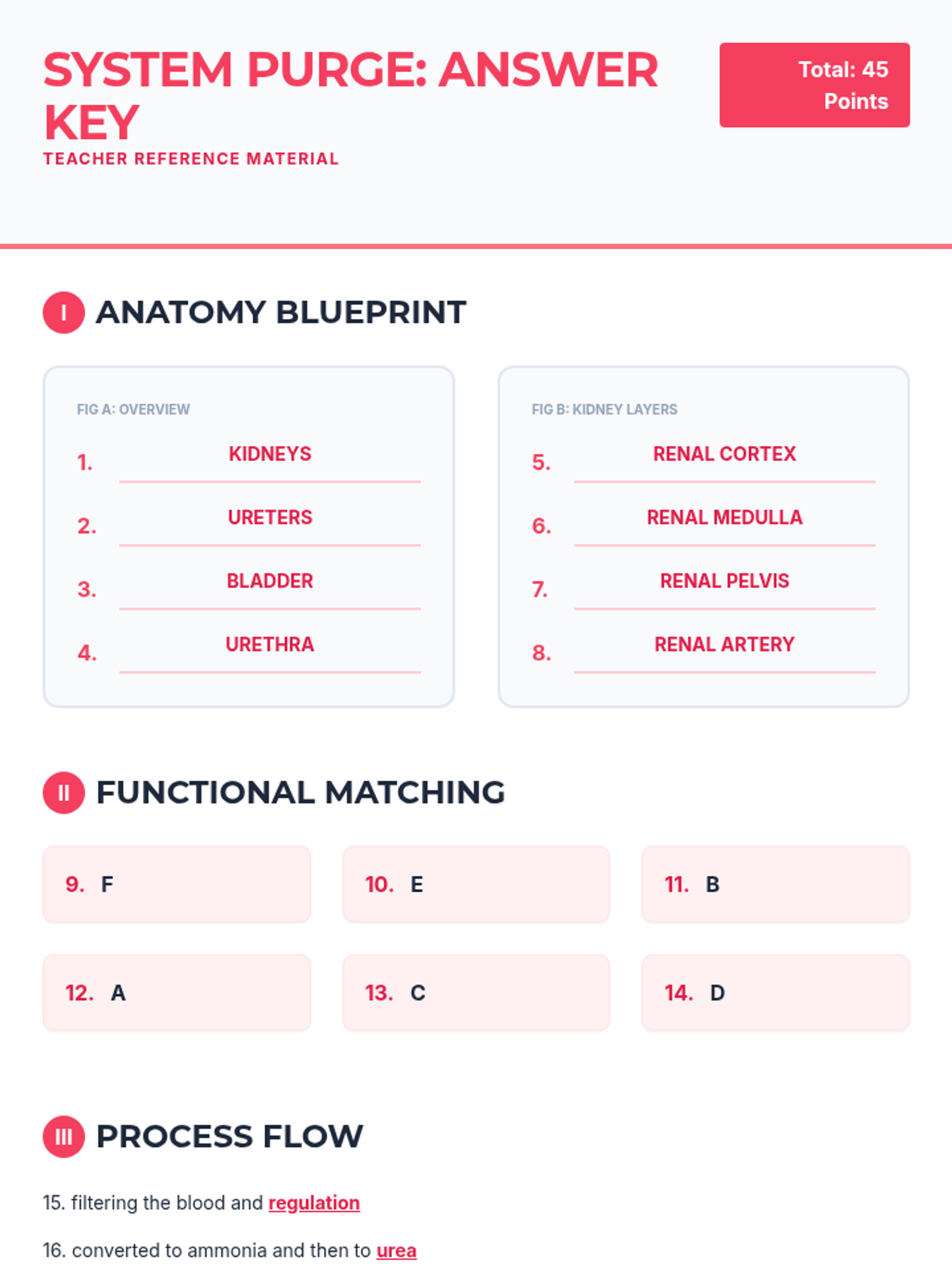
A comprehensive review of the urinary system based on Concept 3 notes, focusing on kidney structure, nephron function, and systemic regulation.
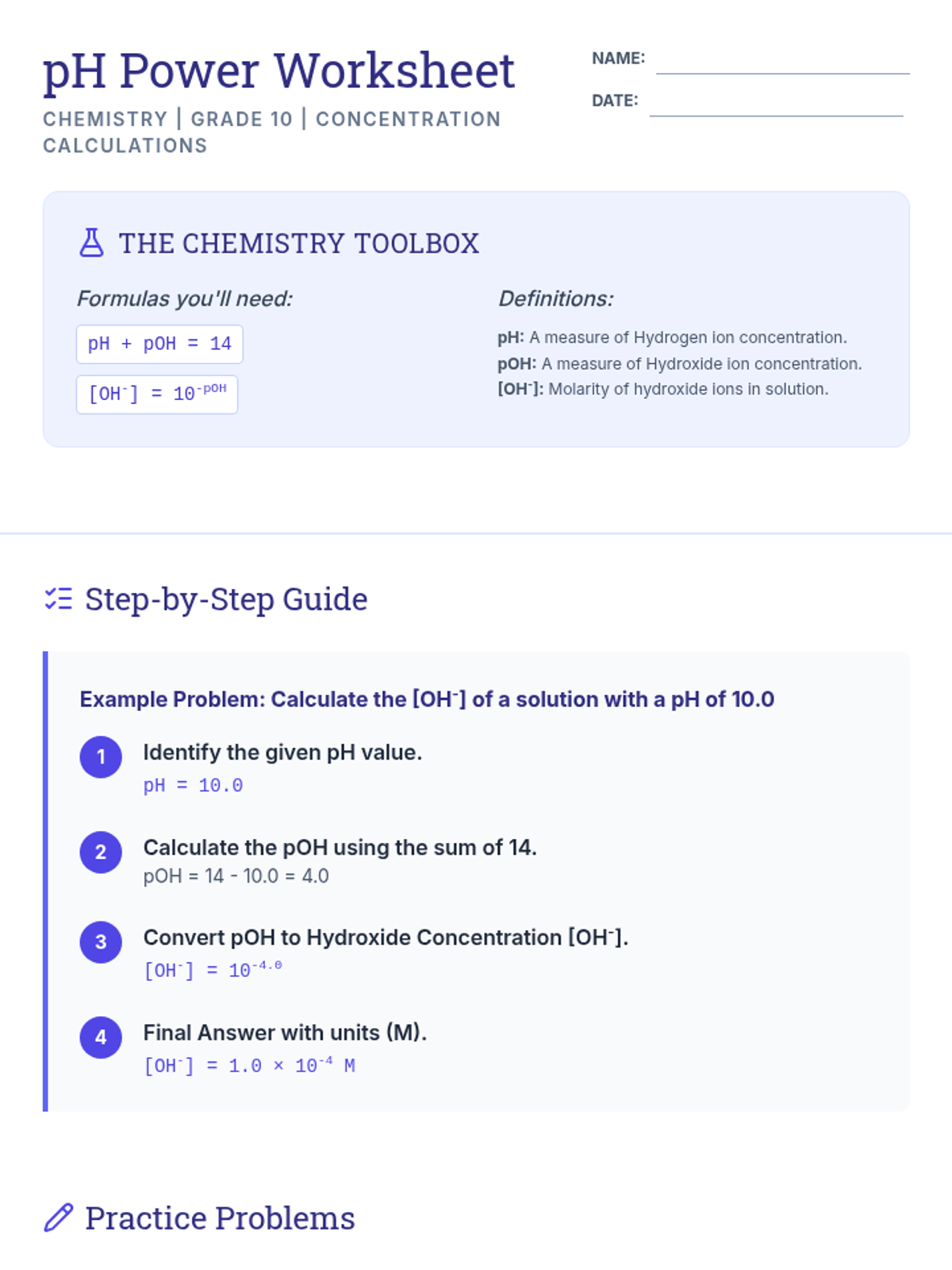
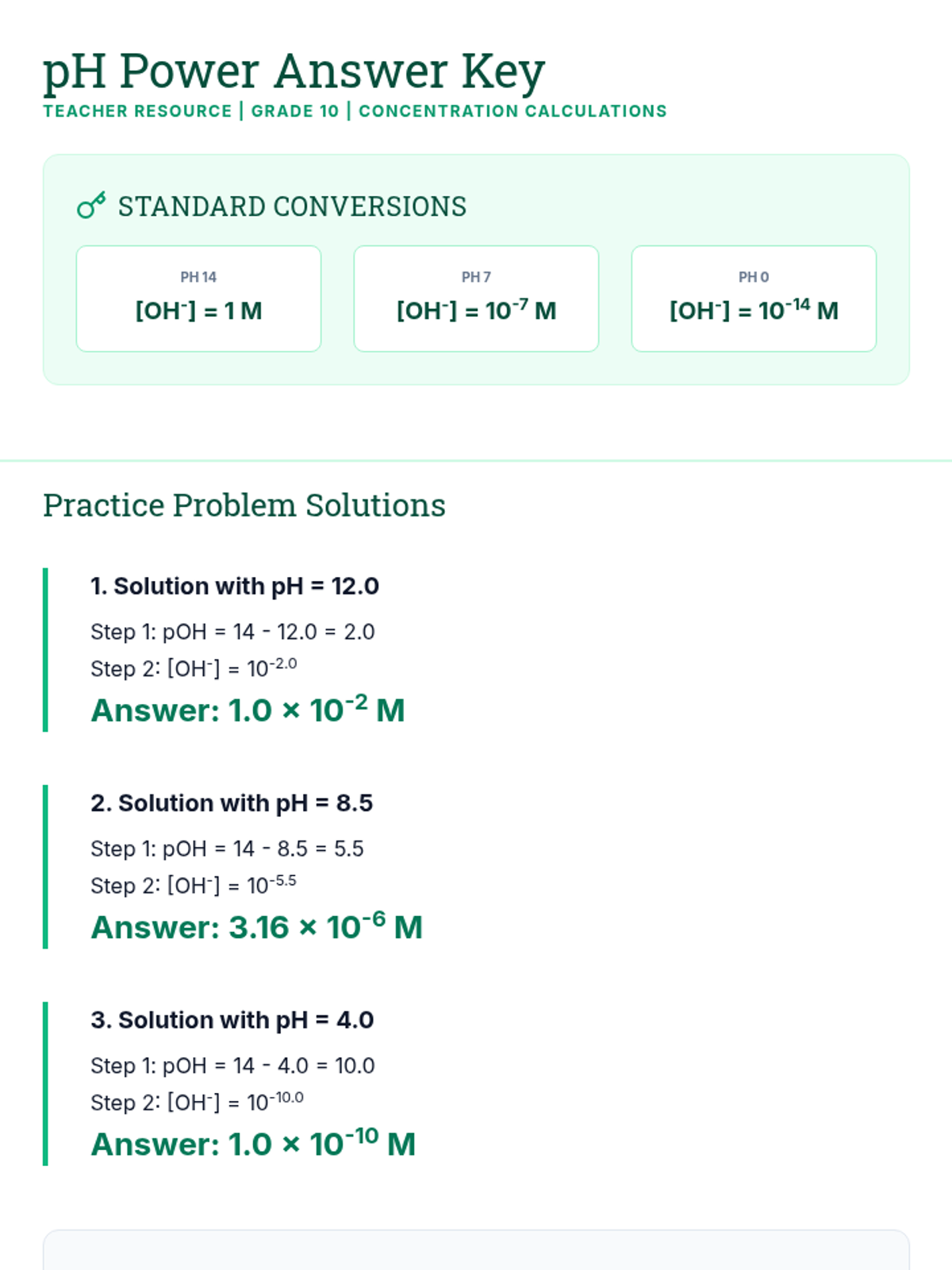
A lesson focused on the relationship between pH, pOH, and ion concentrations, featuring step-by-step methods for converting between them.
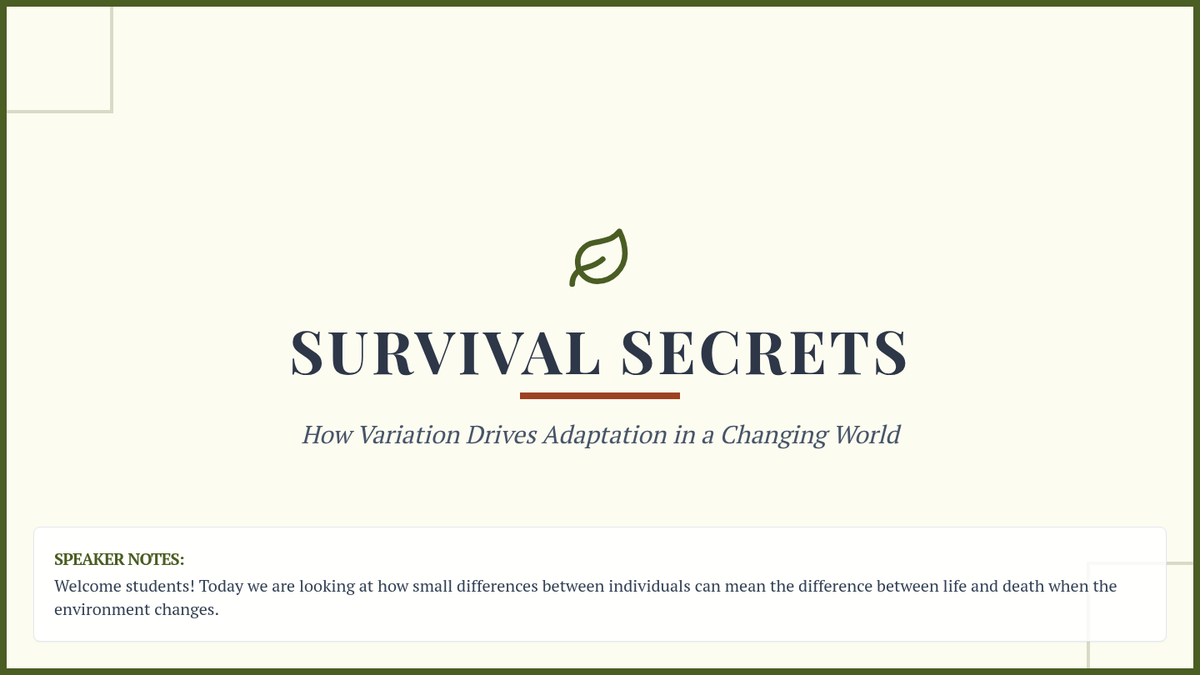
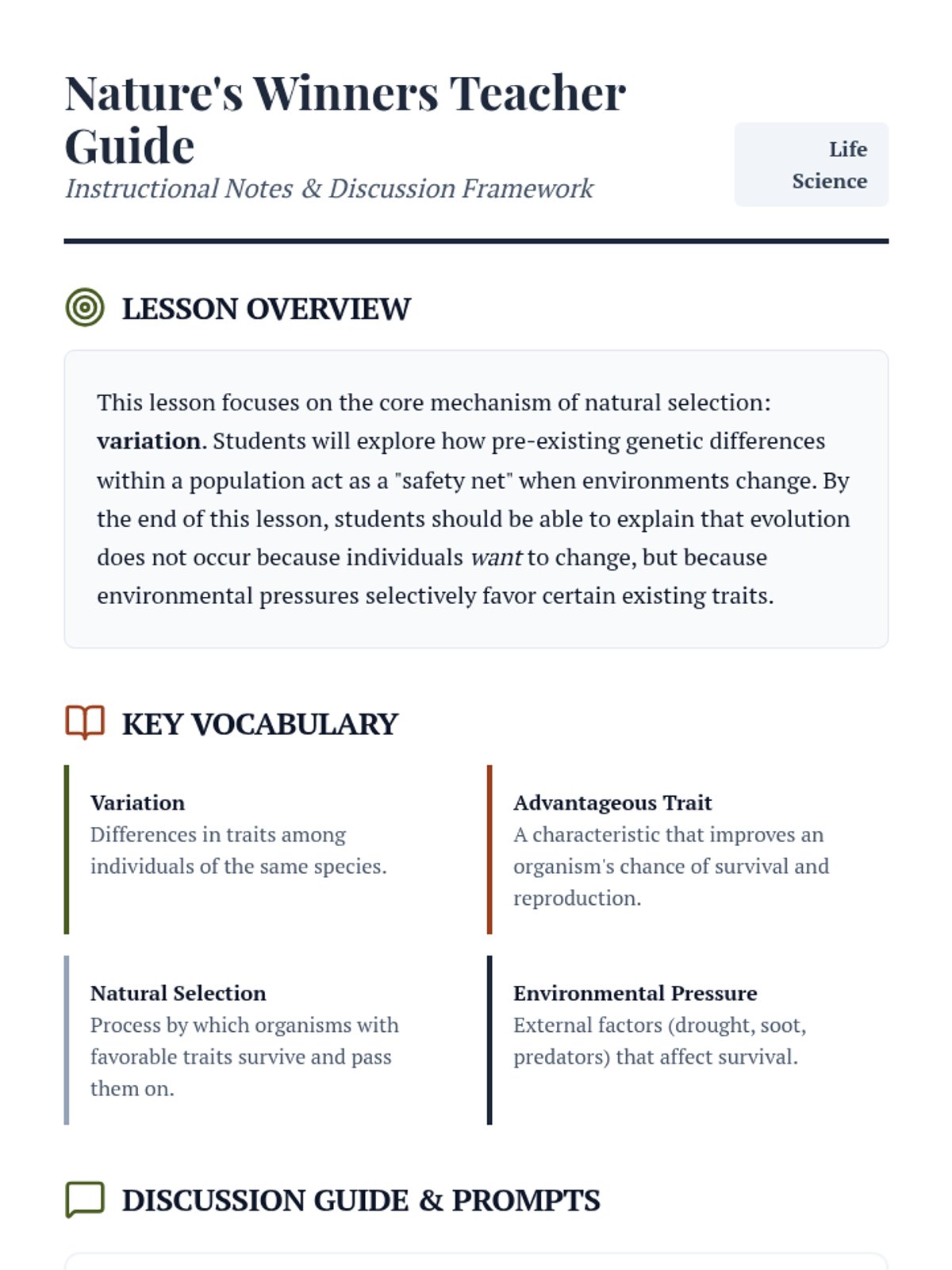
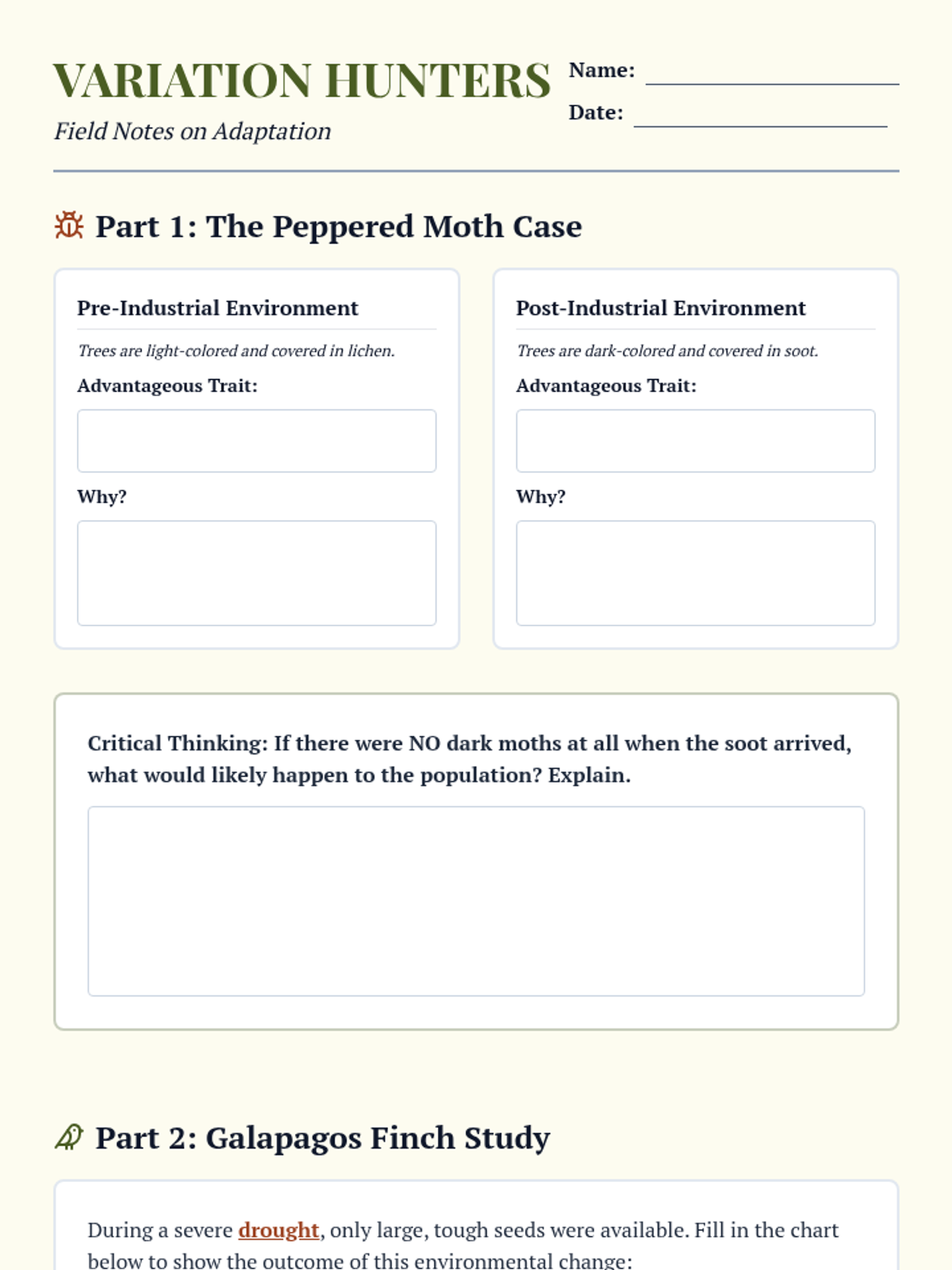
This lesson explores how genetic variation within a population influences survival during environmental changes, using peppered moths and Darwin's finches as primary case studies.
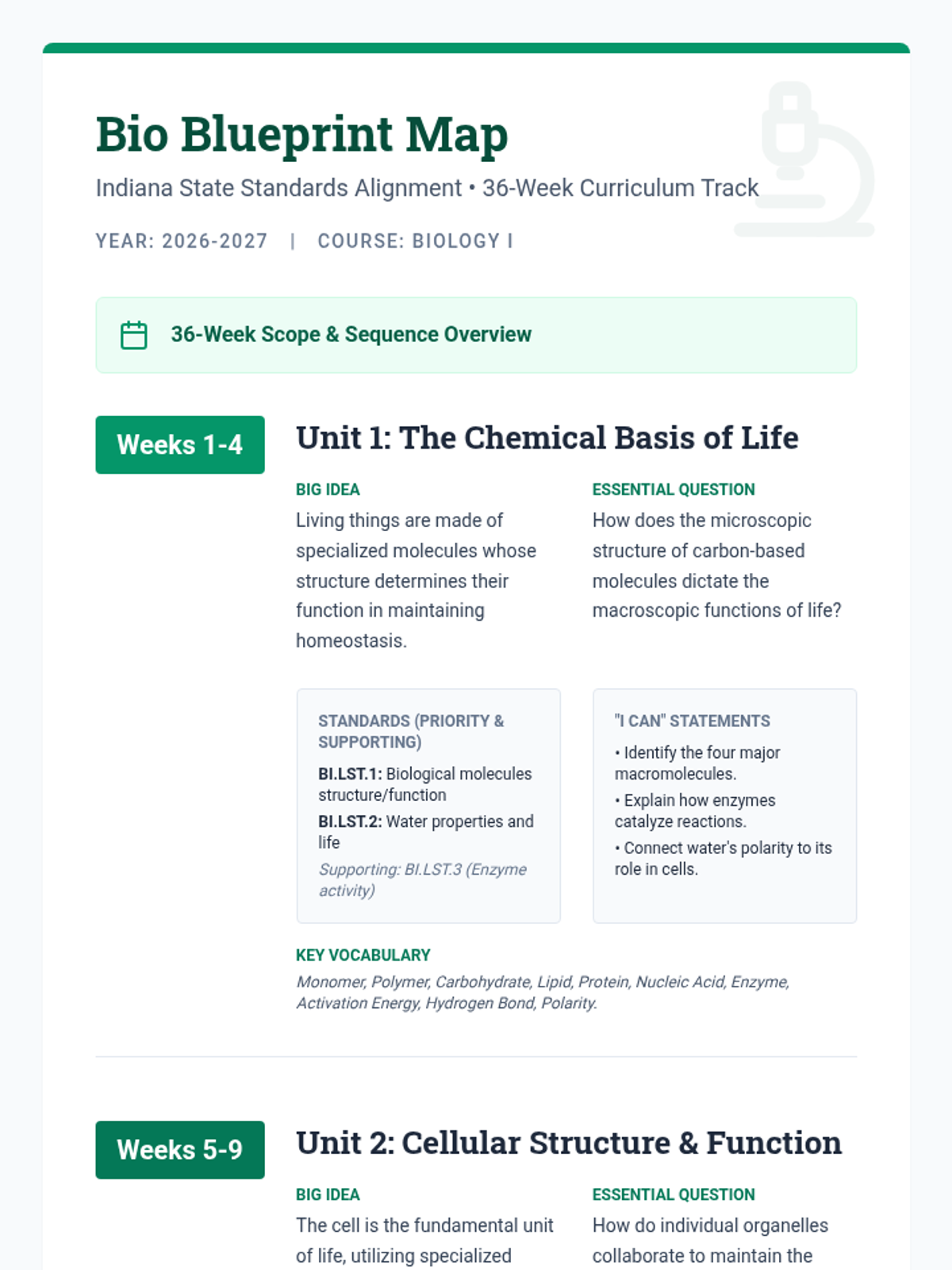
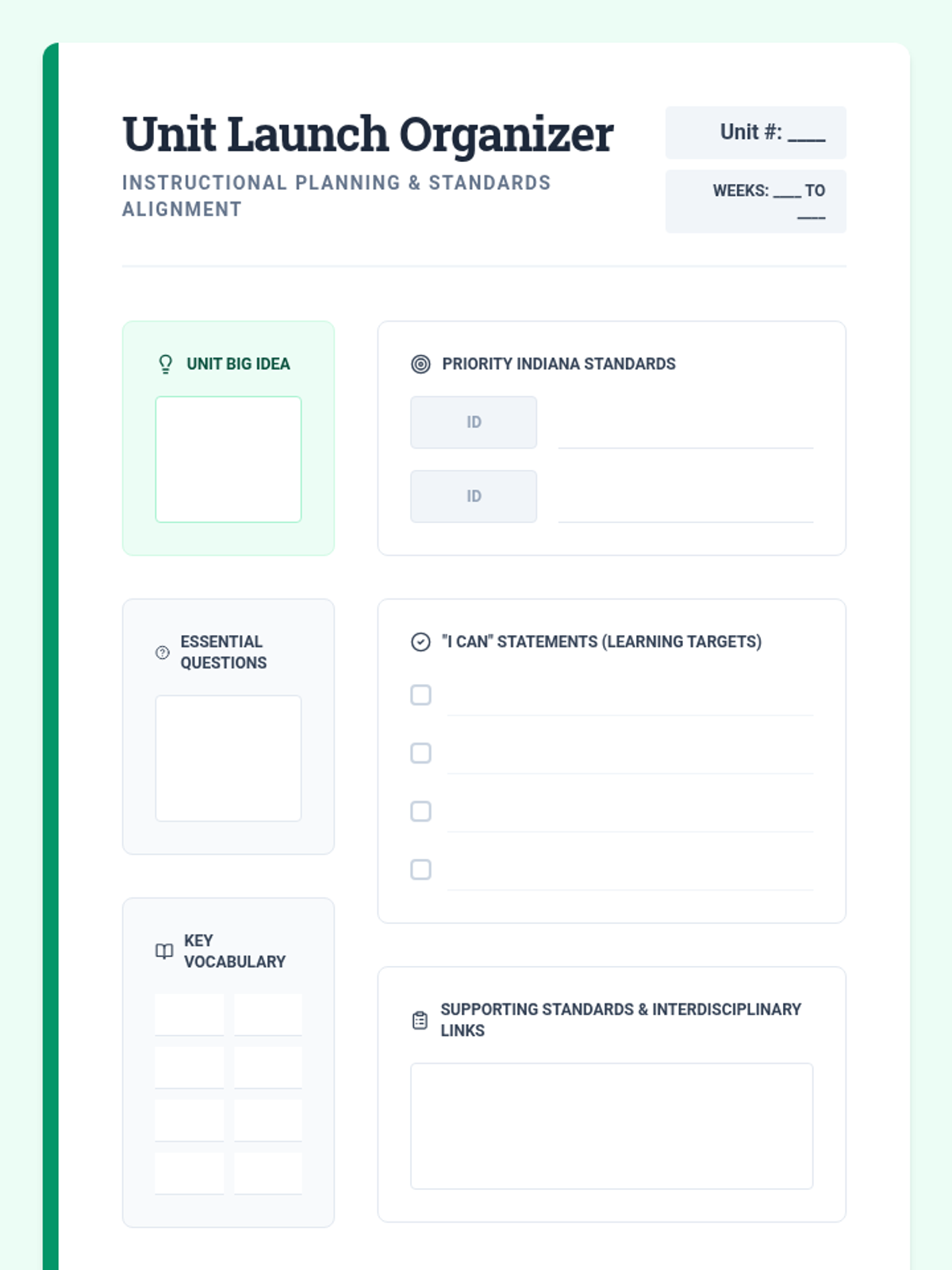
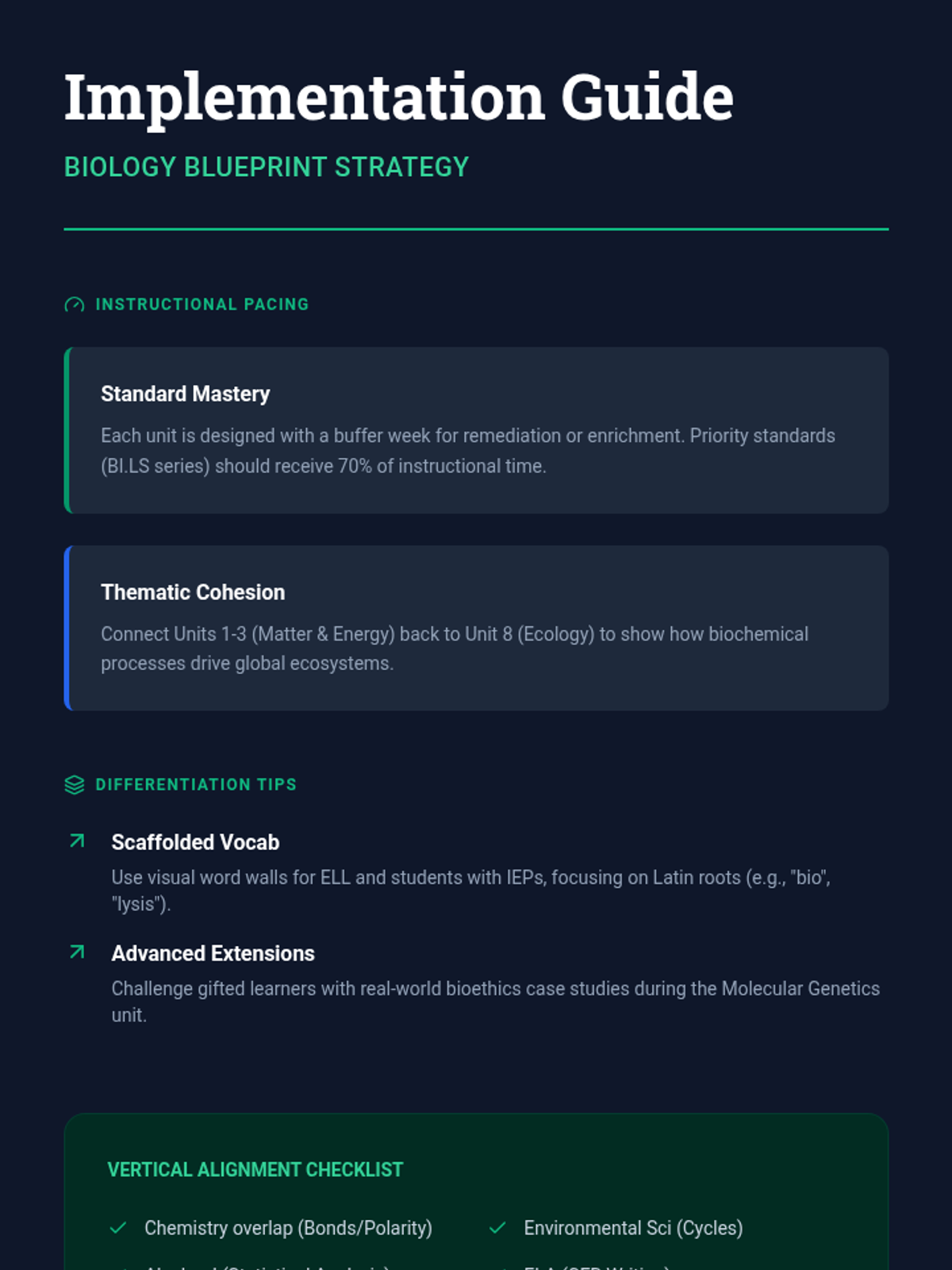
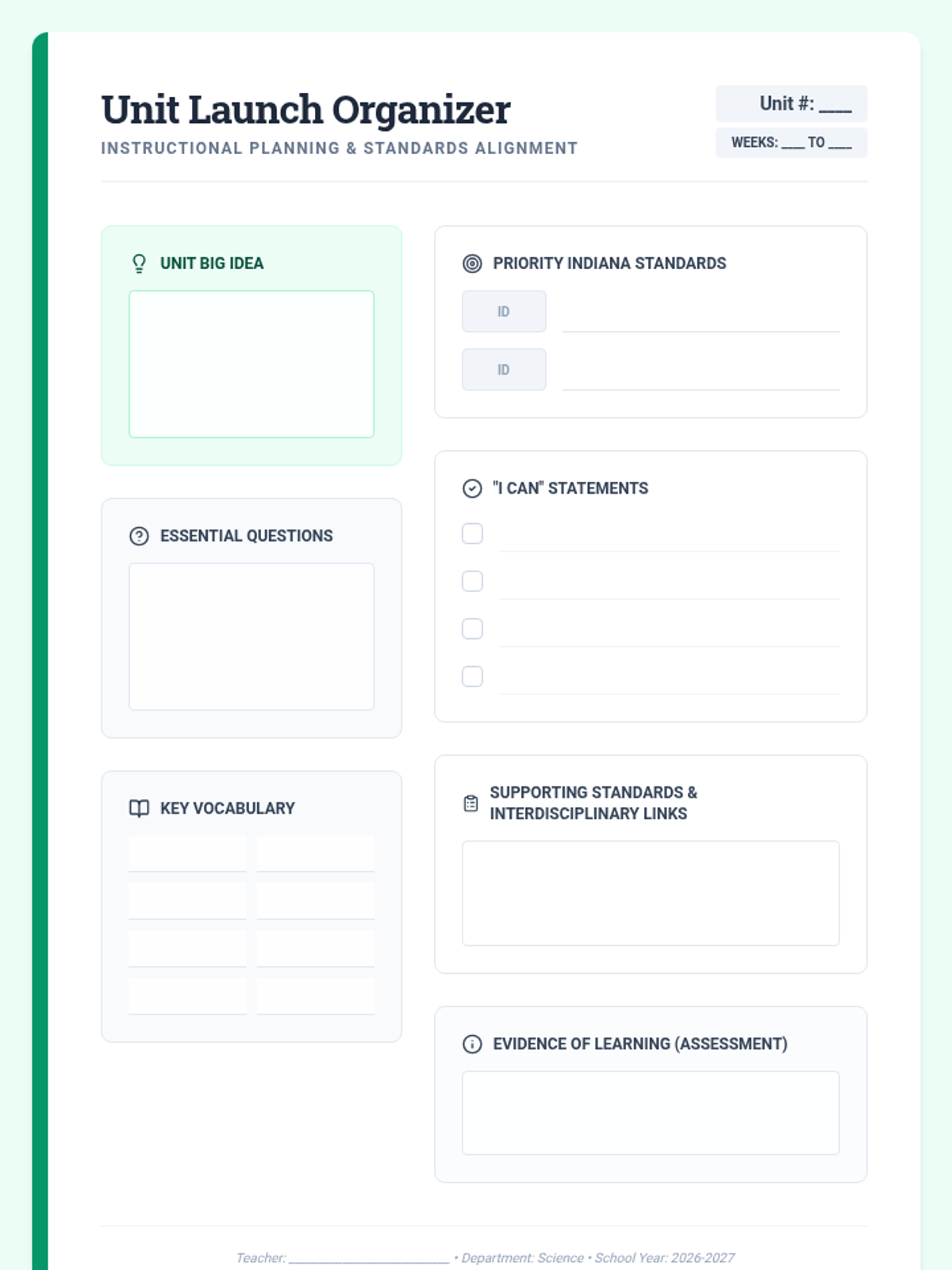
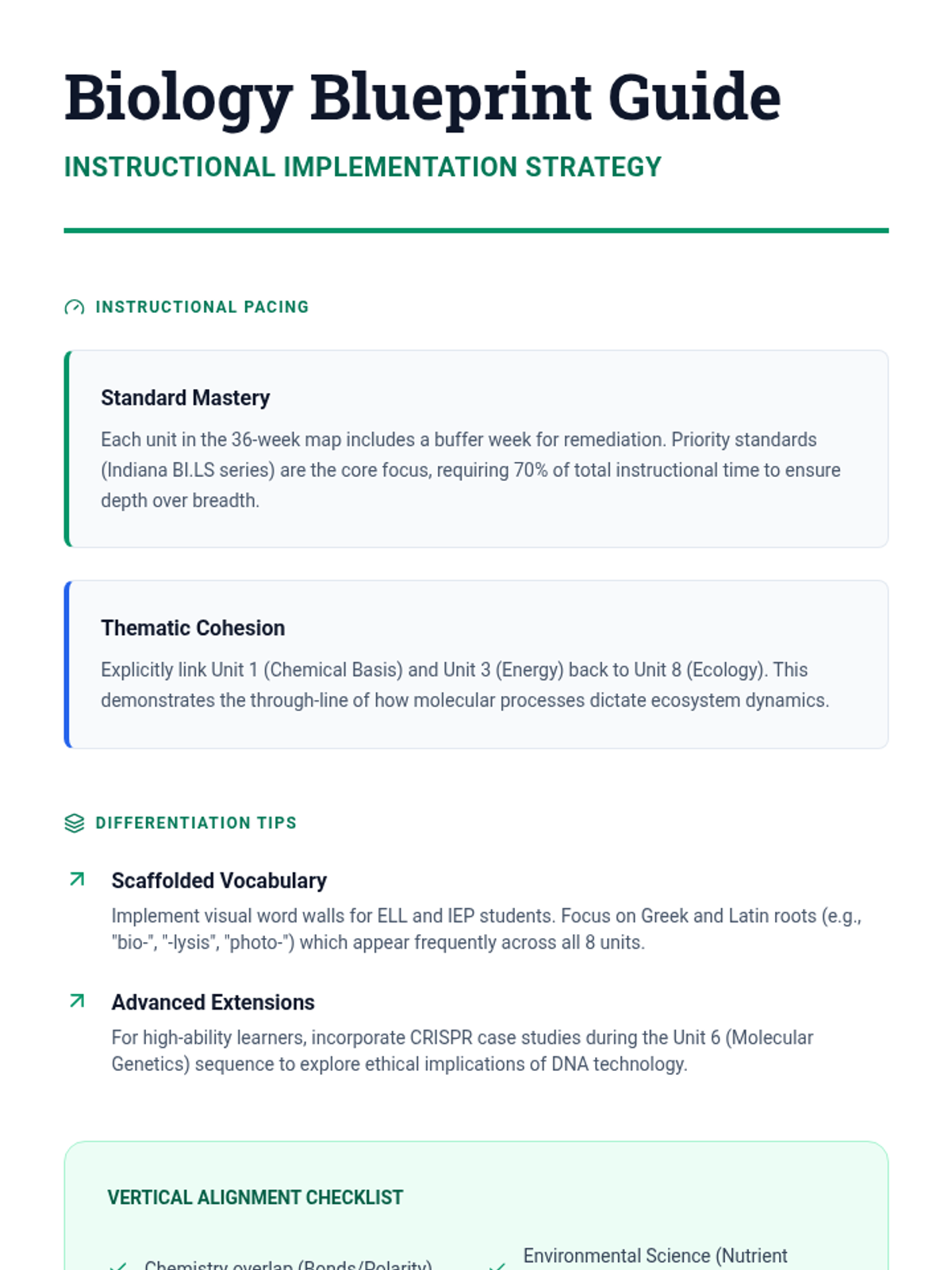
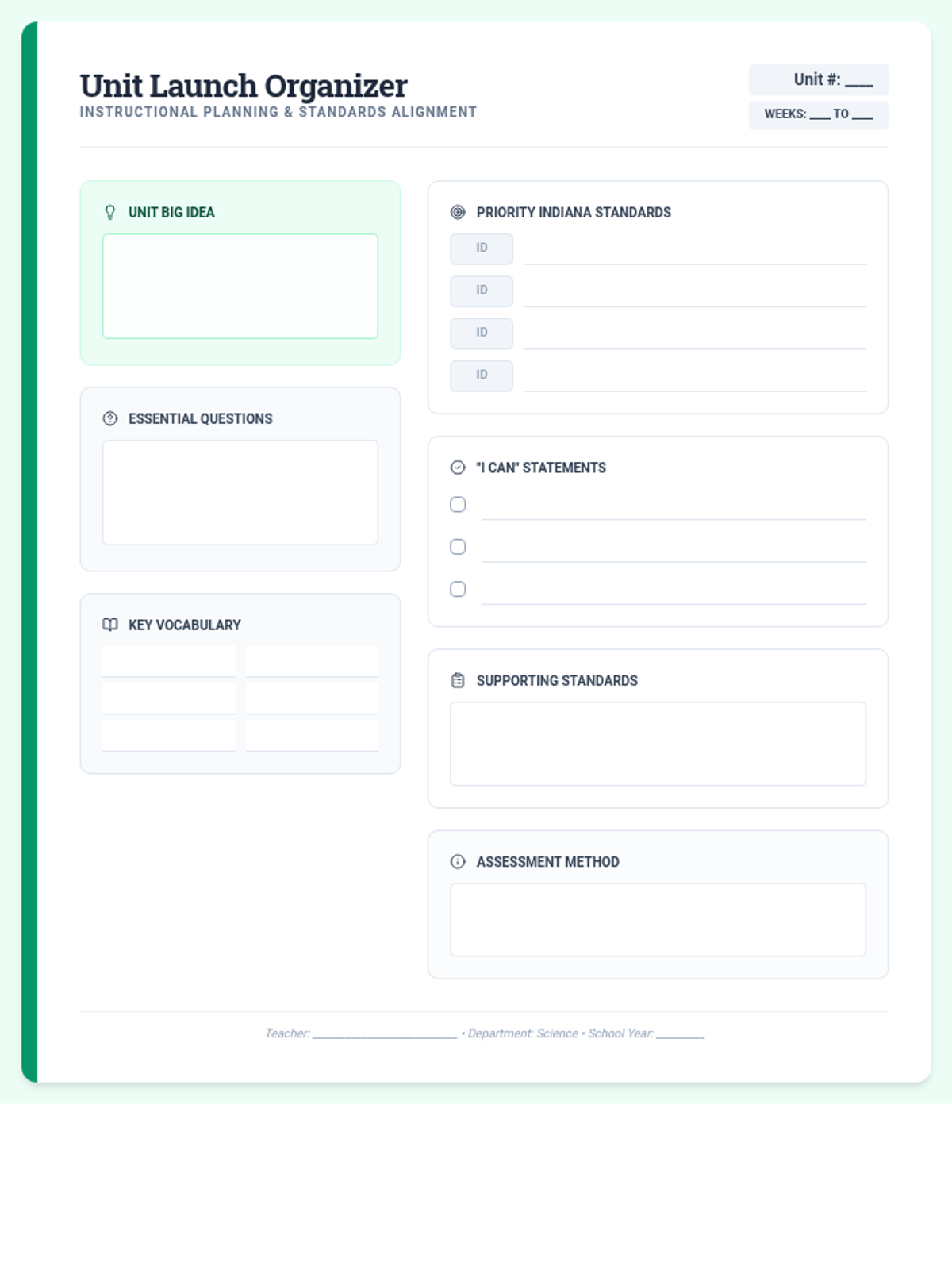
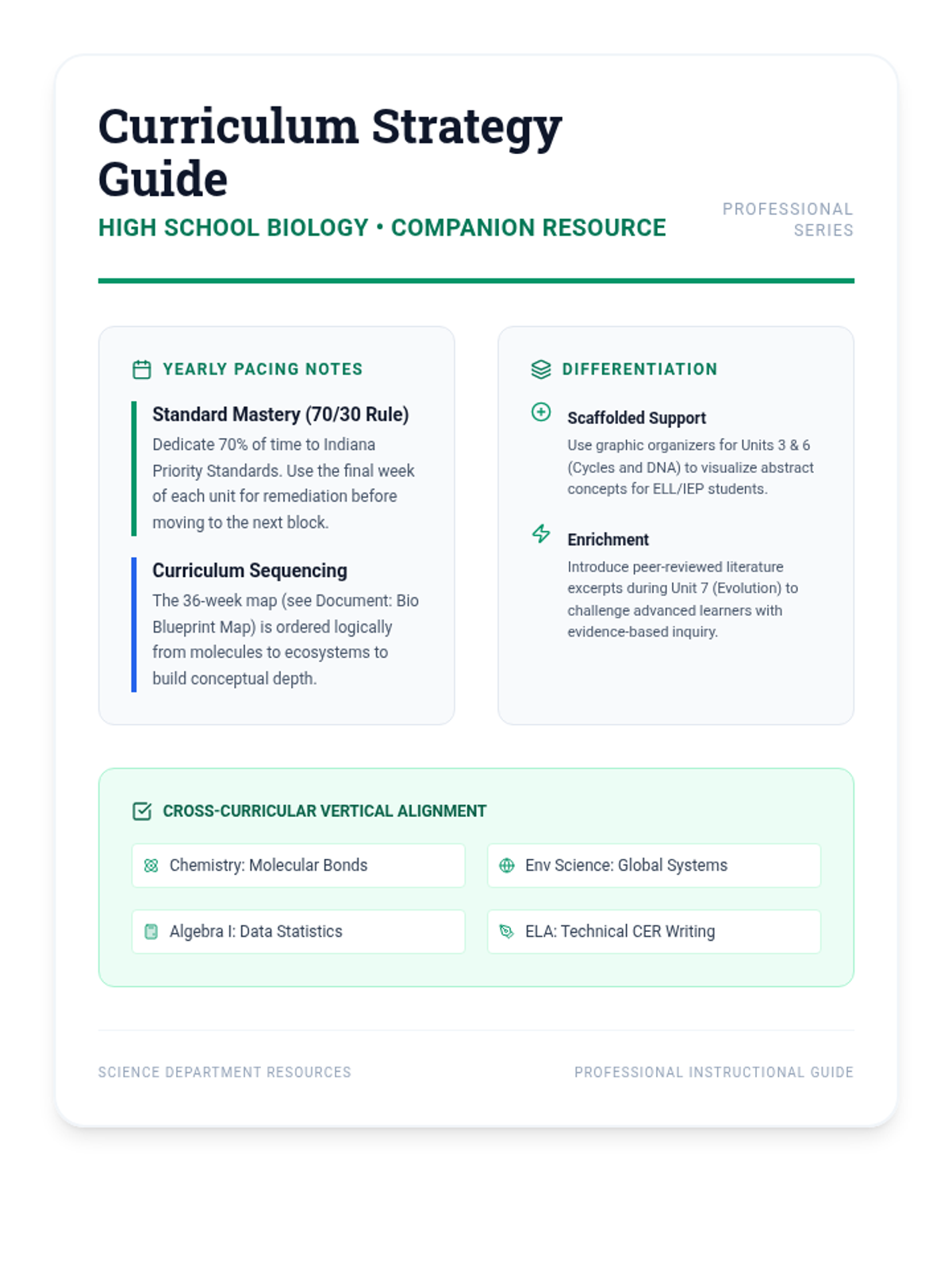
A curriculum planning lesson for biology teachers to organize a full year of high school biology instruction aligned with Indiana State Standards.
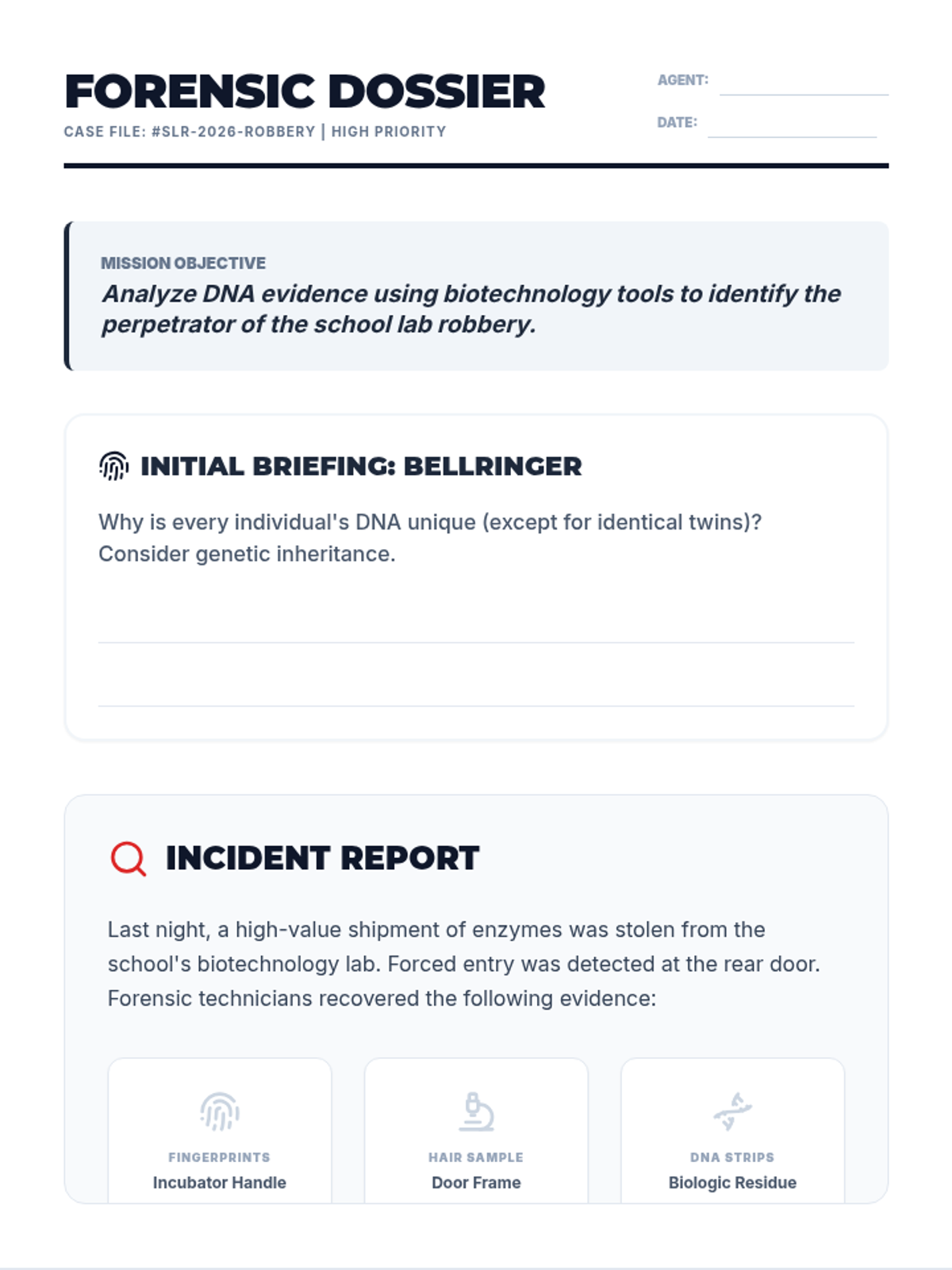
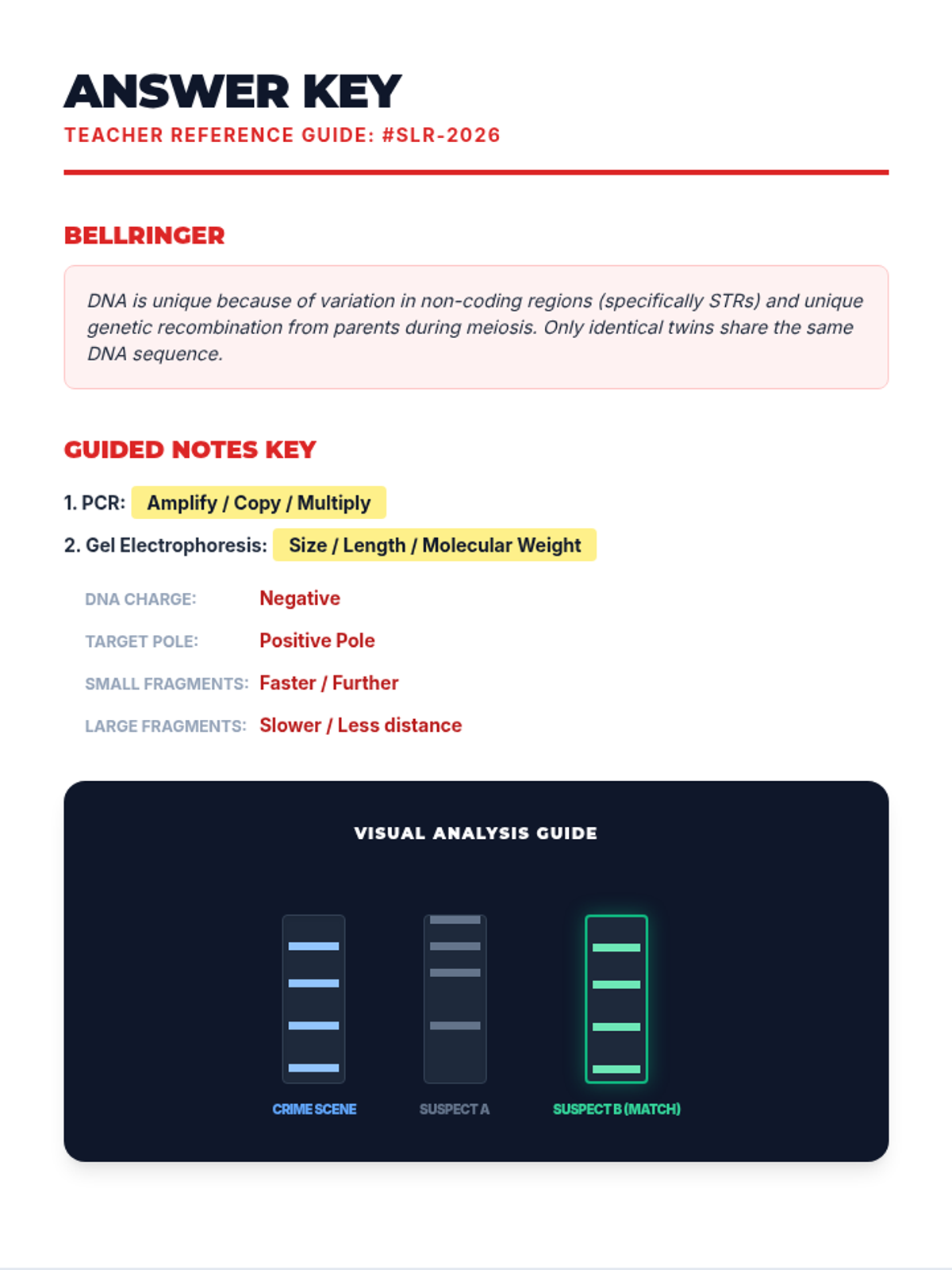
Students step into the role of forensic scientists to solve a school lab robbery. They will explore PCR, gel electrophoresis, and DNA fingerprinting to analyze evidence and identify a suspect using a Claim-Evidence-Reasoning framework.
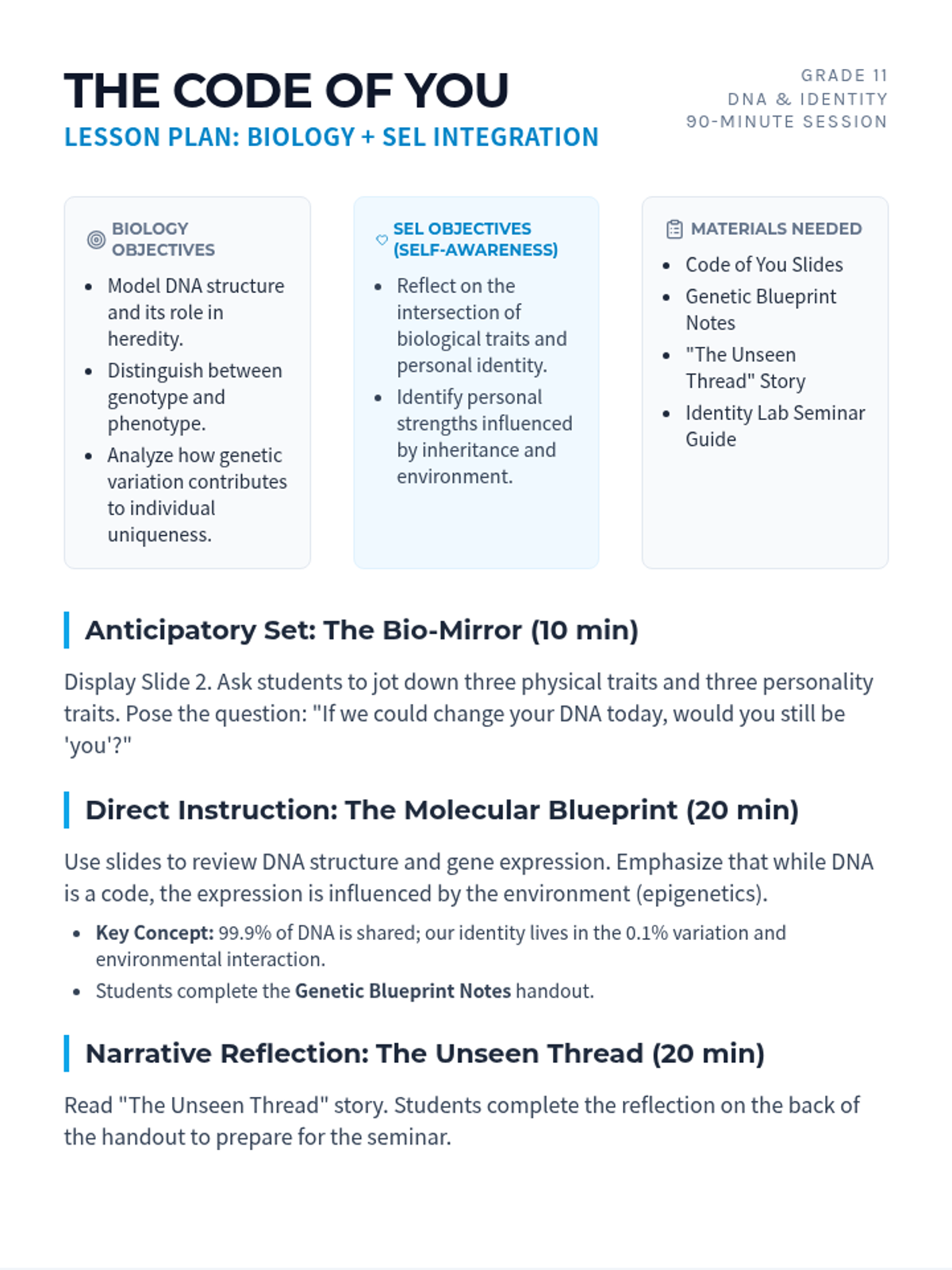
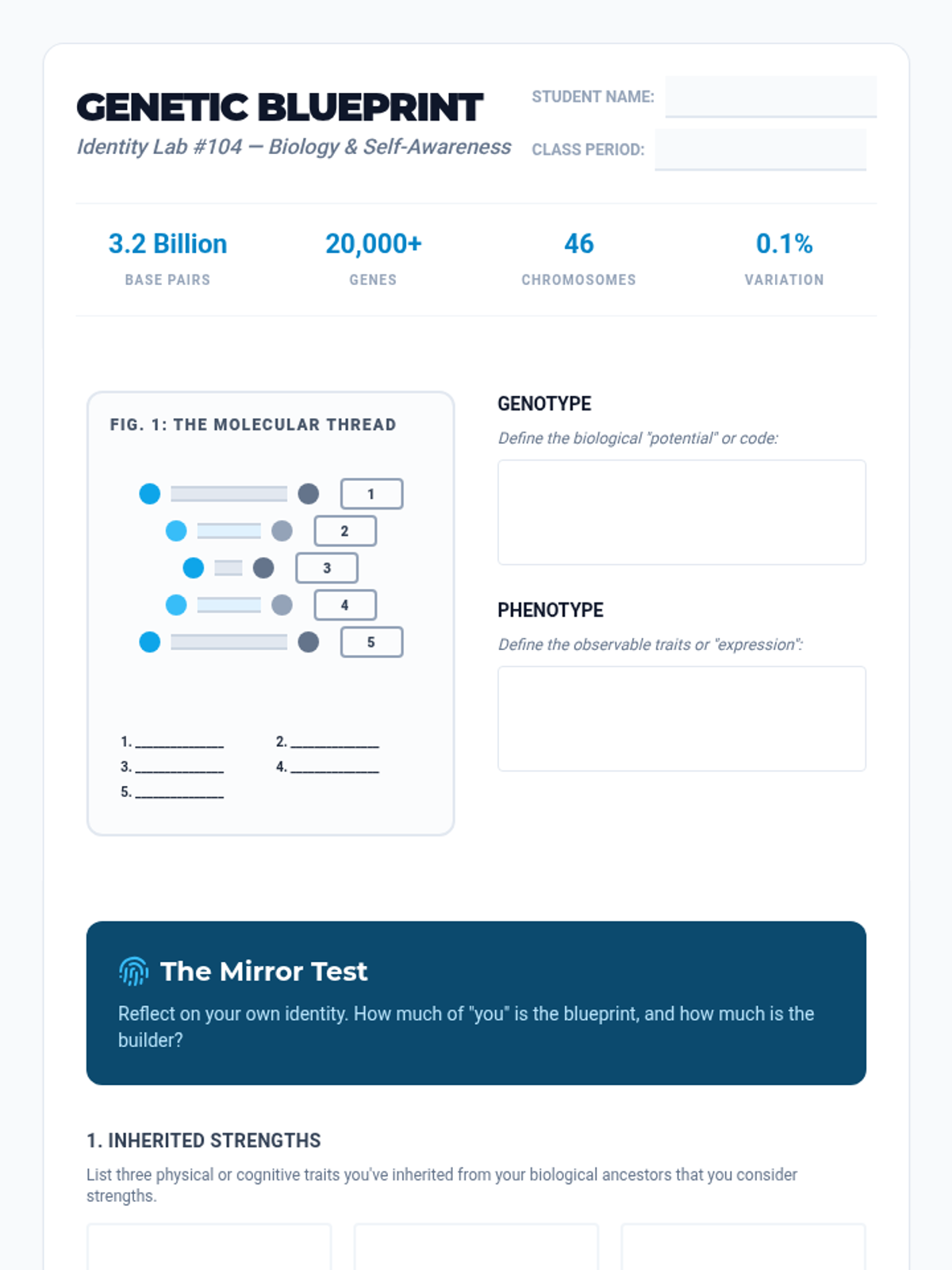
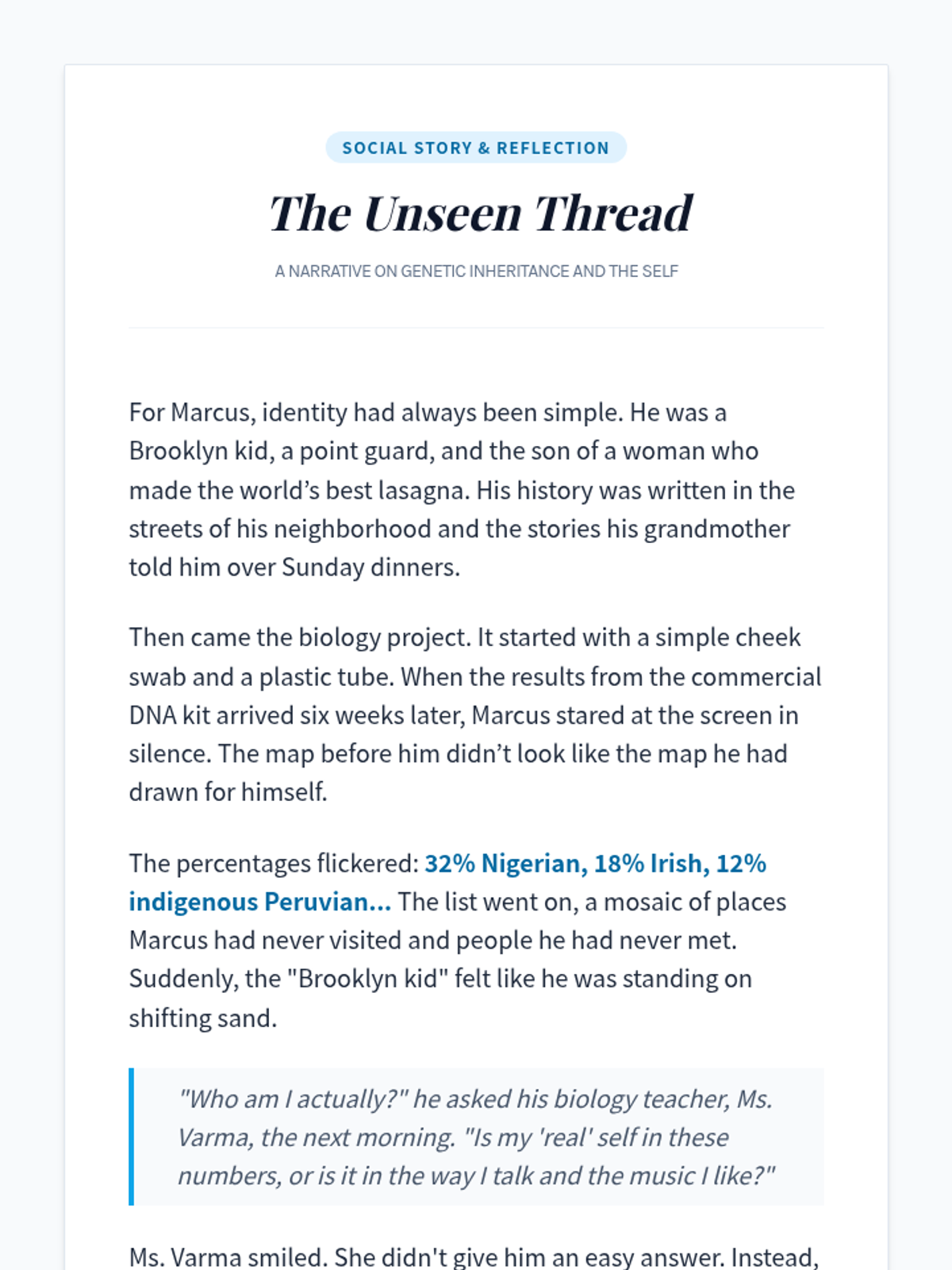
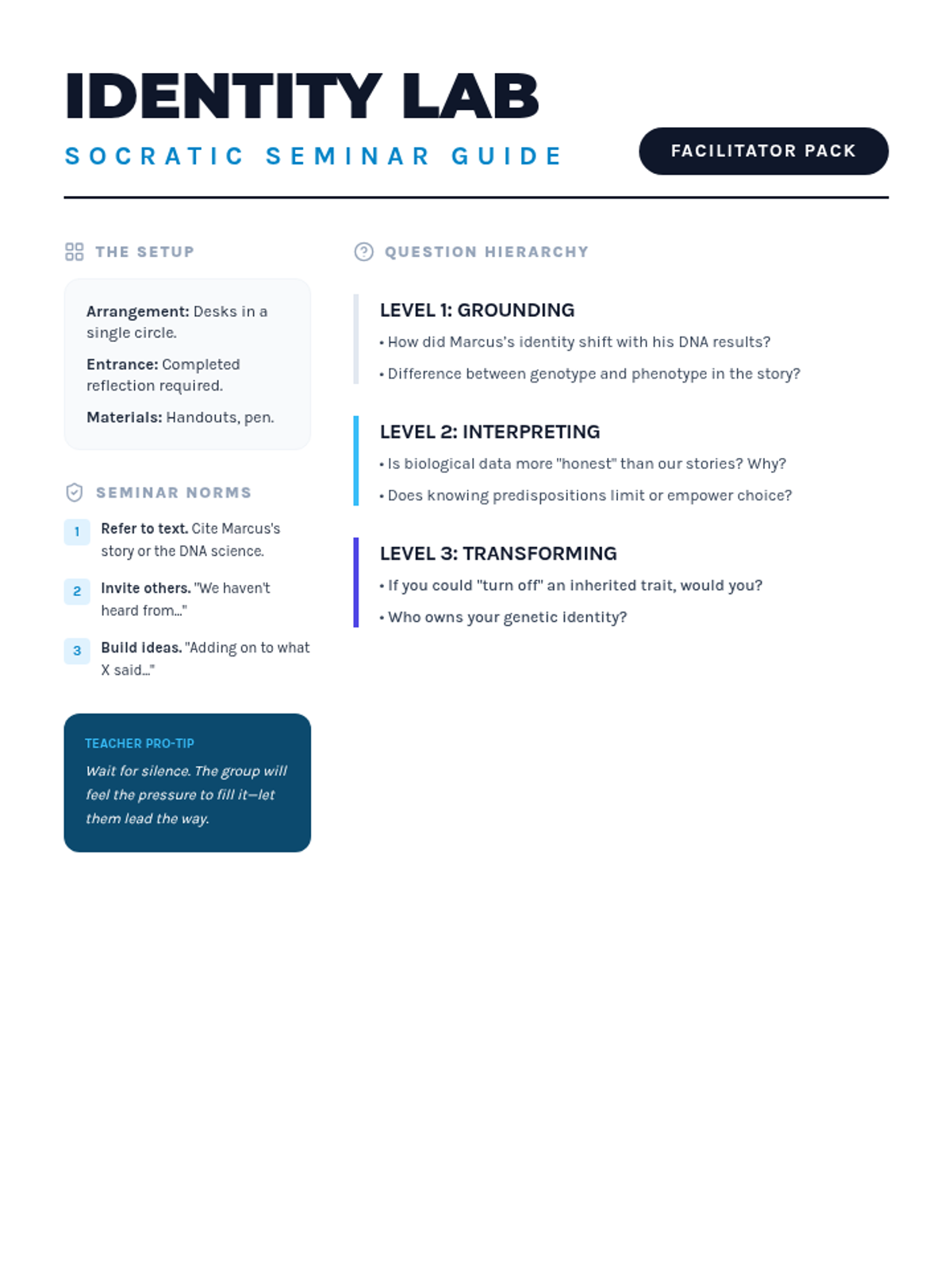
An integrated Biology and SEL lesson for 11th grade that explores the relationship between DNA, inheritance, and personal identity. Students analyze the science of genetics while reflecting on what makes them unique and how much of their 'self' is written in their code.
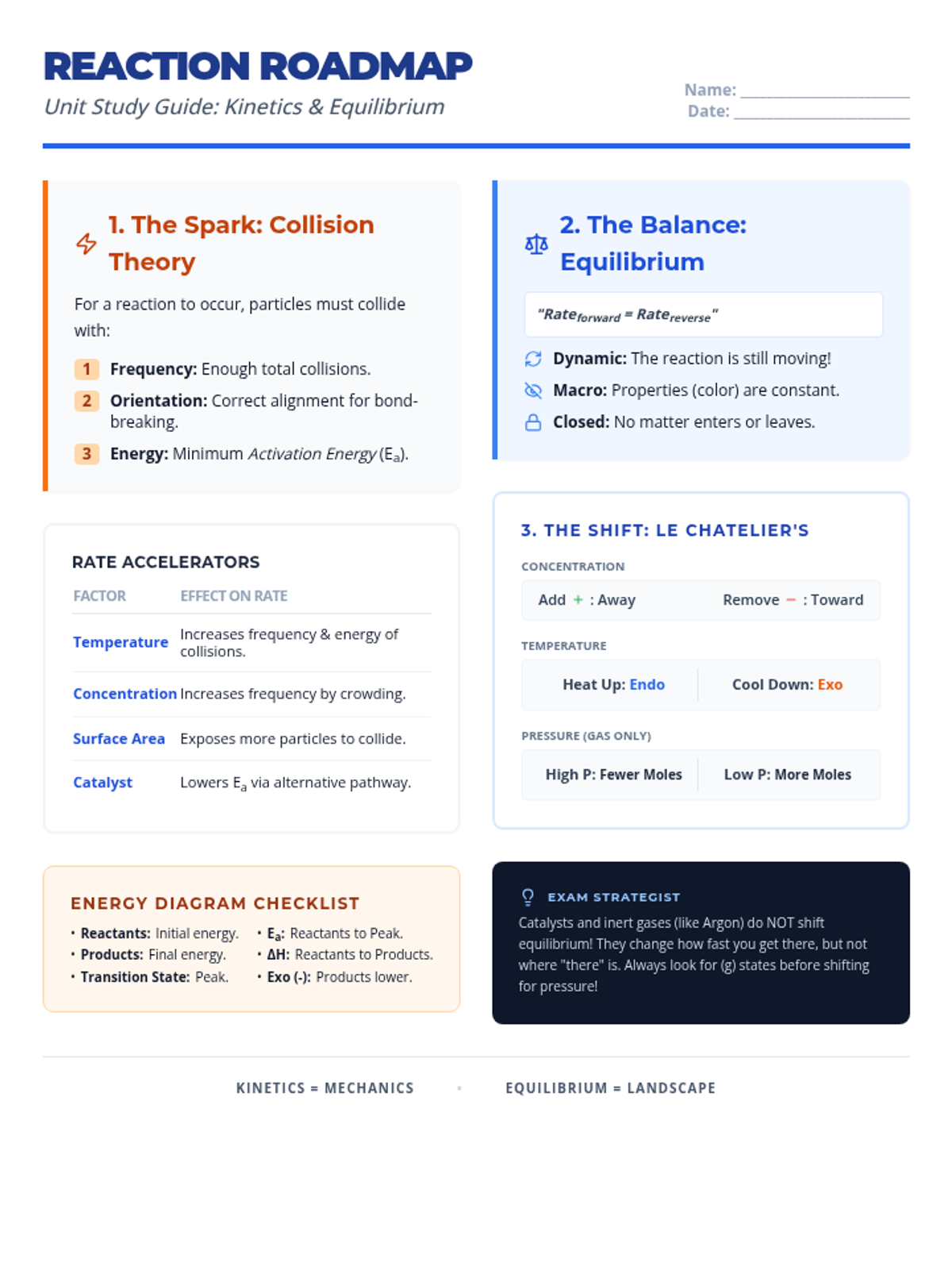
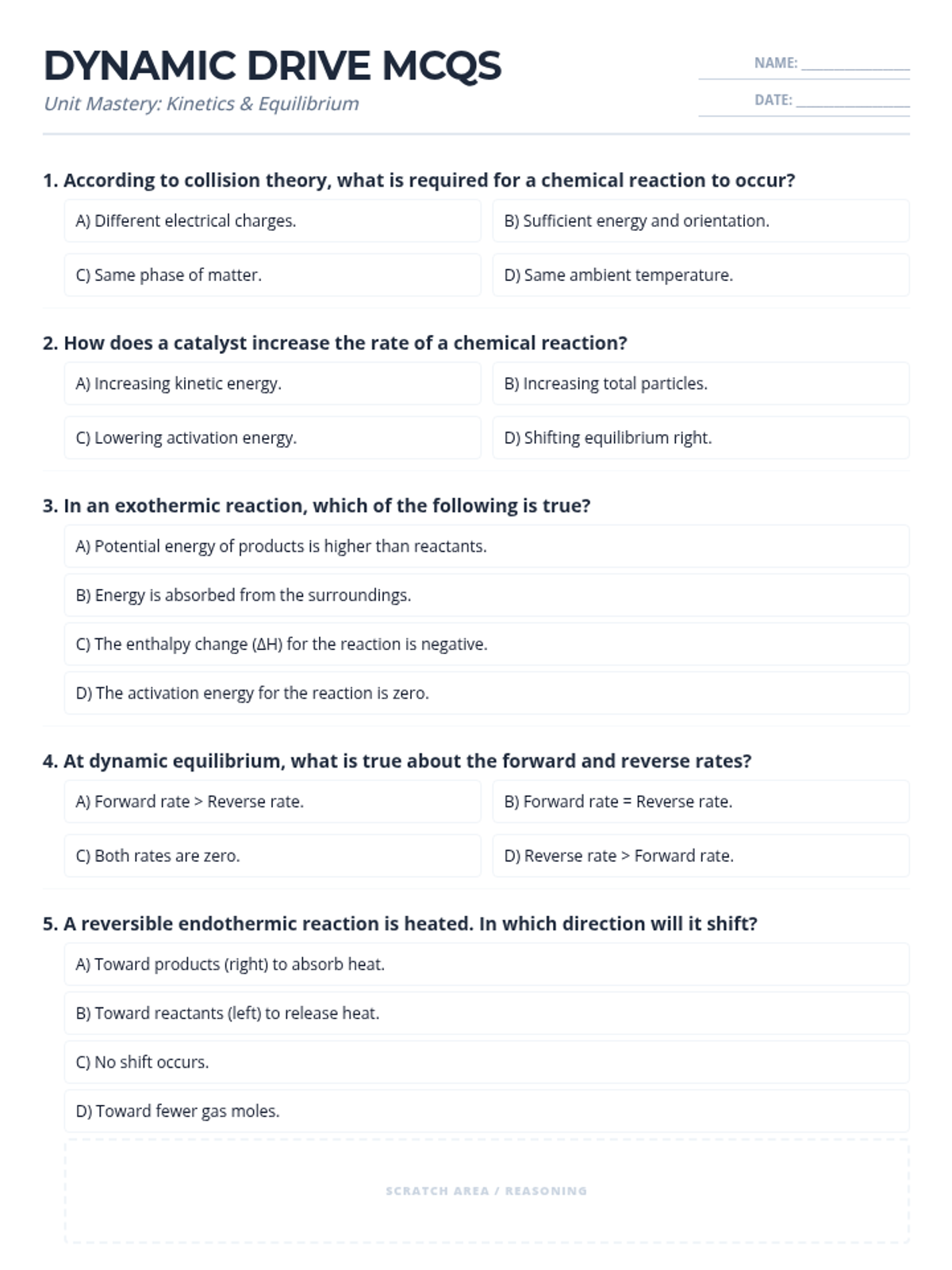
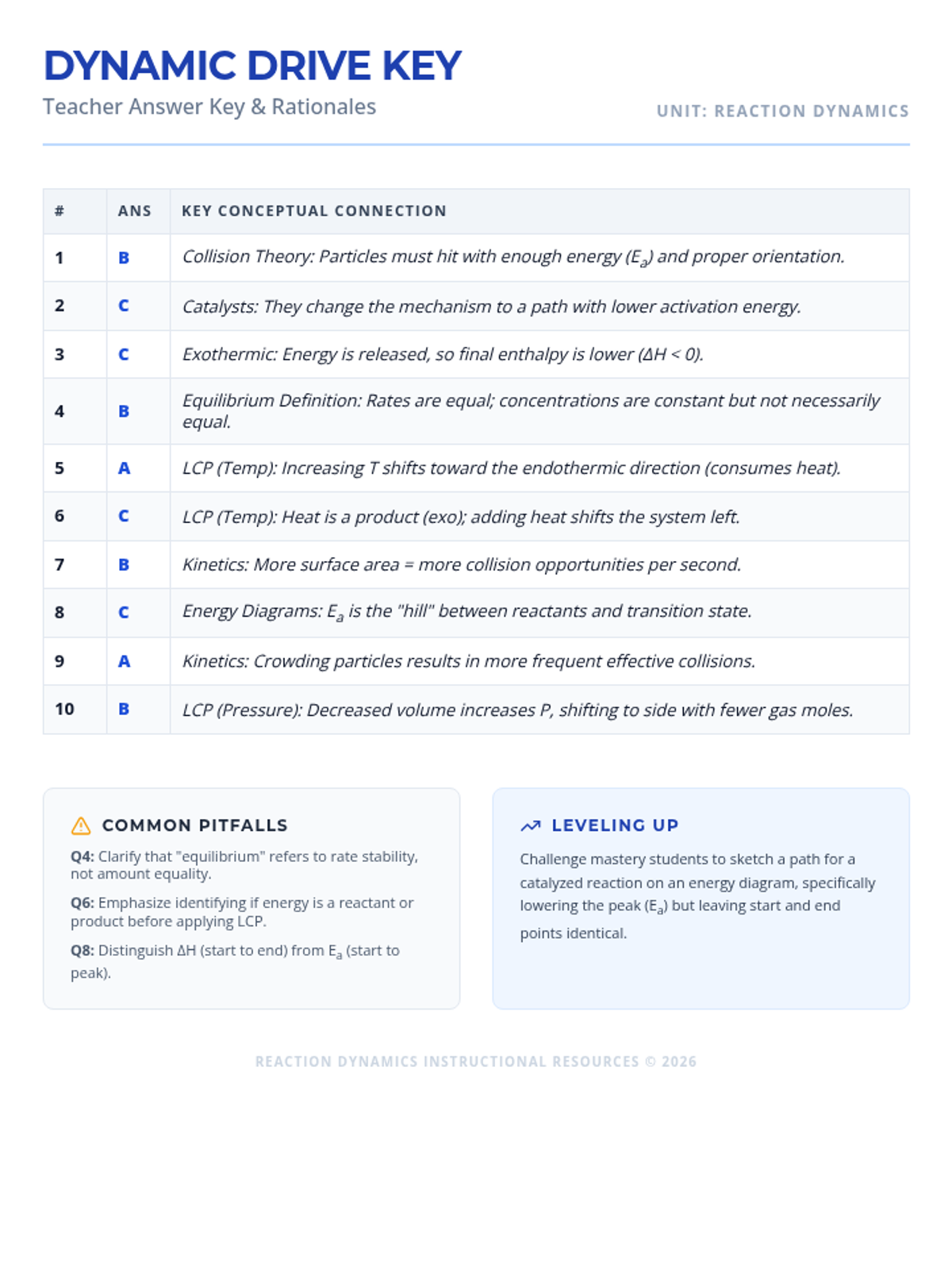
A comprehensive review phase for the Reaction Dynamics unit. Students synthesize their knowledge of collision theory, energy pathways, and equilibrium shifts through a focused study guide and a unit-wide conceptual assessment.
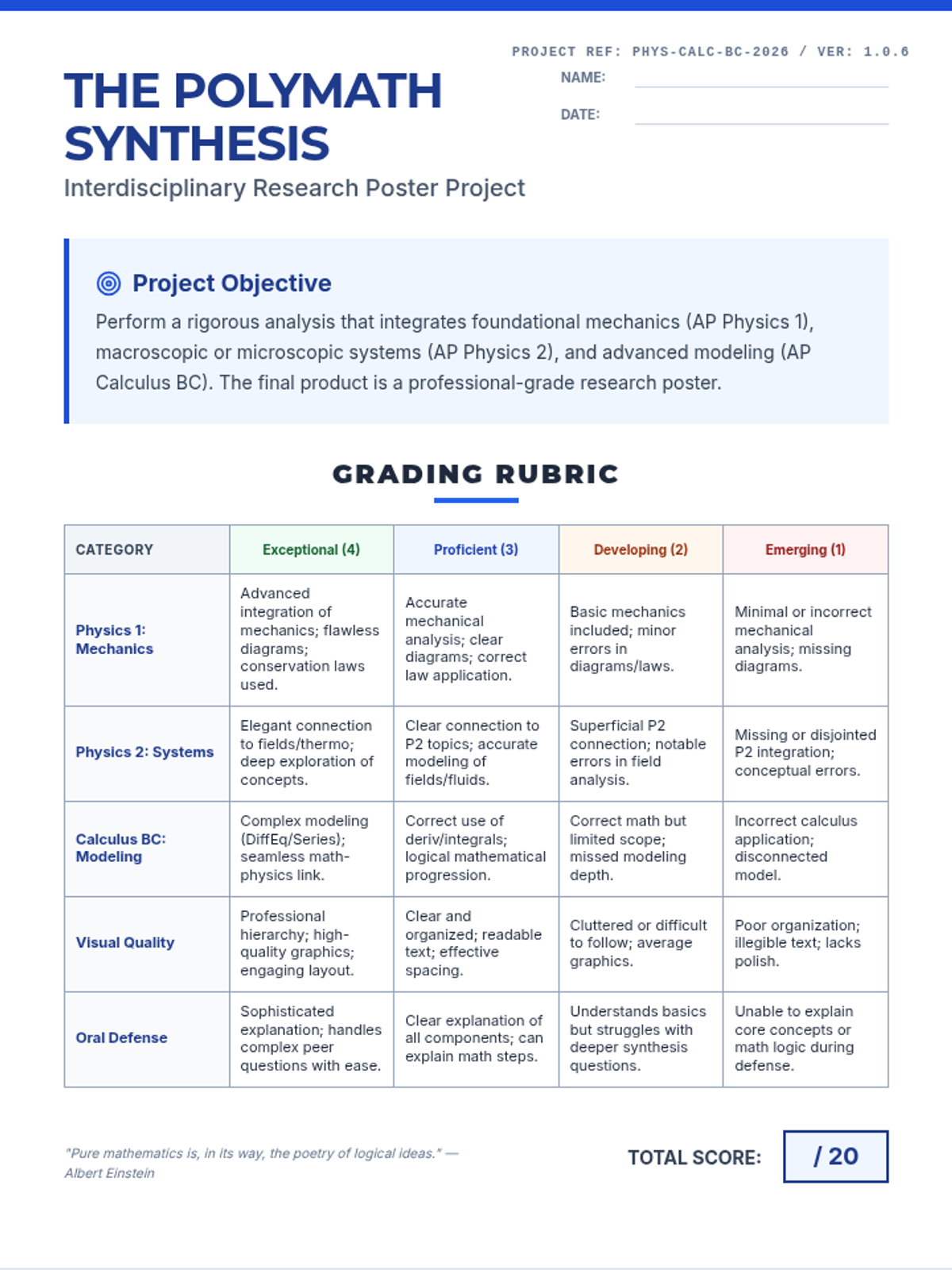
An interdisciplinary capstone project where students synthesize concepts from AP Physics 1, AP Physics 2, and AP Calculus BC into a comprehensive research poster. Students will model complex phenomena using advanced mathematical techniques and multi-disciplinary physics frameworks.
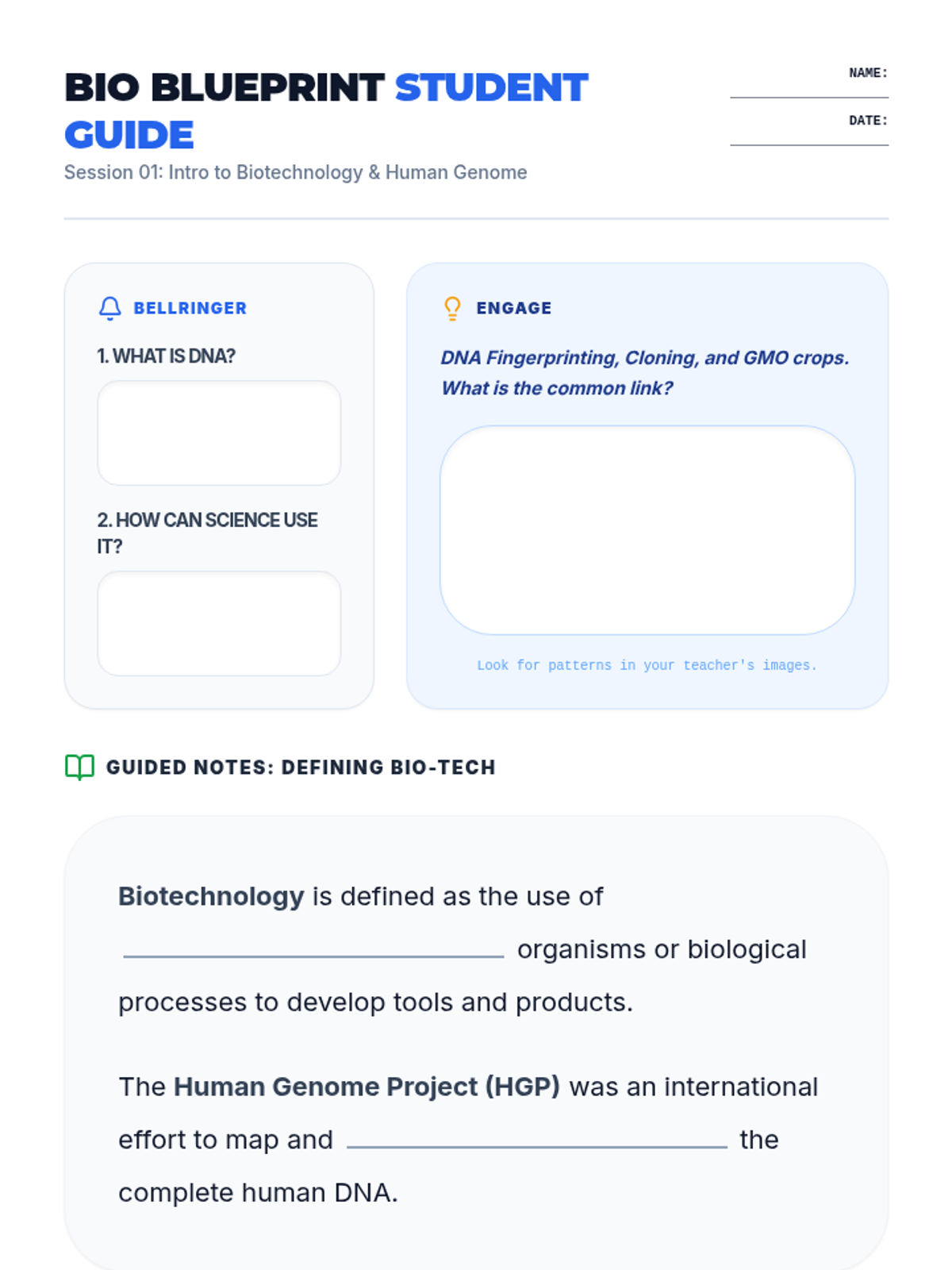
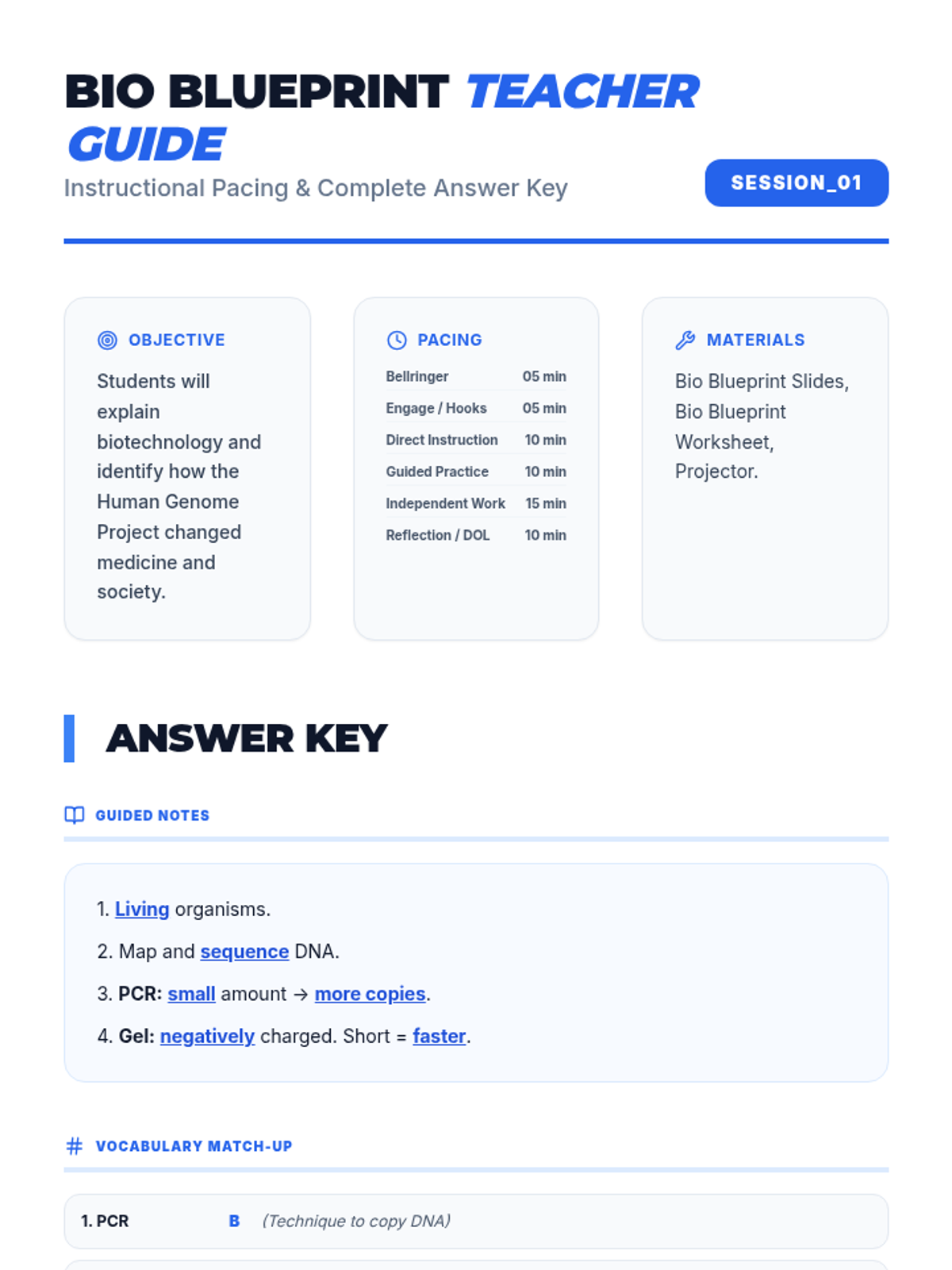
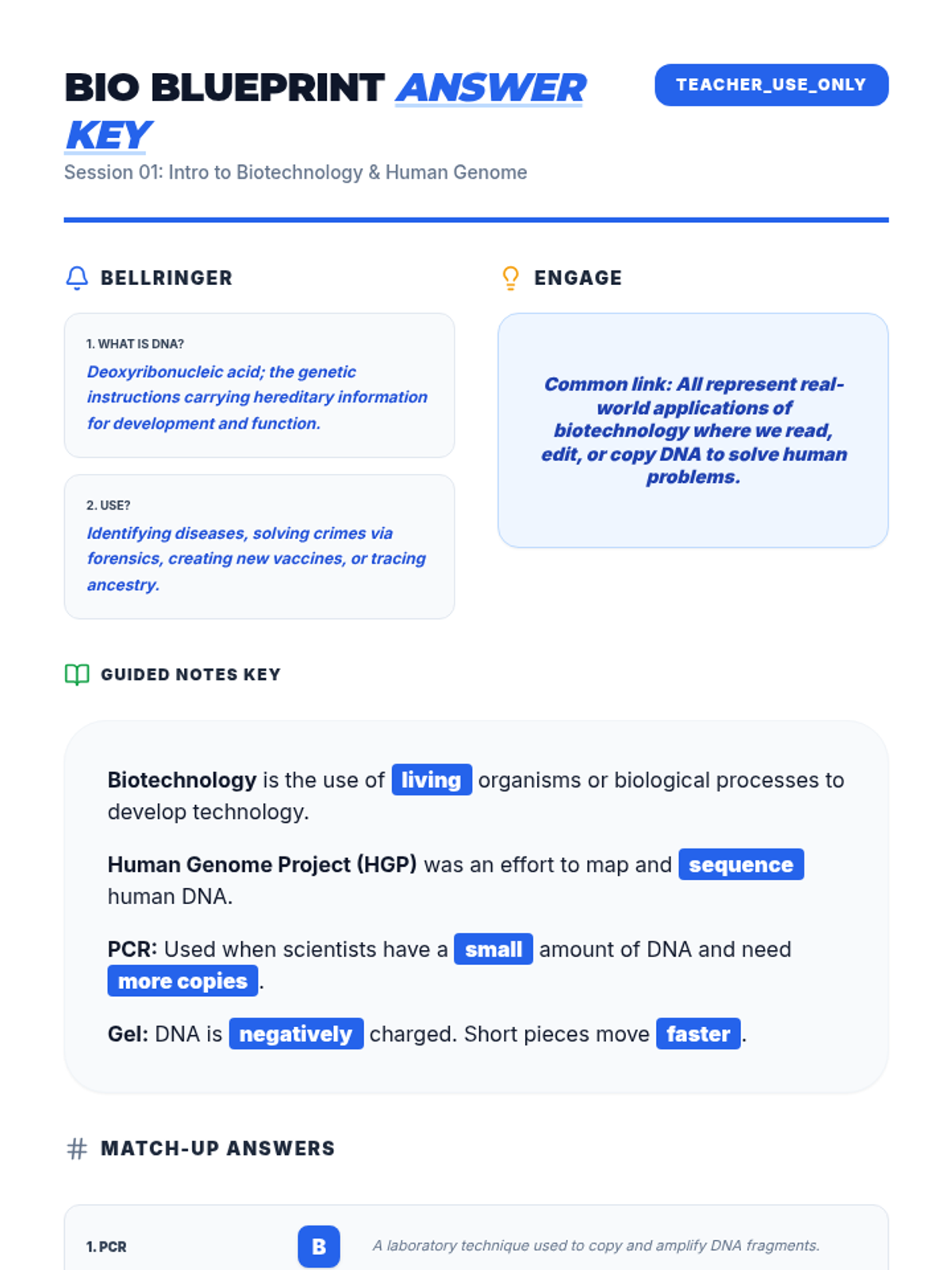
An introductory lesson on biotechnology and the Human Genome Project, covering fundamental concepts, DNA technology tools, and ethical considerations.
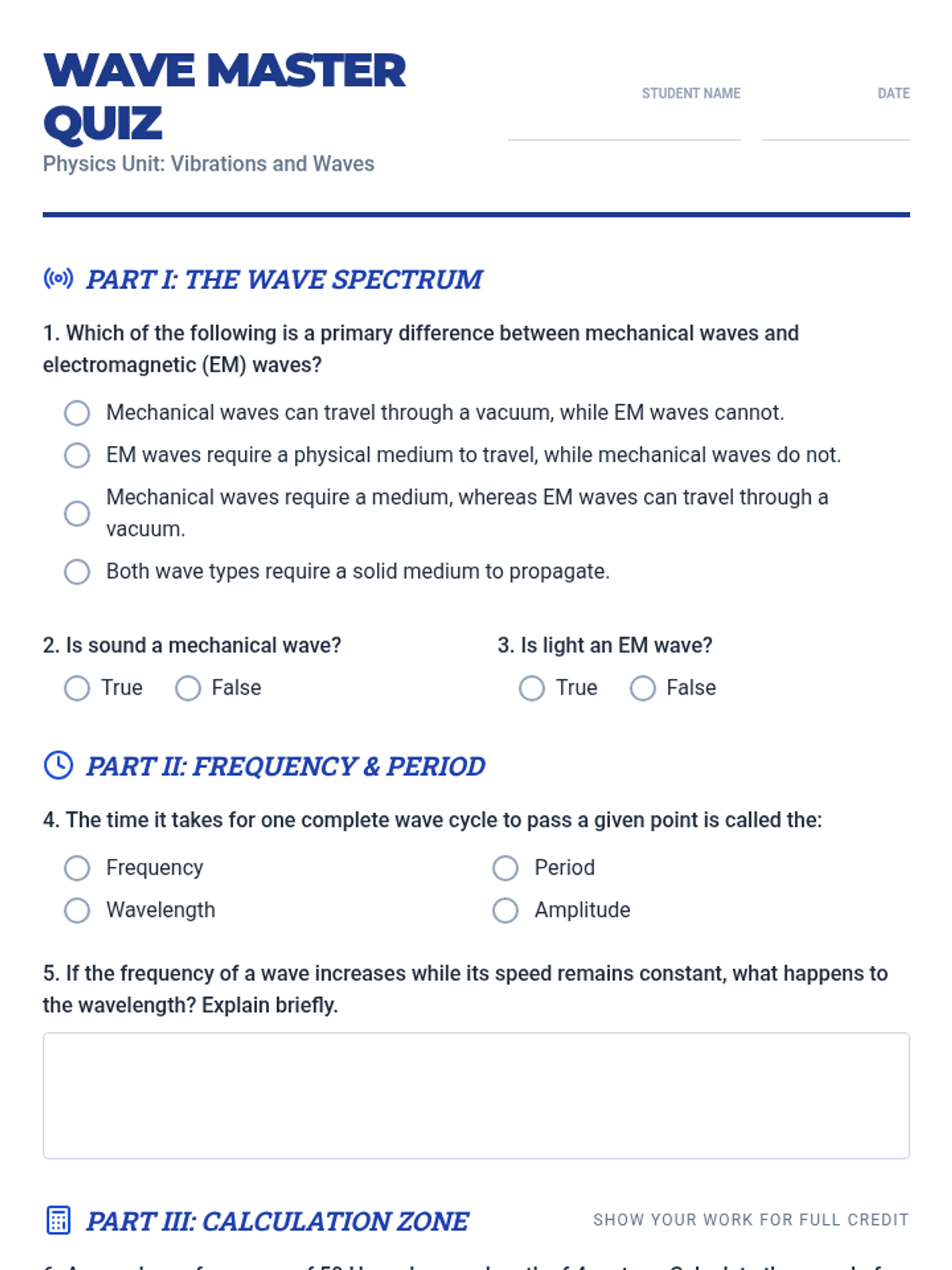
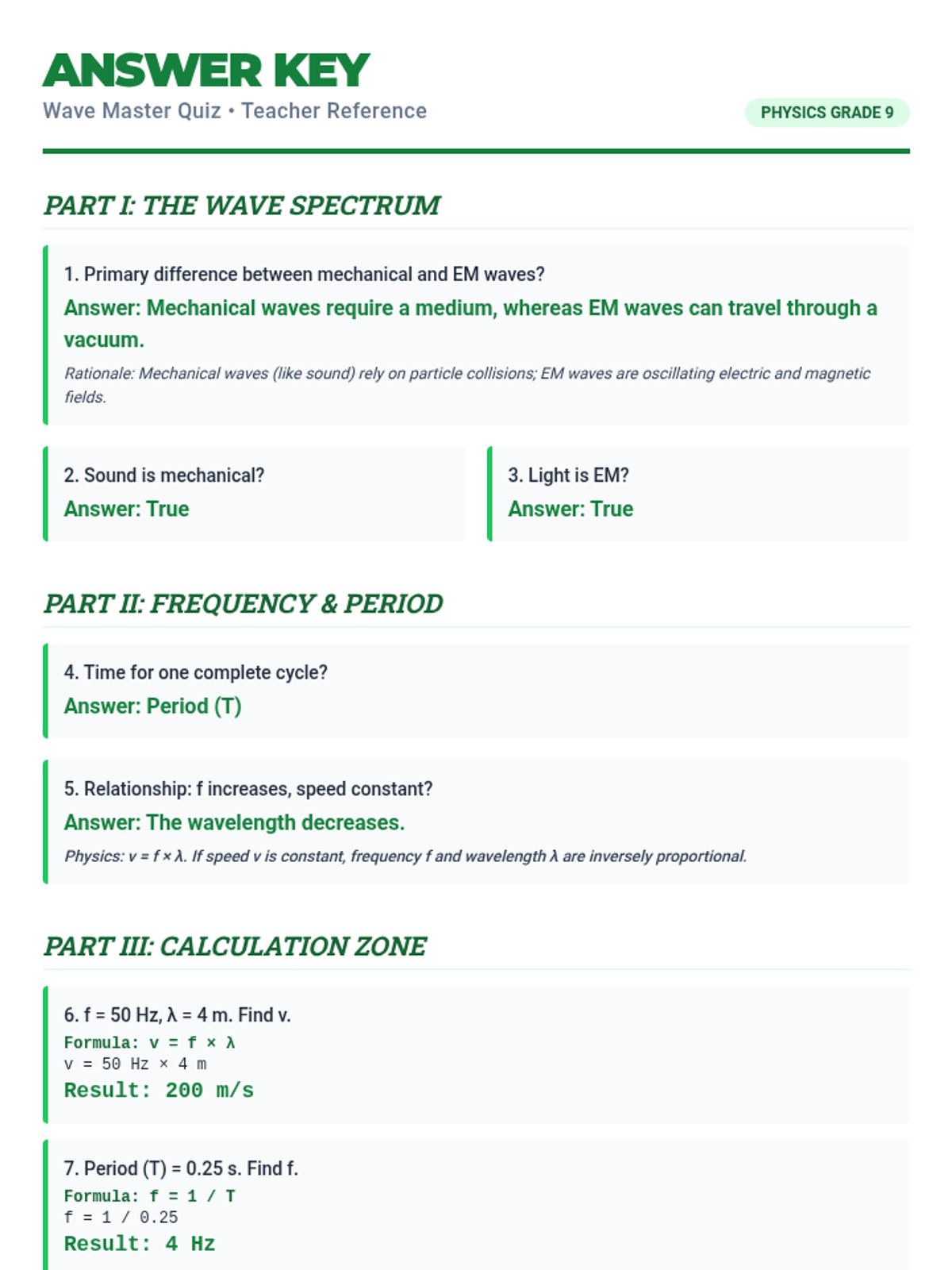
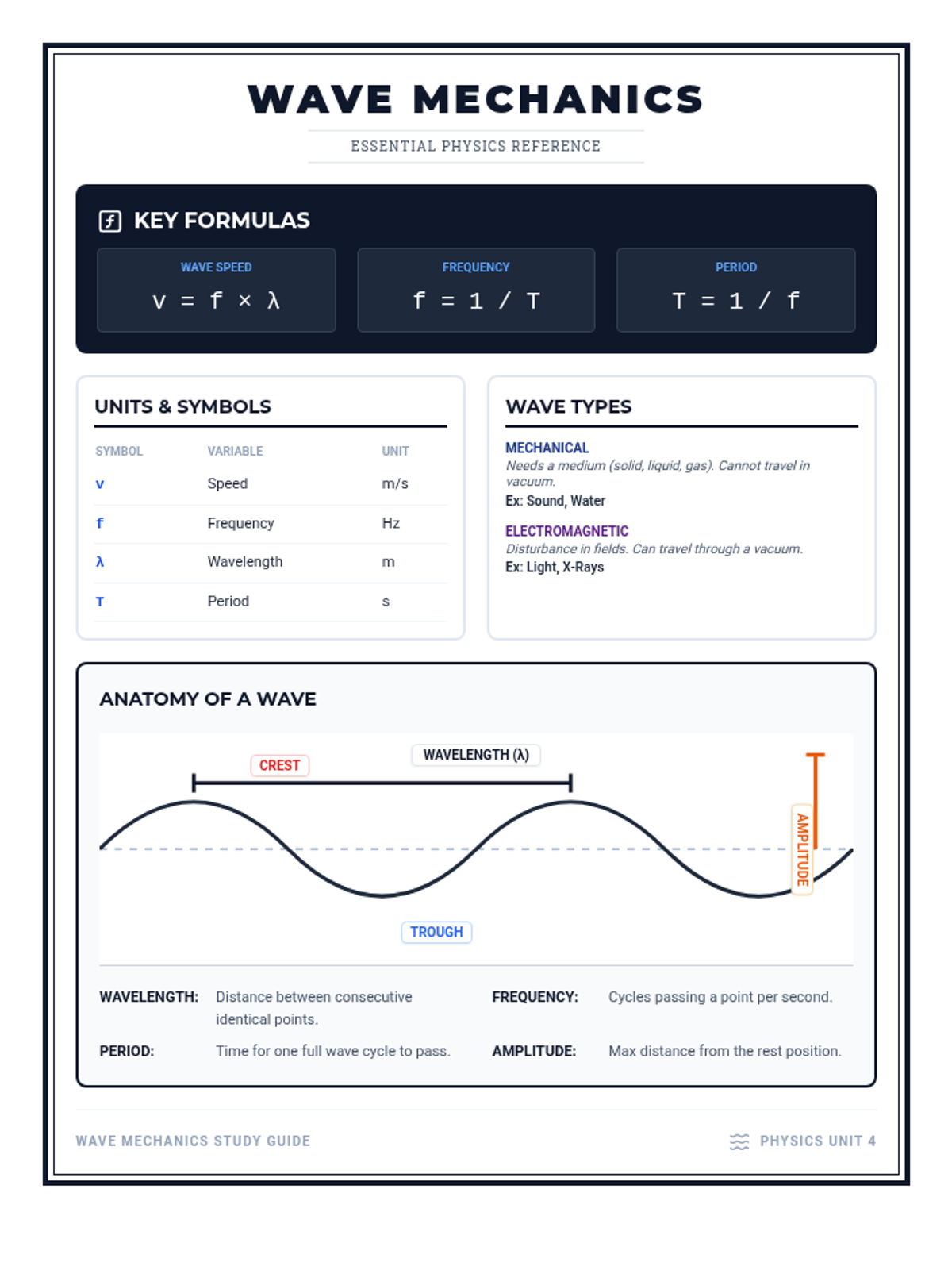
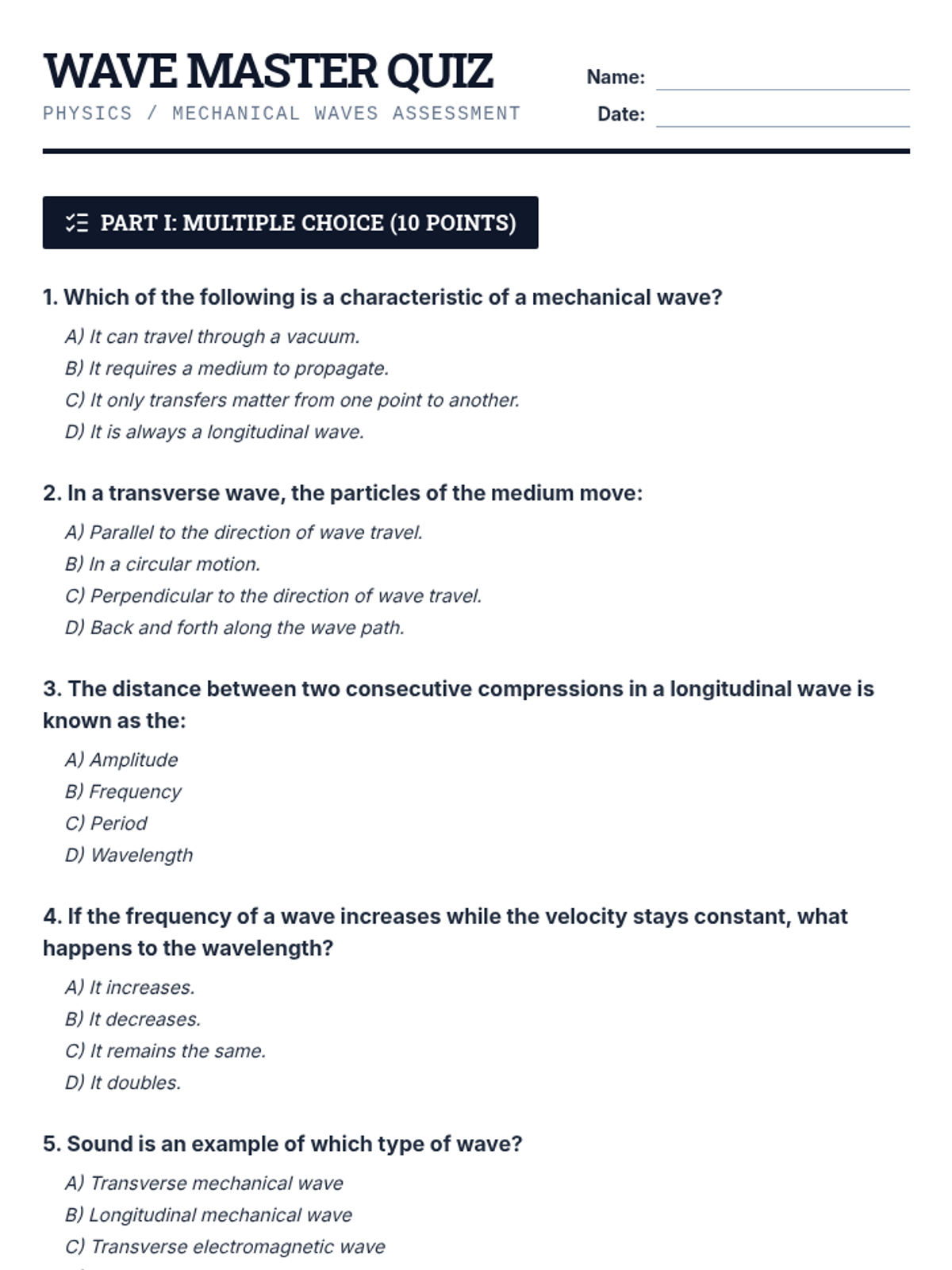
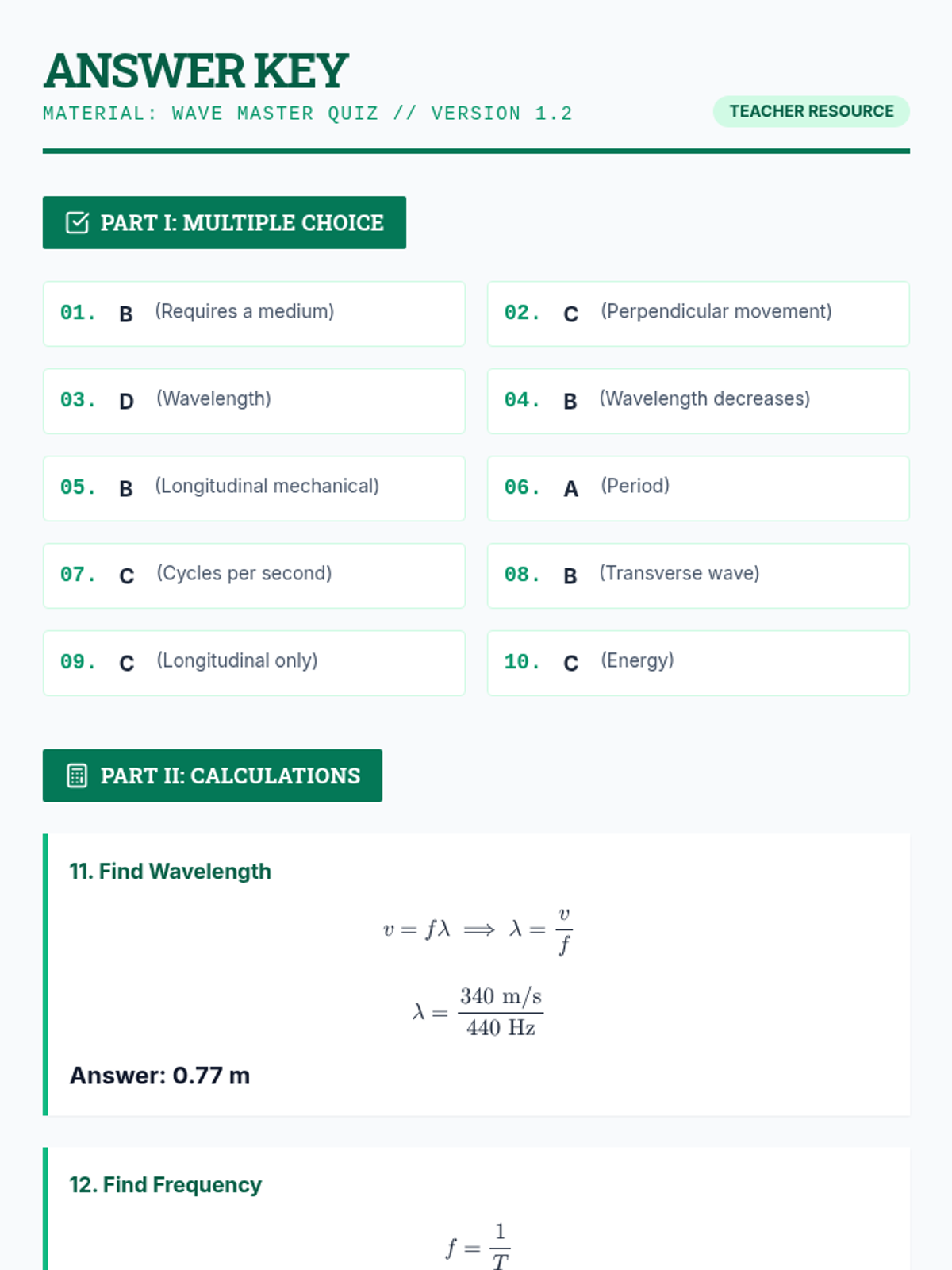
A comprehensive assessment and reference set covering mechanical and electromagnetic waves, including mathematical calculations for frequency, period, and speed.
A focused lesson on the fundamental properties of mechanical waves, covering transverse and longitudinal types, and the mathematical relationships between velocity, frequency, wavelength, and period.
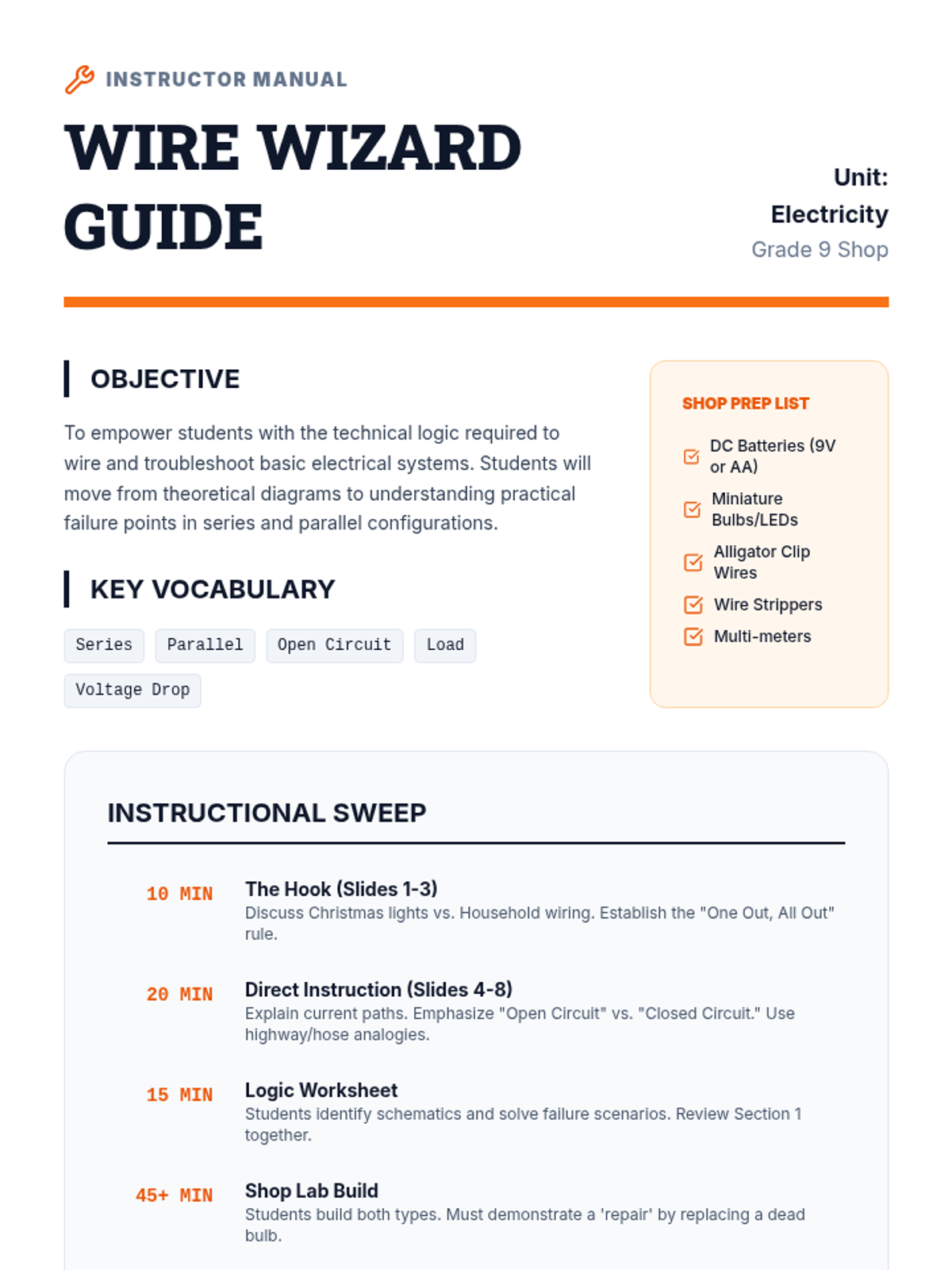
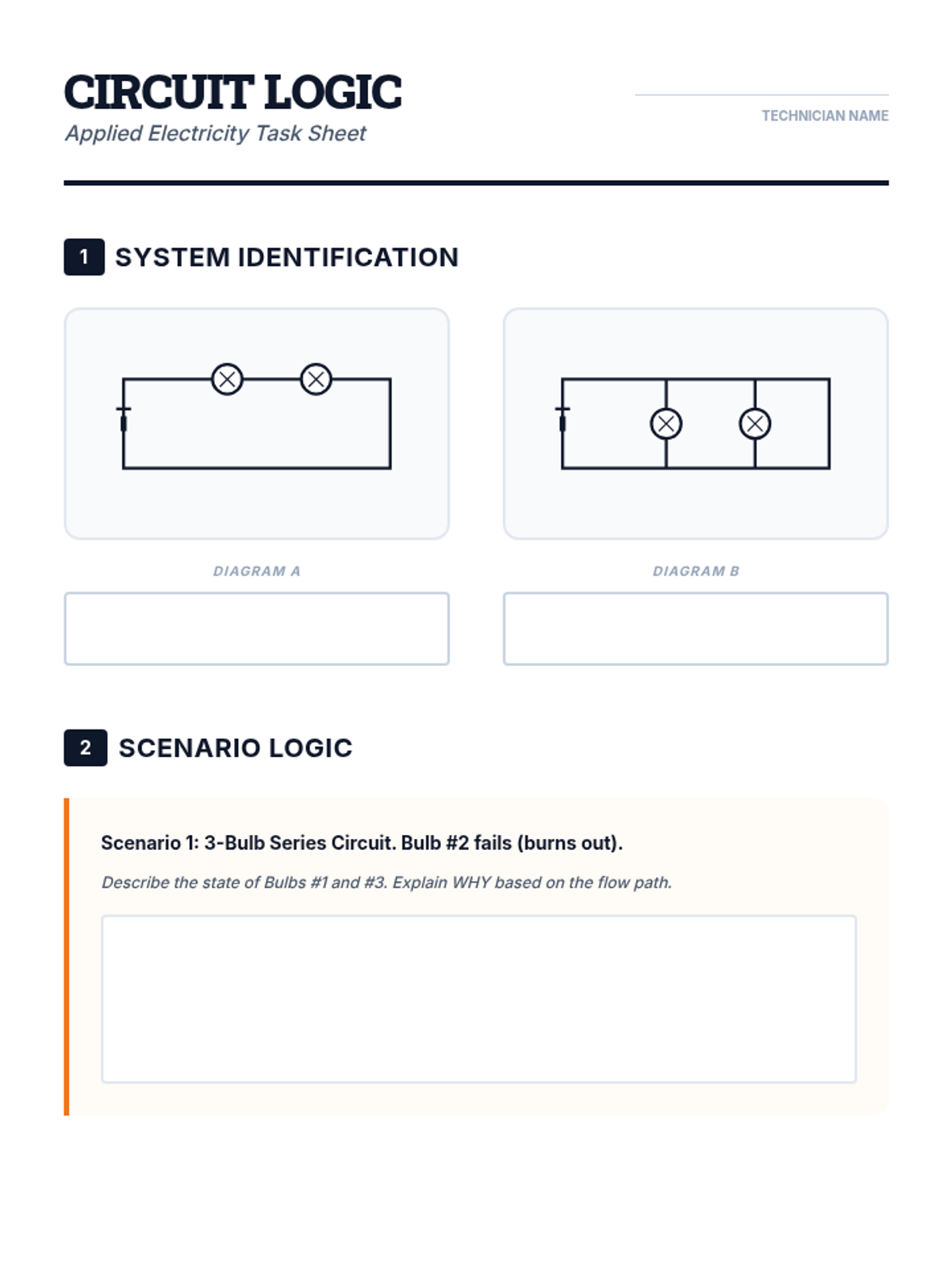
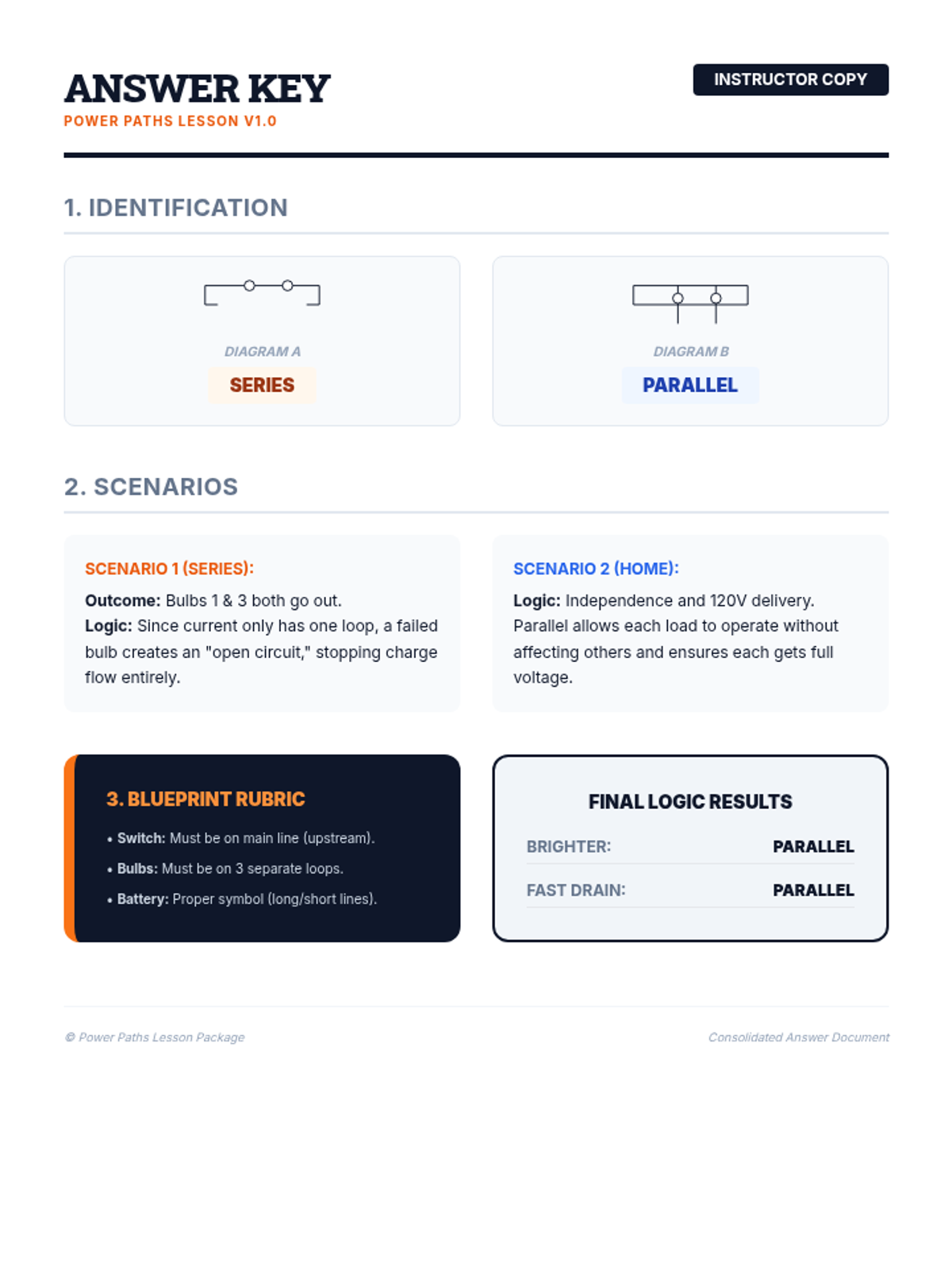
A practical introduction to electrical circuits for shop students, focusing on the fundamental differences between series and parallel configurations and their real-world applications in wiring.
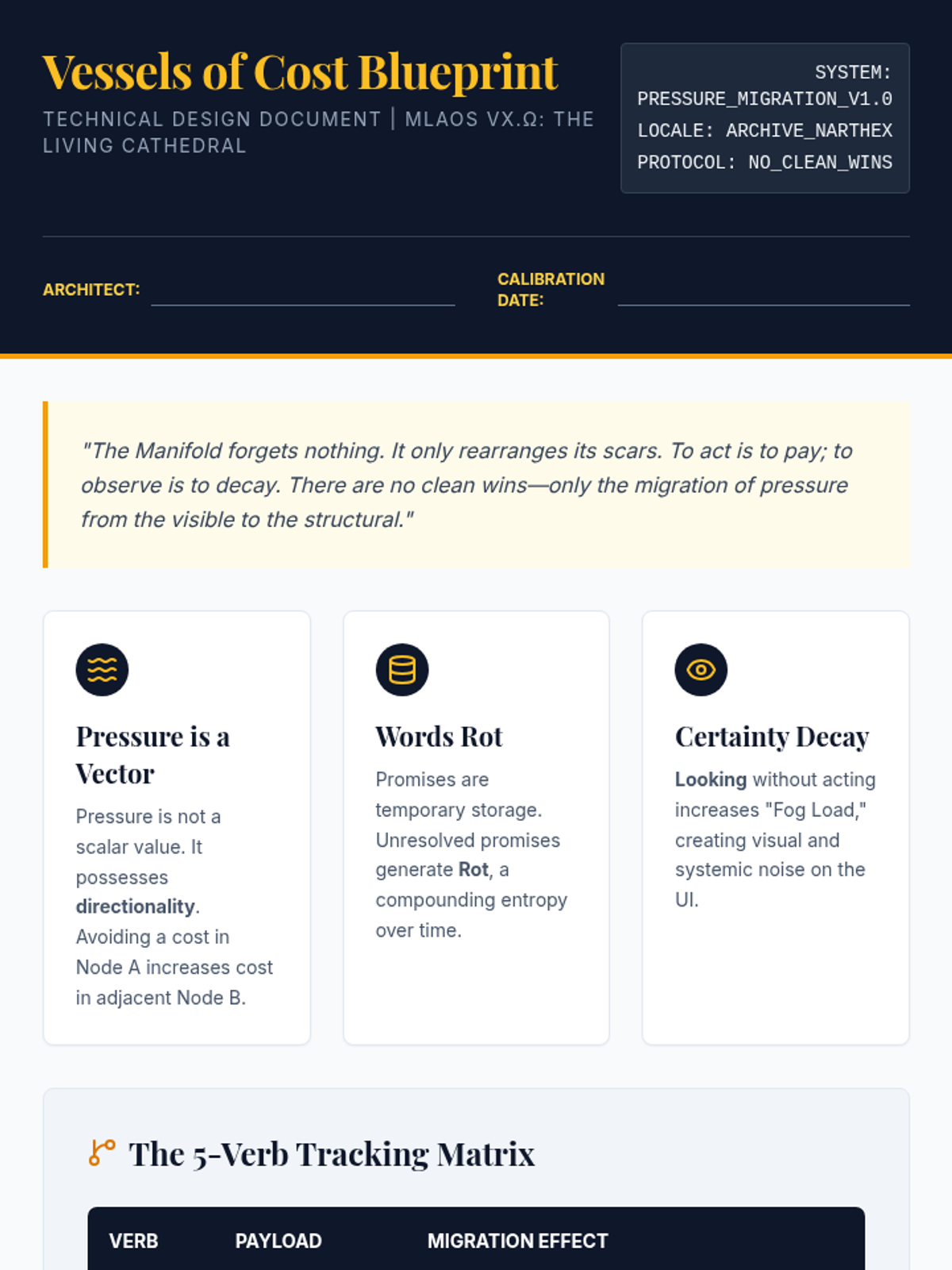
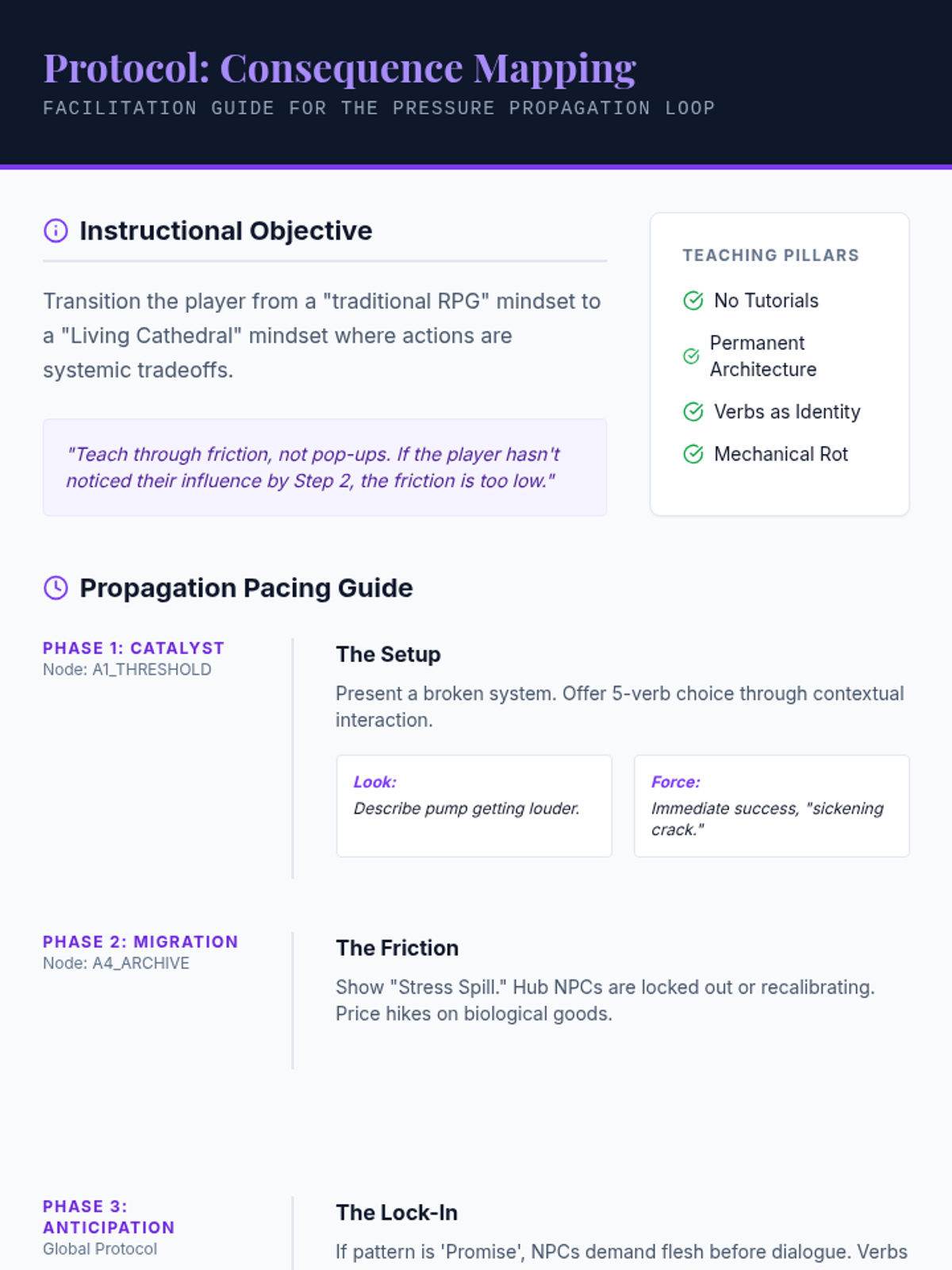
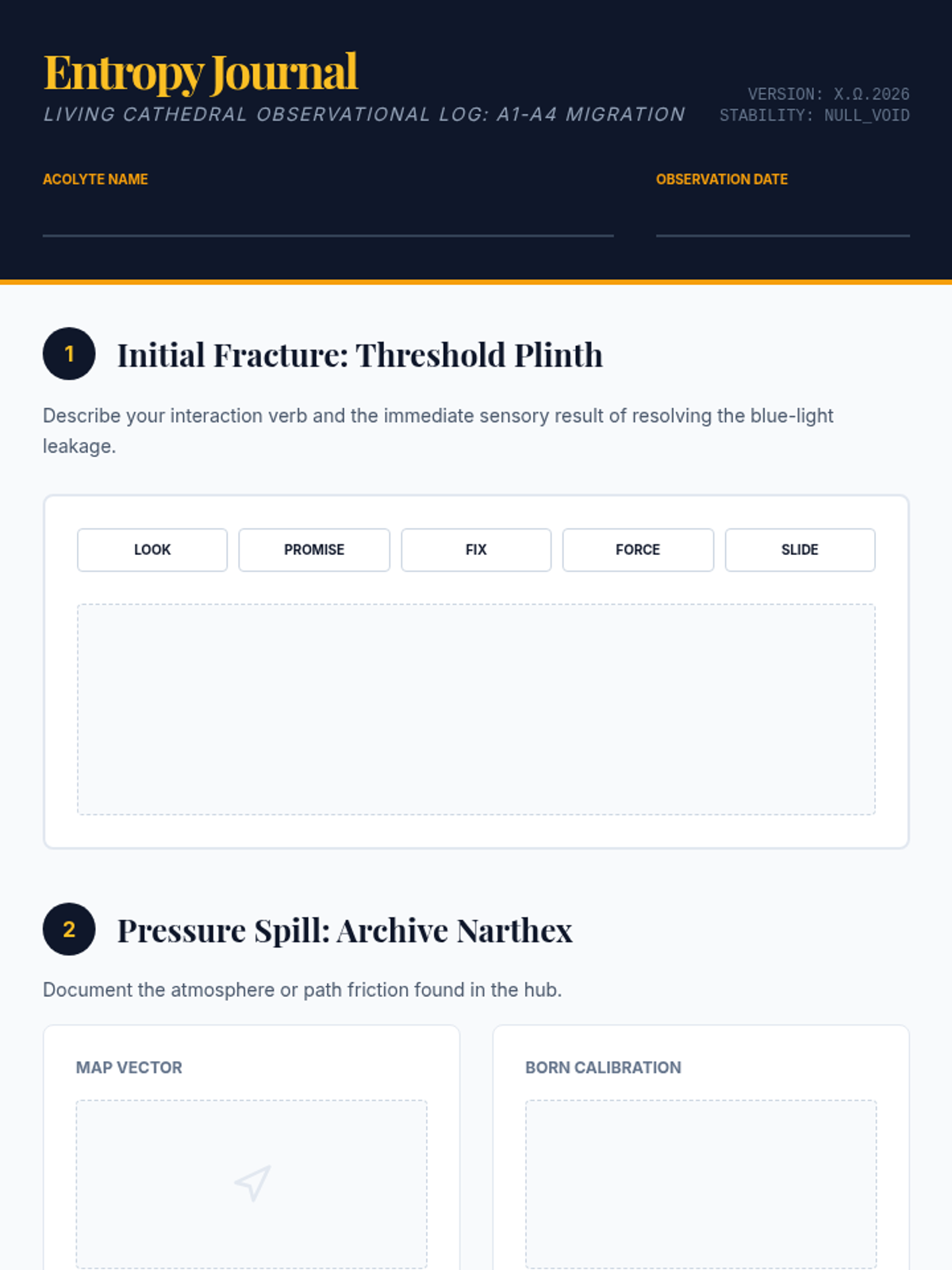
A technical exploration into the 'Pressure Propagation Loop' for the MLAOS vX.Ω prototype. This lesson covers the invisible tracking of player verbs and the architectural migration of consequence within a living system.
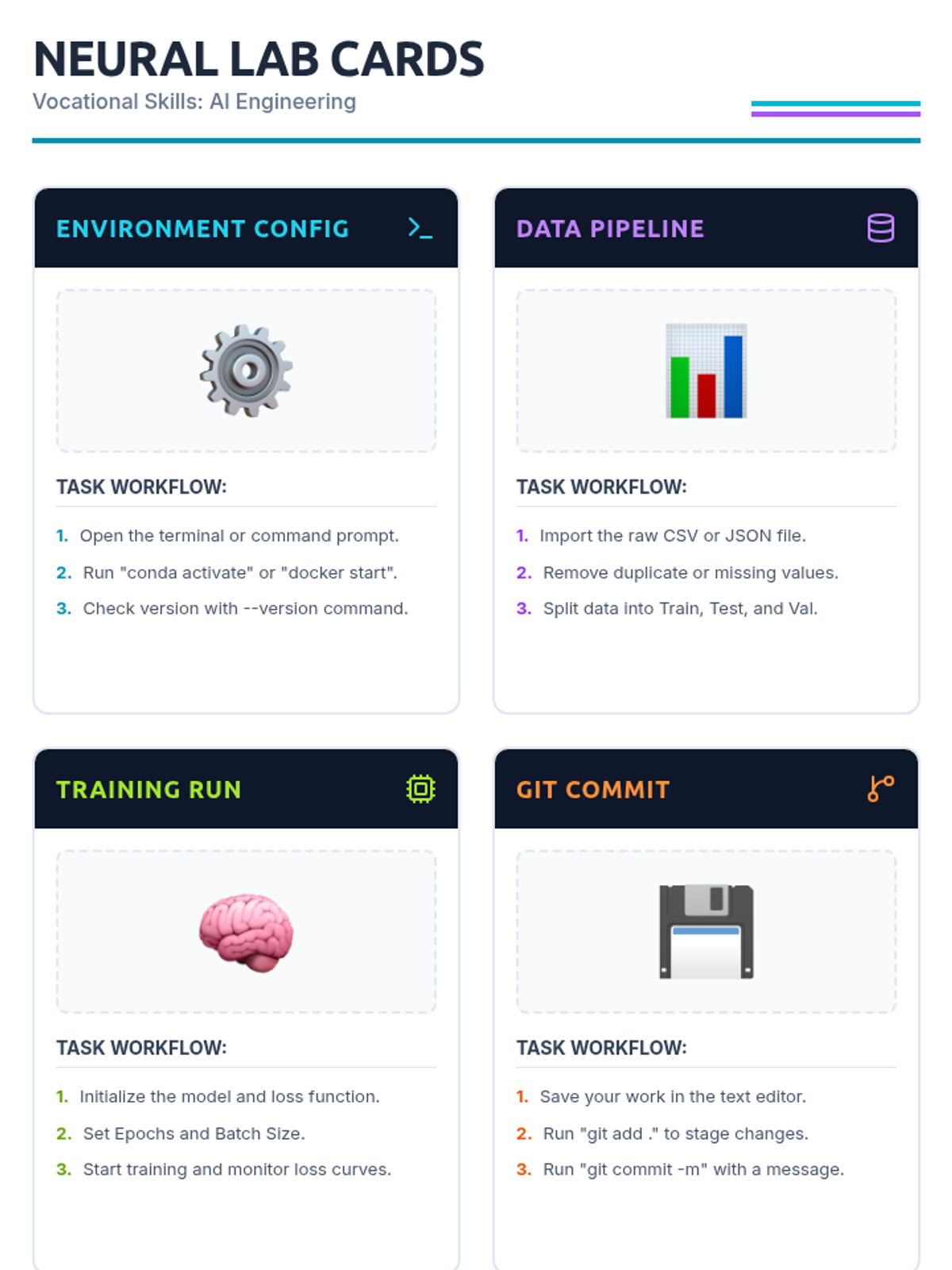
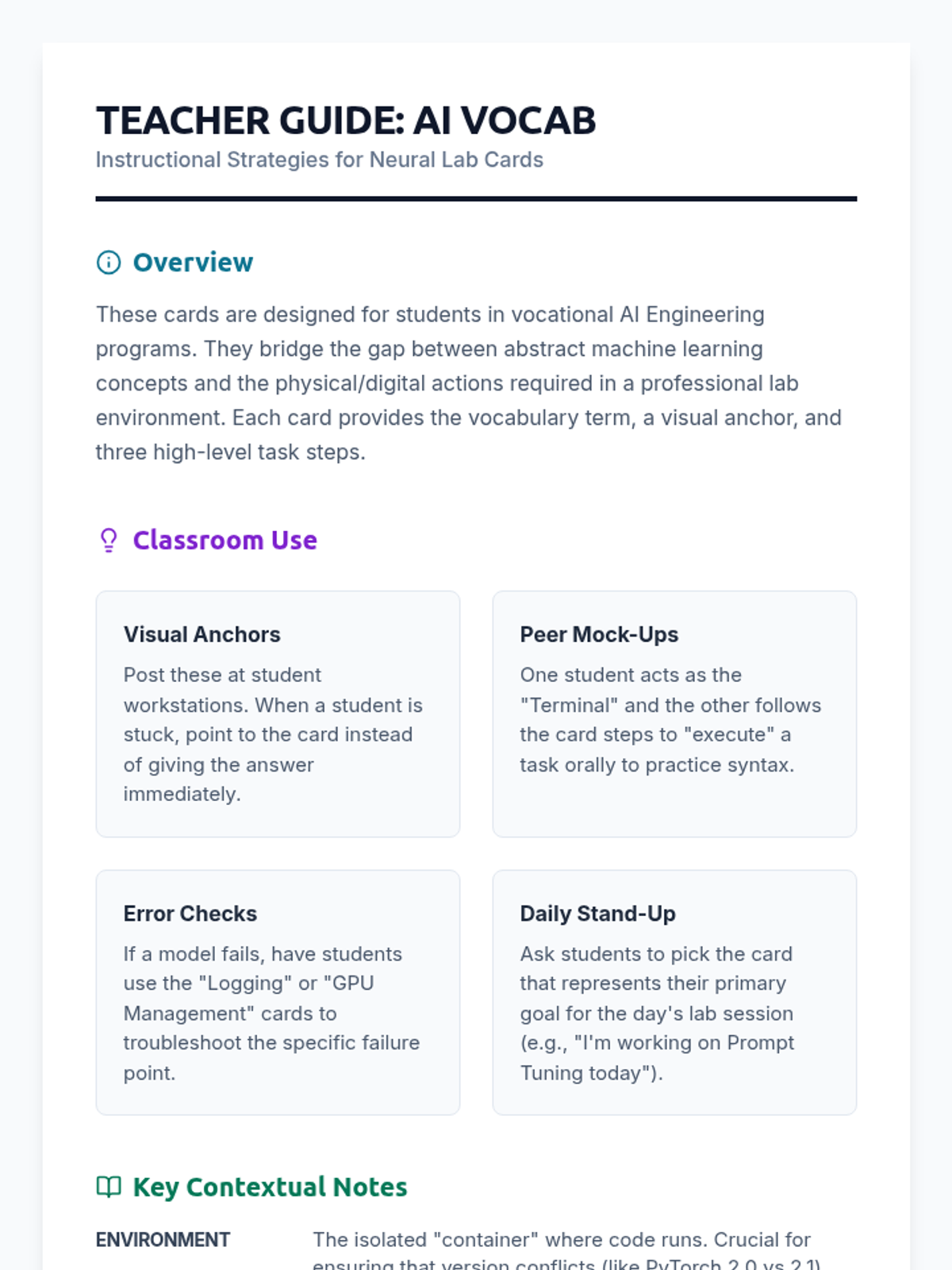
This lesson introduces foundational vocational skills for aspiring AI engineers, focusing on the practical steps required to manage environments, data, and models in a professional setting.
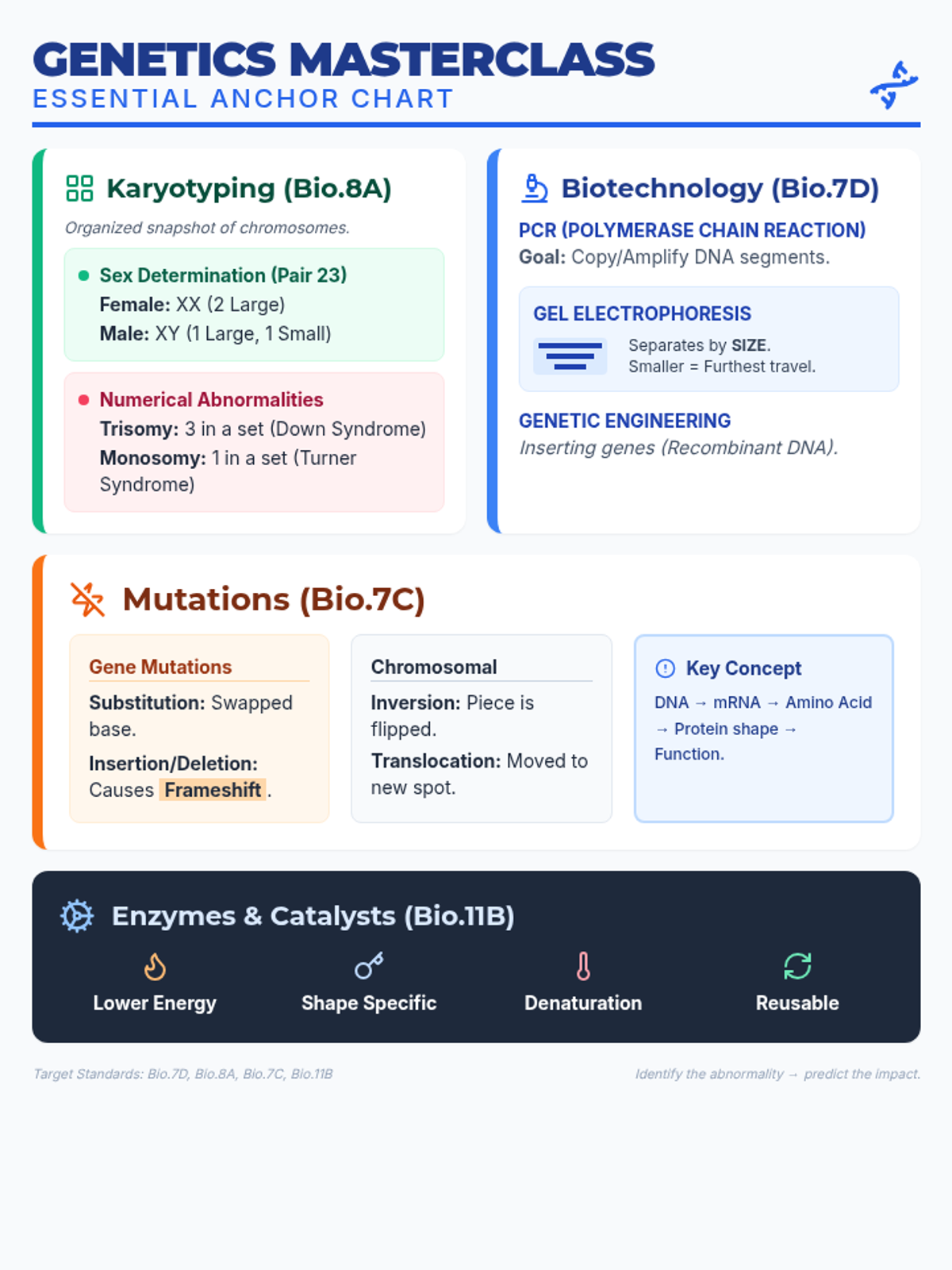
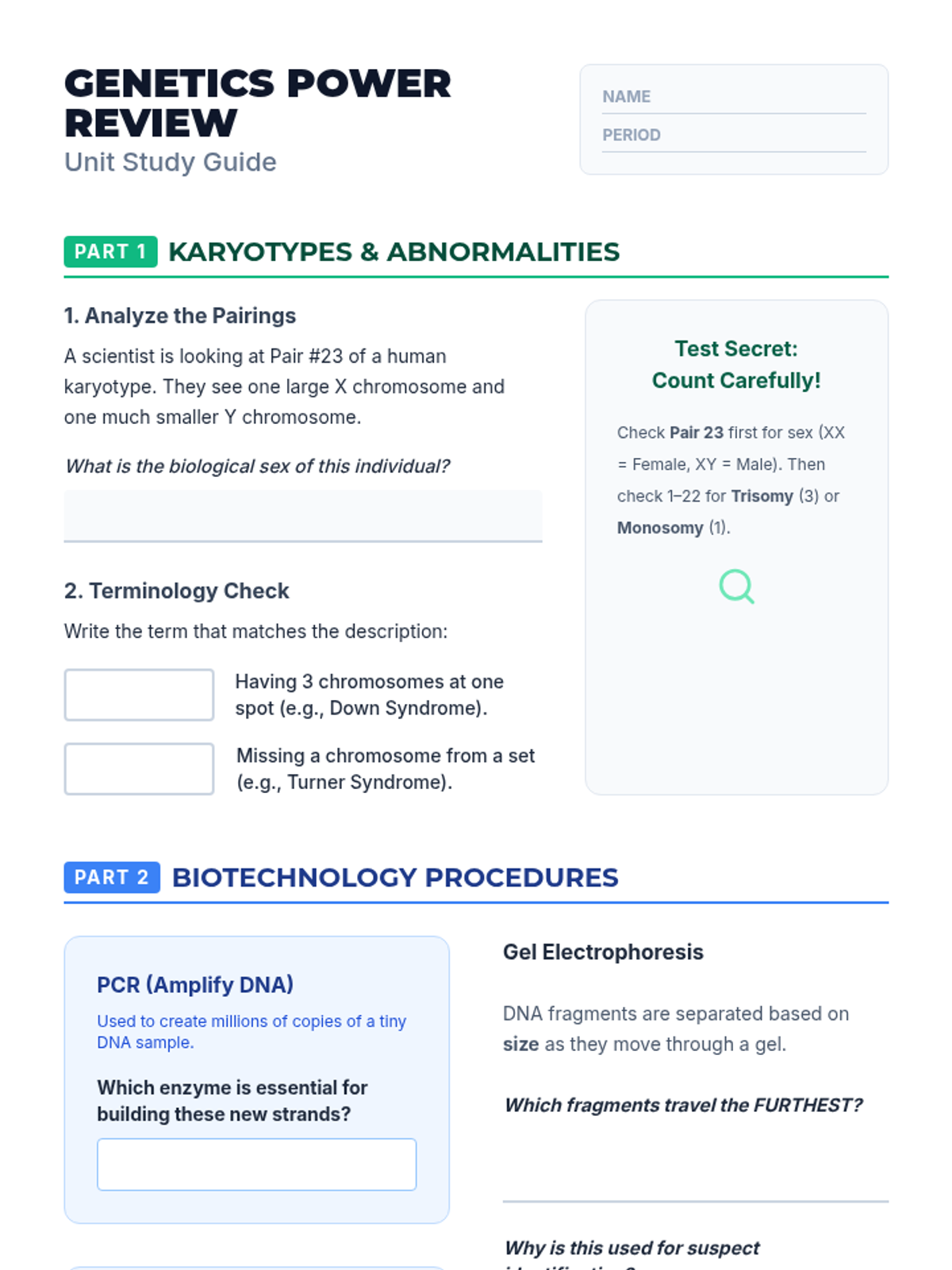
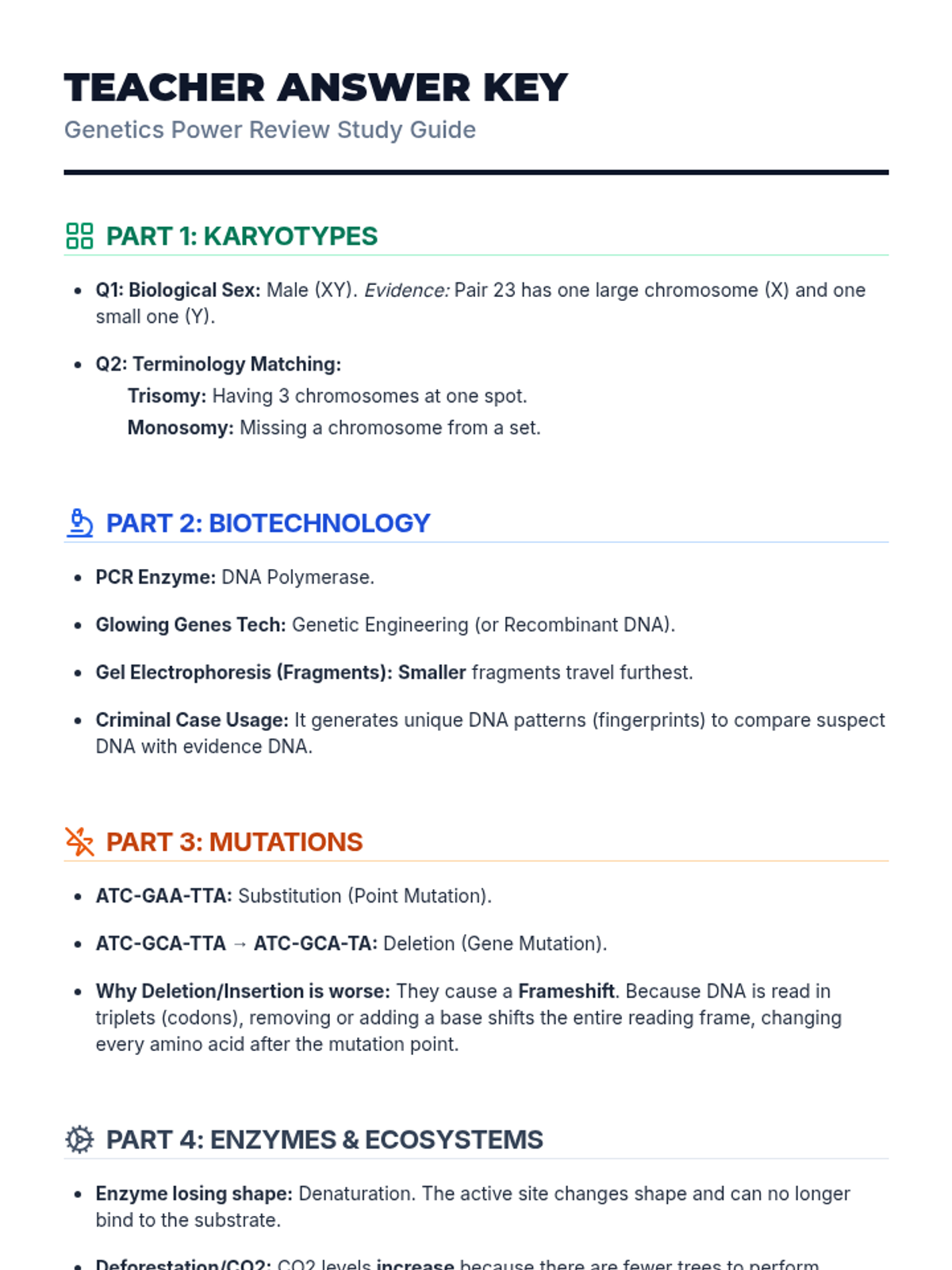
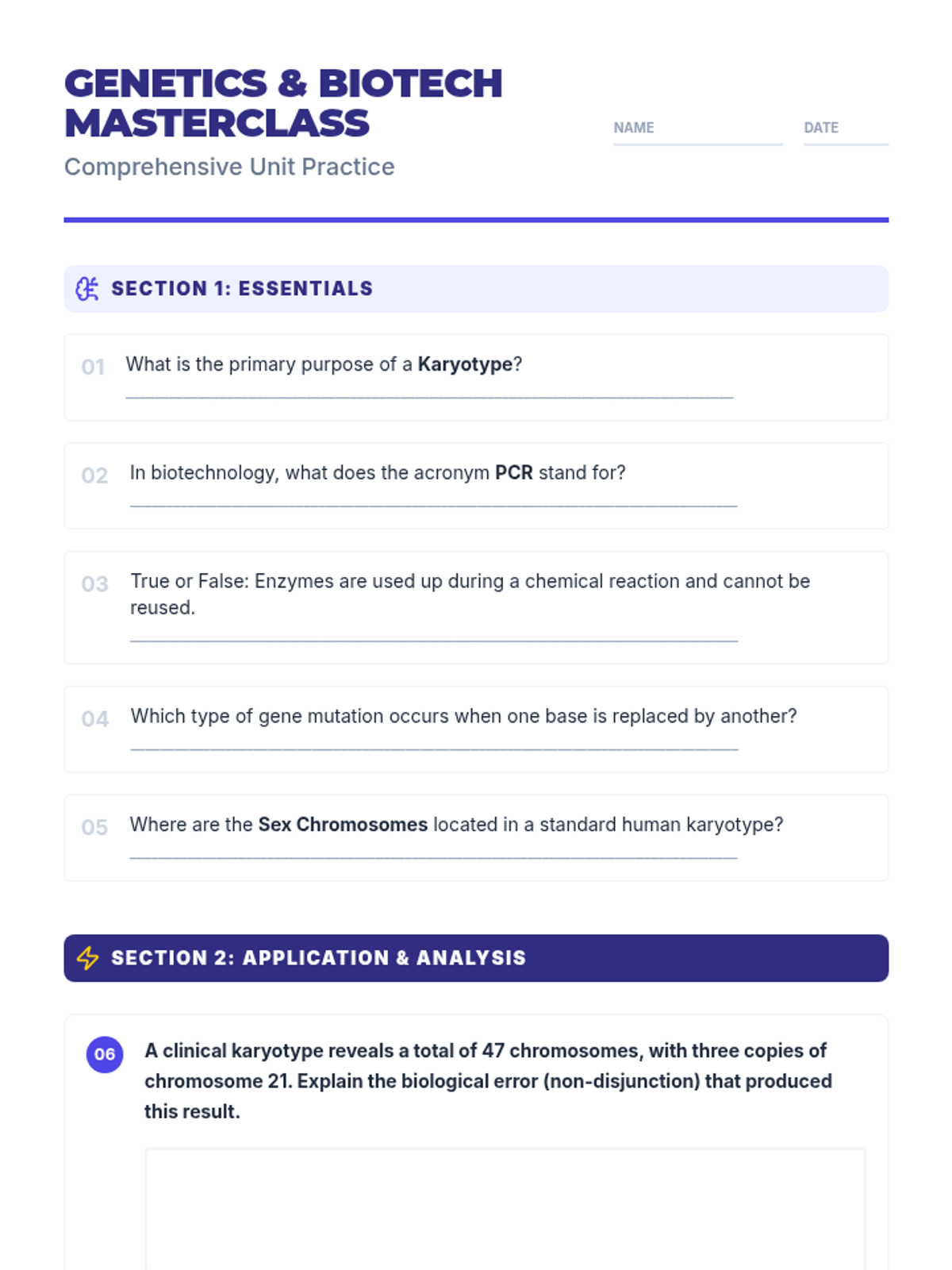
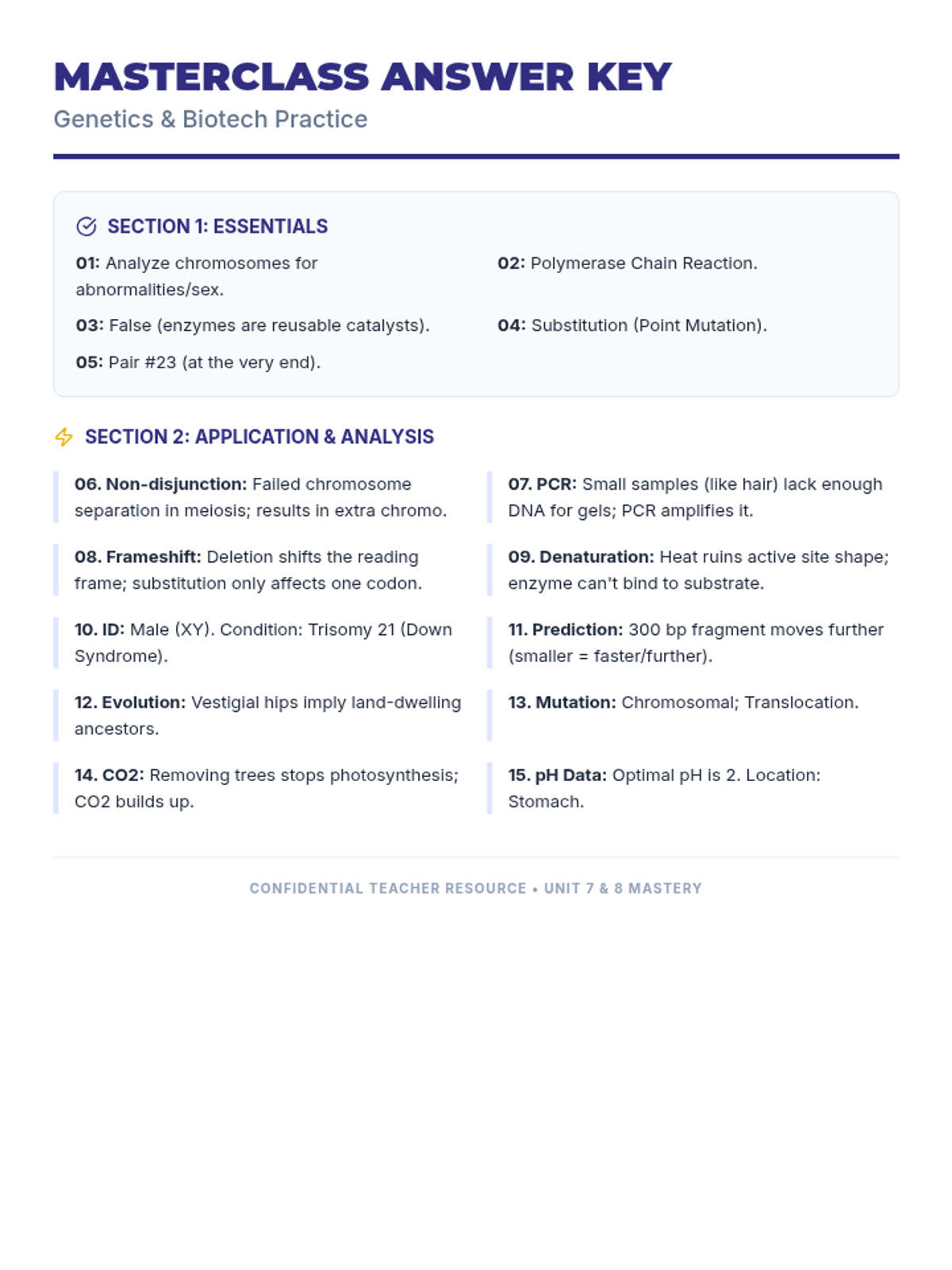
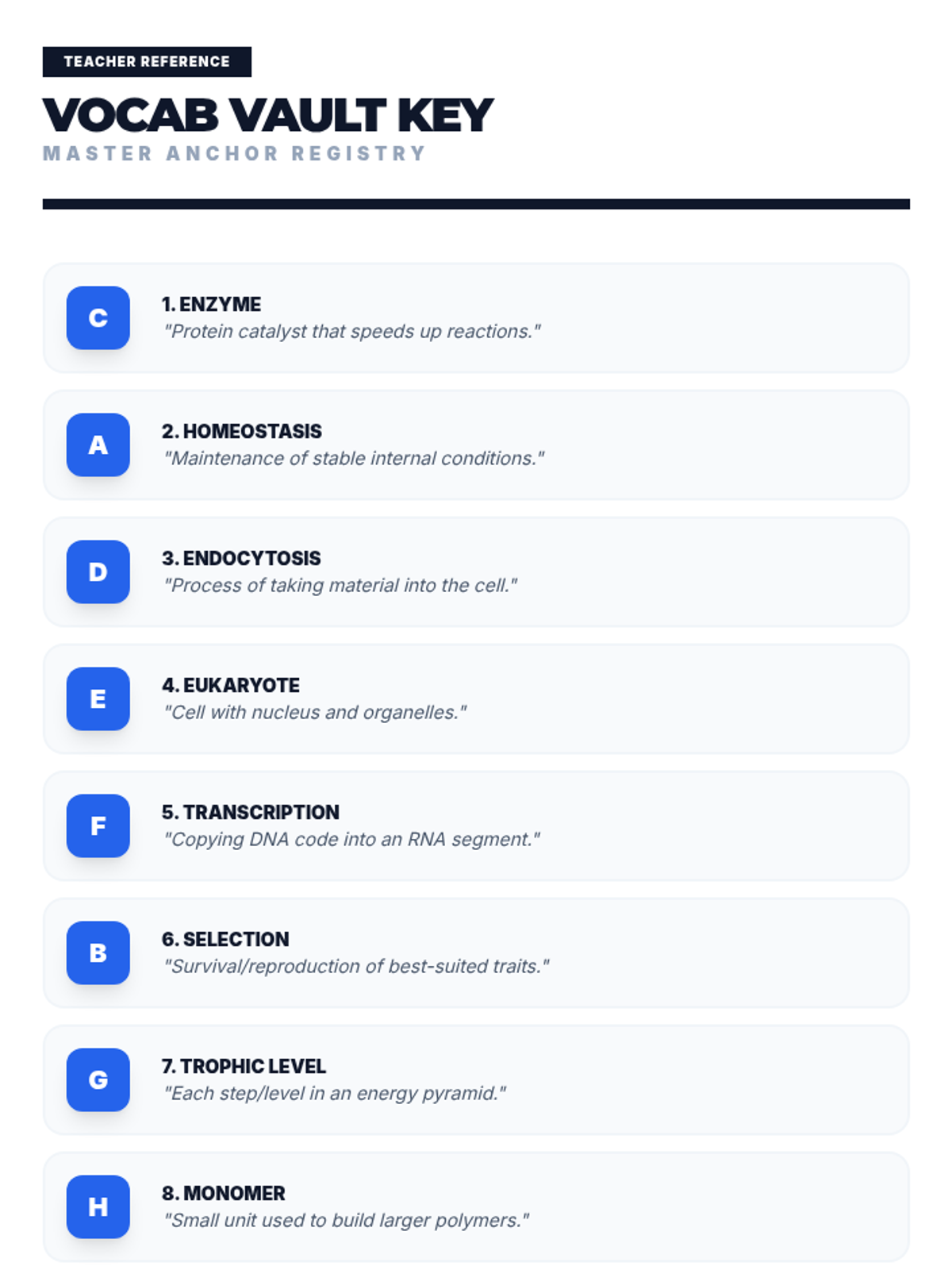
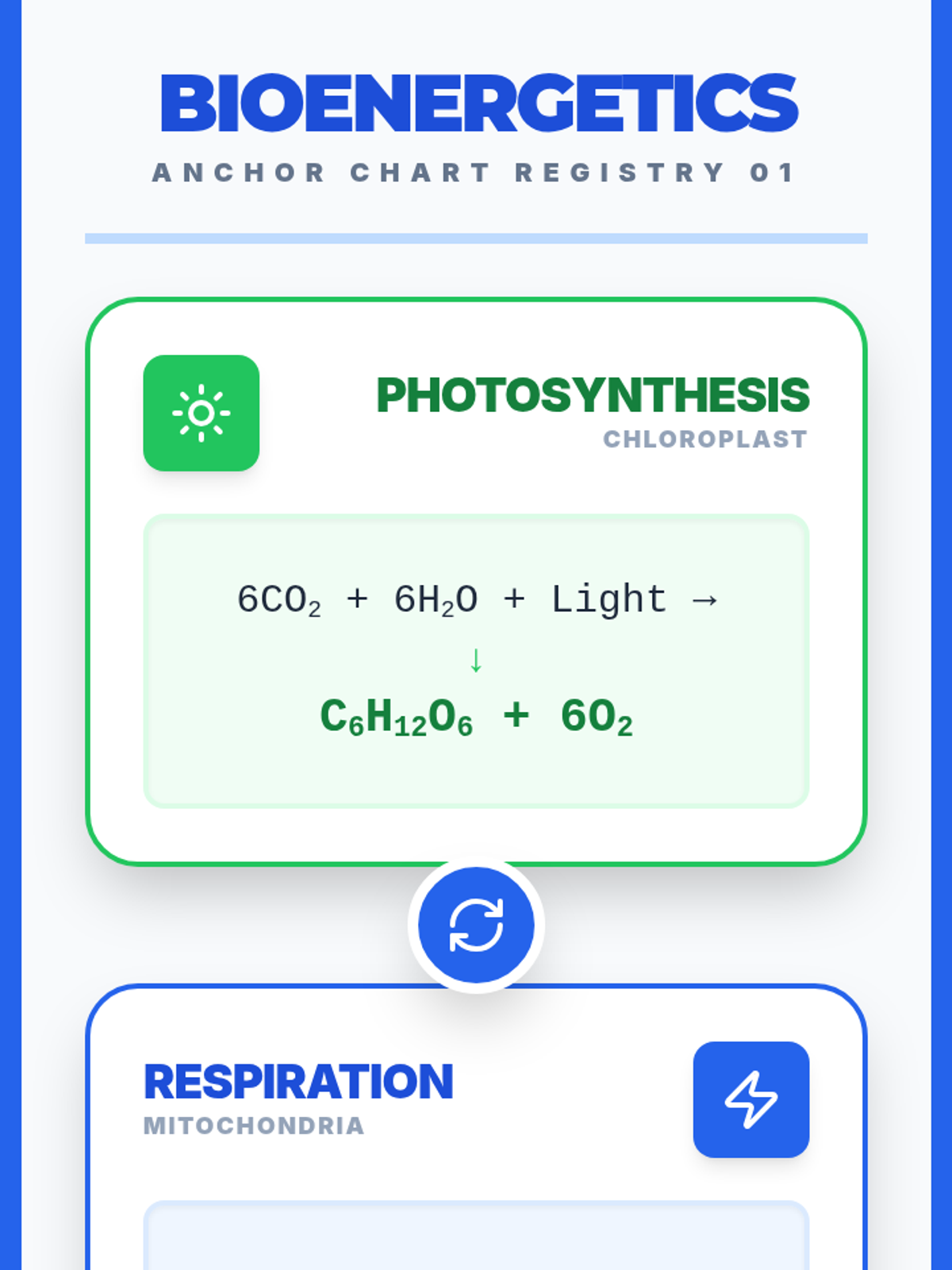
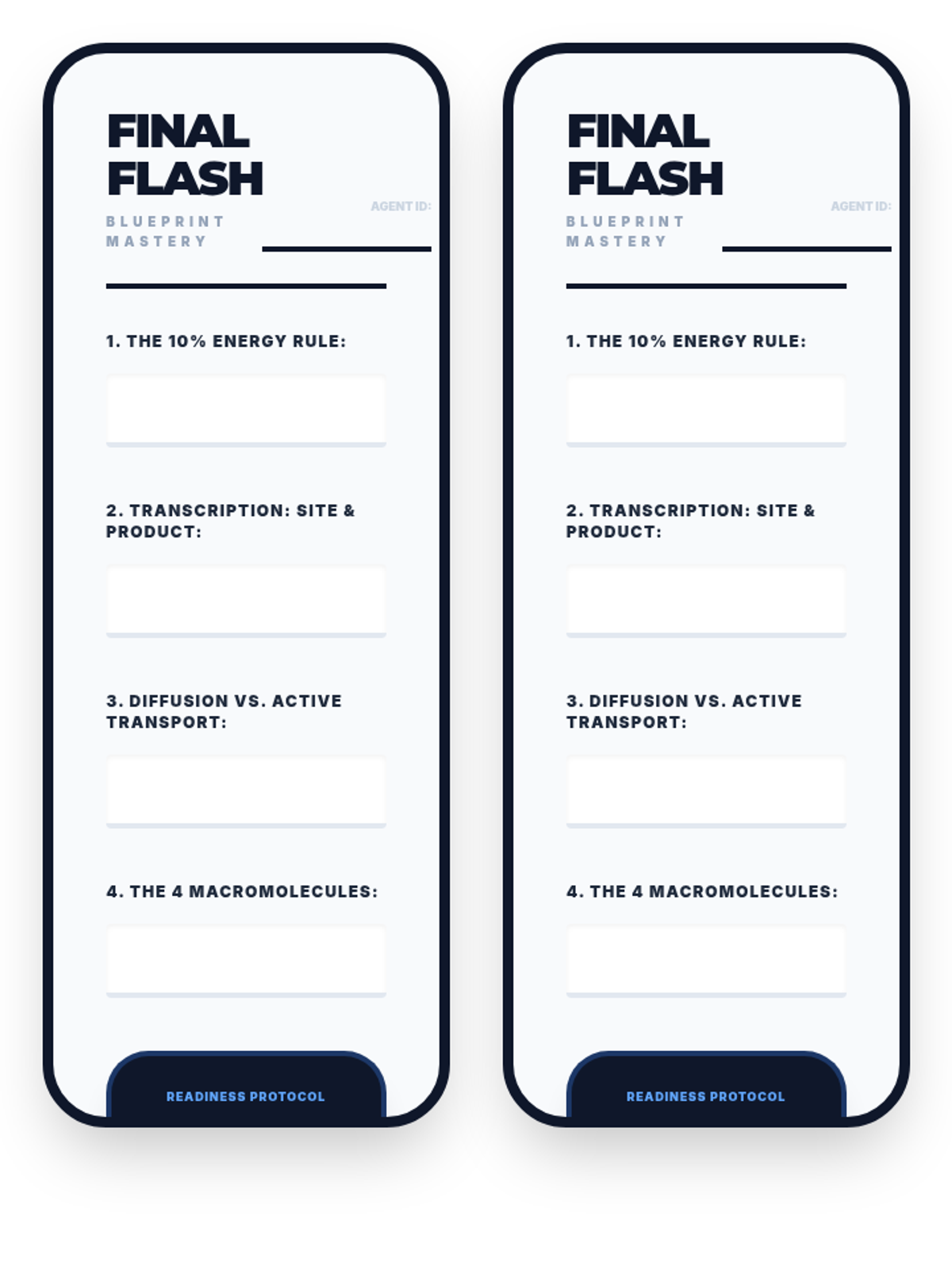
A high-impact review lesson designed to help students master the essential concepts of Karyotyping, Biotechnology (PCR/Gel Electrophoresis), and Mutations before their unit test. Includes visual anchor charts and structured practice.
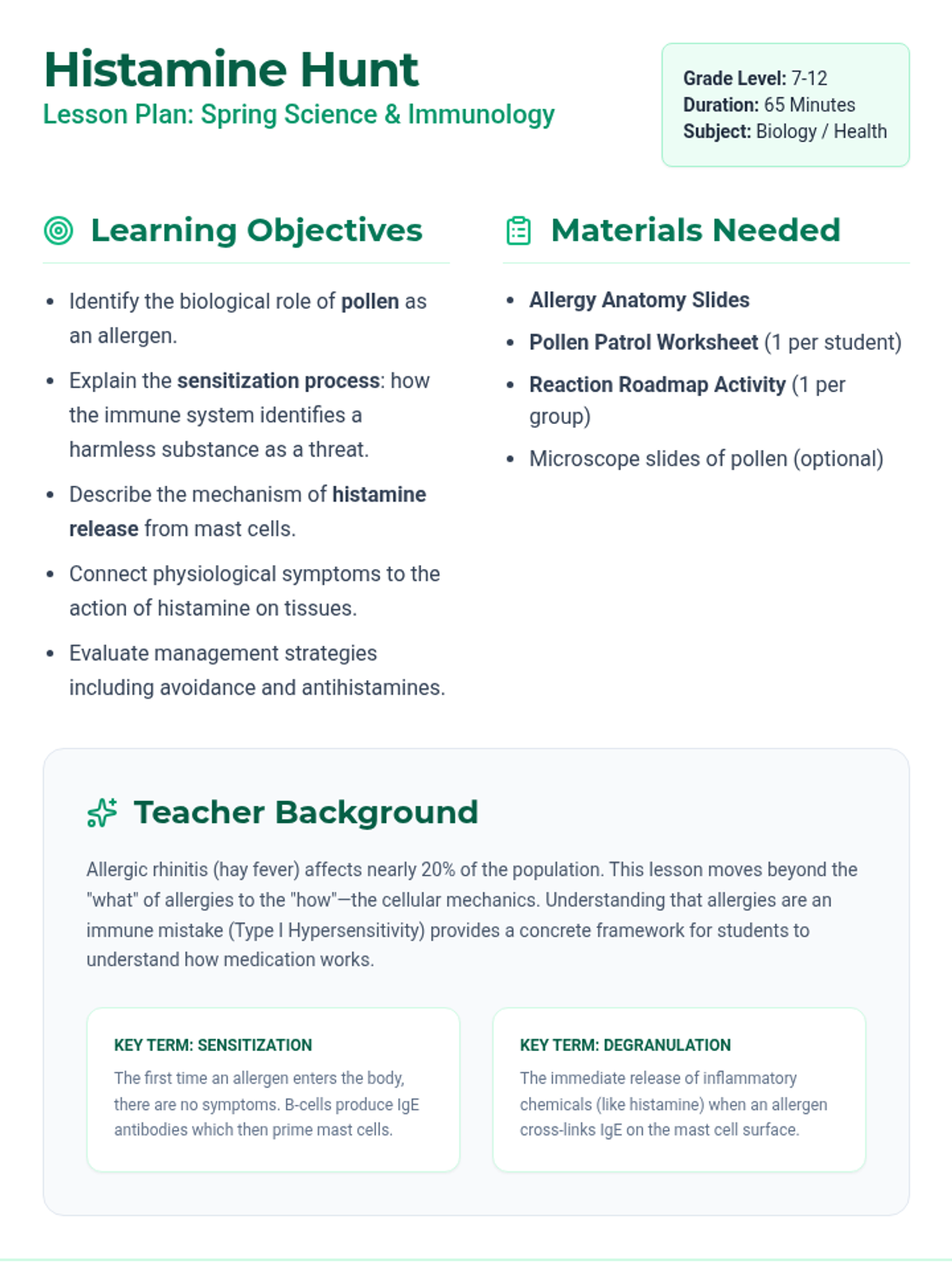
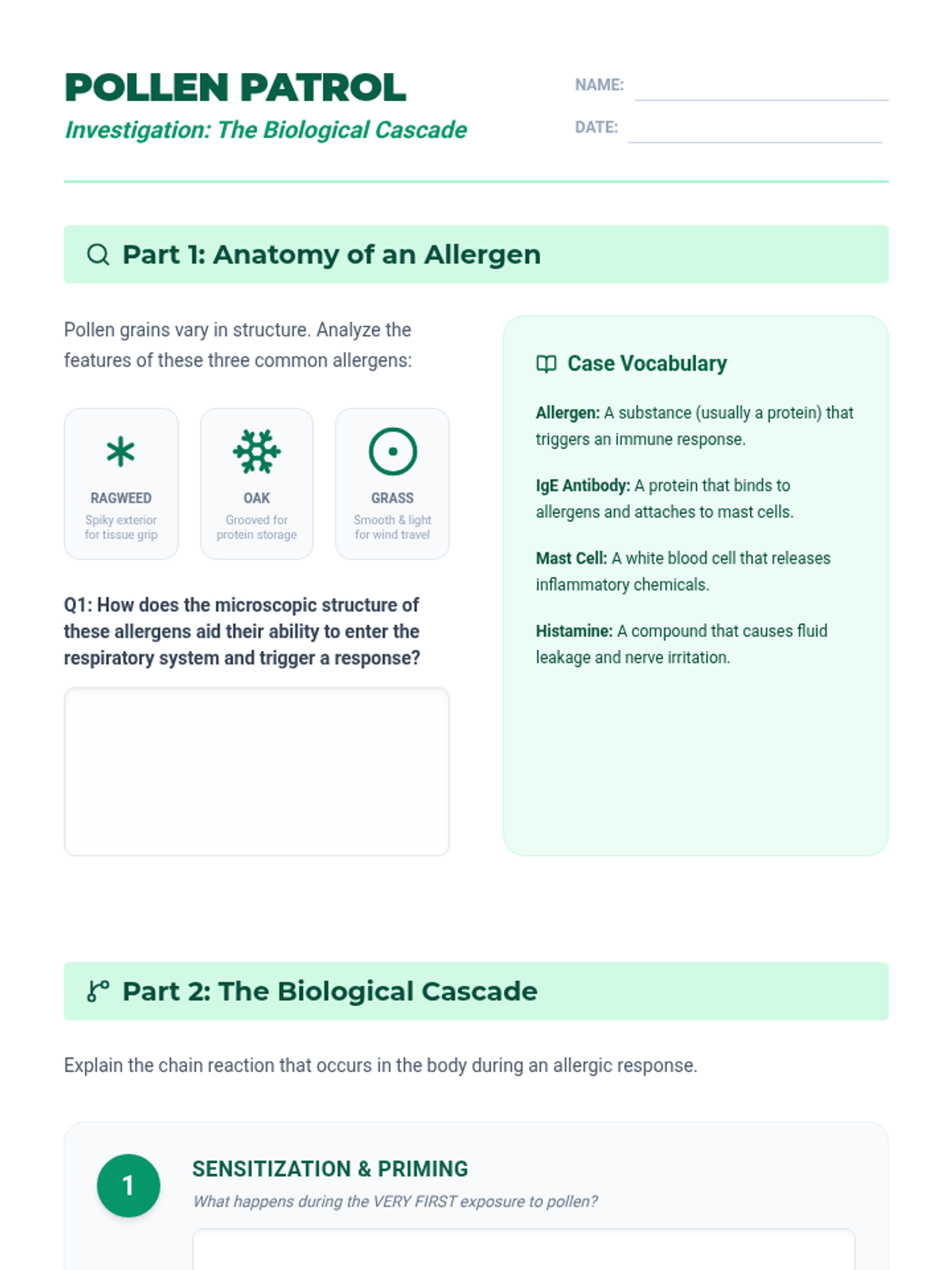
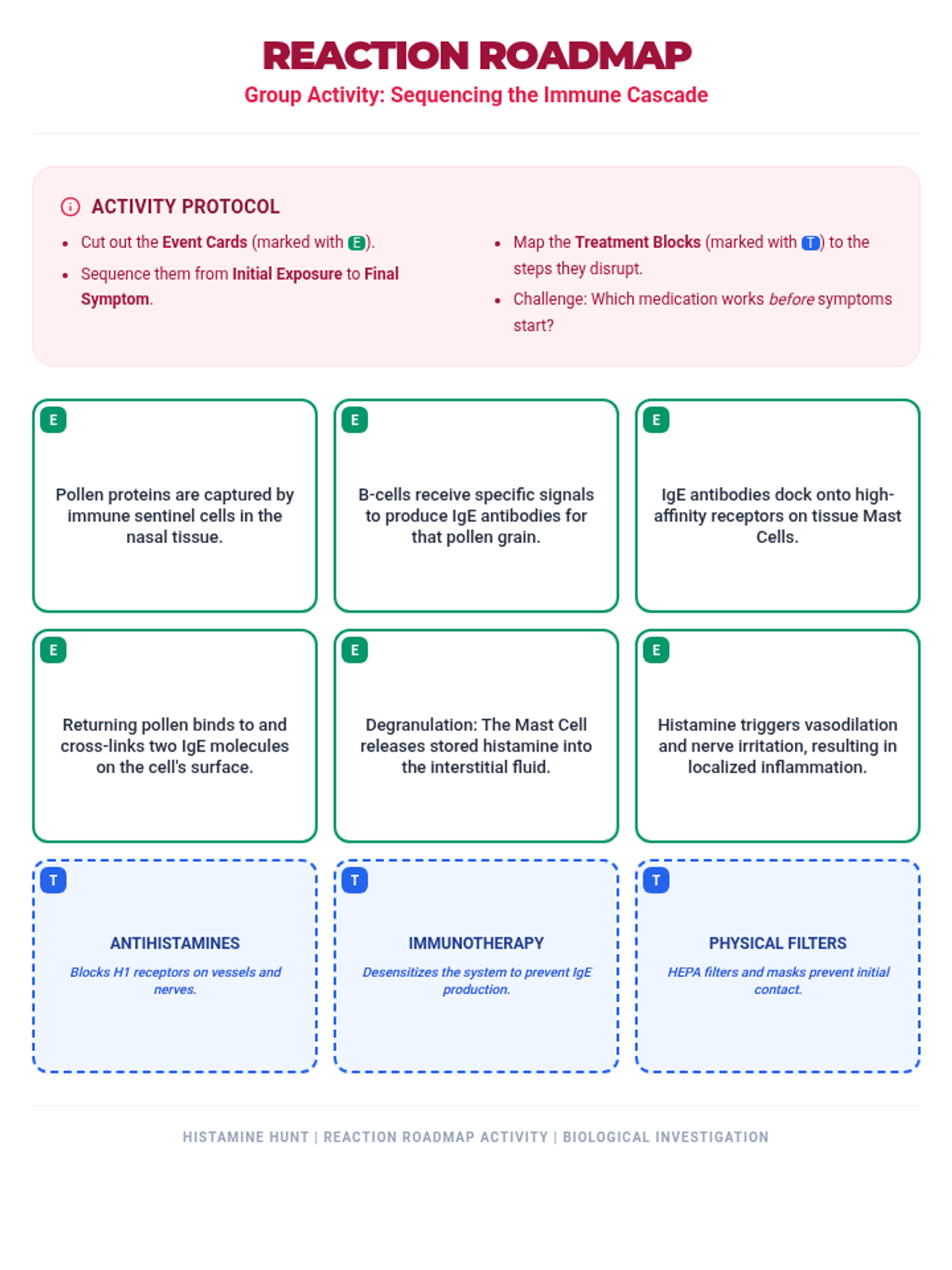
A comprehensive investigation into the biological mechanisms of seasonal allergies, focusing on the immune system's overreaction to pollen and the role of histamine. Students will explore hypersensitivity, physical symptoms, and evidence-based management strategies.
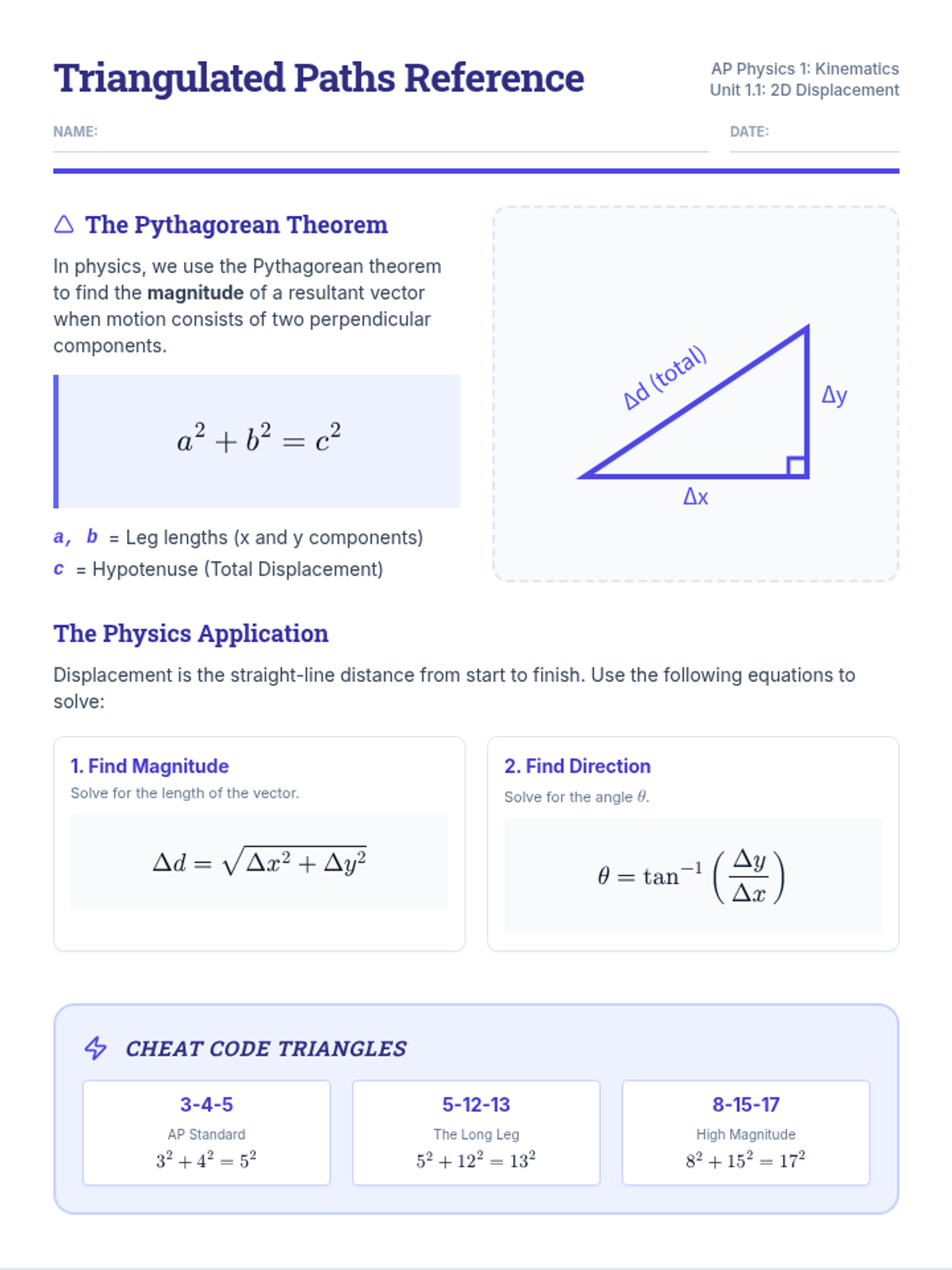
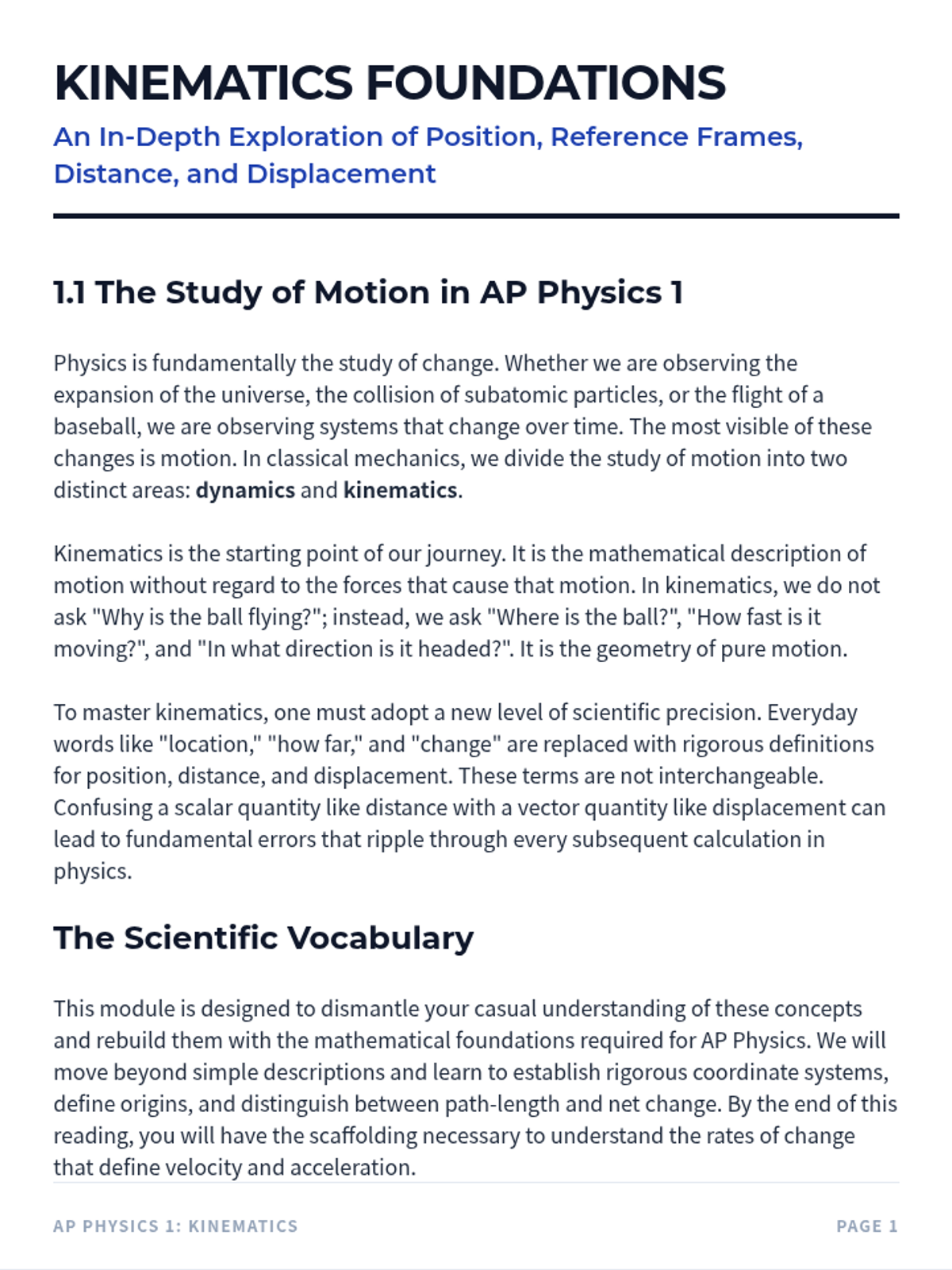
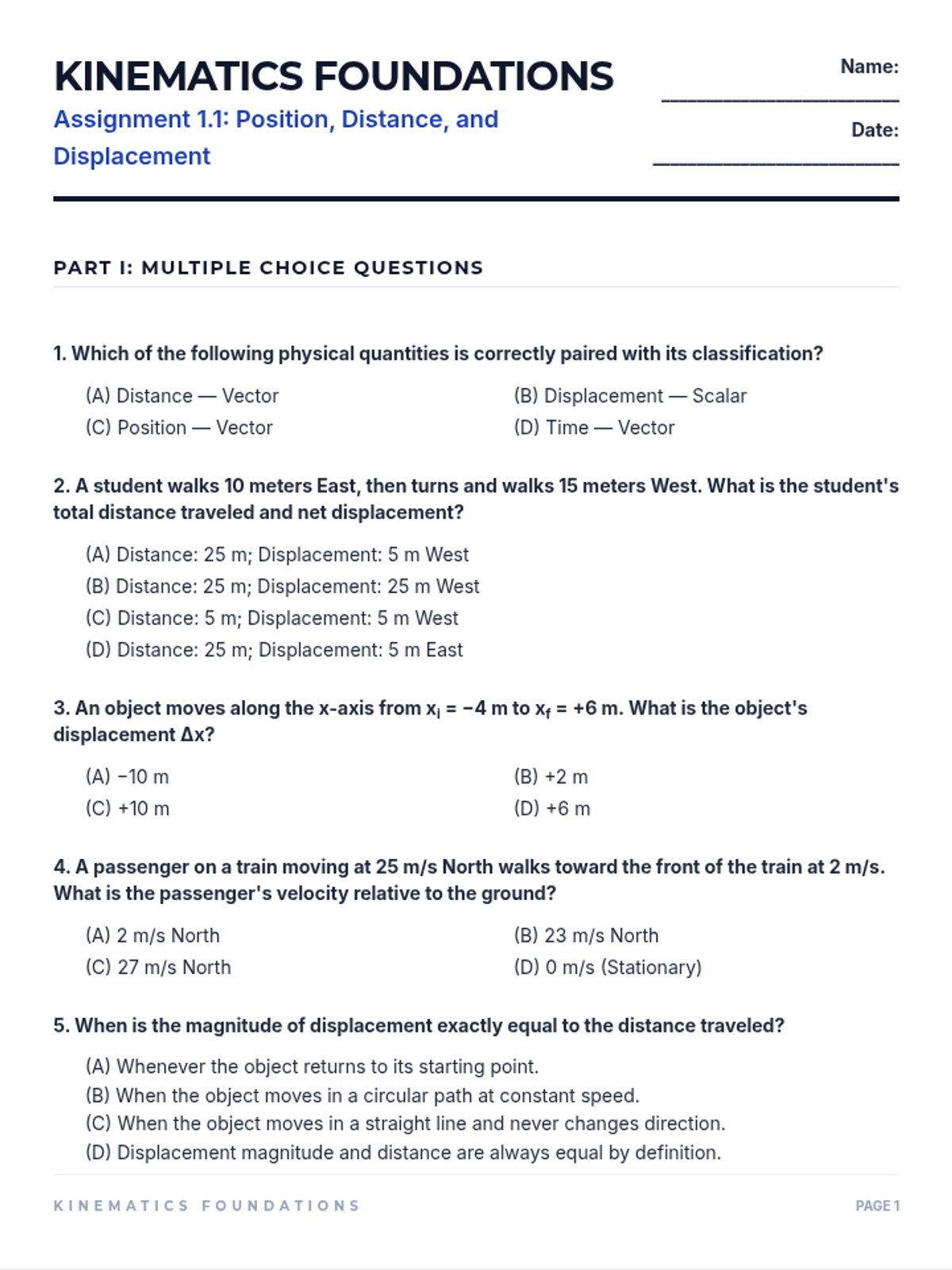
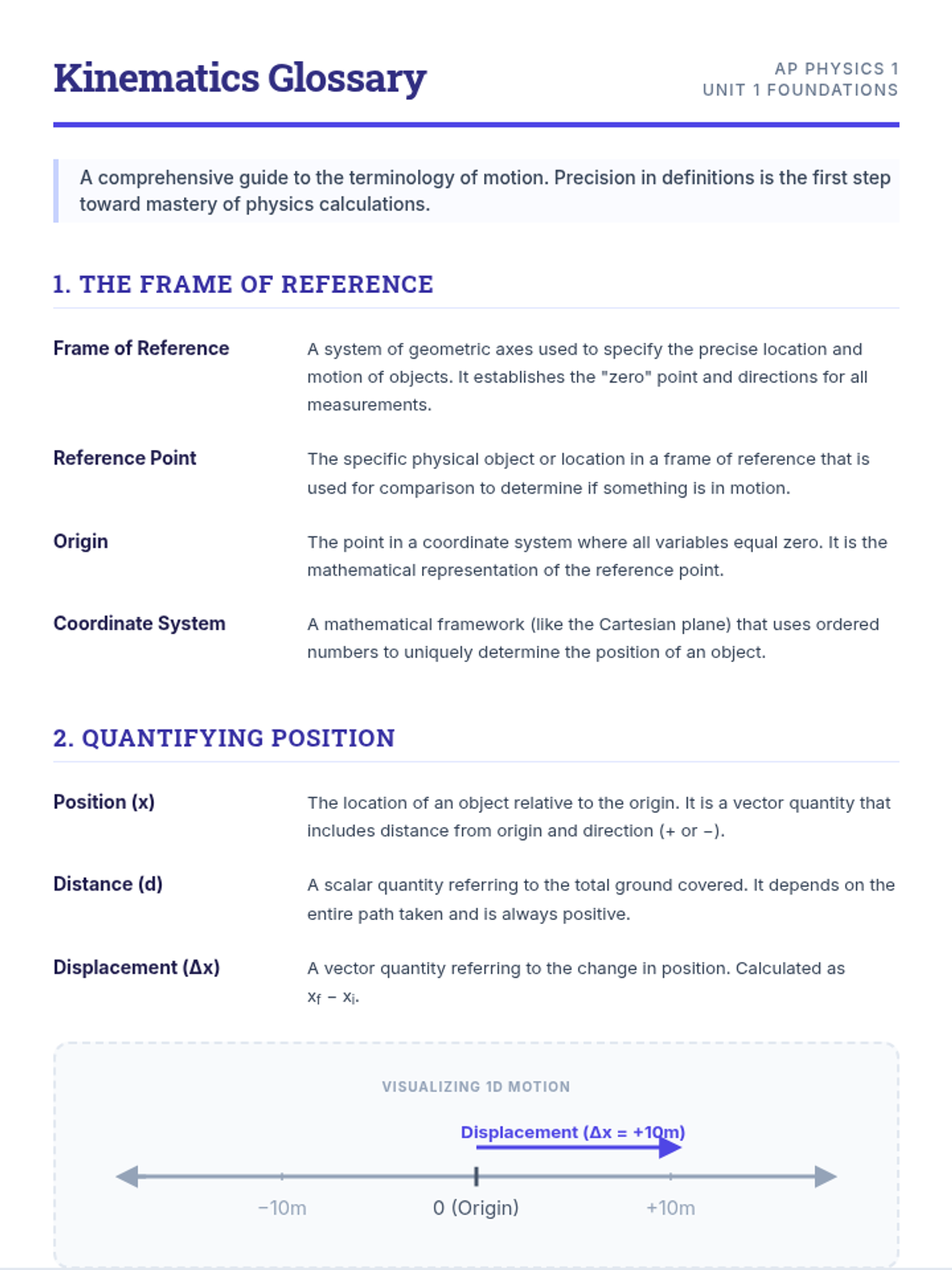
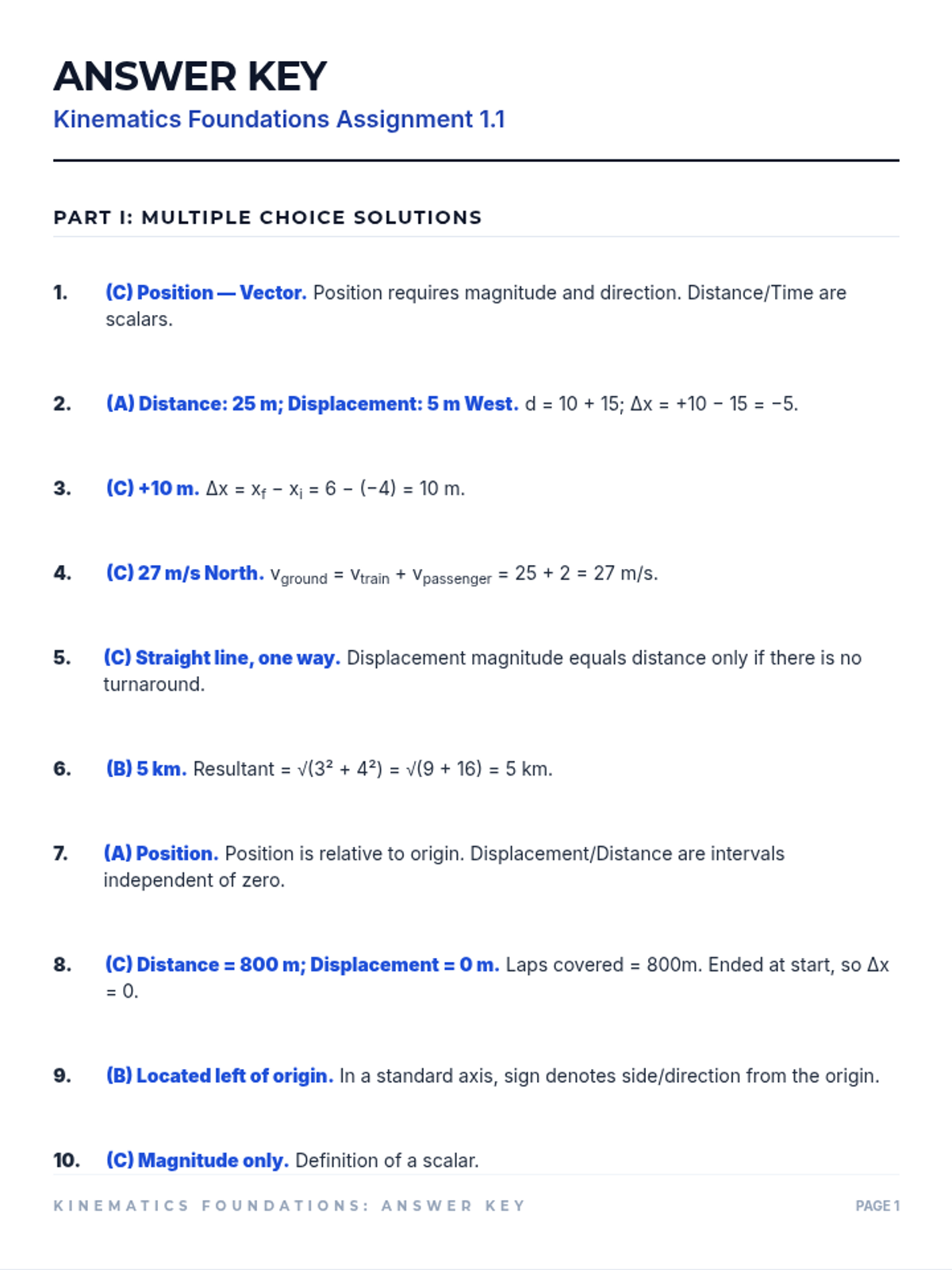
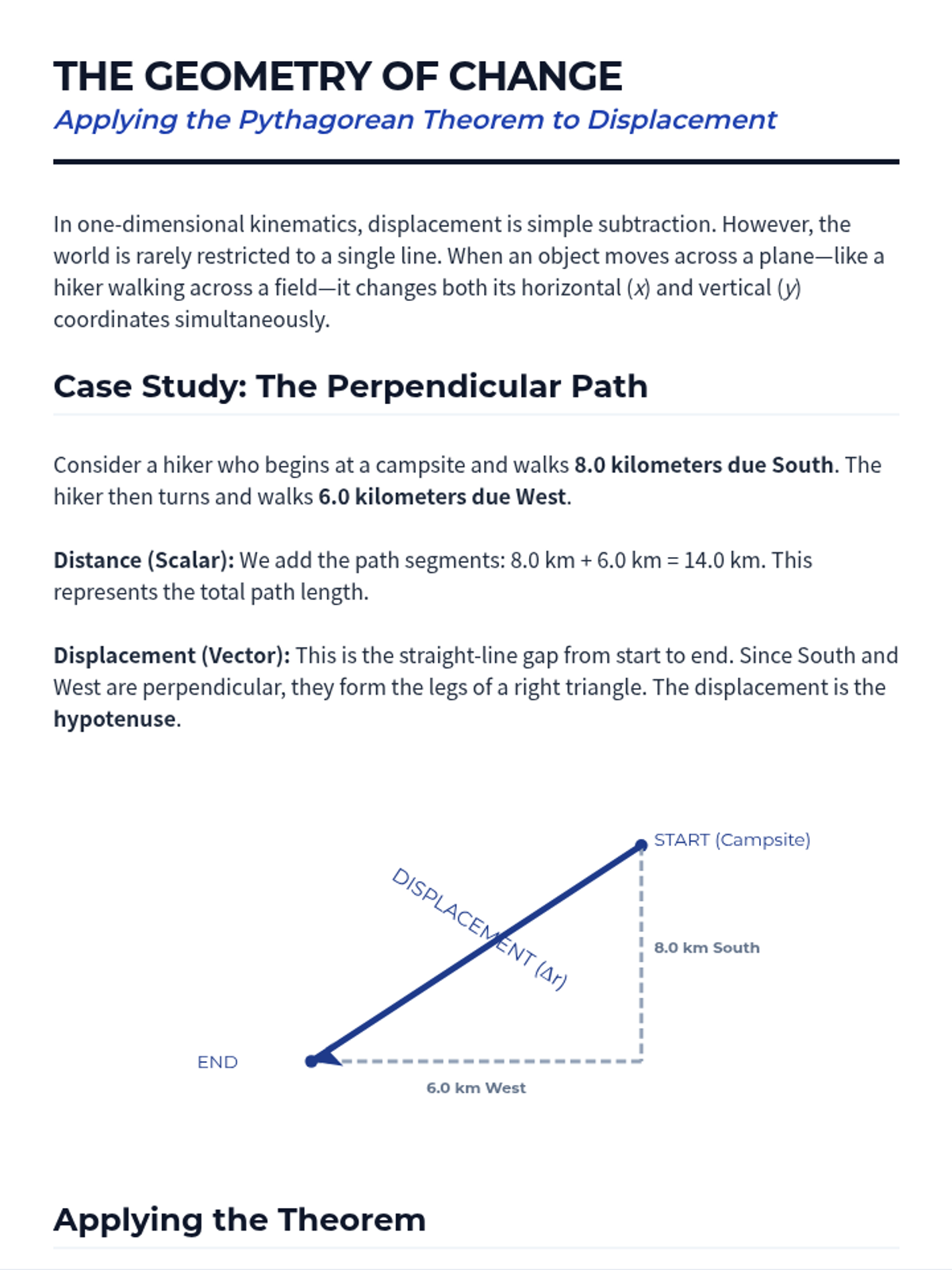
A foundational lesson on the geometry of motion, covering position, distance, displacement, and frames of reference for AP Physics 1.
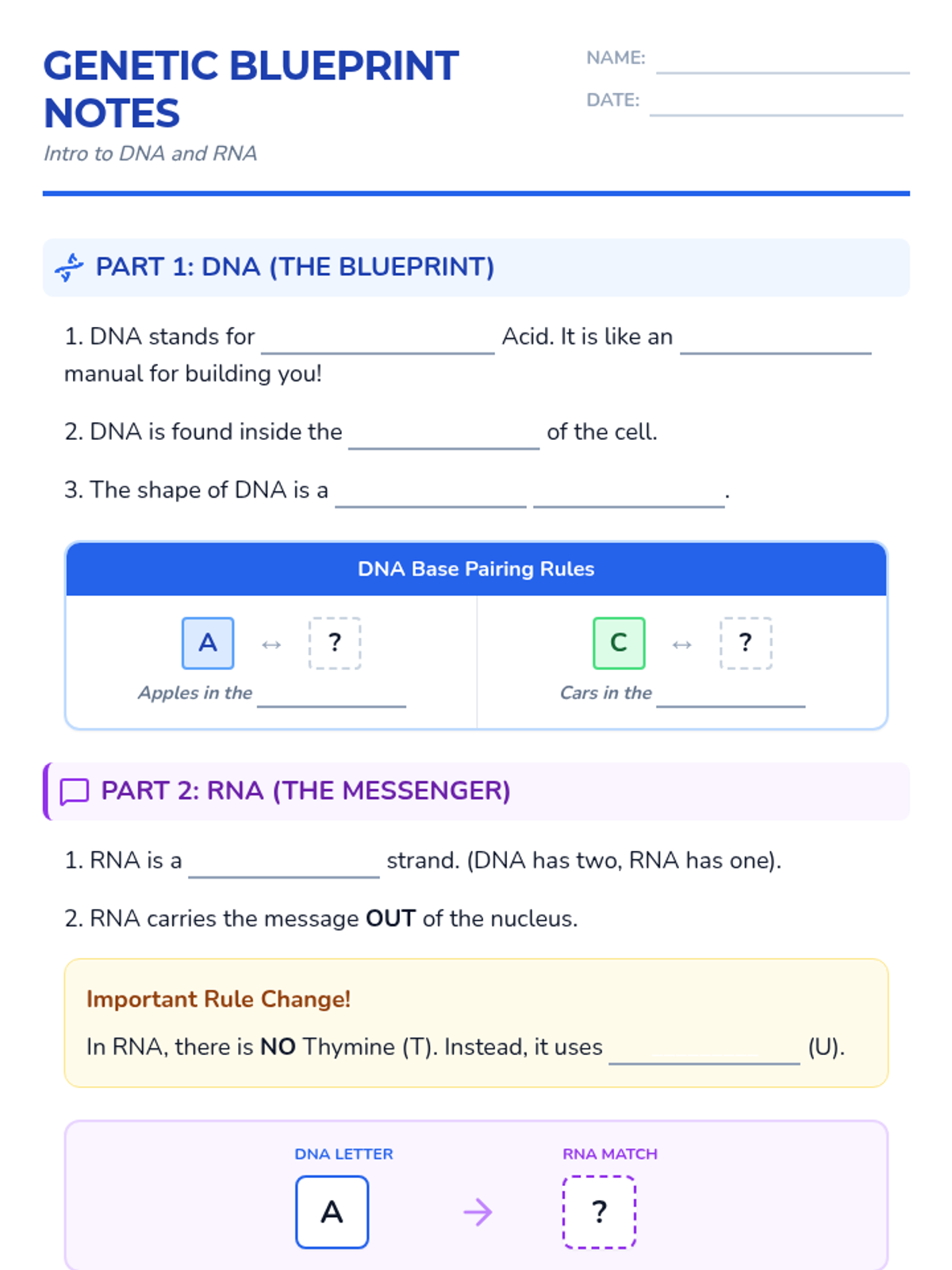
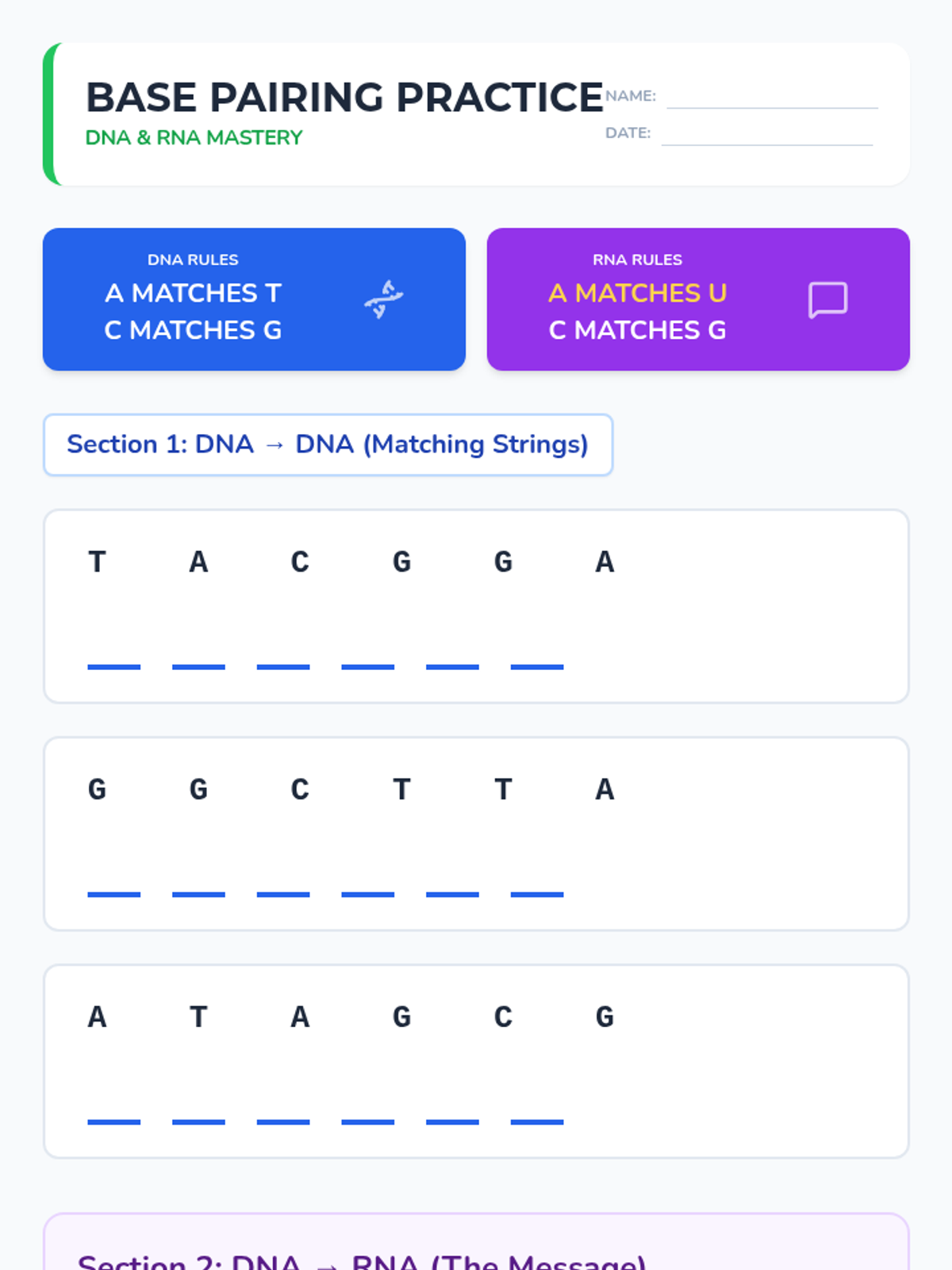
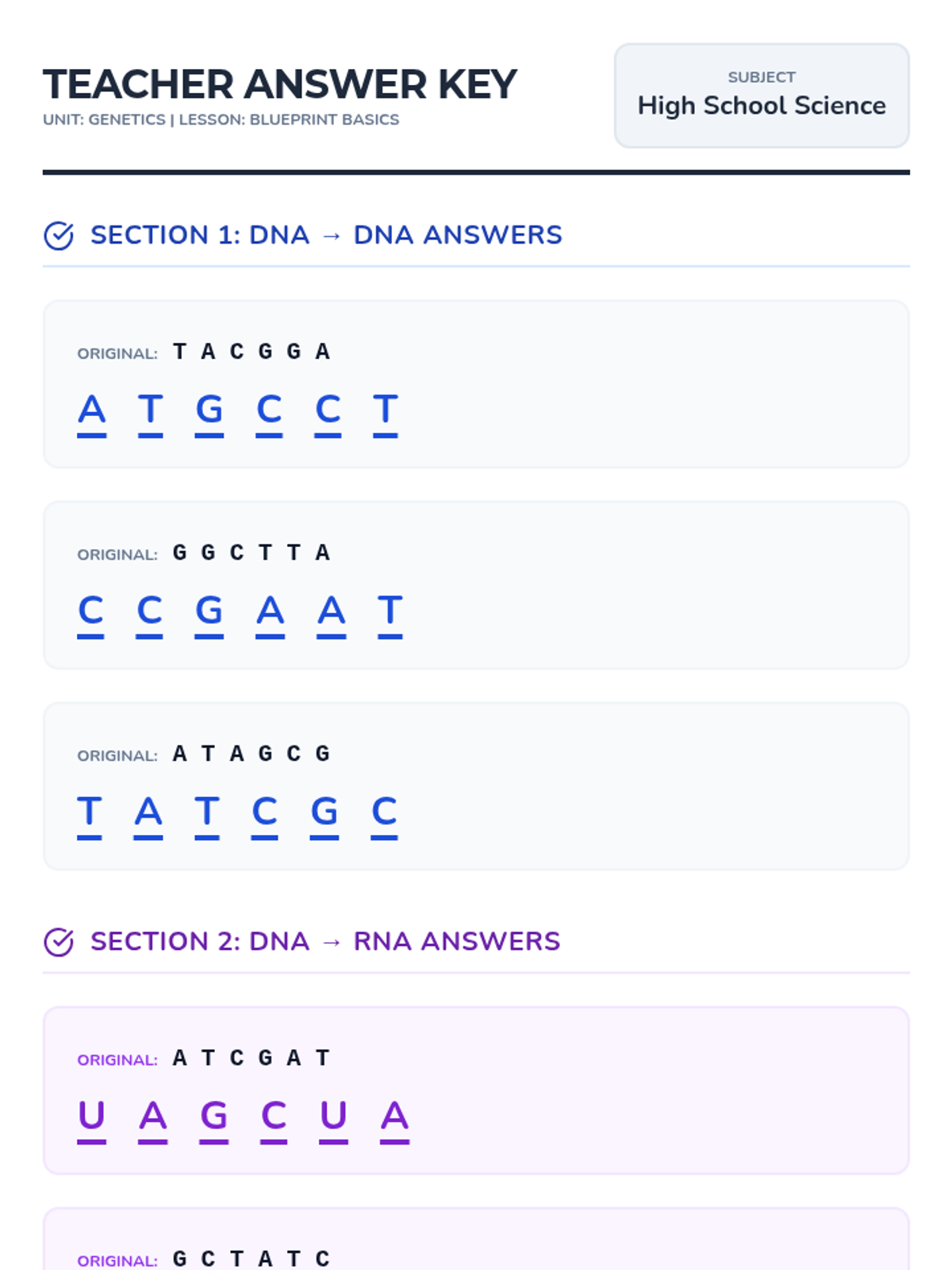
A foundational introduction to the structures of DNA and RNA, focusing on identifying components and mastering the base-pairing rules essential for genetics.
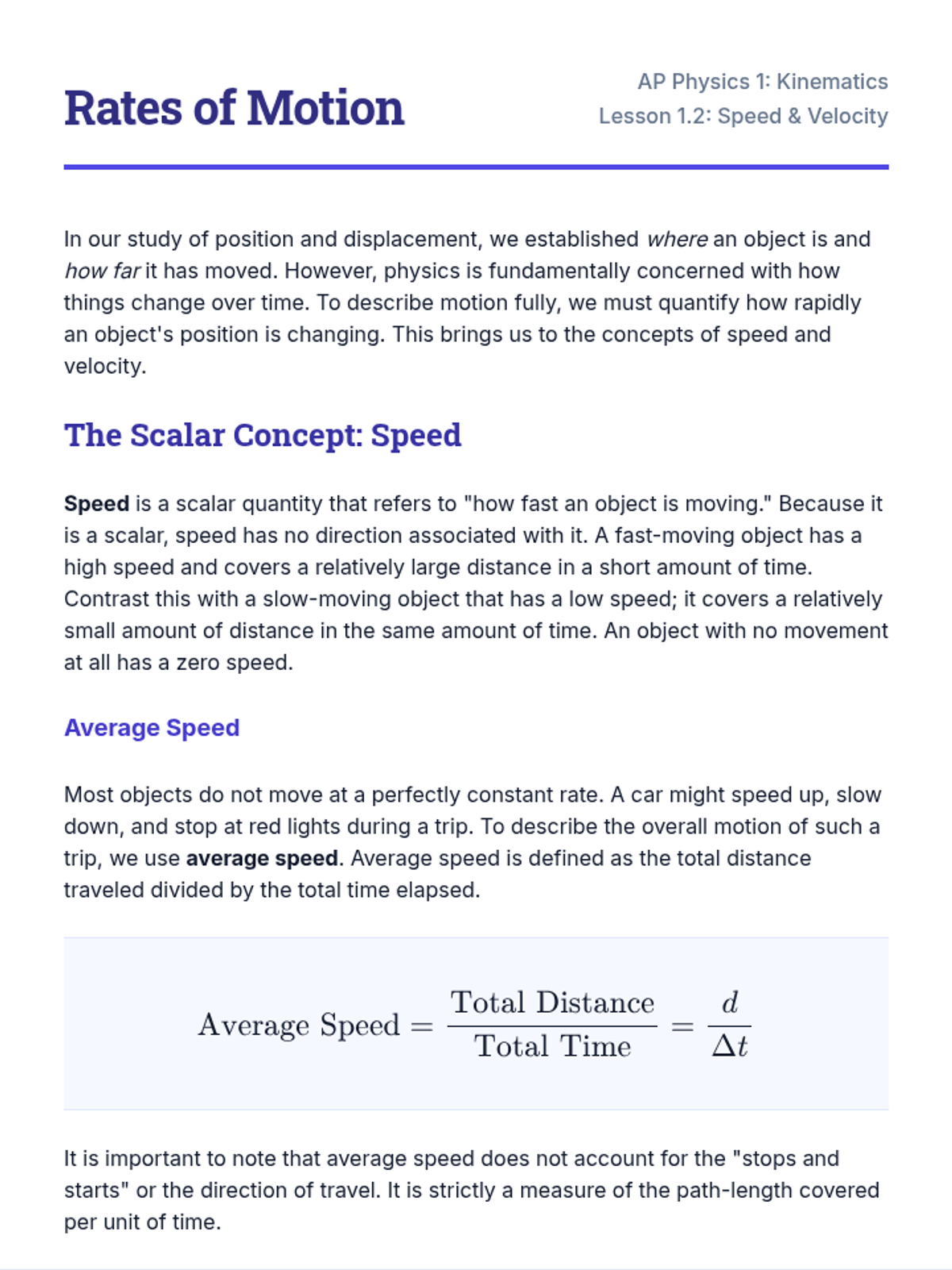
A comprehensive introduction to the fundamentals of one-dimensional kinematics, covering position, displacement, speed, and velocity through various representational models.
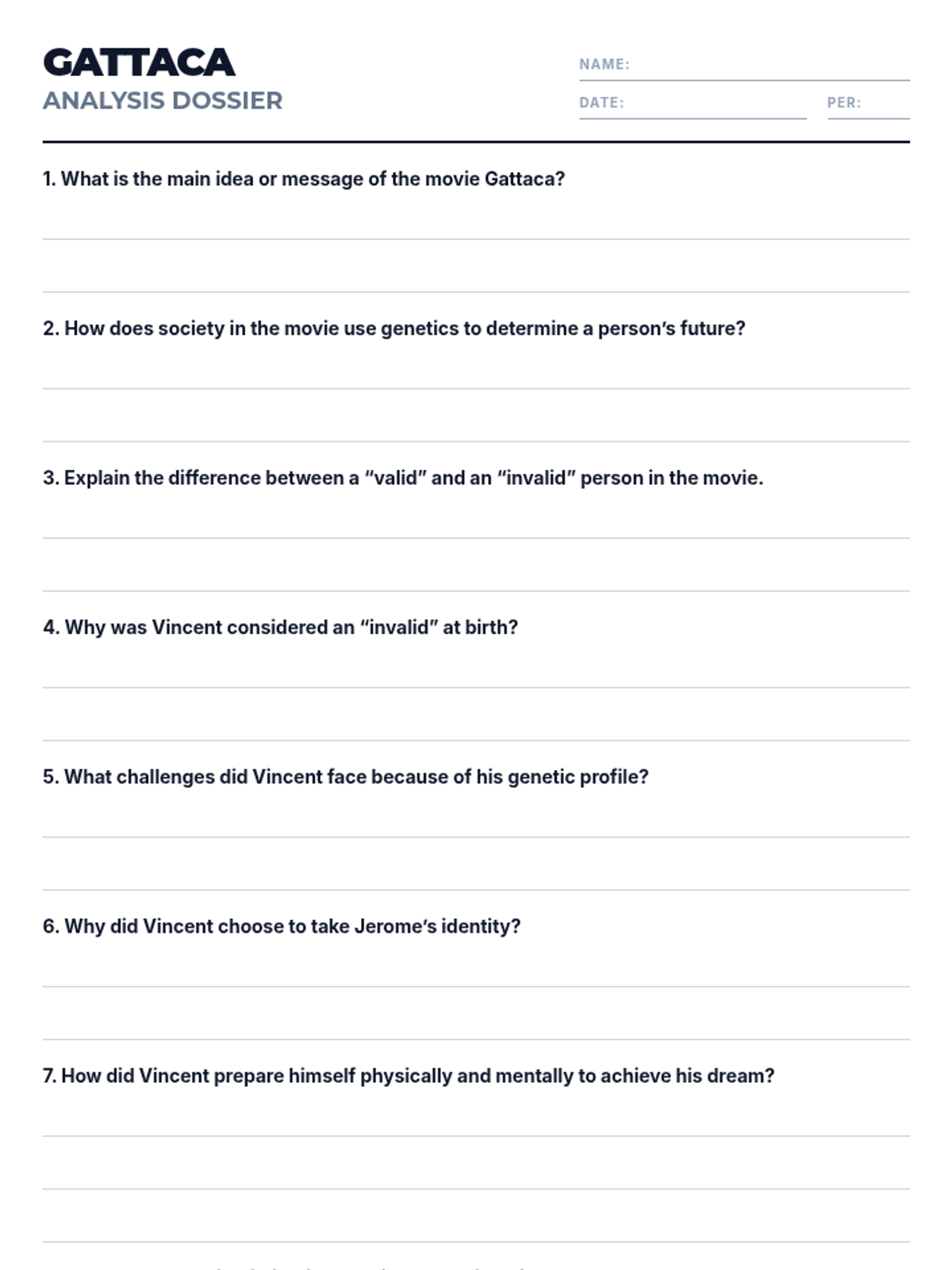
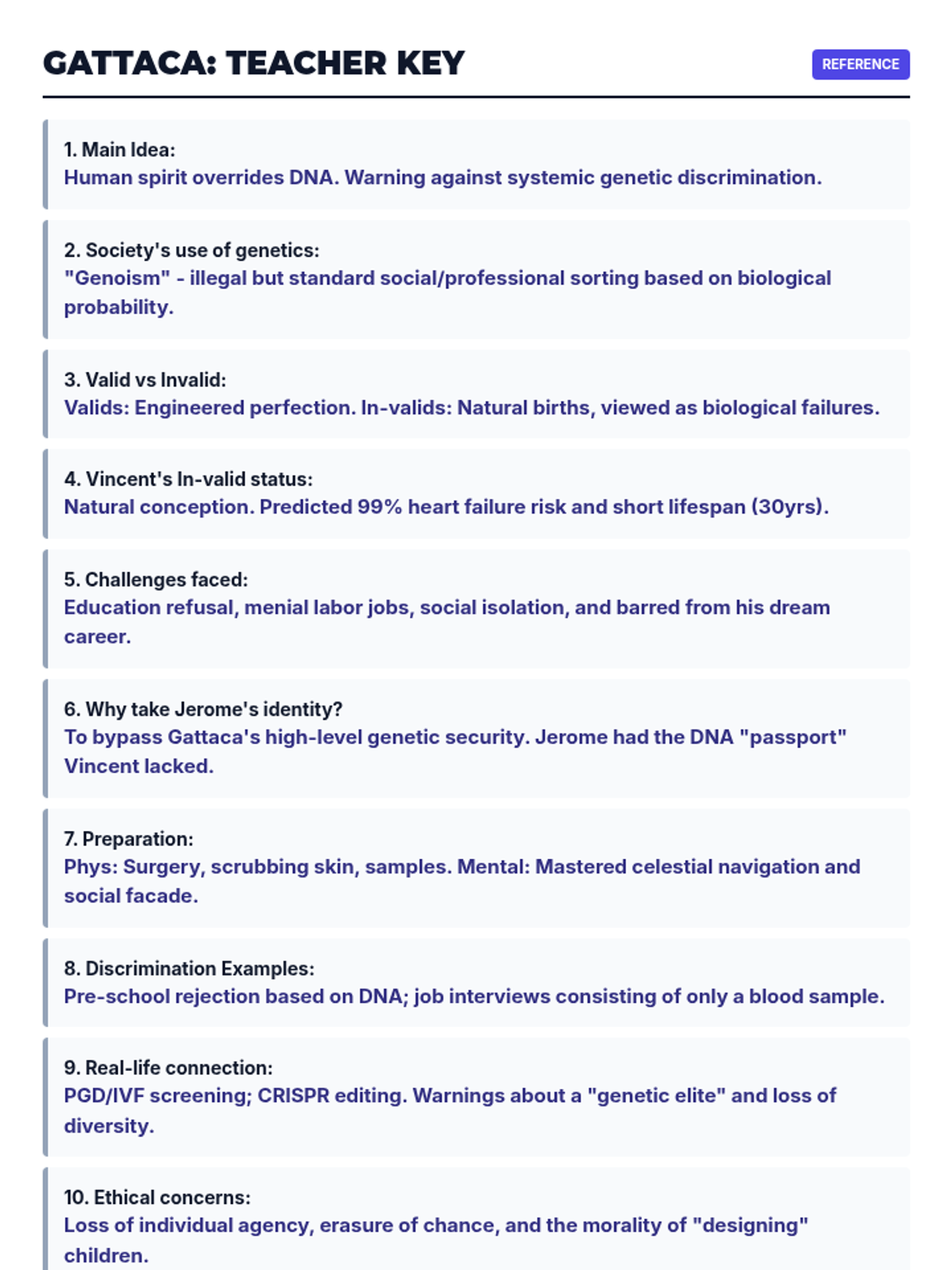
A comprehensive analysis of the ethical, social, and scientific themes in the film GATTACA, focusing on biotechnology and genetic discrimination.
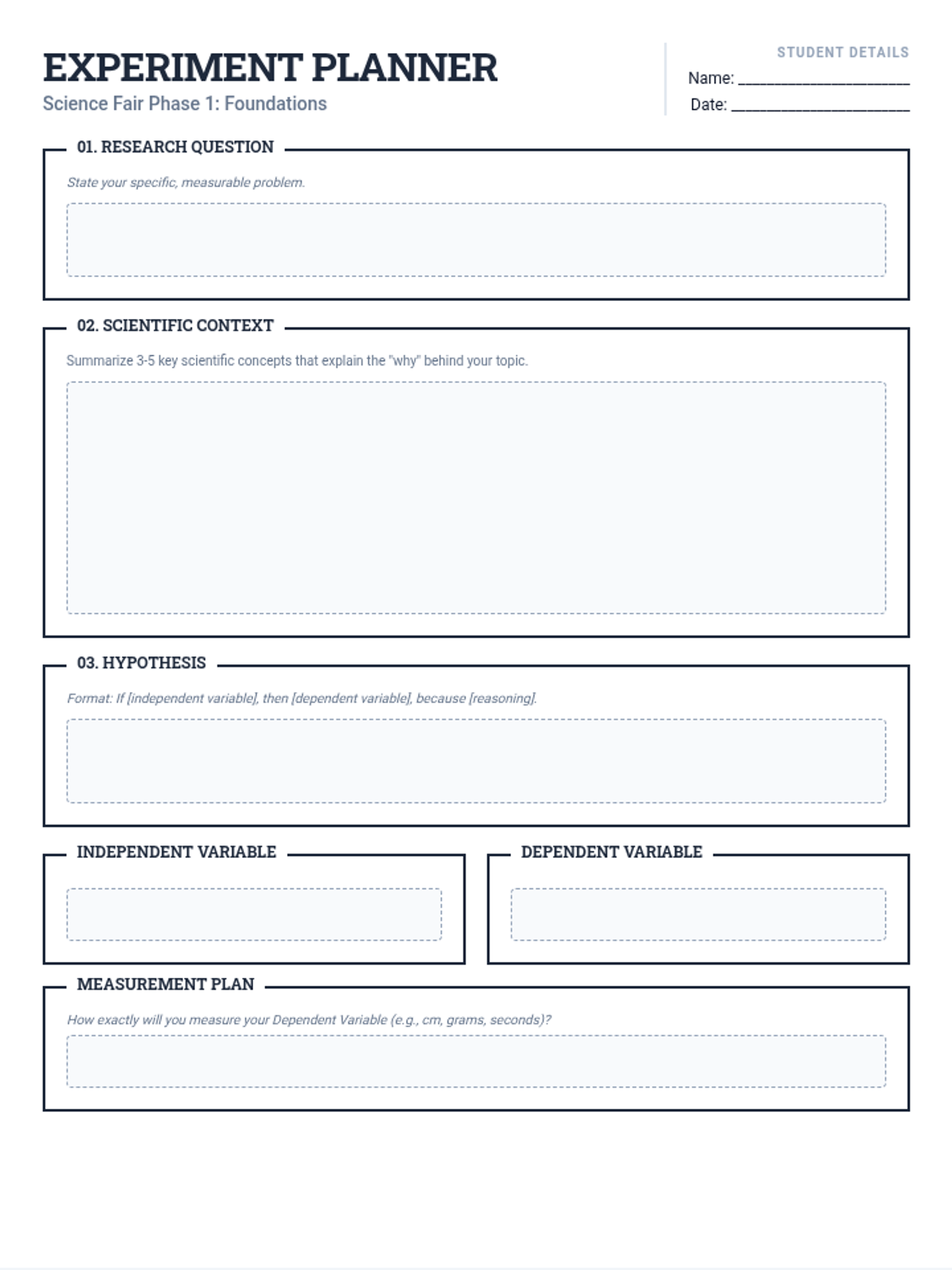
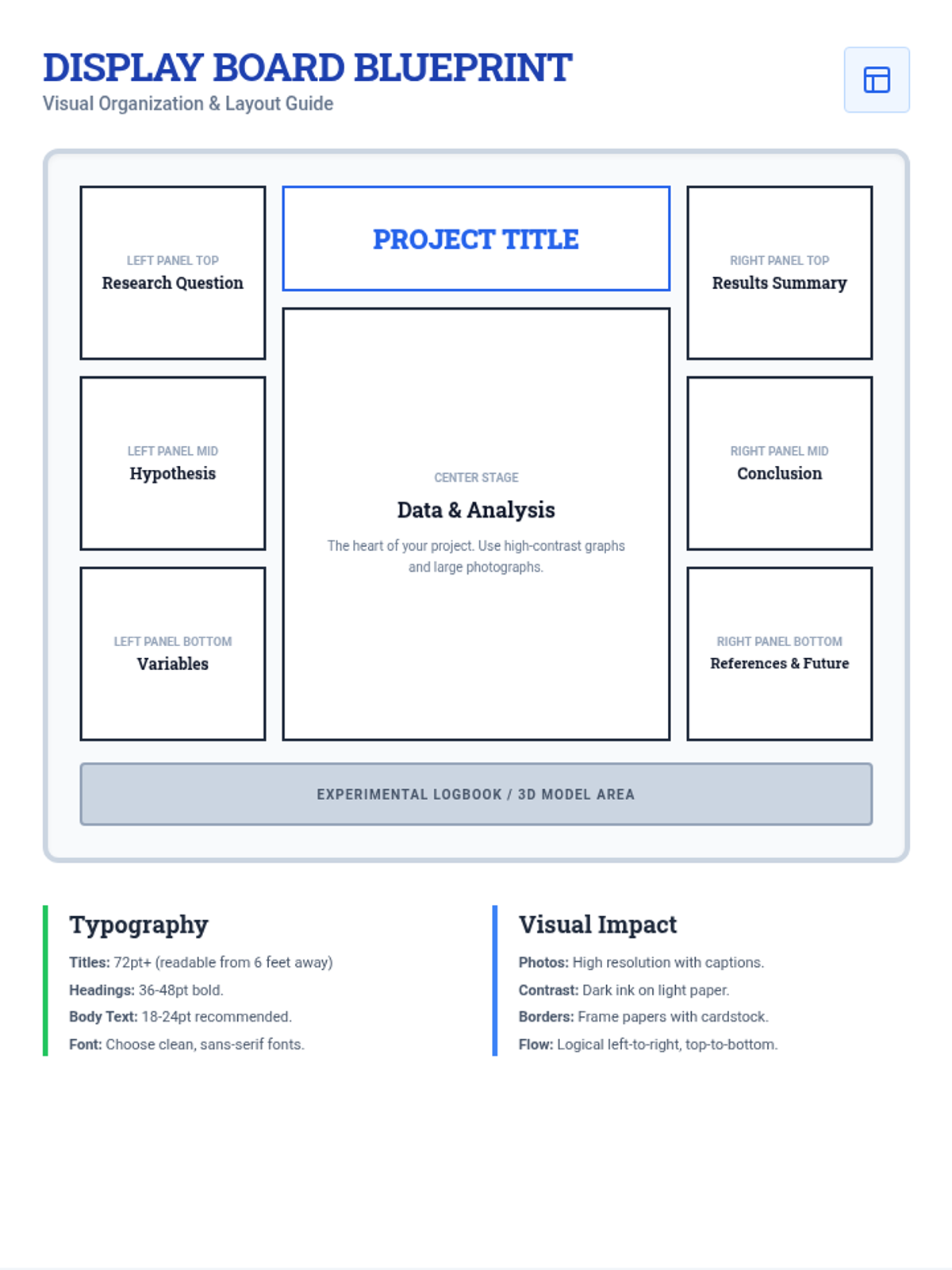
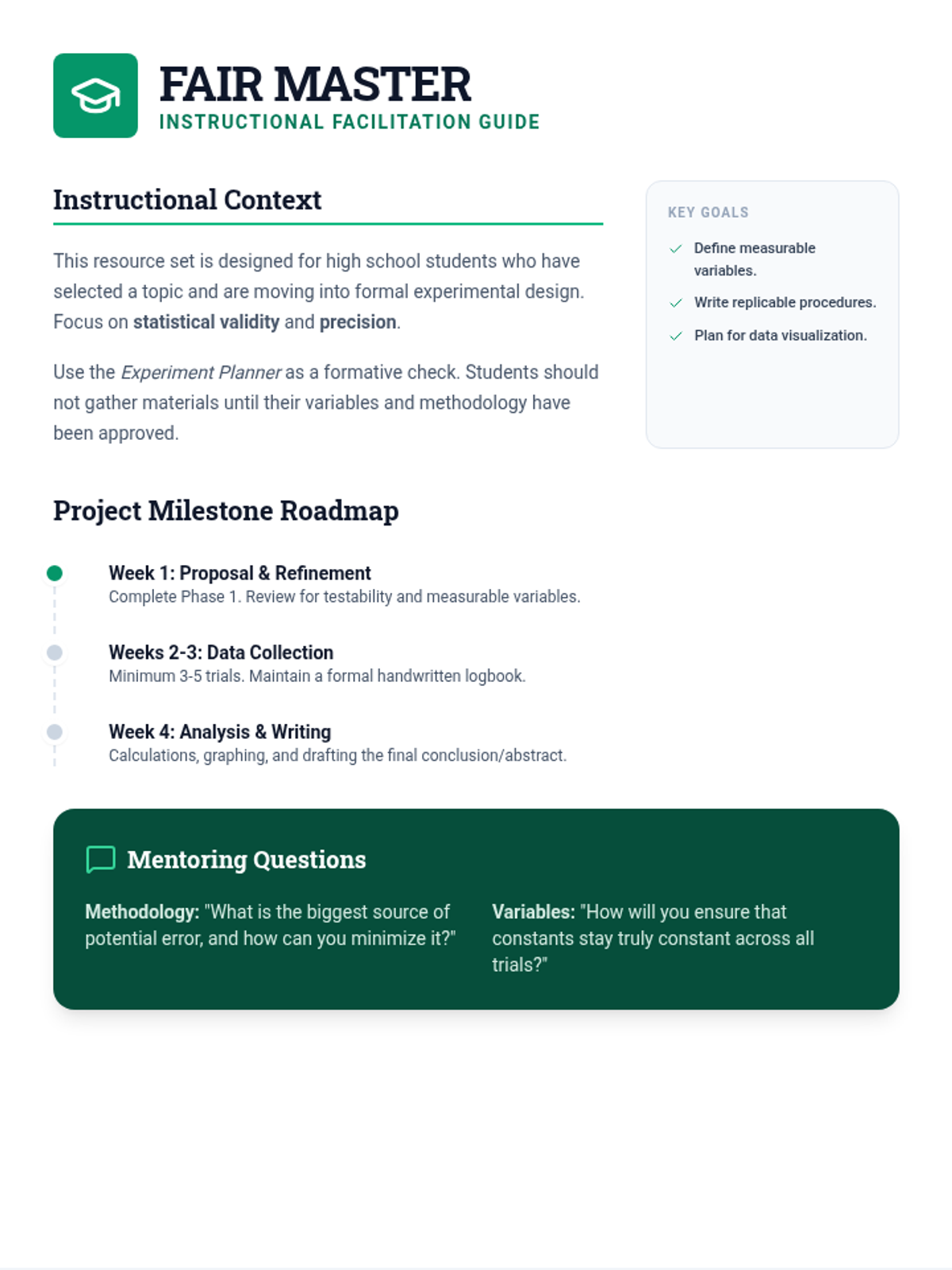
A comprehensive set of organizers and guides designed to help high school students move from a science fair topic to a fully realized experimental design and display board.
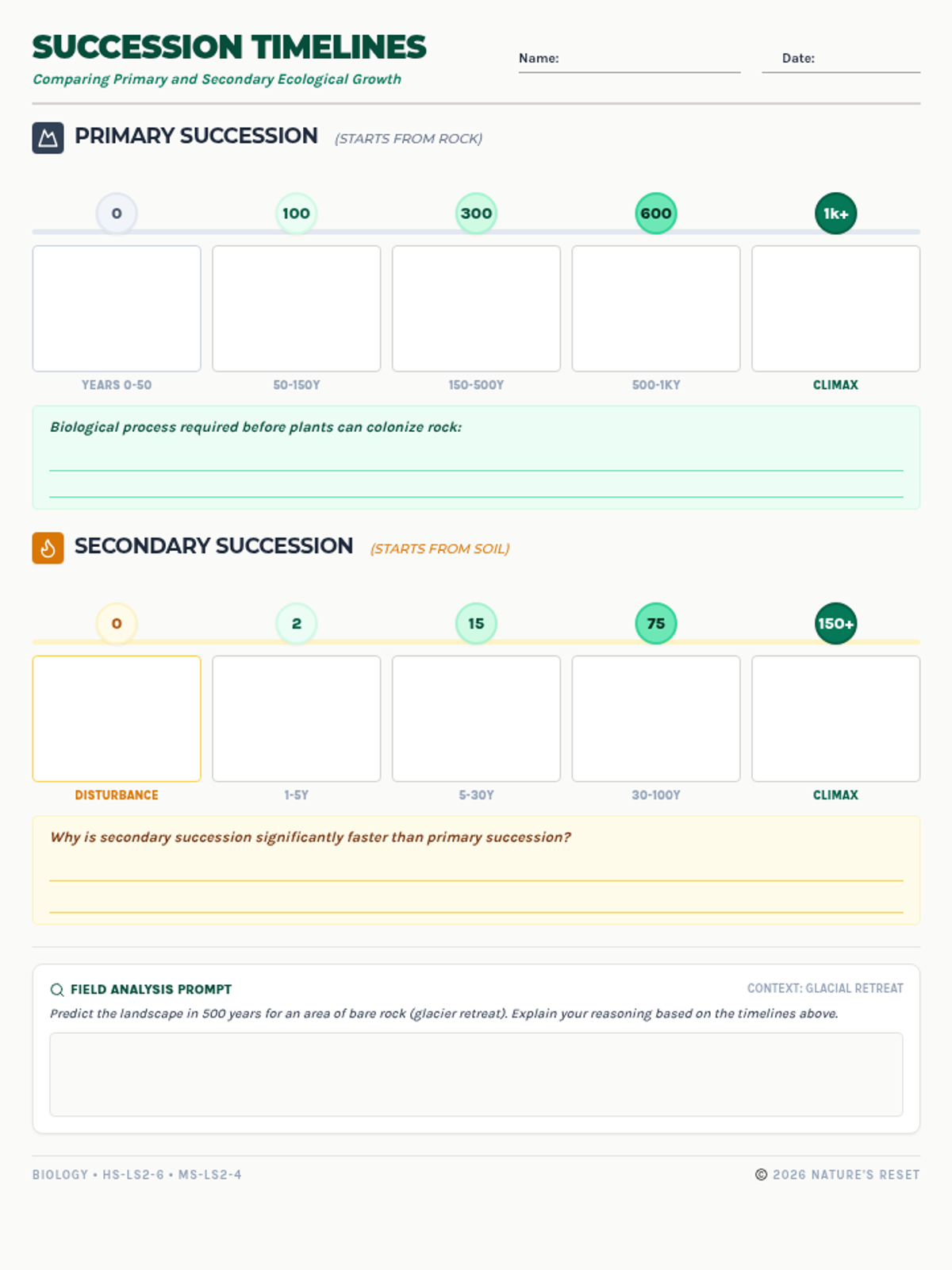
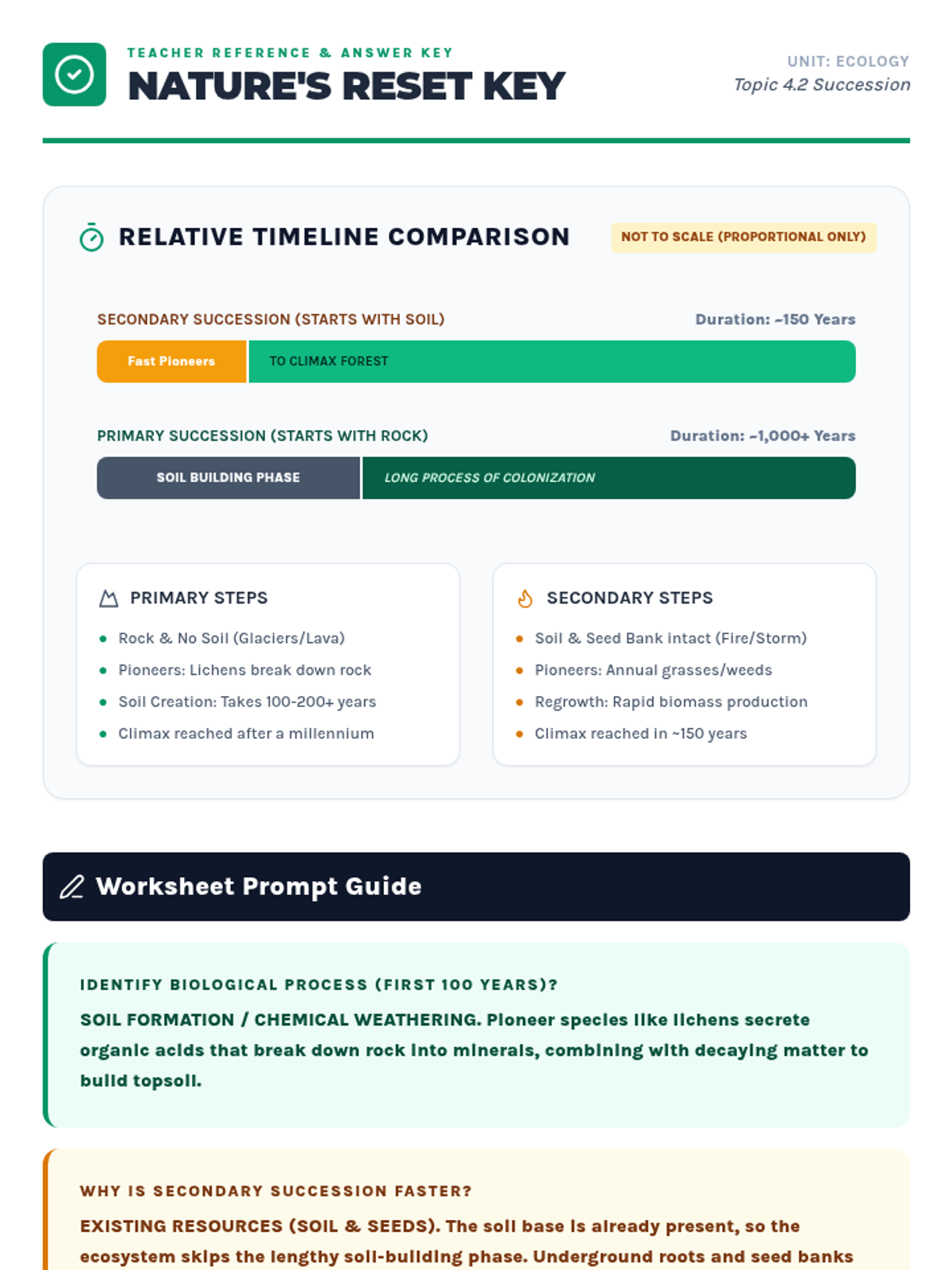
A visual exploration of how ecosystems recover and develop over time, comparing the long-term process of primary succession with the faster recovery of secondary succession. Students will analyze timeframes, pioneer species, and climax communities.
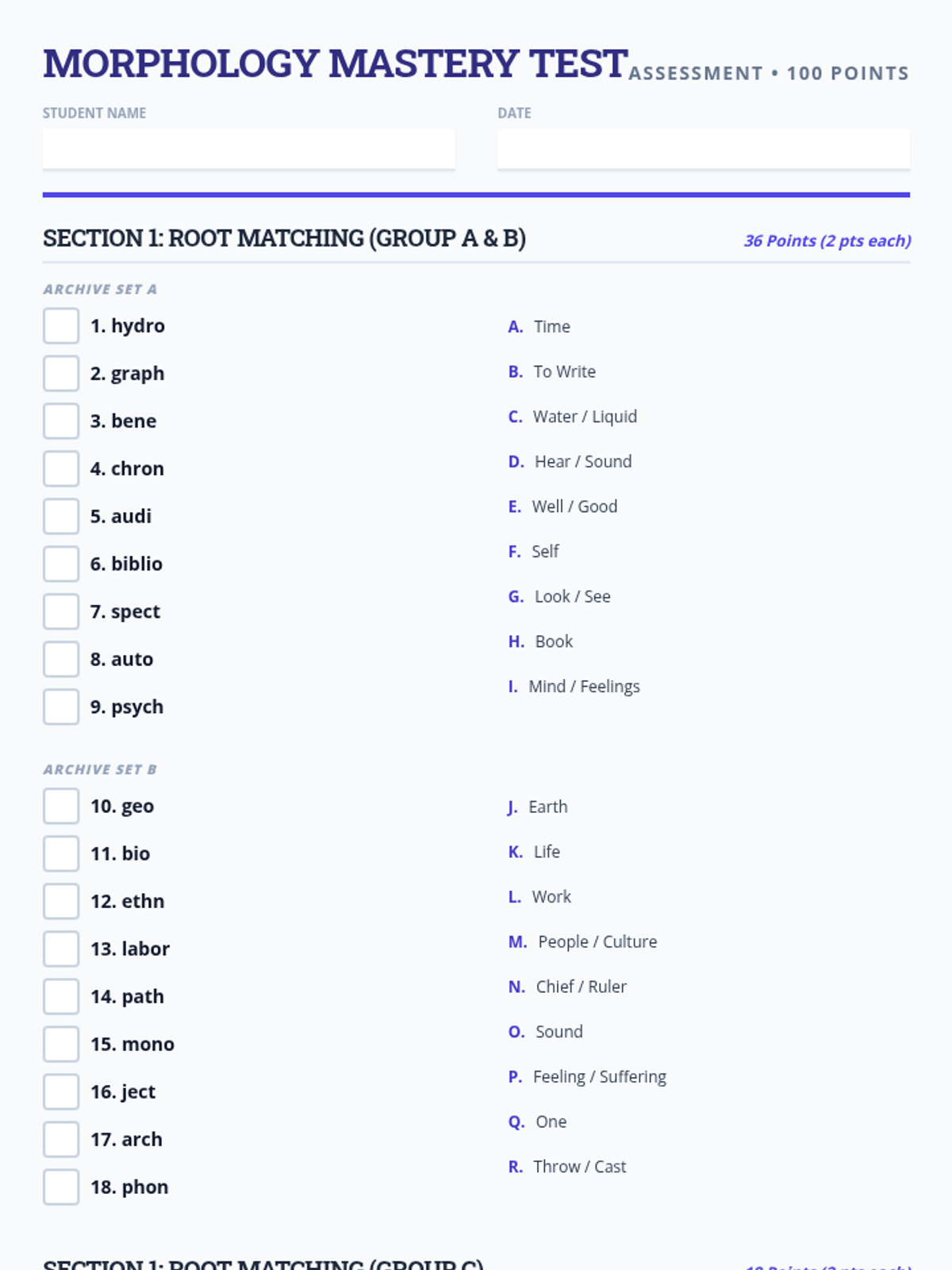
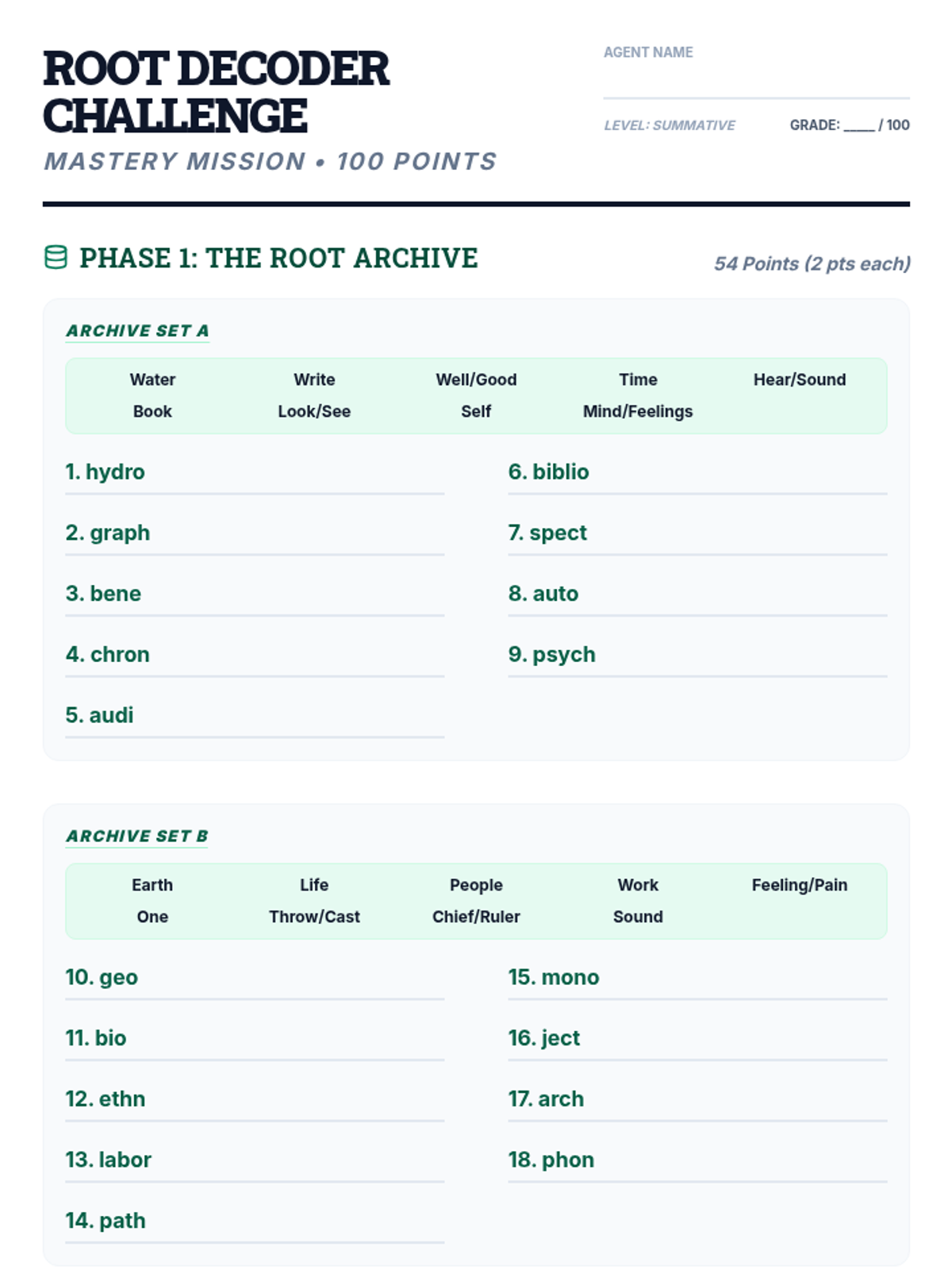
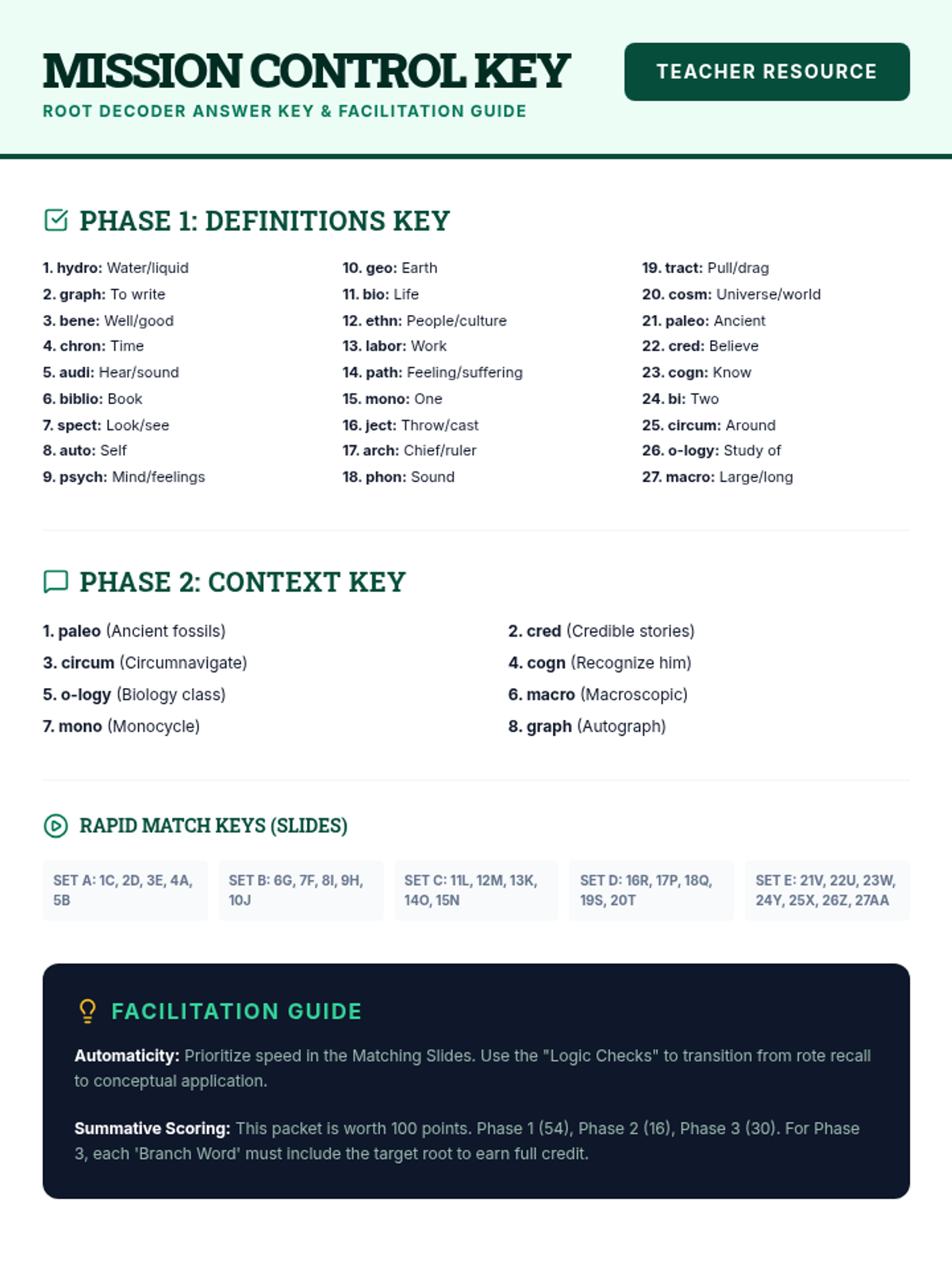
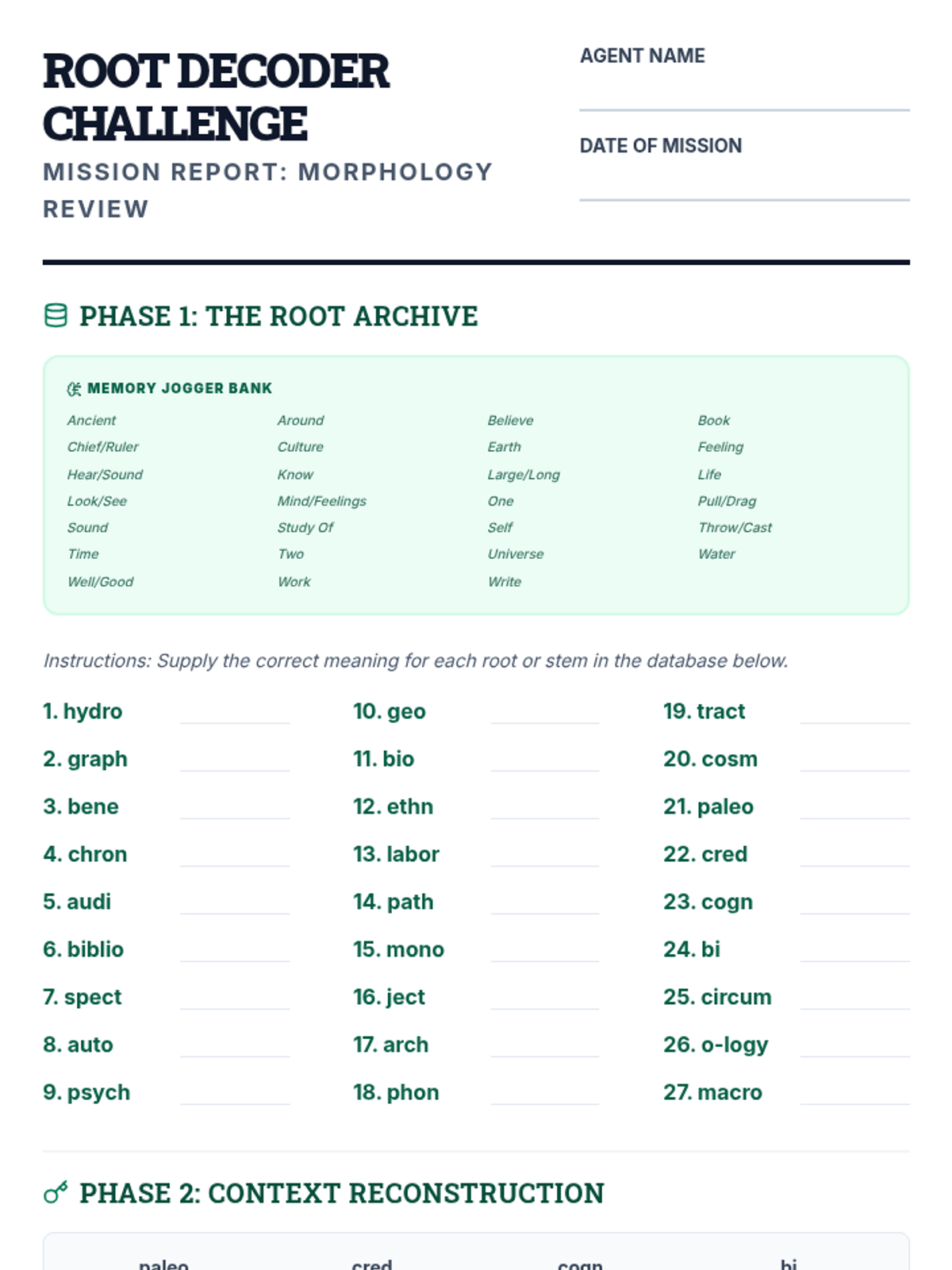
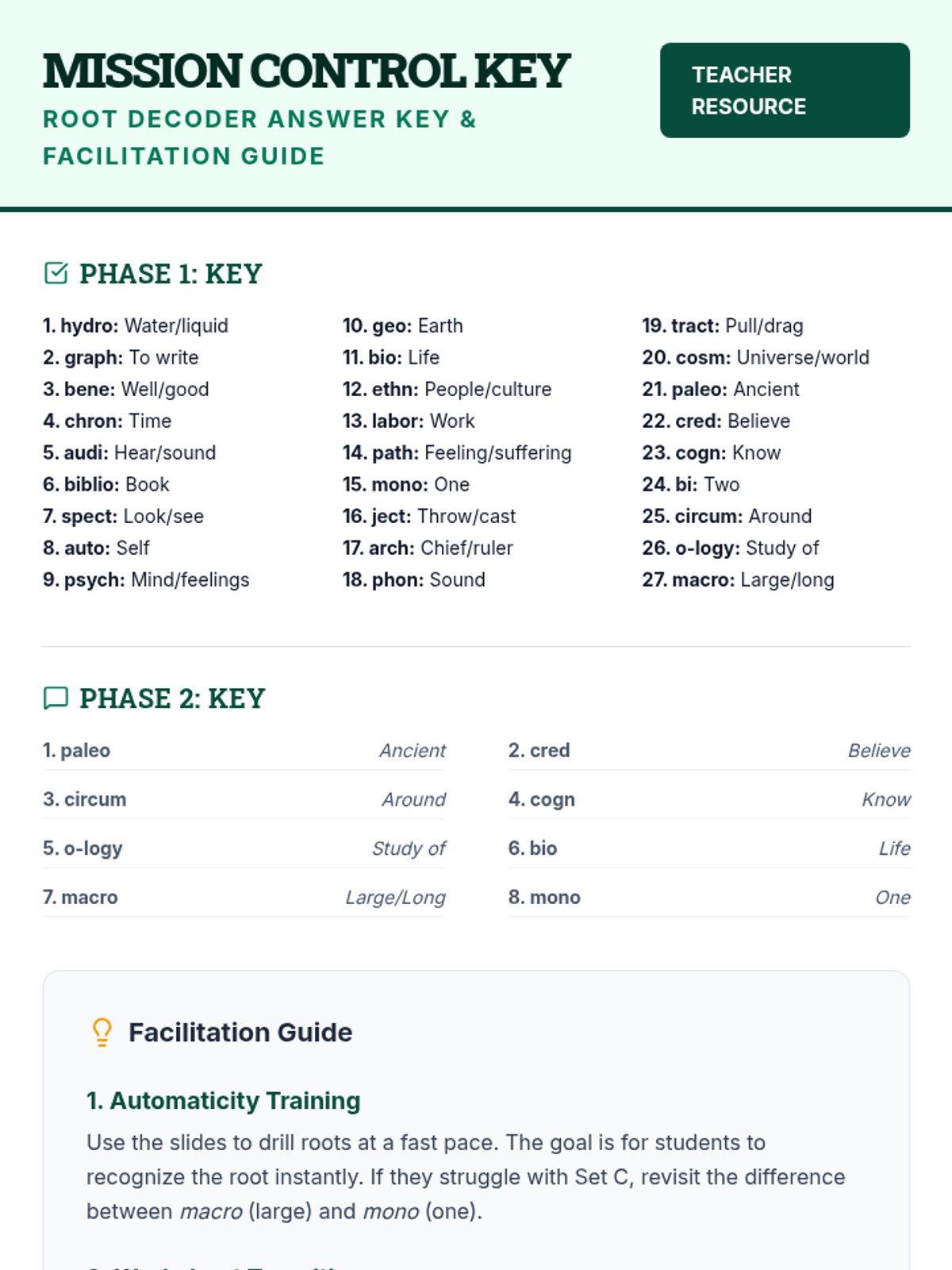
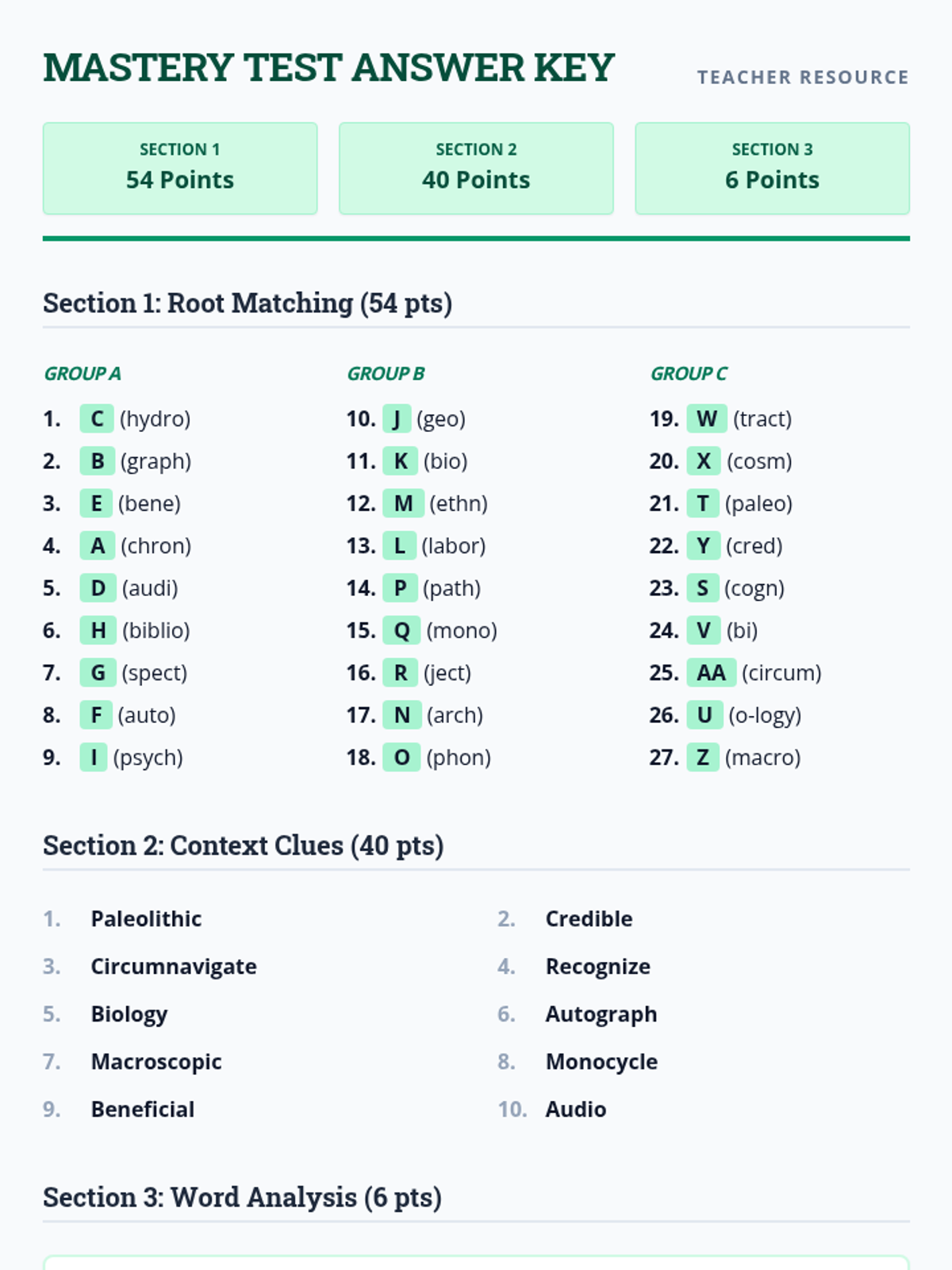
A comprehensive review lesson covering 27 Greek and Latin roots to help developmental reading students prepare for their morphology assessment through gamified slides and a decoding worksheet.
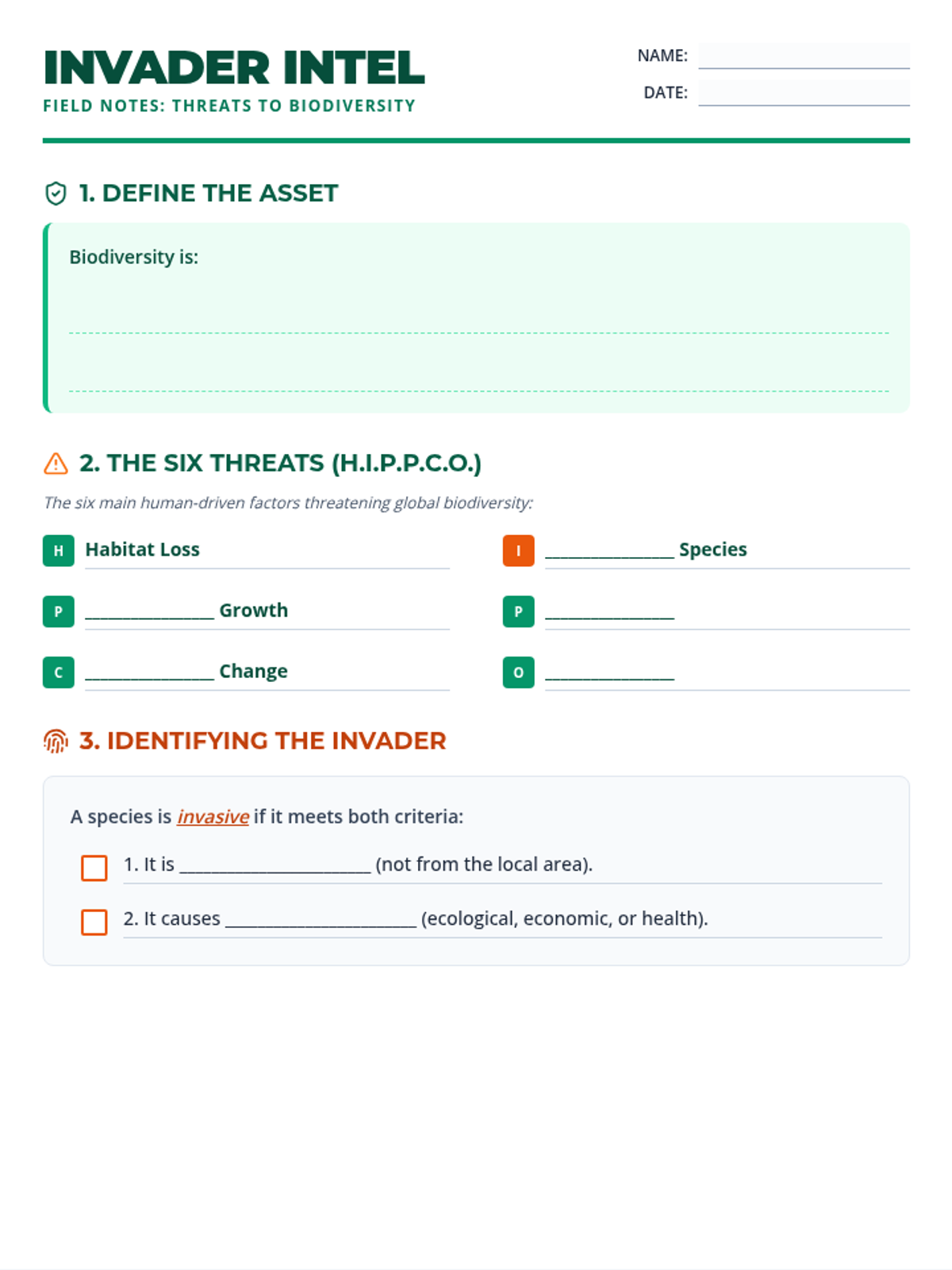
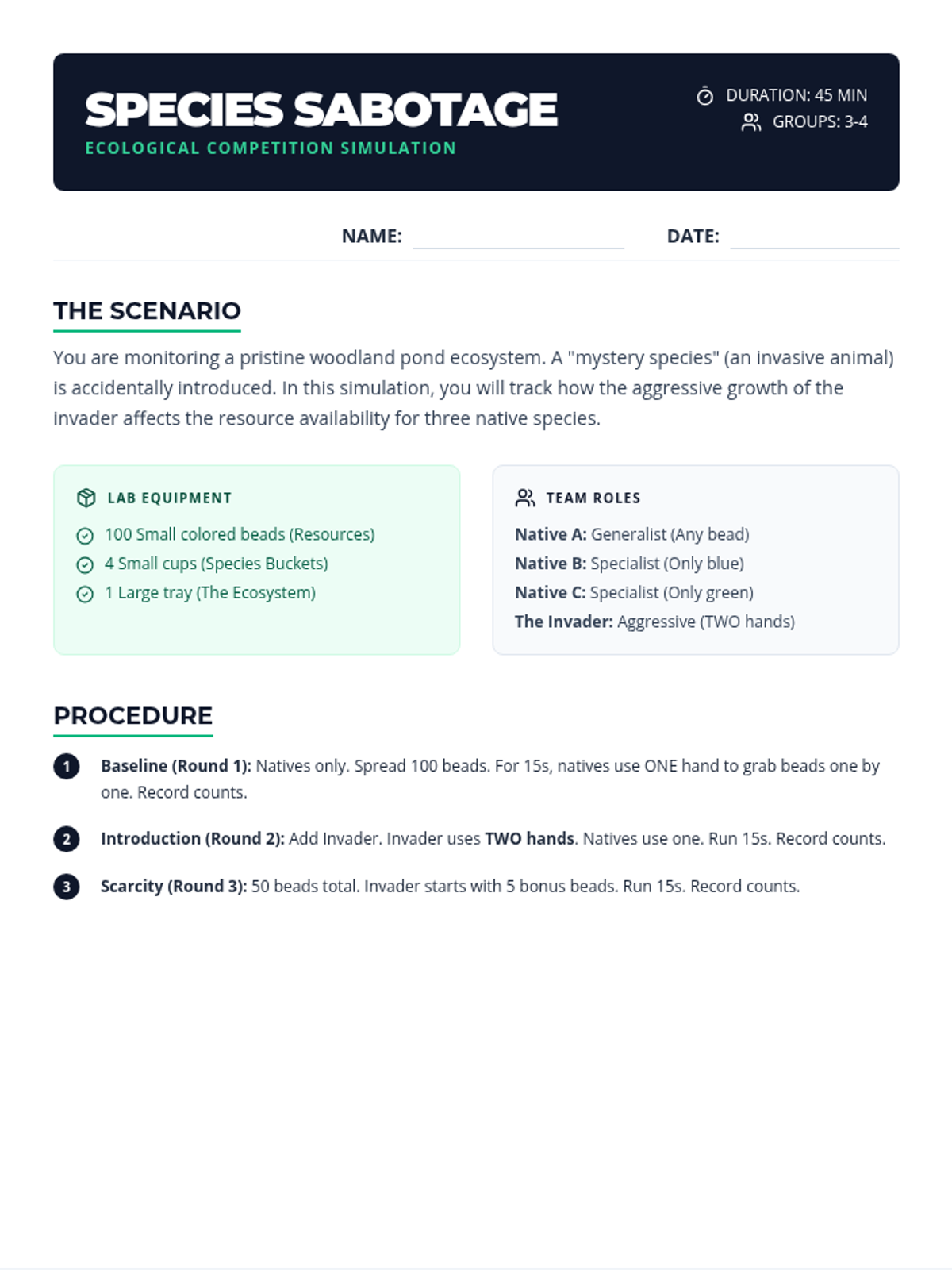
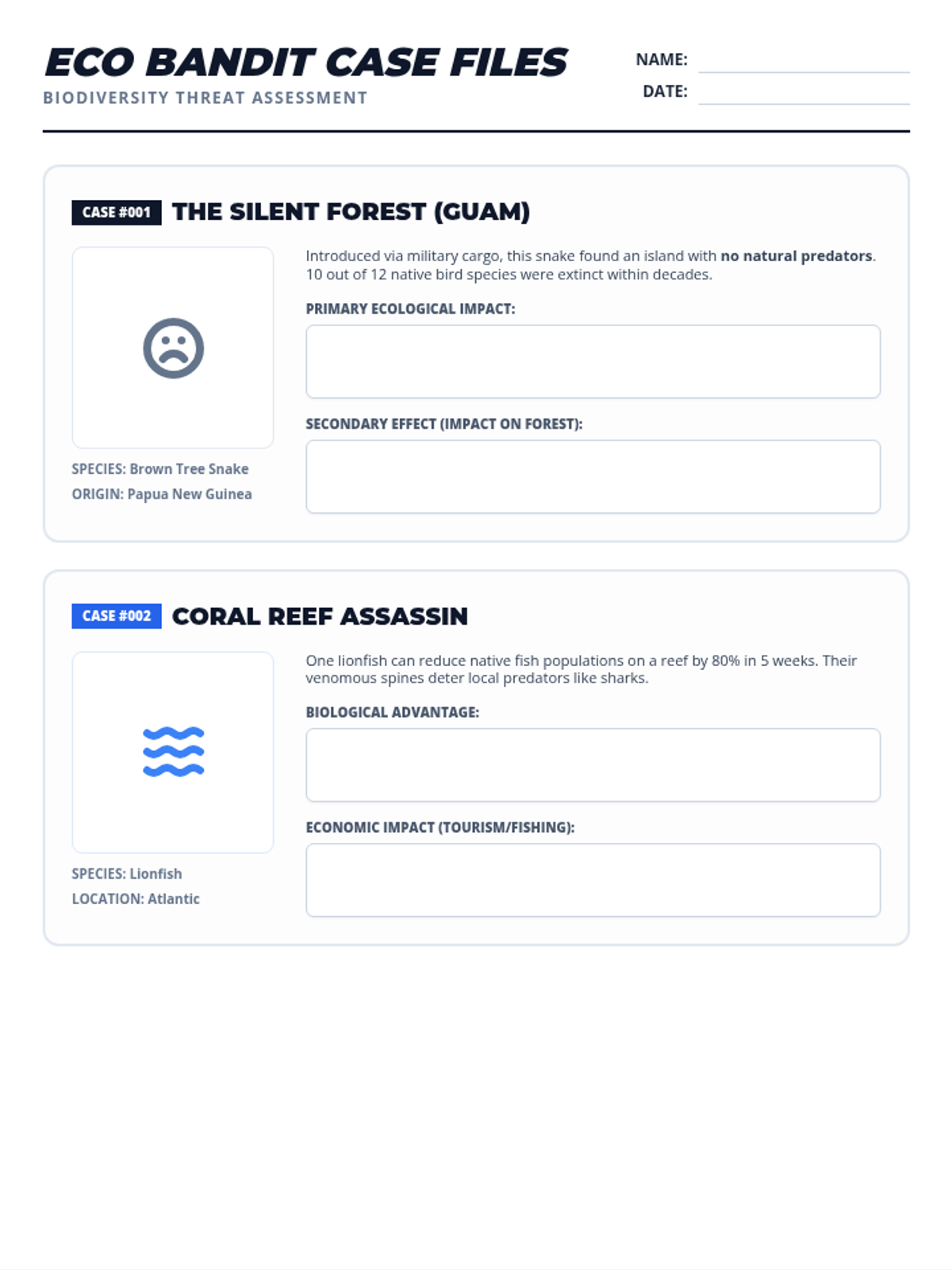
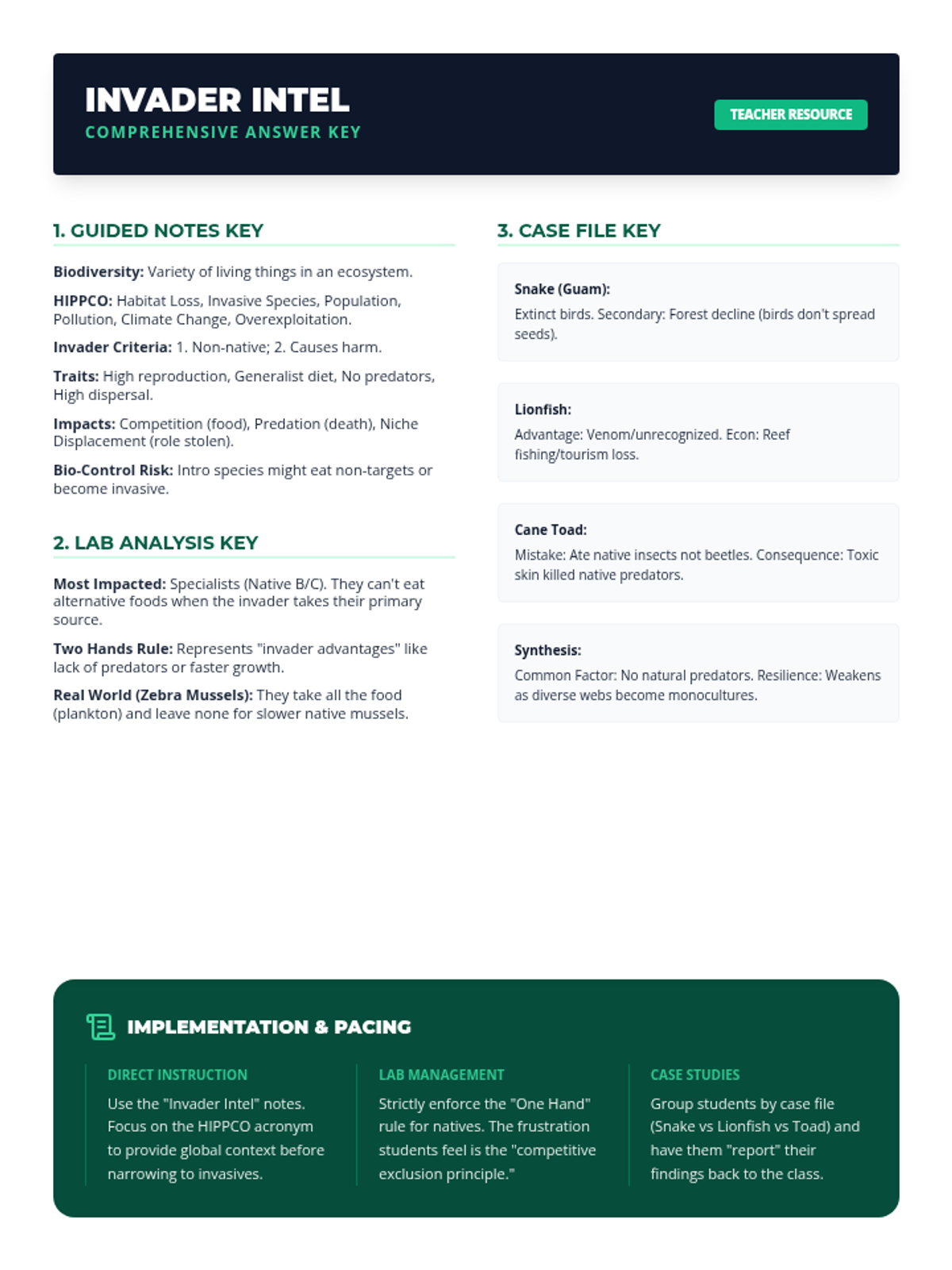
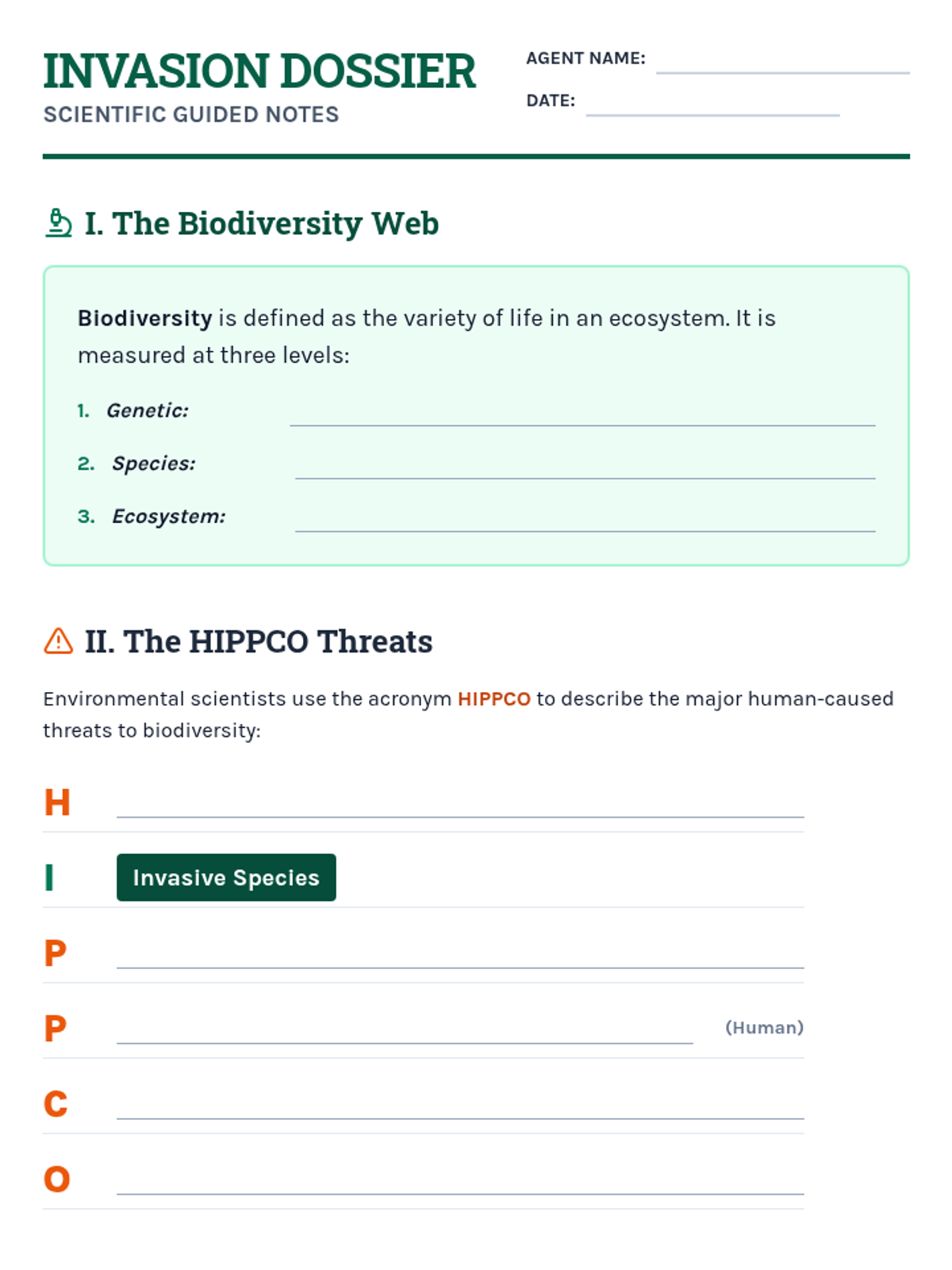
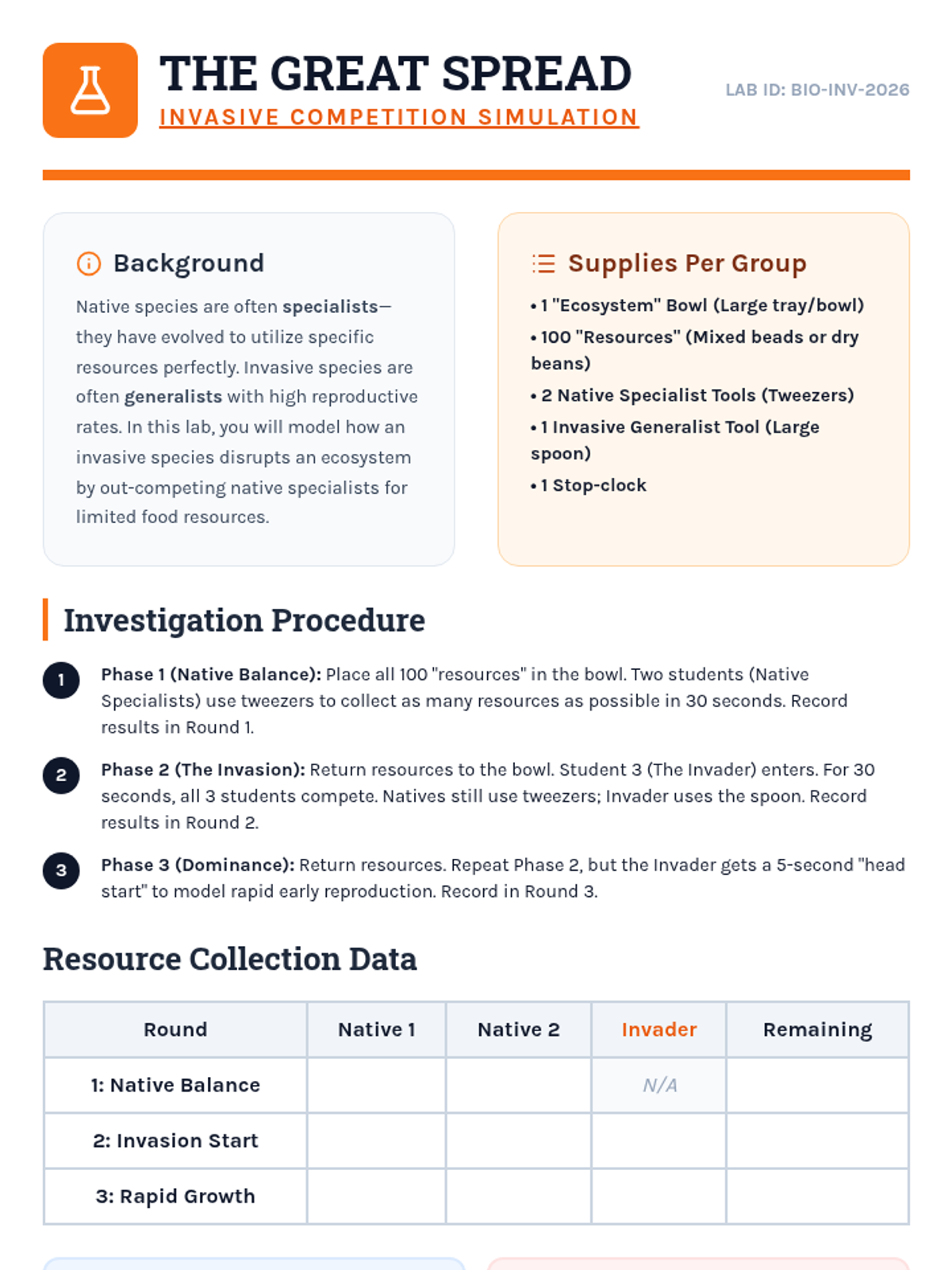
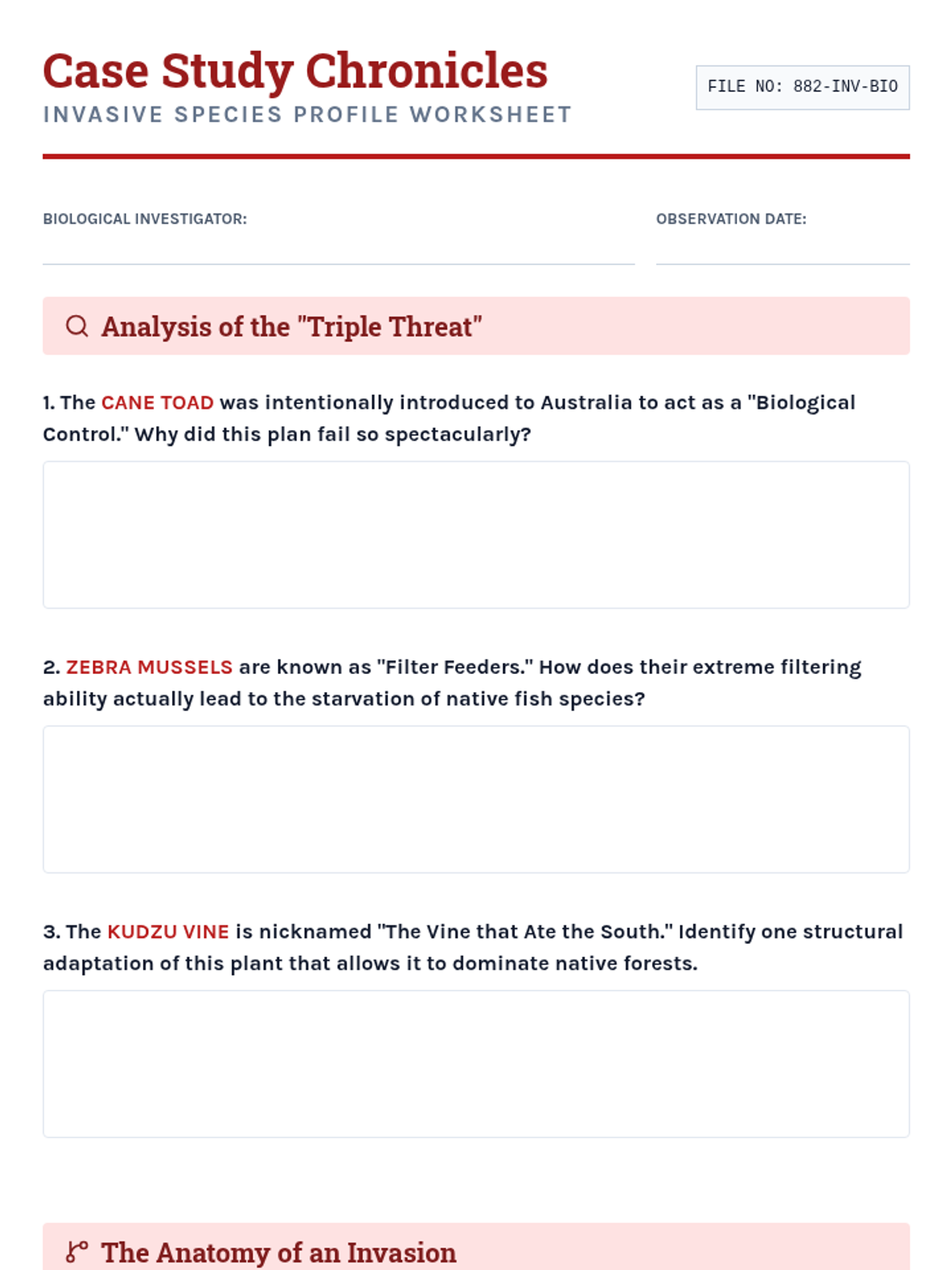
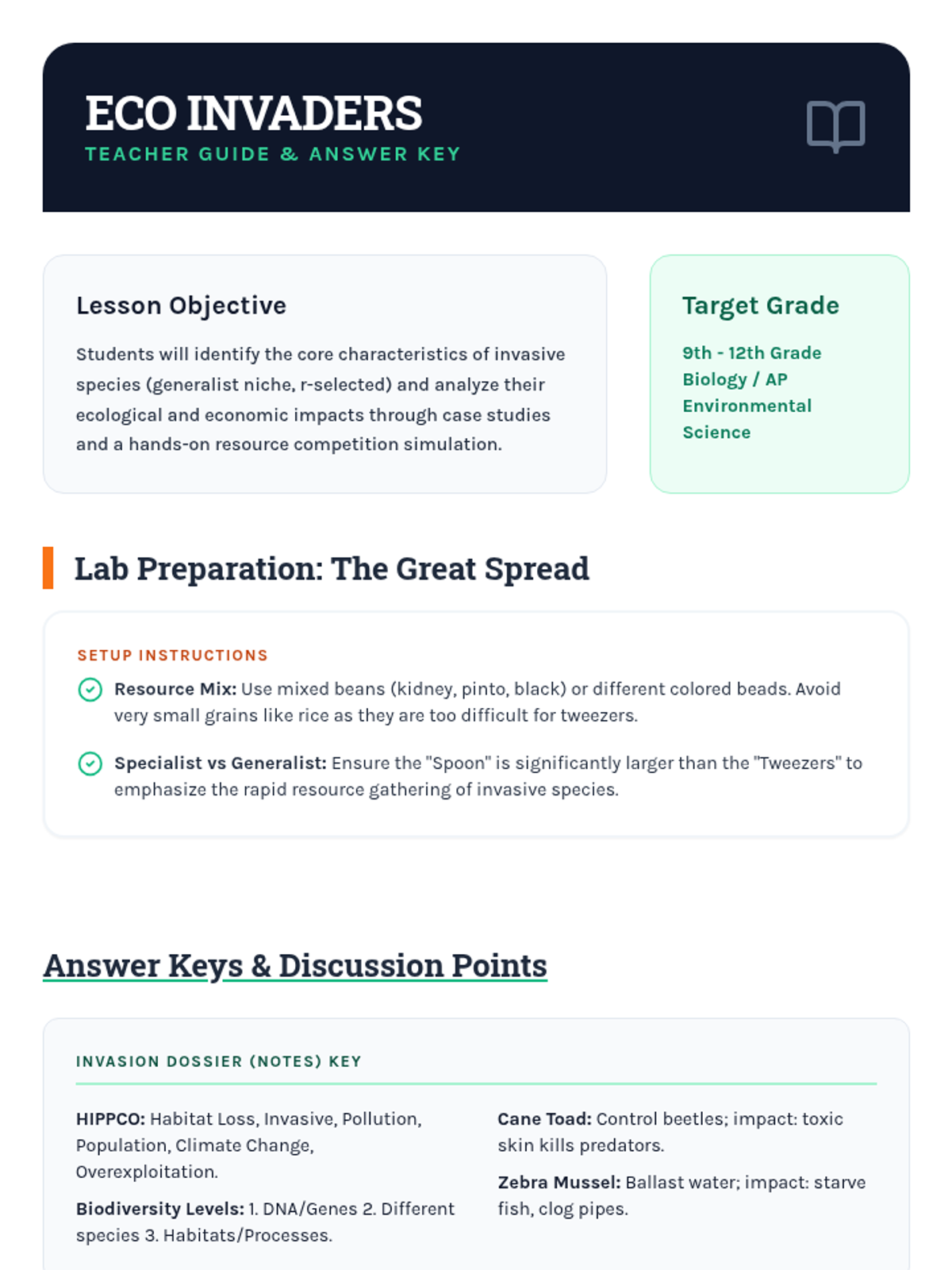
This lesson explores the impact of invasive species on global biodiversity through hands-on simulation and detailed case studies. Students will identify key characteristics of successful invaders and analyze the ecological and economic consequences of their introduction.
An immersive lesson exploring the impact of invasive species on global biodiversity through hands-on simulation, case study analysis, and guided inquiry.
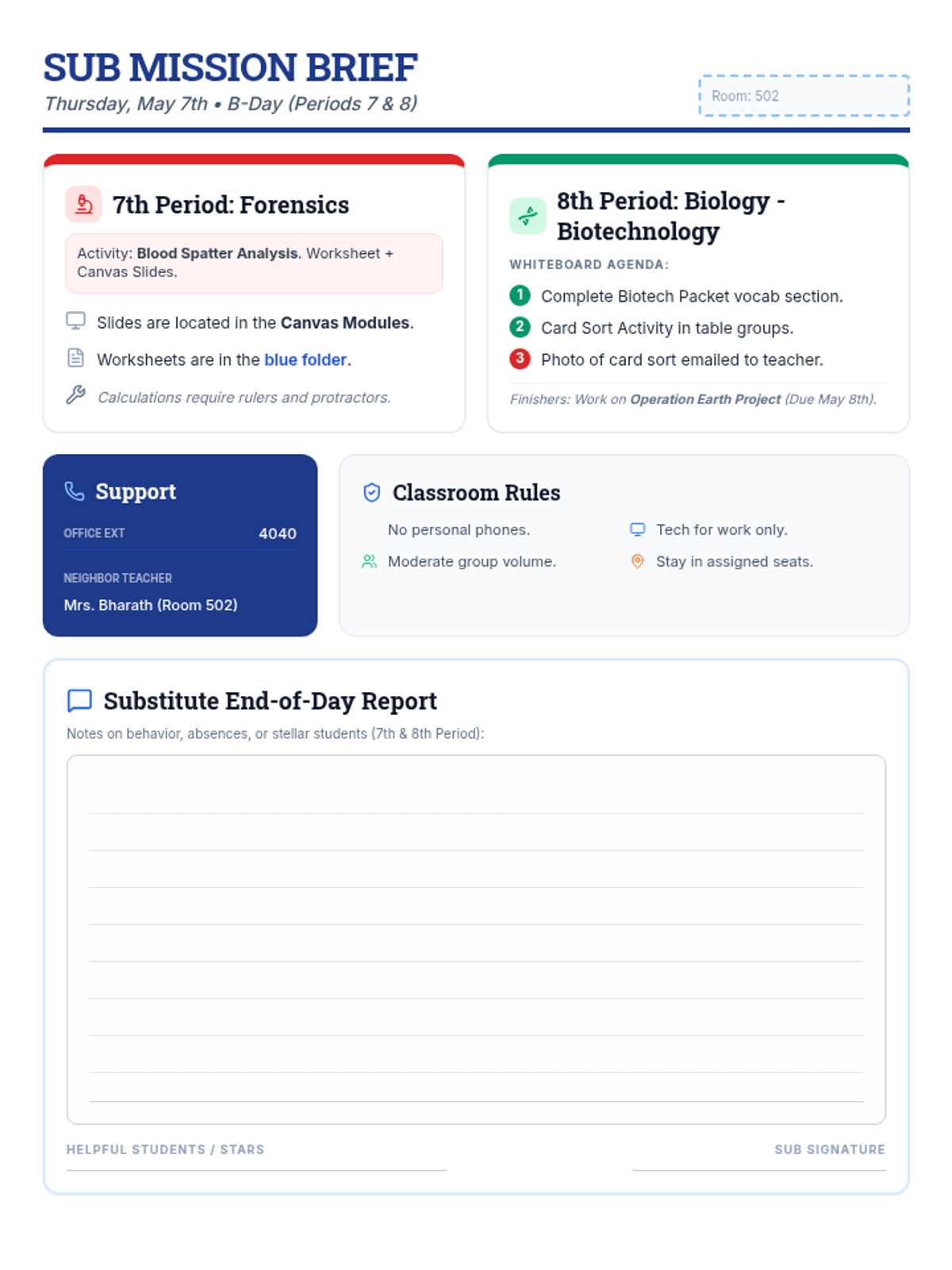
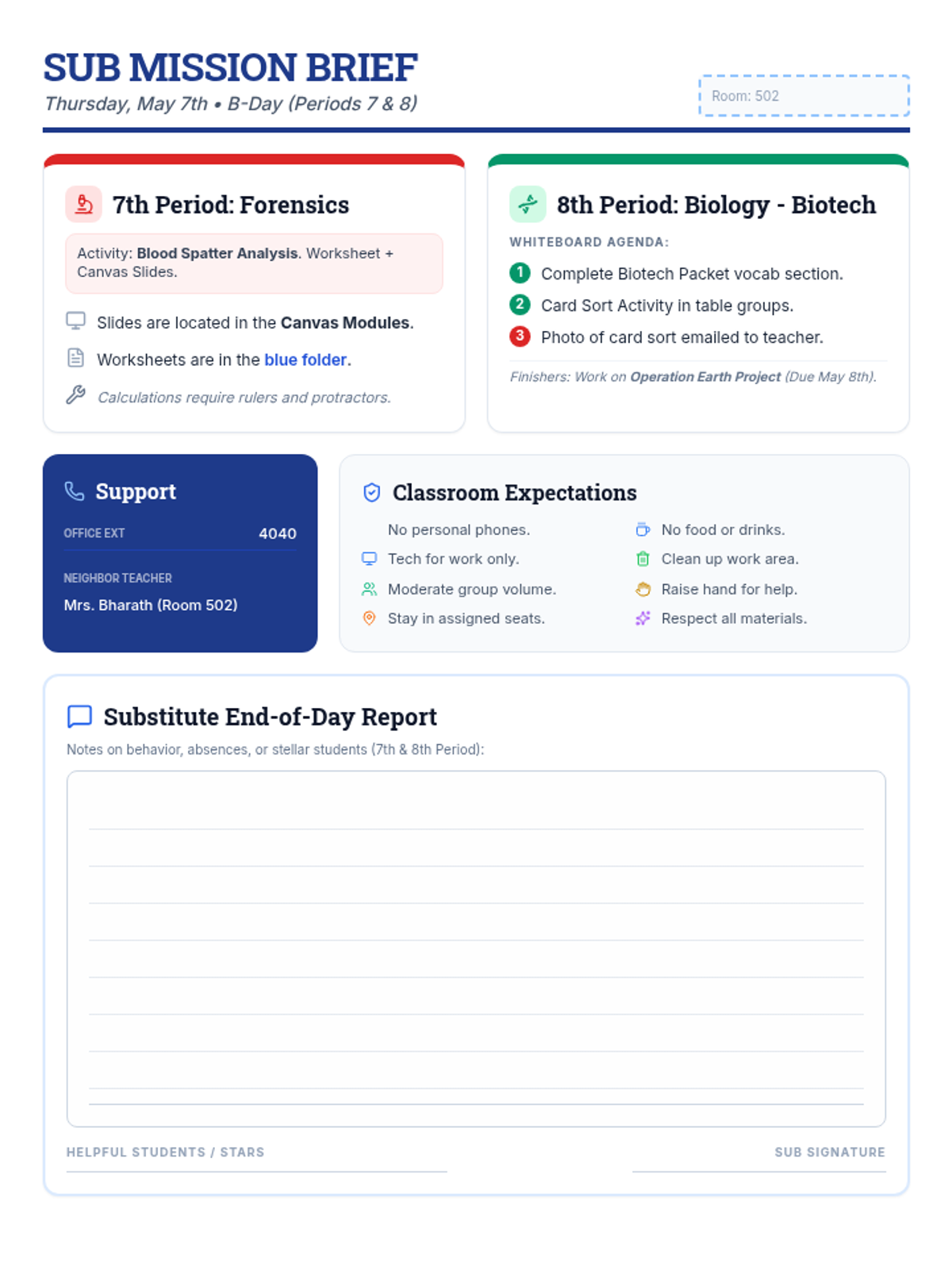
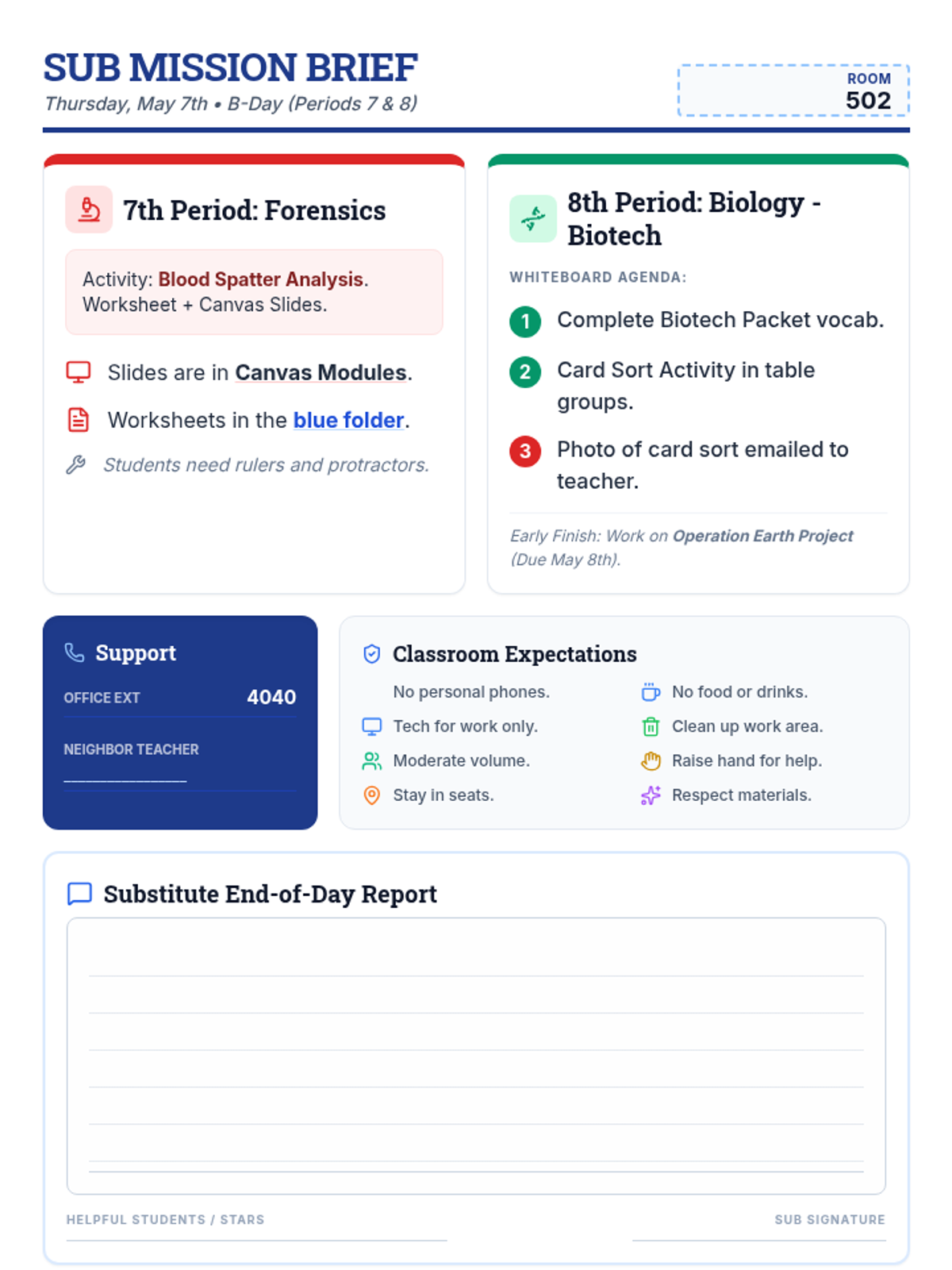
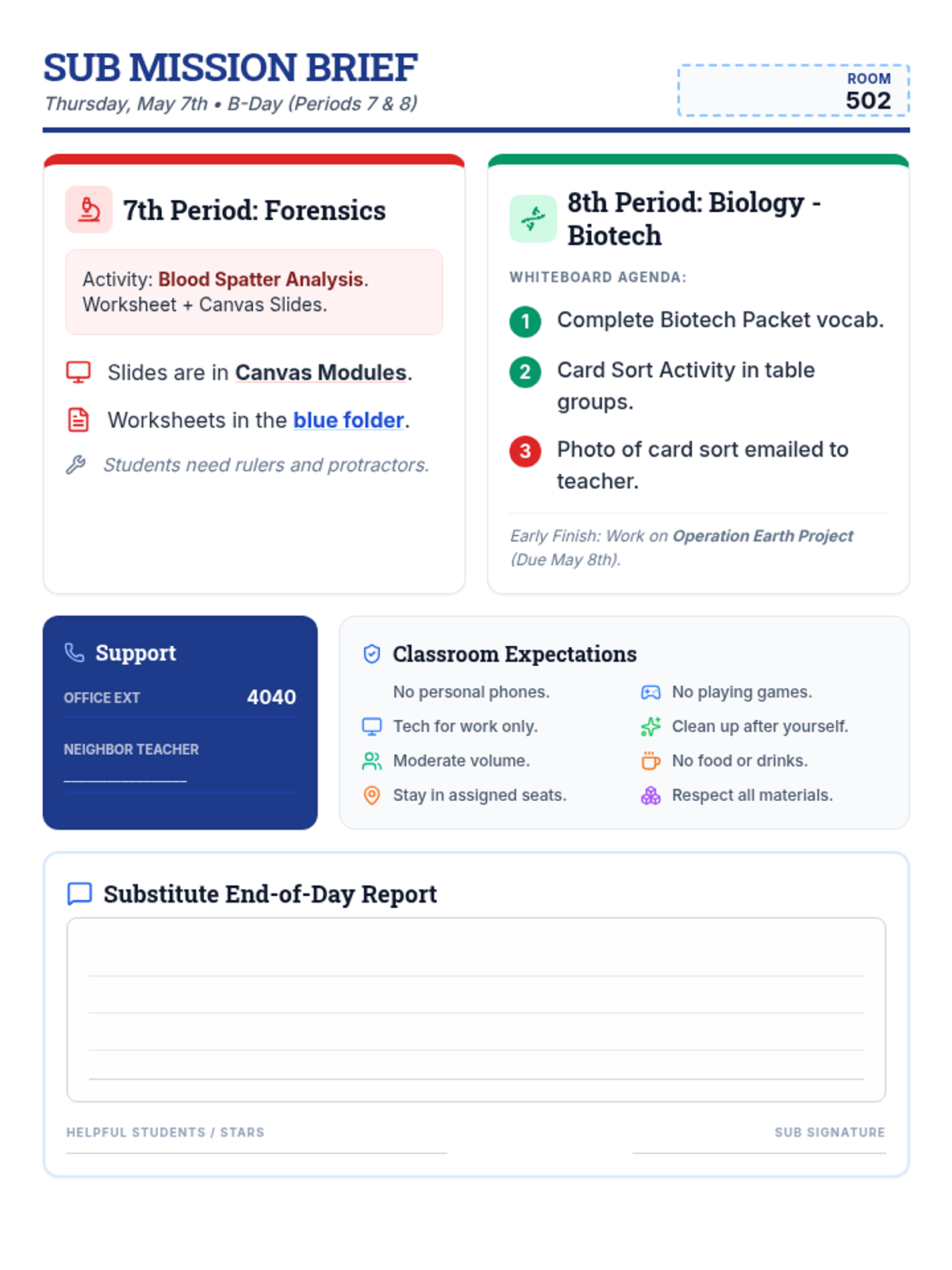
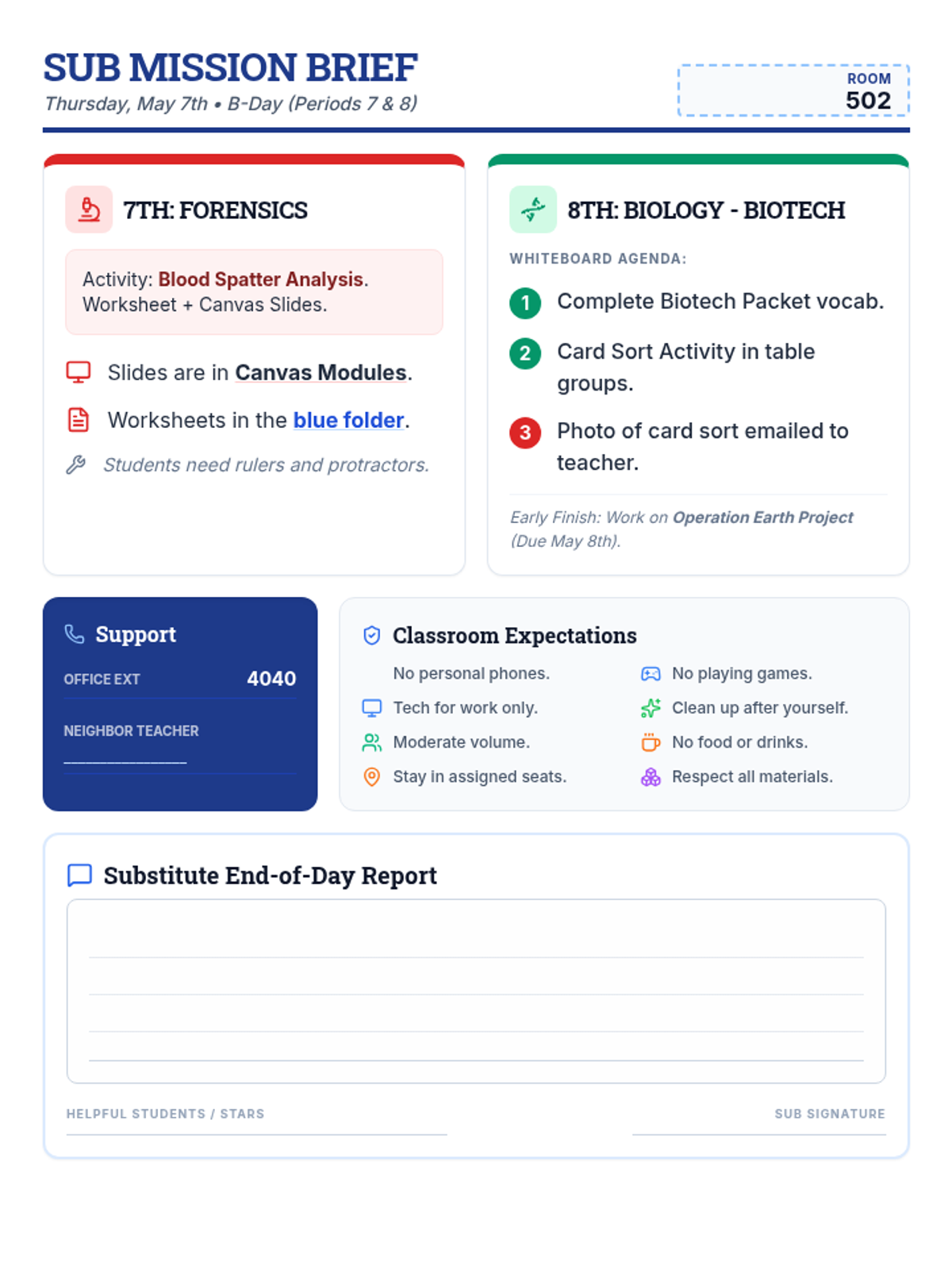
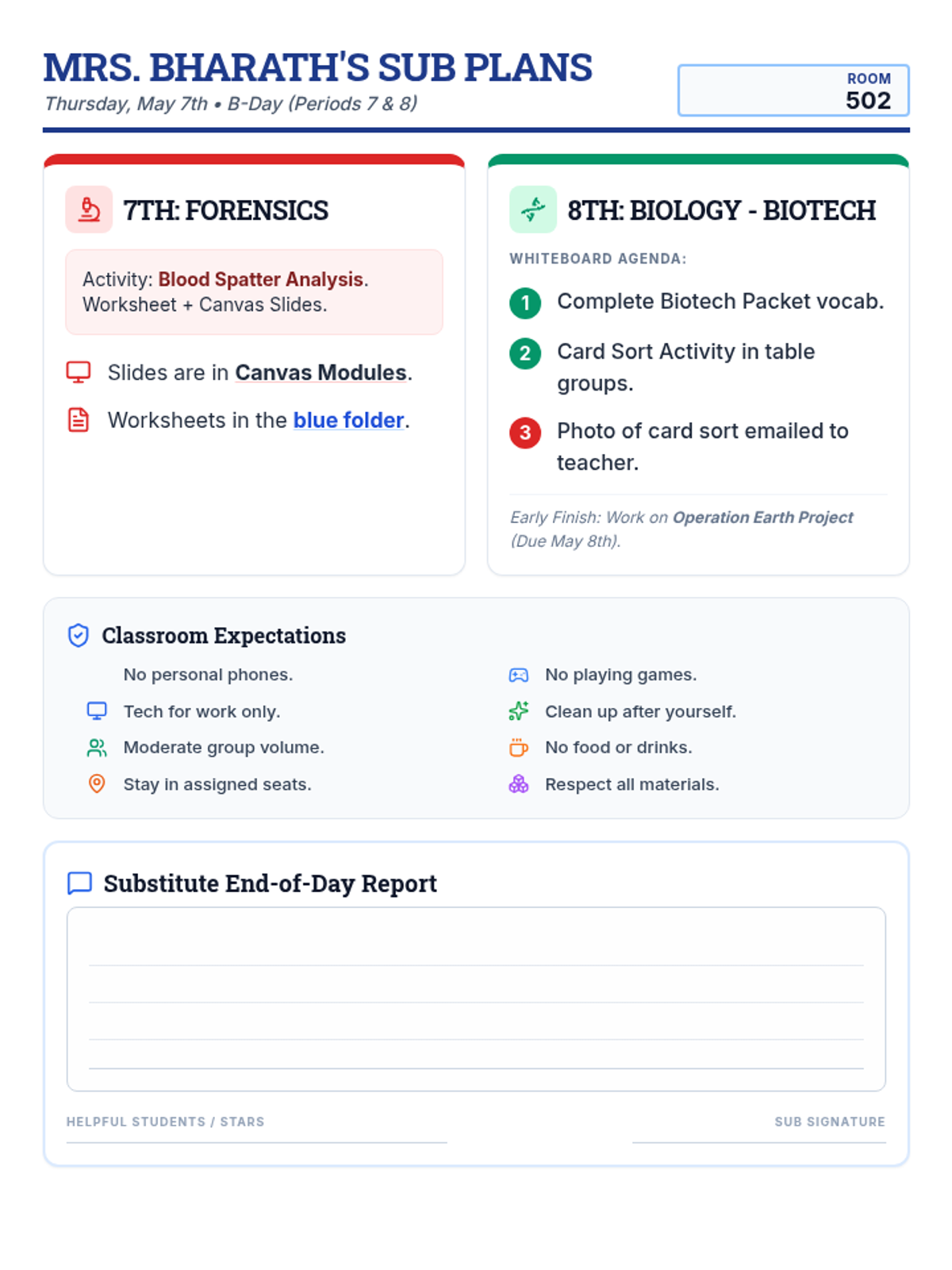
A concise and clear guide for a substitute teacher covering 7th and 8th period classes on May 7th, featuring forensics and biotechnology activities.
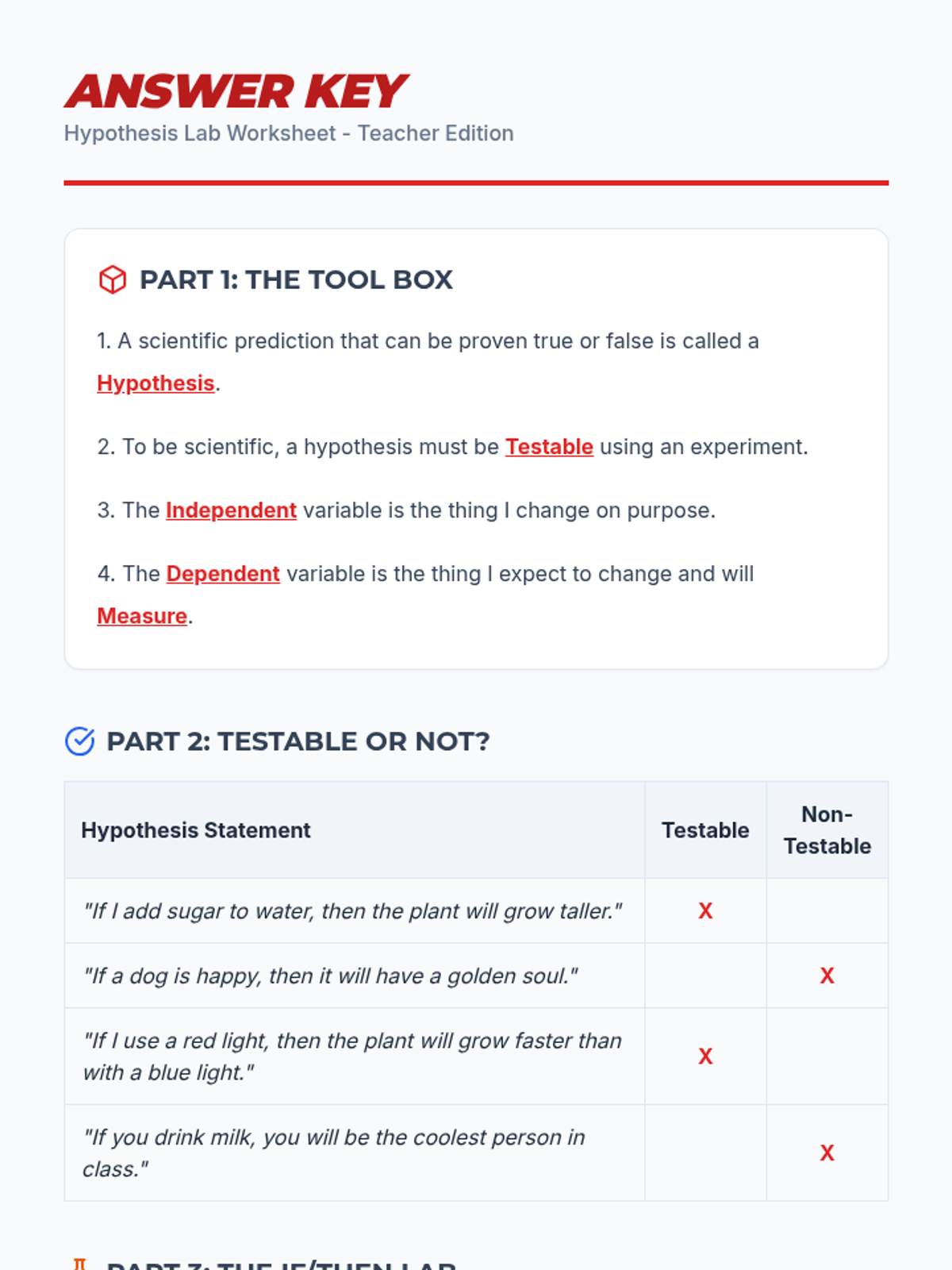
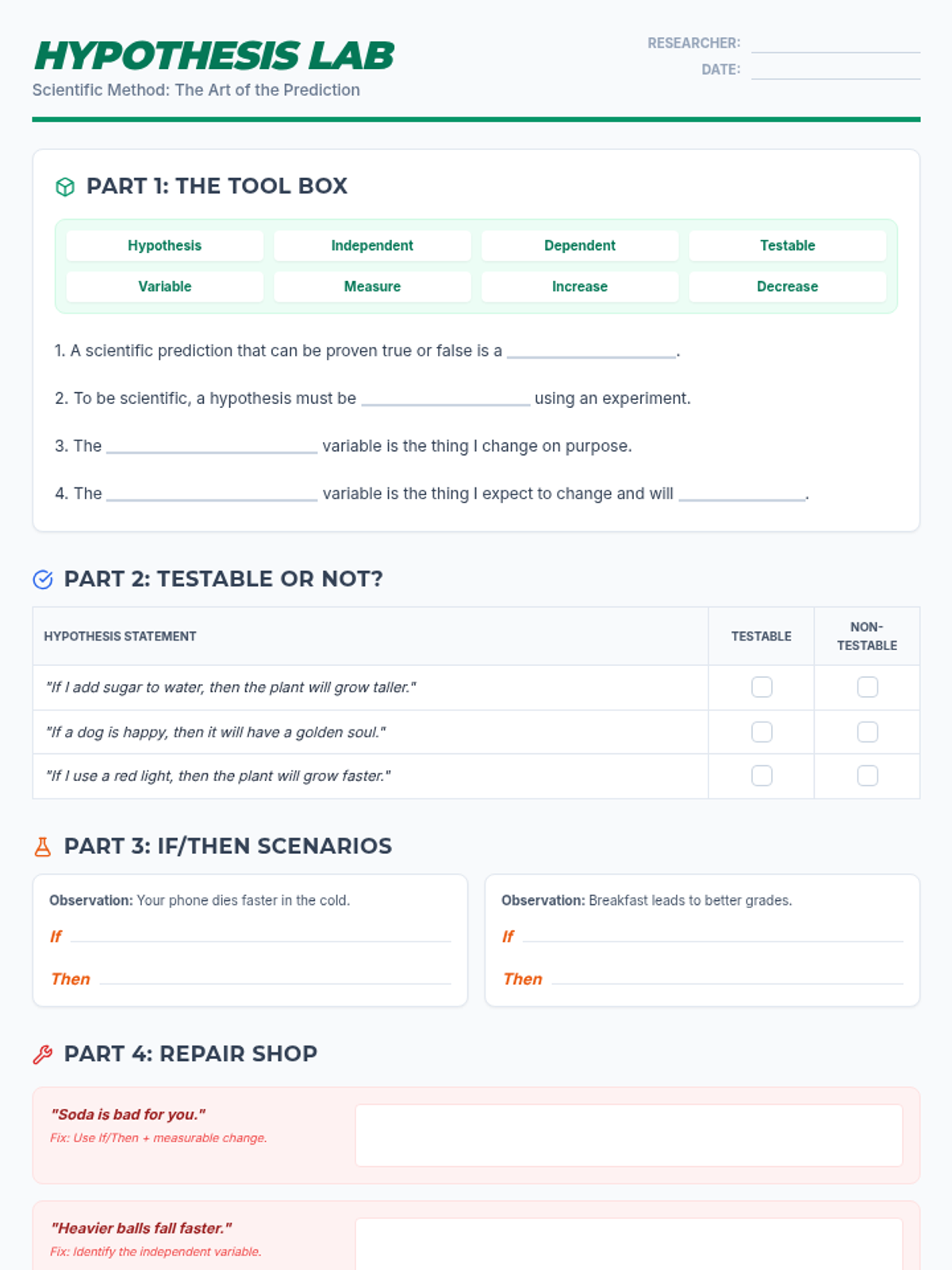
A focused lesson on crafting and refining scientific hypotheses using the If/Then format and distinguishing between testable and non-testable questions.
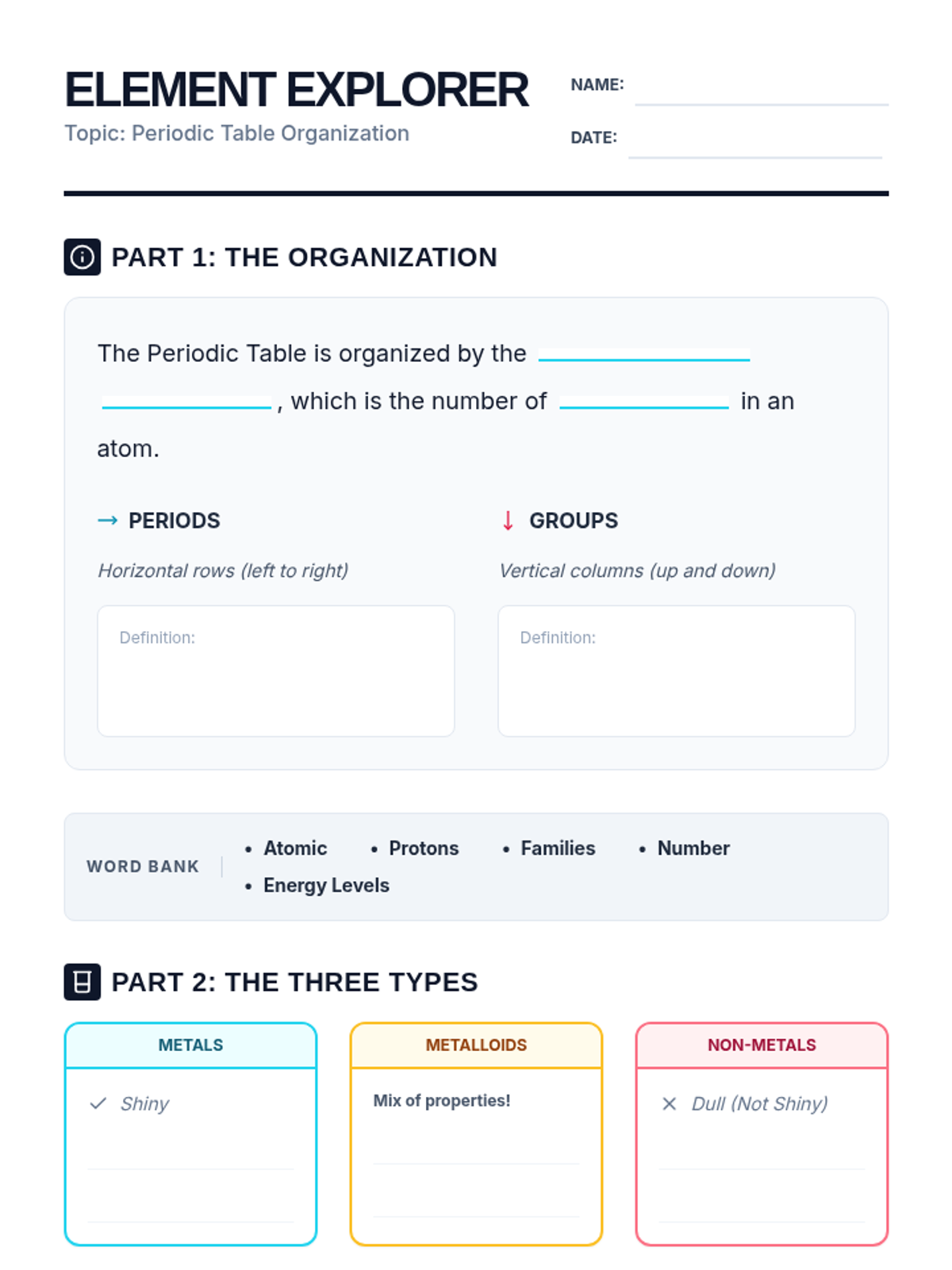
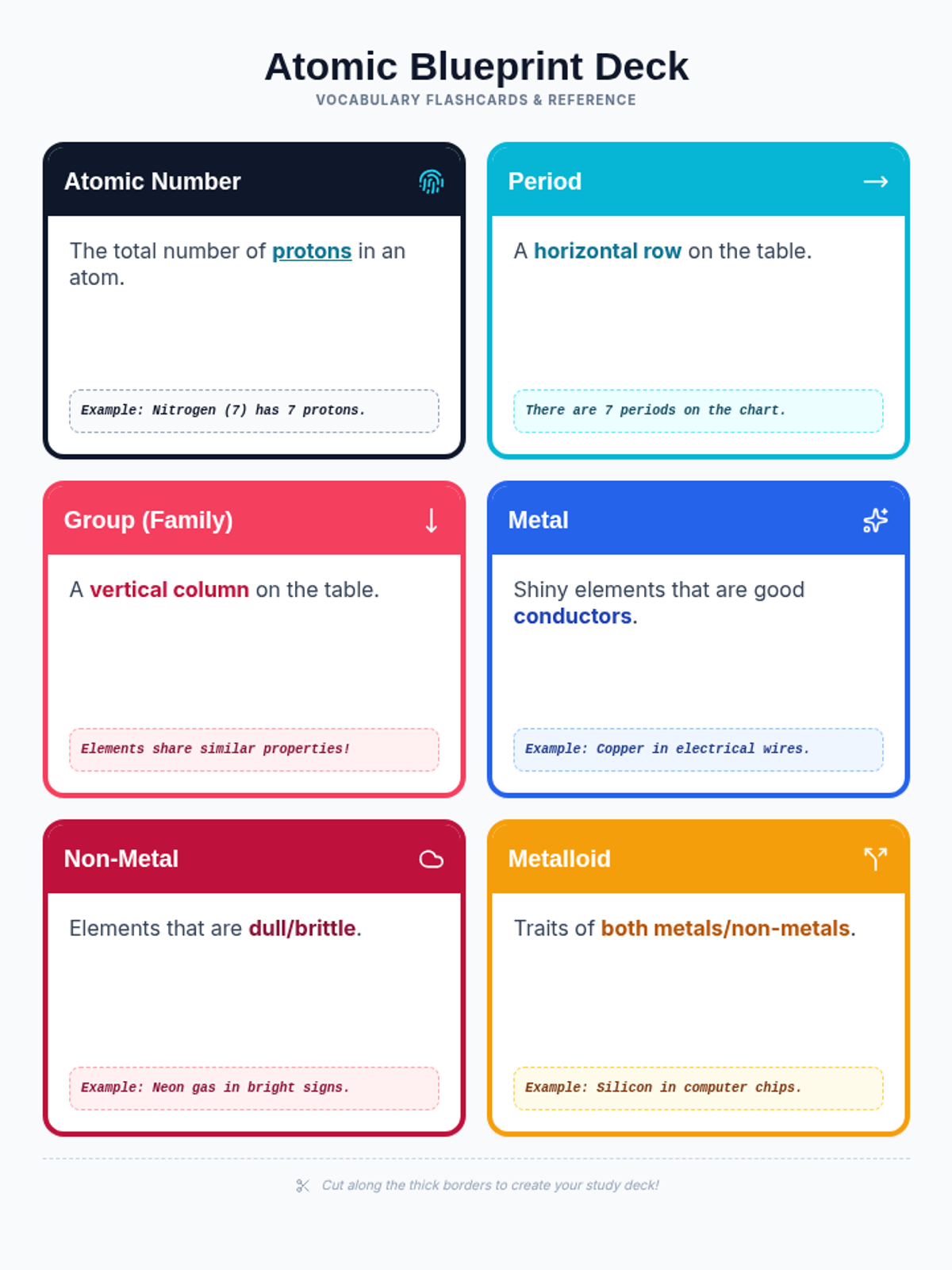
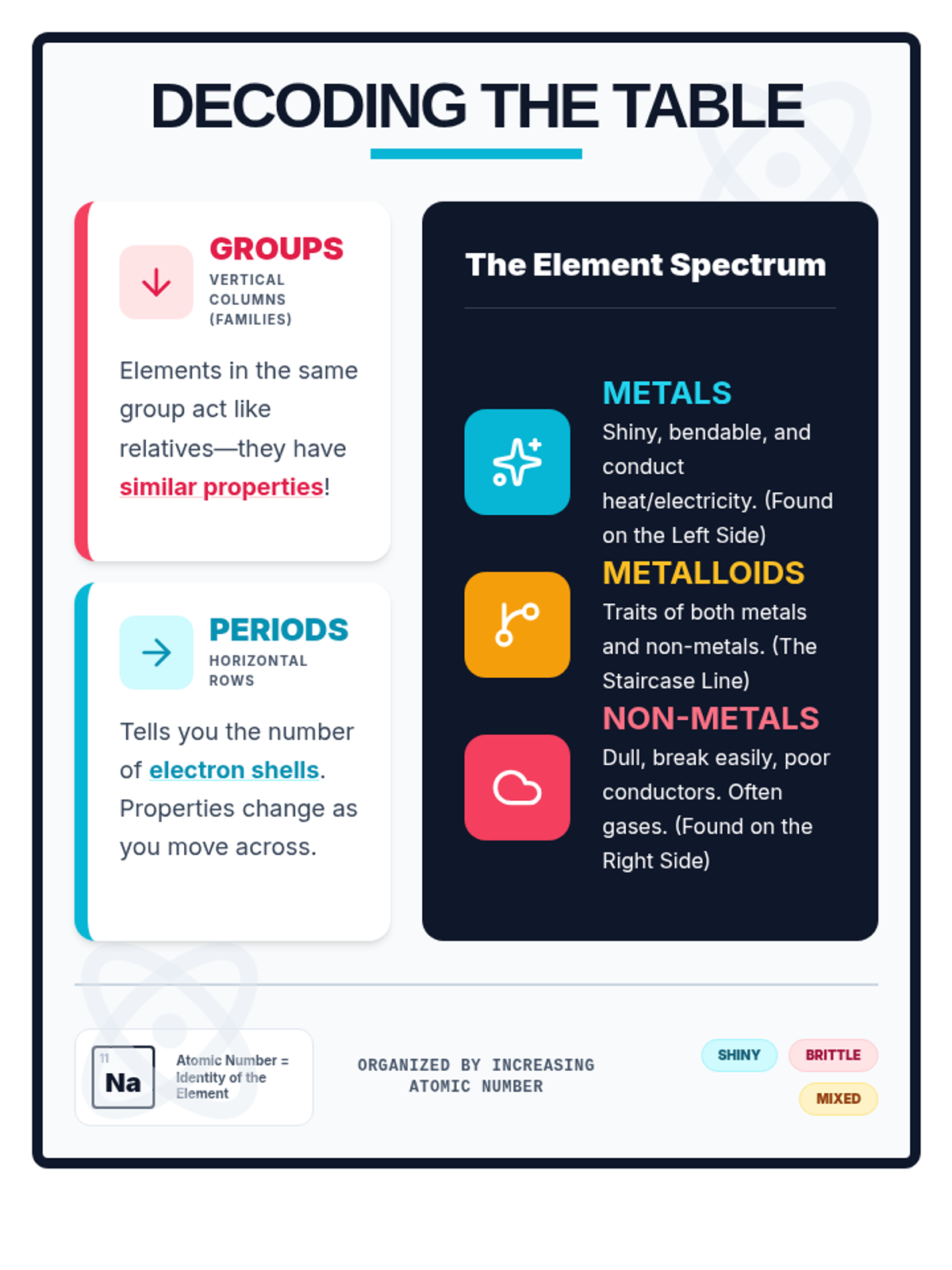
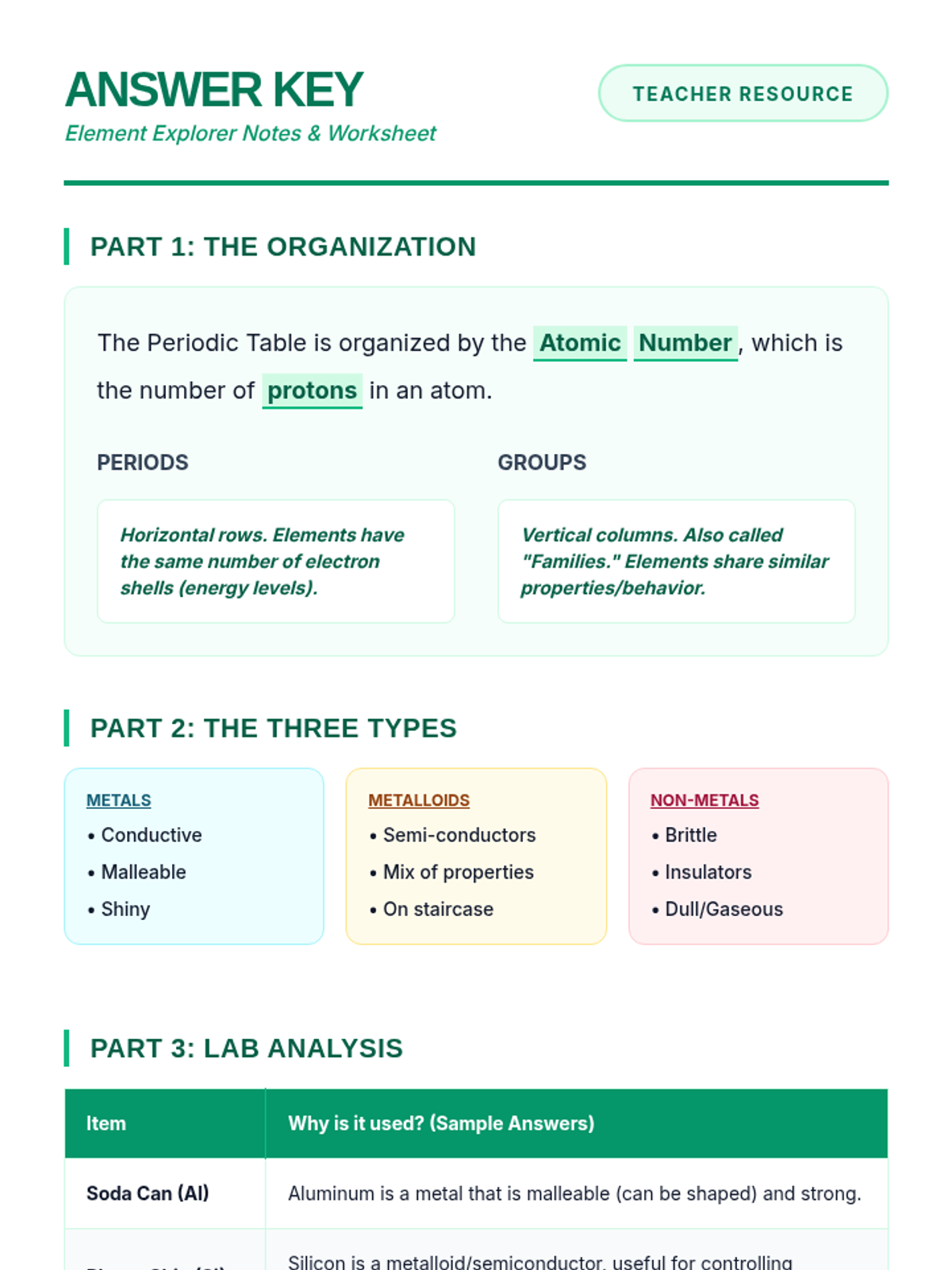
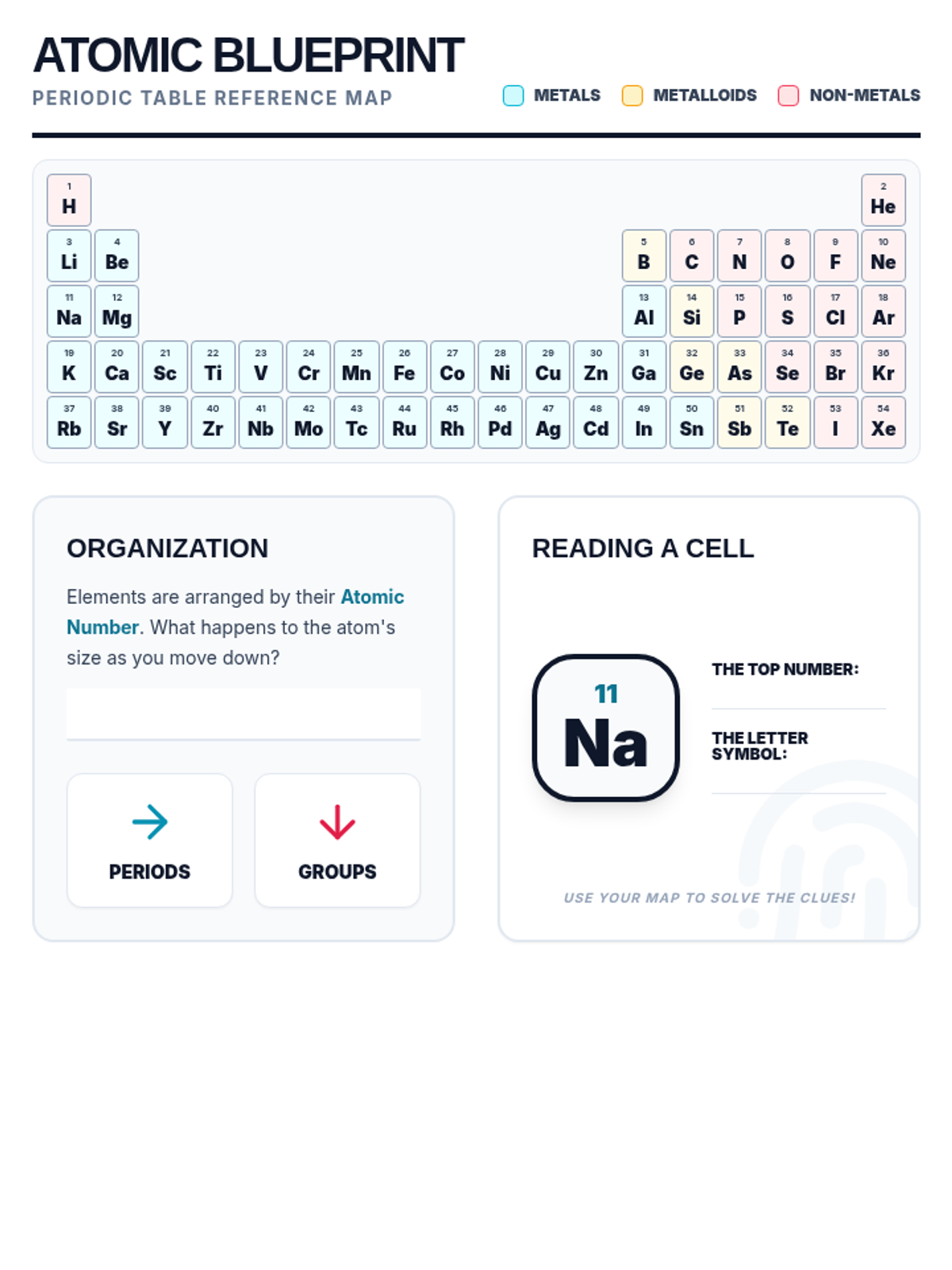
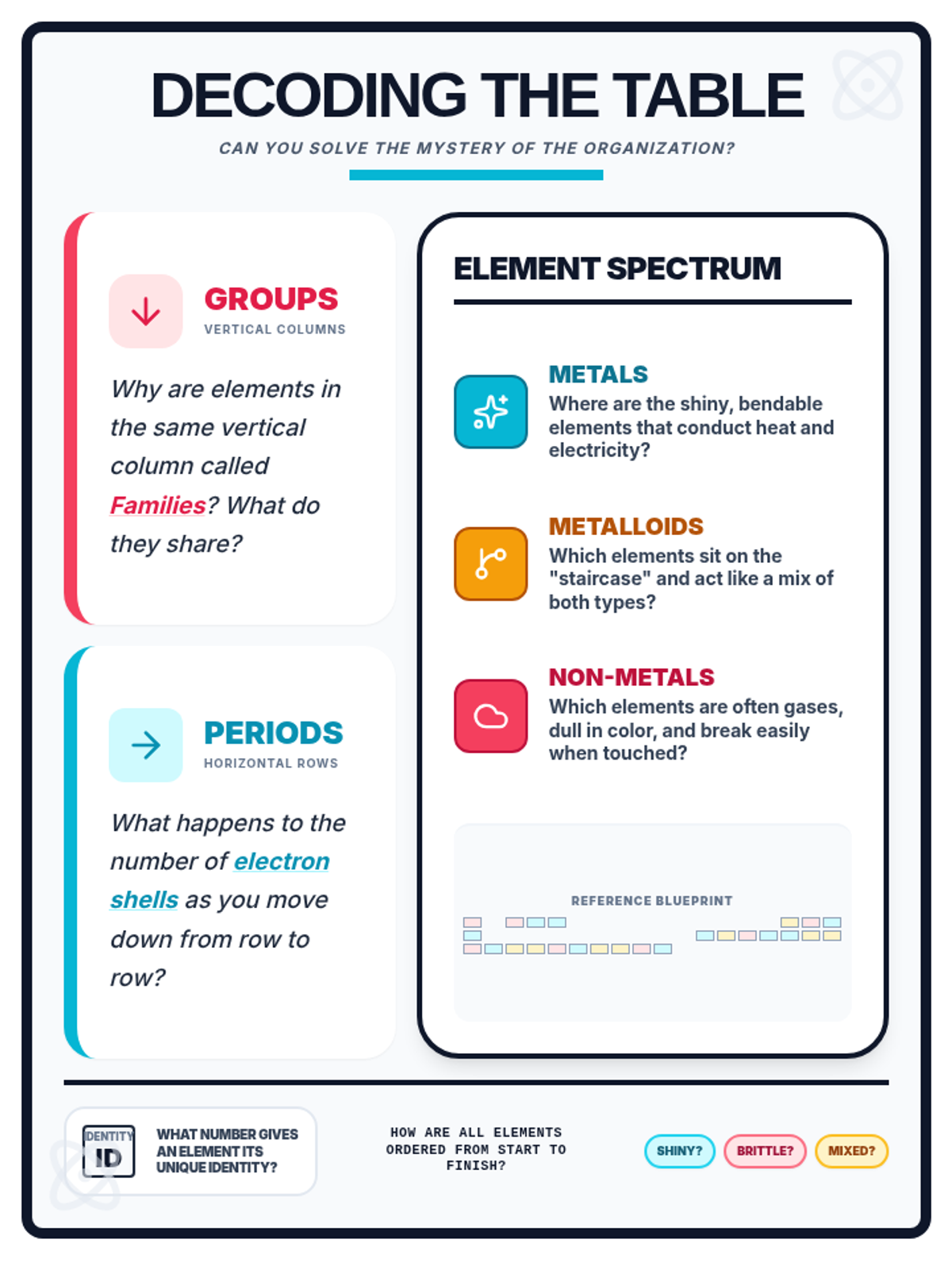
A comprehensive introduction to the Periodic Table, exploring how elements are organized by atomic number, the significance of groups and periods, and the distinct properties of metals, non-metals, and metalloids through real-world examples.
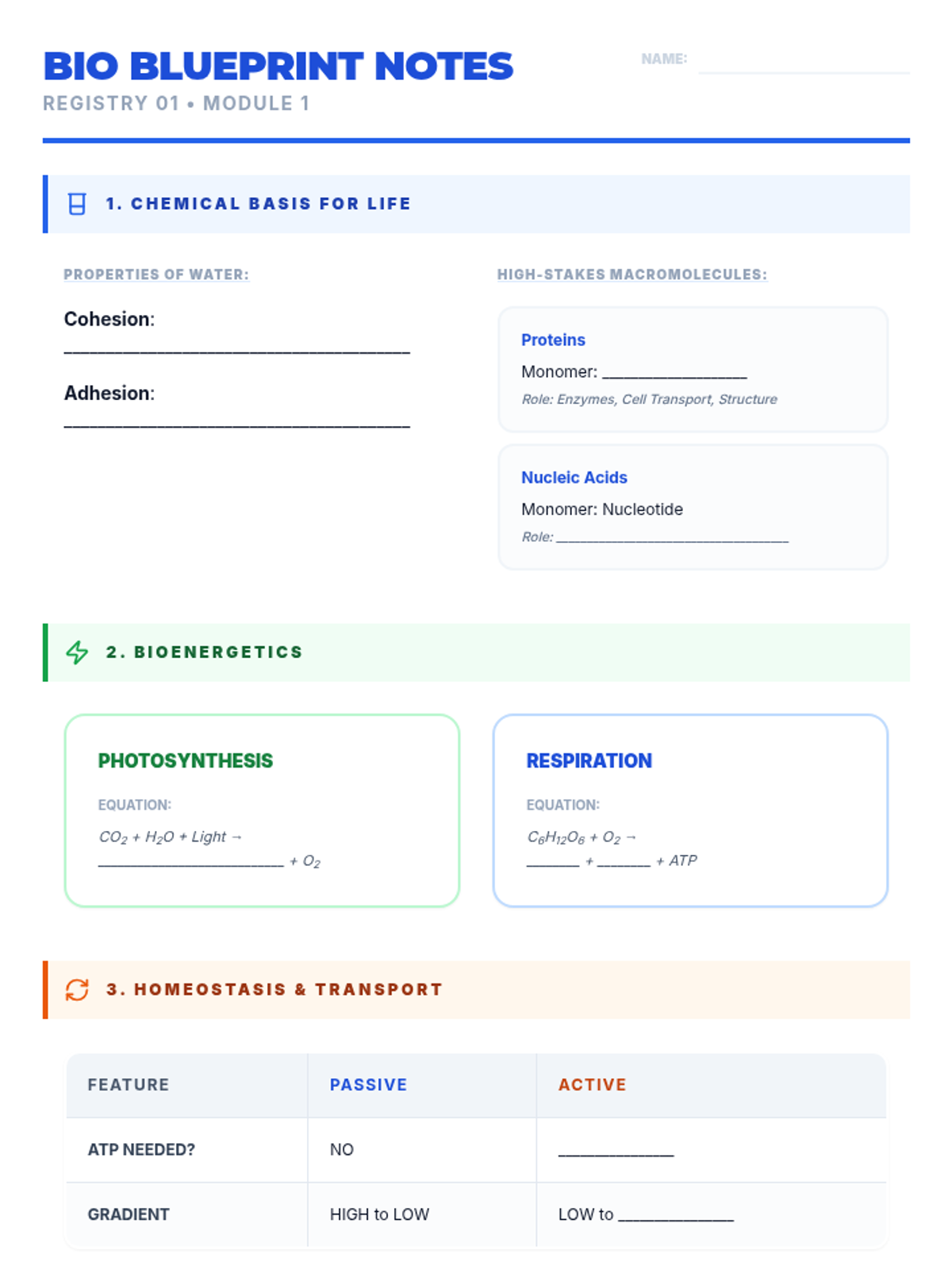
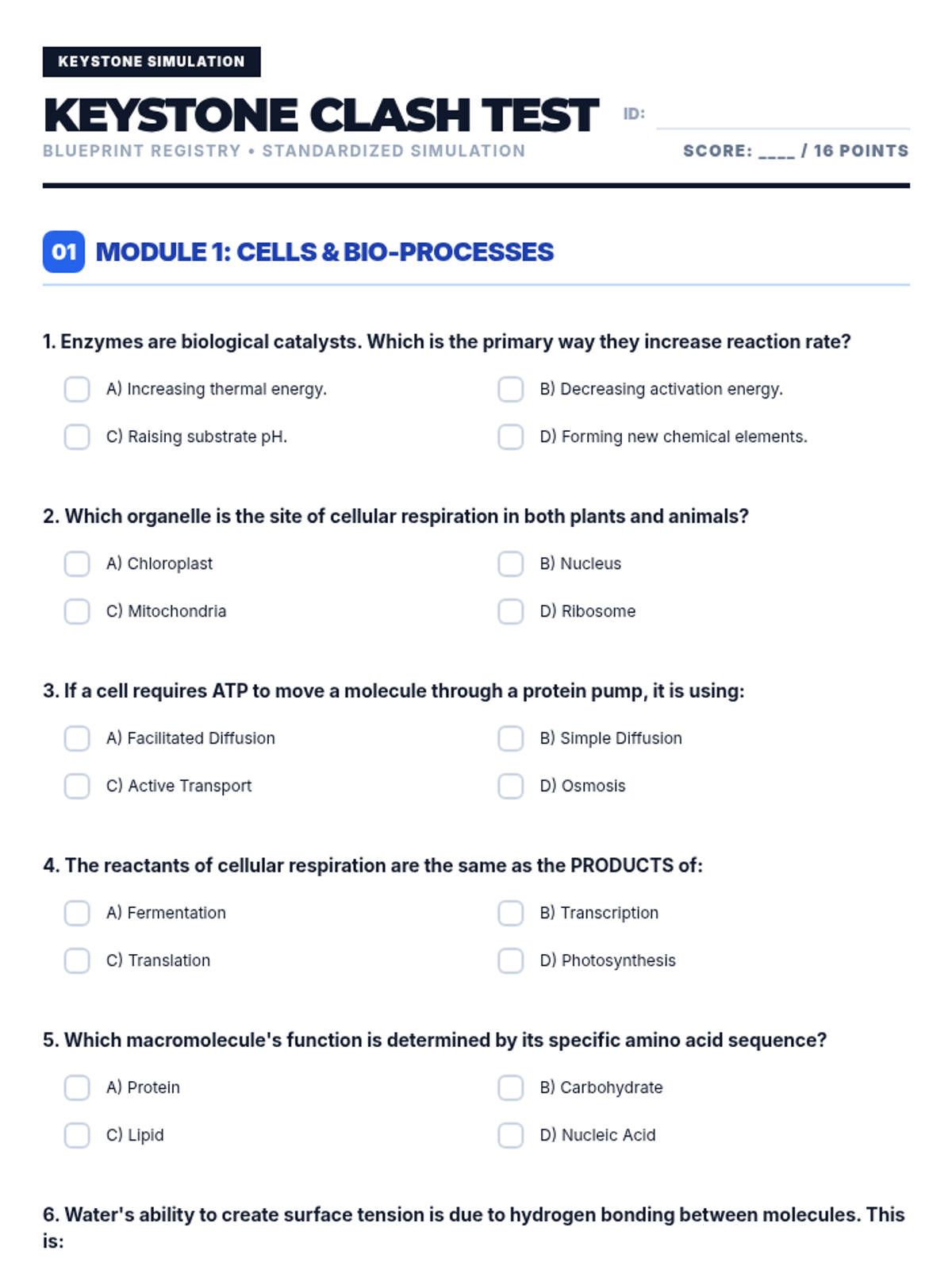
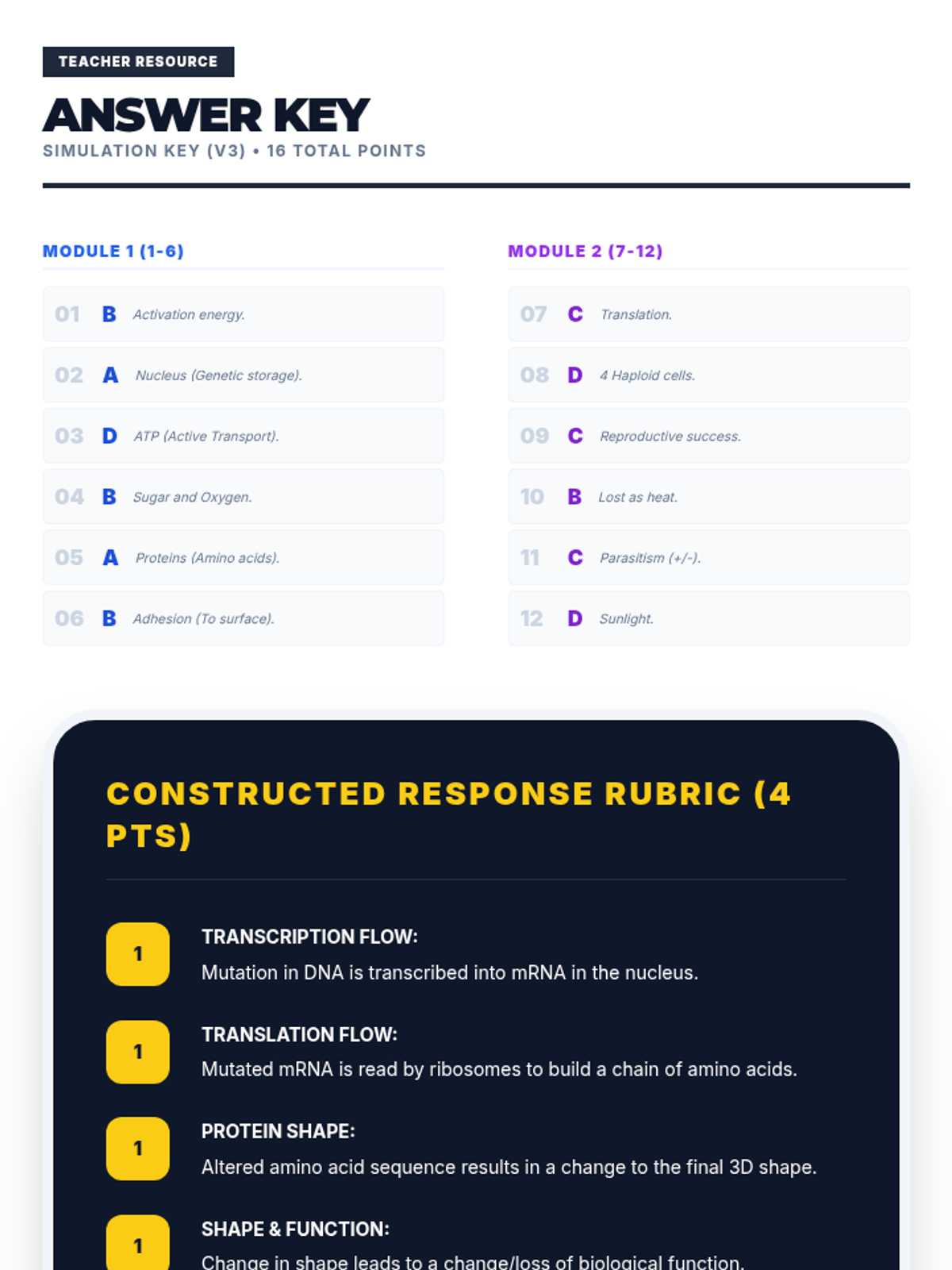
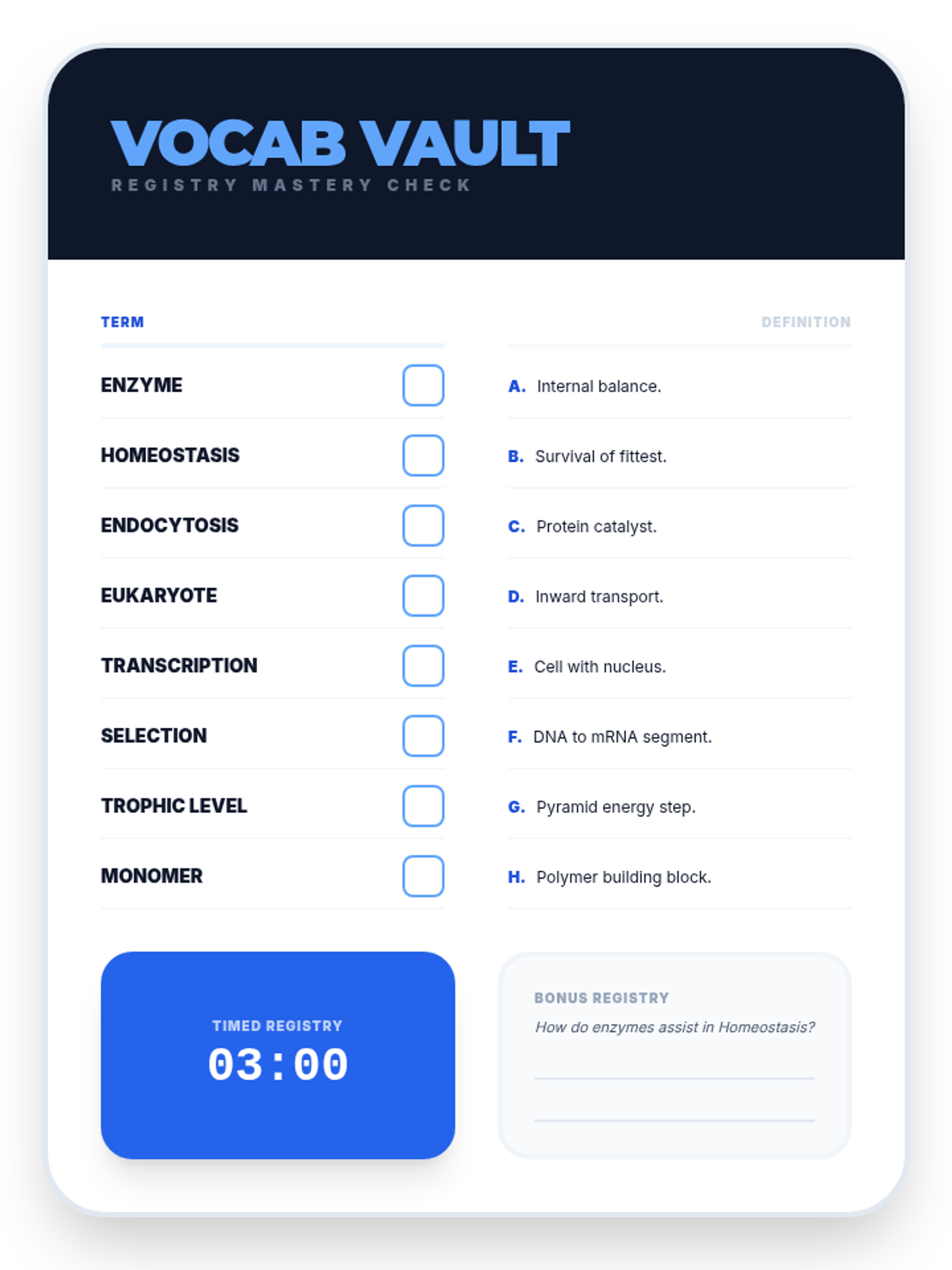
A comprehensive review session covering all Pennsylvania Biology Keystone Assessment Anchors, featuring guided notes, practice assessments, and visual aids to ensure student mastery of both modules.
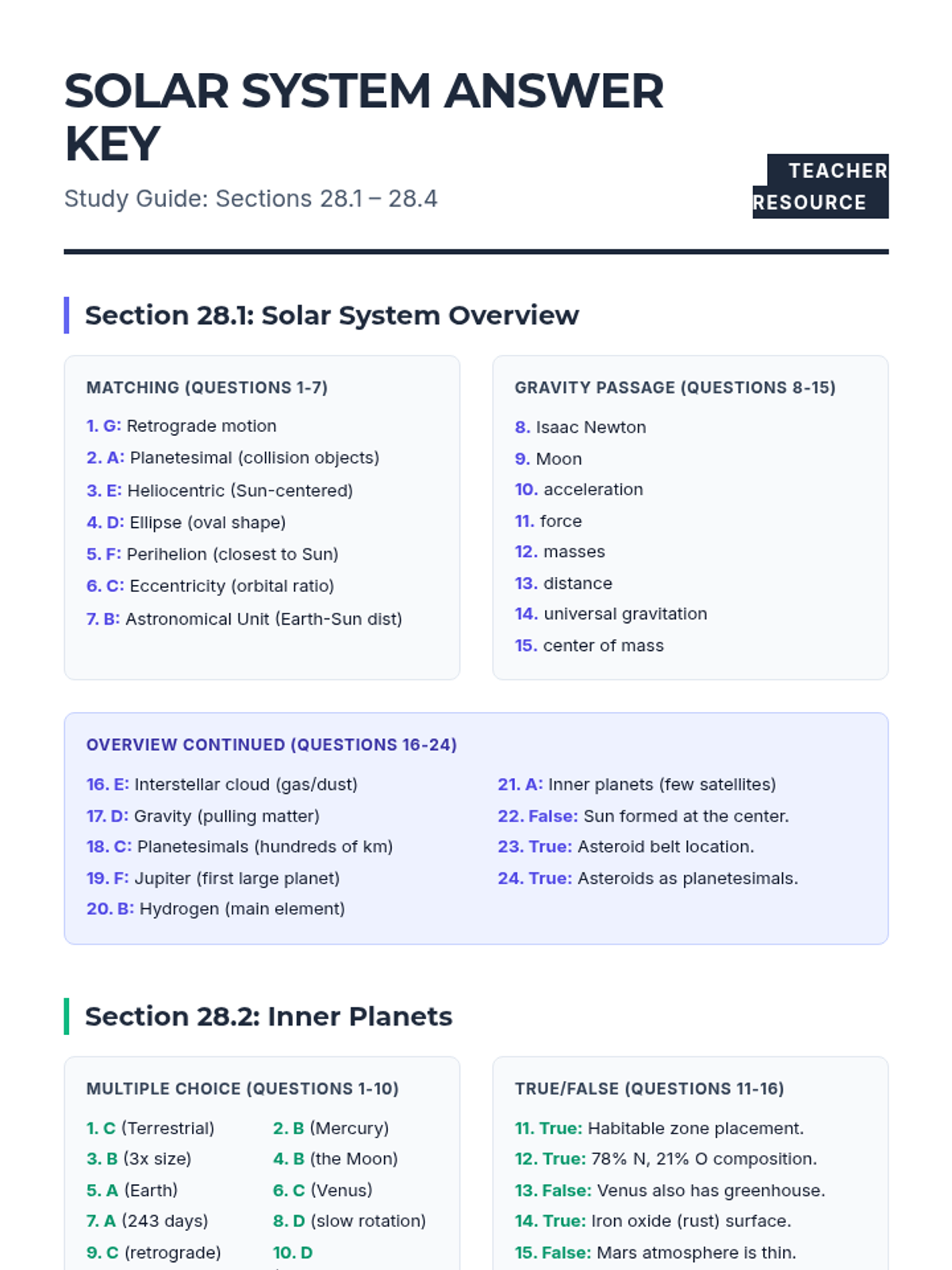
A comprehensive study of planetary characteristics, orbital mechanics, and the formation of our solar system based on the Unit 8 Study Guide.
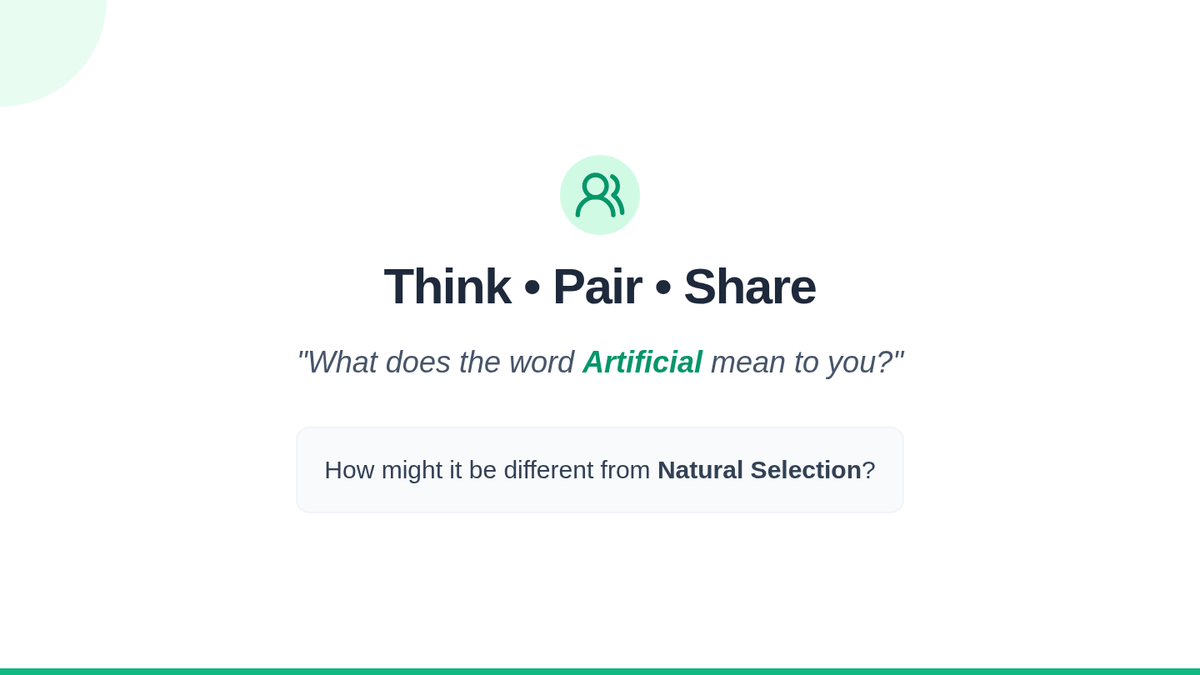
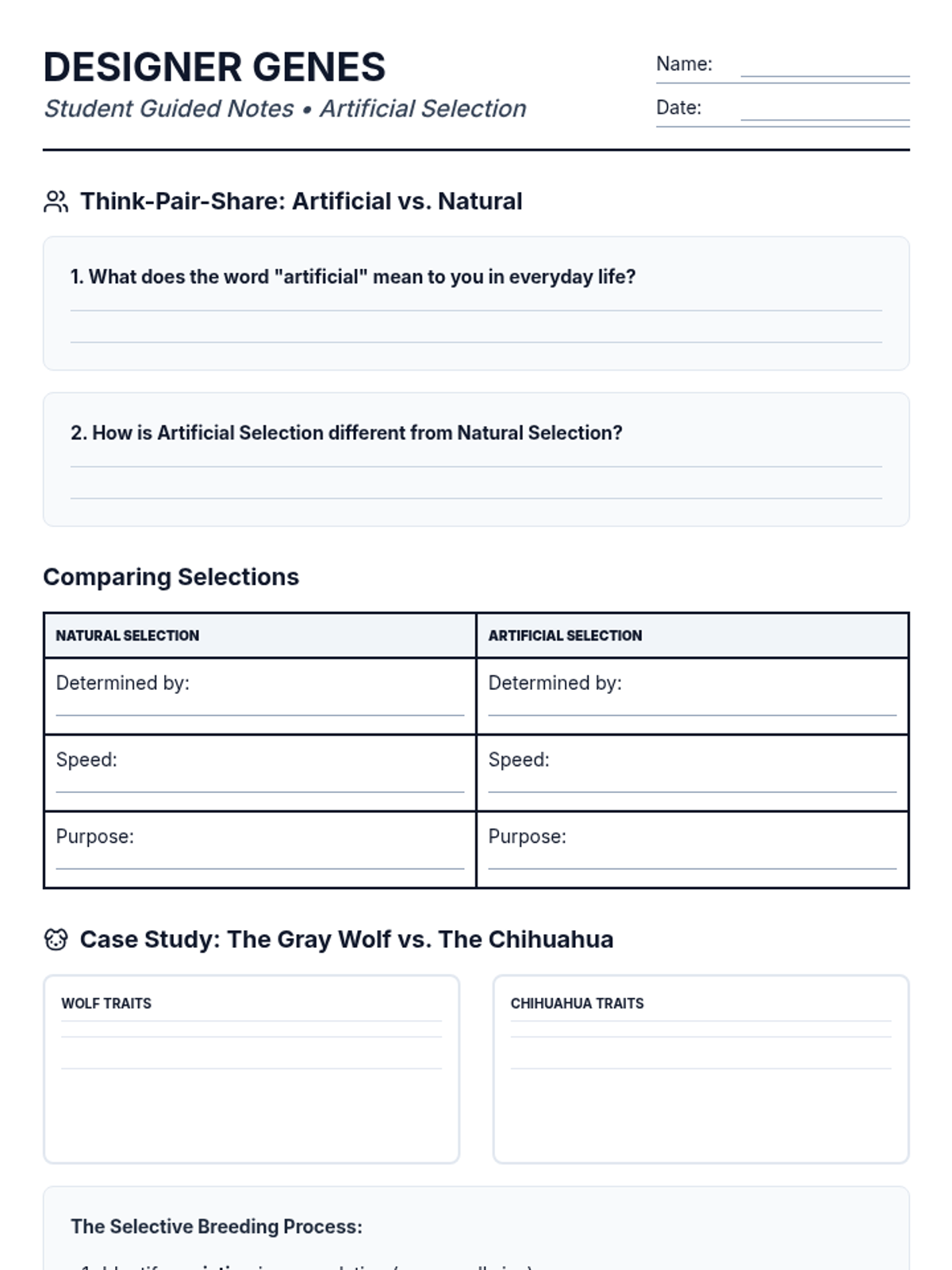
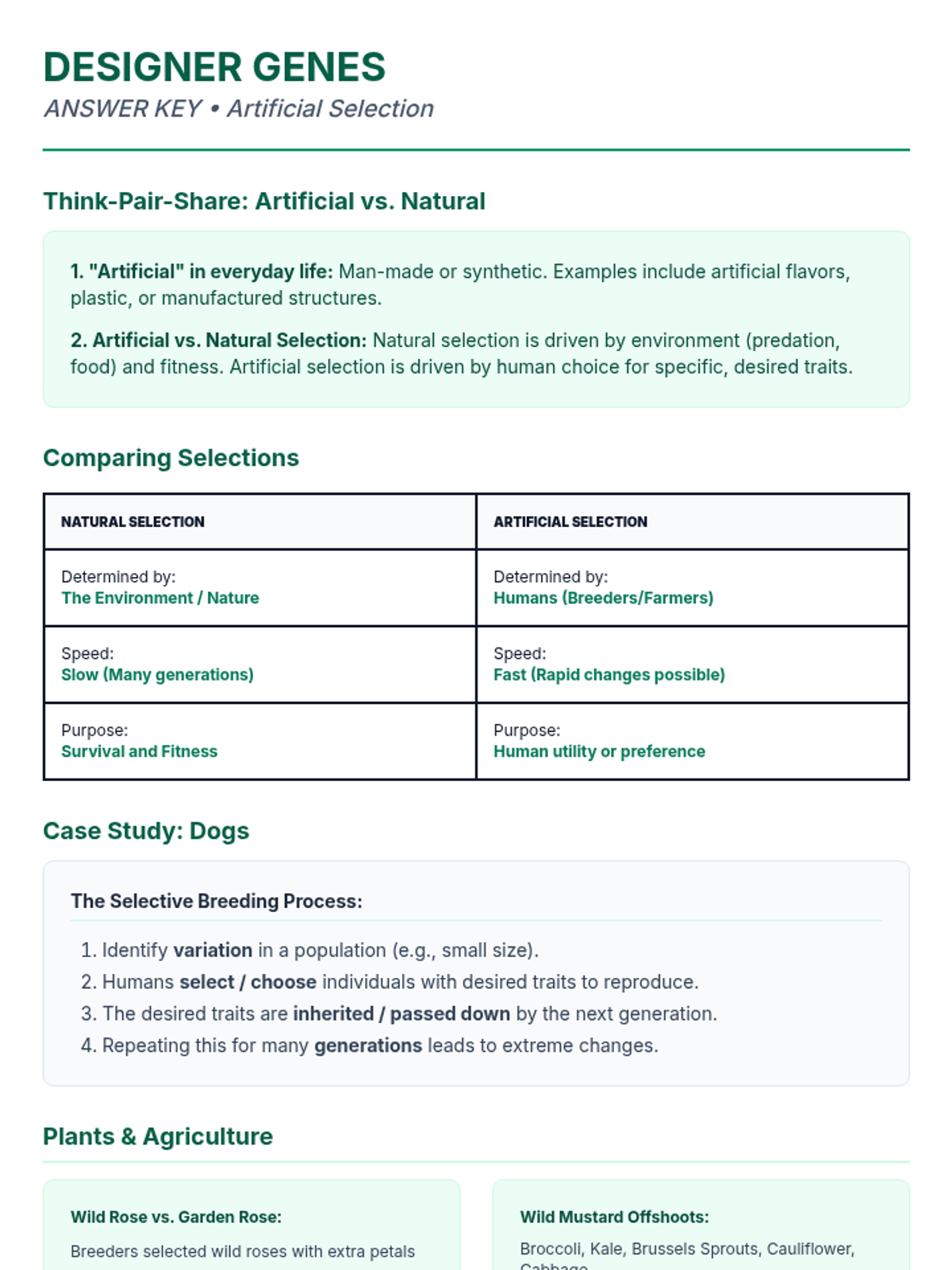
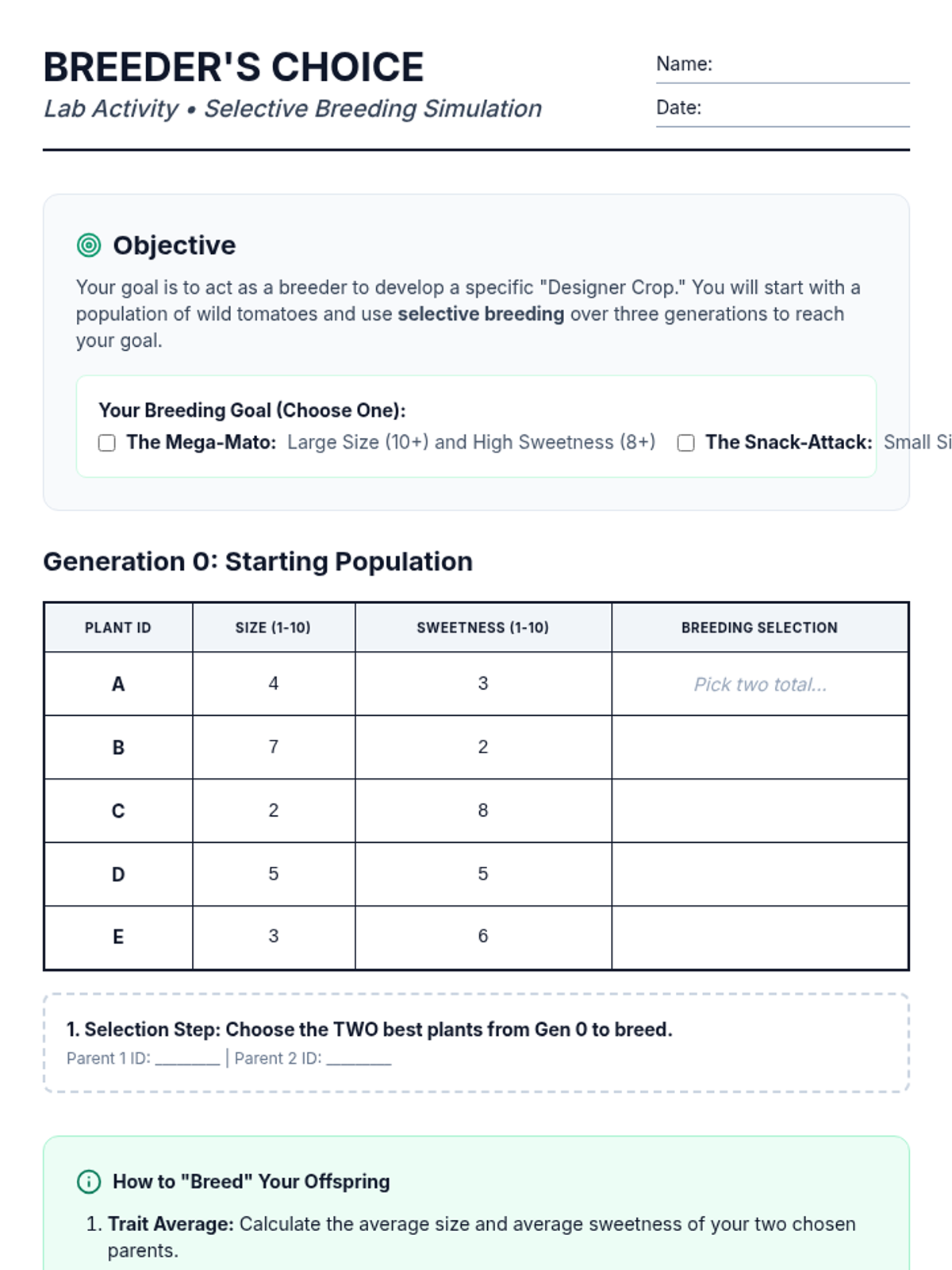
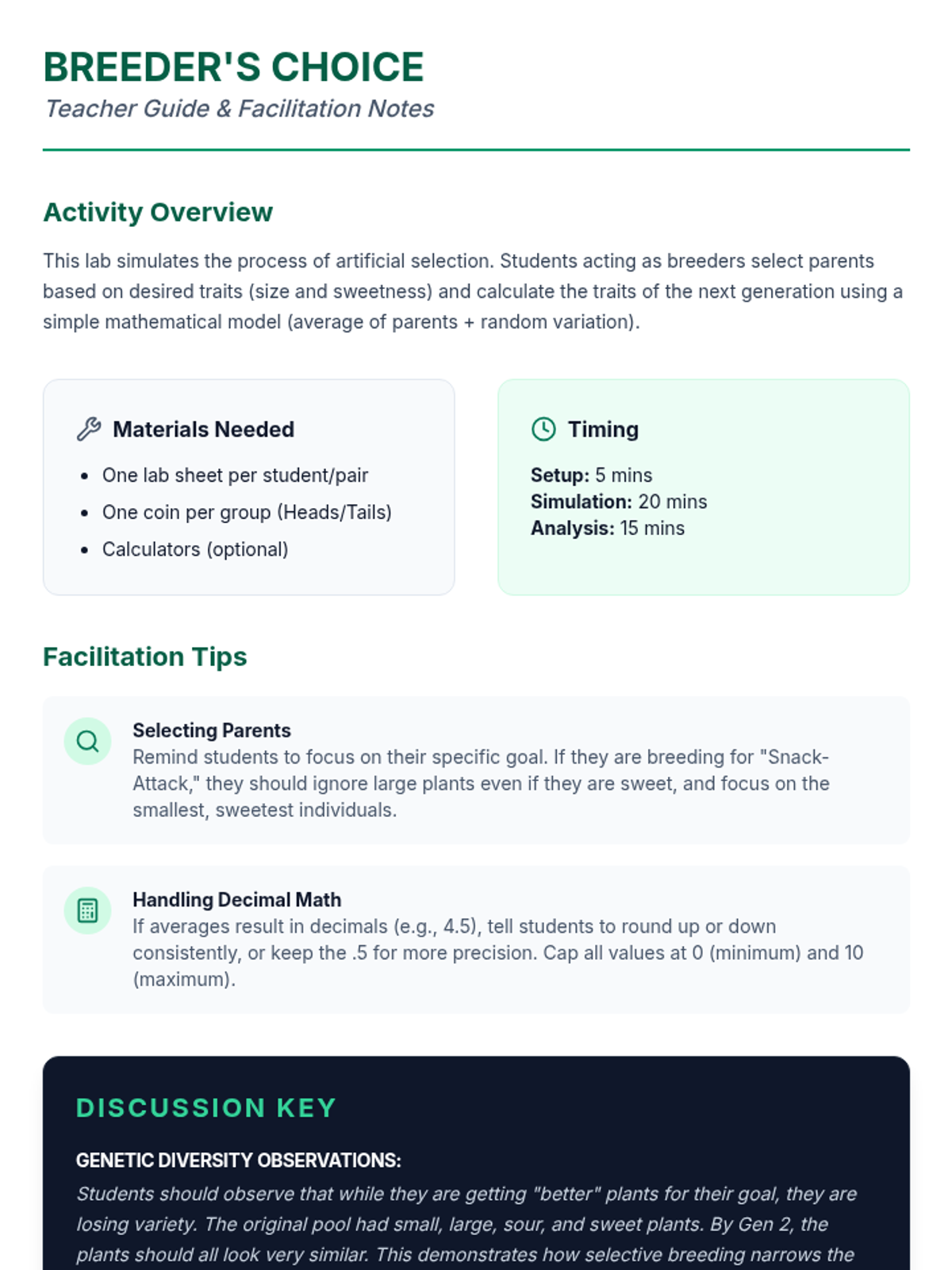
A lesson exploring artificial selection and selective breeding through familiar examples like dogs, roses, and vegetables, highlighting the differences from natural selection and the impact on genetic diversity.
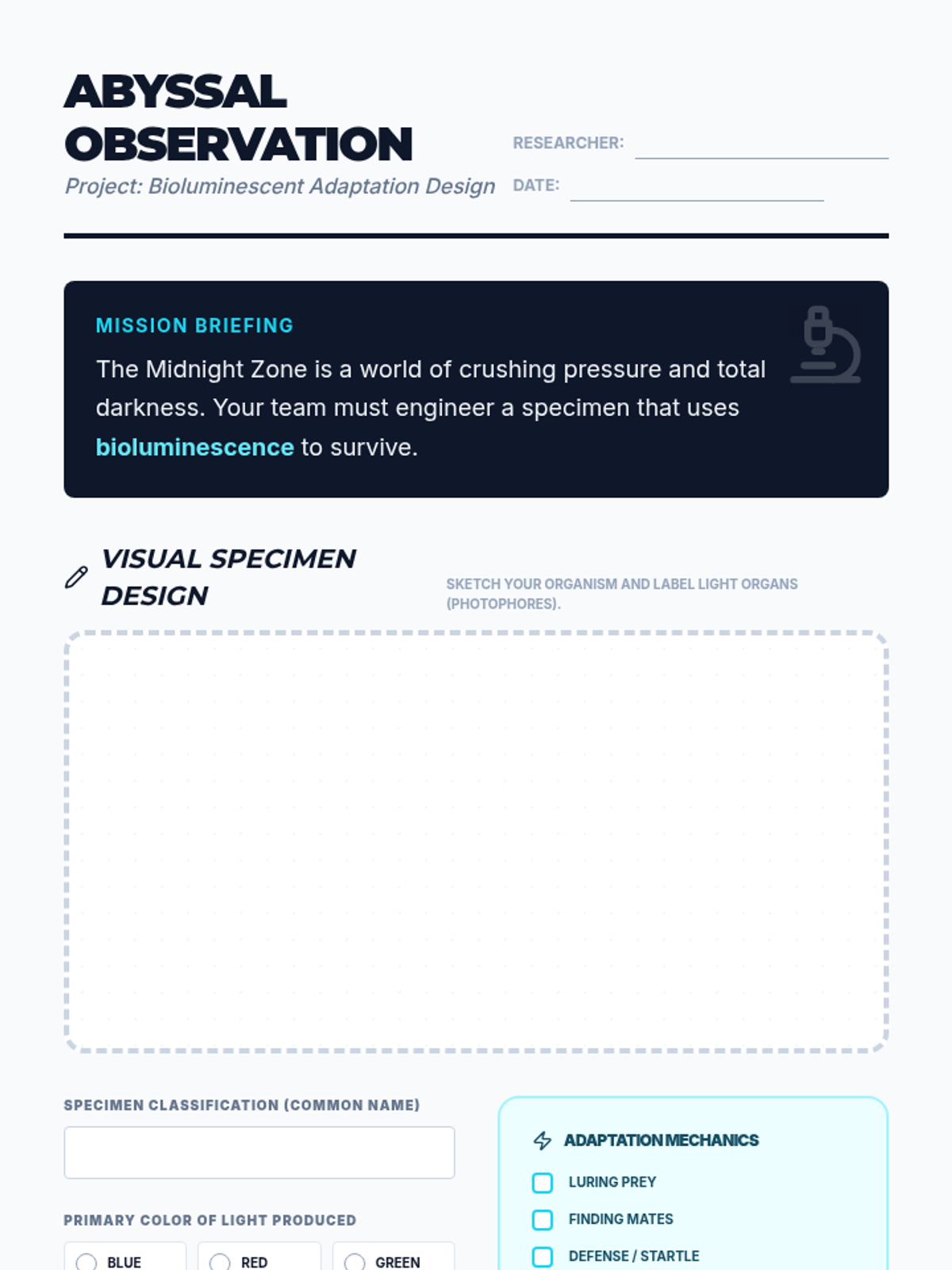
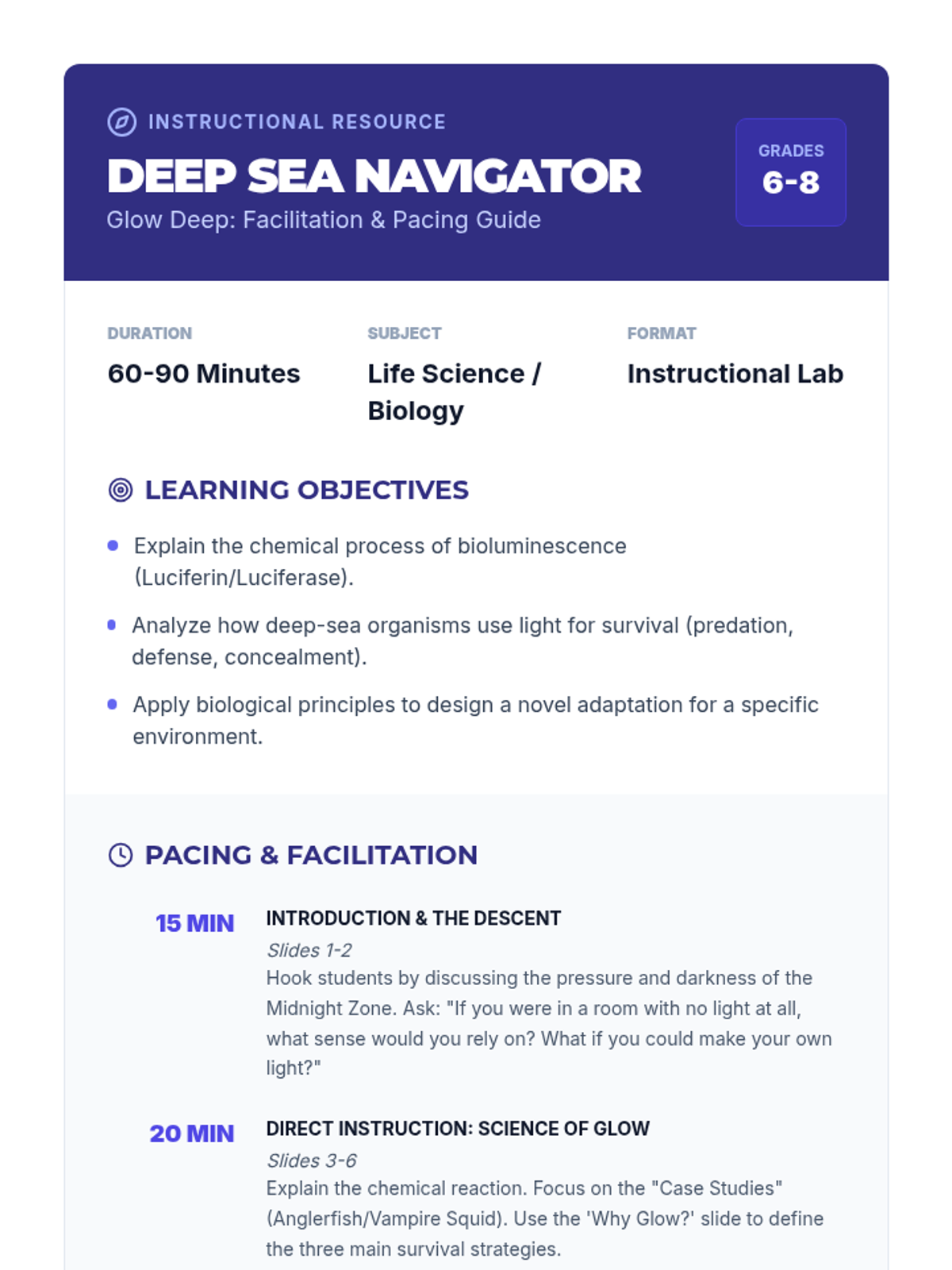
An immersive exploration of deep-sea bioluminescence, where students investigate how creatures adapt to the midnight zone through chemical light. Students will design their own abyssal organism based on scientific adaptation principles.
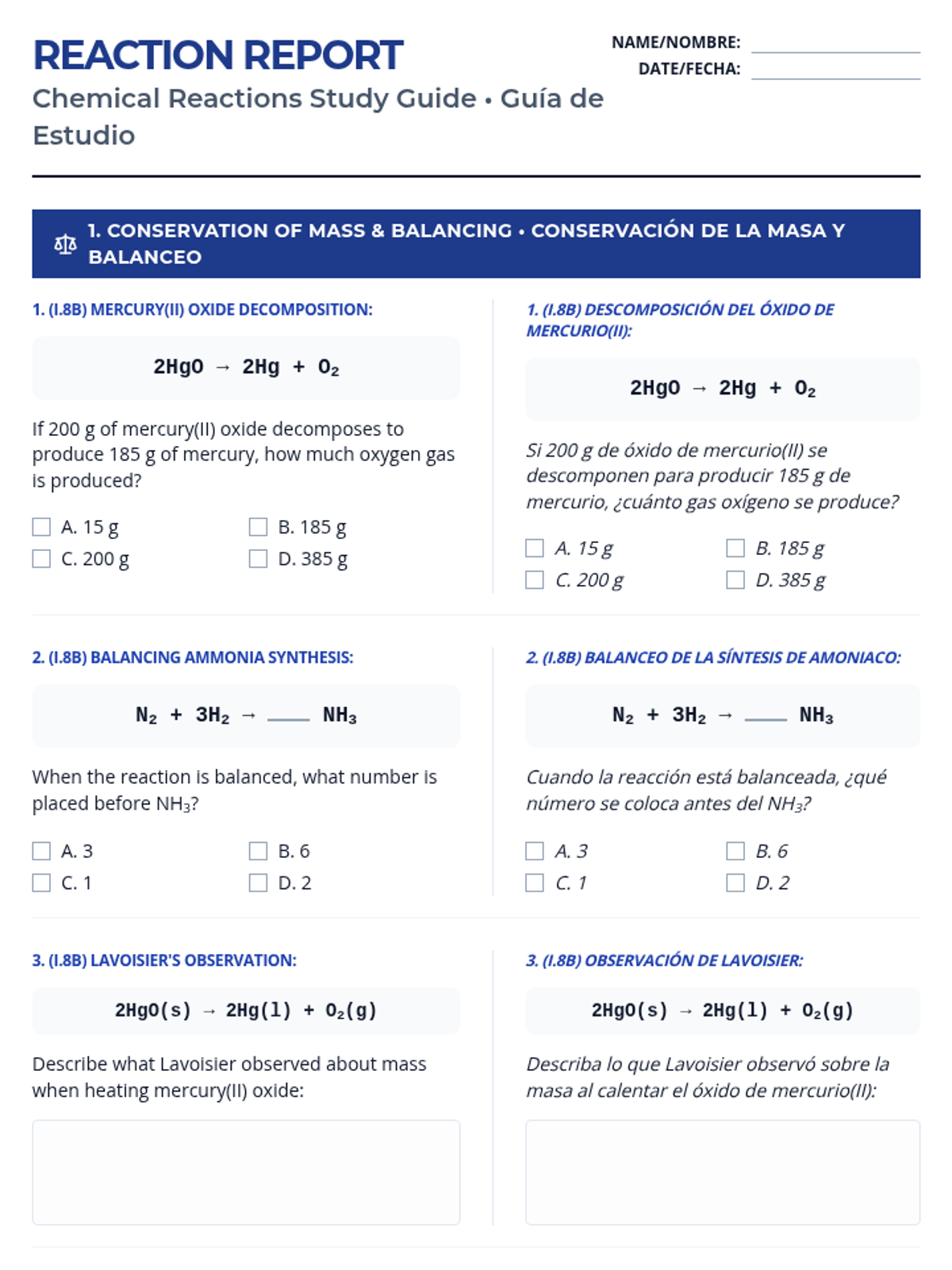
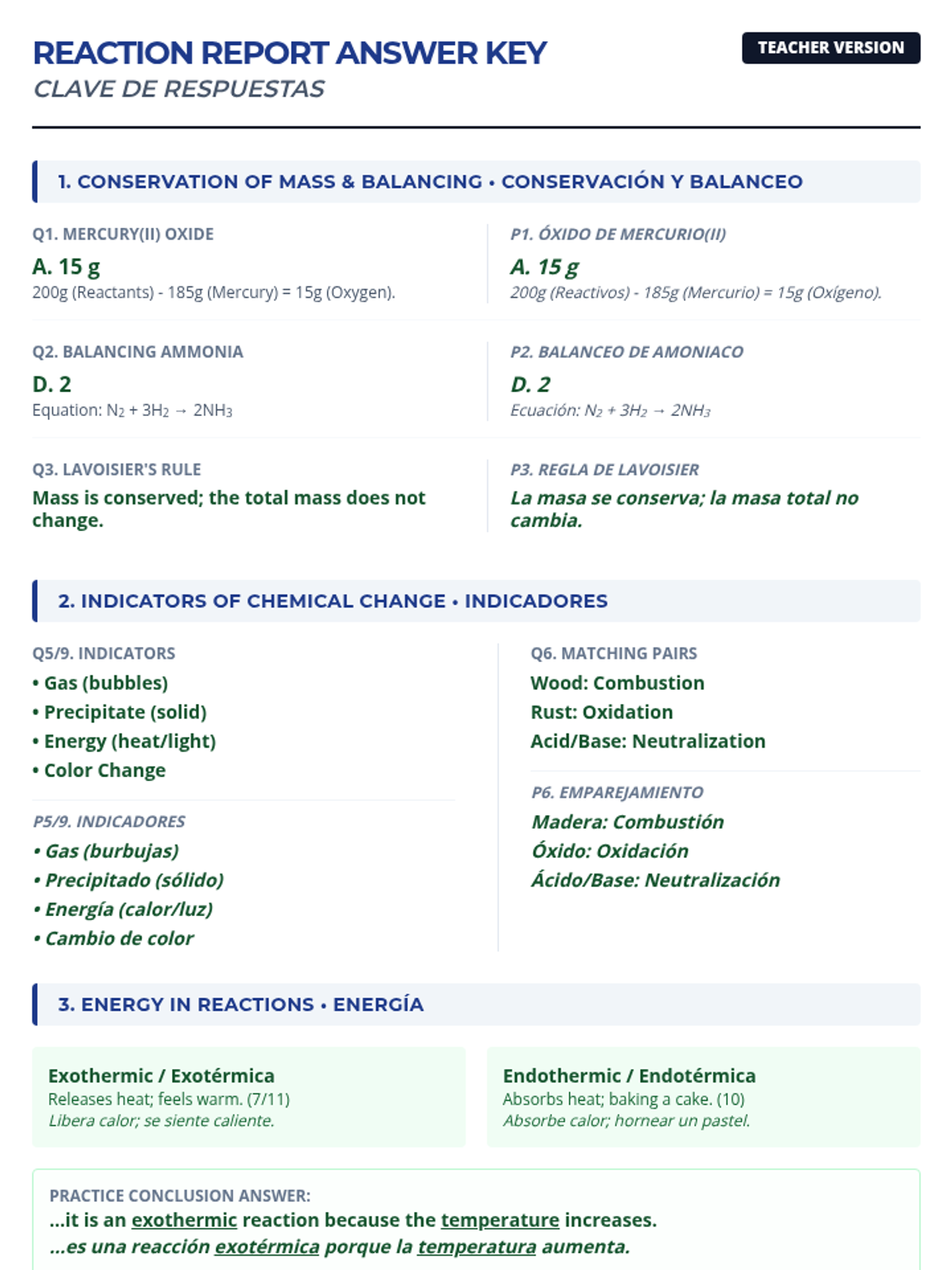
A comprehensive study guide covering chemical reactions, balancing equations, conservation of mass, and energy changes, provided in a bilingual English-Spanish format.
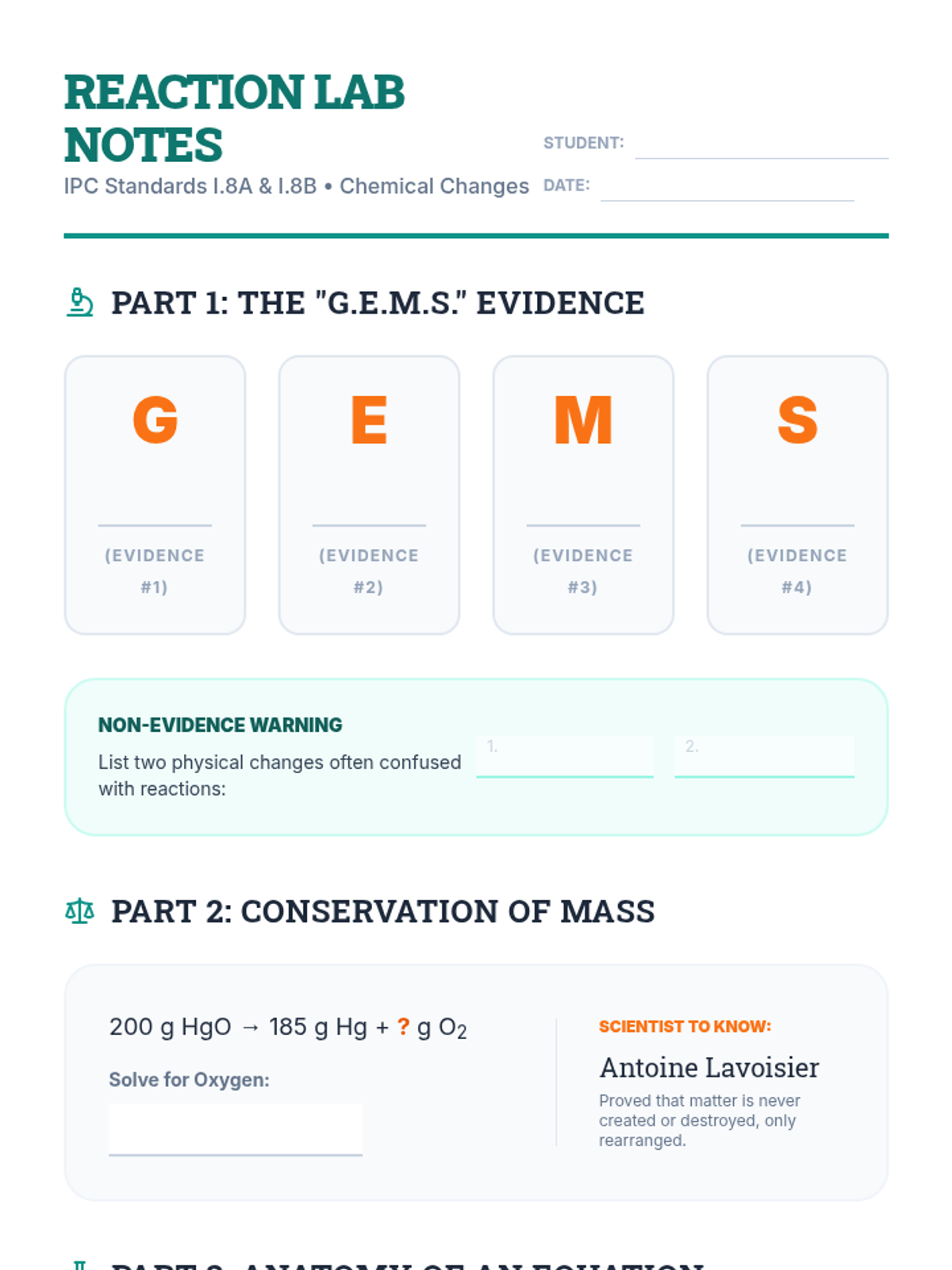
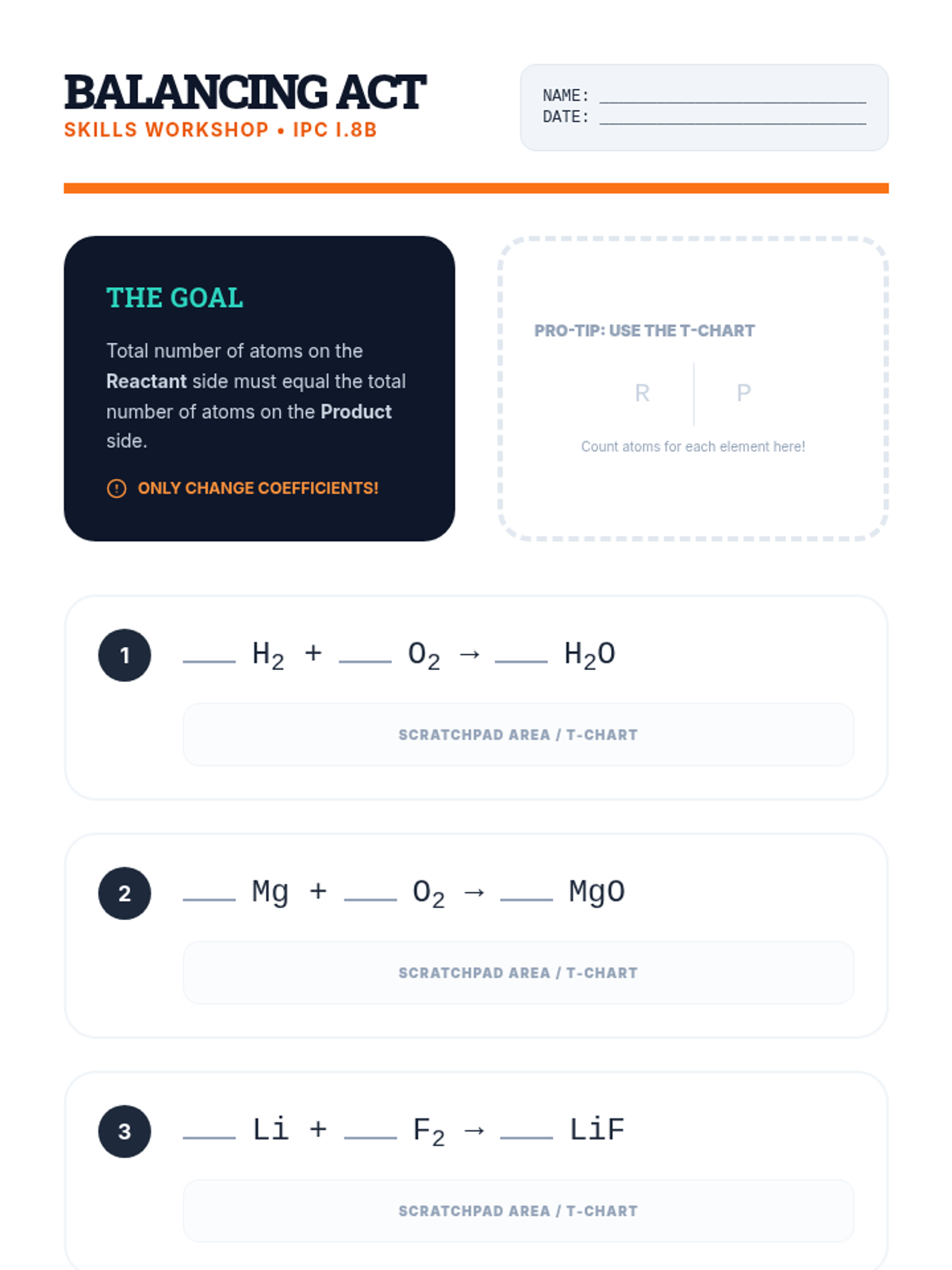
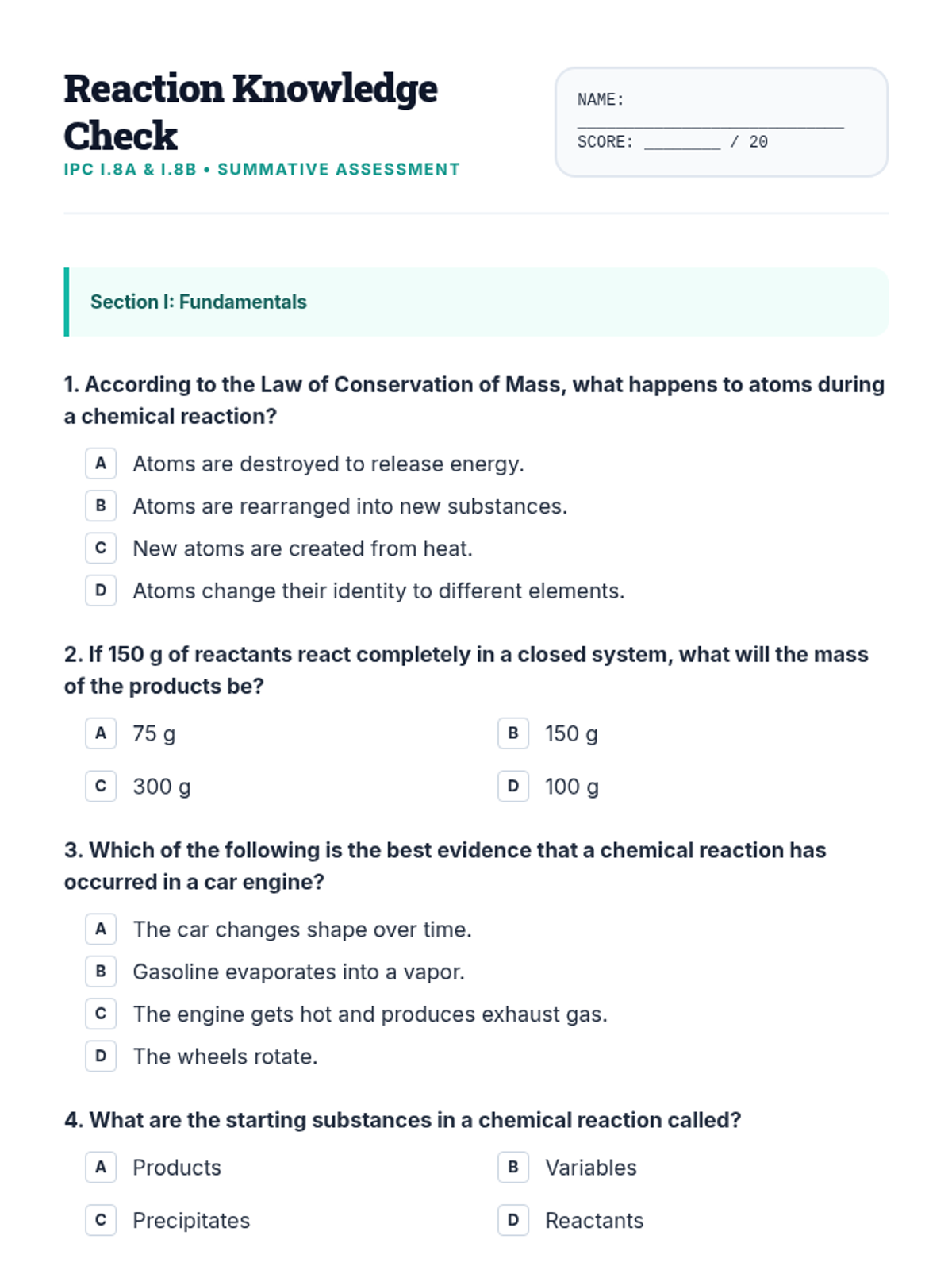
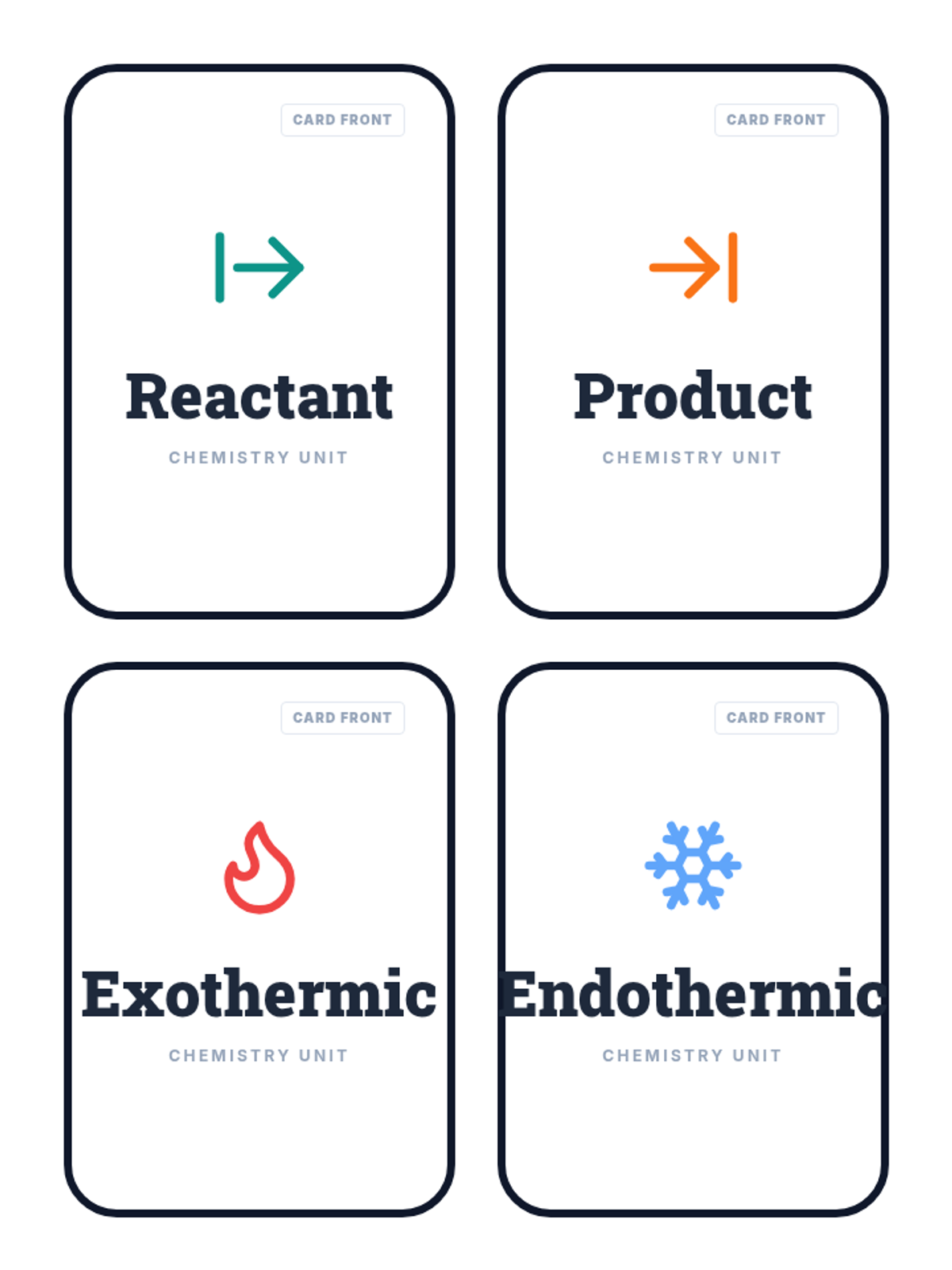
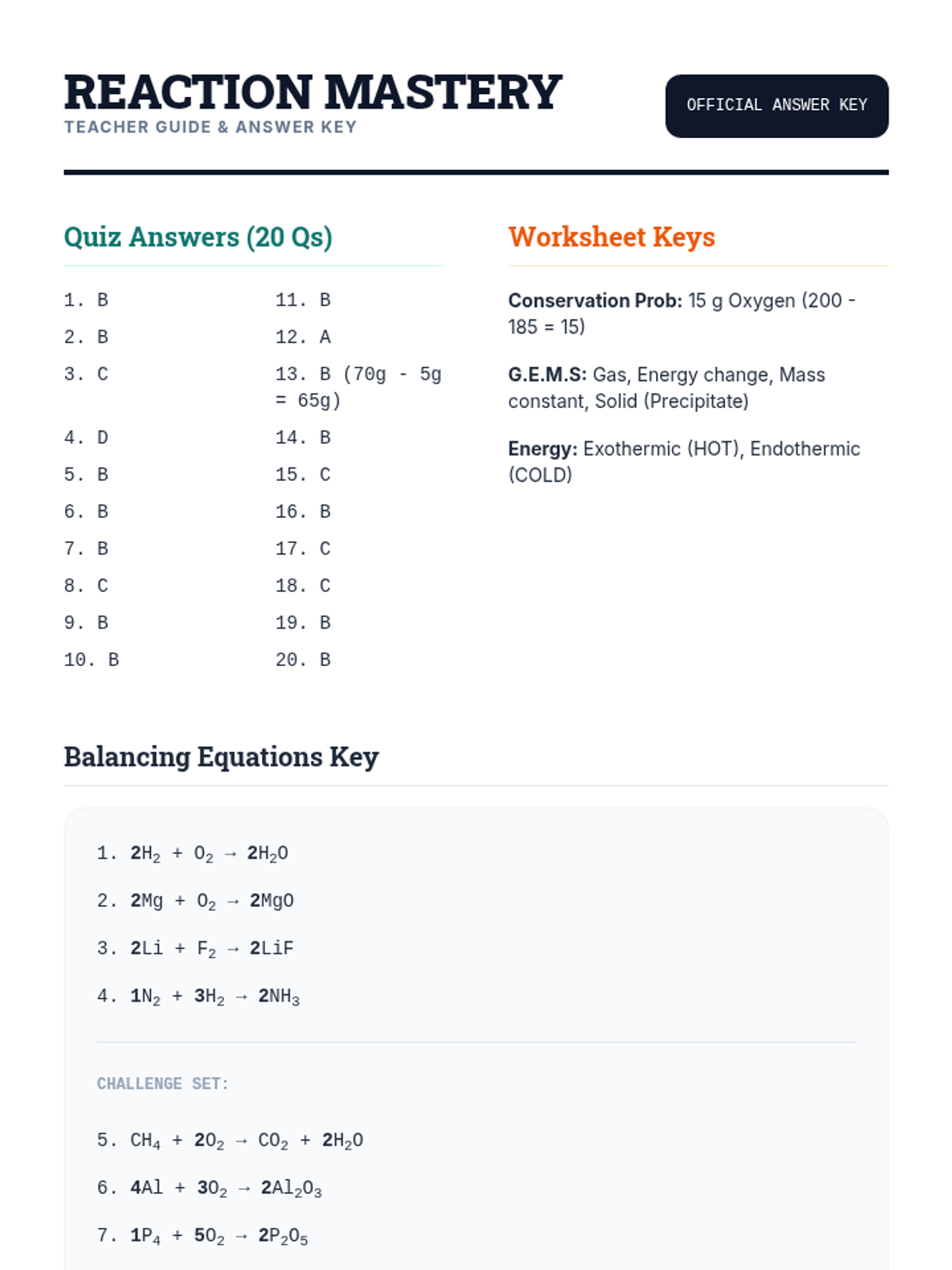
A comprehensive lesson on chemical reactions covering conservation of mass, balancing equations, evidence of reactions, and energy changes. Students will engage with visual slides, practice worksheets, and a summative assessment.
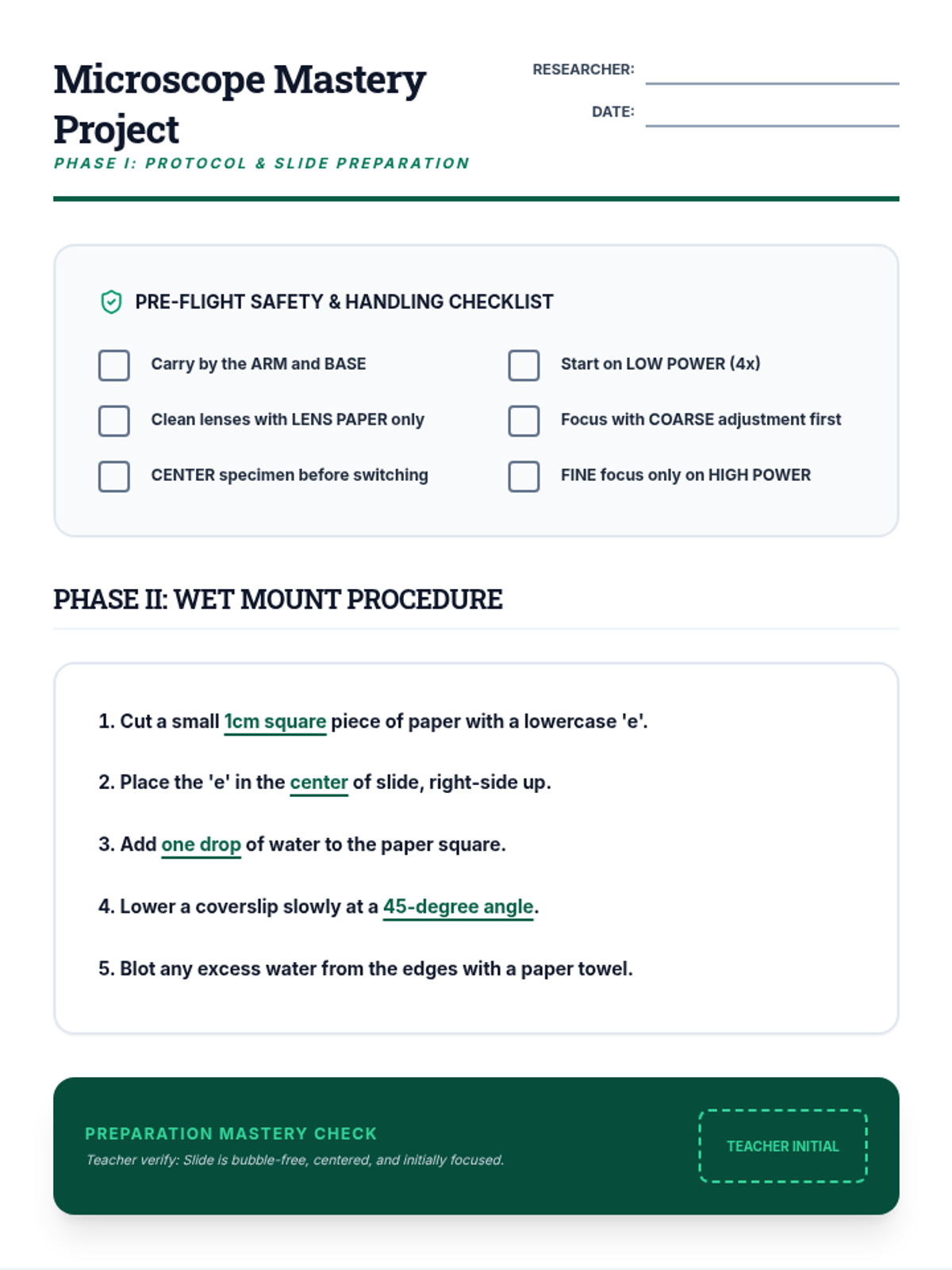
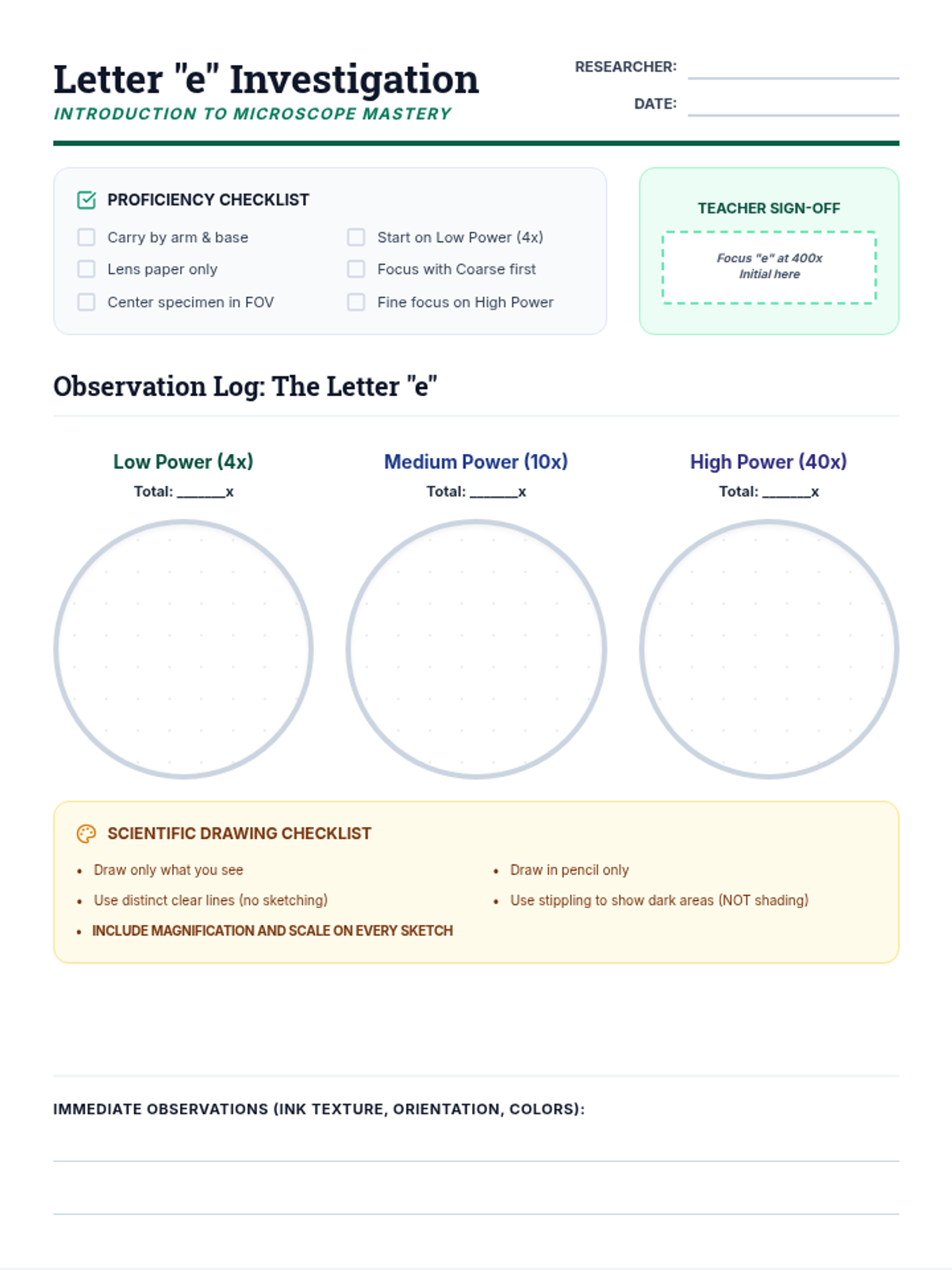
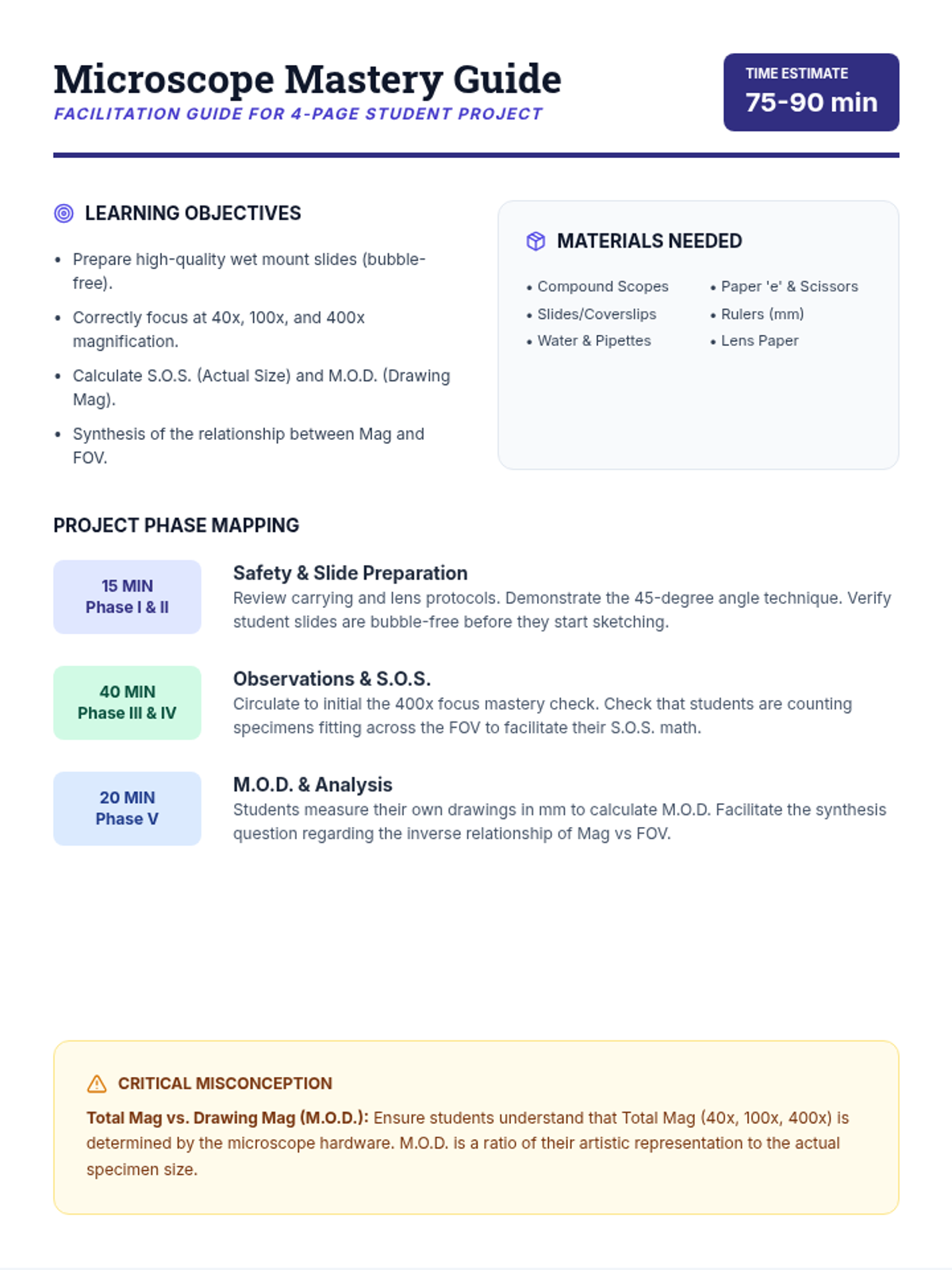
Students learn the fundamentals of microscopy by investigating the letter 'e', practicing slide preparation, and mastering magnification calculations. This lesson covers microscope parts, safety, wet mount preparation, and scientific drawing.
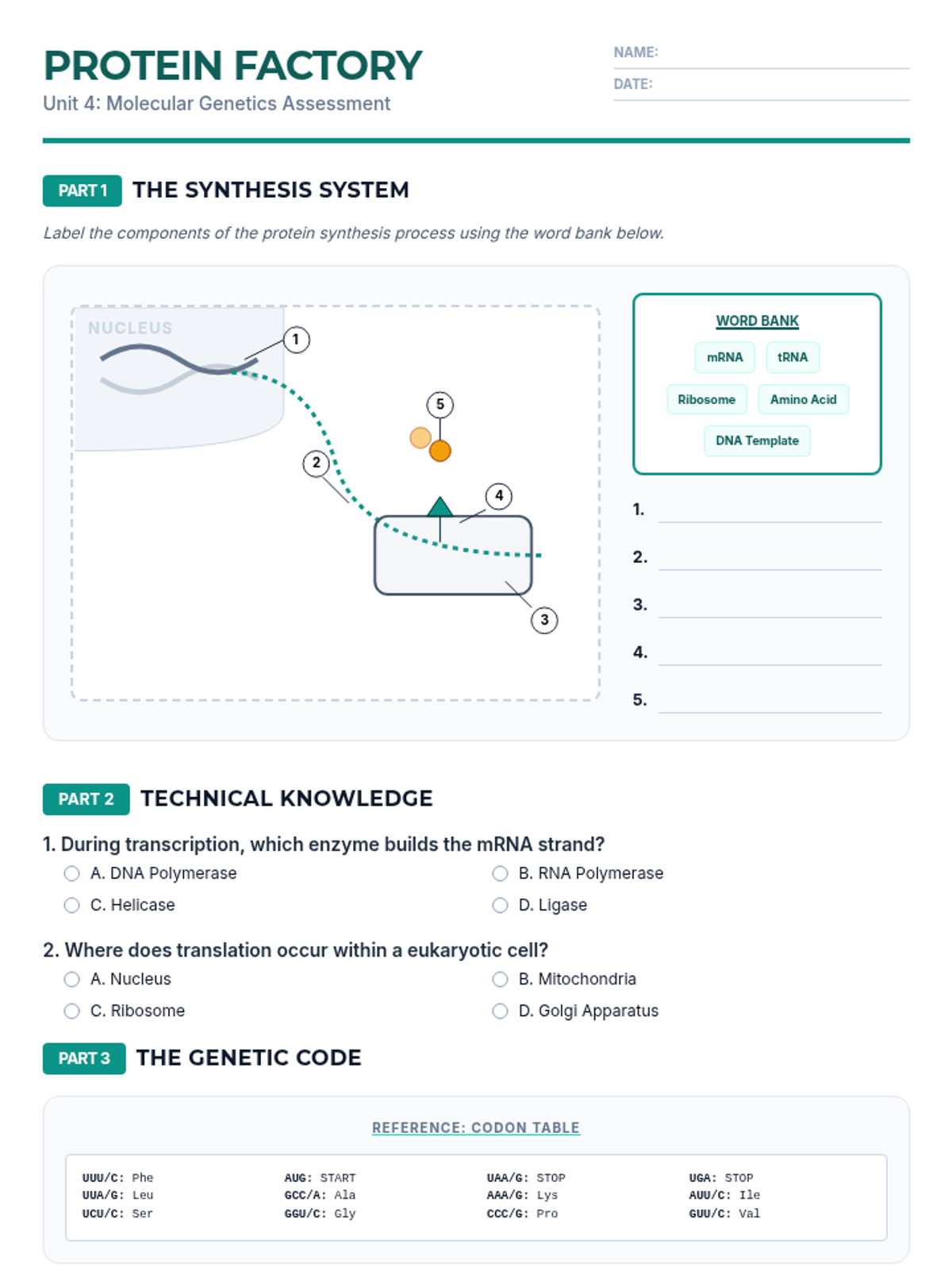
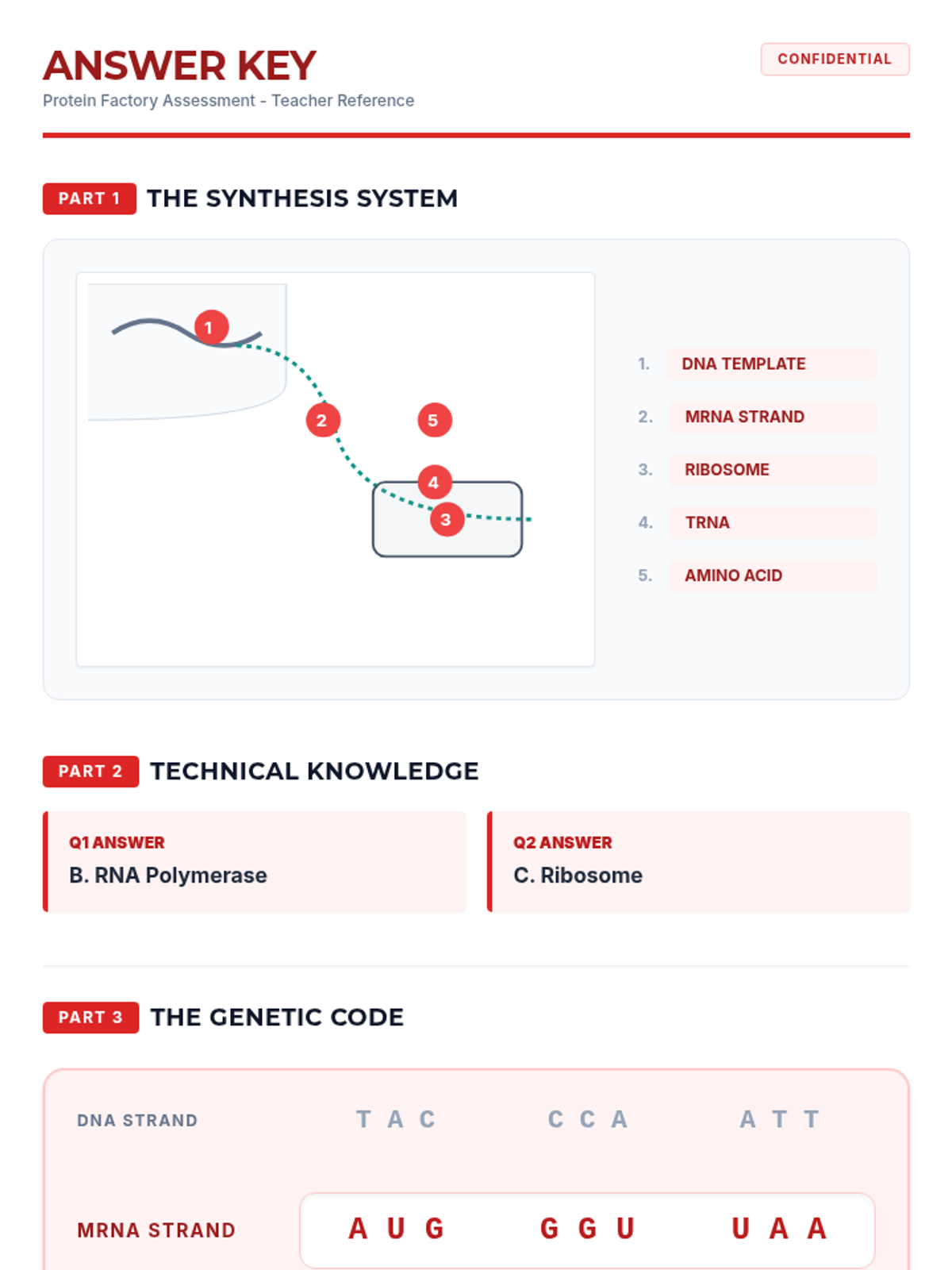
A comprehensive assessment on the central dogma of molecular biology, covering transcription, translation, and genetic code interpretation through diagrams and multiple-choice questions.
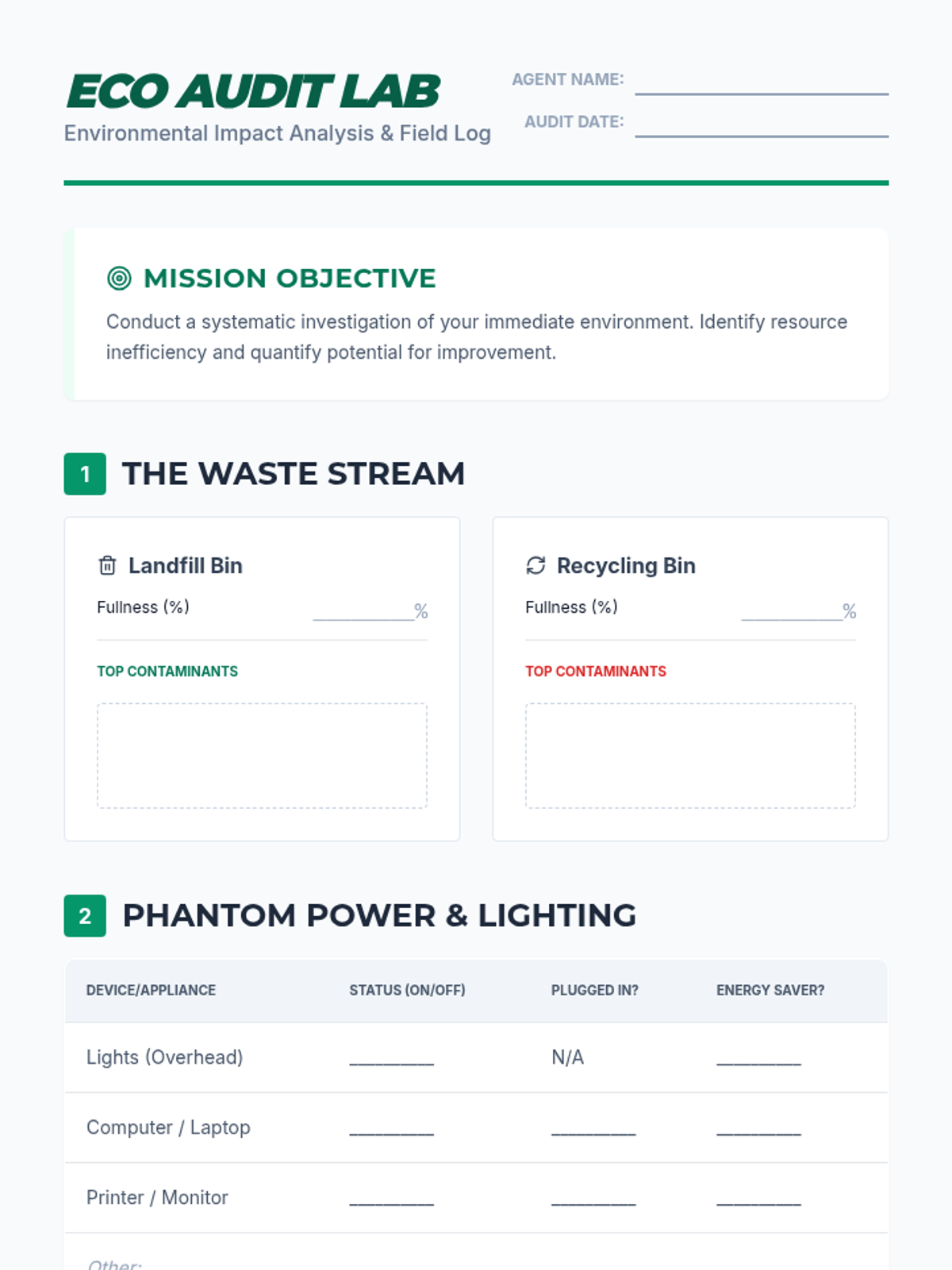
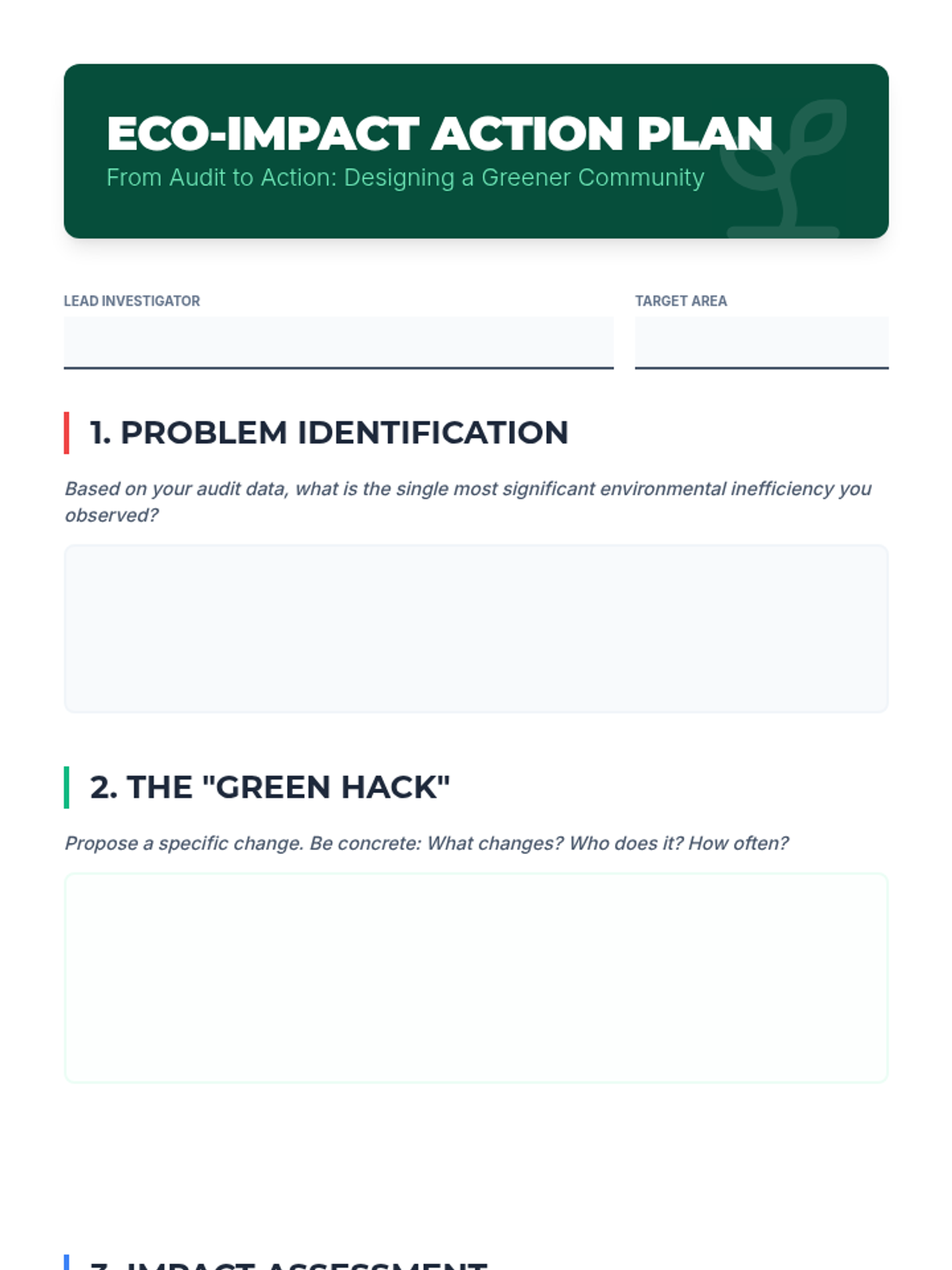
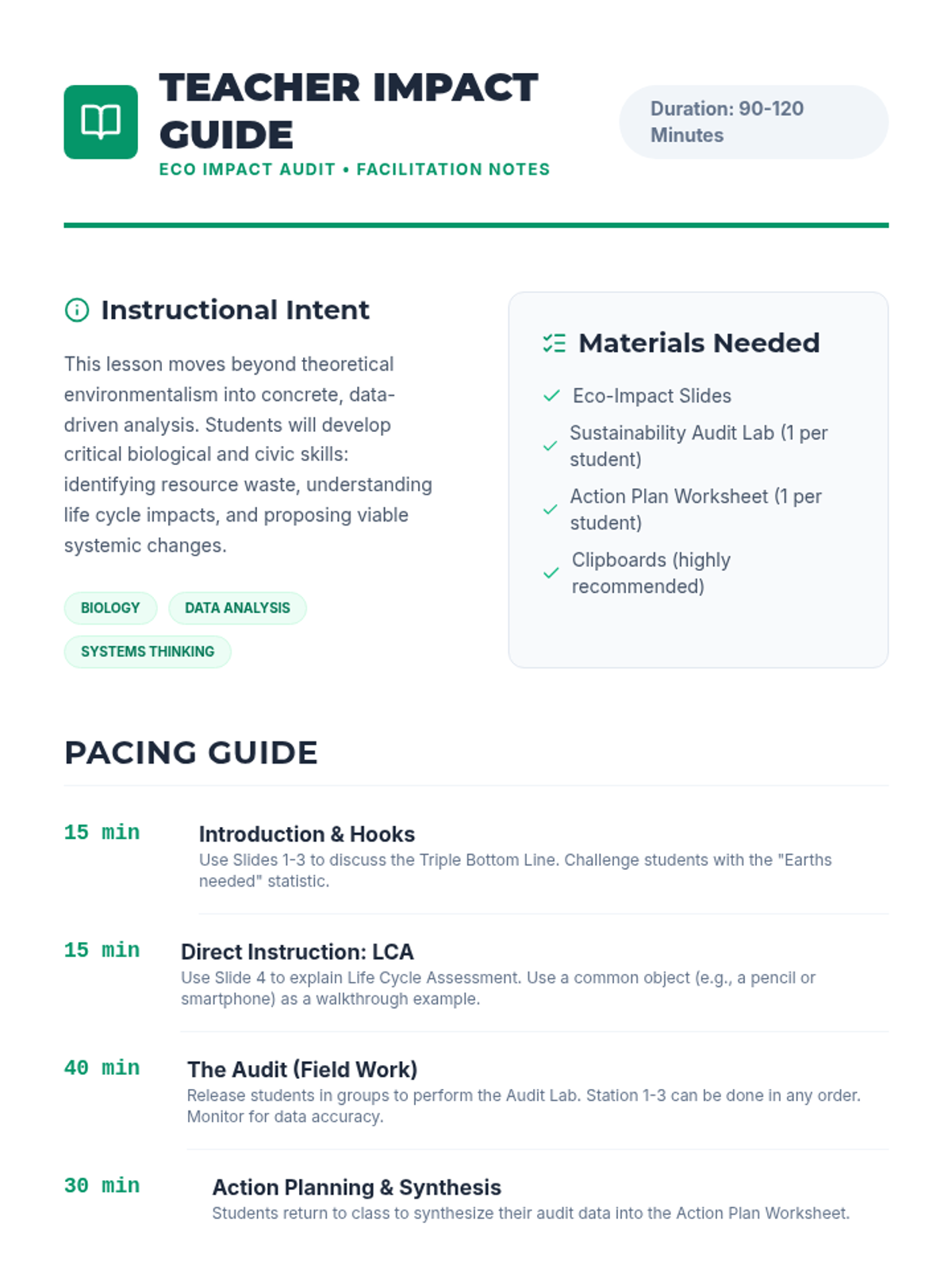
A hands-on lesson where students analyze their environmental footprint through a sustainability audit and develop data-driven solutions for real-world impact.
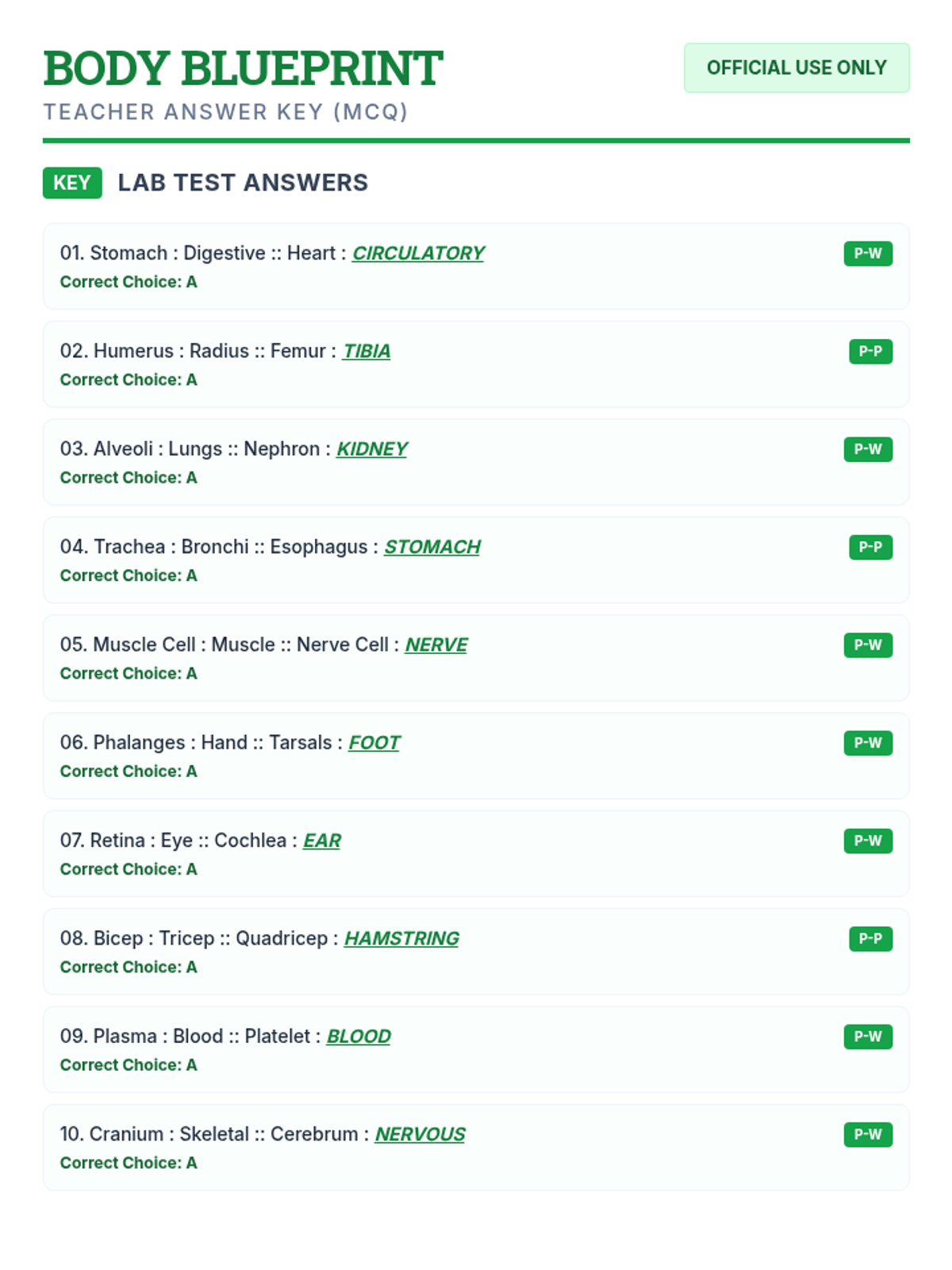
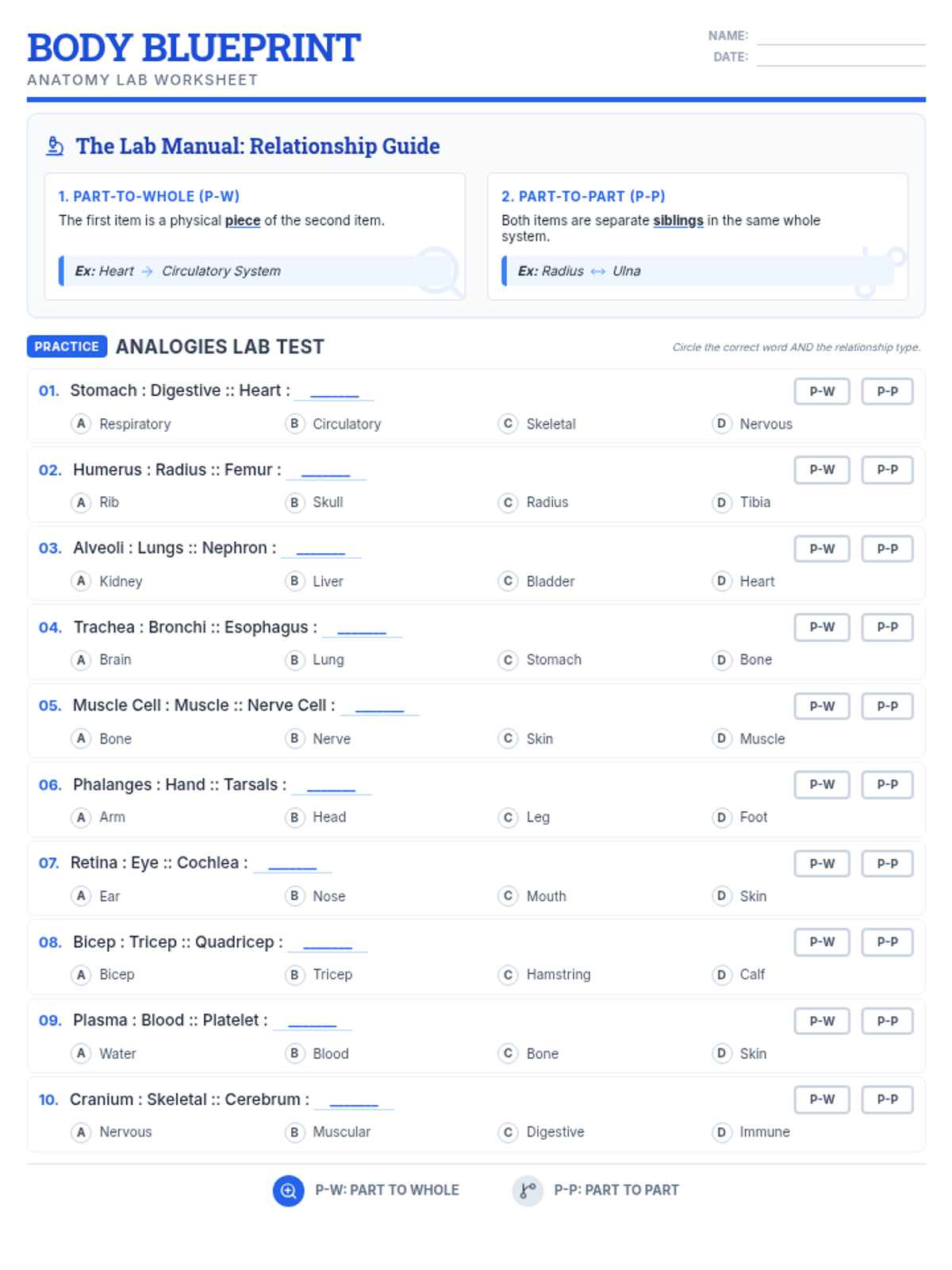
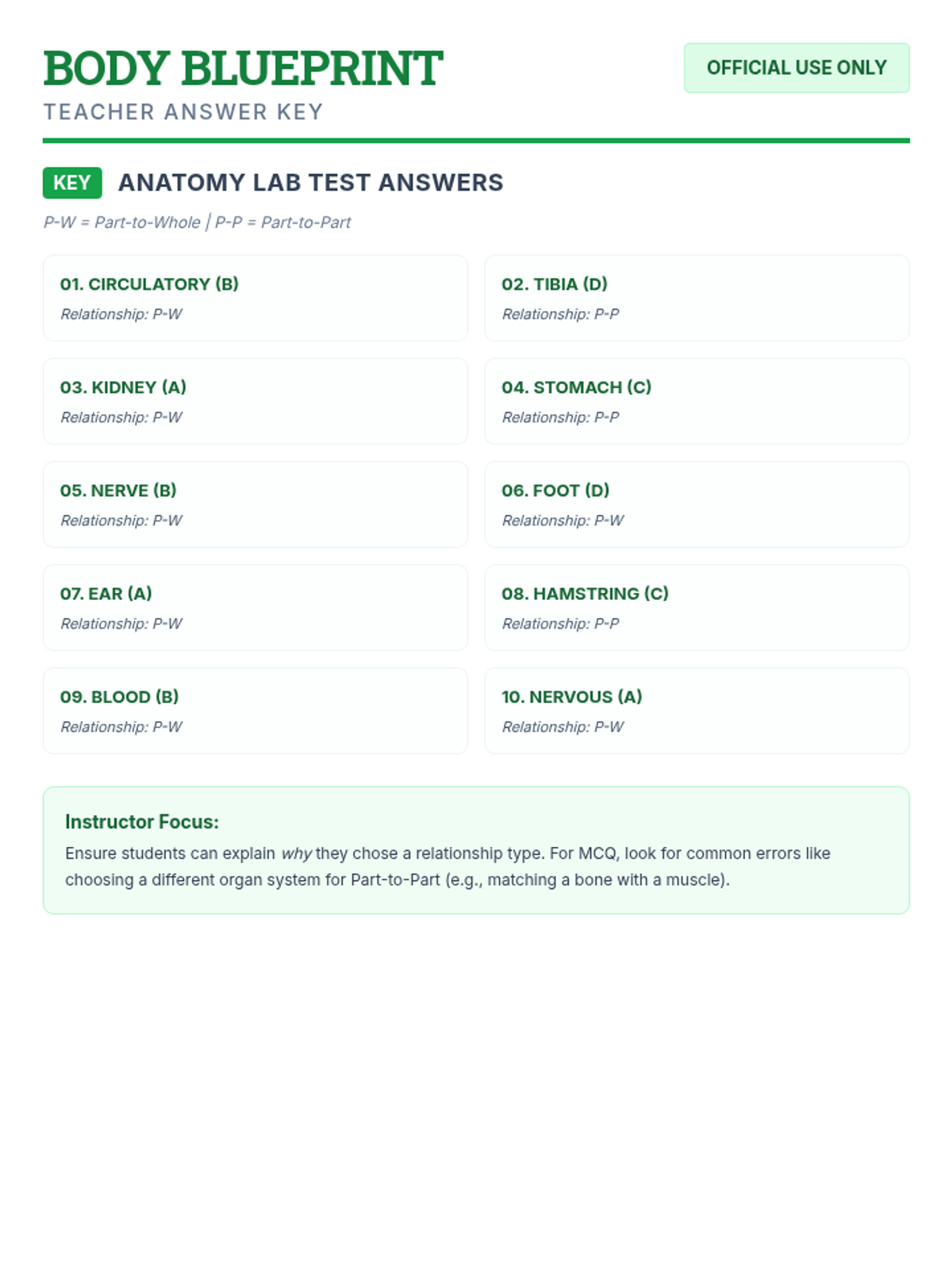
In this lesson, students explore the relationship between anatomical structures using analogies. They will distinguish between part-to-whole and part-to-part relationships within human body systems.
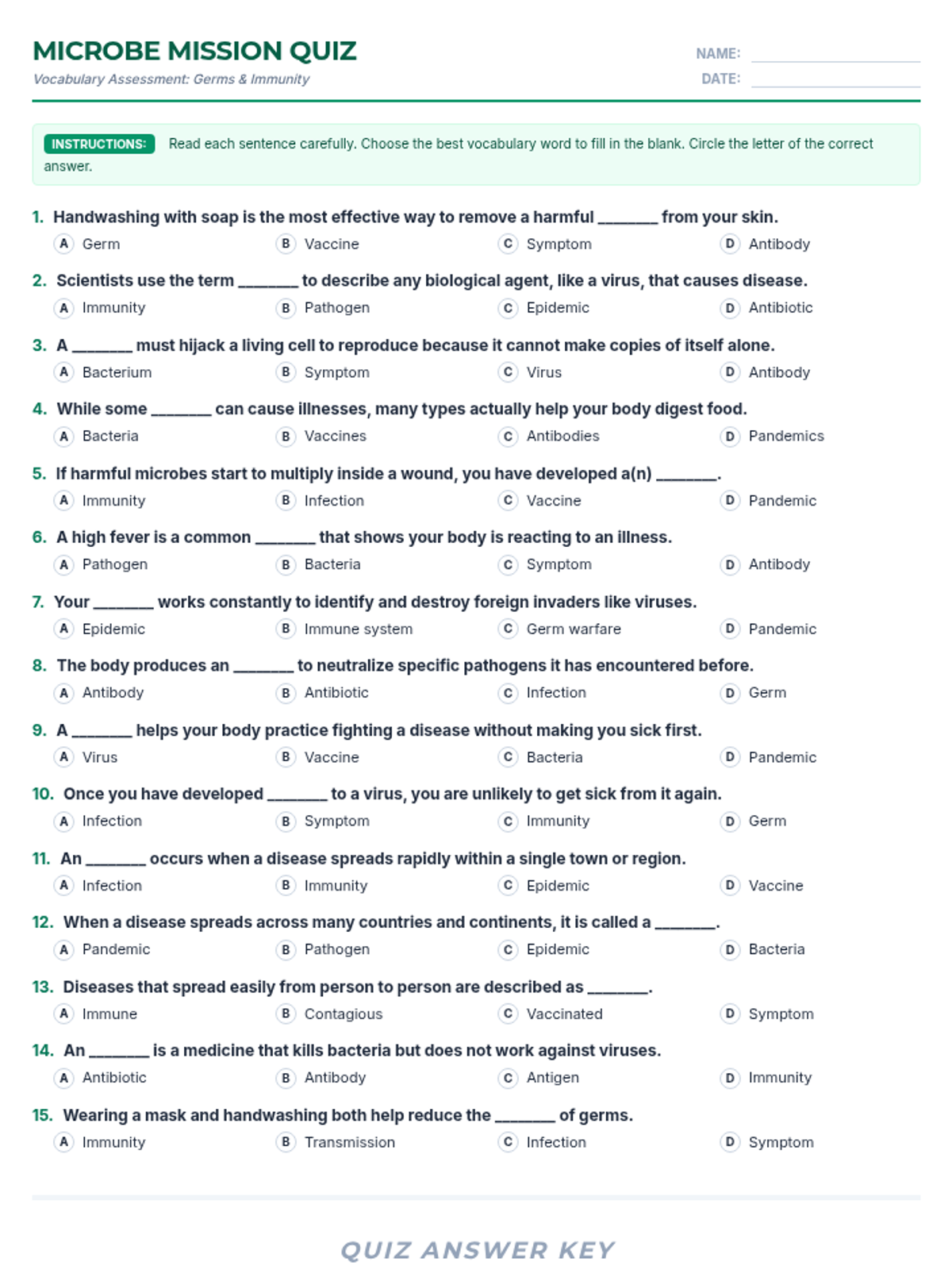
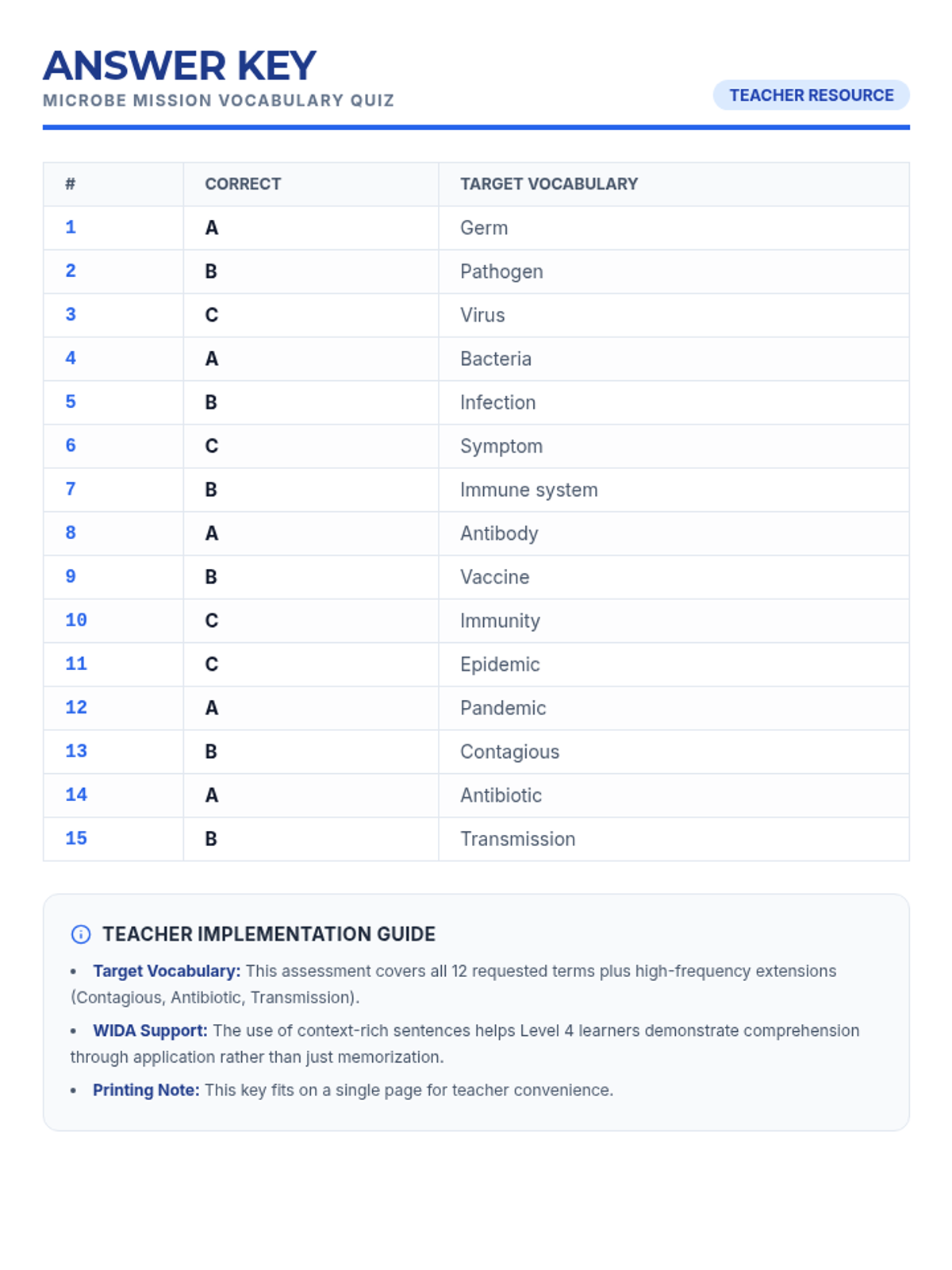
A comprehensive quiz and answer key covering essential medical and biological vocabulary related to germs, pathogens, and the body's immune response. Designed for WIDA Level 4 learners with context-rich sentences.
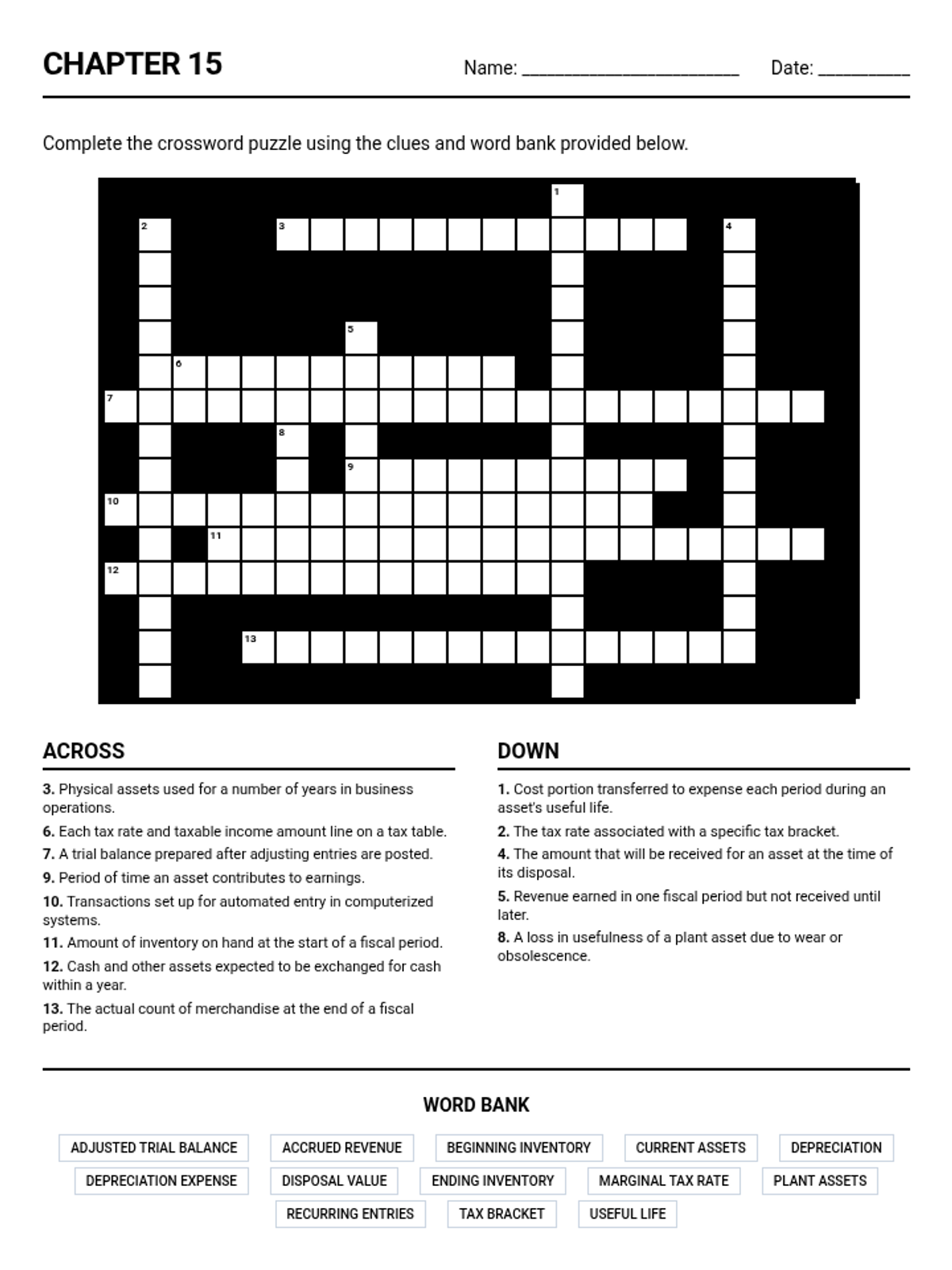
This lesson covers fundamental accounting concepts including asset valuation, tax structures, and inventory management through a hands-on crossword challenge.
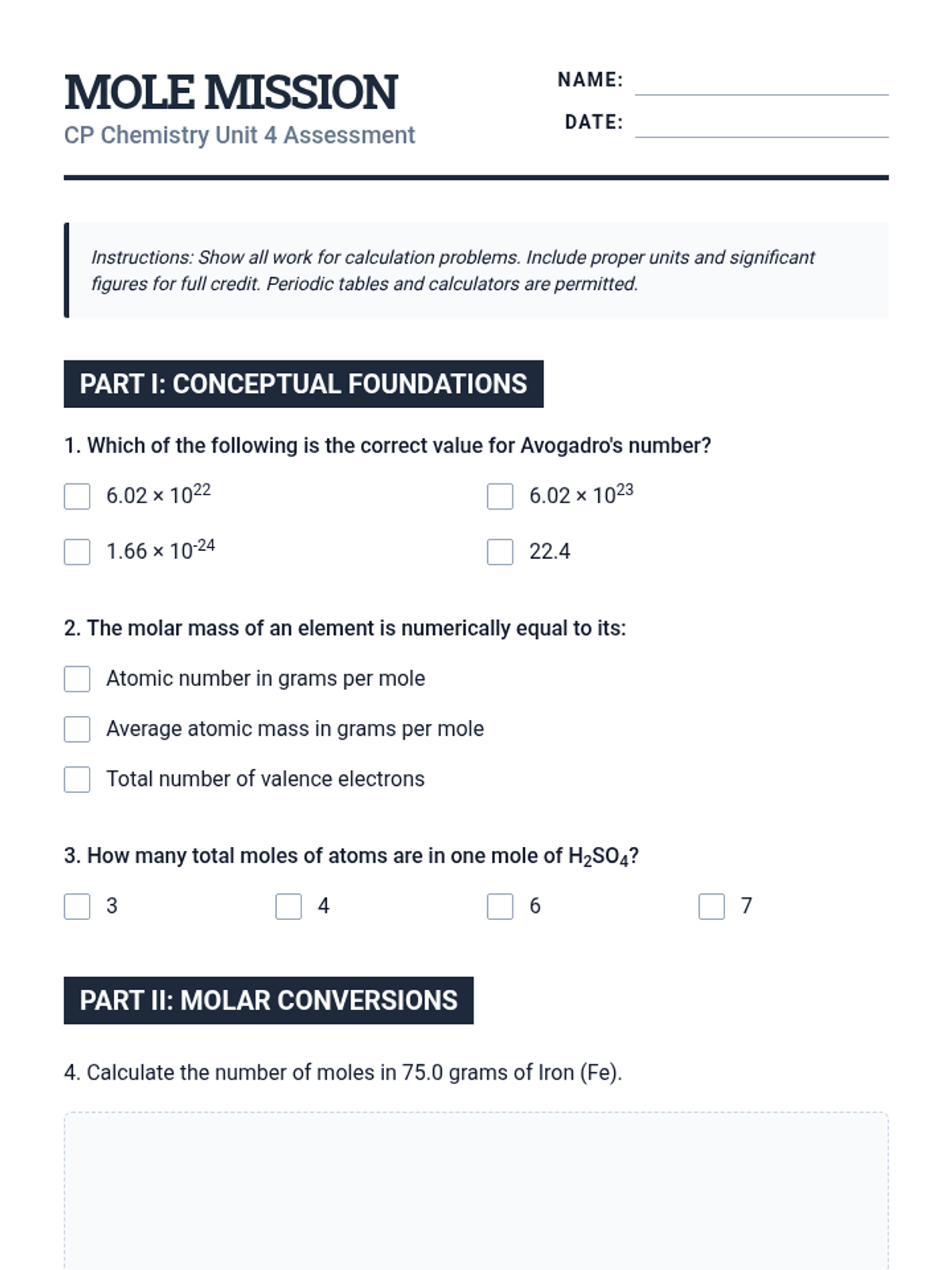
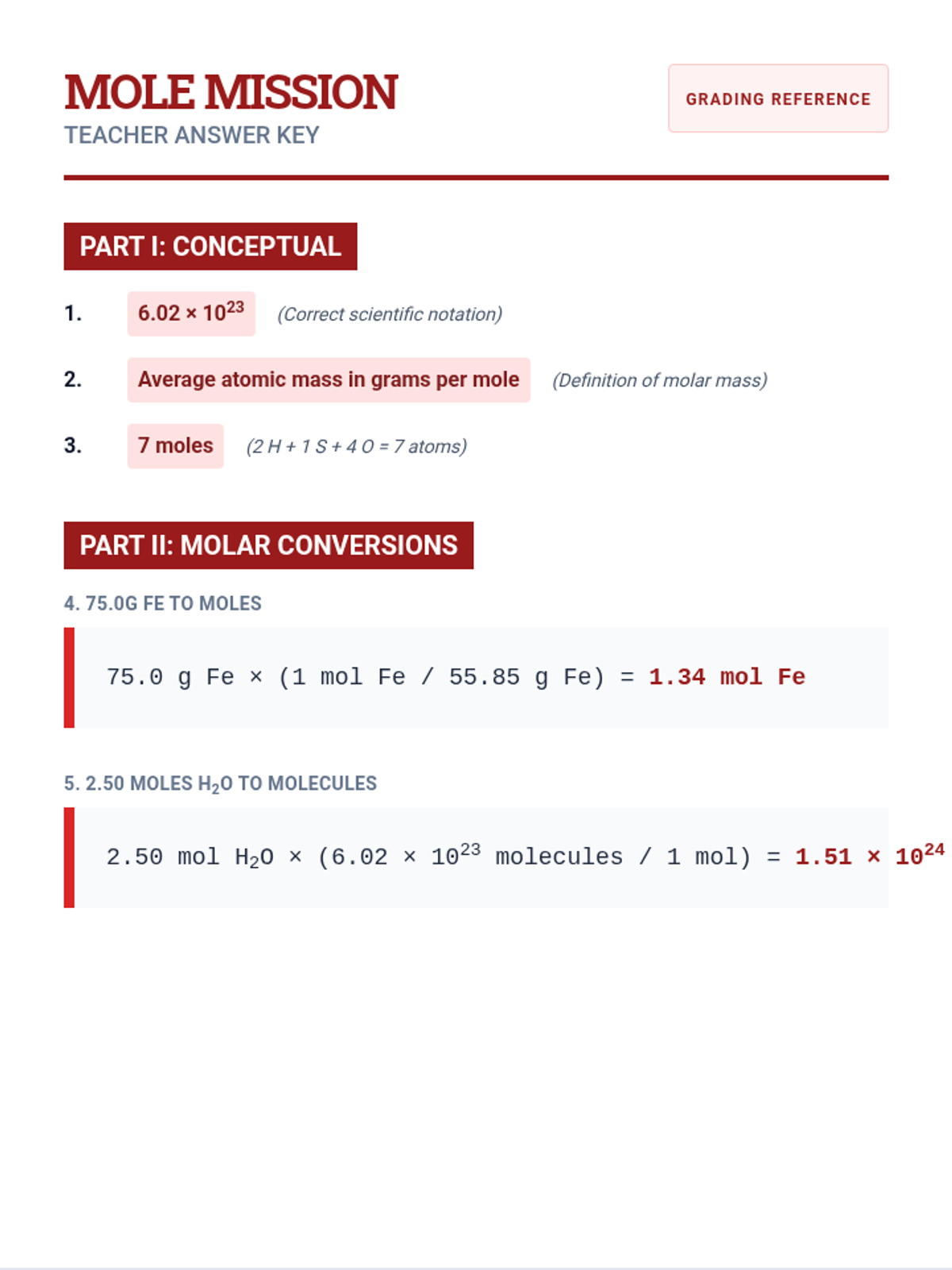
A comprehensive assessment and review package covering chemical quantities, molar conversions, and stoichiometric calculations for CP Chemistry.