A comprehensive assessment on the central dogma of molecular biology, covering transcription, translation, and genetic code interpretation through diagrams and multiple-choice questions.
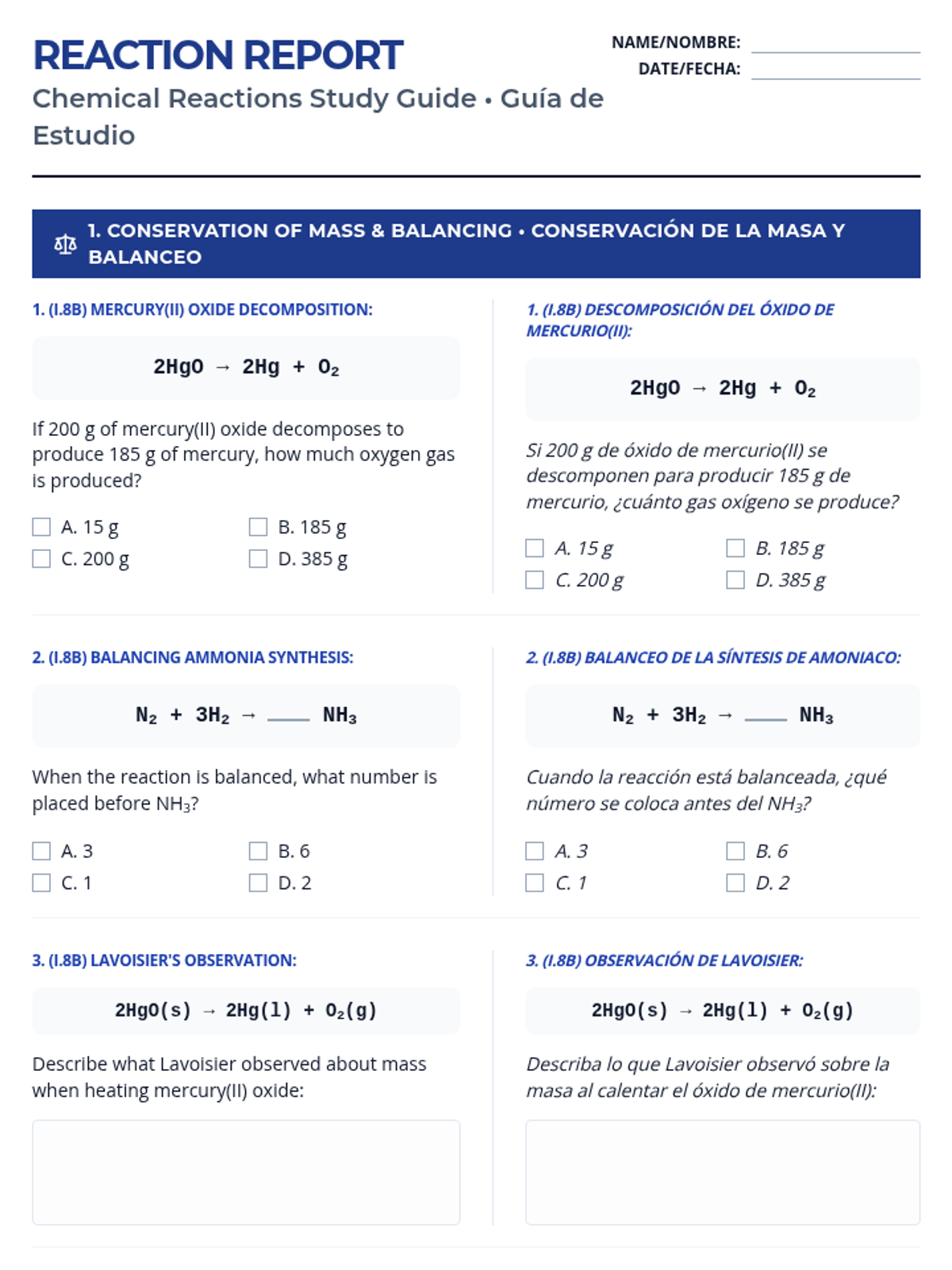
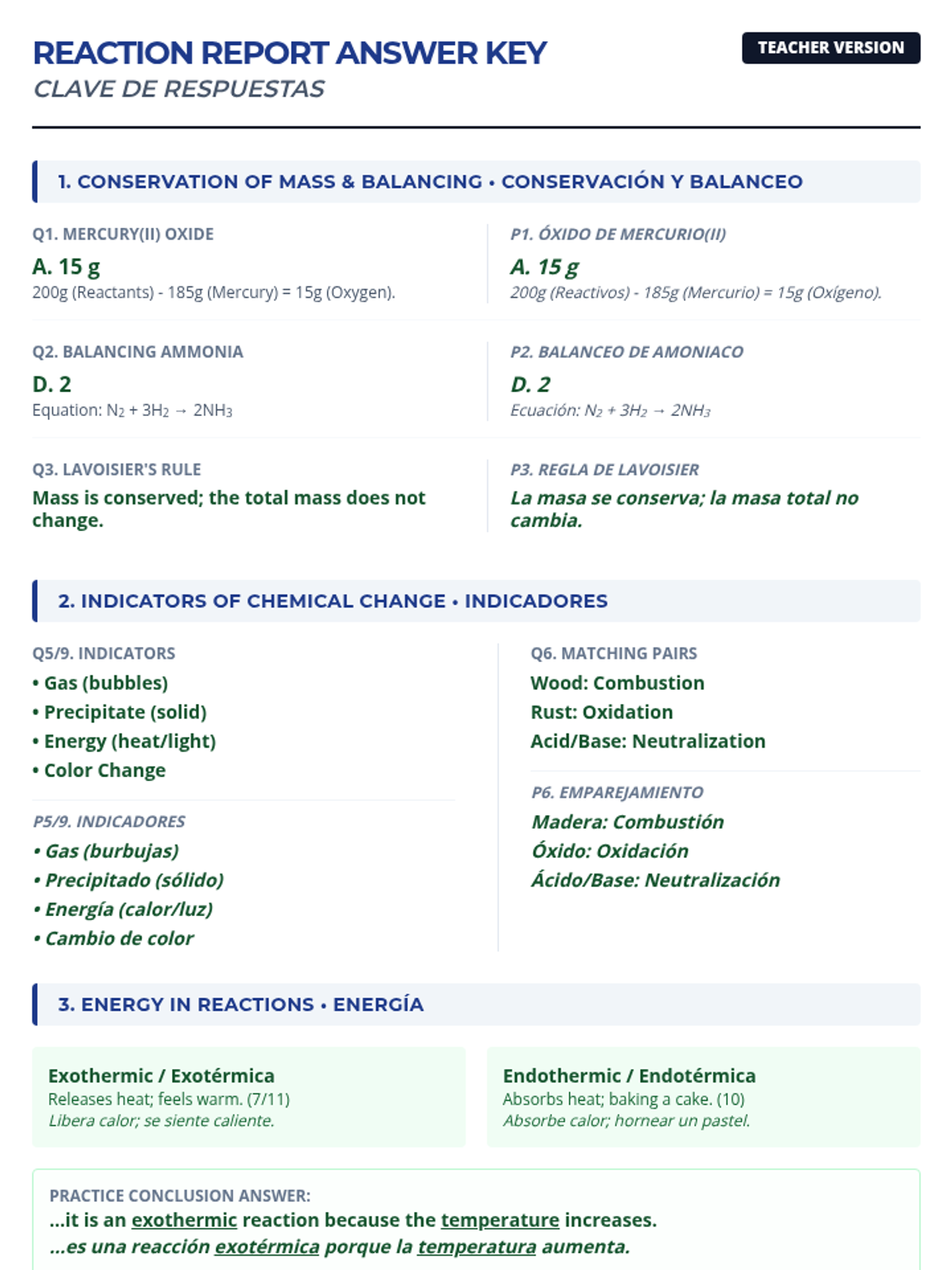
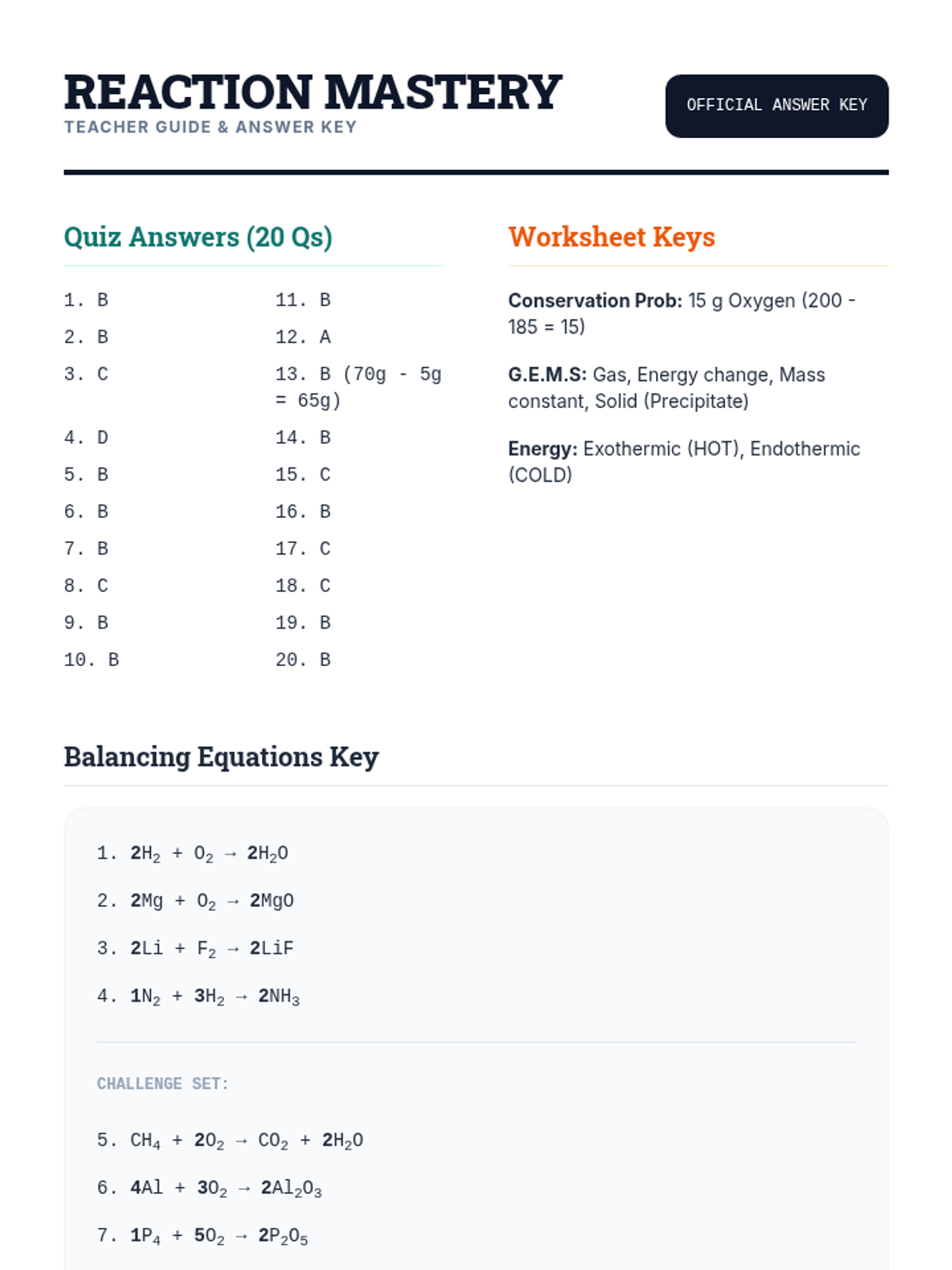
A comprehensive study guide covering chemical reactions, balancing equations, conservation of mass, and energy changes, provided in a bilingual English-Spanish format.
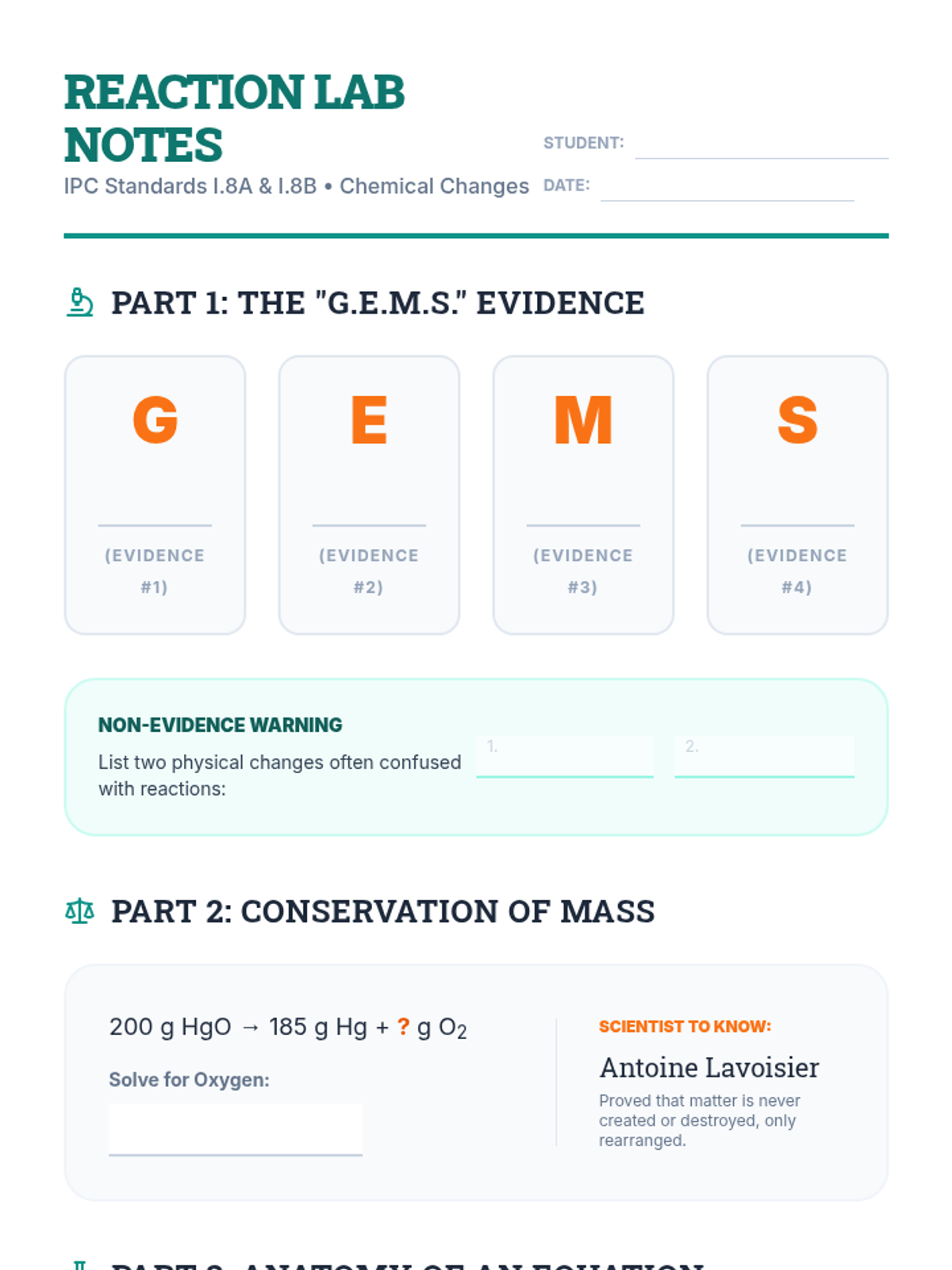
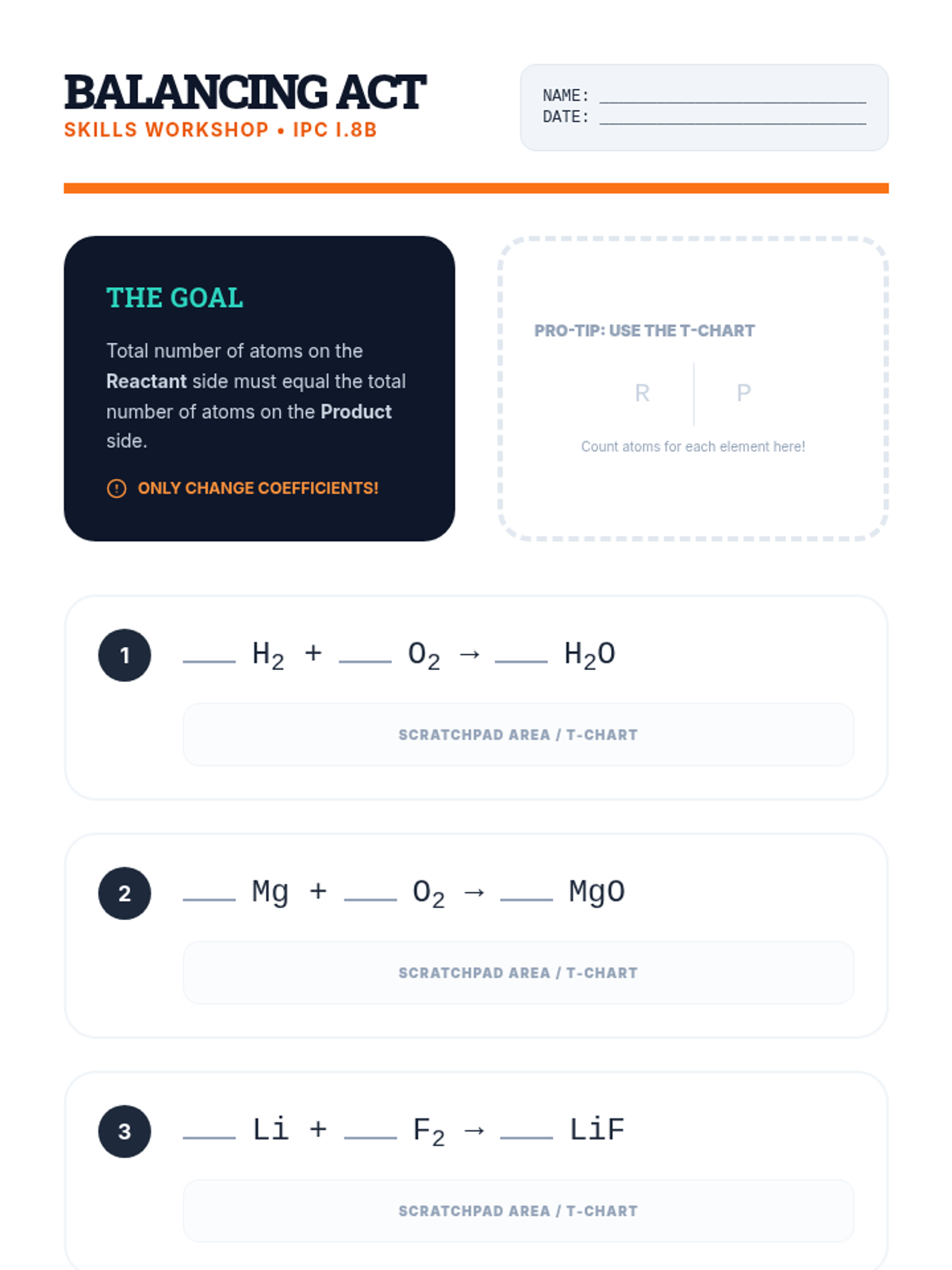
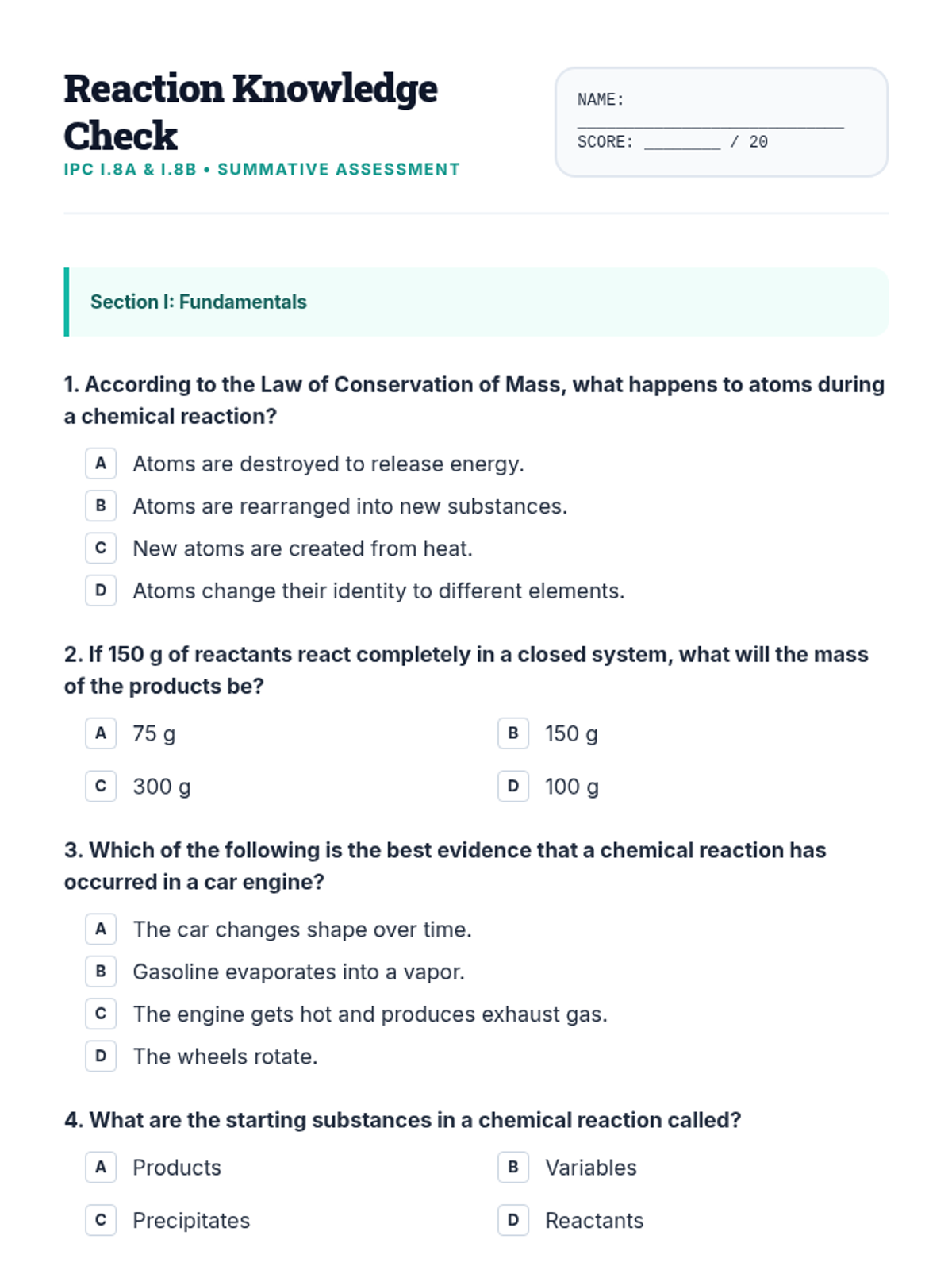
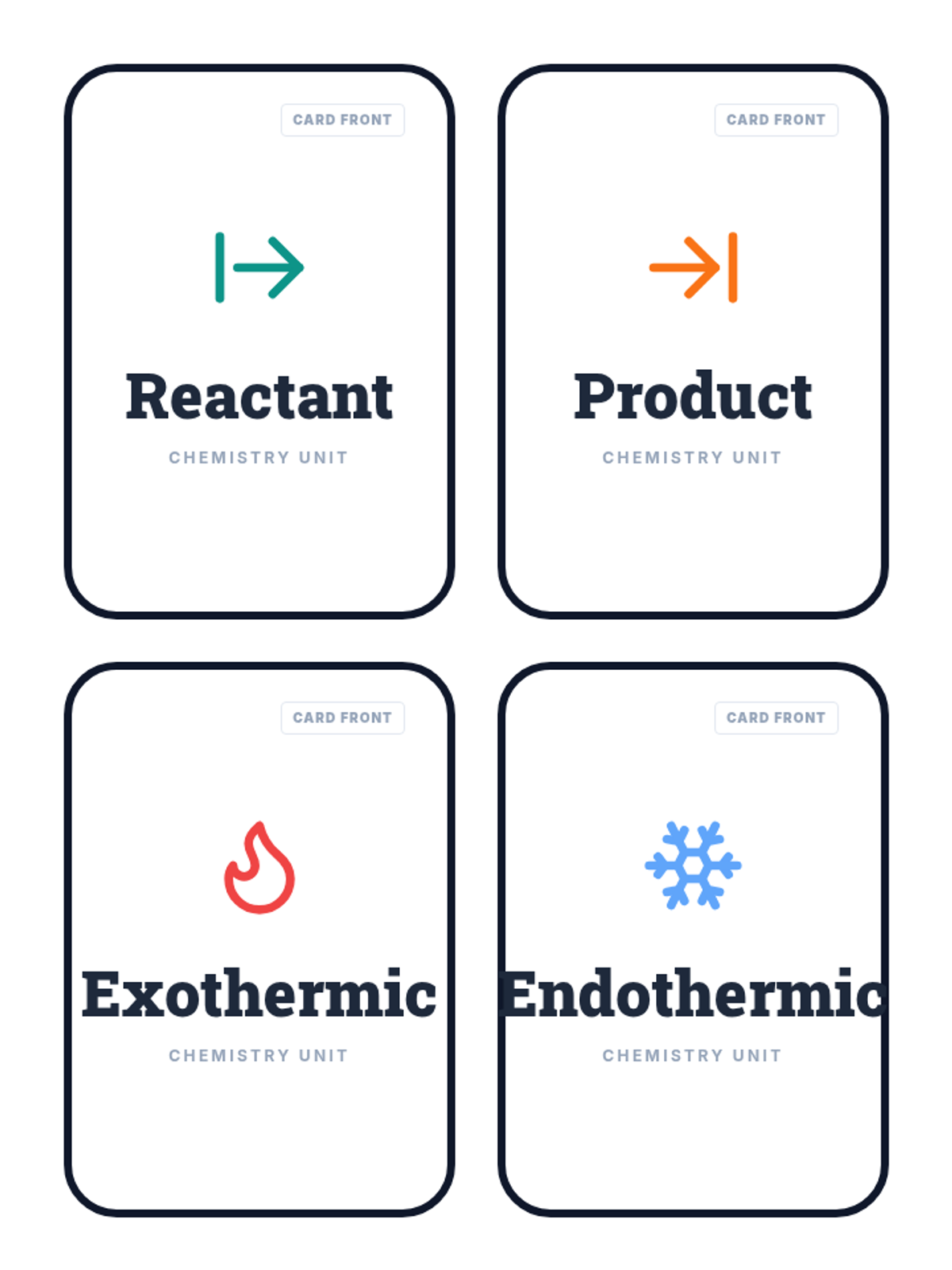
A comprehensive lesson on chemical reactions covering conservation of mass, balancing equations, evidence of reactions, and energy changes. Students will engage with visual slides, practice worksheets, and a summative assessment.
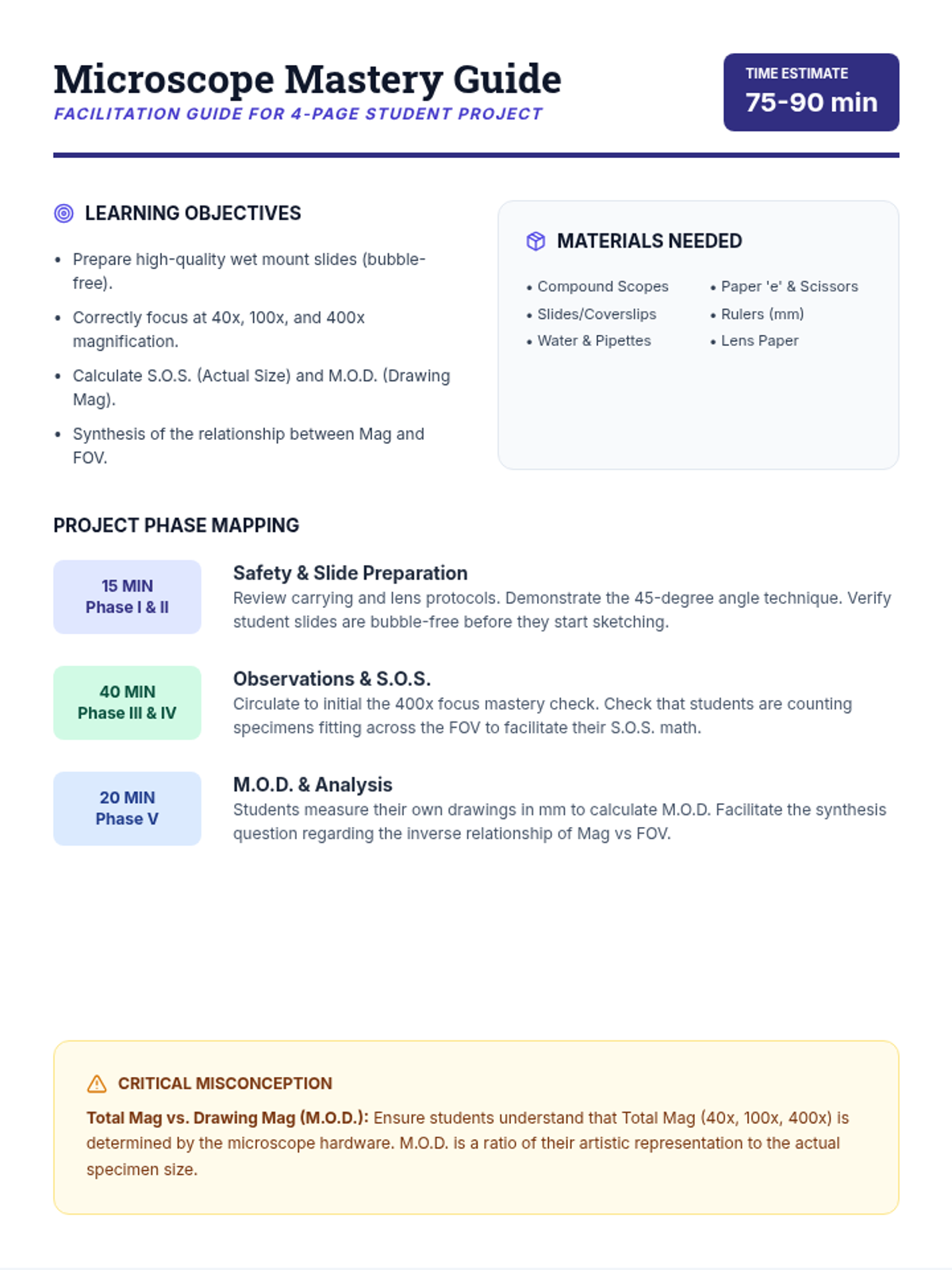
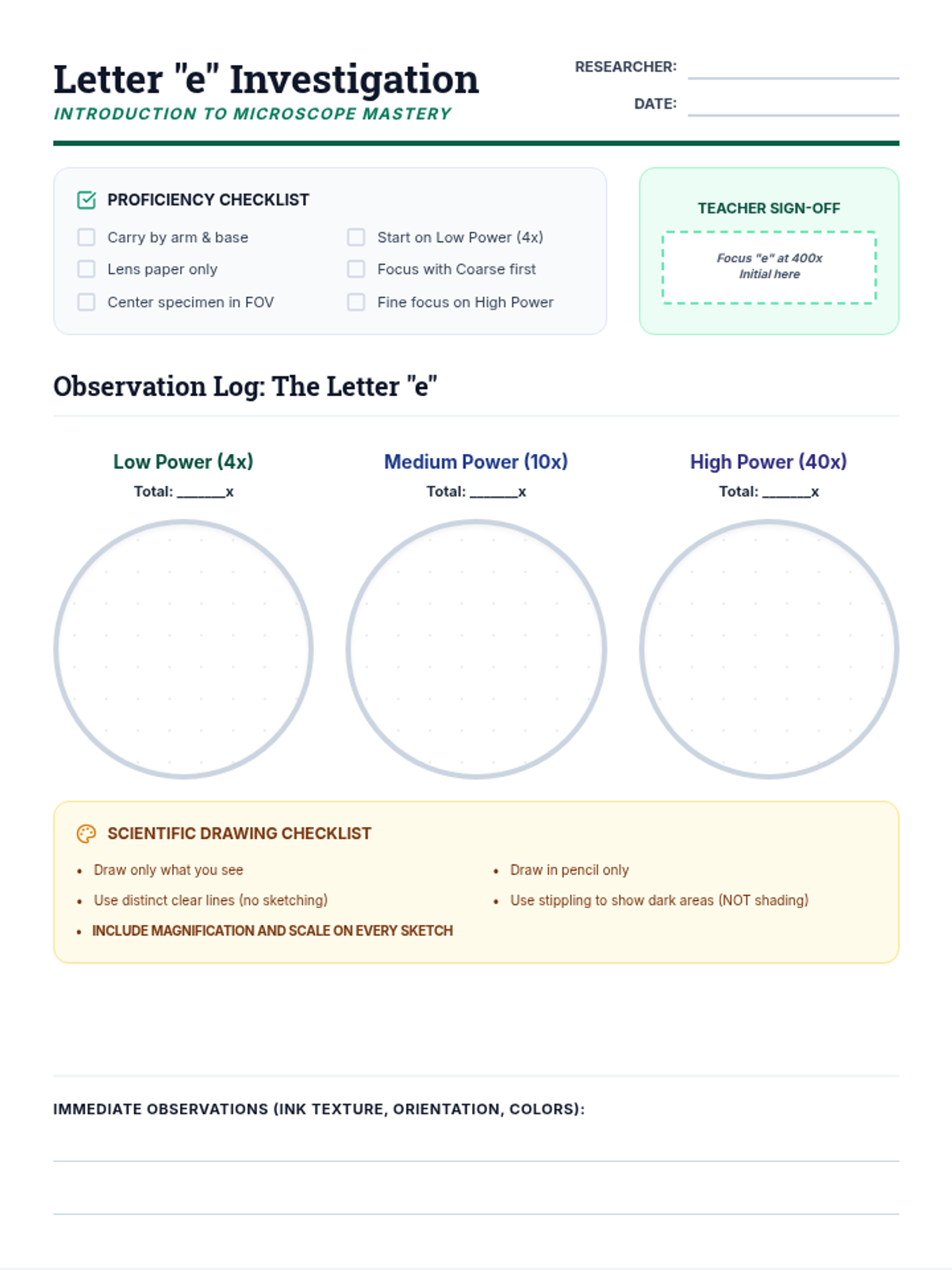
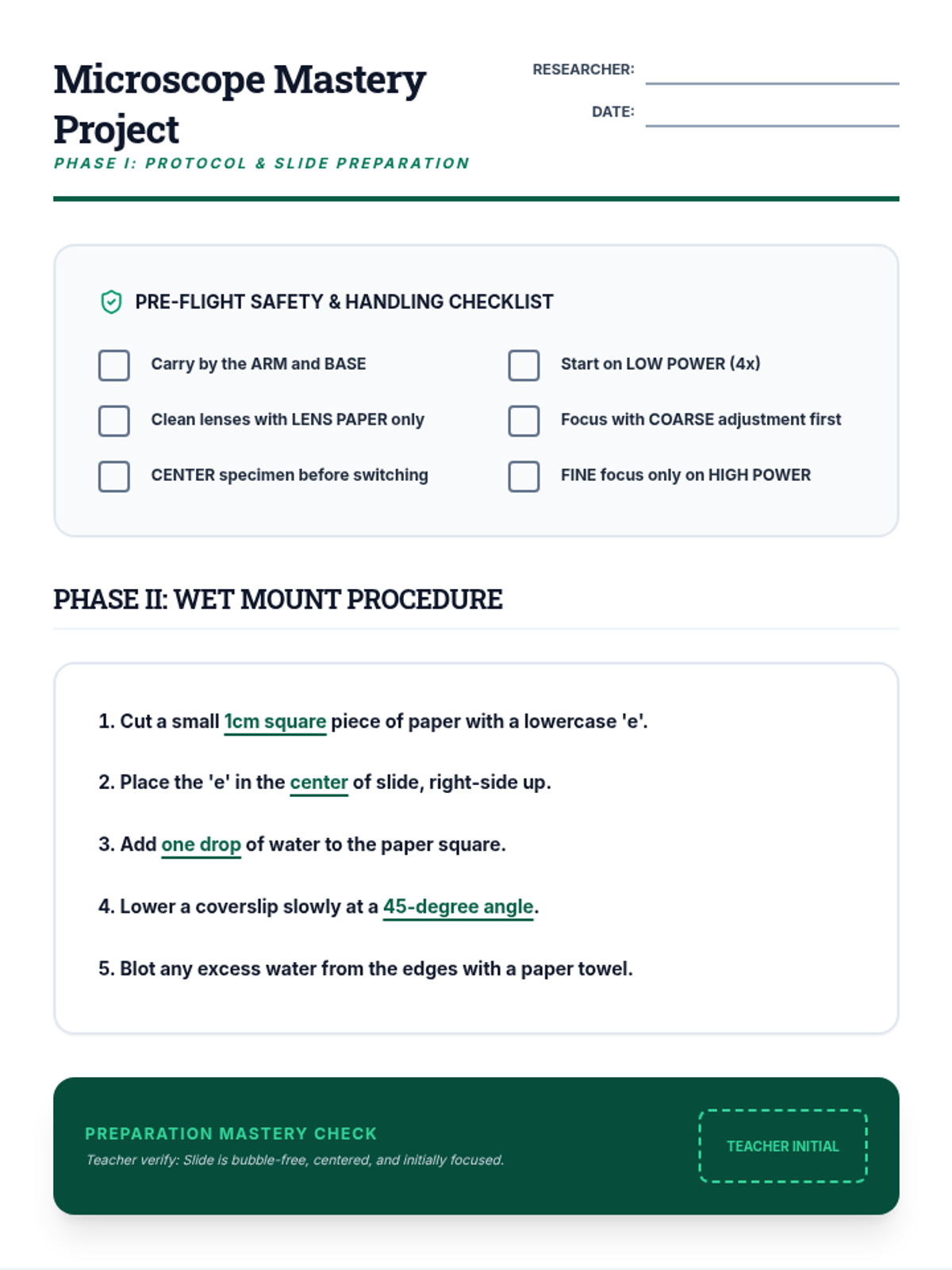
Students learn the fundamentals of microscopy by investigating the letter 'e', practicing slide preparation, and mastering magnification calculations. This lesson covers microscope parts, safety, wet mount preparation, and scientific drawing.
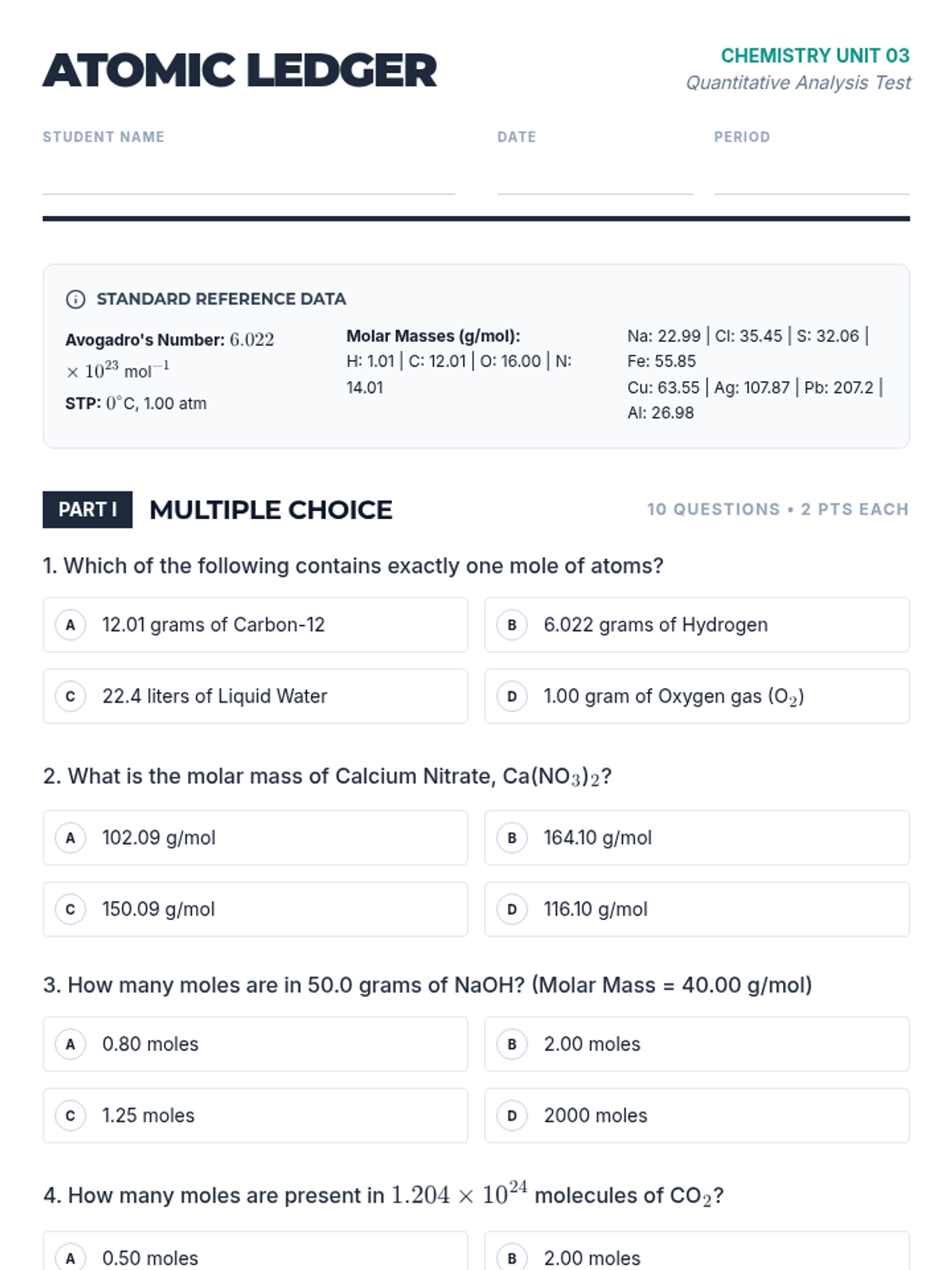
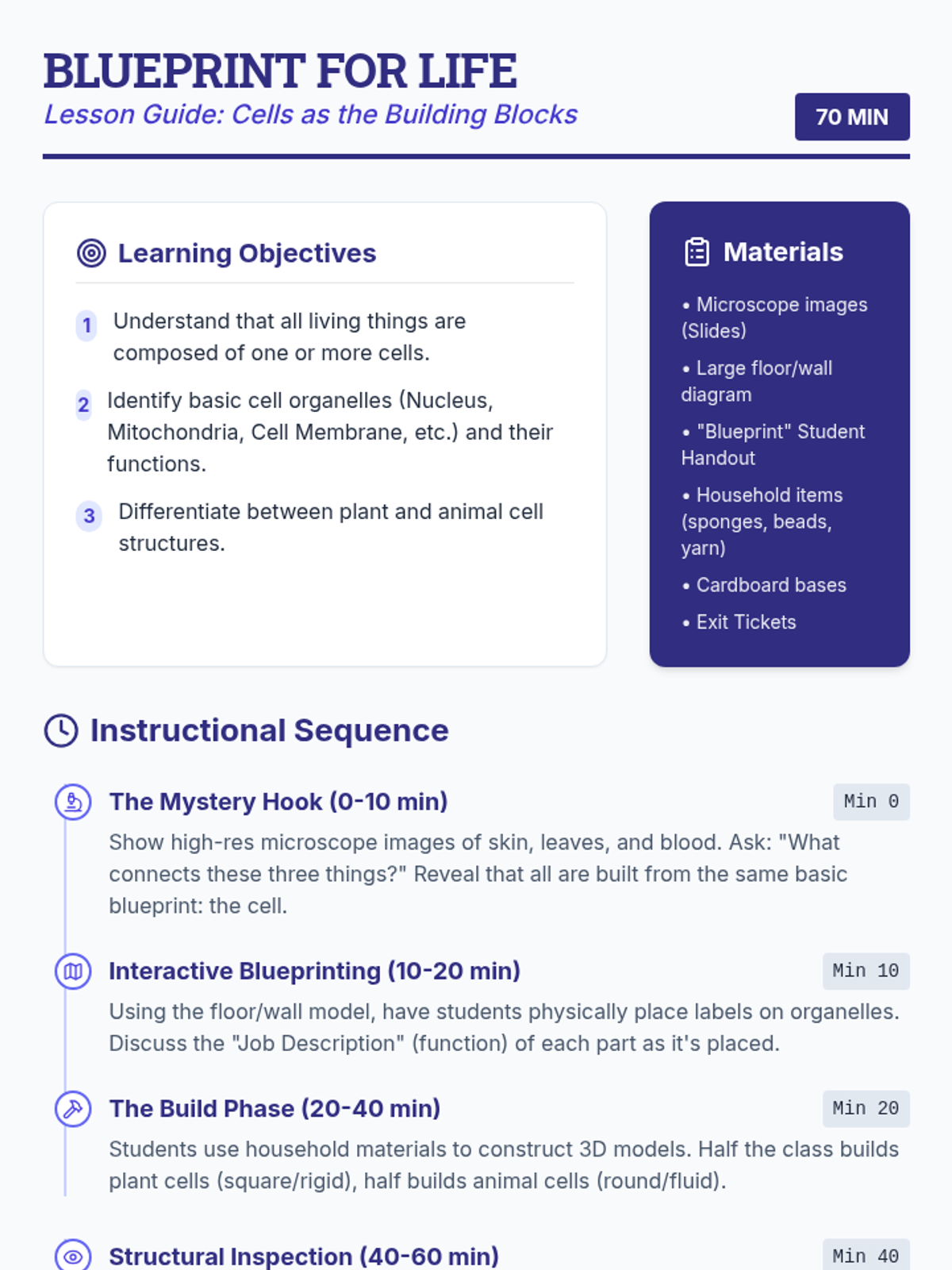
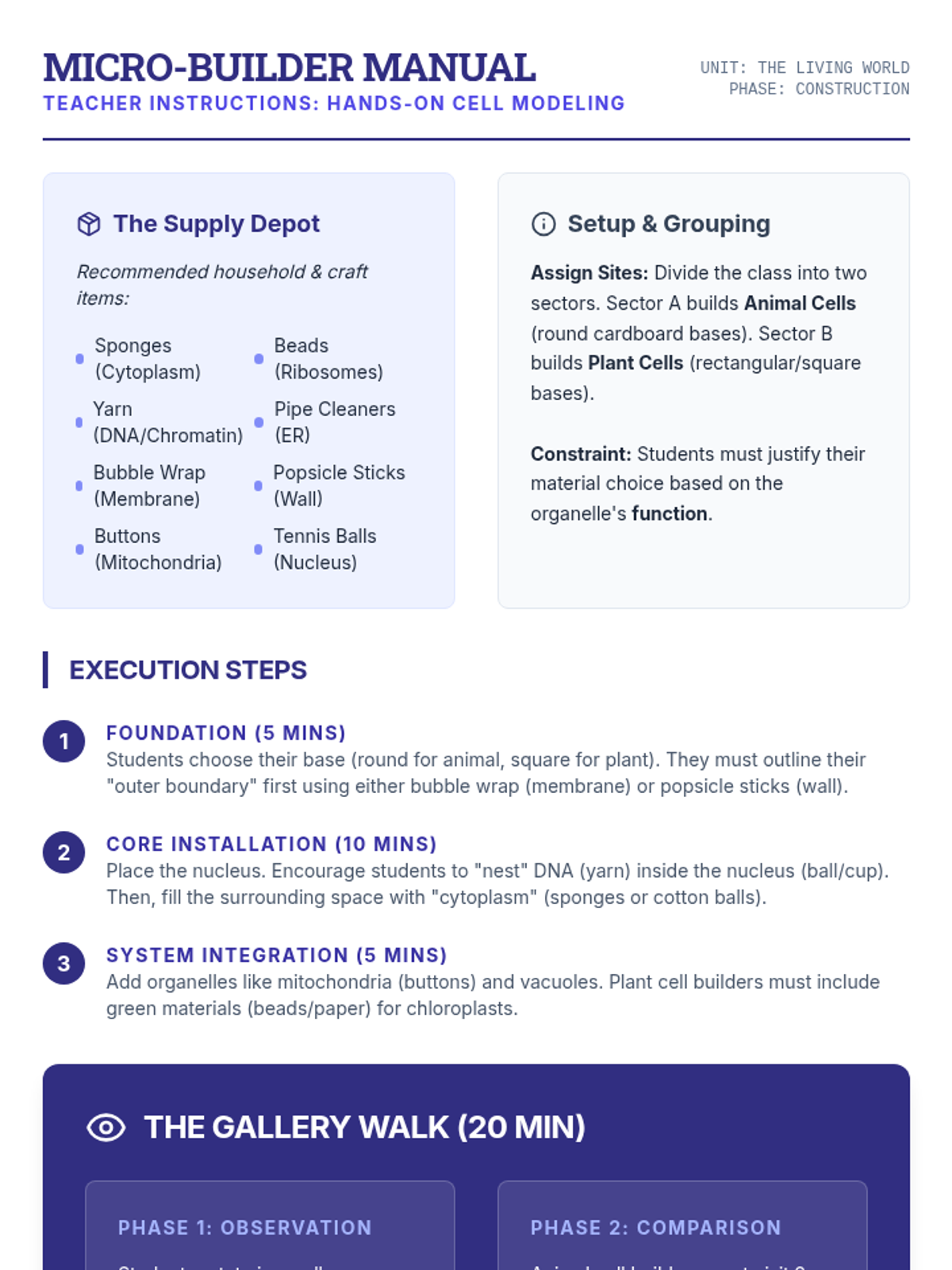
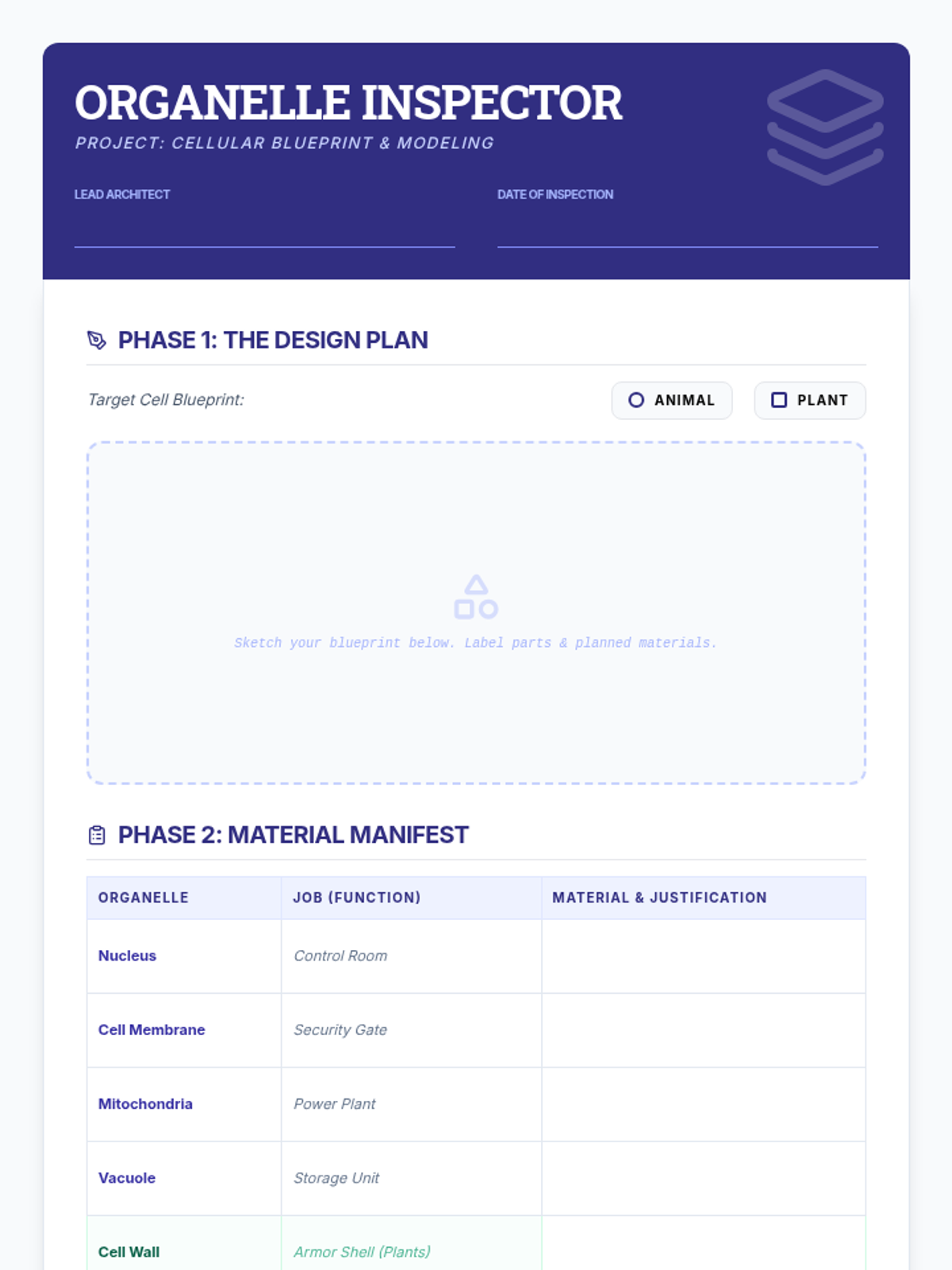
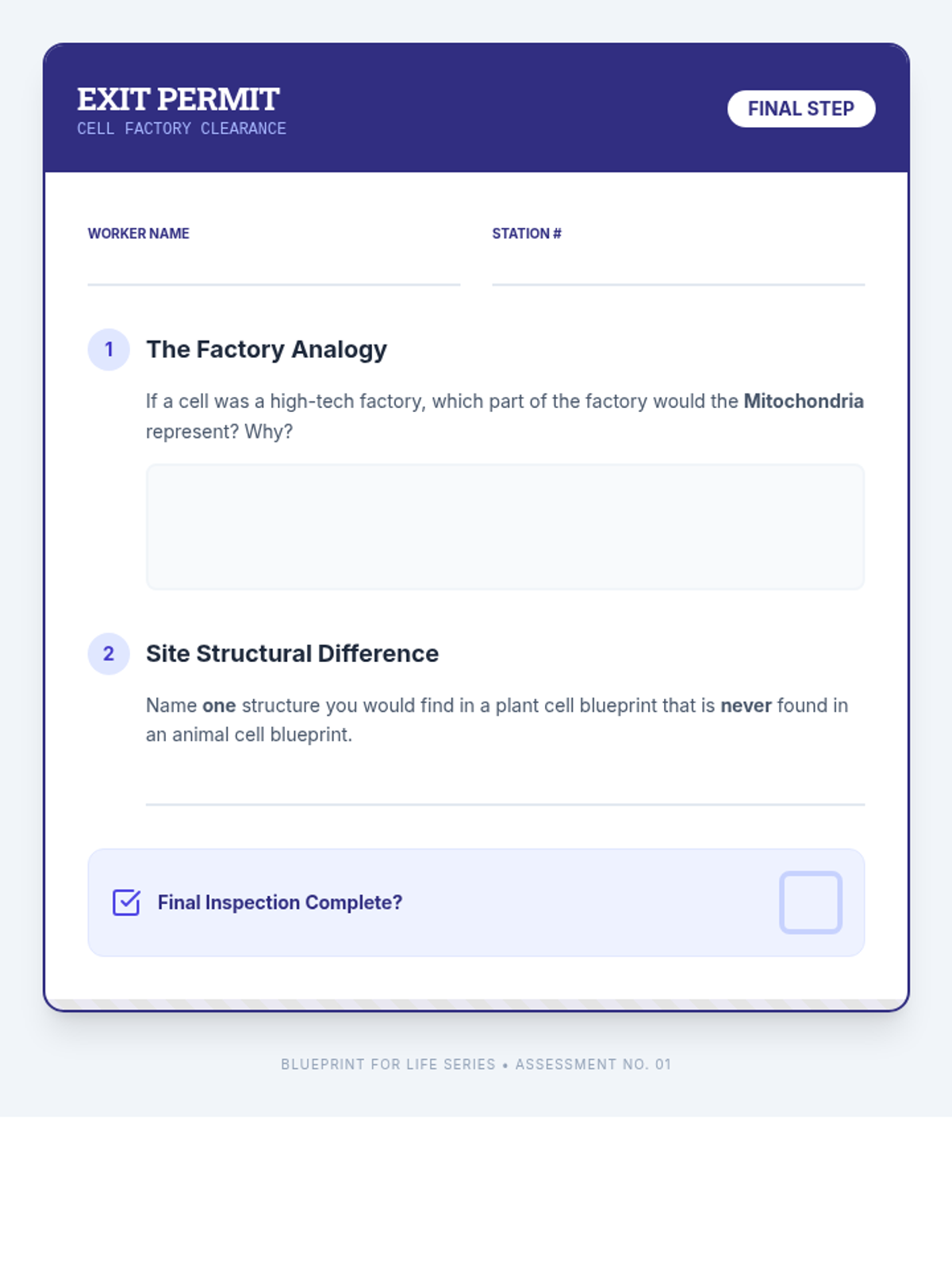
An introductory biology lesson exploring the fundamental unit of life through the lens of architectural design. Students compare plant and animal cells, identify organelles, and construct physical models using everyday materials.
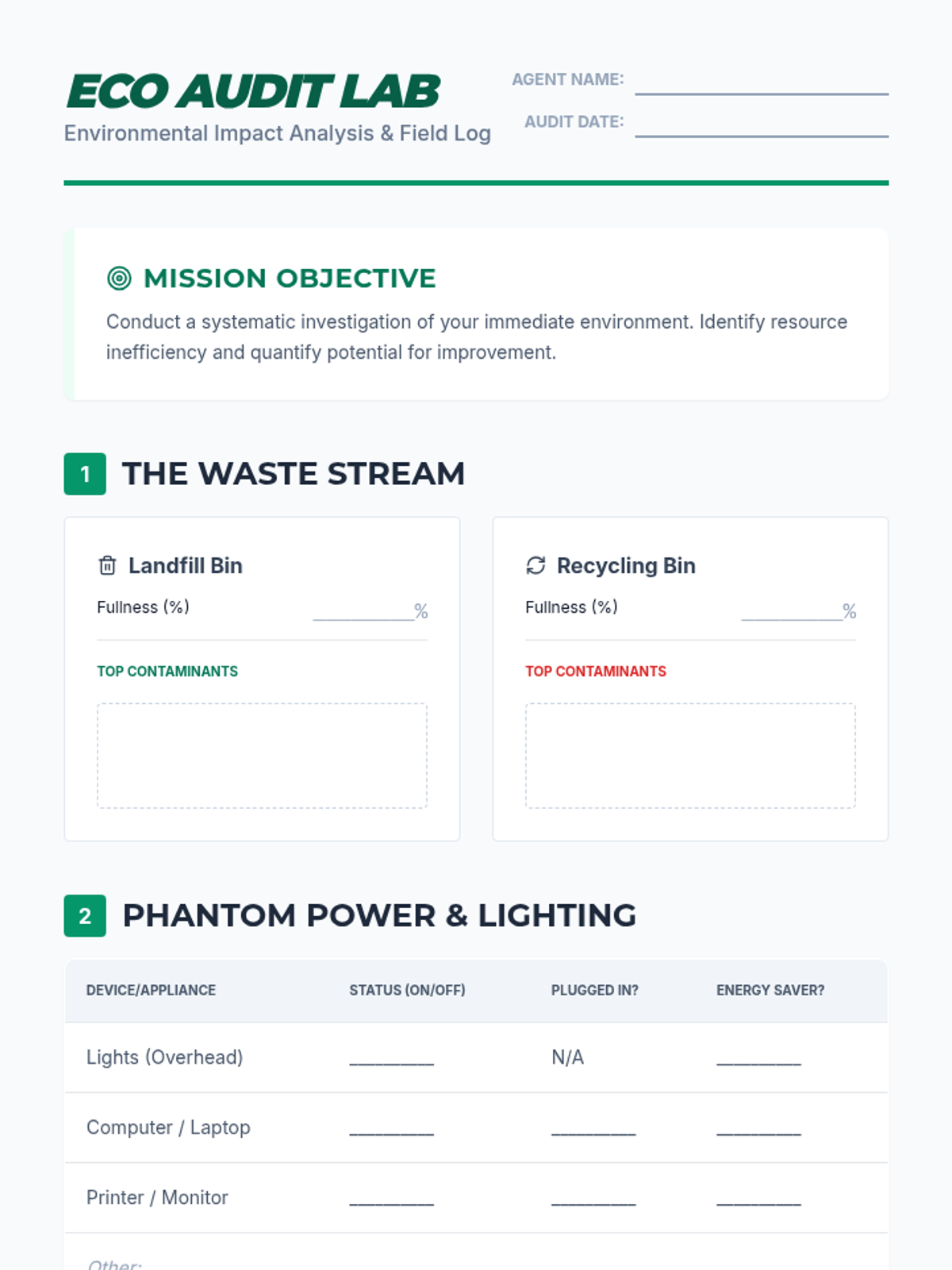
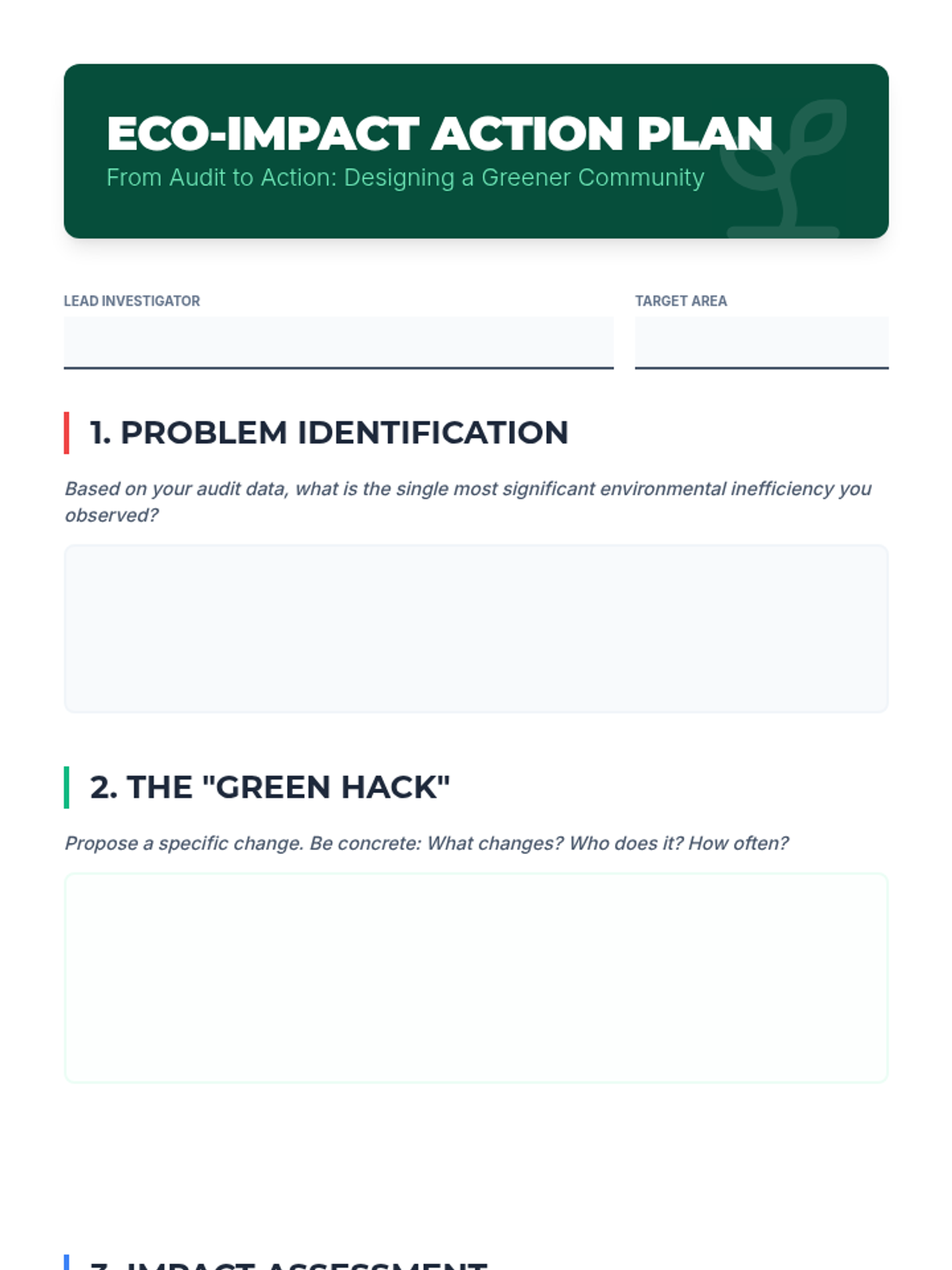
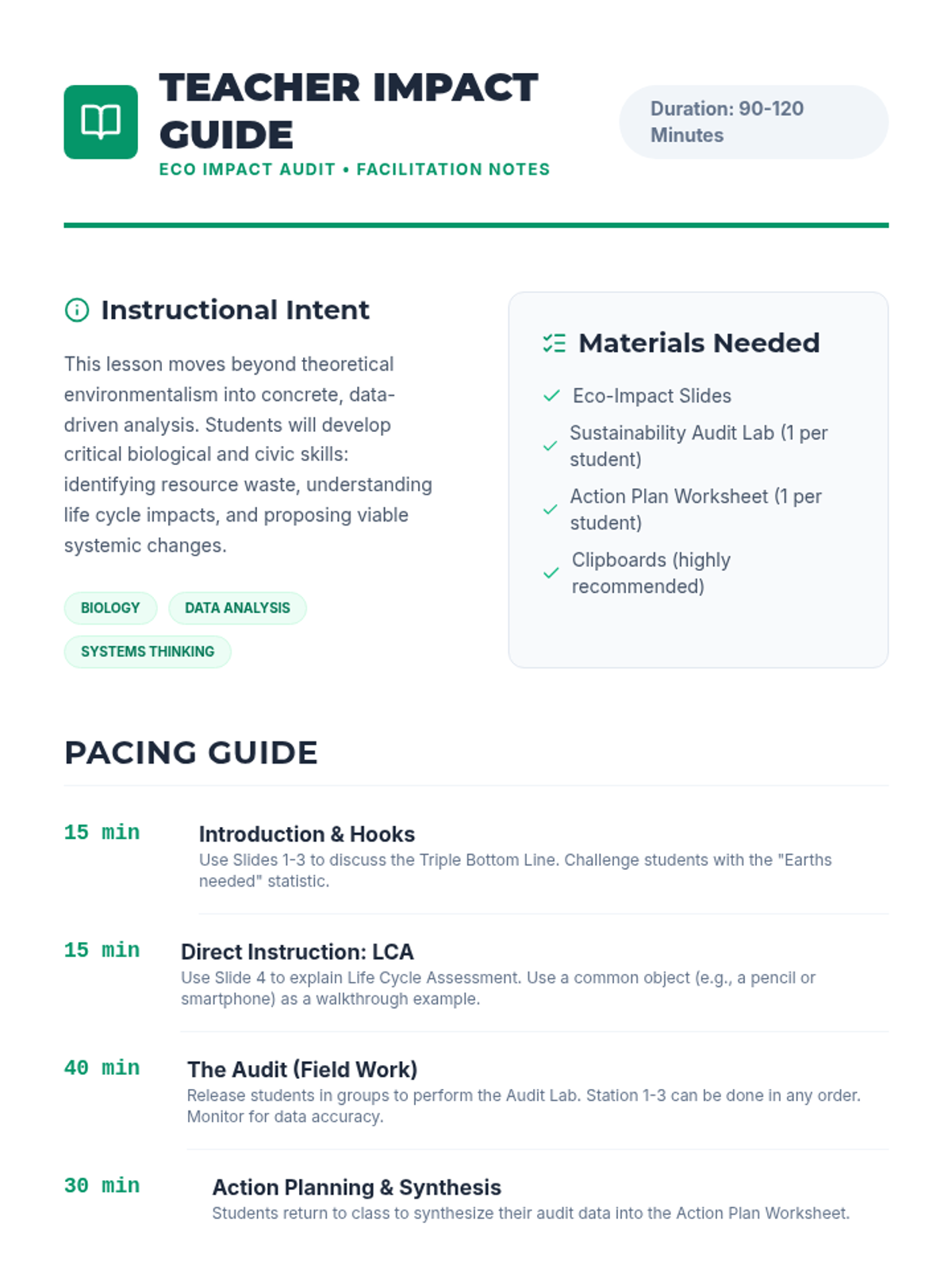
A hands-on lesson where students analyze their environmental footprint through a sustainability audit and develop data-driven solutions for real-world impact.
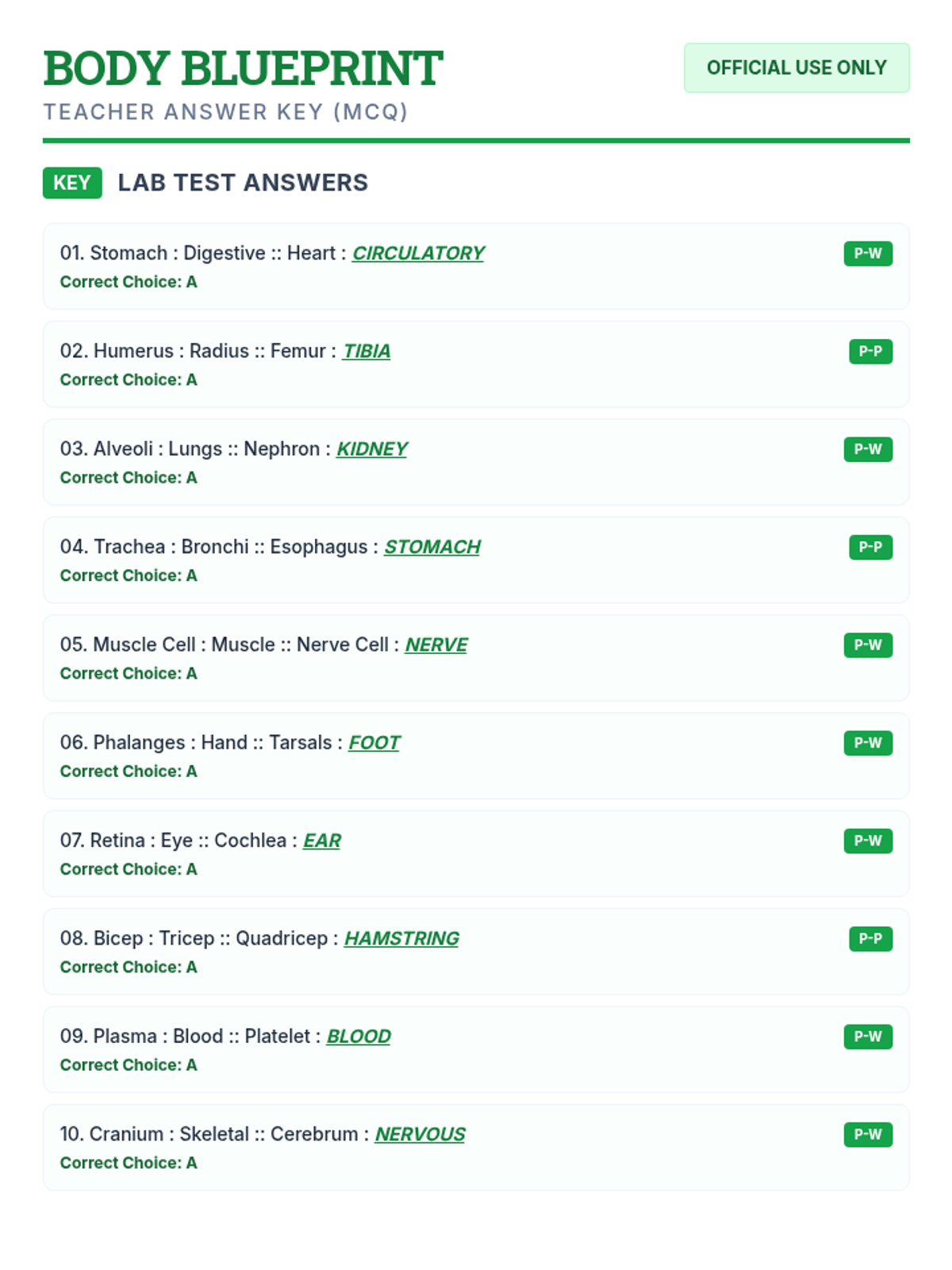
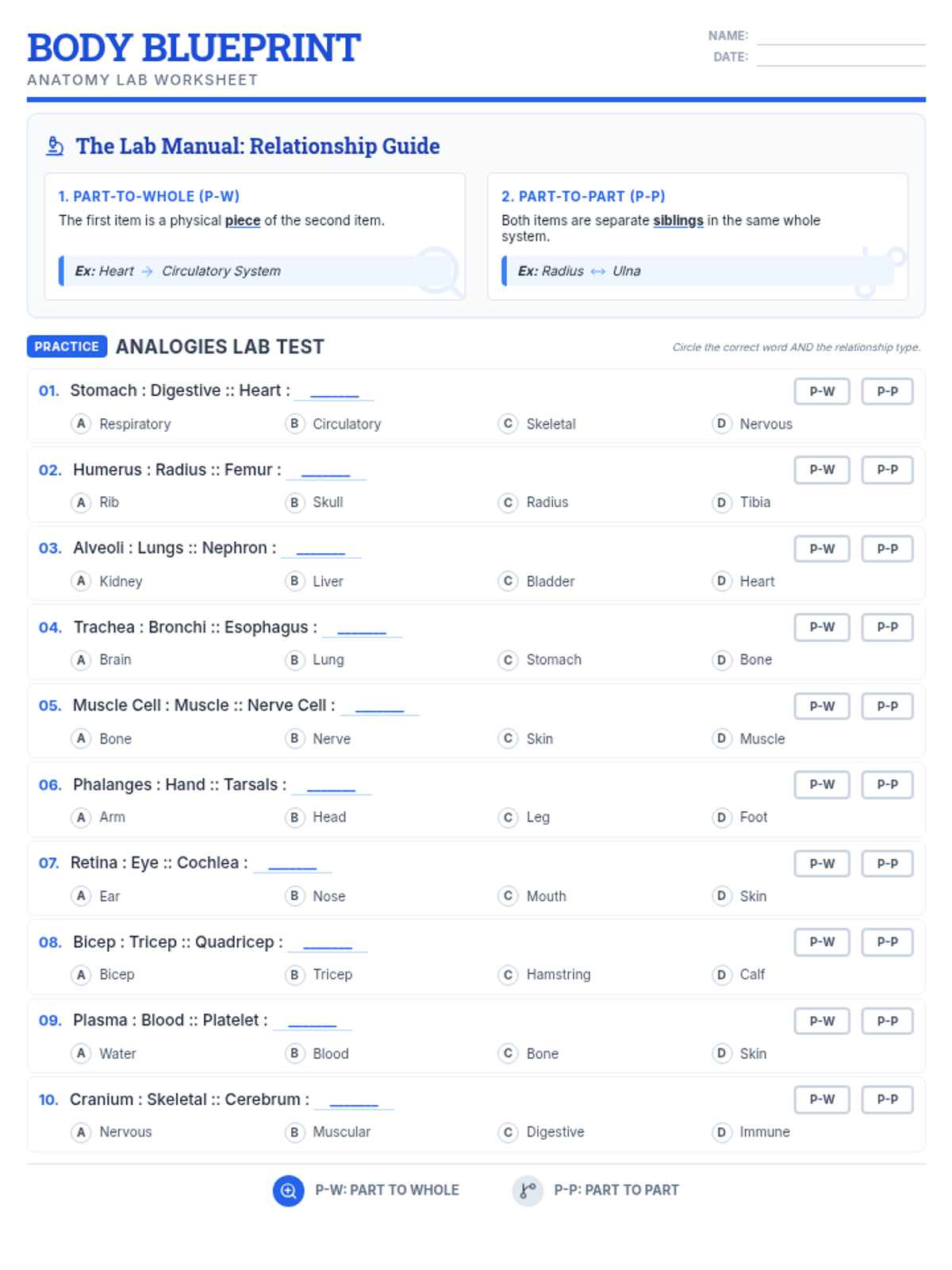
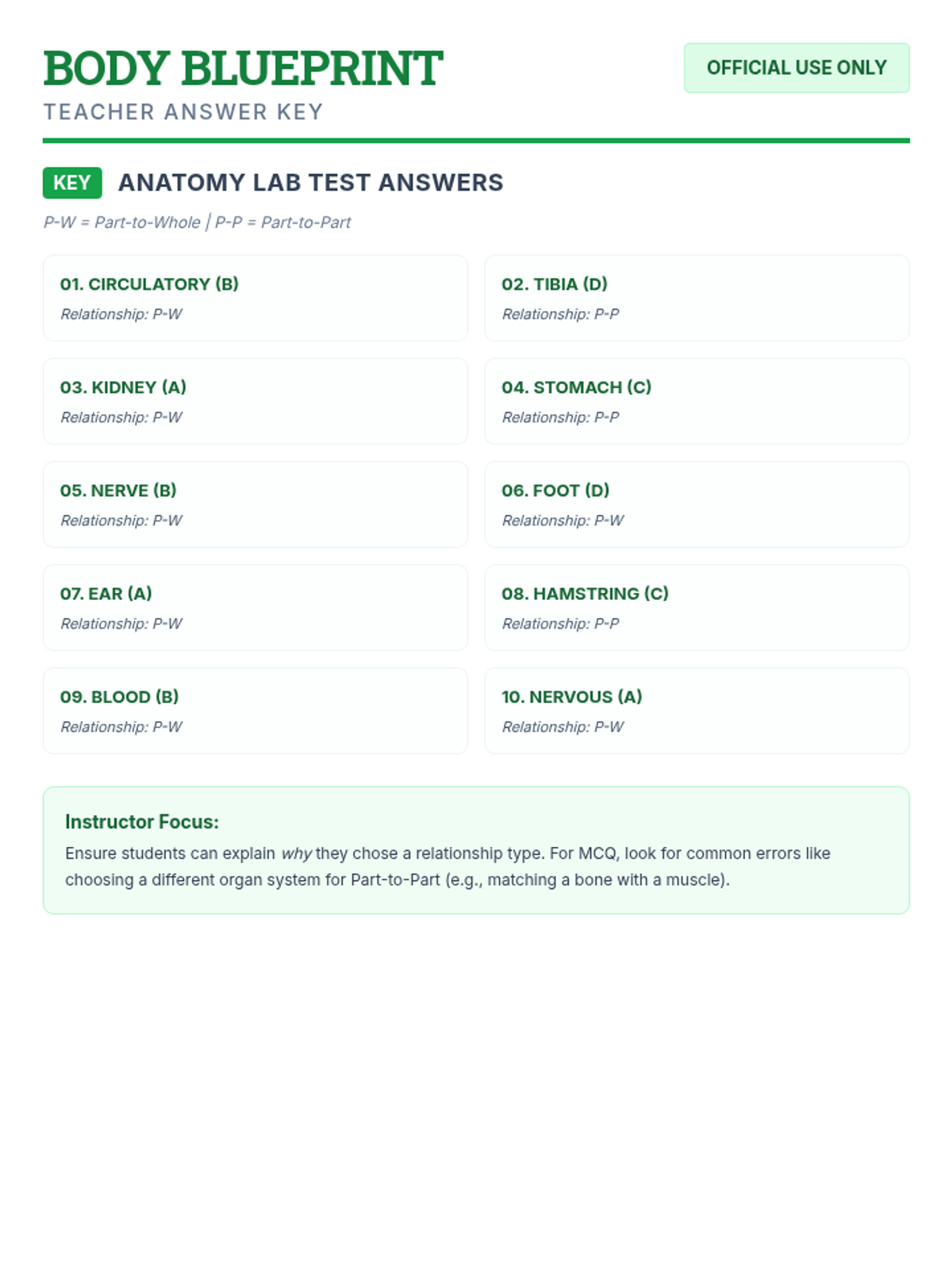
In this lesson, students explore the relationship between anatomical structures using analogies. They will distinguish between part-to-whole and part-to-part relationships within human body systems.
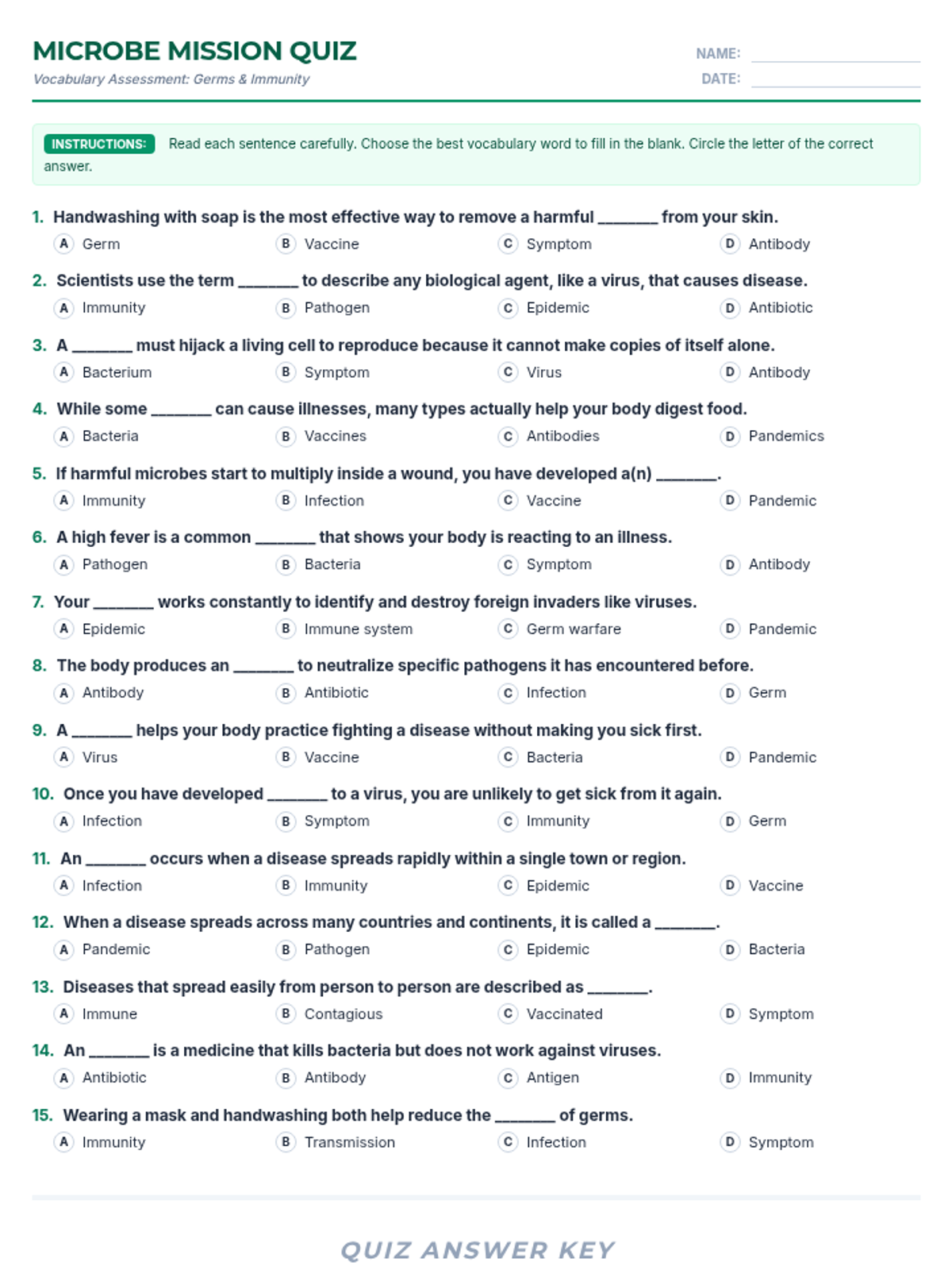
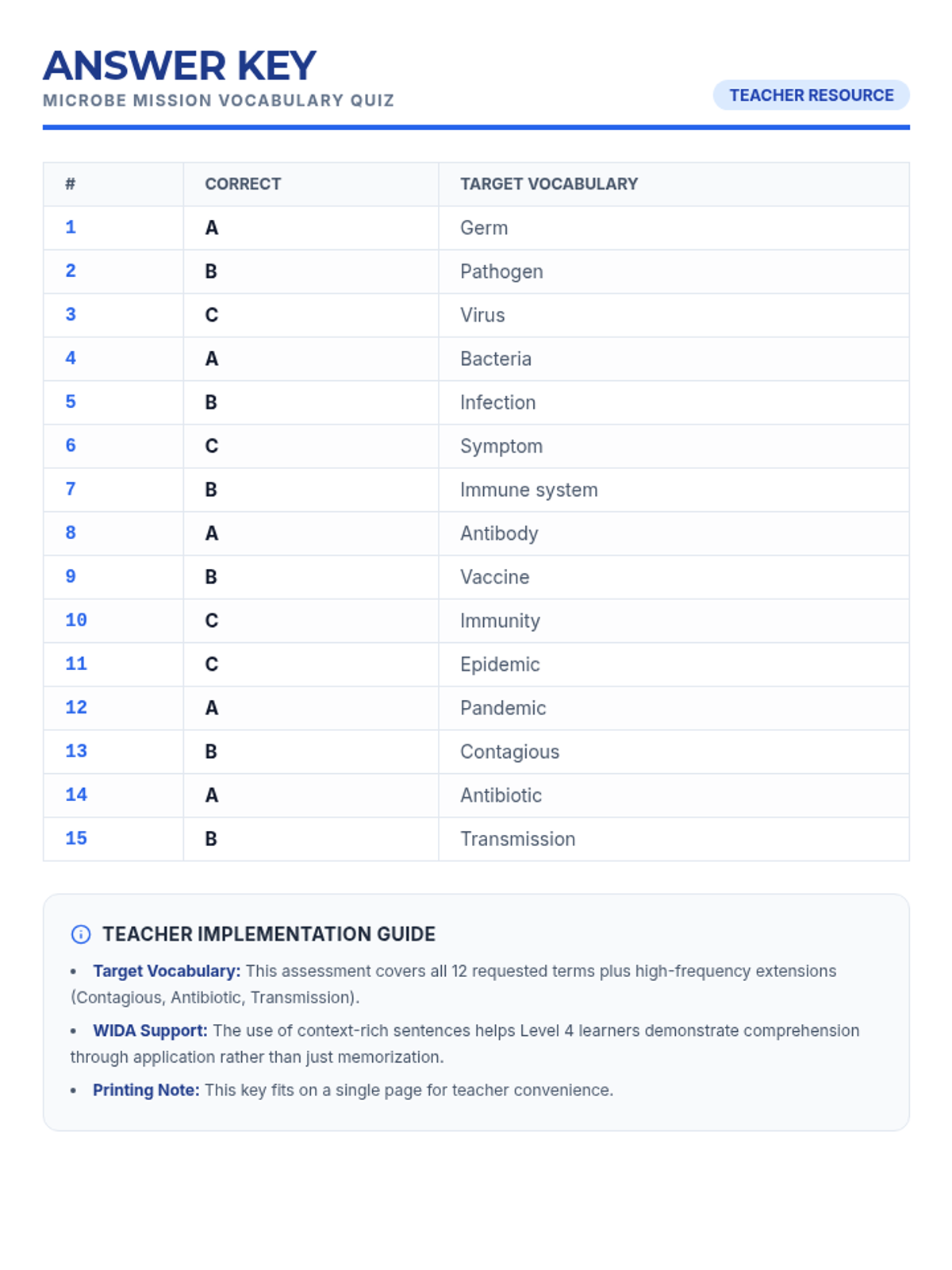
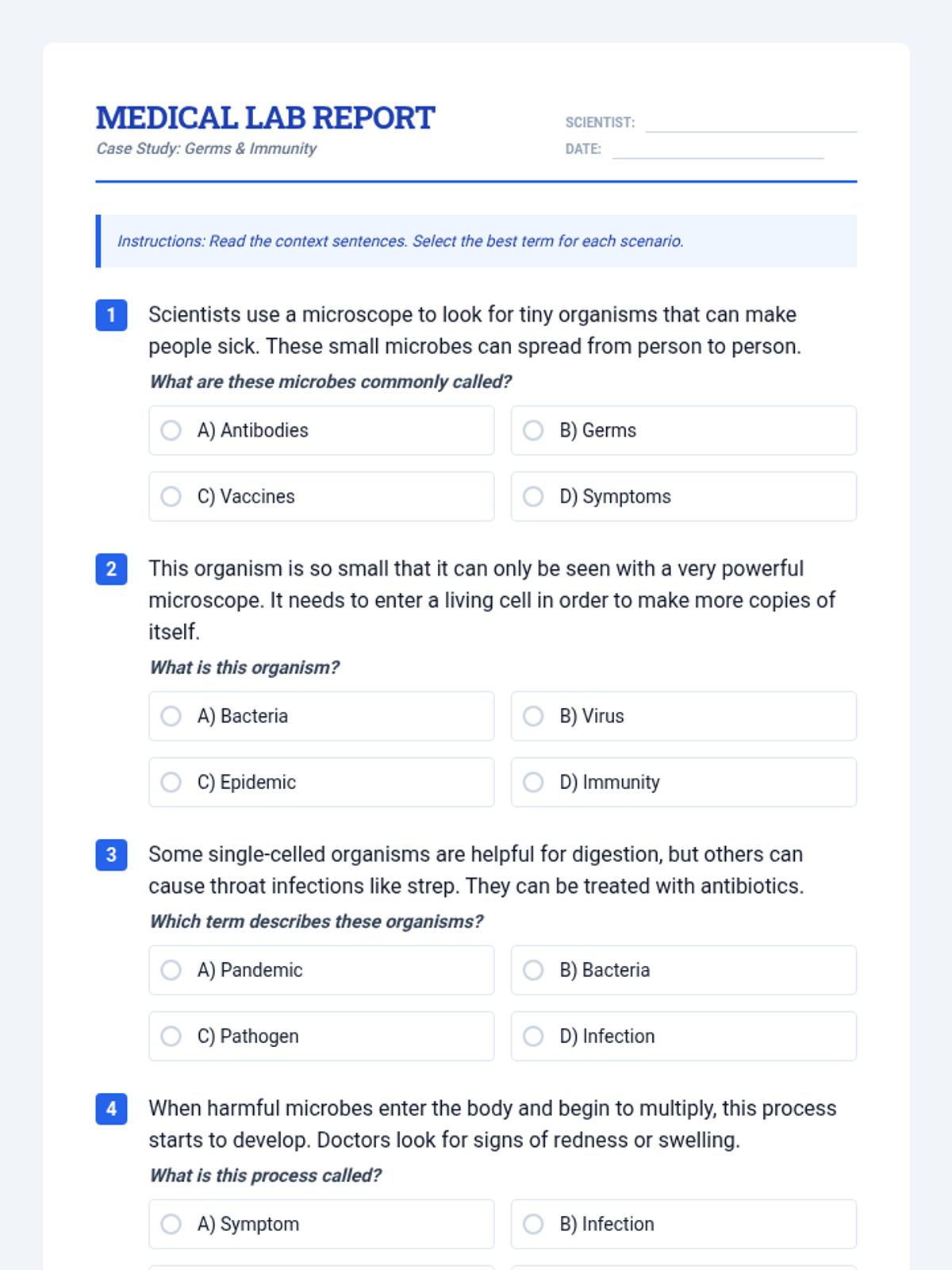
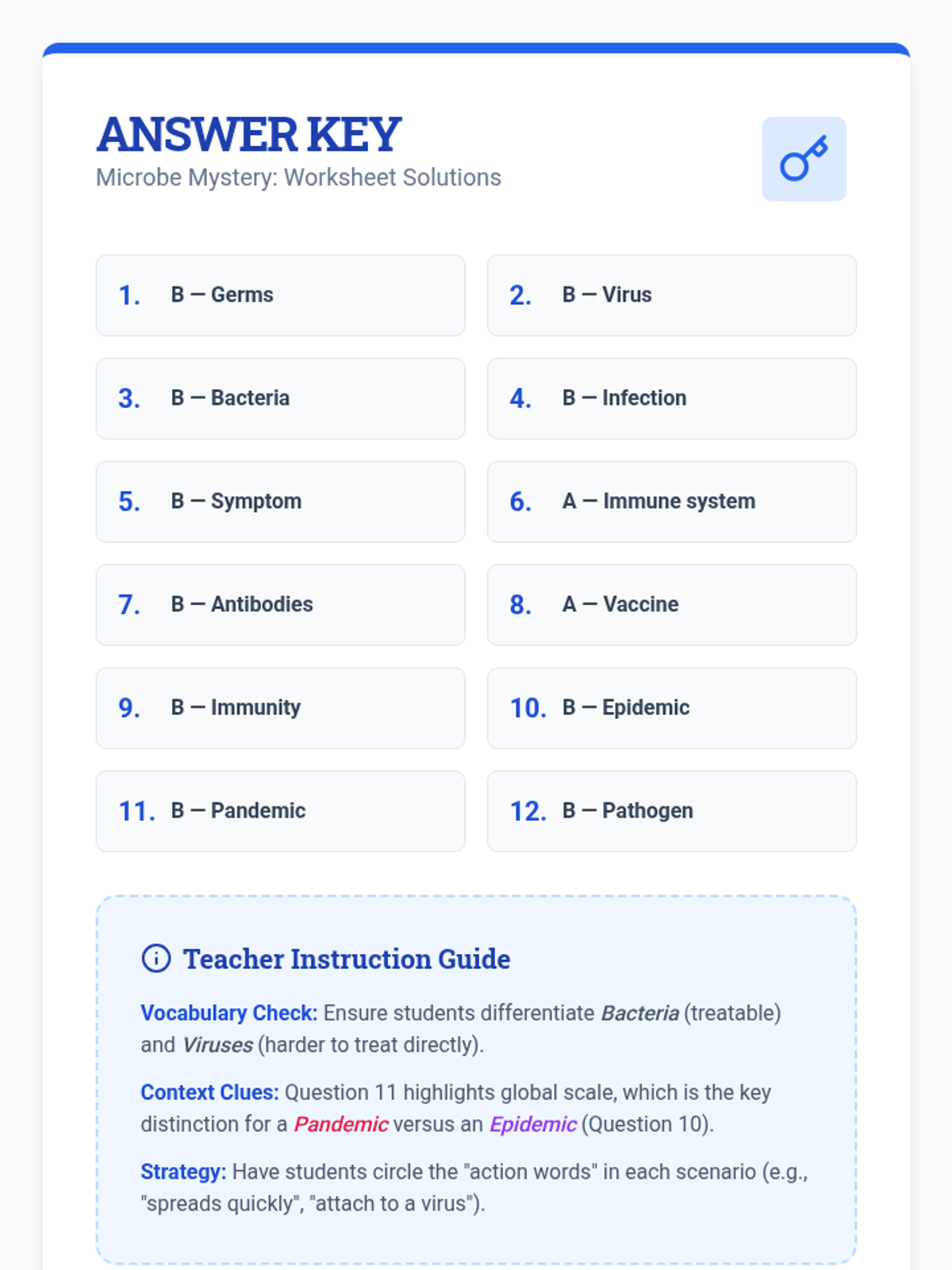
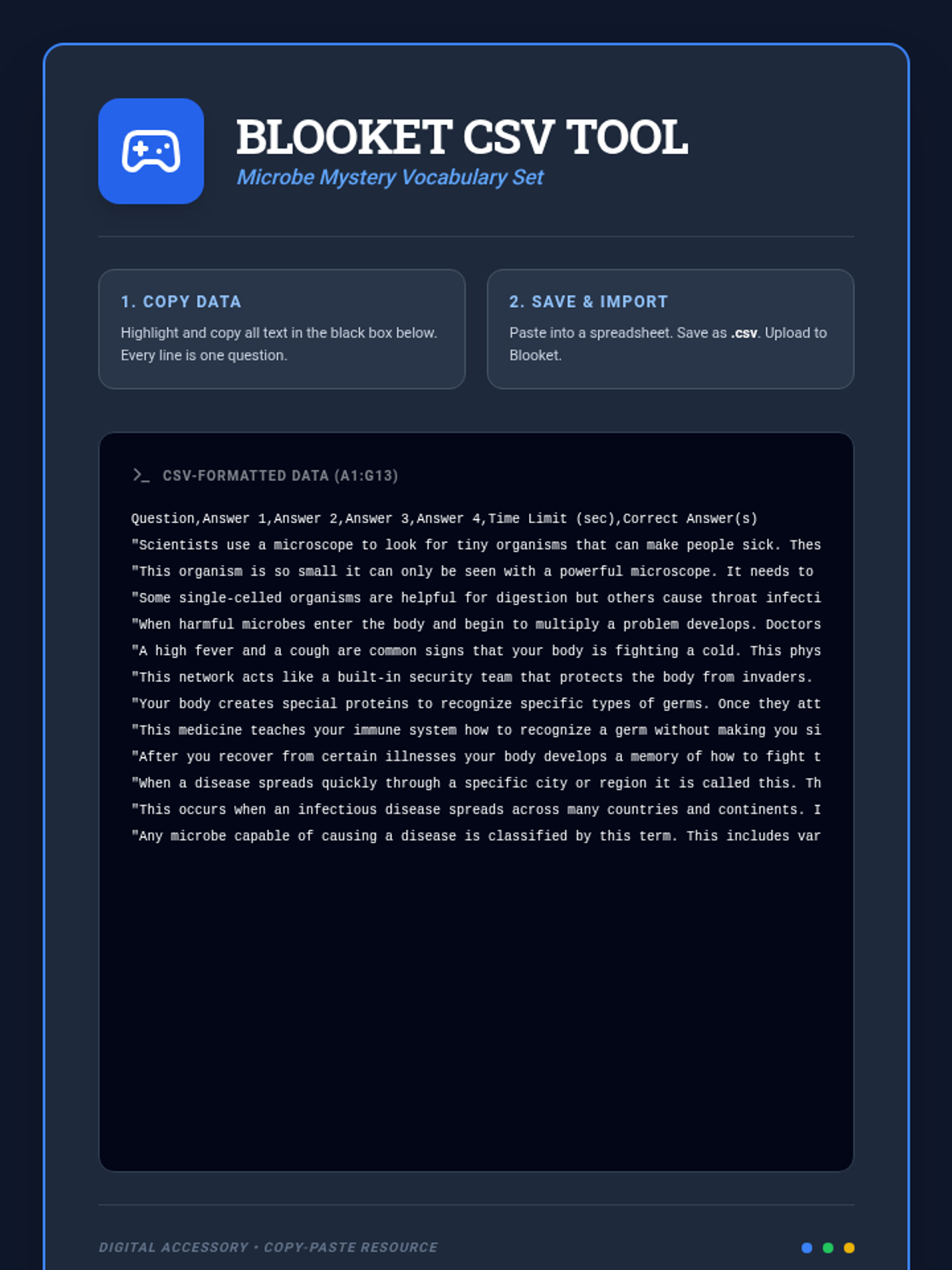
A comprehensive quiz and answer key covering essential medical and biological vocabulary related to germs, pathogens, and the body's immune response. Designed for WIDA Level 4 learners with context-rich sentences.
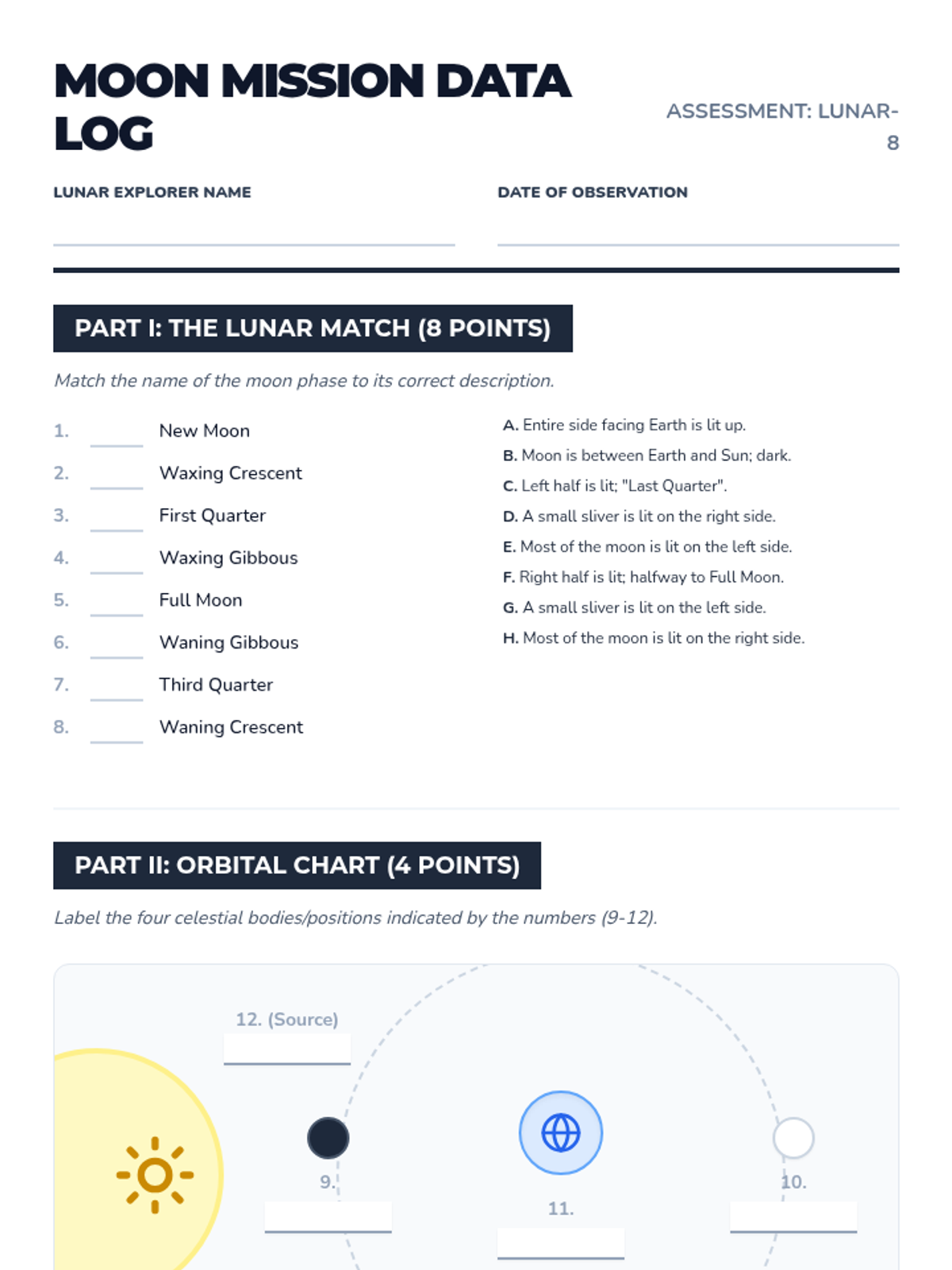
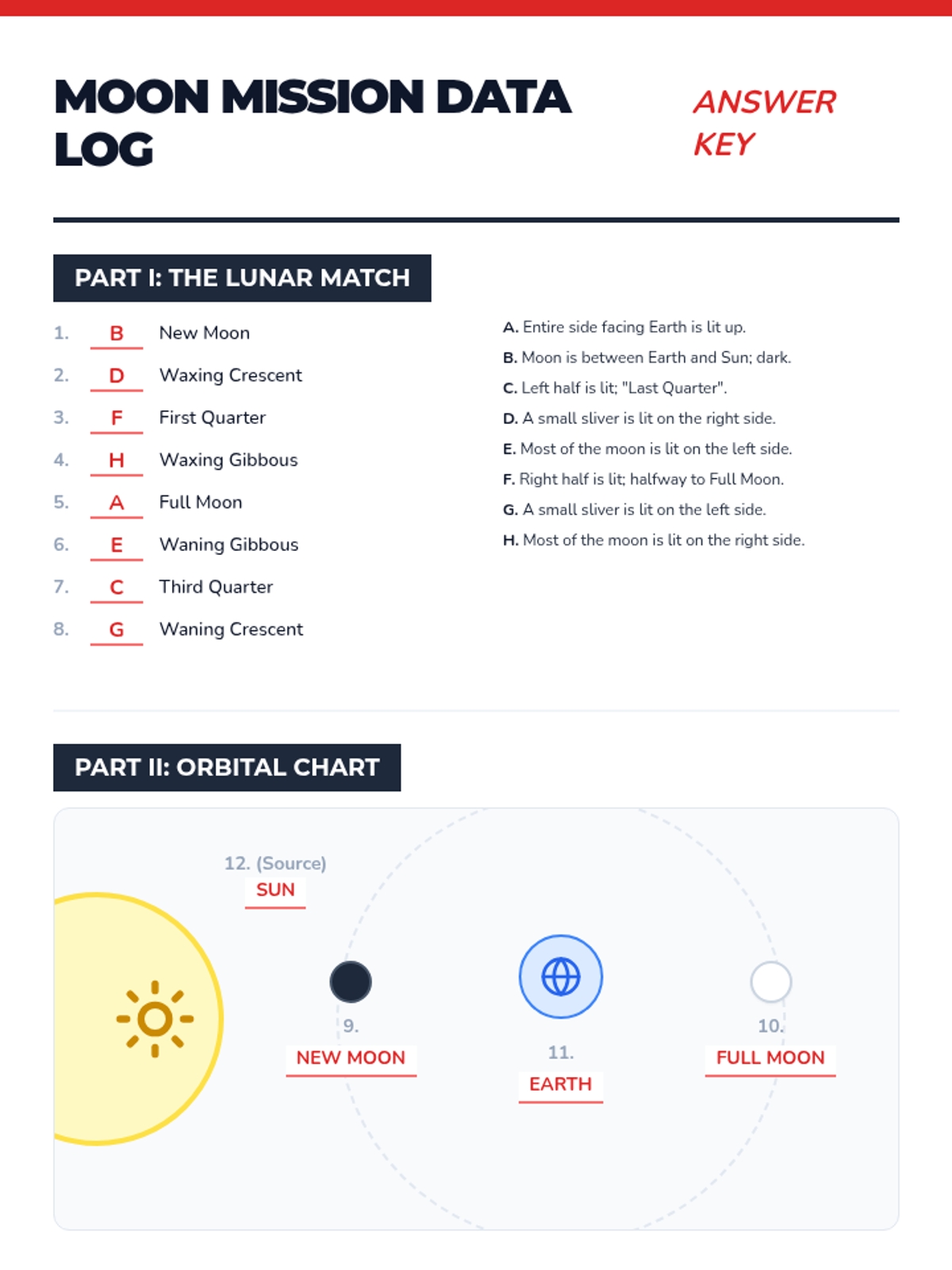
A comprehensive assessment covering the lunar cycle, orbital mechanics, and the relationship between the Earth, Moon, and Sun. Students will demonstrate their understanding through diagram labeling, matching, and short-answer responses.
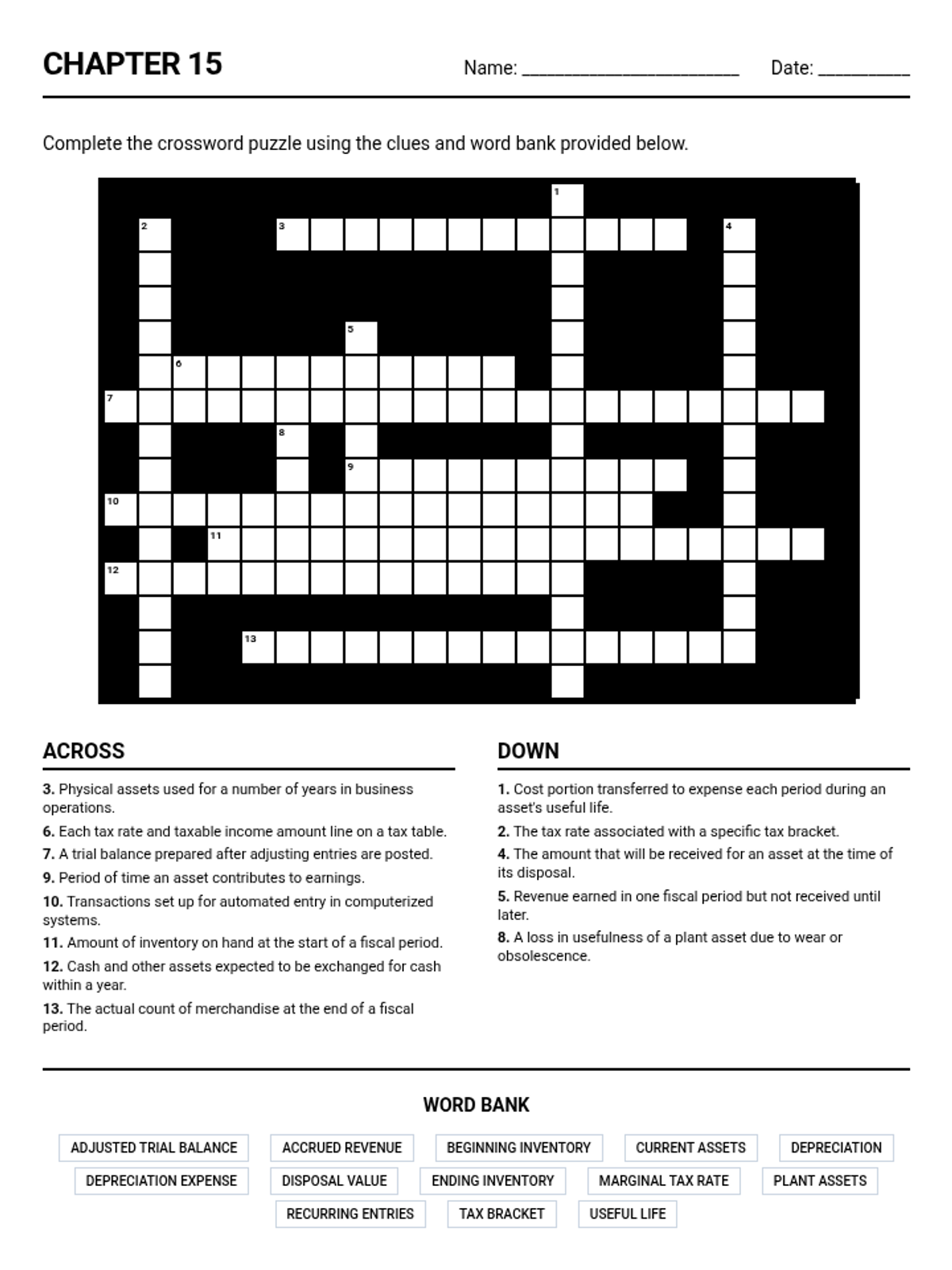
This lesson covers fundamental accounting concepts including asset valuation, tax structures, and inventory management through a hands-on crossword challenge.
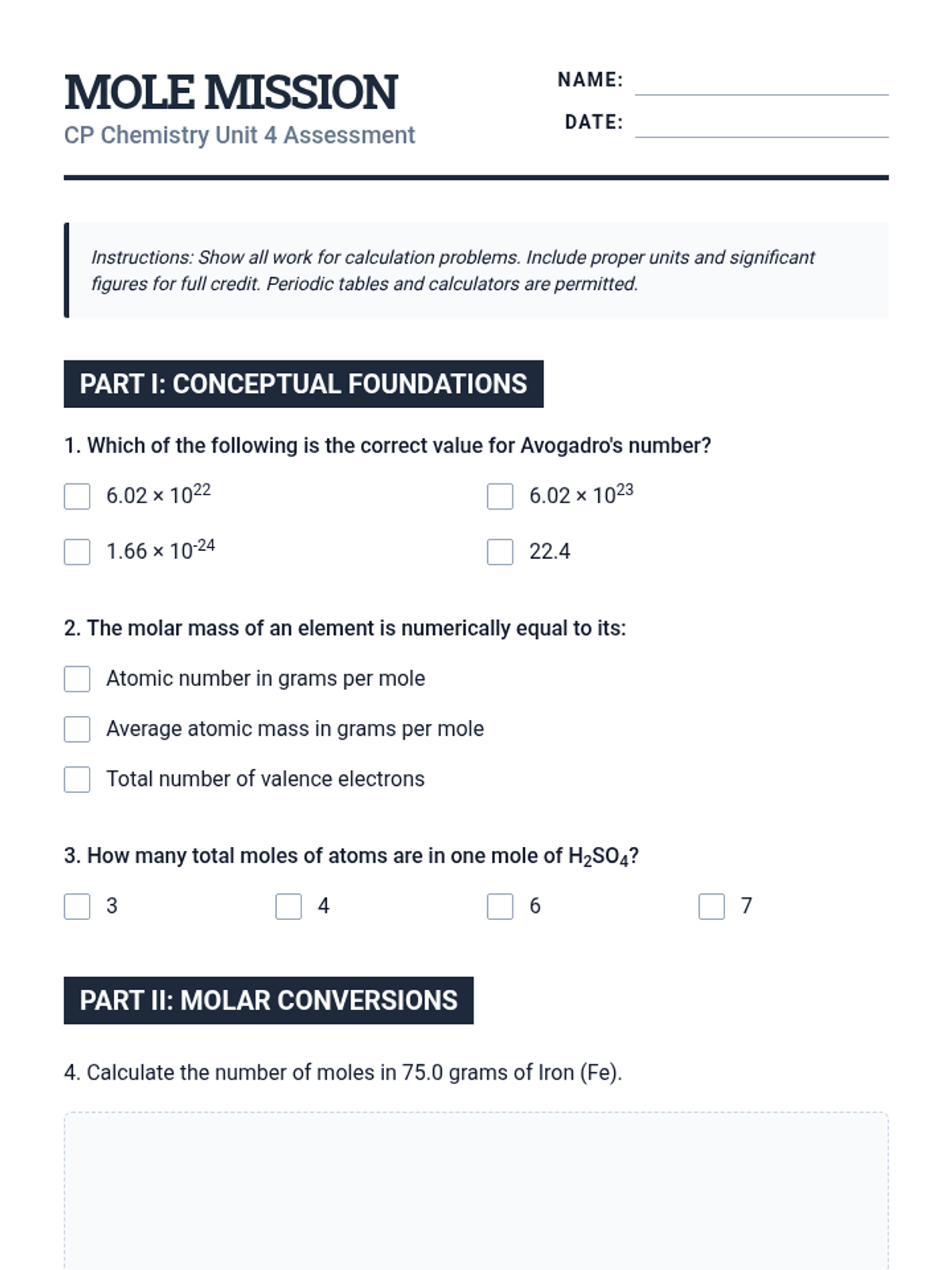
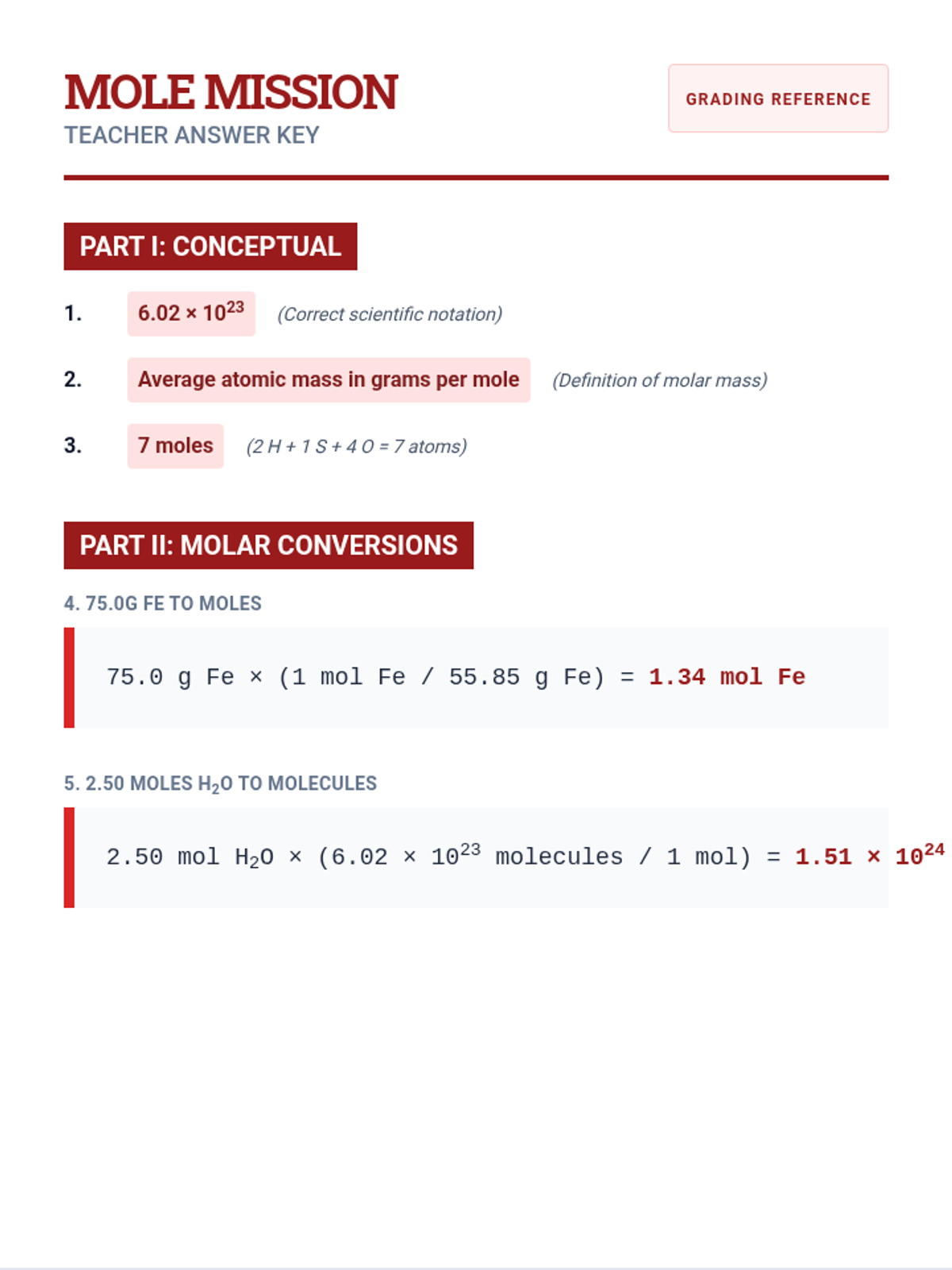
A comprehensive assessment and review package covering chemical quantities, molar conversions, and stoichiometric calculations for CP Chemistry.
A comprehensive assessment covering the mole, percent composition, and stoichiometry for high school chemistry students.
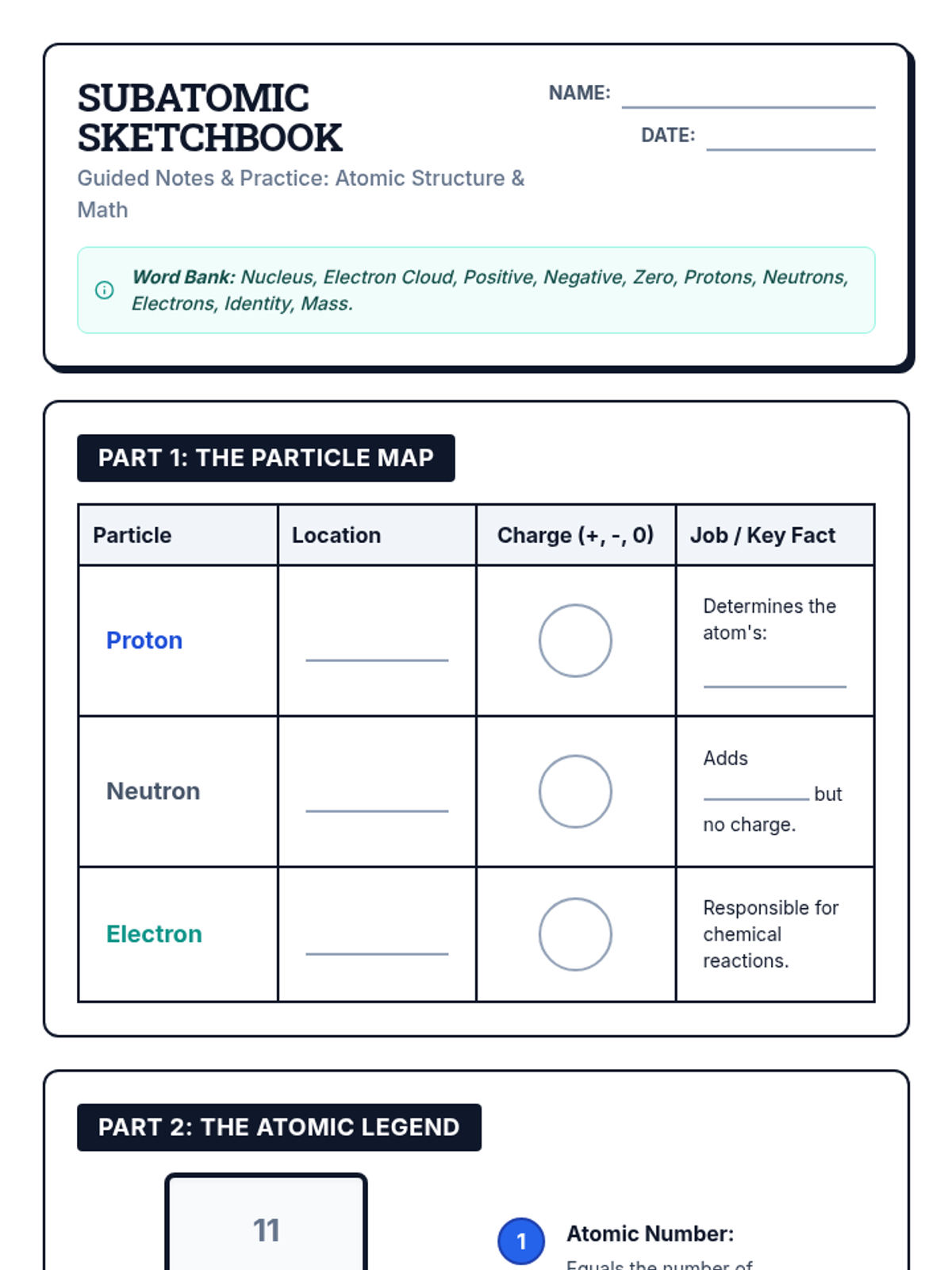
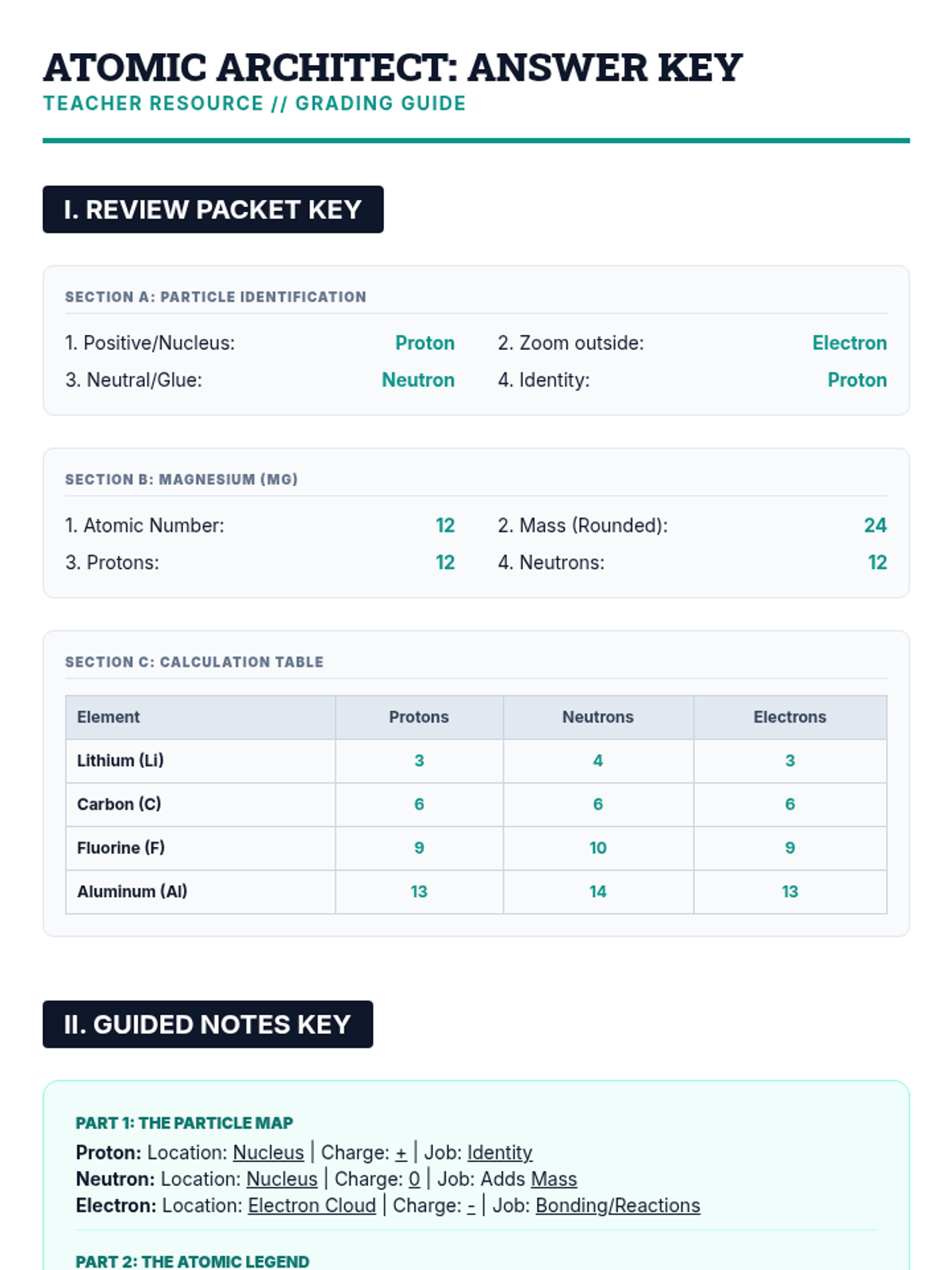
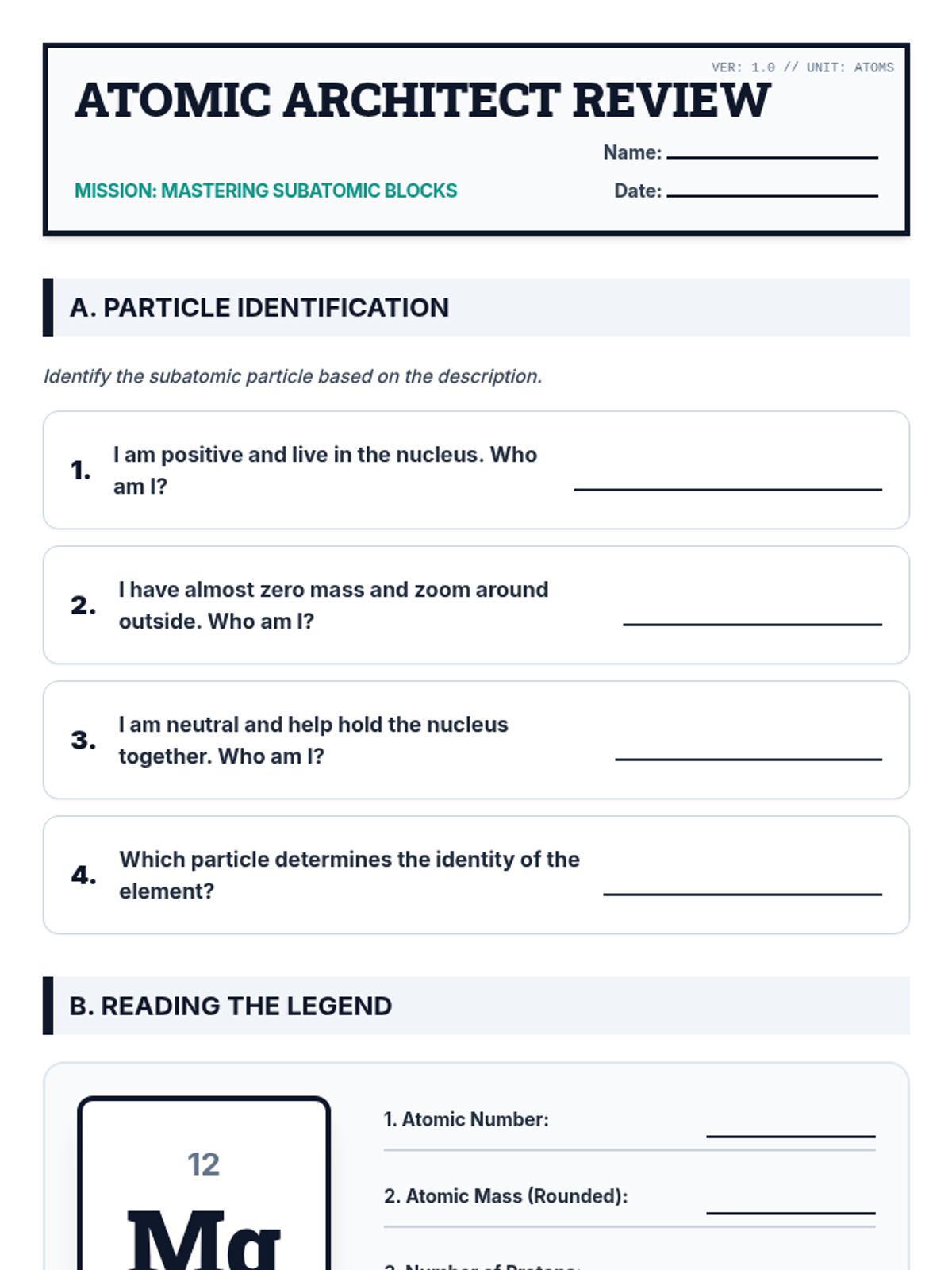
A comprehensive review of atomic structure, mass, and number, designed with scaffolding for diverse learners including Gen Ed and SPED/IEP students. Students act as 'Atomic Architects' to master the subatomic building blocks of matter.
A comprehensive lesson on medical vocabulary related to germs and the immune system, designed for WIDA level 4 students. Includes visual aids and comprehension-based assessments.
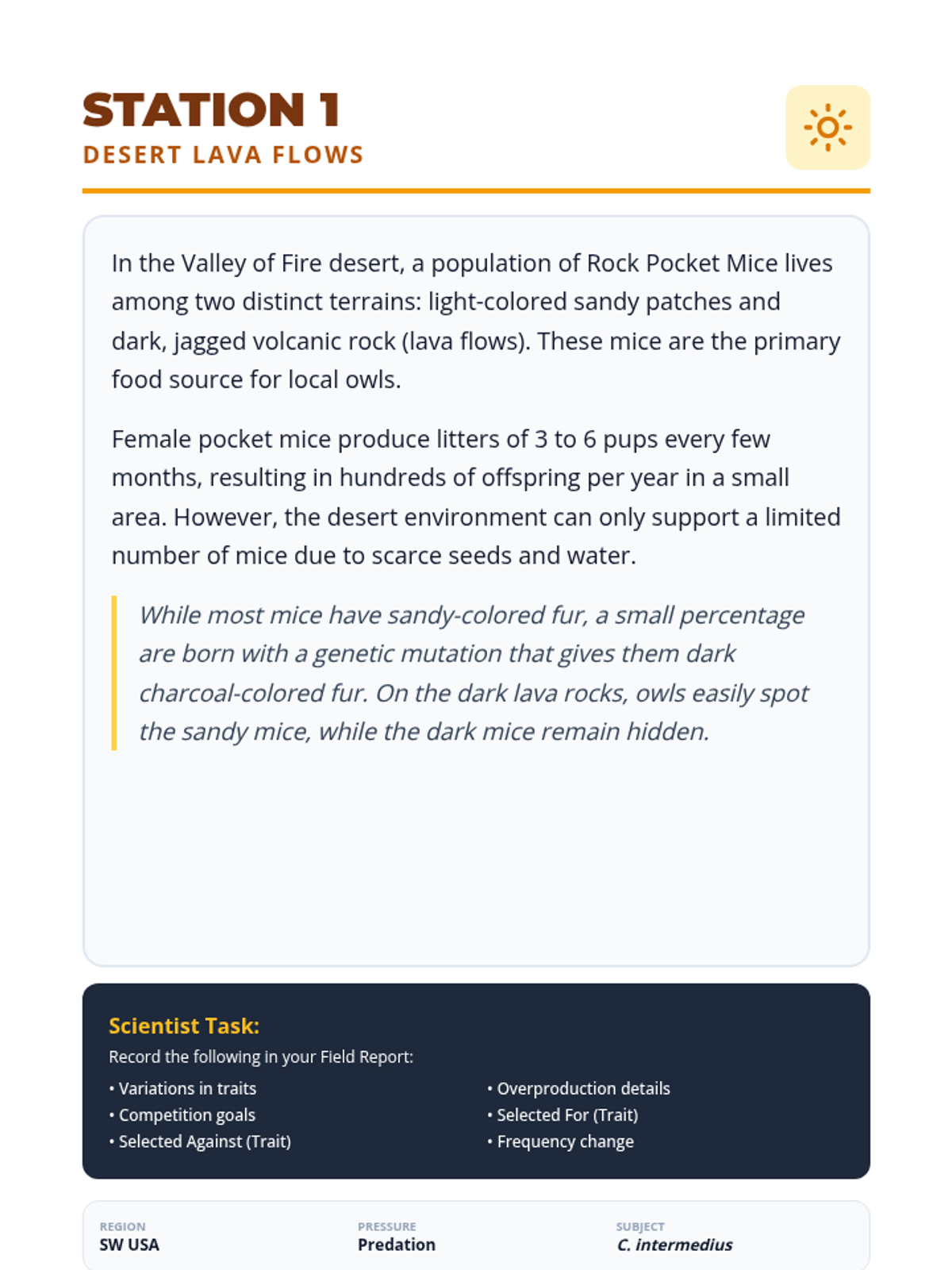
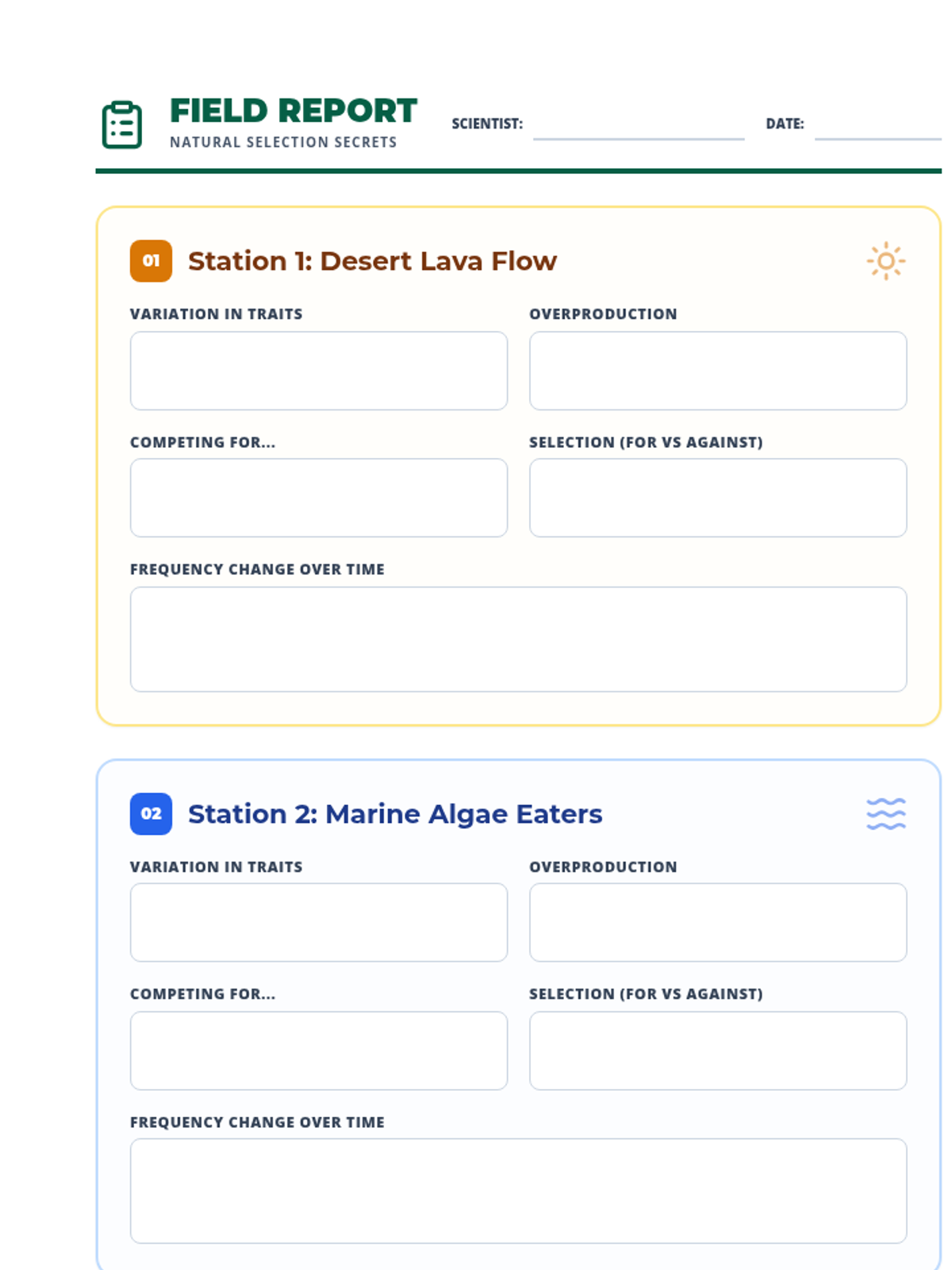
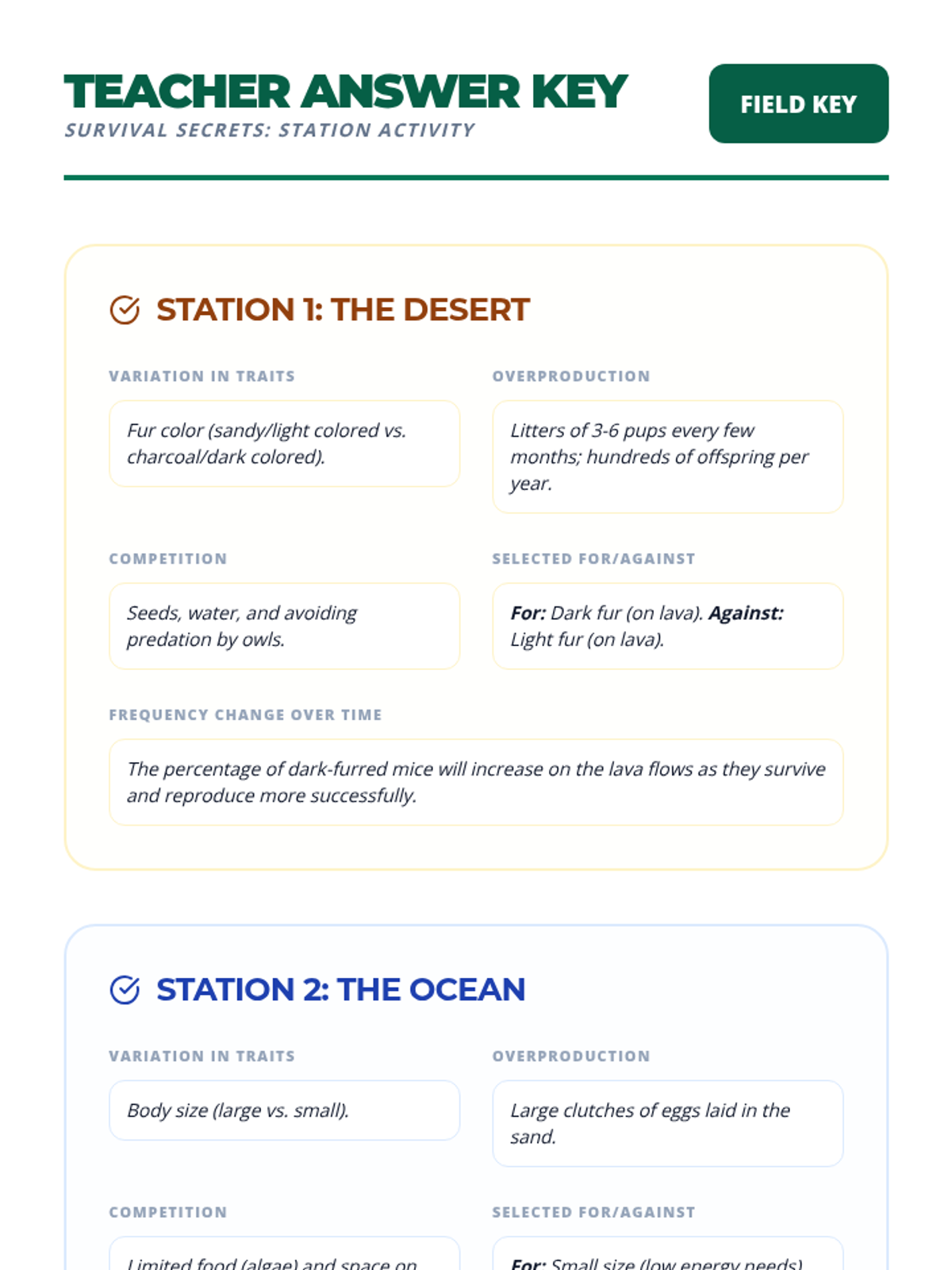
An immersive station-based lesson where students analyze real-world scenarios of natural selection across four diverse ecosystems to identify the mechanisms of evolution.
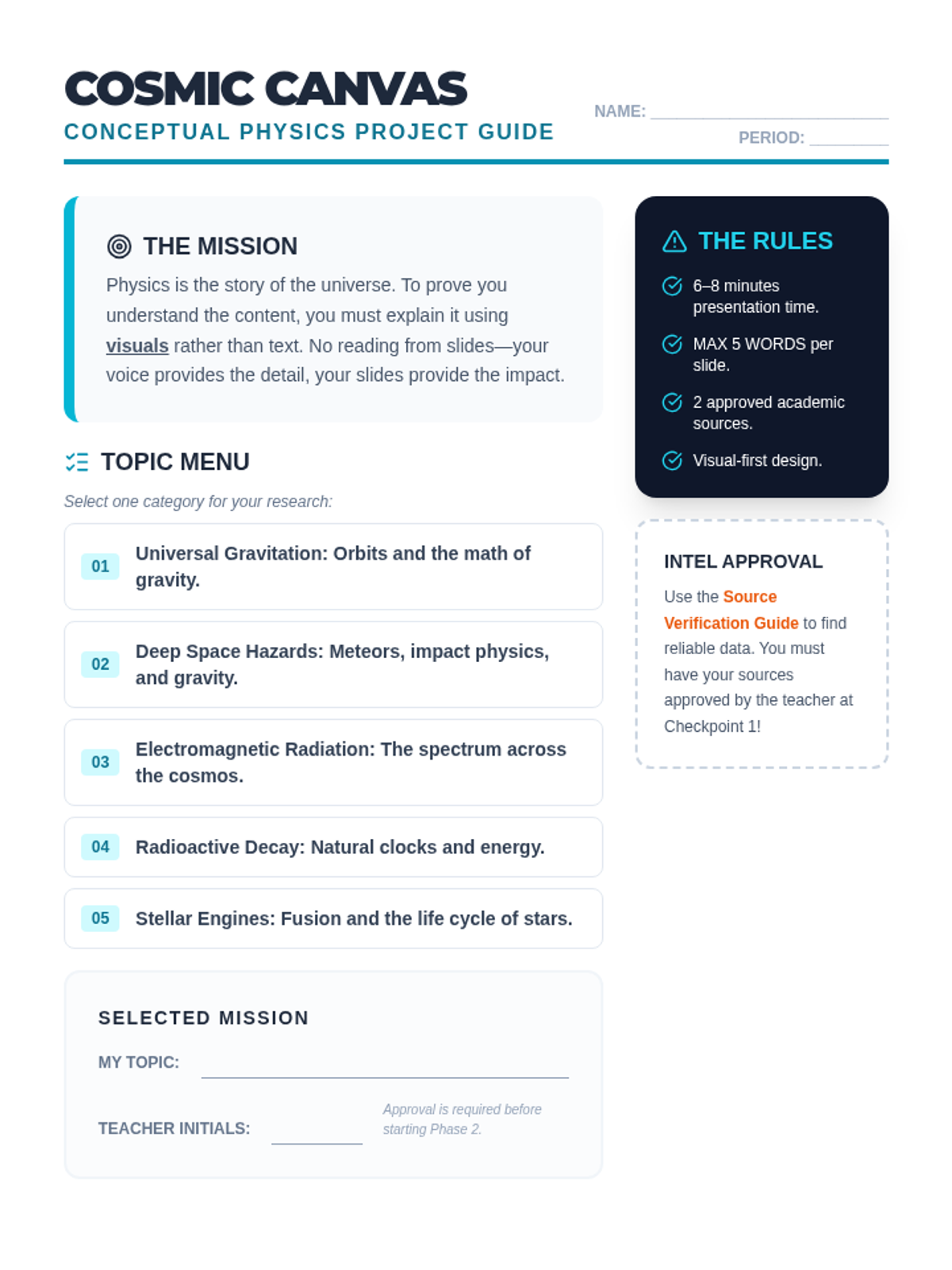
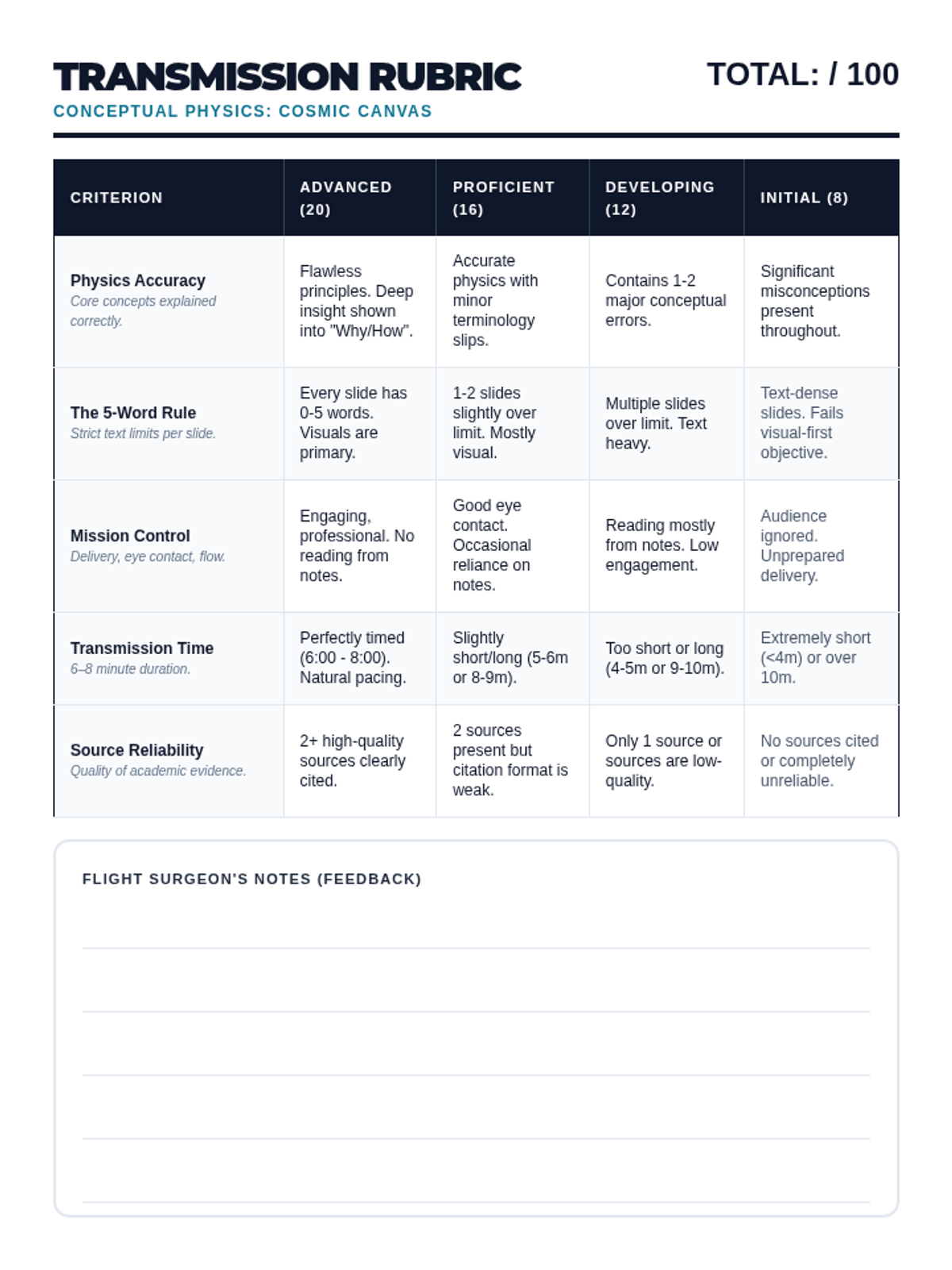
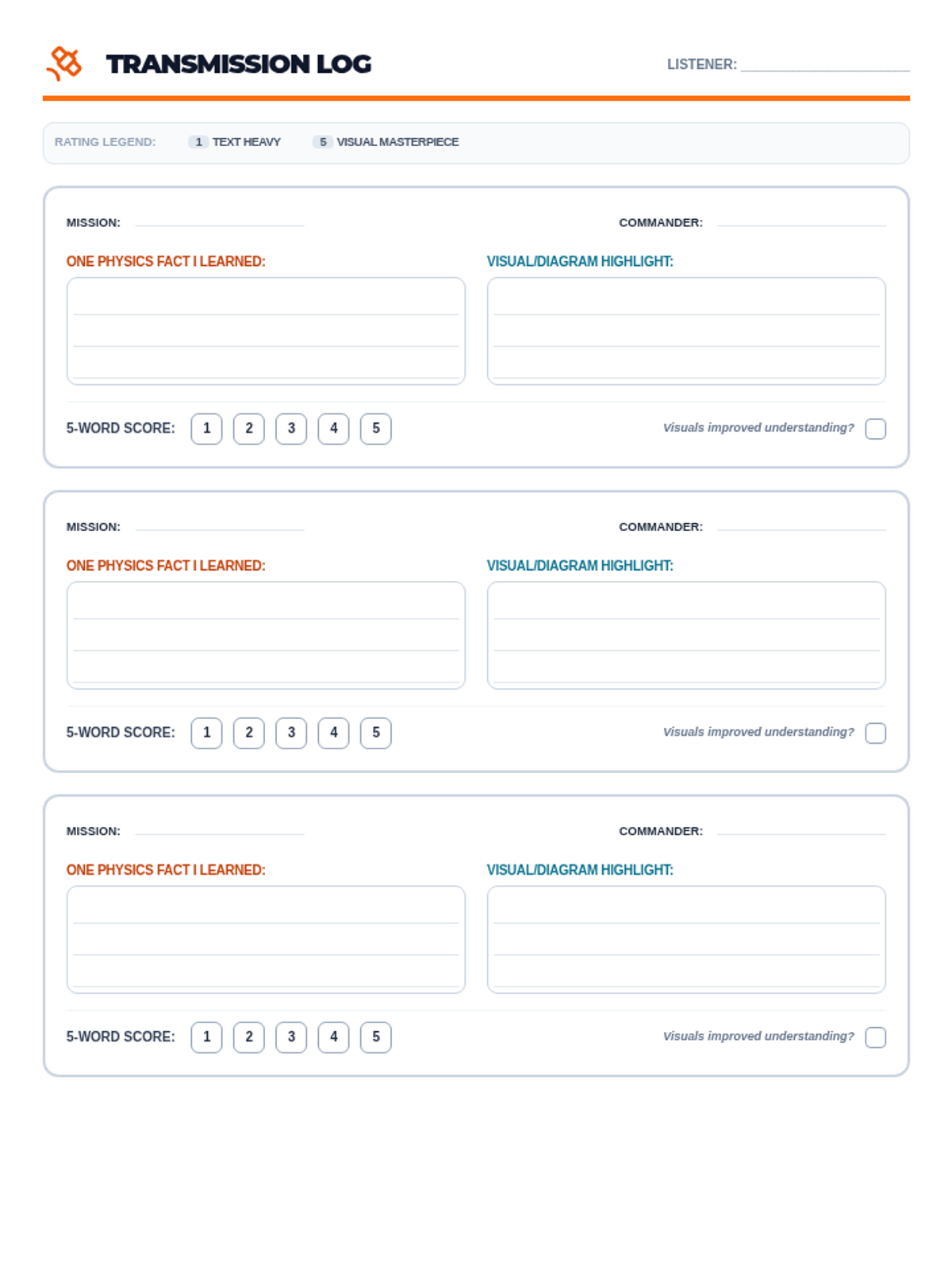
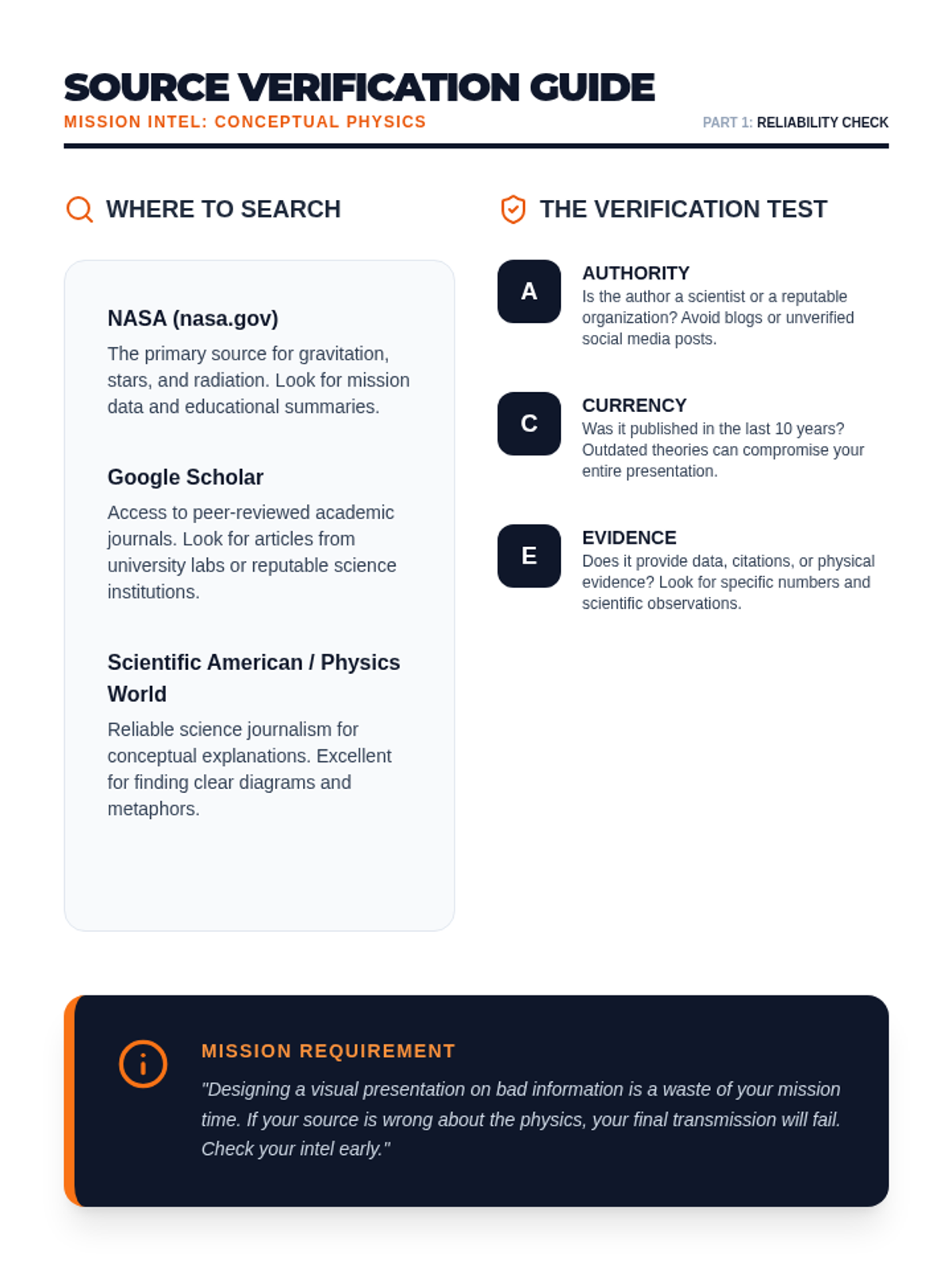
A comprehensive research project where students explore physics concepts in space and radiation through visual-minimalist presentations. The project emphasizes deep understanding of content over text-heavy slides.
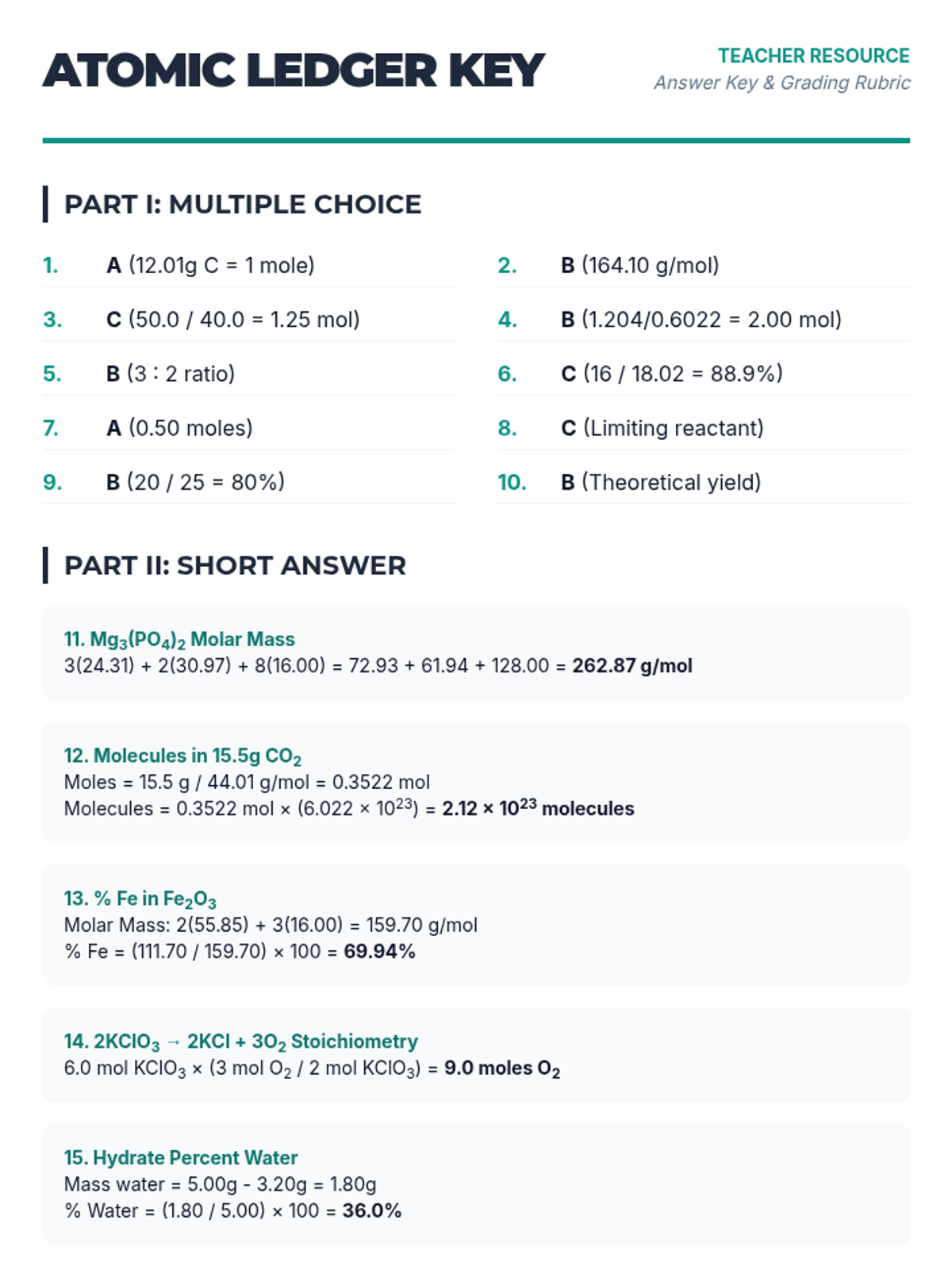
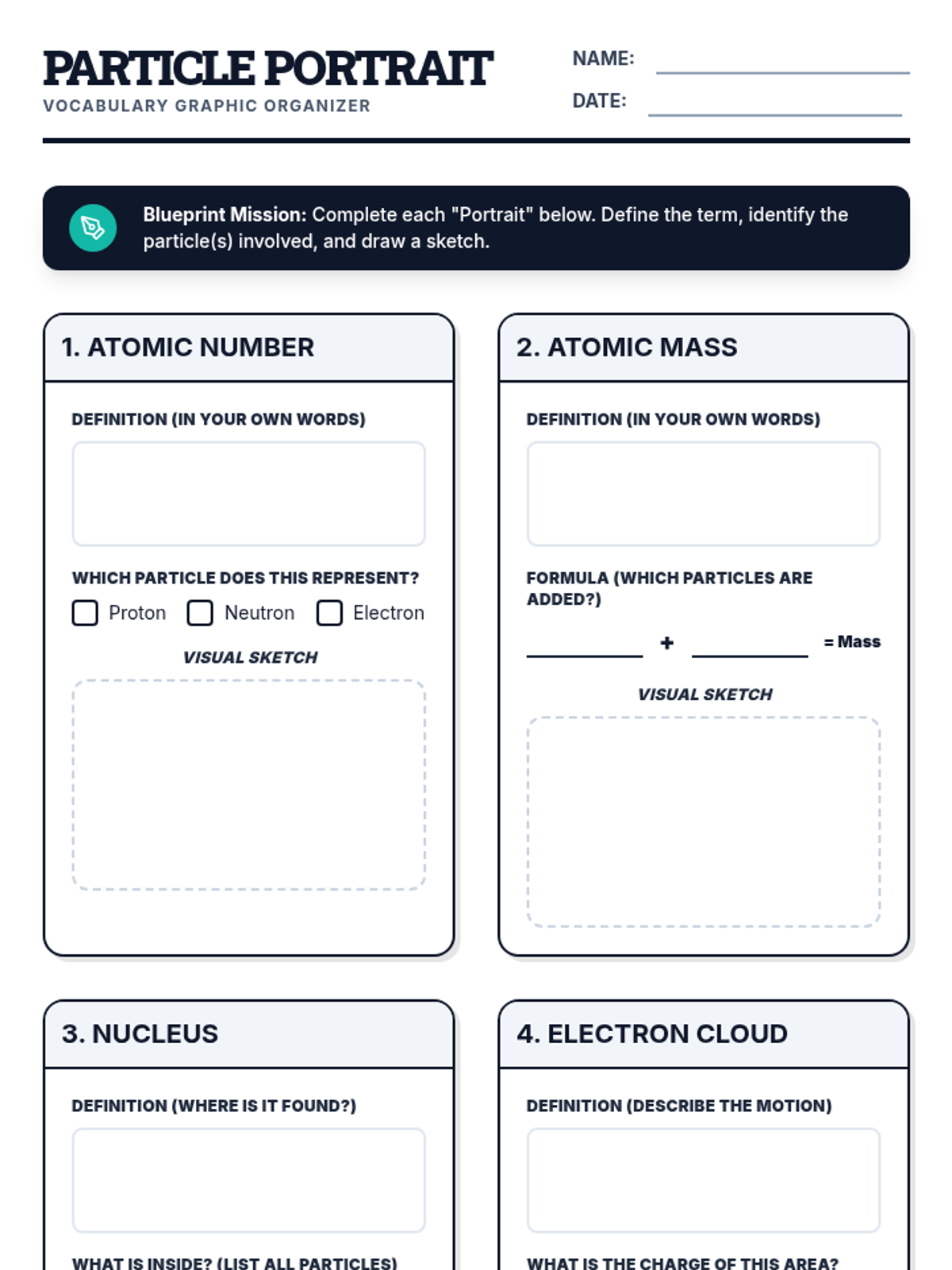
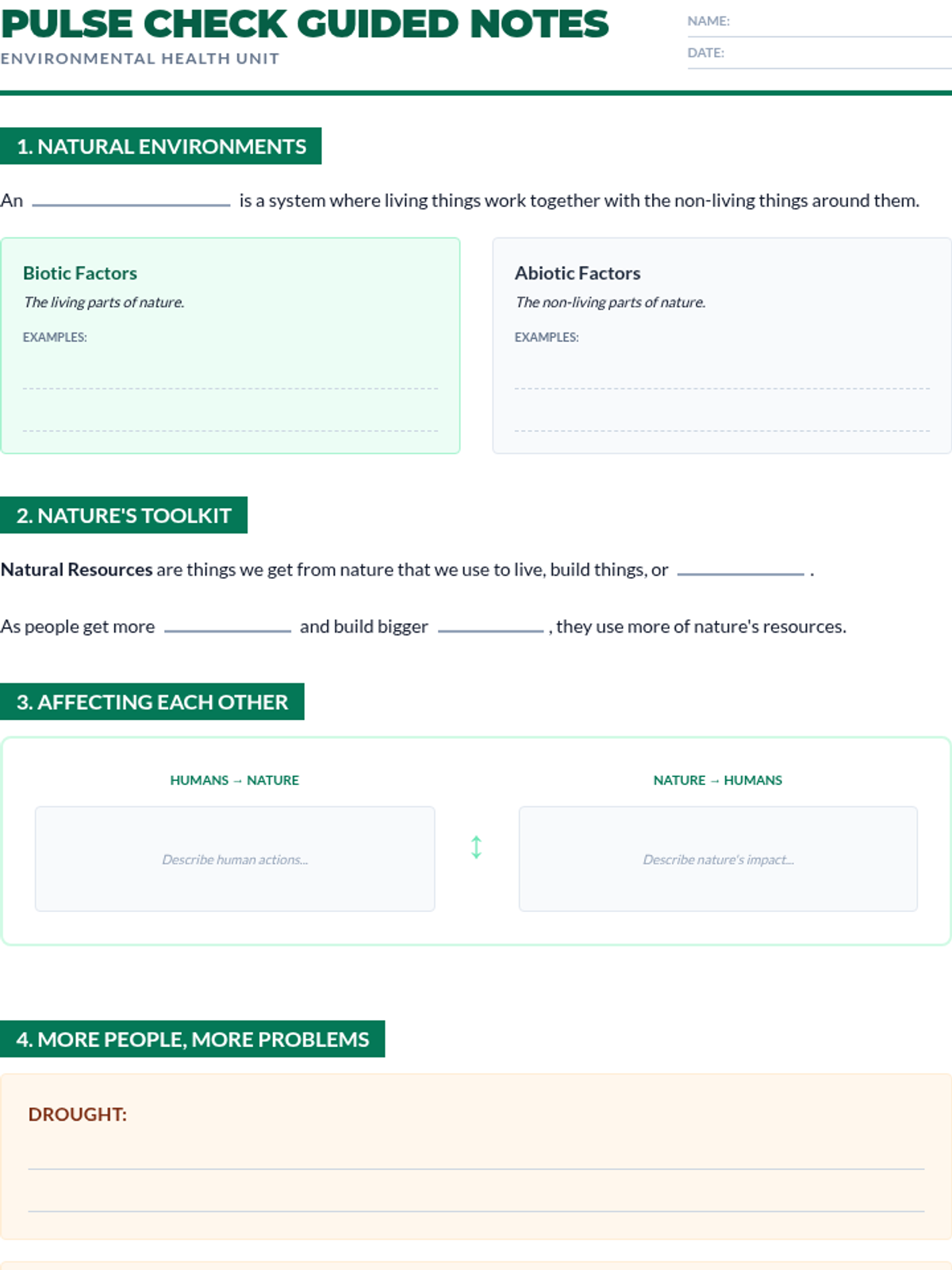
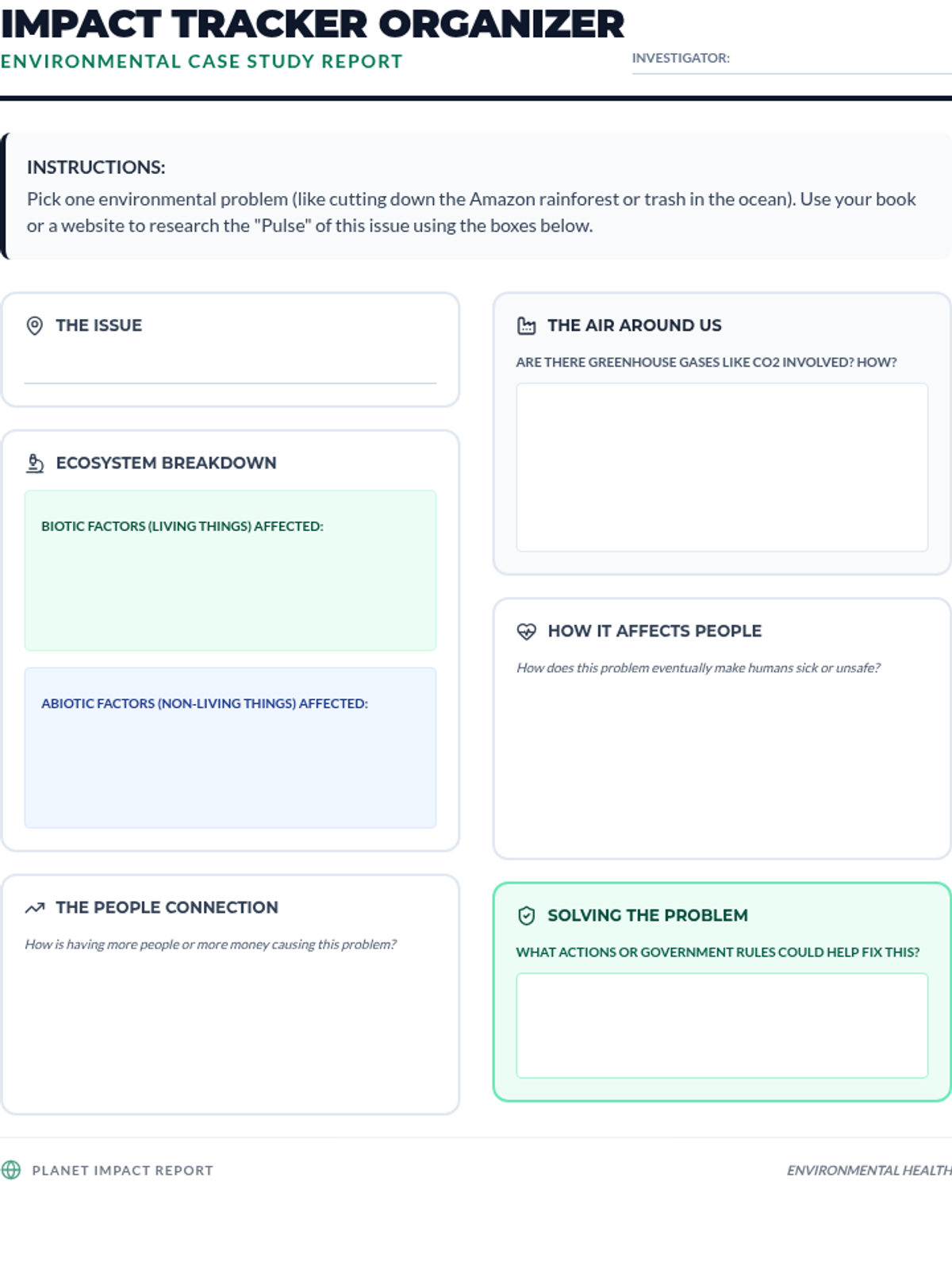
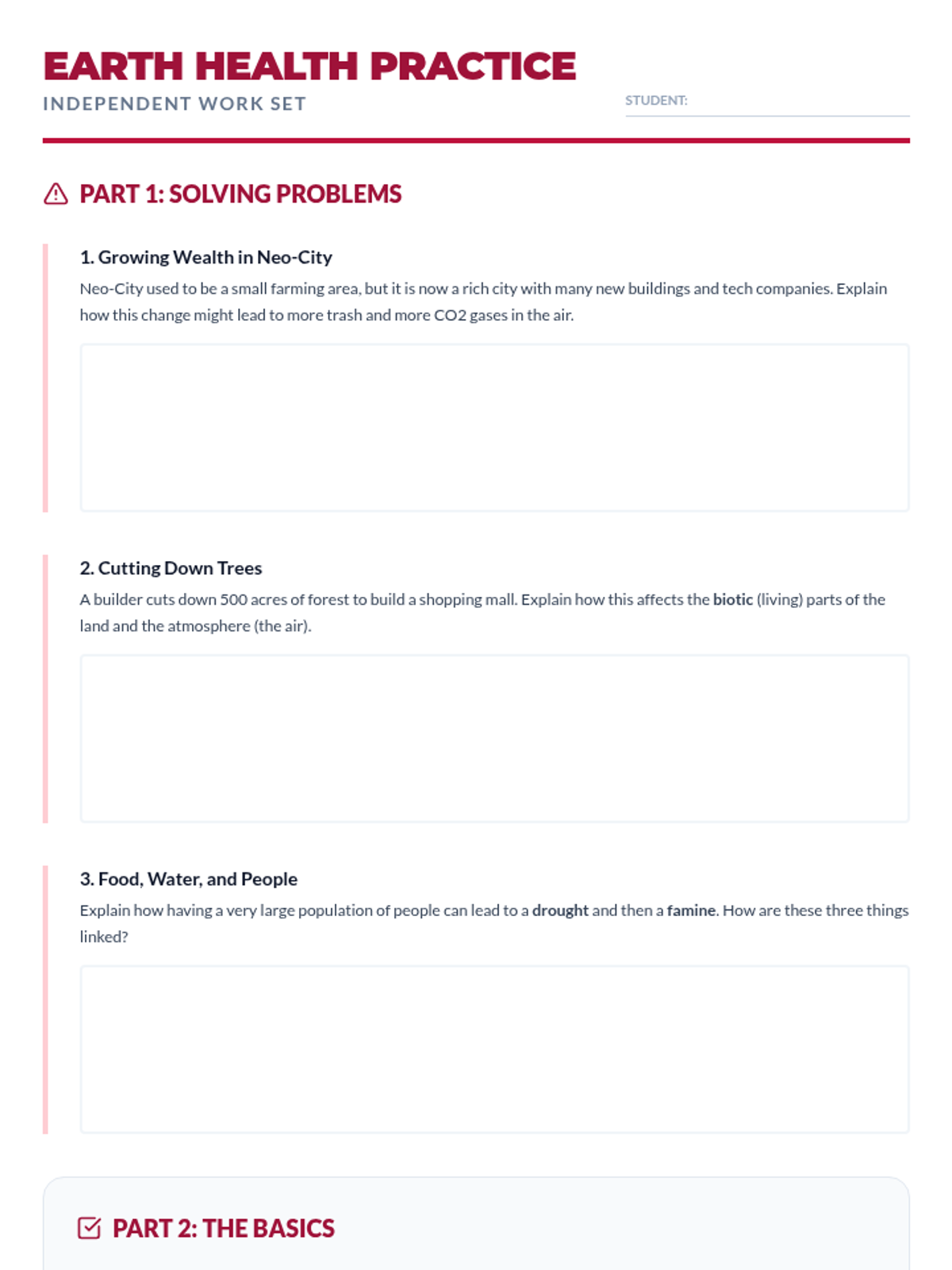
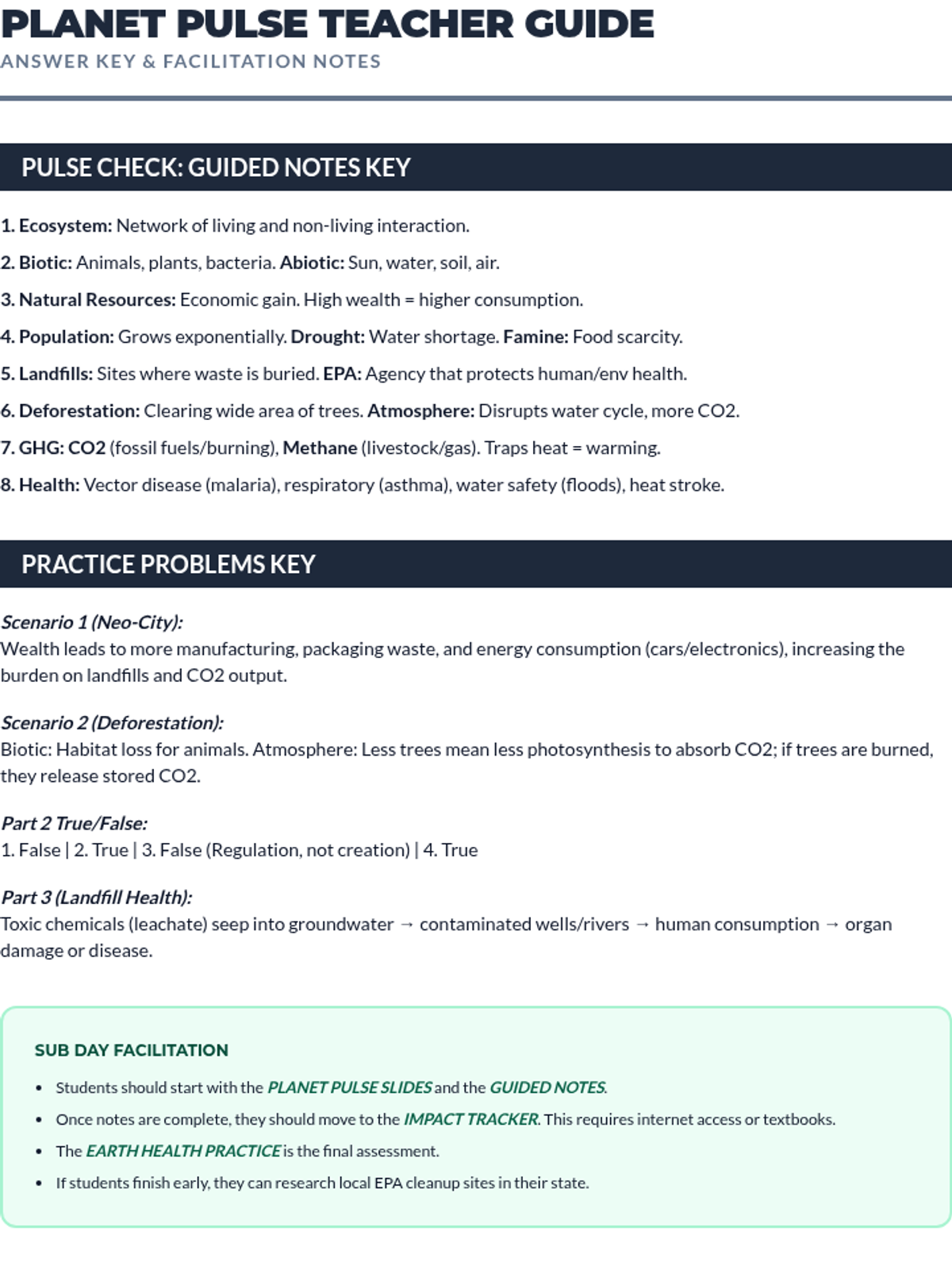
A comprehensive self-guided lesson on environmental health, covering ecosystems, resource management, population growth, climate change, and human impact on the planet. Designed for high school freshmen to work independently with substitute supervision.
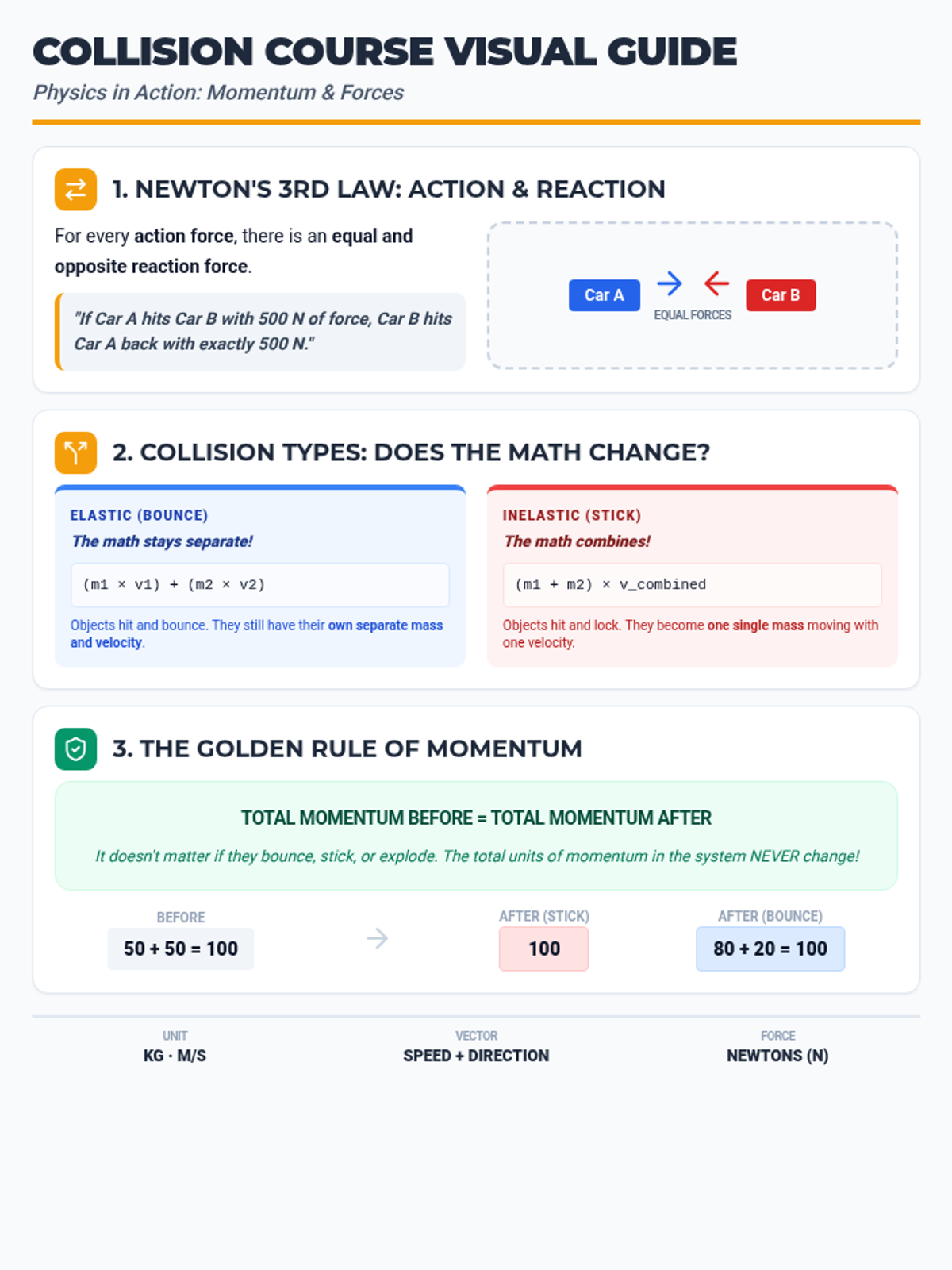
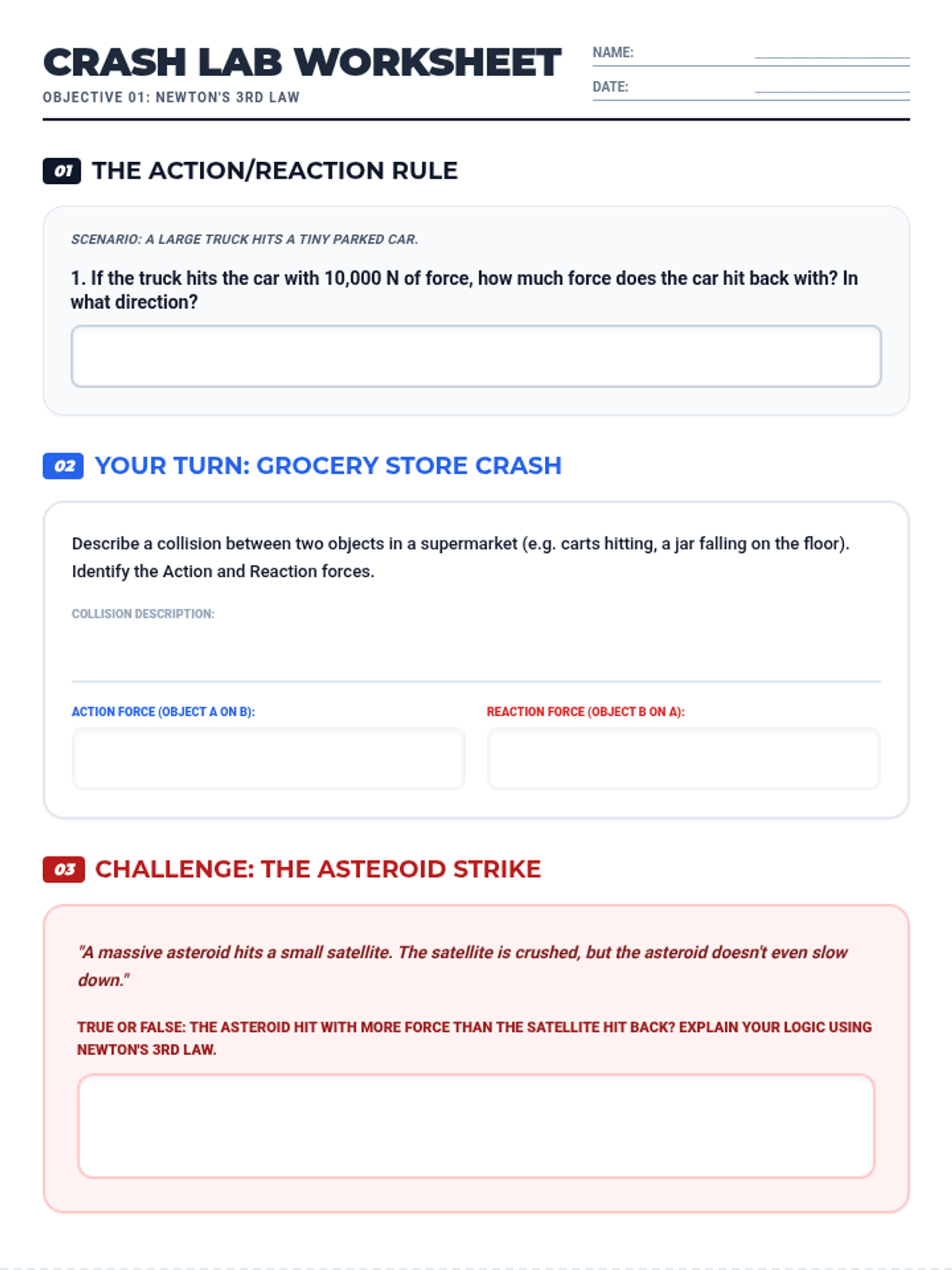
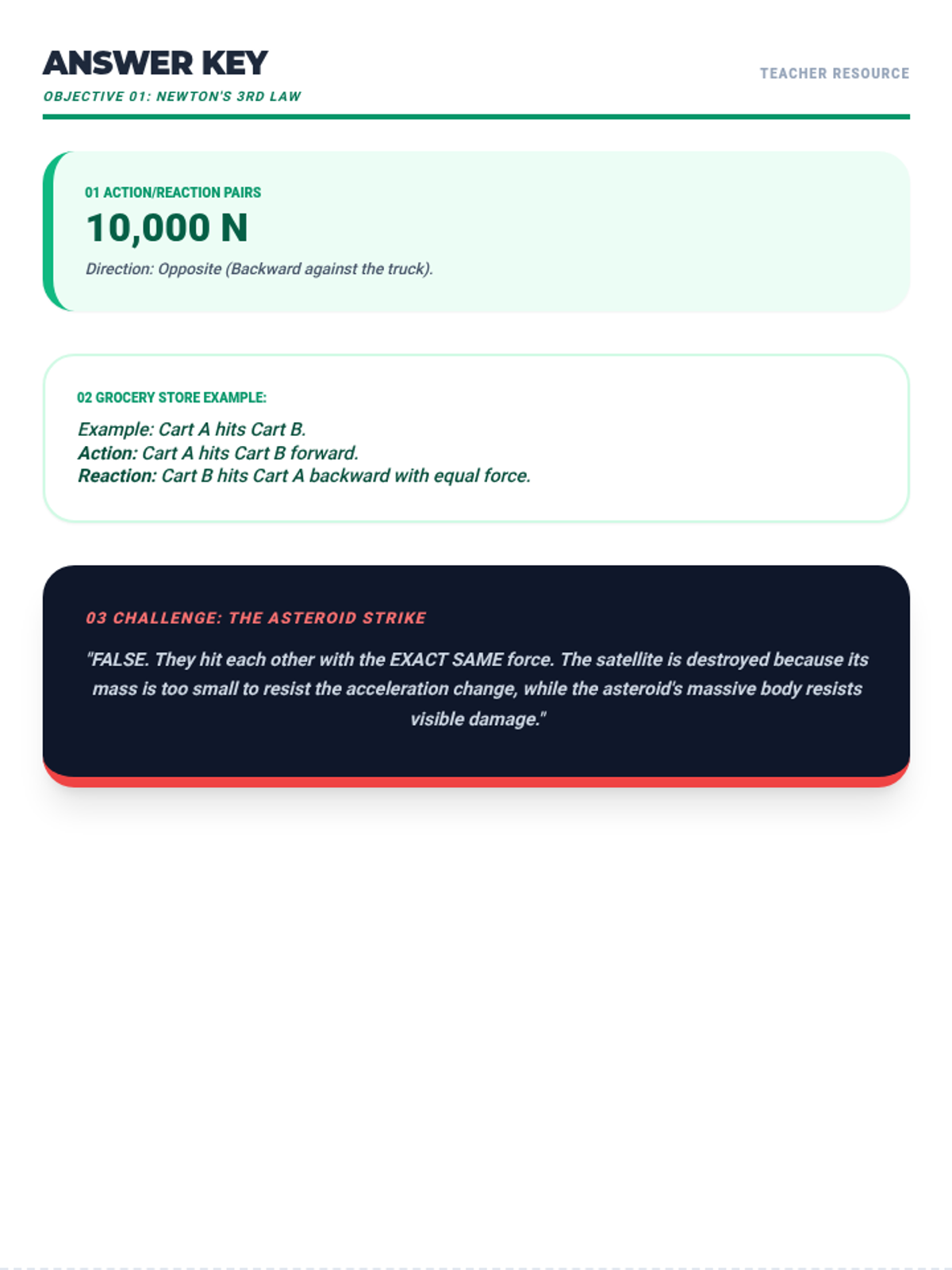
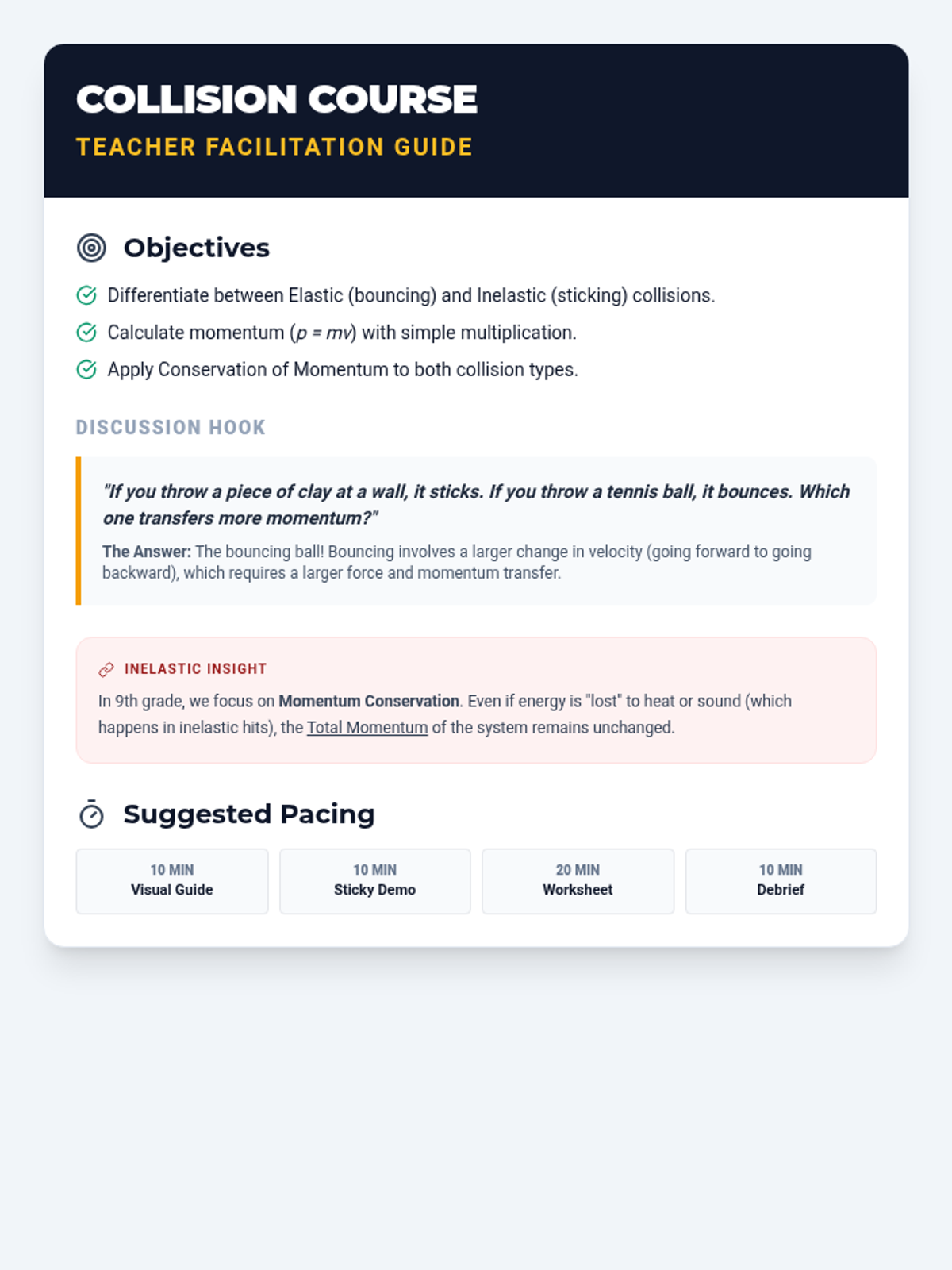
A conceptual introduction to momentum, Newton's 3rd Law, and conservation laws using car collisions as the primary model. Focused on qualitative understanding and simple single-step math.
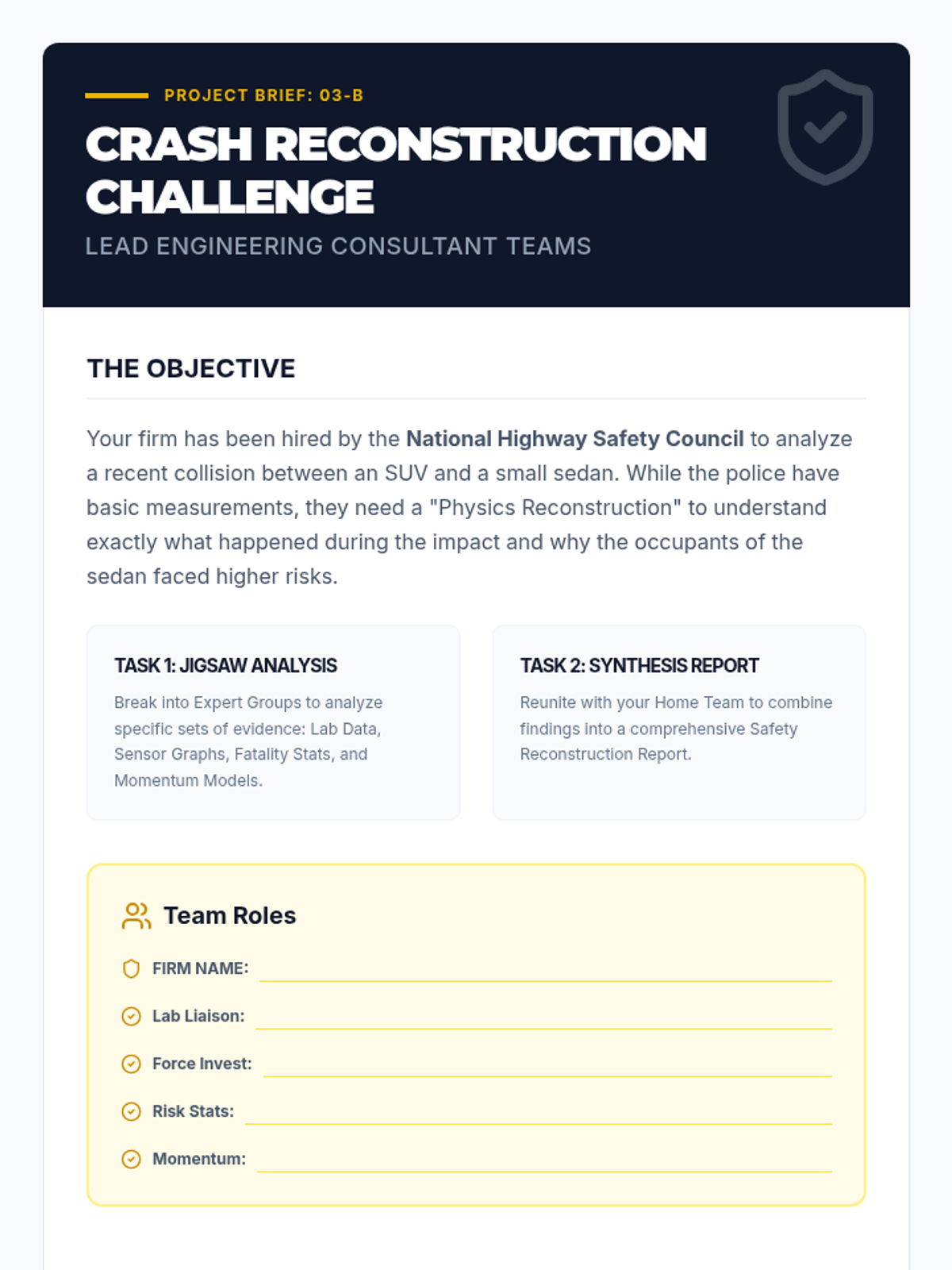
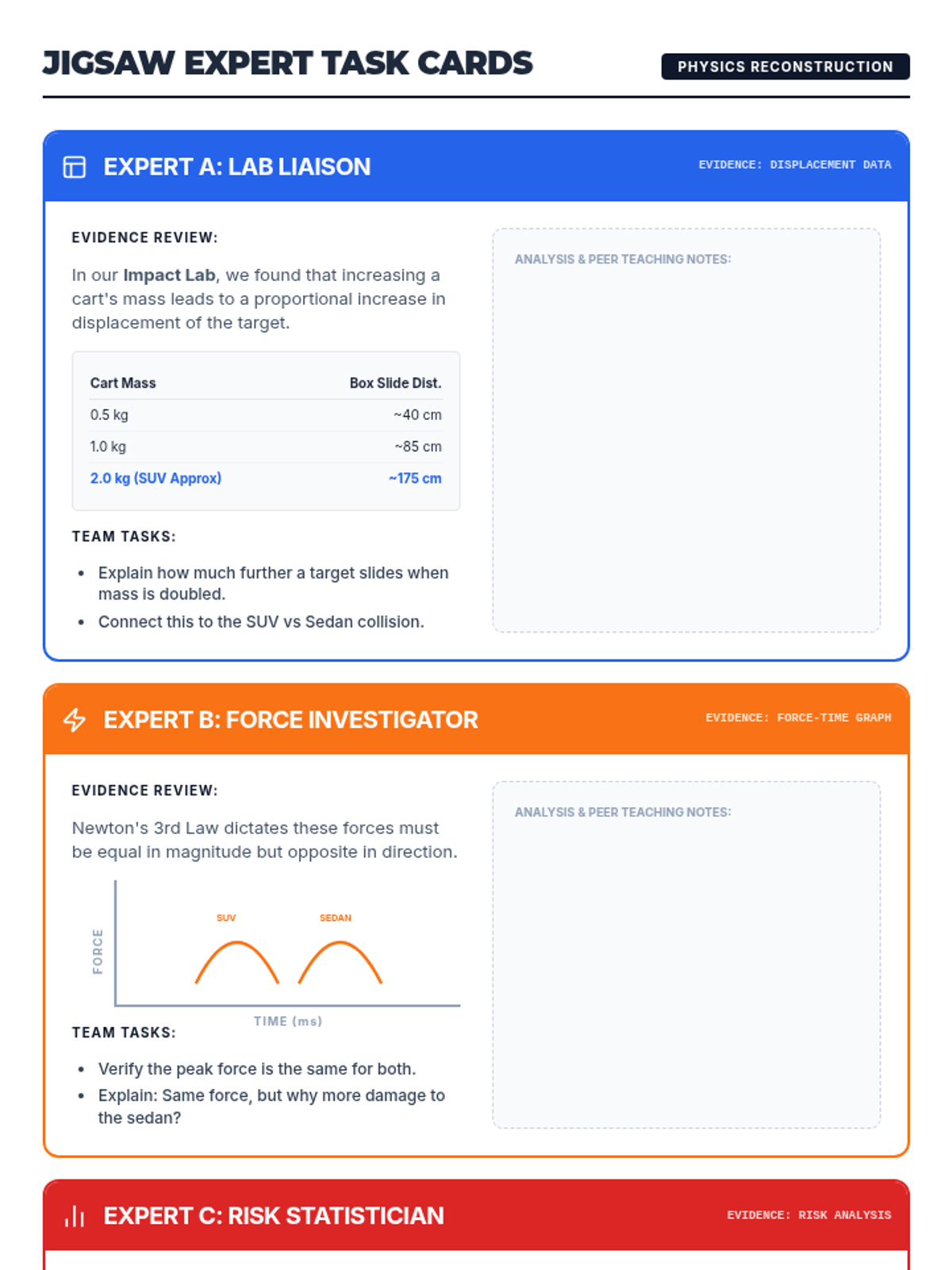
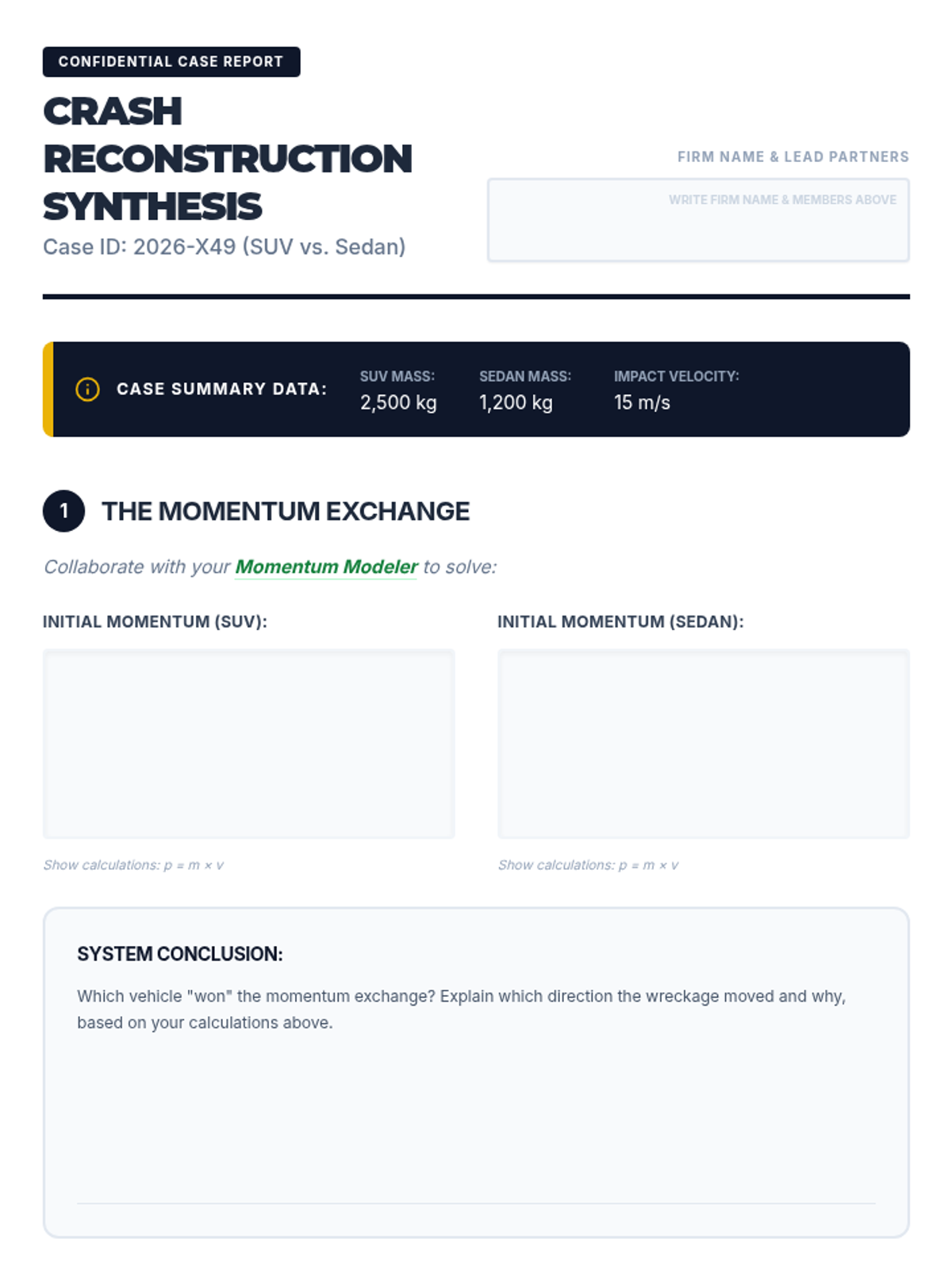
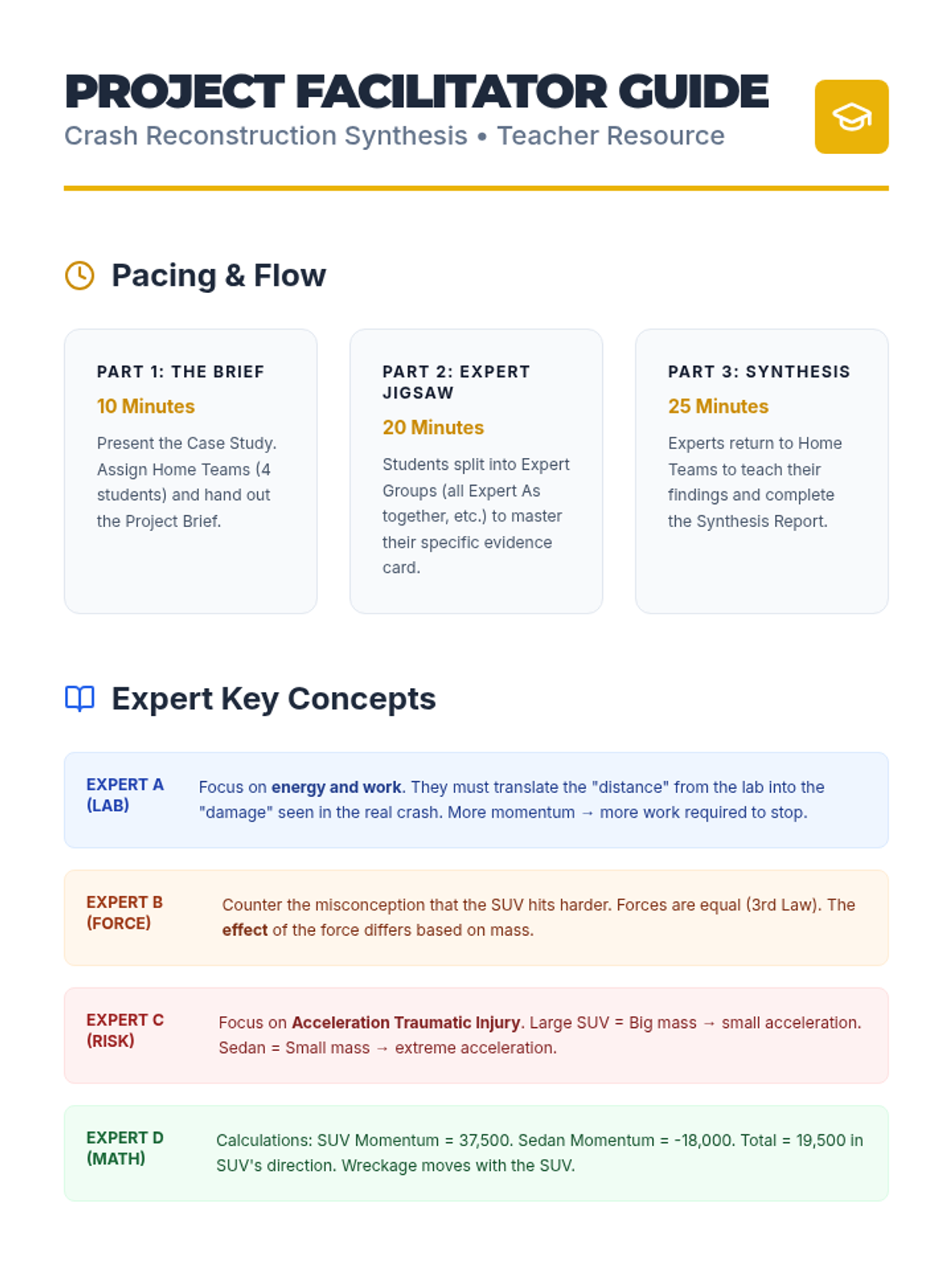
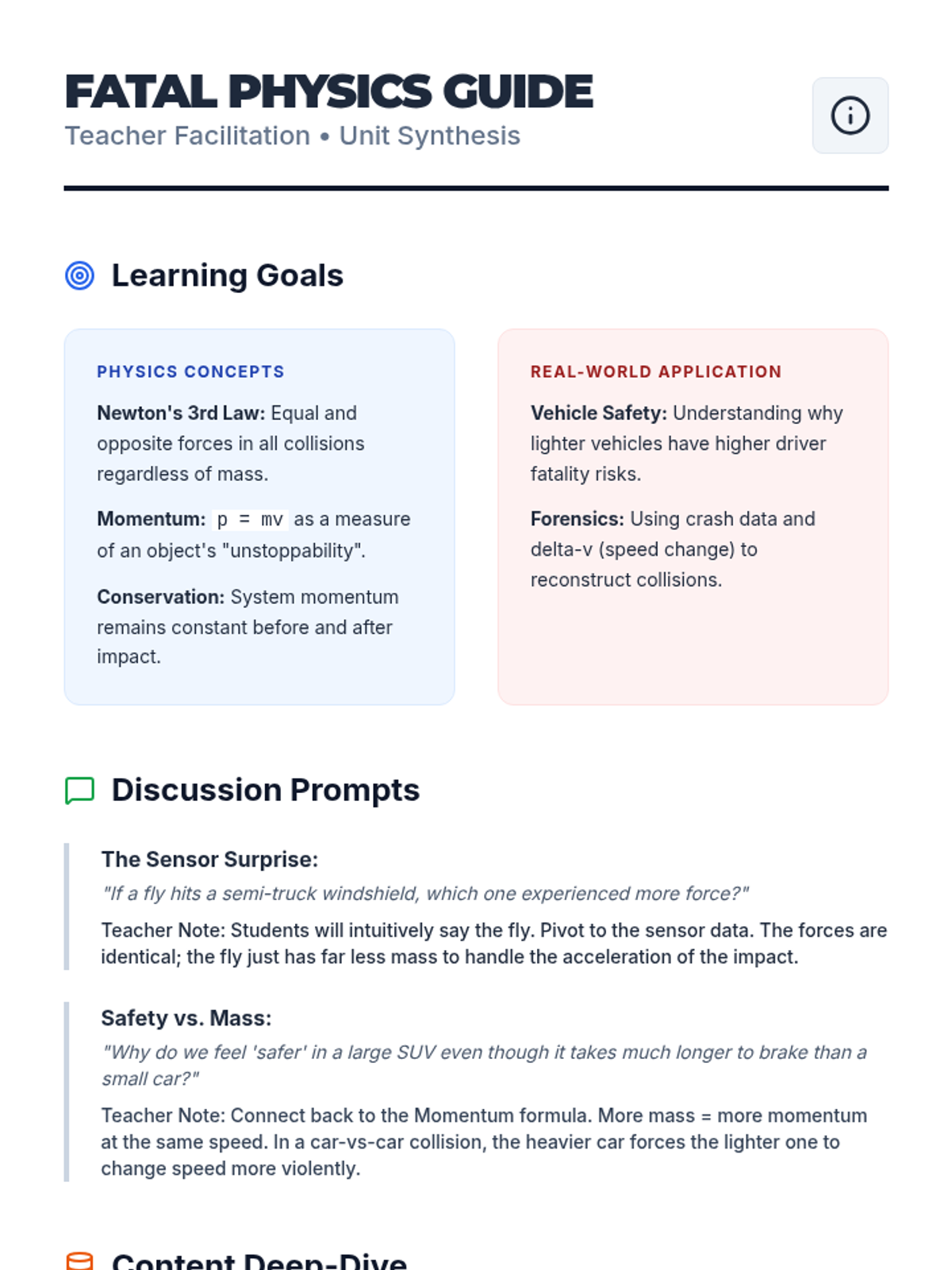
A culminating synthesis project where students act as safety engineering consultants. Using a jigsaw approach, students analyze lab data, force-sensor graphs, fatality statistics, and momentum models to reconstruct a multi-vehicle collision and recommend safety improvements.
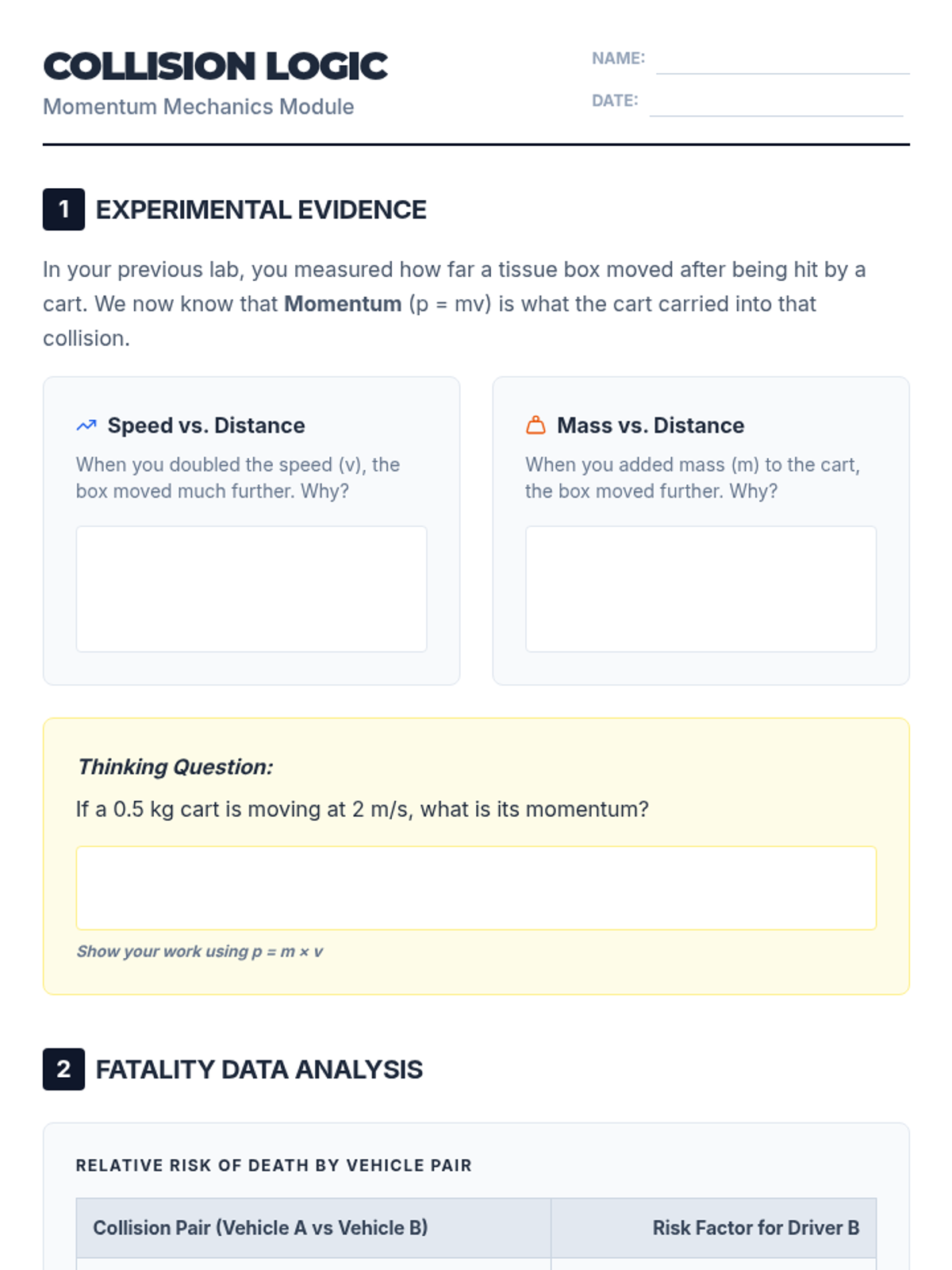
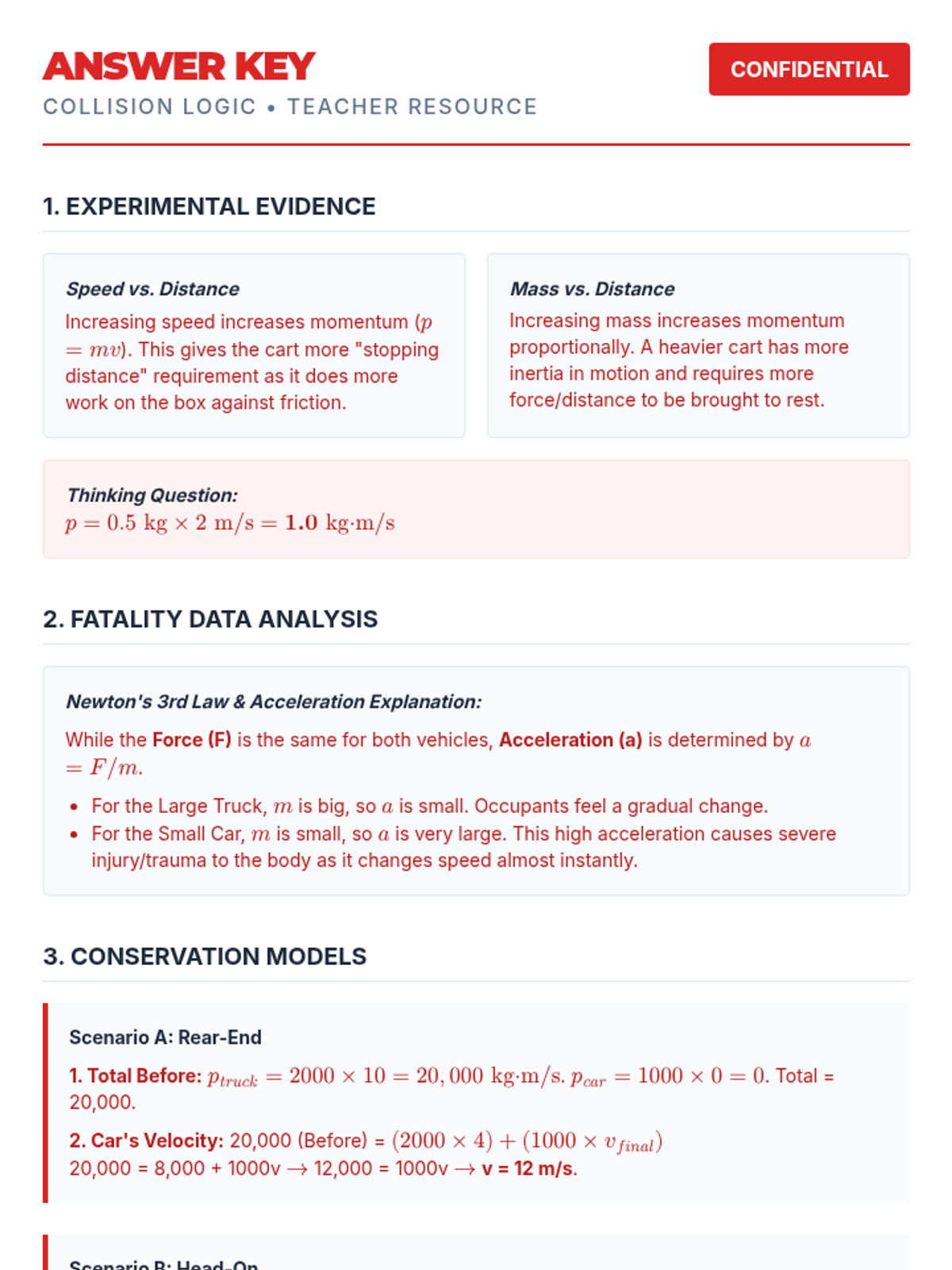
A lesson that connects experimental lab data to the formal physics of momentum, impulse, and vehicle safety. Students analyze collision sensor data and fatality statistics to understand how mass and velocity dictate crash outcomes.
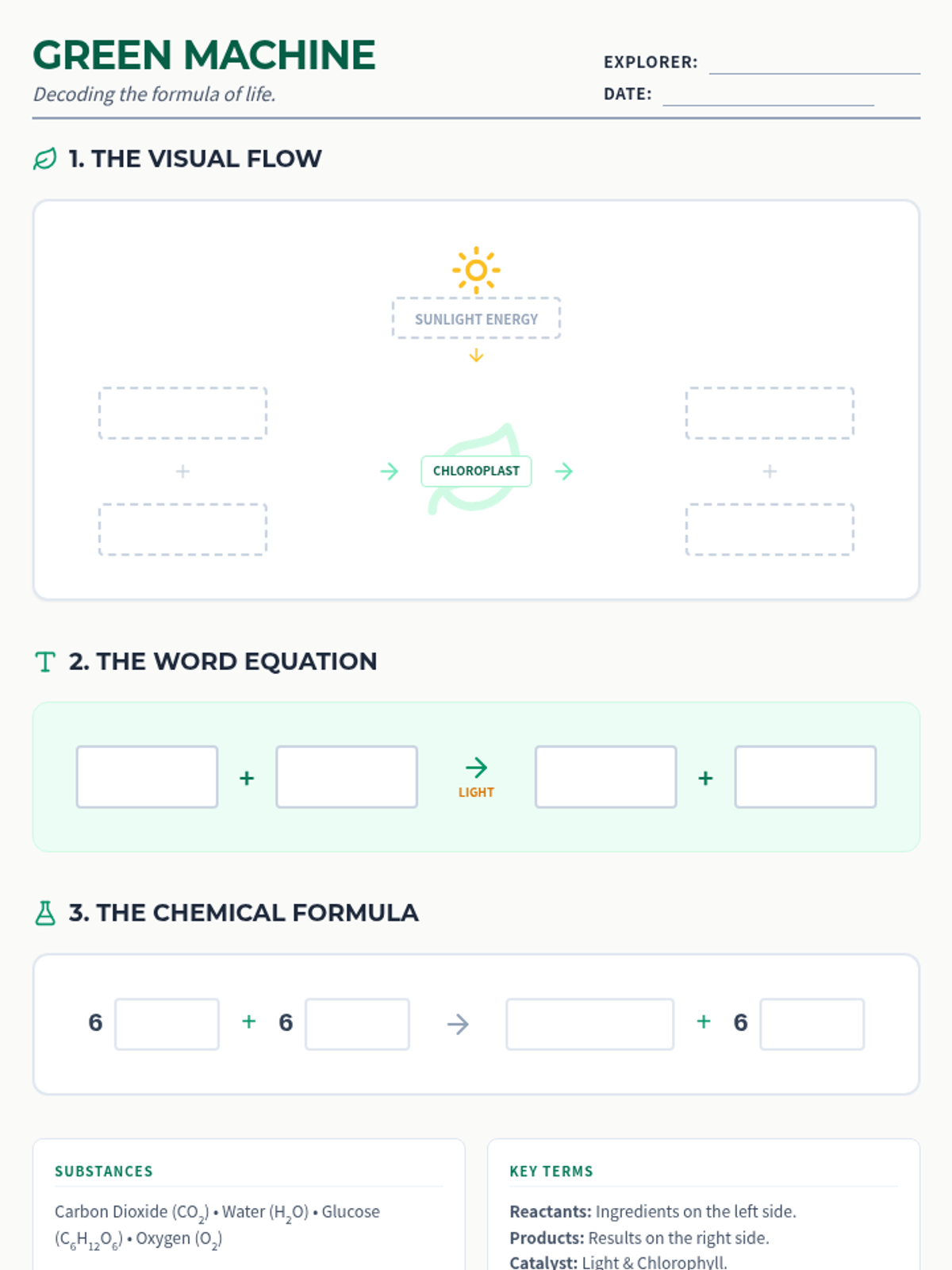
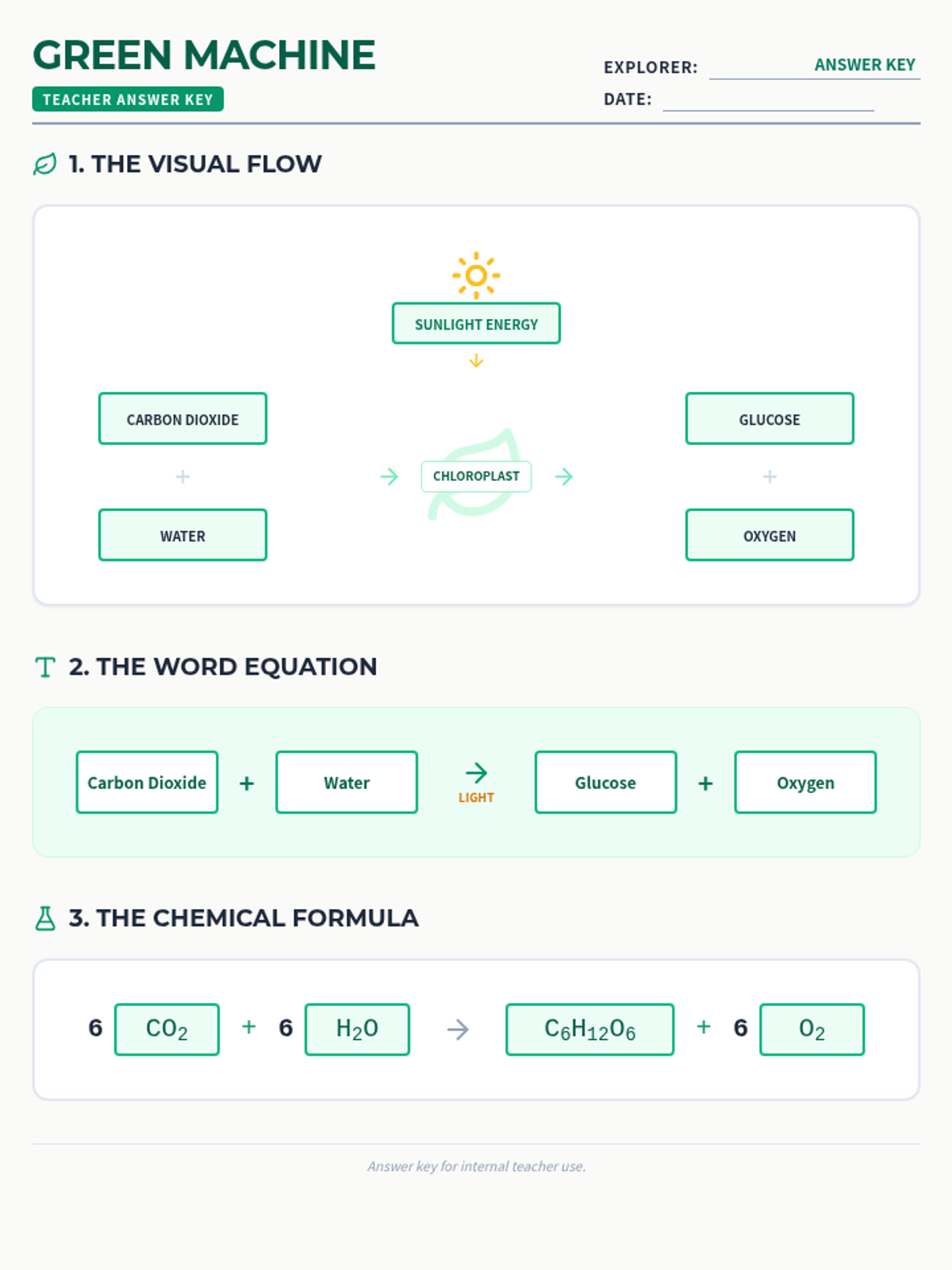
A focused exploration of the photosynthesis equation, helping students identify the reactants and products through diagrams and formula practice.
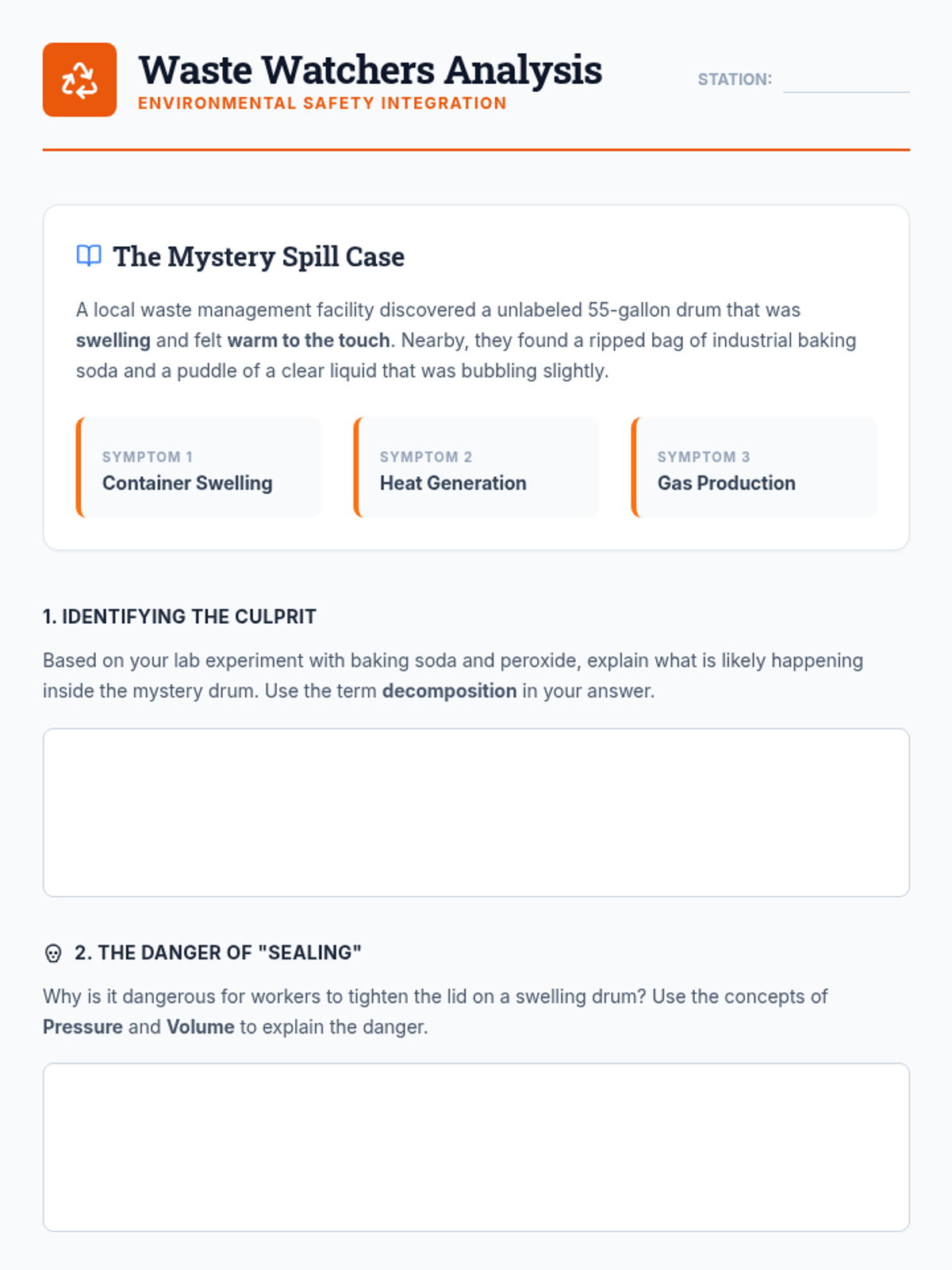
Students analyze their lab results and connect the findings to hazardous waste management and the importance of chemical safety protocols.
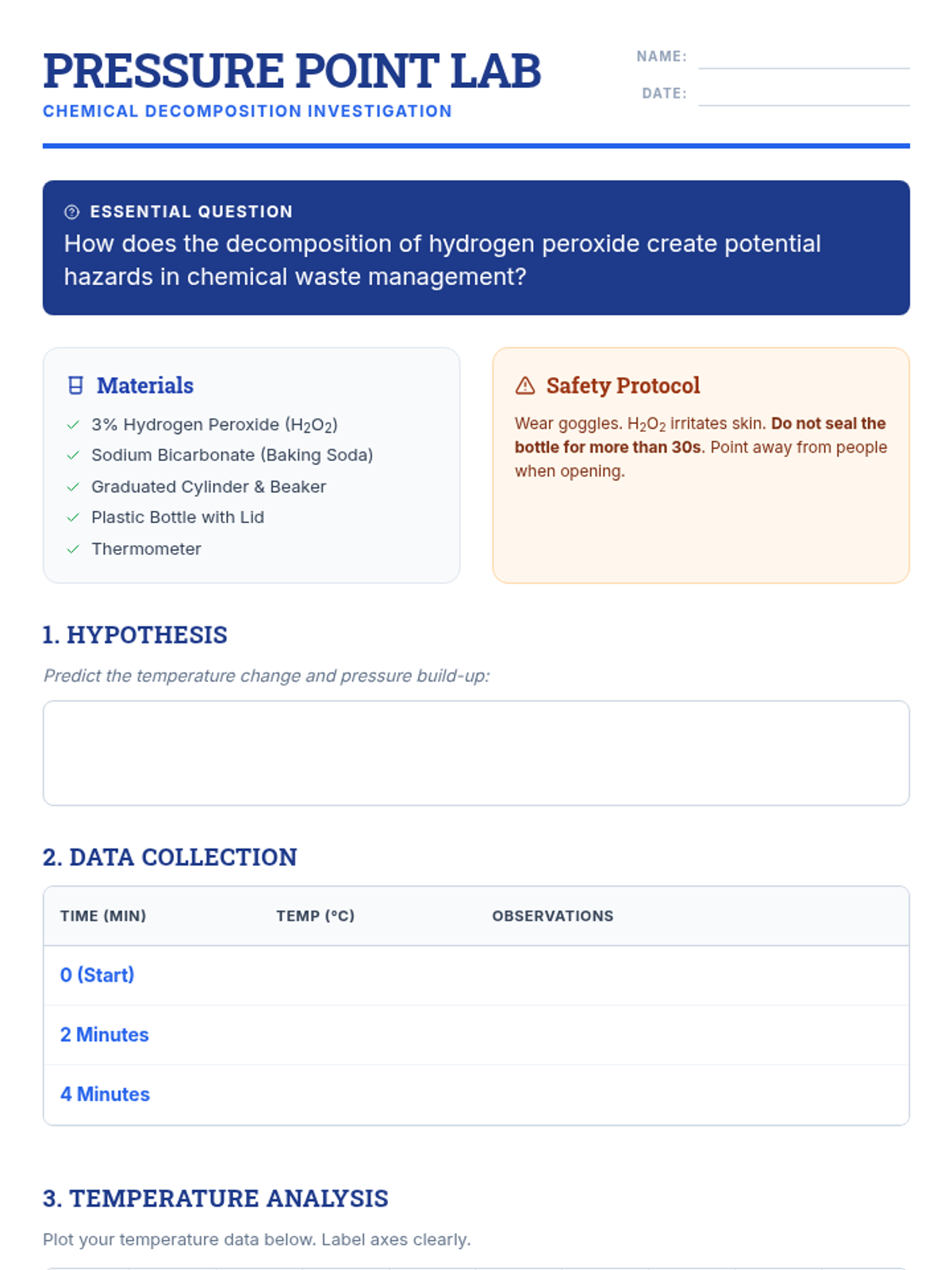
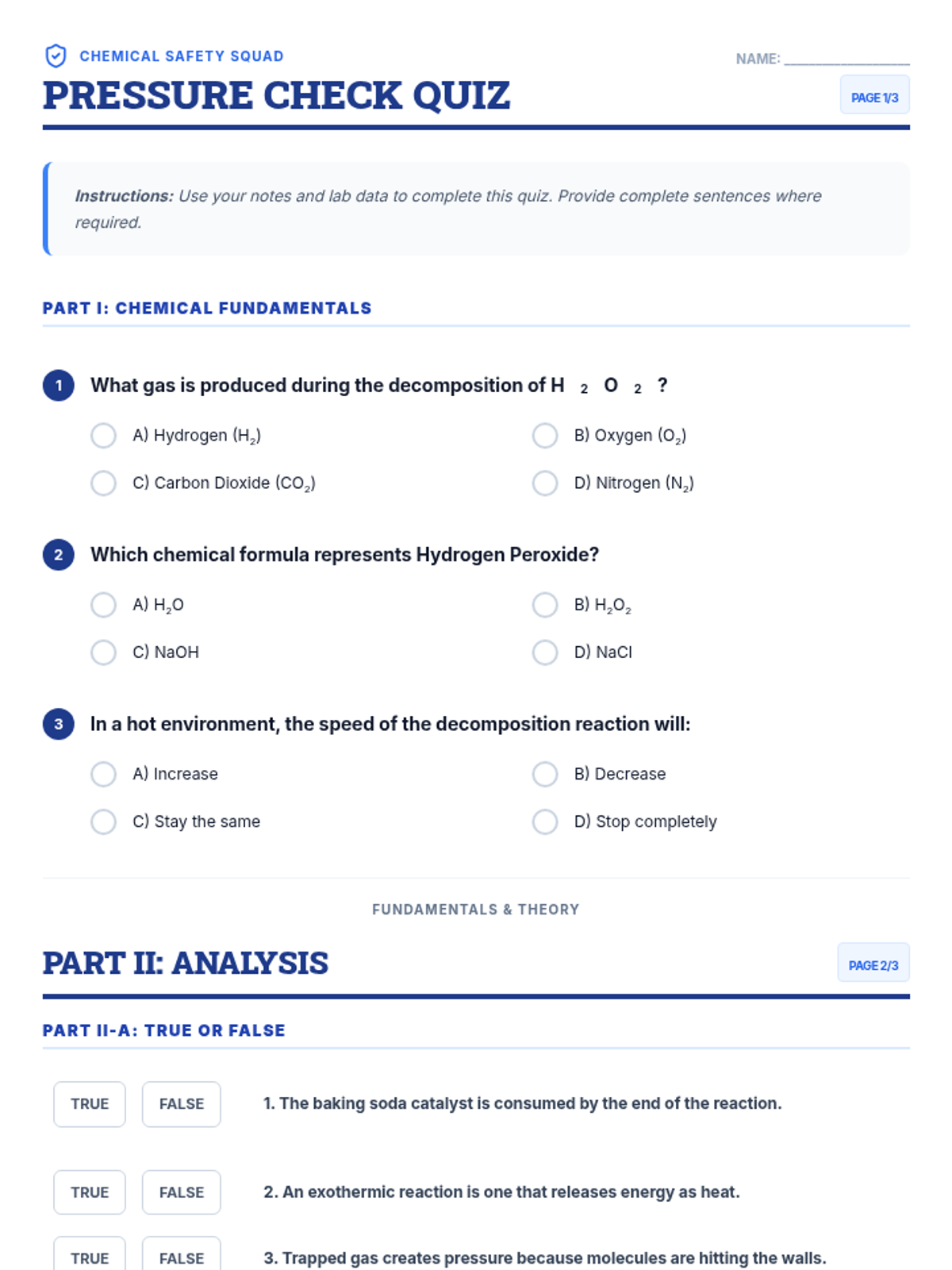
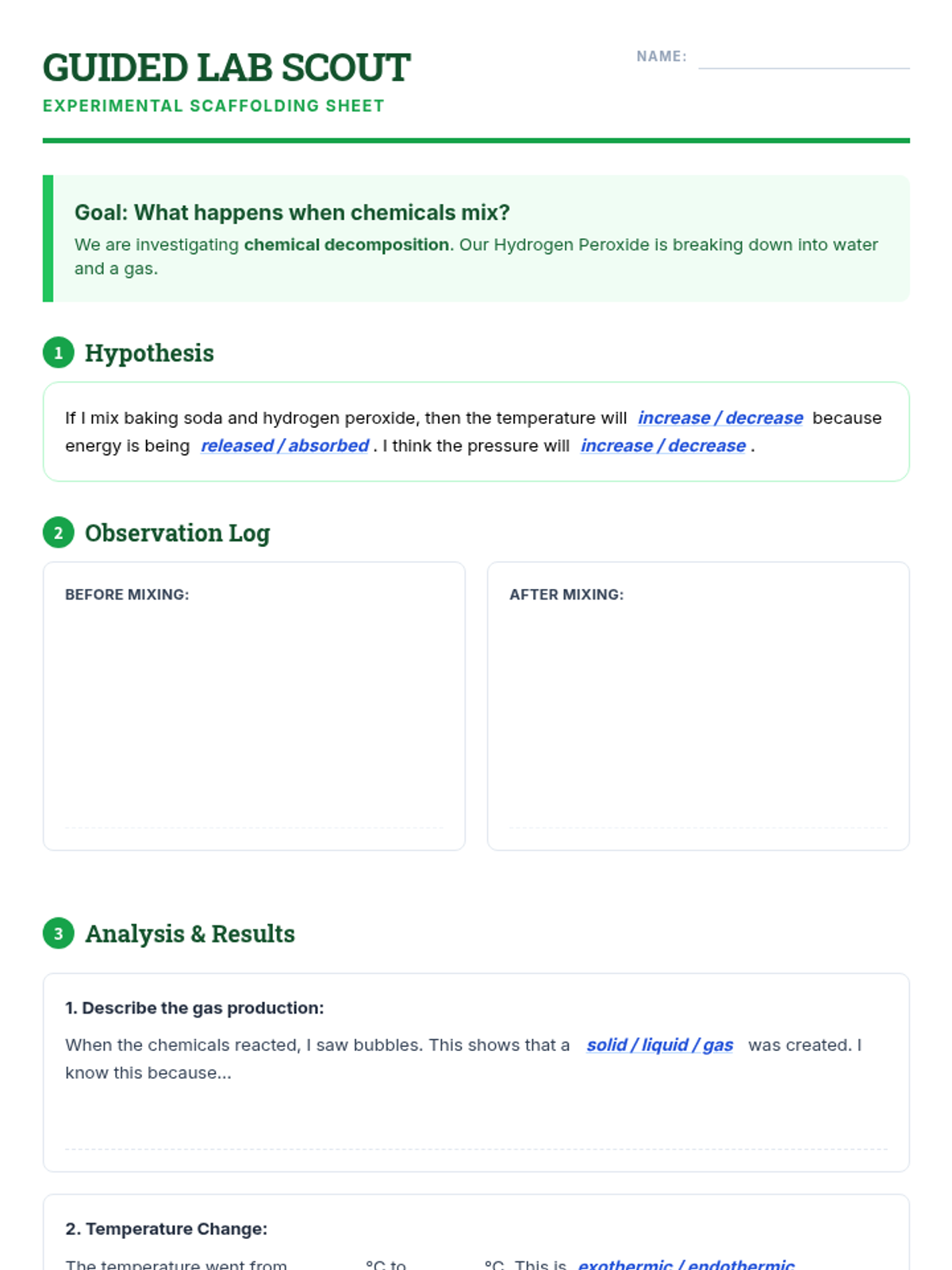
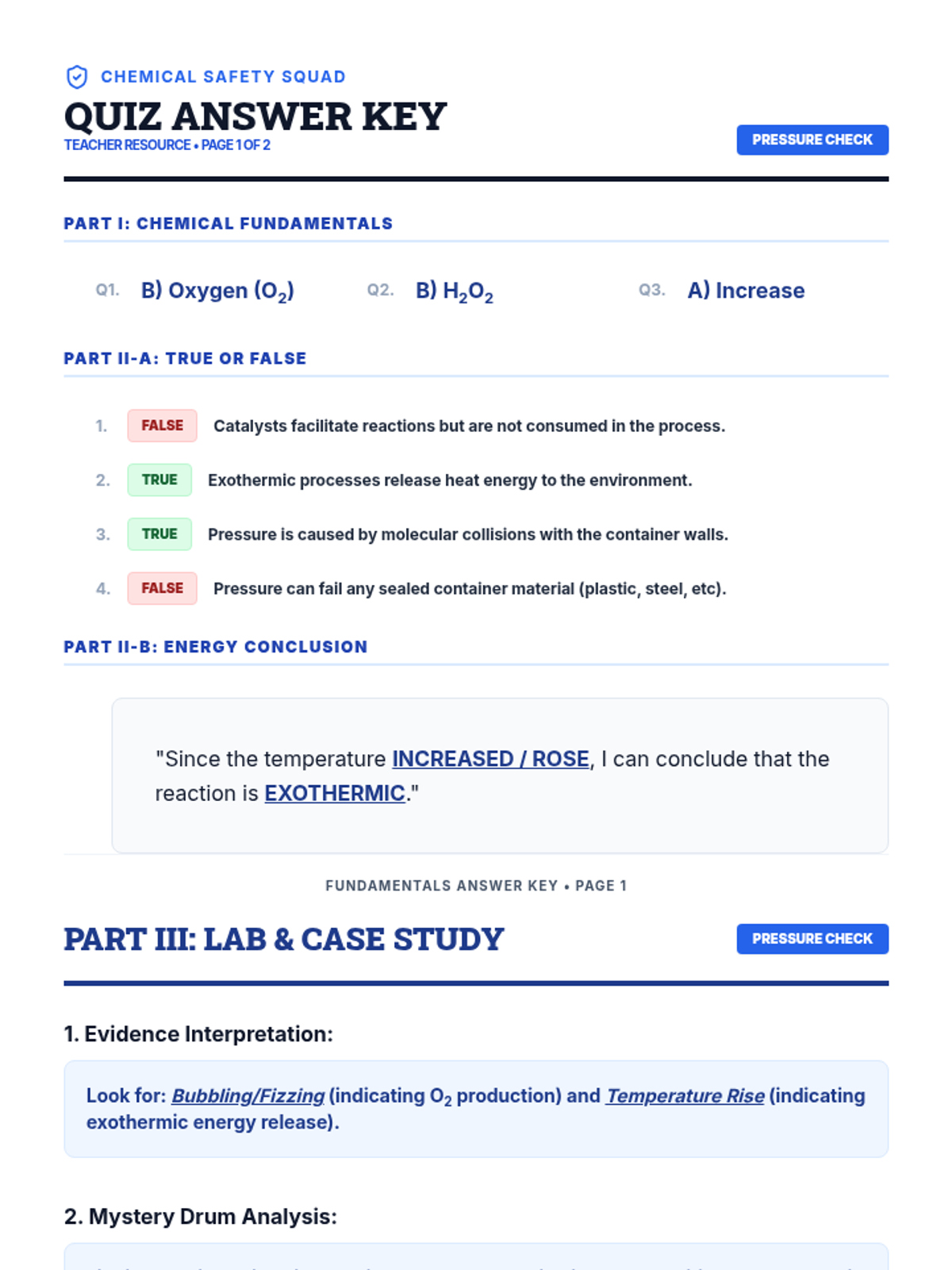
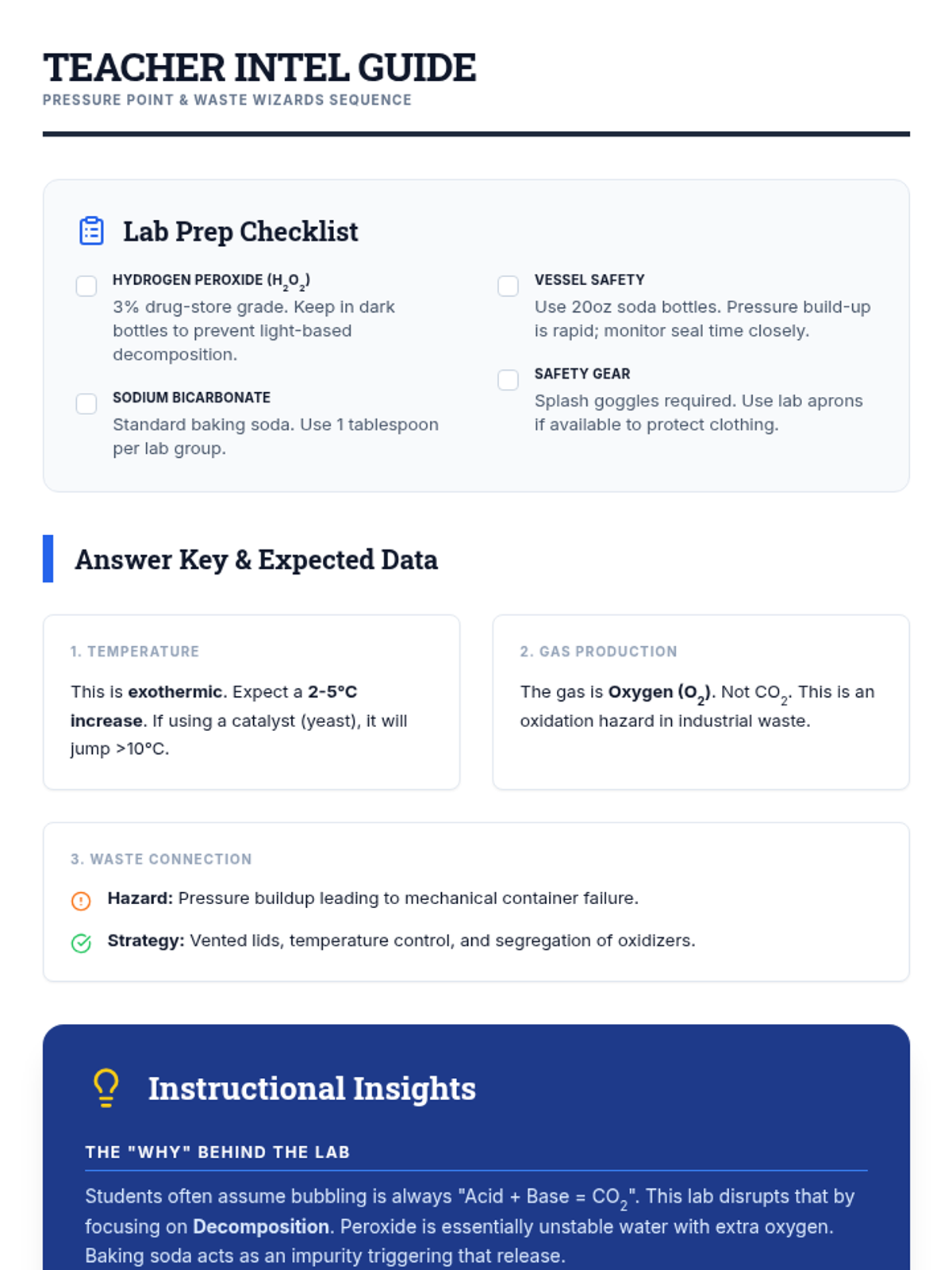
Students conduct an experiment mixing hydrogen peroxide and baking soda to observe chemical reactions and gas production, simulating pressure buildup in waste containers.
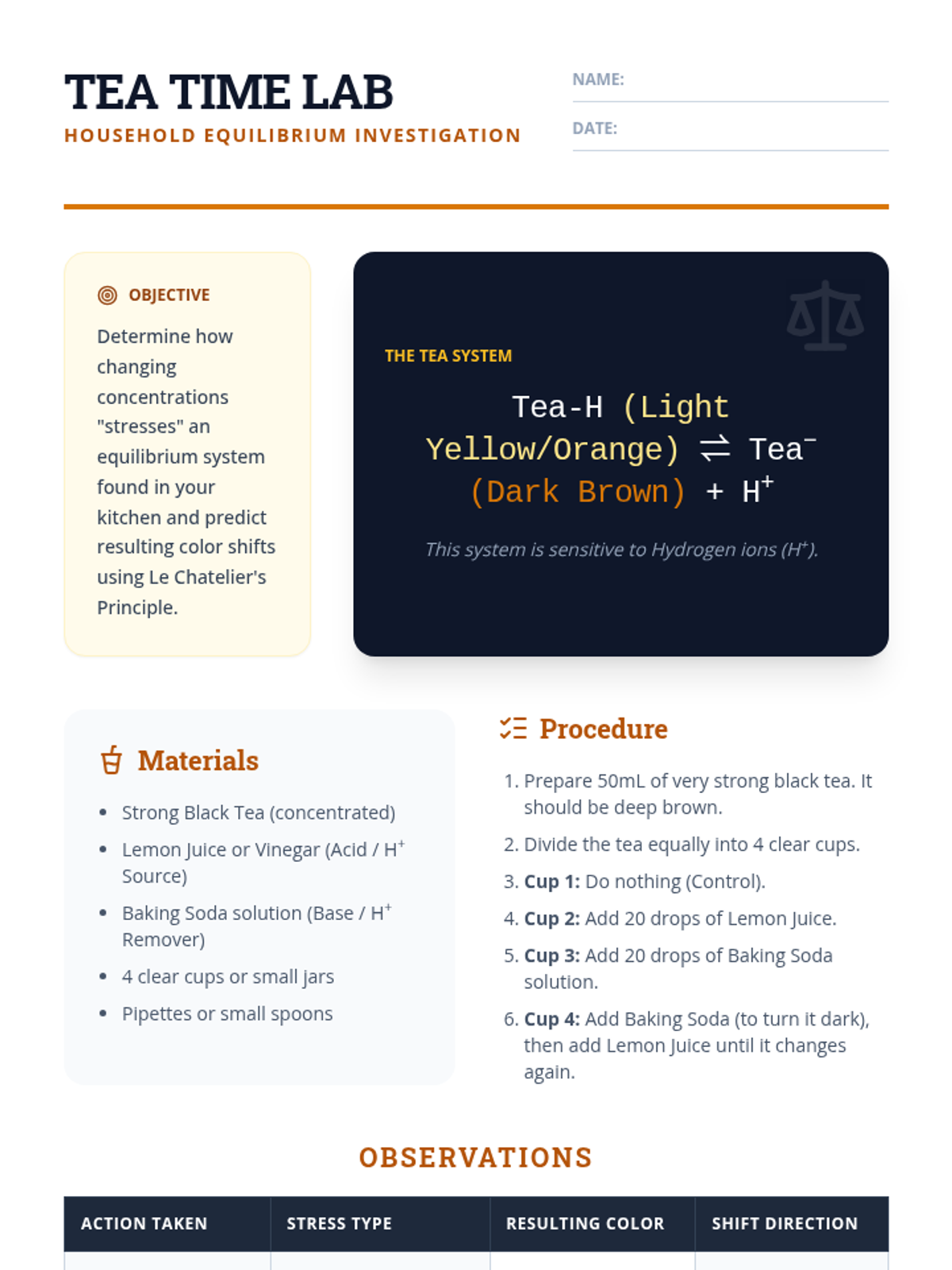
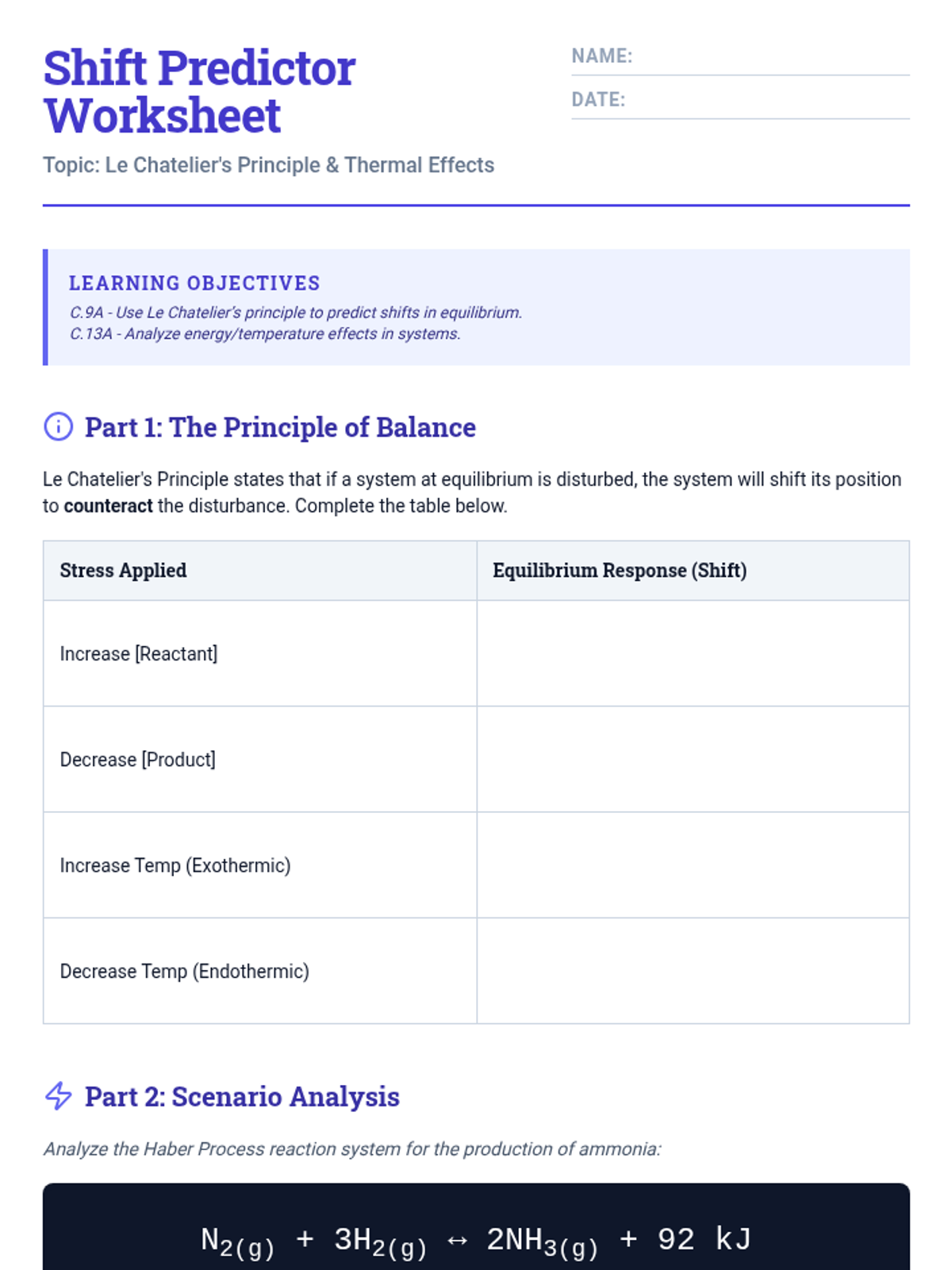
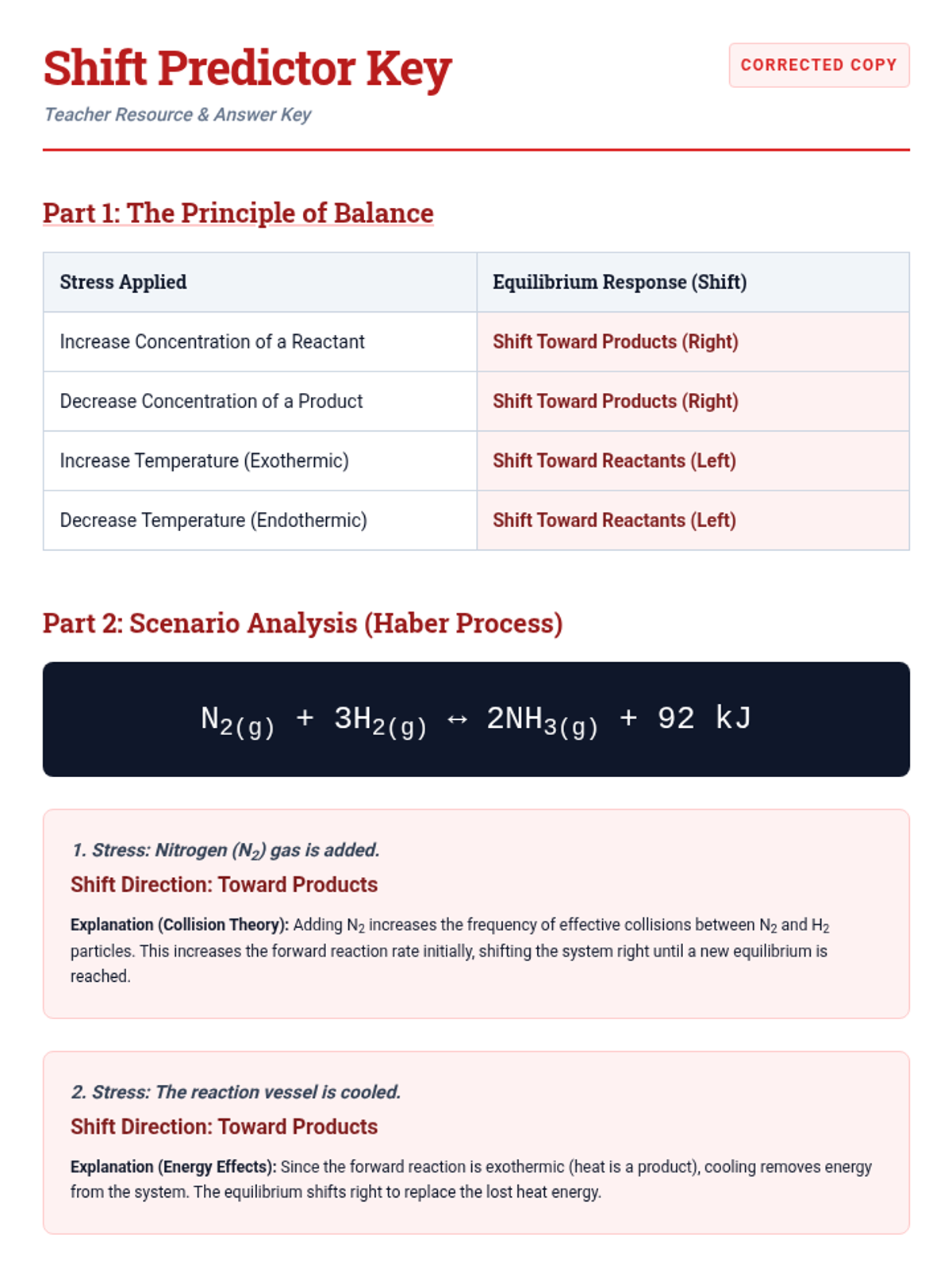
An investigation of Le Chatelier's Principle. Students apply external stresses—concentration and temperature changes—to the Iron(III) thiocyanate equilibrium system to observe, predict, and explain how a system at balance responds to change.
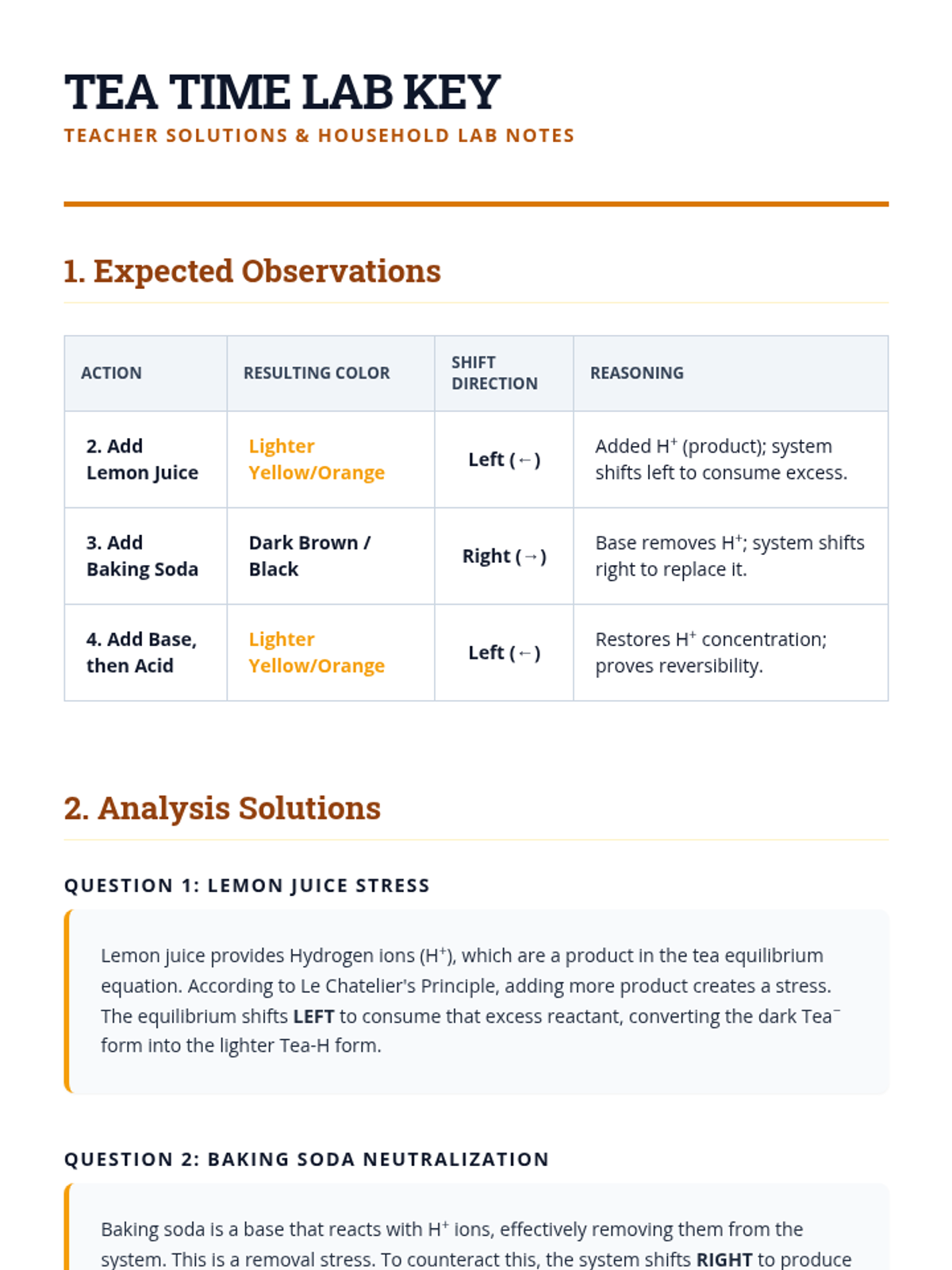
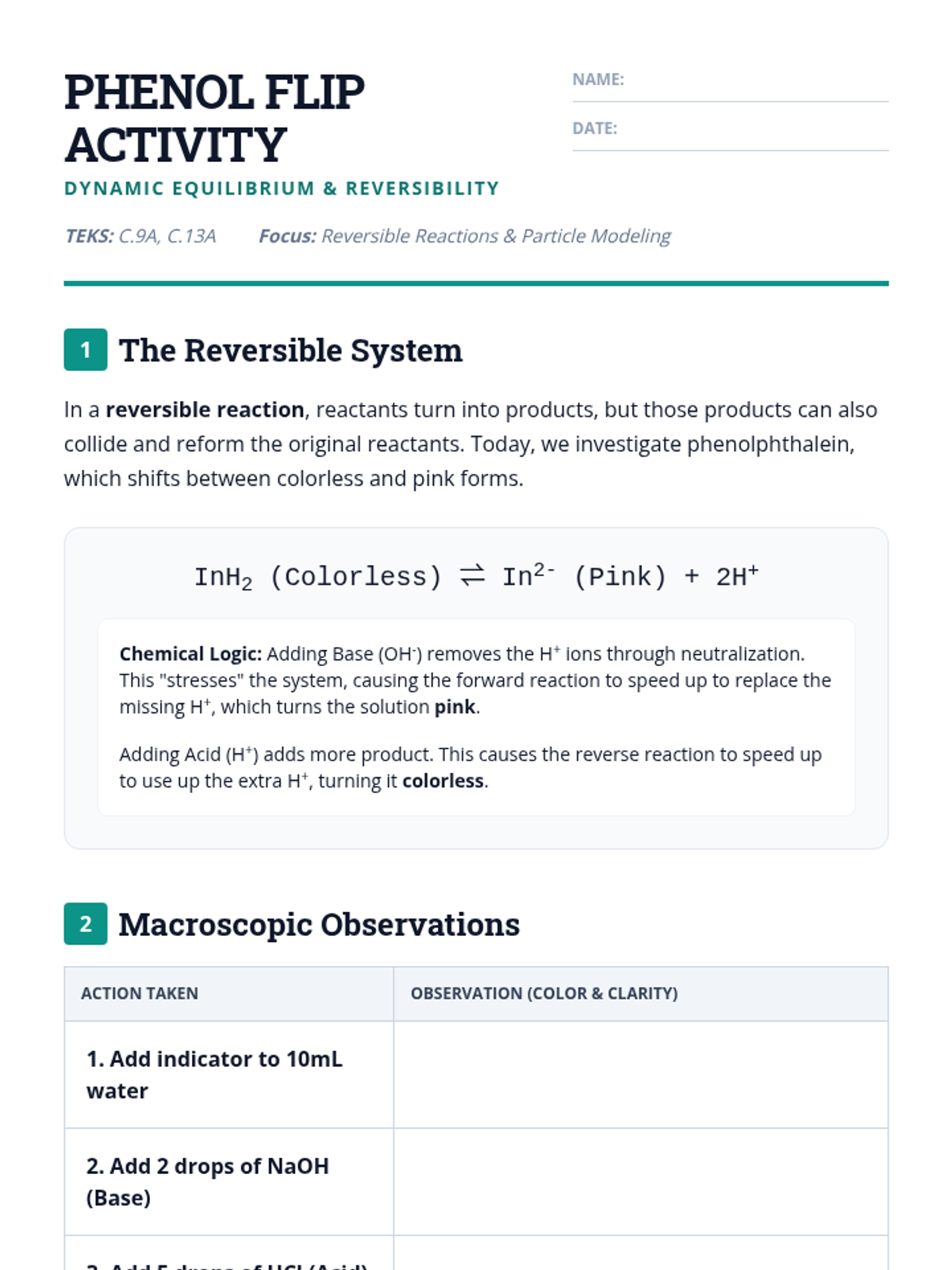
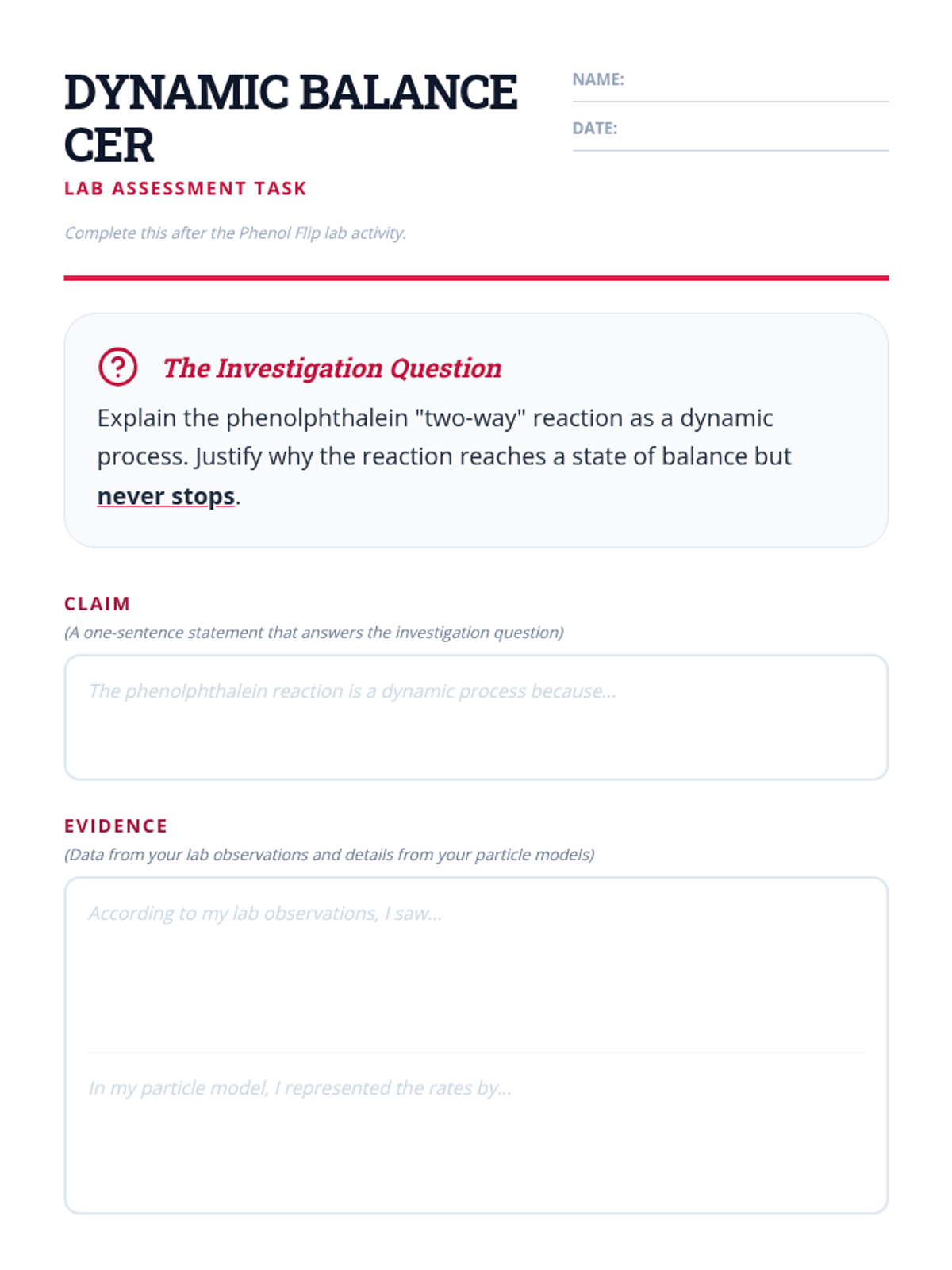
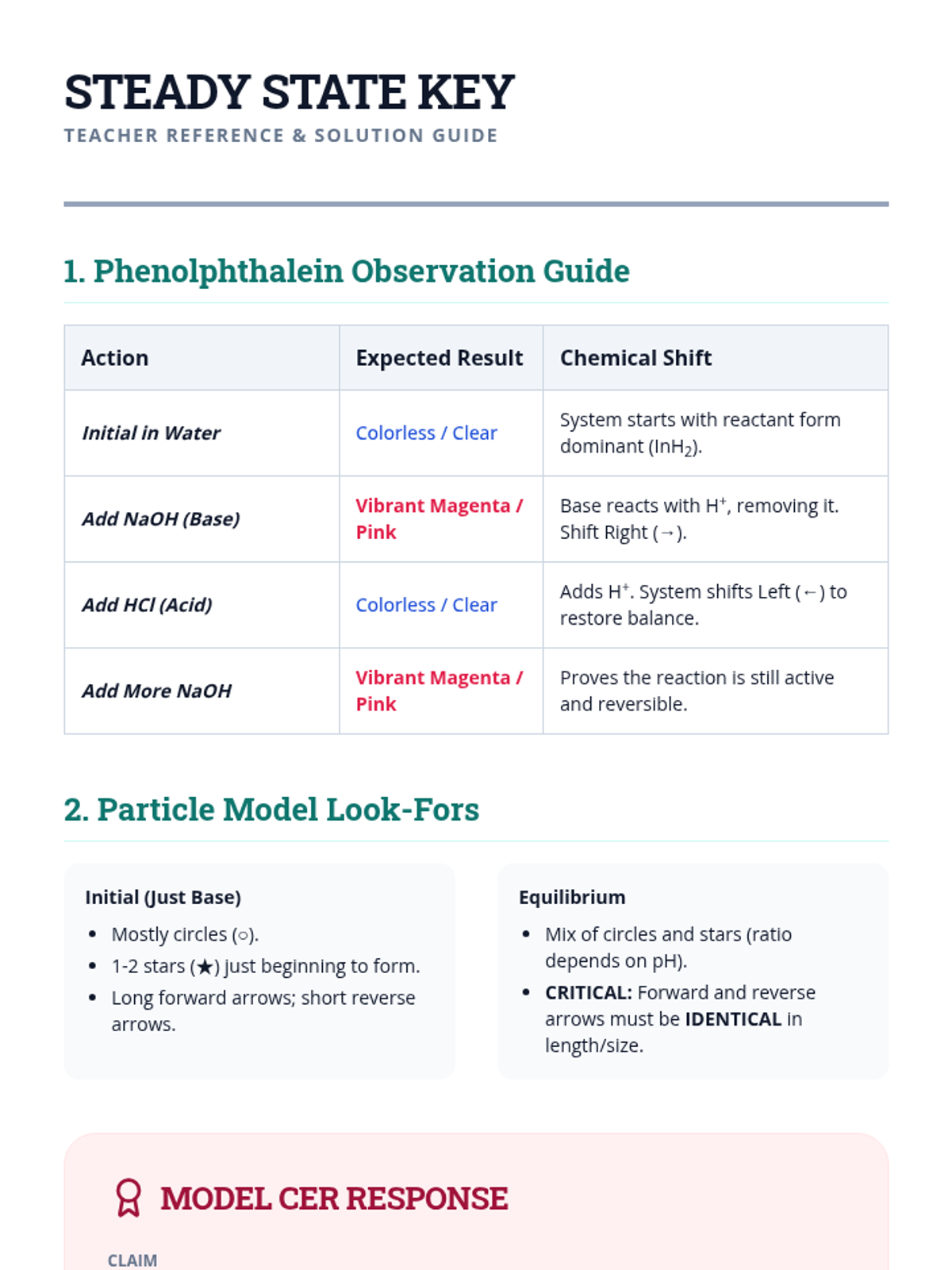
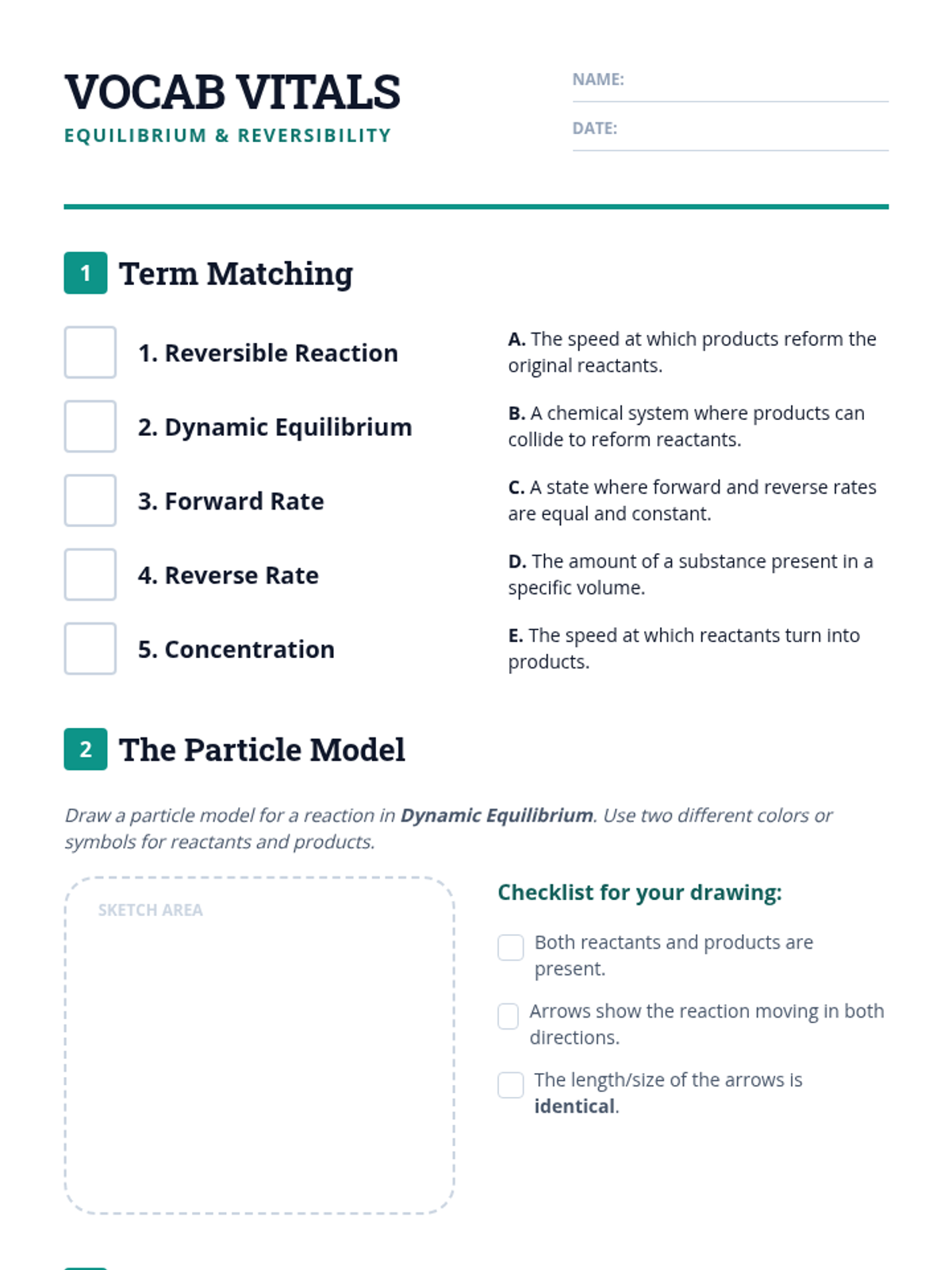
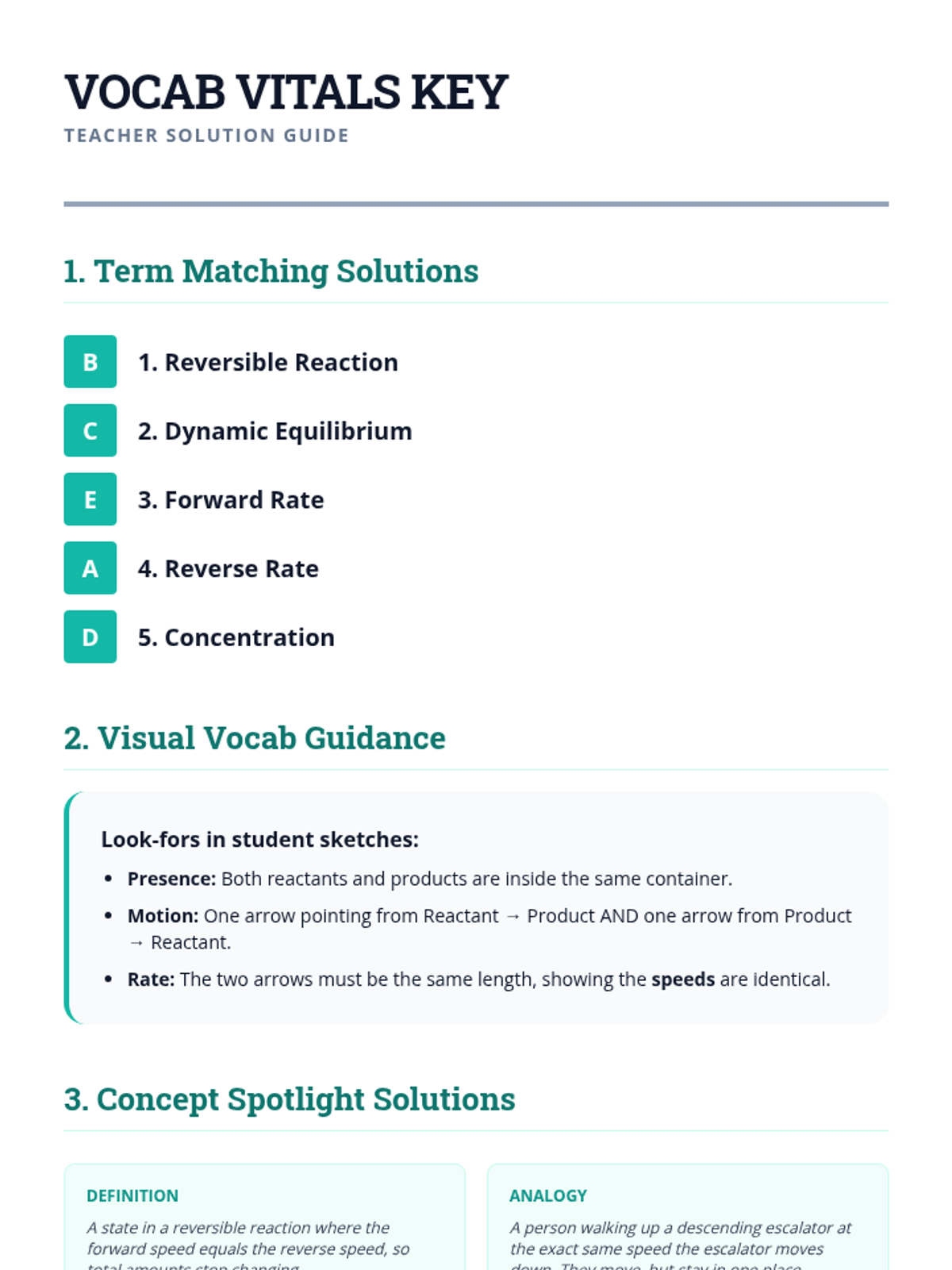
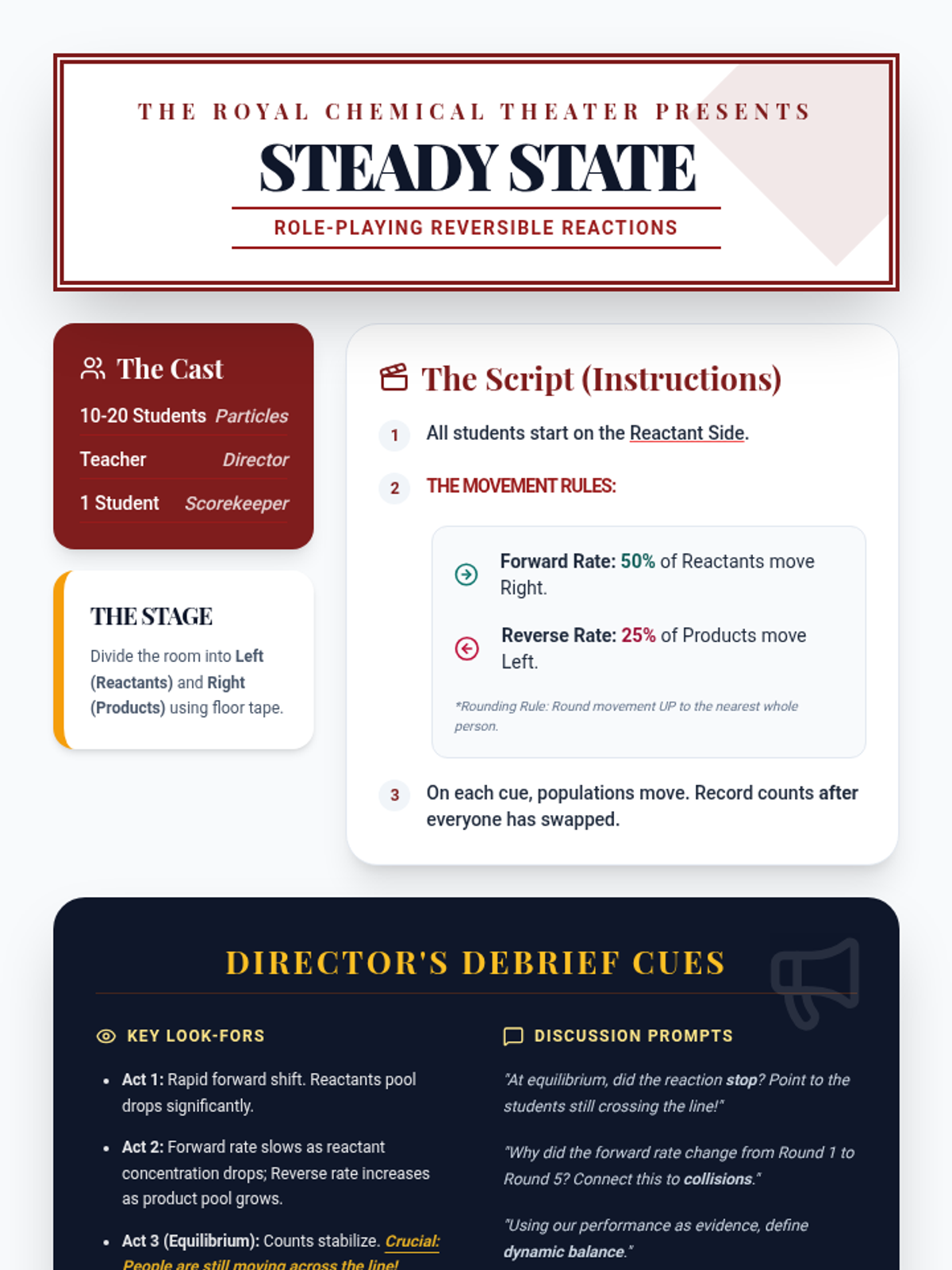
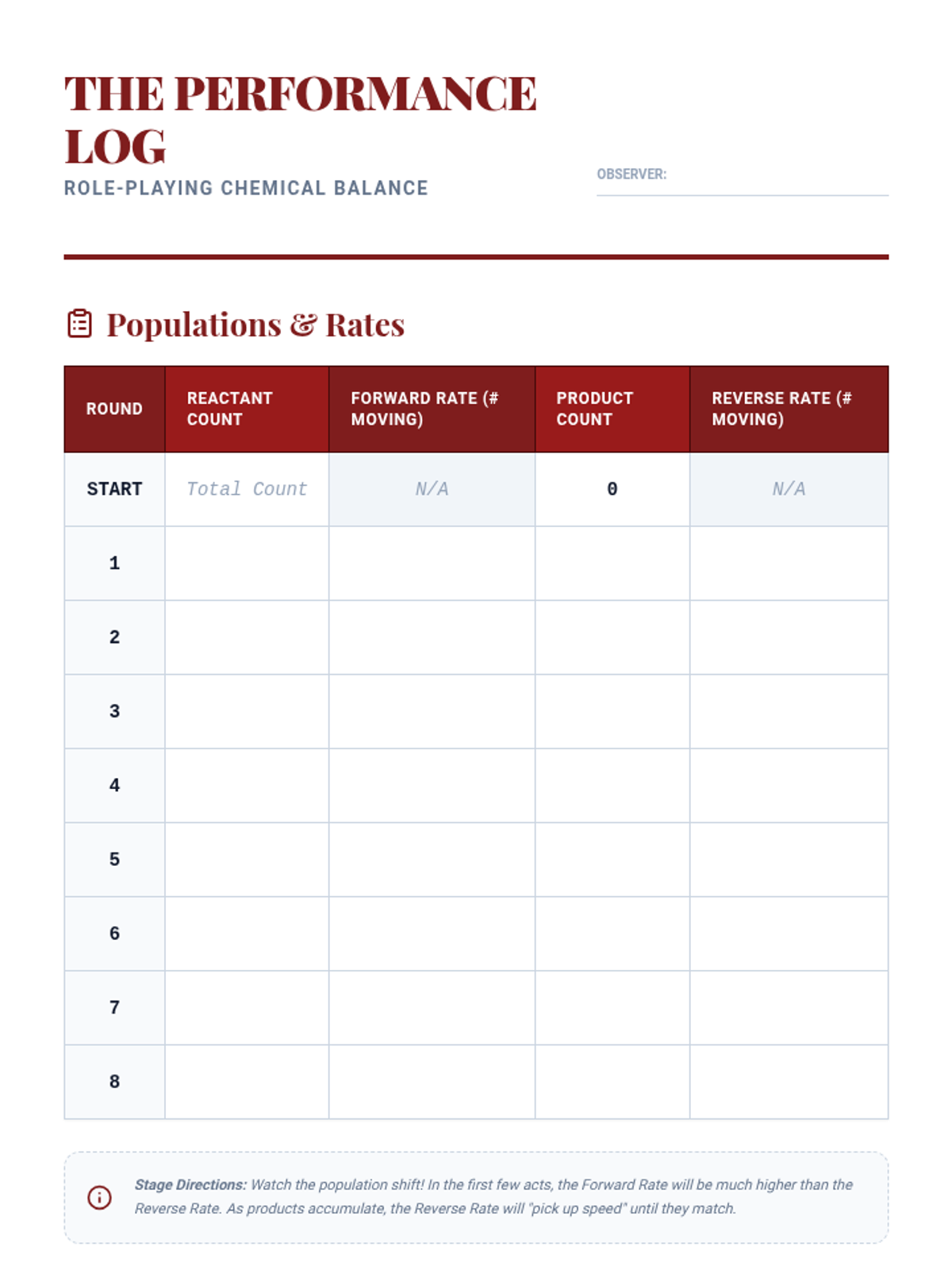
An introduction to reversible reactions and chemical equilibrium. Students use particle models and a pH-sensitive chemical indicator to visualize how reactions can occur in both directions and reach a point where forward and reverse rates are equal.
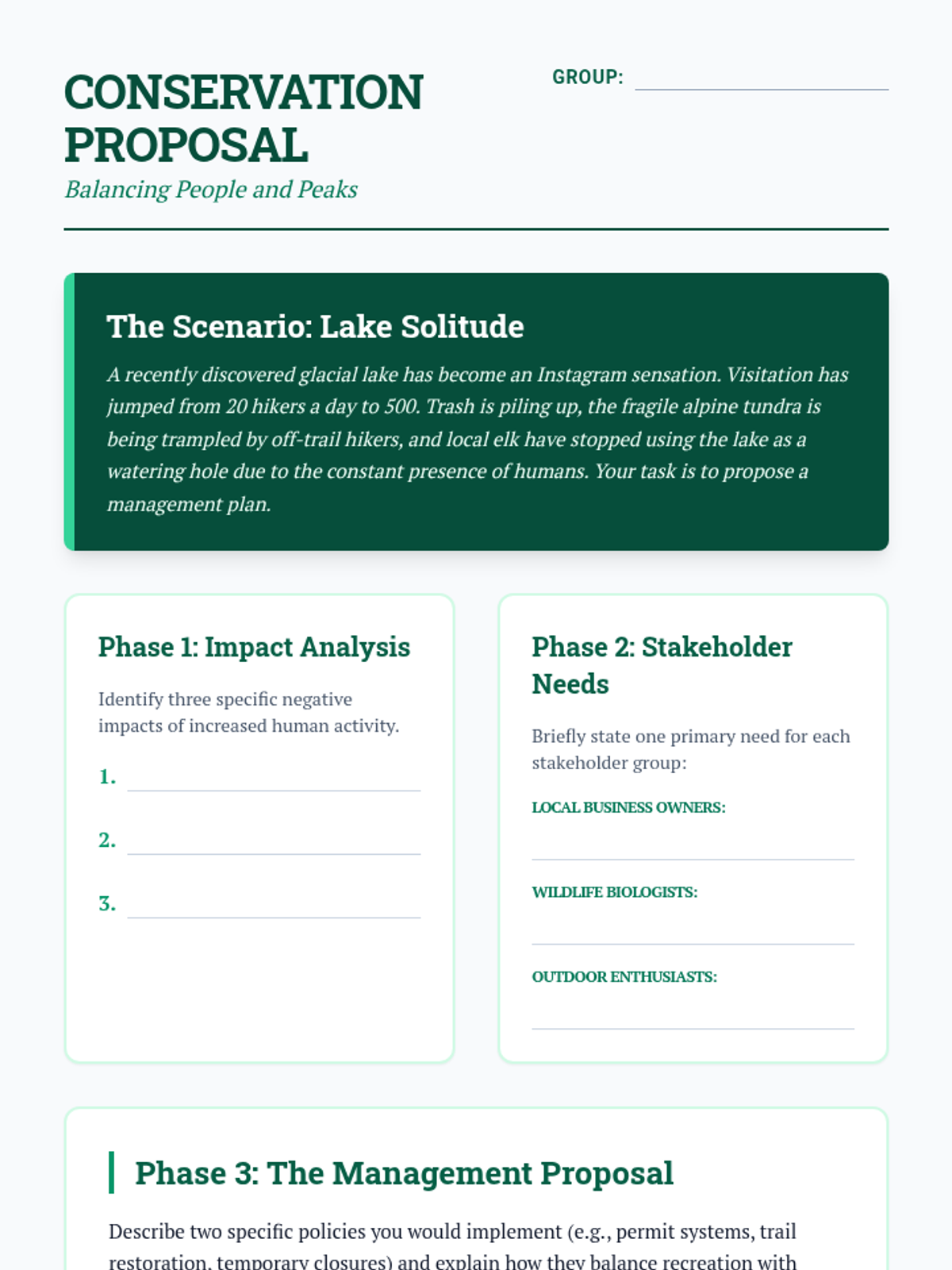
A lesson on the history and importance of conservation in Colorado, culminating in a simulation where students propose solutions to balance recreation and environmental protection.
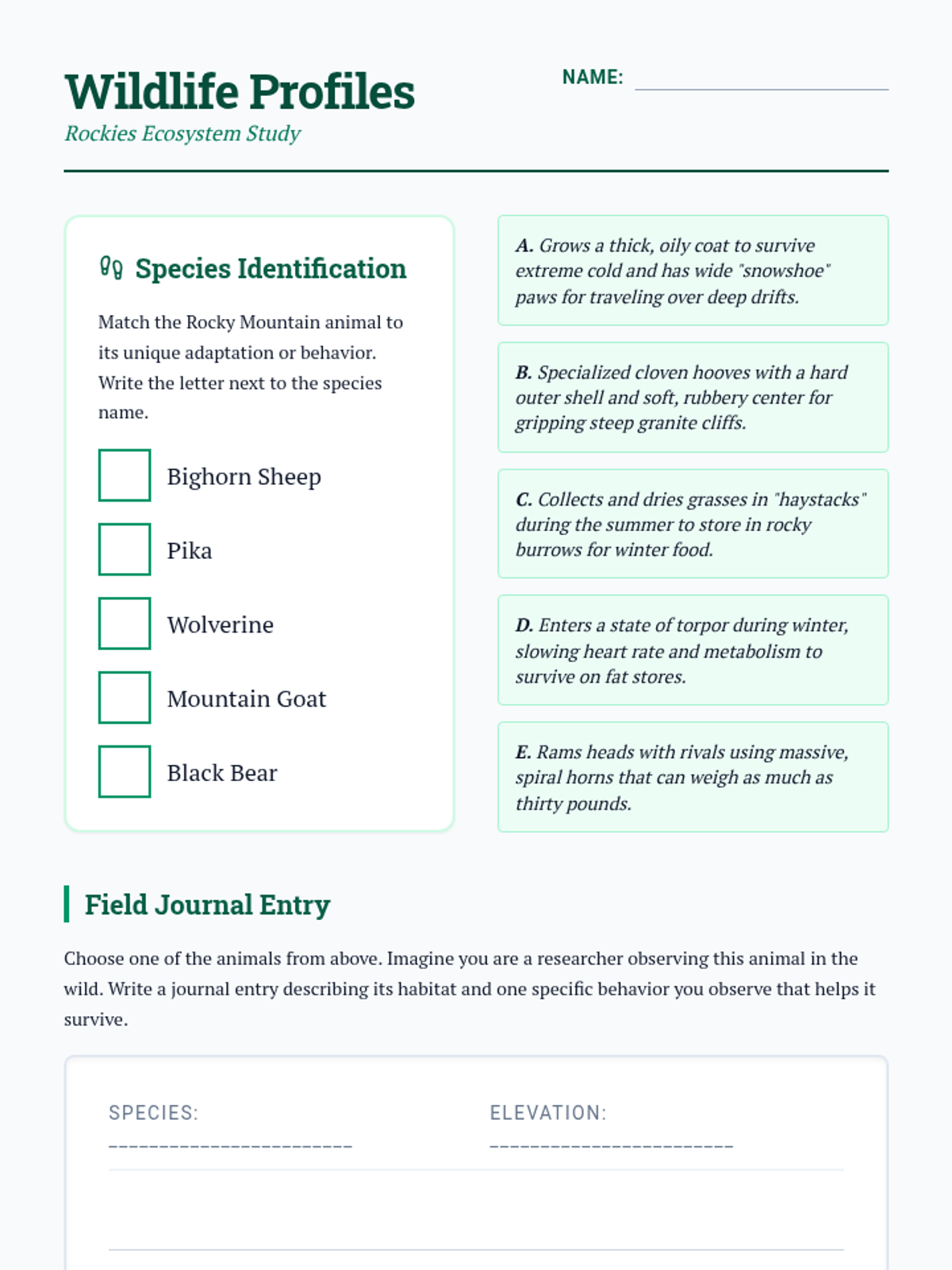
A lesson focusing on the unique wildlife of the Rocky Mountains, identifying adaptations and ecological roles of various species through a matching activity and creative writing.