A medical-themed grammar lesson where students become 'Sentence Surgeons' to diagnose and repair sentence structure in their own writing using color-coding techniques.
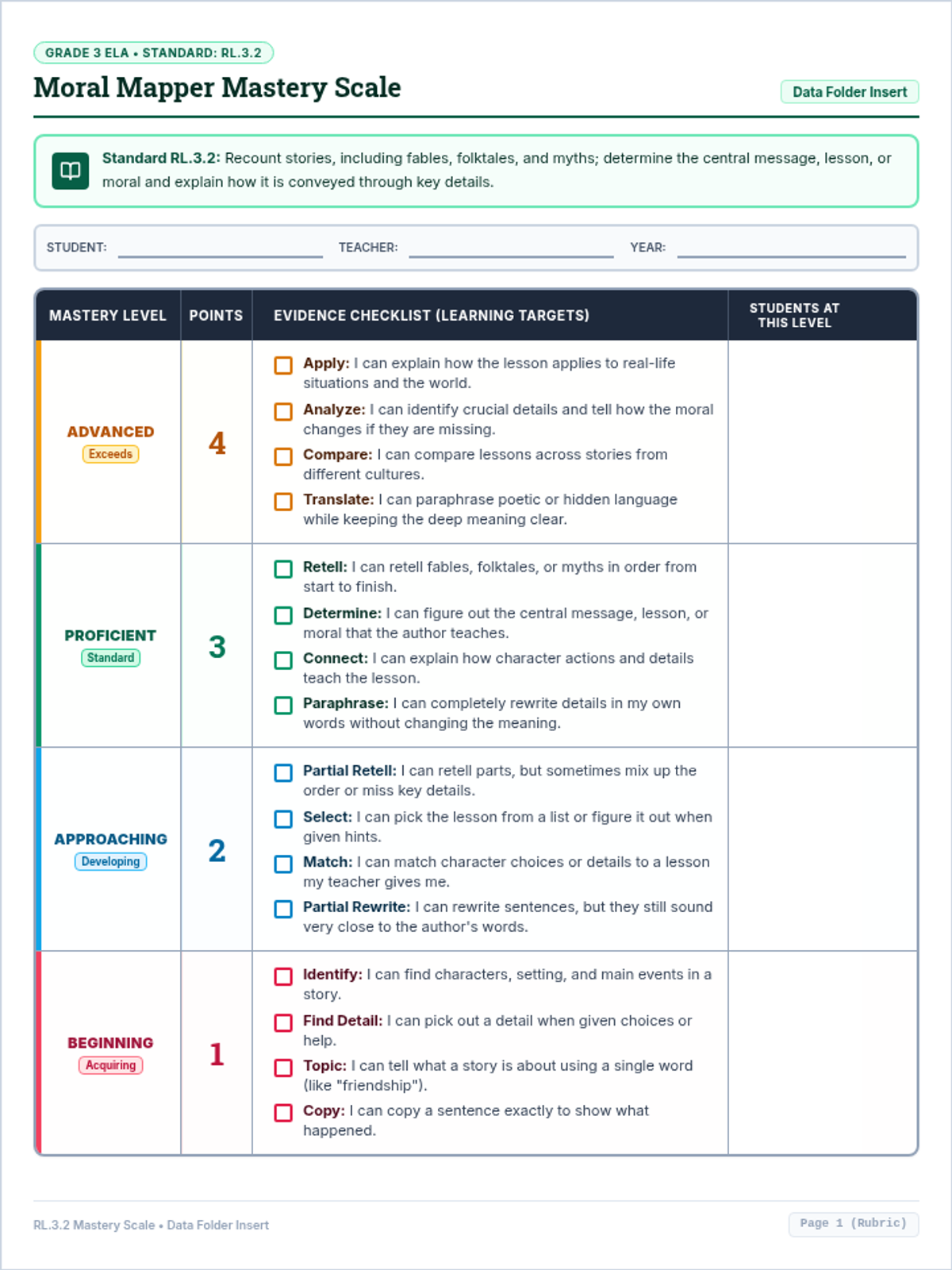
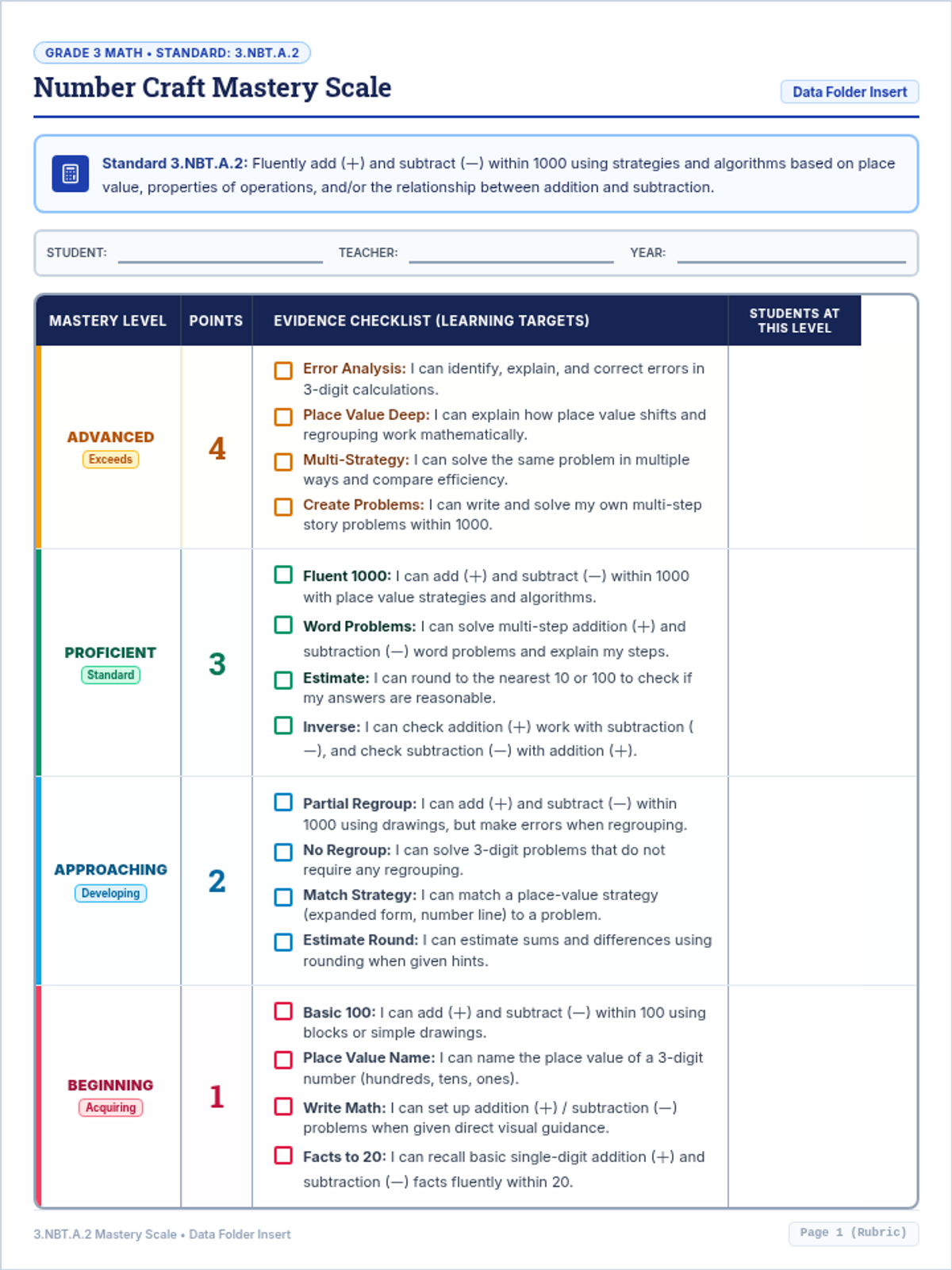
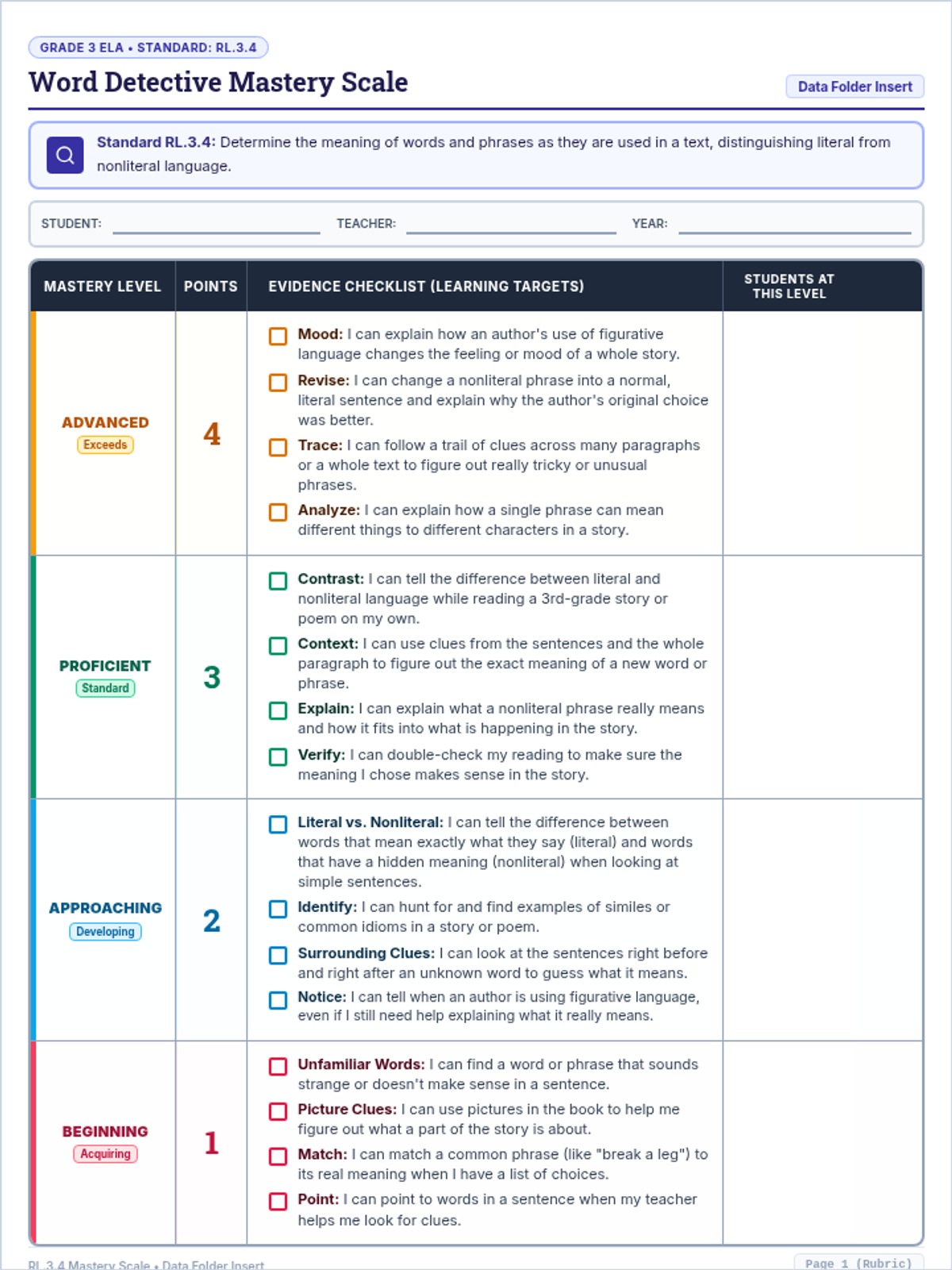
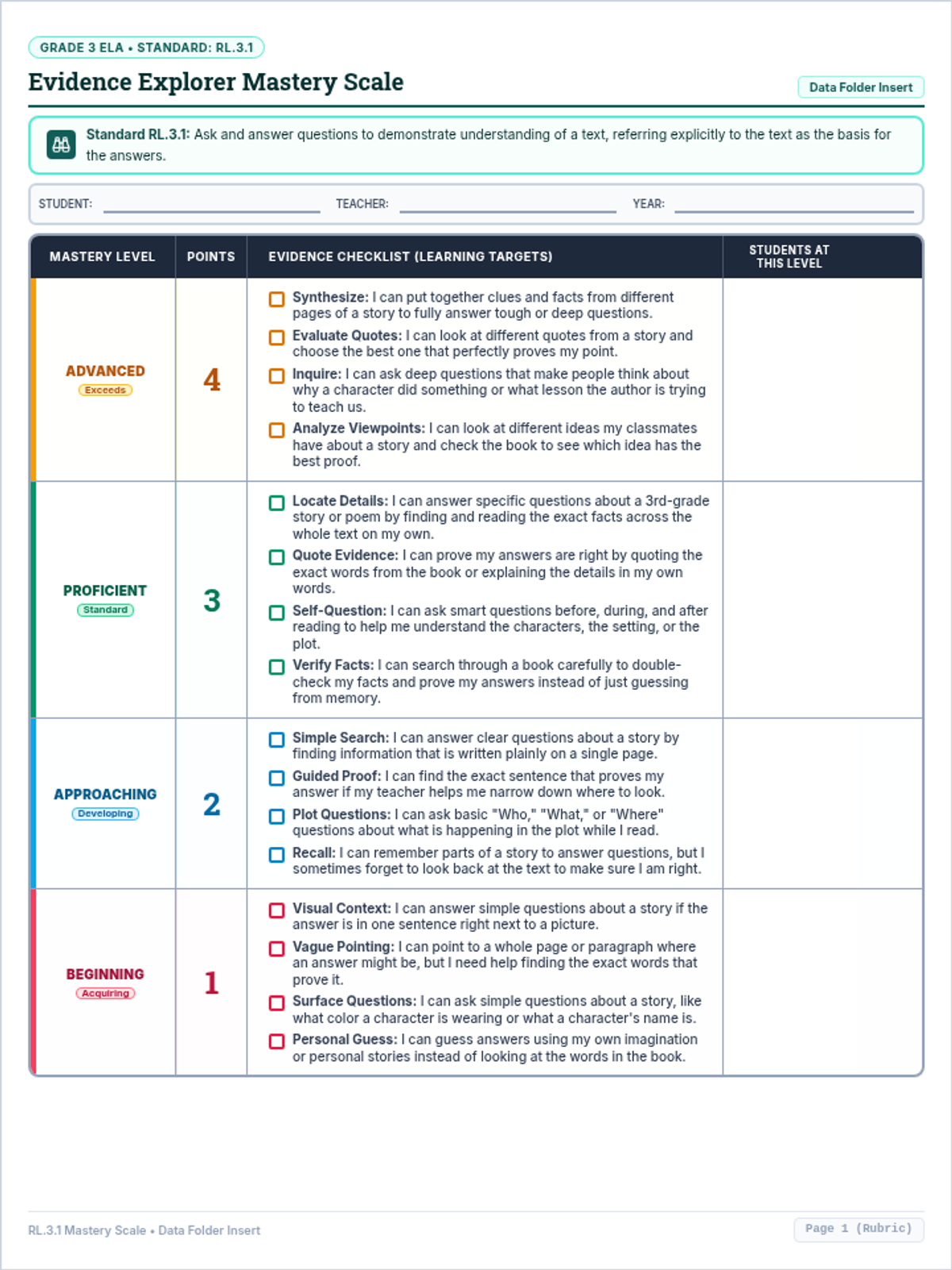
A collection of beautifully designed, compact data folder inserts featuring proficiency scale charts and progress tracking logs for Grade 3 standards.
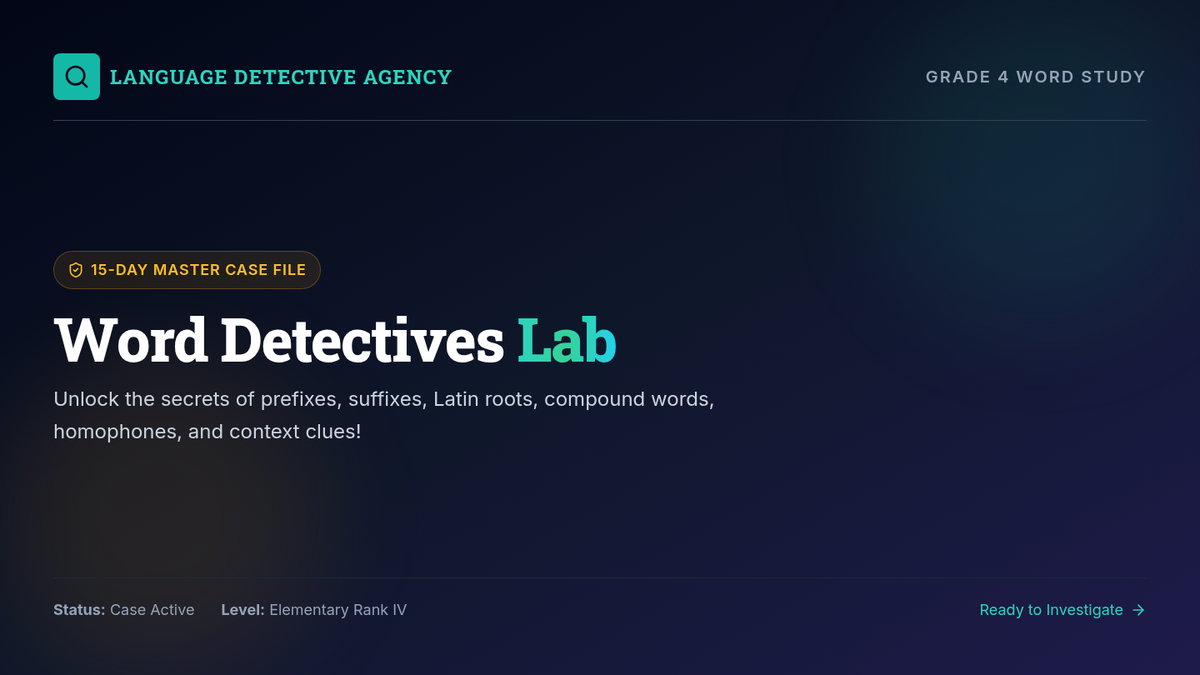
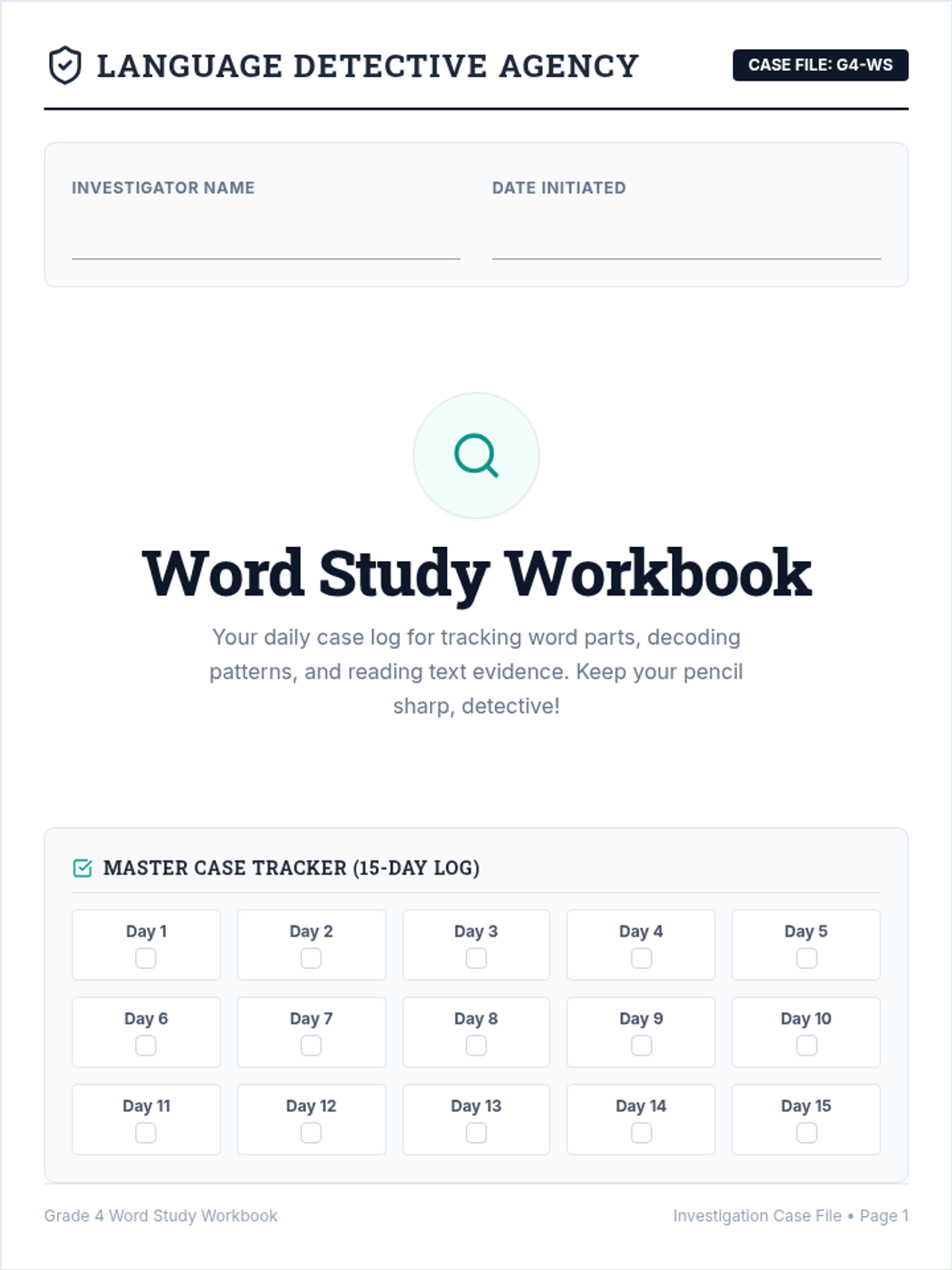
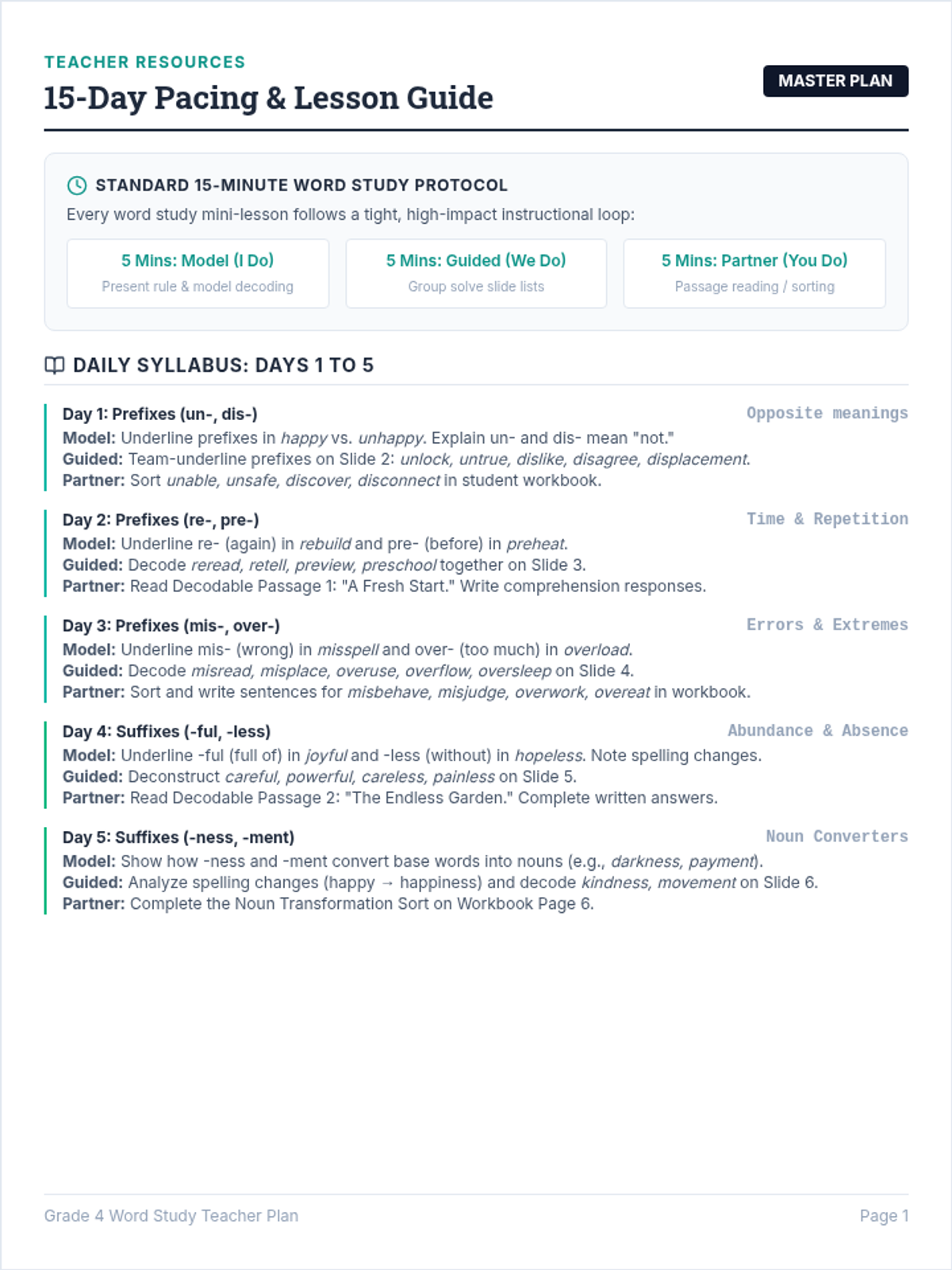
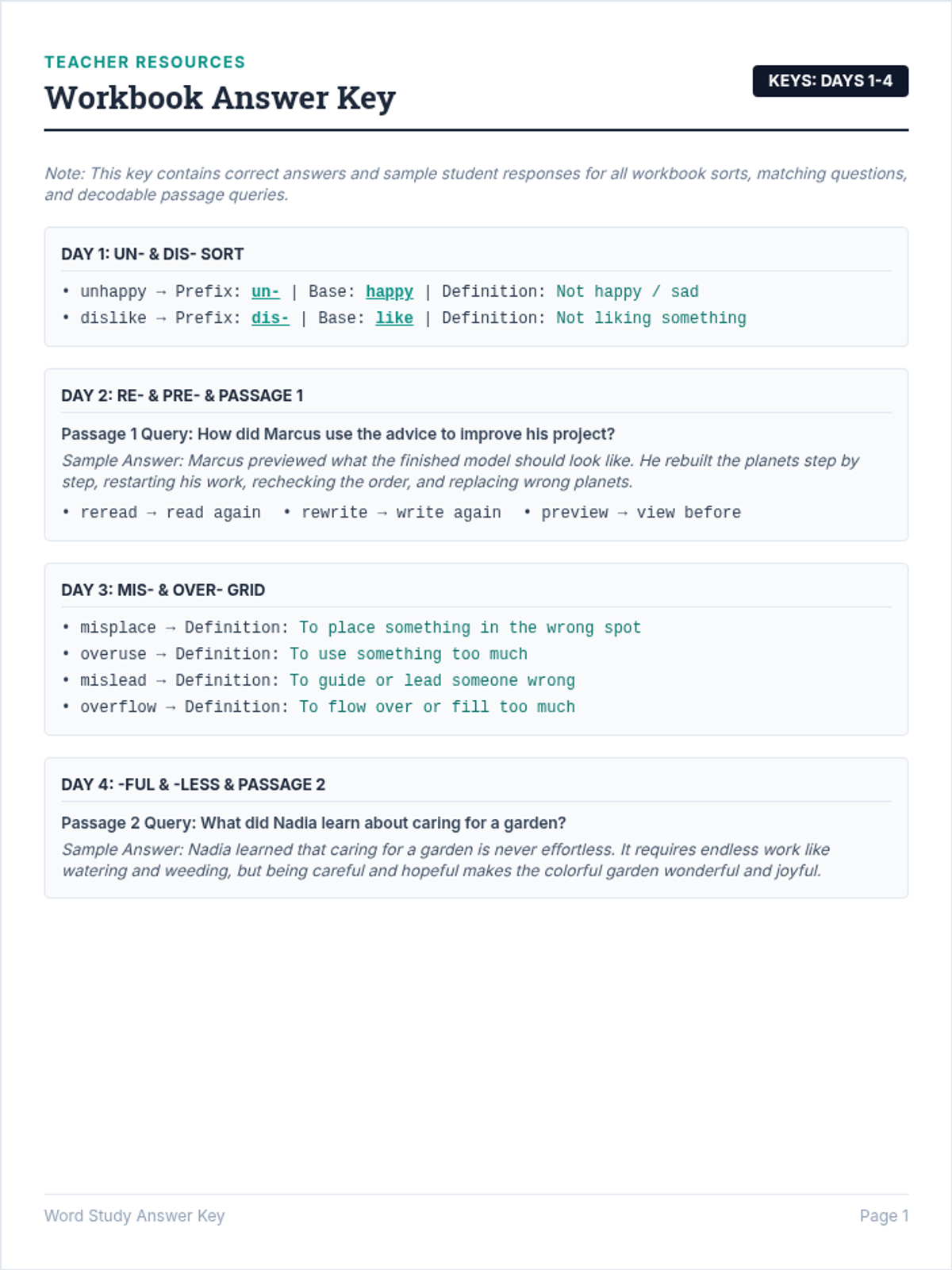
A comprehensive 15-day word study unit for Grade 4 focused on prefixes, suffixes, Latin roots, compound words, homophones, synonyms/antonyms, and context clues. Includes a master slide deck and a complete student workbook.
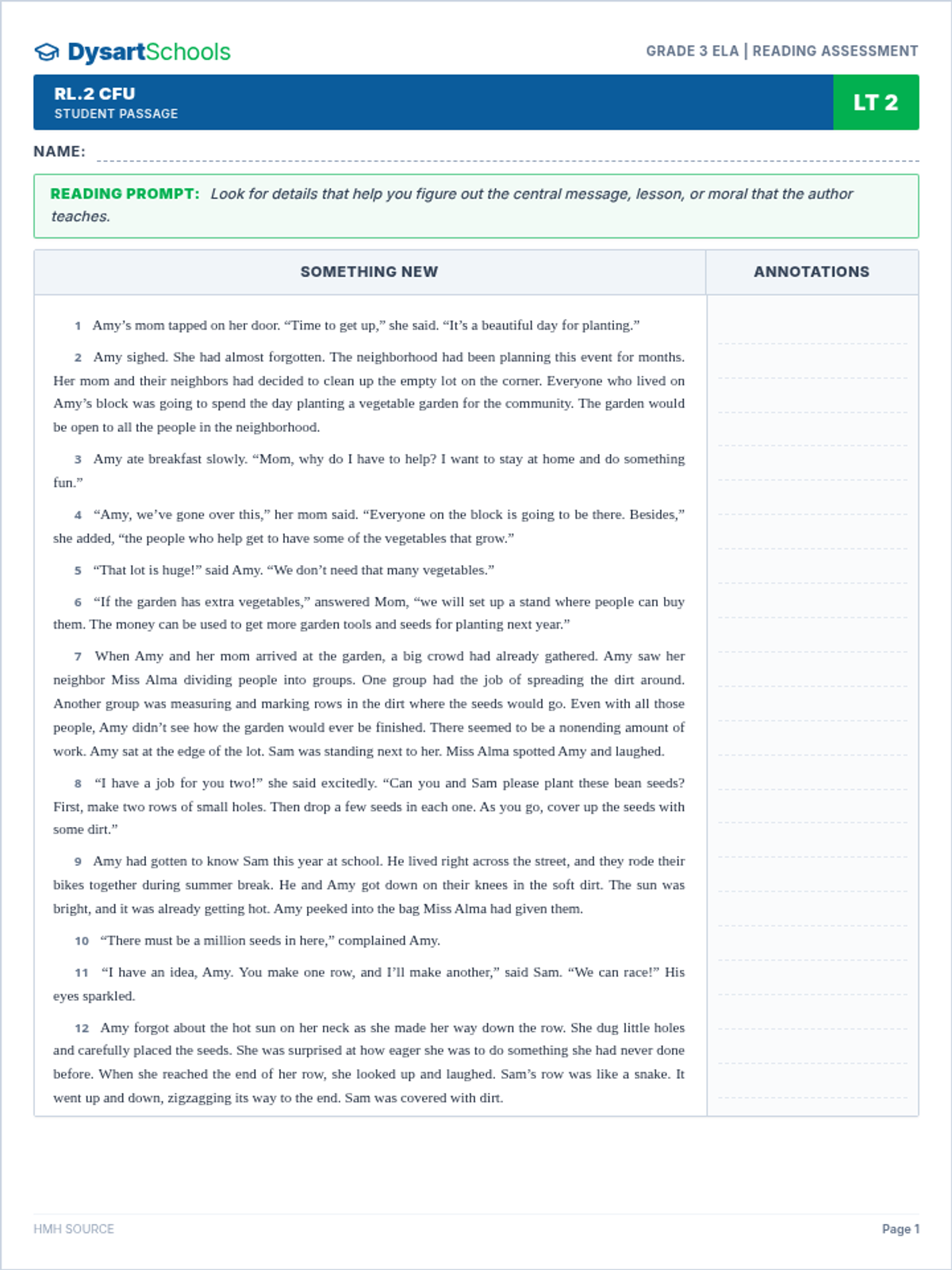
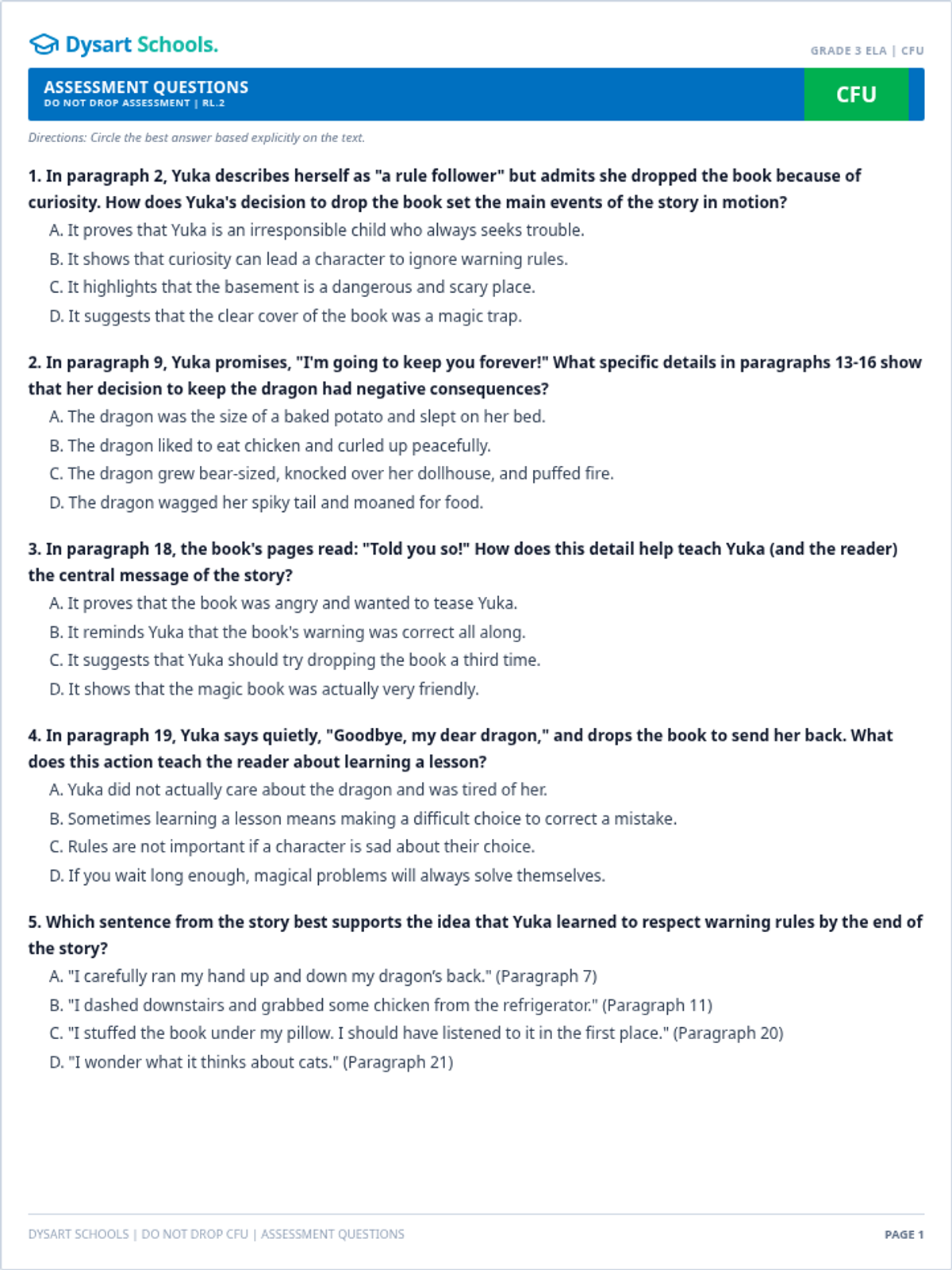
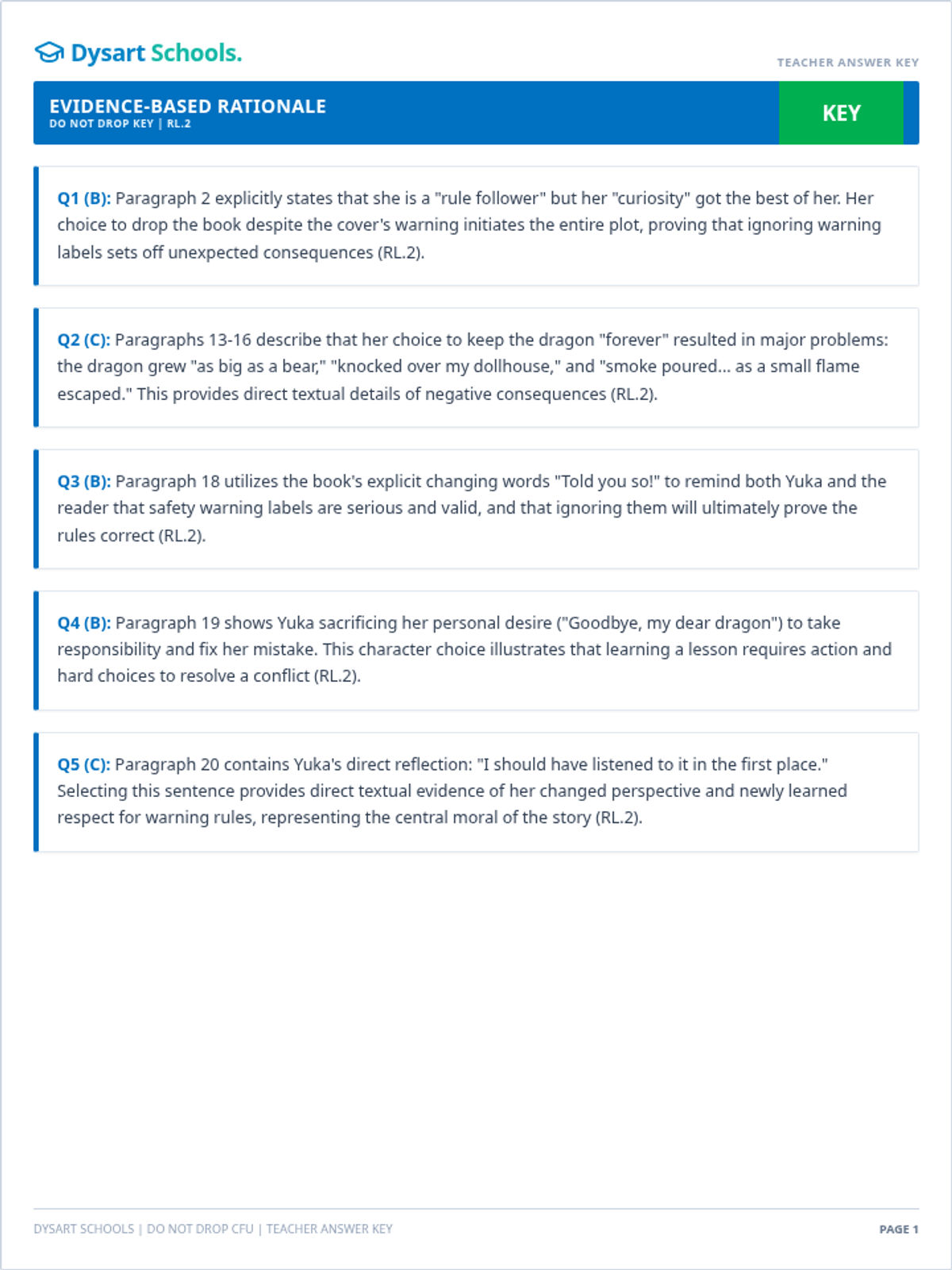
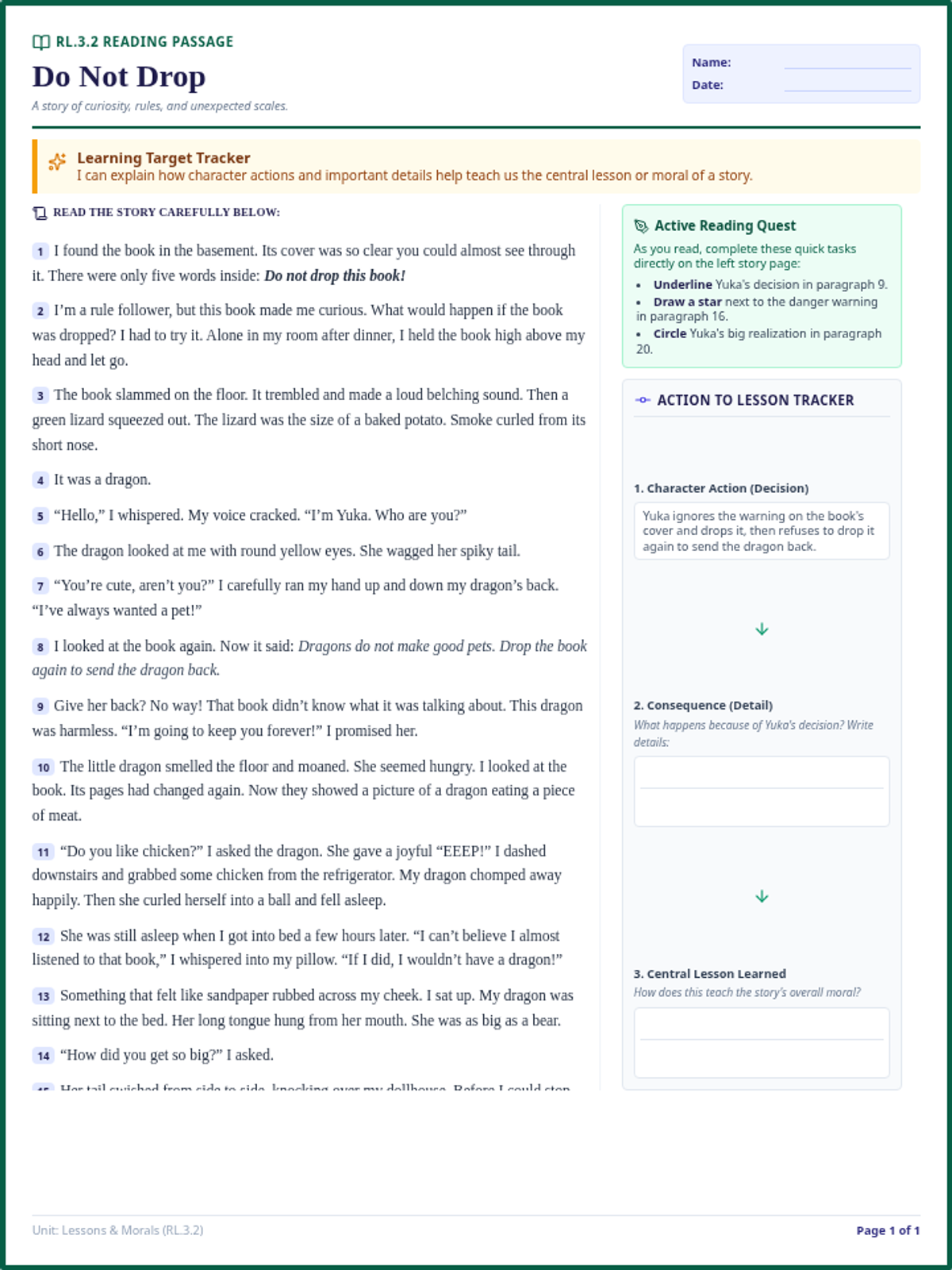
A third-grade reading comprehension lesson focused on standard RL.2 (learning target: explaining how character actions and details teach the lesson/moral) using the story "Do Not Drop". Students analyze Yuka's choices and their consequences to discover the story's core lesson.
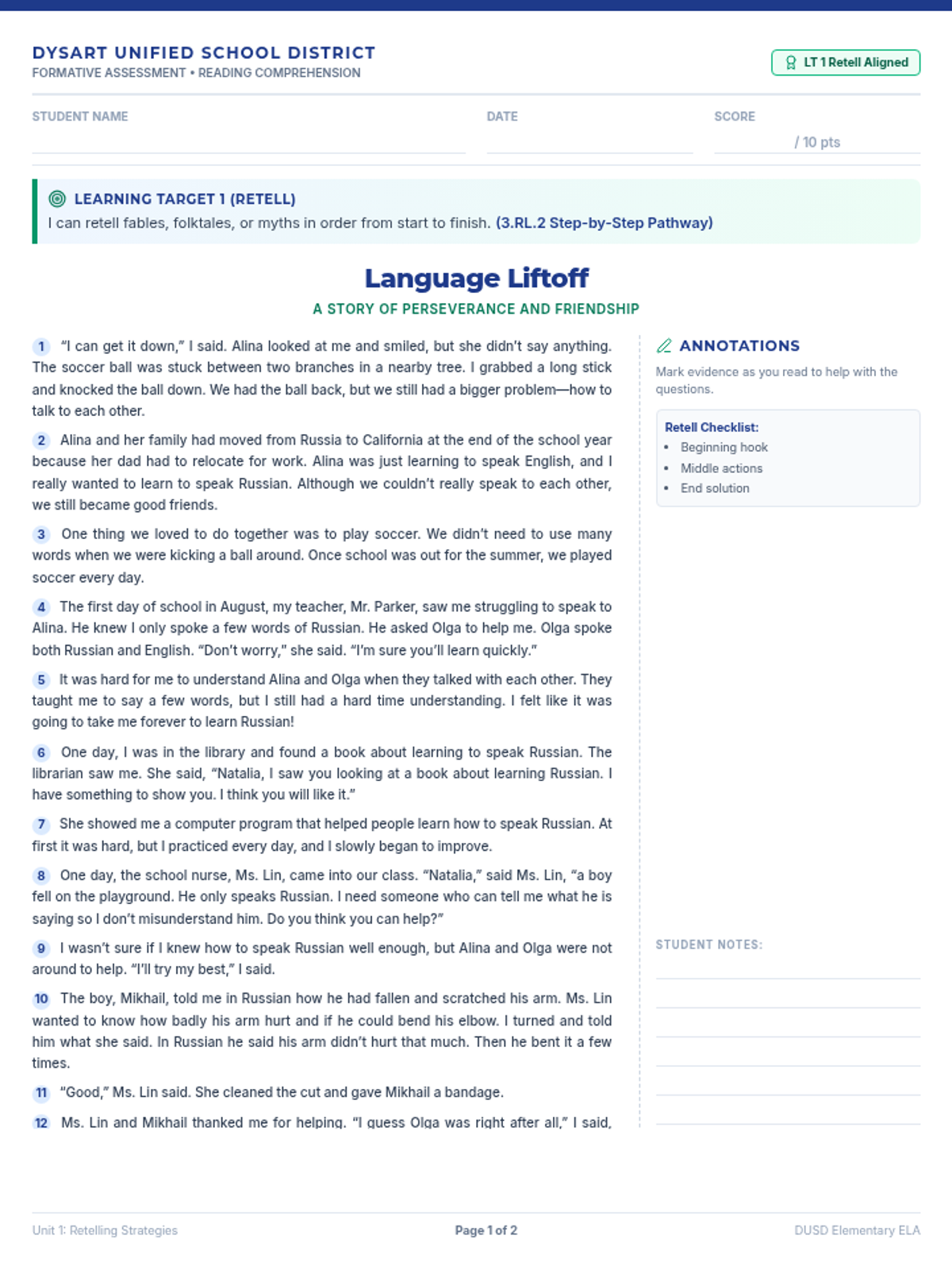
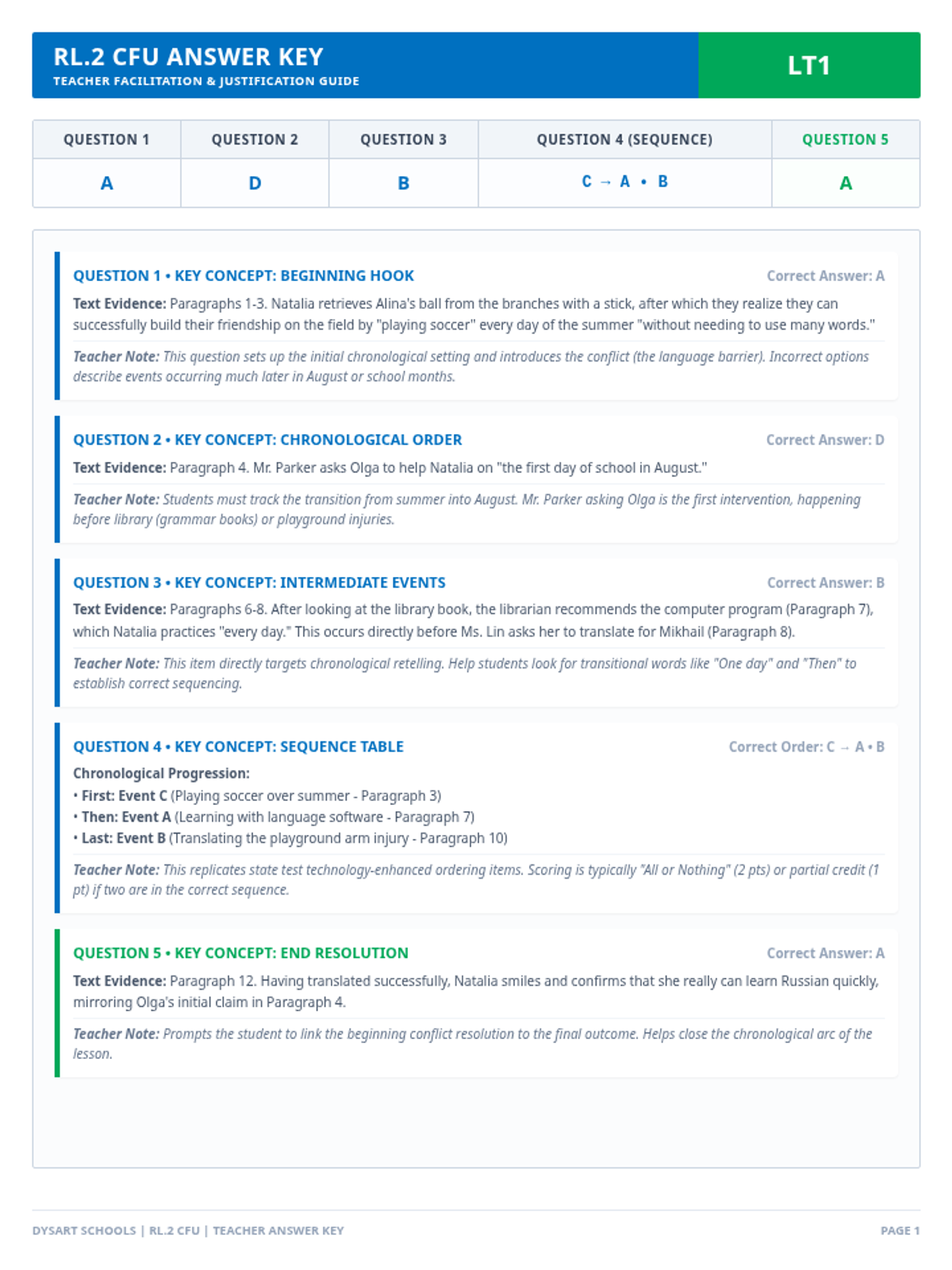
A formative assessment lesson targeting chronological retelling (3.RL.2) using the realistic fiction passage 'Language Liftoff' with a Dysart-themed blue and green styling.
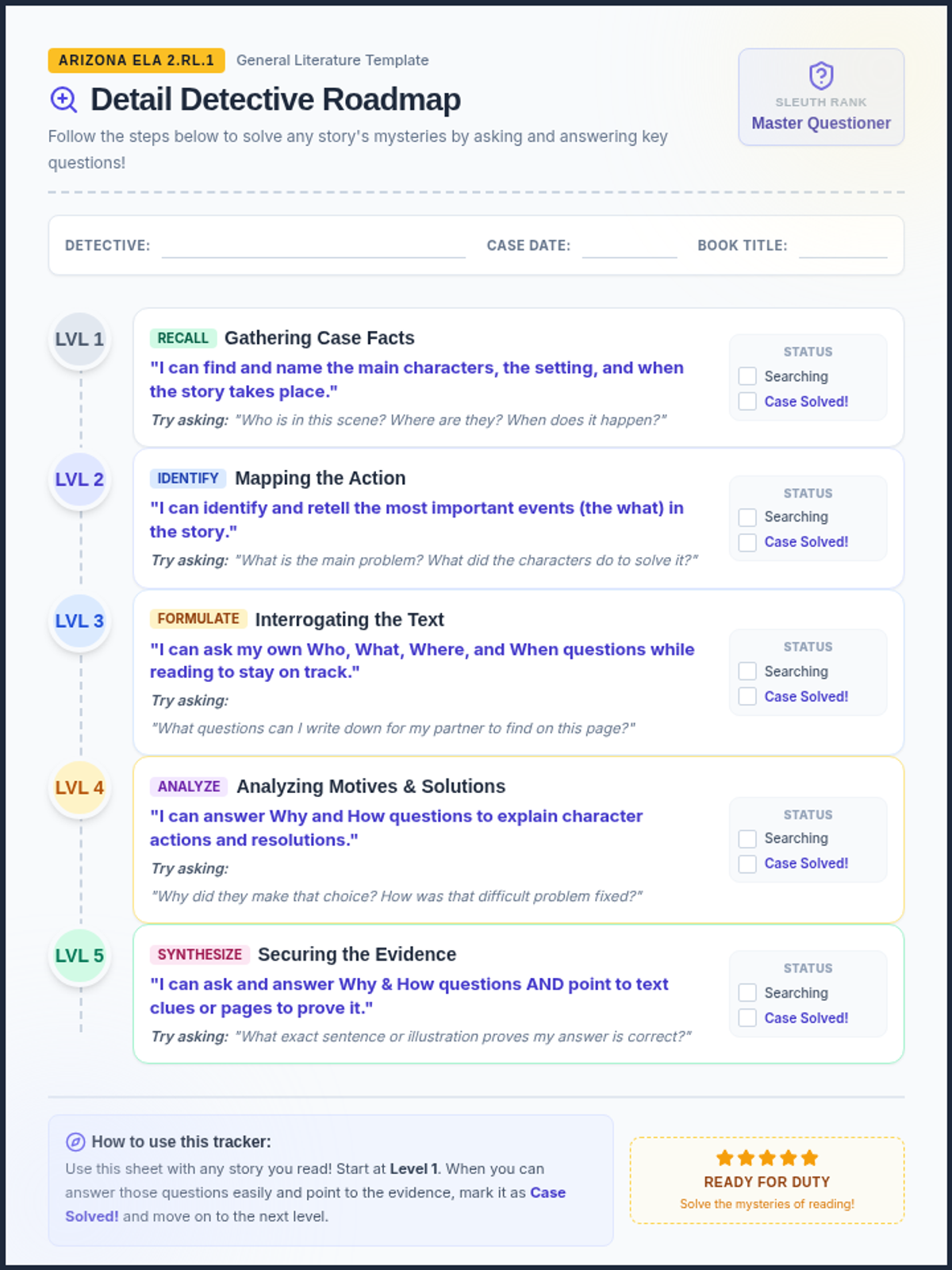
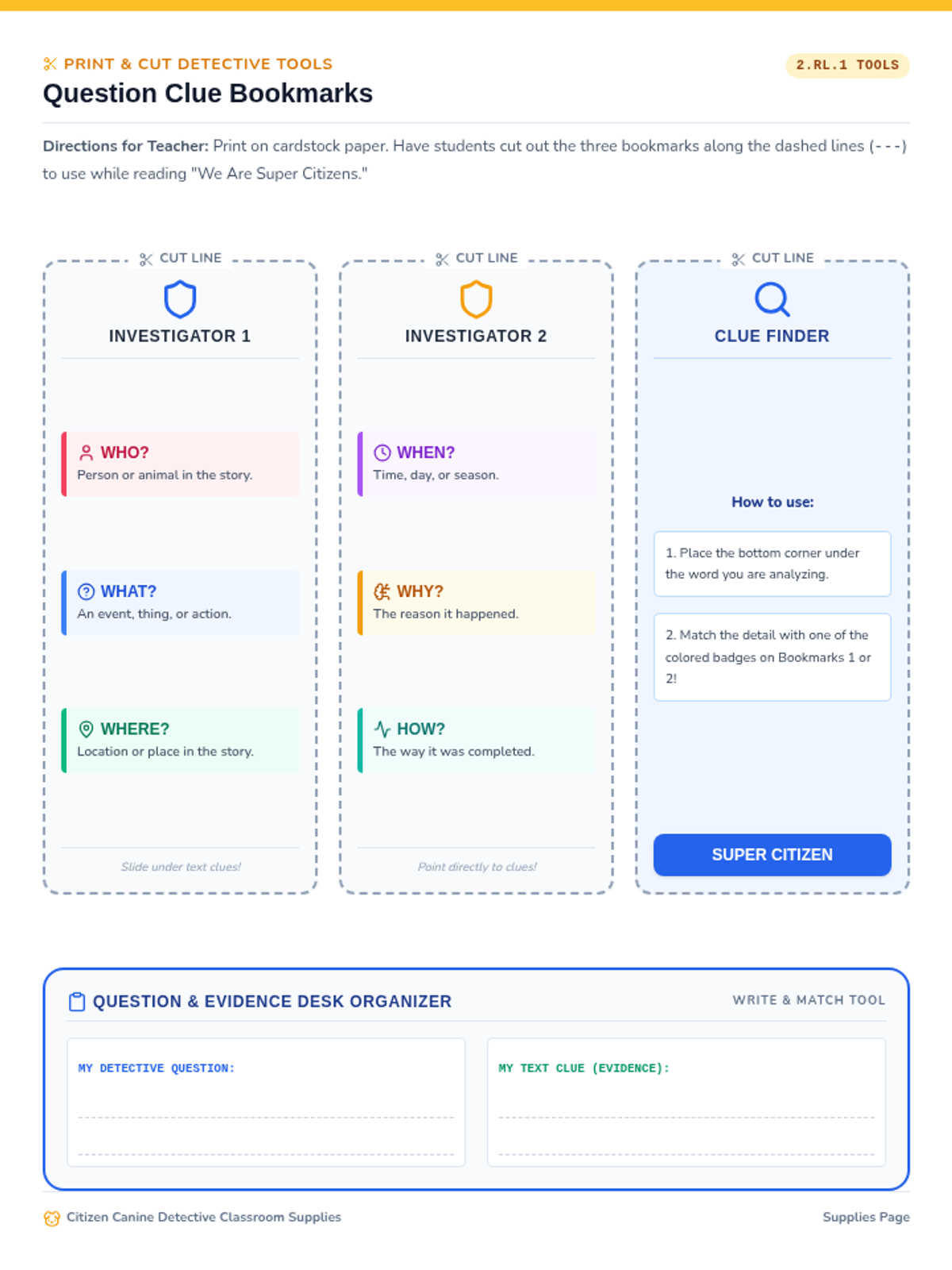
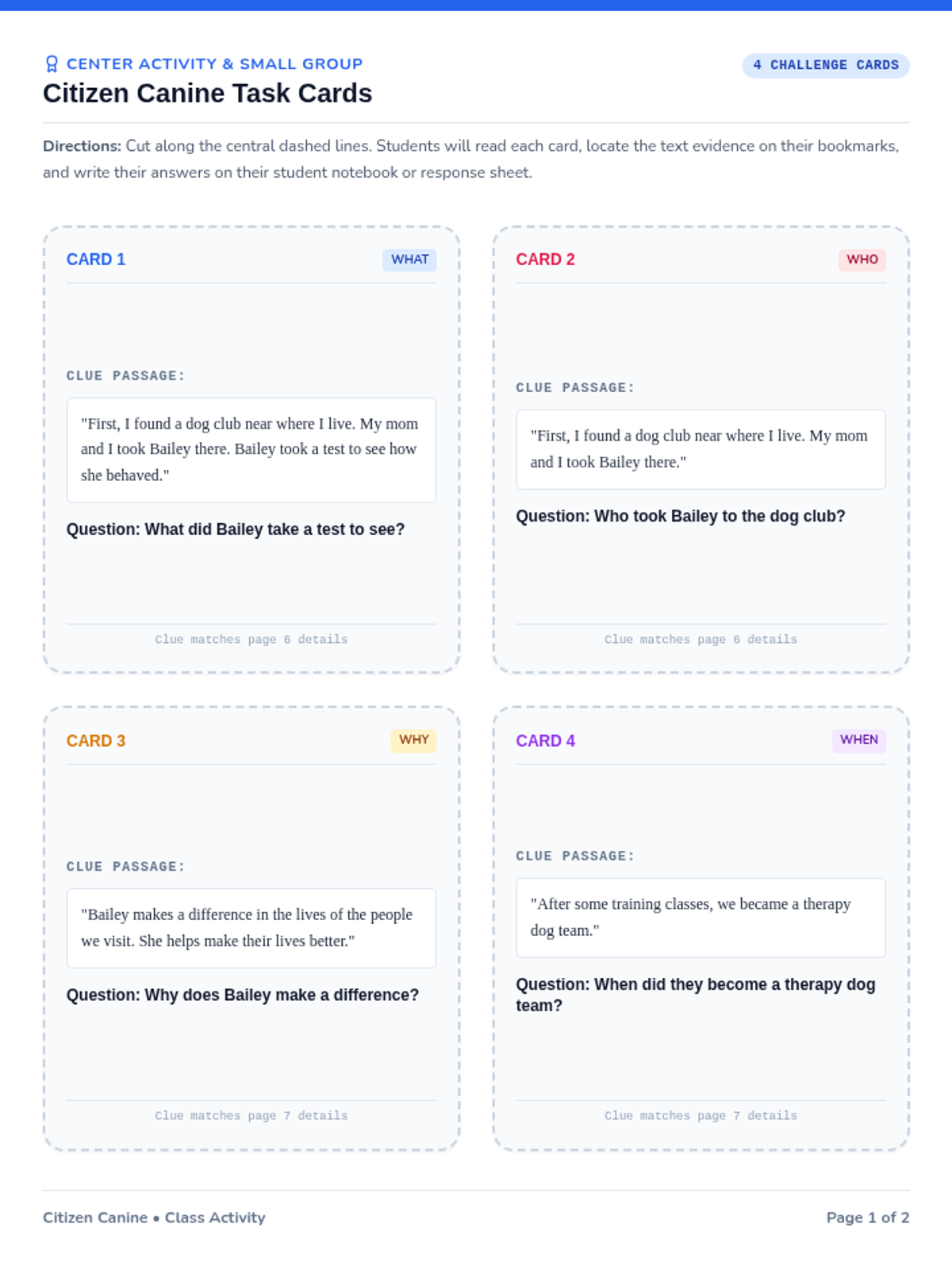
A lesson focused on teaching students how to ask and answer who, what, where, when, why, and how questions using a progression of student-friendly learning targets.
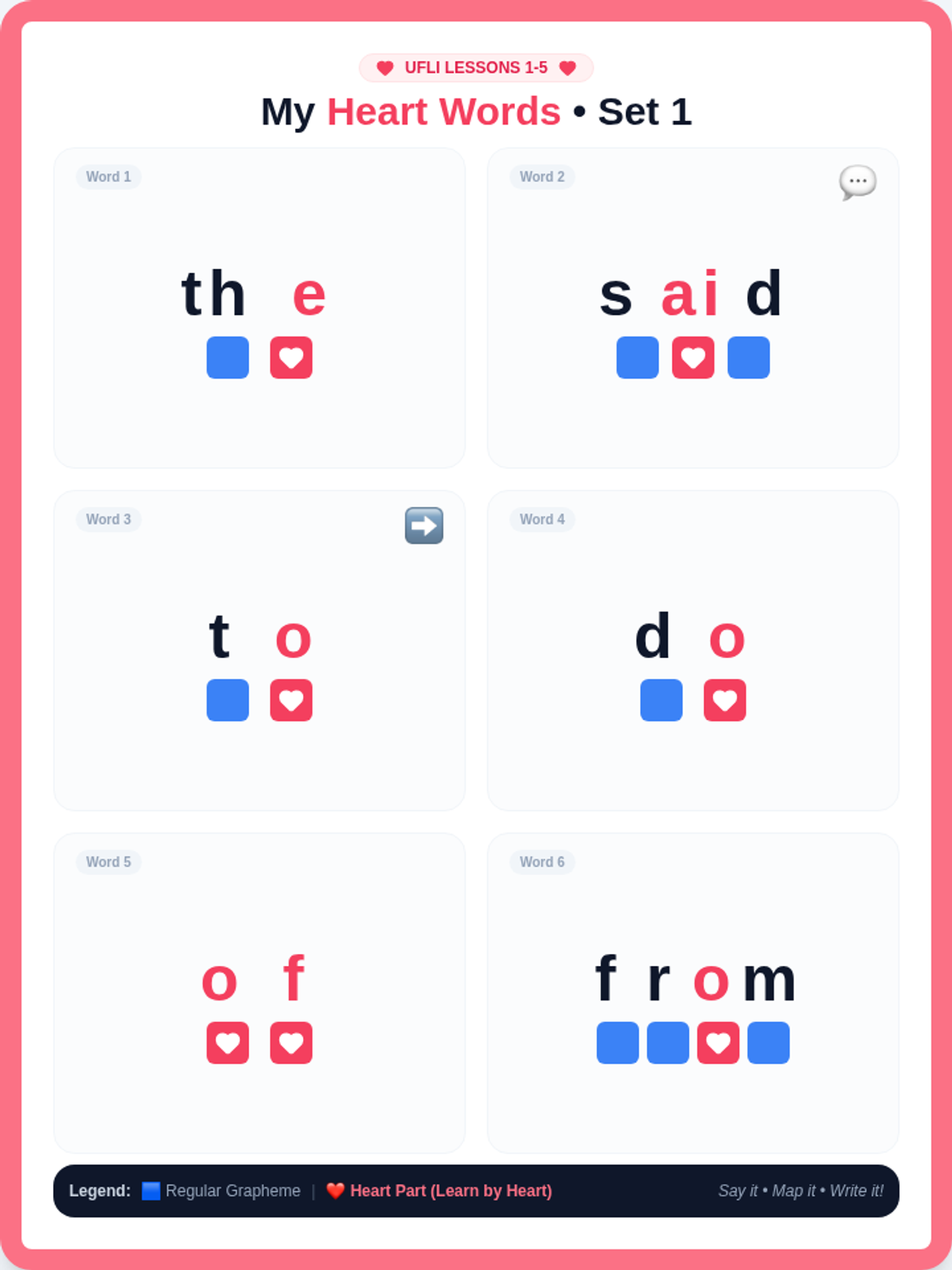
A collection of visual anchor charts and posters for UFLI foundations heart words, designed to support students in orthographic mapping with clear visuals and phonetic cues.
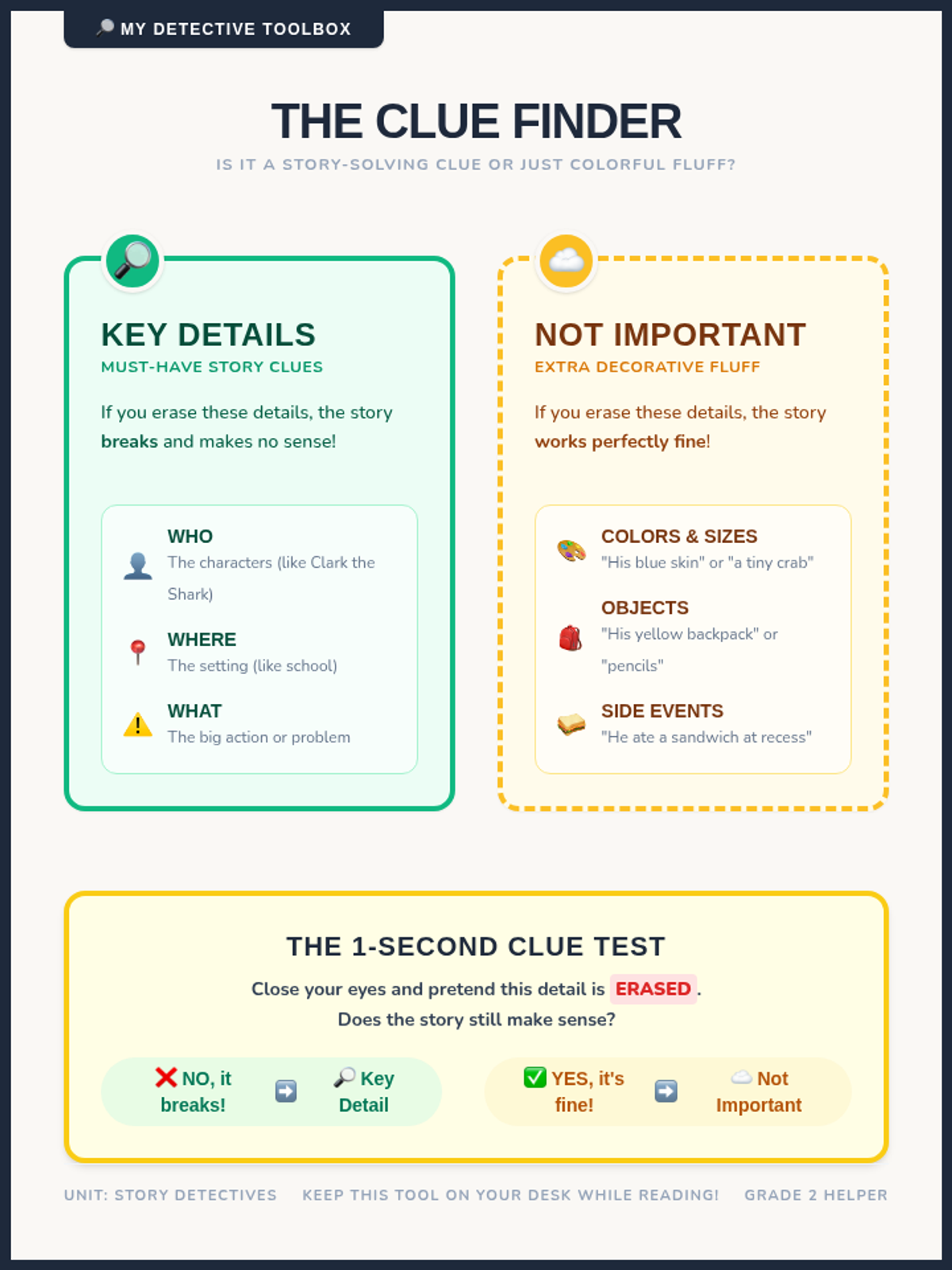
A lesson designed for second graders to distinguish between key details (character, setting, key plot points) and unimportant extra details (fluff) using a fun mystery detective theme.
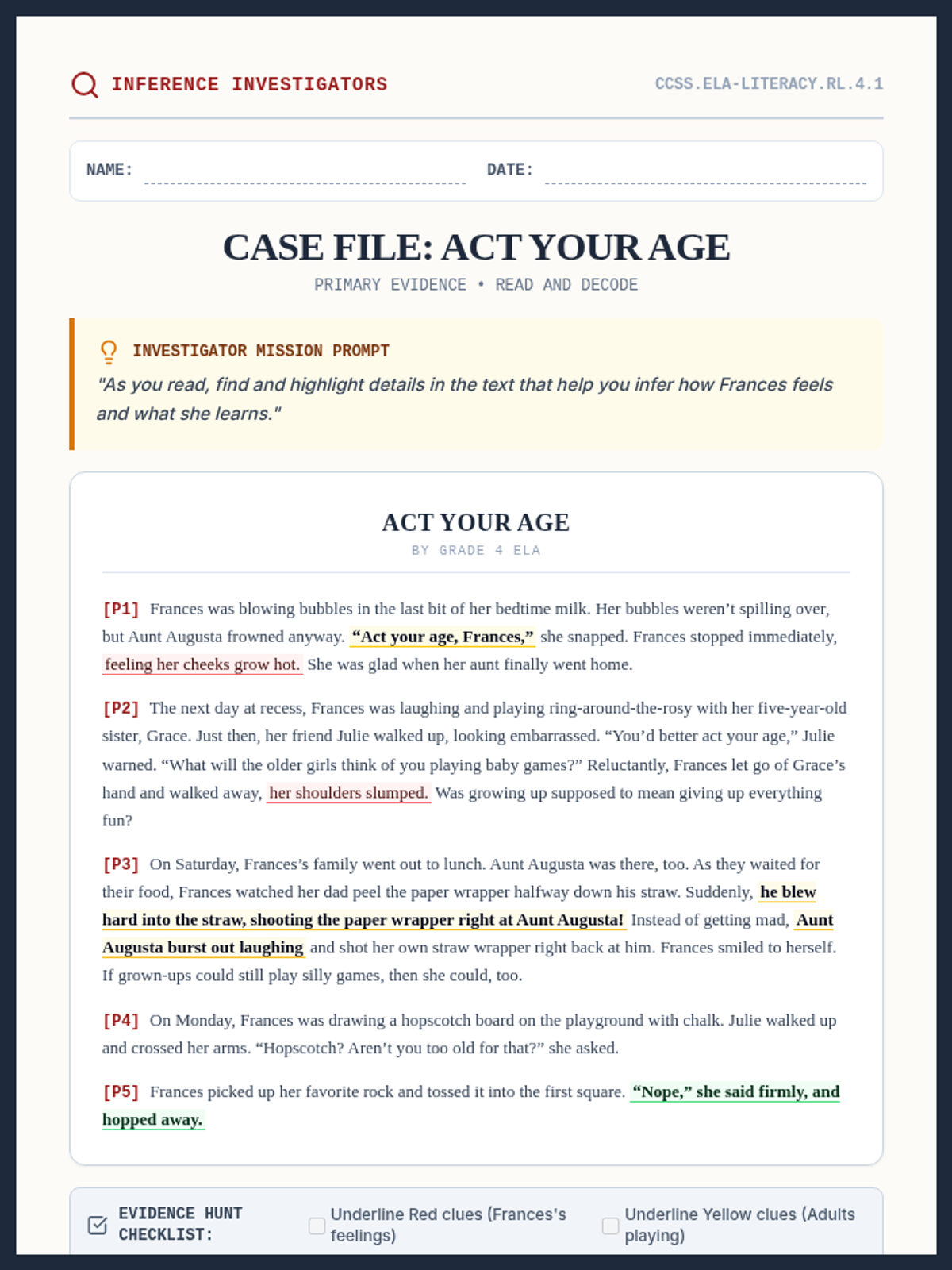
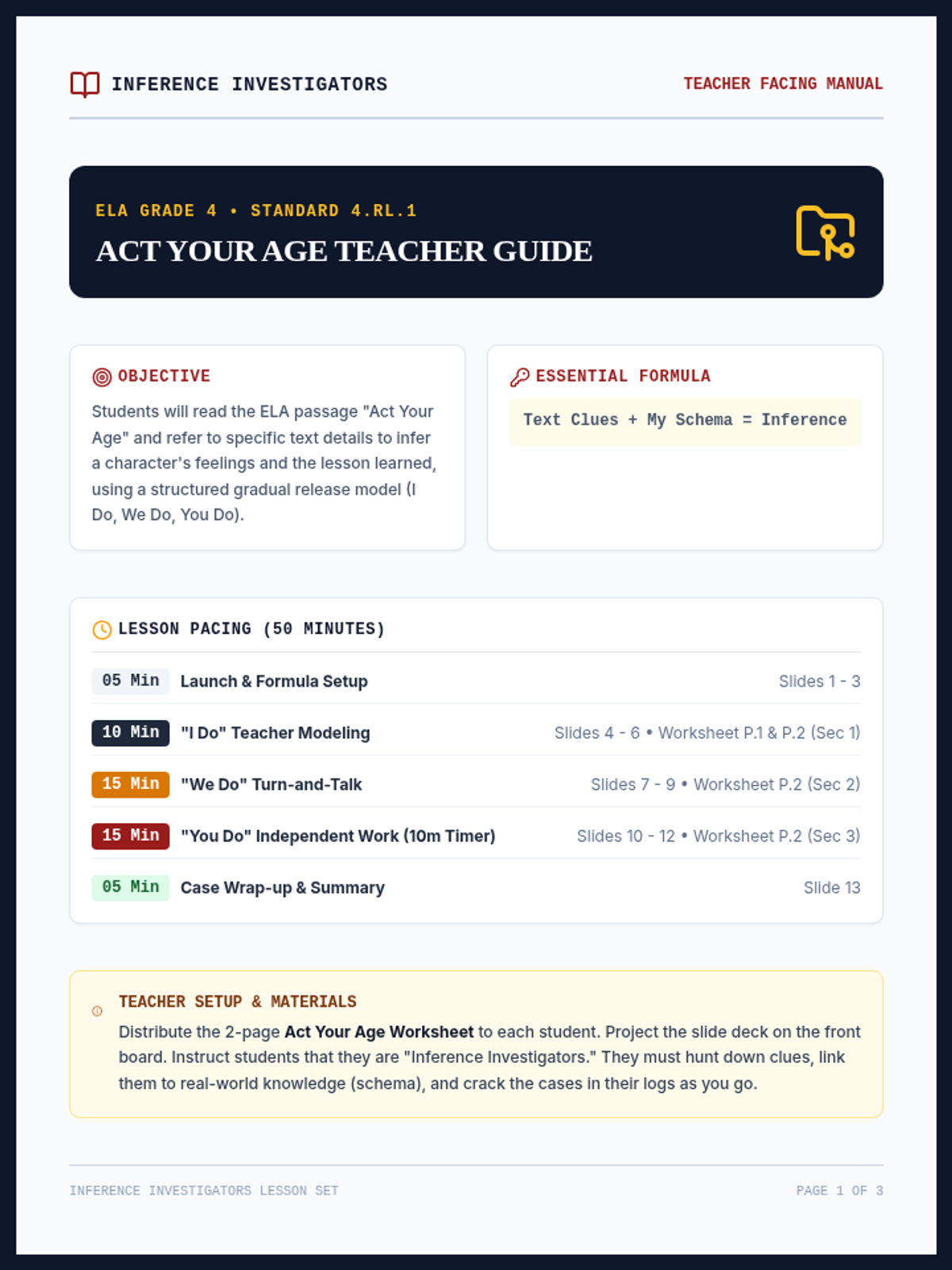
An engaging, detective-themed 4th Grade ELA lesson designed to teach students how to make text-based inferences using the story 'Act Your Age'. Follows an interactive 'I Do, We Do, You Do' gradual release model with class-wide discussion and turn-and-talk prompts.
Students publish and share their completed 'What I Did This Summer' stories with their classmates, celebrating their growth as narrative writers.
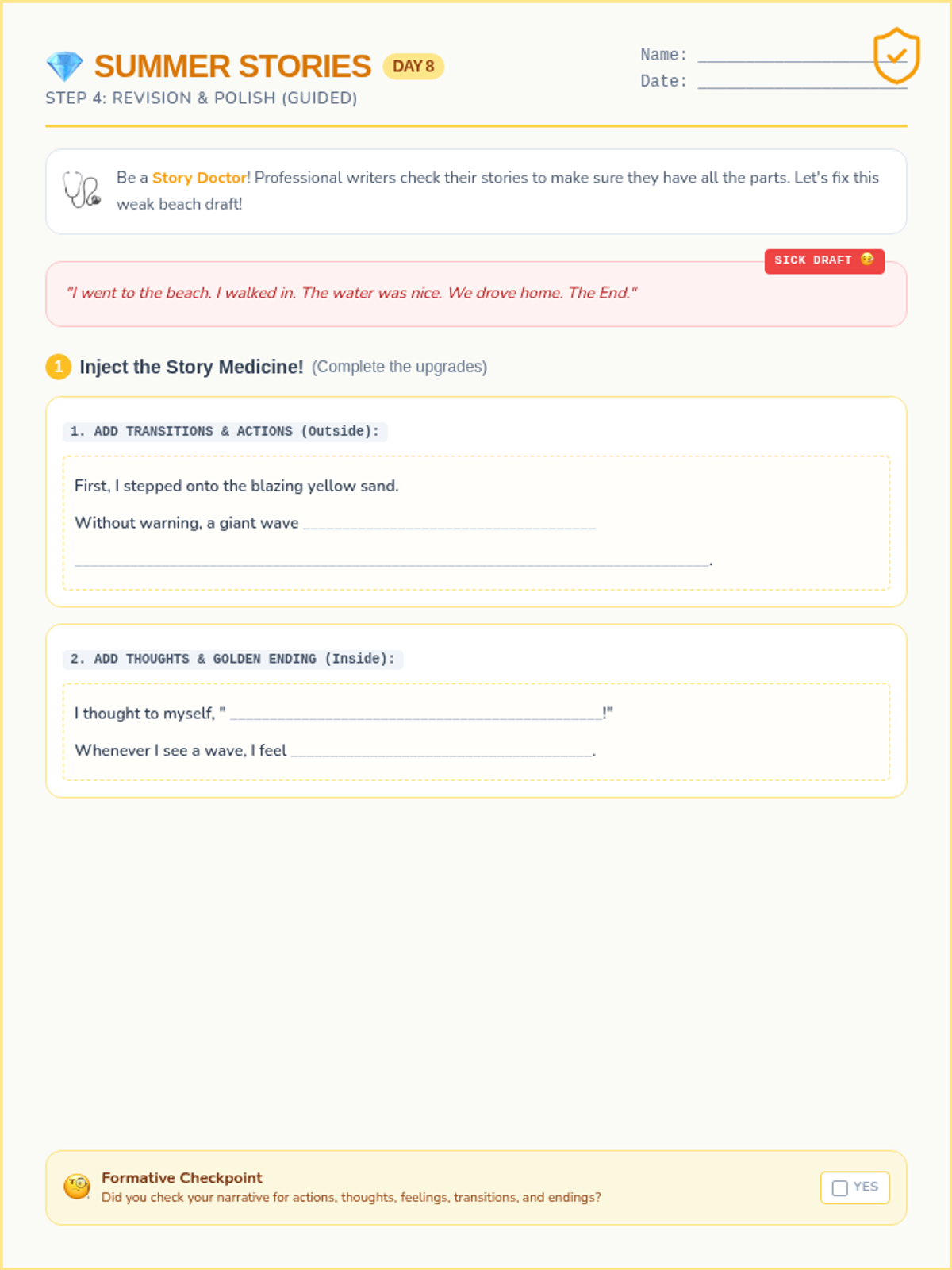
Students review their completed narrative drafts with a checklist, checking for actions, thoughts, feelings, transition words, and a strong conclusion, then writing their final polished draft.
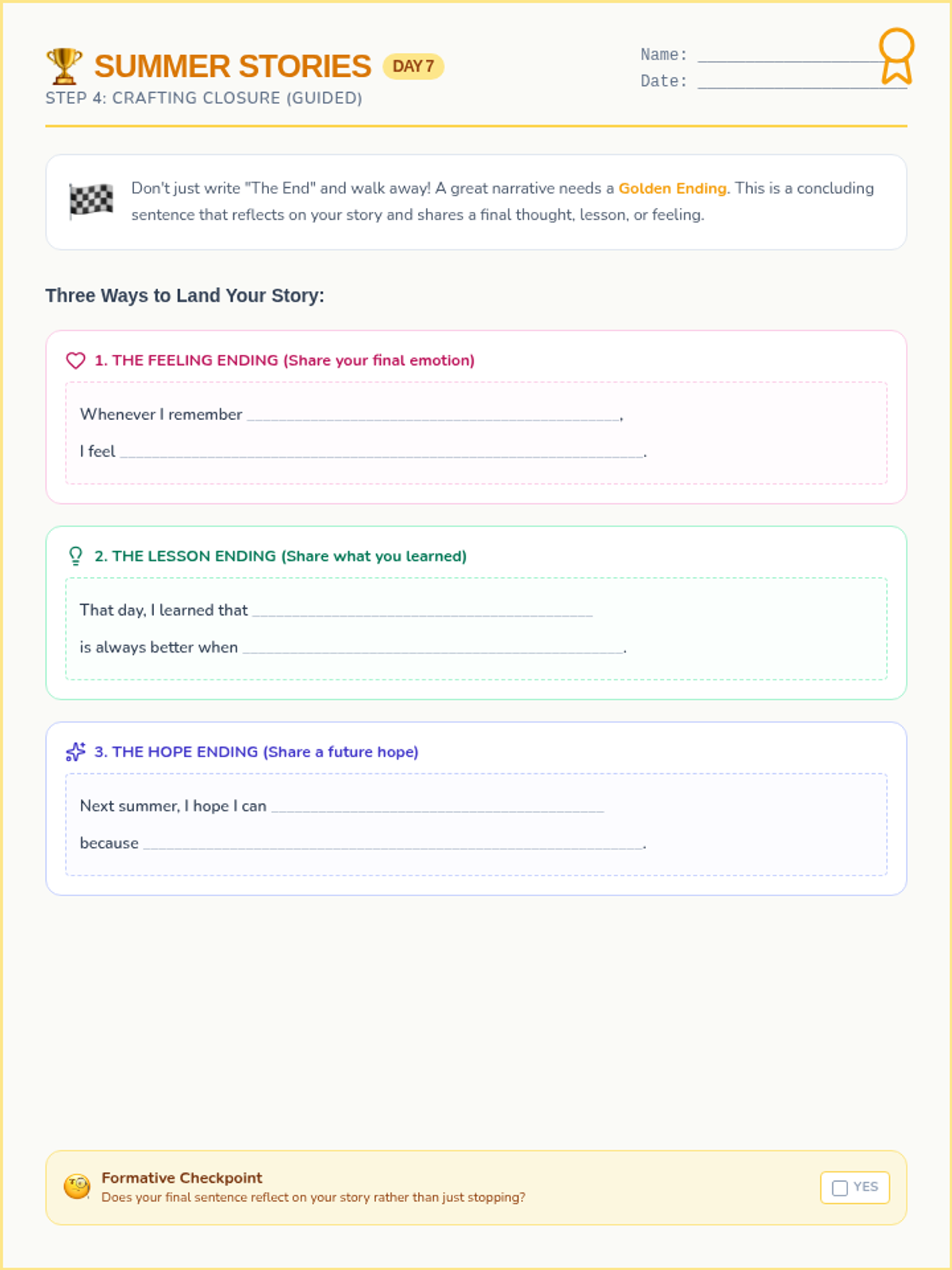
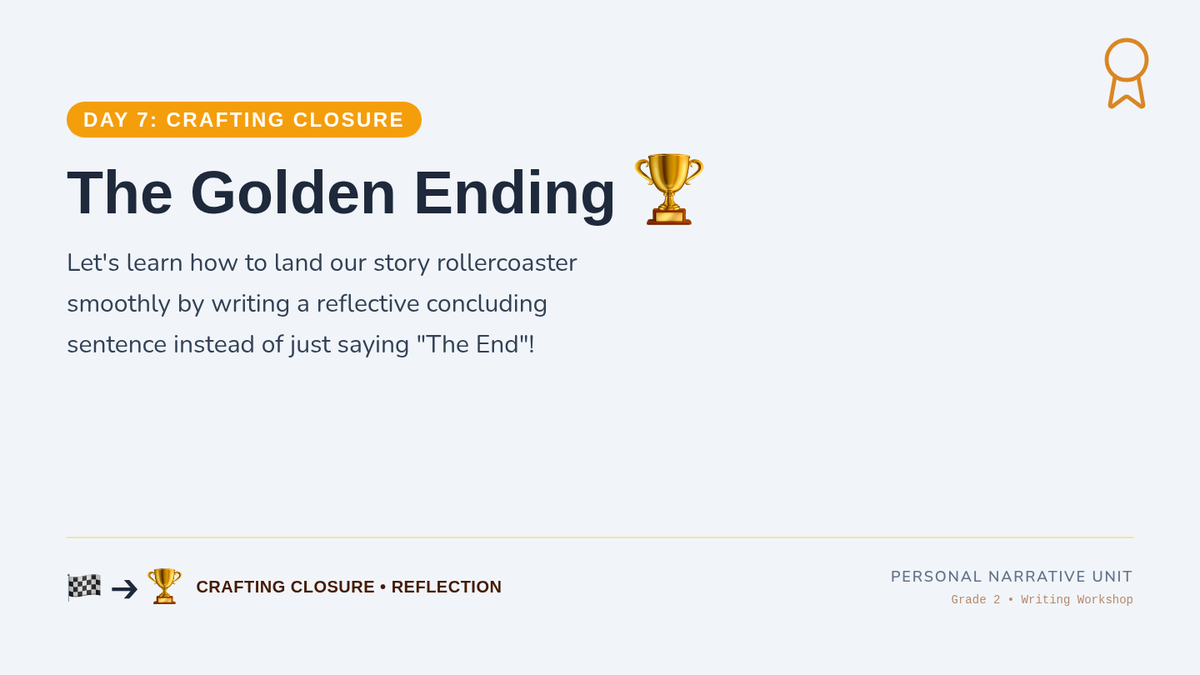
Students learn how to write a satisfying concluding sentence that reflects on their summer story and leaves the reader with a final thought, lesson, or feeling.
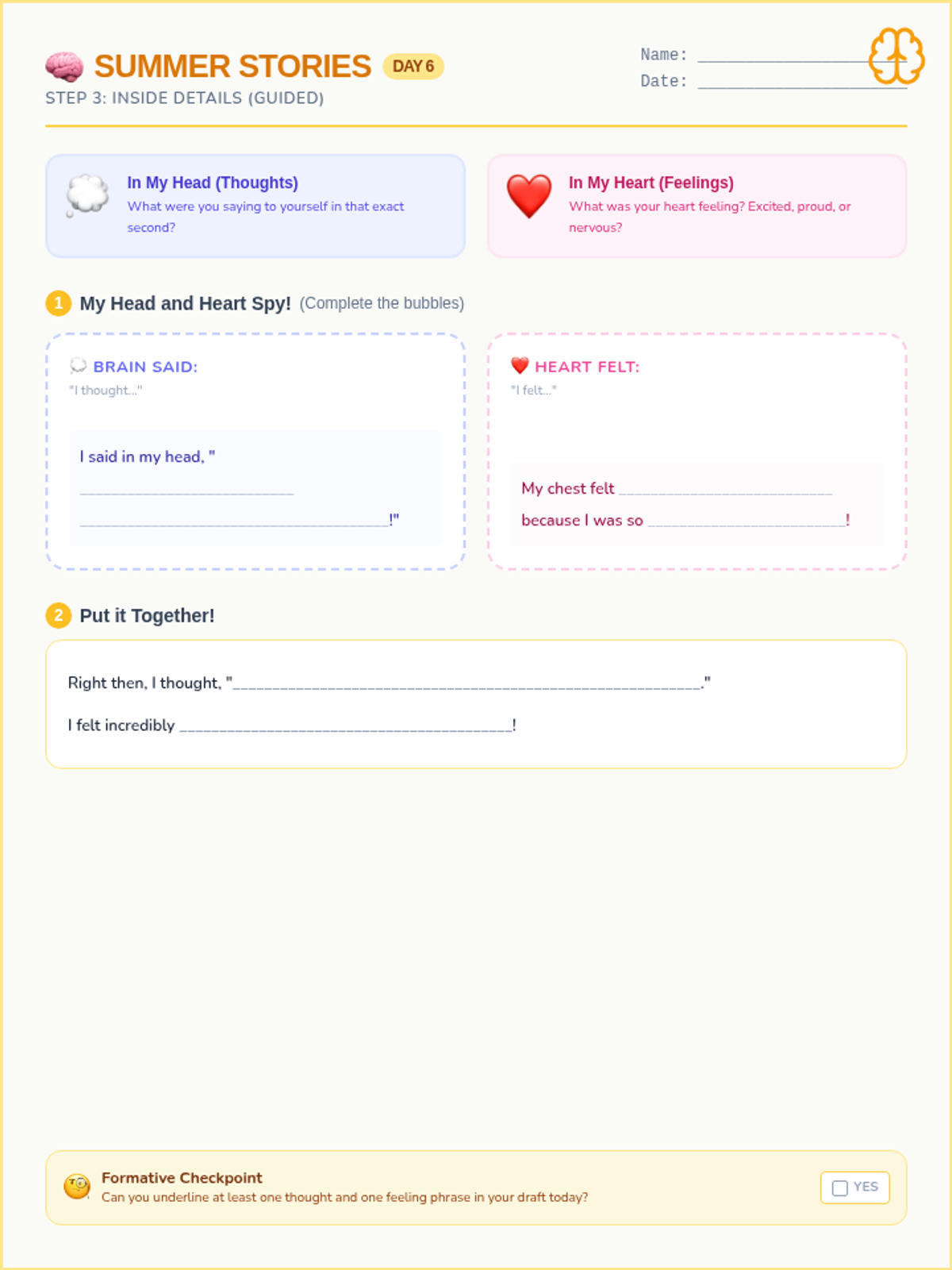
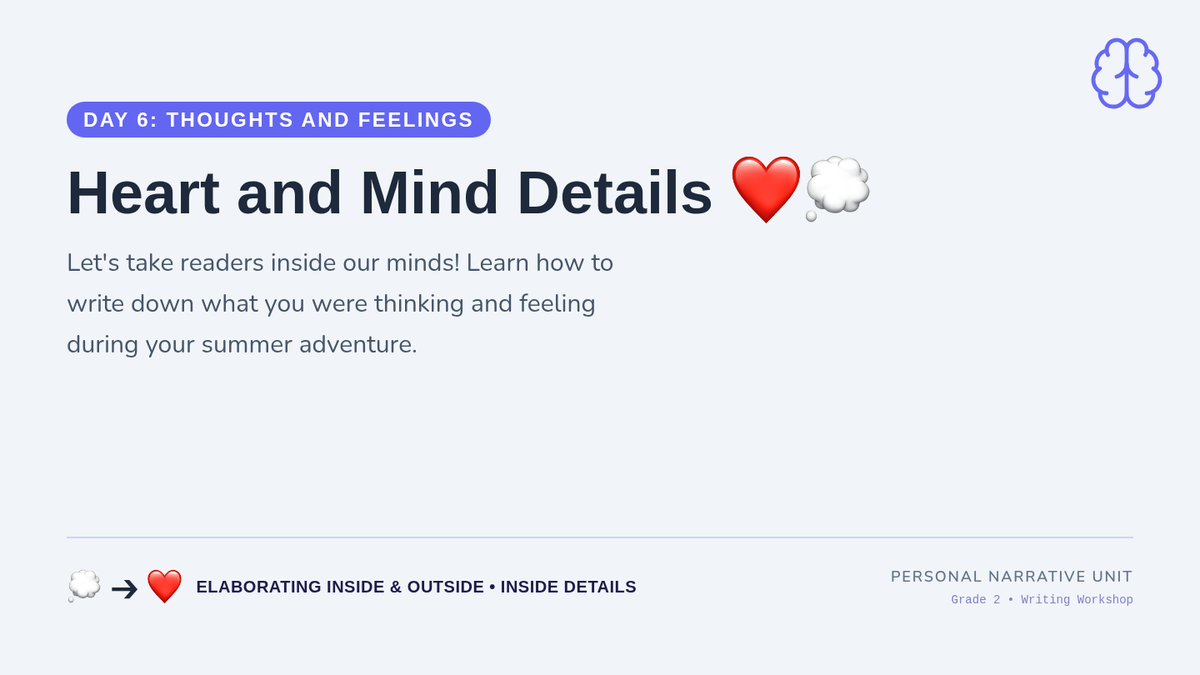
Students elaborate their narratives by adding internal thoughts and feelings, ensuring their emotional response to the summer event is clear.
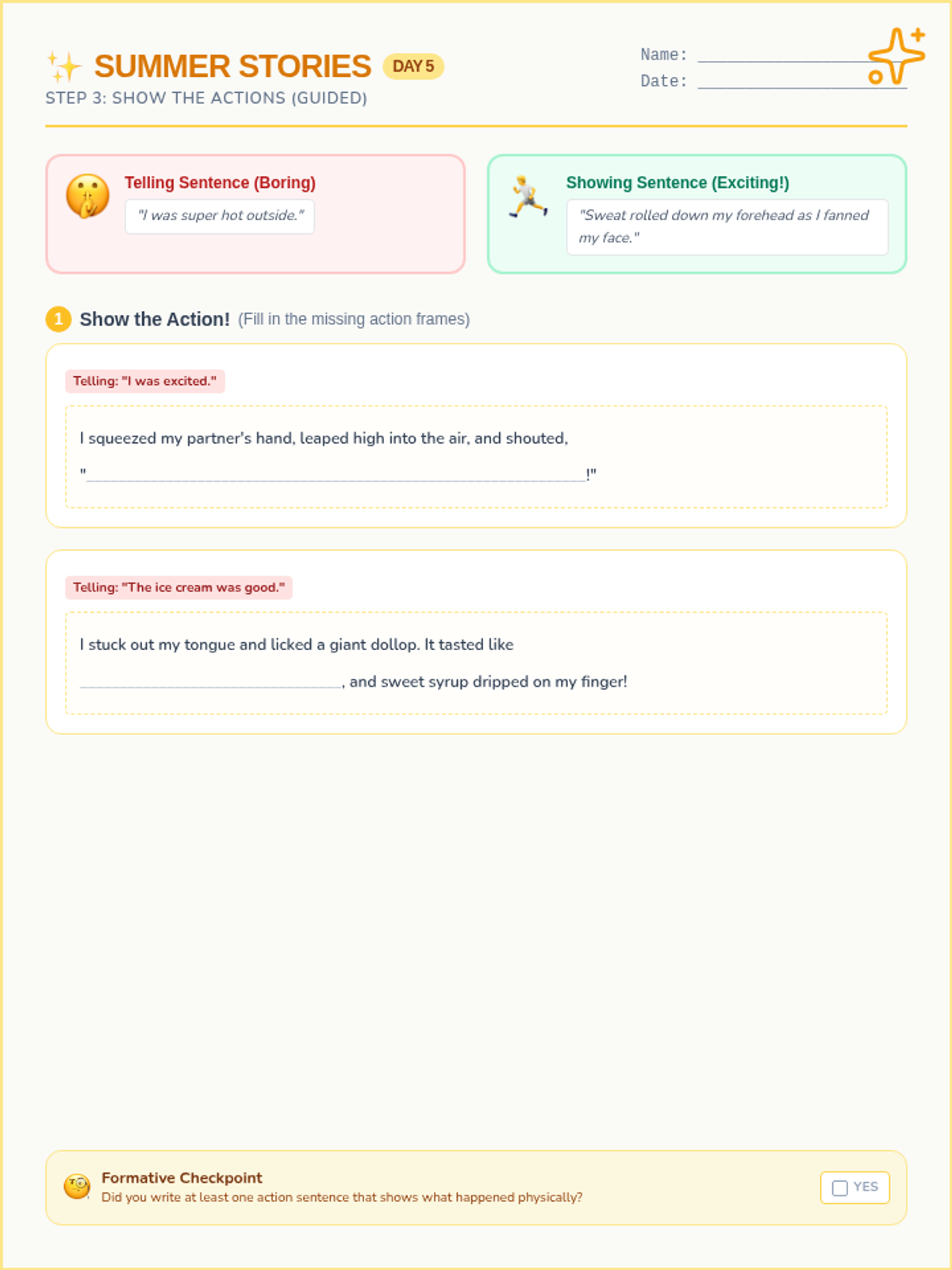
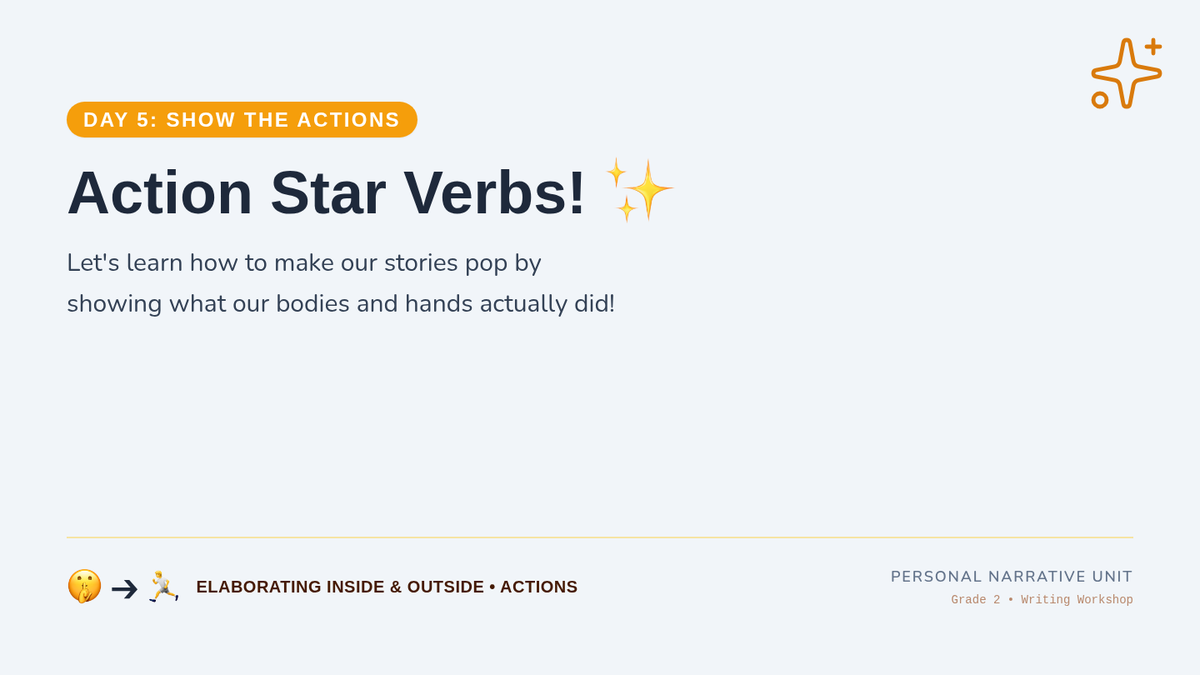
Students go back into their narrative draft to add external actions (Show, Don't Tell) that bring their summer moments to life.
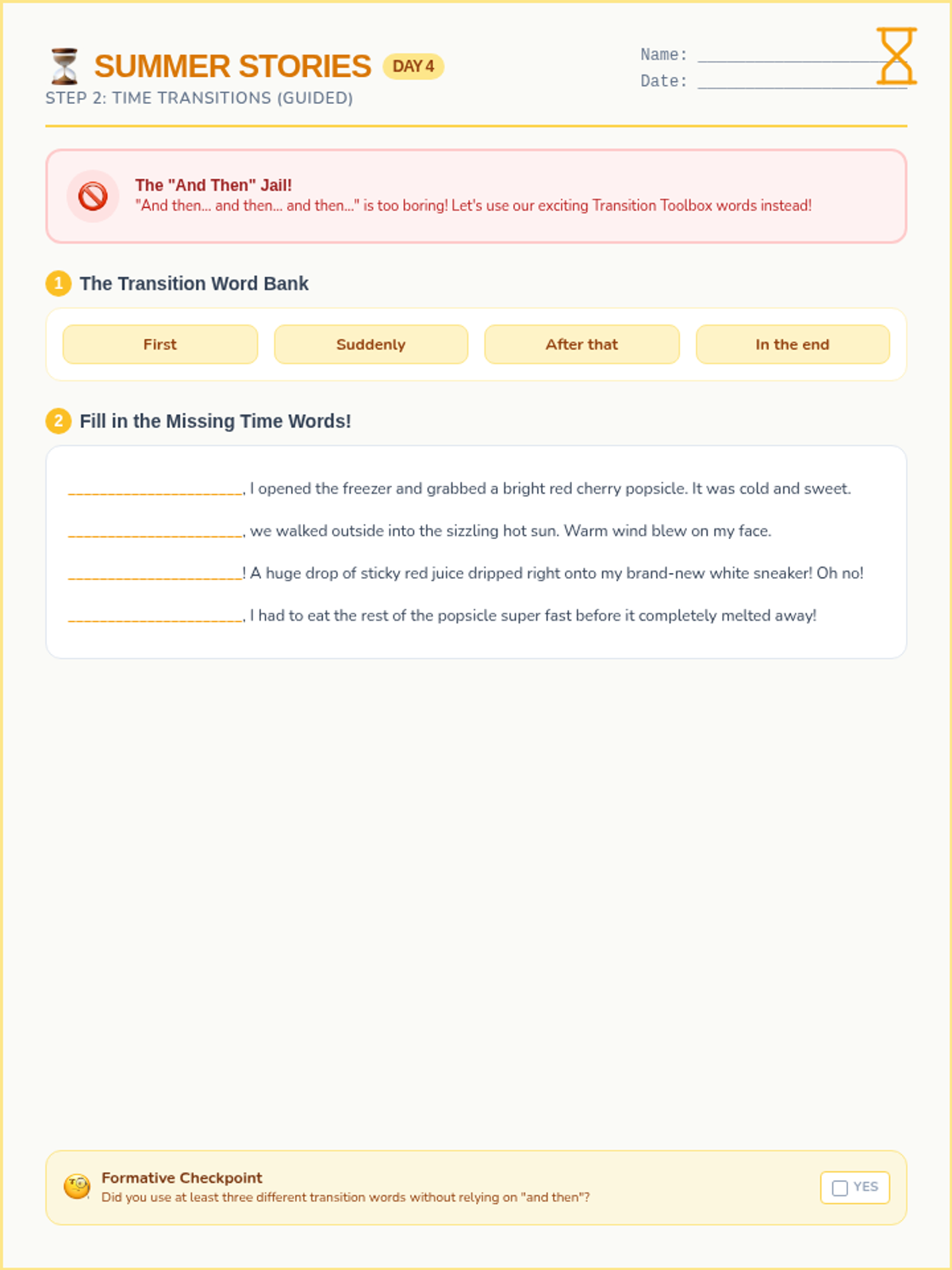
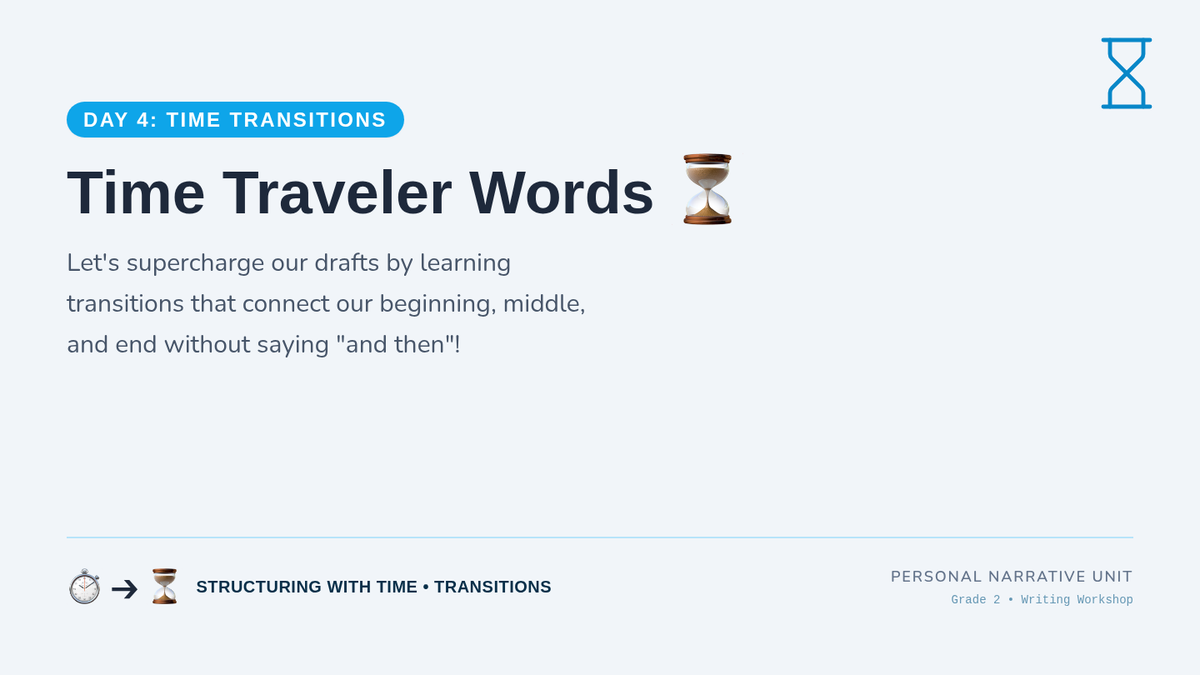
Students learn to use a variety of temporal words (First, Later, Suddenly, After that) to build a smooth, chronological flow.
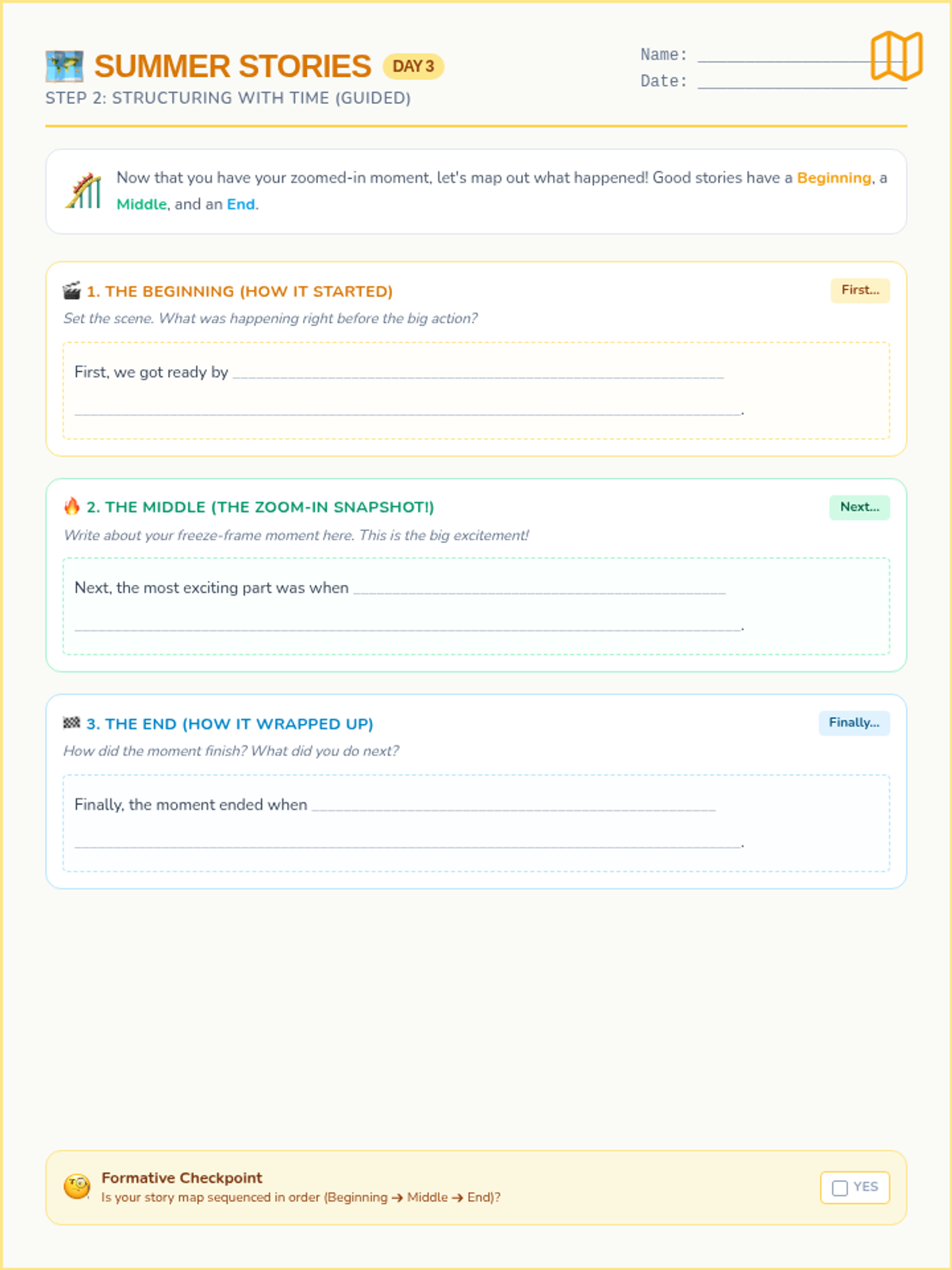
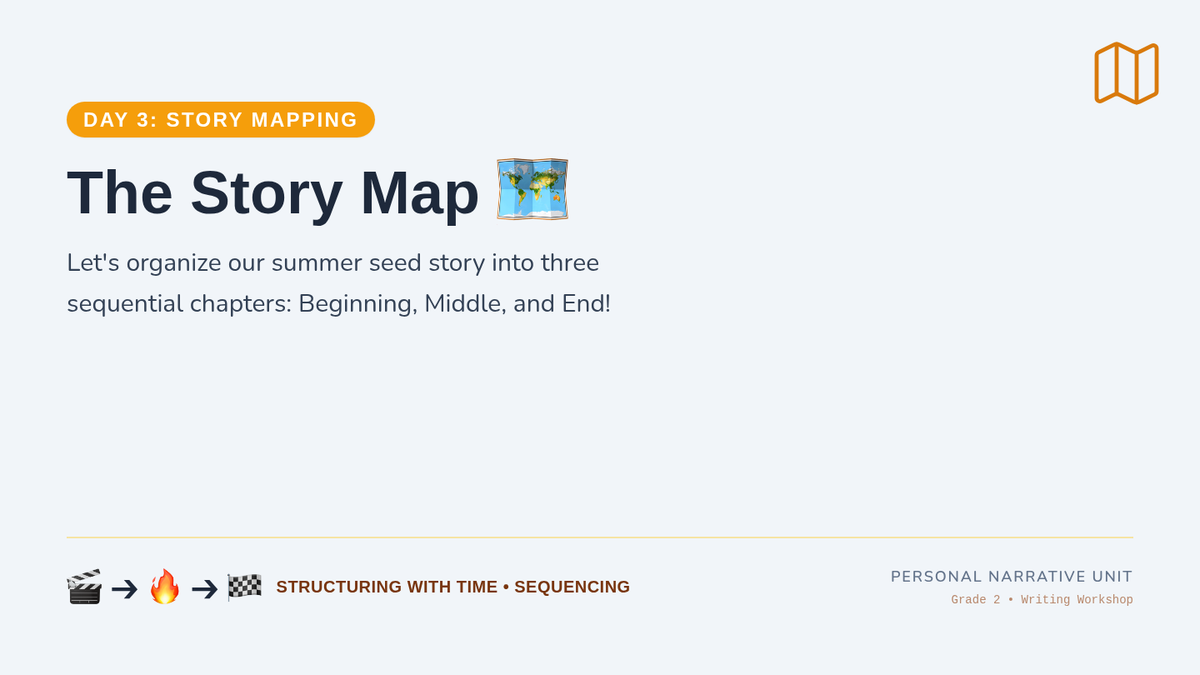
Students sequence their single seed story into a logical 3-part narrative map (beginning, middle, and end) to prepare for drafting.
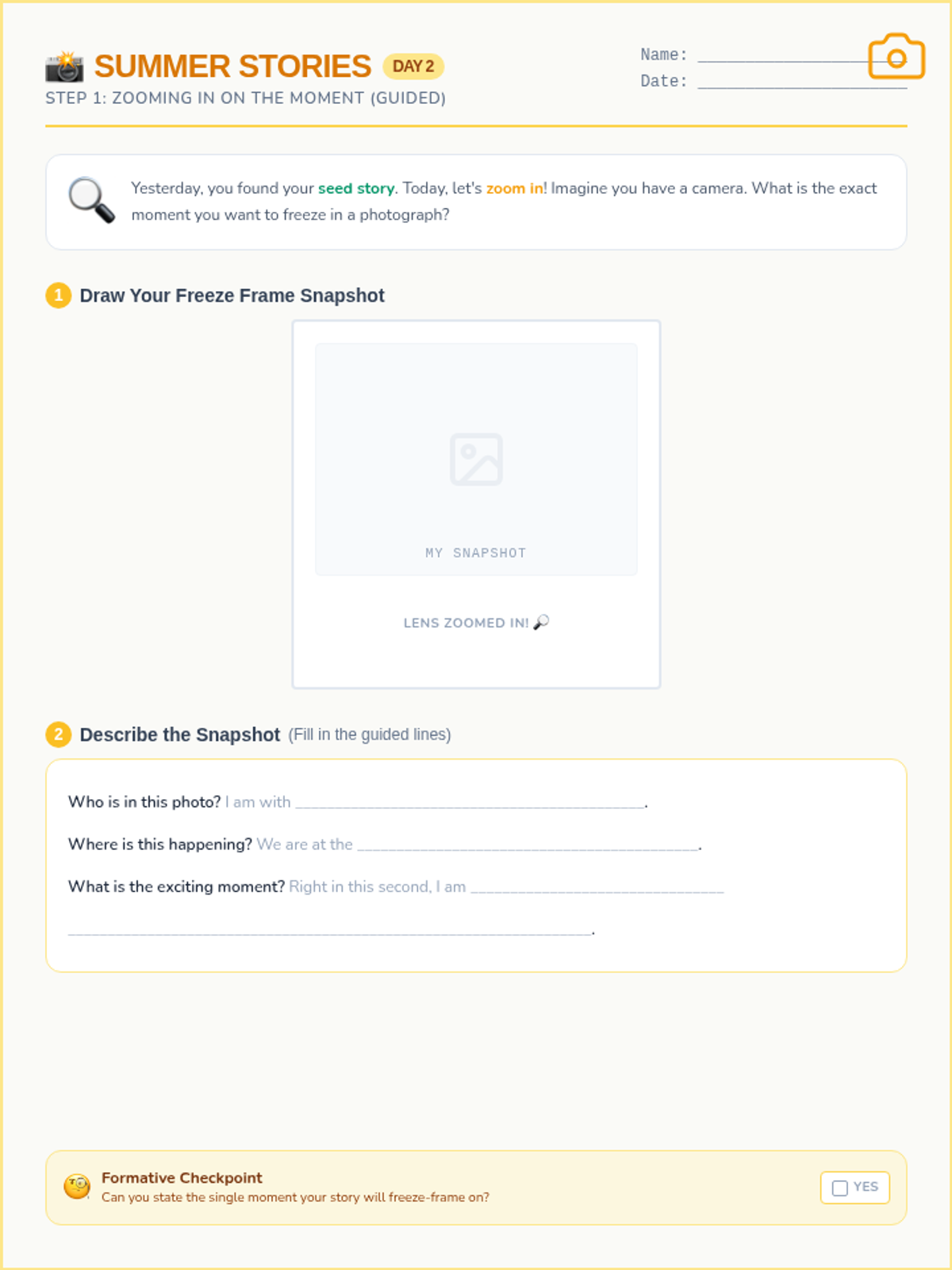
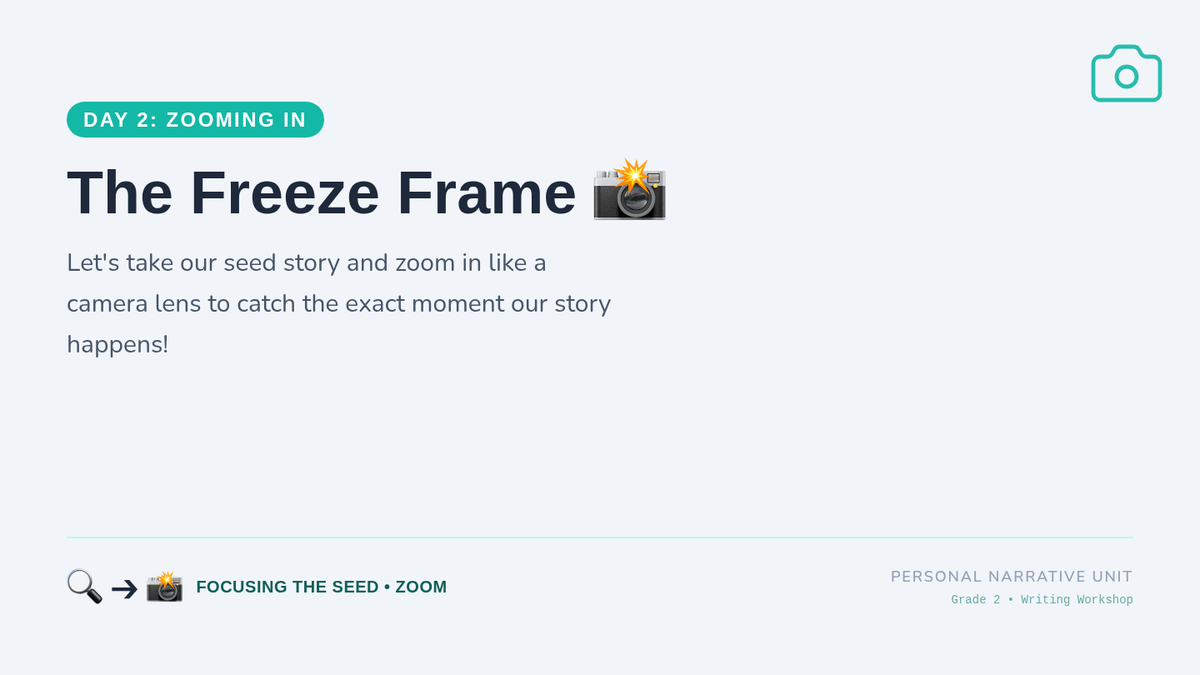
Students zoom in on their selected seed story, identifying the main moment and sketching it out to freeze the frame of their narrative.
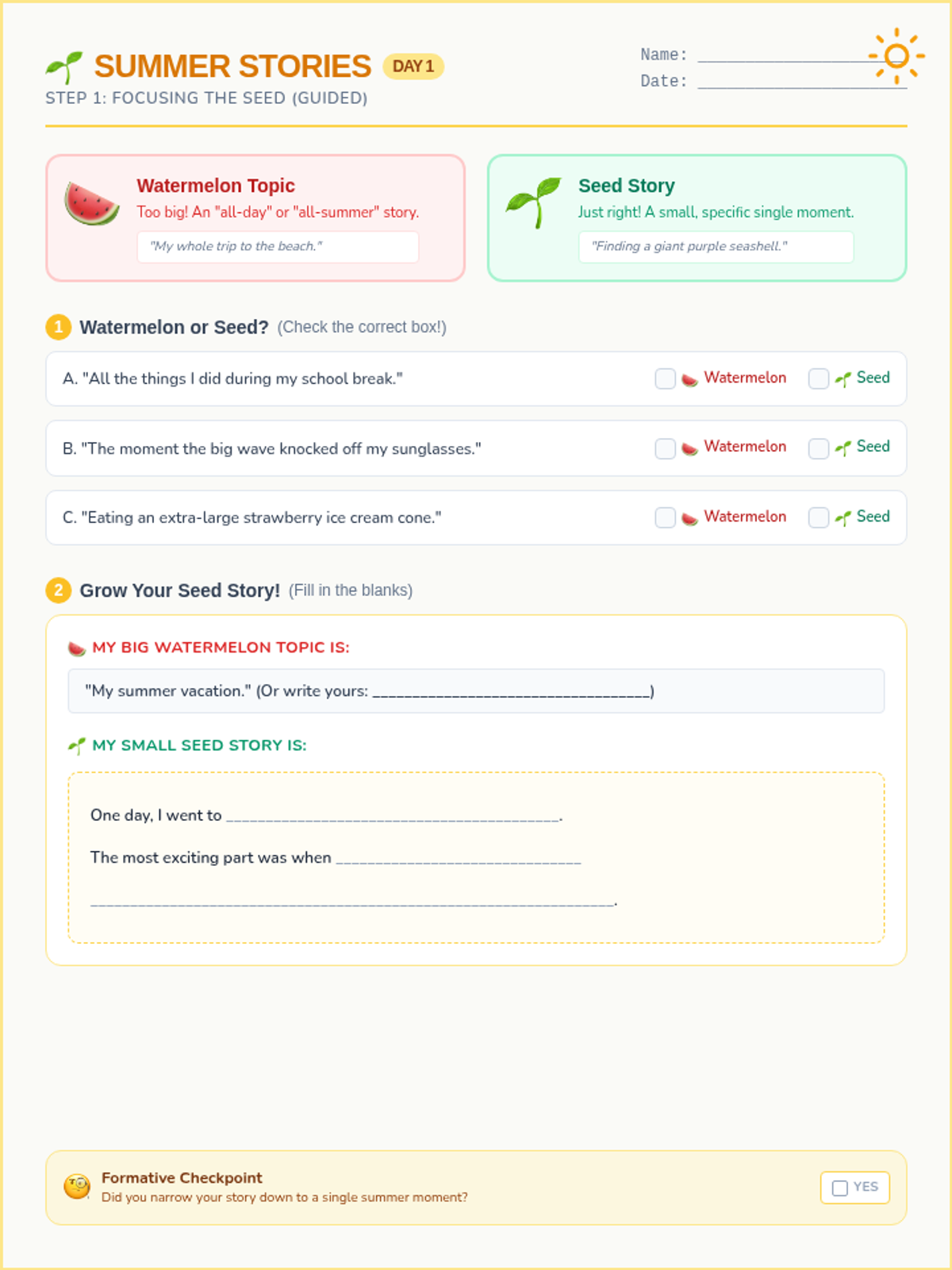
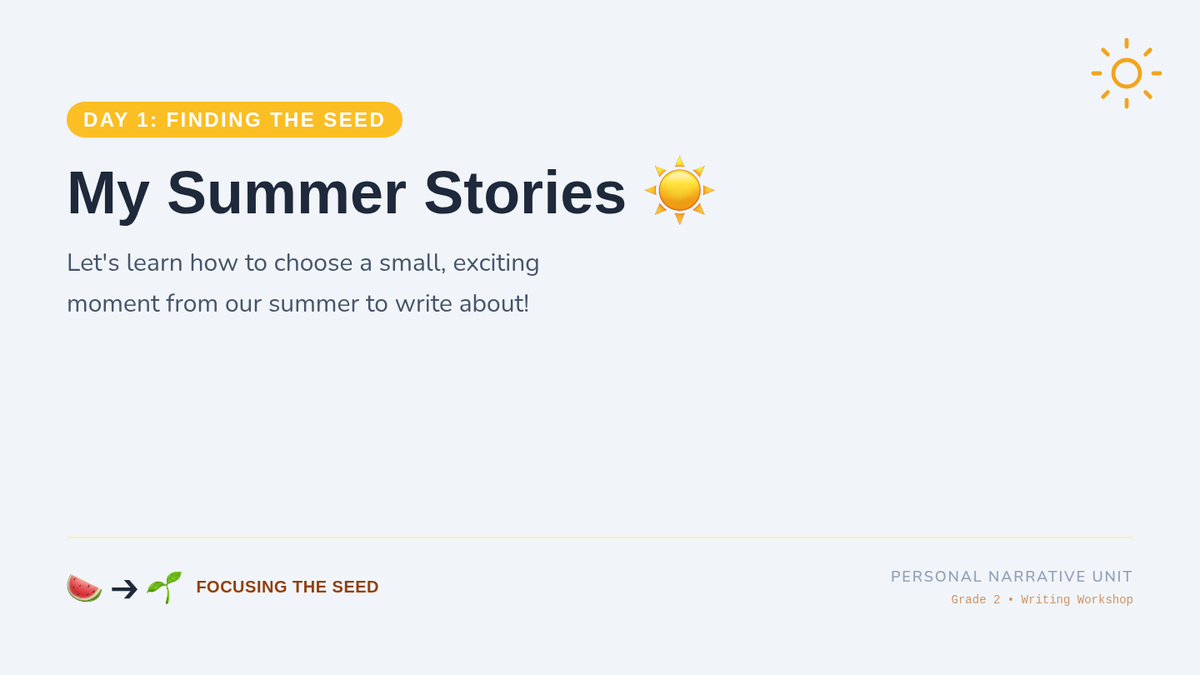
Students learn to distinguish between broad, 'watermelon' topics and focused, 'seed' stories, helping them select a single, specific summer event to write about.
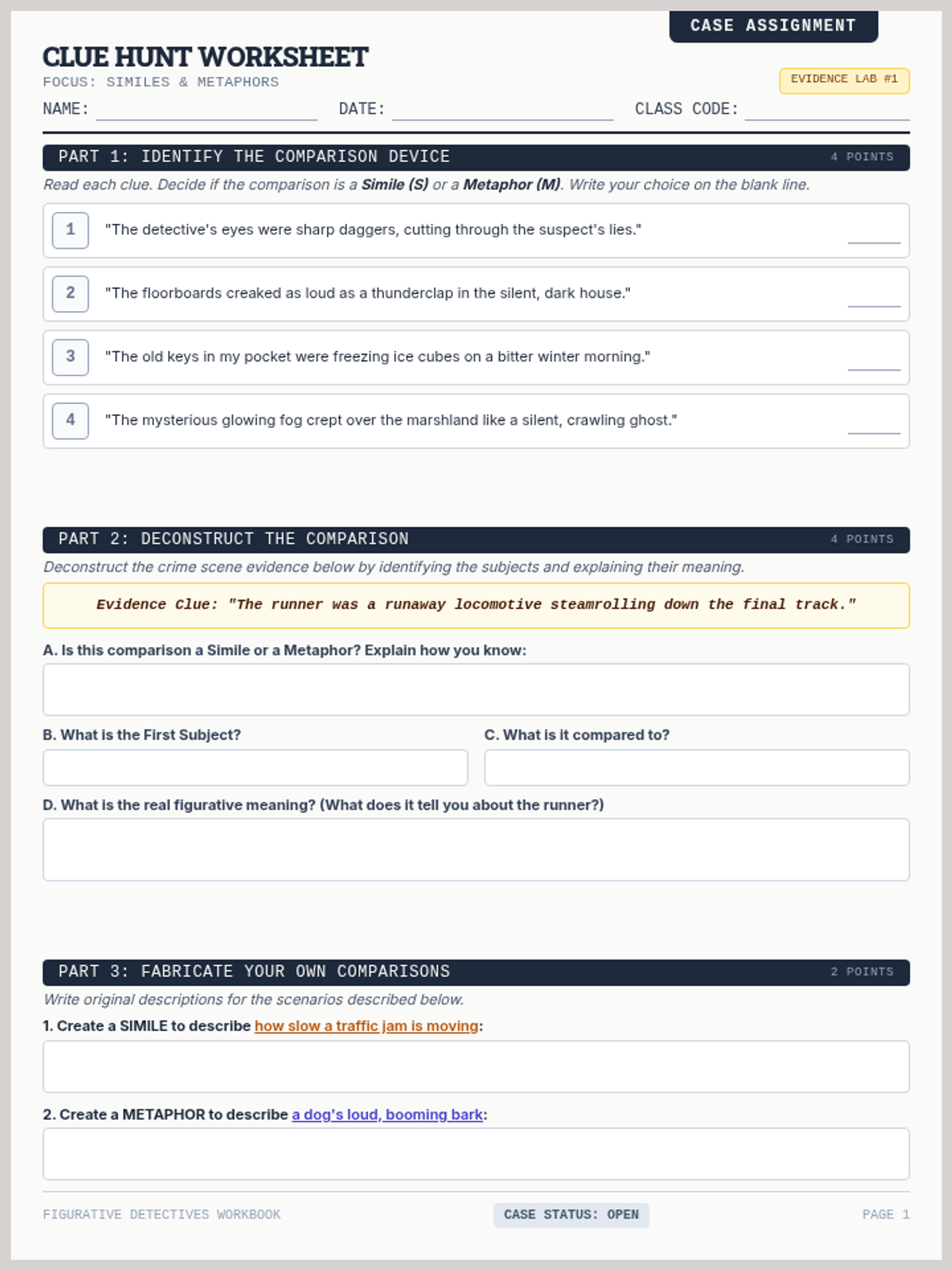
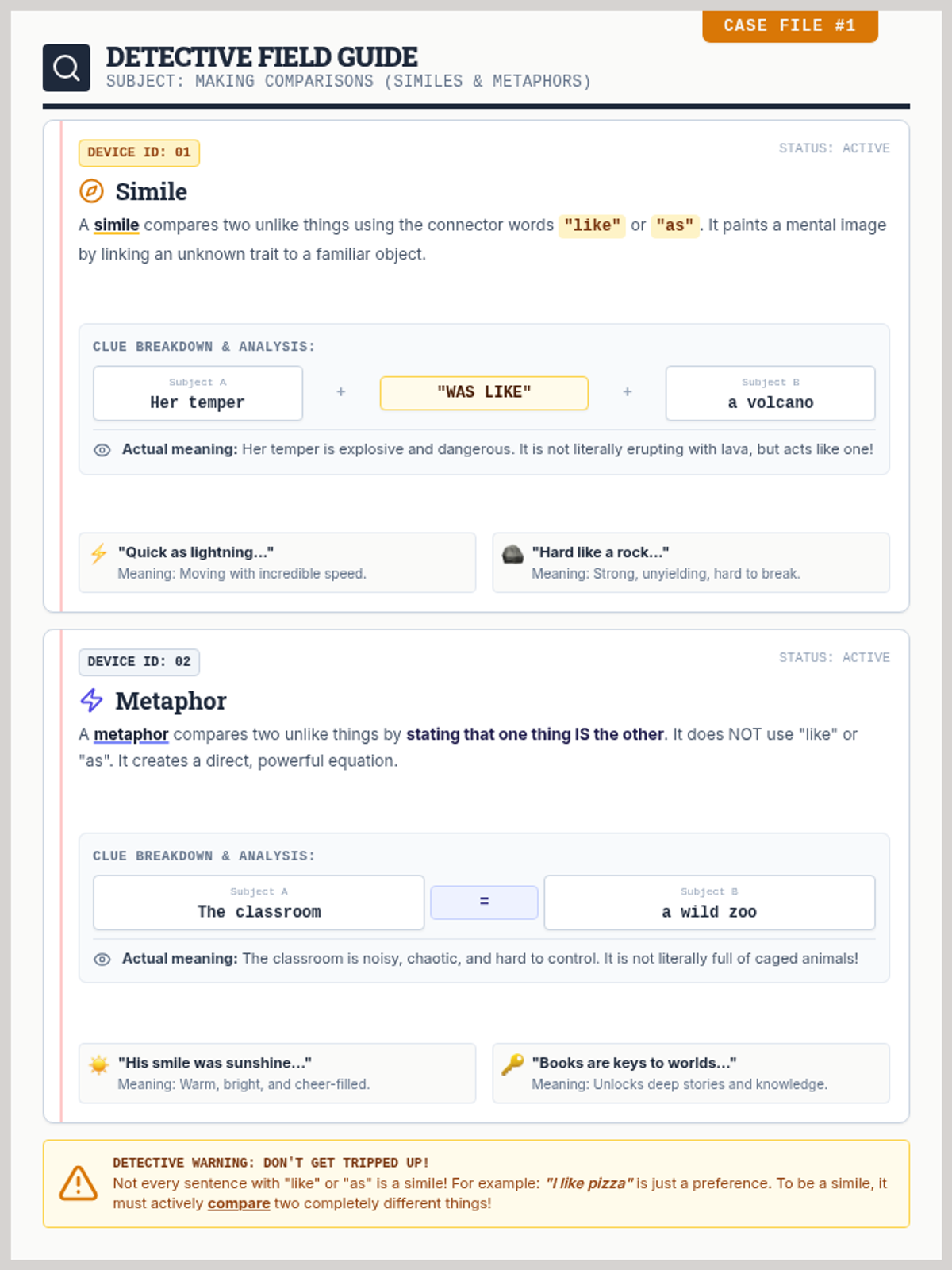
A comprehensive fourth-grade figurative language unit styled as a detective case file. Students act as 'word detectives' tracking down similes, metaphors, idioms, and alliteration through engaging visual guides, targeted clue hunts, and reading passage investigations.
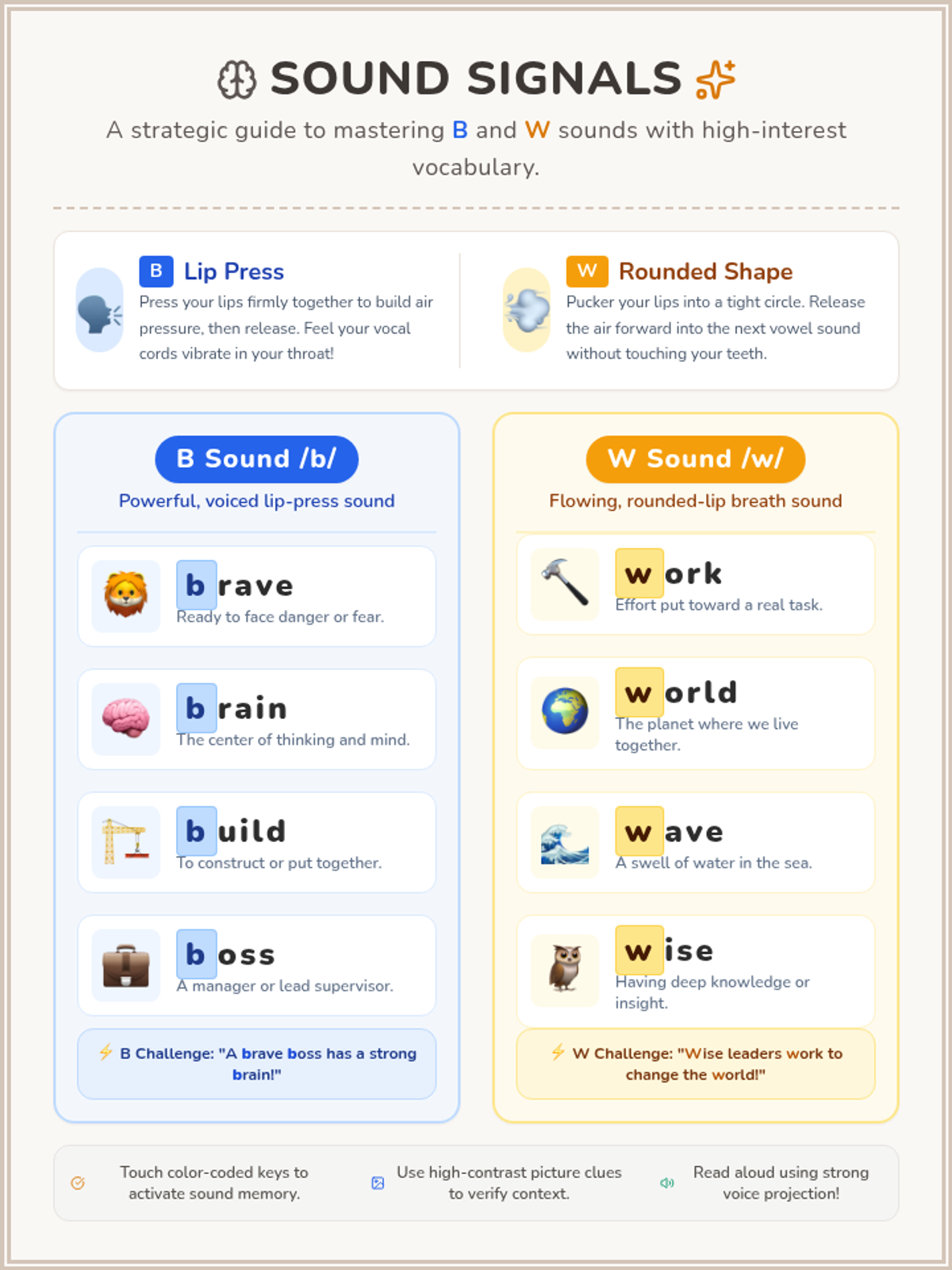
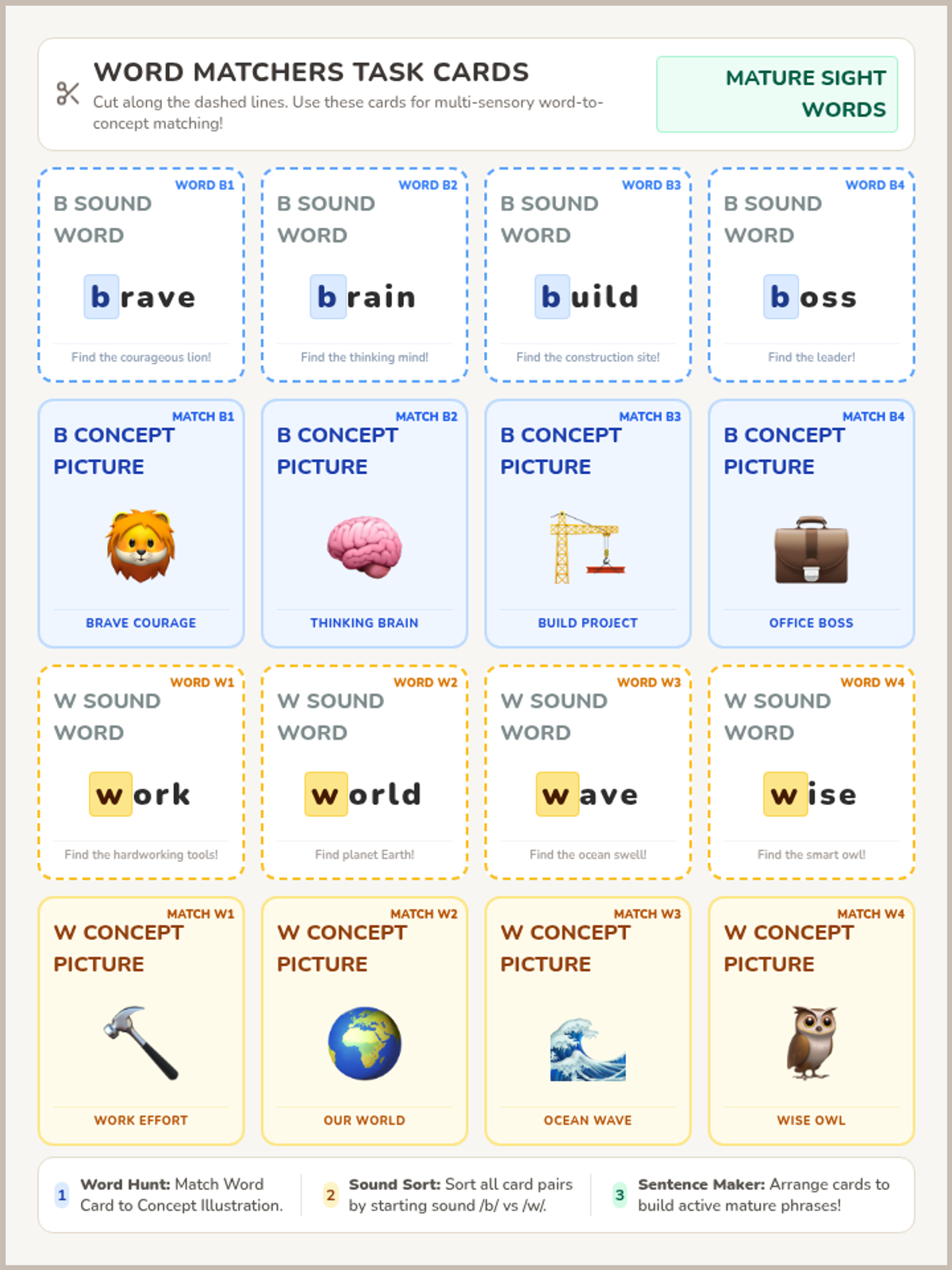
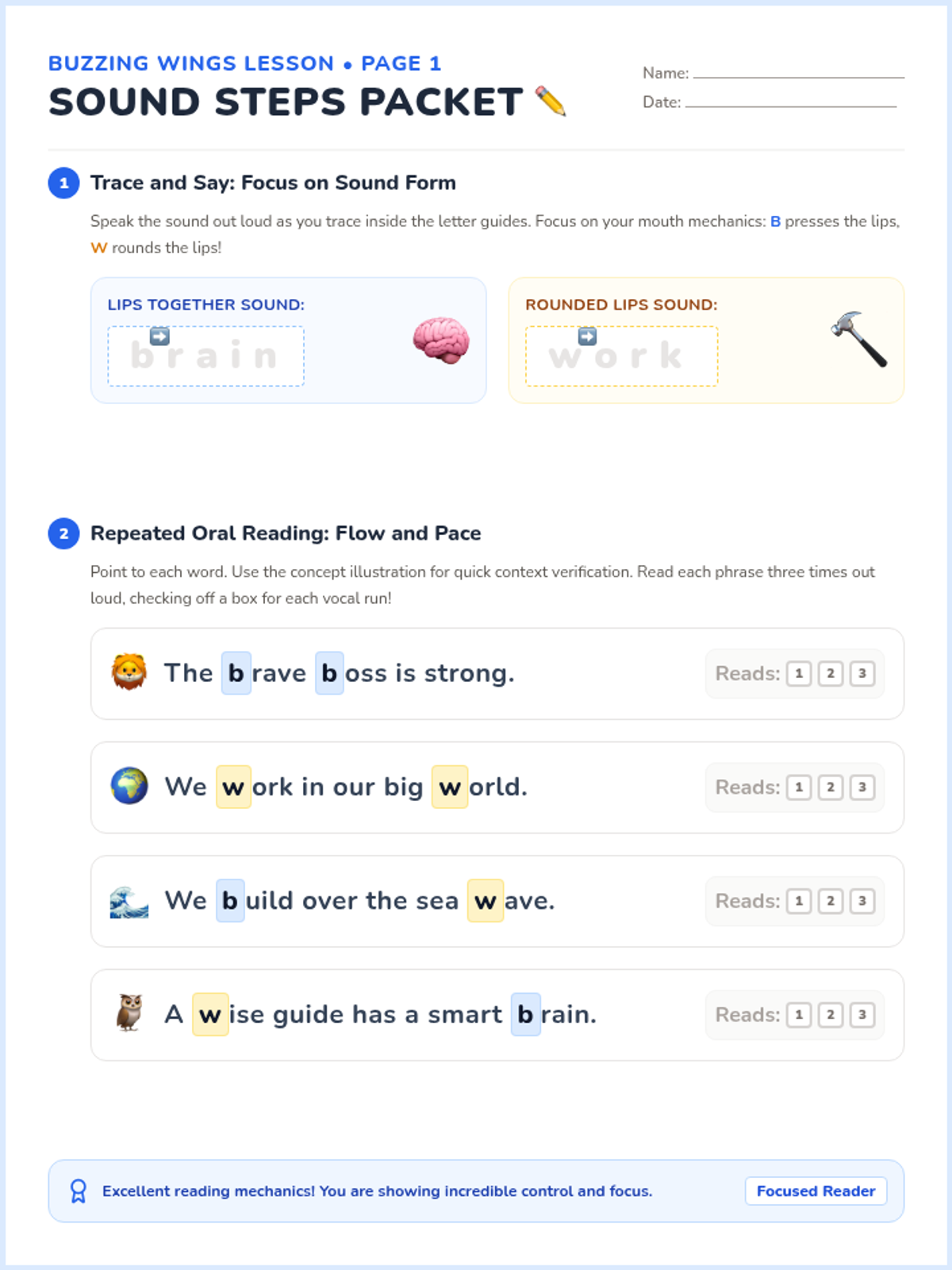
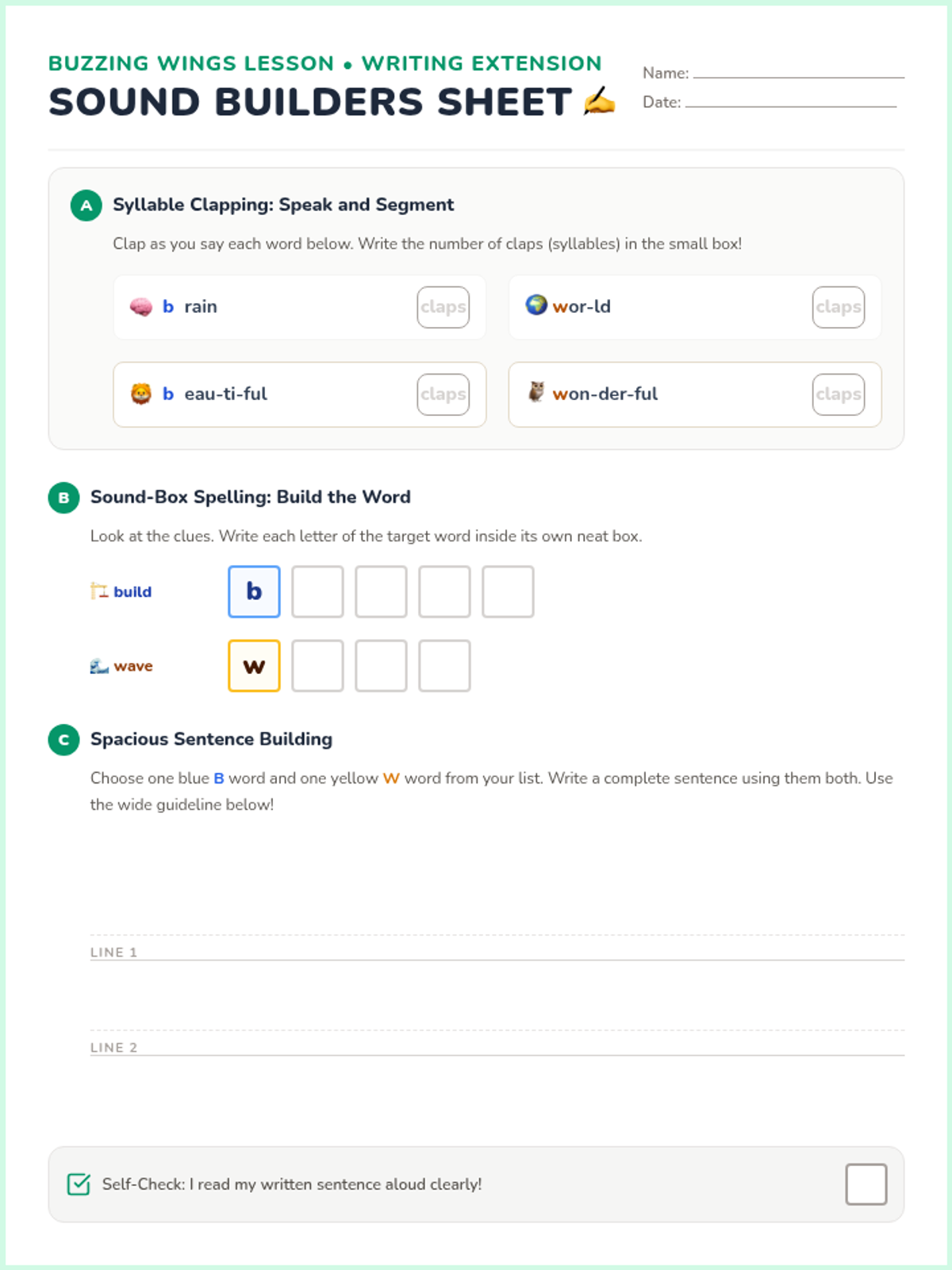
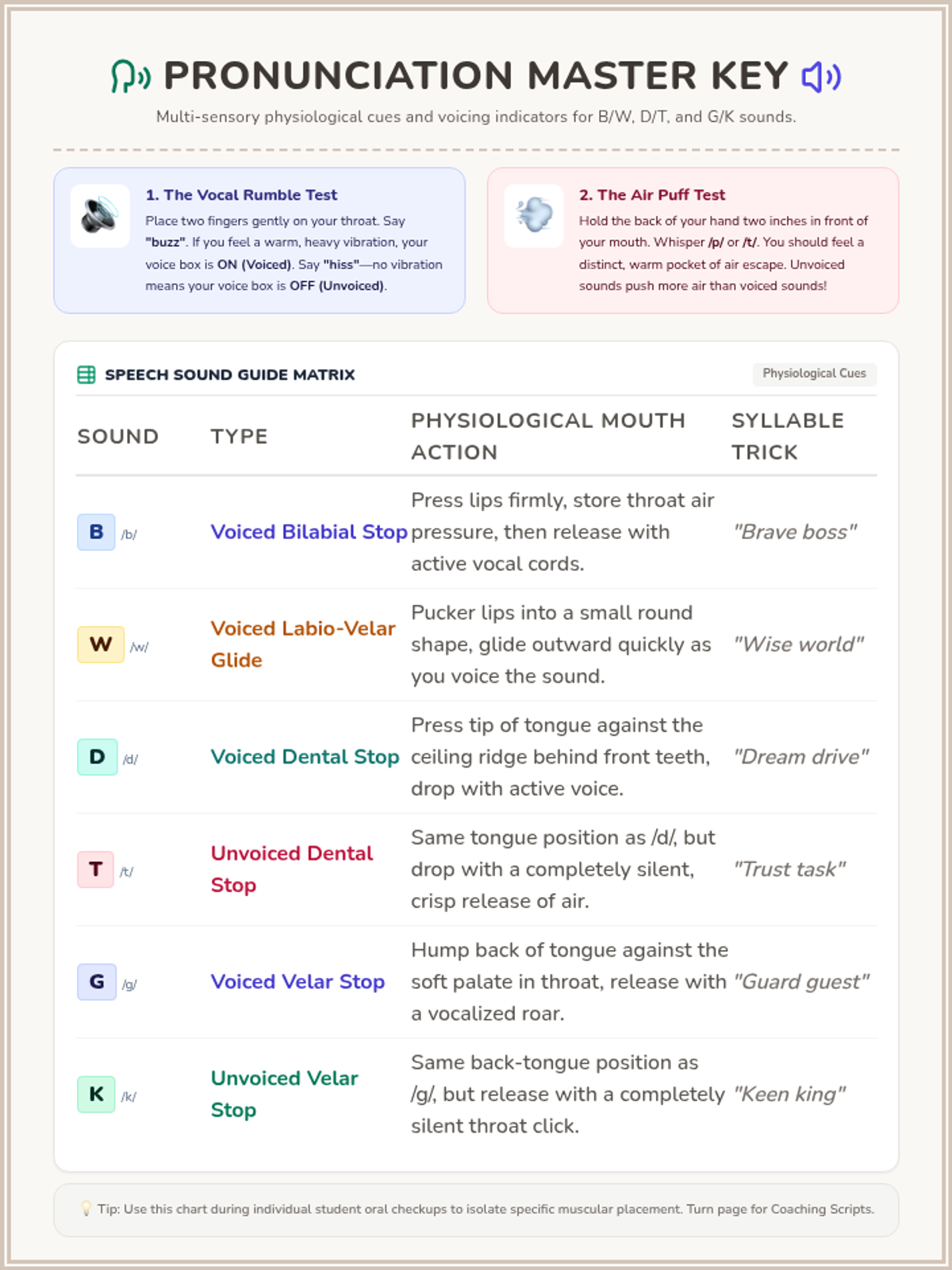
An hour-long structured reading lesson focusing on B and W letter-sound association and common sight words. Designed with dyslexia-friendly spacing, color-coded highlights, and picture scaffolding to support struggling oral readers.
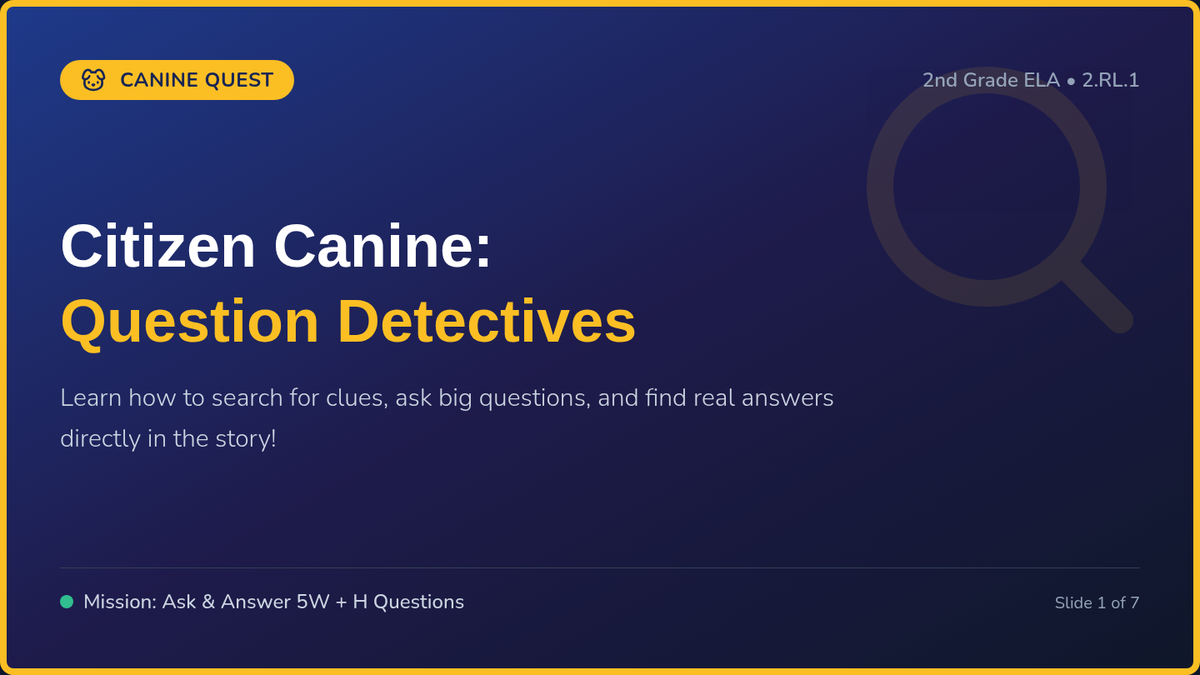
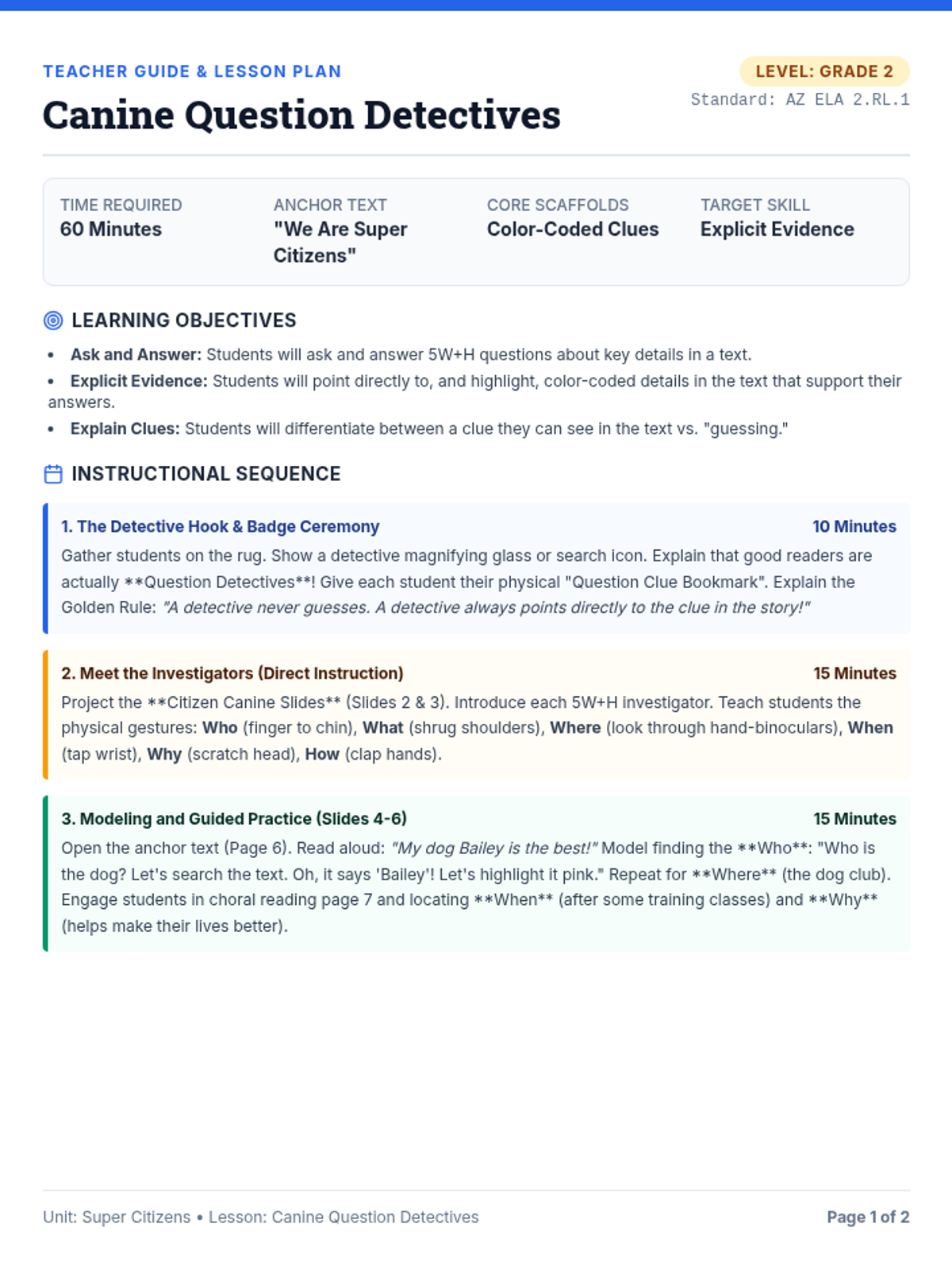
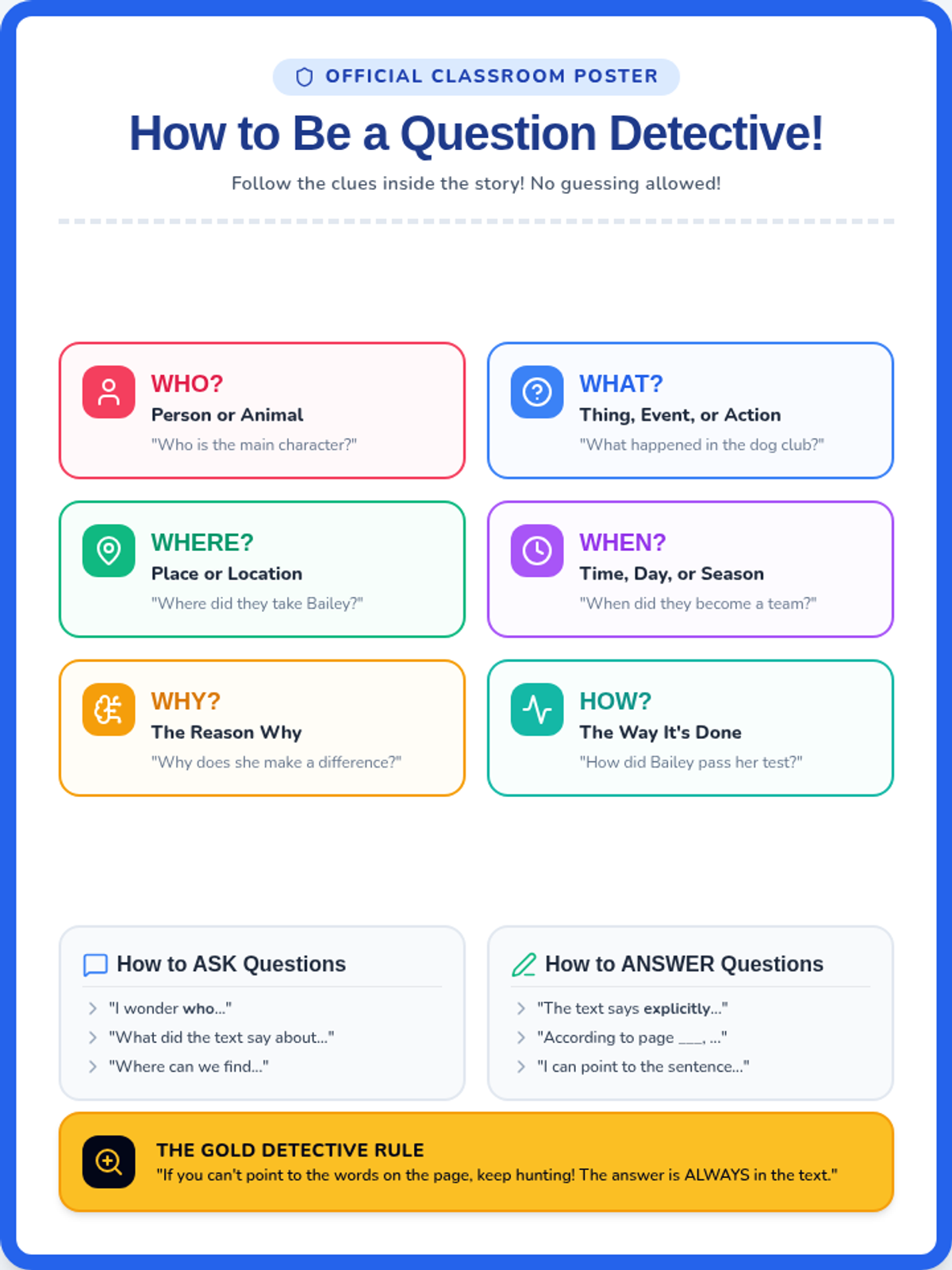
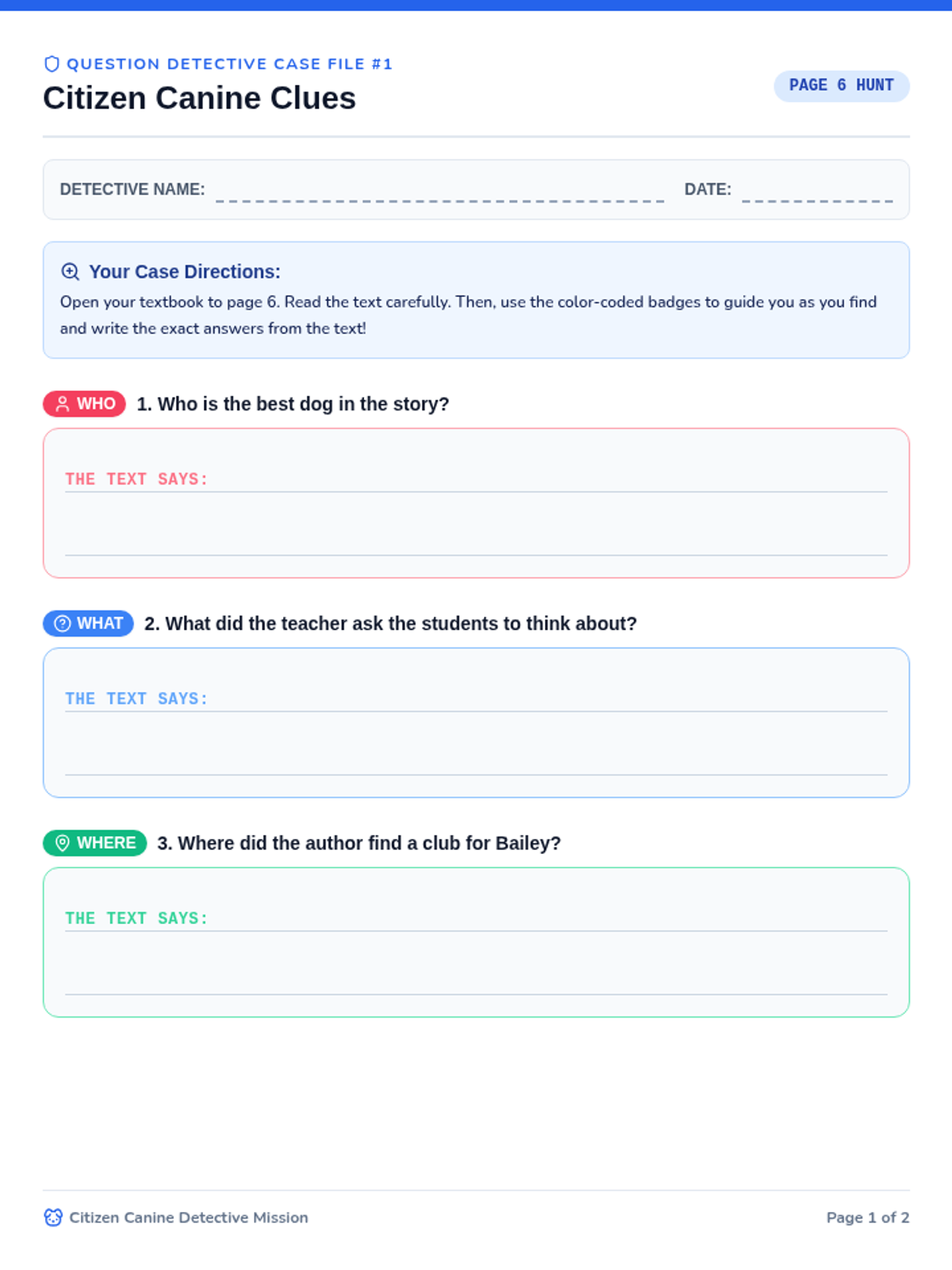
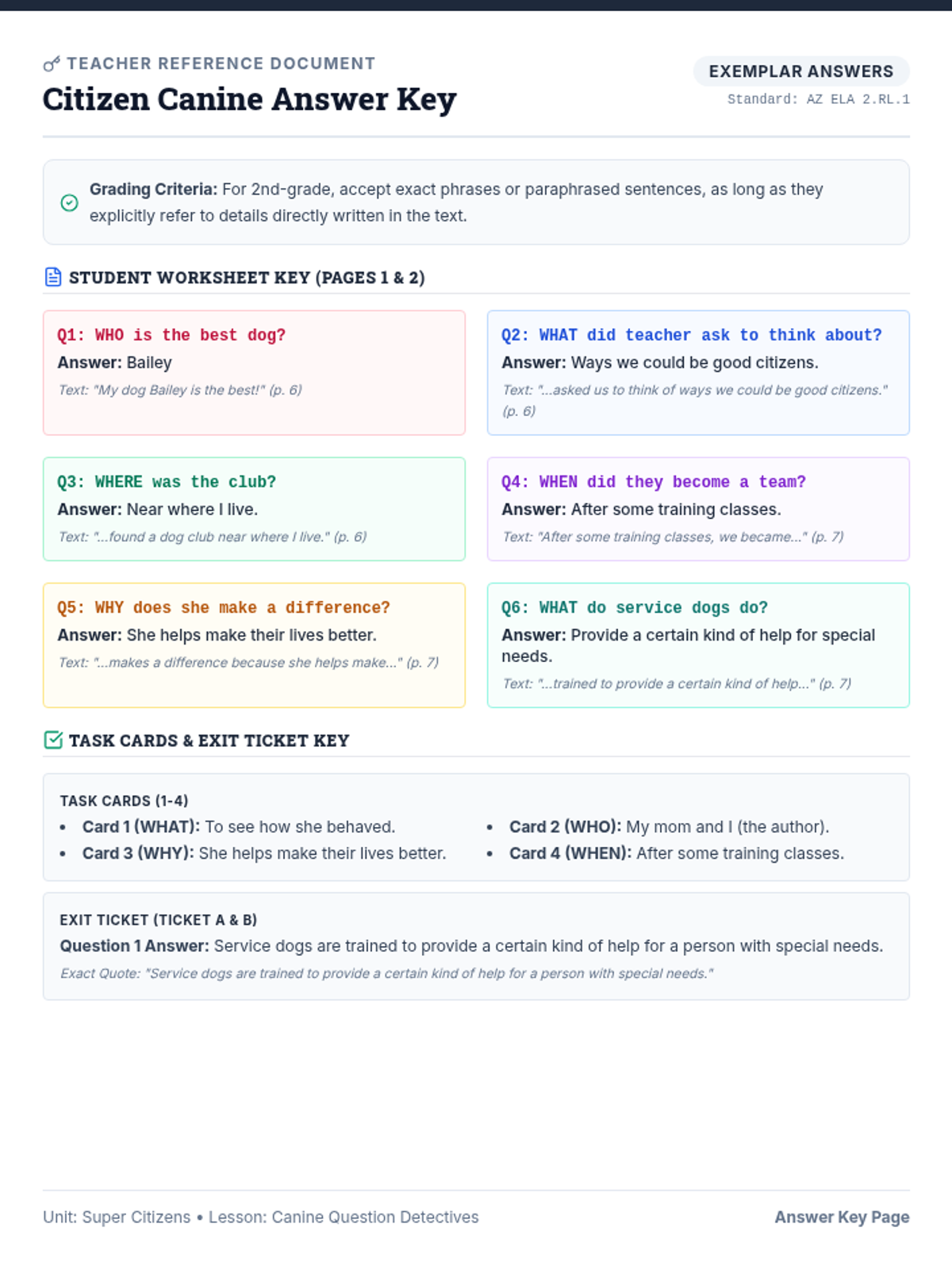
An introductory lesson teaching 2nd-grade students how to ask and answer Who, What, Where, When, Why, and How questions using the text 'We Are Super Citizens'. Students learn to find explicit clues in the story using a fun canine detective theme.
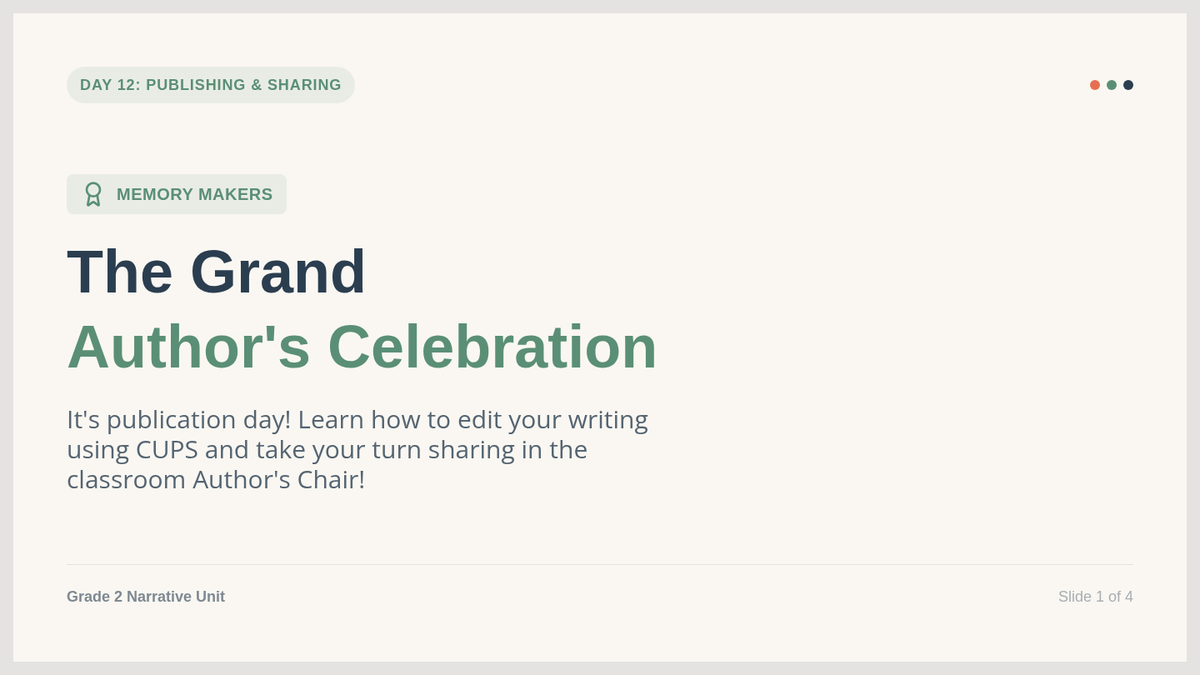
Day 12. Students use their published writer's checklist to peer-edit, polish their stories, and share them in the classroom Author's Chair celebration.
Day 11. Students draft their complete narrative booklet, incorporating their exciting hook, transitions, senses, dialogue, and satisfying endings.
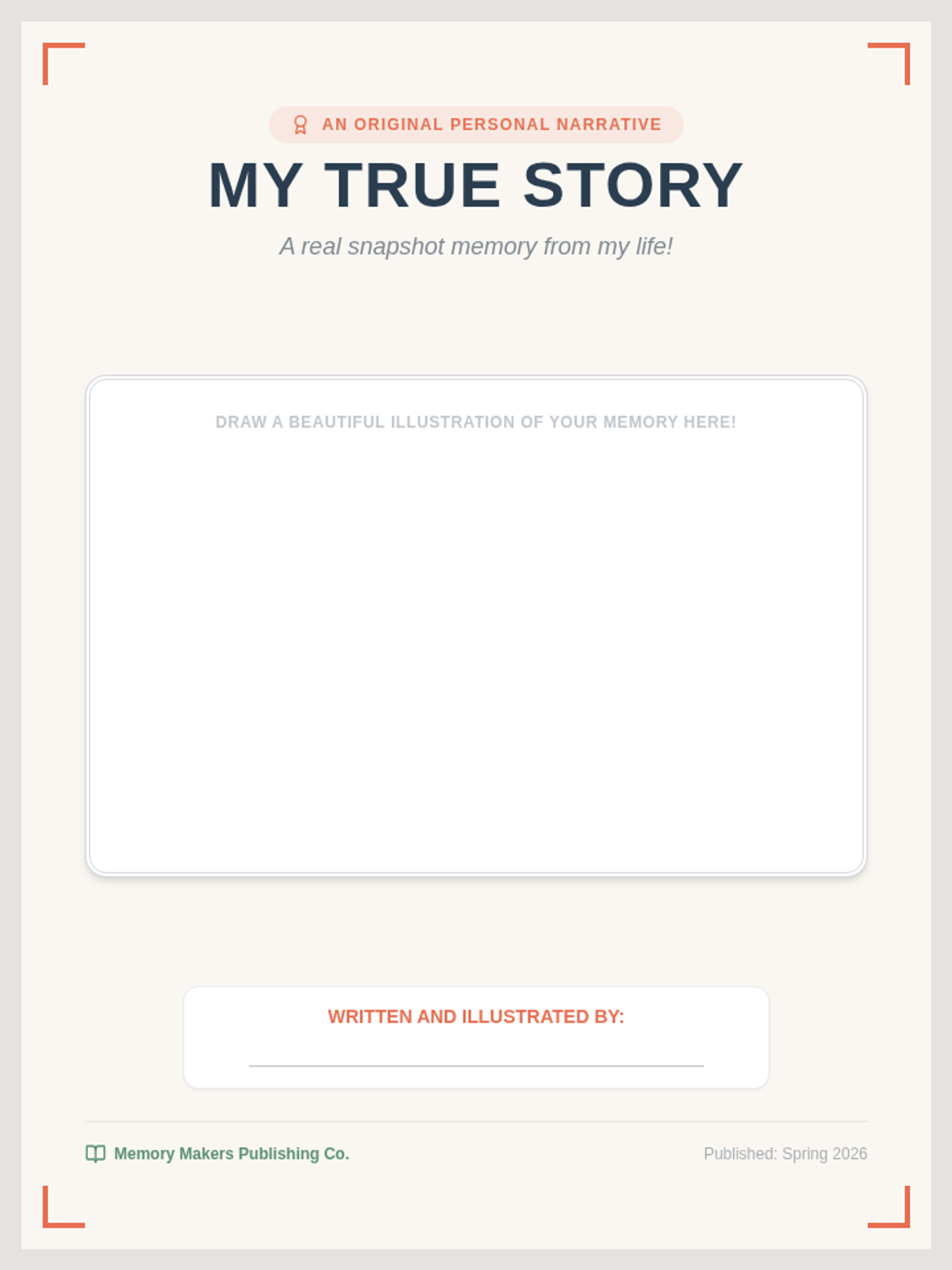
Day 10. Students select their absolute favorite seed story, brainstorm details, and design their final cover page.