A lesson focused on using random sampling to make valid inferences about populations, including identifying bias and performing calculations.
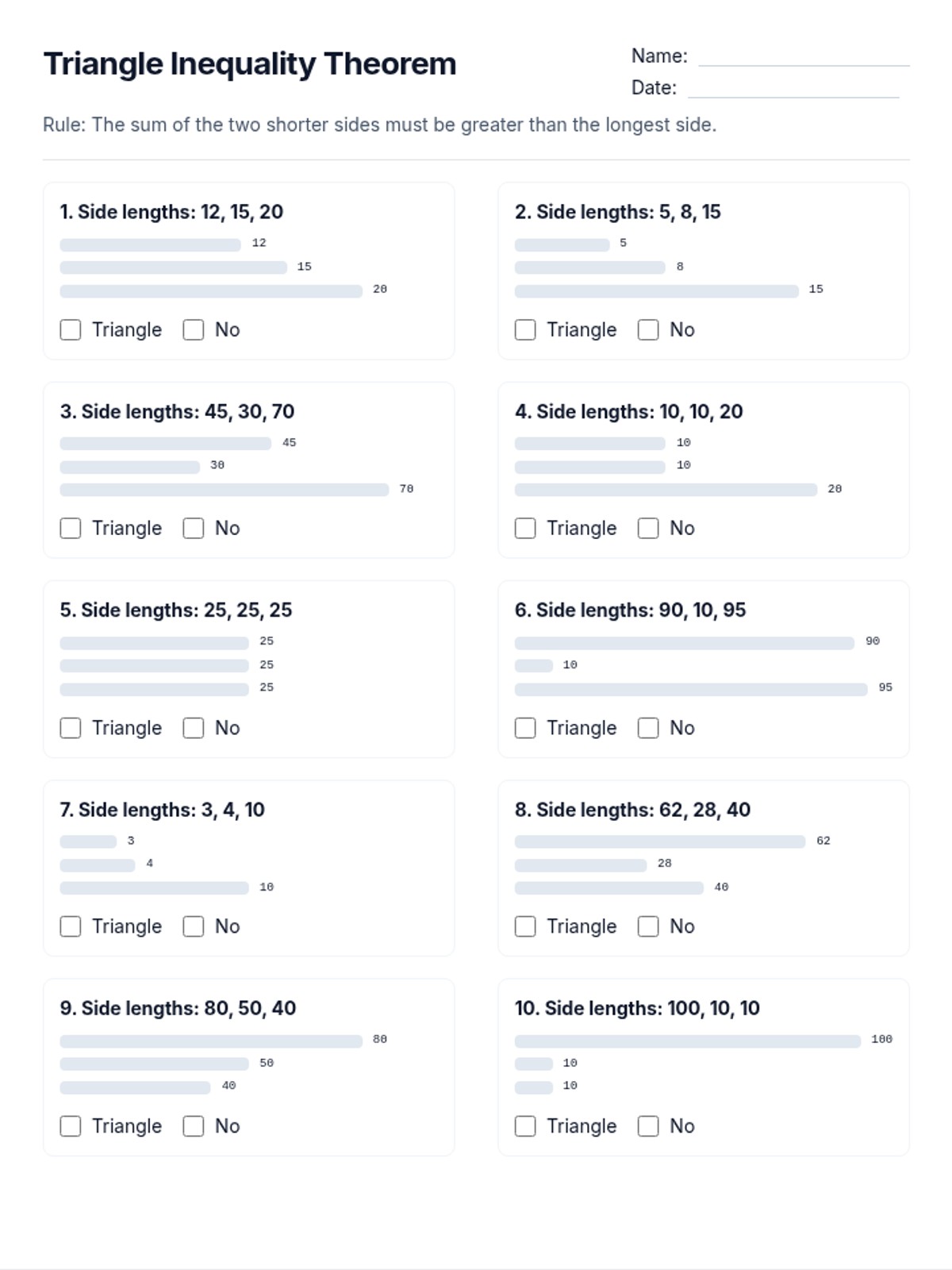
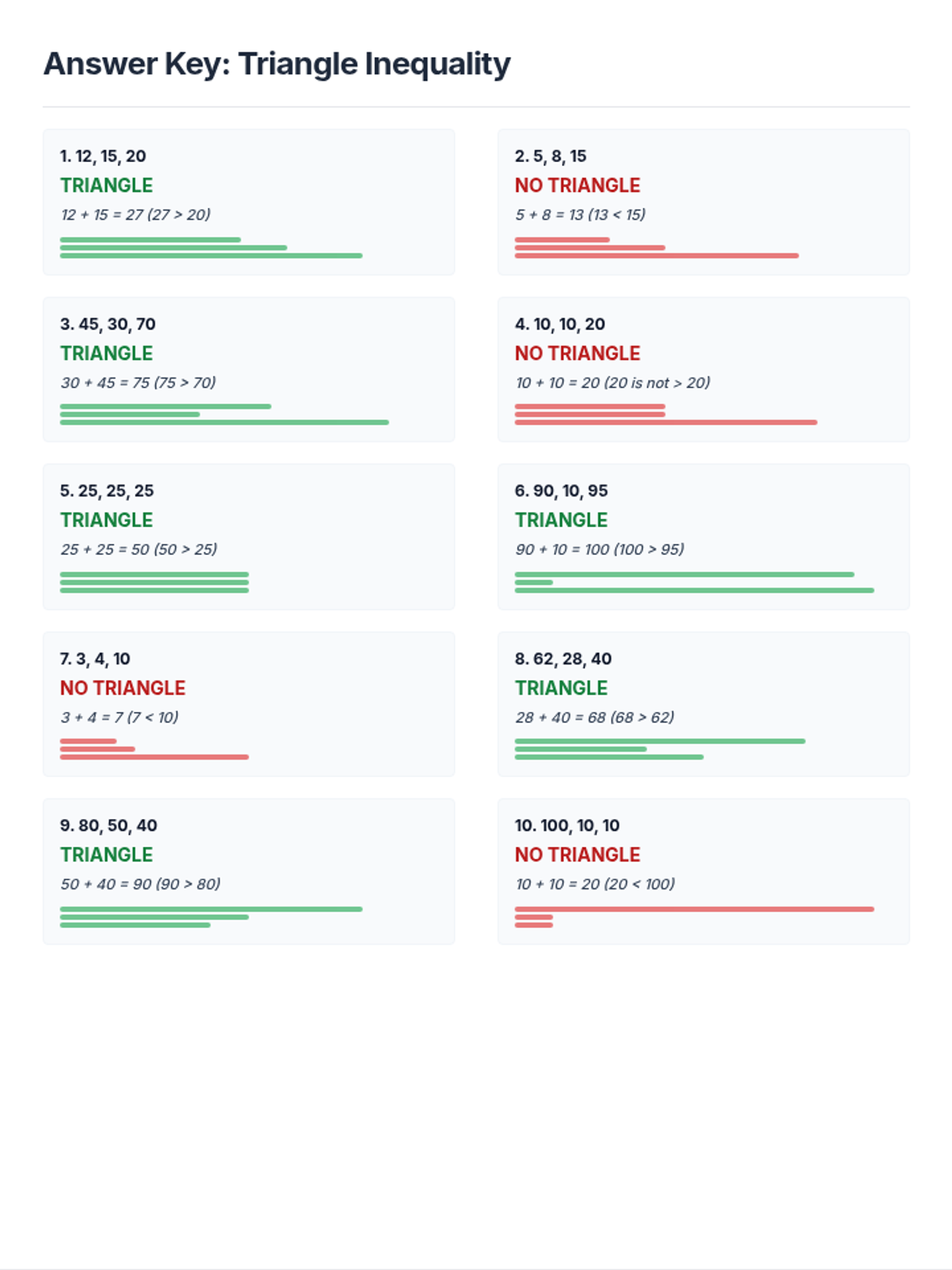
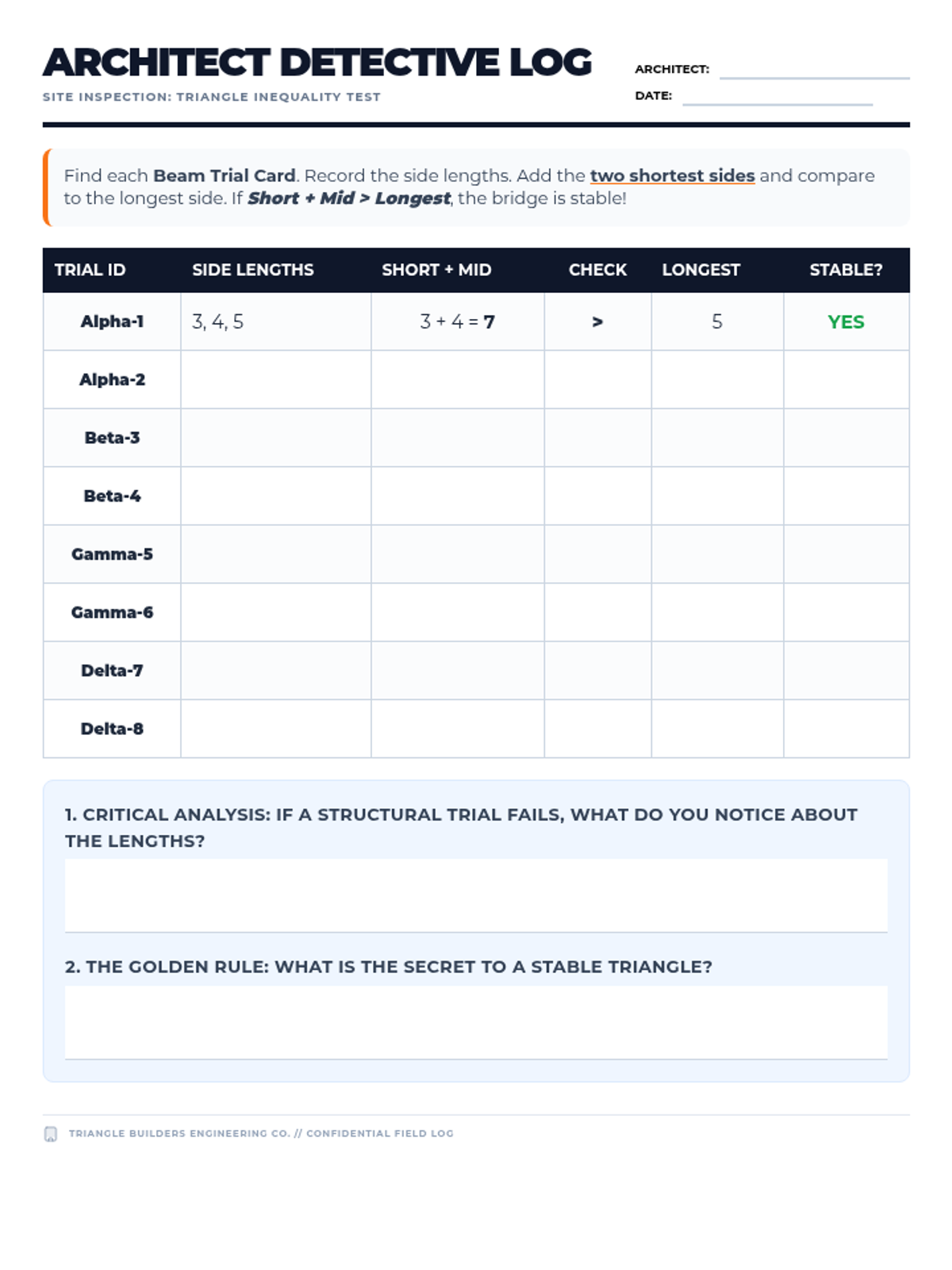
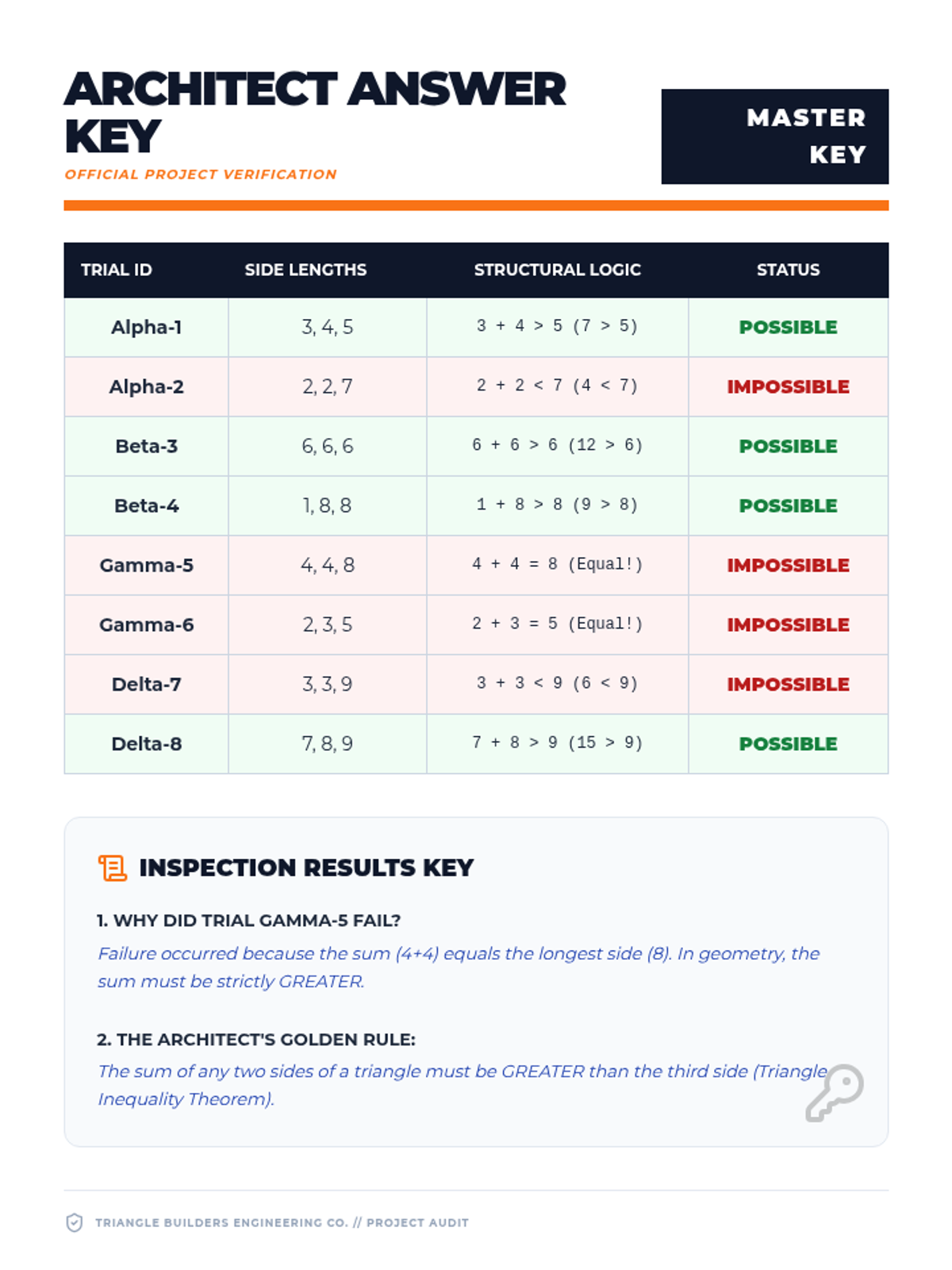
A lesson focusing on the Triangle Inequality Theorem, teaching students how to determine if three given side lengths can form a valid triangle.
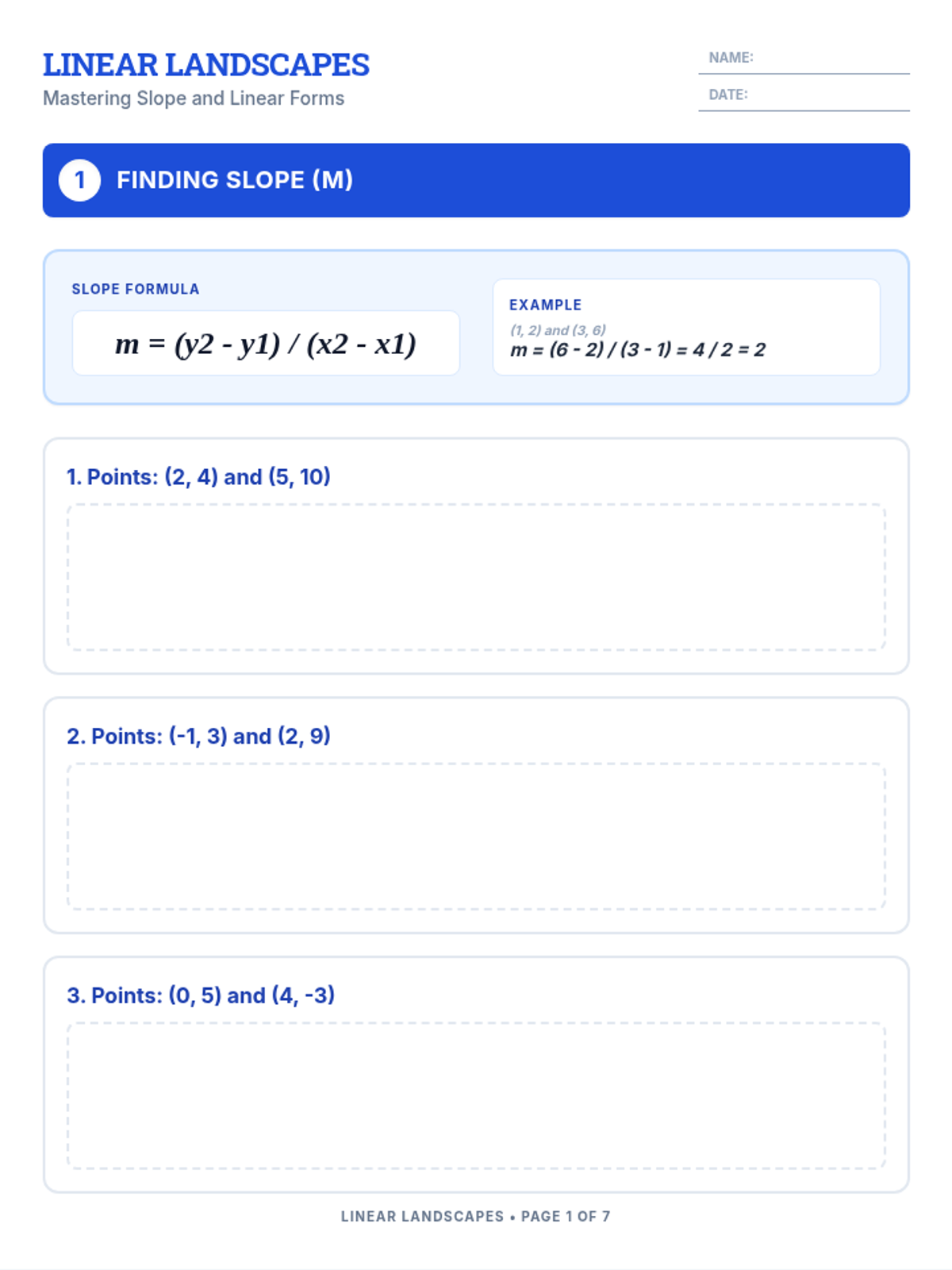
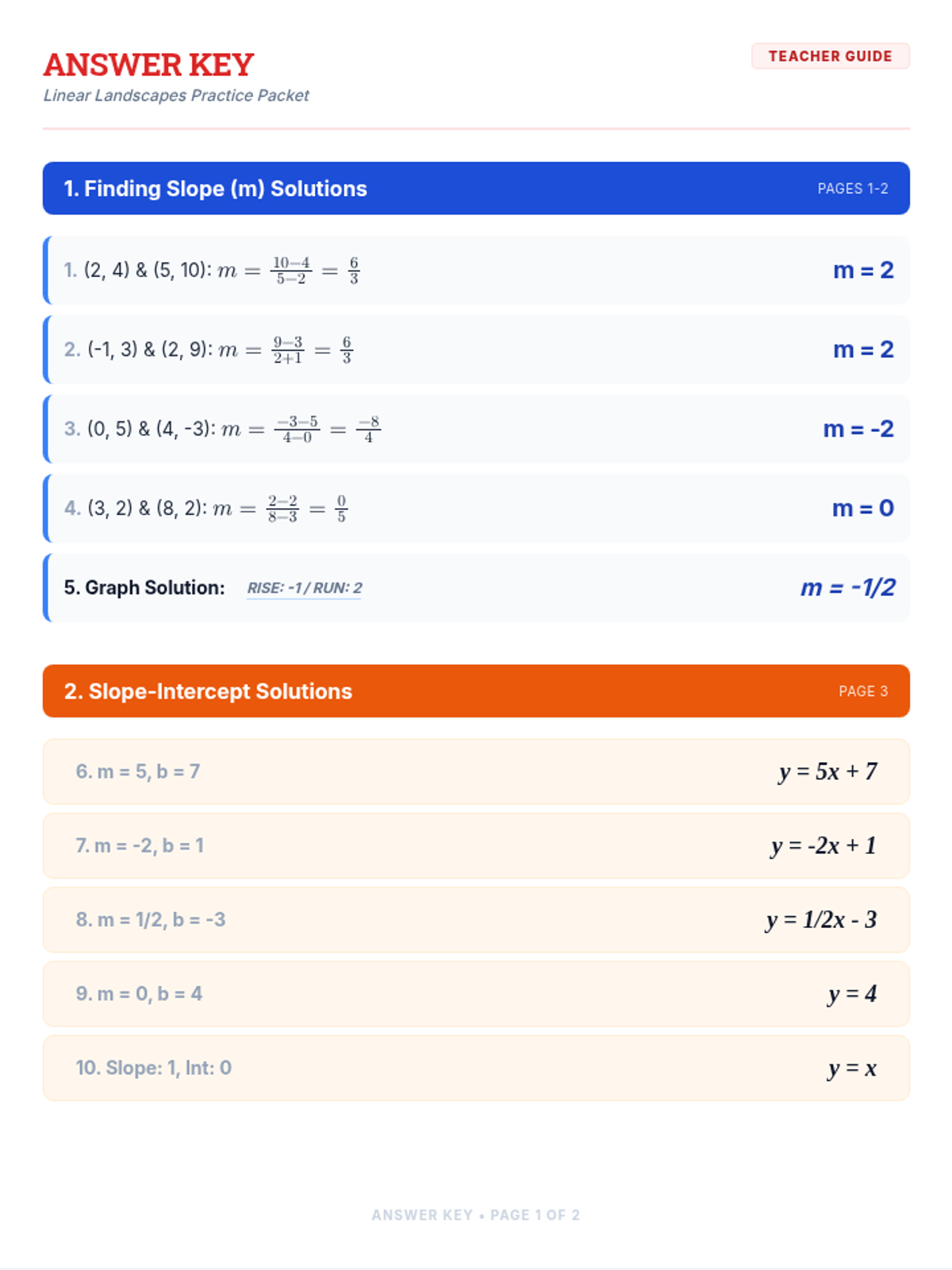
A comprehensive practice module for high school Algebra 1 students focusing on slope, point-slope form, and slope-intercept form. Designed with scaffolding and visual aids specifically for special education support.
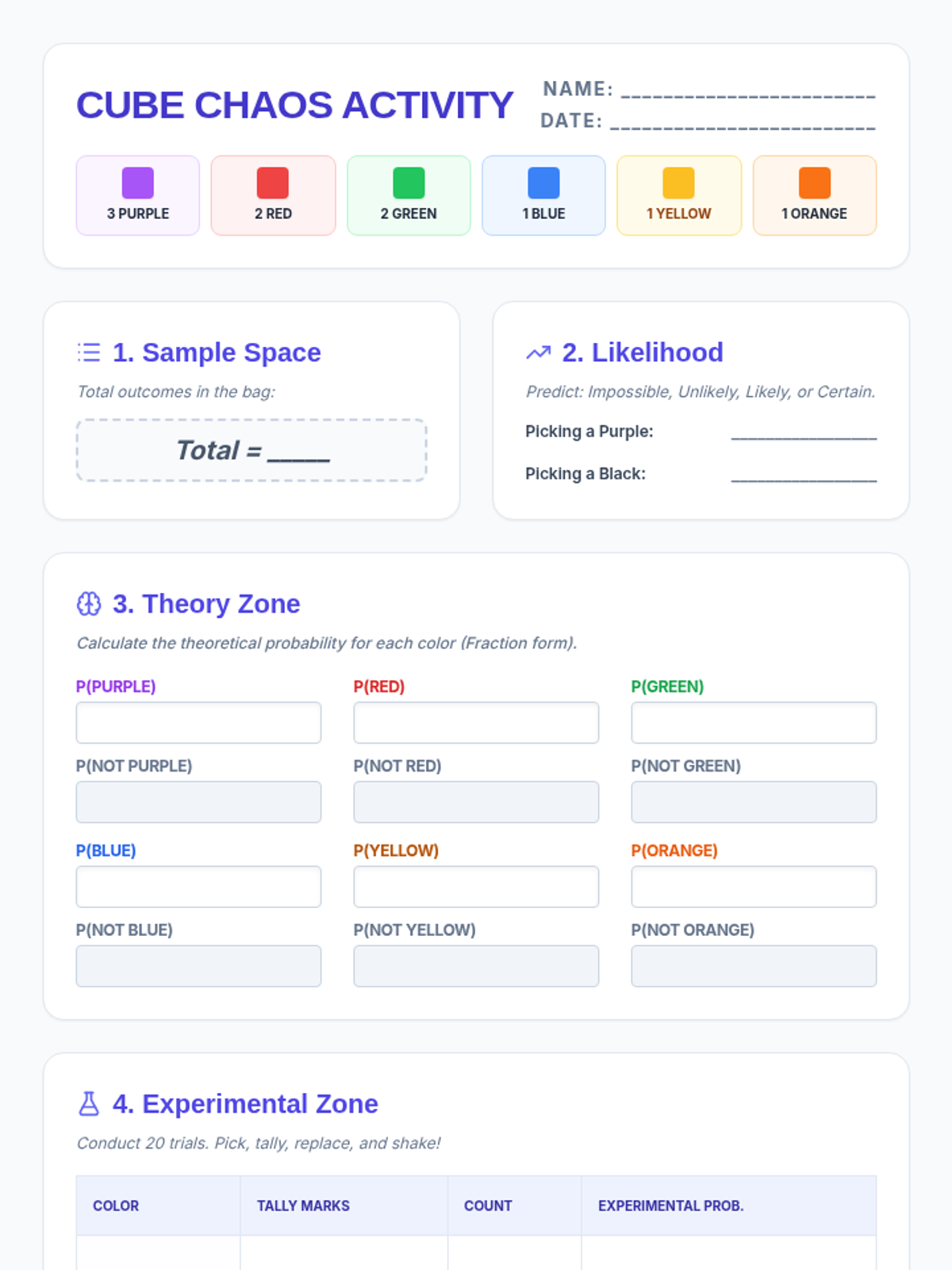
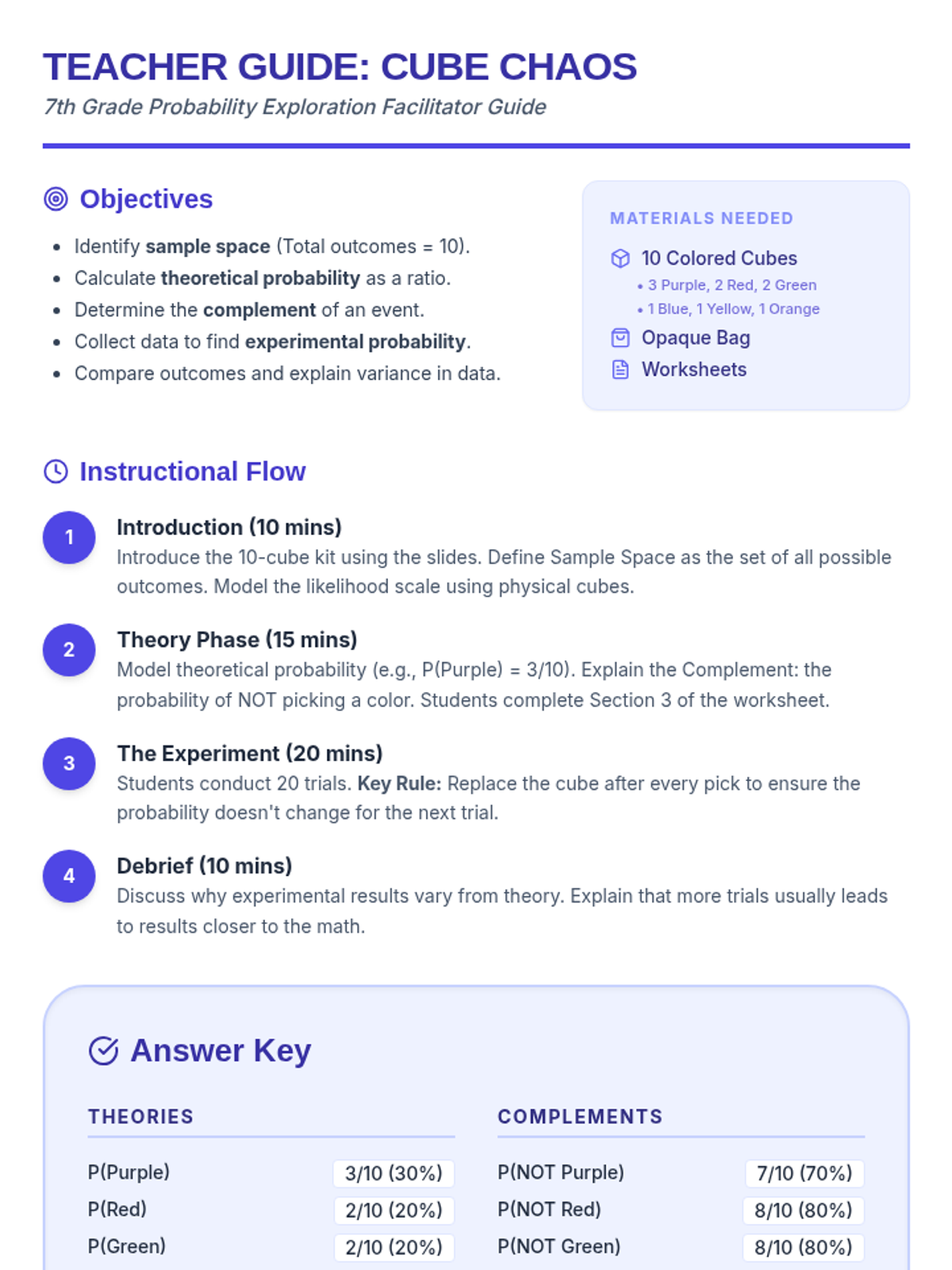
A hands-on exploration of probability concepts using a specific set of 10 colored cubes. Students learn to calculate theoretical and experimental probability, identify sample spaces, and understand complements.
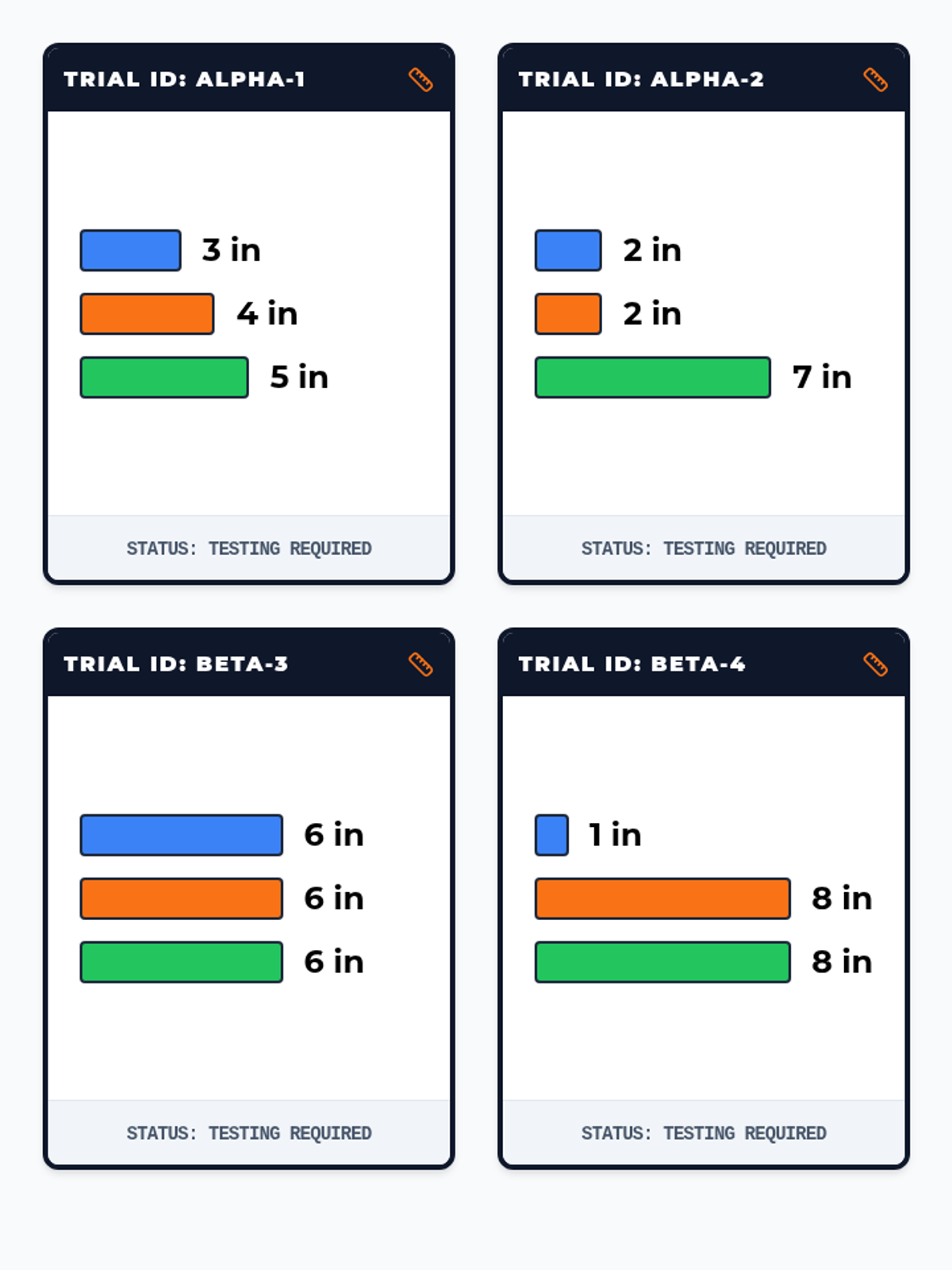
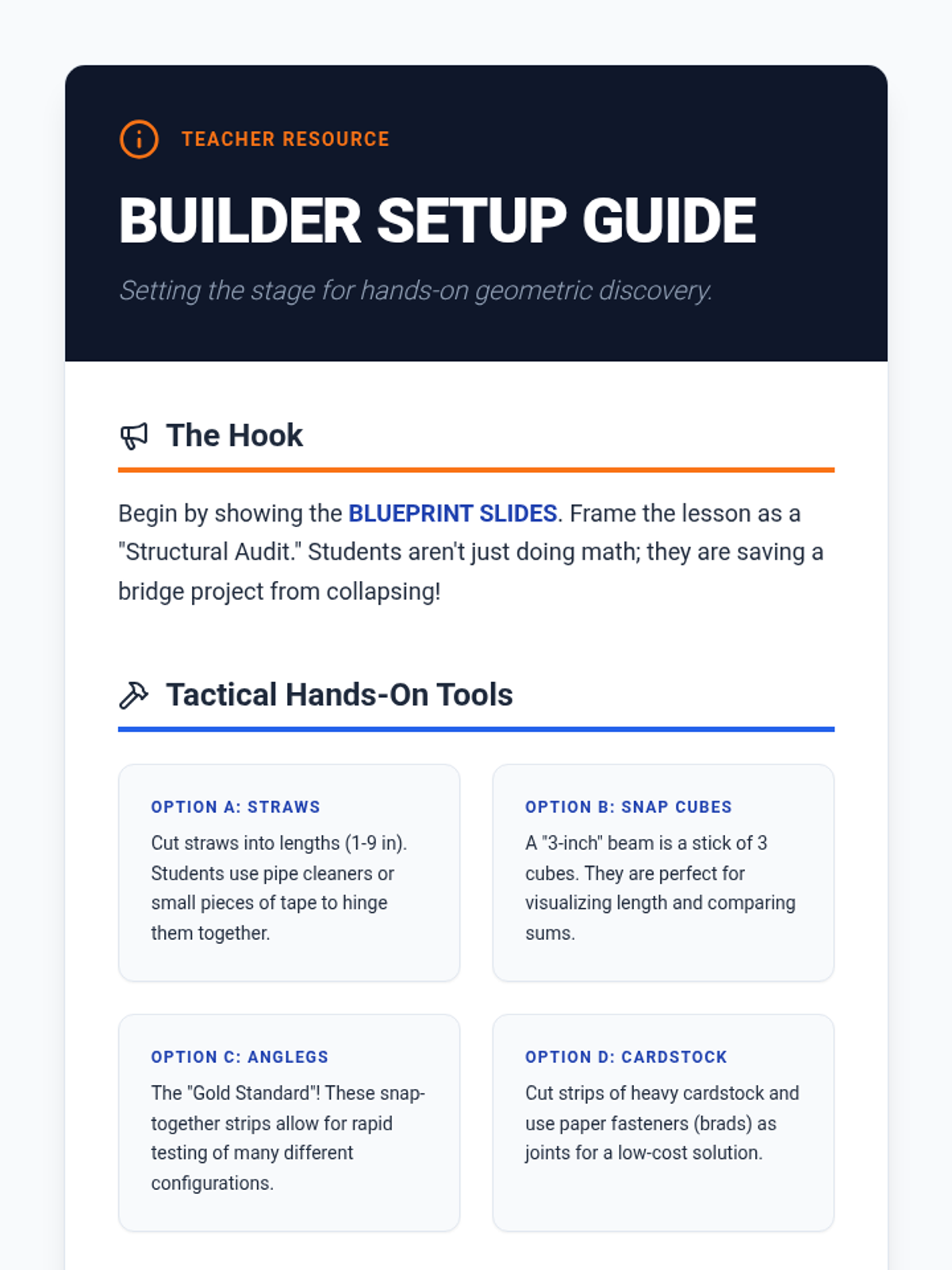
A hands-on geometry lesson where students act as structural engineers to discover the Triangle Inequality Theorem through sorting and investigation.
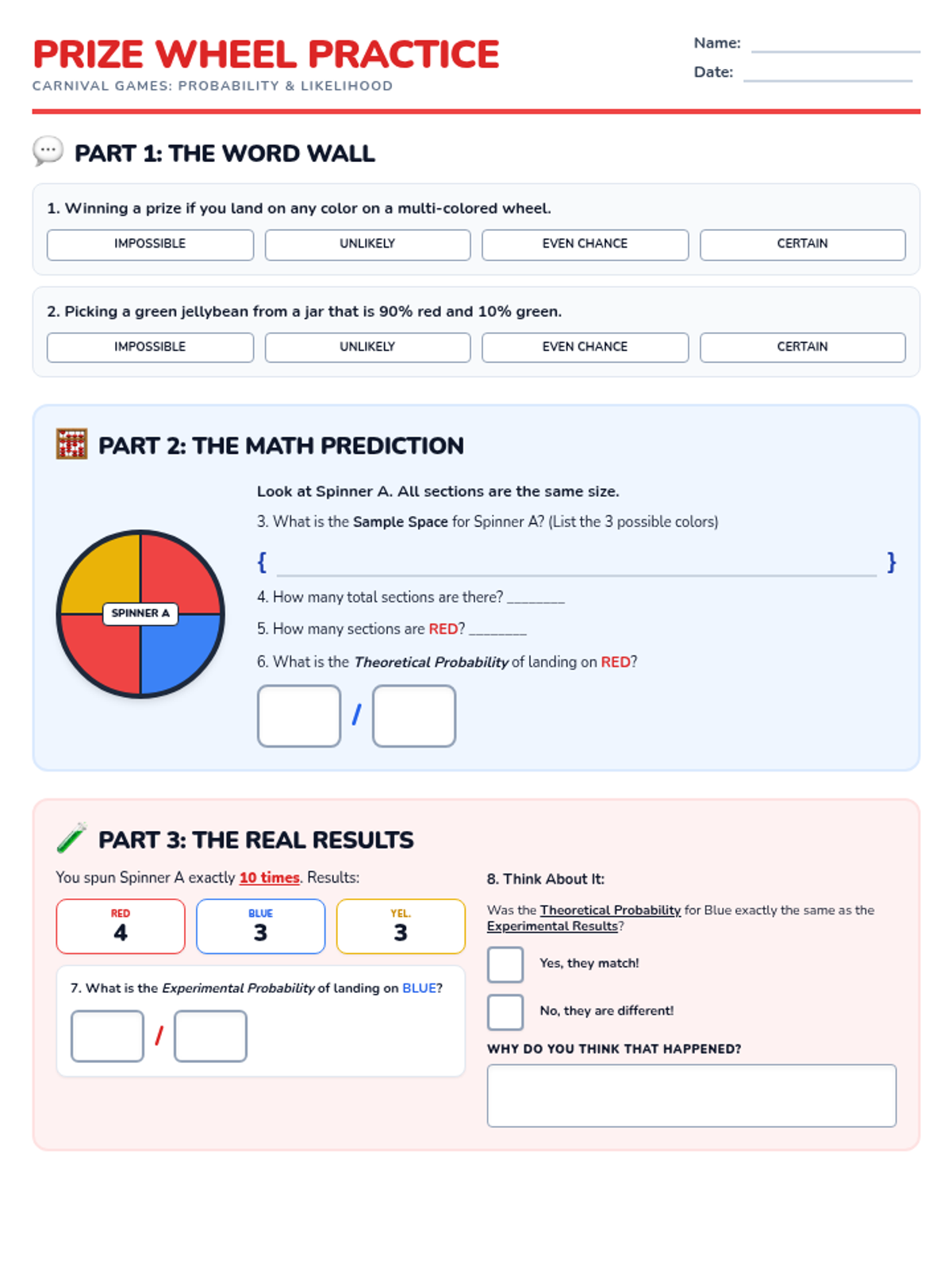
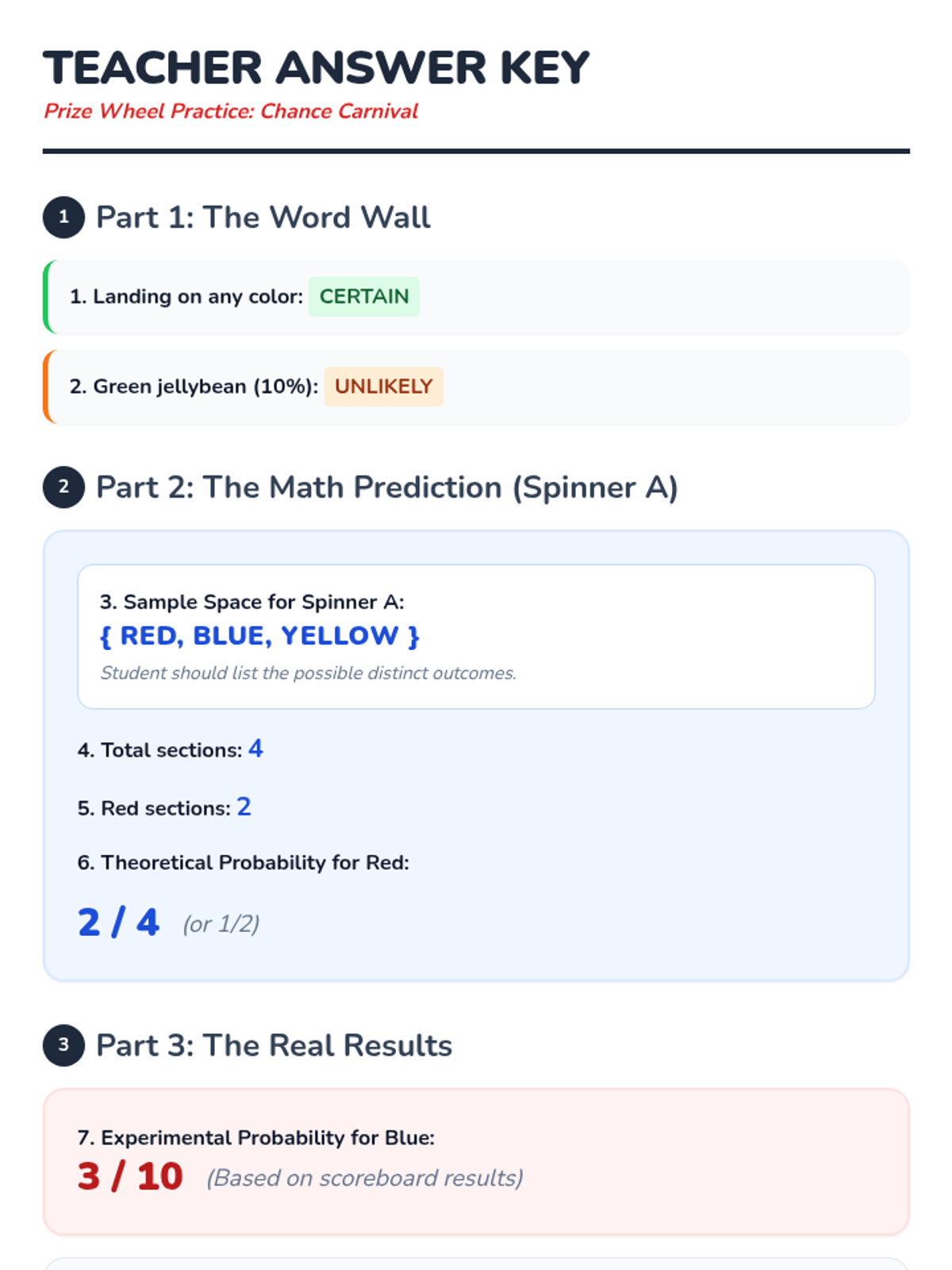
A fun, carnival-themed lesson introducing students to likelihood, theoretical probability, and experimental probability using simplified language and hands-on examples.
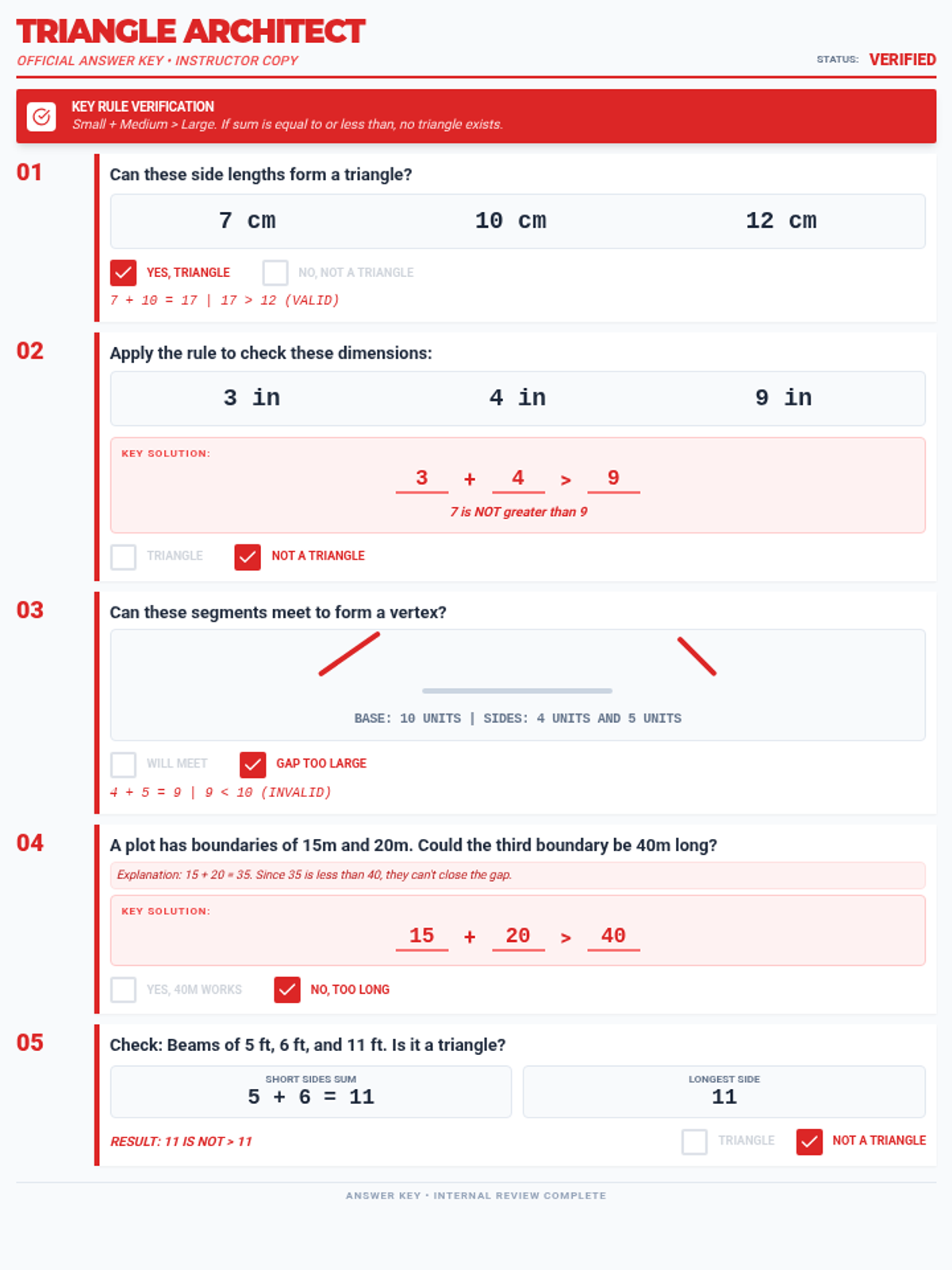
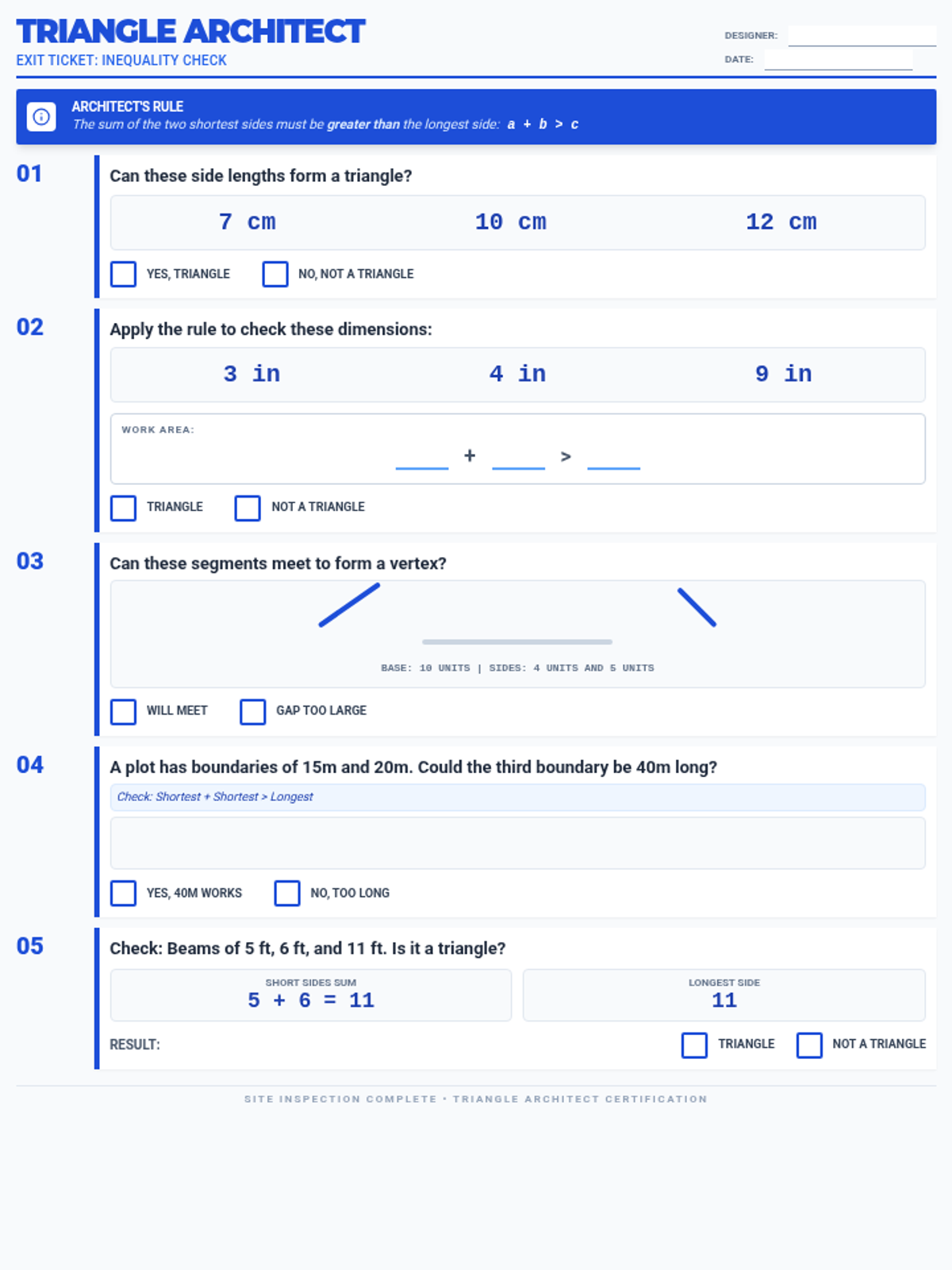
Students act as architects to verify the structural integrity of triangular designs using the Triangle Inequality Theorem. They perform numeric checks, analyze visual models, and solve word problems to determine if three side lengths can form a valid triangle.
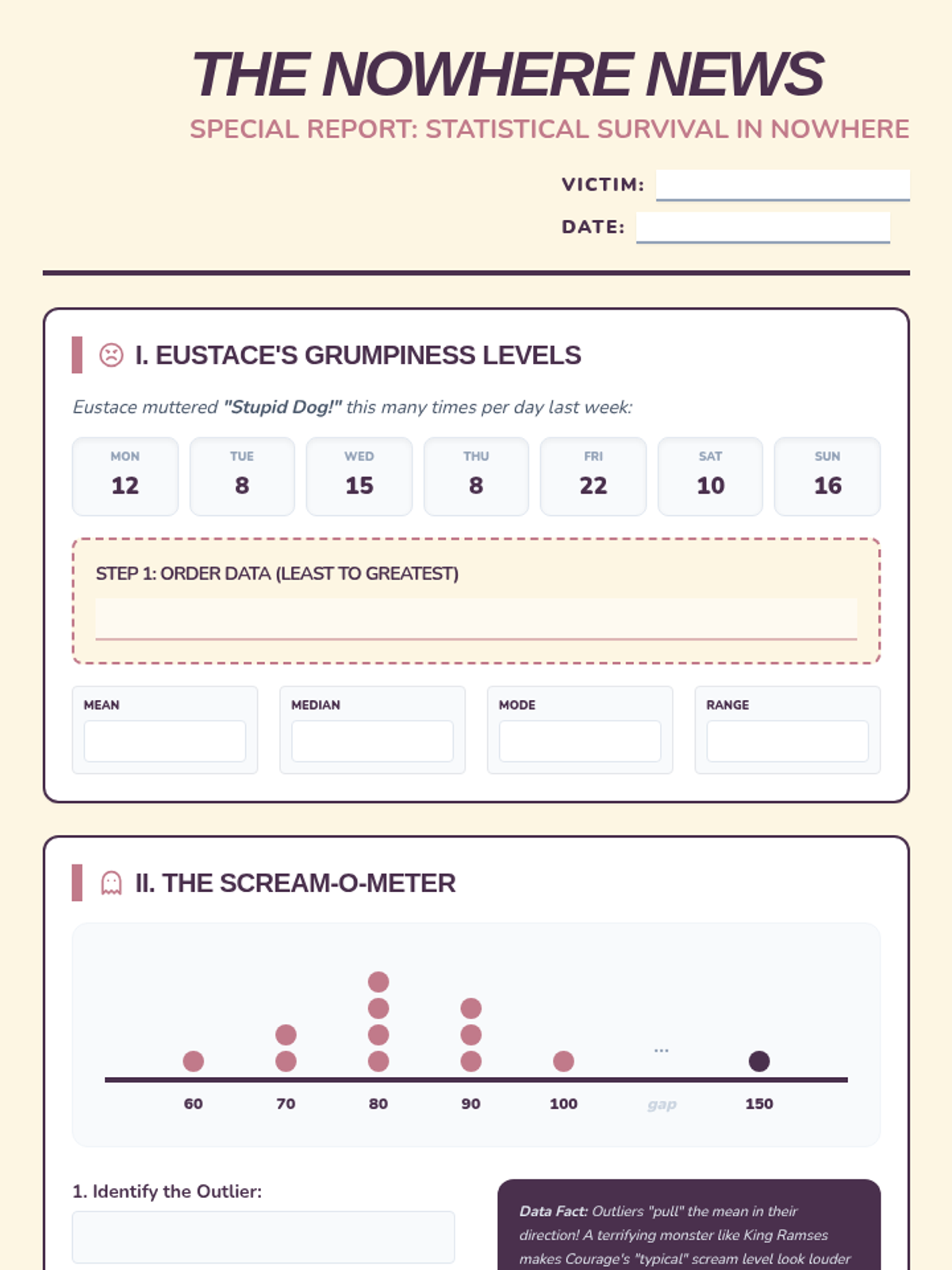
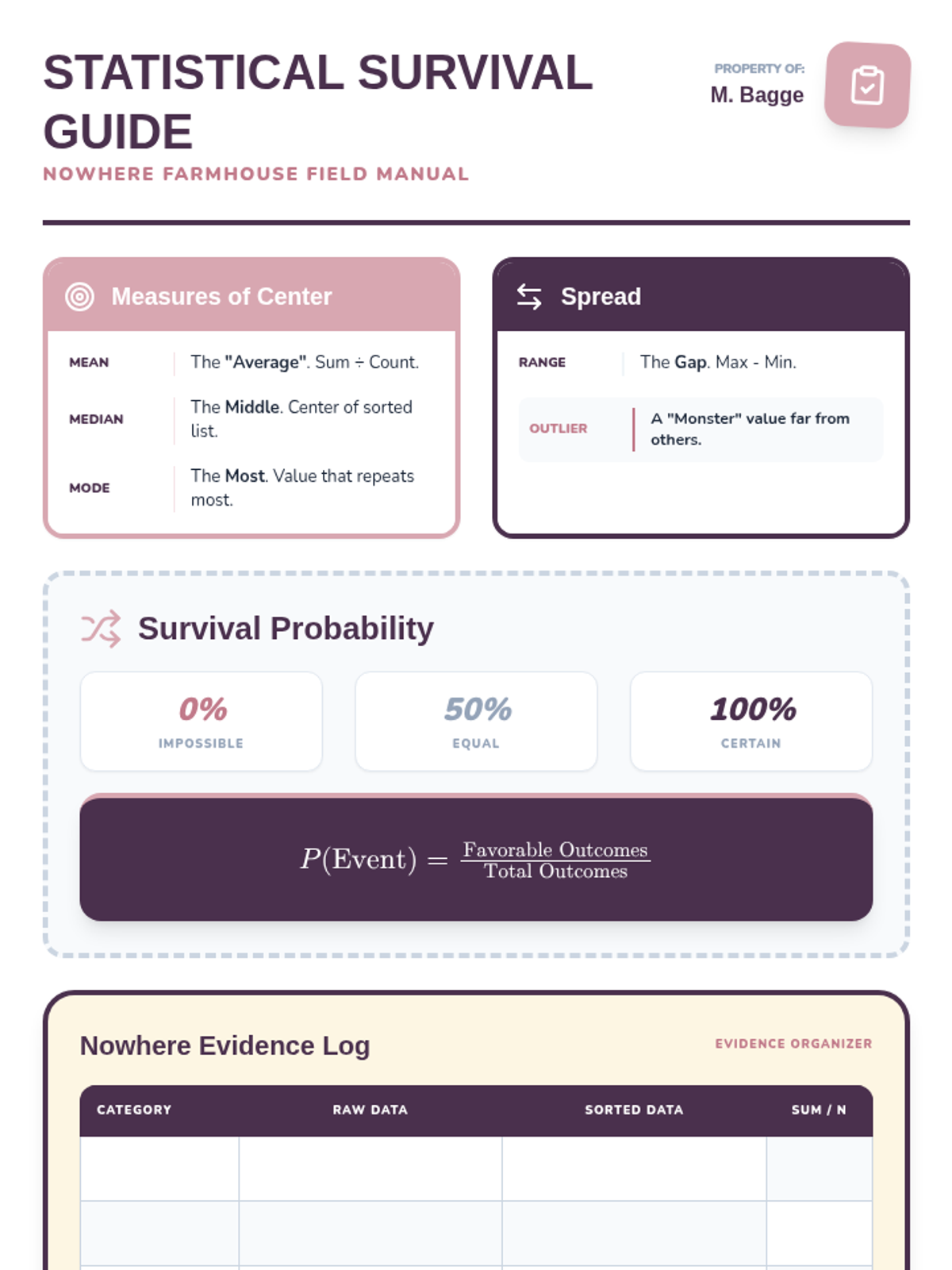
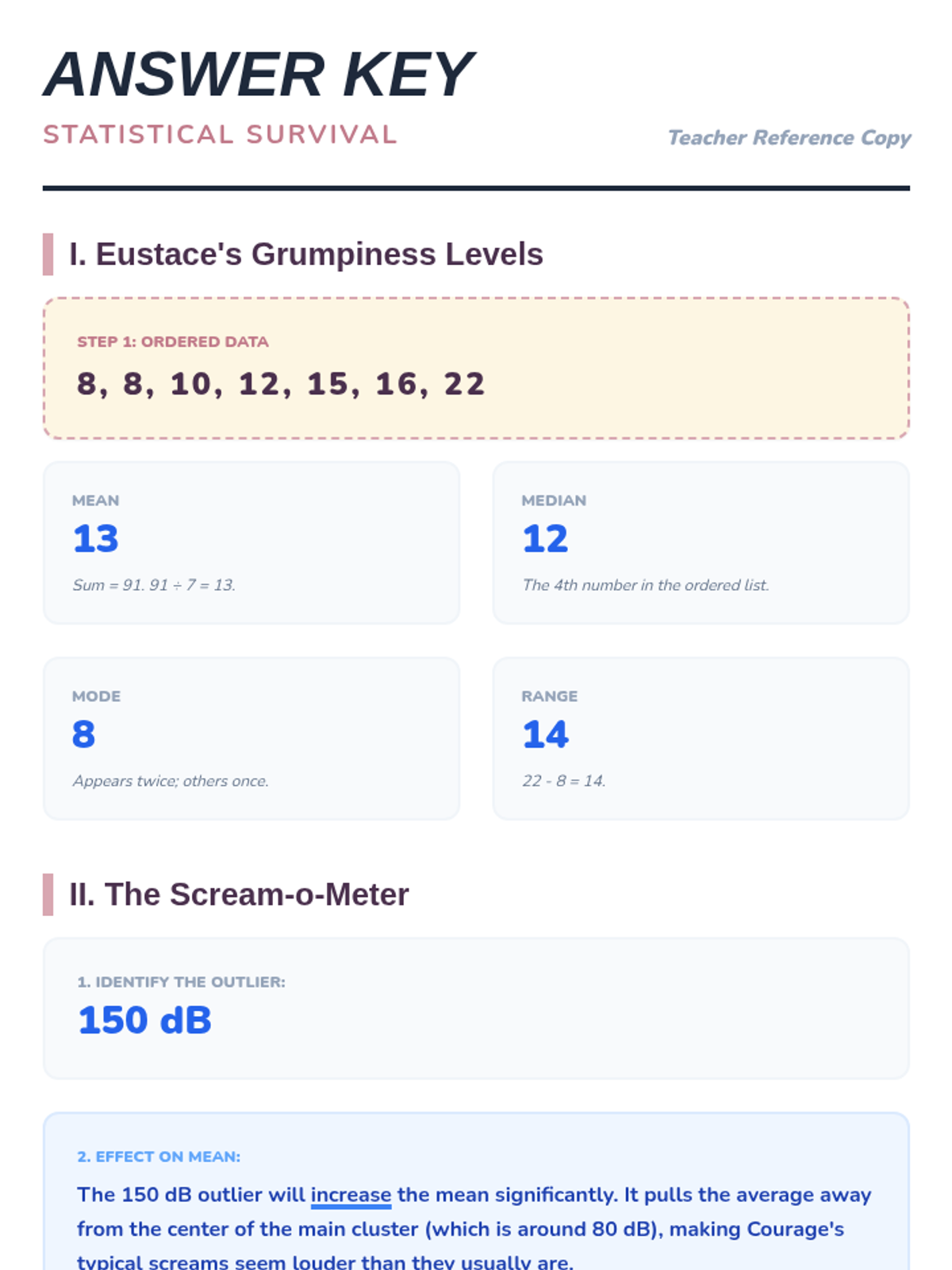
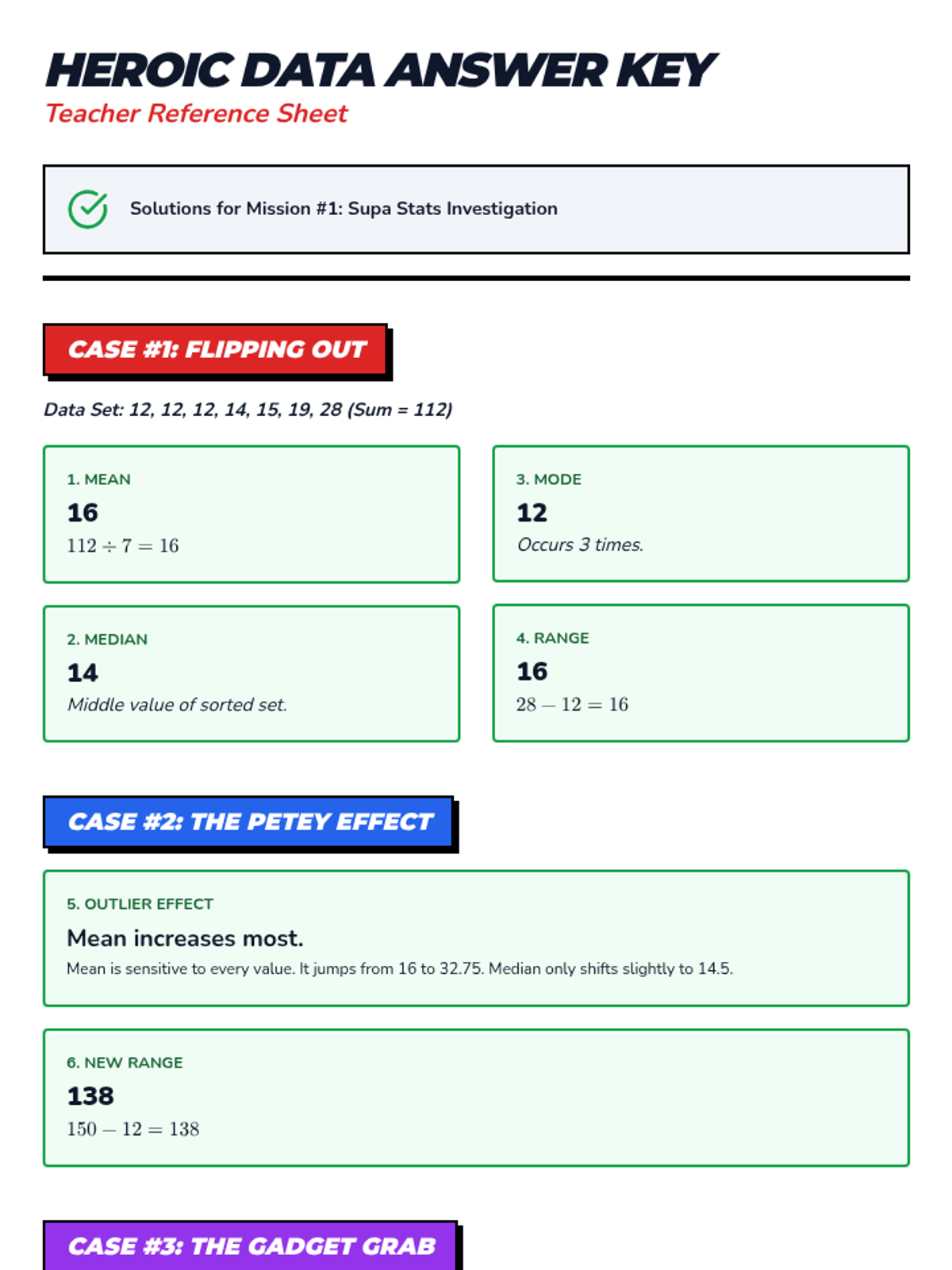
A statistics lesson themed around Courage the Cowardly Dog, covering central tendency, dot plots, and probability.
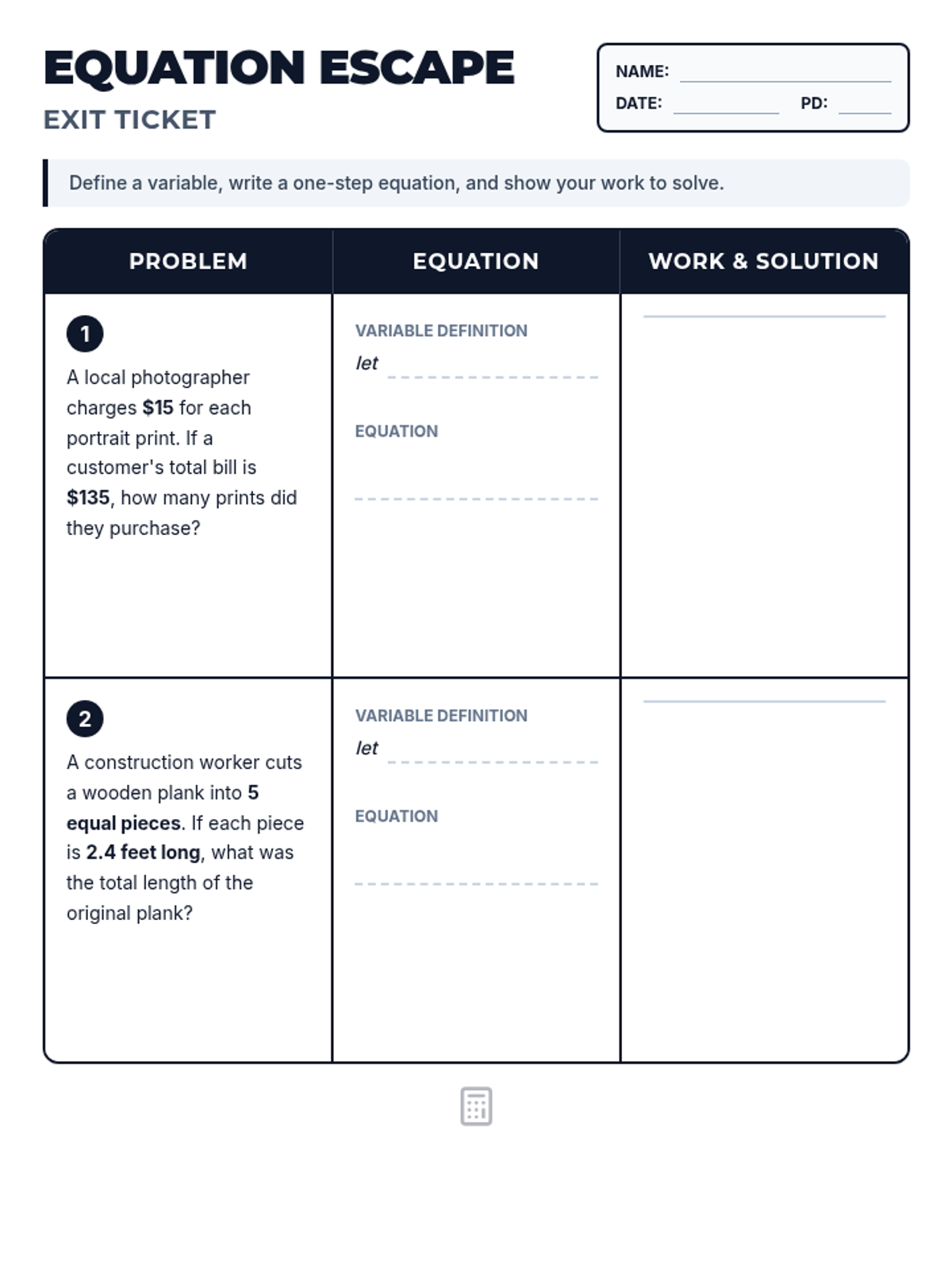
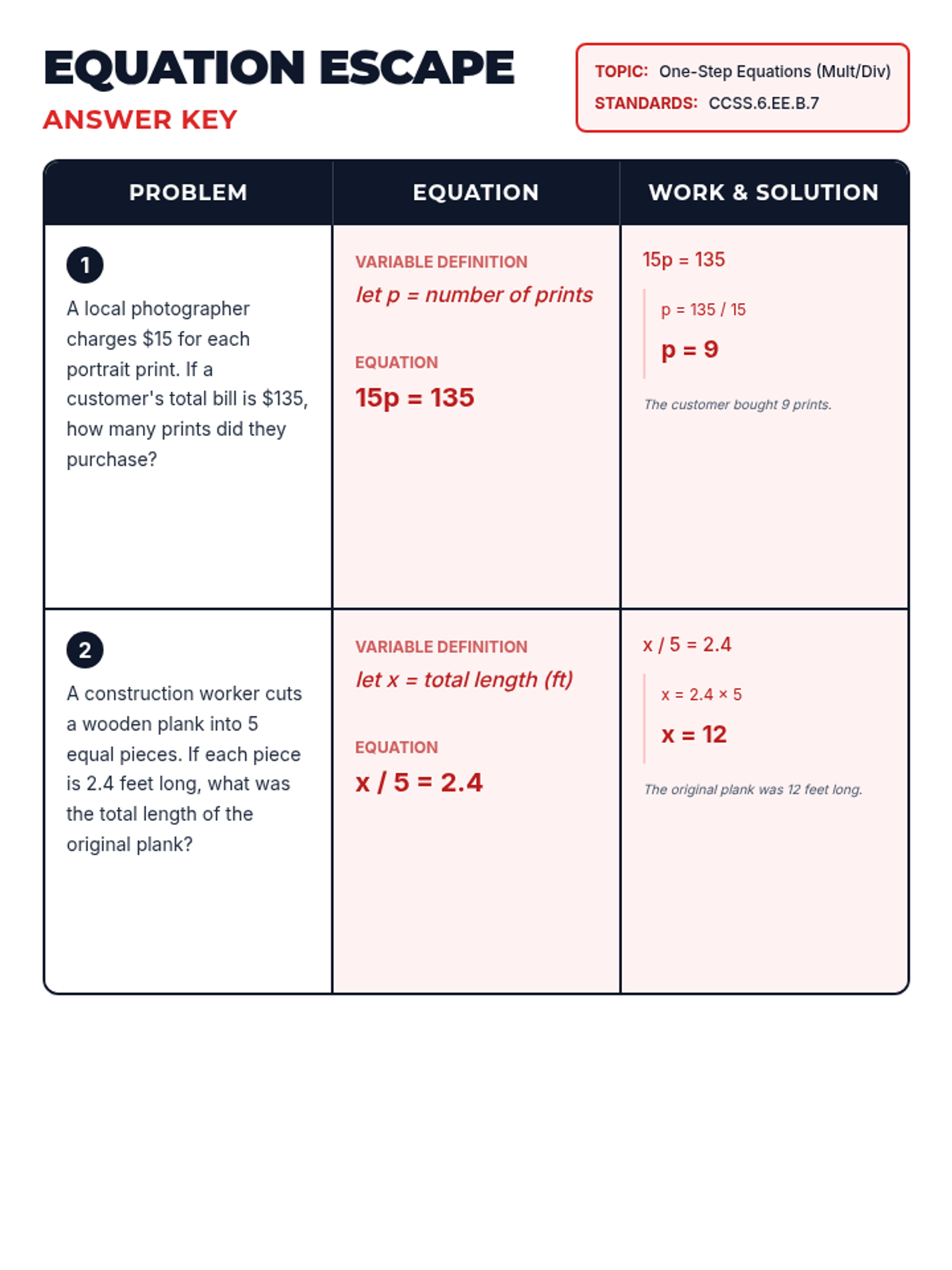
A targeted assessment lesson focusing on applying one-step multiplication and division equations to solve real-world problems.
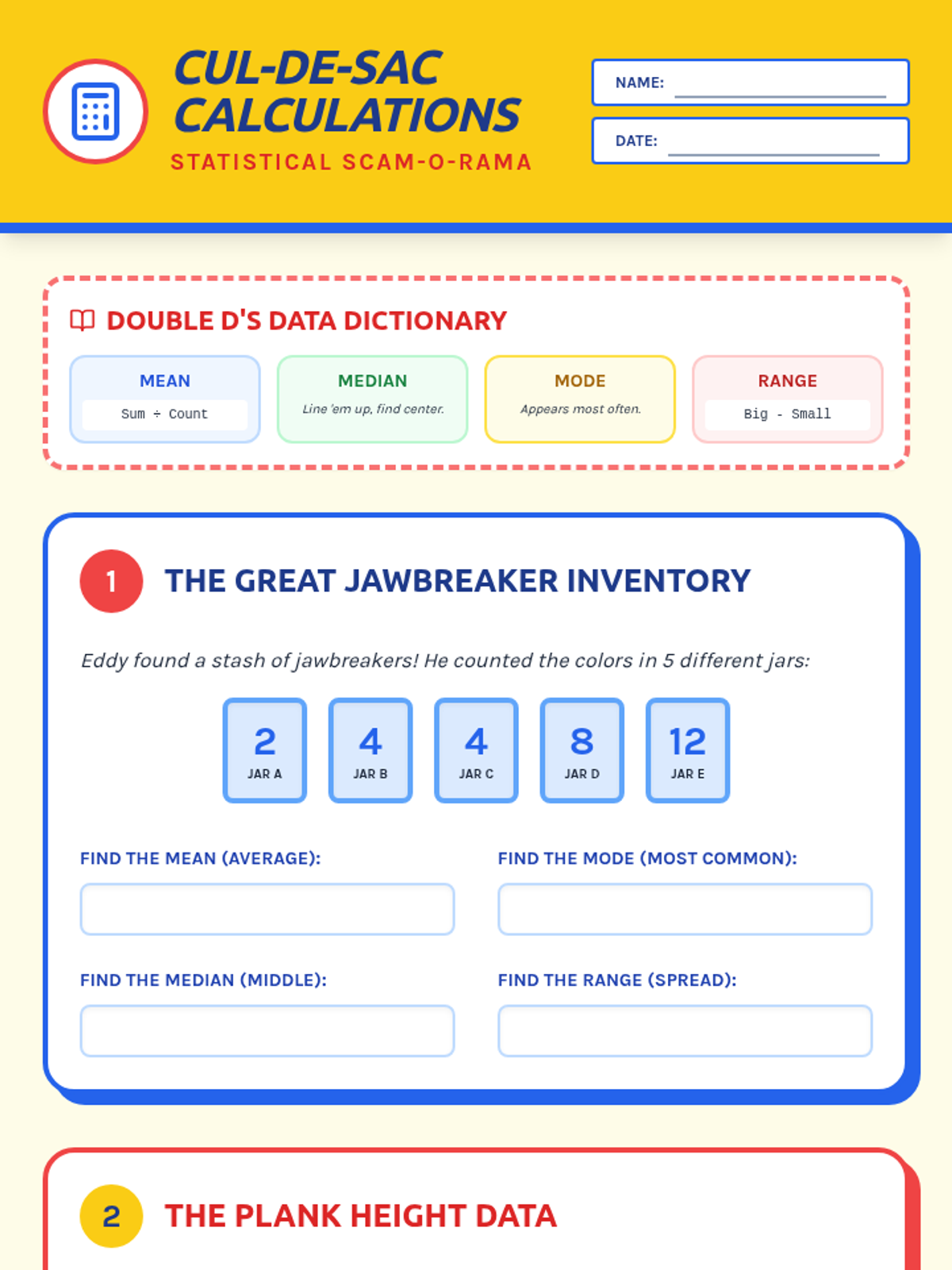
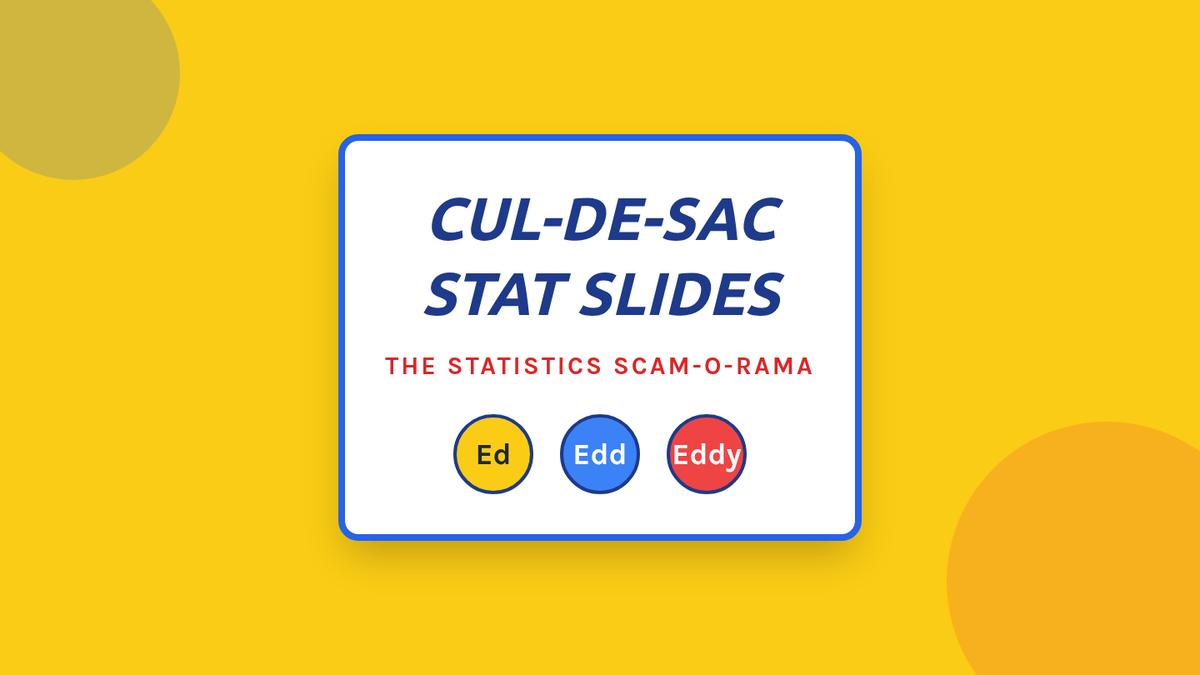
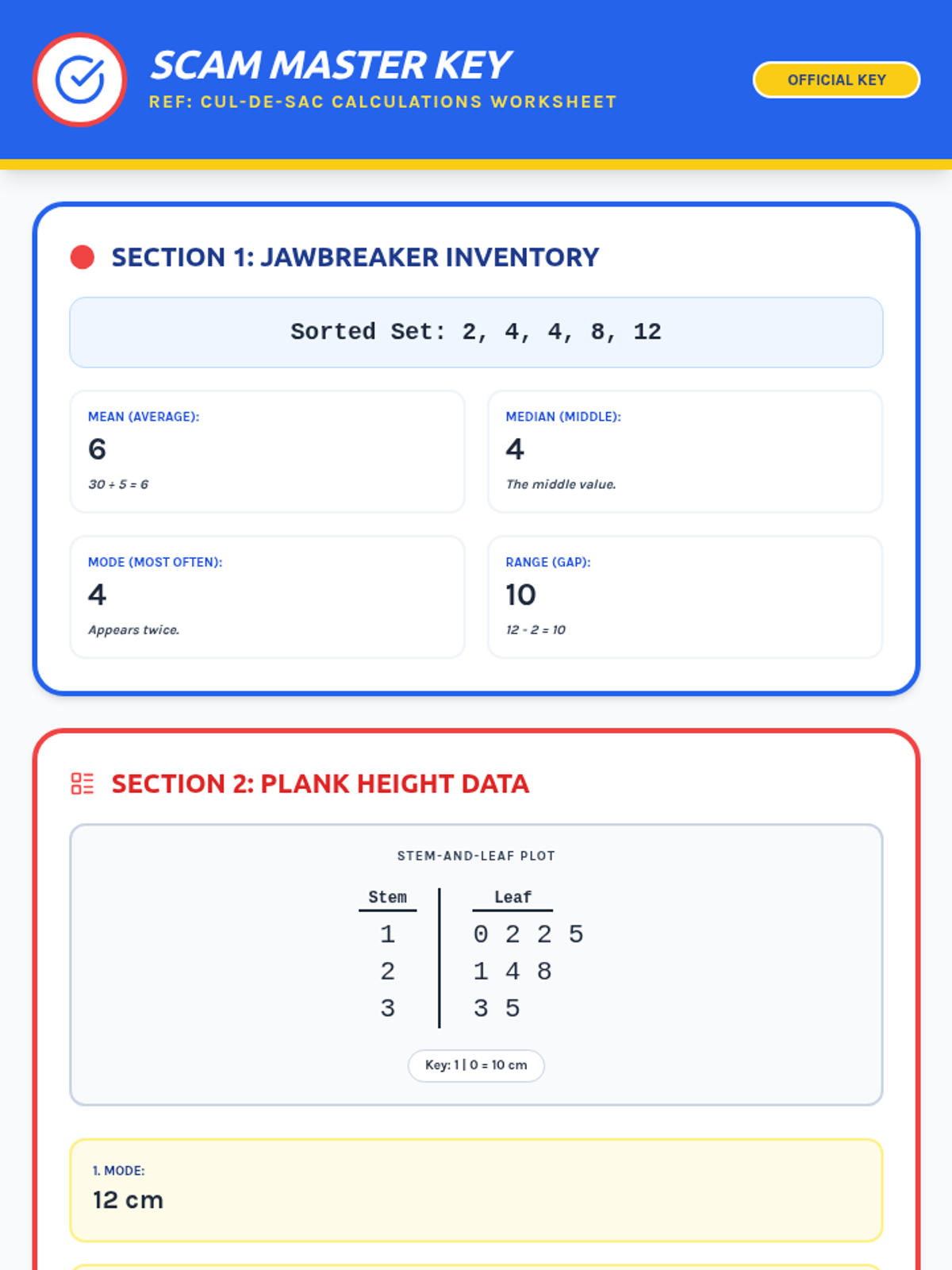
A statistics lesson for freshman students covering central tendency, probability, and stem-and-leaf plots, themed around the classic cartoon Ed, Edd n Eddy. Includes visual aids and simplified math for clear conceptual understanding.
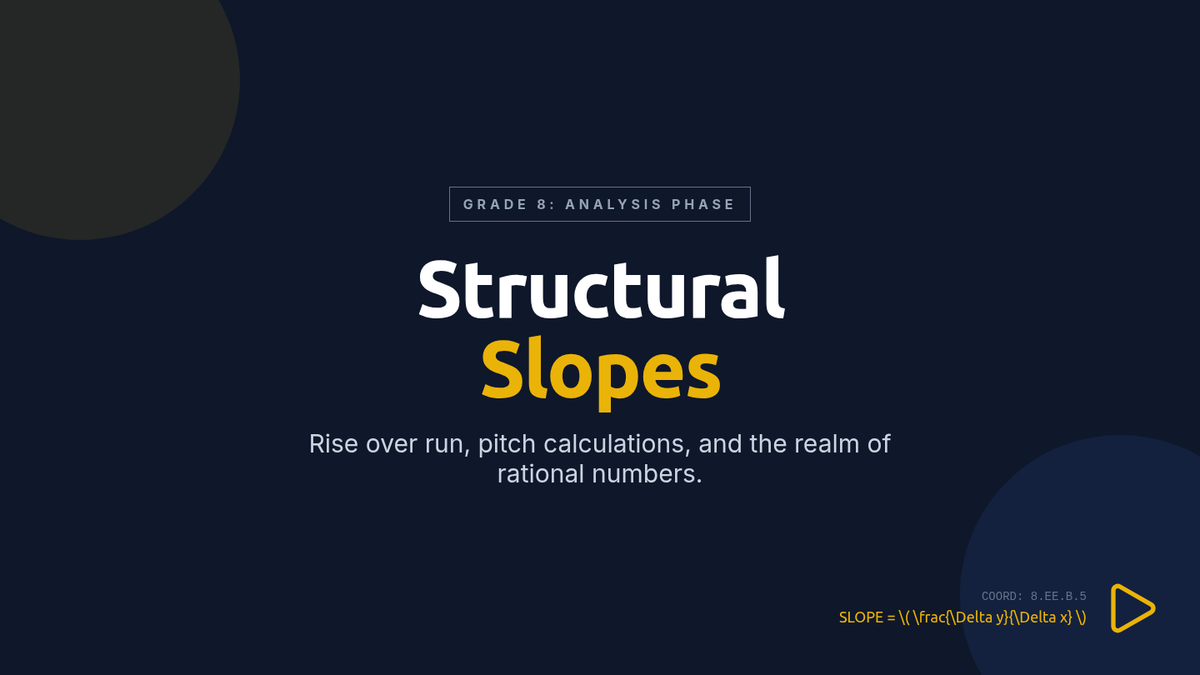
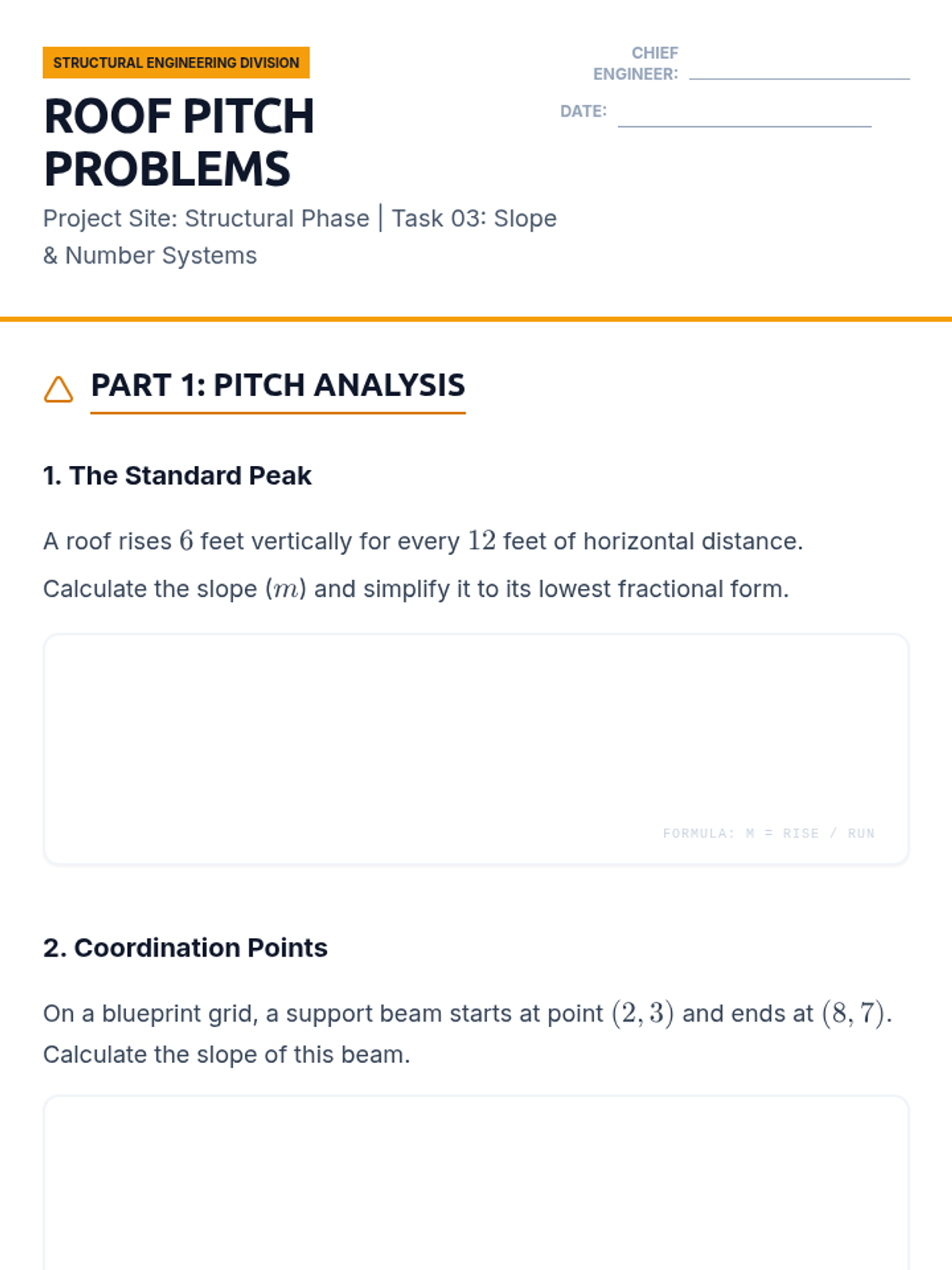
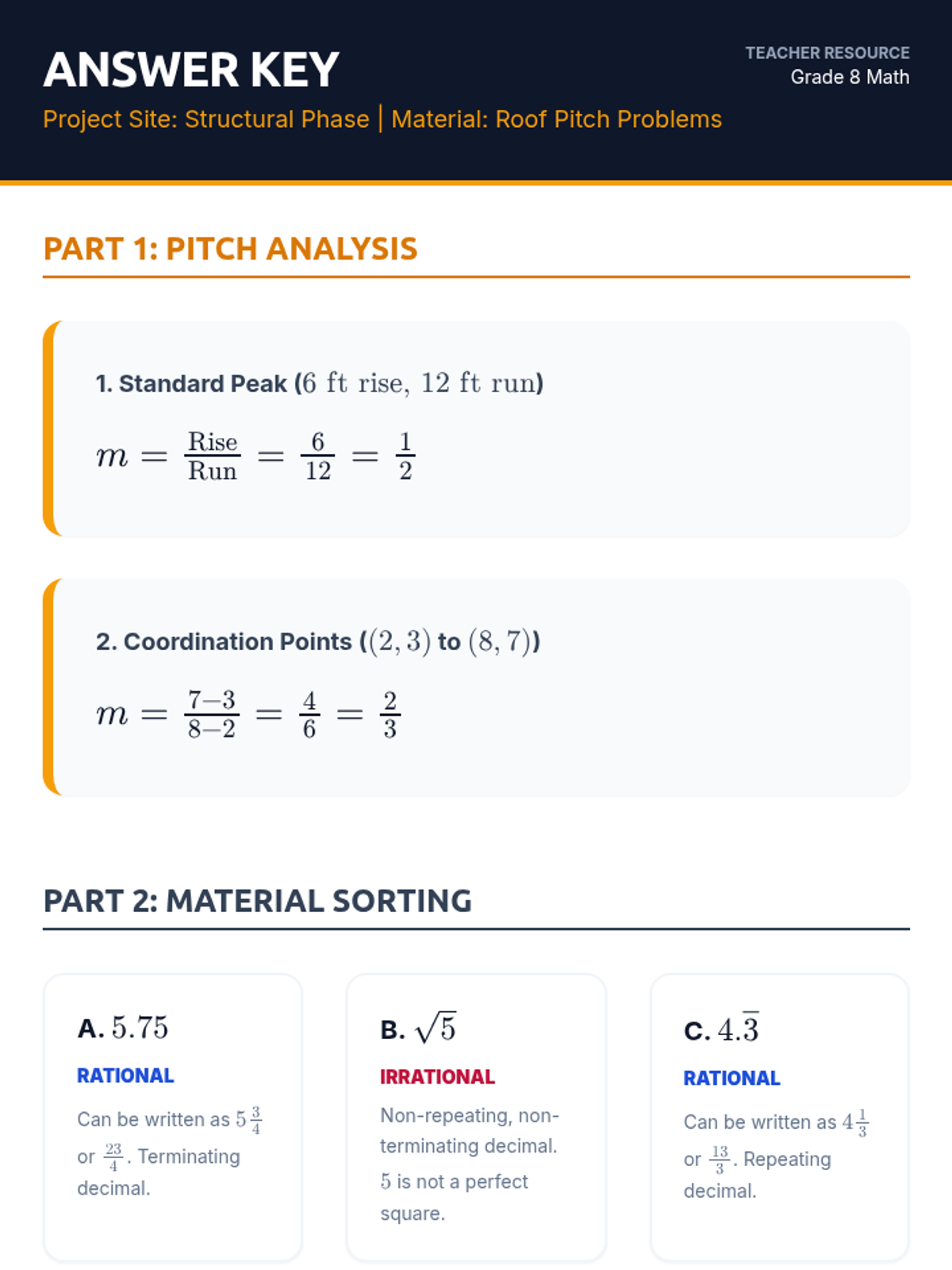
Explores 8th-grade concepts like slope as a fraction (rise over run) and identifying rational vs. irrational numbers in structural engineering.
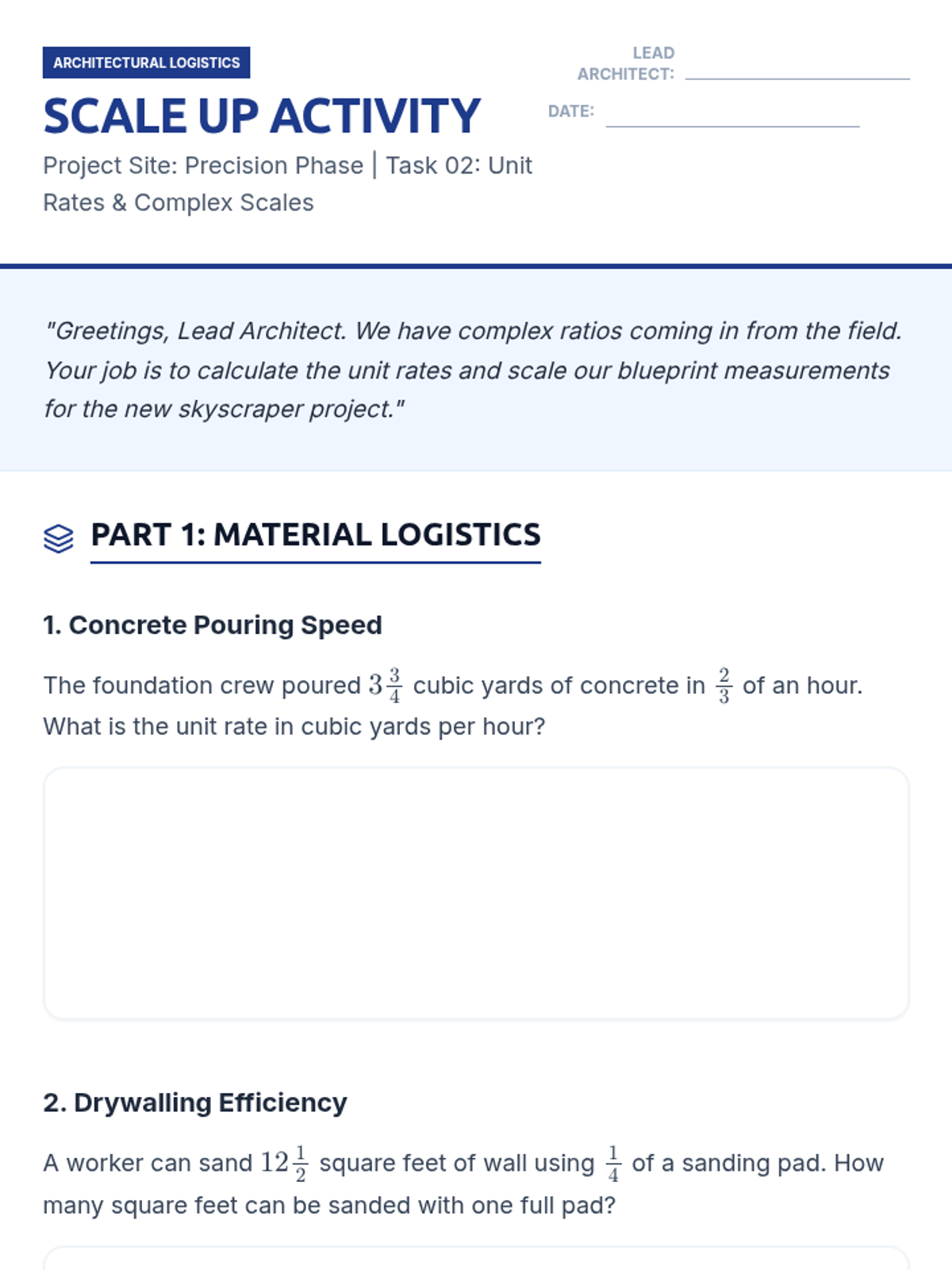
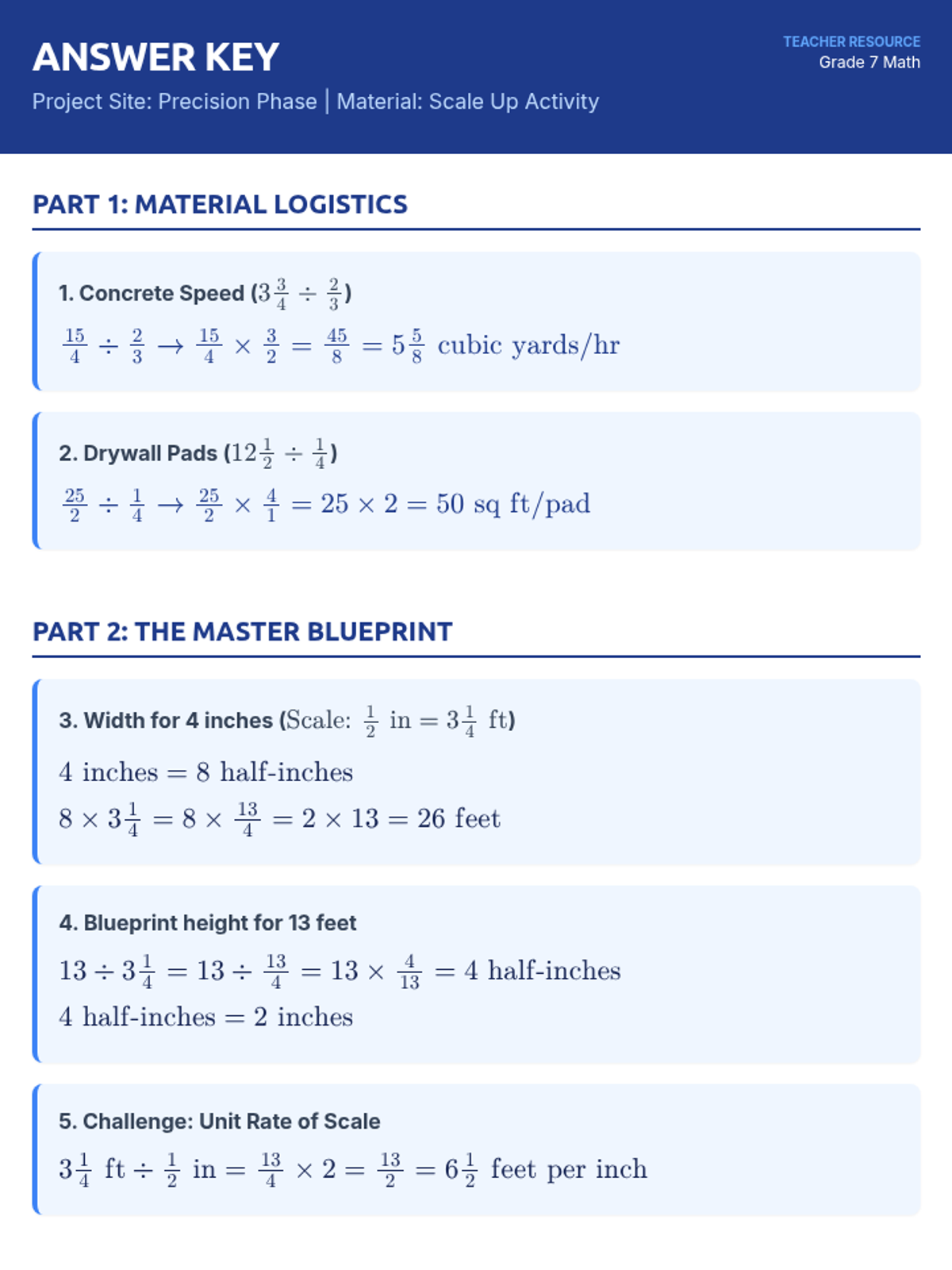
Covers 7th-grade topics including complex fractions, unit rates, and scaling designs for construction projects.
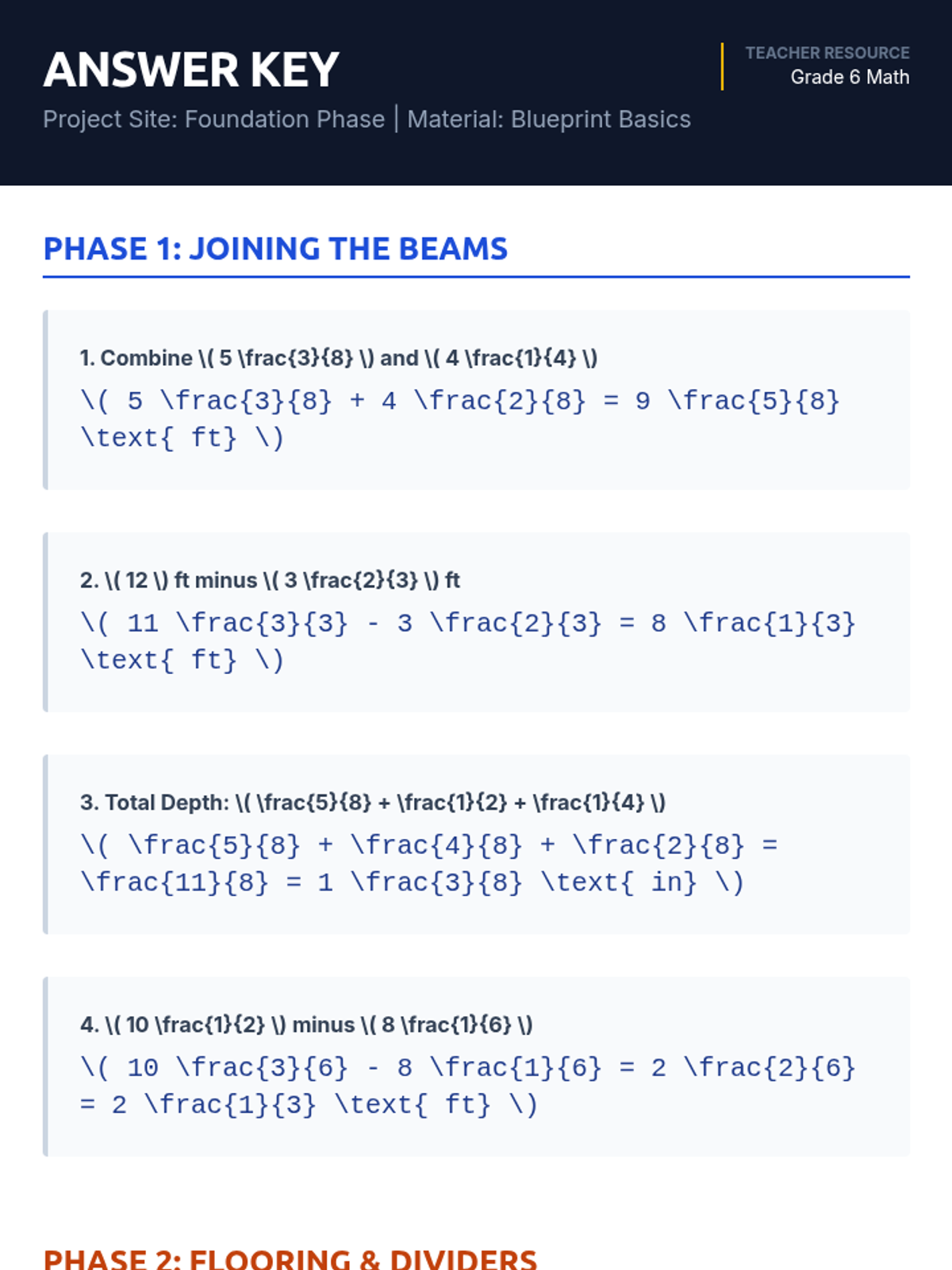
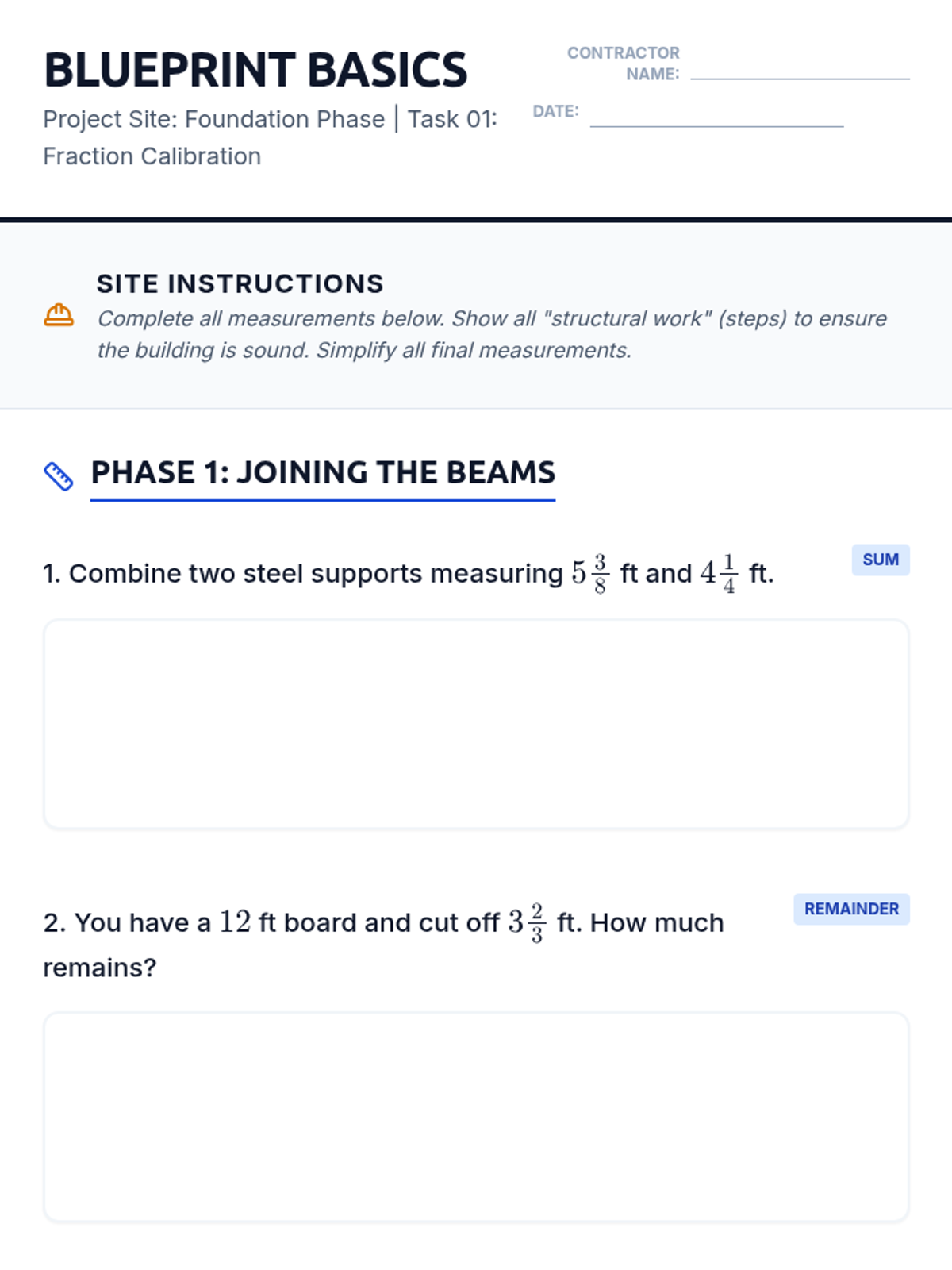
Focuses on 6th-grade fraction operations (addition, subtraction, multiplication, division) through the lens of foundational construction measurements.
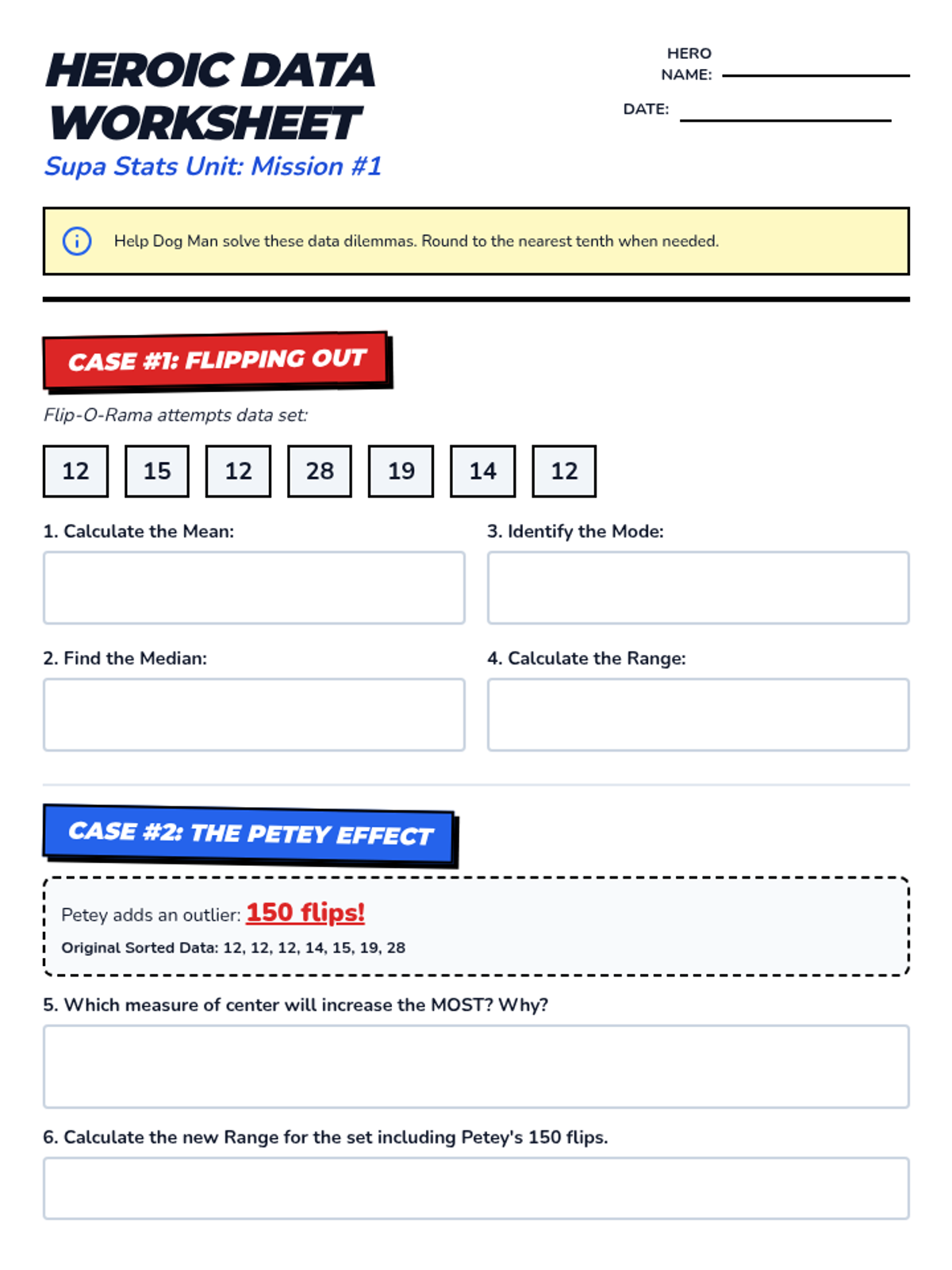
A statistics lesson for freshmen using characters and scenarios from the Dog Man series to teach mean, median, mode, range, and probability.
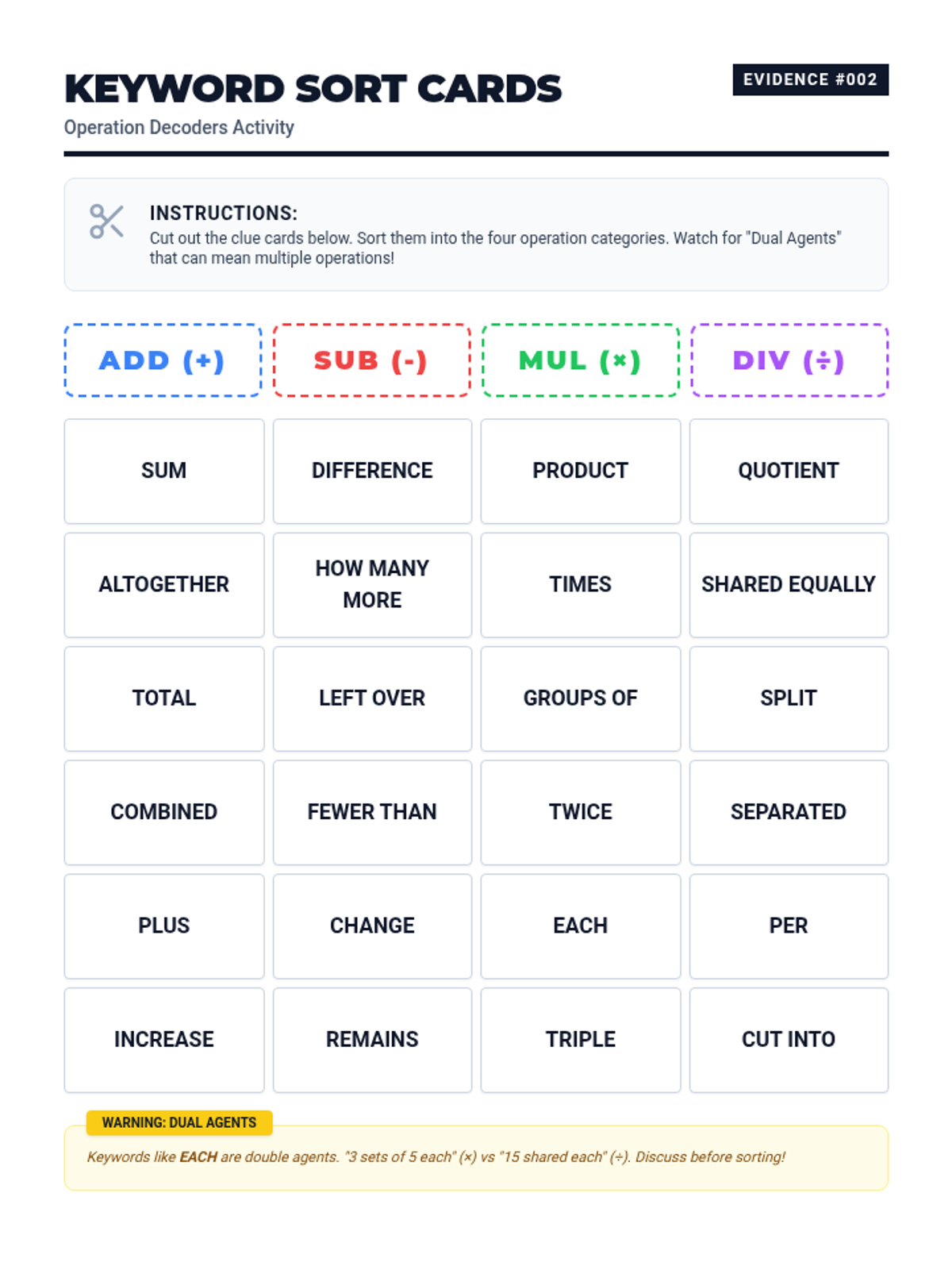
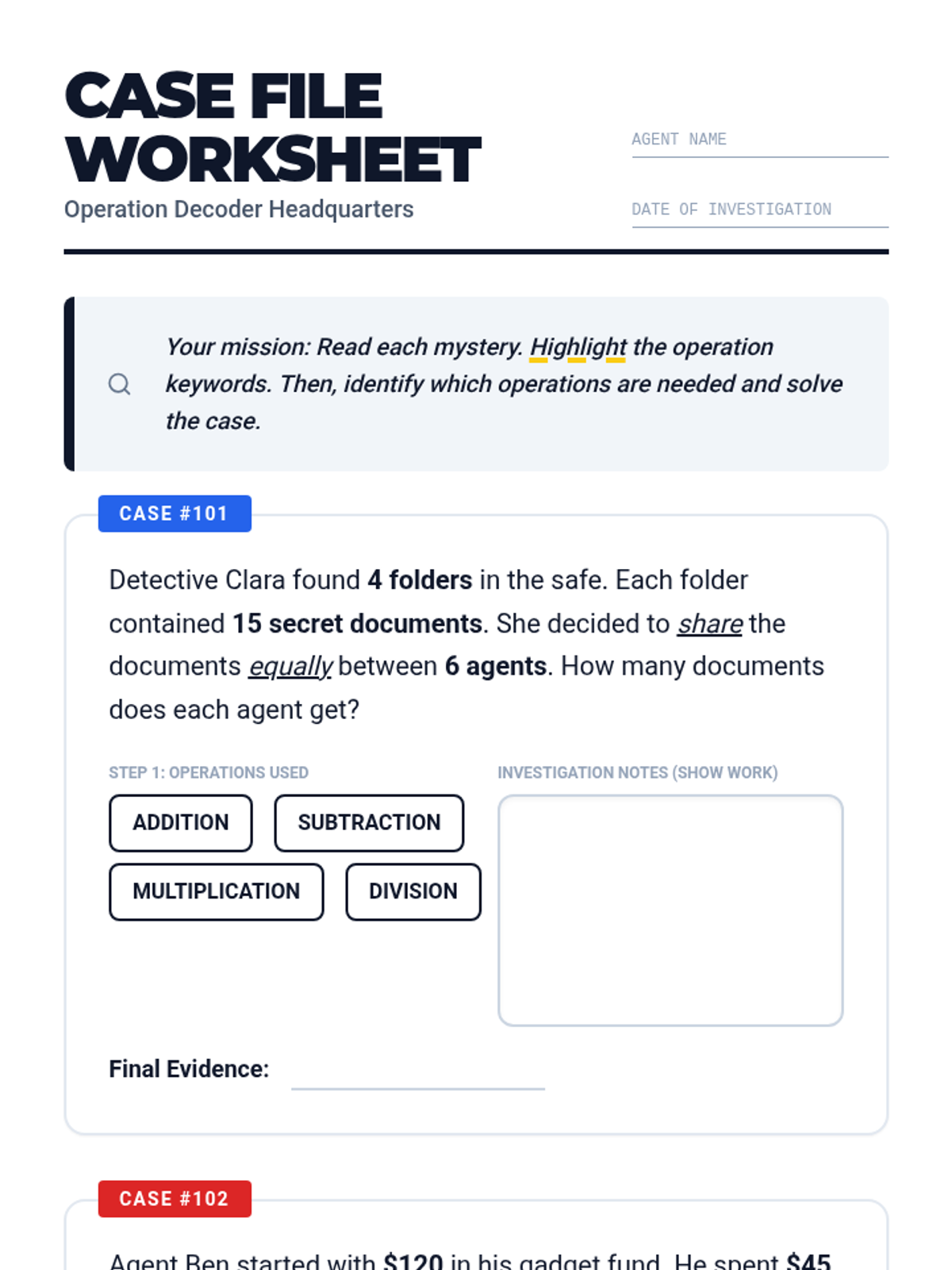
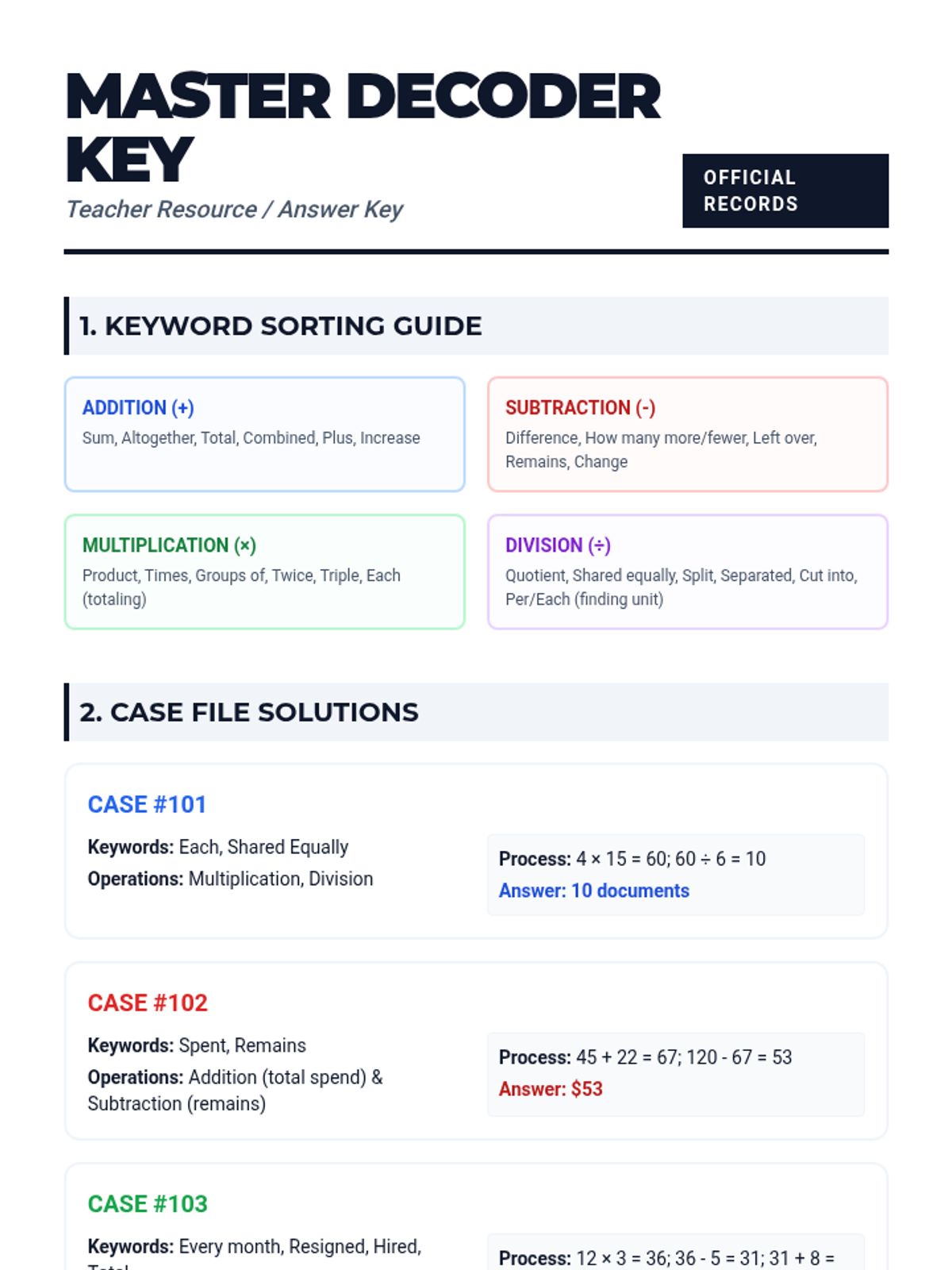
A lesson focused on identifying operation-specific keywords to decode and solve multi-step word problems using a detective-themed approach.
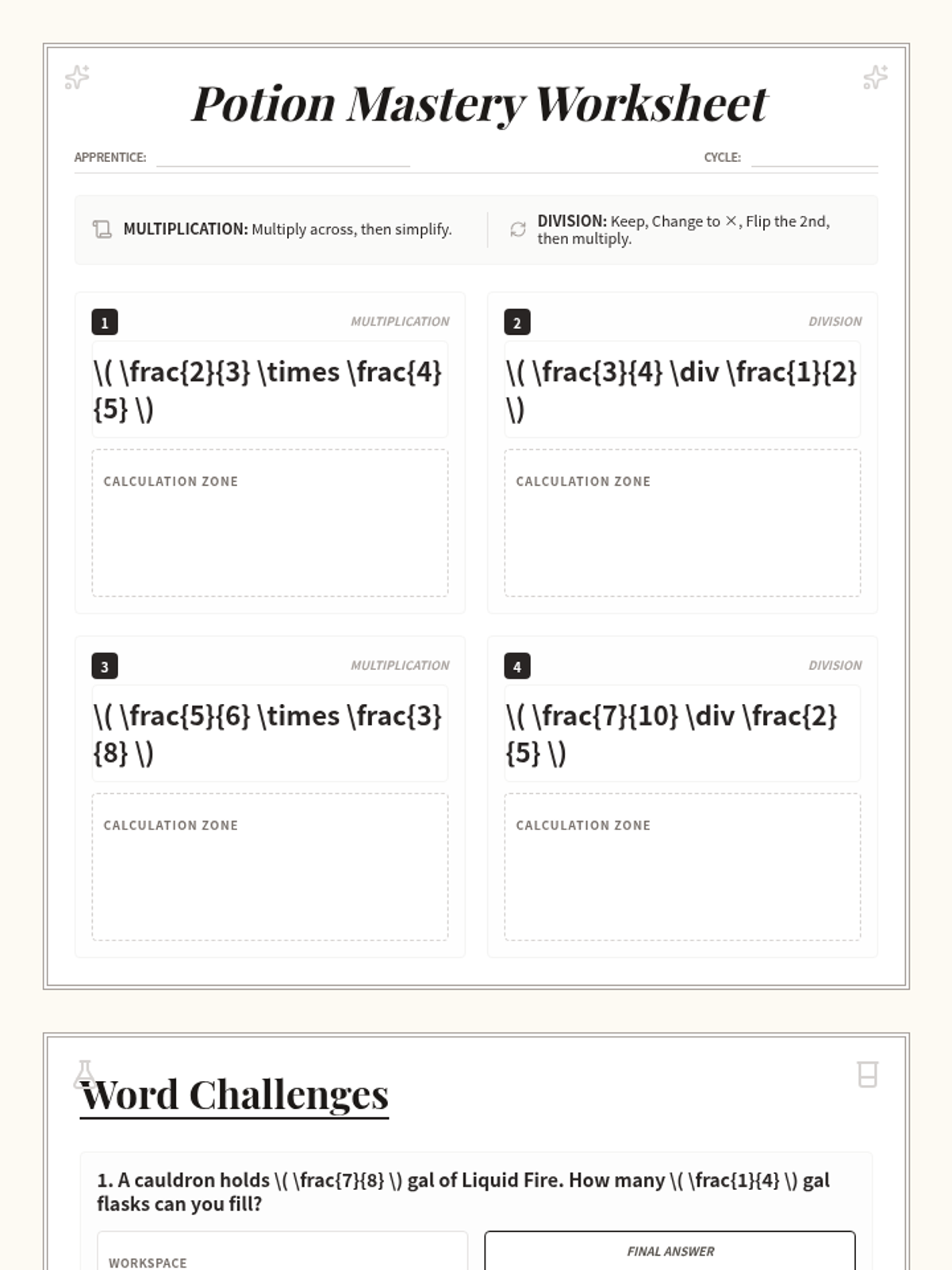
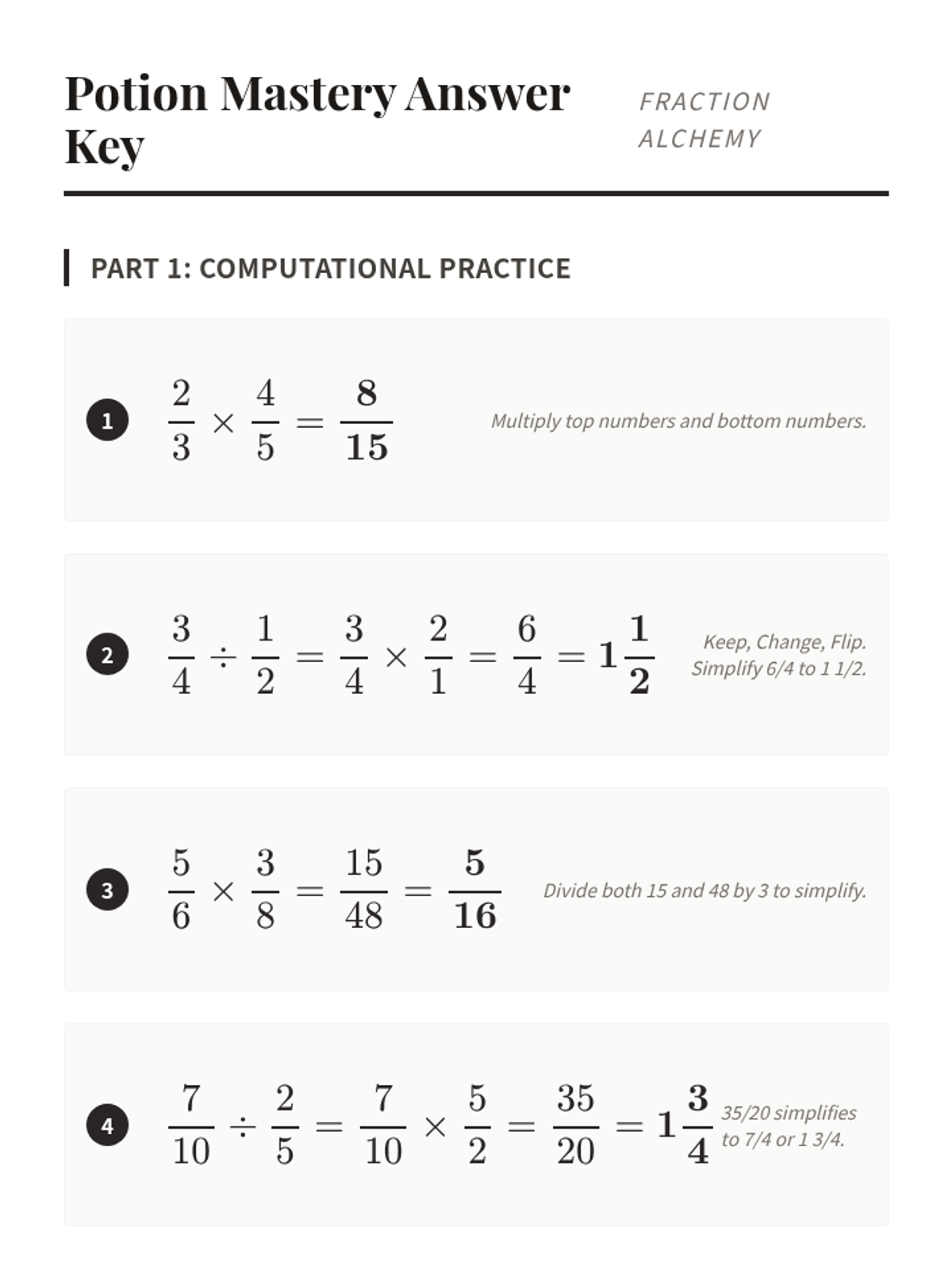
A lesson on multiplying and dividing fractions with unlike denominators, themed around an alchemy lab where students brew potions using mathematical formulas.
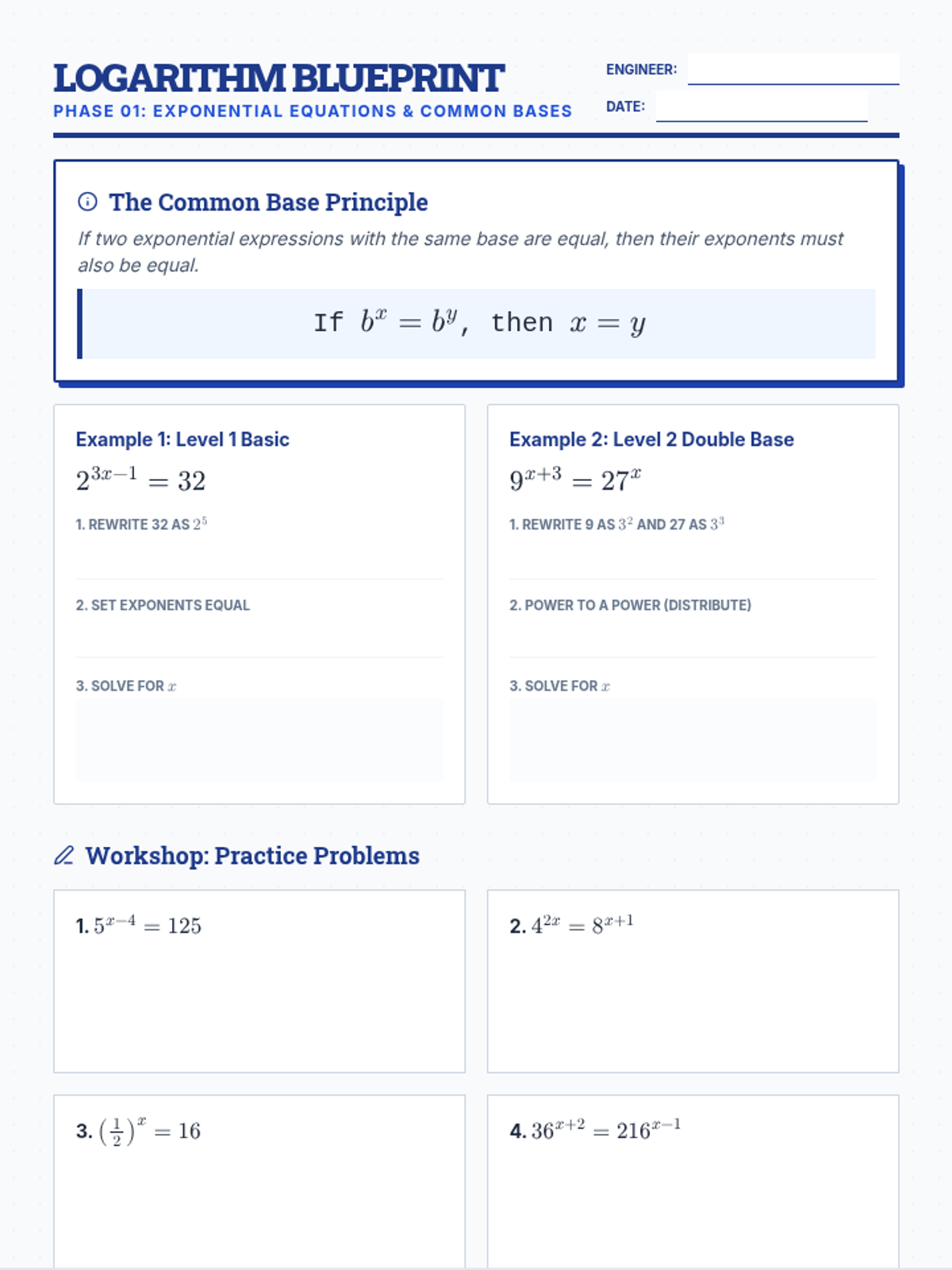
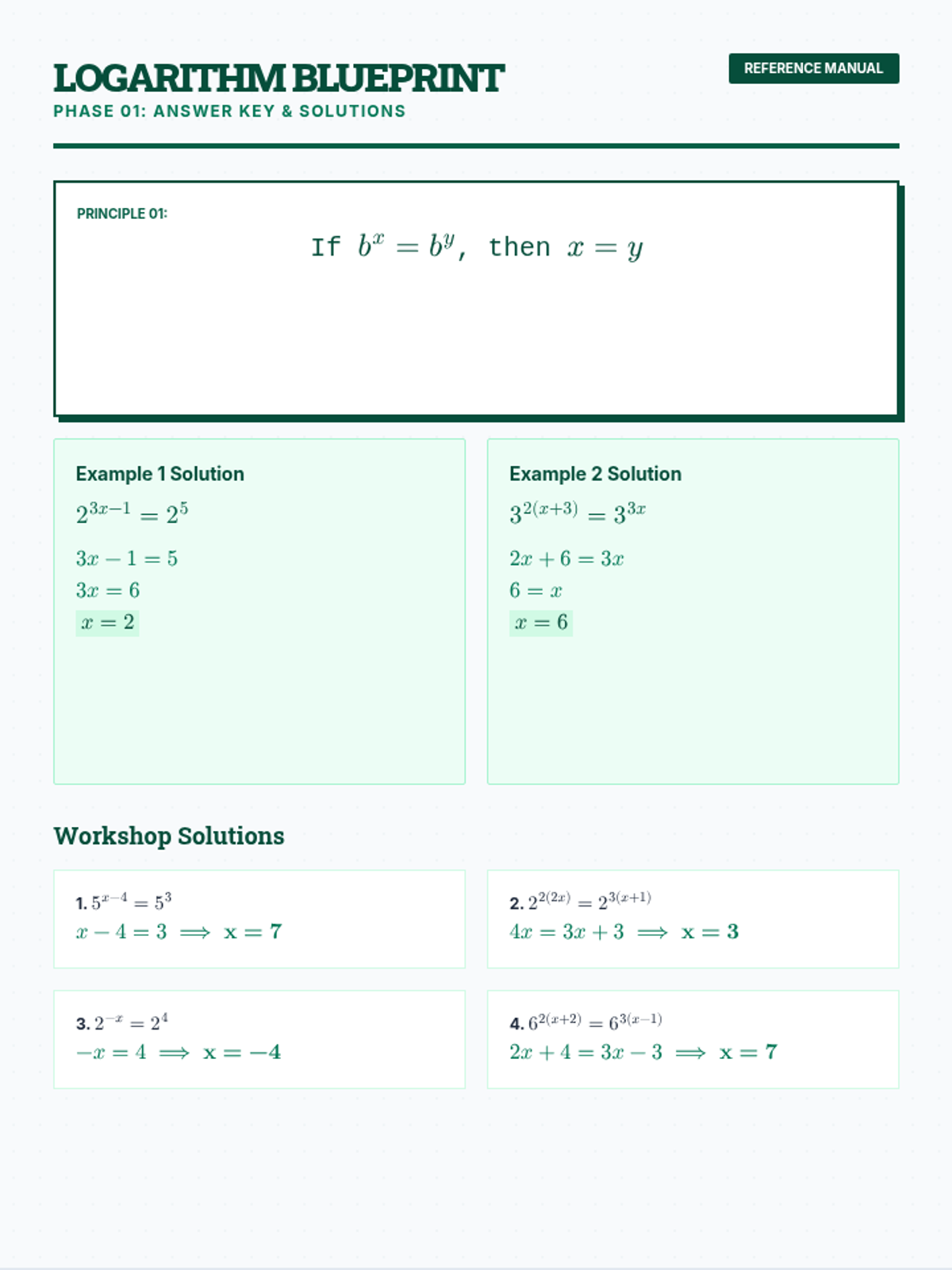
A comprehensive guide to solving exponential and logarithmic equations using common bases and property-based manipulation. Students will master converting between forms and applying product, quotient, and power rules.
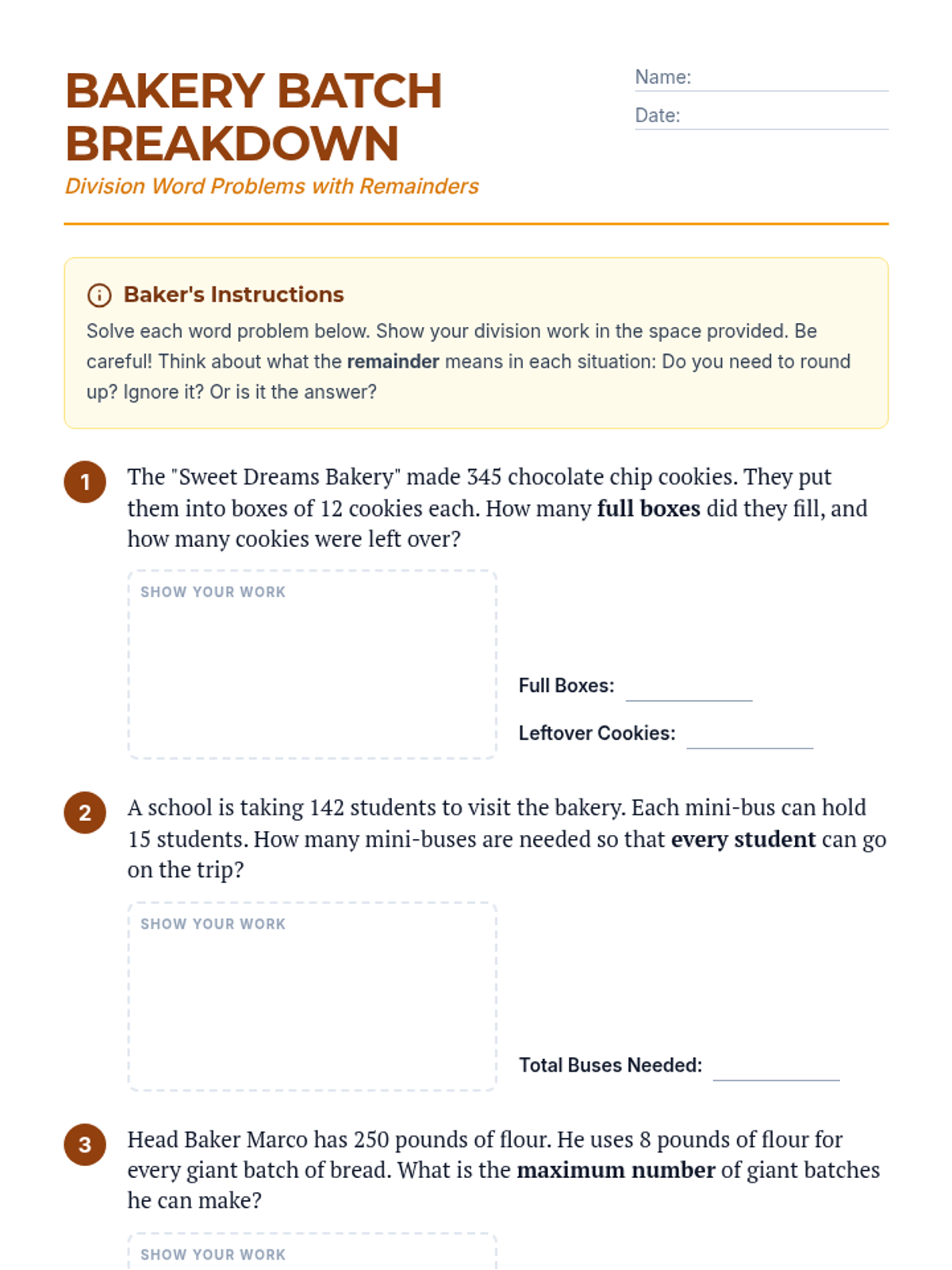
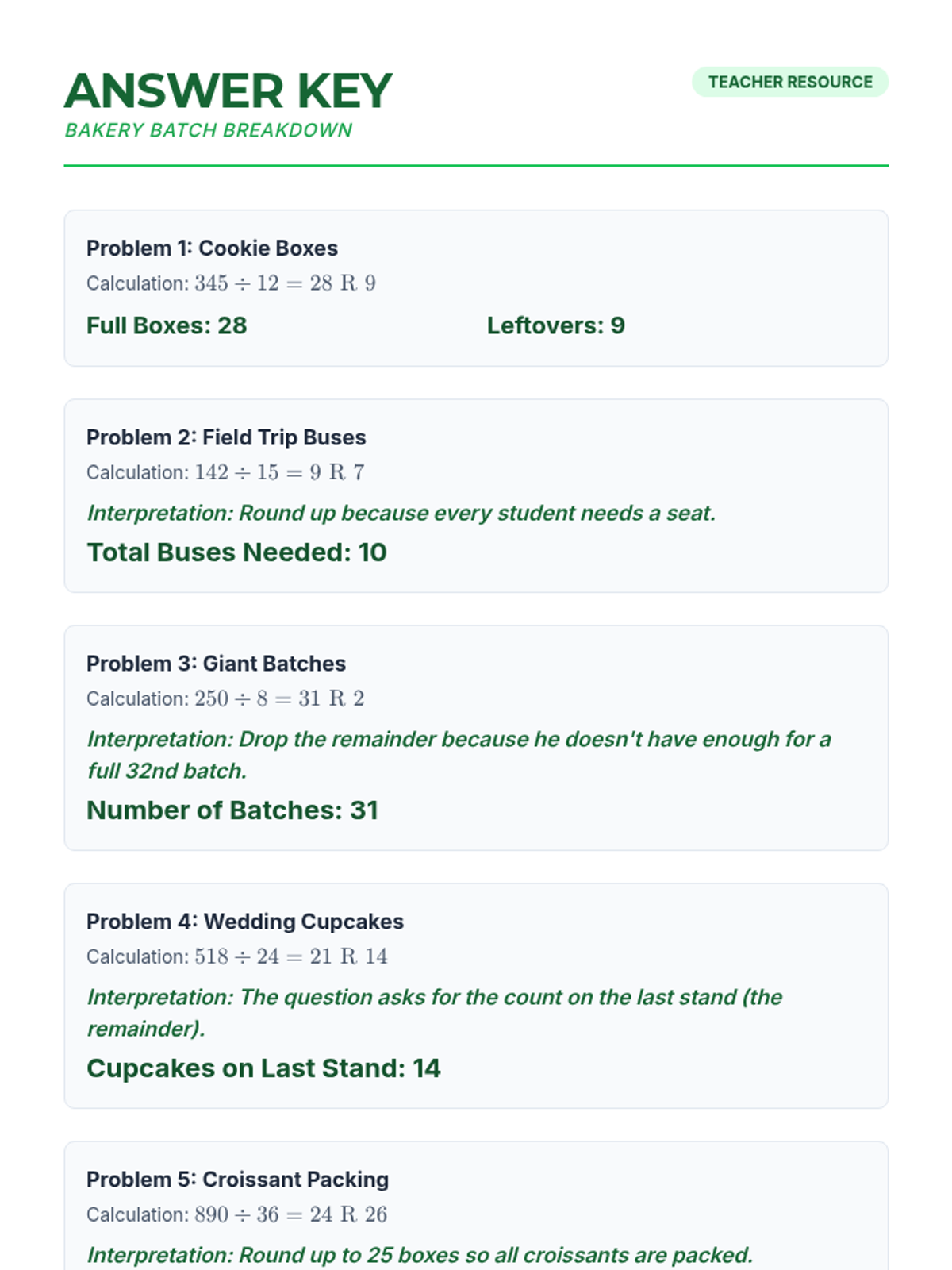
A lesson focused on solving and interpreting division word problems with remainders, using a bakery theme to provide real-world context.
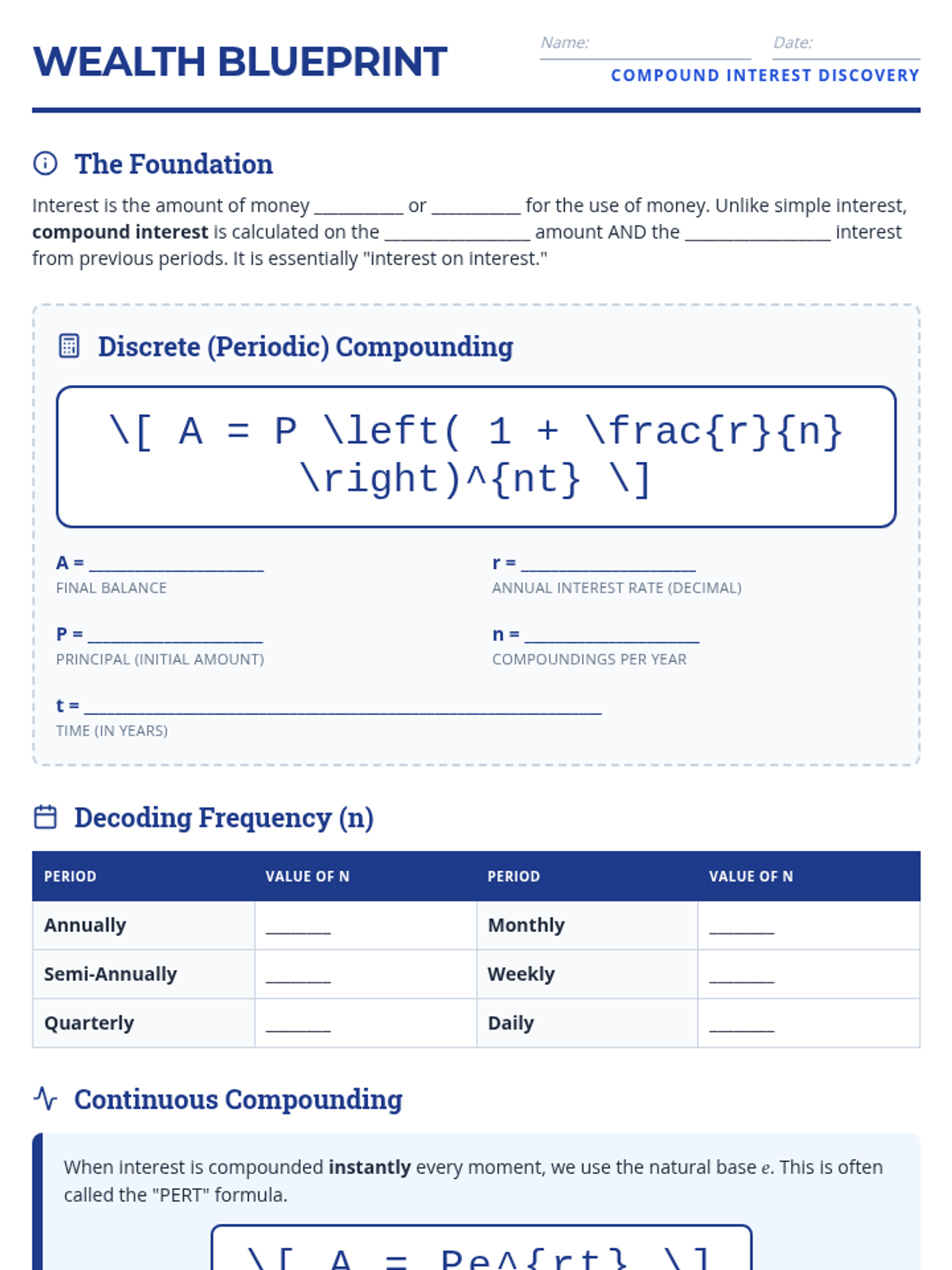
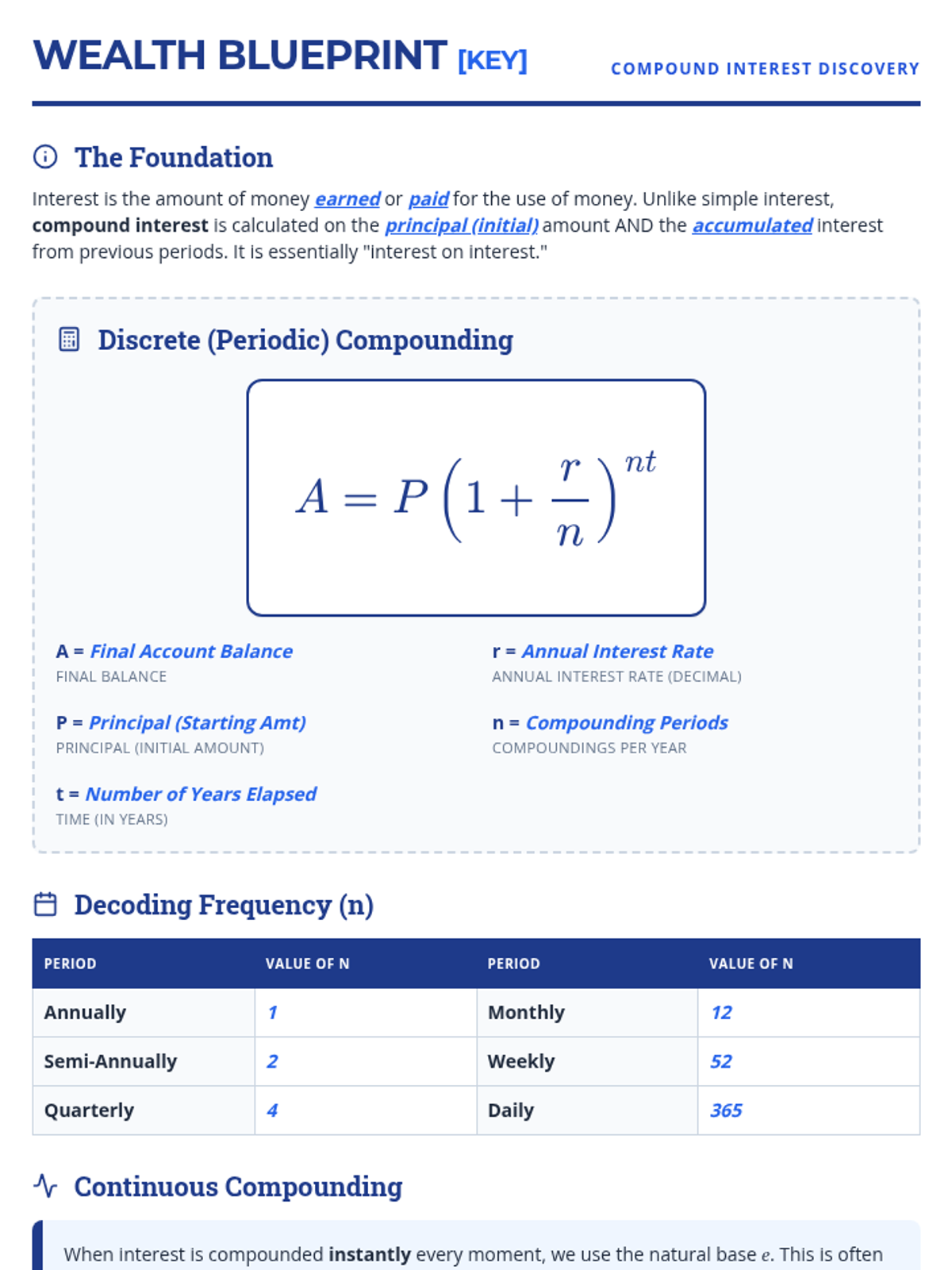
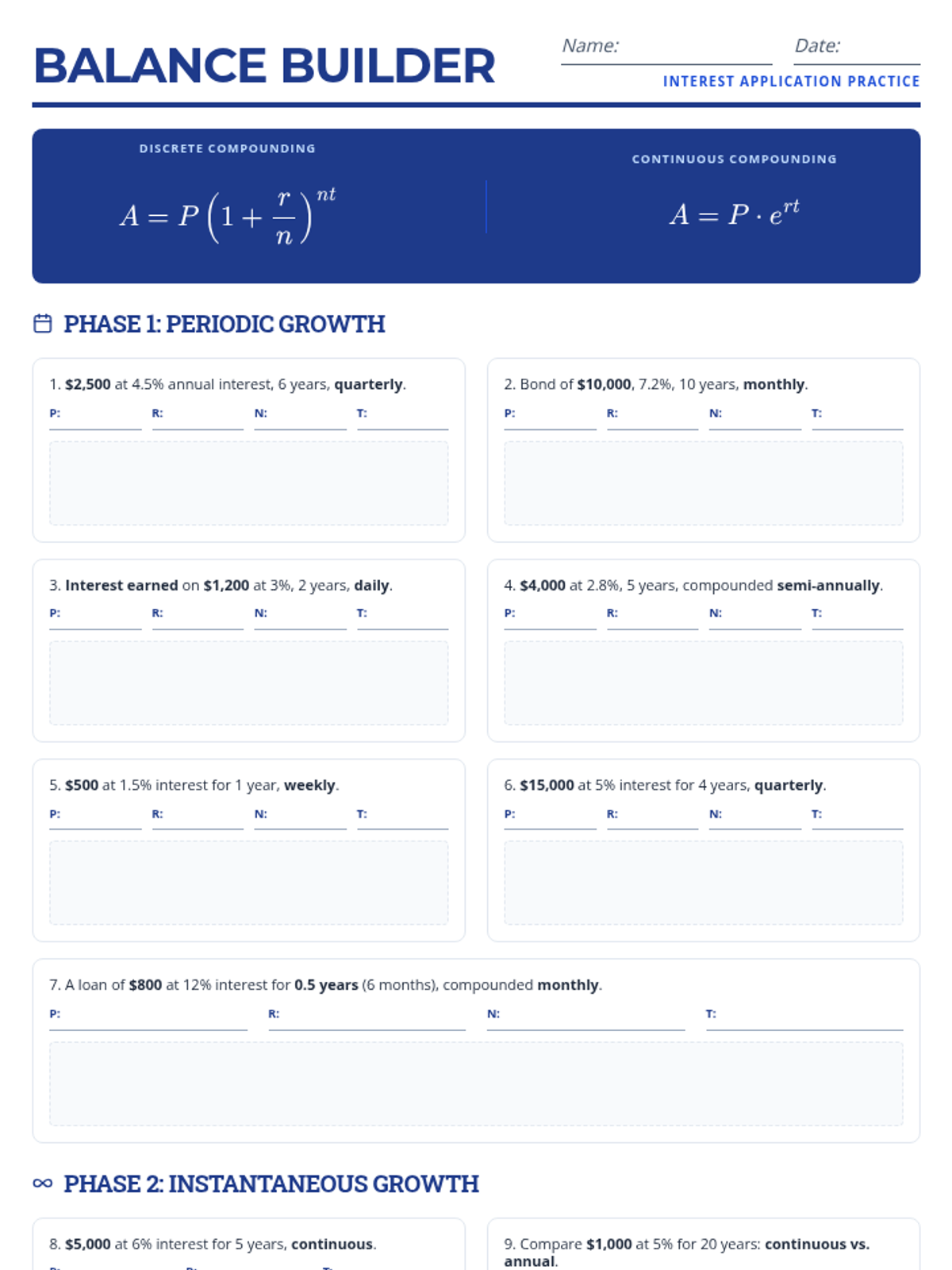
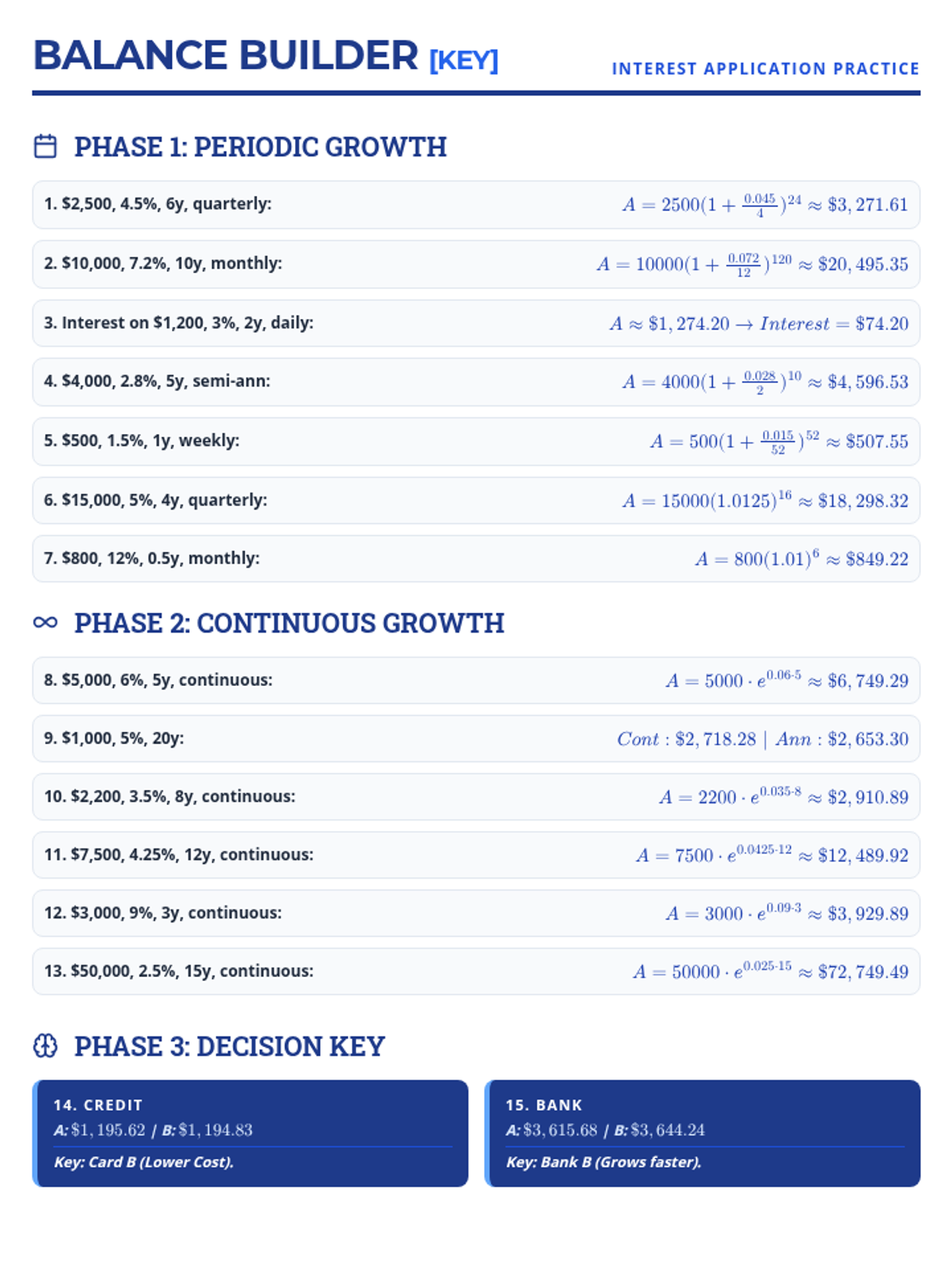
A guided exploration of discrete and continuous compound interest formulas through visual organizers and structured notes.
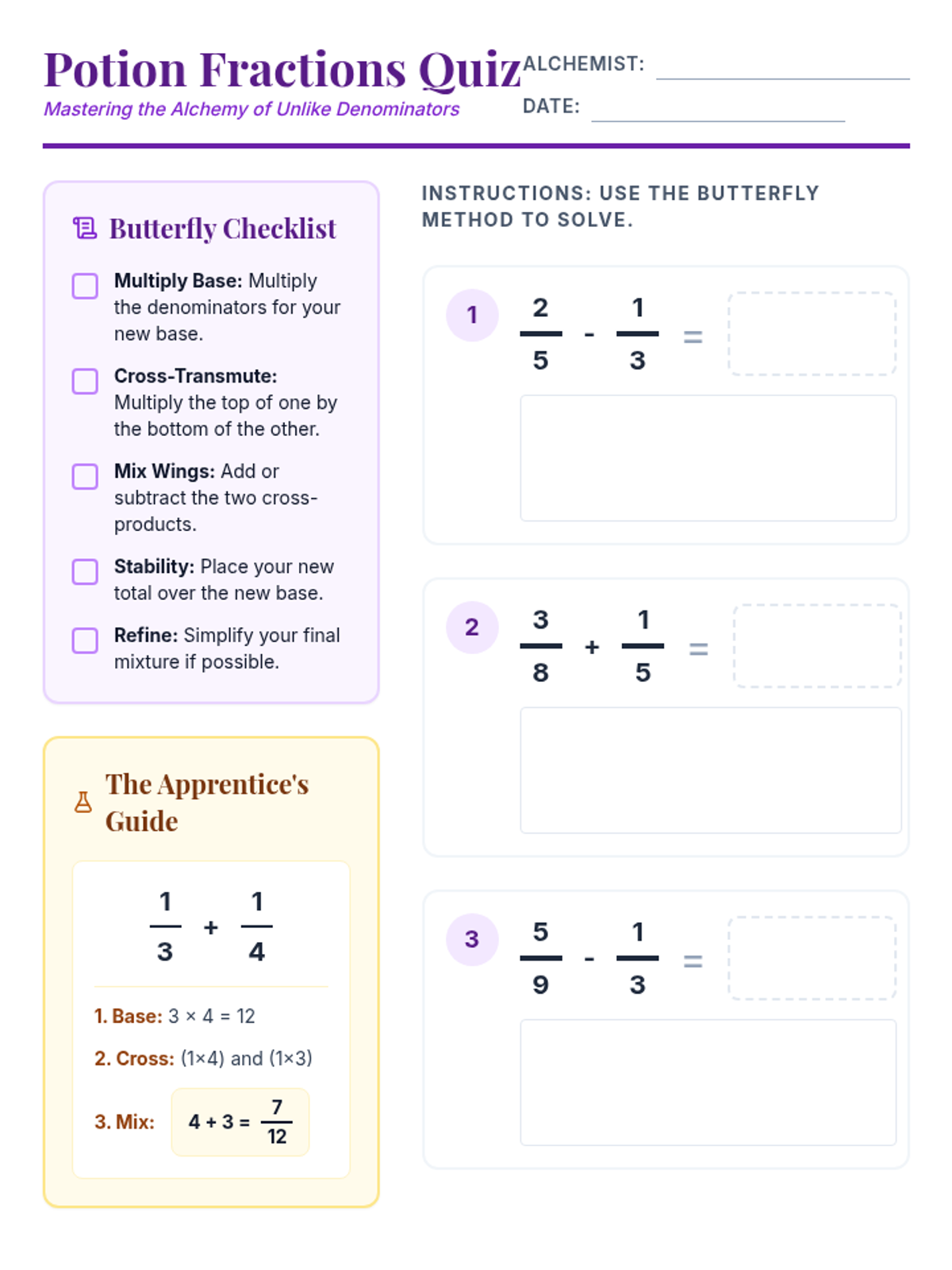
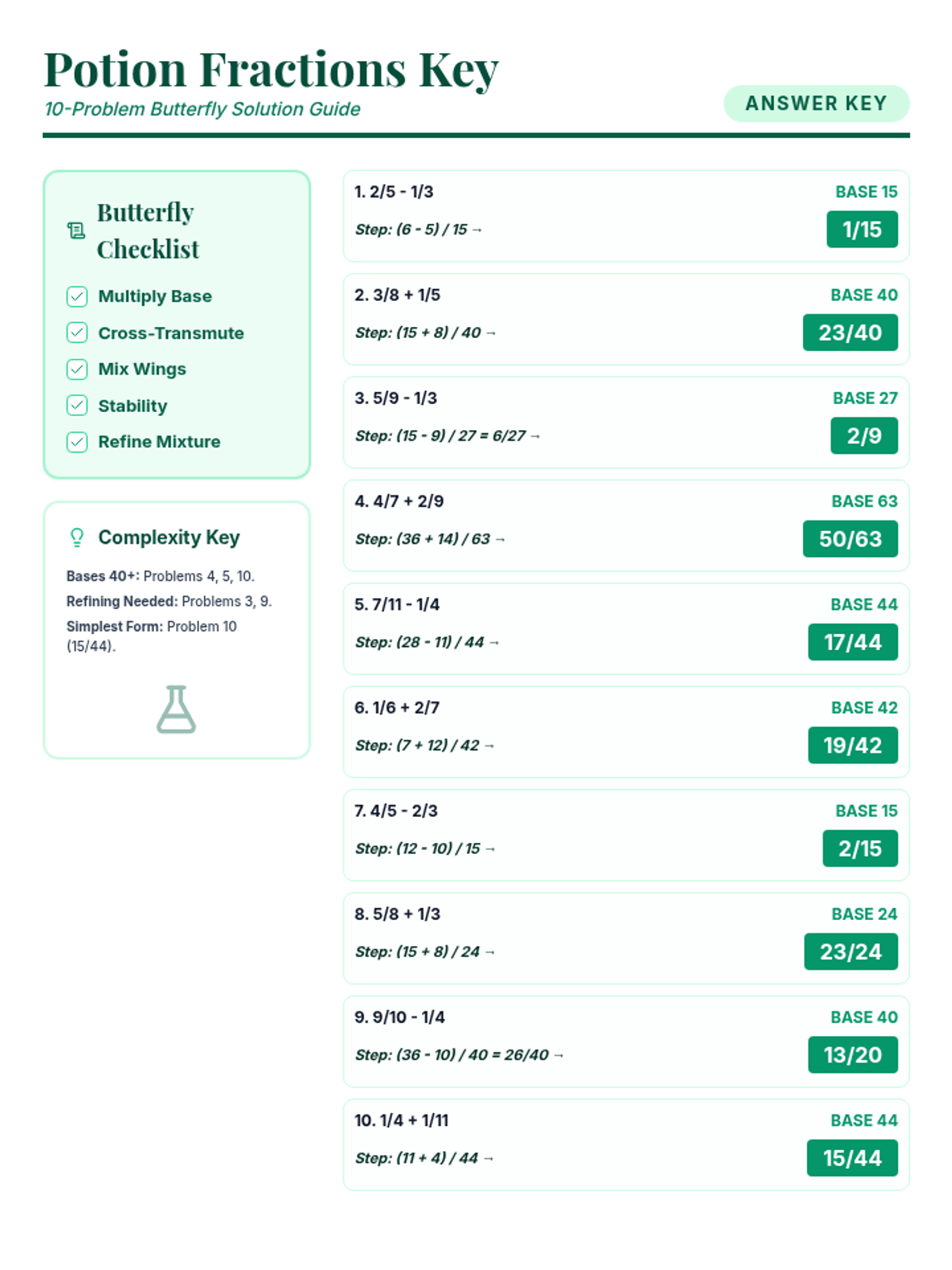
A lesson focused on adding and subtracting proper fractions with unlike denominators using a step-by-step checklist and potion-themed problems.
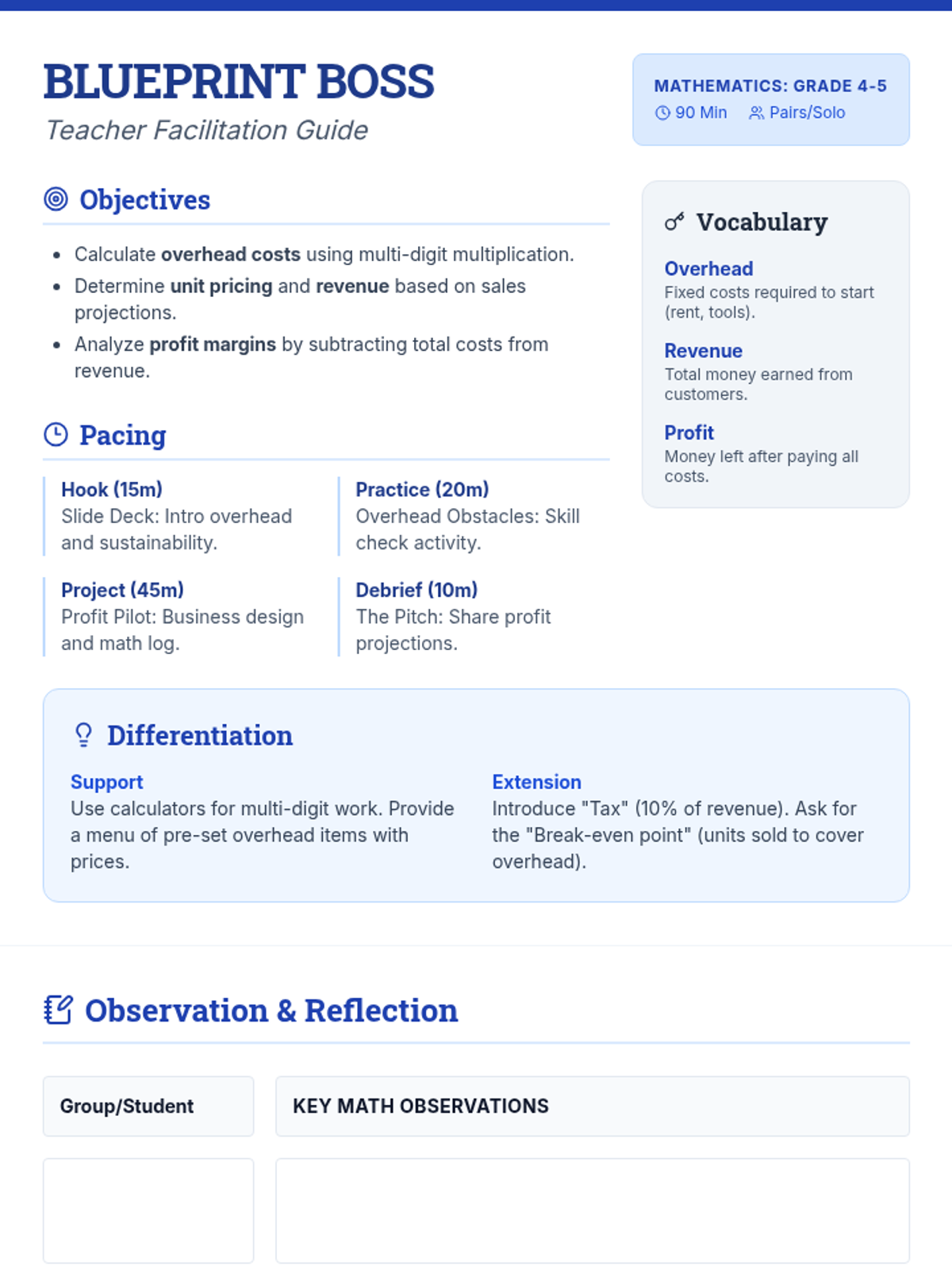
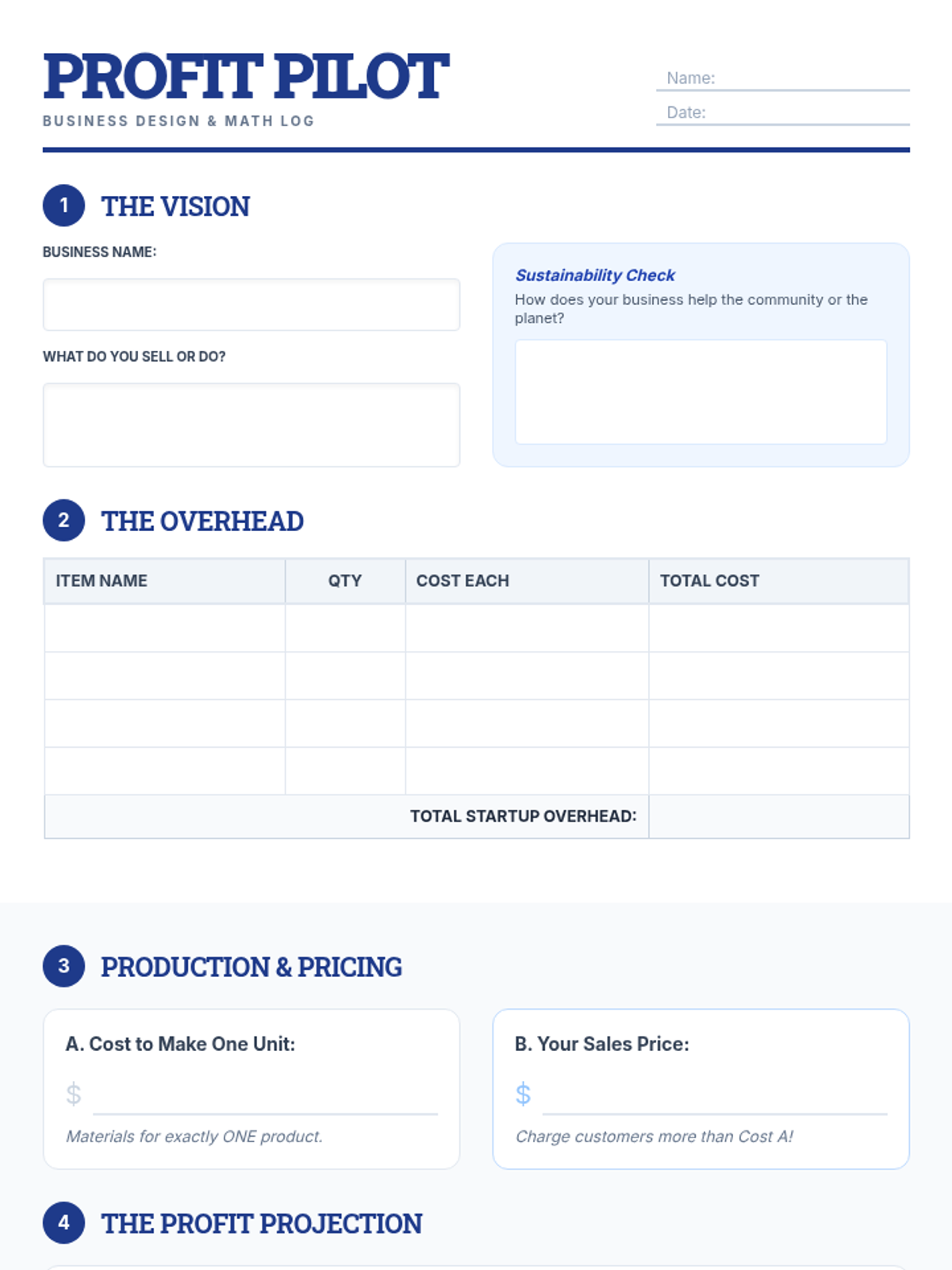
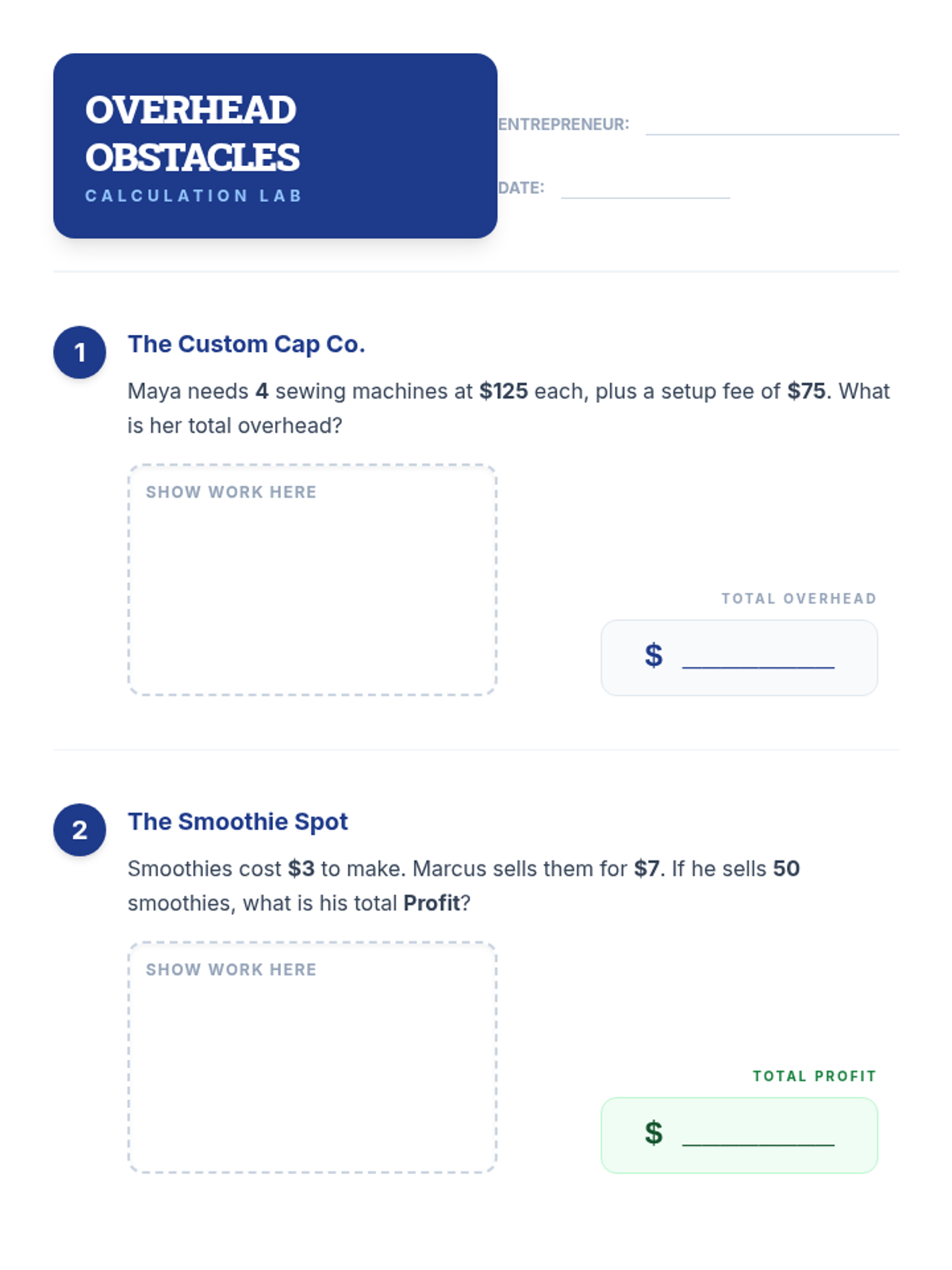
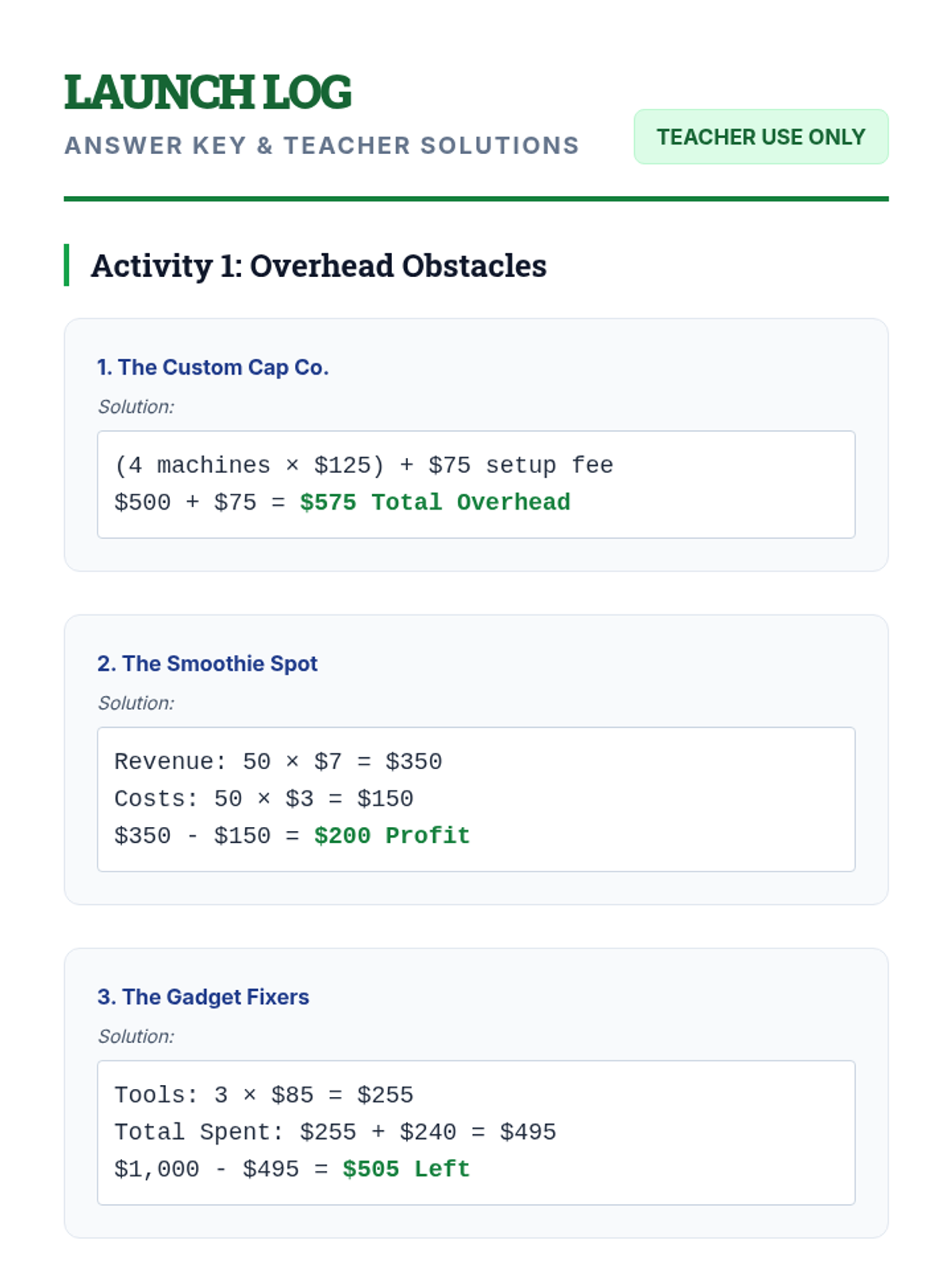
Upper elementary students step into the shoes of business owners to design a sustainable venture. They will master multiplication and division through real-world applications of overhead costs, revenue, and profit margins.
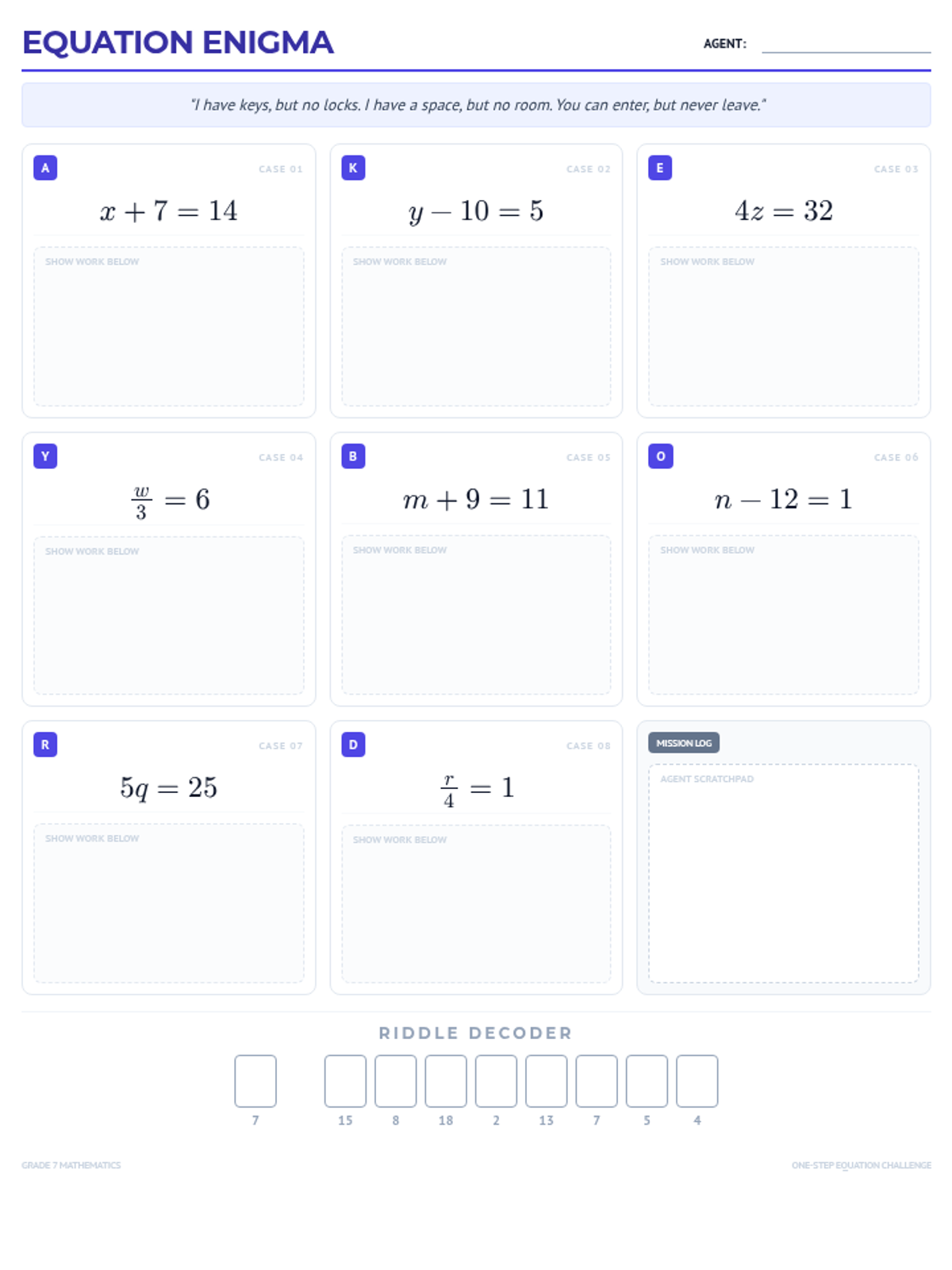
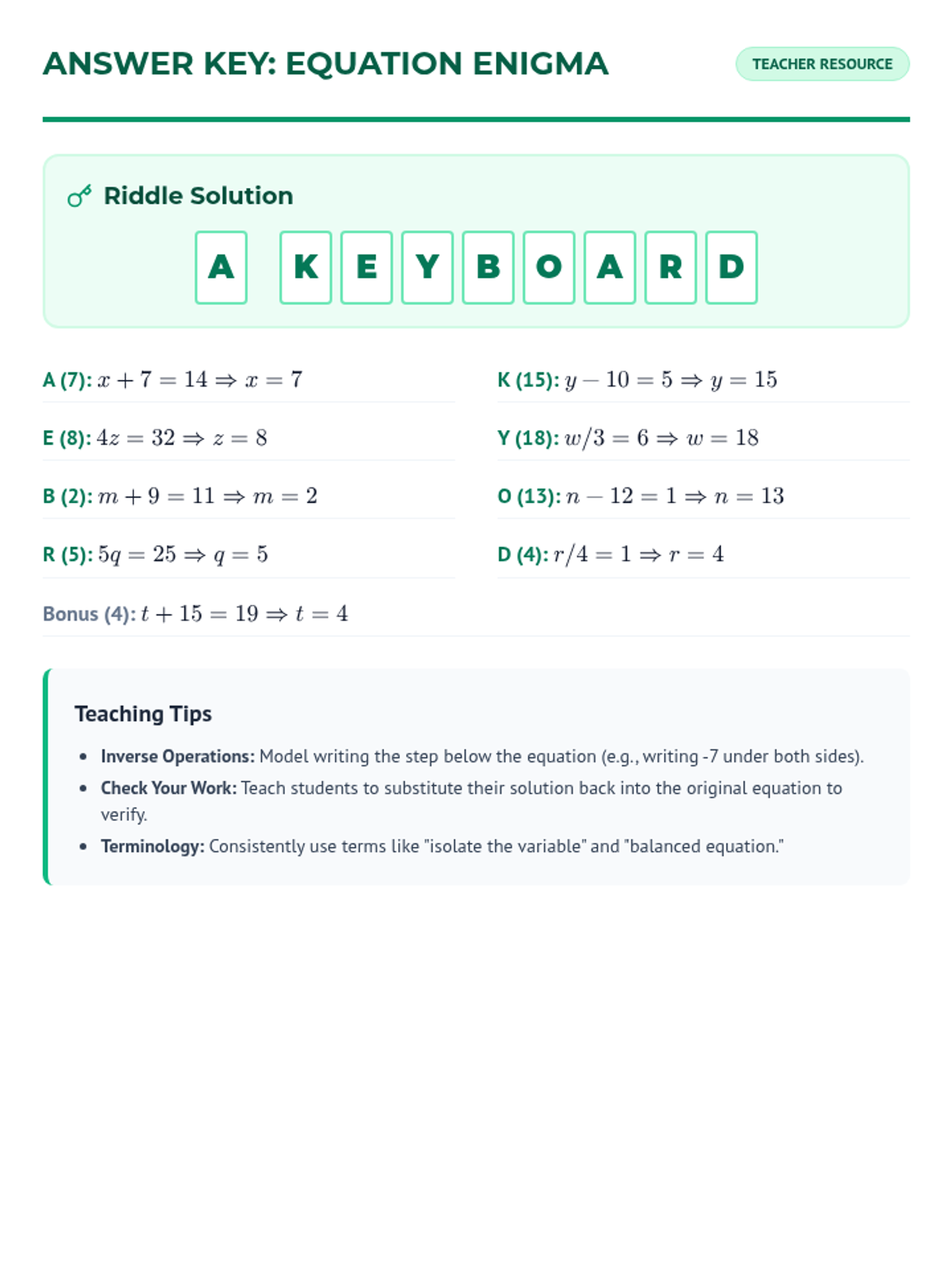
A focused lesson on solving one-step equations using inverse operations with addition, subtraction, multiplication, and division. Students will apply their skills to solve a riddle, reinforcing the concept of isolating variables.
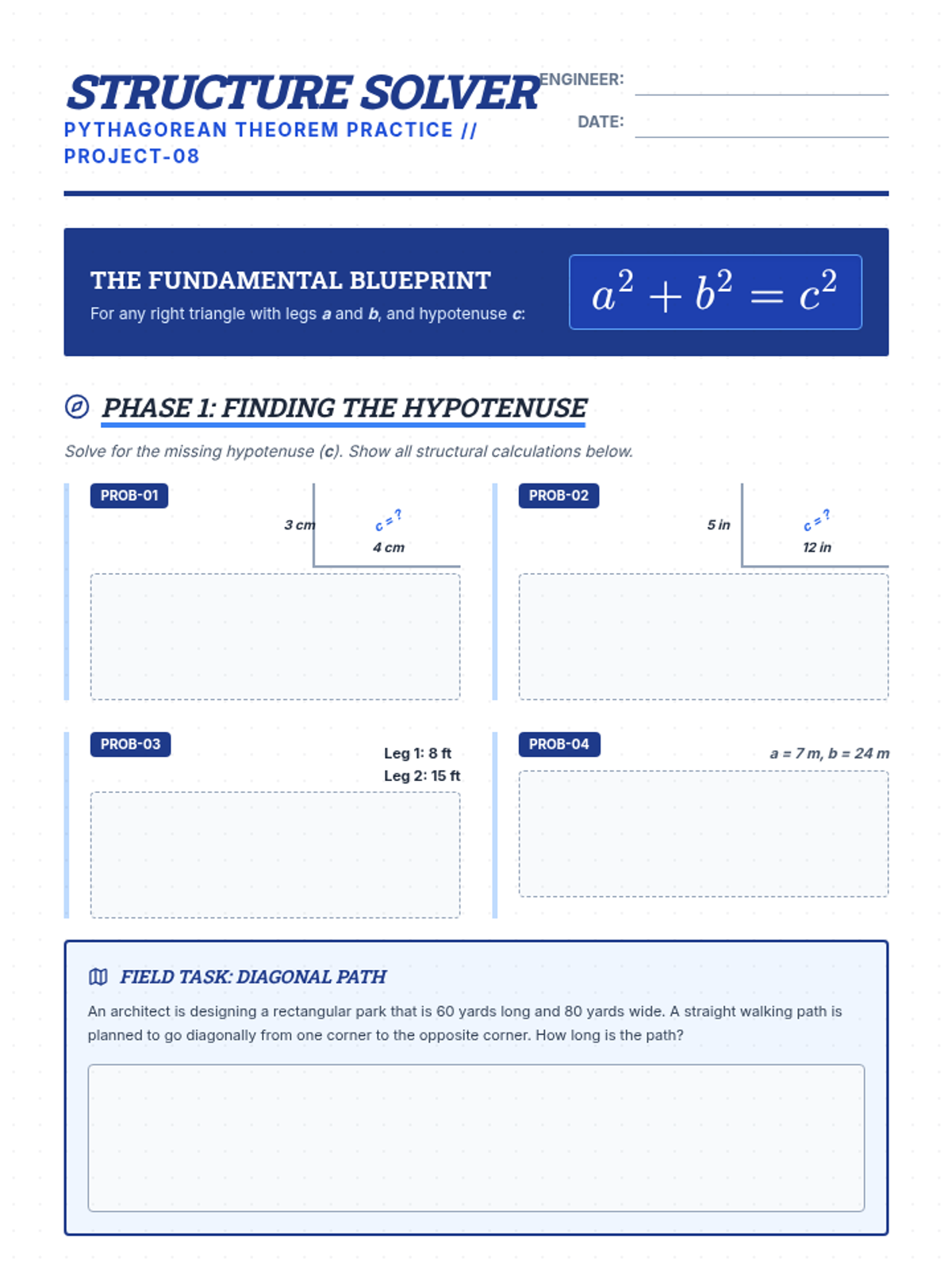
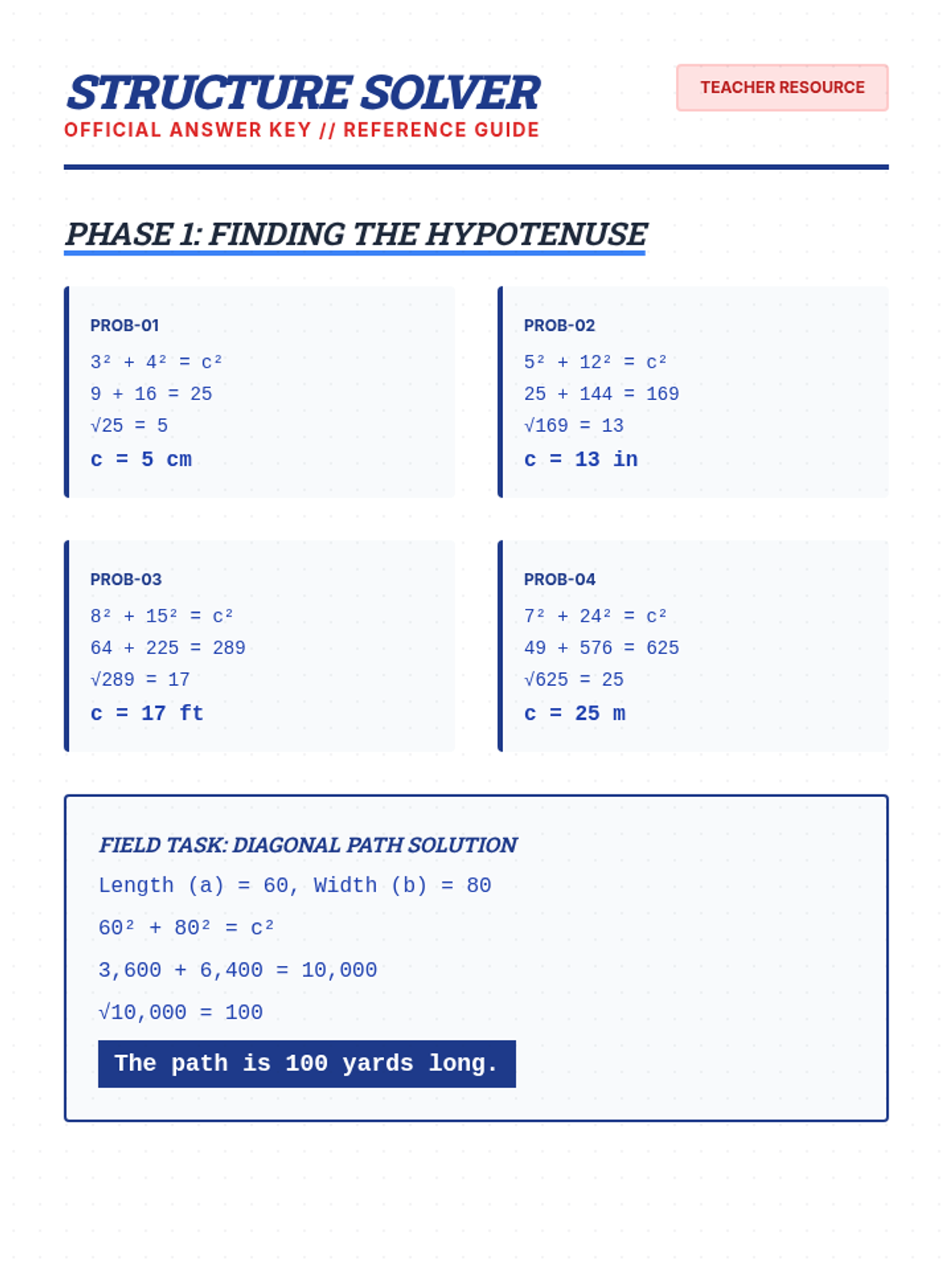
A focused practice session on applying the Pythagorean Theorem to find missing side lengths in right triangles, including both hypotenuse and leg calculations.
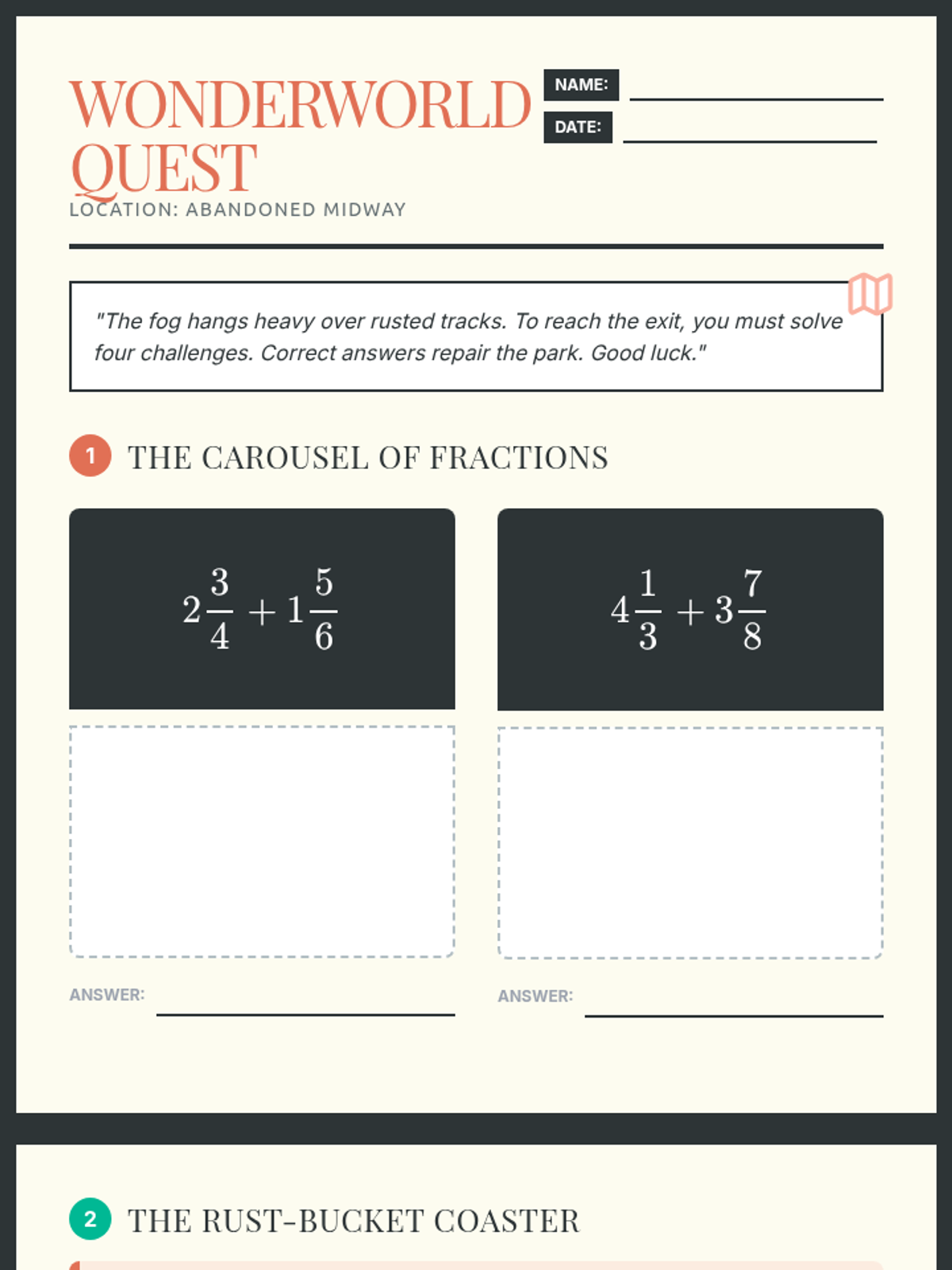
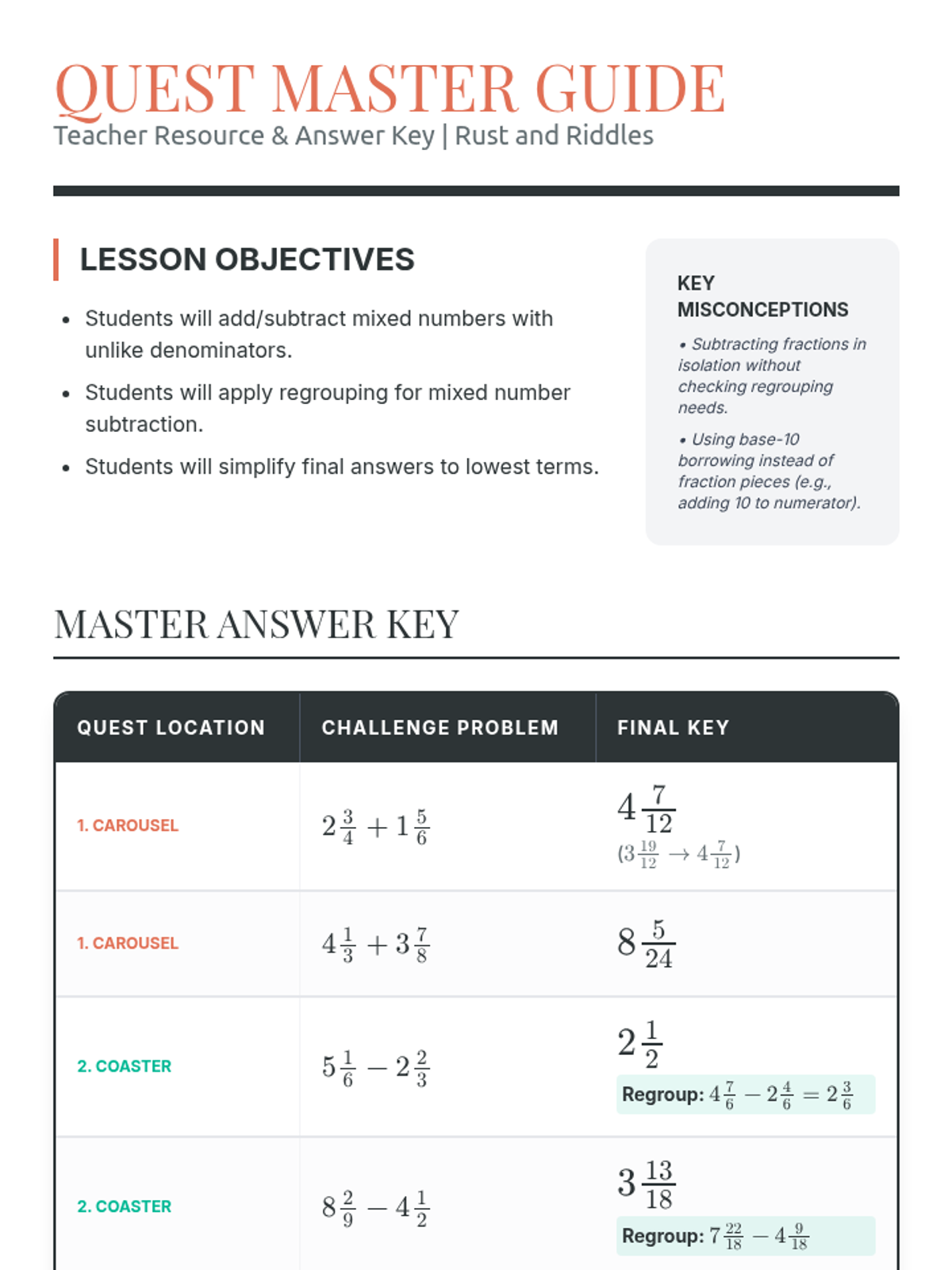
A mathematical quest set in an abandoned theme park where students solve fraction and mixed number problems with unlike denominators and regrouping to navigate the park.
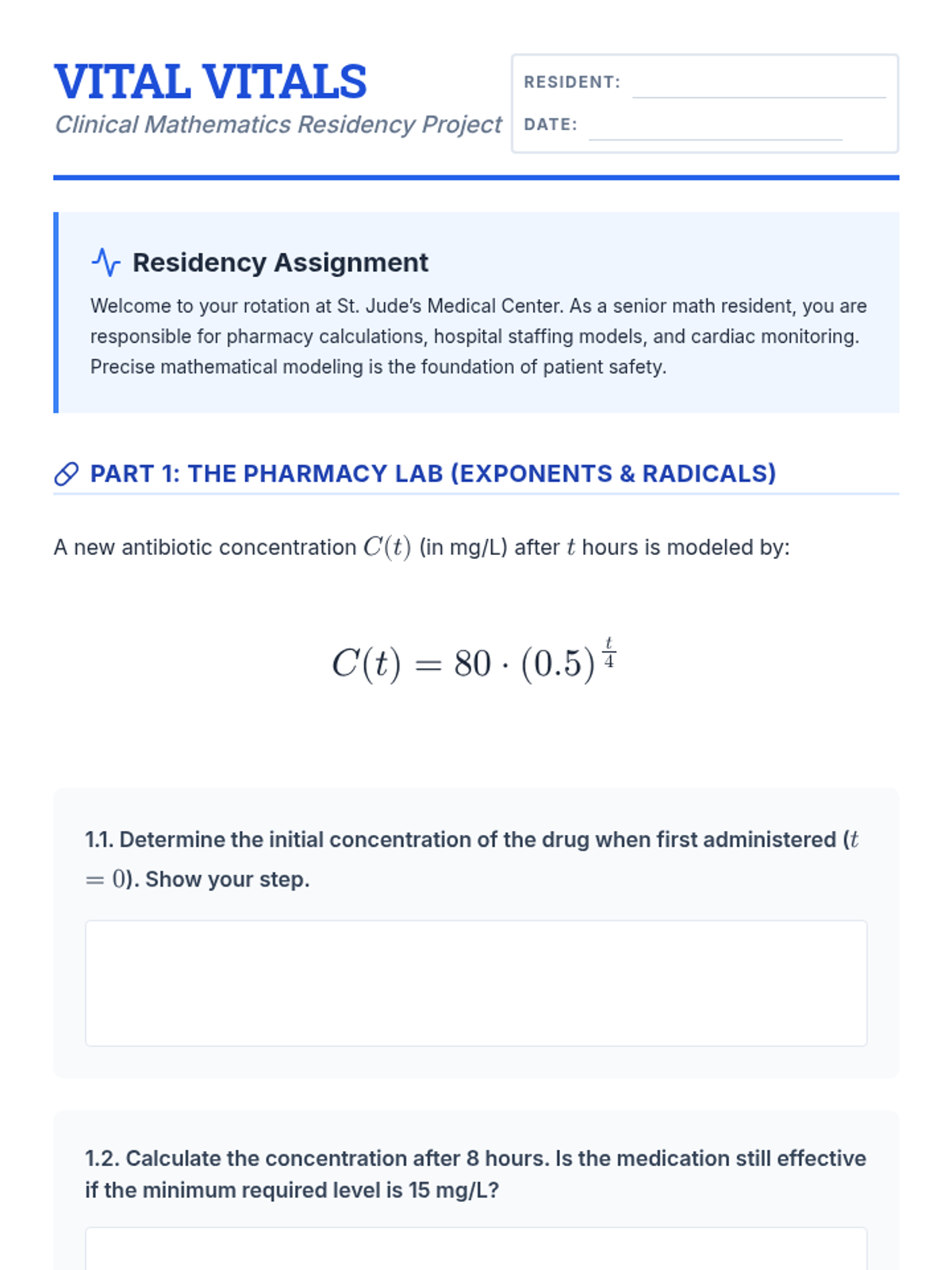
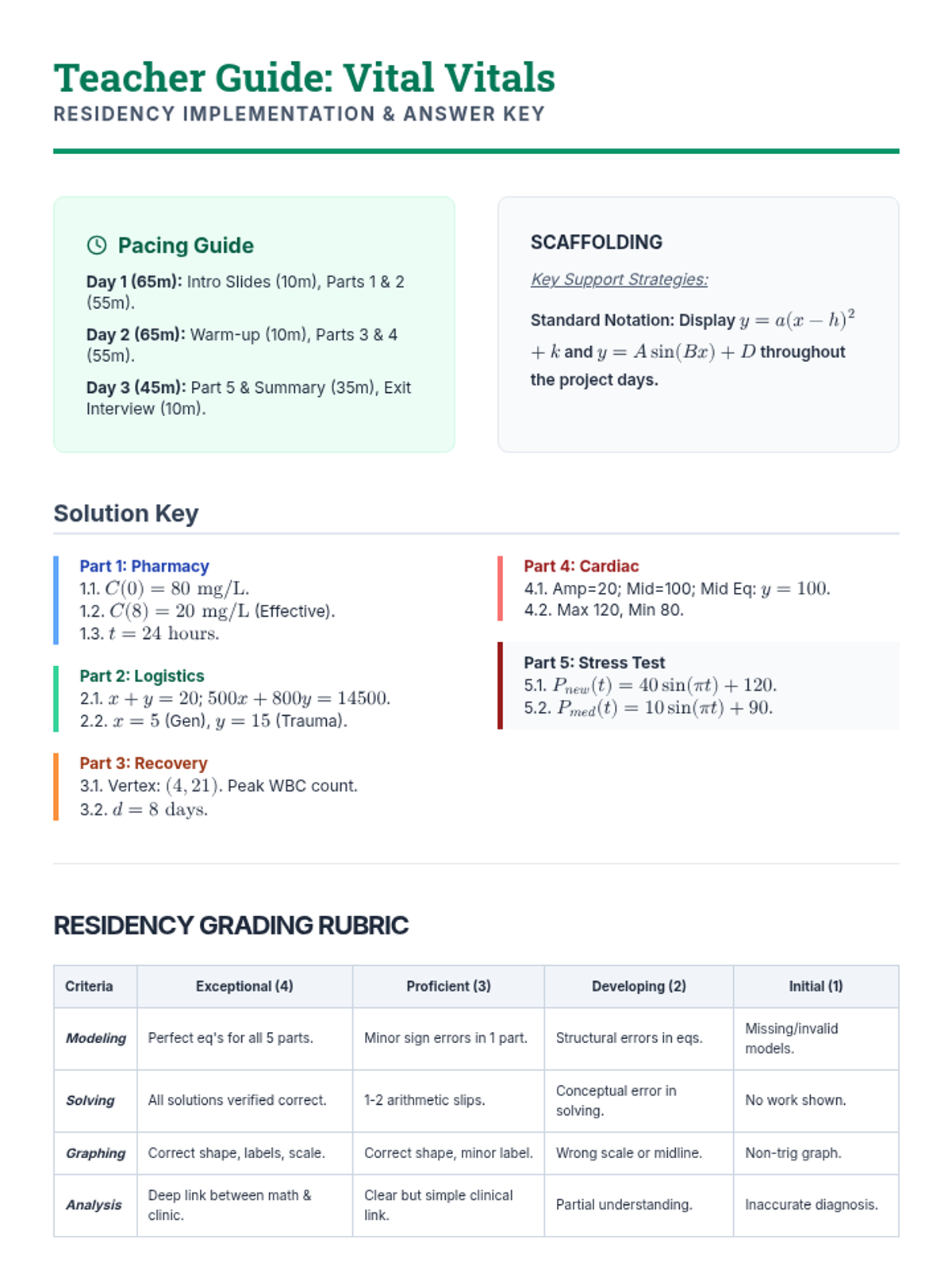
Students act as hospital residents to solve clinical problems using algebra 2 and trigonometry skills. The project spans three days and includes systems of equations and periodic function transformations.
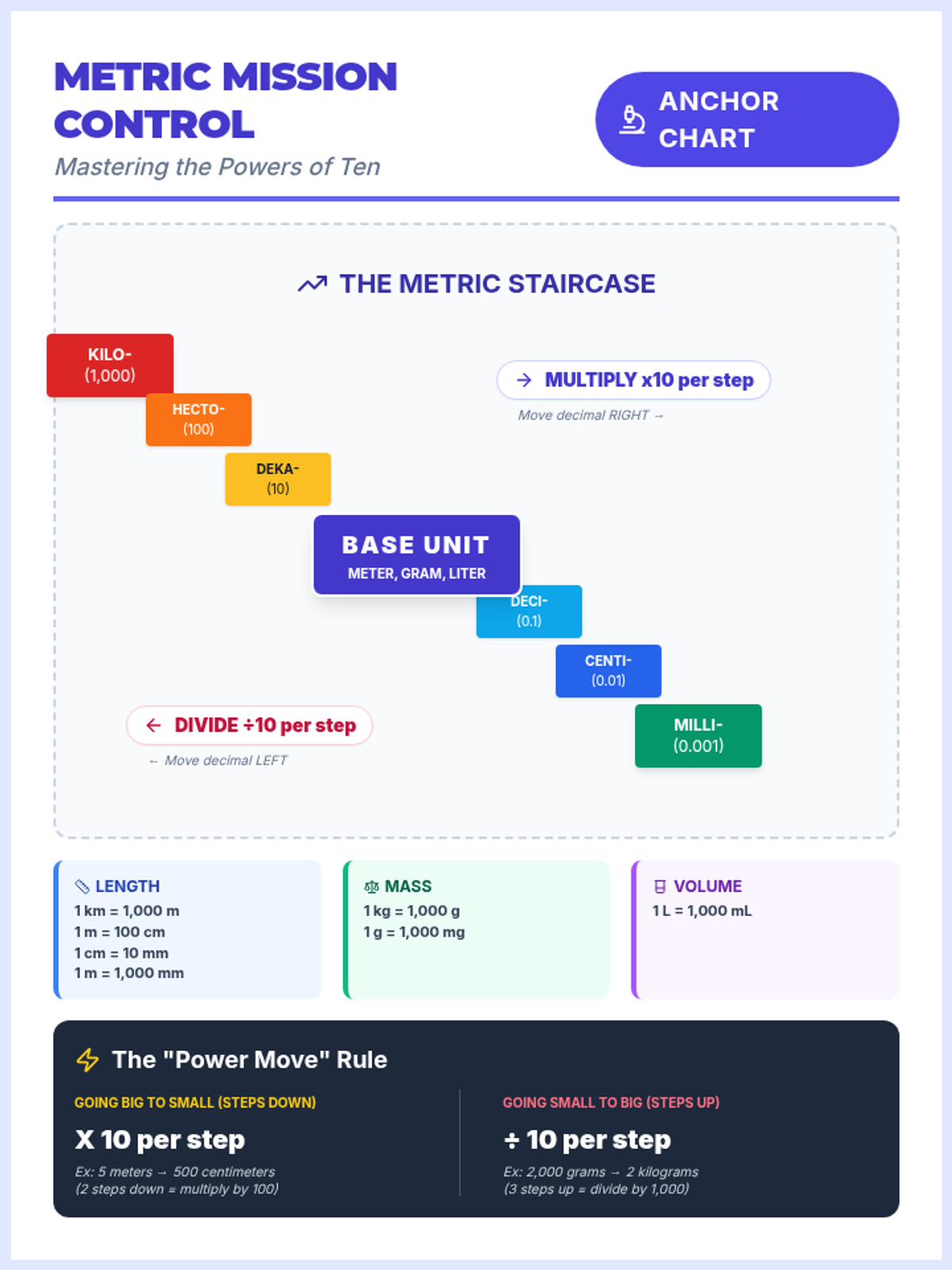
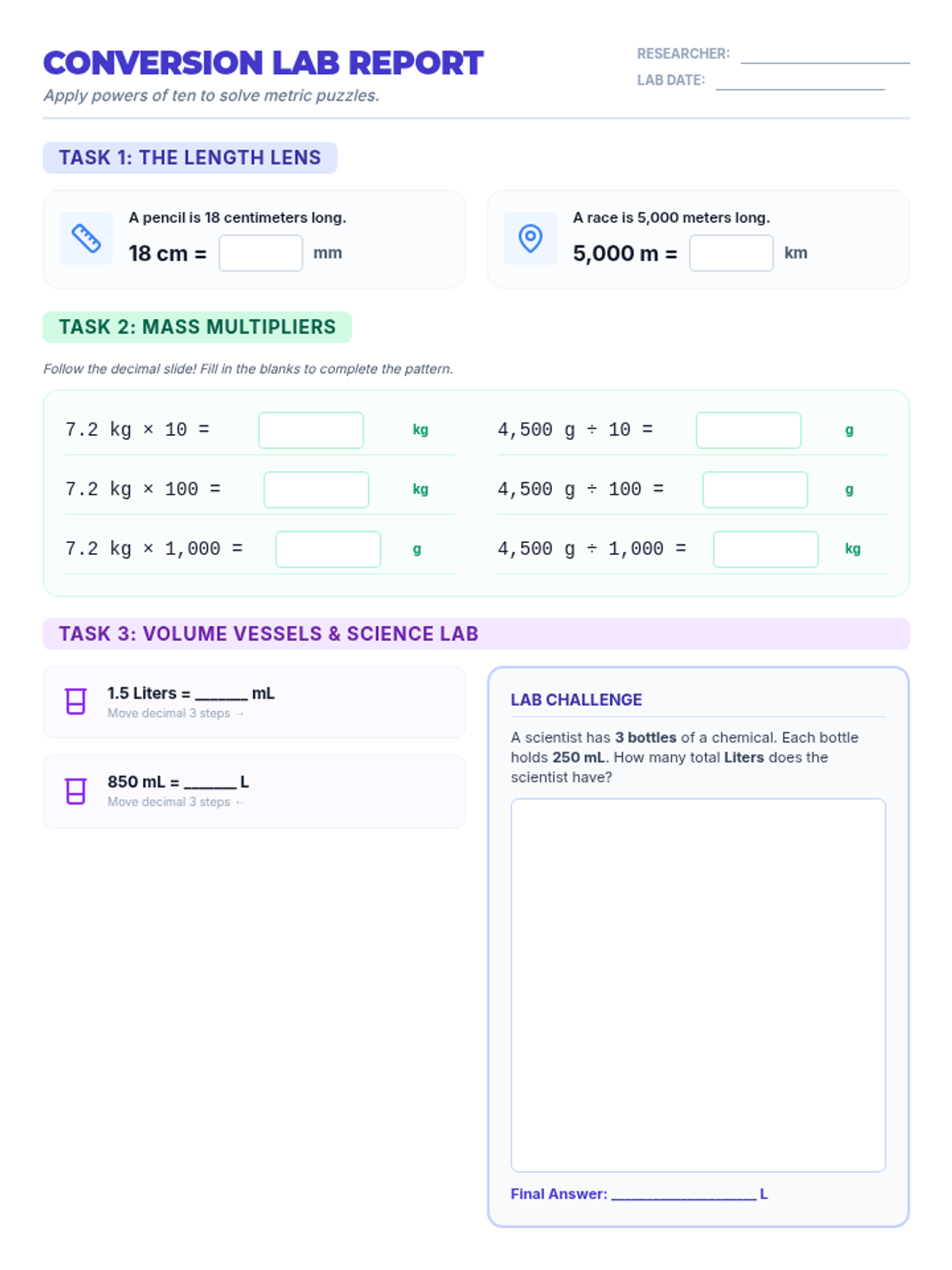
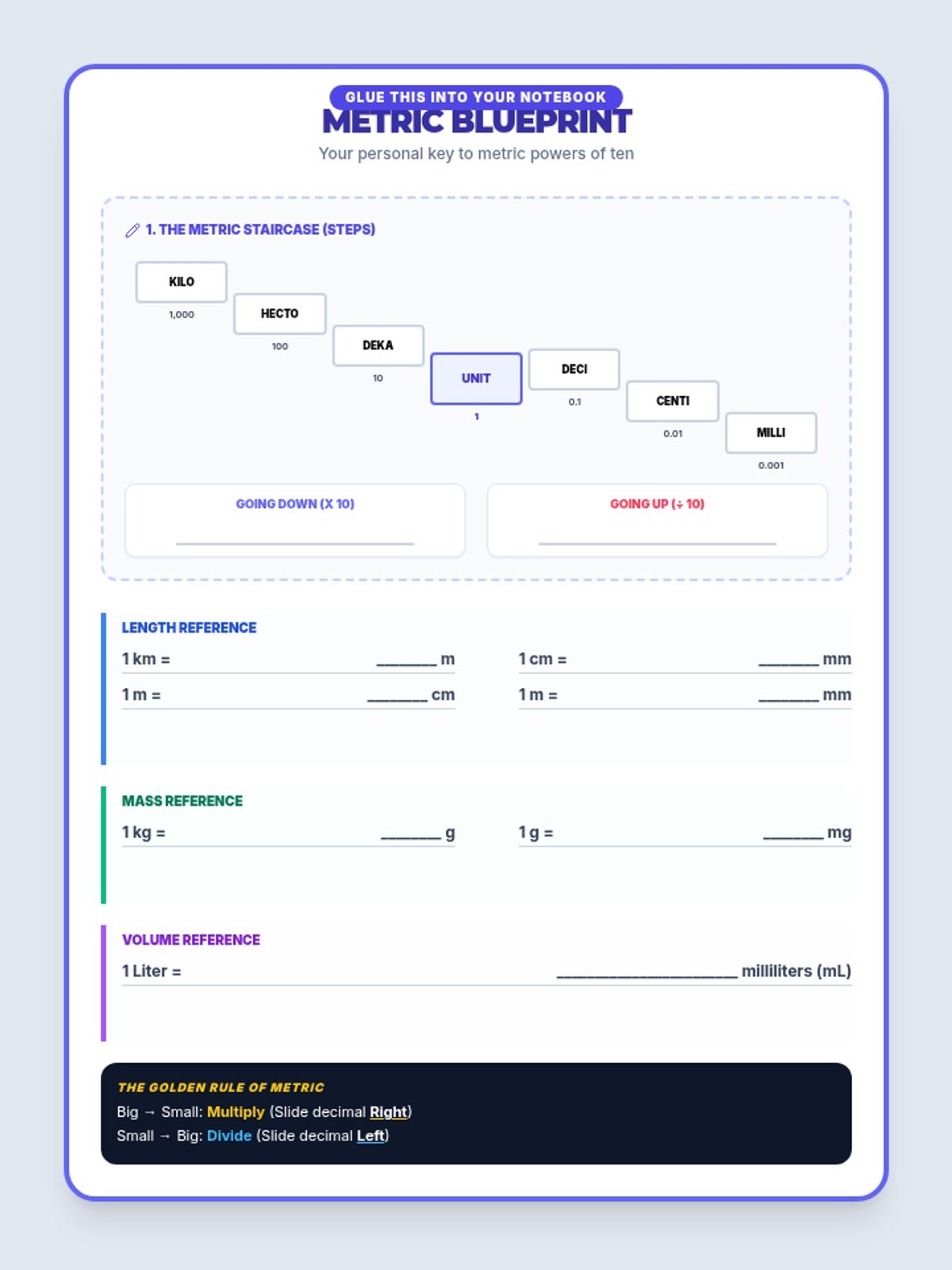
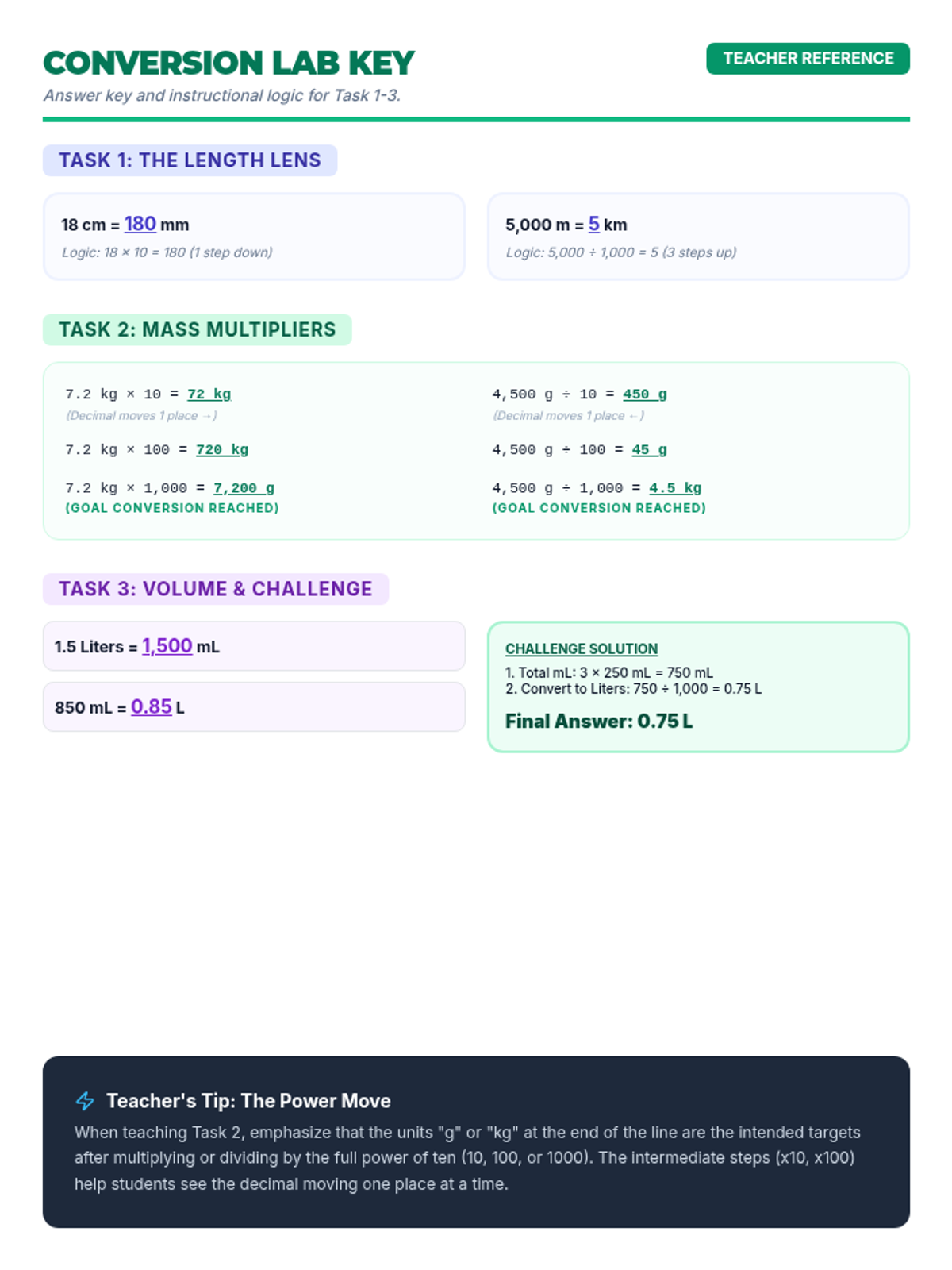
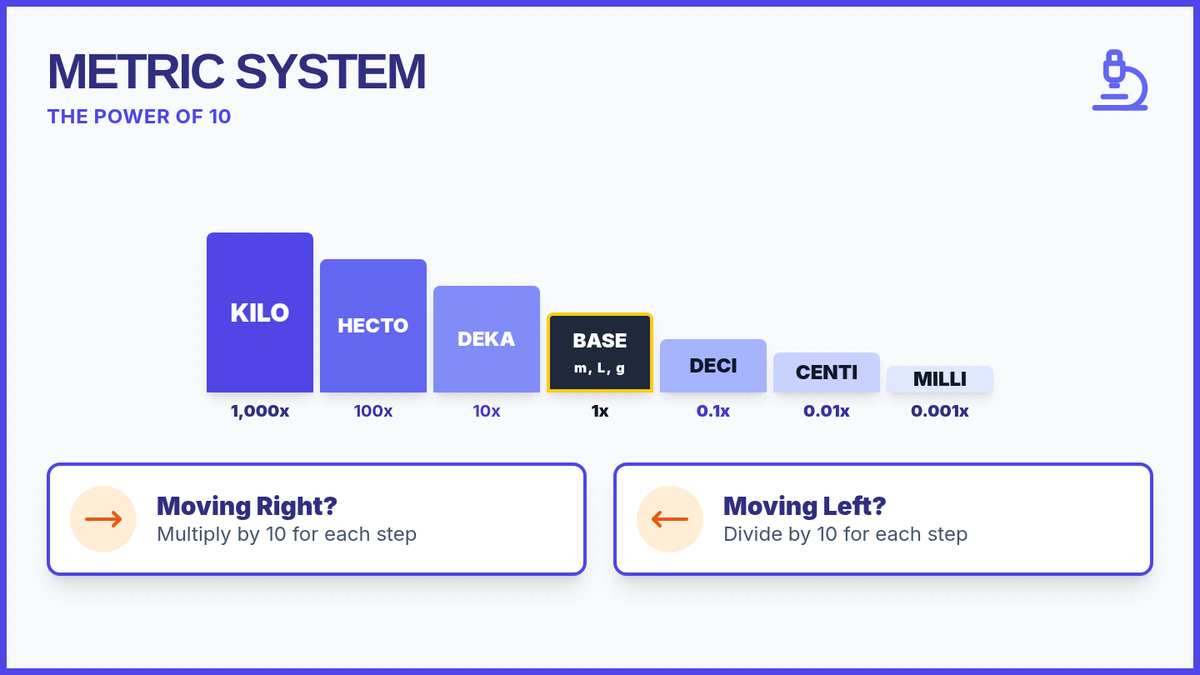
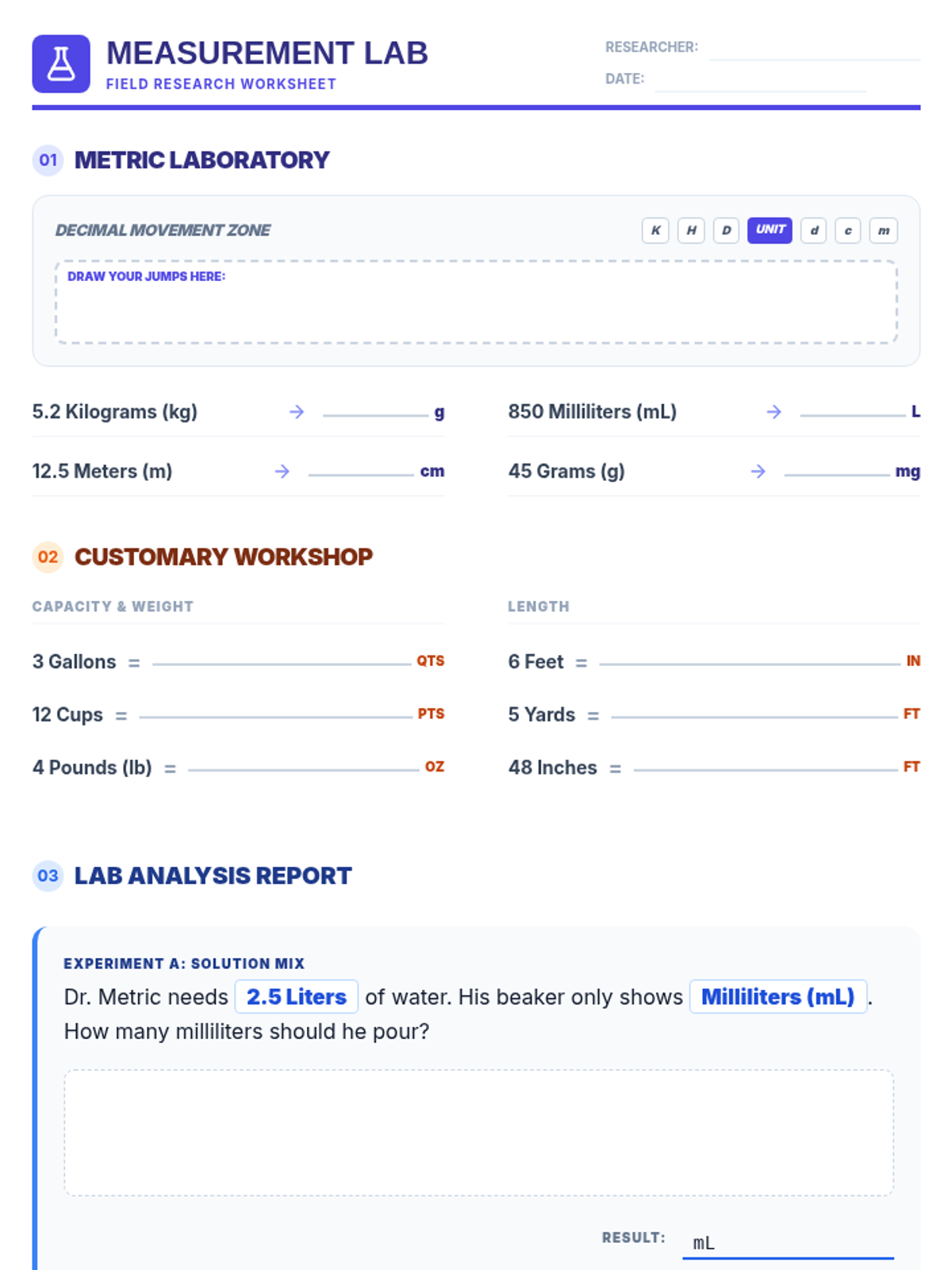
Students explore the relationship between metric units and powers of ten, using visual staircases and laboratory 'blueprints' to master conversions.
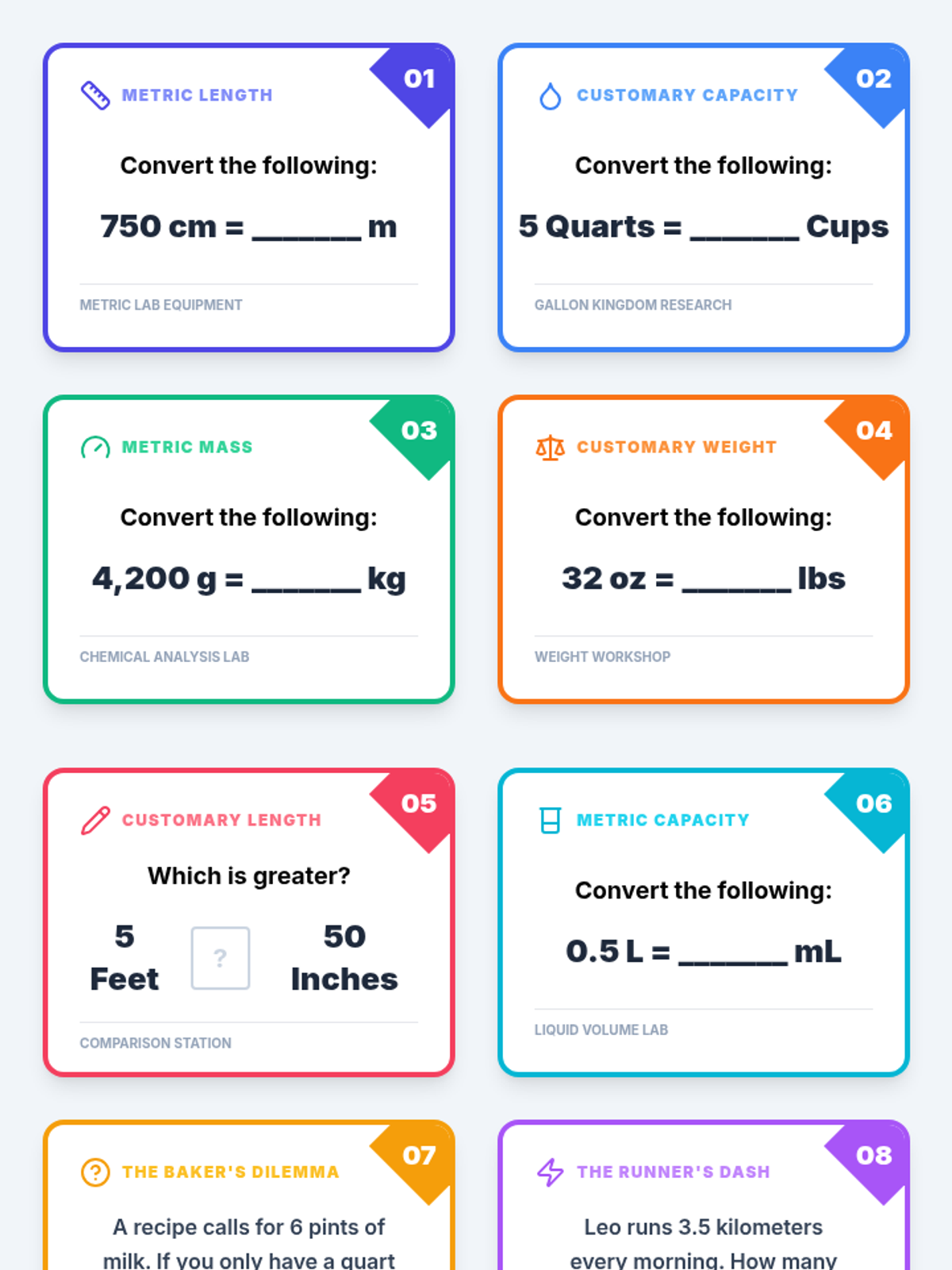
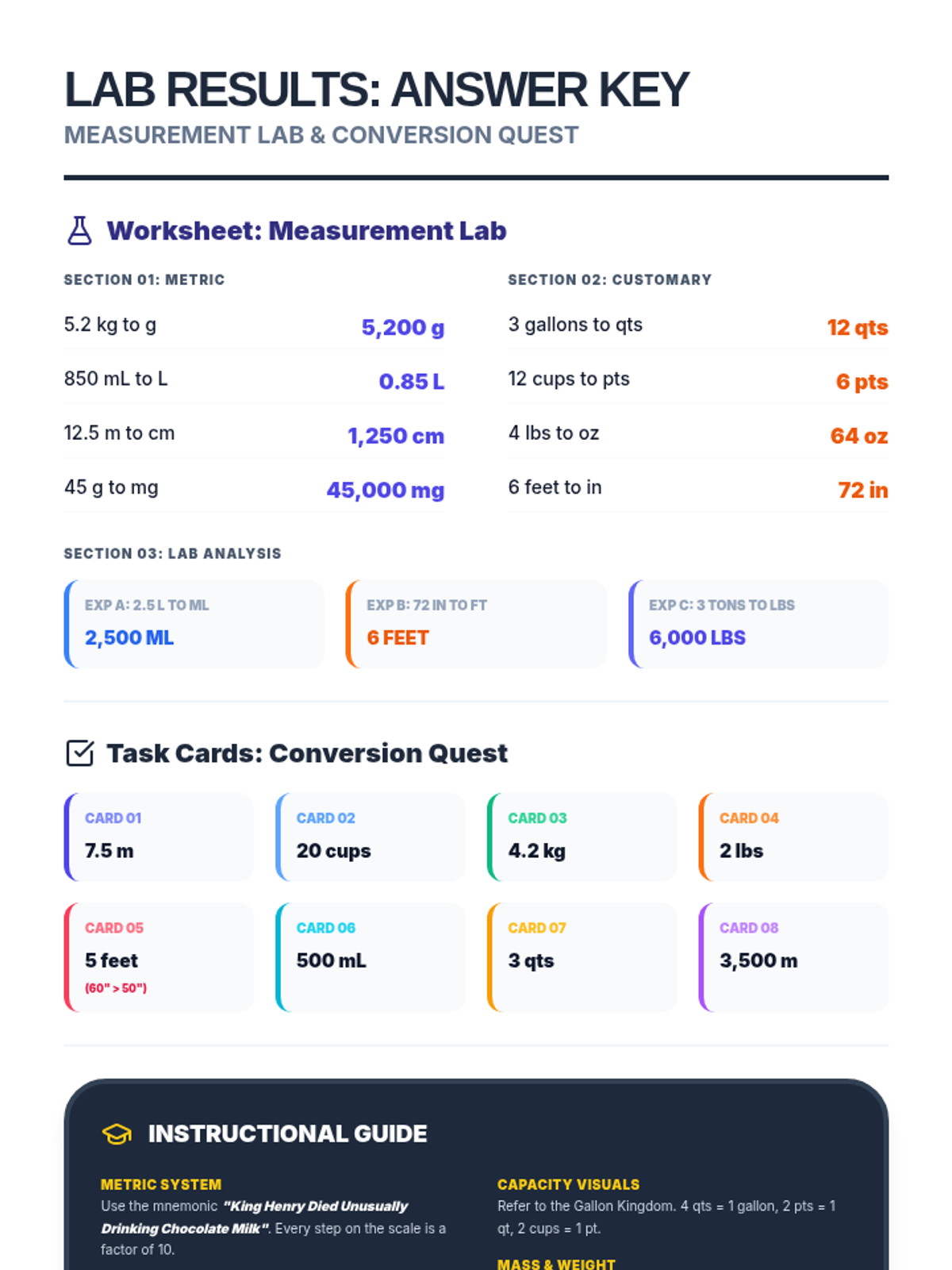
A comprehensive lesson on converting units within the Metric and US Customary systems using visual models, anchor charts, and hands-on task cards.
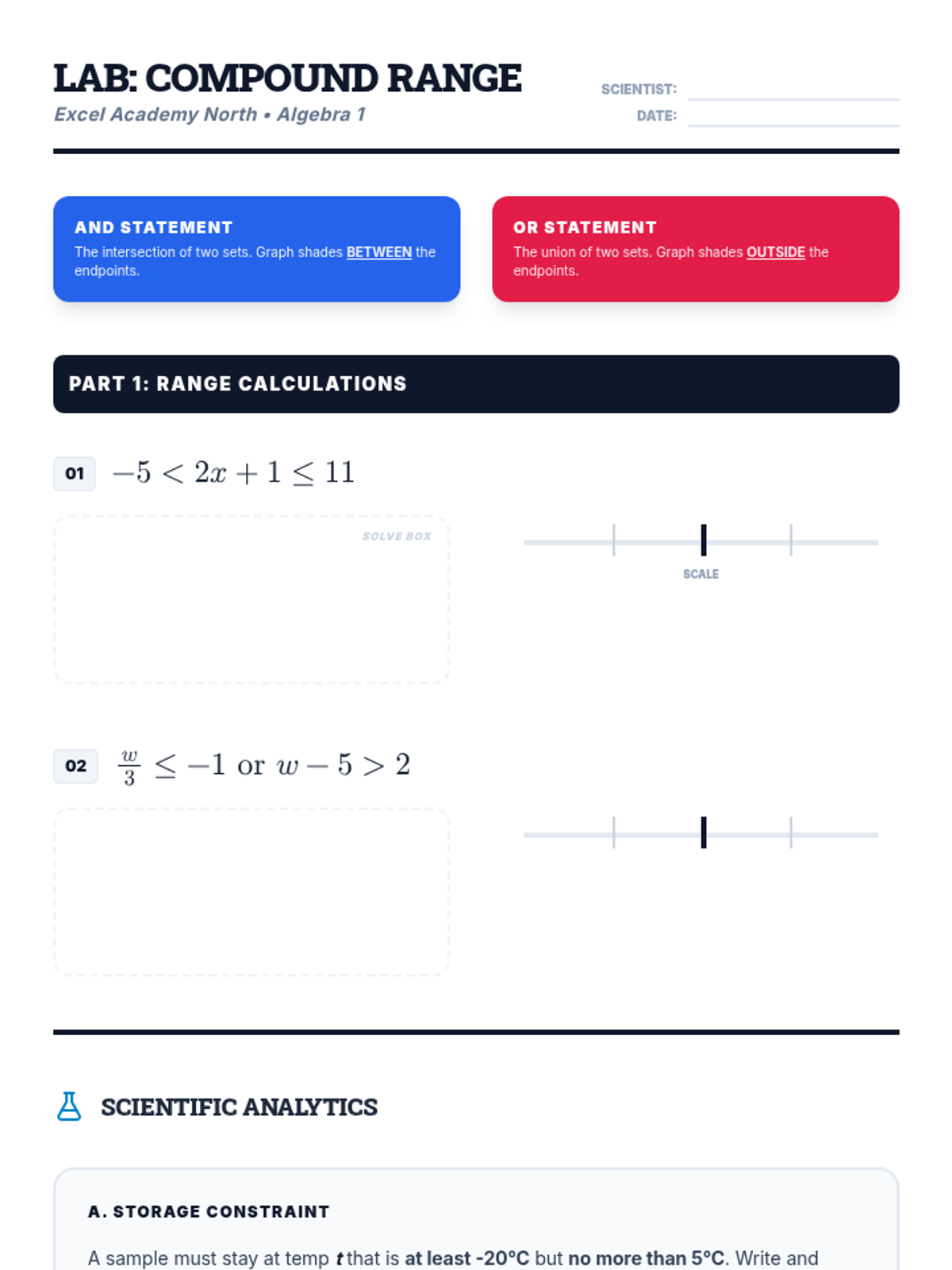
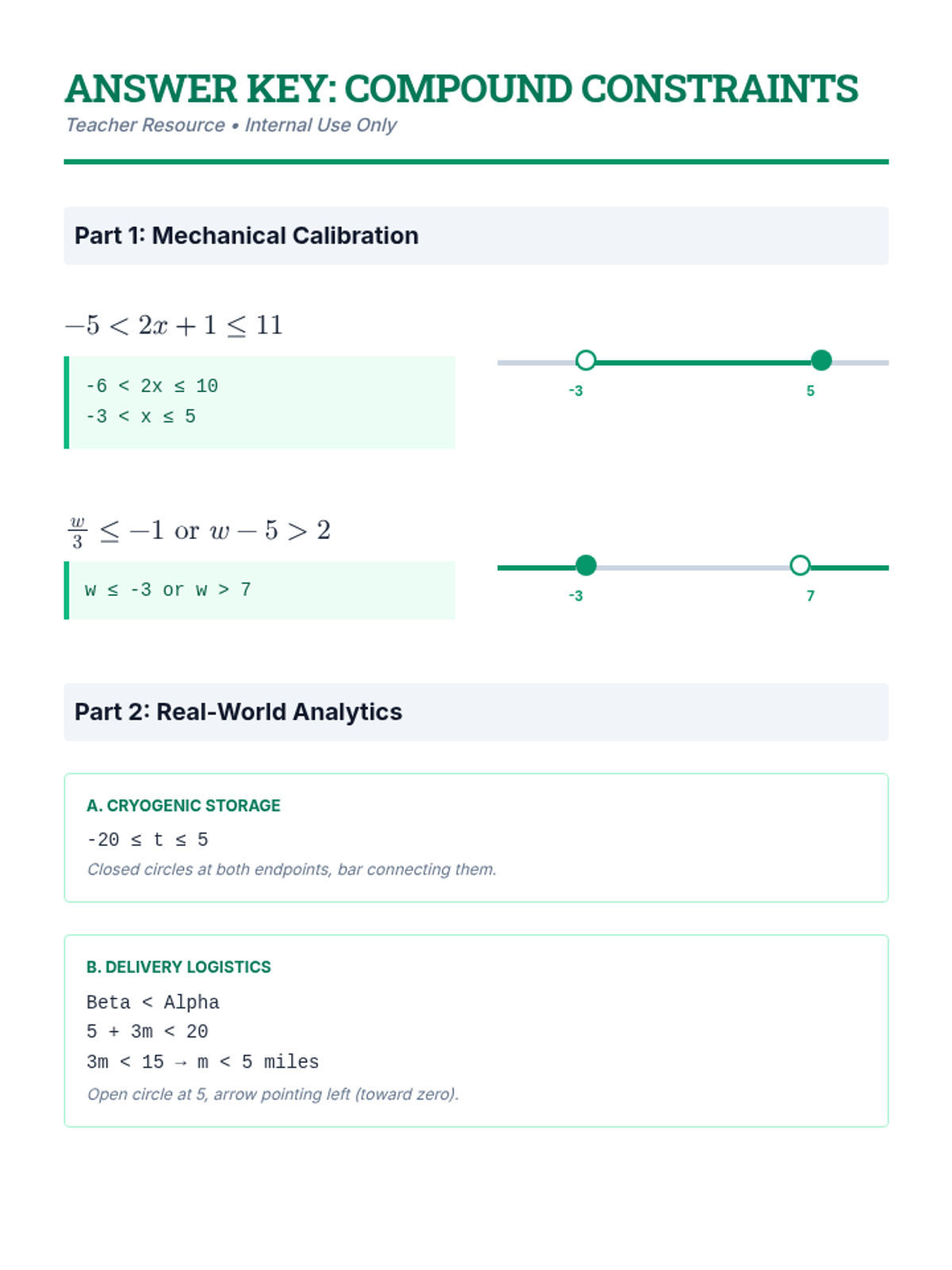
Exploring compound inequalities (AND/OR), temperature ranges, and service cost comparisons.
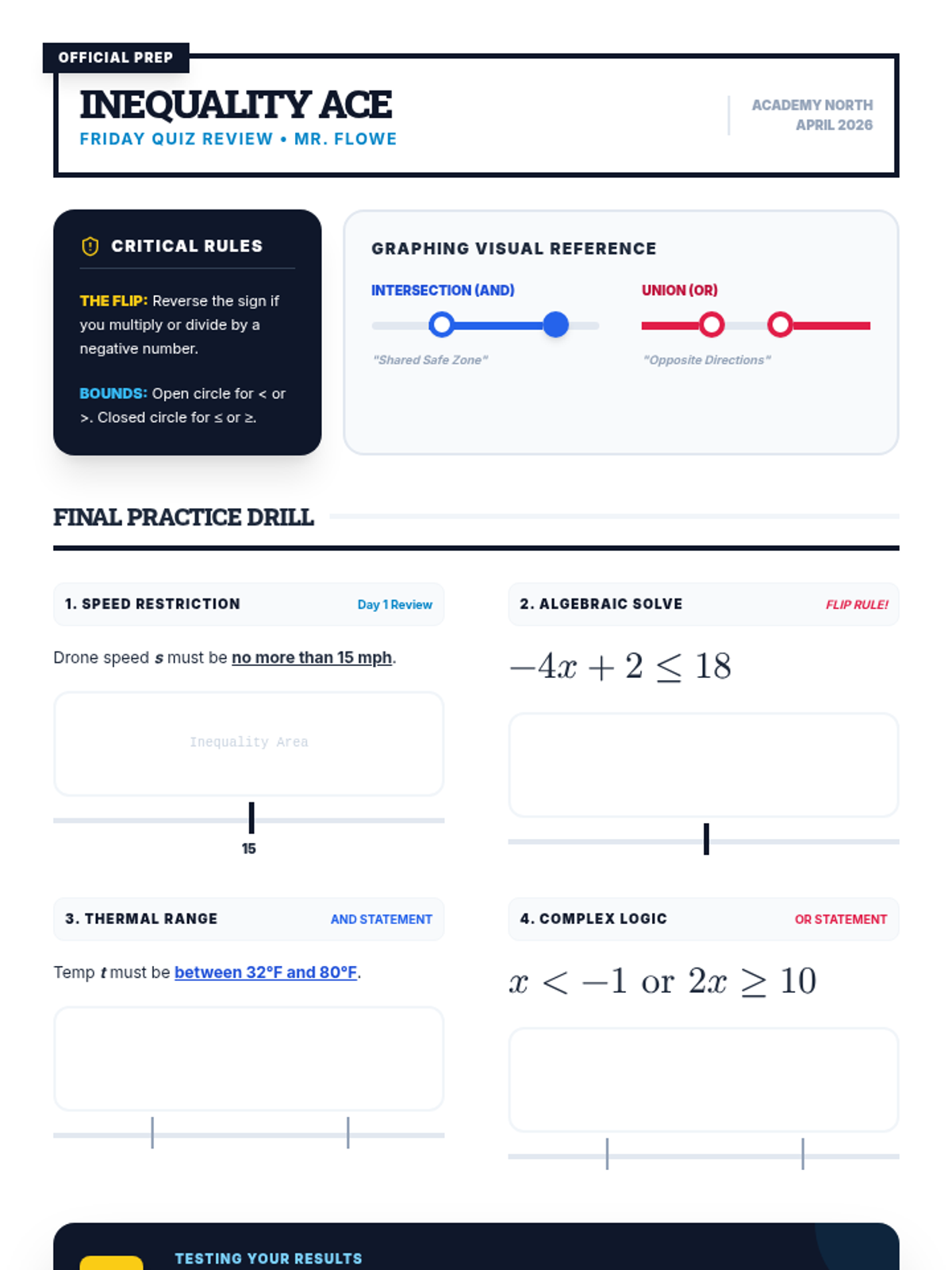
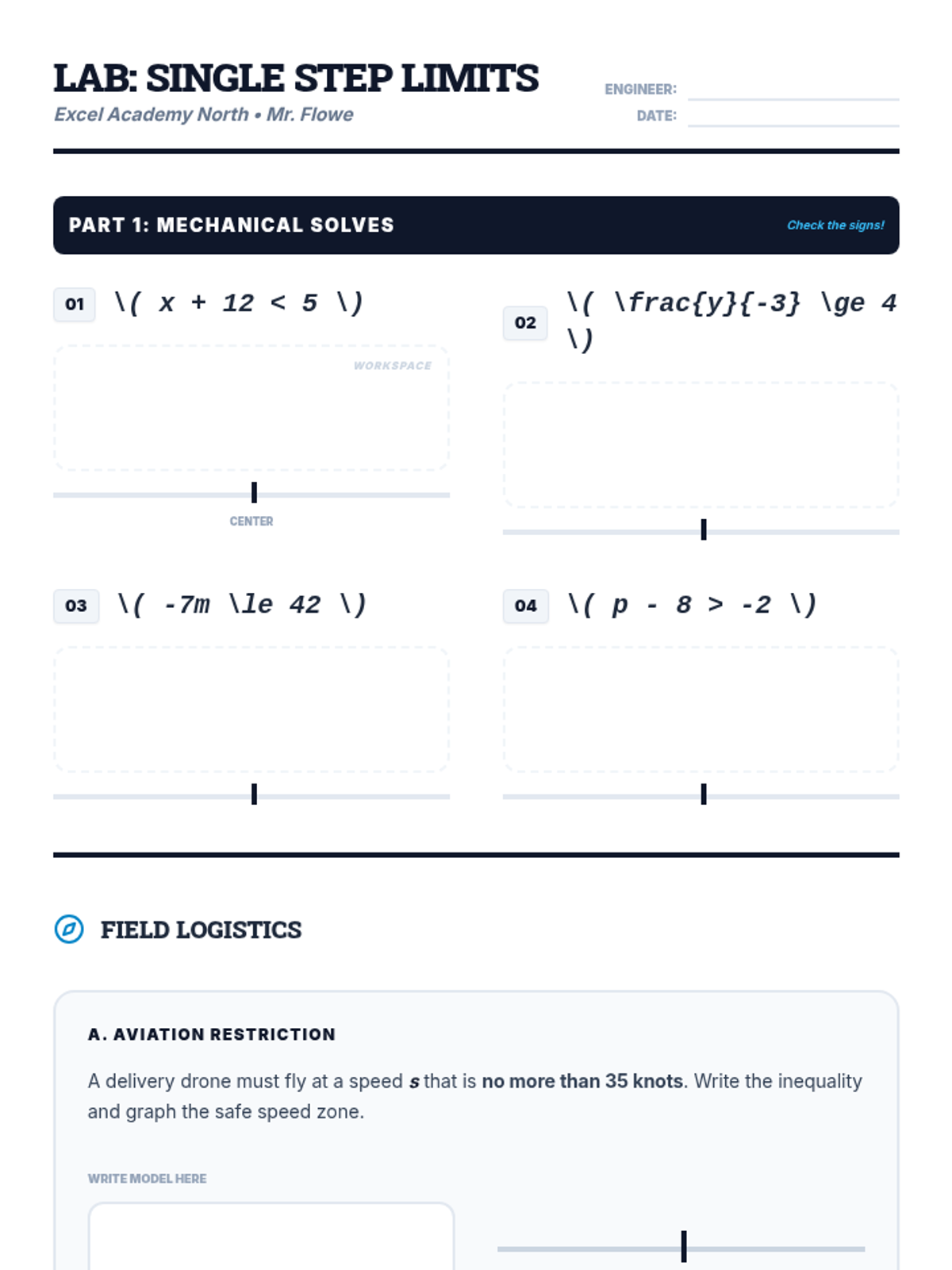
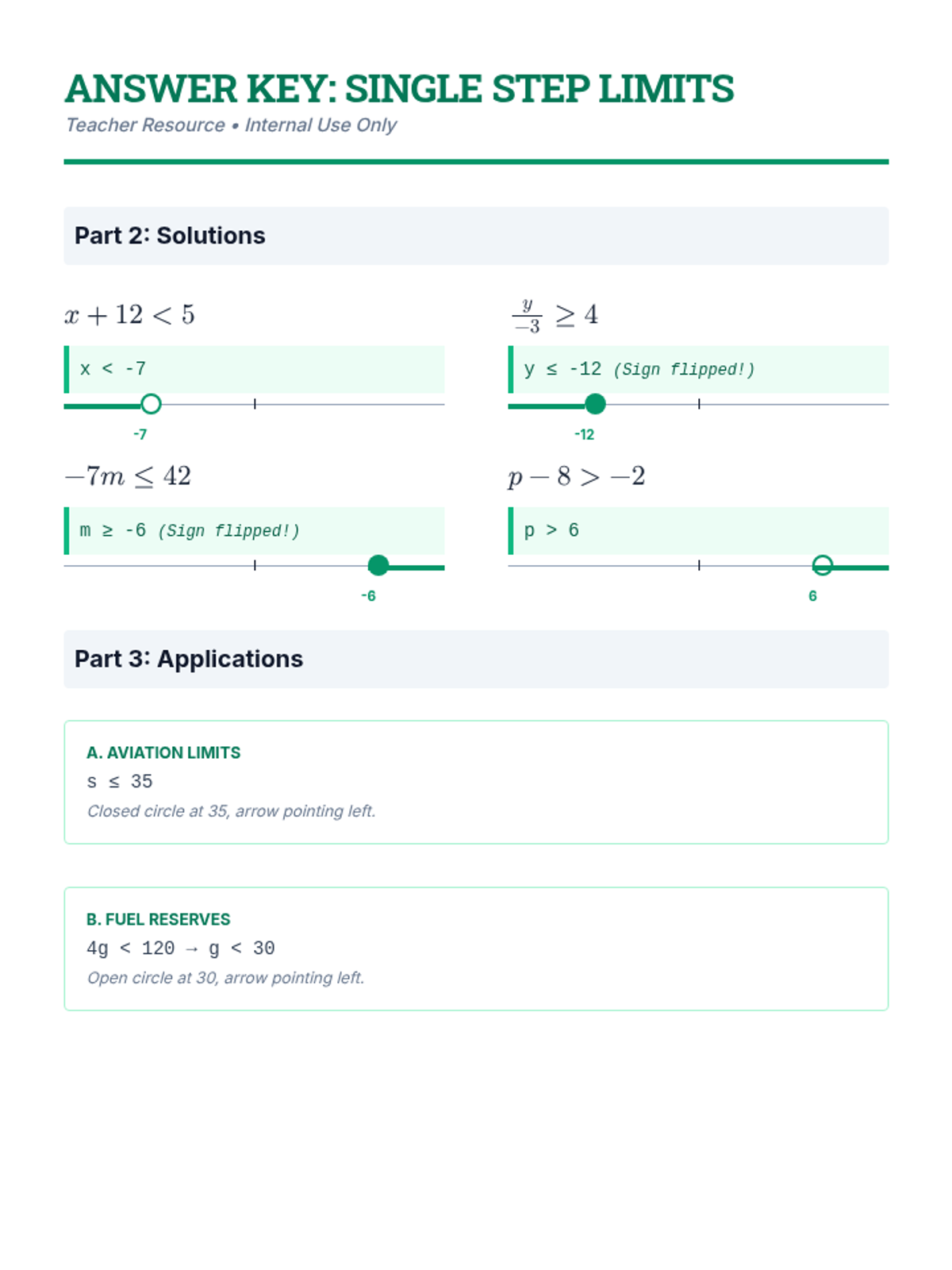
Introduction to one-step inequalities, graphing on number lines, and solving speed and distance limit word problems.
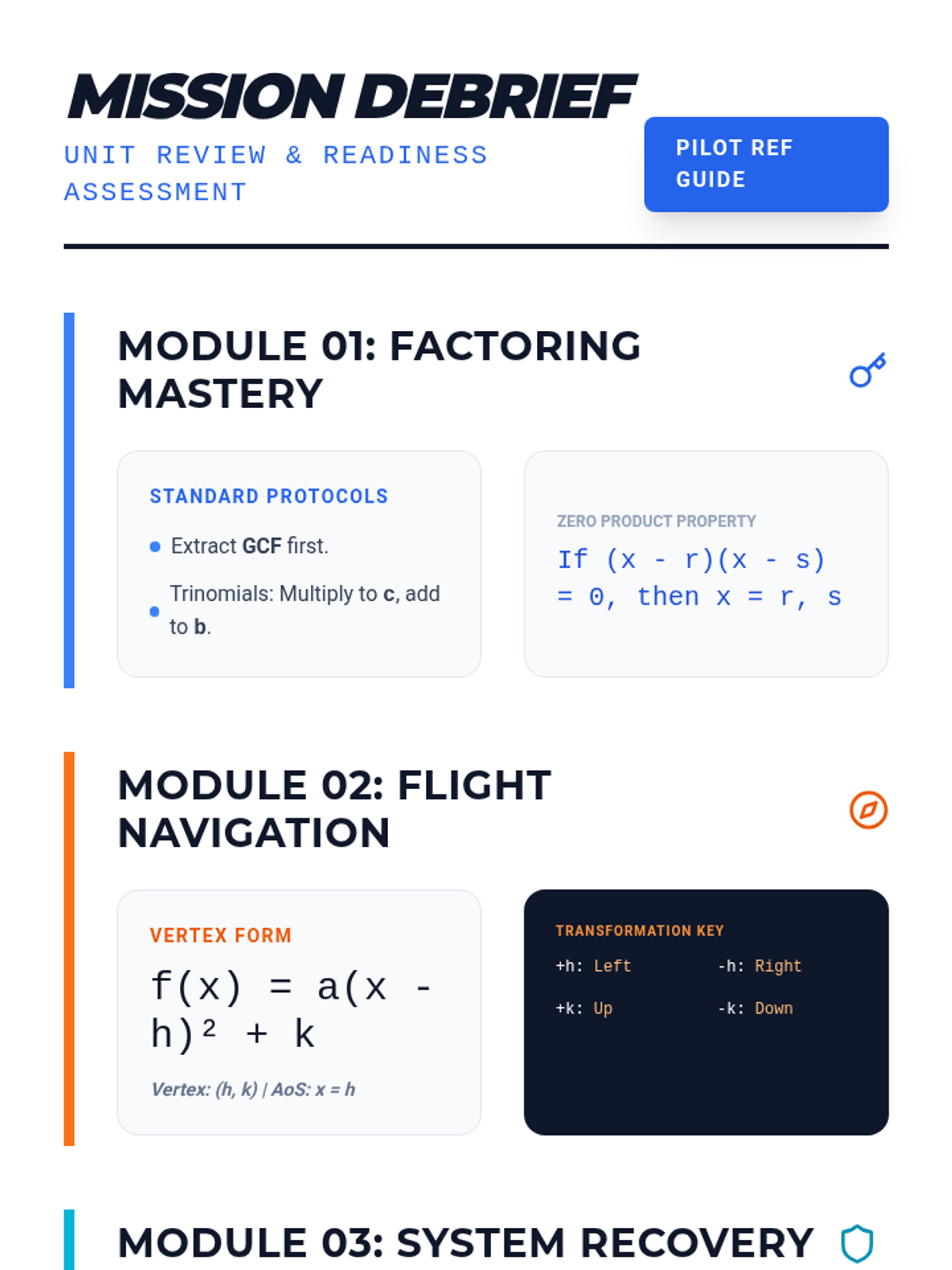
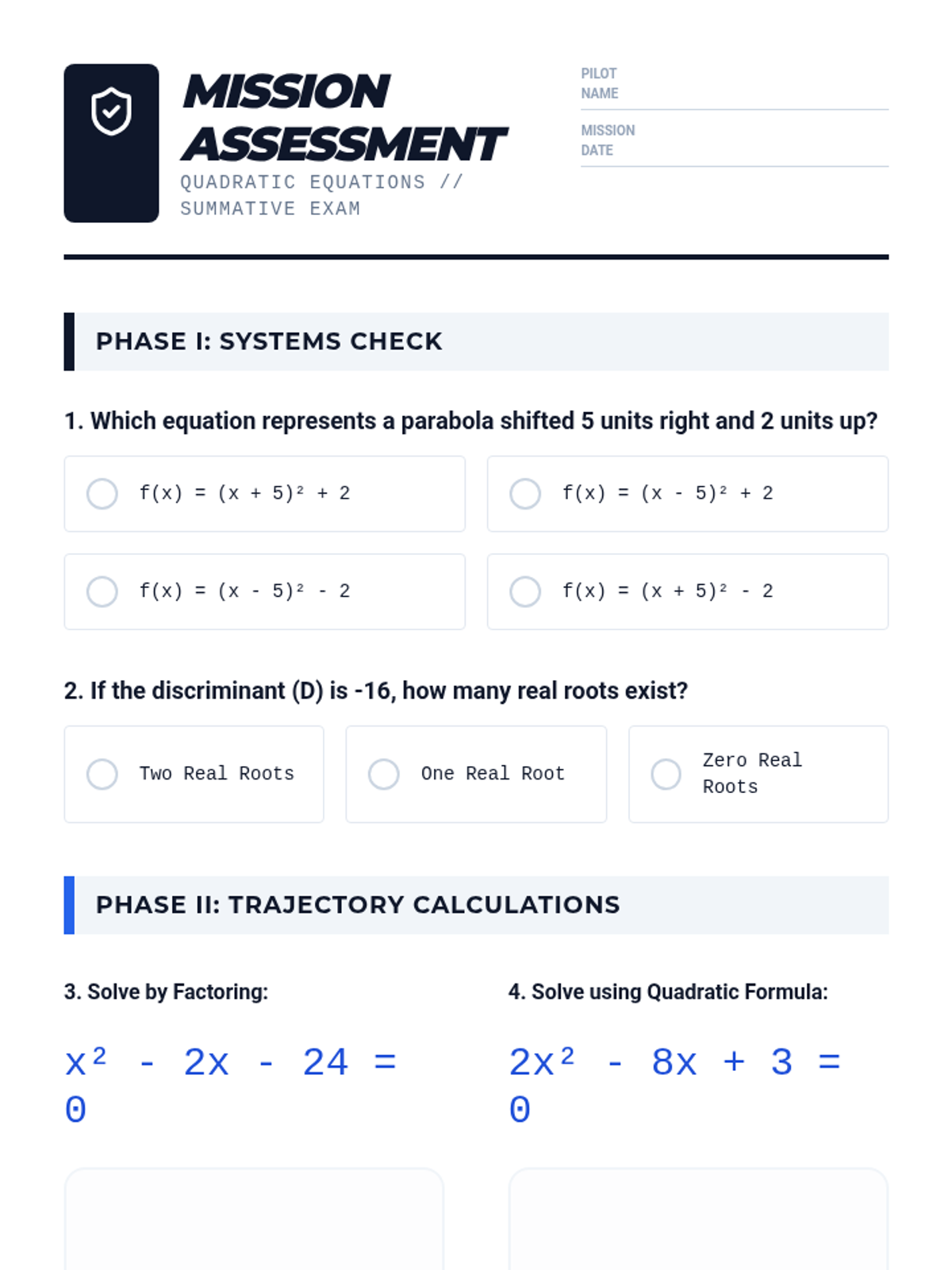
Final mission debrief including a comprehensive review and a summative assessment of quadratic mastery.
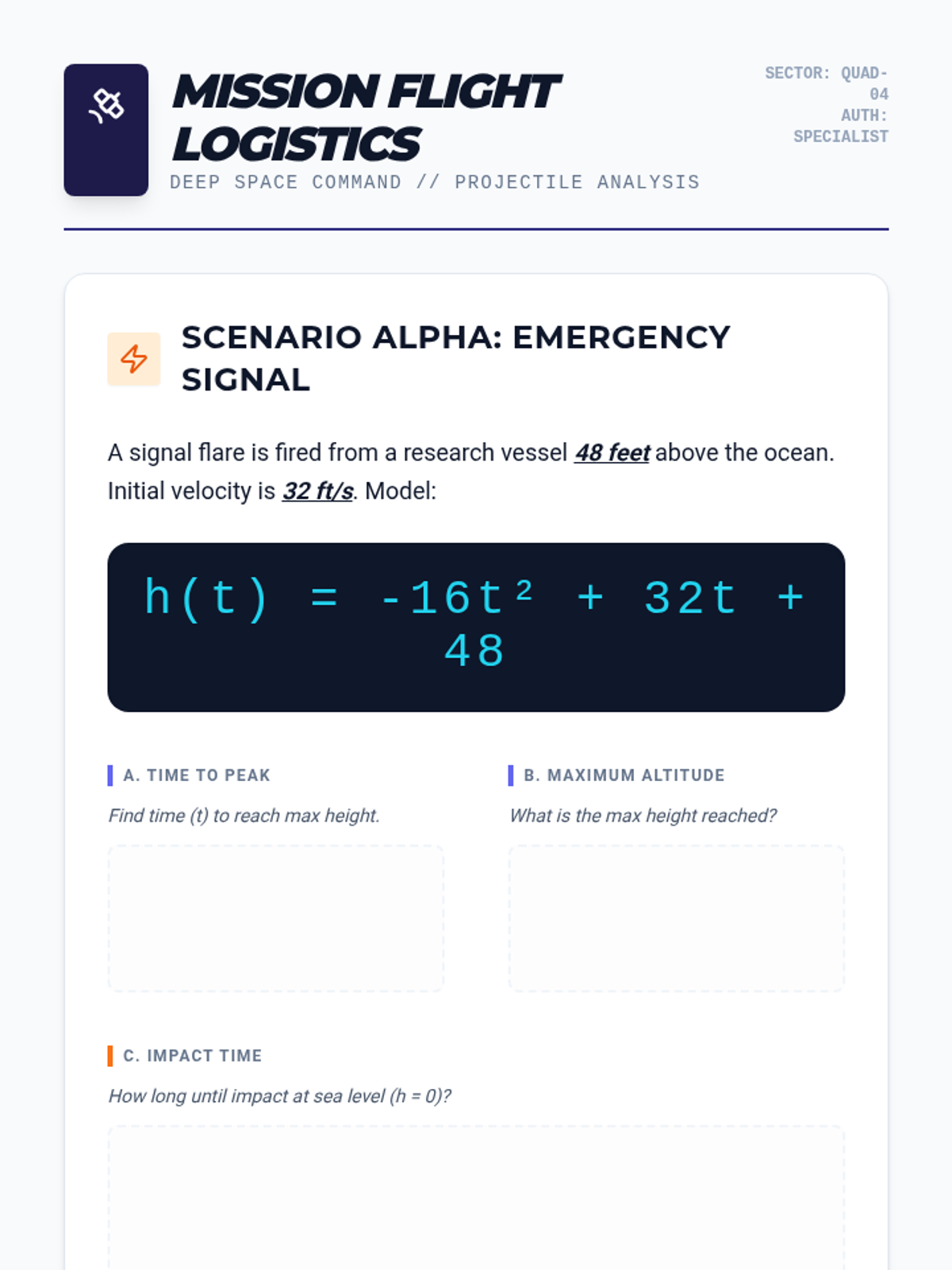
Applying quadratic models to real-world projectile motion, calculating maximum height, flight time, and landing coordinates.
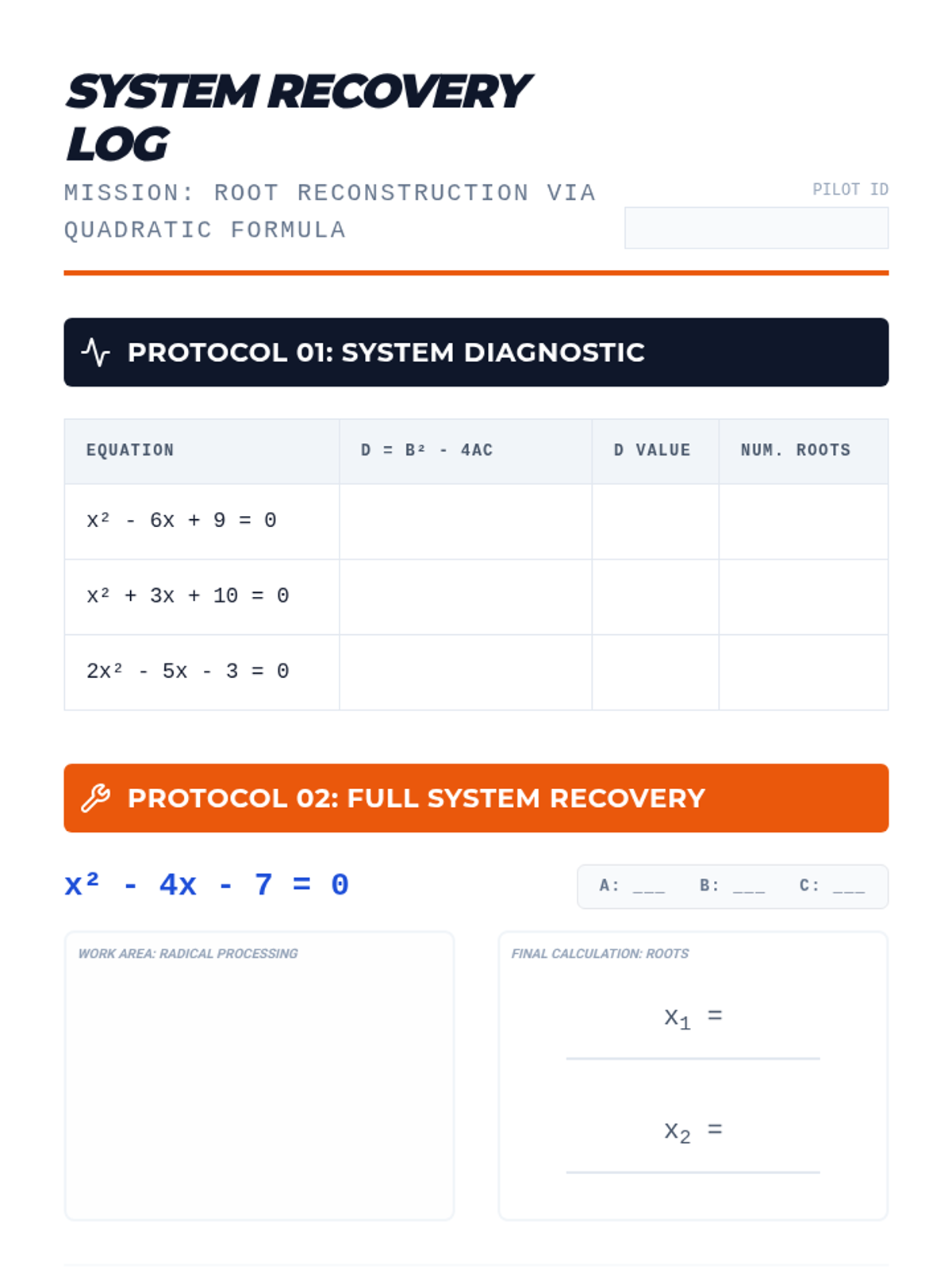
Using the Quadratic Formula and Discriminant as a universal system recovery tool to solve any quadratic equation.
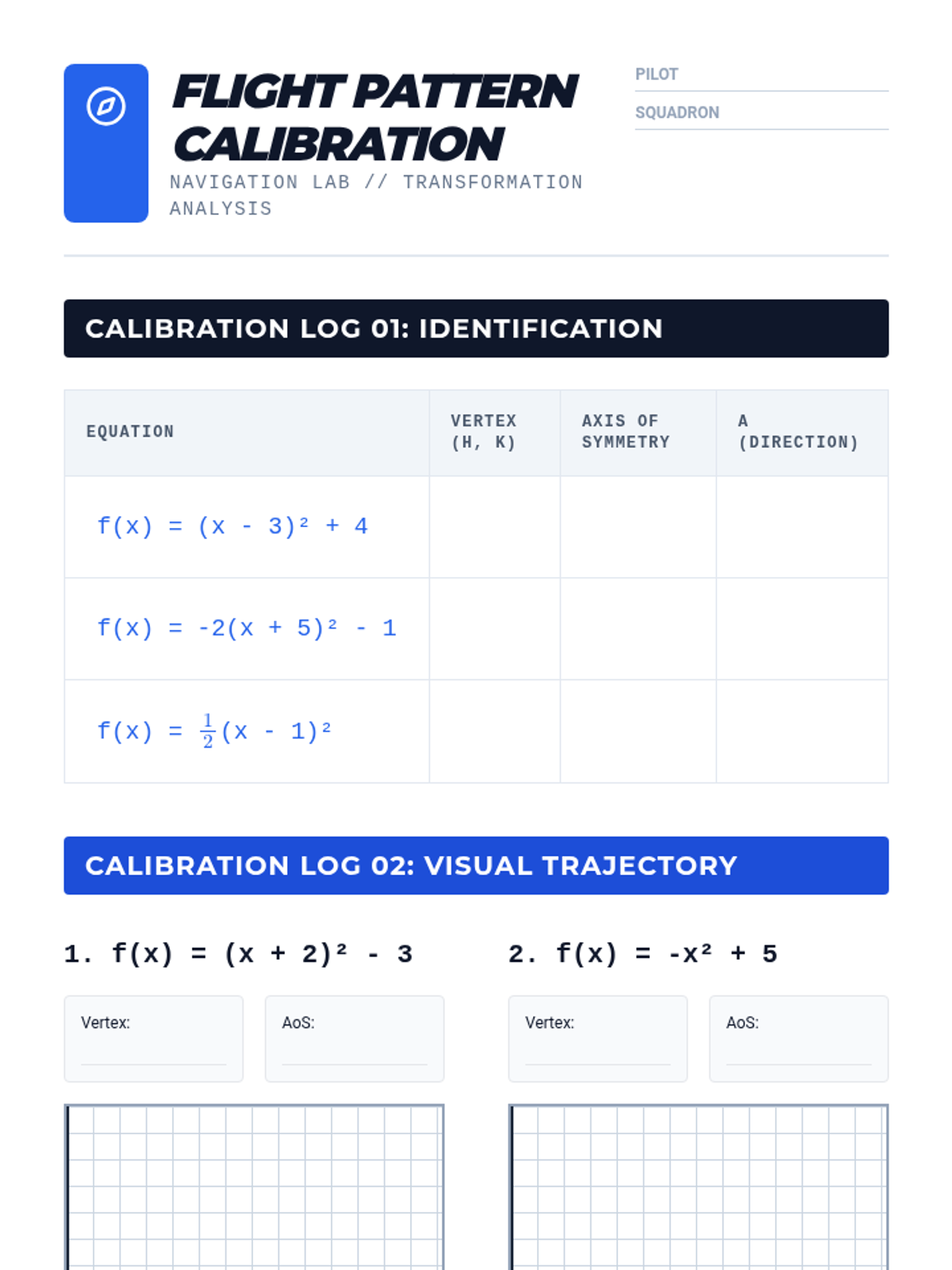
Exploring how transformations affect the flight path of a parabola and learning to graph from vertex and standard forms.
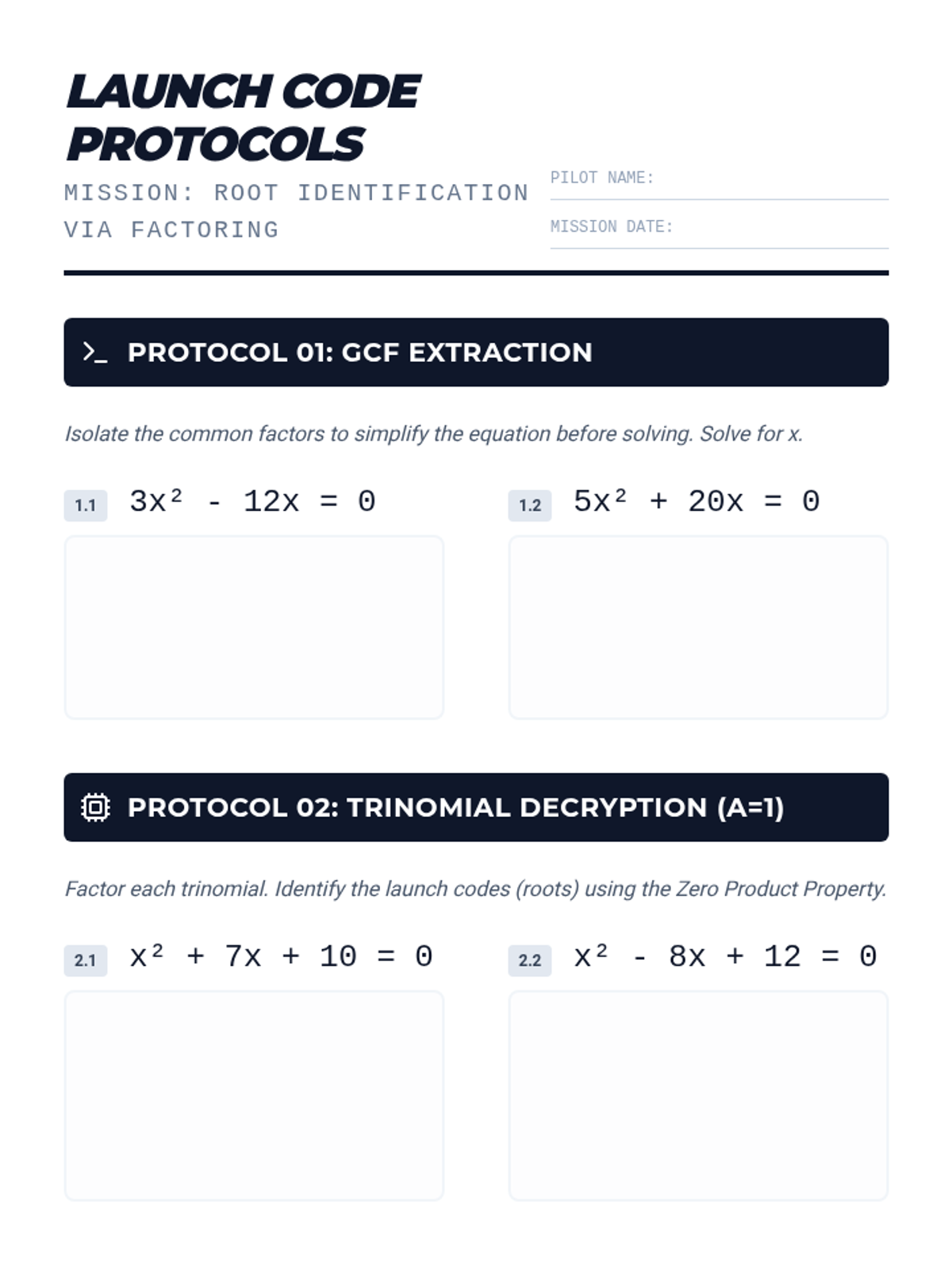
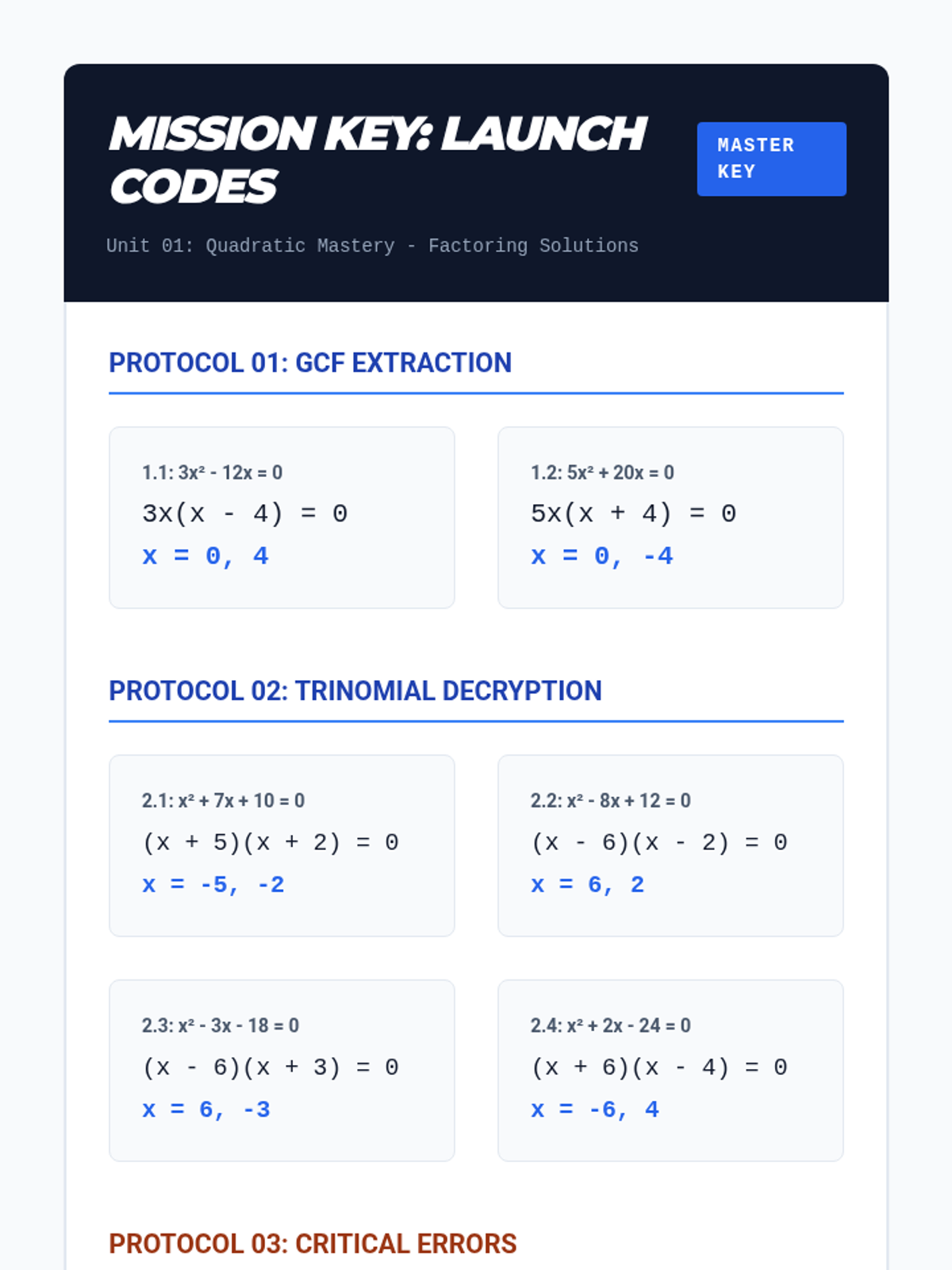
Mastering the art of factoring trinomials and using the Zero Product Property to find the 'launch codes' (roots) of quadratic equations.
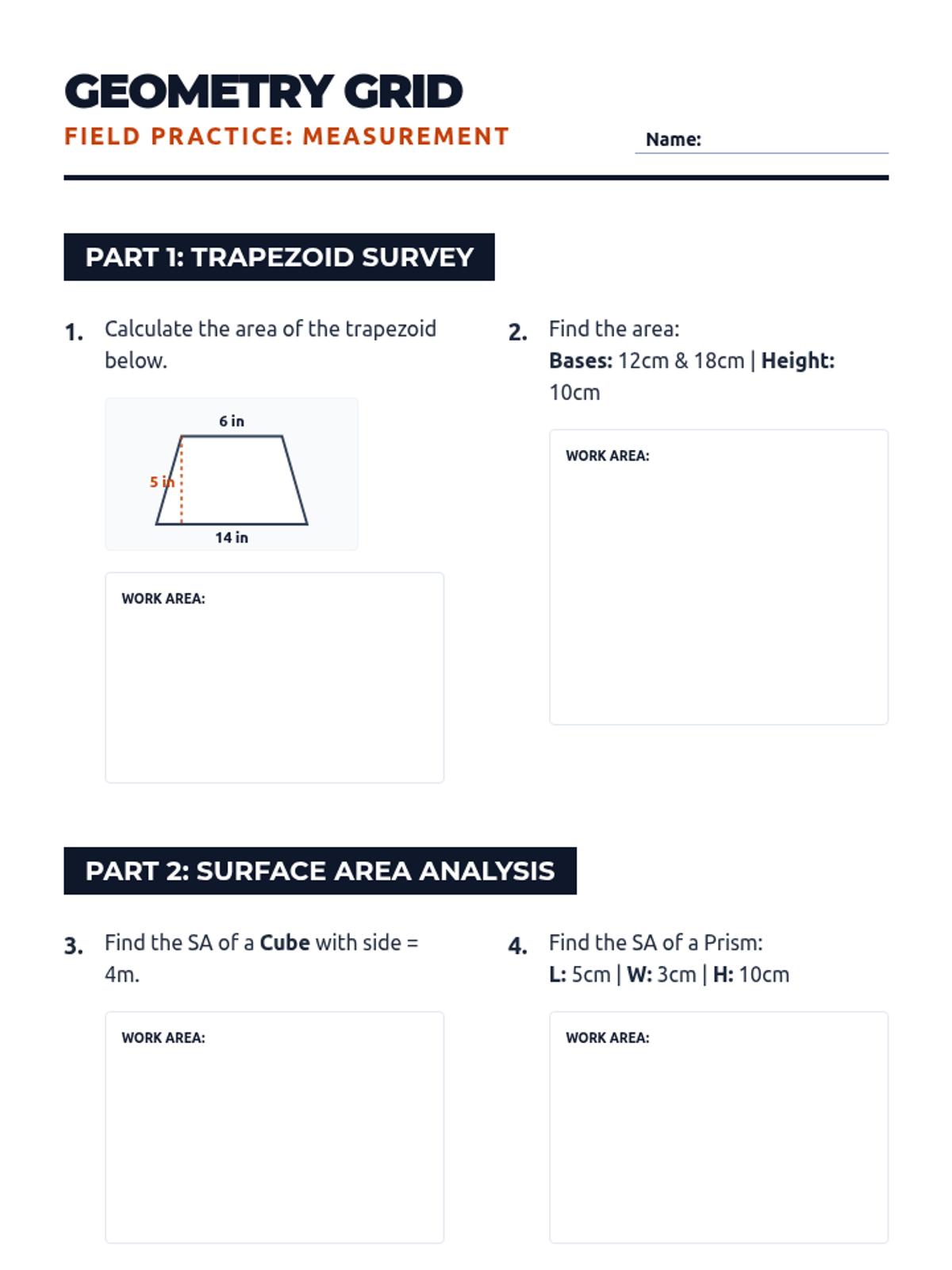
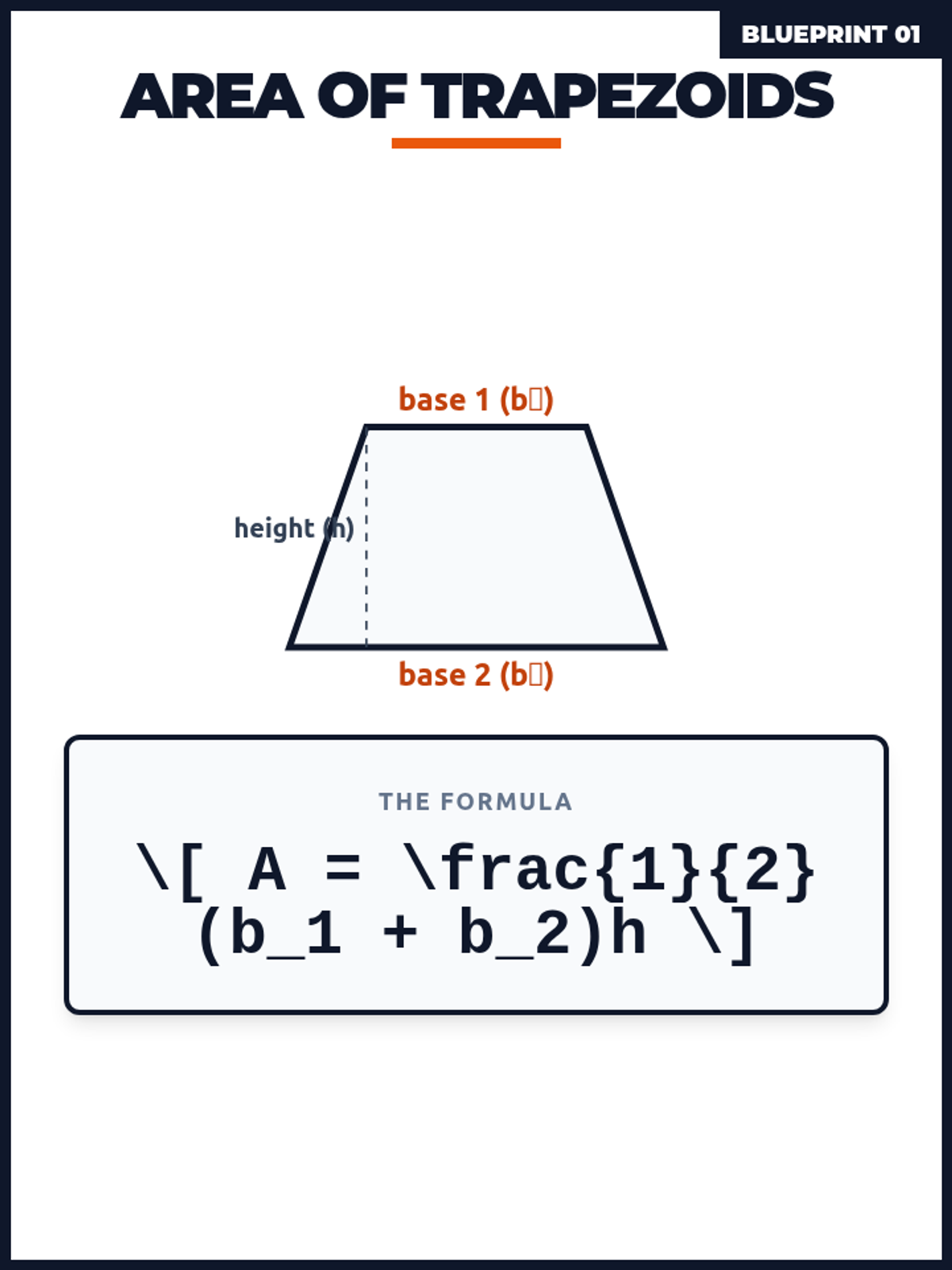
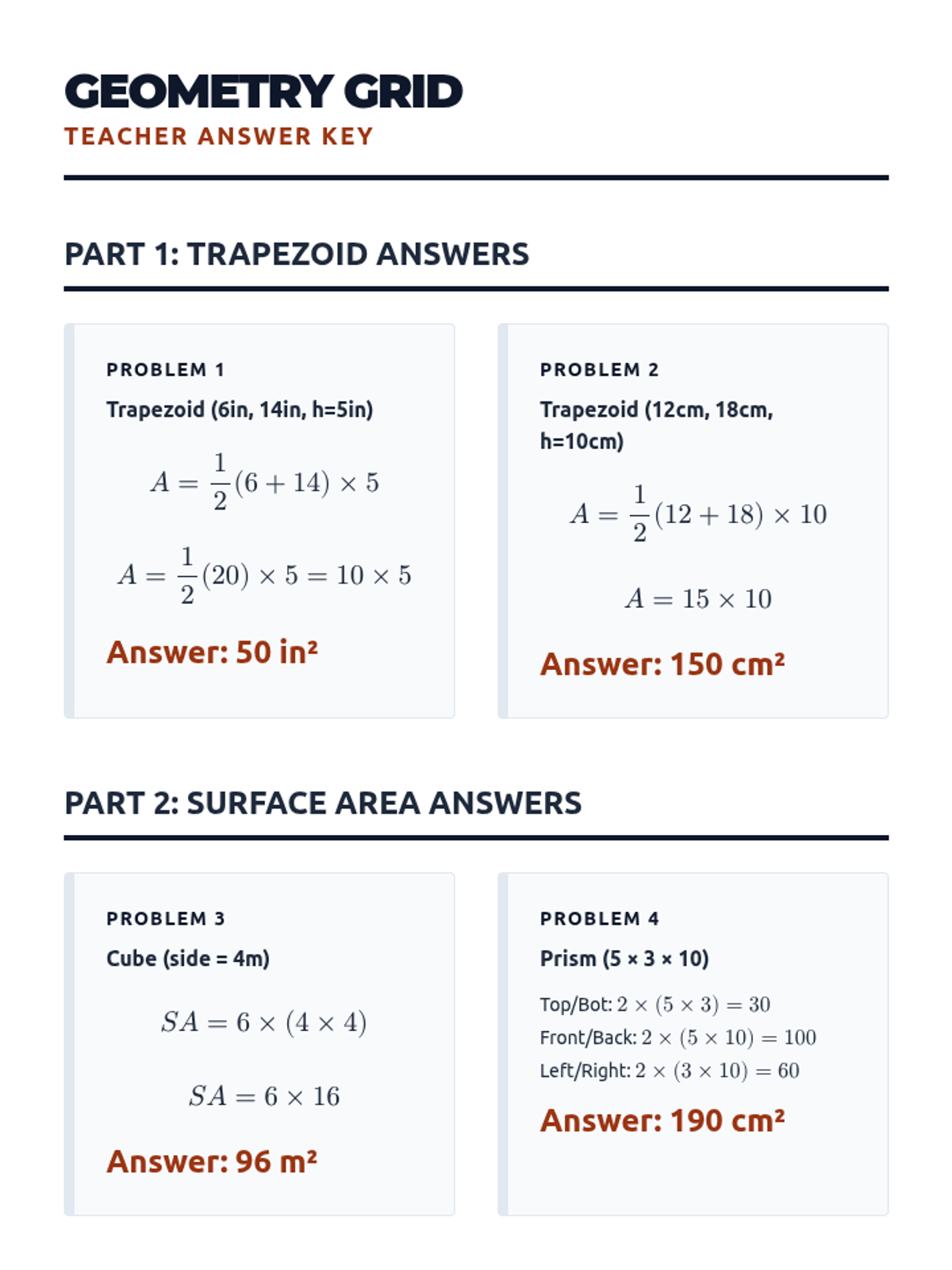
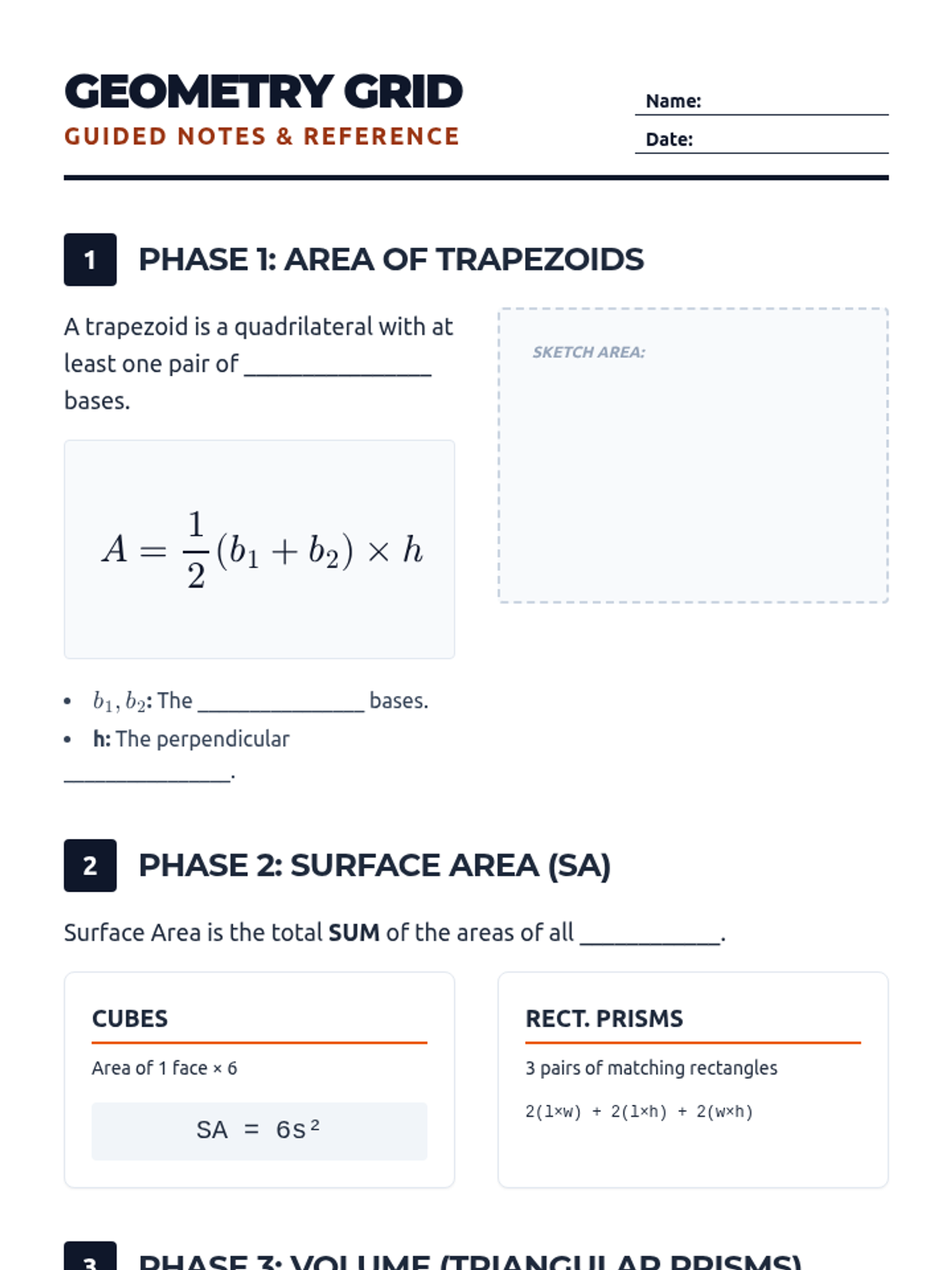
A comprehensive lesson covering the area of trapezoids, surface area of rectangular prisms and cubes, and the volume of triangular prisms using a technical blueprint aesthetic.
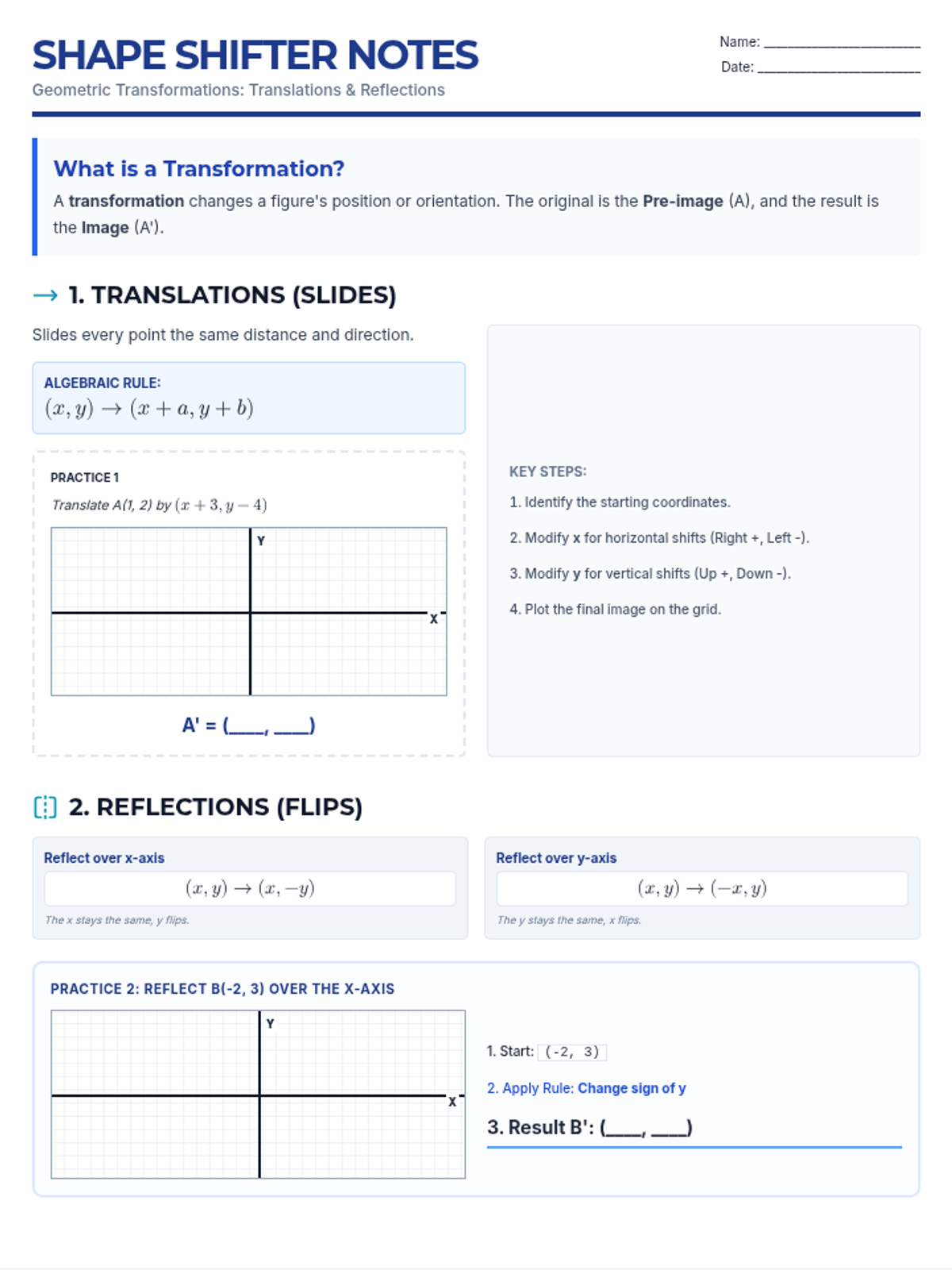
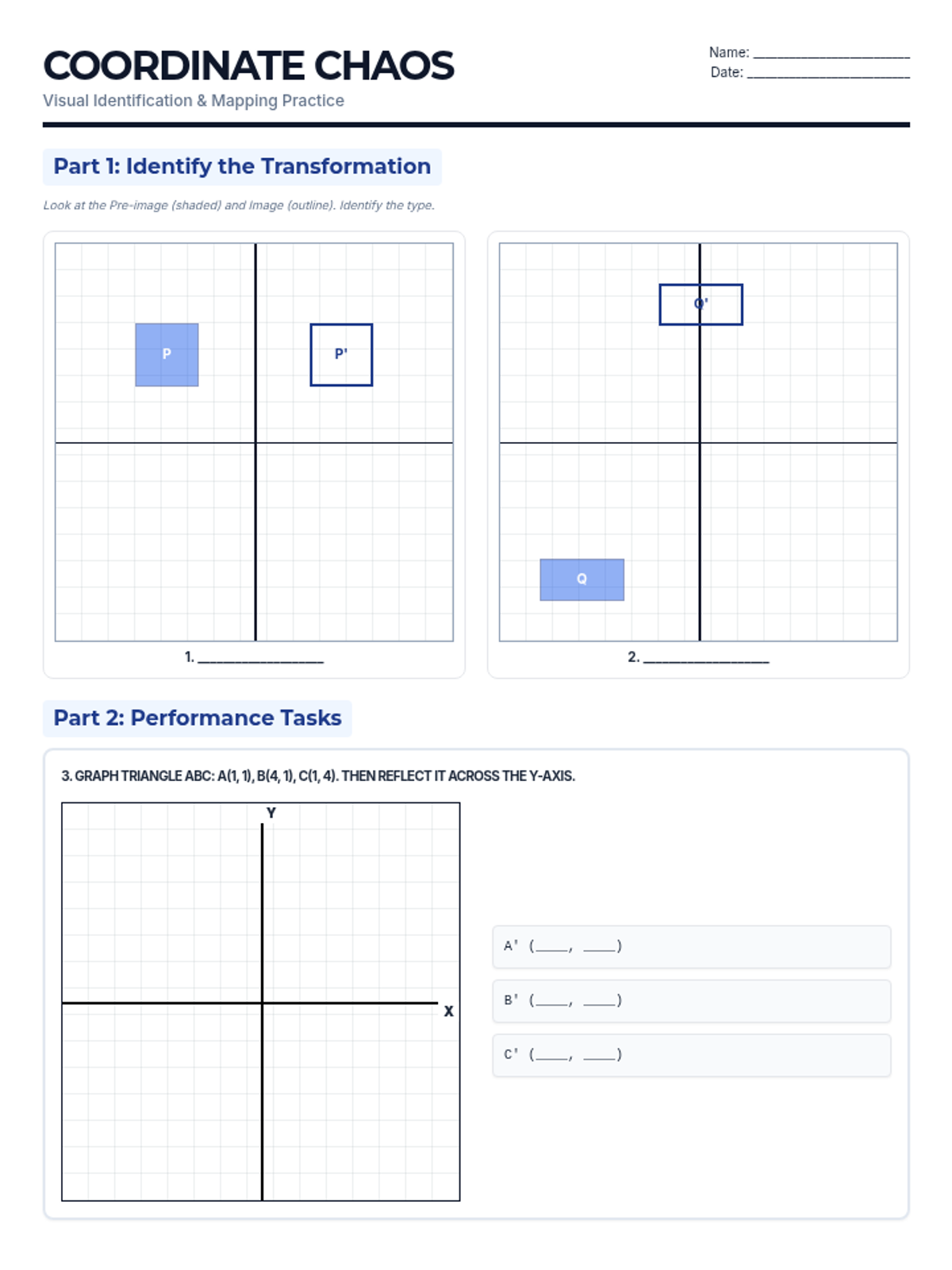
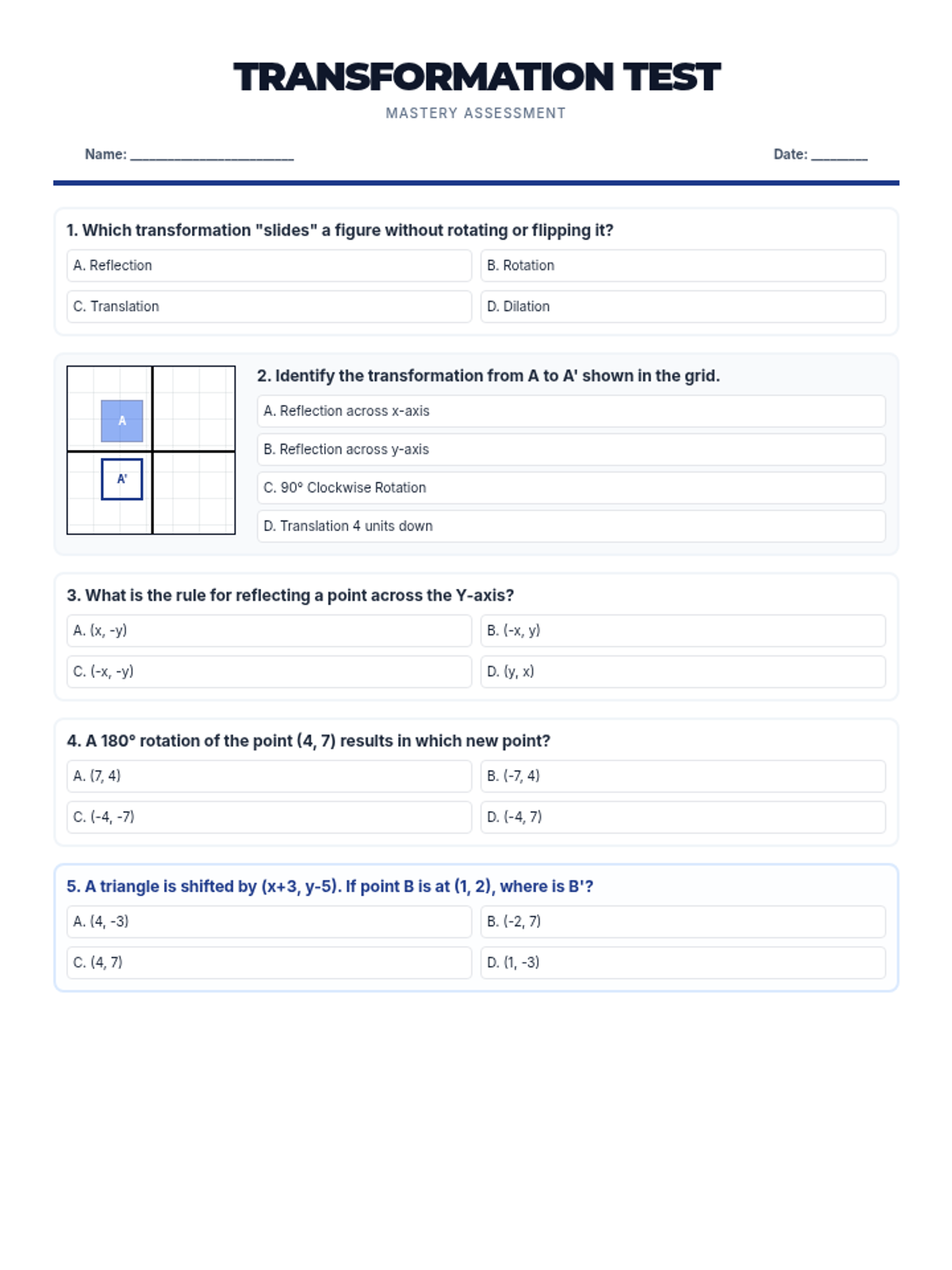
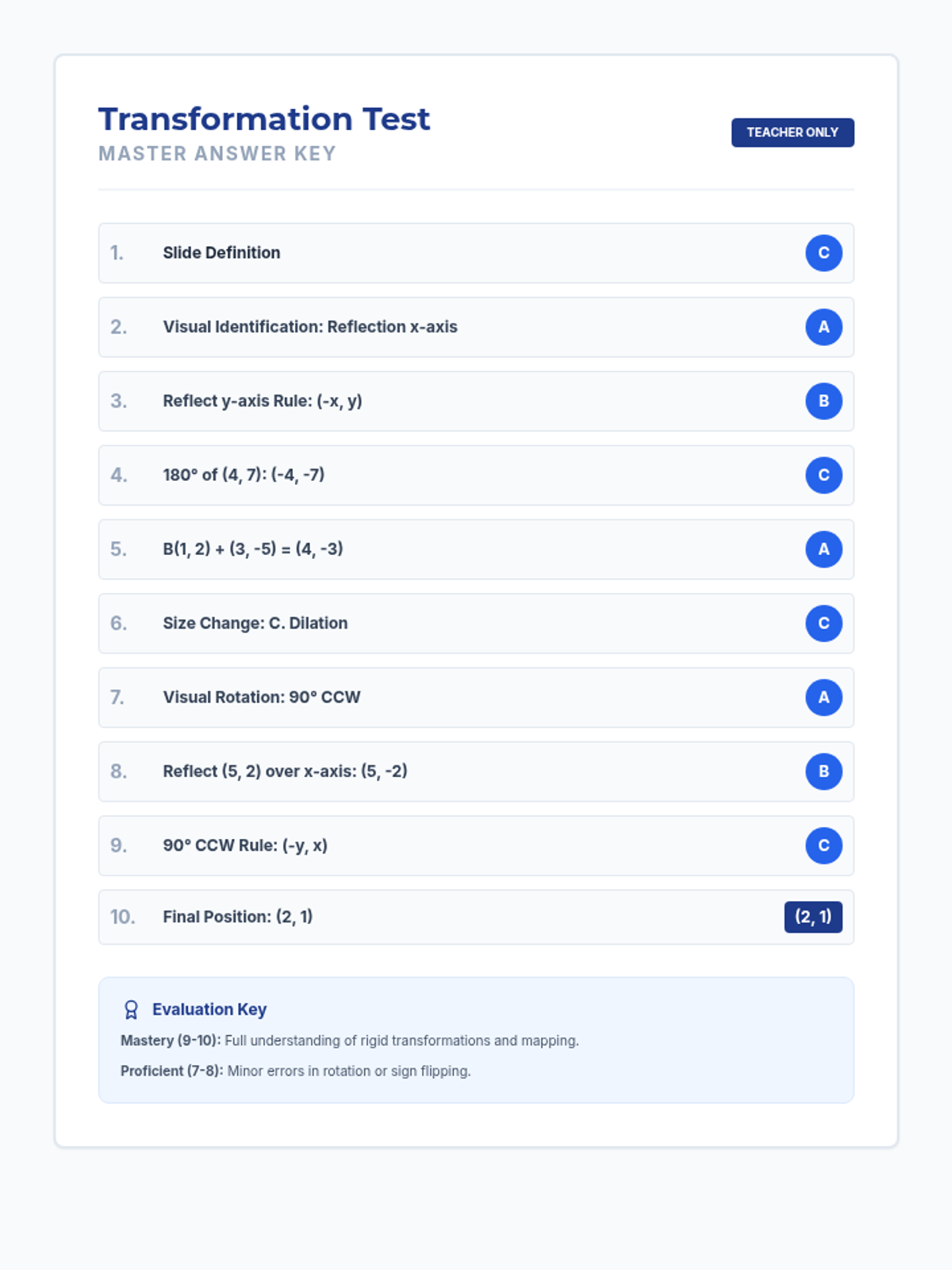
A comprehensive lesson on geometric transformations including translations, reflections, and rotations through guided notes, coordinate plane practice, and assessment.
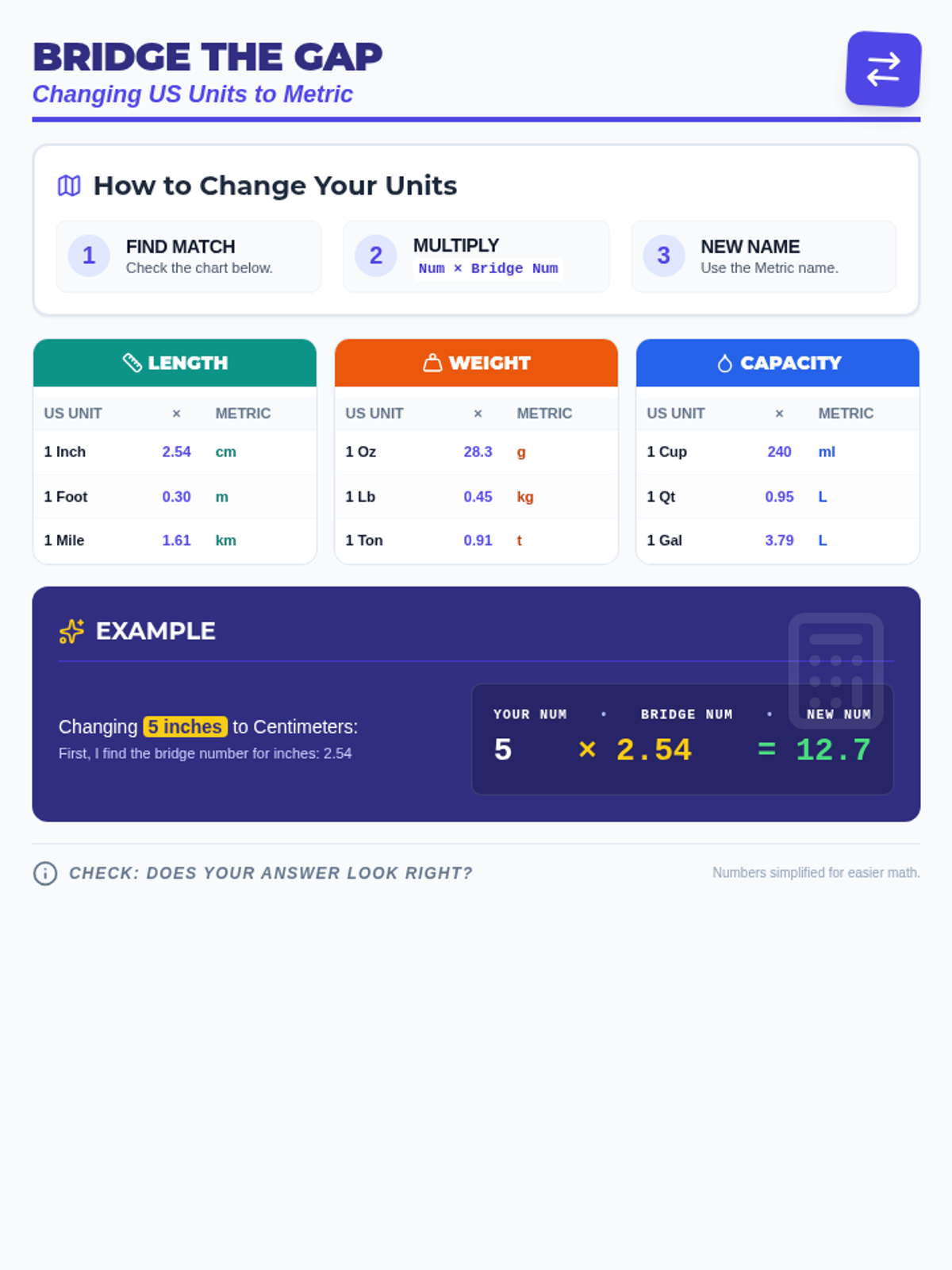
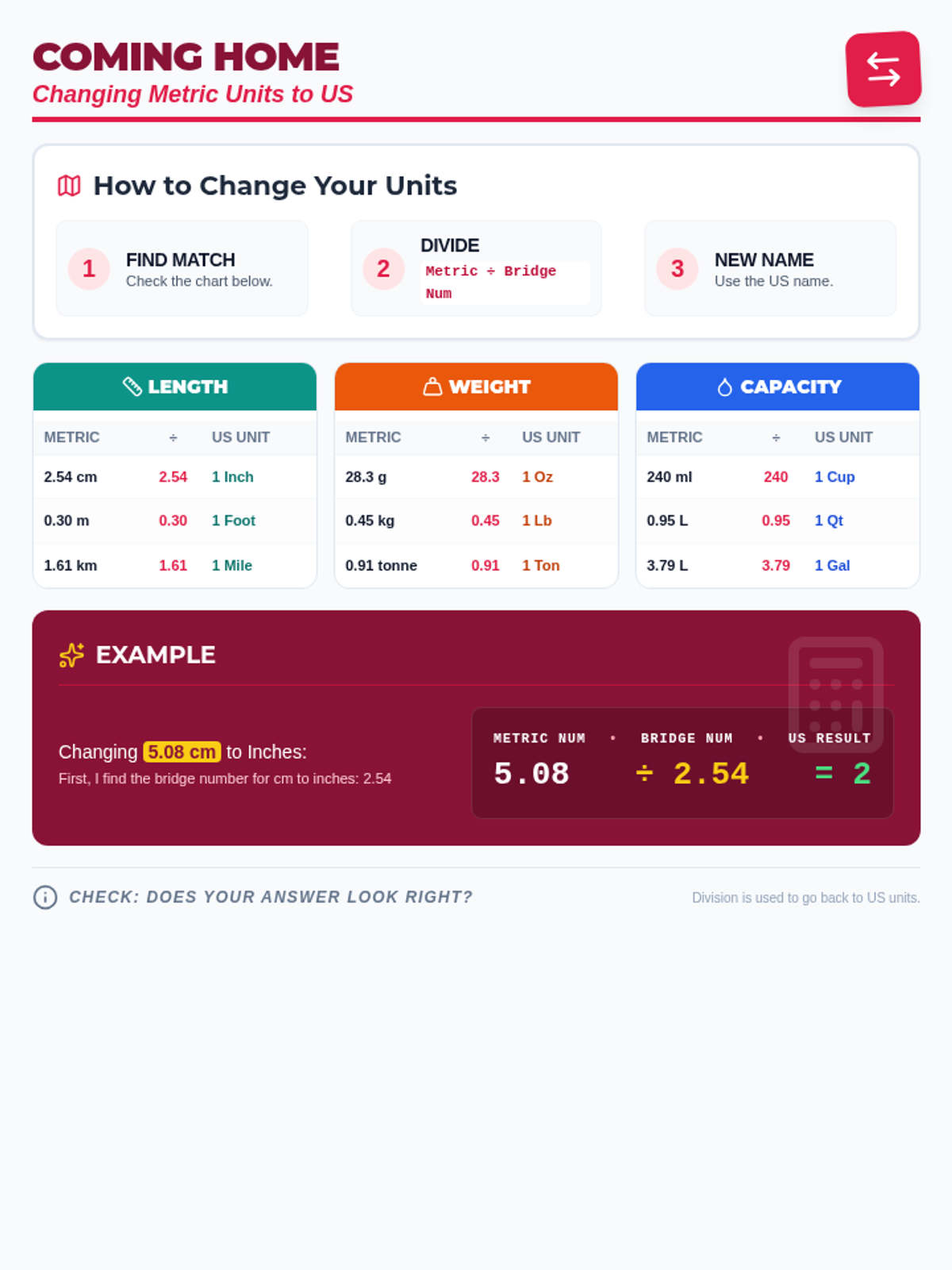
A lesson teaching students how to convert between US customary and metric measurement systems using a simplified 'Bridge Number' method. Includes anchor charts for both directions of conversion.