A statistics lesson themed around Courage the Cowardly Dog, covering central tendency, dot plots, and probability.
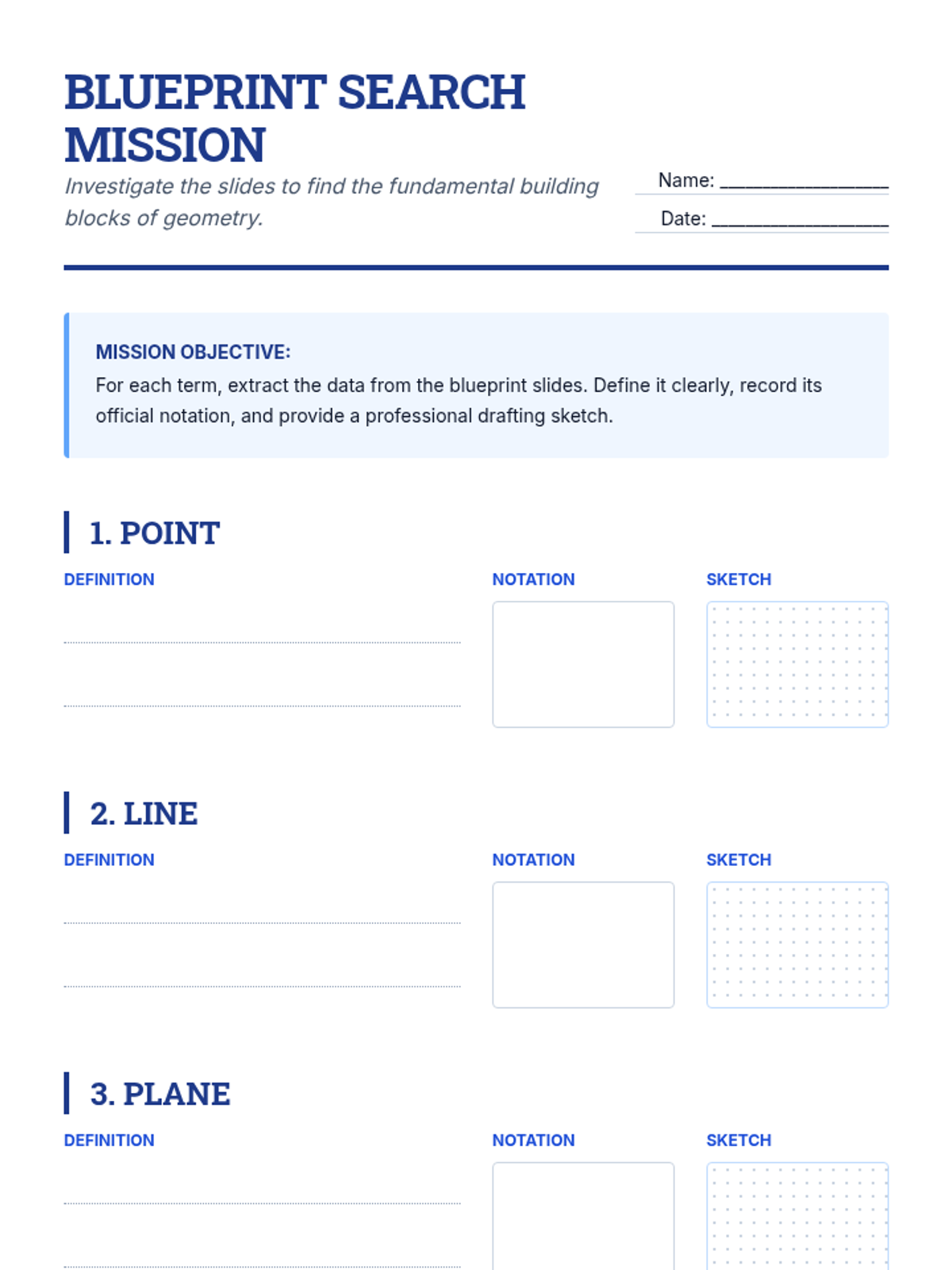
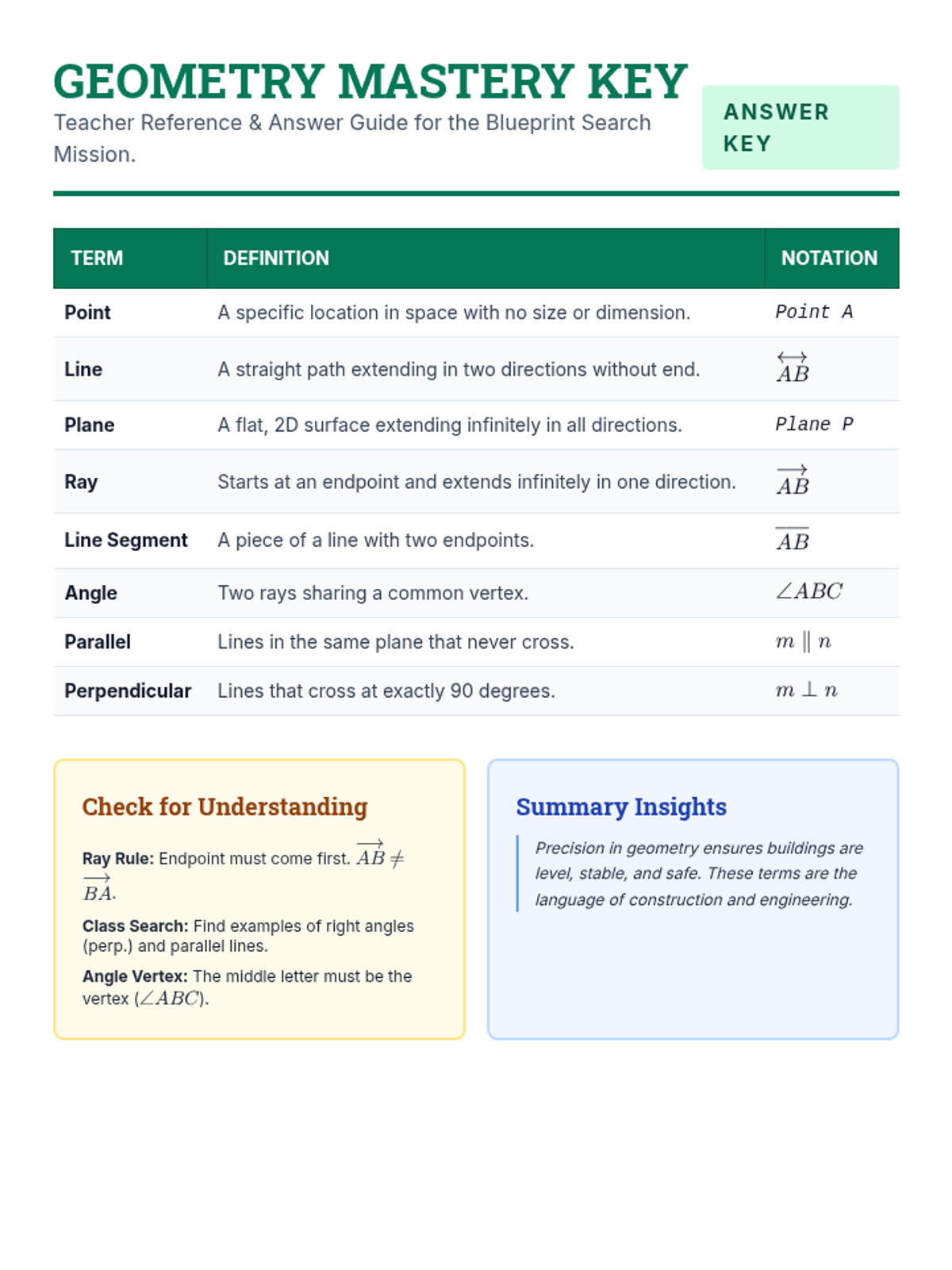
An introductory lesson covering the building blocks of geometry: points, lines, planes, rays, segments, and angles.
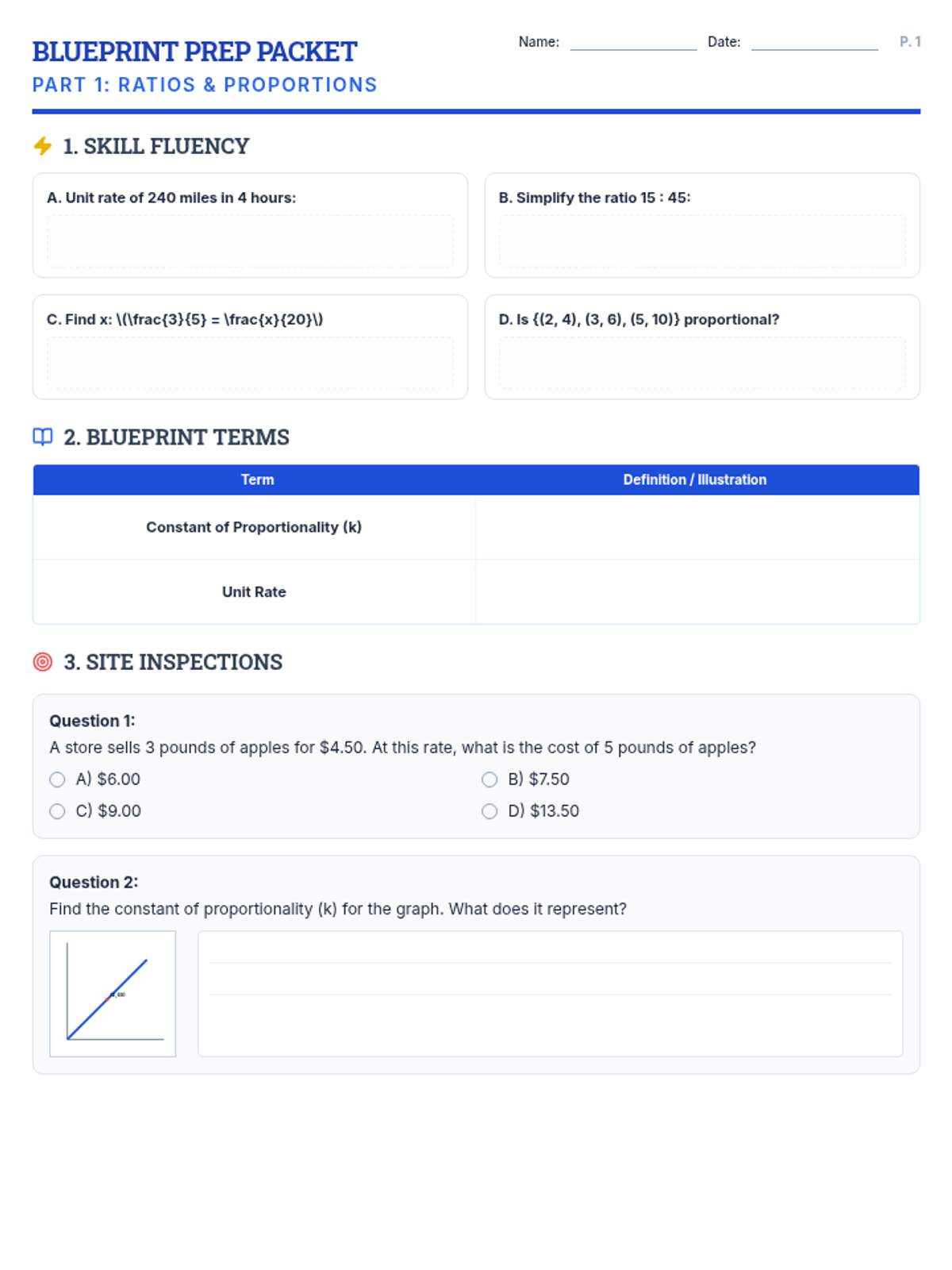
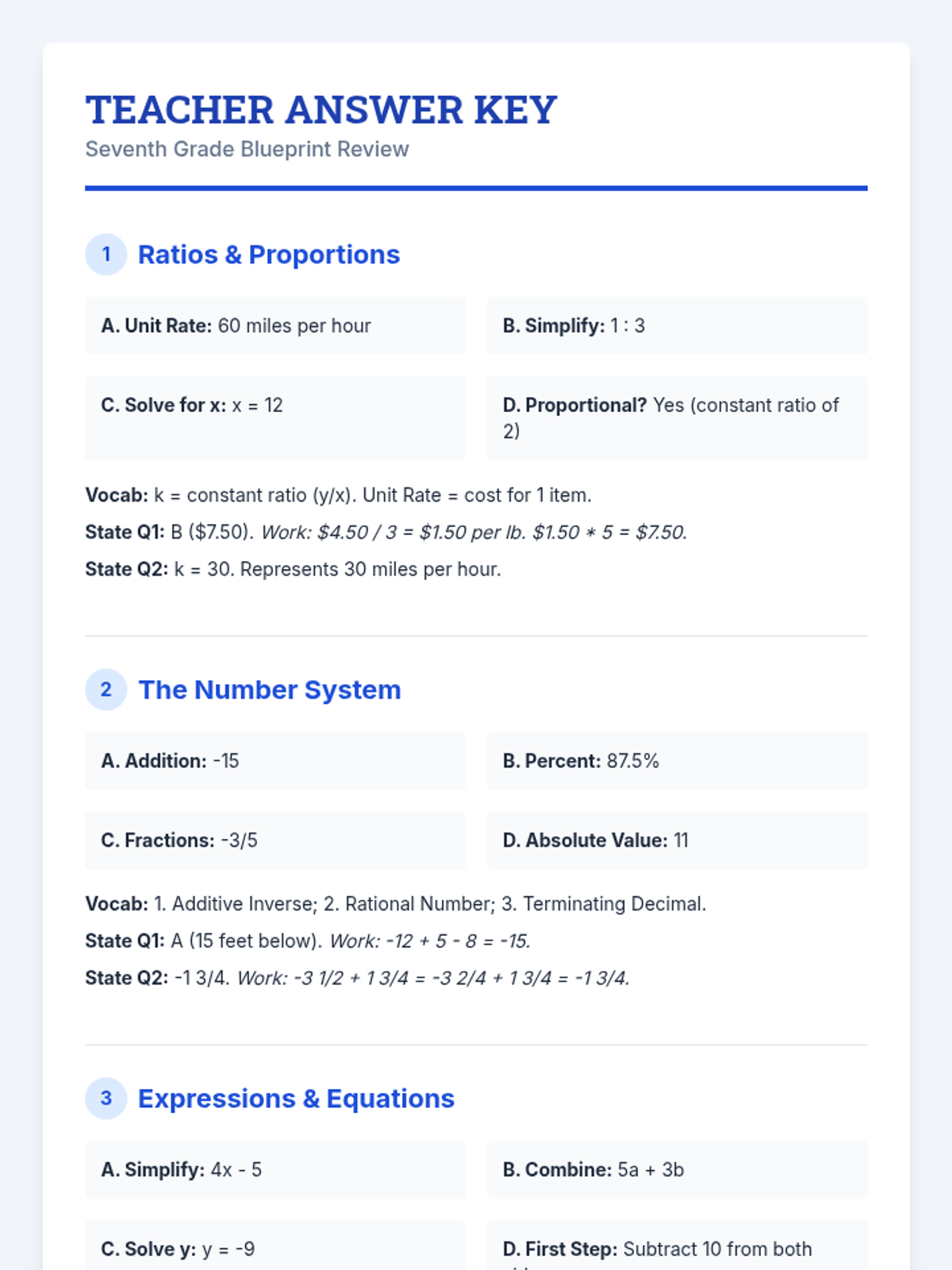
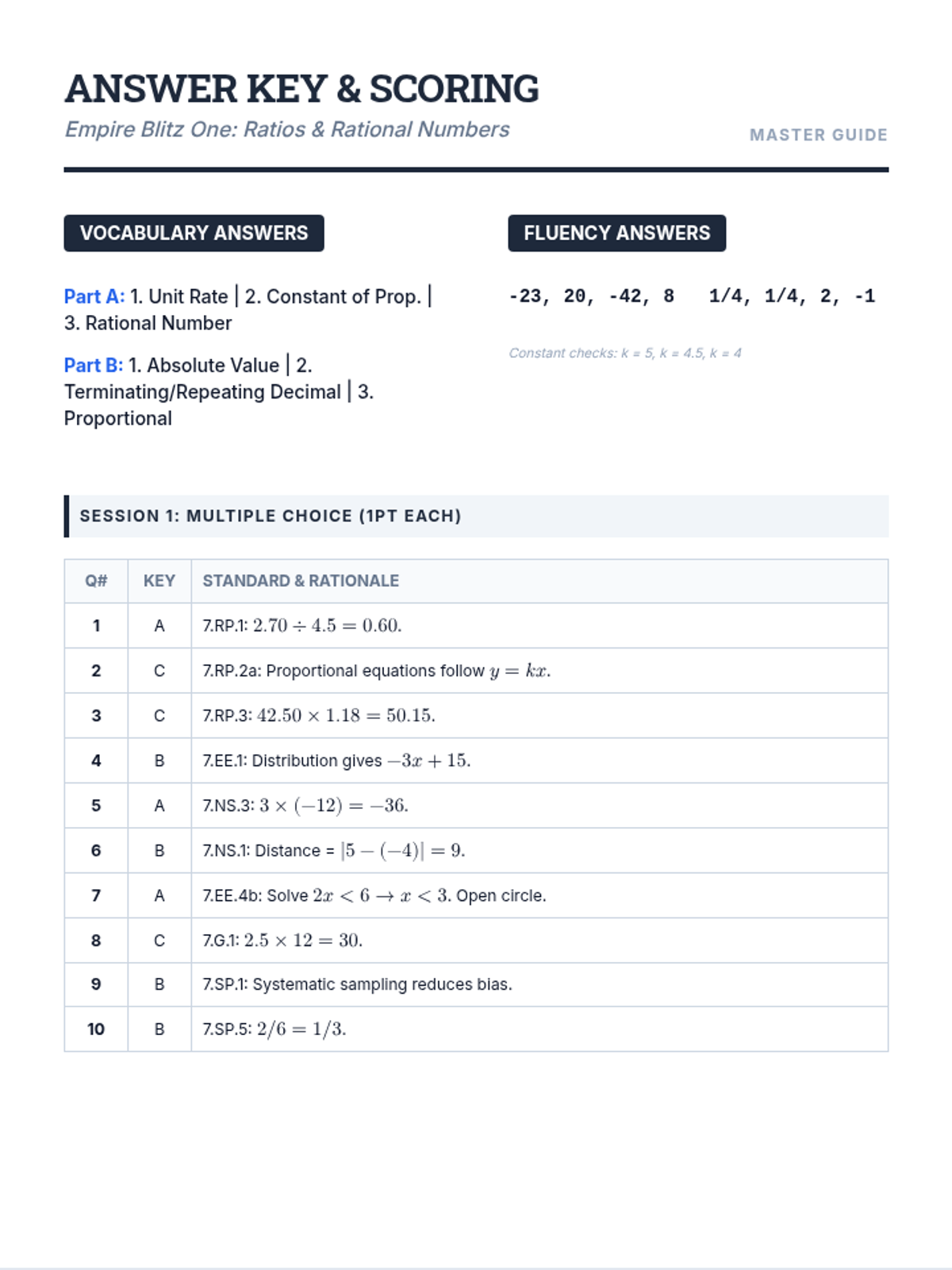
A focused review of Ratios and Proportions, The Number System, and Expressions and Equations through fluency practice, vocabulary building, and state-style questions.
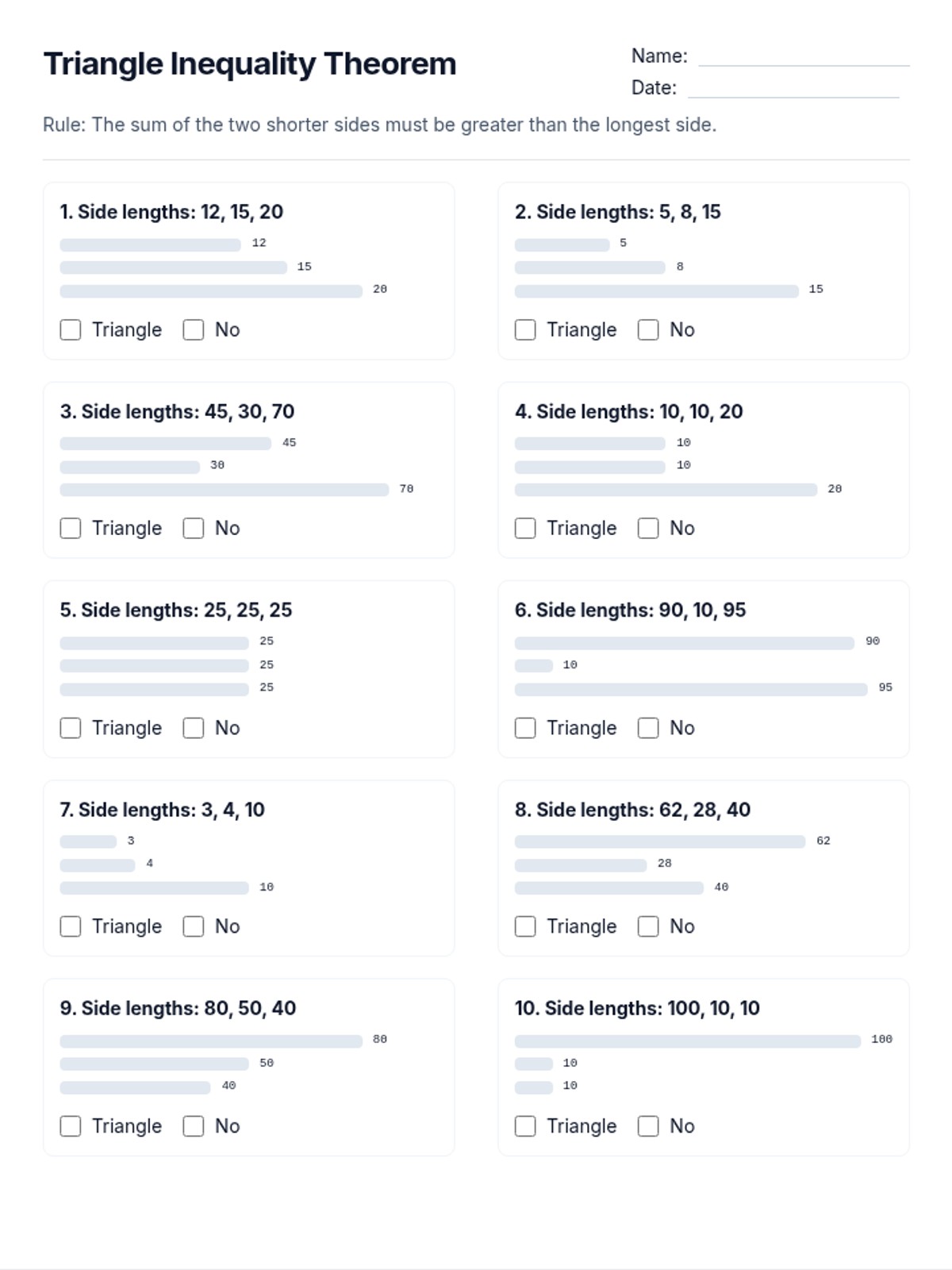
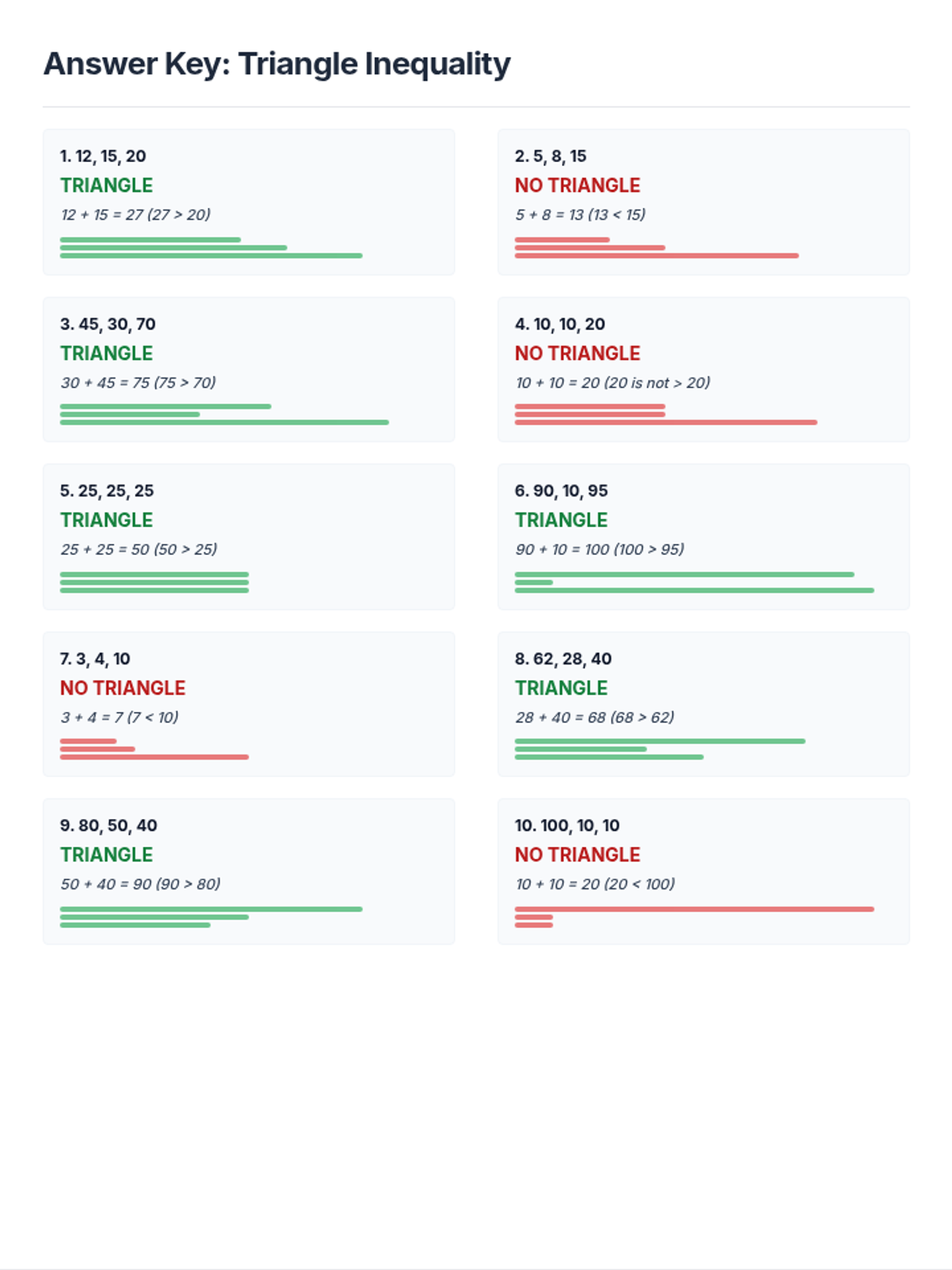
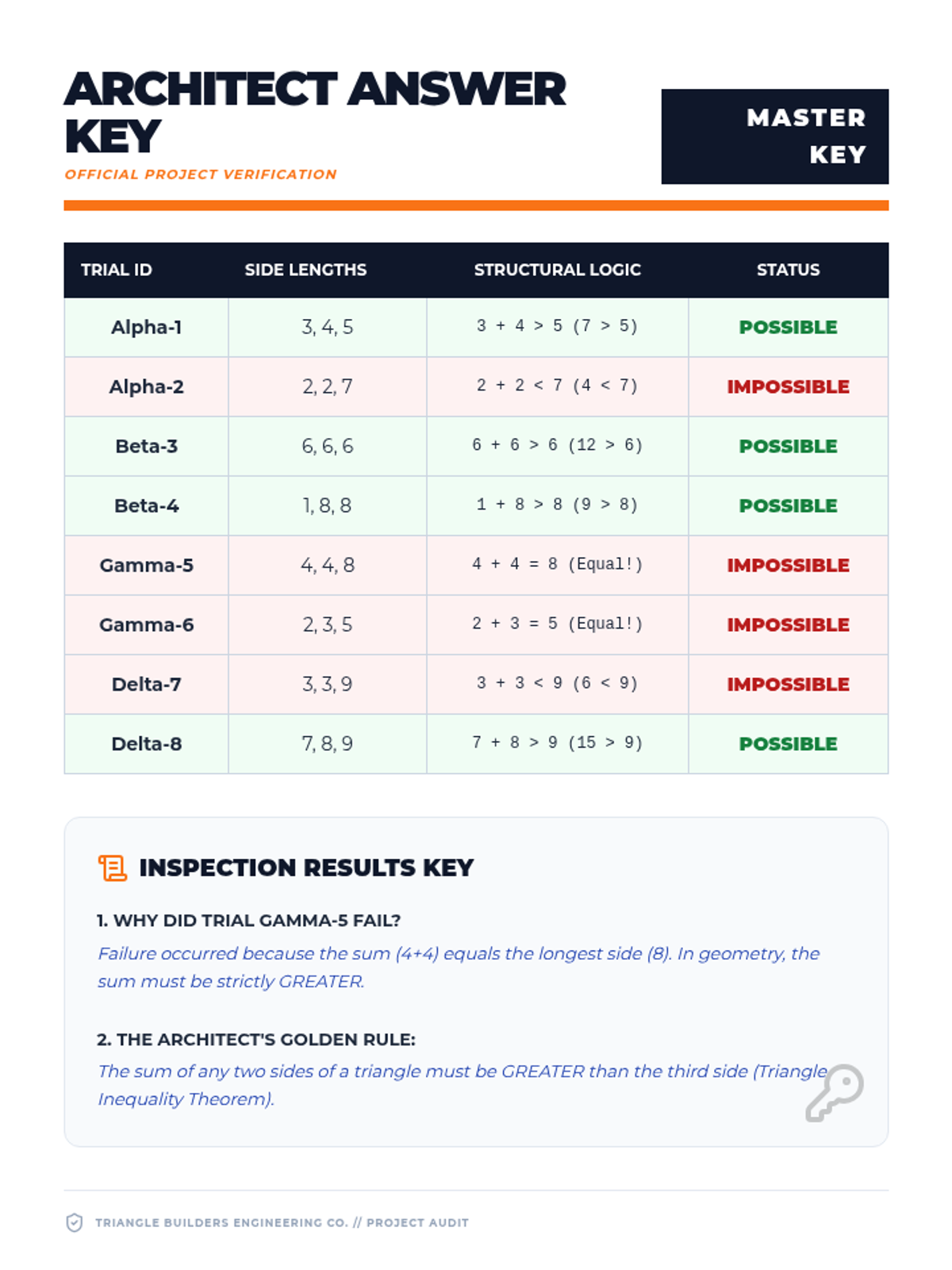
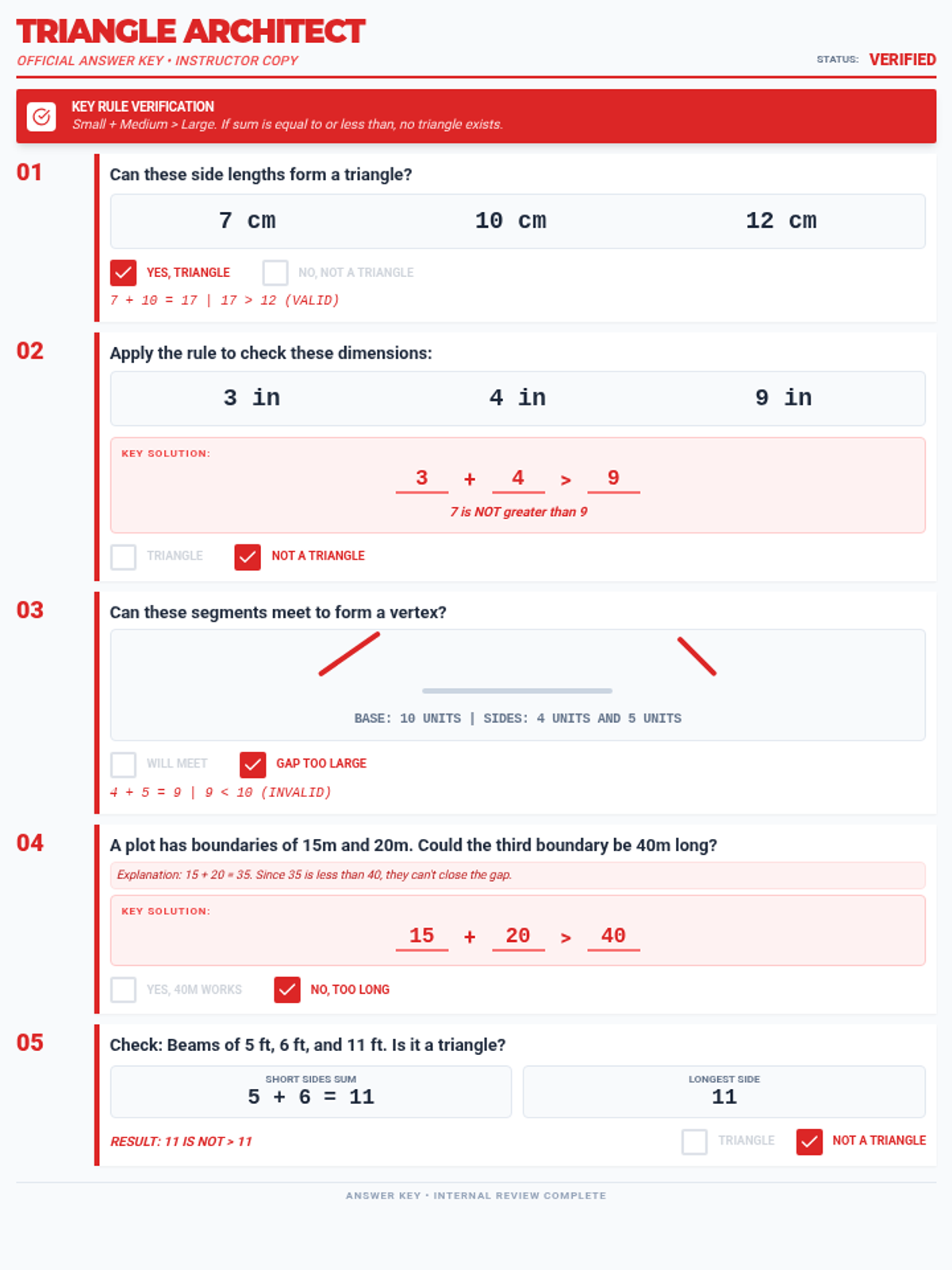
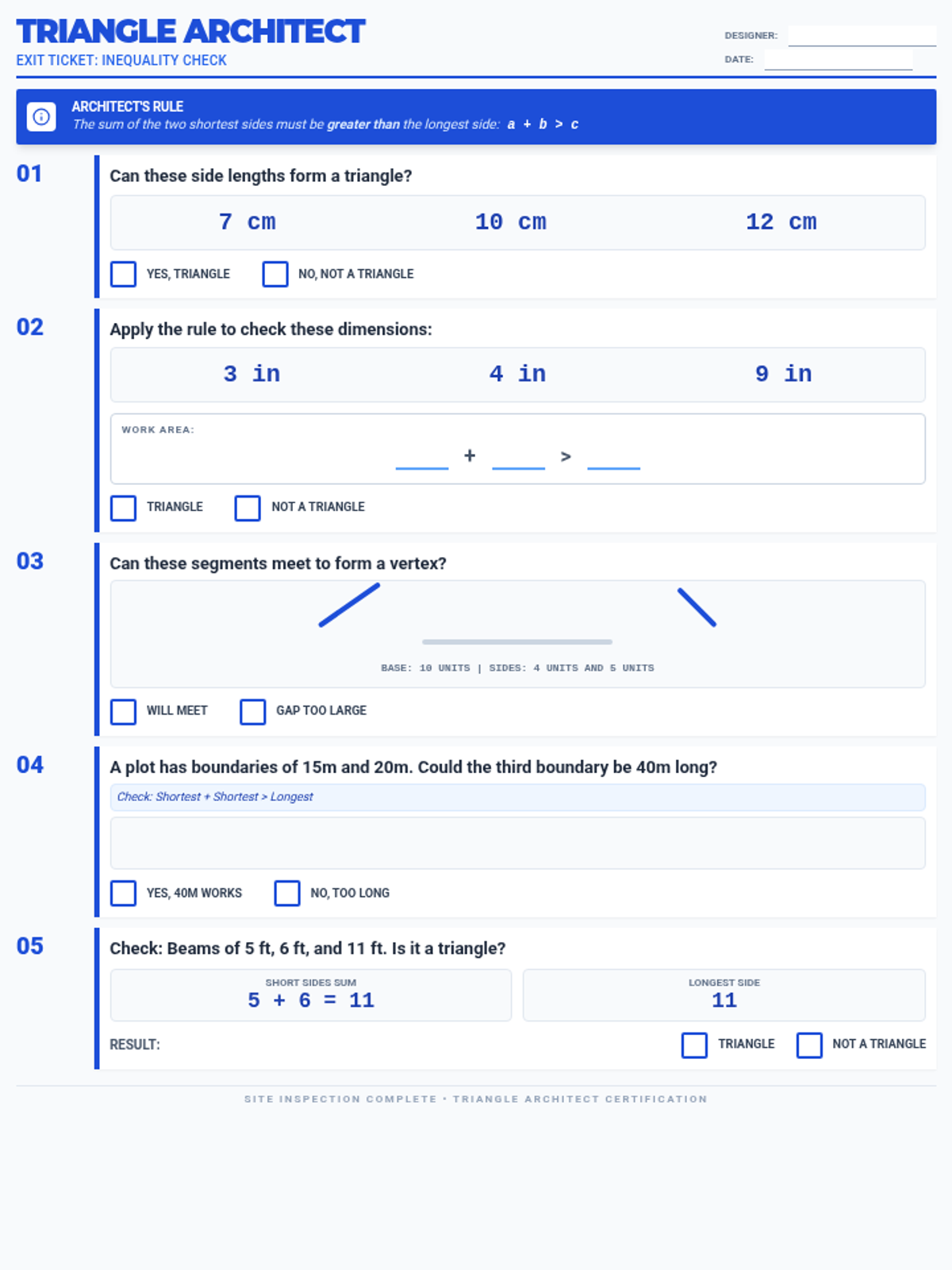
A lesson focusing on the Triangle Inequality Theorem, teaching students how to determine if three given side lengths can form a valid triangle.
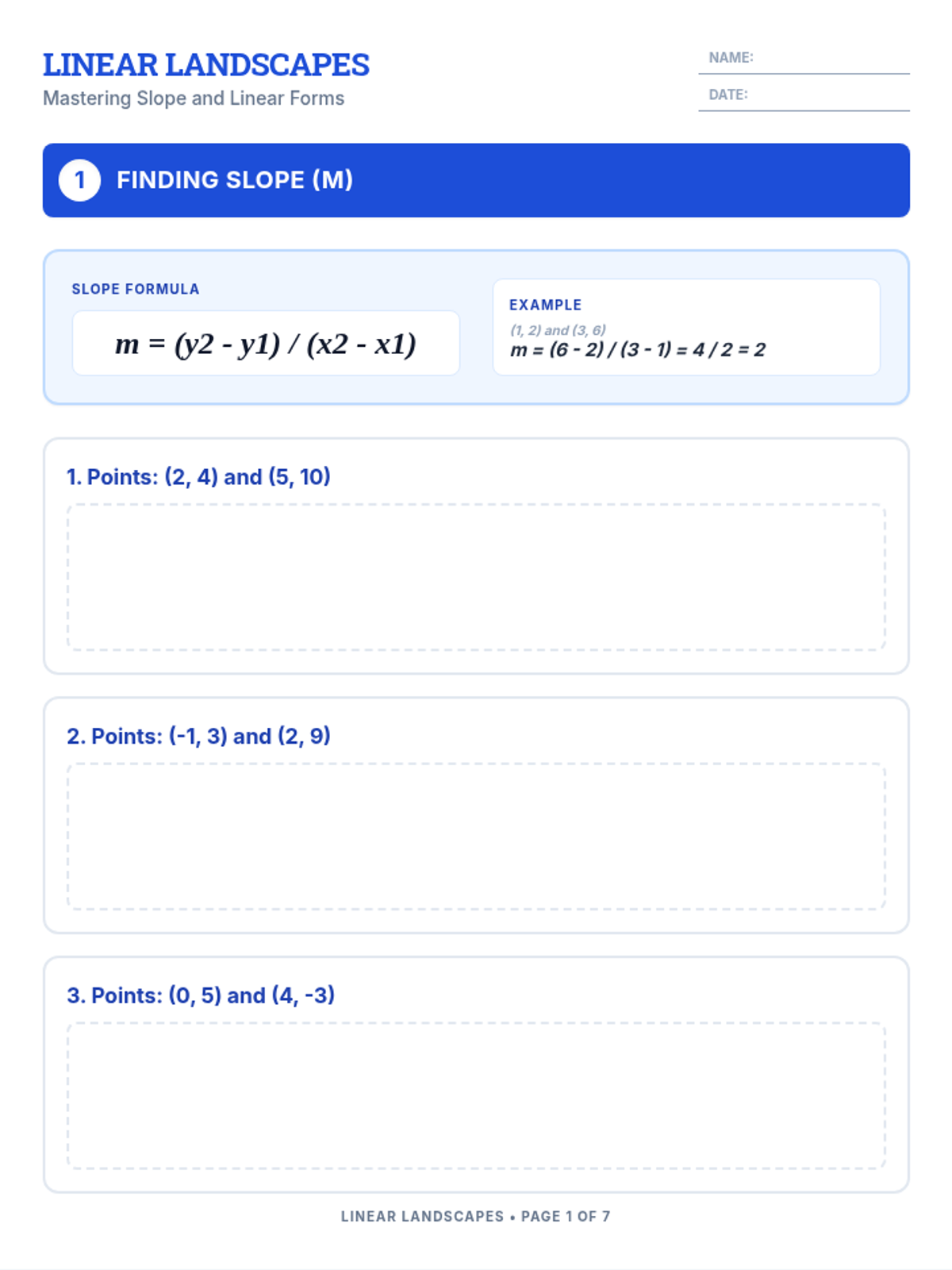
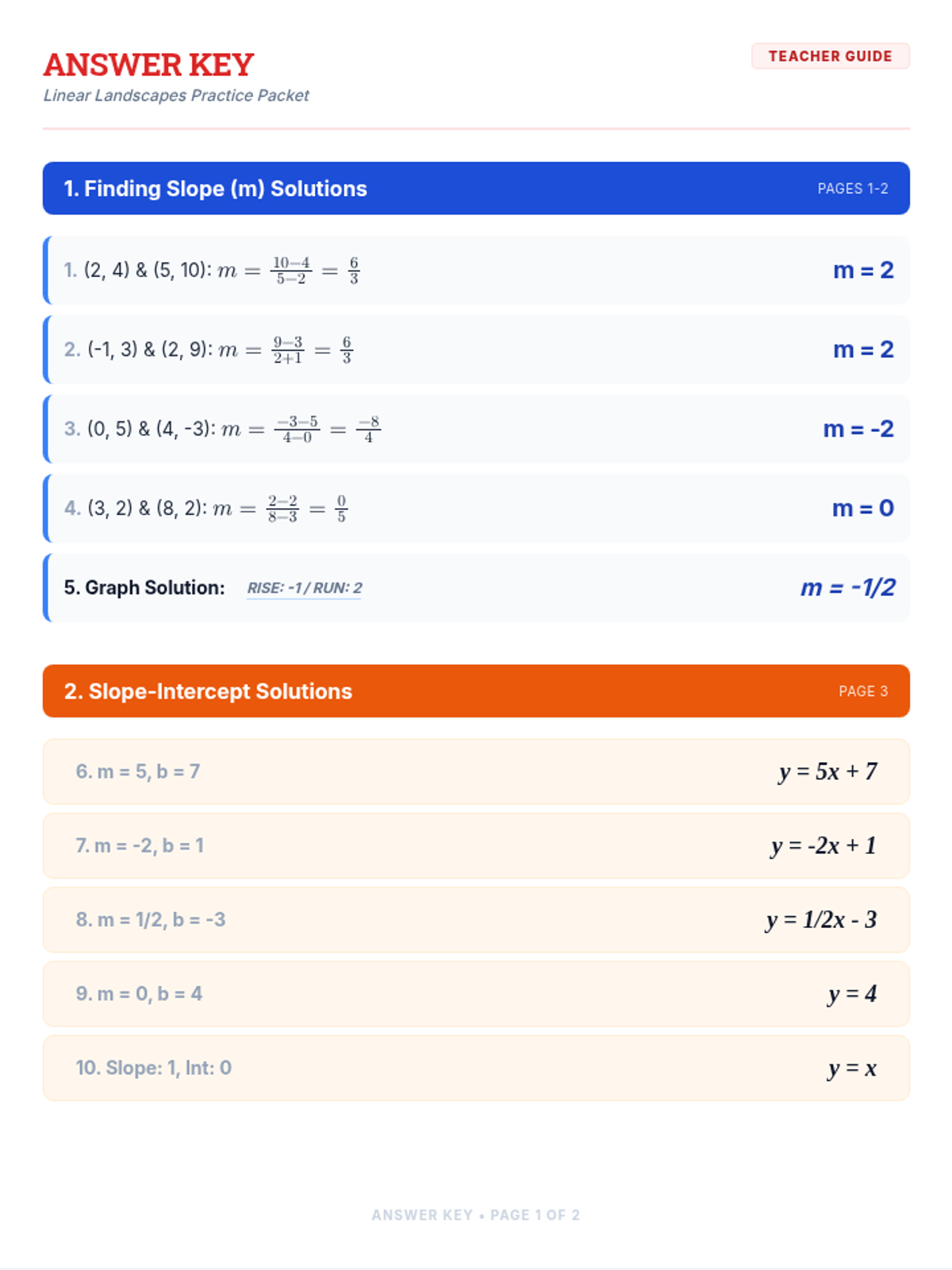
A comprehensive practice module for high school Algebra 1 students focusing on slope, point-slope form, and slope-intercept form. Designed with scaffolding and visual aids specifically for special education support.
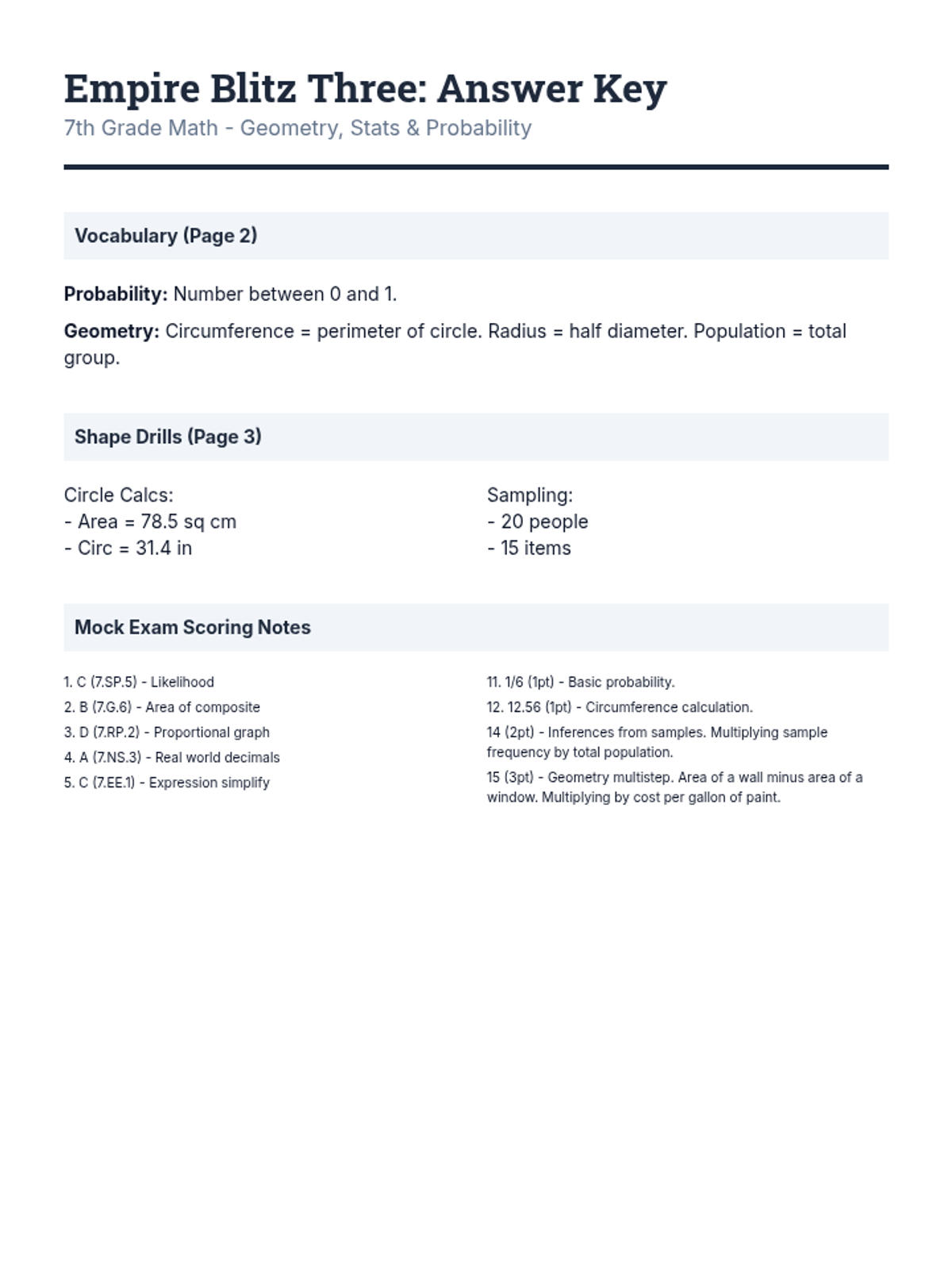
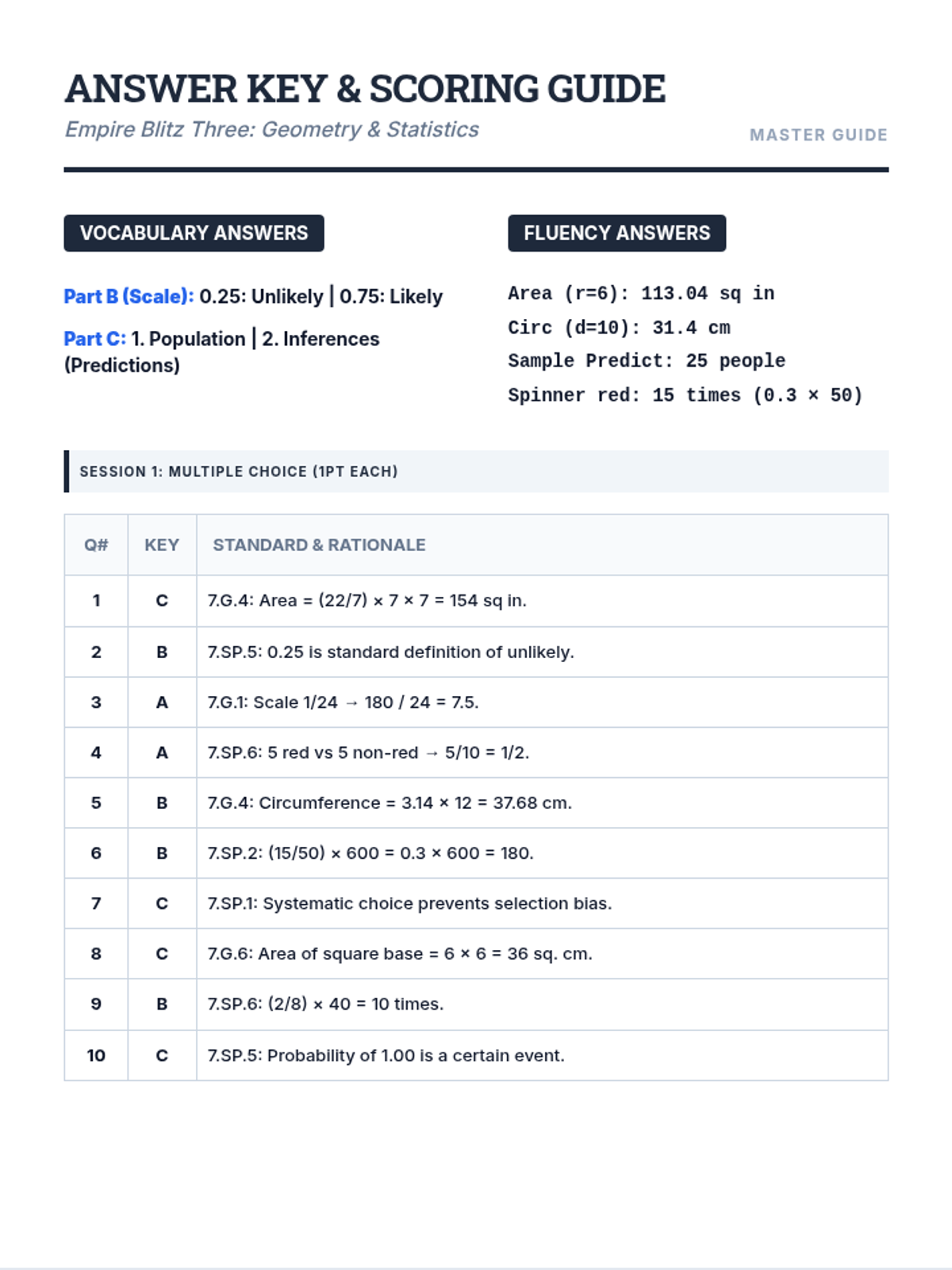
The third packet in the test prep series, highlighting Geometry and Statistics/Probability within a full-spectrum review of 7th grade math requirements.
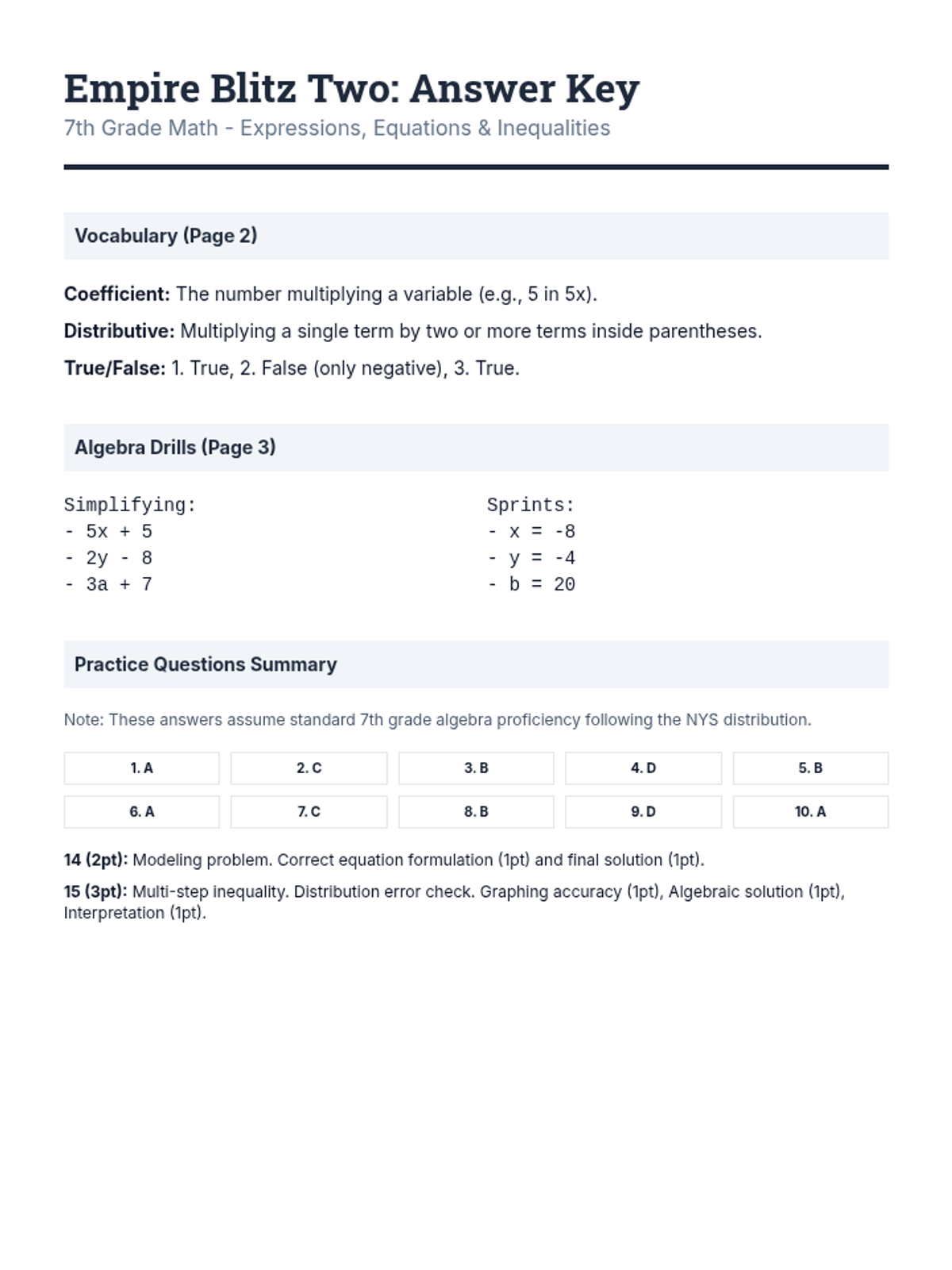
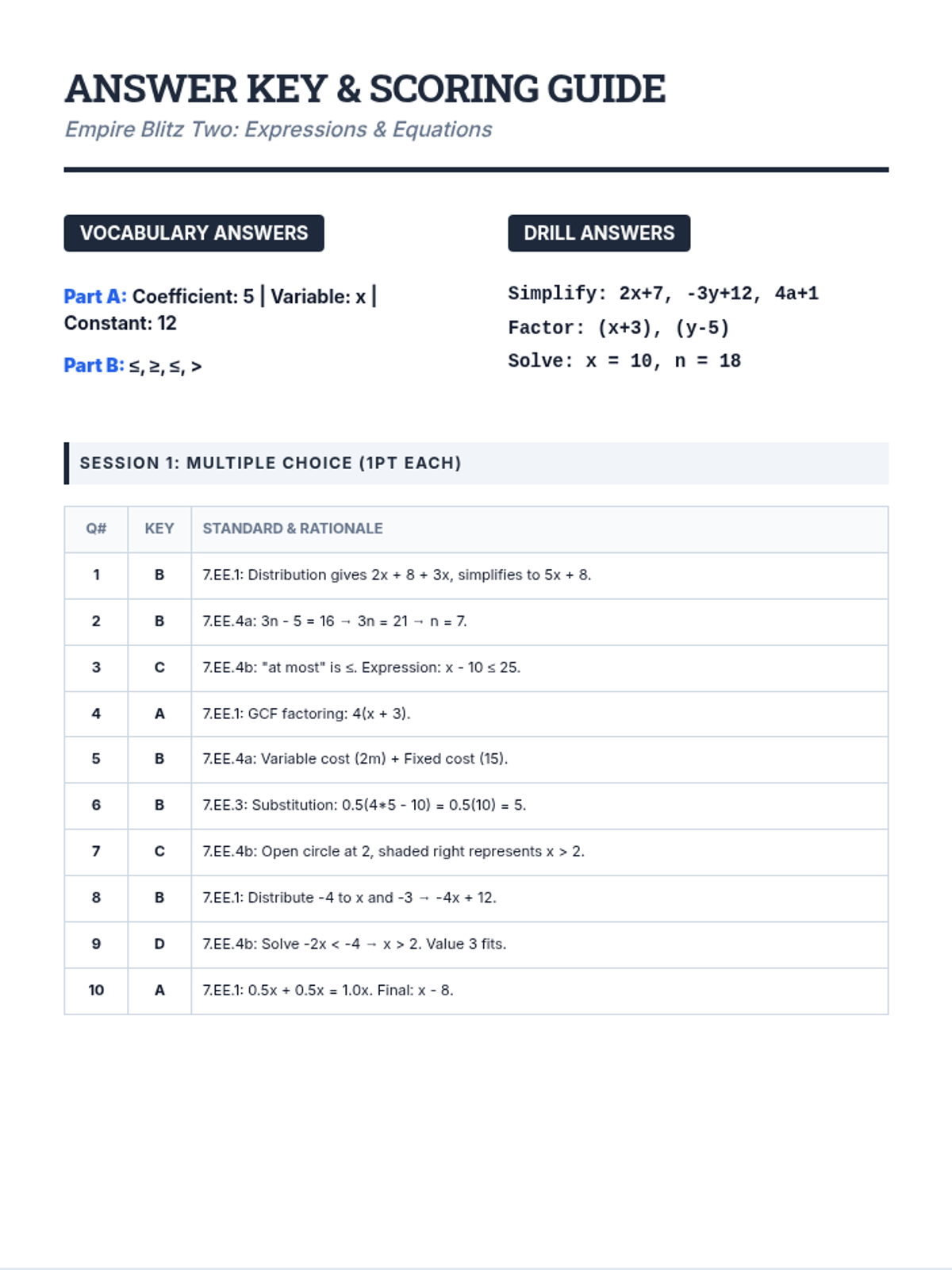
The second packet in the test prep series, with an emphasis on Expressions, Equations, and Inequalities, alongside a balanced distribution of other 7th grade standards.
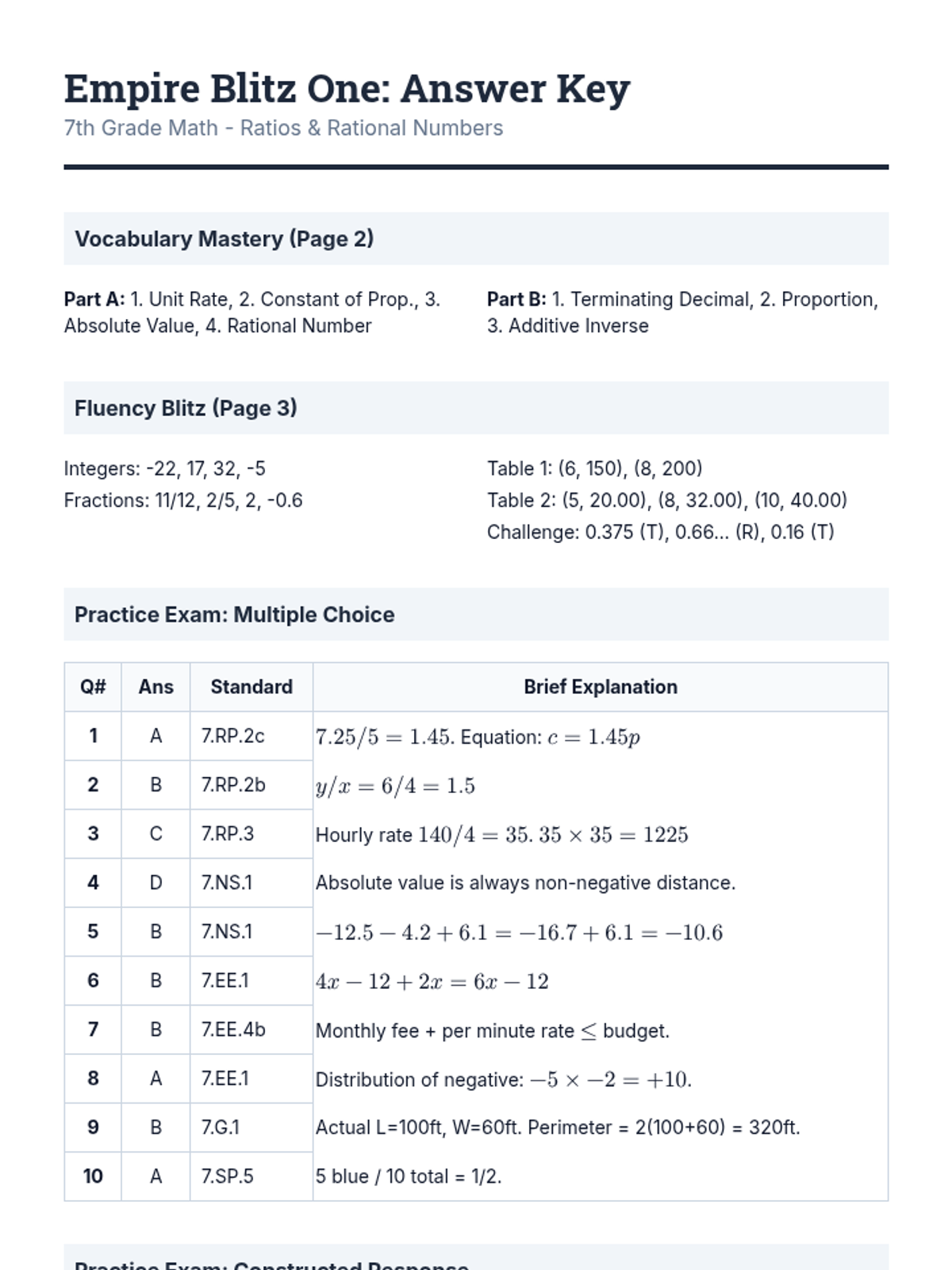
The first packet in the test prep series, focusing on Ratio and Proportional Relationships and the Number System, while maintaining a representative mix of all 7th grade domains.
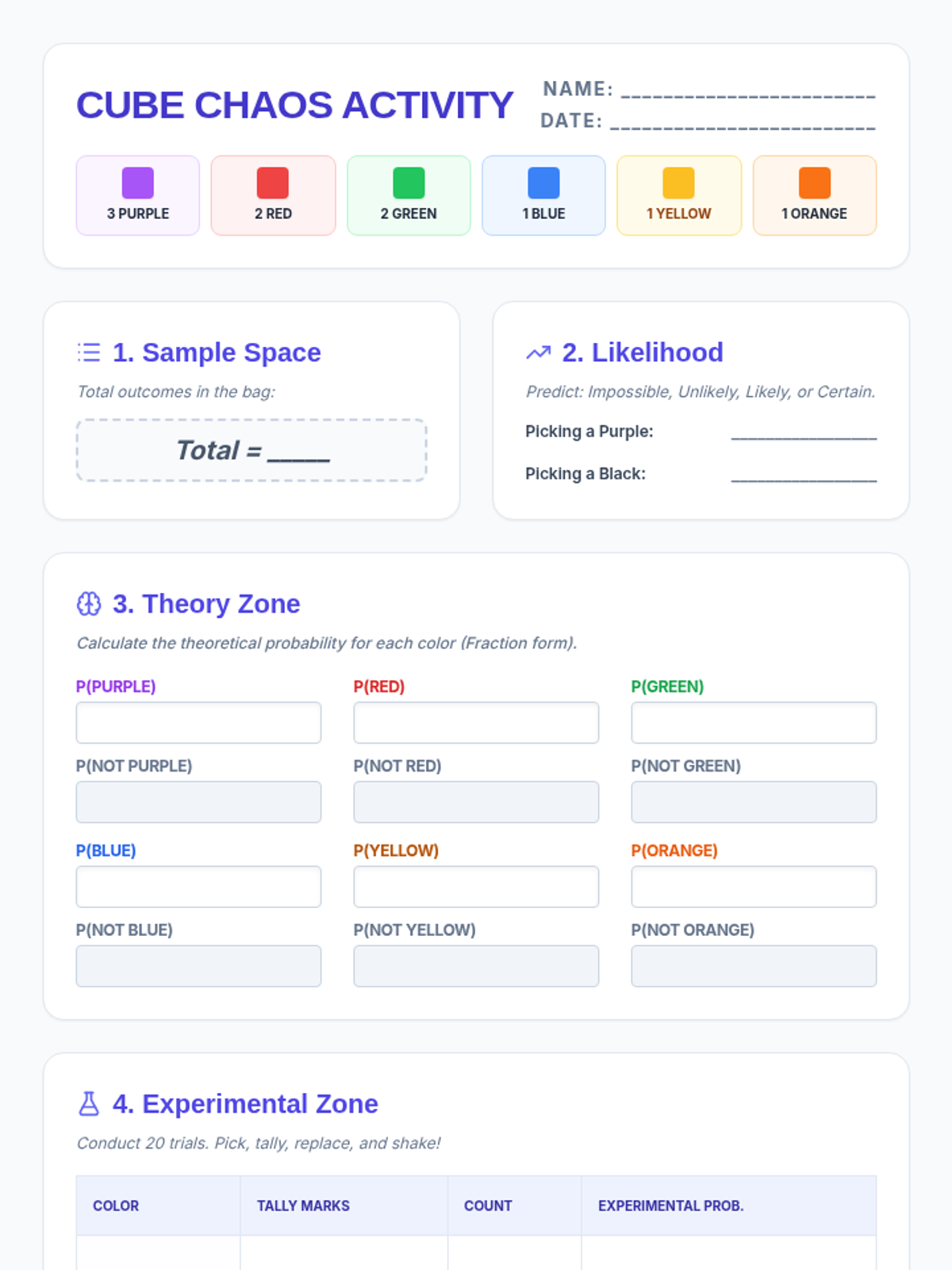
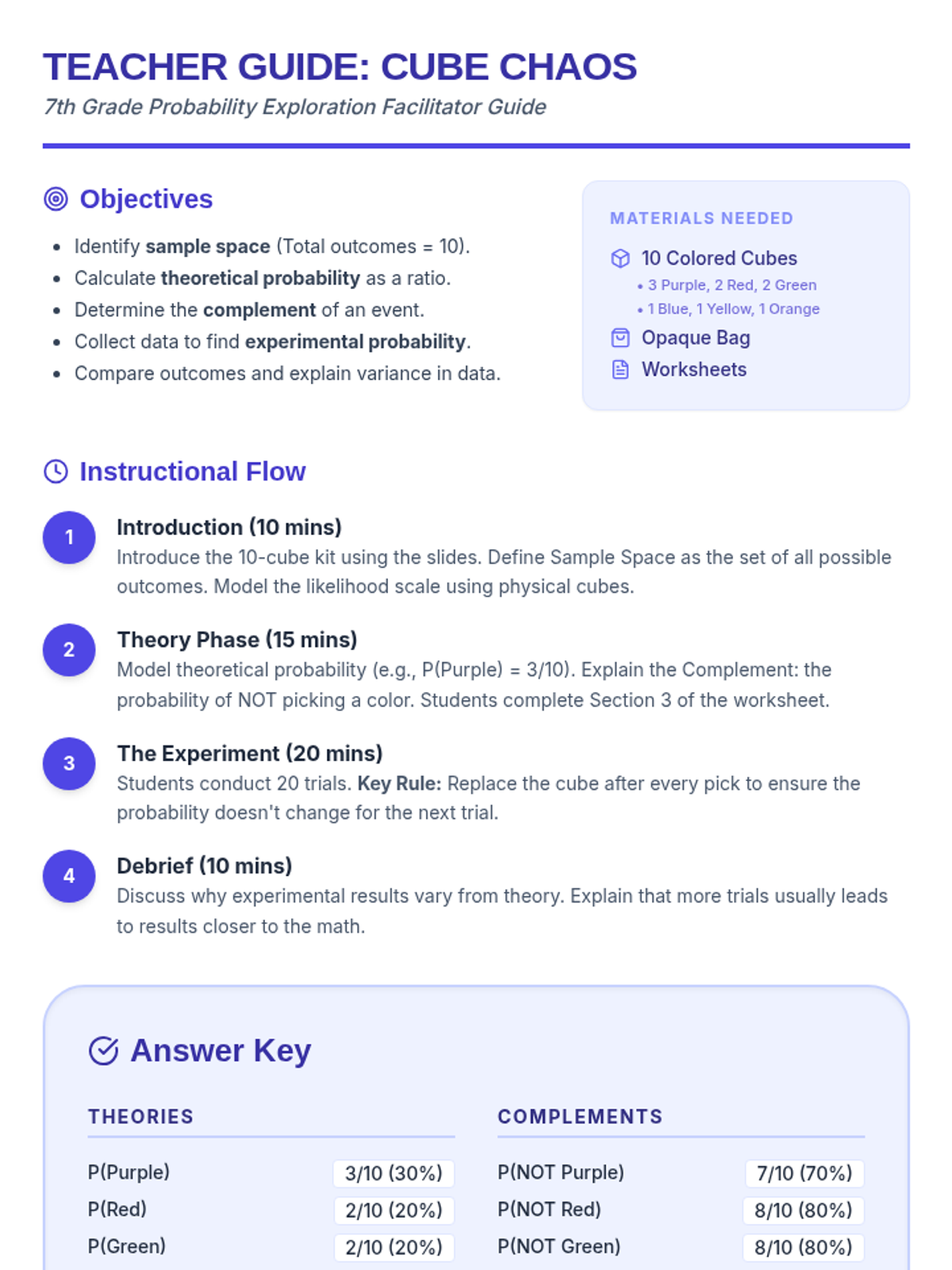
A hands-on exploration of probability concepts using a specific set of 10 colored cubes. Students learn to calculate theoretical and experimental probability, identify sample spaces, and understand complements.
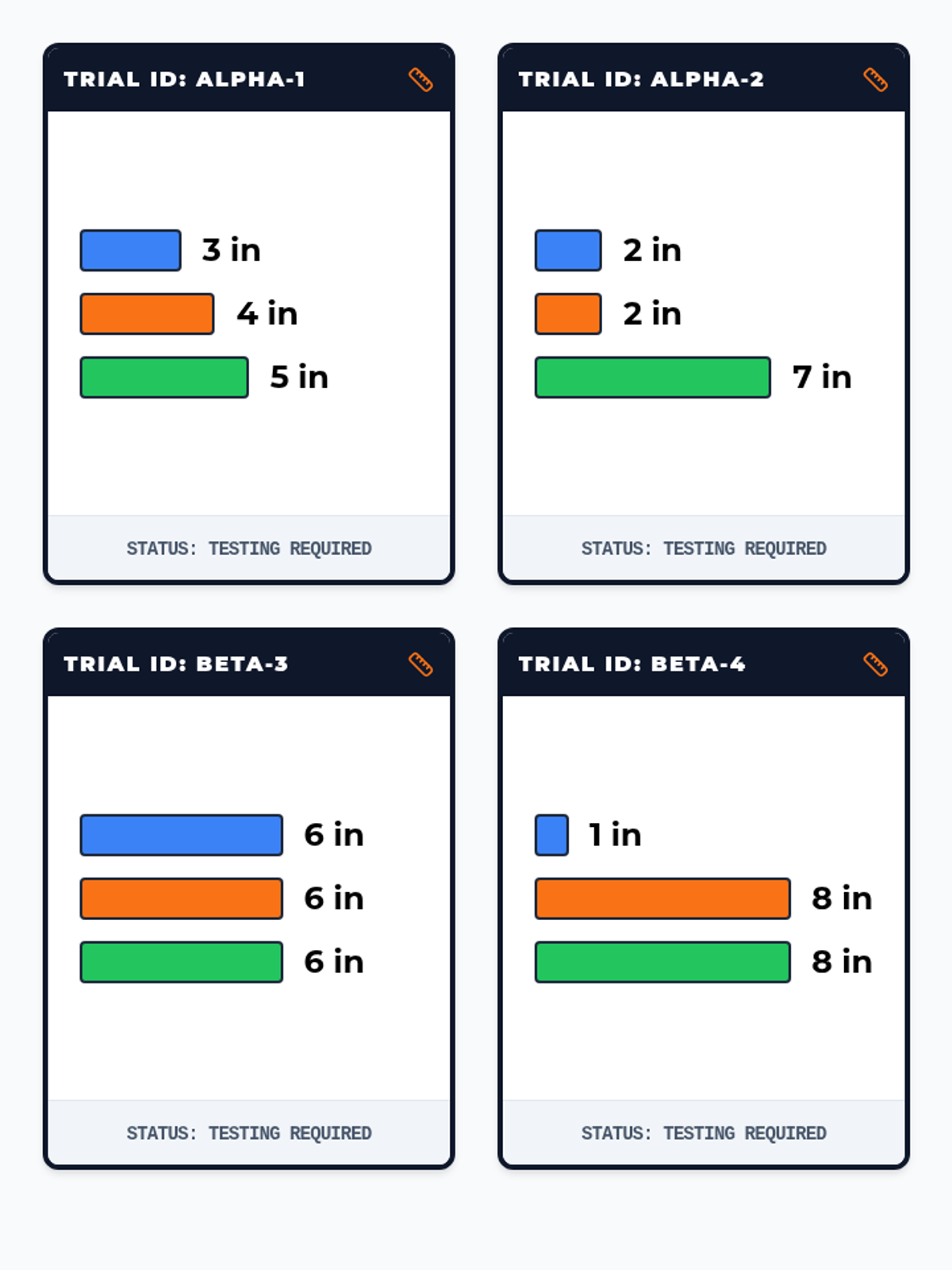
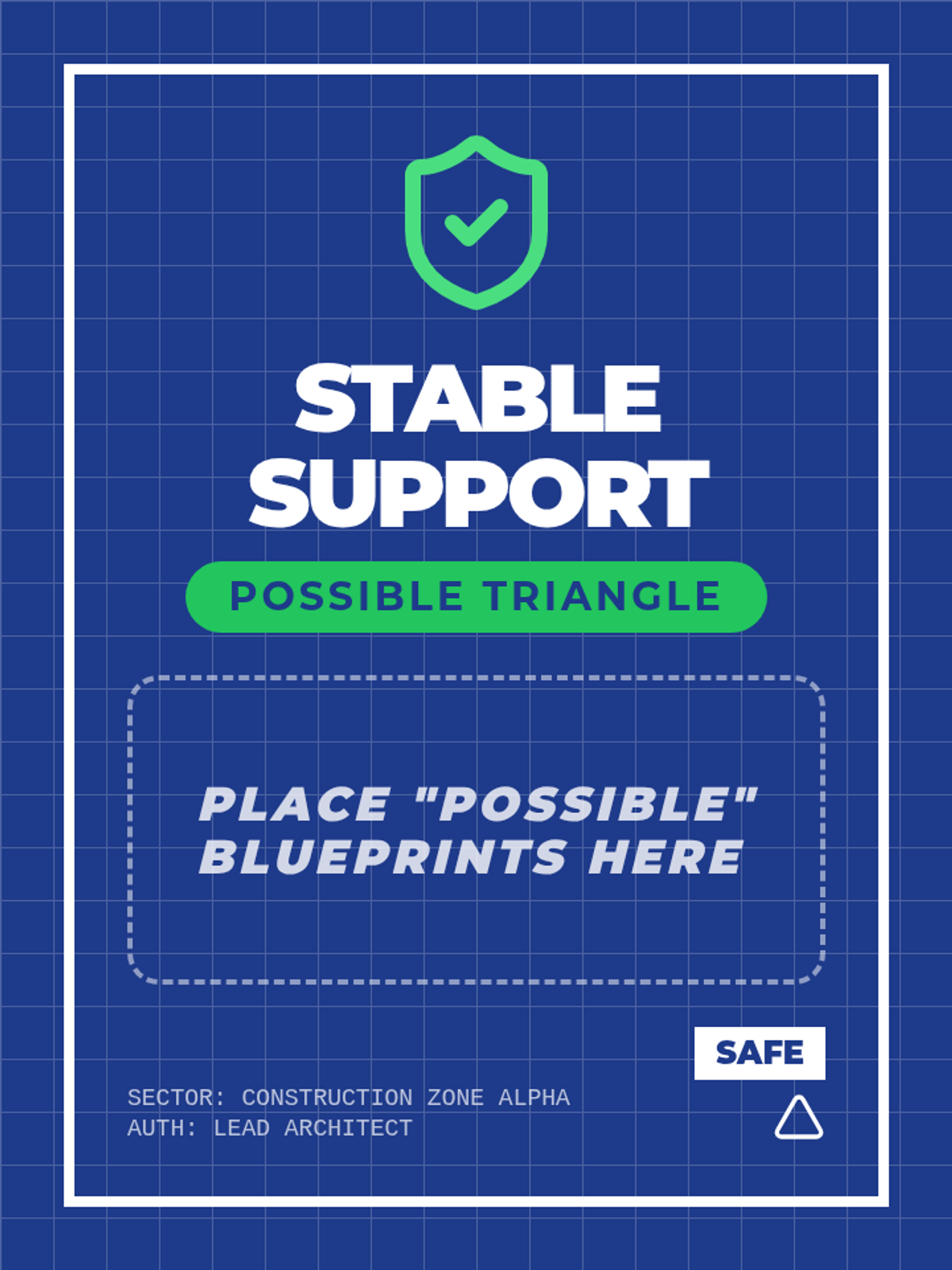
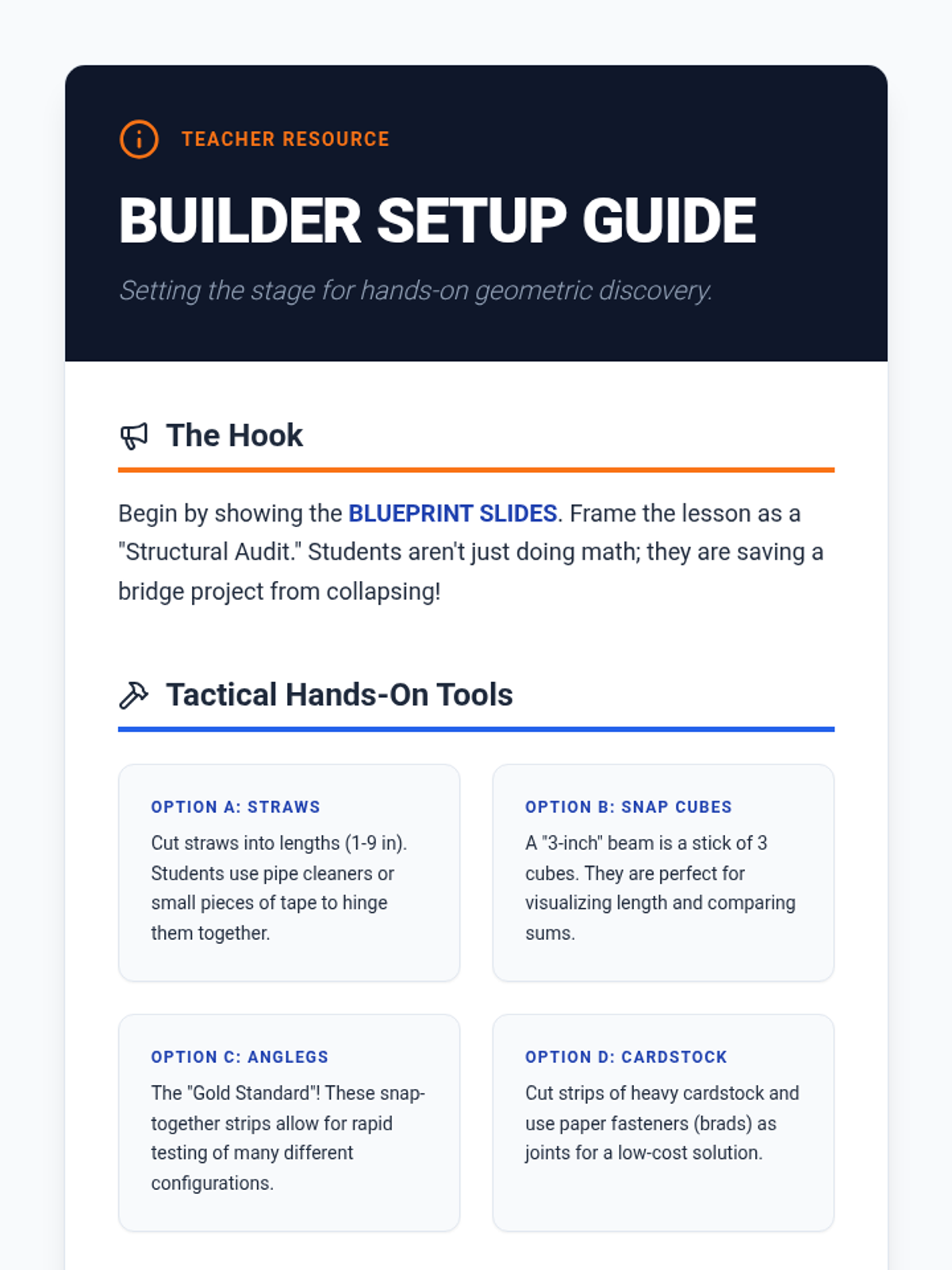
A hands-on geometry lesson where students act as structural engineers to discover the Triangle Inequality Theorem through sorting and investigation.
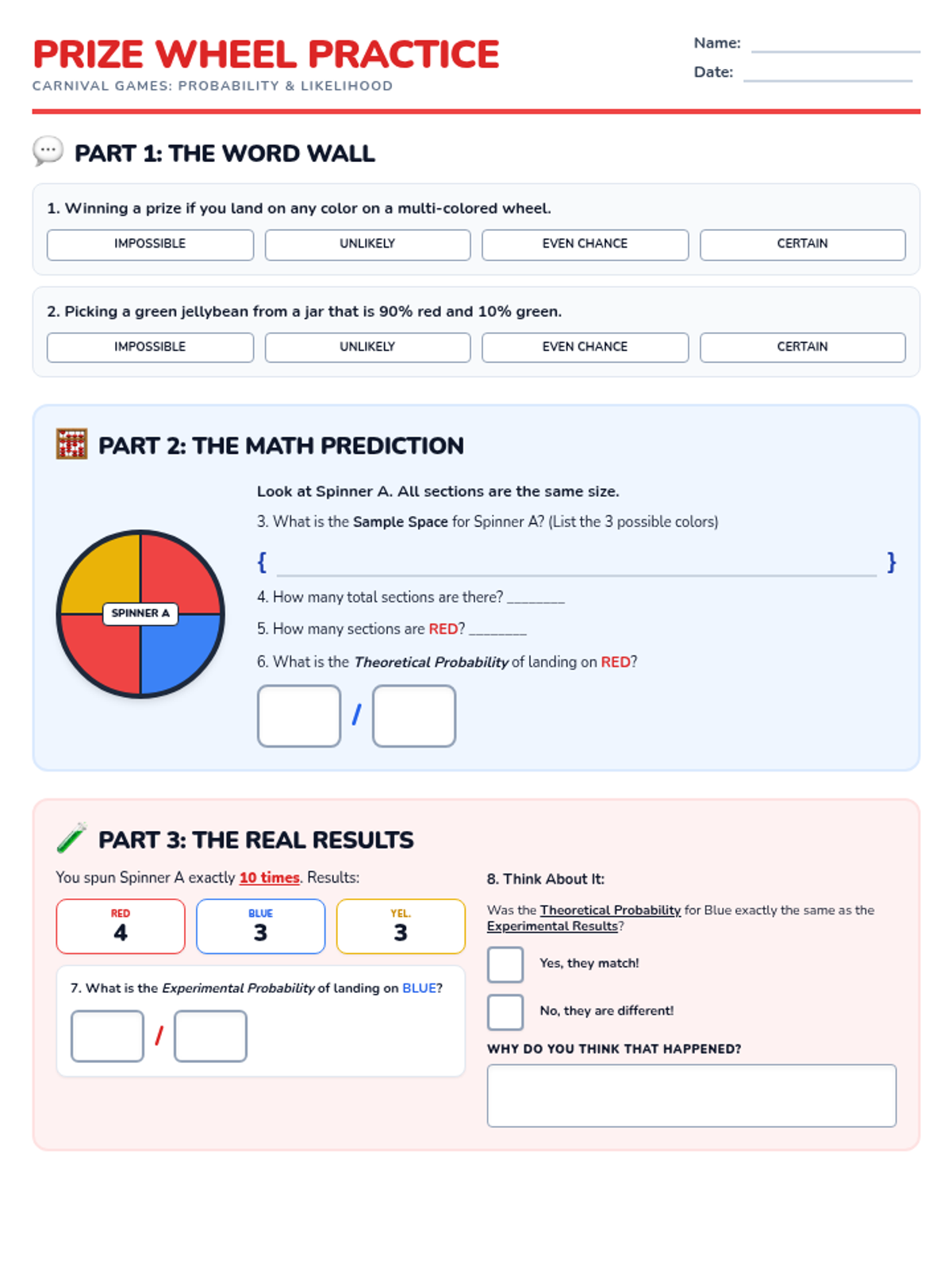
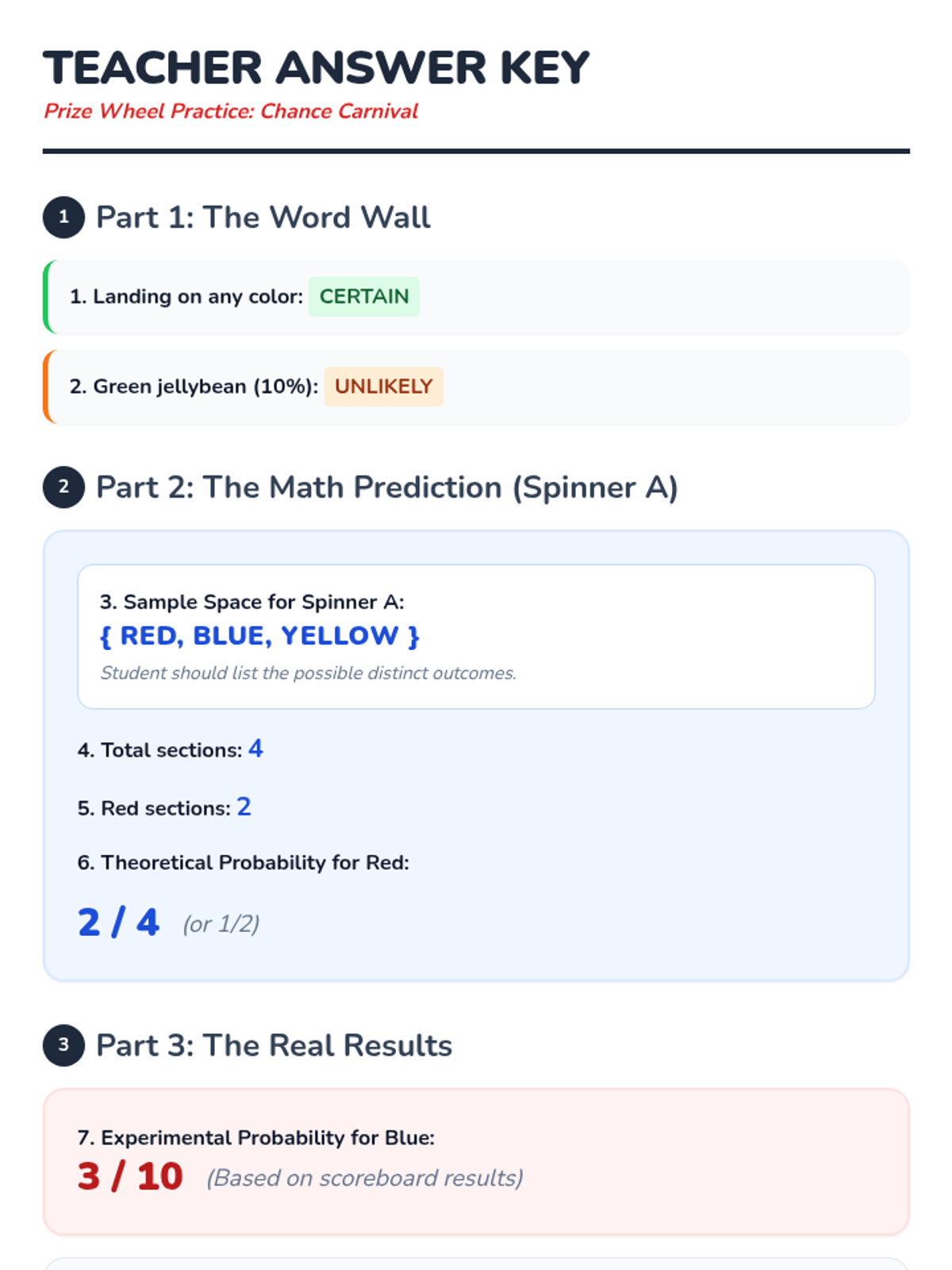
A fun, carnival-themed lesson introducing students to likelihood, theoretical probability, and experimental probability using simplified language and hands-on examples.
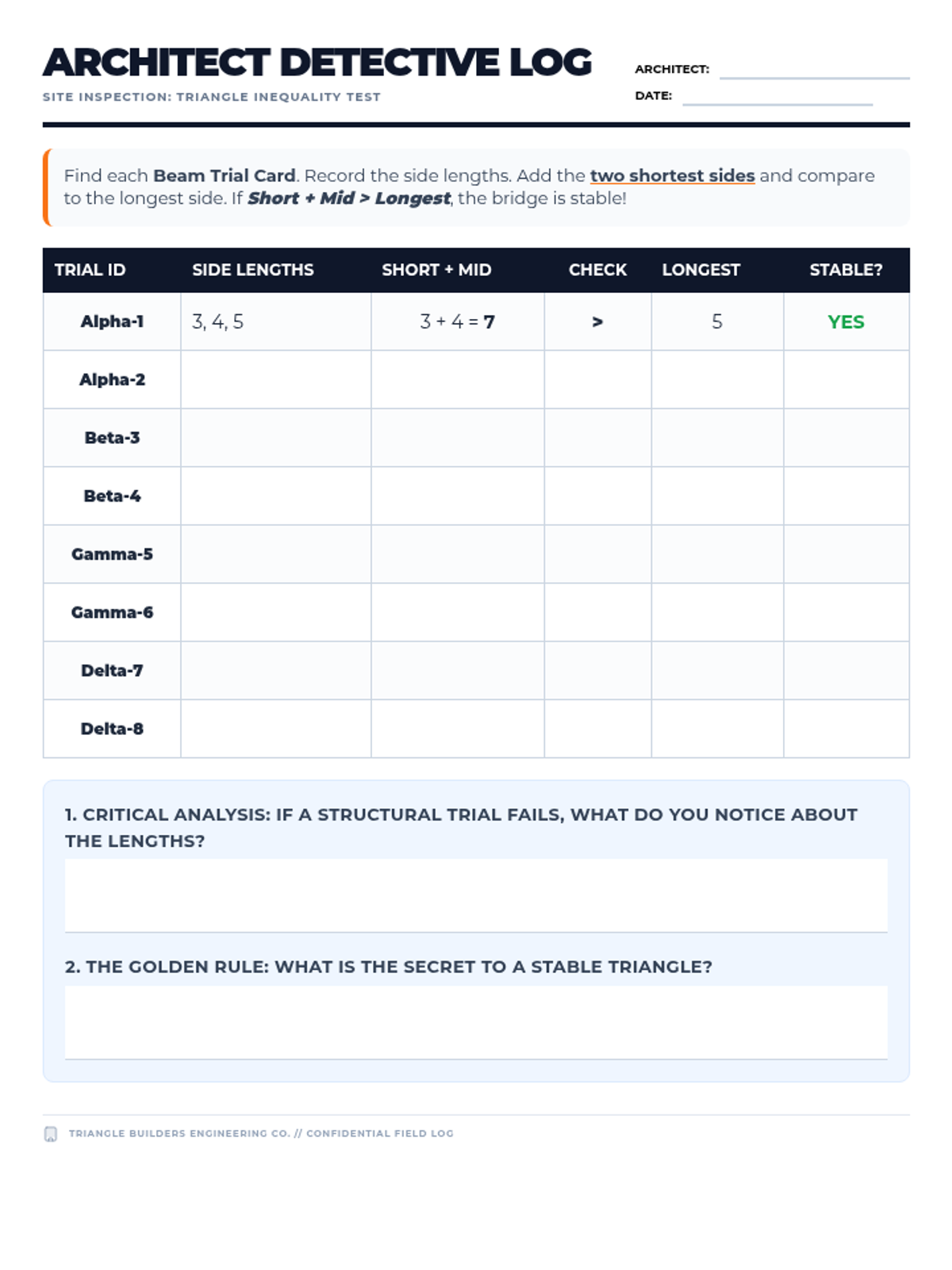
Students act as architects to verify the structural integrity of triangular designs using the Triangle Inequality Theorem. They perform numeric checks, analyze visual models, and solve word problems to determine if three side lengths can form a valid triangle.
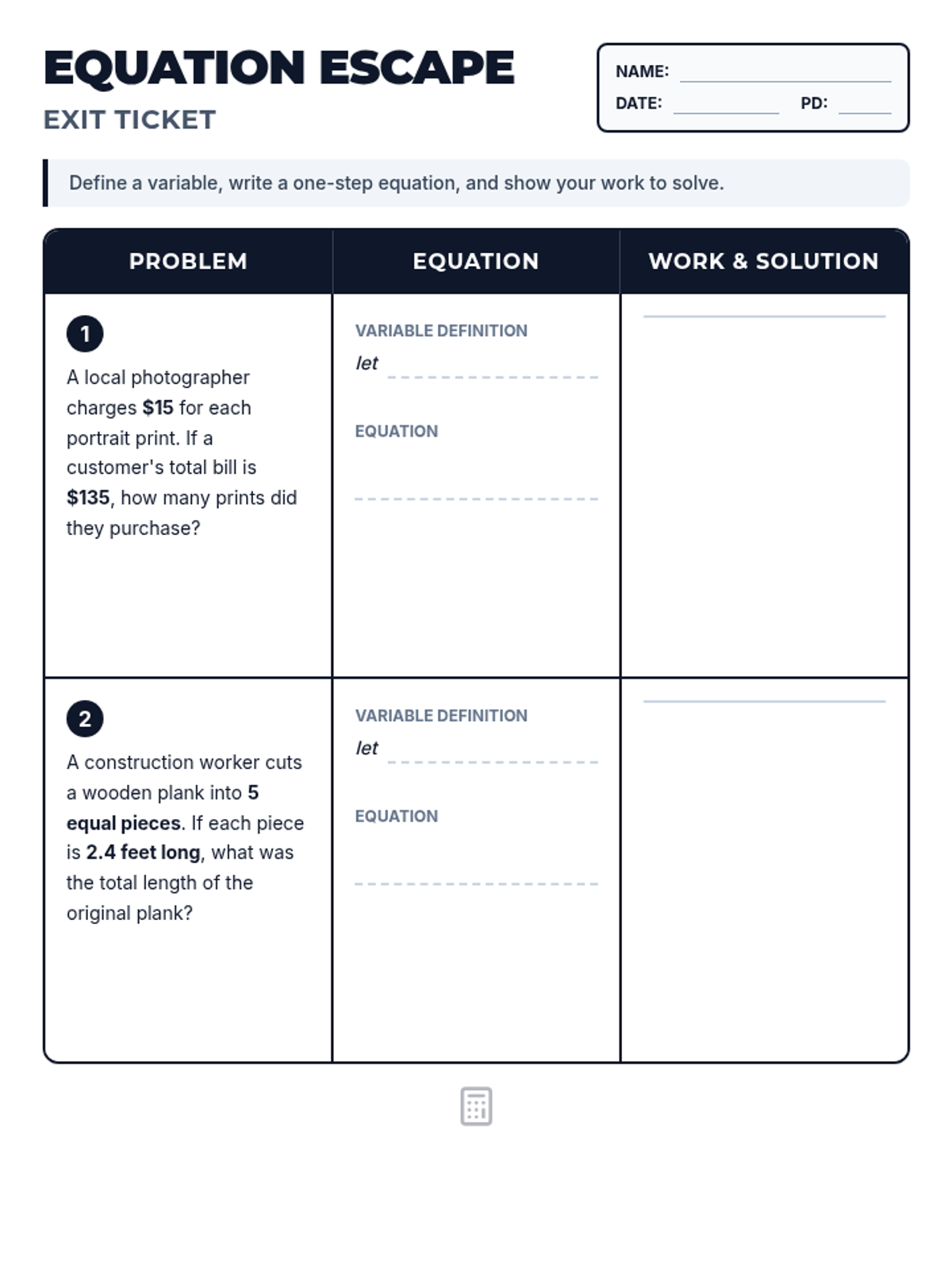
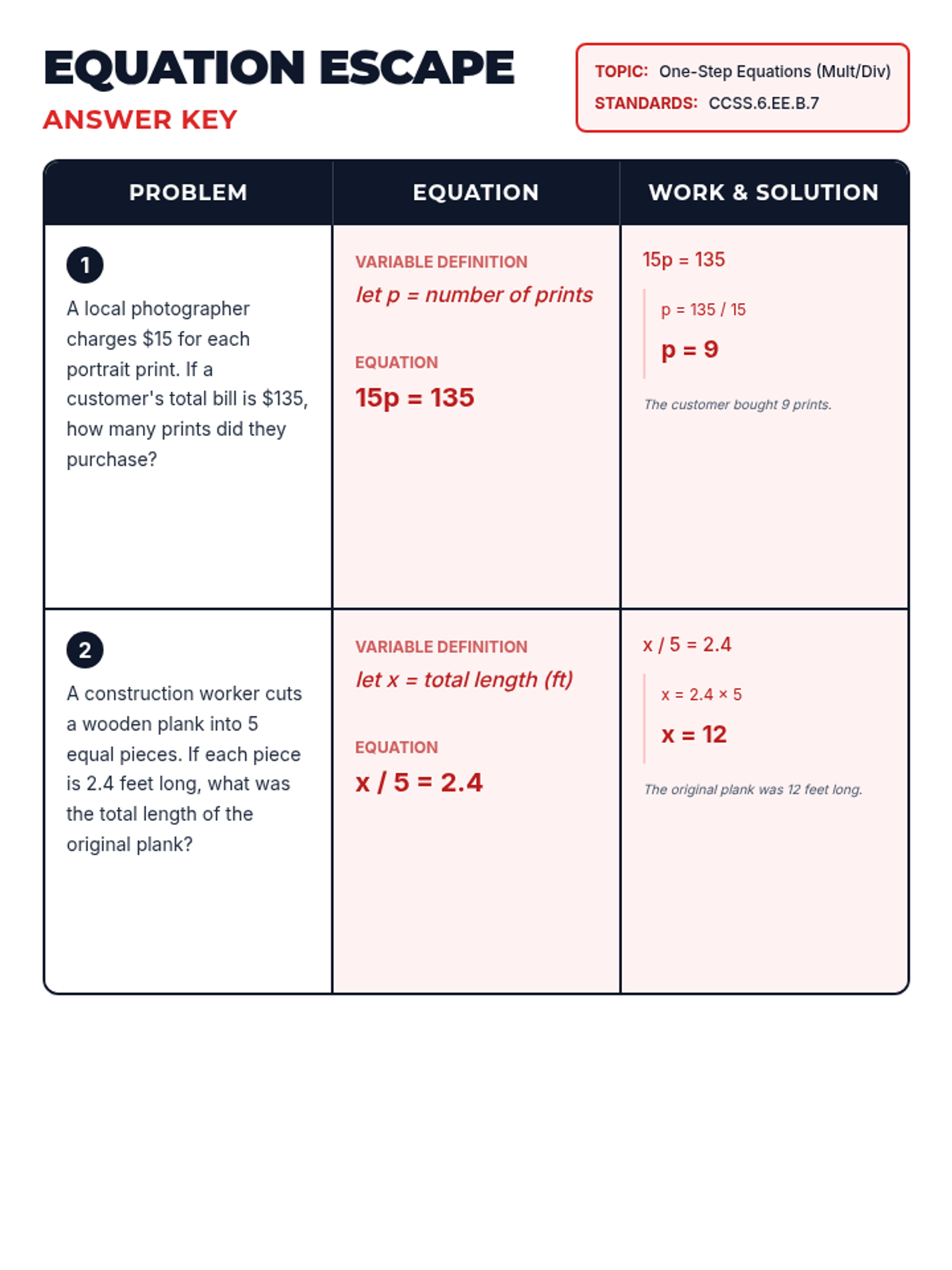
A targeted assessment lesson focusing on applying one-step multiplication and division equations to solve real-world problems.
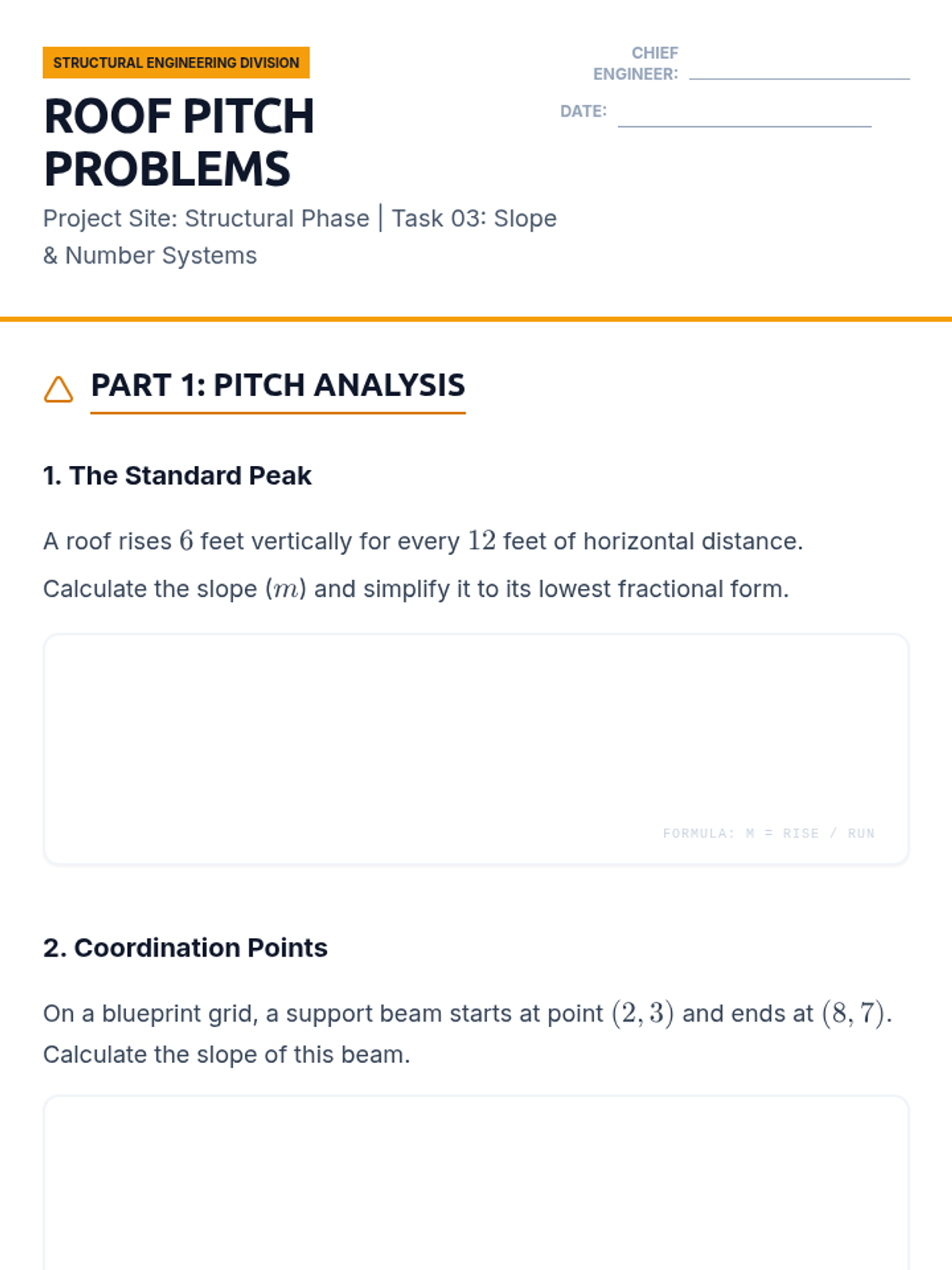
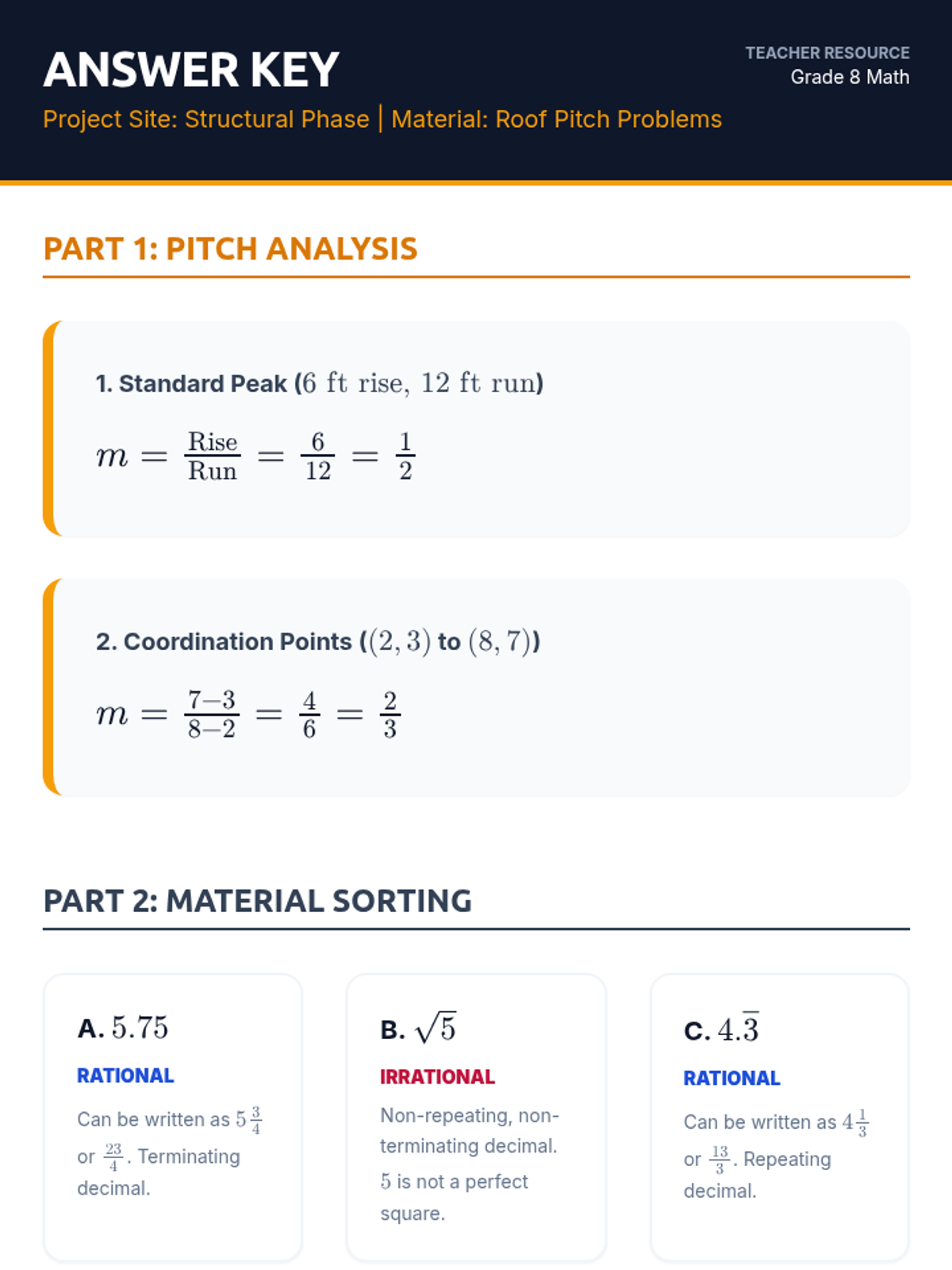
Explores 8th-grade concepts like slope as a fraction (rise over run) and identifying rational vs. irrational numbers in structural engineering.
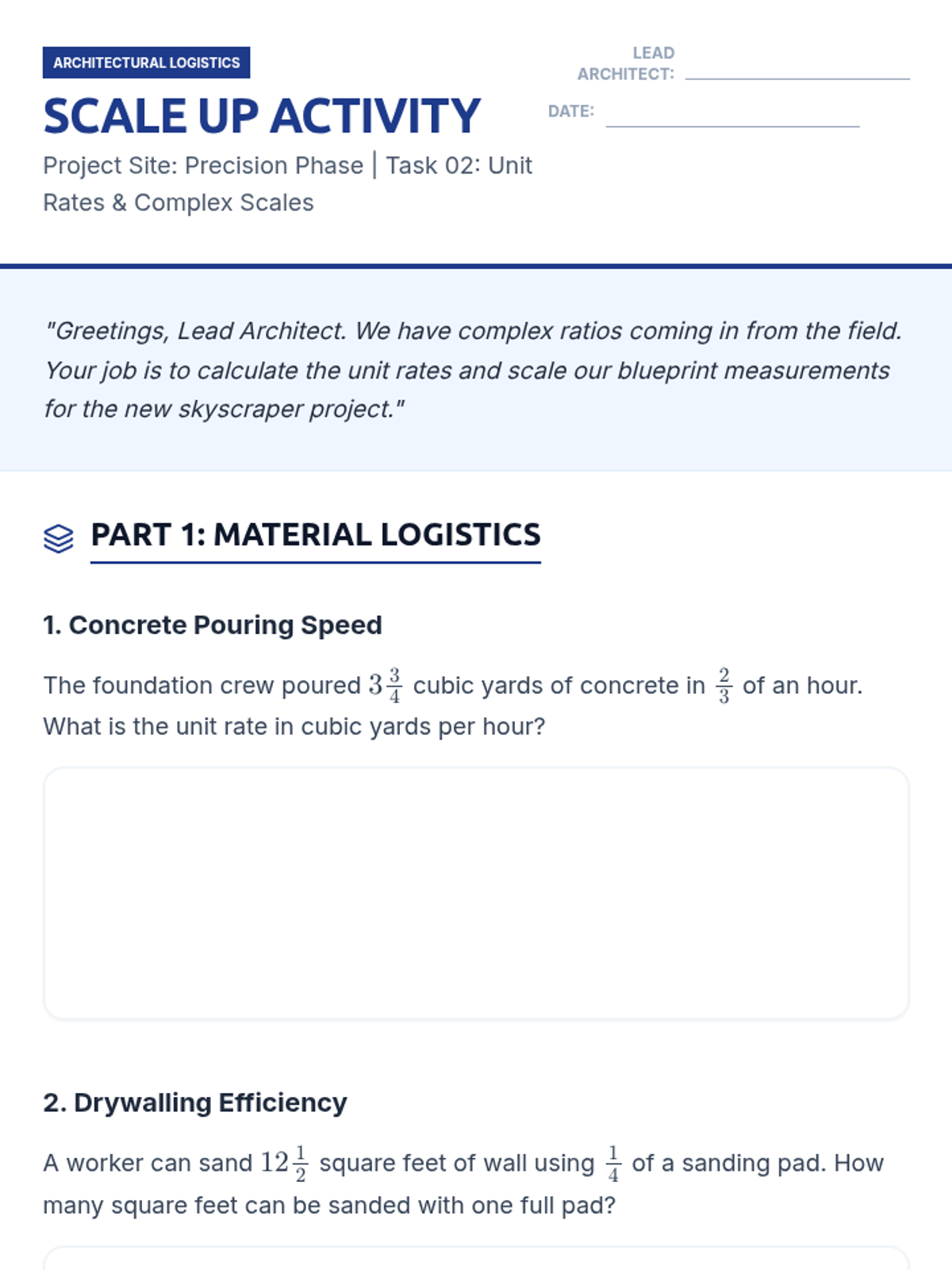
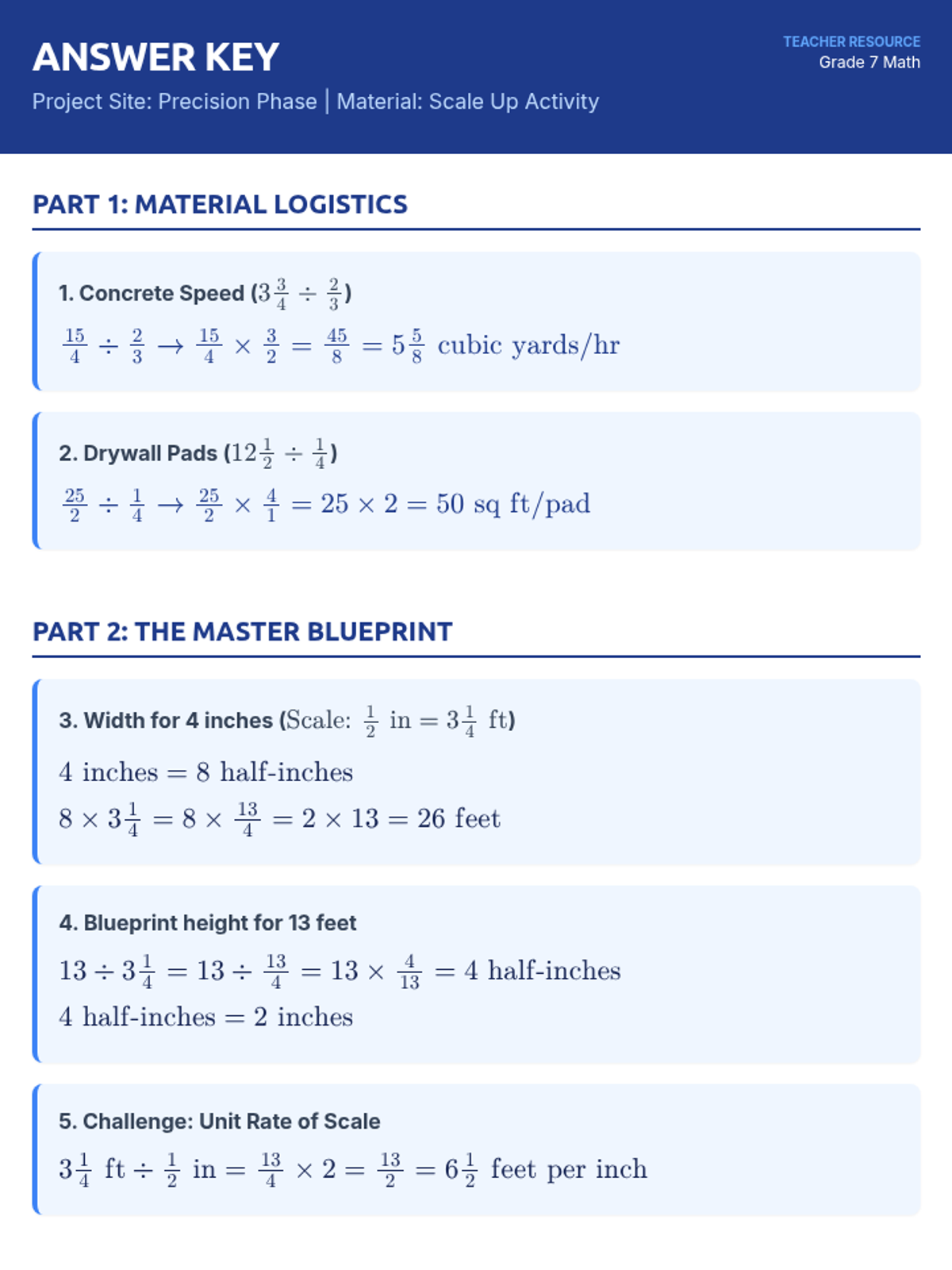
Covers 7th-grade topics including complex fractions, unit rates, and scaling designs for construction projects.
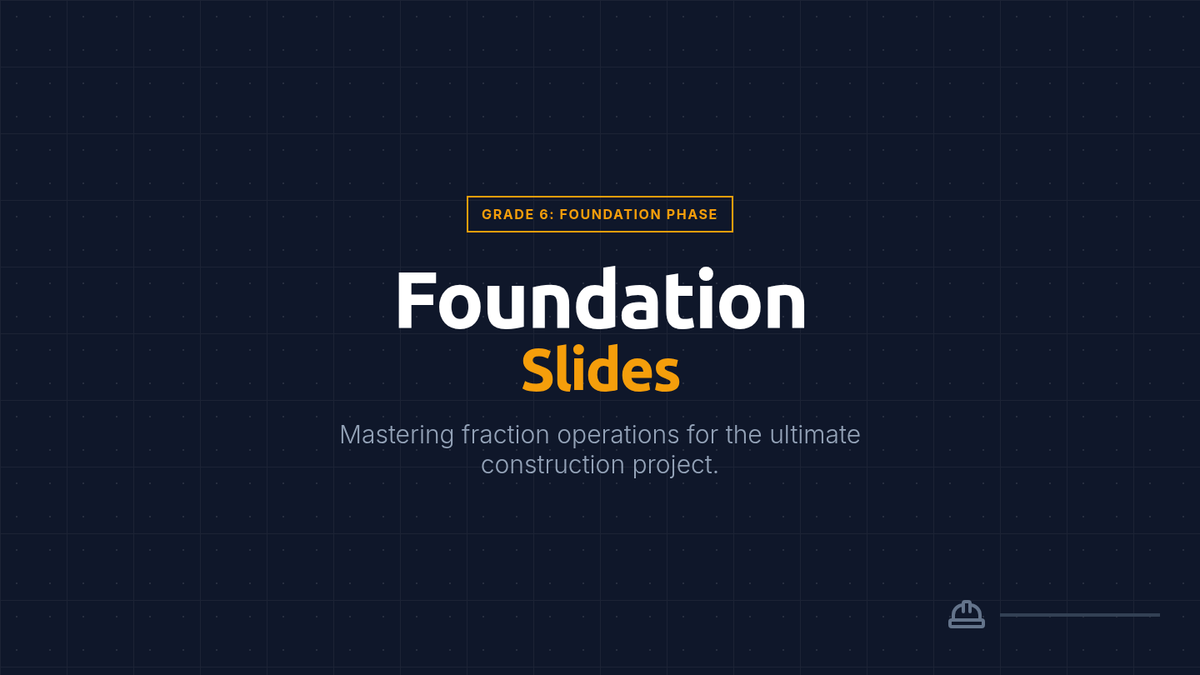
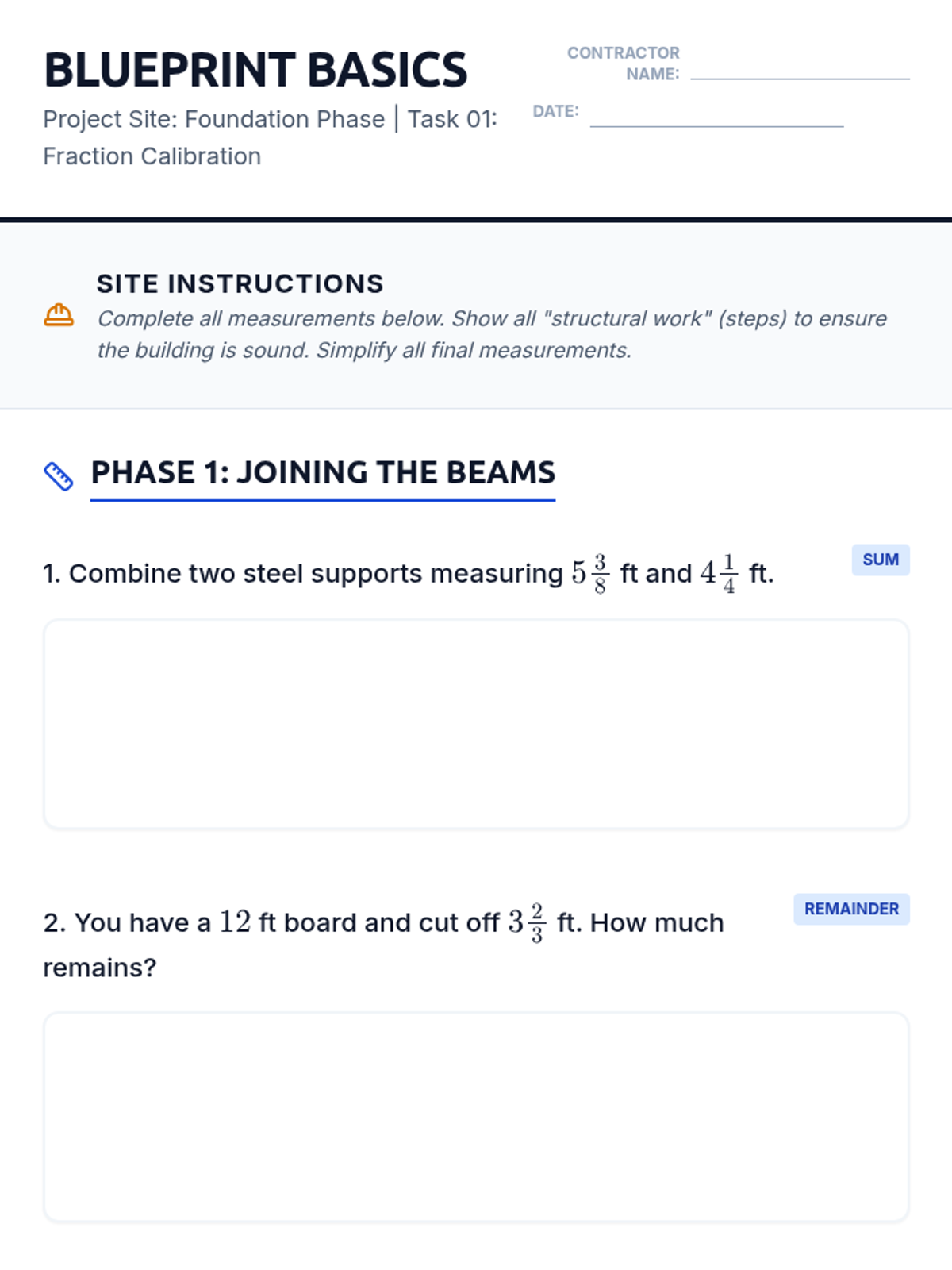
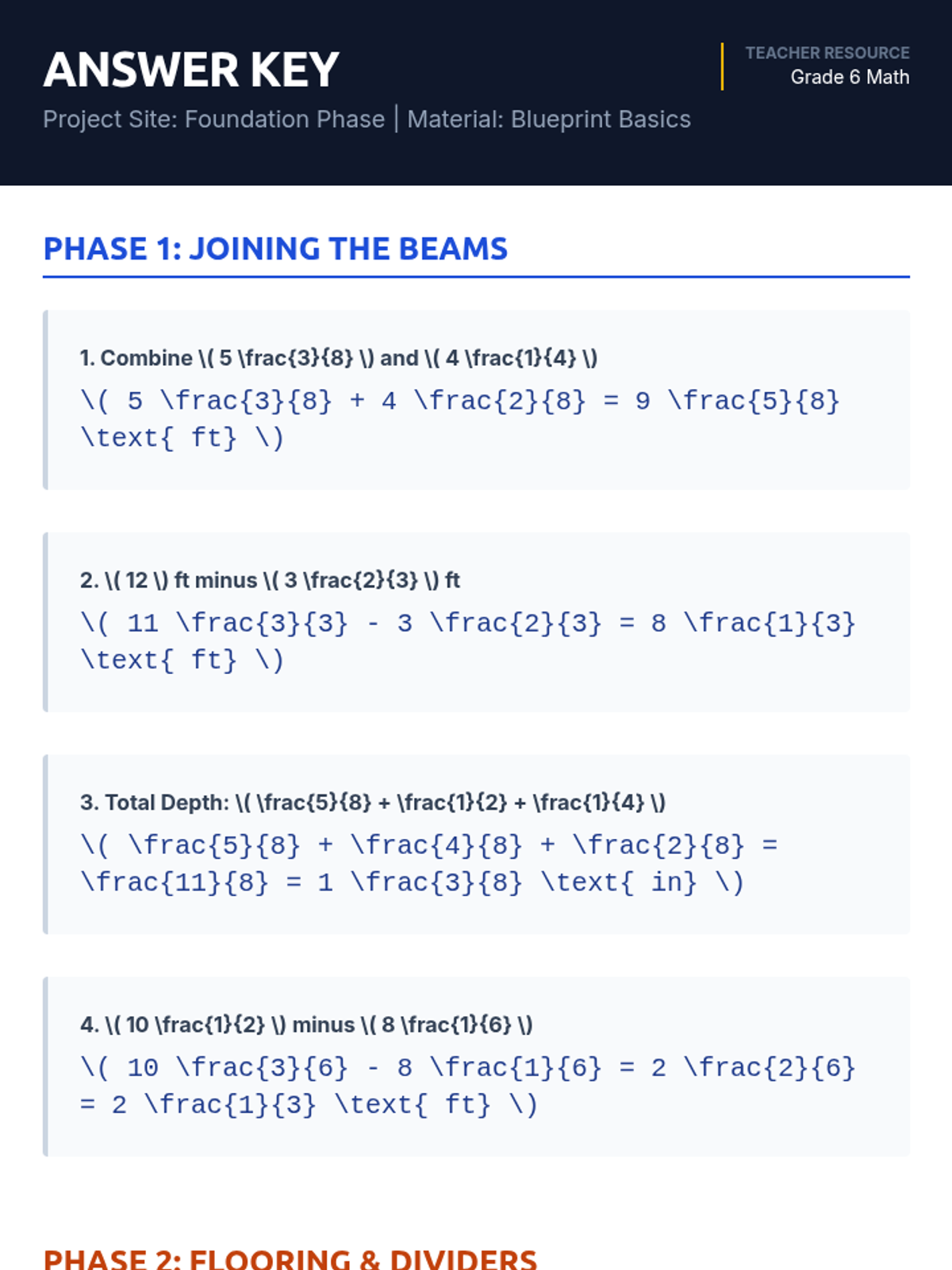
Focuses on 6th-grade fraction operations (addition, subtraction, multiplication, division) through the lens of foundational construction measurements.
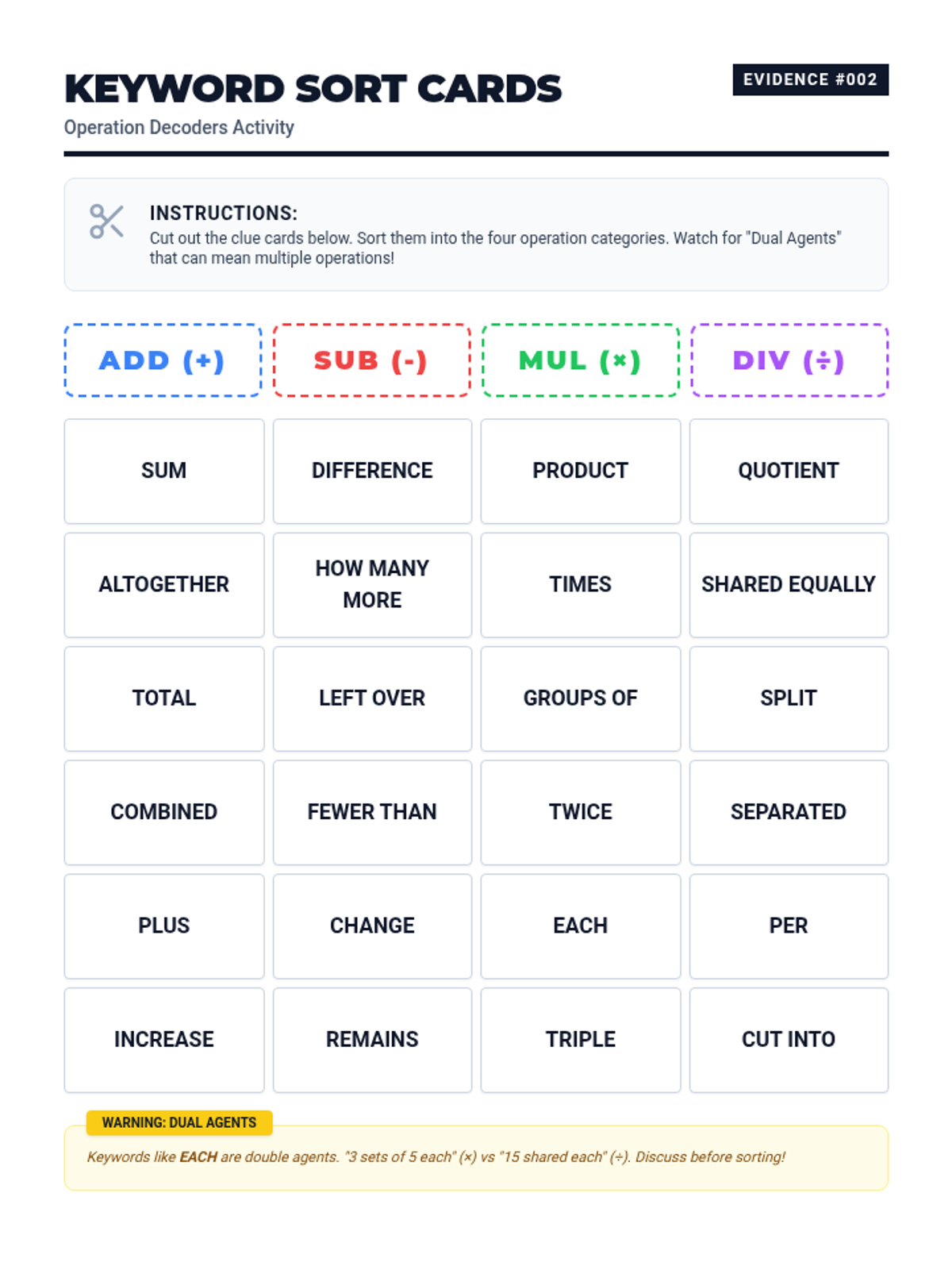
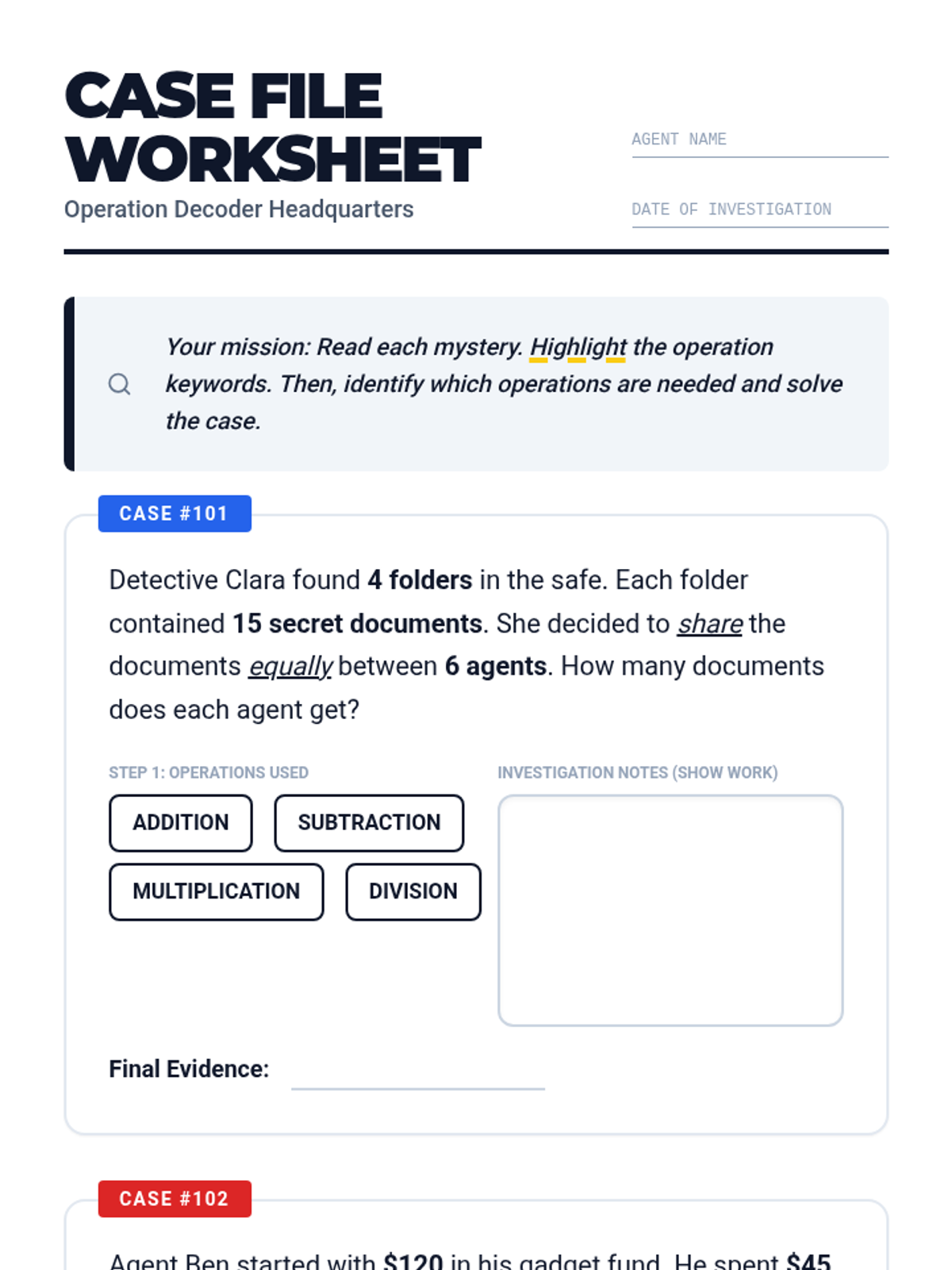
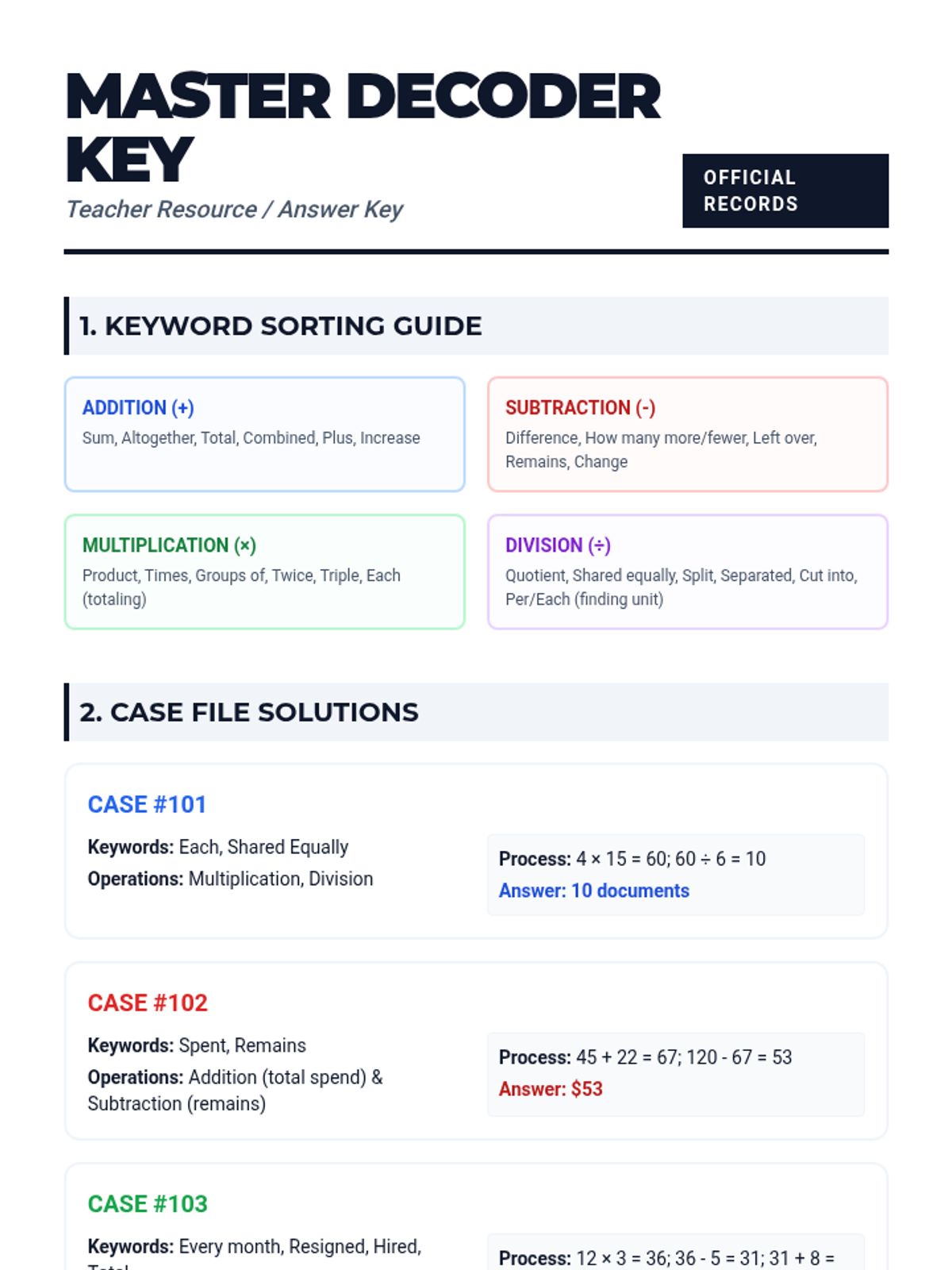
A lesson focused on identifying operation-specific keywords to decode and solve multi-step word problems using a detective-themed approach.
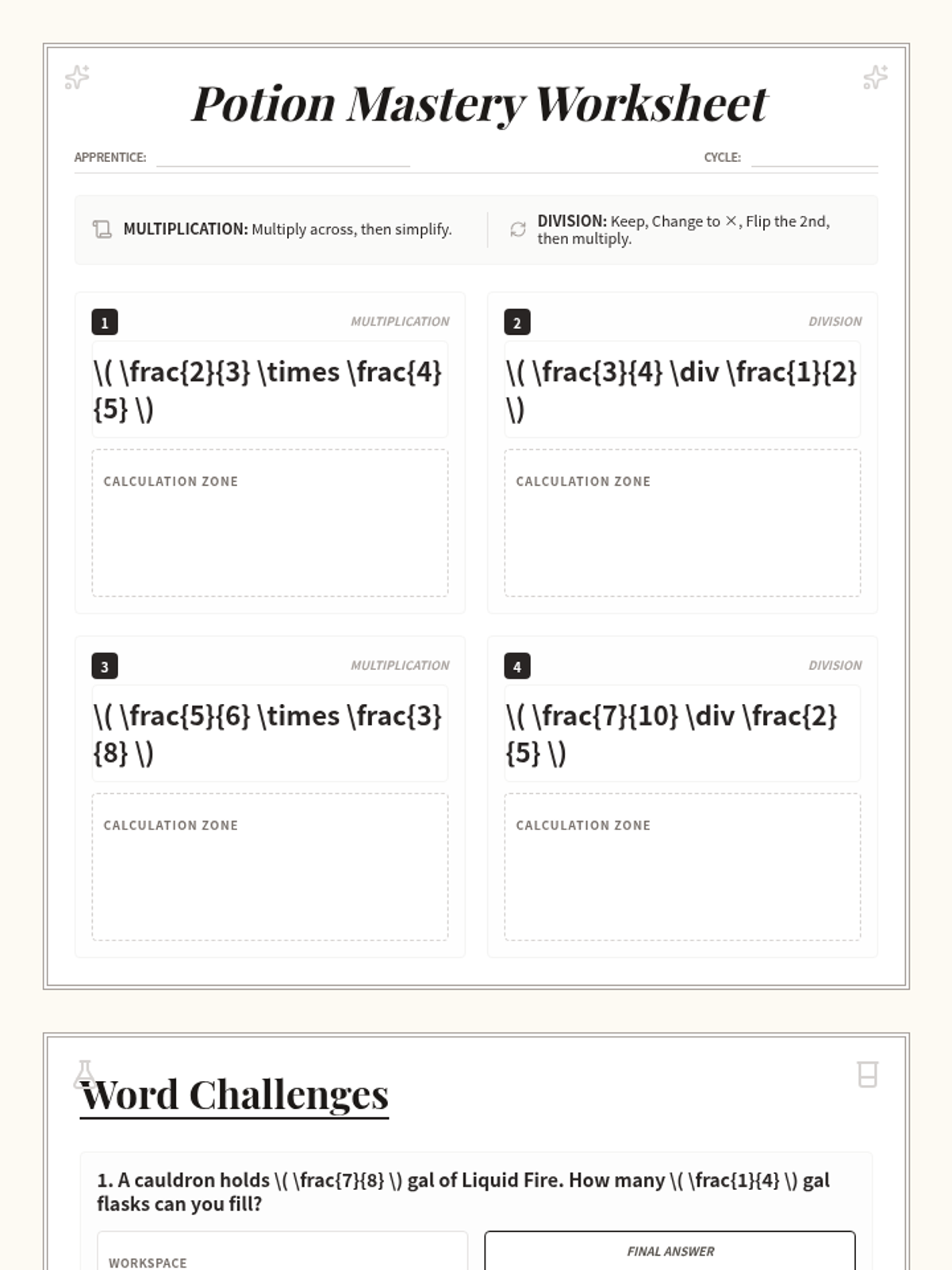
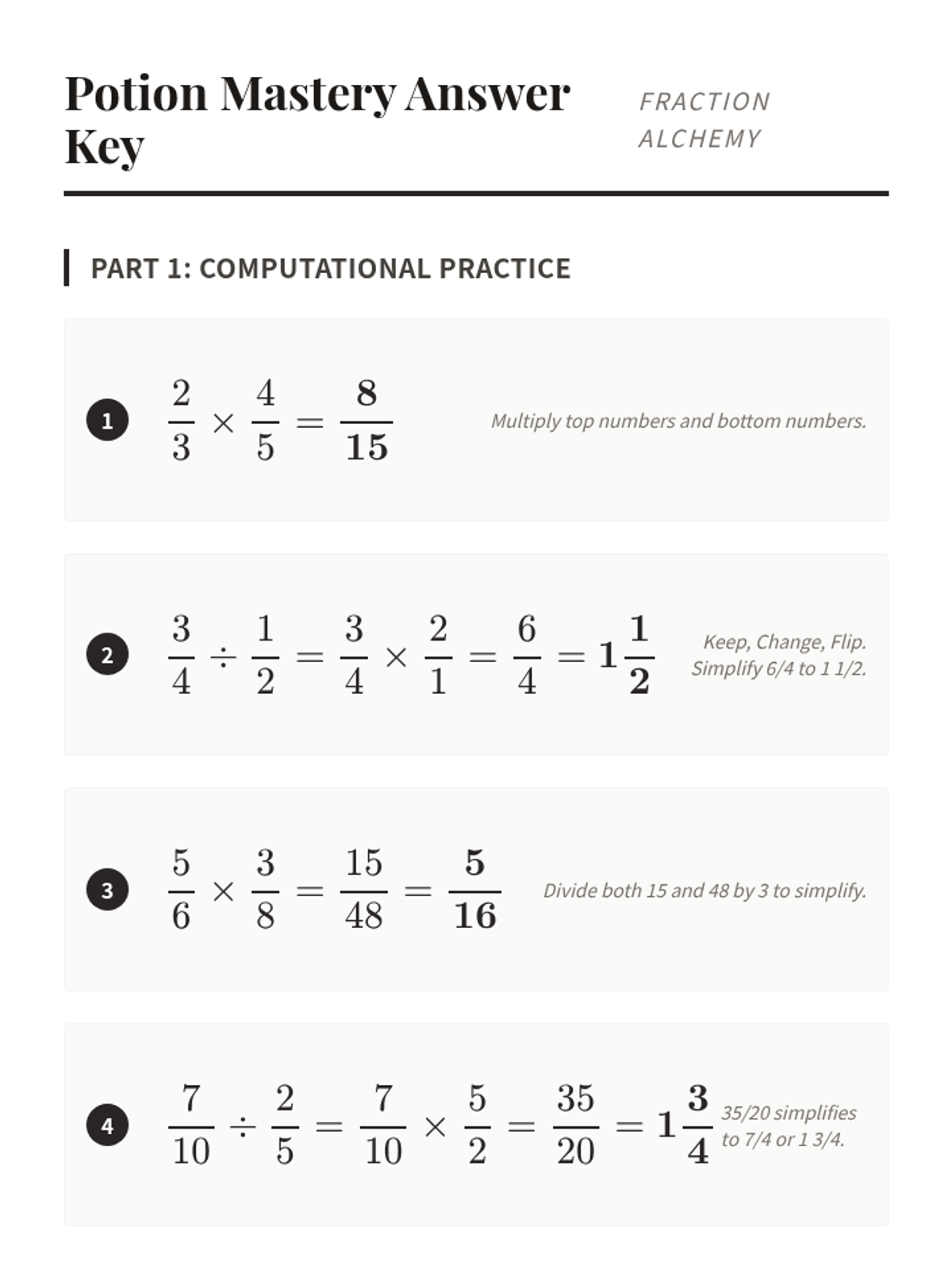
A lesson on multiplying and dividing fractions with unlike denominators, themed around an alchemy lab where students brew potions using mathematical formulas.
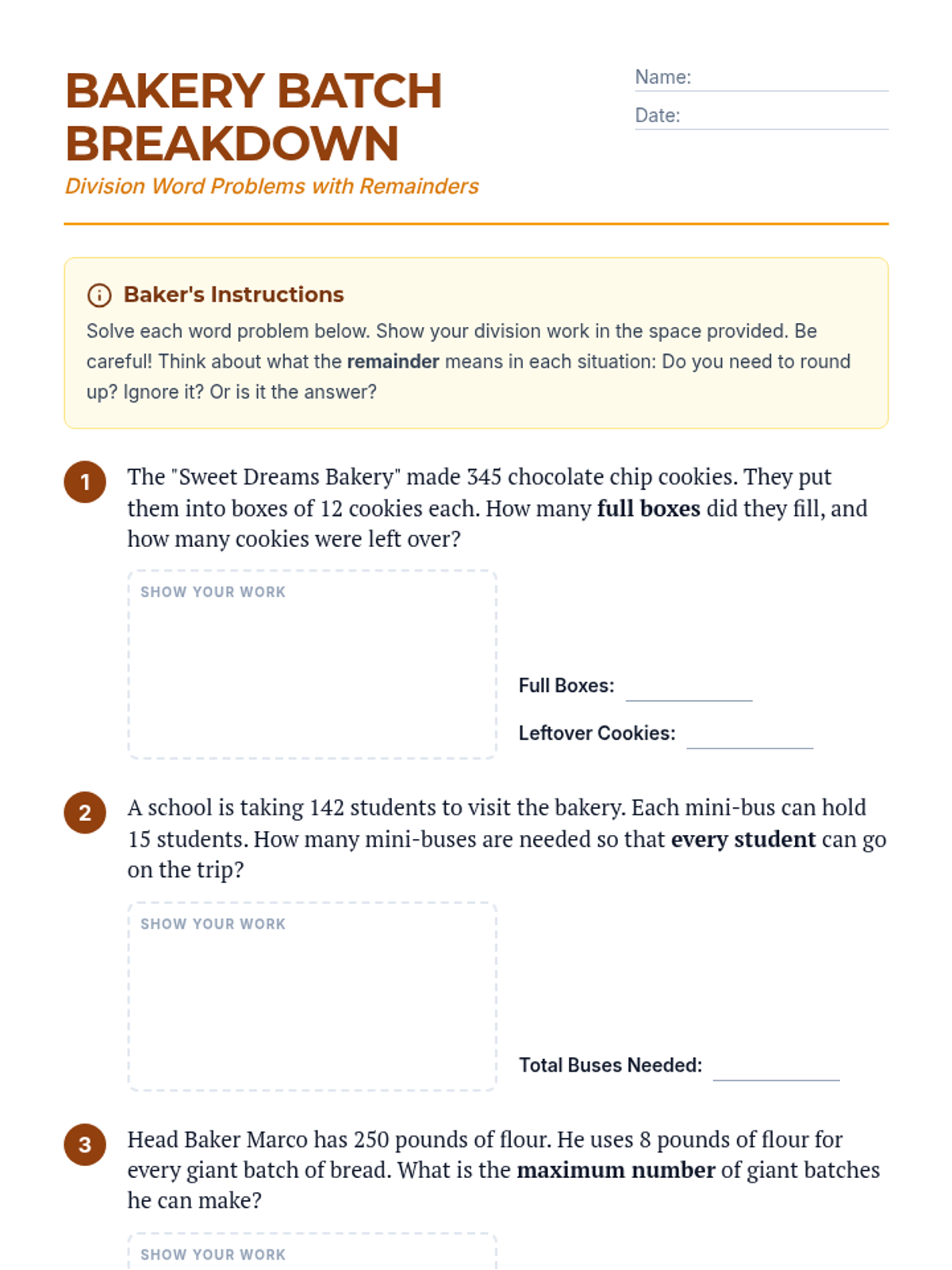
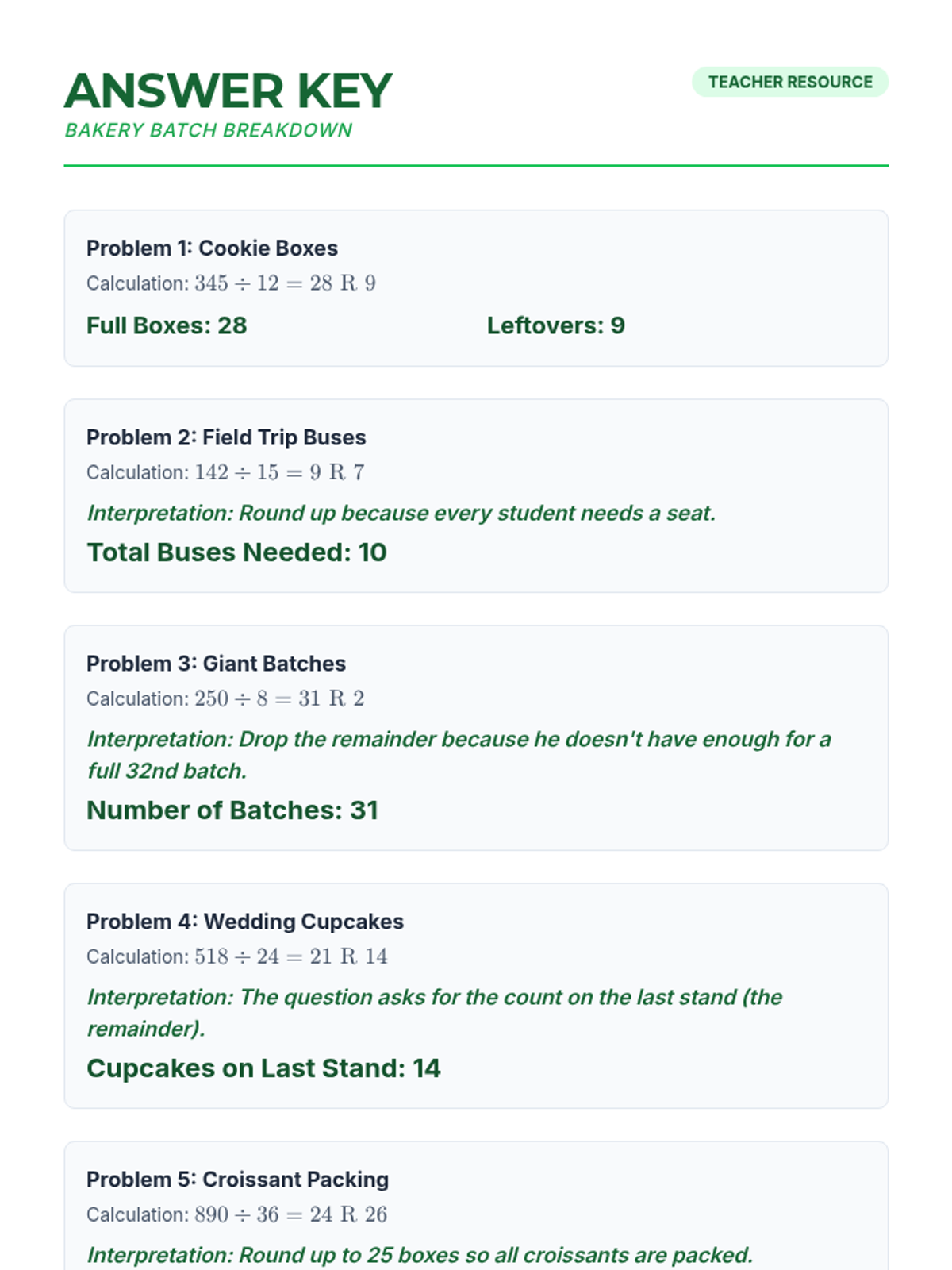
A lesson focused on solving and interpreting division word problems with remainders, using a bakery theme to provide real-world context.
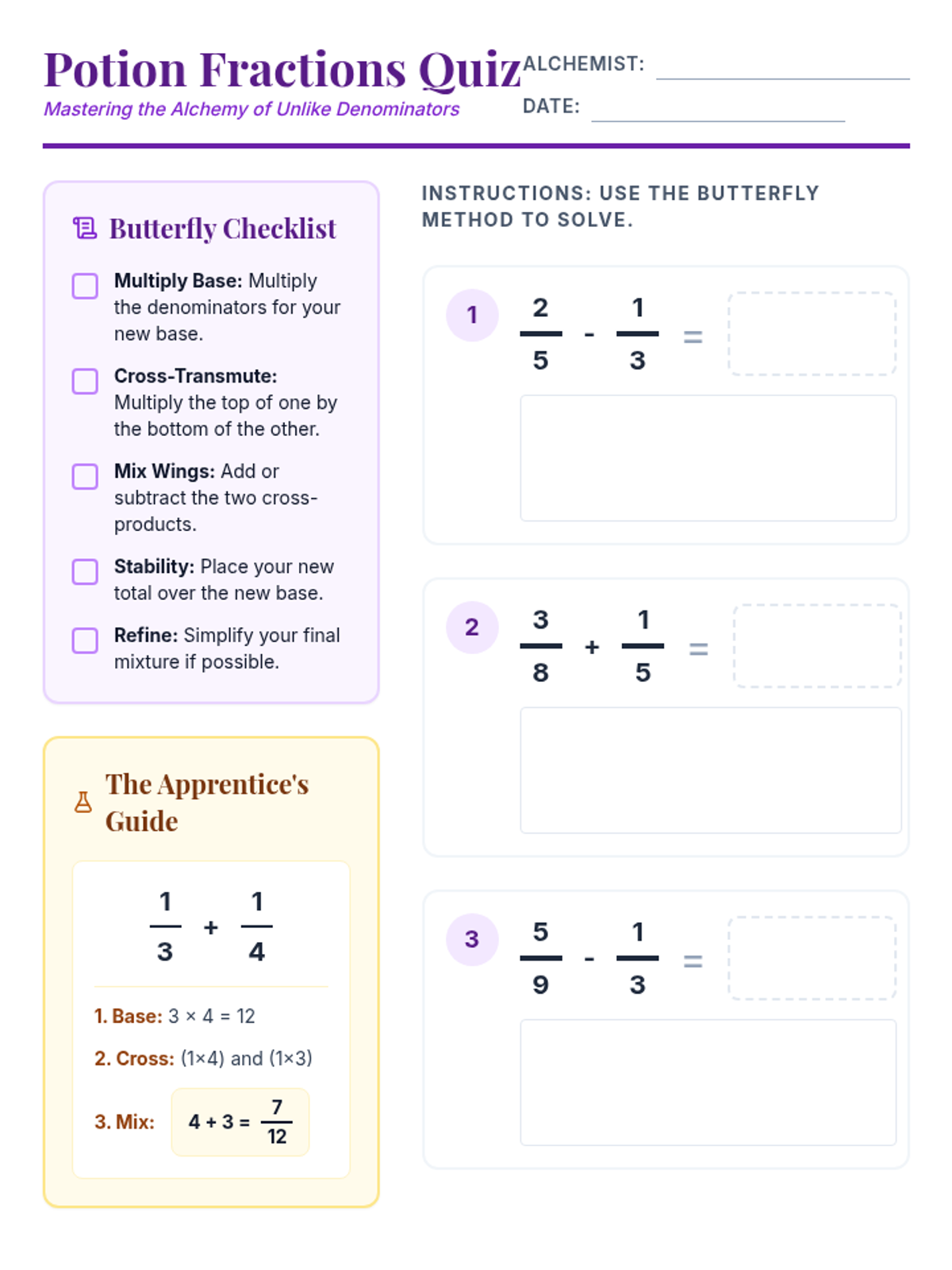
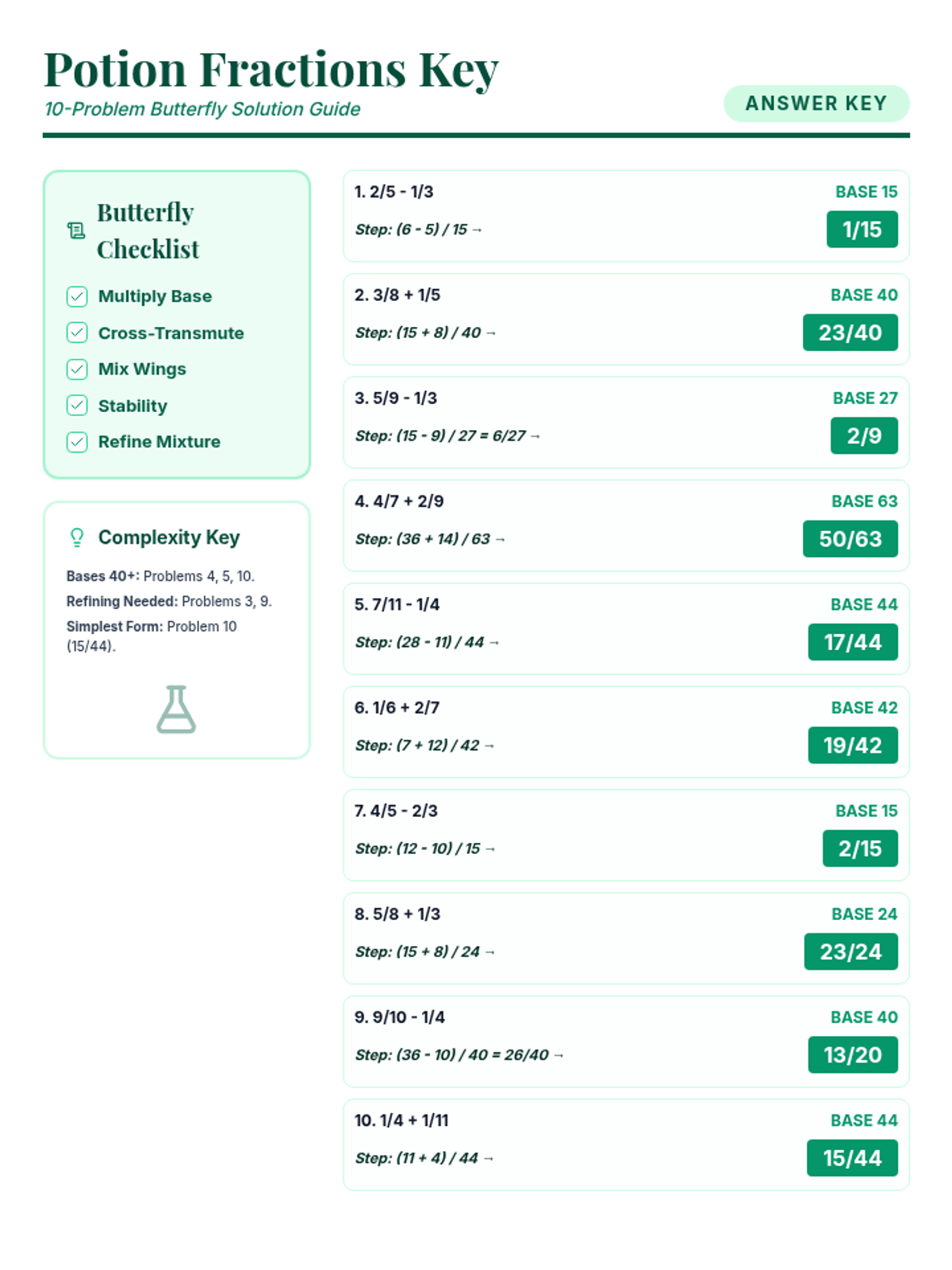
A lesson focused on adding and subtracting proper fractions with unlike denominators using a step-by-step checklist and potion-themed problems.
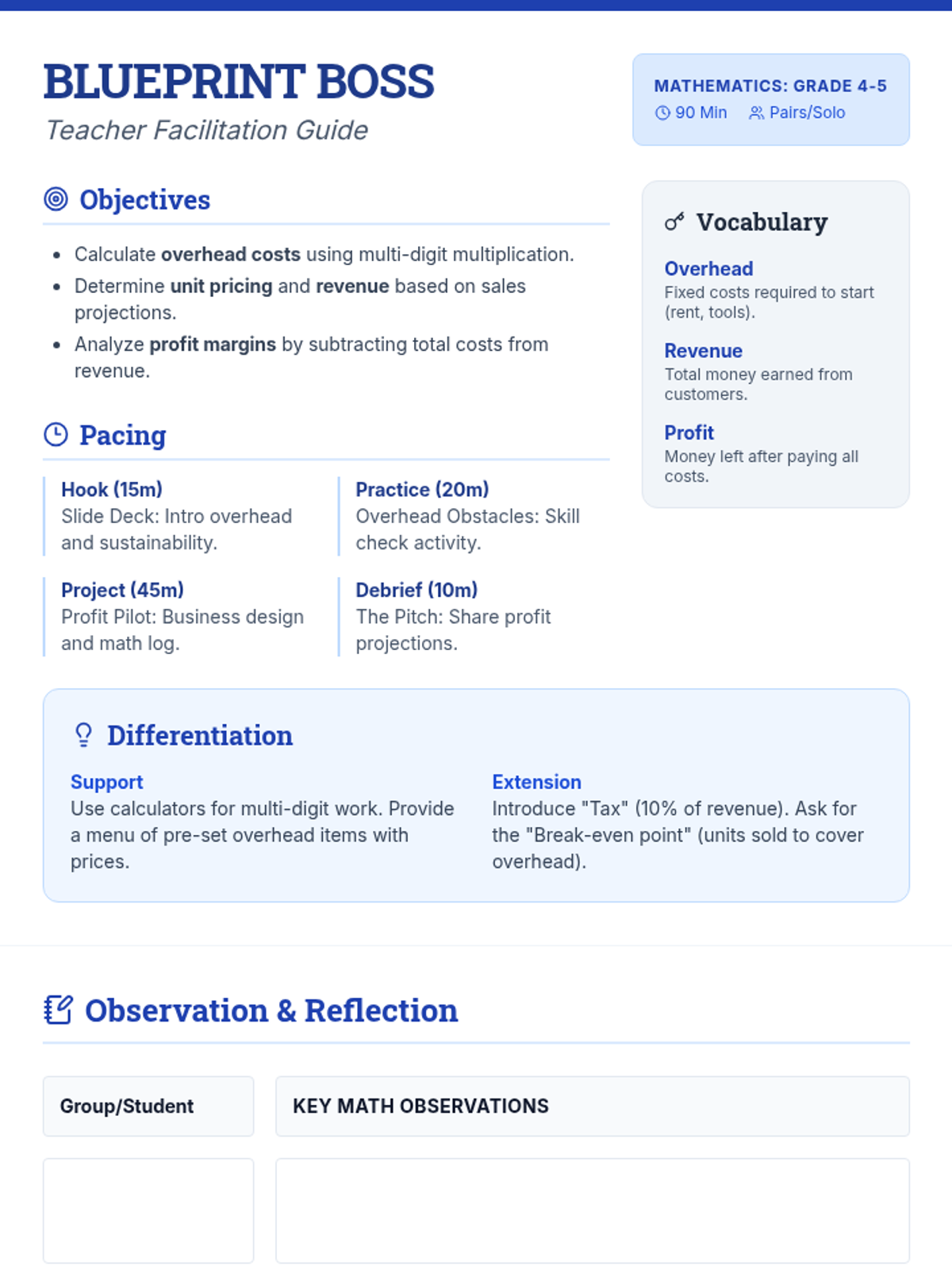
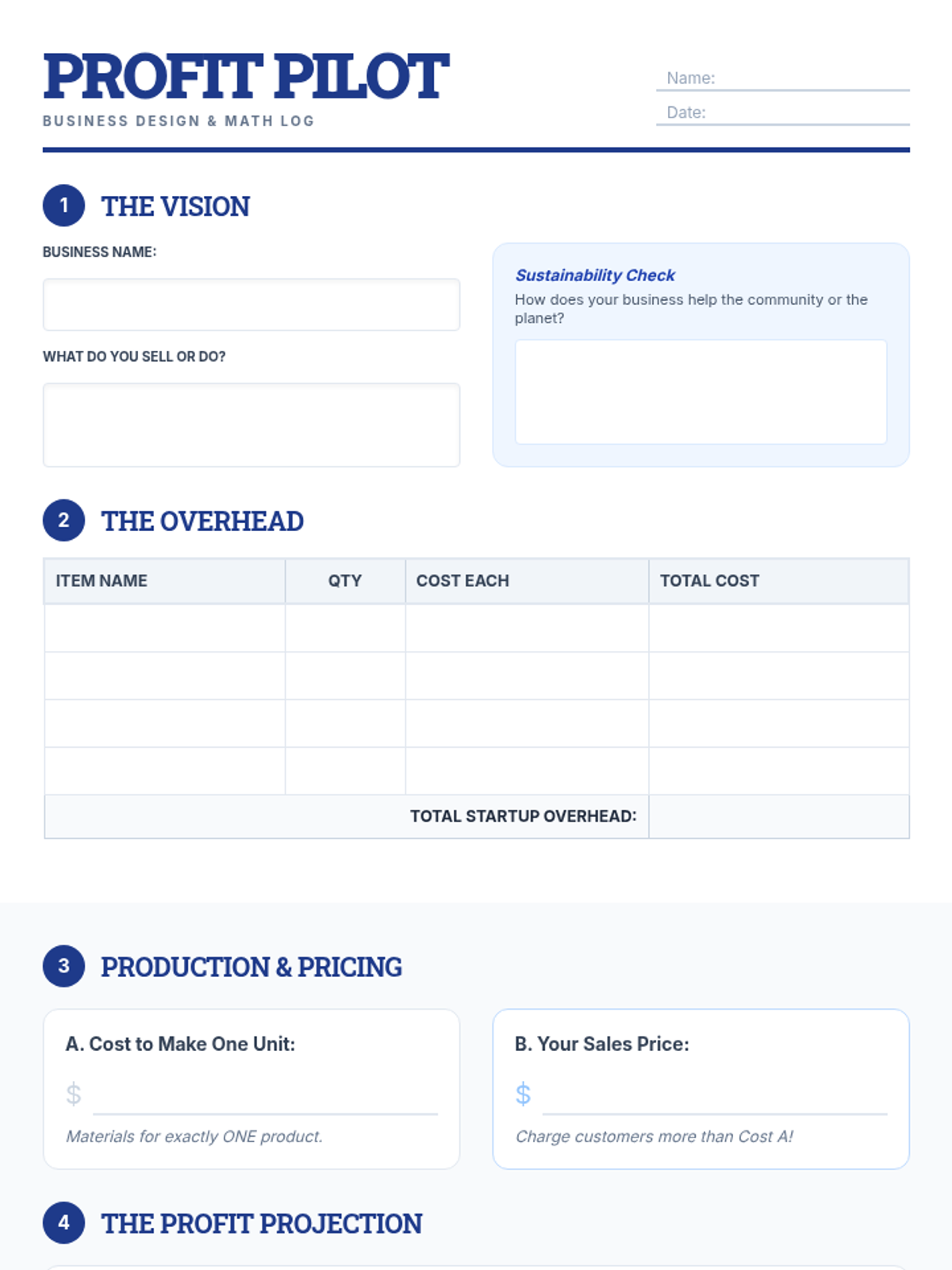
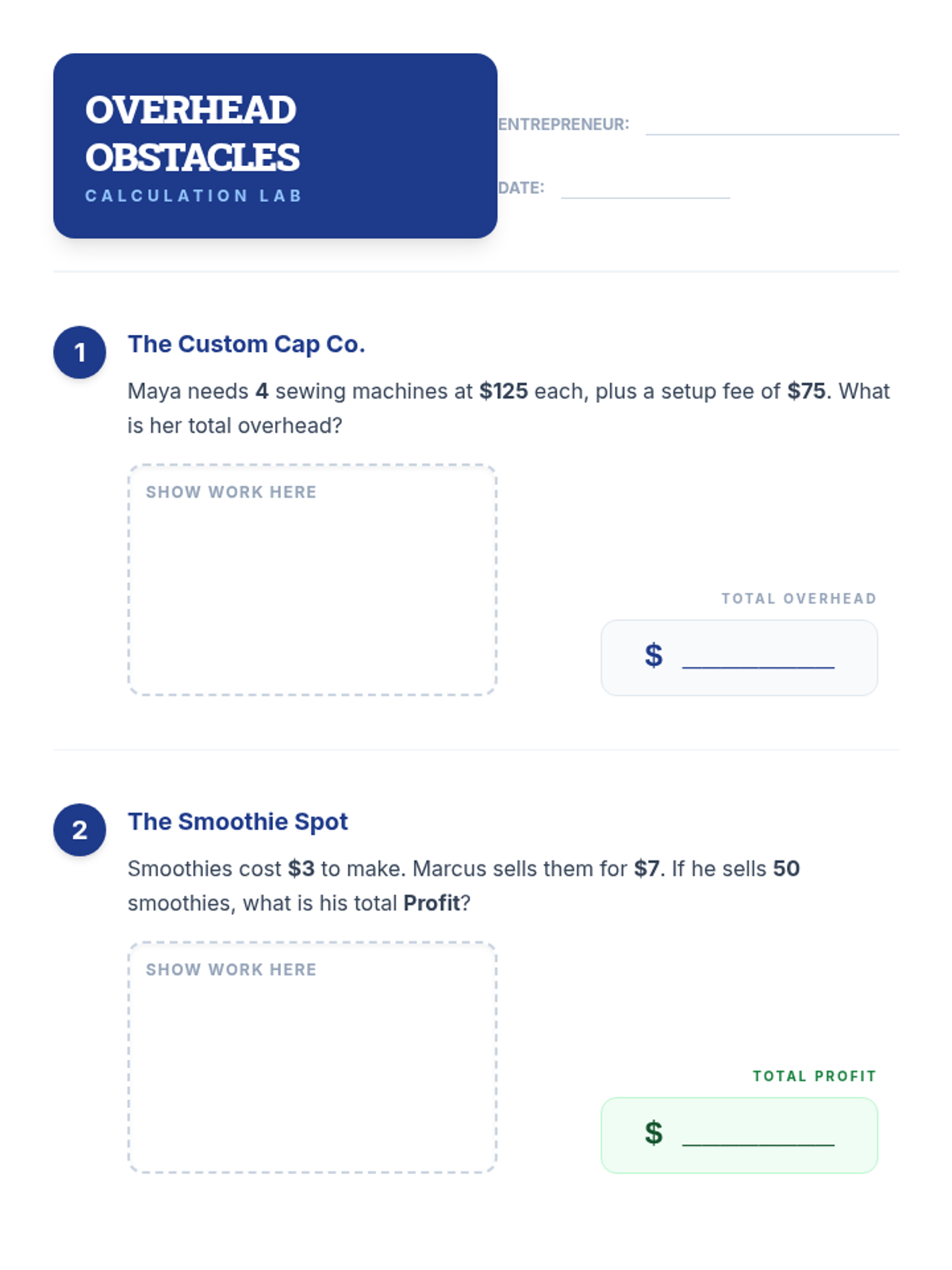
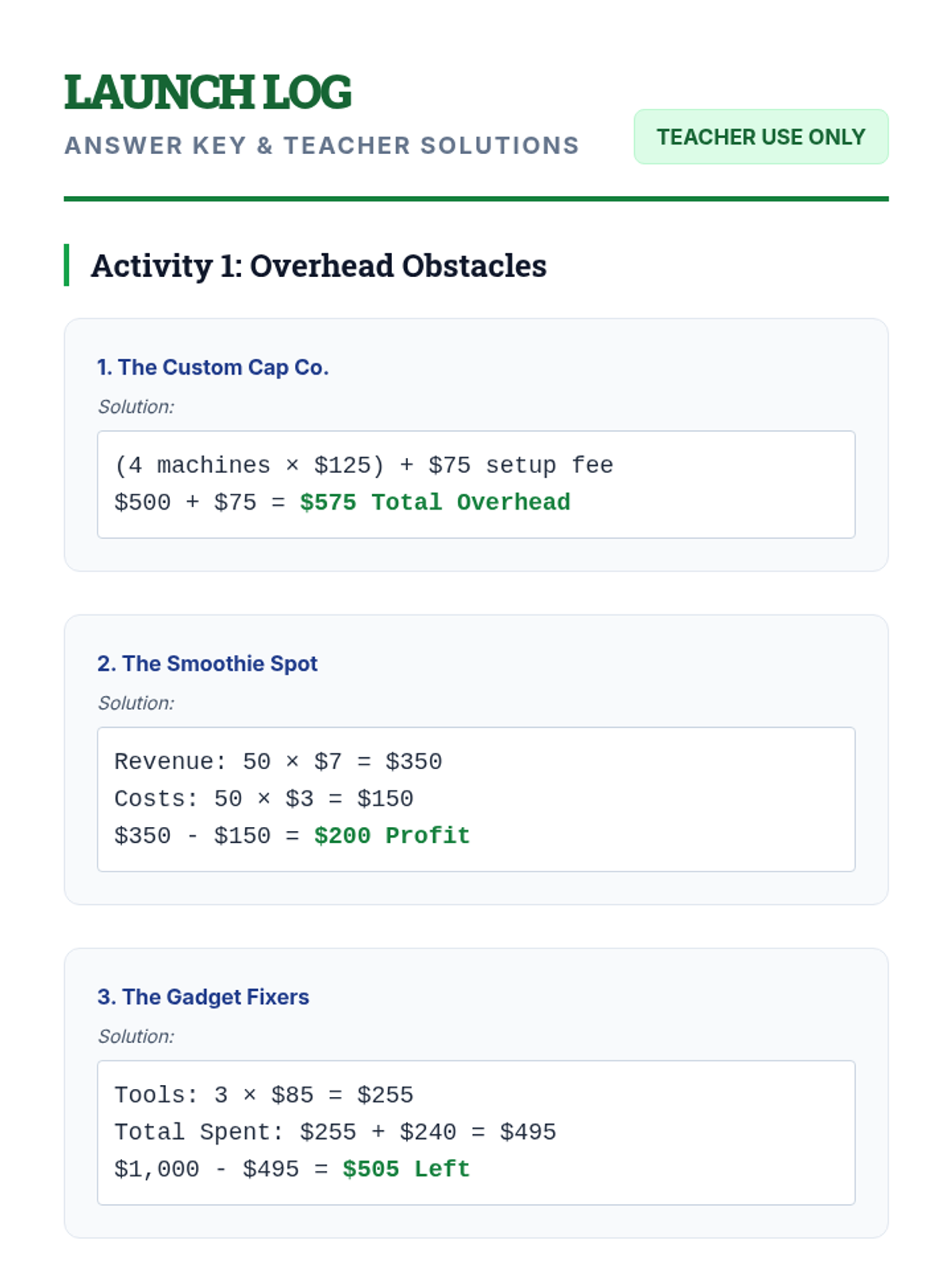
Upper elementary students step into the shoes of business owners to design a sustainable venture. They will master multiplication and division through real-world applications of overhead costs, revenue, and profit margins.
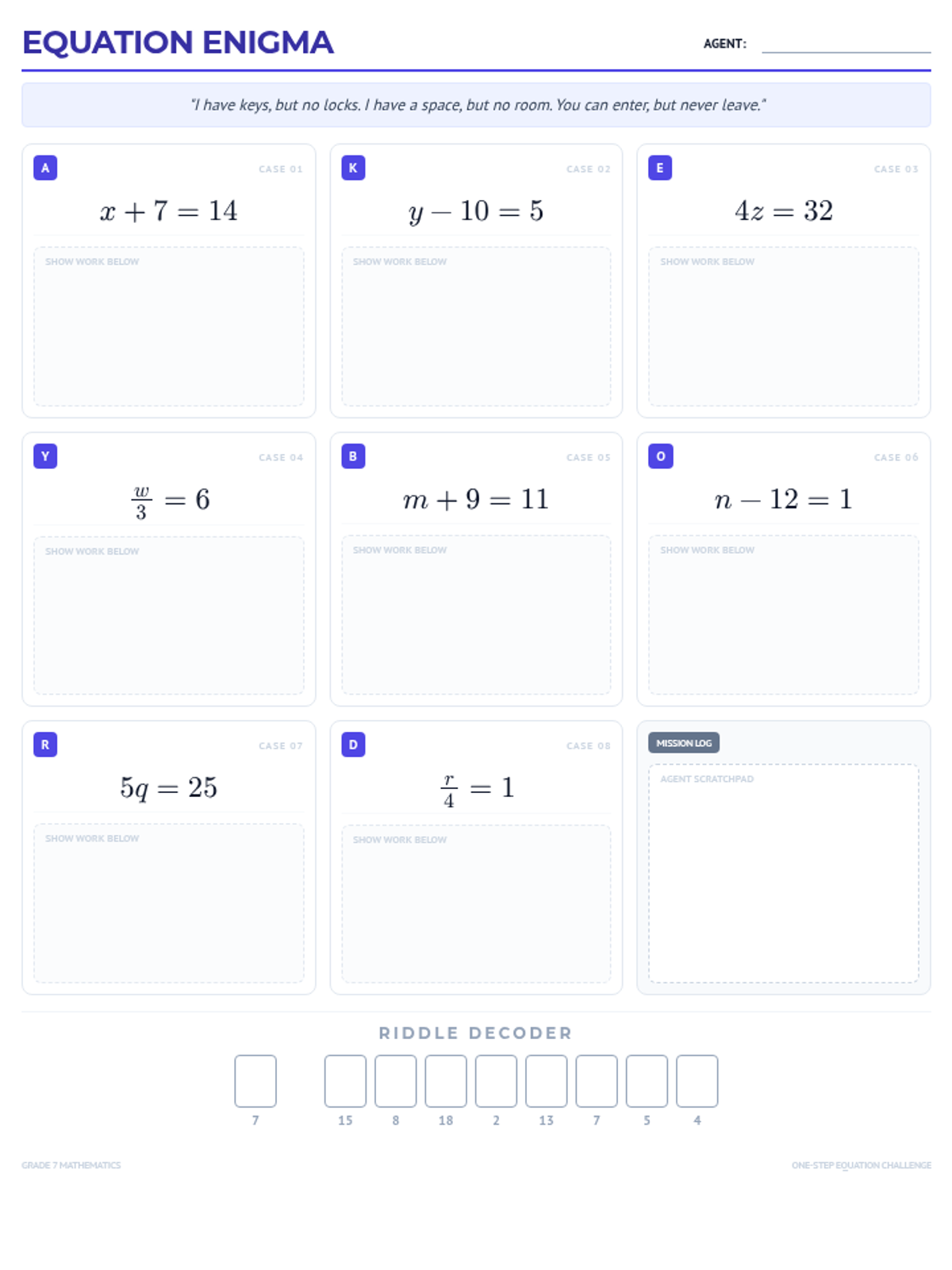
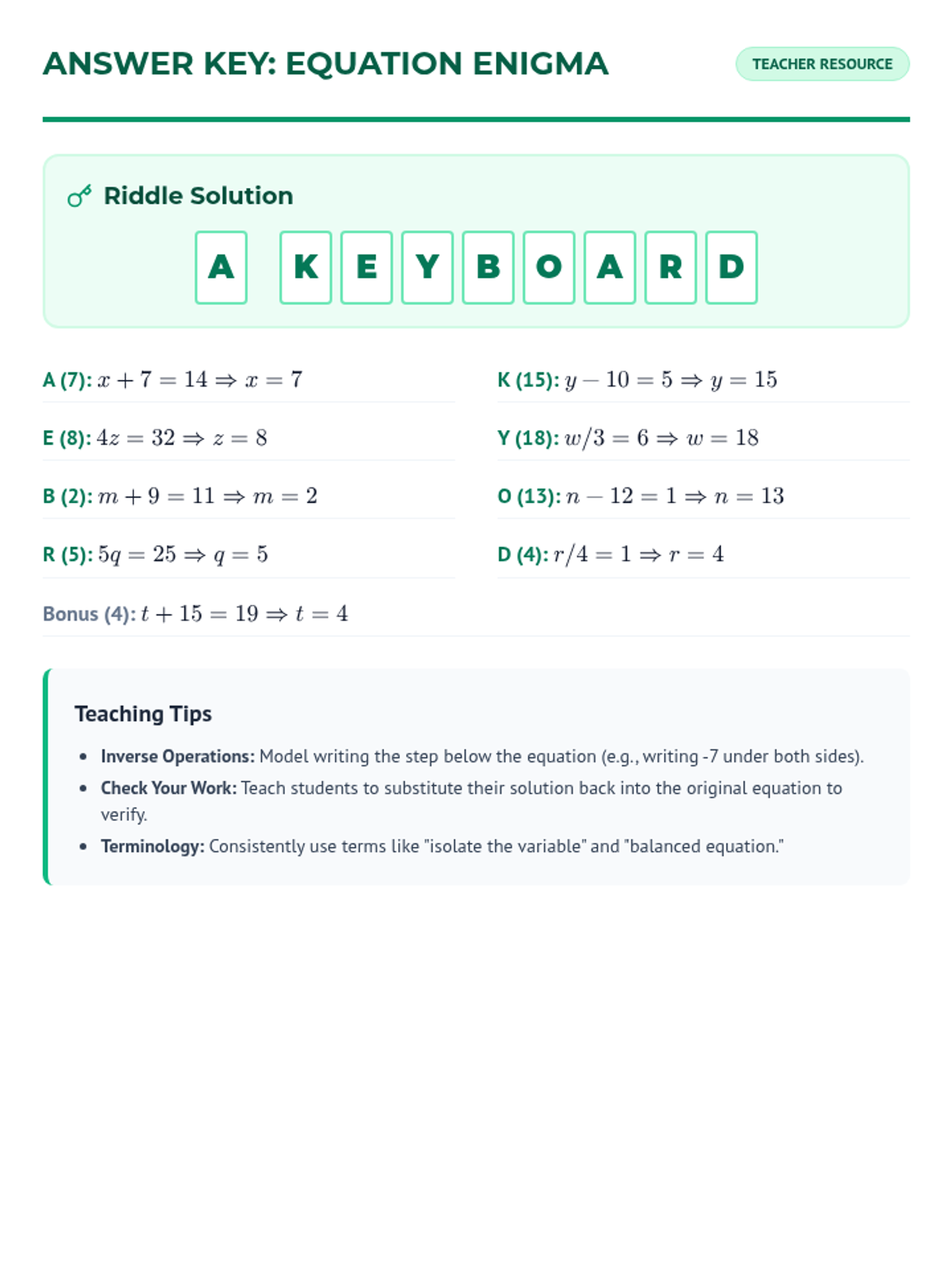
A focused lesson on solving one-step equations using inverse operations with addition, subtraction, multiplication, and division. Students will apply their skills to solve a riddle, reinforcing the concept of isolating variables.
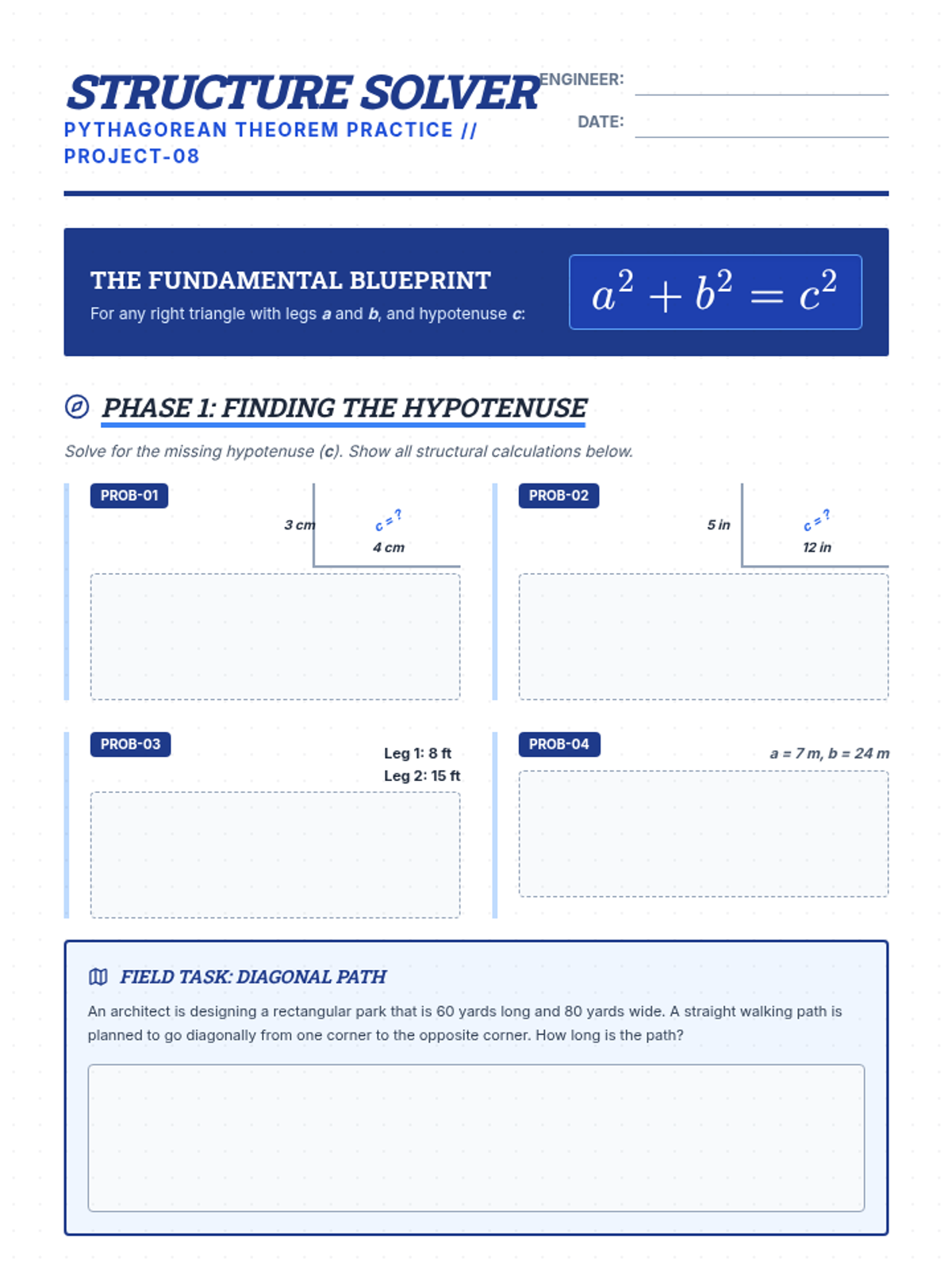
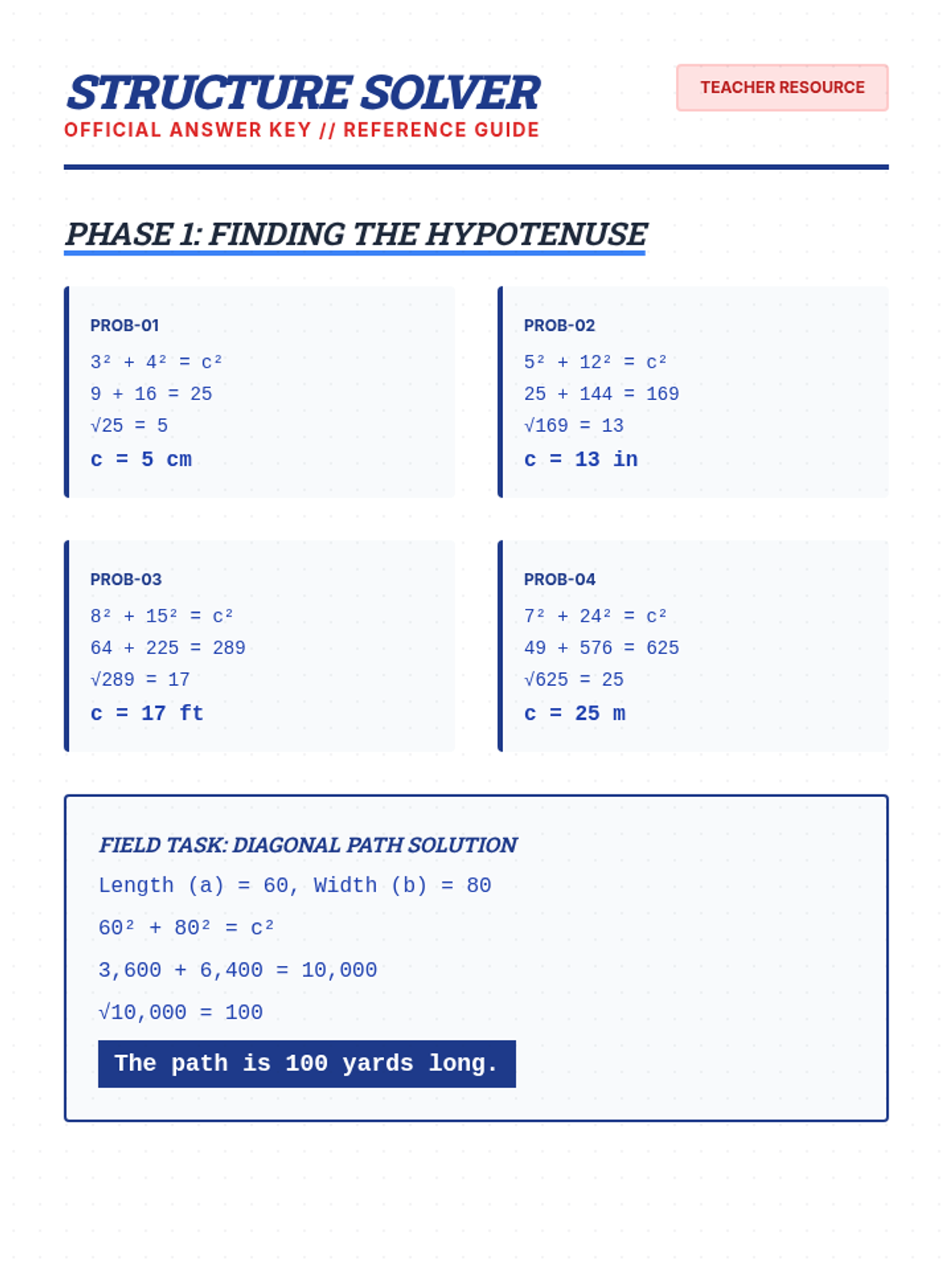
A focused practice session on applying the Pythagorean Theorem to find missing side lengths in right triangles, including both hypotenuse and leg calculations.
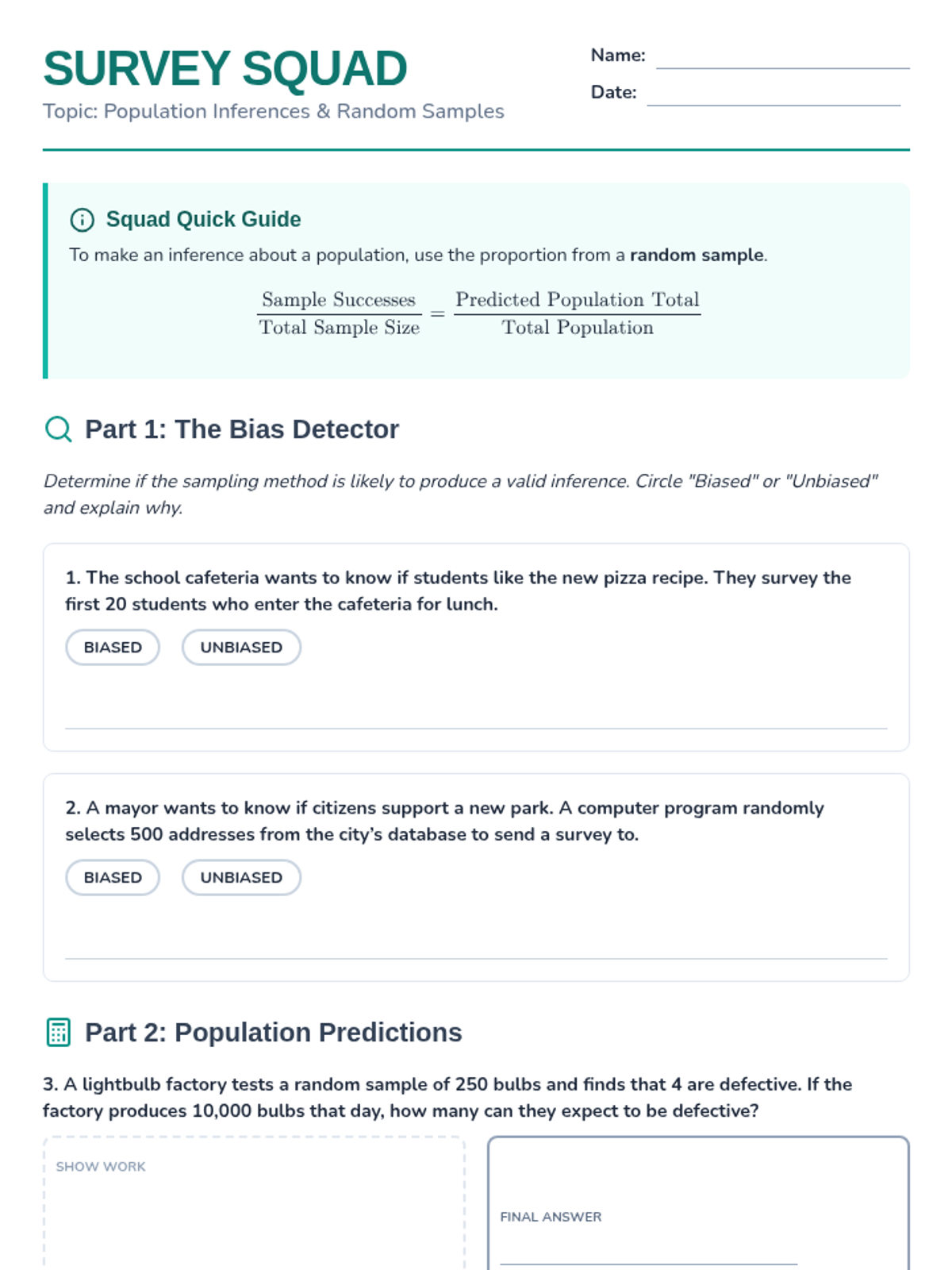
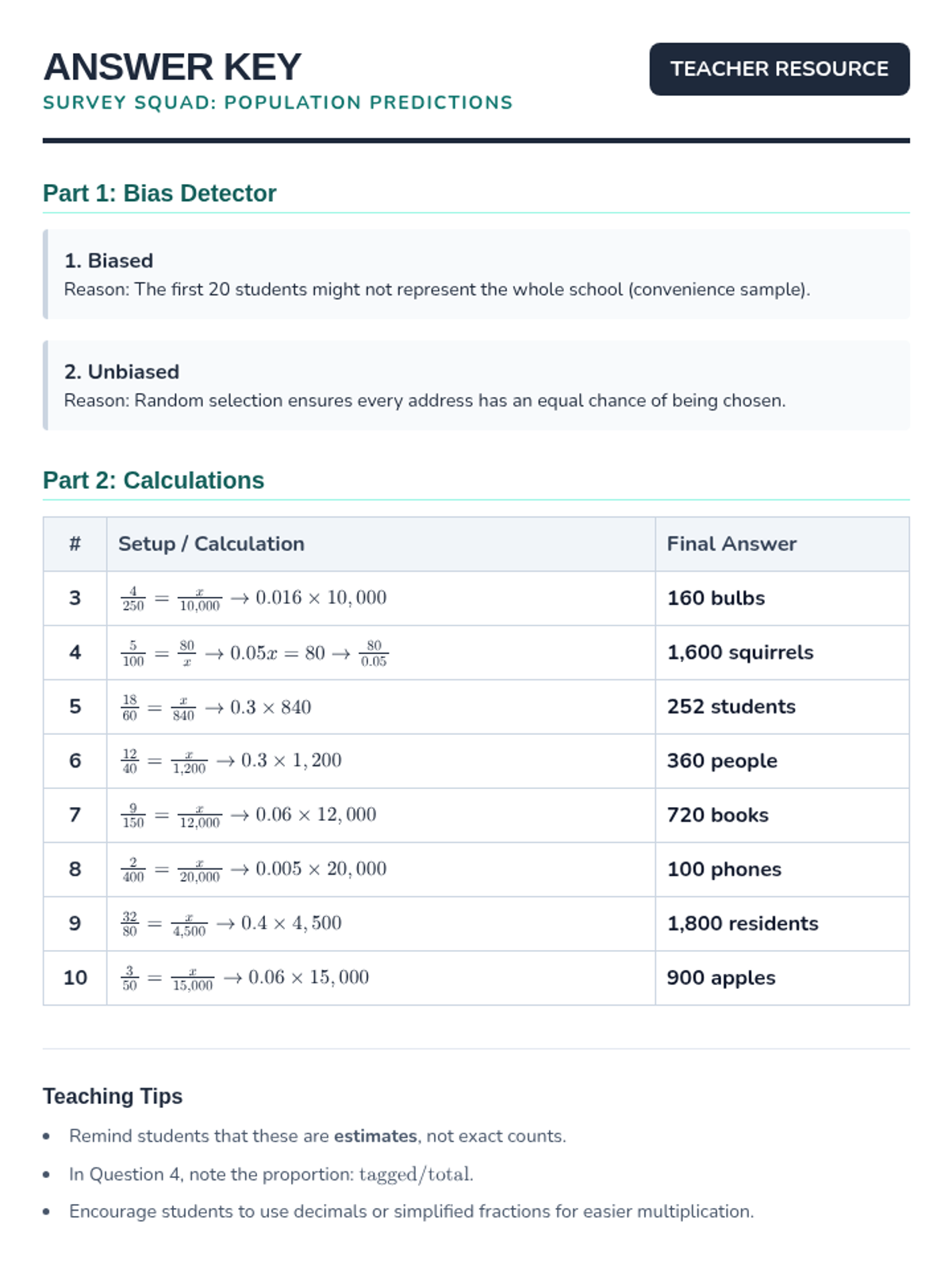
A lesson focused on using random sampling to make valid inferences about populations, including identifying bias and performing calculations.
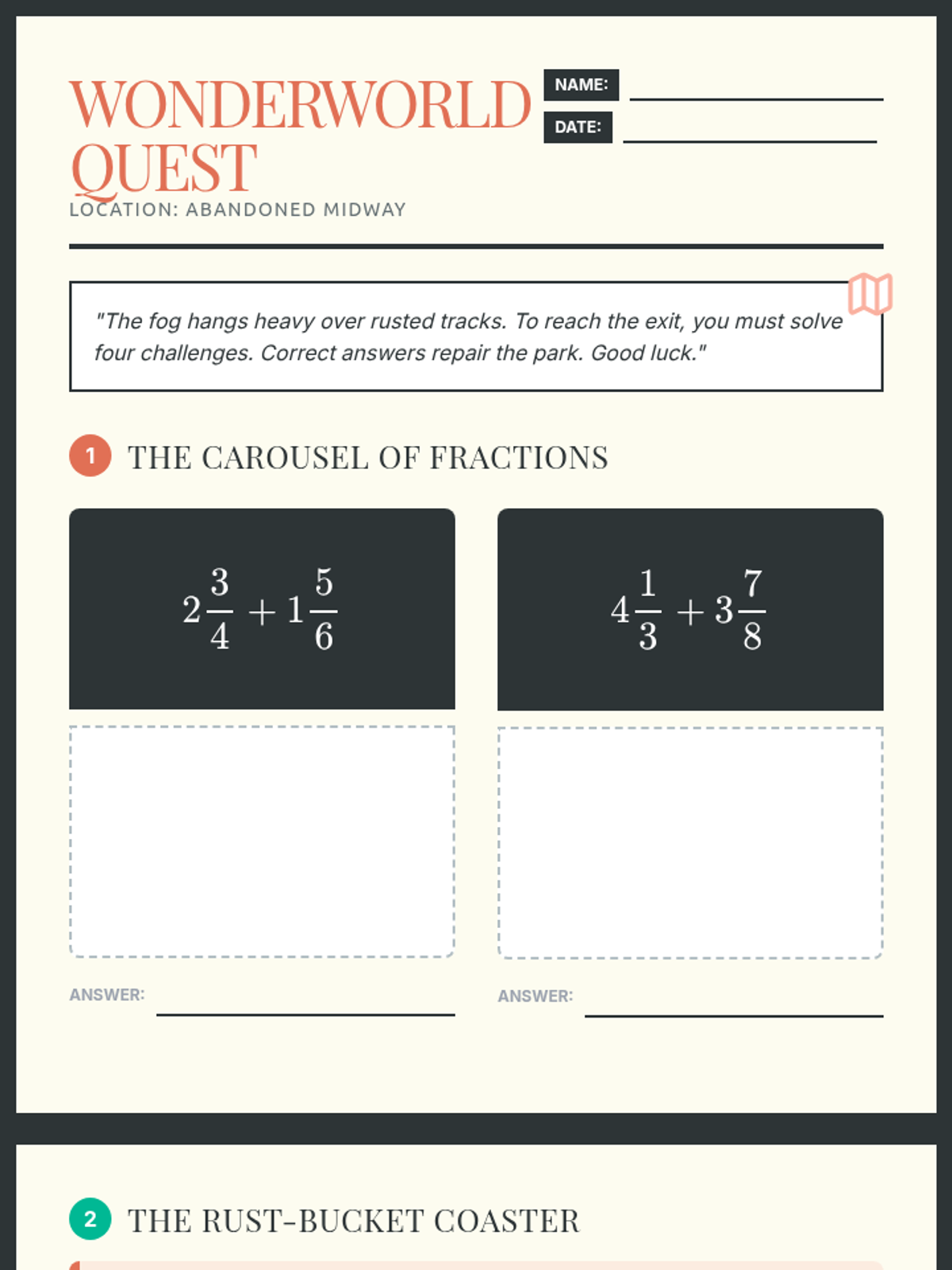
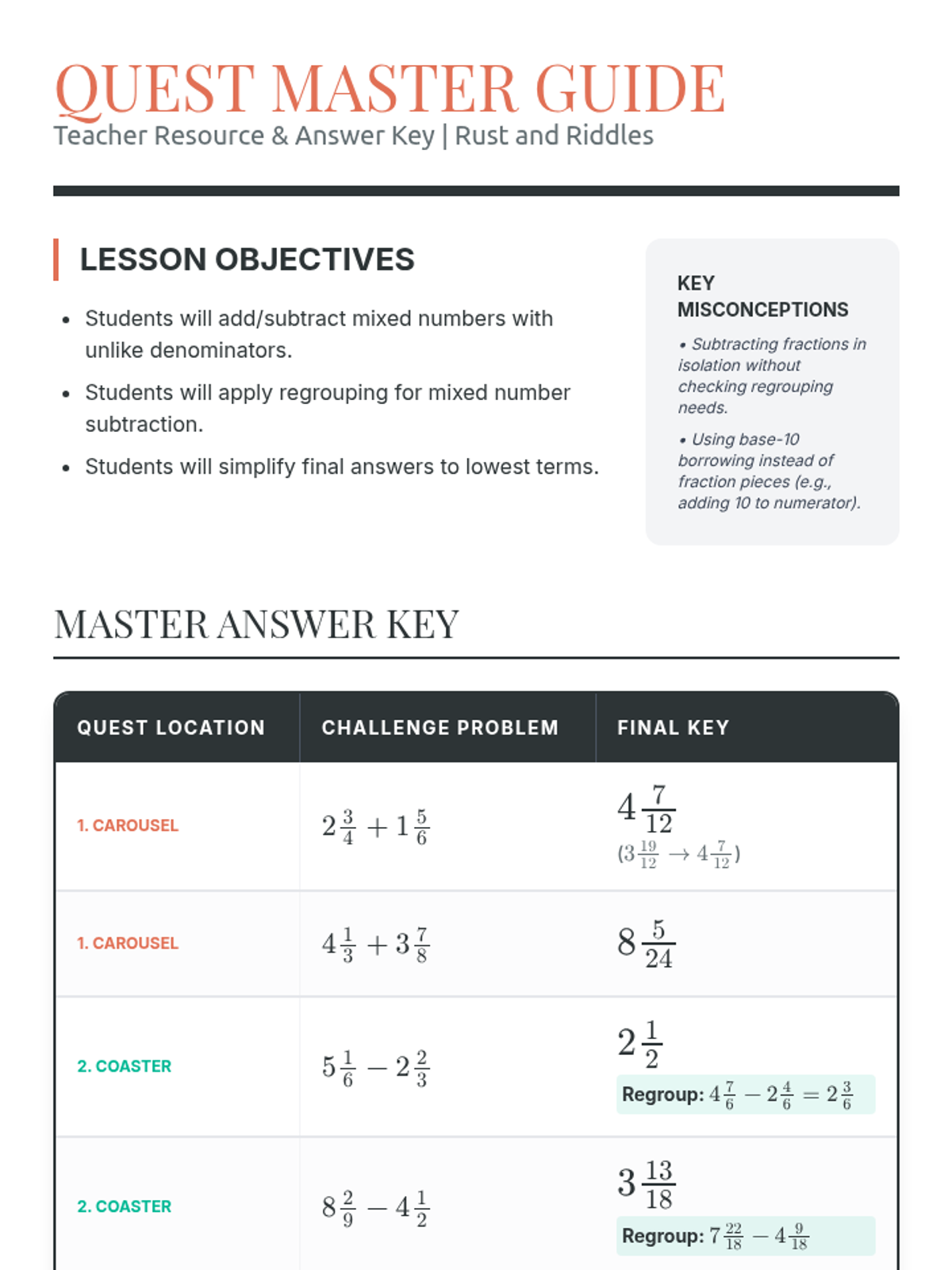
A mathematical quest set in an abandoned theme park where students solve fraction and mixed number problems with unlike denominators and regrouping to navigate the park.
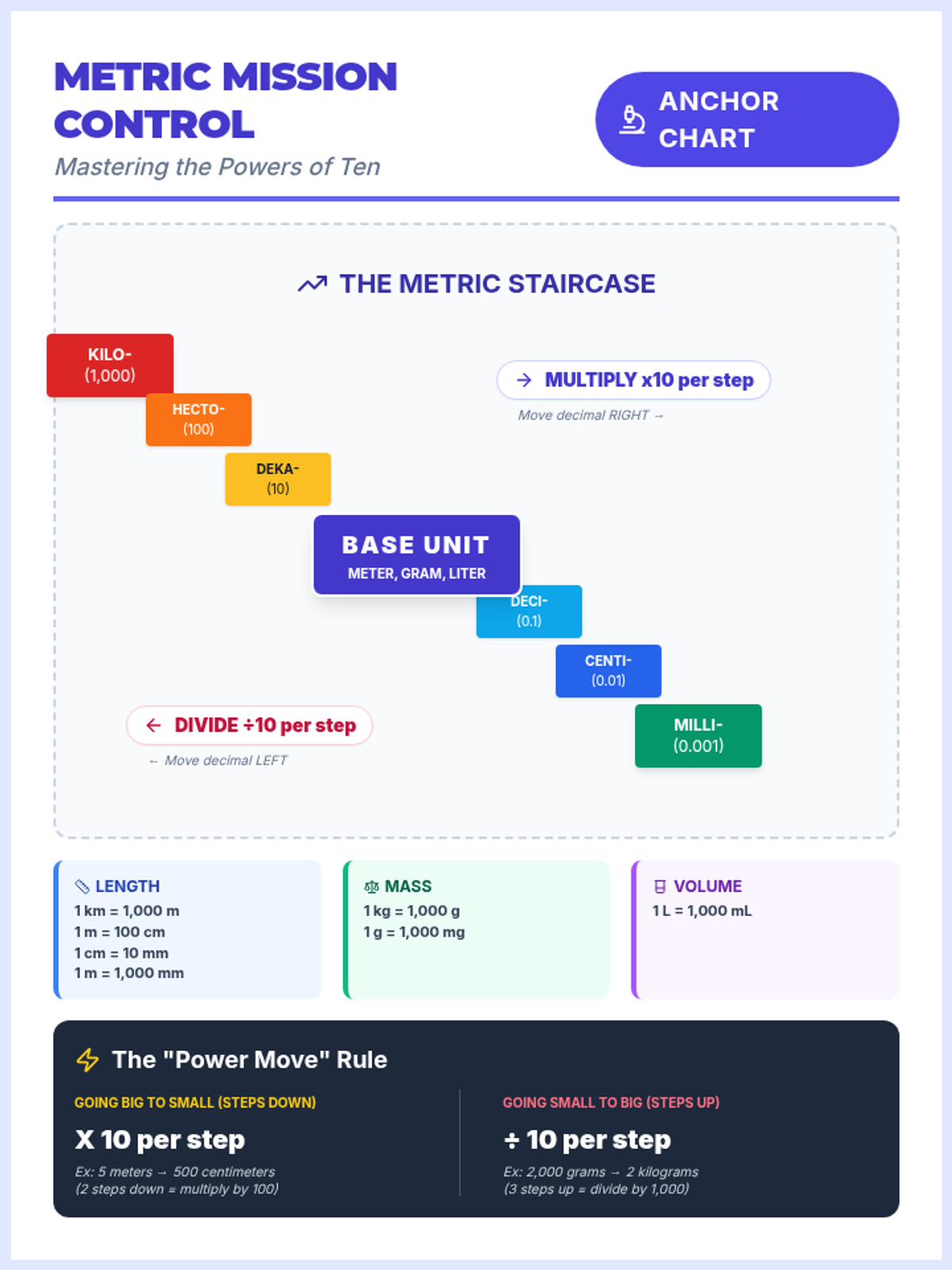
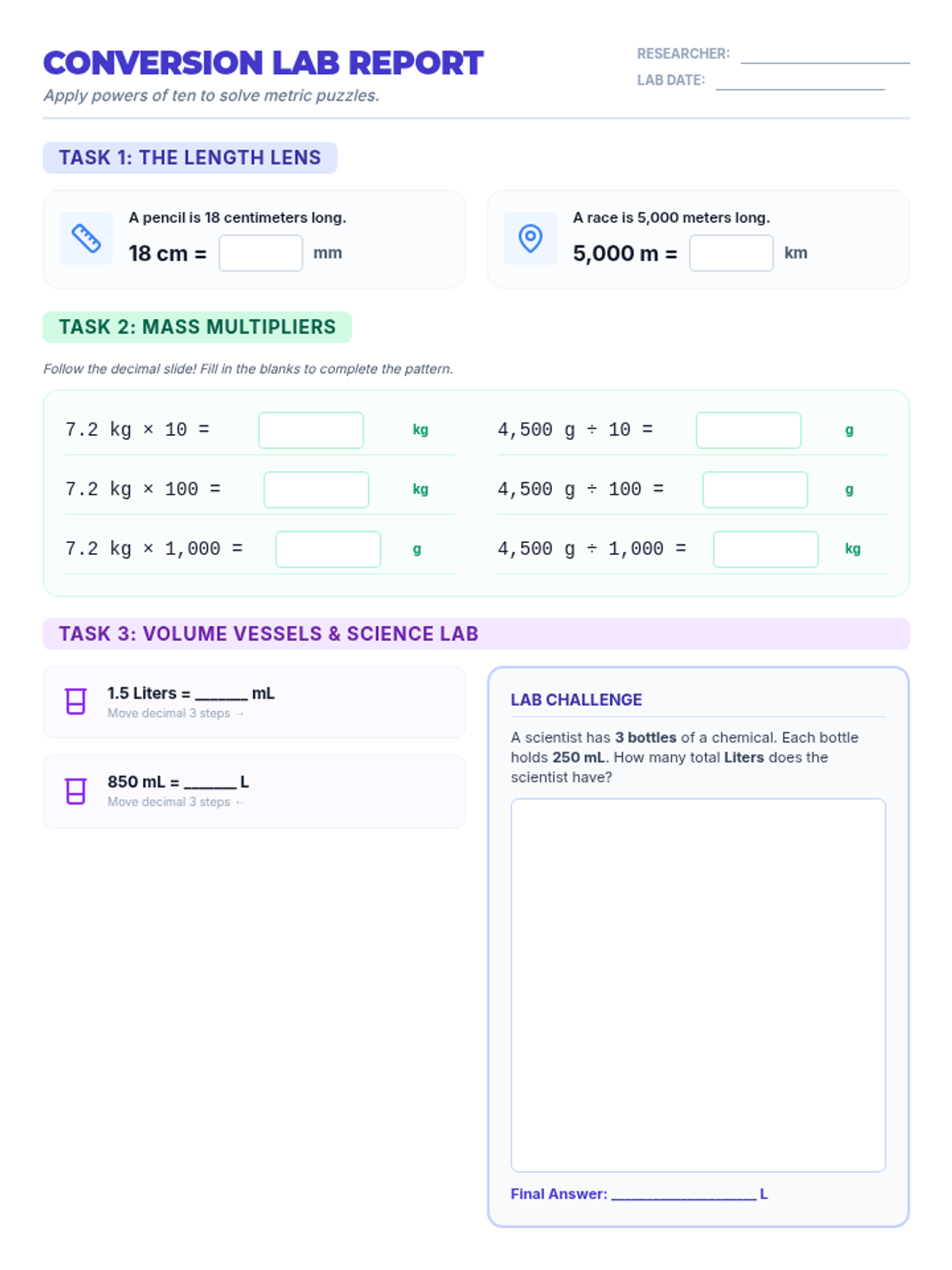
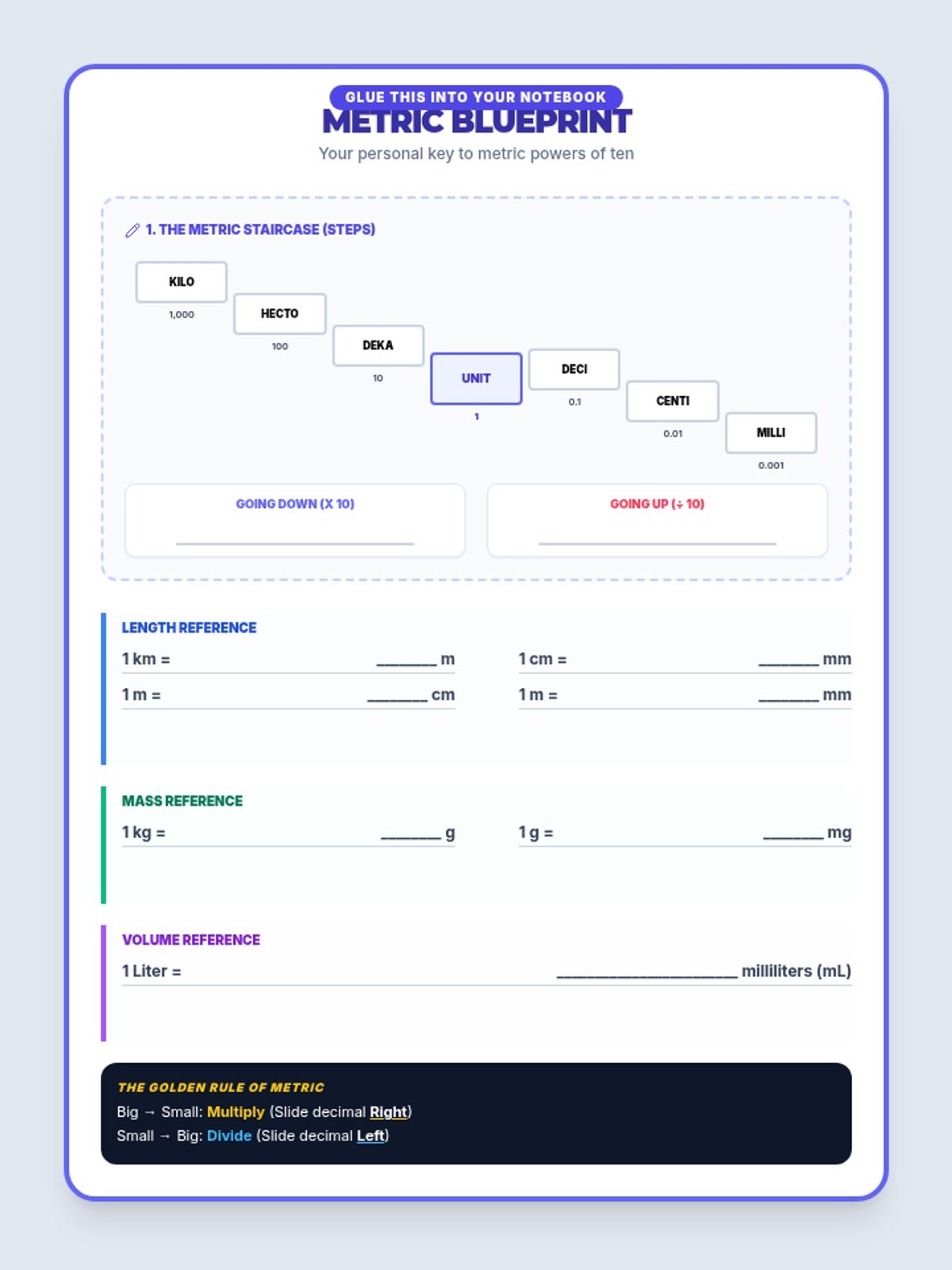
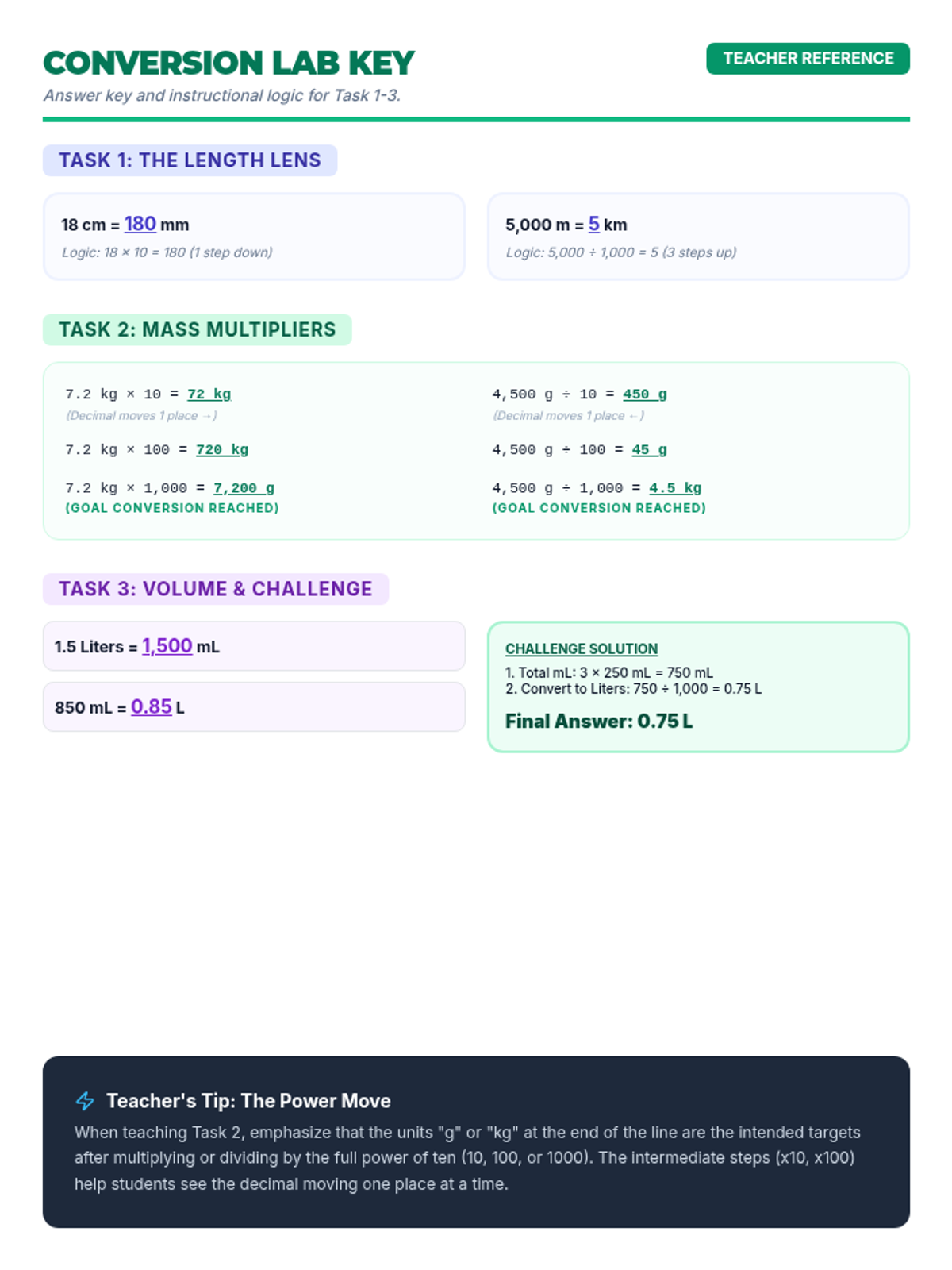
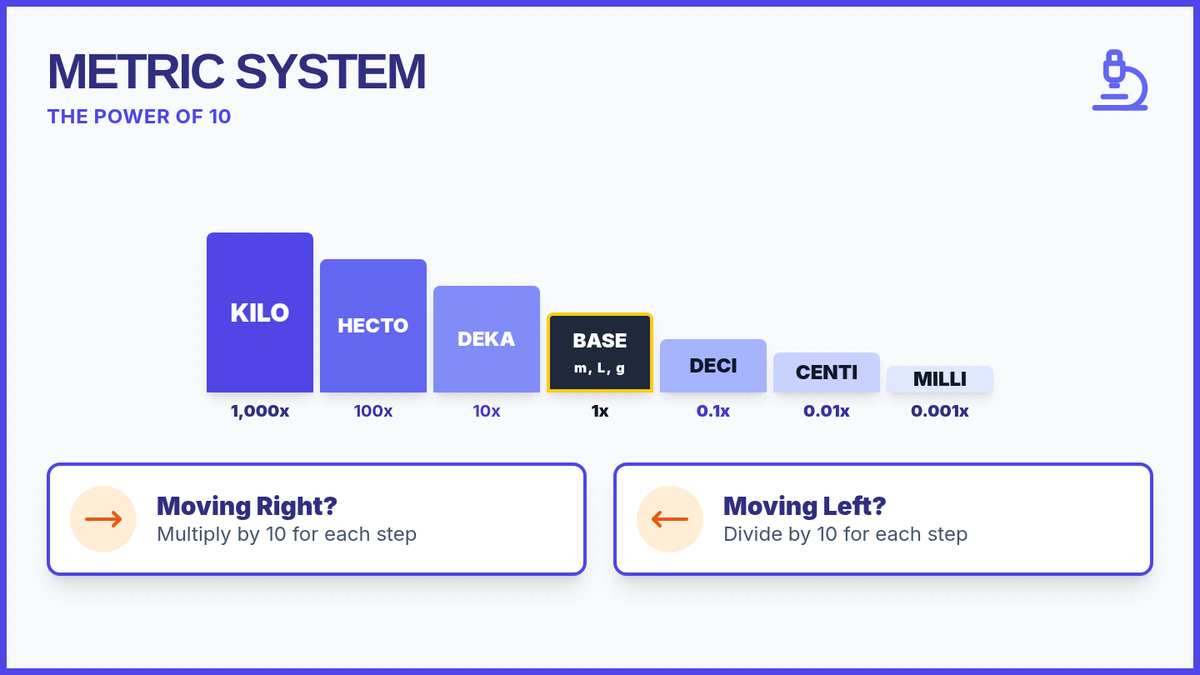
Students explore the relationship between metric units and powers of ten, using visual staircases and laboratory 'blueprints' to master conversions.
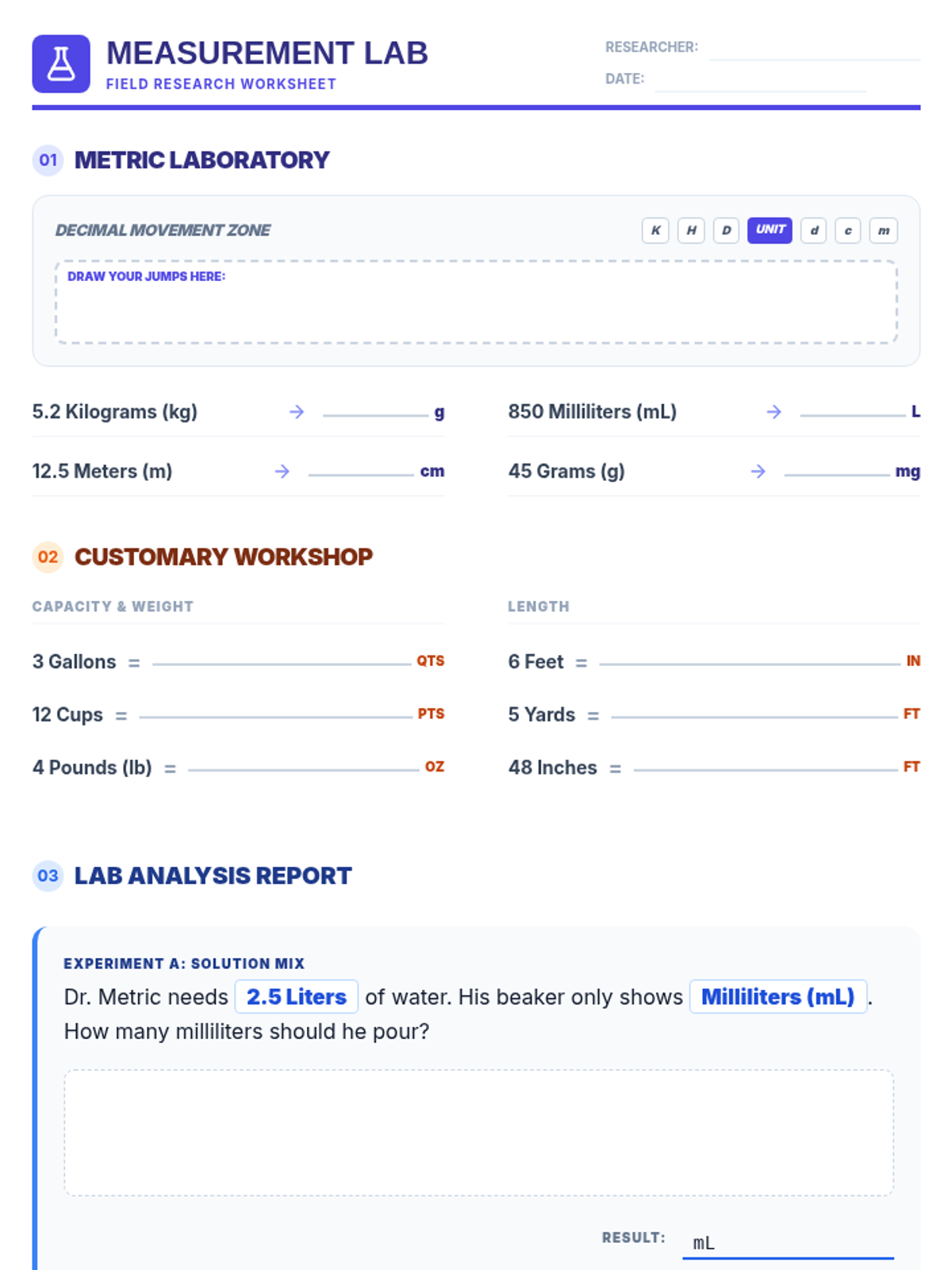
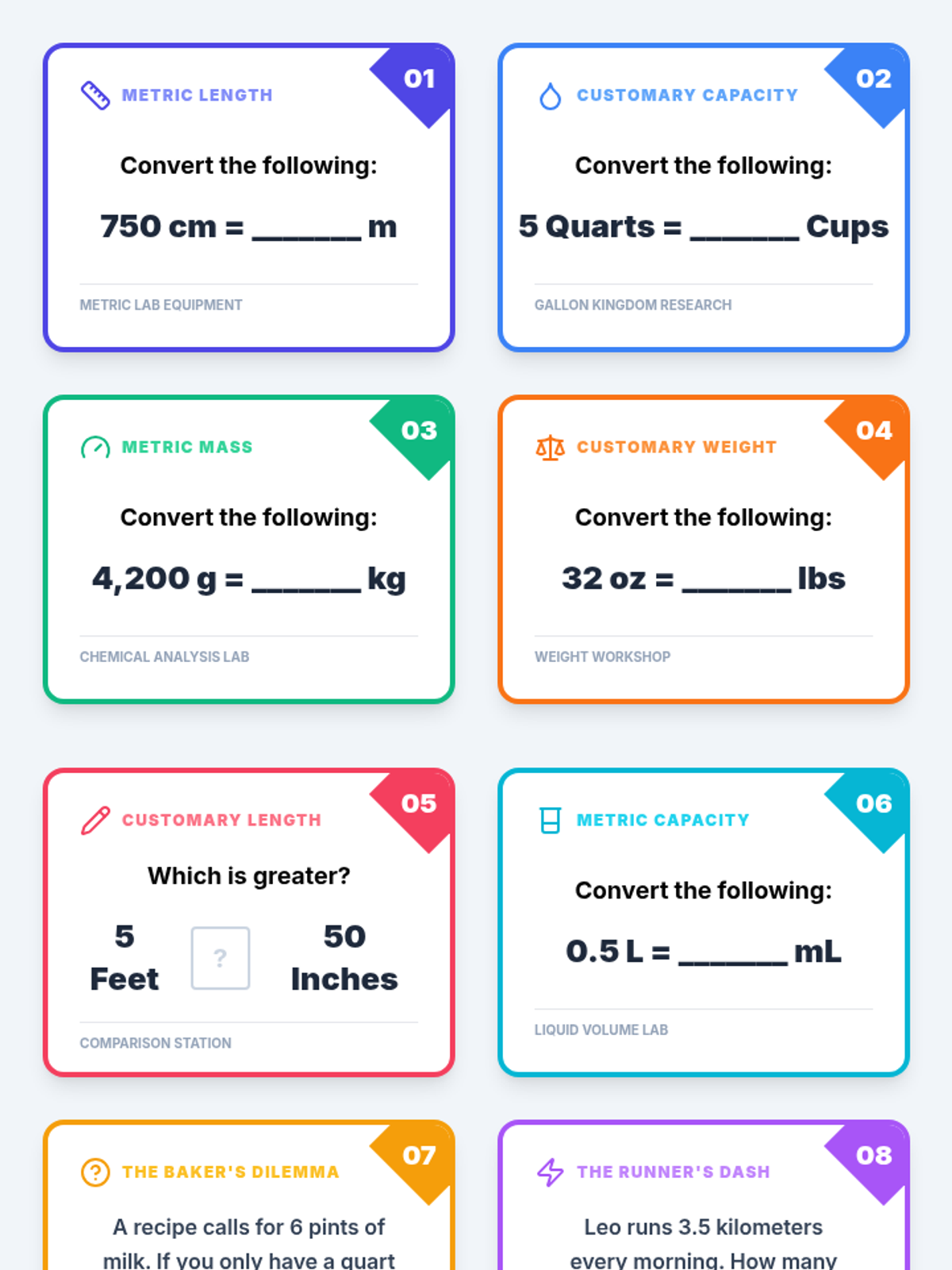
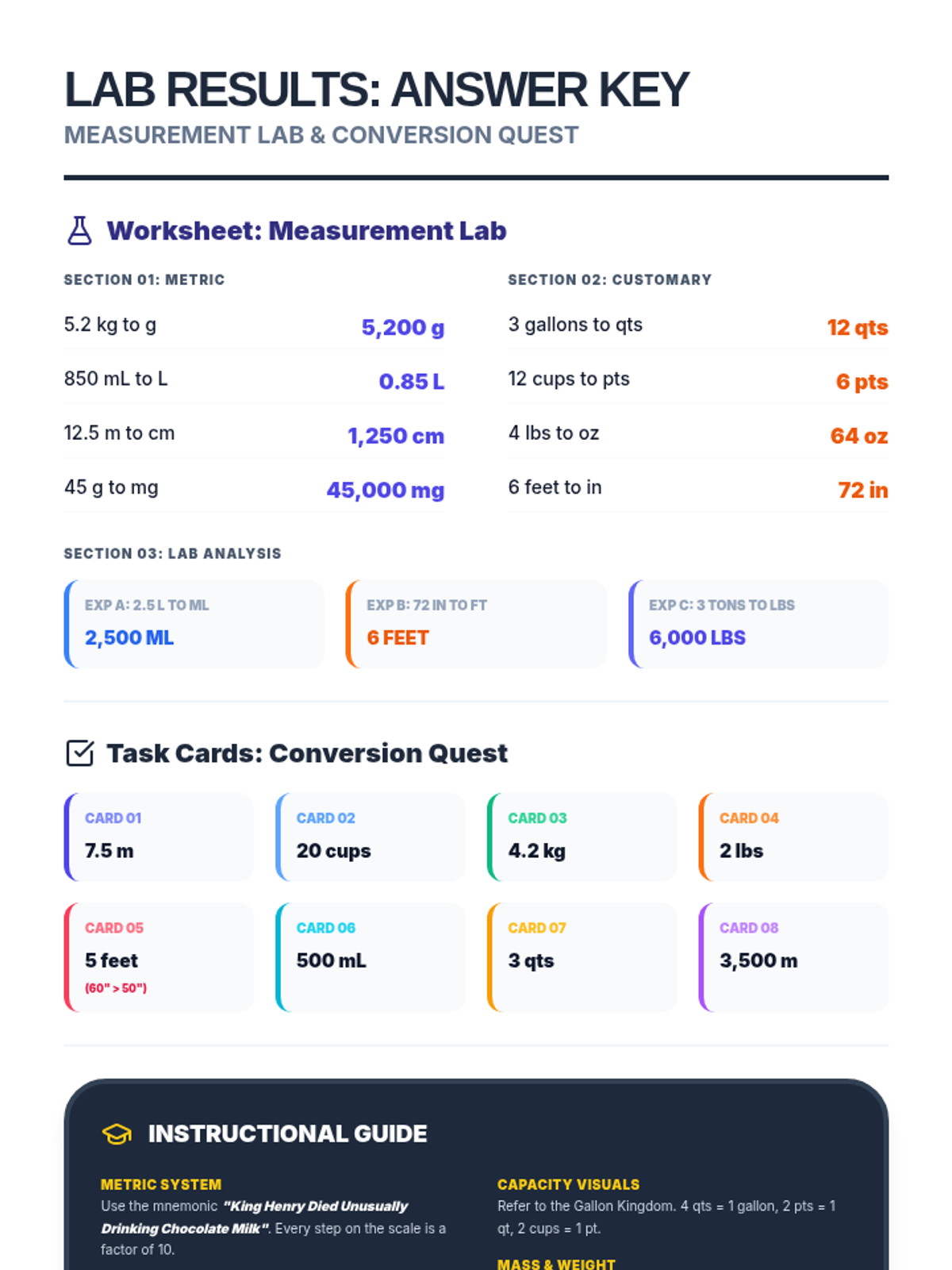
A comprehensive lesson on converting units within the Metric and US Customary systems using visual models, anchor charts, and hands-on task cards.
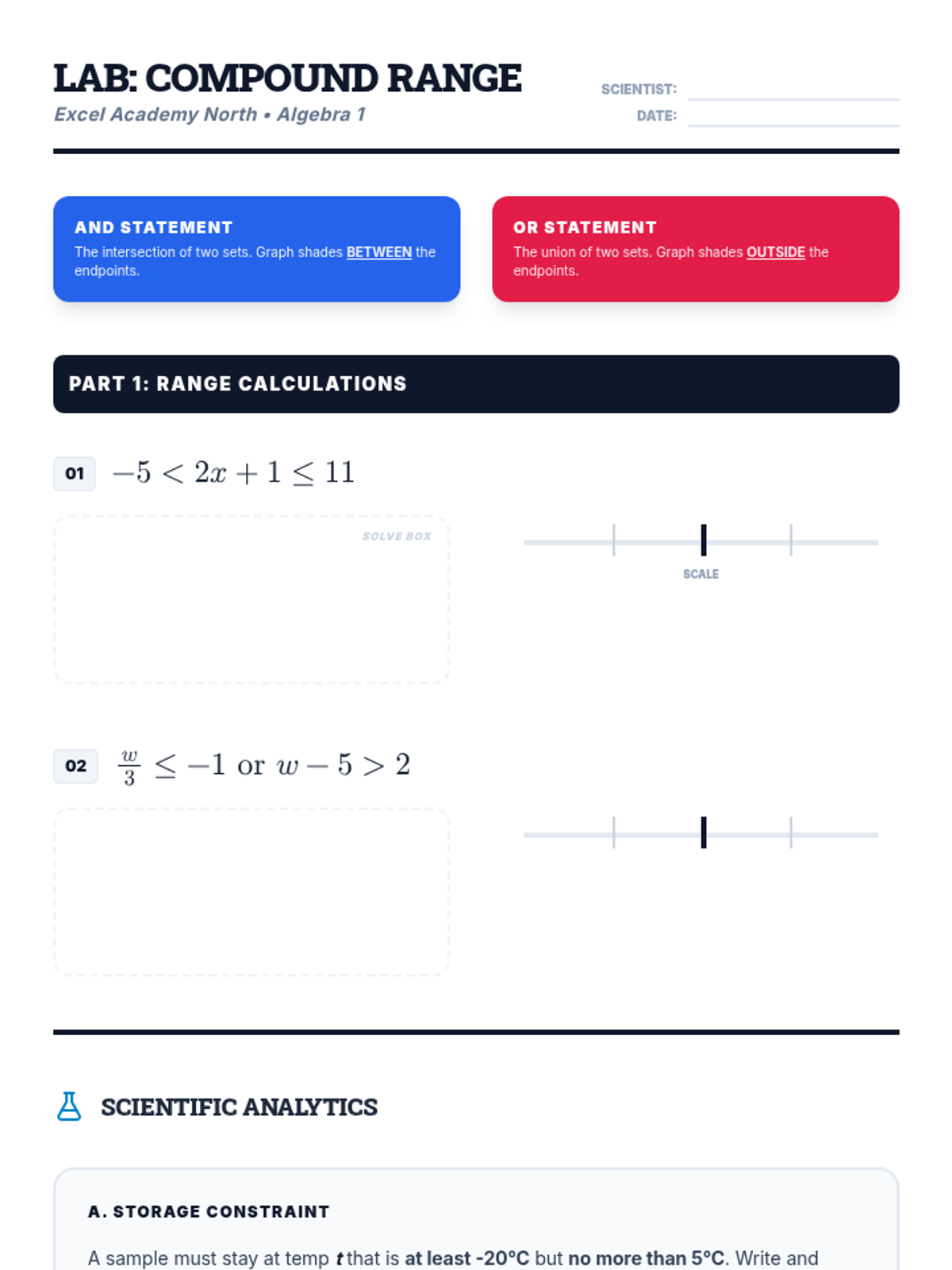
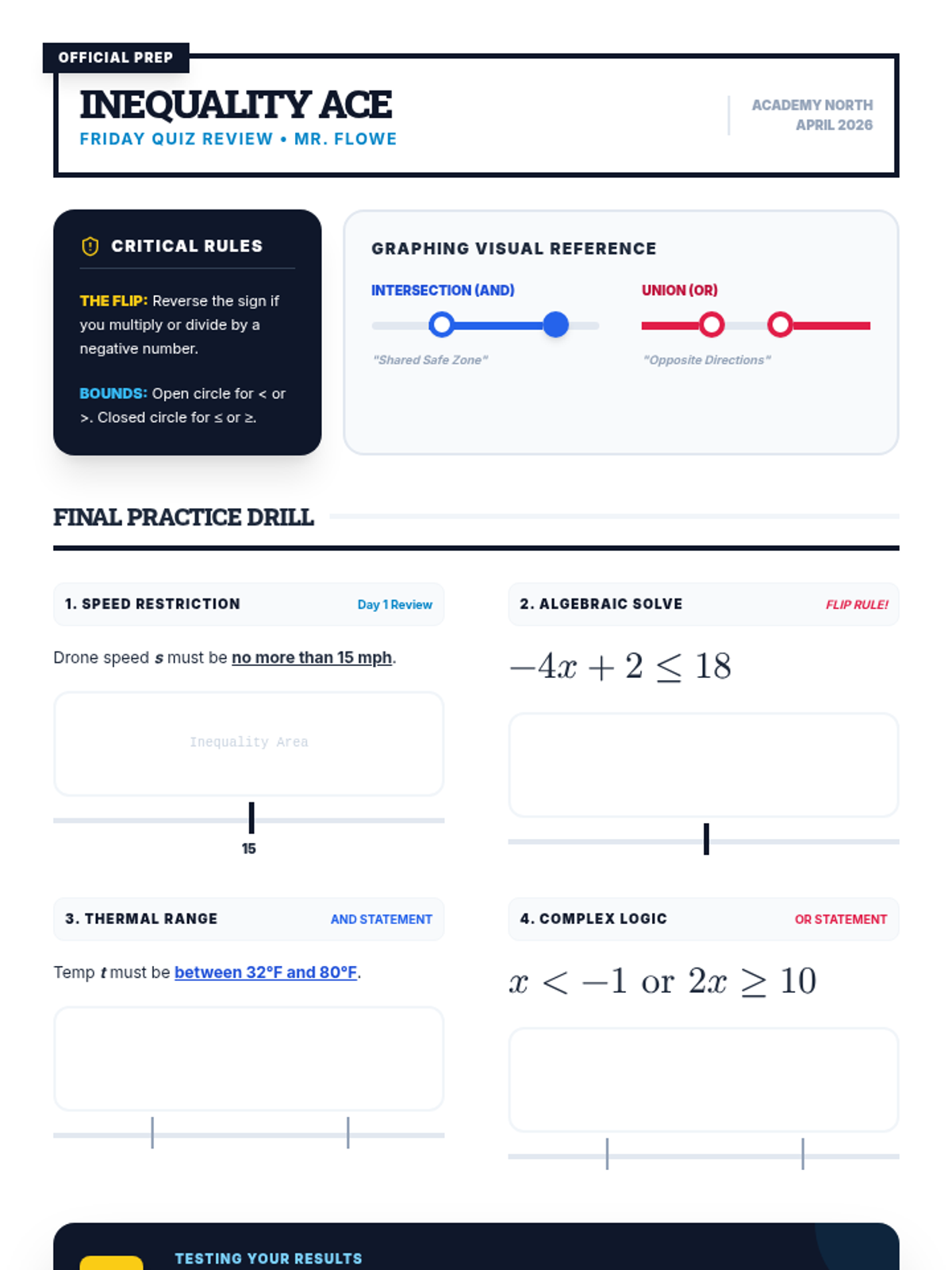
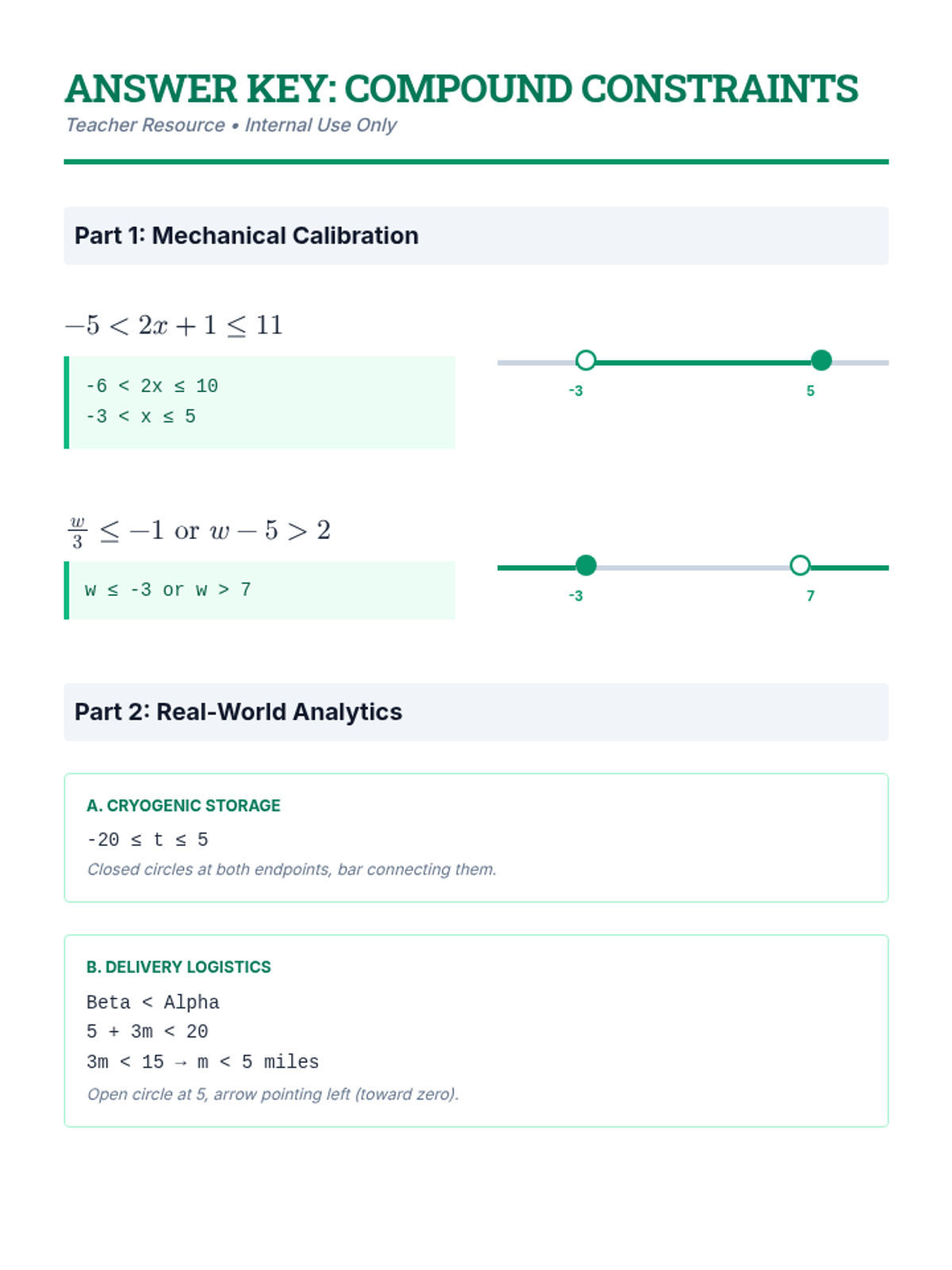
Exploring compound inequalities (AND/OR), temperature ranges, and service cost comparisons.
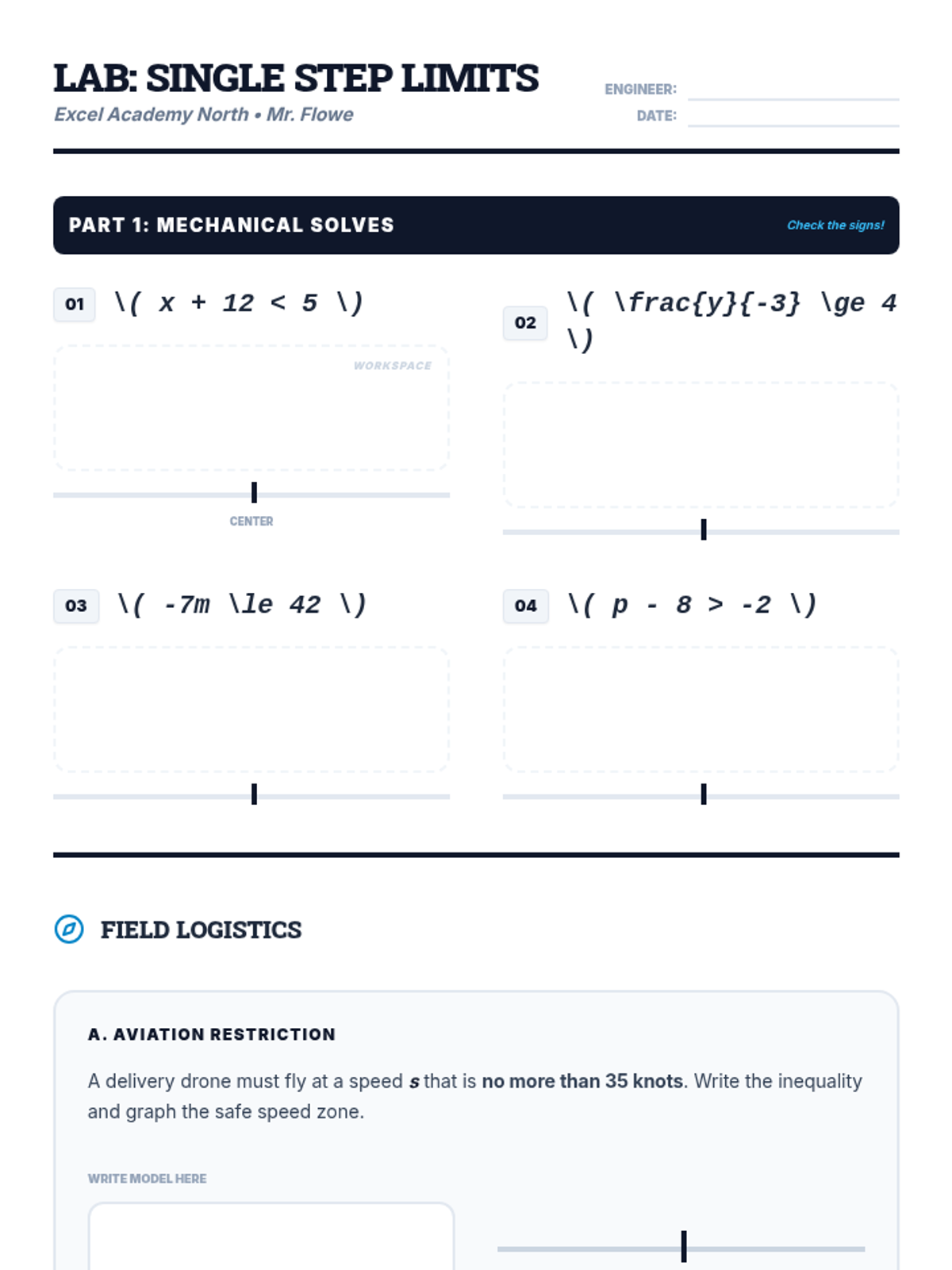
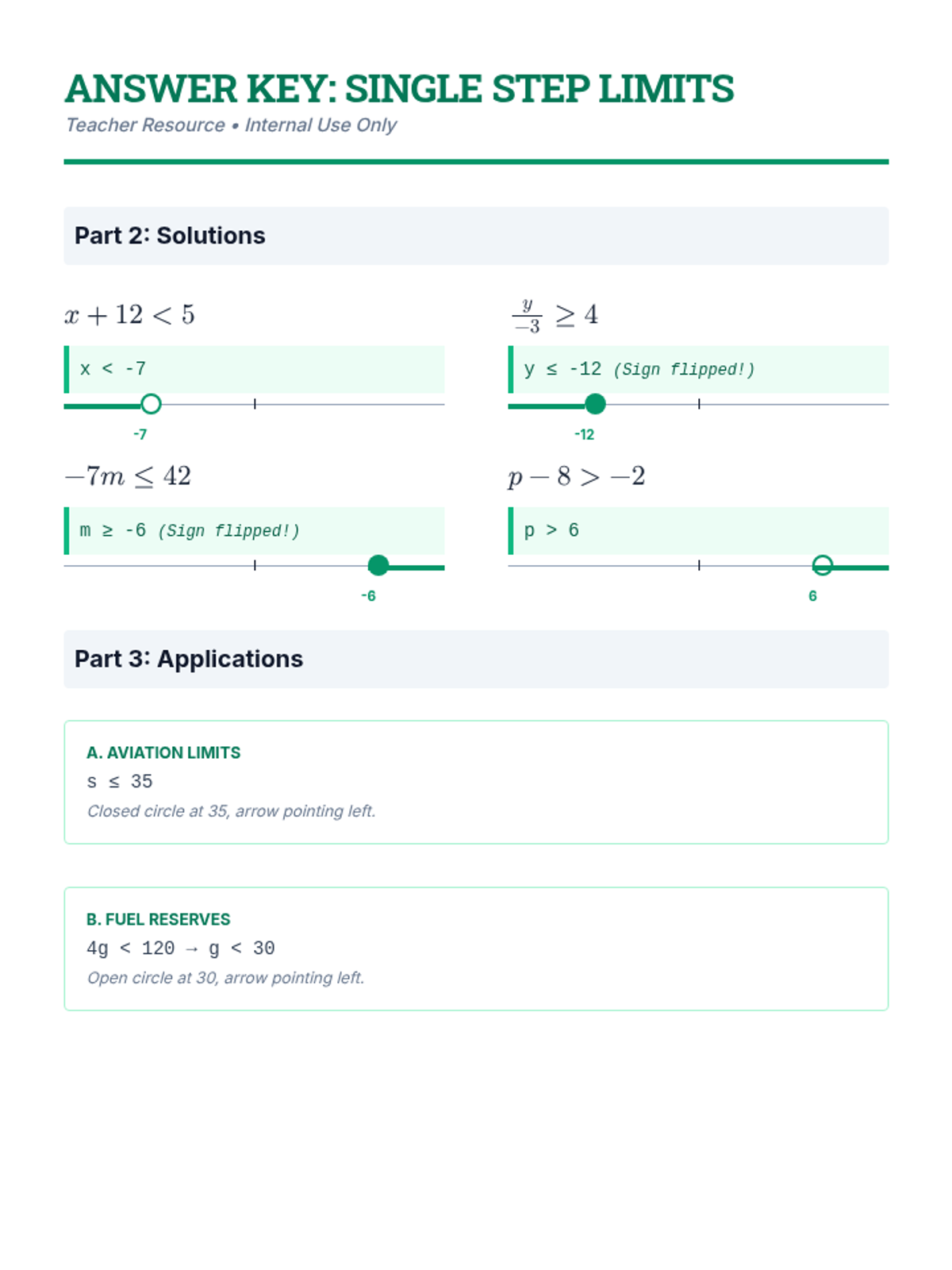
Introduction to one-step inequalities, graphing on number lines, and solving speed and distance limit word problems.
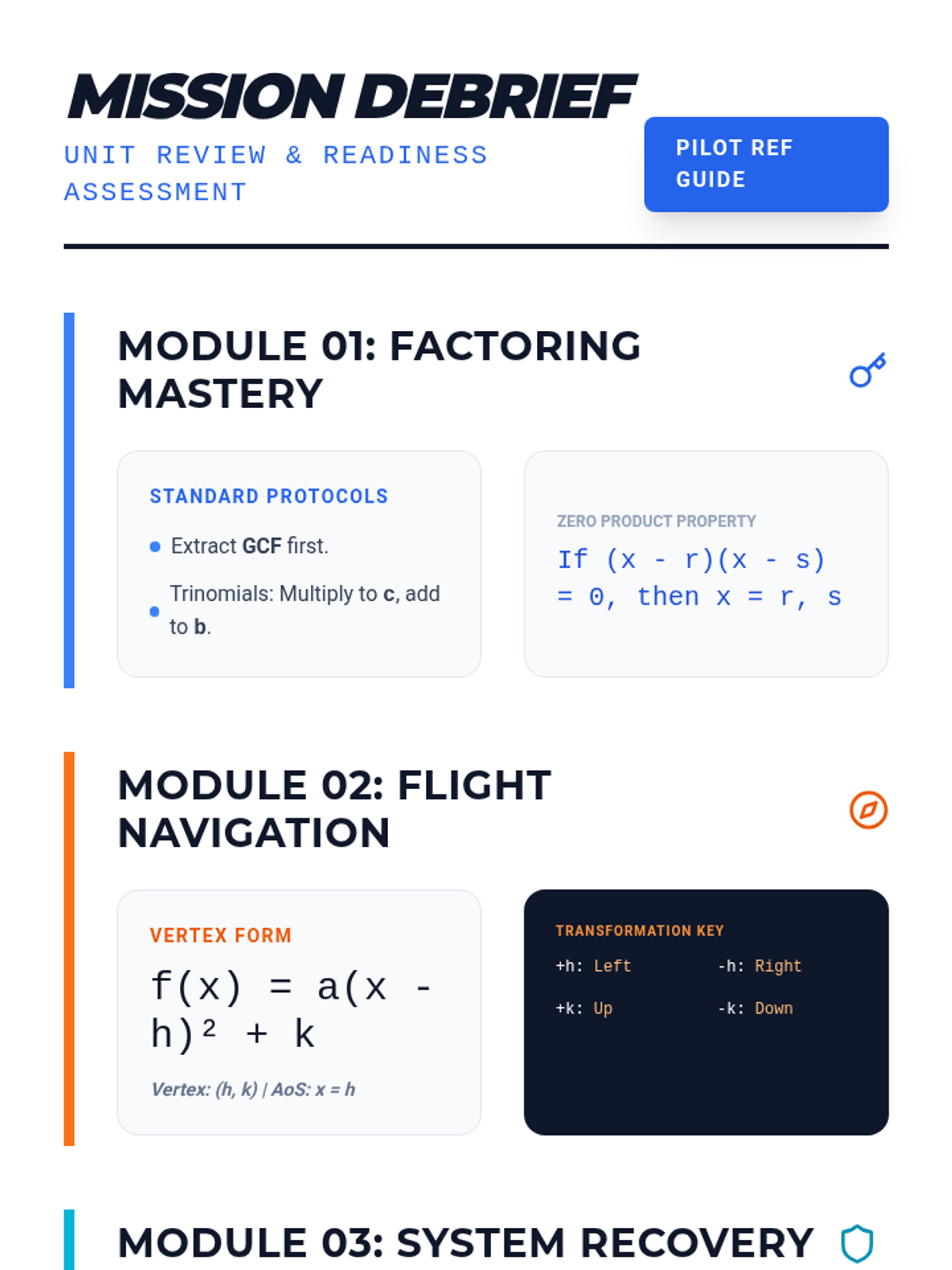
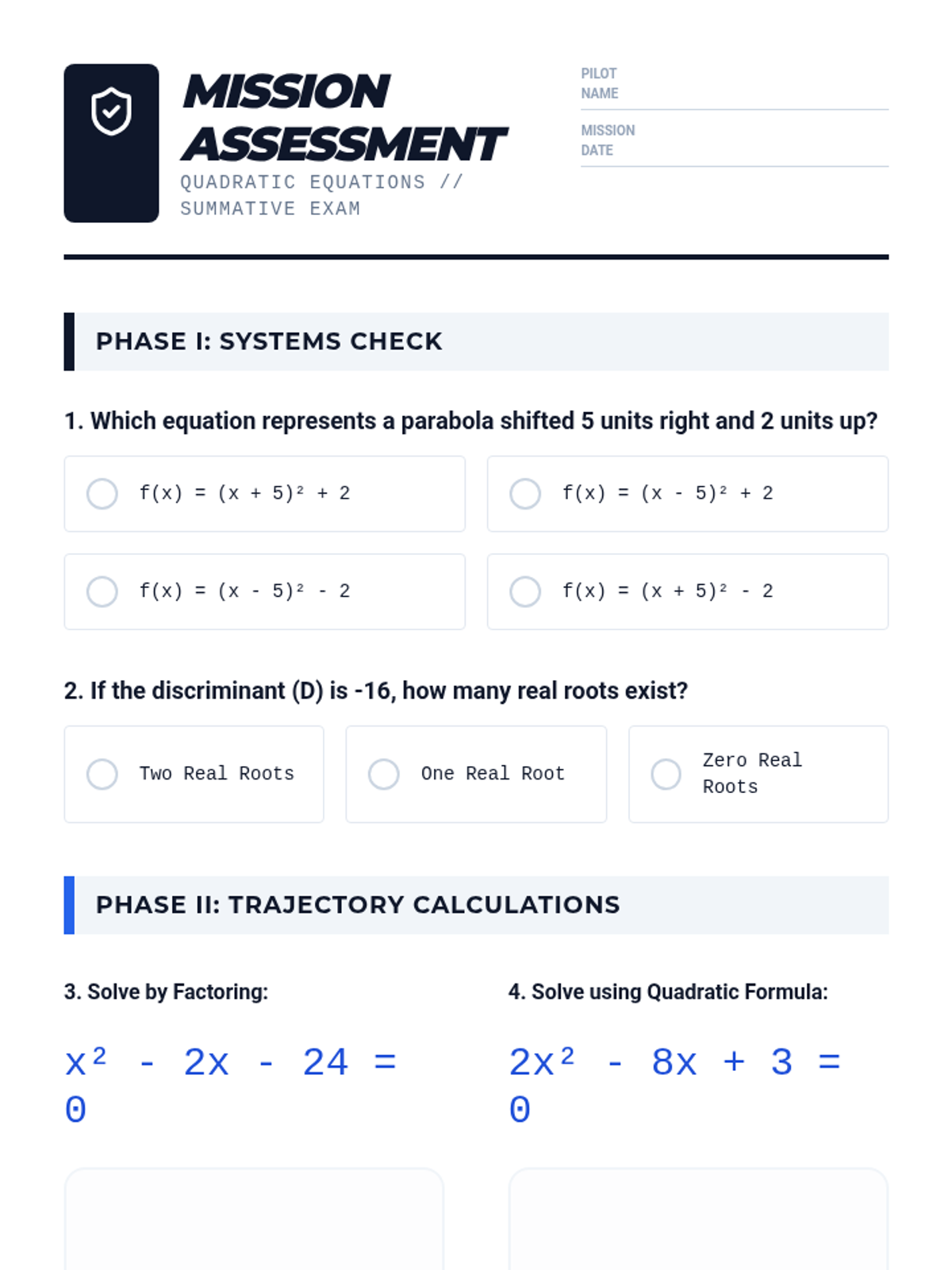
Final mission debrief including a comprehensive review and a summative assessment of quadratic mastery.
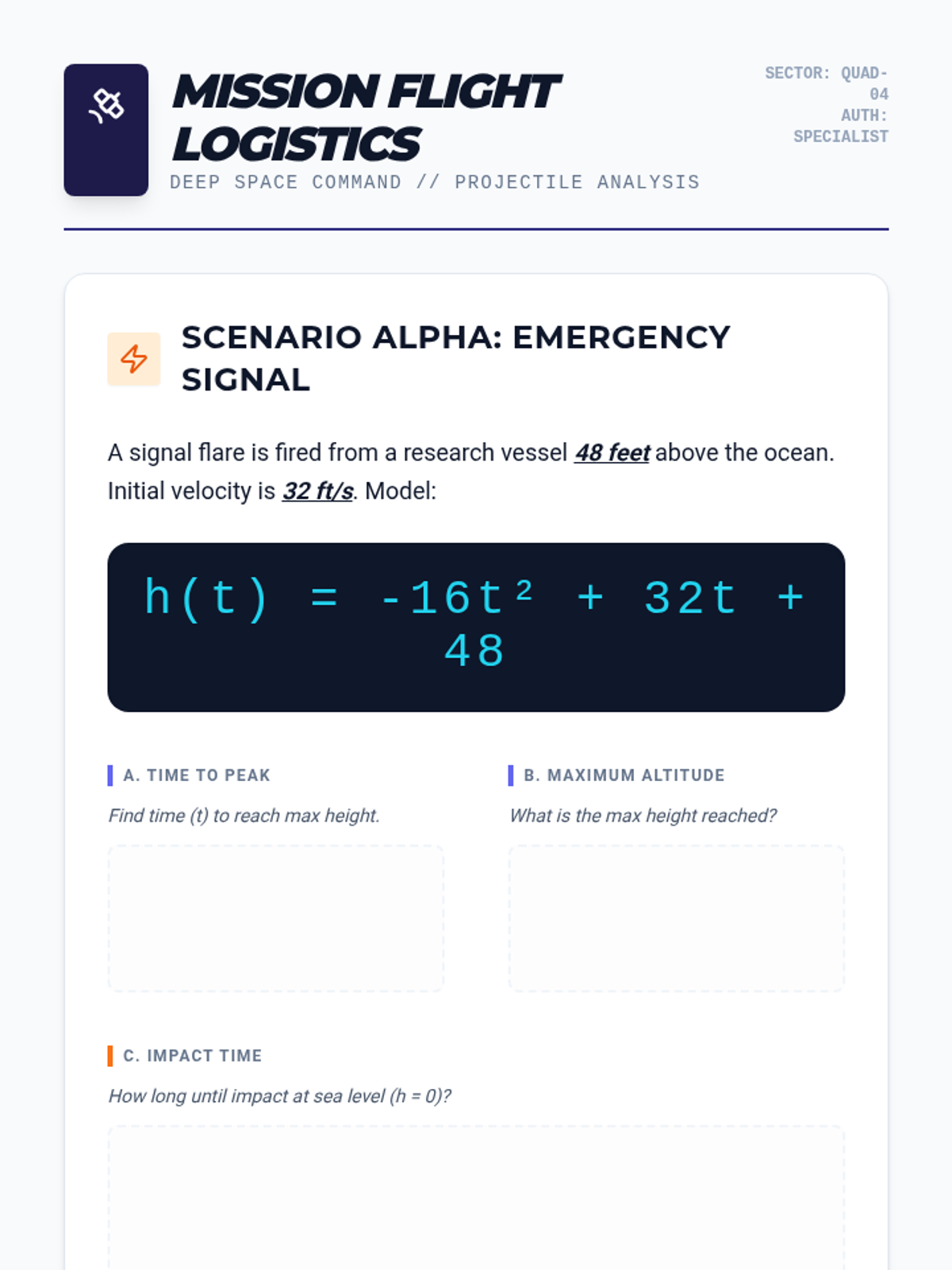
Applying quadratic models to real-world projectile motion, calculating maximum height, flight time, and landing coordinates.