Mastering the art of factoring trinomials and using the Zero Product Property to find the 'launch codes' (roots) of quadratic equations.
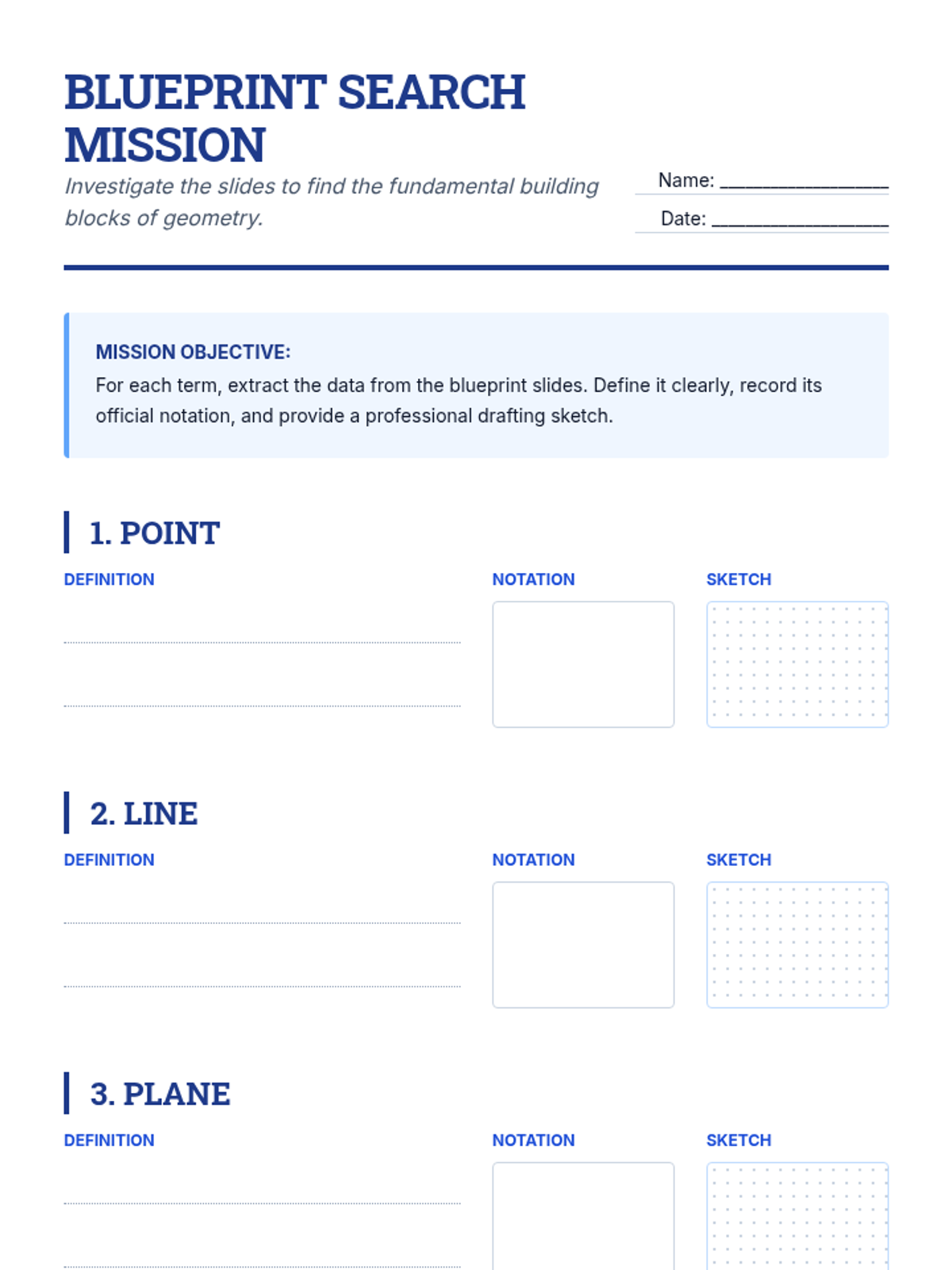
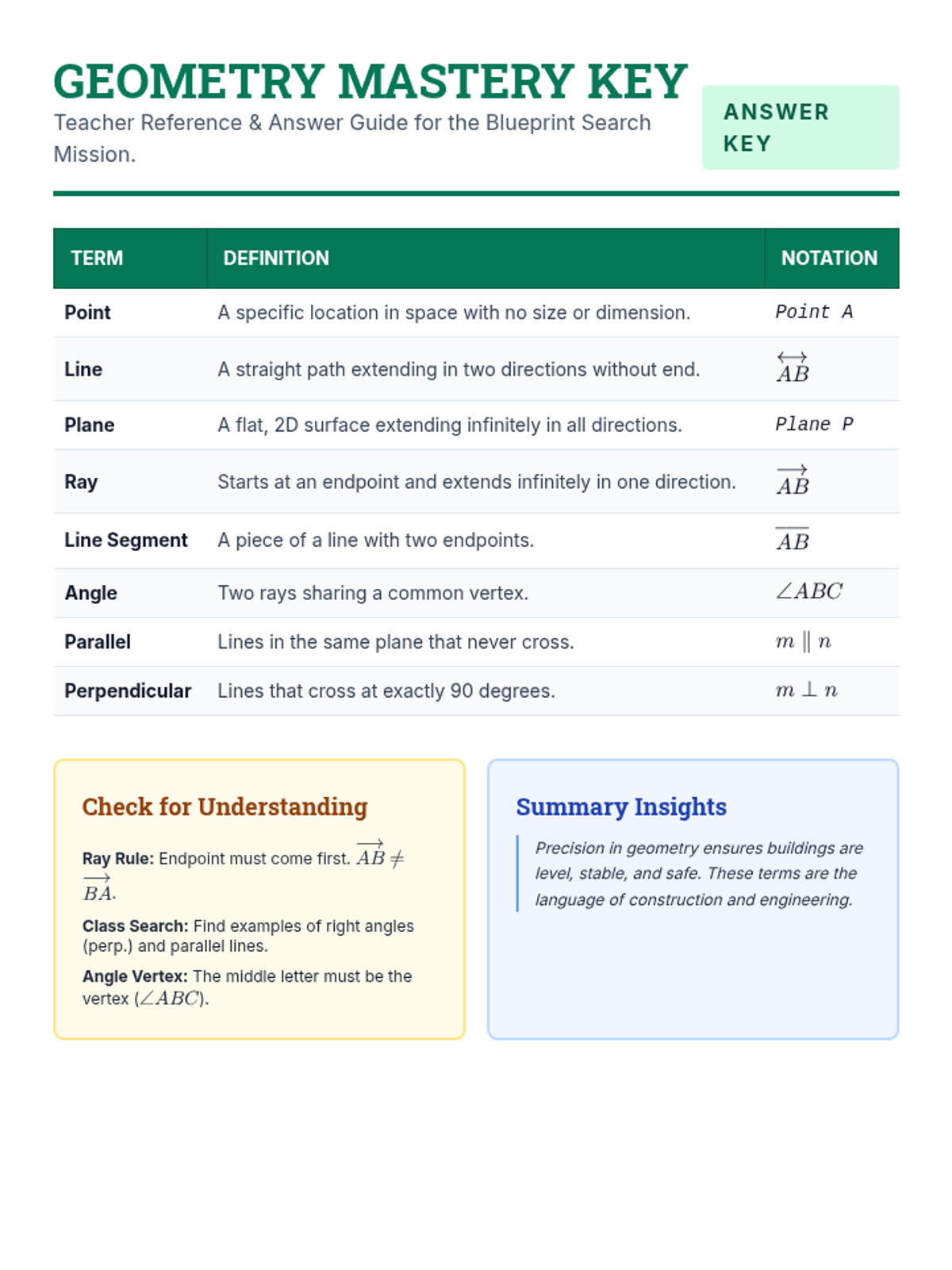
An introductory lesson covering the building blocks of geometry: points, lines, planes, rays, segments, and angles.
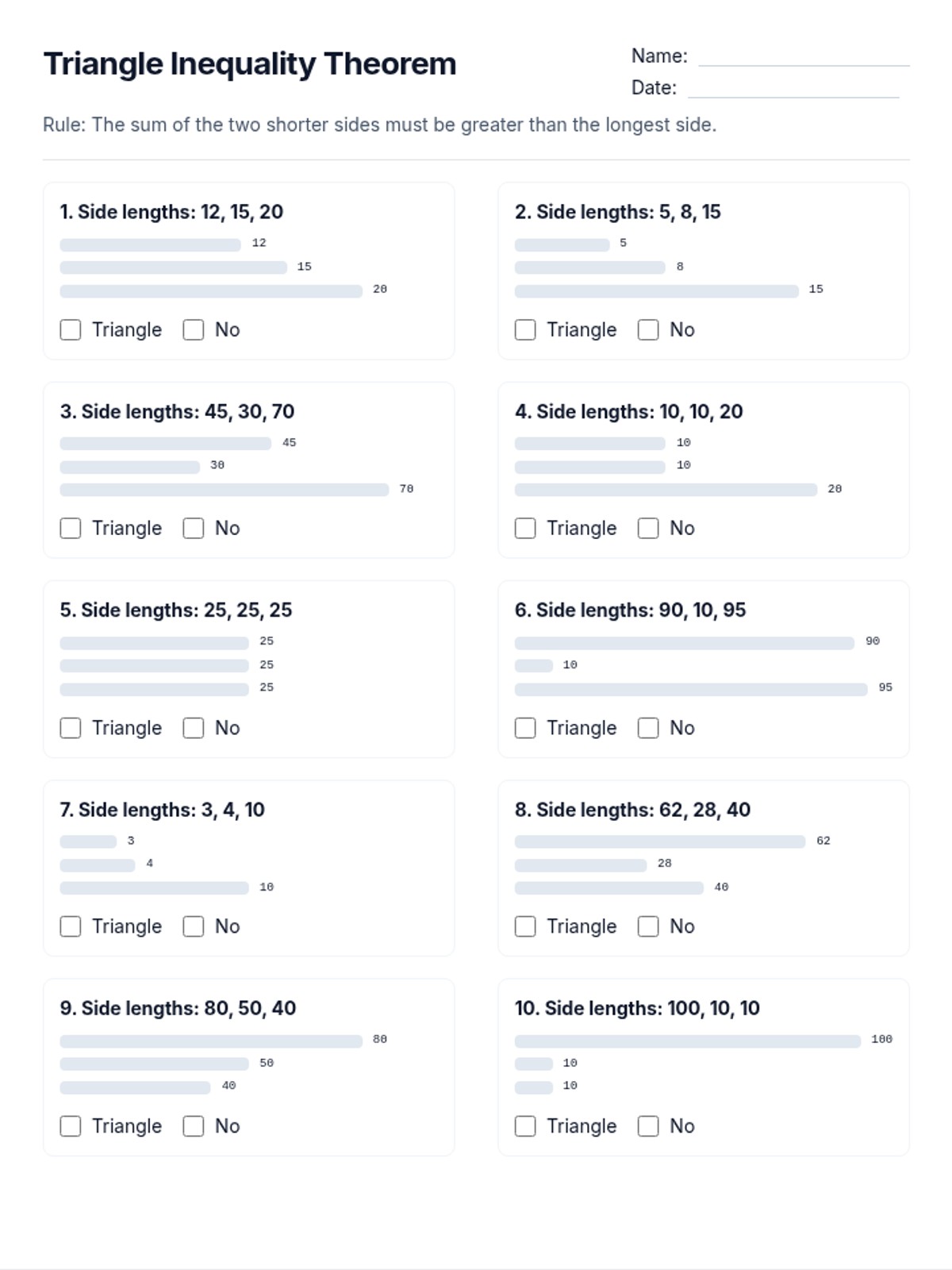
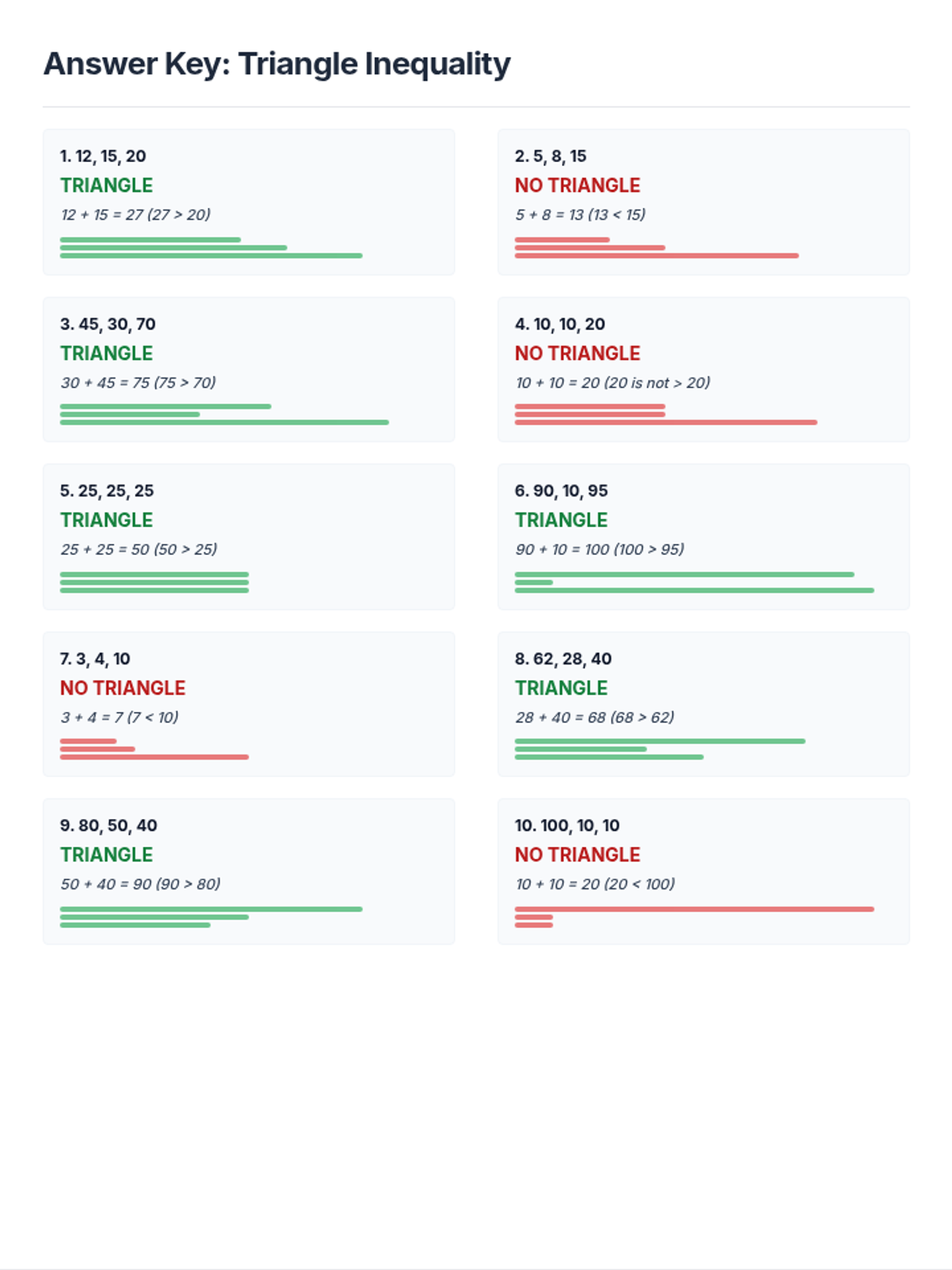
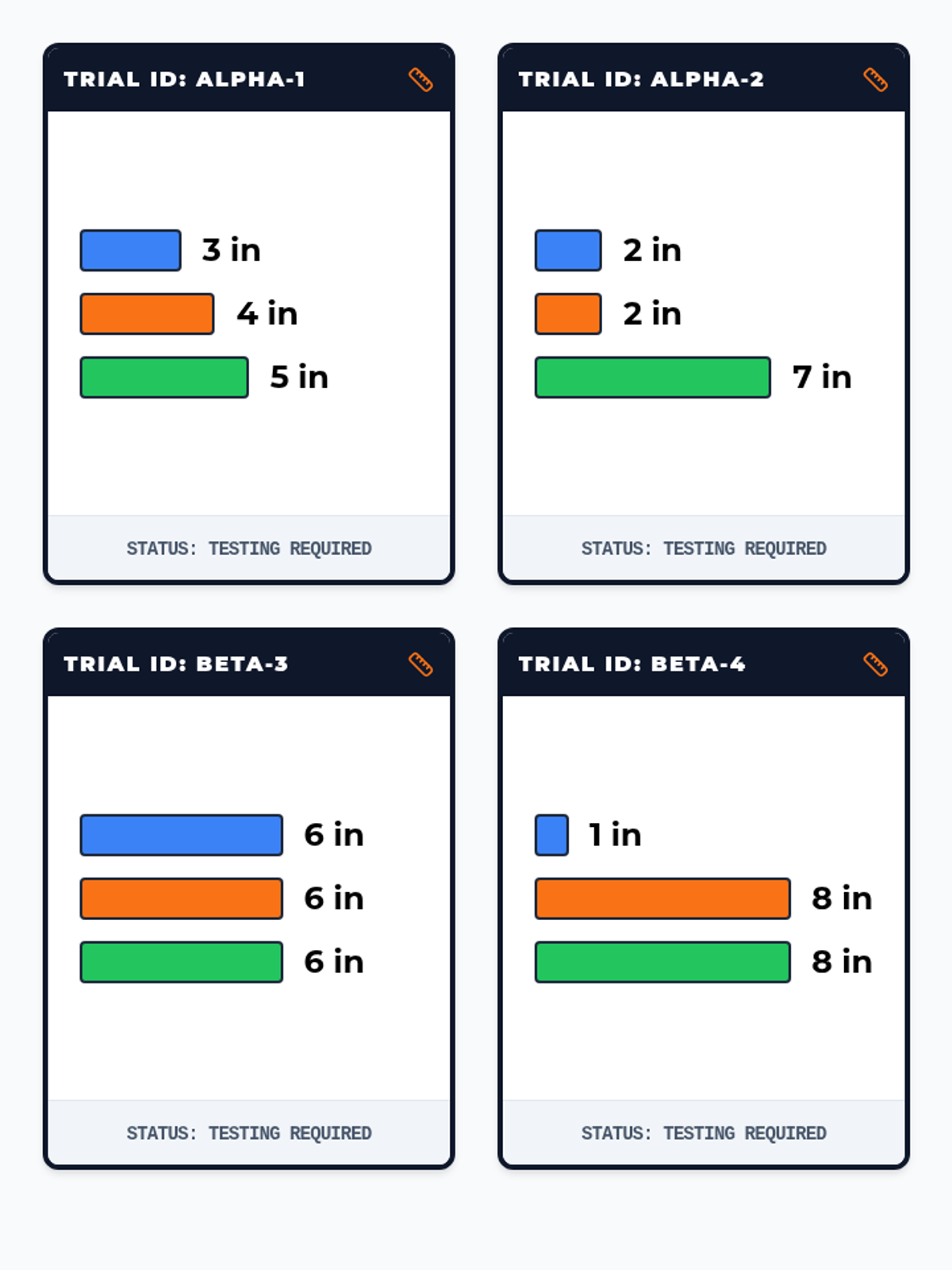
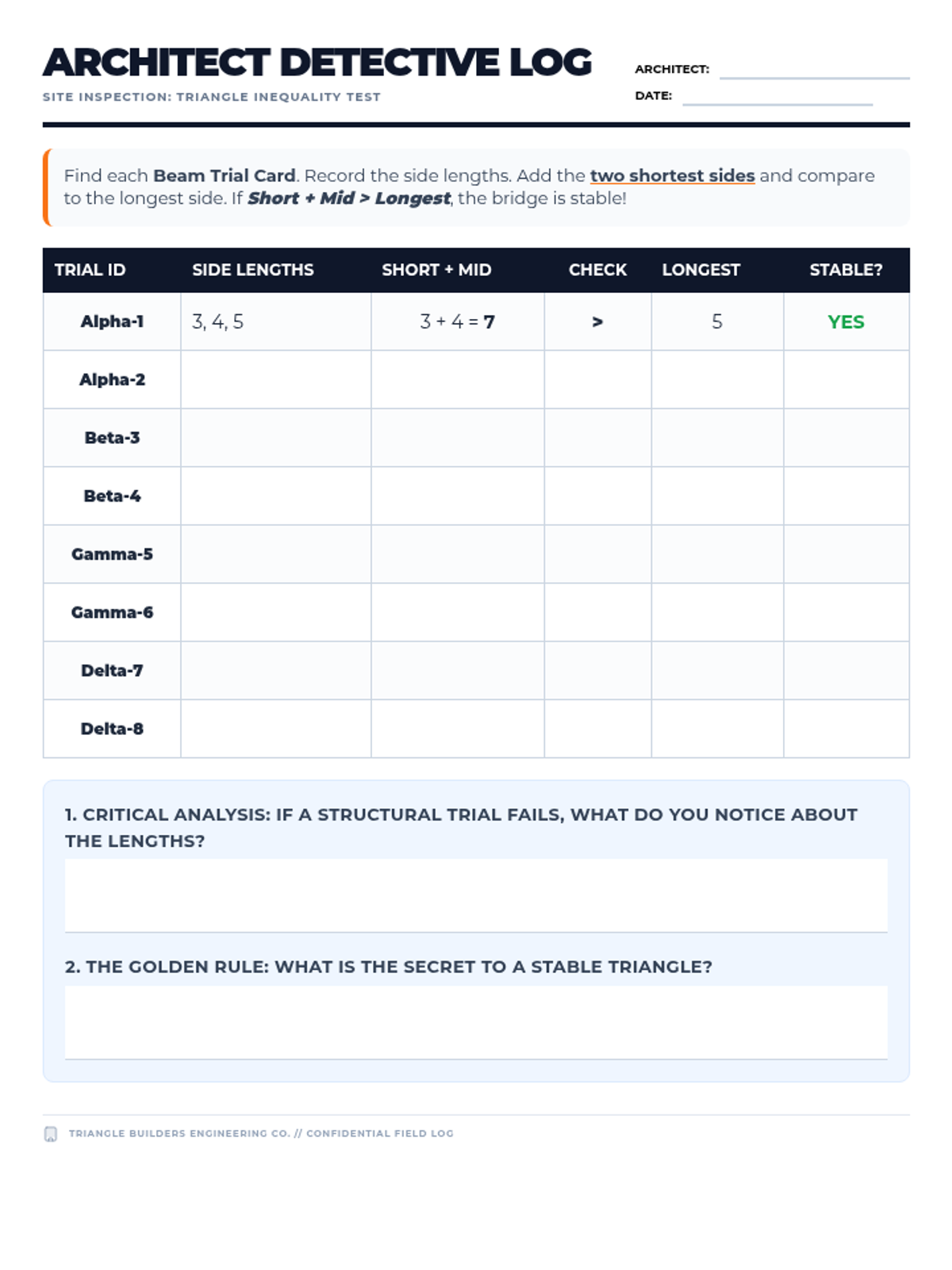
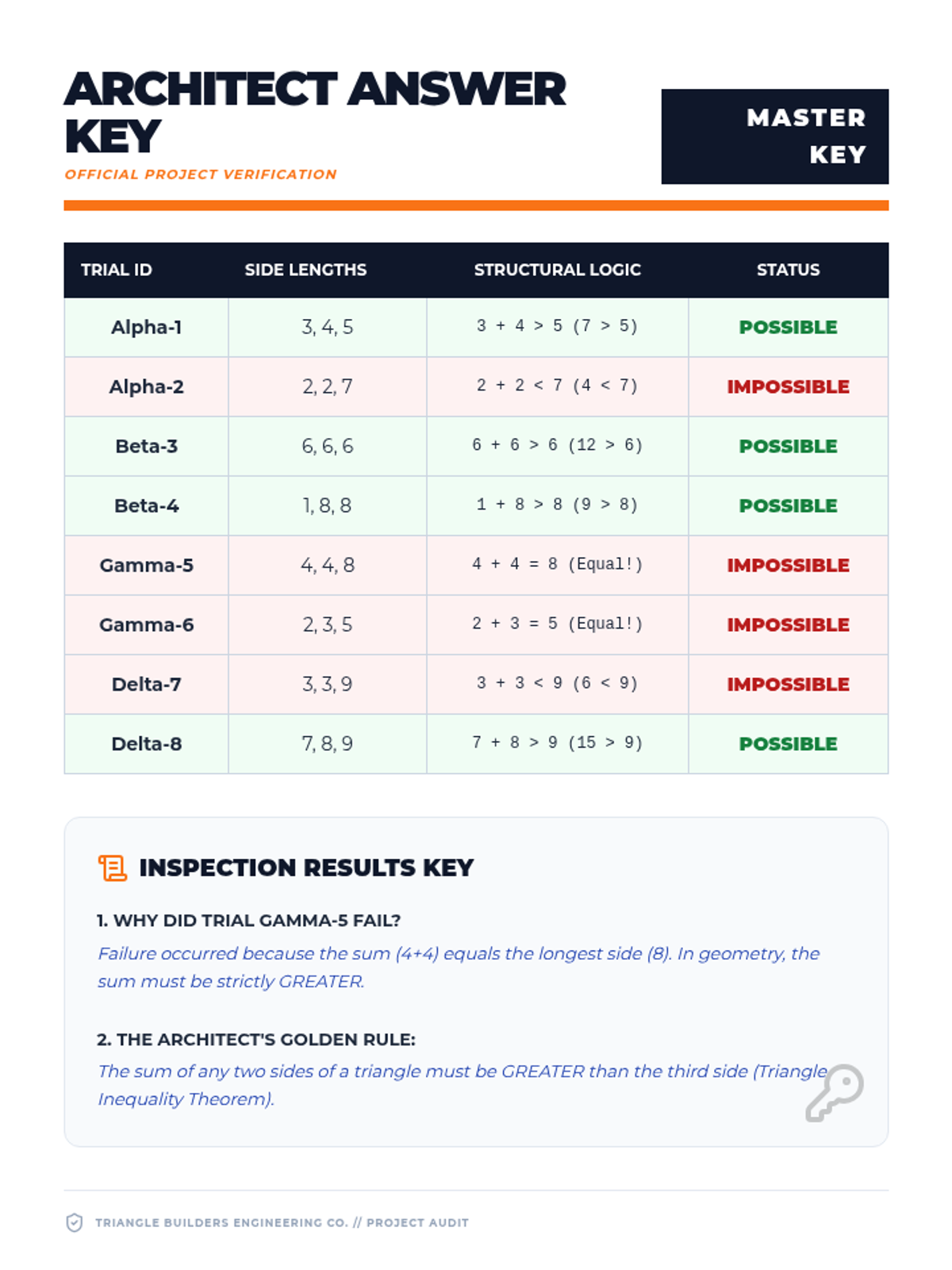
A lesson focusing on the Triangle Inequality Theorem, teaching students how to determine if three given side lengths can form a valid triangle.
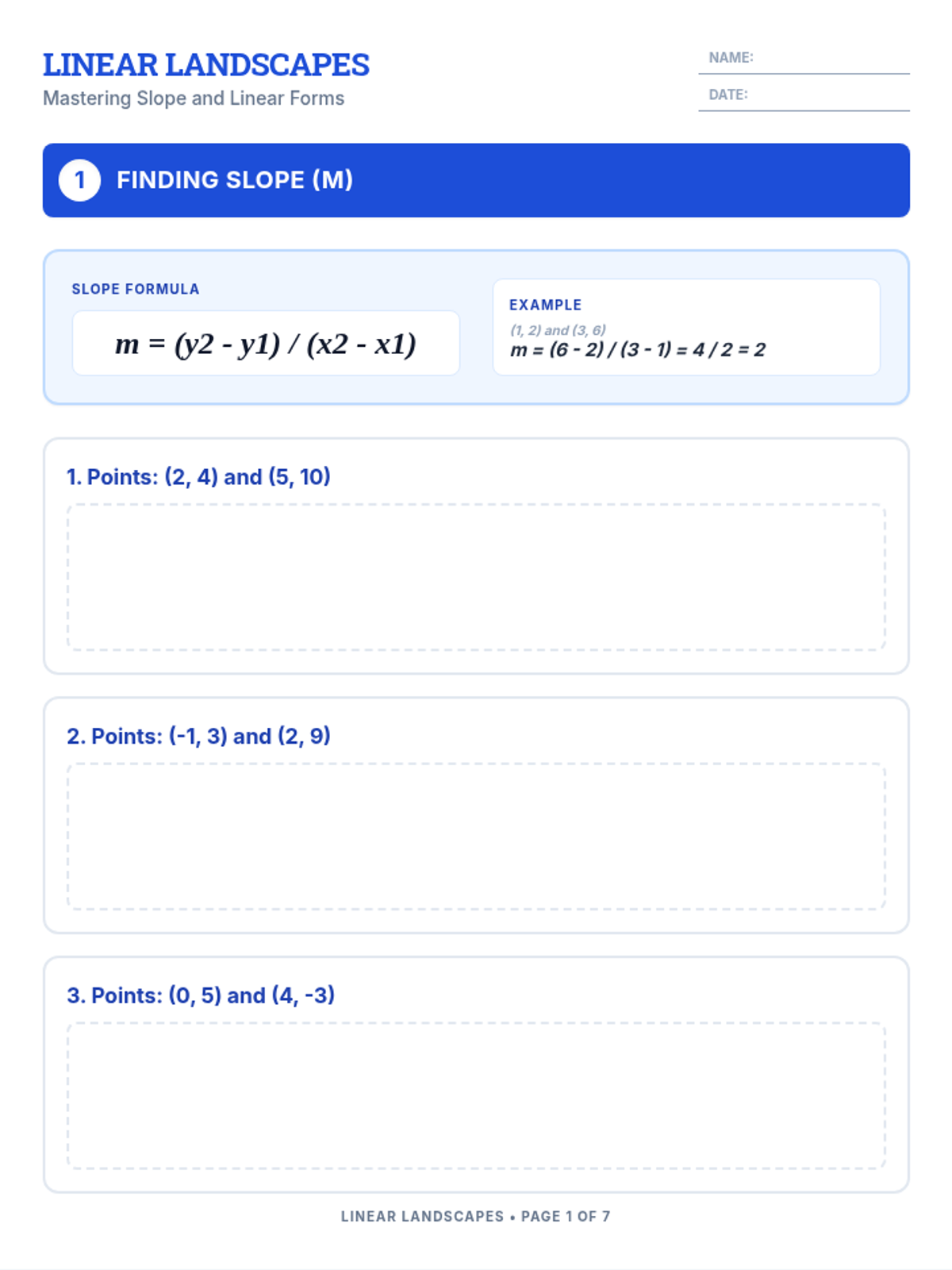
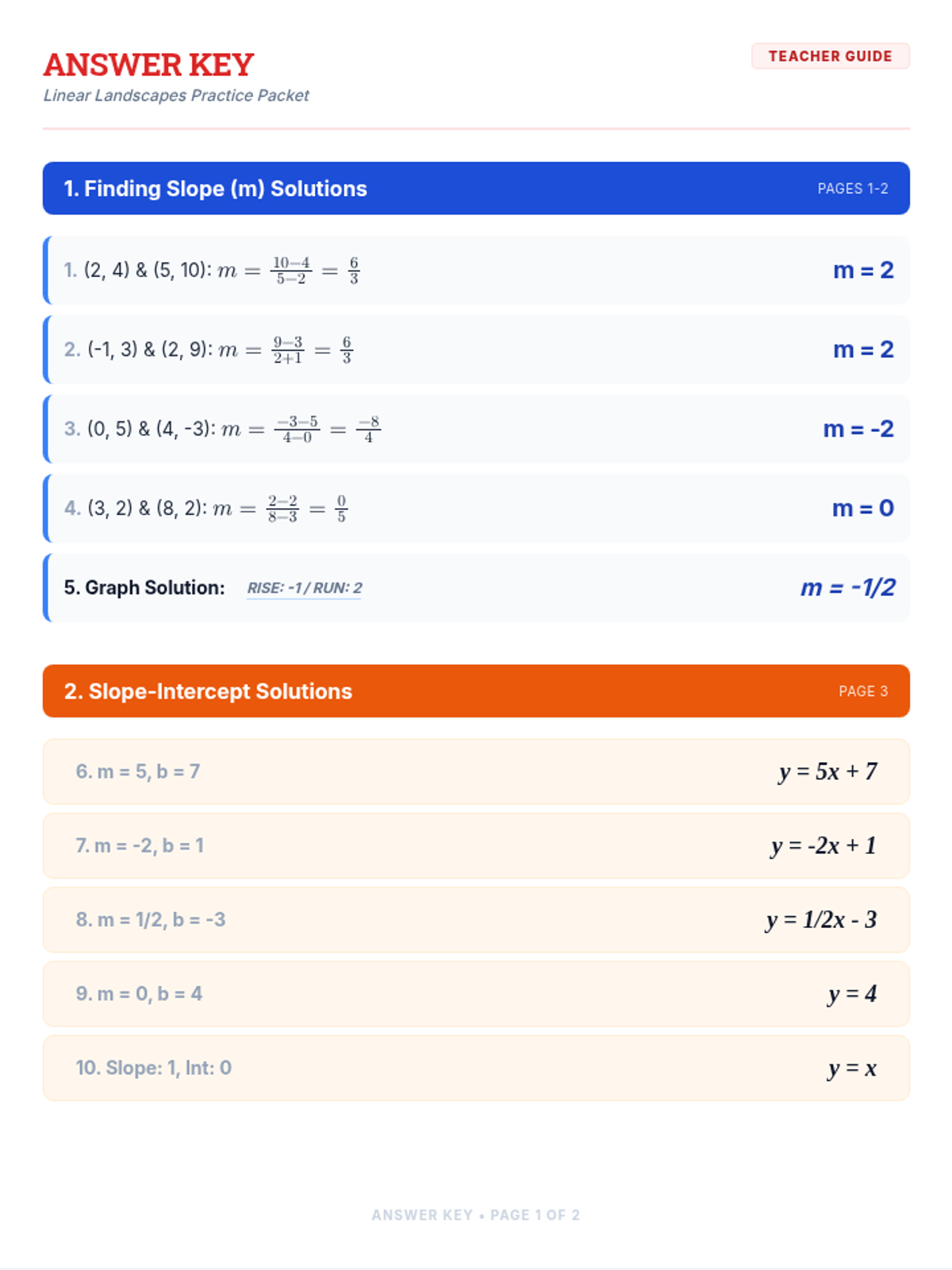
A comprehensive practice module for high school Algebra 1 students focusing on slope, point-slope form, and slope-intercept form. Designed with scaffolding and visual aids specifically for special education support.
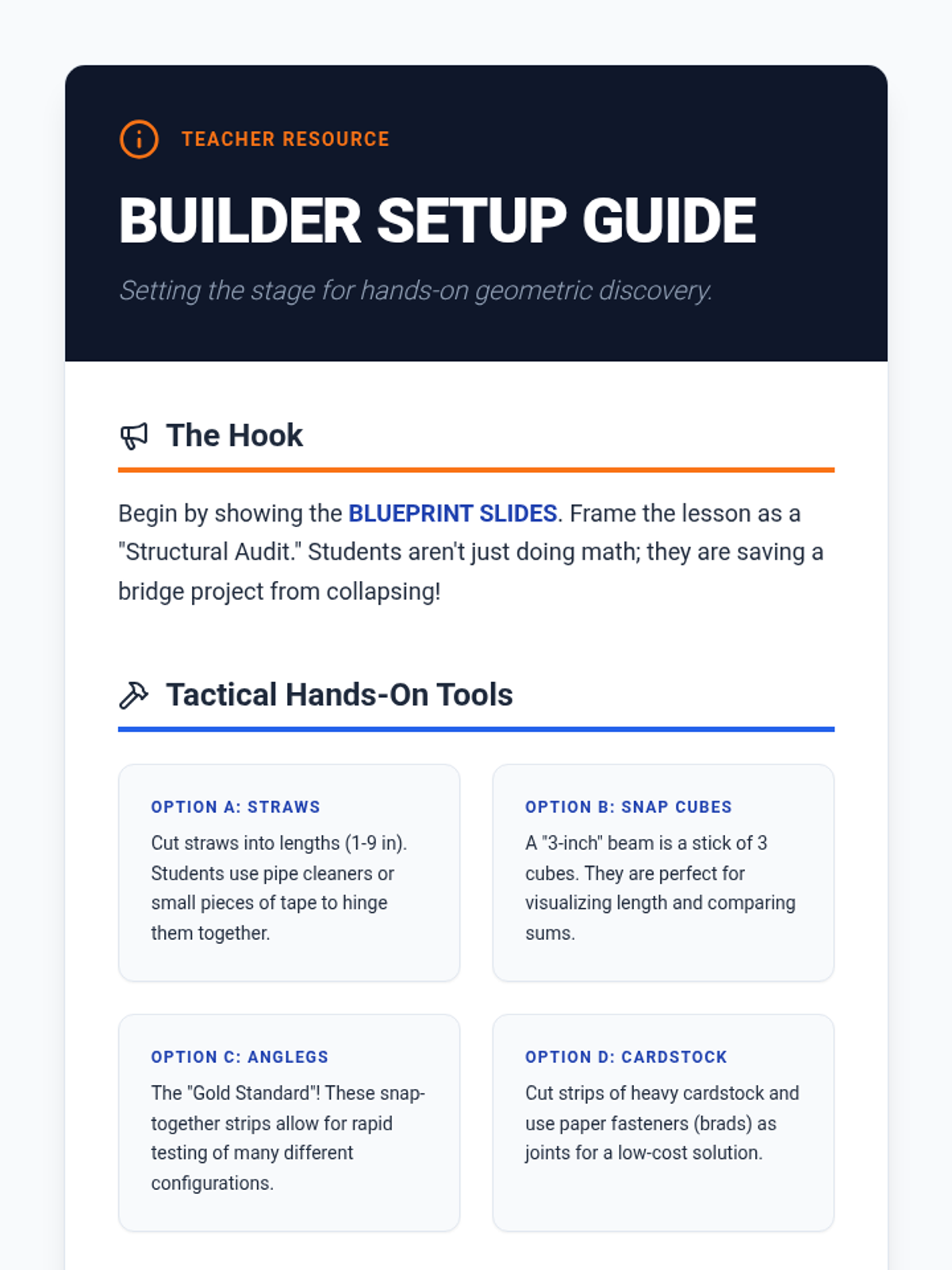
A hands-on geometry lesson where students act as structural engineers to discover the Triangle Inequality Theorem through sorting and investigation.
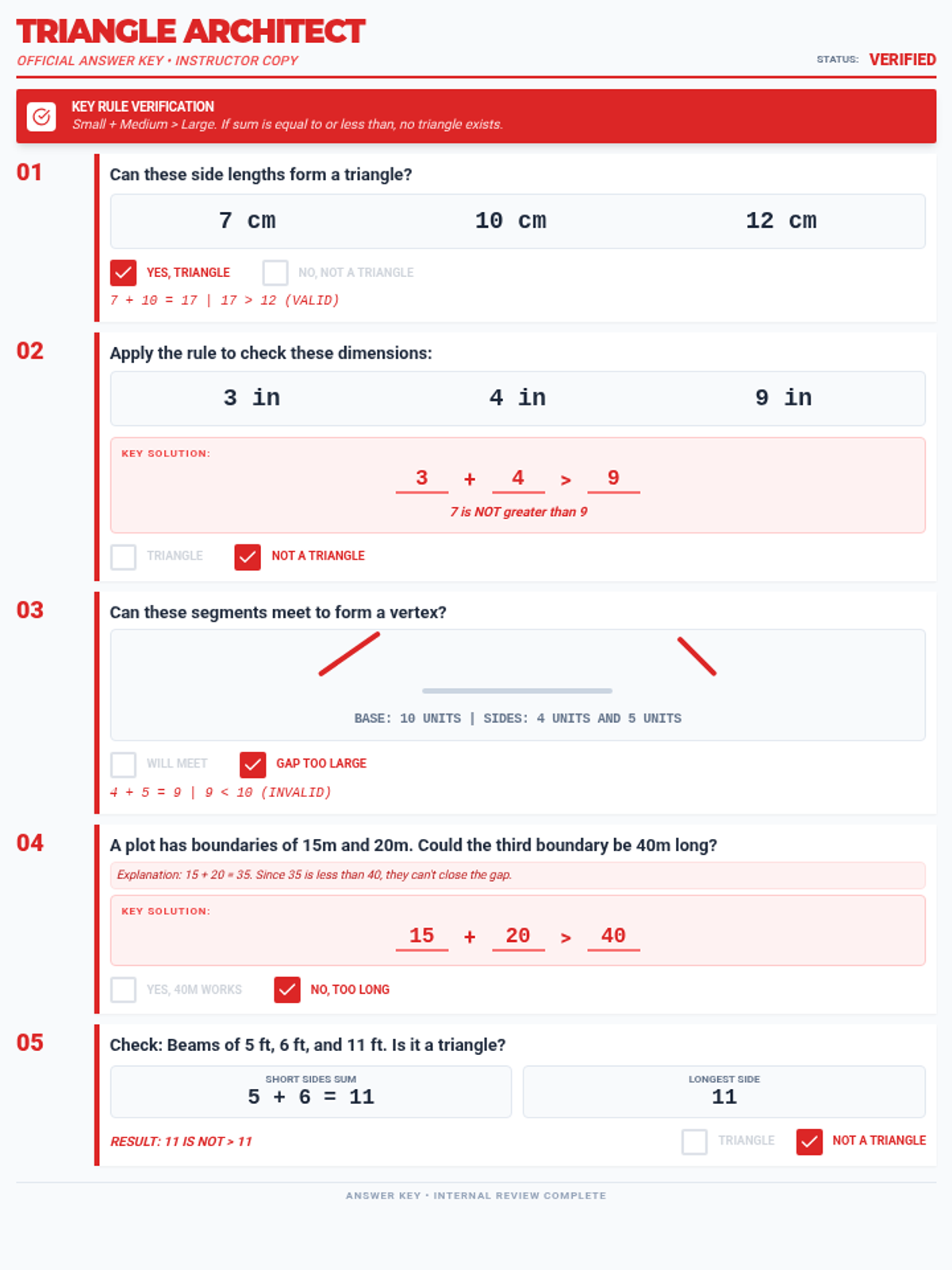
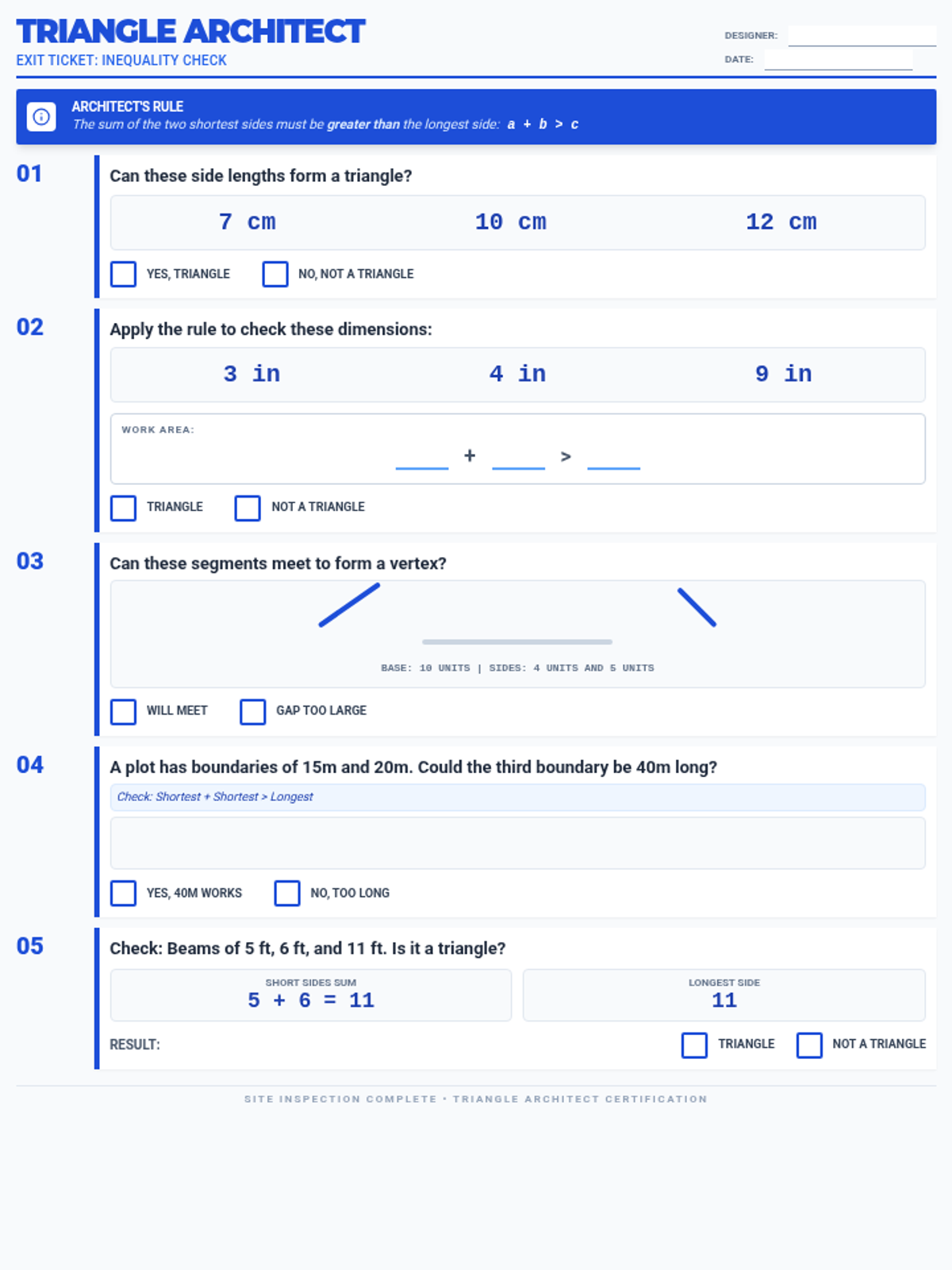
Students act as architects to verify the structural integrity of triangular designs using the Triangle Inequality Theorem. They perform numeric checks, analyze visual models, and solve word problems to determine if three side lengths can form a valid triangle.
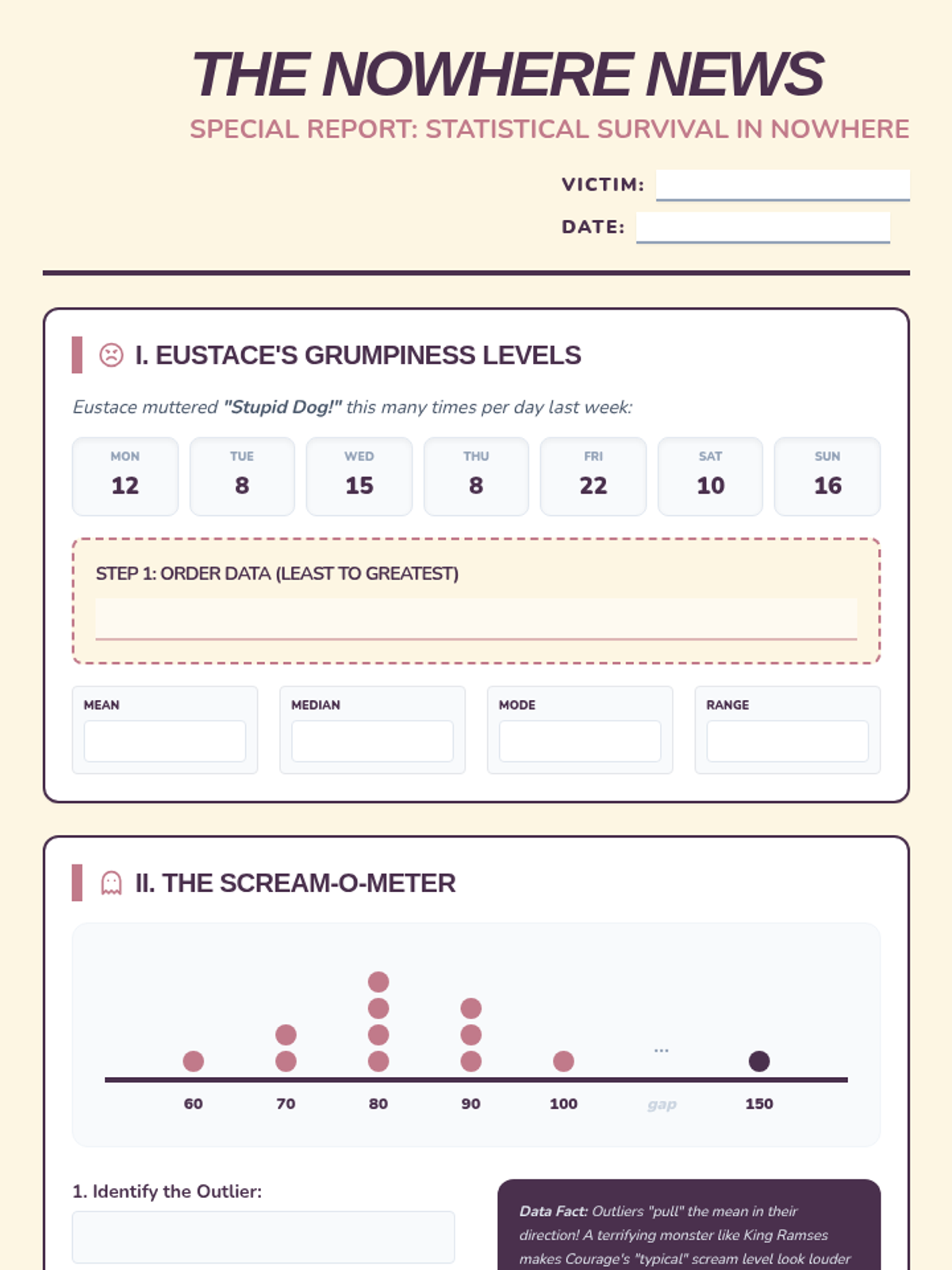
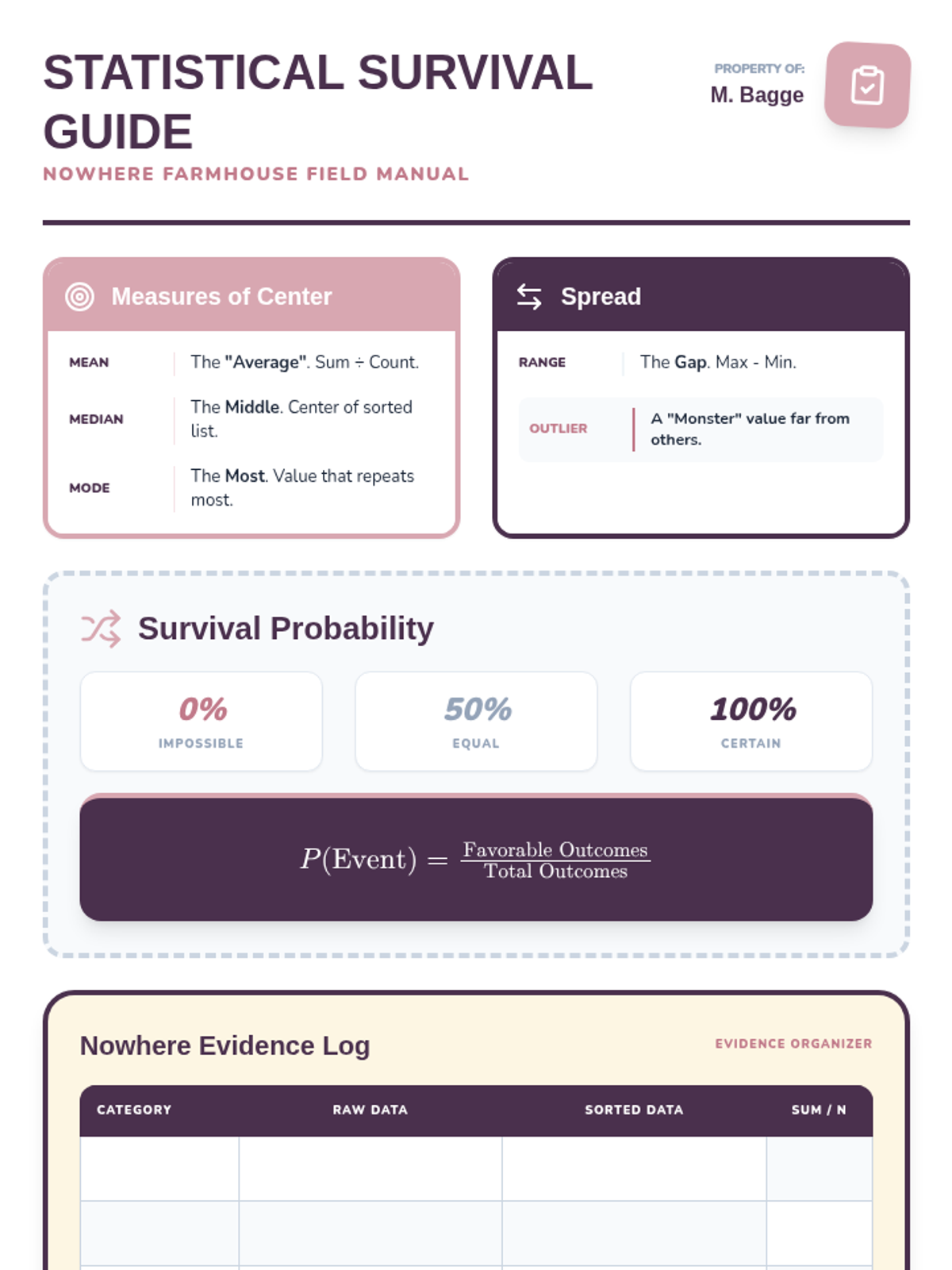
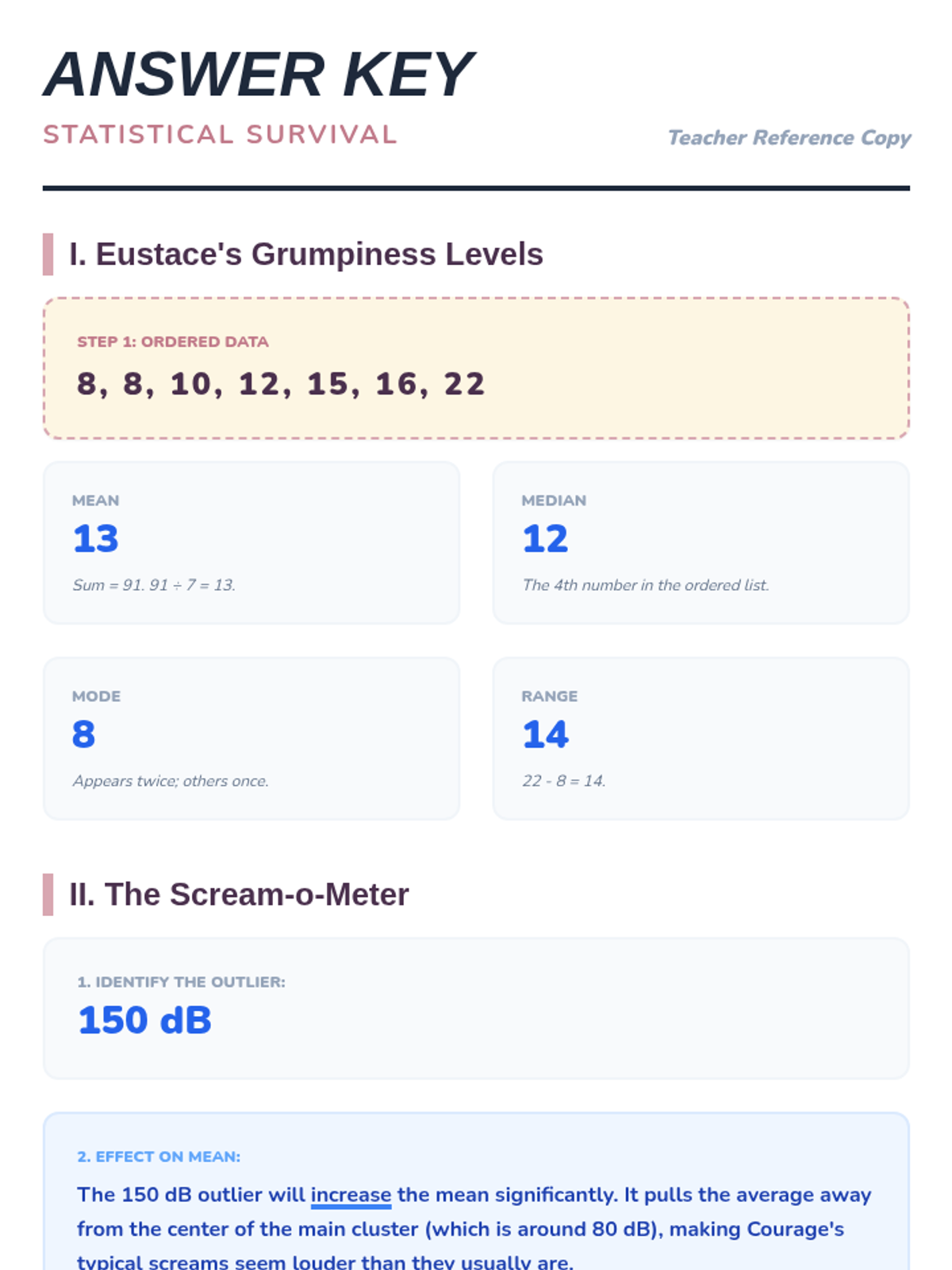
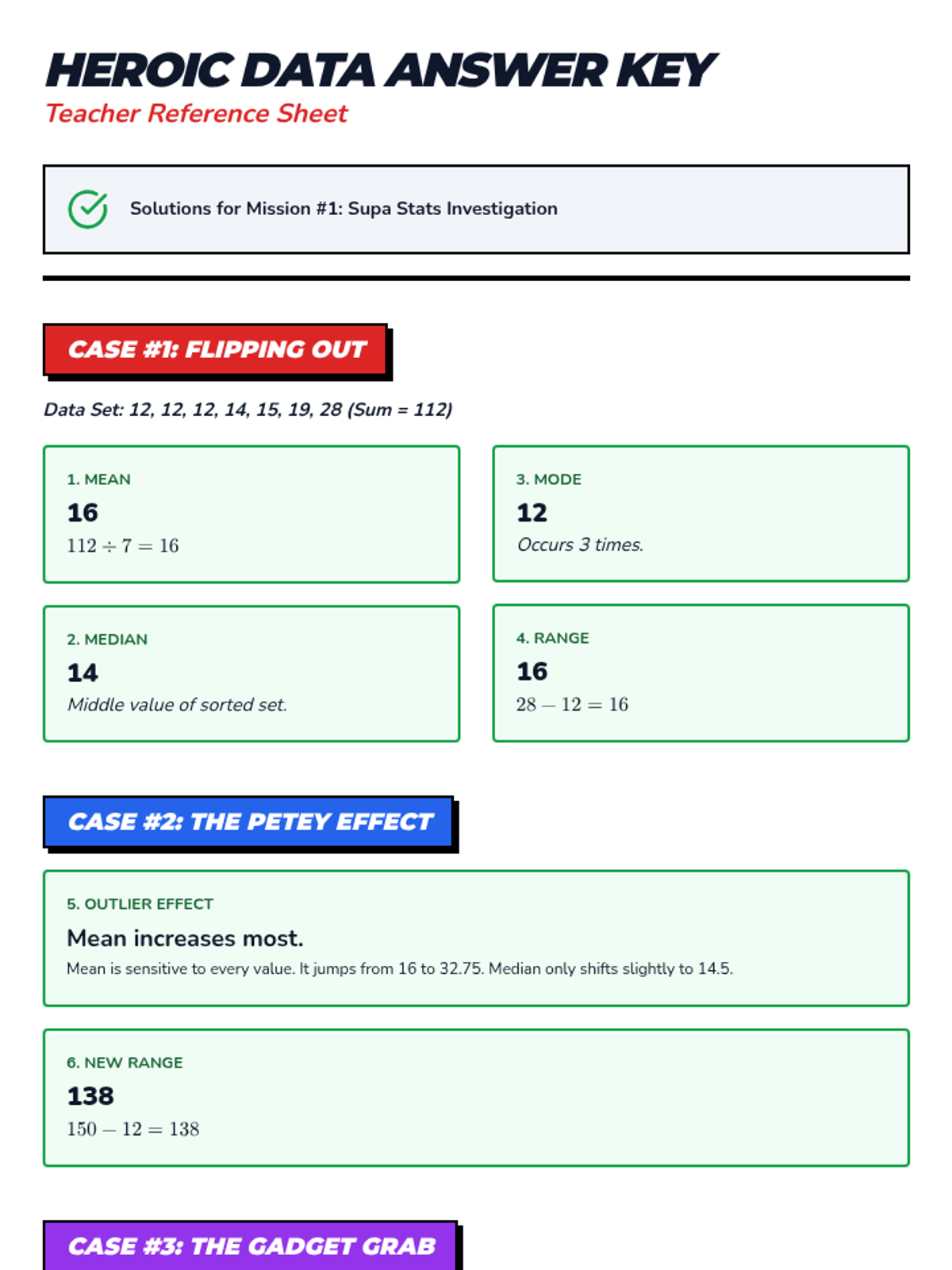
A statistics lesson themed around Courage the Cowardly Dog, covering central tendency, dot plots, and probability.
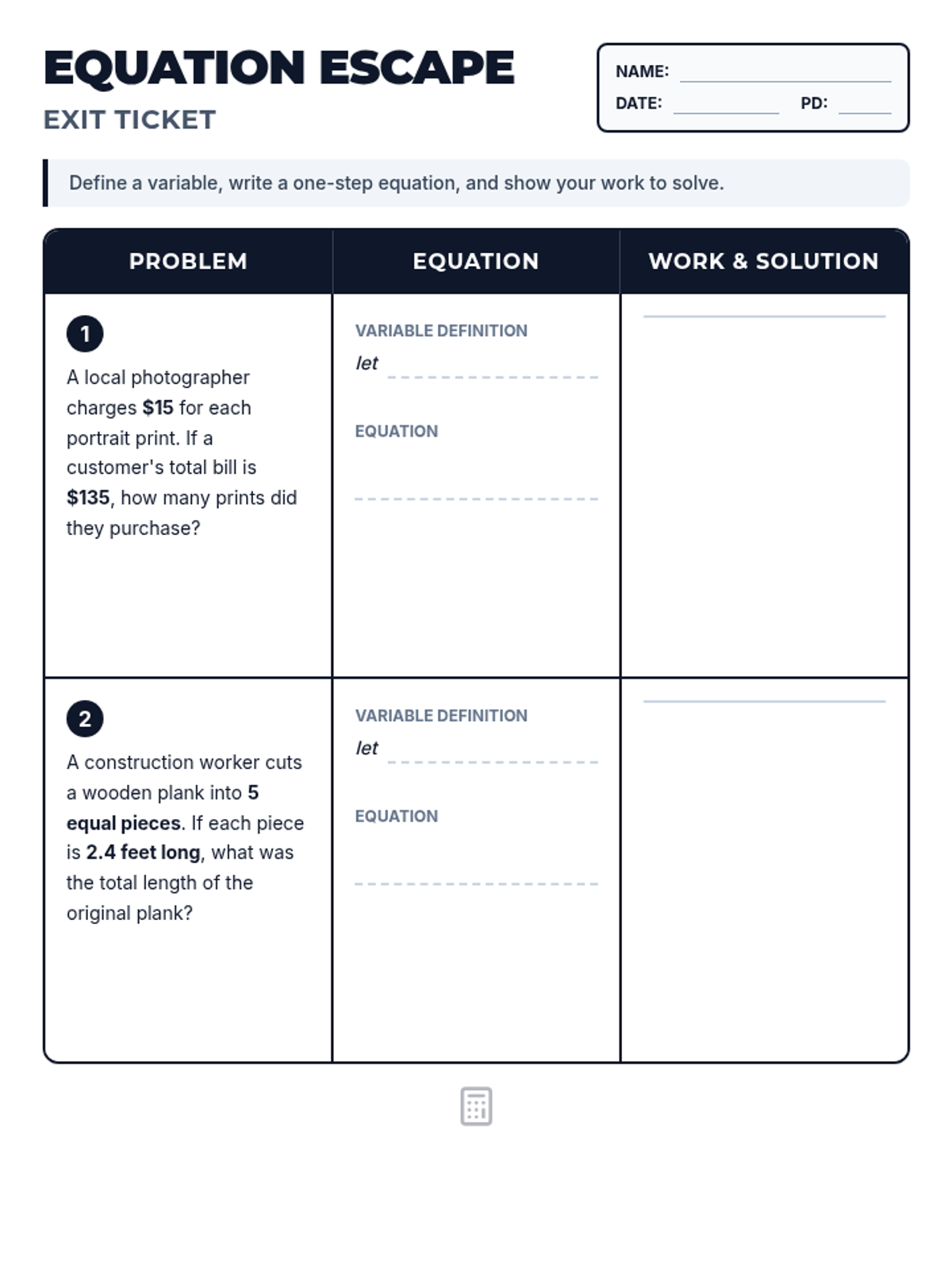
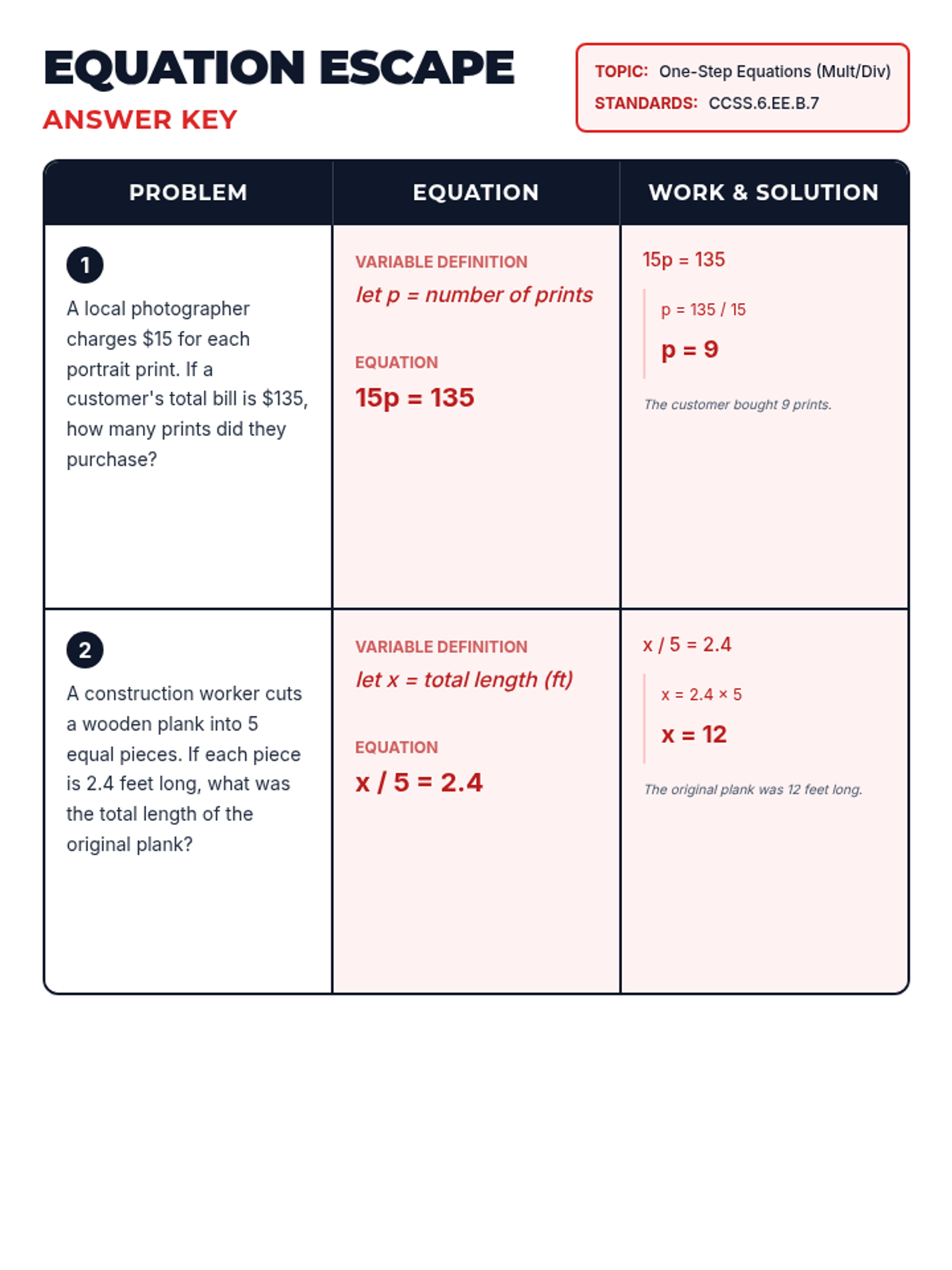
A targeted assessment lesson focusing on applying one-step multiplication and division equations to solve real-world problems.
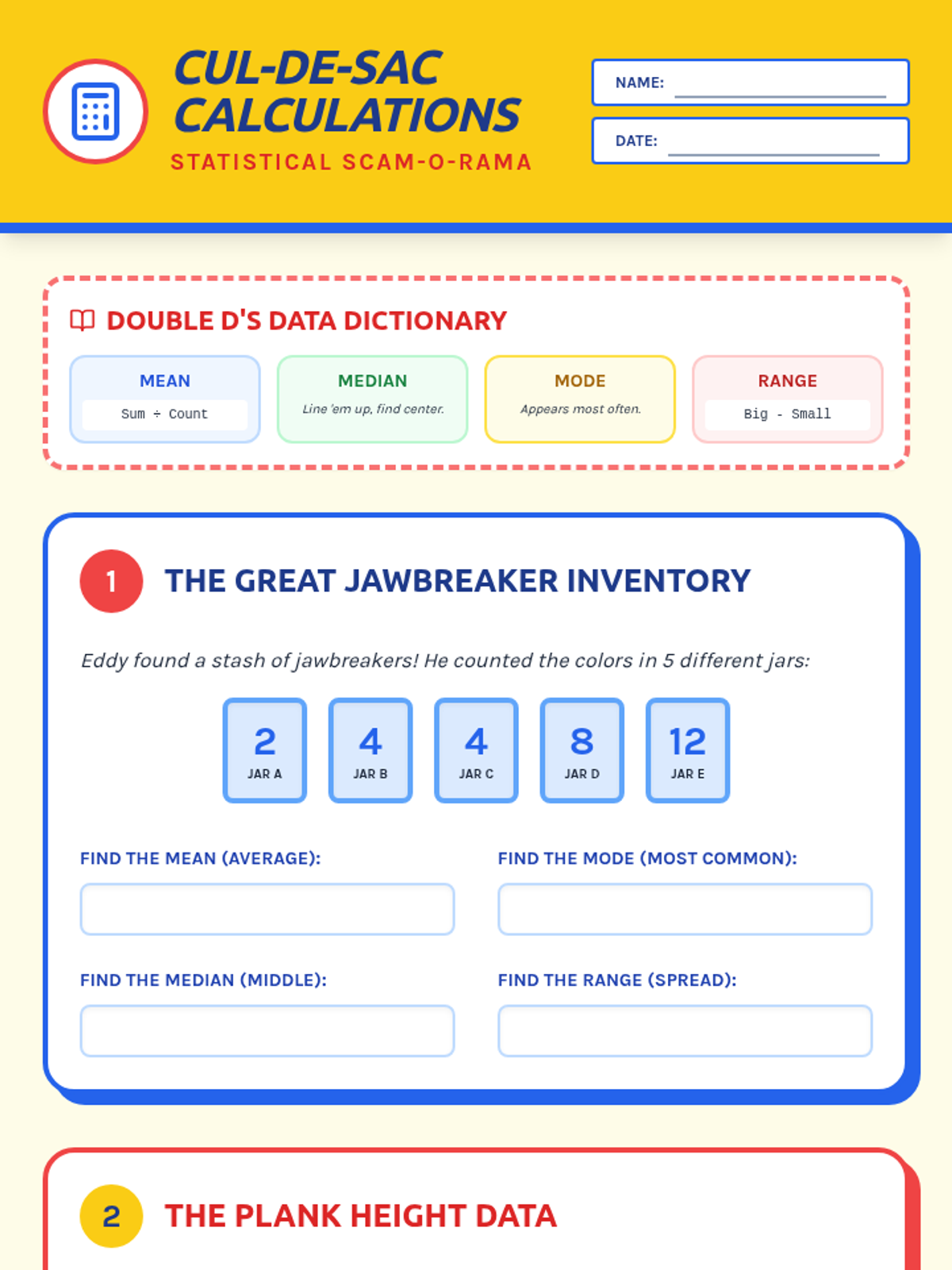
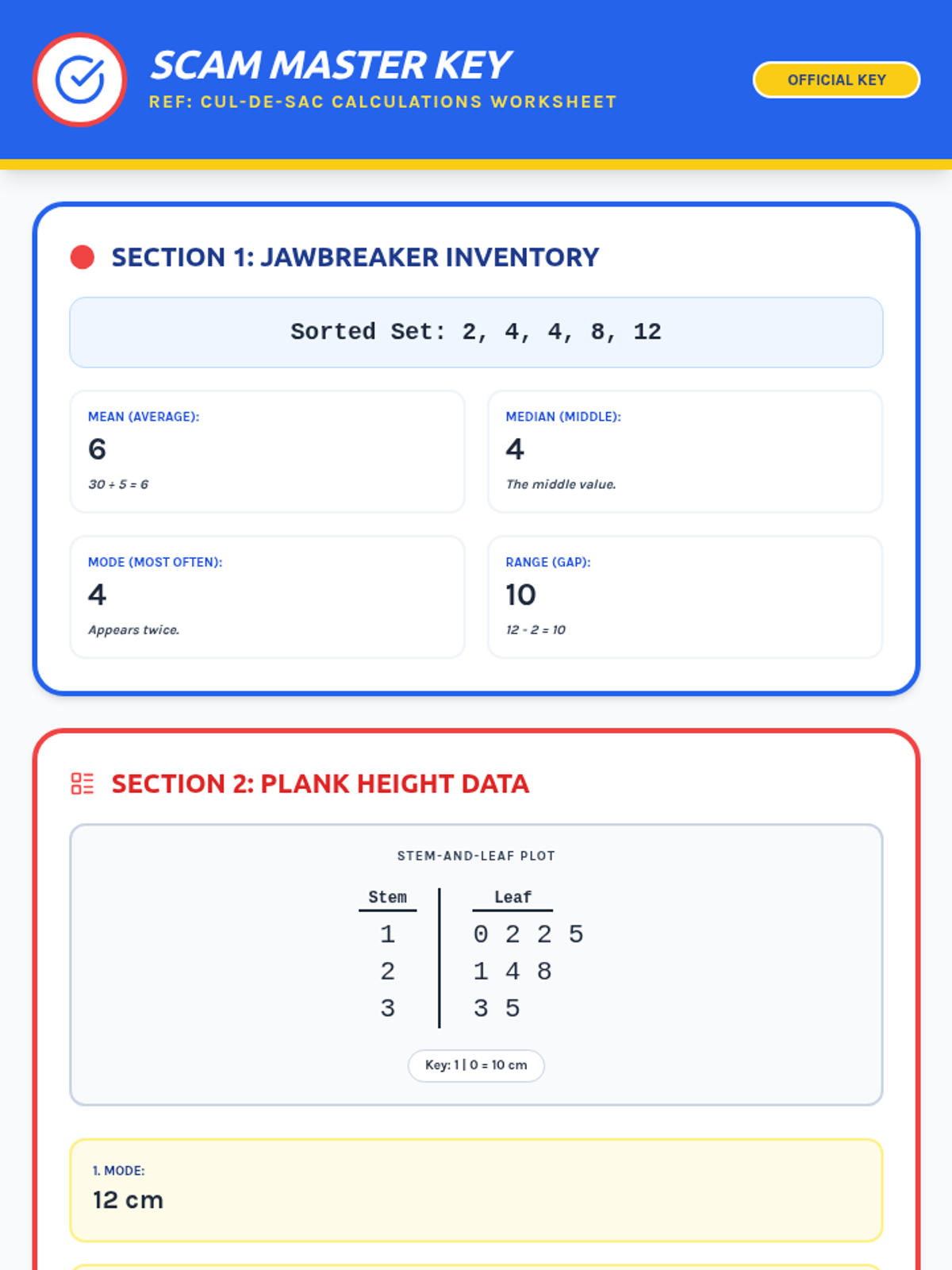
A statistics lesson for freshman students covering central tendency, probability, and stem-and-leaf plots, themed around the classic cartoon Ed, Edd n Eddy. Includes visual aids and simplified math for clear conceptual understanding.
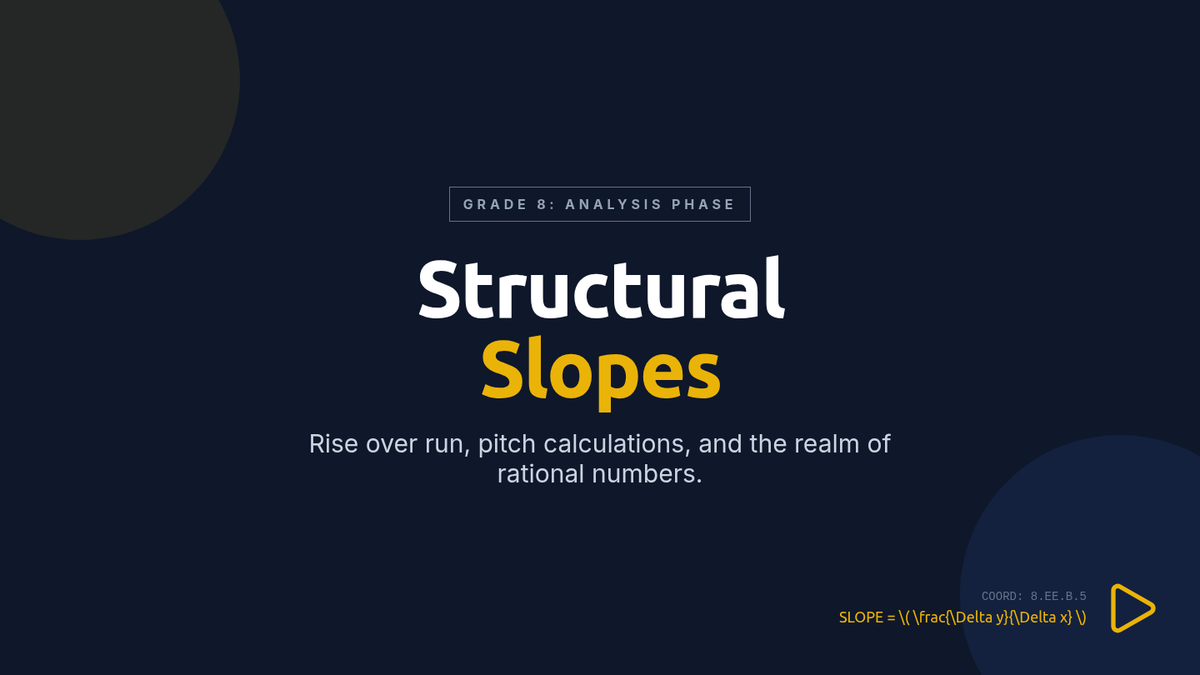
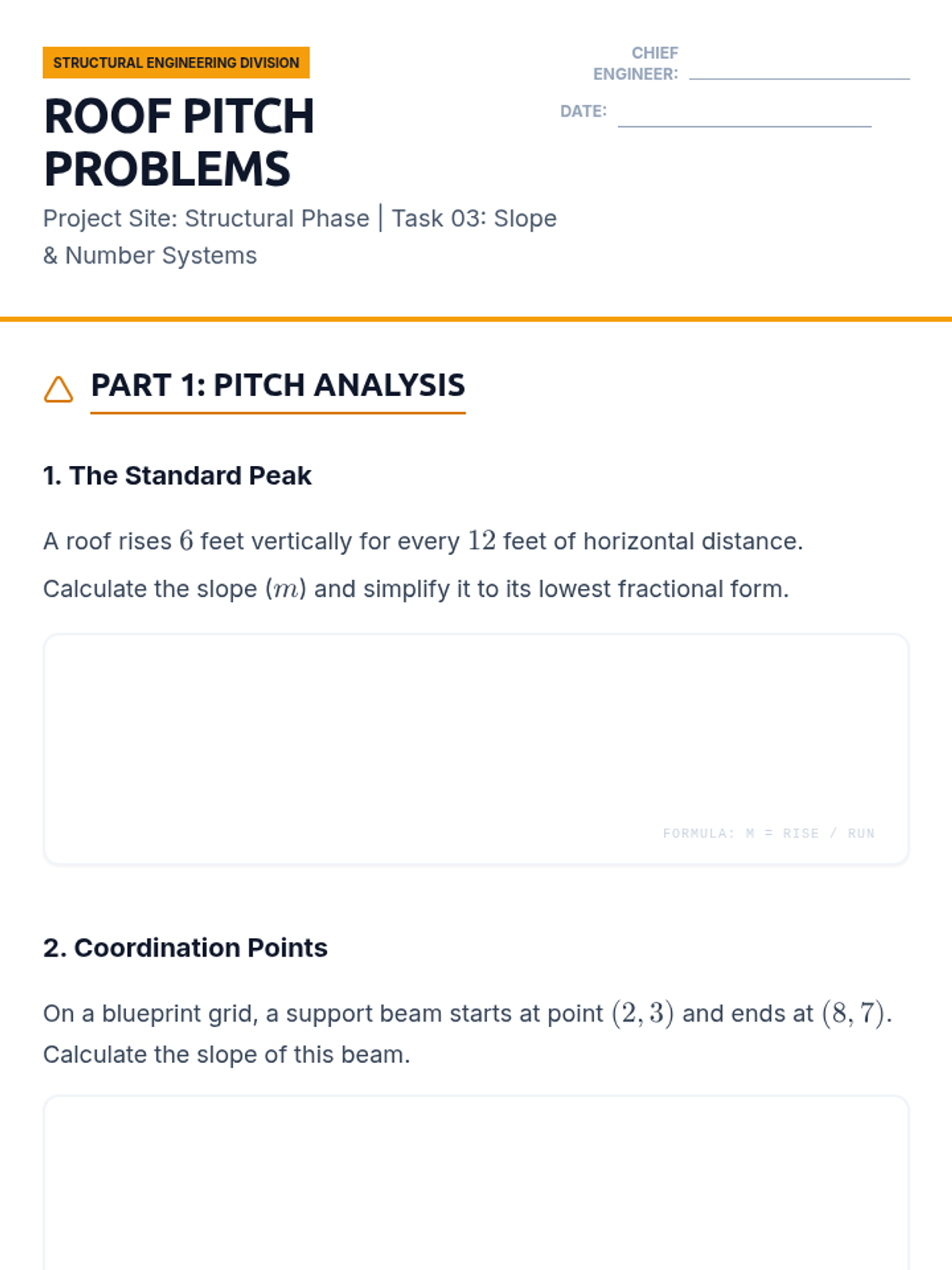
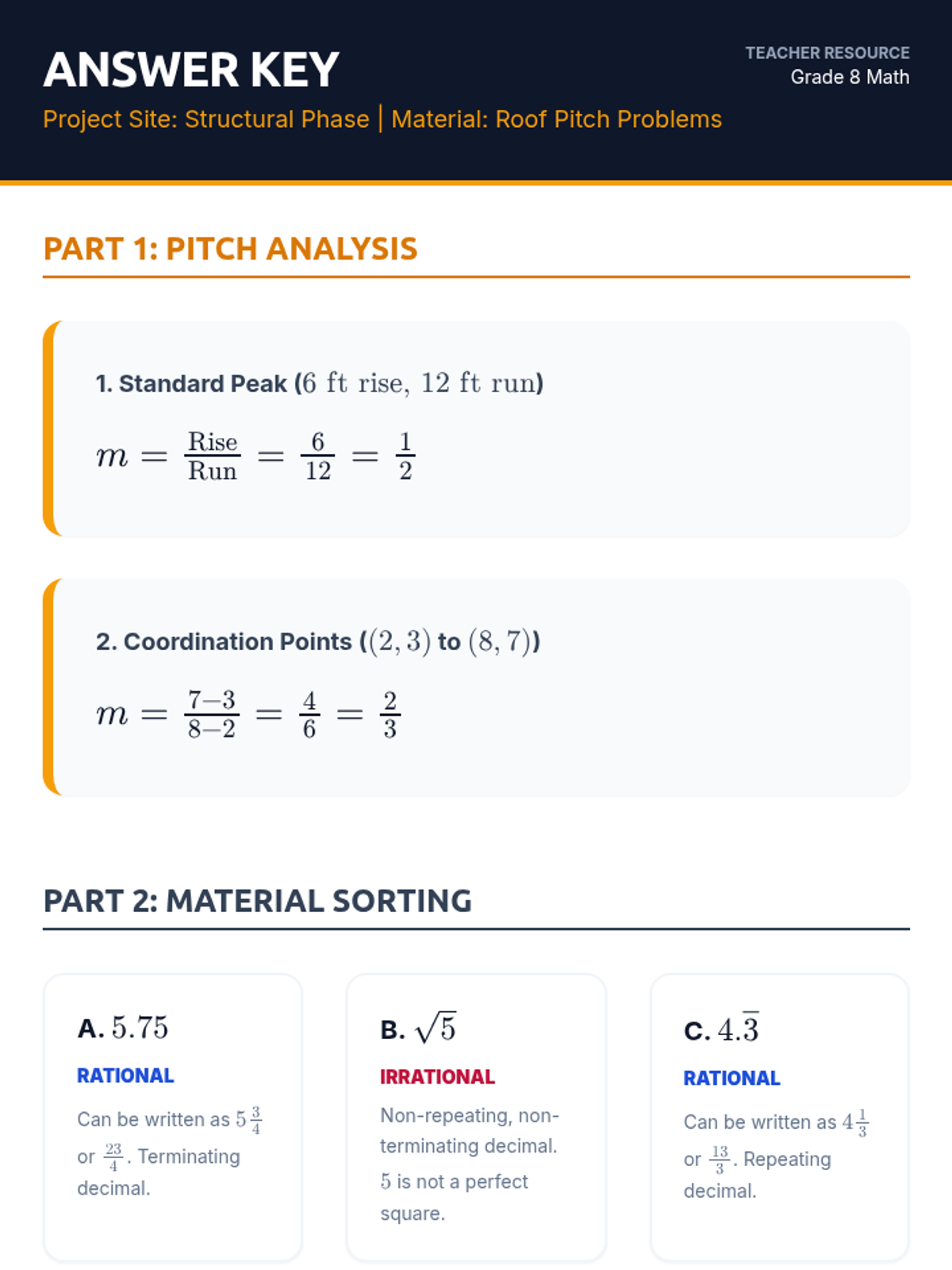
Explores 8th-grade concepts like slope as a fraction (rise over run) and identifying rational vs. irrational numbers in structural engineering.
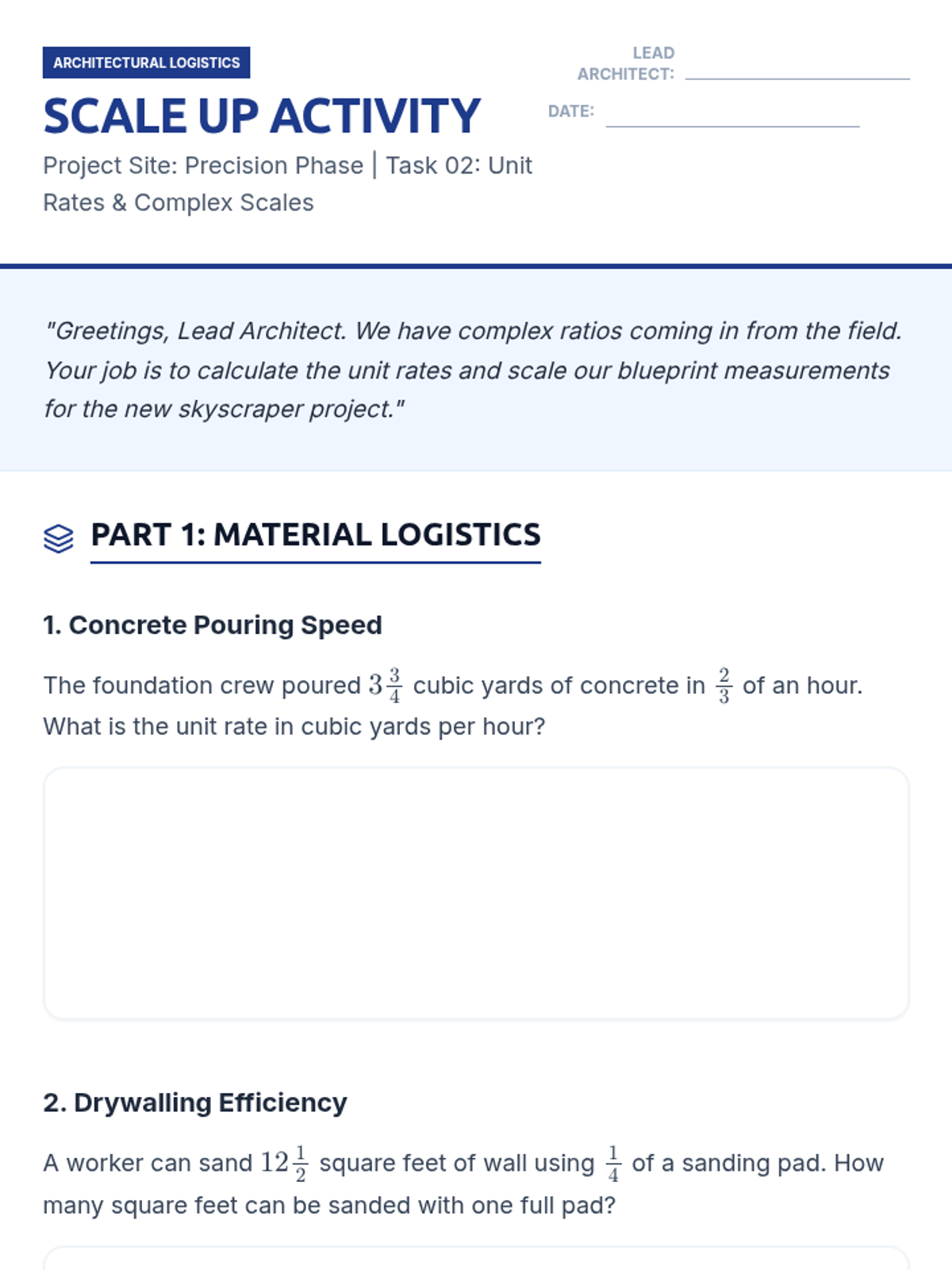
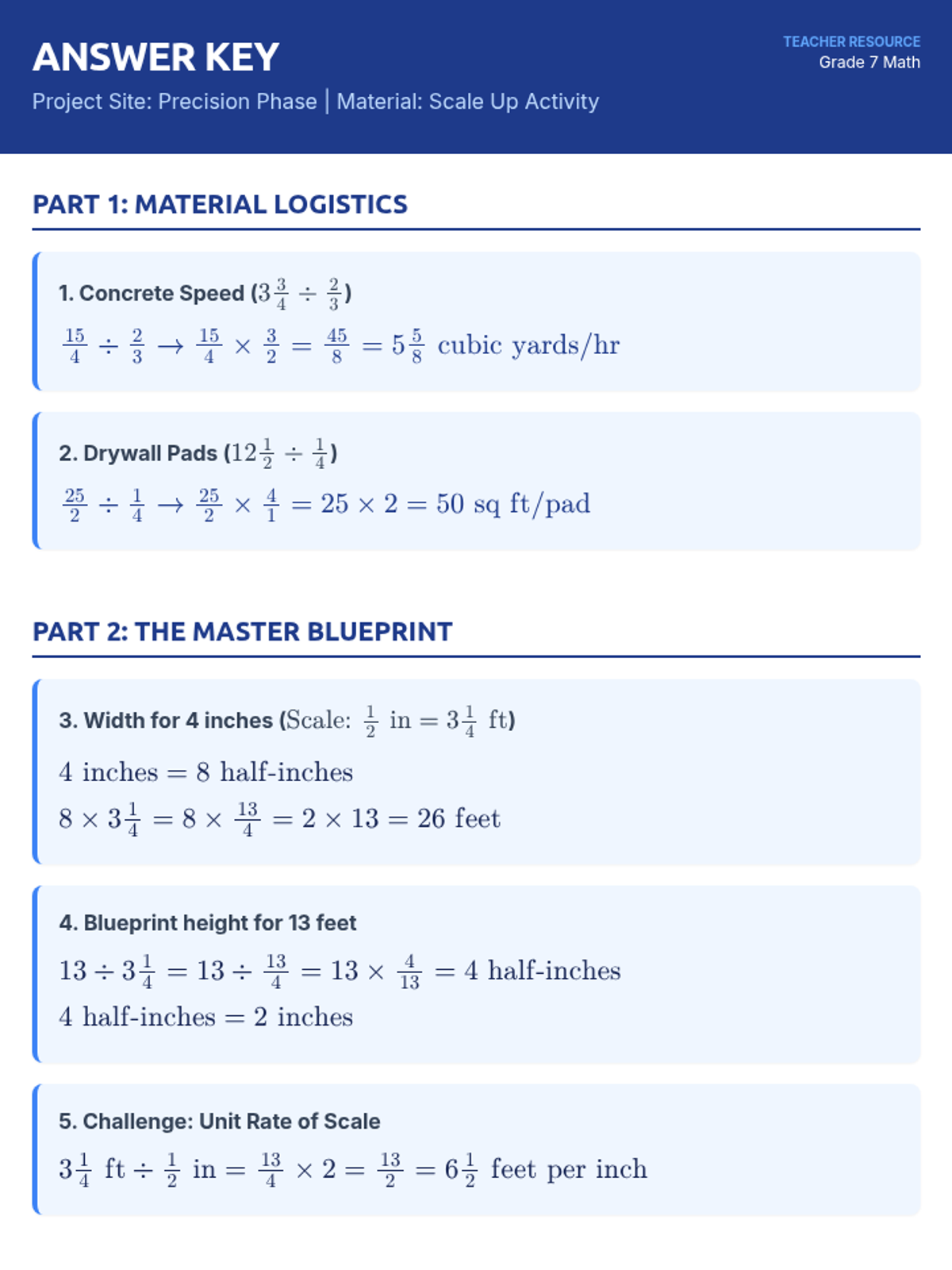
Covers 7th-grade topics including complex fractions, unit rates, and scaling designs for construction projects.
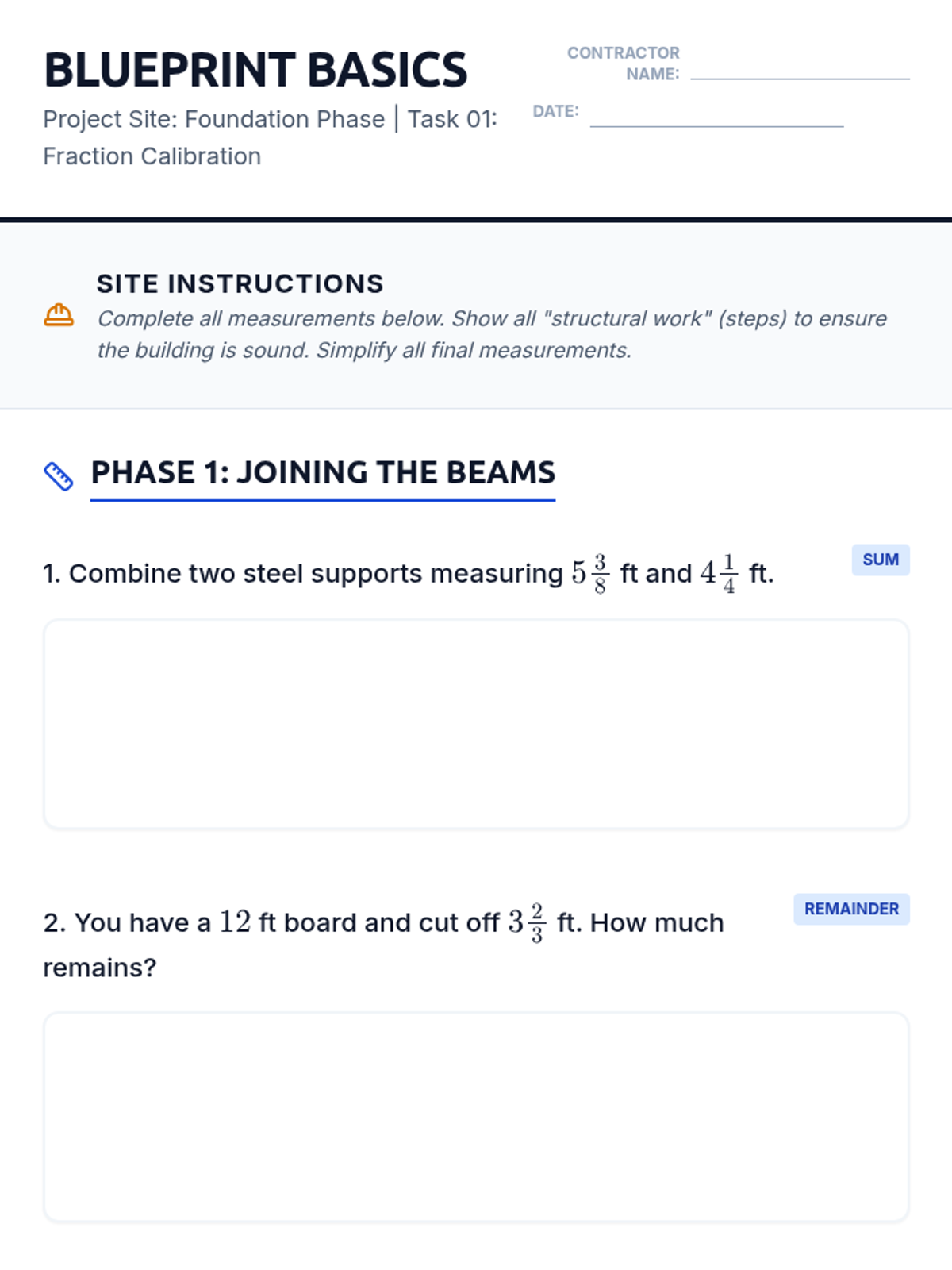
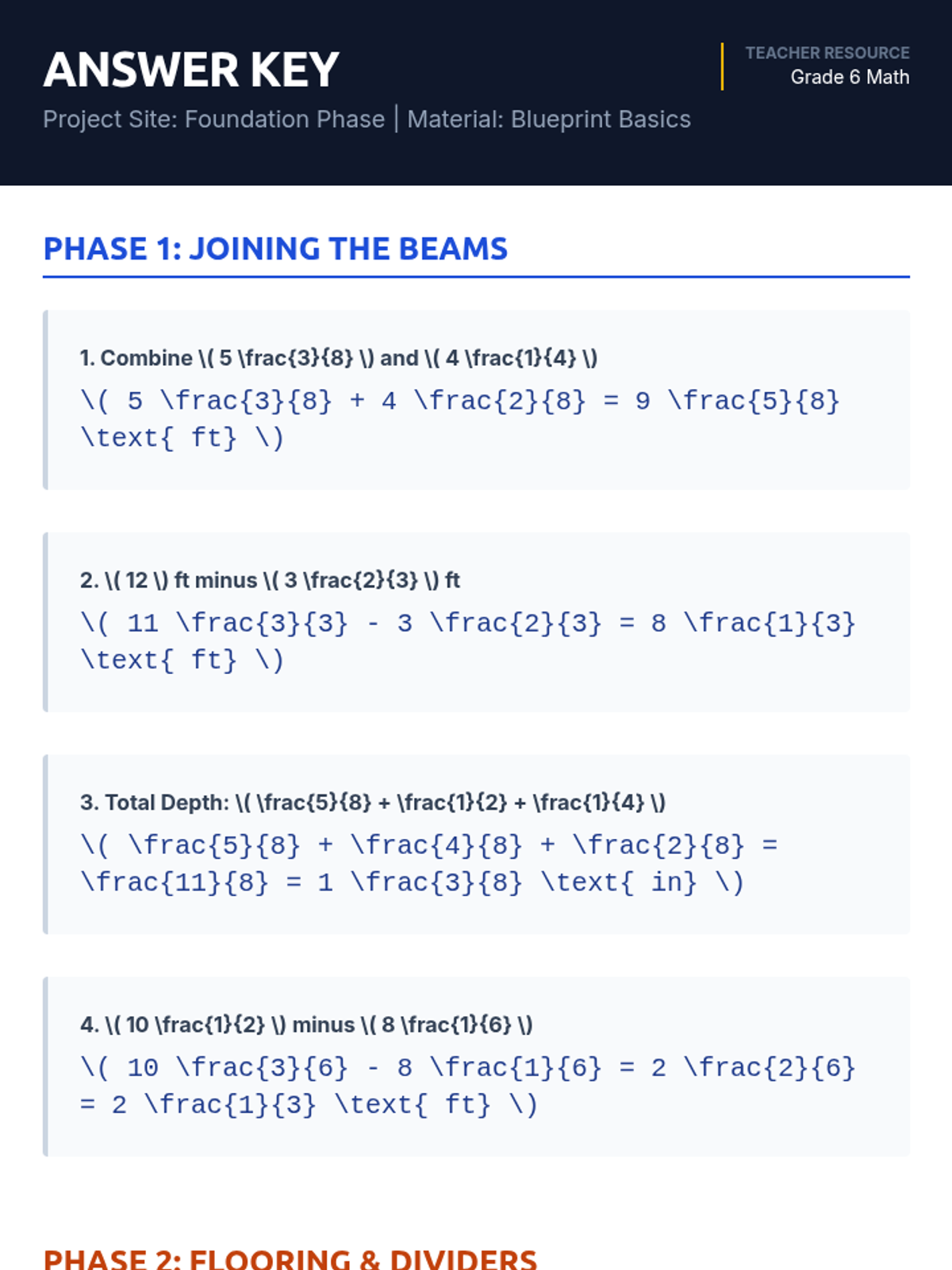
Focuses on 6th-grade fraction operations (addition, subtraction, multiplication, division) through the lens of foundational construction measurements.
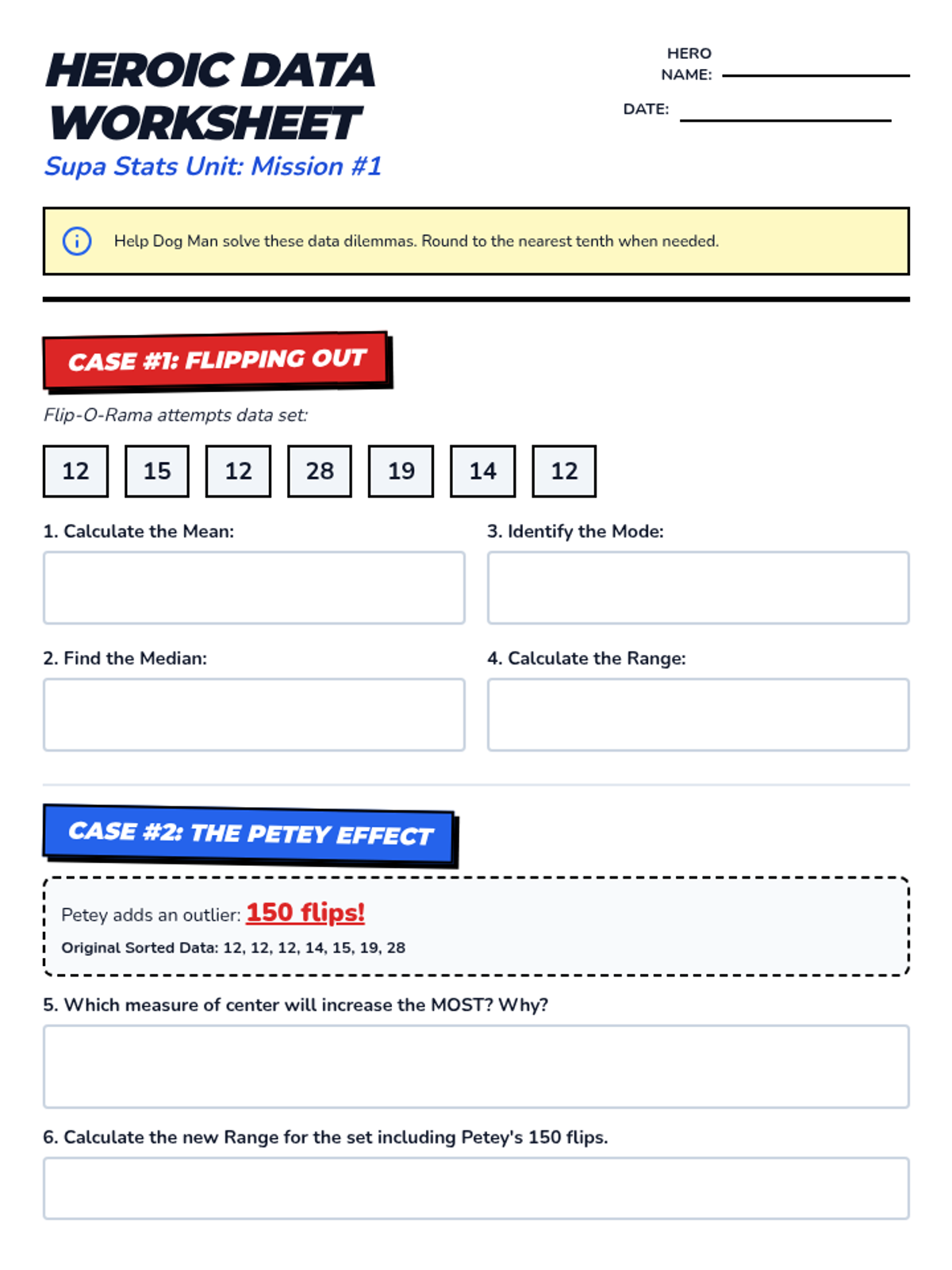
A statistics lesson for freshmen using characters and scenarios from the Dog Man series to teach mean, median, mode, range, and probability.
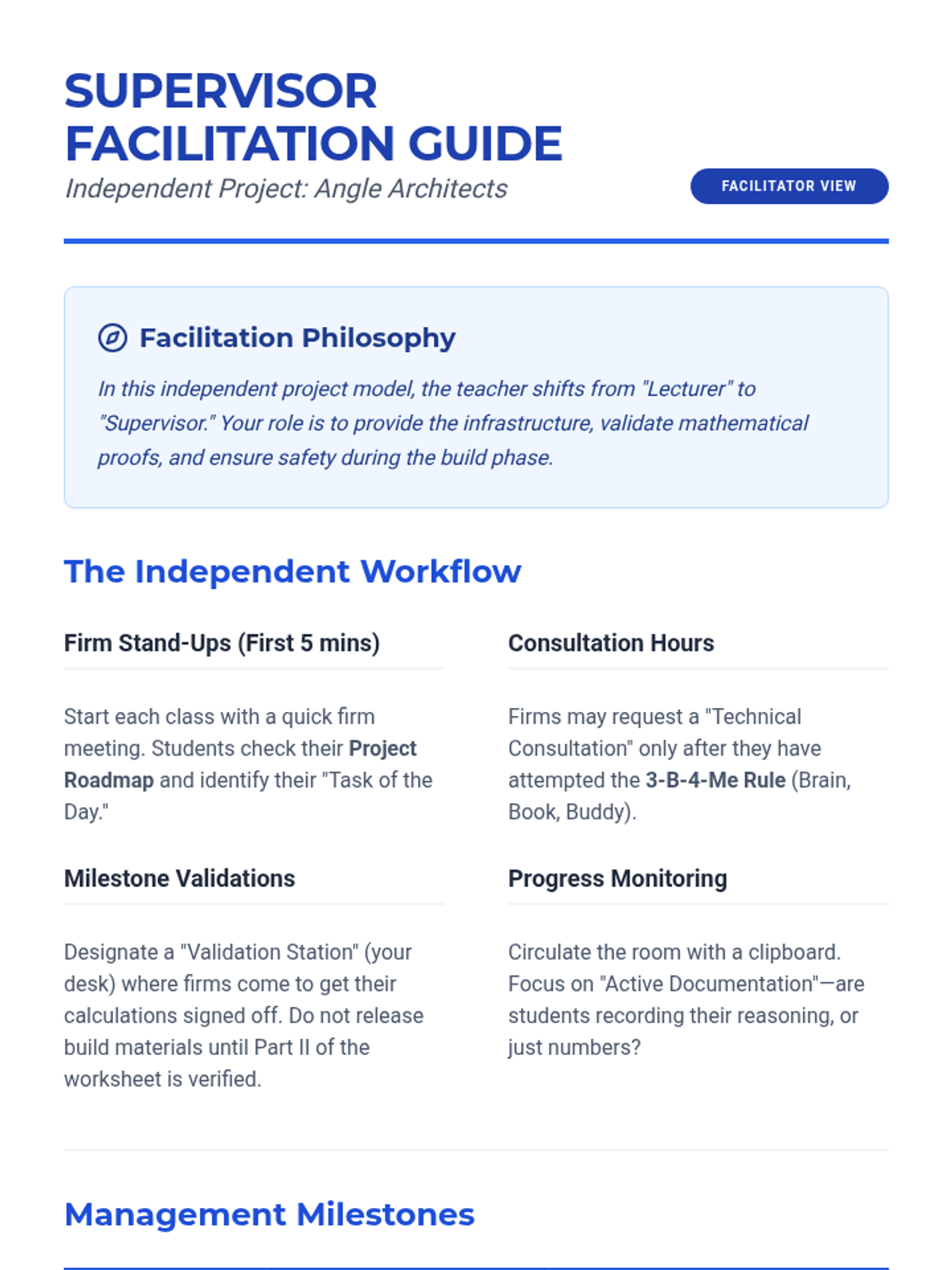
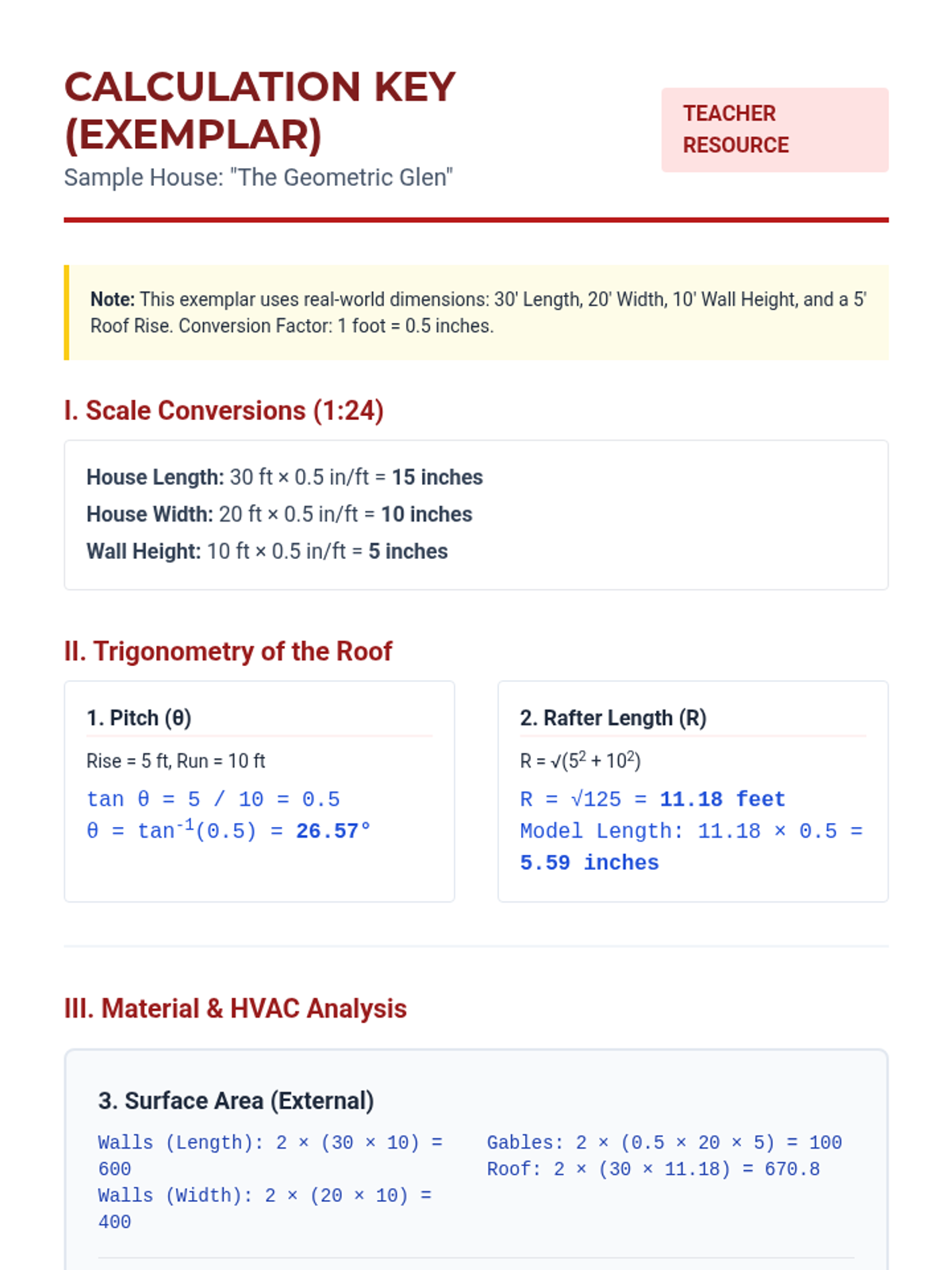
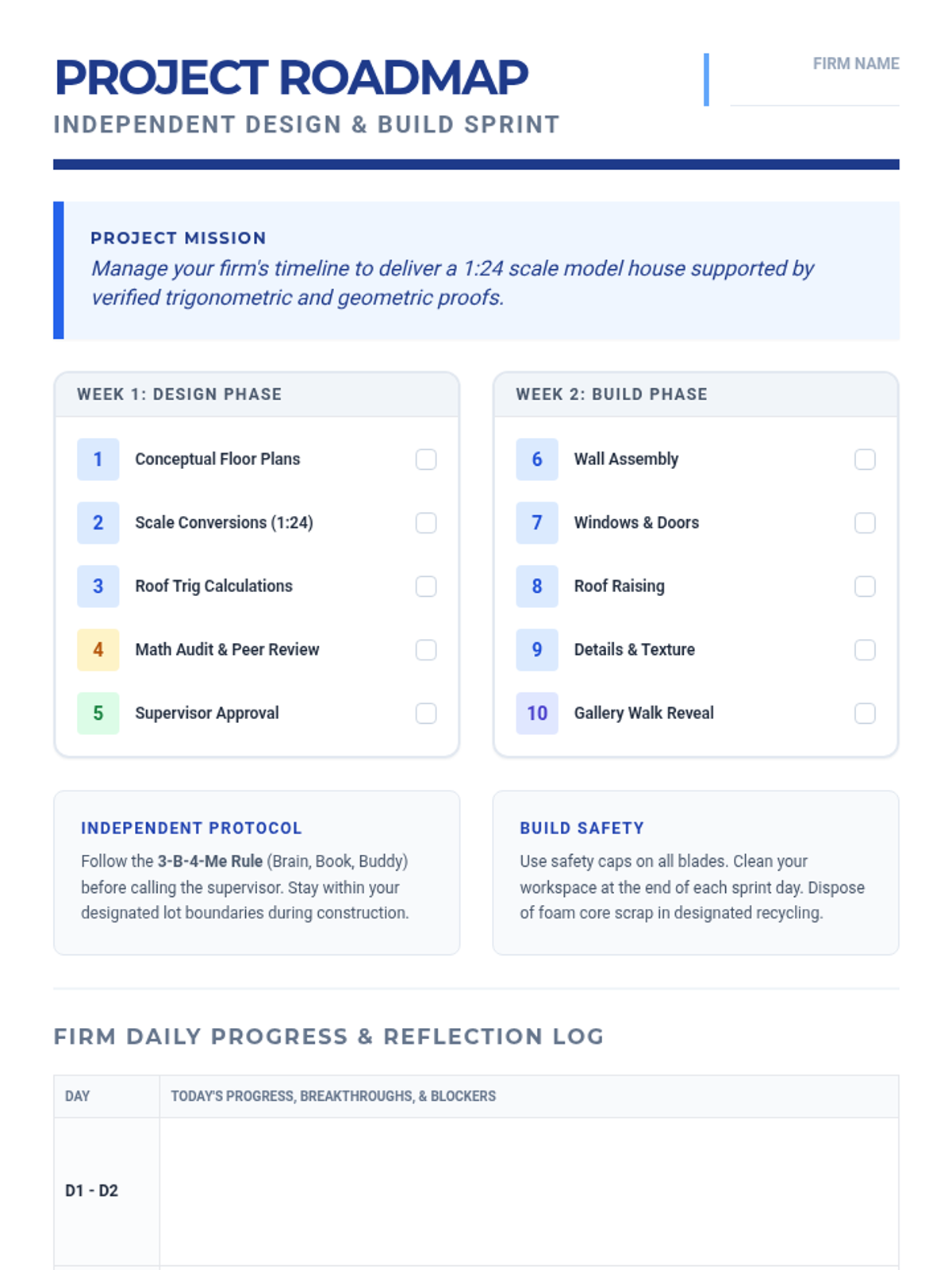
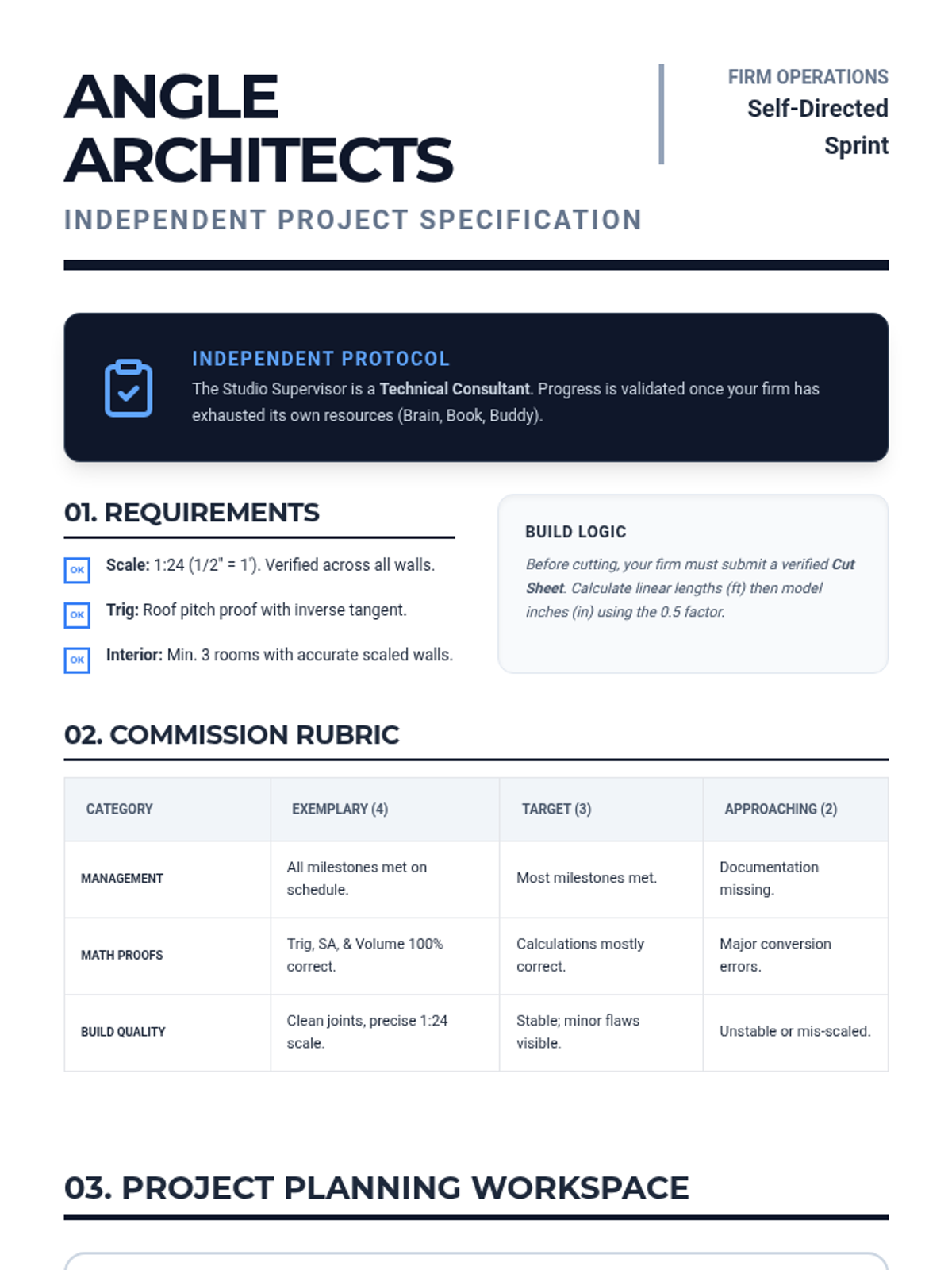
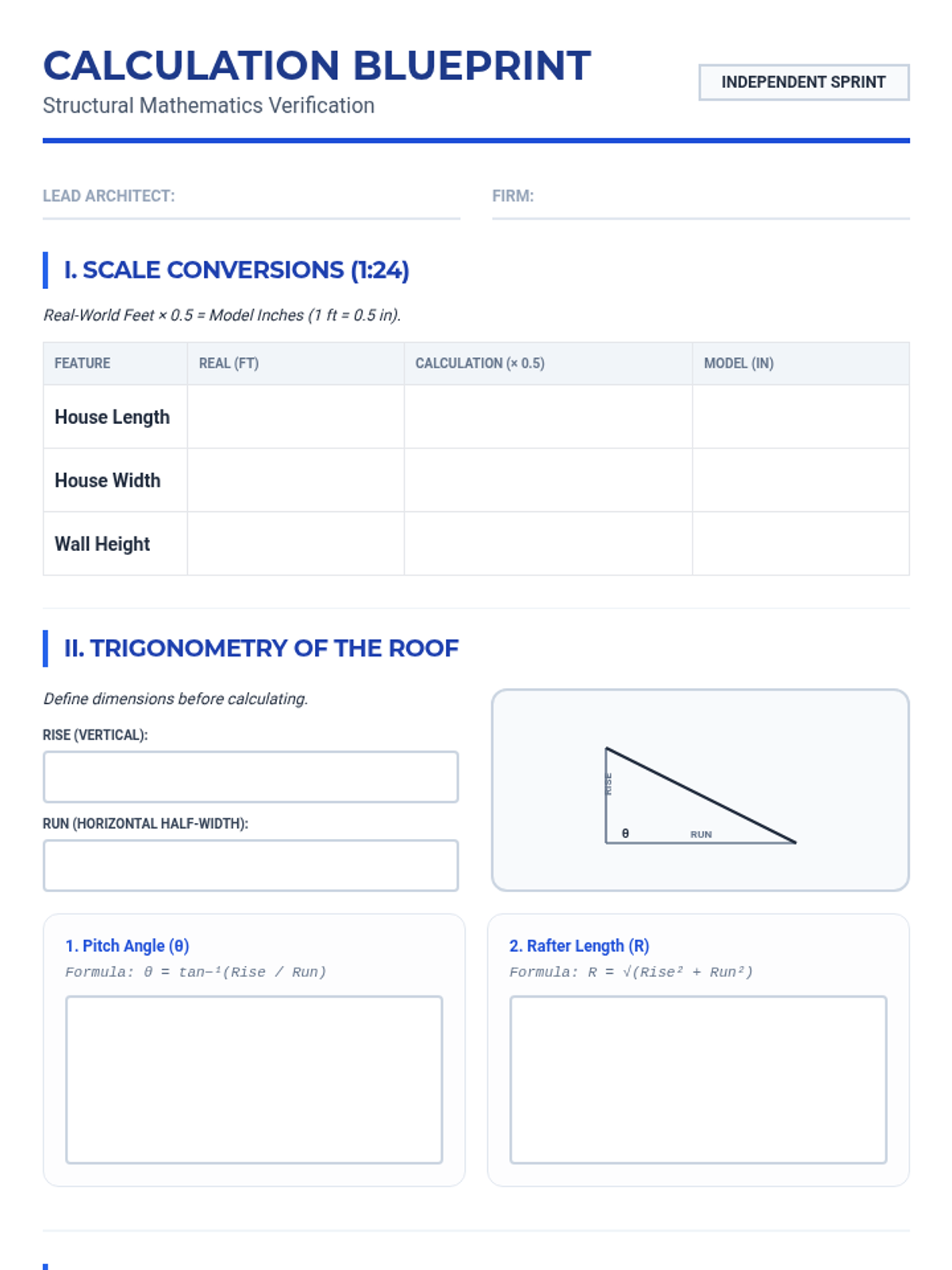
The core instructional and project-based unit where students transition from architectural theory to a physical model, focusing on the mathematical precision required for construction.
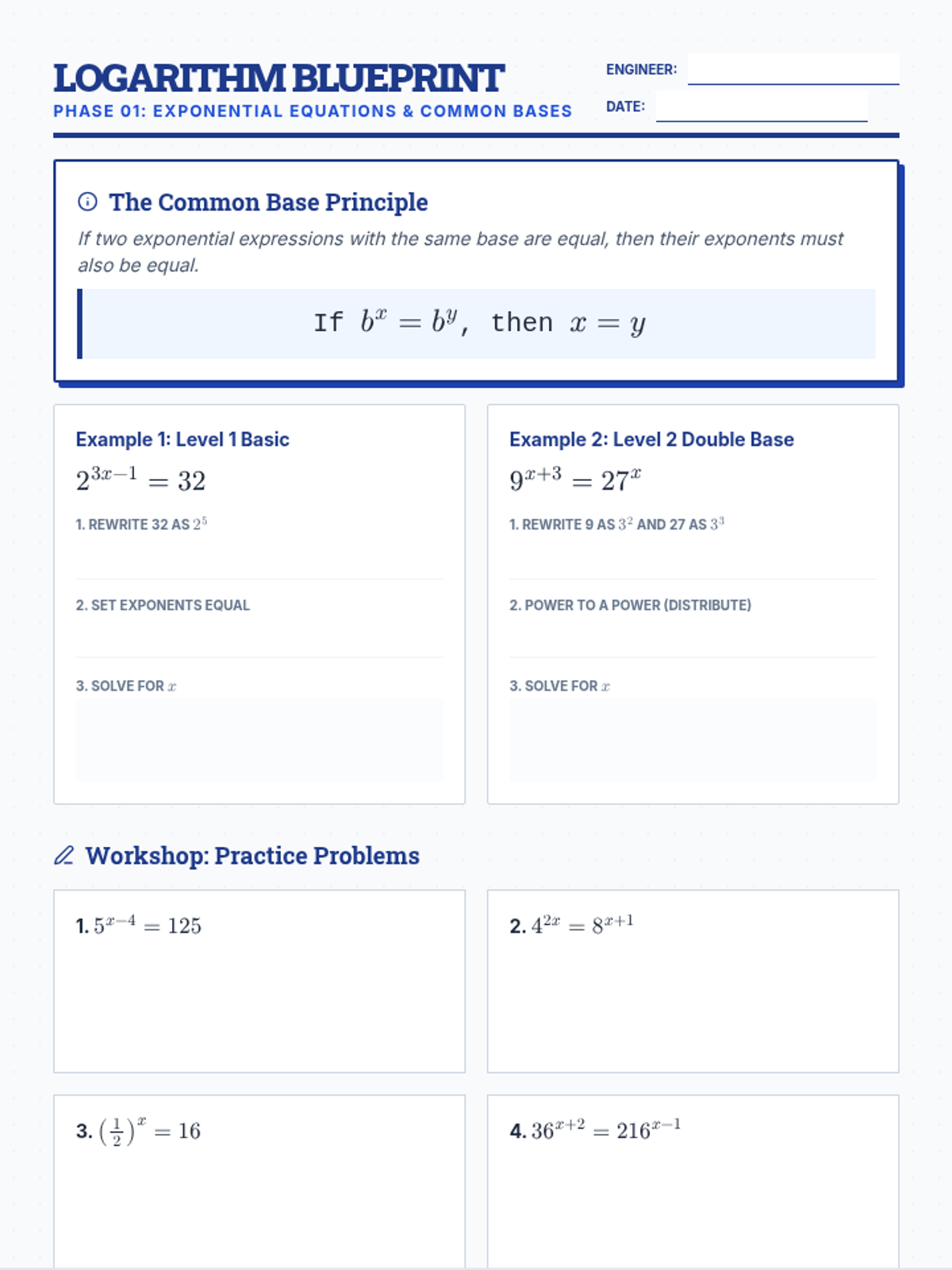
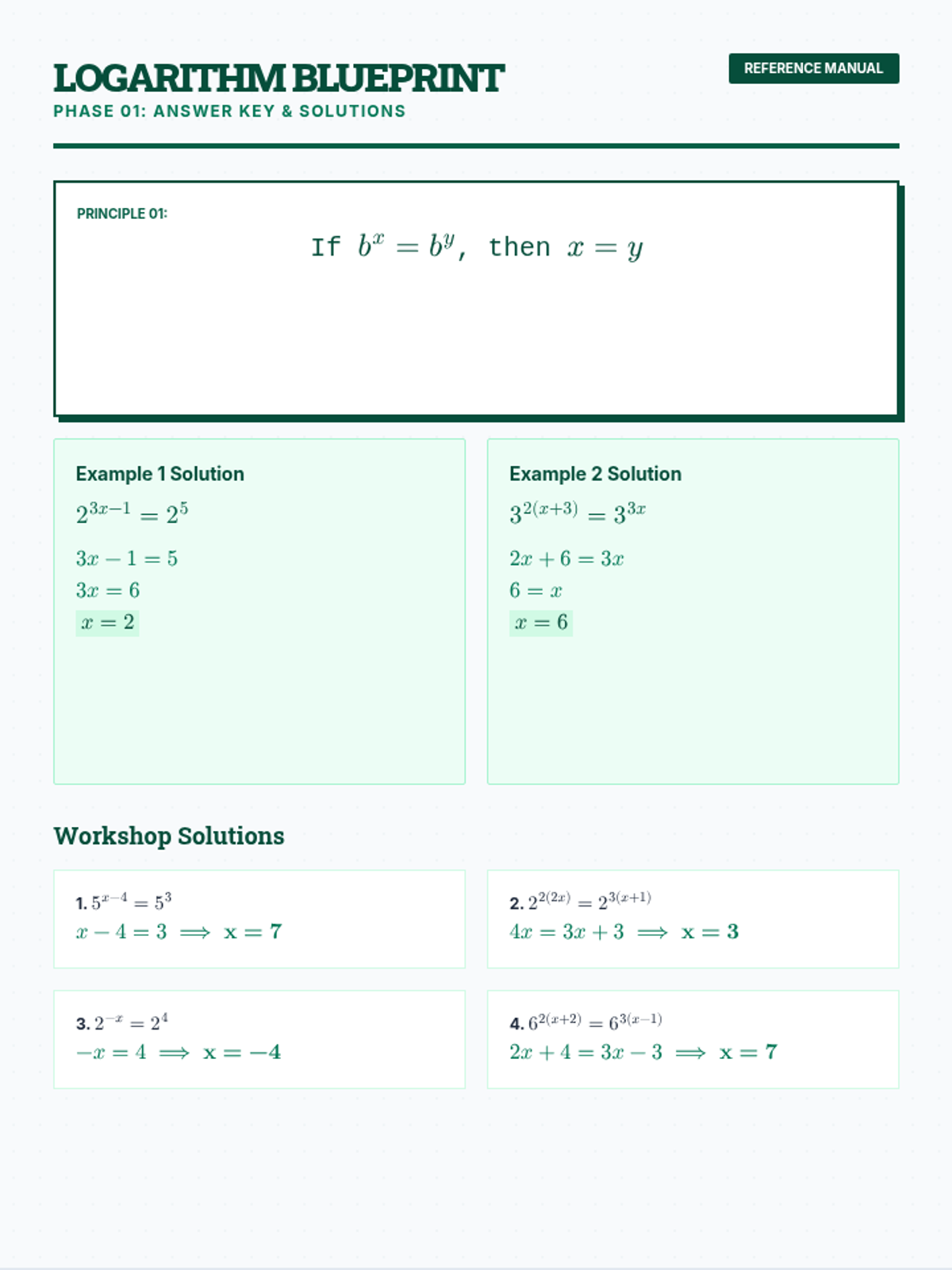
A comprehensive guide to solving exponential and logarithmic equations using common bases and property-based manipulation. Students will master converting between forms and applying product, quotient, and power rules.
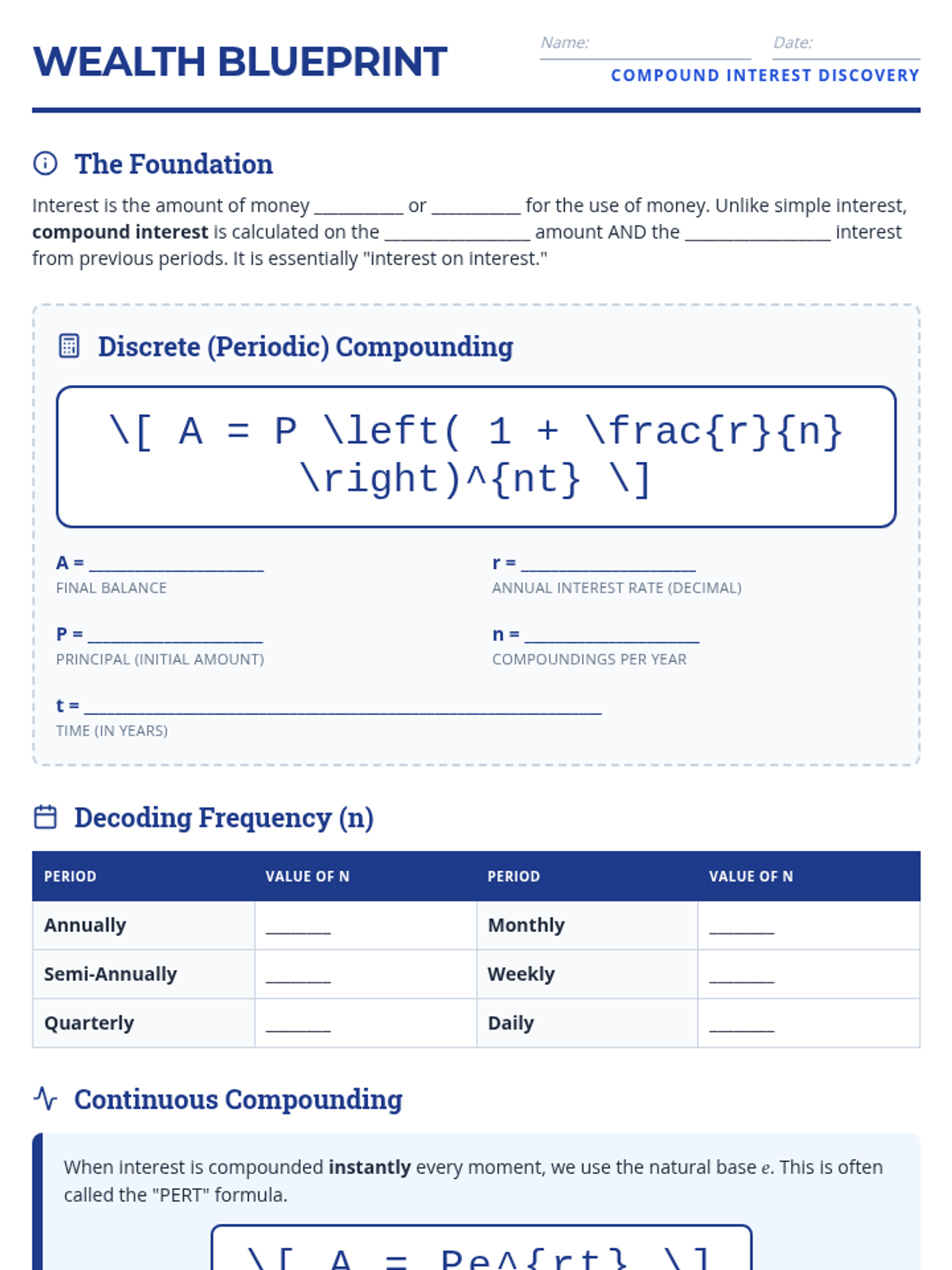
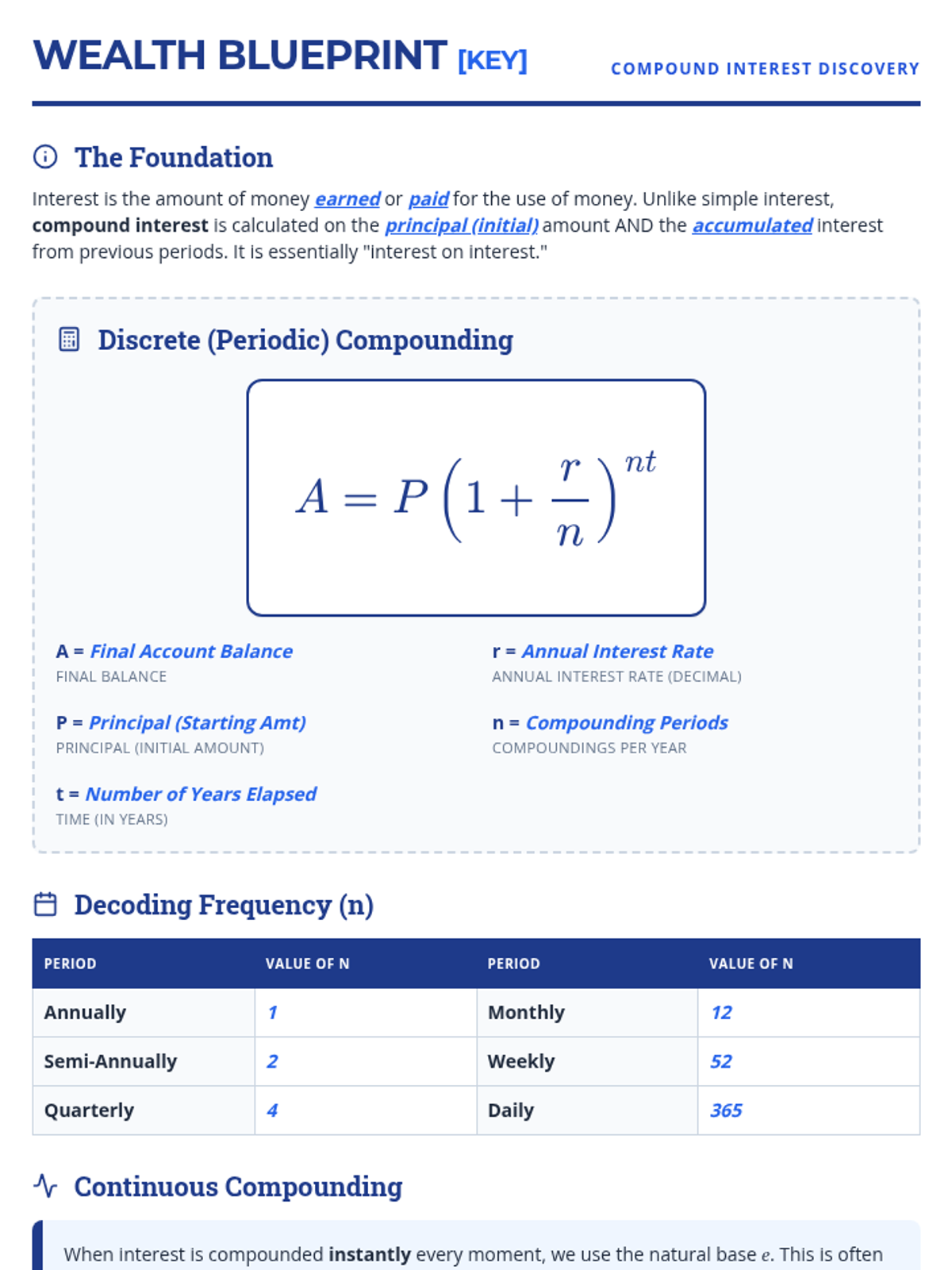
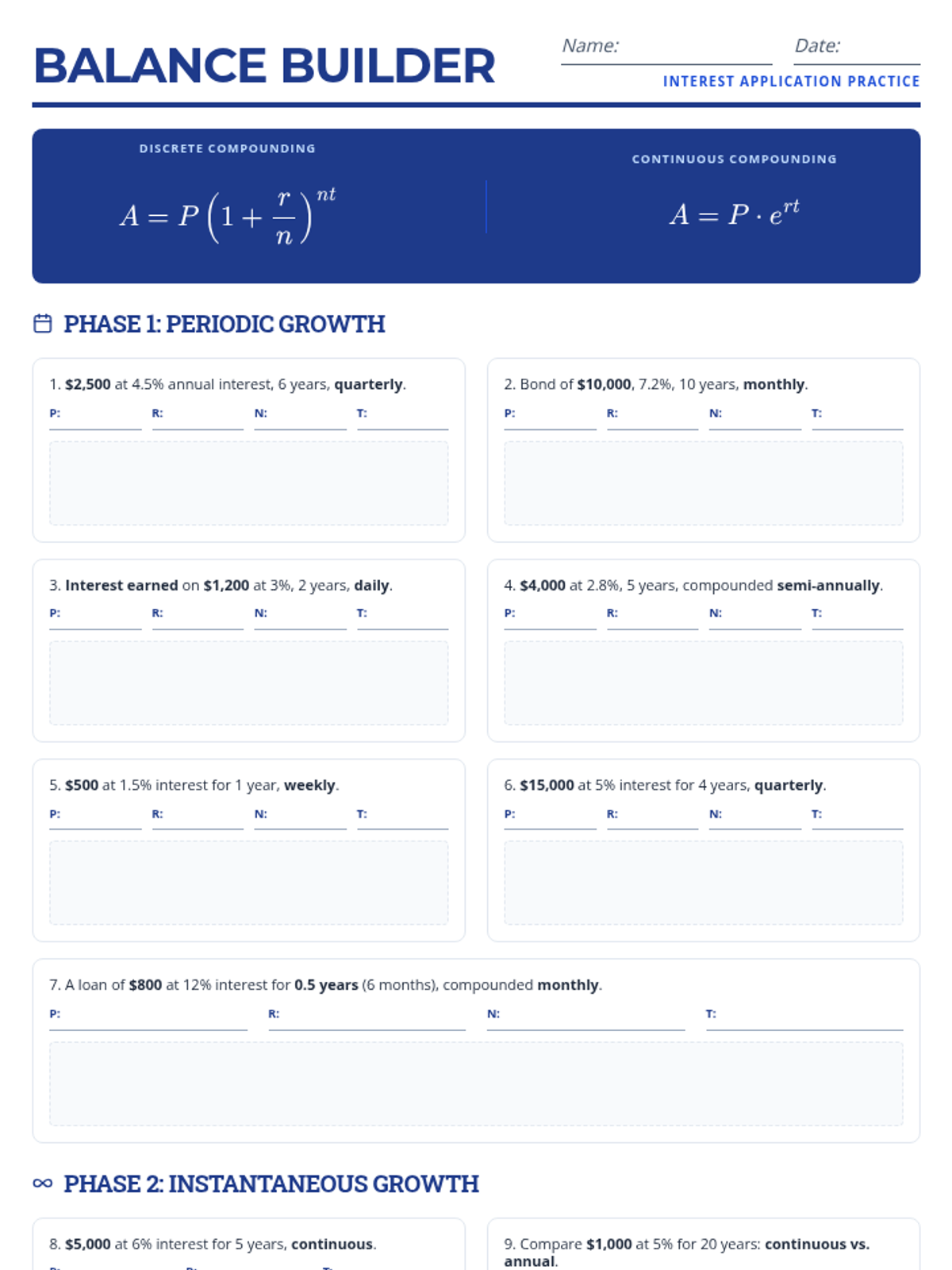
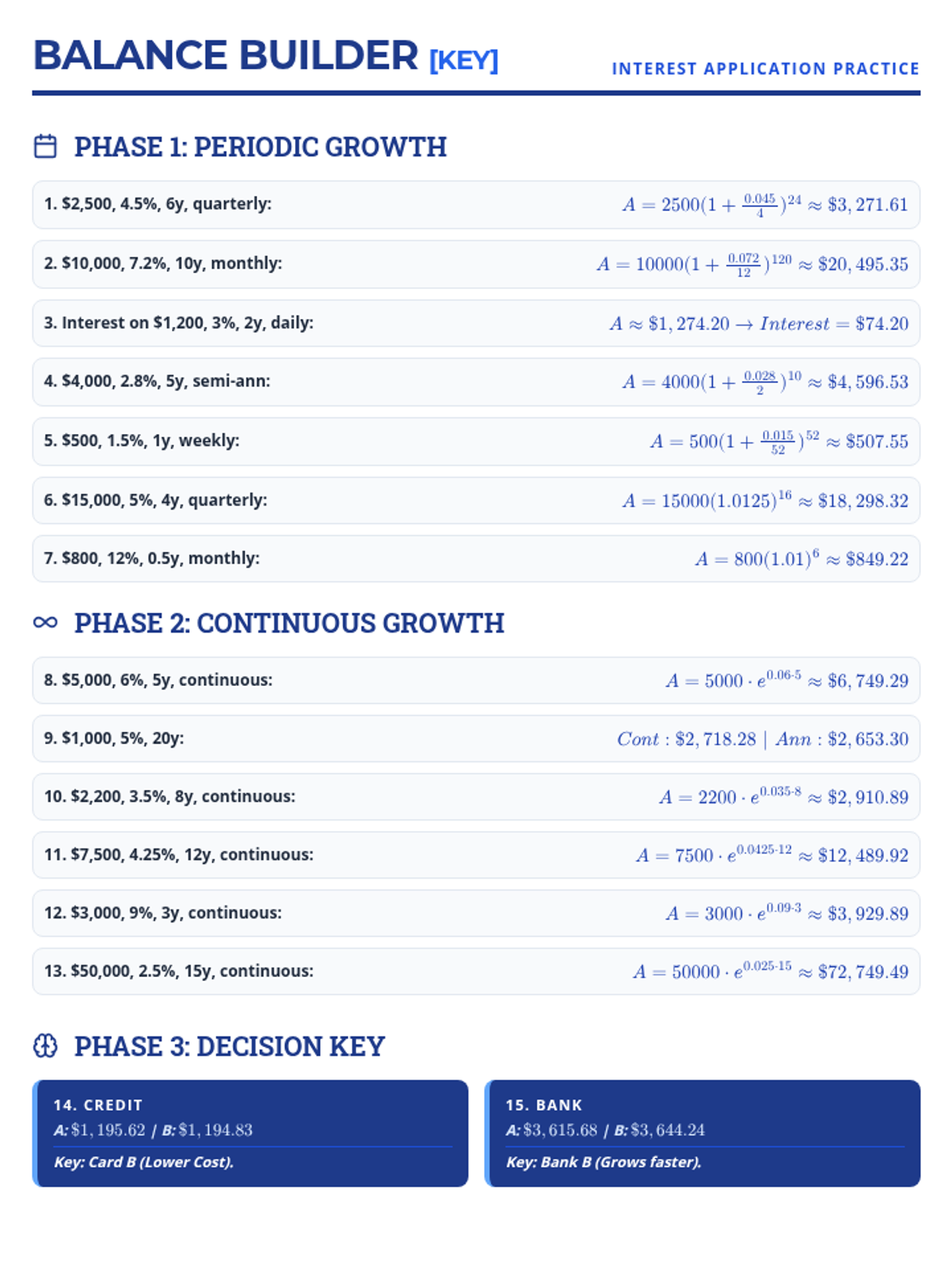
A guided exploration of discrete and continuous compound interest formulas through visual organizers and structured notes.
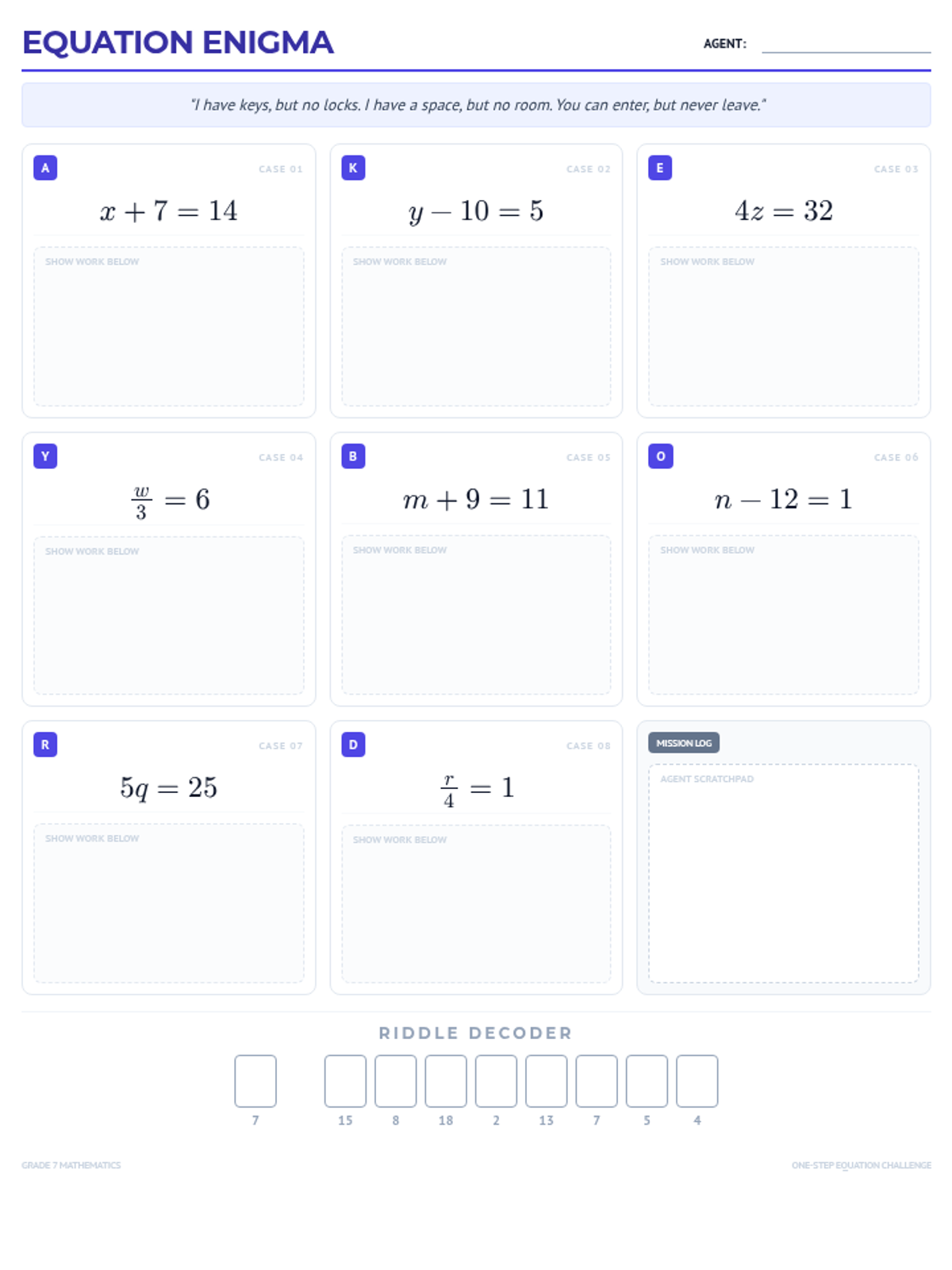
A focused lesson on solving one-step equations using inverse operations with addition, subtraction, multiplication, and division. Students will apply their skills to solve a riddle, reinforcing the concept of isolating variables.