Students embark on a scavenger hunt quest to distinguish between rules and laws while discovering how they ensure community safety. The lesson concludes with a personal pledge to uphold safety standards.
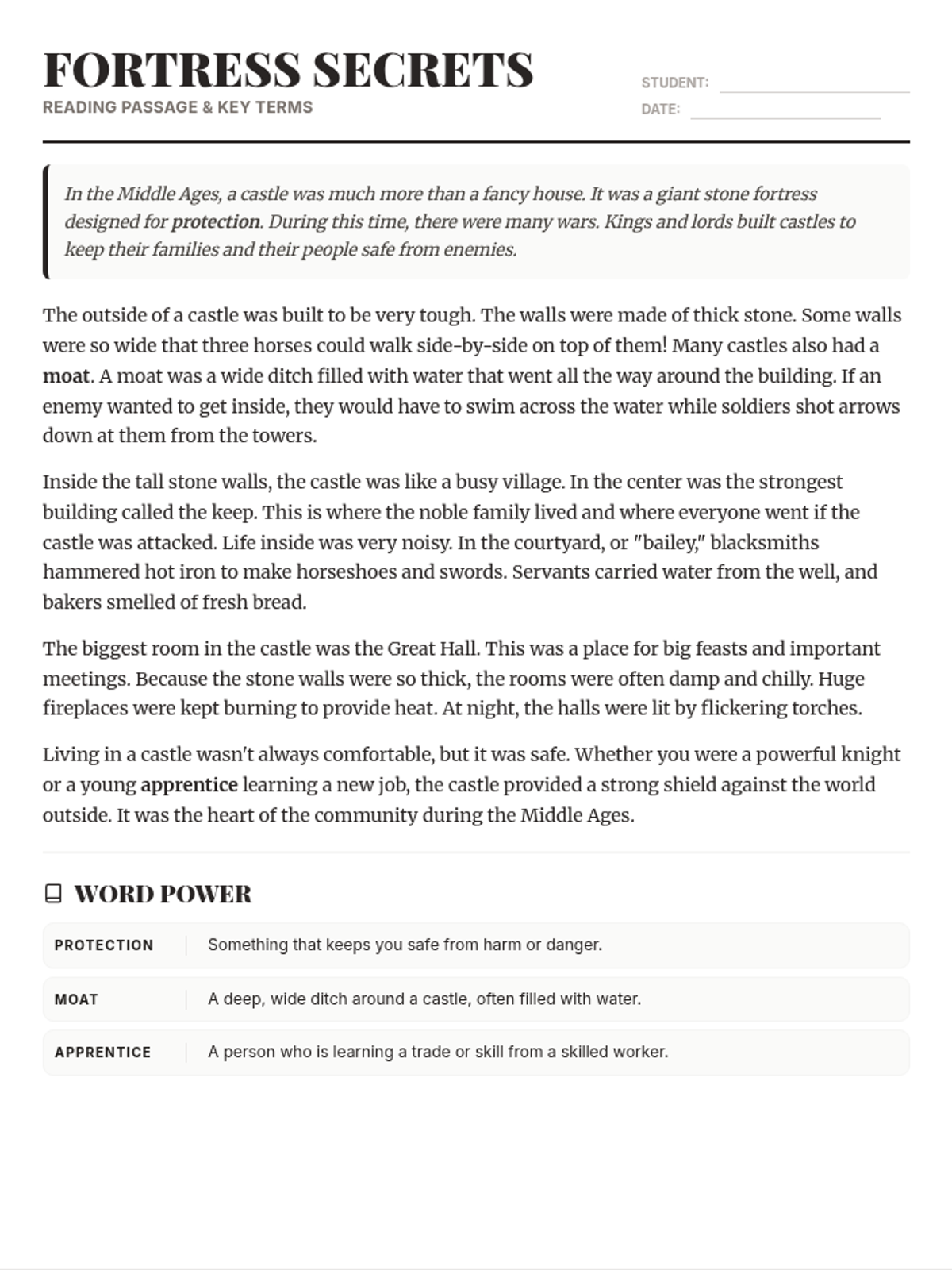
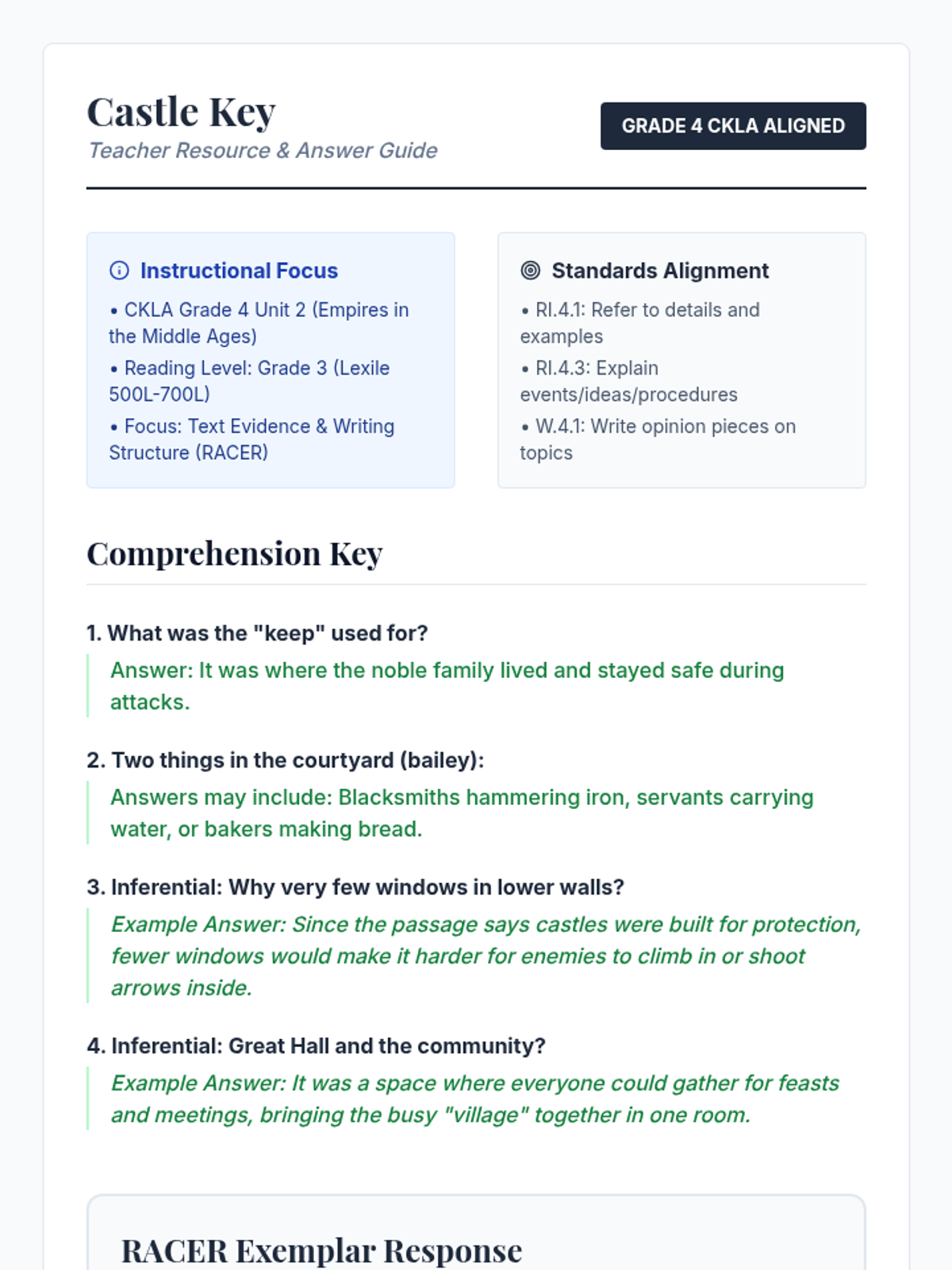
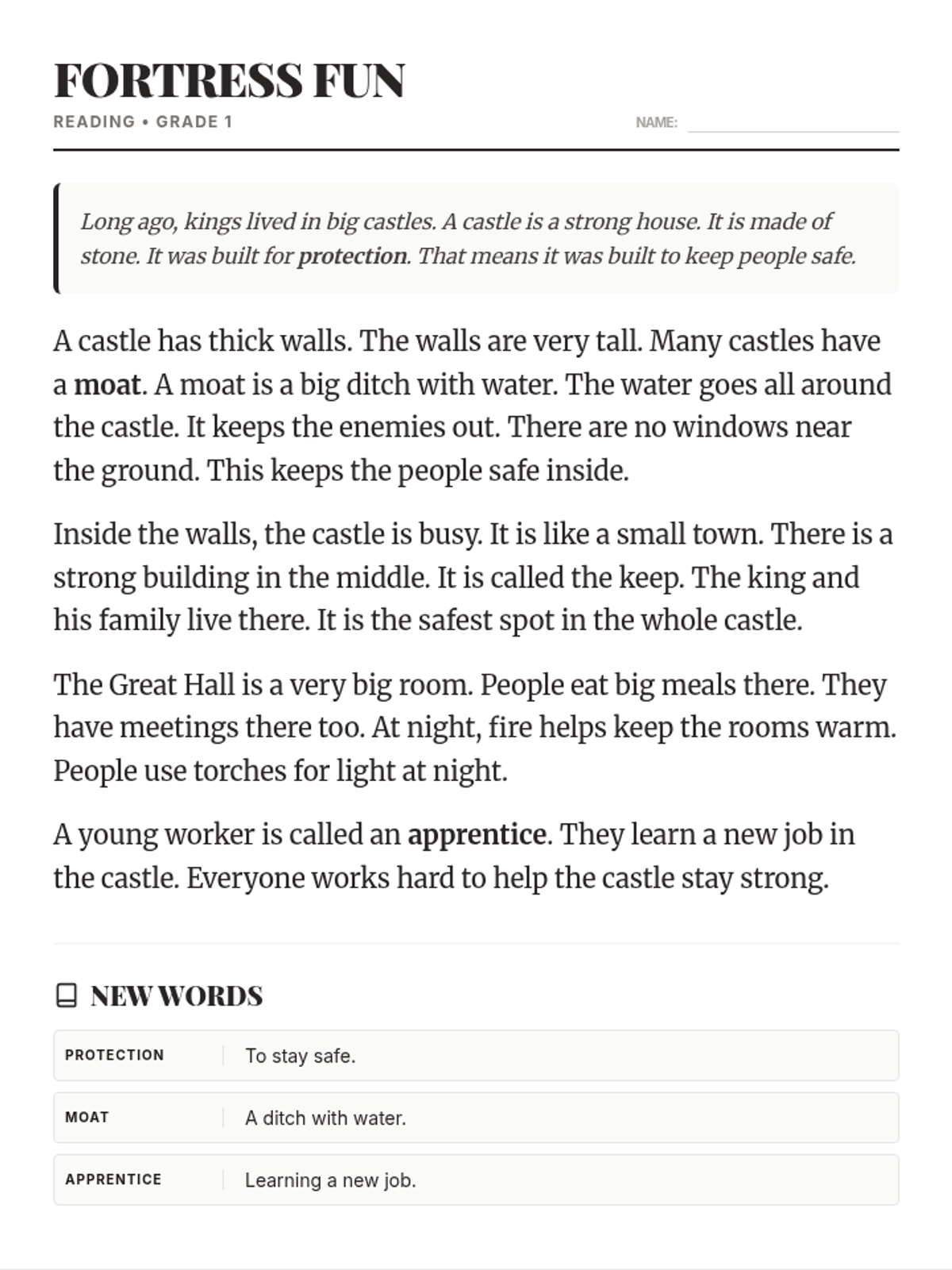
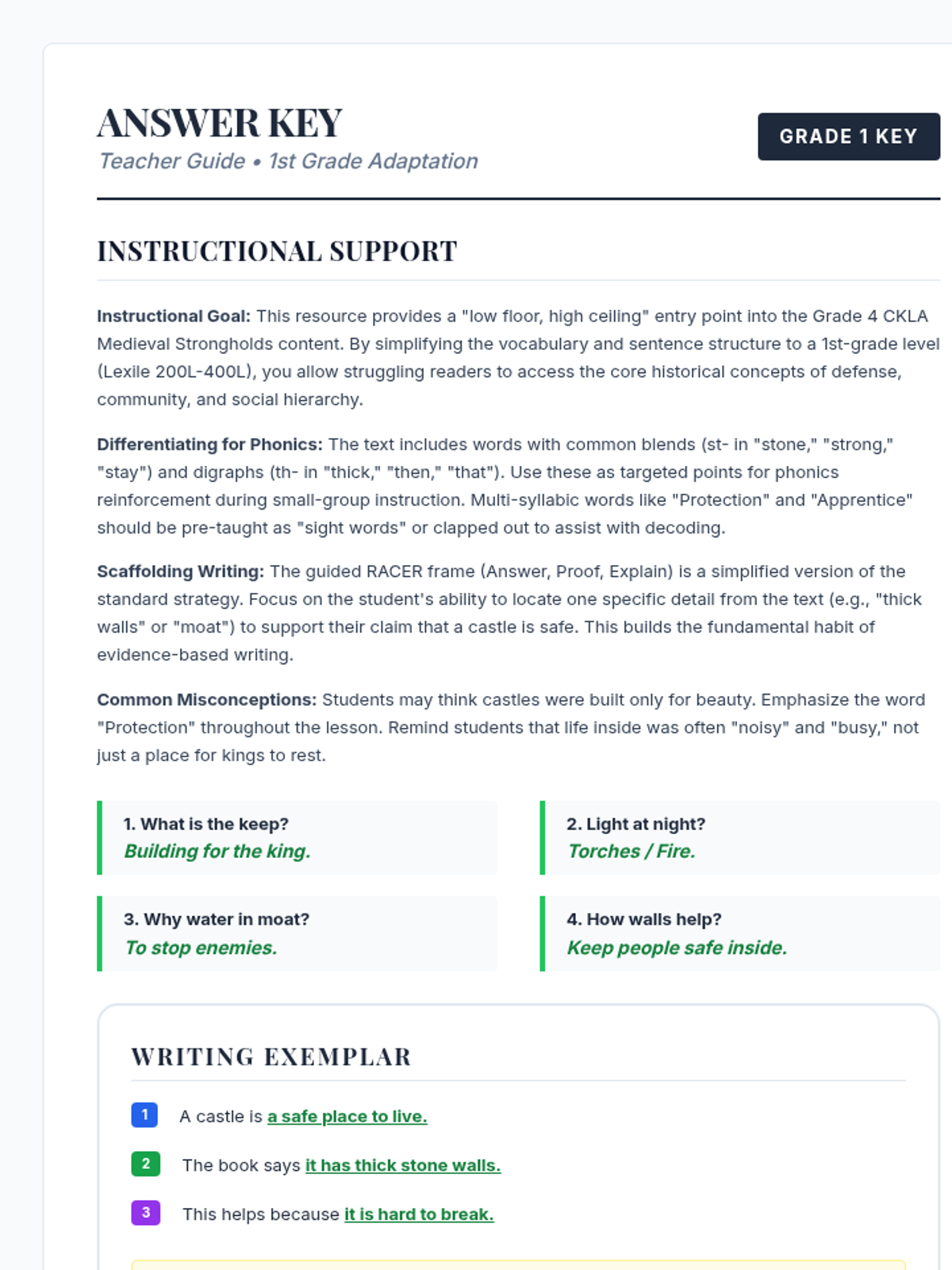
A lesson focusing on life in a medieval castle, featuring a reading passage adapted for Grade 3 reading levels that aligns with Grade 4 CKLA social studies standards. Students will practice vocabulary, answer comprehension questions, and use the RACER strategy for an open response.
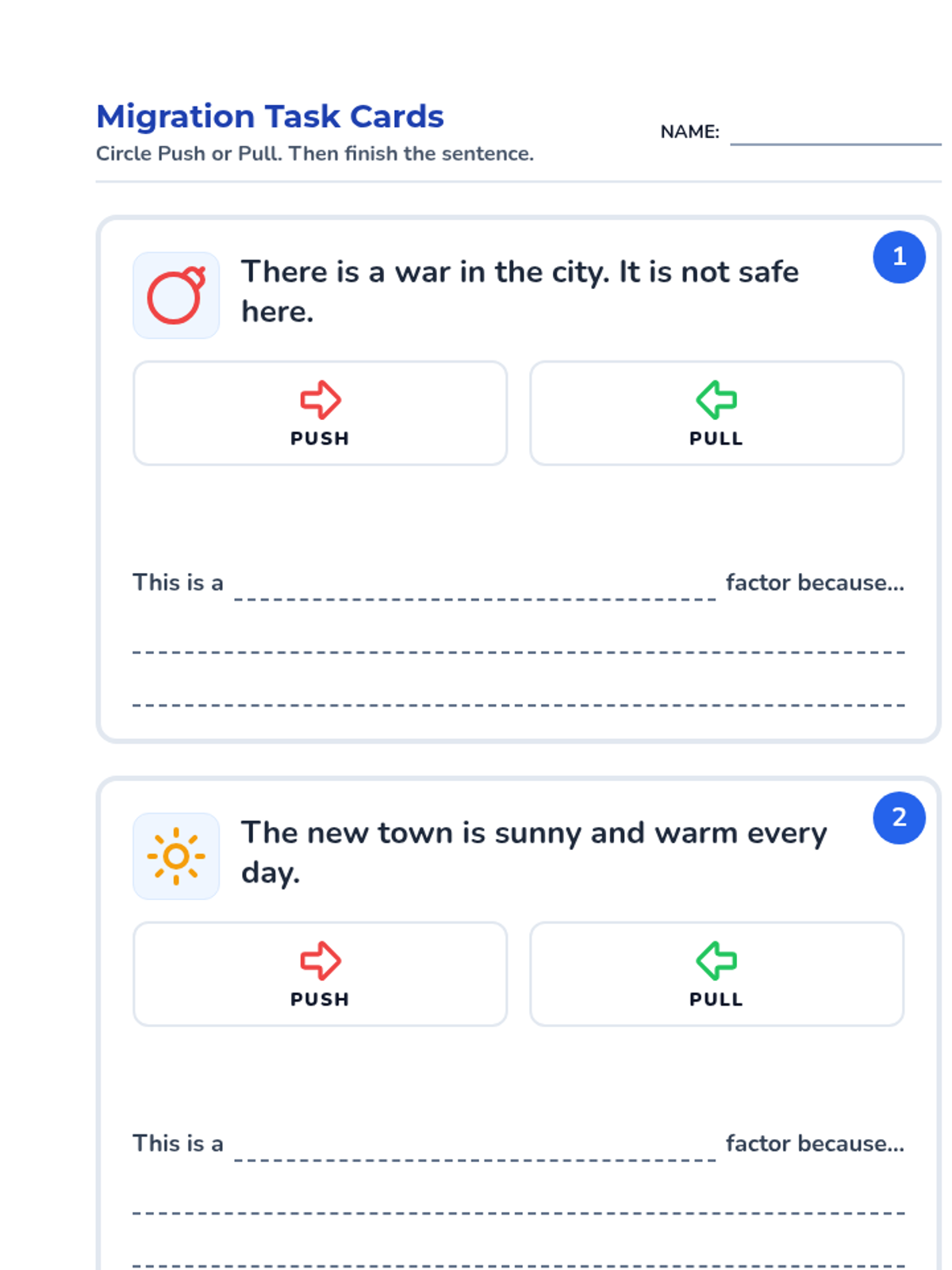
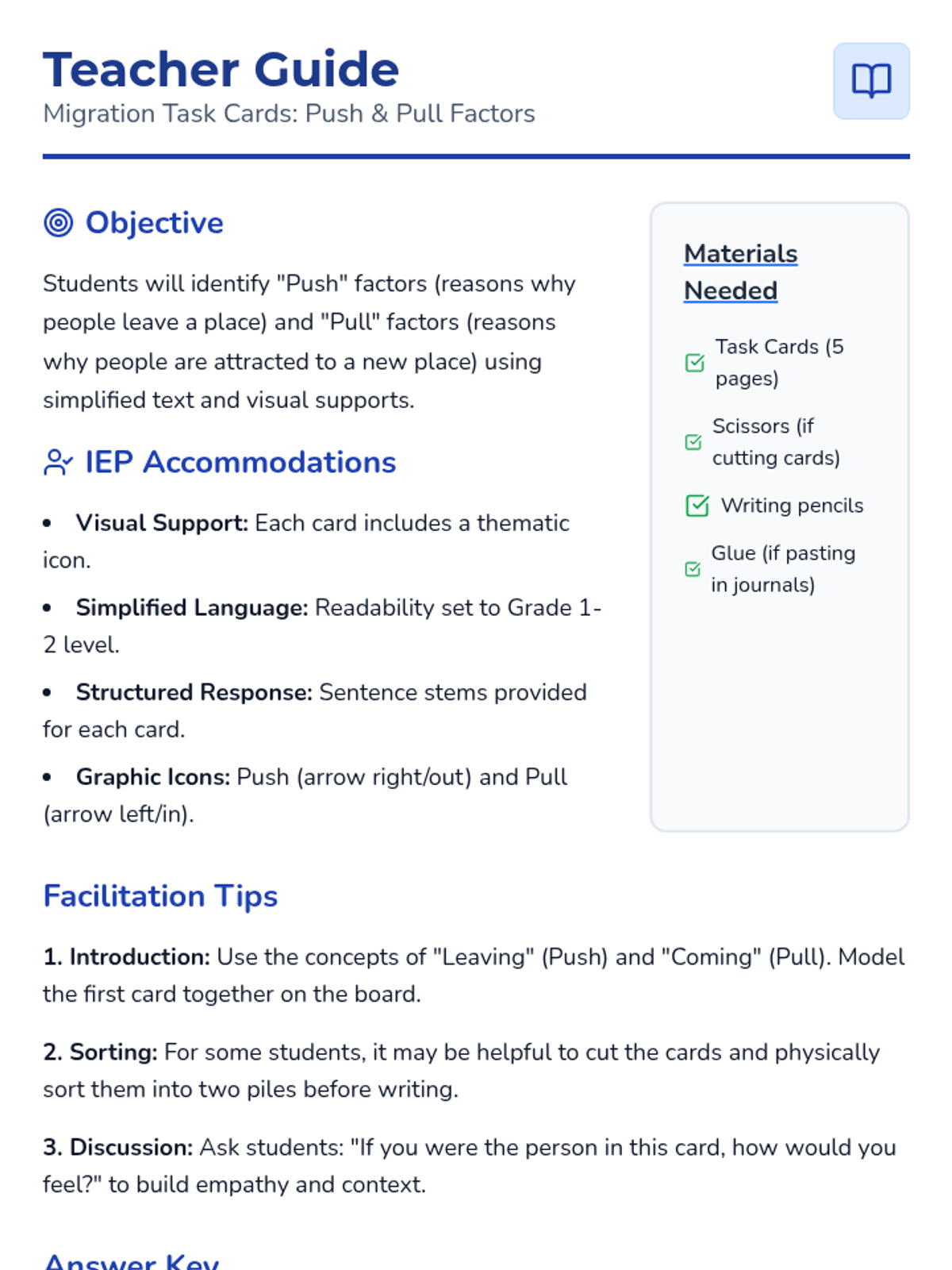
A lesson introducing the concepts of push and pull factors of migration through simplified text, visual icons, and structured response tasks designed for IEP support.
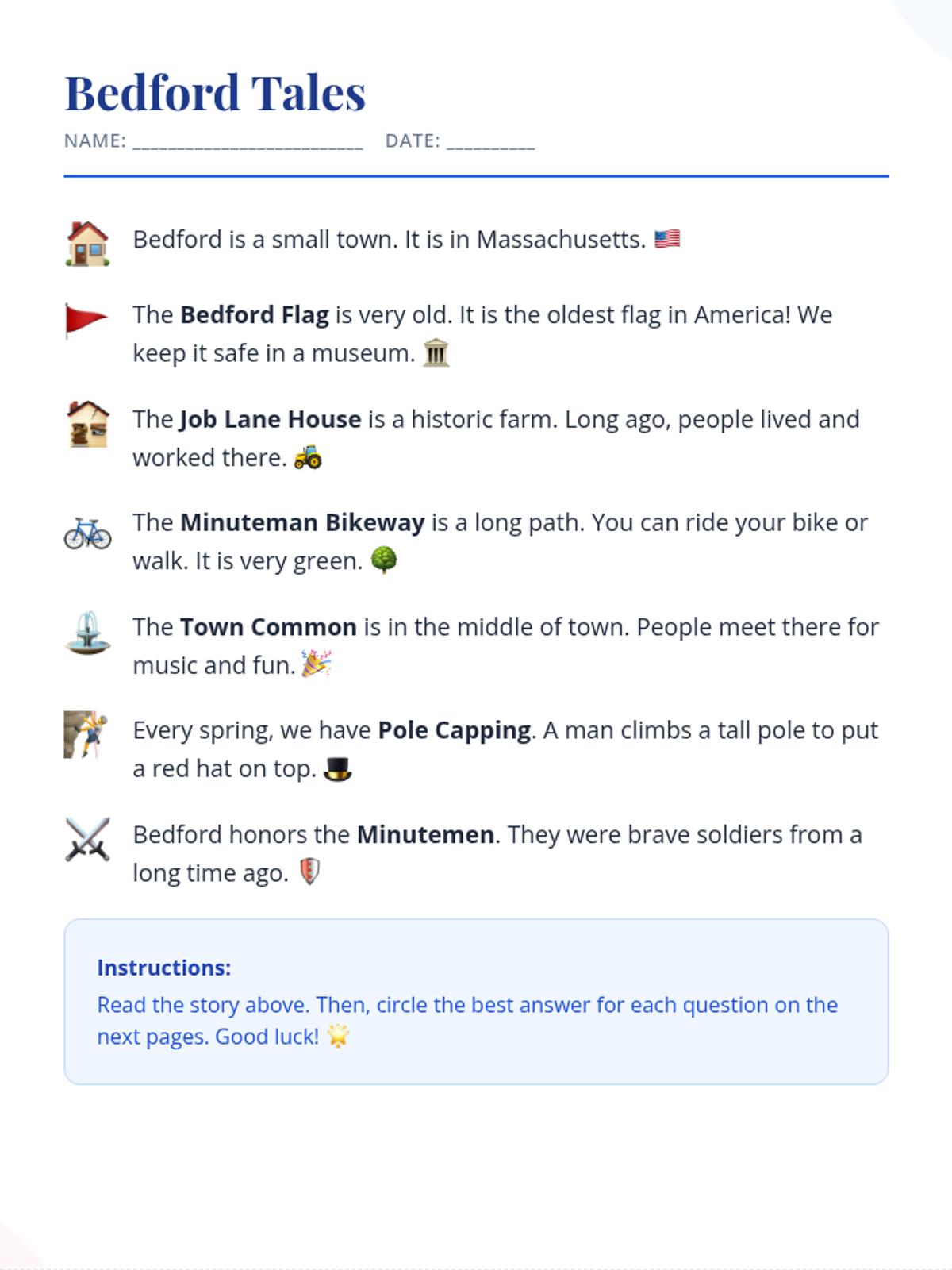
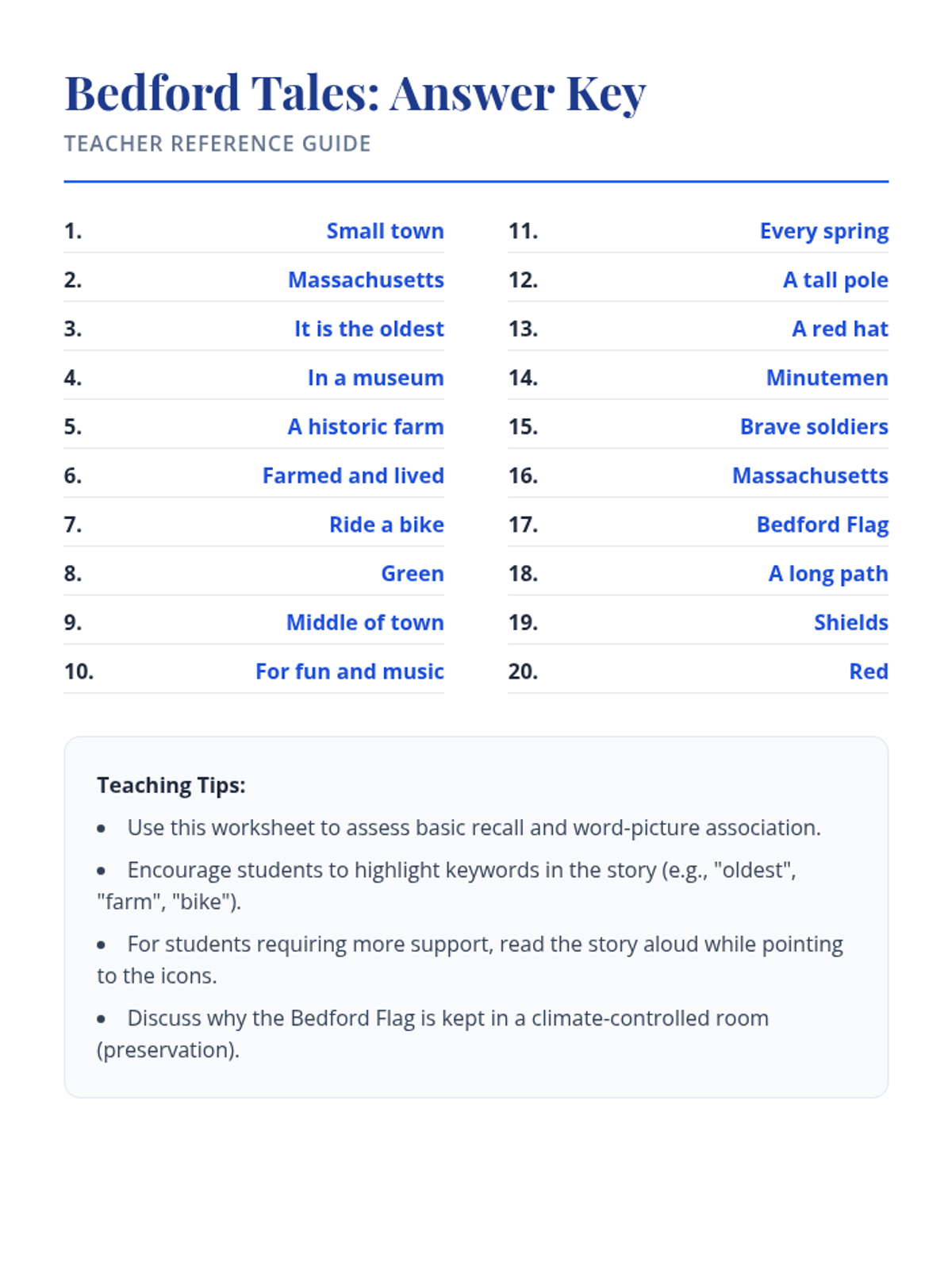
A lesson about the history and landmarks of Bedford, Massachusetts, featuring a simplified story with visual supports and a comprehension assessment.
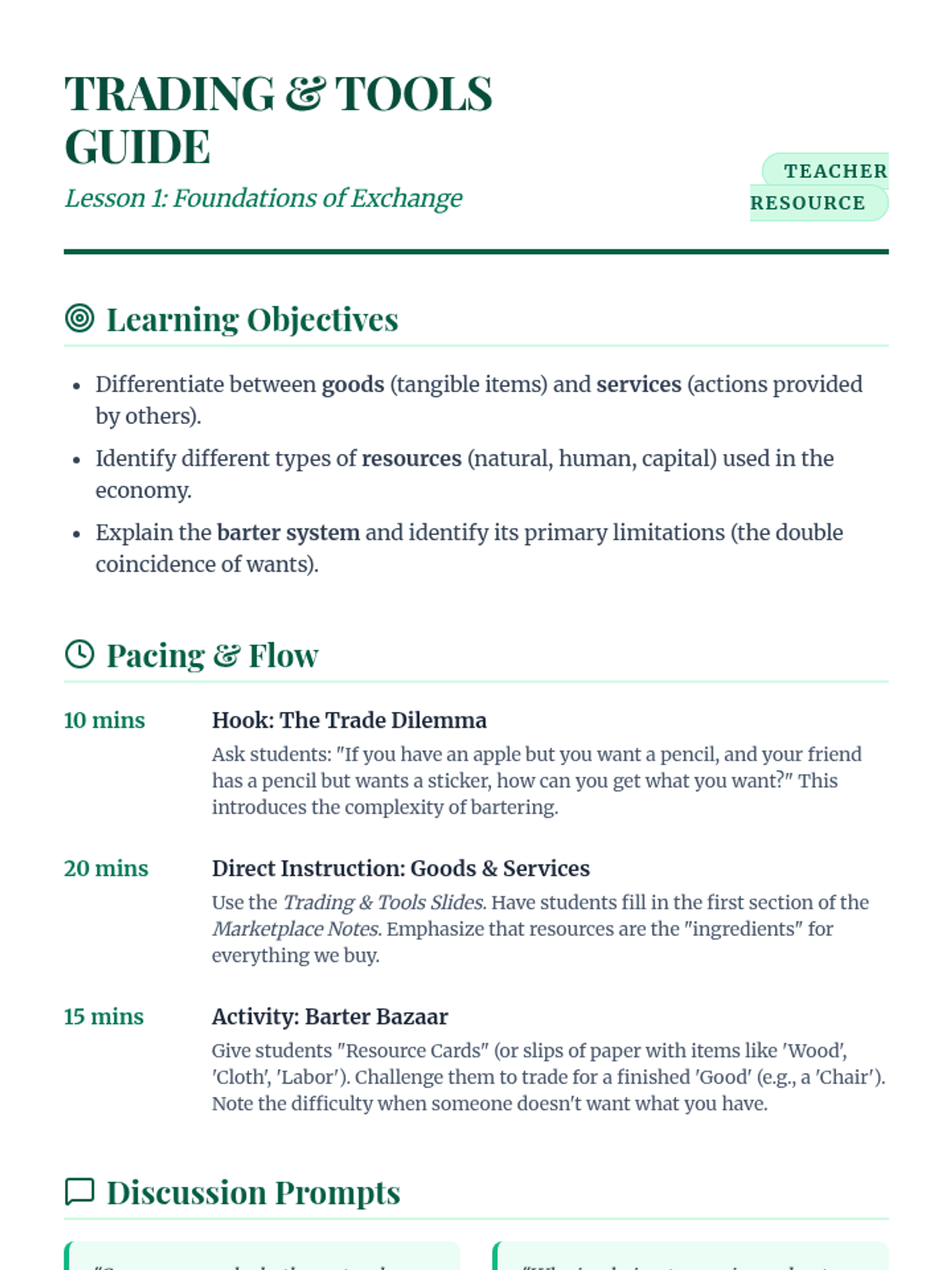
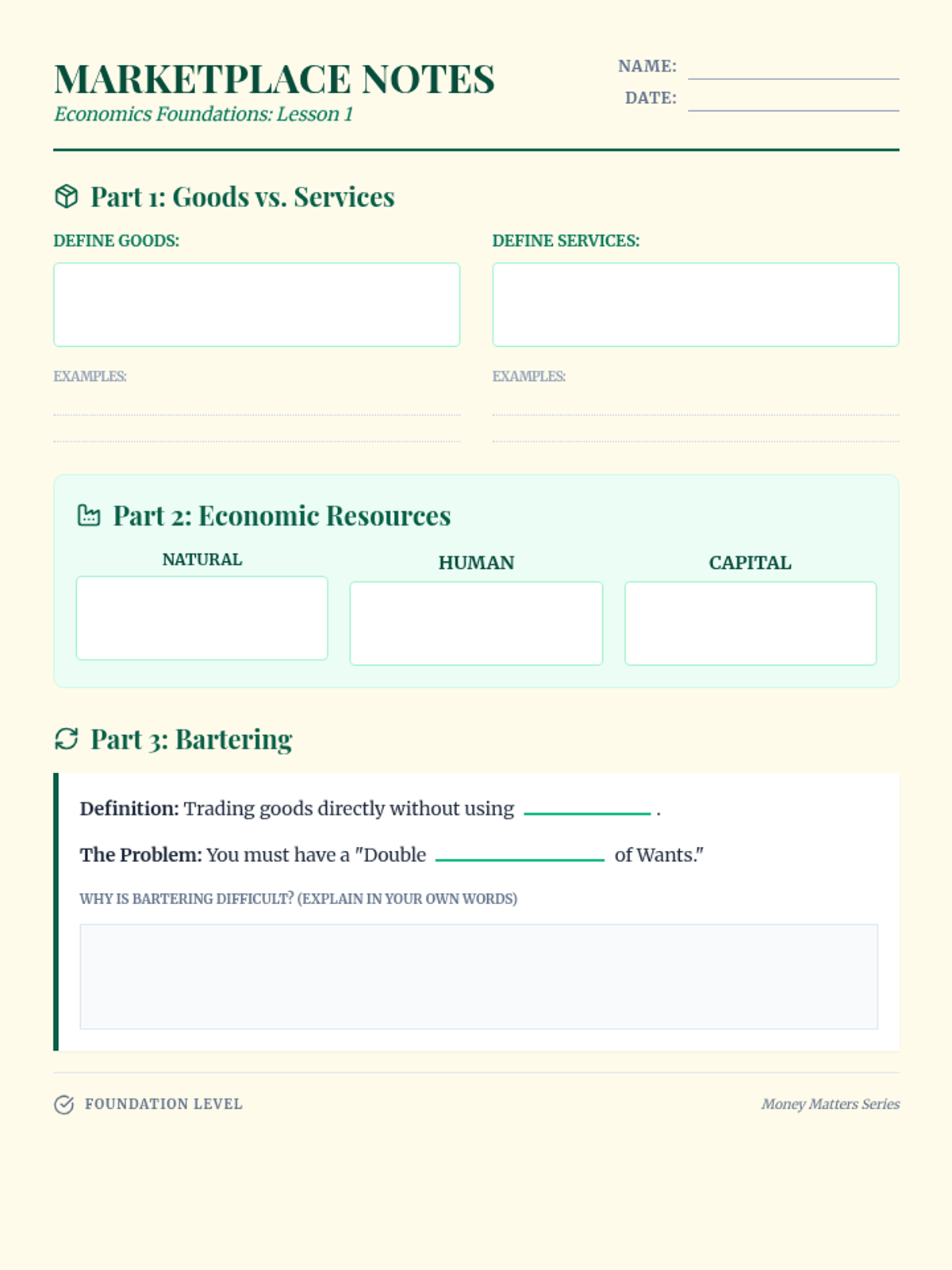
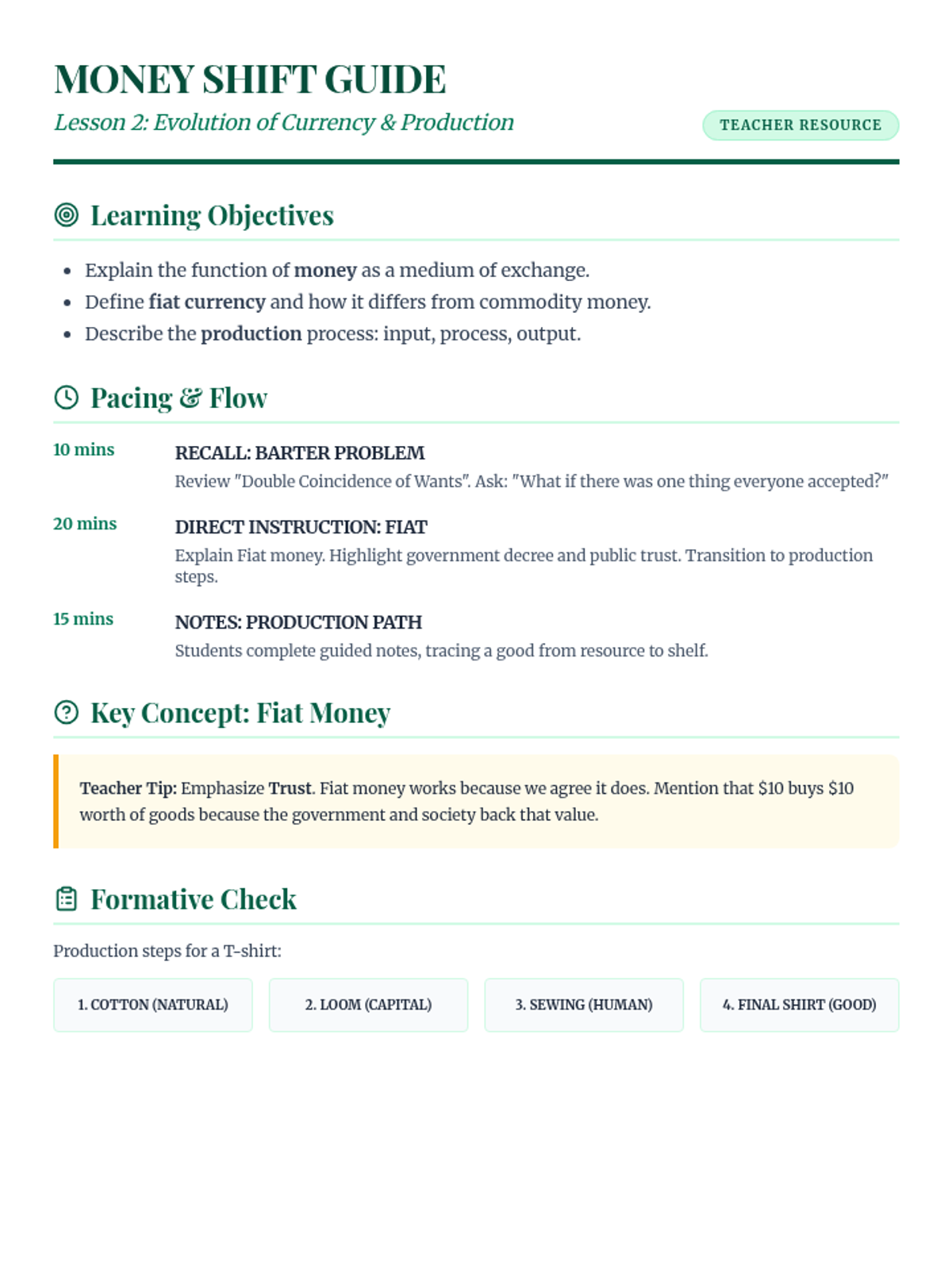
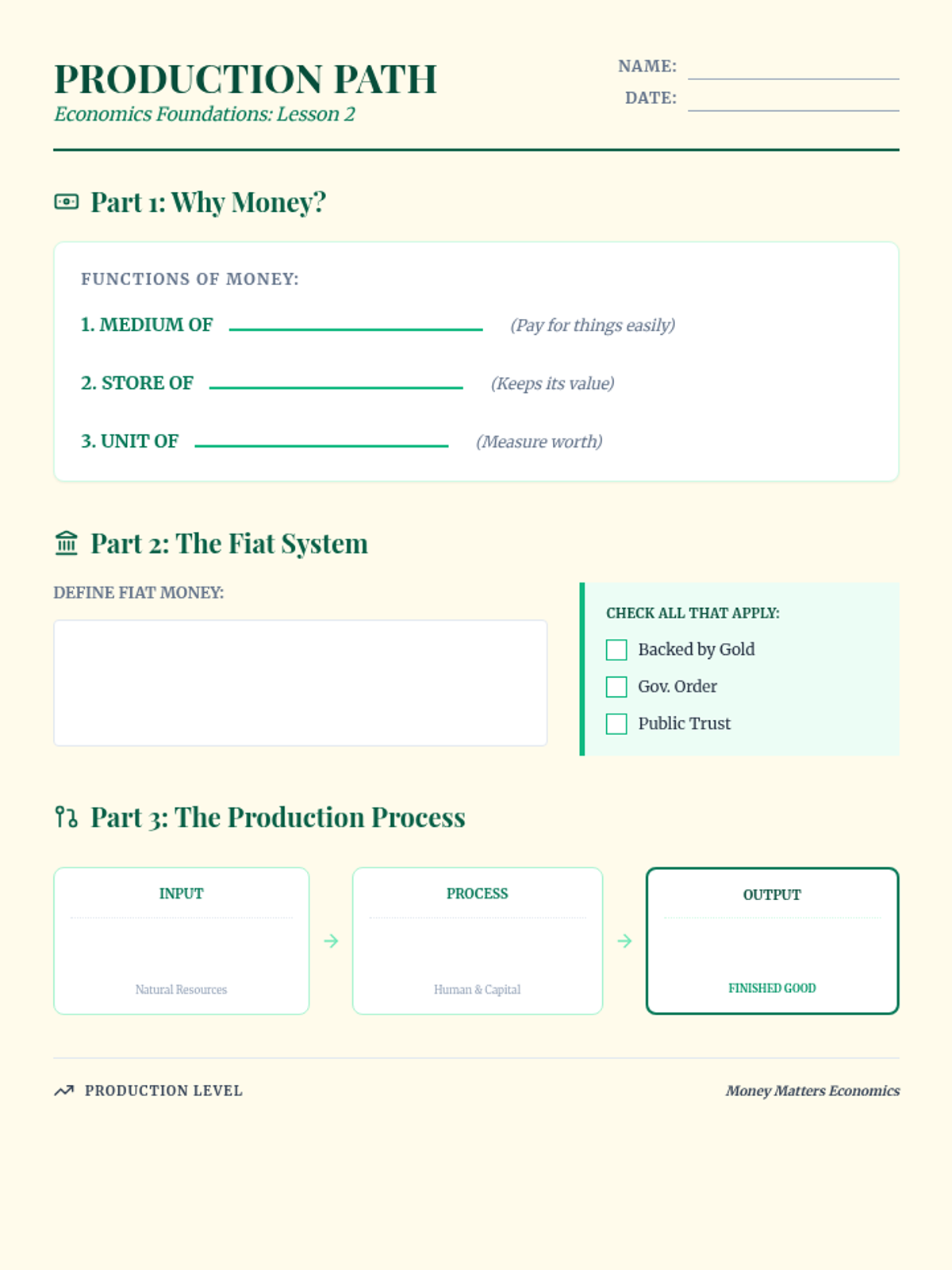
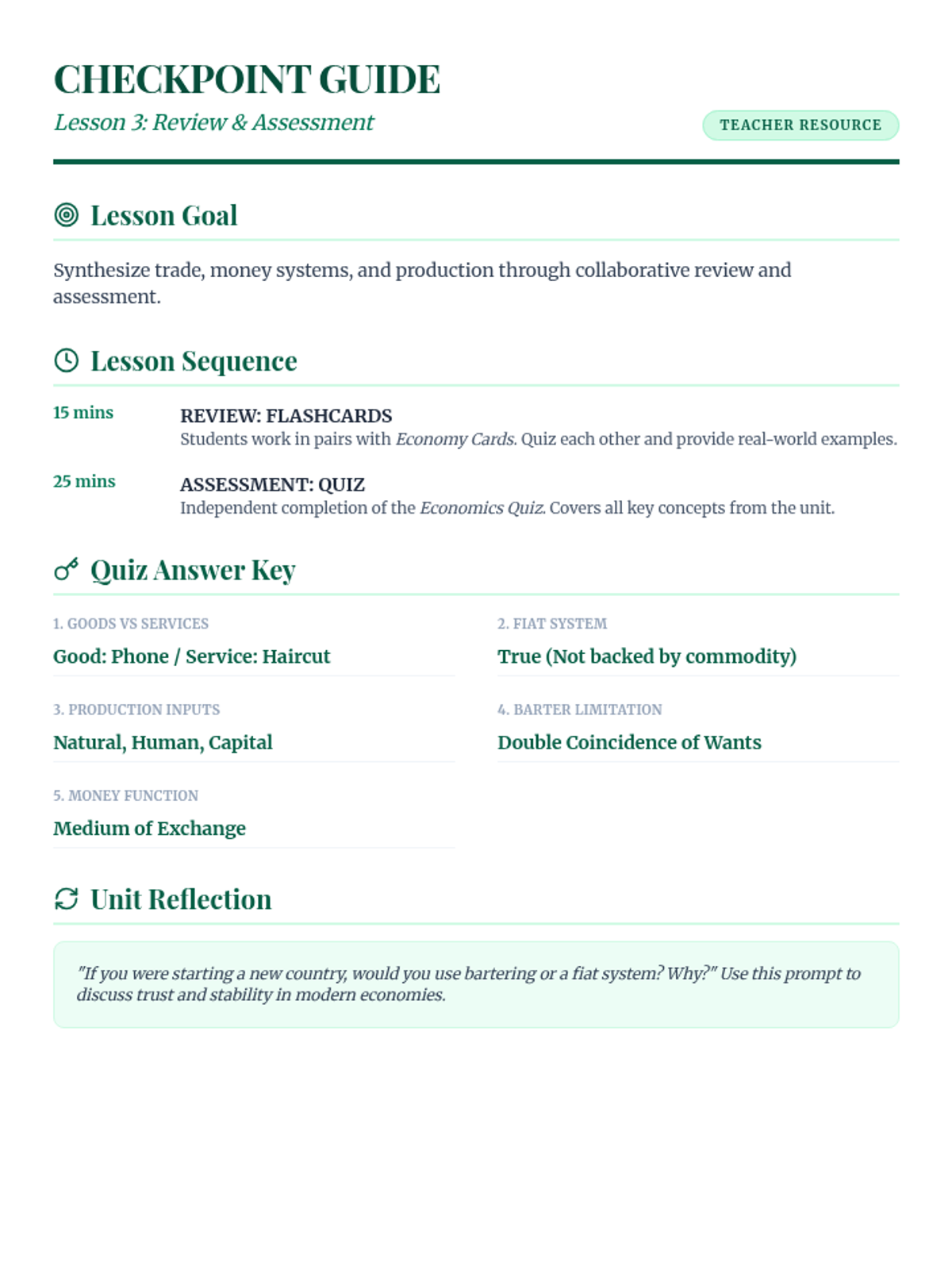
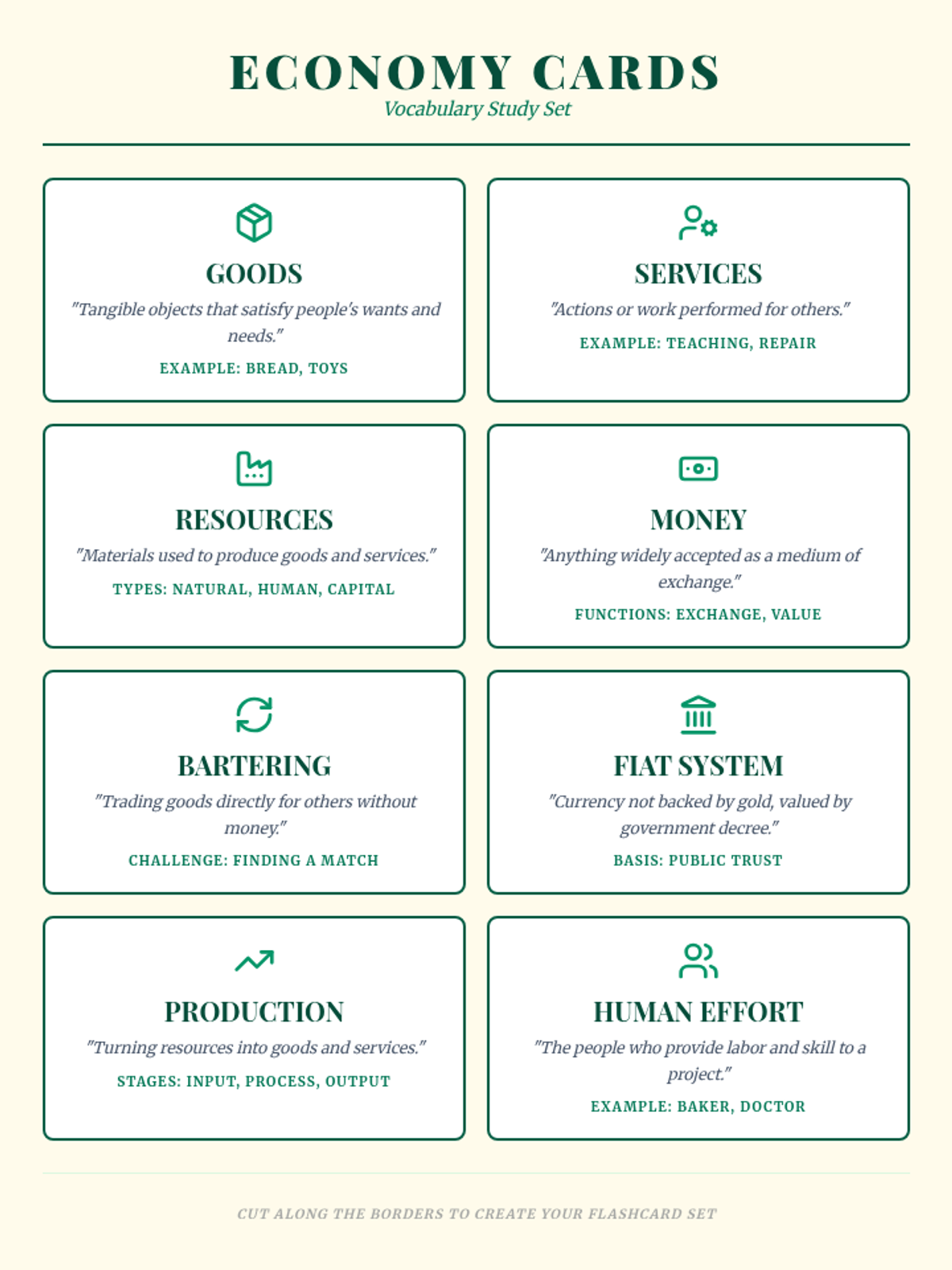
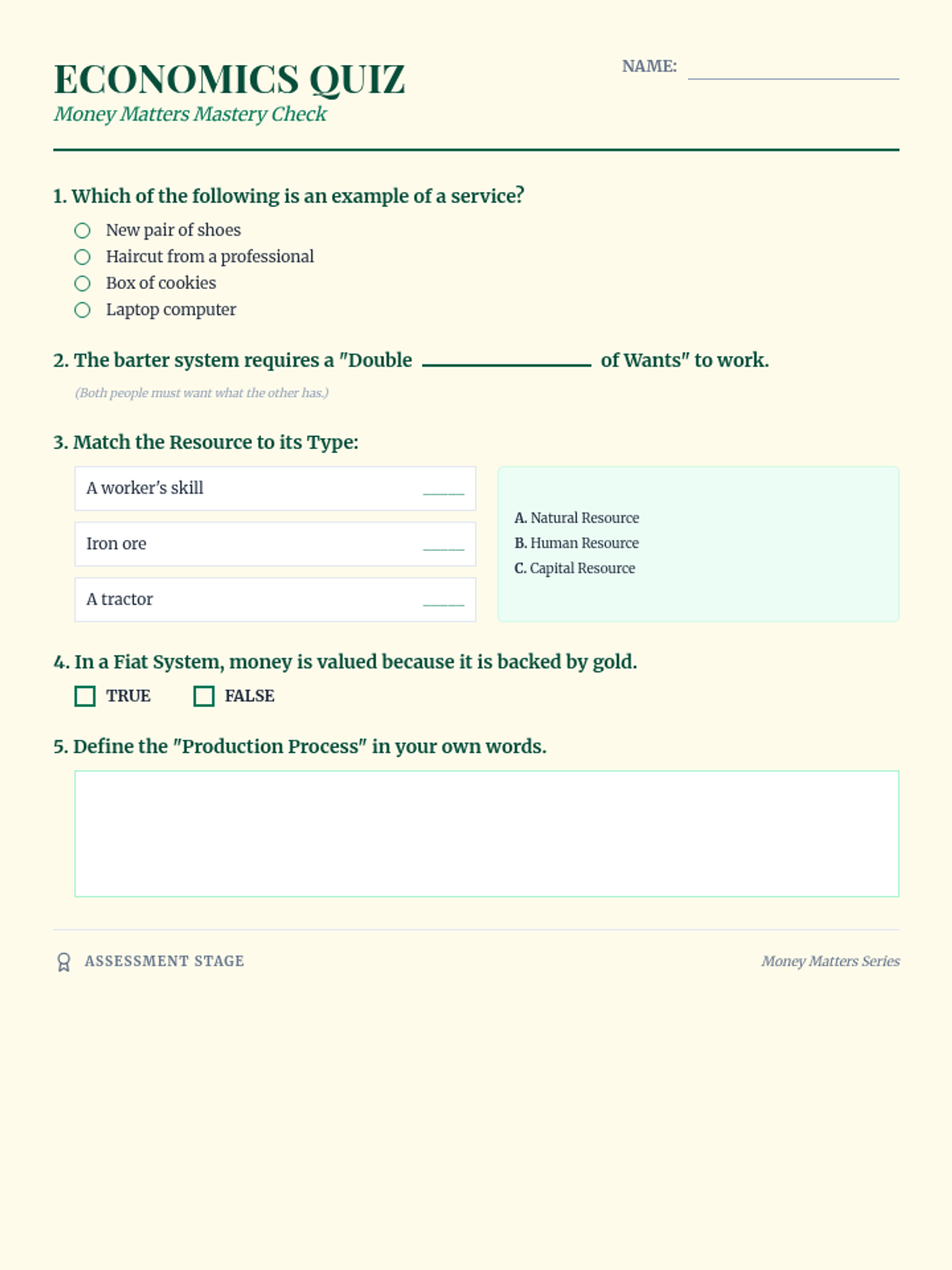
Explores the transition from bartering to modern currency, defining the fiat system and the stages of production. Students will understand why money acts as a medium of exchange and how resources are transformed into goods.
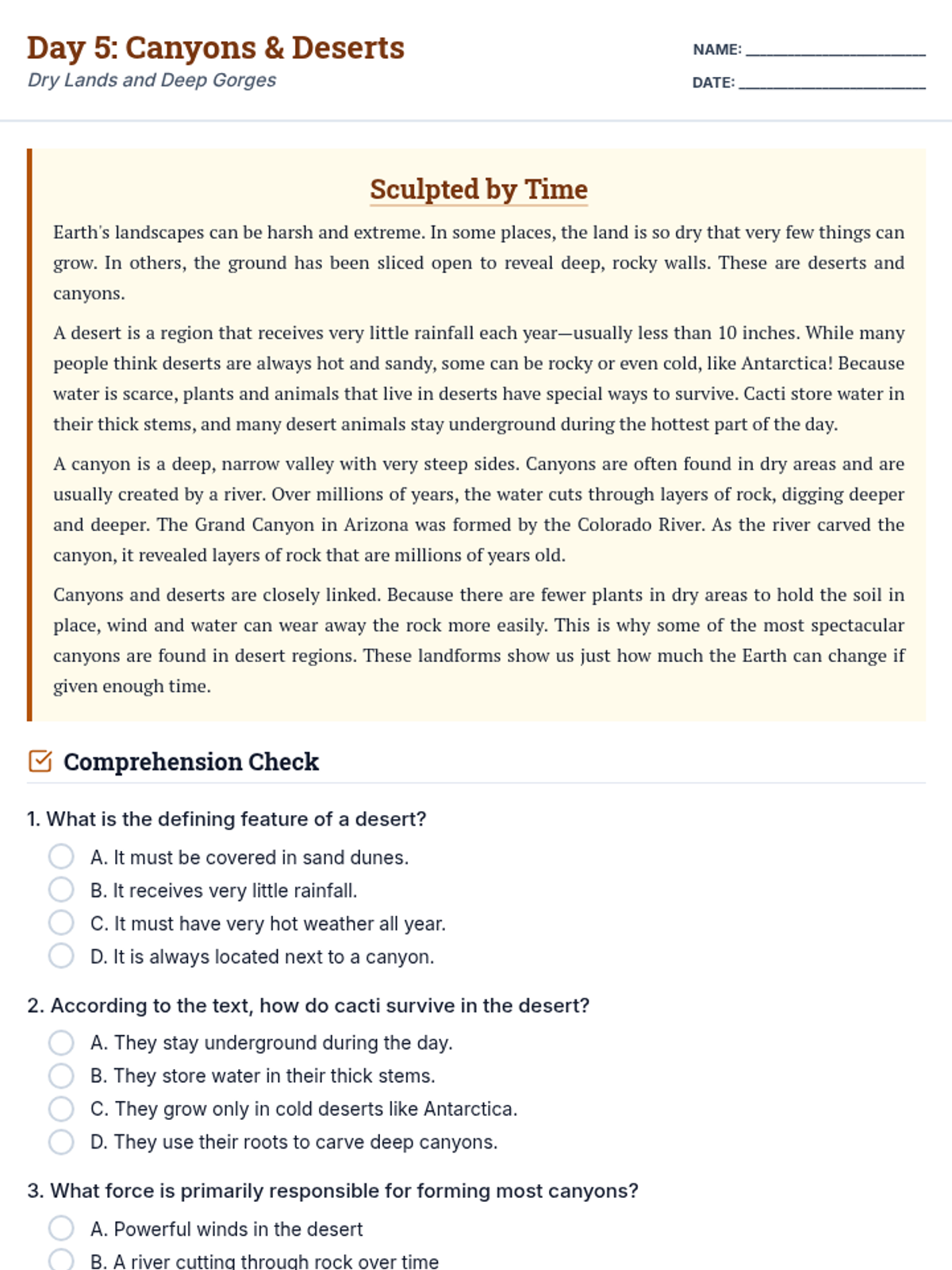
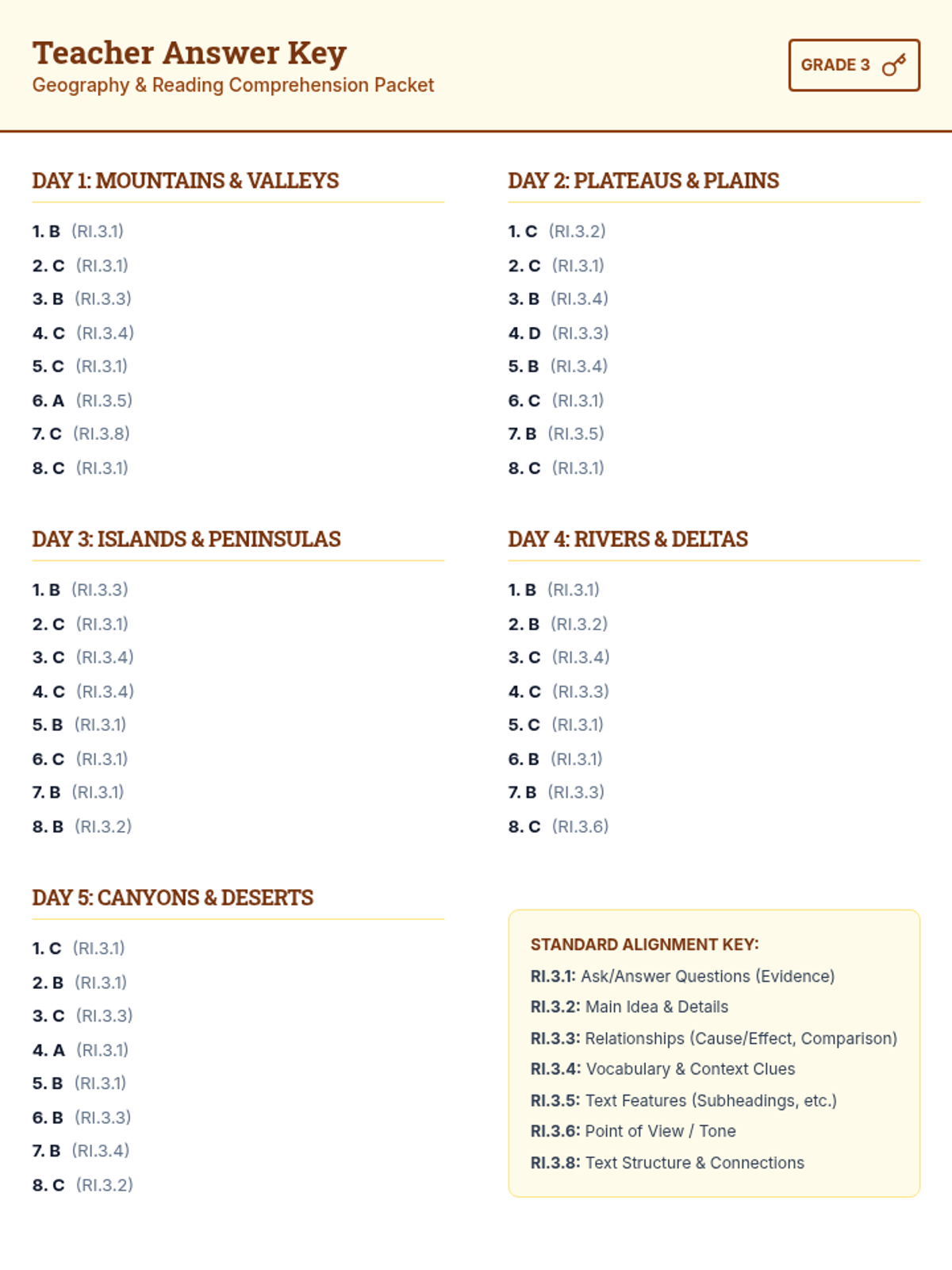
Concludes the week with a study of canyons and deserts, emphasizing inferences and the use of text features to understand extreme environments.
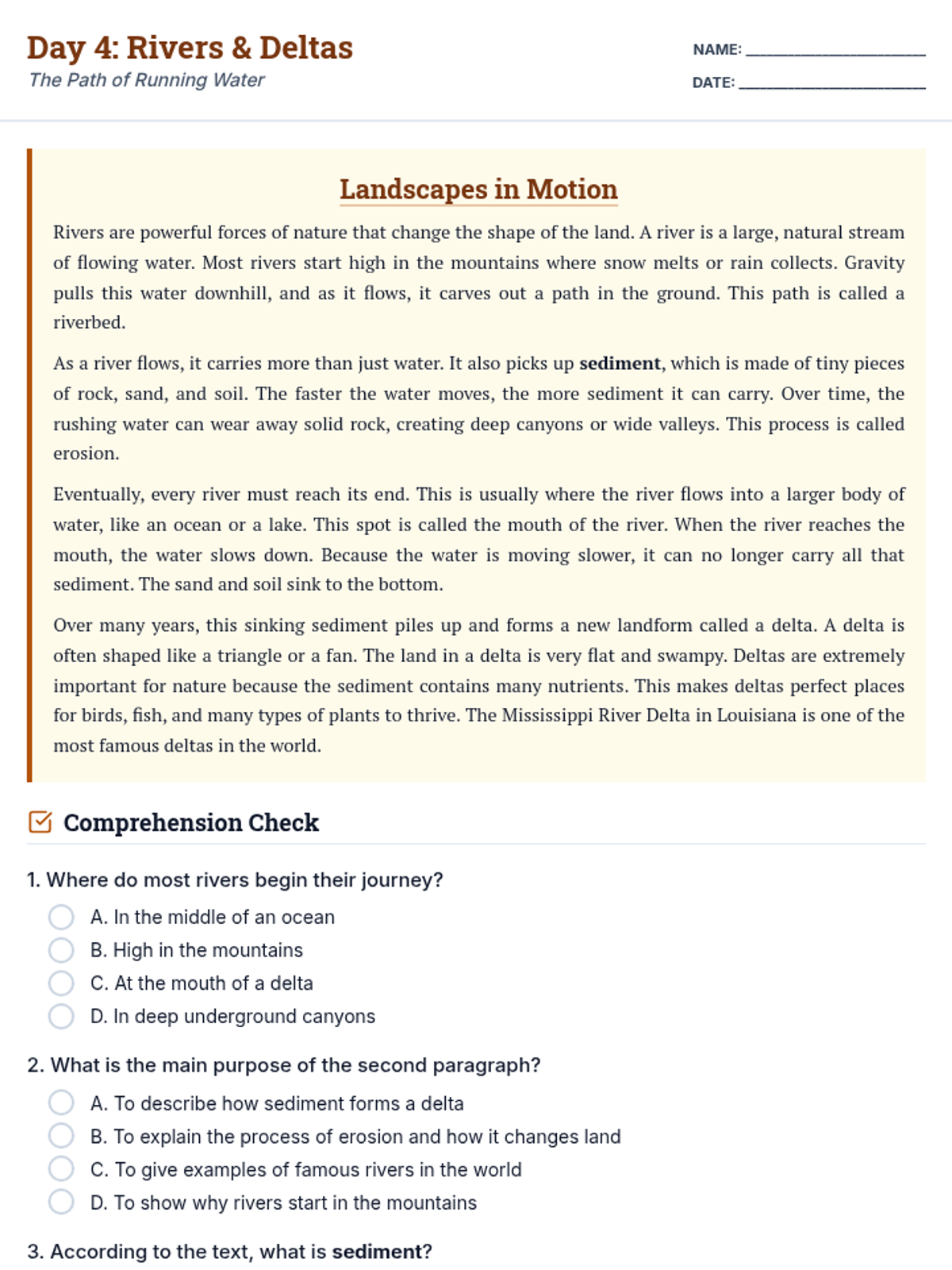
Examines the journey of water through rivers and the formation of deltas, focusing on cause-and-effect relationships within geographic processes.
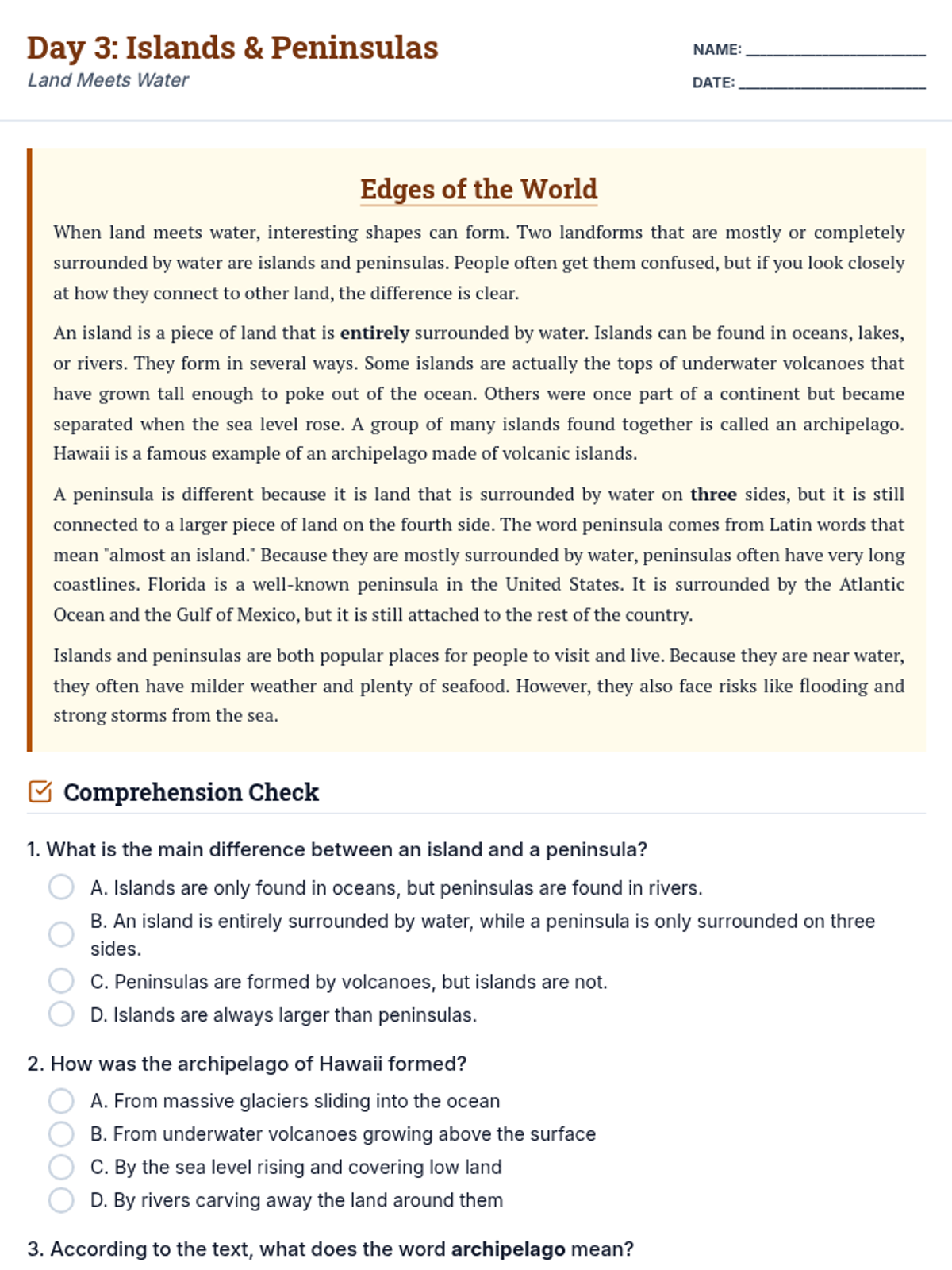
Investigates landforms surrounded by water, specifically islands and peninsulas, with a focus on vocabulary and context clues.
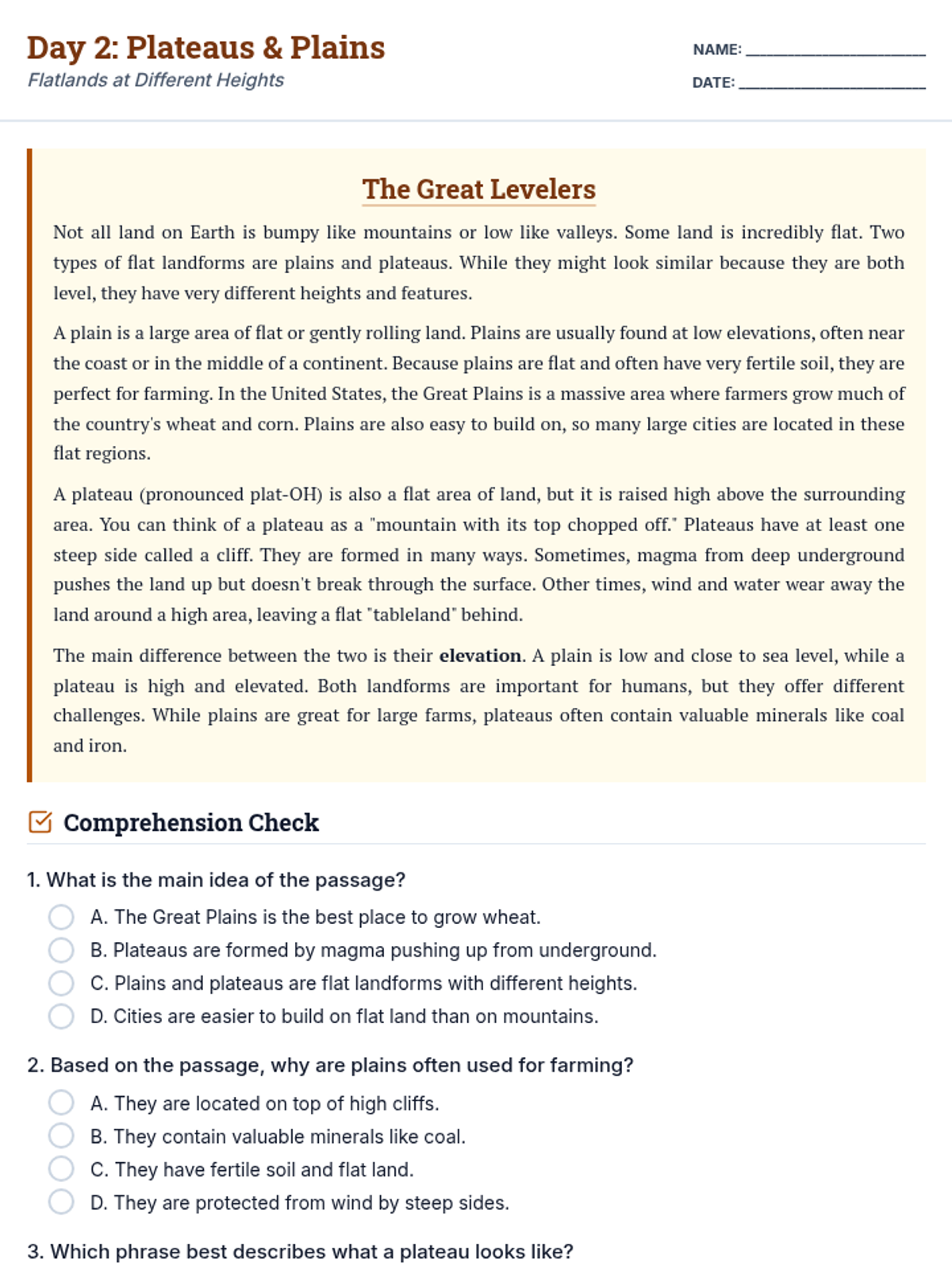
Explores the differences and similarities between plateaus and plains, focusing on comparing text evidence and identifying structural features of geography.
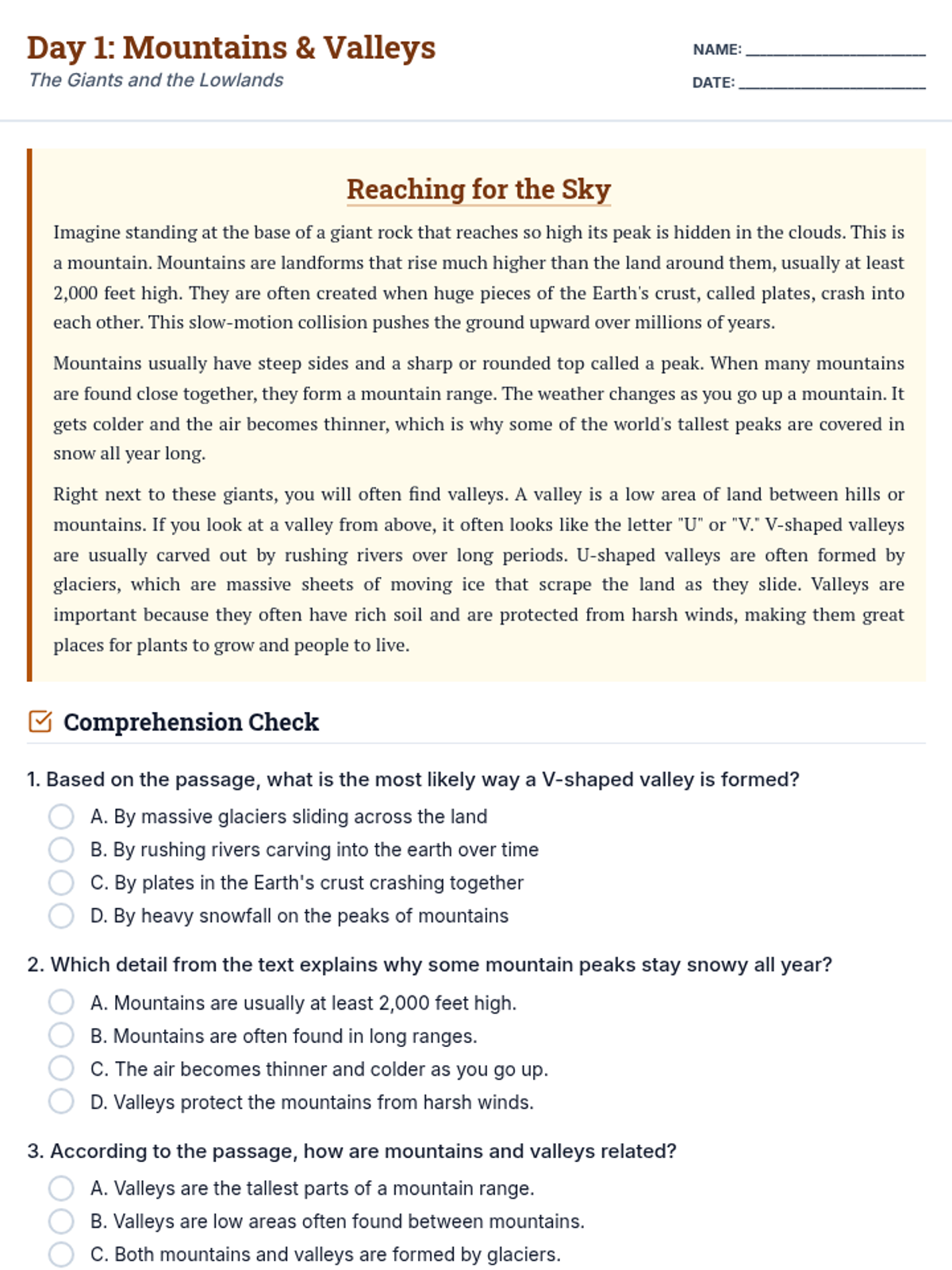
Focuses on the characteristics of mountains and valleys, introducing students to elevation and erosion concepts. Includes the packet cover page, a passage on mountain ranges, and rigorous reading comprehension questions.
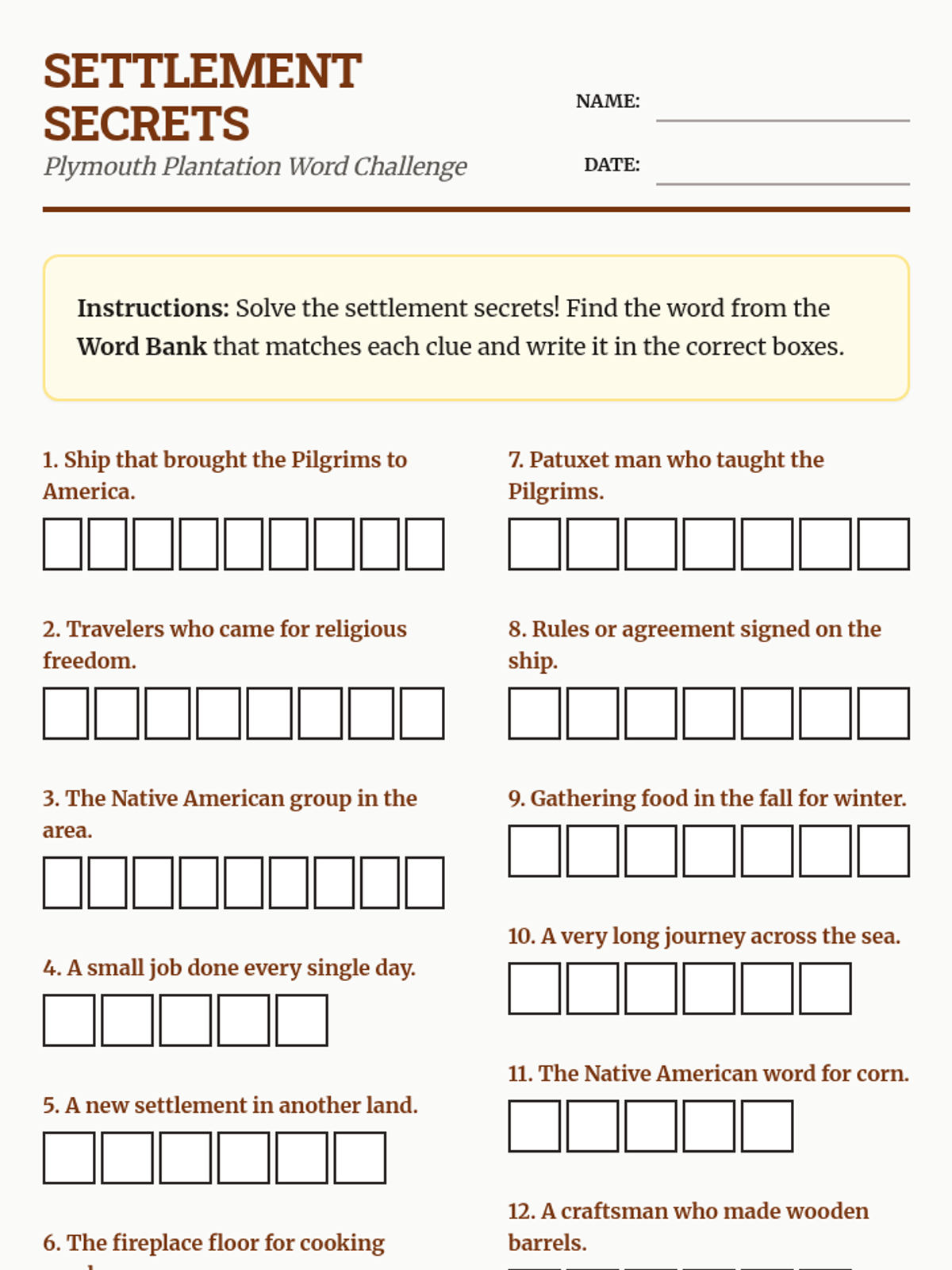
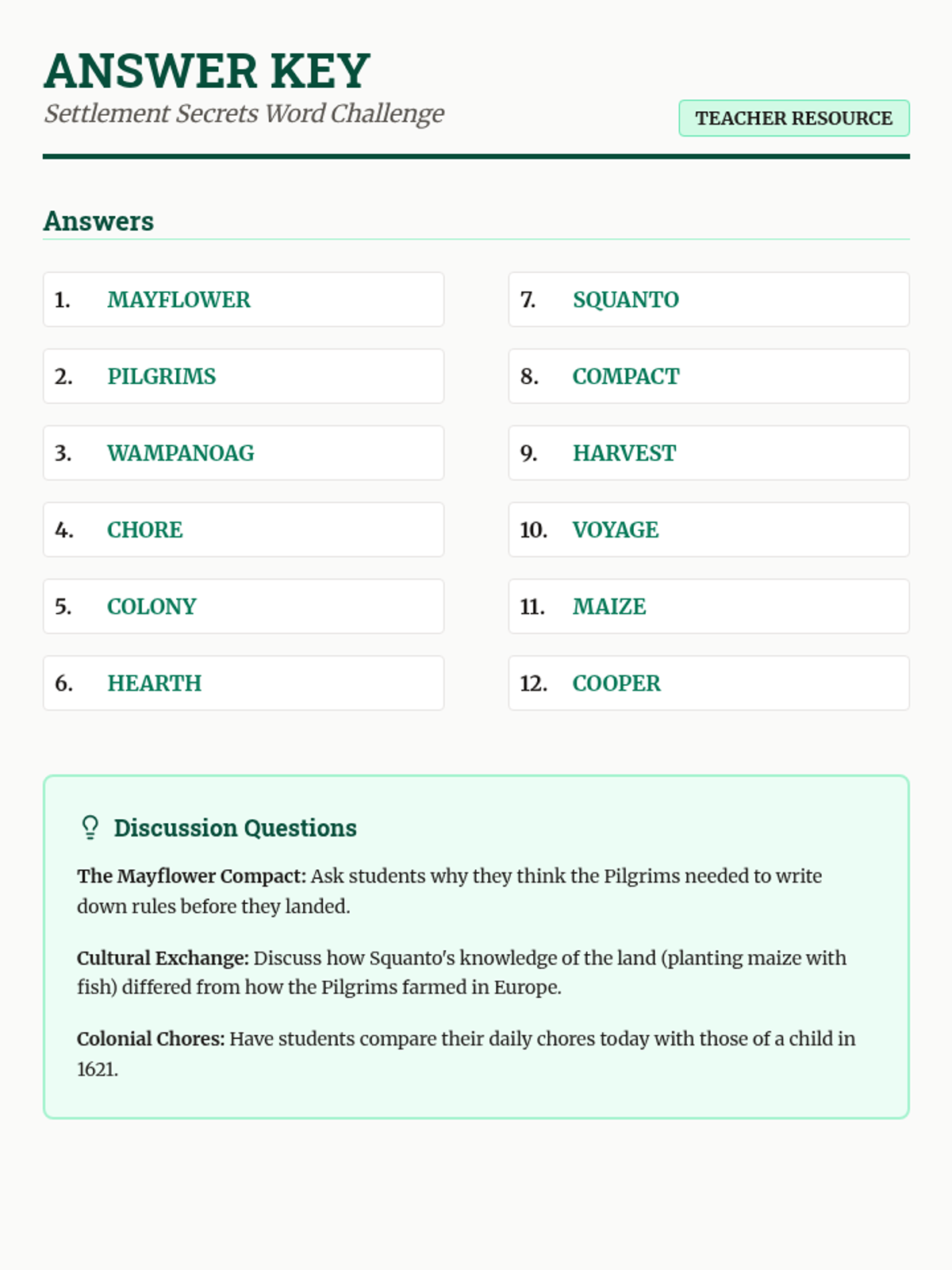
A lesson exploring the journey of the Pilgrims, their arrival at Plymouth, and their interactions with the Wampanoag people through vocabulary-building activities.
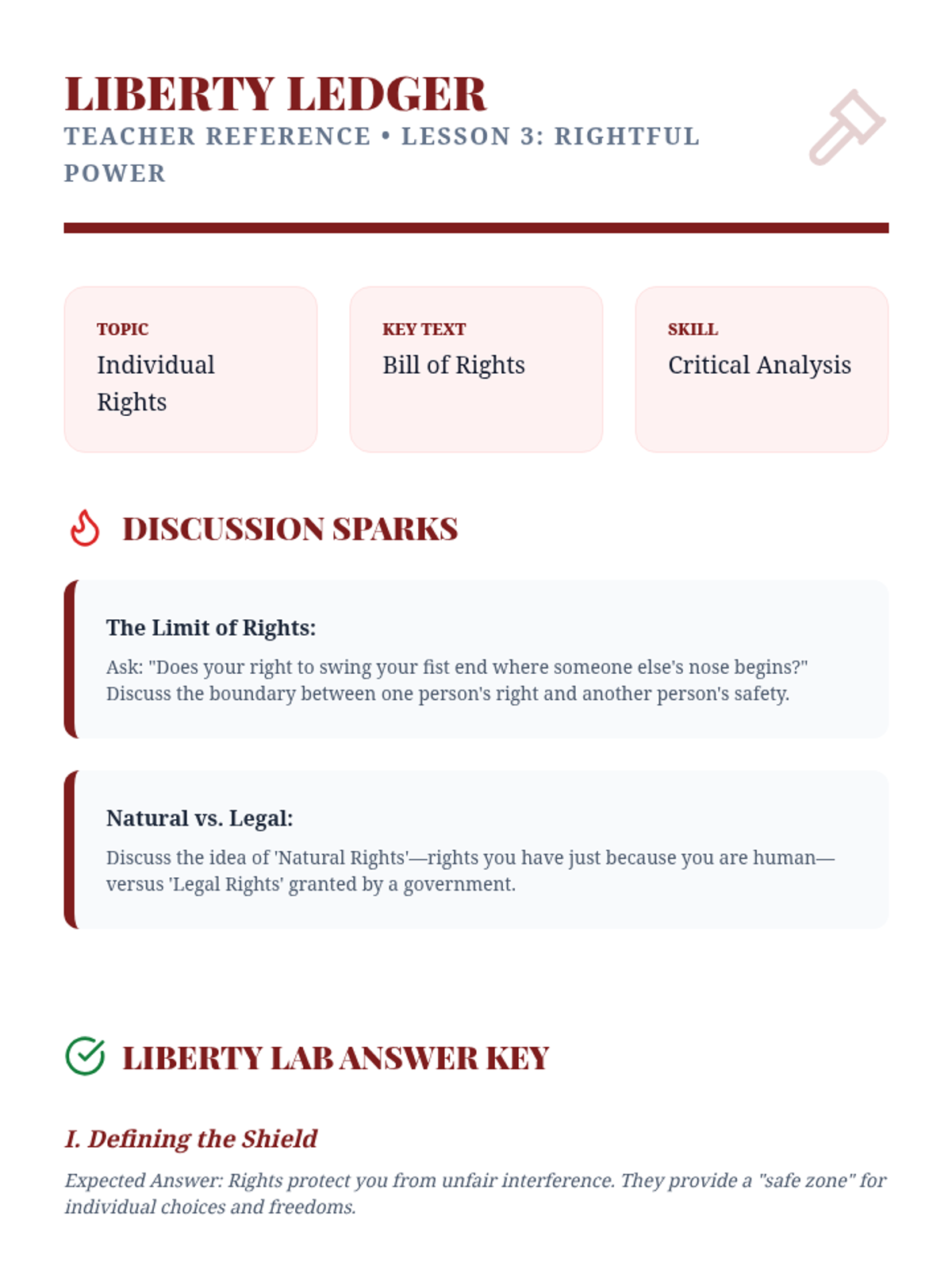
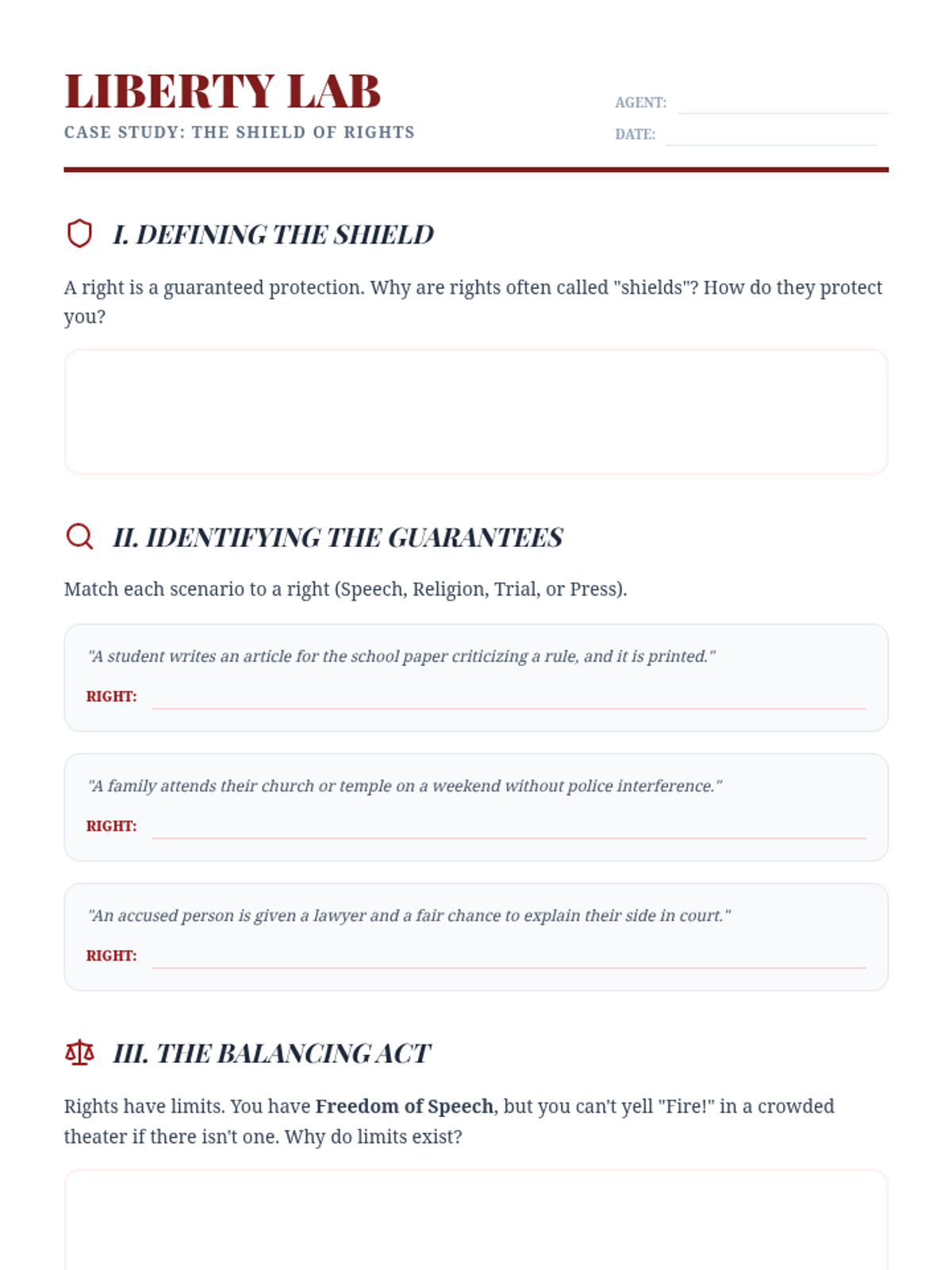
A detailed exploration of individual rights, the Bill of Rights, and how these protections empower citizens.
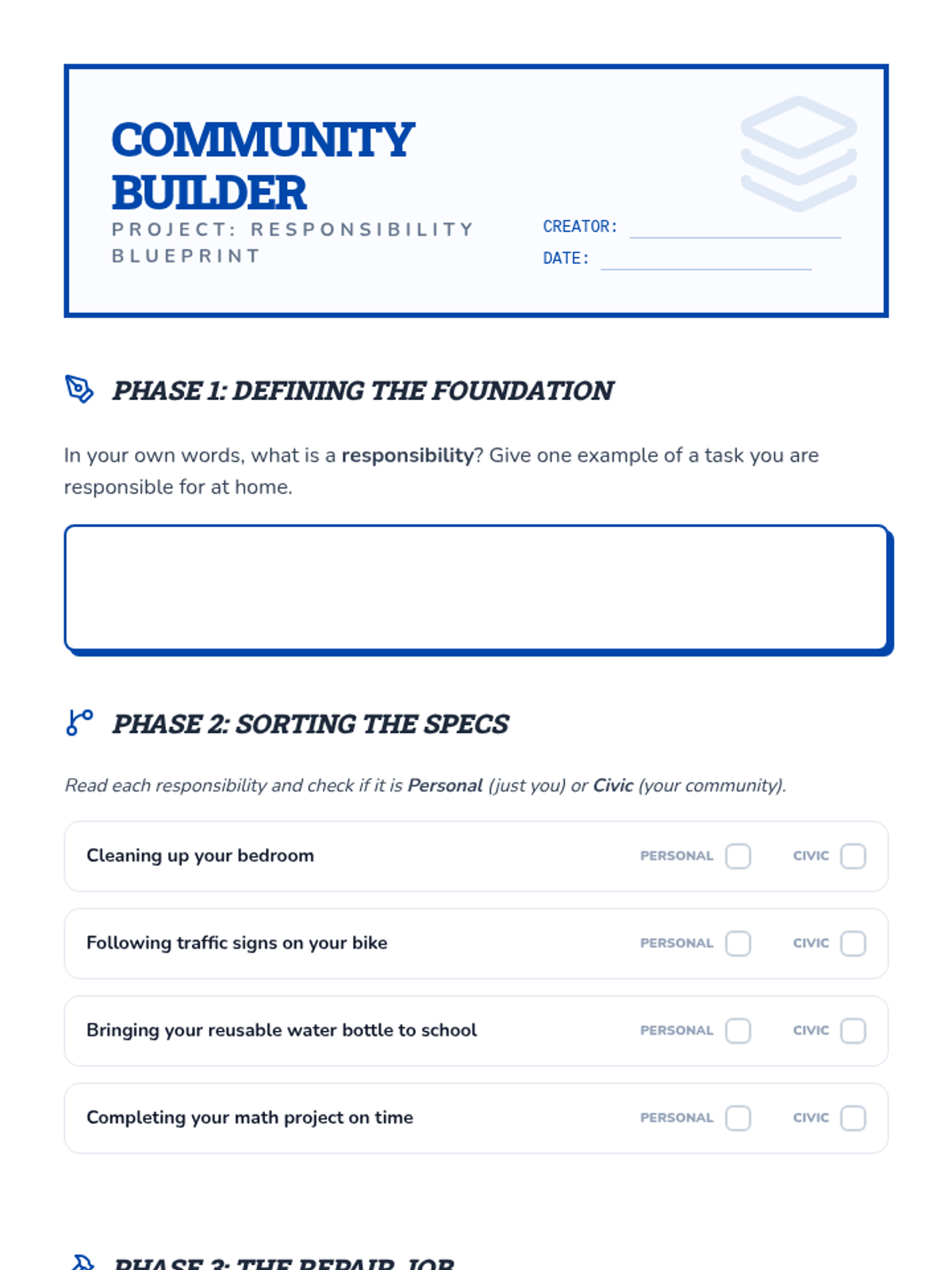
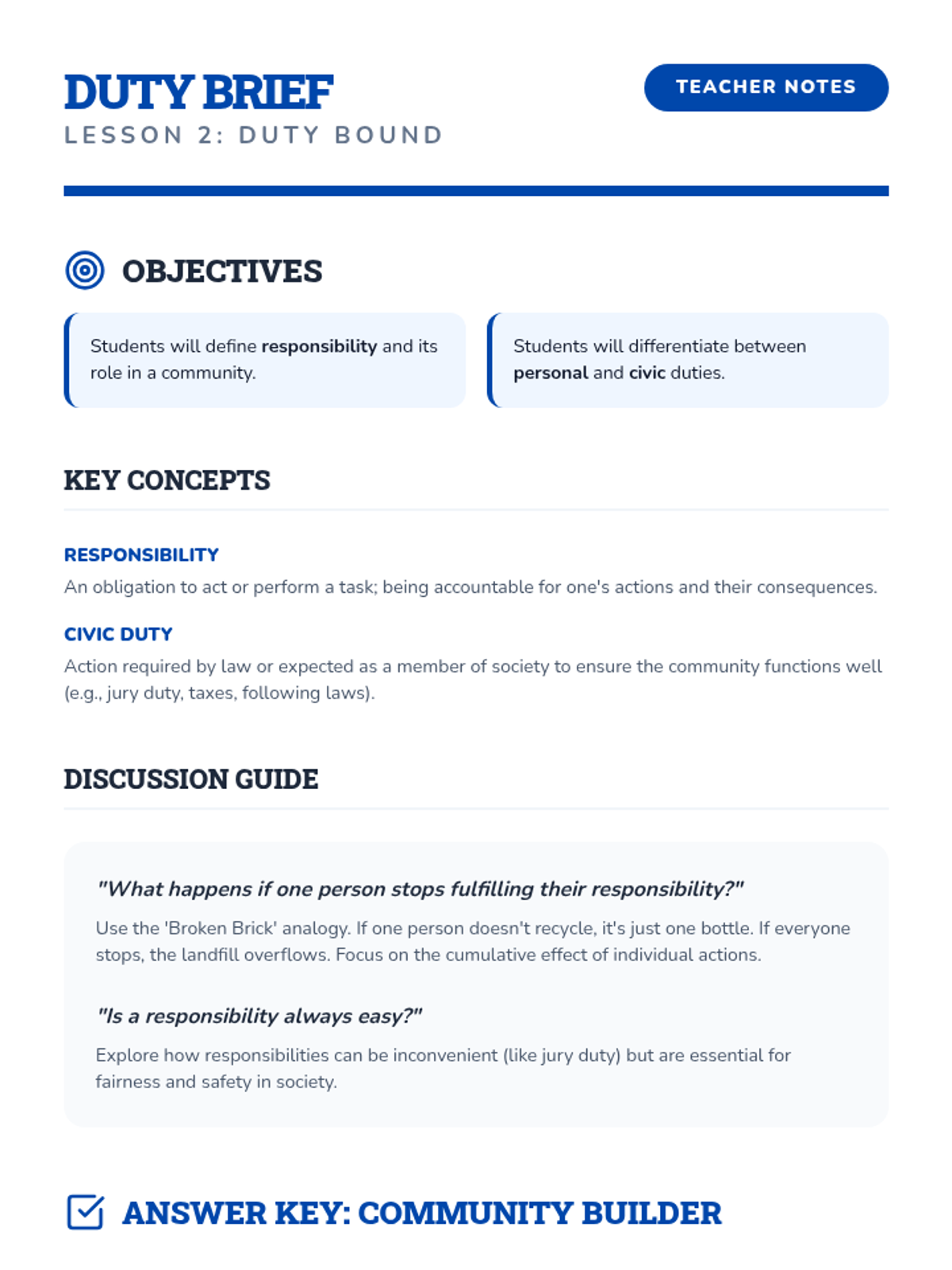
A deep dive into the concept of civic and personal responsibilities, exploring how duties shape communities.
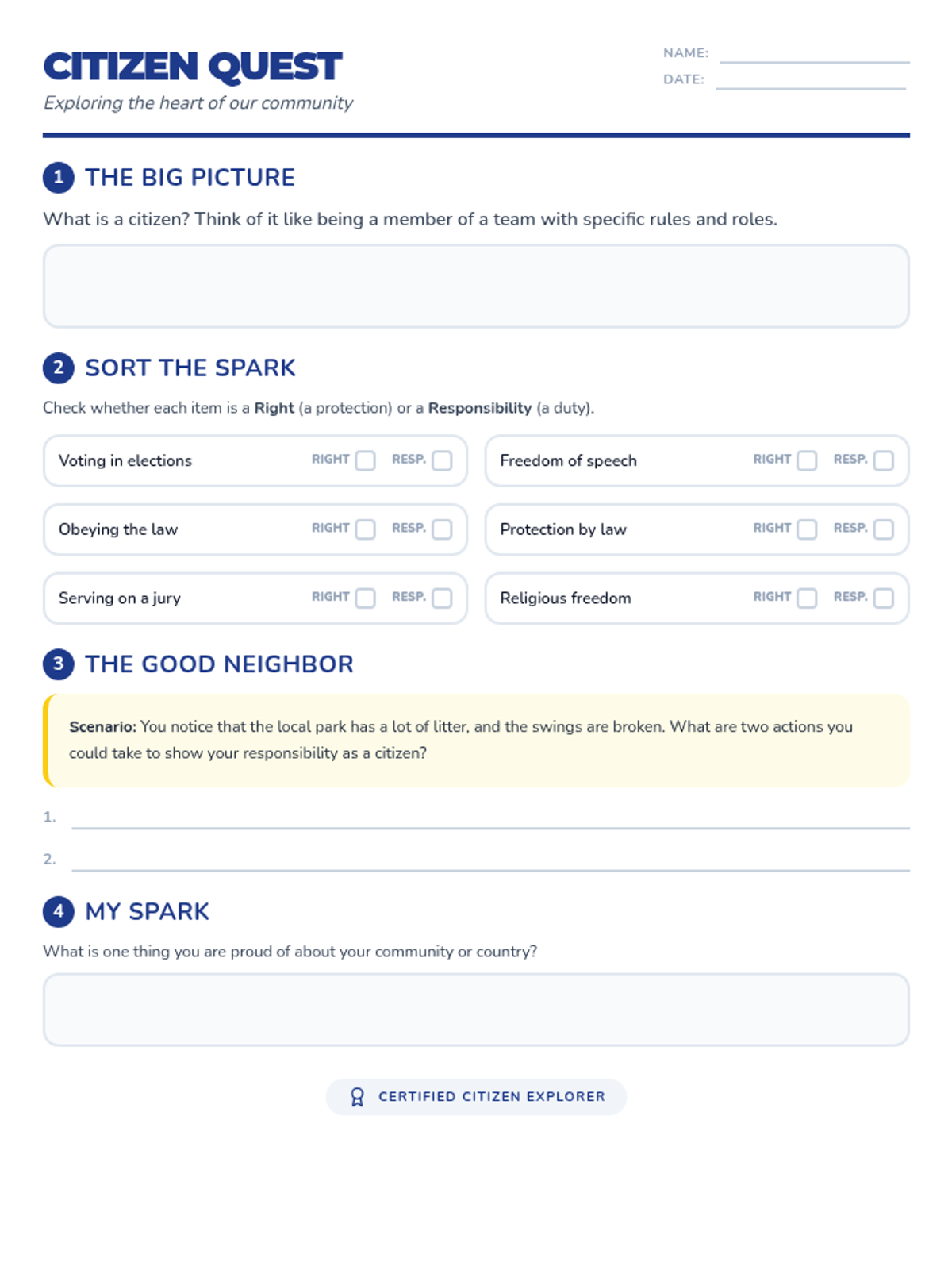
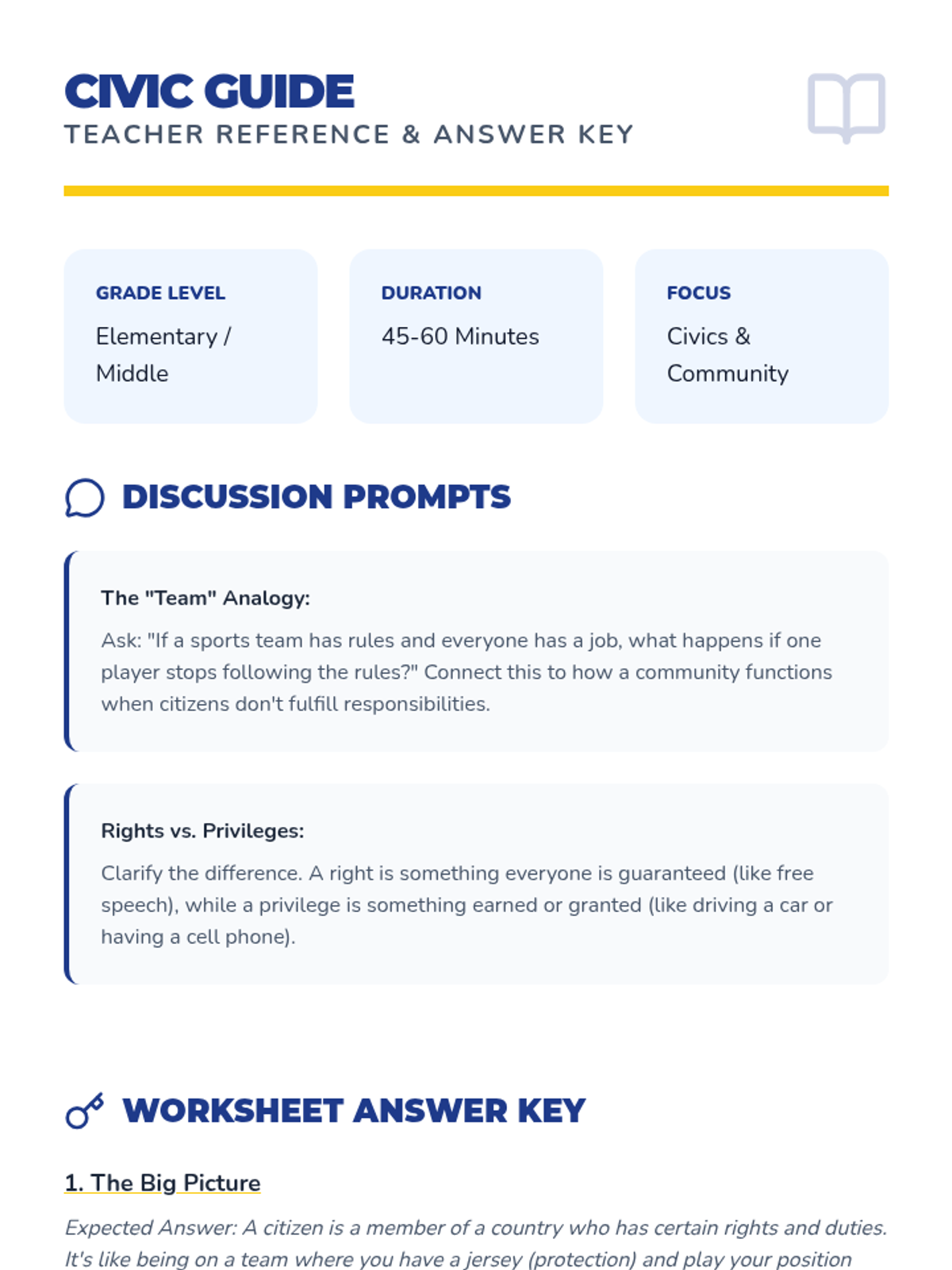
An introductory lesson exploring the concept of citizenship, including rights, responsibilities, and community involvement.
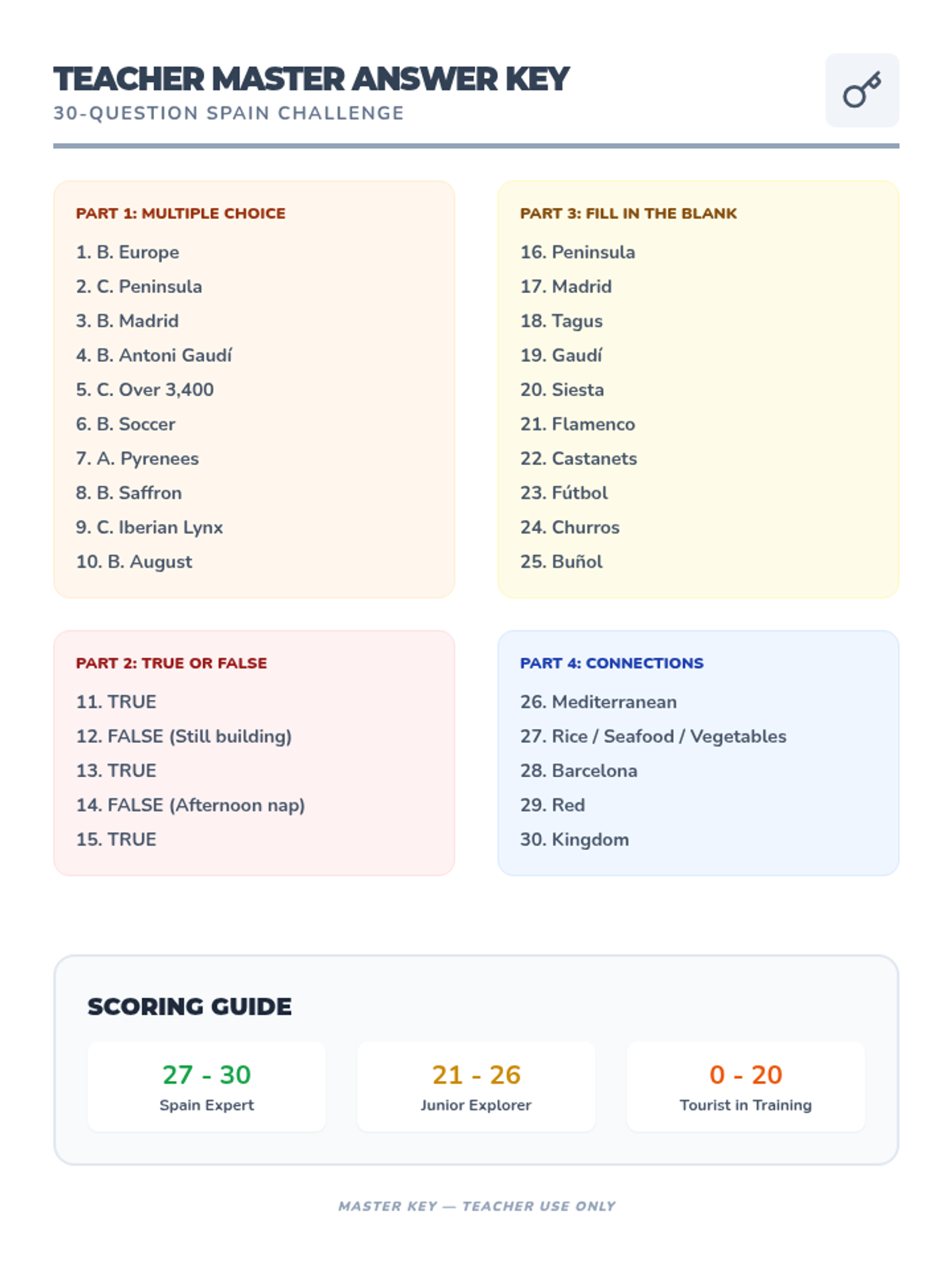
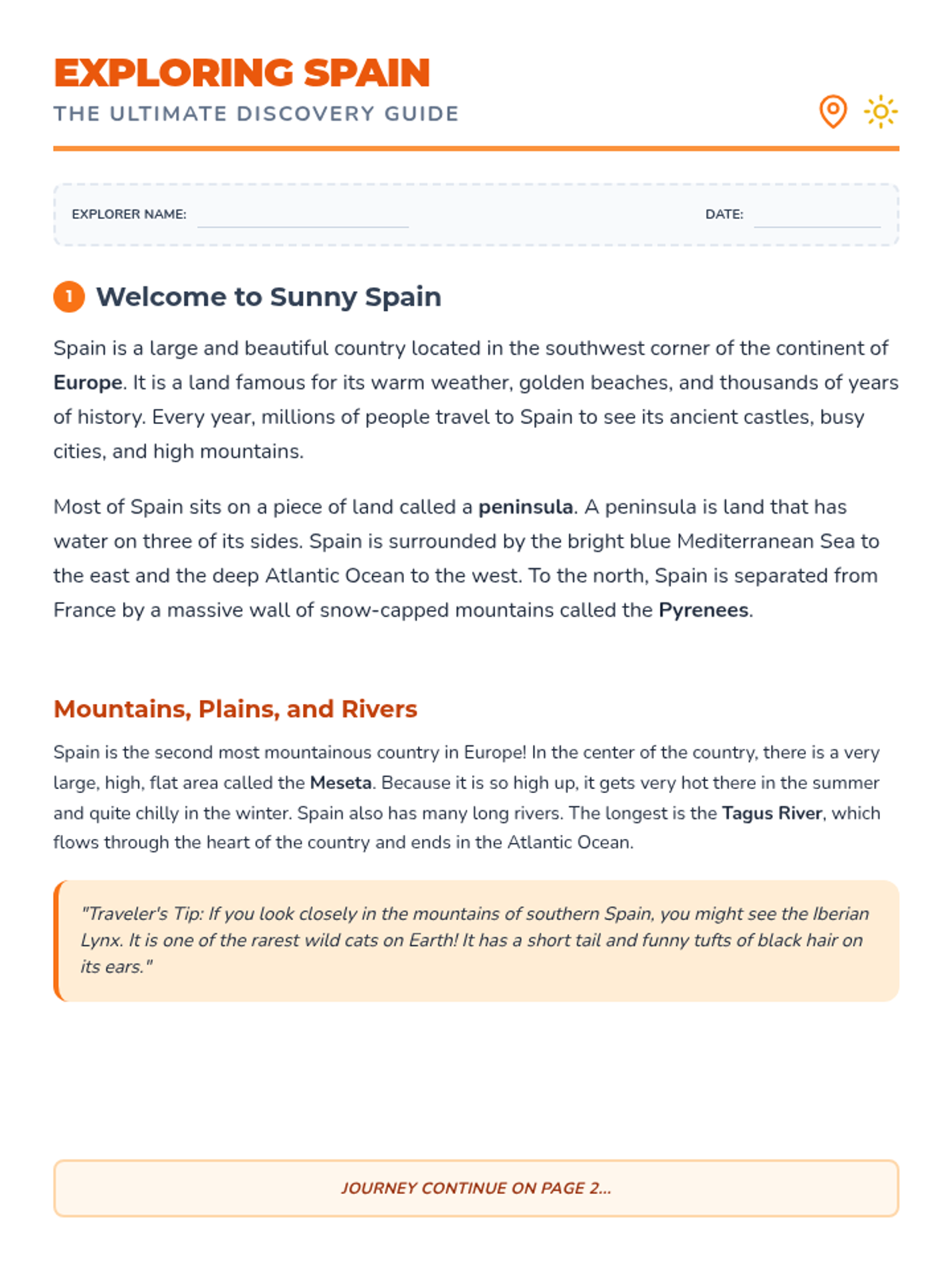
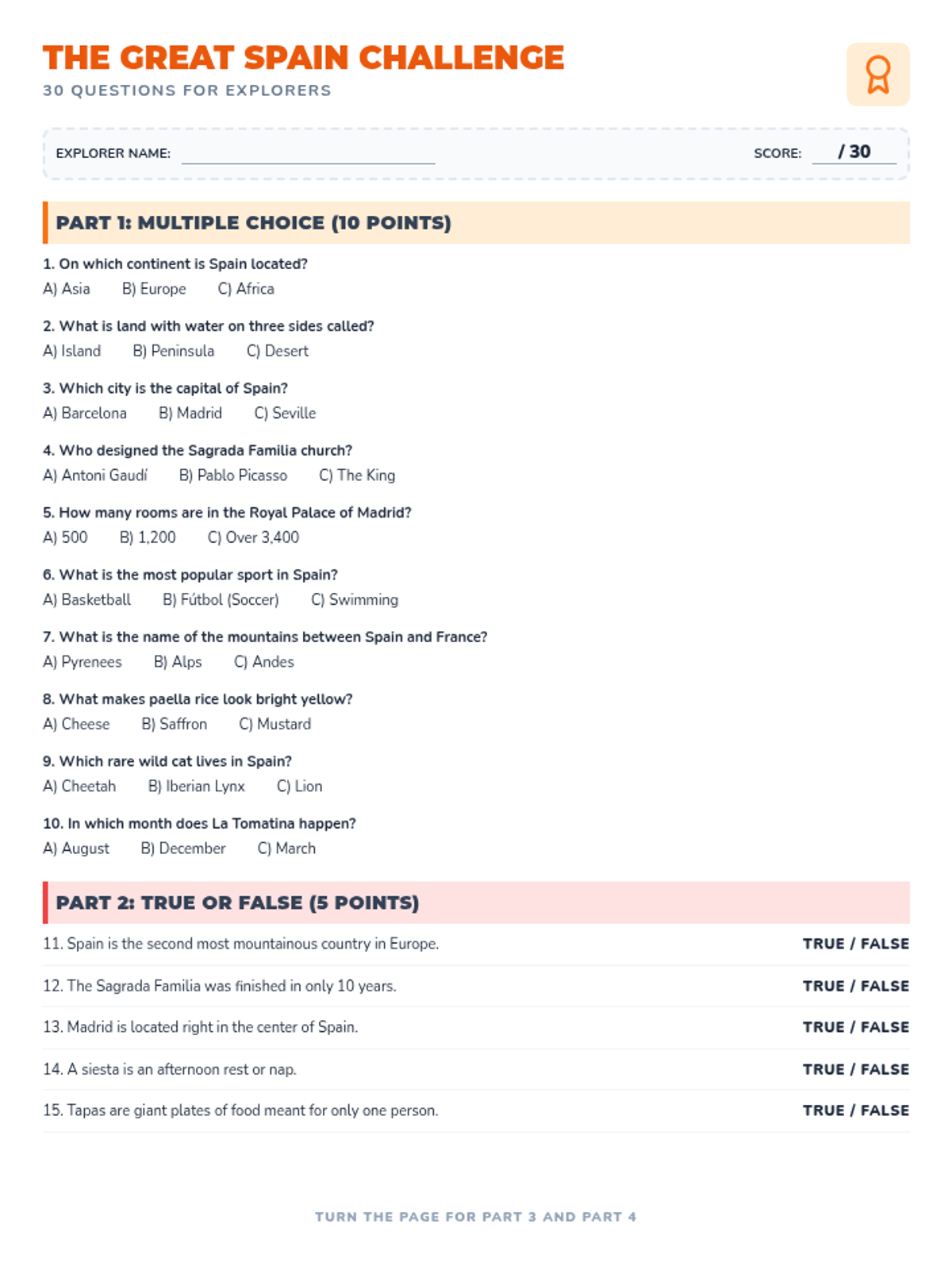
A comprehensive introduction to the geography, culture, and traditions of Spain designed for early elementary students. Includes a detailed reading passage, visual aids, and comprehension activities.
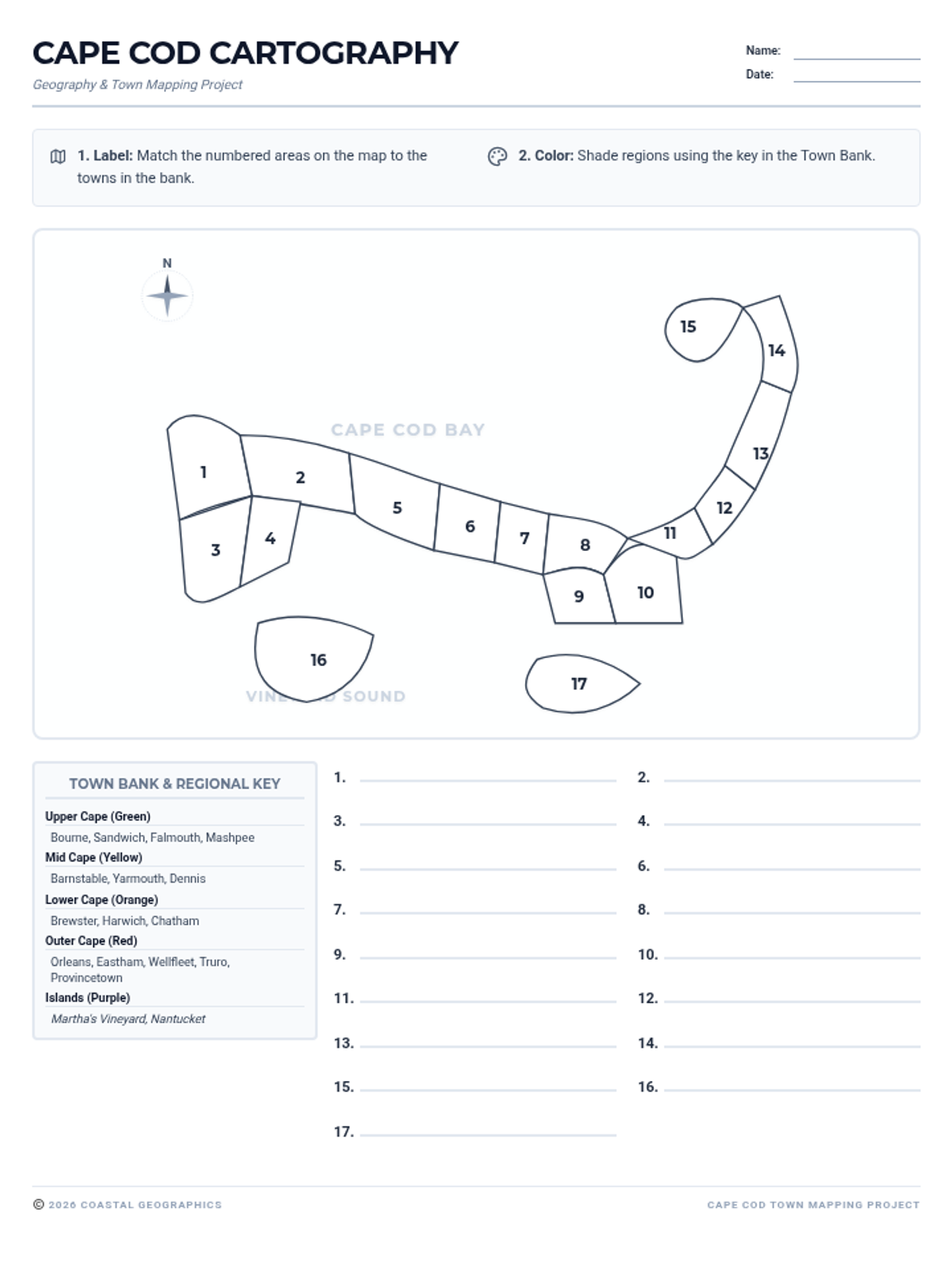
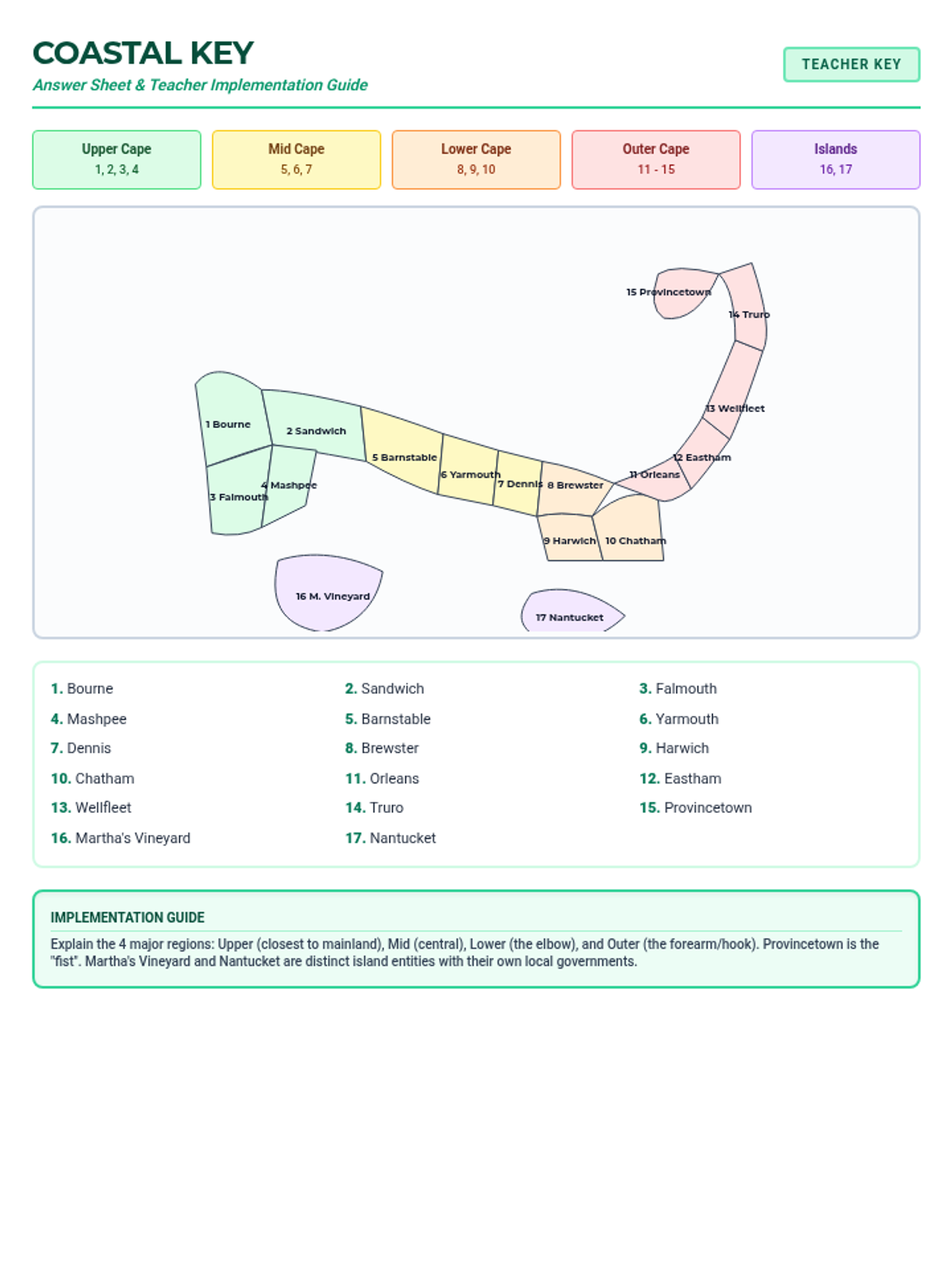
A lesson focused on the unique geography of Cape Cod and the Islands, including town identification and regional categorization.
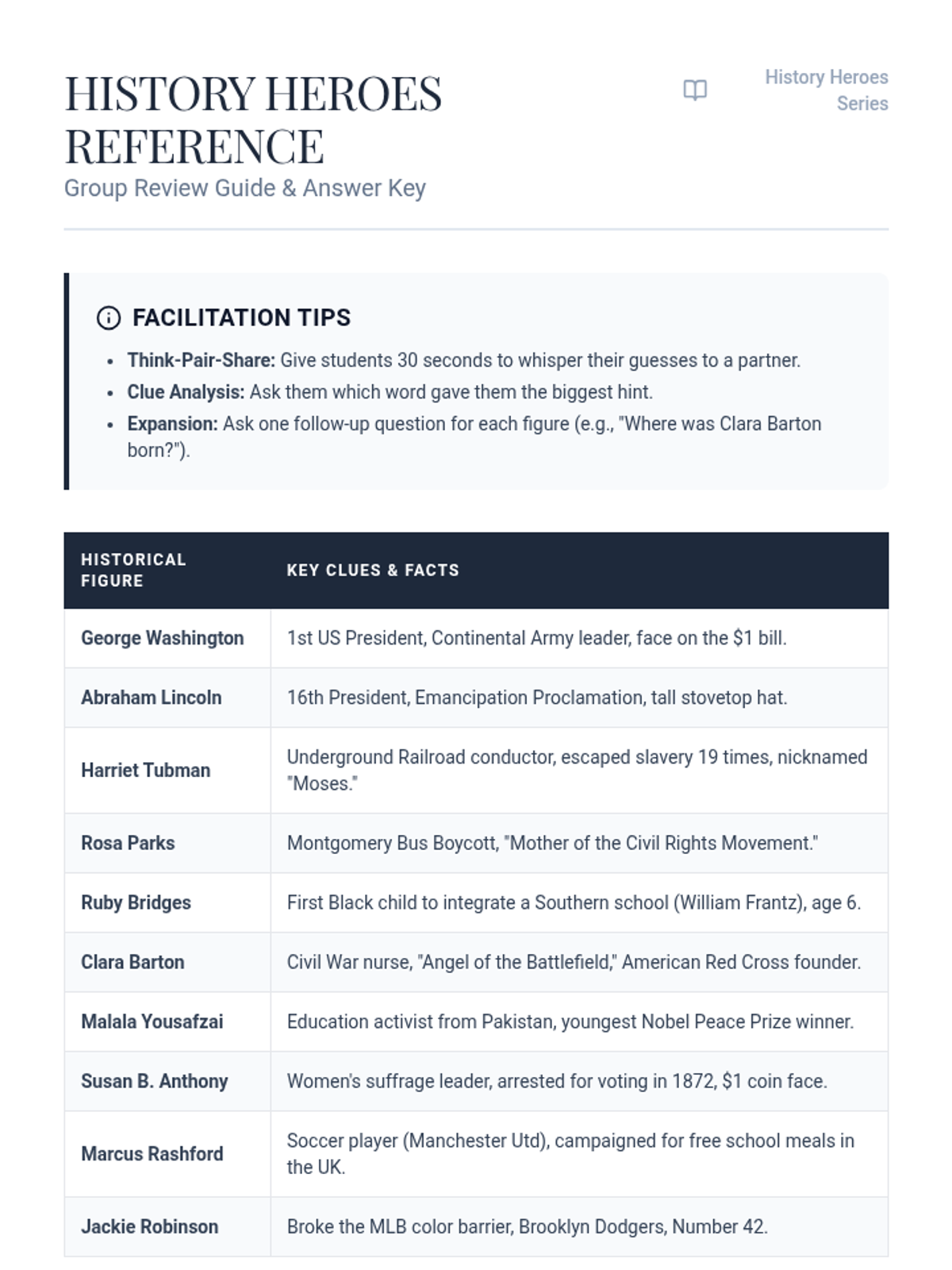
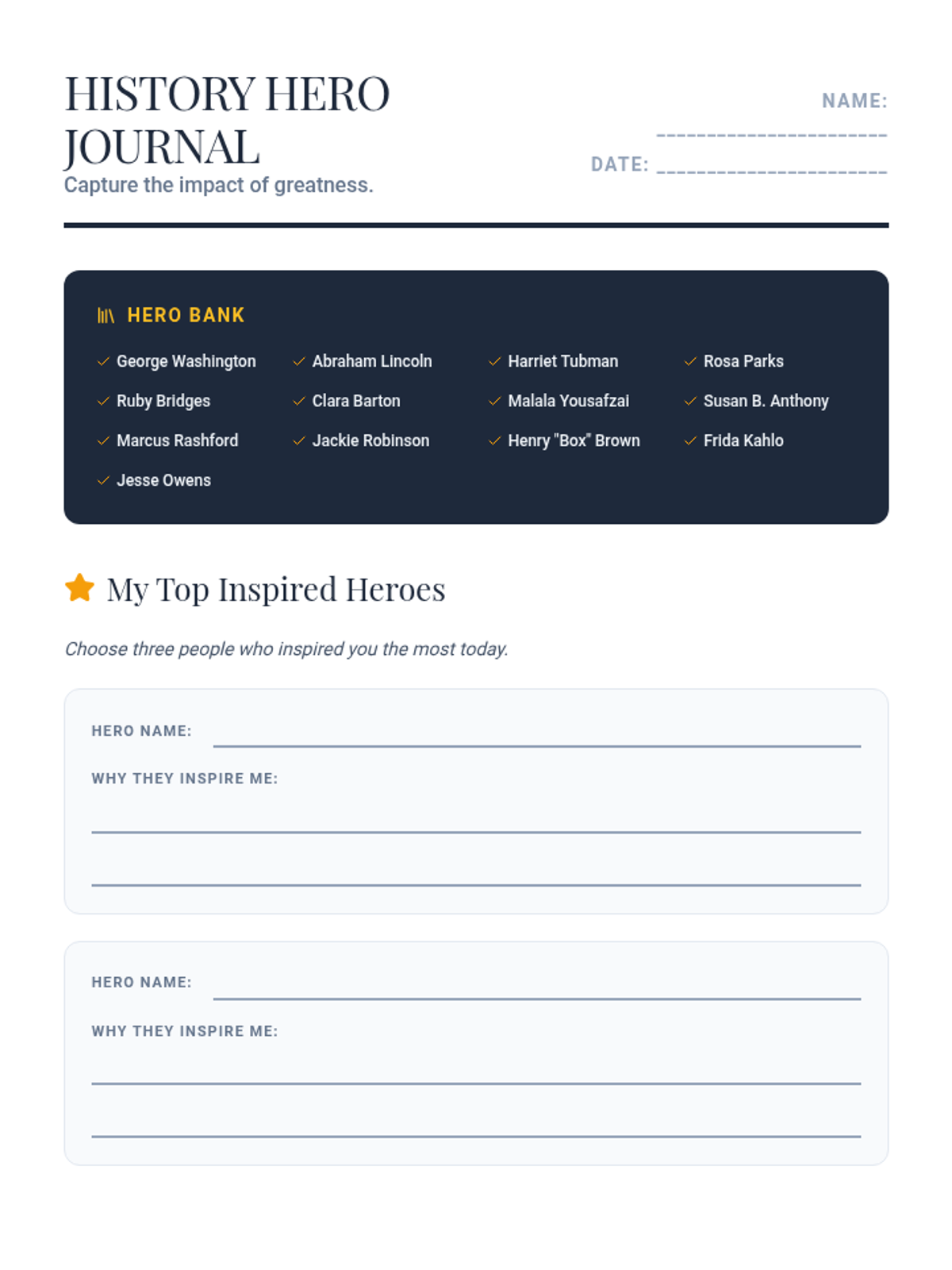
A collaborative review lesson where students identify and discuss influential historical figures through a 'Who Am I?' game. The lesson emphasizes critical thinking and collective memory about the impact of diverse leaders, activists, and icons.
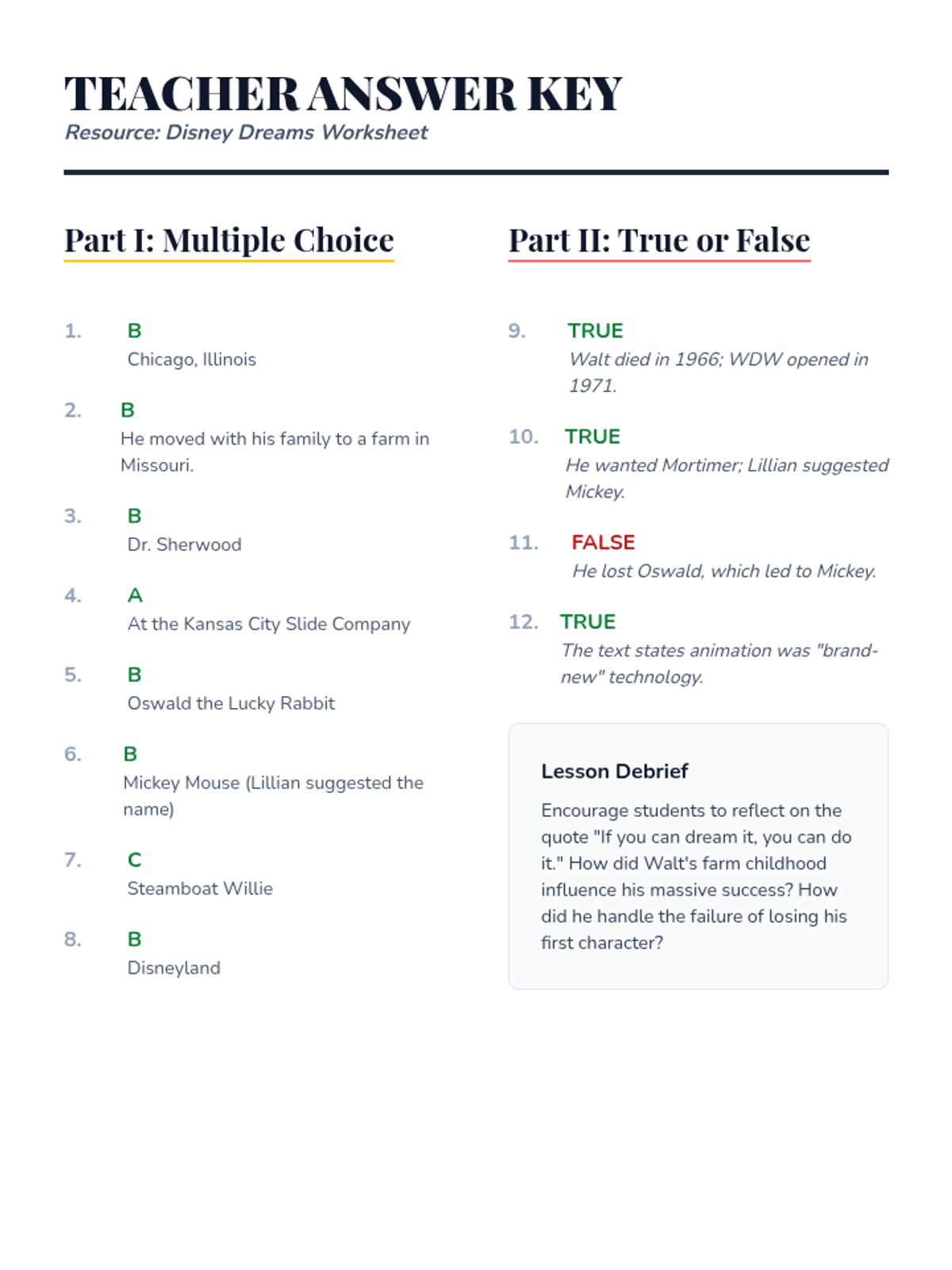
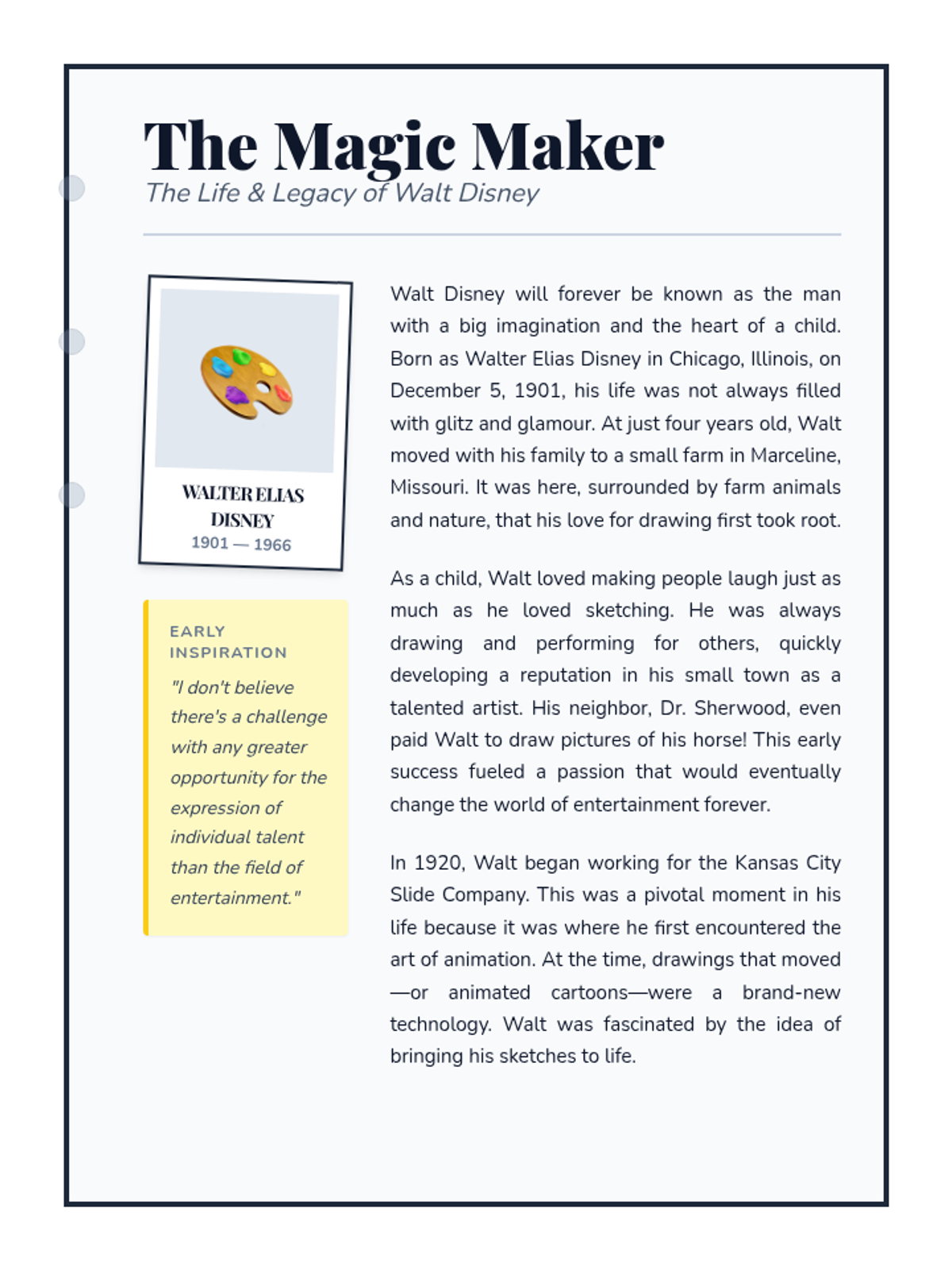
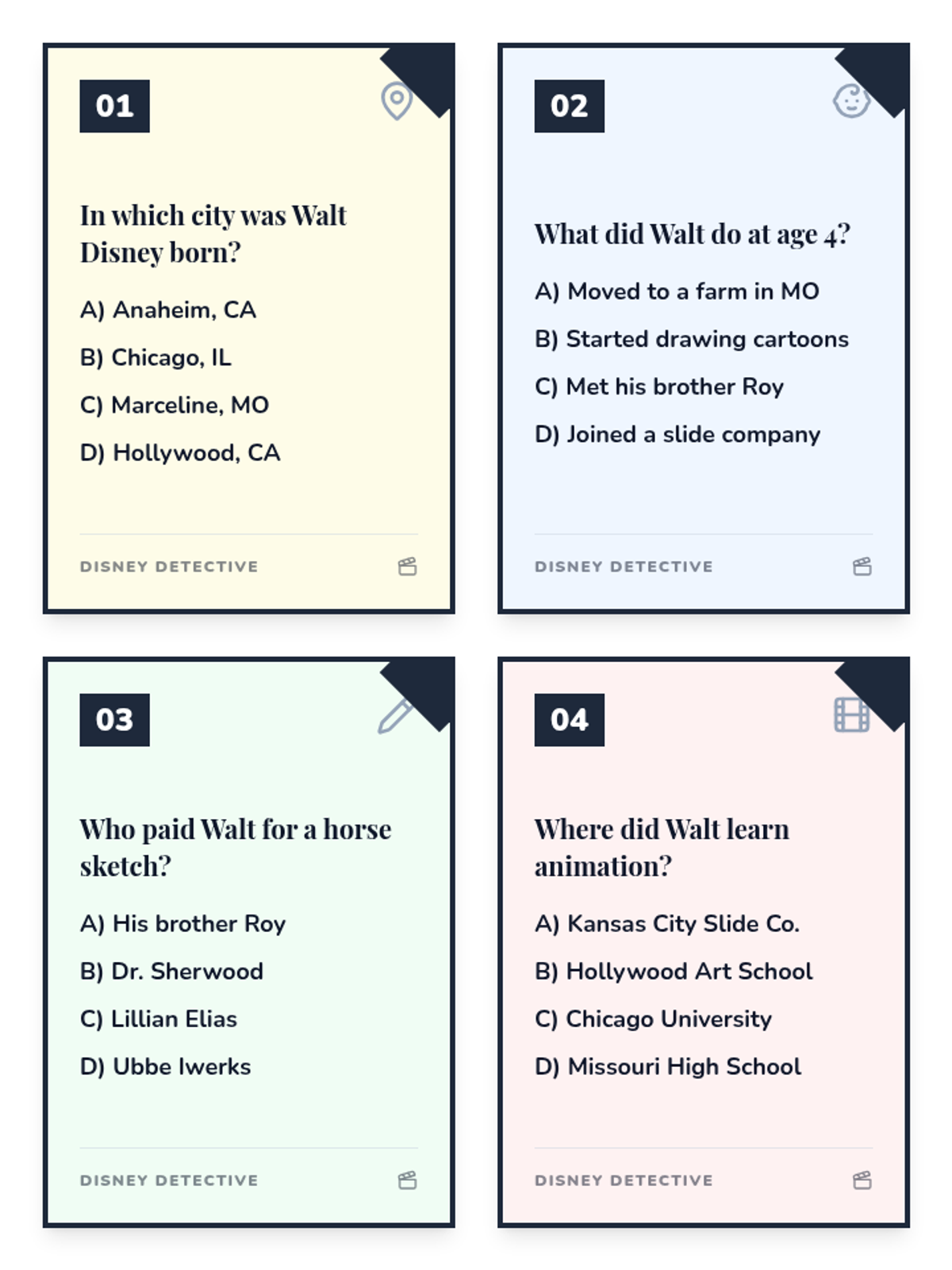
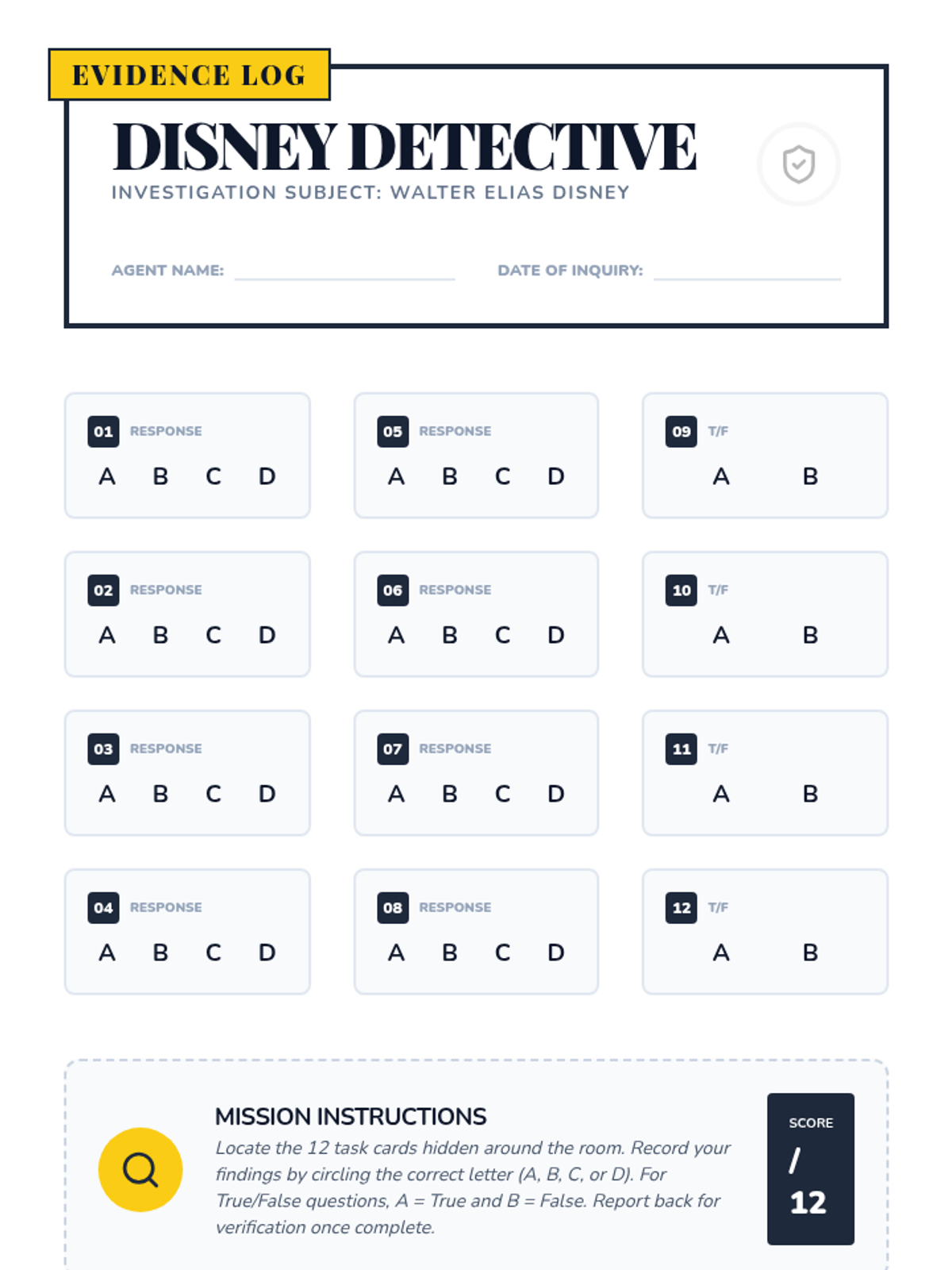
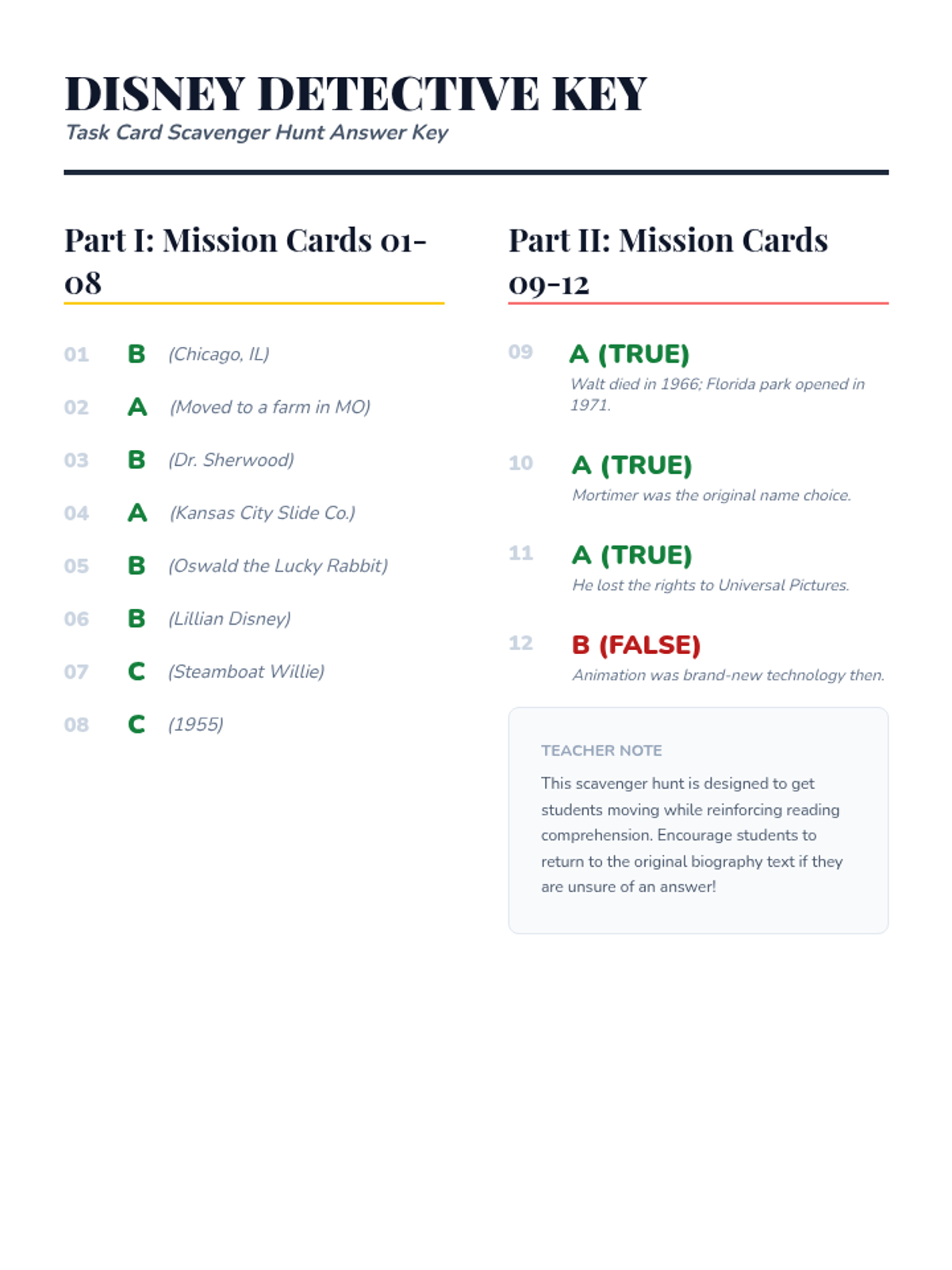
A comprehensive reading and assessment lesson exploring the life and legacy of Walt Disney, from his humble beginnings on a Missouri farm to the creation of a global entertainment empire.
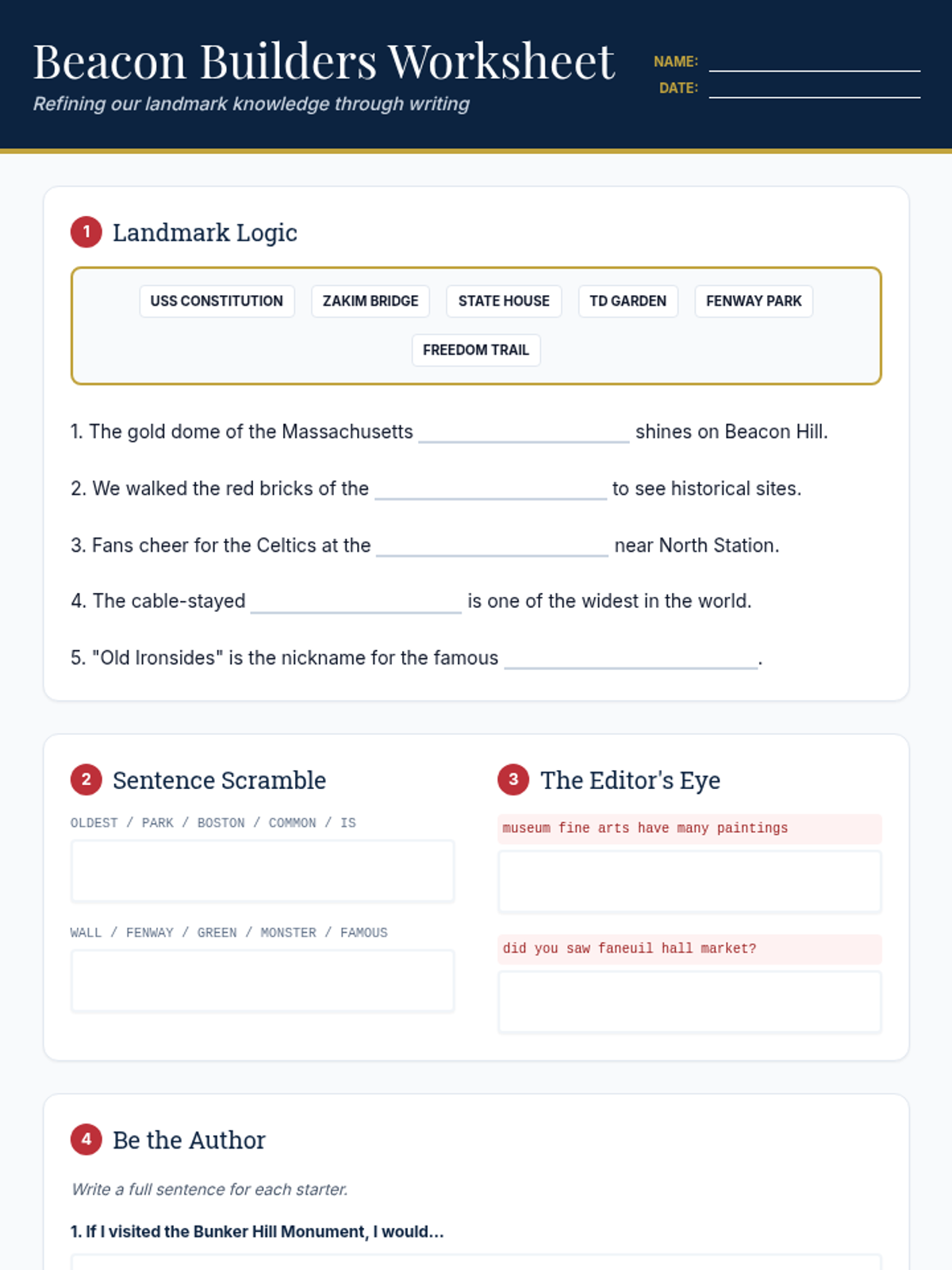
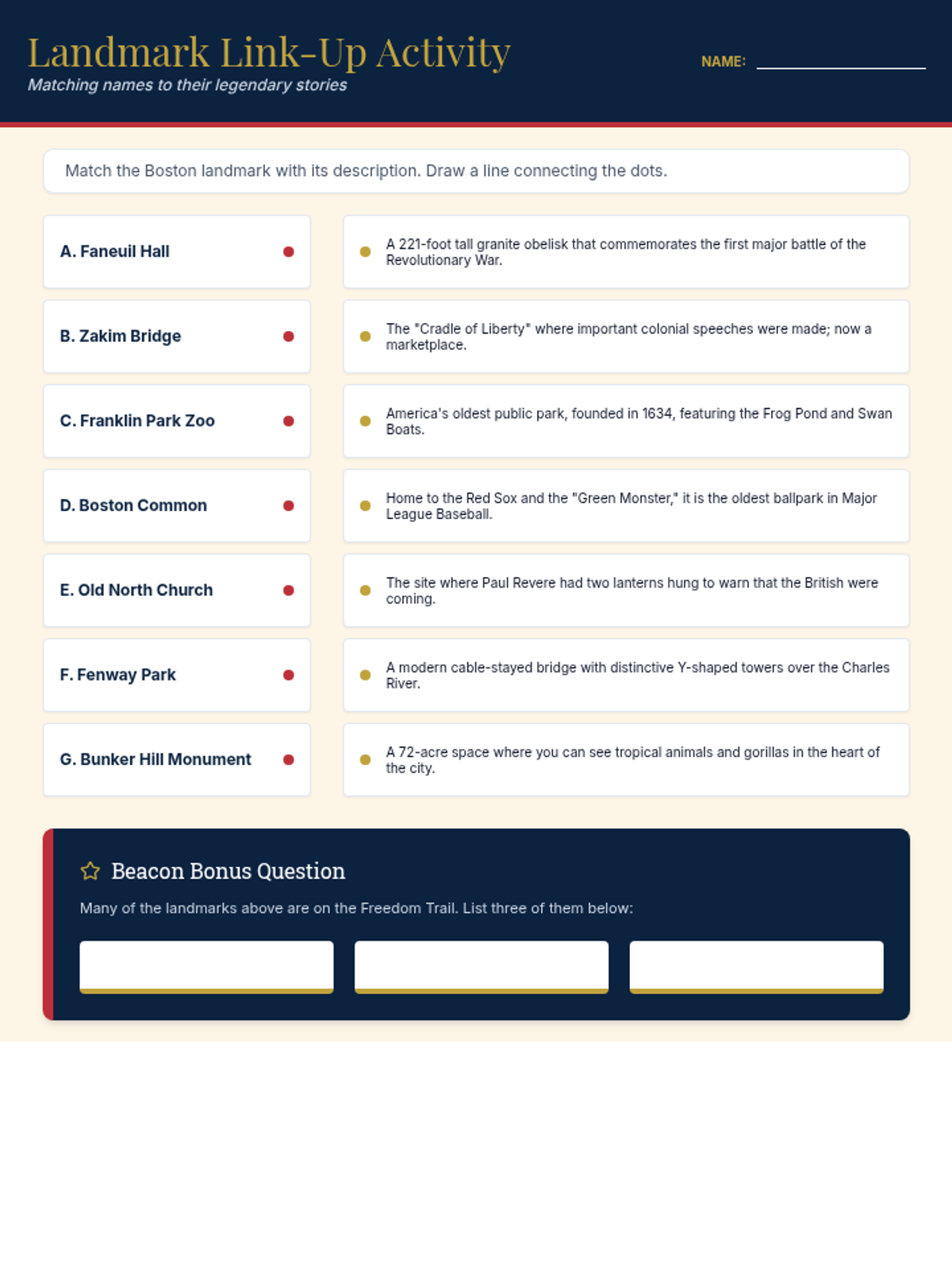
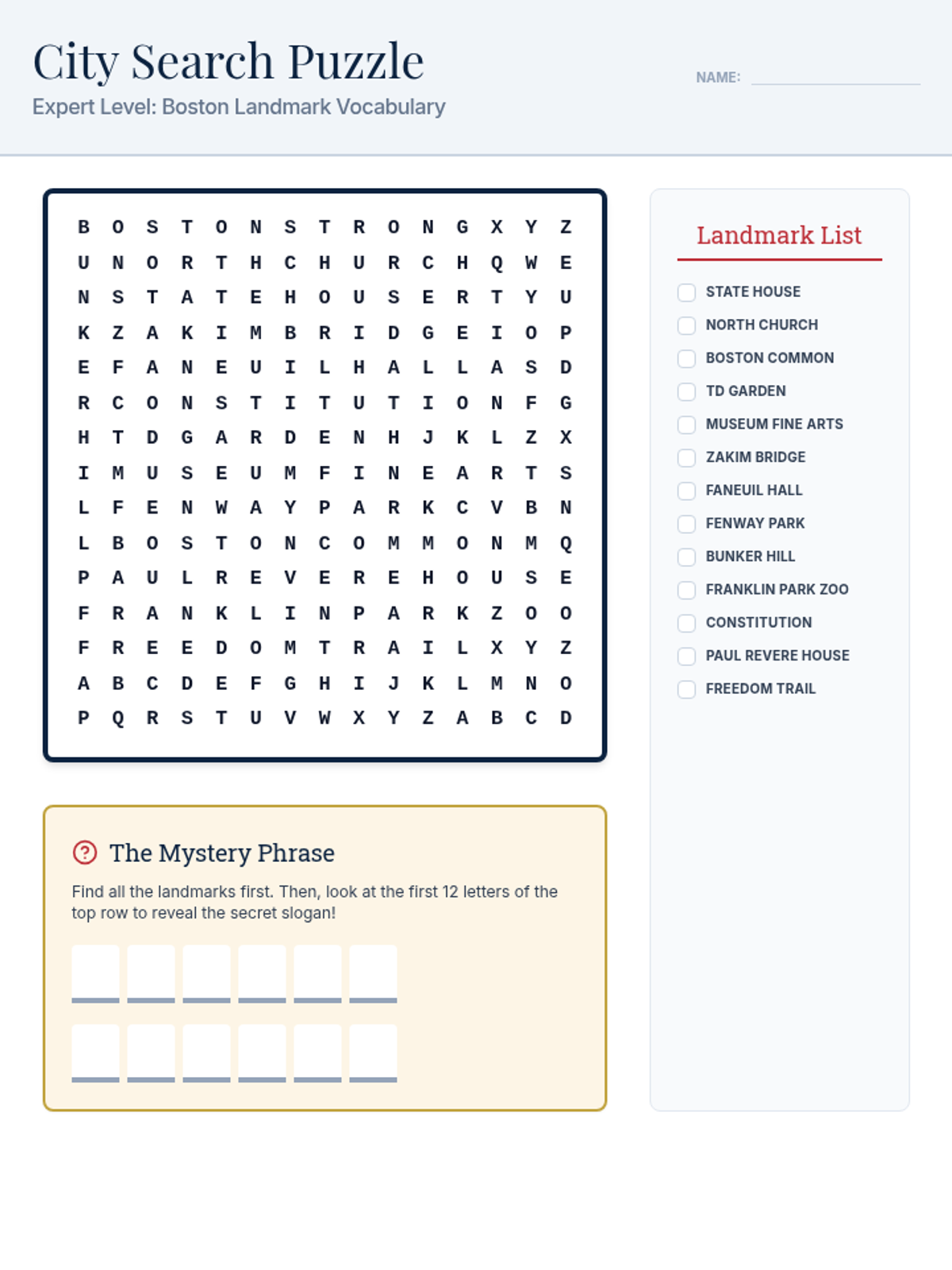
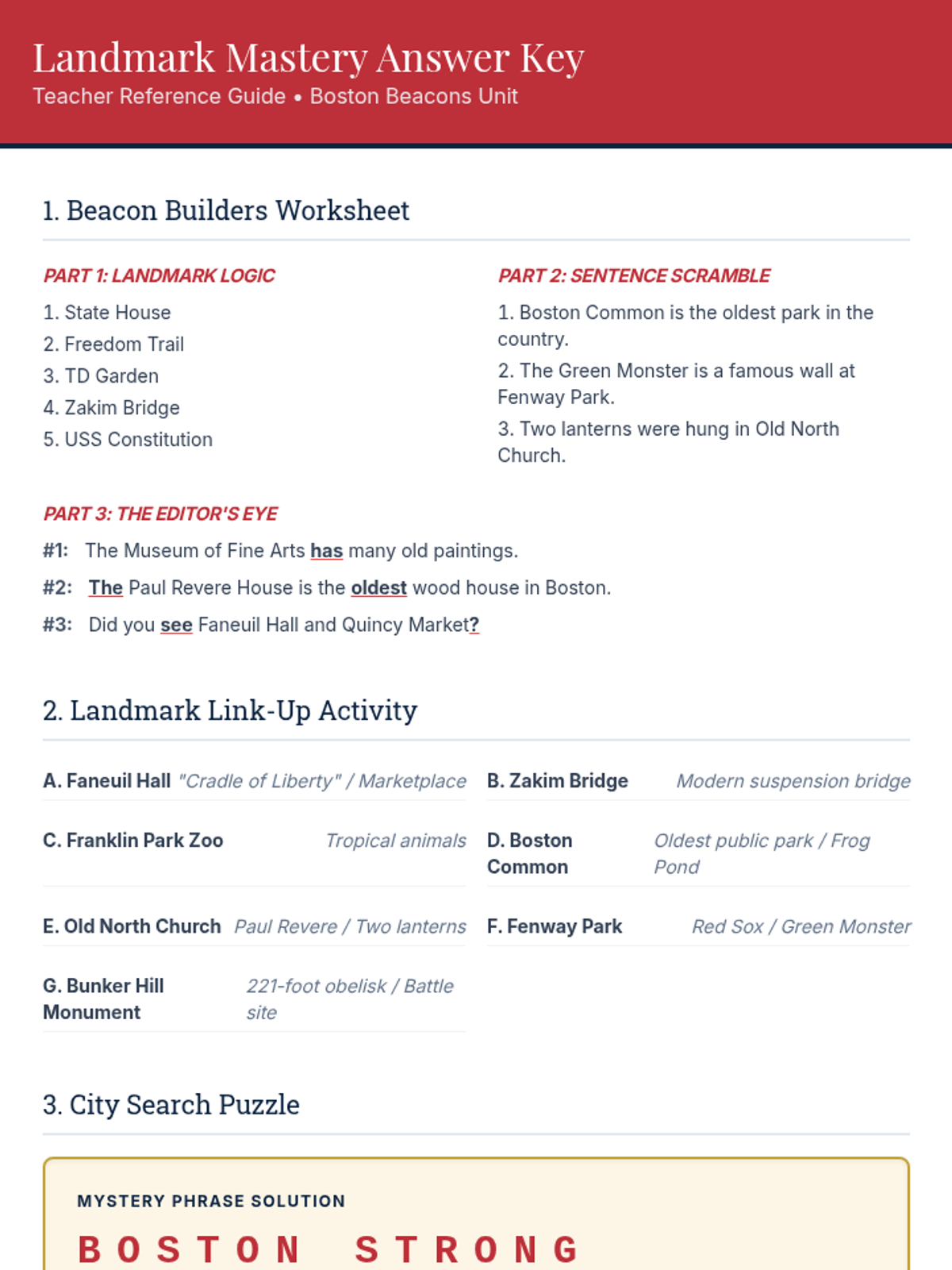
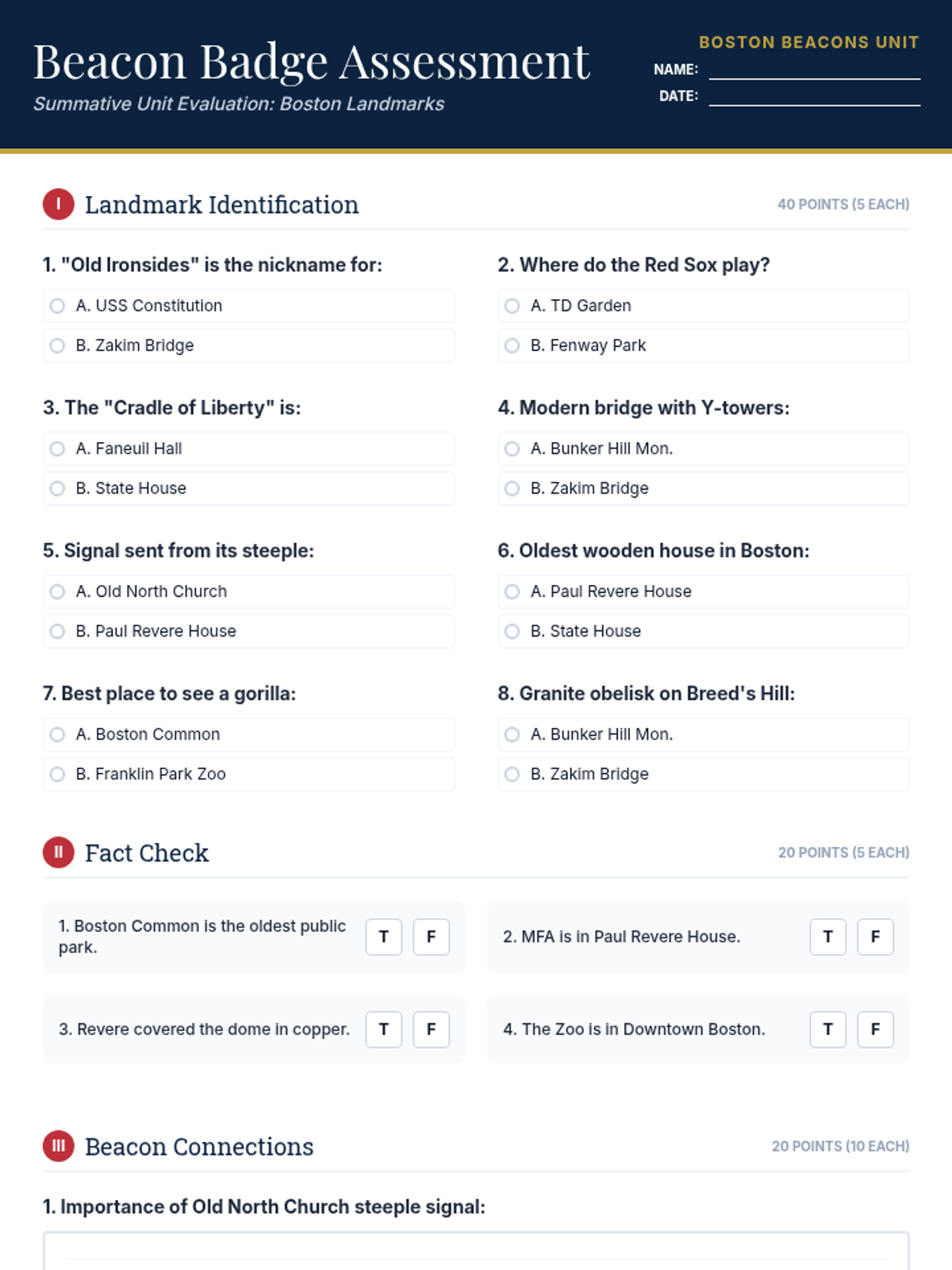
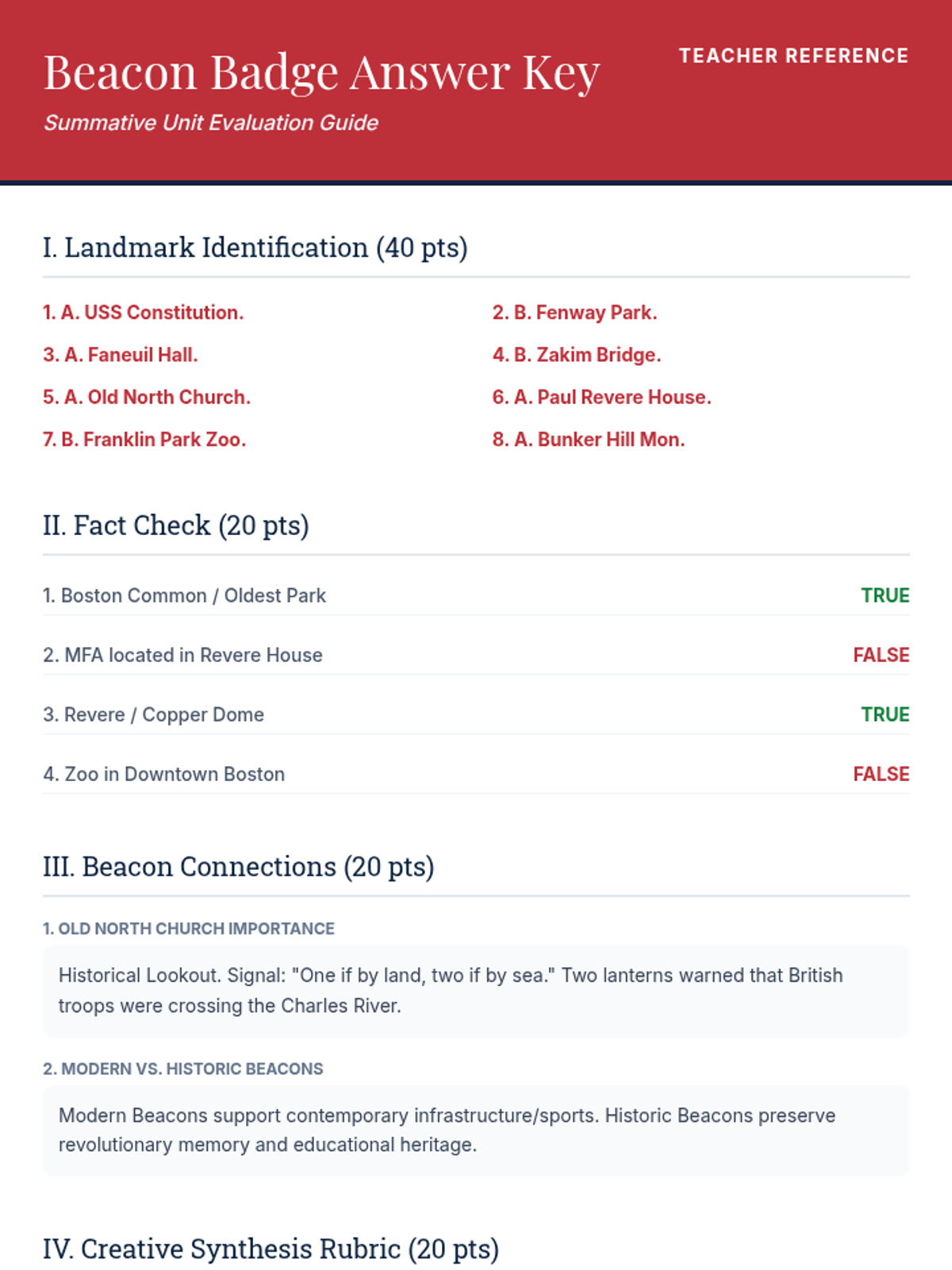
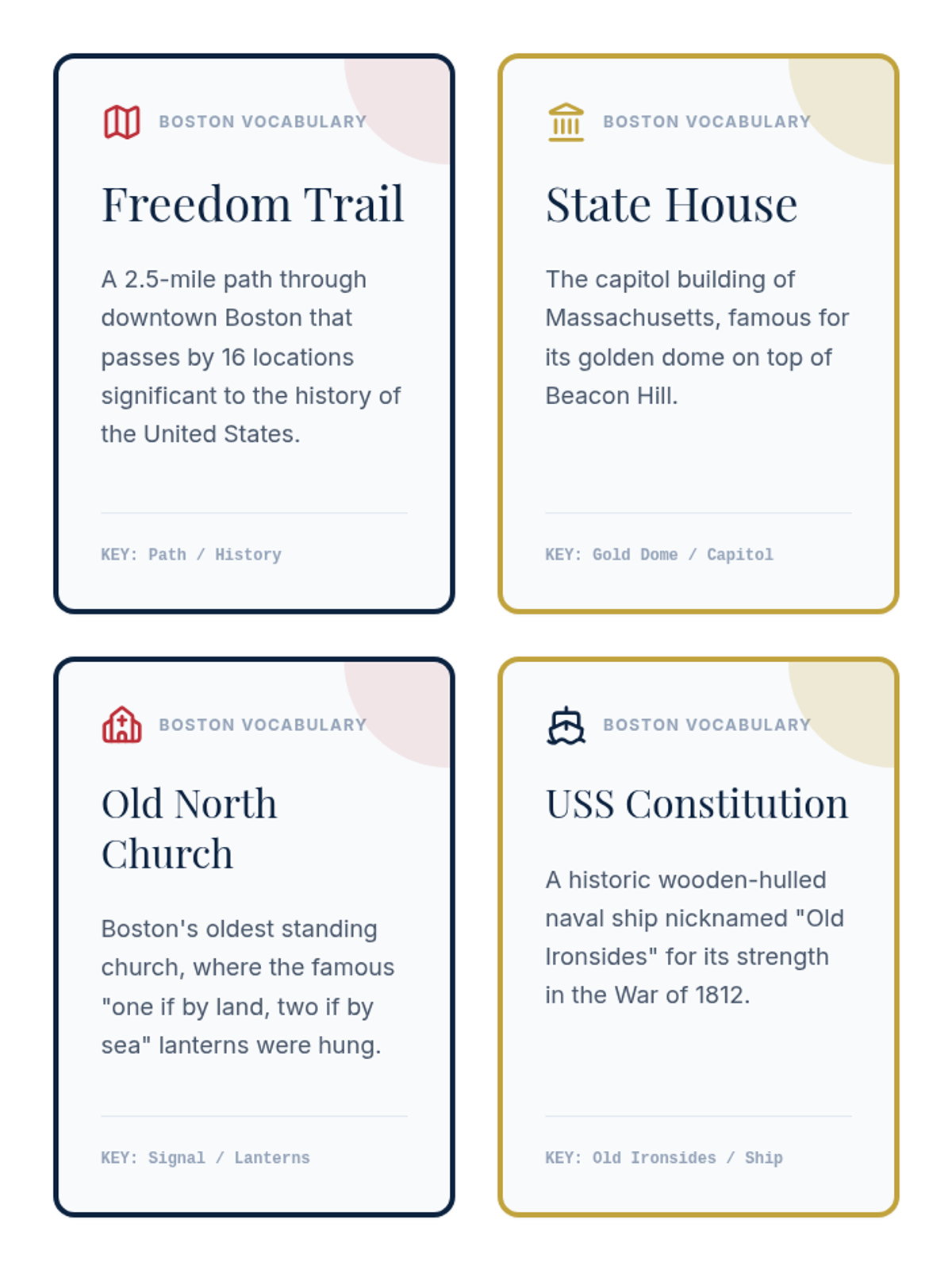
A comprehensive set of practice activities for students to master their knowledge of Boston's most iconic landmarks through sentence construction, matching, and vocabulary puzzles.
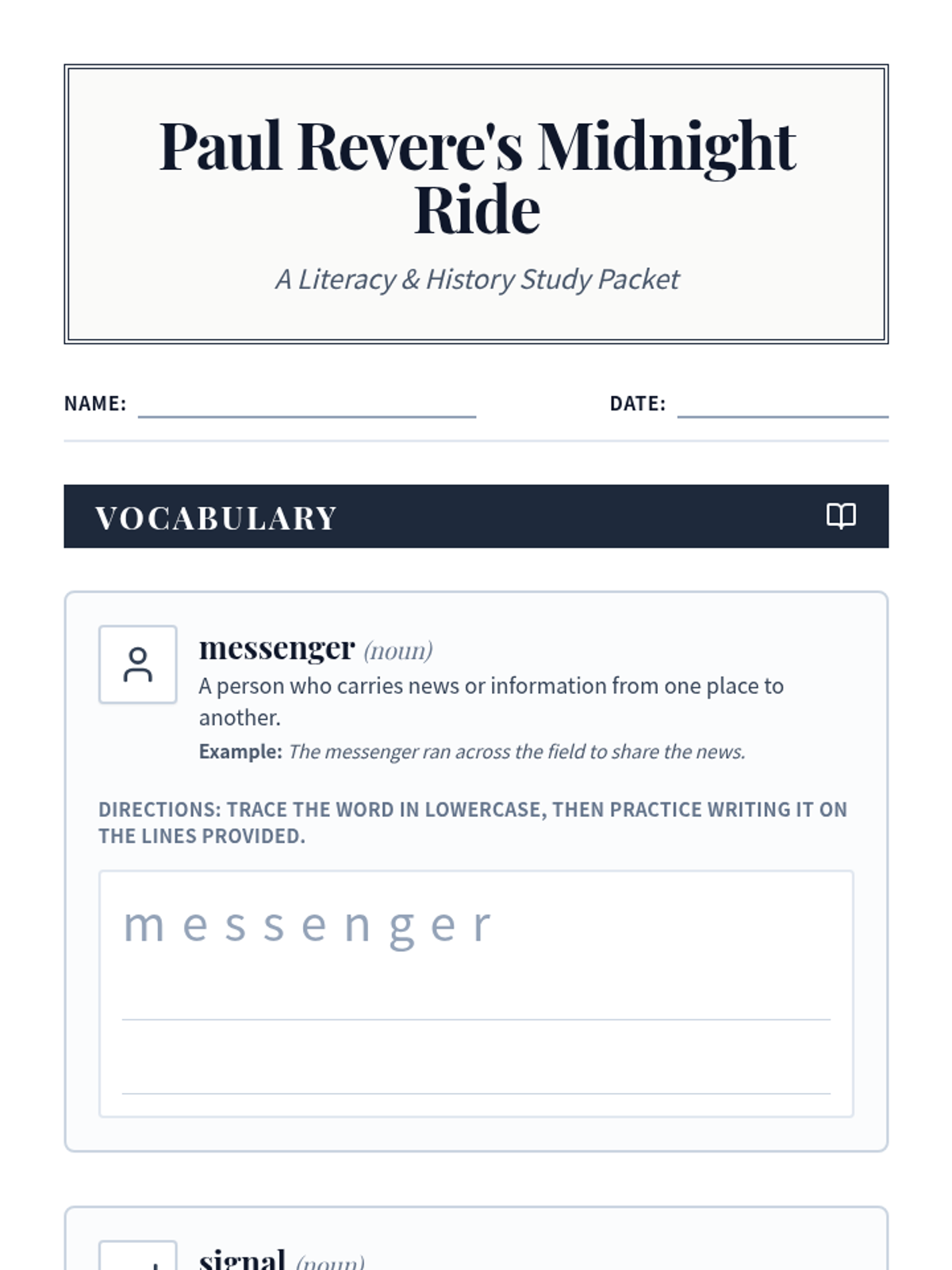
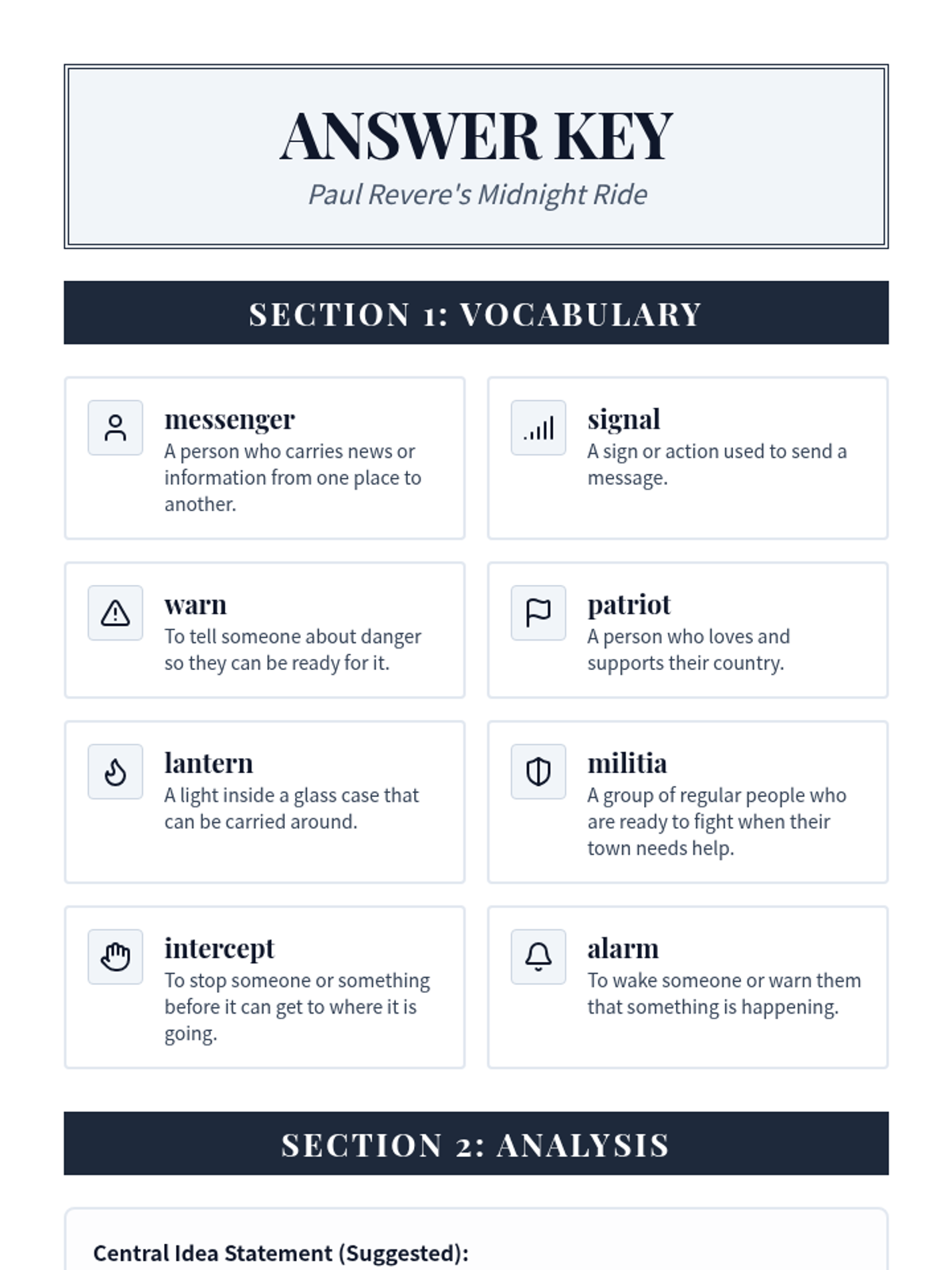
A comprehensive literacy and history packet exploring Paul Revere's legendary journey through vocabulary building, close reading, and critical analysis.
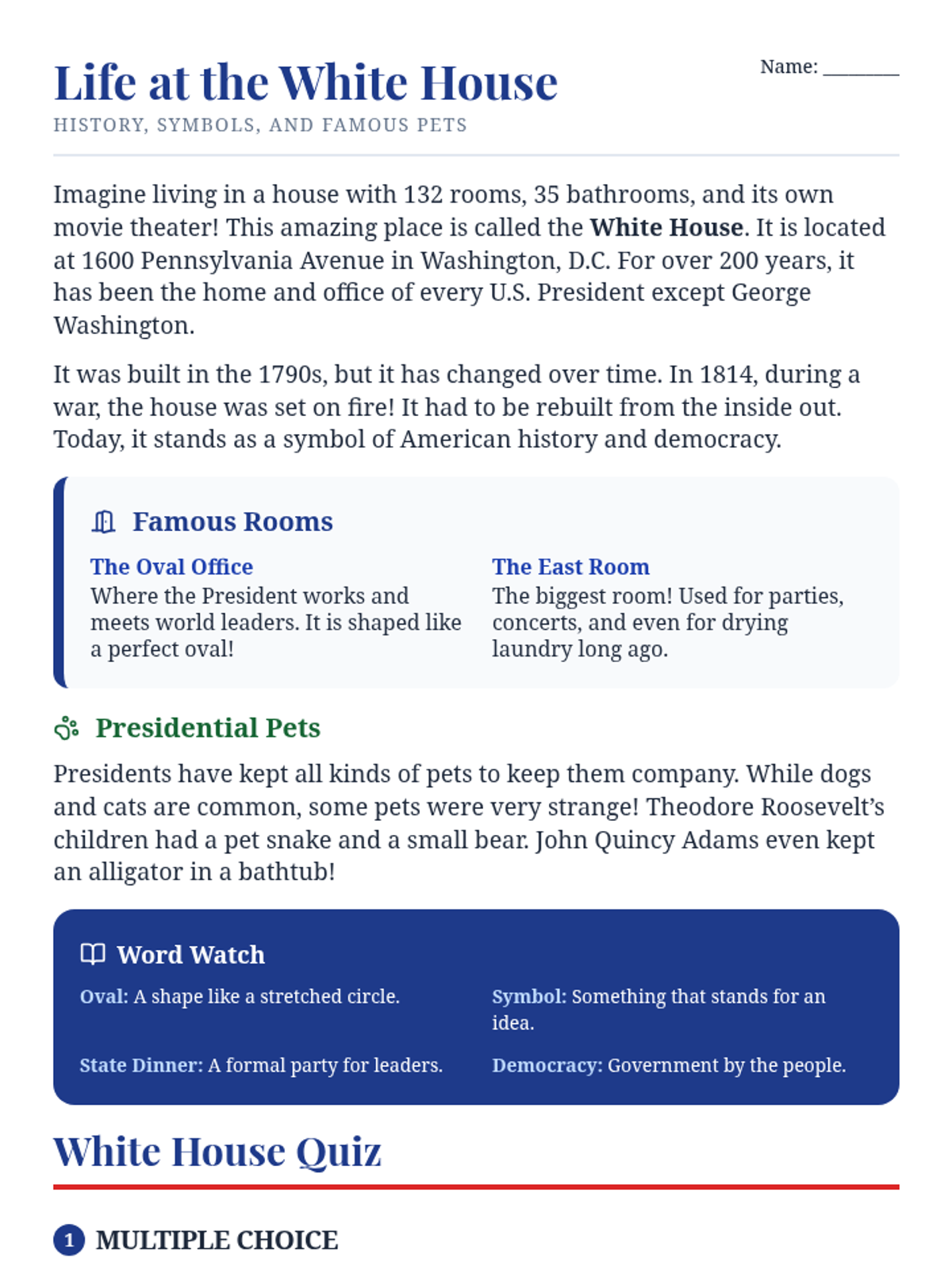
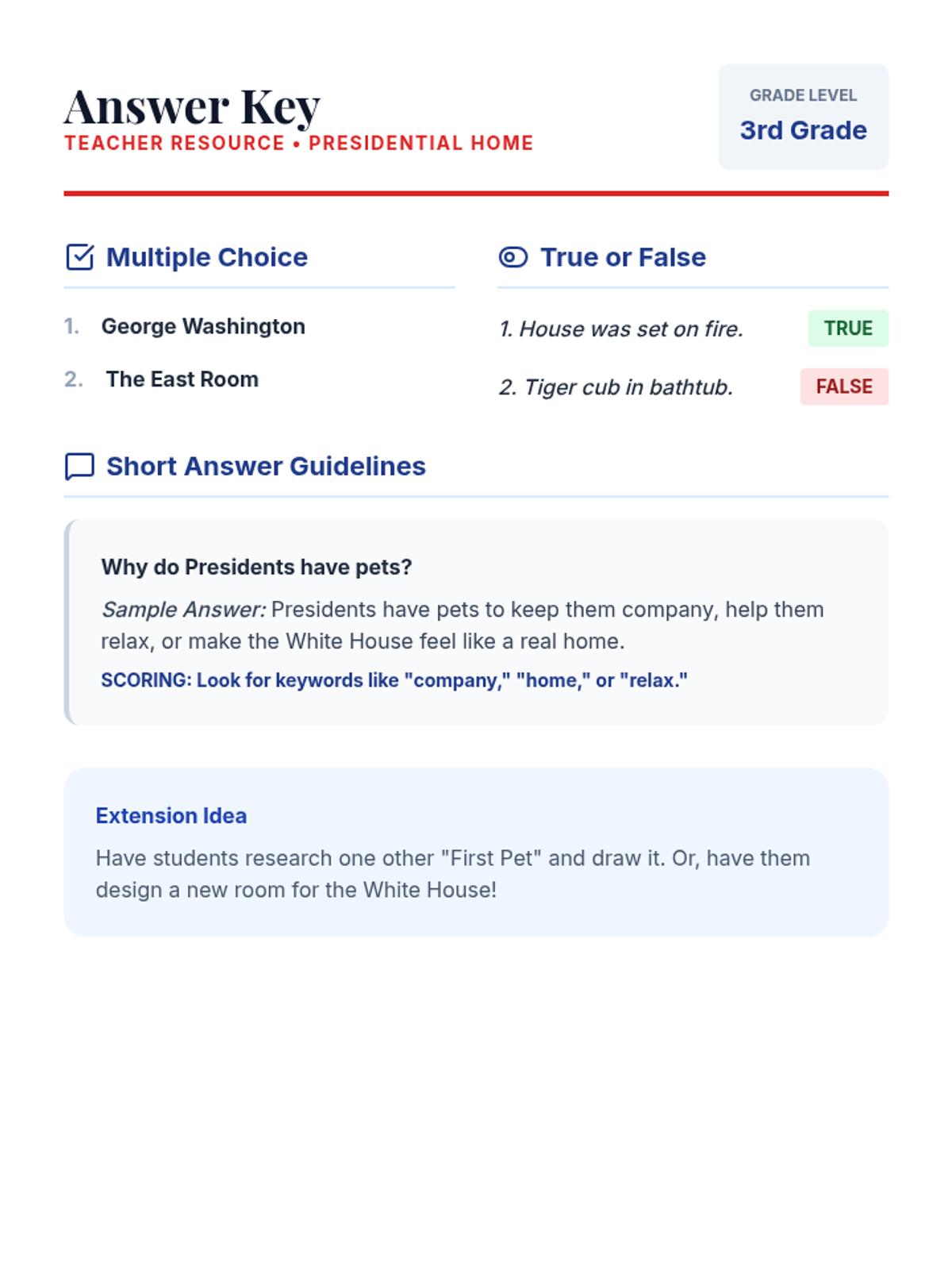
A lesson exploring the history, symbols, and famous inhabitants (including pets) of the White House, designed for 3rd-grade readers.
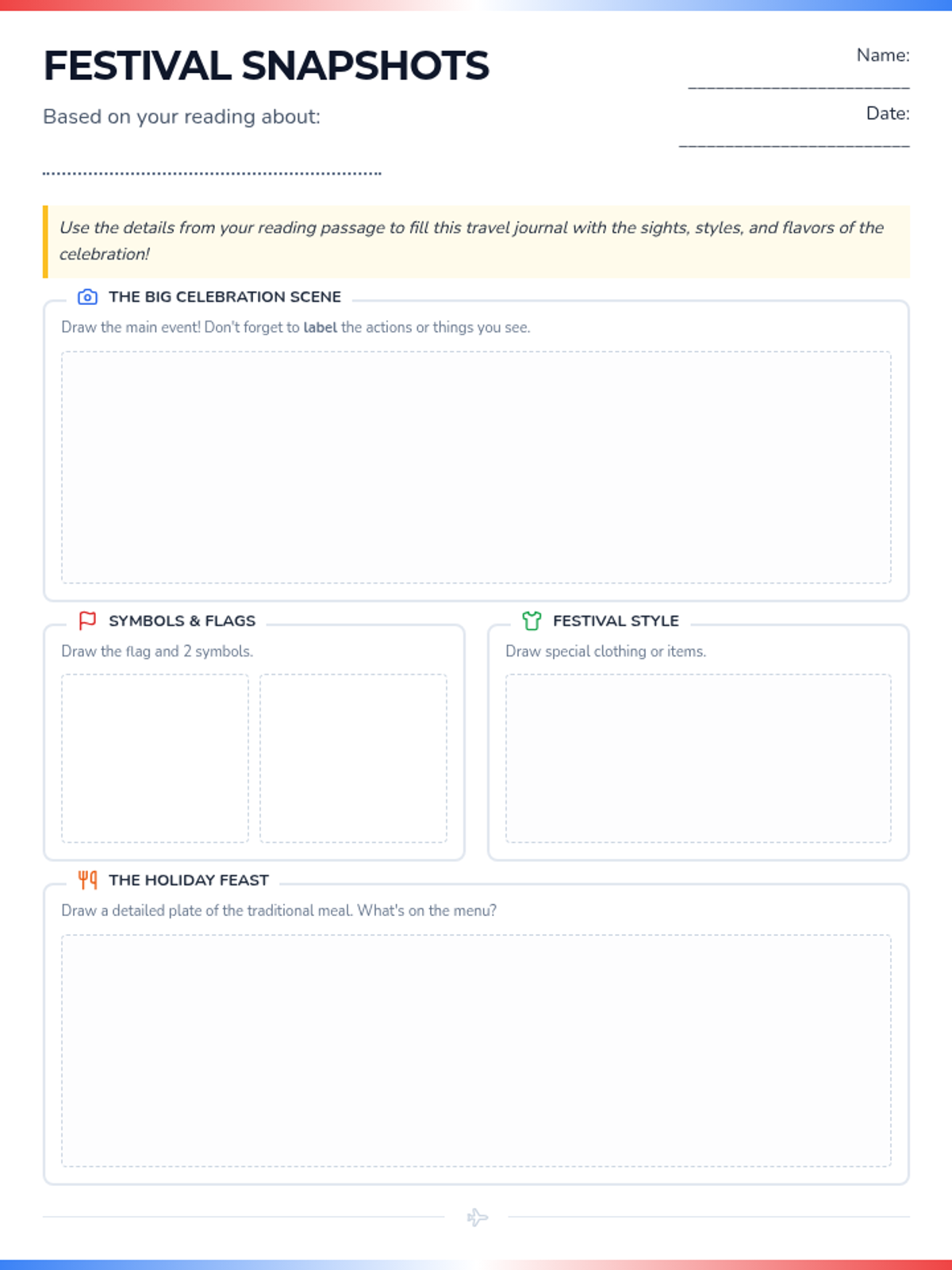
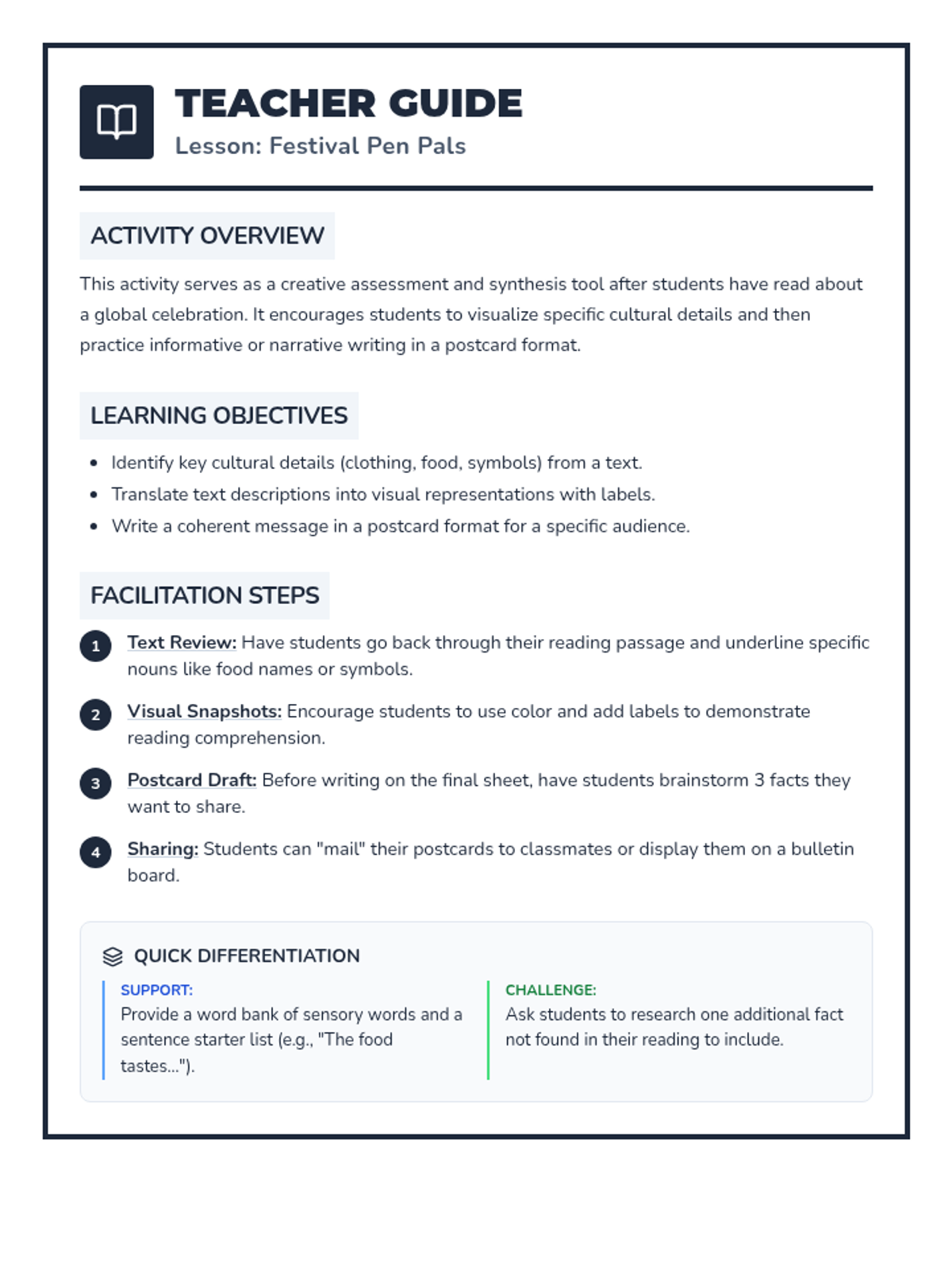
A creative social studies and literacy activity where students transform their reading about global celebrations into a detailed, illustrated postcard for a friend.
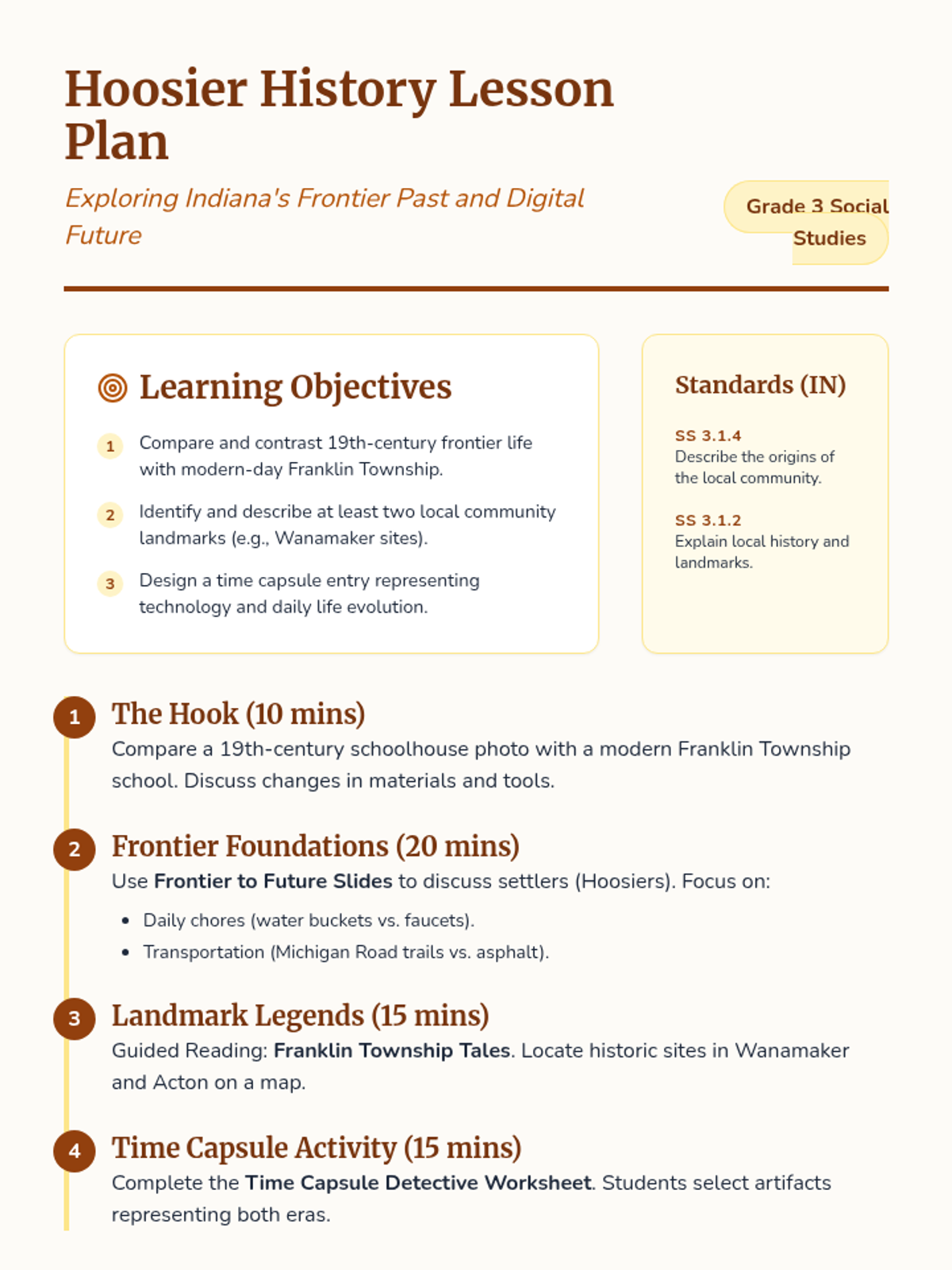
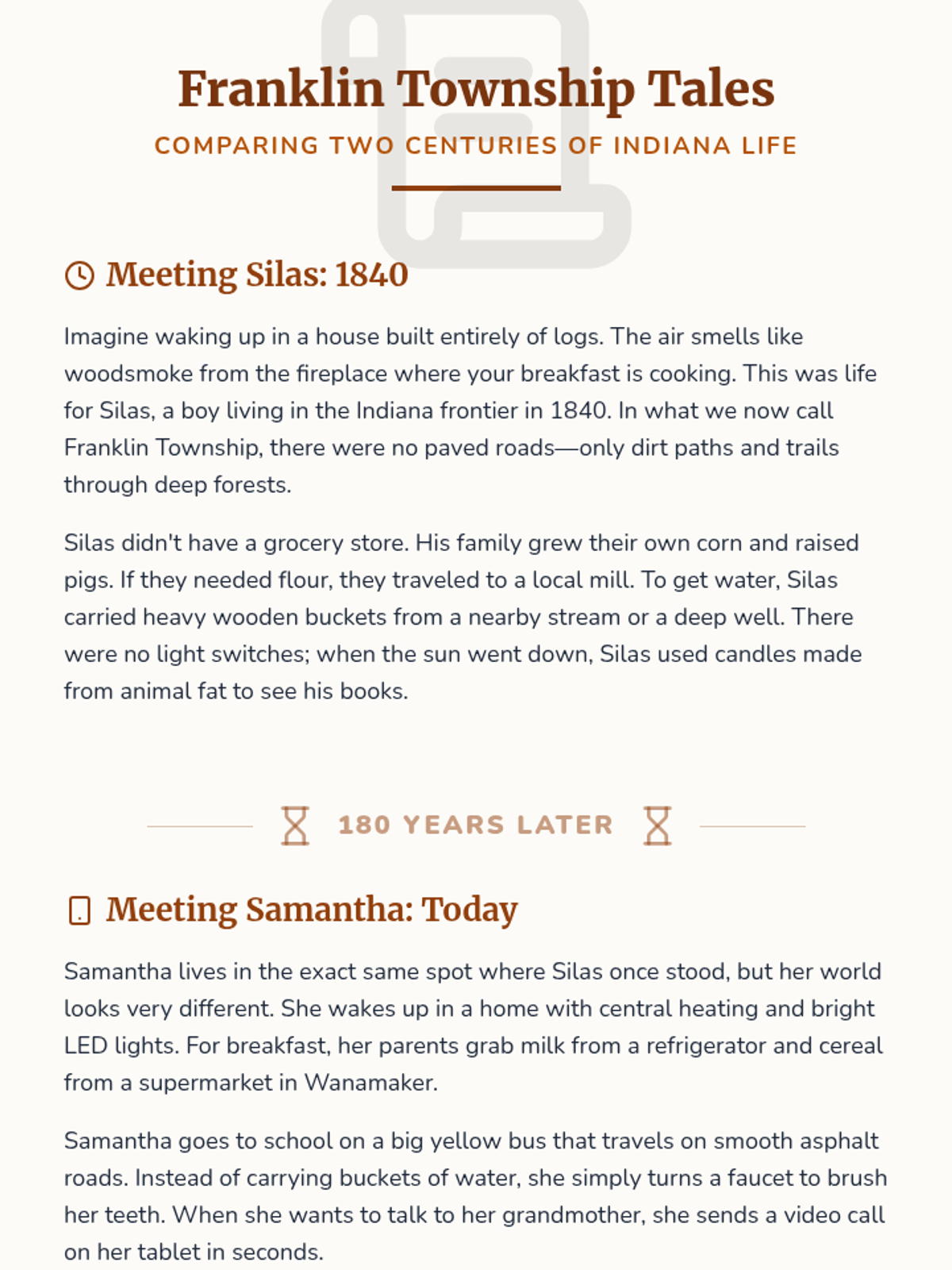
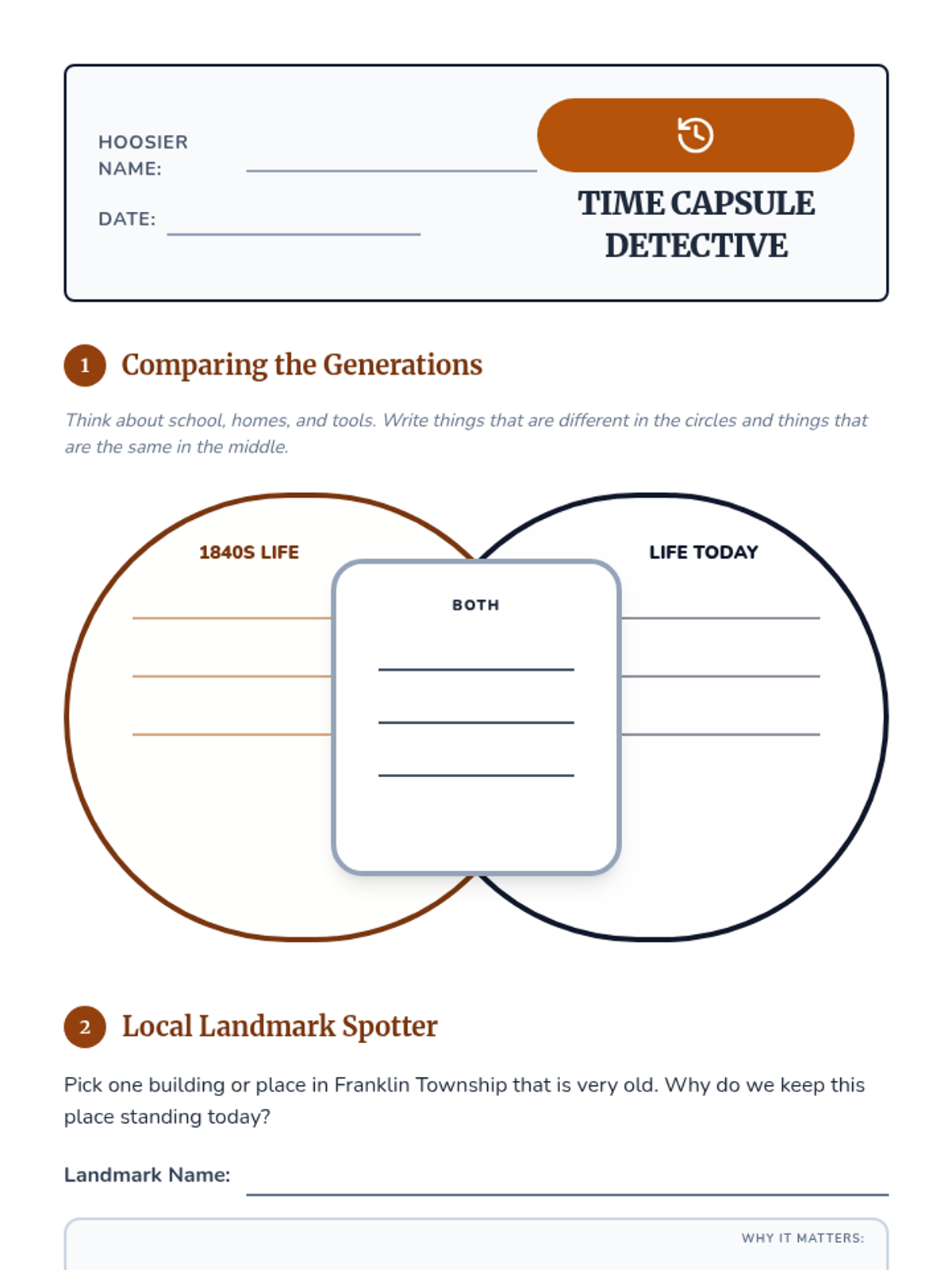
Students compare 19th-century frontier life in Indiana to modern-day Franklin Township, researching local landmarks and designing a digital time capsule to document how technology and daily life have evolved.
Tracing North Carolina's industrial growth and innovations with a focus on advanced vocabulary and context clues.
Learning about North Carolina's role in the American Revolution with a focus on main idea and supporting details.
Investigating the mystery of the Lost Colony of Roanoke using text structure and text feature analysis.
Discovering the history and culture of North Carolina's indigenous peoples with a focus on main idea and text evidence.
An exploration of North Carolina's official state symbols with a focus on ELA vocabulary and context clue skills.
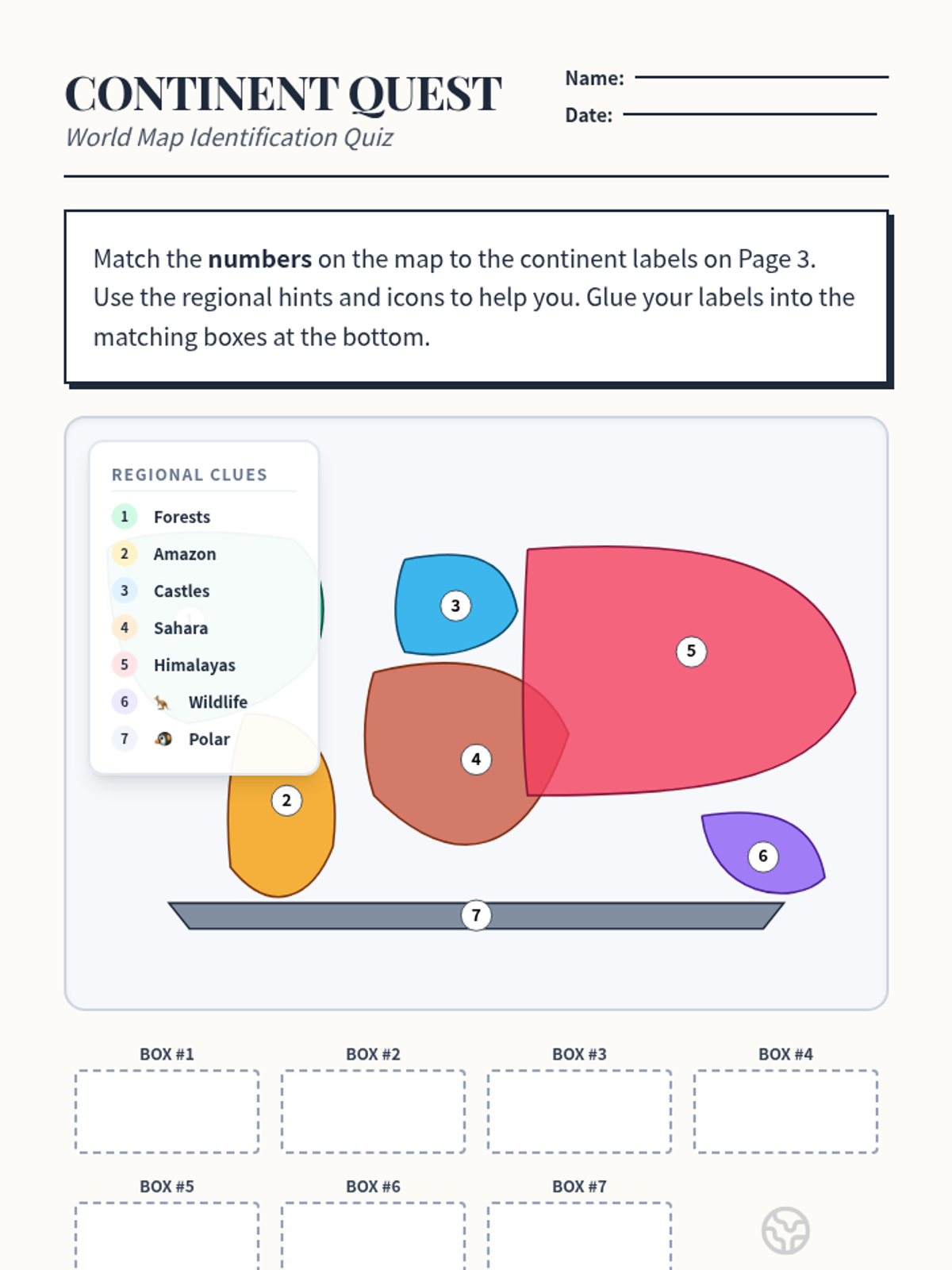
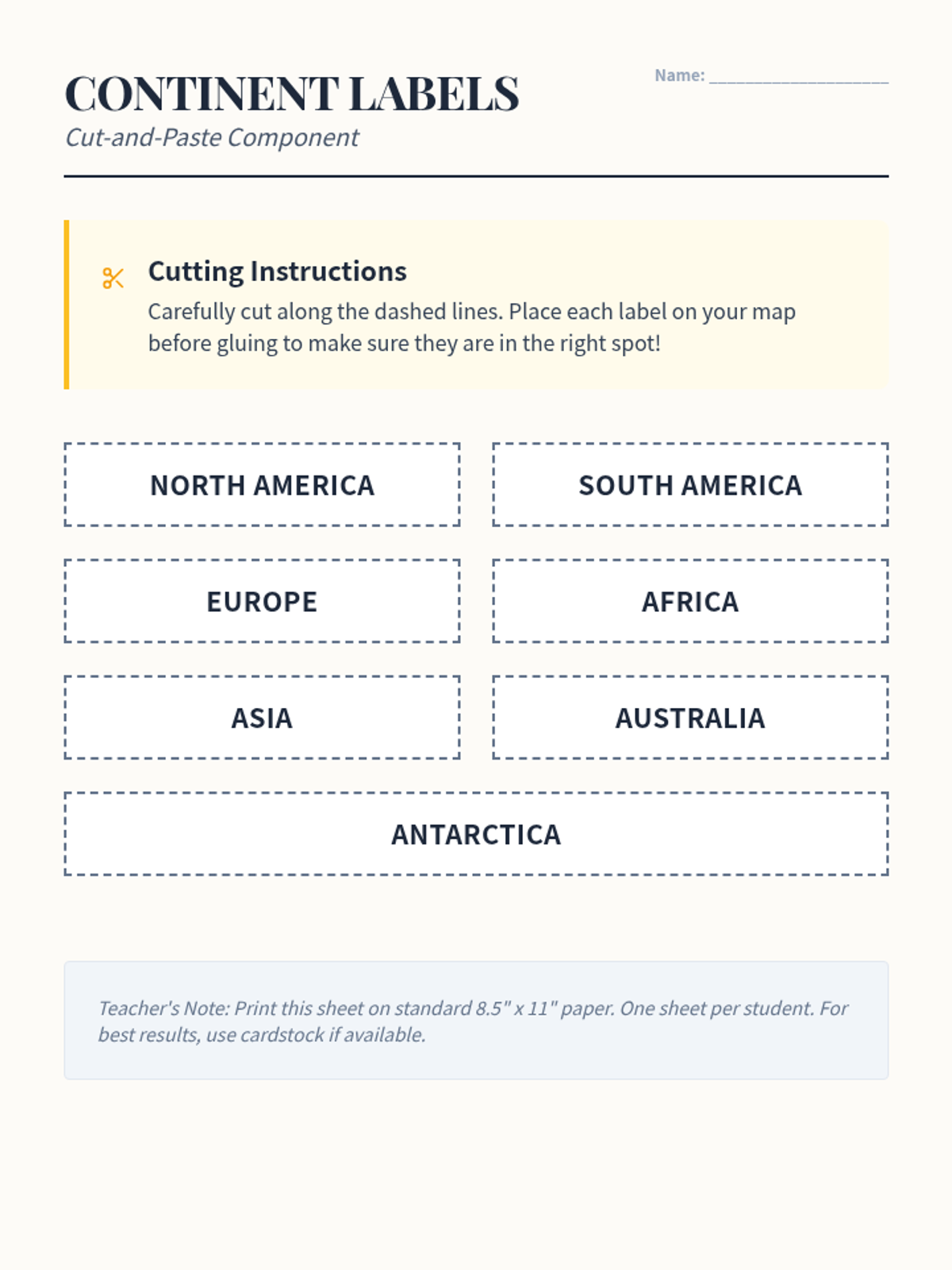
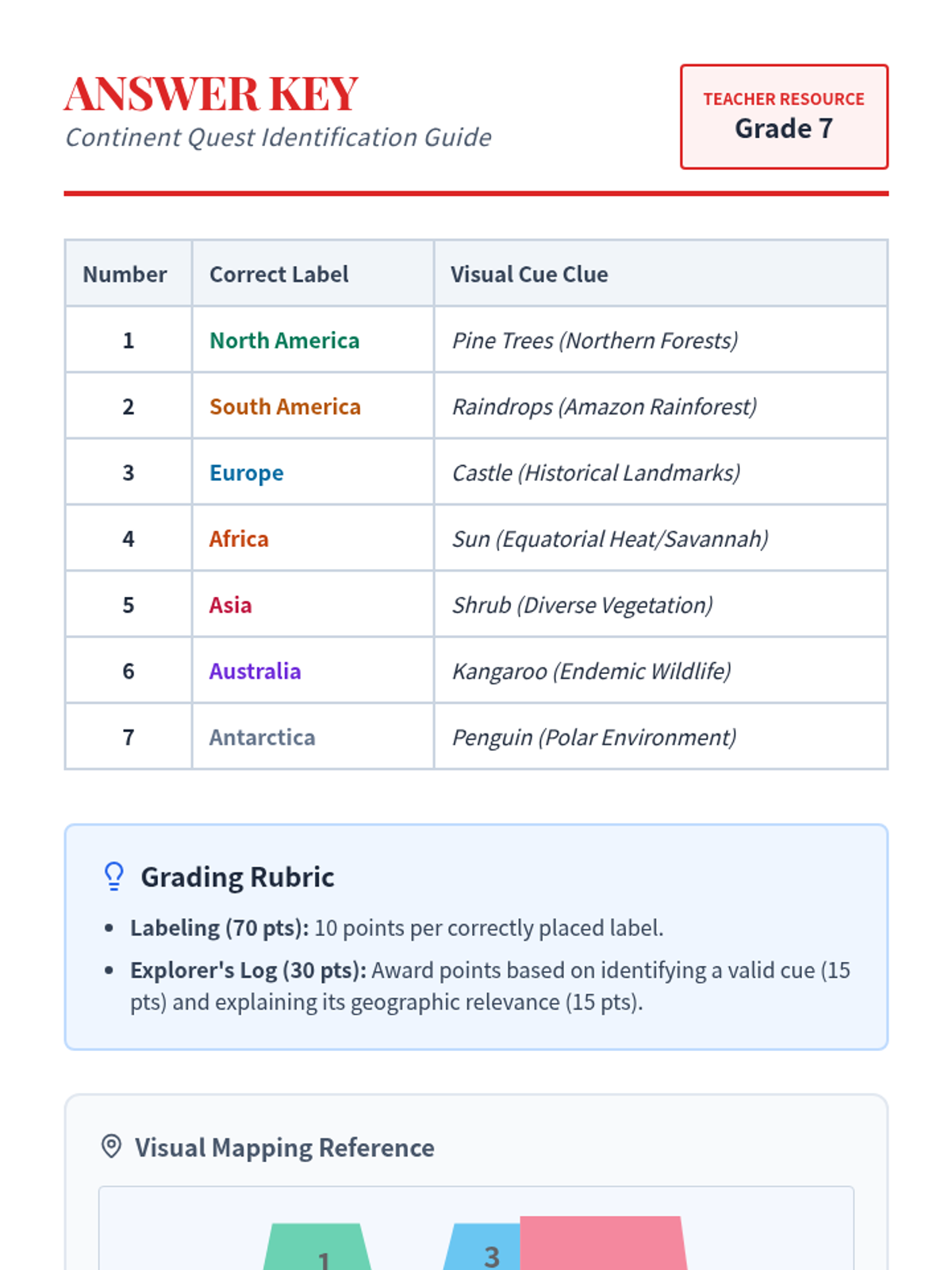
A foundational lesson on global geography focusing on identifying and labeling the seven continents using visual cues and spatial relationships.
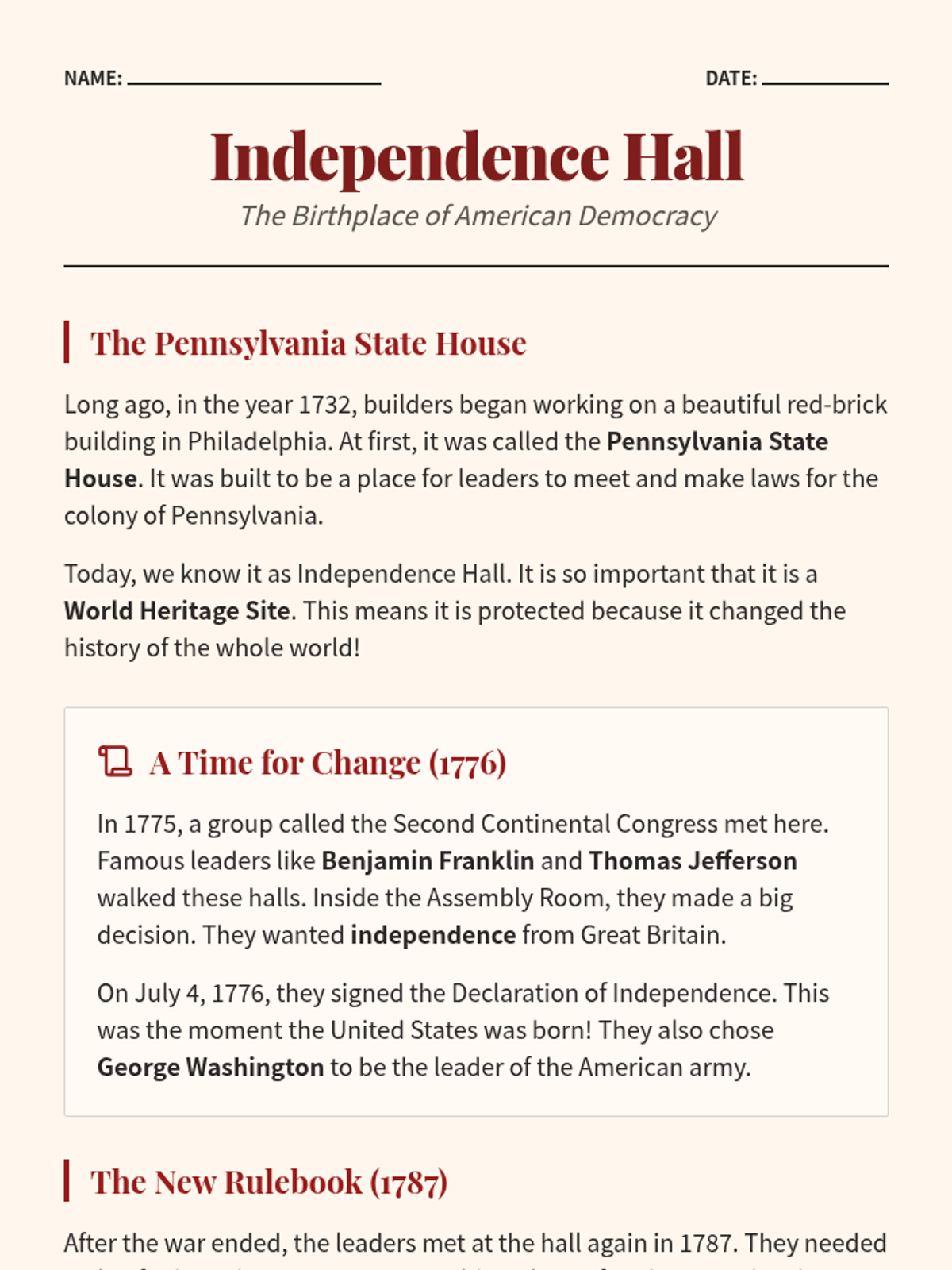
This lesson covers the historical significance of Independence Hall, the roles of the Founding Fathers, and the creation of America's founding documents.
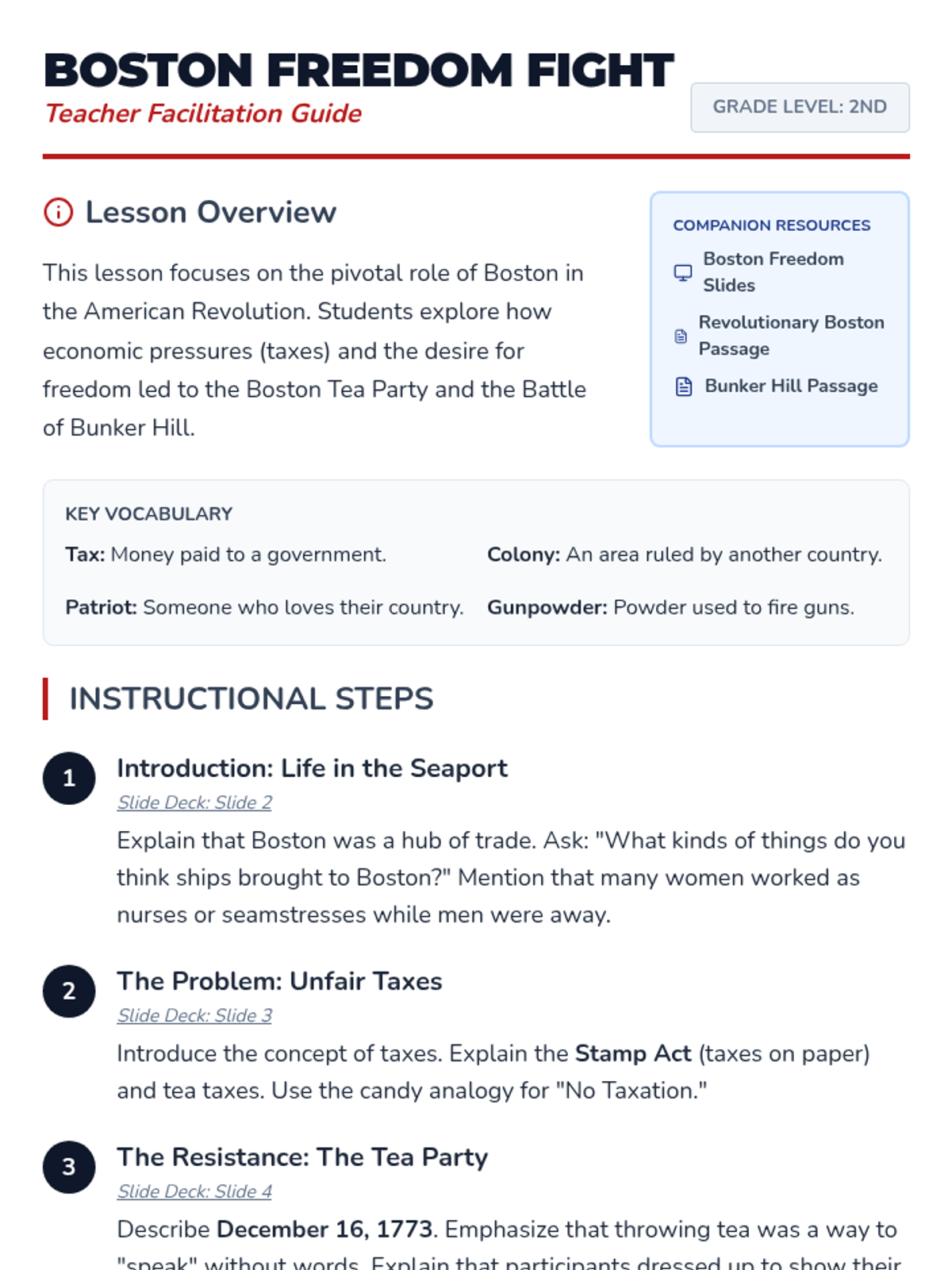
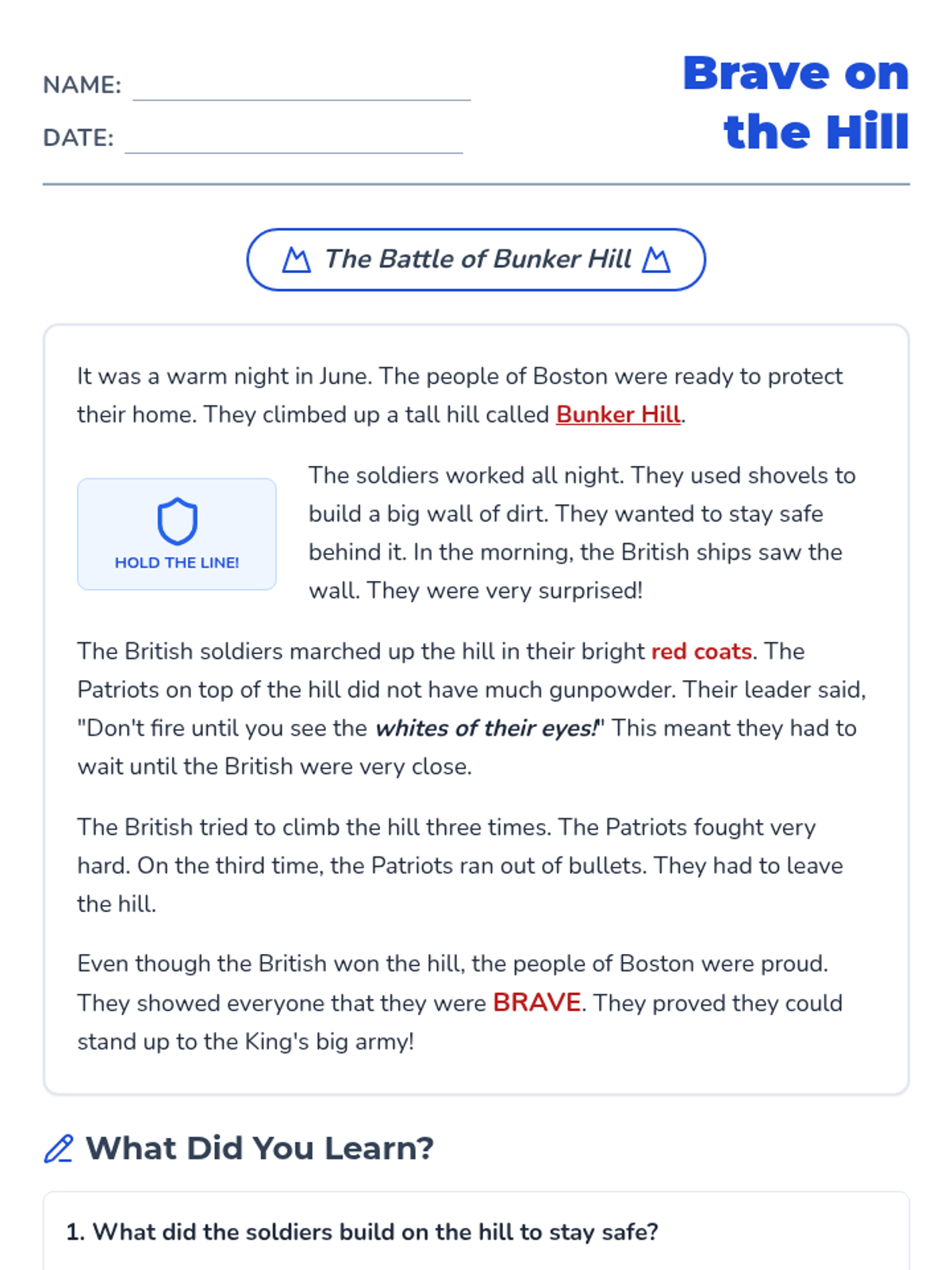
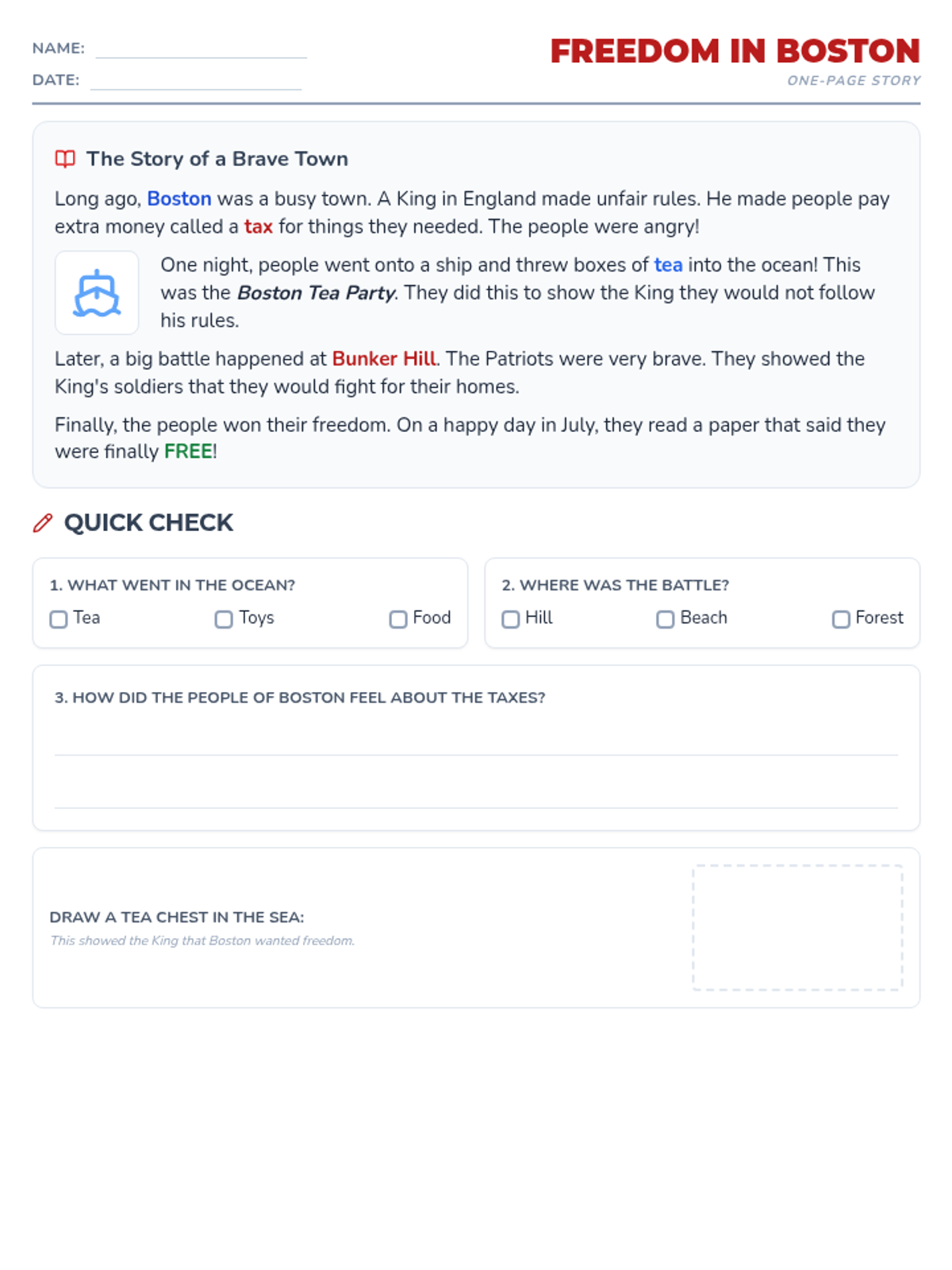
This lesson introduces students to the key events of the American Revolution in Boston, focusing on the Boston Tea Party, the Stamp Act, and the fight for independence. it simplifies complex historical concepts for early elementary learners.
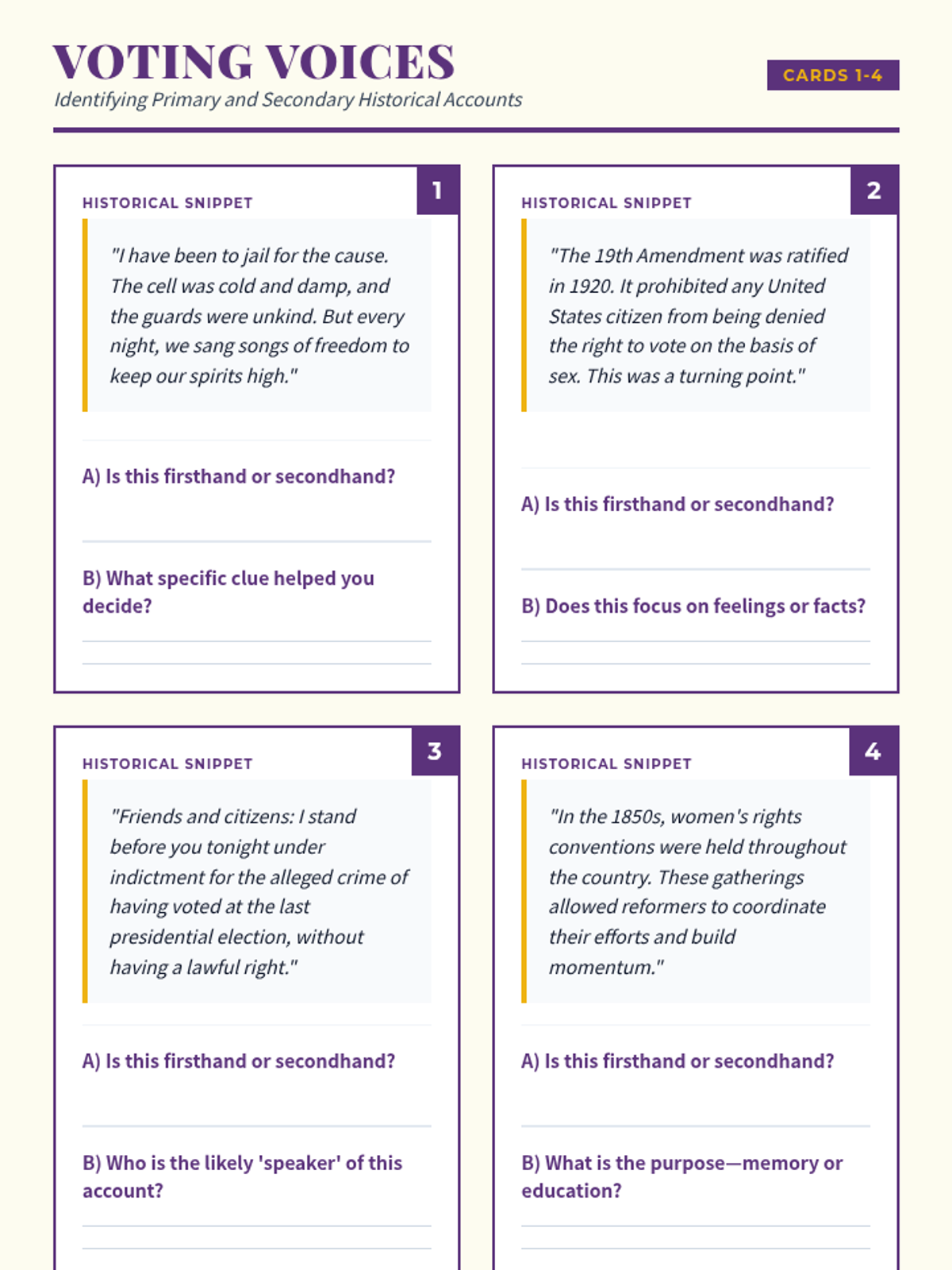
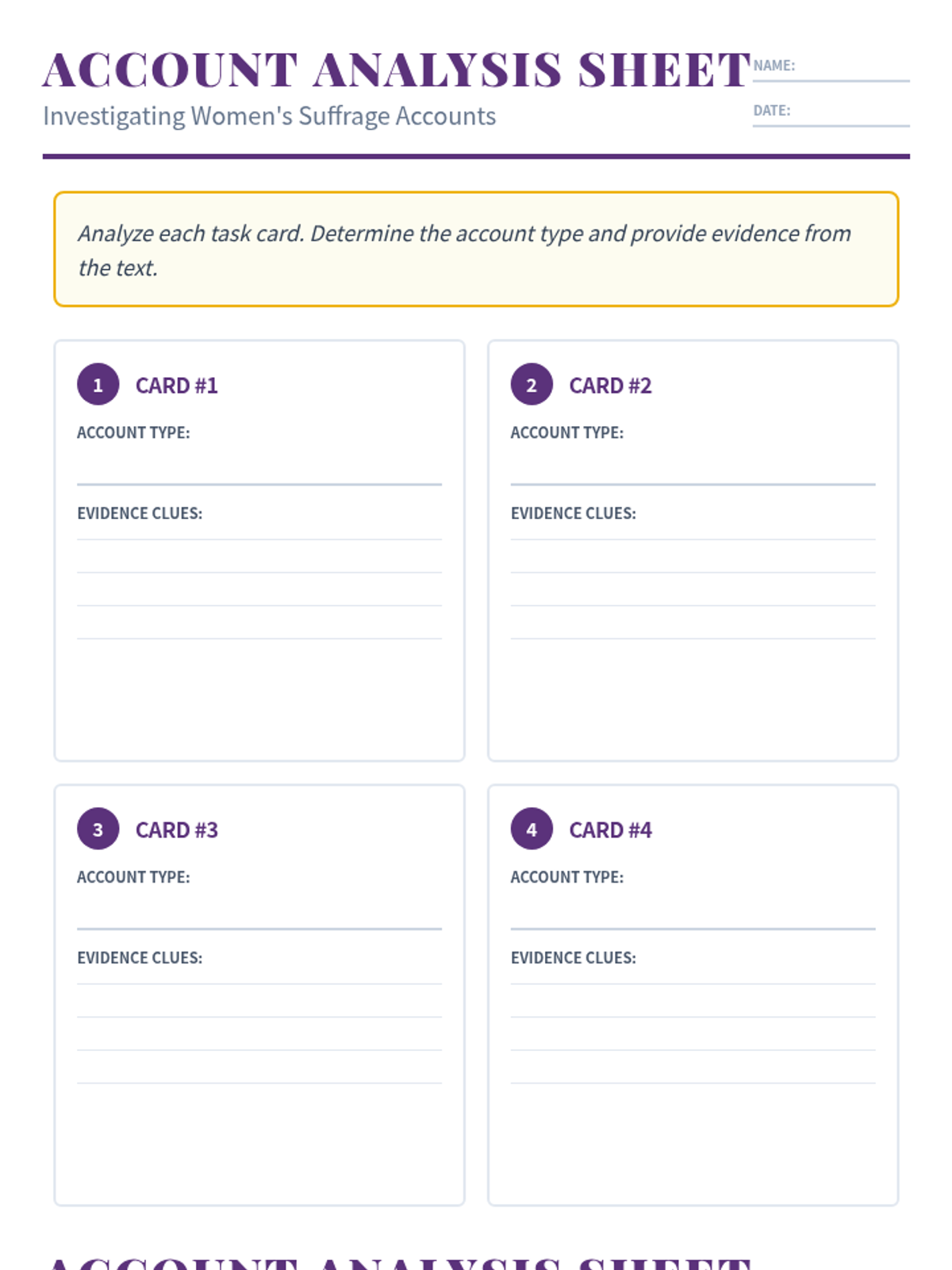
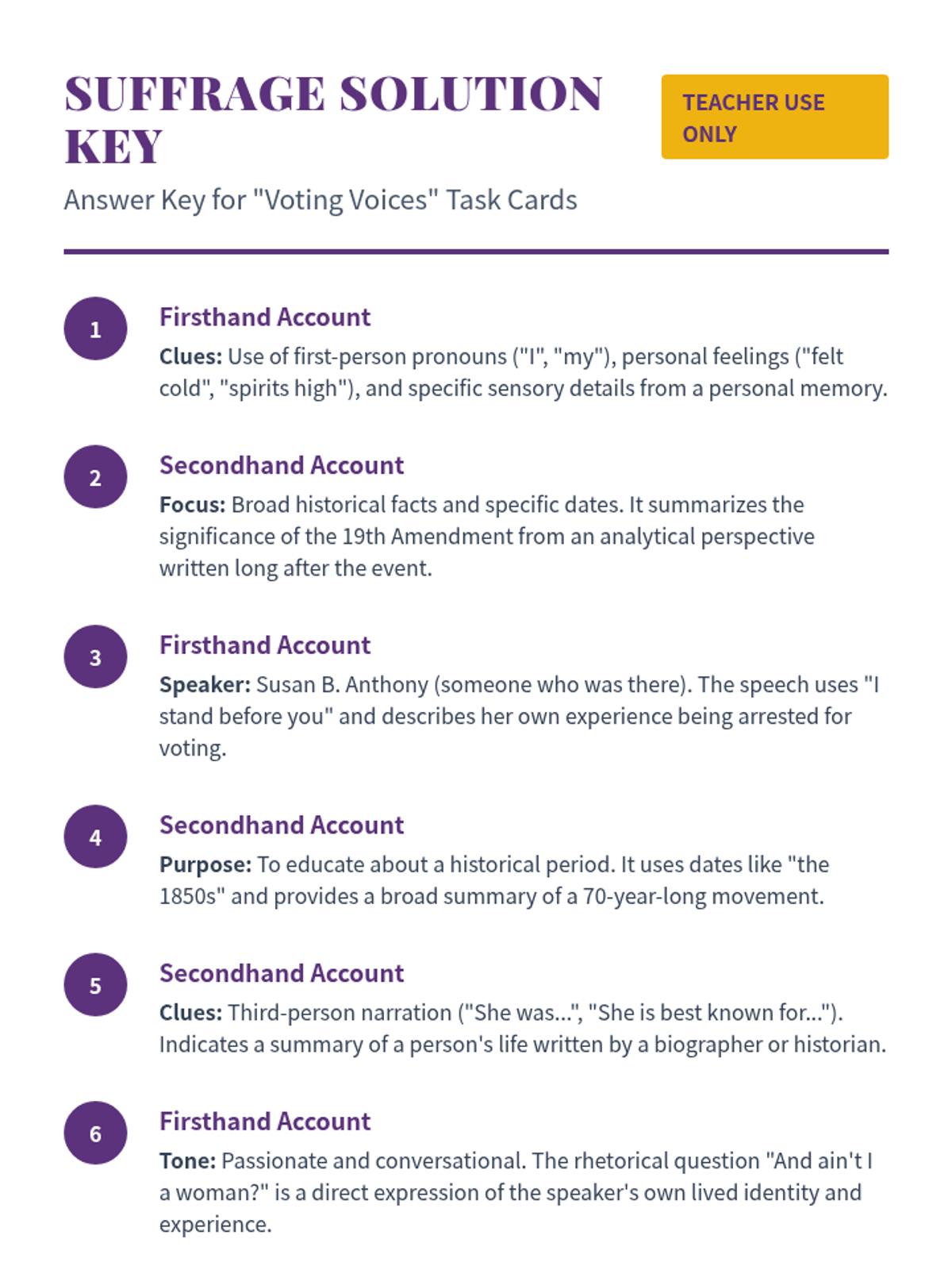
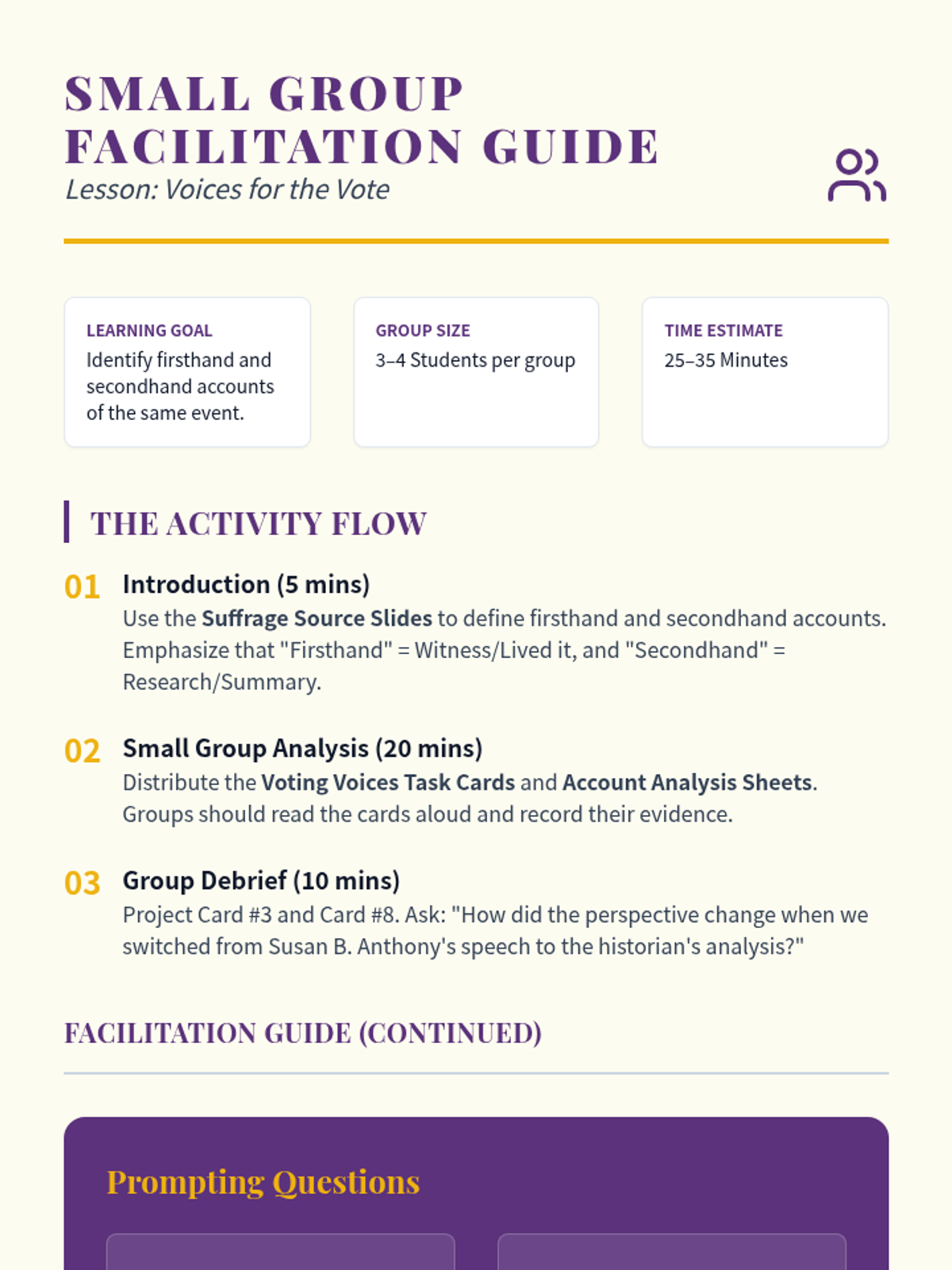
A lesson focused on distinguishing between firsthand and secondhand accounts through the lens of the Women's Suffrage Movement. Students will analyze primary and secondary sources to understand different perspectives and historical reporting.