This lesson introduces students to the key events of the American Revolution in Boston, focusing on the Boston Tea Party, the Stamp Act, and the fight for independence. it simplifies complex historical concepts for early elementary learners.

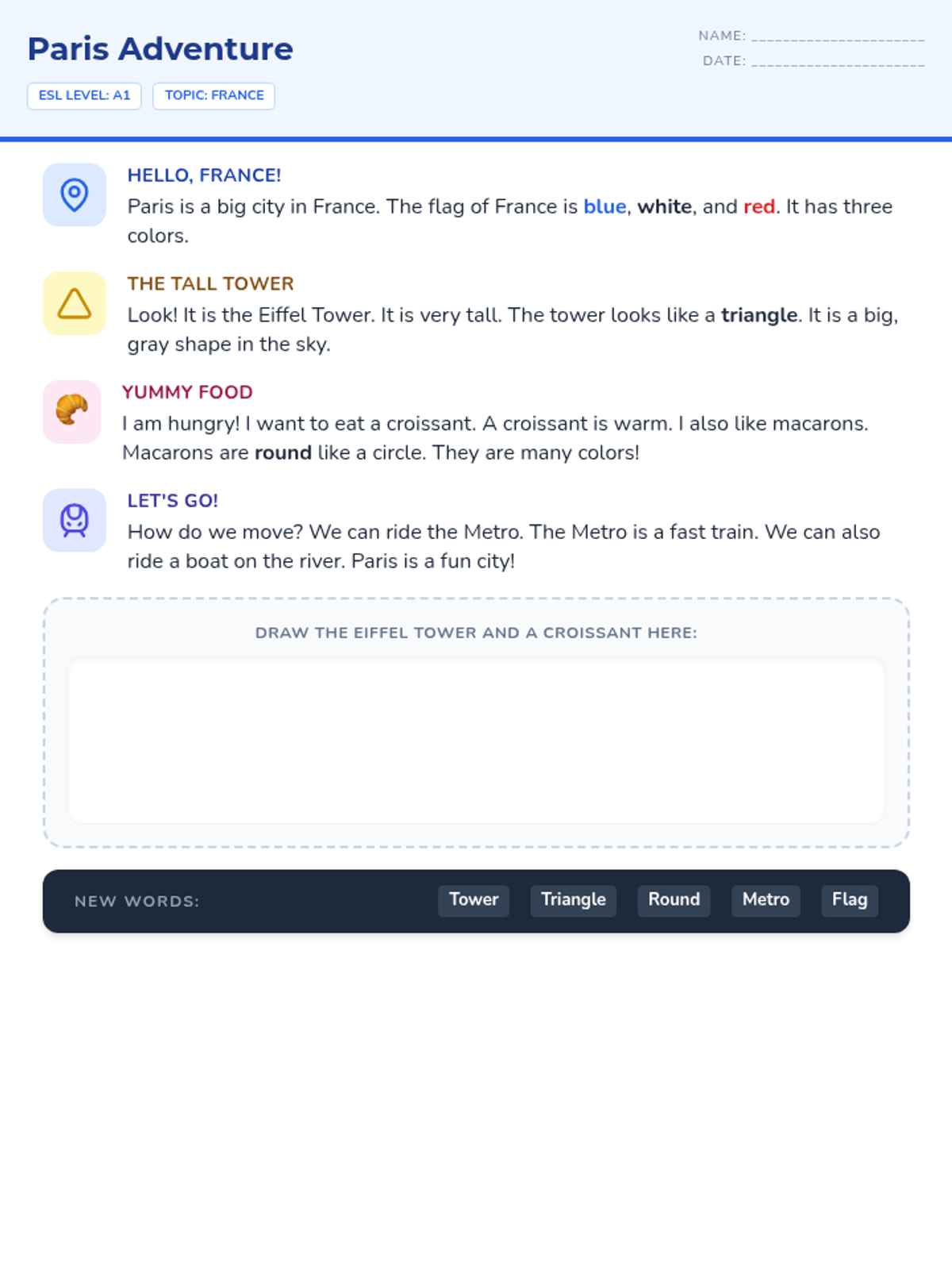
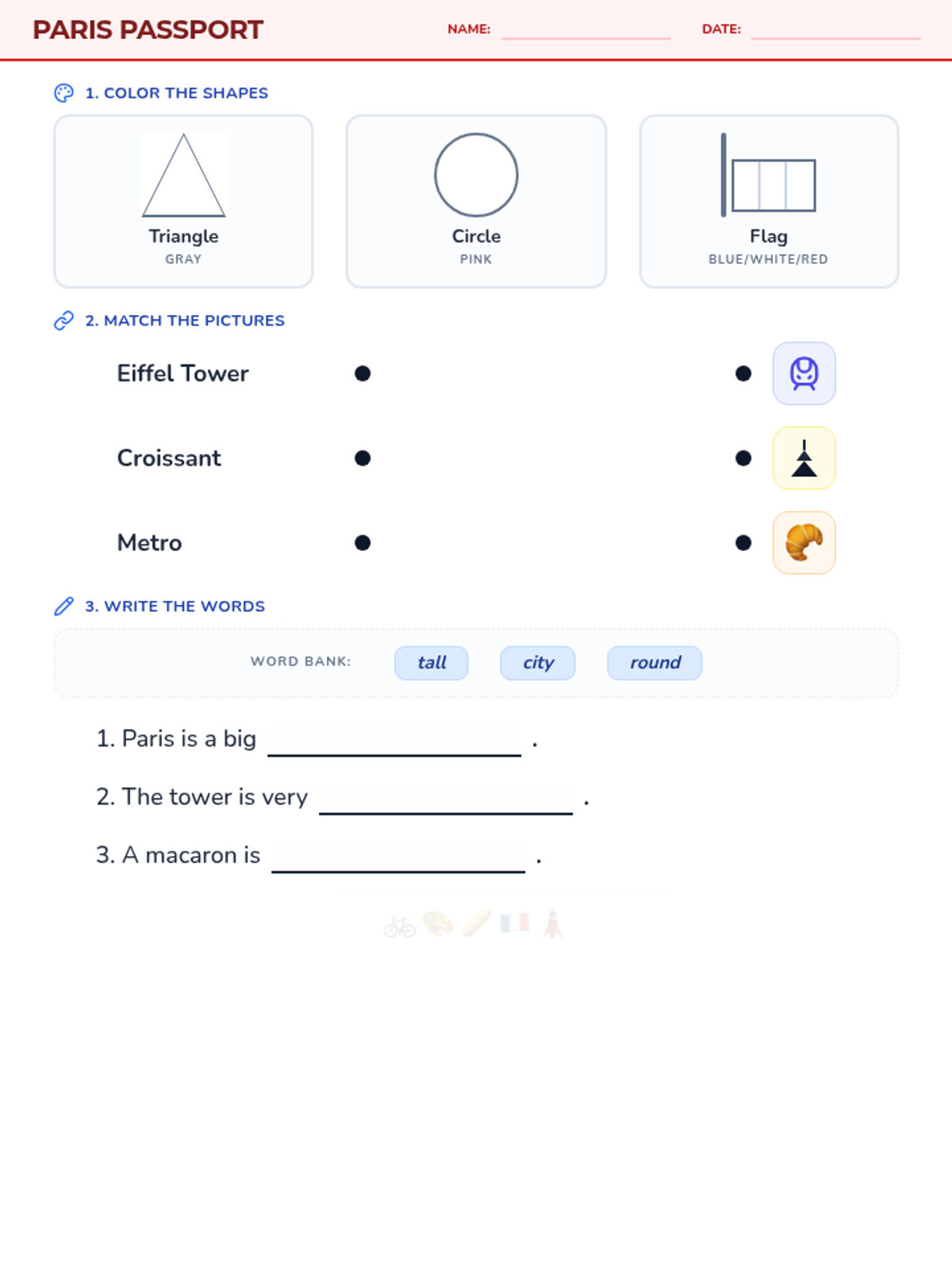
A beginner-friendly introduction to Paris, France, designed for 1st-grade ESL students. This lesson covers iconic landmarks, French food, basic colors, and modes of transportation through simple language and vibrant visuals.
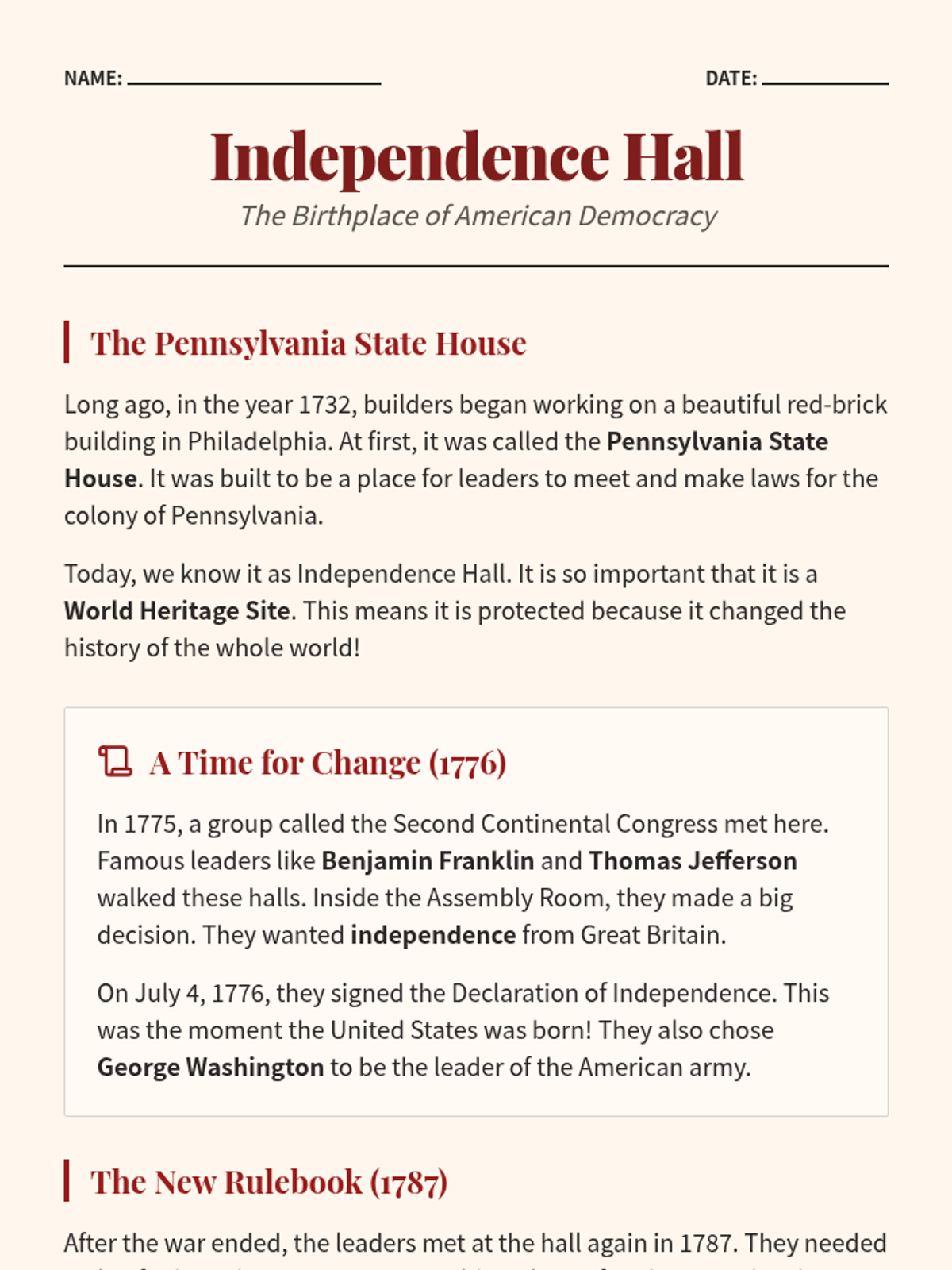
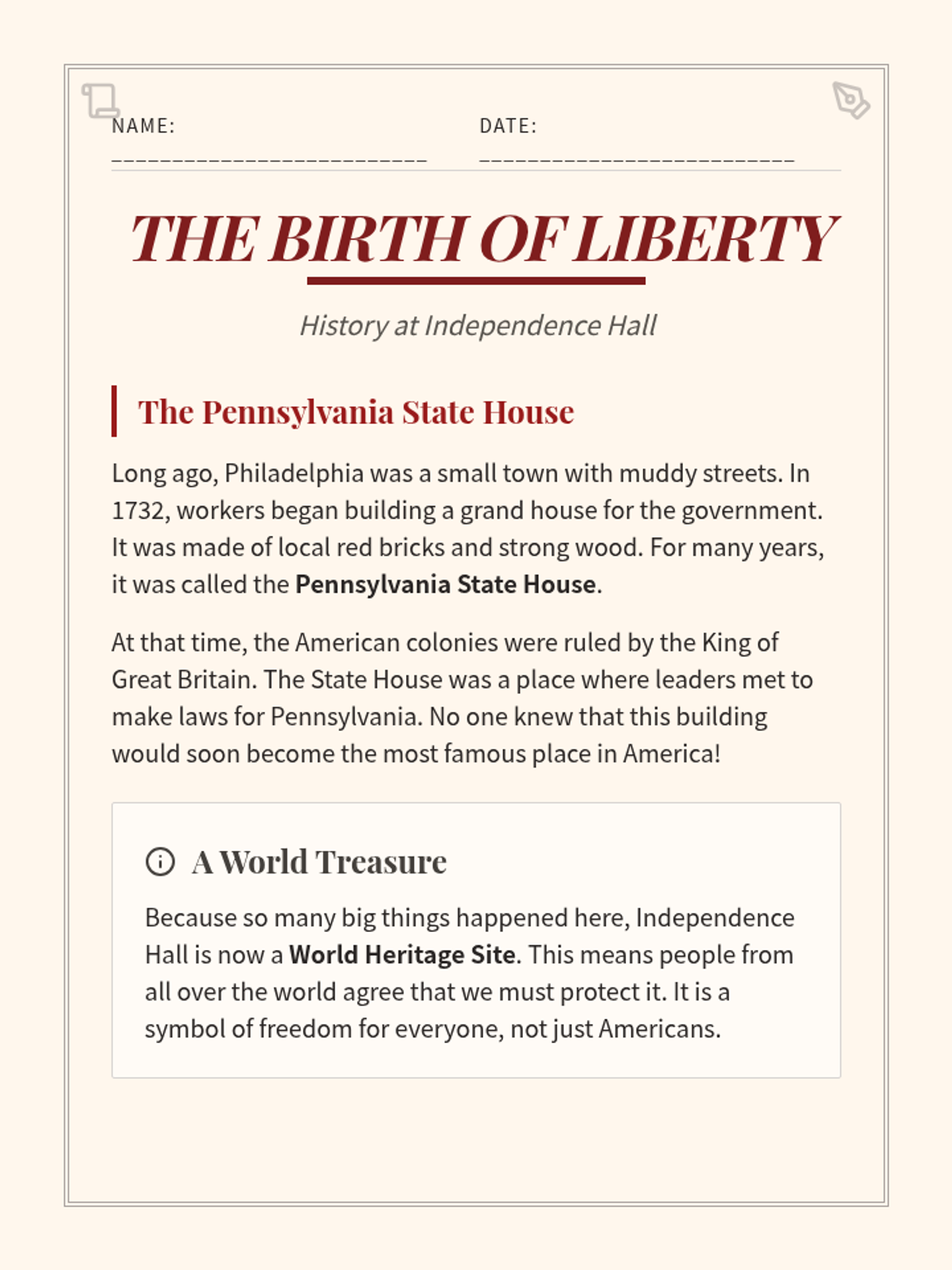
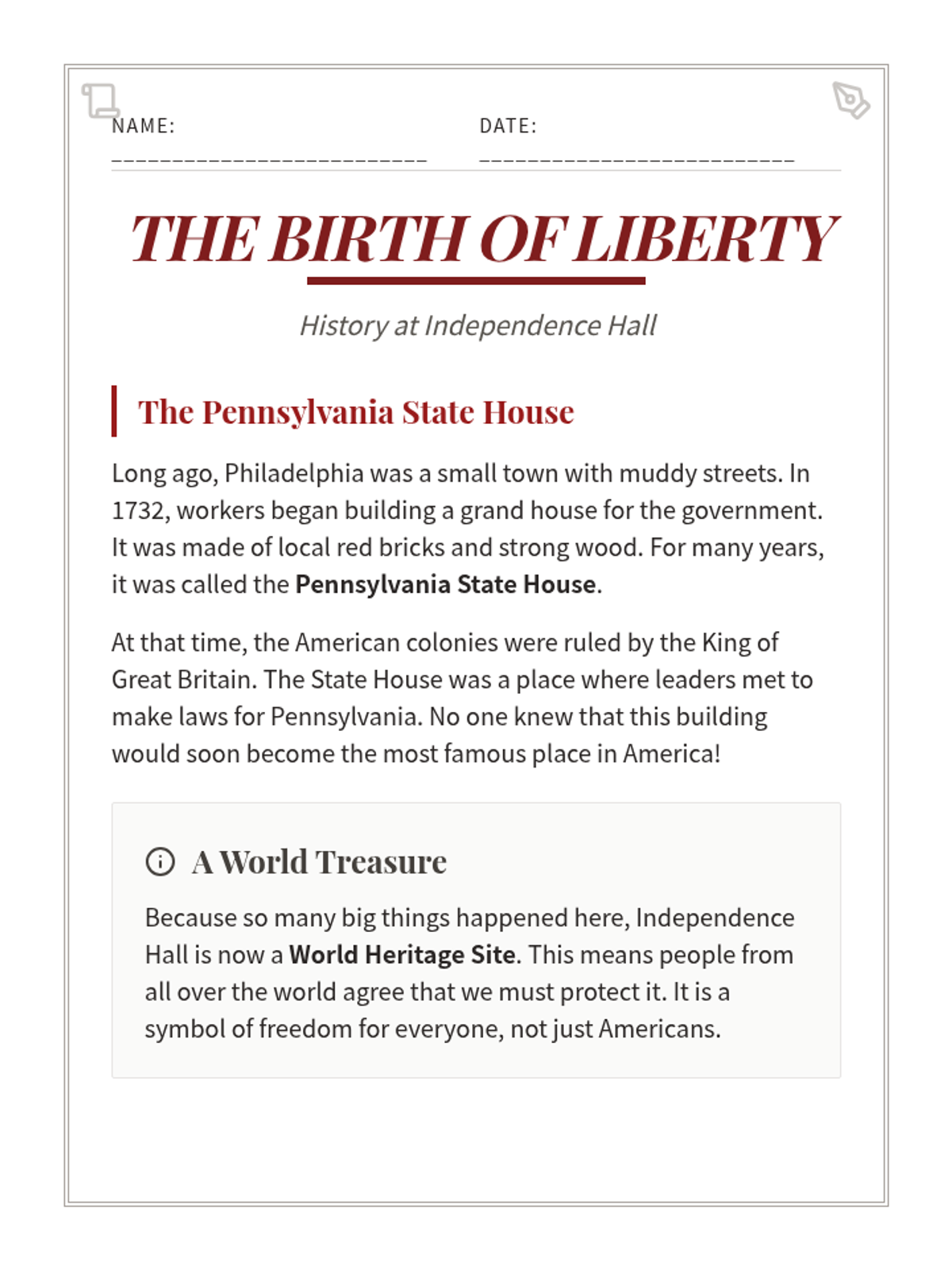
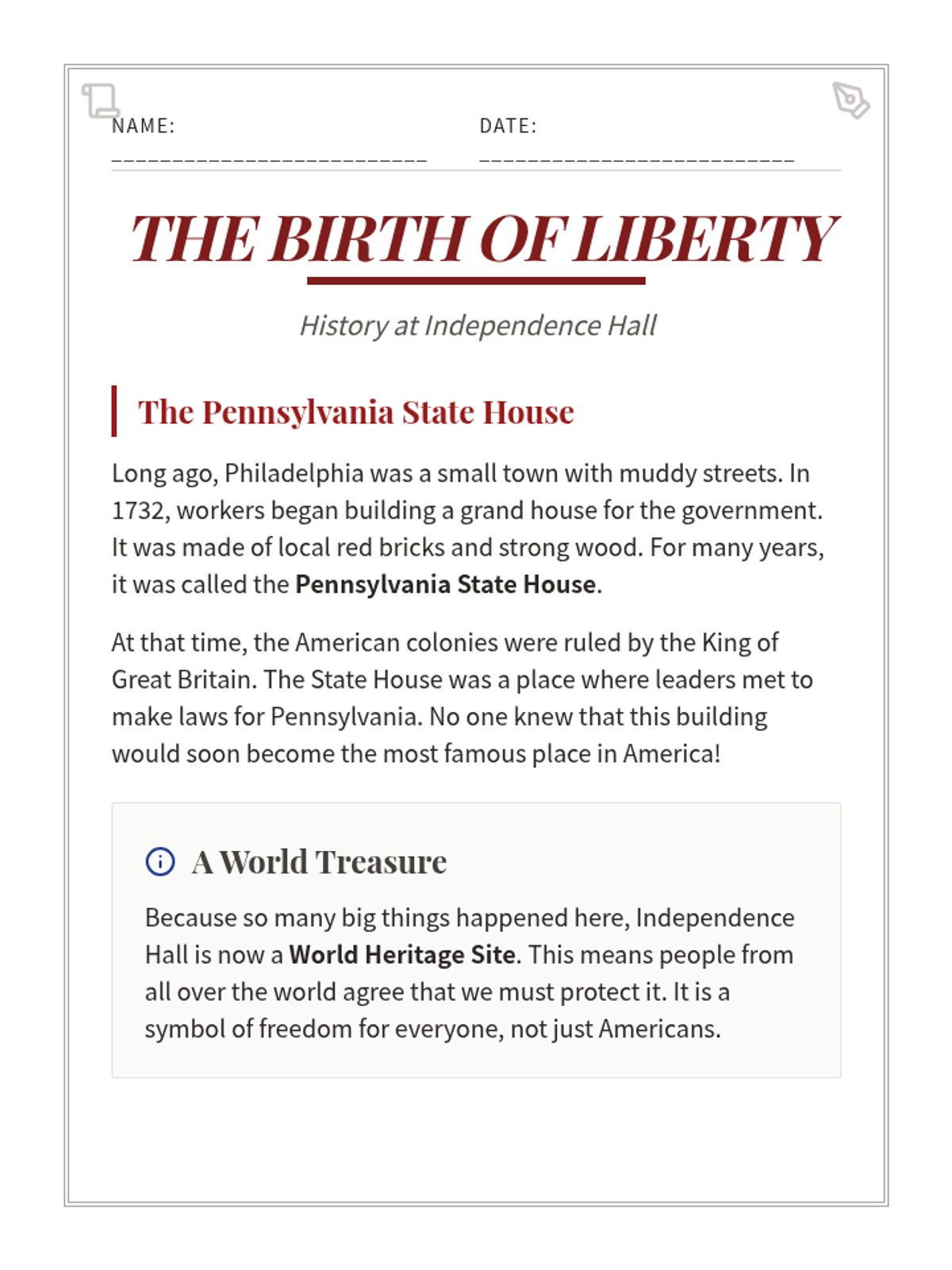
This lesson covers the historical significance of Independence Hall, the roles of the Founding Fathers, and the creation of America's founding documents.
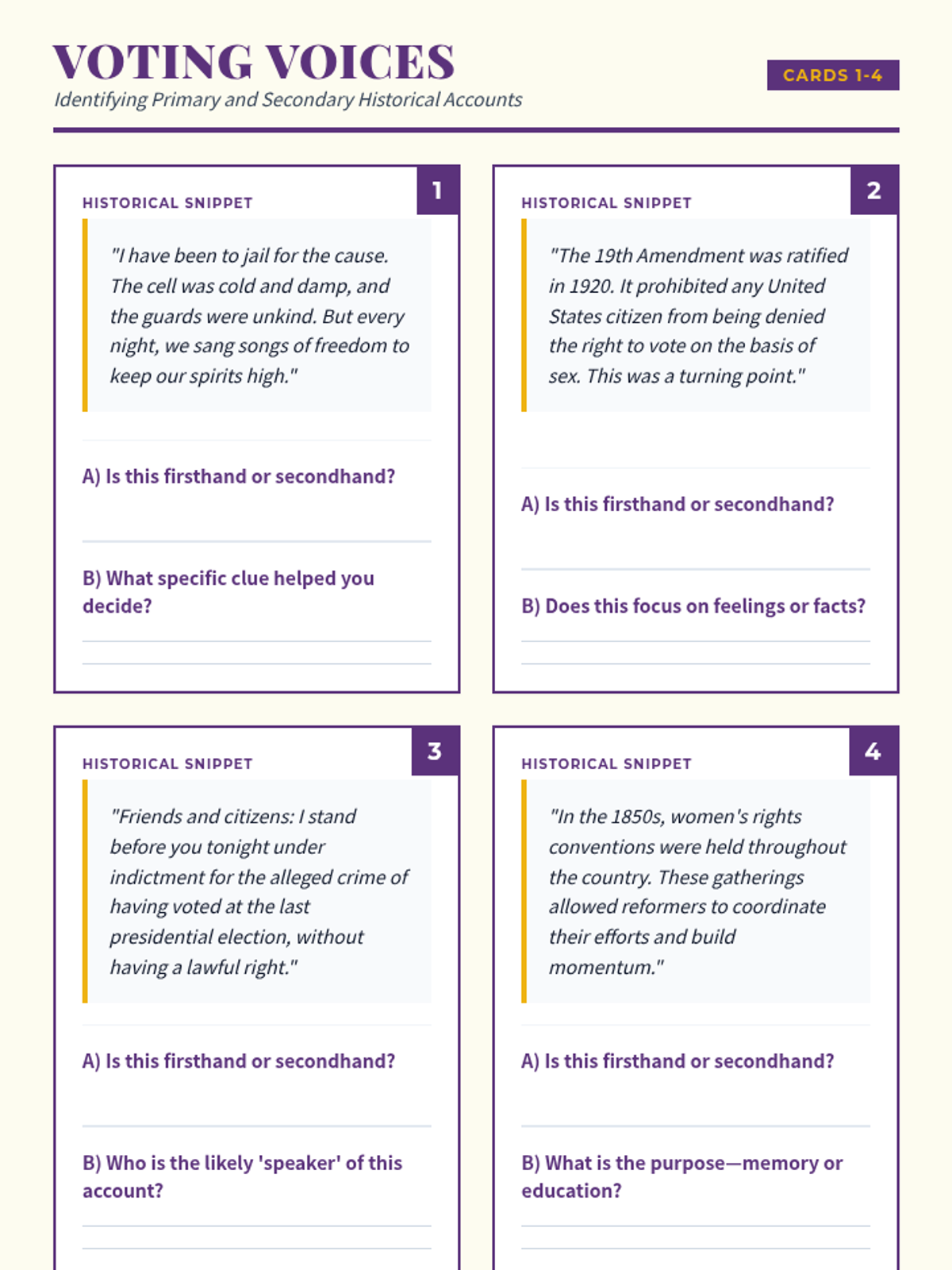
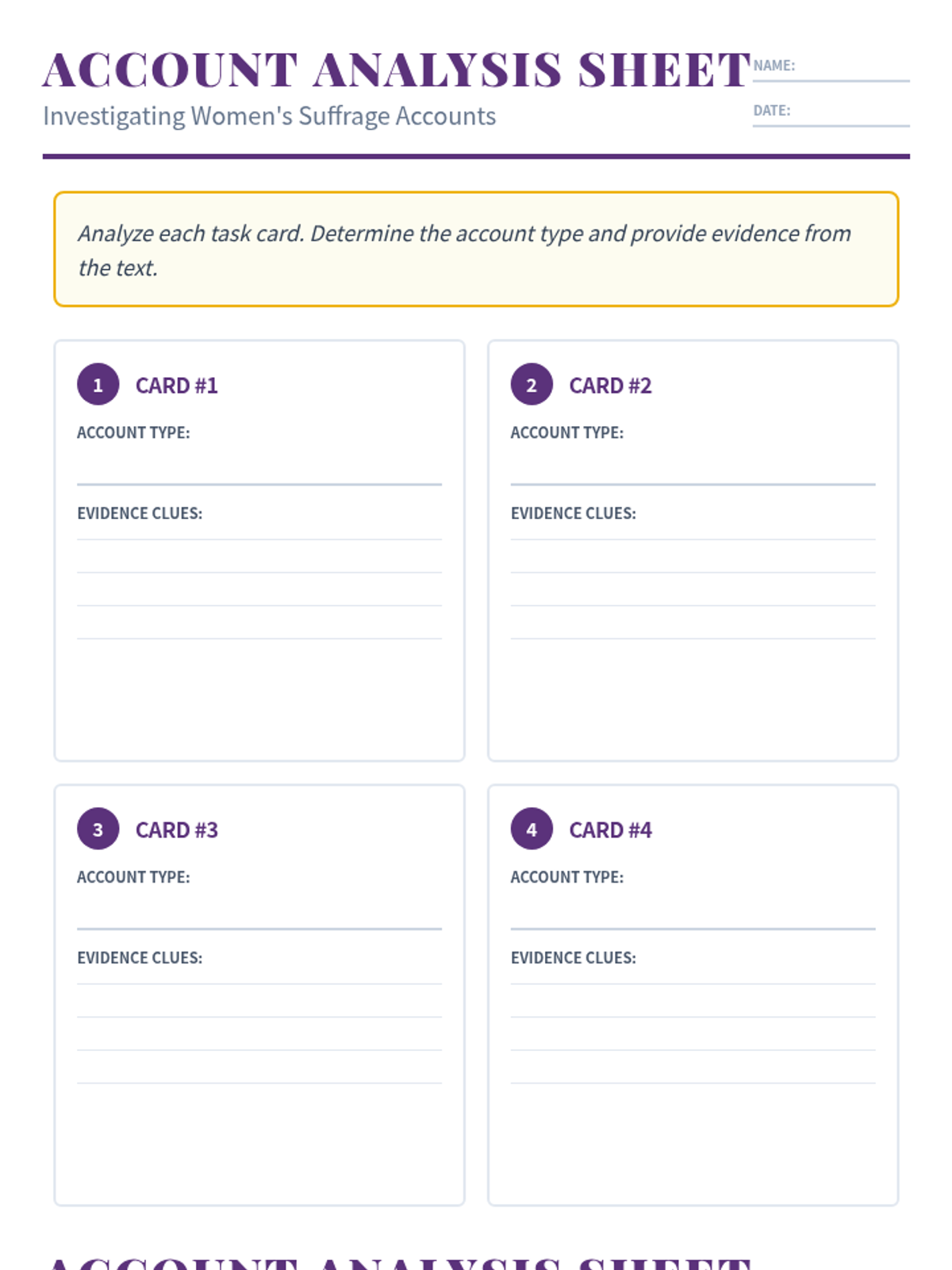
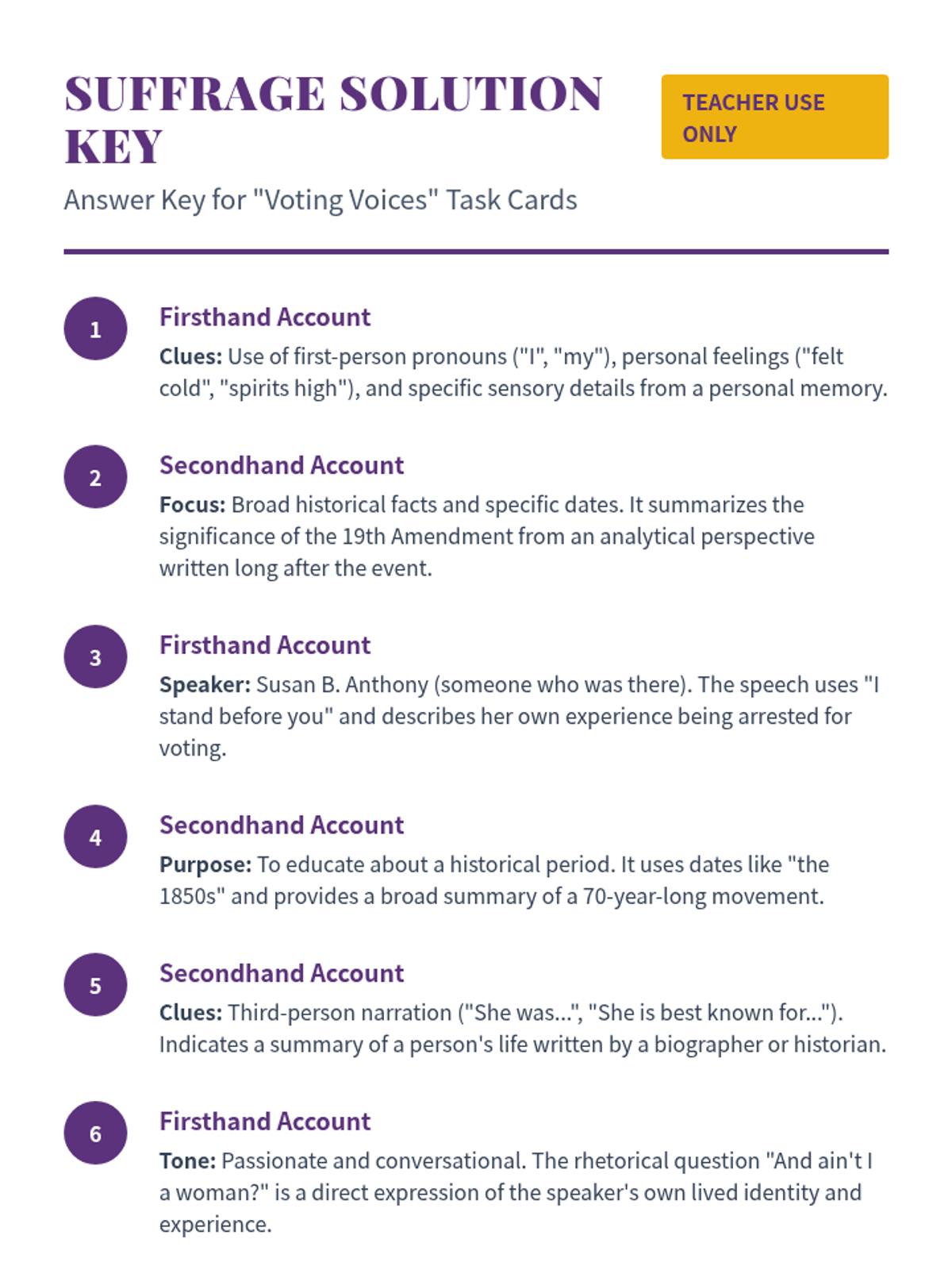
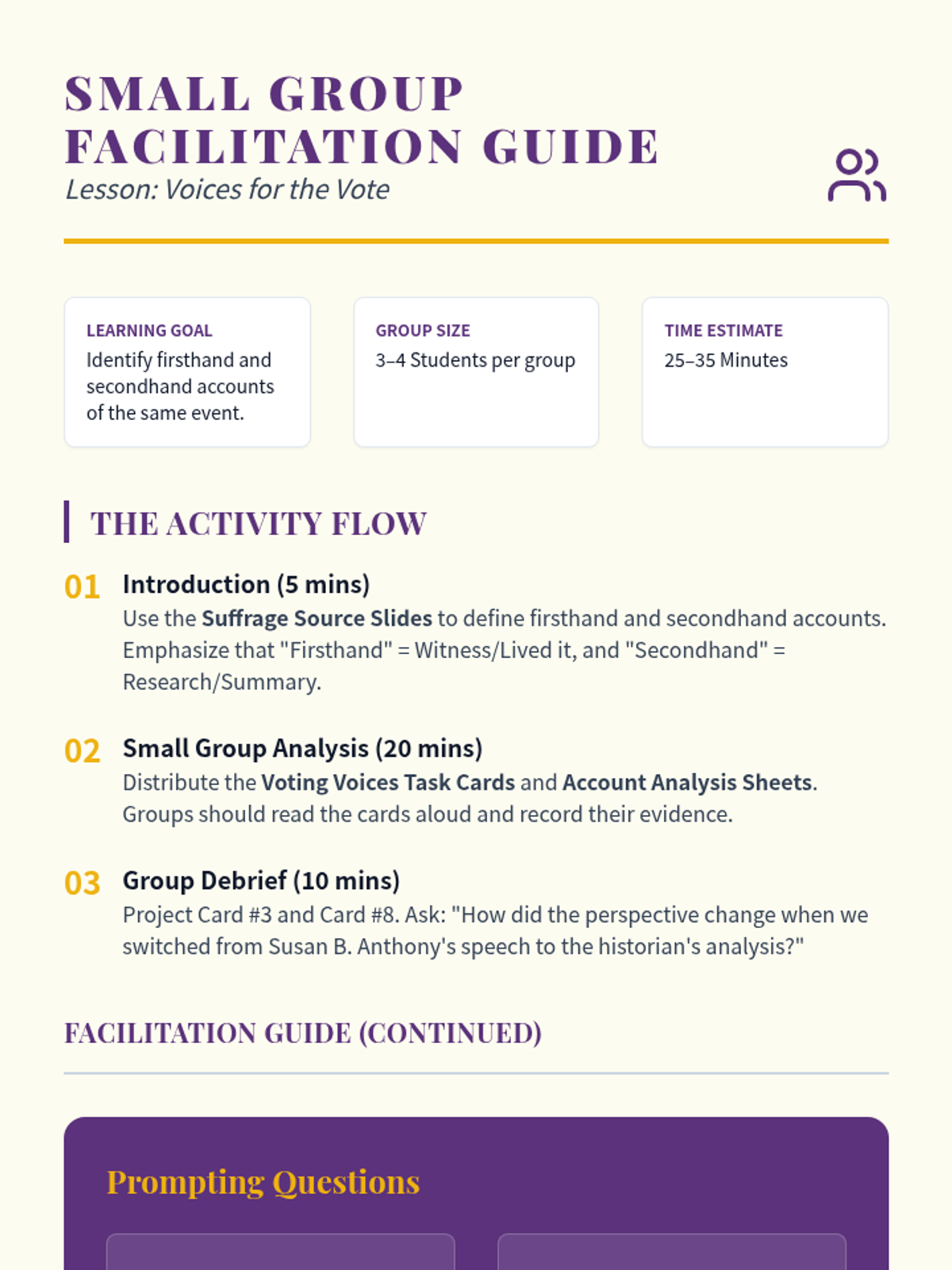
A lesson focused on distinguishing between firsthand and secondhand accounts through the lens of the Women's Suffrage Movement. Students will analyze primary and secondary sources to understand different perspectives and historical reporting.
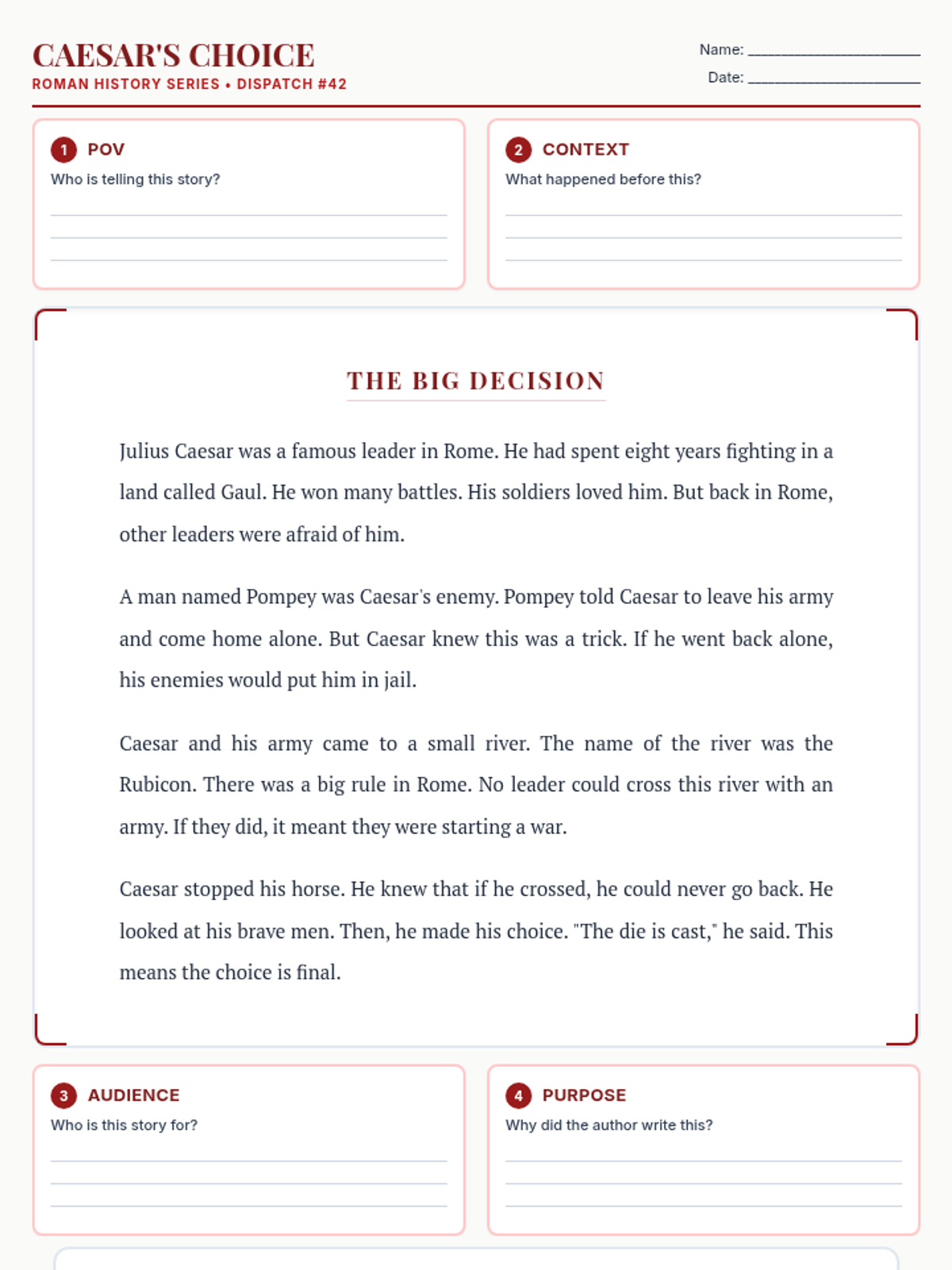
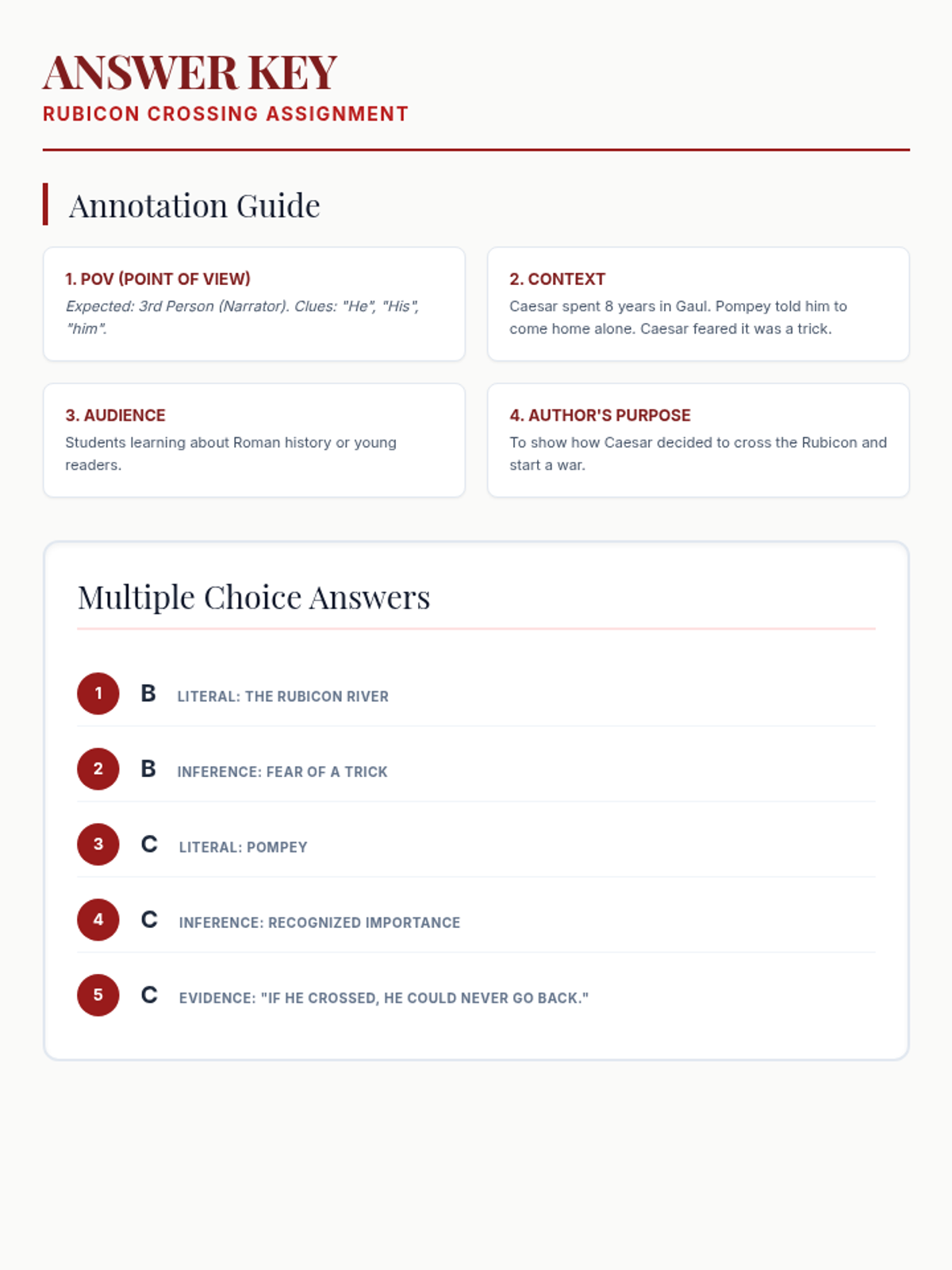
A lesson exploring Julius Caesar's historic decision to cross the Rubicon river, focusing on simple narrative structure and reading comprehension for young learners.
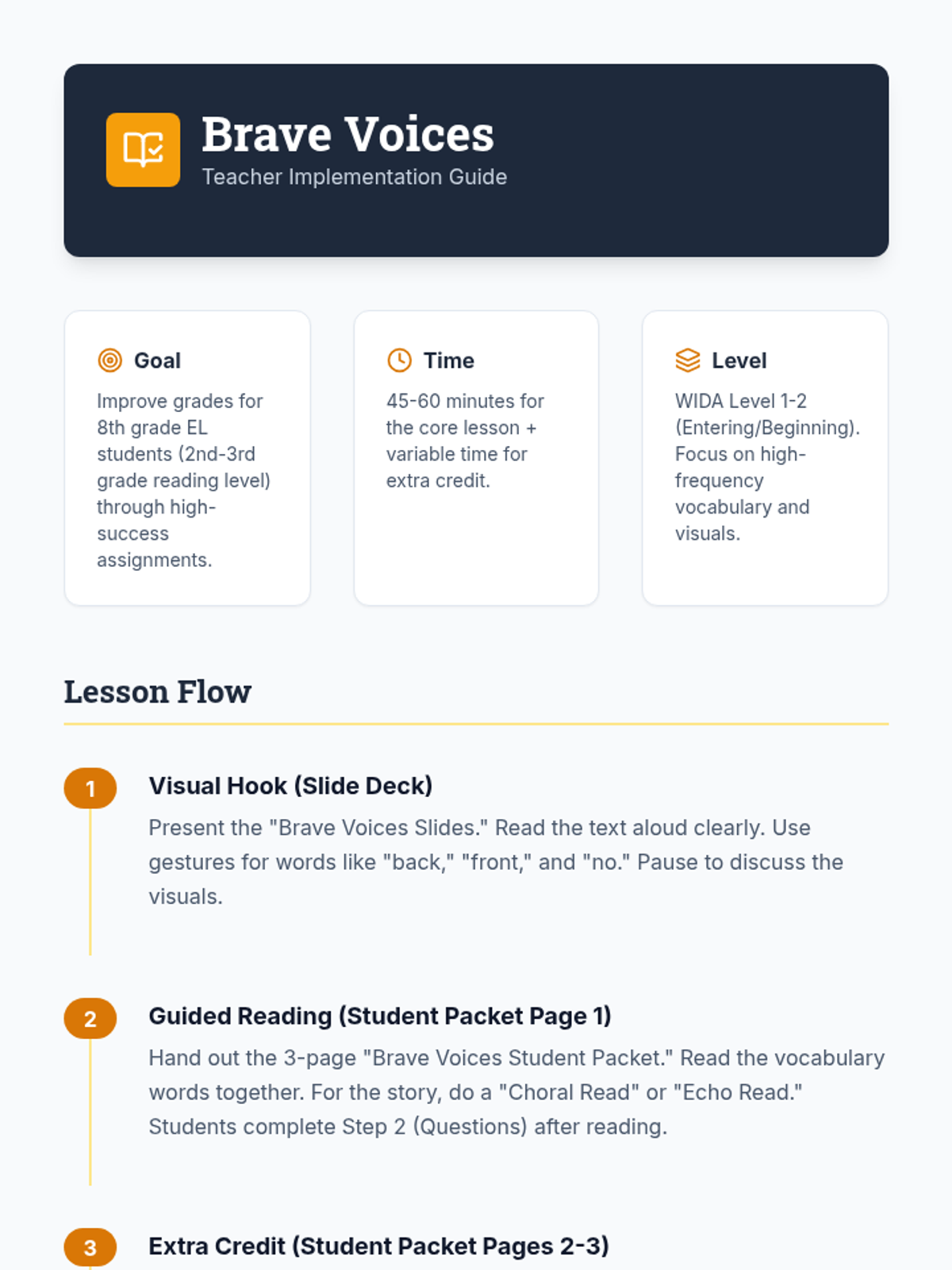
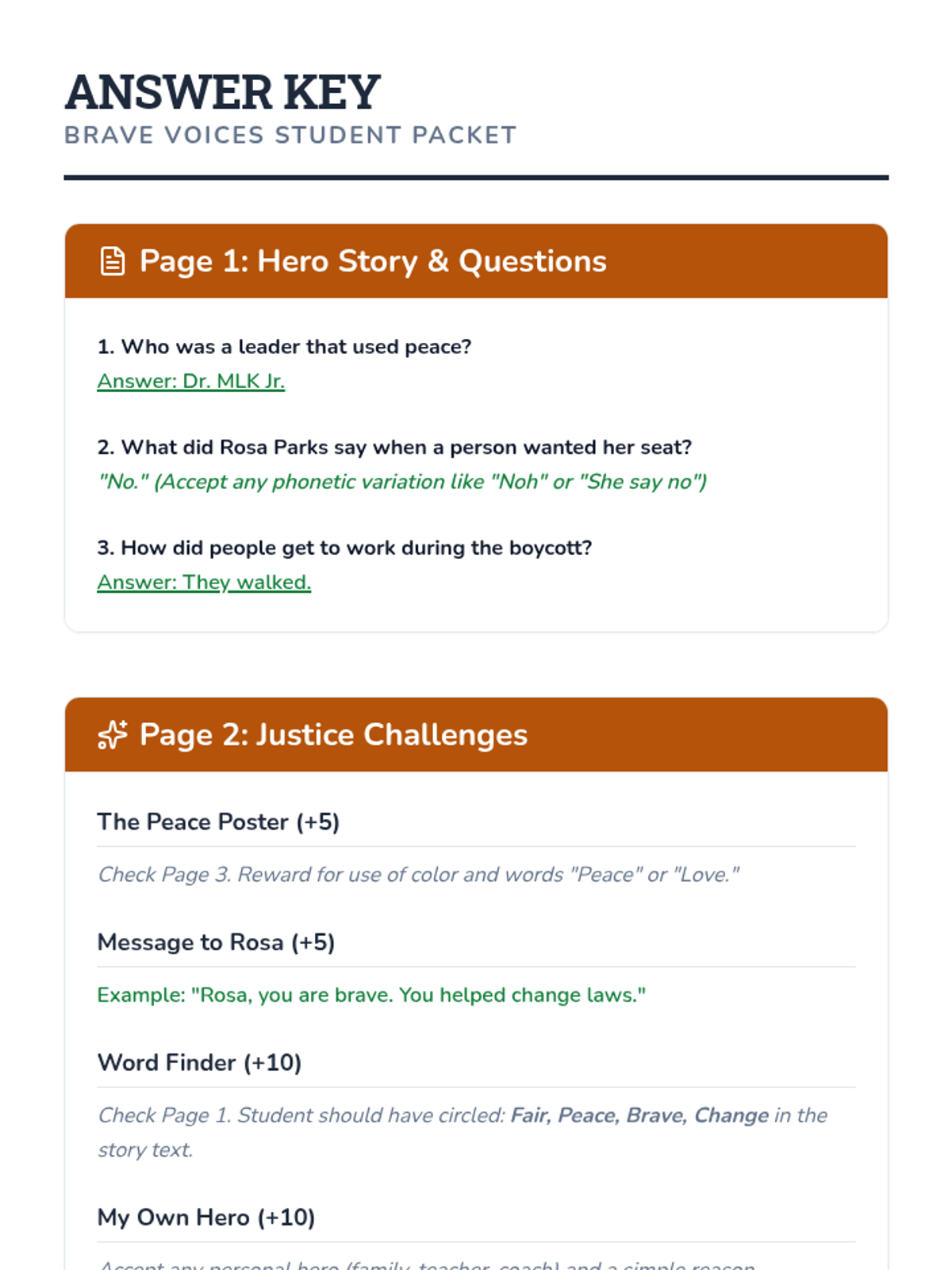
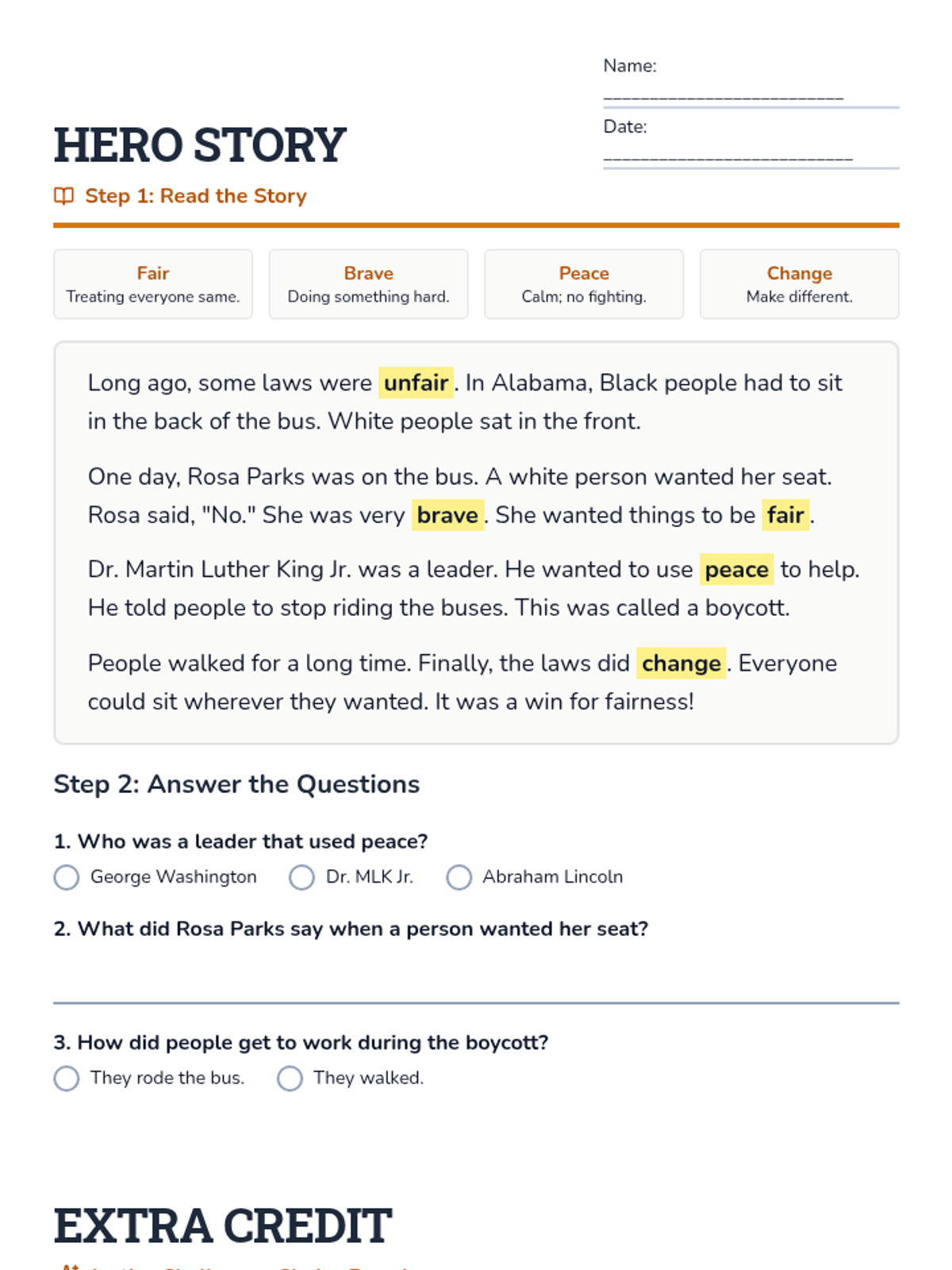
A lesson exploring the leadership of Martin Luther King Jr. and the collective action of the Montgomery Bus Boycott using simple language and structured activities.
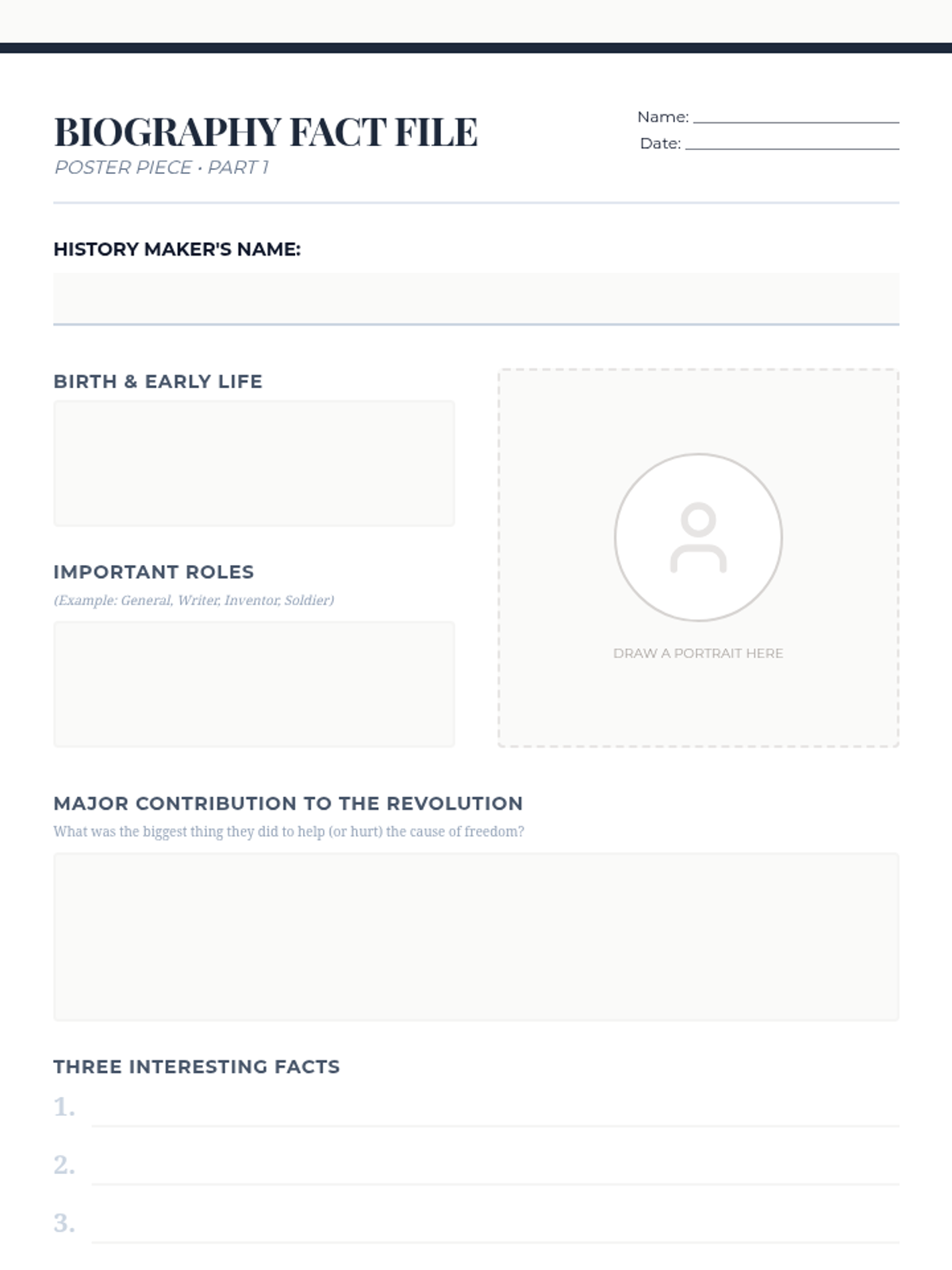
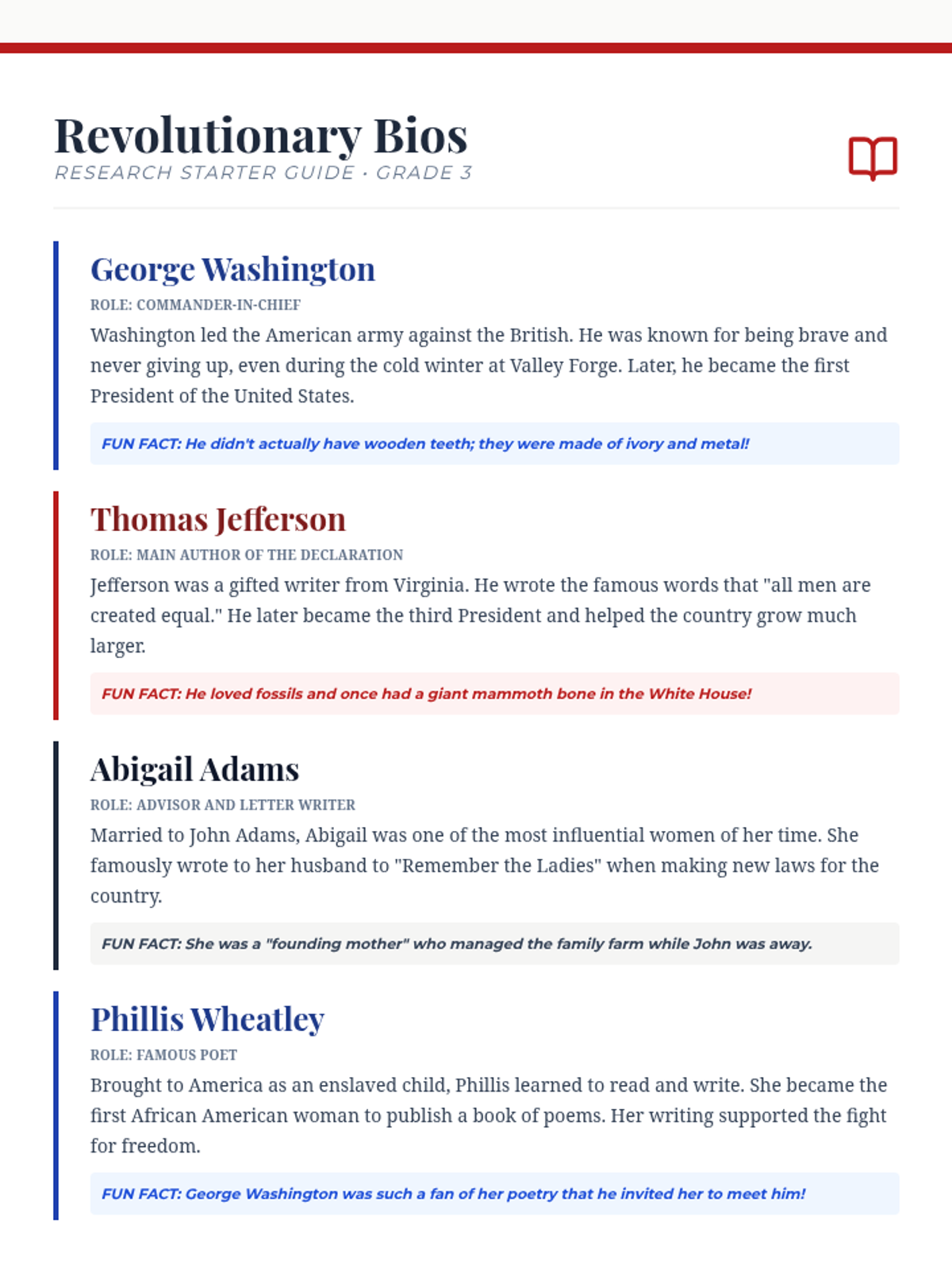
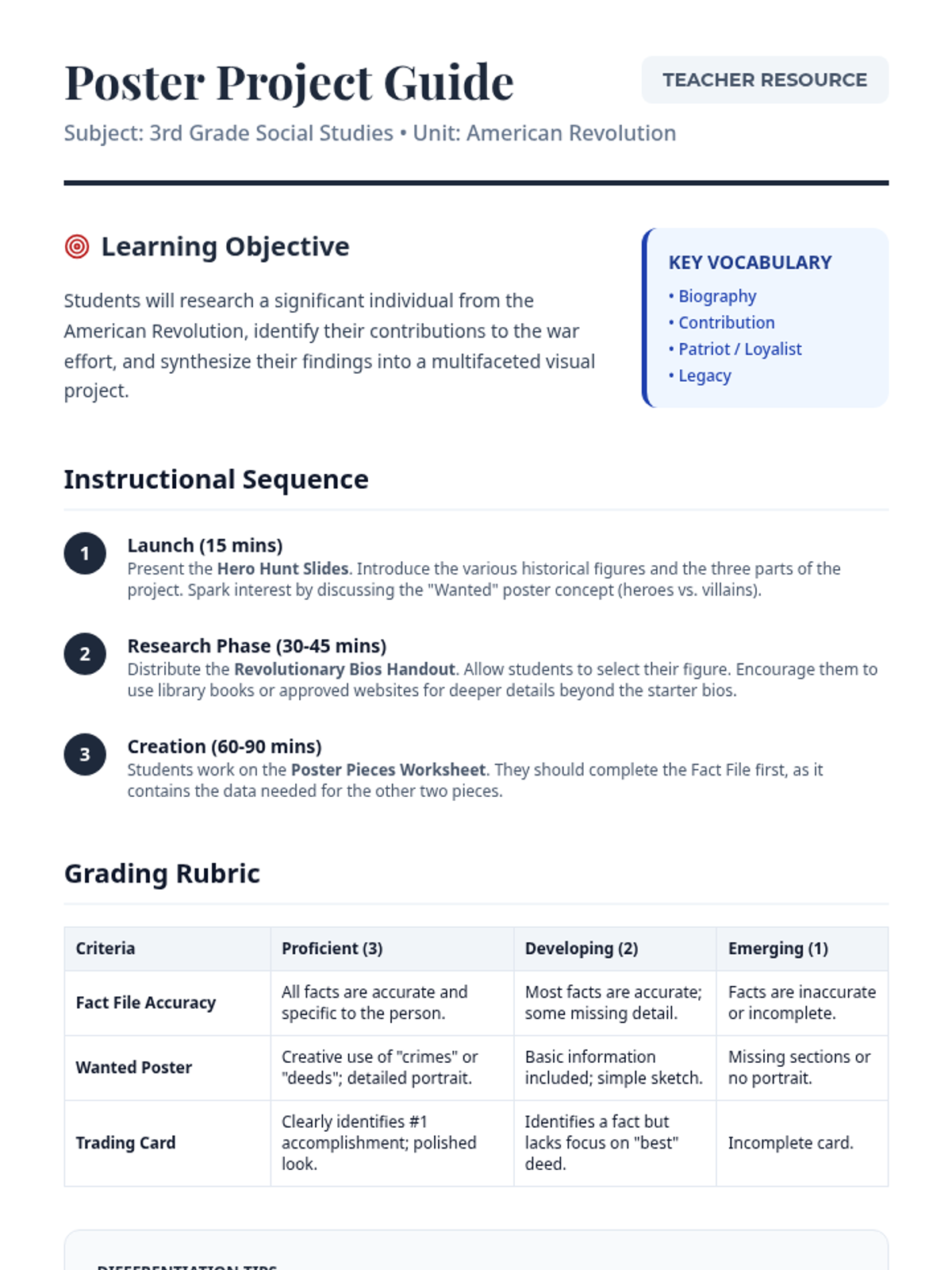
Students choose a historical figure from the American Revolution to research and represent through a fact file, a wanted poster, and a trading card.
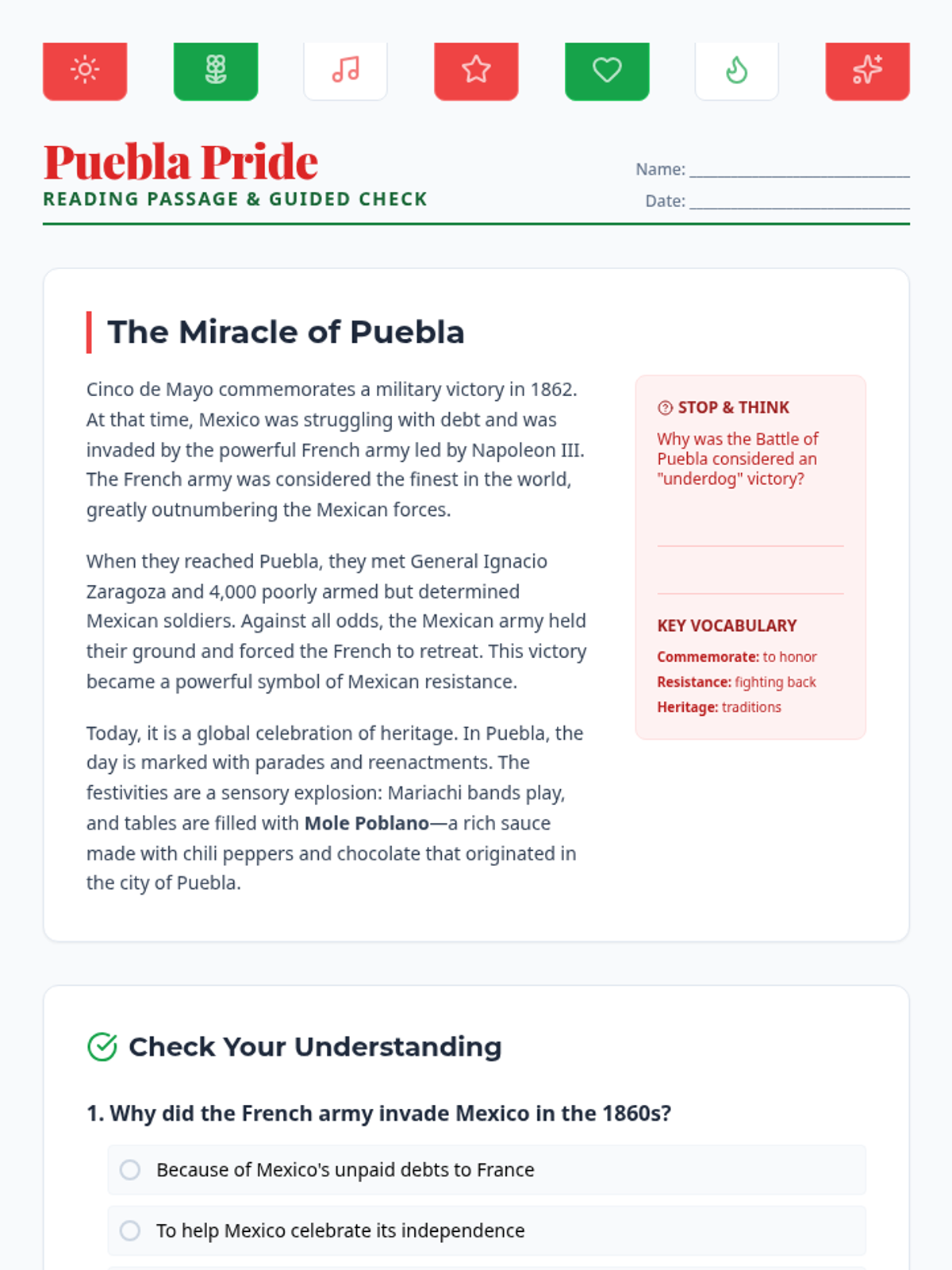
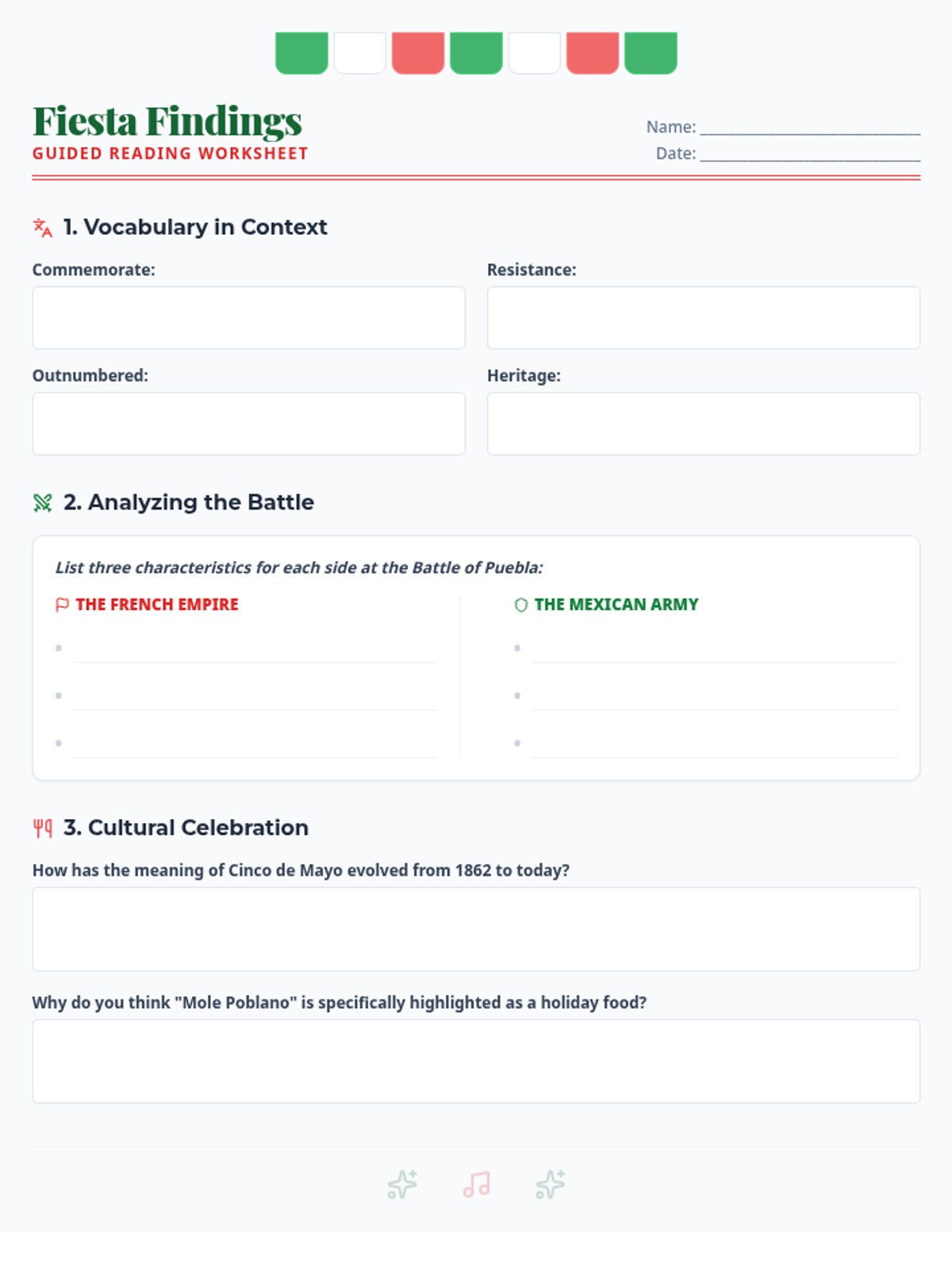
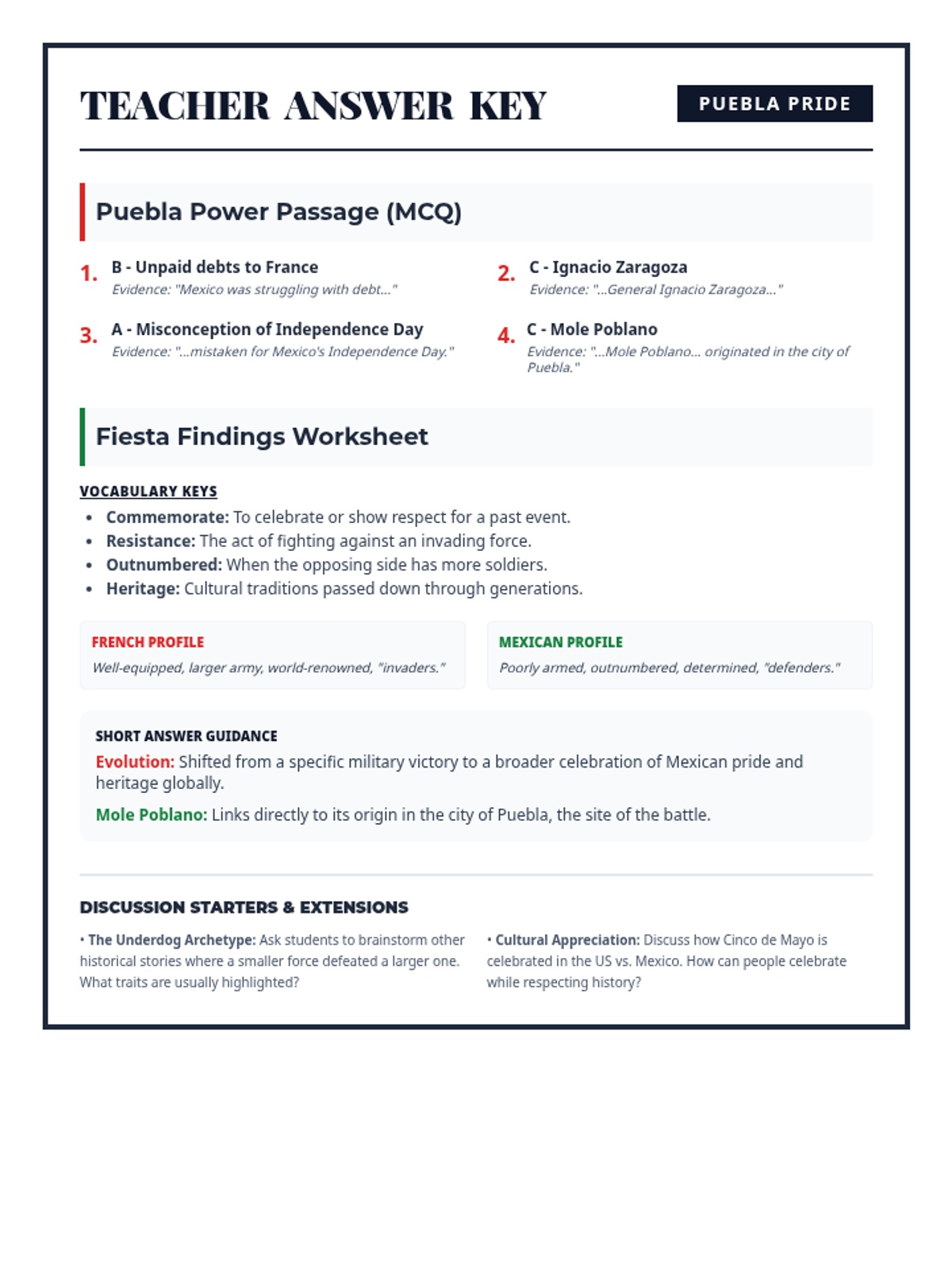
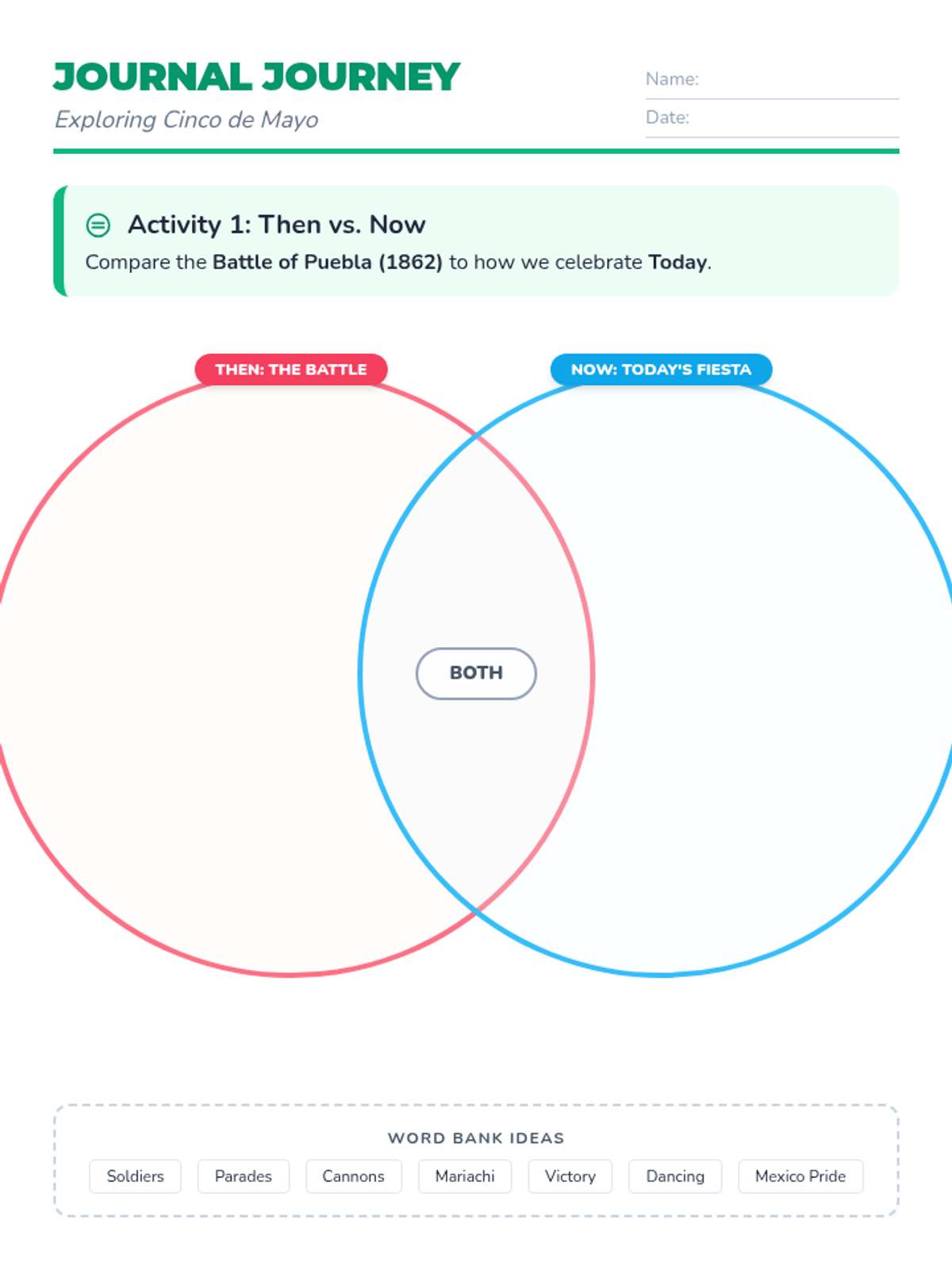
A comprehensive look at the history of the Battle of Puebla and how Cinco de Mayo has evolved into a vibrant celebration of Mexican culture and cuisine.
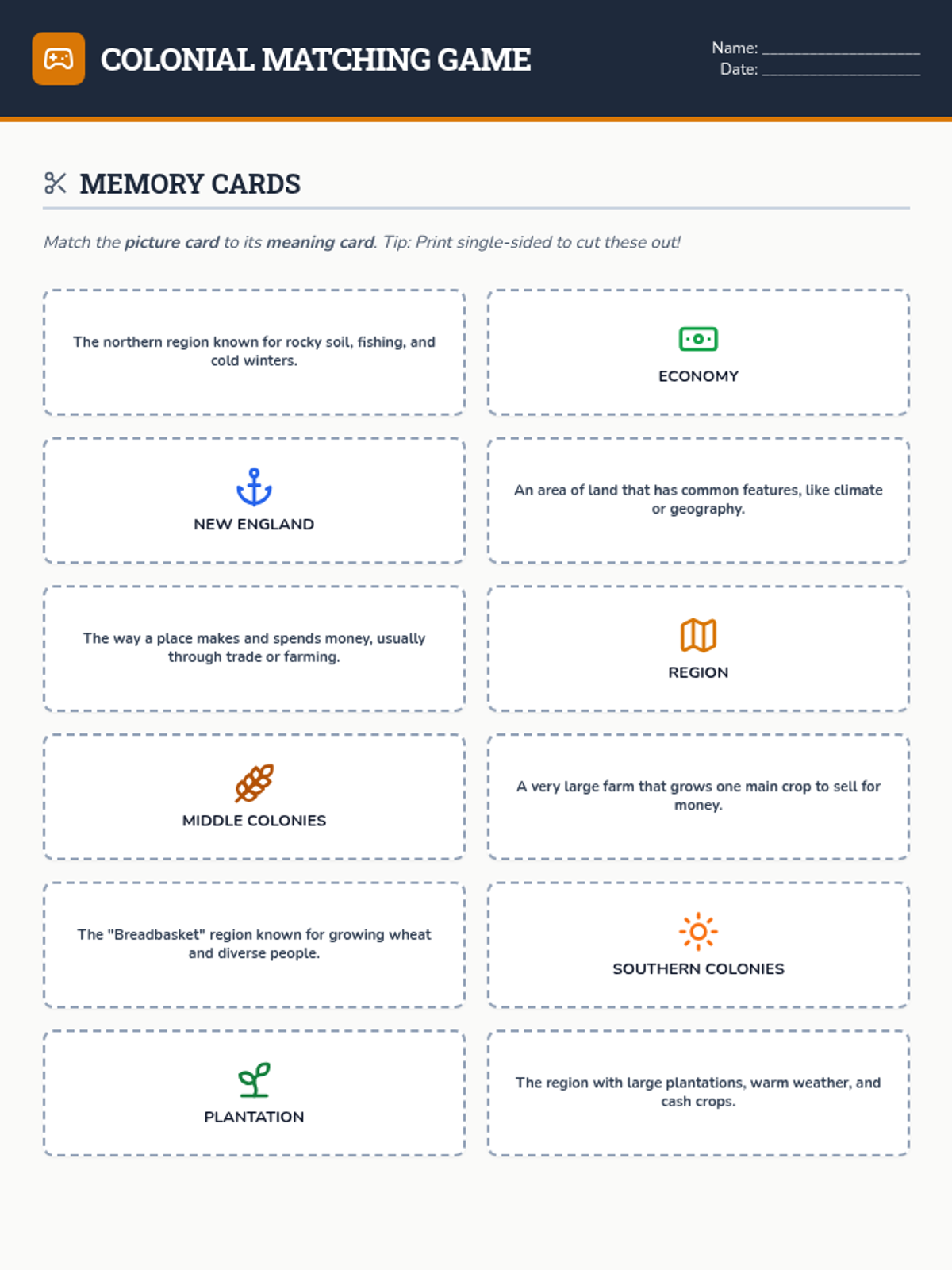
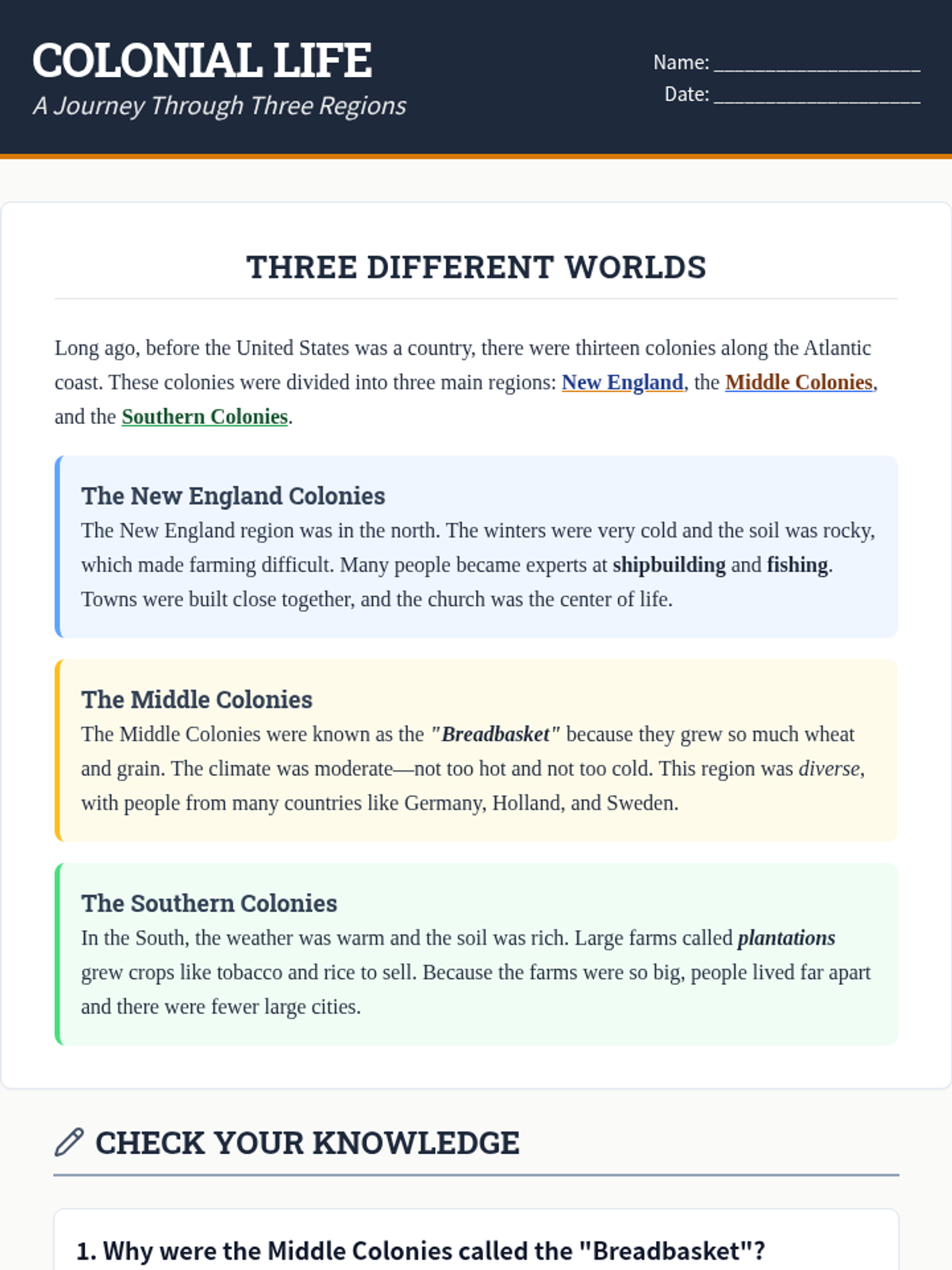
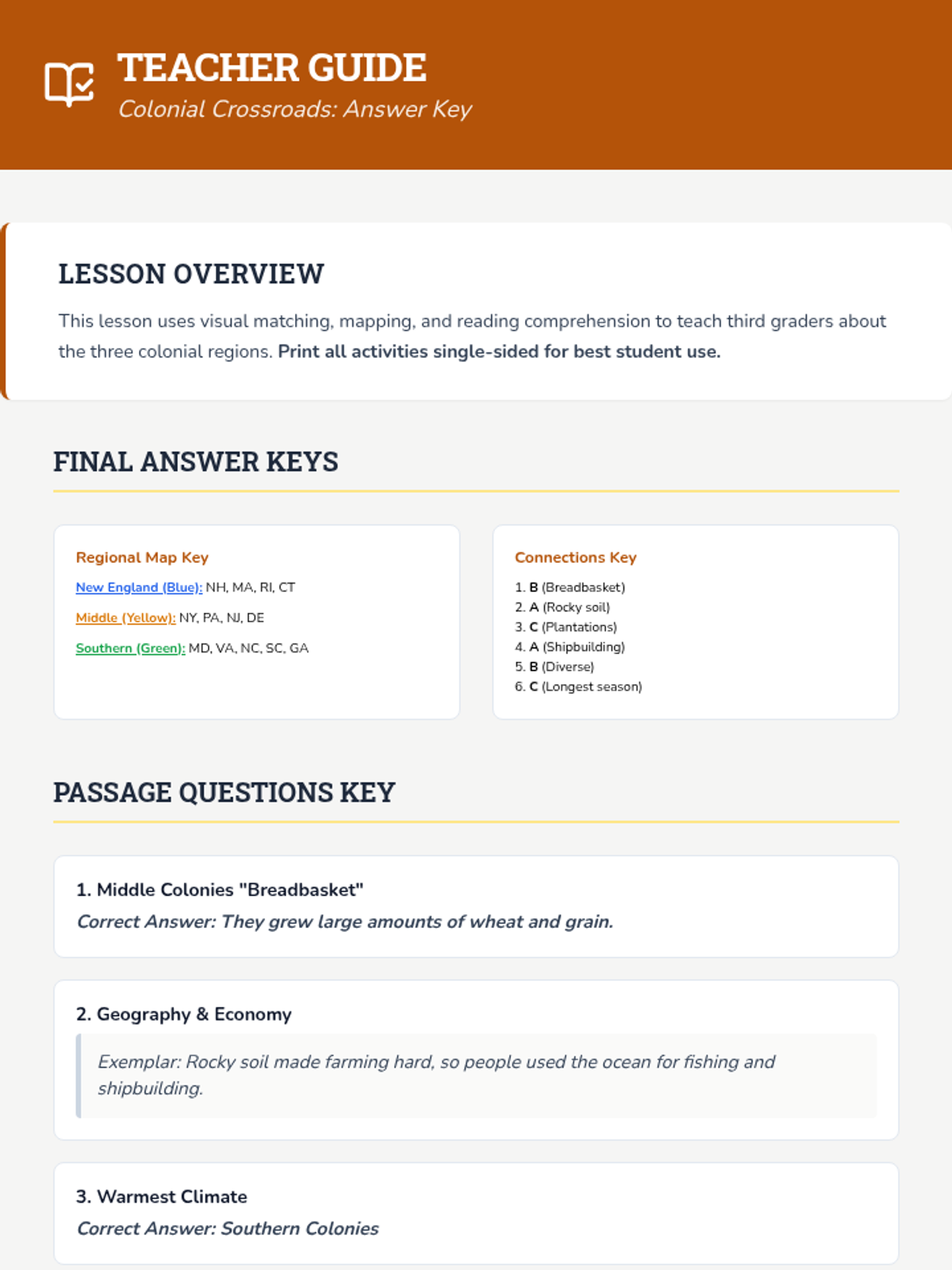
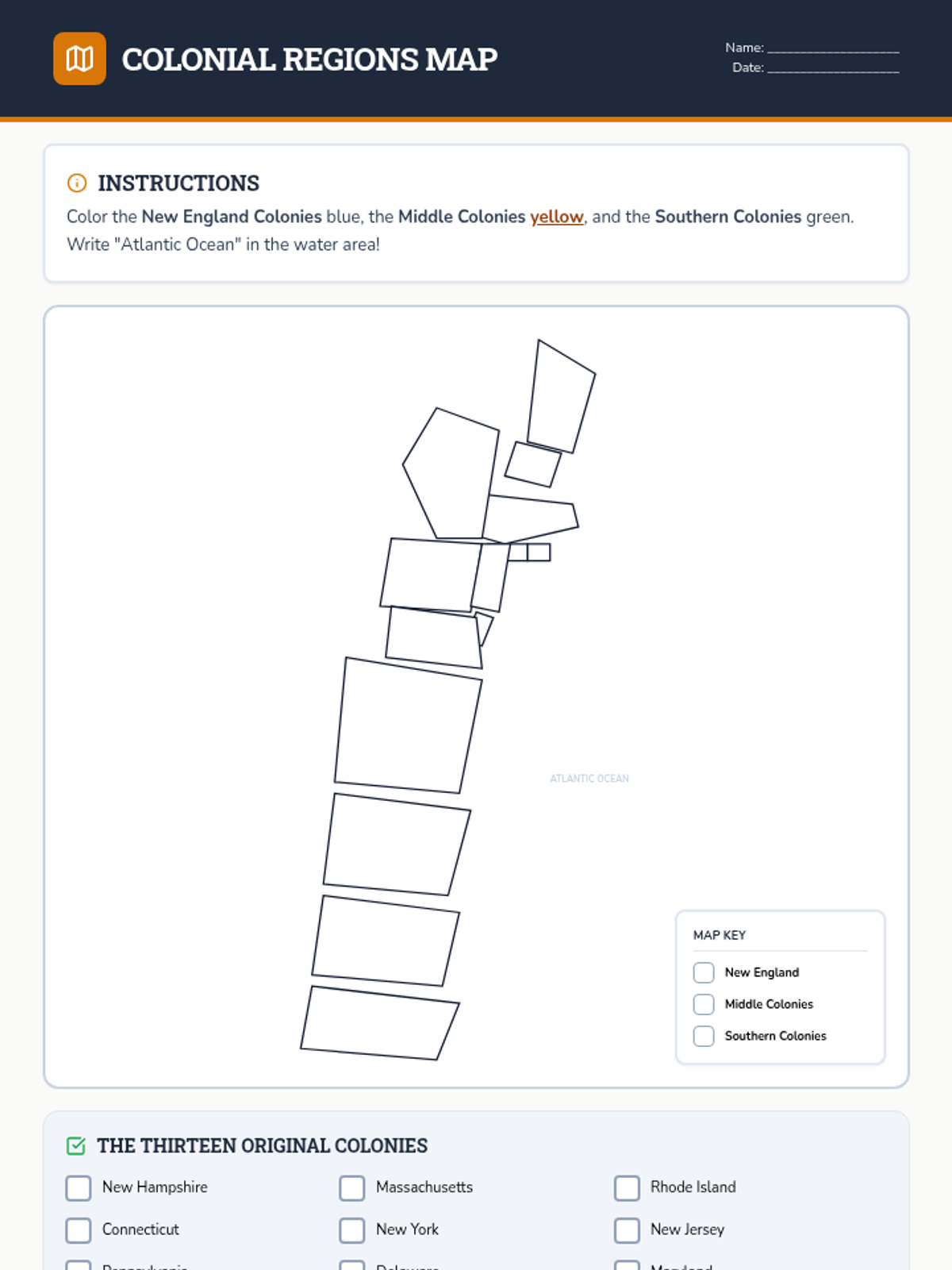
An introductory lesson for third graders to explore the distinct regions of the original thirteen colonies, focusing on geography, climate, and daily life.
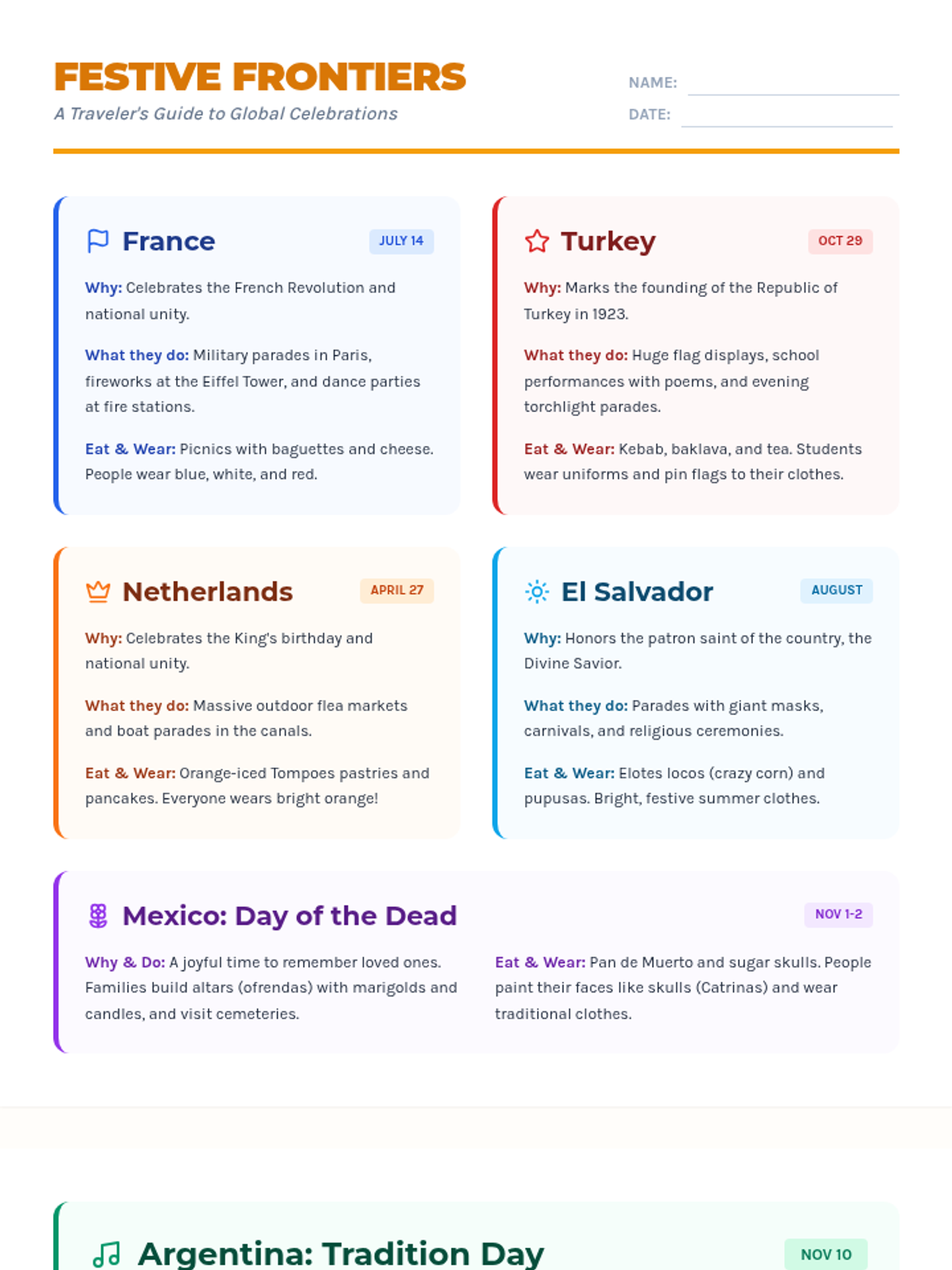
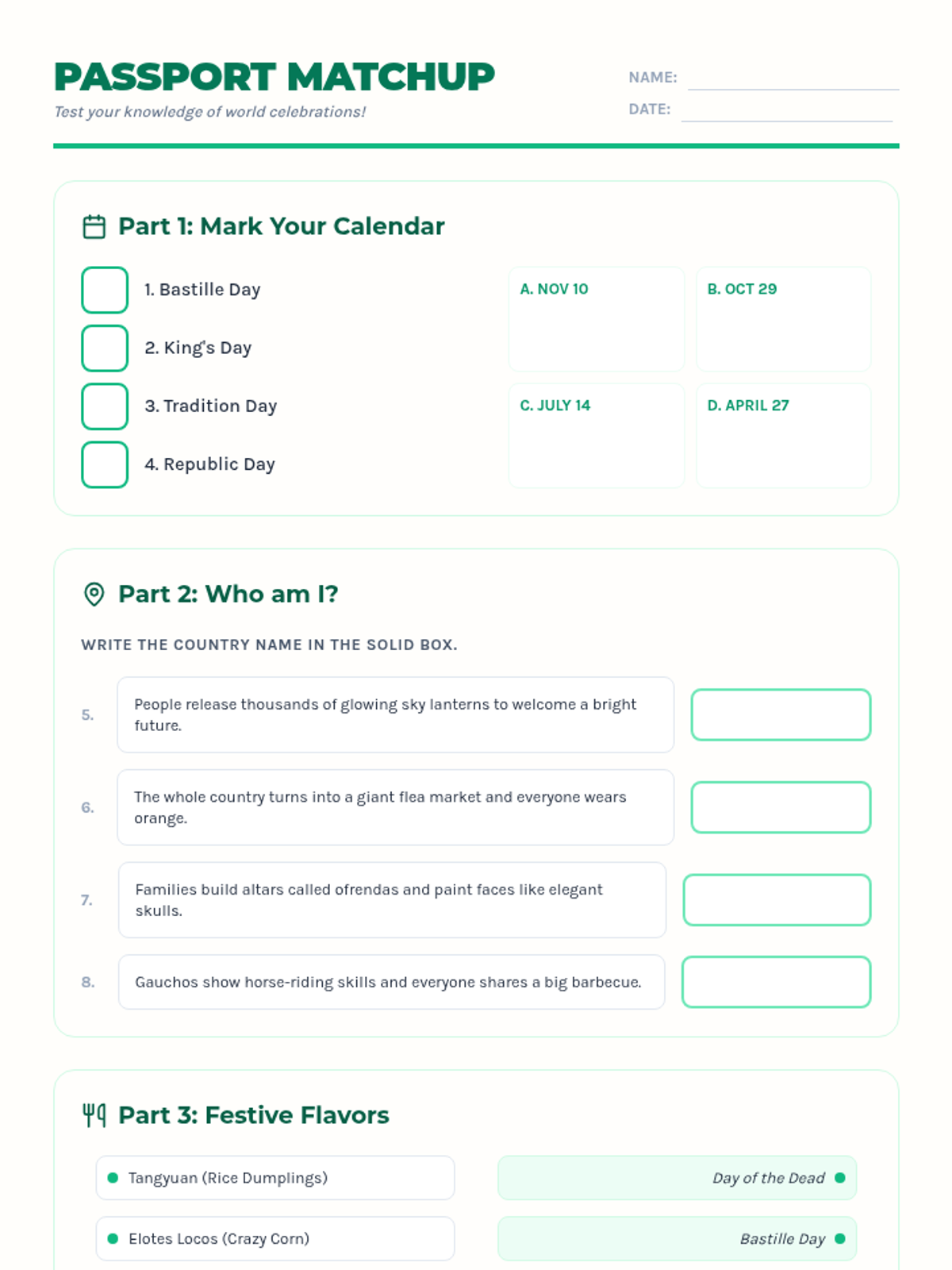
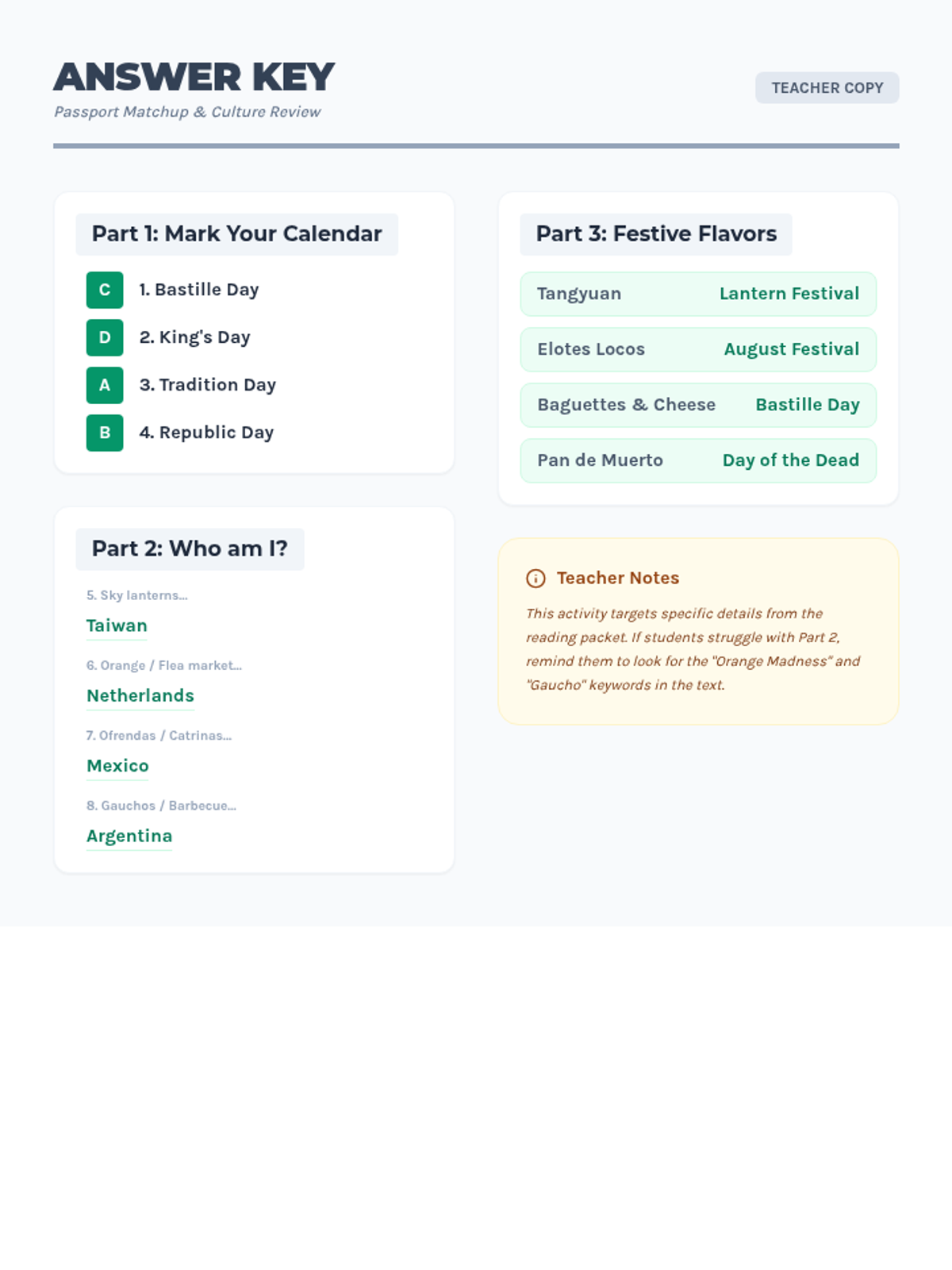
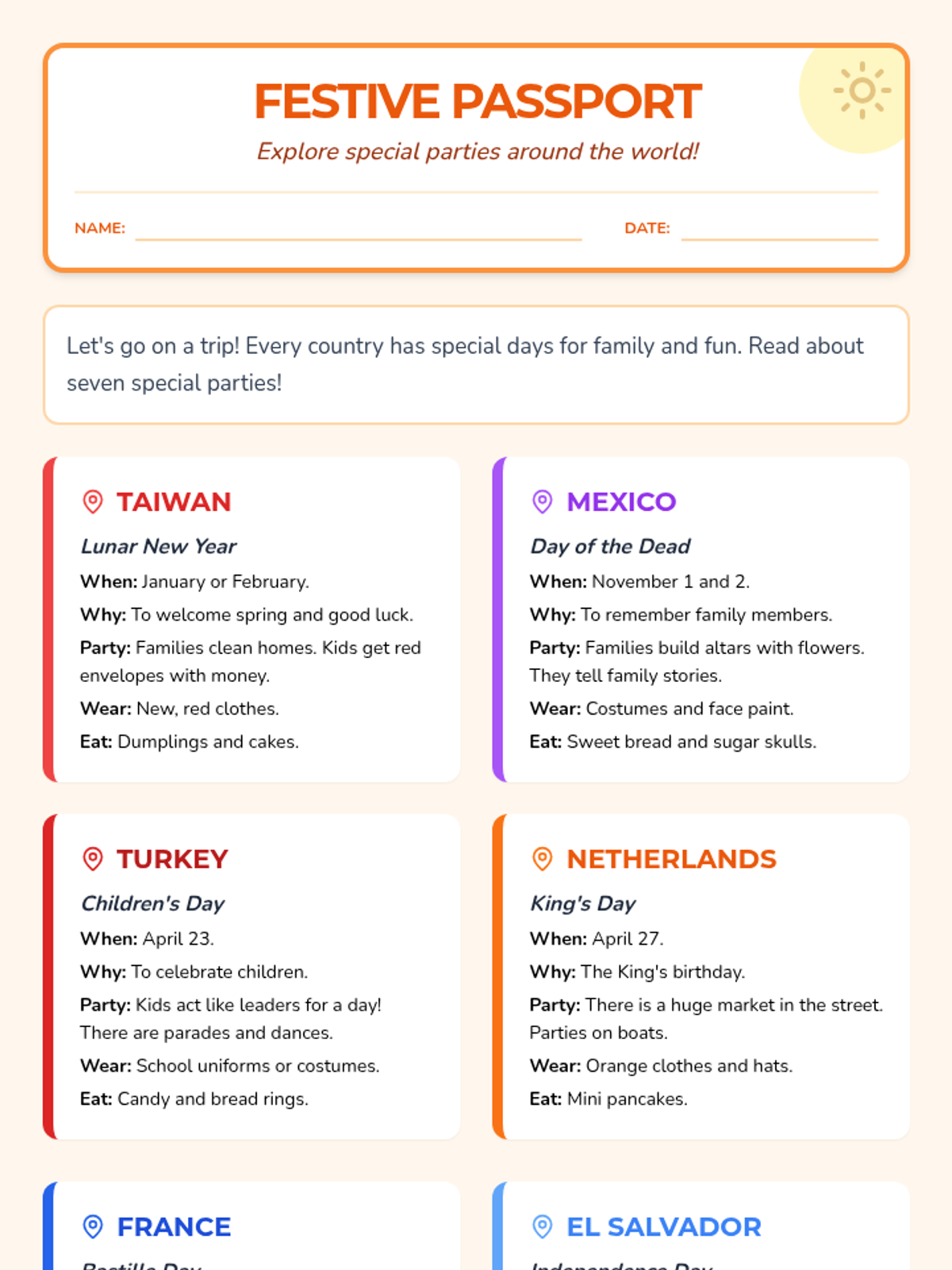
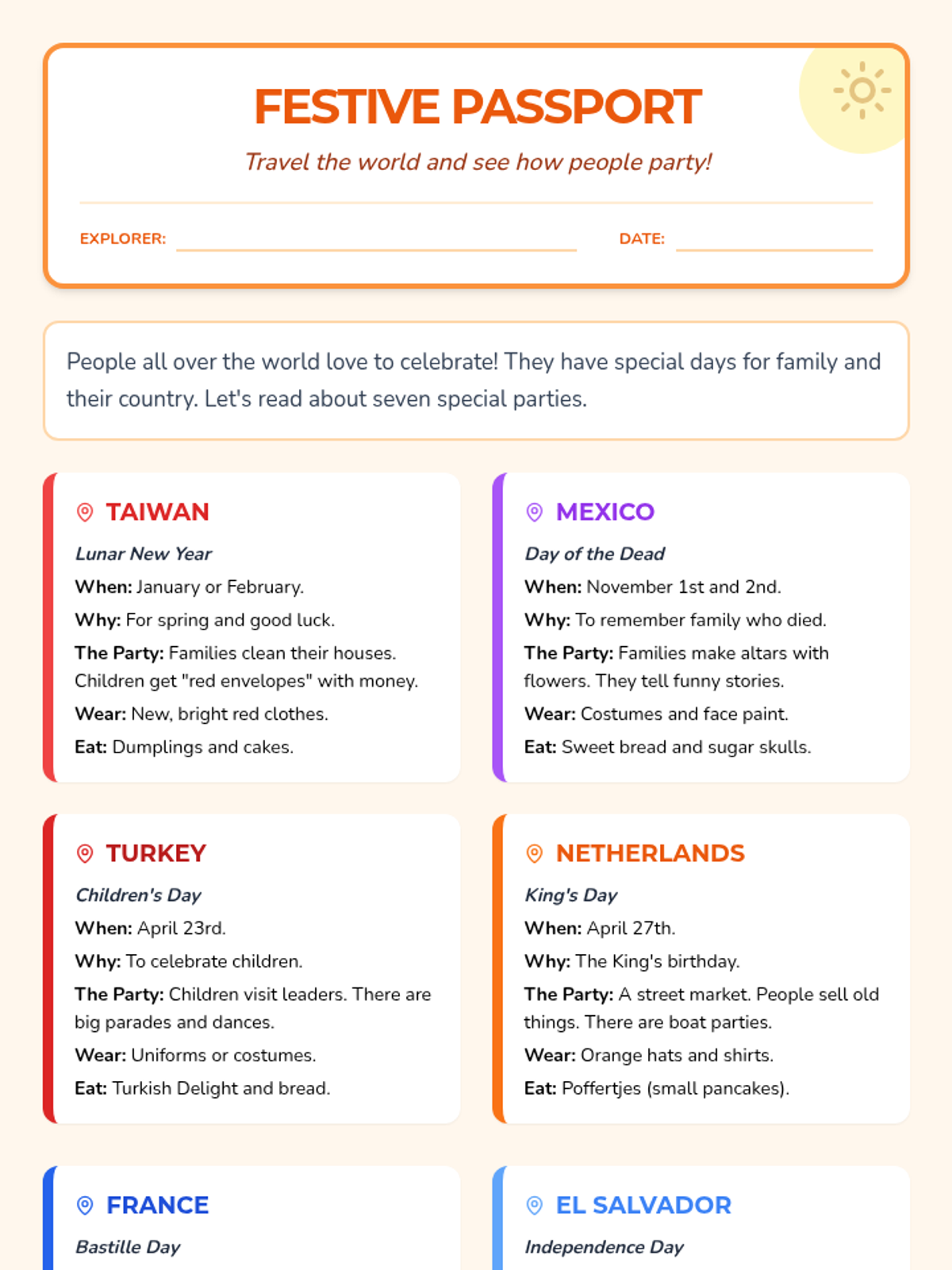
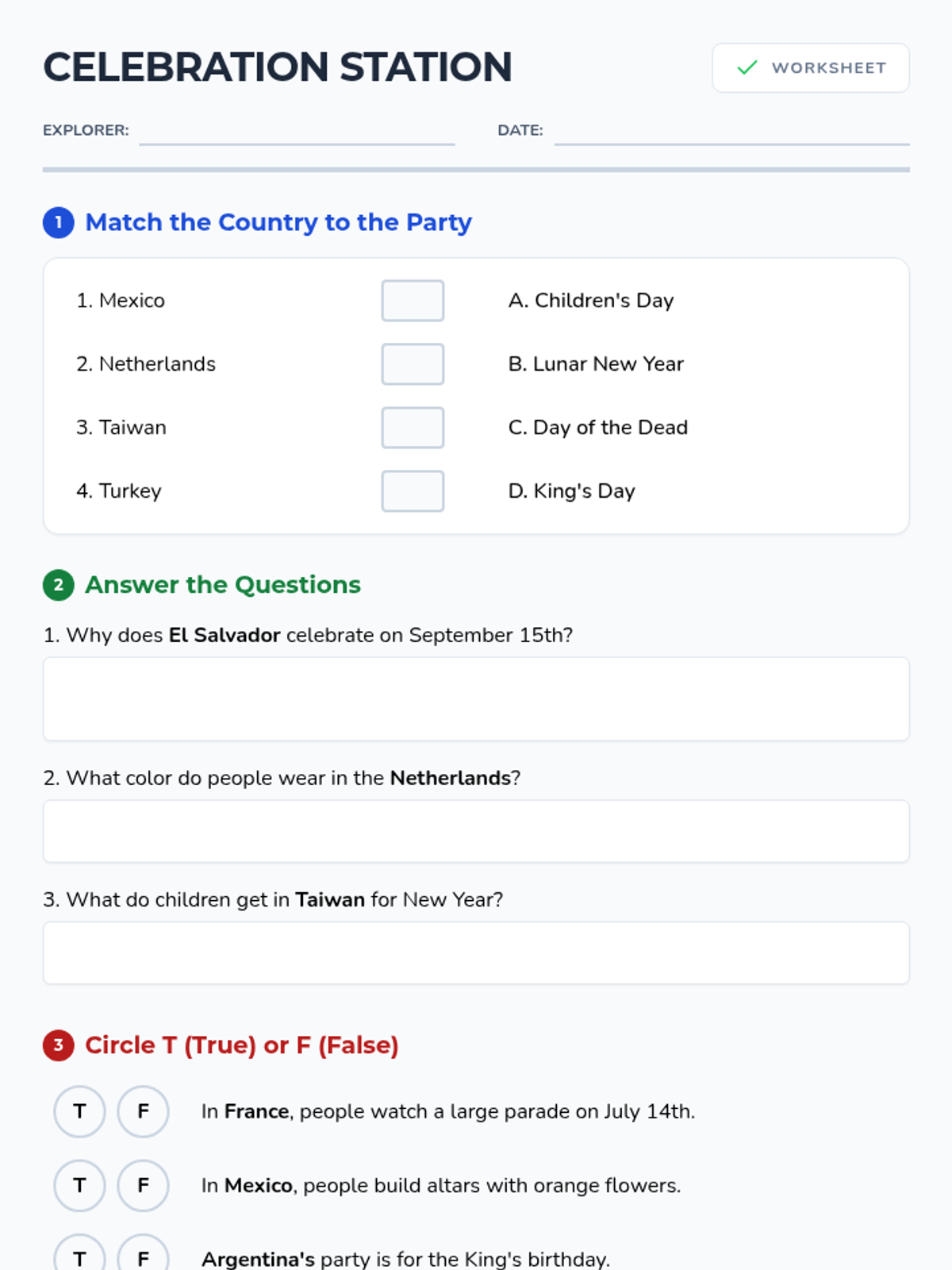
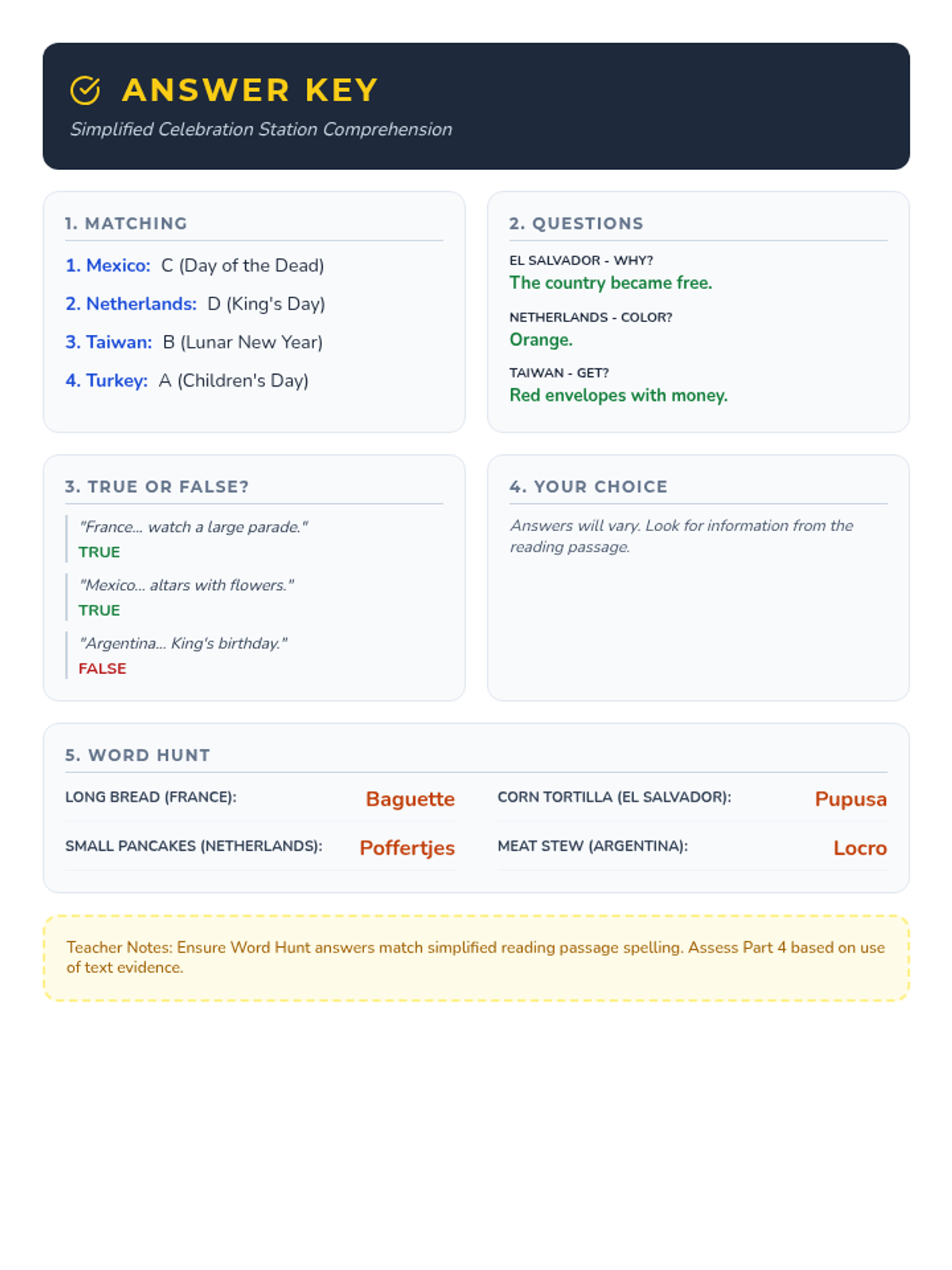
Explore traditional festivals from seven different countries through detailed reading passages and interactive matching activities designed for upper-intermediate ESL students.
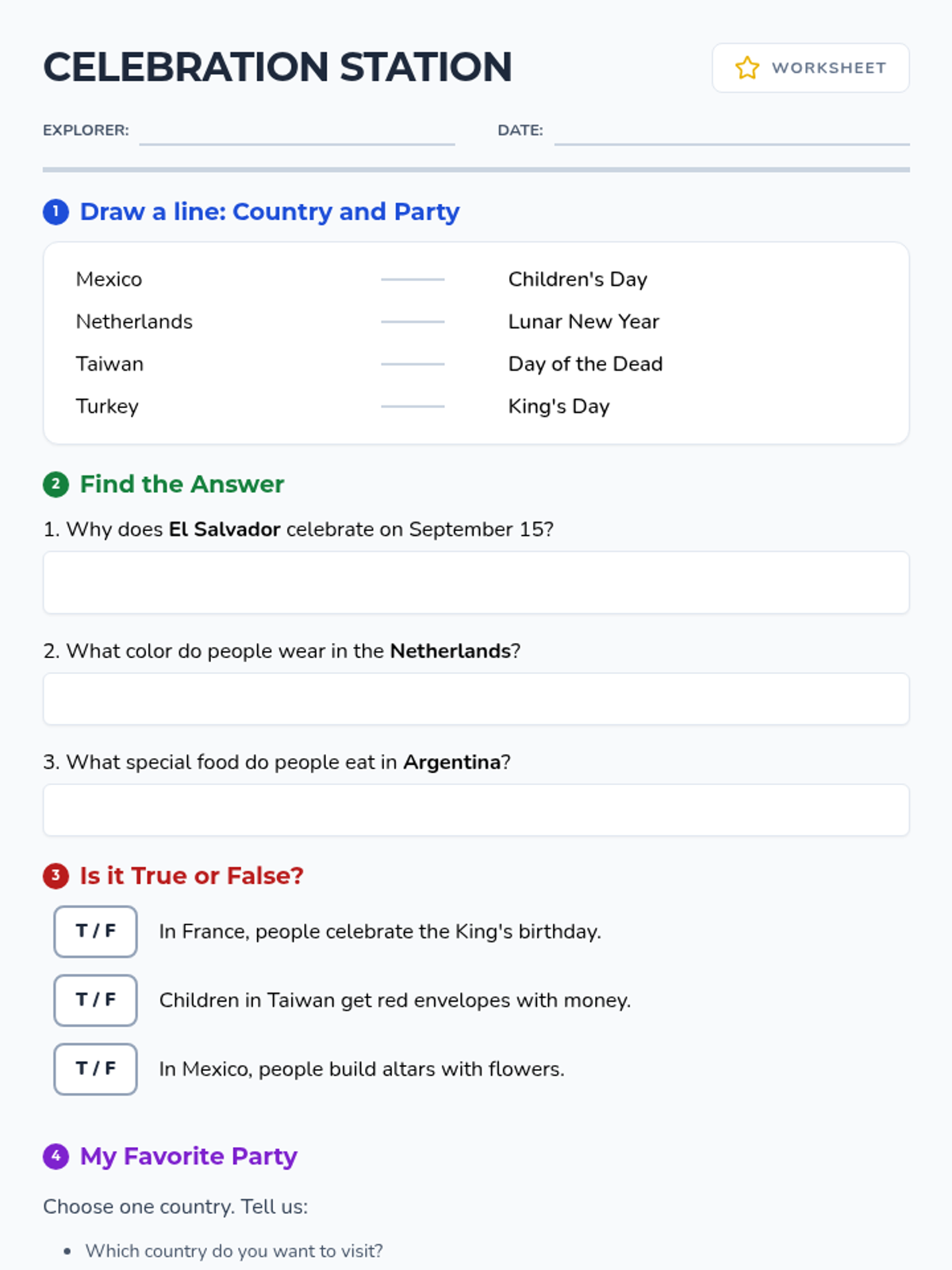
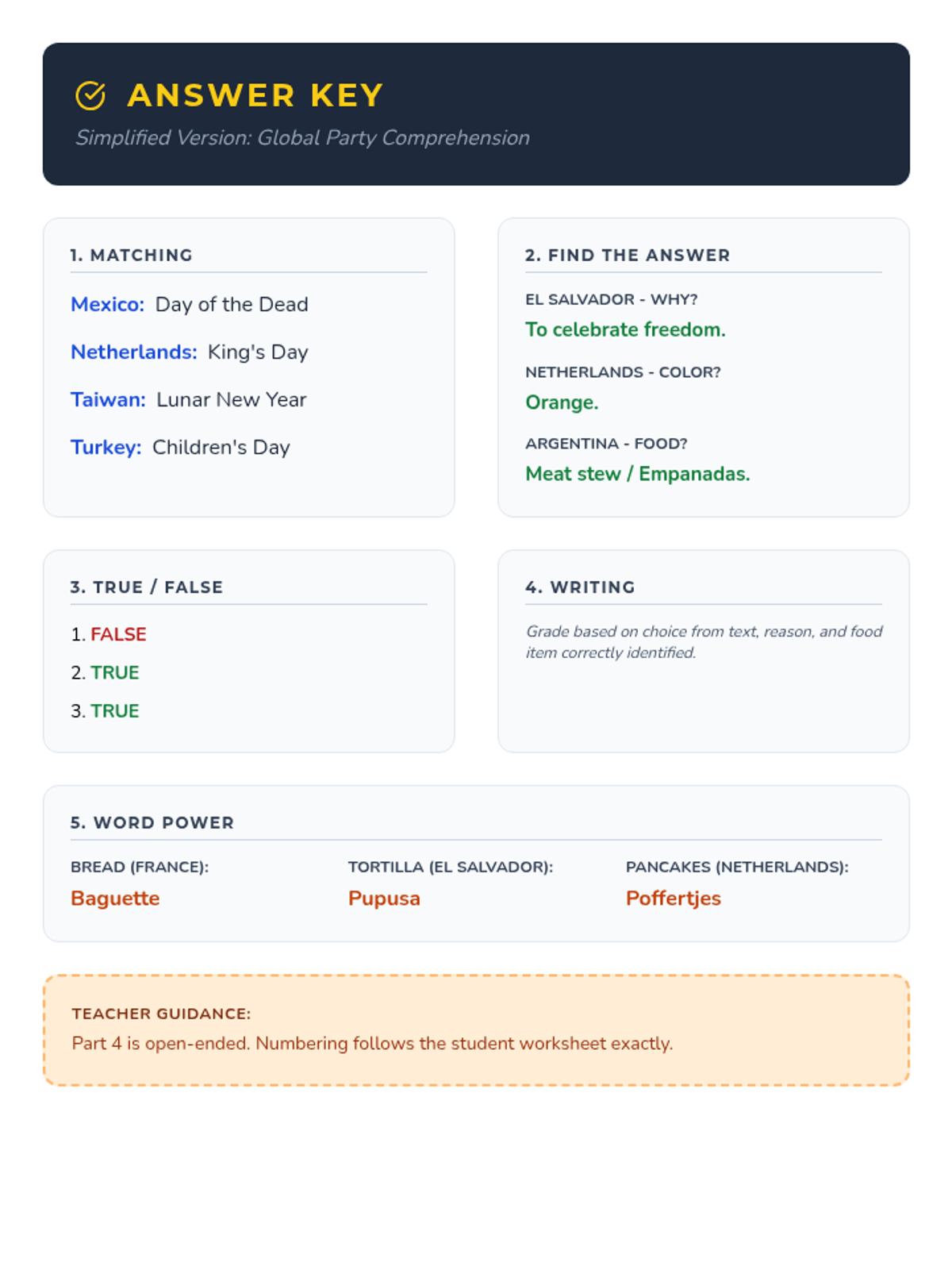
A lesson exploring cultural celebrations around the world, focusing on traditions, food, and clothing in Turkey, France, El Salvador, Mexico, the Netherlands, Taiwan, and Argentina.
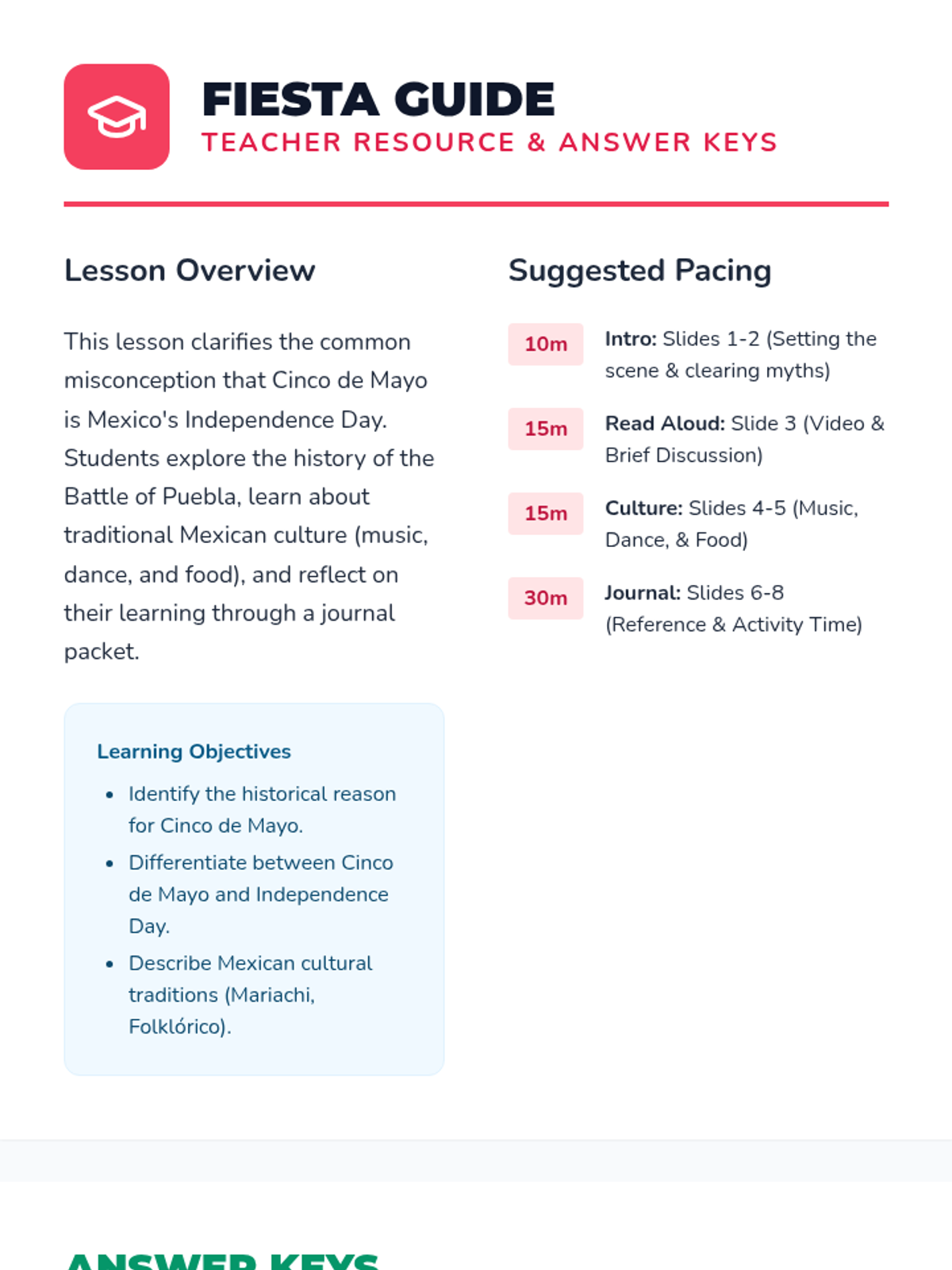
An engaging exploration of Cinco de Mayo's history and traditions, clarifying the difference between it and Mexican Independence Day through interactive slides and journal activities.
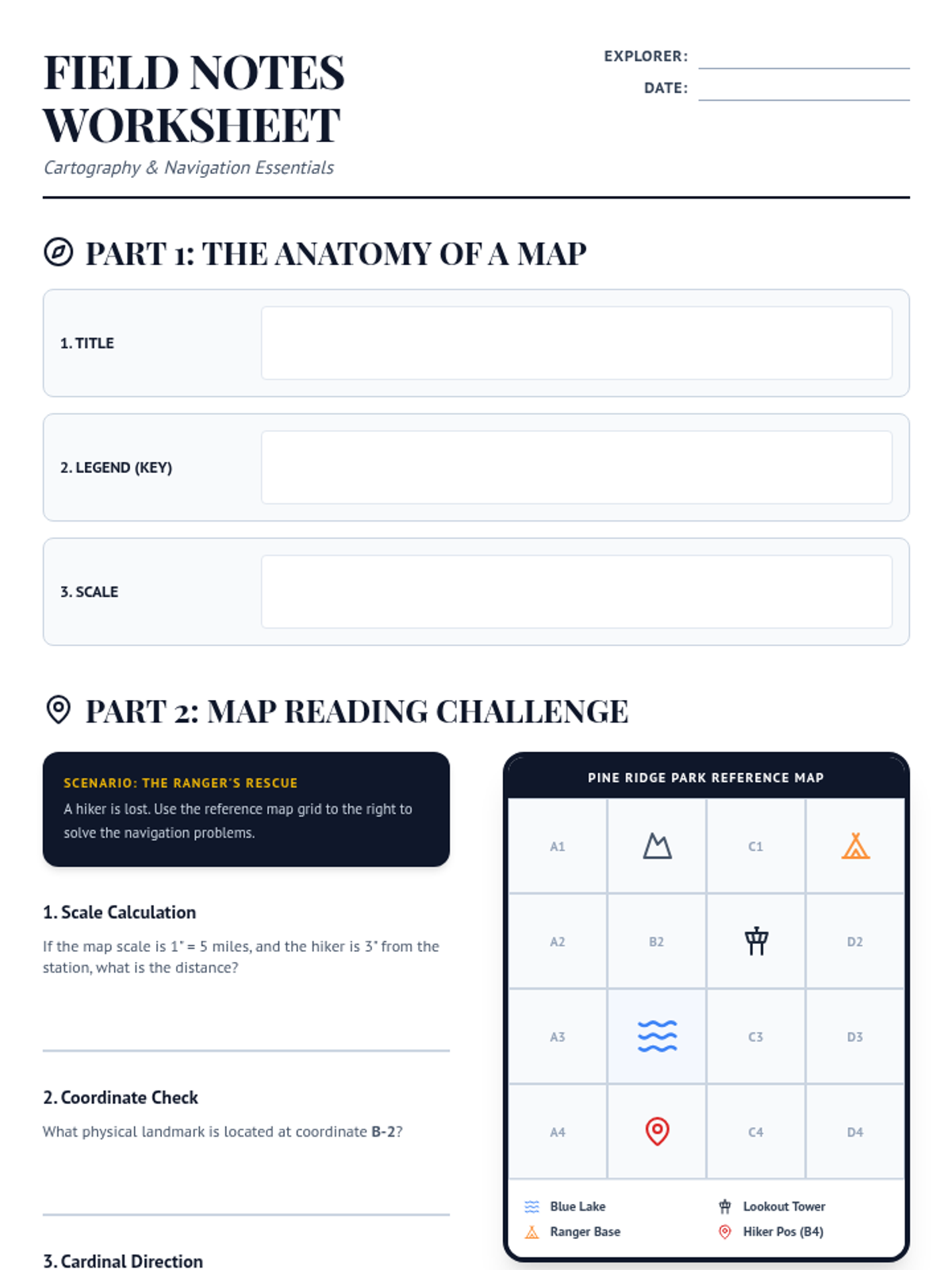
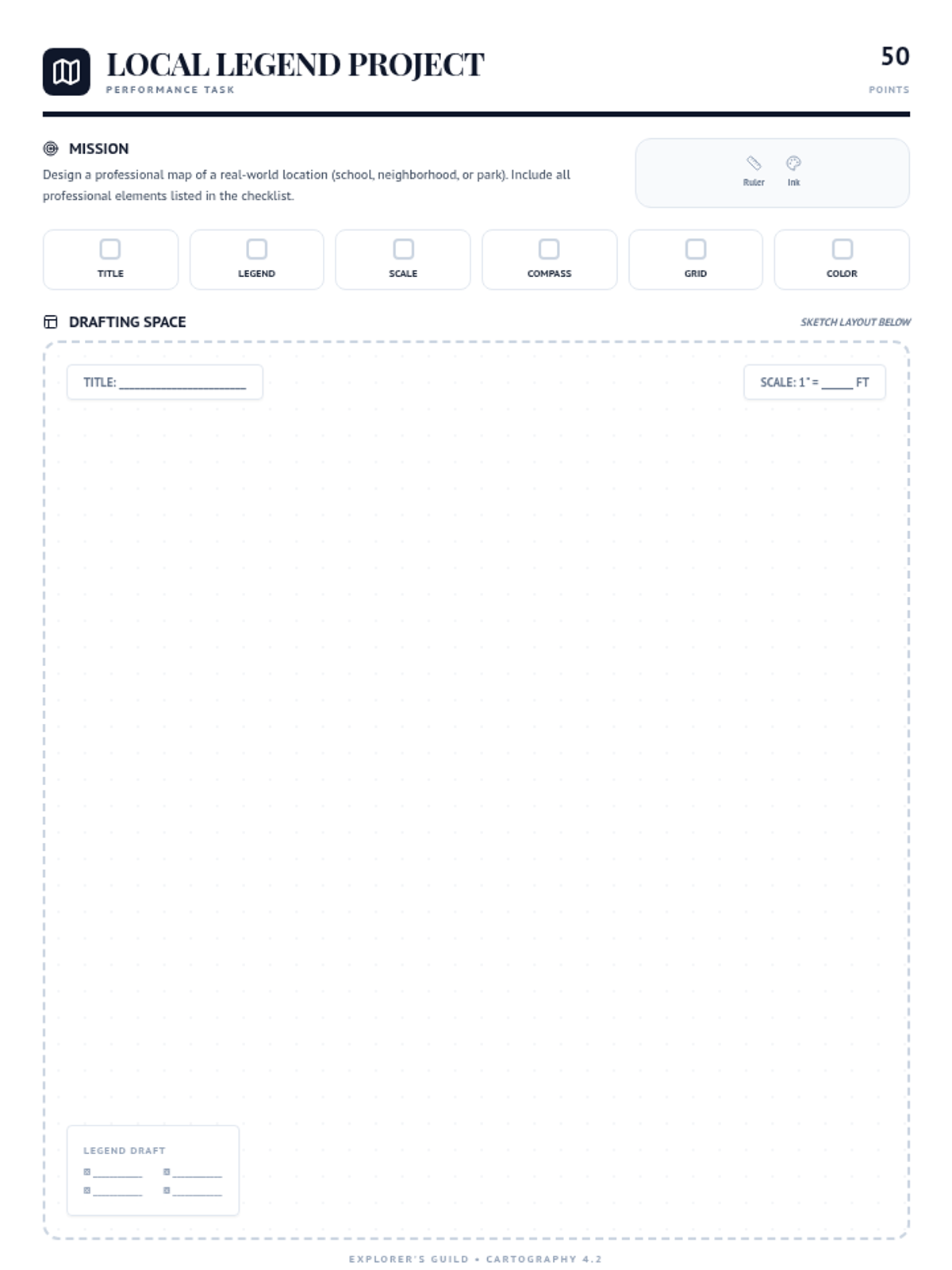
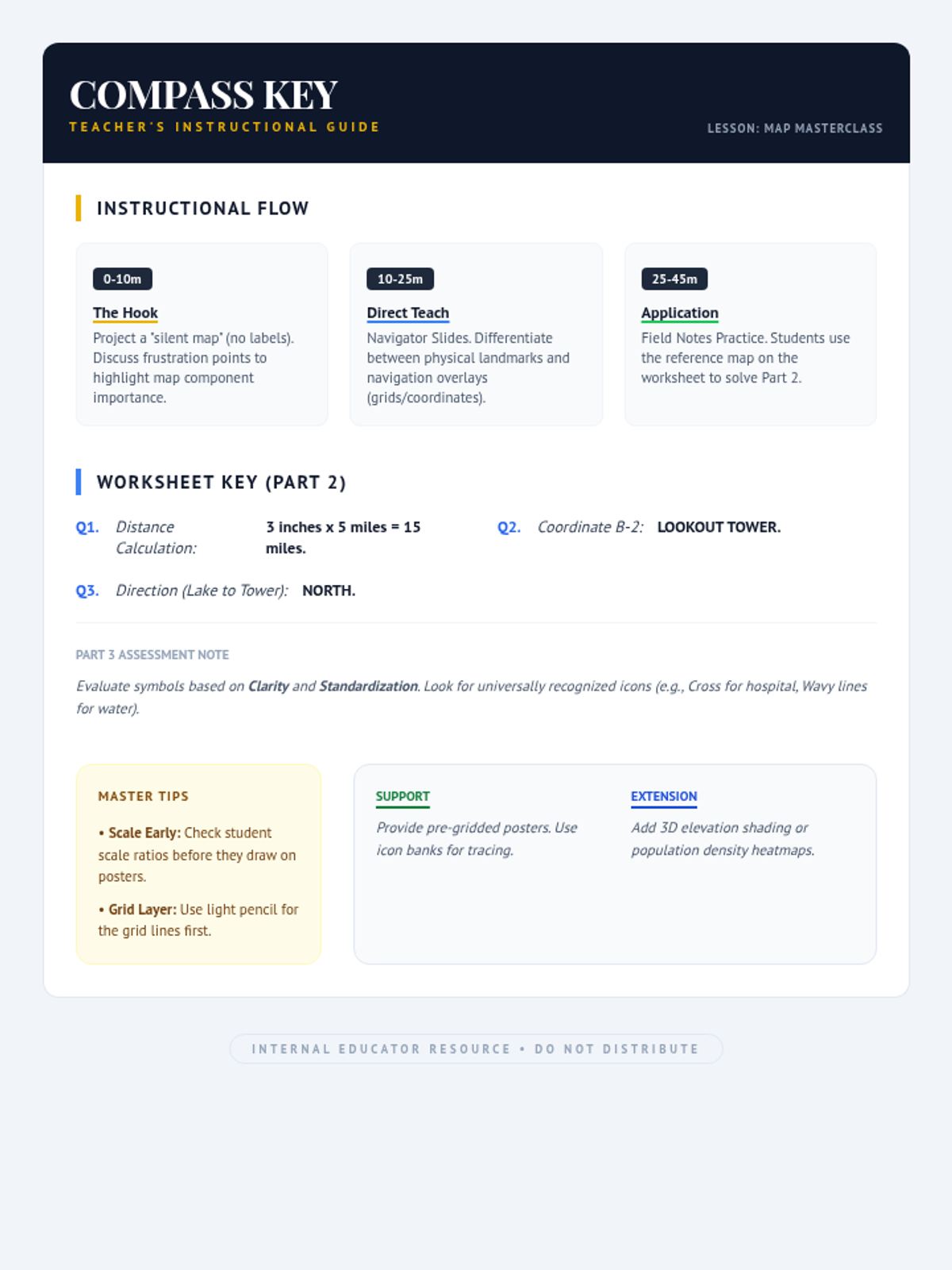
Students learn the foundational skills of cartography, focusing on how to read, interpret, and create maps using real-world symbols, scales, and coordinates.
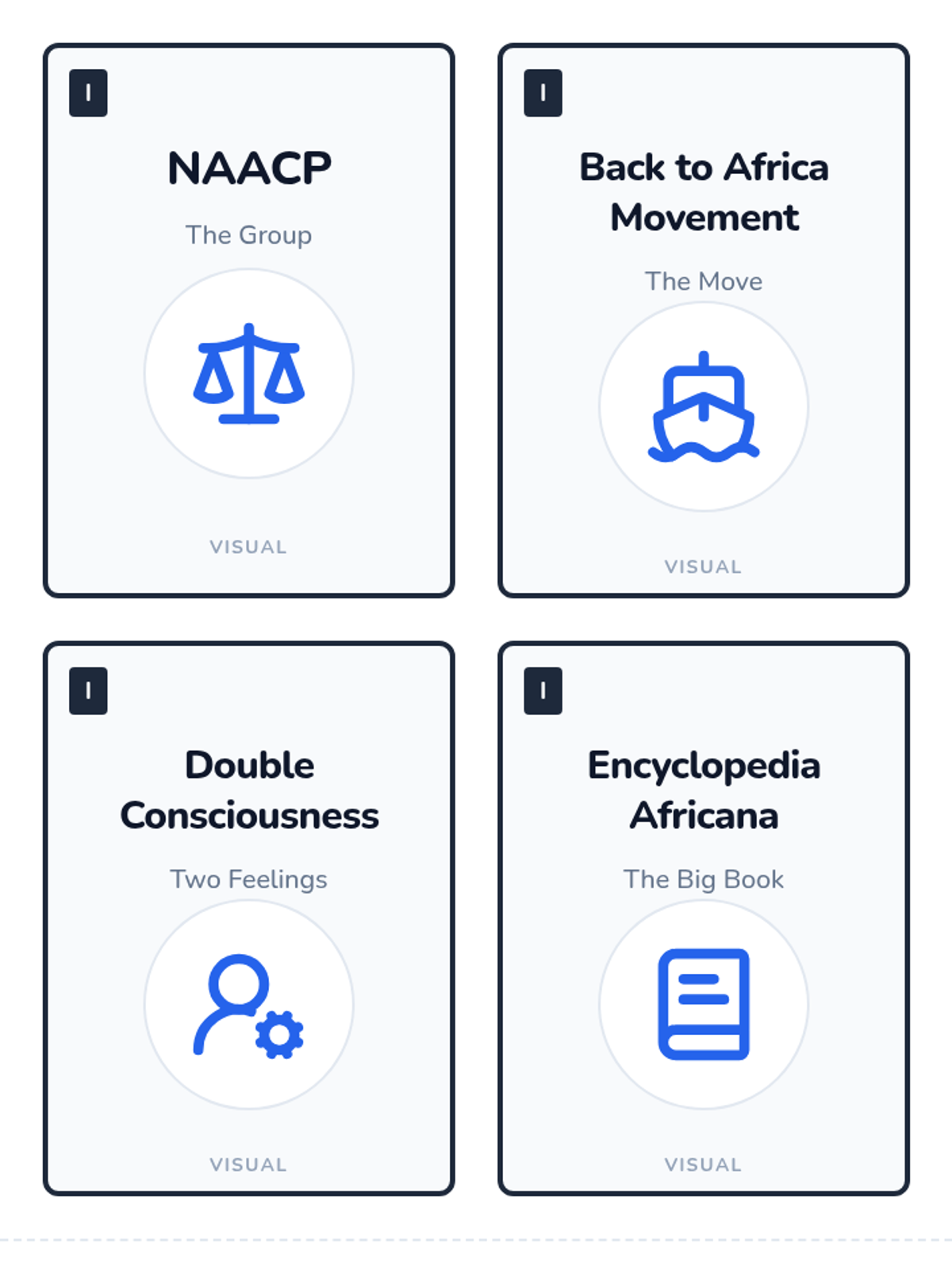
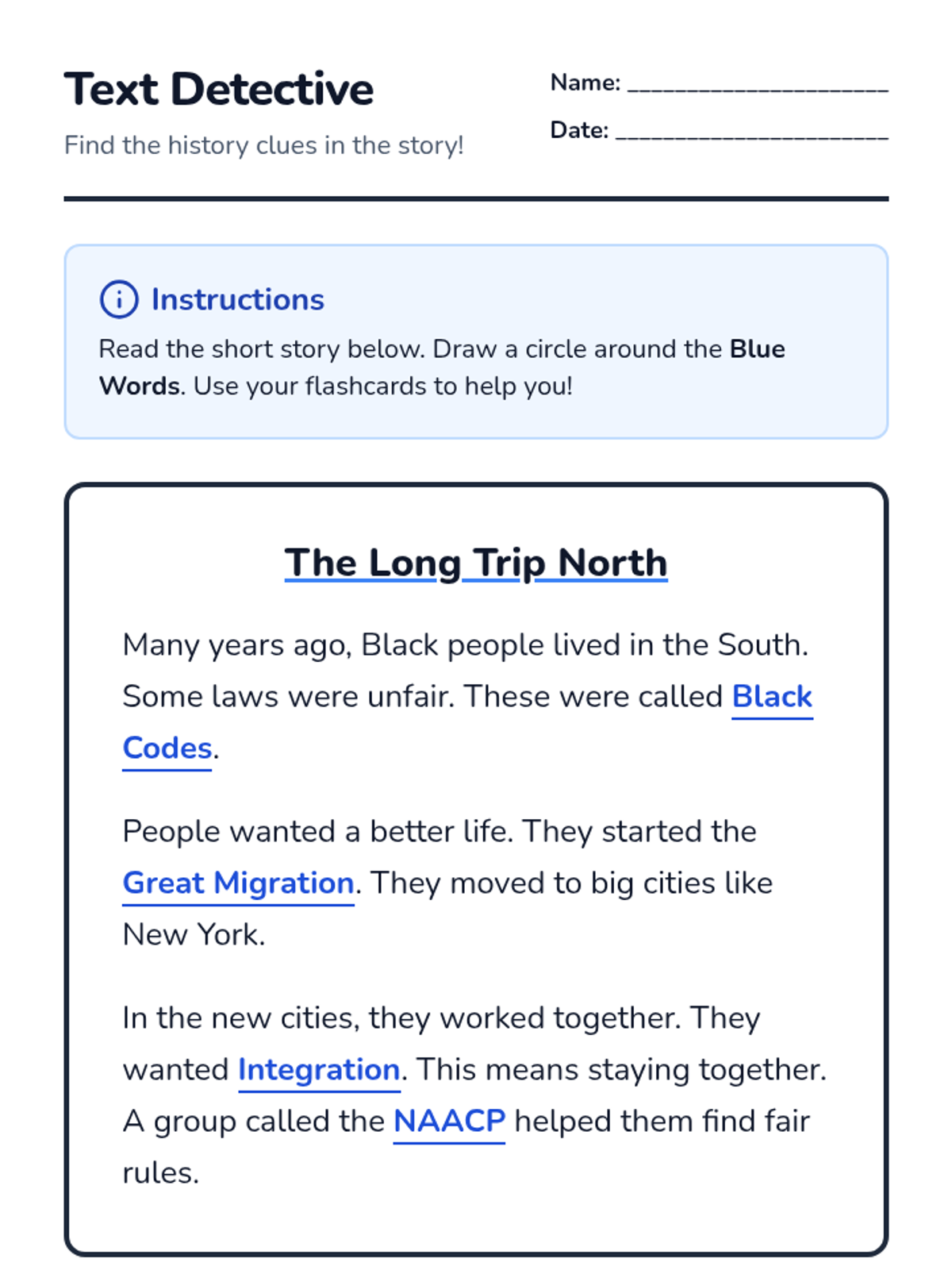
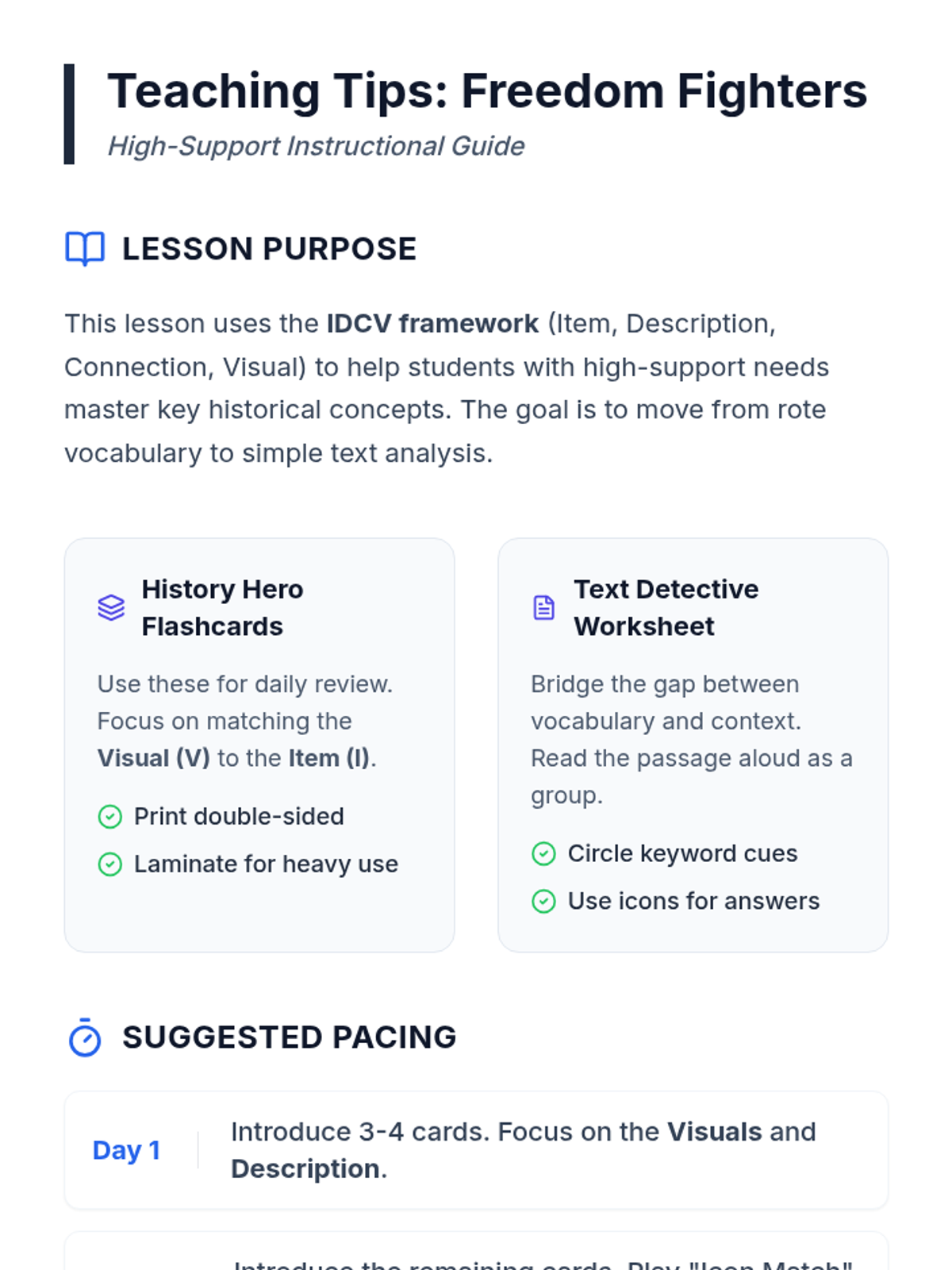
A set of resources focused on analyzing key terms and movements from early 20th-century African American history, designed for students with high-support needs.
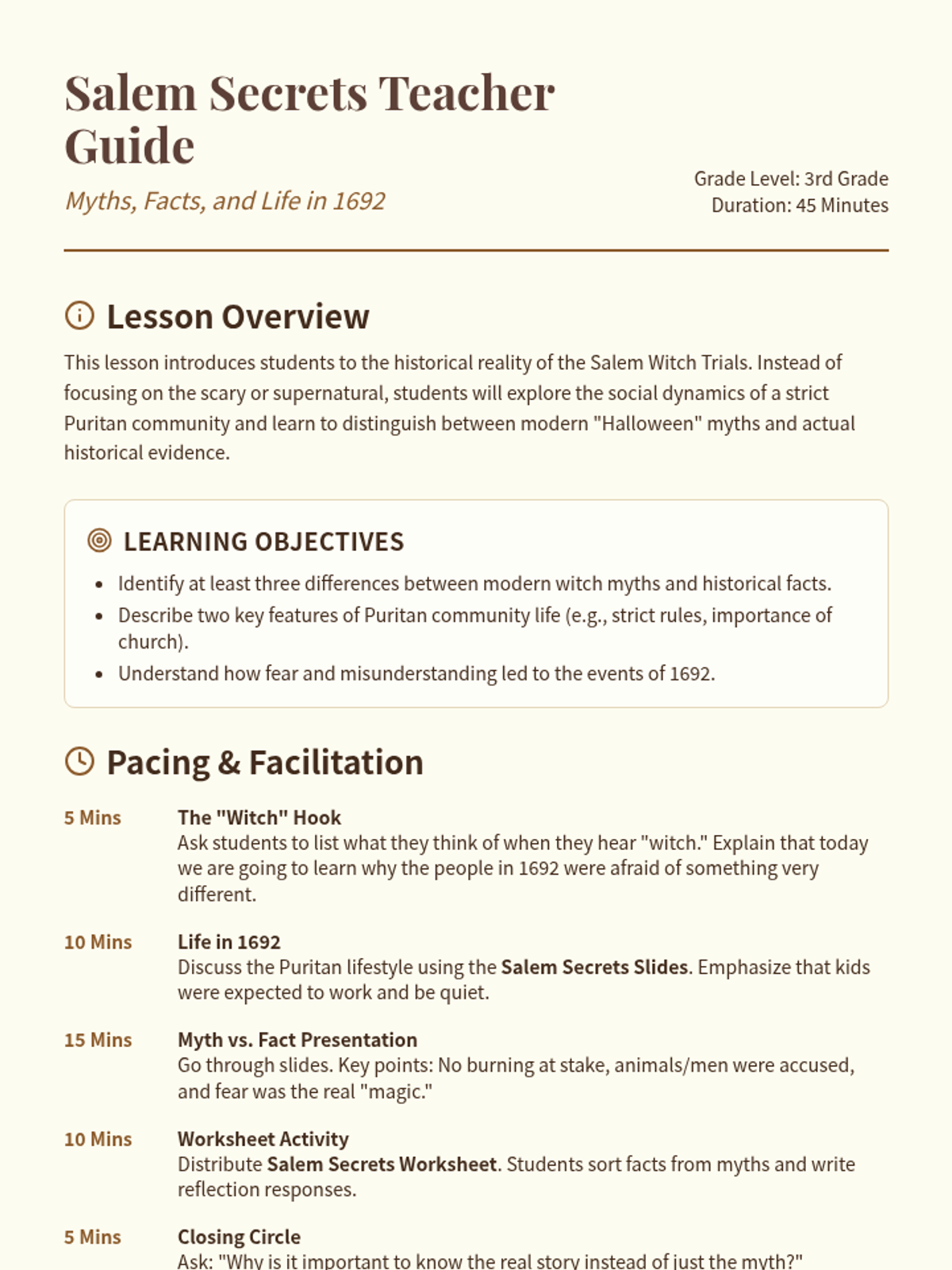
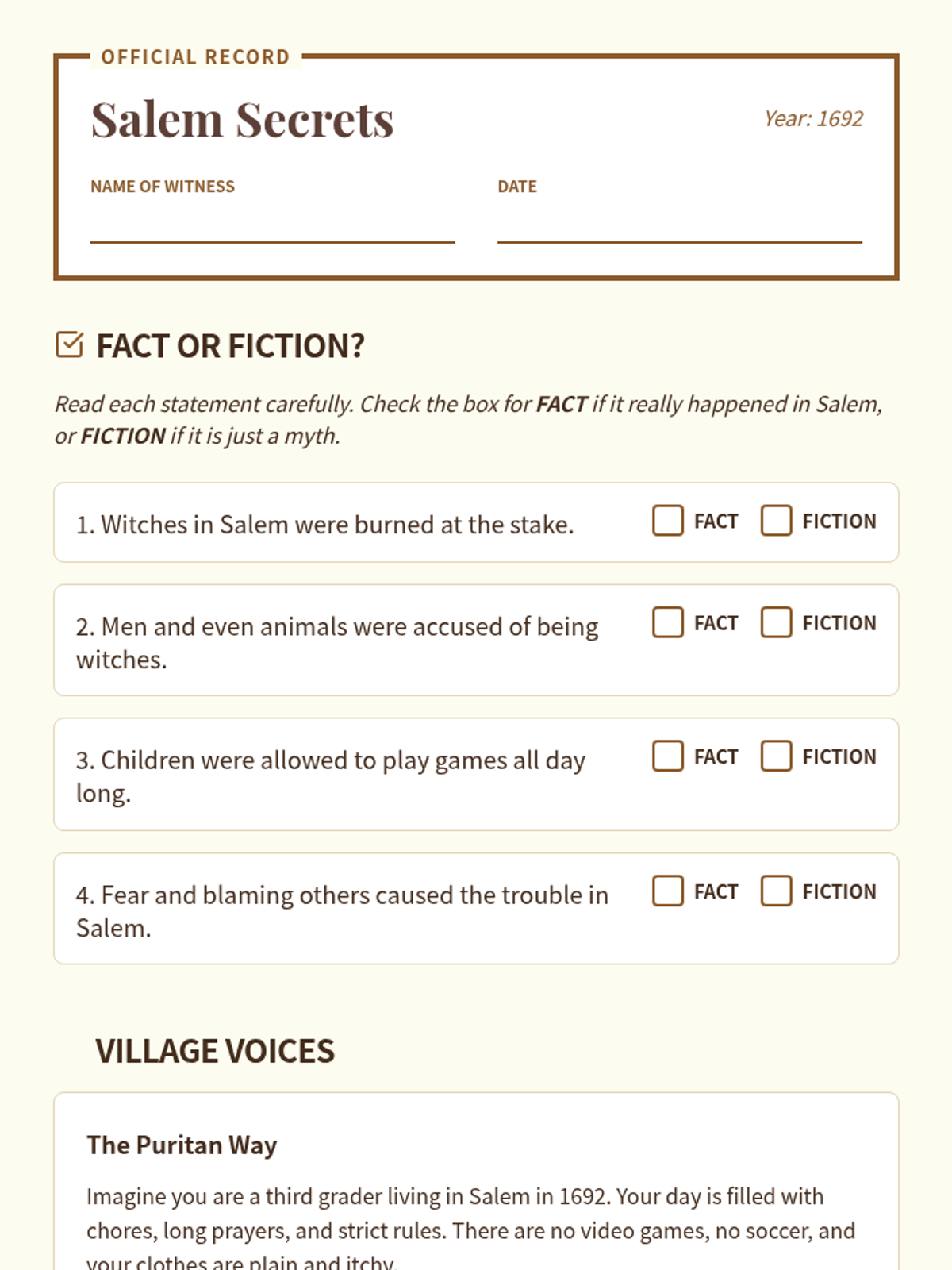
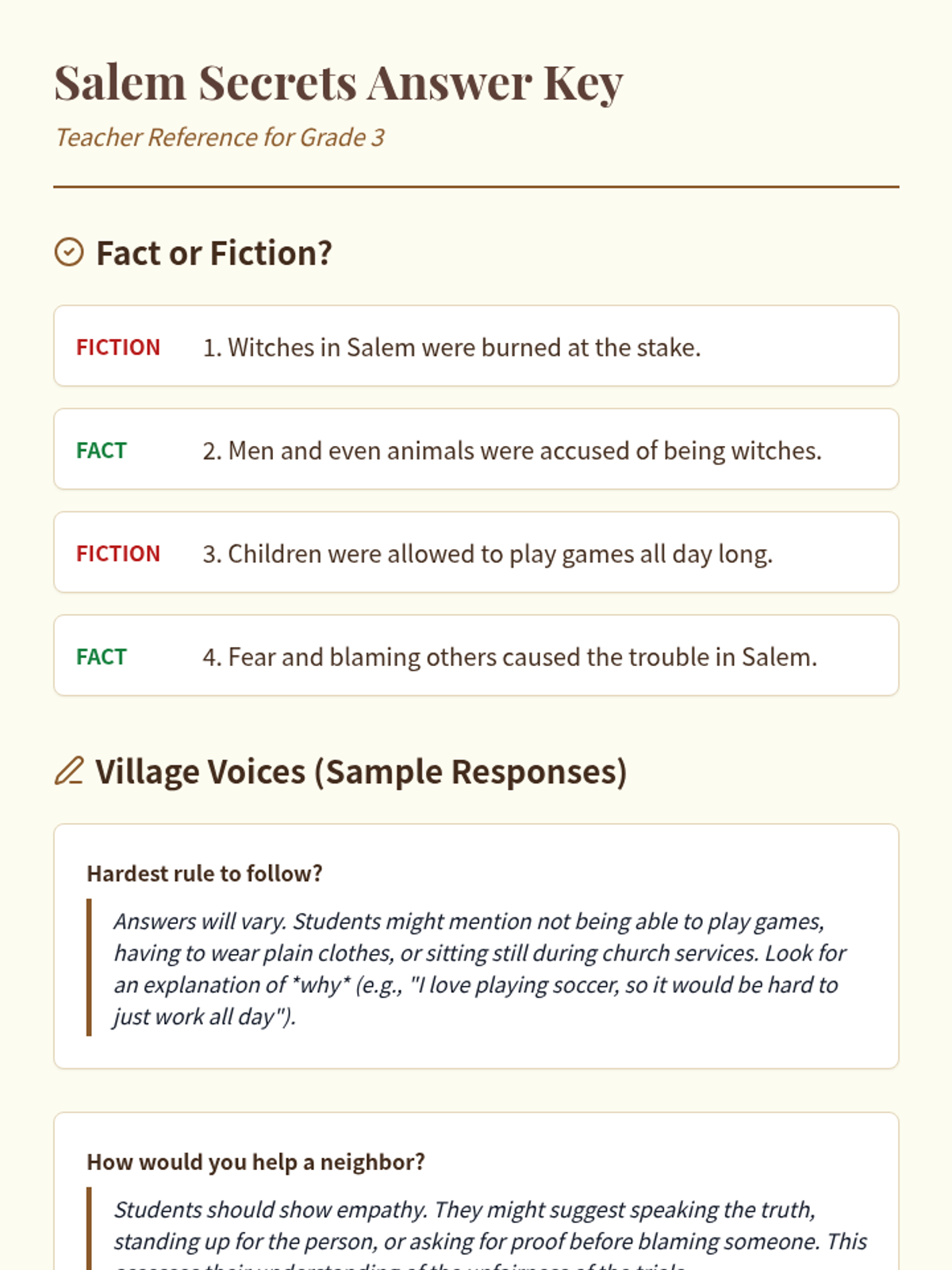
A historical inquiry into the Salem Witch Trials for third graders, focusing on the differences between popular myths and historical facts, and exploring what daily life was like in a Puritan community.
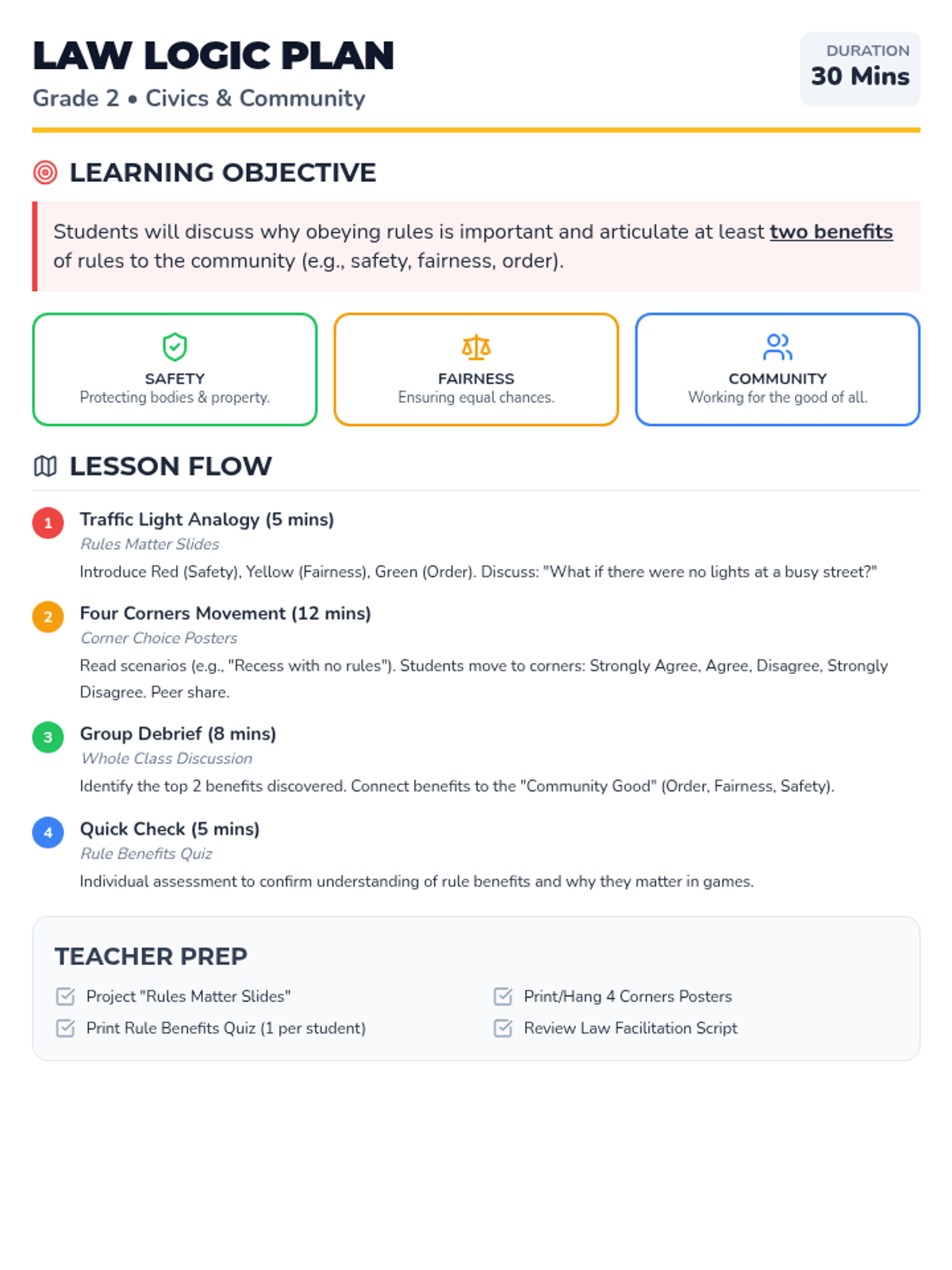
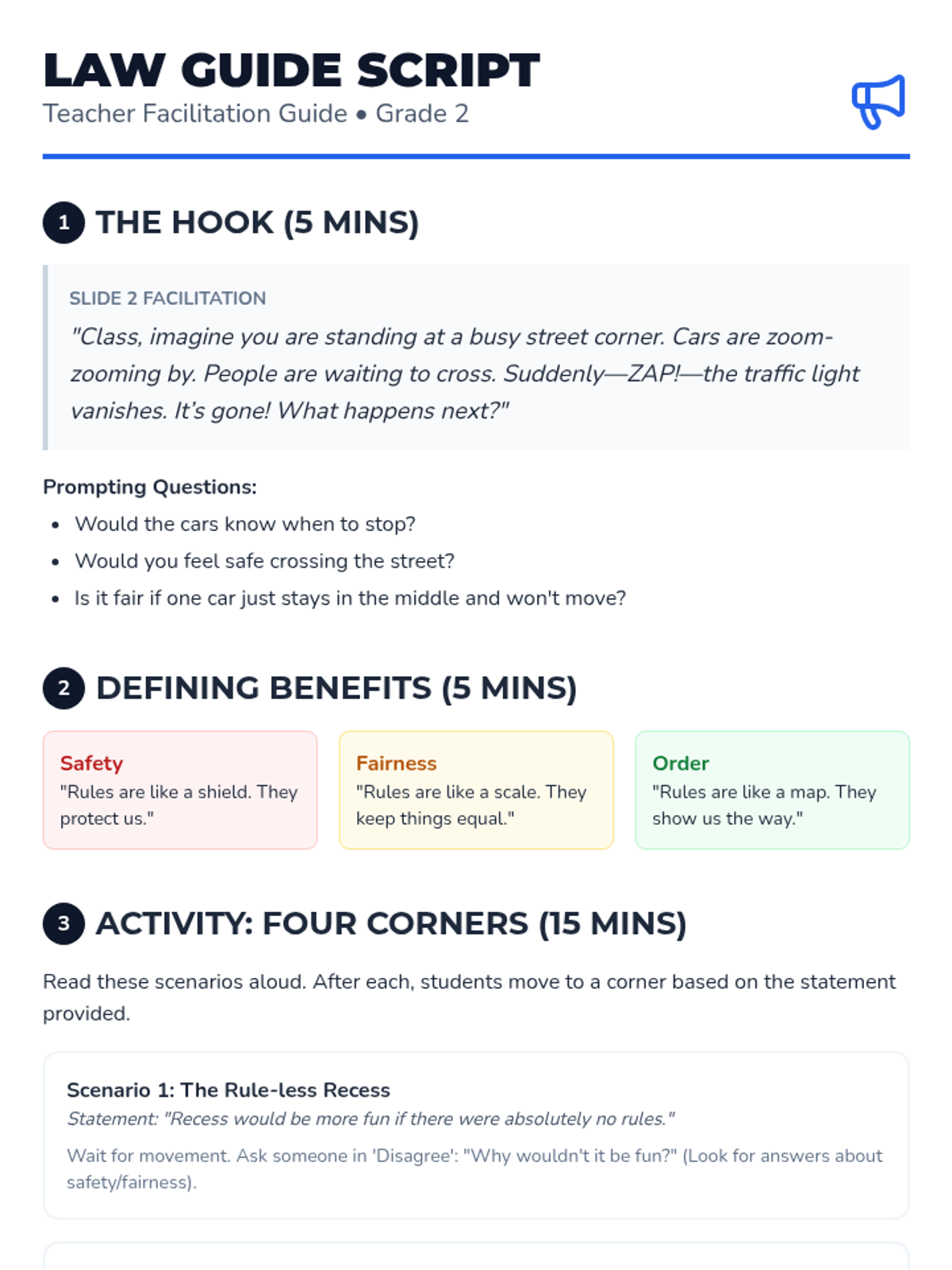
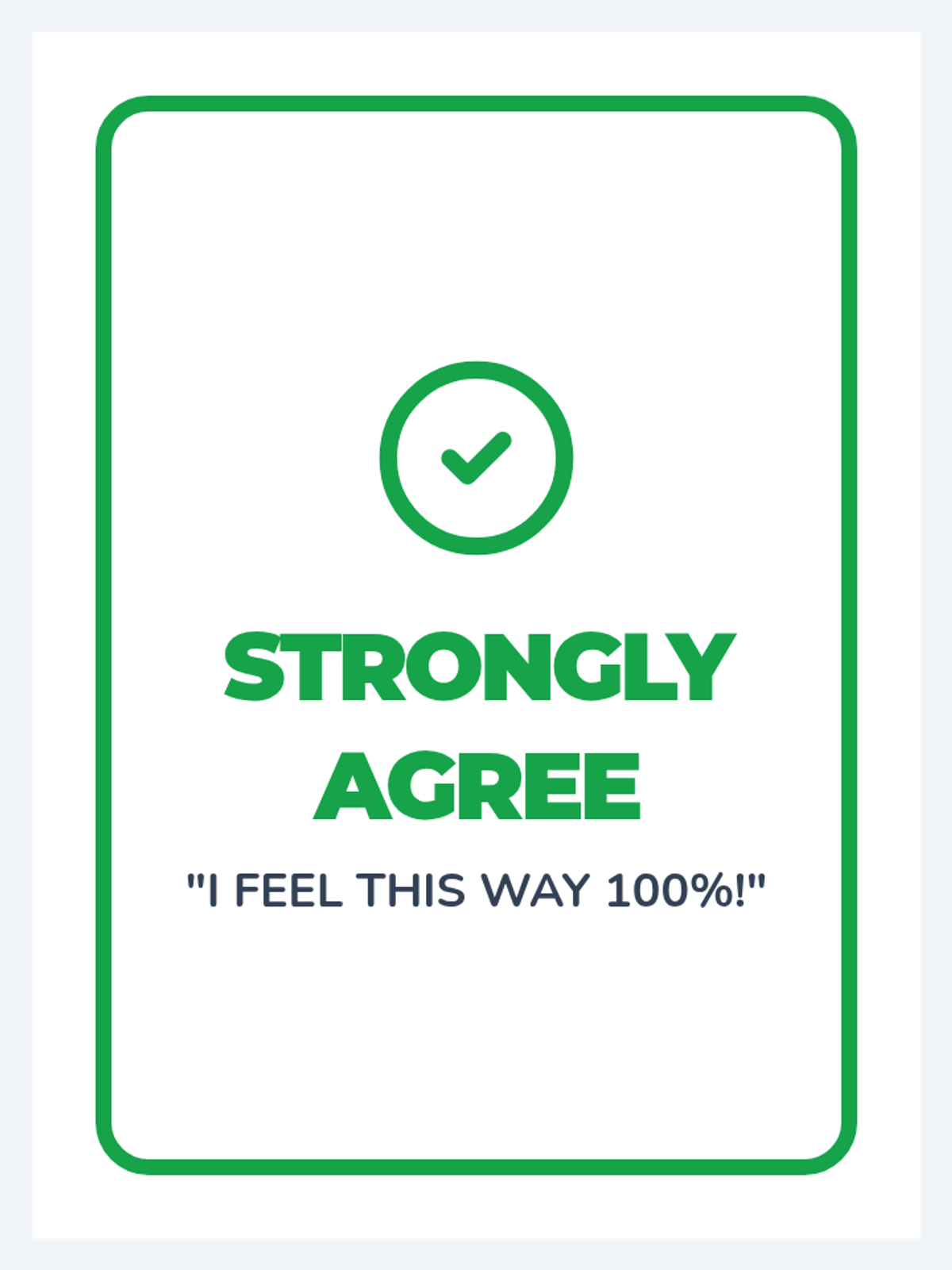
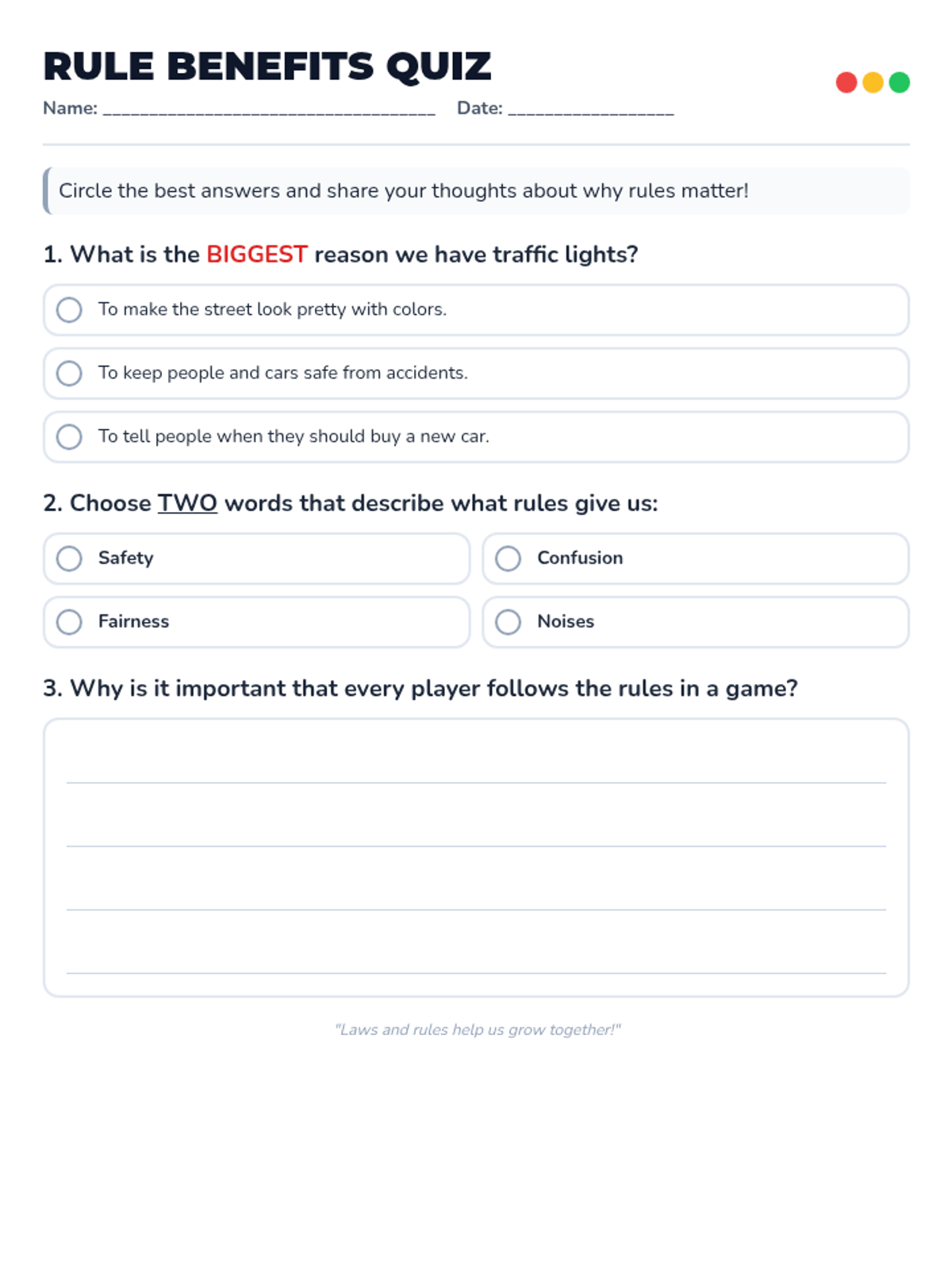
A 30-minute civics lesson for 2nd graders focused on the importance of rules using a traffic light analogy and movement-based discussion. Students identify how rules promote safety, fairness, and community well-being.
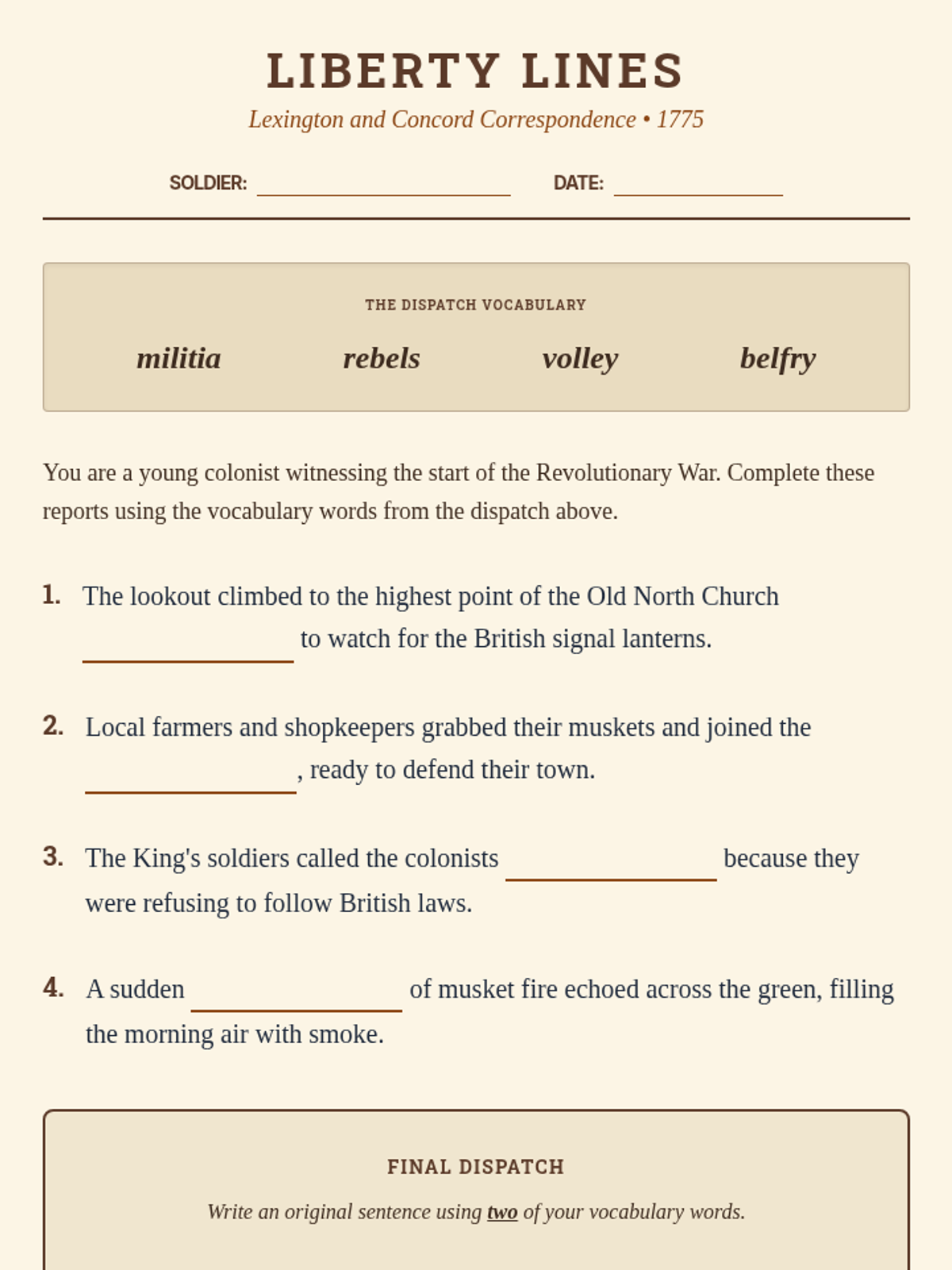
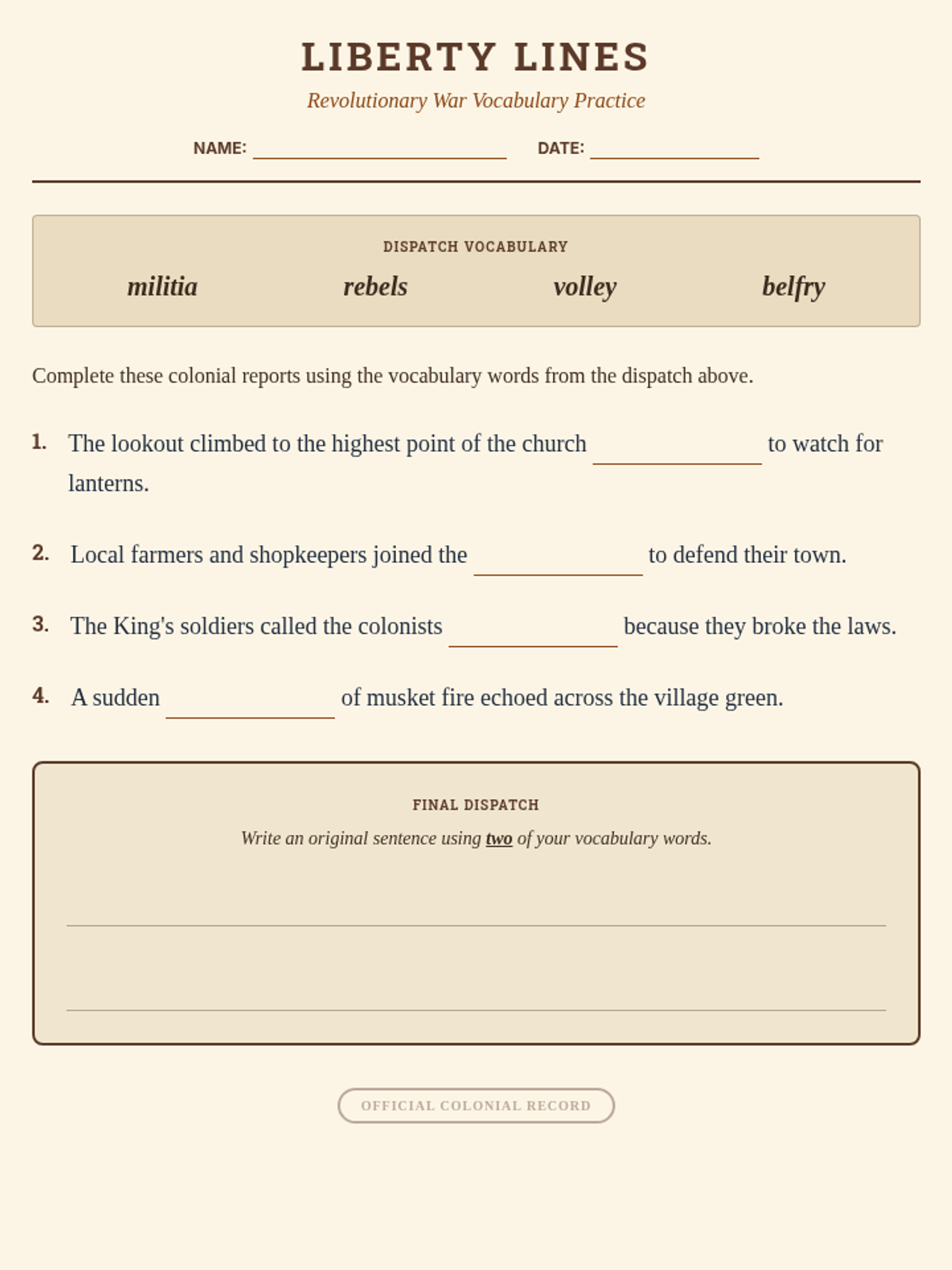
A social studies lesson for grades 4-6 focusing on the early days of the American Revolution, vocabulary of the conflict, and the sights and sounds of the struggle for independence.
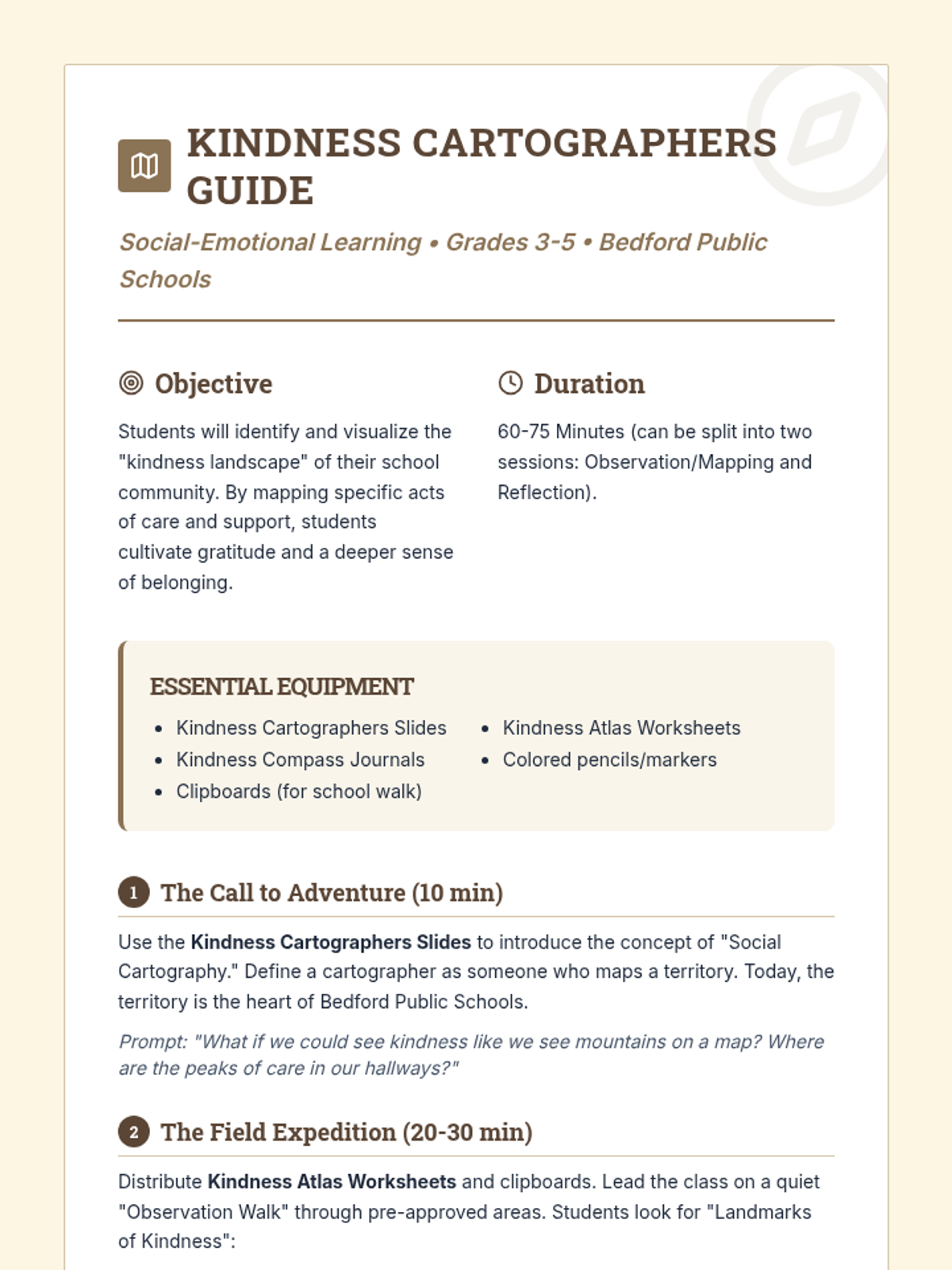
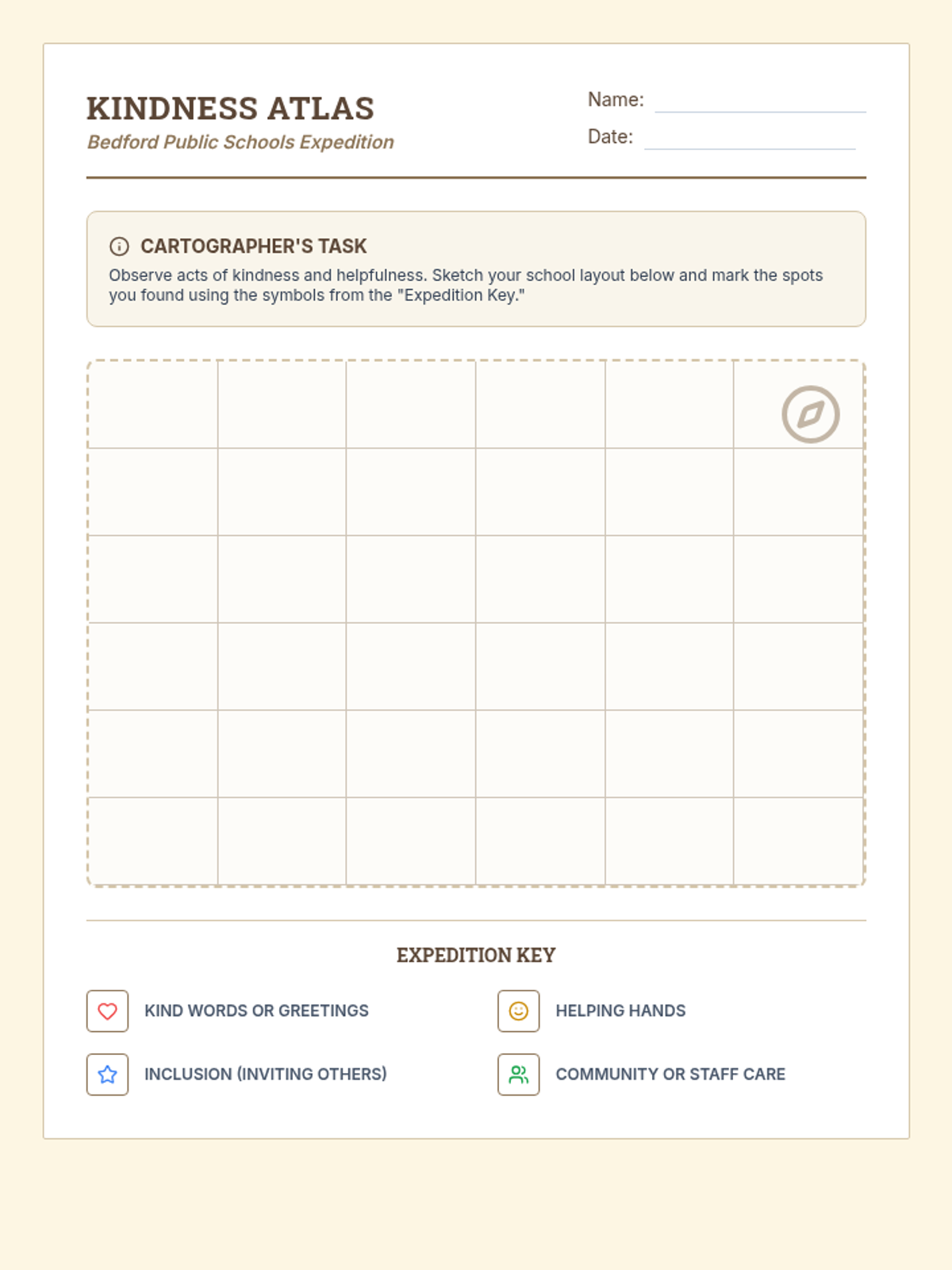
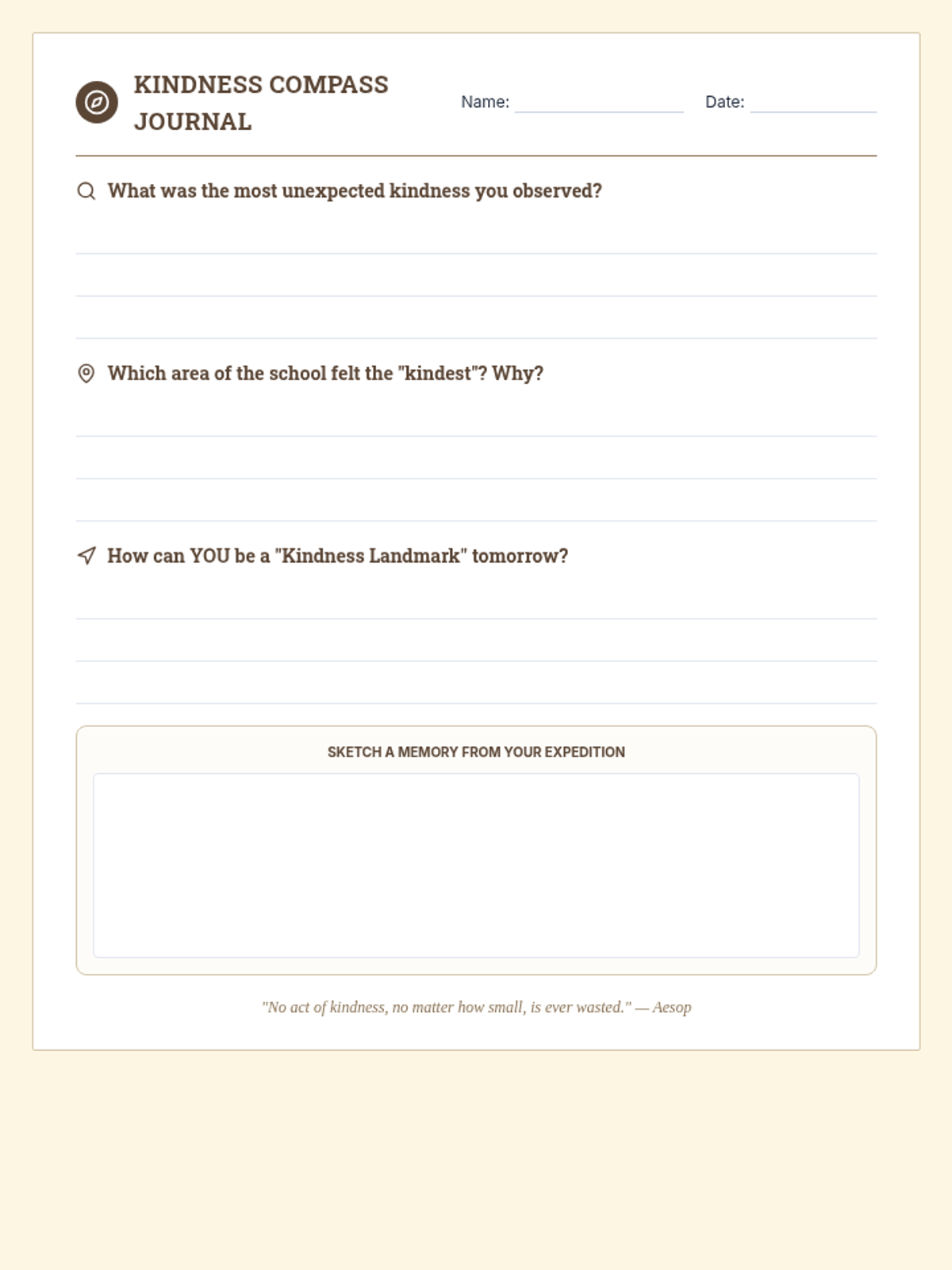
A social-emotional learning lesson for grades 3-5 where students act as 'cartographers' to identify, observe, and map acts of kindness within Bedford Public Schools, fostering community awareness and appreciation.