A lesson focused on distinguishing between firsthand and secondhand accounts through the lens of the Women's Suffrage Movement. Students will analyze primary and secondary sources to understand different perspectives and historical reporting.
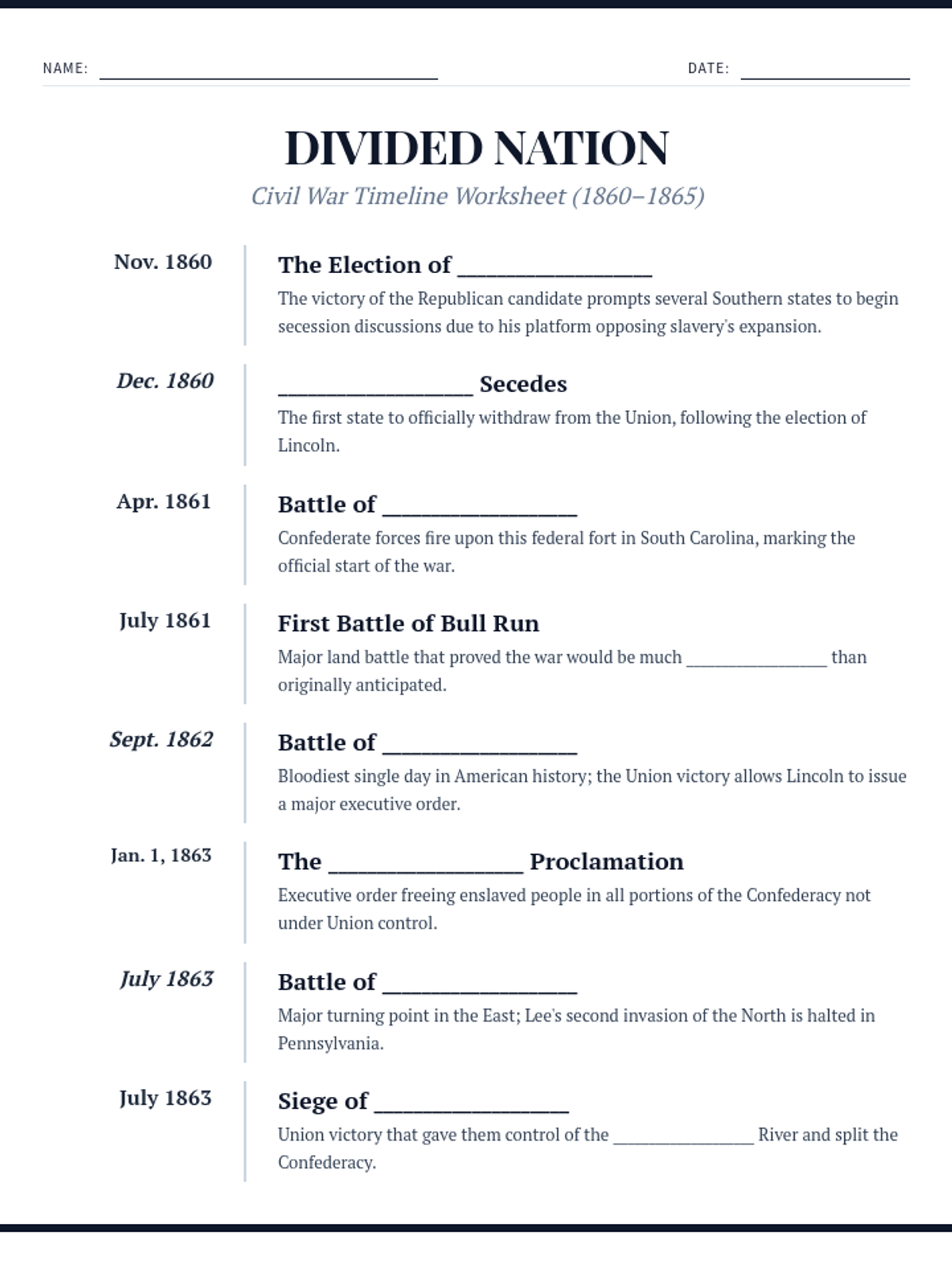
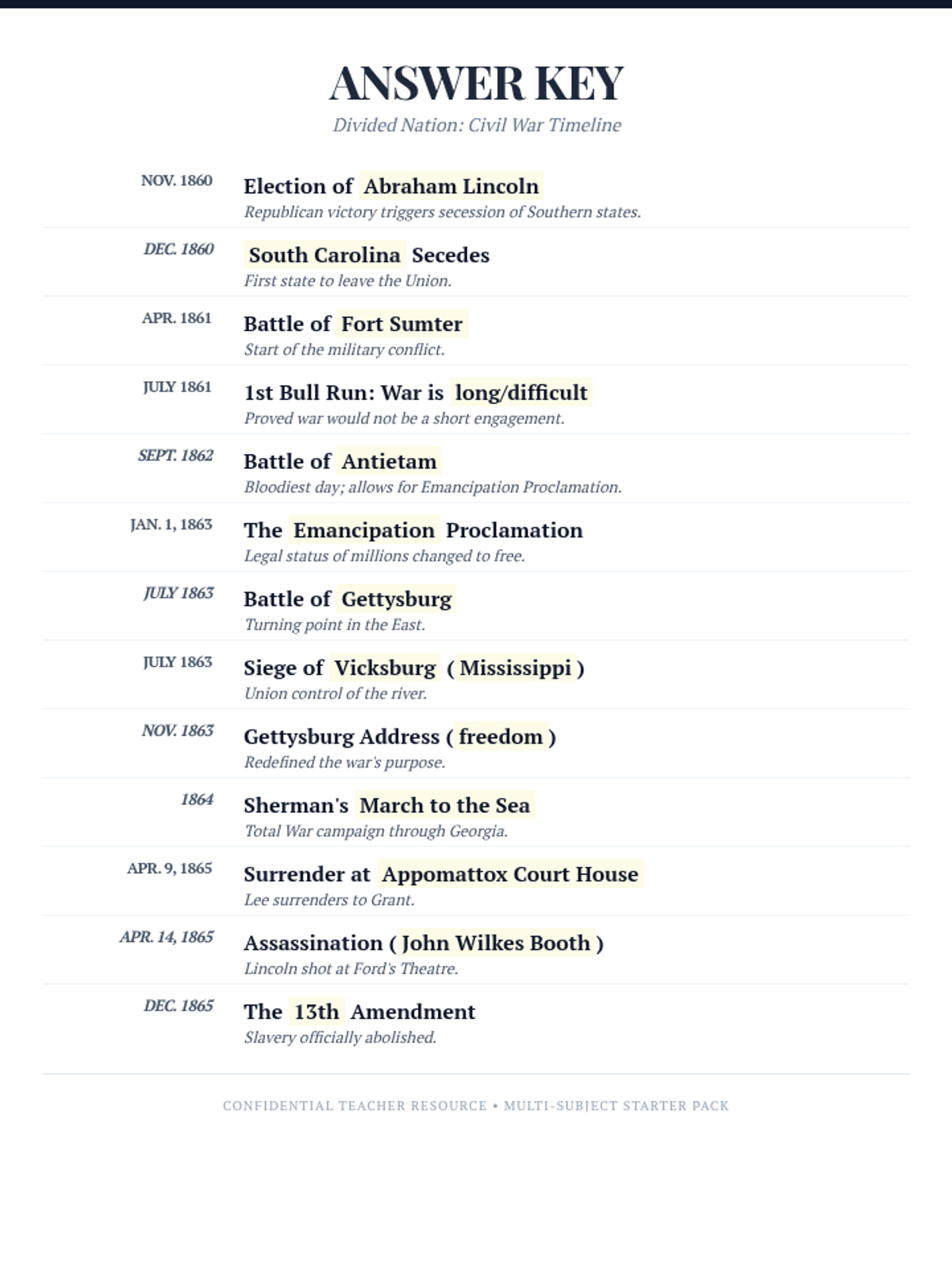
A comprehensive exploration of the American Civil War's key events through a detailed timeline activity for high school students.
An engaging visual guide to the process of photosynthesis, designed for 7th-grade life science students.
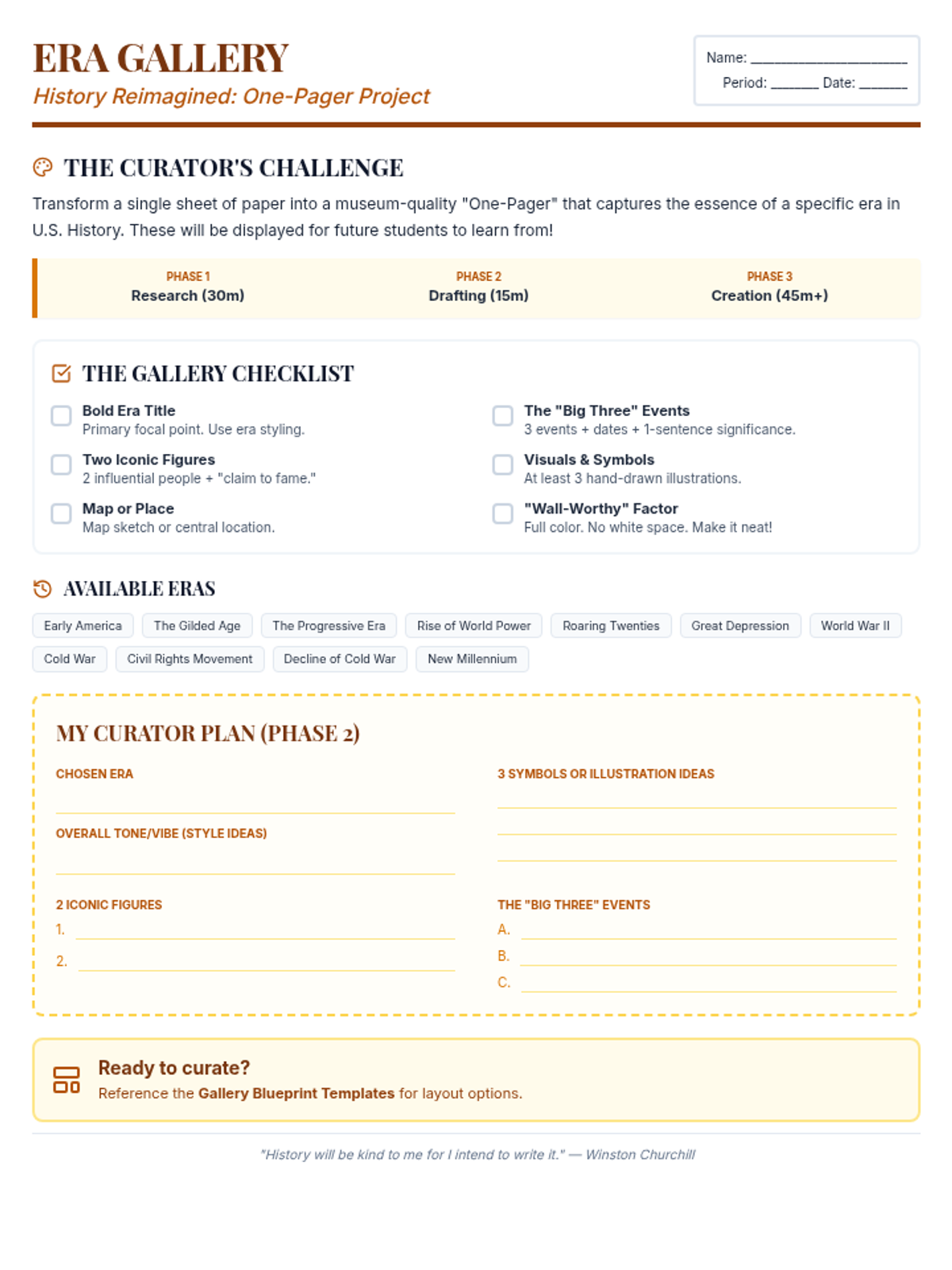
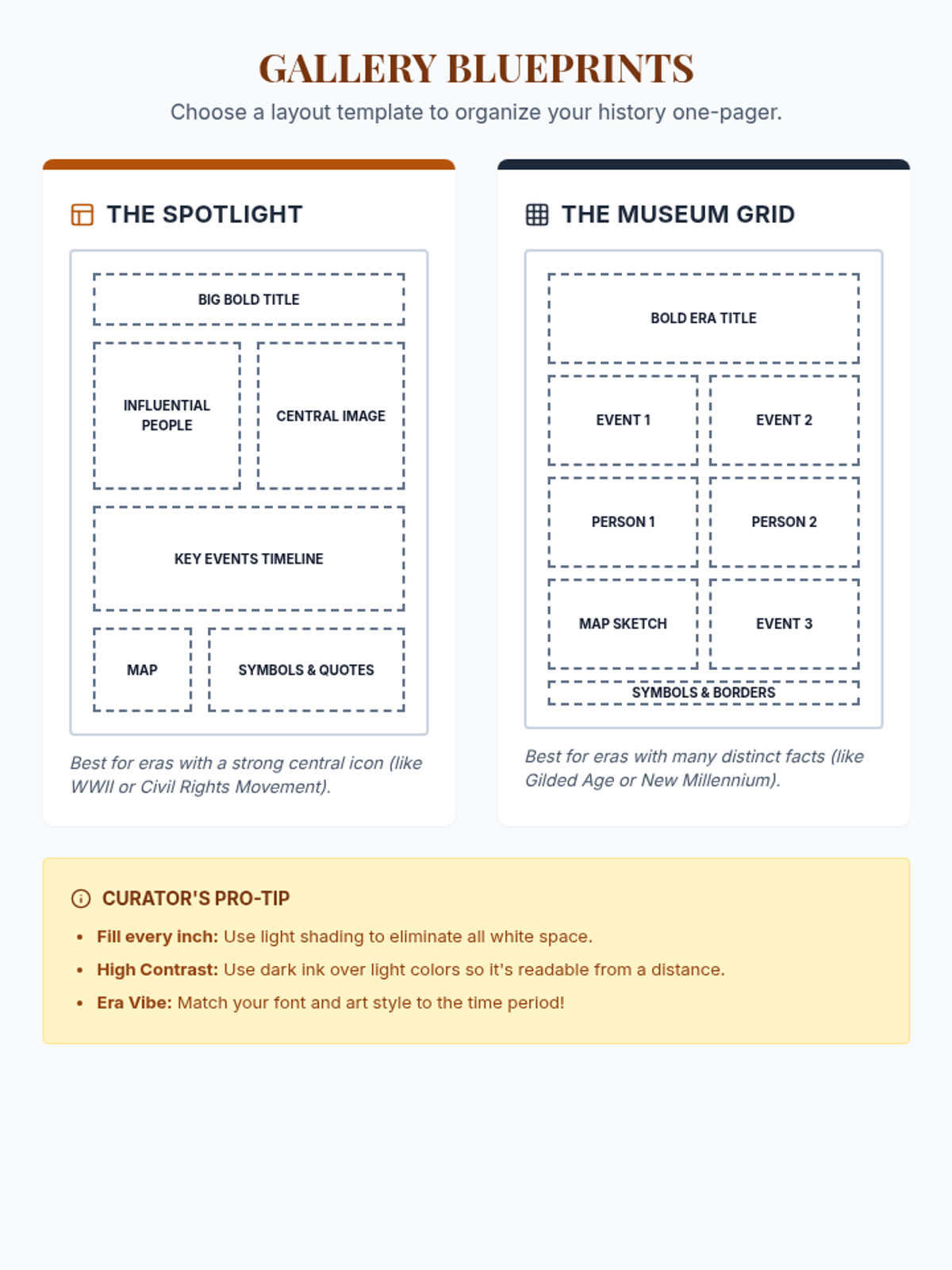
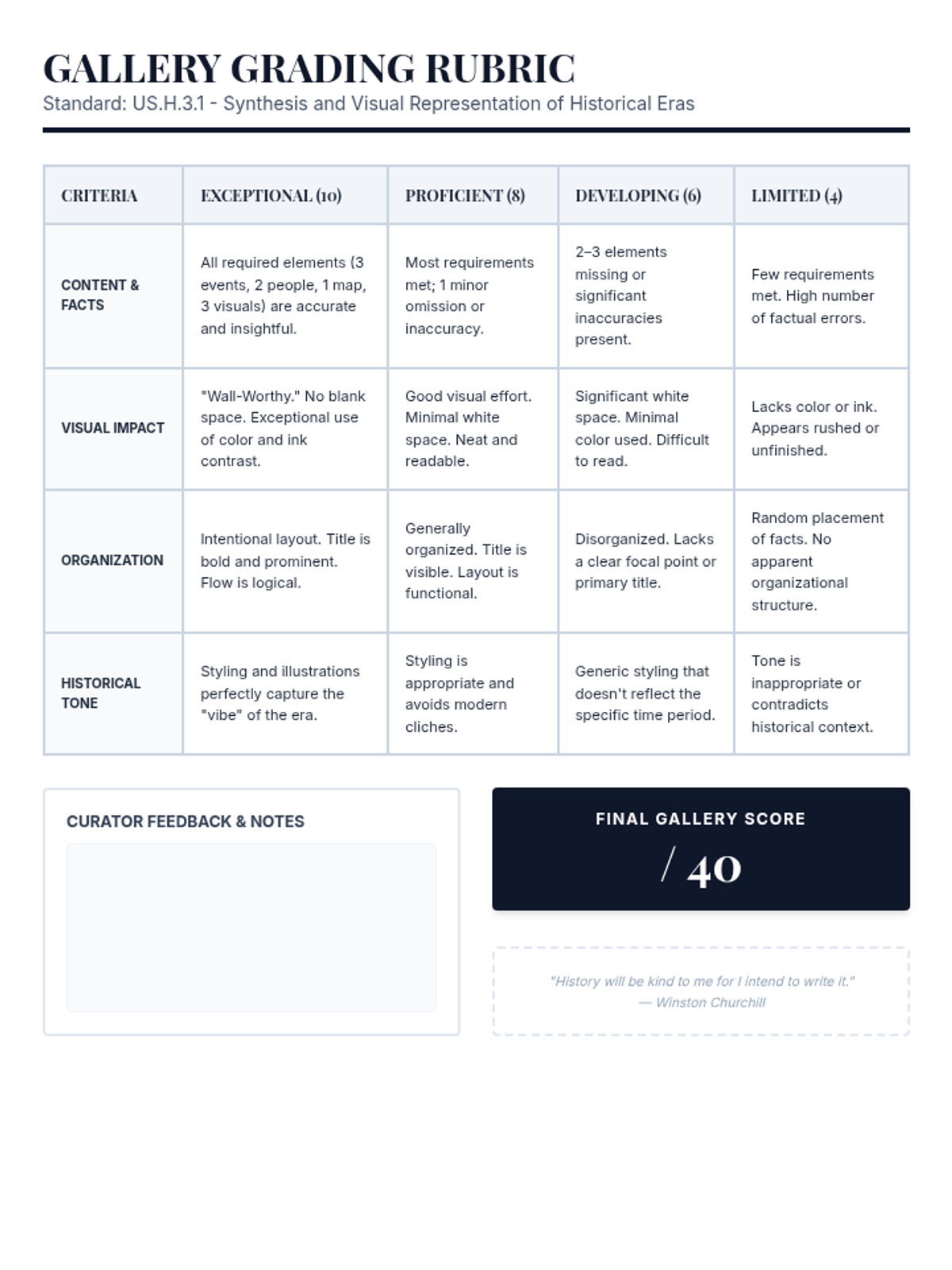
A fast-paced, creative project where students curate a visually stunning 'One-Pager' poster for a specific era of U.S. History, designed to be high-quality enough for classroom display.
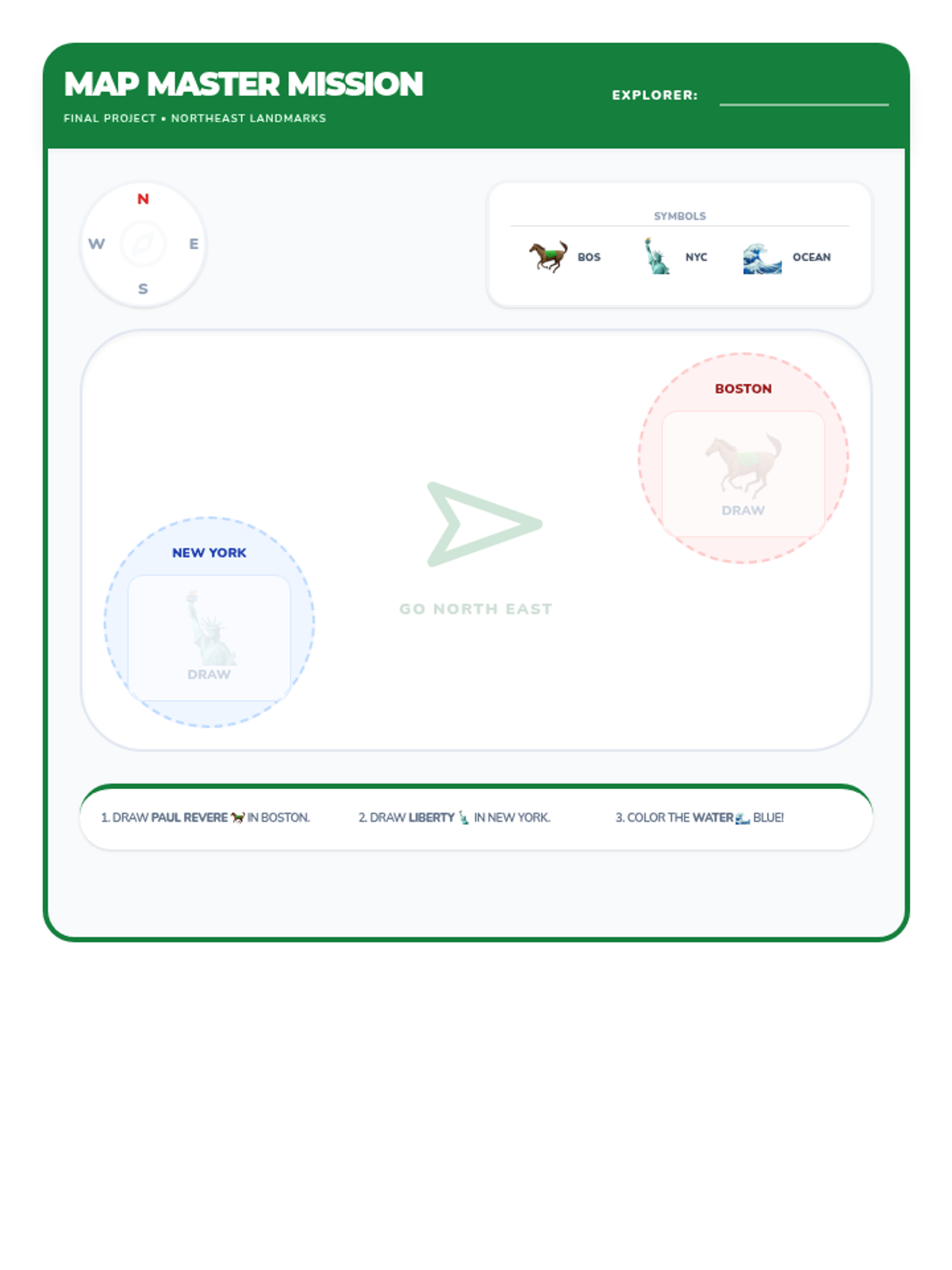
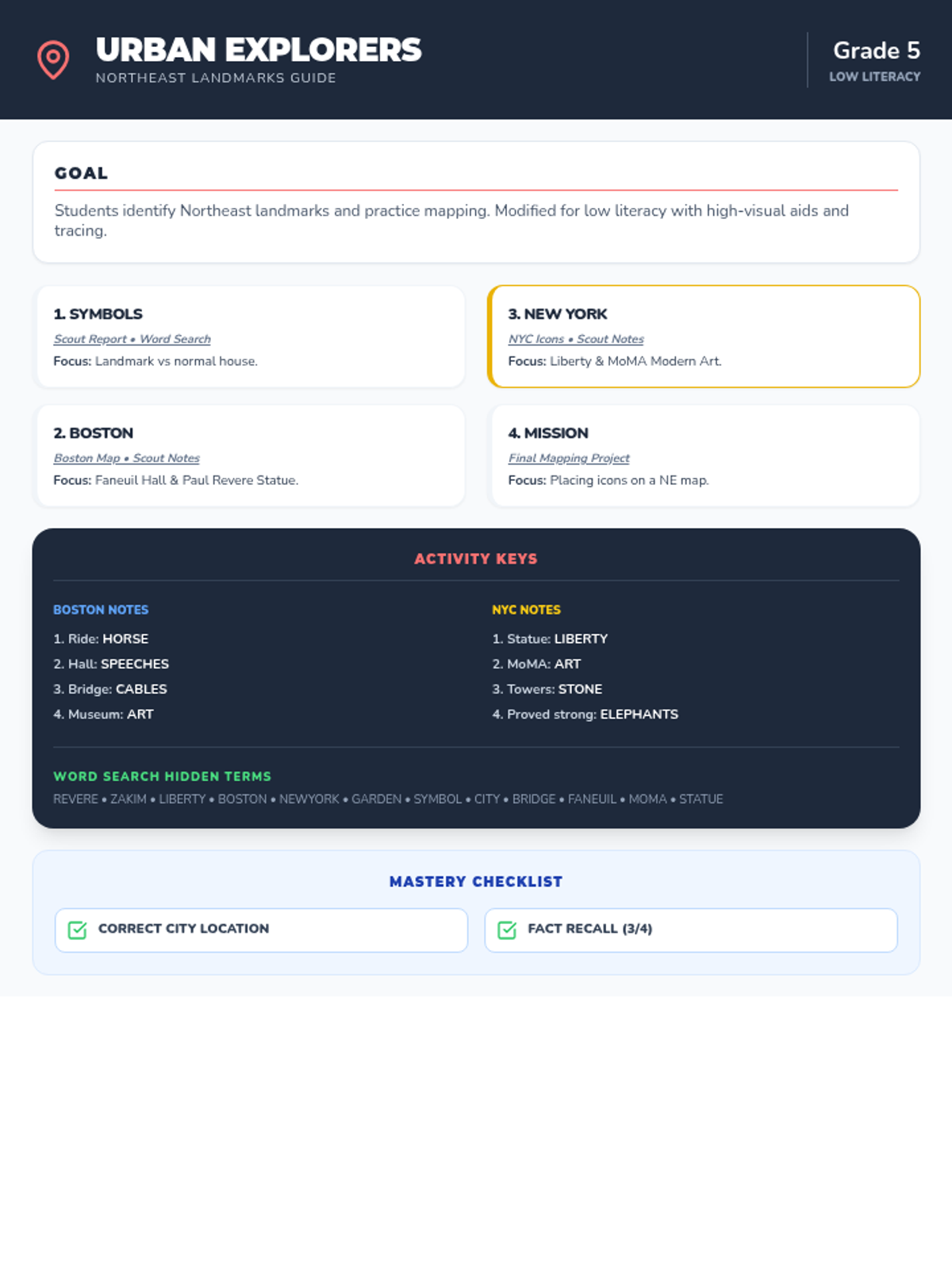
A culminating mapping activity where students place Northeast landmarks on a regional map and identify their locations relative to one another.
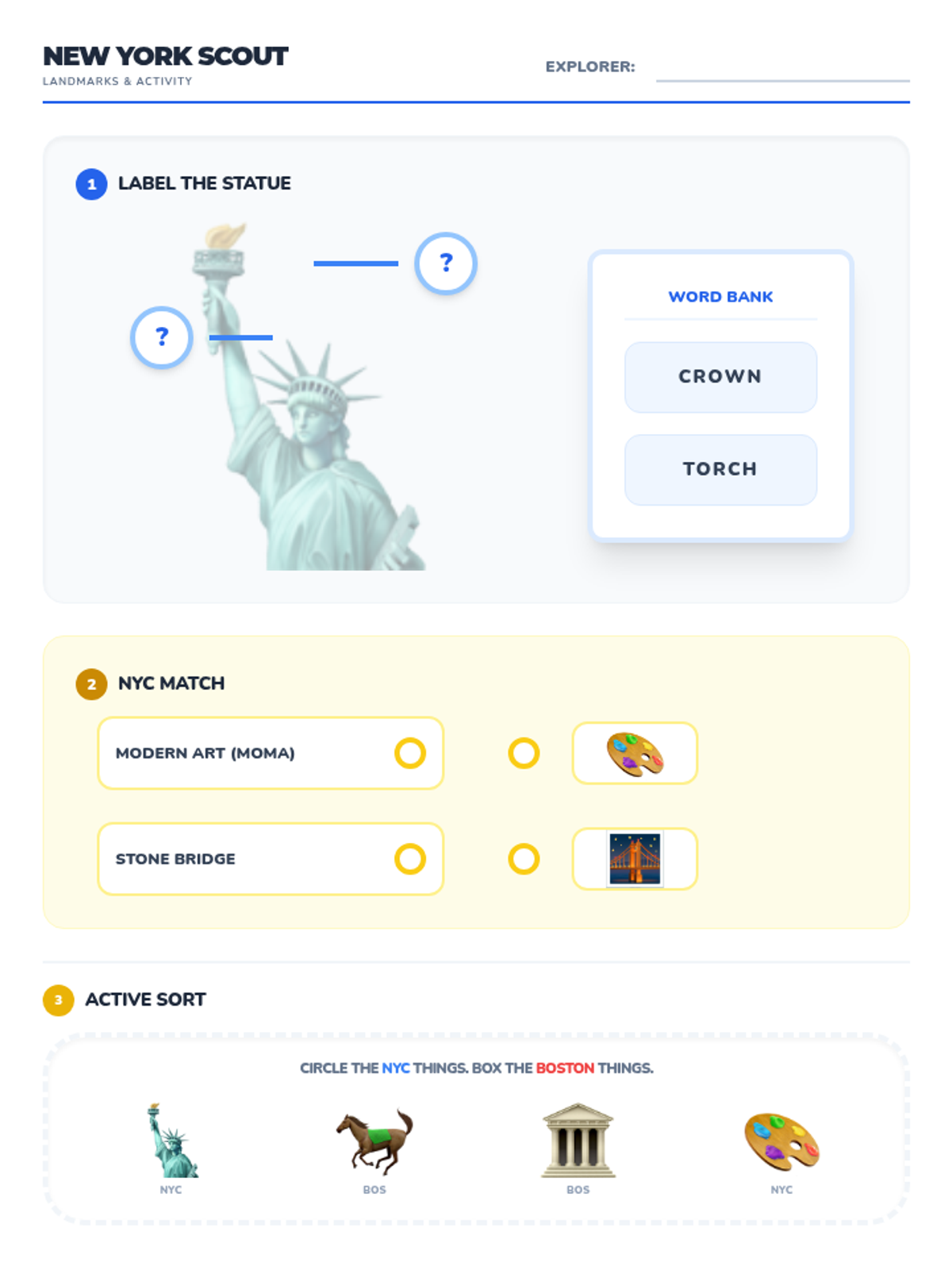
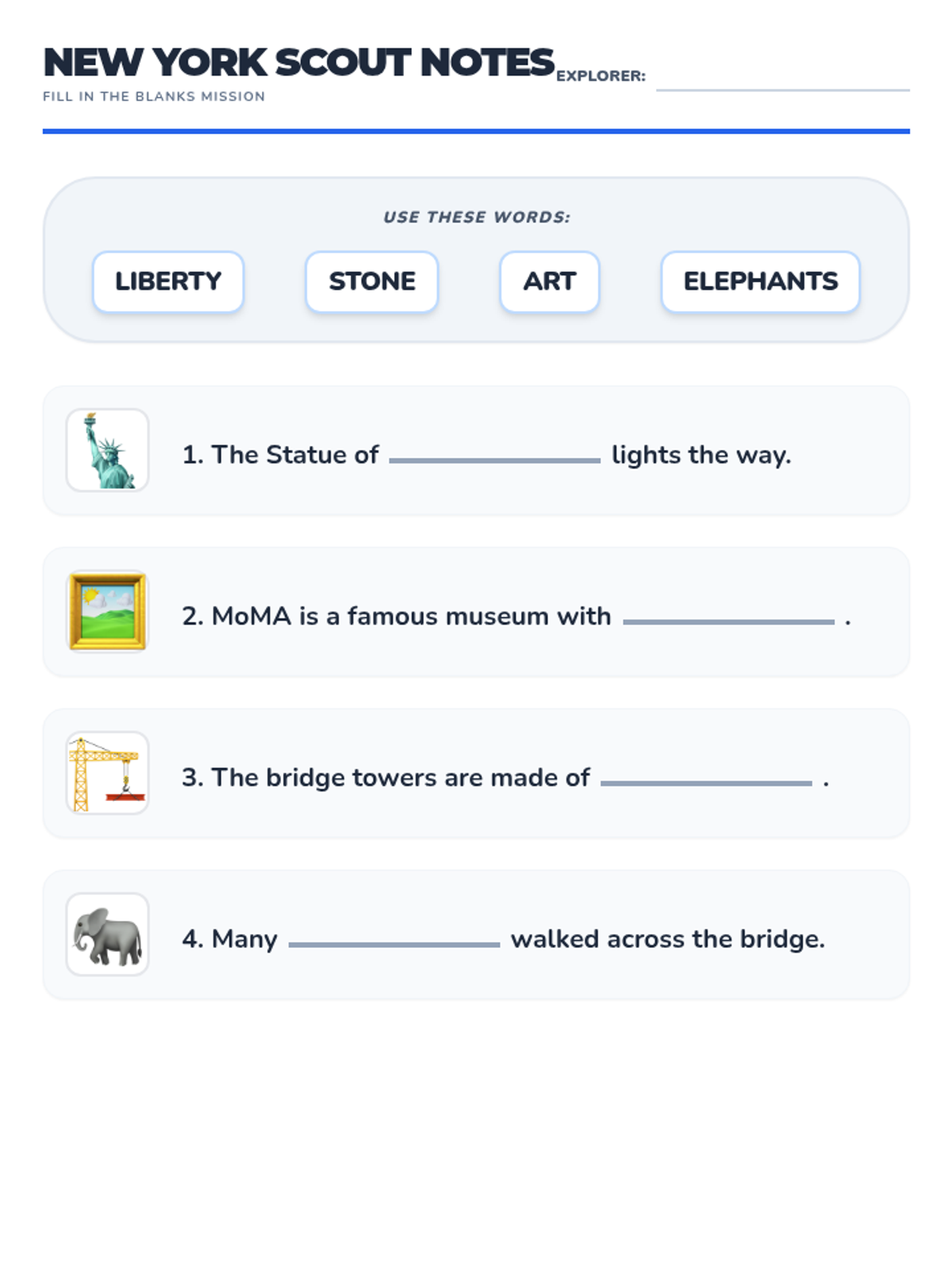
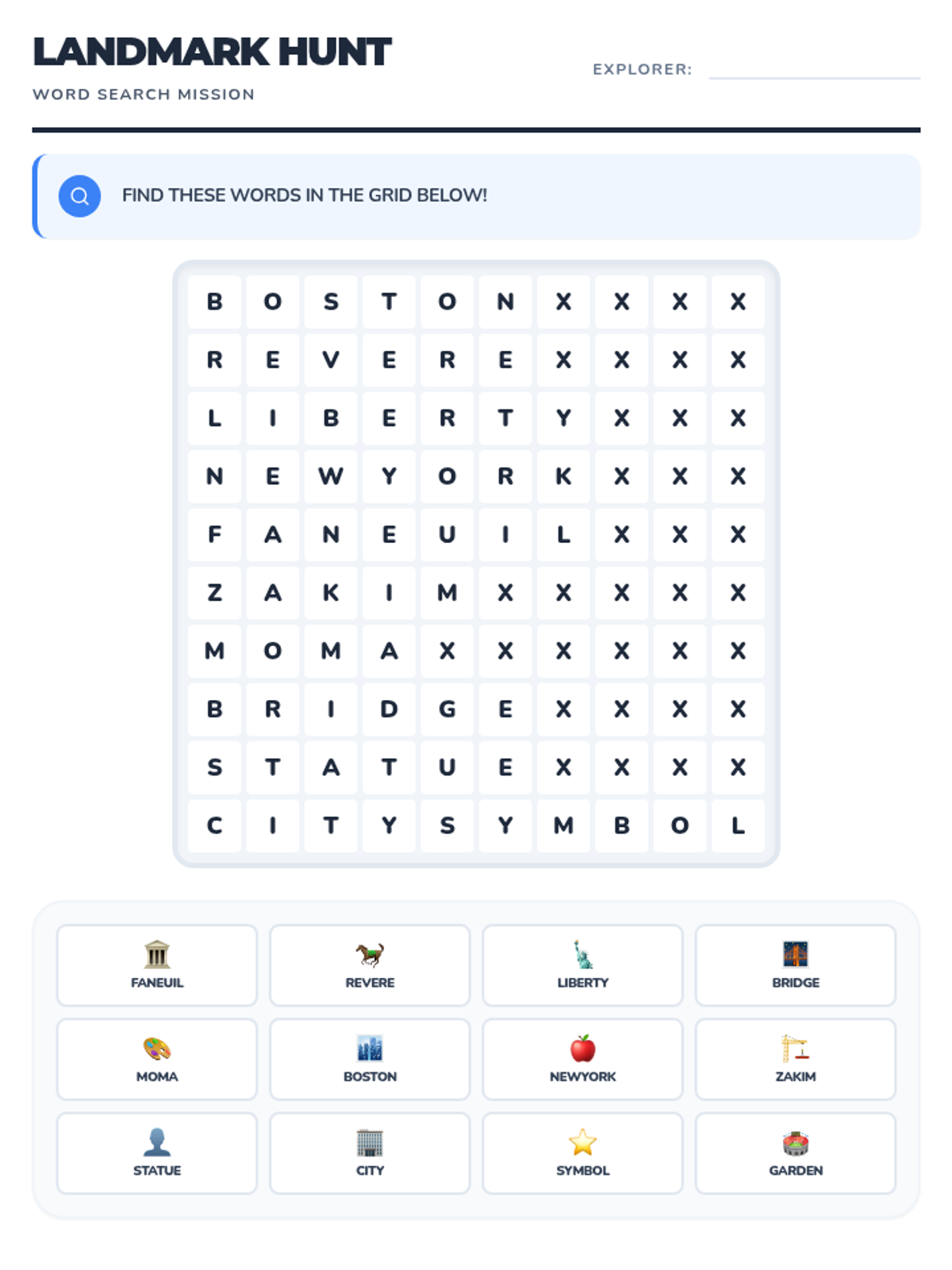
Focuses on iconic New York City landmarks: the Statue of Liberty and the Brooklyn Bridge. Students learn historical significance through visual storytelling.
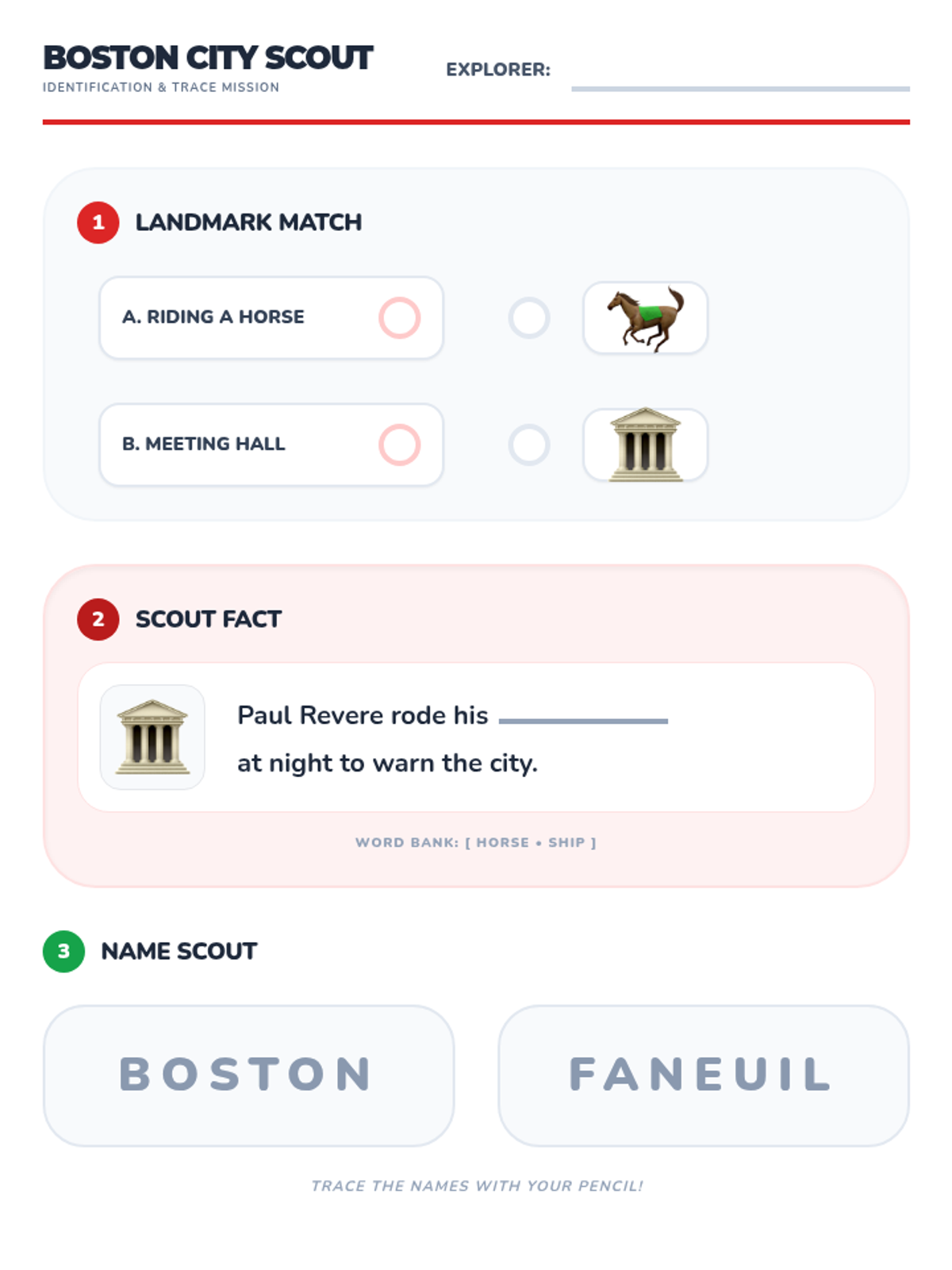
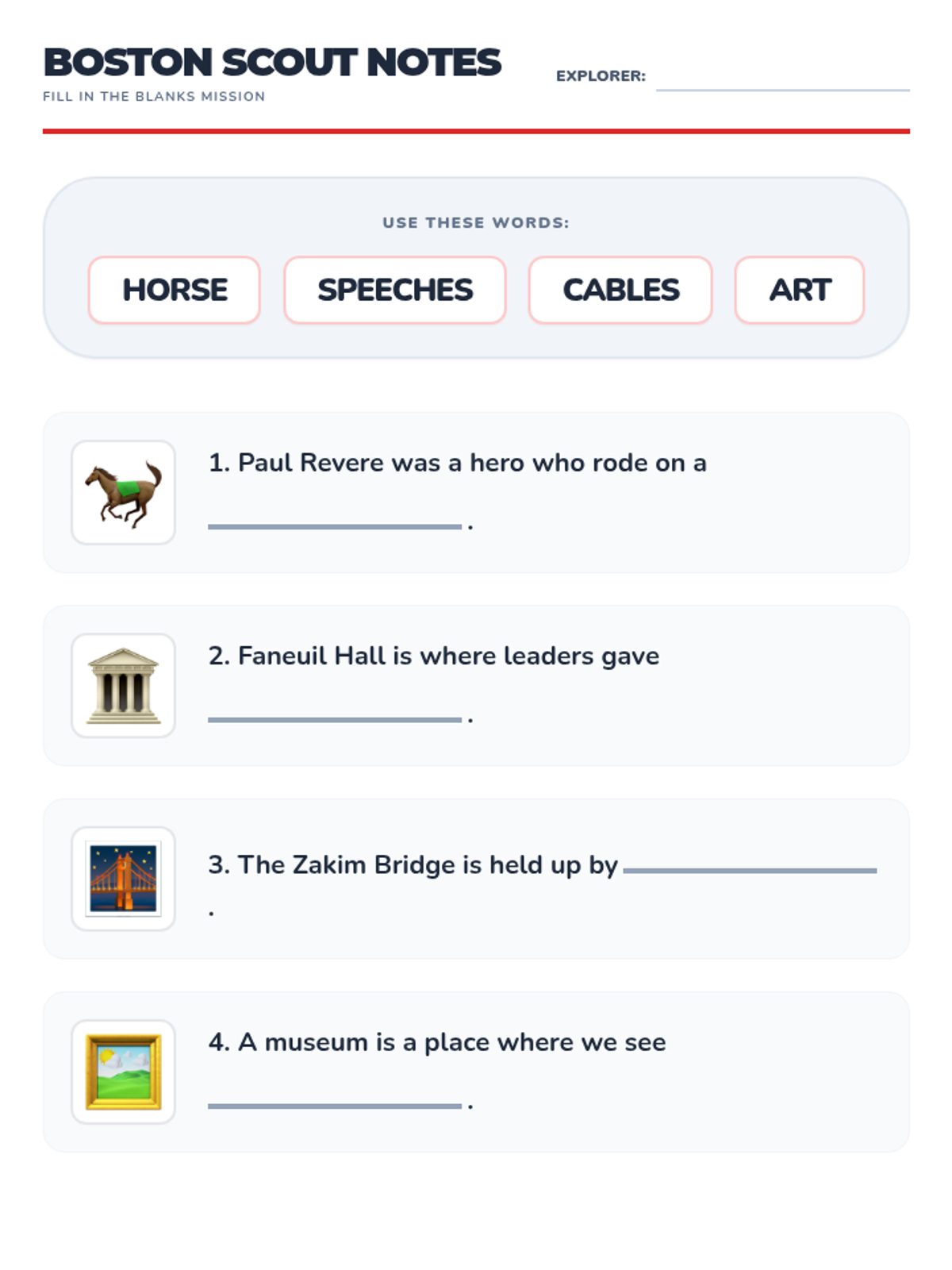
Explores specific landmarks in Boston, including the Paul Revere Statue, Zakim Bridge, and TD Garden. Focuses on historical facts and their location on a city map.
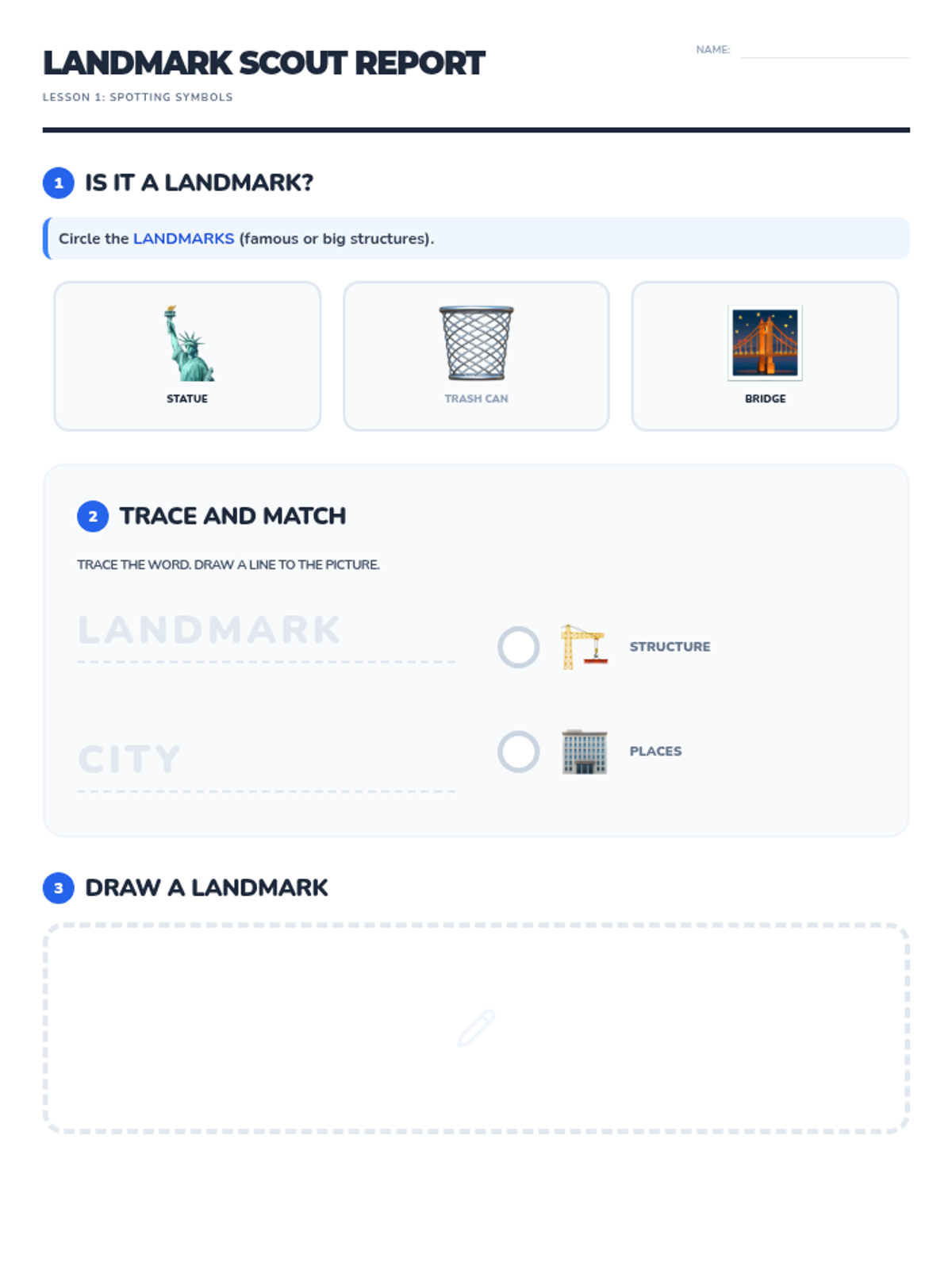
Introduces the concept of a landmark as a recognizable place or structure with historical or cultural significance. Students learn to identify landmarks using visual cues.
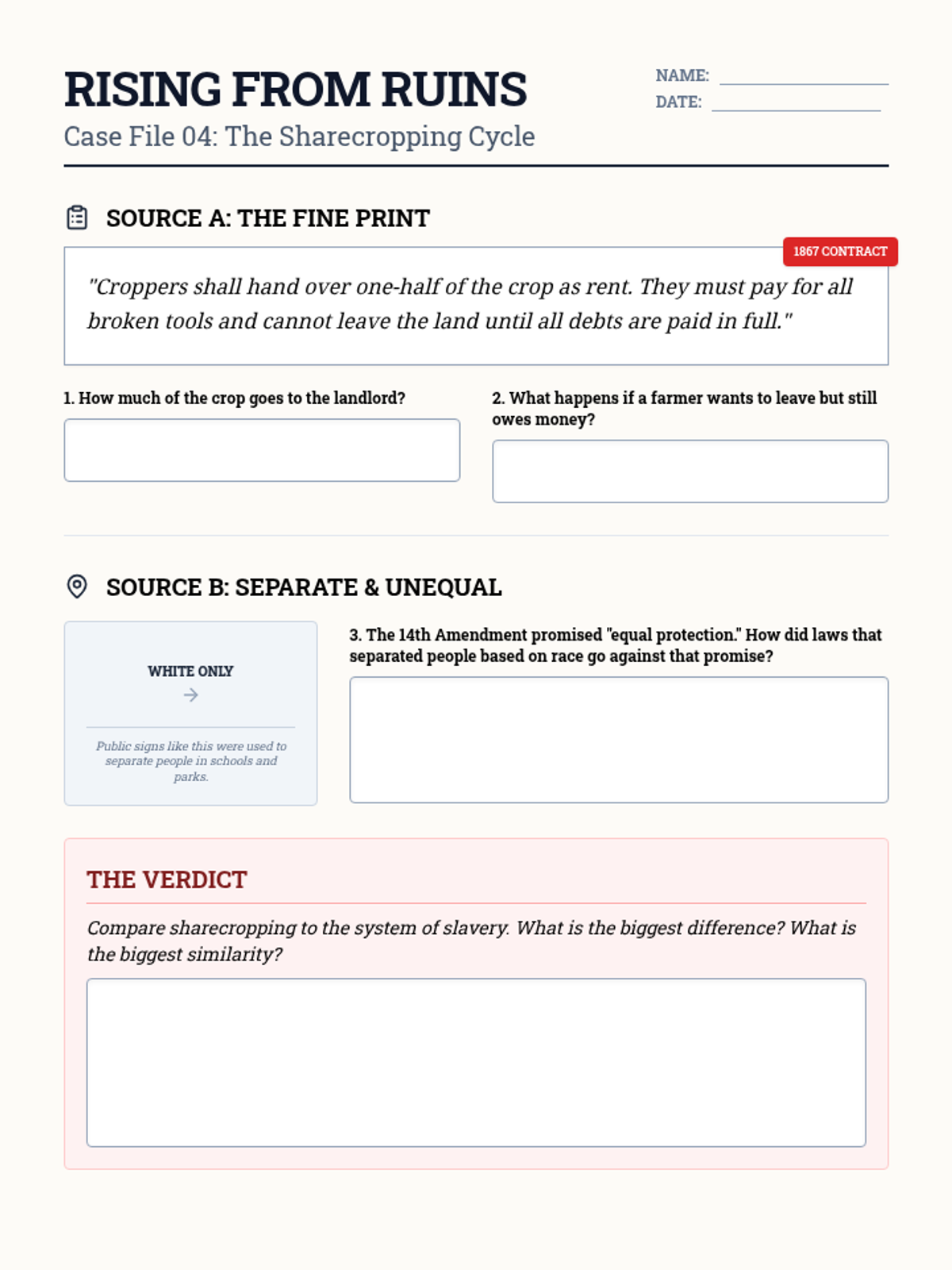
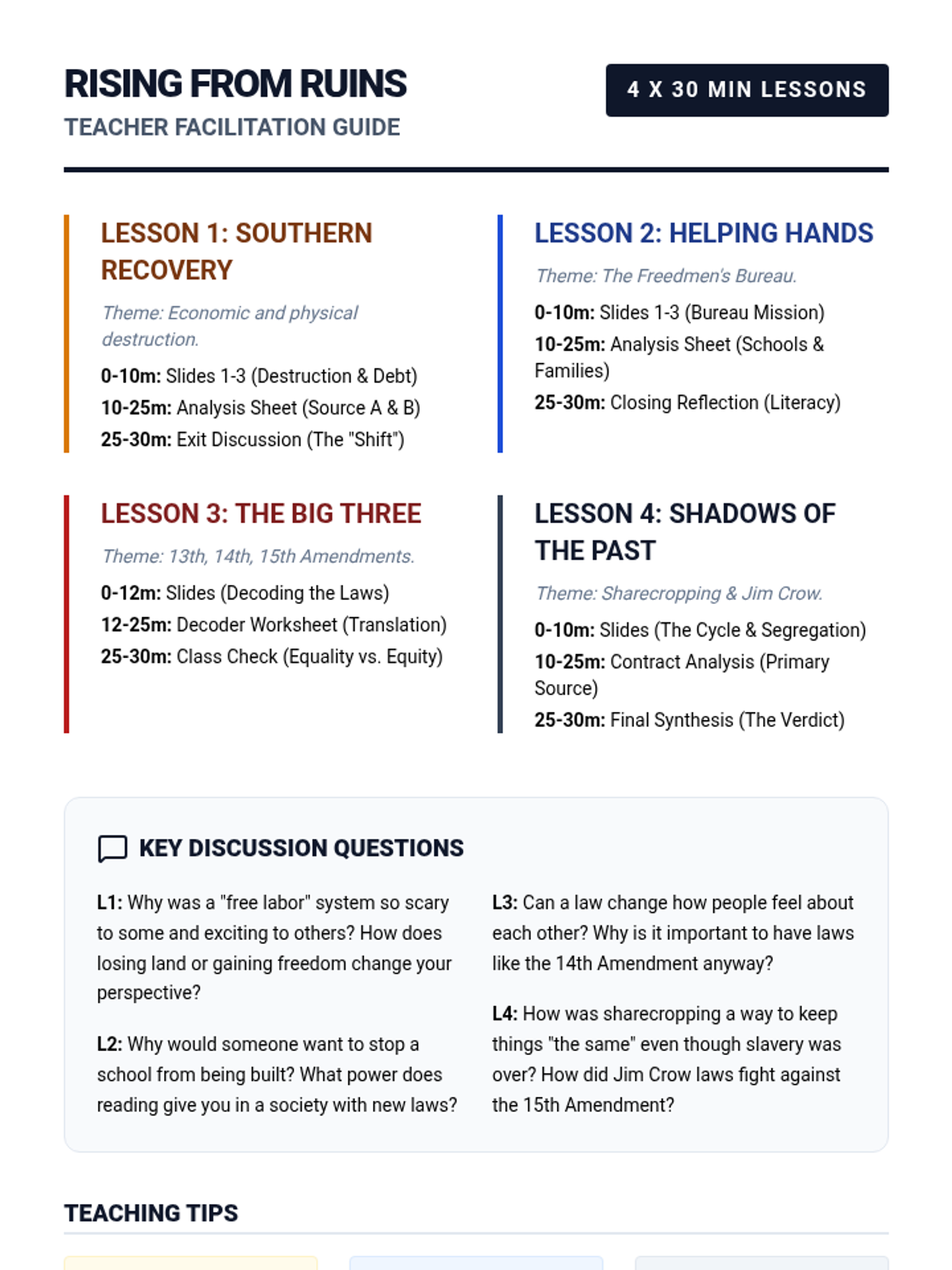
Students explore the limitations of Reconstruction through the lens of sharecropping and the emergence of Jim Crow laws.
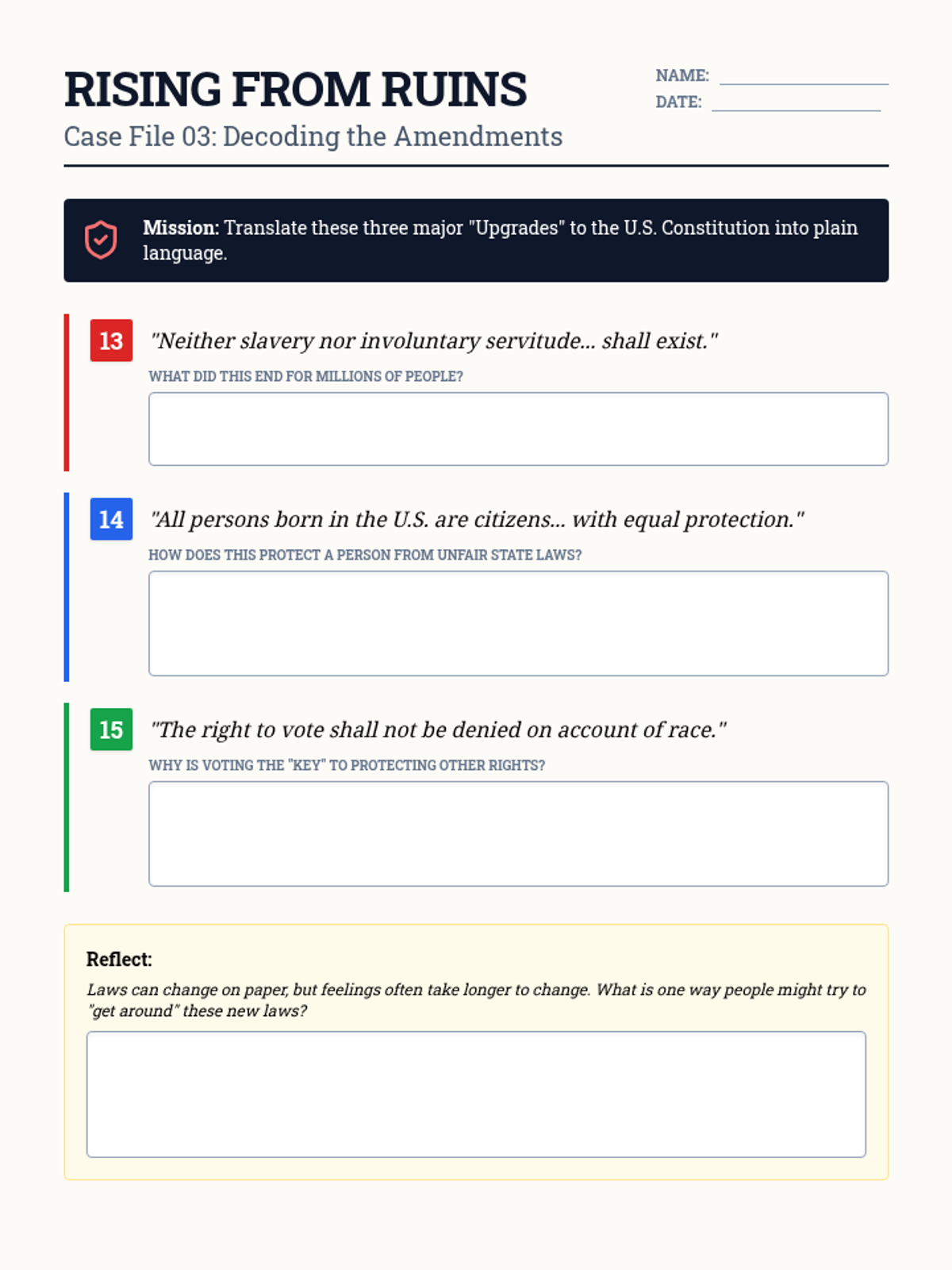
A deep dive into the 13th, 14th, and 15th Amendments and how they aimed to redefine American citizenship and rights.
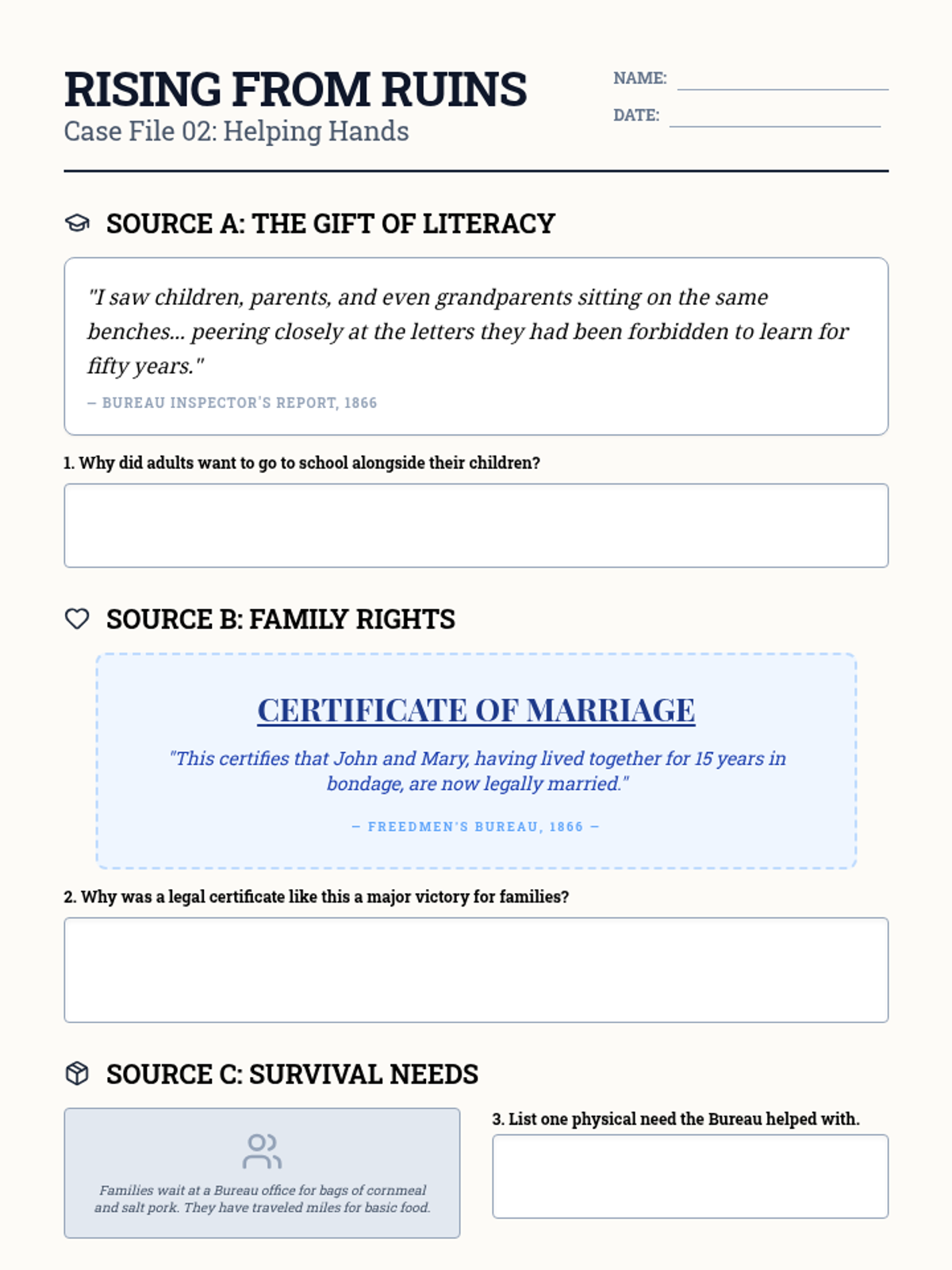
An investigation into the Freedmen's Bureau and its role in providing education, healthcare, and legal assistance to formerly enslaved people.
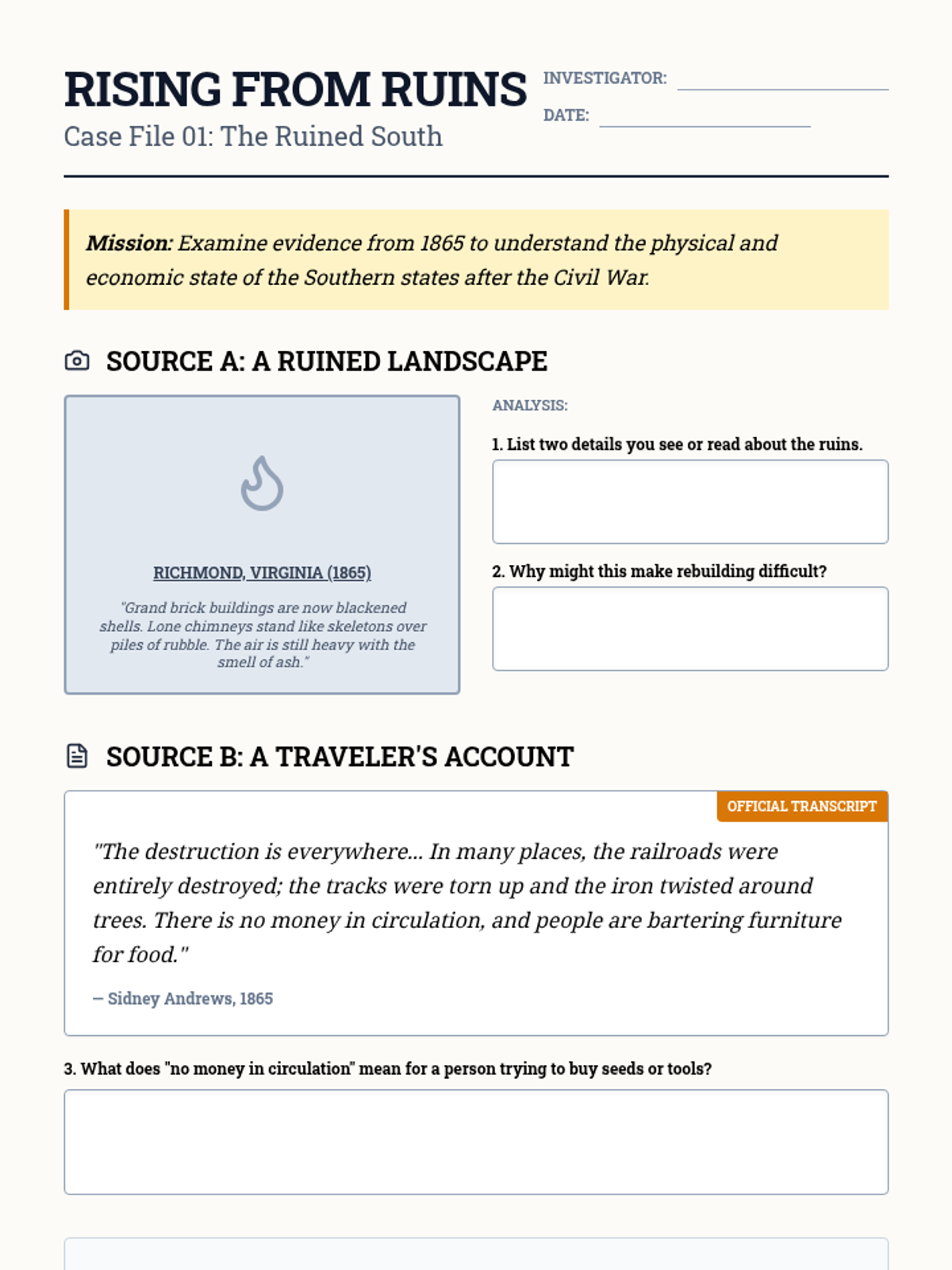
Students examine the physical and economic destruction of the South and the initial challenges of transitioning to a free labor system.
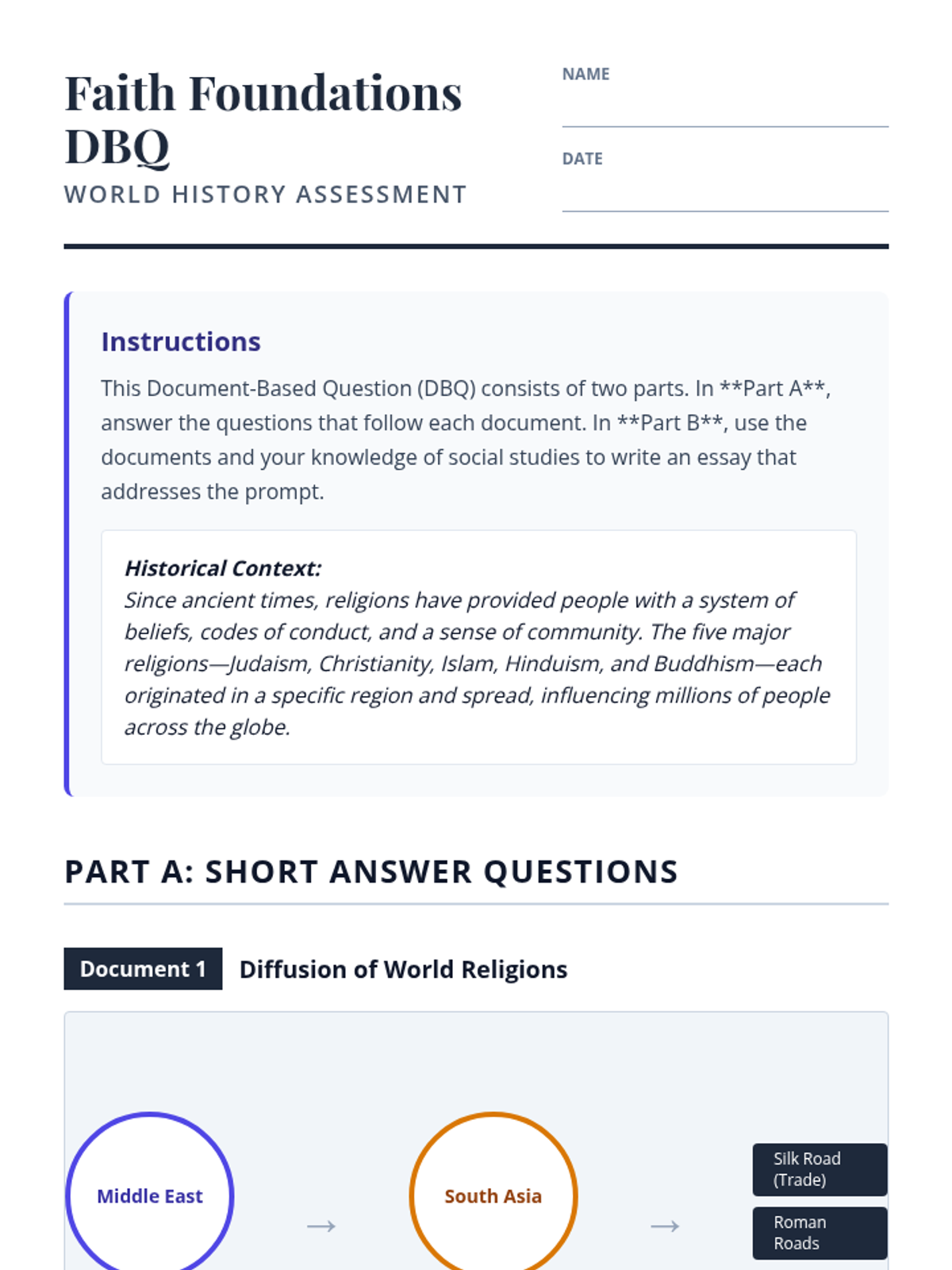
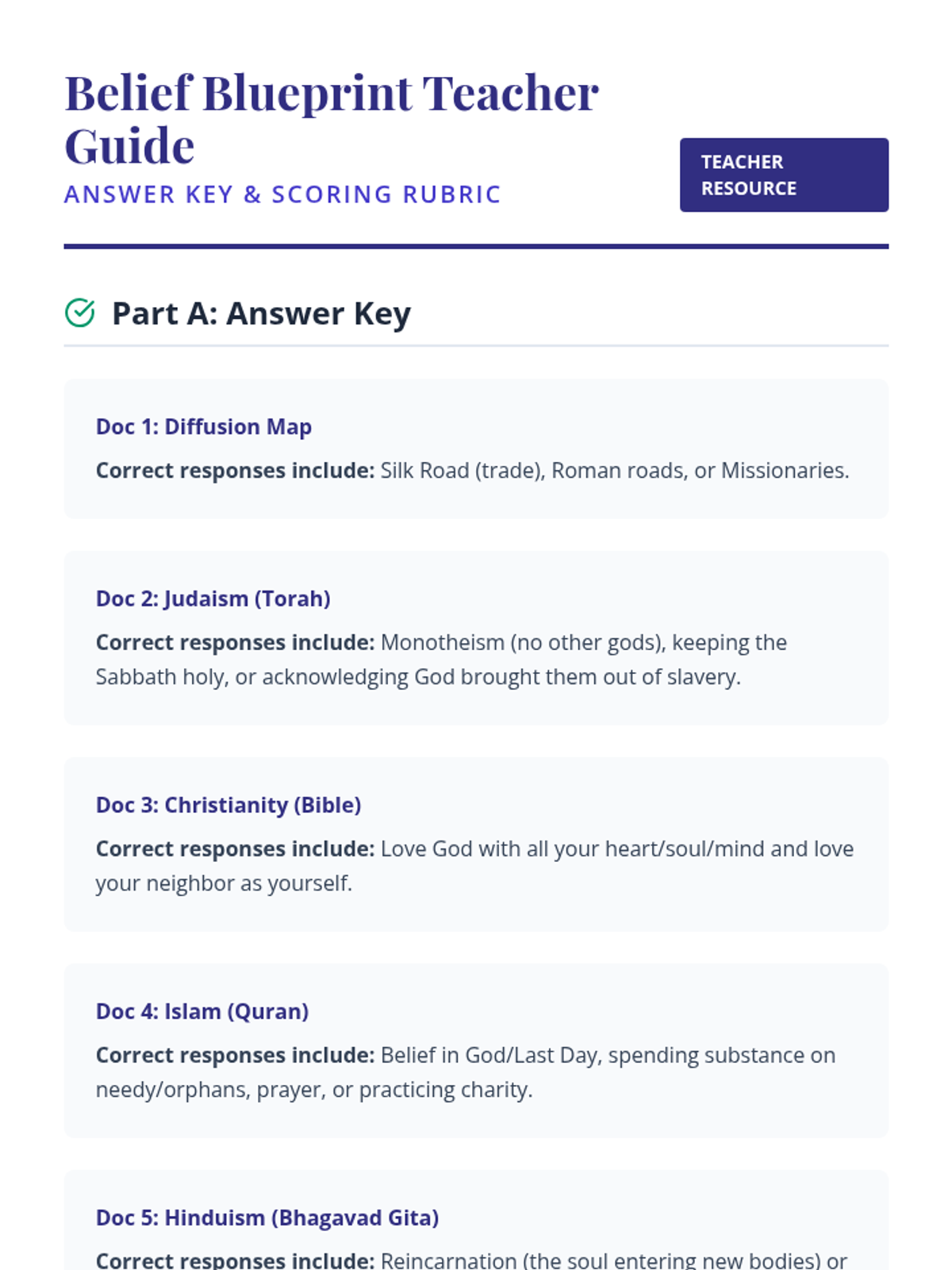
A comprehensive assessment package focused on the Five Major World Religions, utilizing a New York State Document-Based Question (DBQ) format with maps and sacred text analysis.