A lesson introducing the concepts of push and pull factors of migration through simplified text, visual icons, and structured response tasks designed for IEP support.
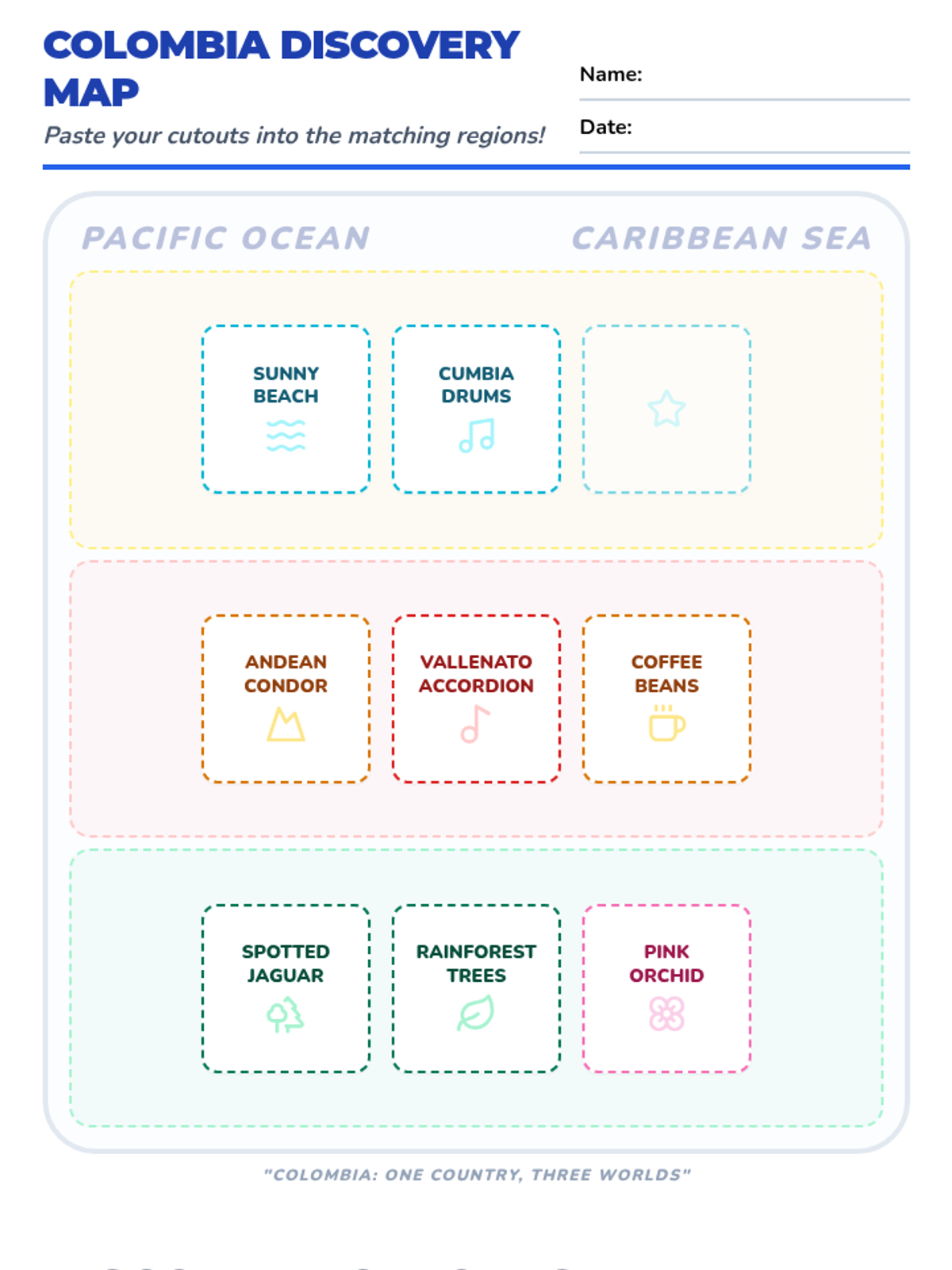
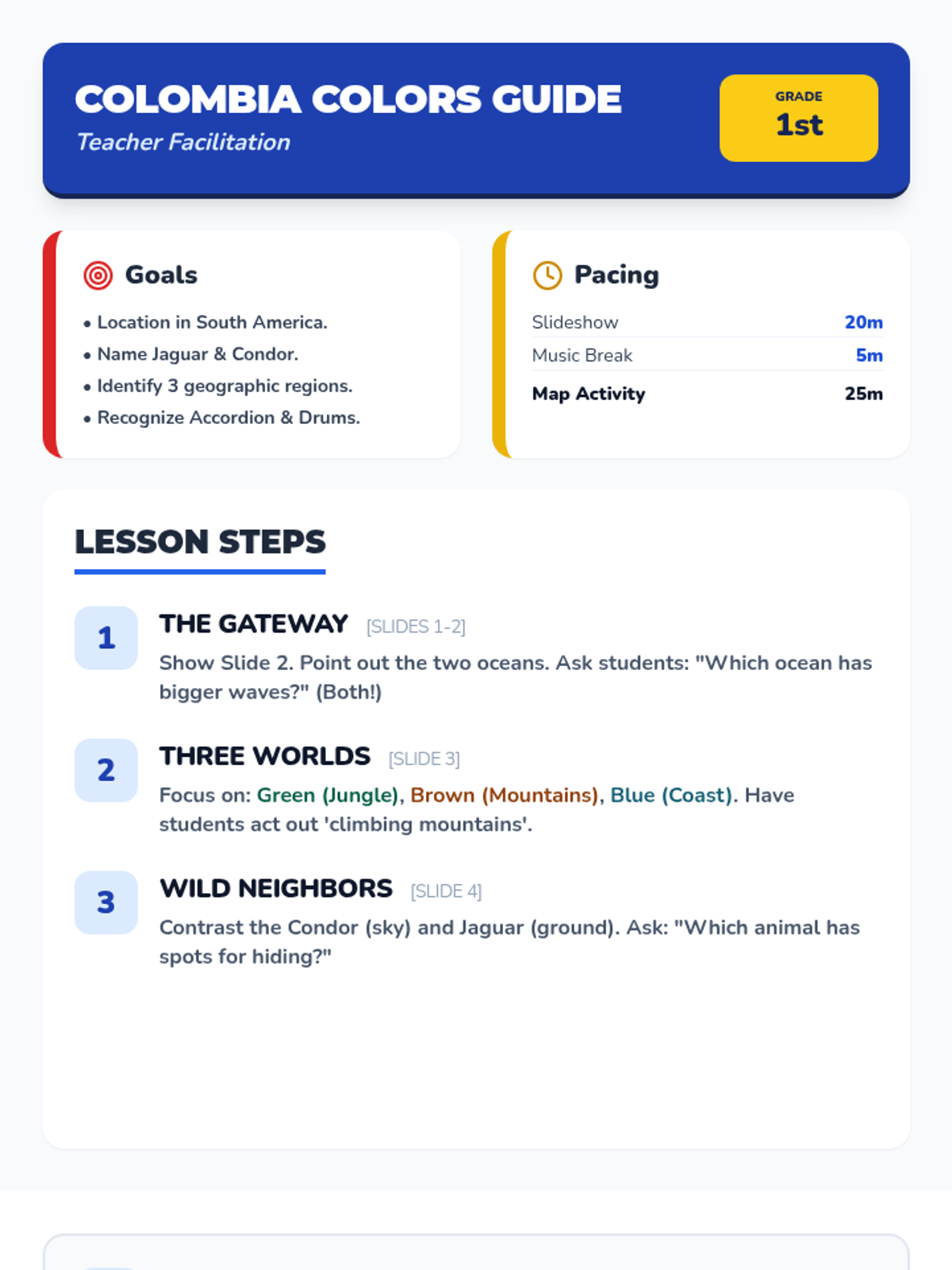
A vibrant introductory lesson for first graders exploring Colombia's diverse geography, unique animals like the jaguar and condor, and the rhythmic world of Vallenato music.
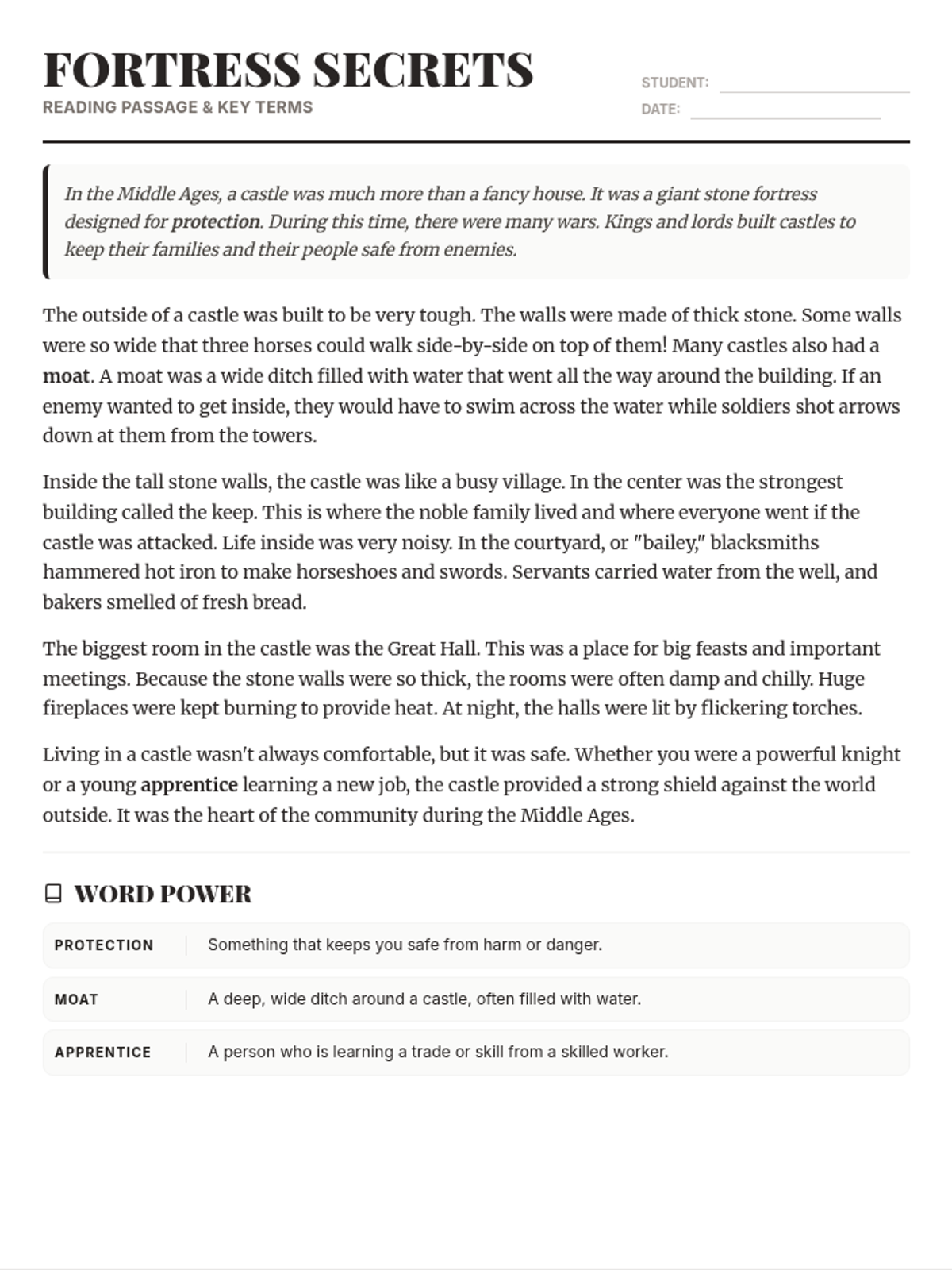
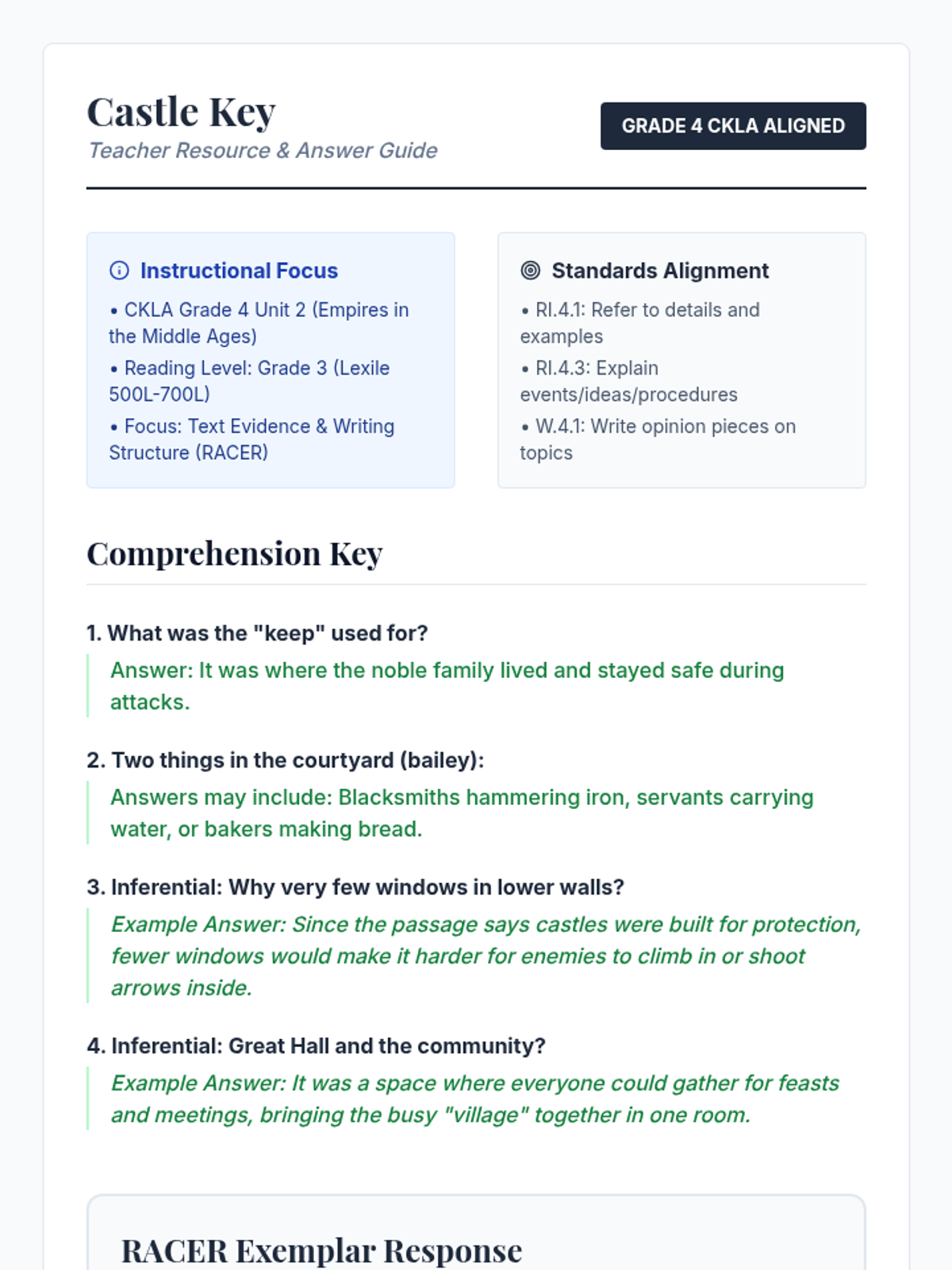
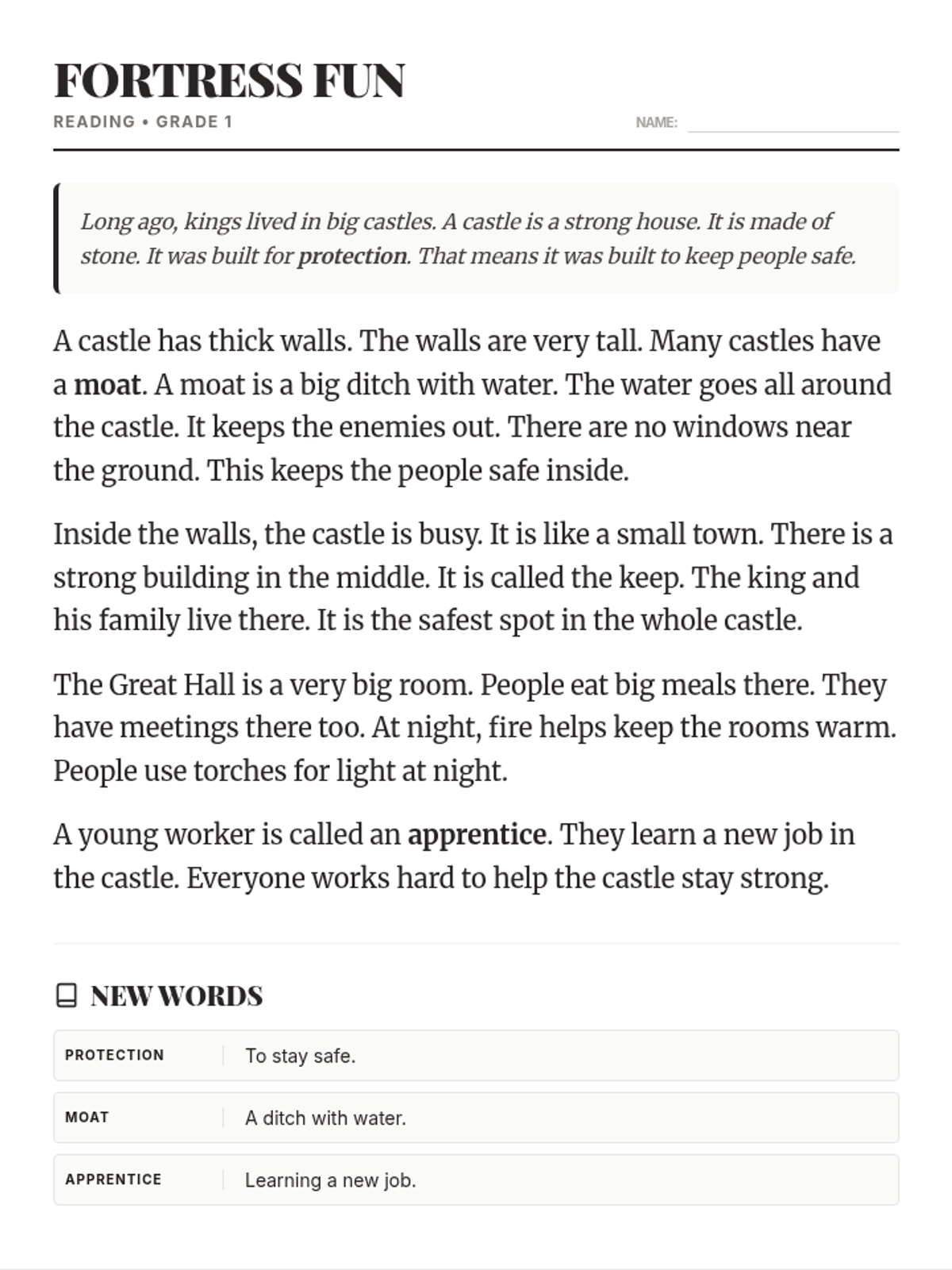
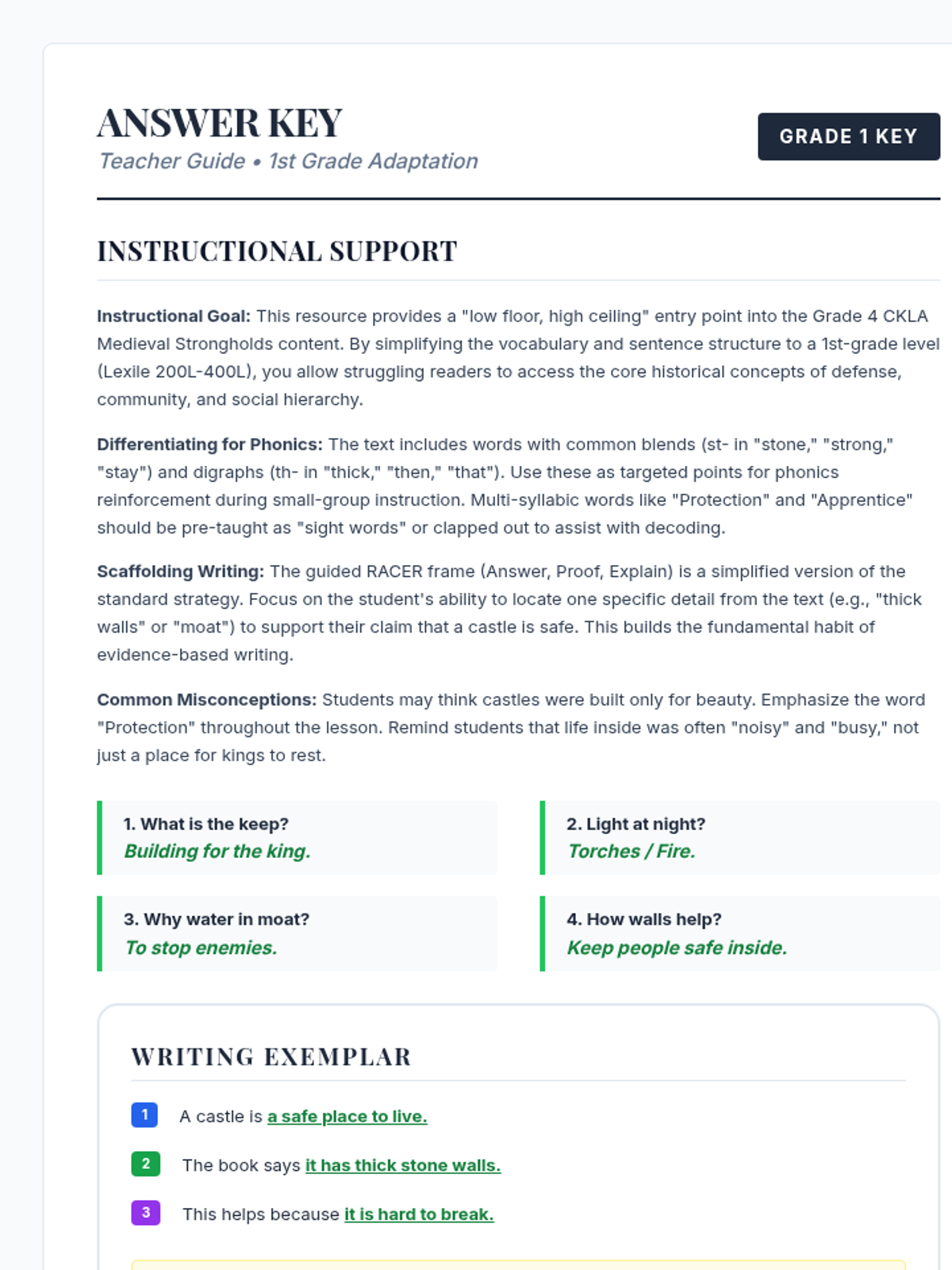
A lesson focusing on life in a medieval castle, featuring a reading passage adapted for Grade 3 reading levels that aligns with Grade 4 CKLA social studies standards. Students will practice vocabulary, answer comprehension questions, and use the RACER strategy for an open response.
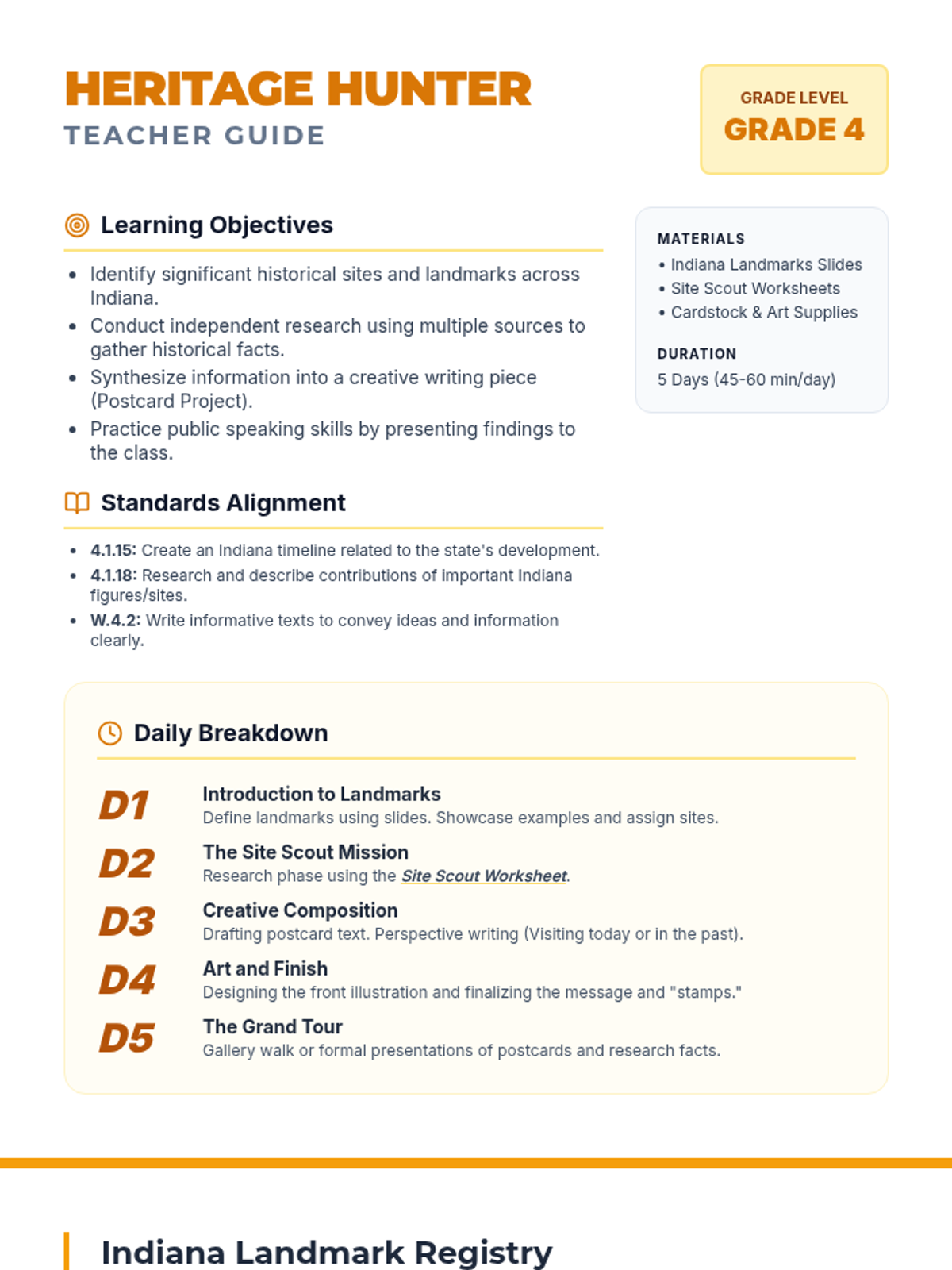
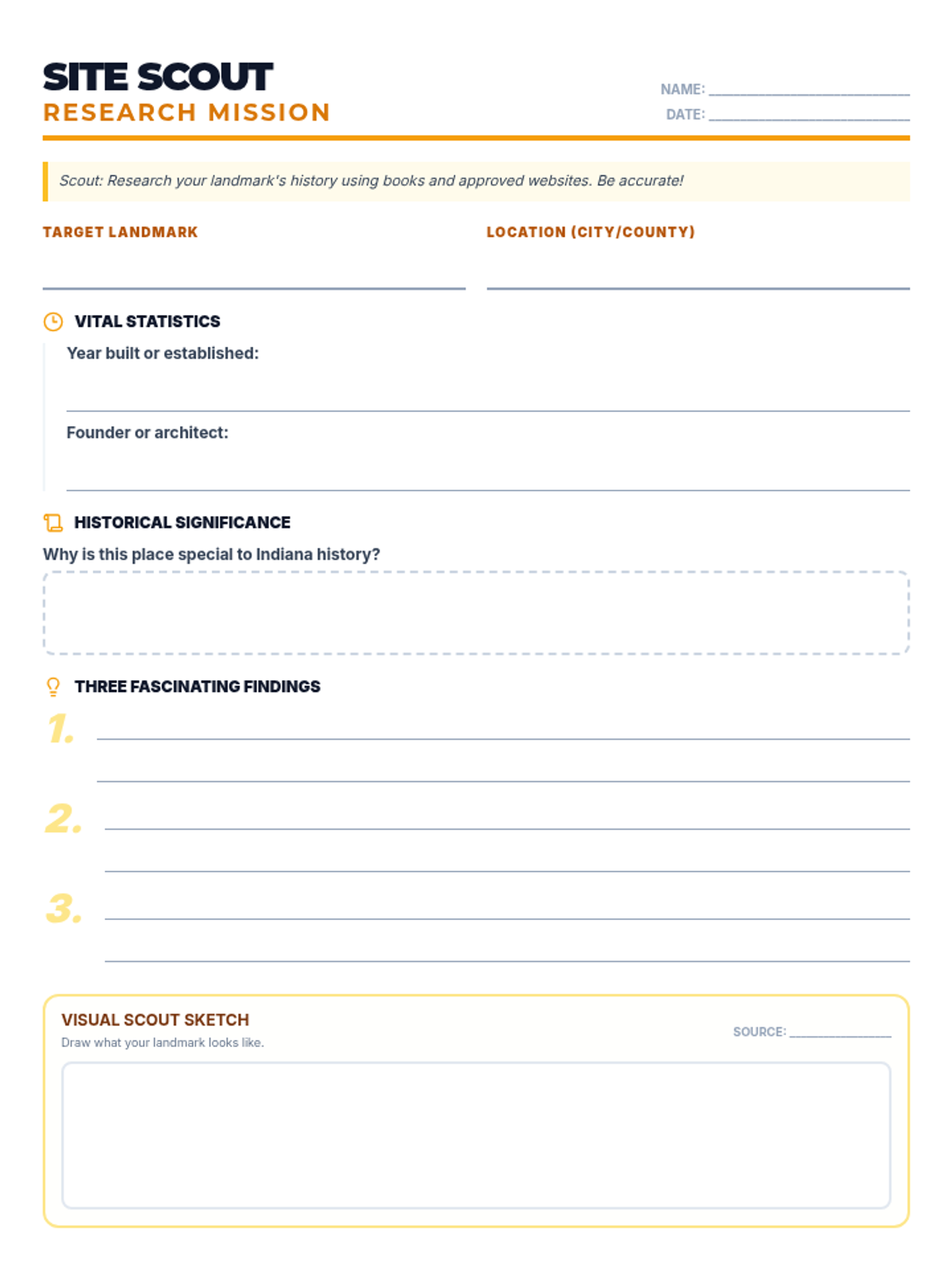
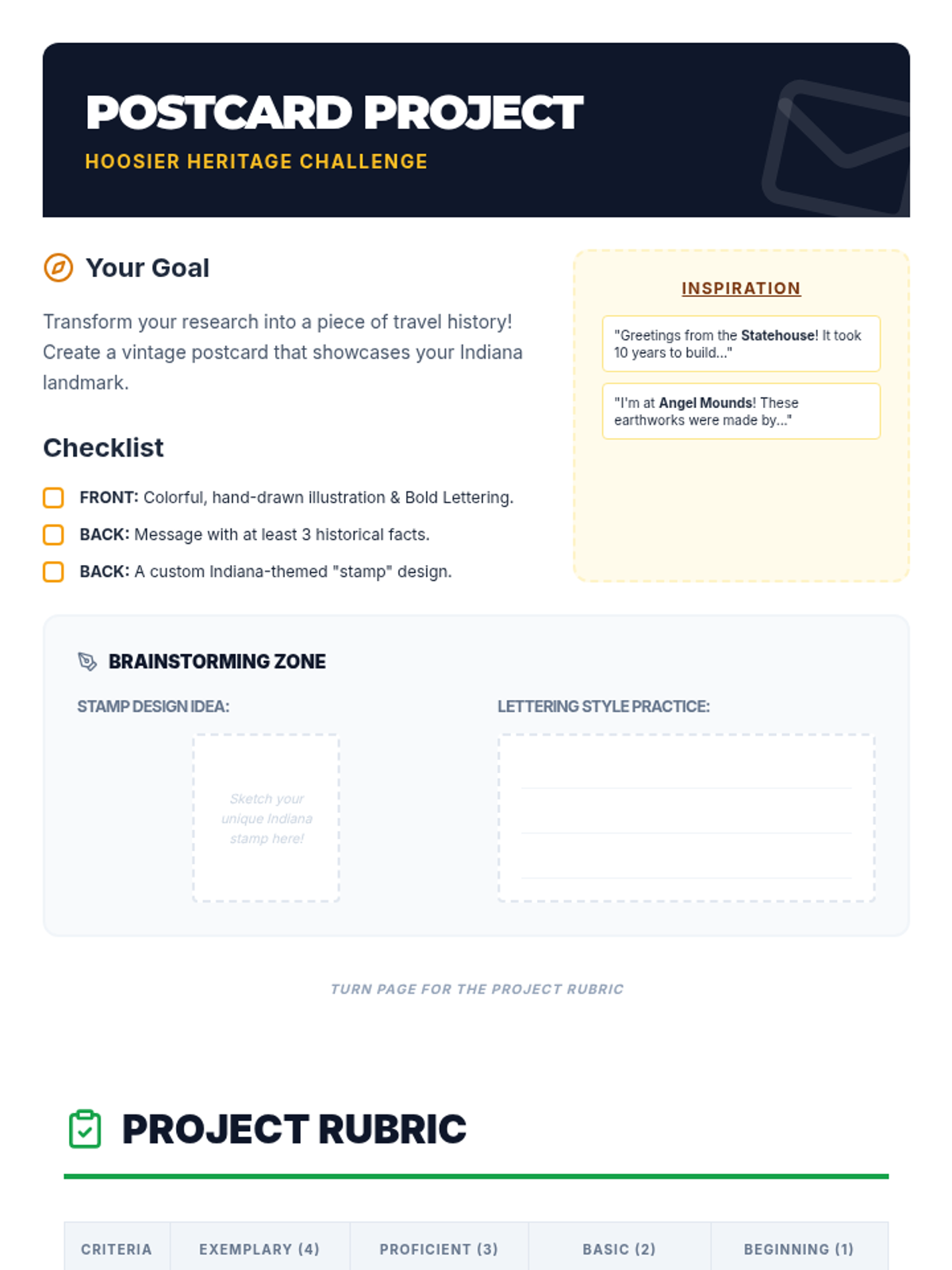
A project-based social studies lesson where 4th graders research and present on Indiana historical landmarks, synthesizing history, writing, and public speaking skills.
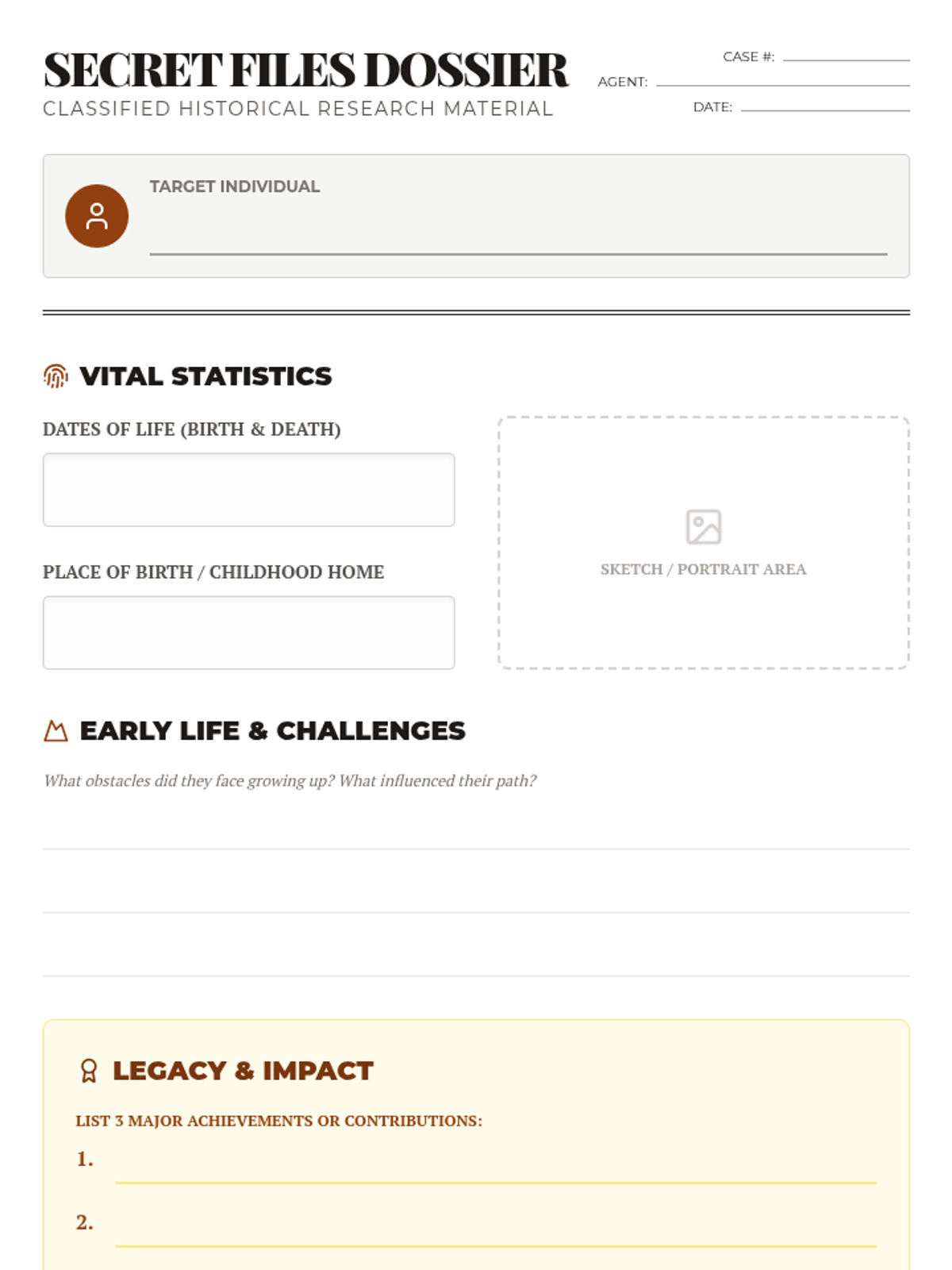
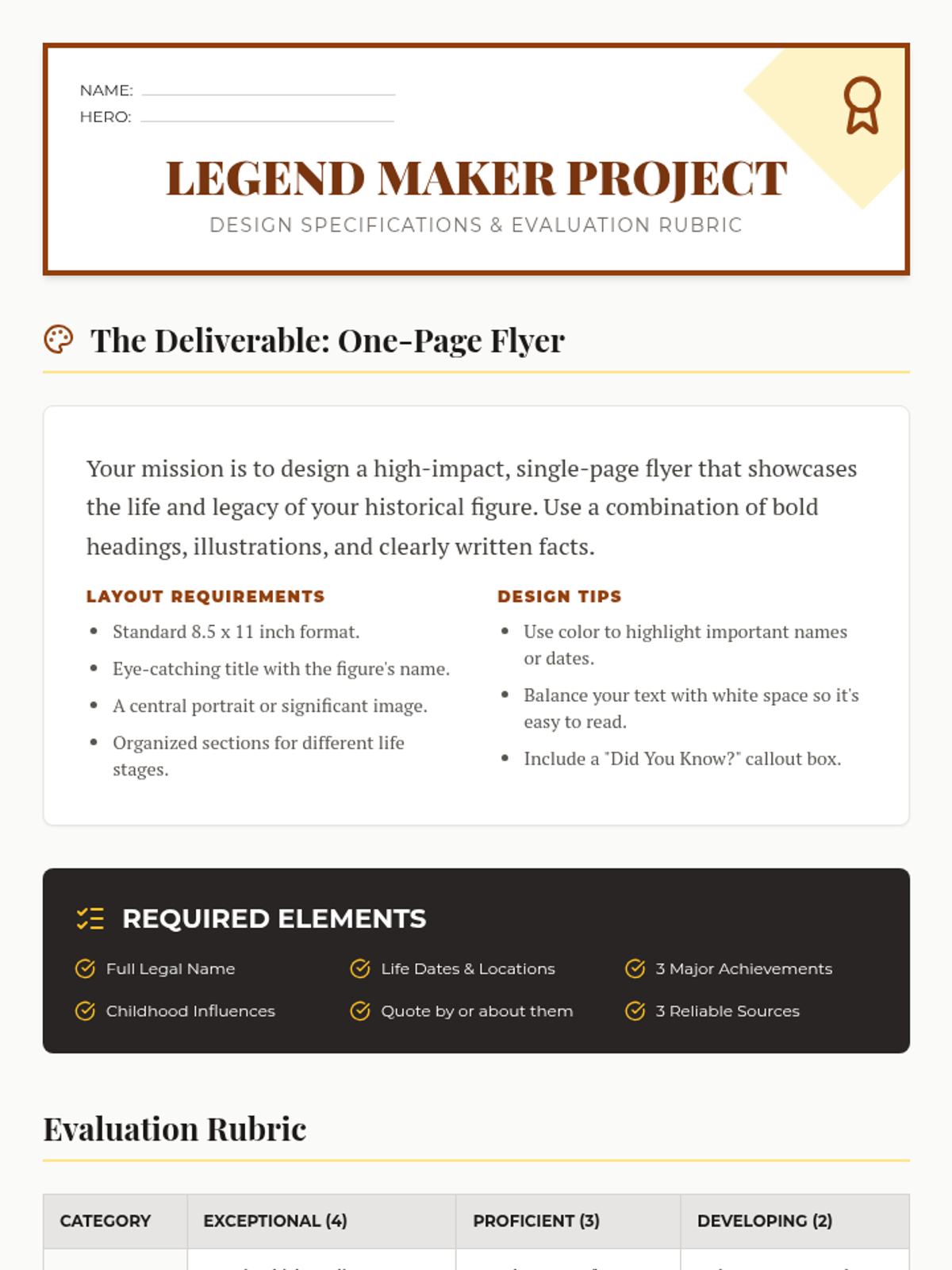
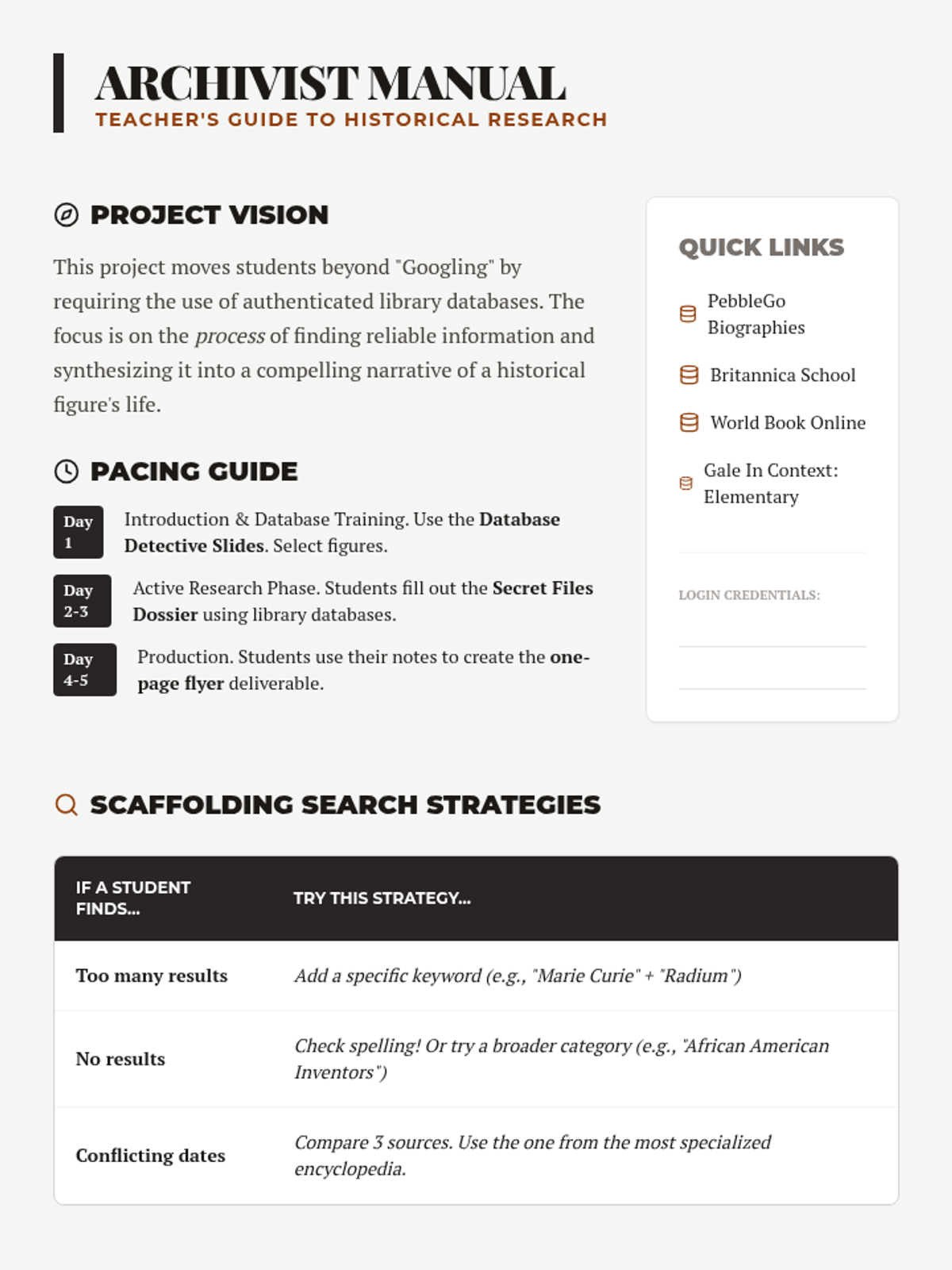
A comprehensive research project where students use library databases to uncover the lives of historical figures, culminating in a creative one-page flyer. Students learn search strategies, source evaluation, and information synthesis.
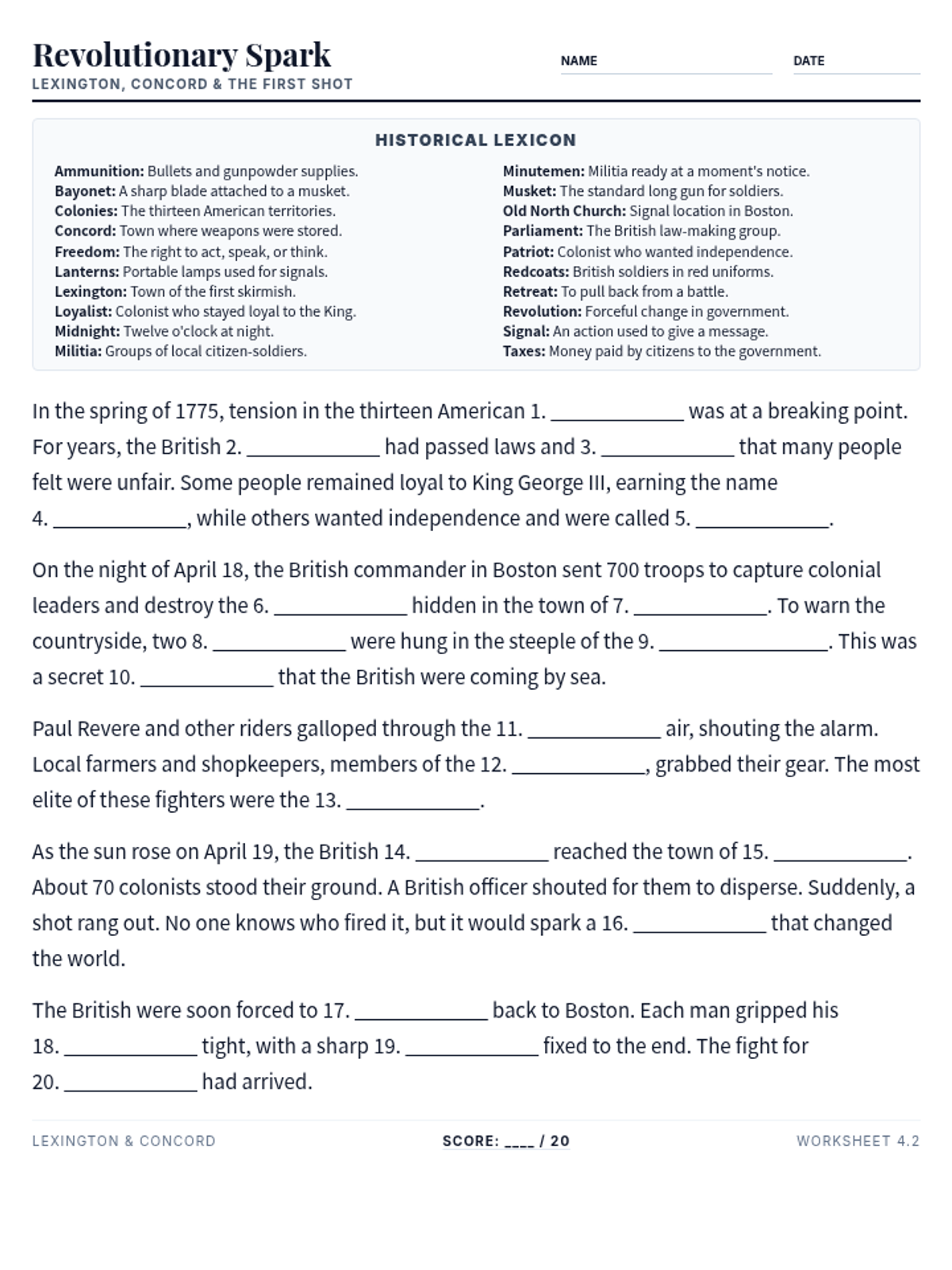
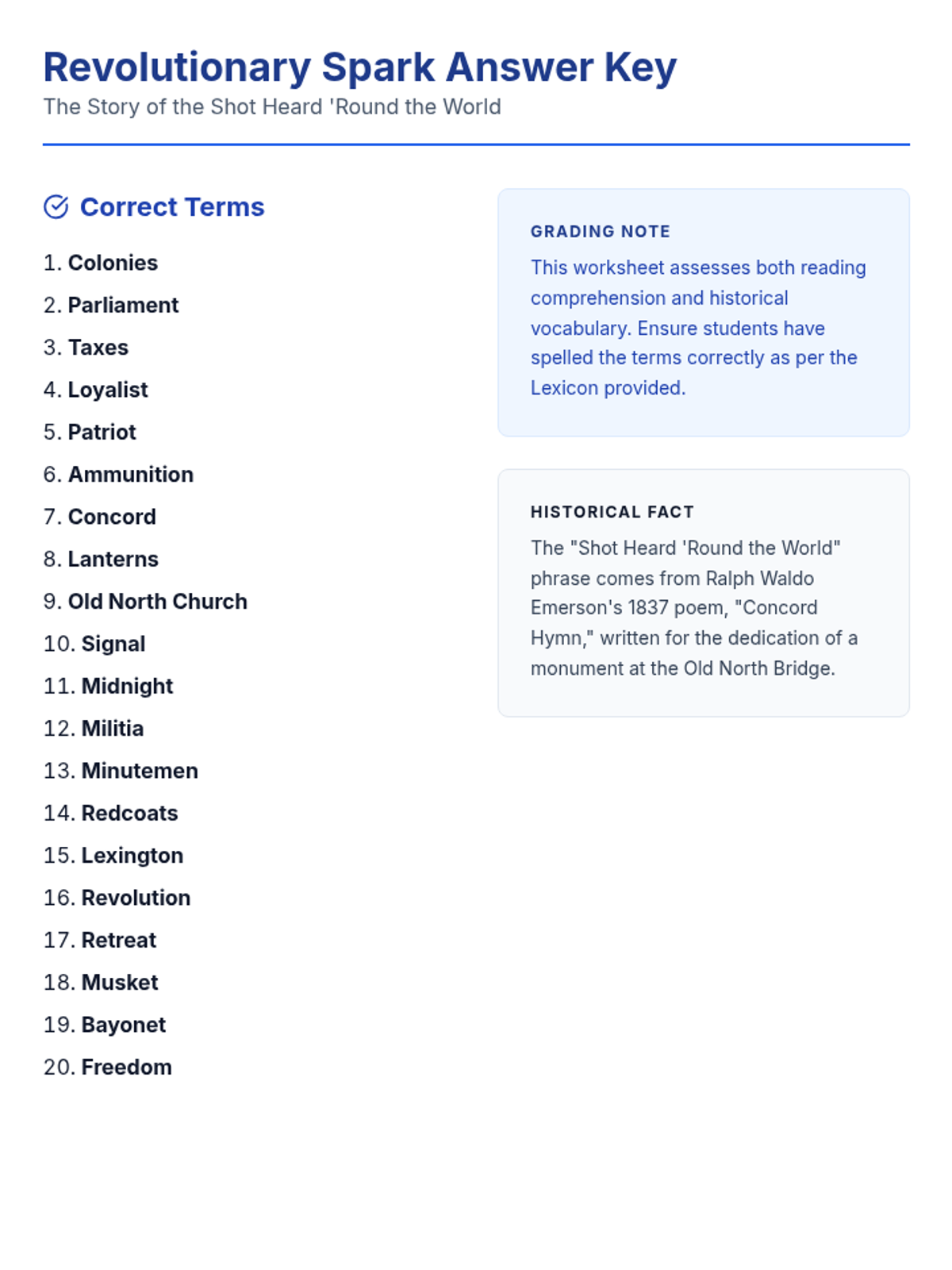
A lesson exploring the opening moments of the American Revolutionary War, focusing on the events at Lexington and Concord and the significance of the 'Shot Heard 'Round the World'.
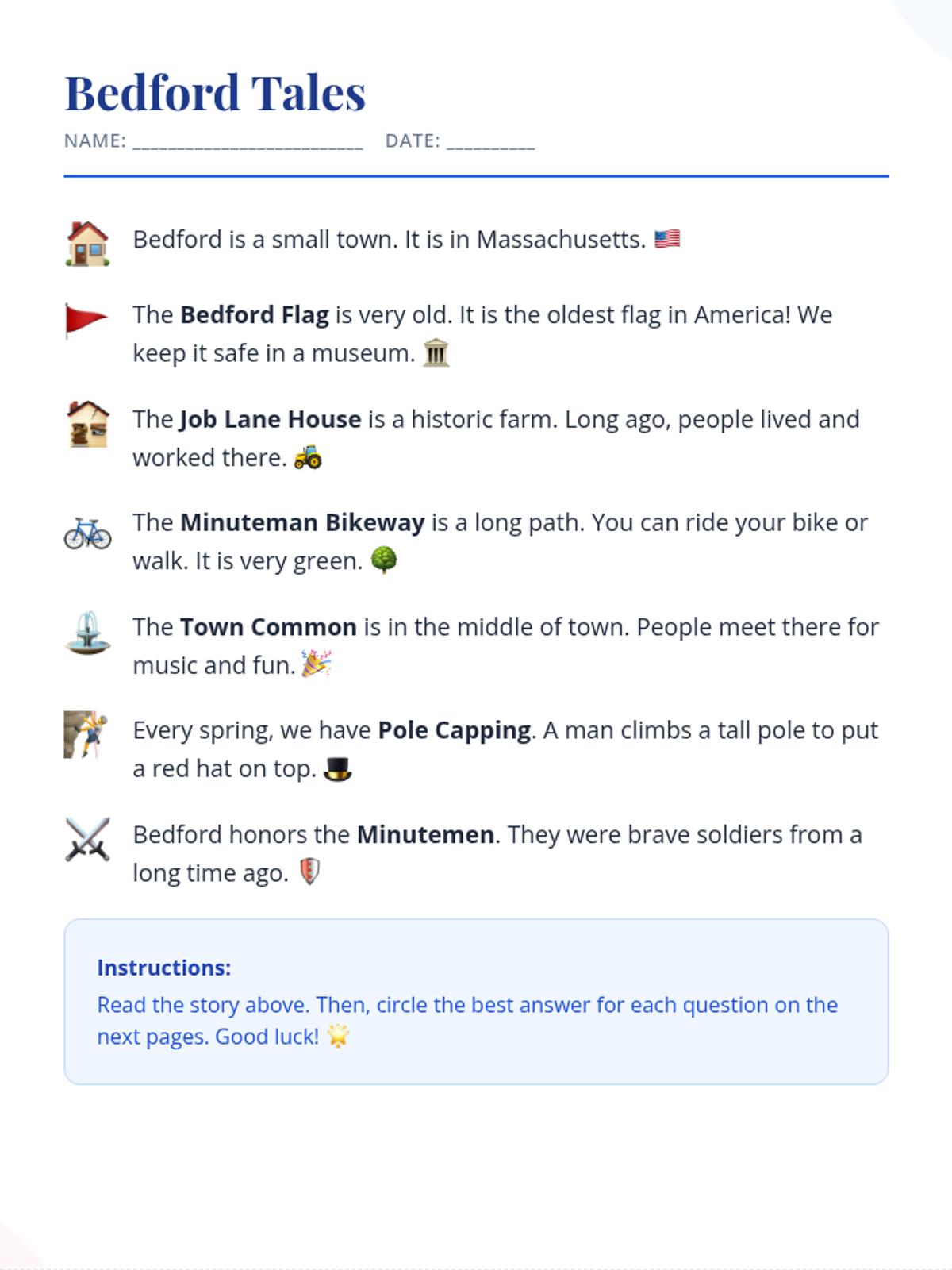
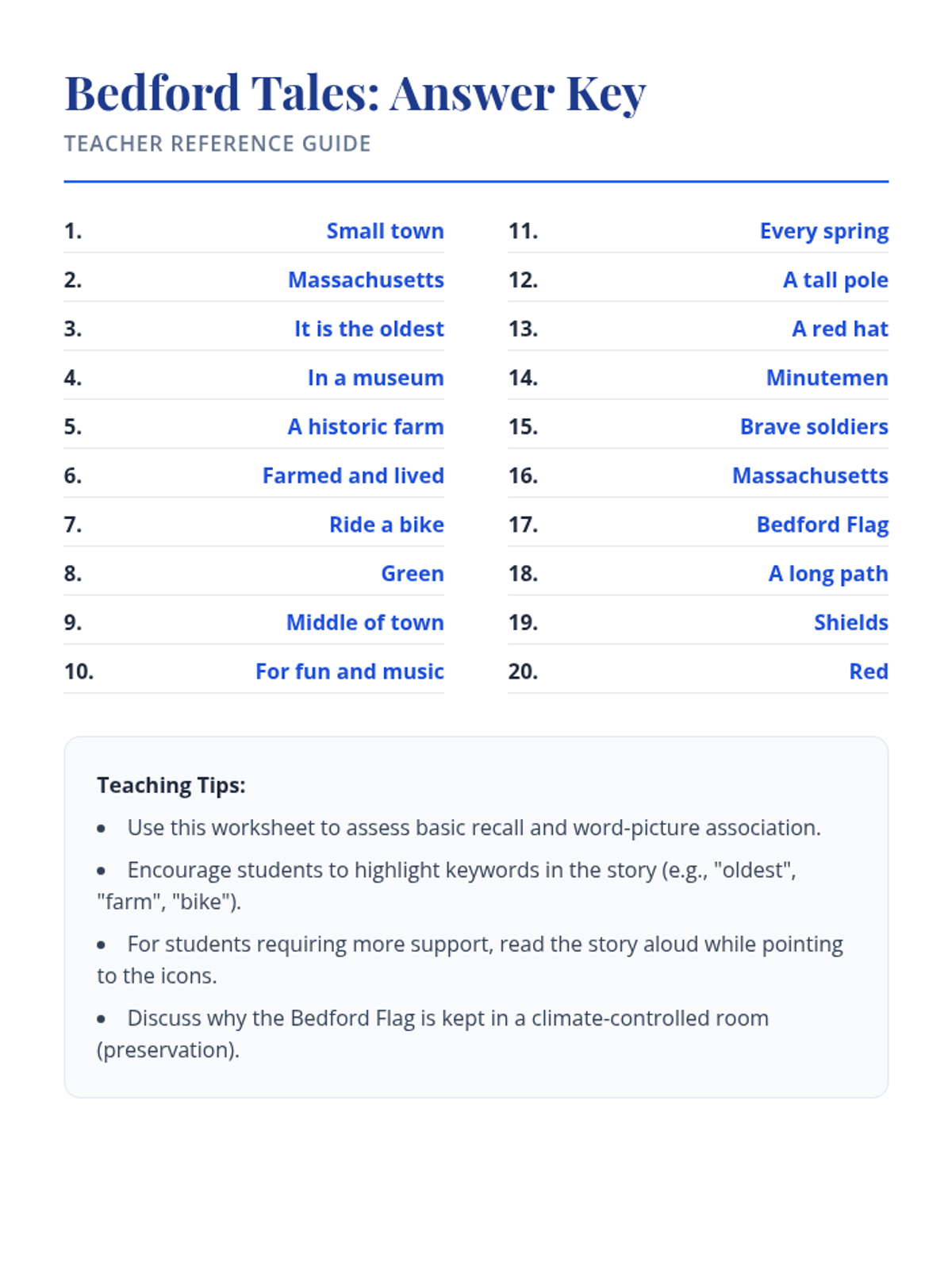
A lesson about the history and landmarks of Bedford, Massachusetts, featuring a simplified story with visual supports and a comprehension assessment.

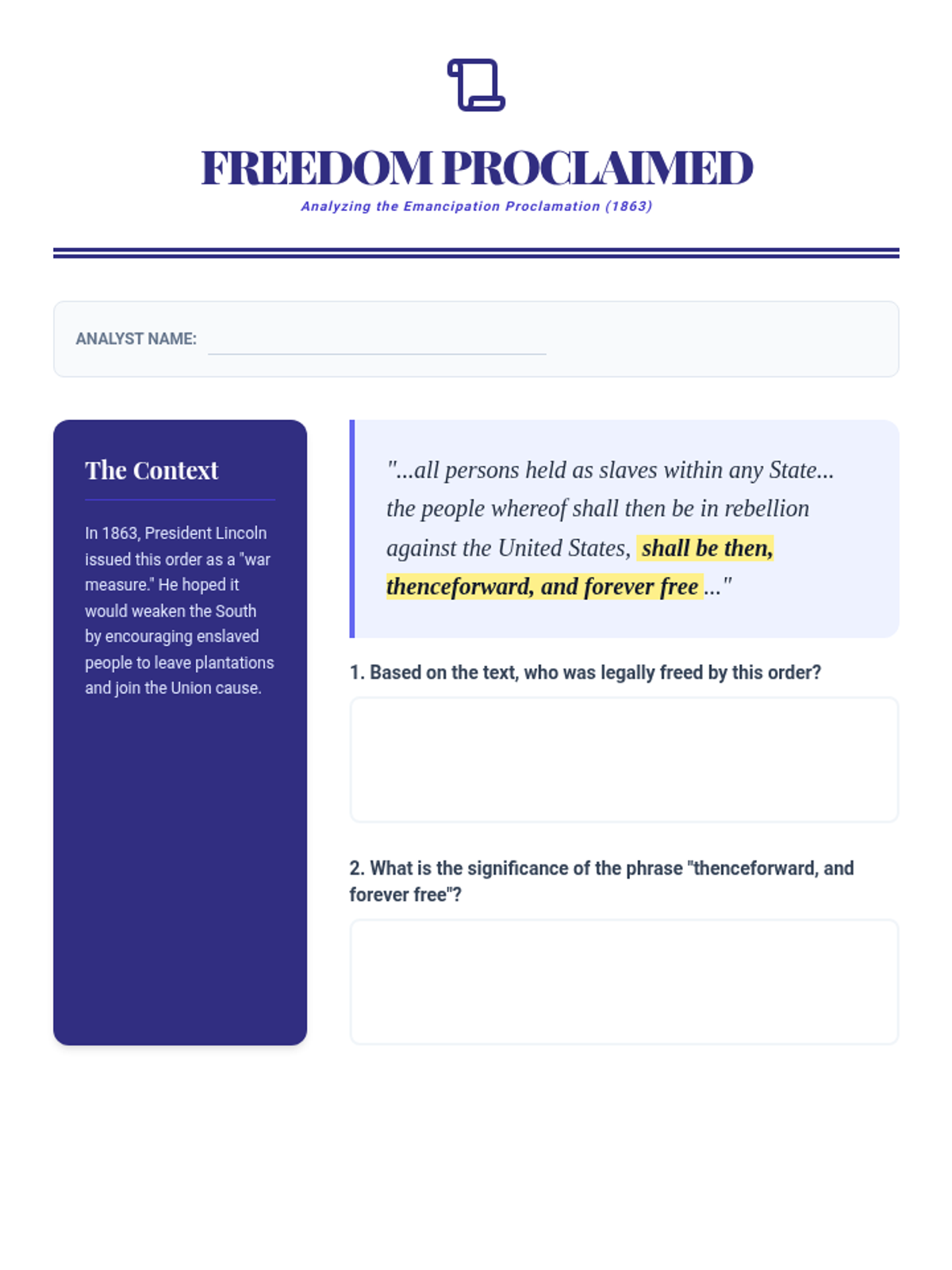
Examines the Emancipation Proclamation, its impact on the Civil War, and the legal path toward ending slavery.
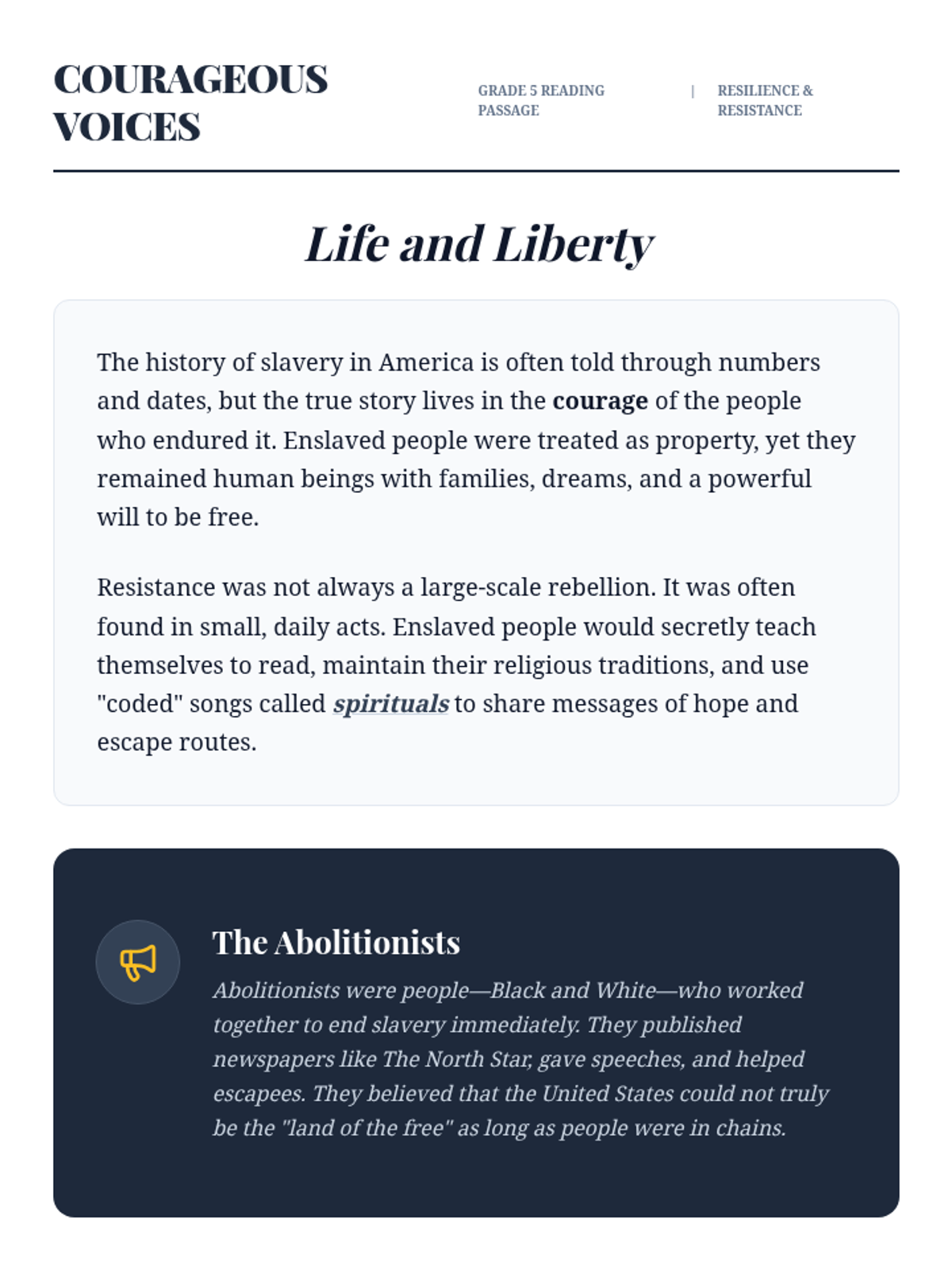
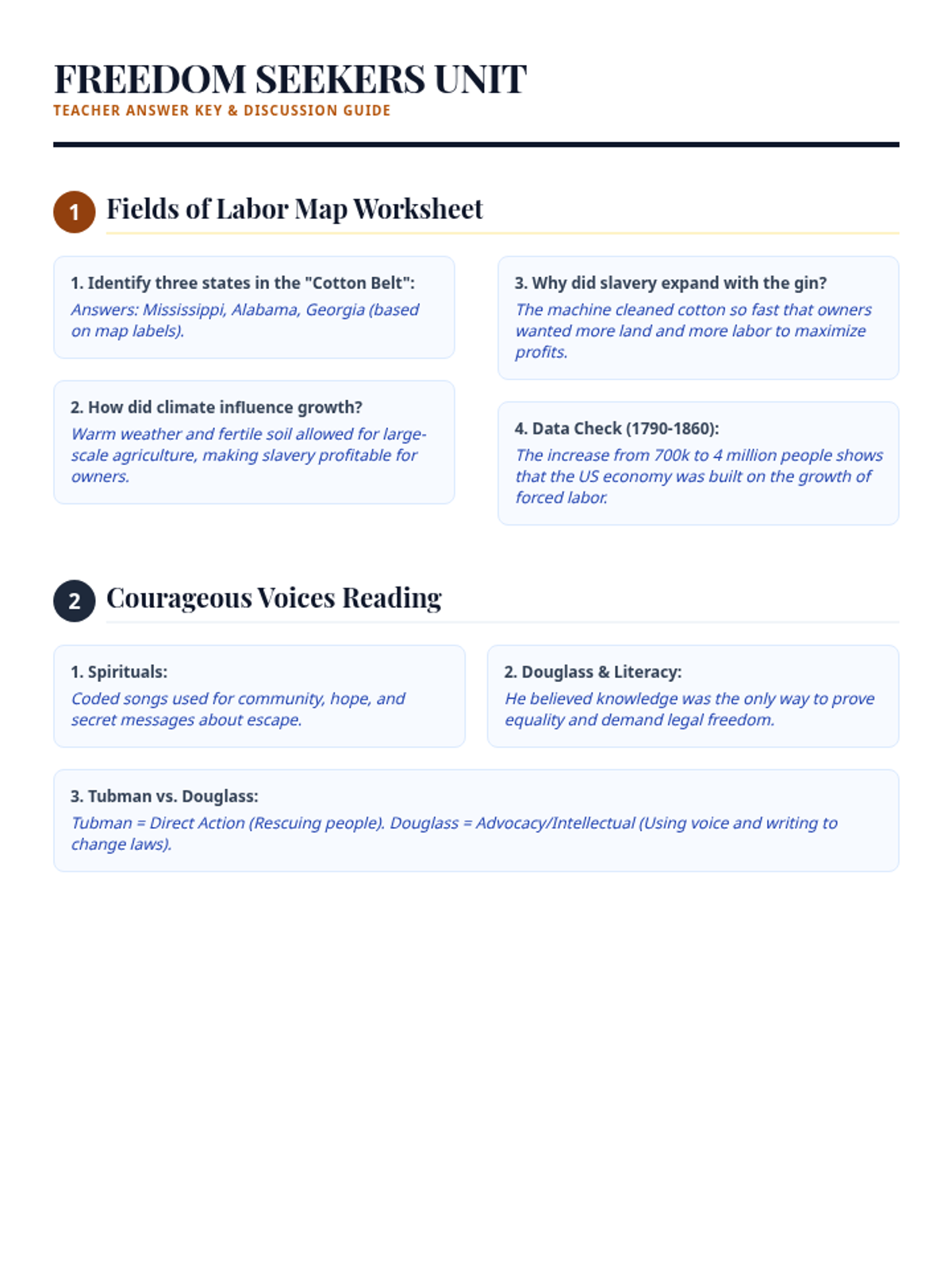
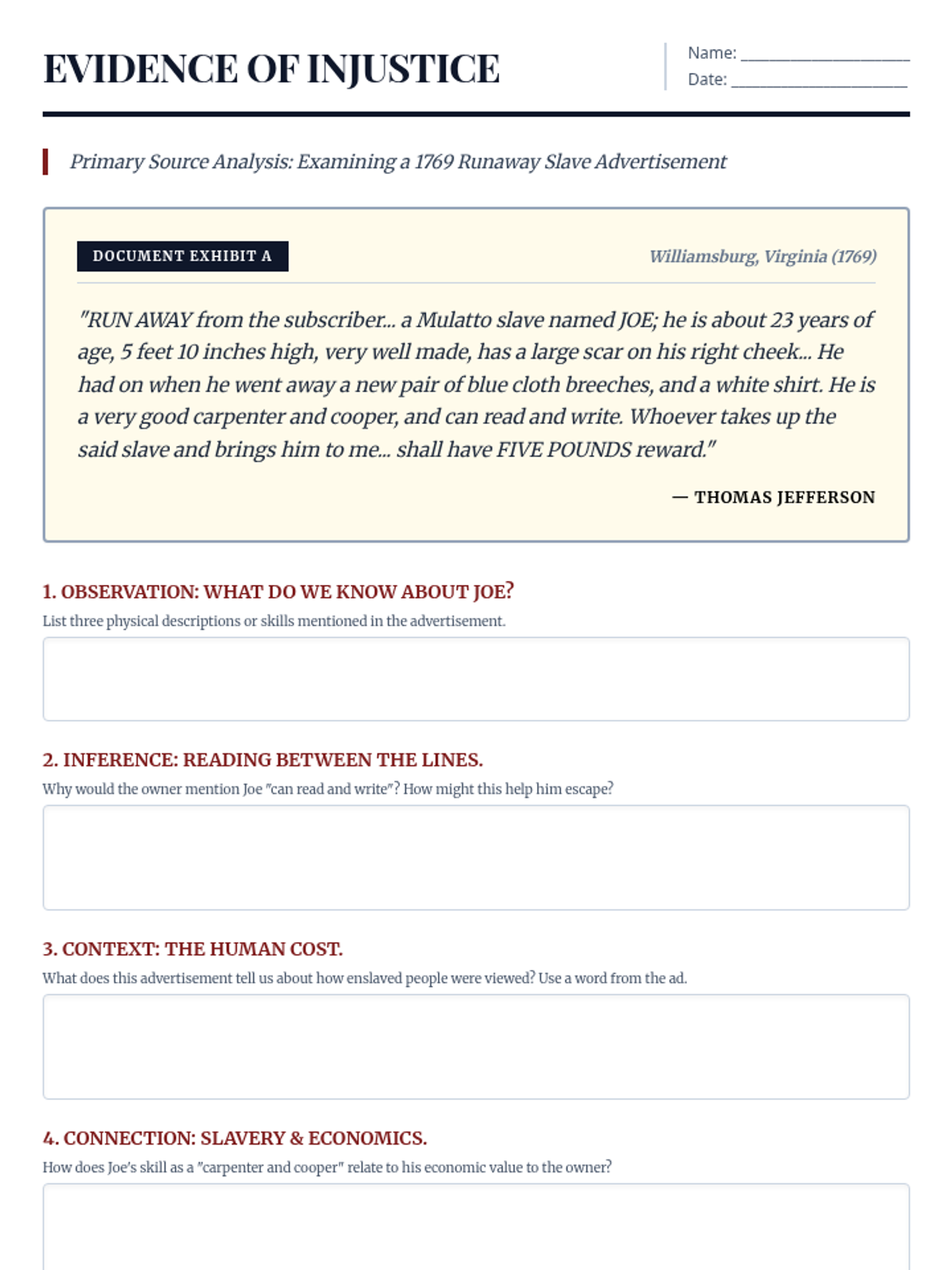
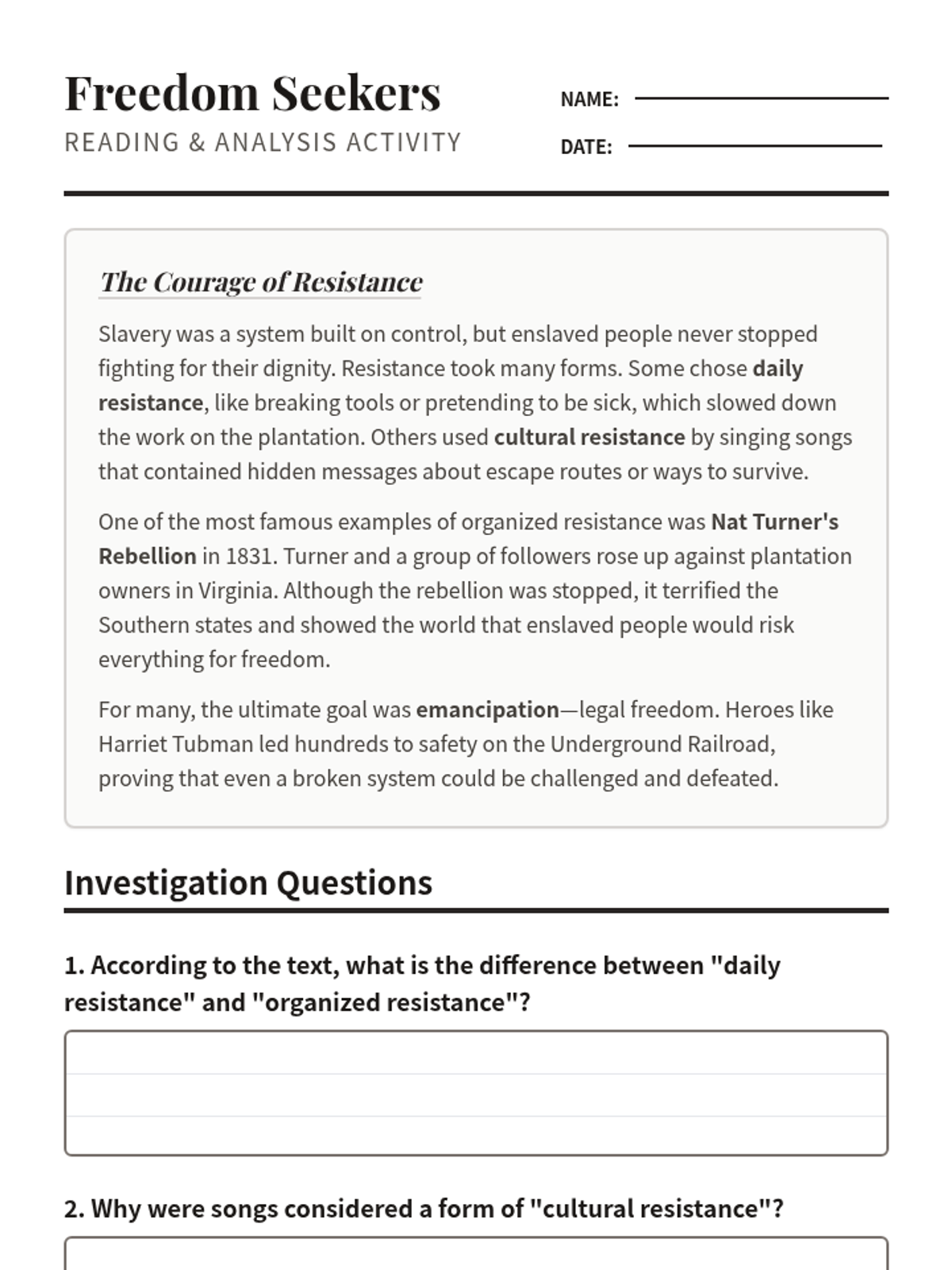
Focuses on the daily lives, culture, and resistance of enslaved people, alongside the growth of the abolitionist movement.
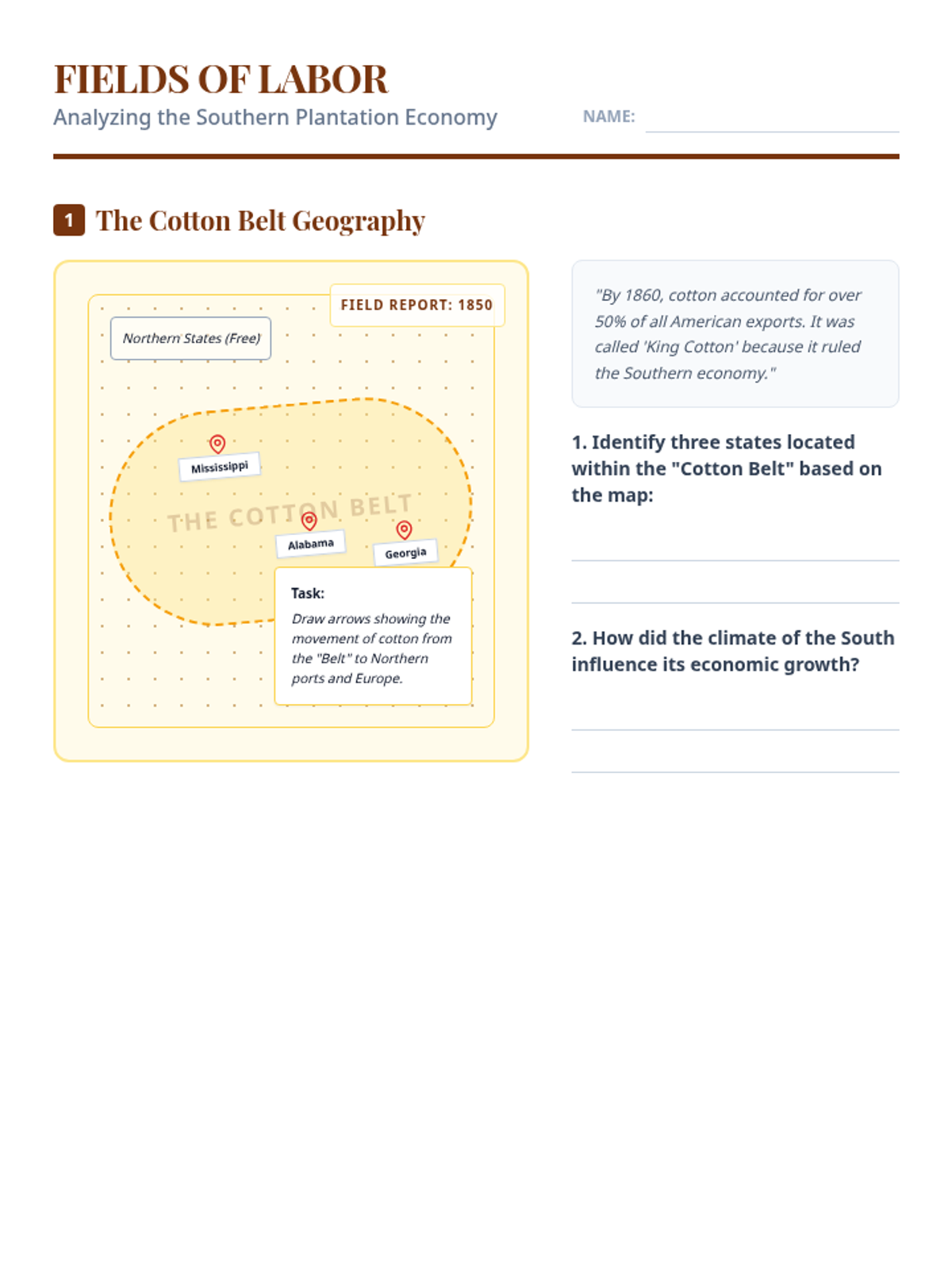
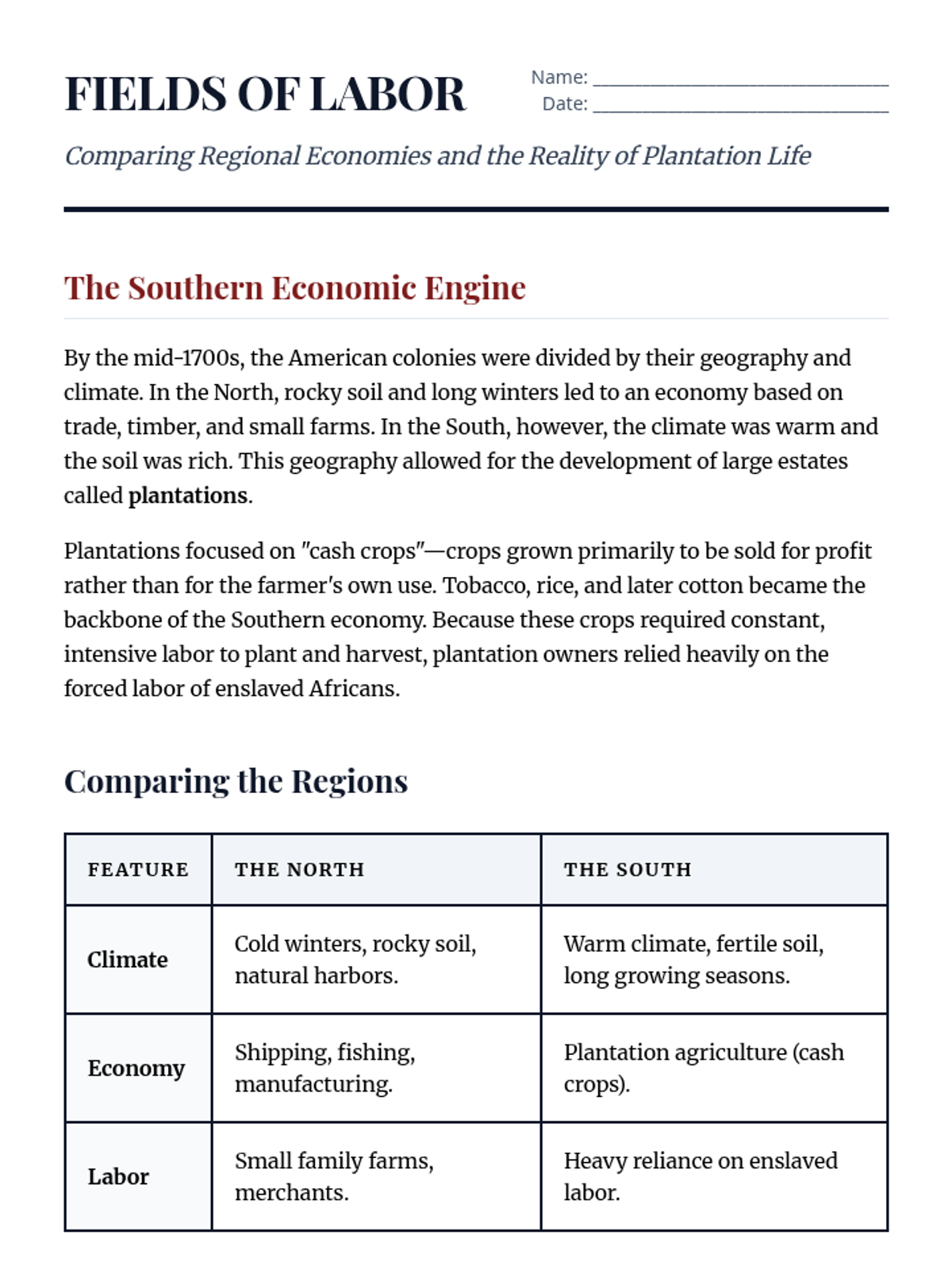
Explores the economic foundations of the Southern plantation system, the 'King Cotton' era, and the geography of the slave trade.
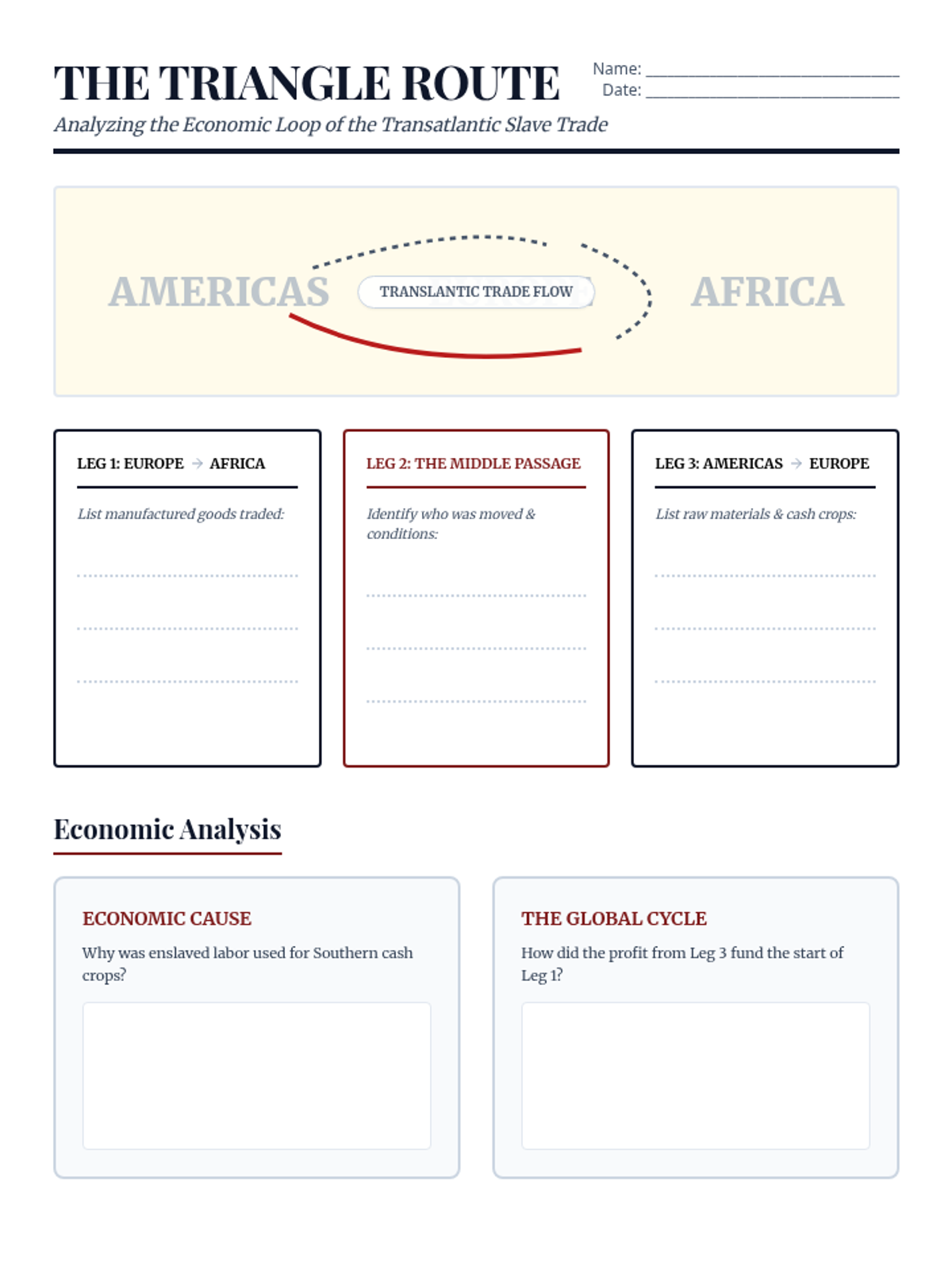
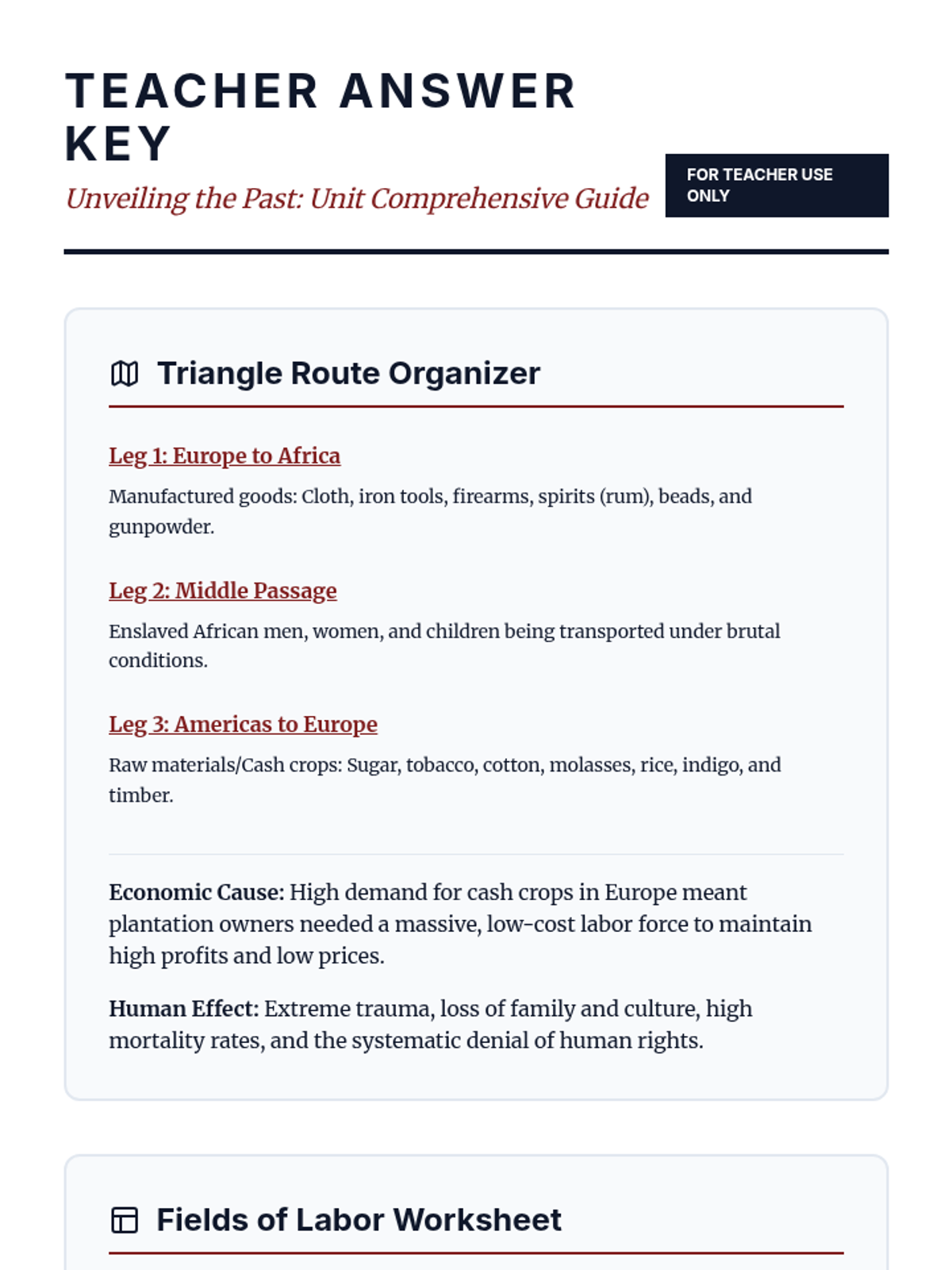
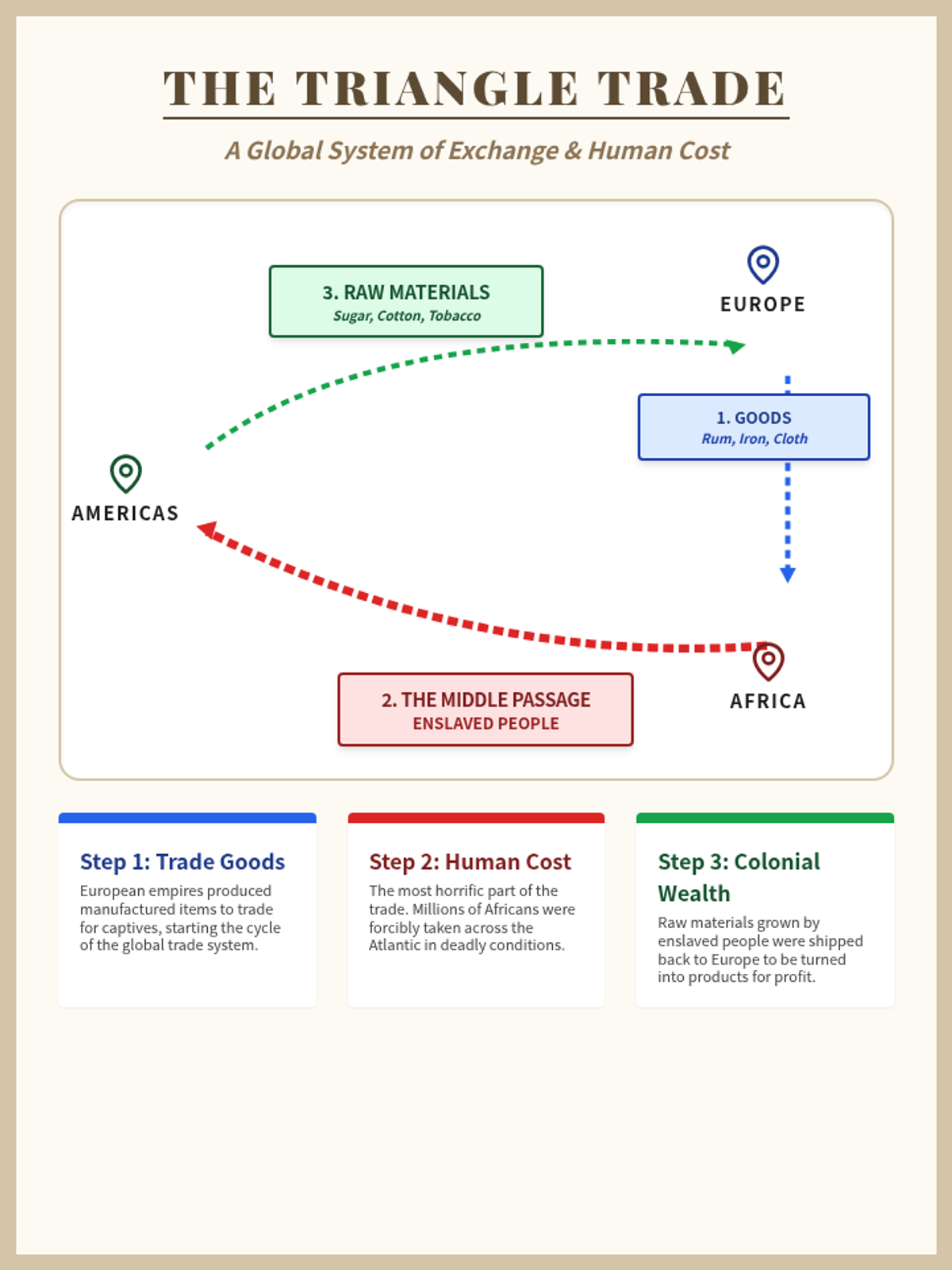
Examines the economic system of the Triangle Trade and the harrowing reality of the Middle Passage.
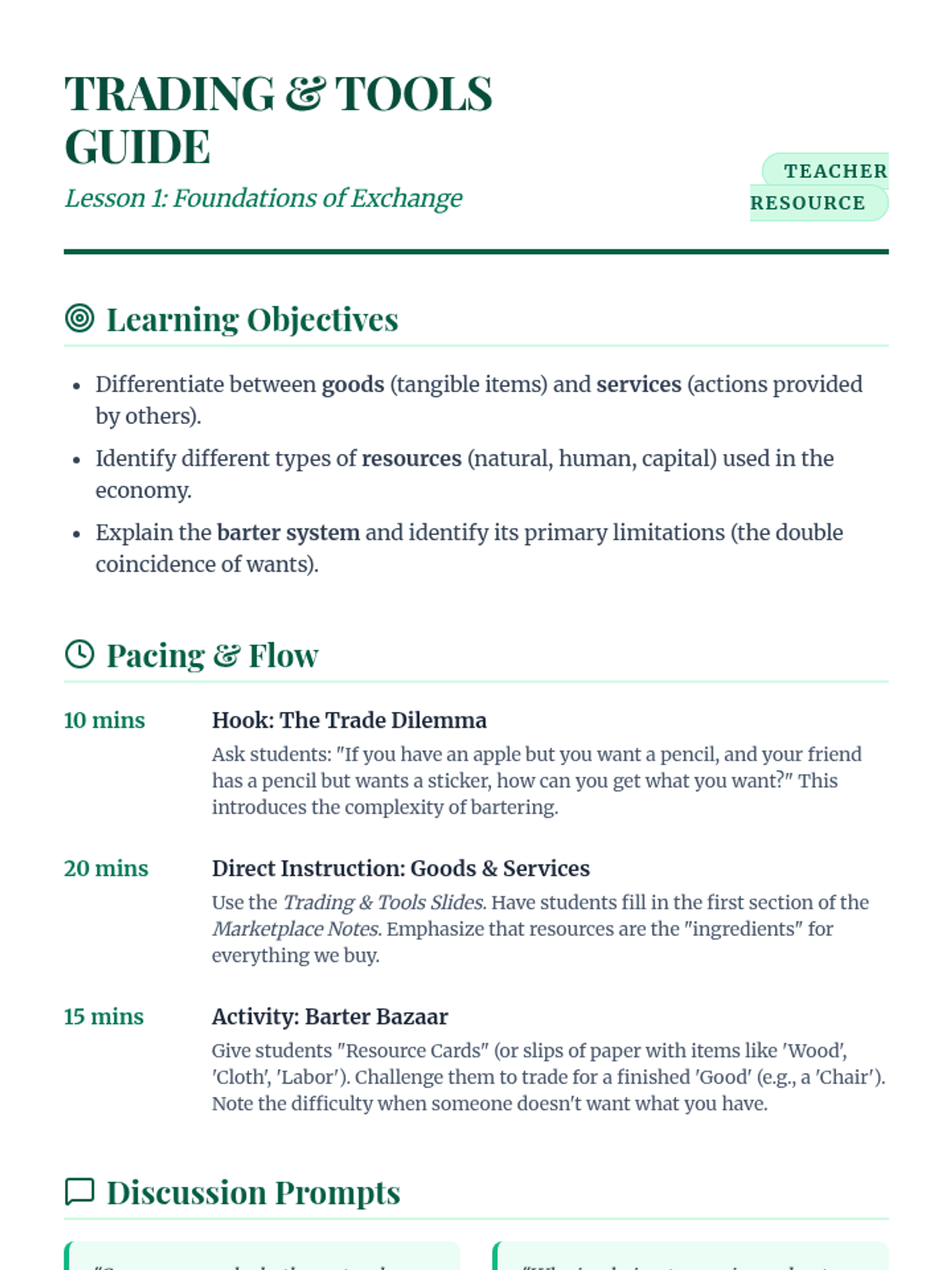
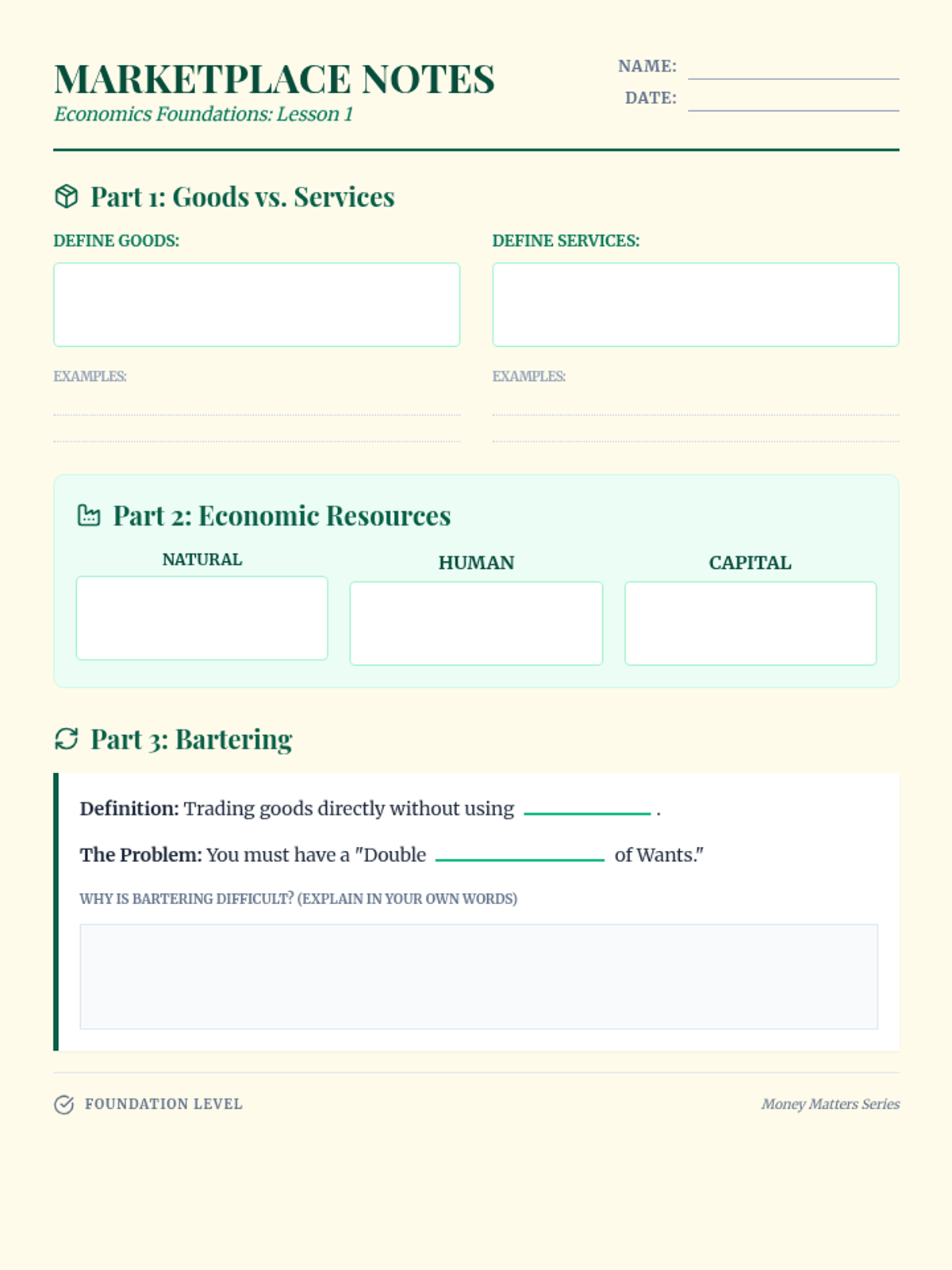
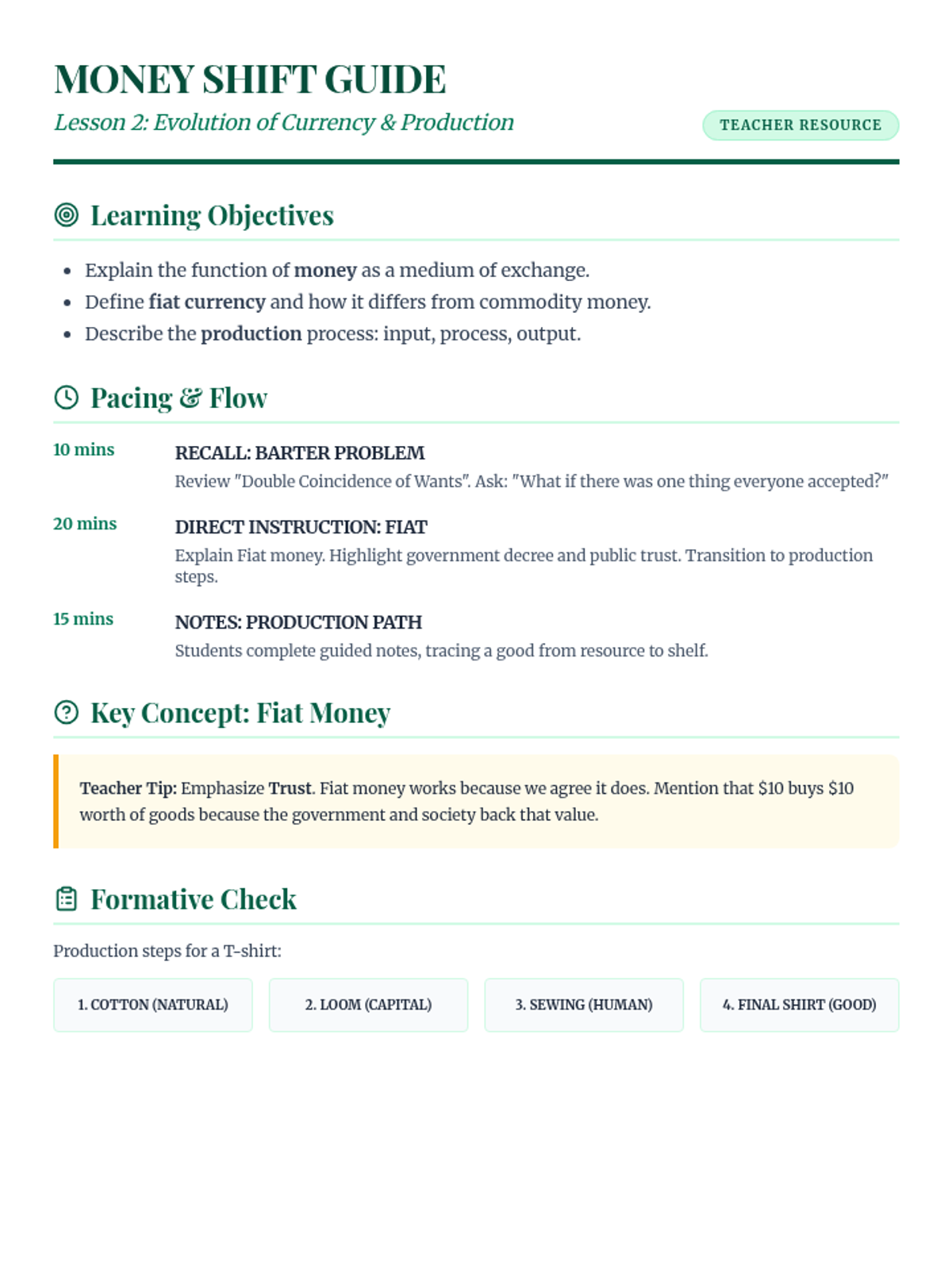
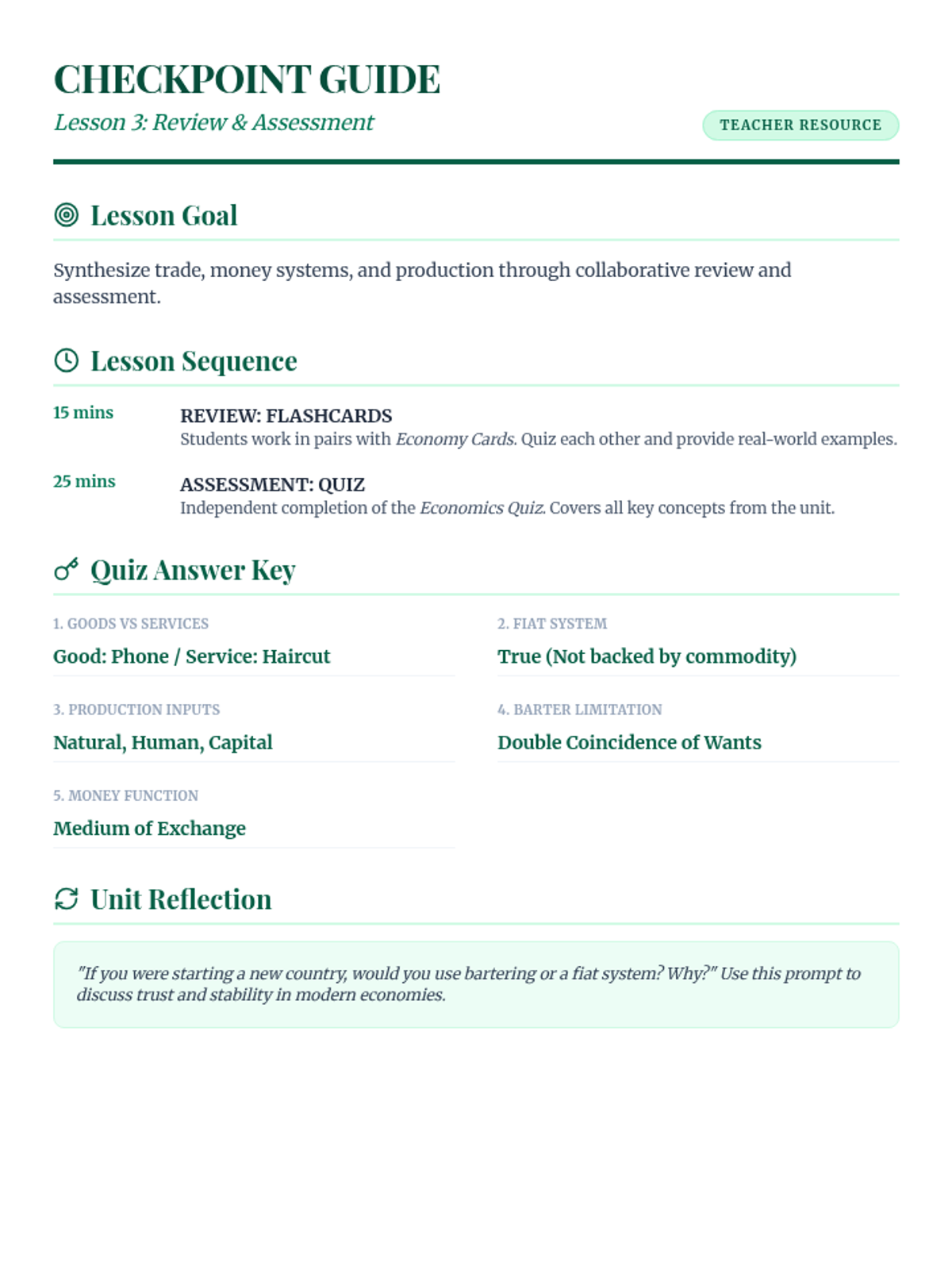
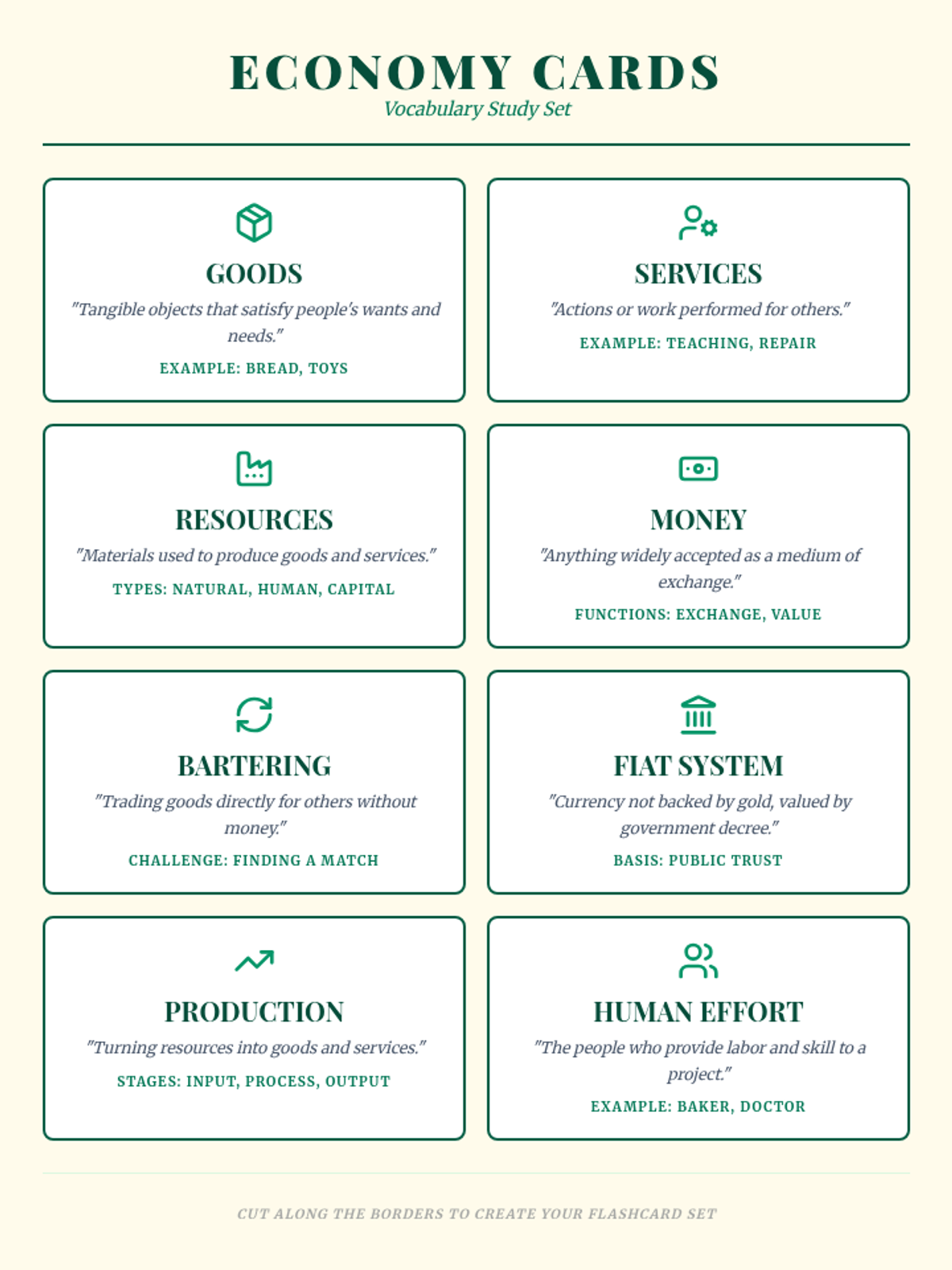
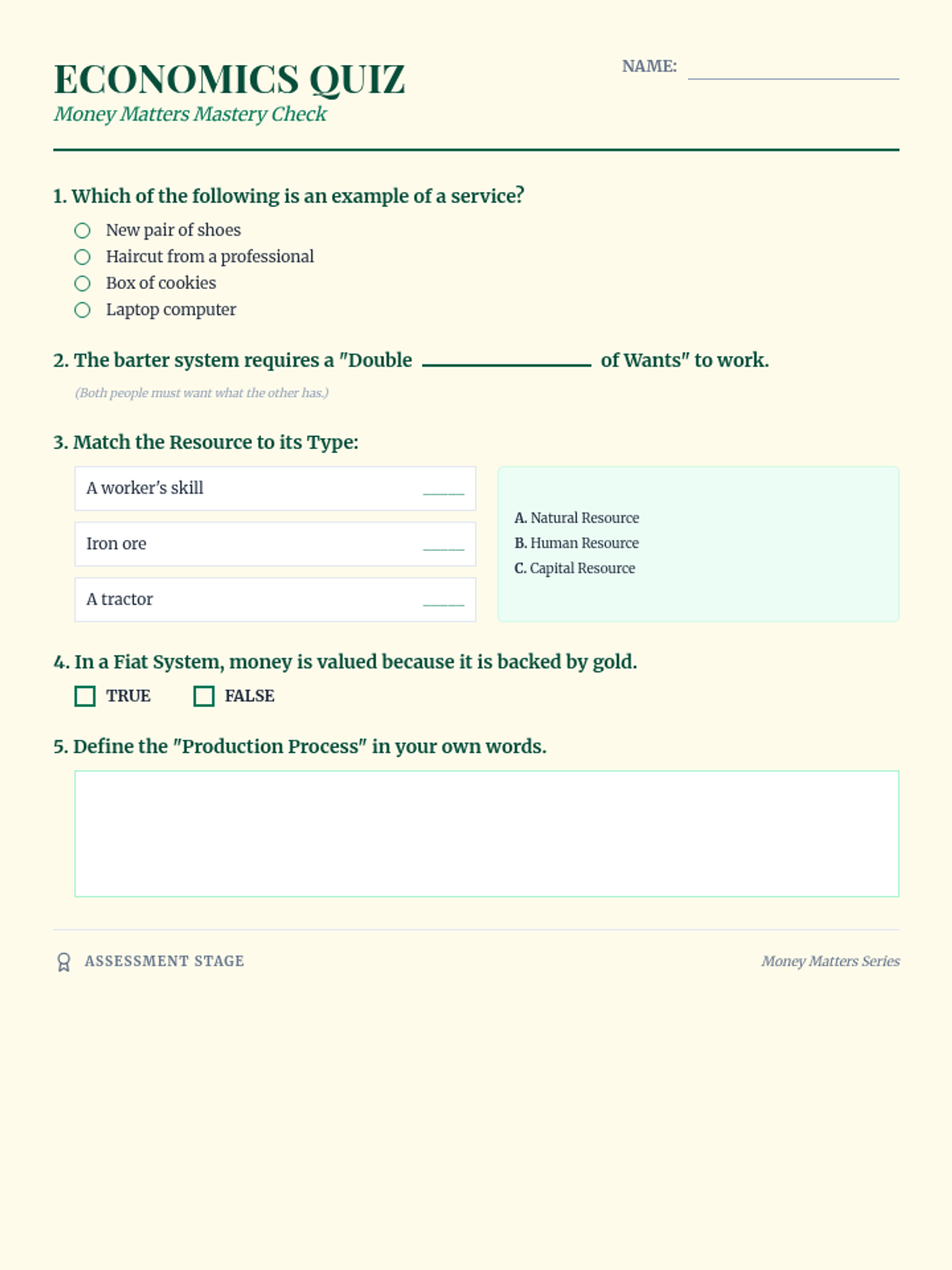
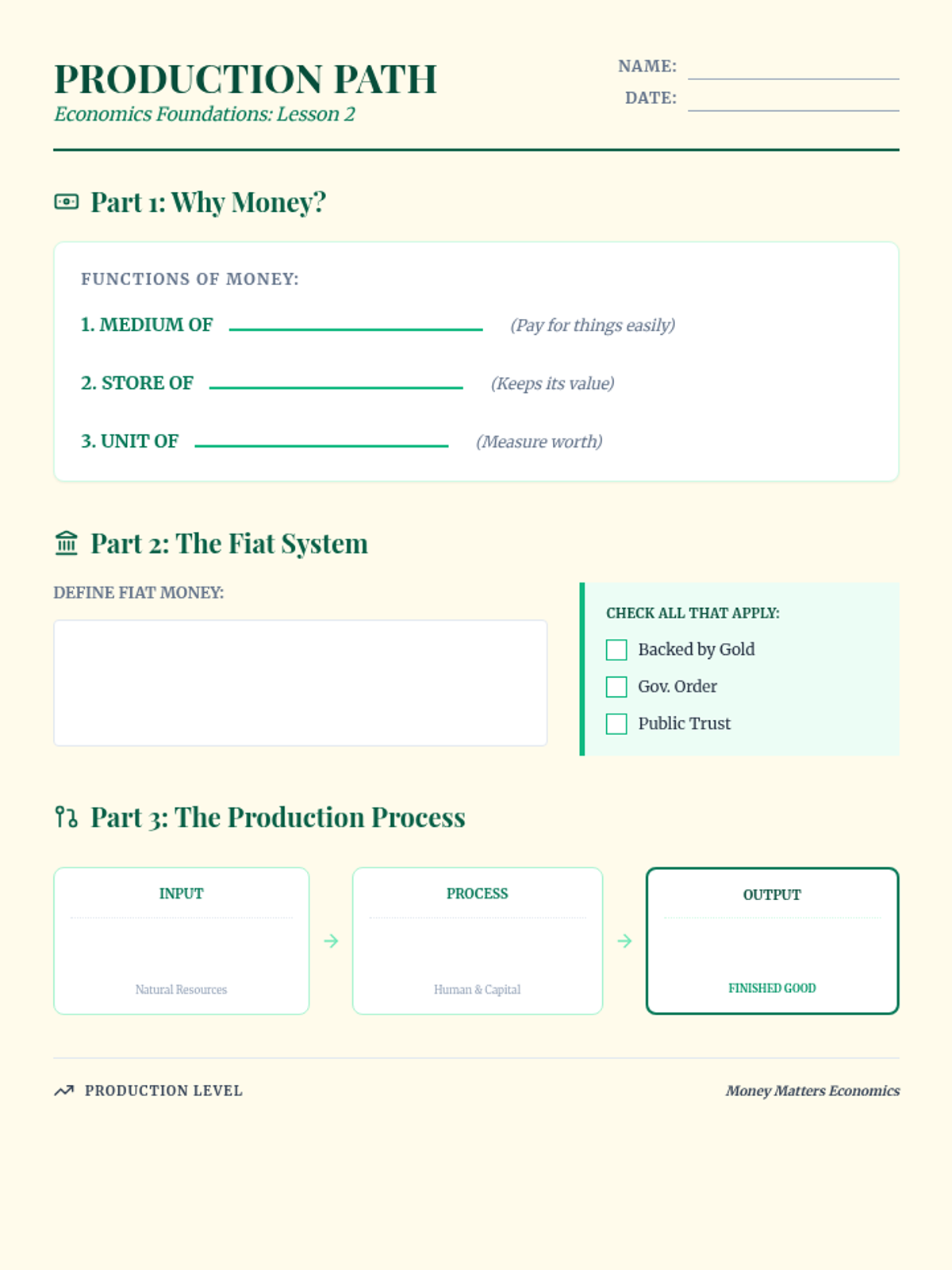
Explores the transition from bartering to modern currency, defining the fiat system and the stages of production. Students will understand why money acts as a medium of exchange and how resources are transformed into goods.
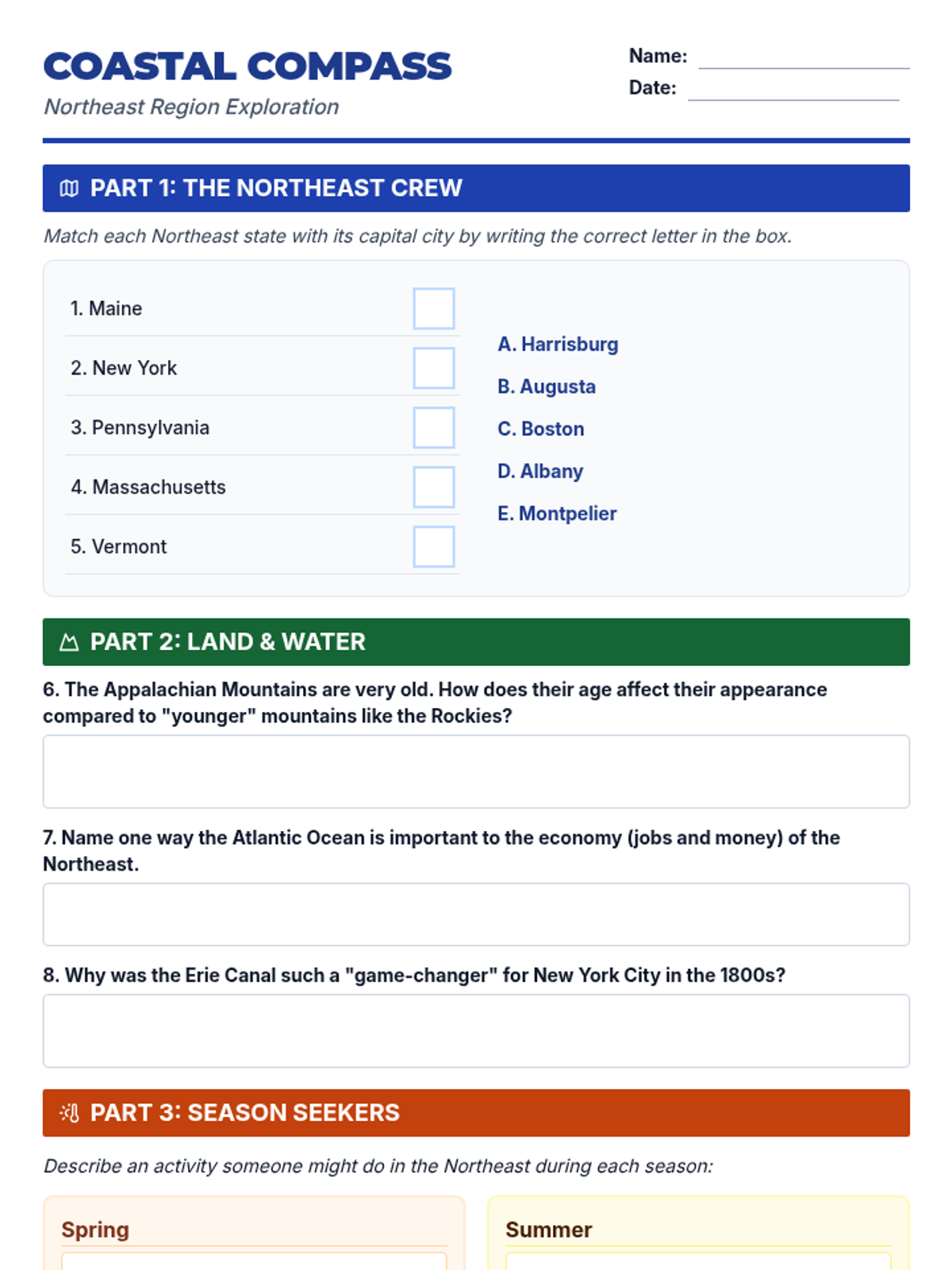
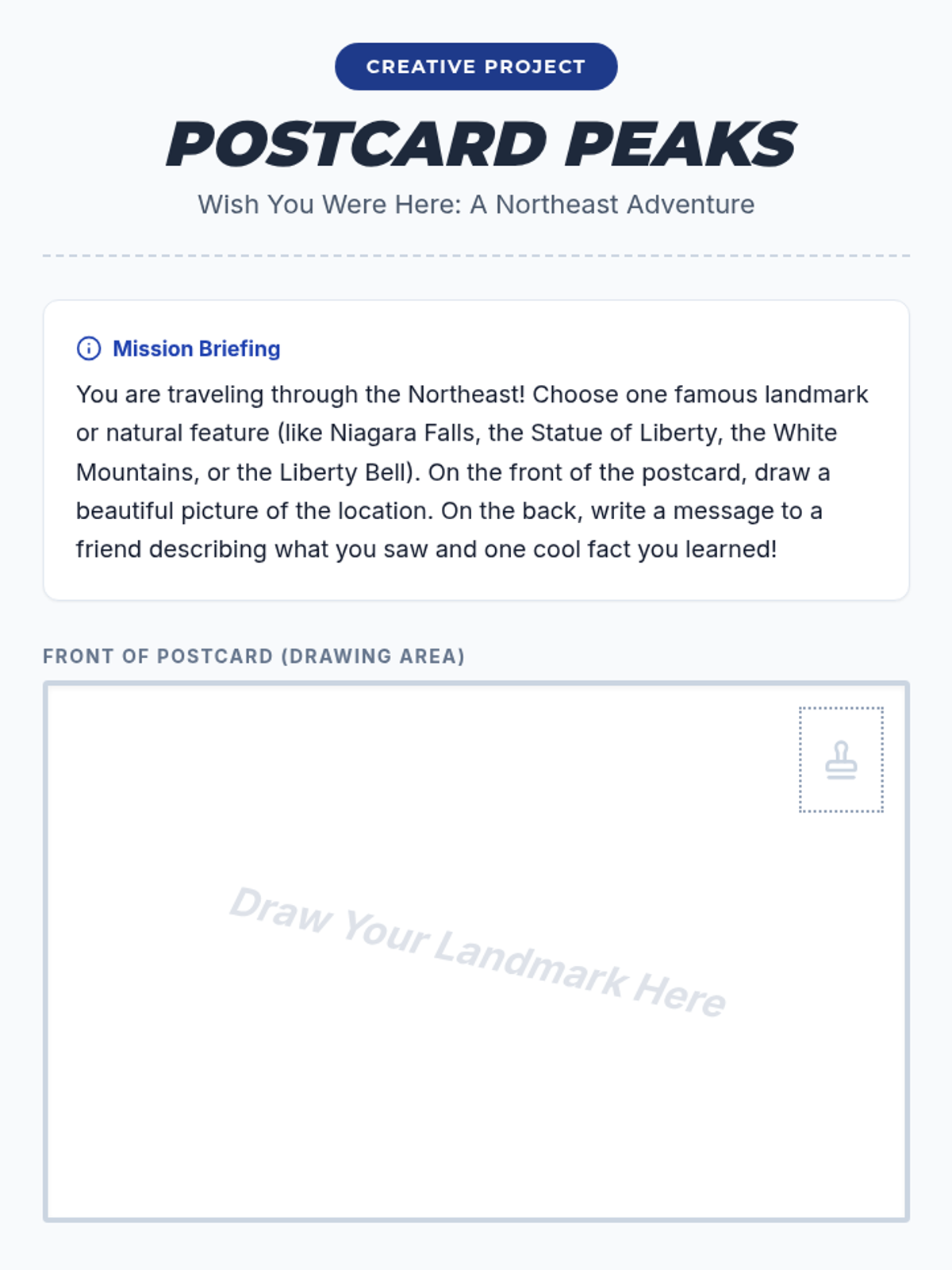
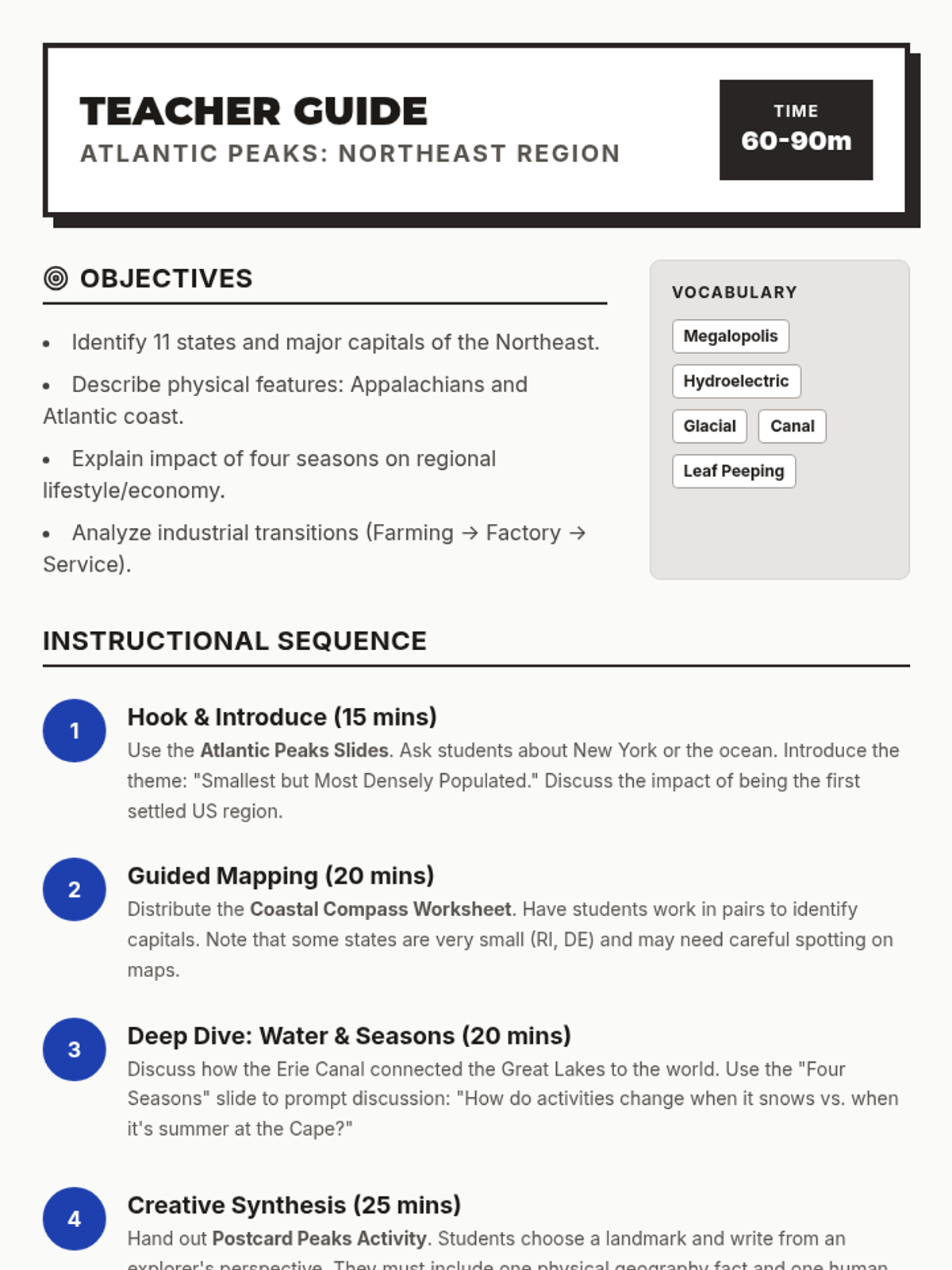
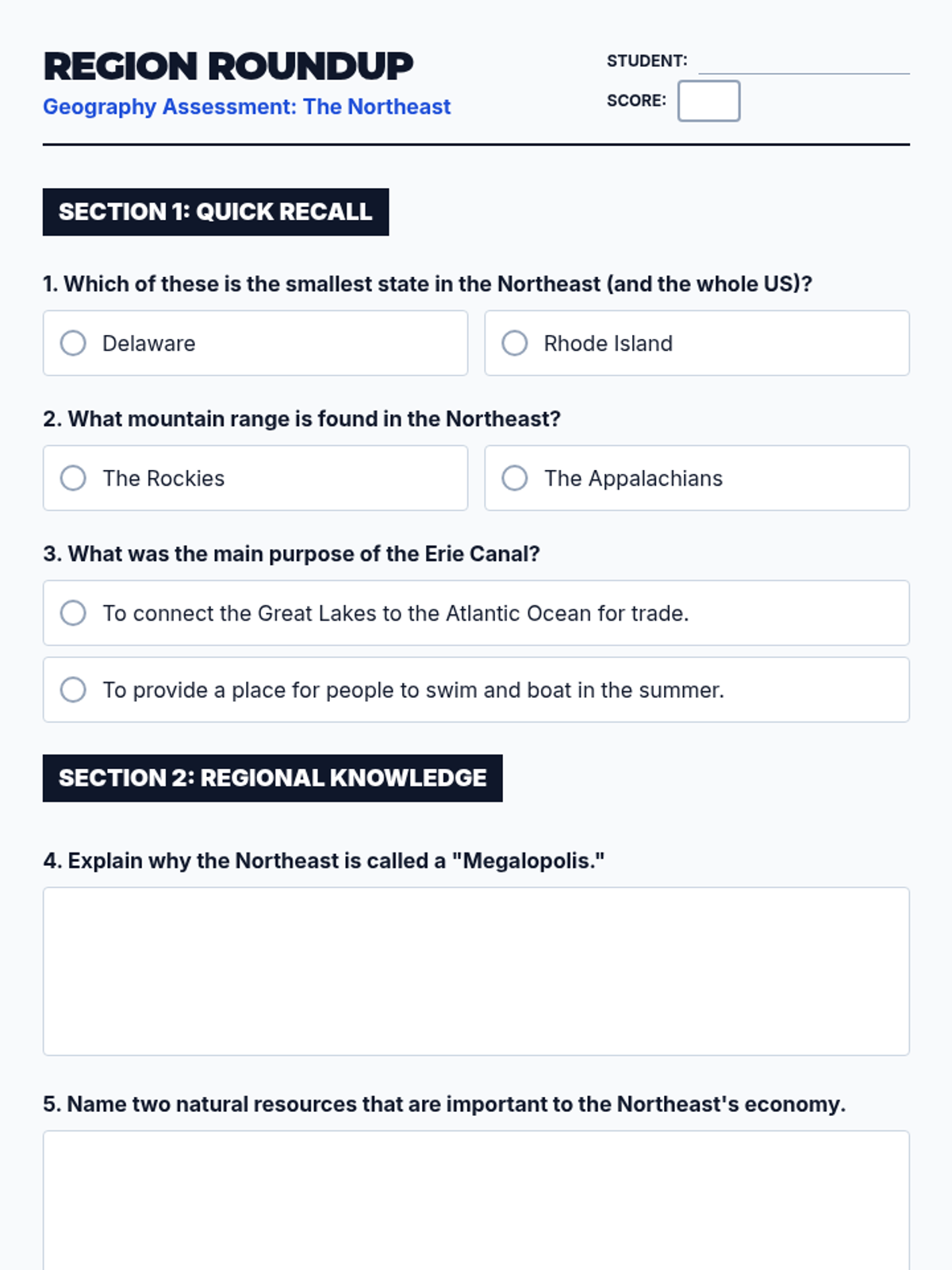
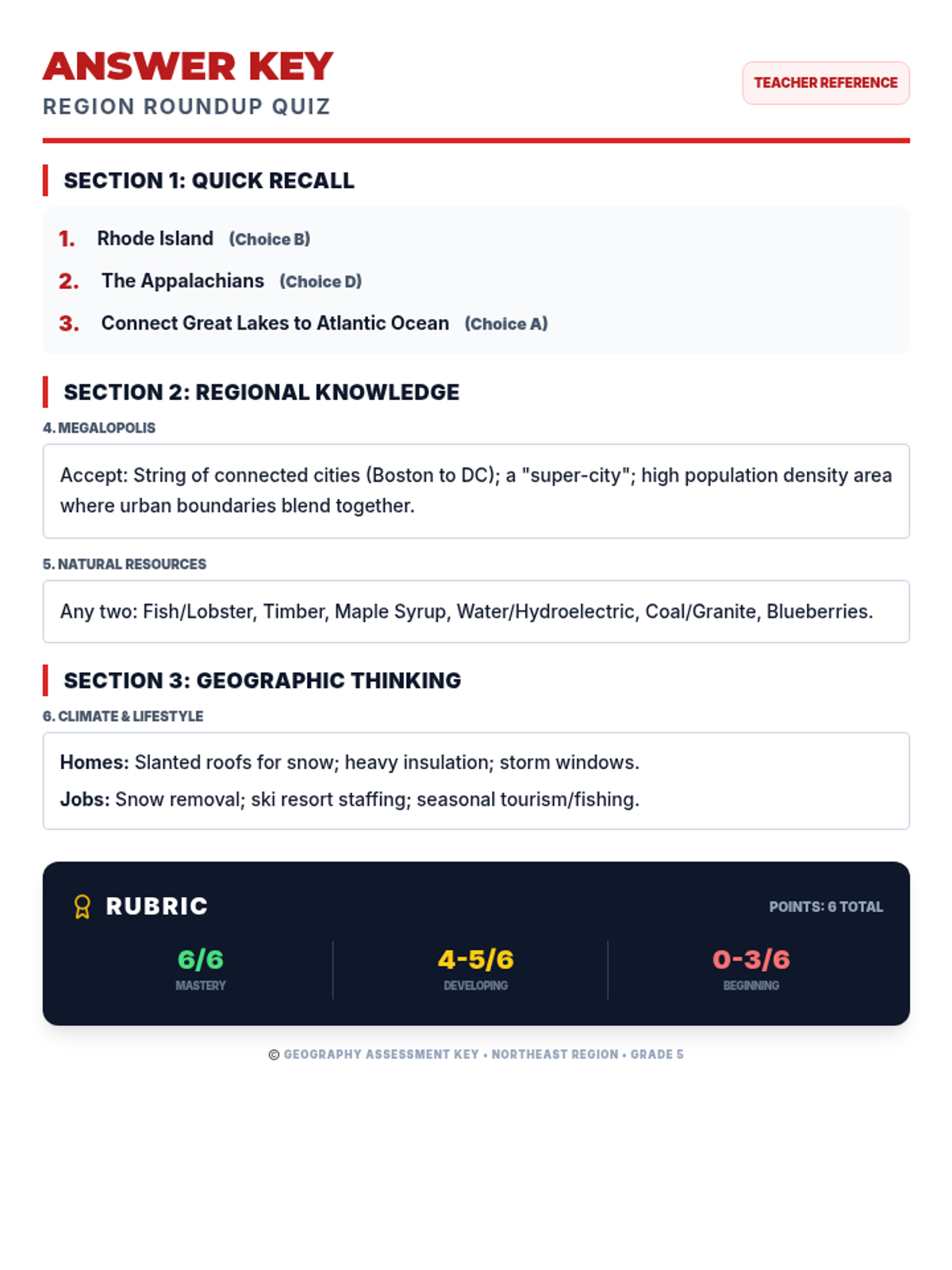
A comprehensive exploration of the Northeast region of the United States, covering its physical geography, climate, landmarks, and cultural significance for 5th-grade students.
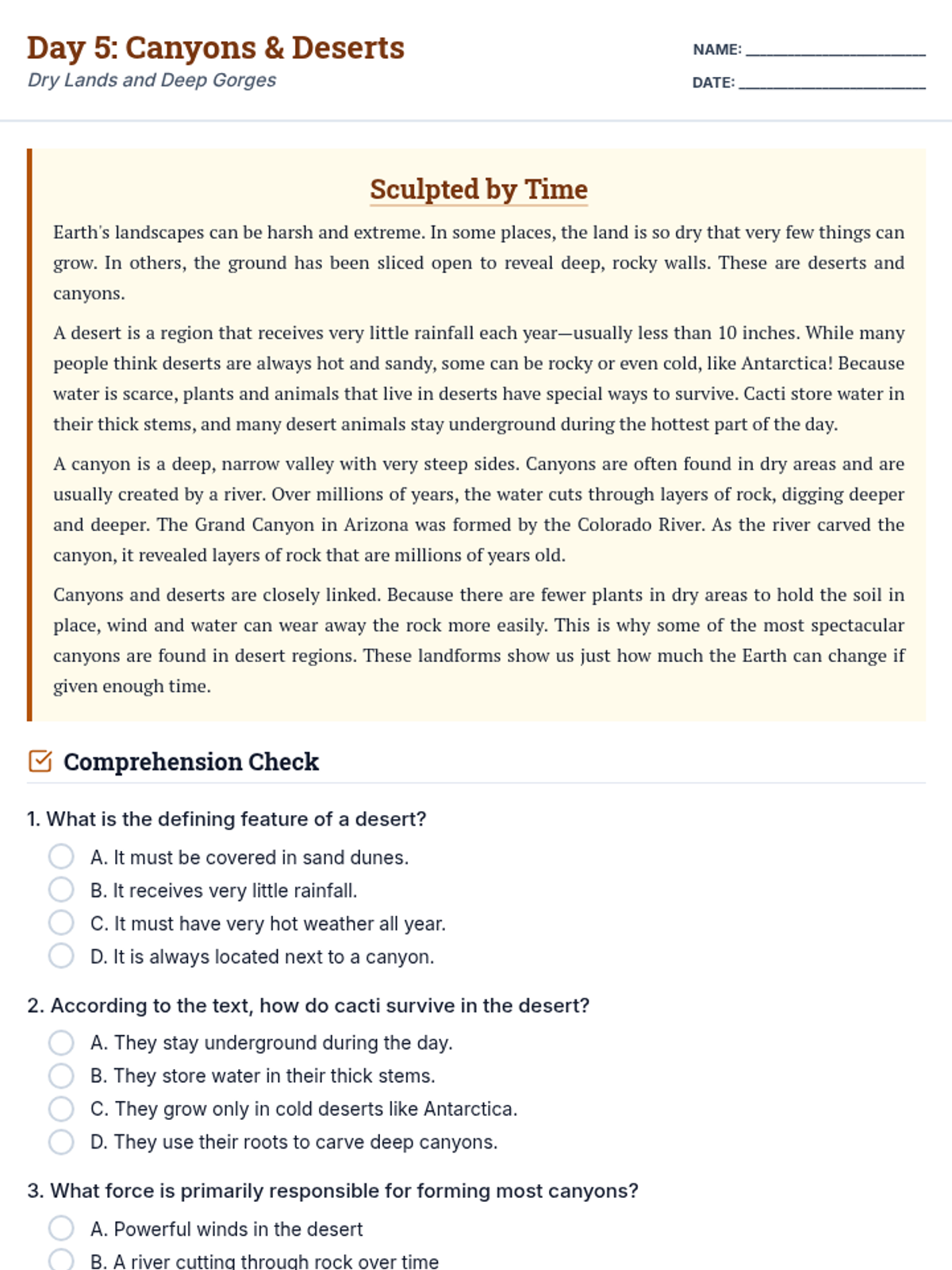
Concludes the week with a study of canyons and deserts, emphasizing inferences and the use of text features to understand extreme environments.
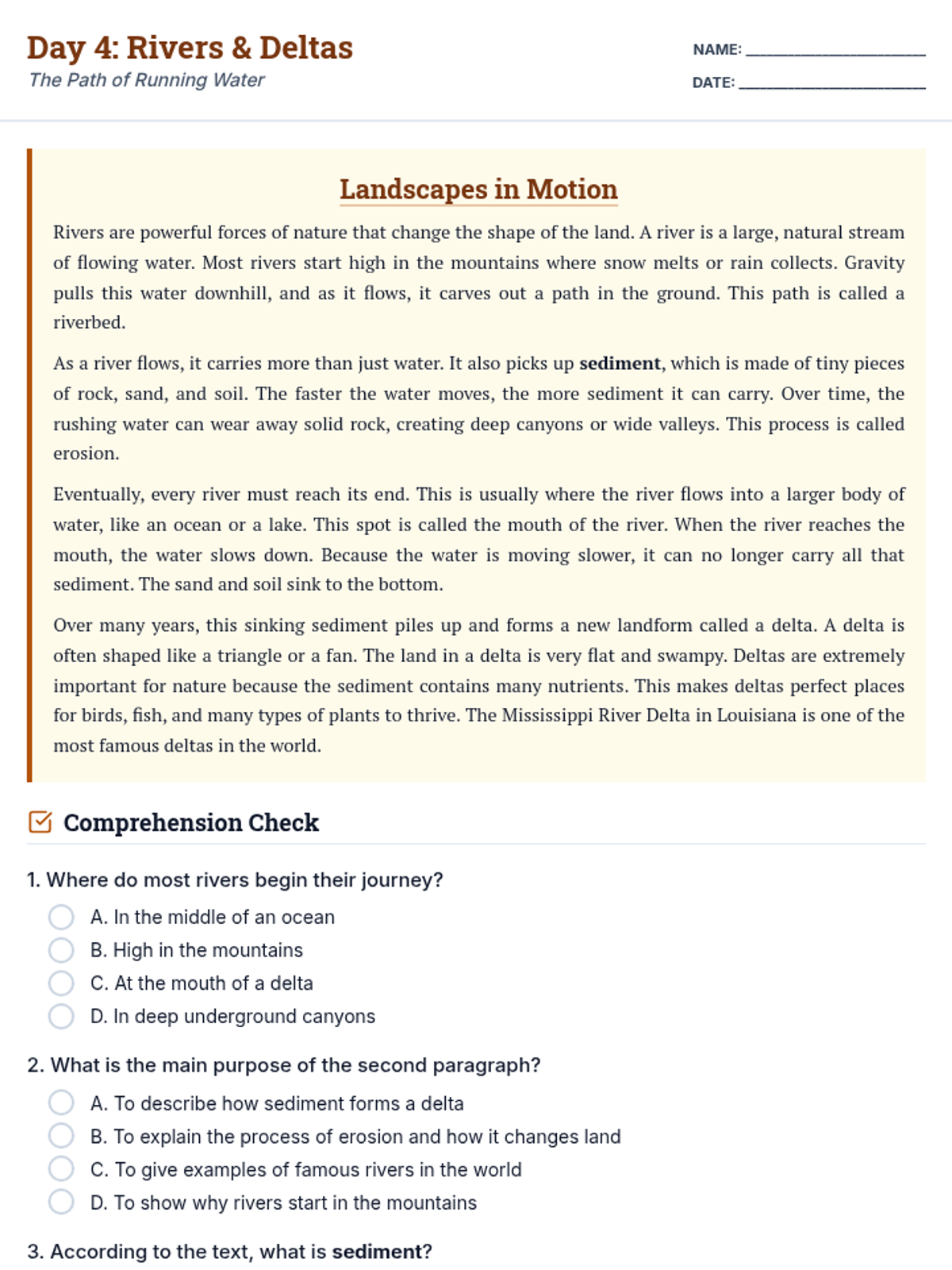
Examines the journey of water through rivers and the formation of deltas, focusing on cause-and-effect relationships within geographic processes.
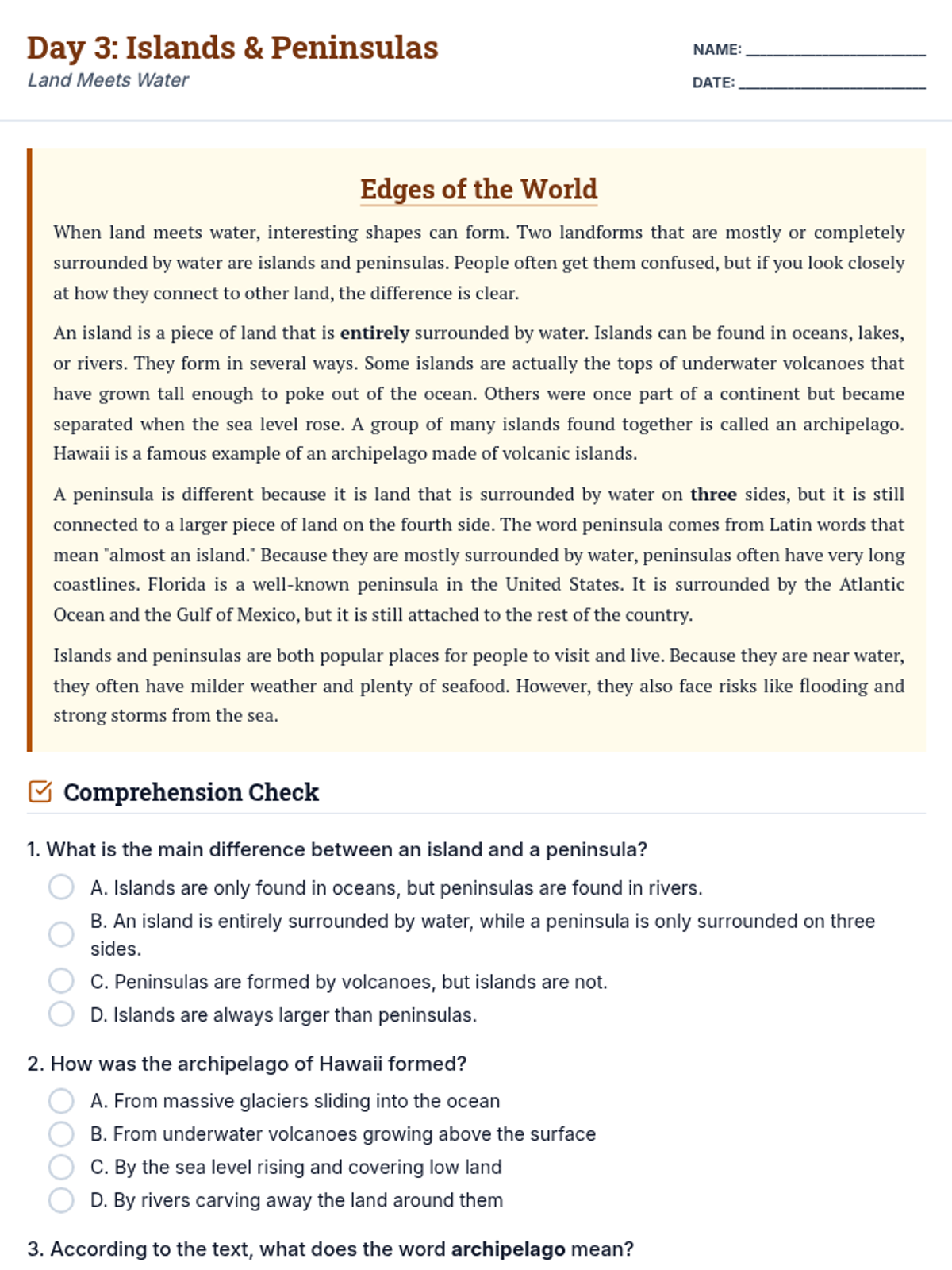
Investigates landforms surrounded by water, specifically islands and peninsulas, with a focus on vocabulary and context clues.
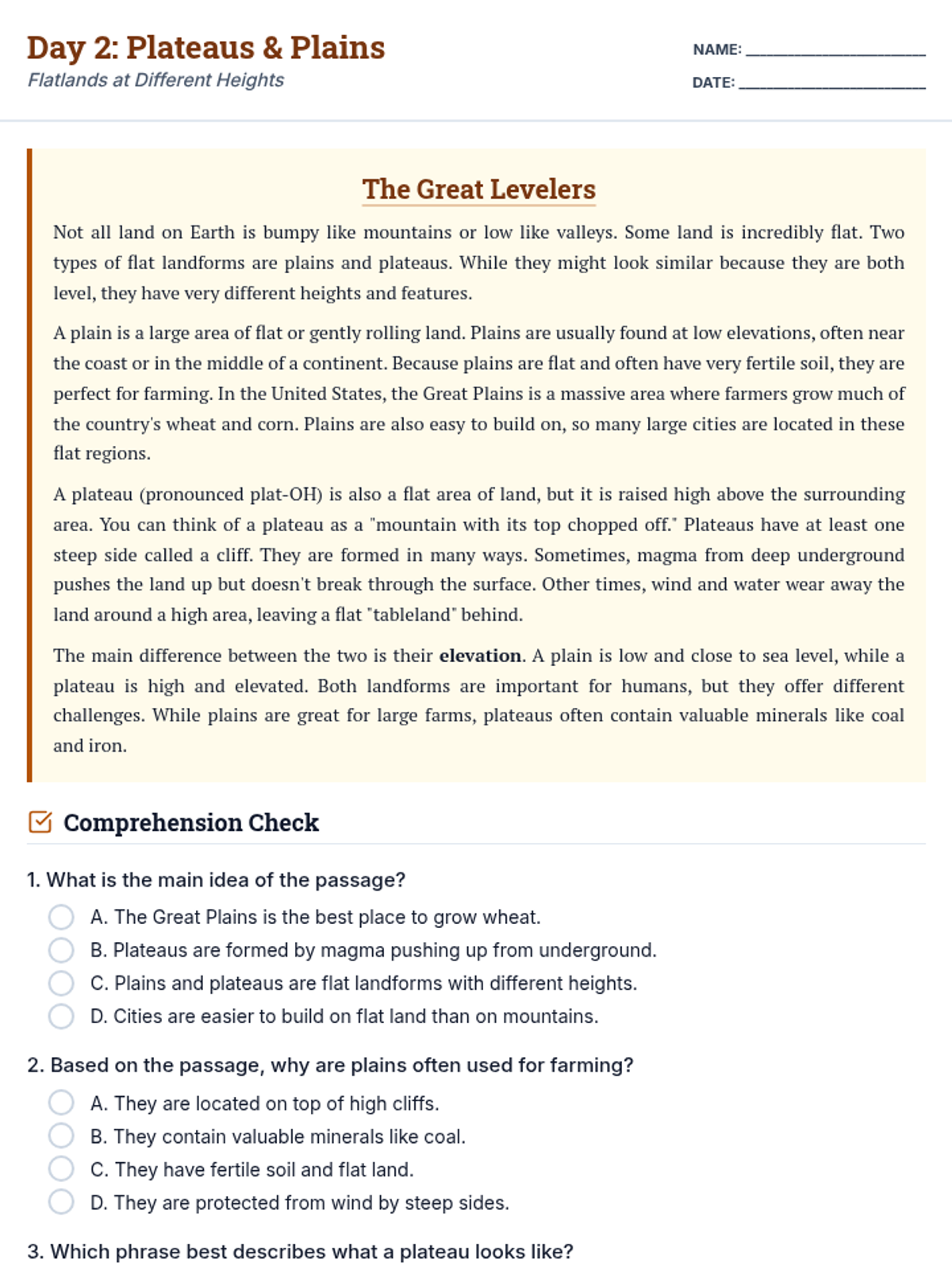
Explores the differences and similarities between plateaus and plains, focusing on comparing text evidence and identifying structural features of geography.
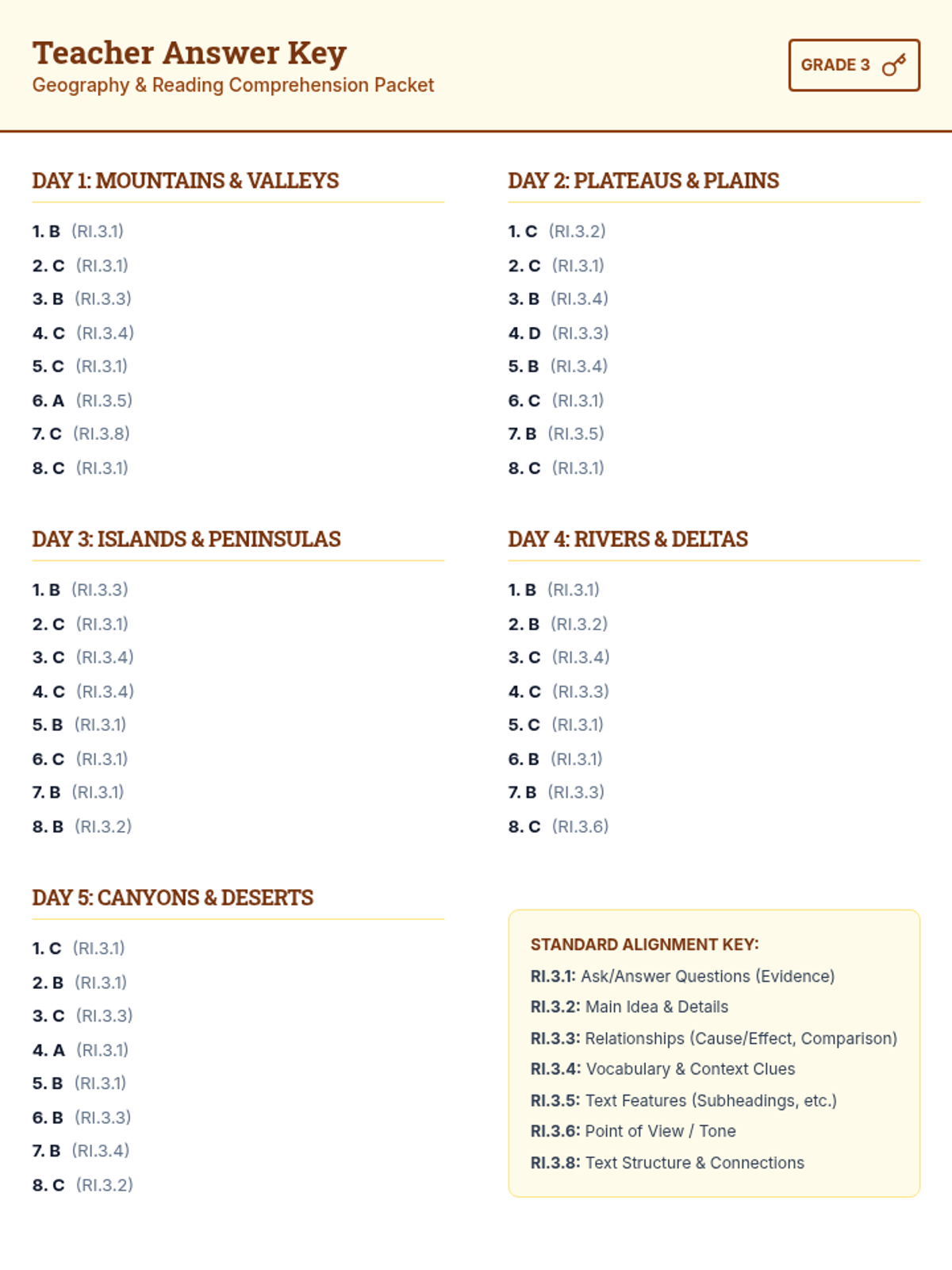
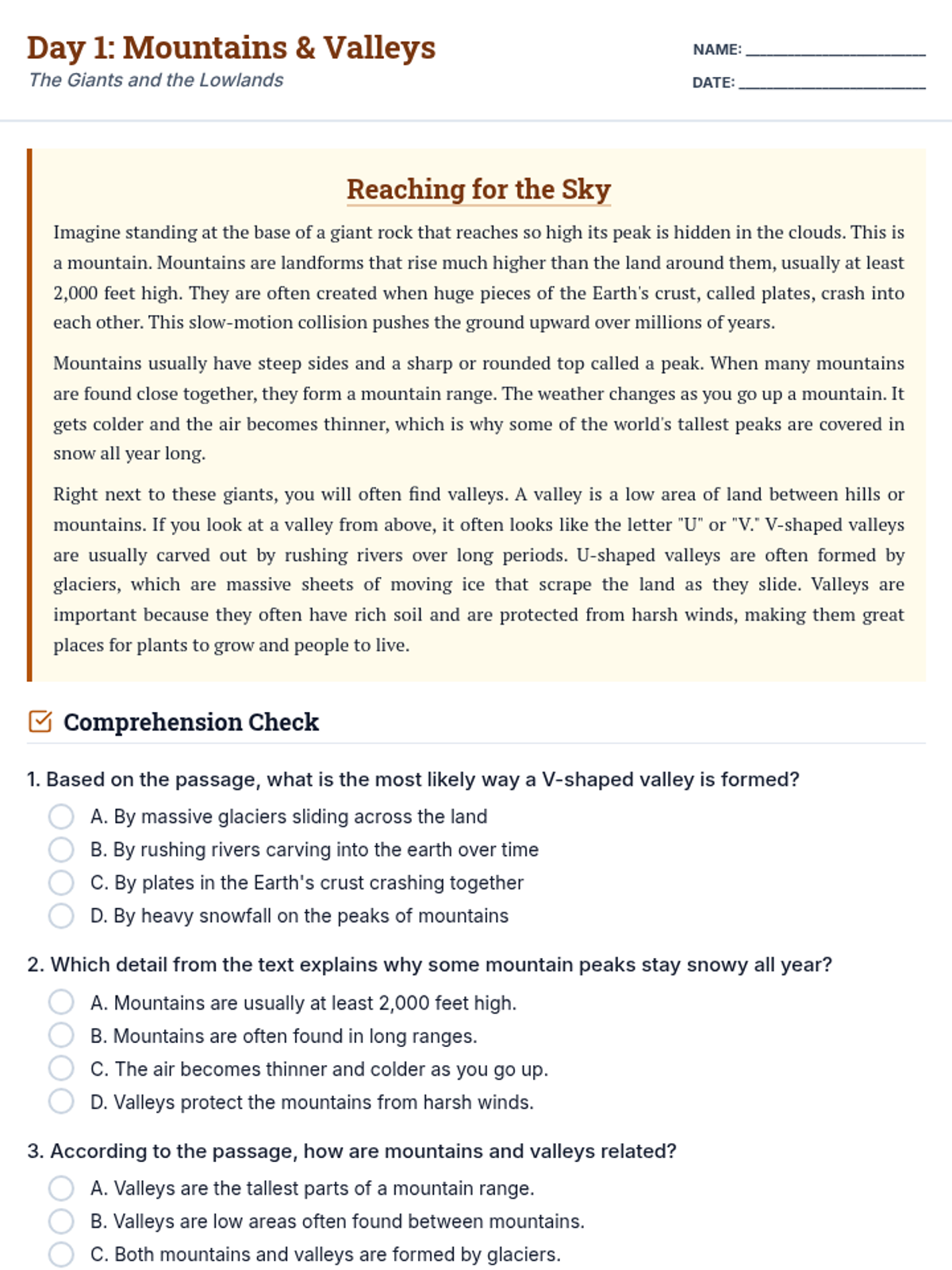
Focuses on the characteristics of mountains and valleys, introducing students to elevation and erosion concepts. Includes the packet cover page, a passage on mountain ranges, and rigorous reading comprehension questions.
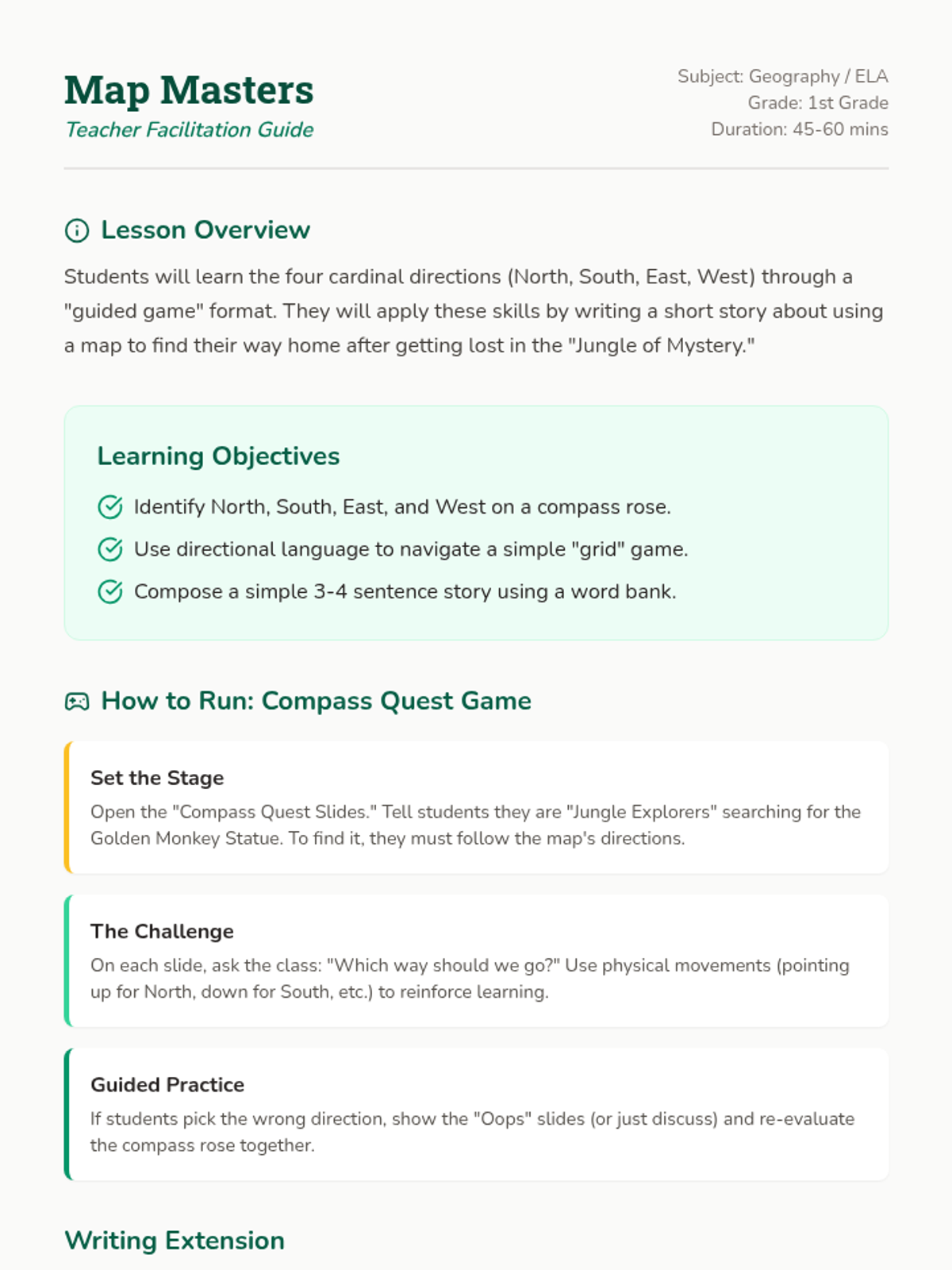
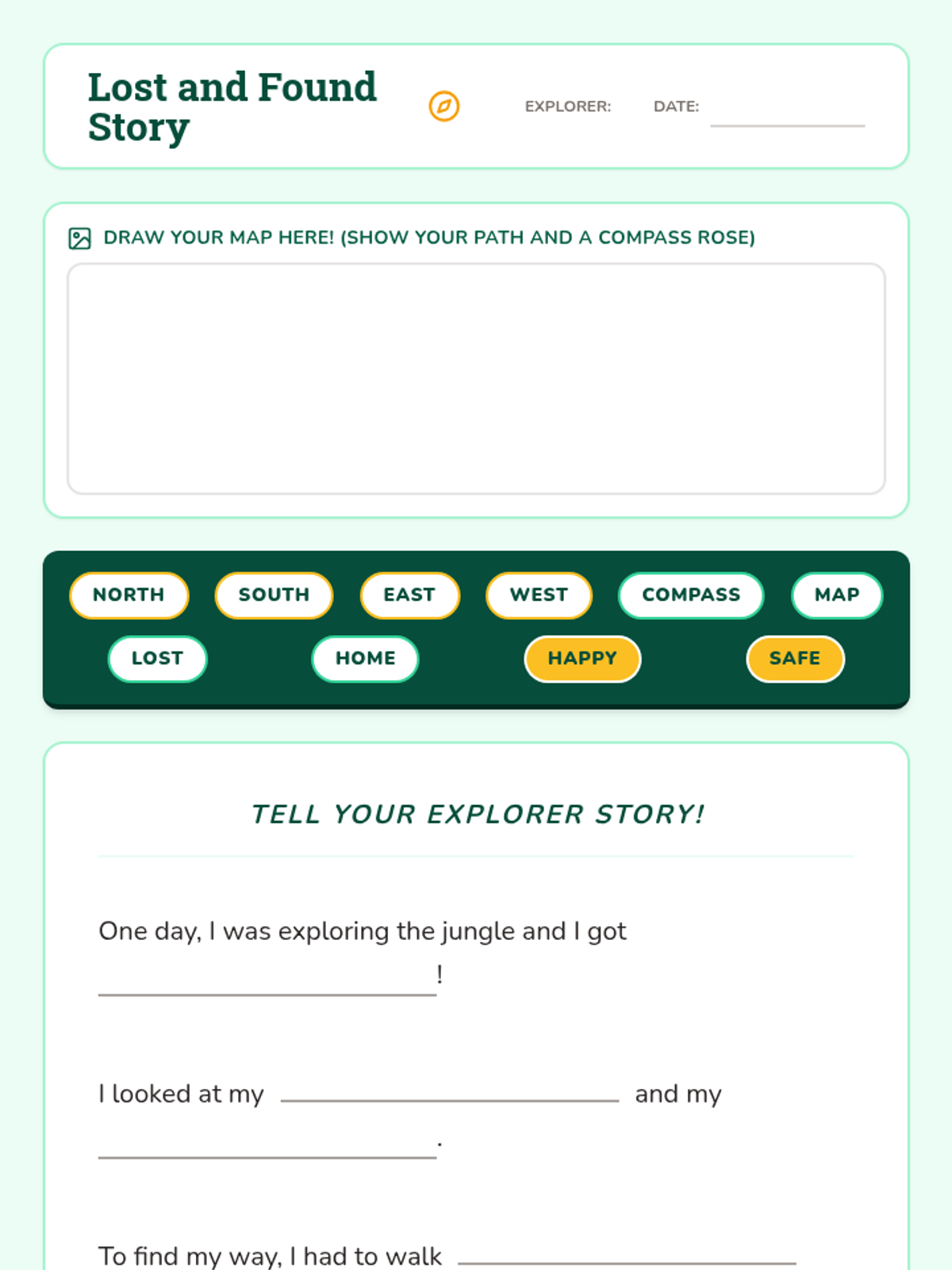
A beginner's guide to cardinal directions (North, South, East, West) featuring a guided exploration game and a creative story-building activity for first graders.
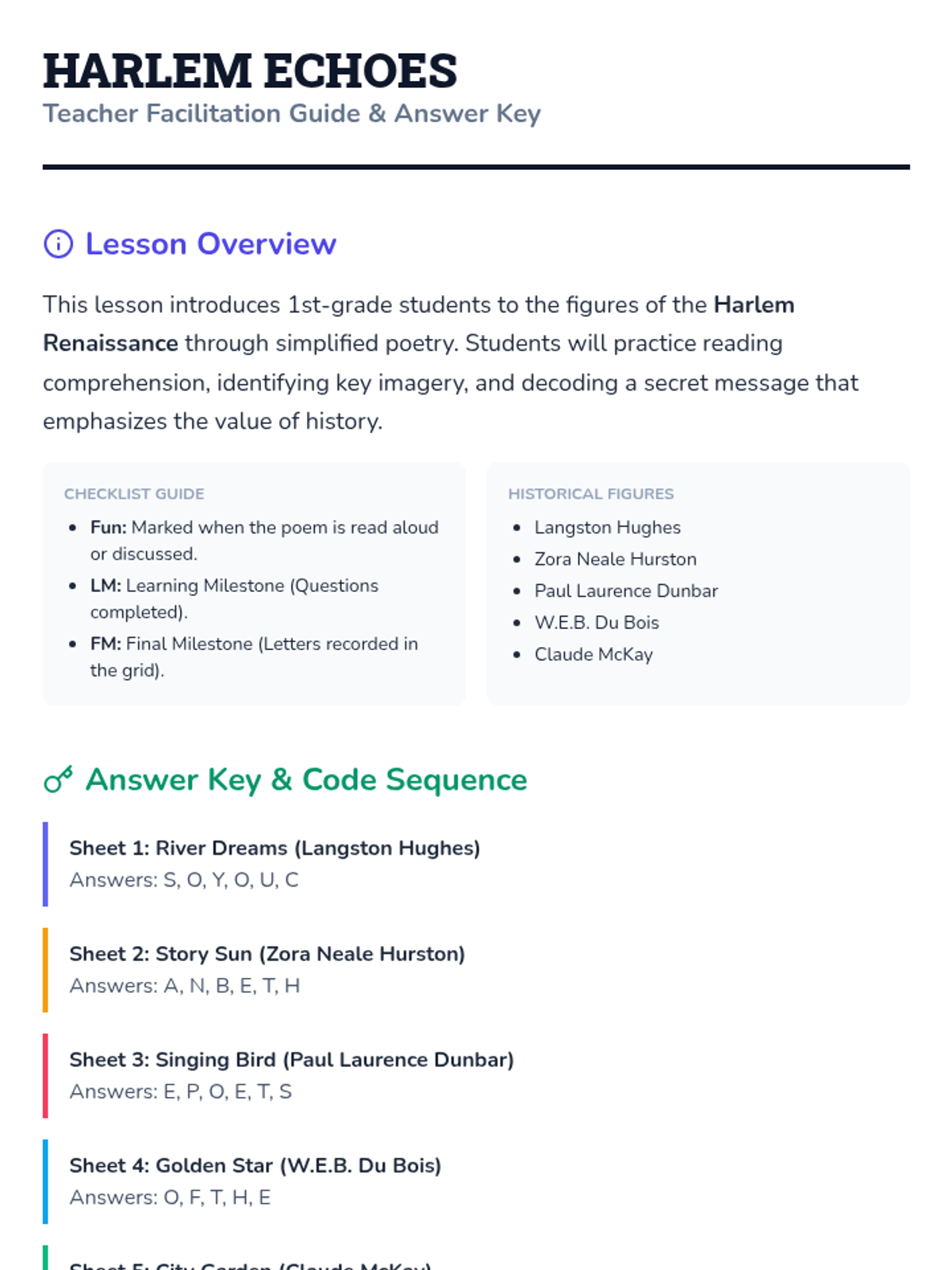
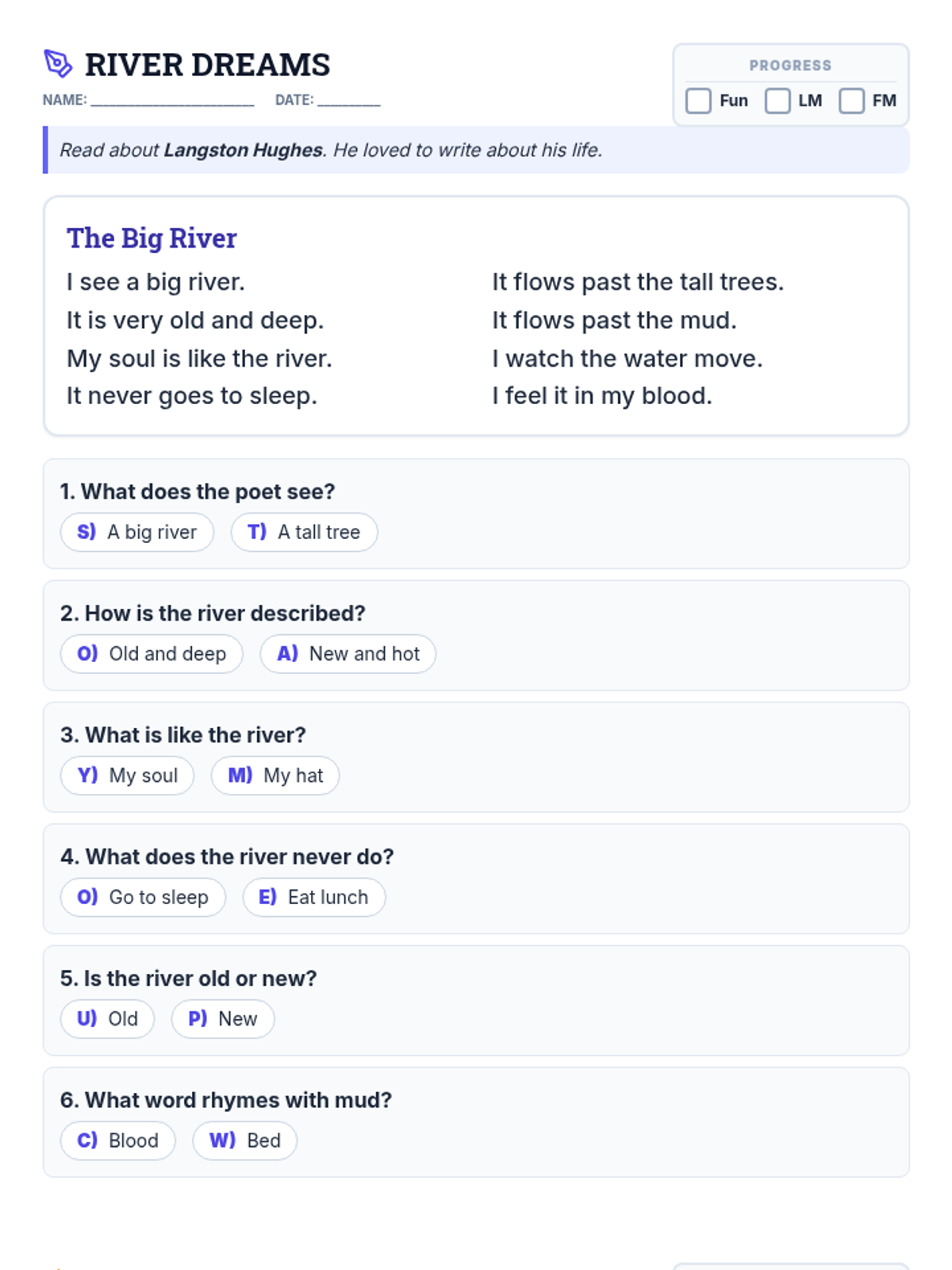
A poetry analysis assignment set at a first-grade reading level focused on key figures of the Harlem Renaissance. Students decode a secret message about the importance of studying history to become future writers.
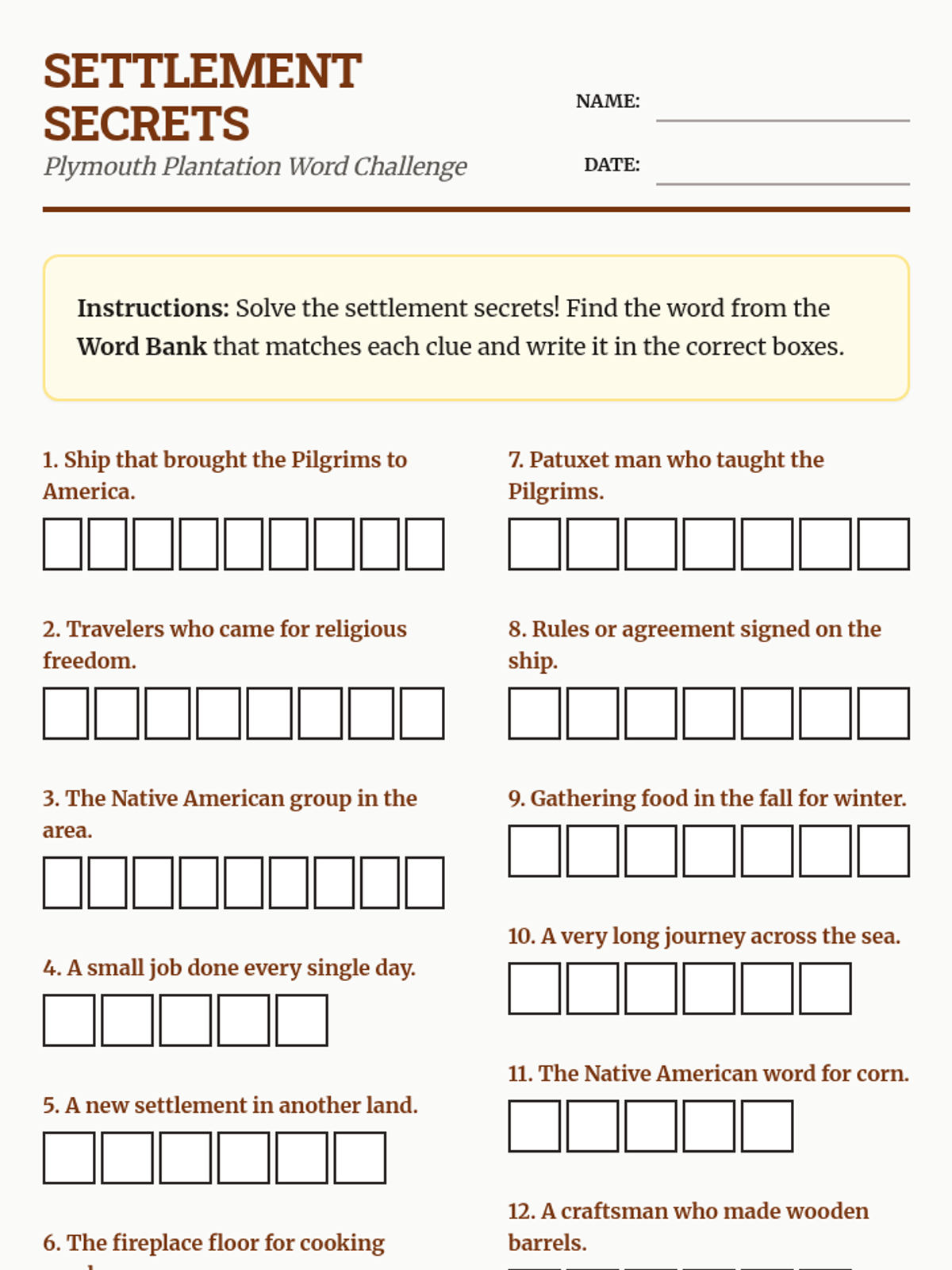
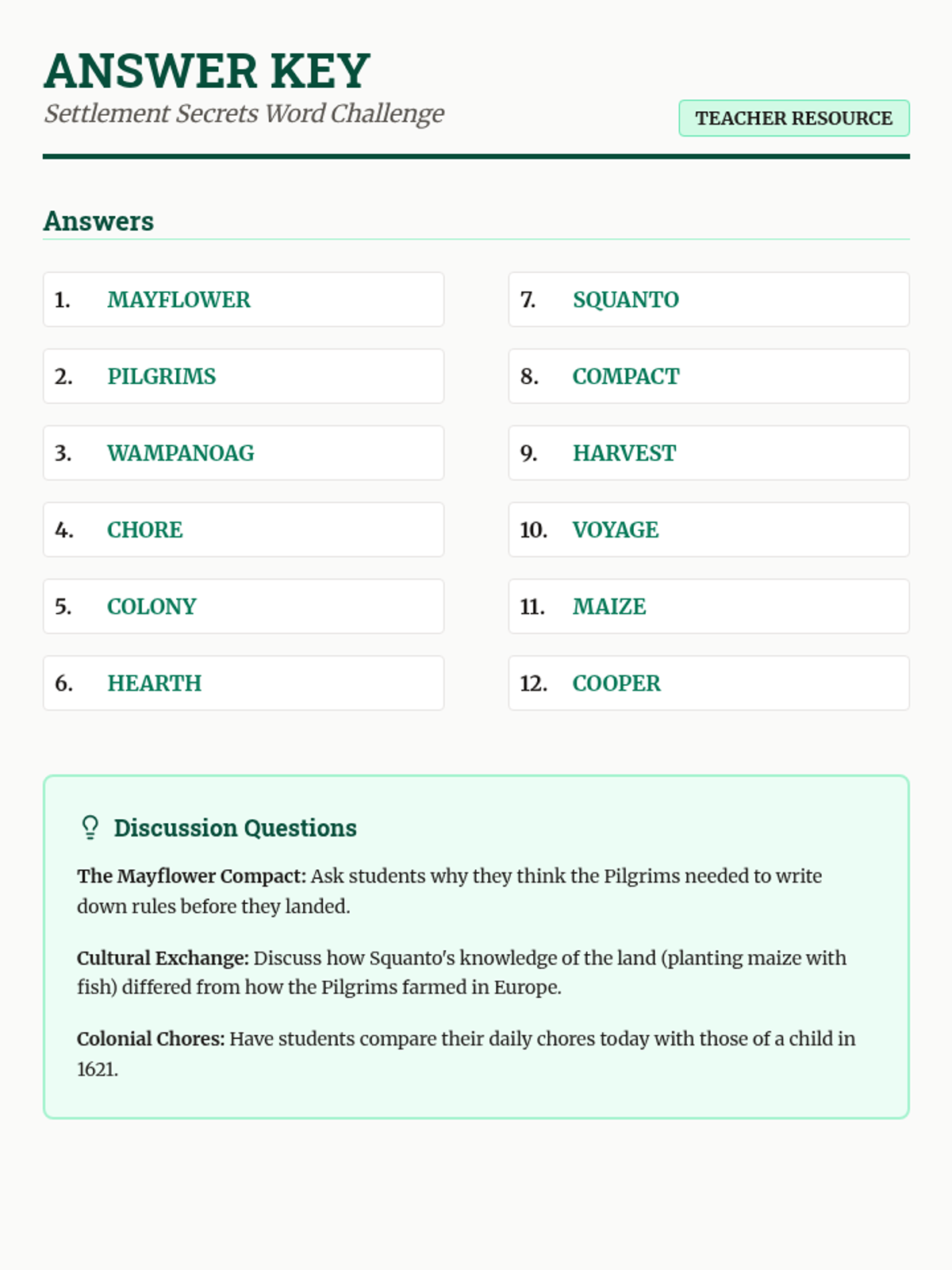
A lesson exploring the journey of the Pilgrims, their arrival at Plymouth, and their interactions with the Wampanoag people through vocabulary-building activities.
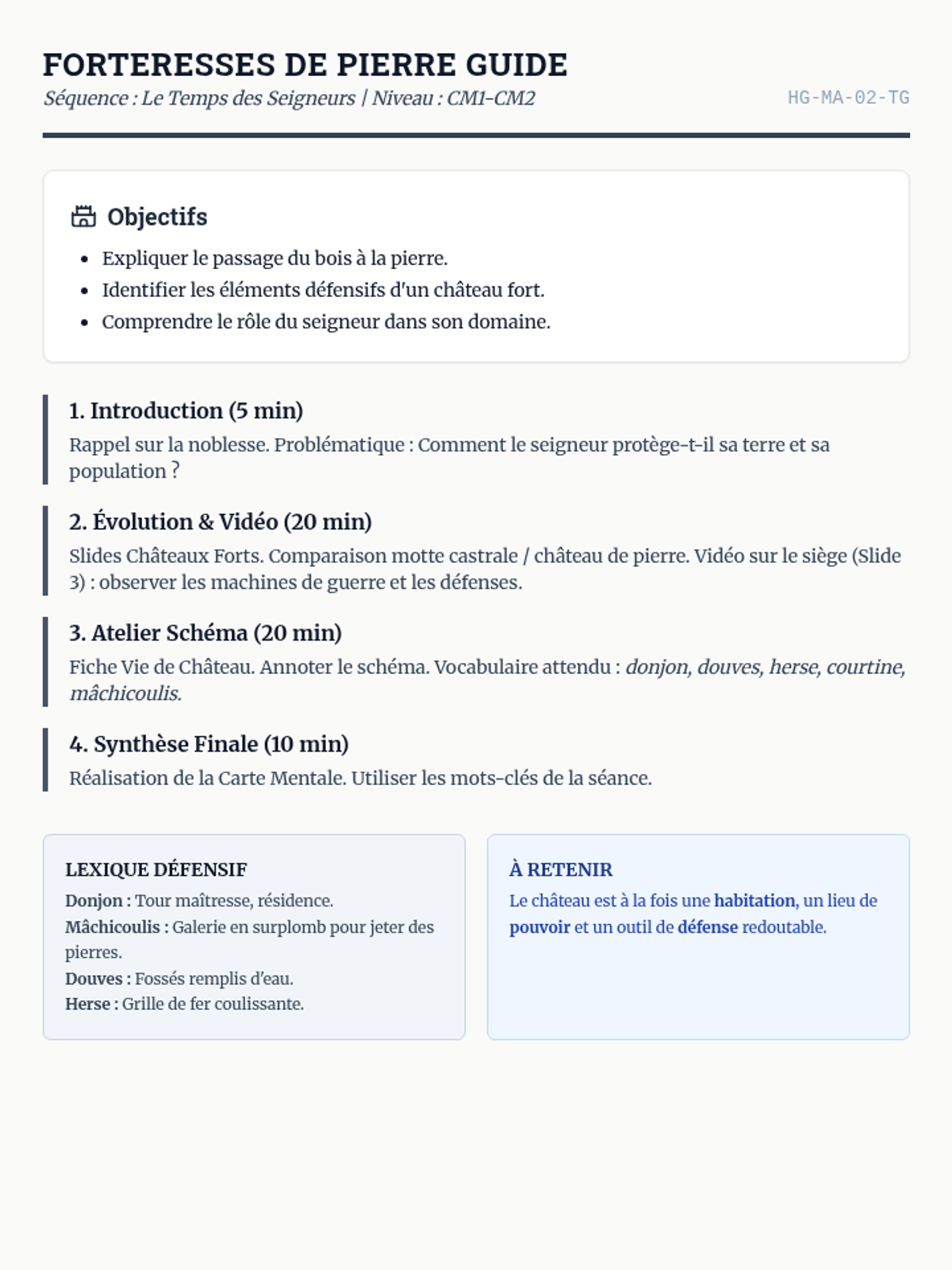
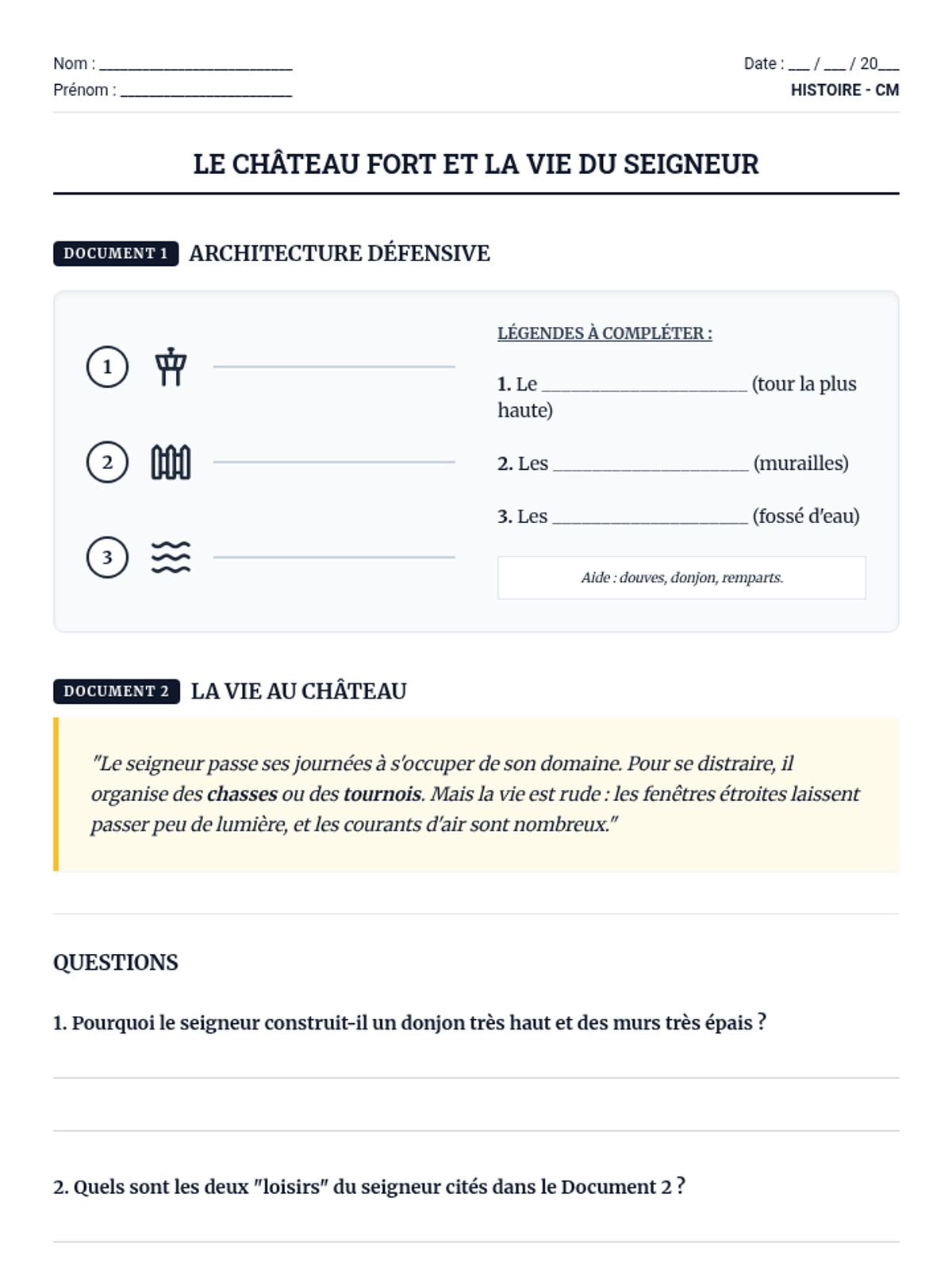
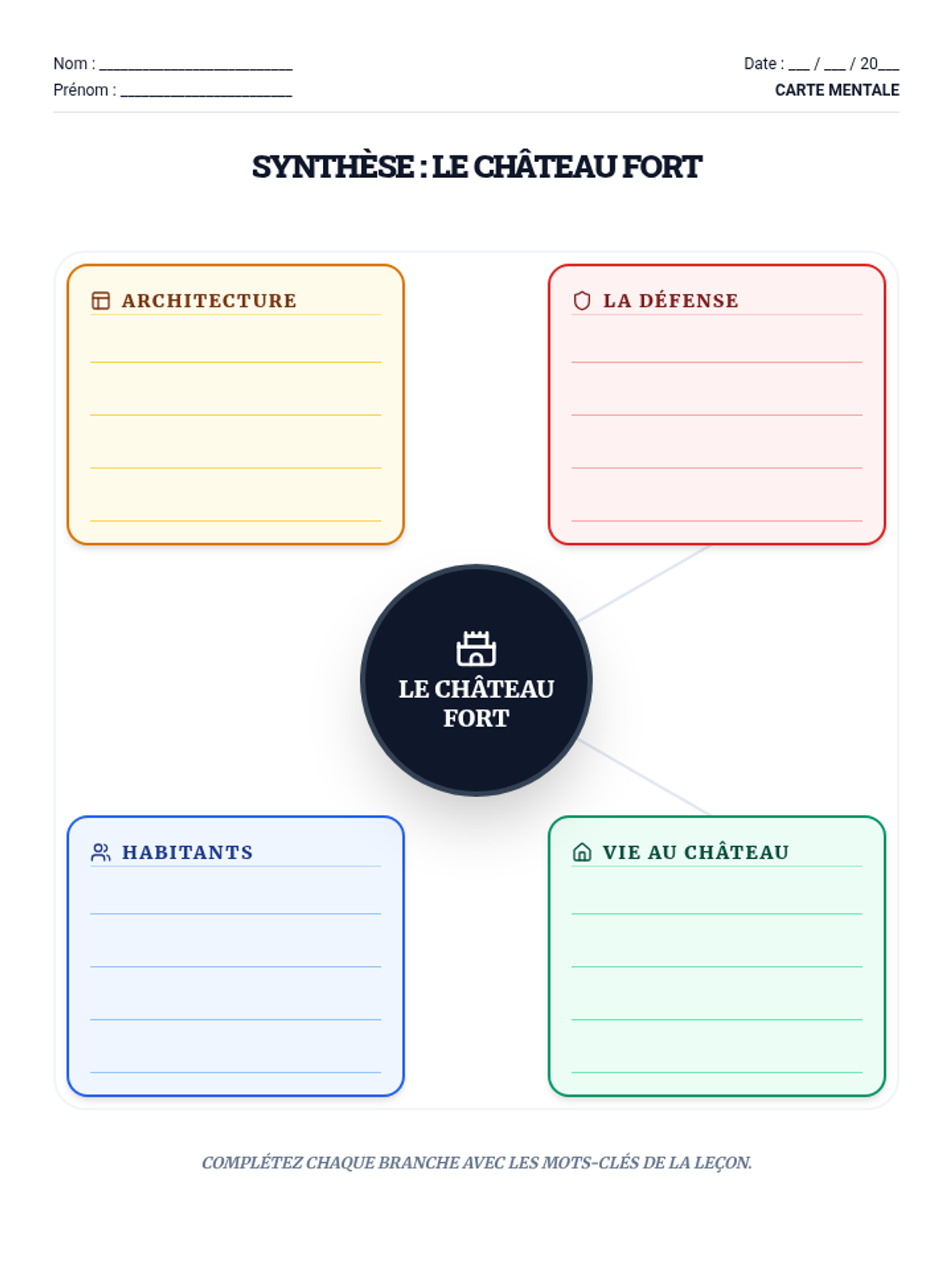
Cette leçon détaille l'évolution, la structure et la fonction des châteaux forts, ainsi que le mode de vie des seigneurs et des chevaliers au sein de ces forteresses.
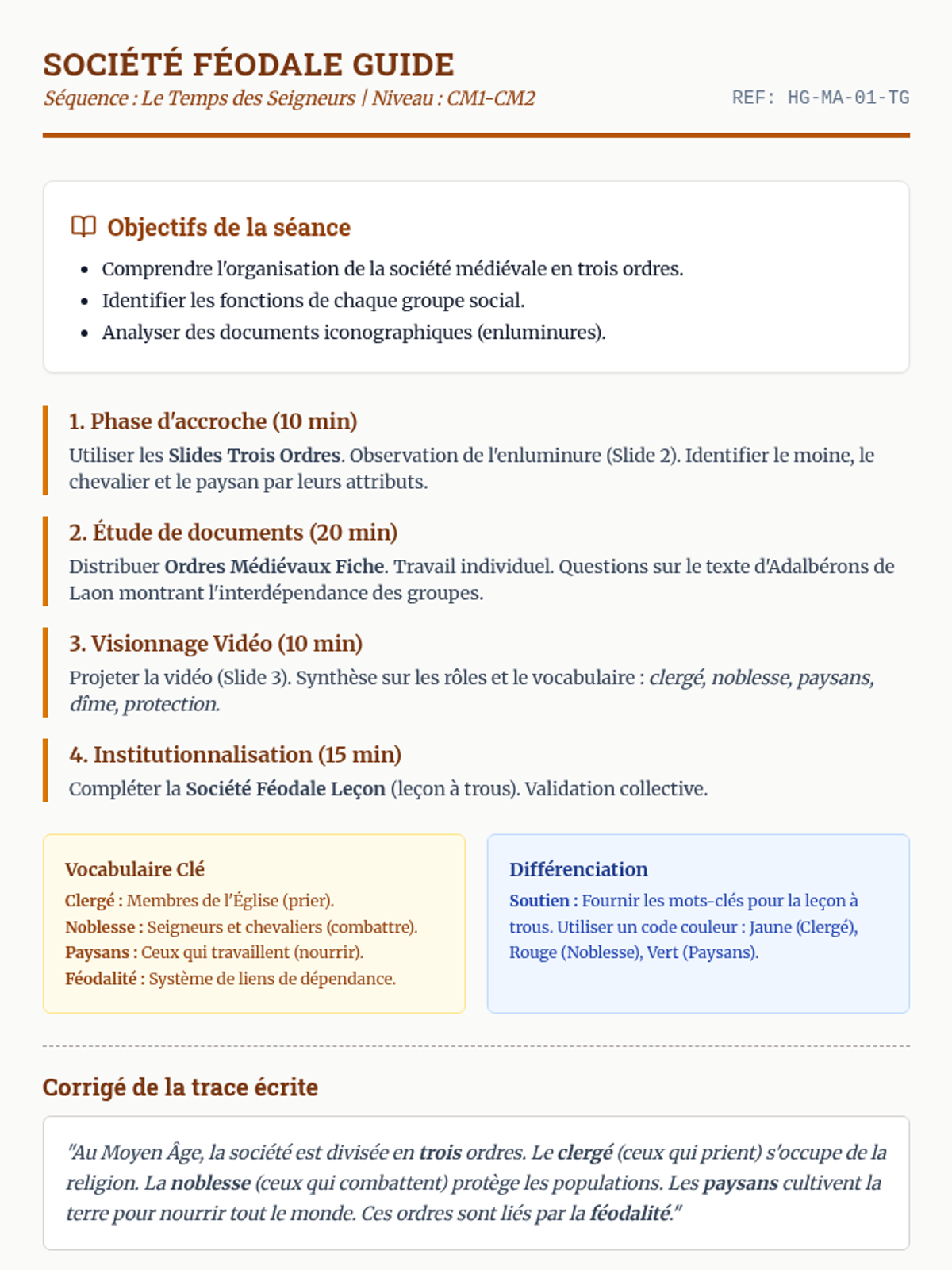
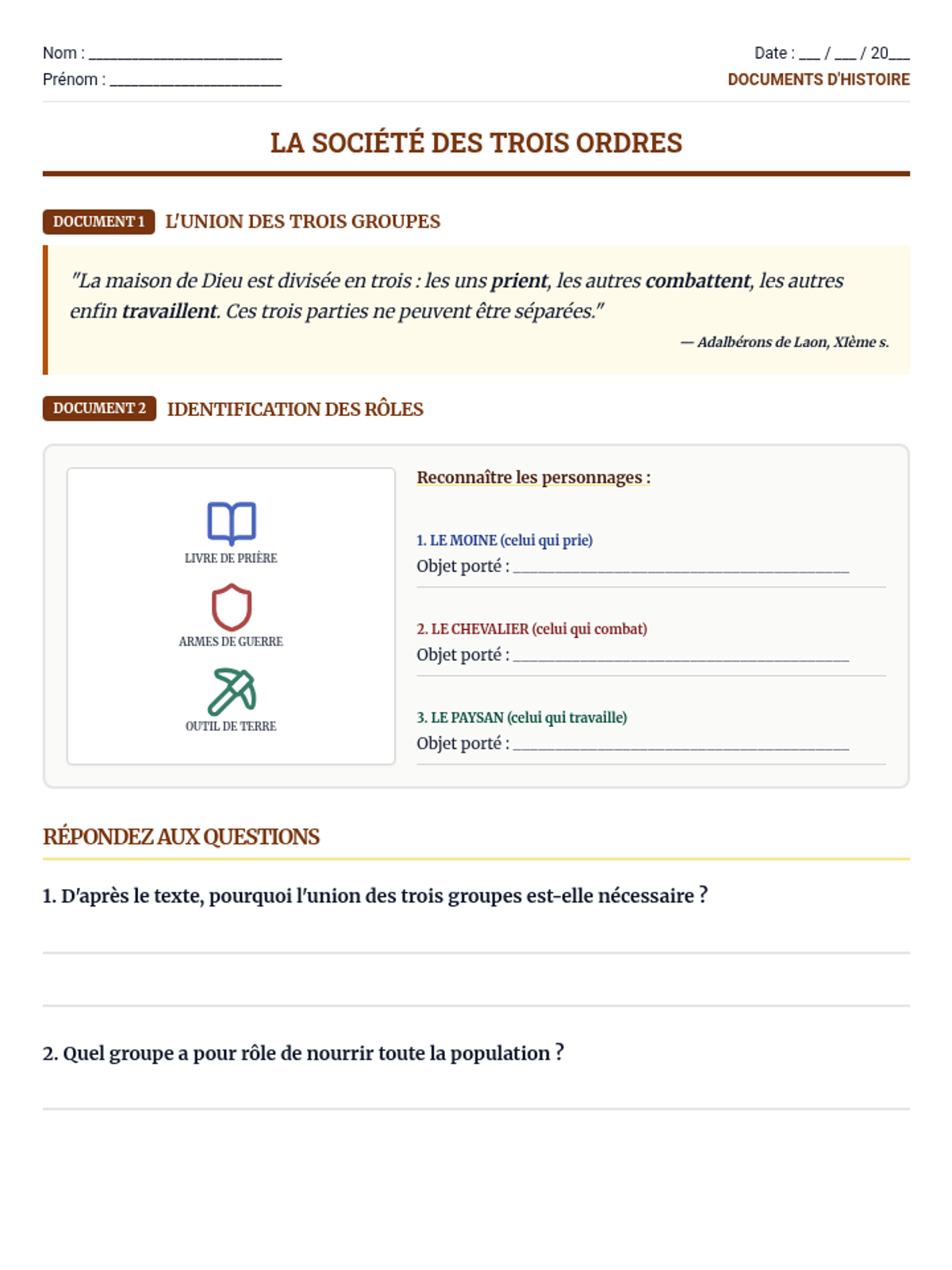
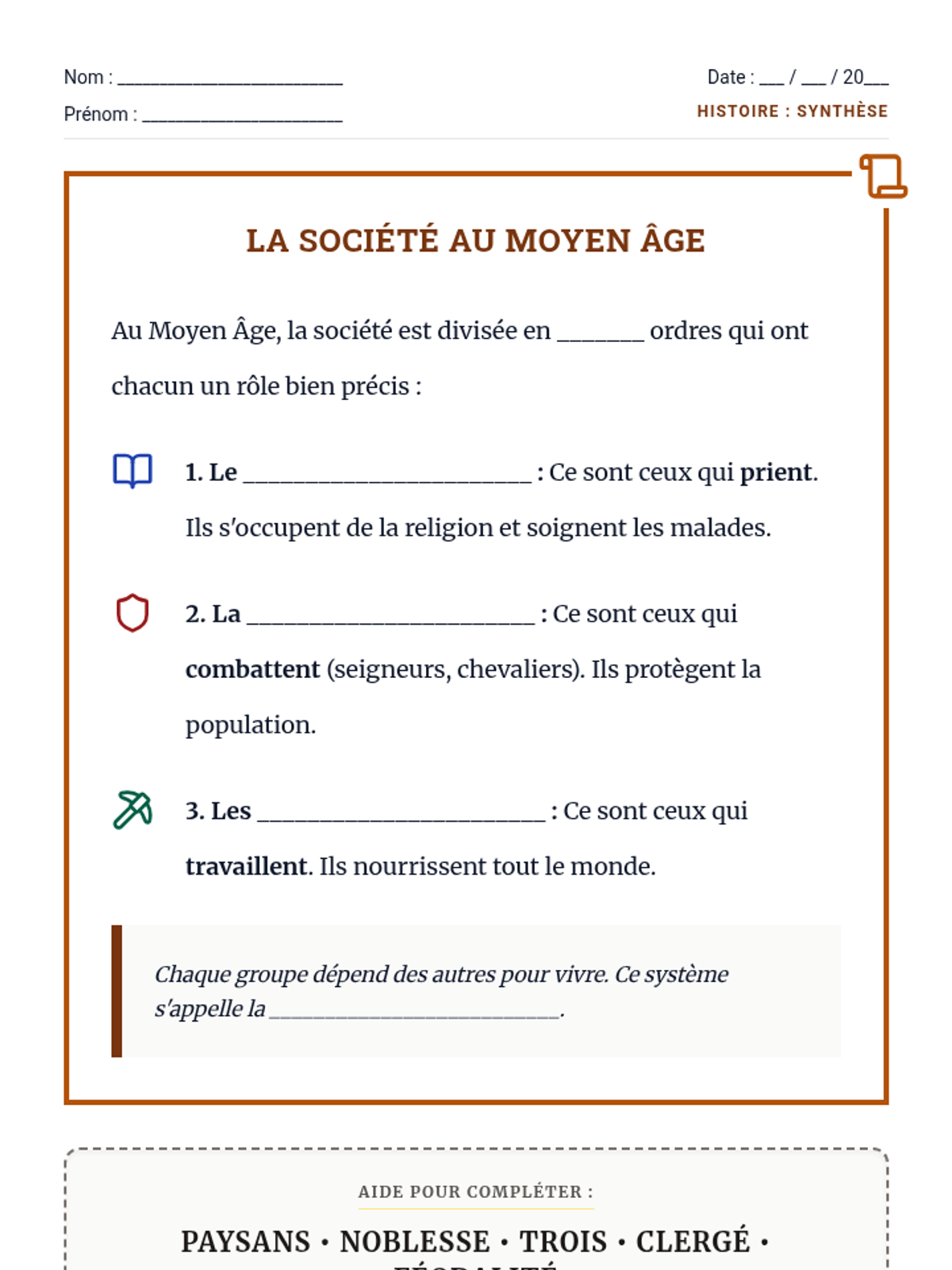
Cette leçon porte sur la division de la société médiévale en trois groupes distincts : le clergé, la noblesse et les paysans, tout en expliquant les liens de dépendance entre eux.
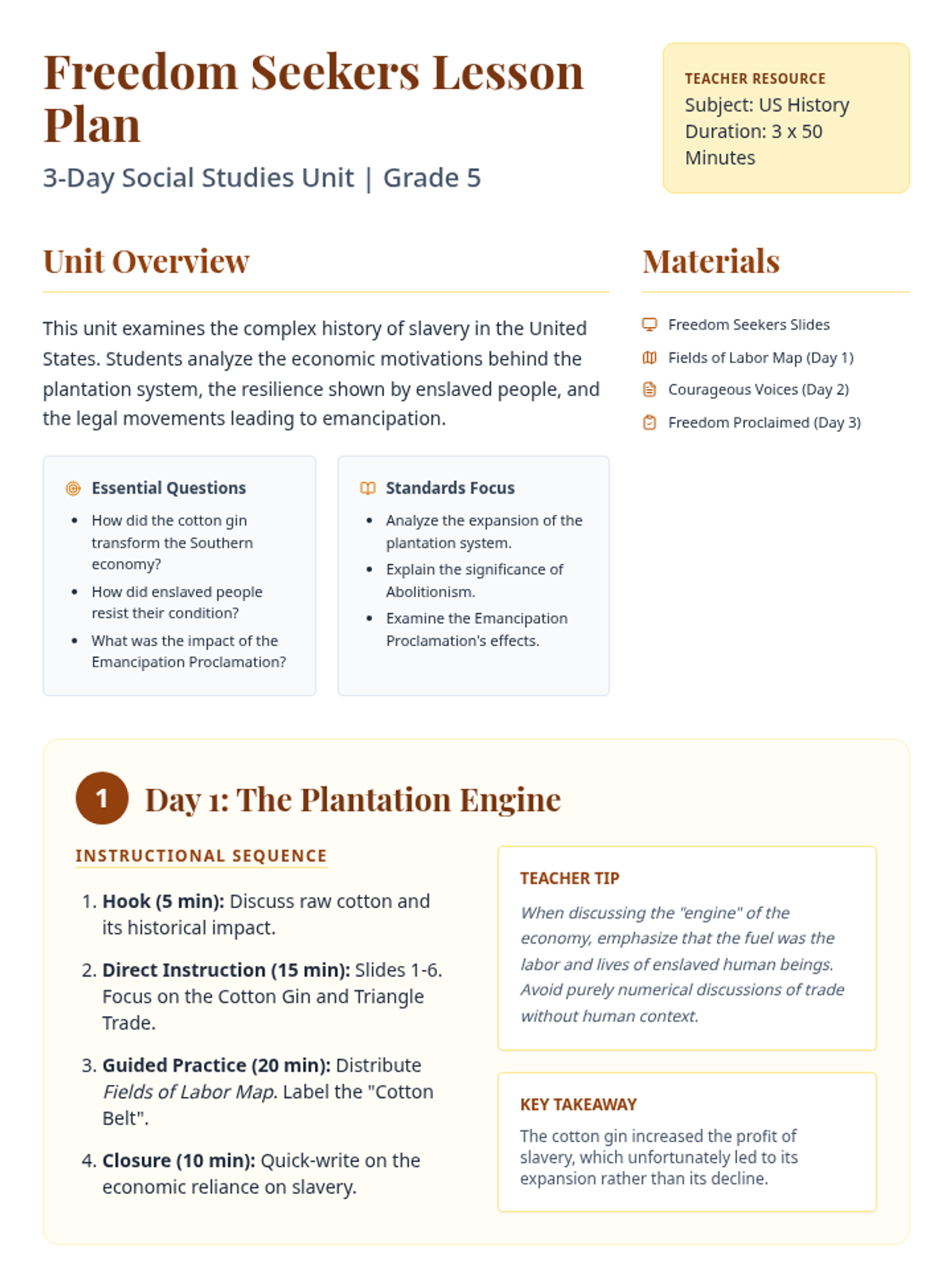
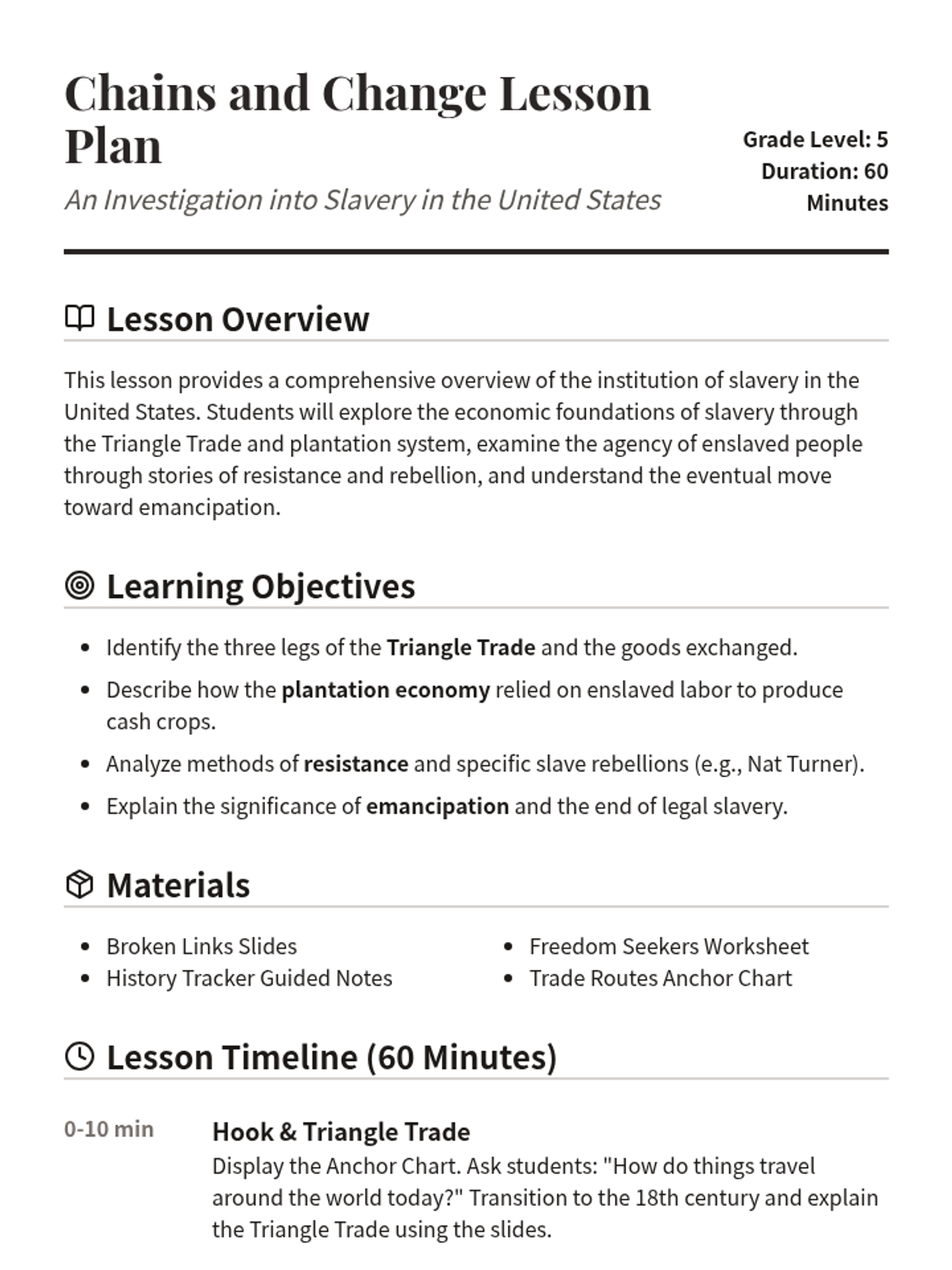
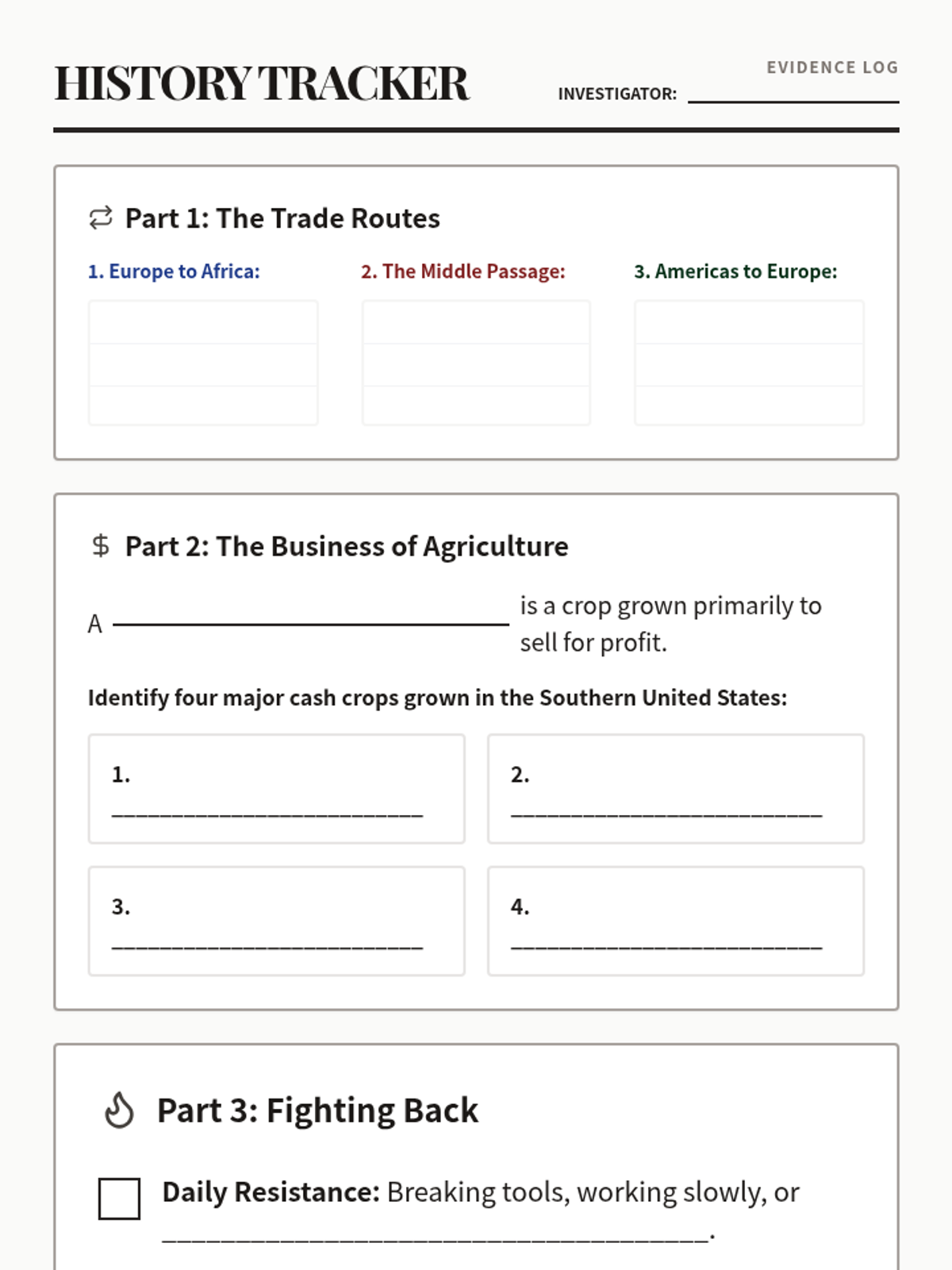
A comprehensive overview of slavery in the United States, covering the Triangle Trade, the plantation economy, resistance efforts, and the path to emancipation for Grade 5 students.
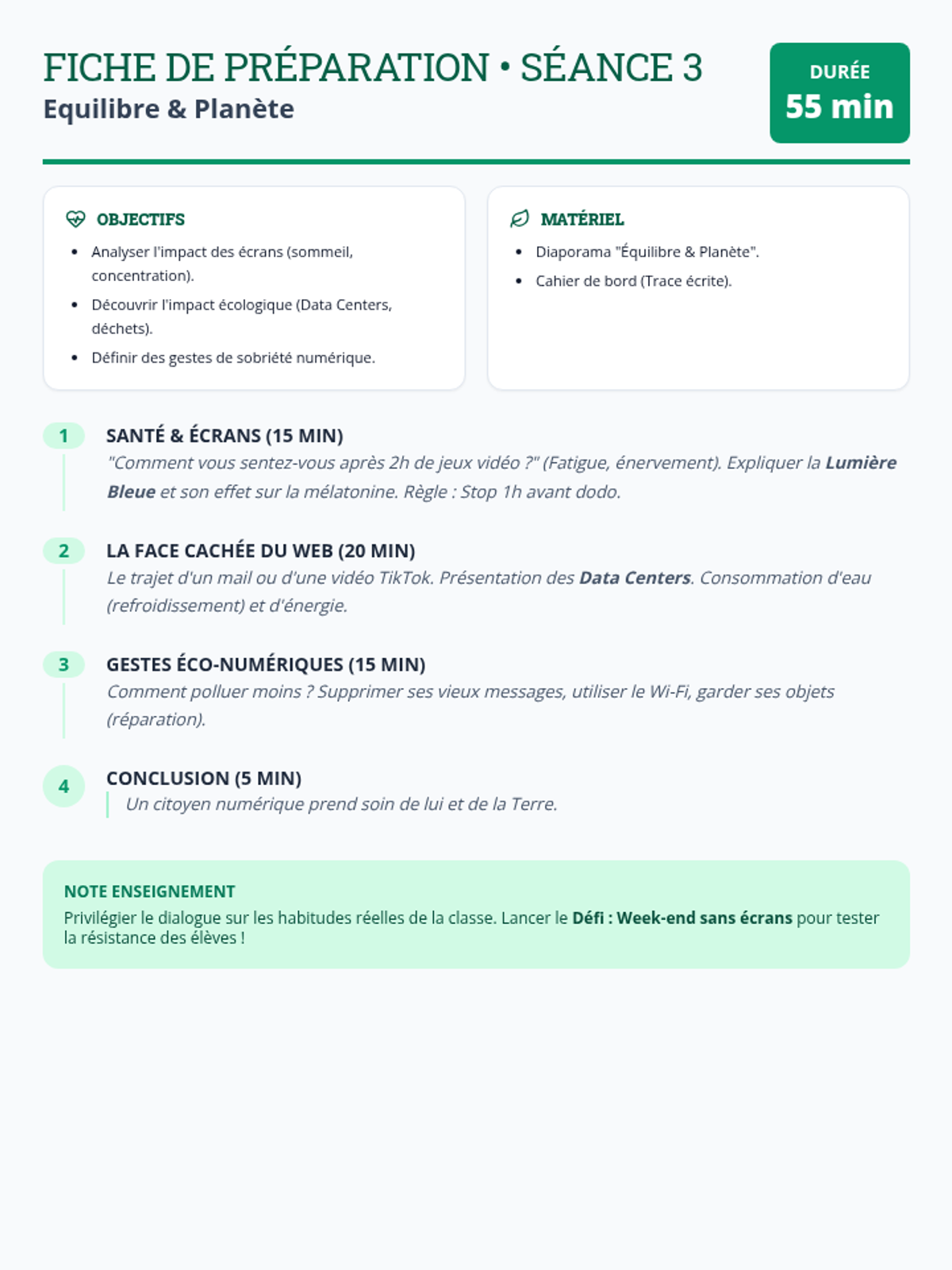
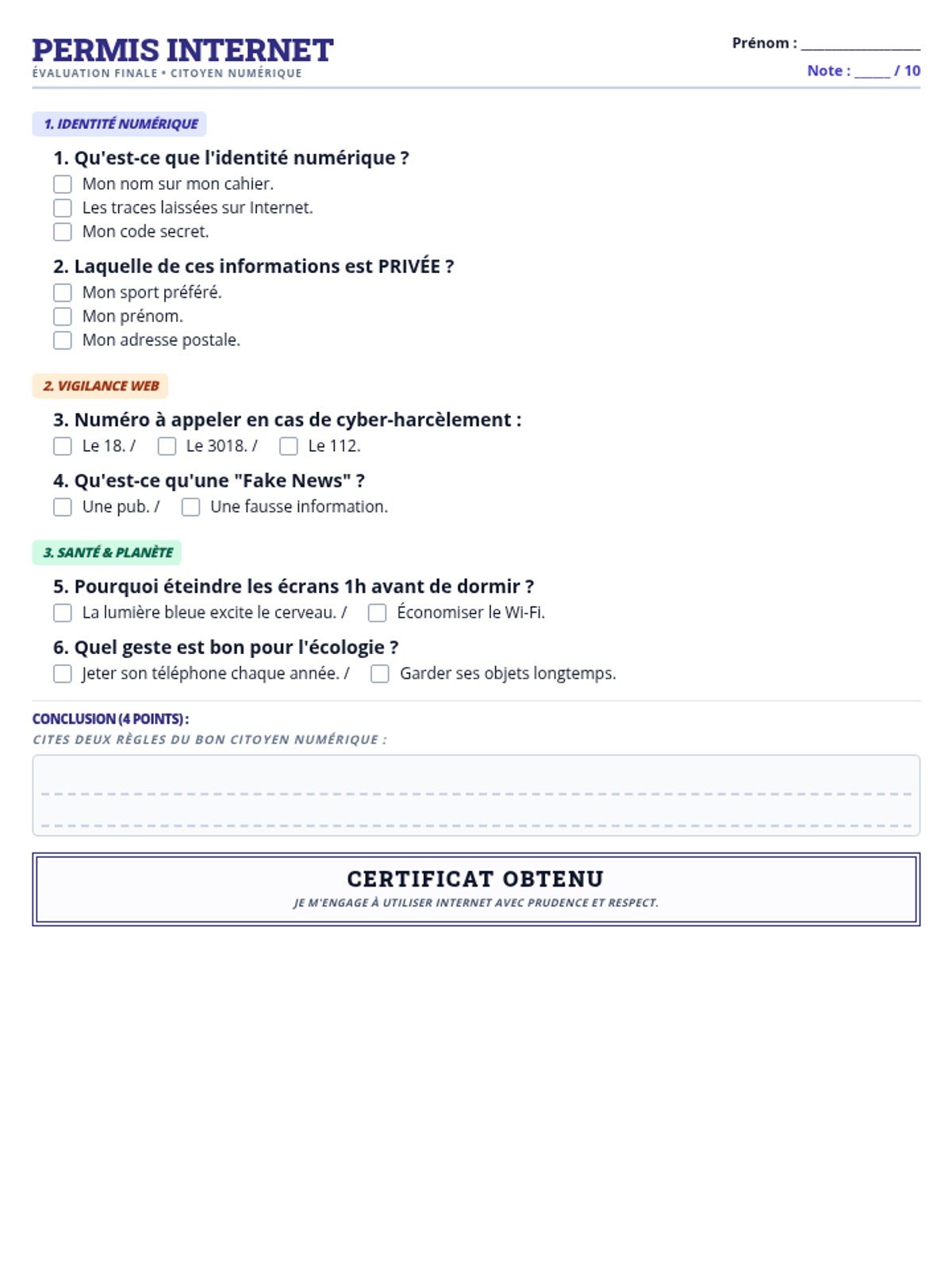
Analyser les effets de la surexposition aux écrans sur la santé et comprendre l'impact écologique de nos activités numériques.
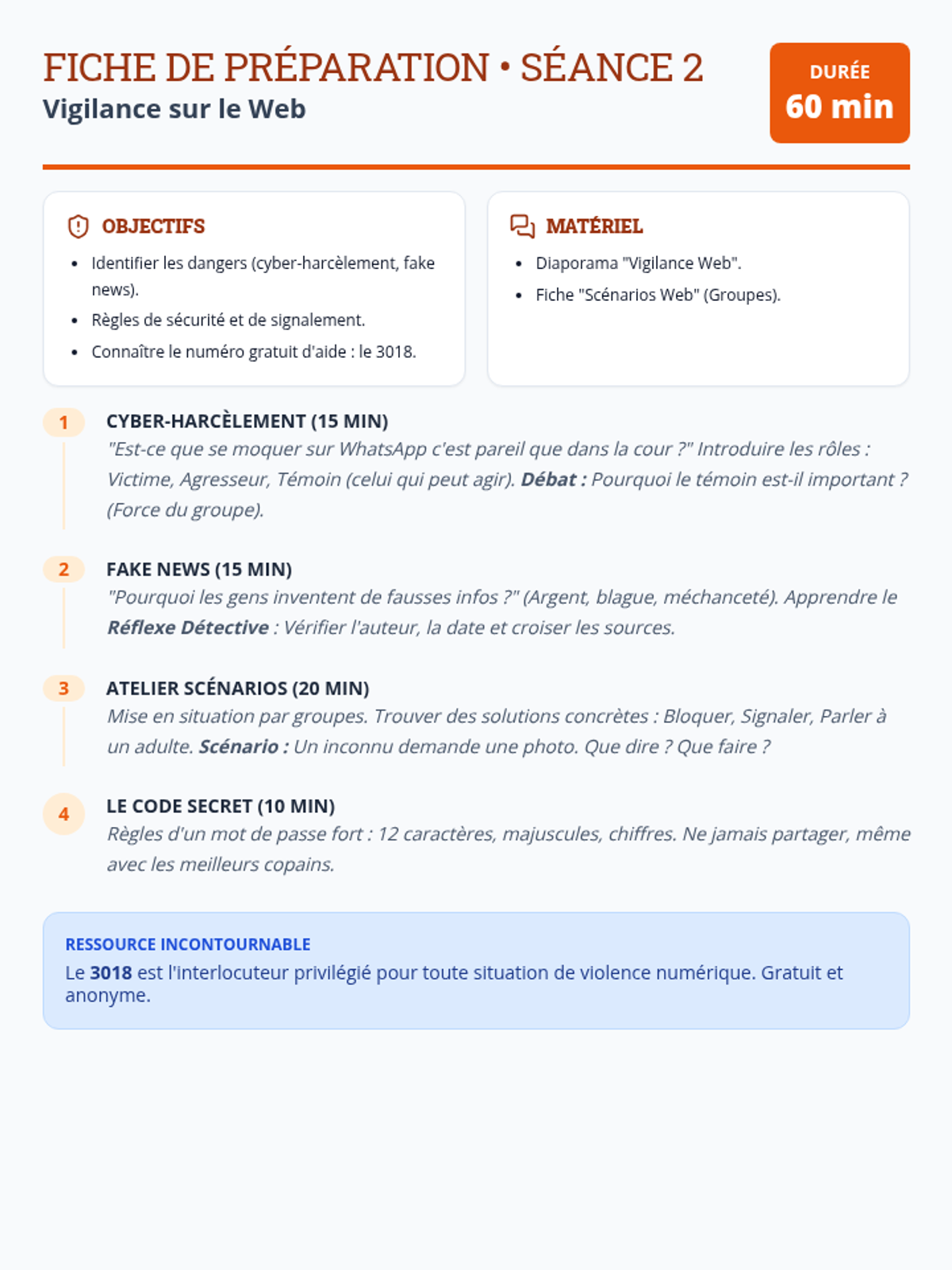
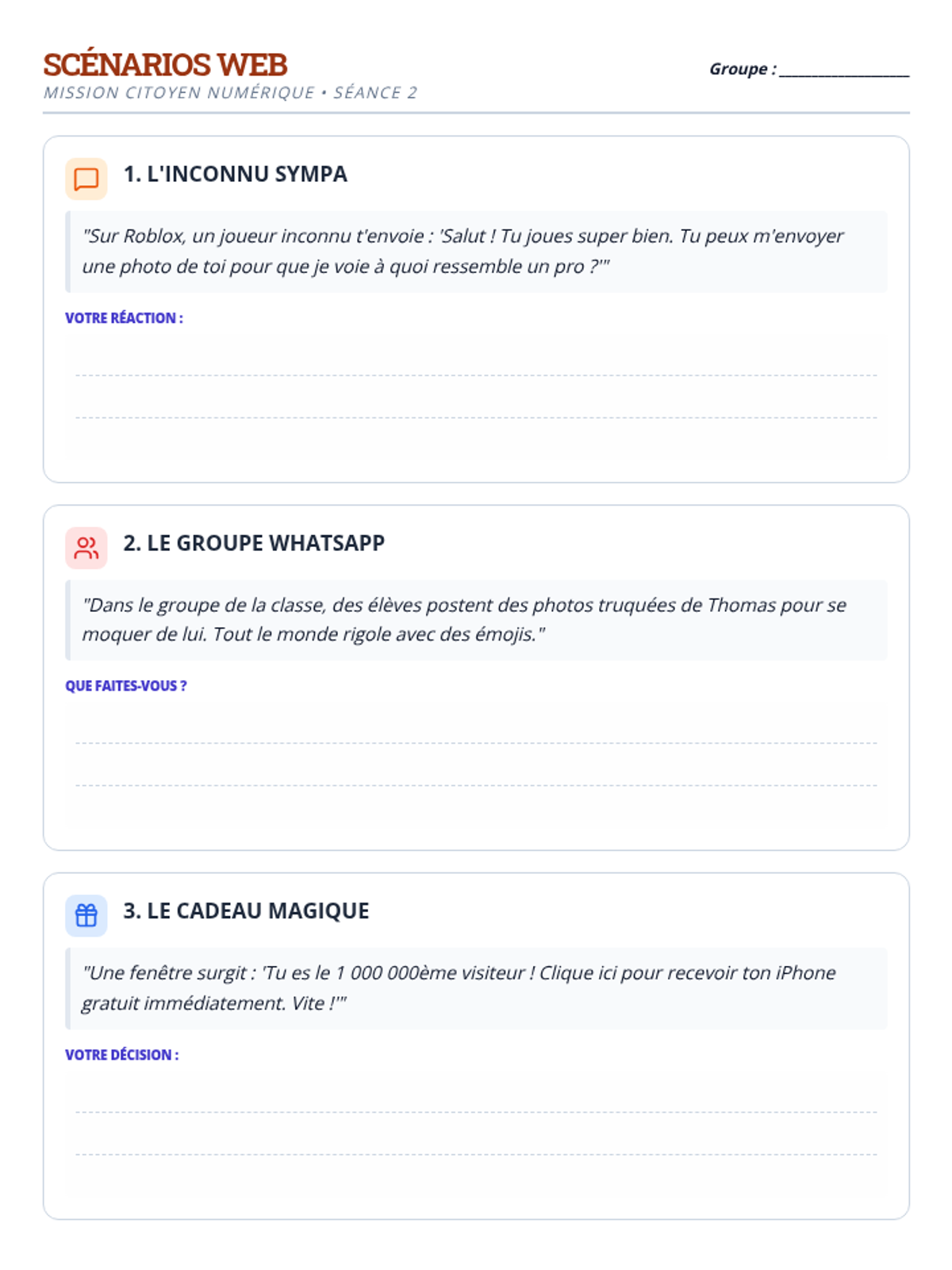
Identifier les dangers des réseaux sociaux (cyber-harcèlement, fake news) et apprendre les réflexes de protection et de signalement.
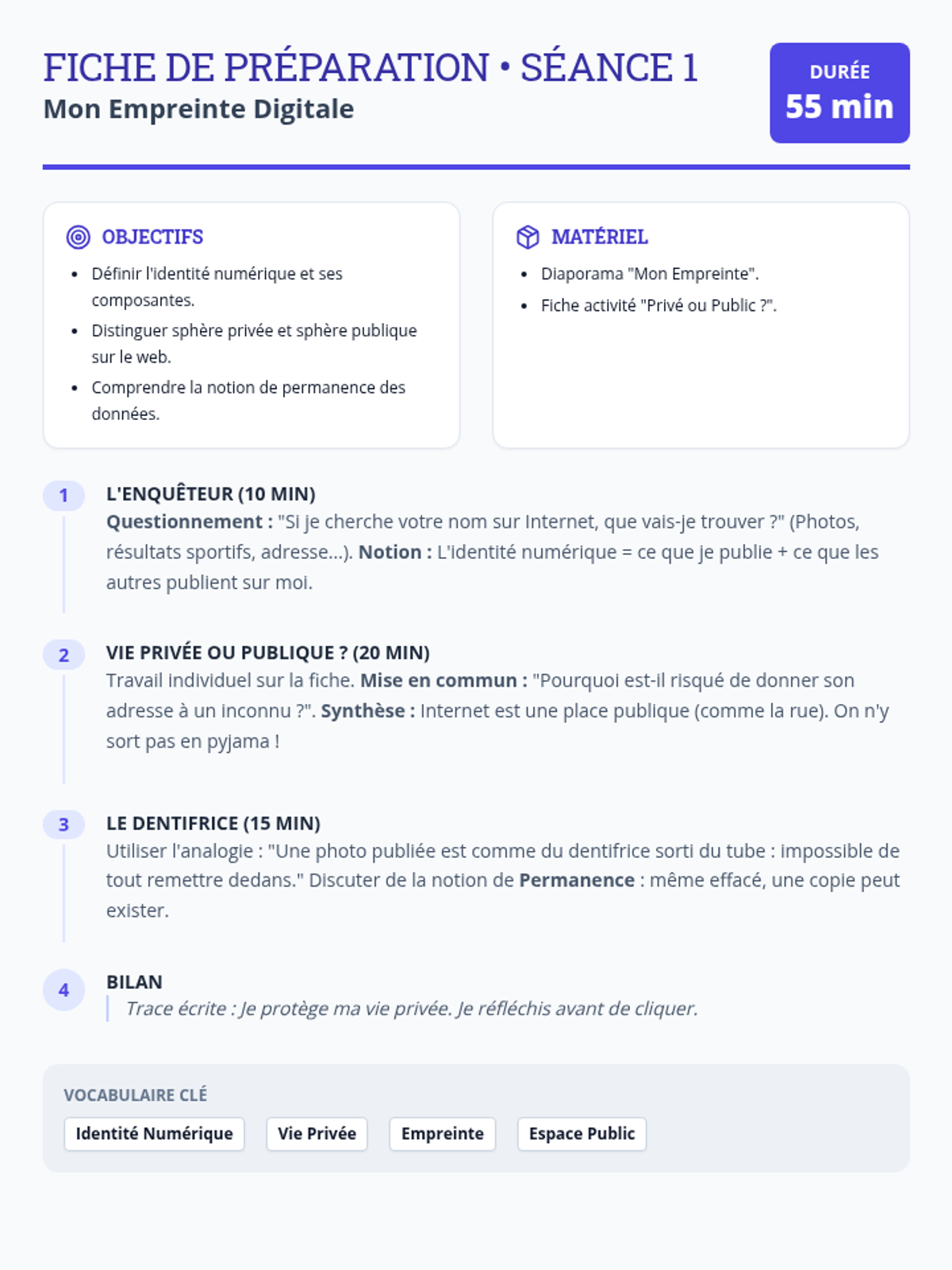
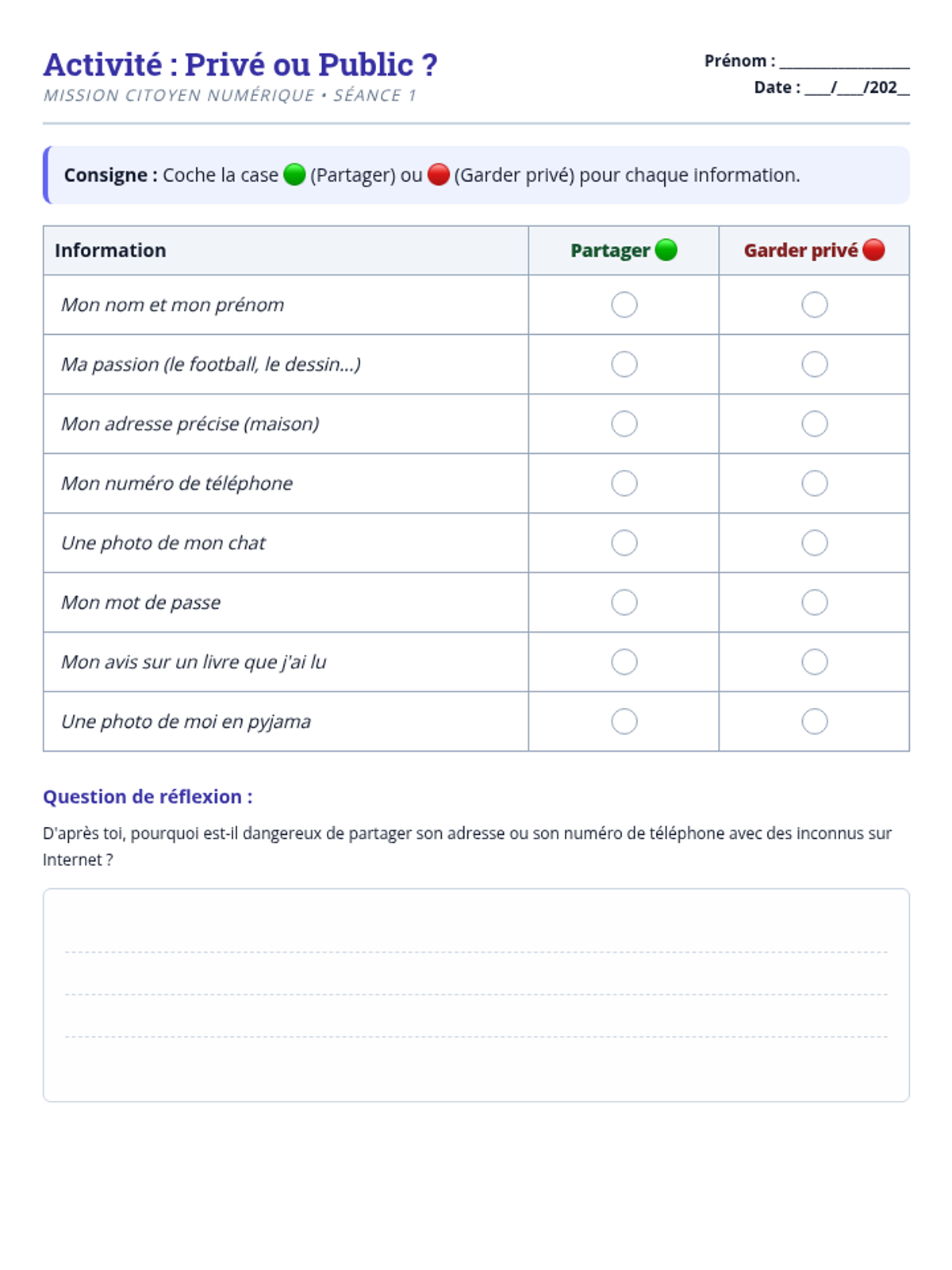
Comprendre la notion d'identité numérique et savoir distinguer ce qui relève de la sphère privée ou publique sur Internet.
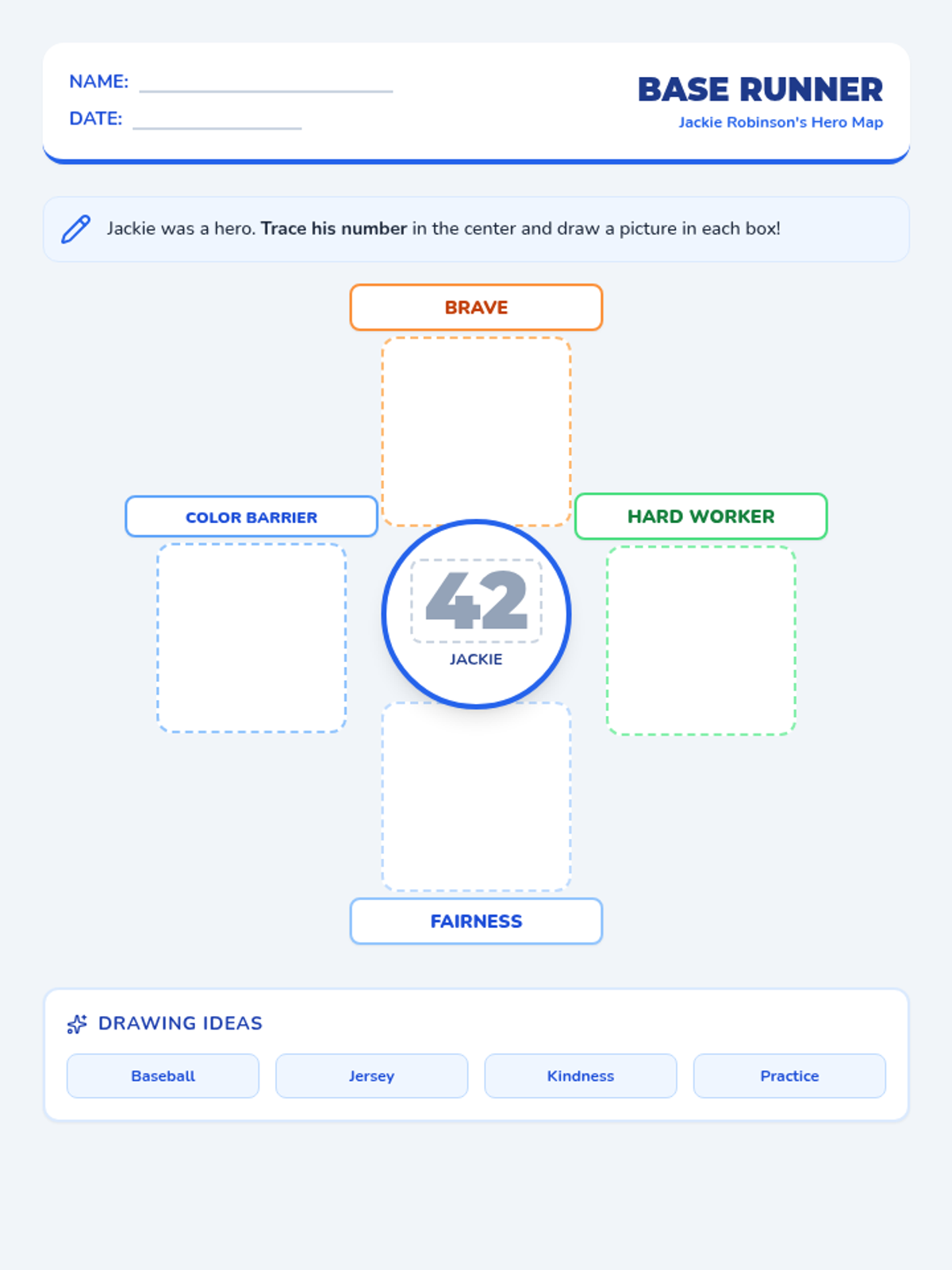
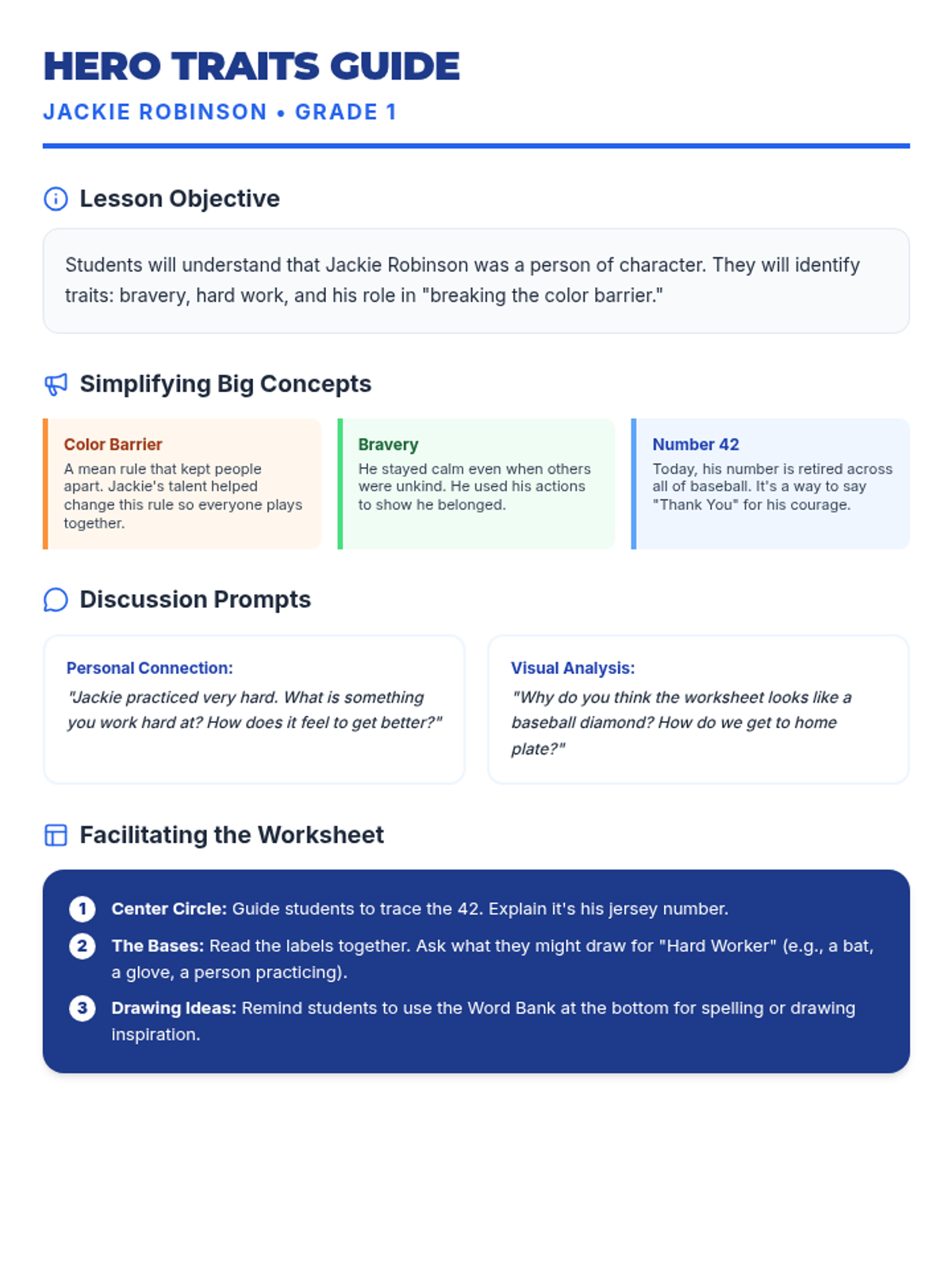
A lesson for first graders about the life and character of Jackie Robinson, focusing on his bravery and hard work in breaking the color barrier in baseball.
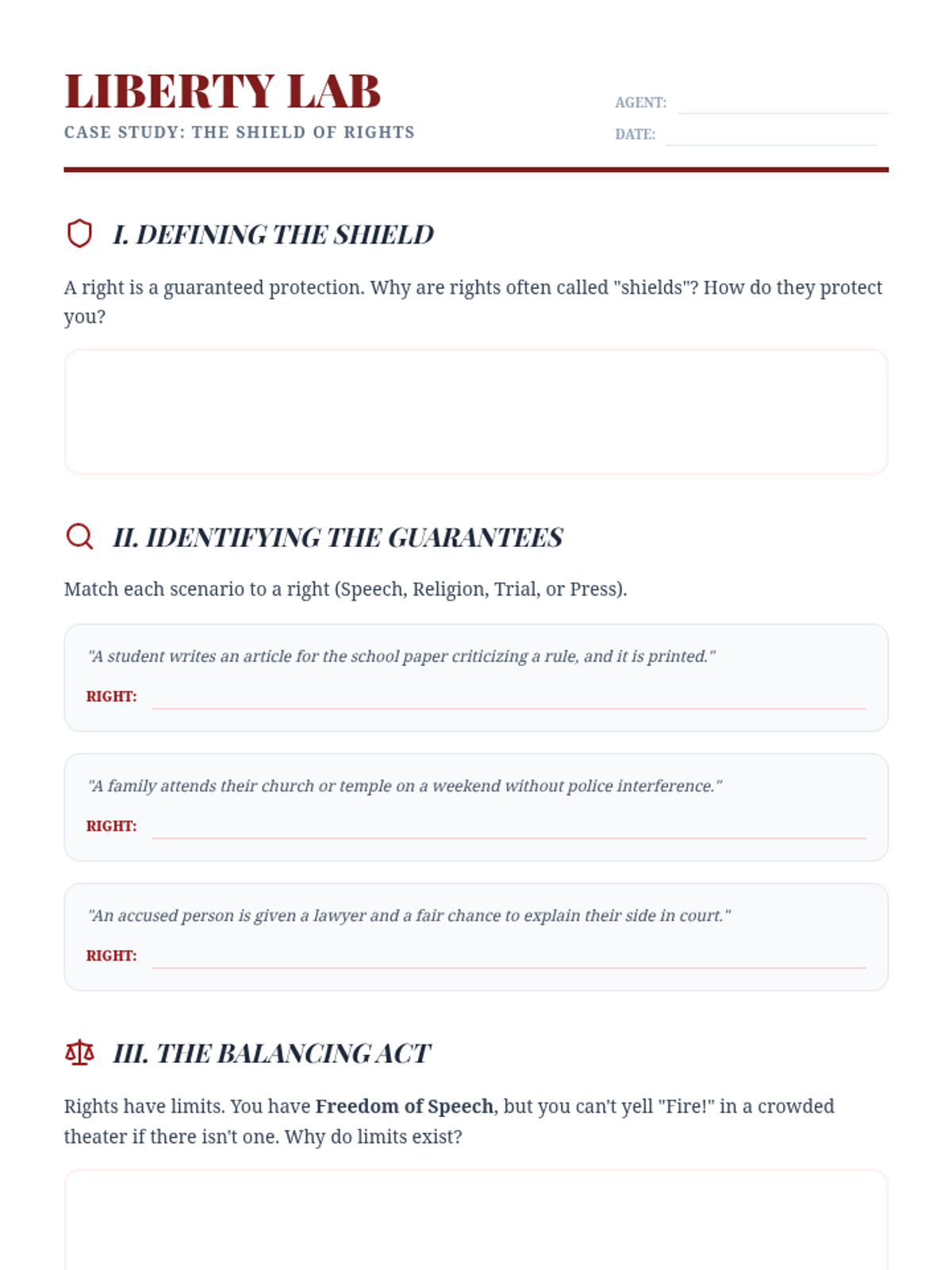
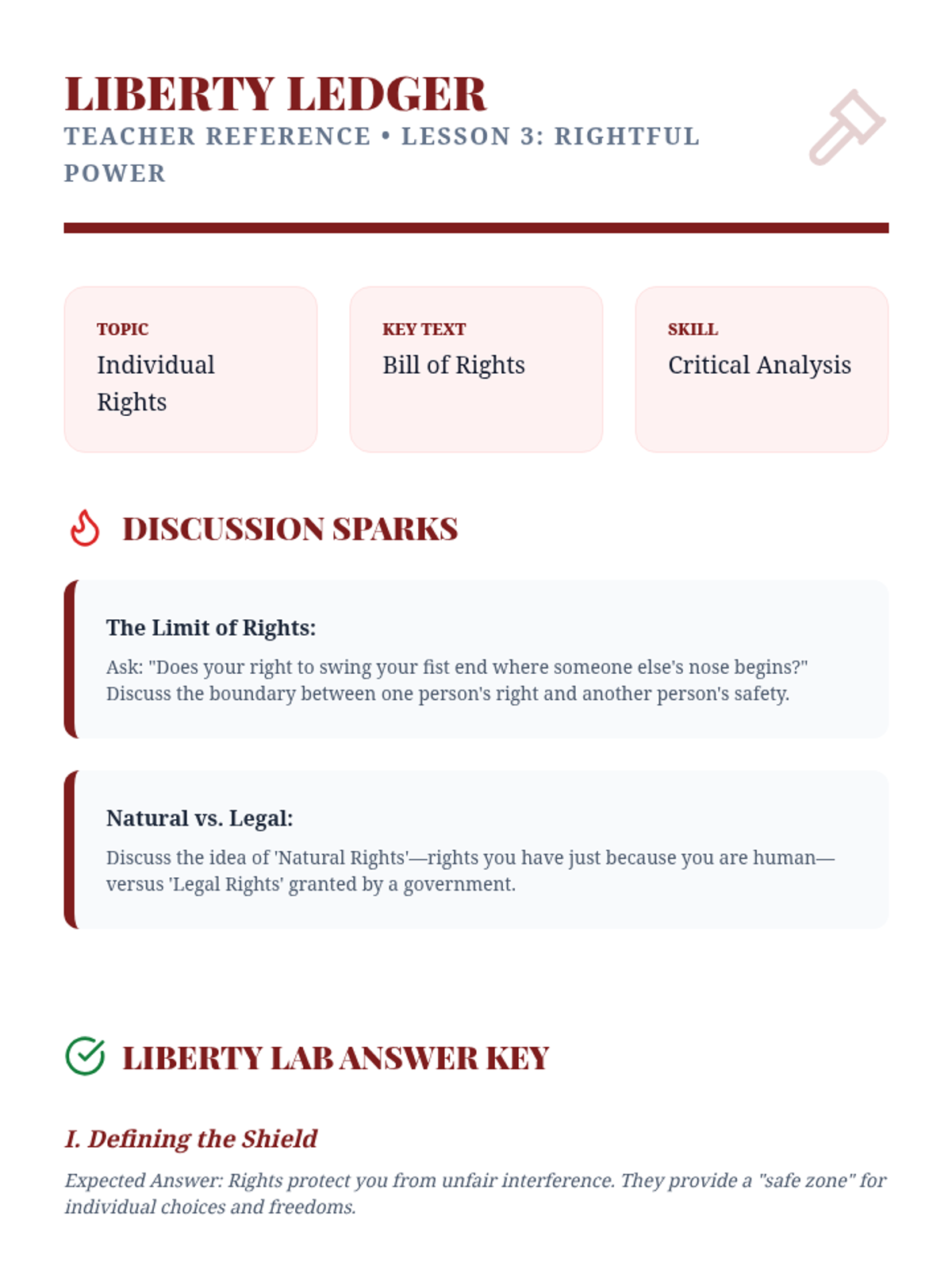
A detailed exploration of individual rights, the Bill of Rights, and how these protections empower citizens.
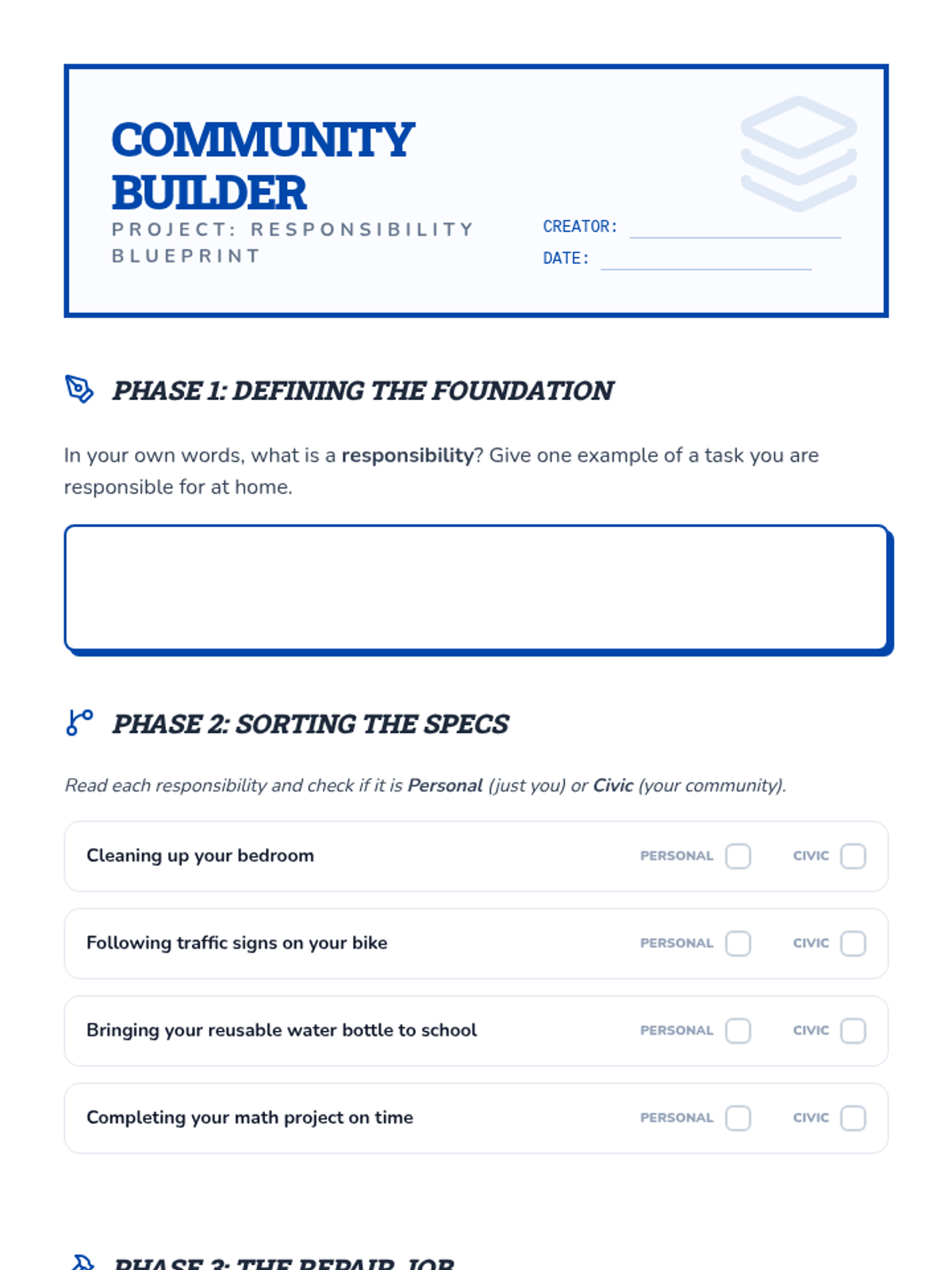
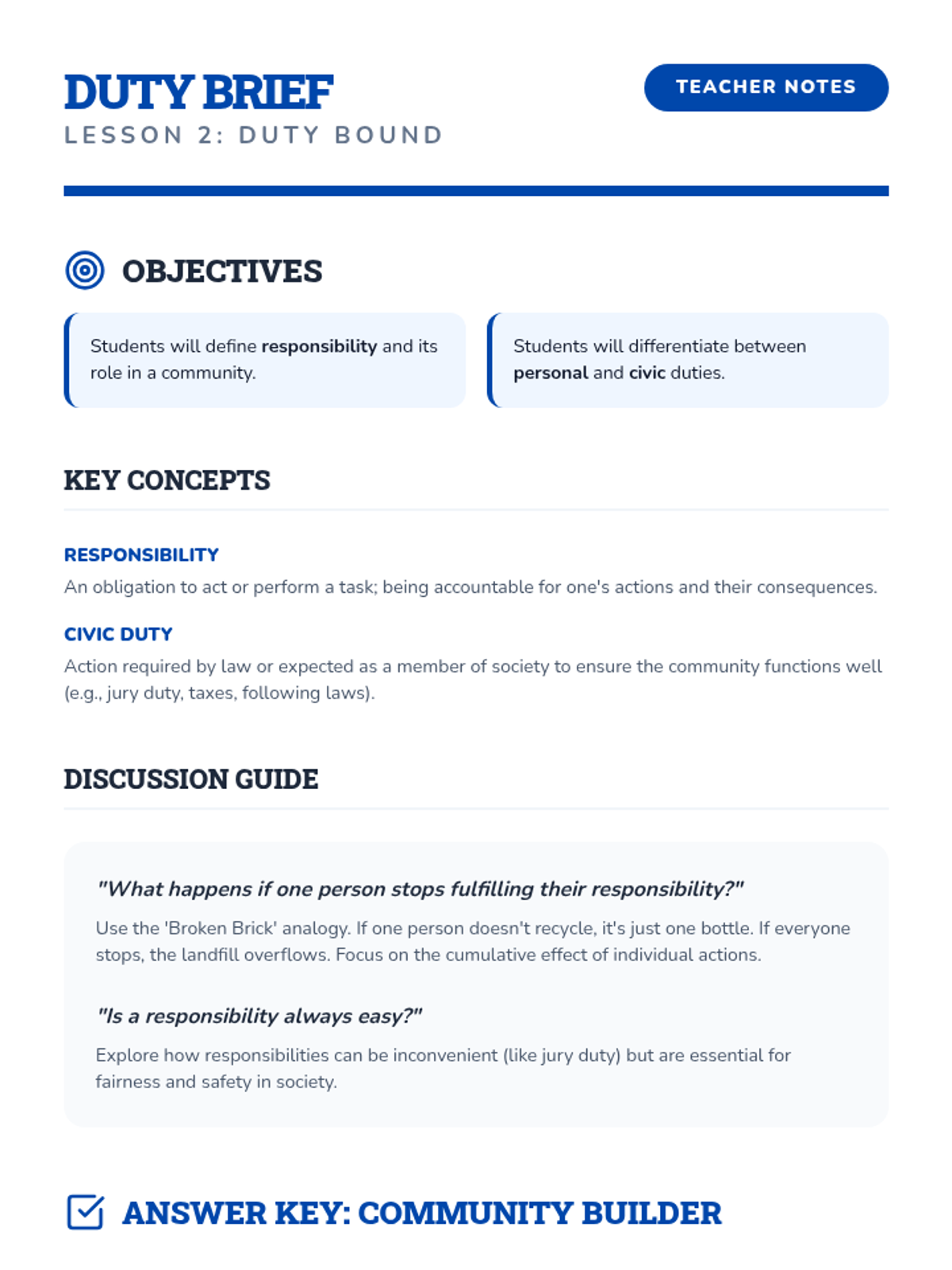
A deep dive into the concept of civic and personal responsibilities, exploring how duties shape communities.
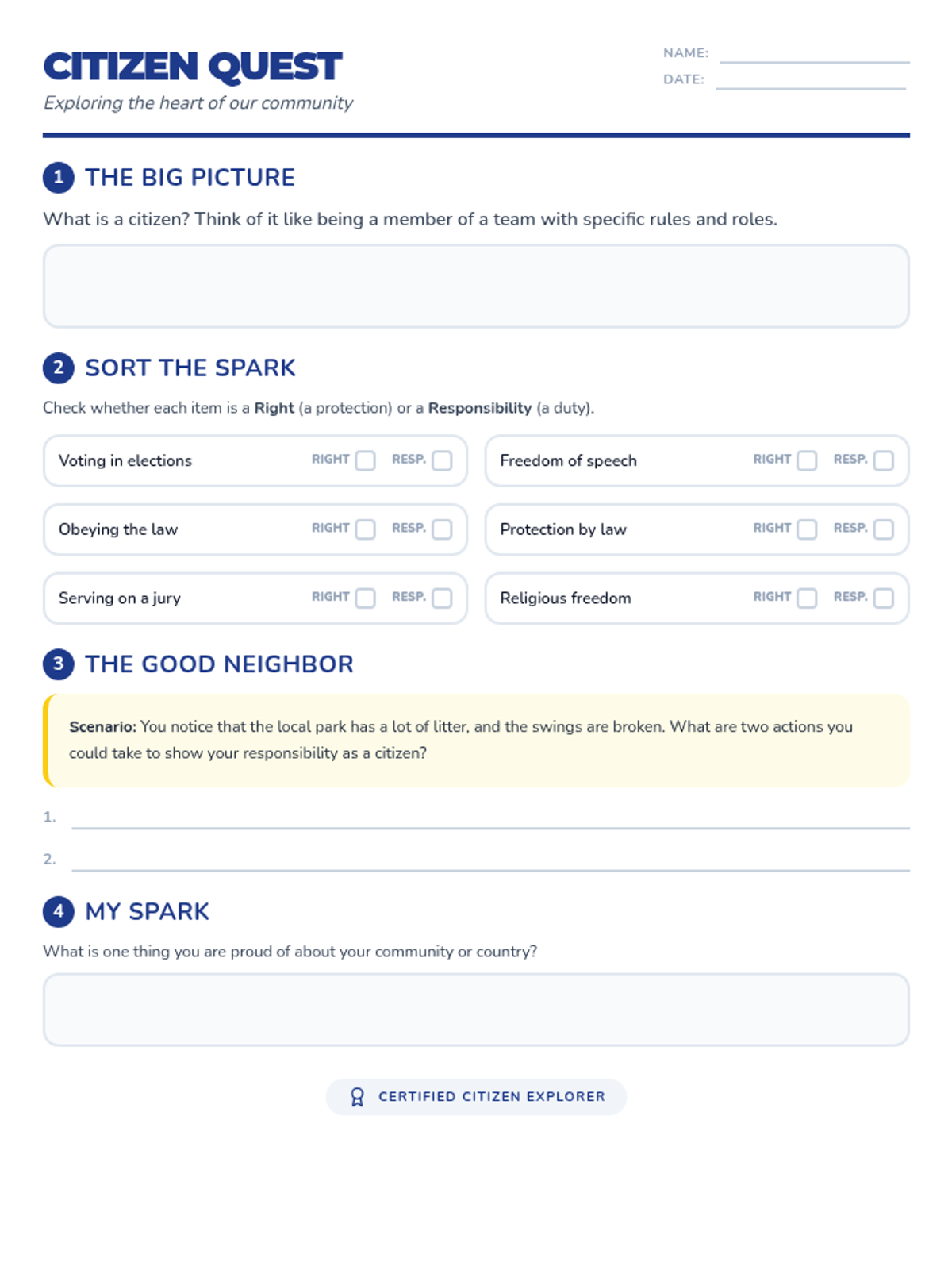
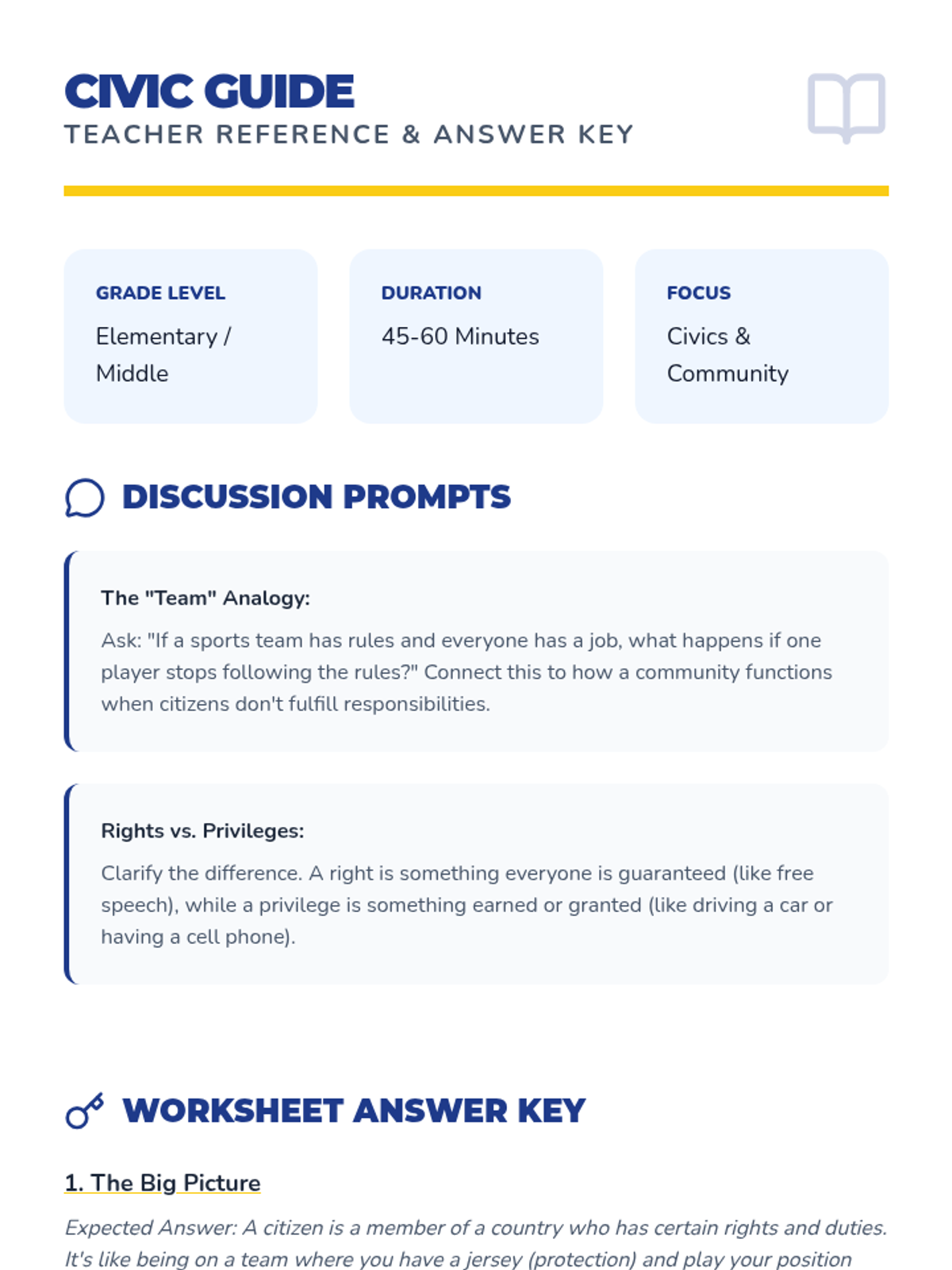
An introductory lesson exploring the concept of citizenship, including rights, responsibilities, and community involvement.
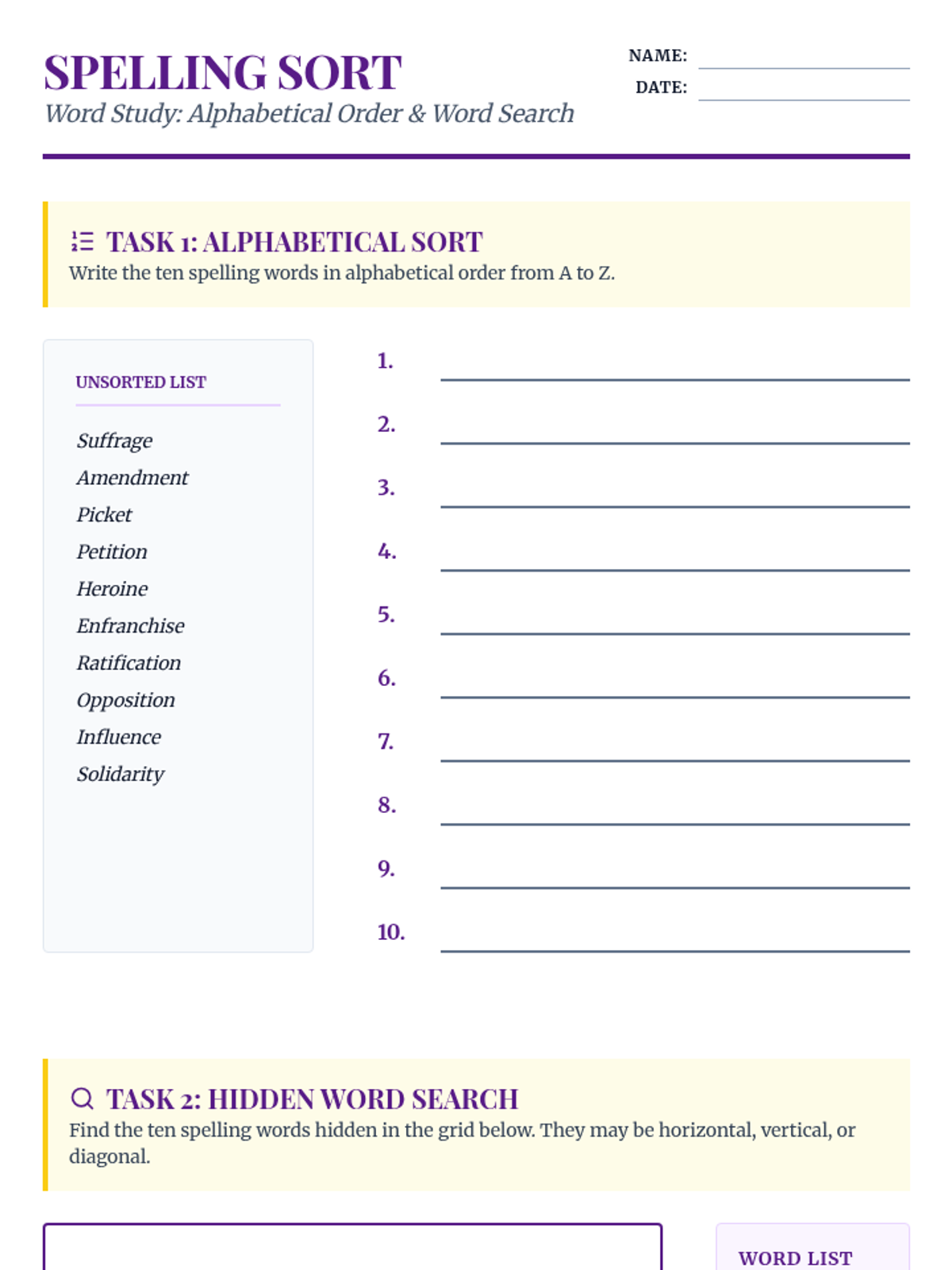
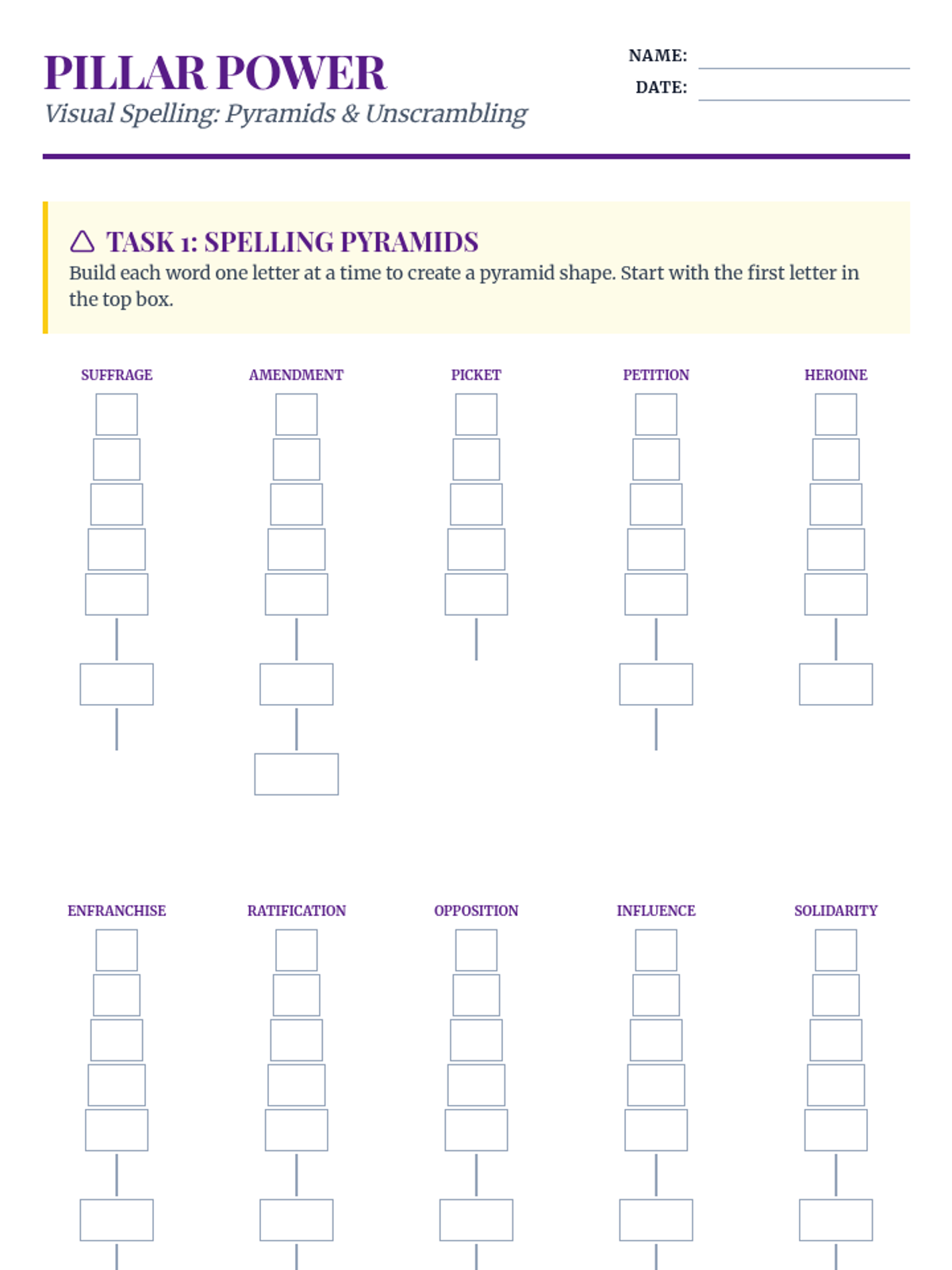
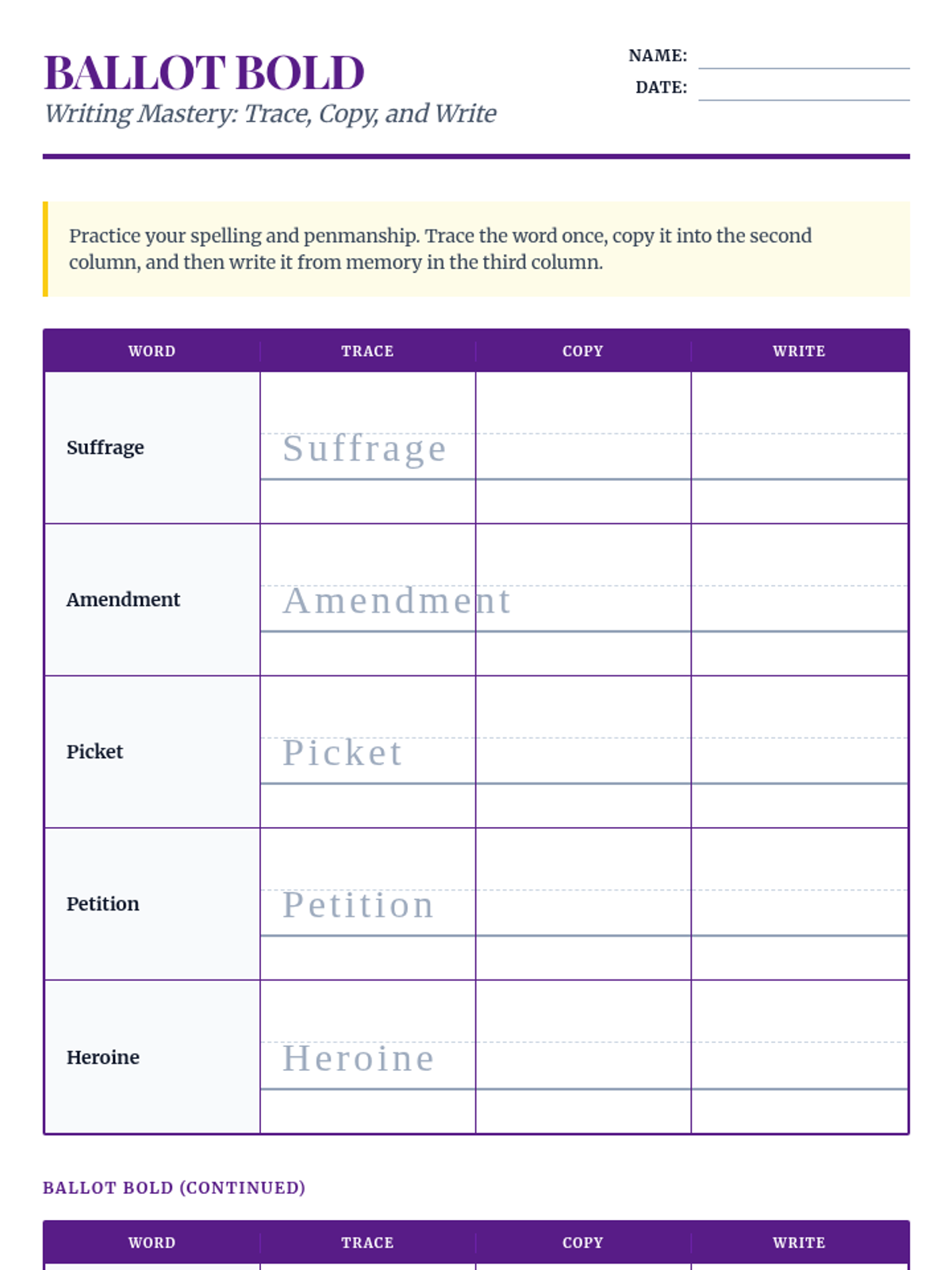
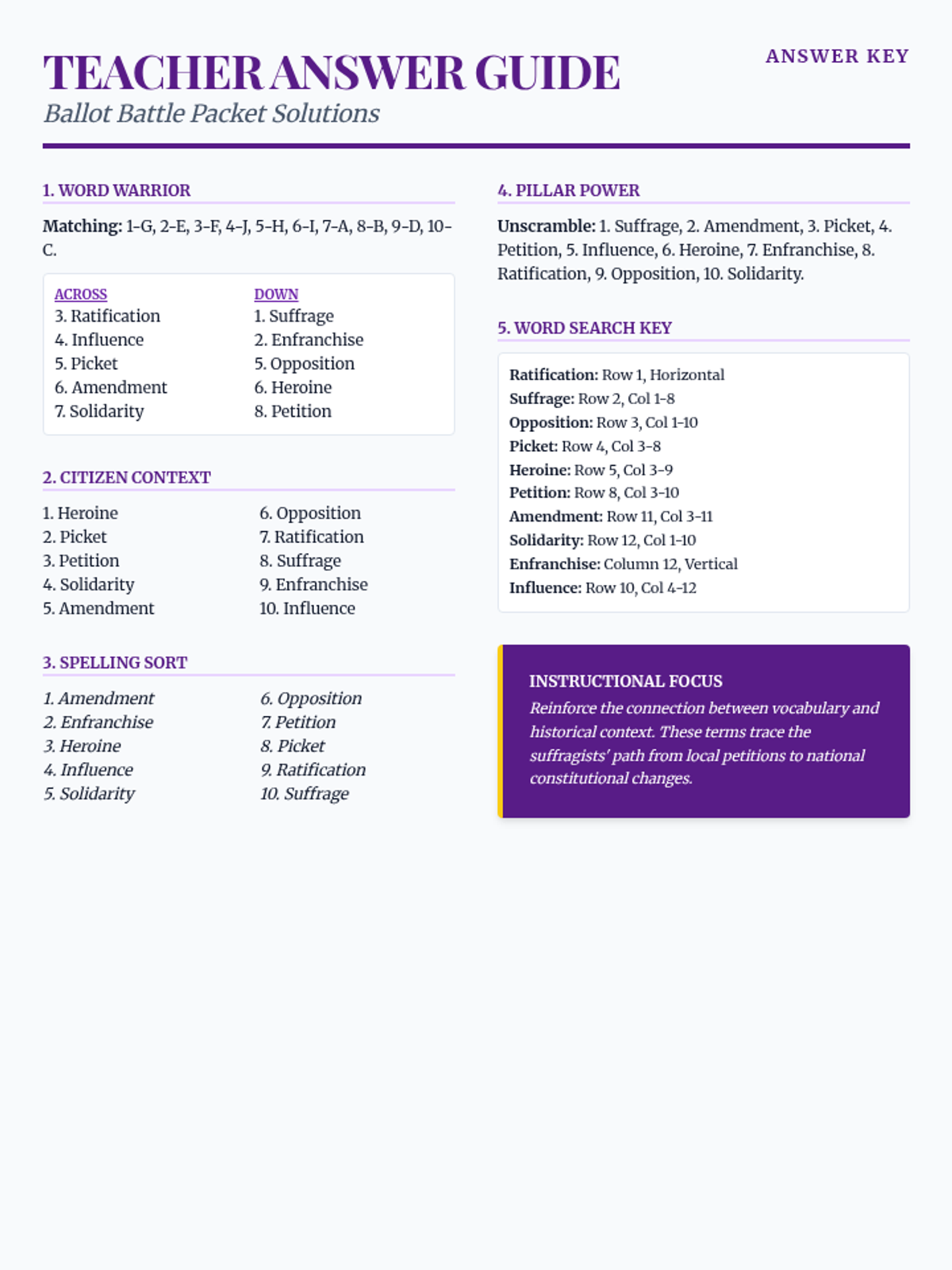
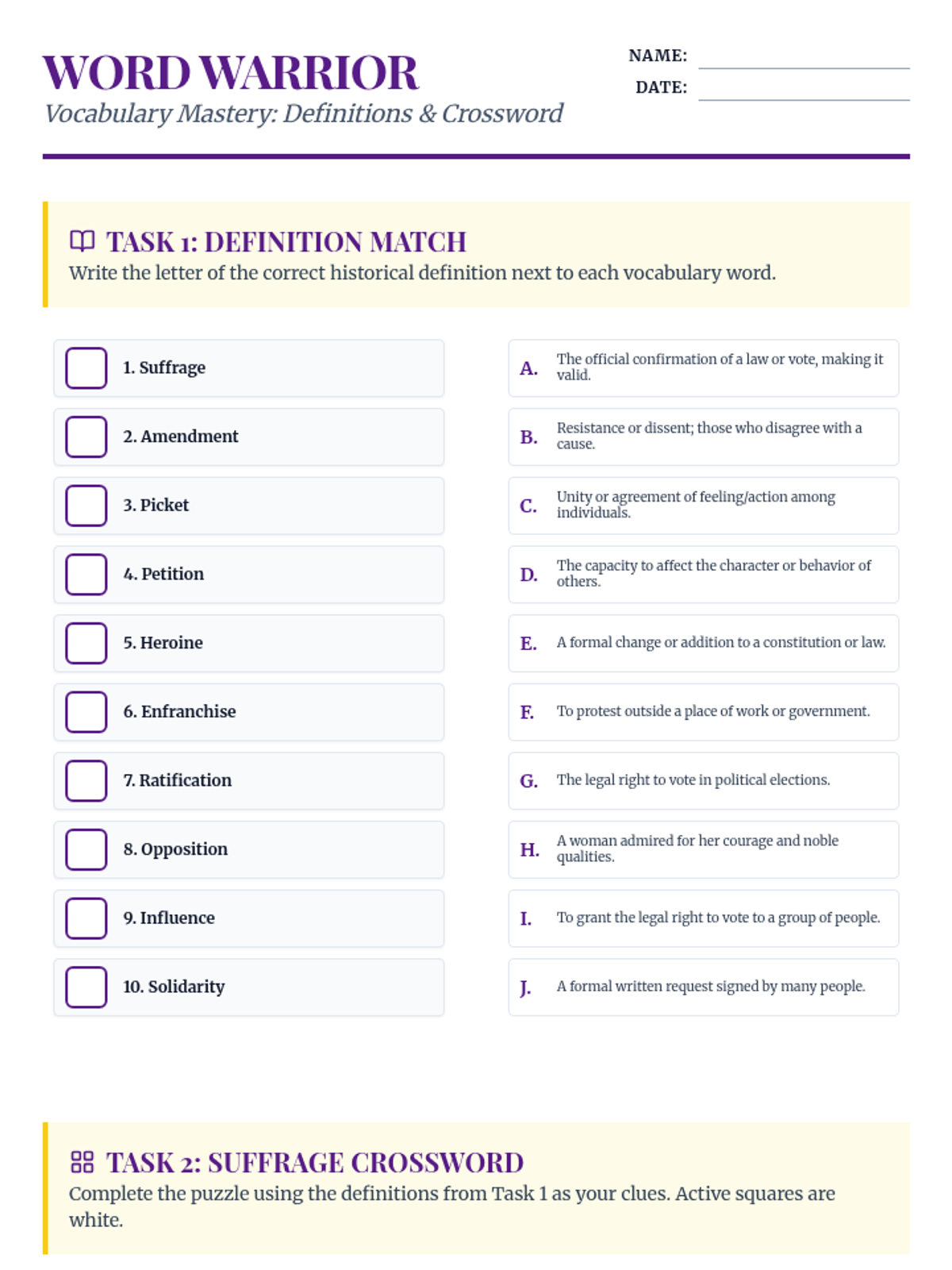
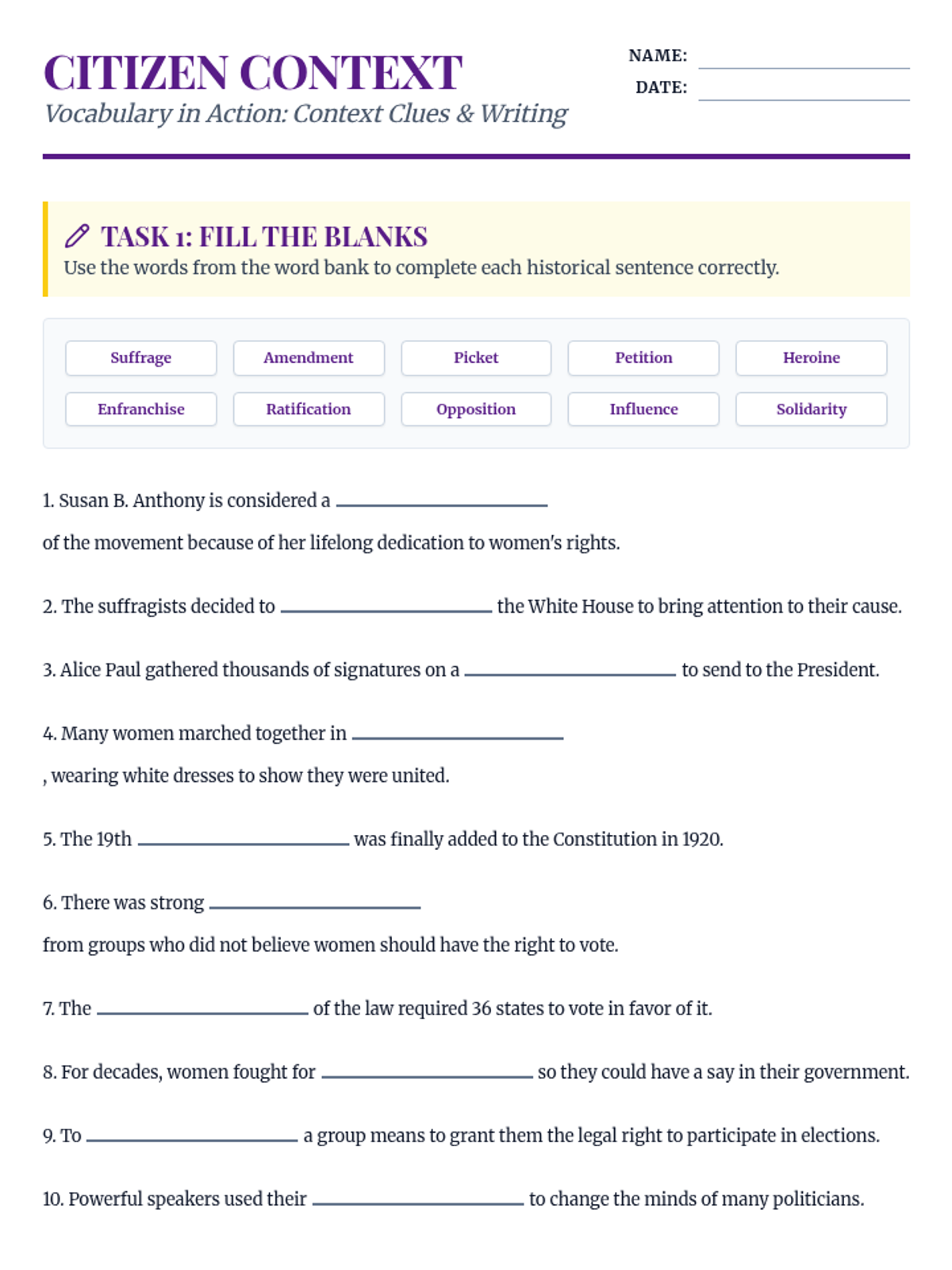
A comprehensive vocabulary and spelling packet focused on the history and language of the Women's Suffrage movement. Students will master ten thematic words through diverse linguistic and orthographic activities.
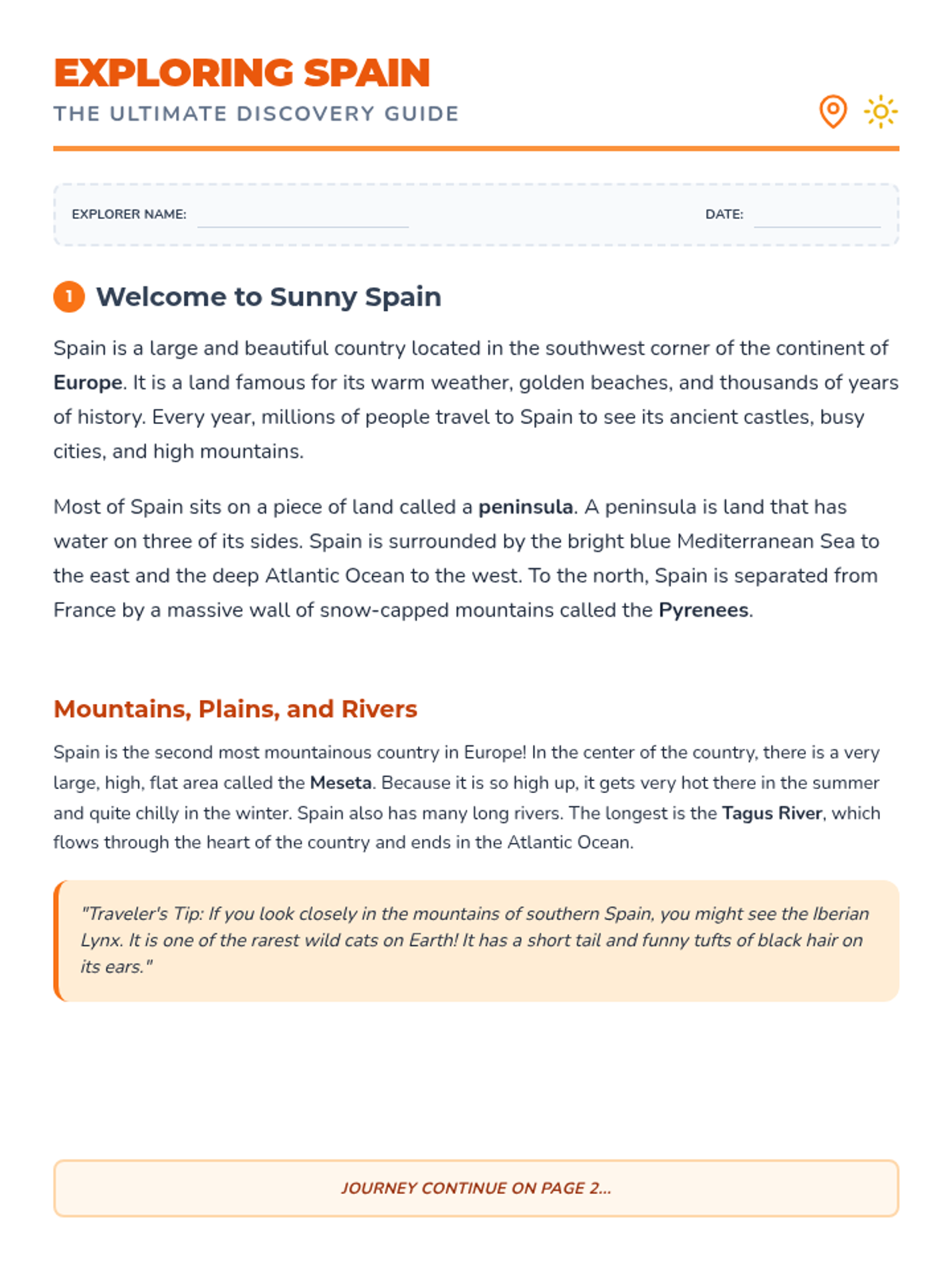
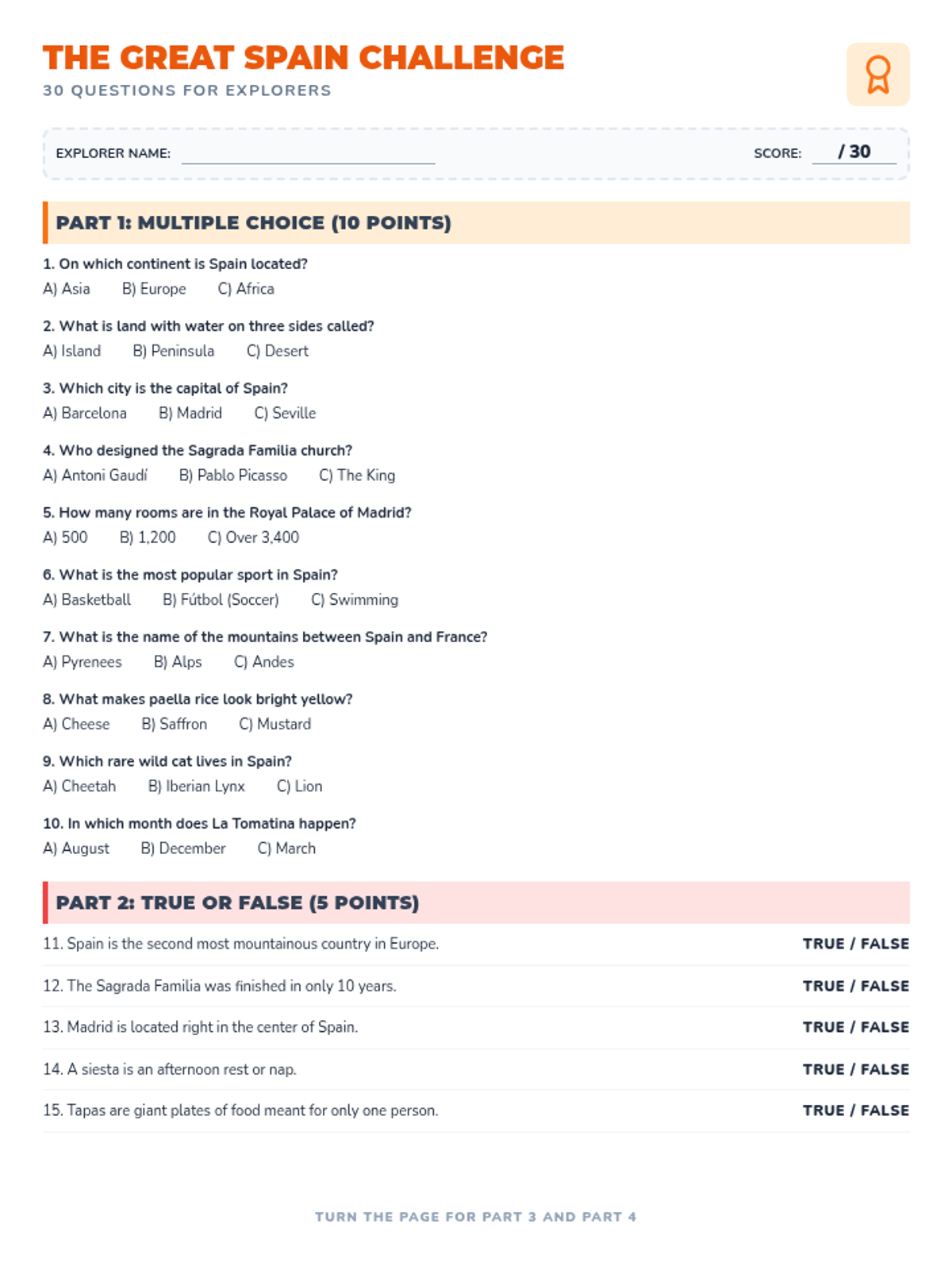
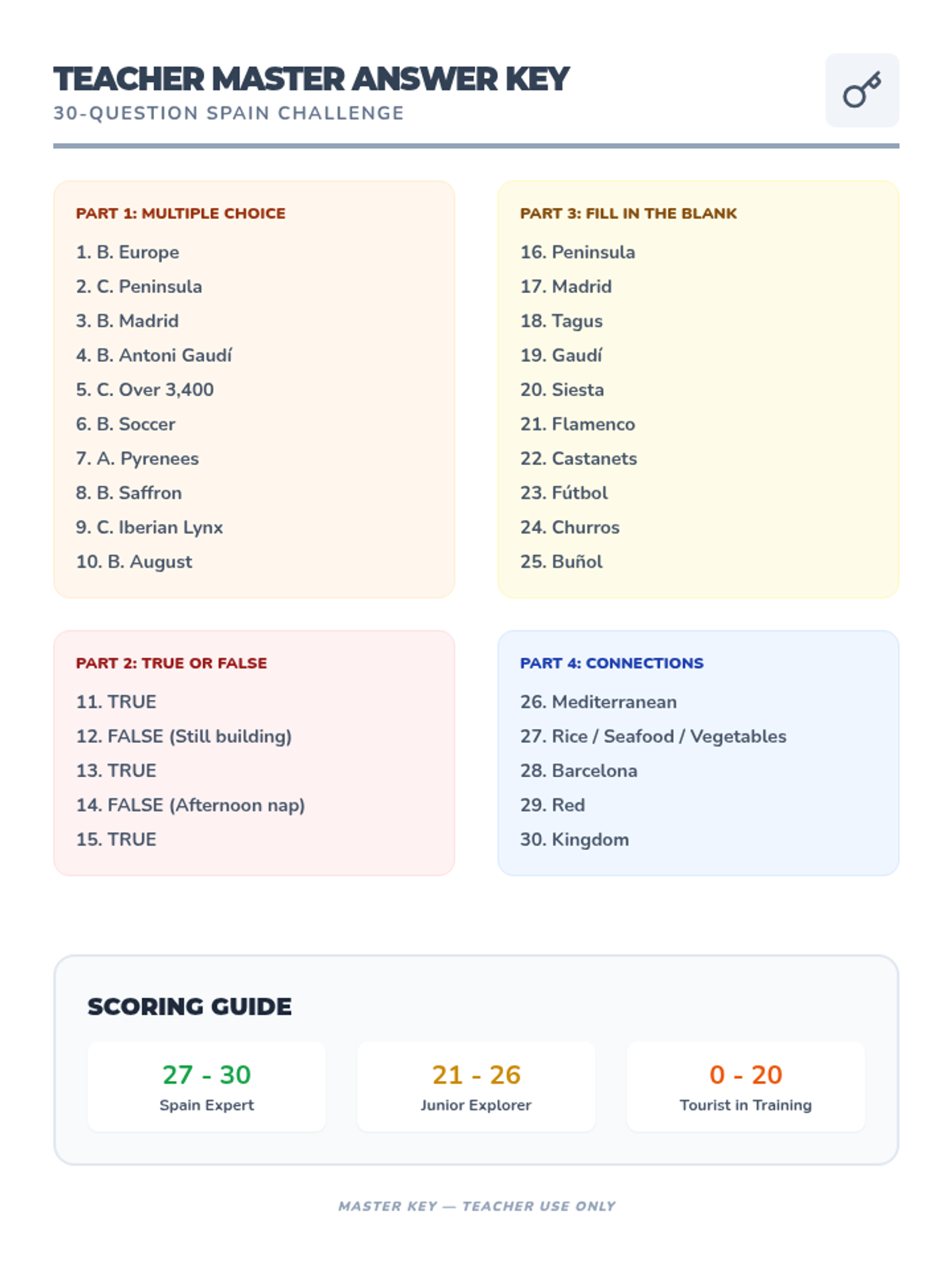
A comprehensive introduction to the geography, culture, and traditions of Spain designed for early elementary students. Includes a detailed reading passage, visual aids, and comprehension activities.
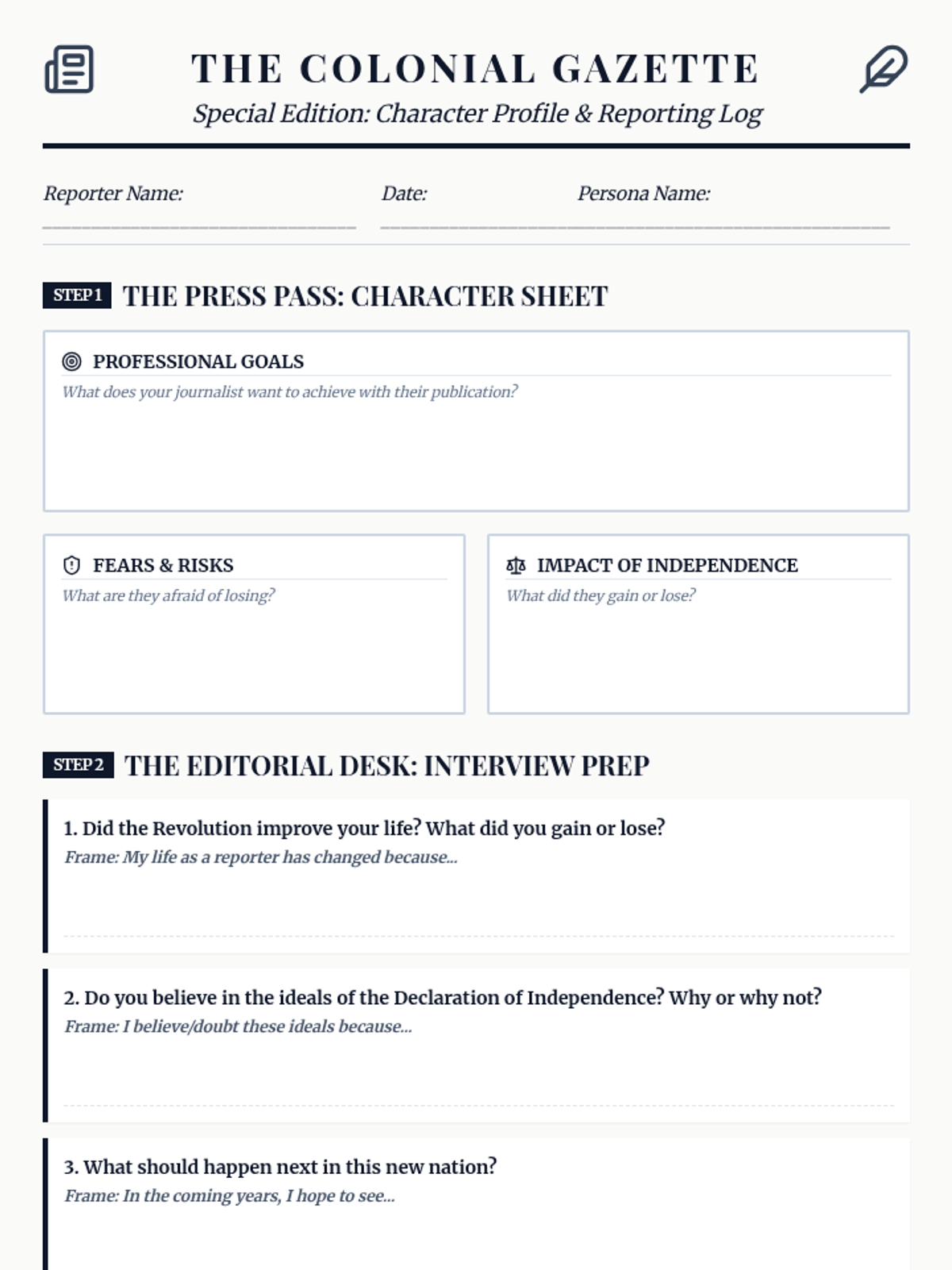
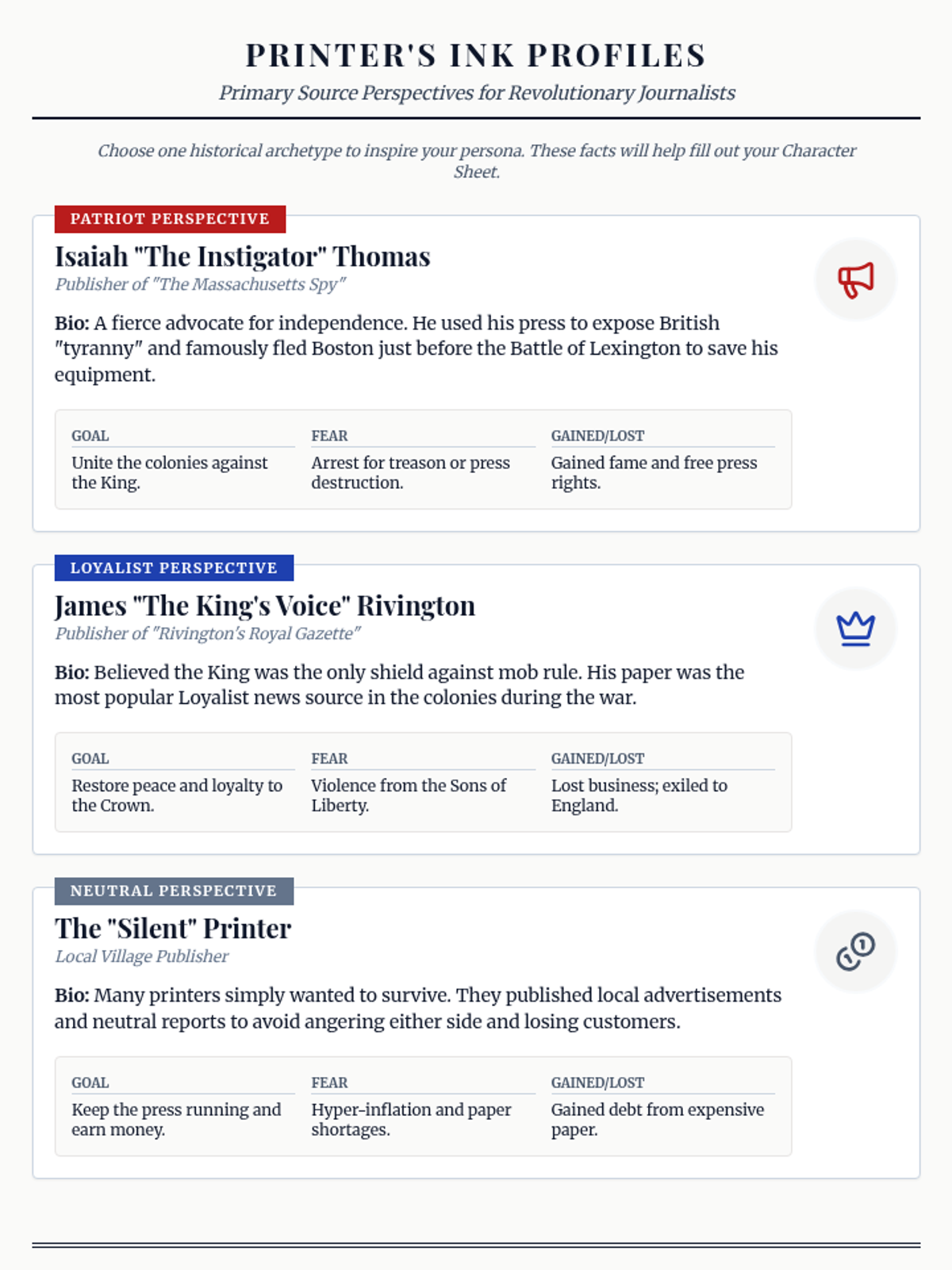
A role-playing activity where students take on the persona of a Revolutionary-era journalist to analyze the impacts and ideals of the American Revolution.
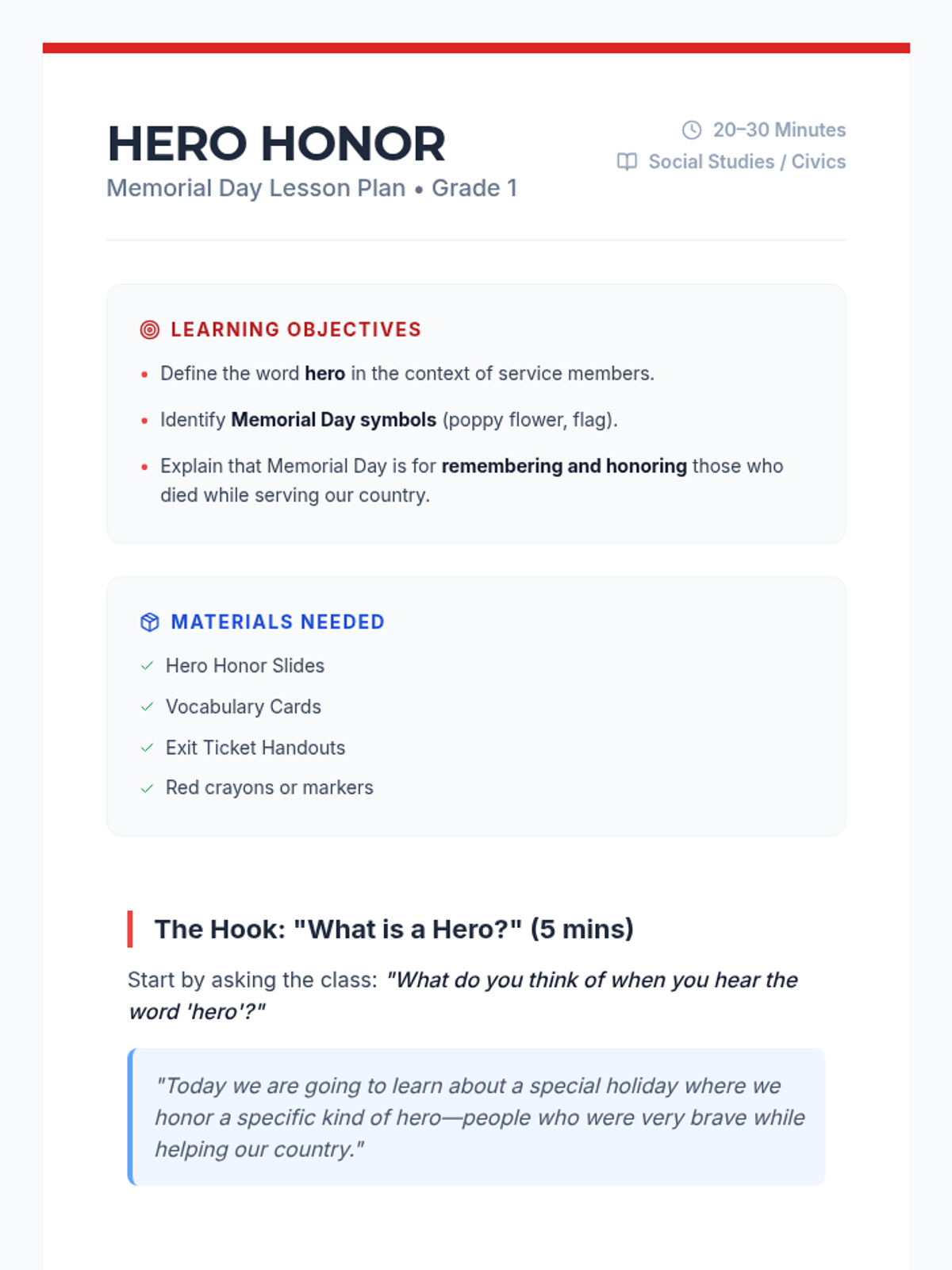
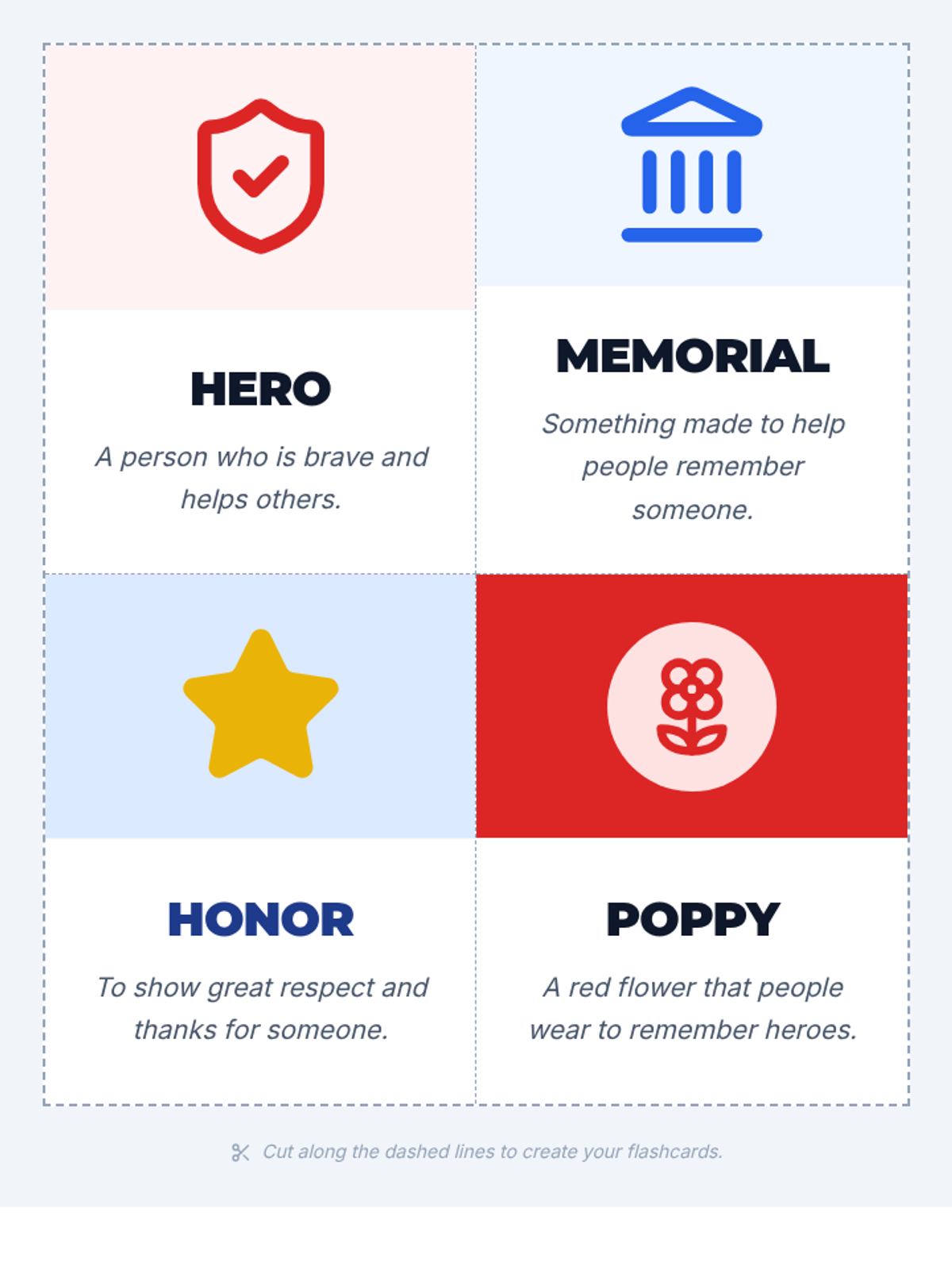
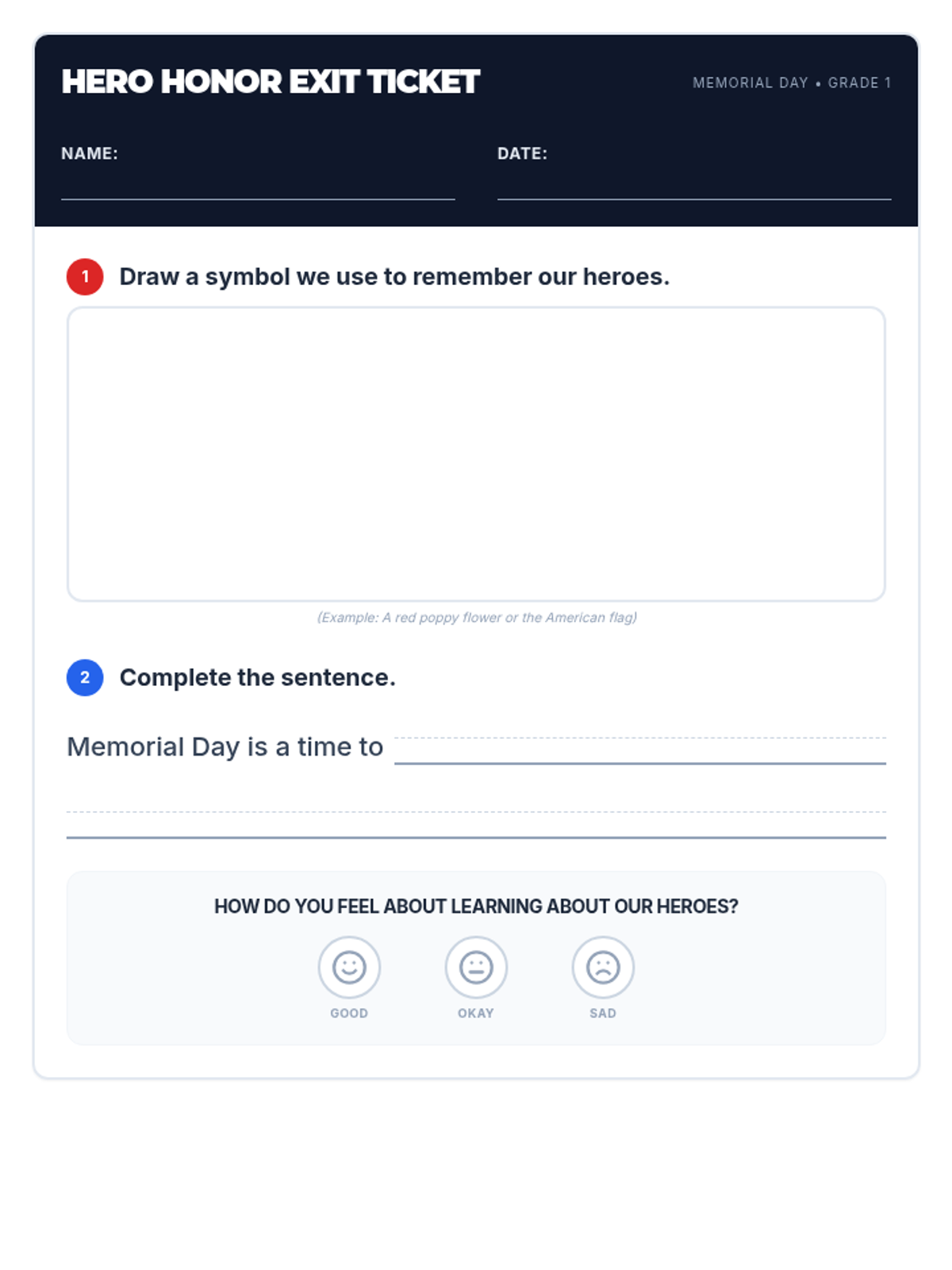
A 20-30 minute introductory lesson for 1st graders to understand the significance of Memorial Day, the concept of a hero, and key national symbols of remembrance.
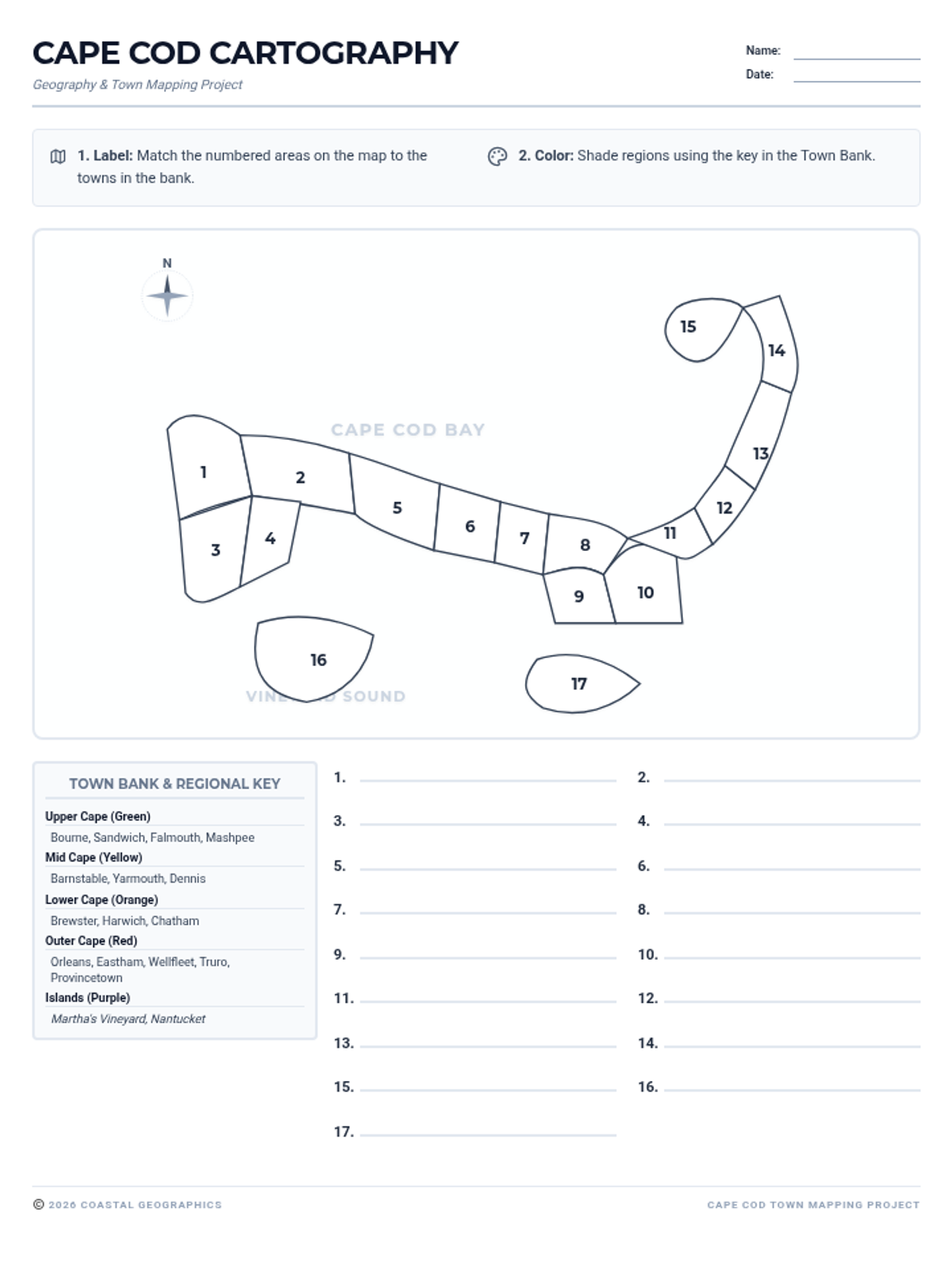
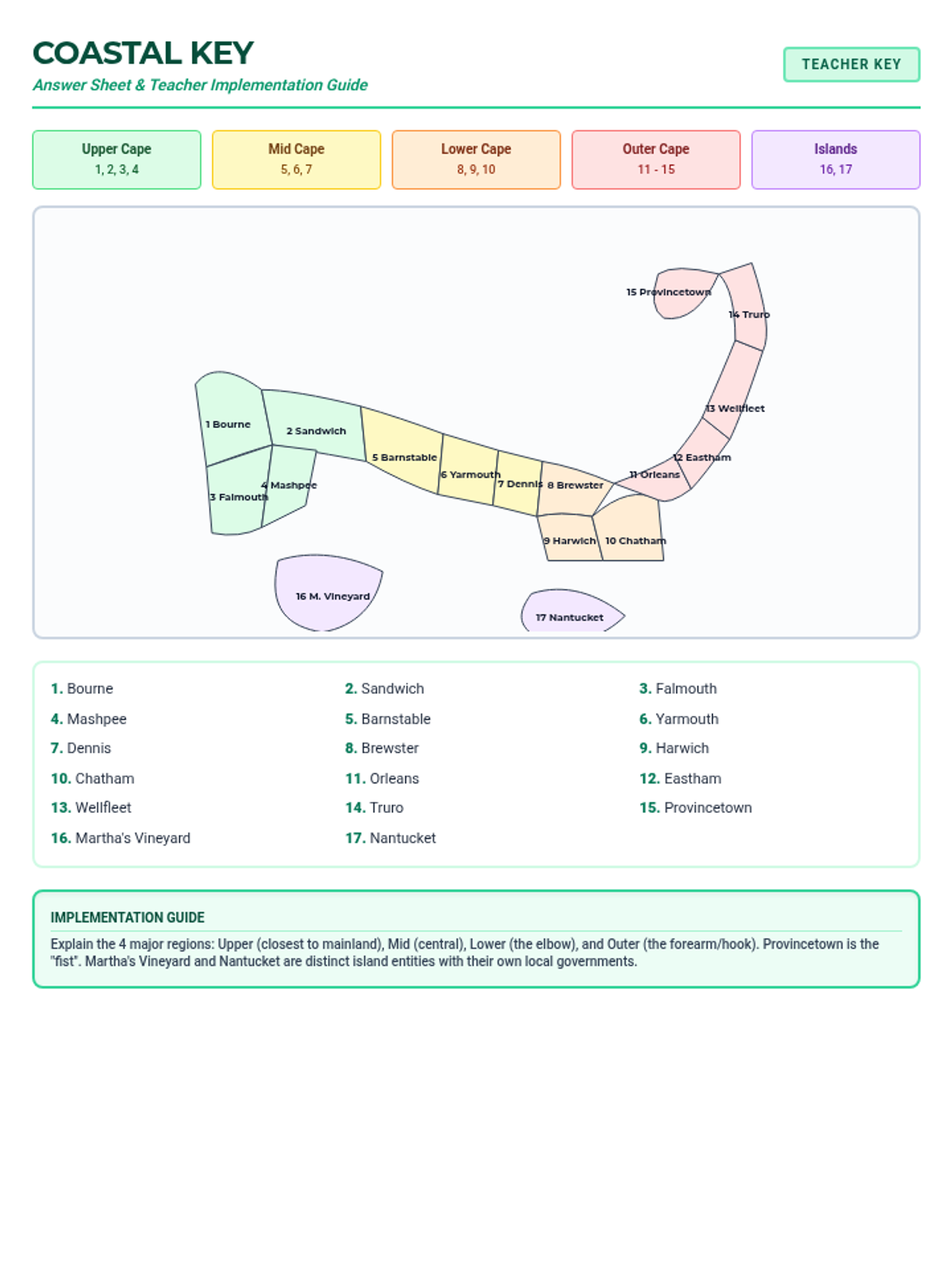
A lesson focused on the unique geography of Cape Cod and the Islands, including town identification and regional categorization.