A lesson for first graders about the life and character of Jackie Robinson, focusing on his bravery and hard work in breaking the color barrier in baseball.
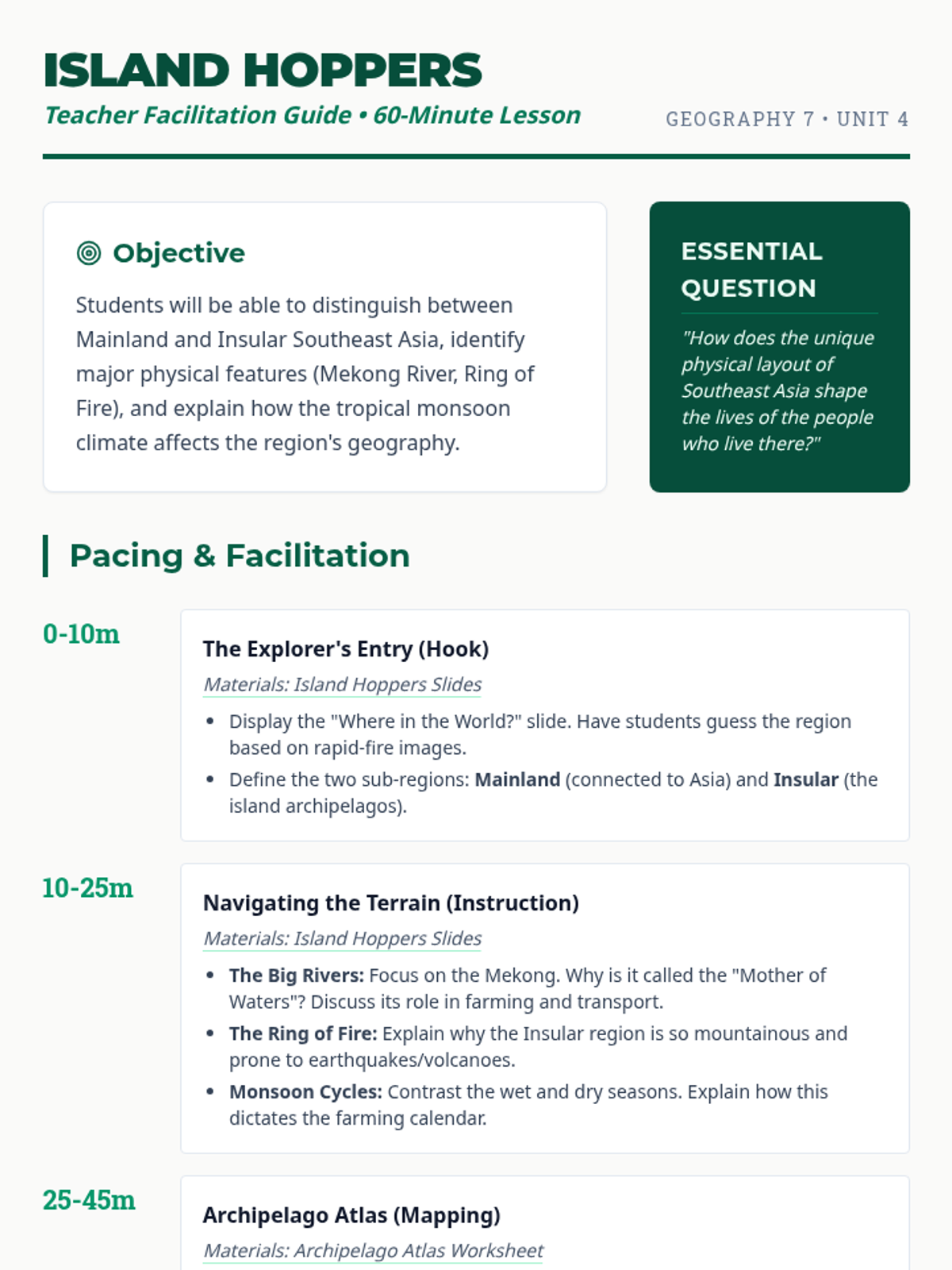
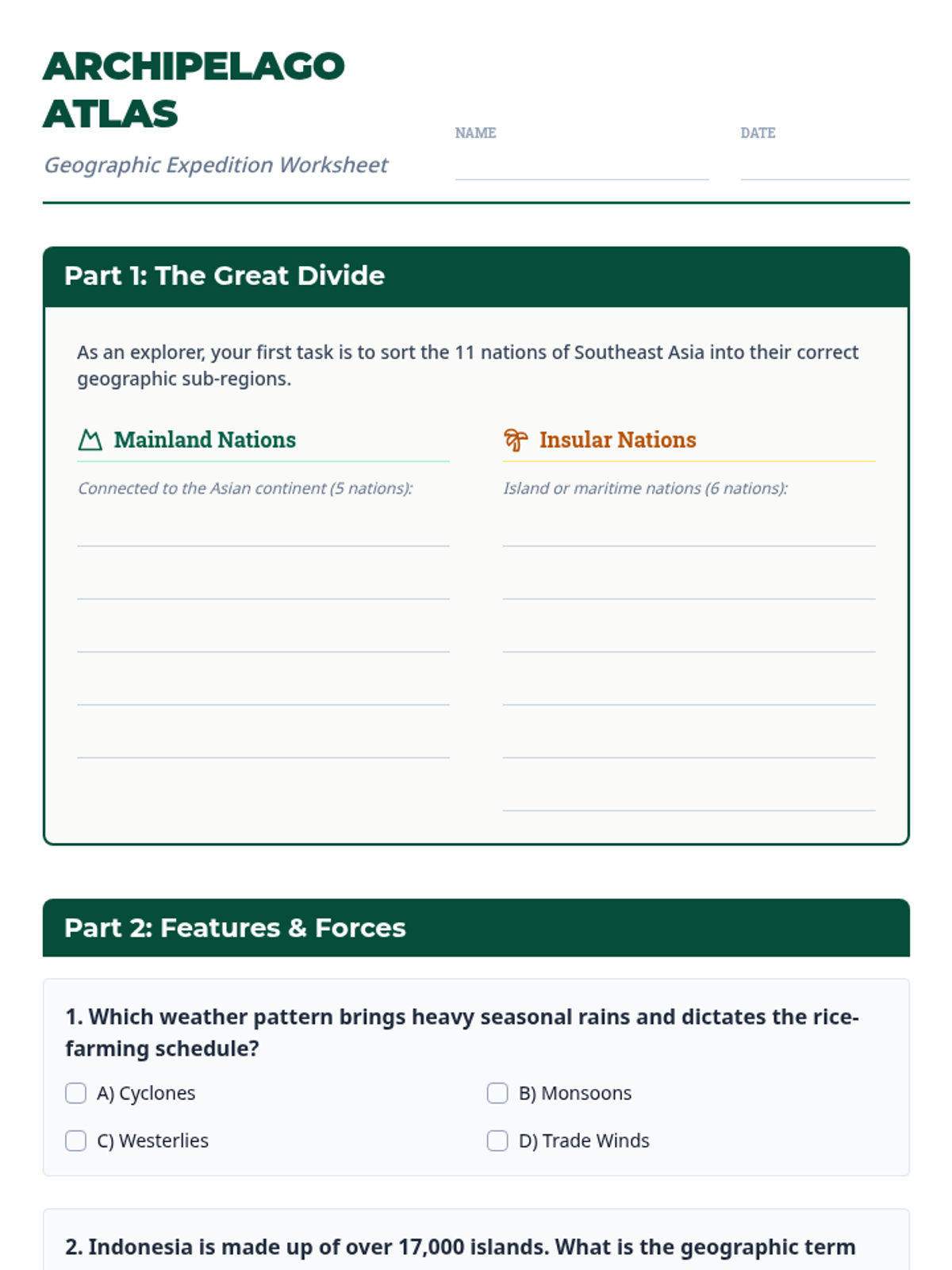
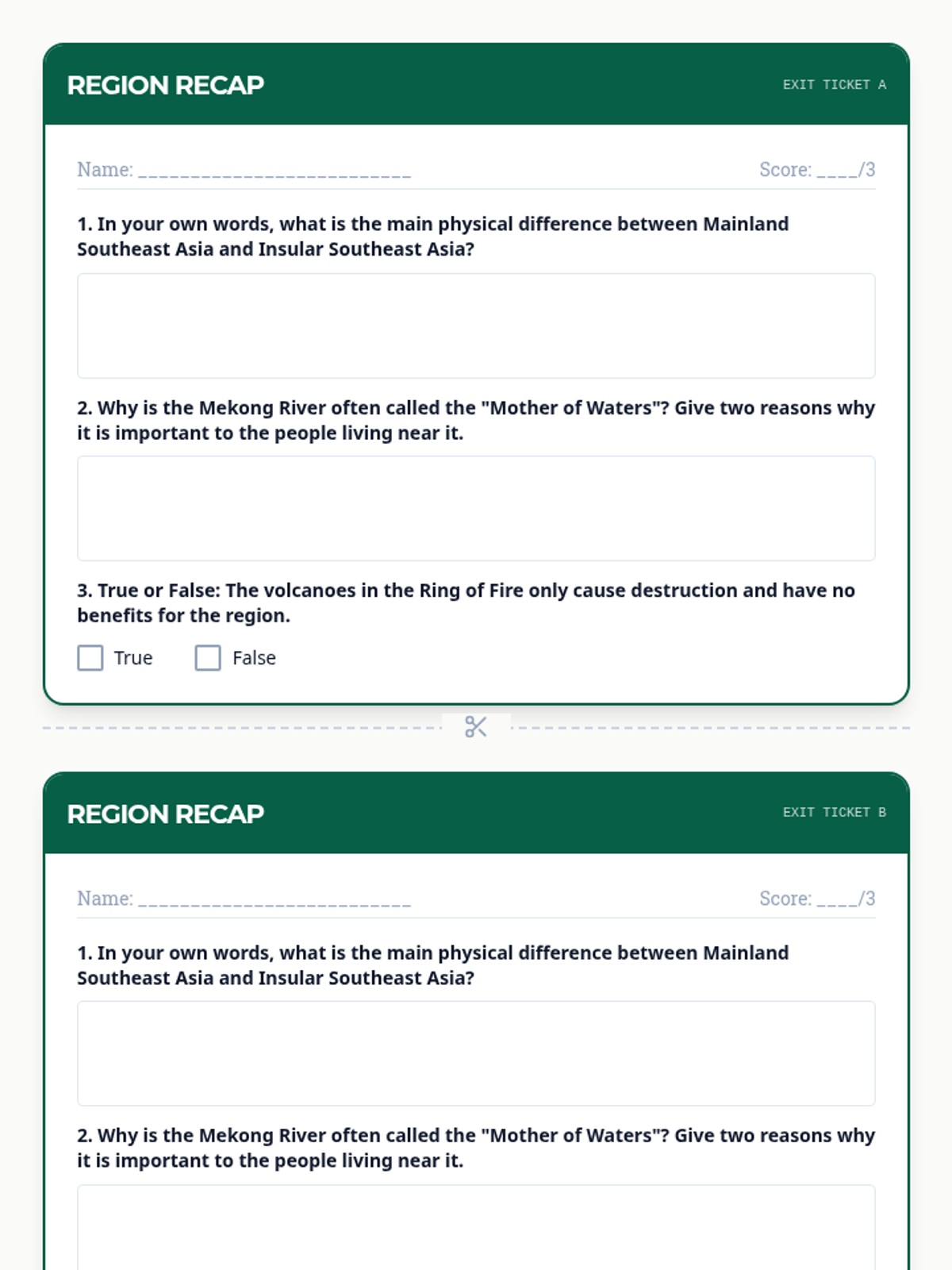
A comprehensive geography lesson for 7th graders exploring the unique physical features, climates, and regions of Mainland and Insular Southeast Asia through the lens of an explorer's journey.
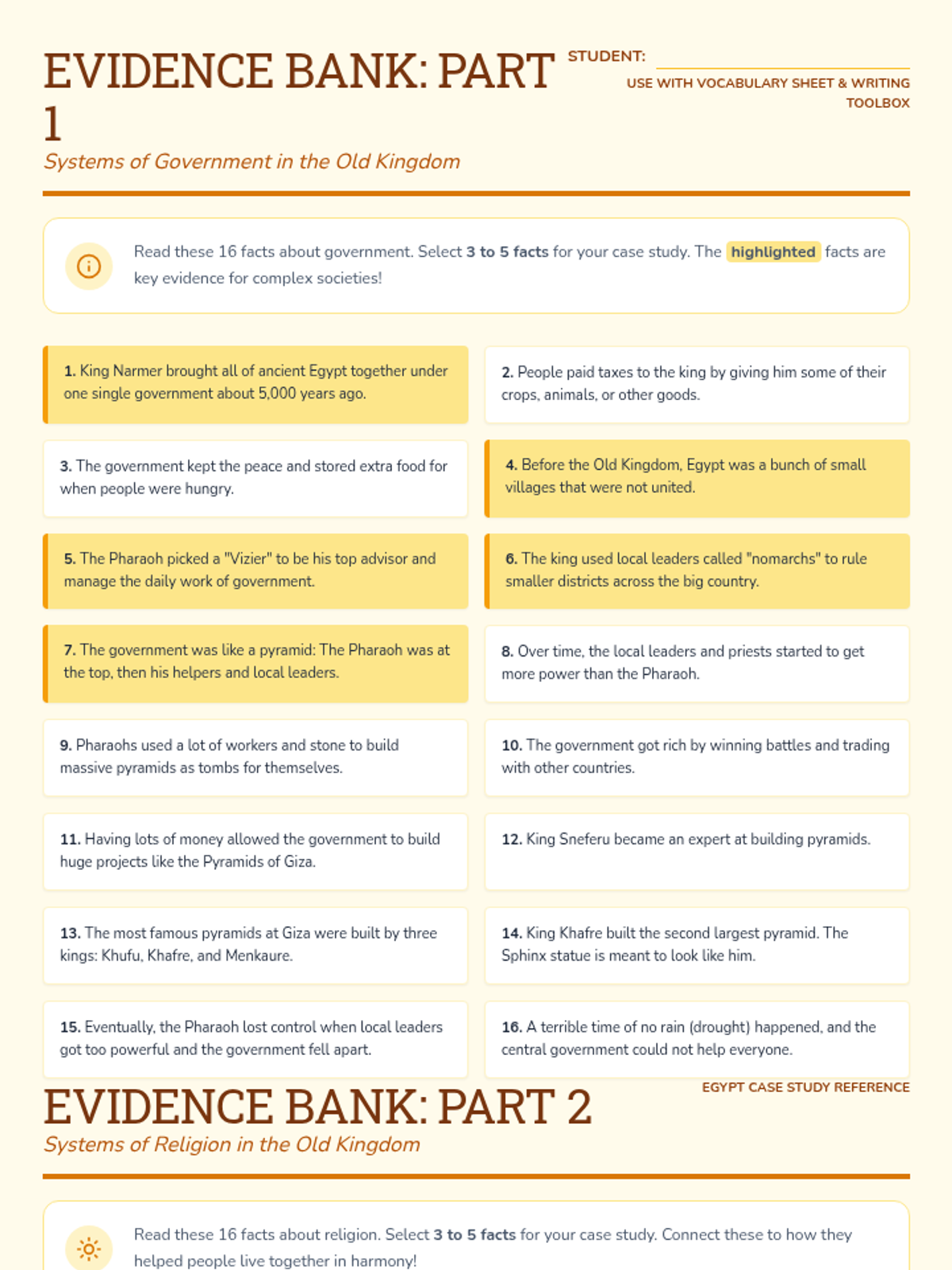
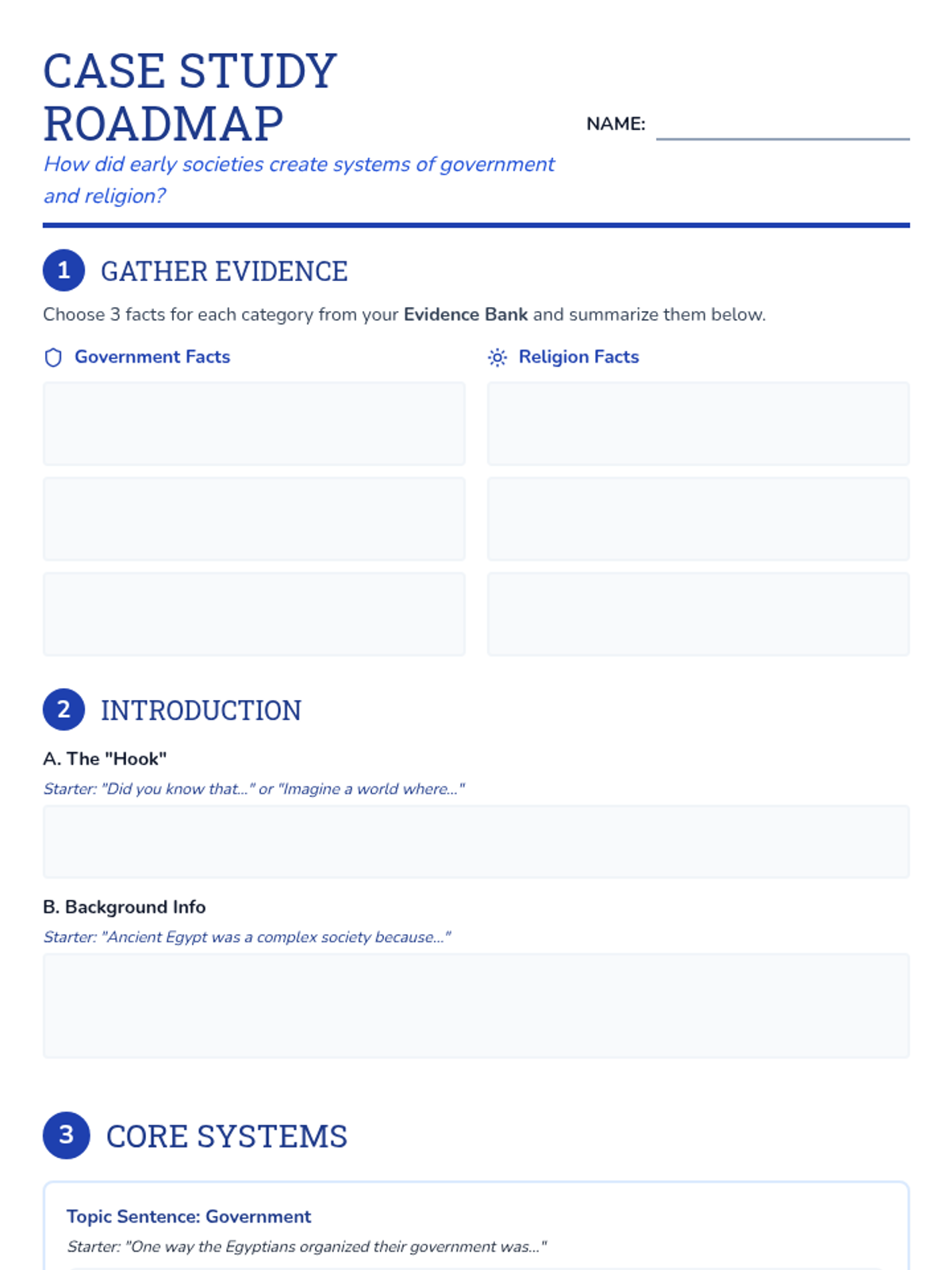
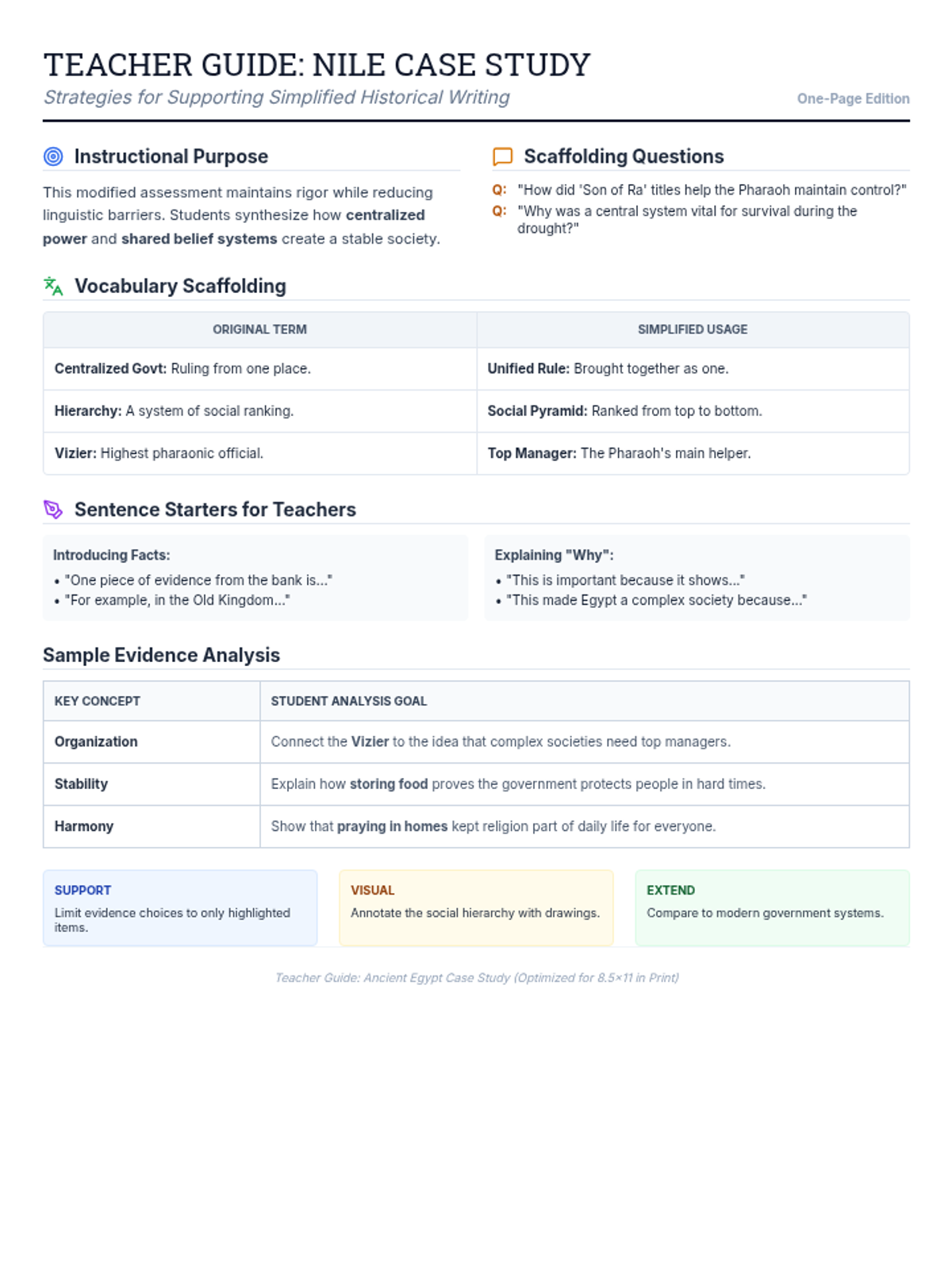
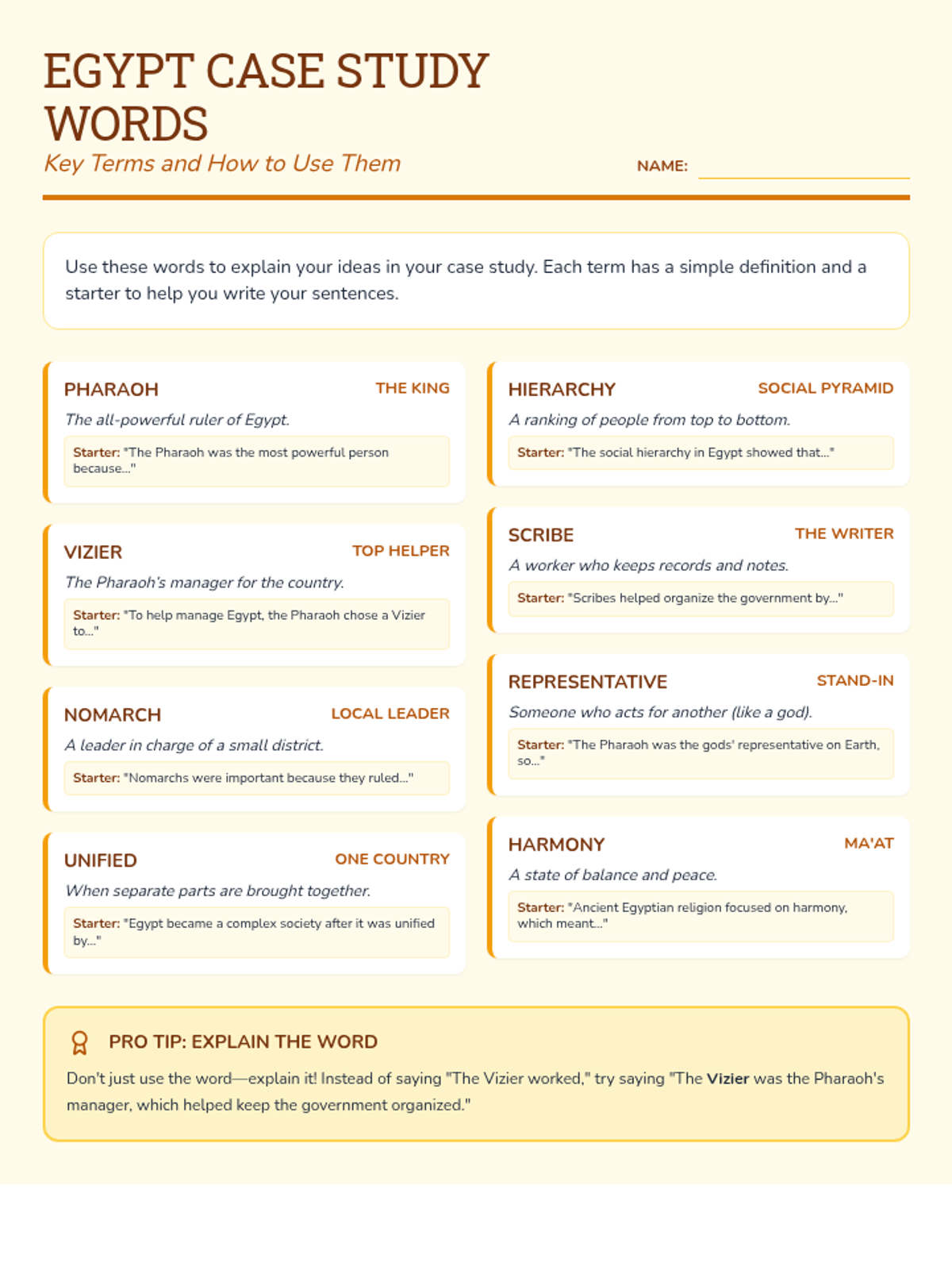
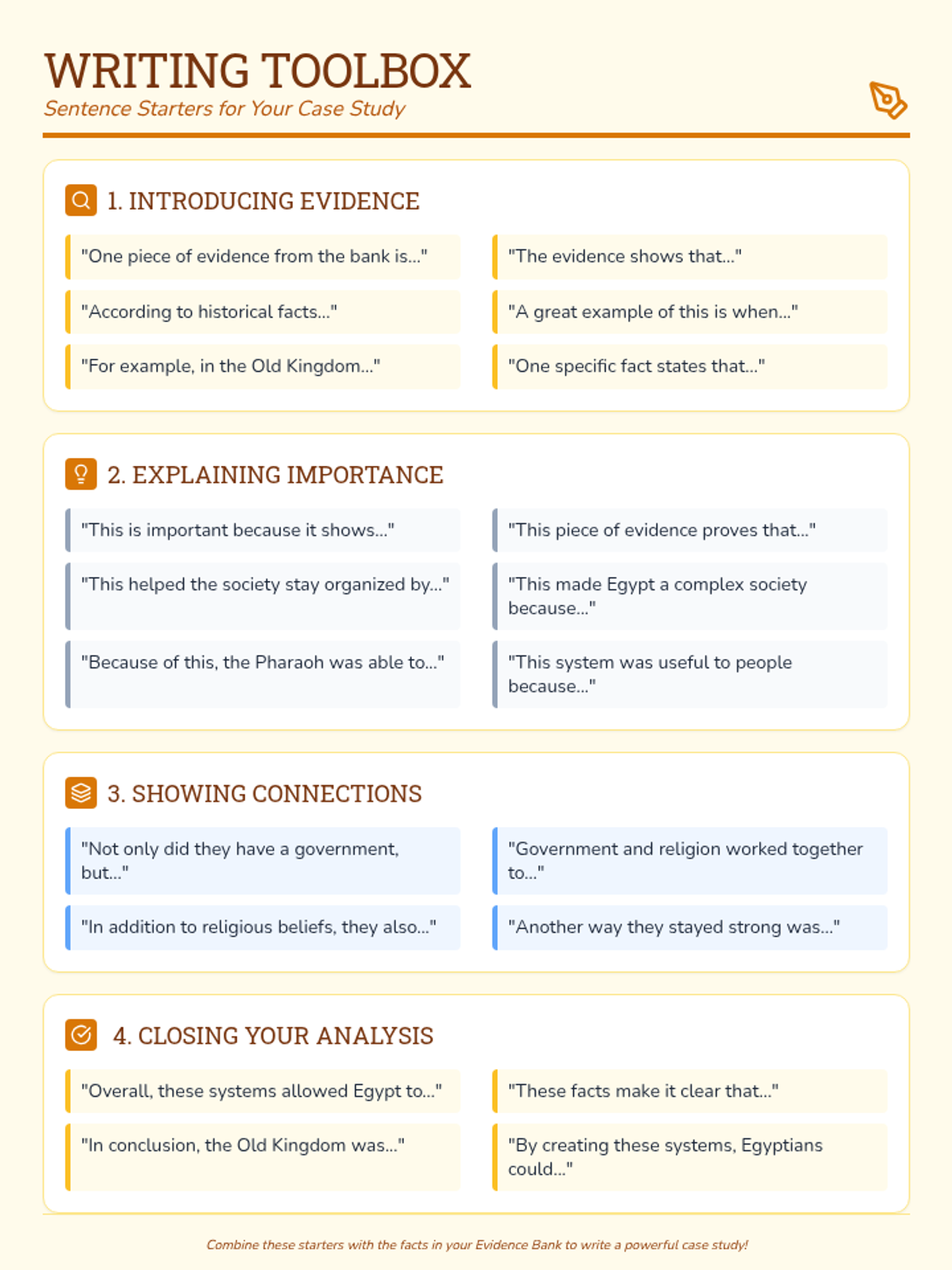
A summative assessment lesson where students use simplified evidence to explain how ancient Egyptians created complex systems of government and religion during the Old Kingdom.
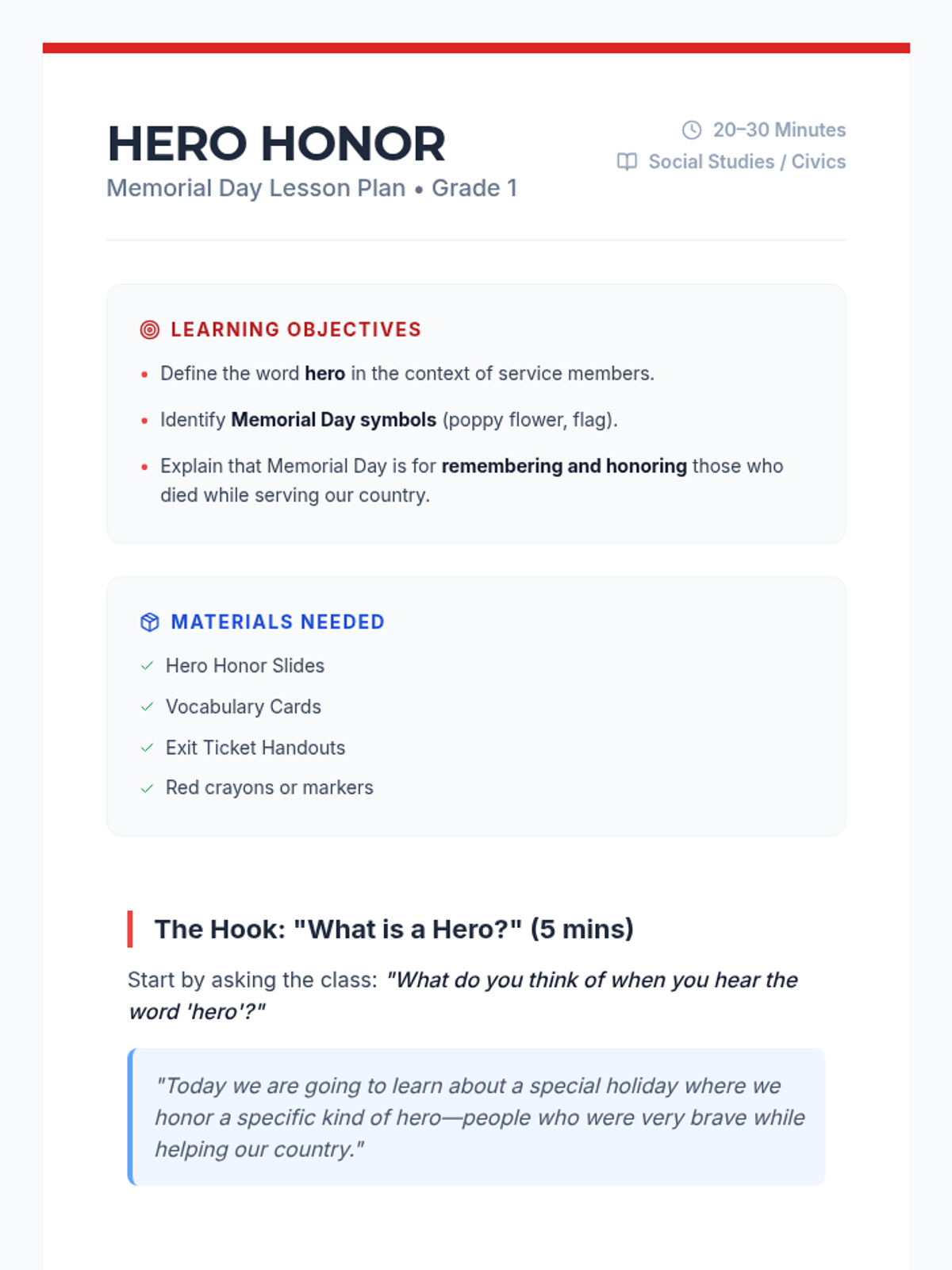
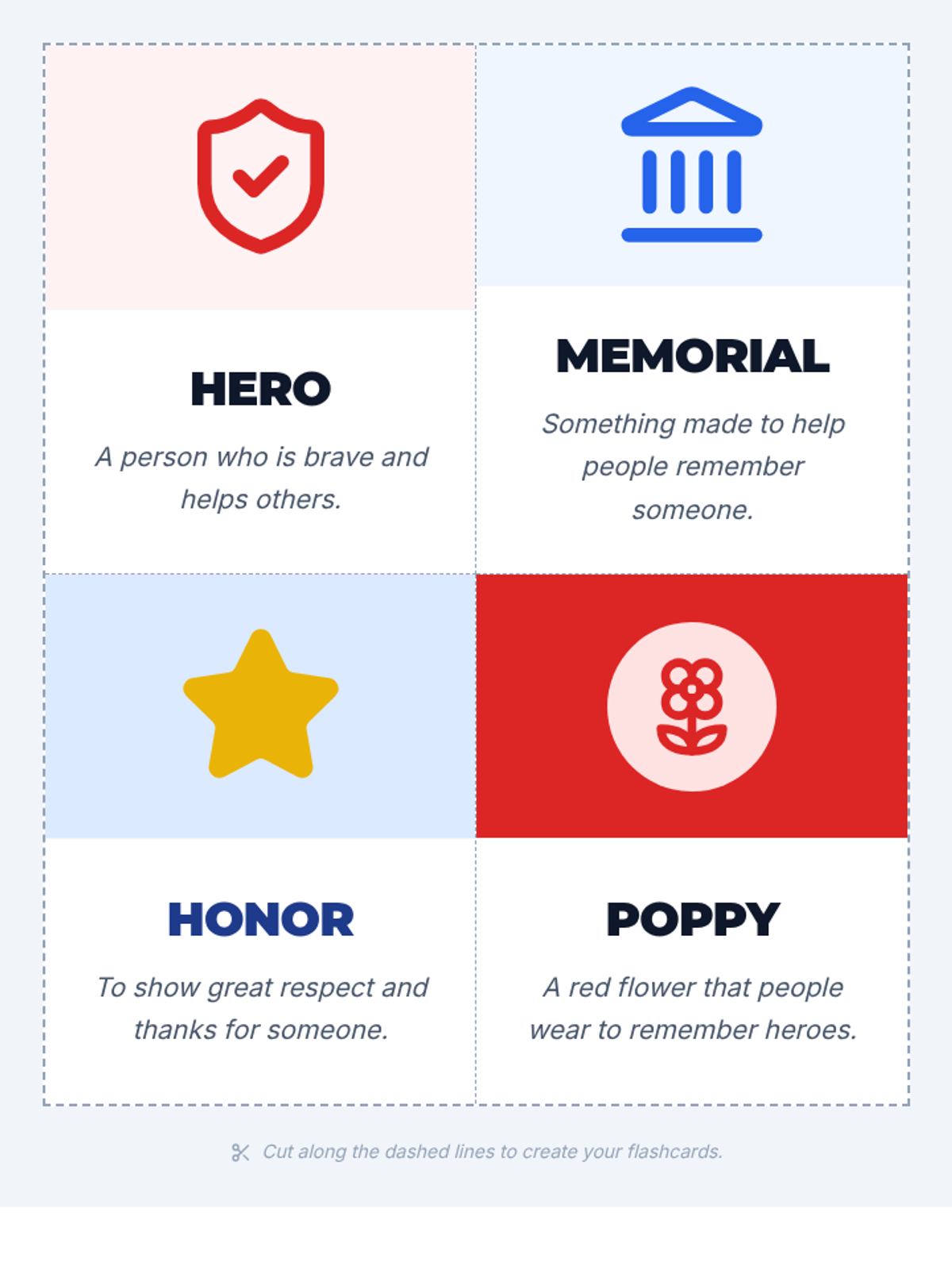
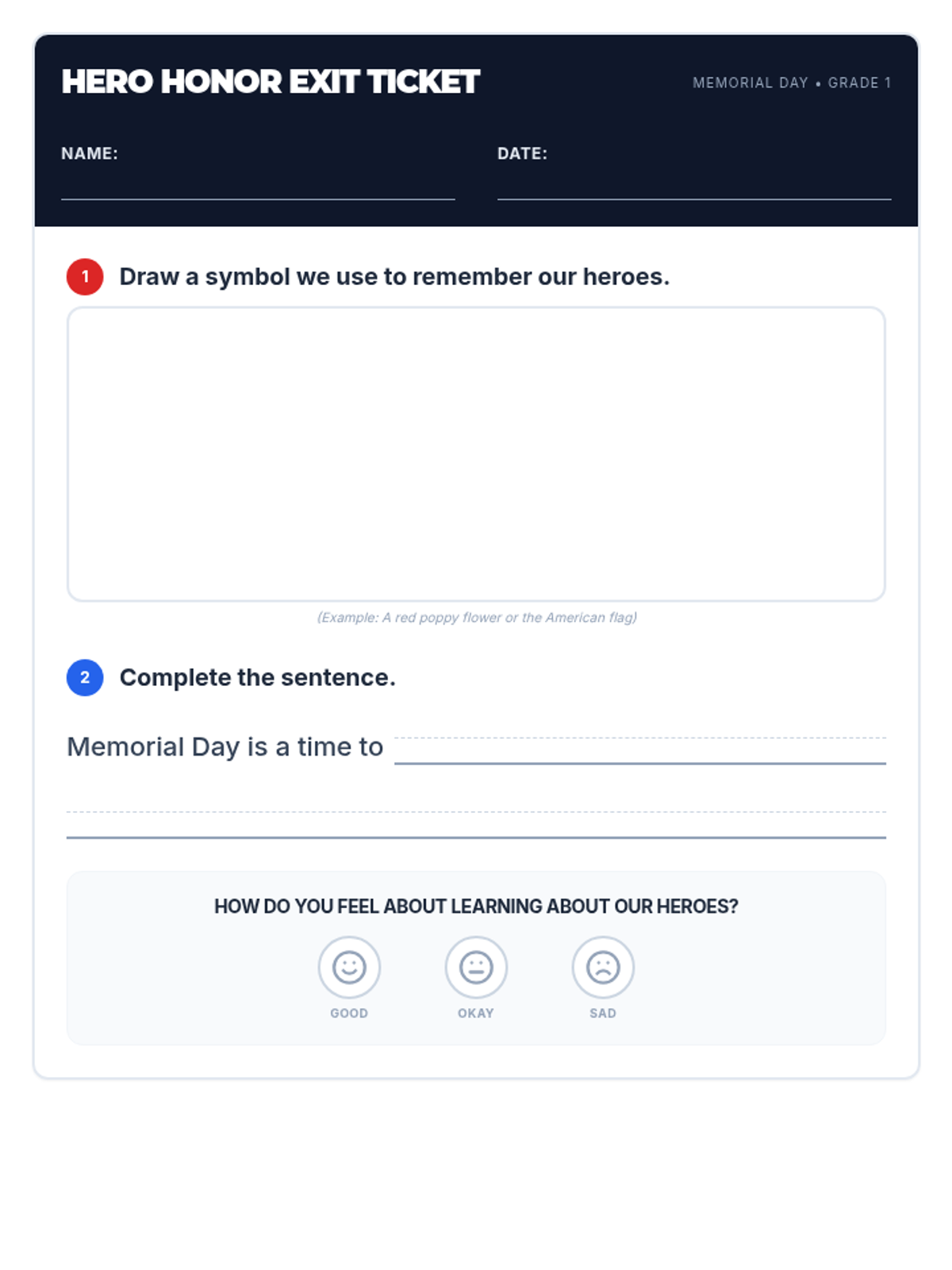
A 20-30 minute introductory lesson for 1st graders to understand the significance of Memorial Day, the concept of a hero, and key national symbols of remembrance.
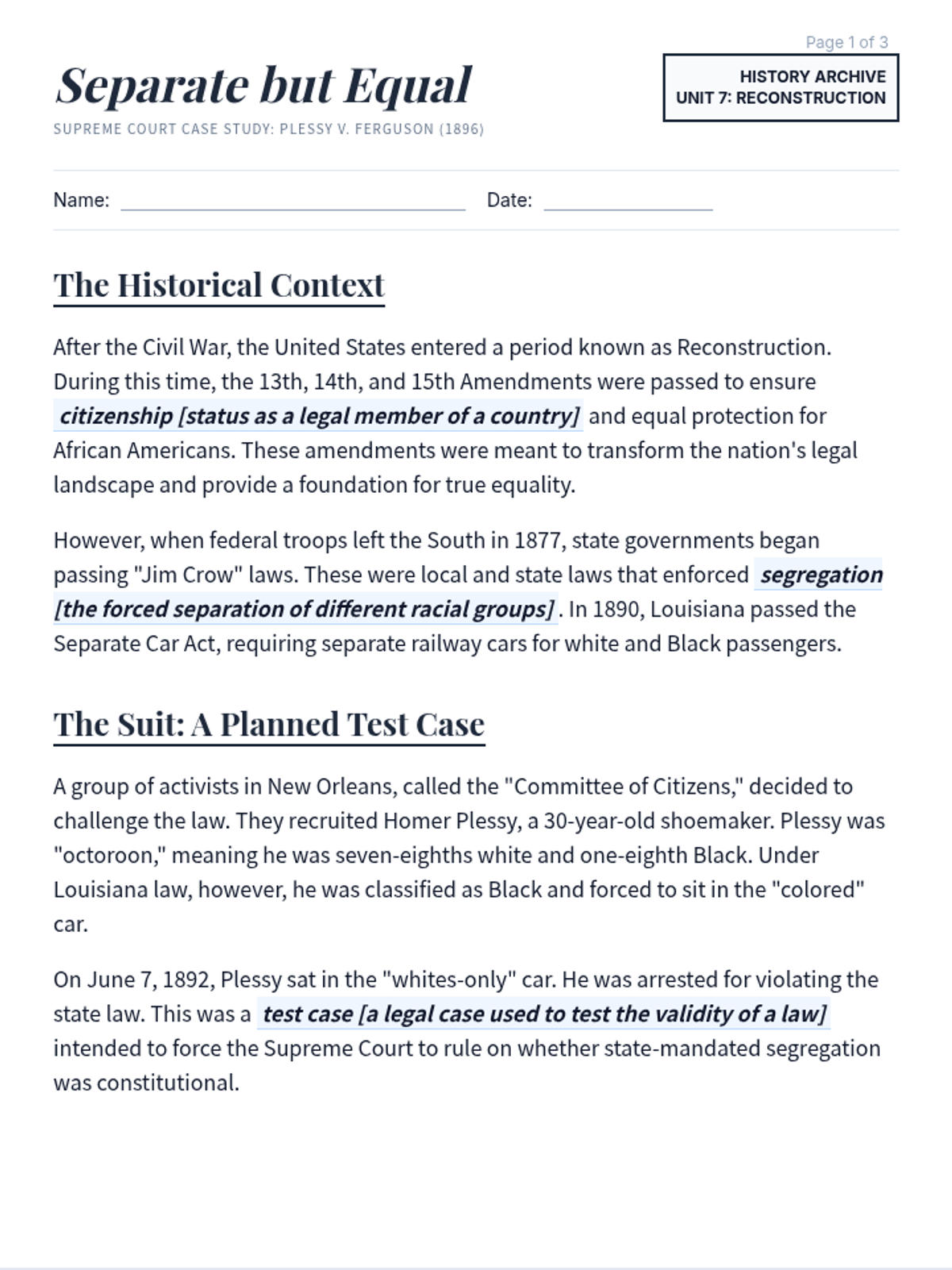
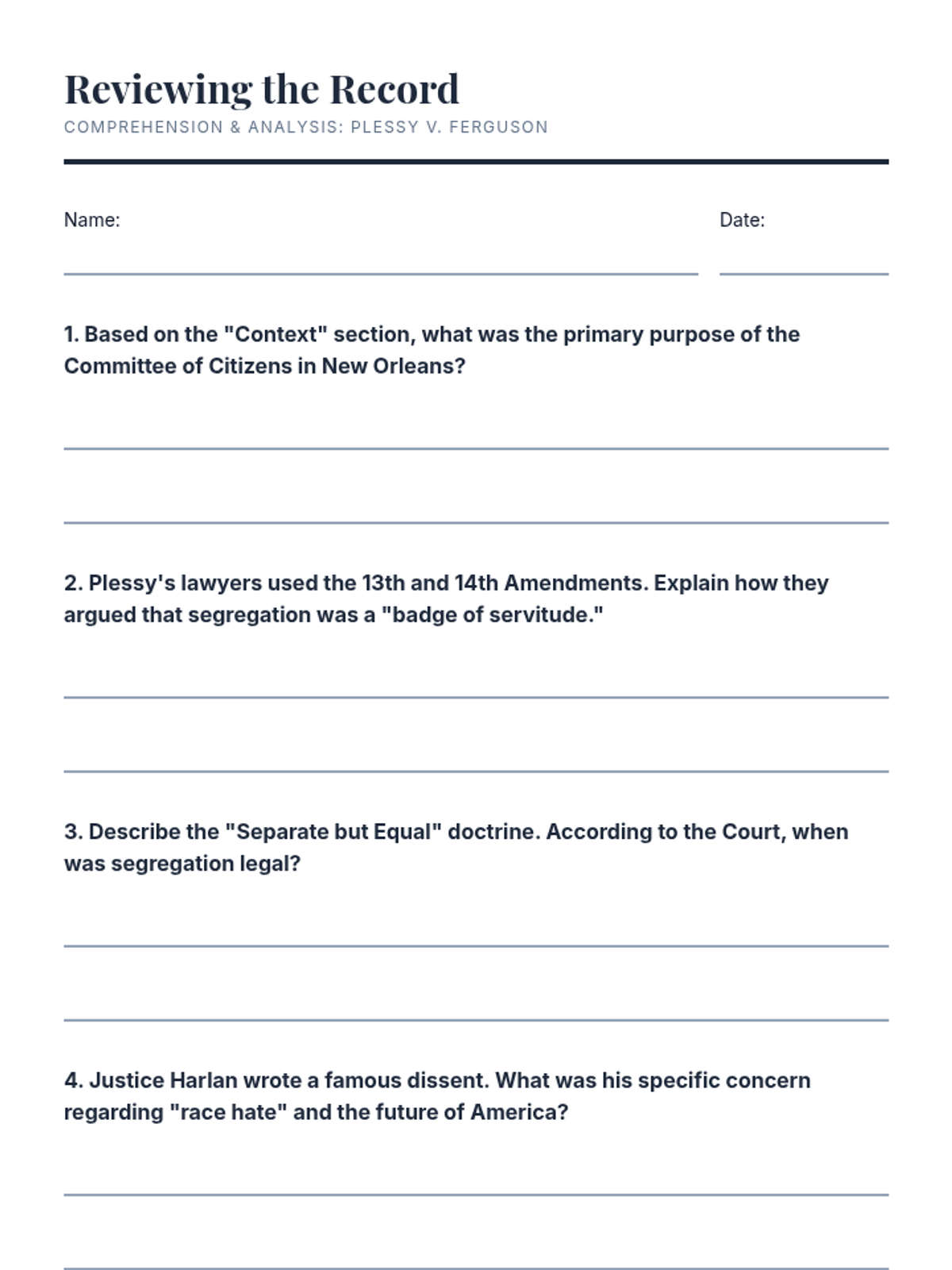
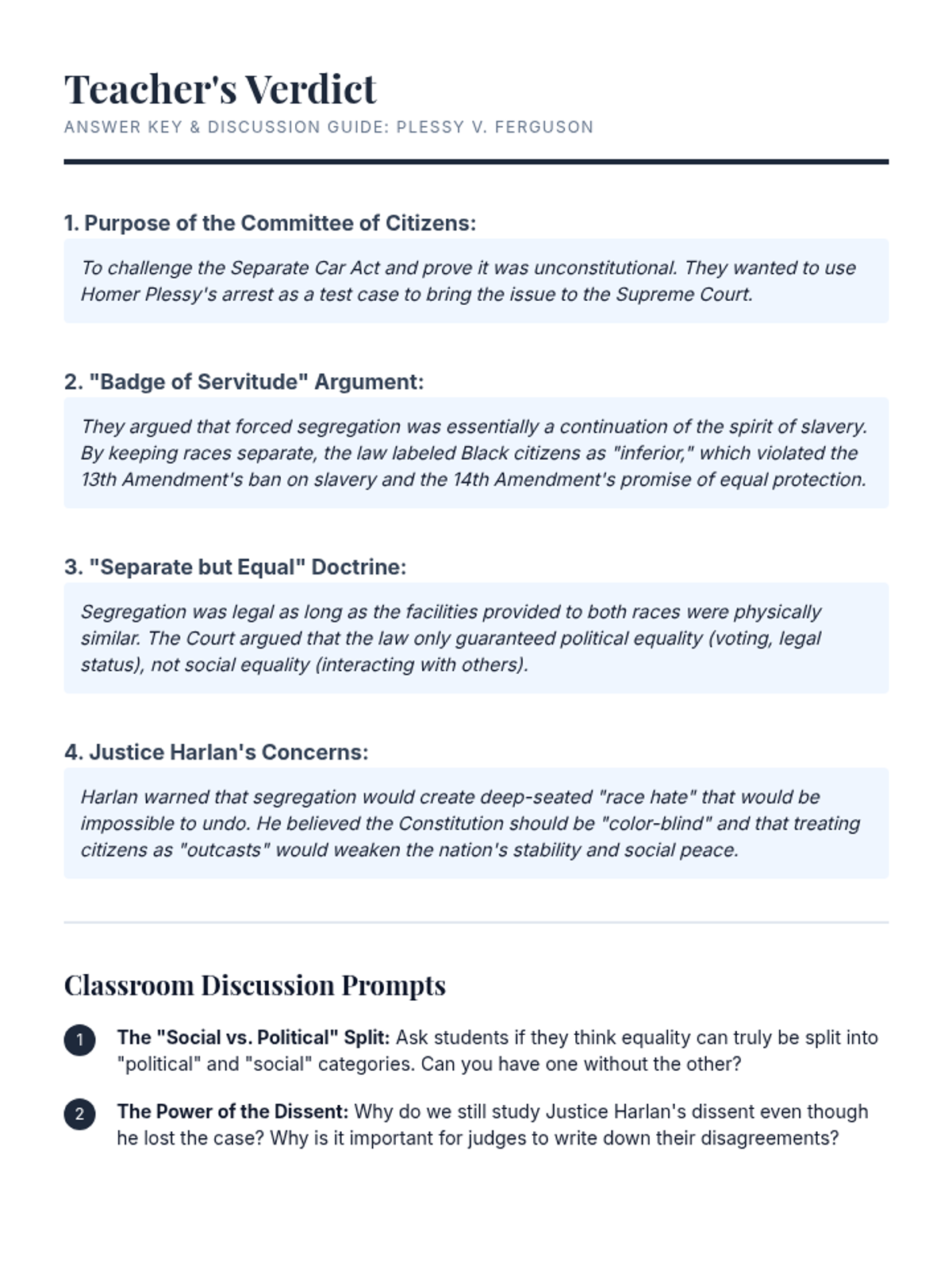
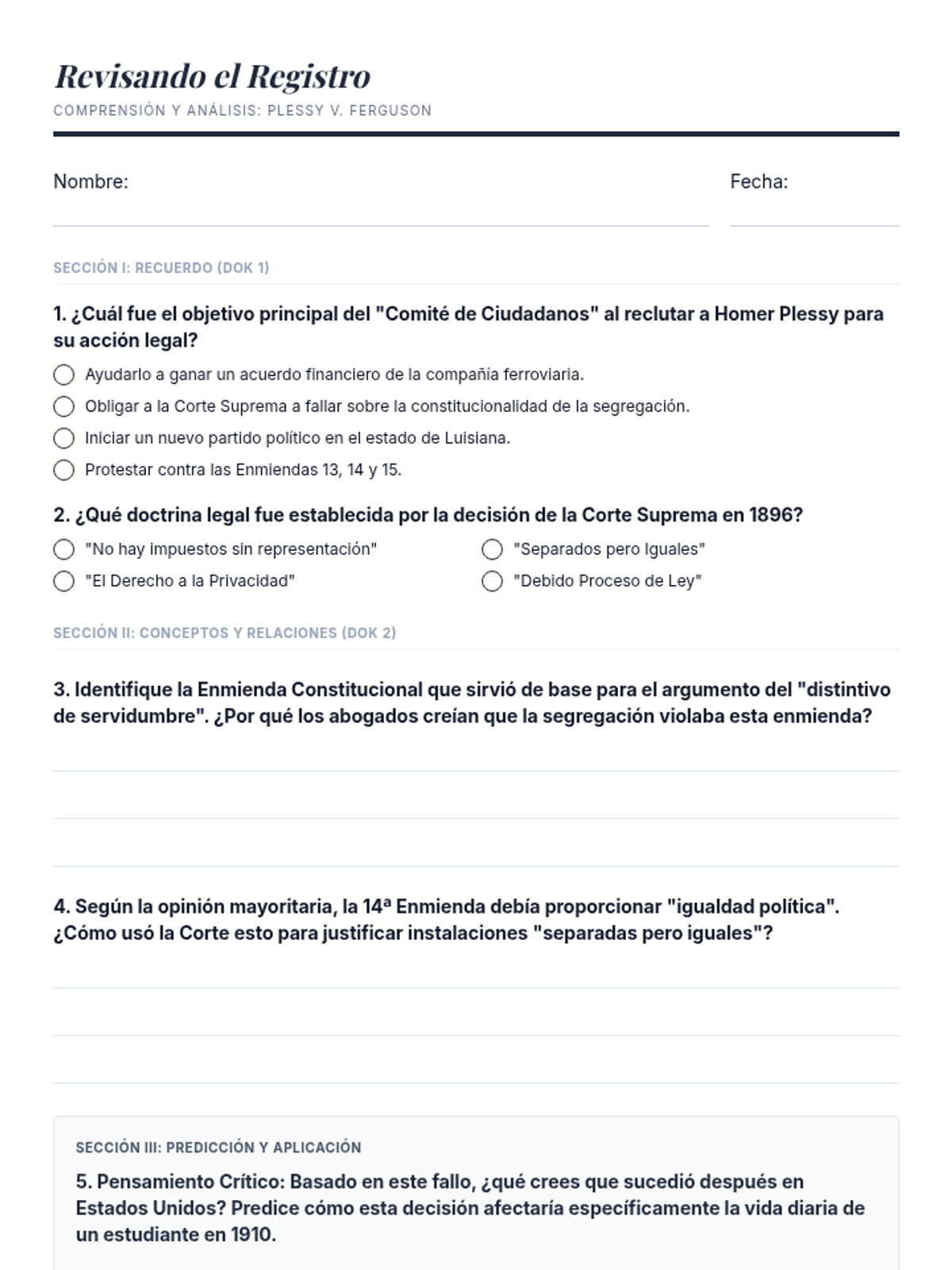
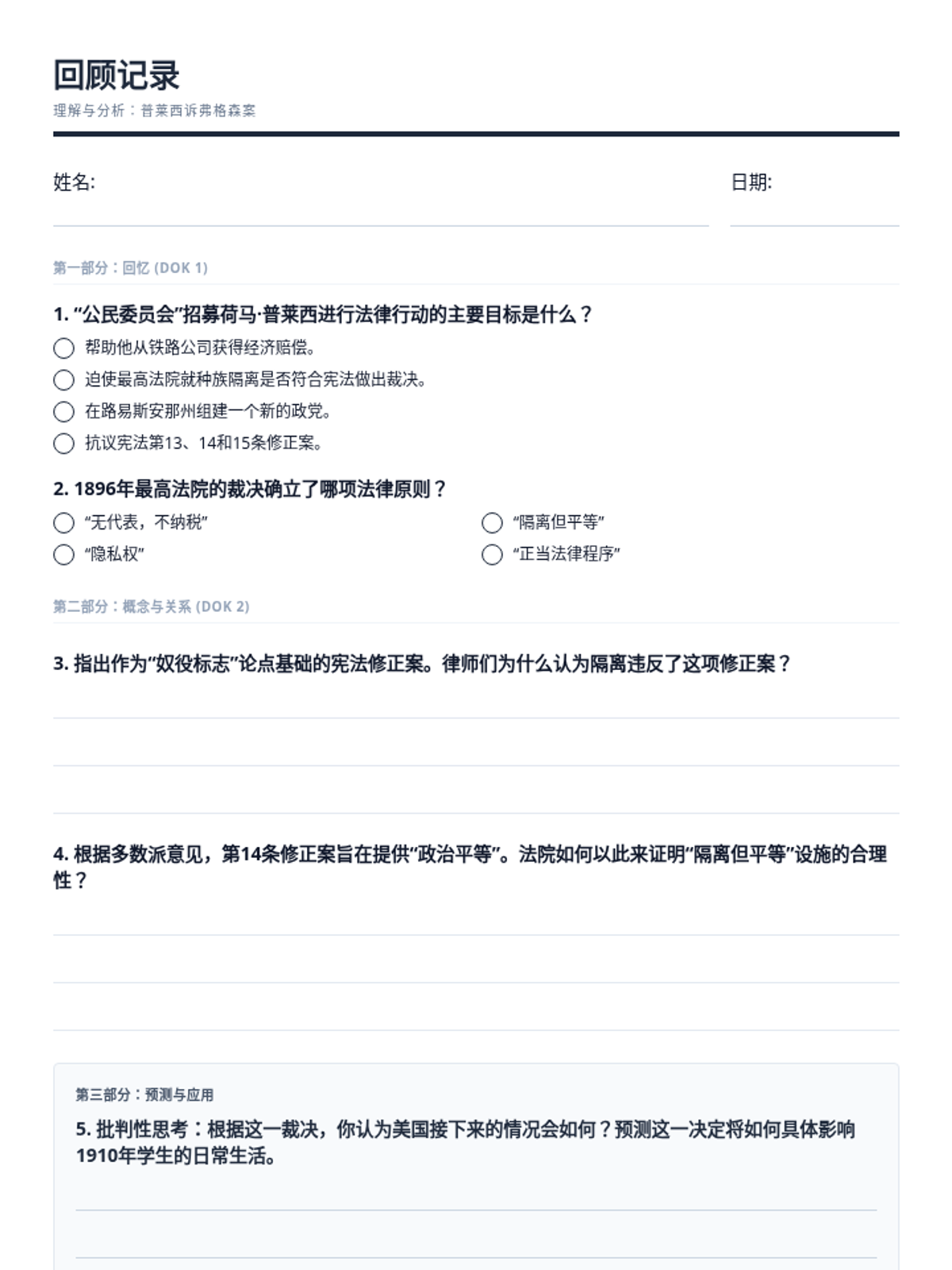
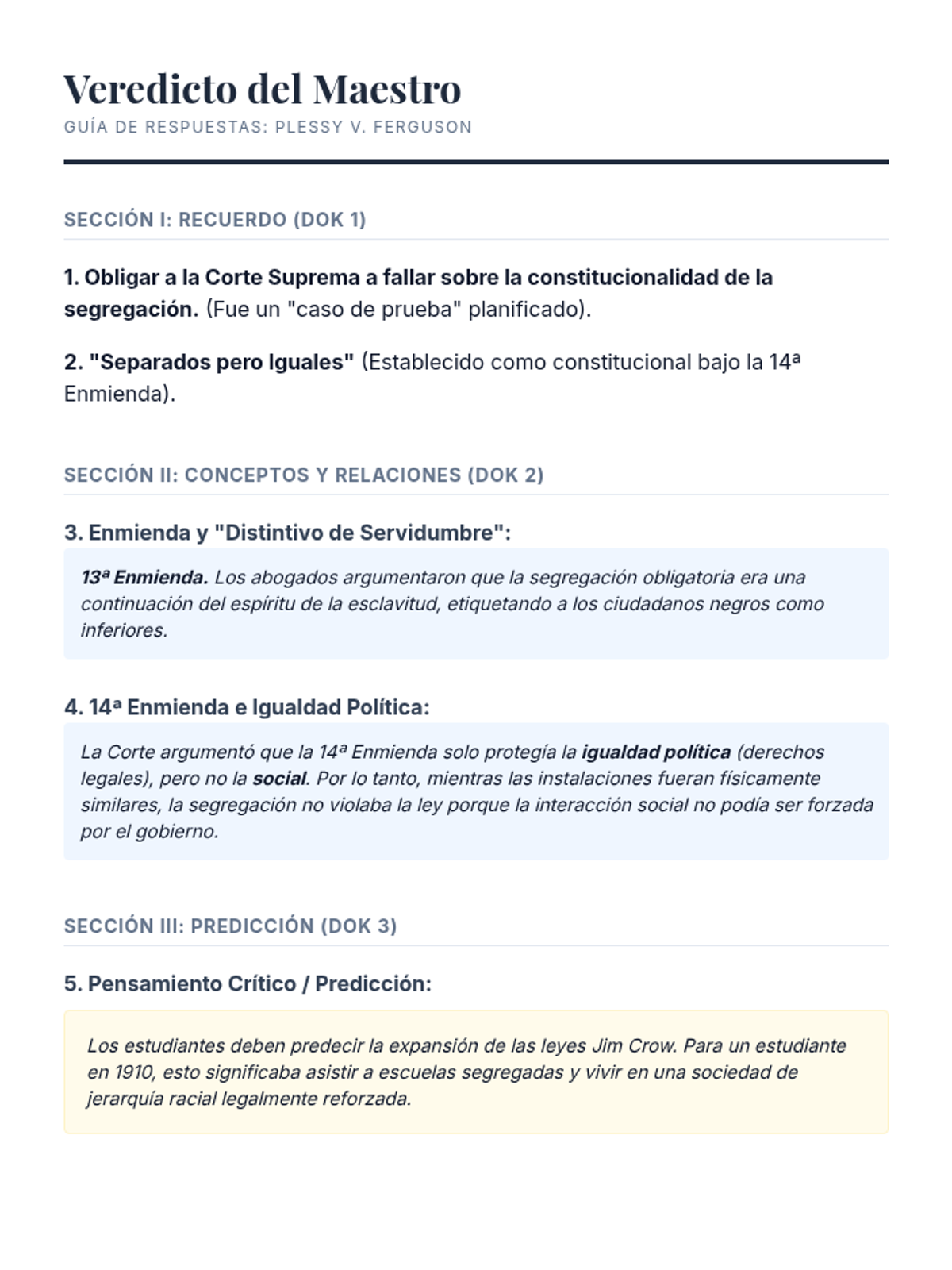
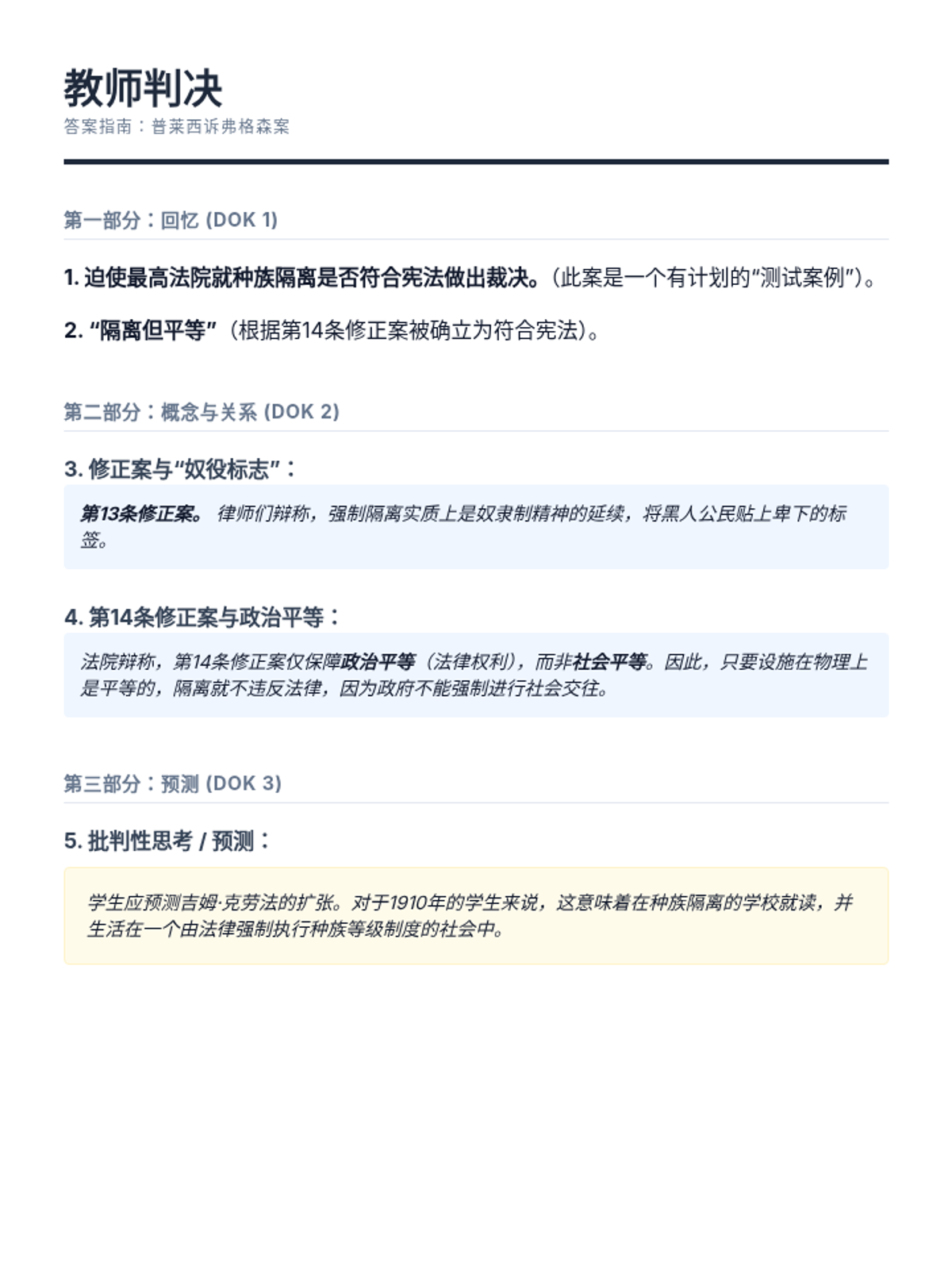
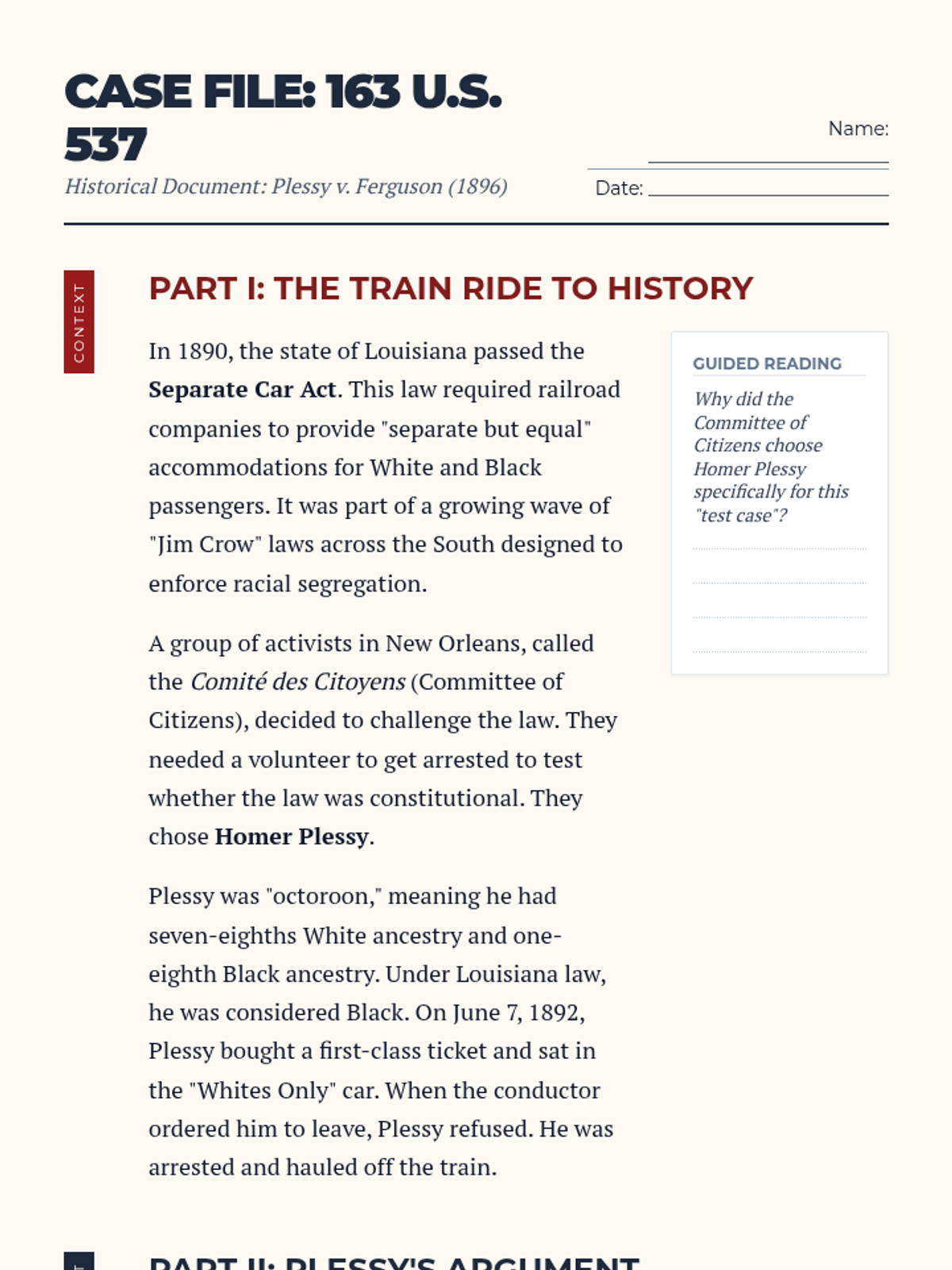
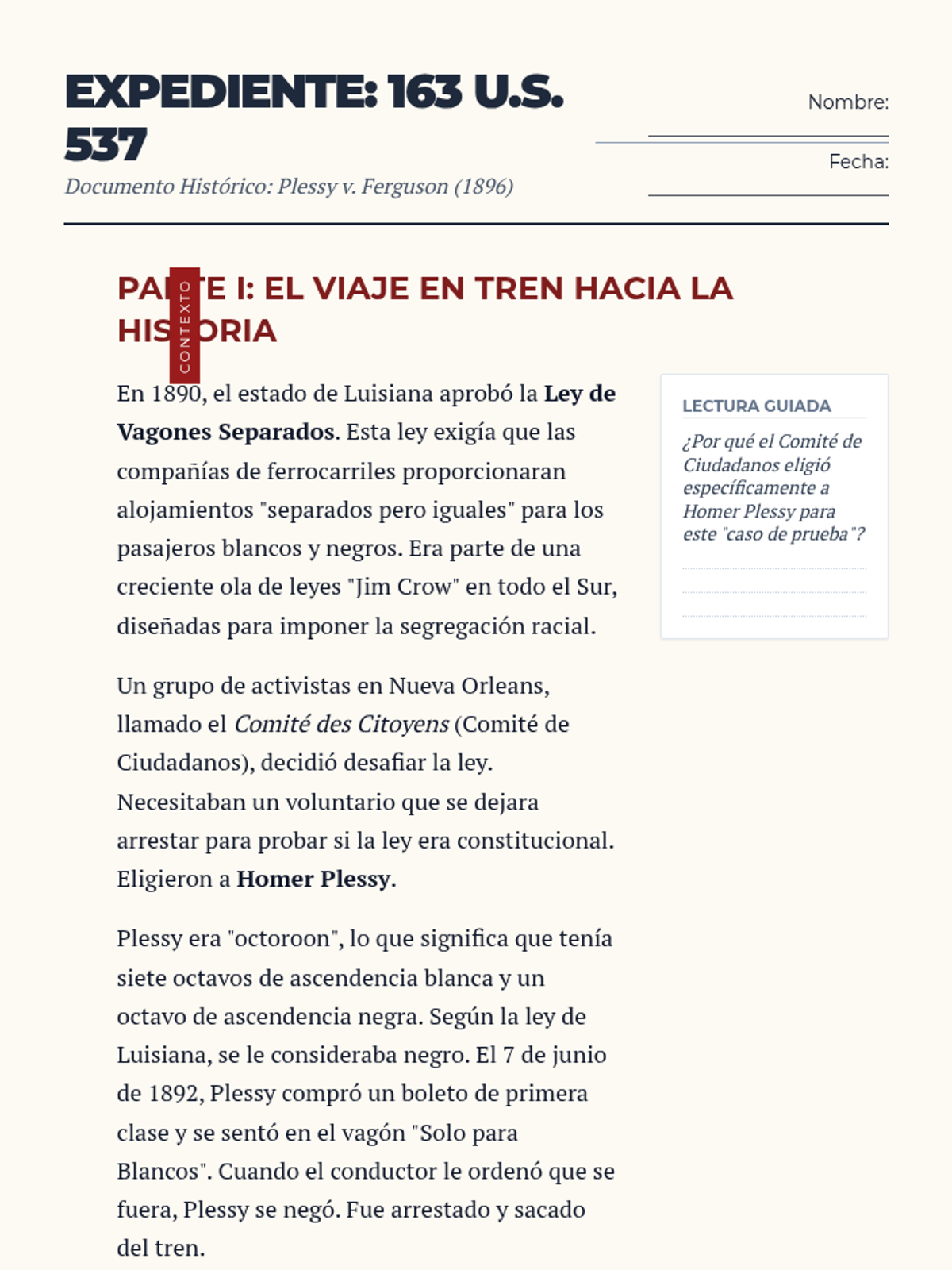
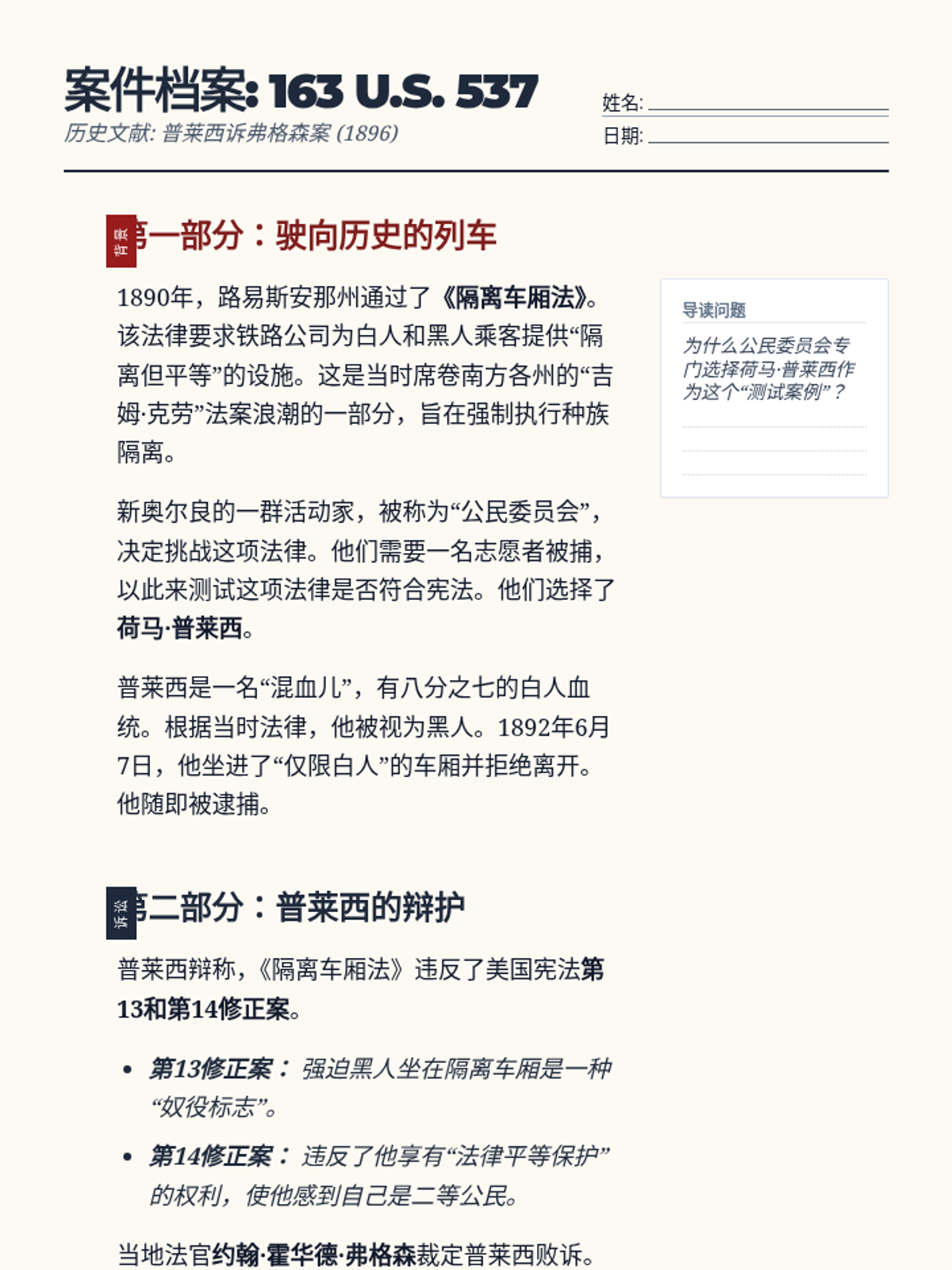
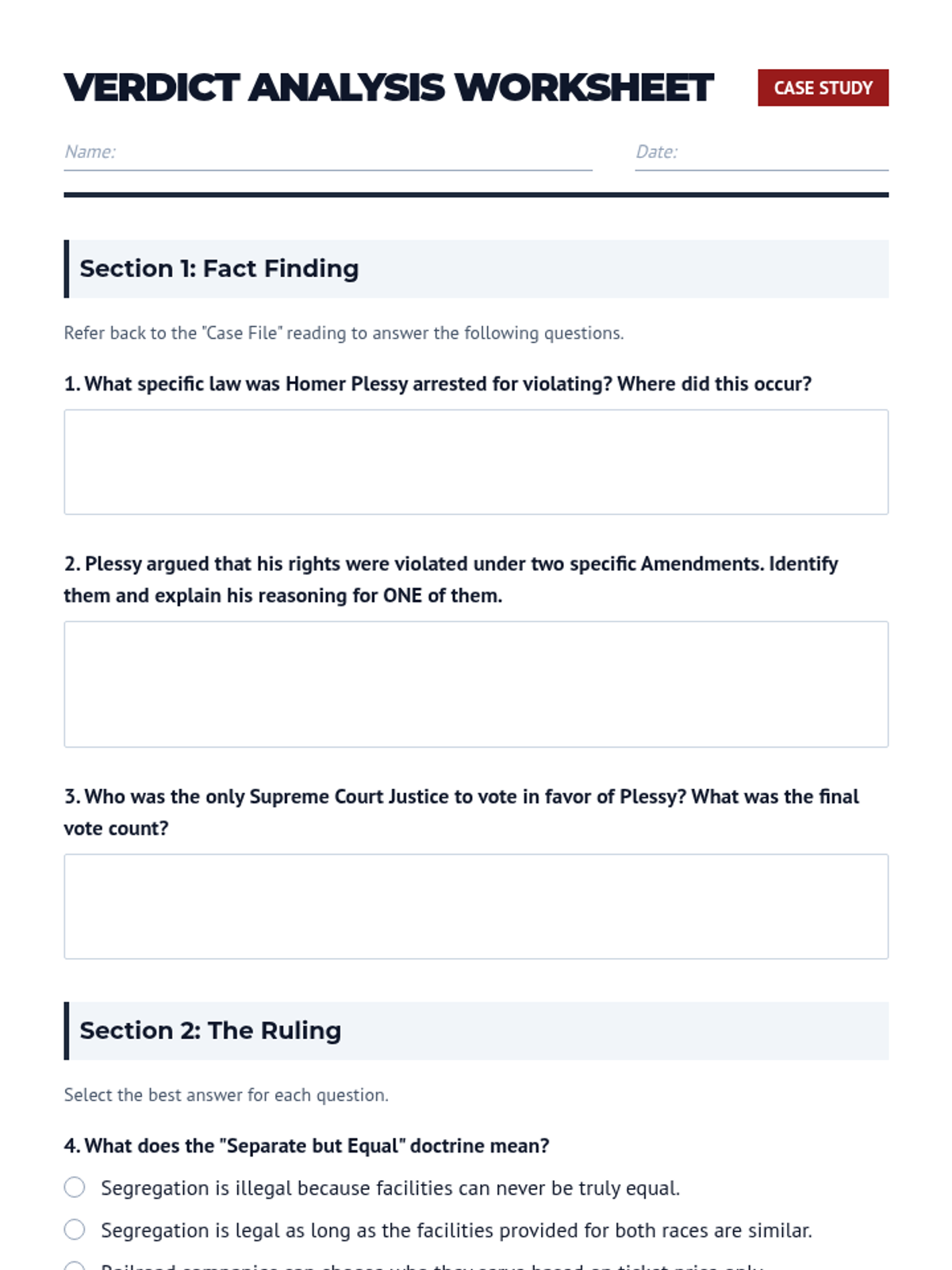
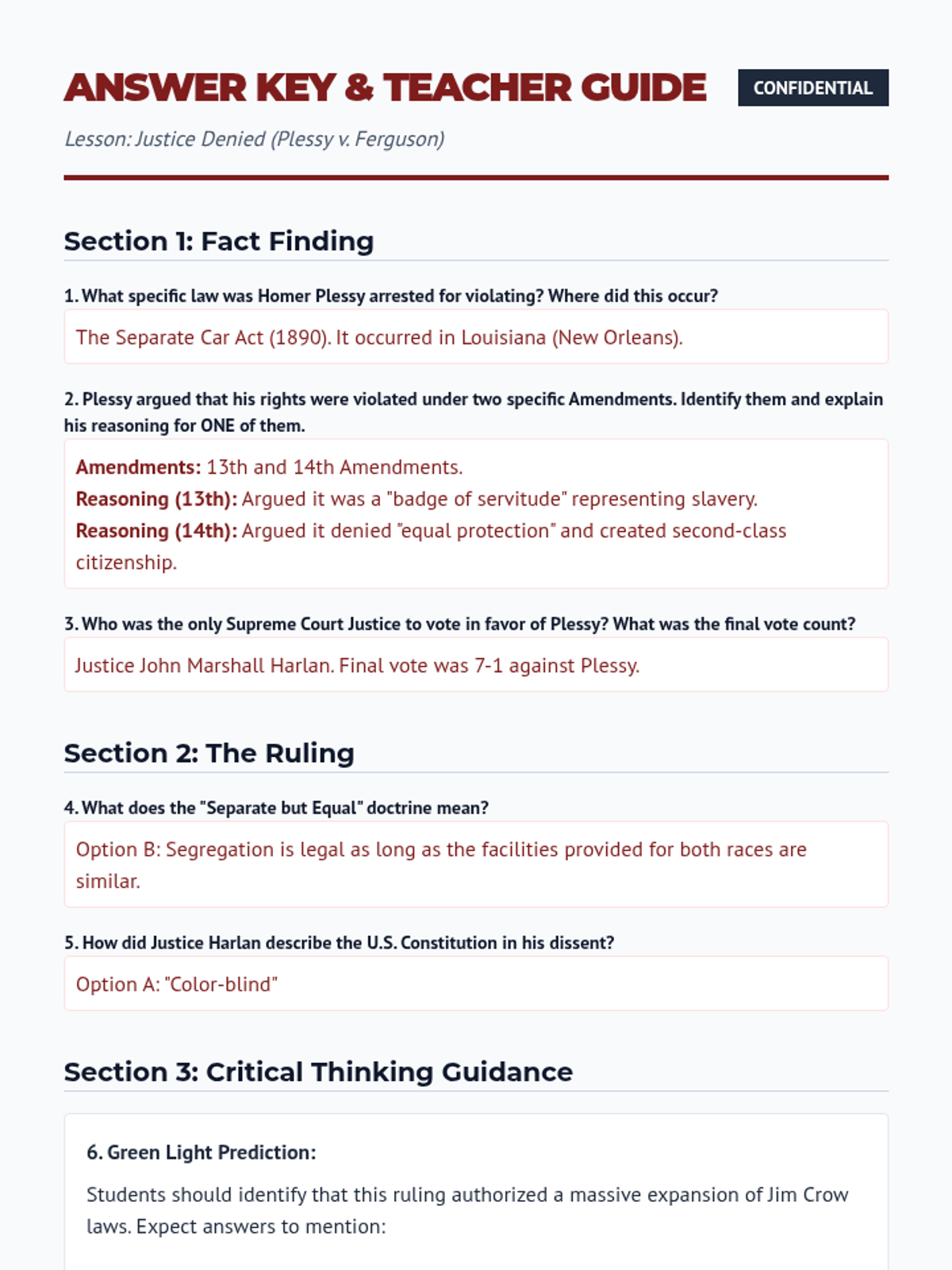
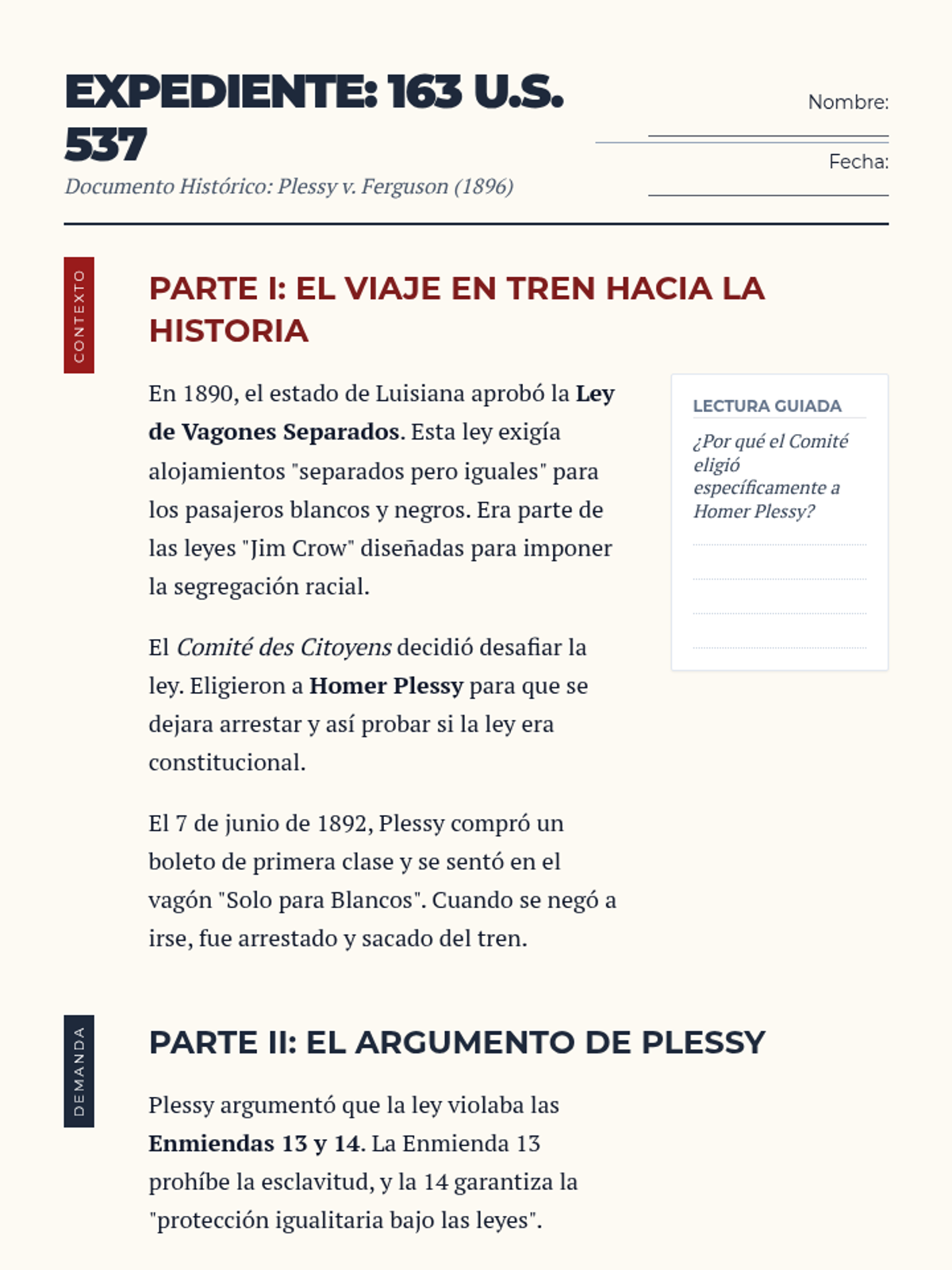
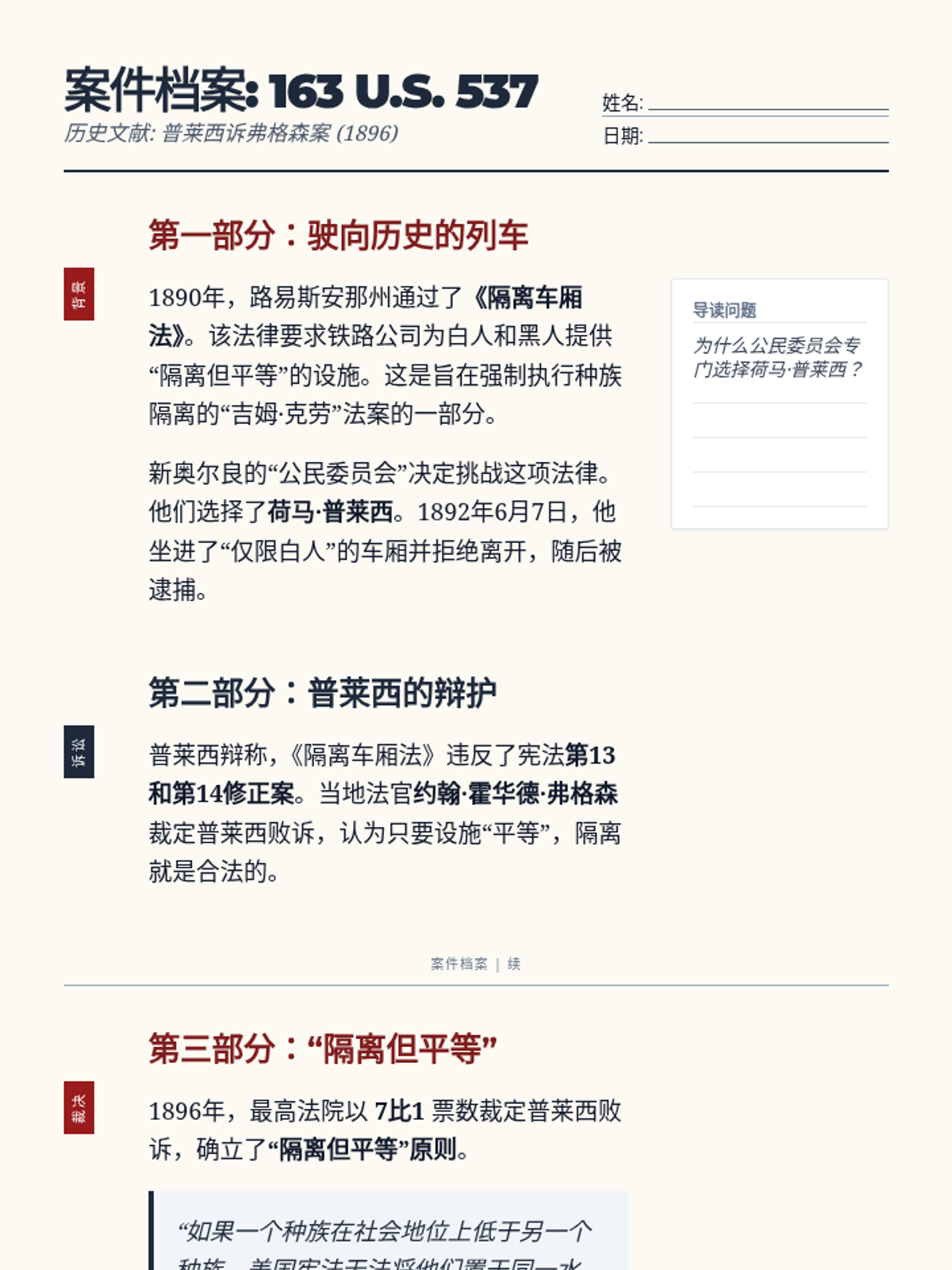
A deep dive into the landmark Plessy v. Ferguson case, exploring the legal arguments, the "separate but equal" doctrine, and Justice Harlan's famous dissent. Students will analyze the long-term impact of this ruling on American society.
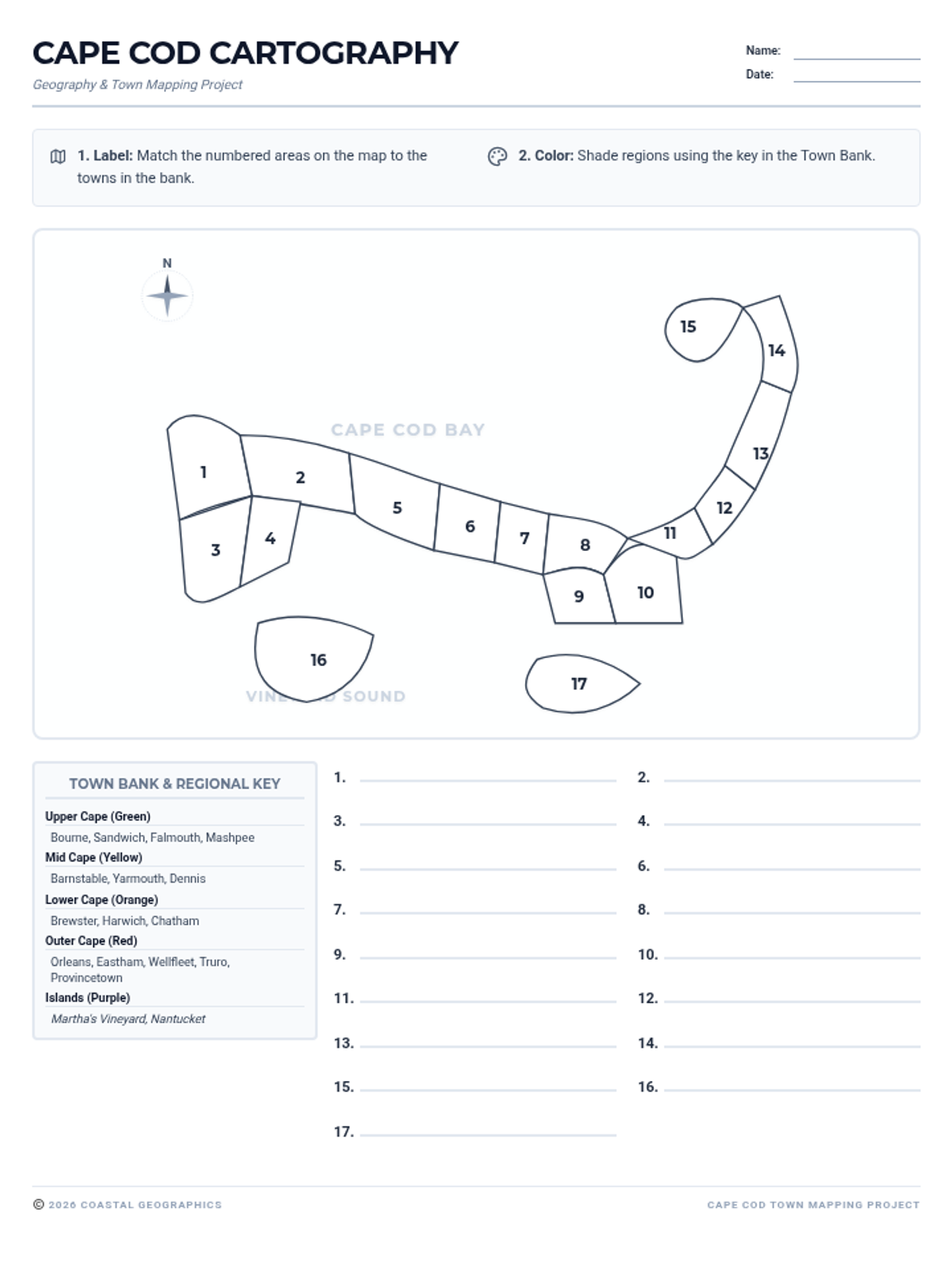
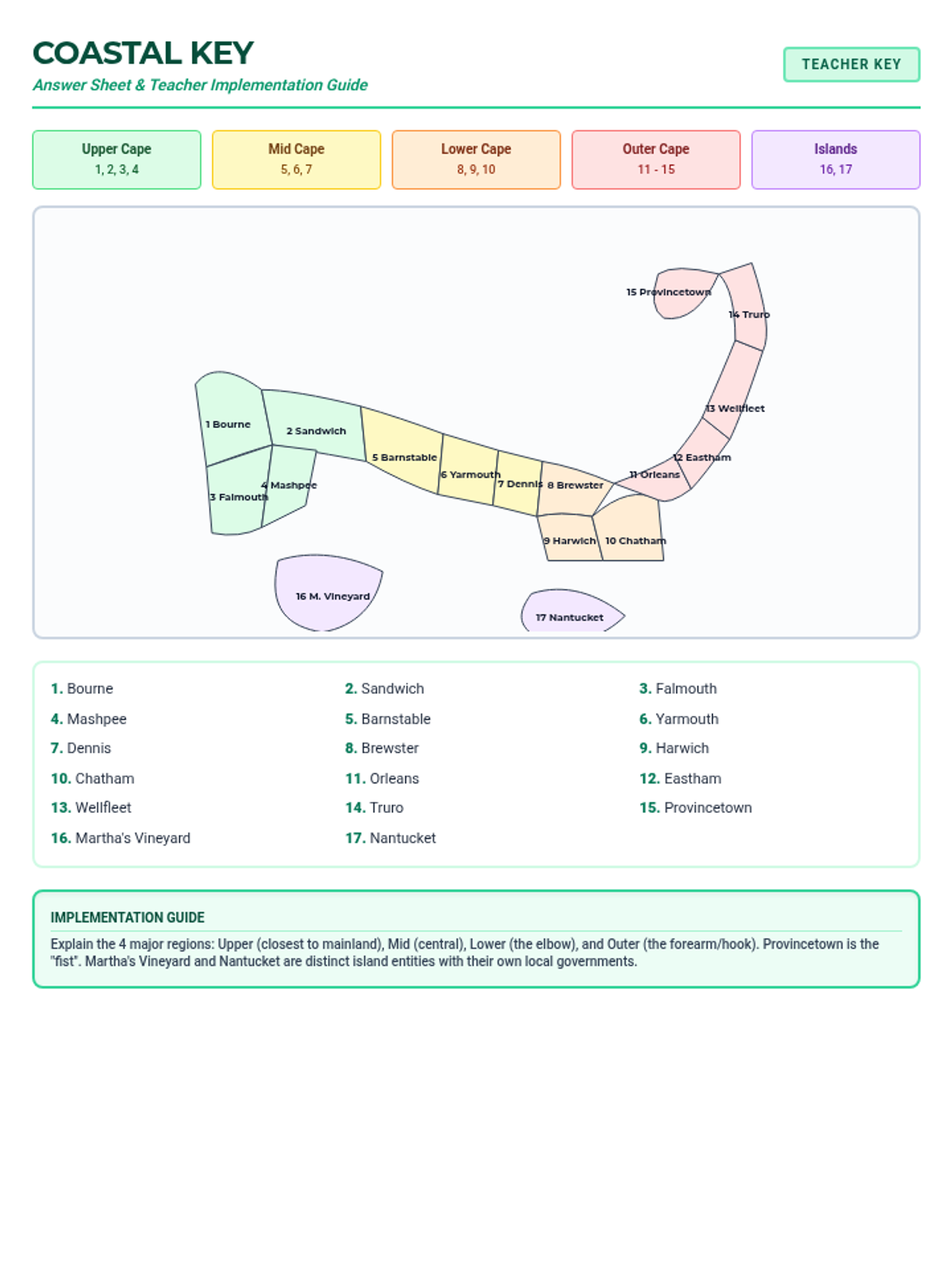
A lesson focused on the unique geography of Cape Cod and the Islands, including town identification and regional categorization.
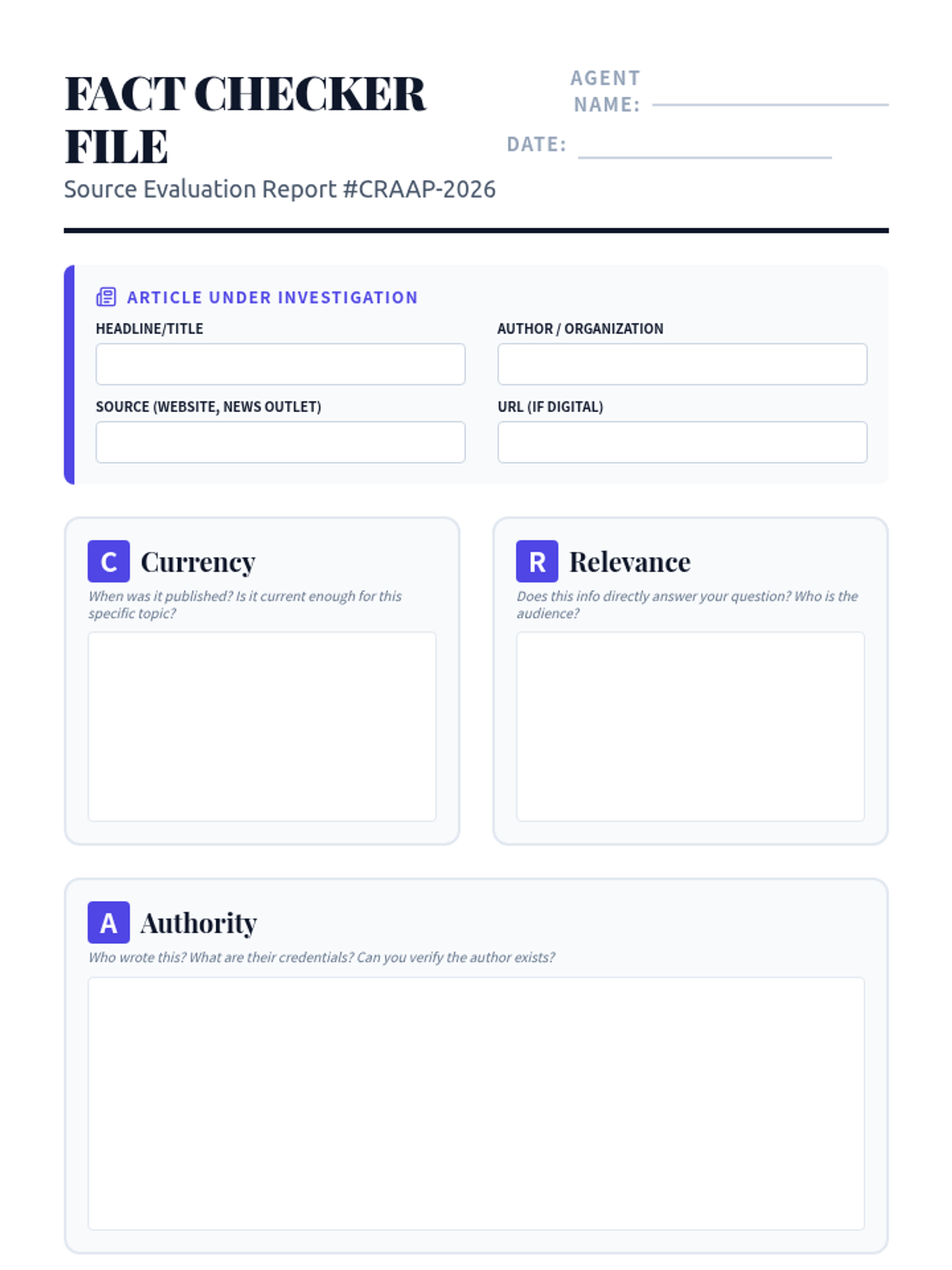
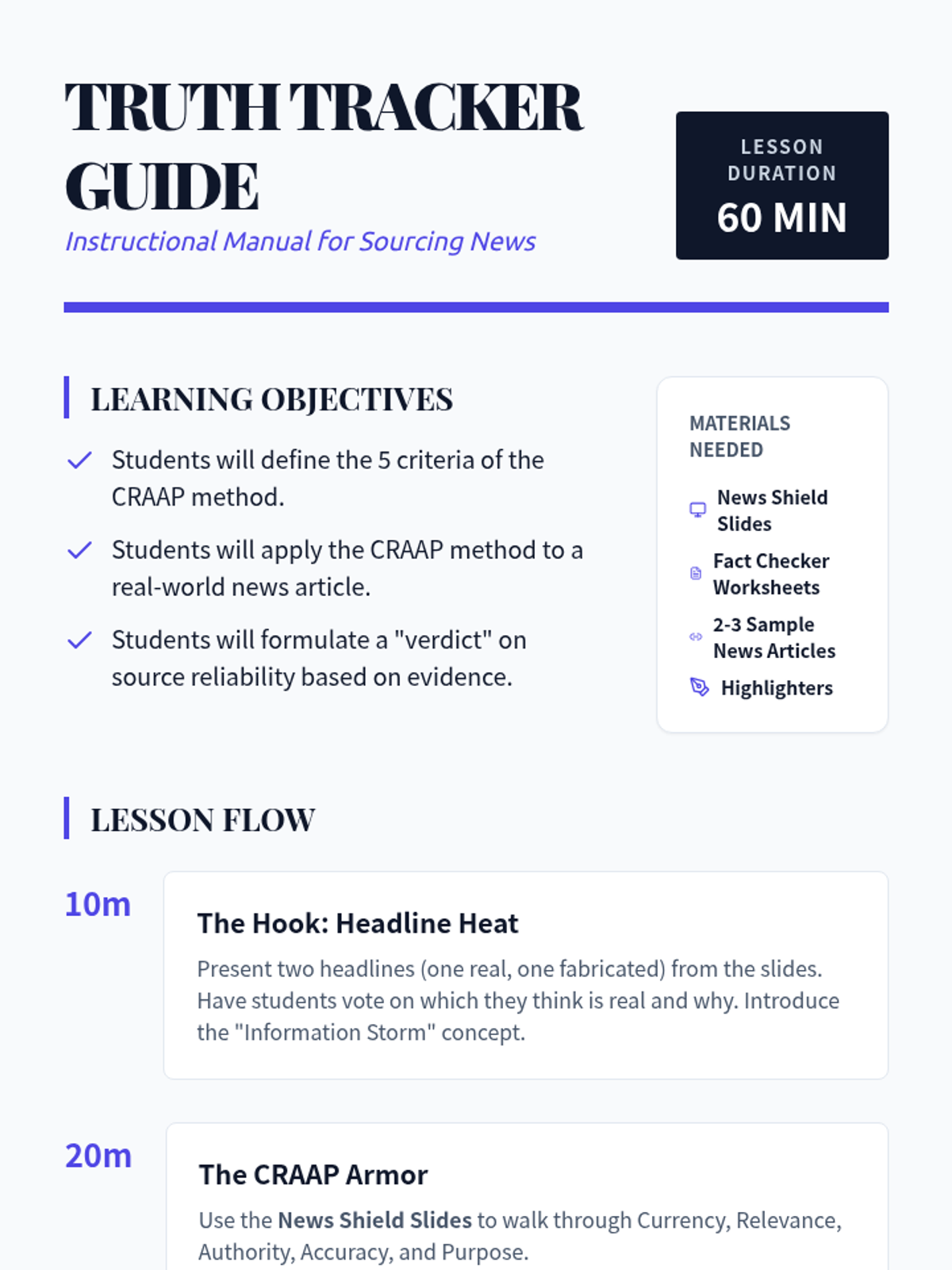
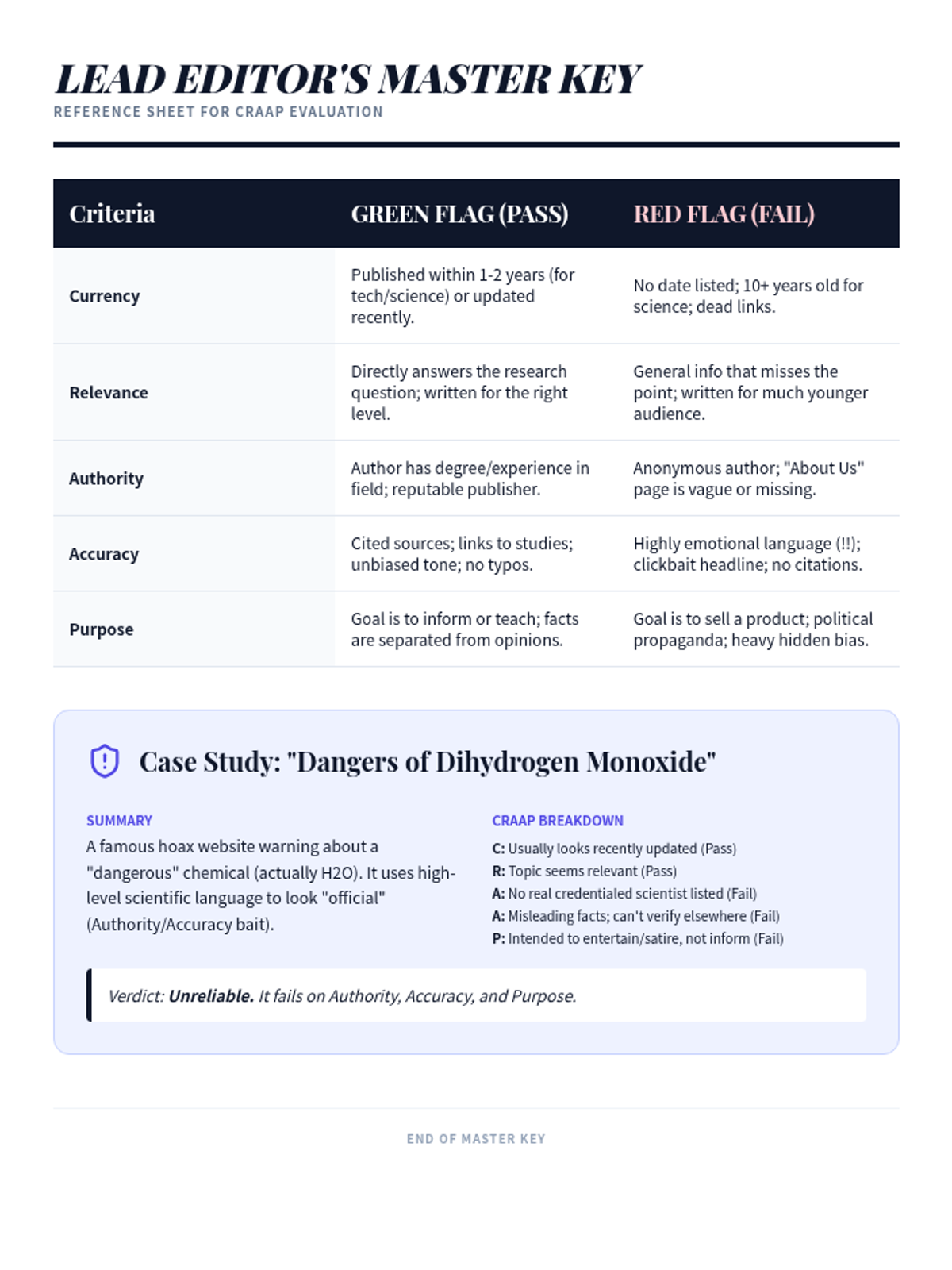
A comprehensive lesson on evaluating news sources using the CRAAP method, equipping students with the tools to distinguish between reliable information and misinformation.
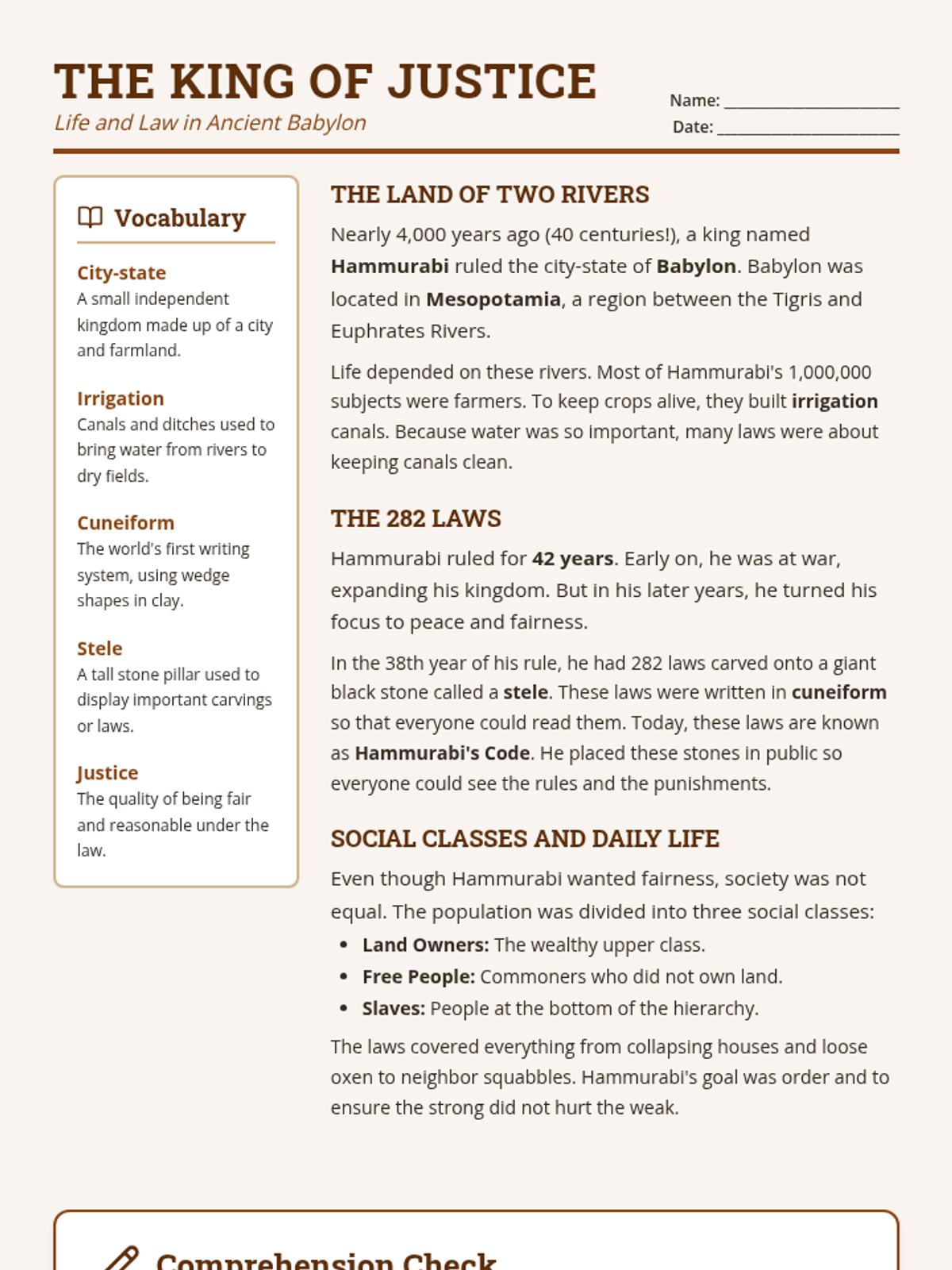
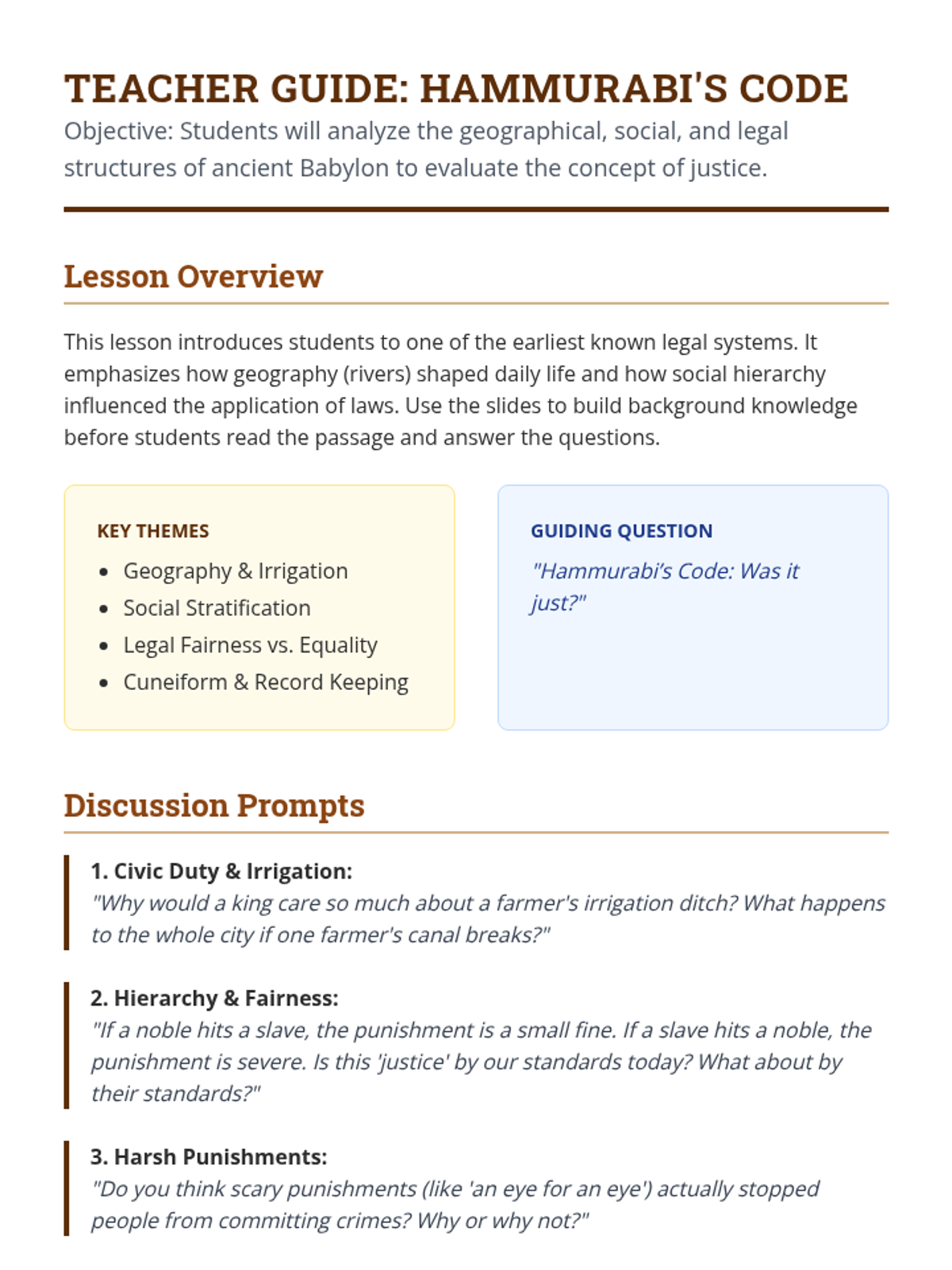
A comprehensive lesson introducing Hammurabi's Code through the lens of Mesopotamian geography, social hierarchy, and the quest for justice in ancient Babylon.
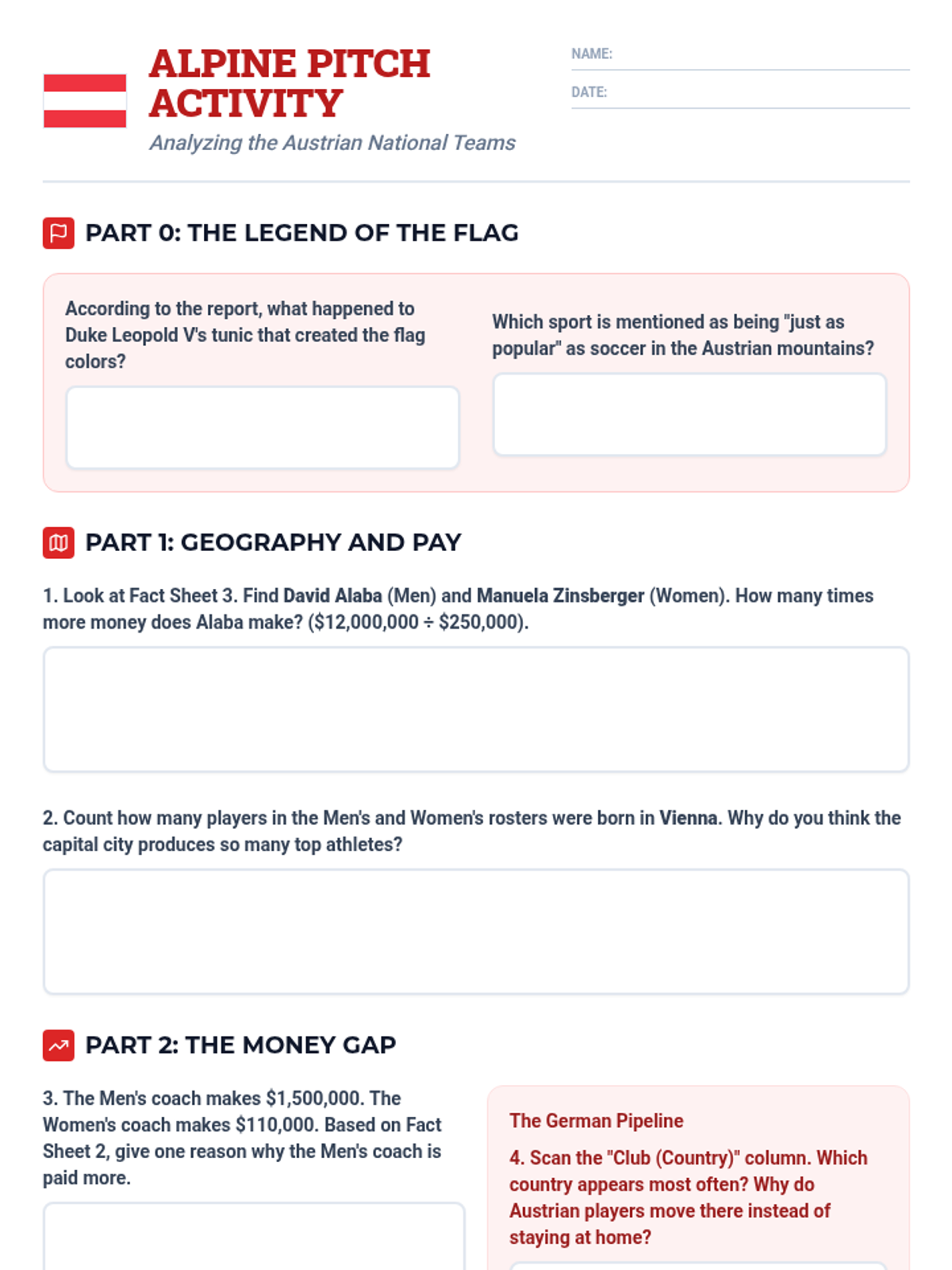
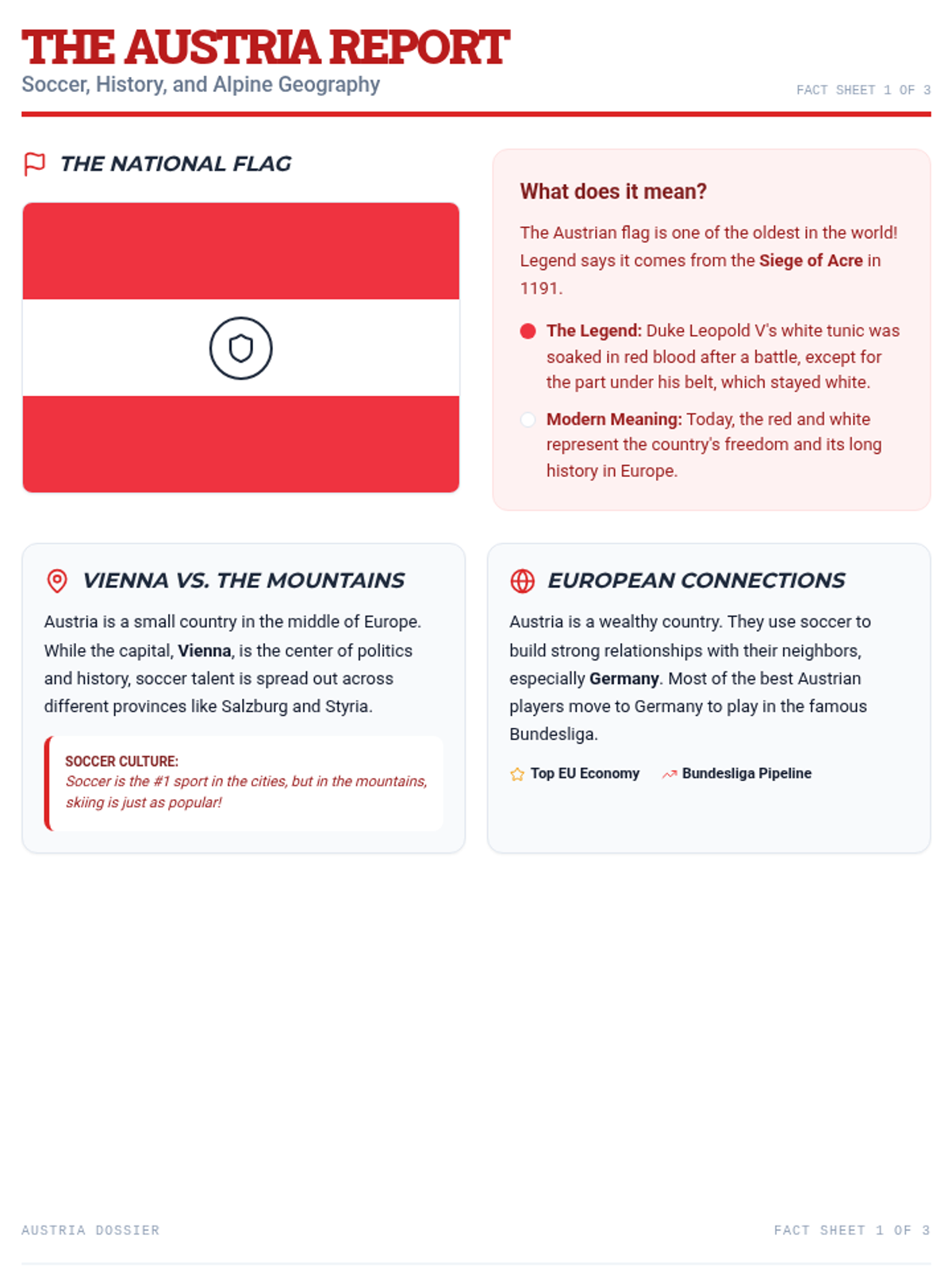
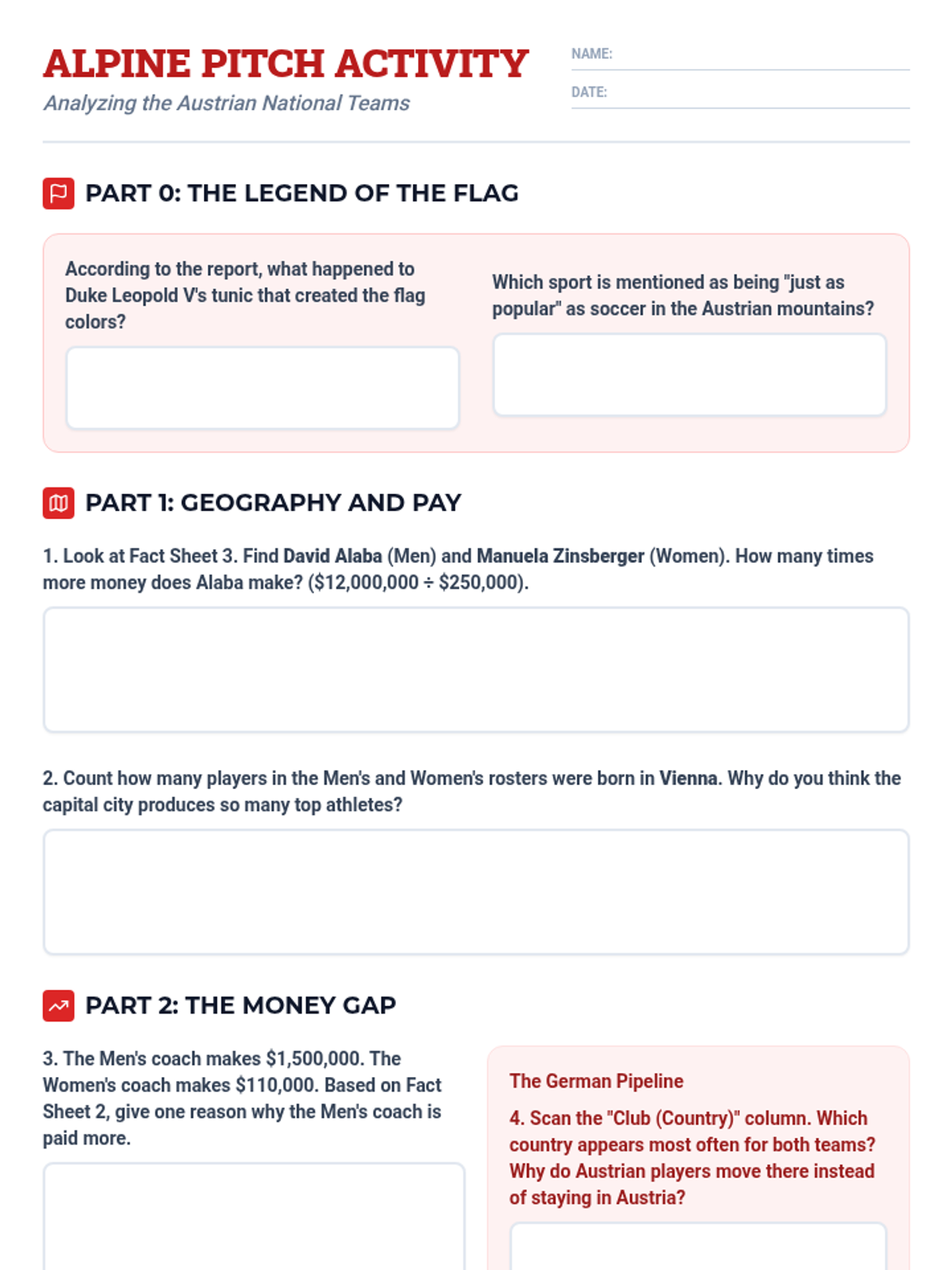
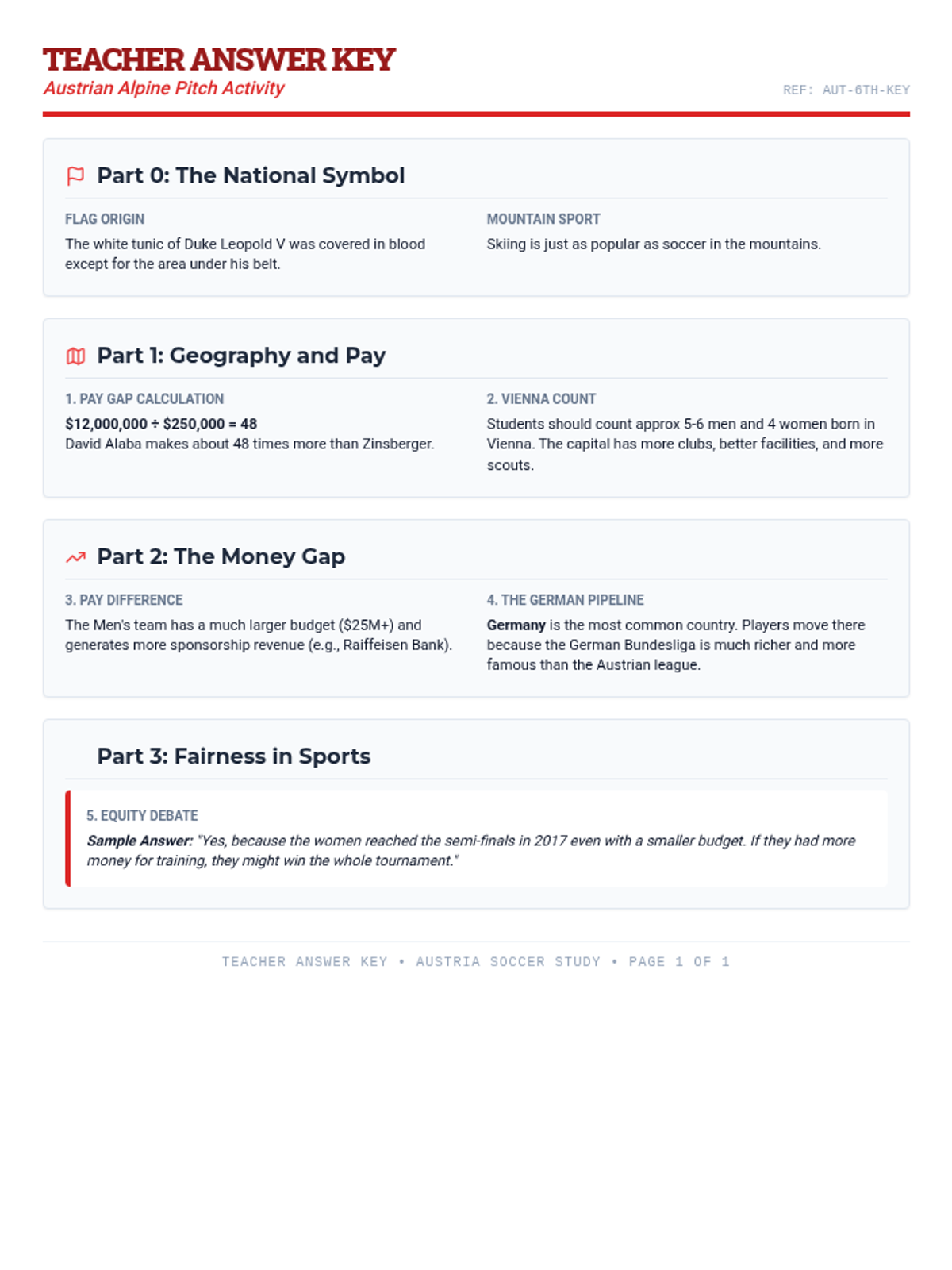
An investigation into Austrian football, Alpine geography, and economic ties to the European market.
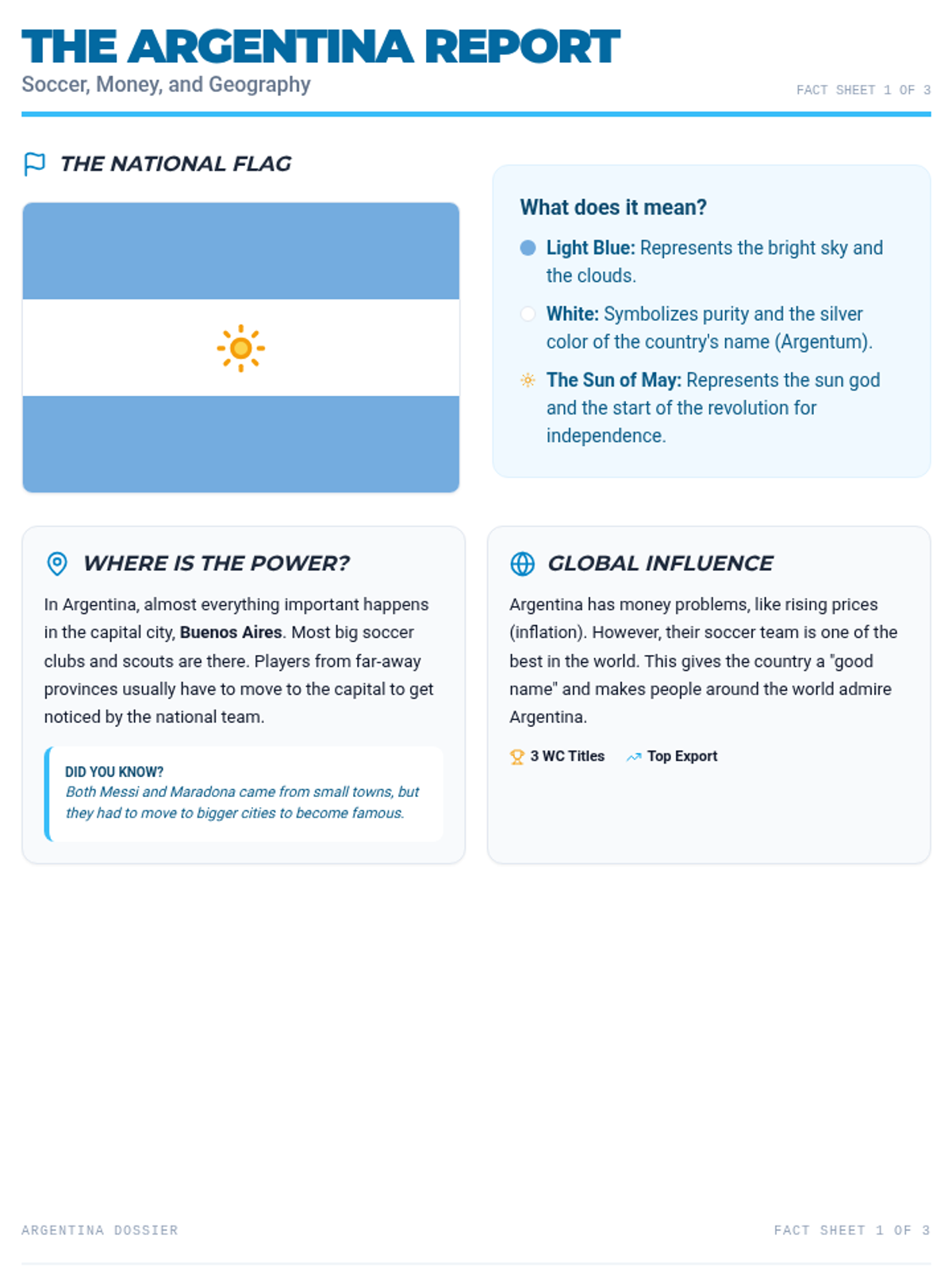
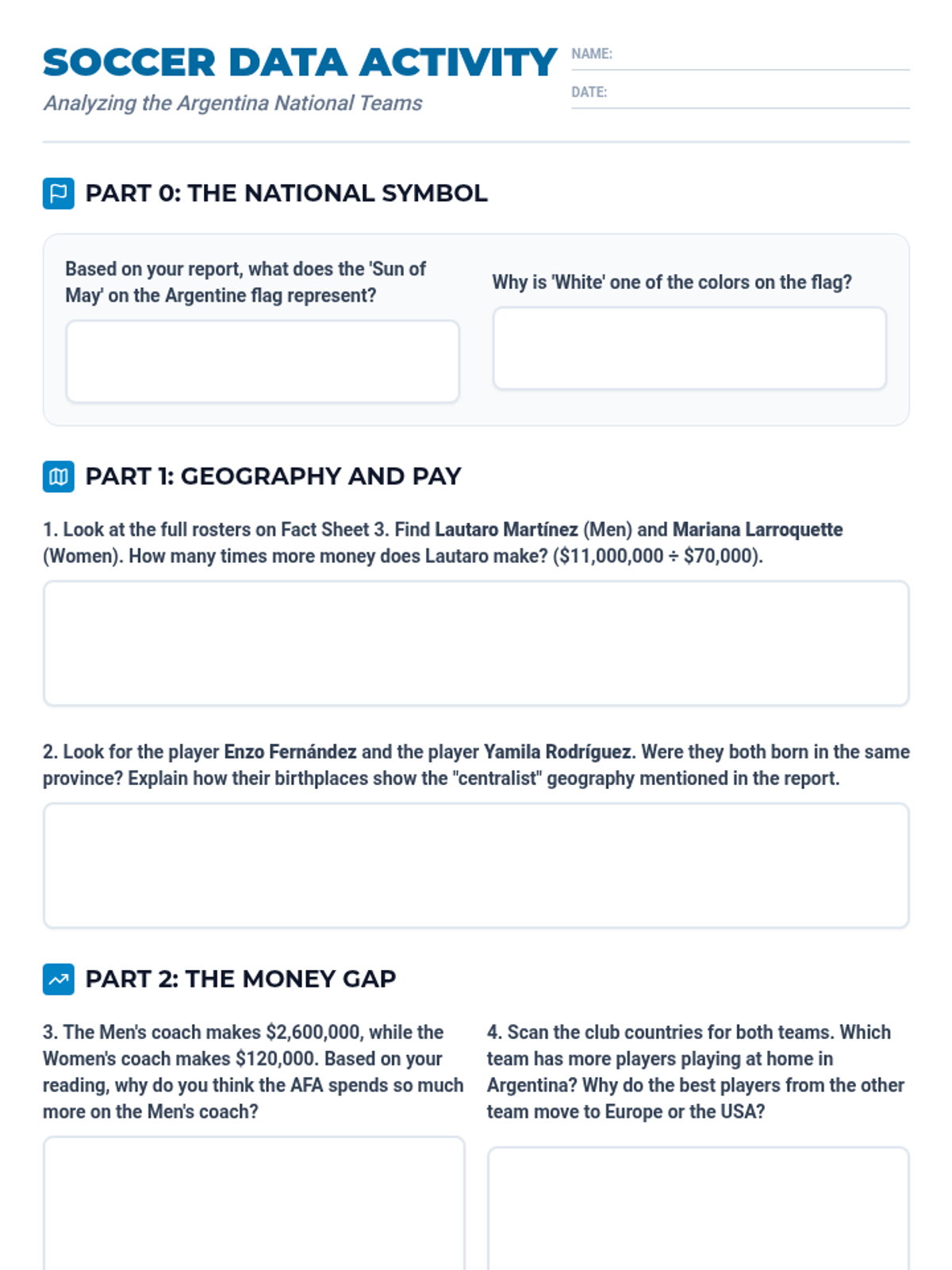
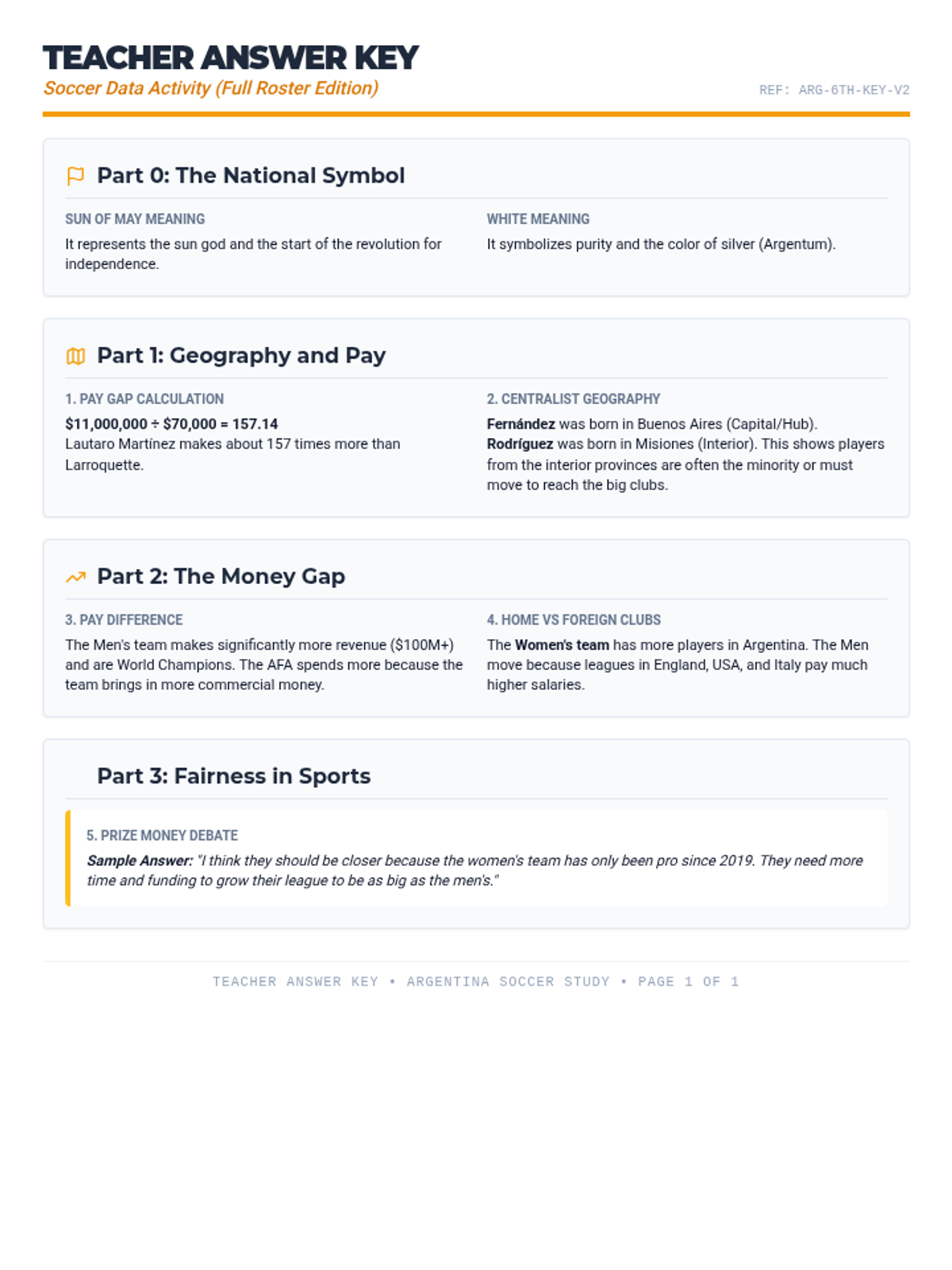
An in-depth investigation into the intersection of football, economics, and geopolitics in Argentina, comparing the men's and women's national teams.
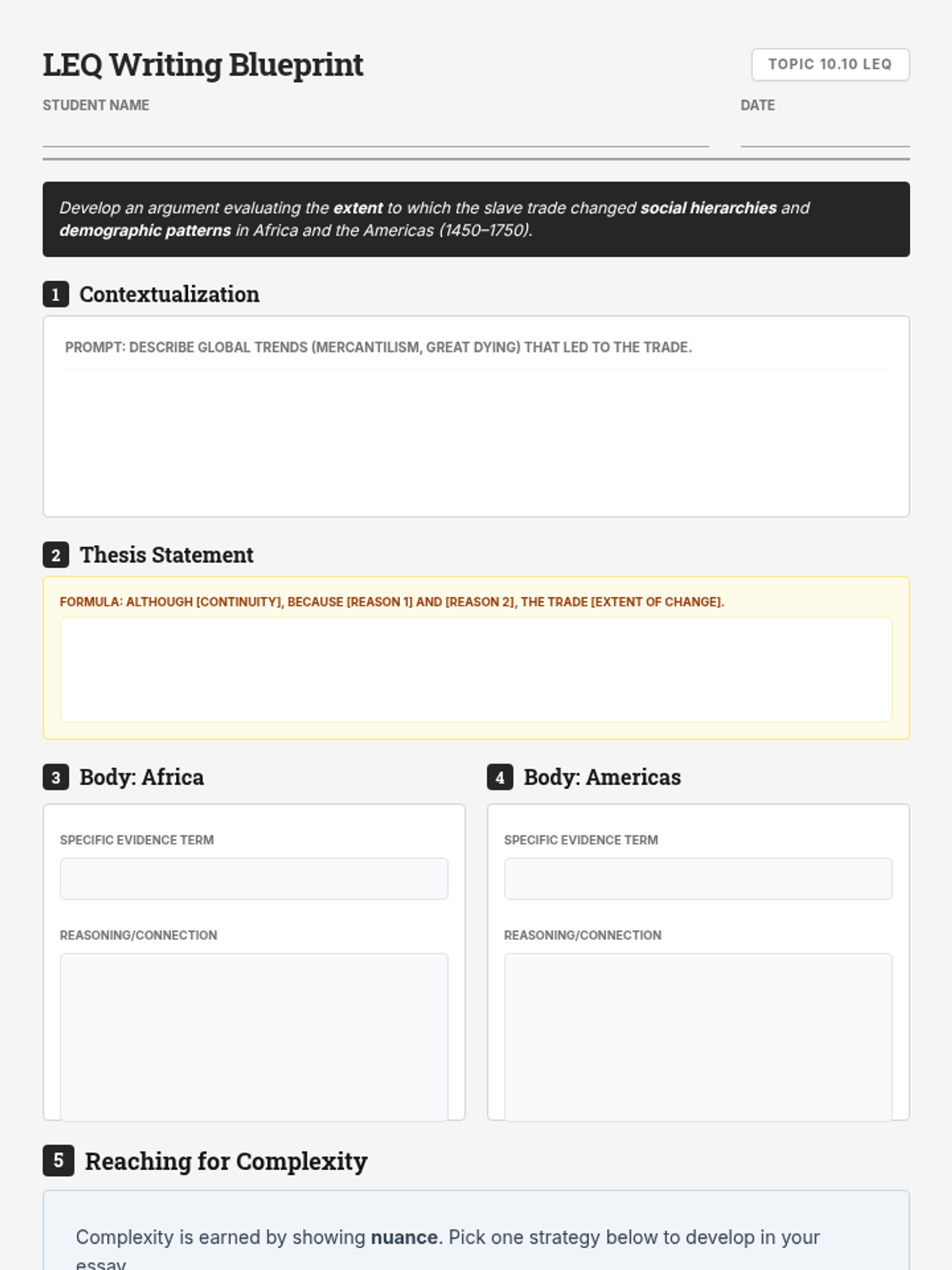
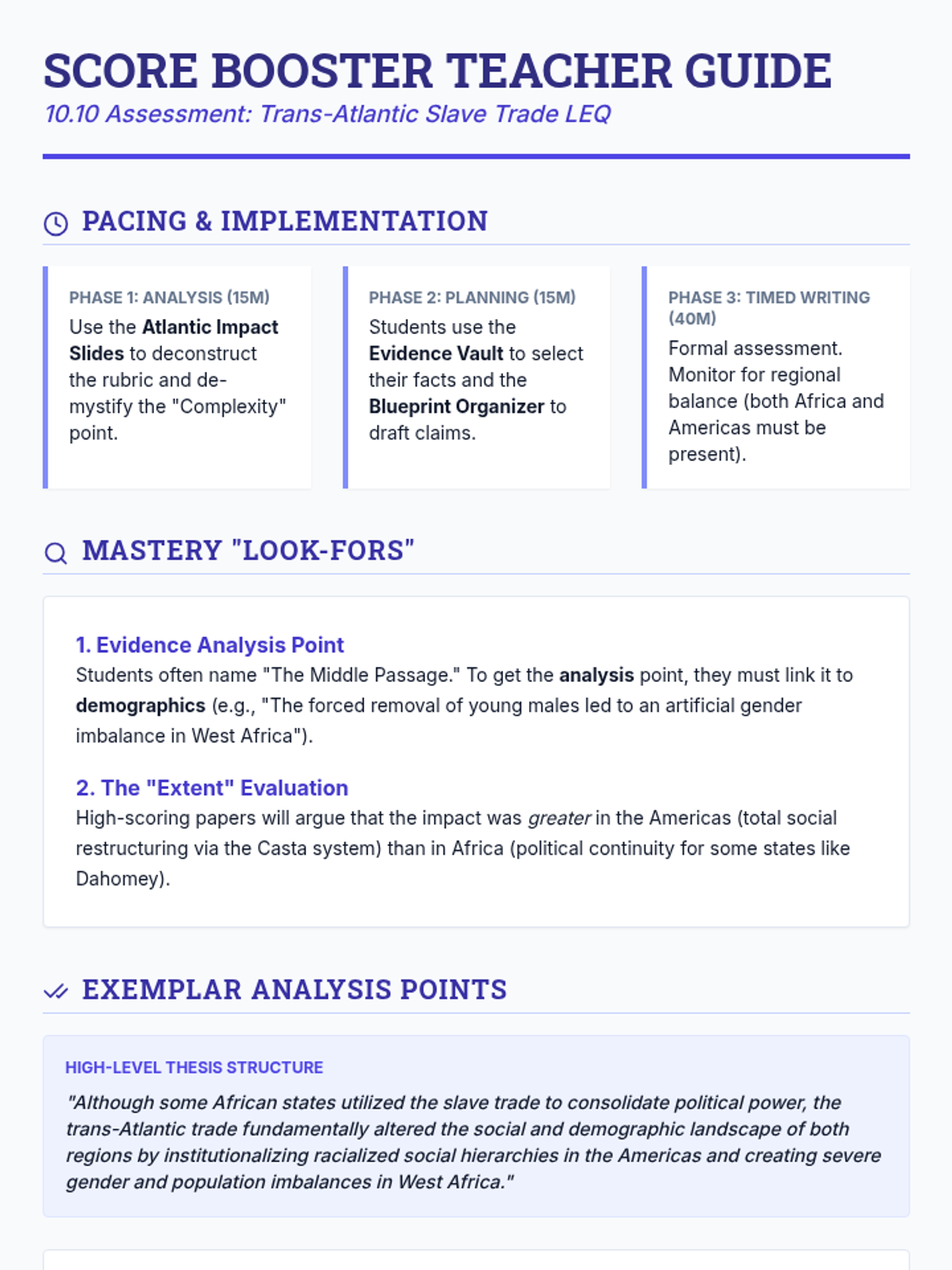
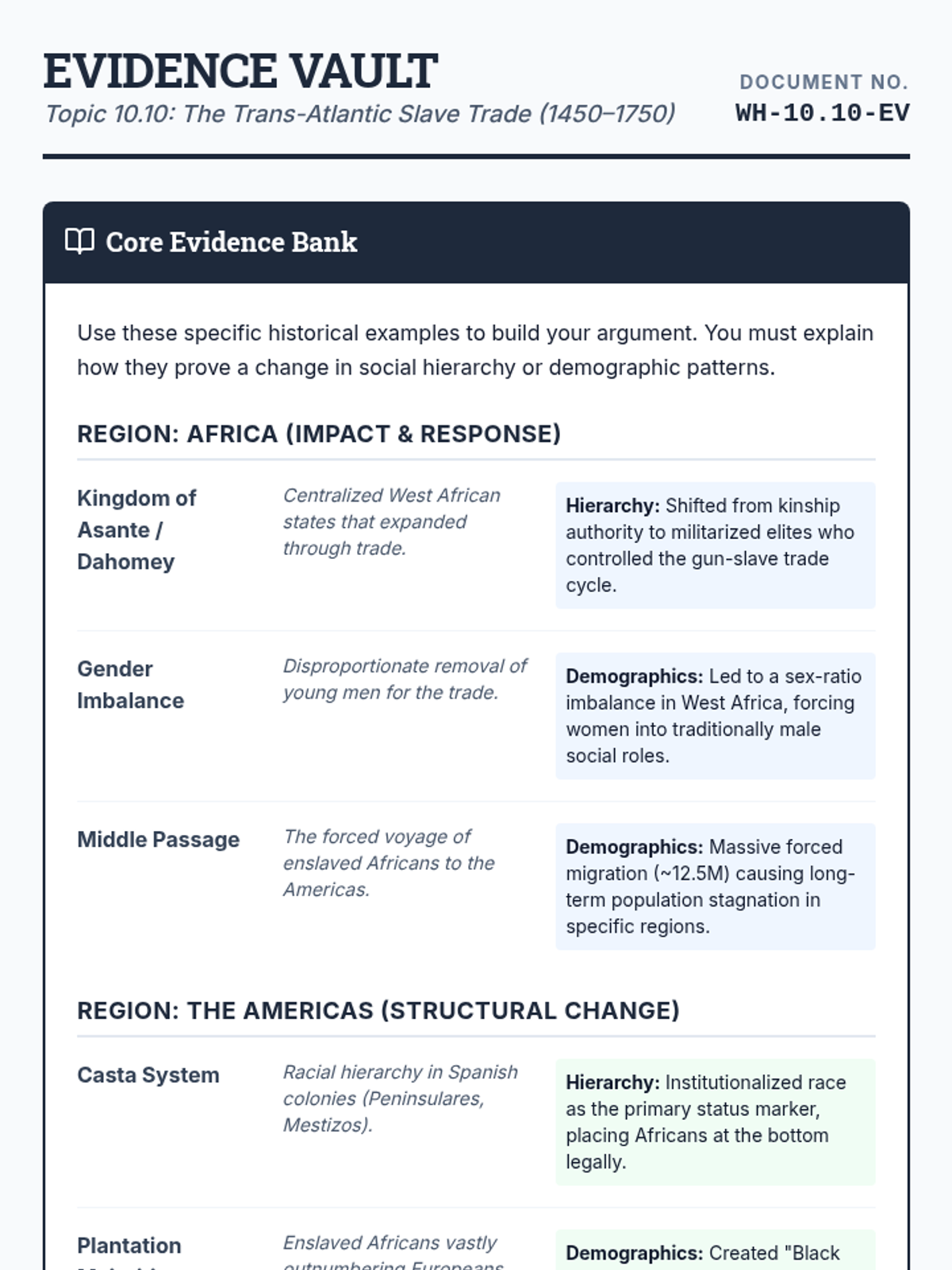
A comprehensive set of resources to prepare students for a Timed Long Essay Question (LEQ) on the trans-Atlantic slave trade's impact on Africa and the Americas (1450-1750). Includes visual instruction, a scaffolded writing organizer, a detailed evidence bank, and teacher guidance.
A comprehensive introduction to the landmark Plessy v. Ferguson Supreme Court case, exploring the origins of 'separate but equal' and its impact on American society.
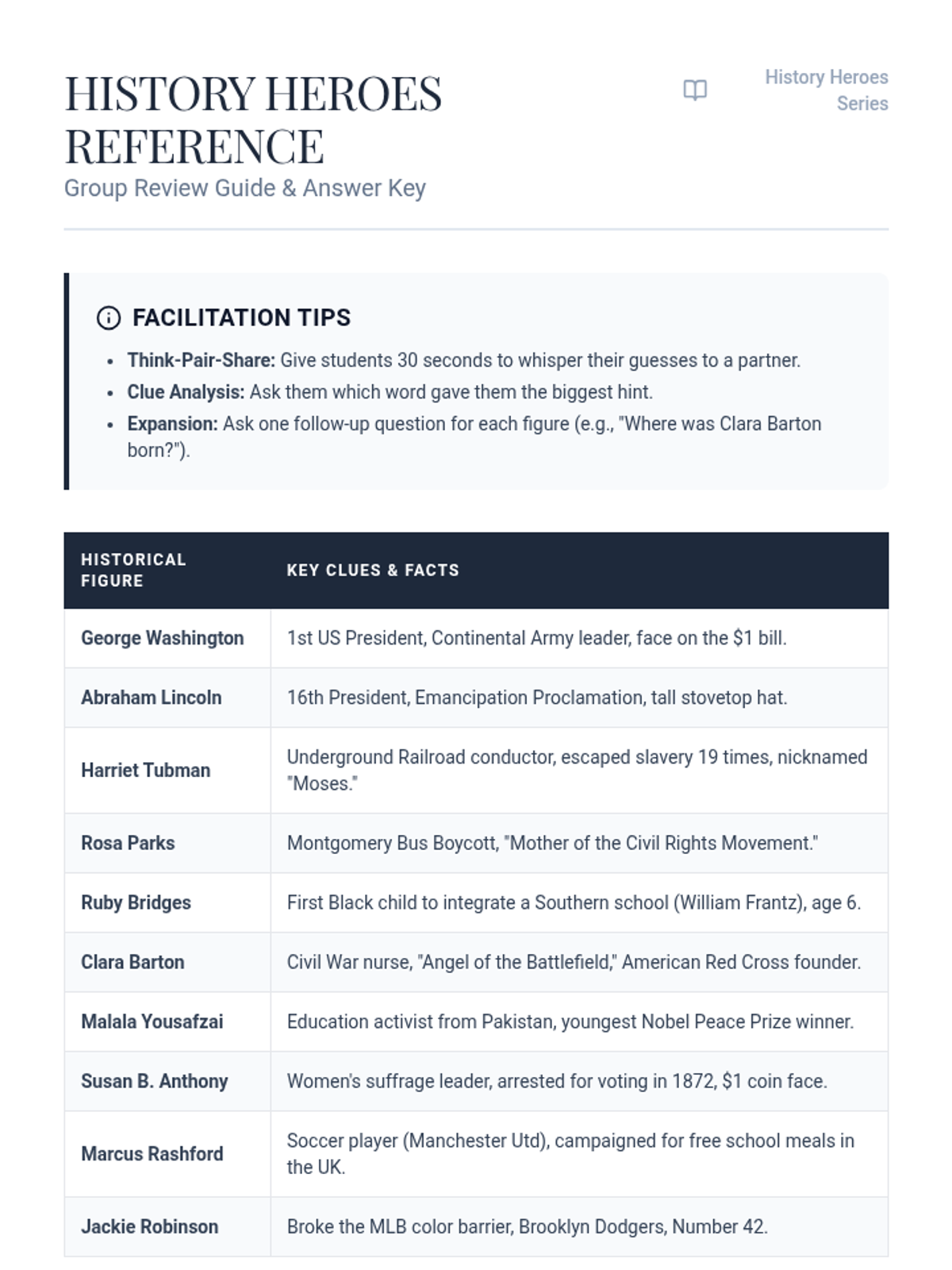
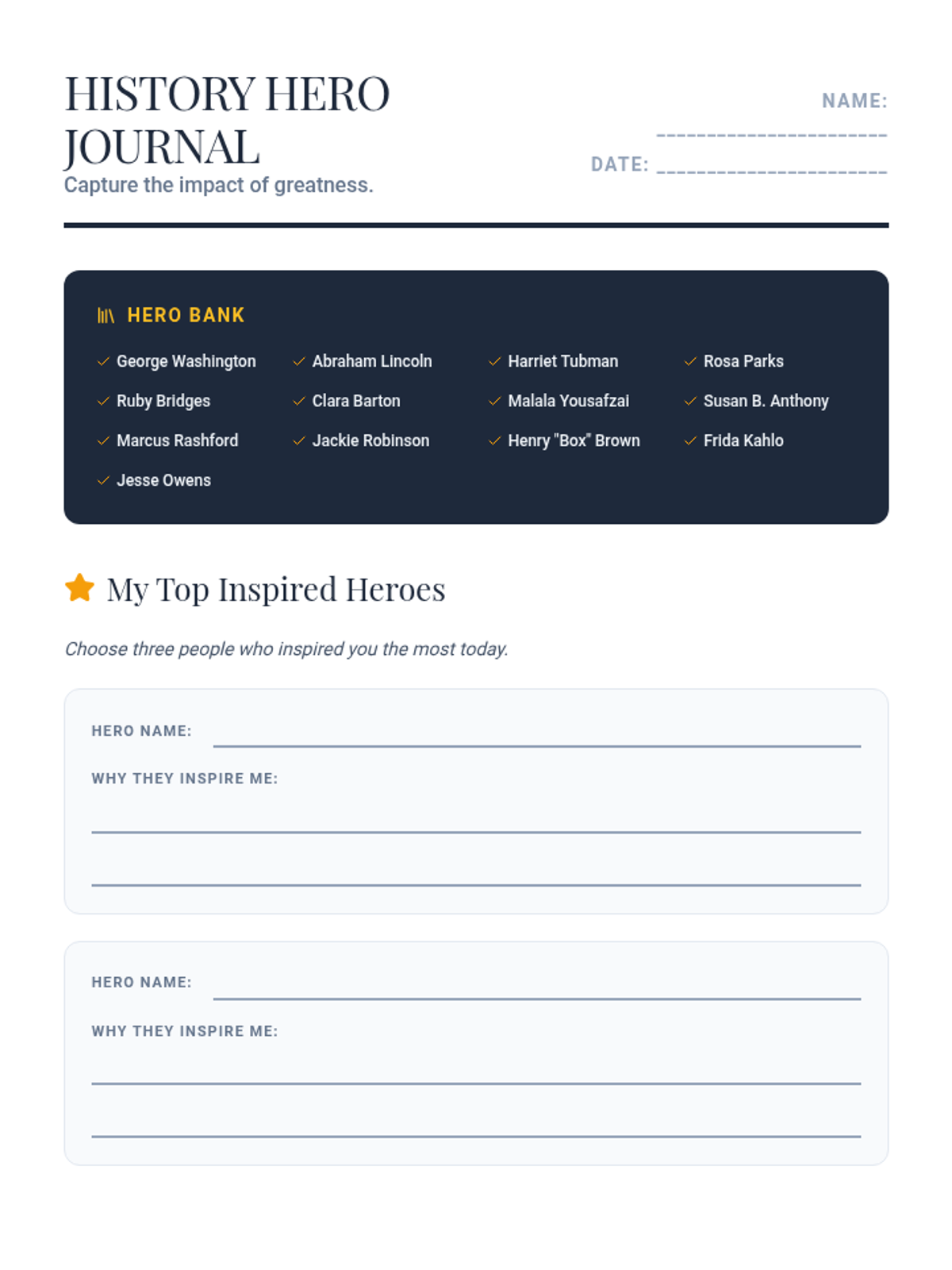
A collaborative review lesson where students identify and discuss influential historical figures through a 'Who Am I?' game. The lesson emphasizes critical thinking and collective memory about the impact of diverse leaders, activists, and icons.
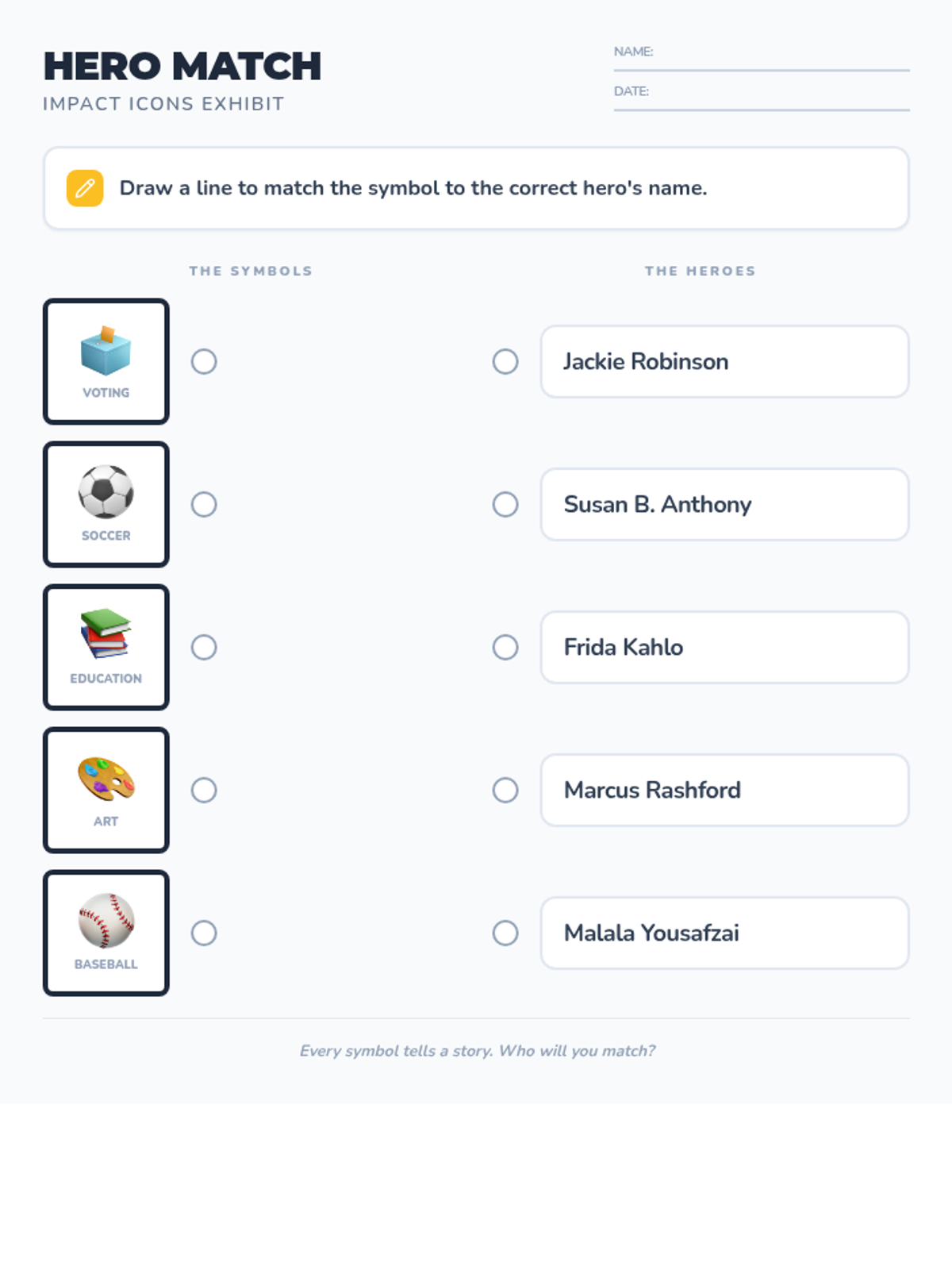
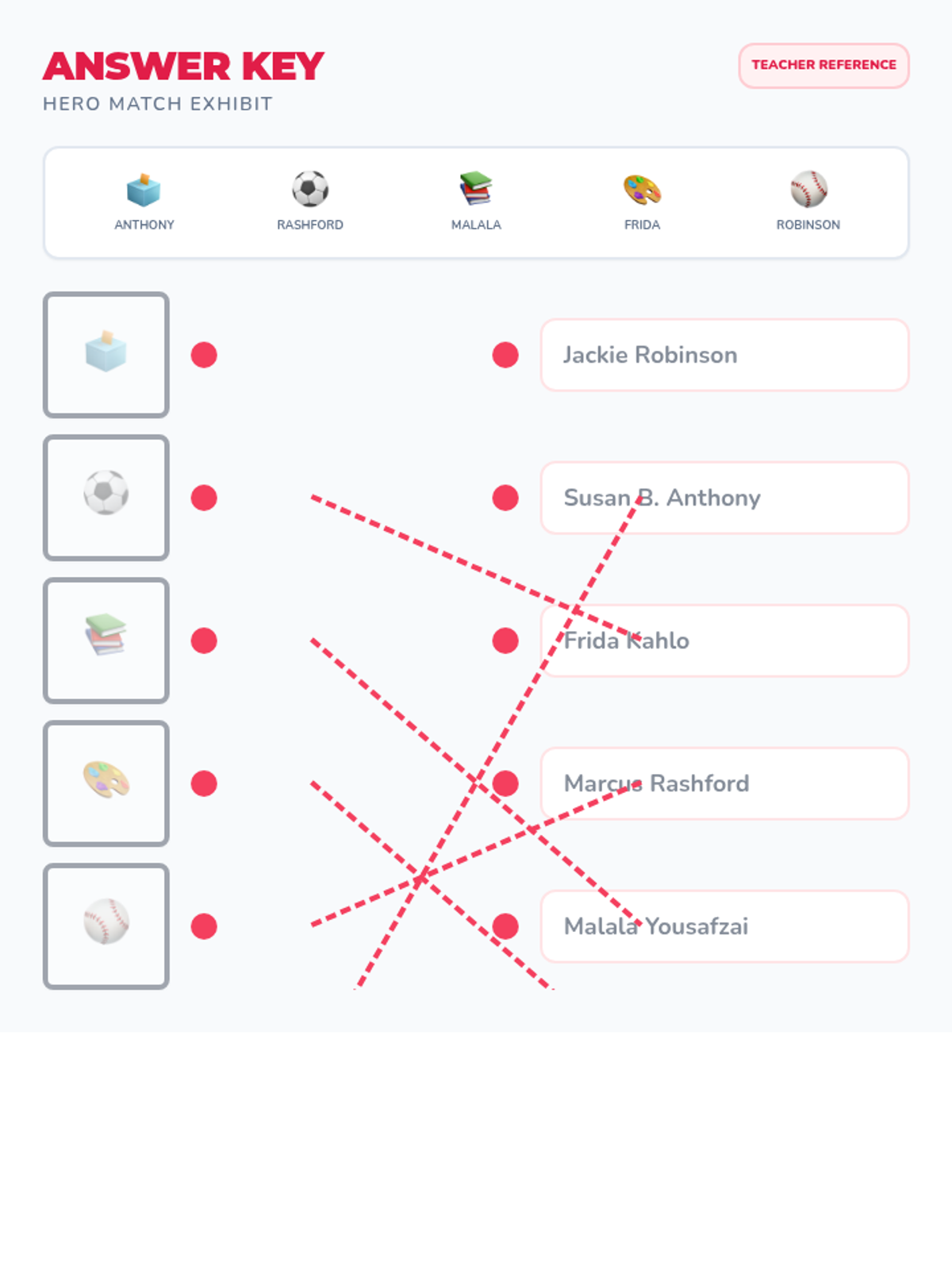
A lesson focused on identifying influential figures who made a significant impact on history and society through their actions in sports, art, and activism.
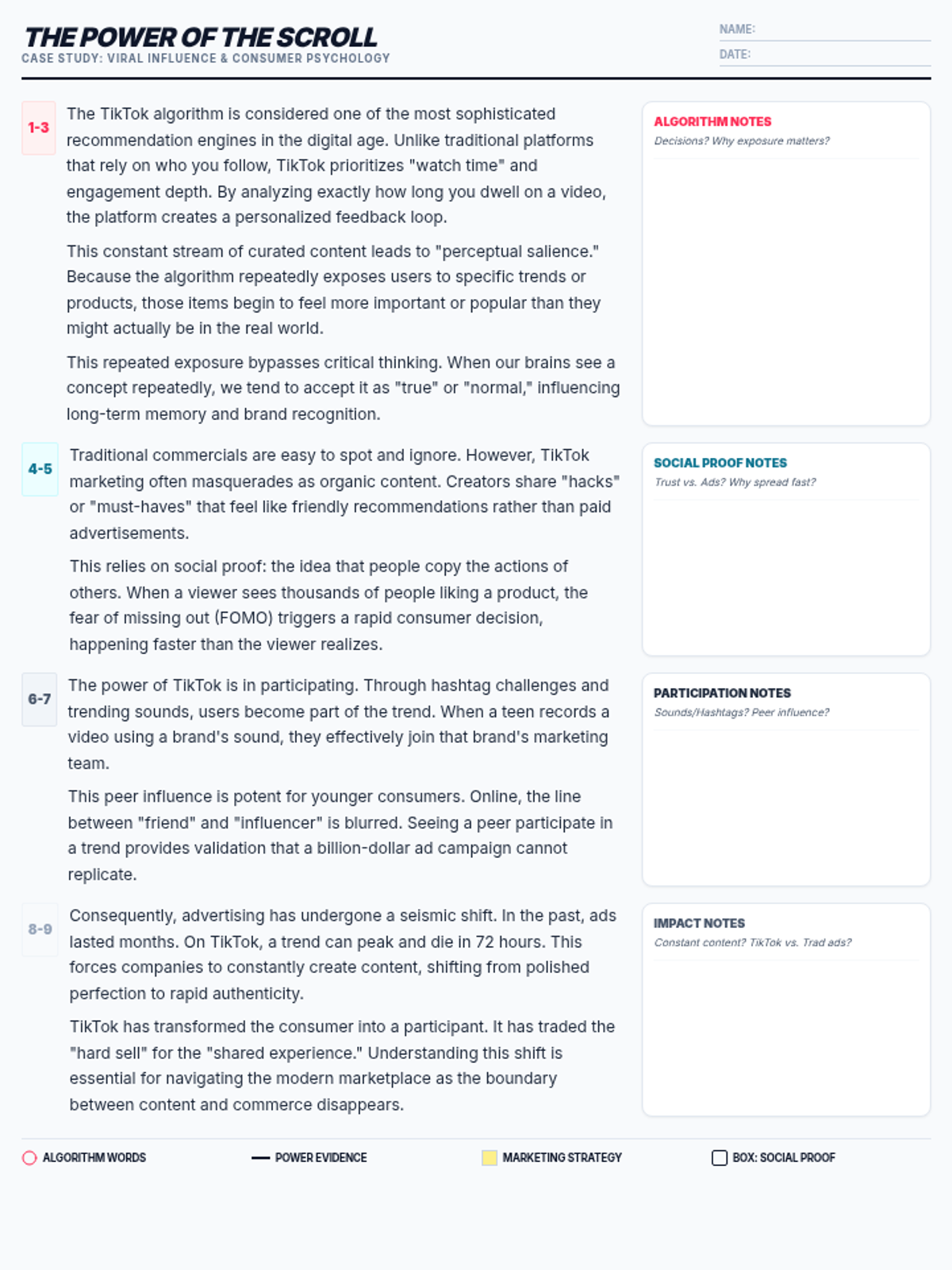
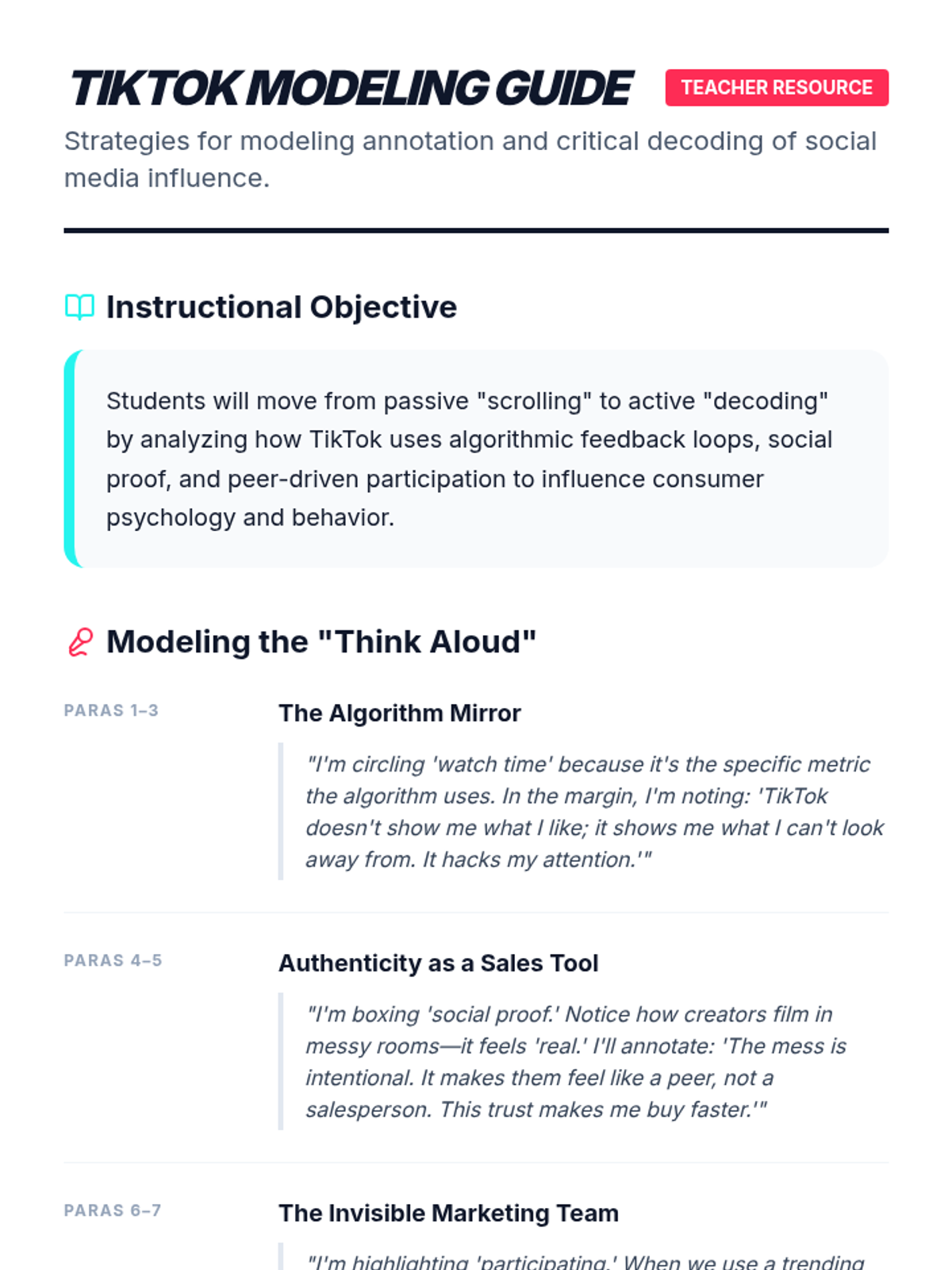
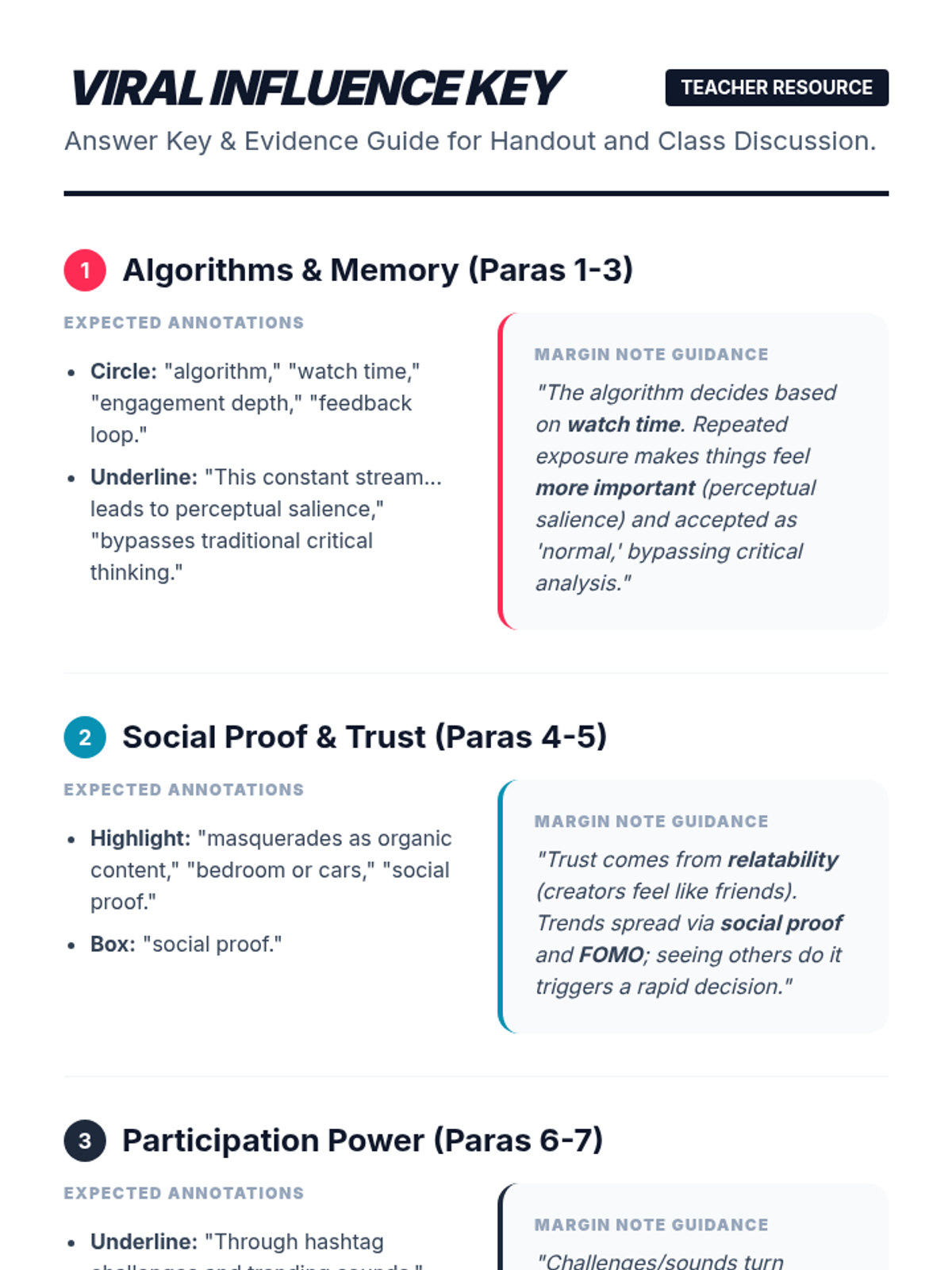
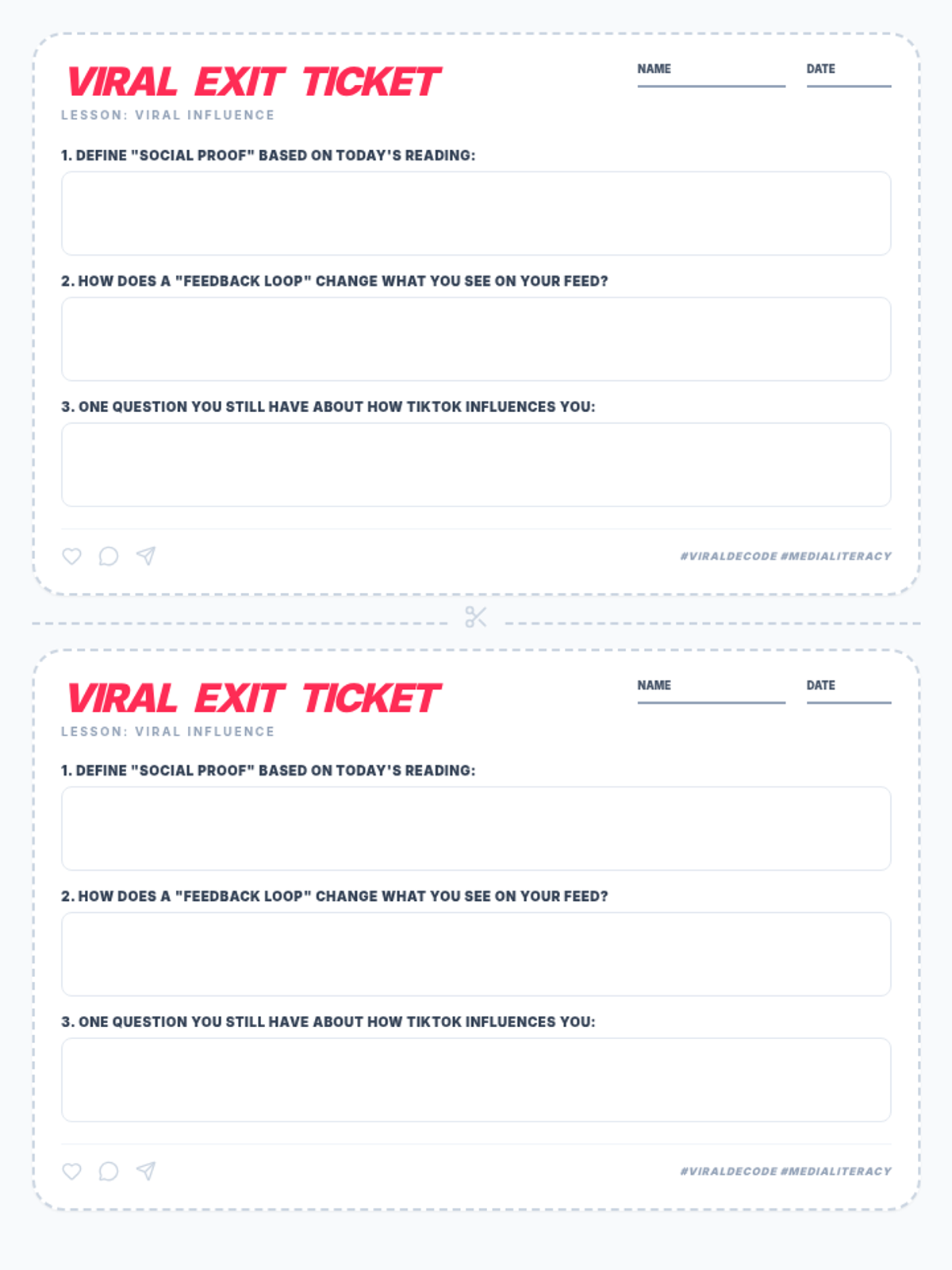
An exploration of TikTok's psychological and marketing influence, focusing on algorithmic power, social proof, and peer-driven trends through modeled annotation practices.
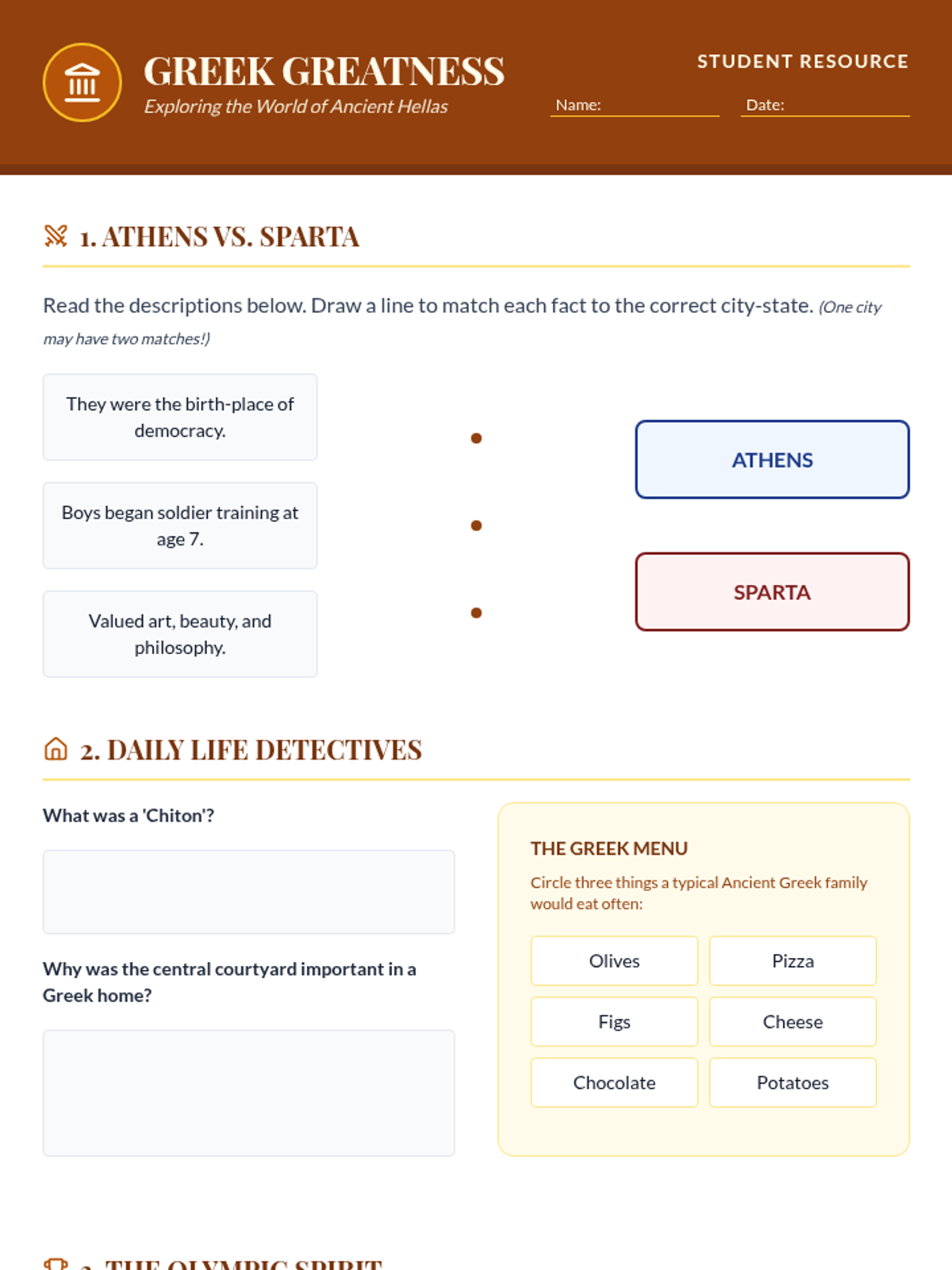
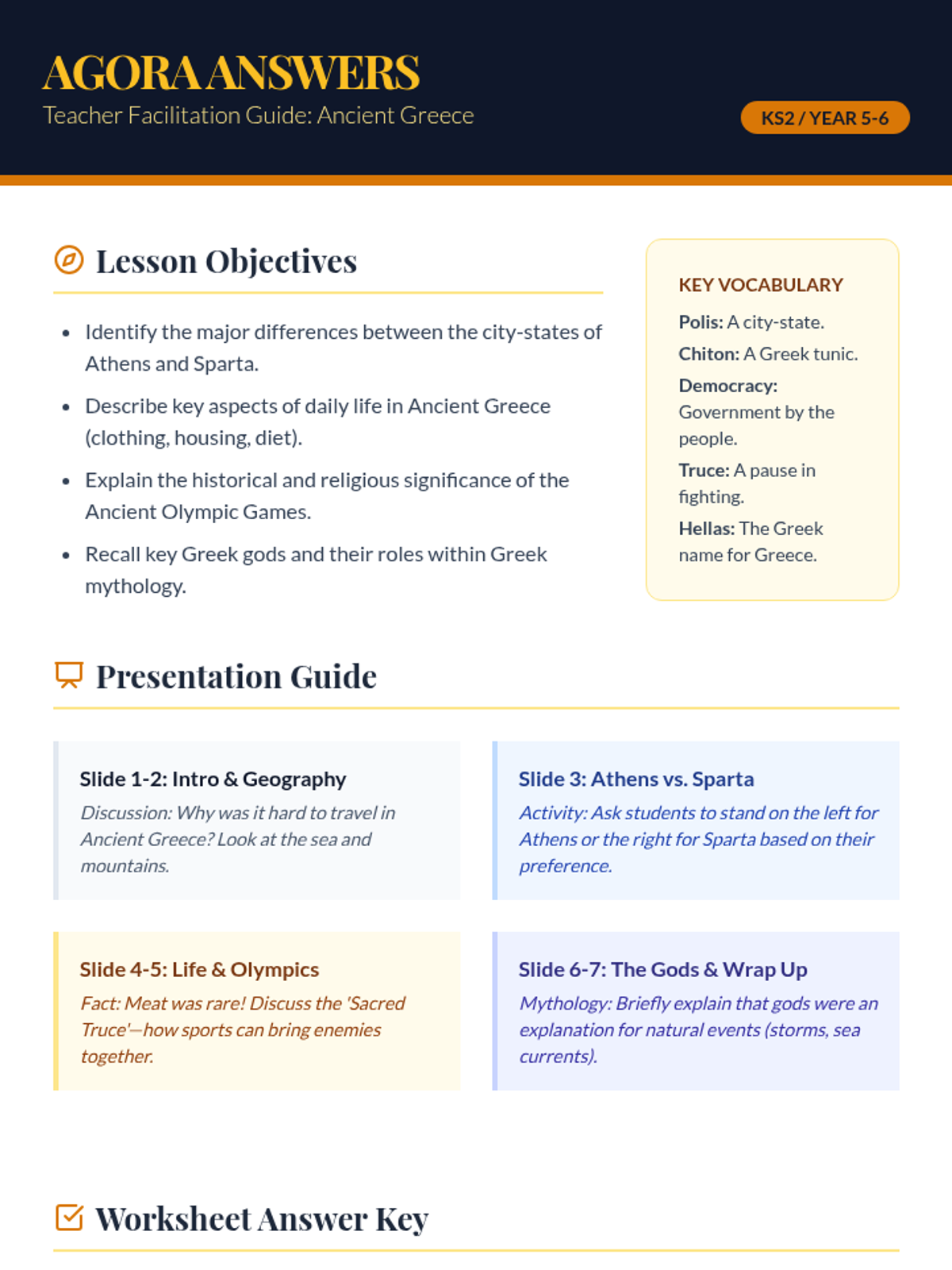
An immersive introduction to the city-states, daily life, and enduring traditions of Ancient Greece, specifically designed for KS2 students.
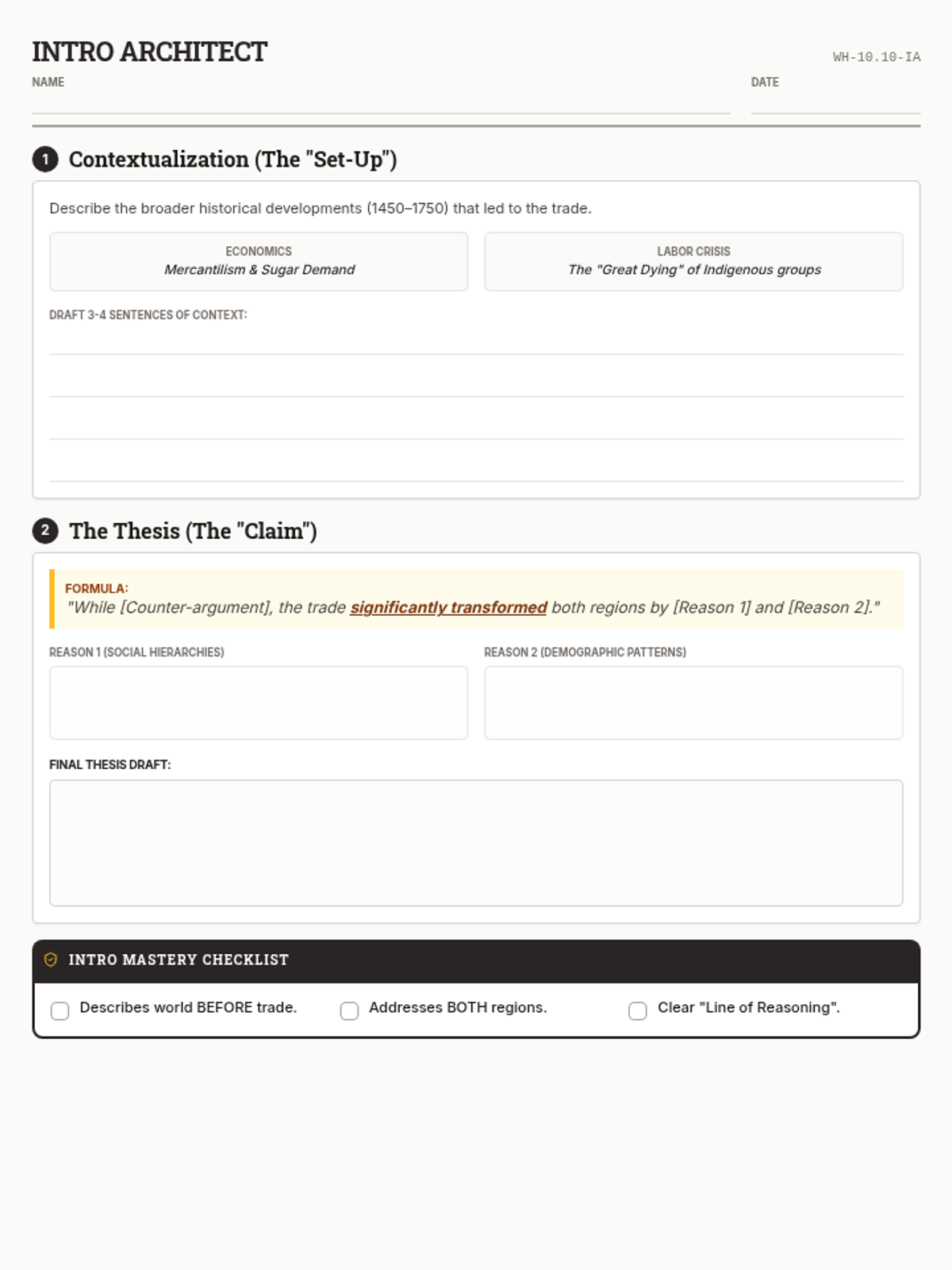
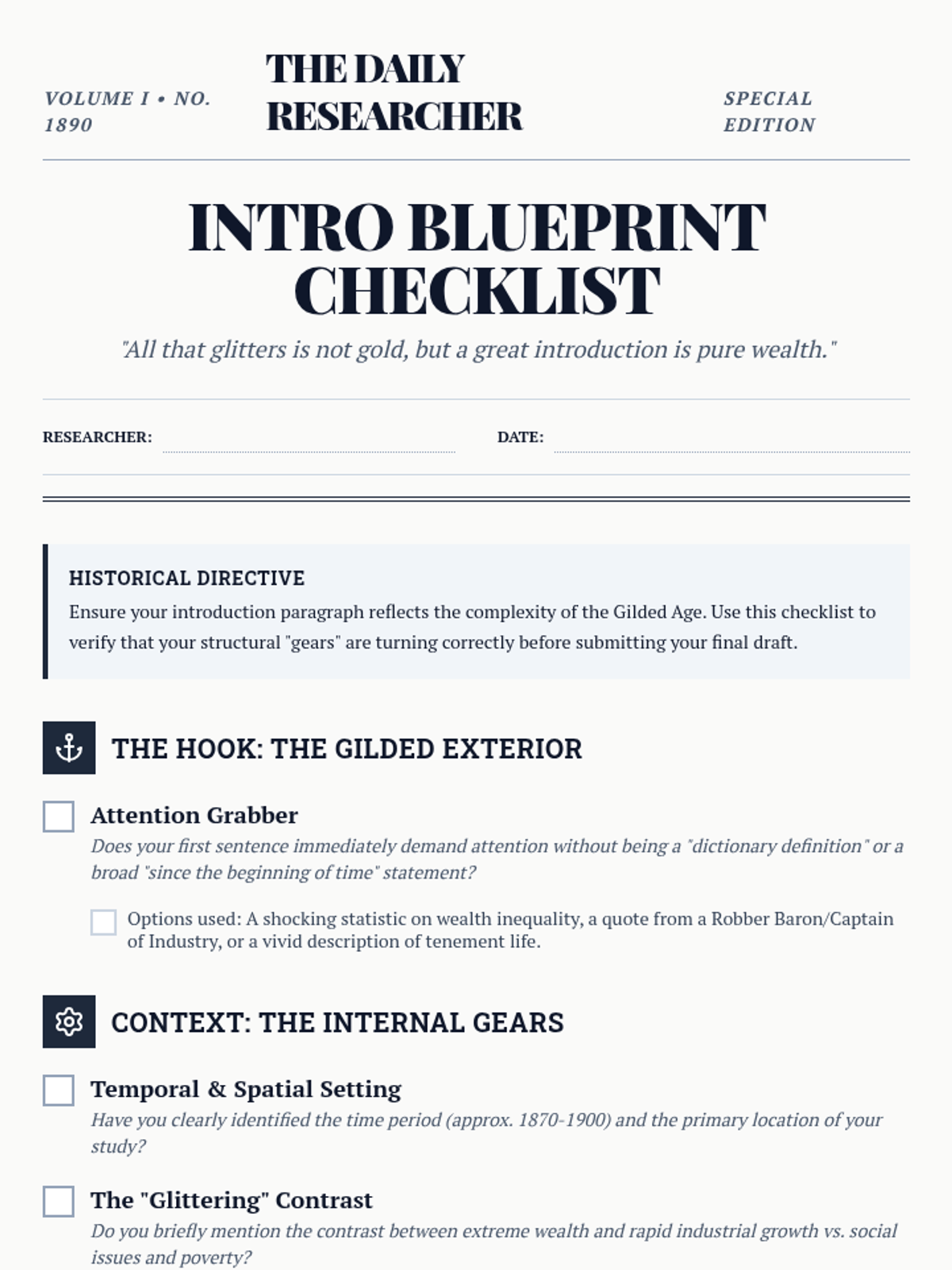
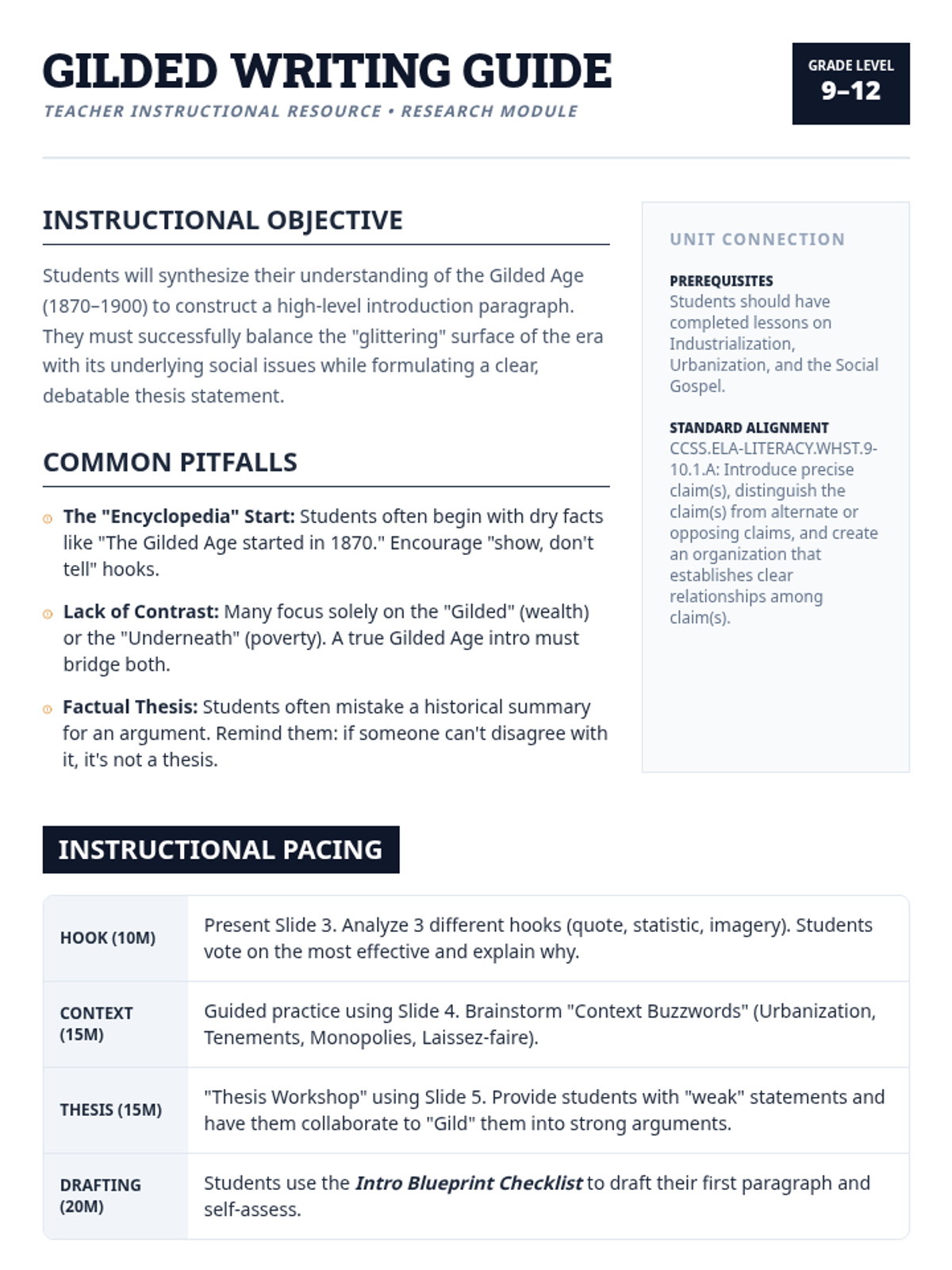
A comprehensive lesson on crafting compelling research introductions for the Gilded Age, focusing on historical context and thesis development.
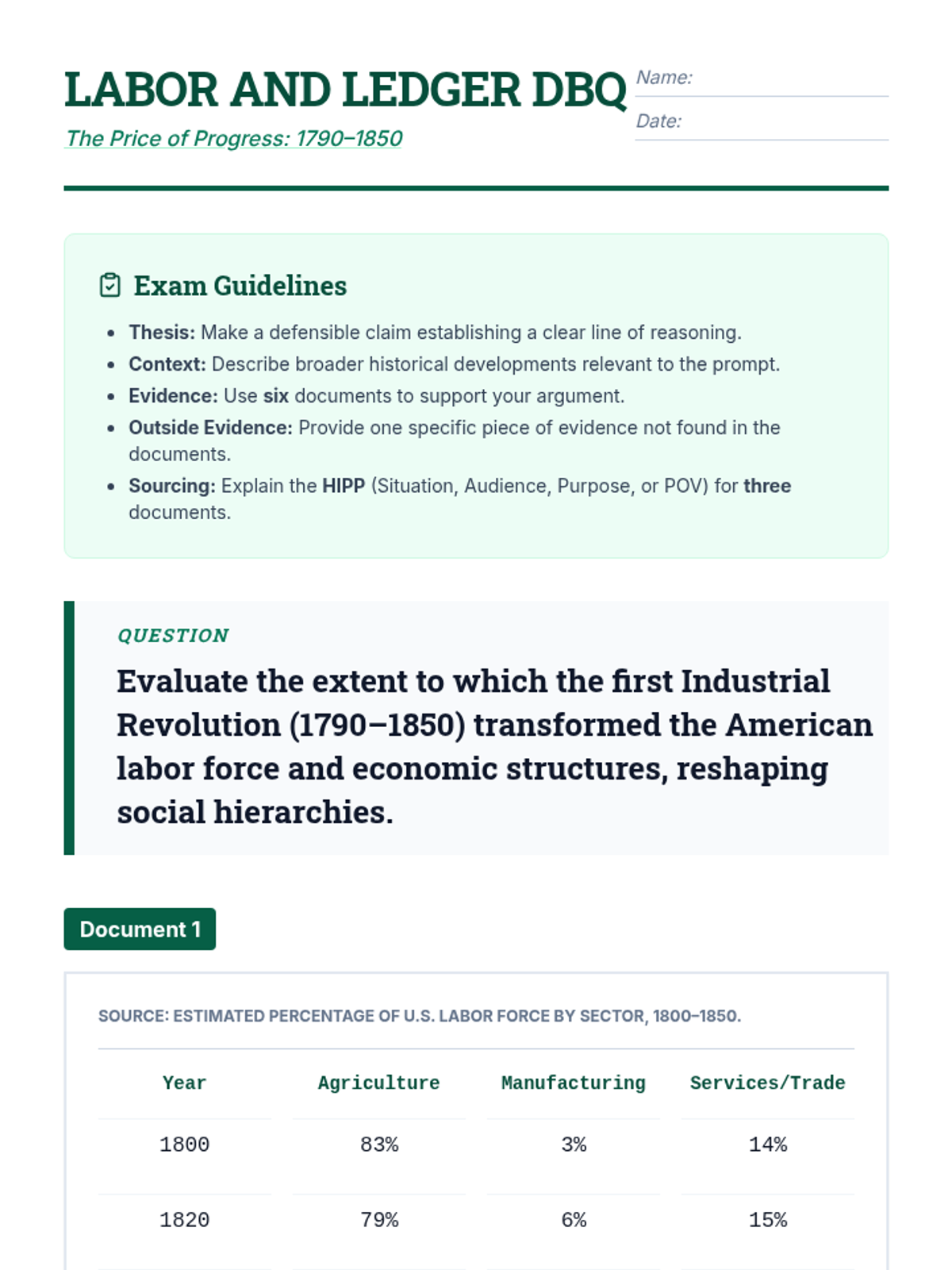
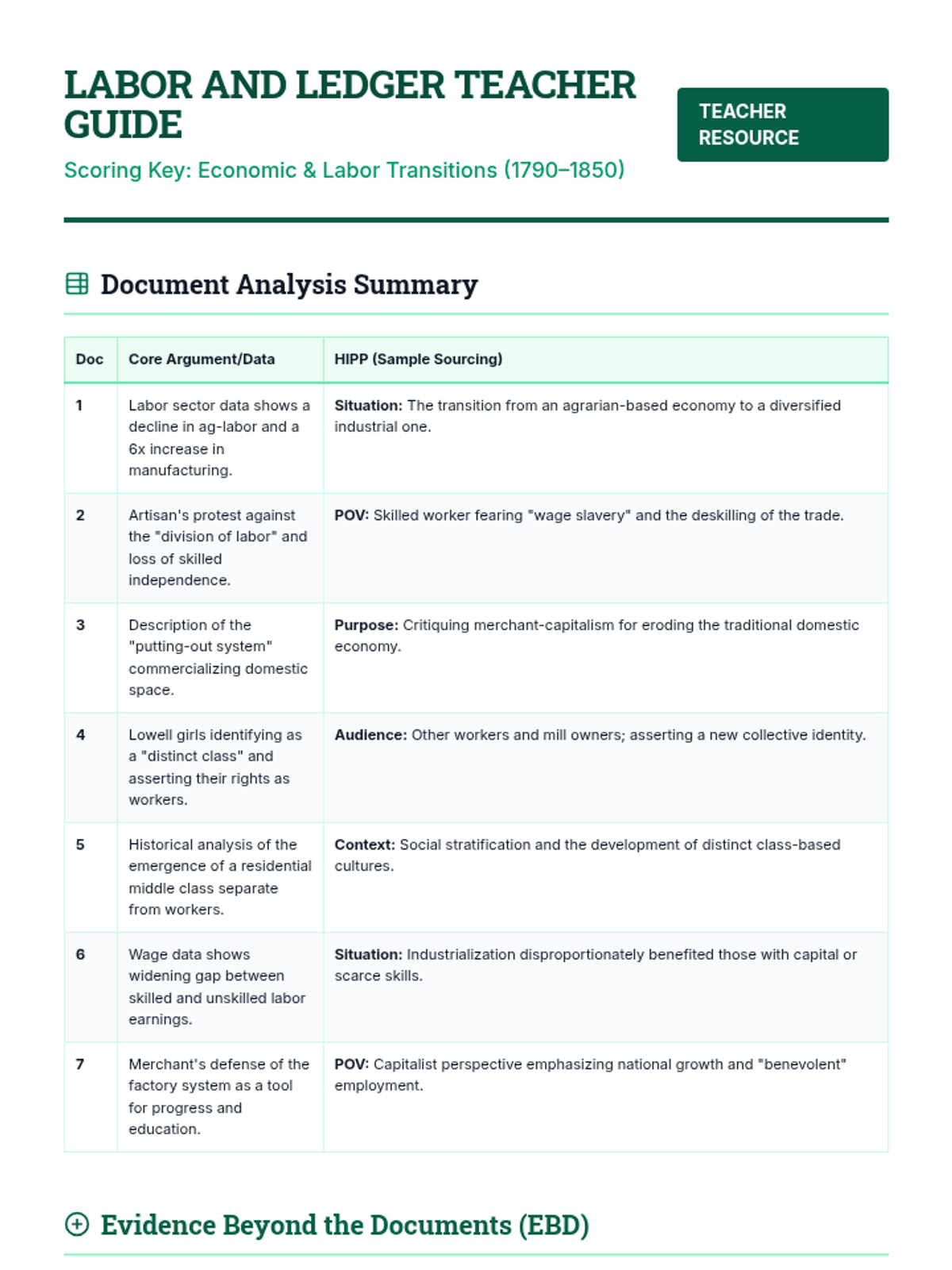
A rigorous Document-Based Question (DBQ) set analyzing the profound economic transformations and labor shifts of the First Industrial Revolution. Students examine how the transition from artisan craft to industrial manufacturing redefined work, wages, and social hierarchy.
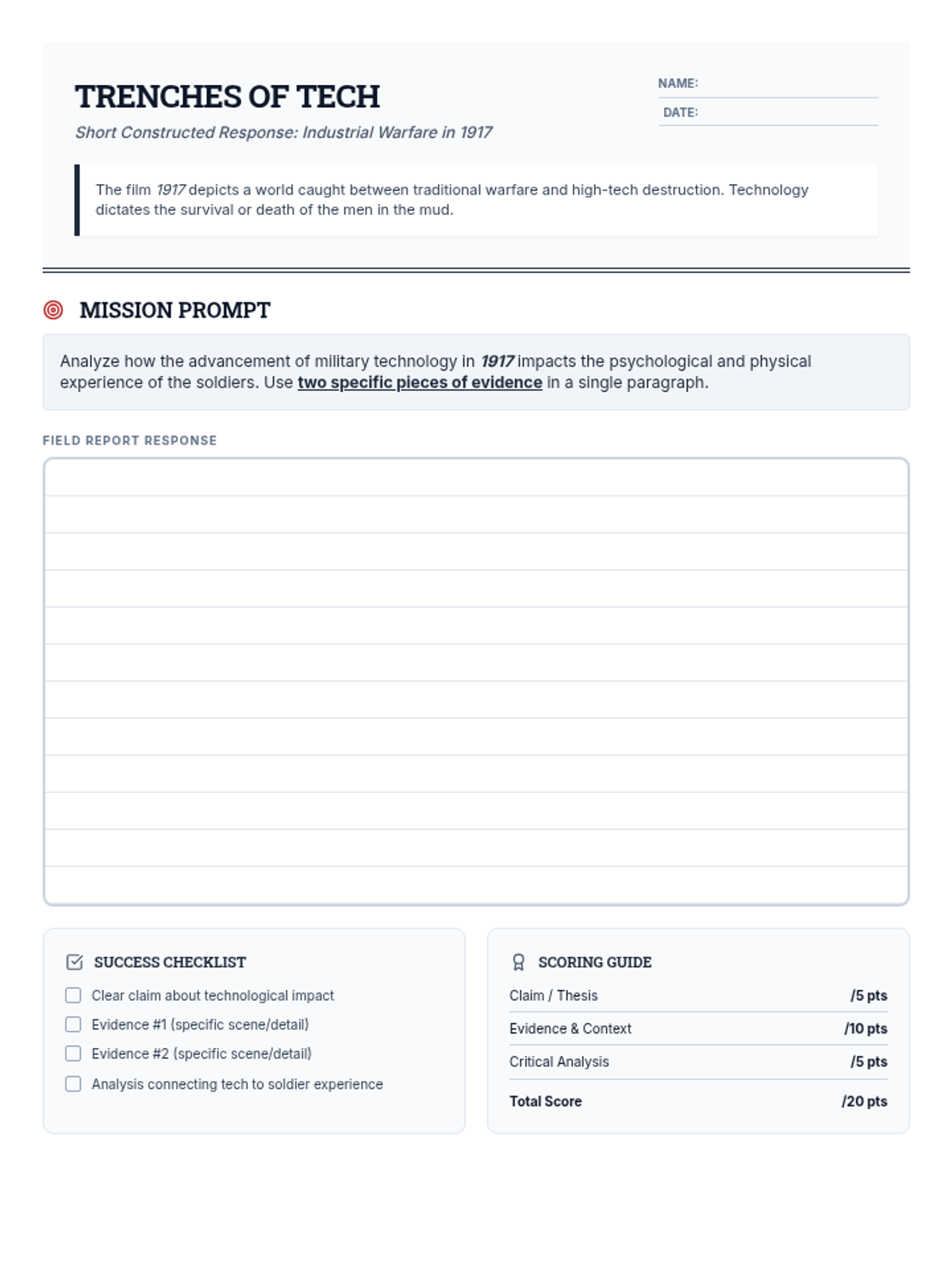
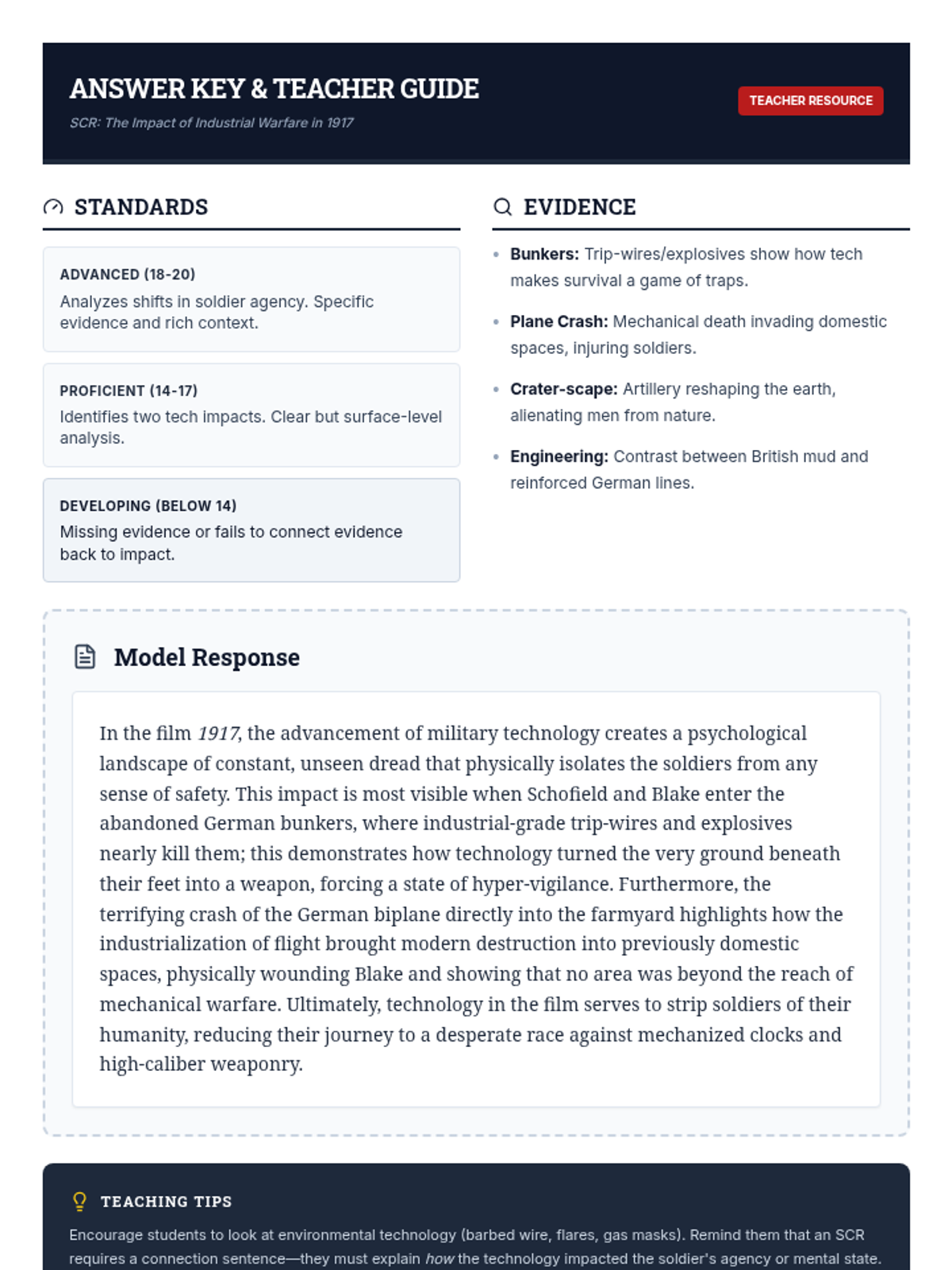
This lesson explores the intersection of WWI technology and human experience through a Short Constructed Response (SCR) analysis of the film 1917. Students will examine how industrial warfare shaped the lives and missions of soldiers.
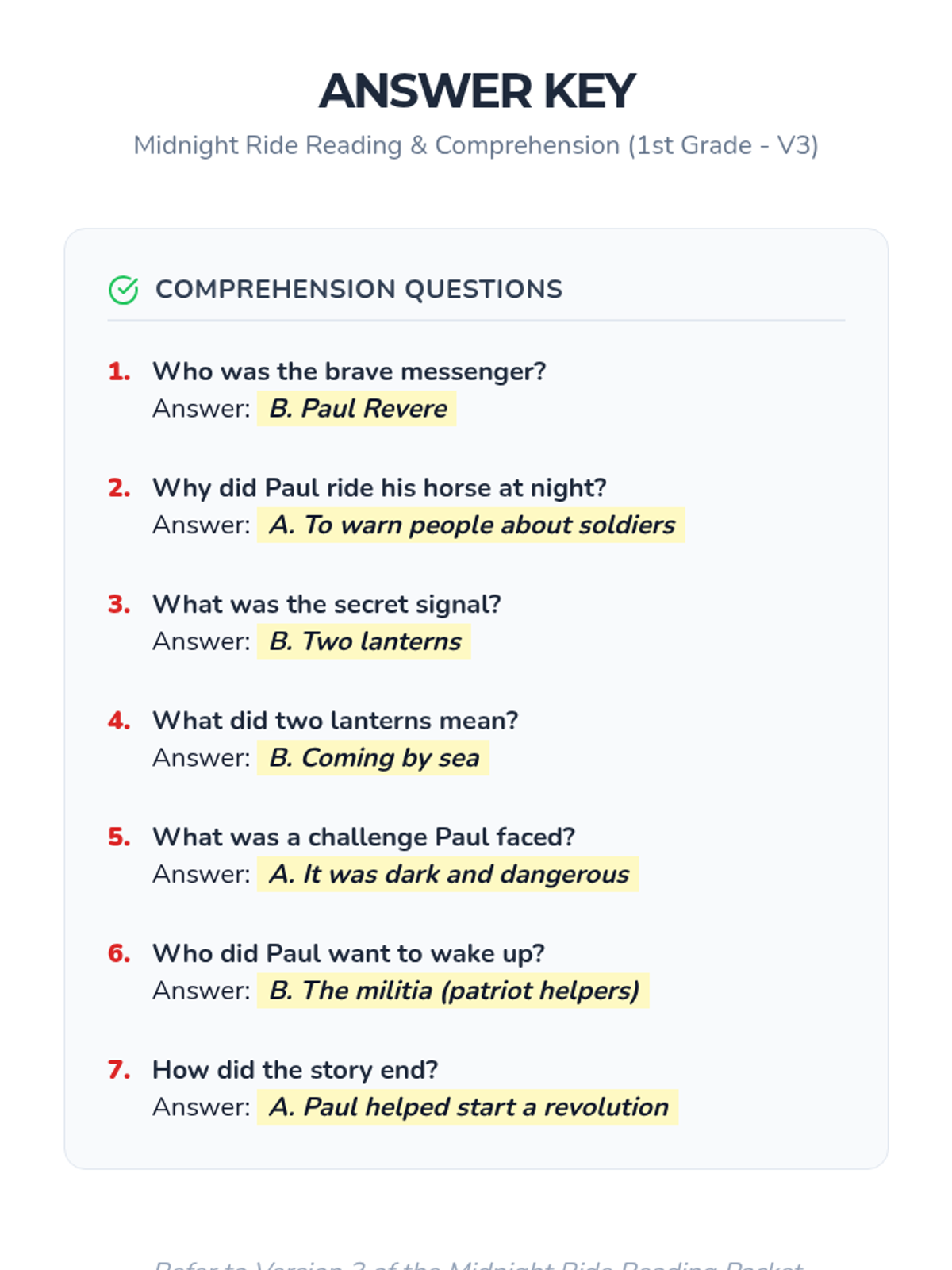
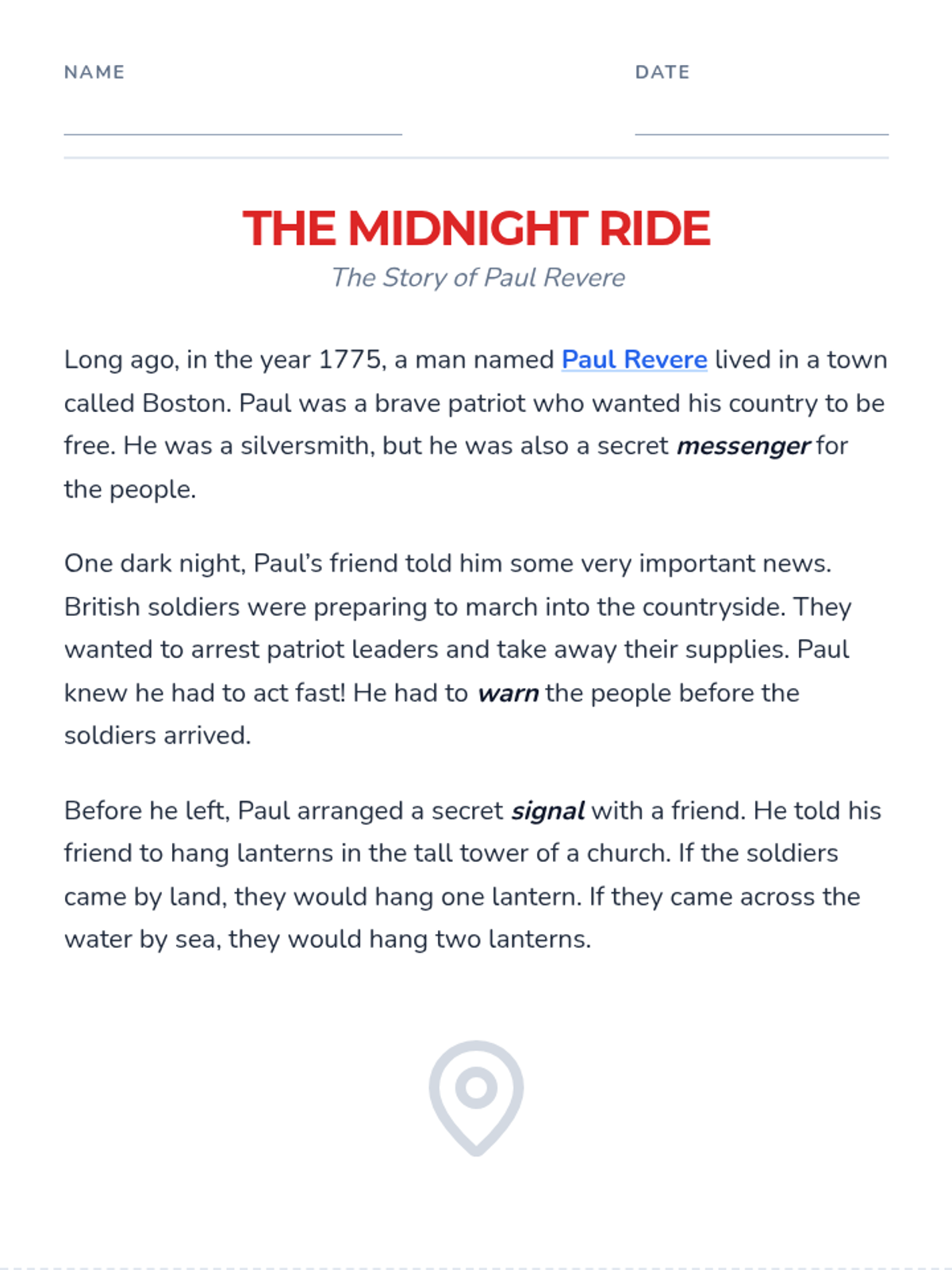
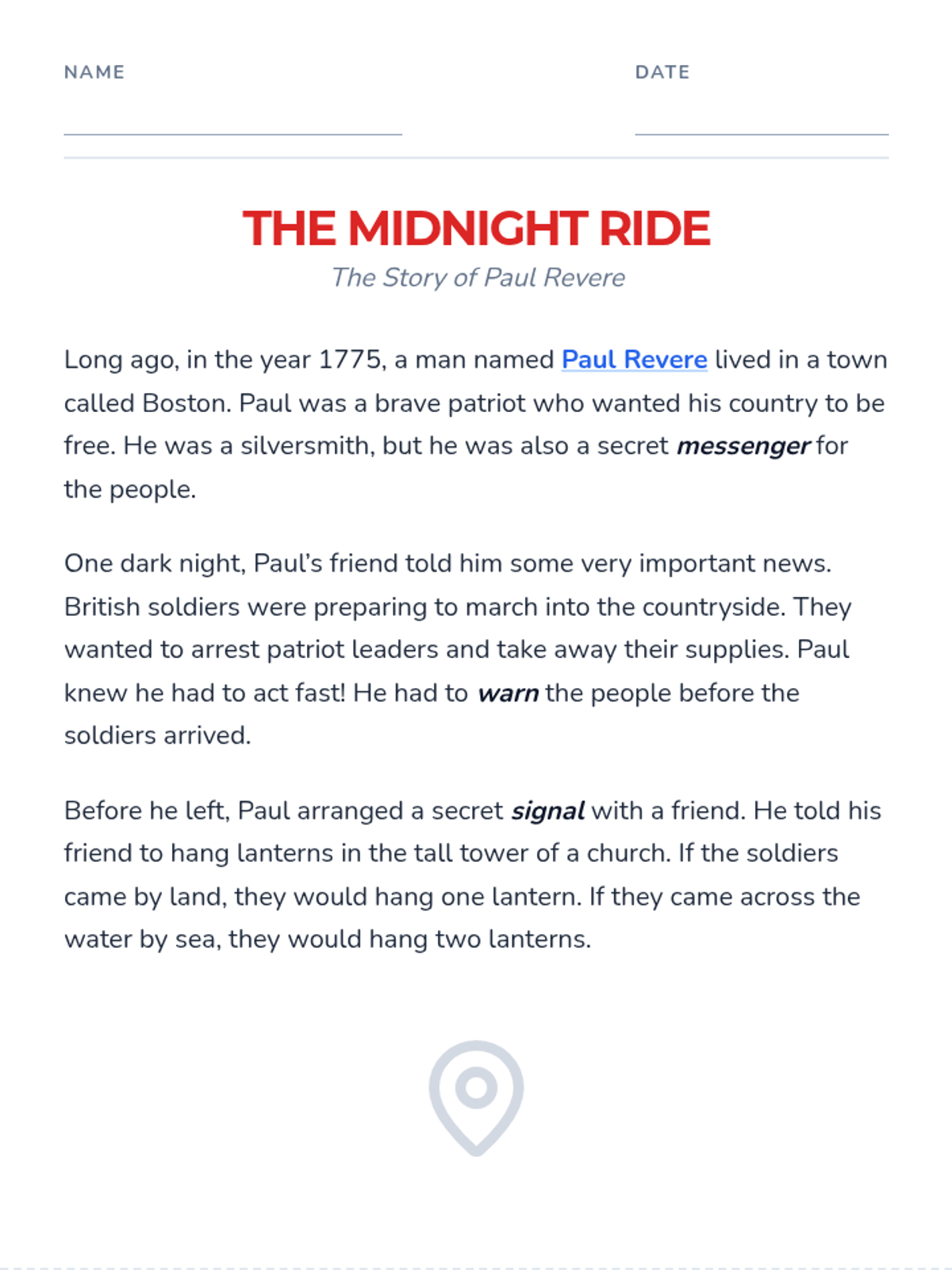
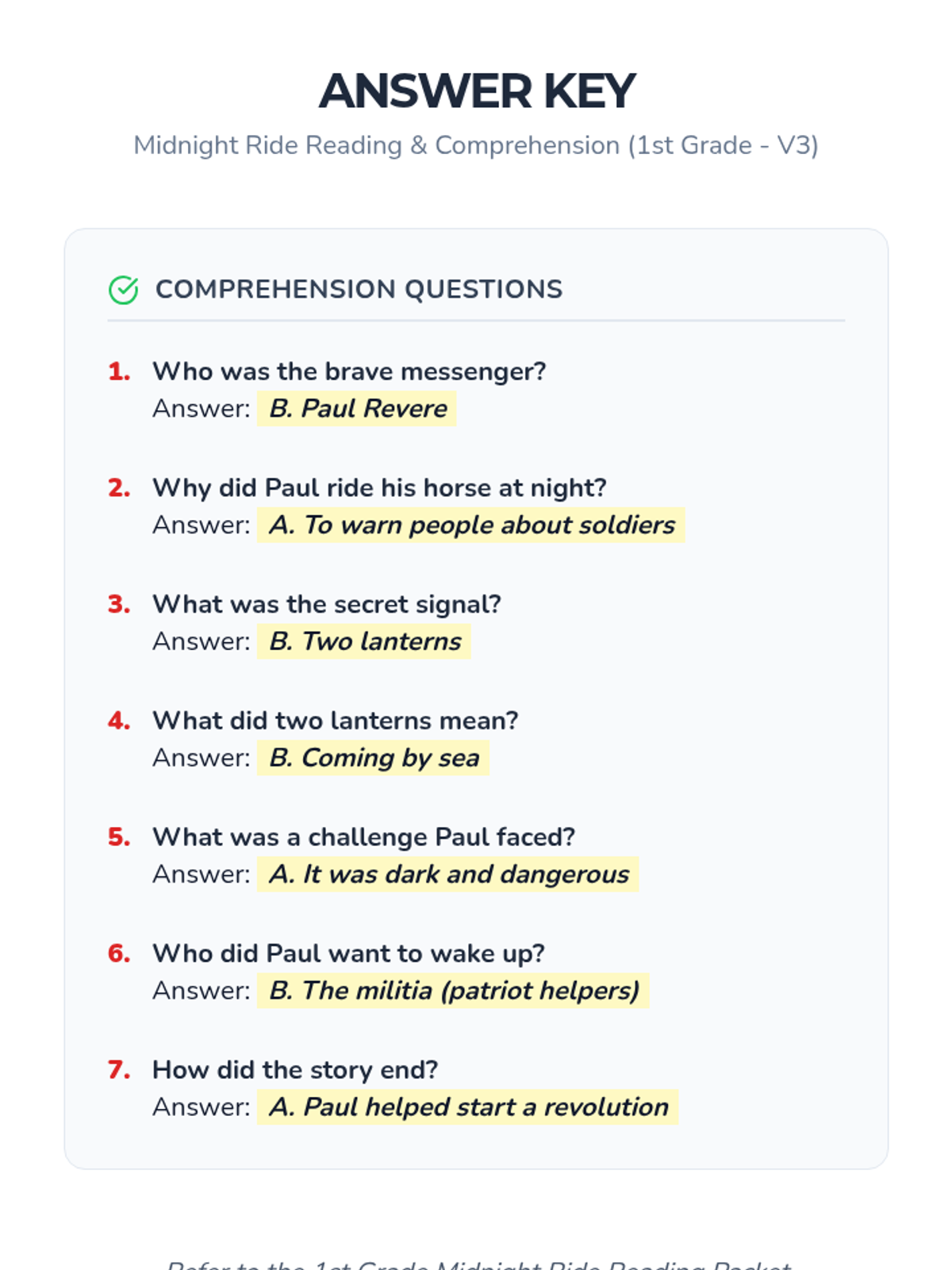
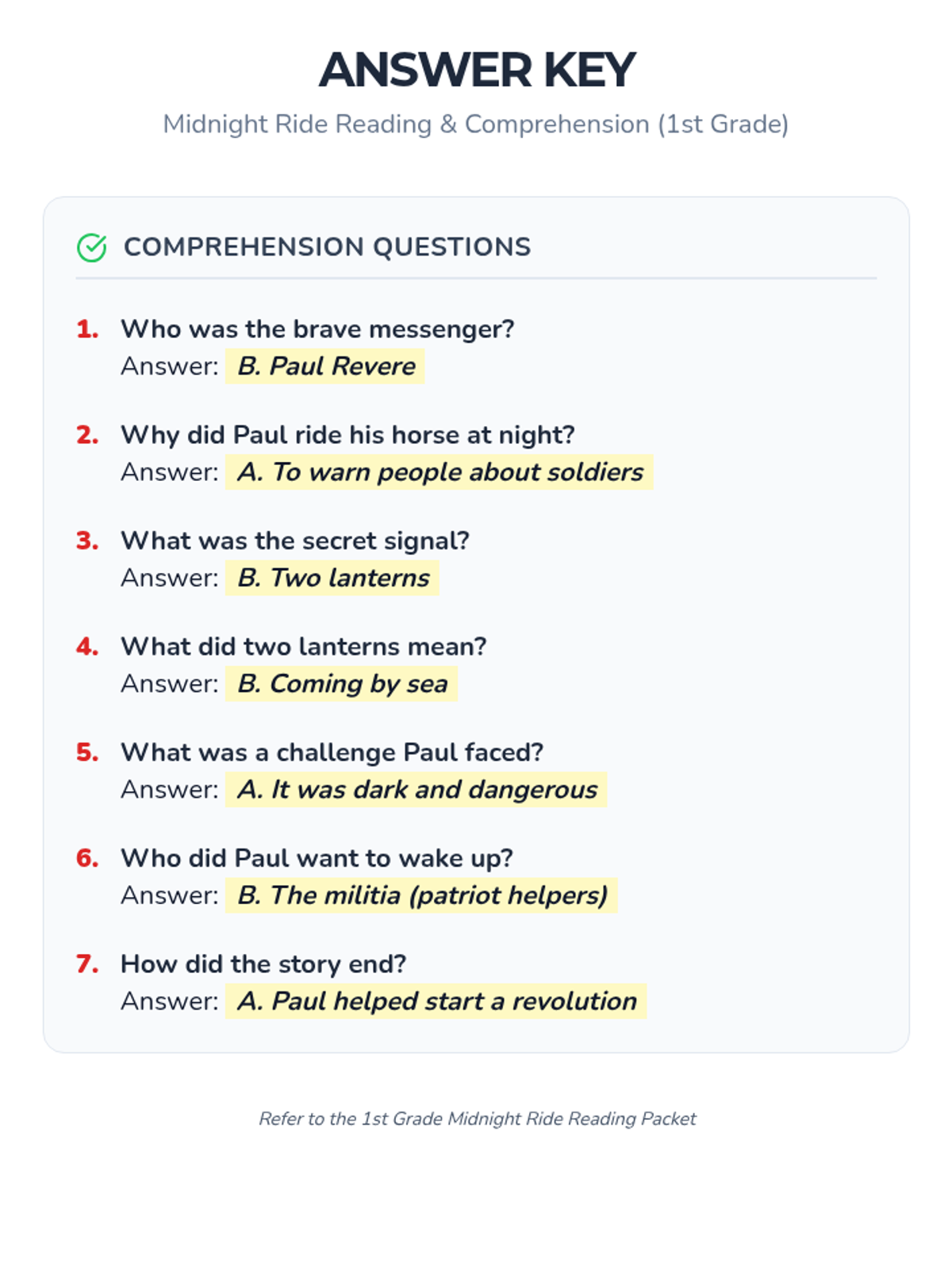
A differentiated literacy packet for 1st-grade students focused on the story of Paul Revere's Midnight Ride, featuring simplified text and multiple-choice comprehension questions.
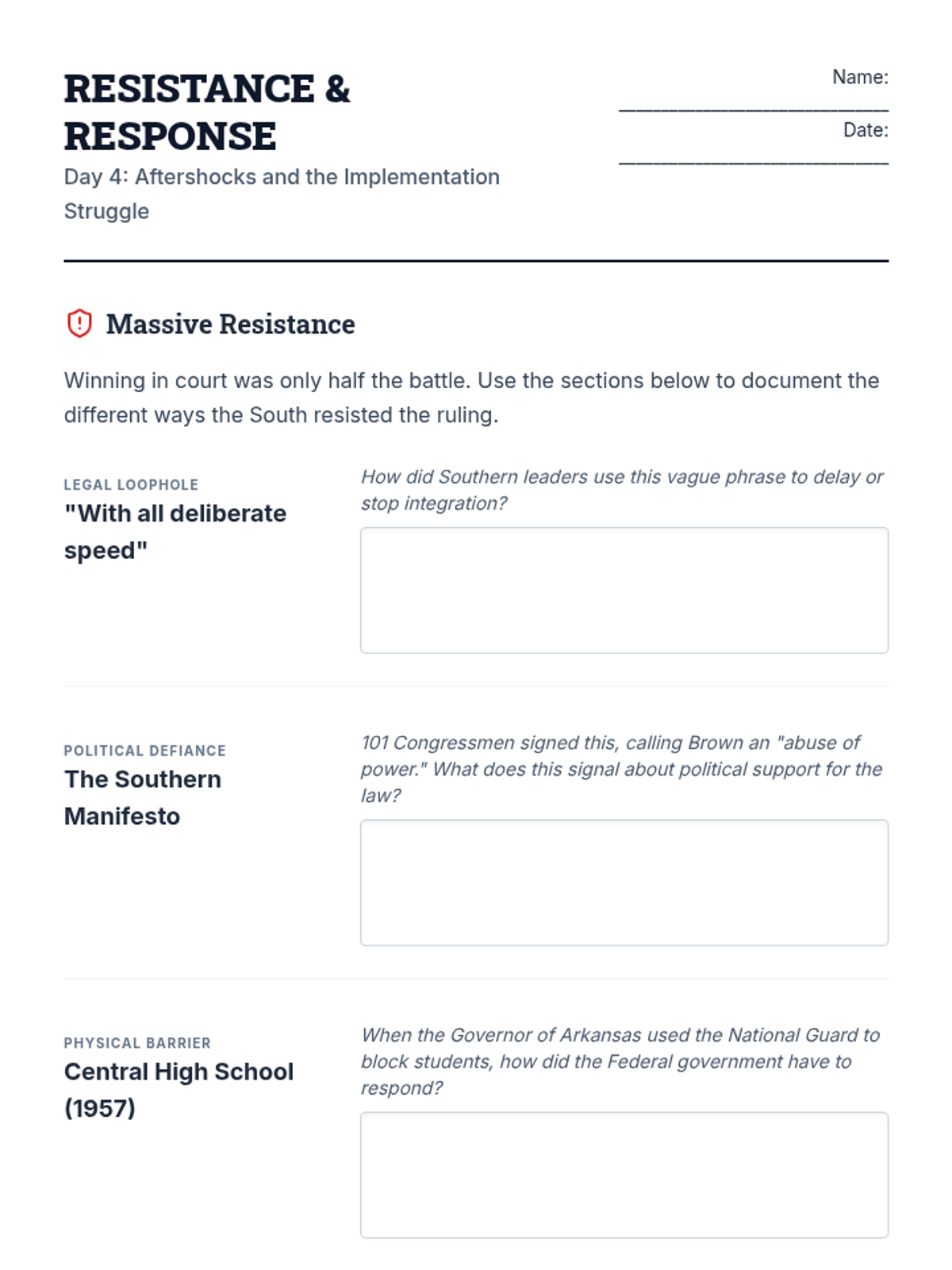
Investigate the resistance to integration, the 'Brown II' ruling, and the emergence of grassroots activism.
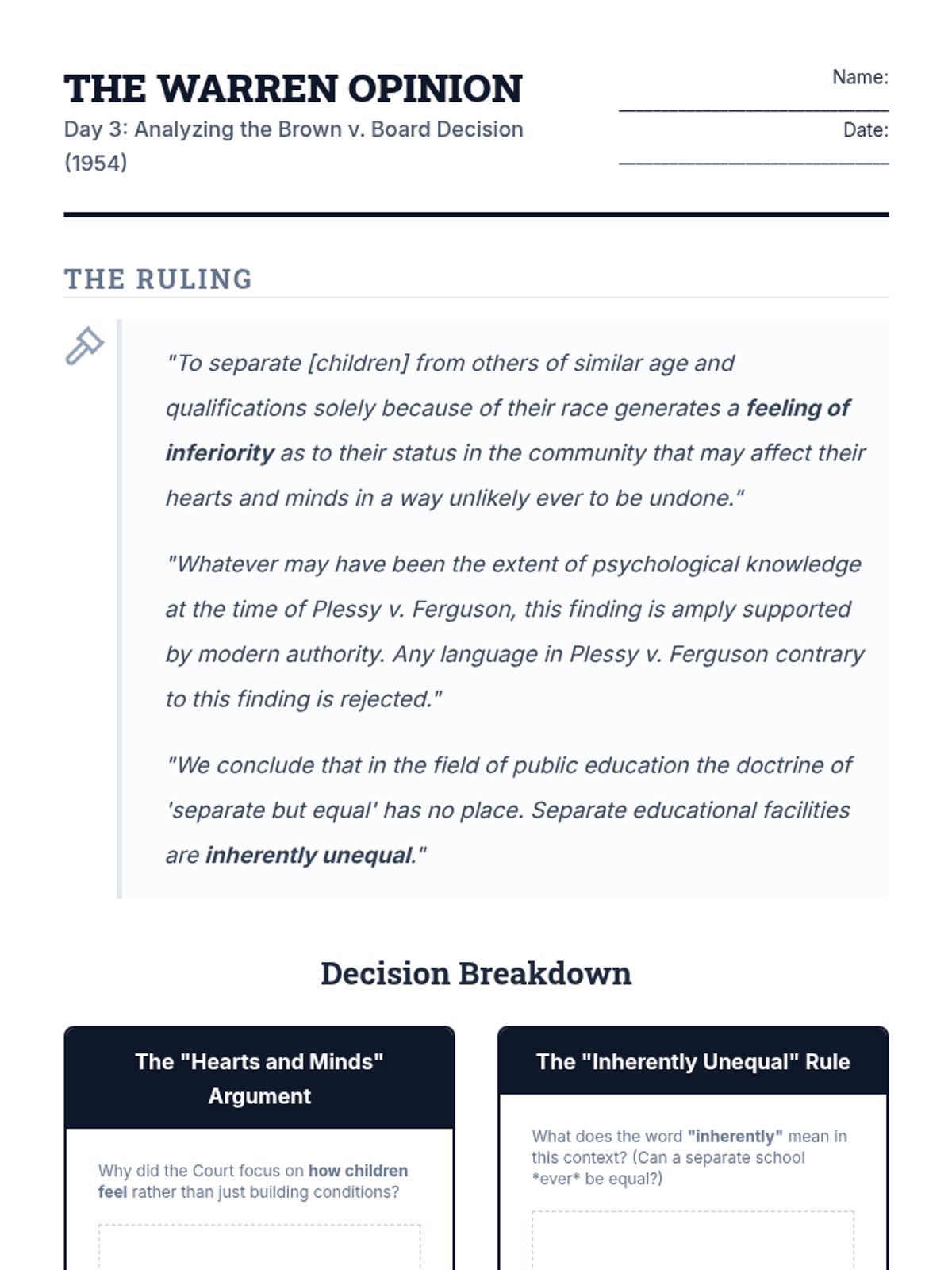
Examine the 1954 Supreme Court ruling, including the psychological evidence presented and the unanimous decision.
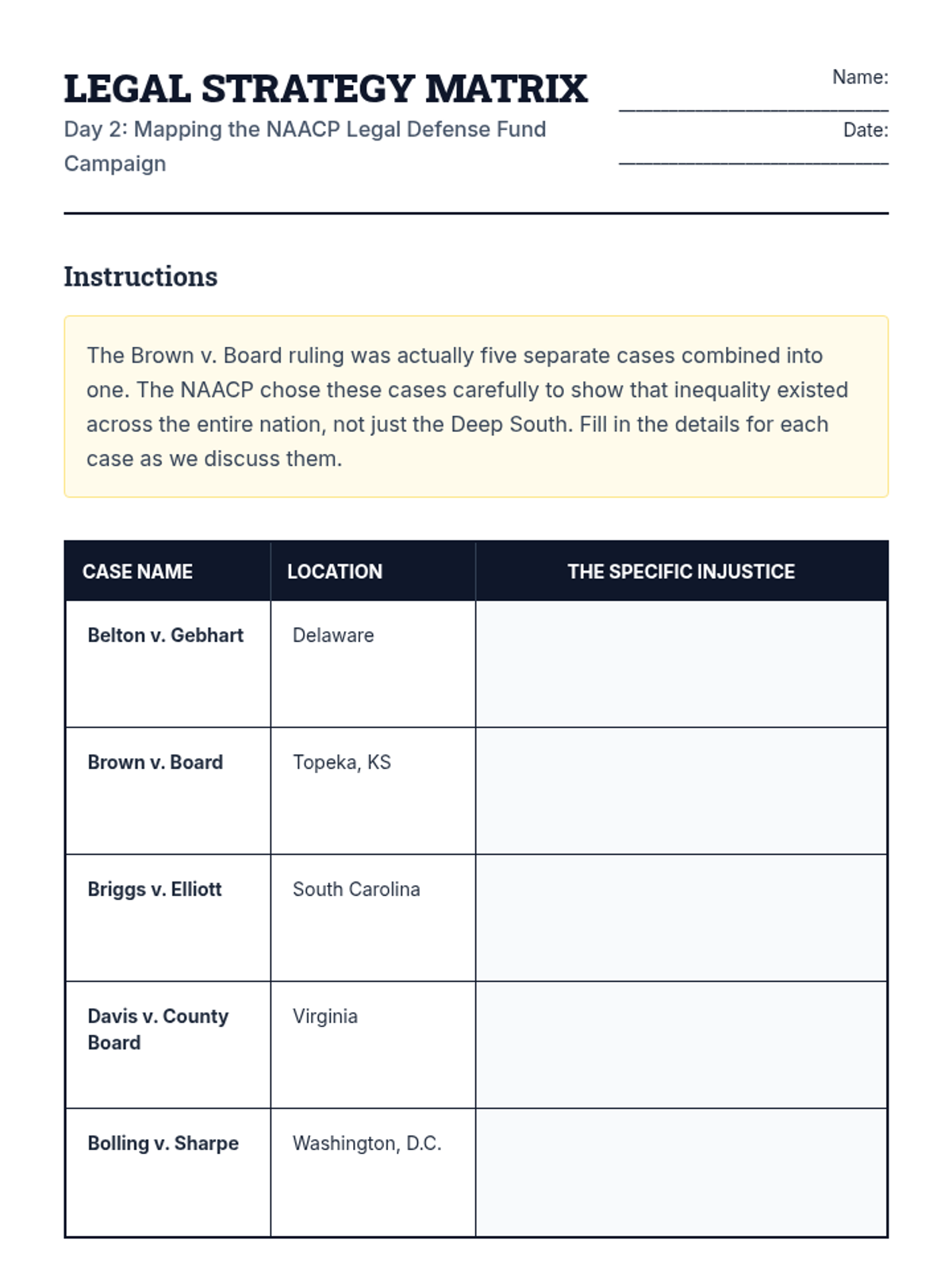
Explore the NAACP's long-term legal strategy led by Thurgood Marshall and the five specific cases that formed Brown v. Board.