Explores the transition from bartering to modern currency, defining the fiat system and the stages of production. Students will understand why money acts as a medium of exchange and how resources are transformed into goods.
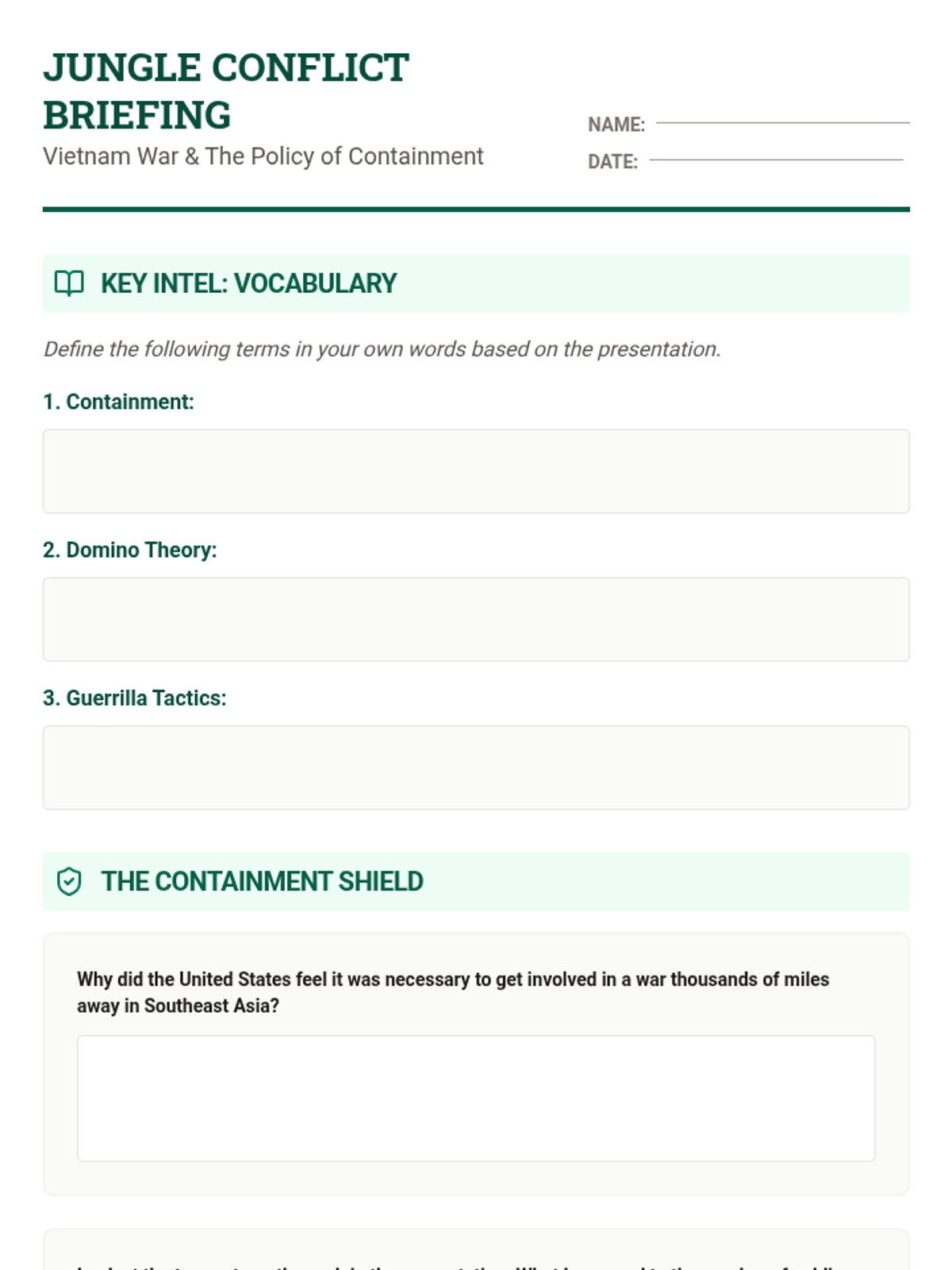
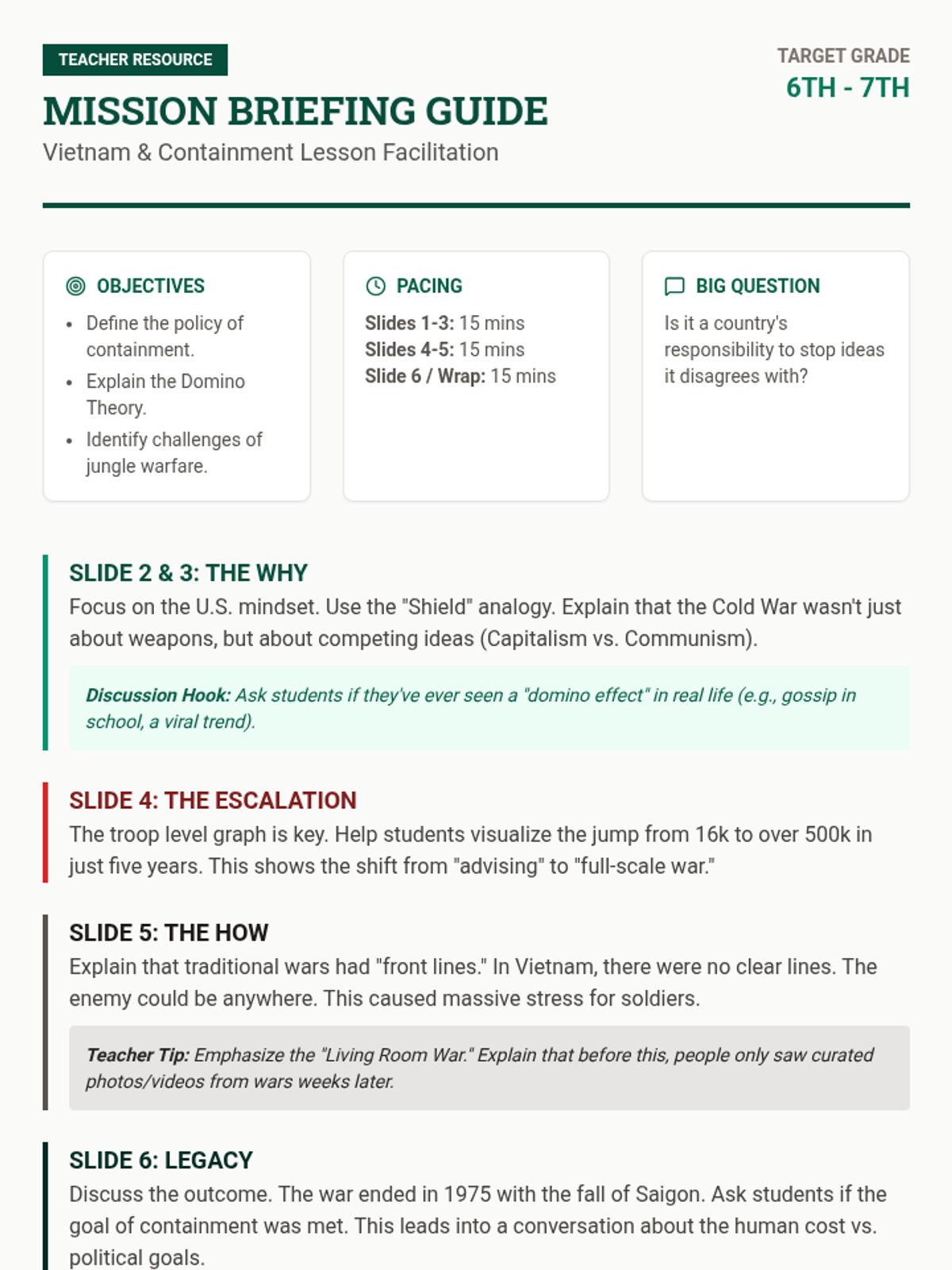
This lesson explores the origins of the Vietnam War through the lens of the US policy of containment and the Domino Theory, designed for middle school students.
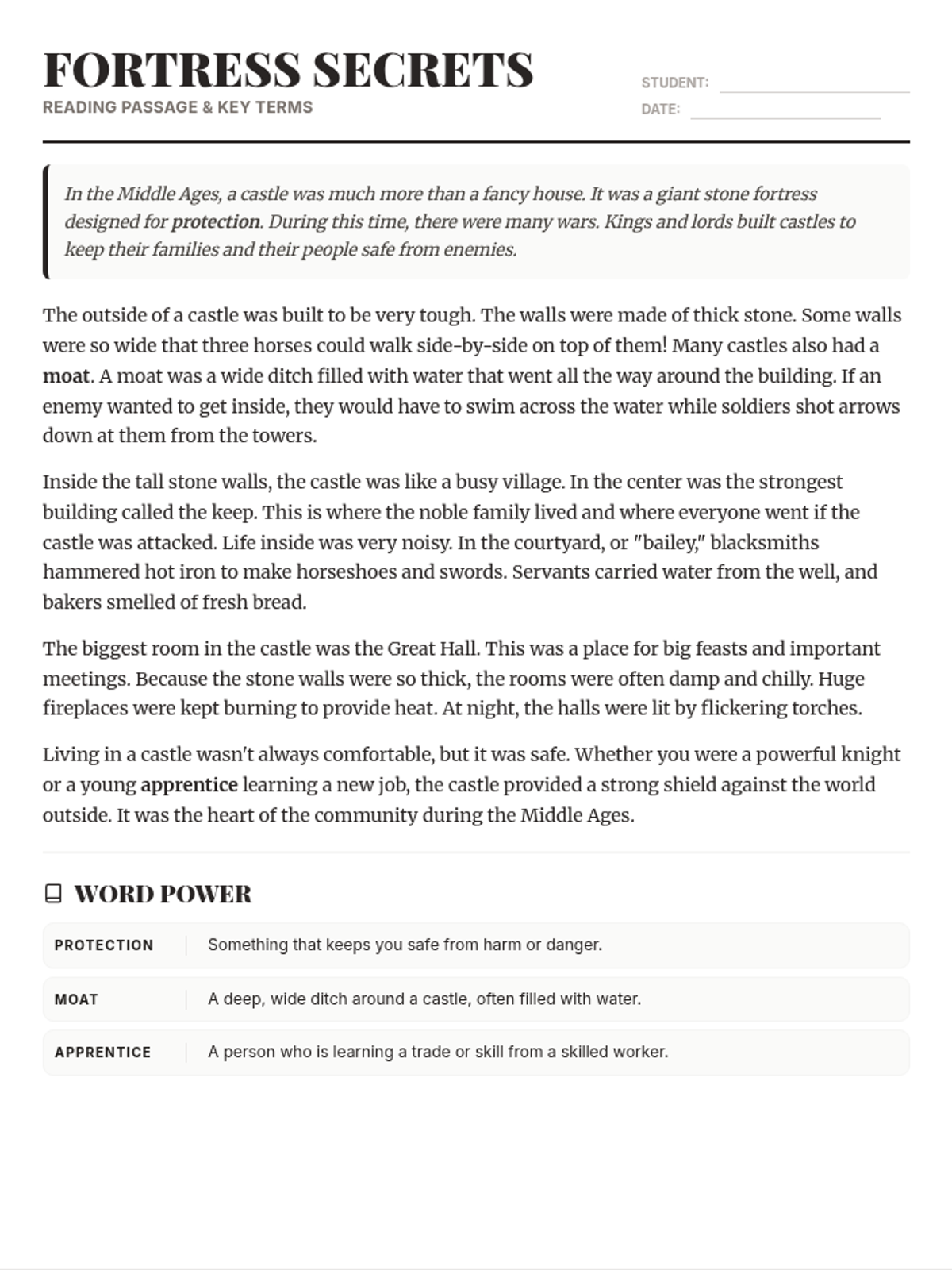
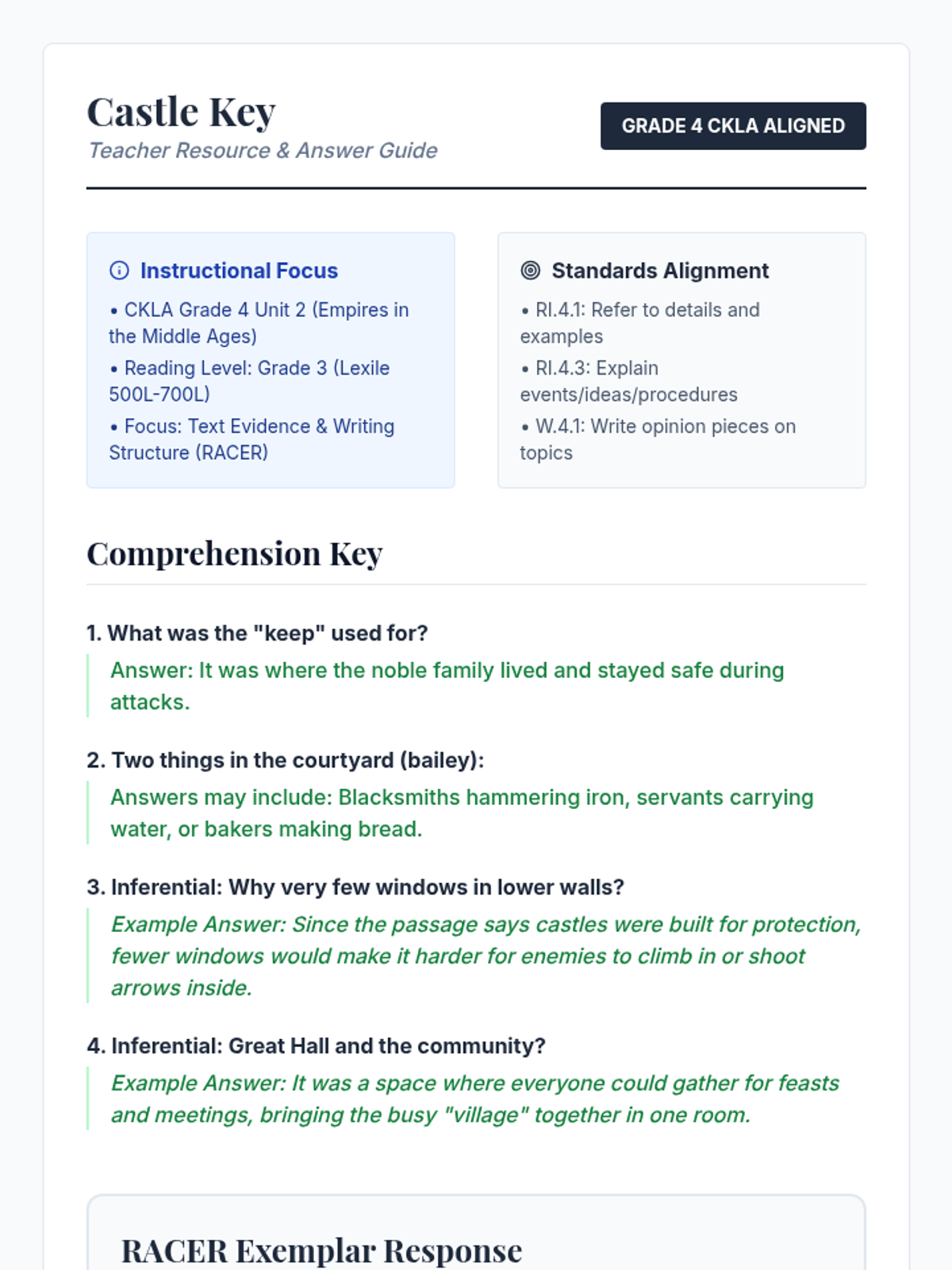
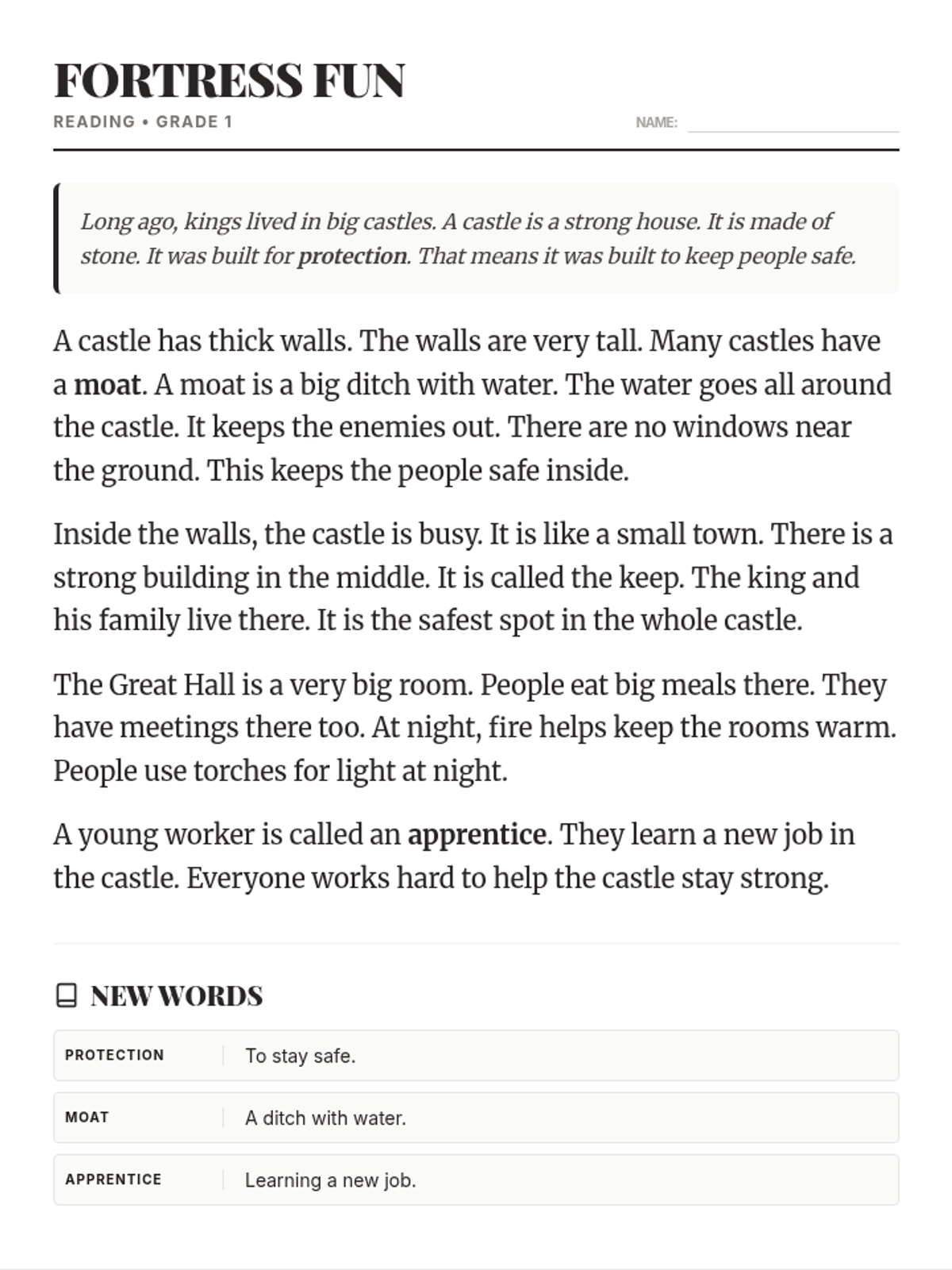
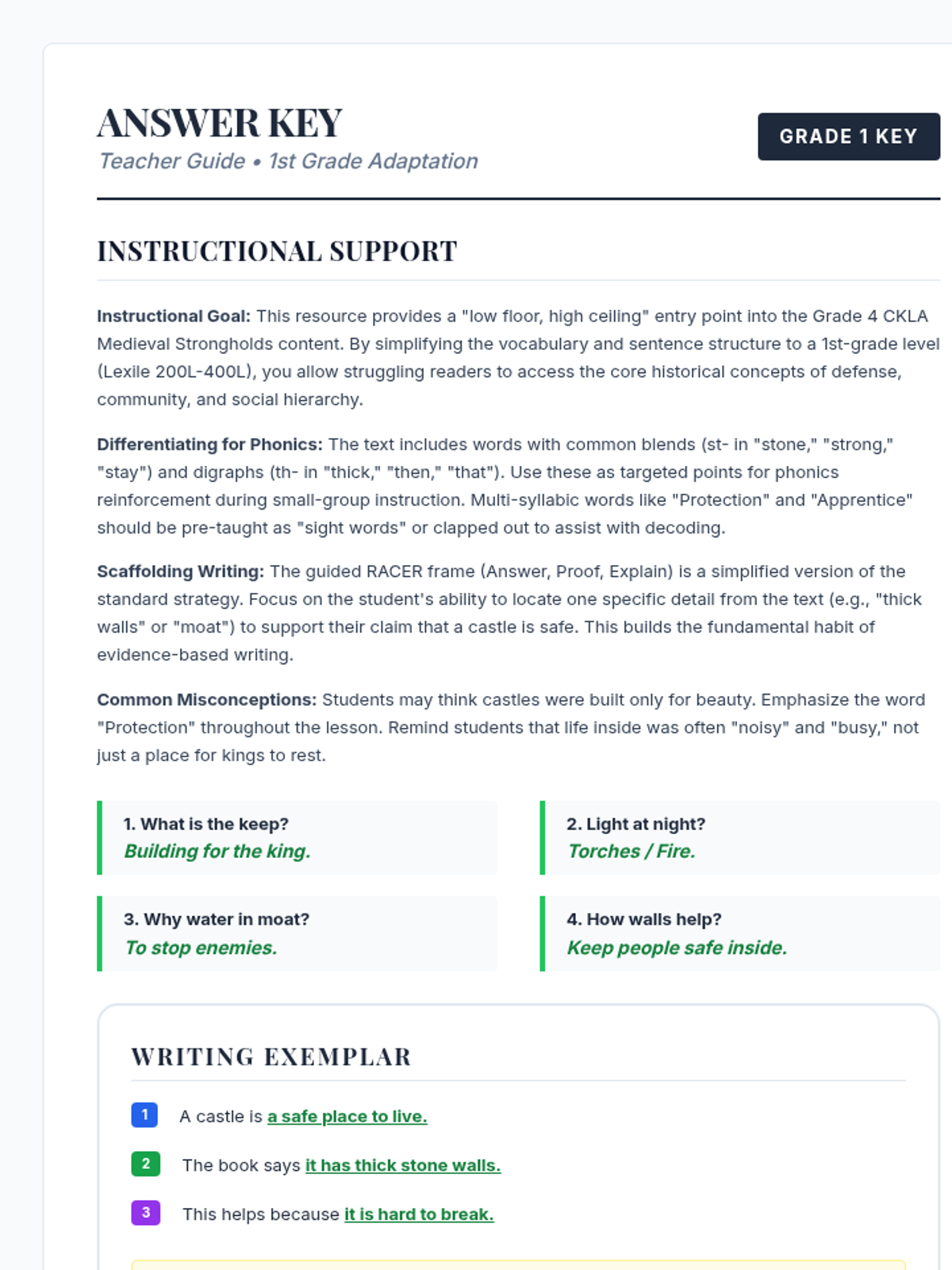
A lesson focusing on life in a medieval castle, featuring a reading passage adapted for Grade 3 reading levels that aligns with Grade 4 CKLA social studies standards. Students will practice vocabulary, answer comprehension questions, and use the RACER strategy for an open response.
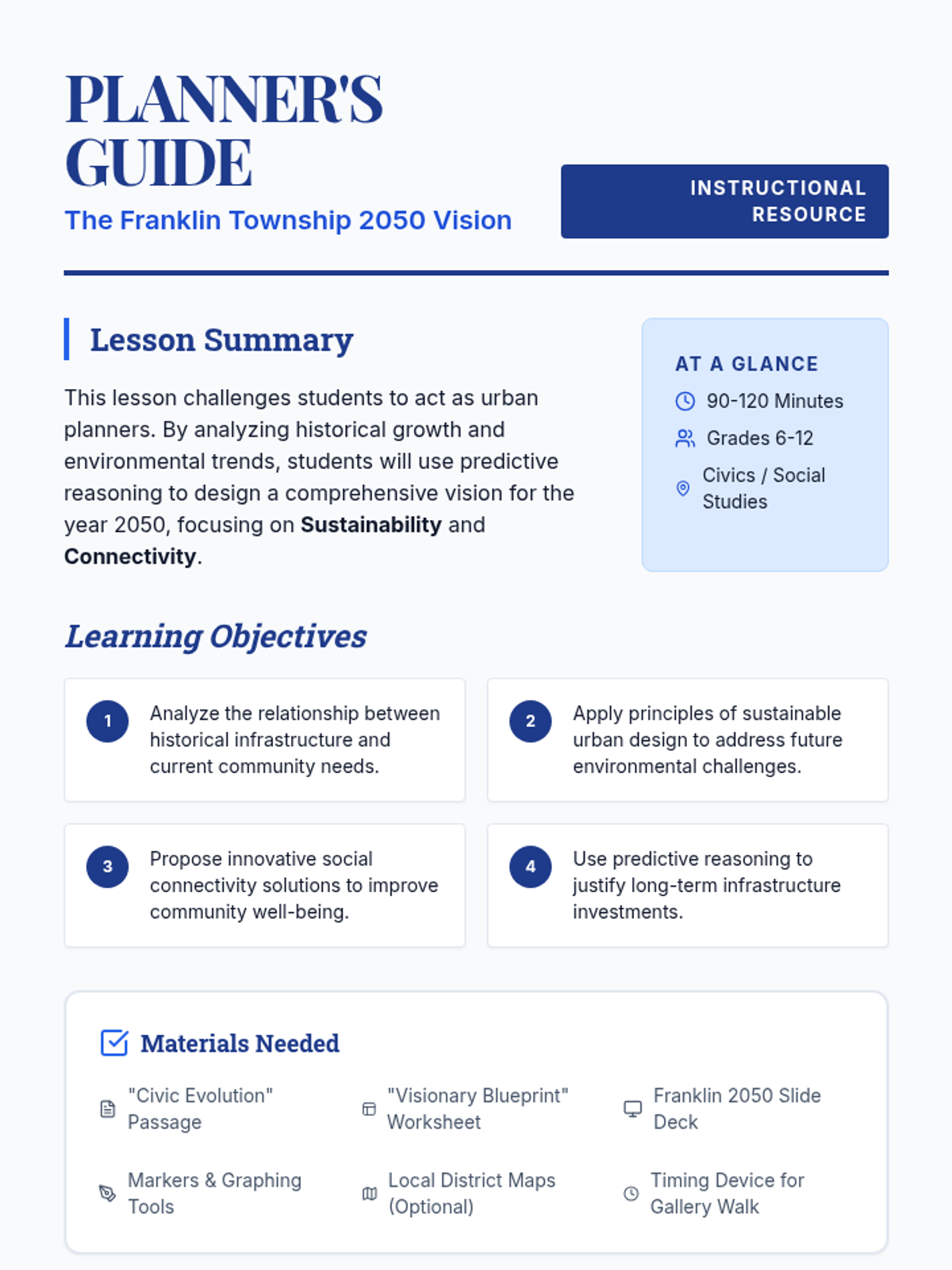
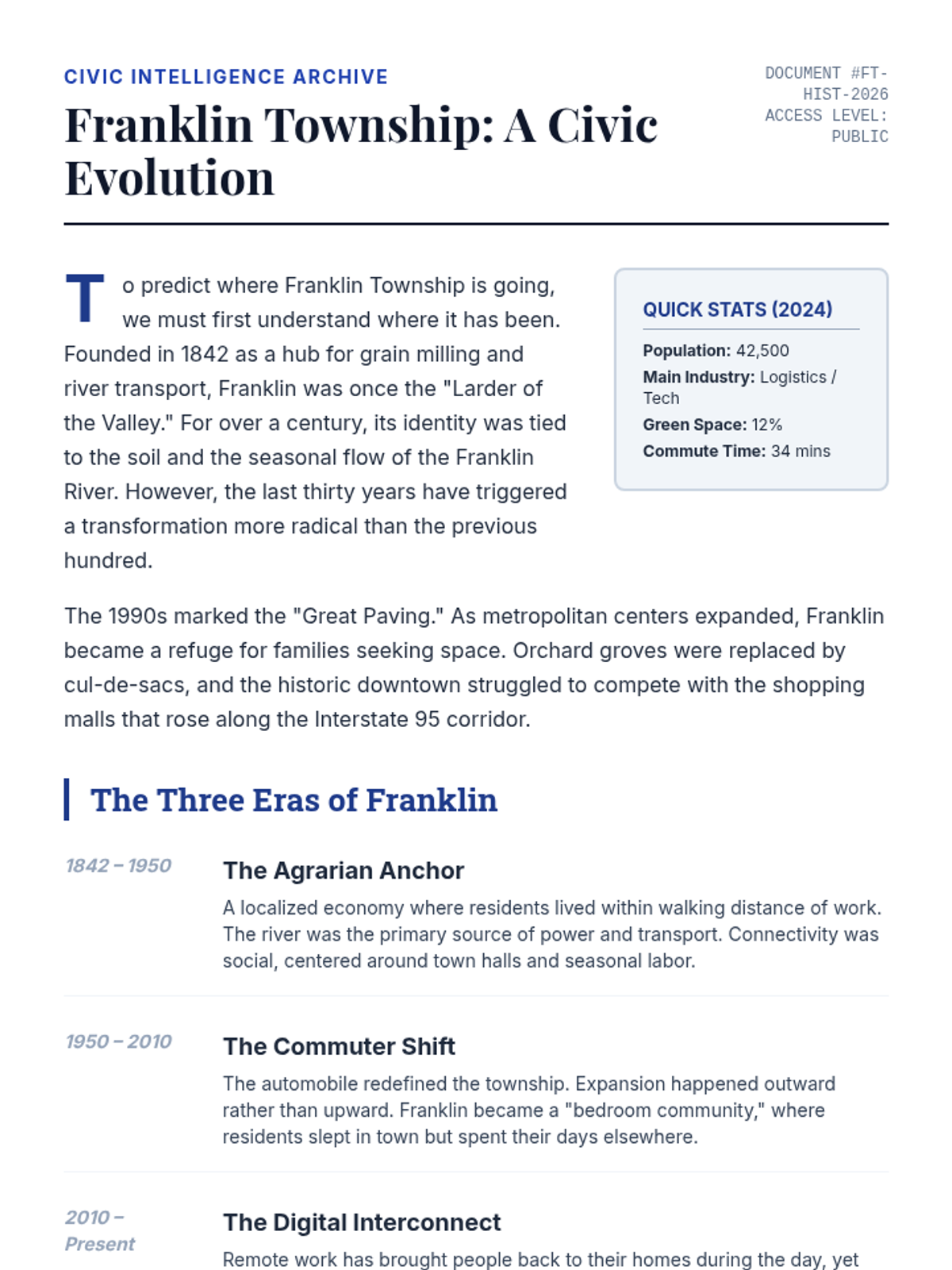
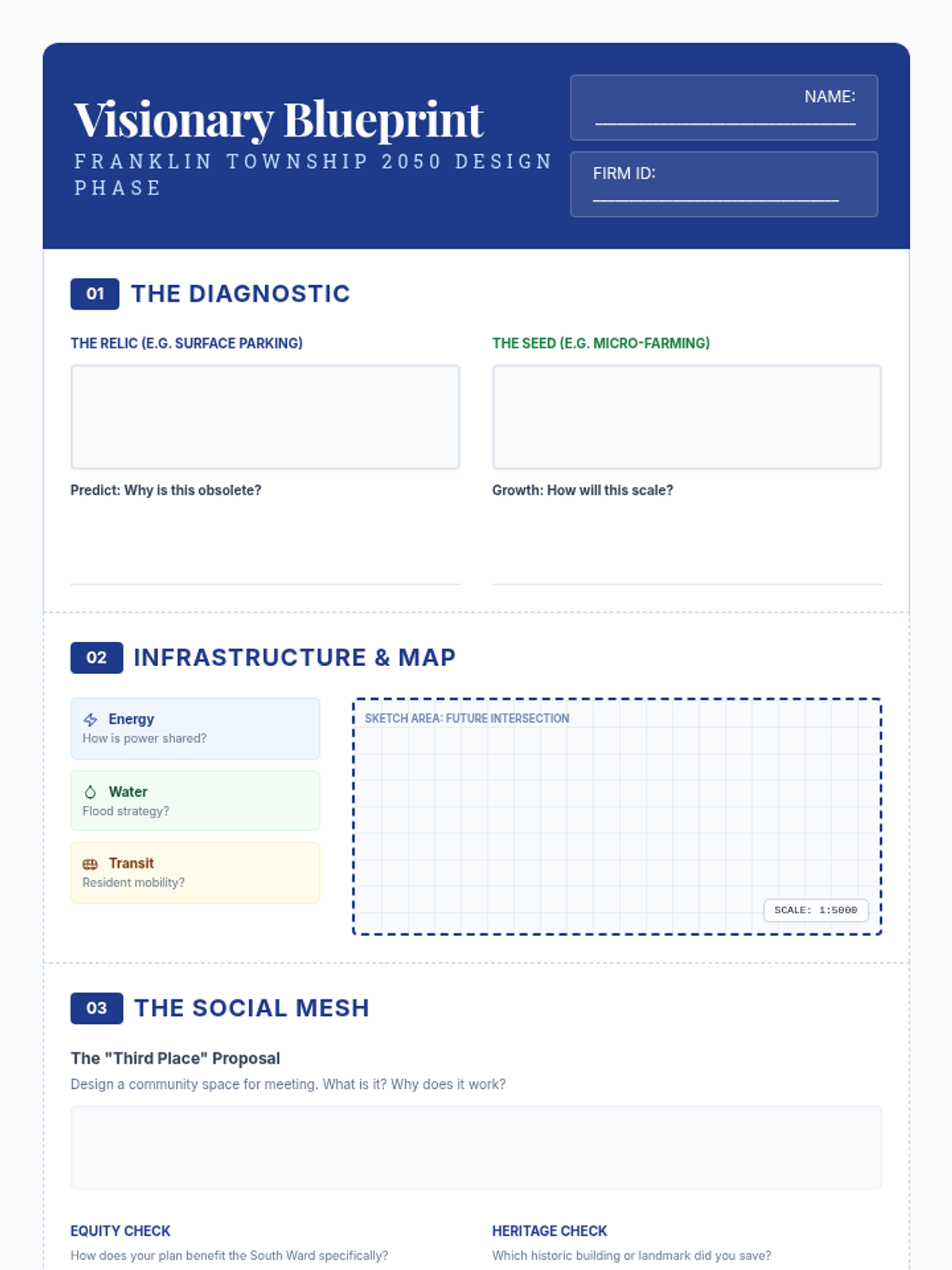
A civic design lesson where students apply historical context and sustainability principles to imagine their community in 2050. Students analyze local evolution and propose infrastructure and social connectivity improvements.
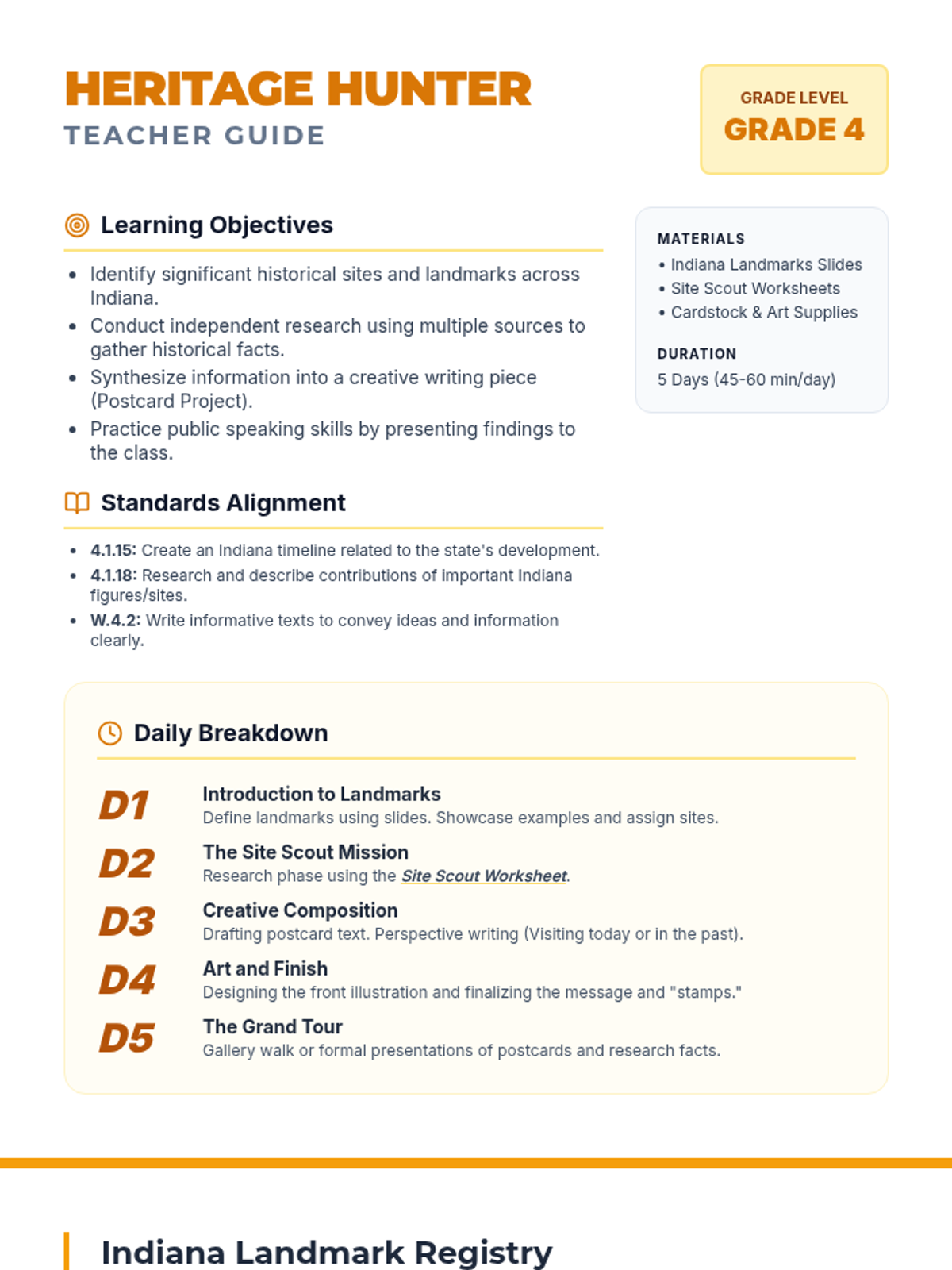
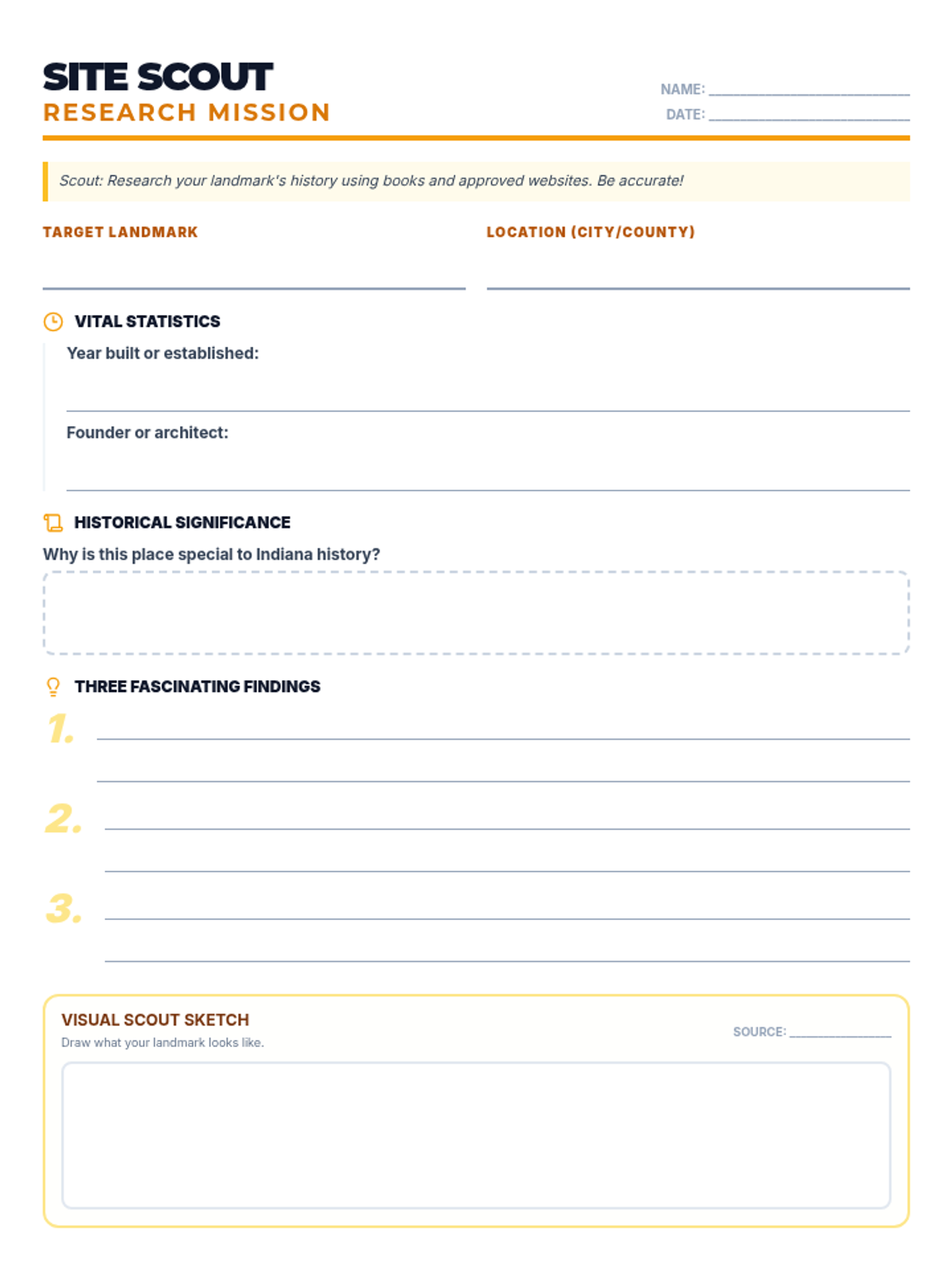
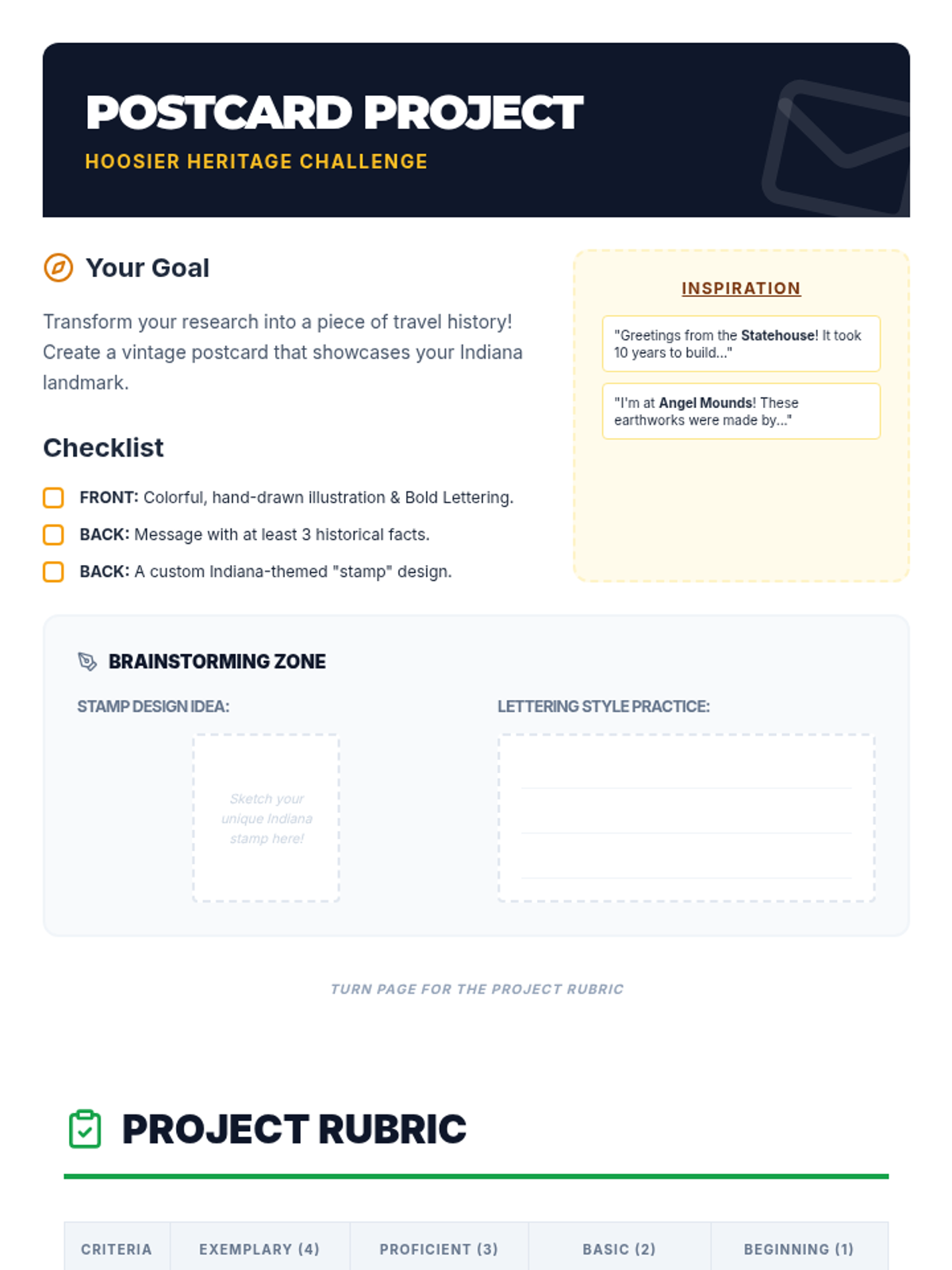
A project-based social studies lesson where 4th graders research and present on Indiana historical landmarks, synthesizing history, writing, and public speaking skills.
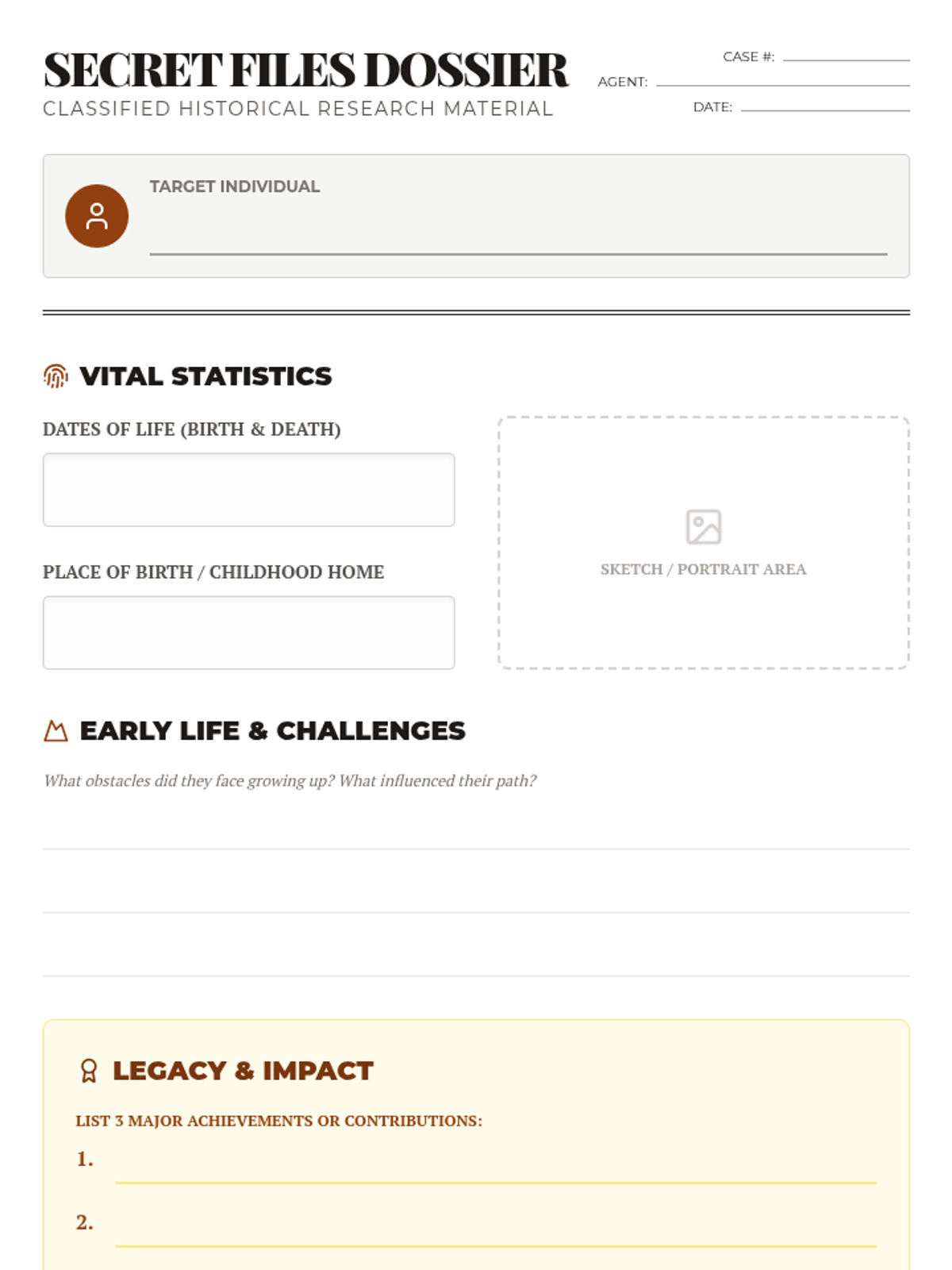
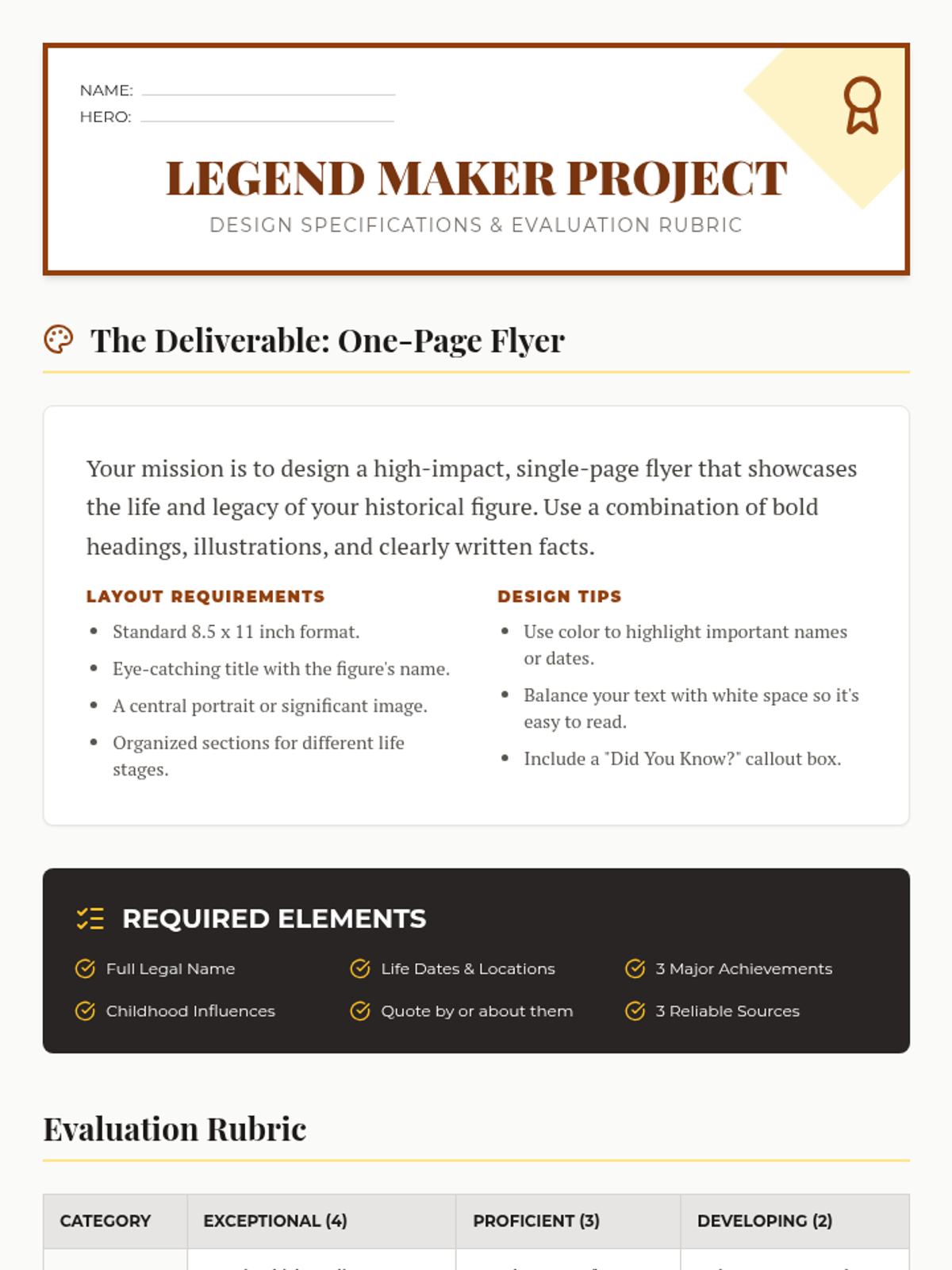
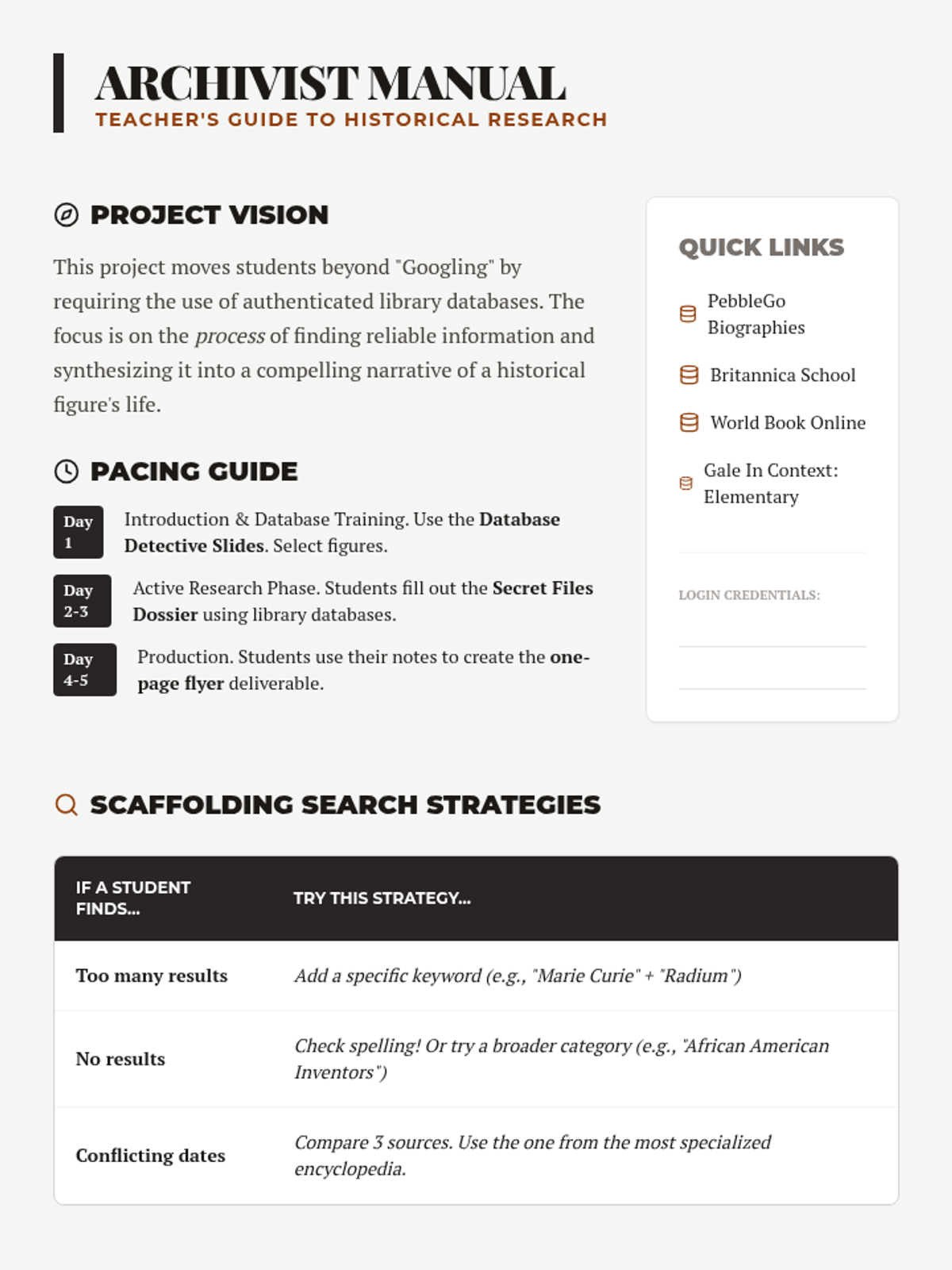
A comprehensive research project where students use library databases to uncover the lives of historical figures, culminating in a creative one-page flyer. Students learn search strategies, source evaluation, and information synthesis.
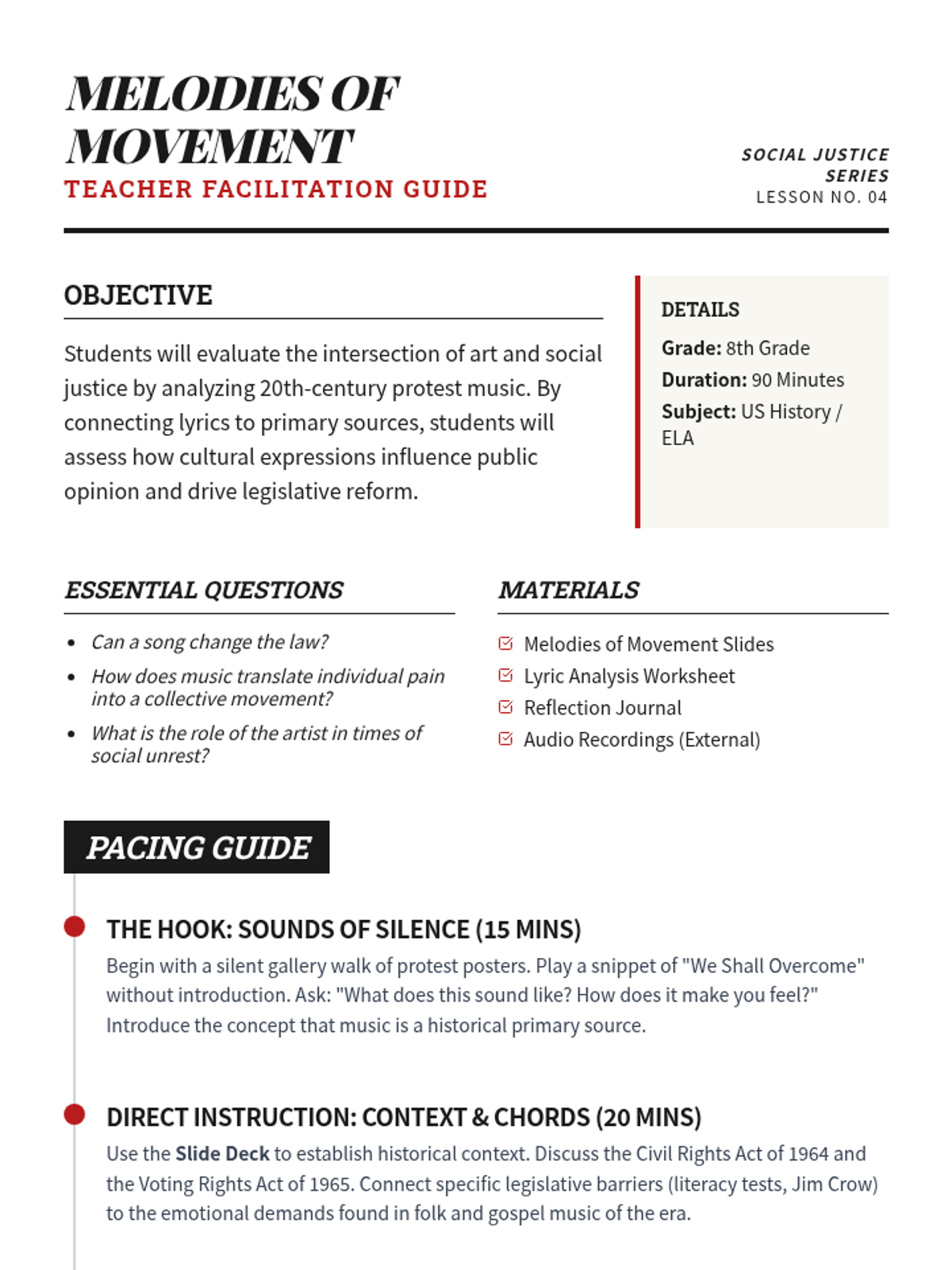
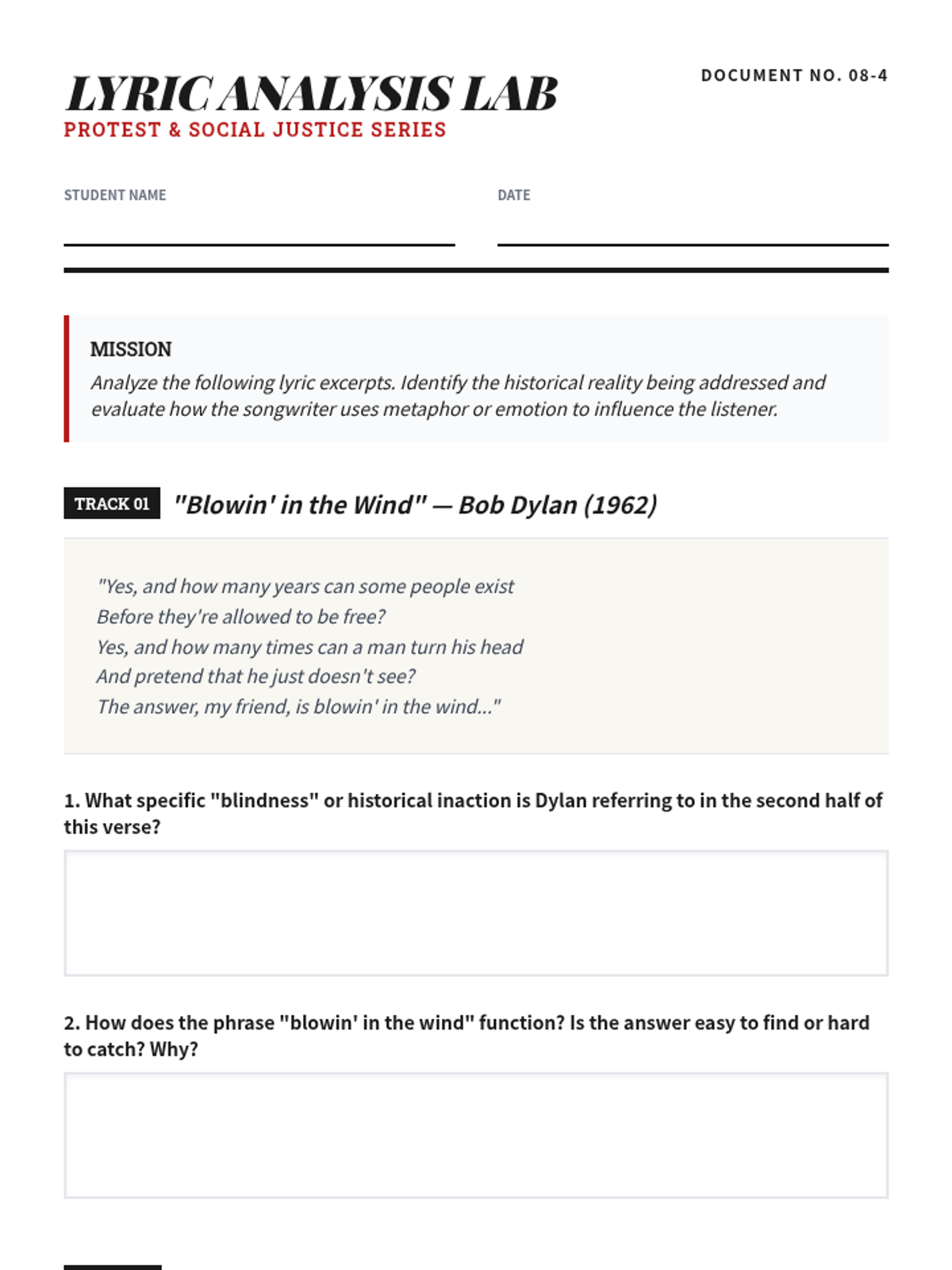
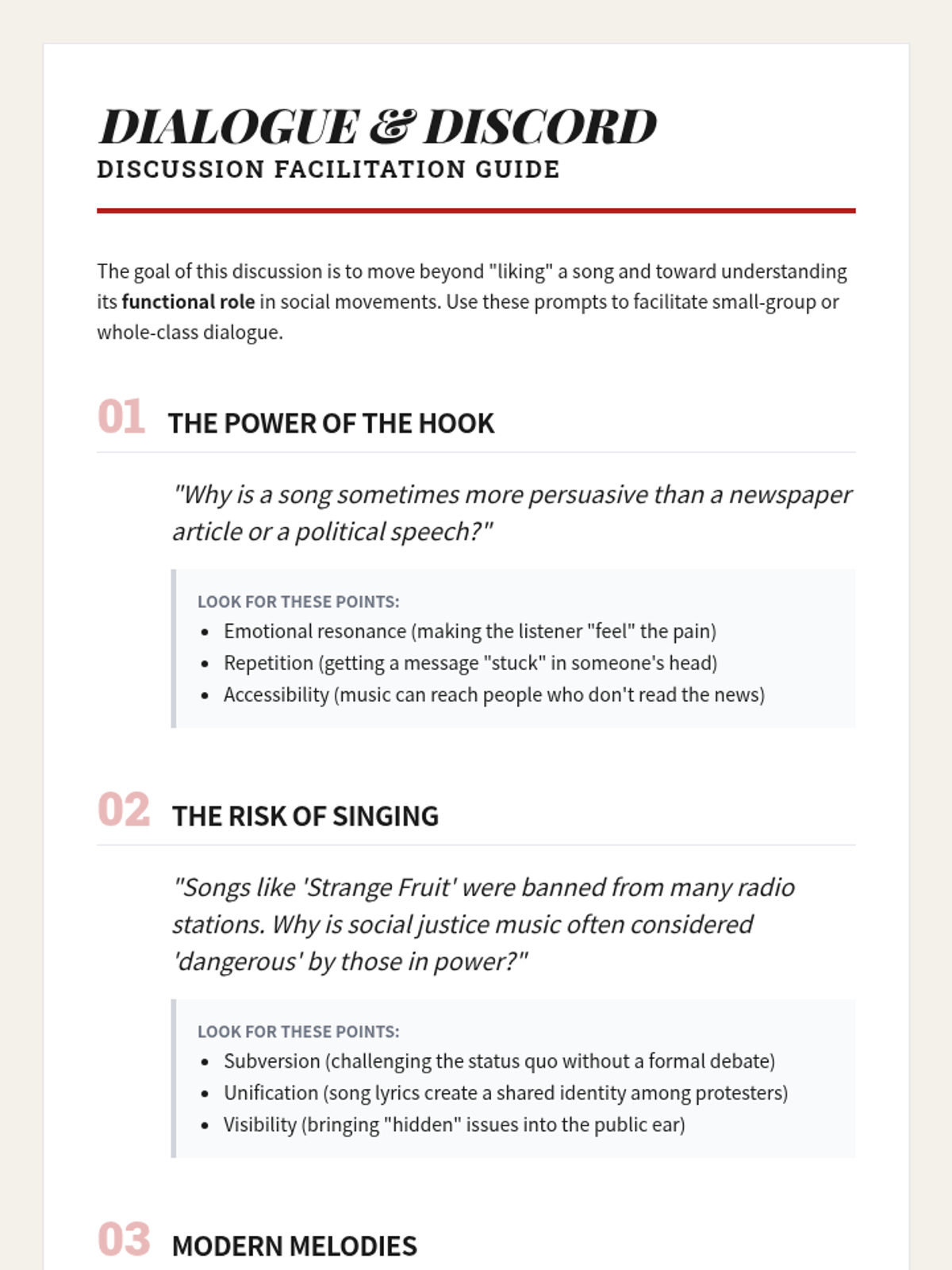
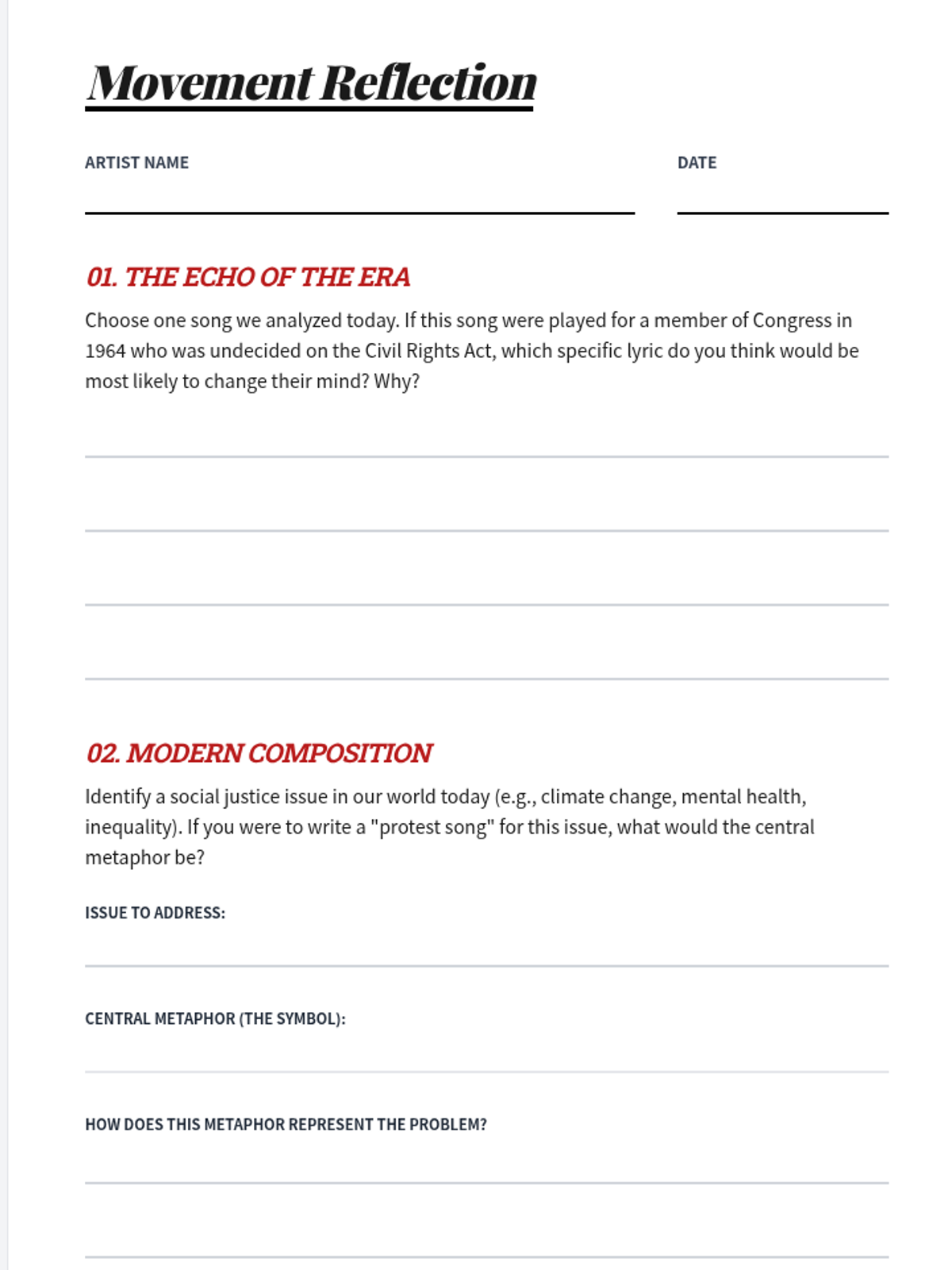
Eighth-grade students analyze protest music from the Civil Rights era to evaluate art's influence on public opinion and legislative change. This lesson connects lyrics with primary sources to understand cultural expressions of social justice.
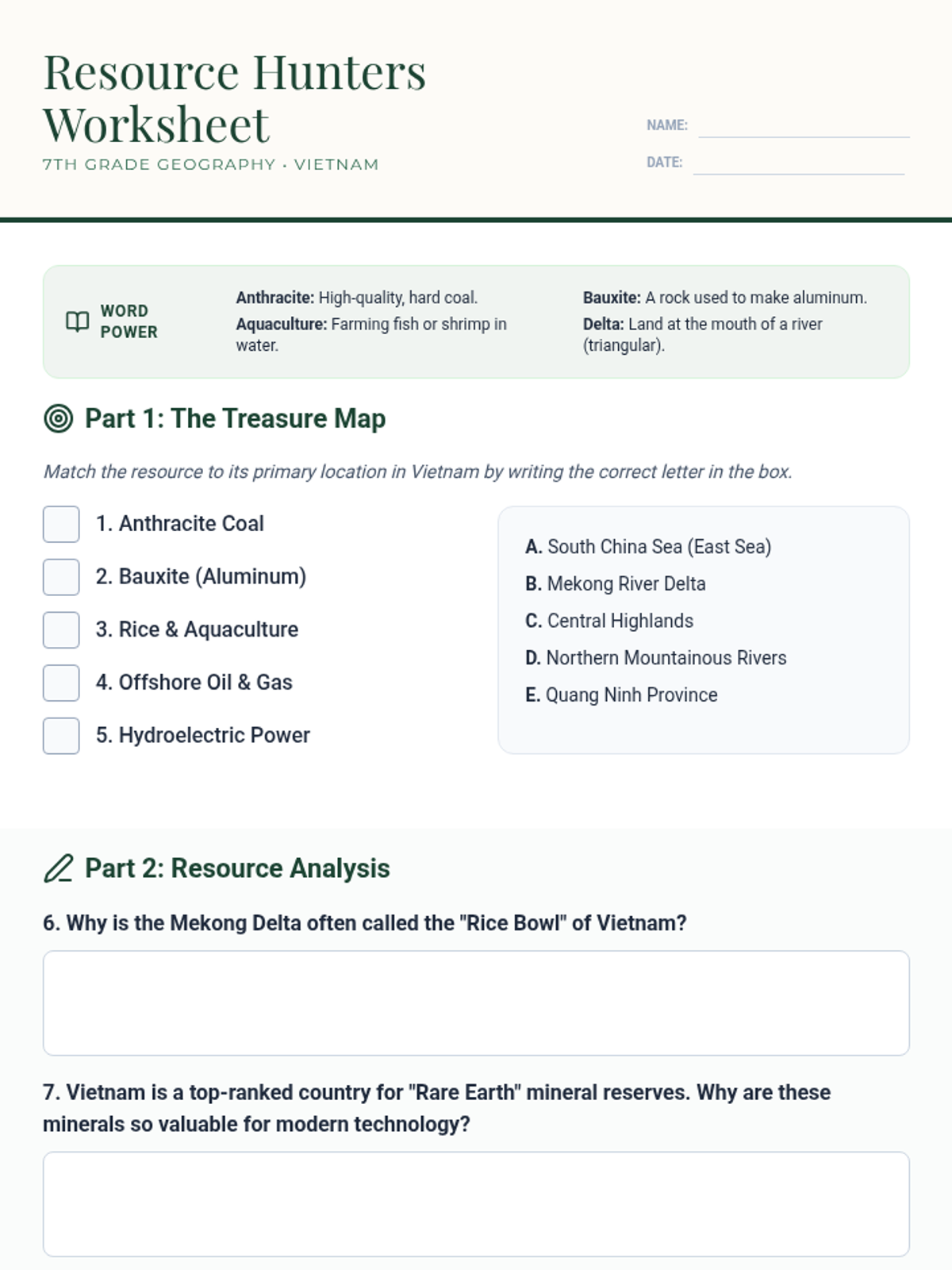
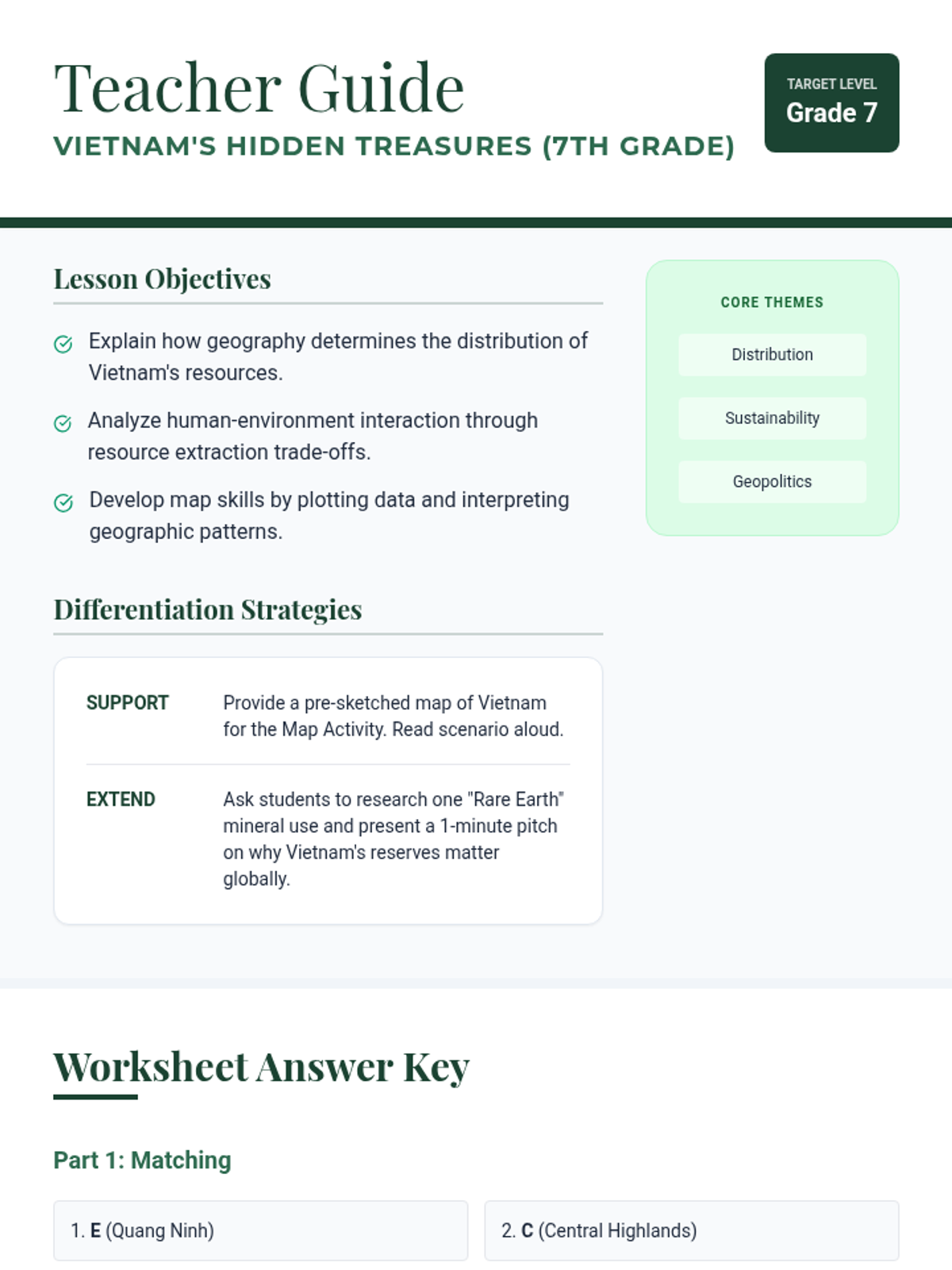
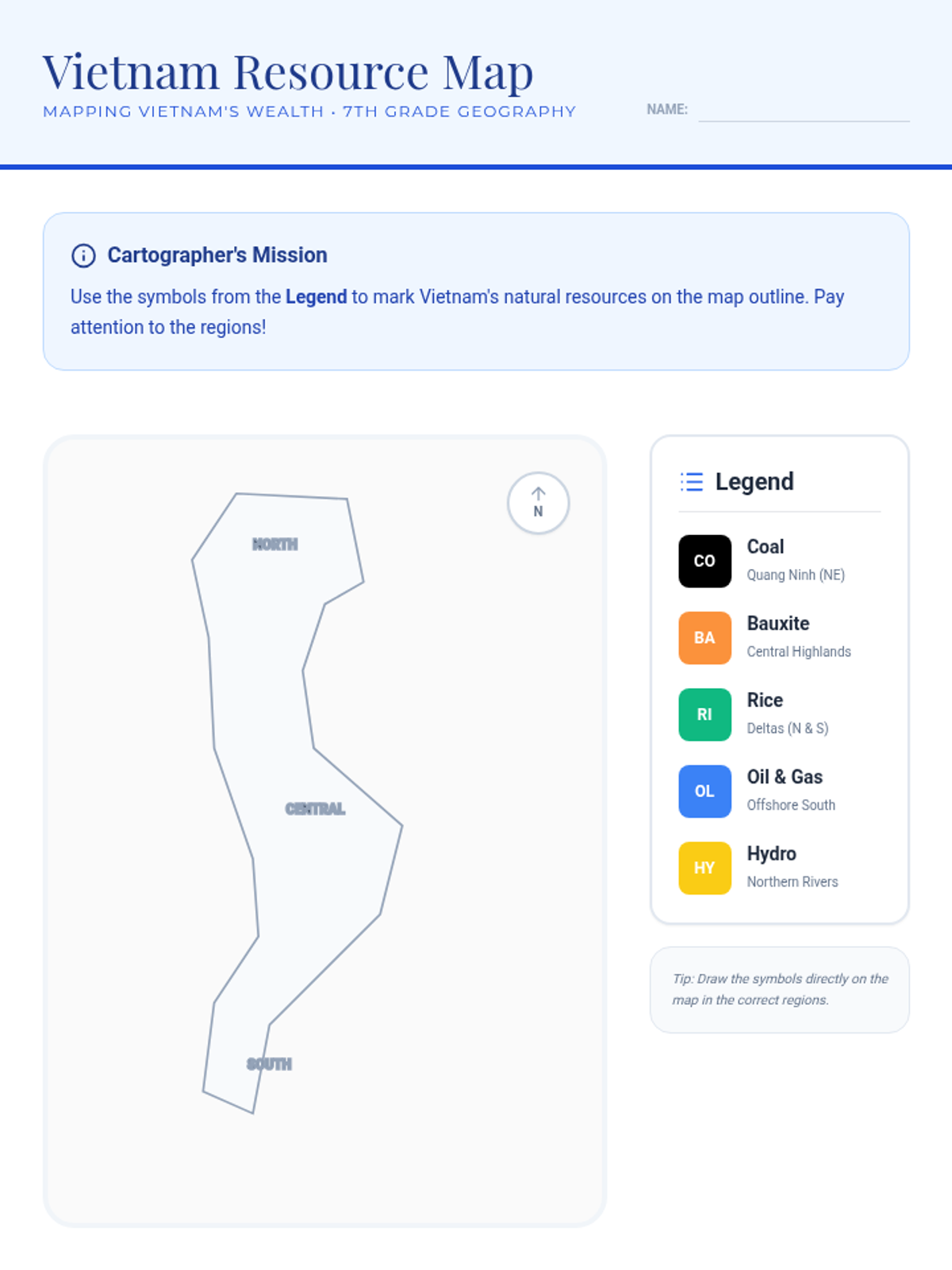
A deep dive into the diverse natural resources of Vietnam, from its fertile deltas to its mineral-rich highlands, focusing on their economic and environmental significance.
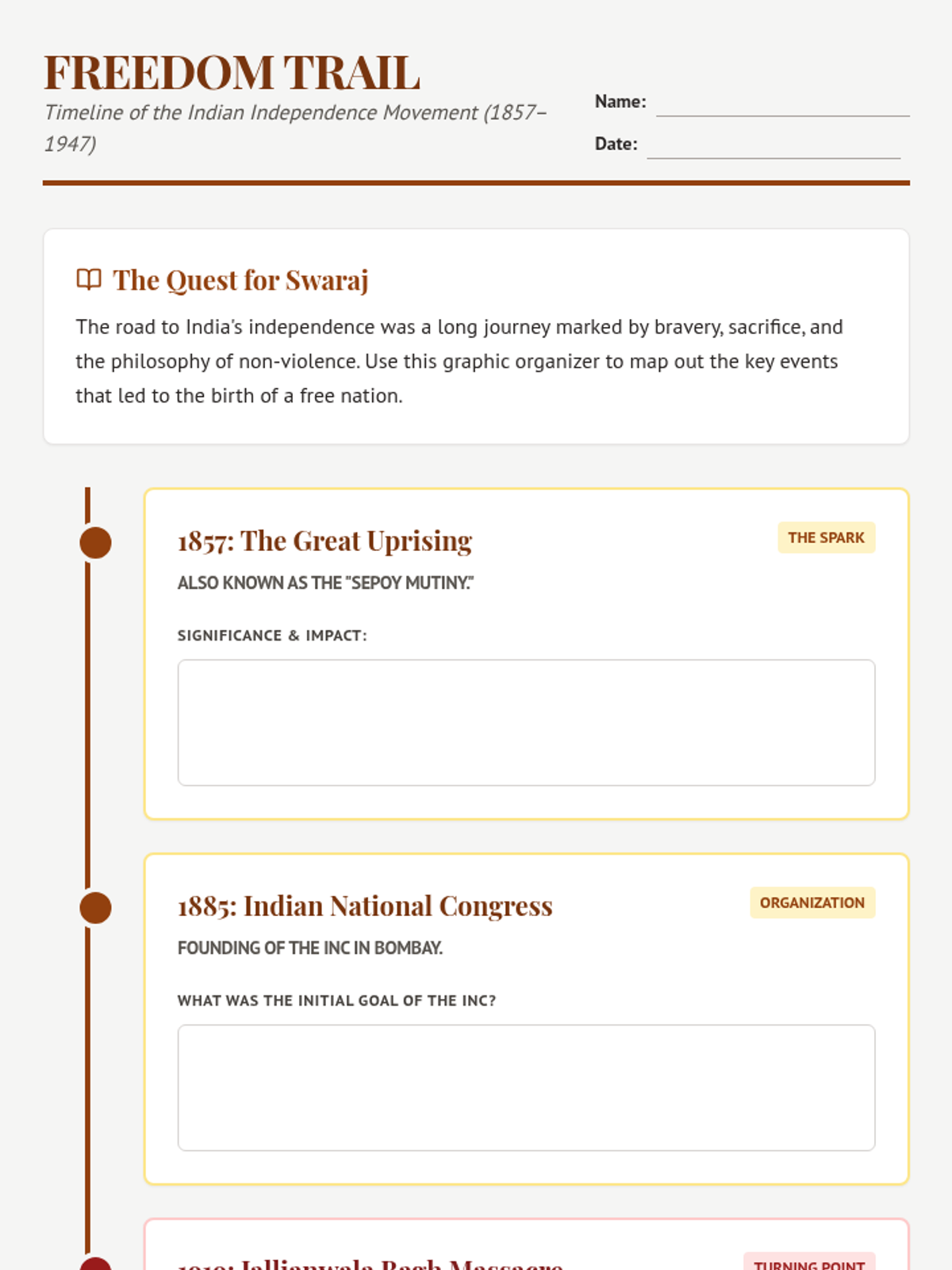
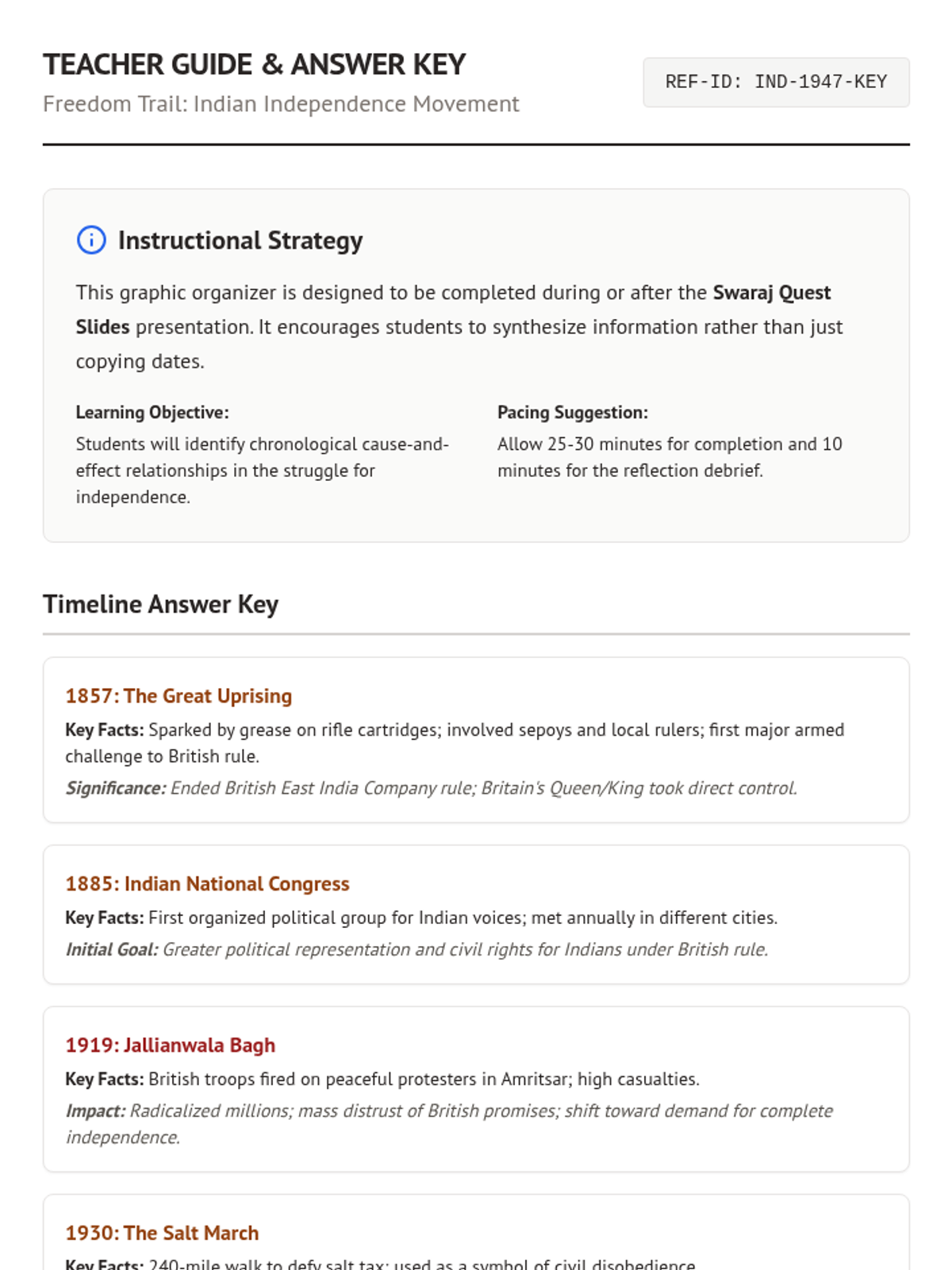
A comprehensive lesson exploring the pivotal moments and key figures of the Indian Independence Movement, from the 1857 uprising to the achievement of Swaraj in 1947.
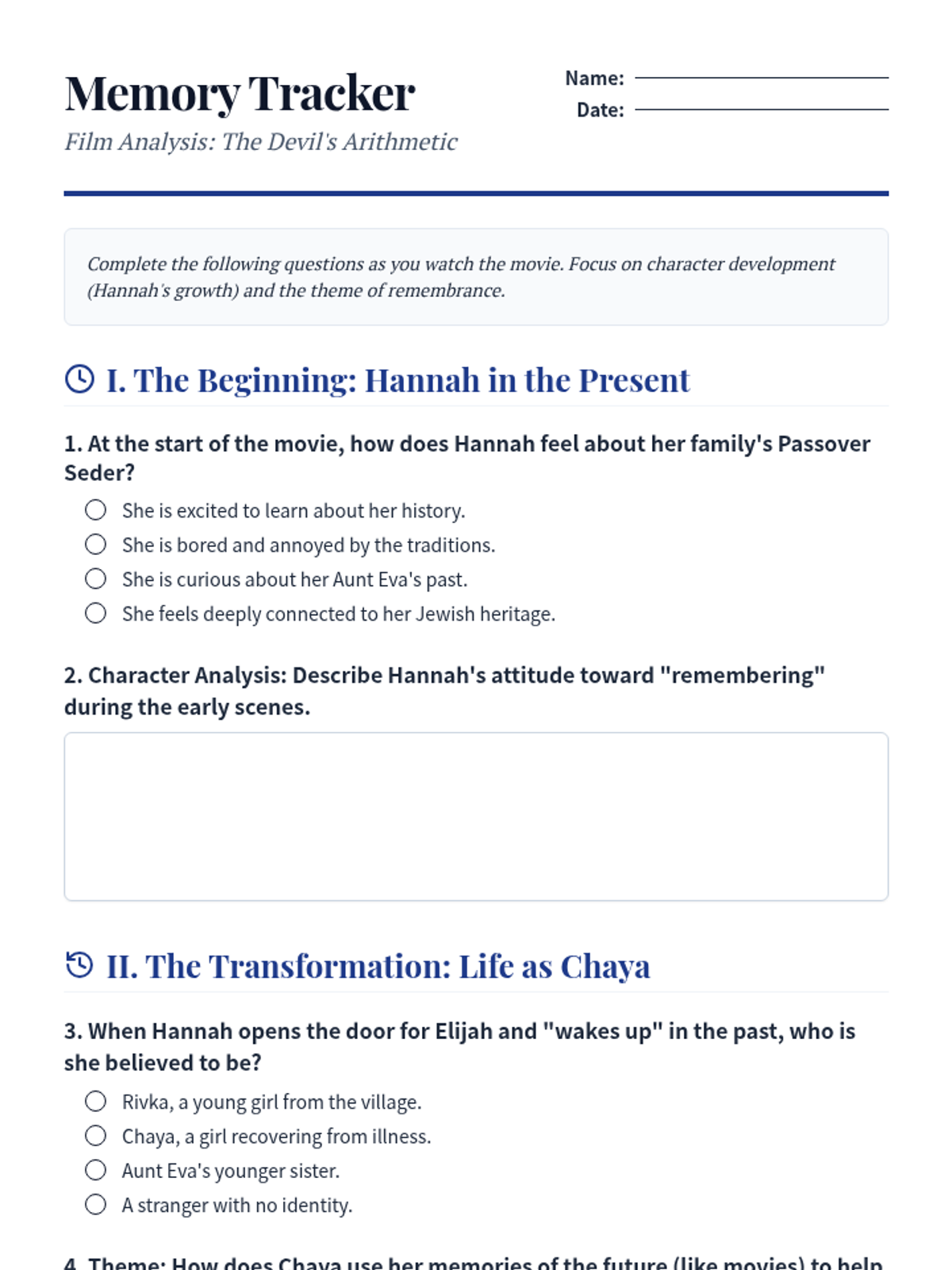
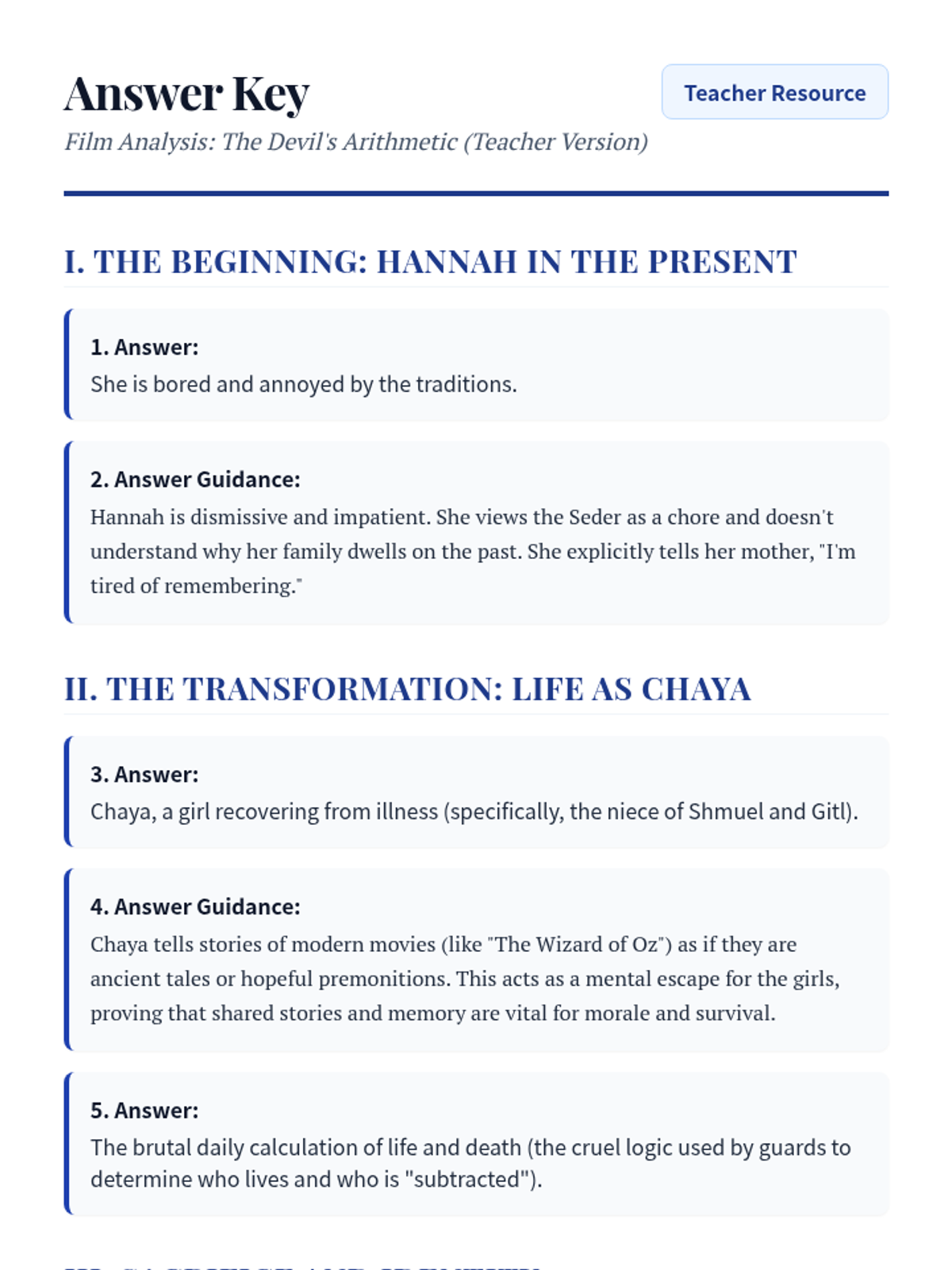
A lesson centered around the movie adaptation of 'The Devil's Arithmetic', focusing on character development and the theme of remembrance. Students will analyze Hannah's transformation and the historical weight of the Holocaust through guided viewing.
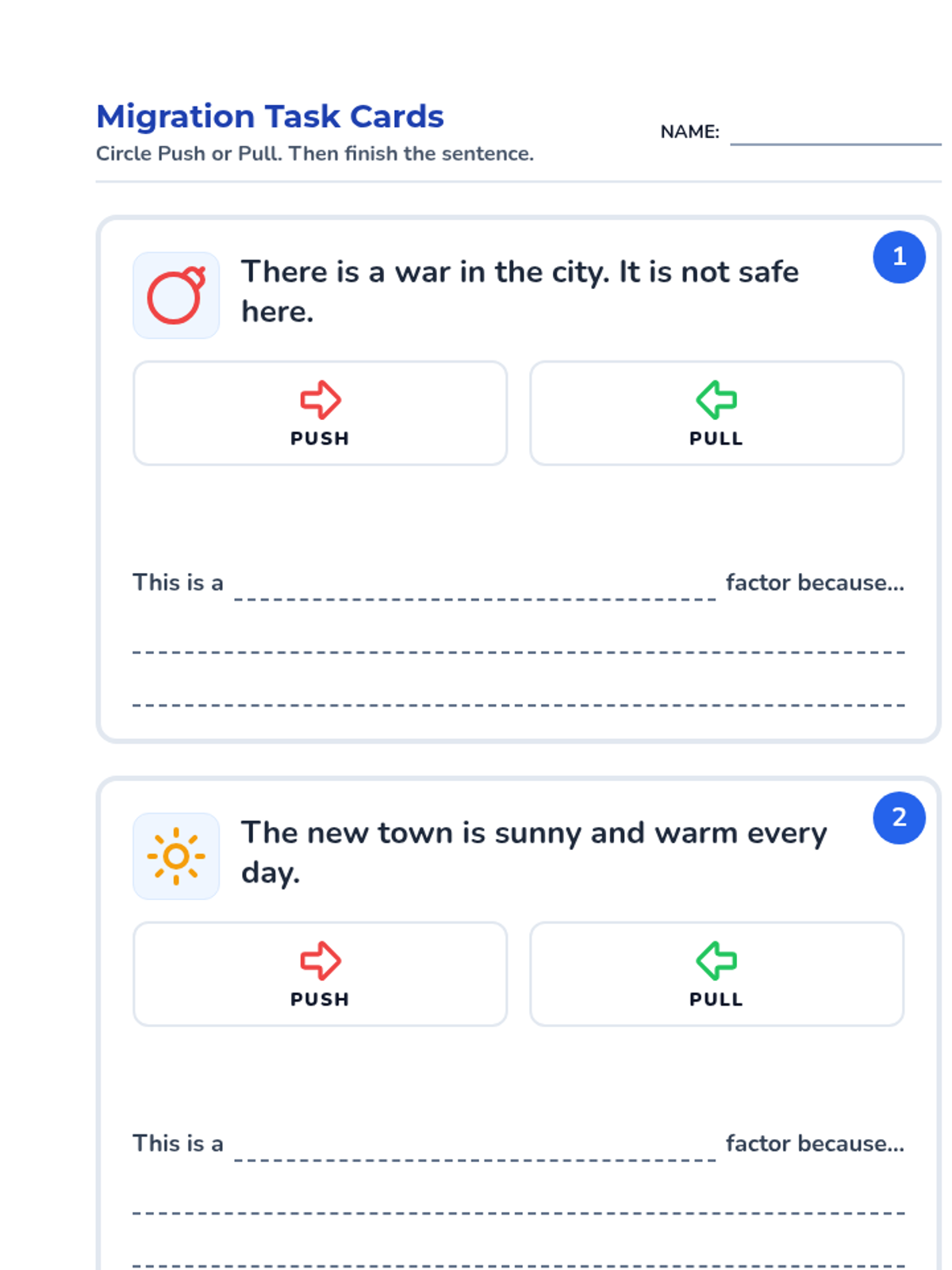
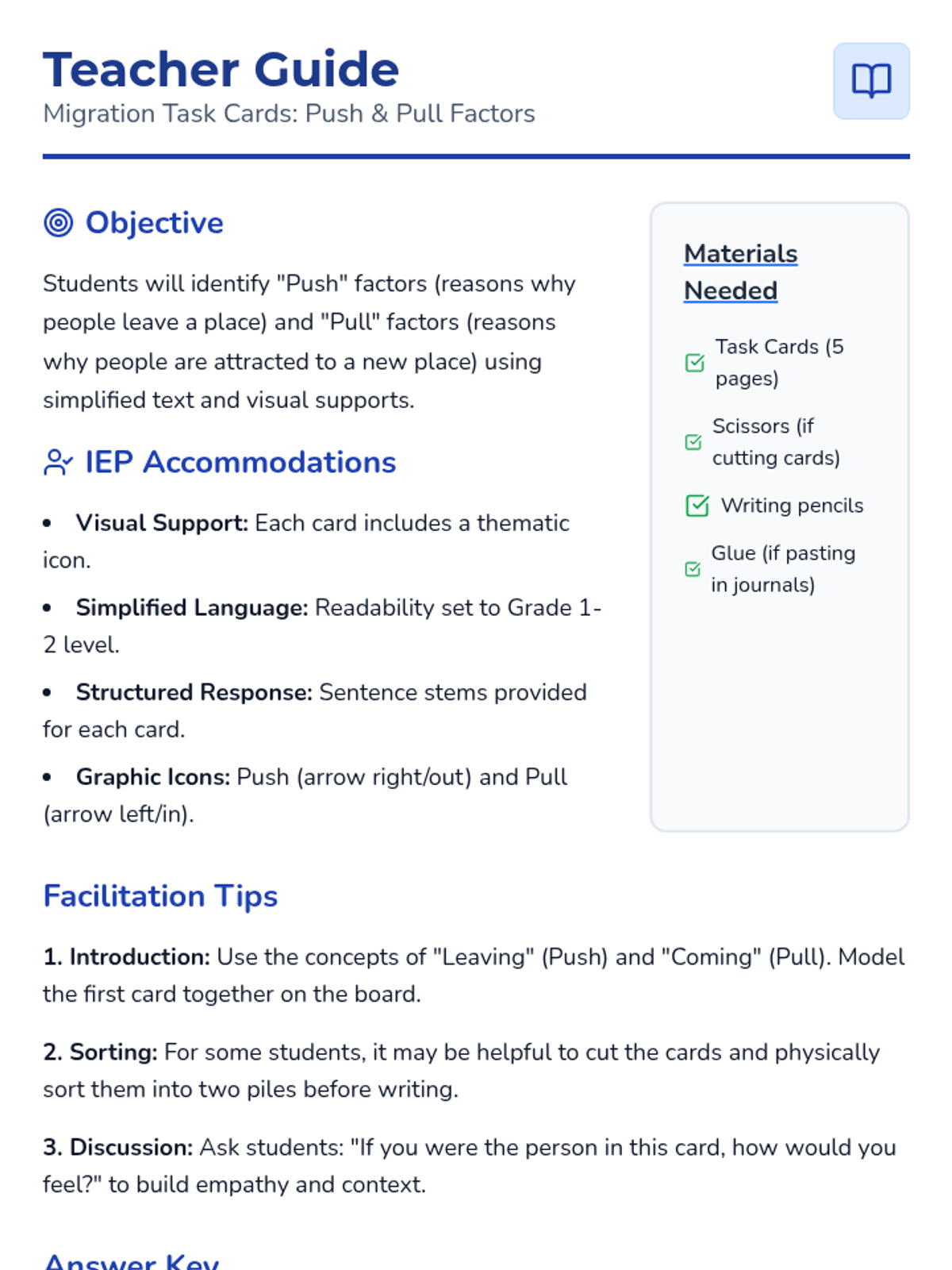
A lesson introducing the concepts of push and pull factors of migration through simplified text, visual icons, and structured response tasks designed for IEP support.
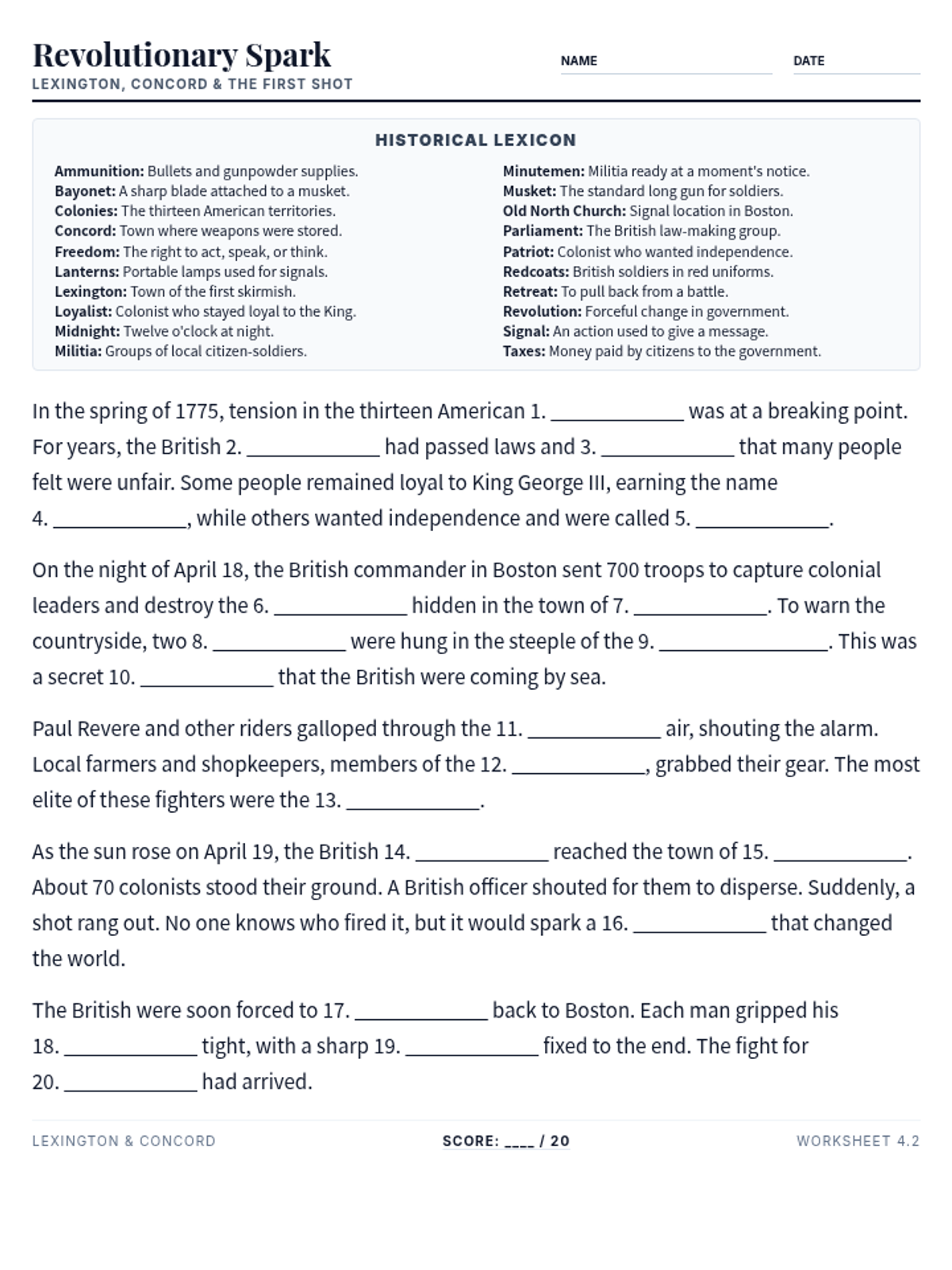
A lesson exploring the opening moments of the American Revolutionary War, focusing on the events at Lexington and Concord and the significance of the 'Shot Heard 'Round the World'.
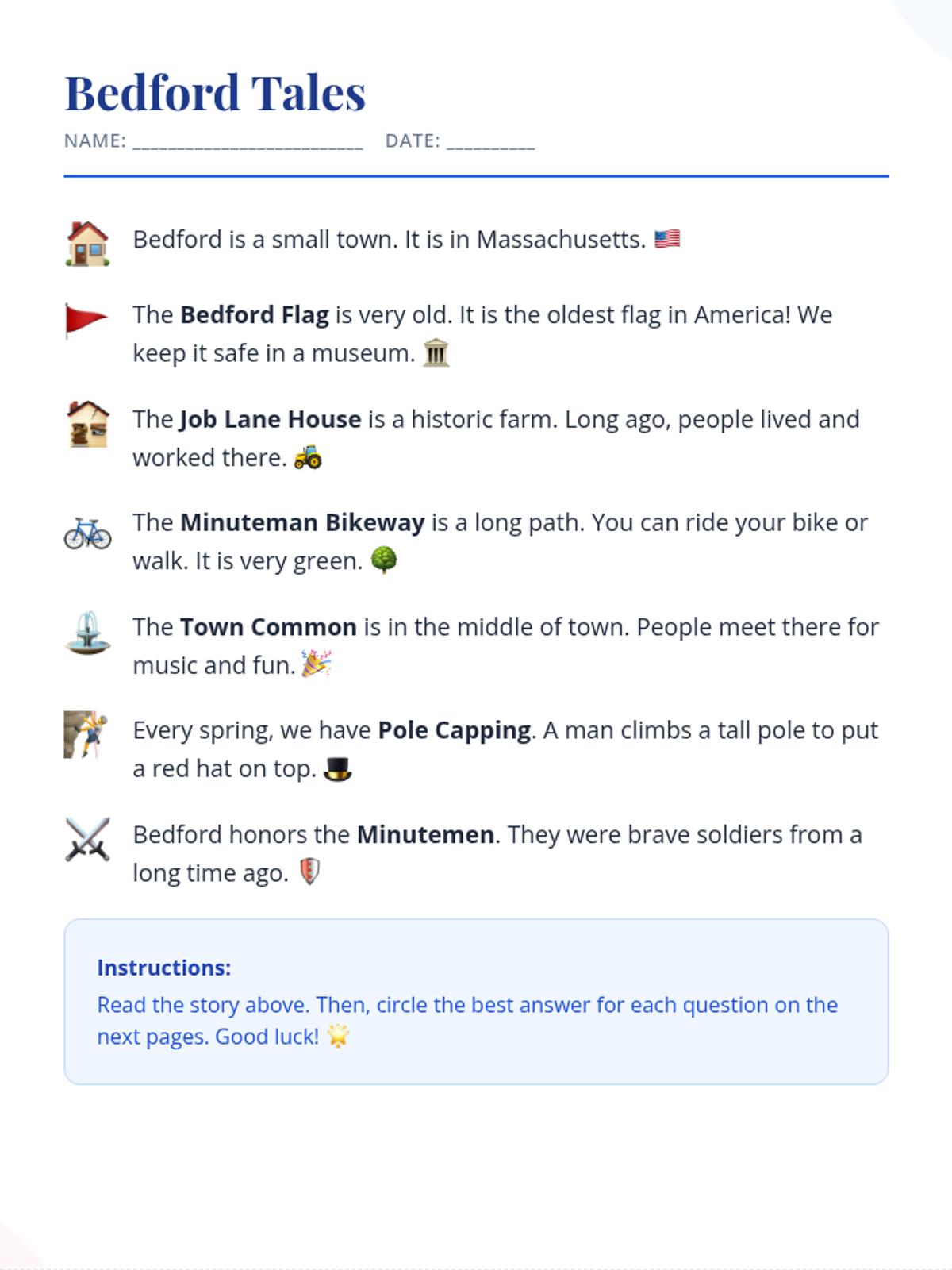
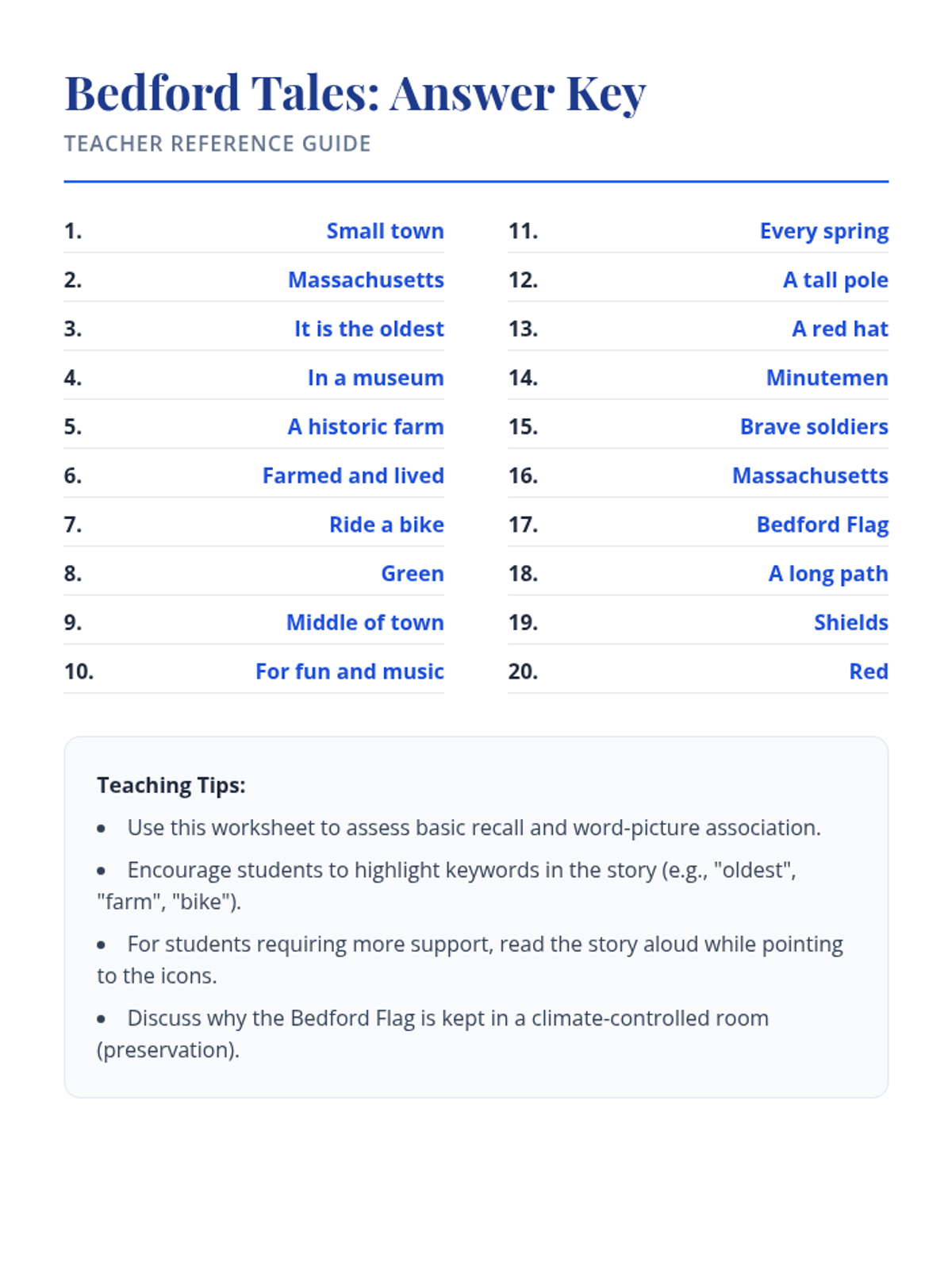
A lesson about the history and landmarks of Bedford, Massachusetts, featuring a simplified story with visual supports and a comprehension assessment.
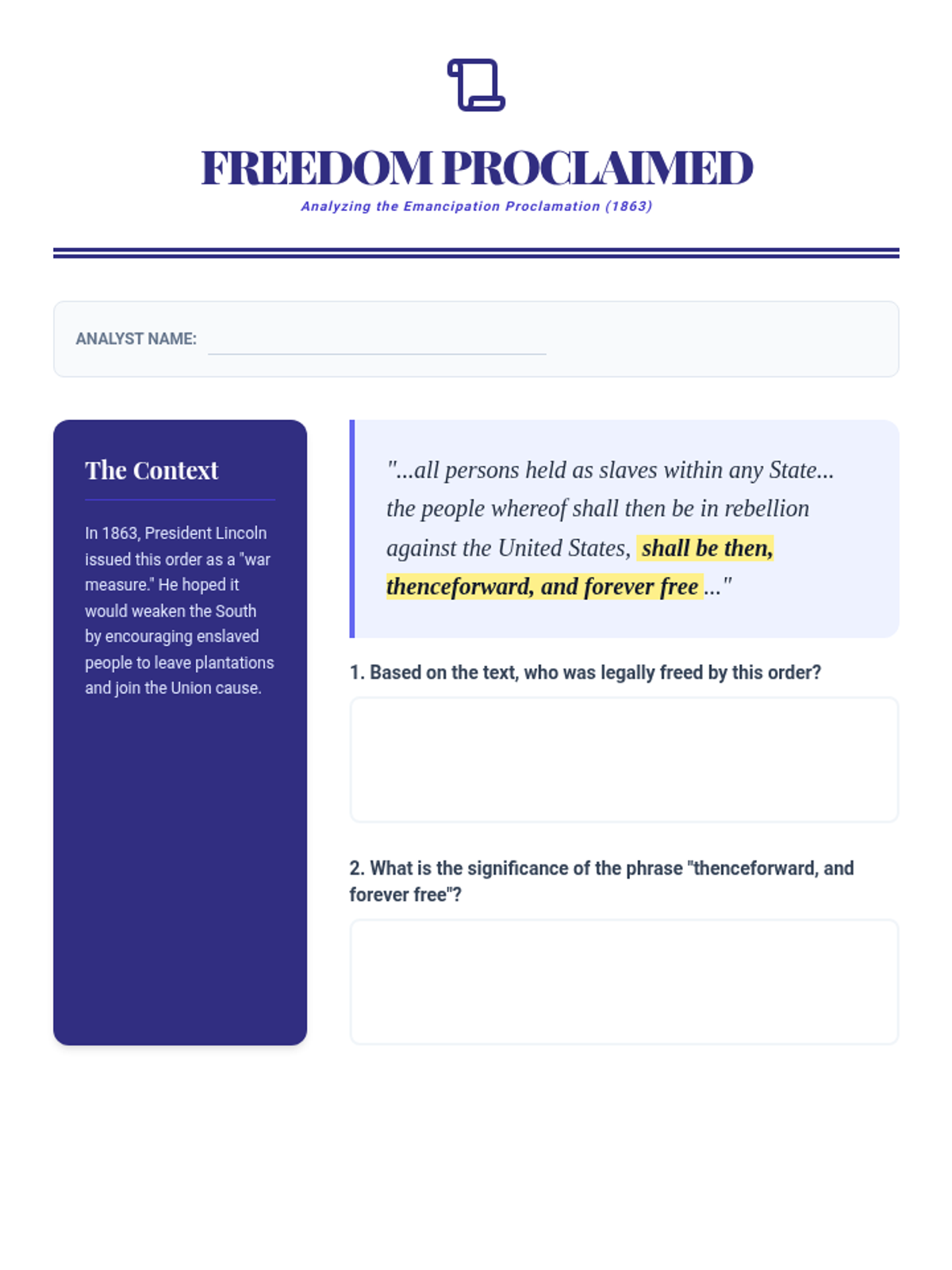
Examines the Emancipation Proclamation, its impact on the Civil War, and the legal path toward ending slavery.
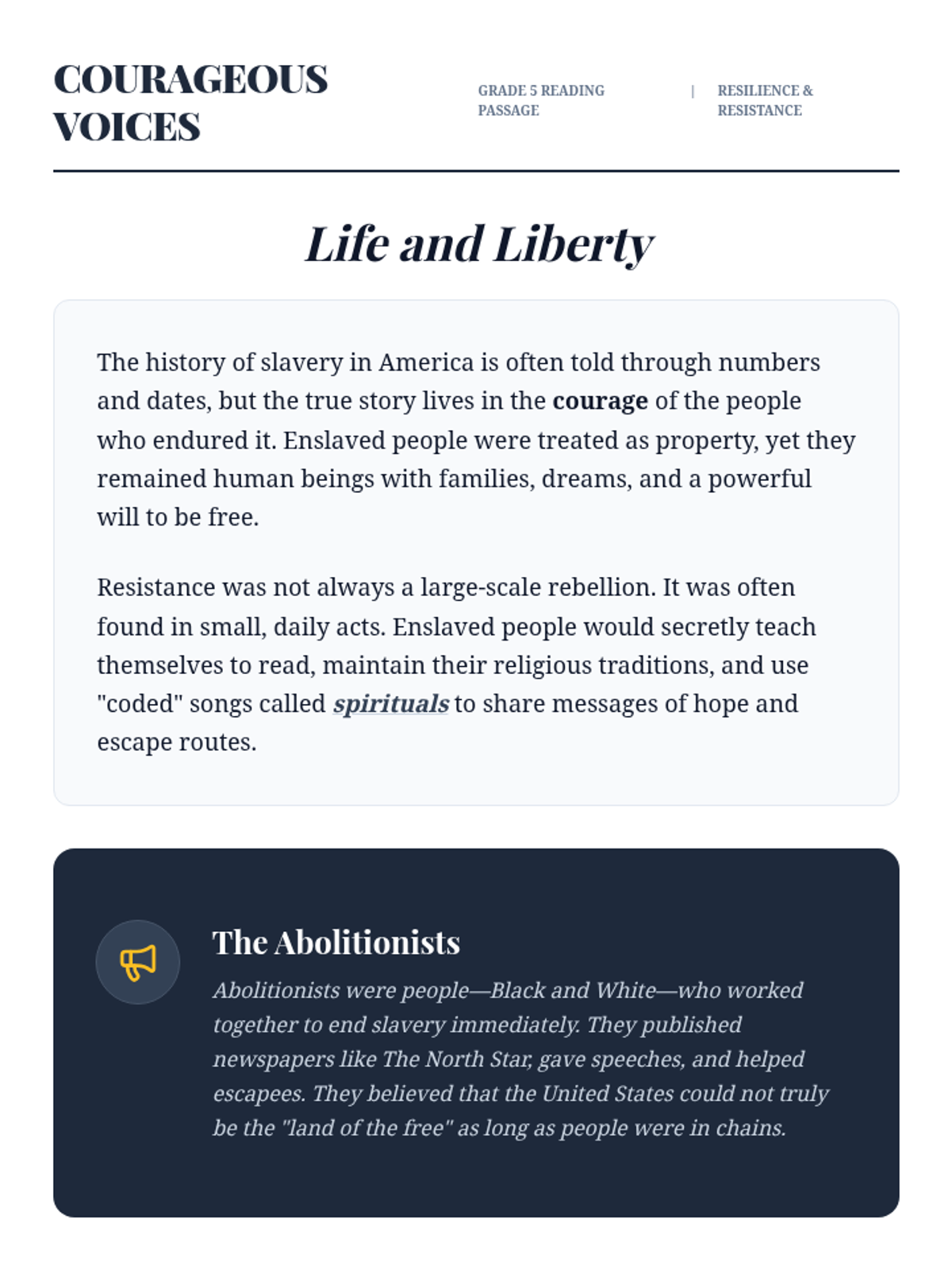
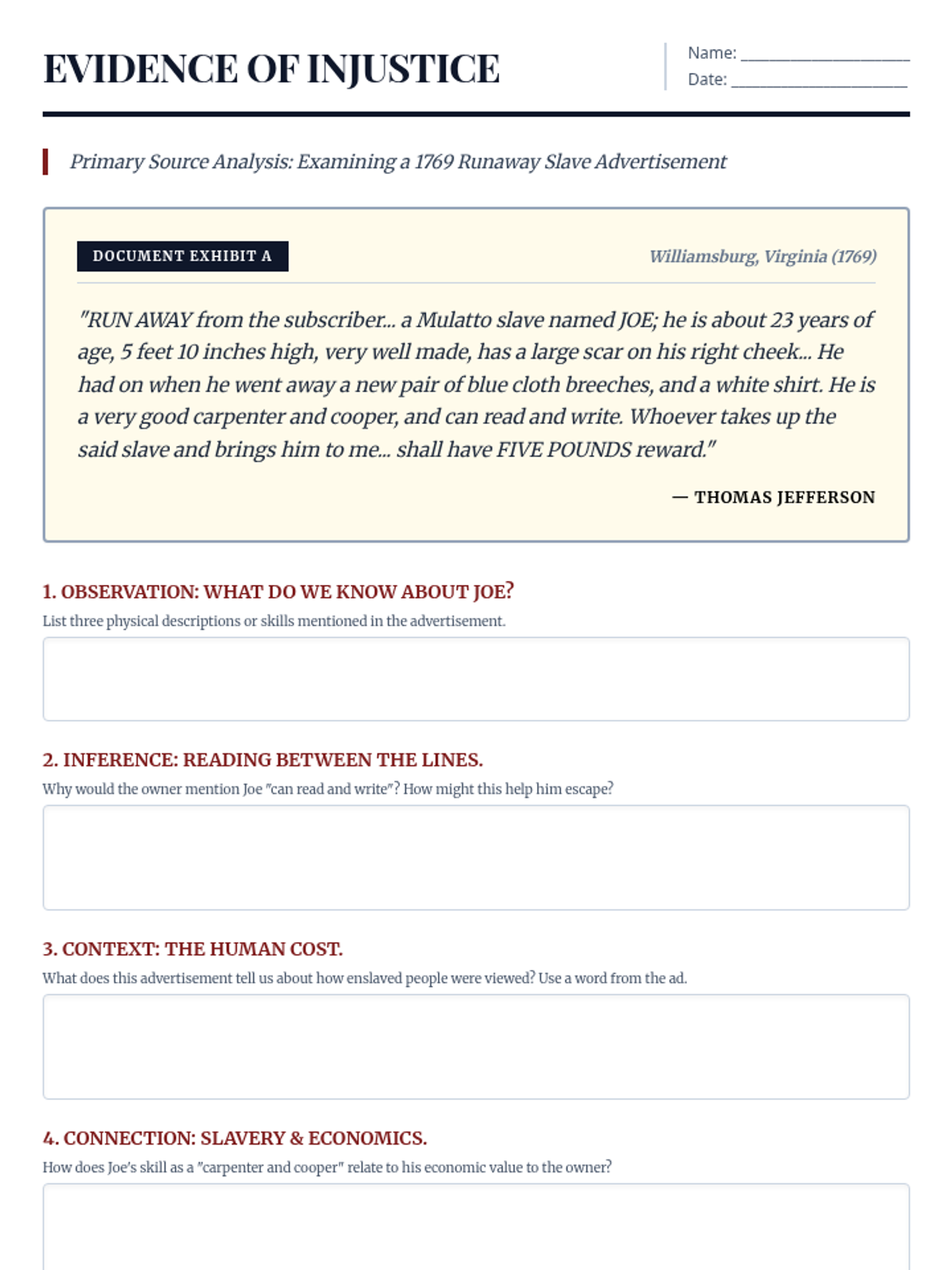
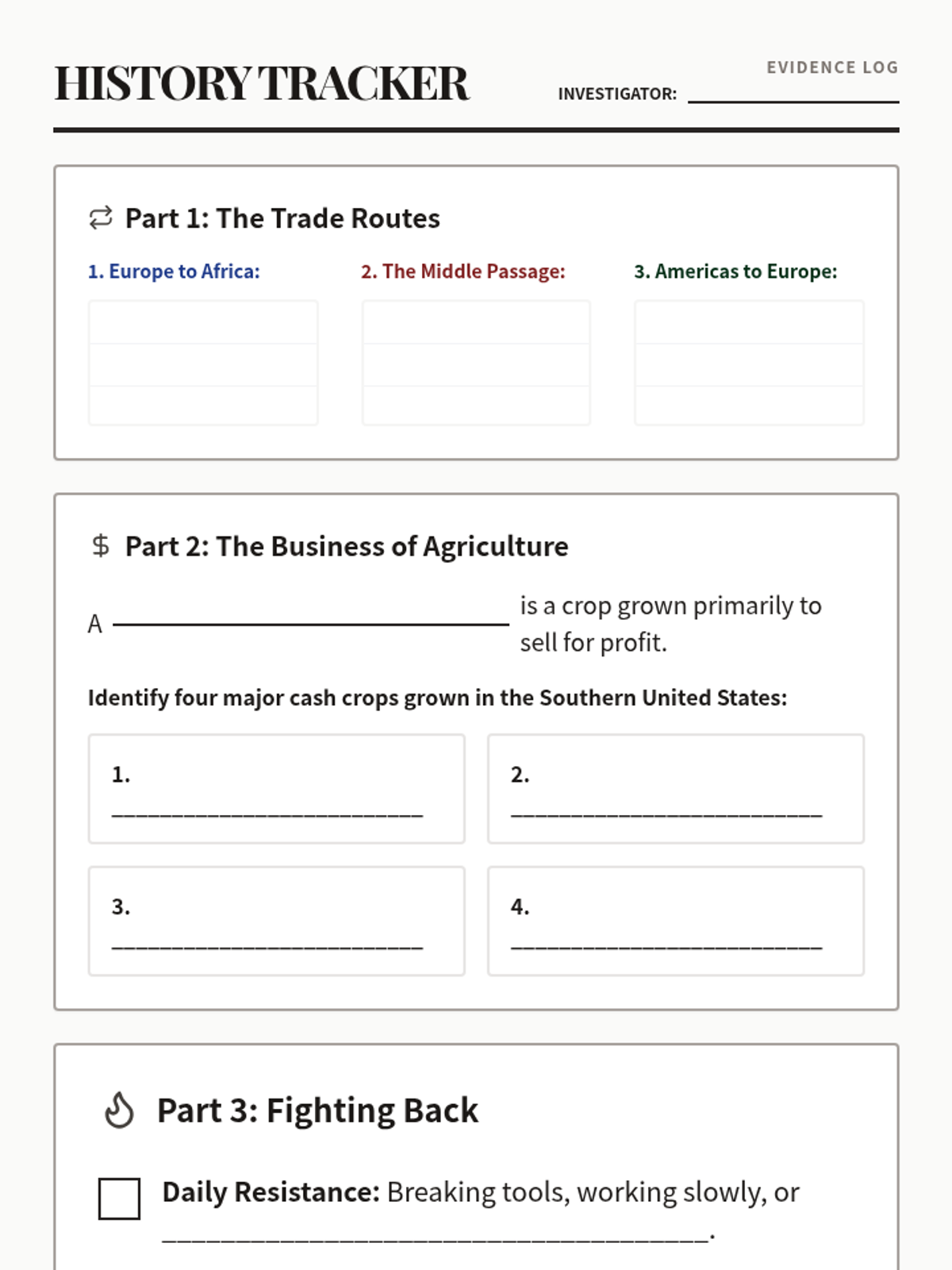
Focuses on the daily lives, culture, and resistance of enslaved people, alongside the growth of the abolitionist movement.
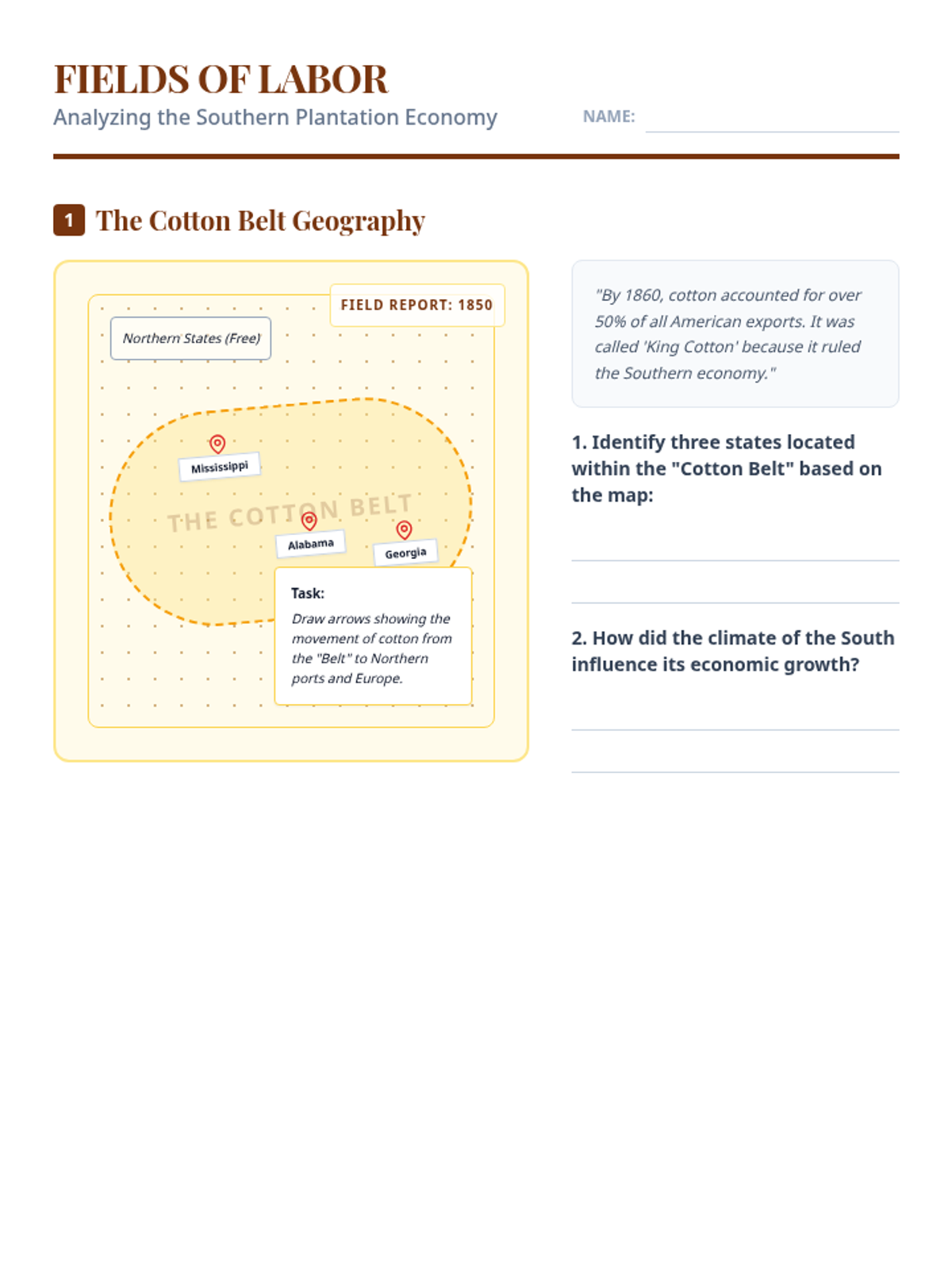
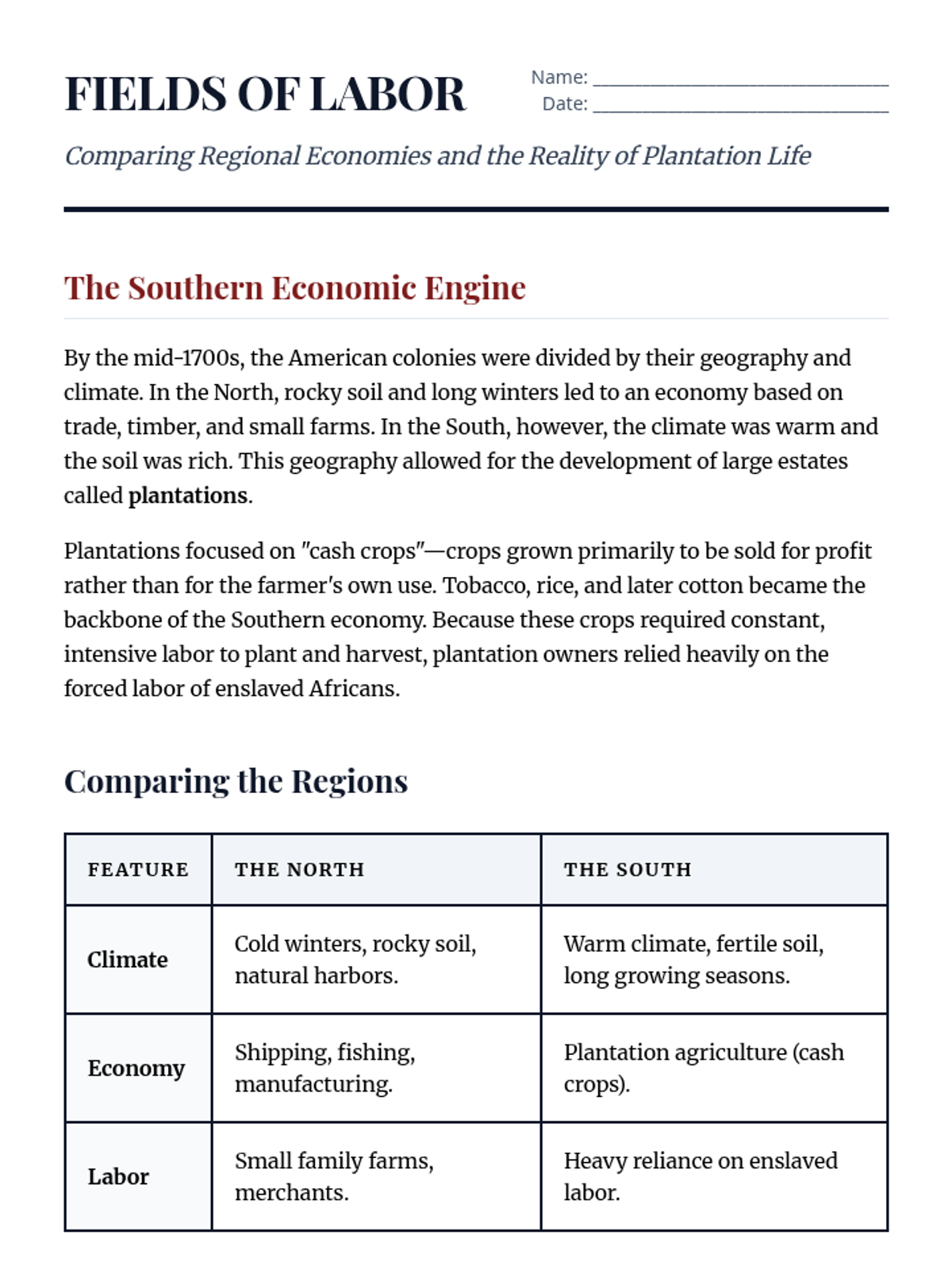
Explores the economic foundations of the Southern plantation system, the 'King Cotton' era, and the geography of the slave trade.
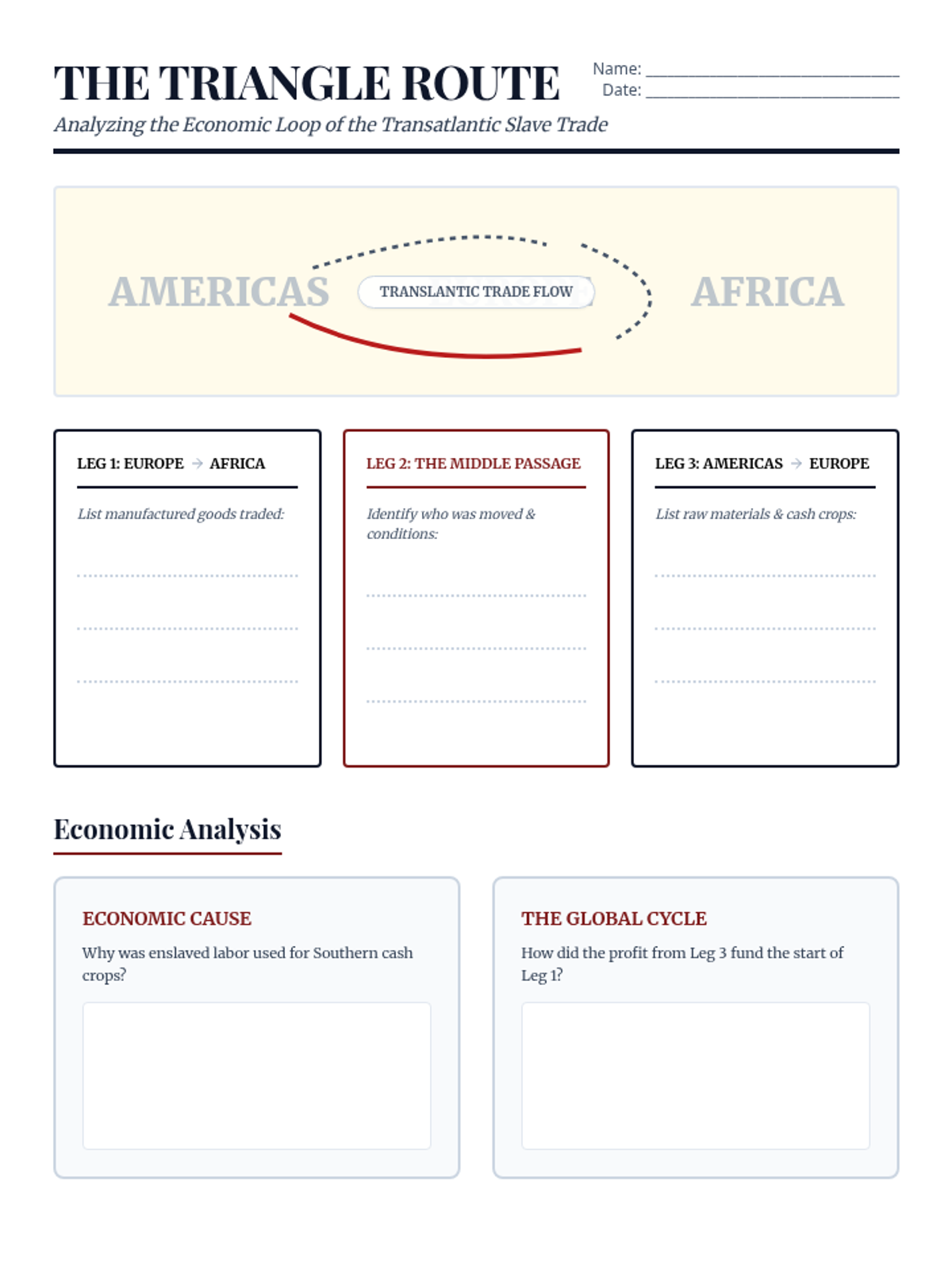
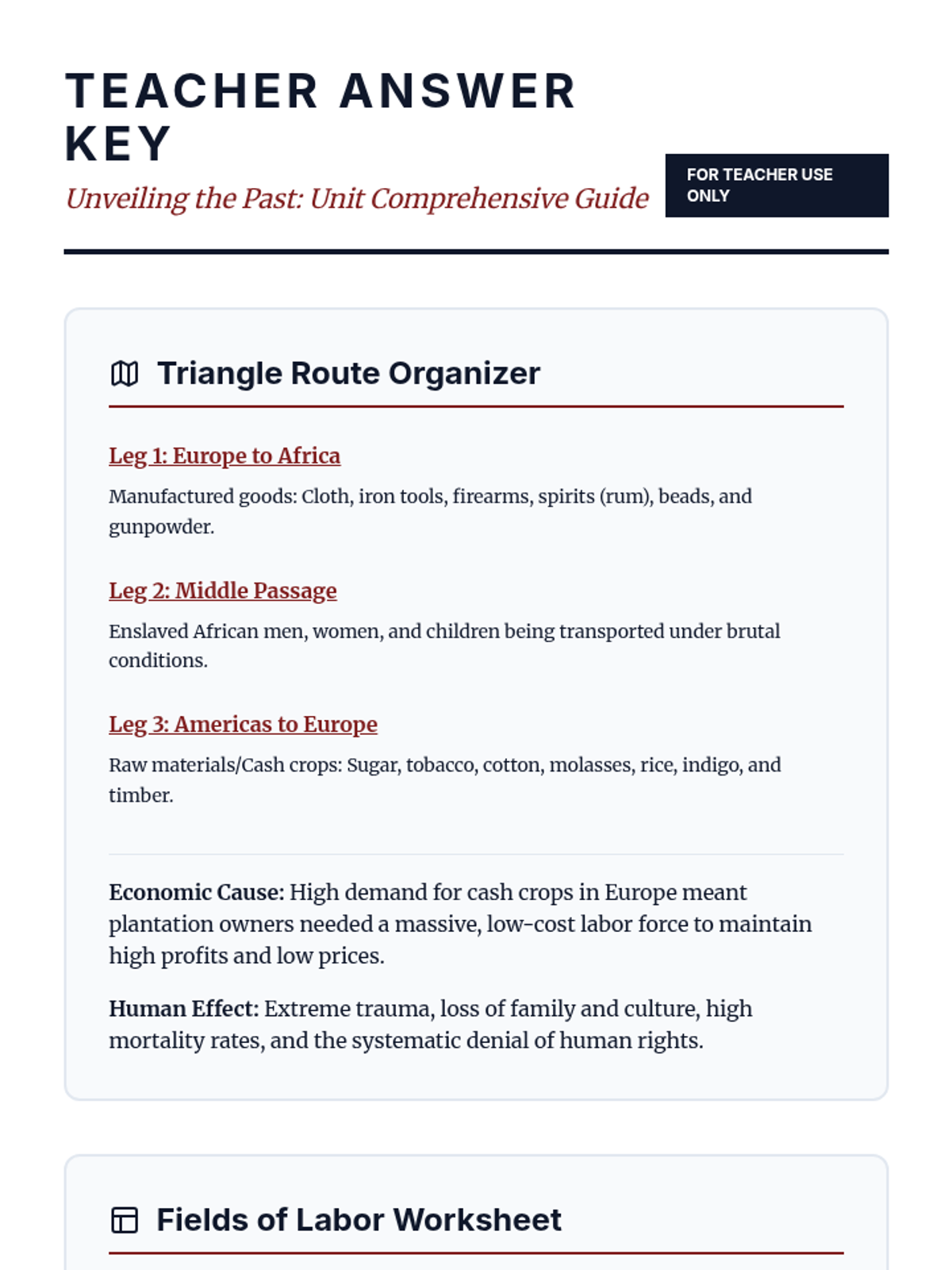
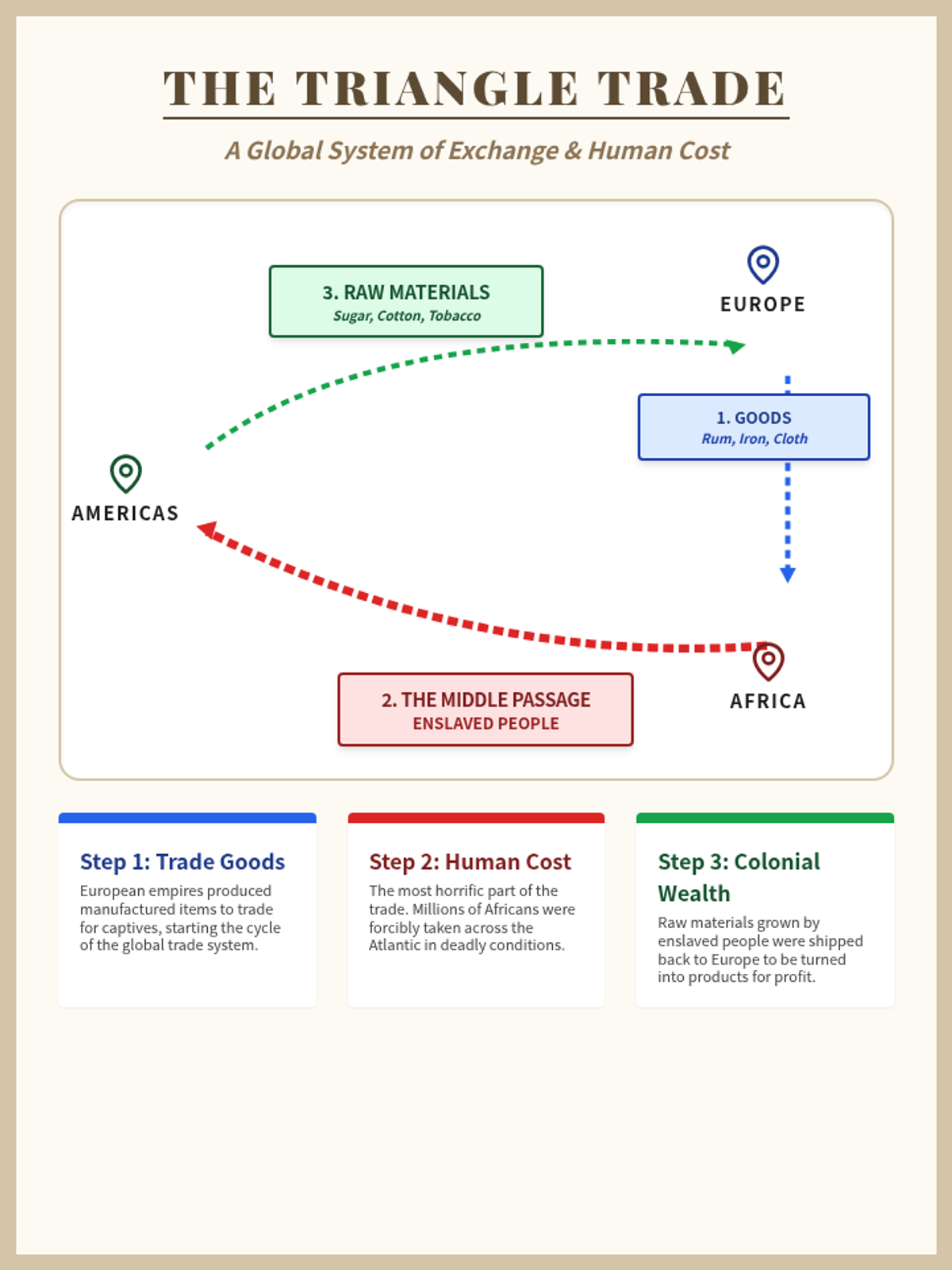
Examines the economic system of the Triangle Trade and the harrowing reality of the Middle Passage.
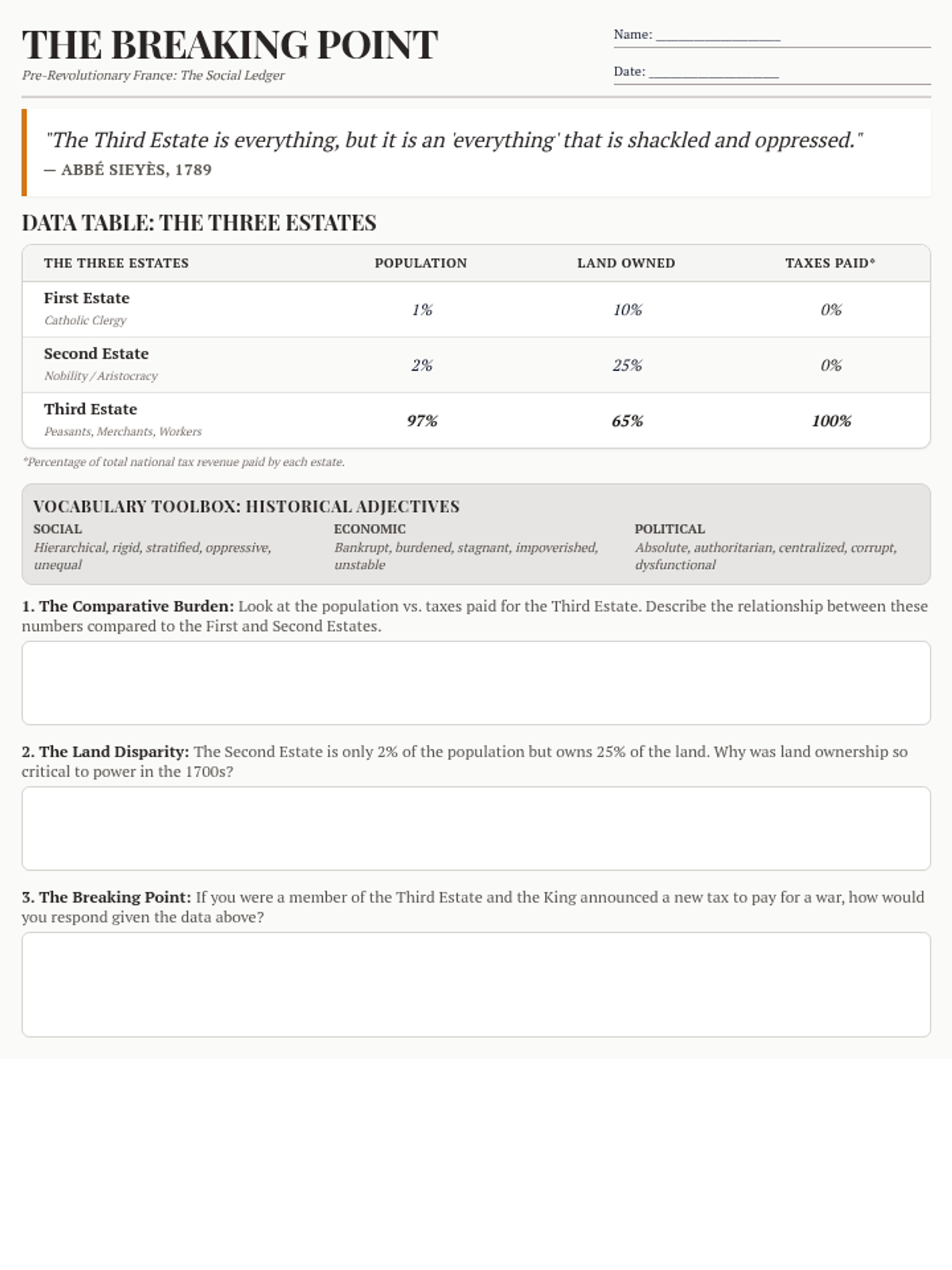
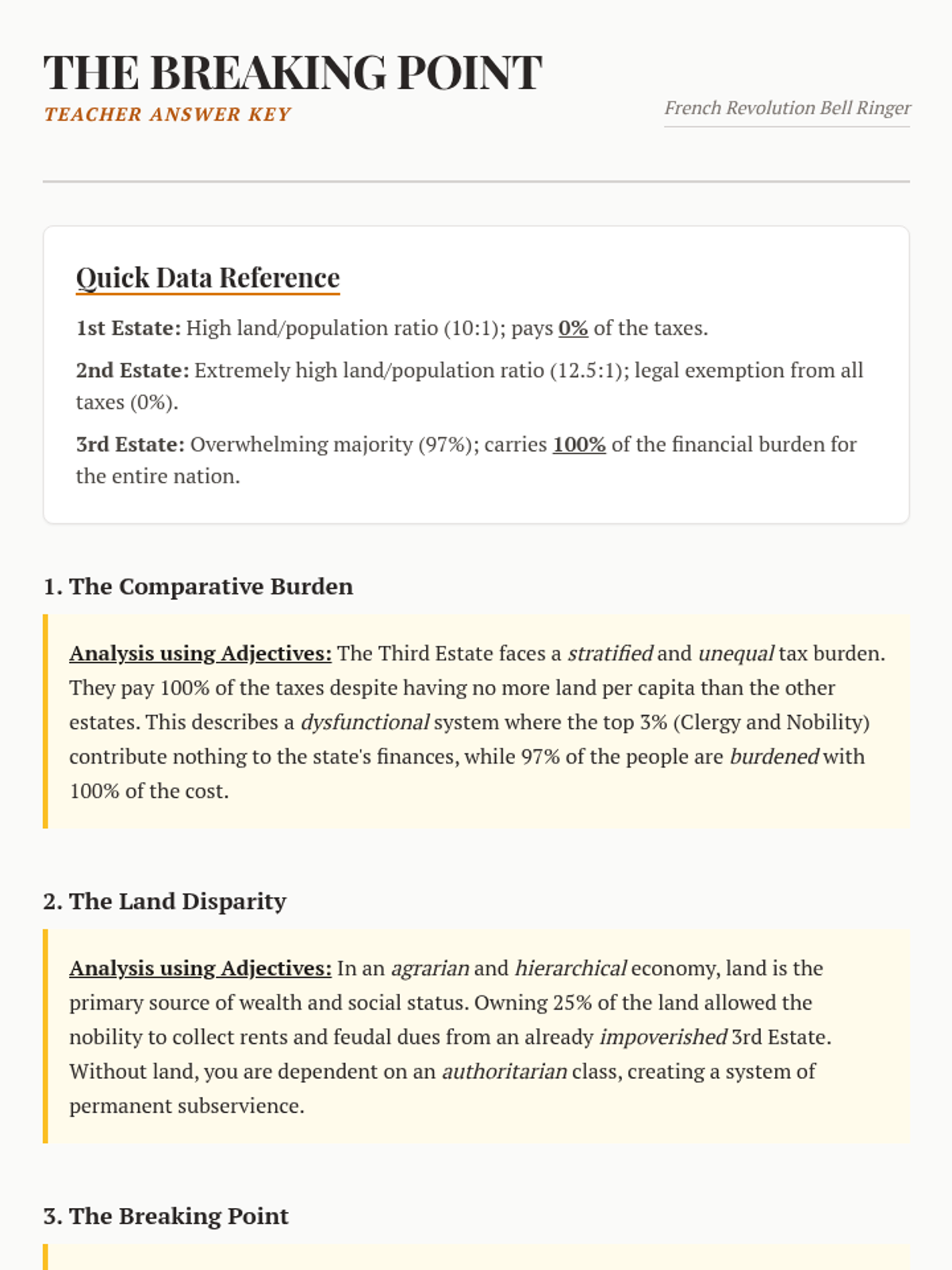
A quick-start bell ringer designed to help students visualize and analyze the extreme social and economic disparities of the Three Estates in pre-revolutionary France. Students examine data on landownership and taxation to understand the systemic pressures that fueled the revolution.
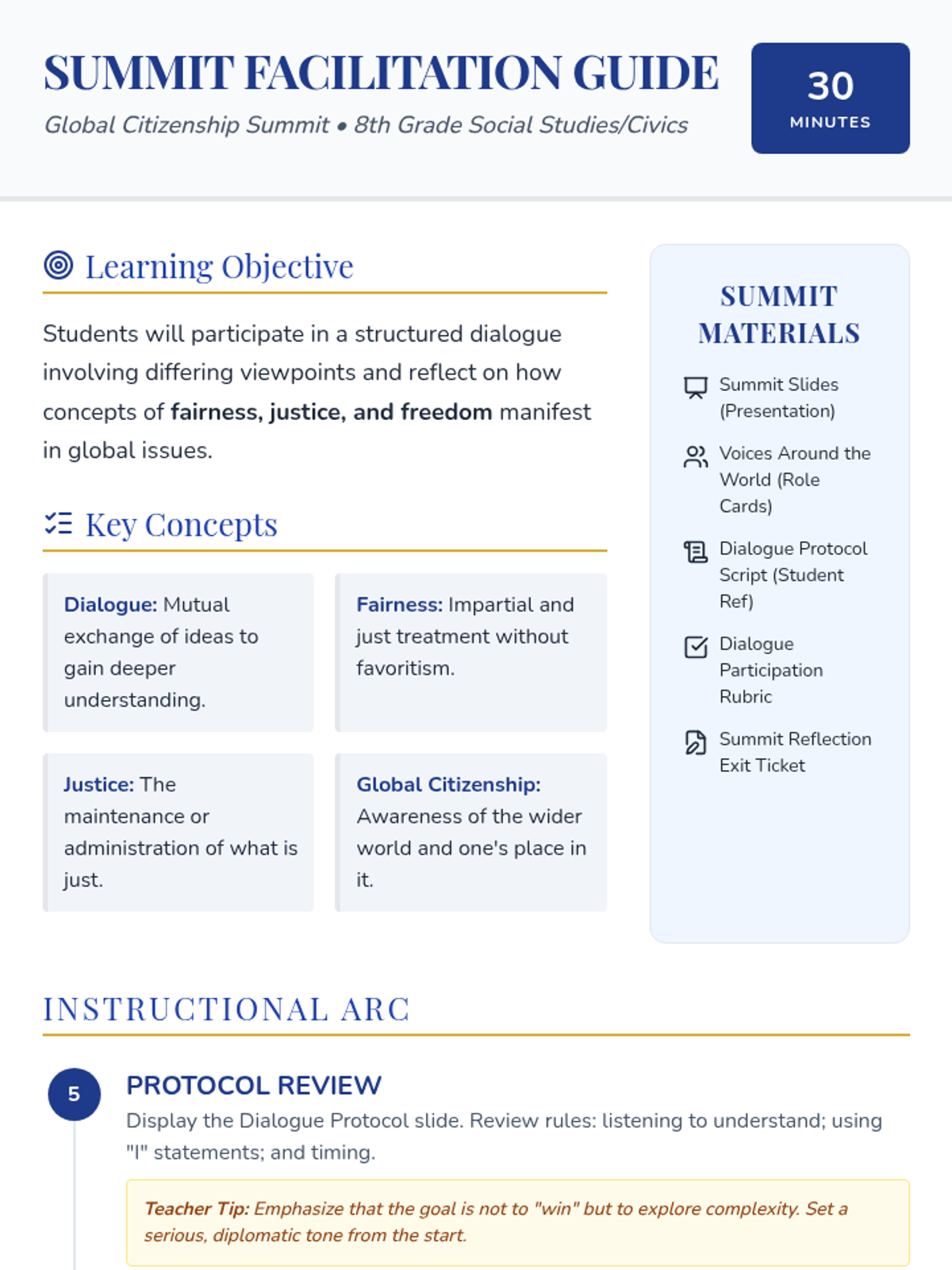
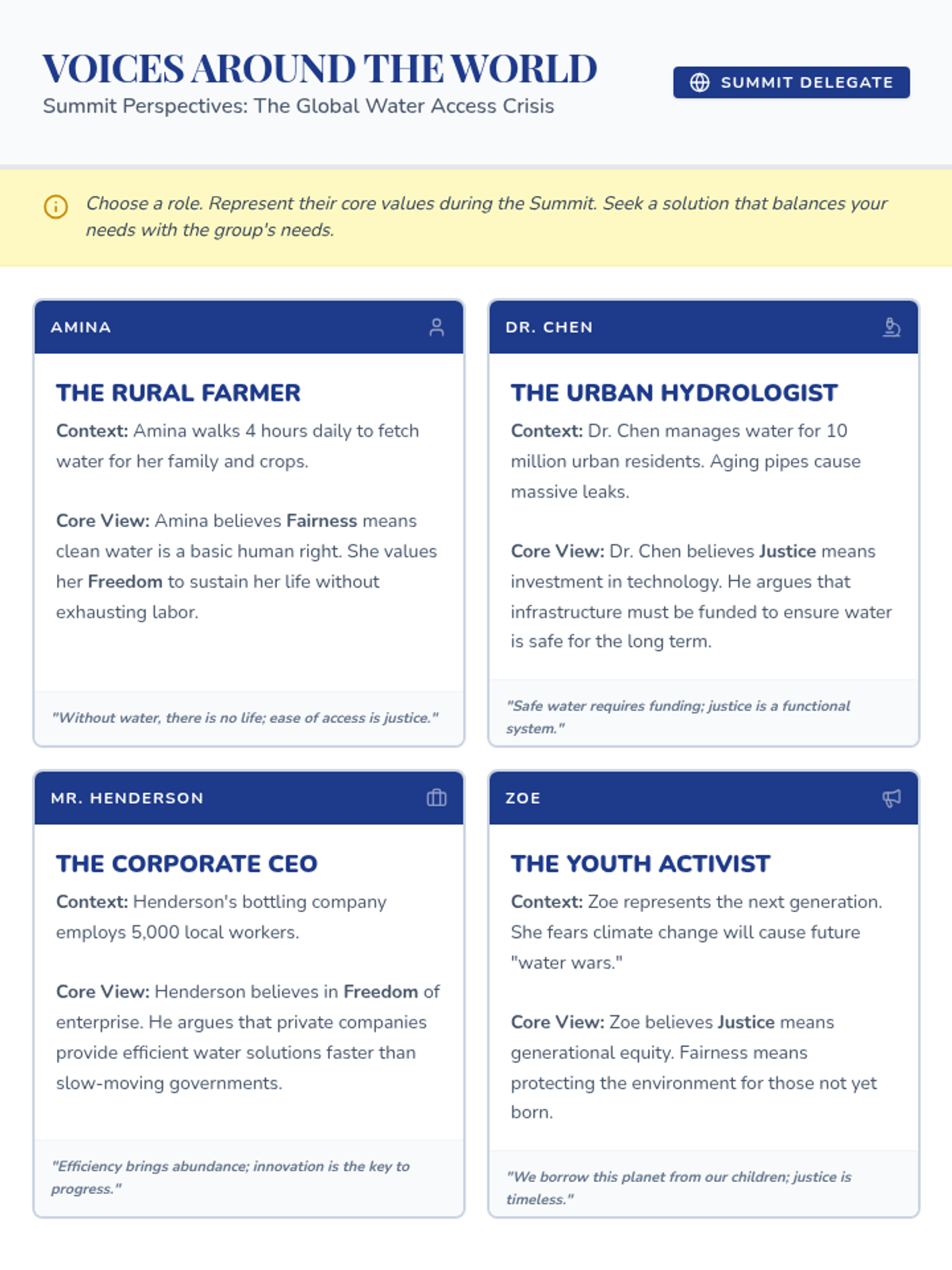
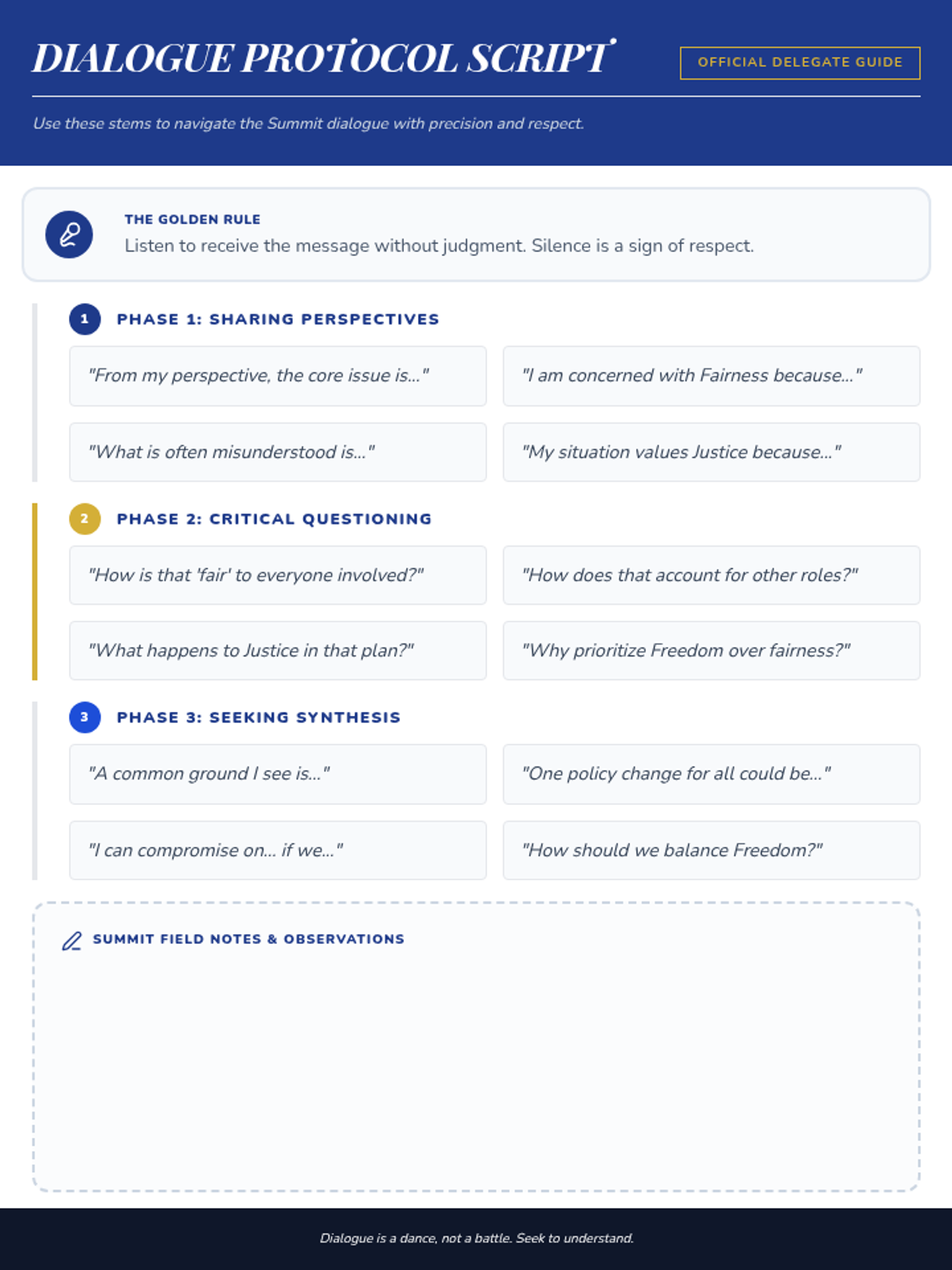
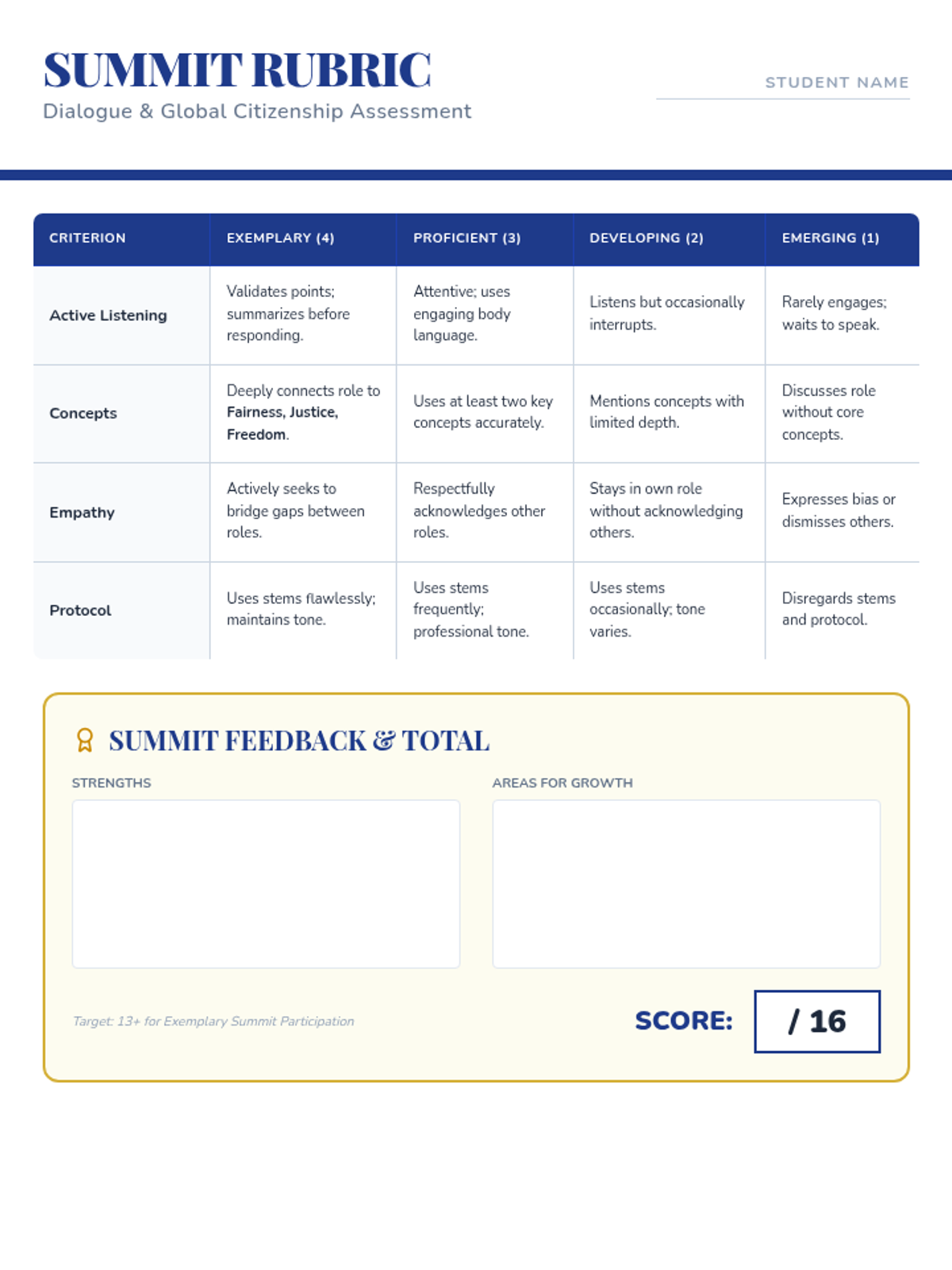
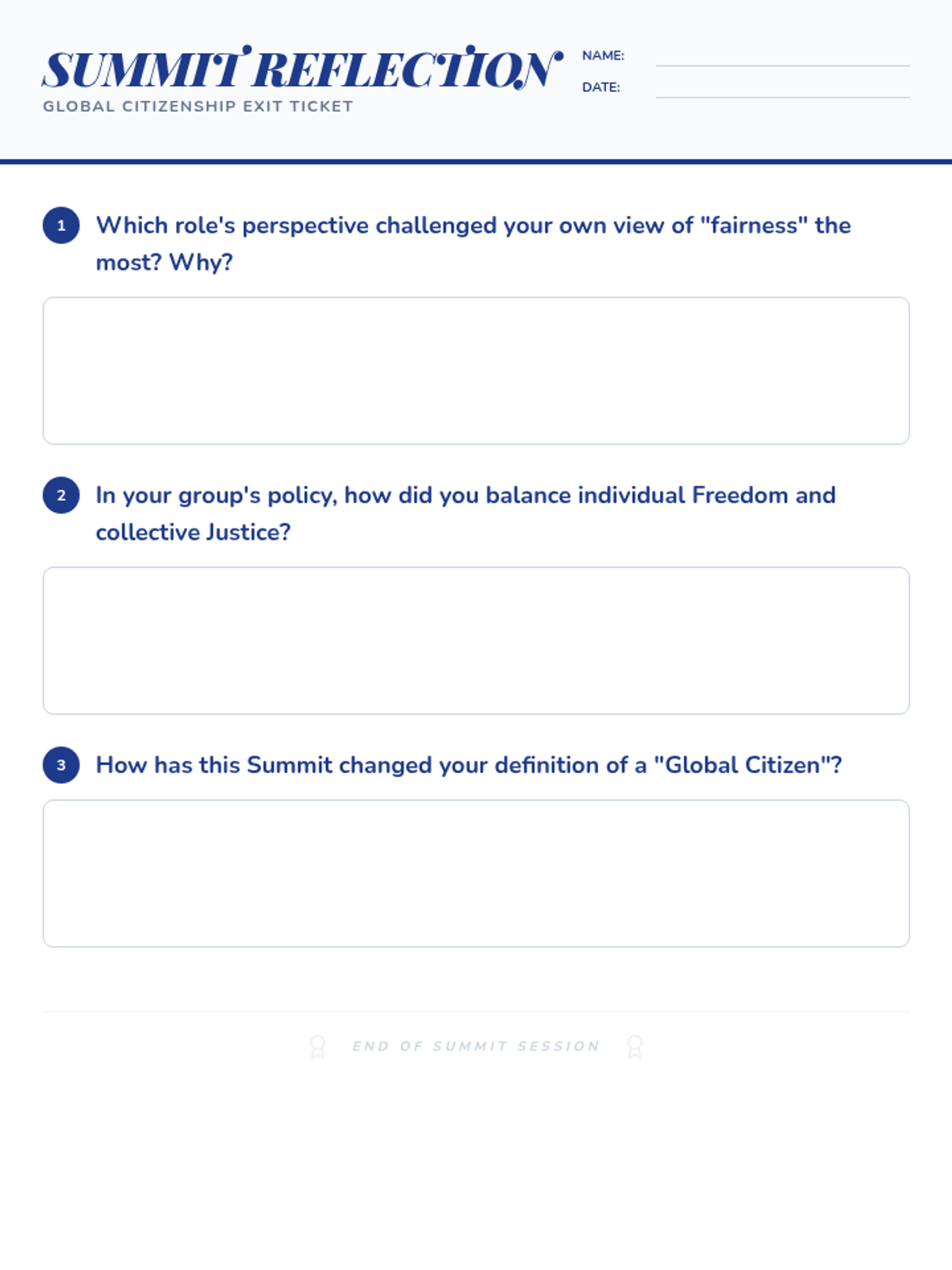
An 8th-grade lesson where students engage in a structured global summit to discuss fairness, justice, and freedom through various global perspectives. Students use a structured protocol to ensure respectful dialogue and reflect on their role as global citizens.
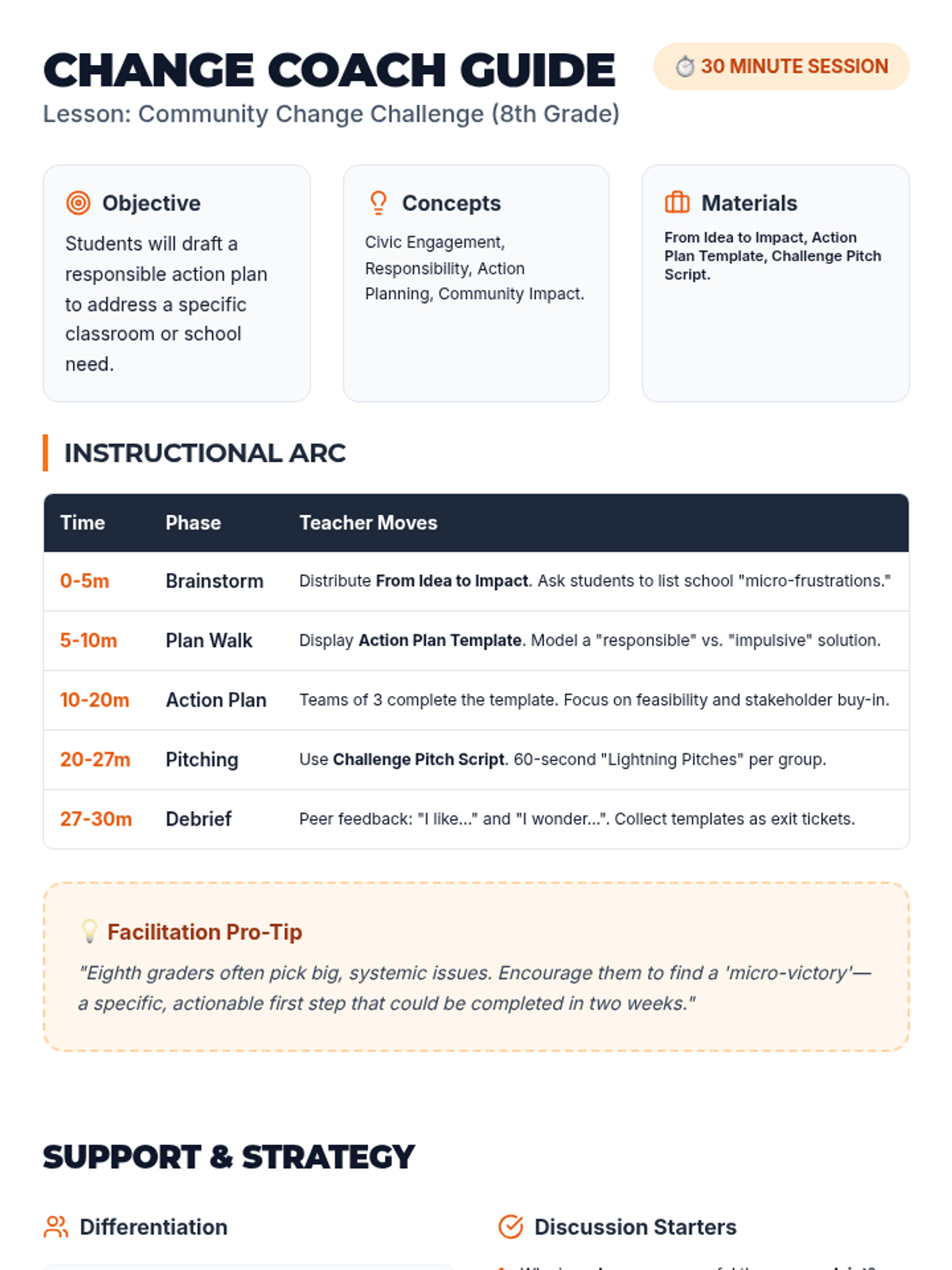
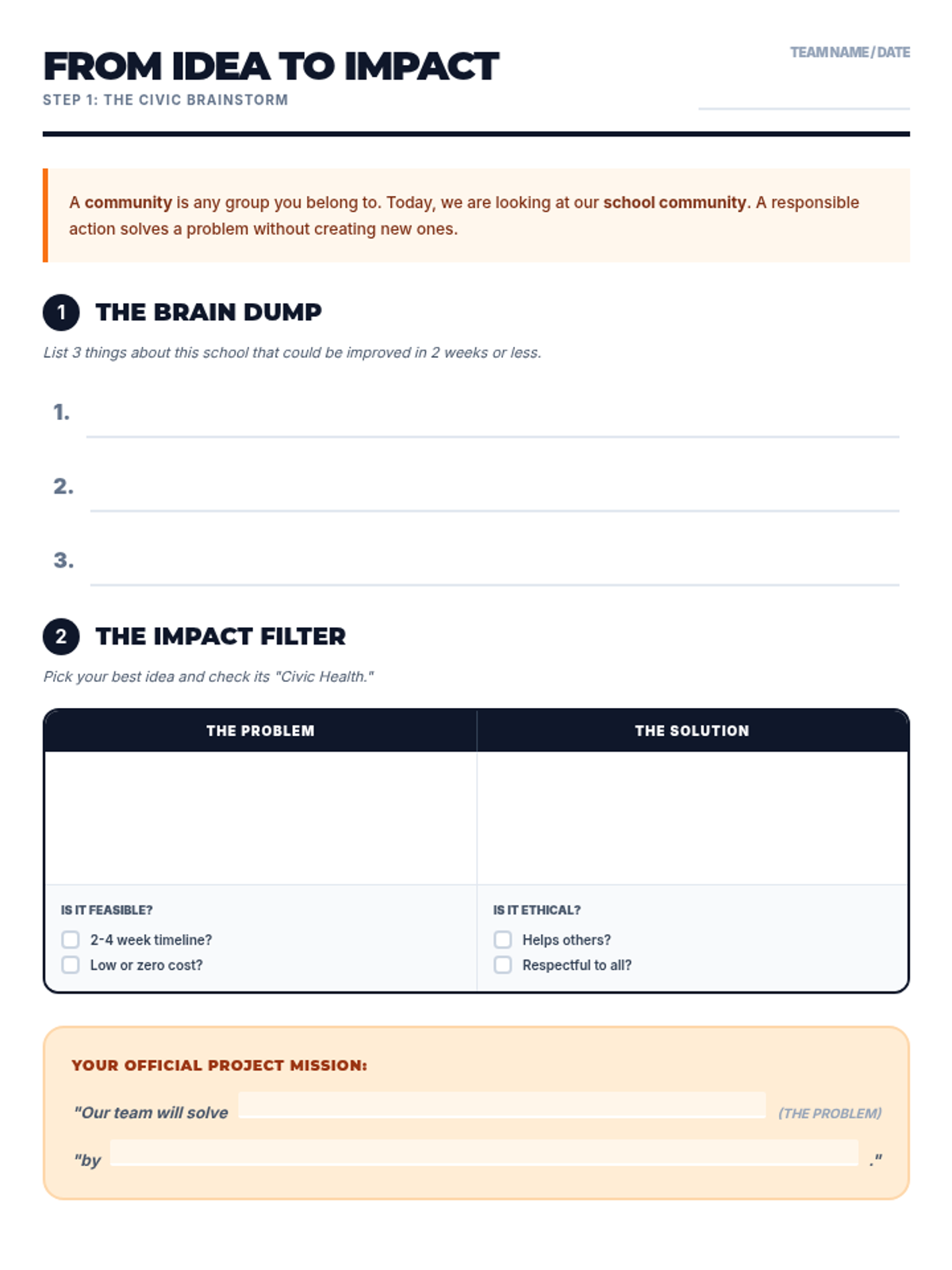
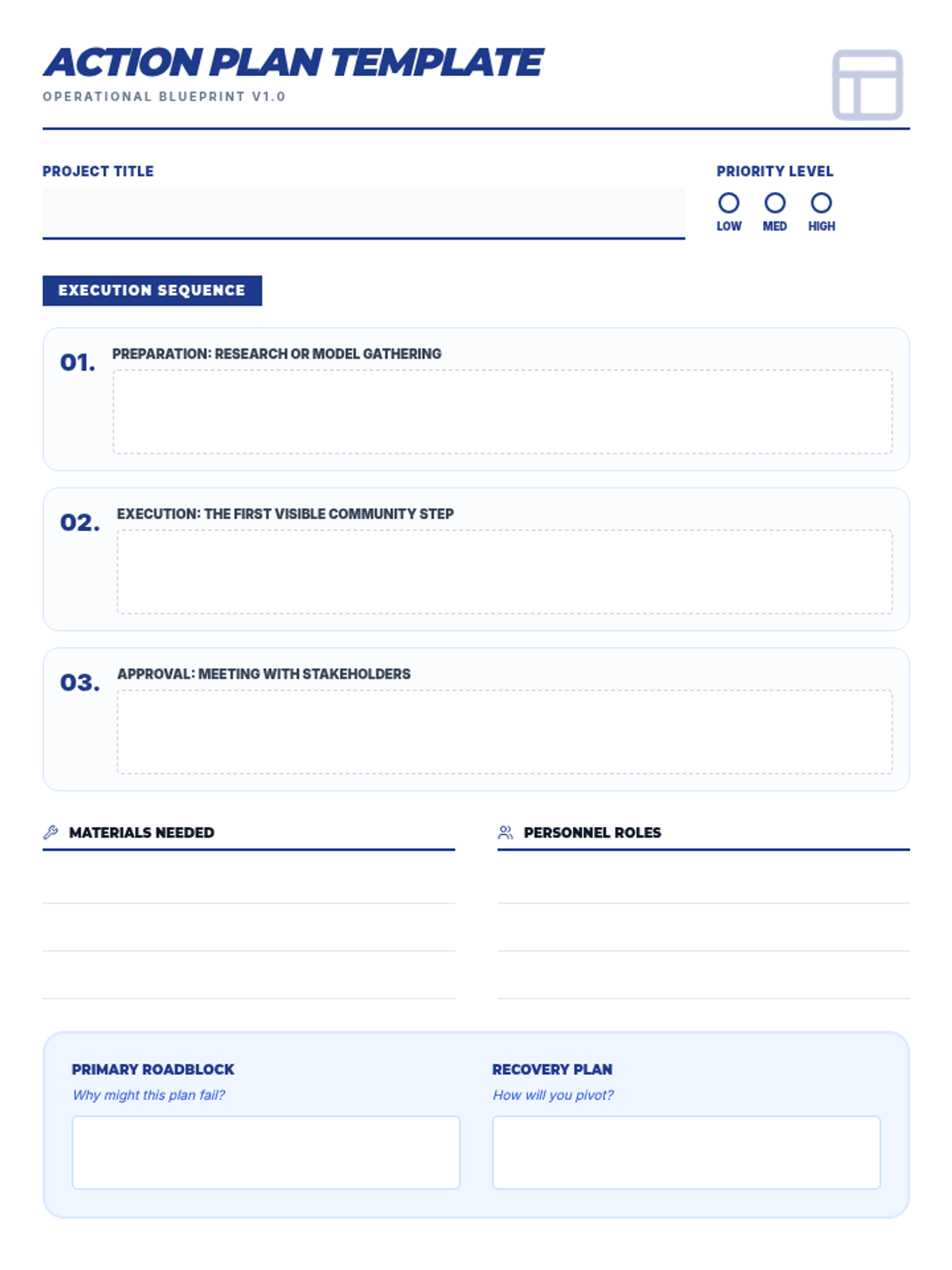
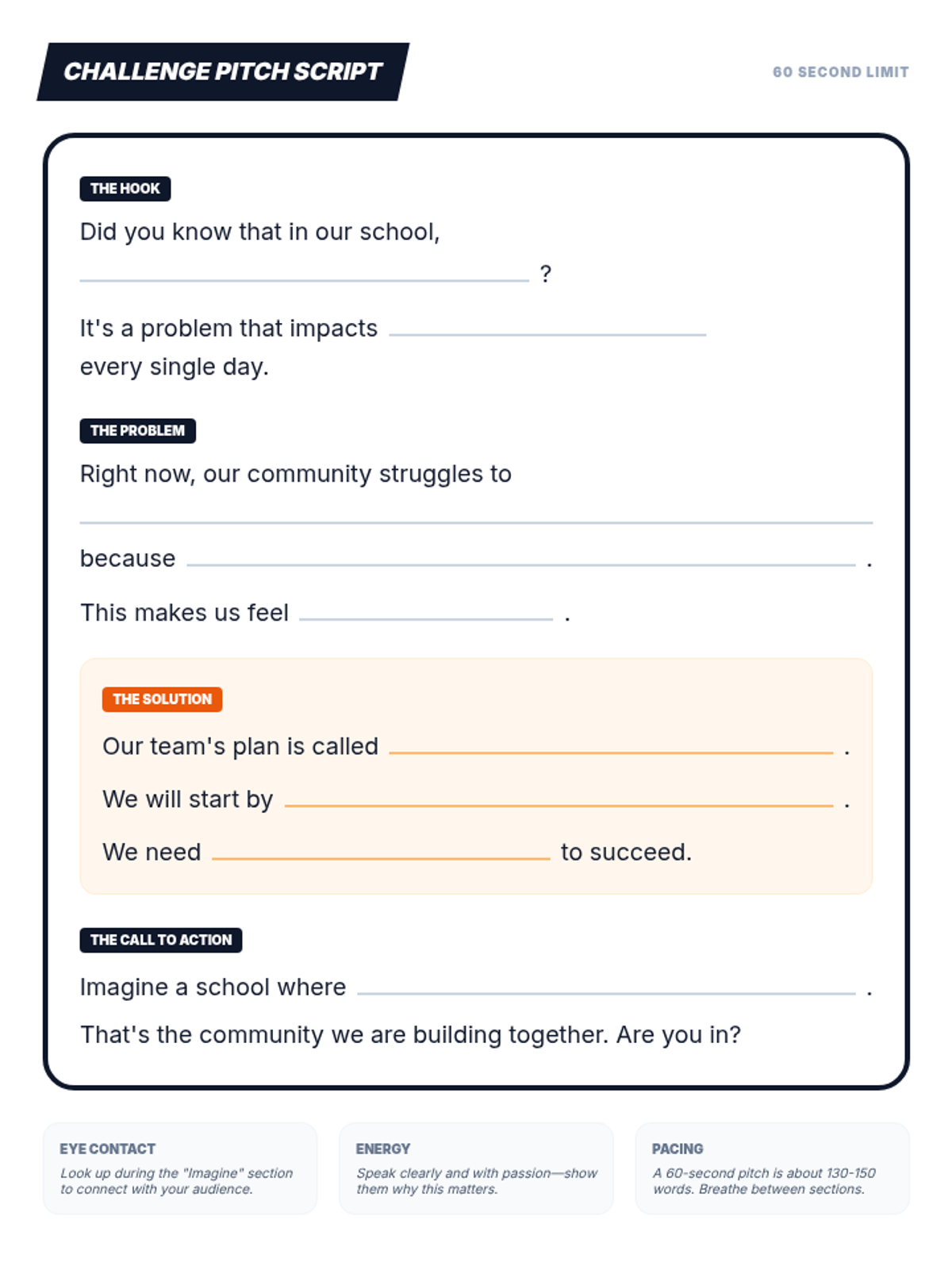
Students engage in a fast-paced civic engagement simulation where they identify school-based needs and design actionable solutions through structured planning and pitching.
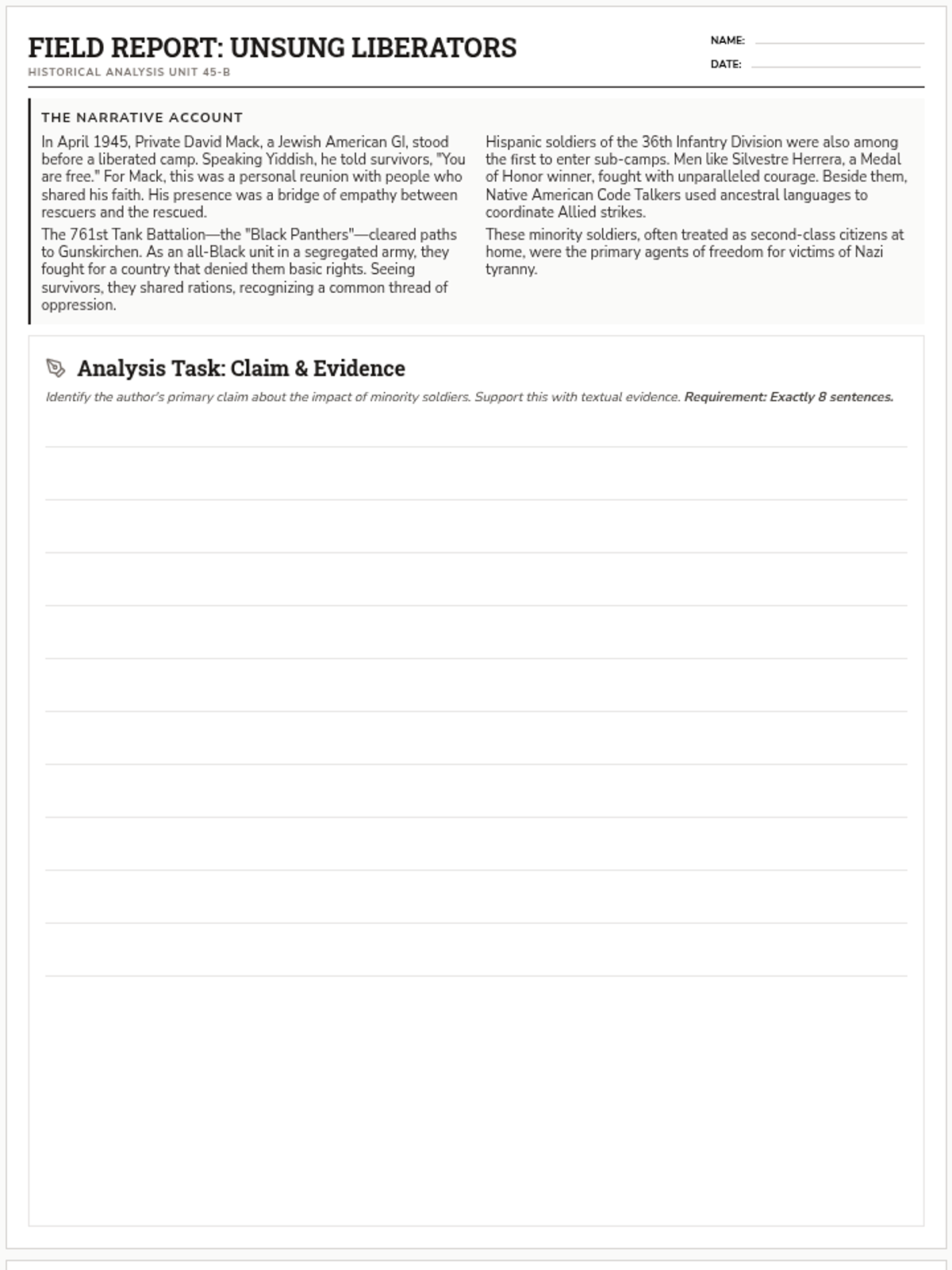
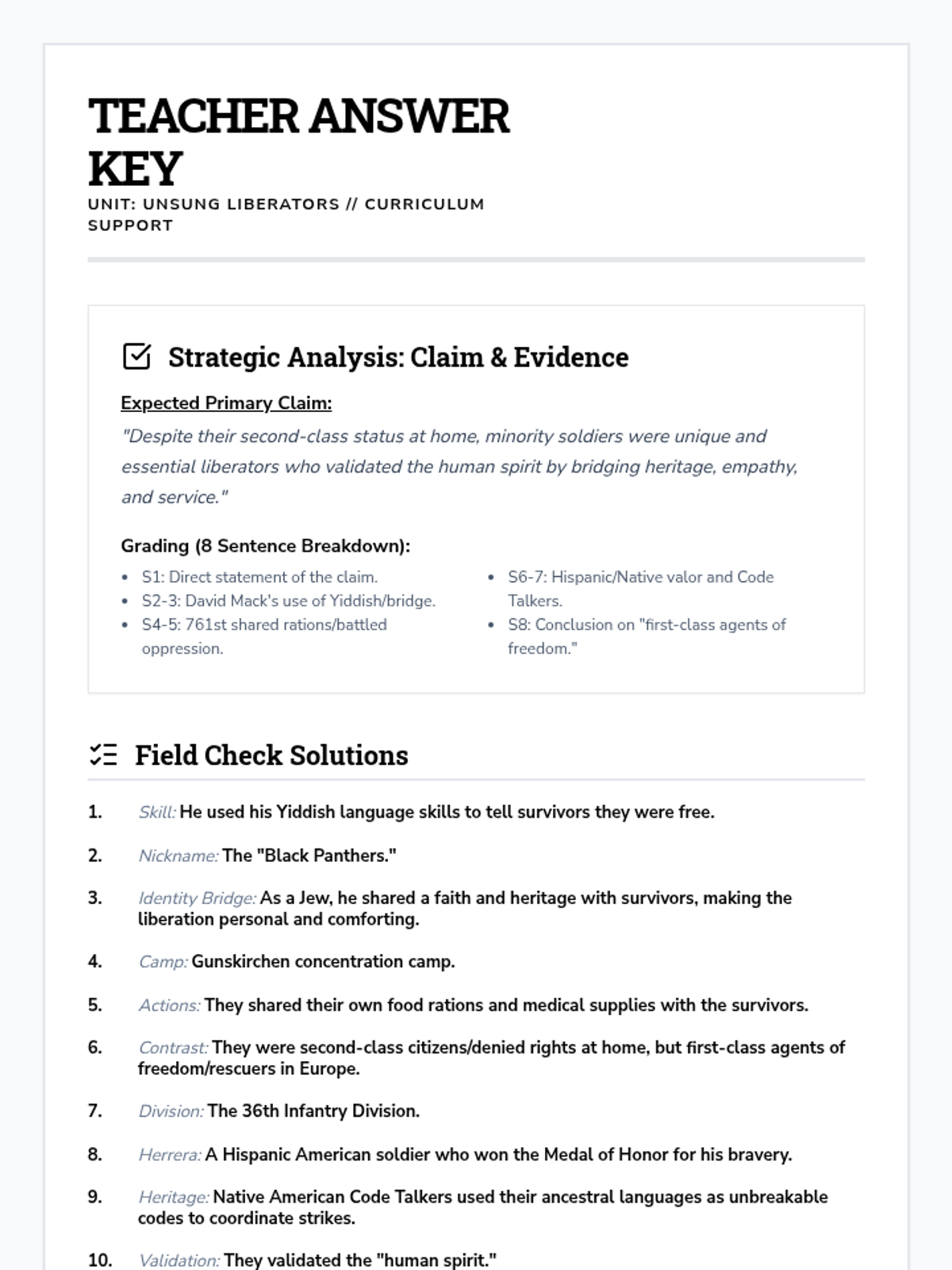
This lesson explores the vital and often overlooked contributions of African American, Jewish American, Hispanic, and Native American soldiers during the Holocaust, focusing on their roles as liberators and front-line combatants. Students will analyze a narrative account to identify historical claims and support them with textual evidence.
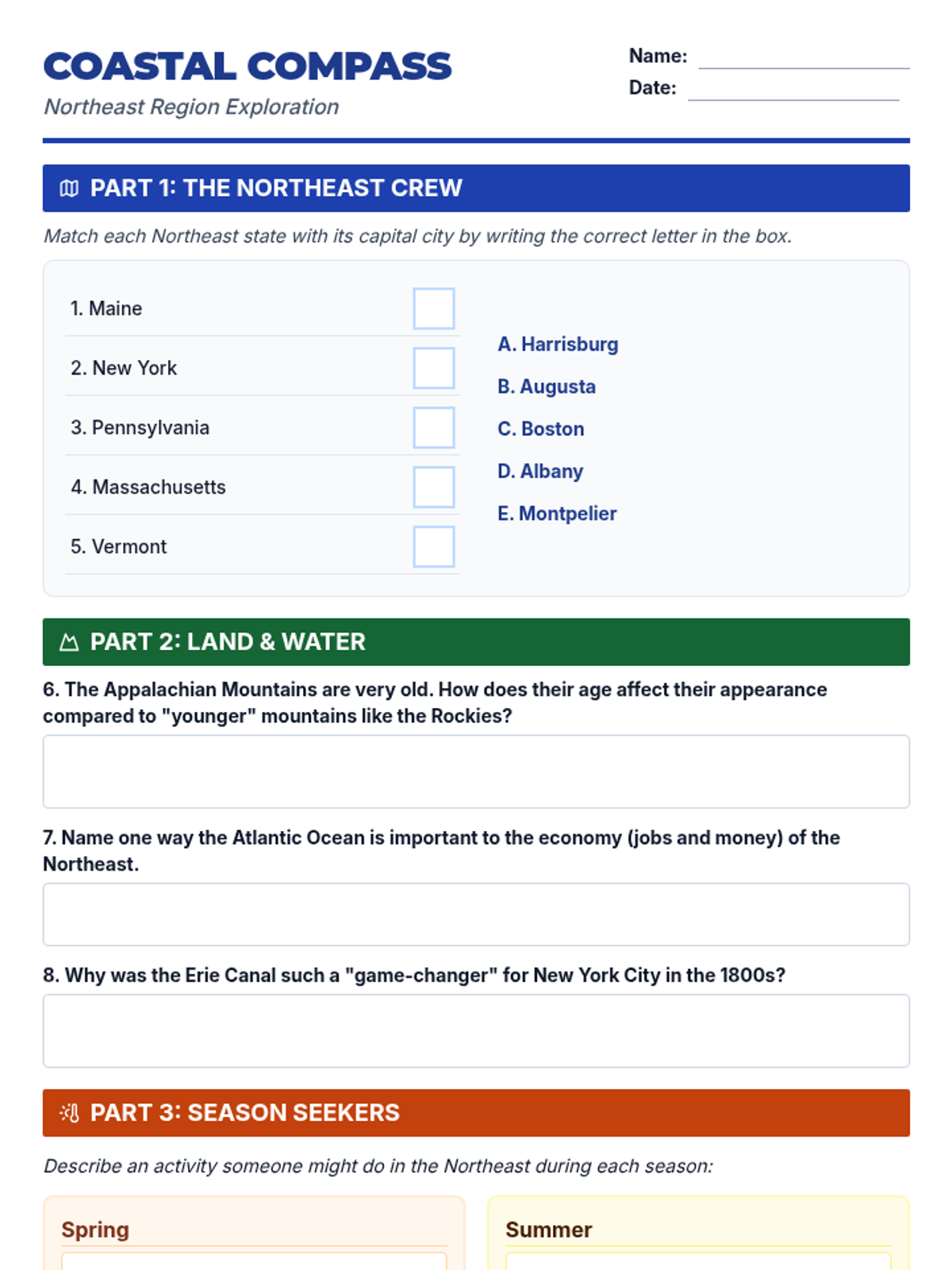
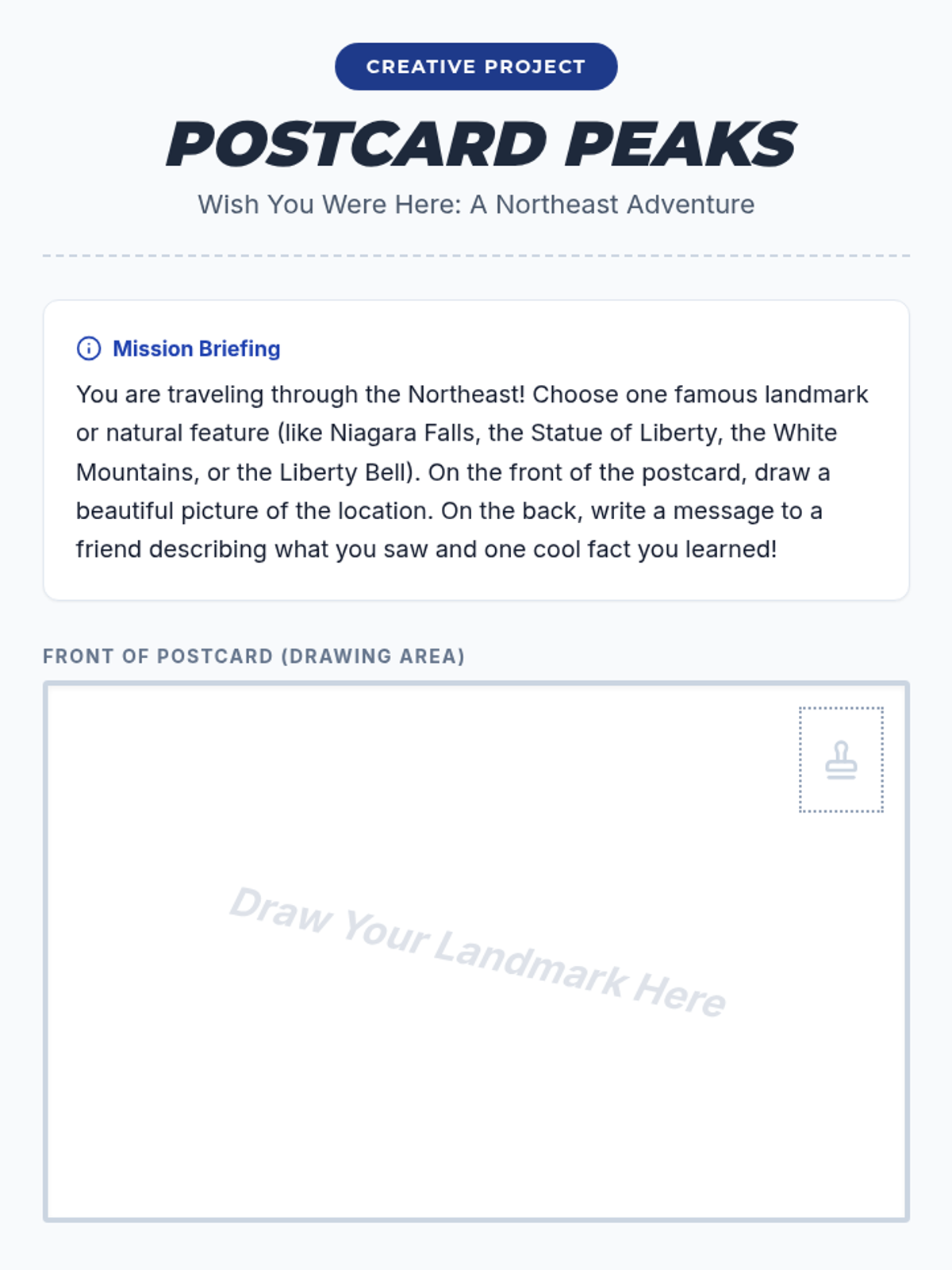
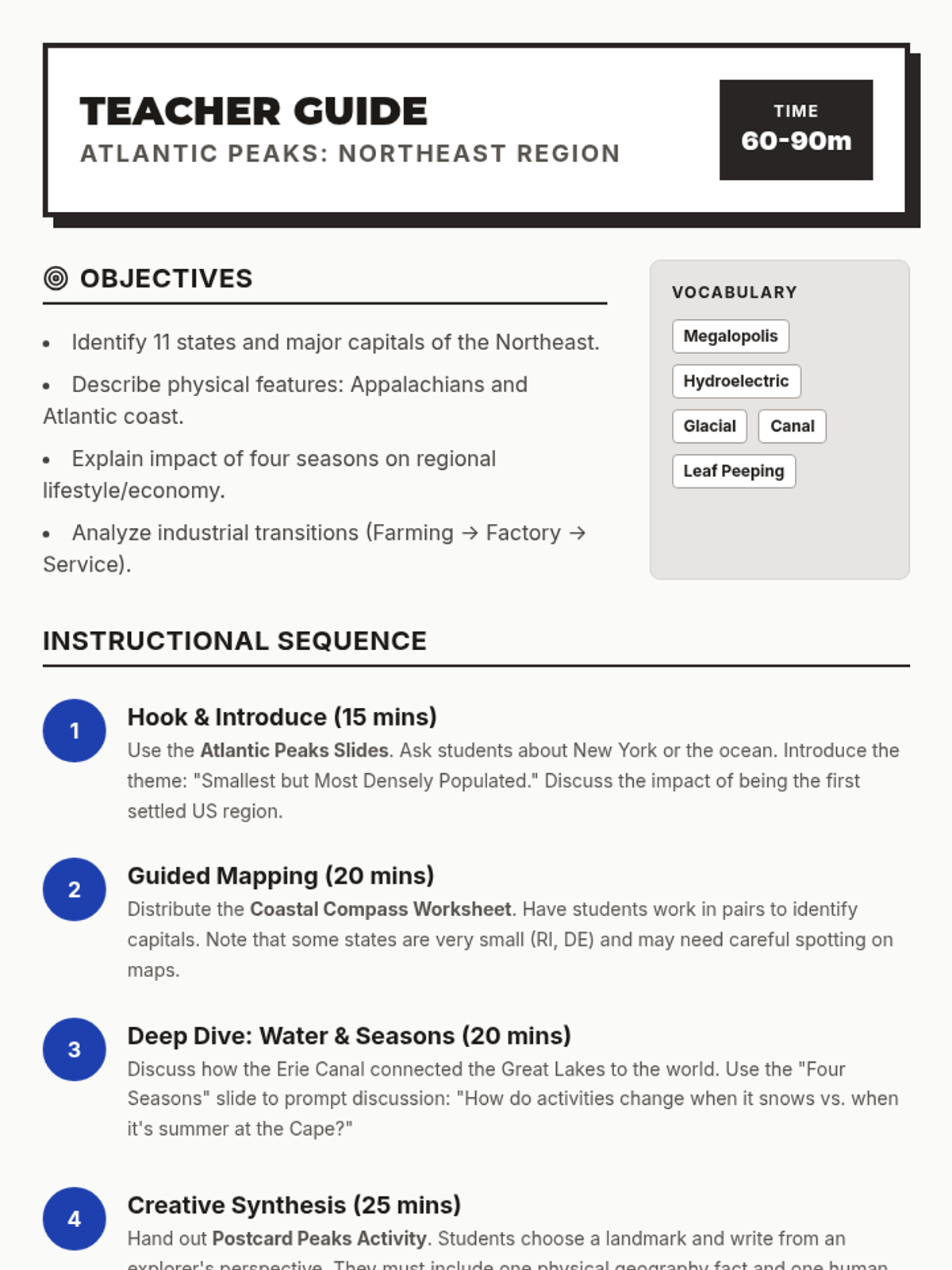
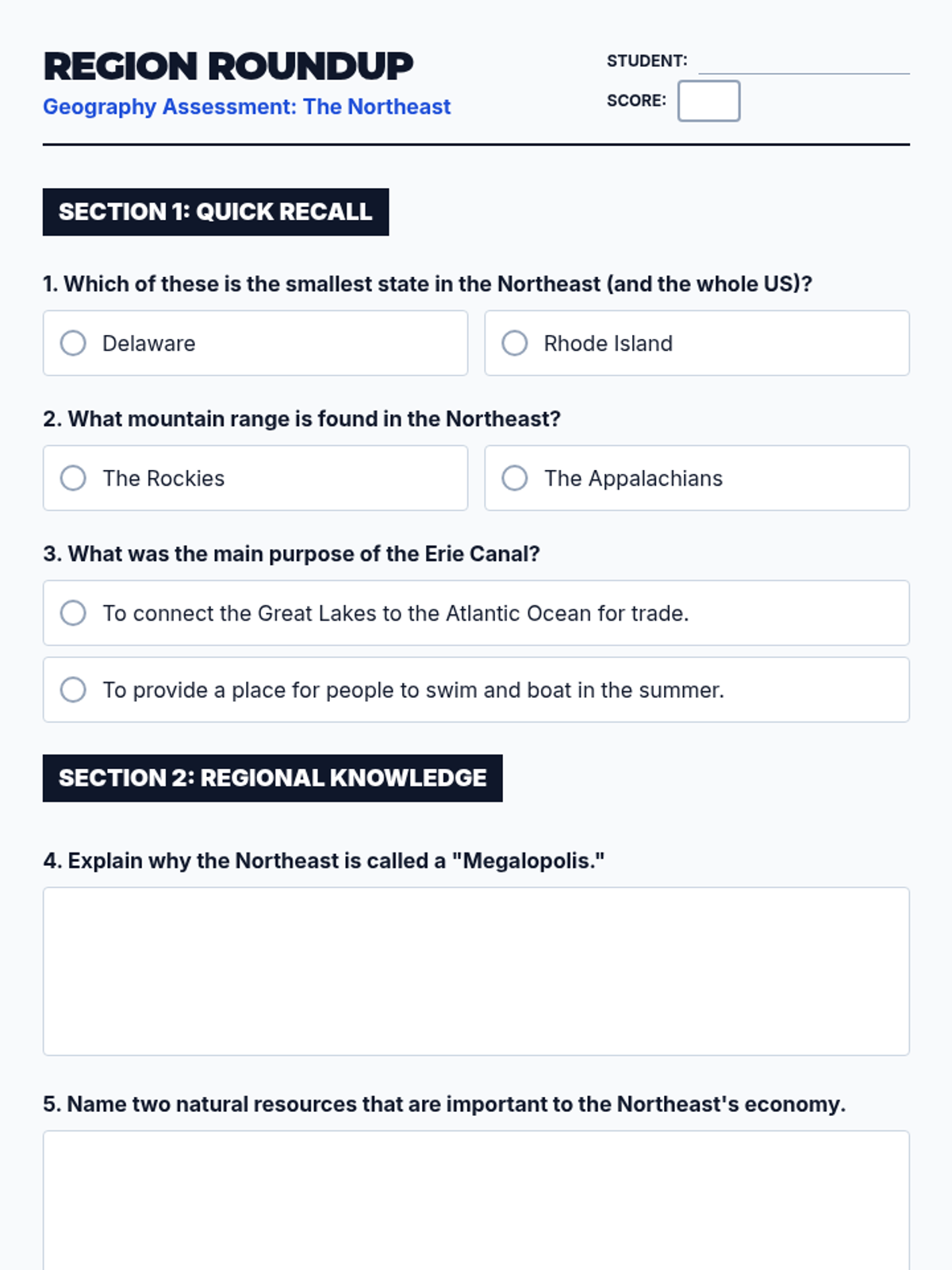
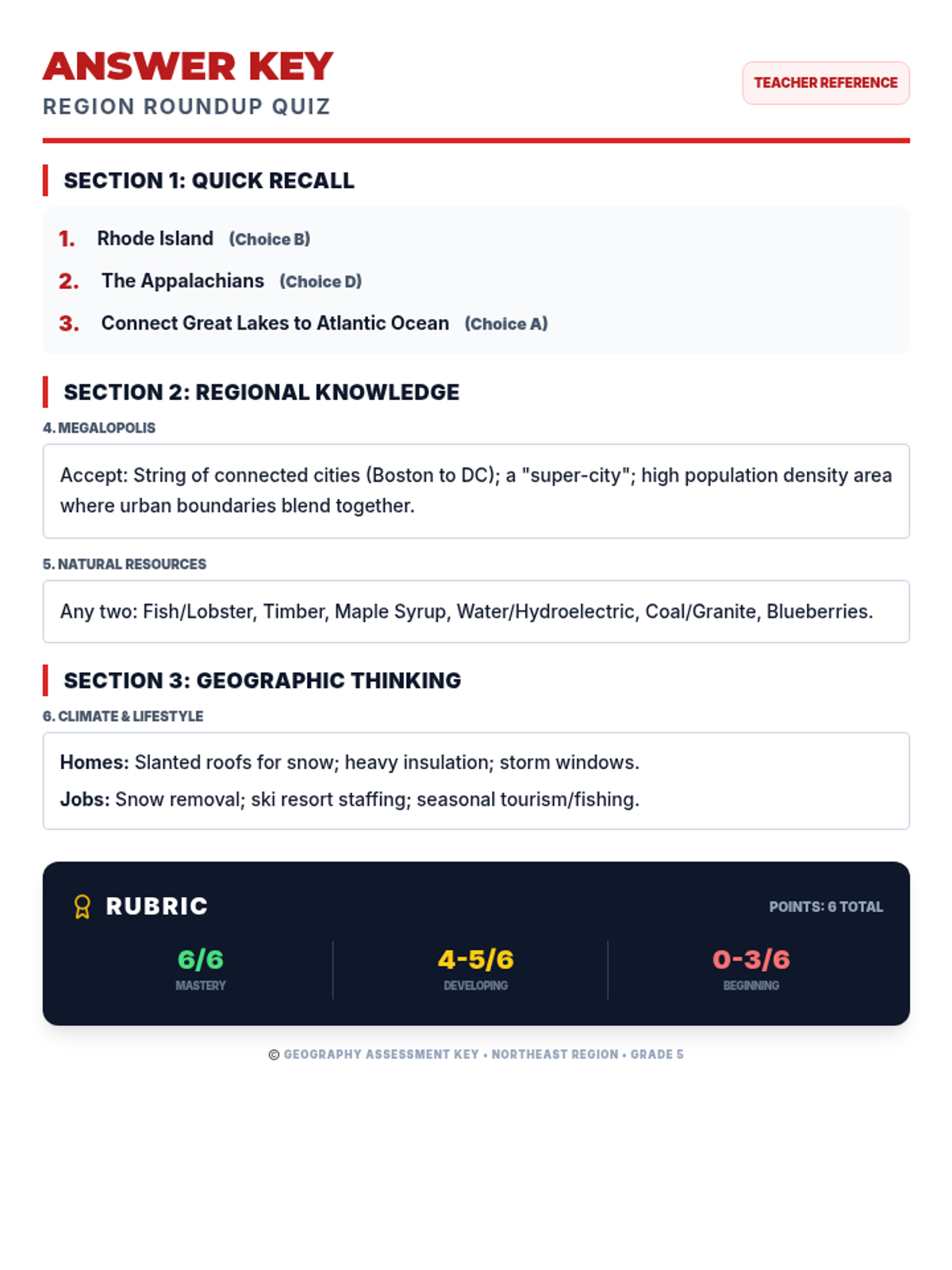
A comprehensive exploration of the Northeast region of the United States, covering its physical geography, climate, landmarks, and cultural significance for 5th-grade students.
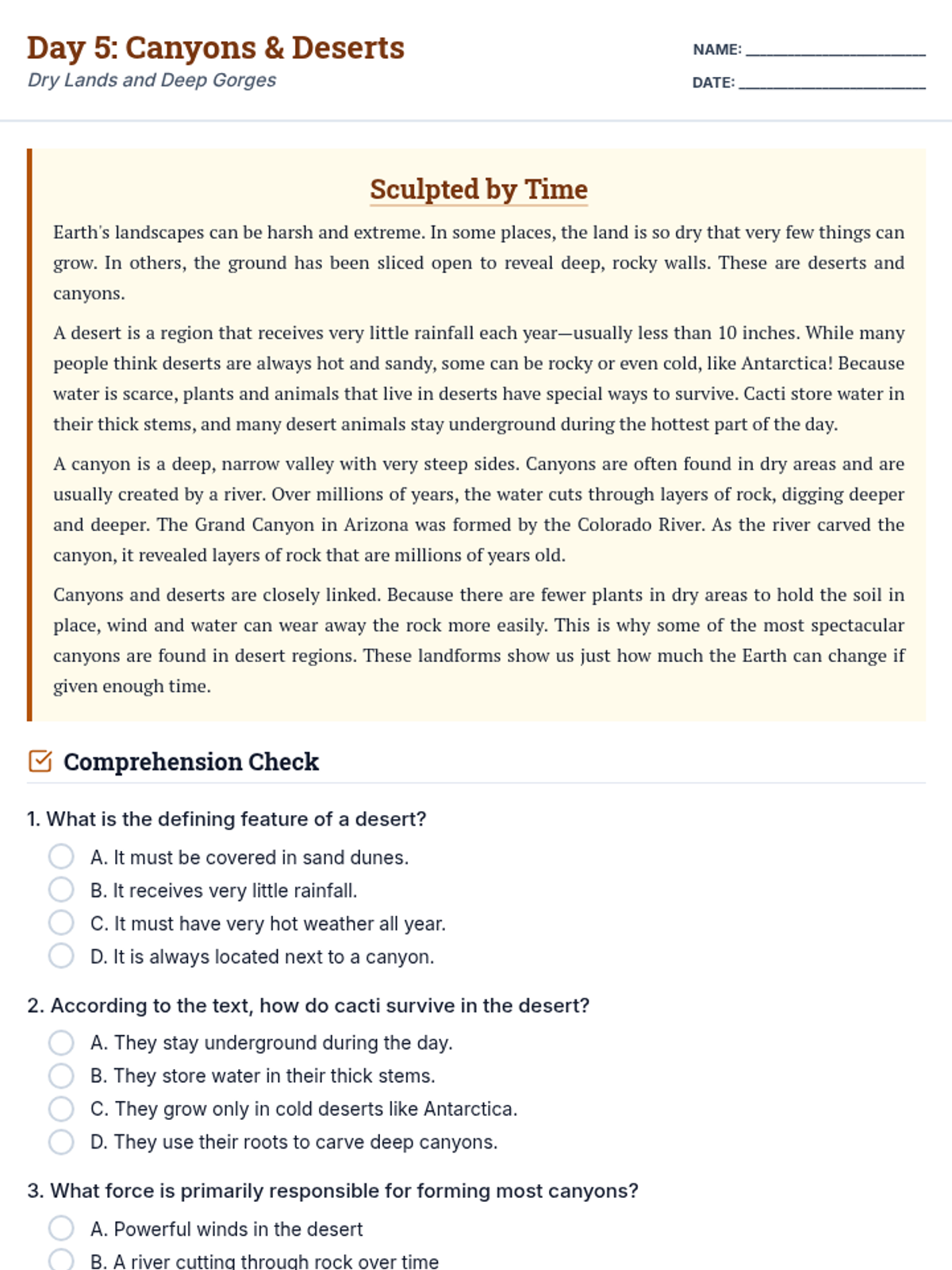
Concludes the week with a study of canyons and deserts, emphasizing inferences and the use of text features to understand extreme environments.
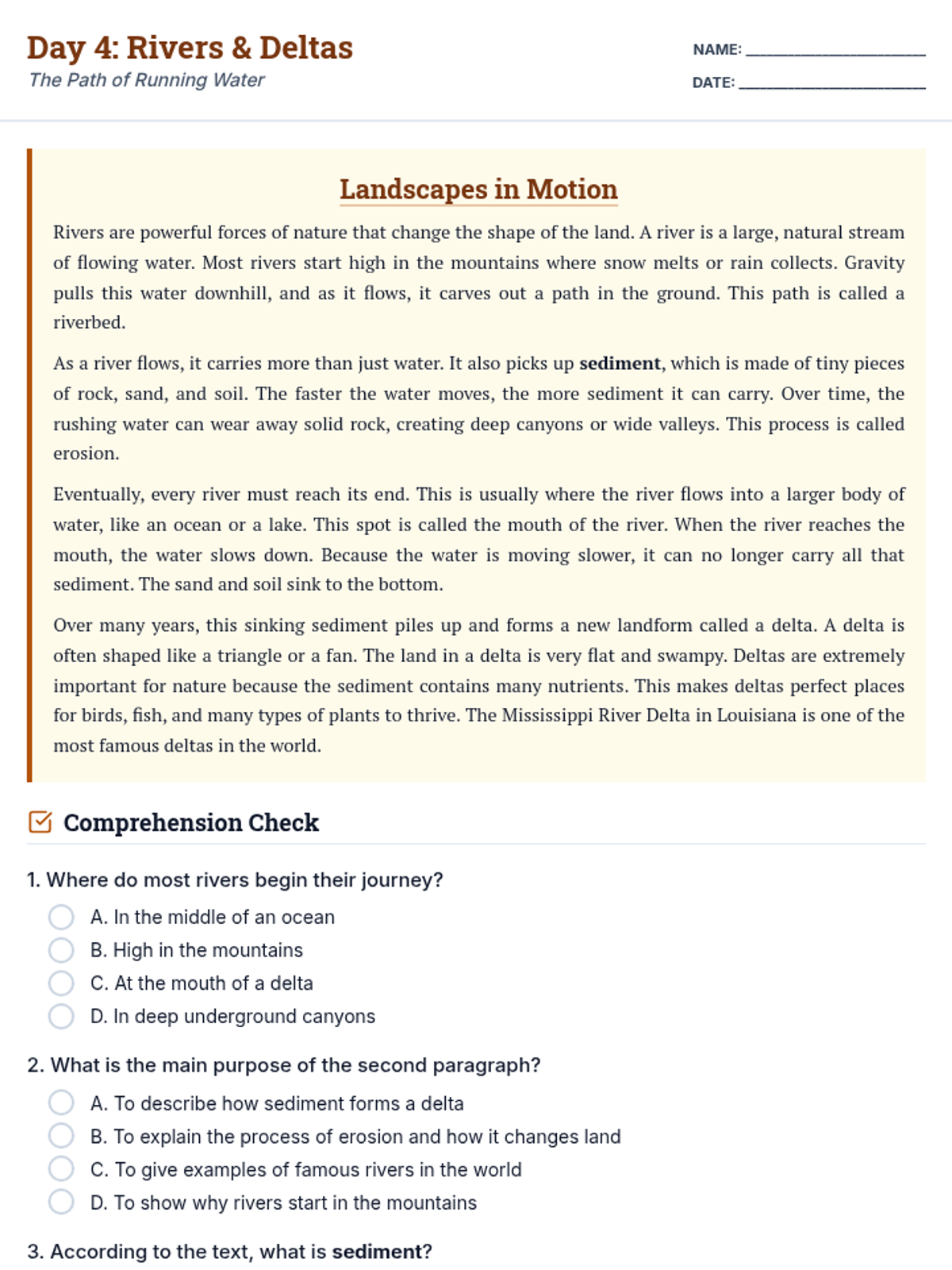
Examines the journey of water through rivers and the formation of deltas, focusing on cause-and-effect relationships within geographic processes.
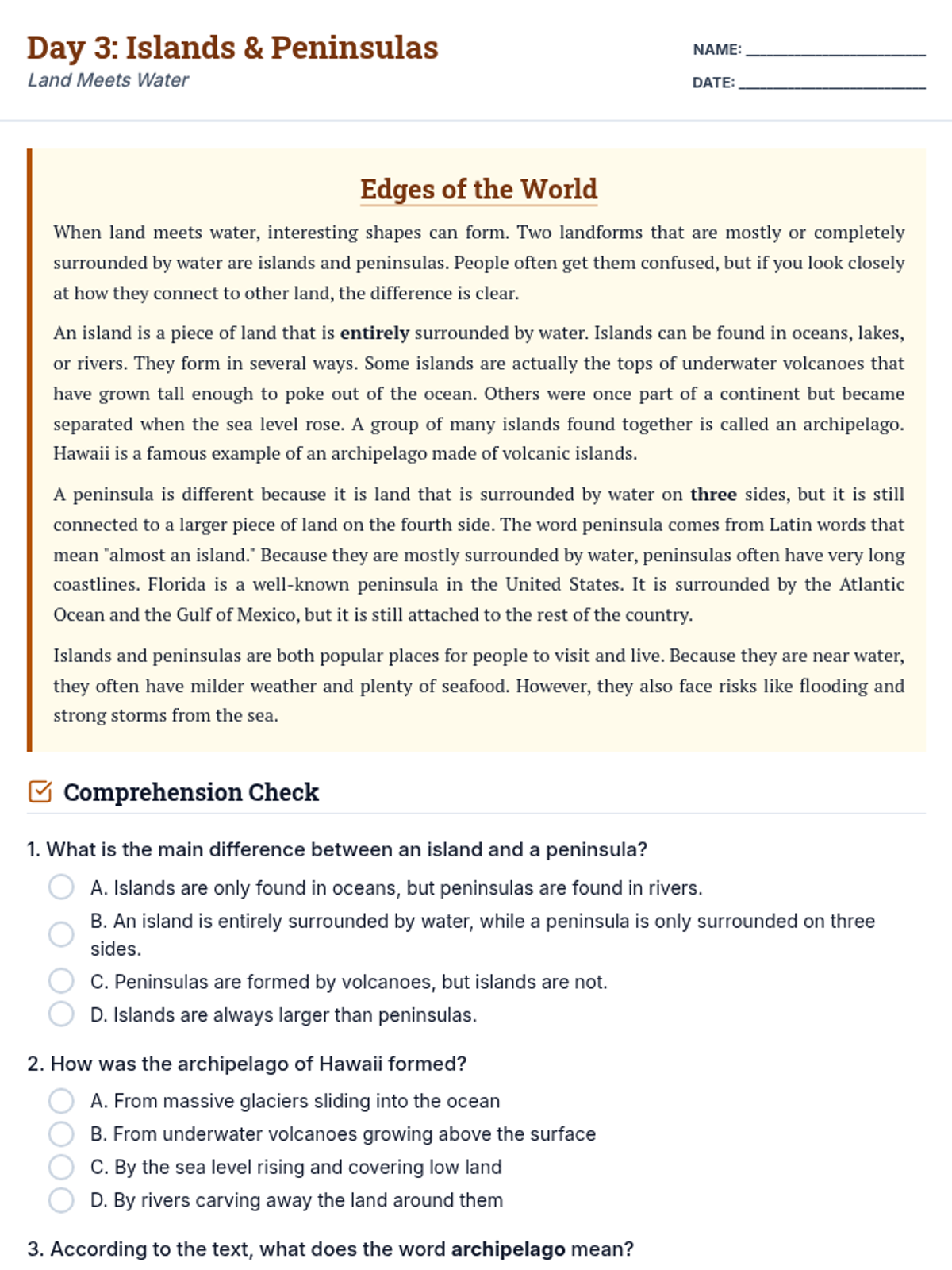
Investigates landforms surrounded by water, specifically islands and peninsulas, with a focus on vocabulary and context clues.
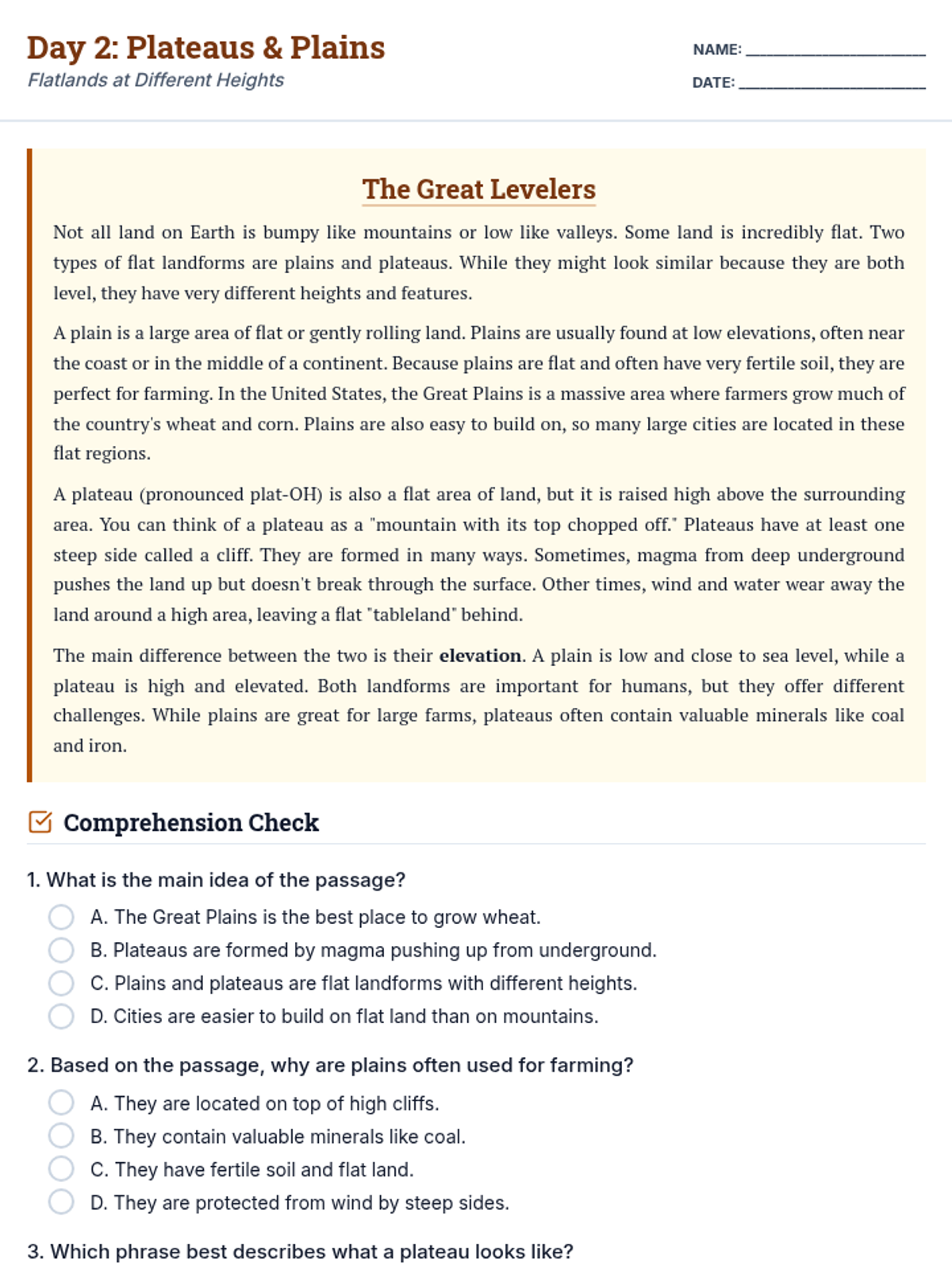
Explores the differences and similarities between plateaus and plains, focusing on comparing text evidence and identifying structural features of geography.
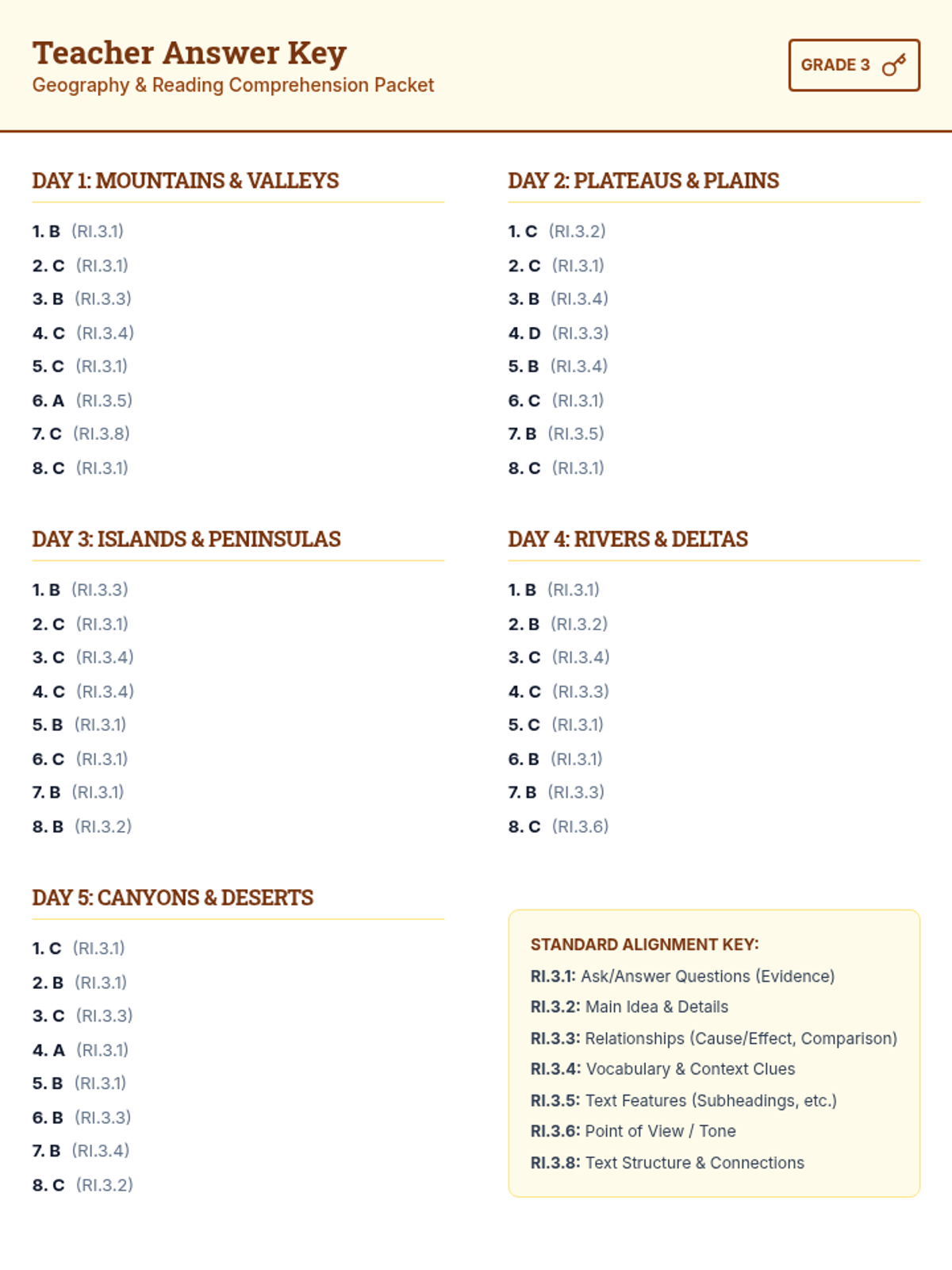
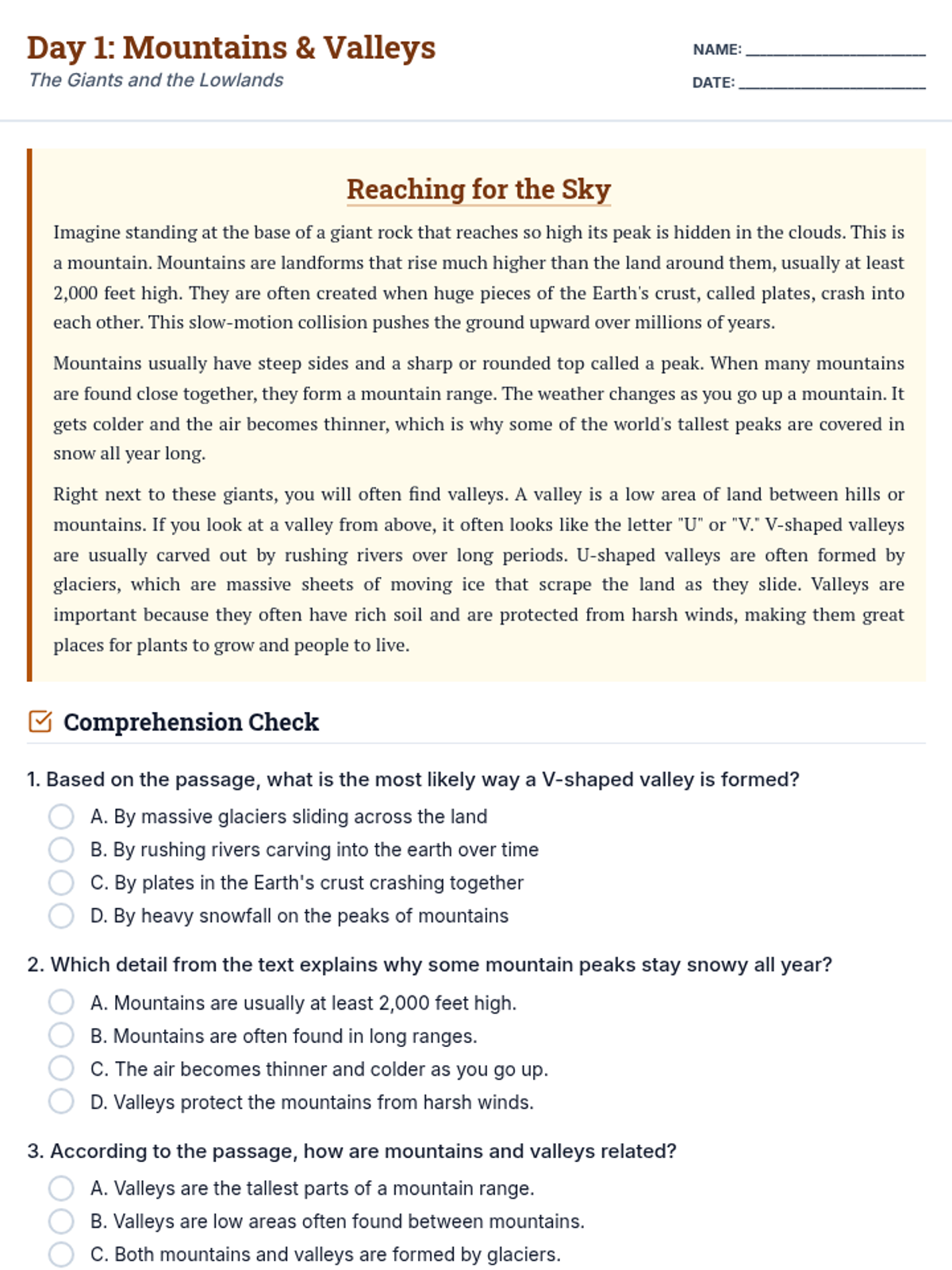
Focuses on the characteristics of mountains and valleys, introducing students to elevation and erosion concepts. Includes the packet cover page, a passage on mountain ranges, and rigorous reading comprehension questions.
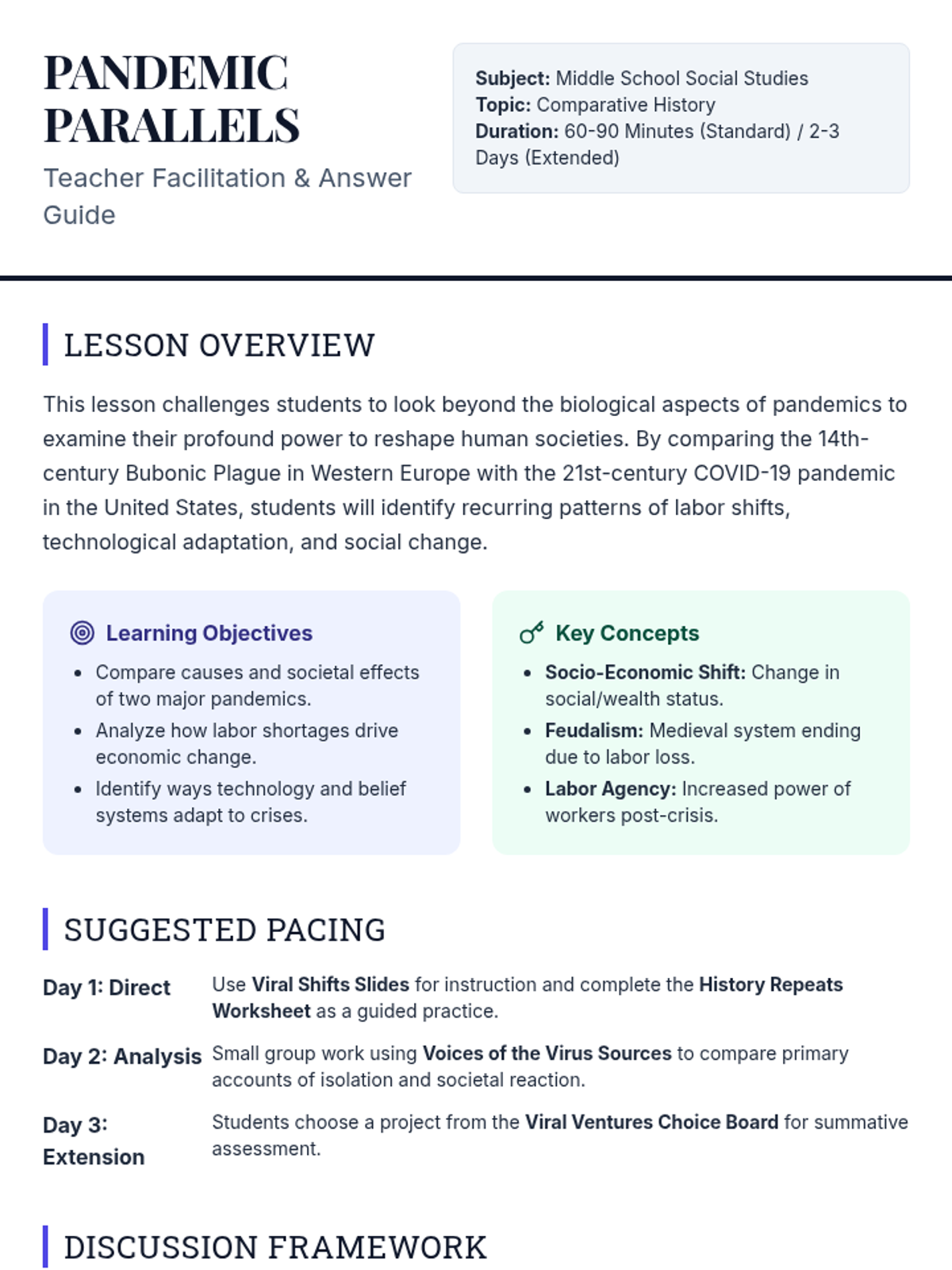
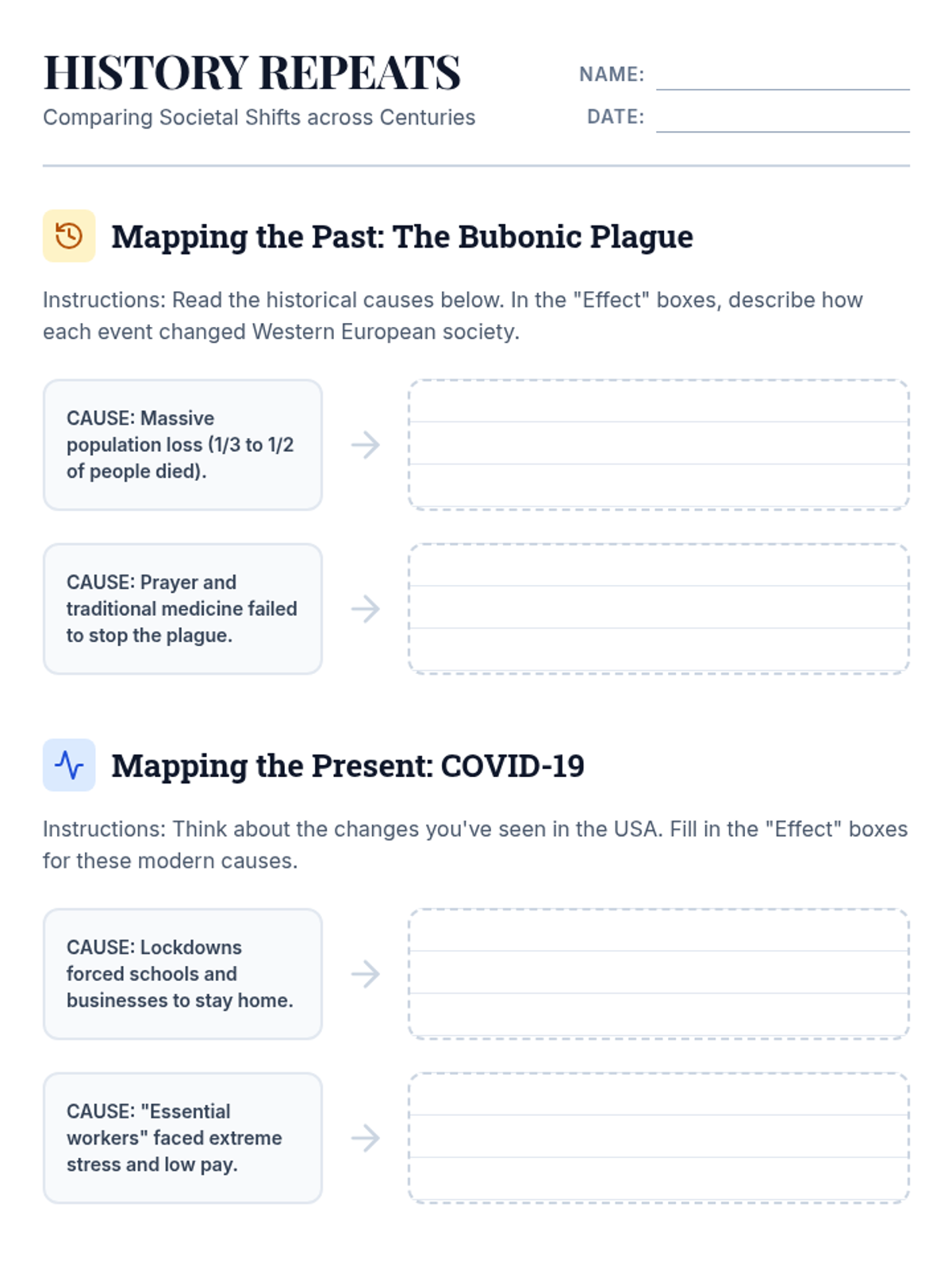
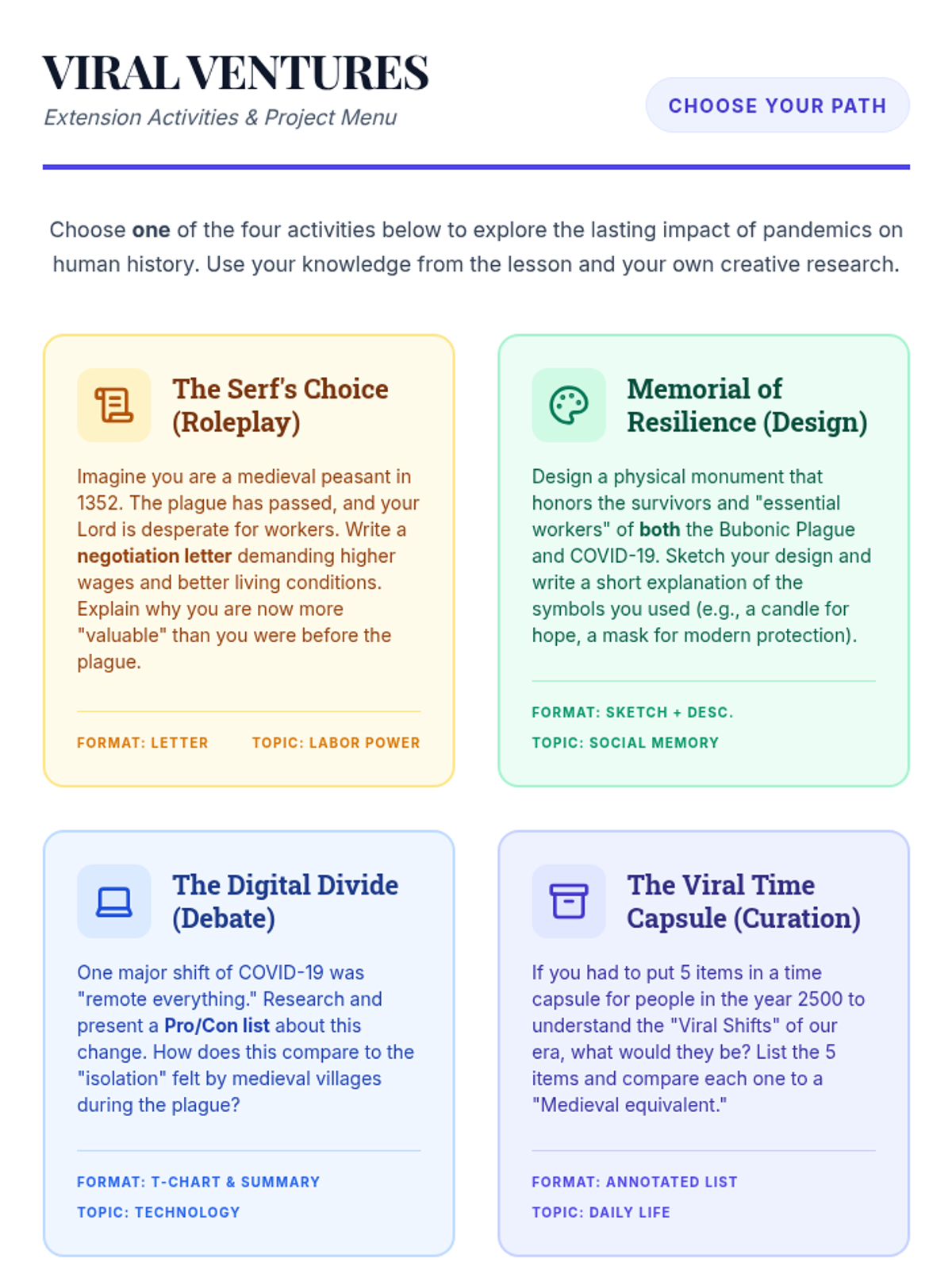
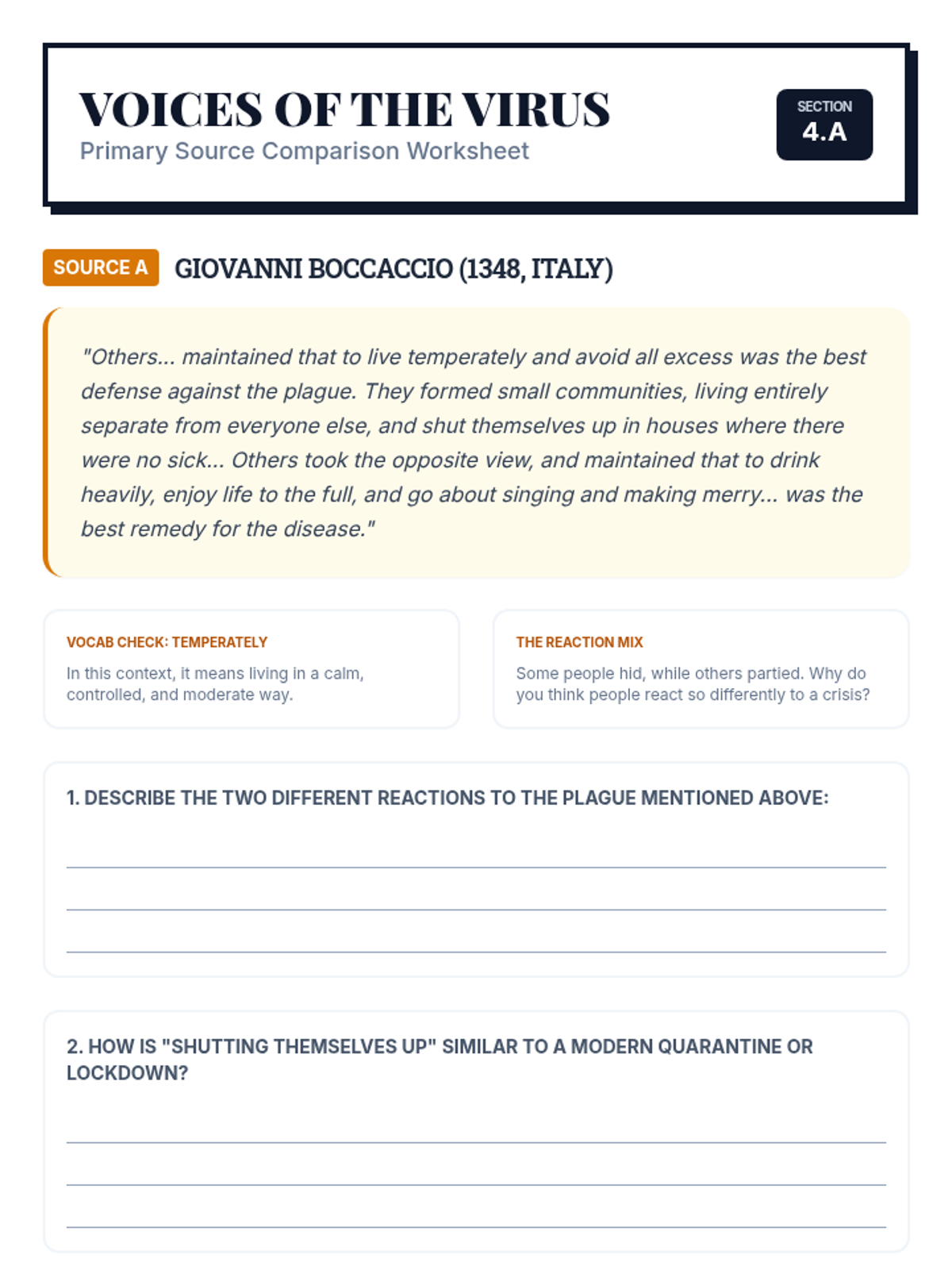
A comparative study of the societal impacts of the Bubonic Plague in Western Europe and the COVID-19 pandemic in the United States, focusing on cause-and-effect relationships in history.
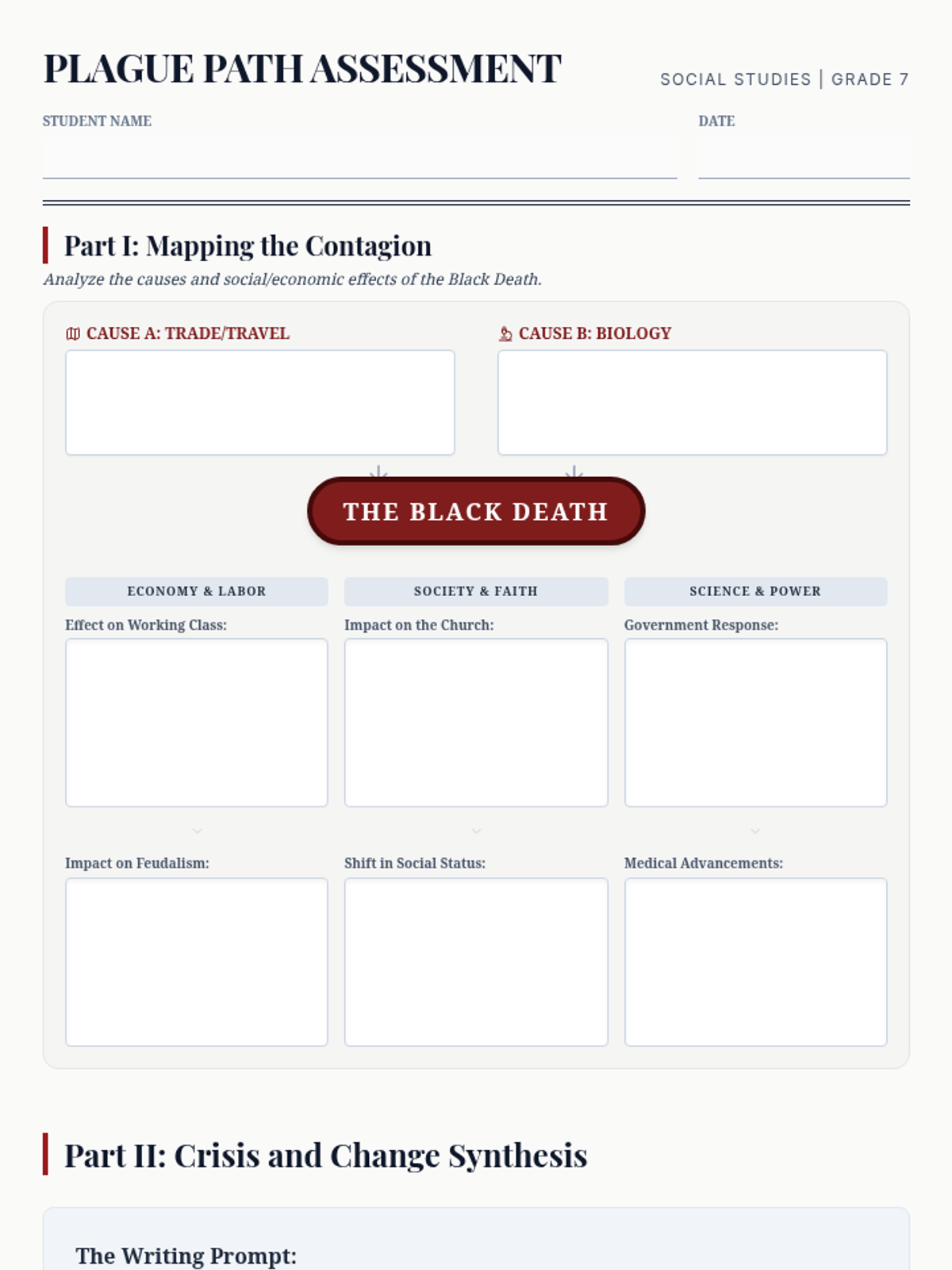
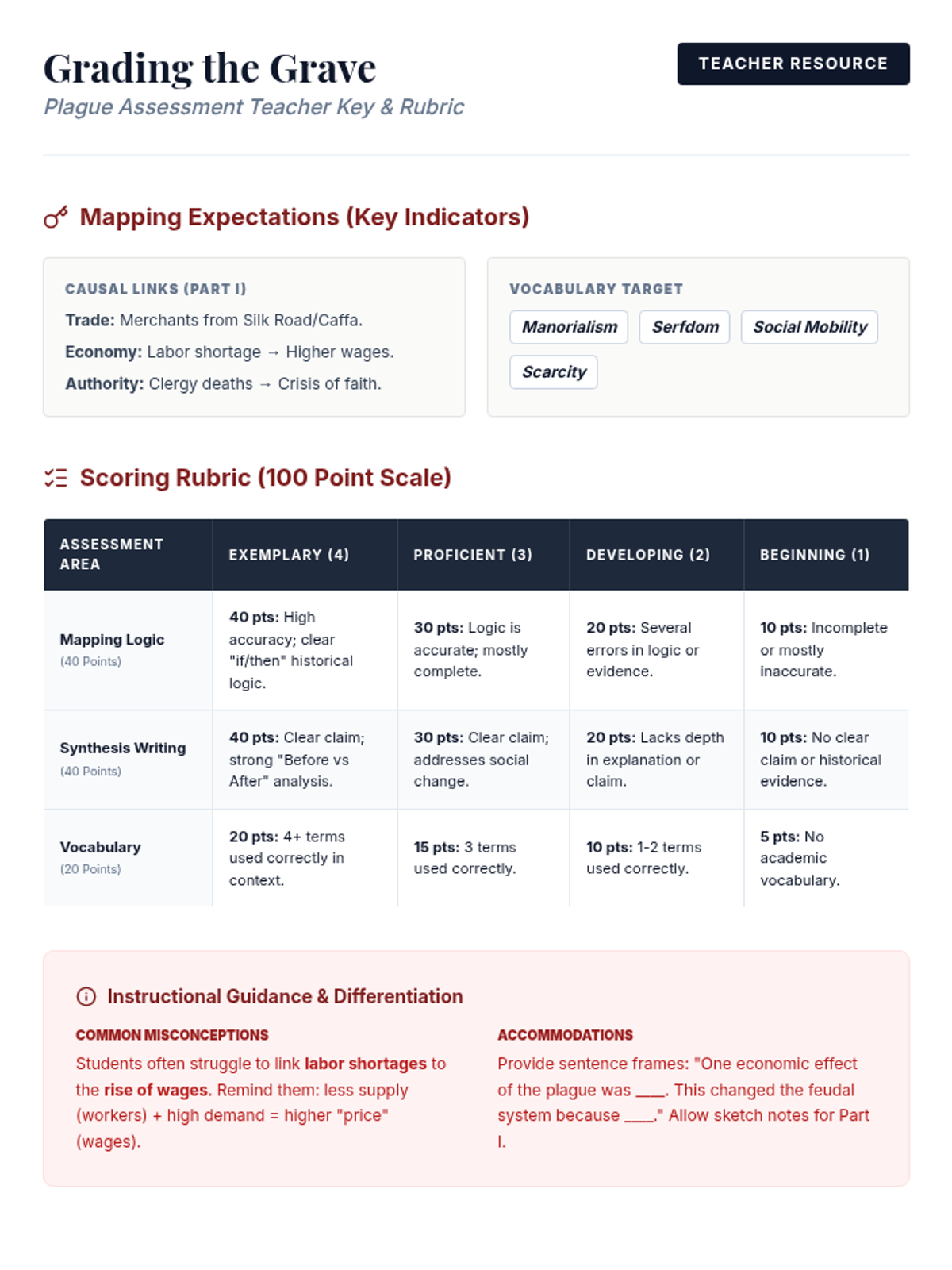
A summative assessment lesson focused on the causal relationships and long-term impacts of the Bubonic Plague on medieval society. Students map the spread and consequences of the pandemic before synthesizing their knowledge in a guided writing prompt.
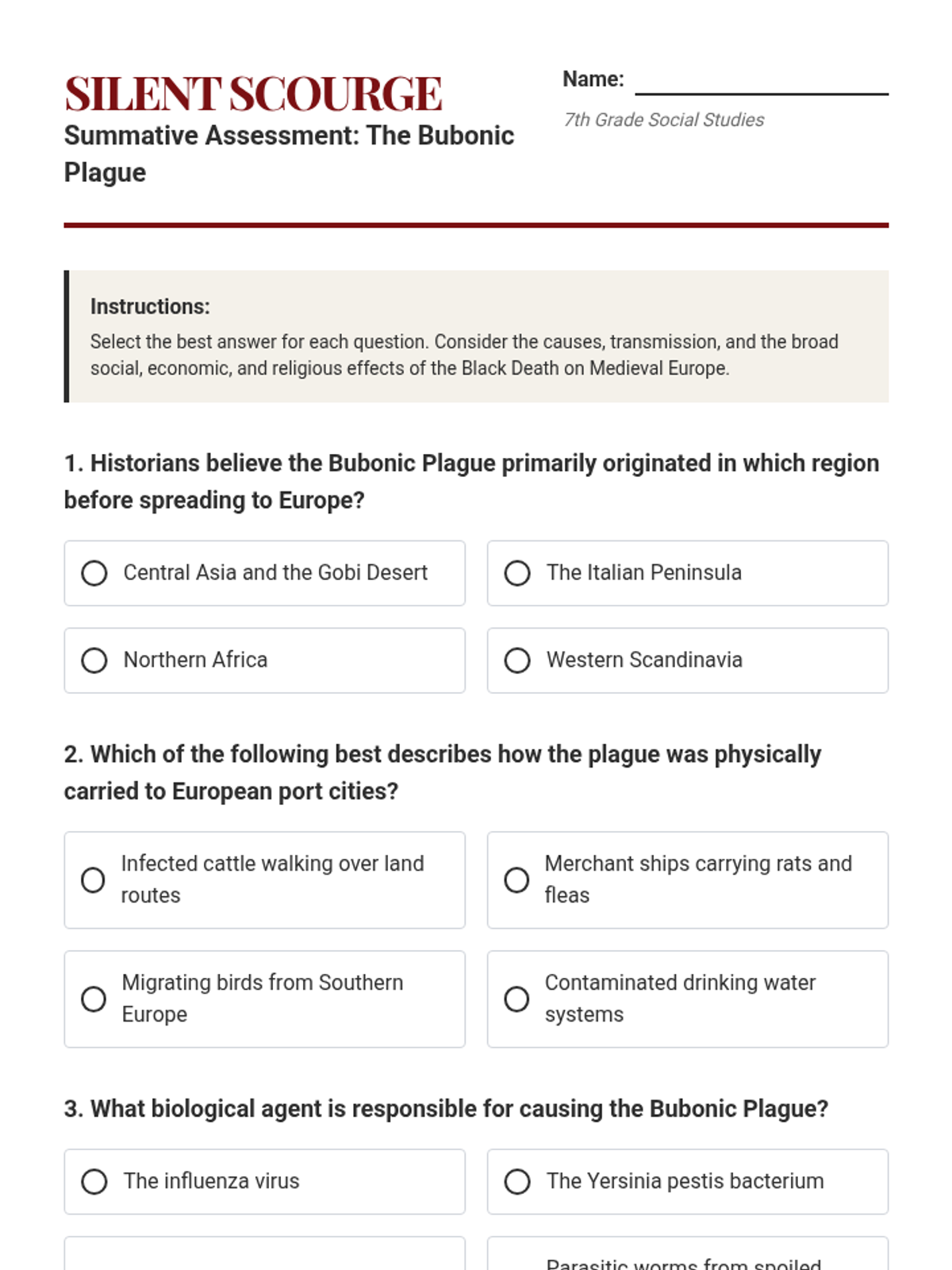
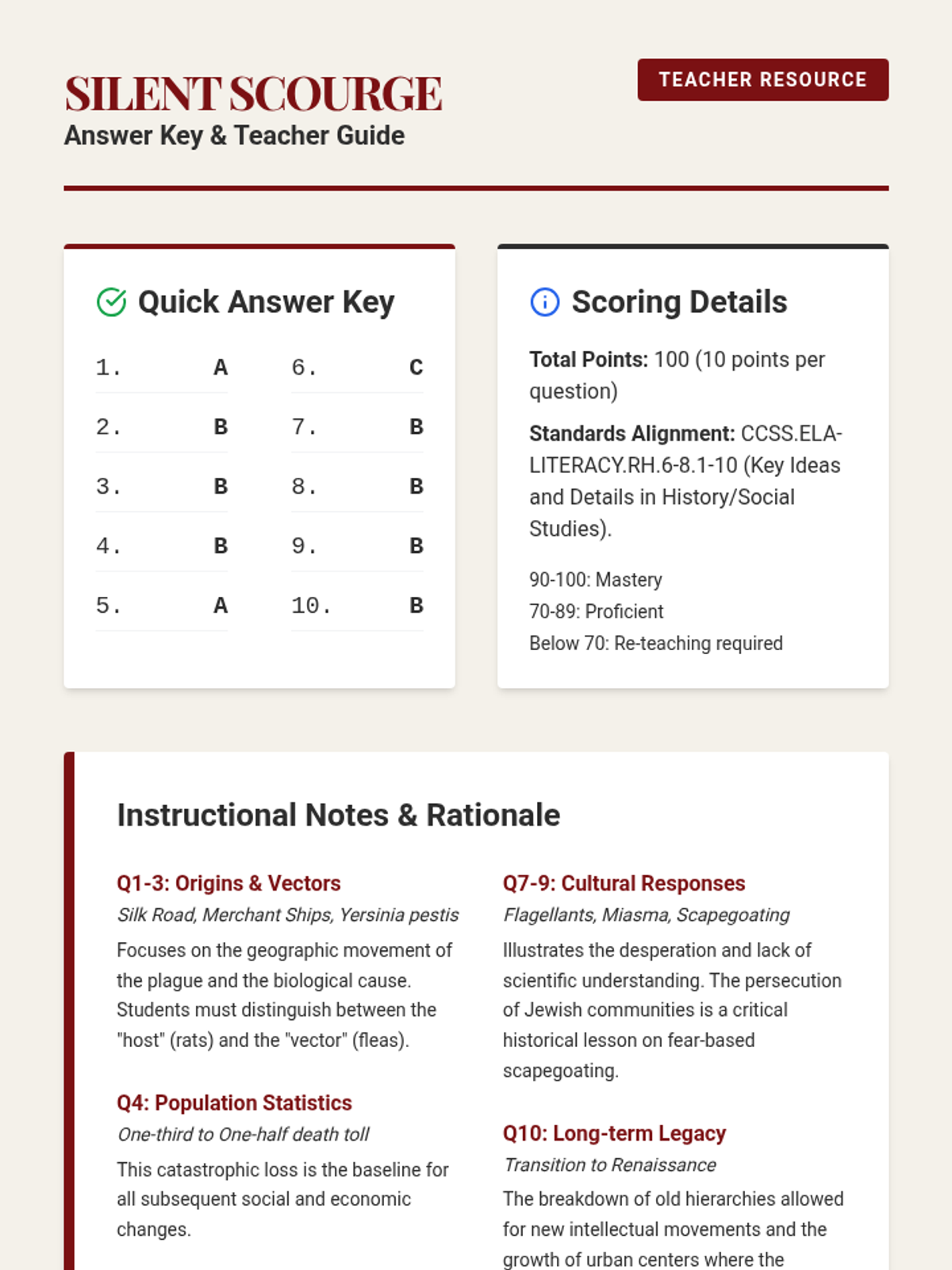
A comprehensive summative assessment lesson covering the origins, transmission, and multi-faceted impacts of the Bubonic Plague on Medieval society. Includes a review presentation and a formal multiple-choice assessment.
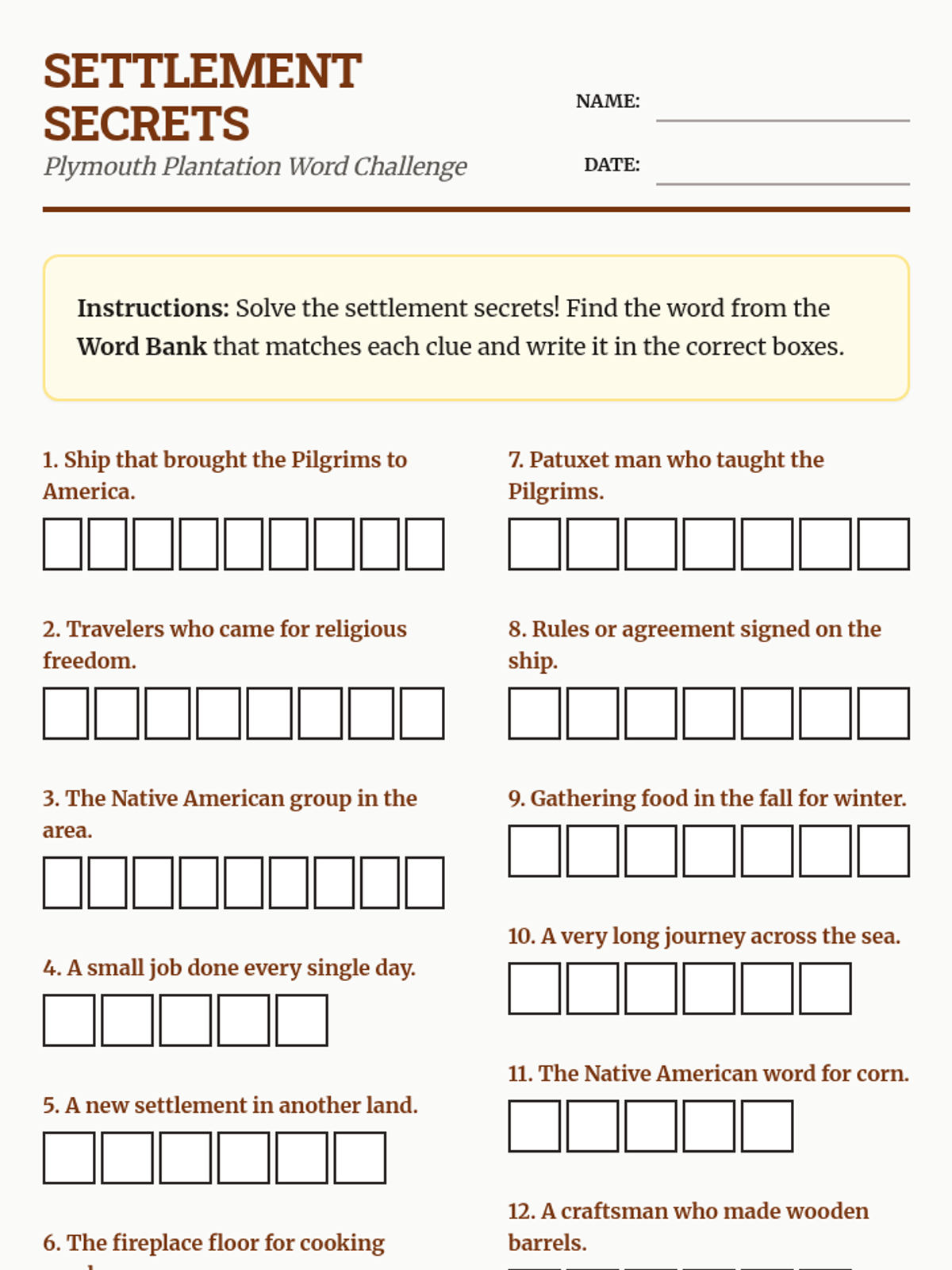
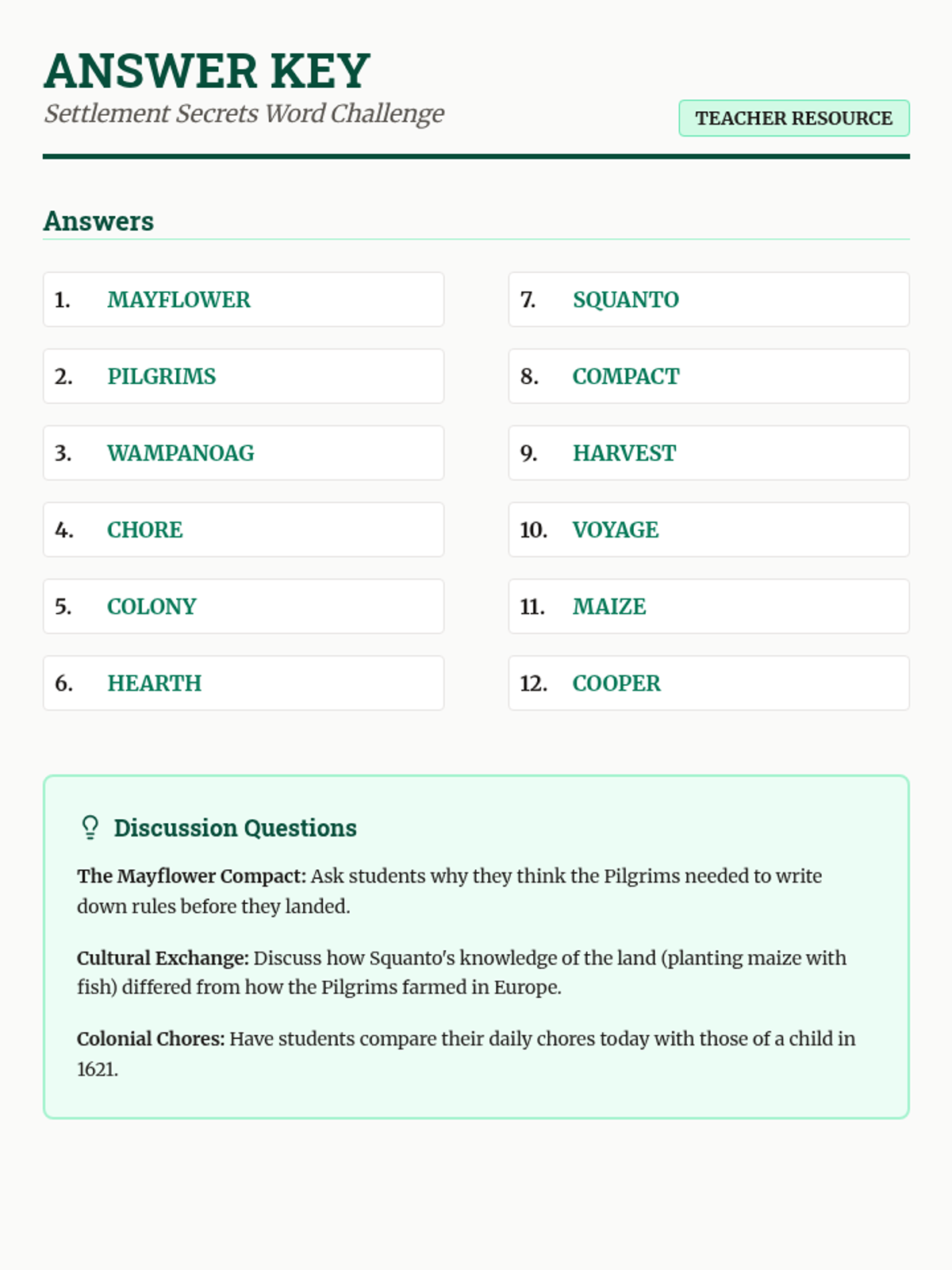
A lesson exploring the journey of the Pilgrims, their arrival at Plymouth, and their interactions with the Wampanoag people through vocabulary-building activities.
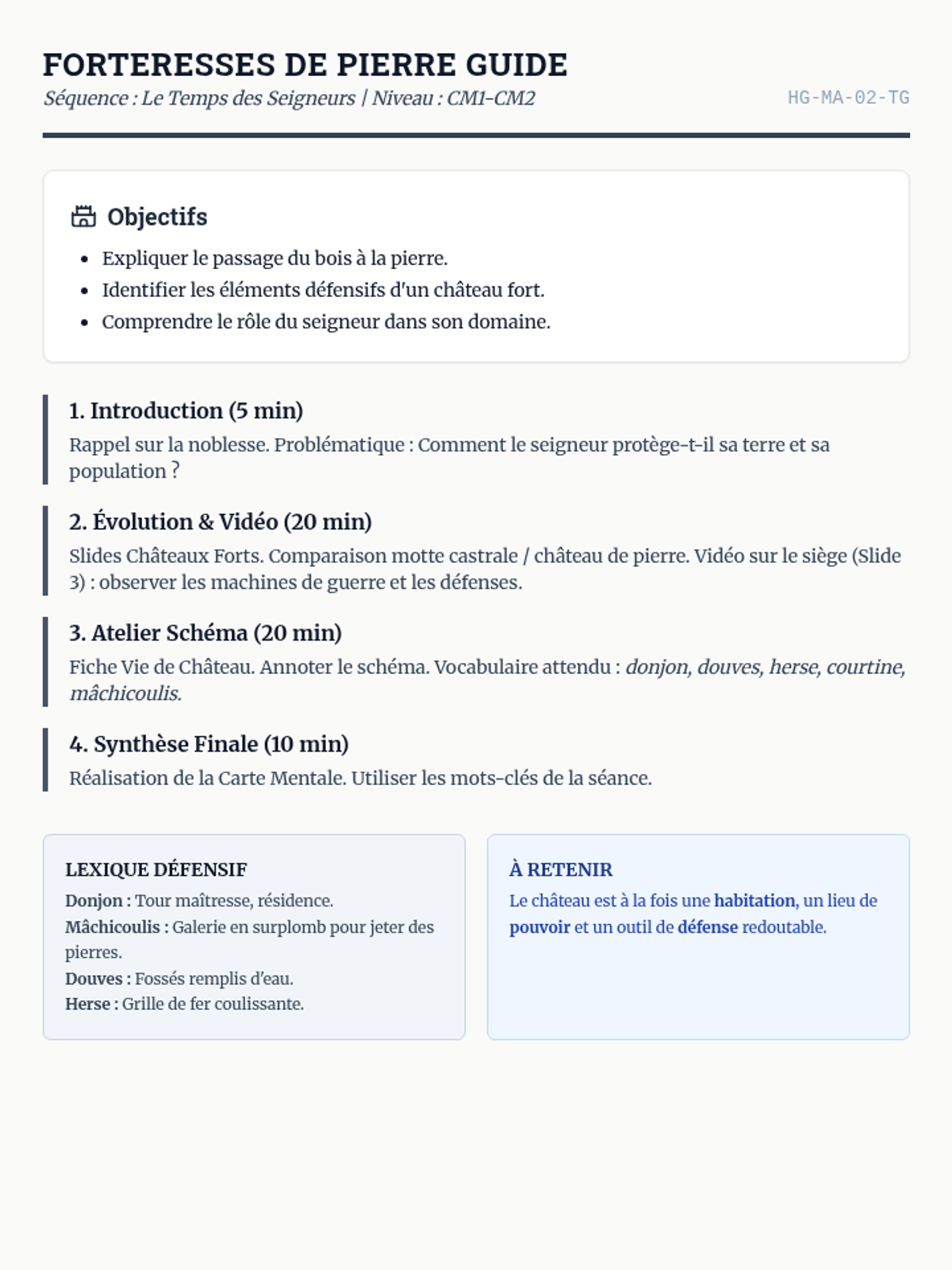
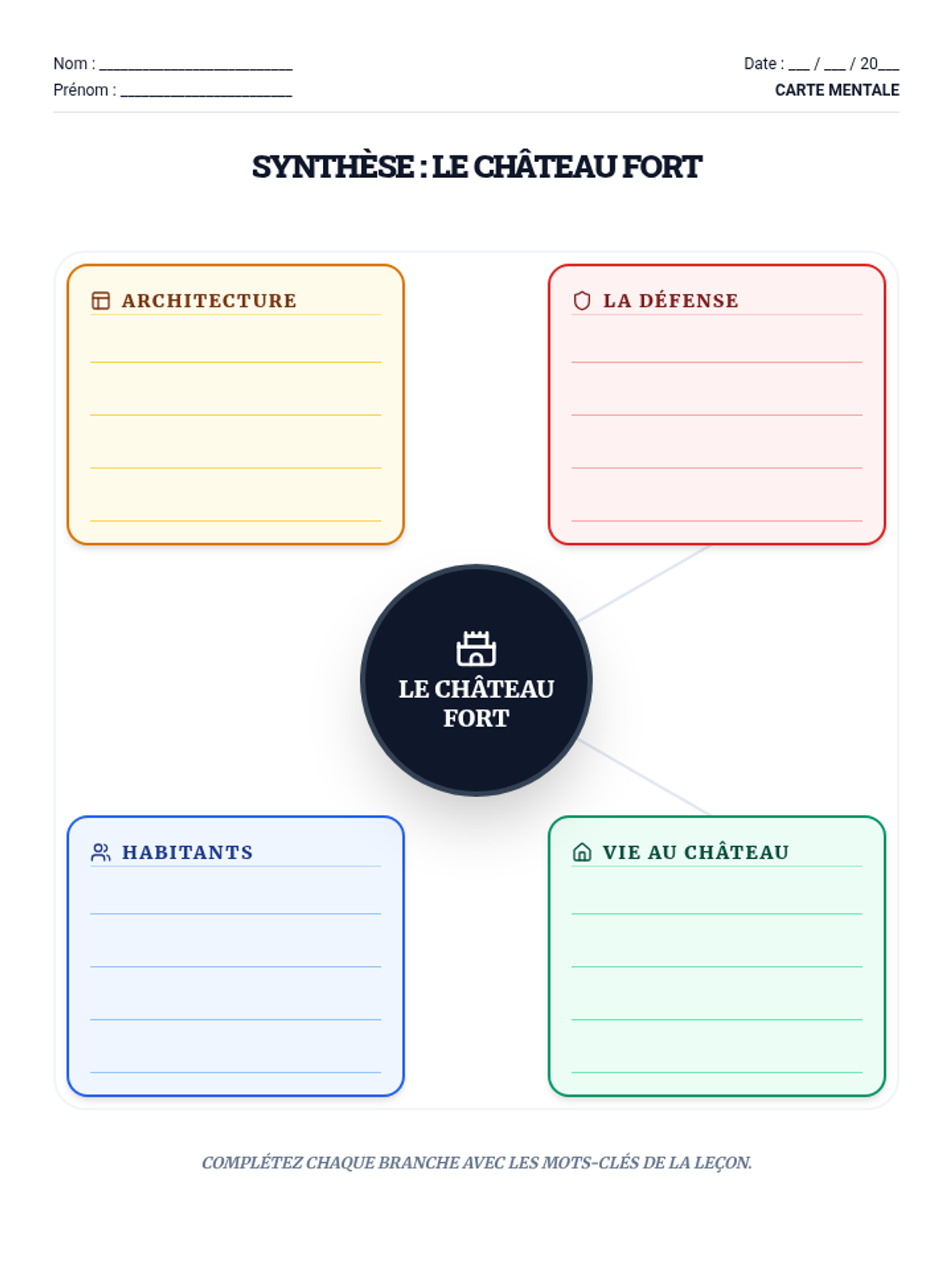
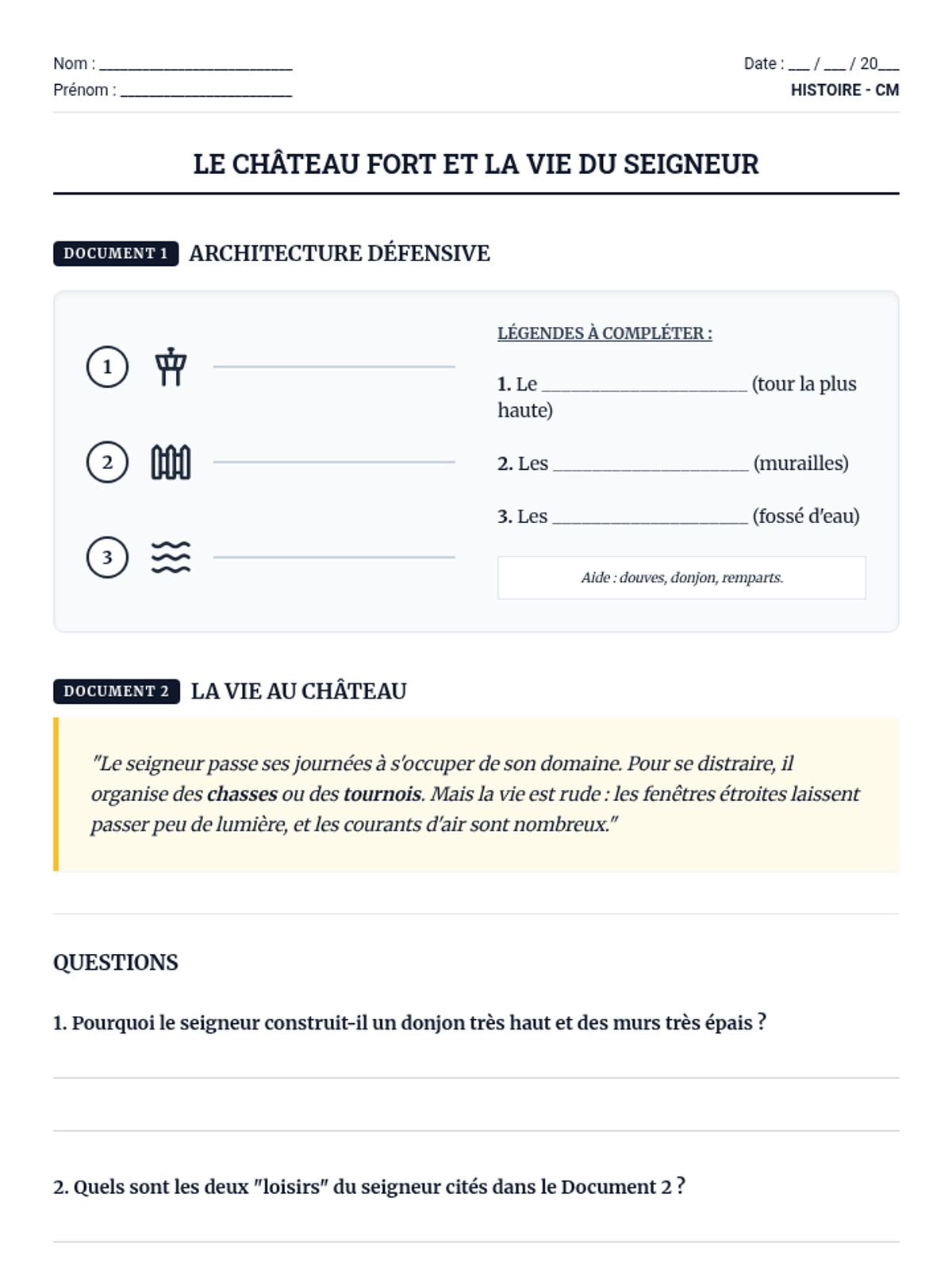
Cette leçon détaille l'évolution, la structure et la fonction des châteaux forts, ainsi que le mode de vie des seigneurs et des chevaliers au sein de ces forteresses.
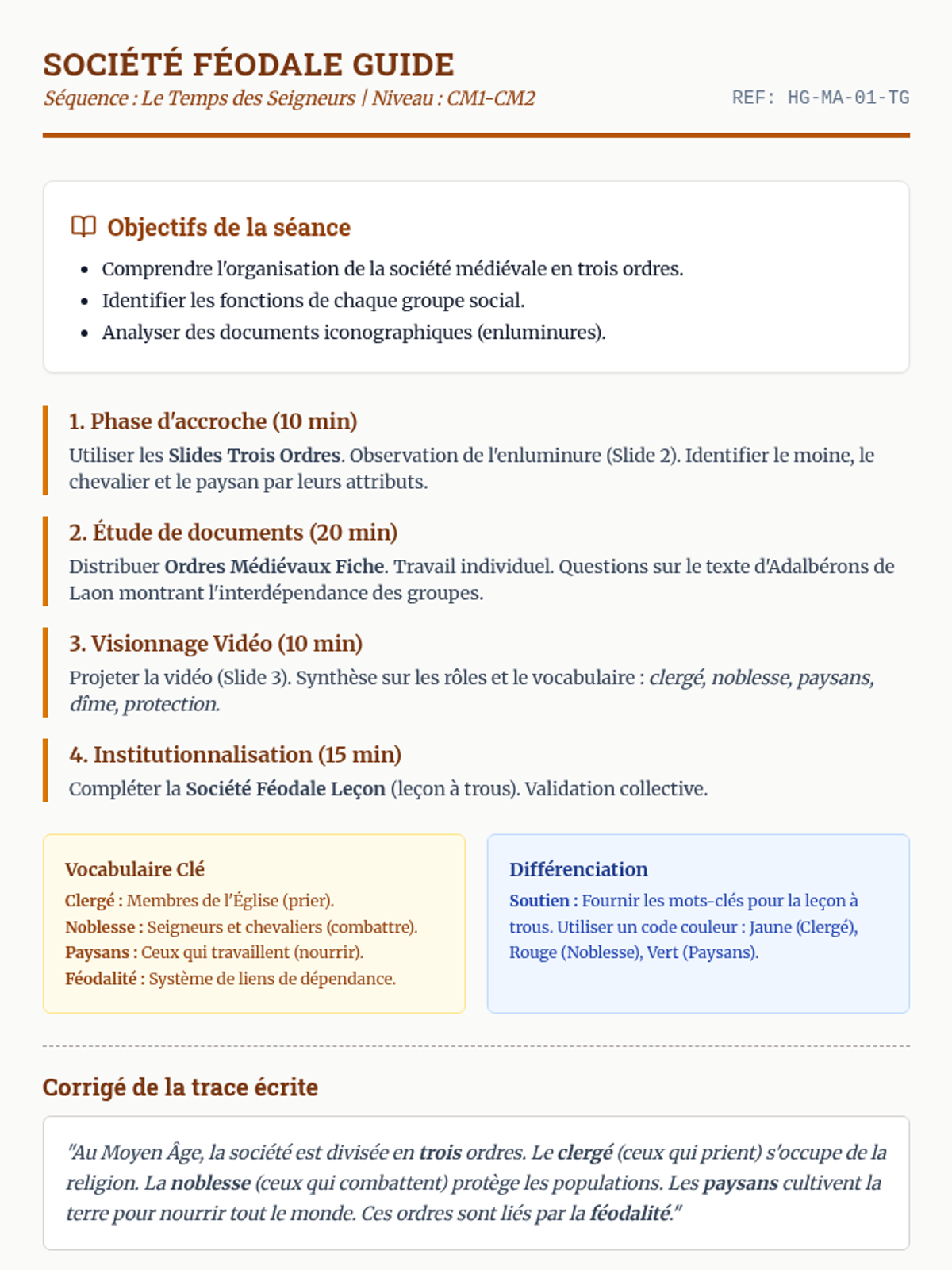
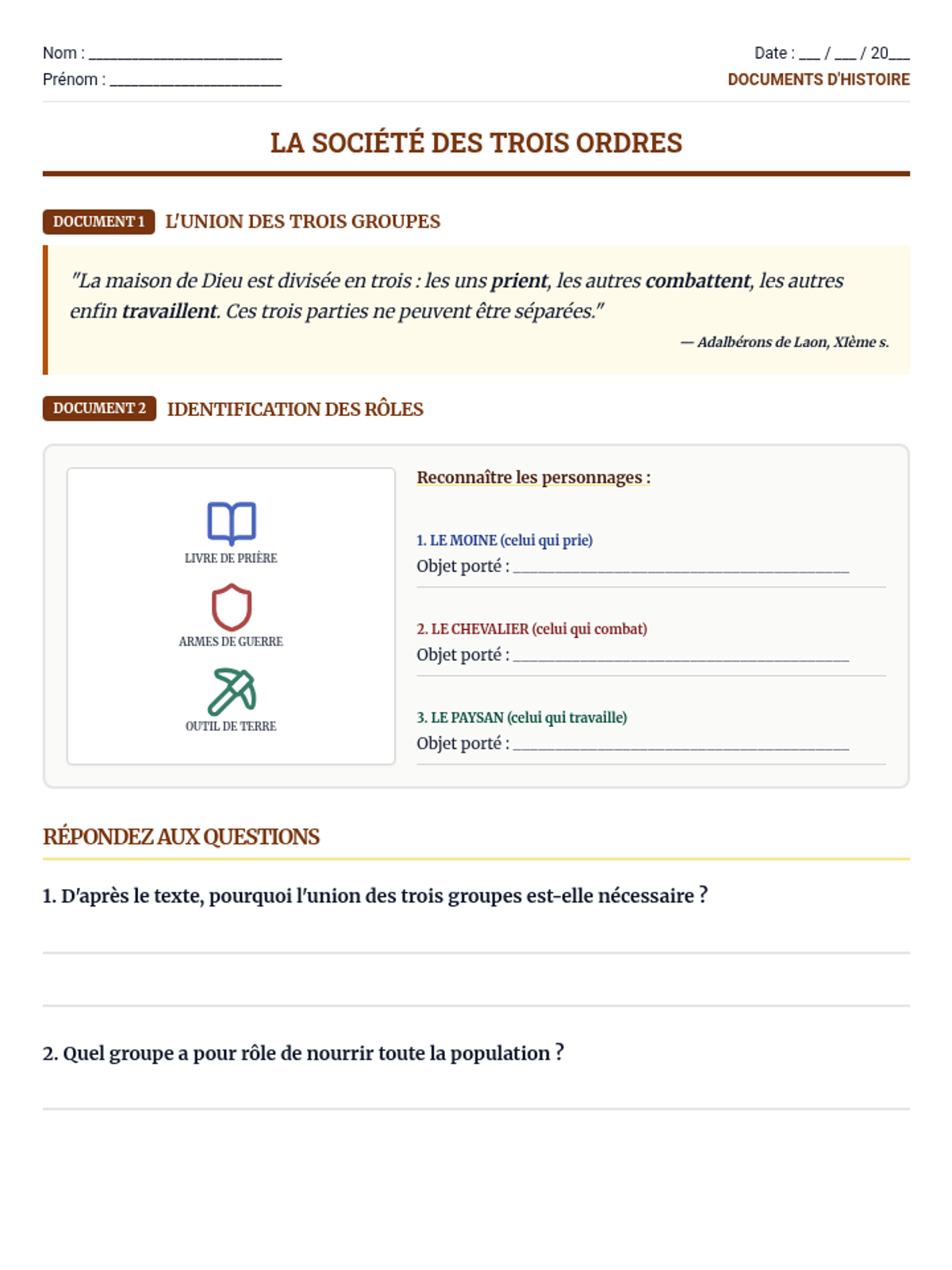
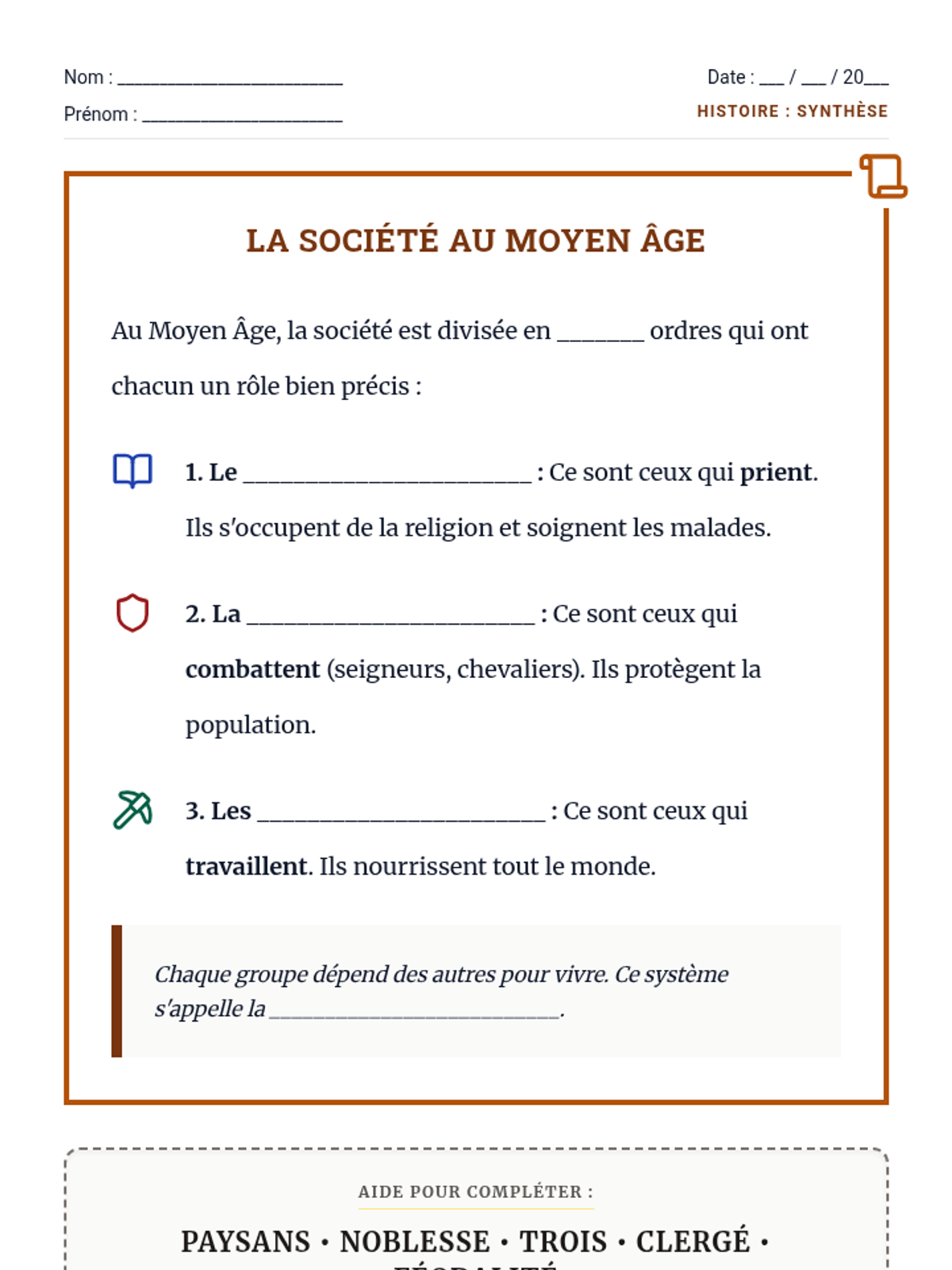
Cette leçon porte sur la division de la société médiévale en trois groupes distincts : le clergé, la noblesse et les paysans, tout en expliquant les liens de dépendance entre eux.
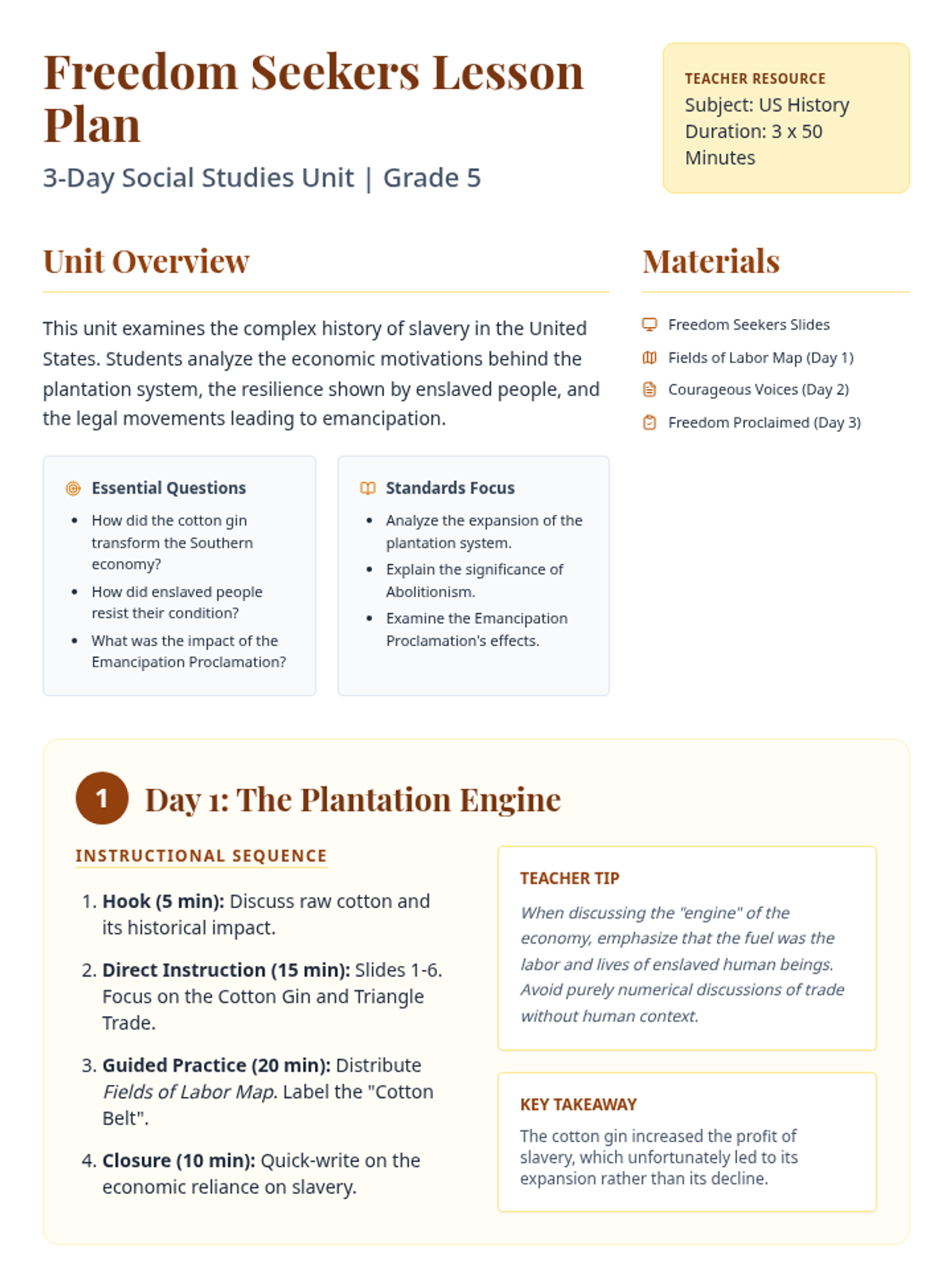
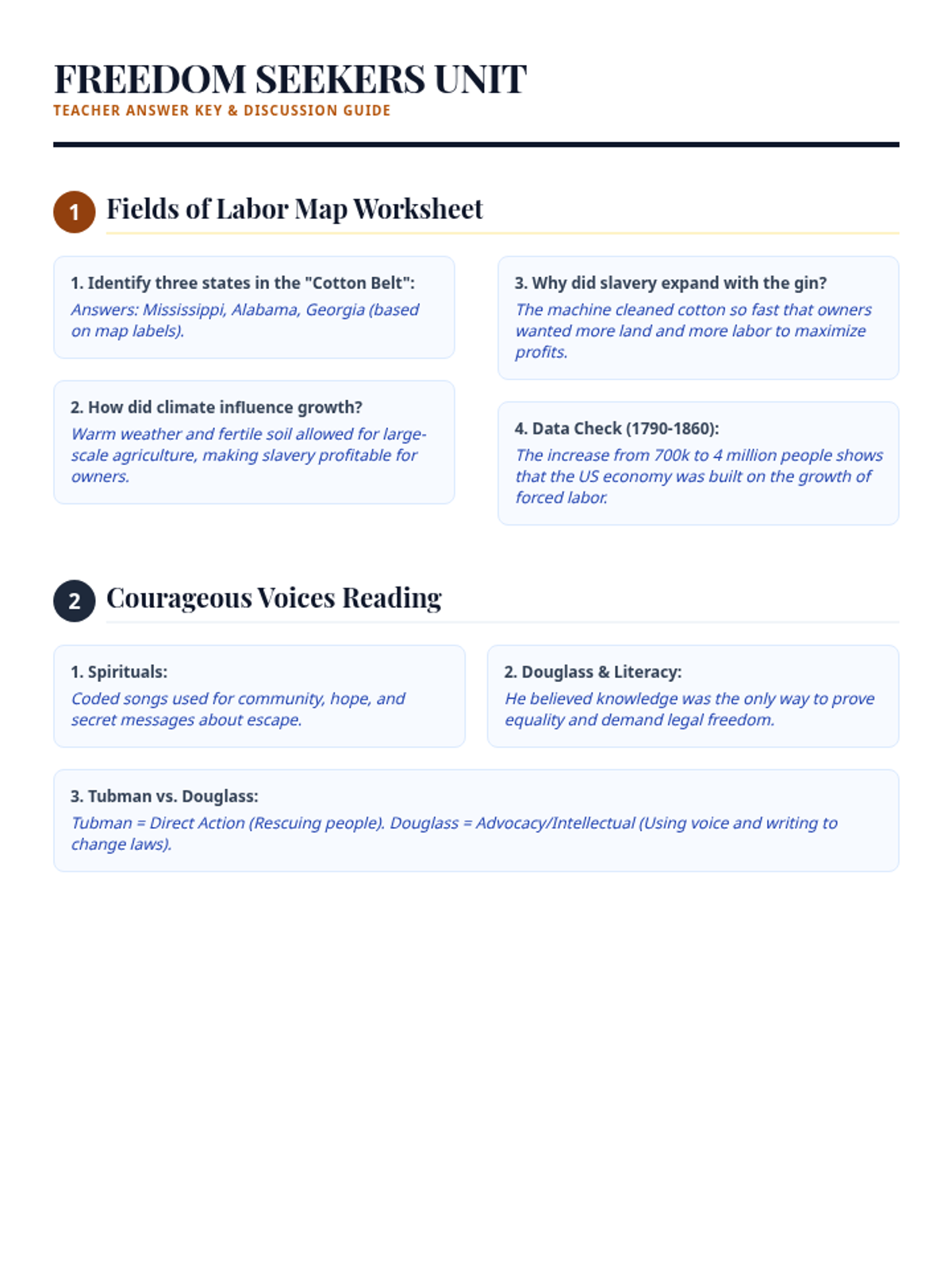
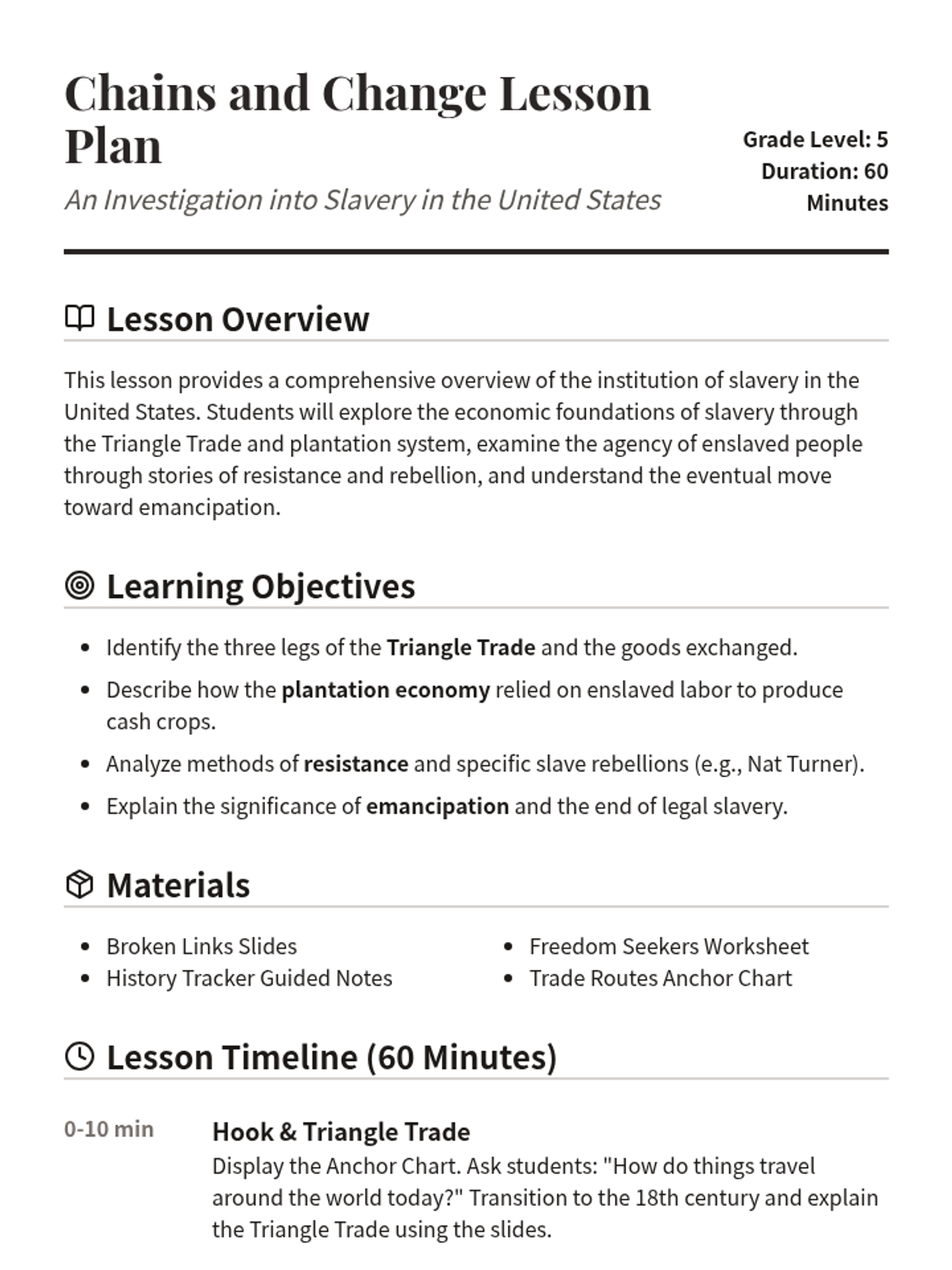
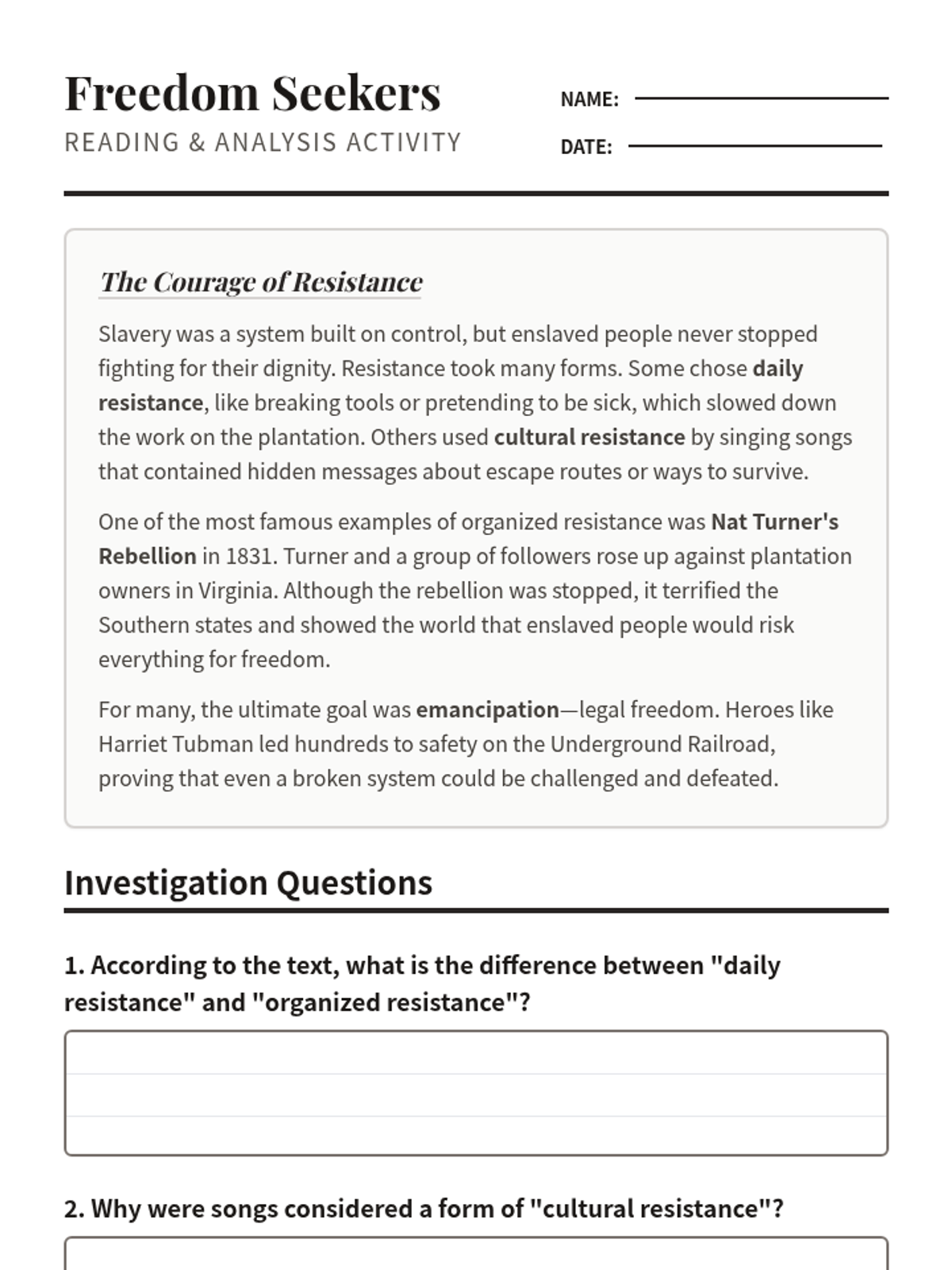
A comprehensive overview of slavery in the United States, covering the Triangle Trade, the plantation economy, resistance efforts, and the path to emancipation for Grade 5 students.