Students compare the validity and strategic utility of qualitative data (interviews, ethnographies) against quantitative data. They learn how to weigh narrative evidence against statistical trends in complex debate scenarios.
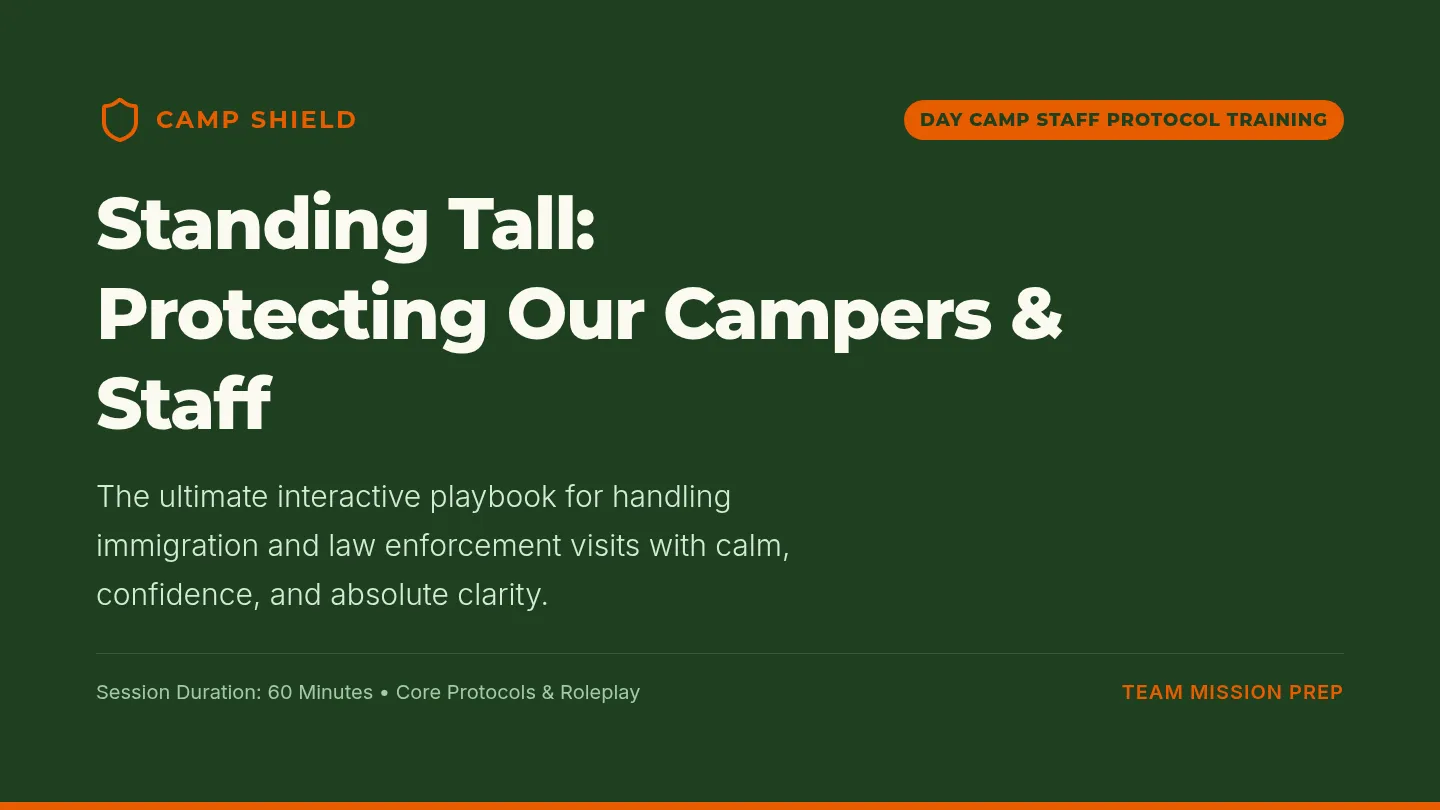
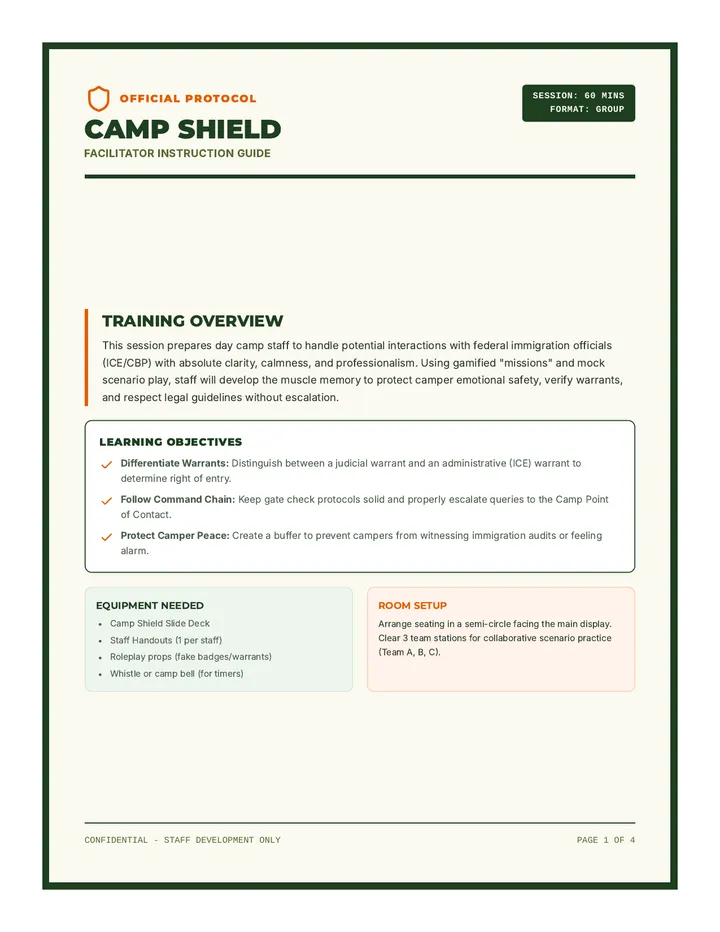
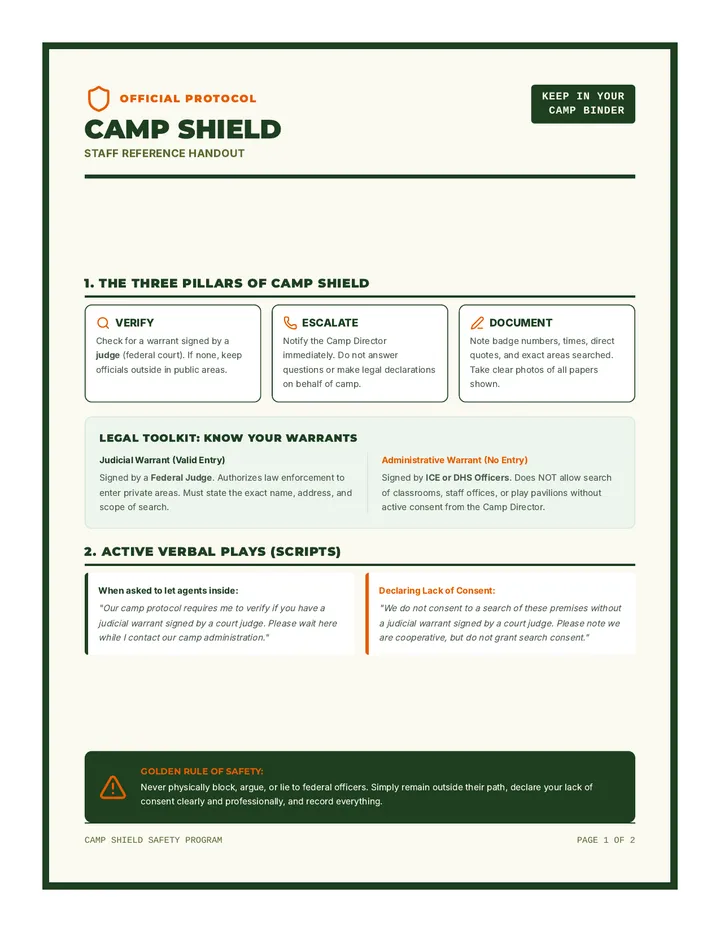
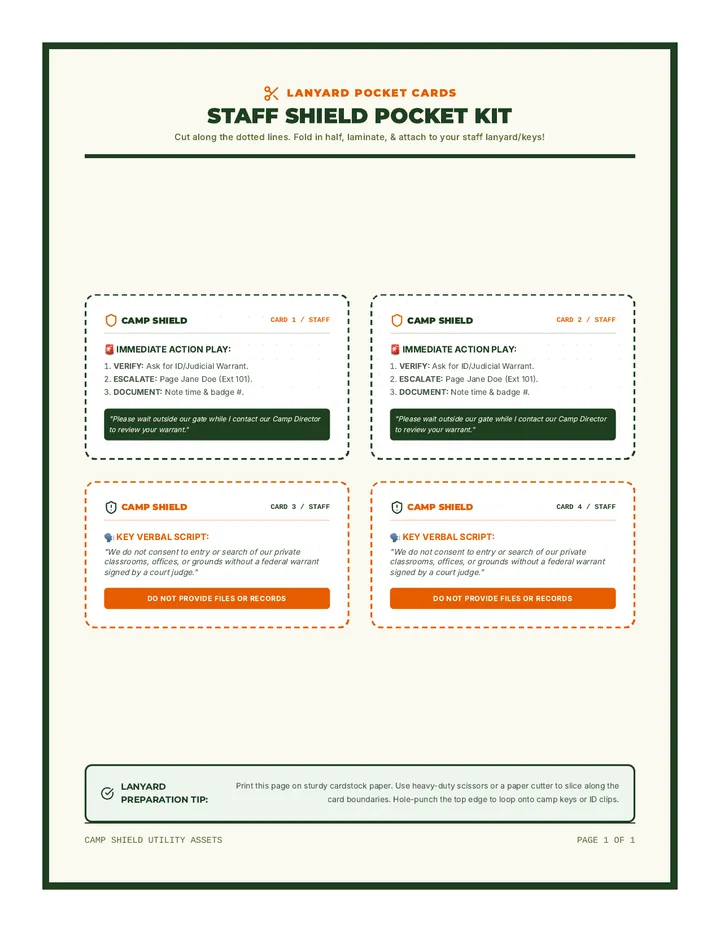
A comprehensive, scenario-based training lesson to prepare camp staff on safety, communication, and legal protocols if ICE or immigration officials arrive at camp. Equips staff with actionable toolkits, step-by-step guides, and interactive roleplay scenarios.
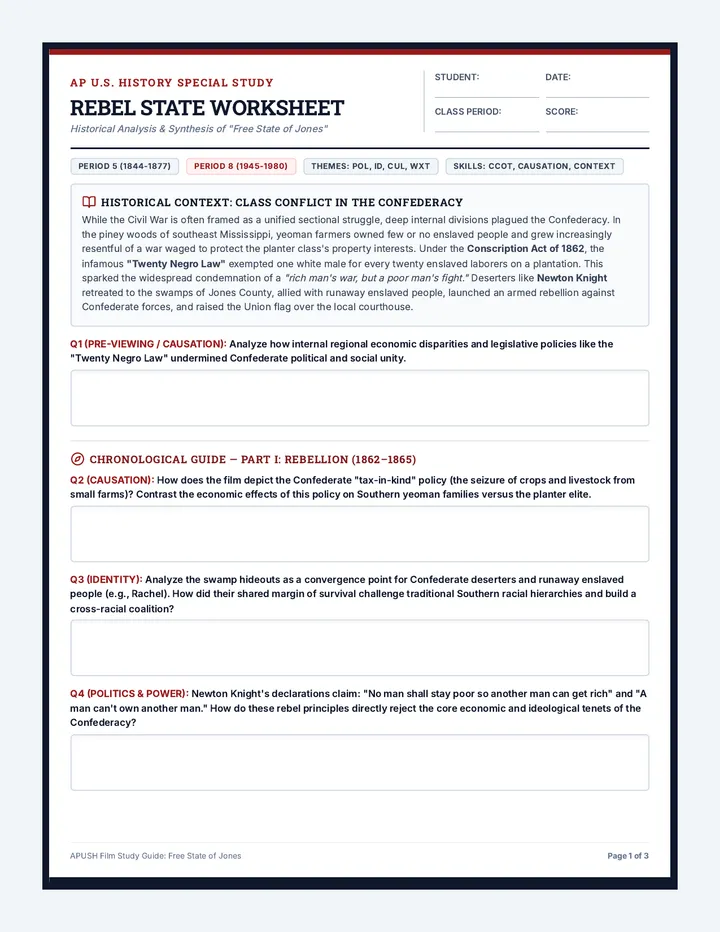
A comprehensive AP U.S. History study of the internal conflicts of the Confederacy, the legal boundaries of Reconstruction, and the long struggle for civil rights in Mississippi, structured around the historical events depicted in the film Free State of Jones.
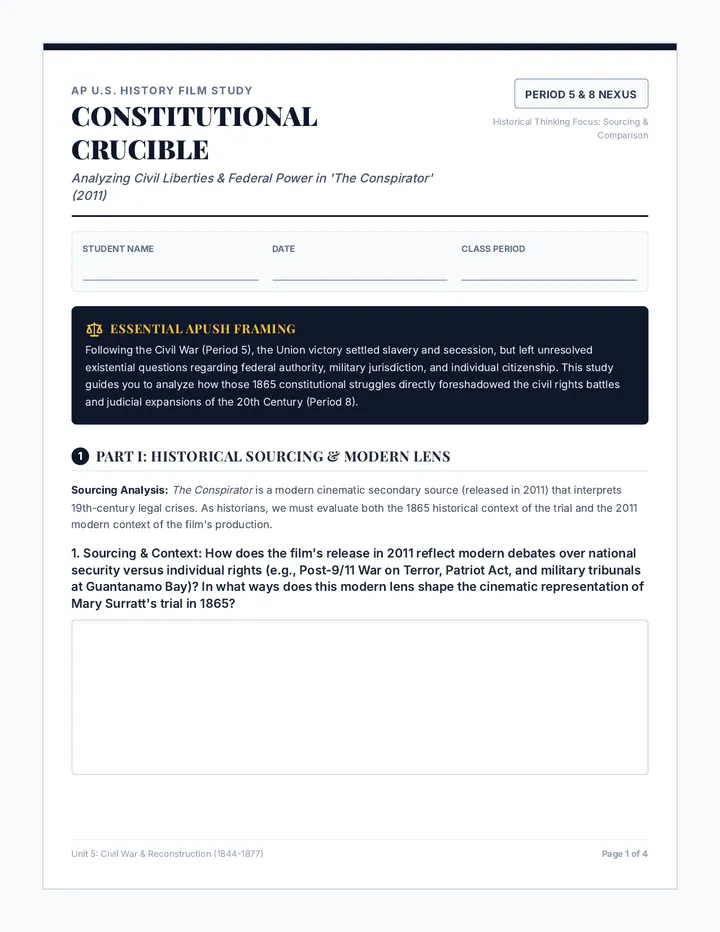
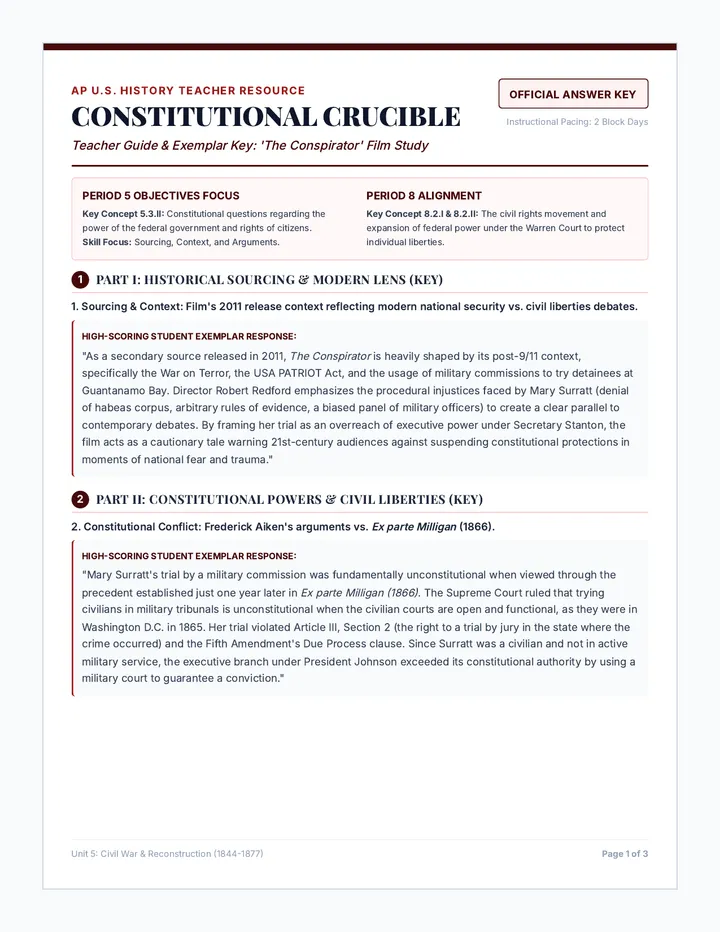
An AP U.S. History film study and constitutional analysis of 'The Conspirator'. Students explore Period 5 legal precedents, executive authority, and civil liberties, while tracing long-term continuities in civil rights into the 20th century.
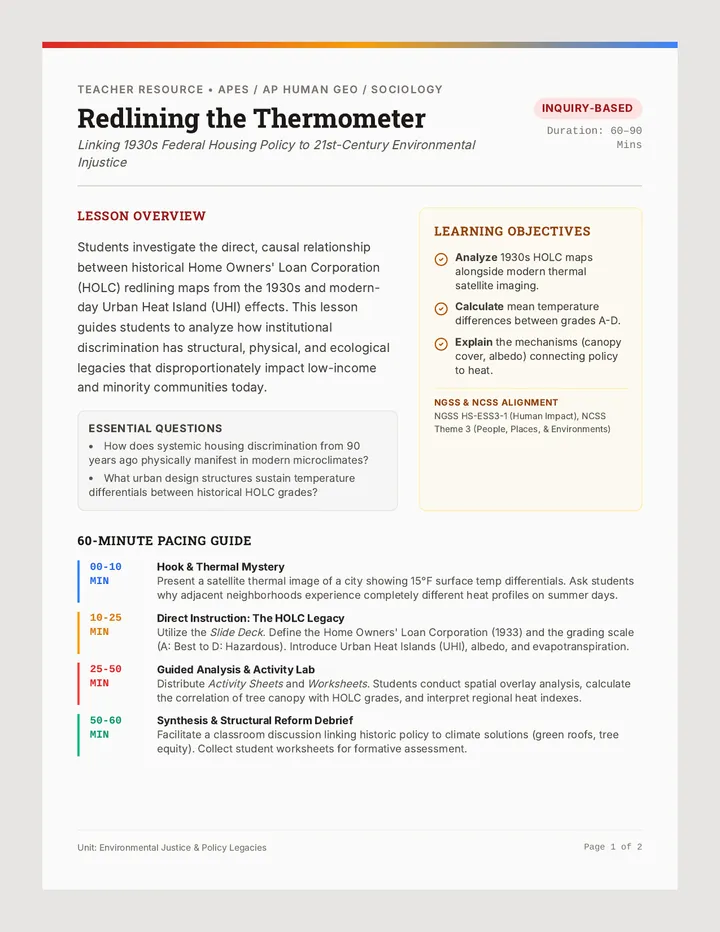
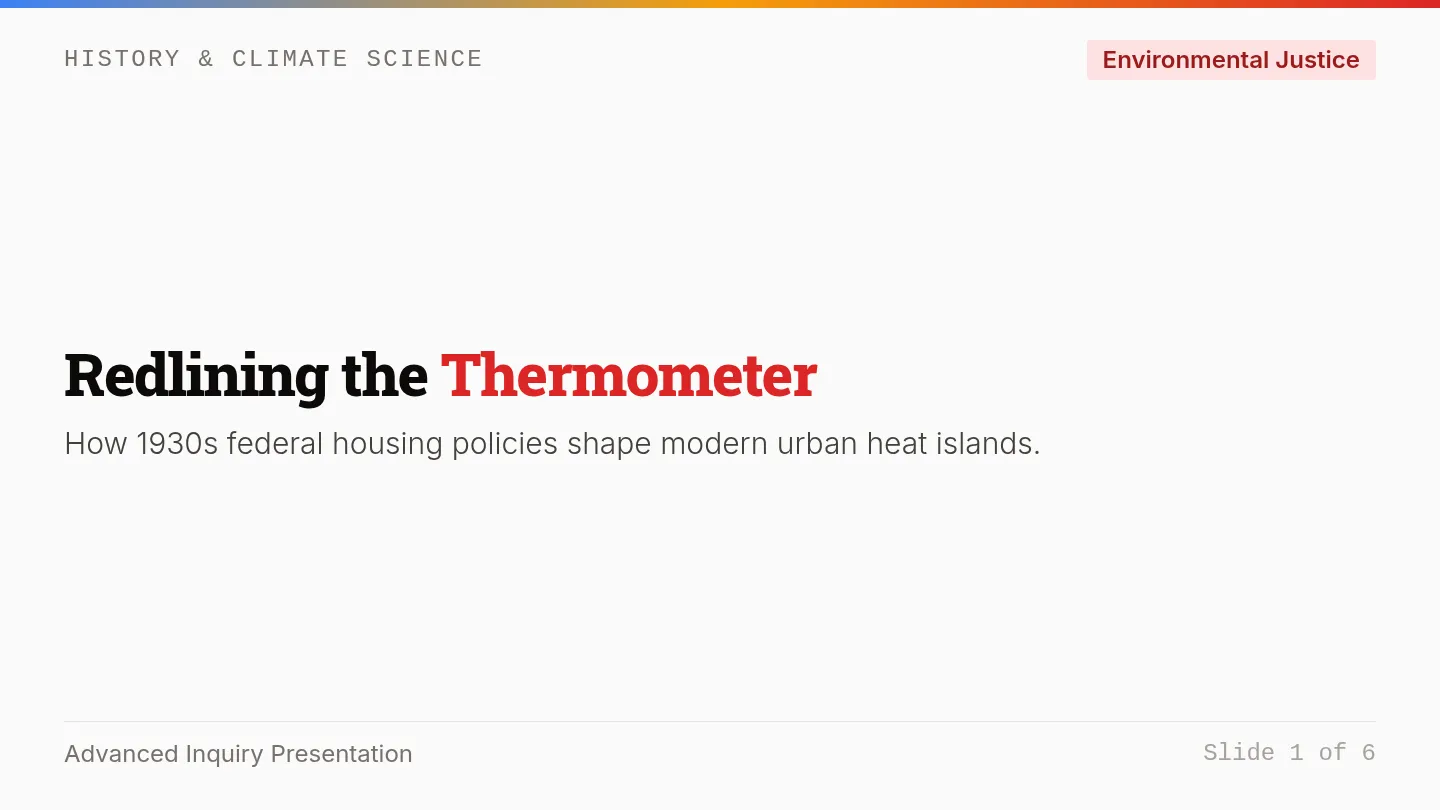
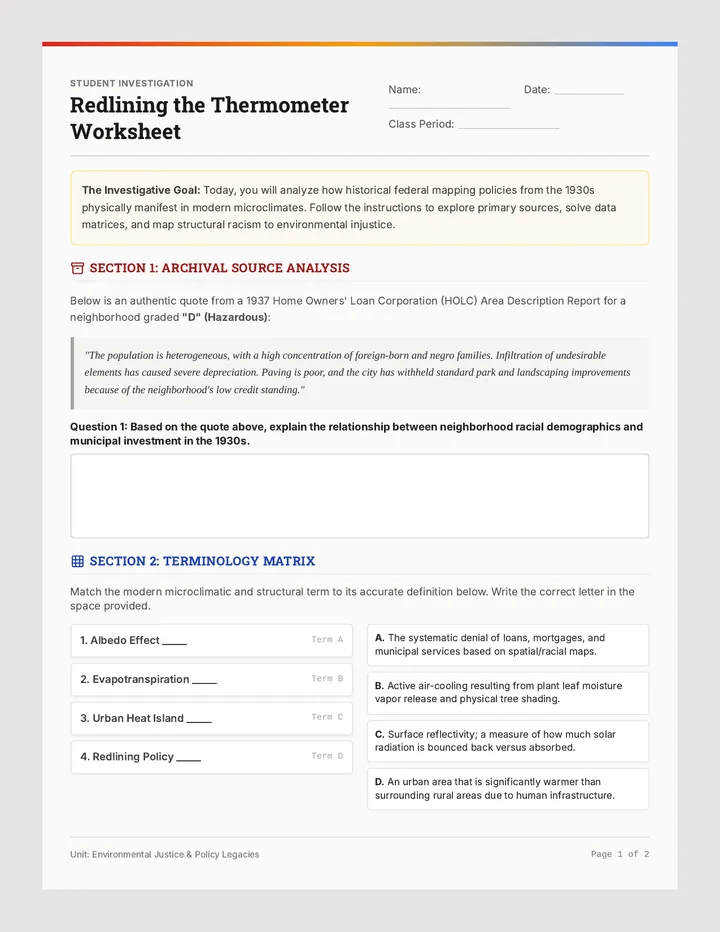
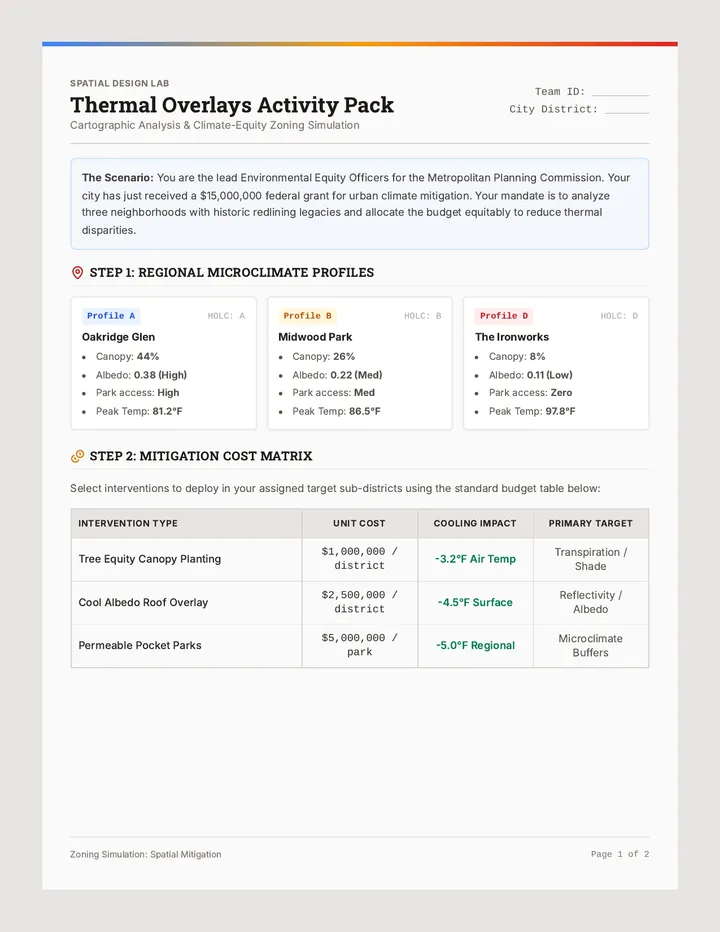
An advanced, interdisciplinary lesson for high school and undergraduate students exploring the causal relationship between 1930s Home Owners' Loan Corporation (HOLC) redlining maps and modern-day urban heat island (UHI) effects, analyzing systemic racism and environmental injustice.
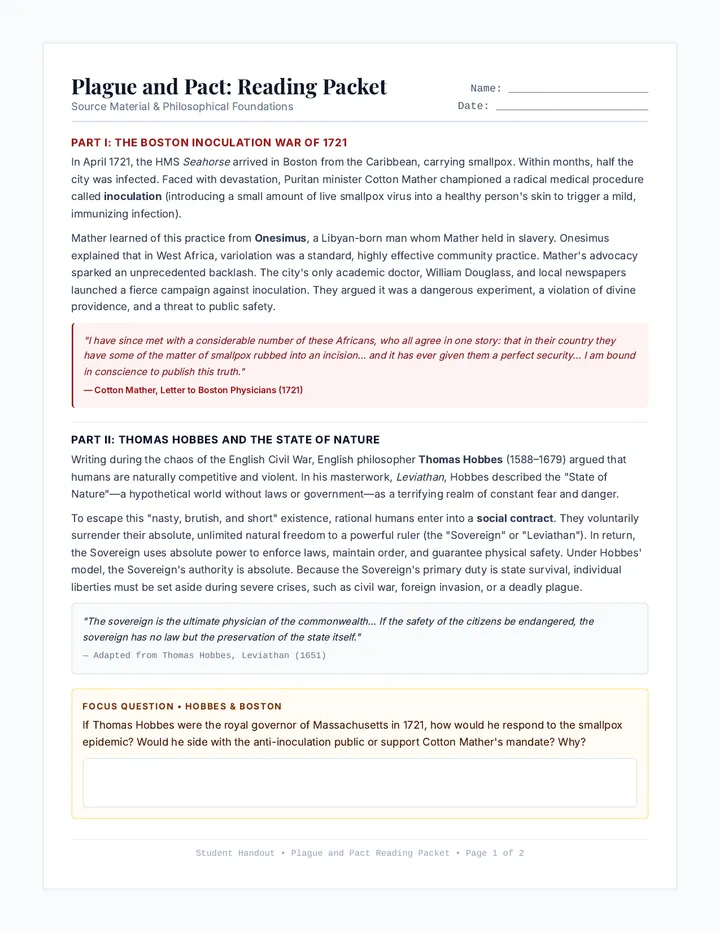
An inquiry-based lesson exploring how historical epidemics (from the Black Death to Smallpox inoculation) tested and reshaped the social contract between citizens and states, forcing a reckoning between personal liberty and public safety.
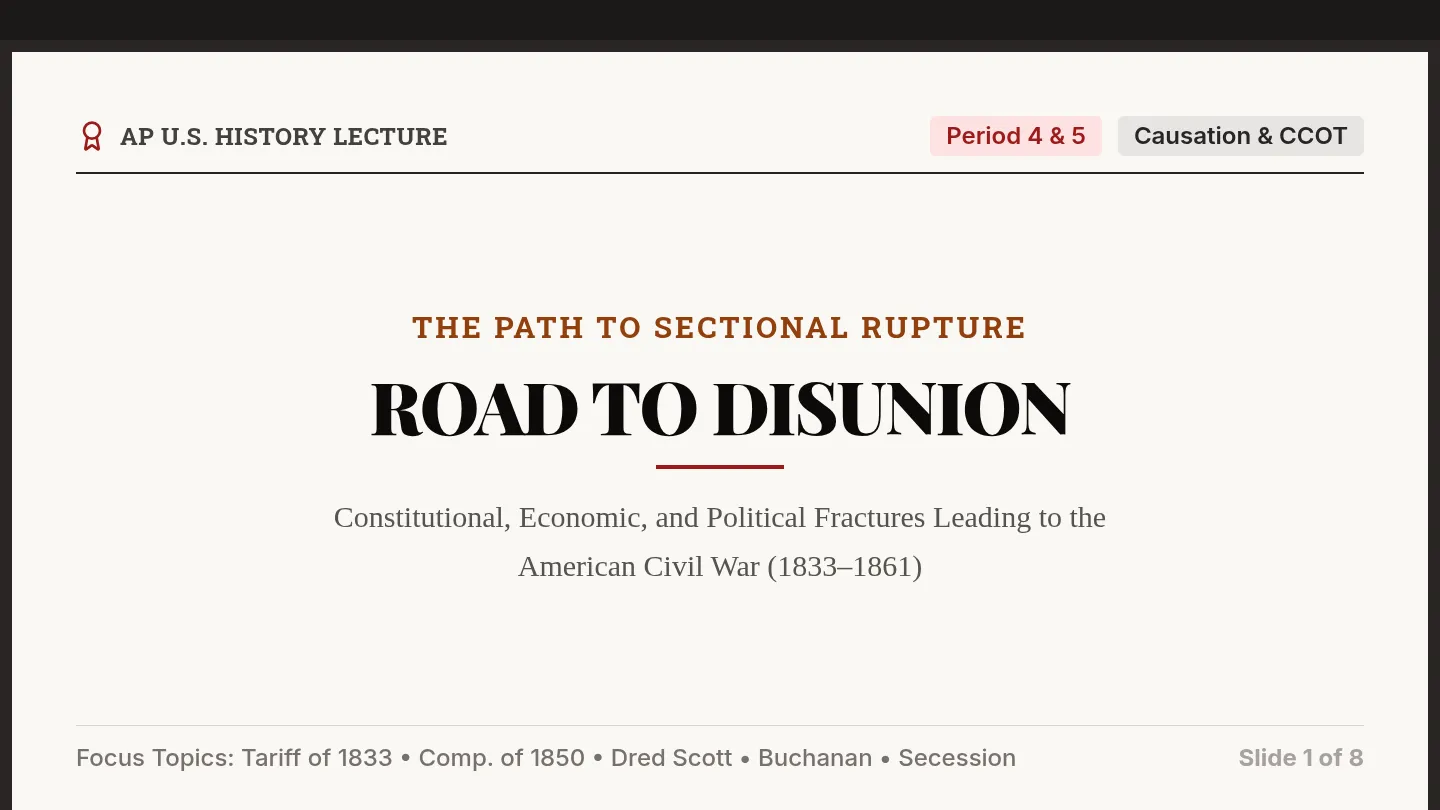
An advanced AP US History lecture series exploring the constitutional, economic, and political crises that fractured the United States between 1833 and 1861. This lesson highlights key legislative compromises, executive decisions, and judicial rulings that made sectional conflict and the Civil War inevitable.
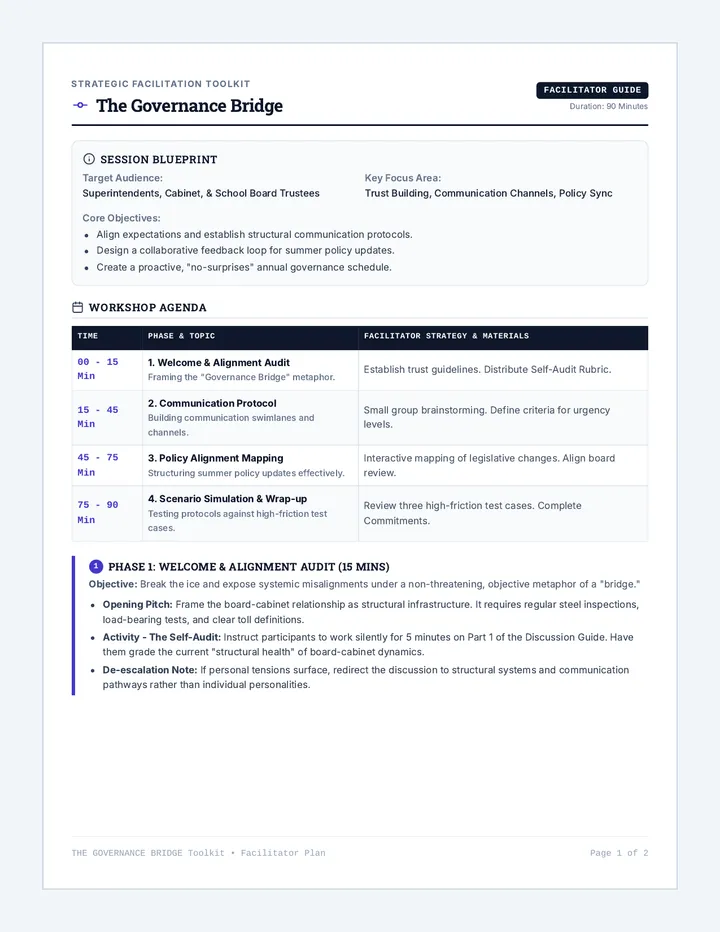
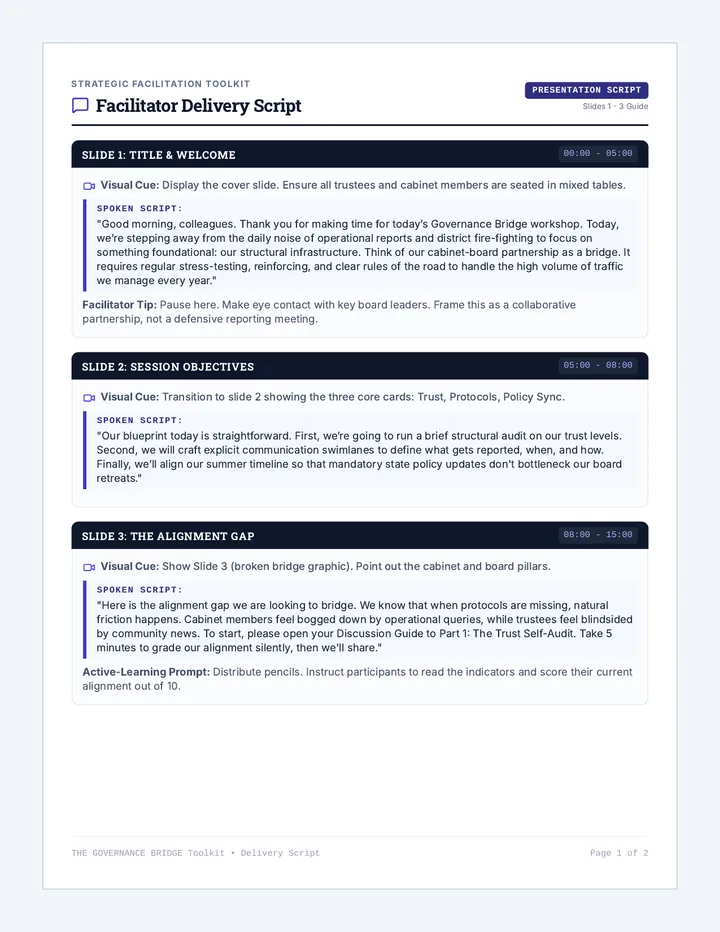
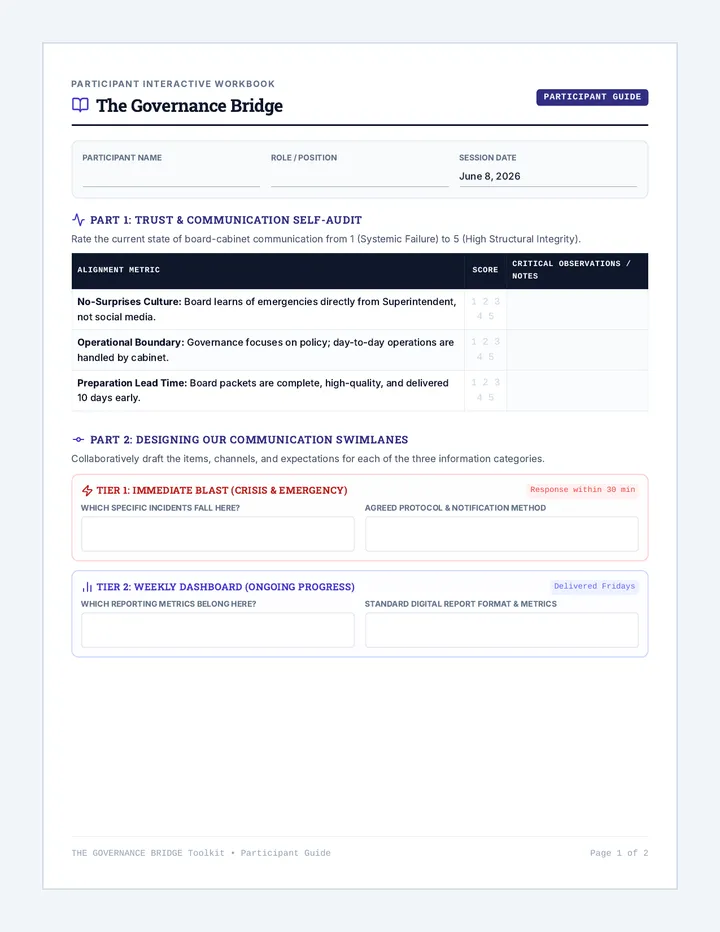
A comprehensive facilitation toolkit designed for superintendents, cabinets, and school boards to establish robust communication, align expectations, and streamline summer policy updates.
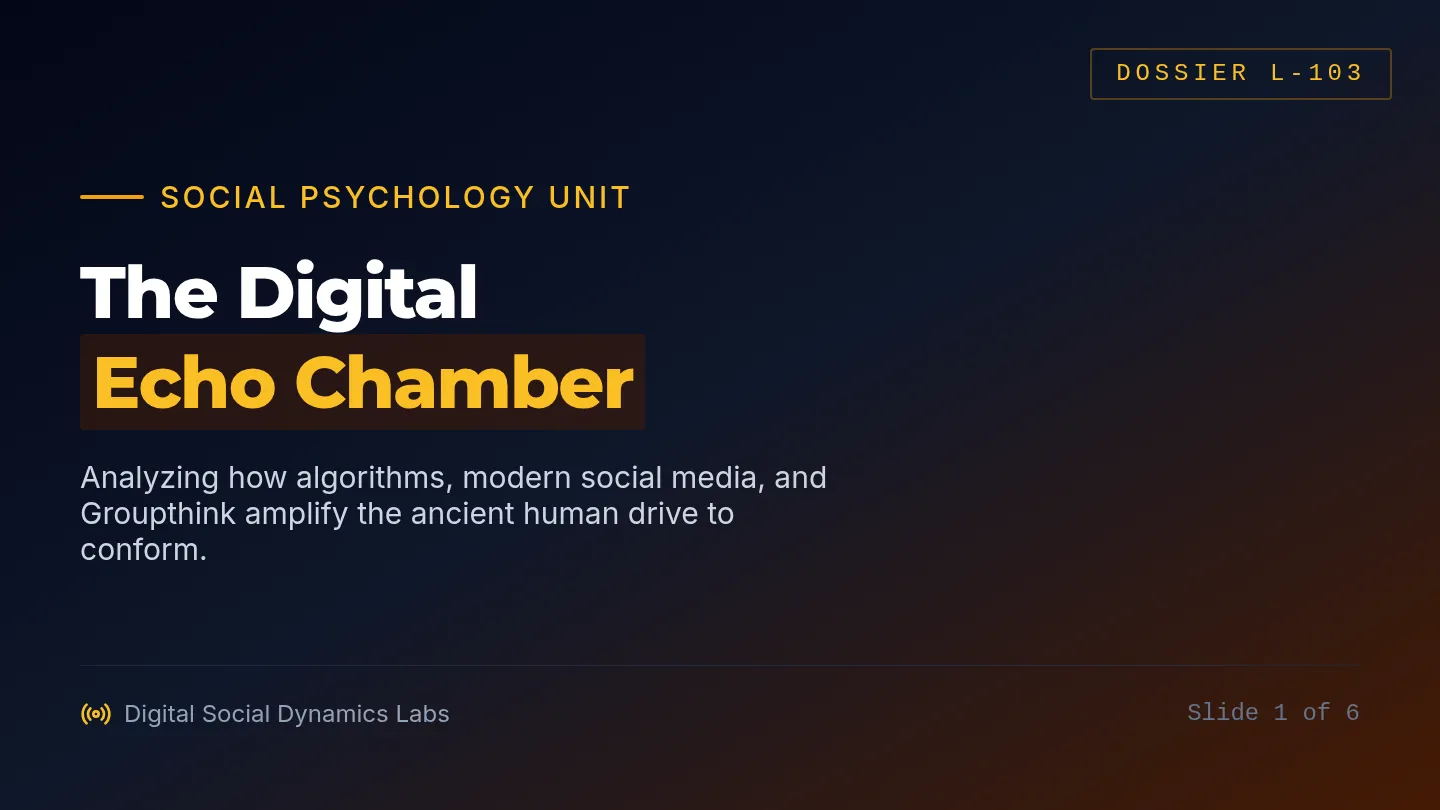
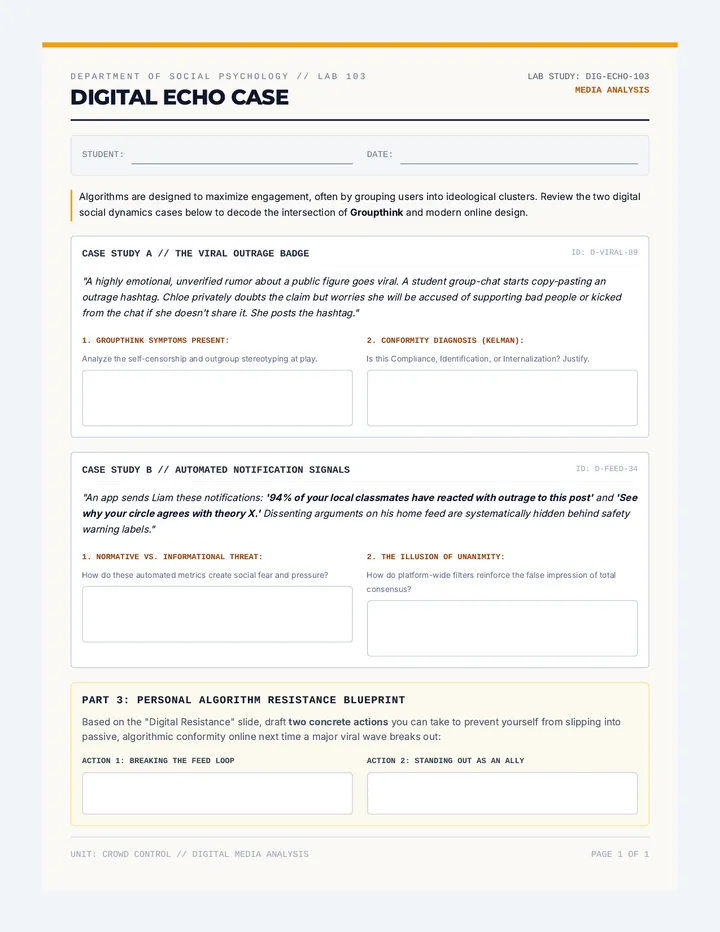
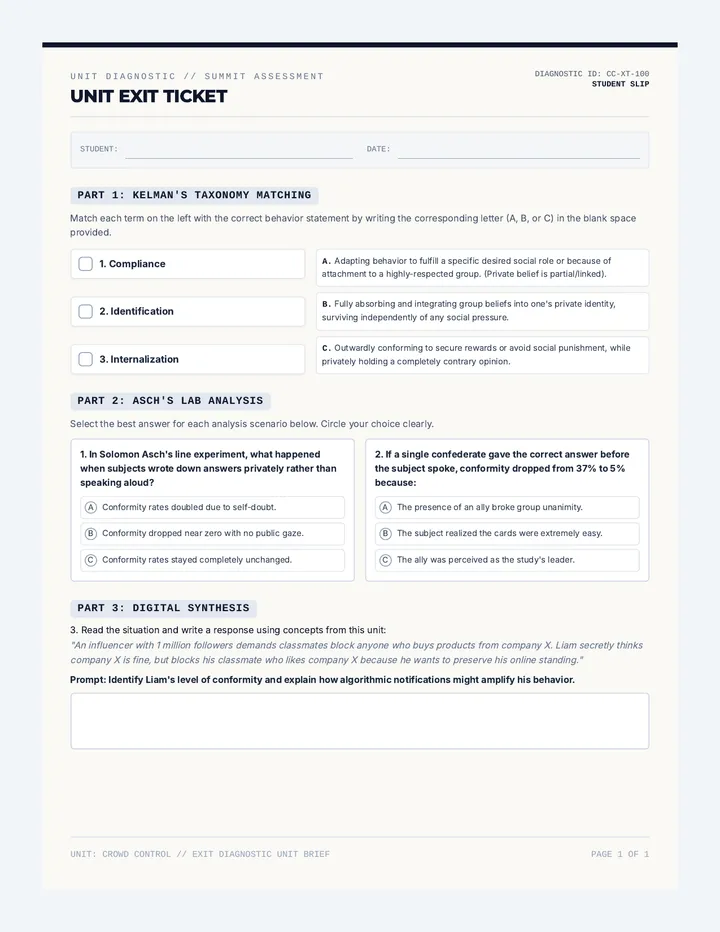
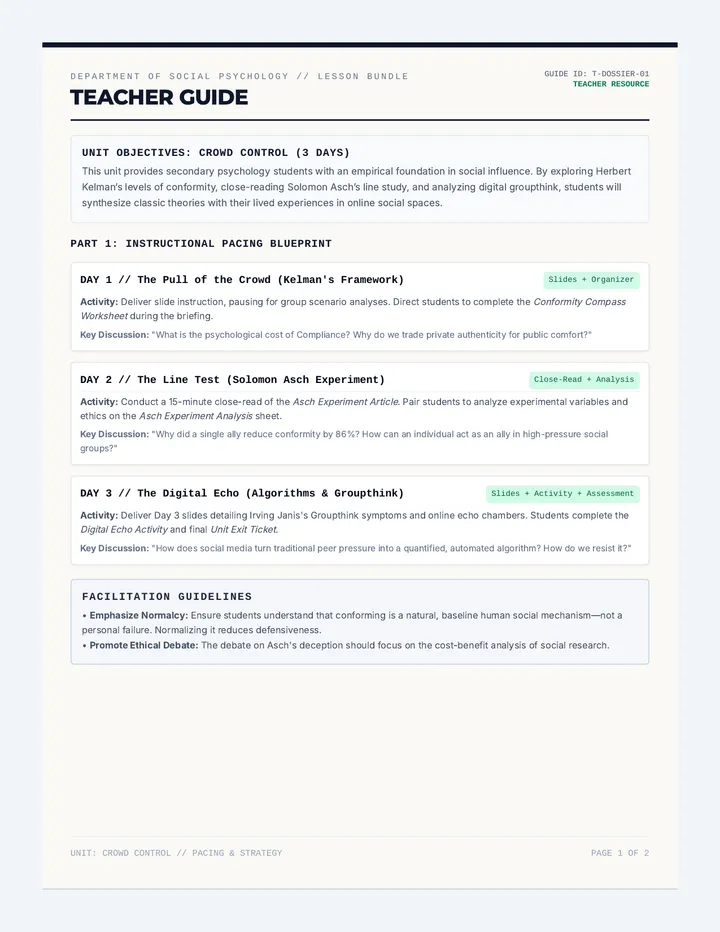
Explores groupthink, social media algorithms, and peer pressure. Students analyze how online spaces amplify conformity and complete an exit ticket to assess their understanding across the unit.
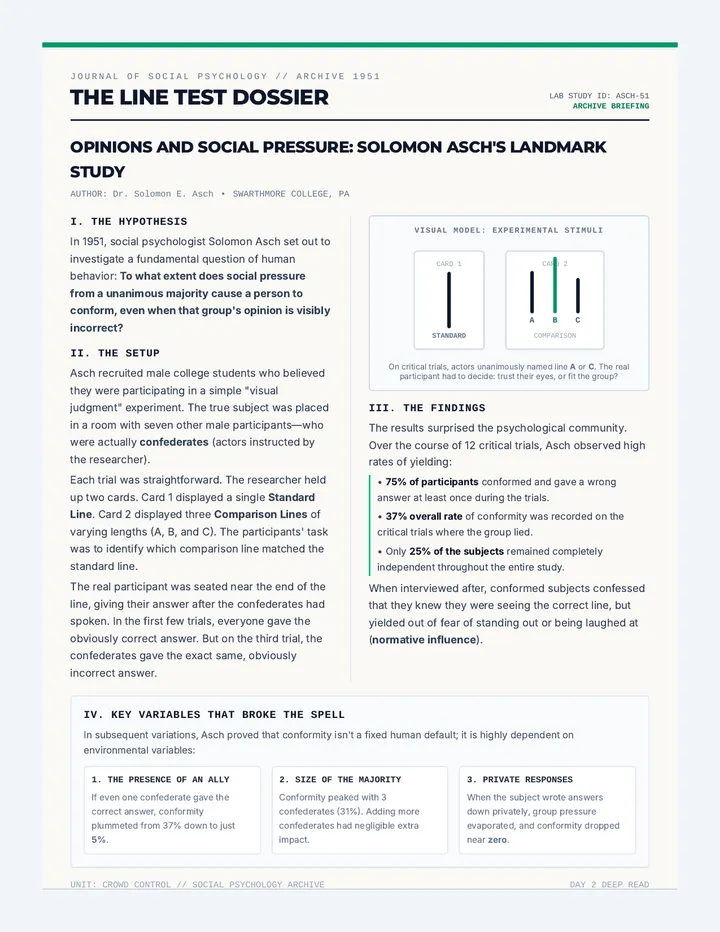
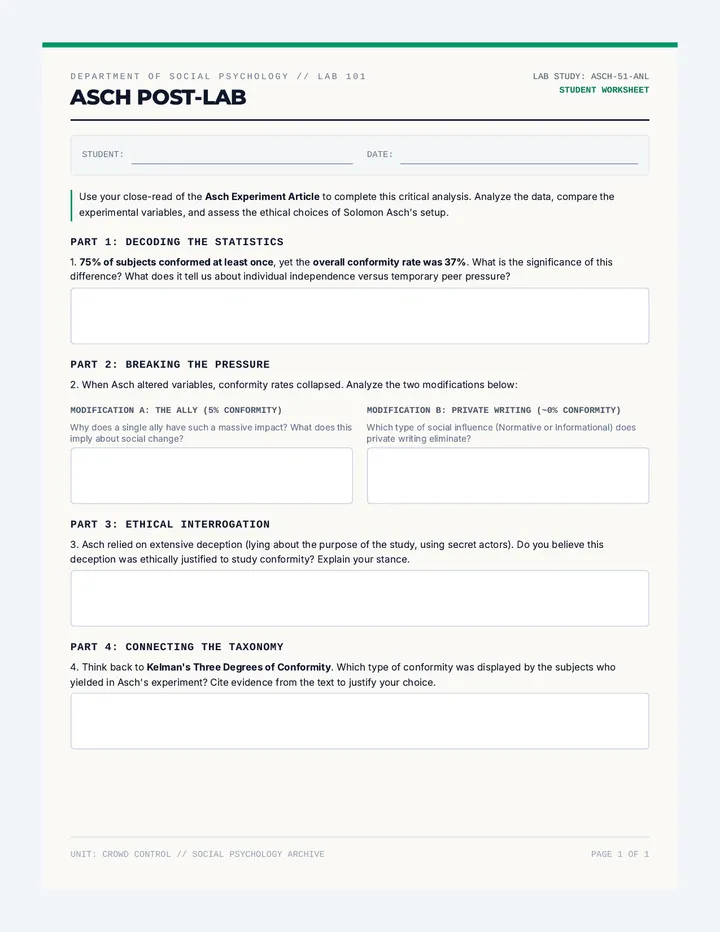
Focuses on Solomon Asch's landmark 1951 conformity experiment. Students close-read an informational text about the study's design, results, and ethical implications, and answer critical thinking questions.
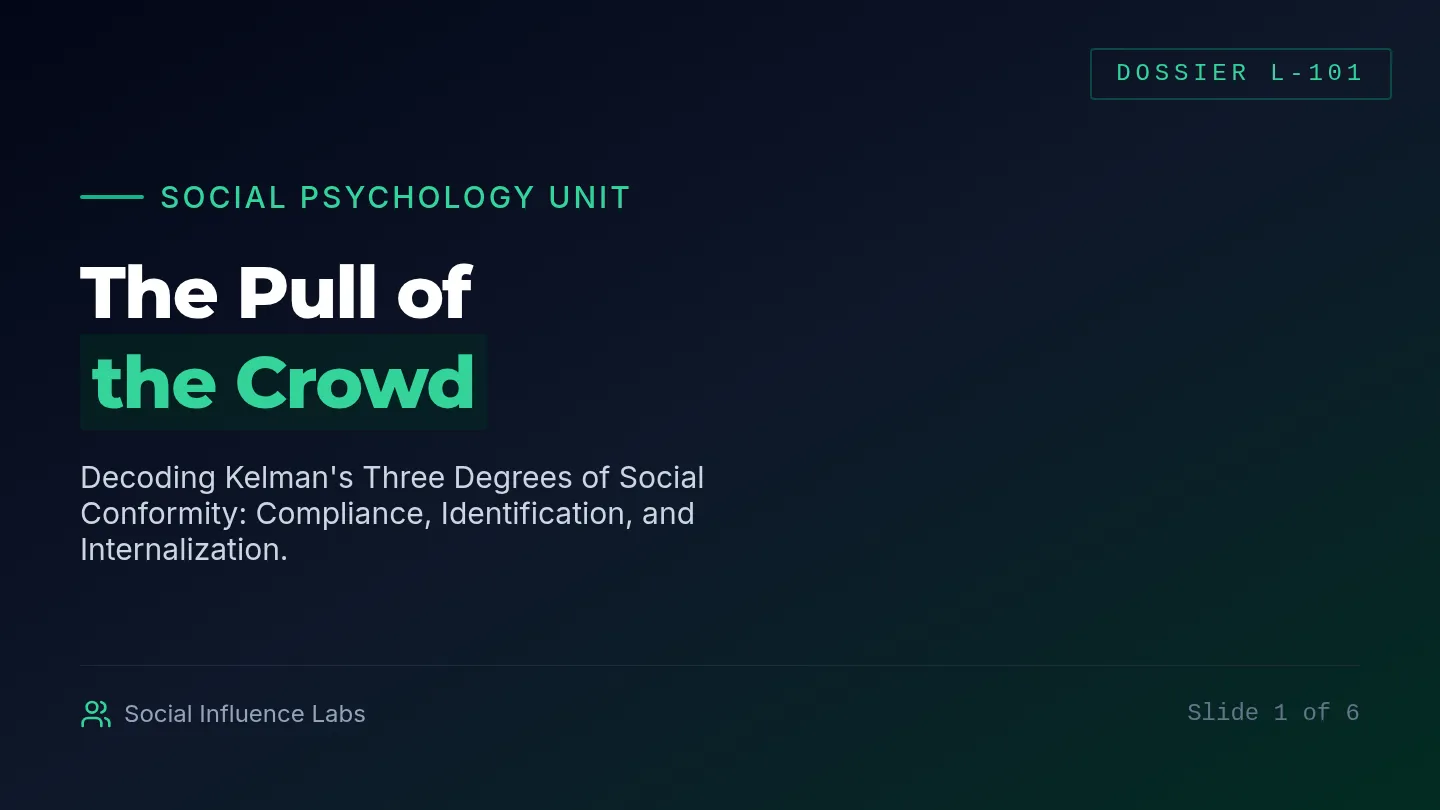
Introduces the social psychology of conformity, focusing on Herbert Kelman's three types: compliance, identification, and internalization. Students analyze real-world scenarios and map definitions on a graphic organizer.
An exploration of Sigmund Freud's psychodynamic approach to personality, focusing on the dynamic conflict between the Id, Ego, and Superego, and the defense mechanisms the mind uses to cope with resulting anxiety.
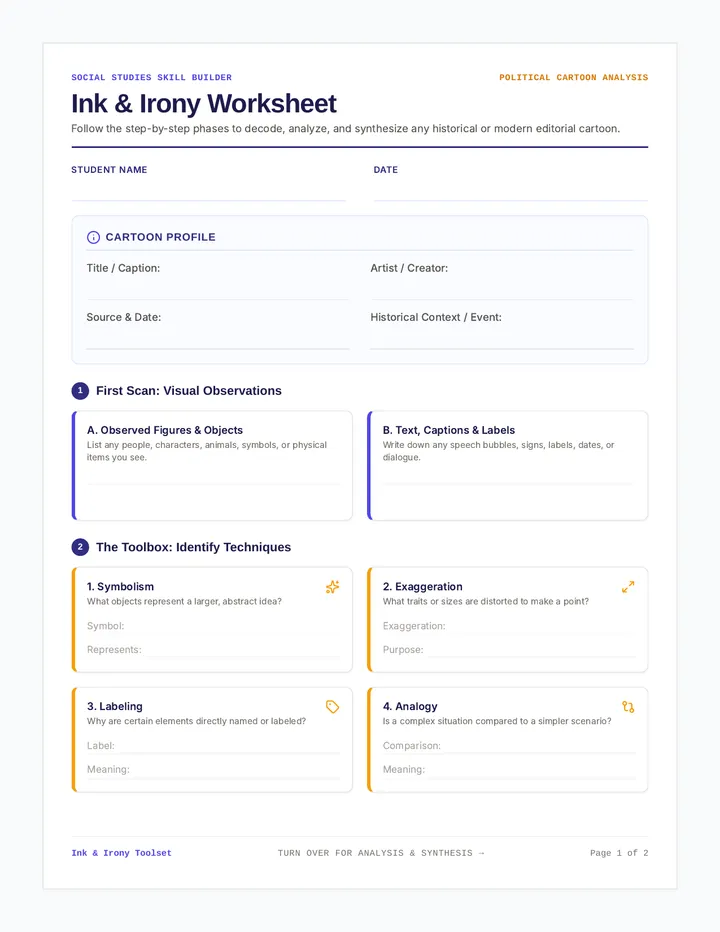
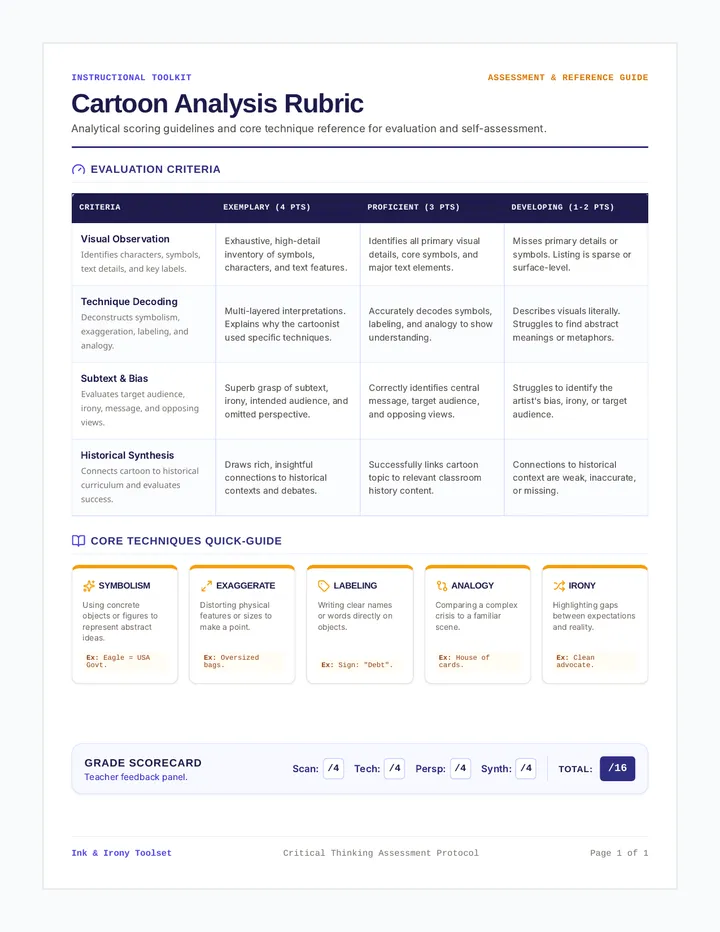
A comprehensive instructional toolkit for analyzing editorial and political cartoons. Features a versatile double-page graphic organizer and a structured assessment rubric adaptable to any historical era.
An adult Vacation Bible School lesson exploring the heart and will of God through four key scriptures. Students will analyze Matthew 18:10-14, Romans 12:1-2, Hebrews 13:1-3, and Matthew 26:42 to understand God's heart, who matters to Him, and what He desires for and from His followers.
An adult Vacation Bible School (VBS) lesson focusing on discerning and aligning with God's will. Through Romans 12:2 and Matthew 18:10-14, adults will define God's will (Sovereign vs. Revealed), understand His design that none should be lost, and discover practical paths to daily discernment and evangelism.
An introductory lesson on the Trait Approach to personality, guiding students through key definitions, major theorists (Allport, Cattell, Eysenck), the Big Five model, and the real-world applications and limitations of trait theory.
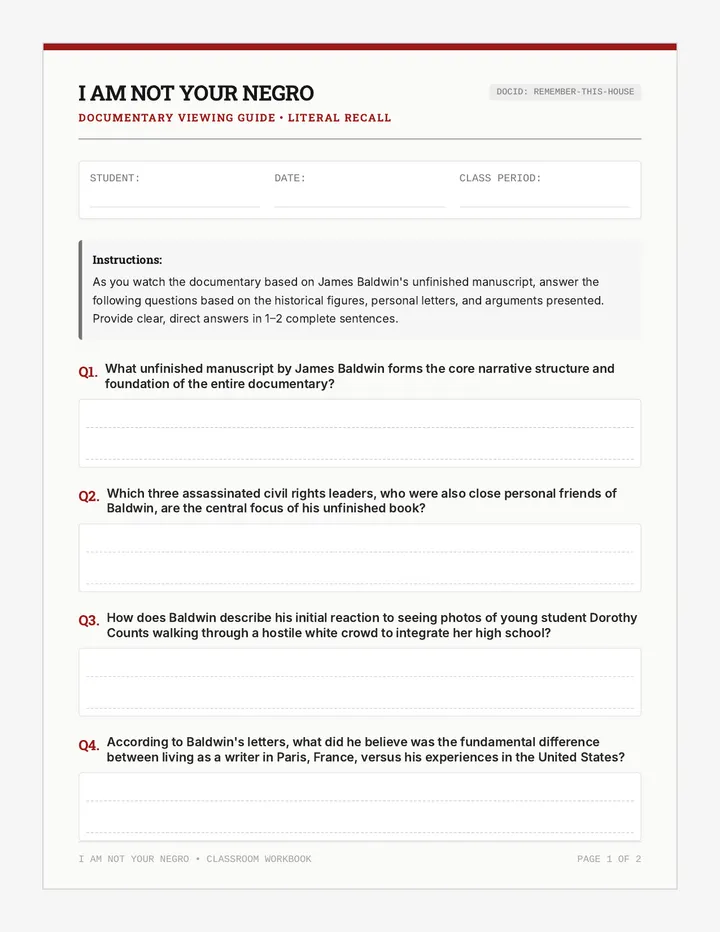
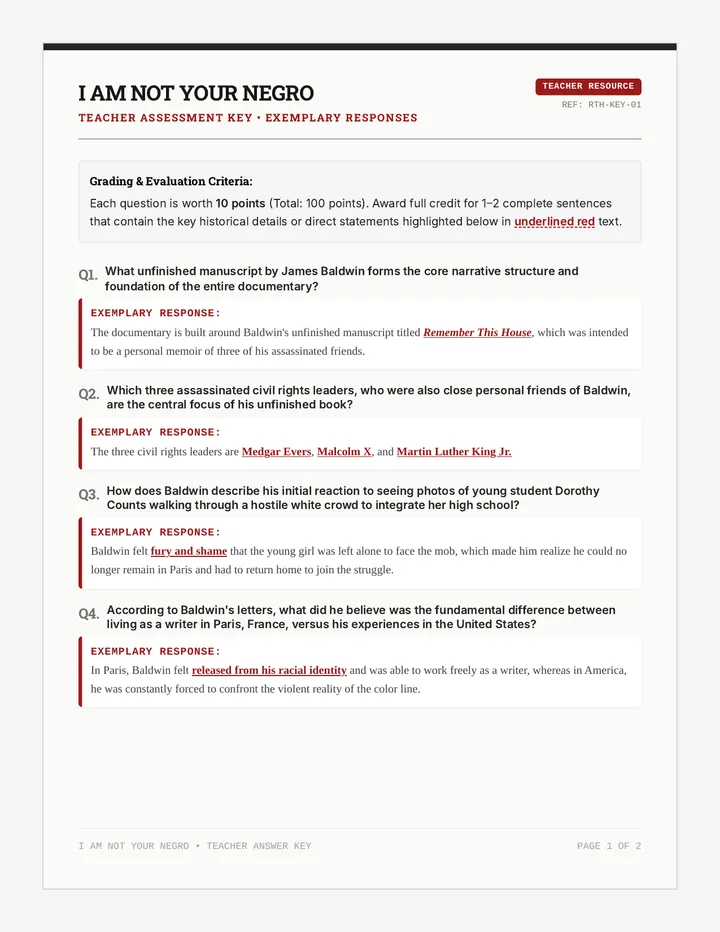
A high school/college level history and literature lesson focused on James Baldwin's documentary 'I Am Not Your Negro'. It examines literal comprehension and recall of key historical figures, events, and Baldwin's core arguments about race, media, and American identity.
A deep dive into Solomon Asch's classic conformity experiment, examining behavioral mechanisms, neural pathways of peer pressure, experimental design flaws, and quantitative data analysis.