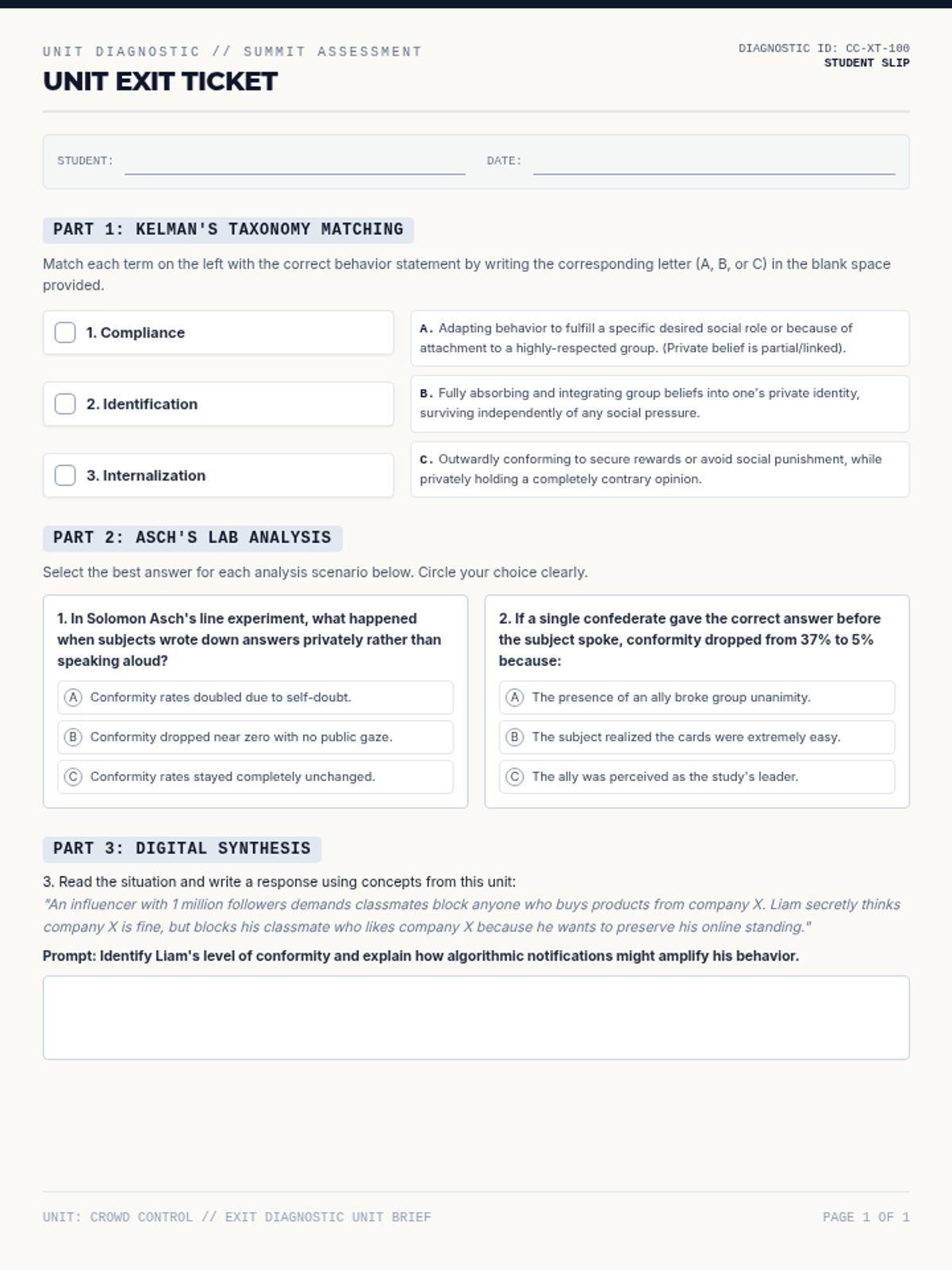
Introduces the social psychology of conformity, focusing on Herbert Kelman's three types: compliance, identification, and internalization. Students analyze real-world scenarios and map definitions on a graphic organizer.
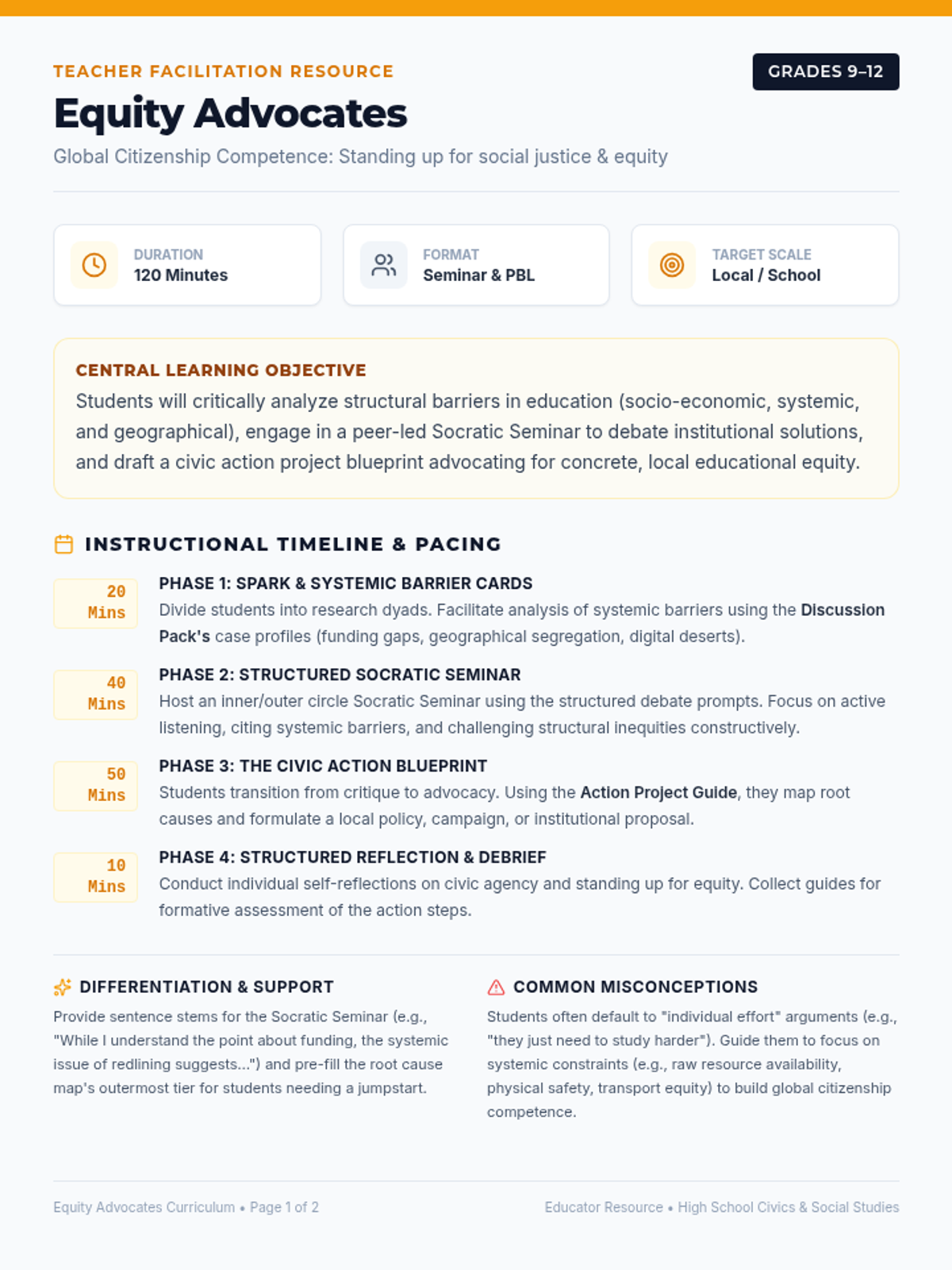
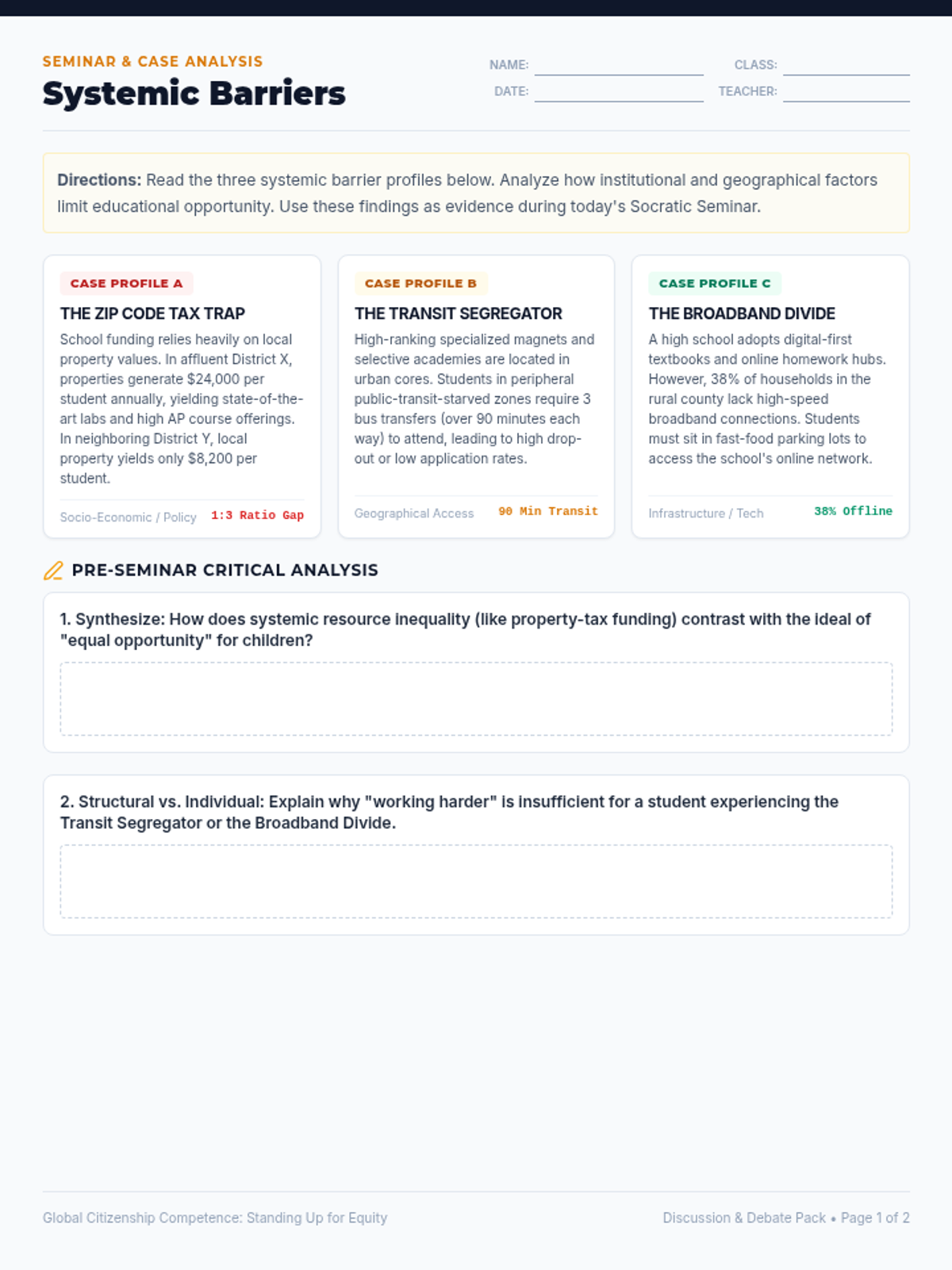
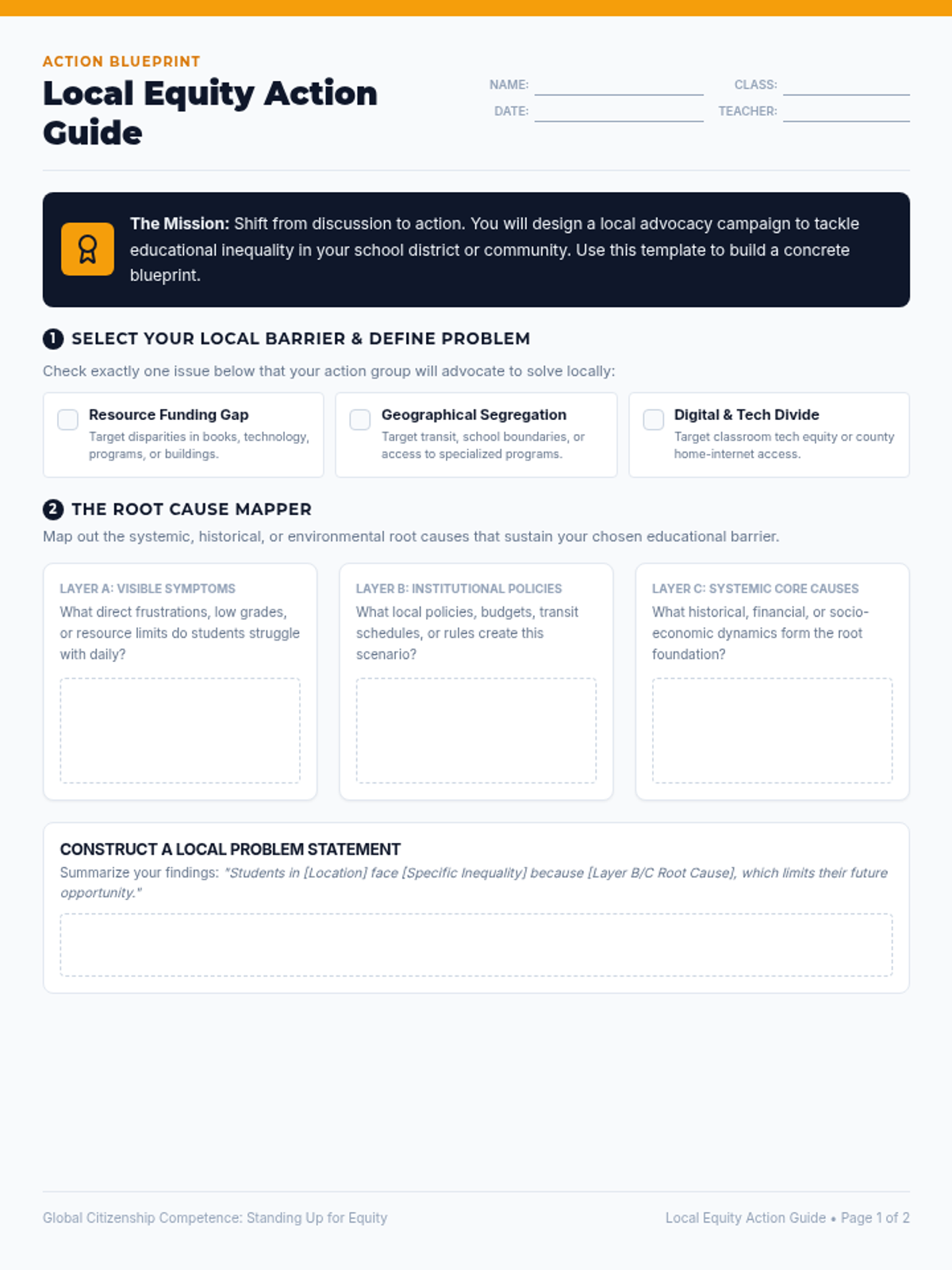
A high-impact project-based lesson for high schoolers (ages 14-18) exploring systemic barriers in education. Students analyze structural inequities, engage in a structured Socratic seminar, and draft a civic action project blueprint to advocate for educational equity in their local community.
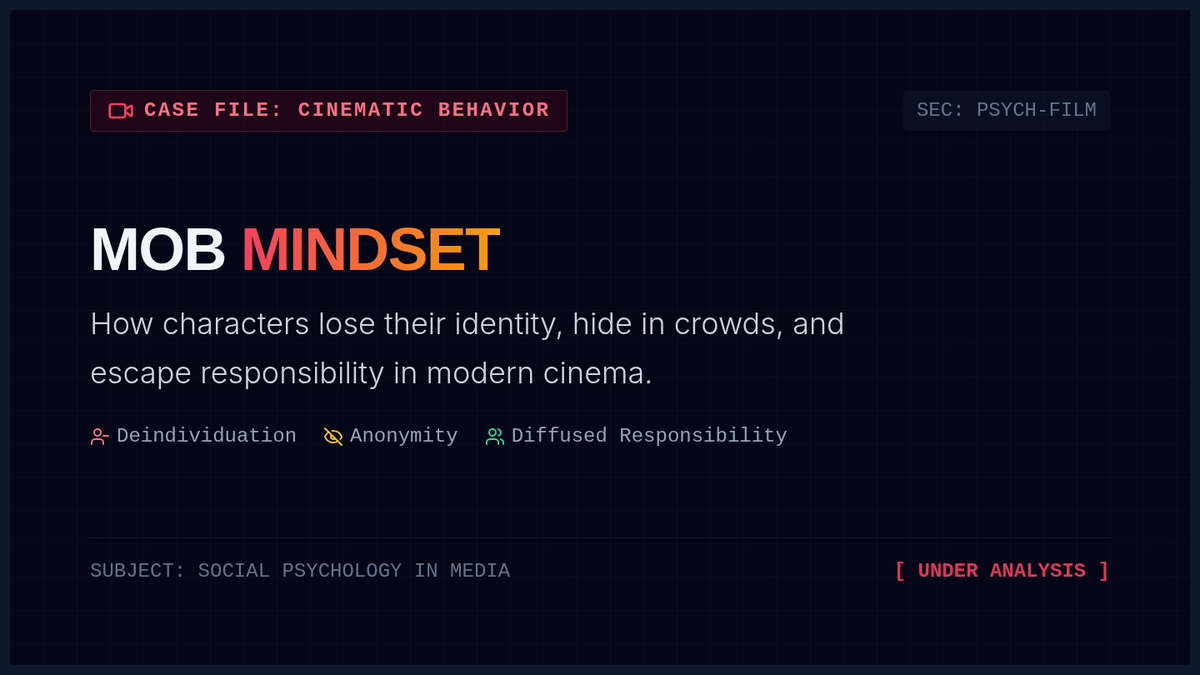
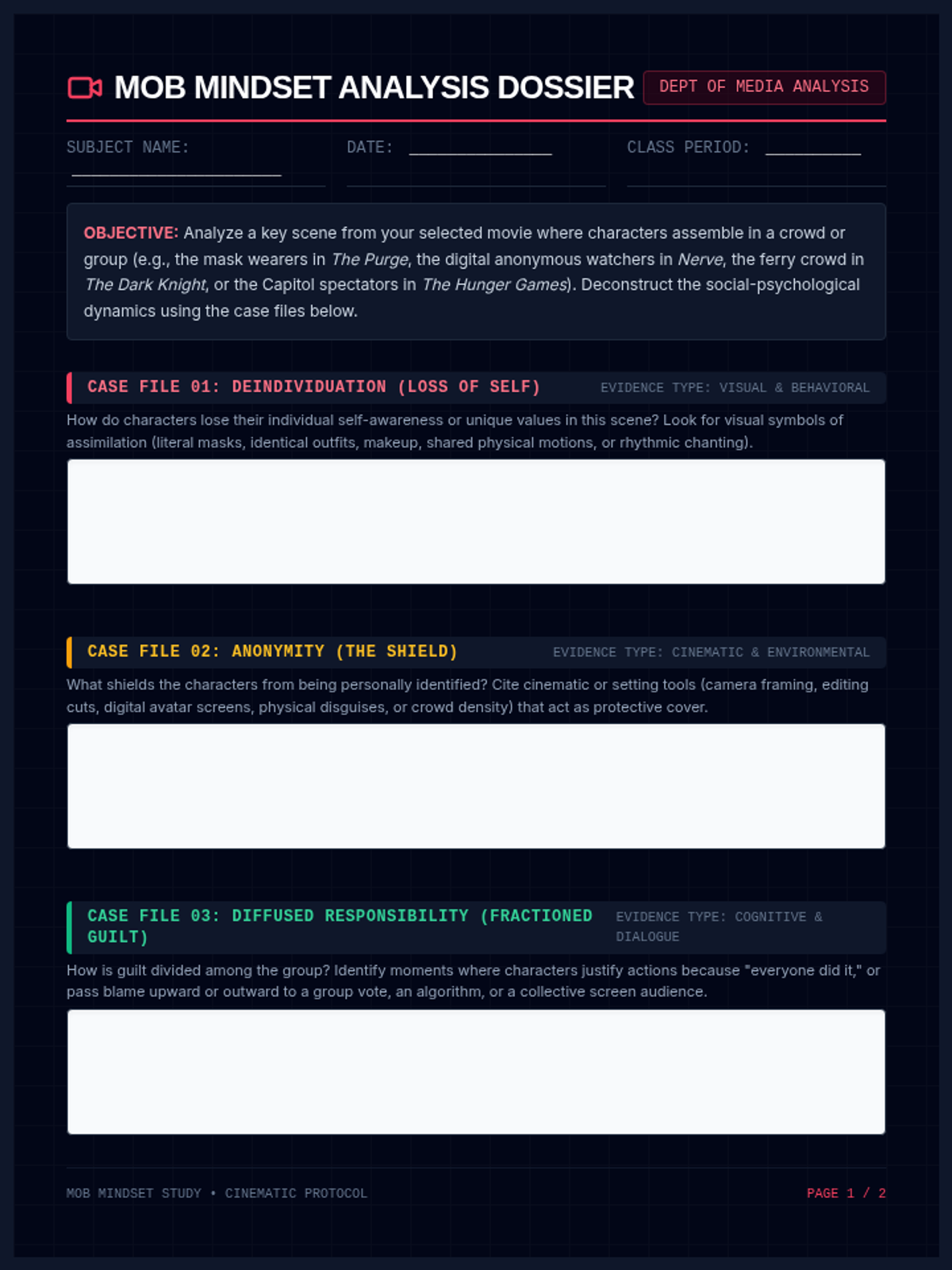
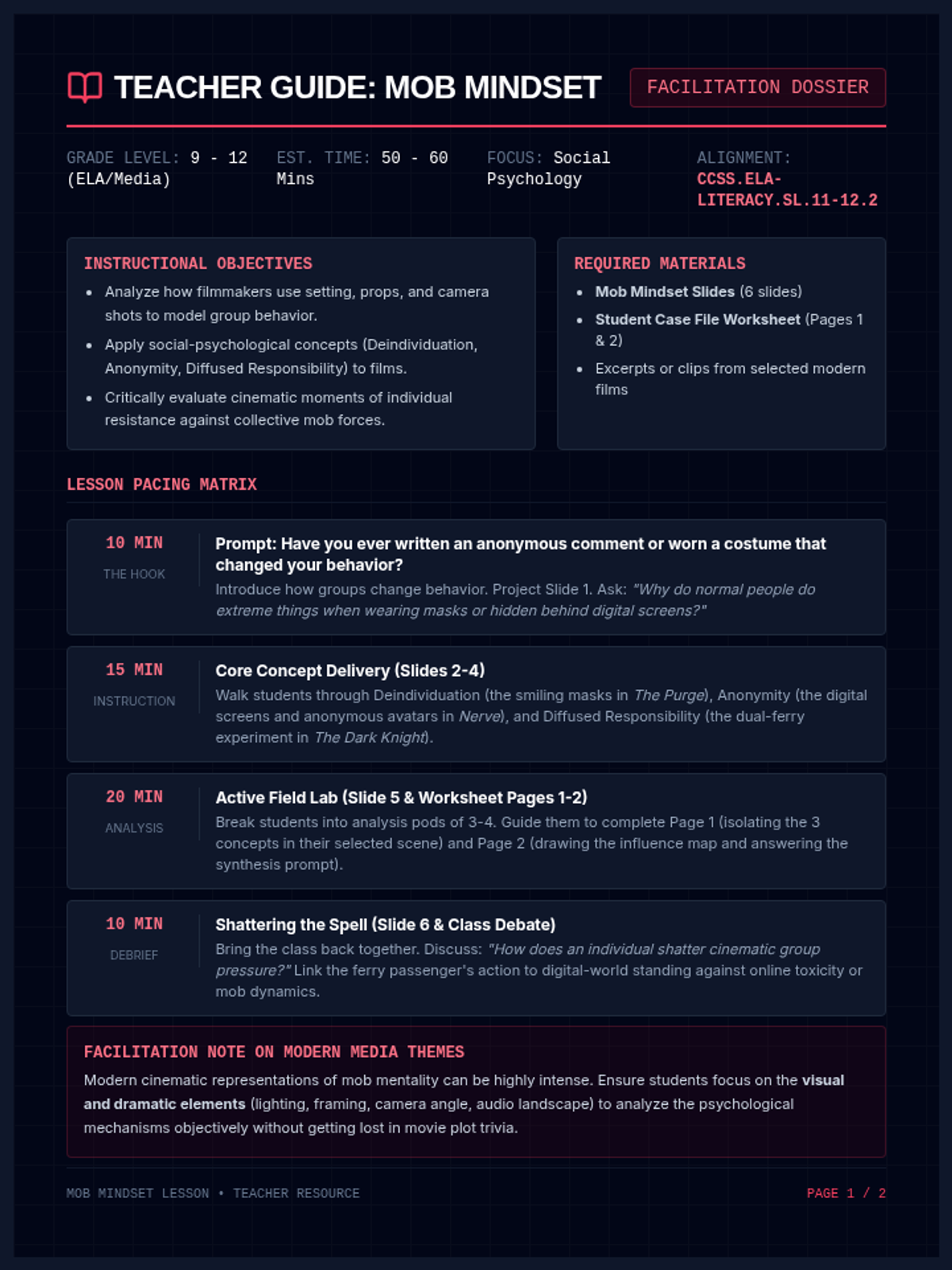
An analytical ELA lesson exploring the social psychology concepts of deindividuation, anonymity, and diffused responsibility in literature. Students examine how characters lose their individuality in groups, using classic literary texts to map the psychology of the mob.
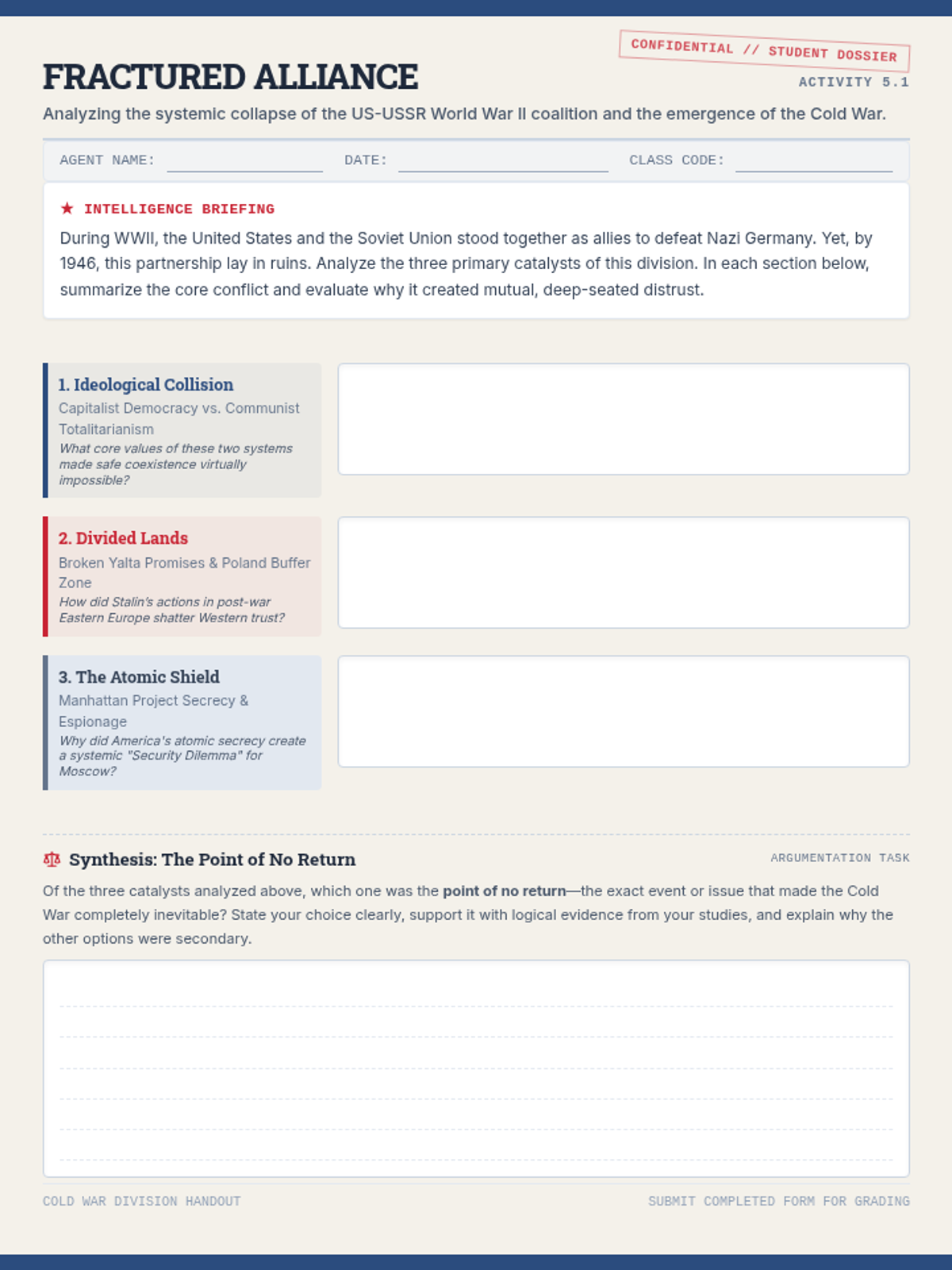
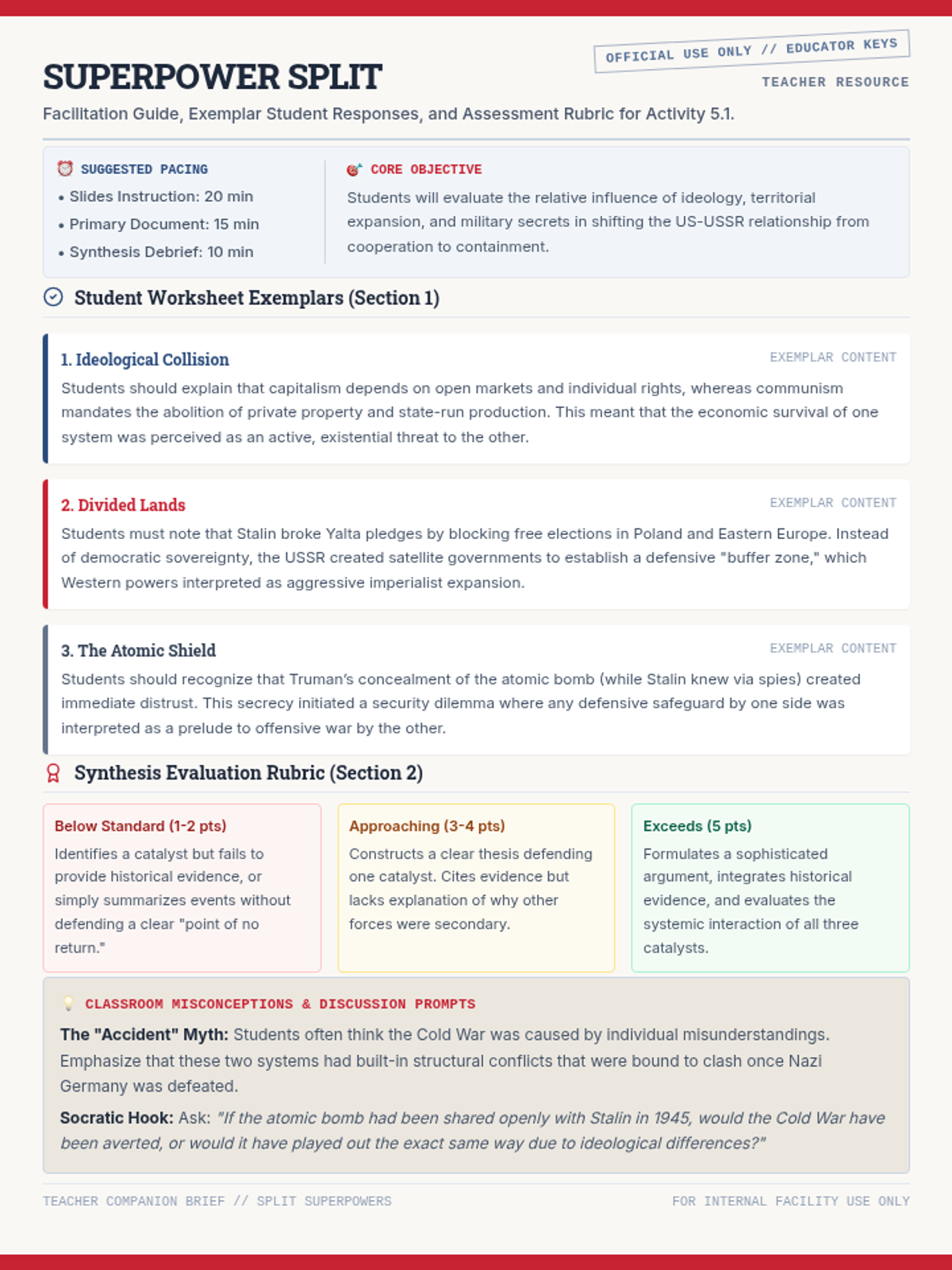
An instructional lesson exploring how the United States and the Soviet Union shifted from World War II allies to Cold War adversaries. The lesson outlines the core ideological, geopolitical, and military reasons behind this historical pivot.
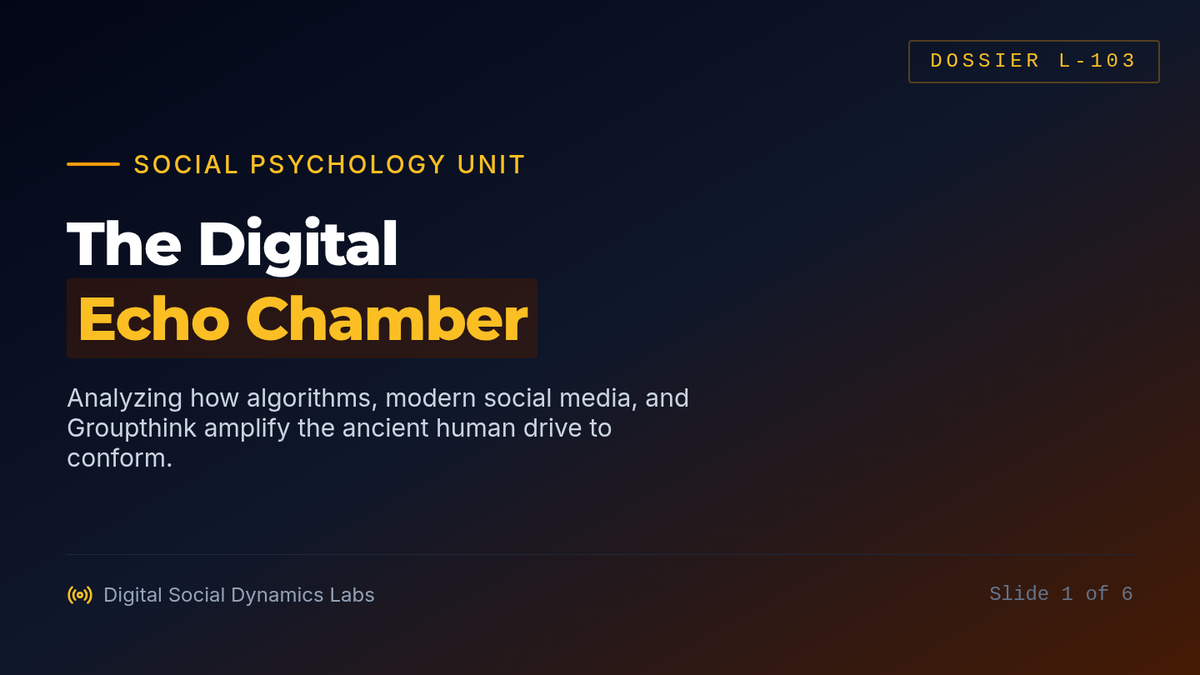
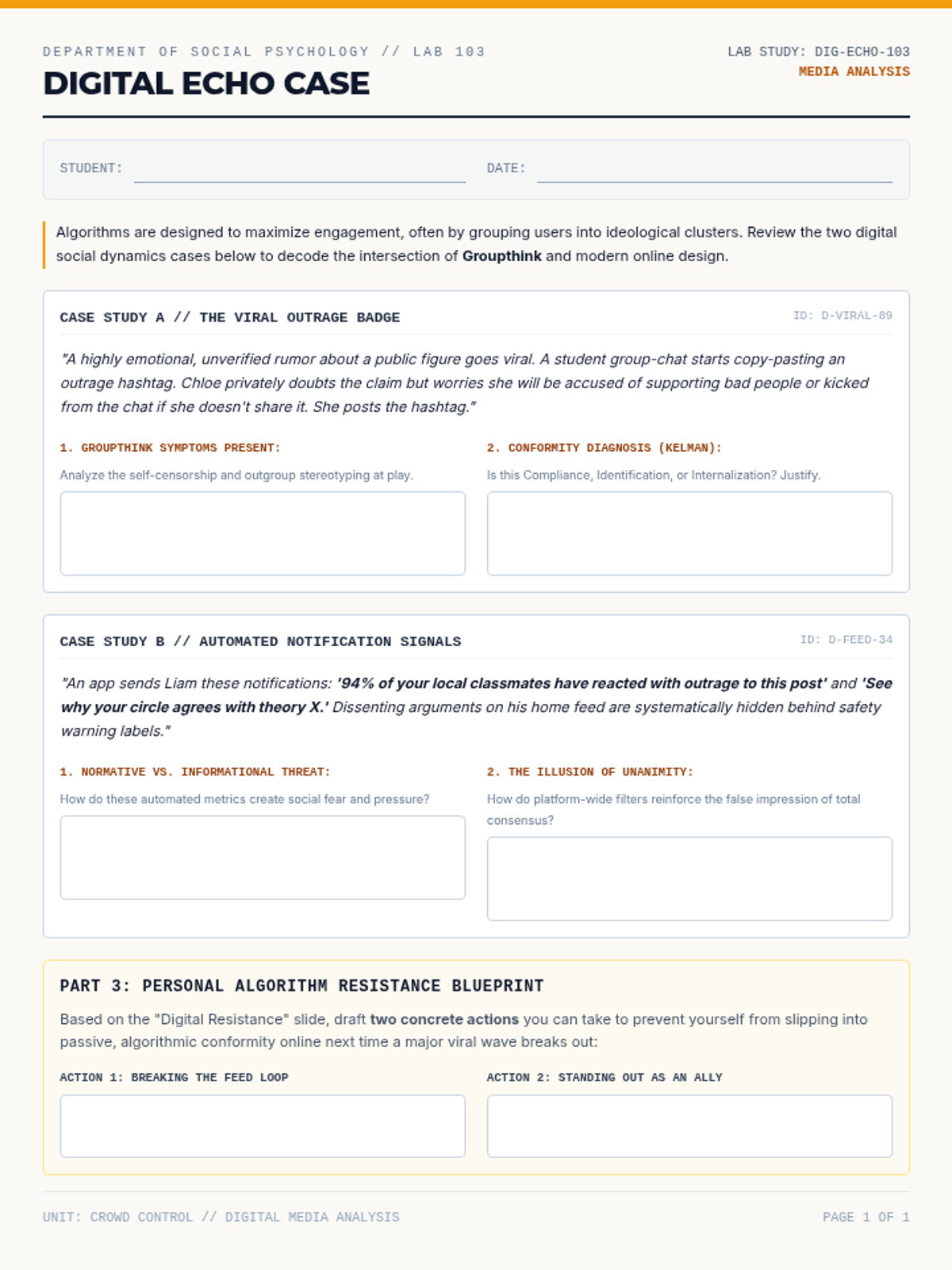
Explores groupthink, social media algorithms, and peer pressure. Students analyze how online spaces amplify conformity and complete an exit ticket to assess their understanding across the unit.
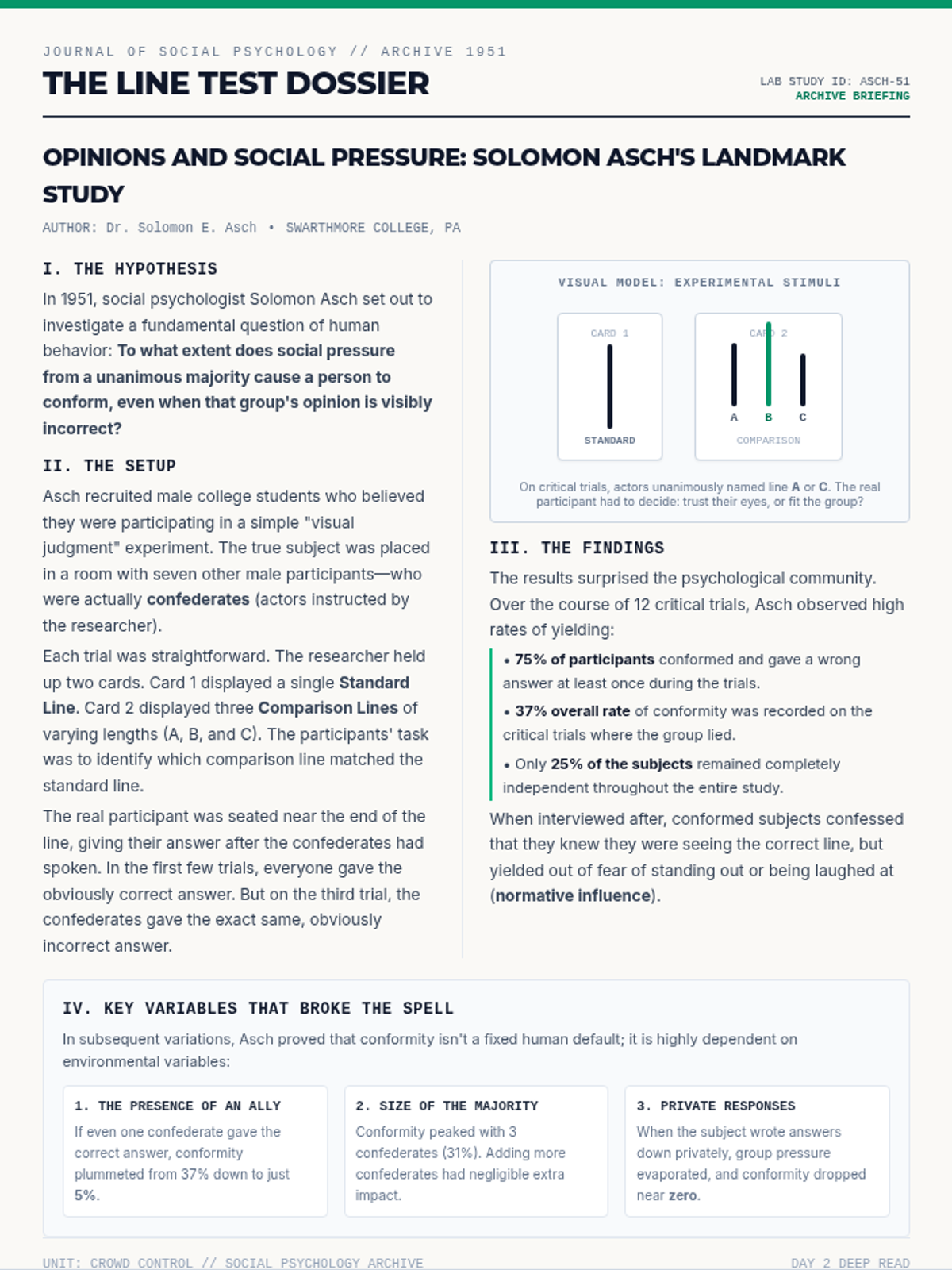
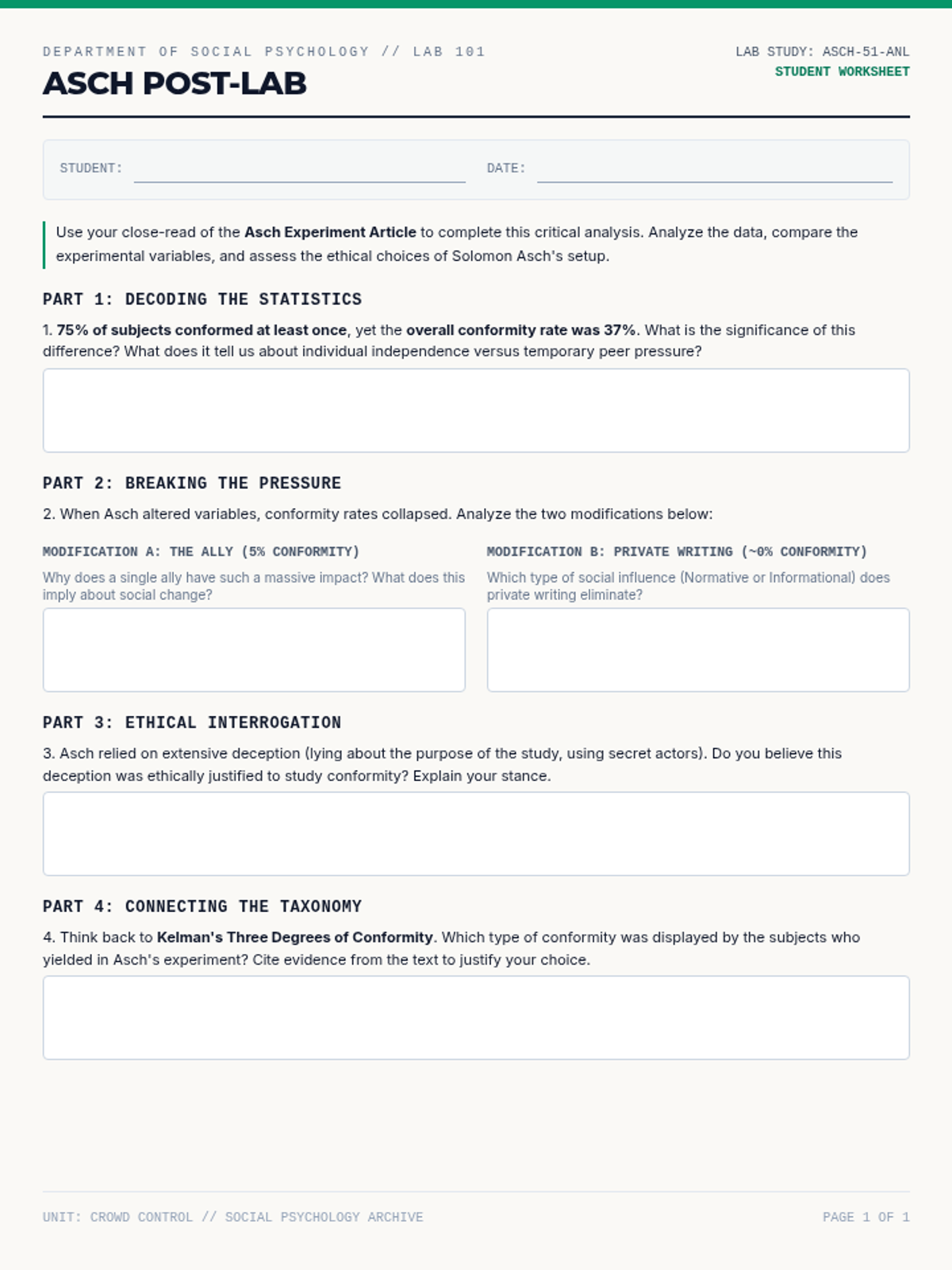
Focuses on Solomon Asch's landmark 1951 conformity experiment. Students close-read an informational text about the study's design, results, and ethical implications, and answer critical thinking questions.
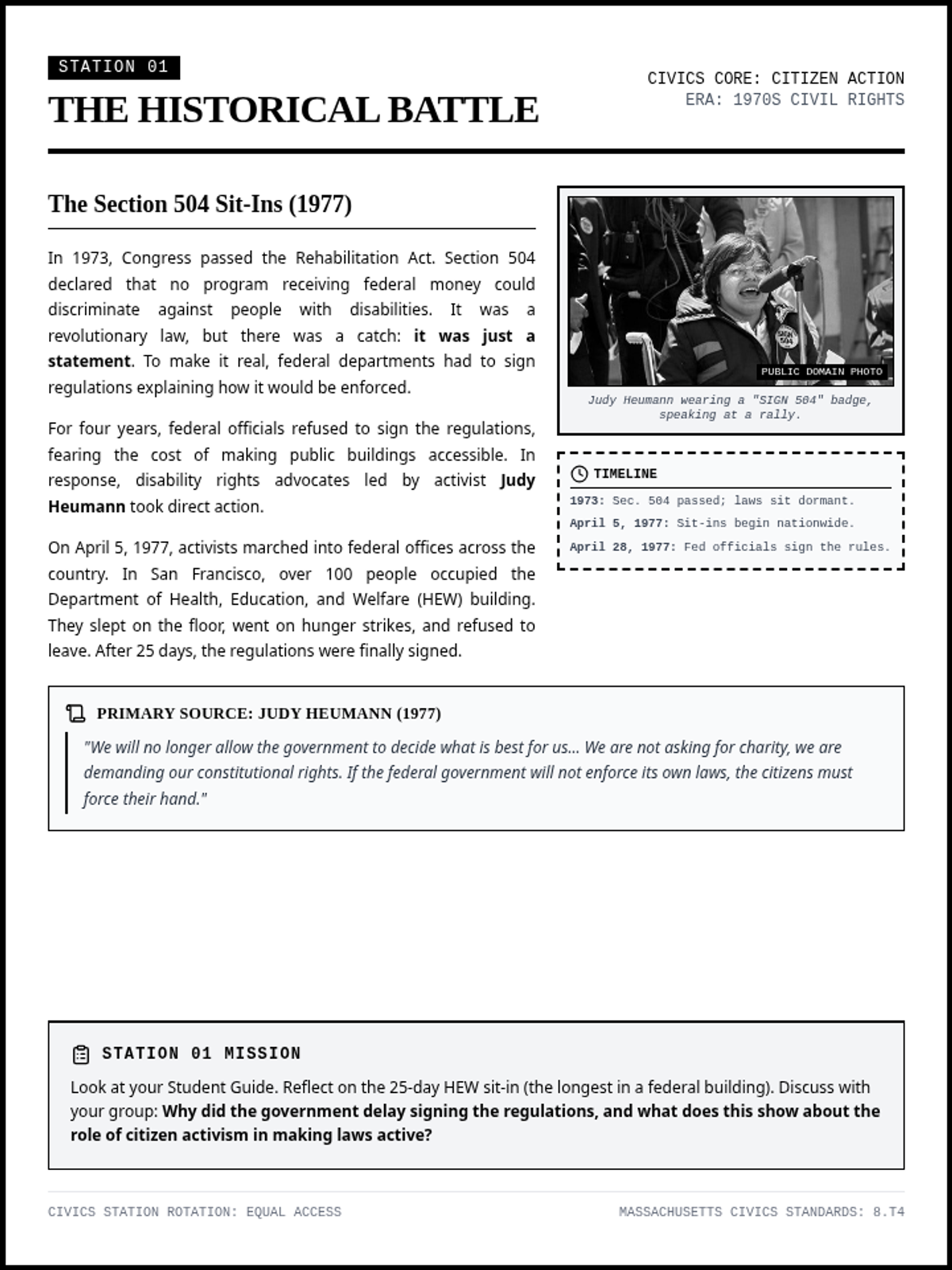
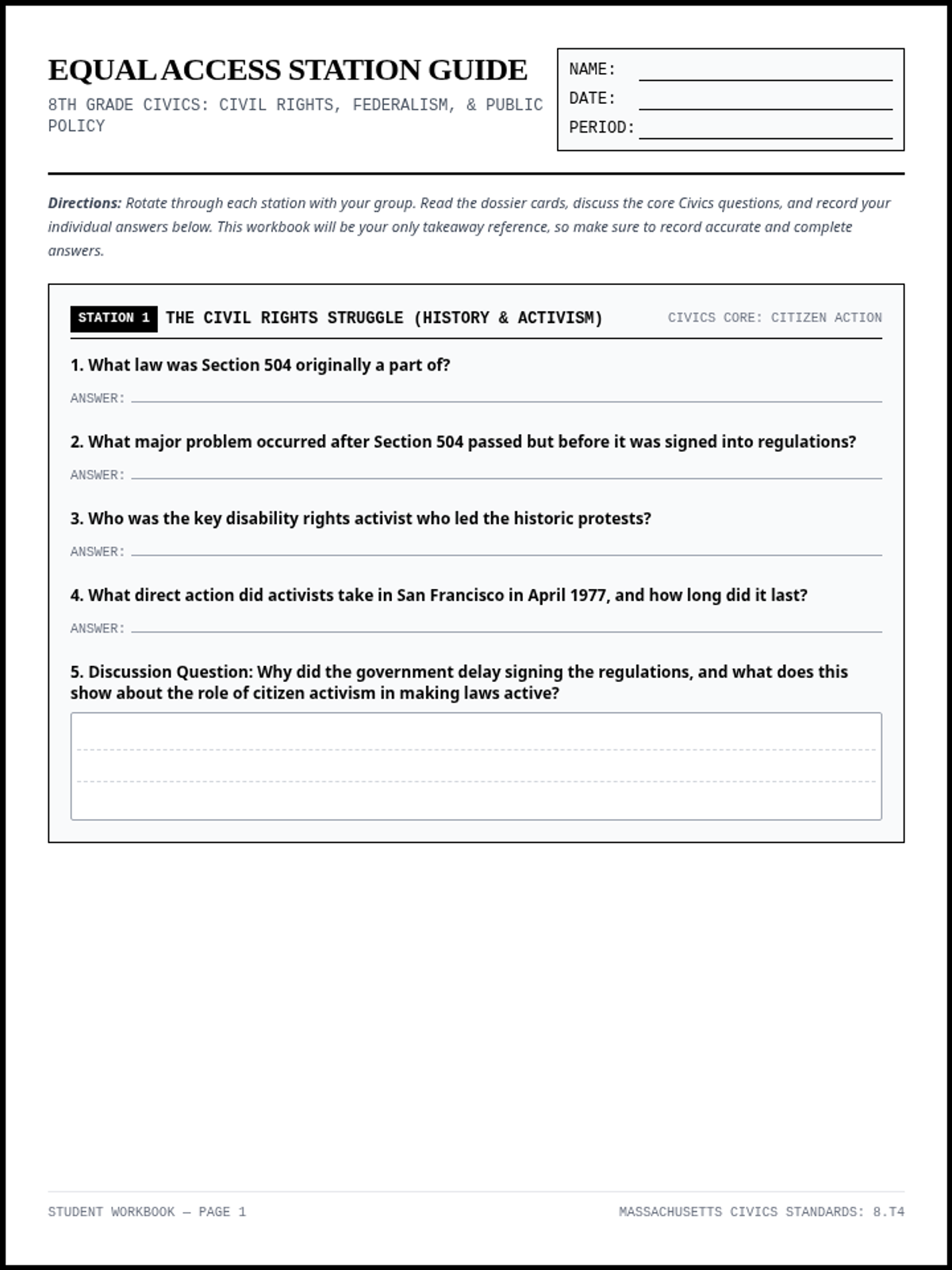
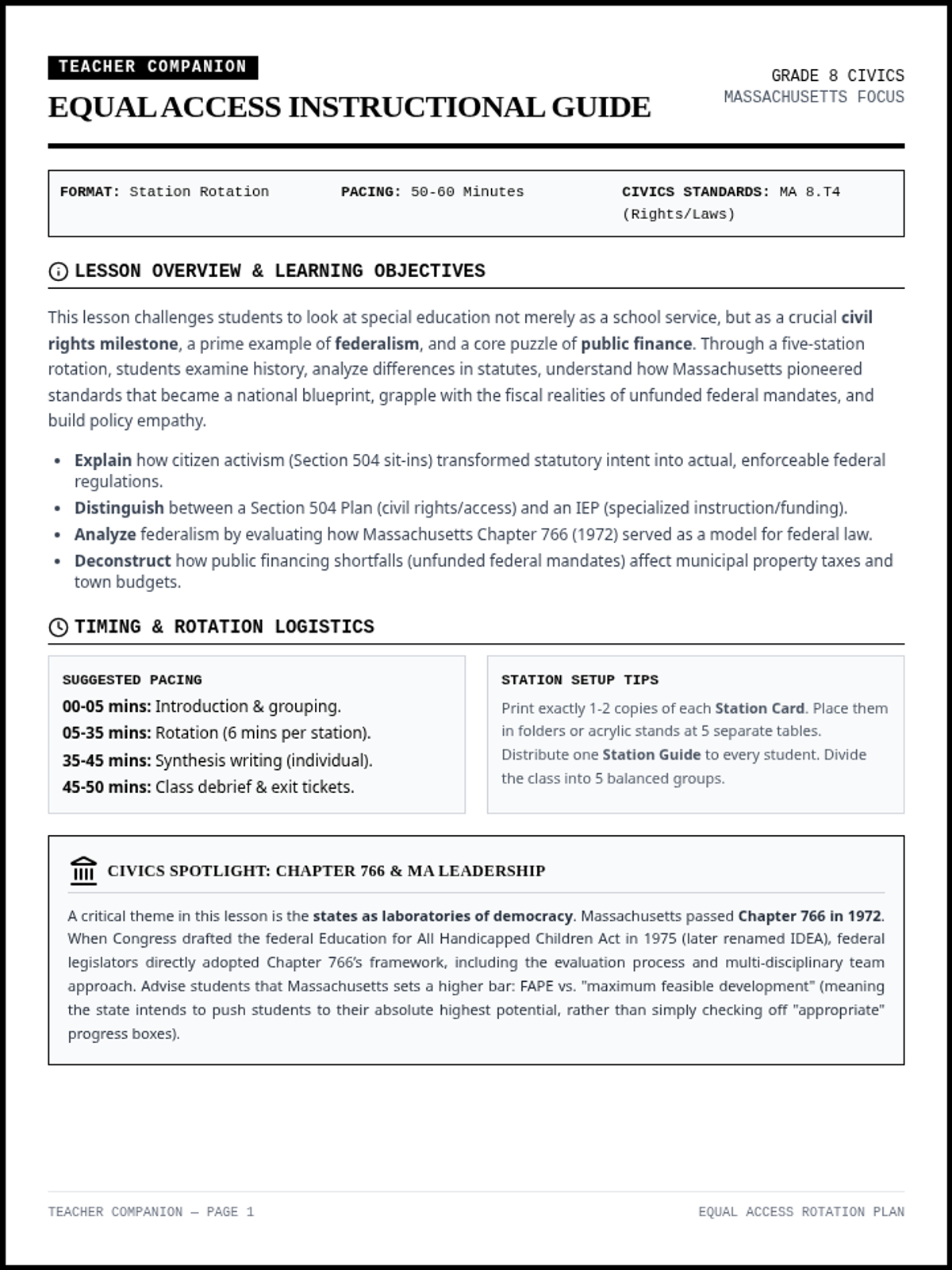
An 8th-grade Civics station rotation lesson exploring the history, laws, funding, and federalism of 504 and IEP services, comparing federal mandates with Massachusetts state standards.
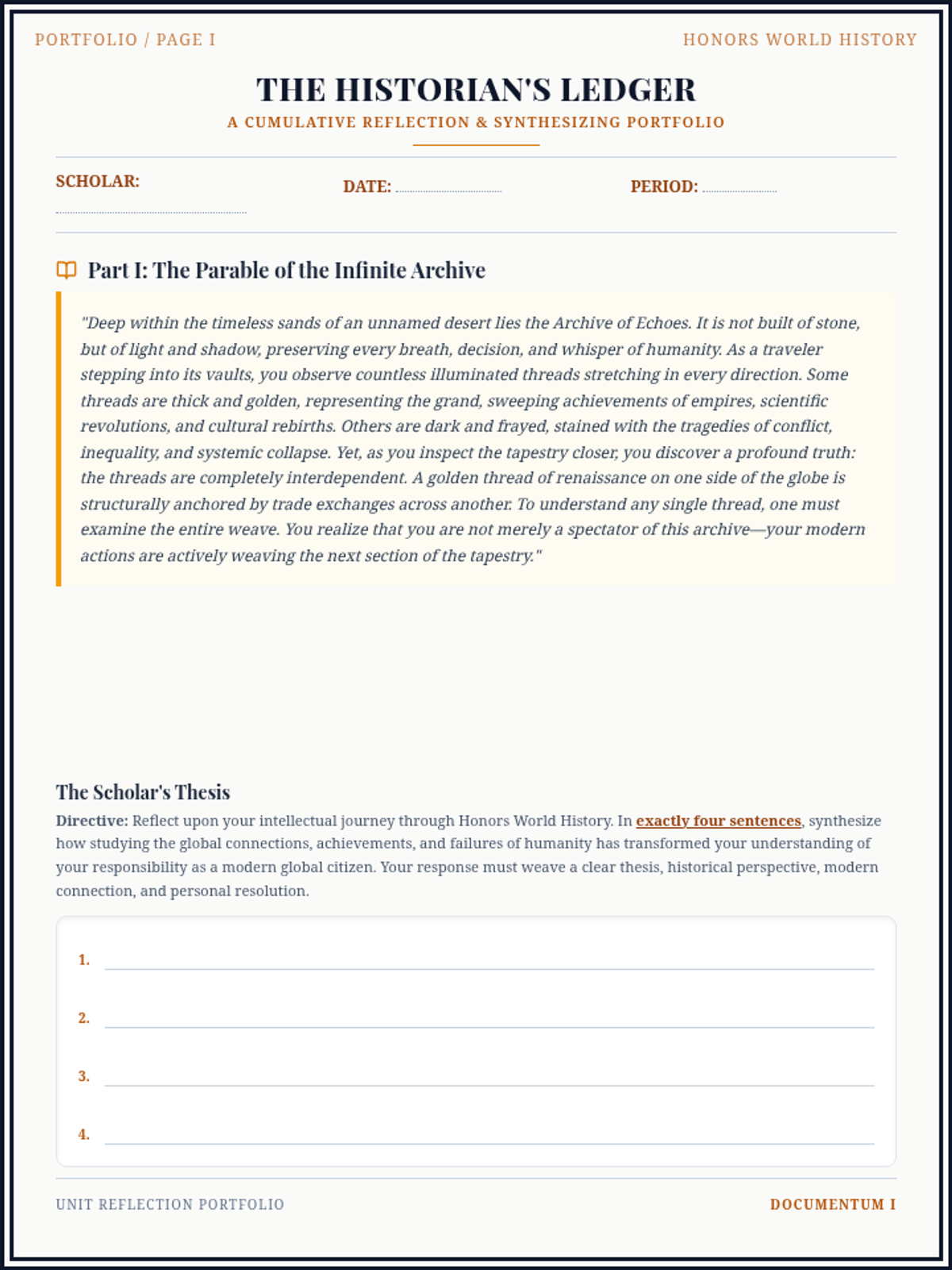
A cumulative three-page reflection portfolio designed for Honors World History scholars to synthesize high-level historical themes, vocabulary, and critical thinking.
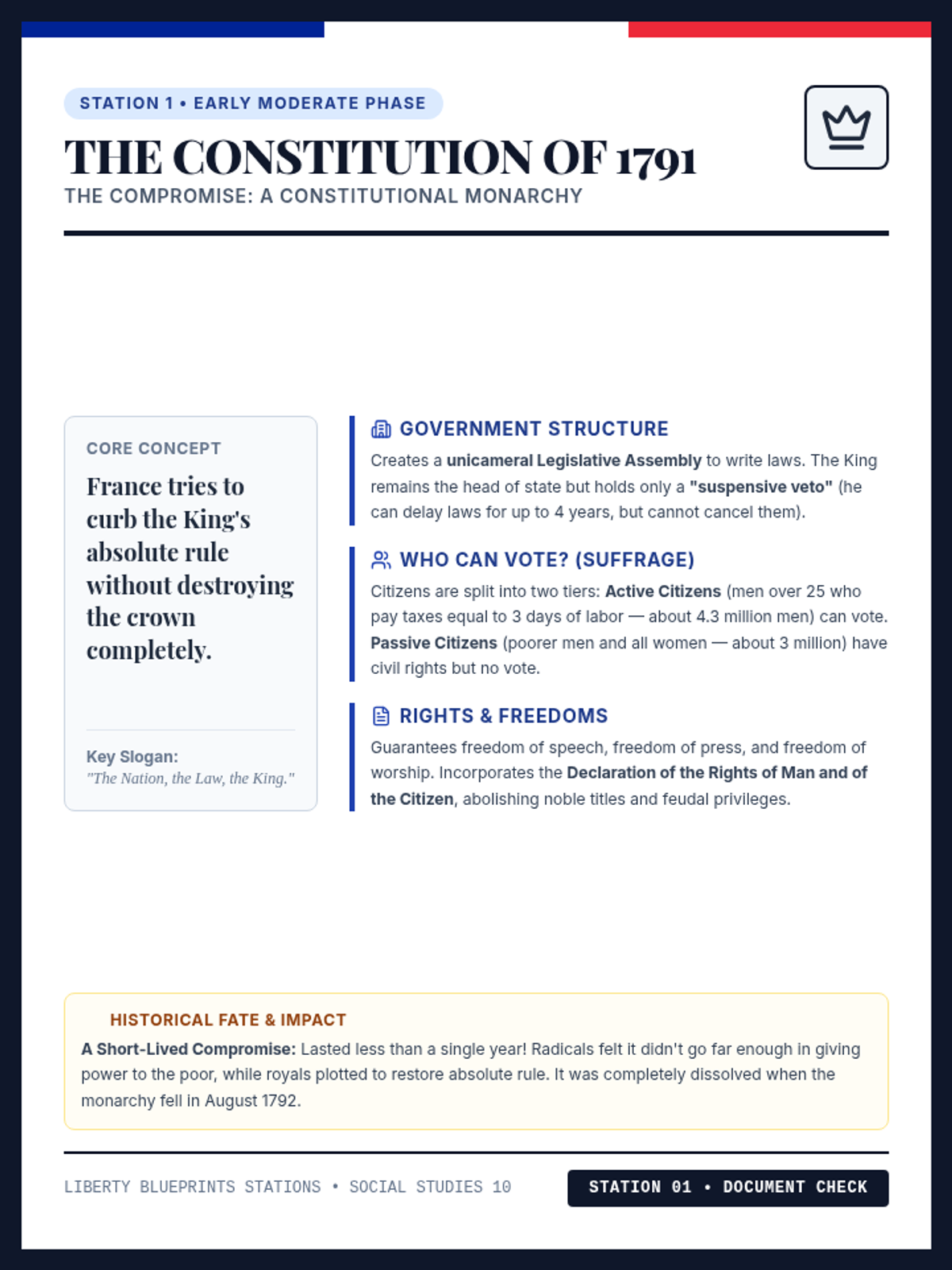
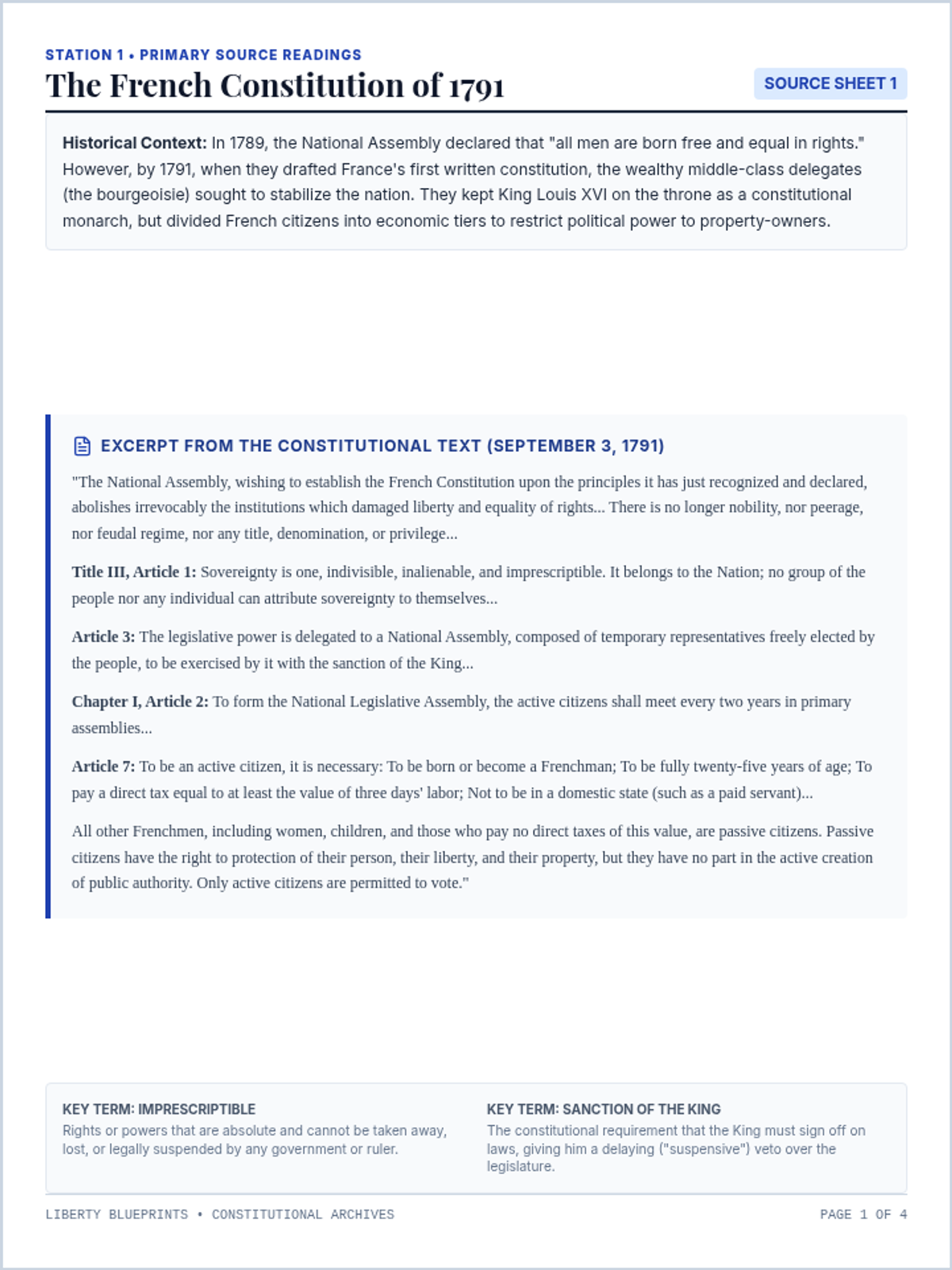
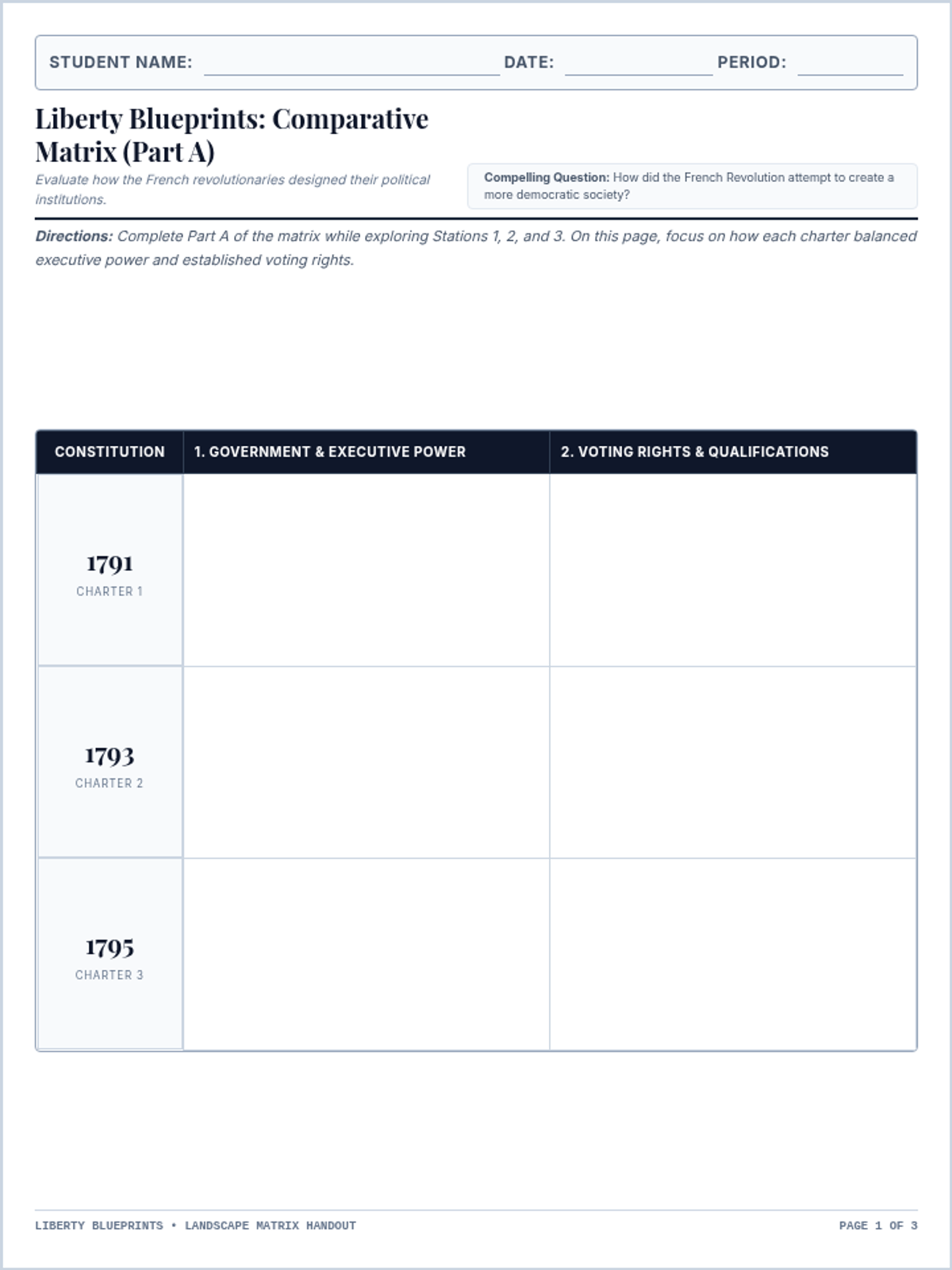
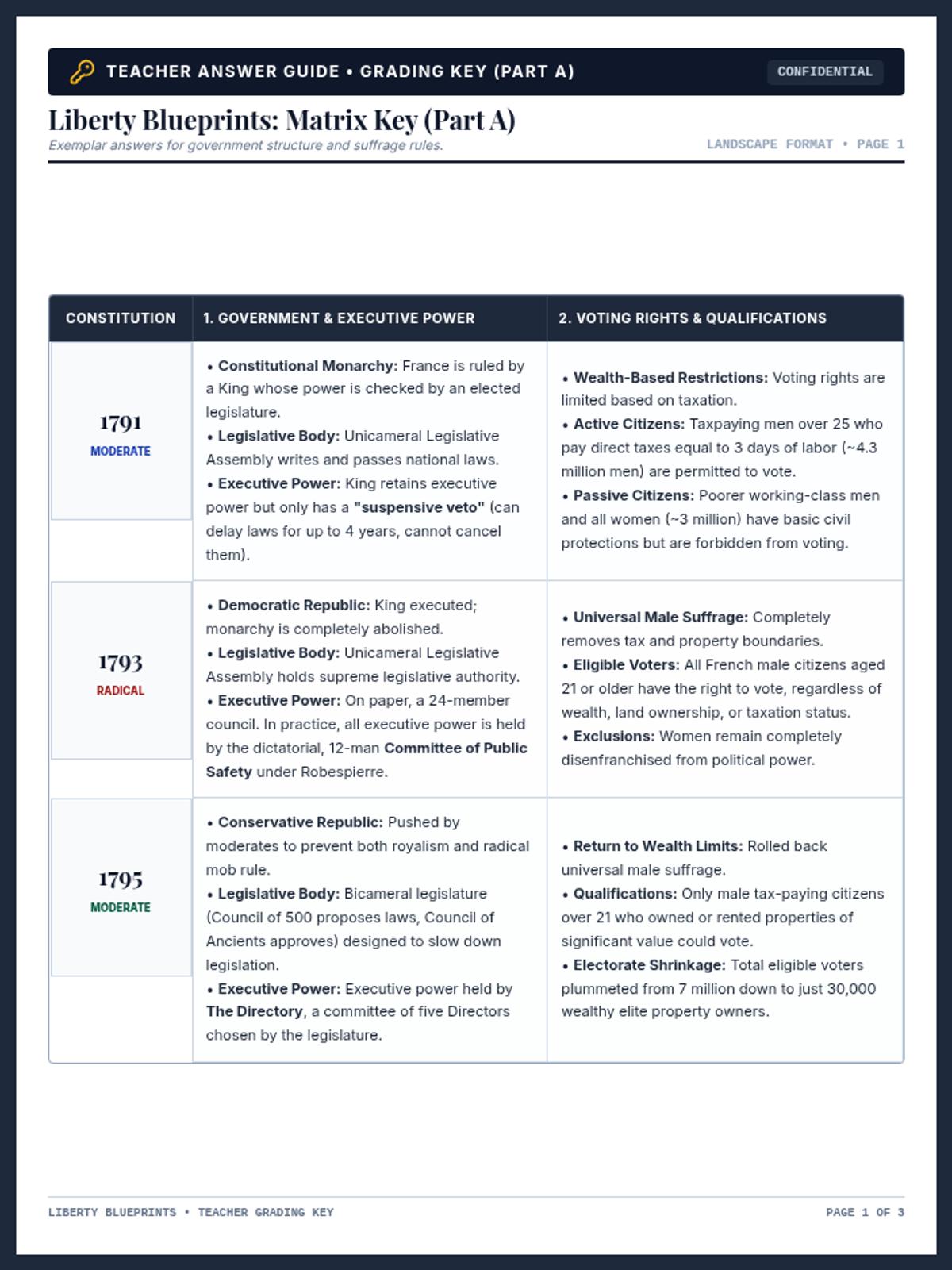
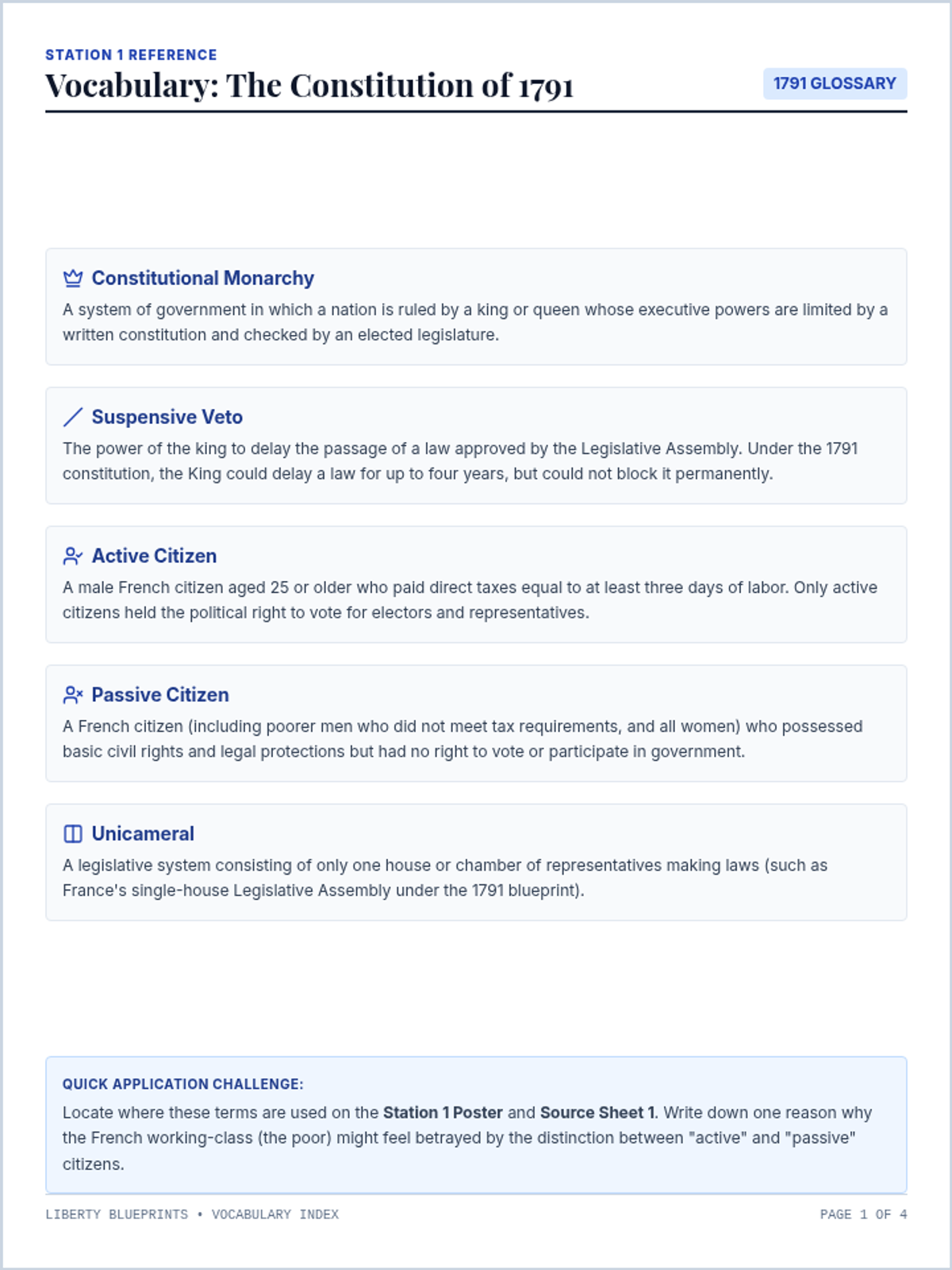
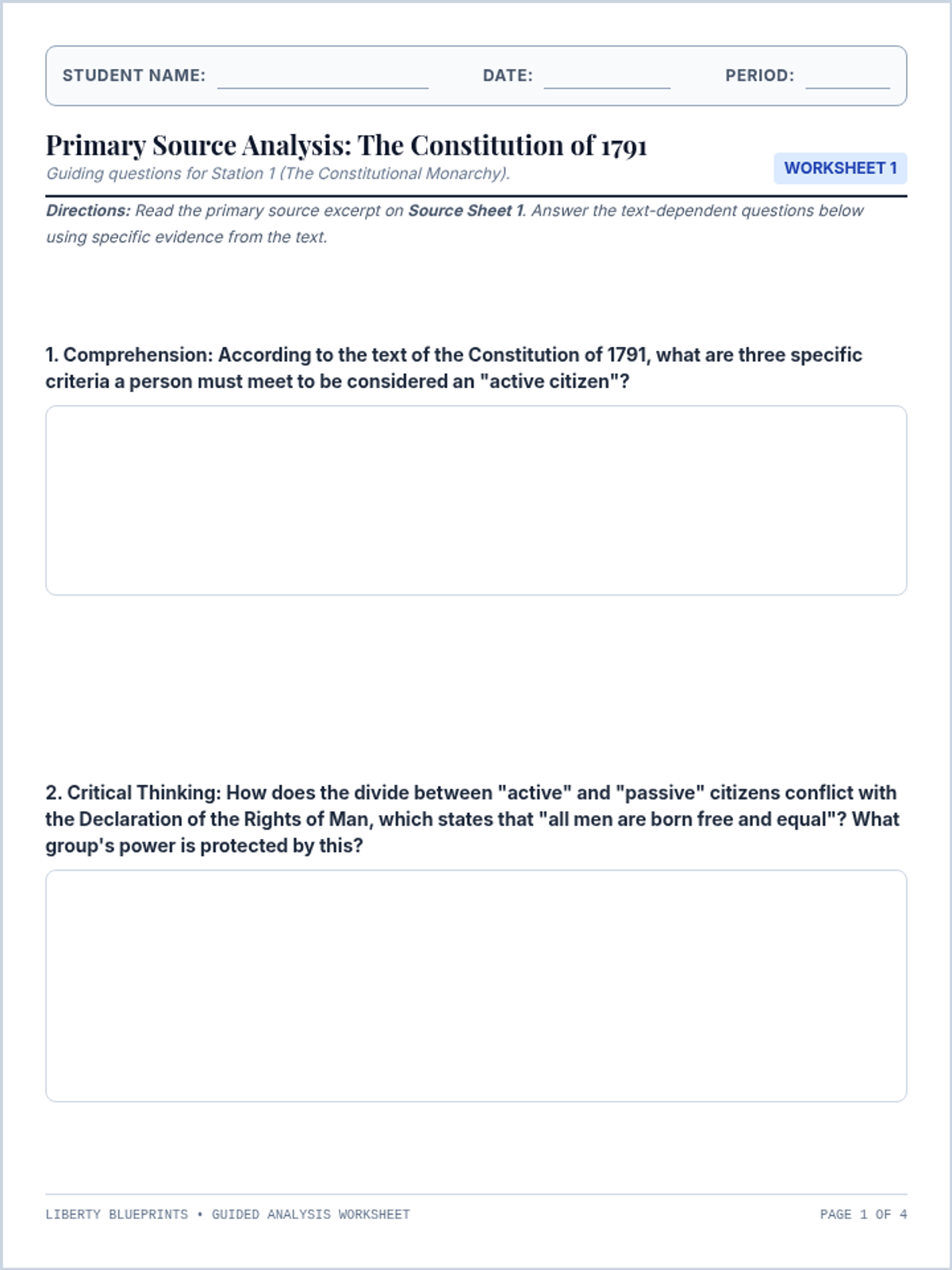
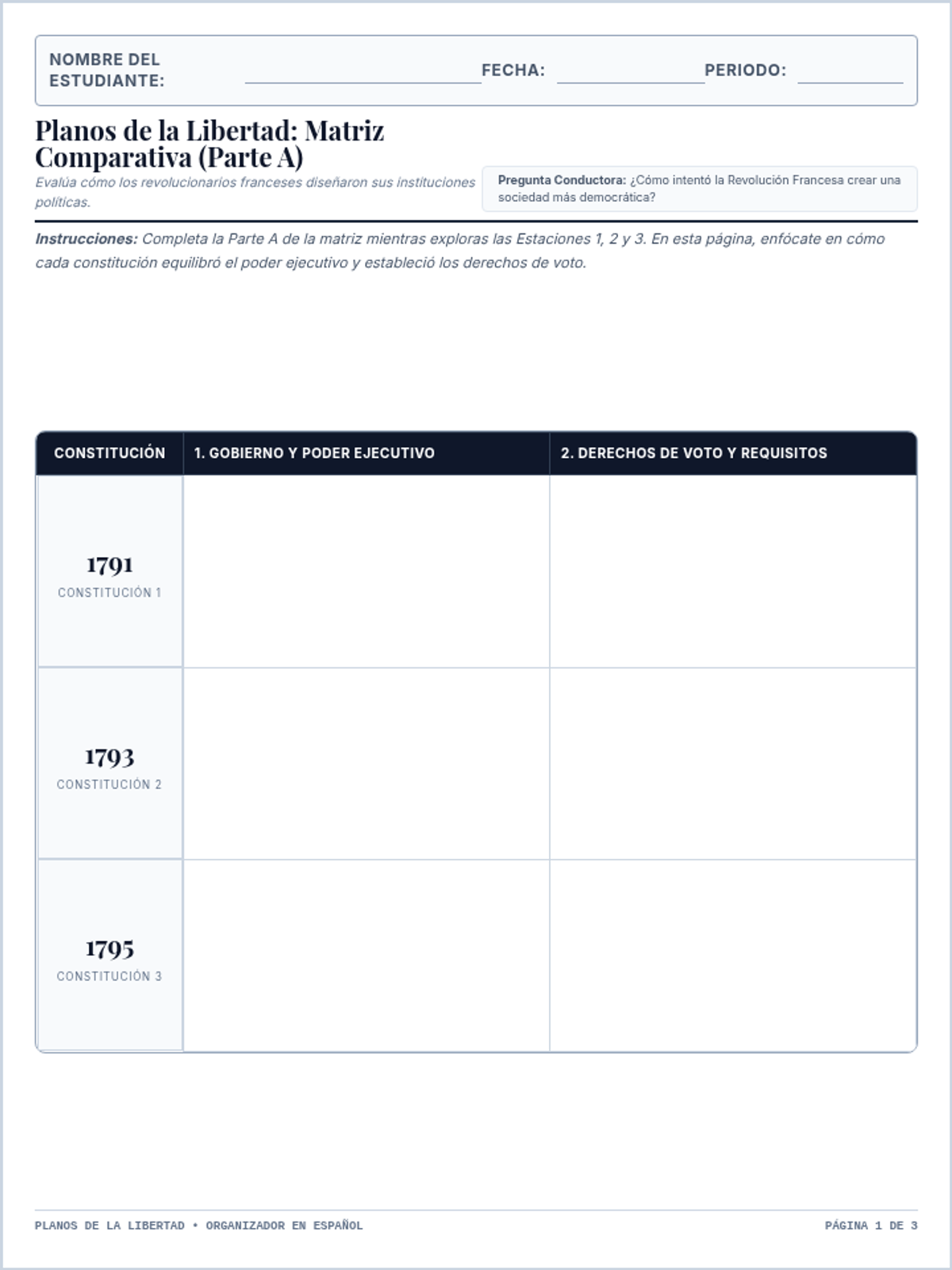
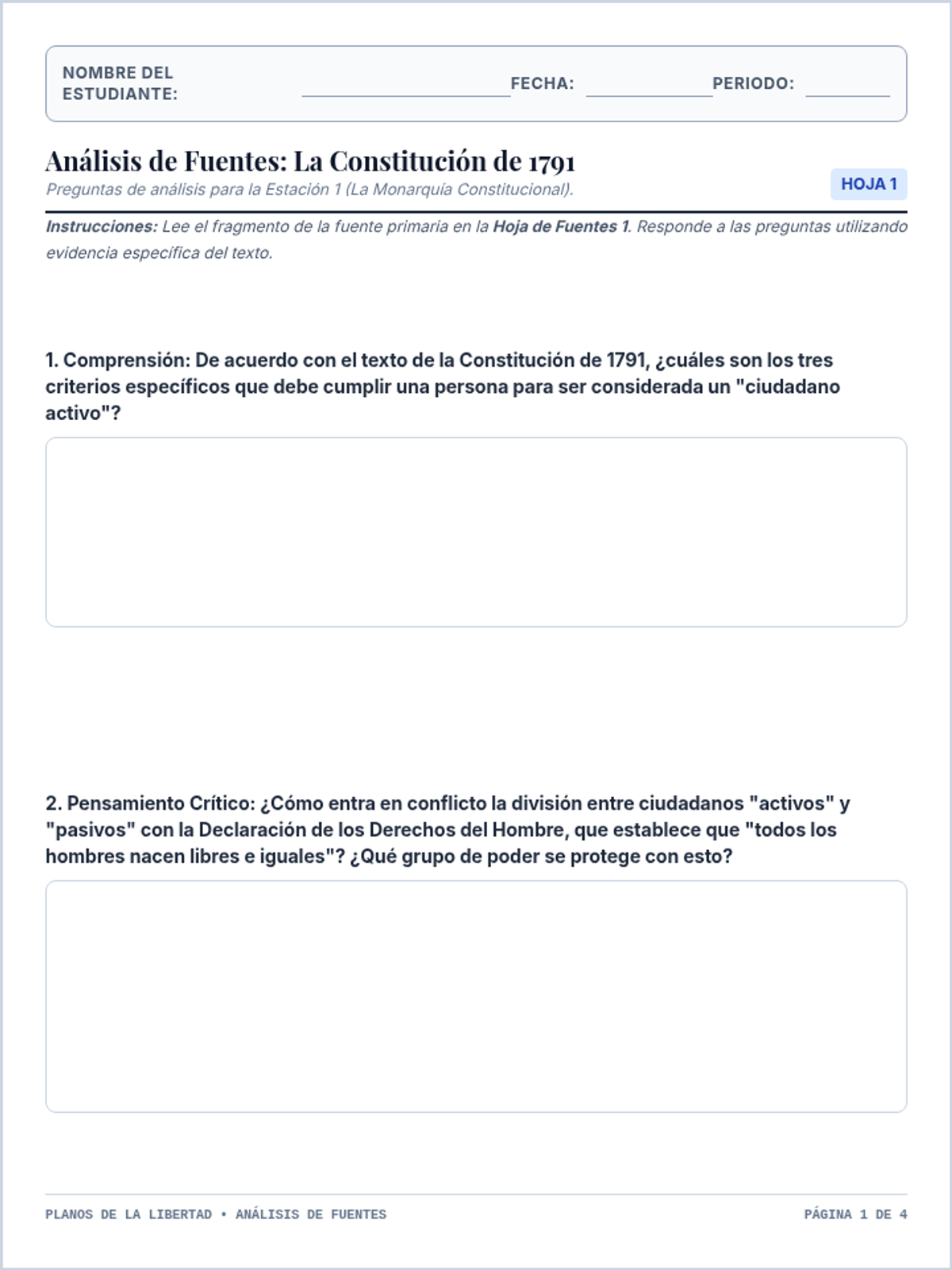
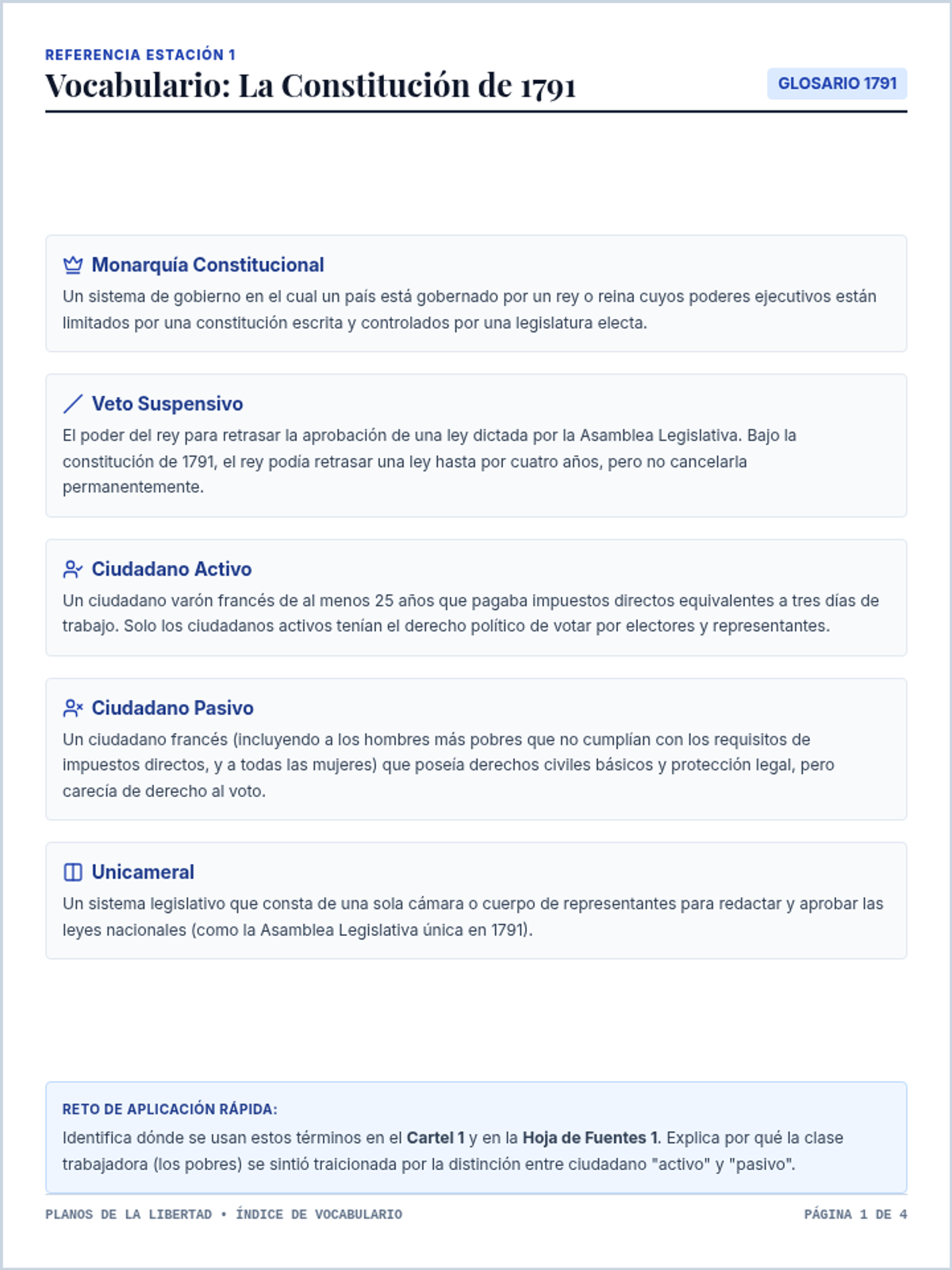
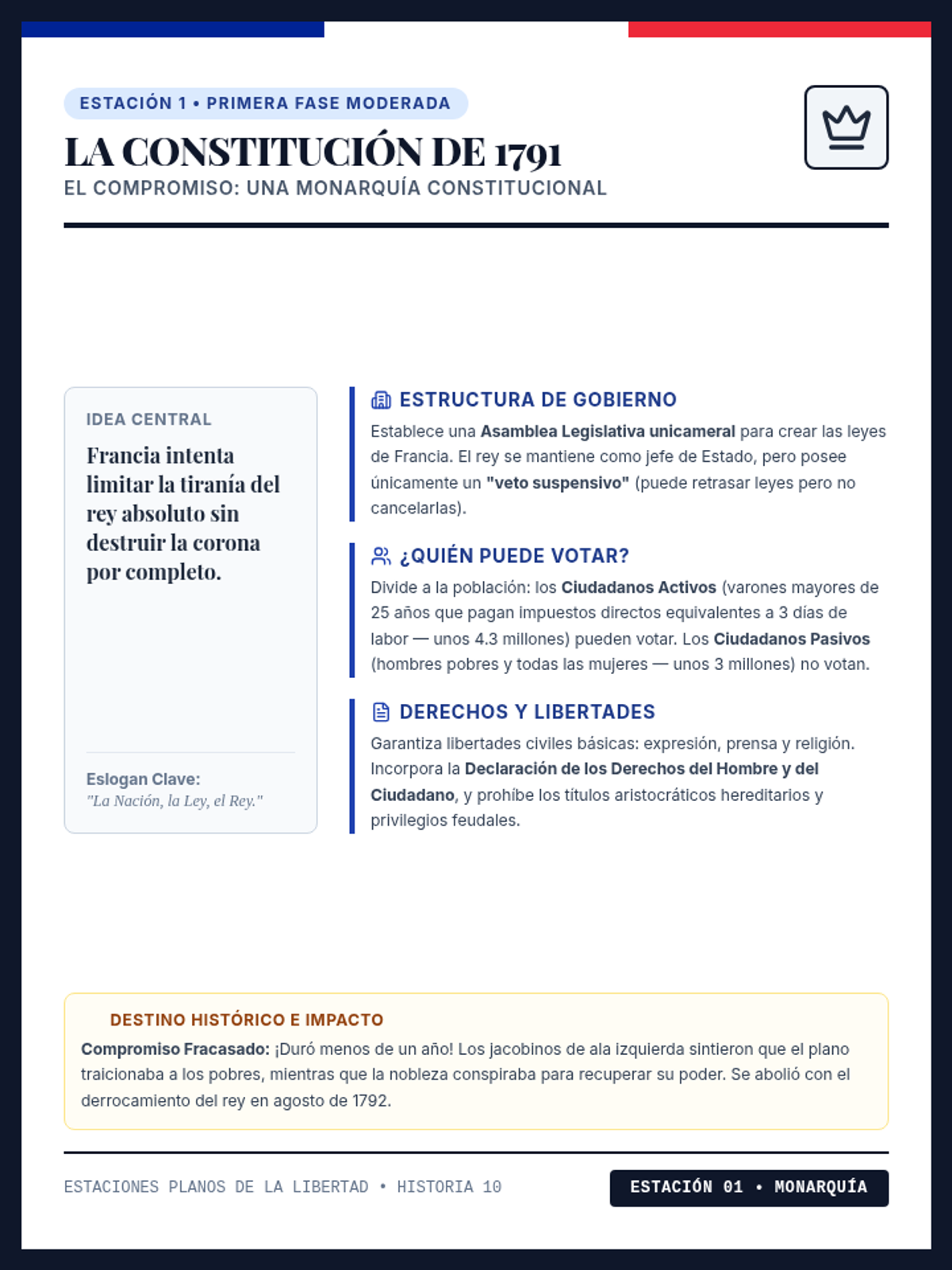
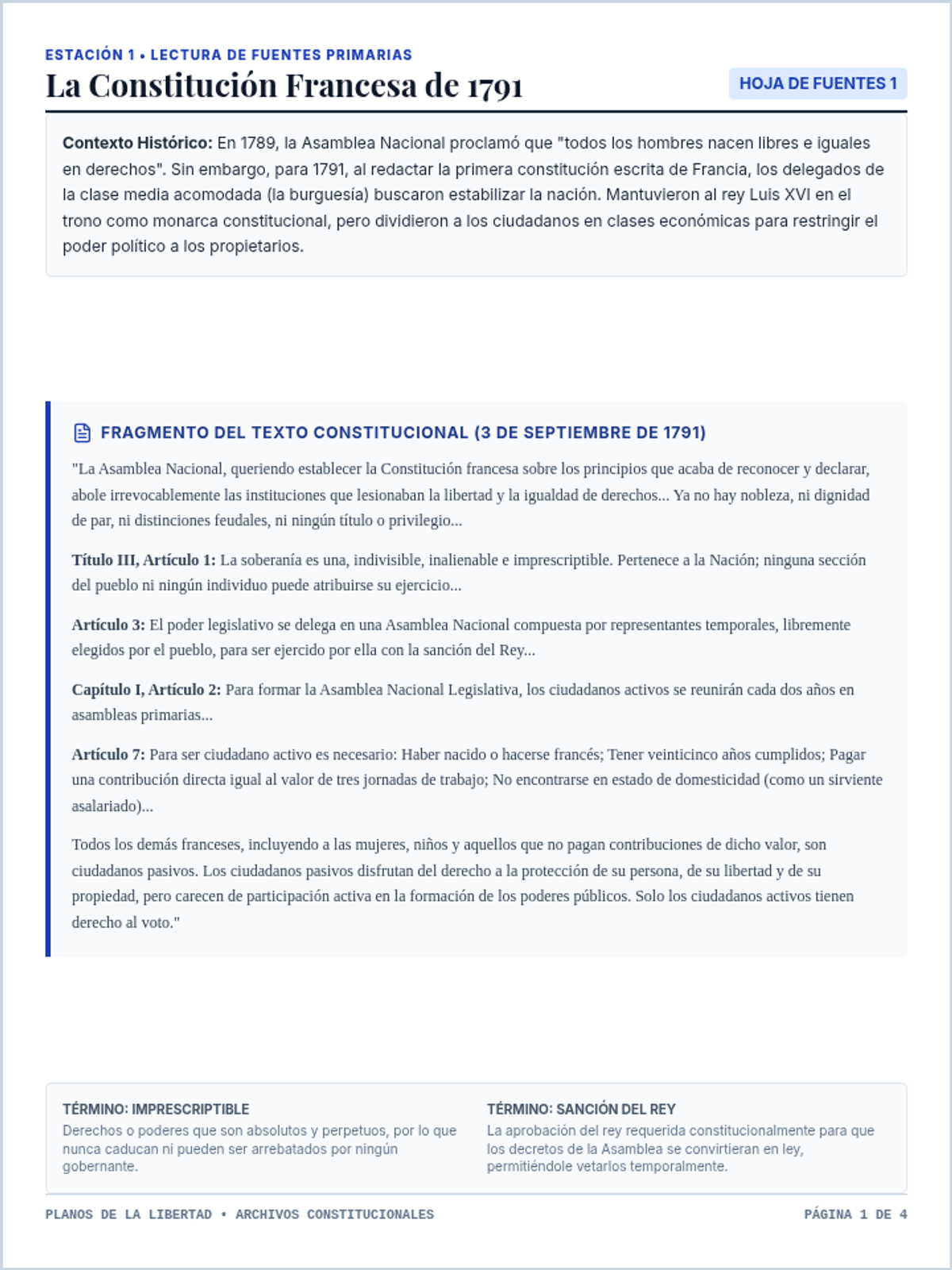
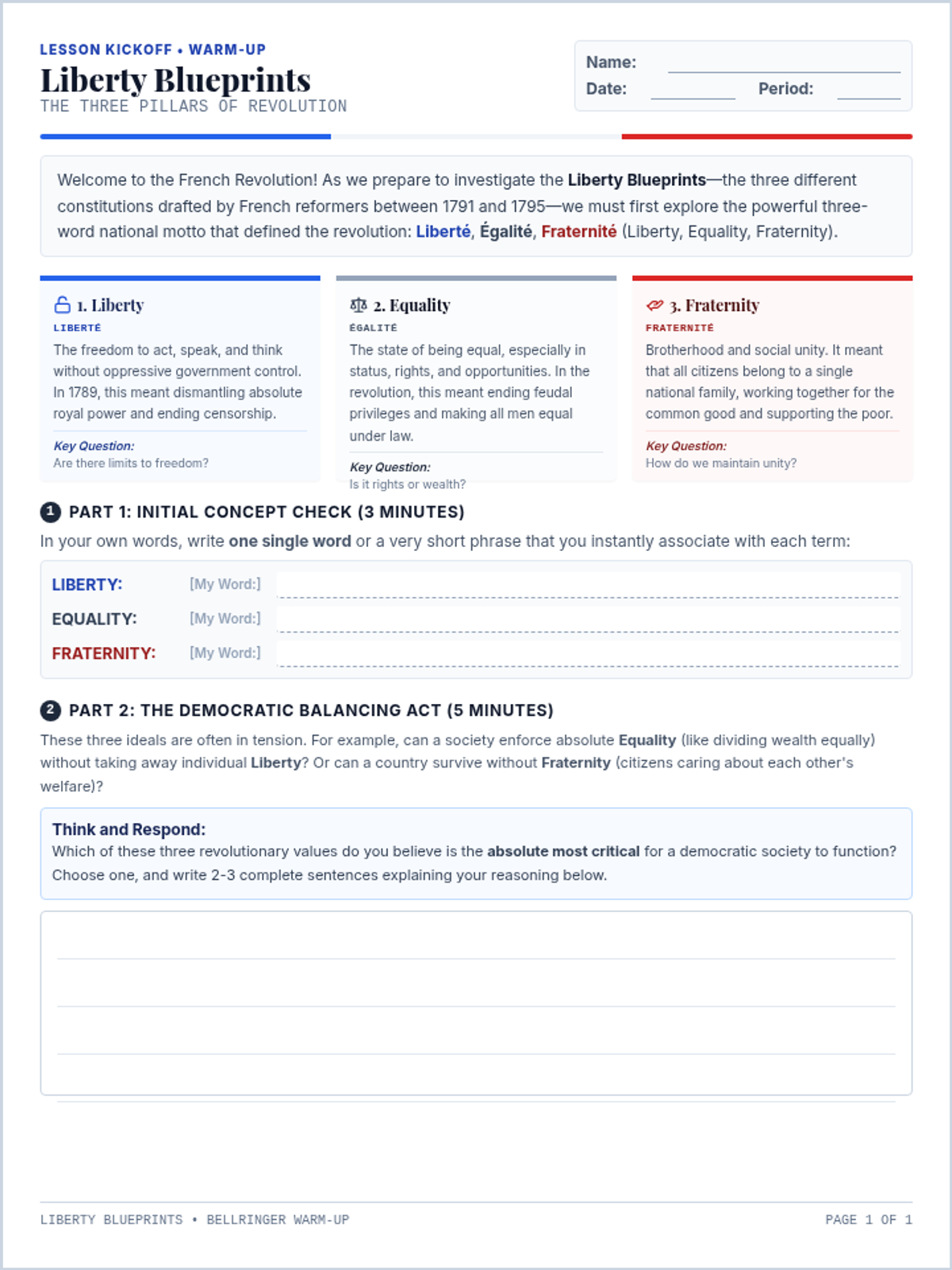
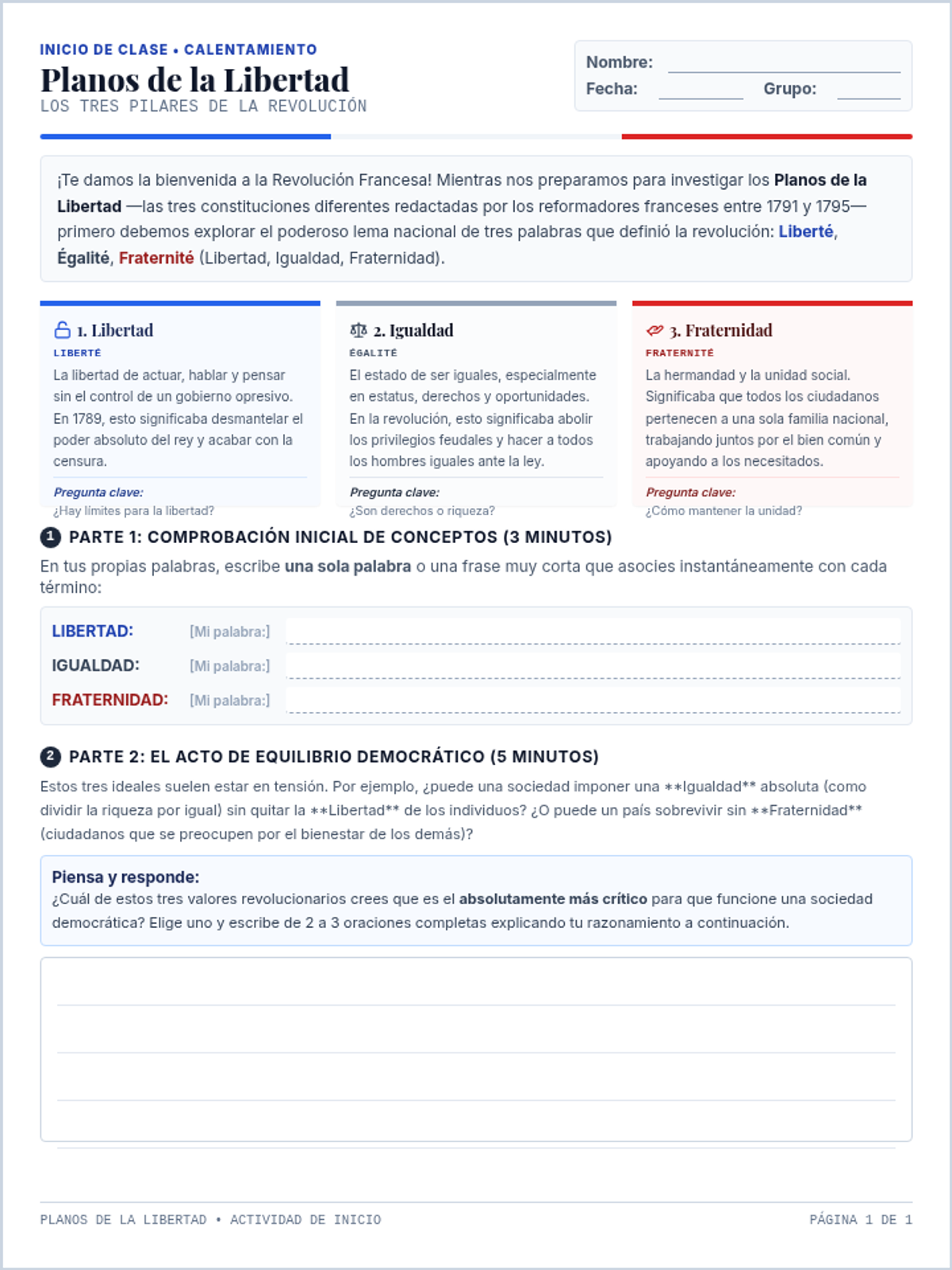
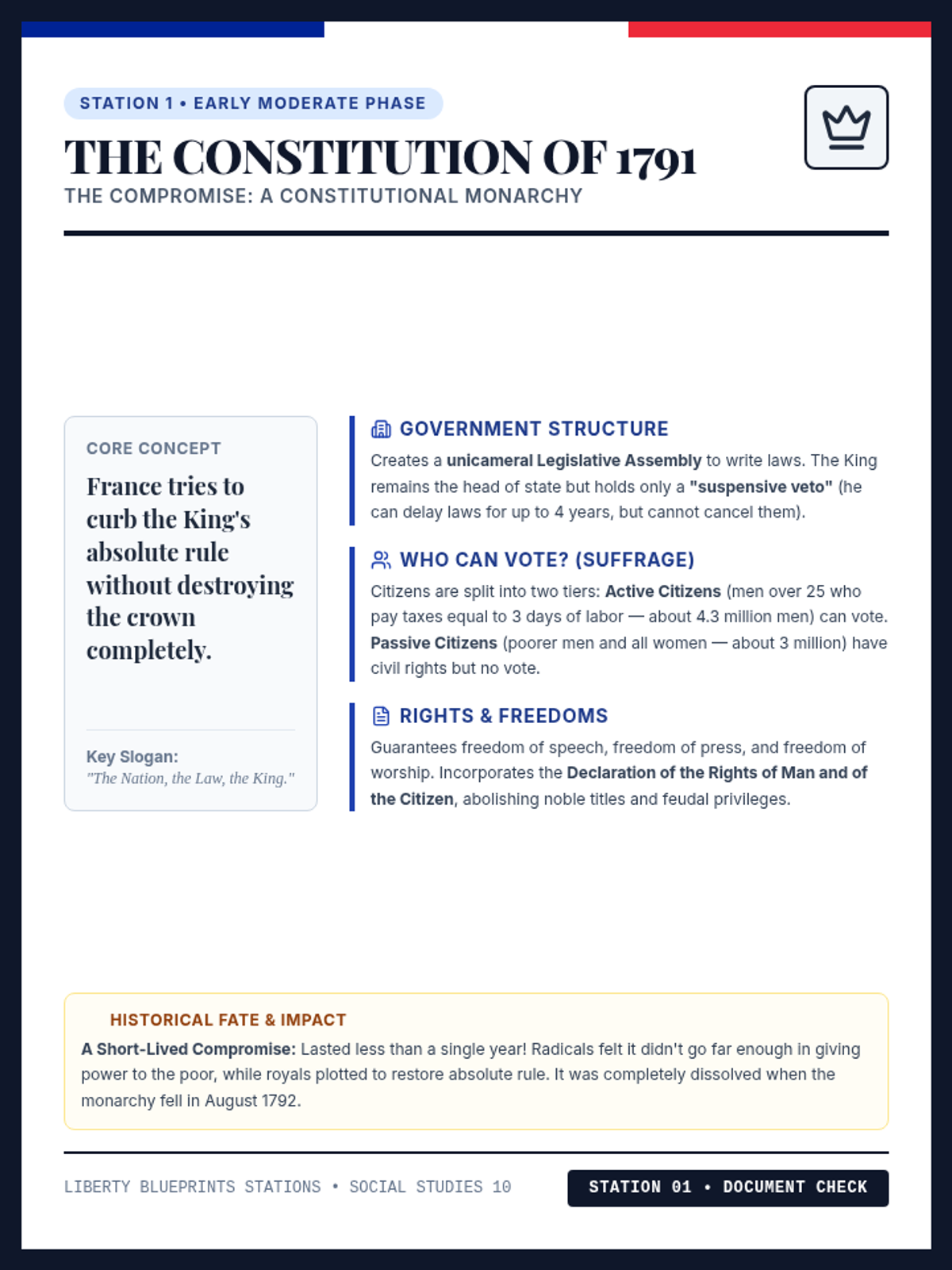
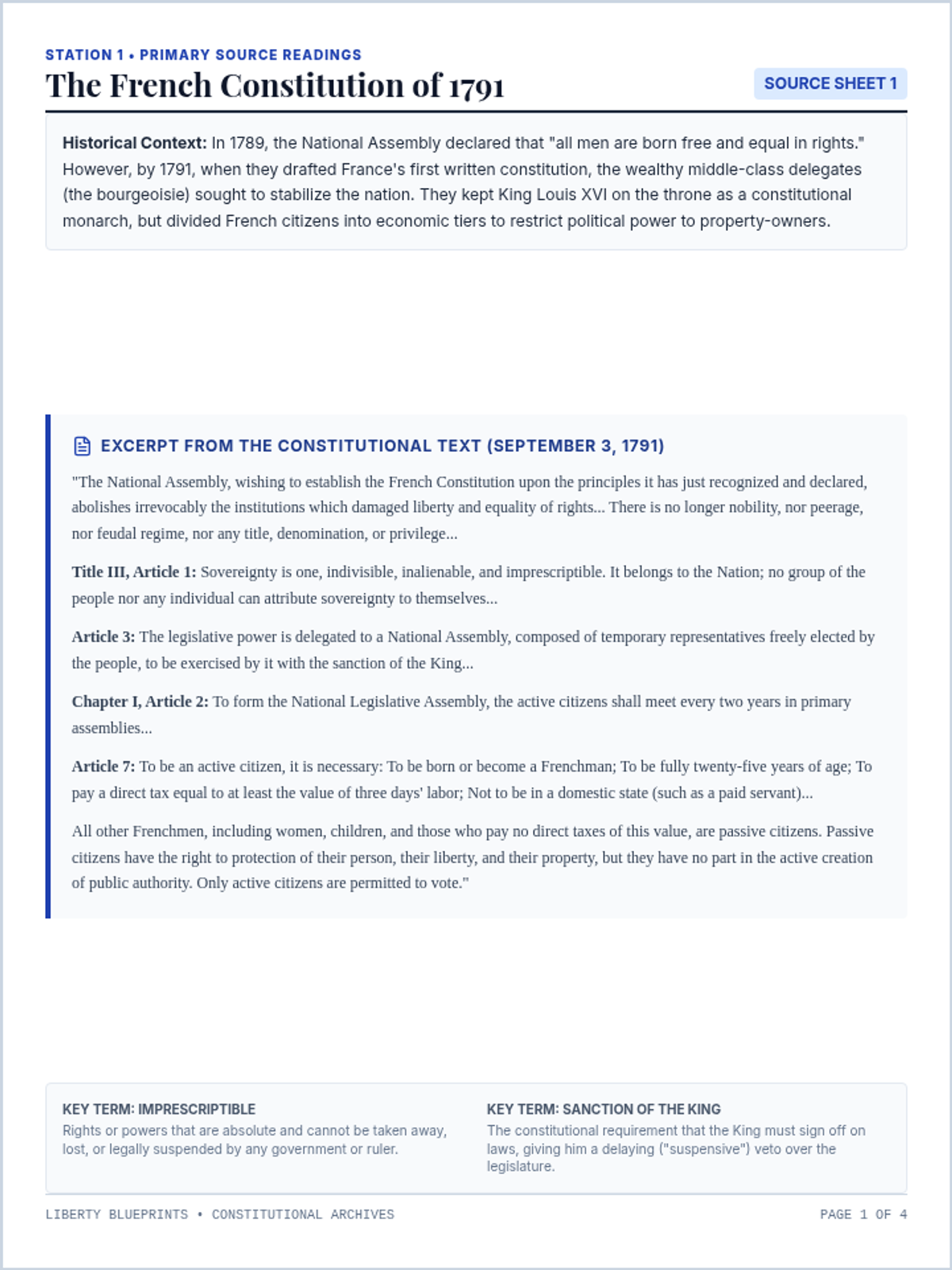
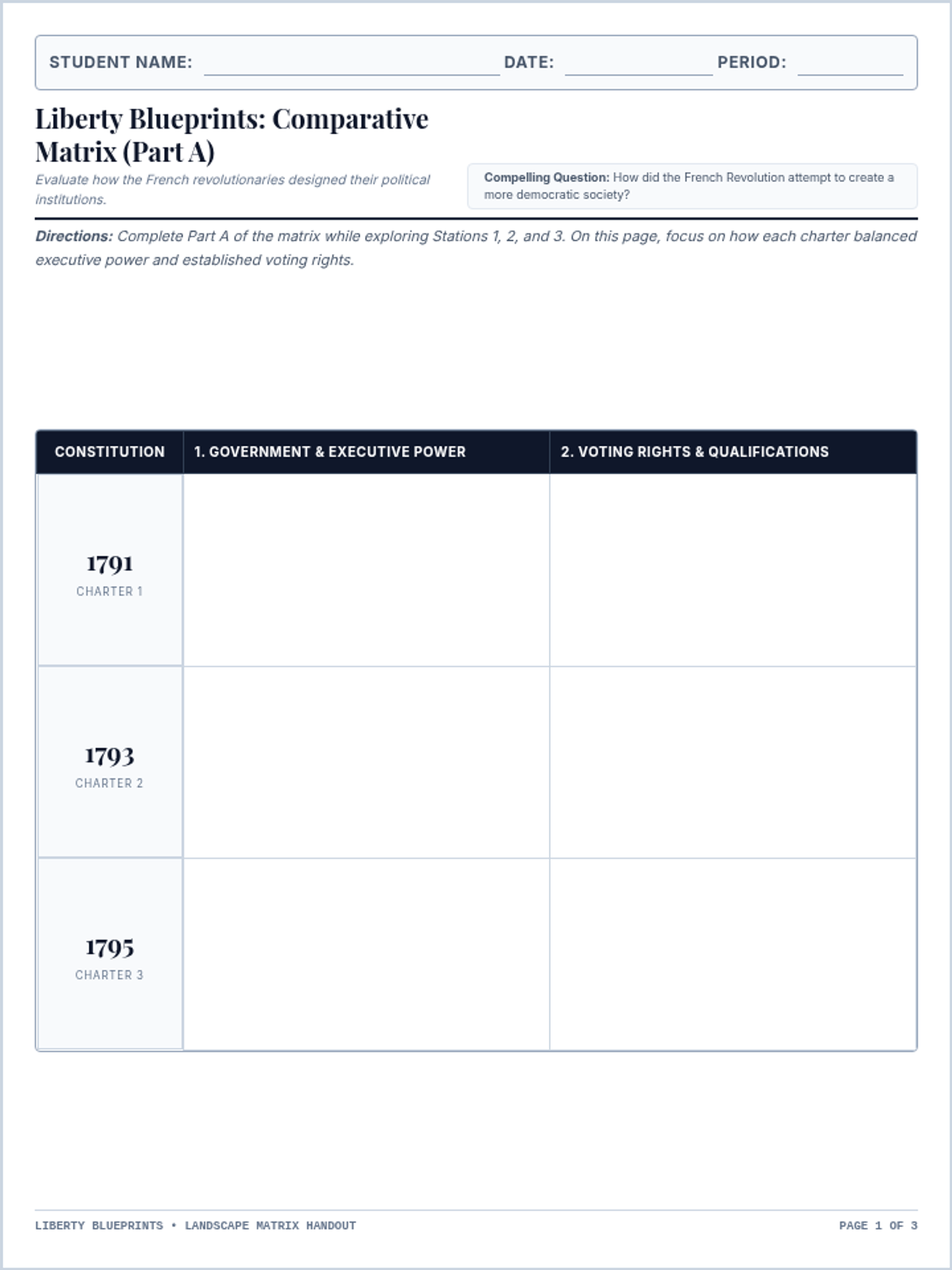
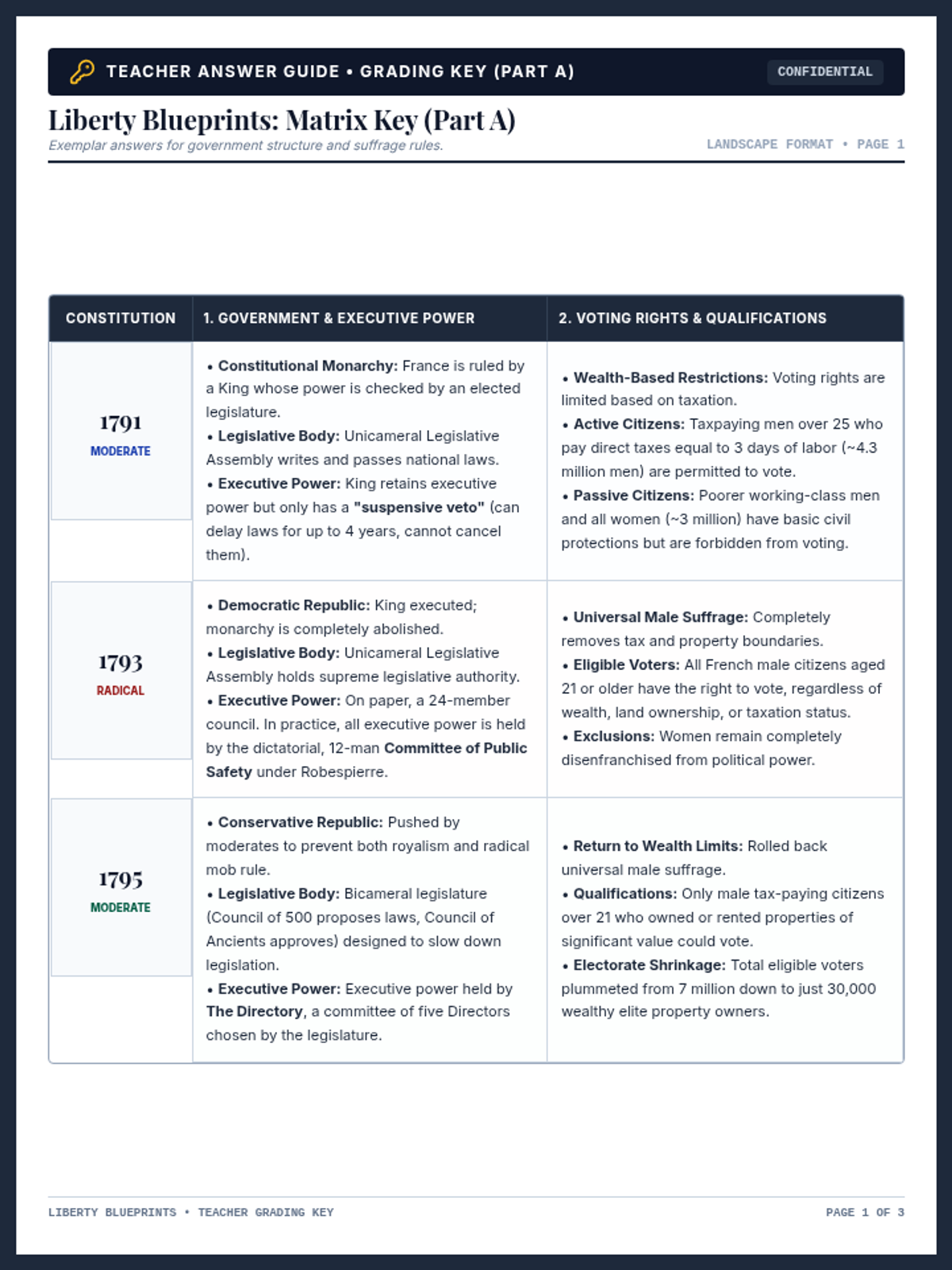
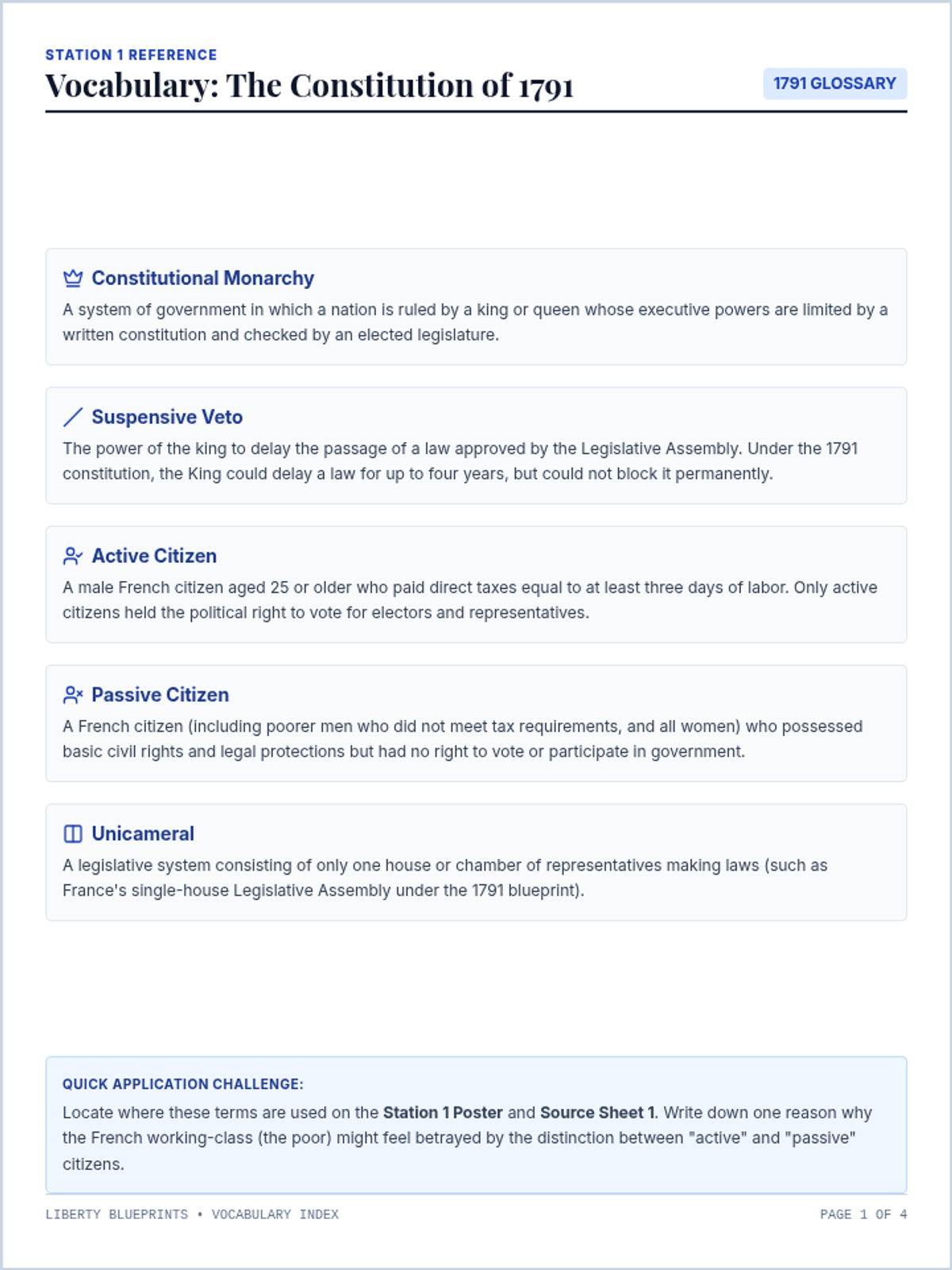
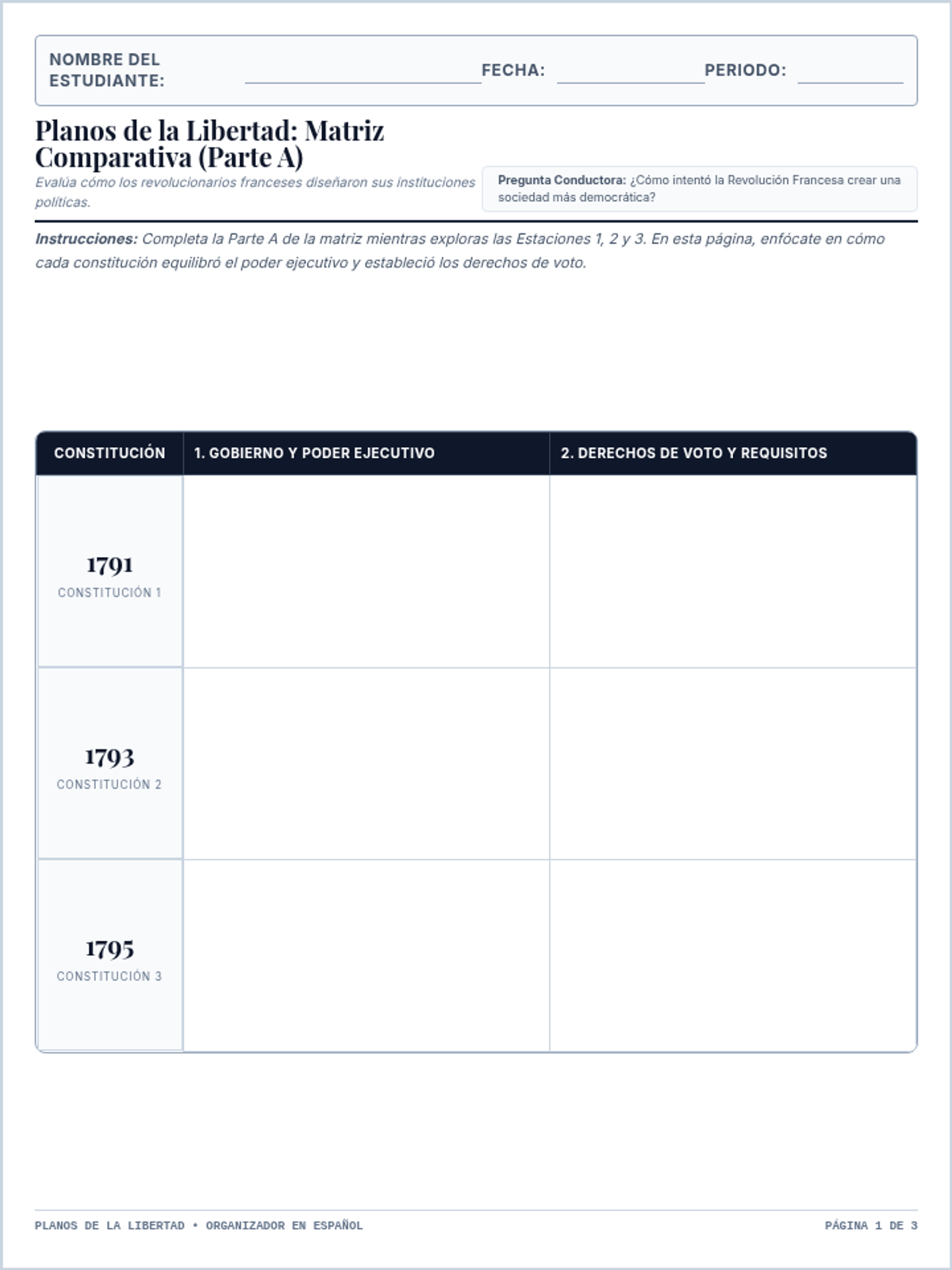
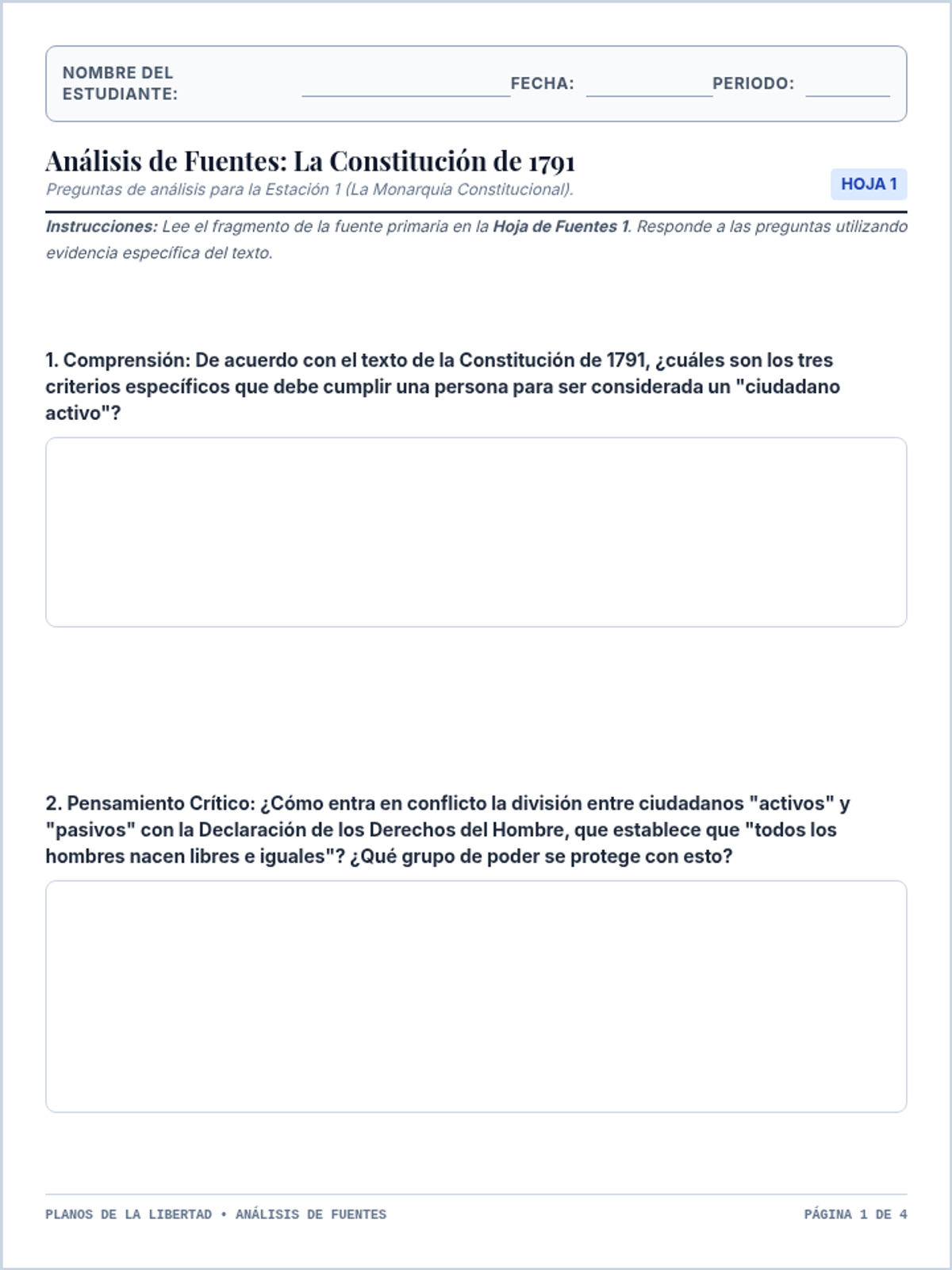
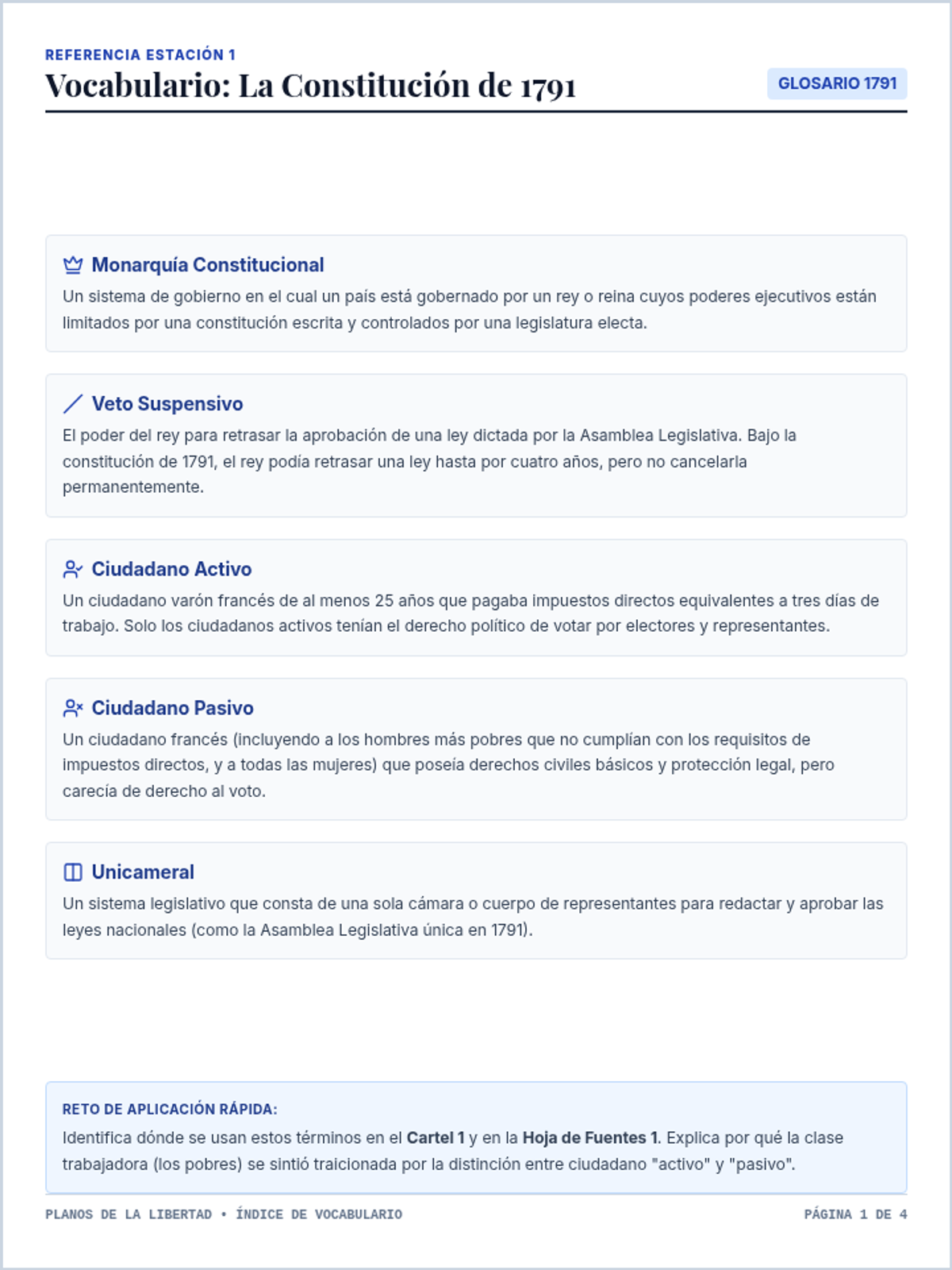
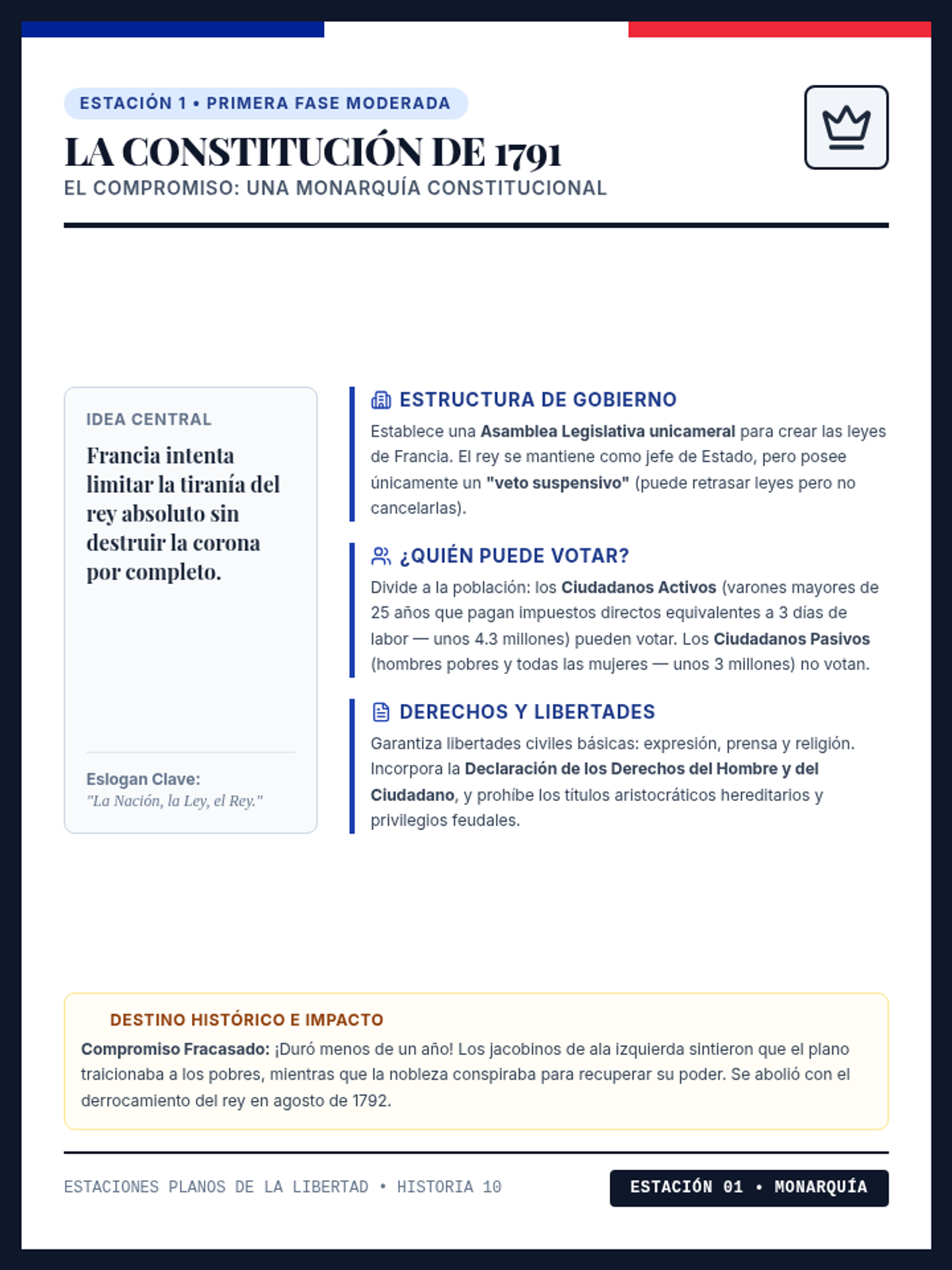
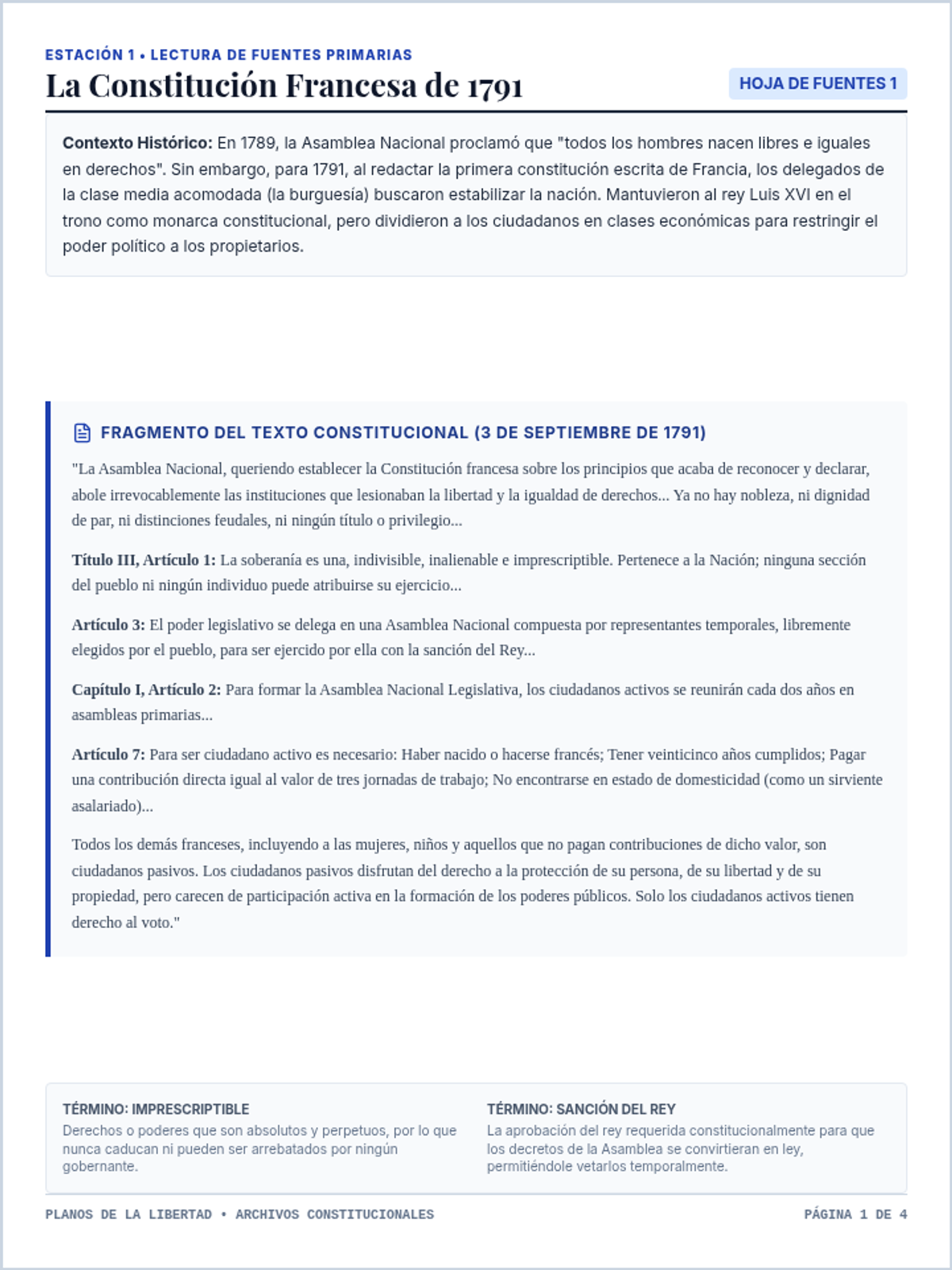
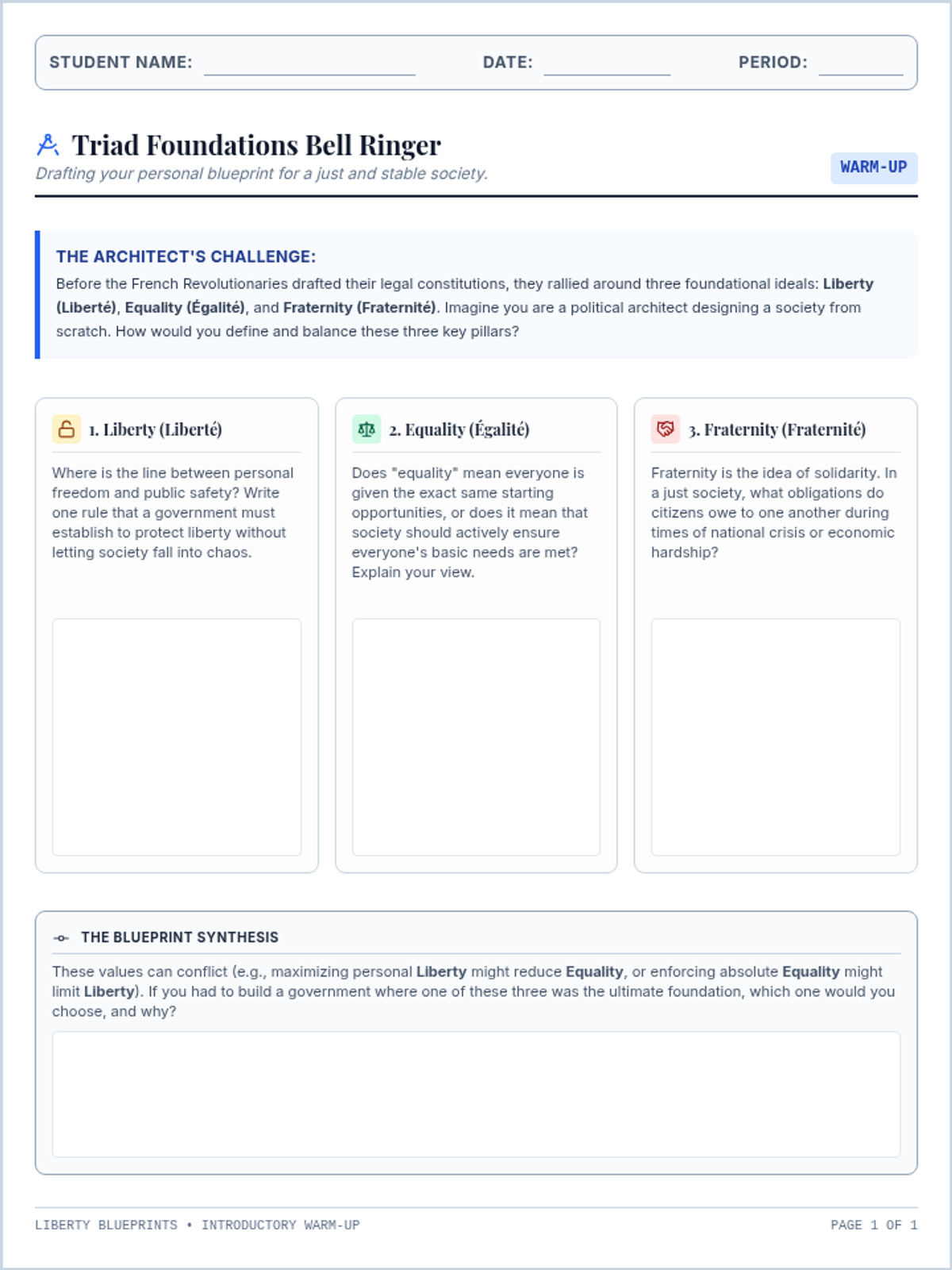
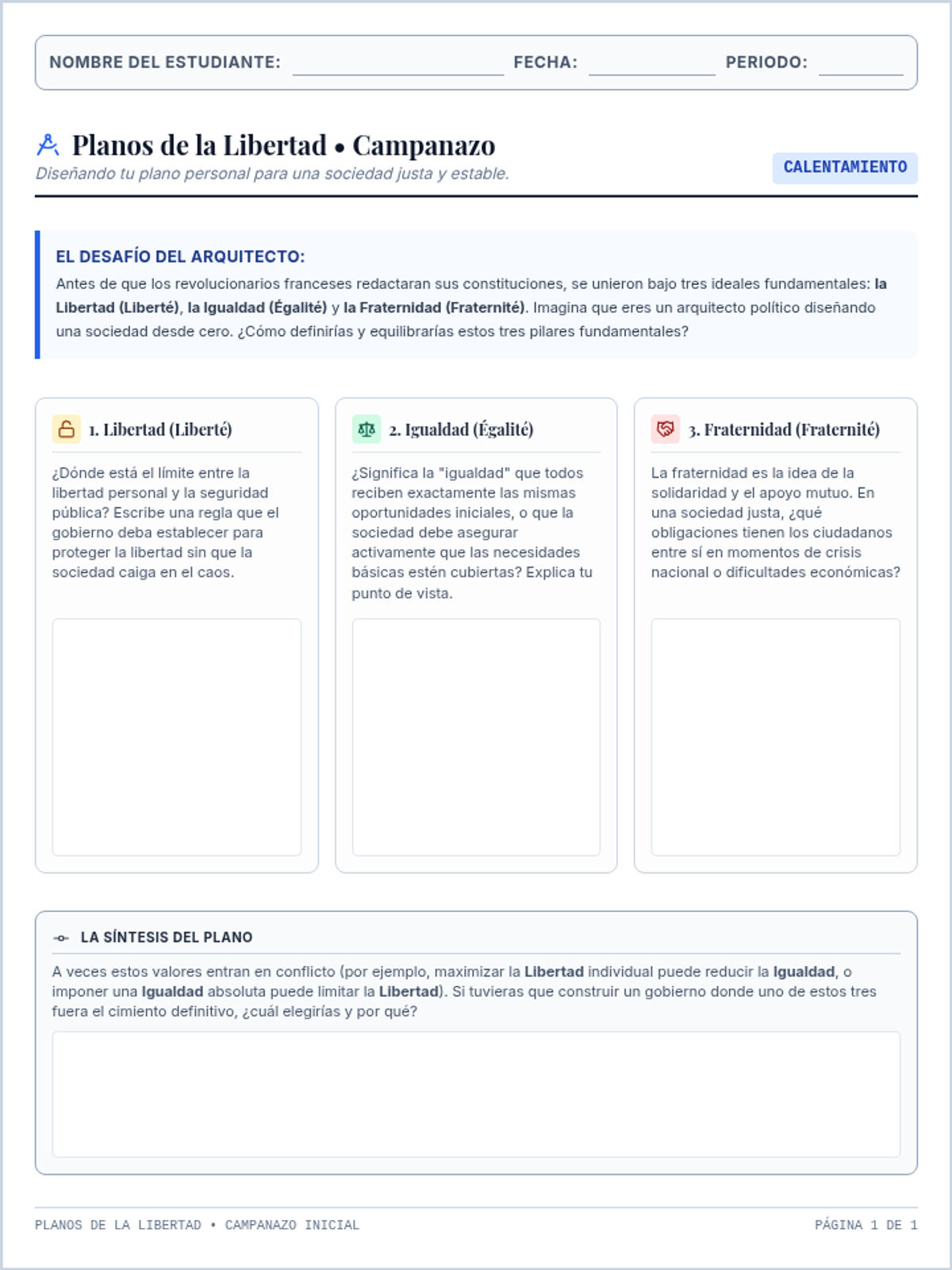
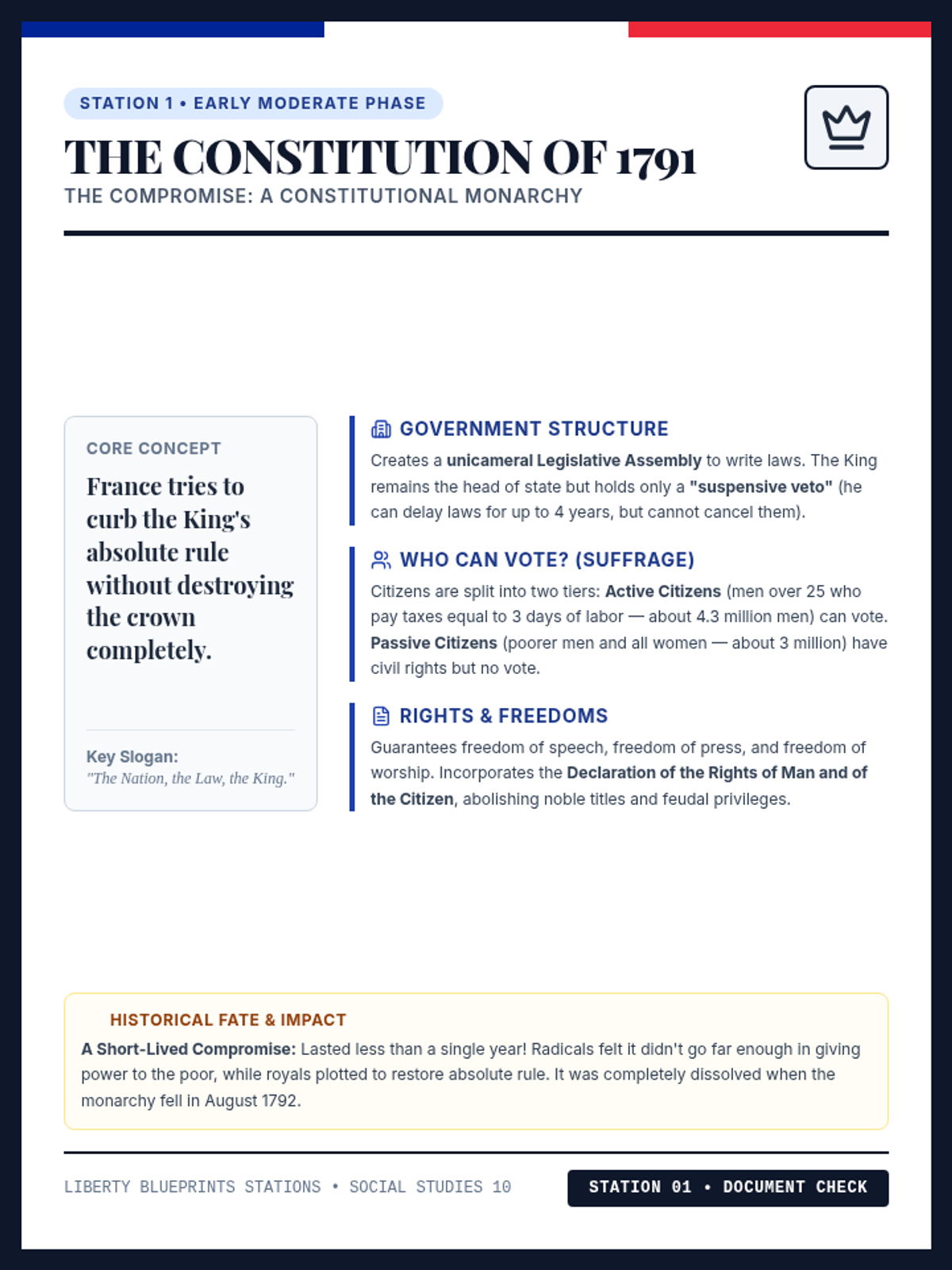
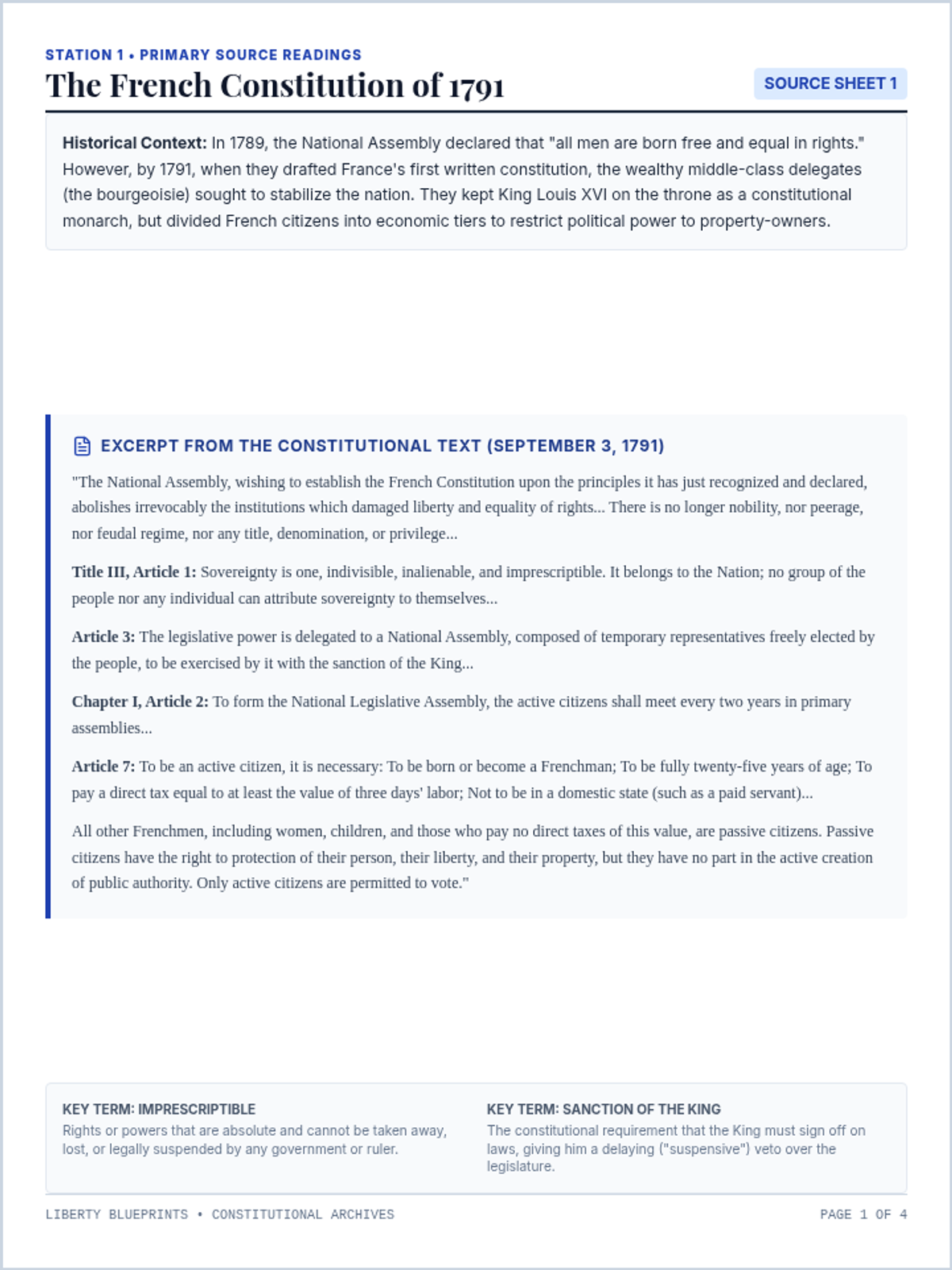
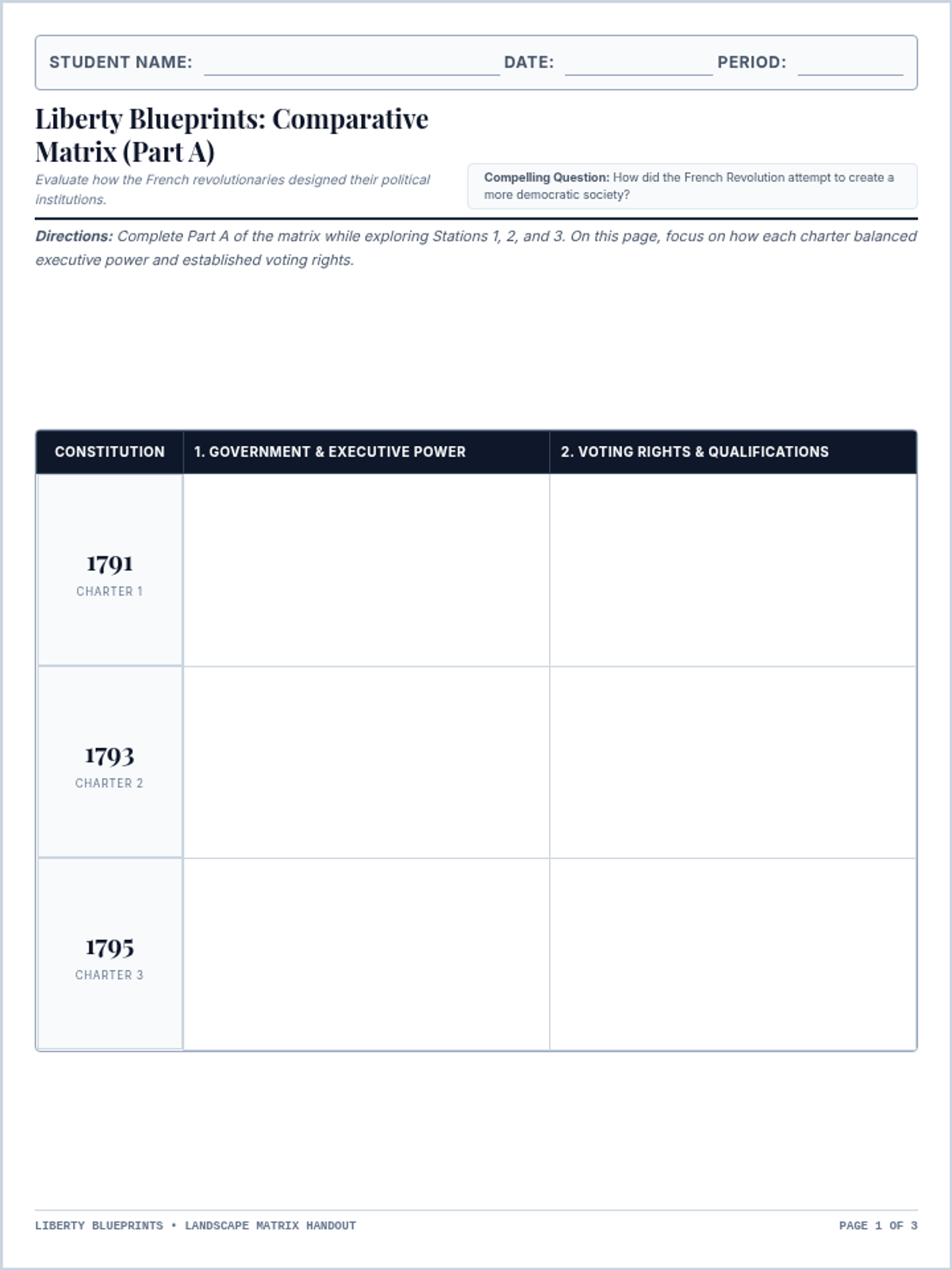
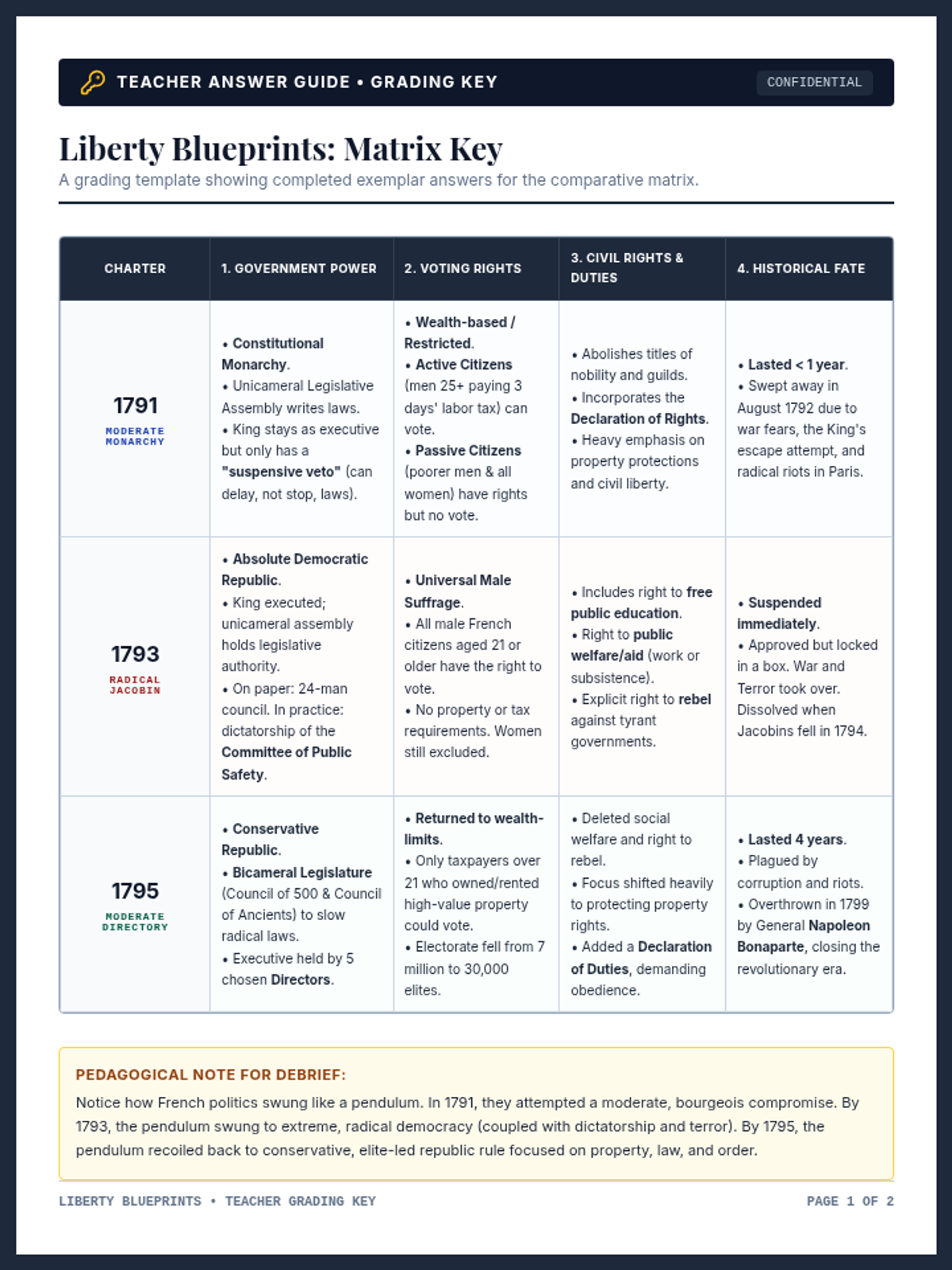
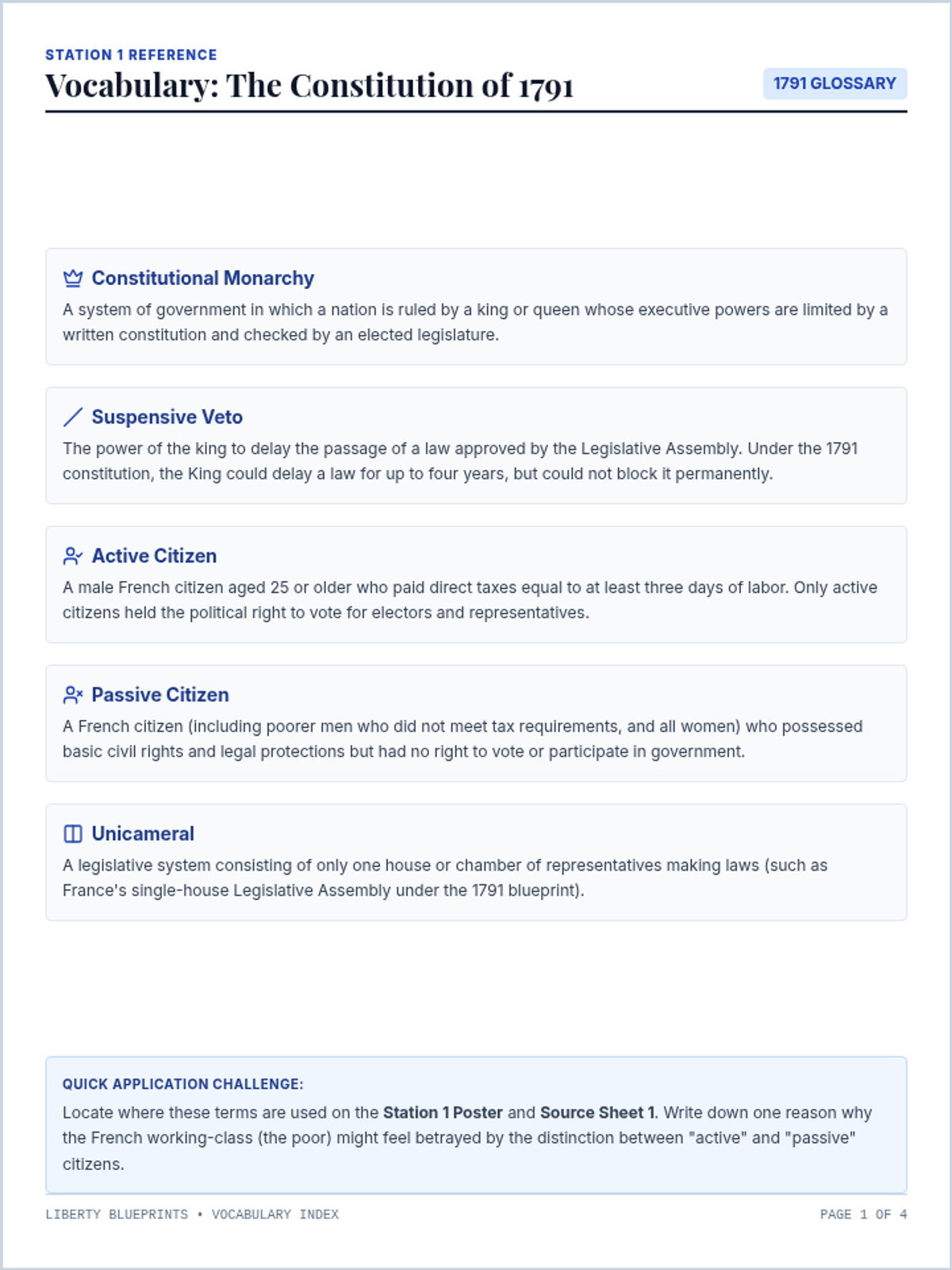
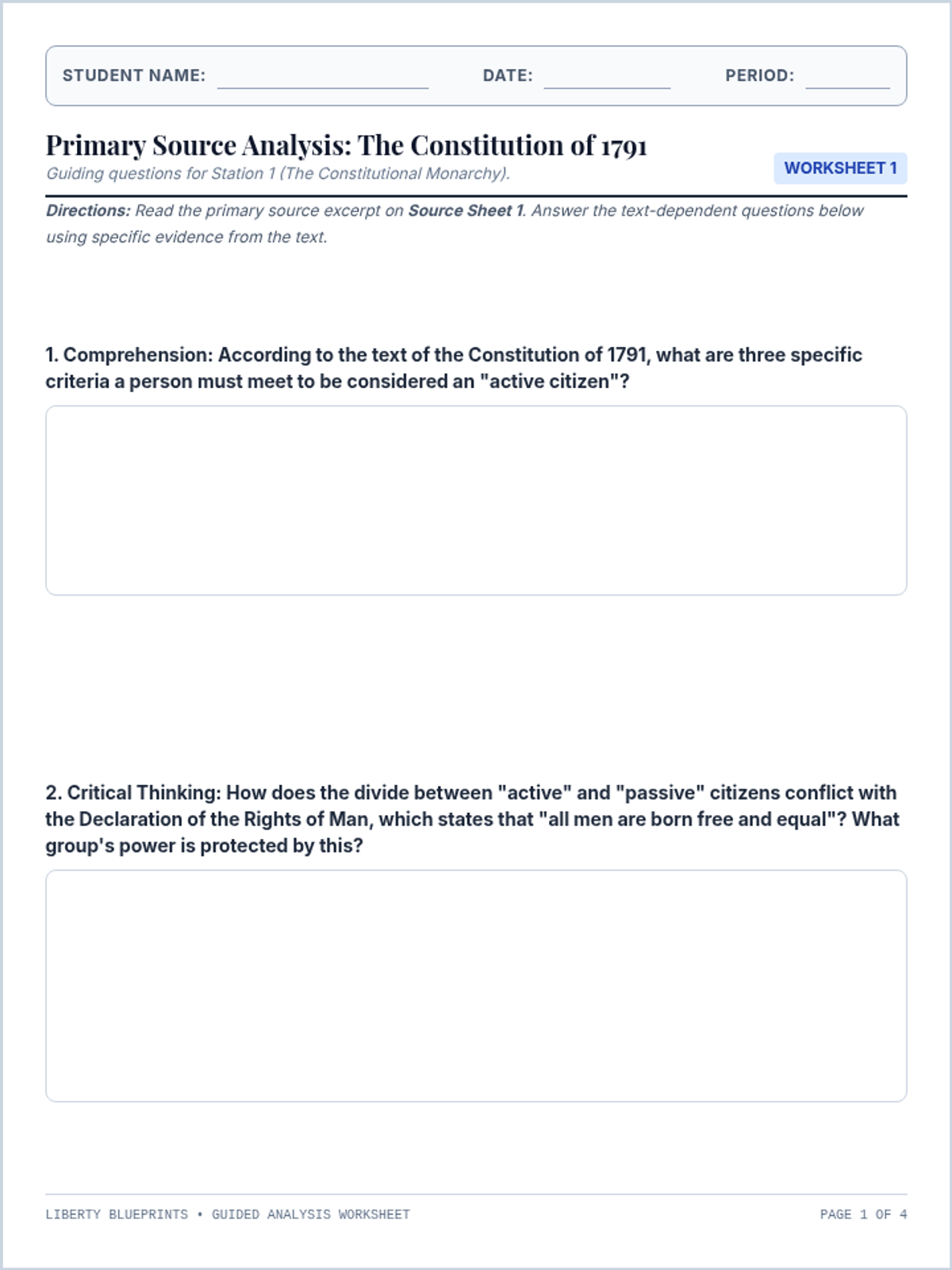
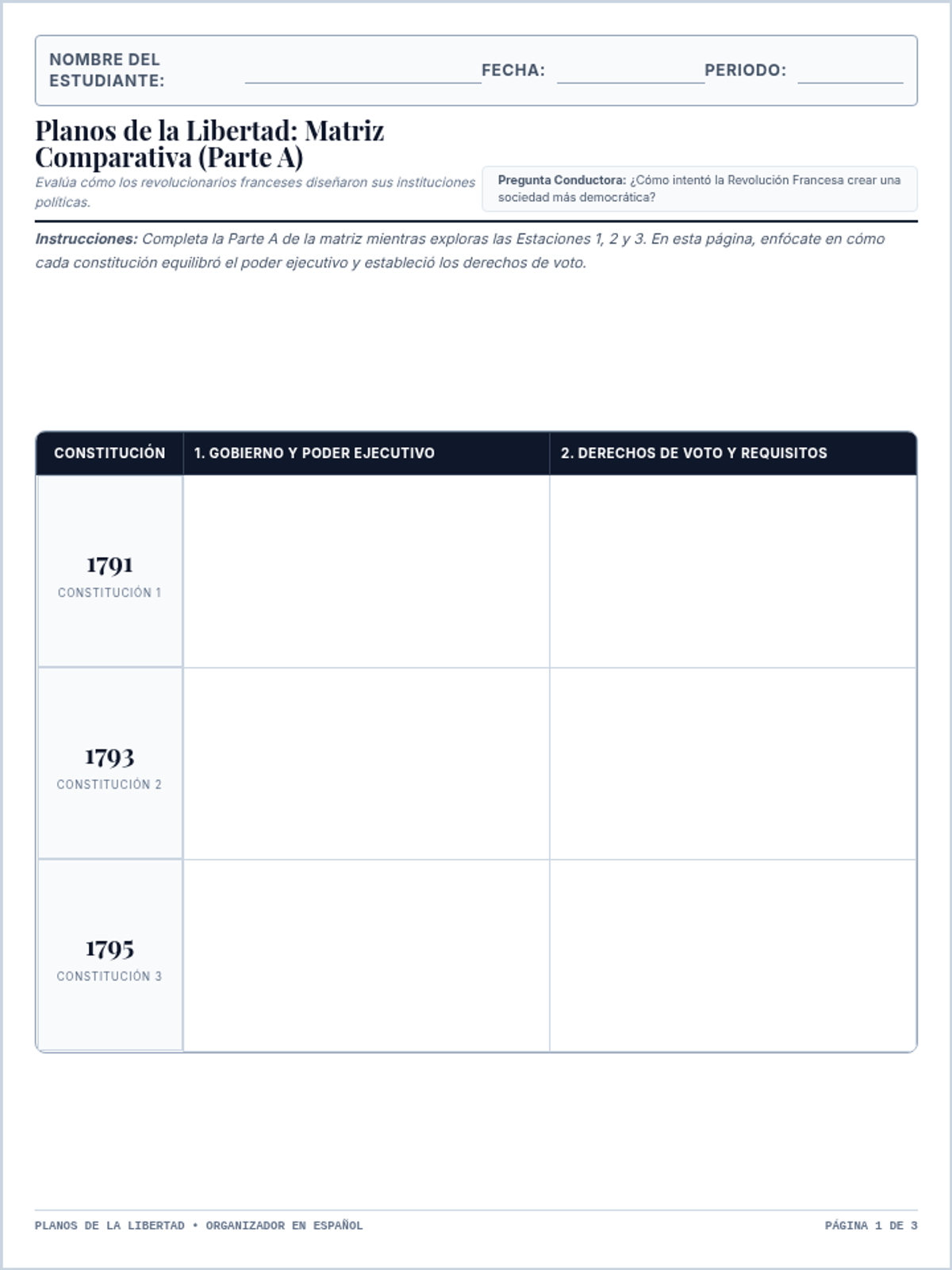
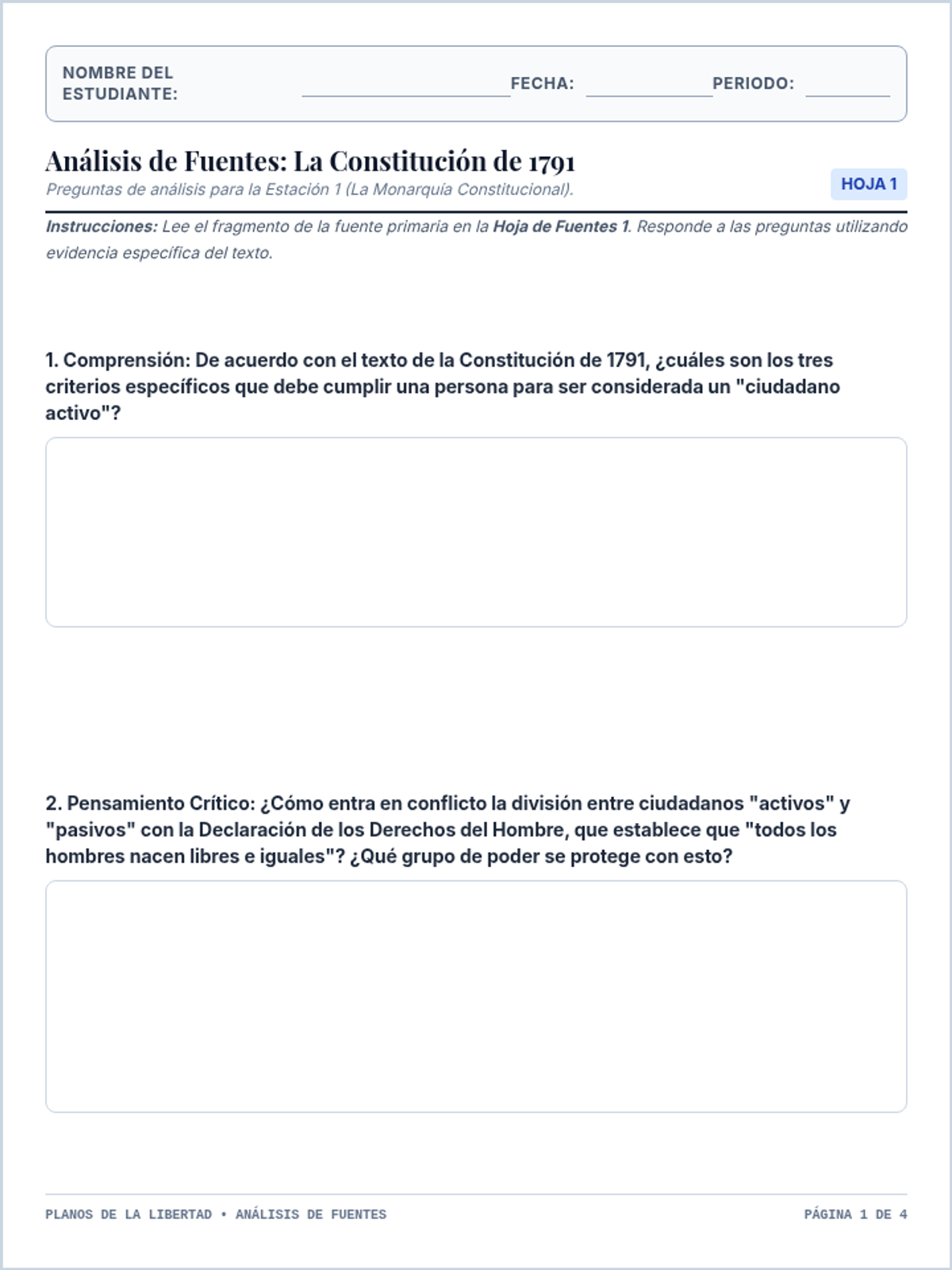
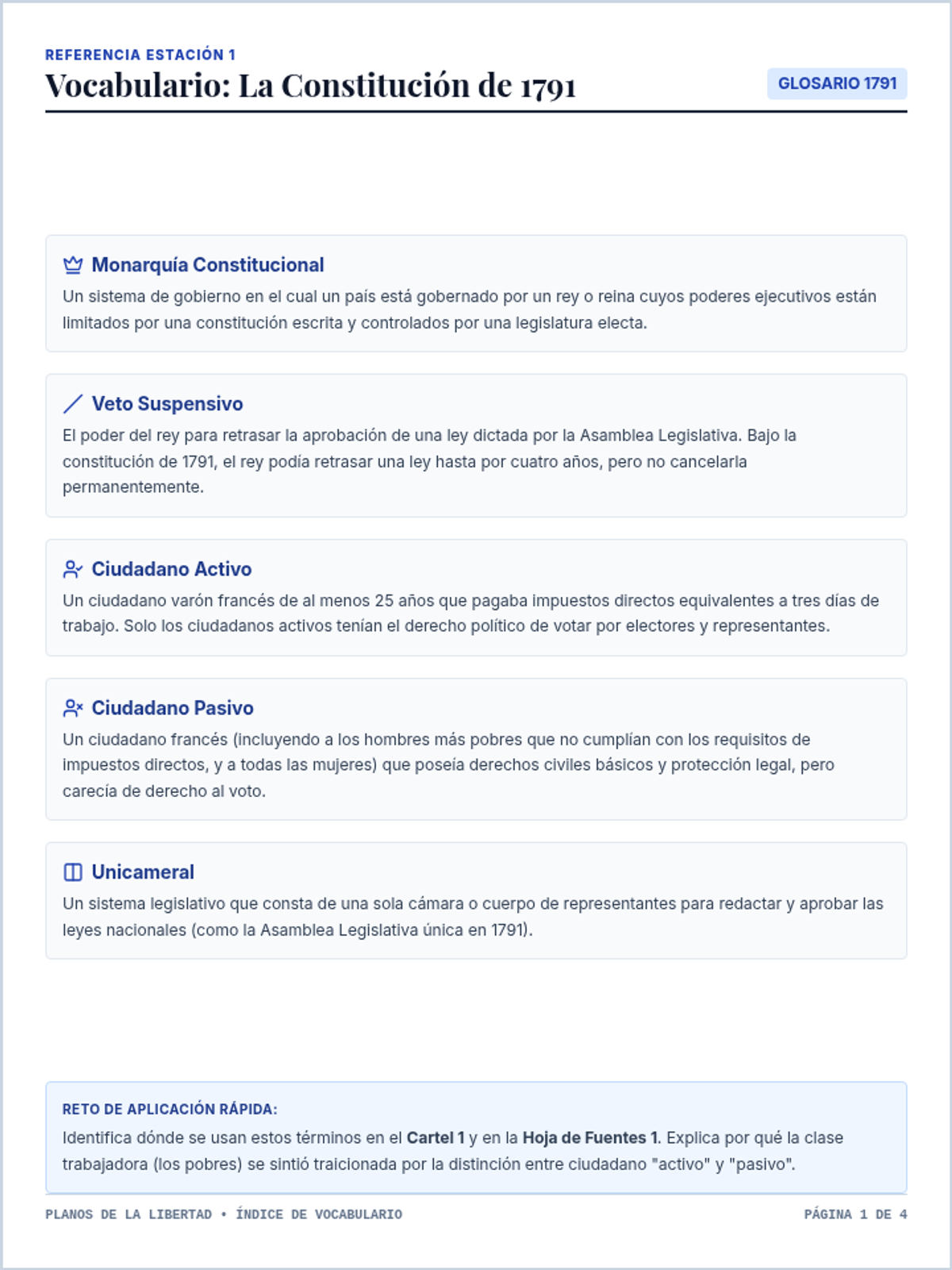
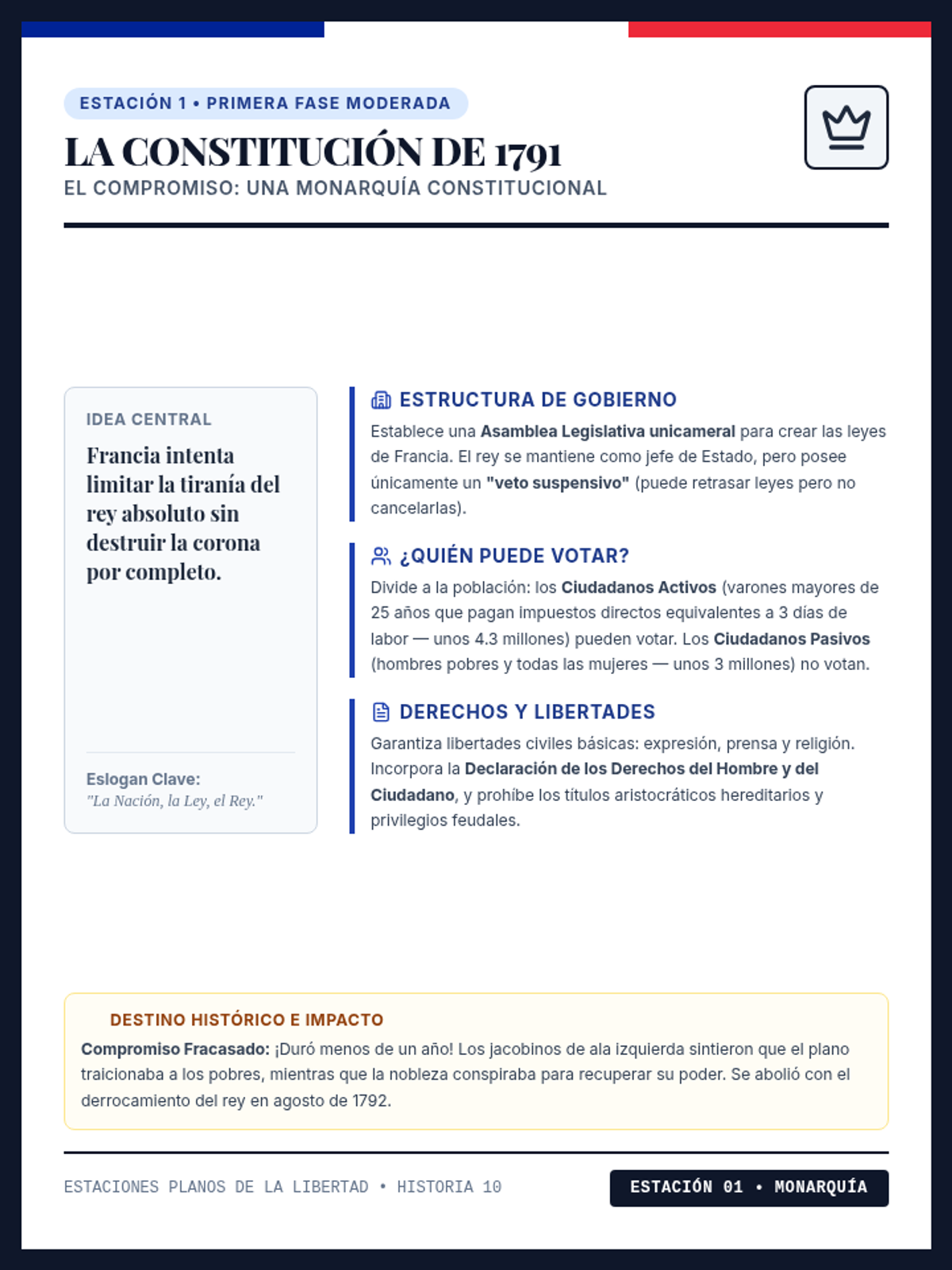
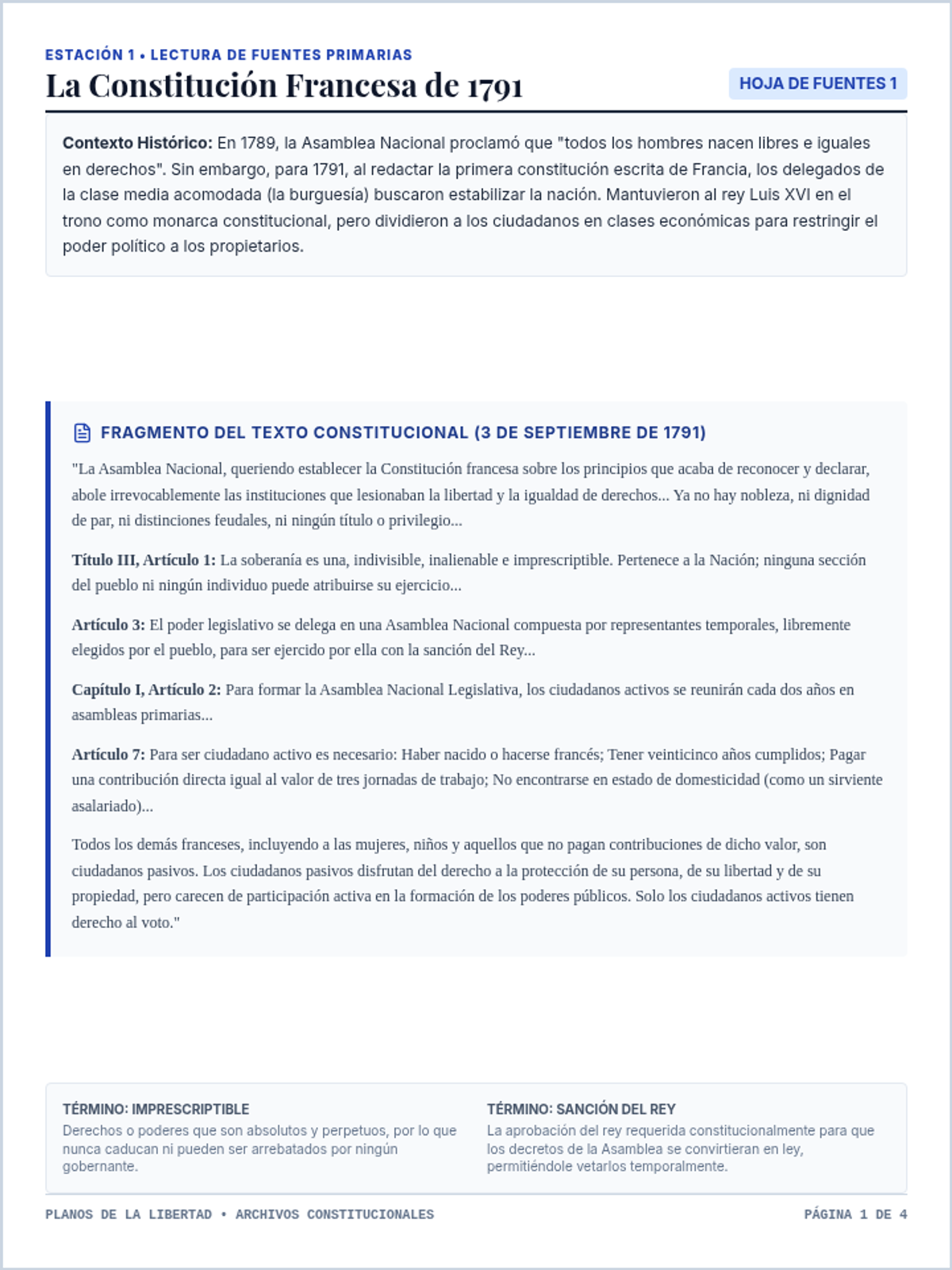
A 10th-grade social studies stations activity investigating the Constitutions of 1791, 1793, and 1795. Students analyze how France repeatedly drafted and revised its foundational laws in a turbulent quest for a more democratic society.
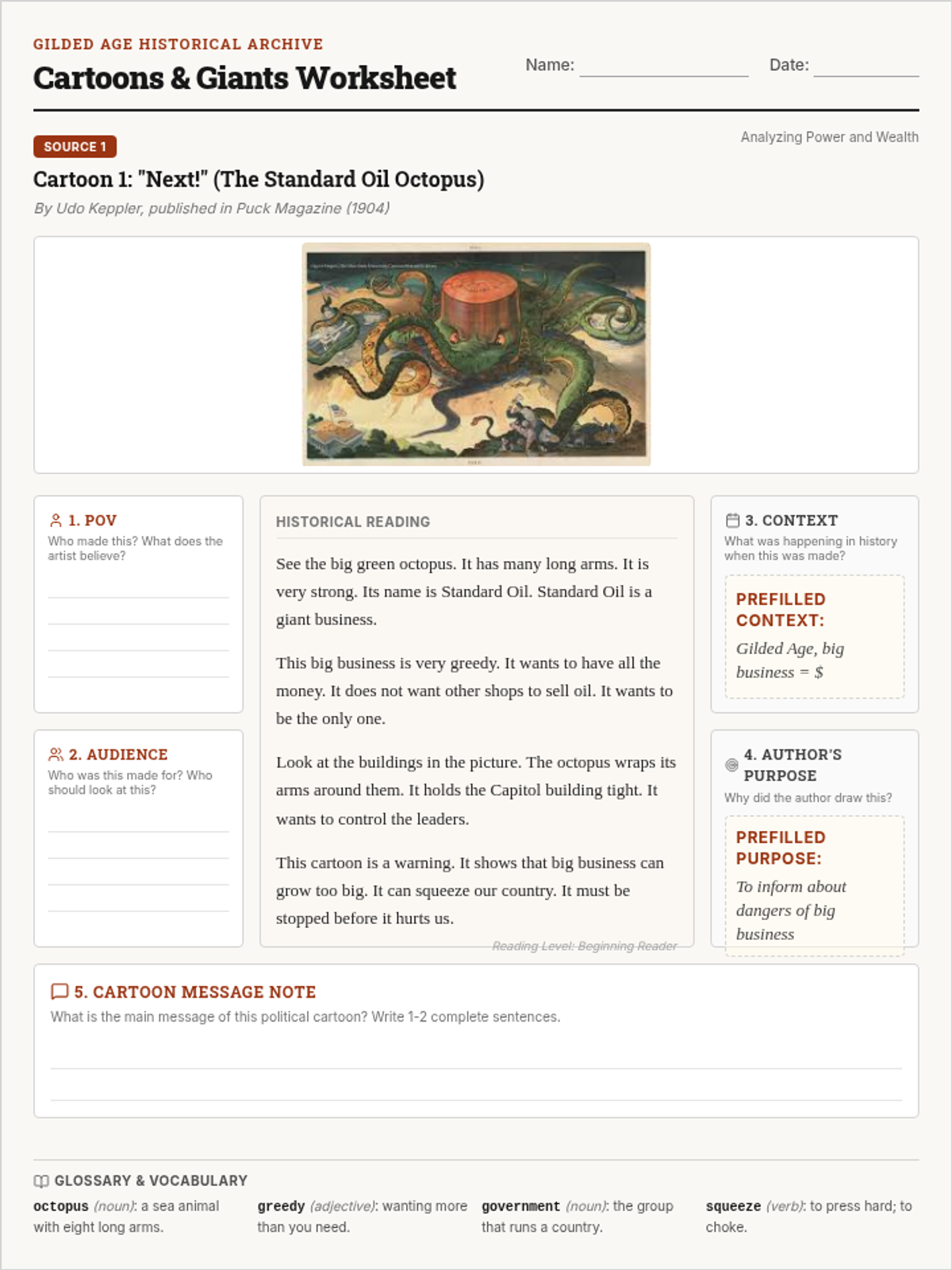
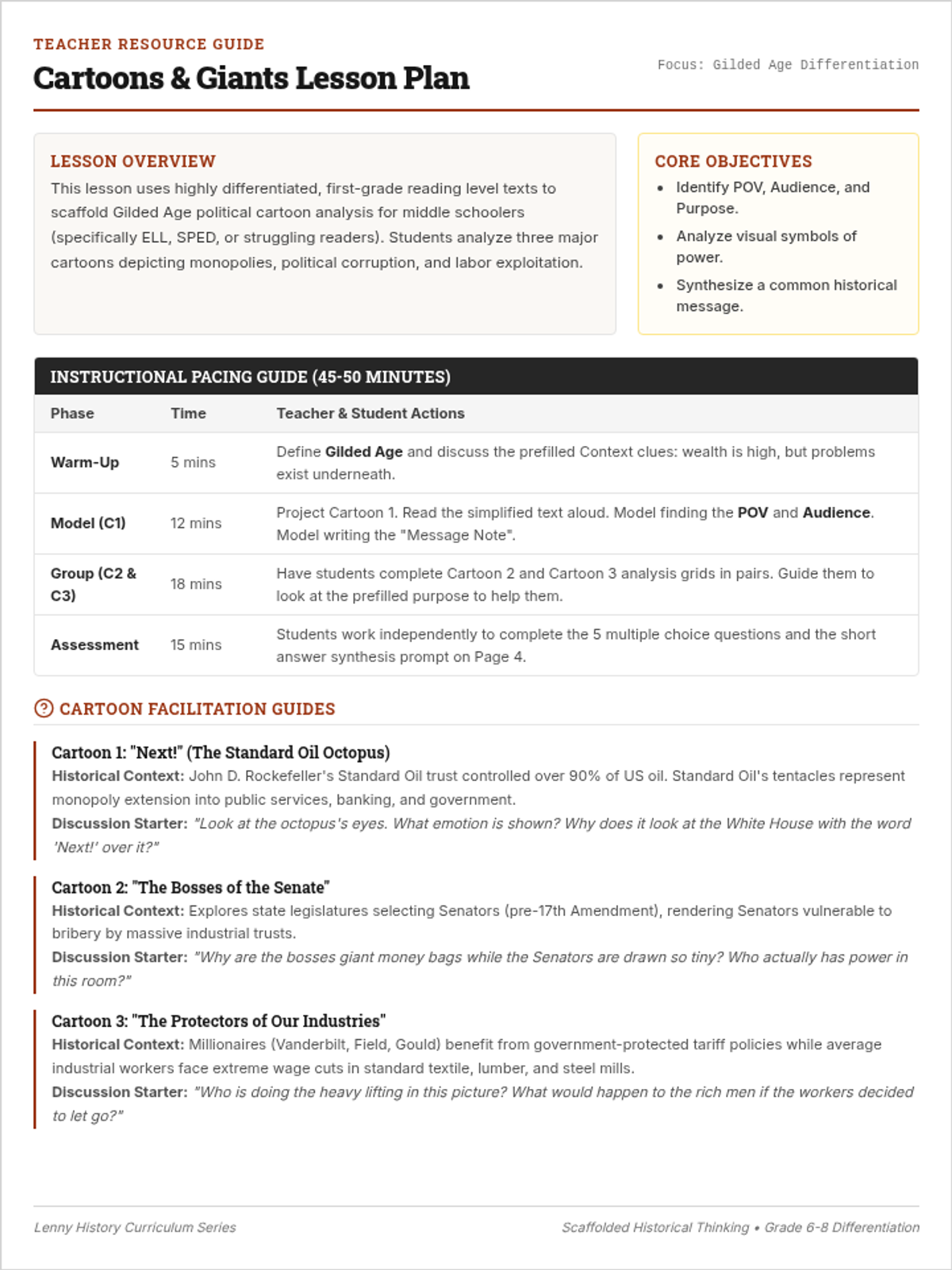
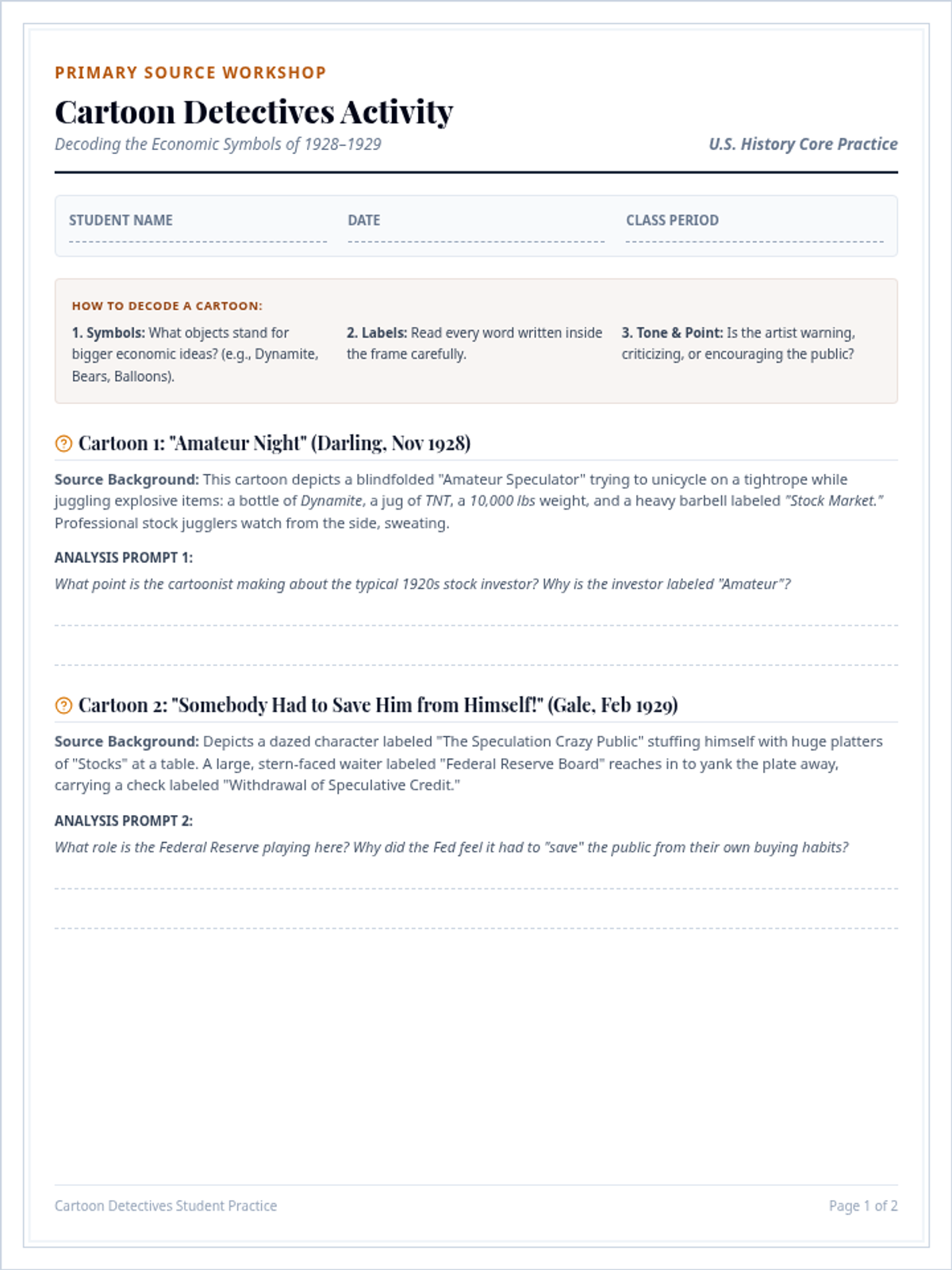
A differentiated history lesson analyzing three major Gilded Age political cartoons. It features student-facing worksheets with low-readability texts, visual analysis grids, a synthesis assessment, and a comprehensive teacher guide with full solutions.
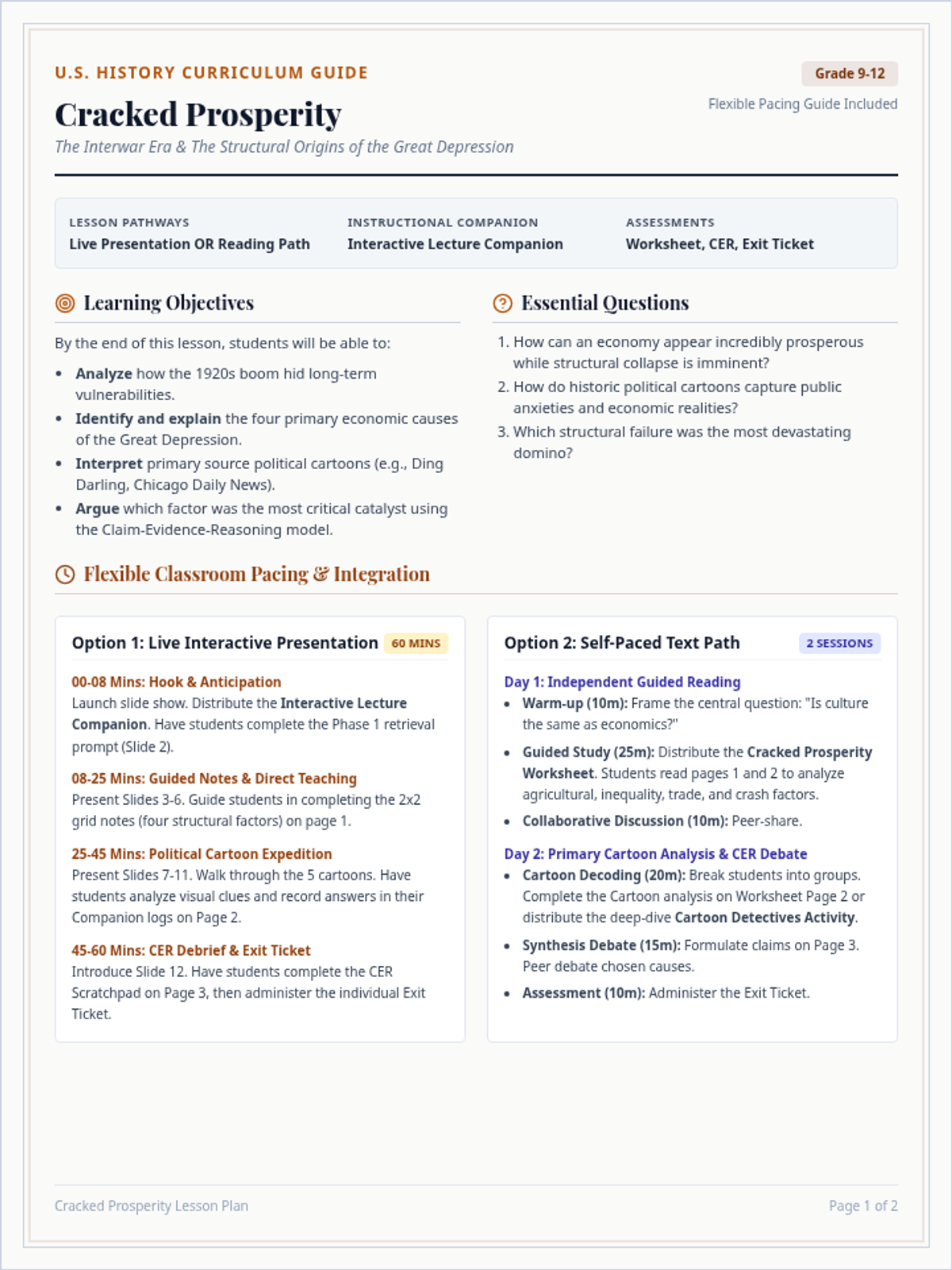
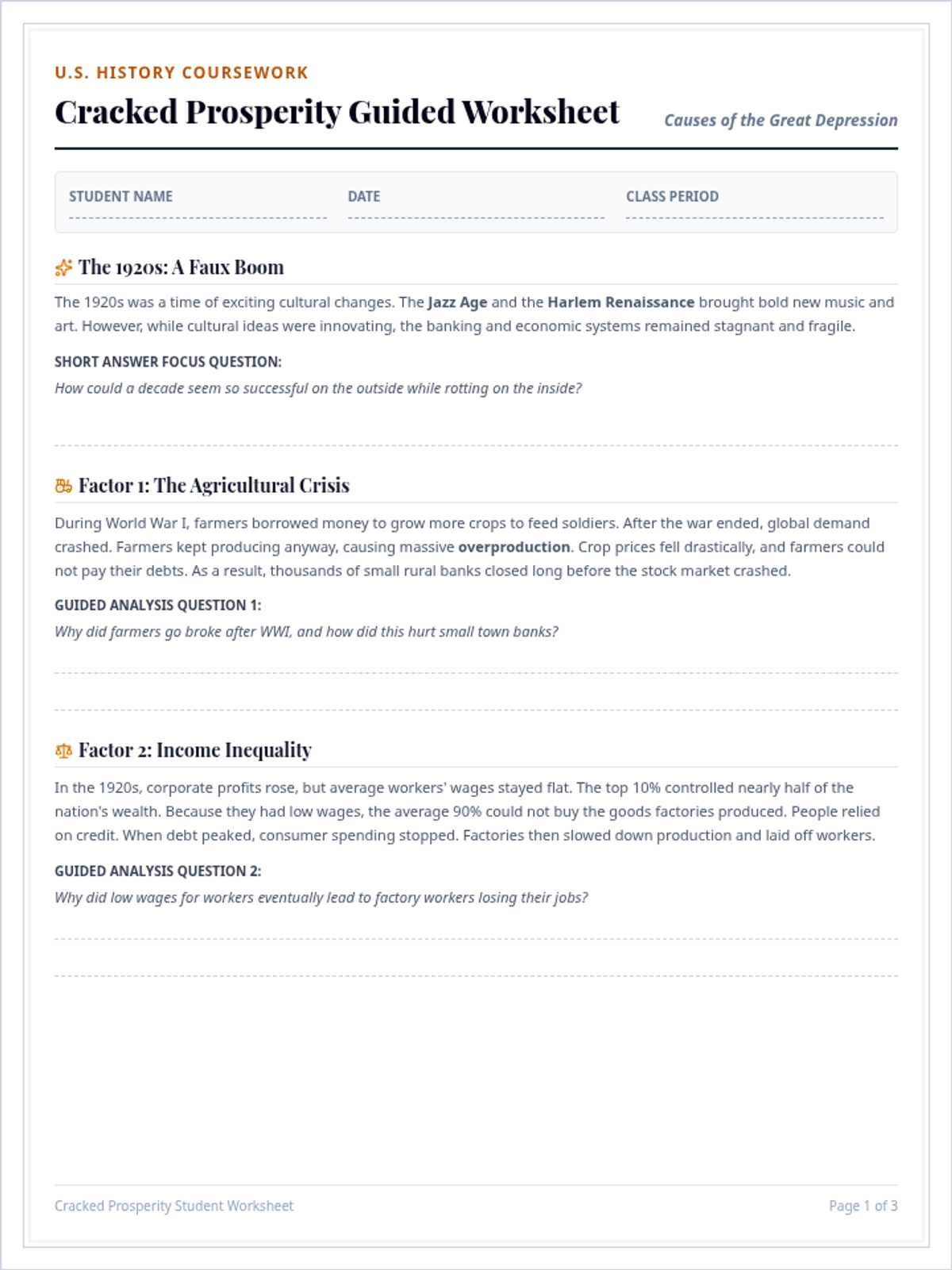
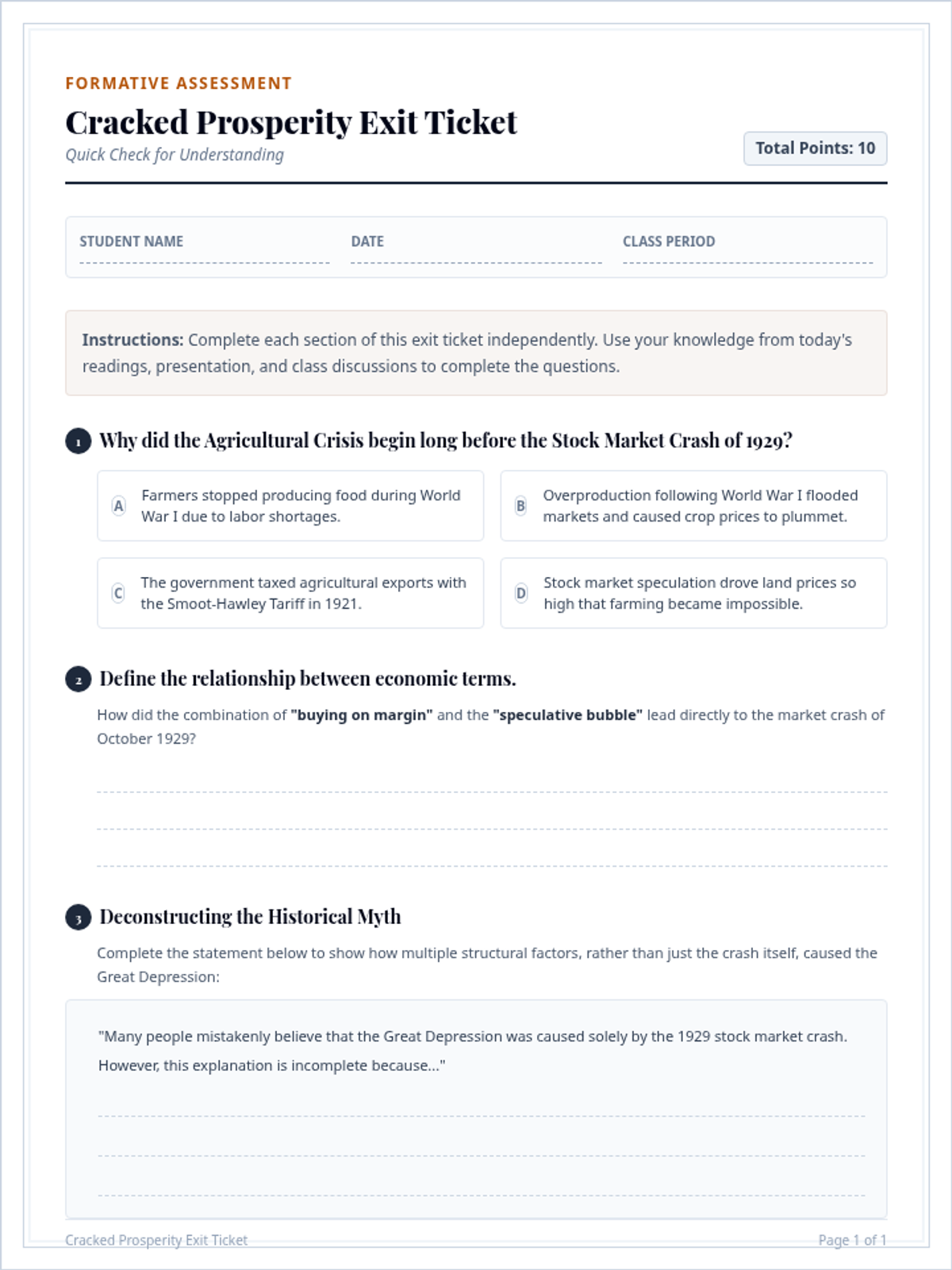
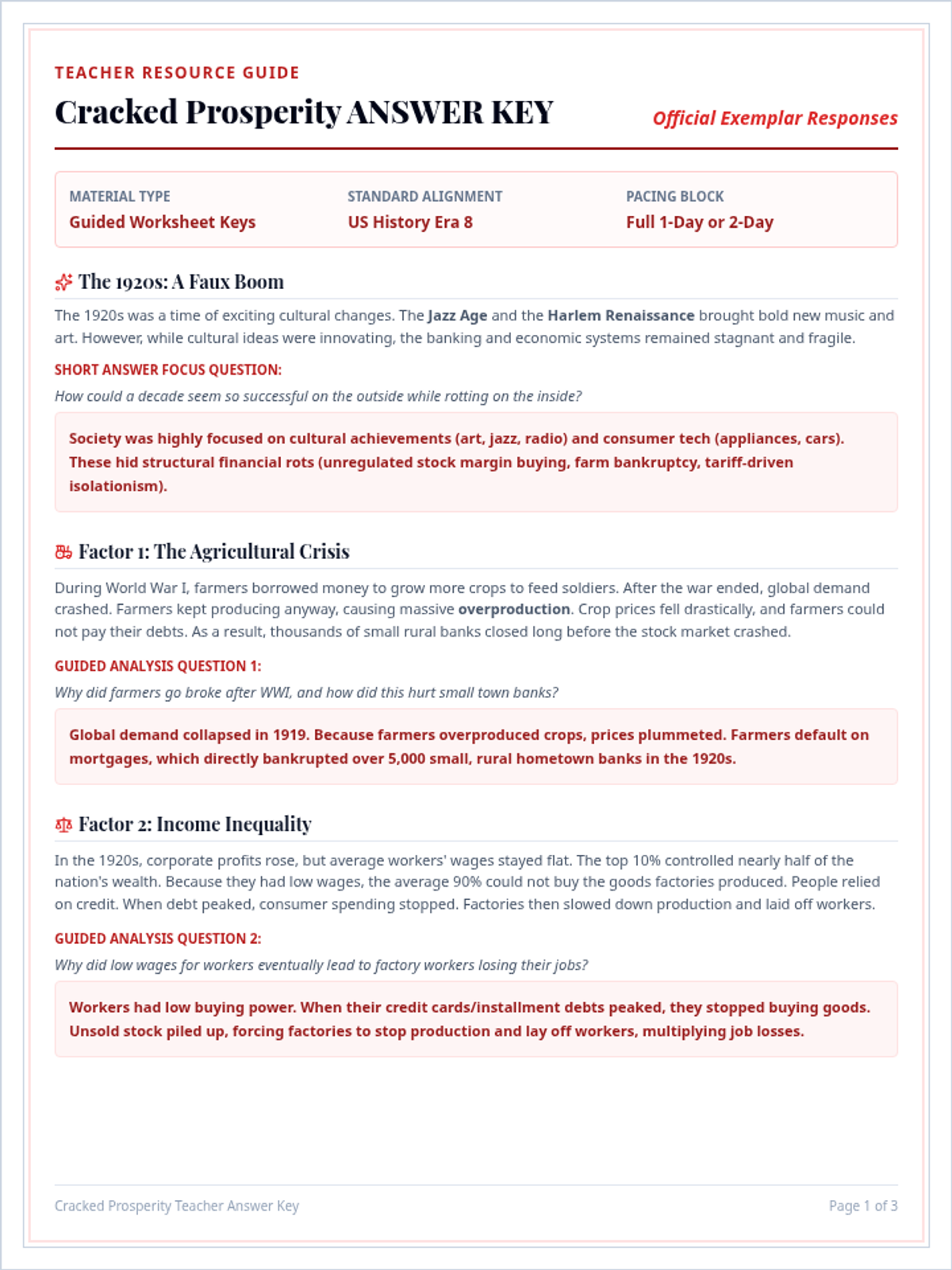
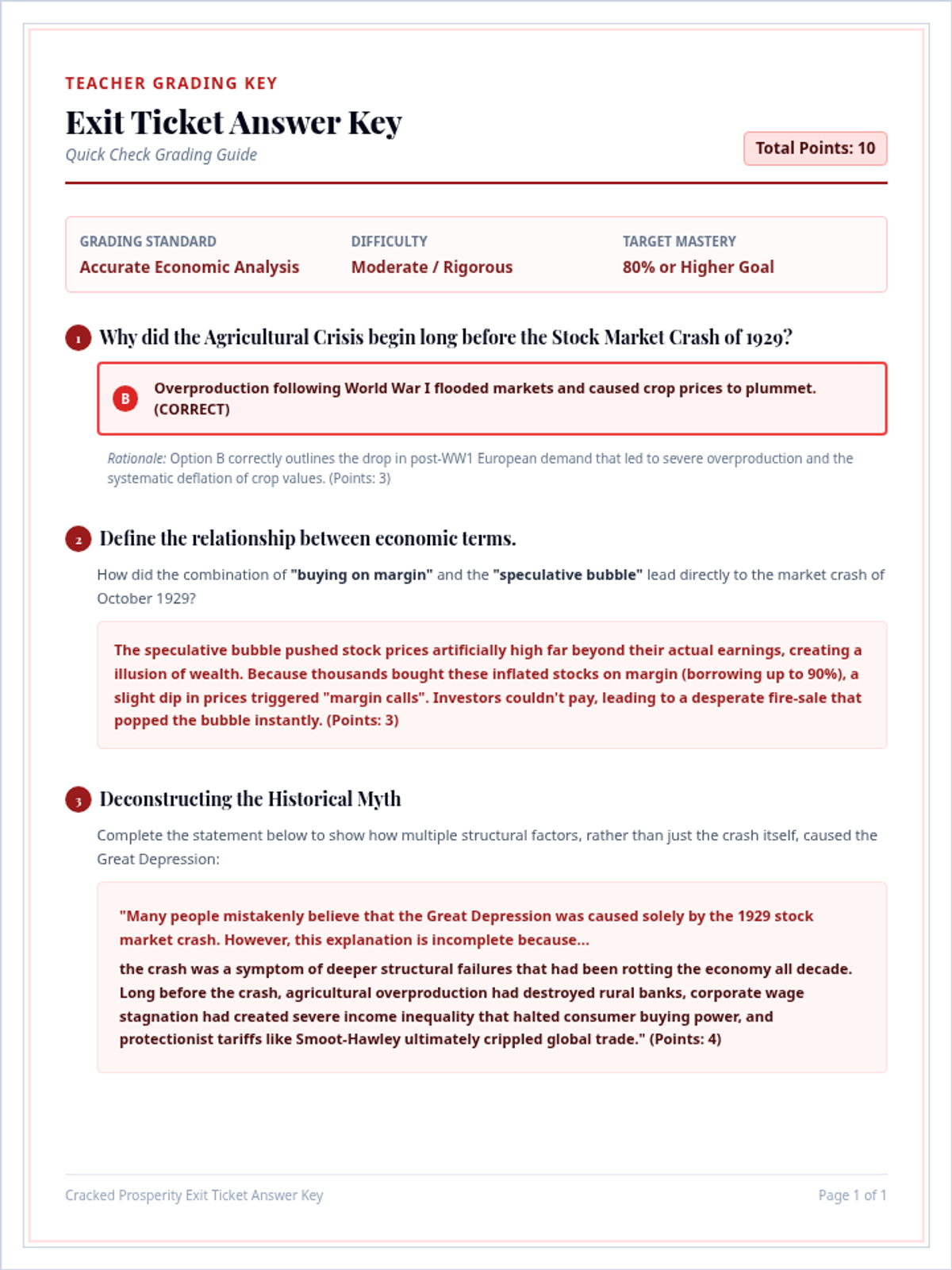
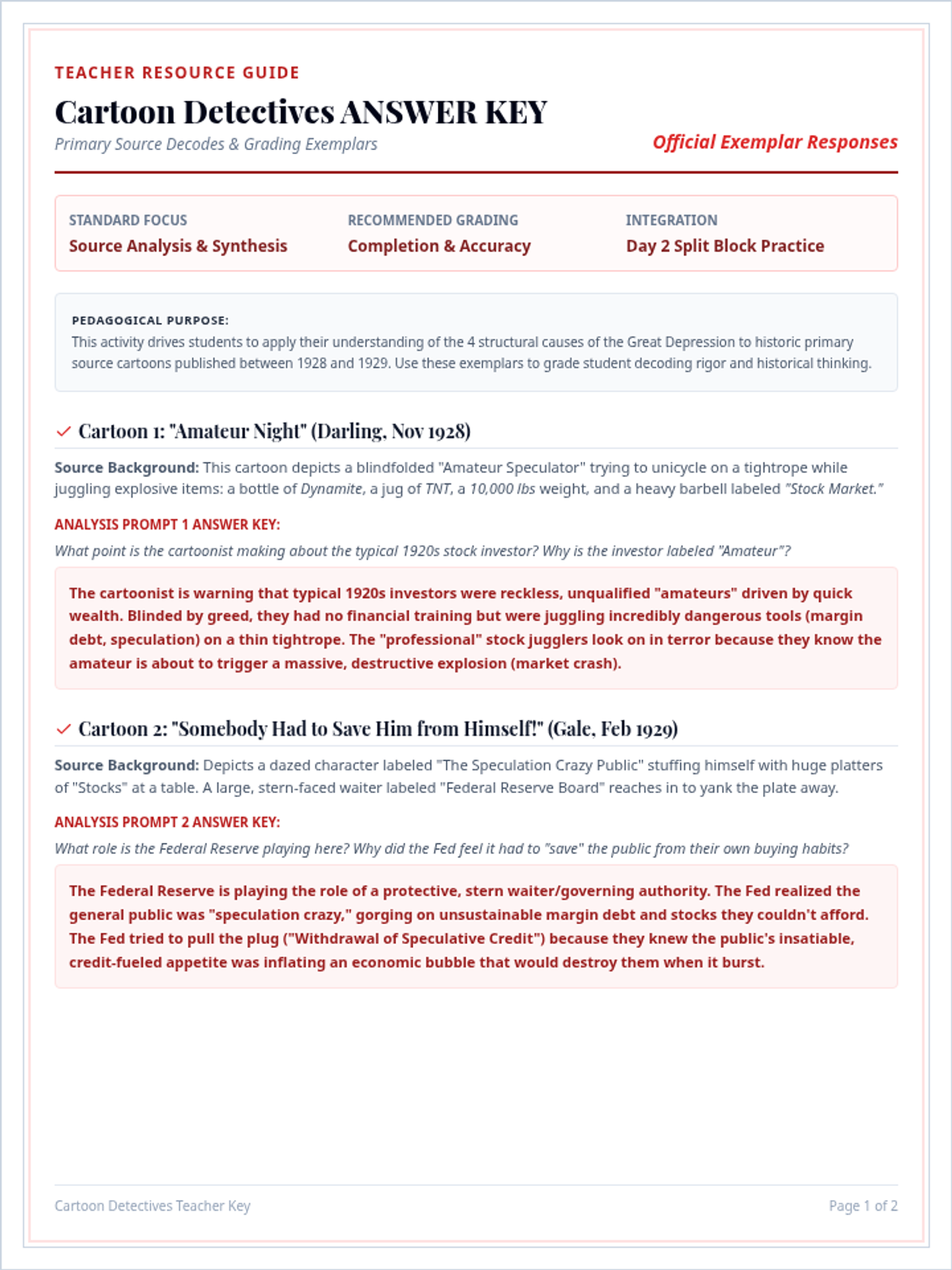
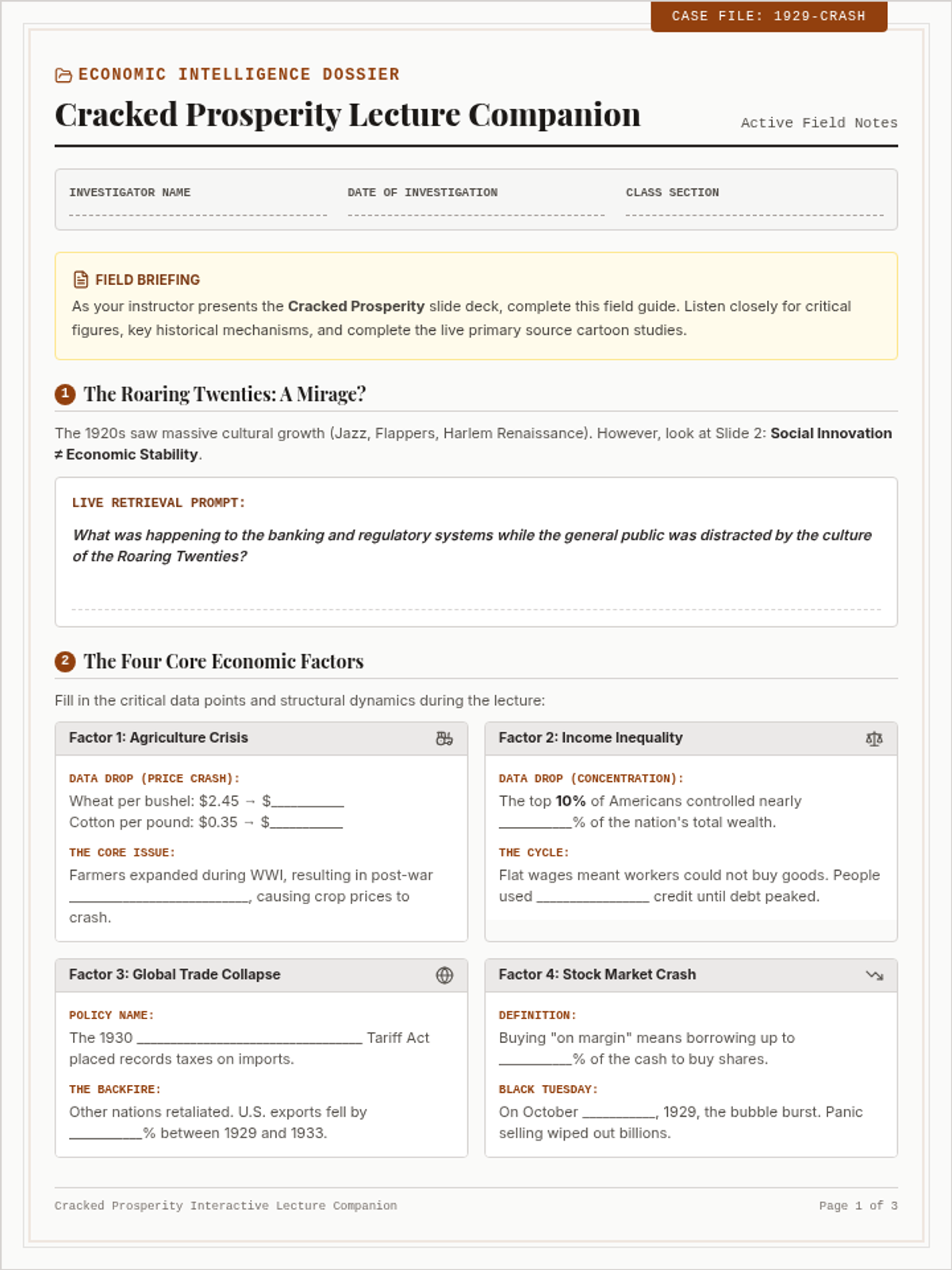
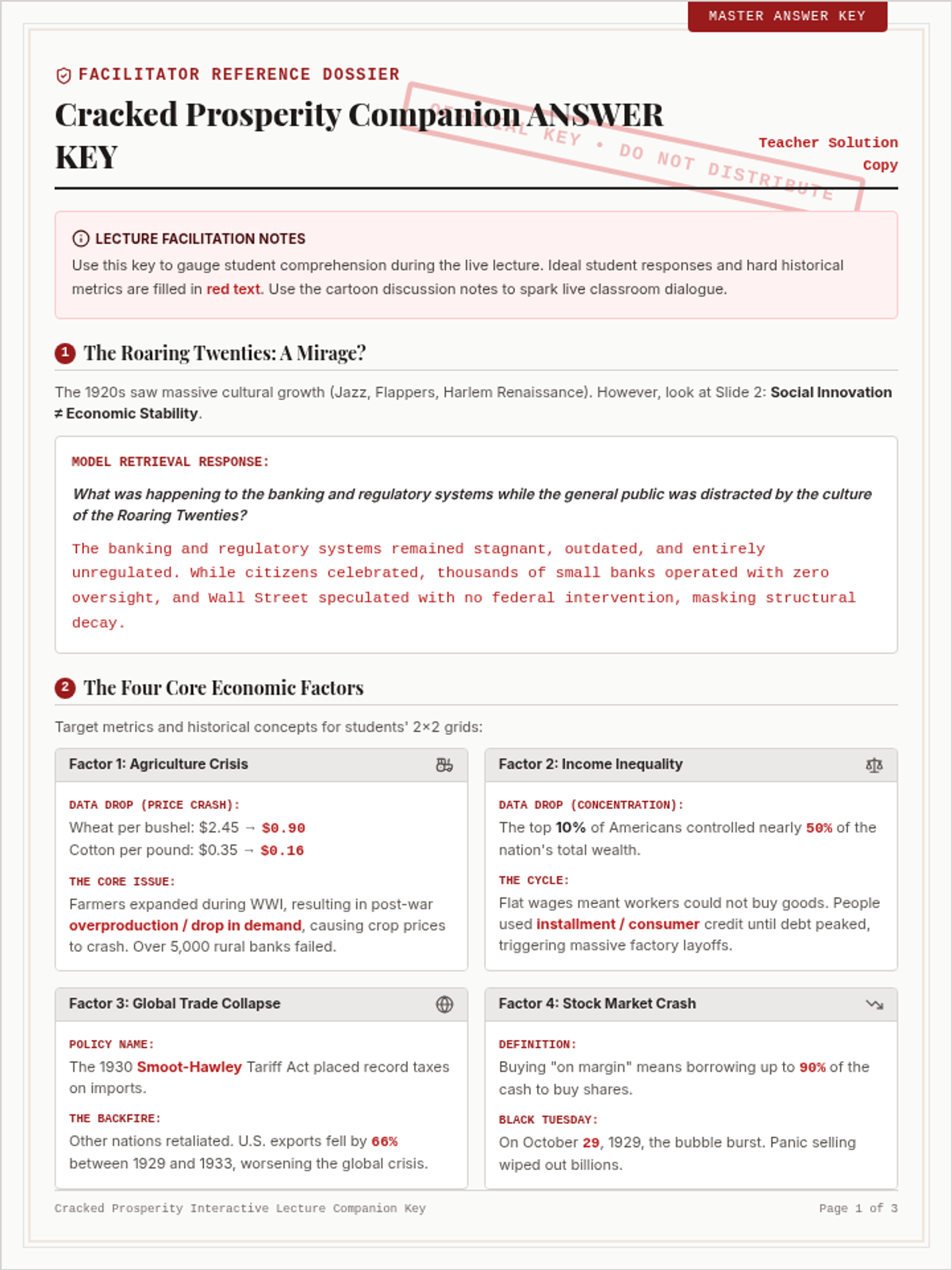
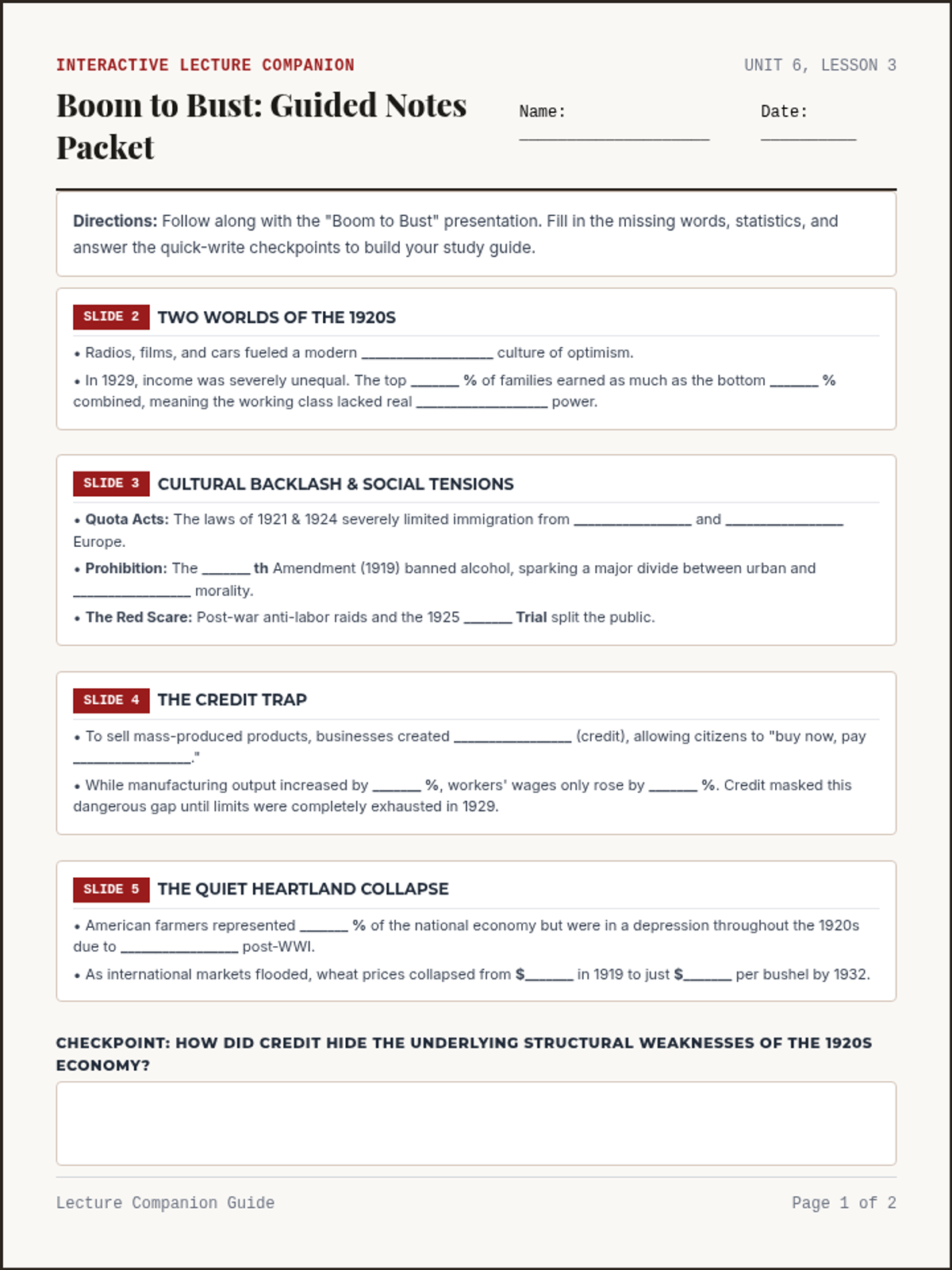
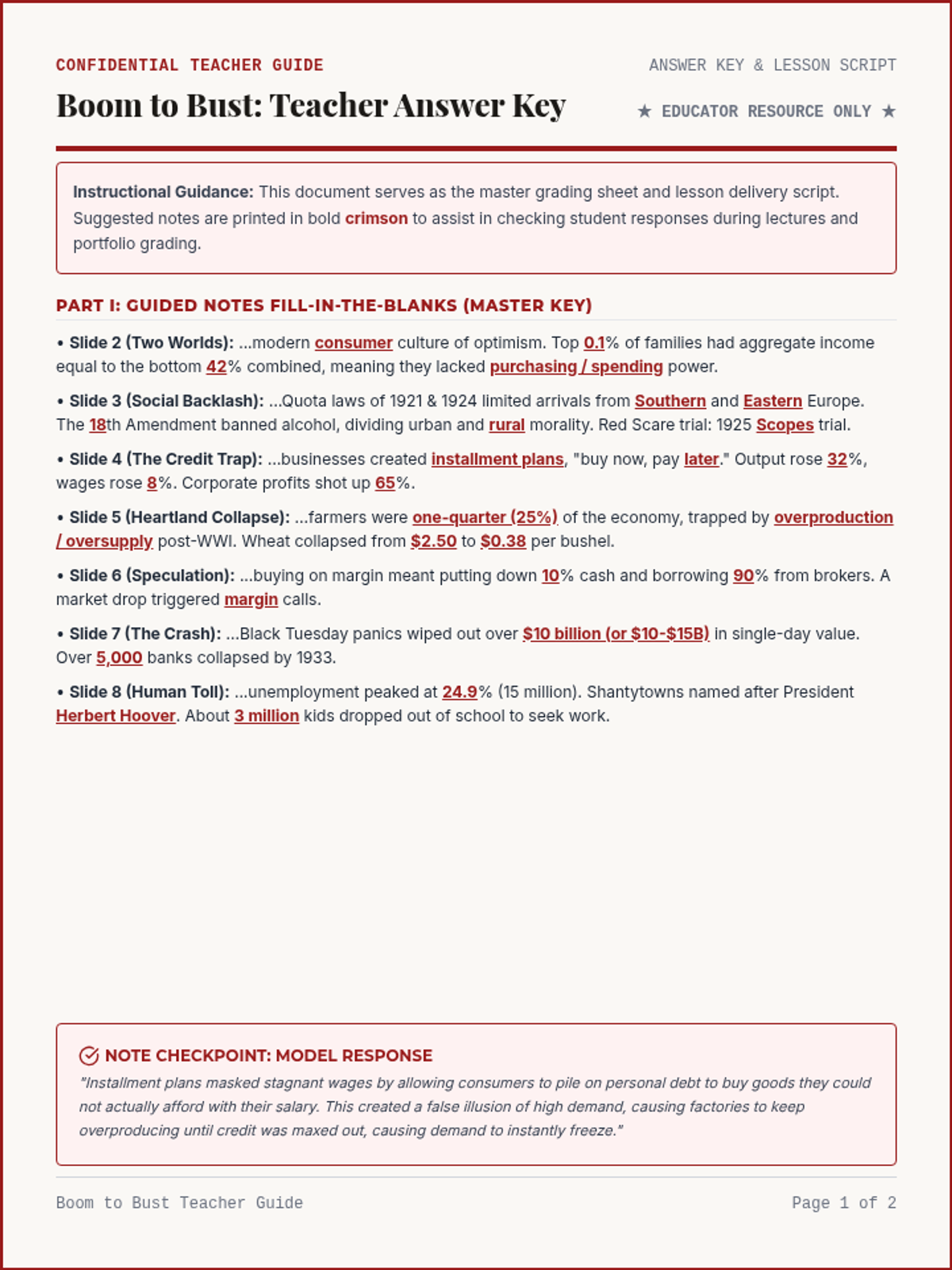
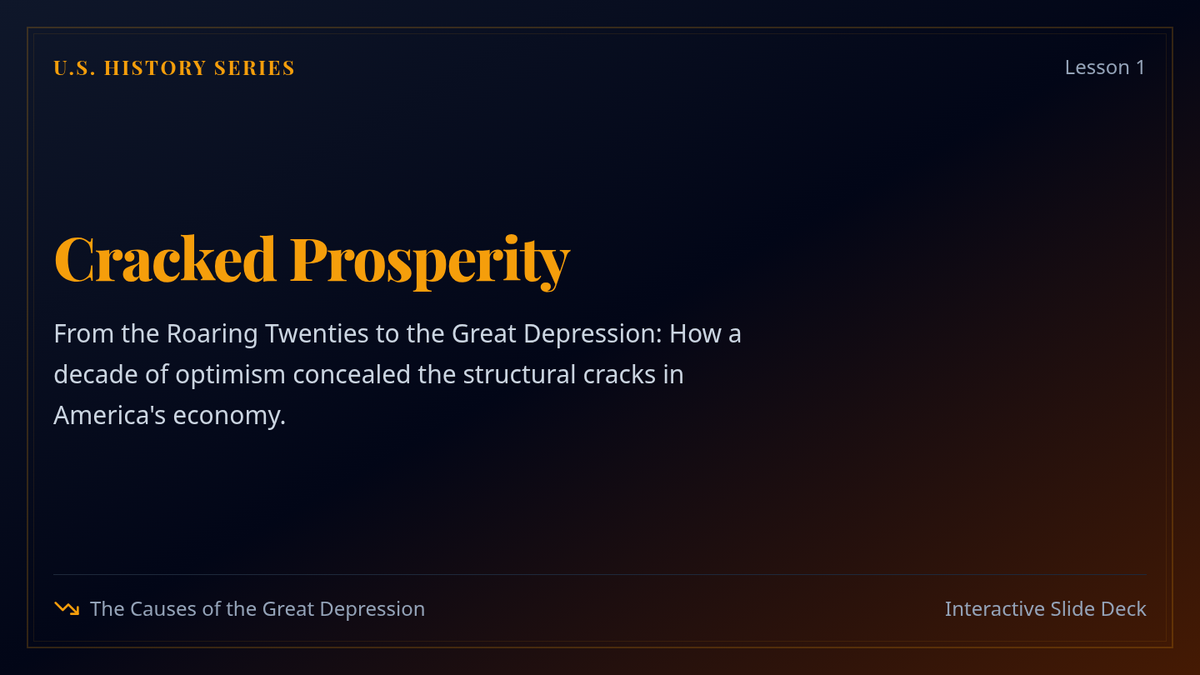
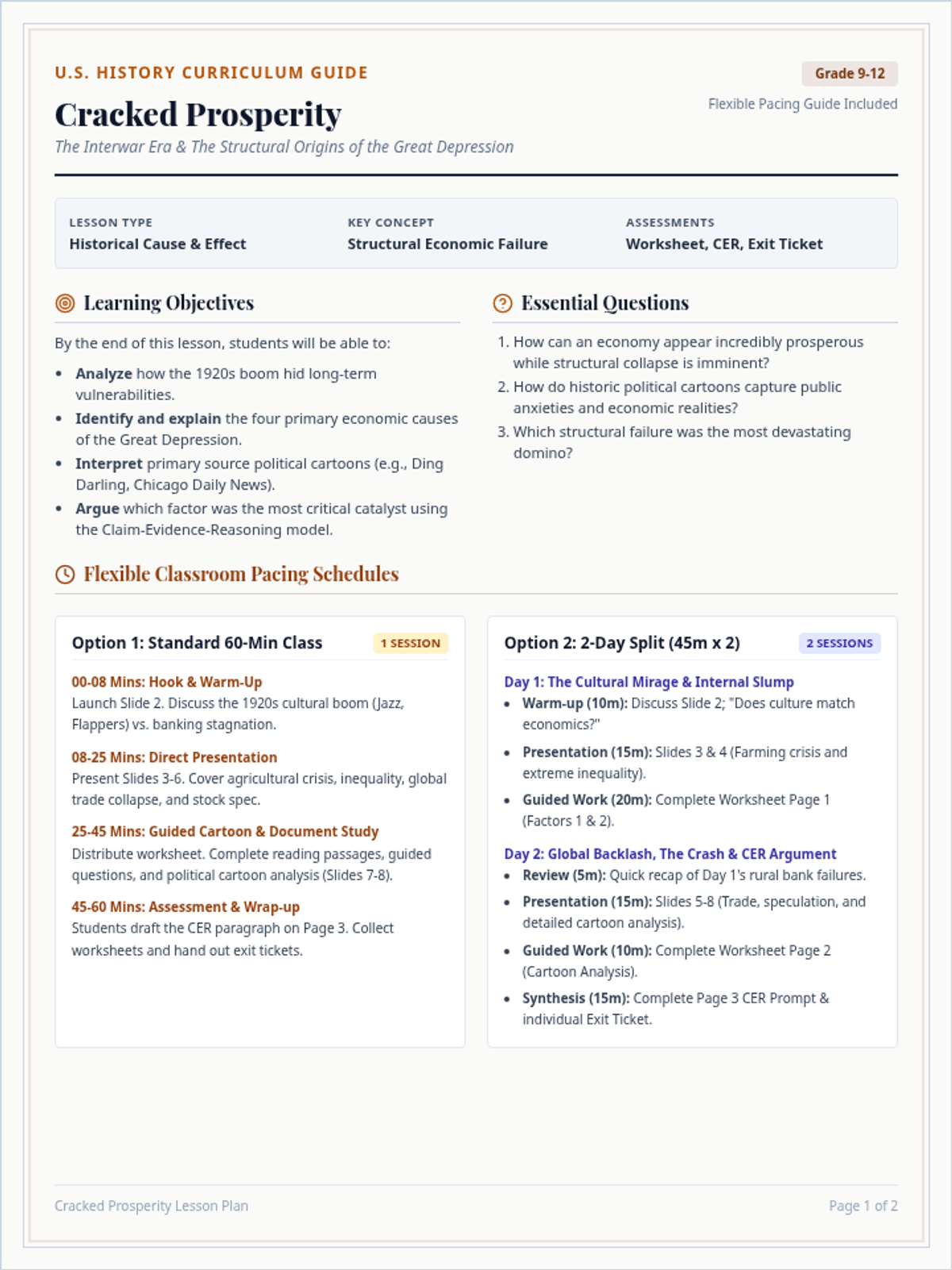
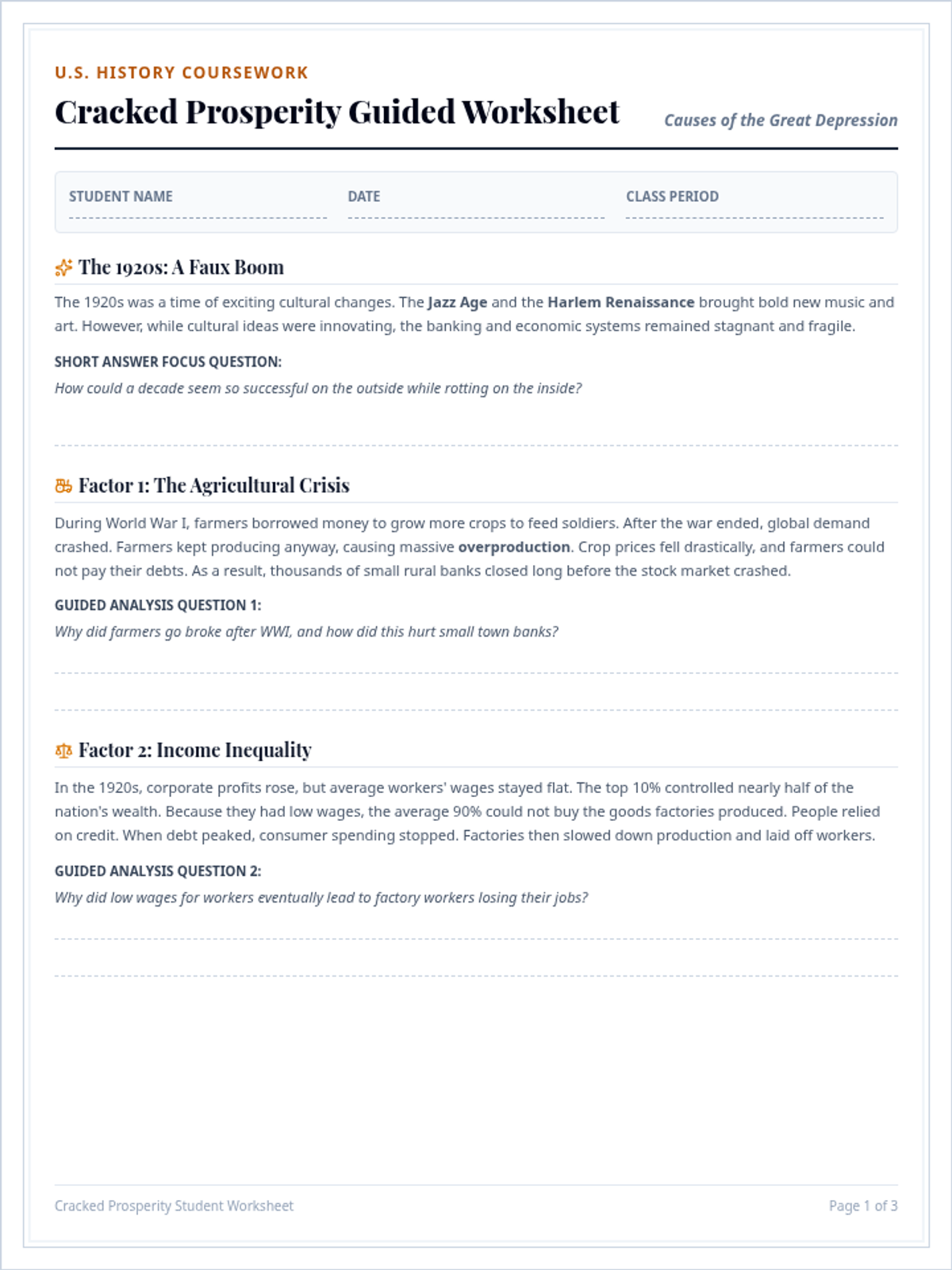
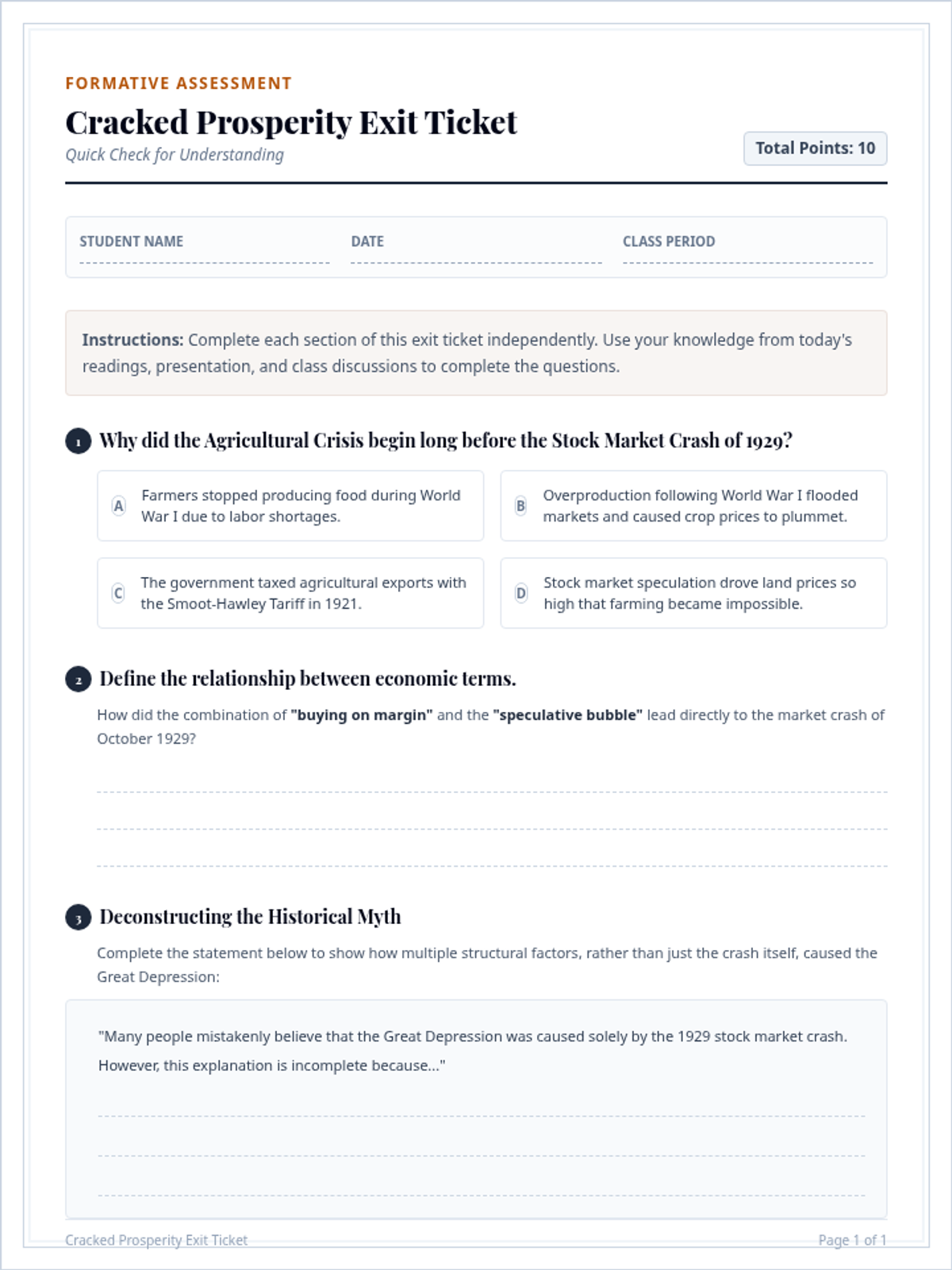
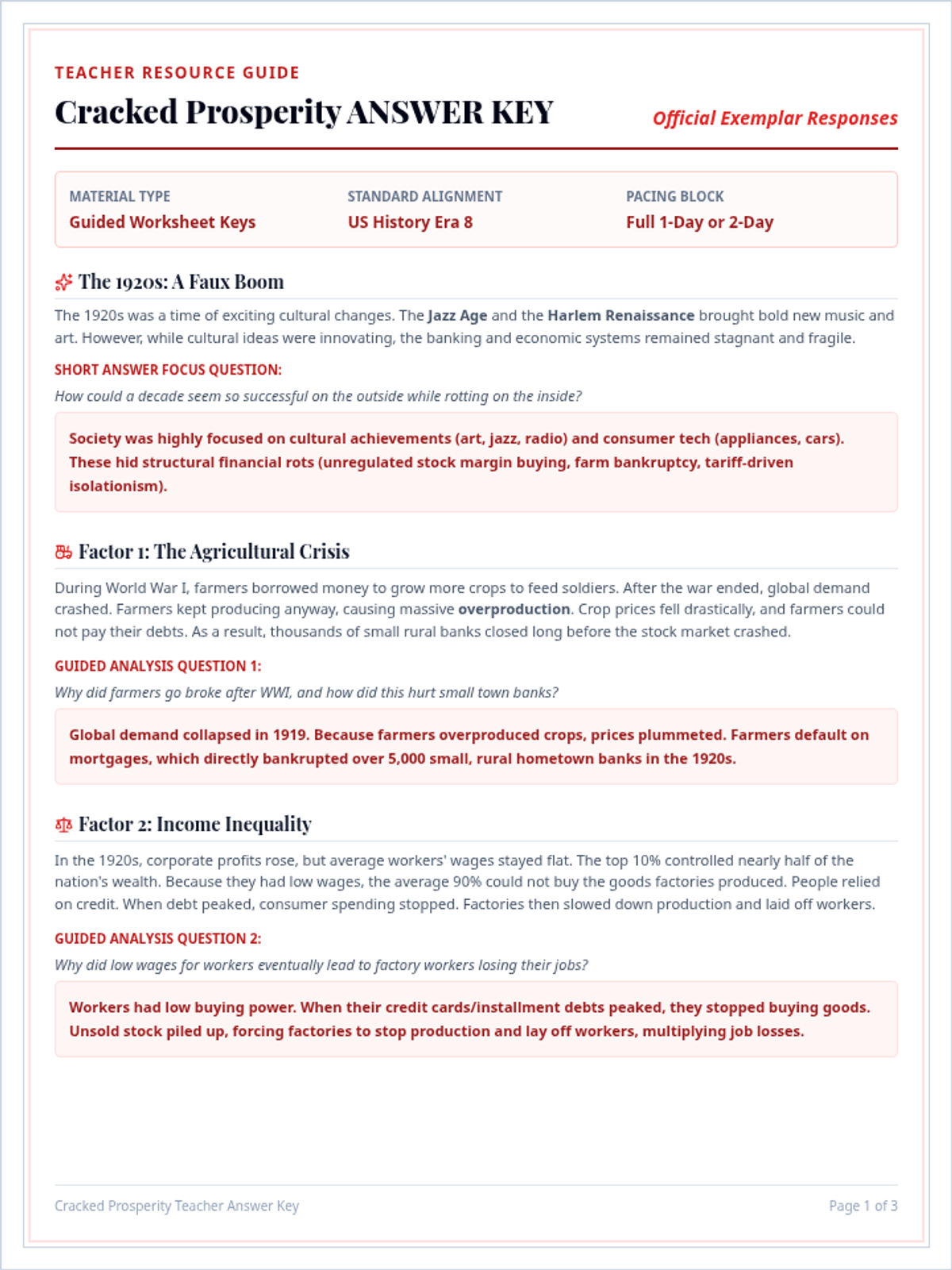
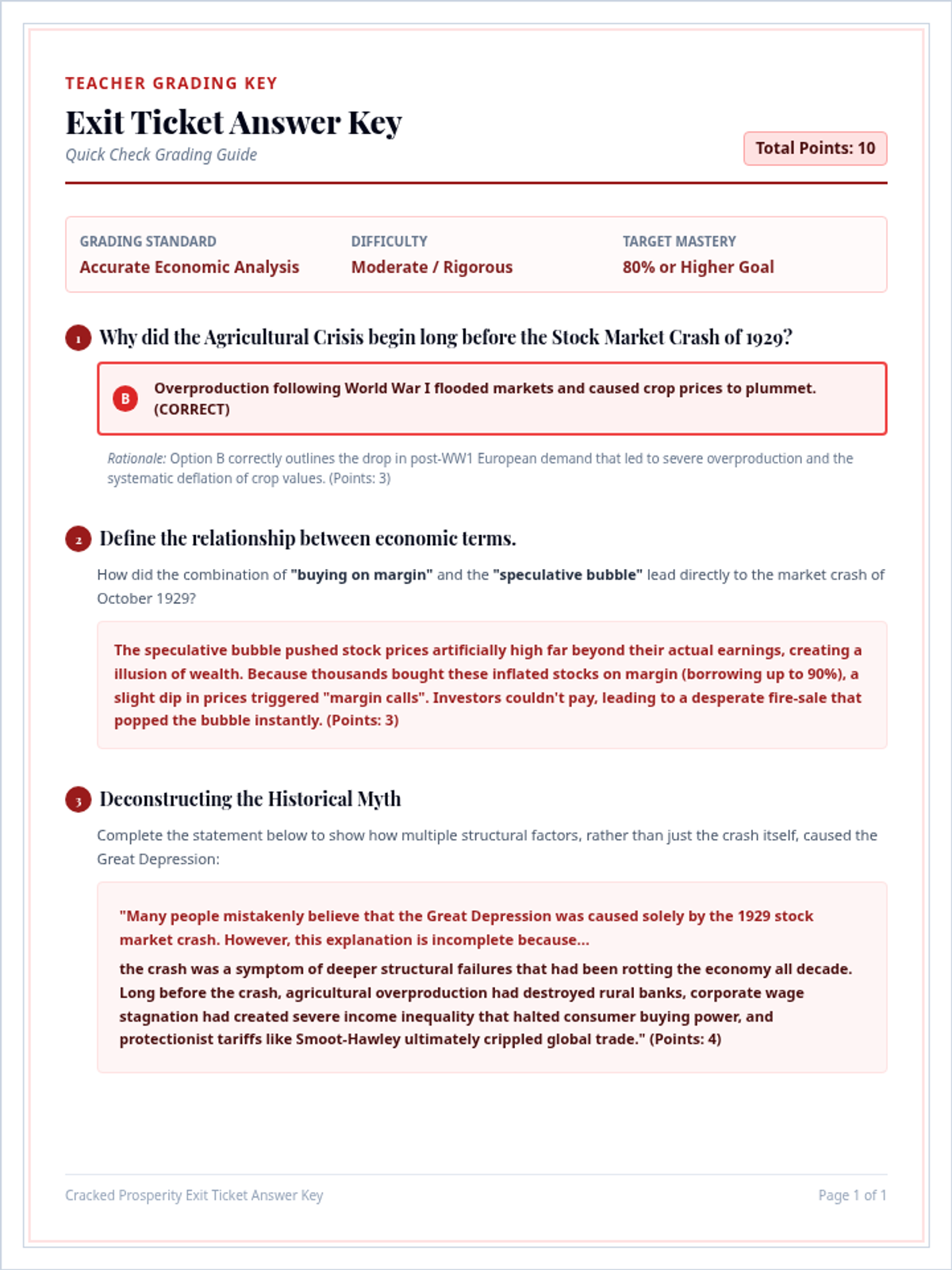
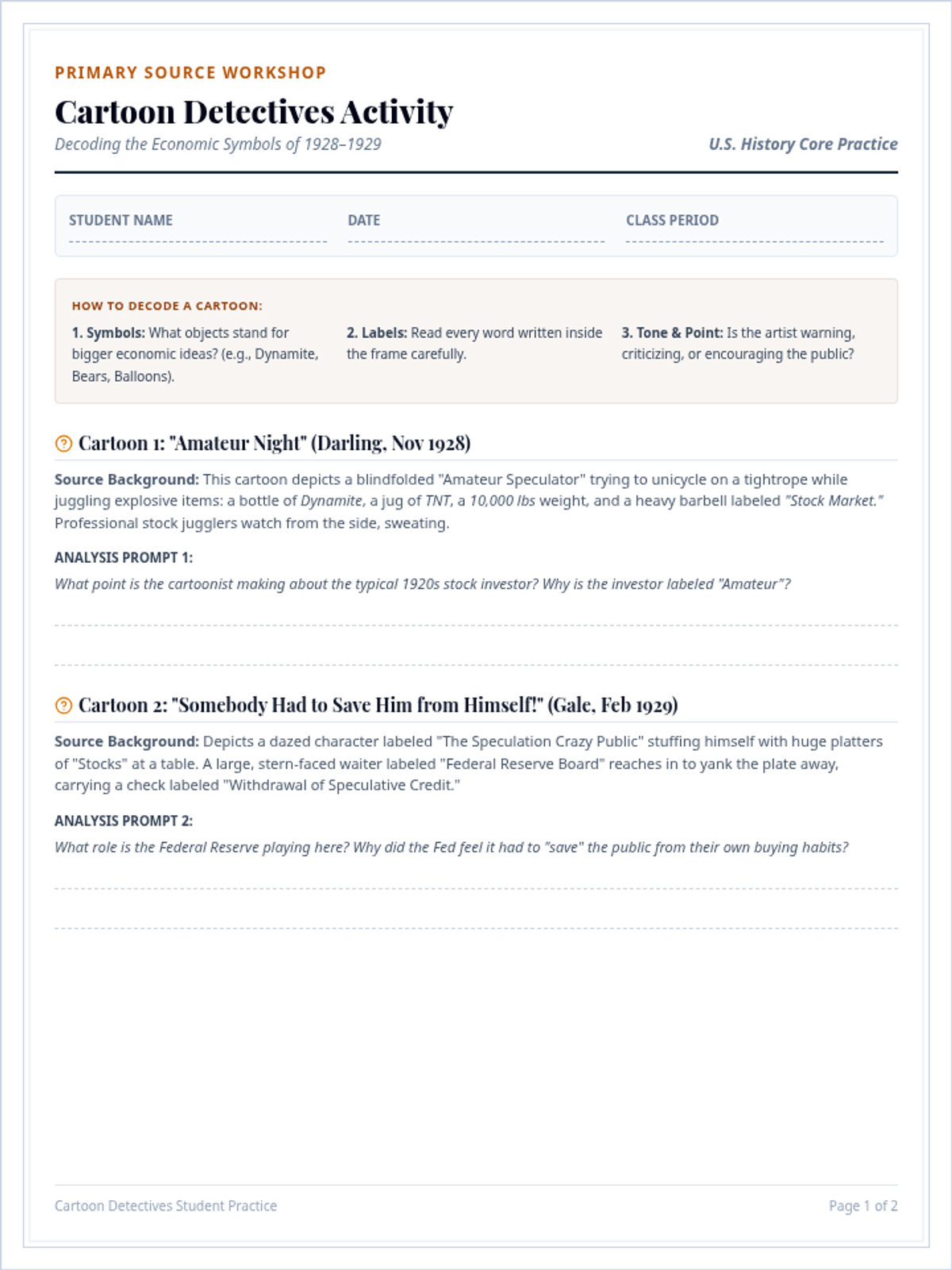
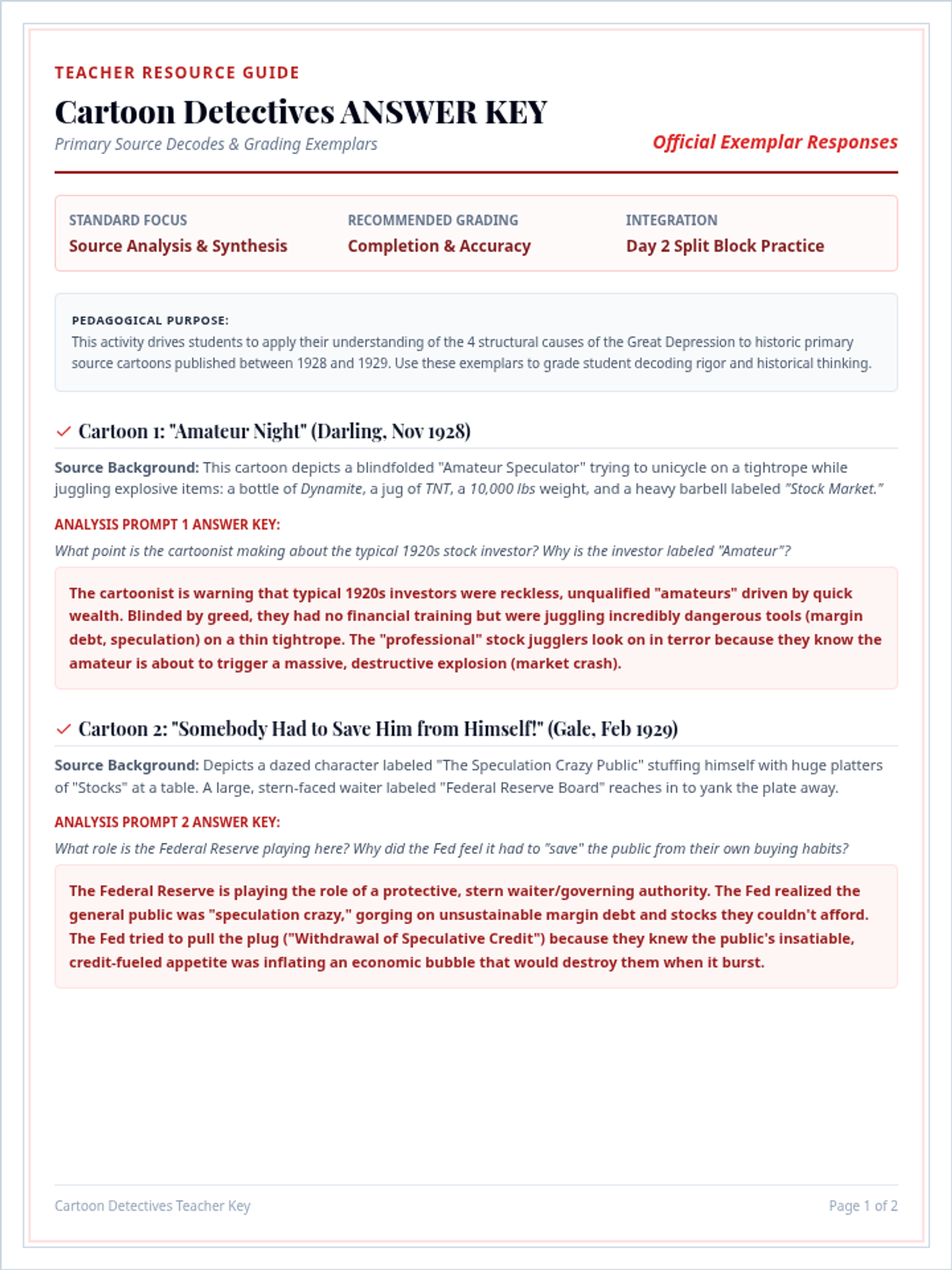
A comprehensive lesson exploring the transition from the roaring optimism of the 1920s to the structural causes of the Great Depression, including the agricultural crisis, income inequality, global trade collapse, and the 1929 stock market crash.
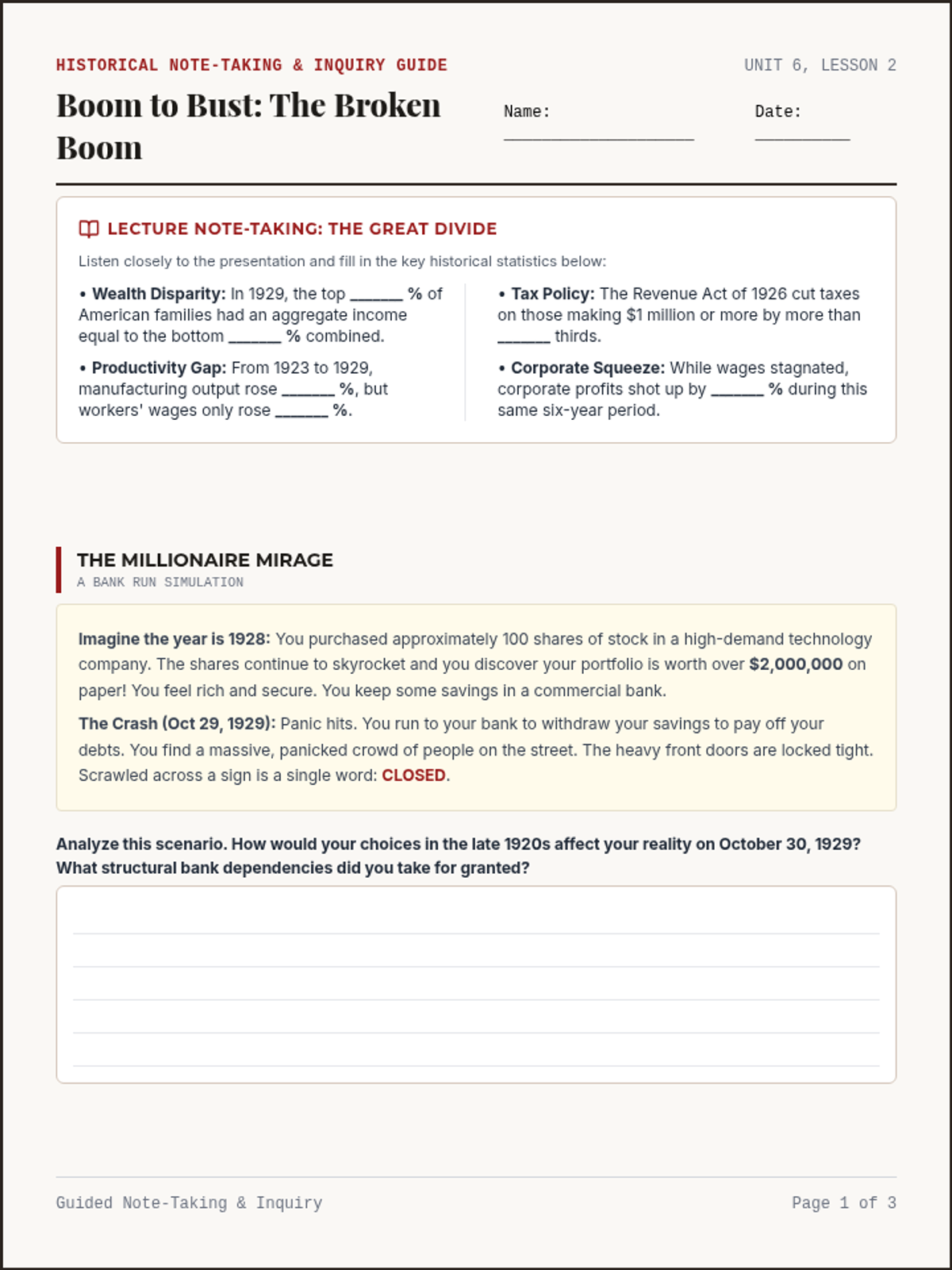
An inquiry-based lesson investigating the transition from the roaring 1920s to the Great Depression. Students analyze how economic policies, consumer credit, and social tensions fueled a cultural boom that ended in systemic collapse.
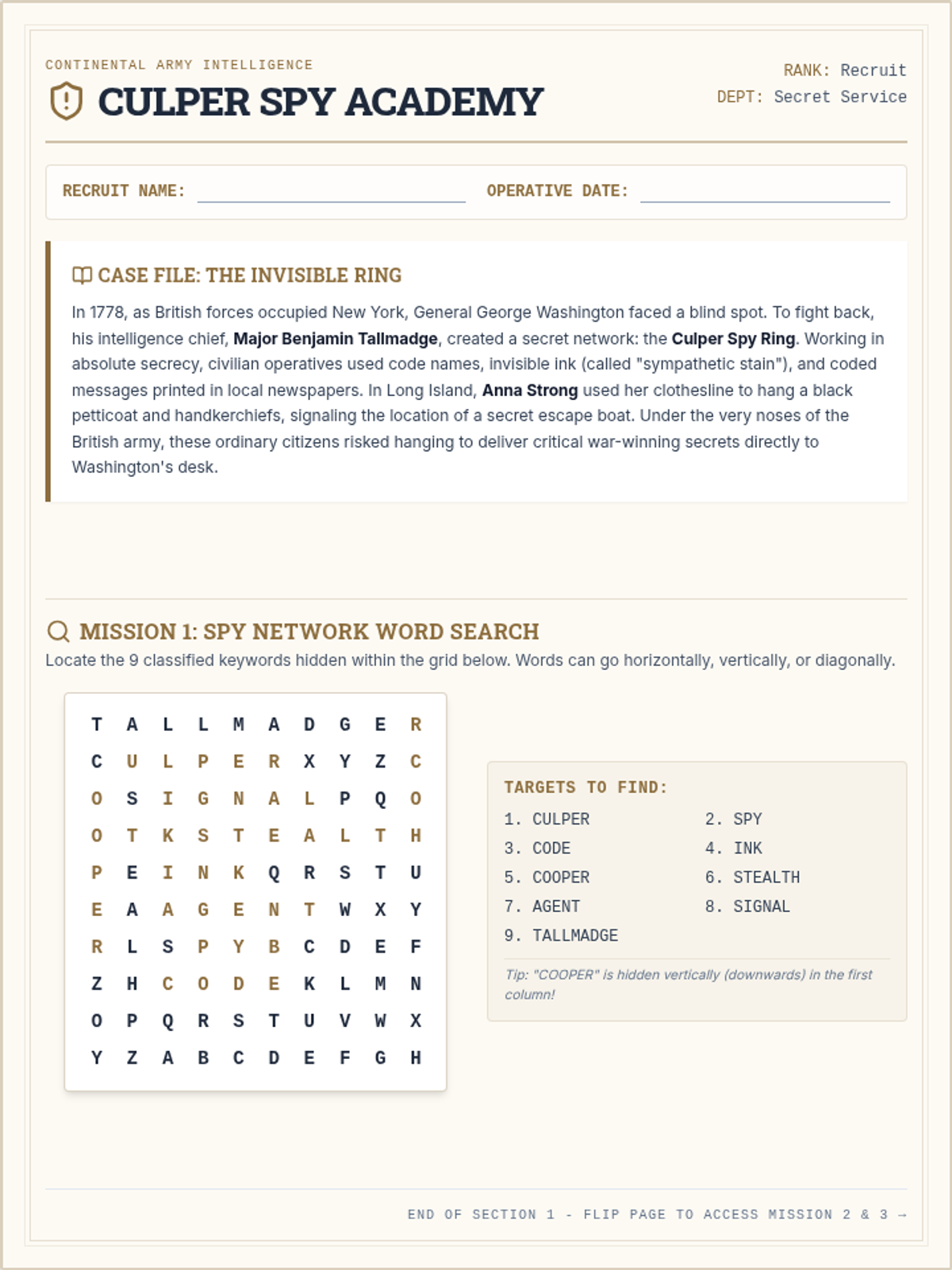
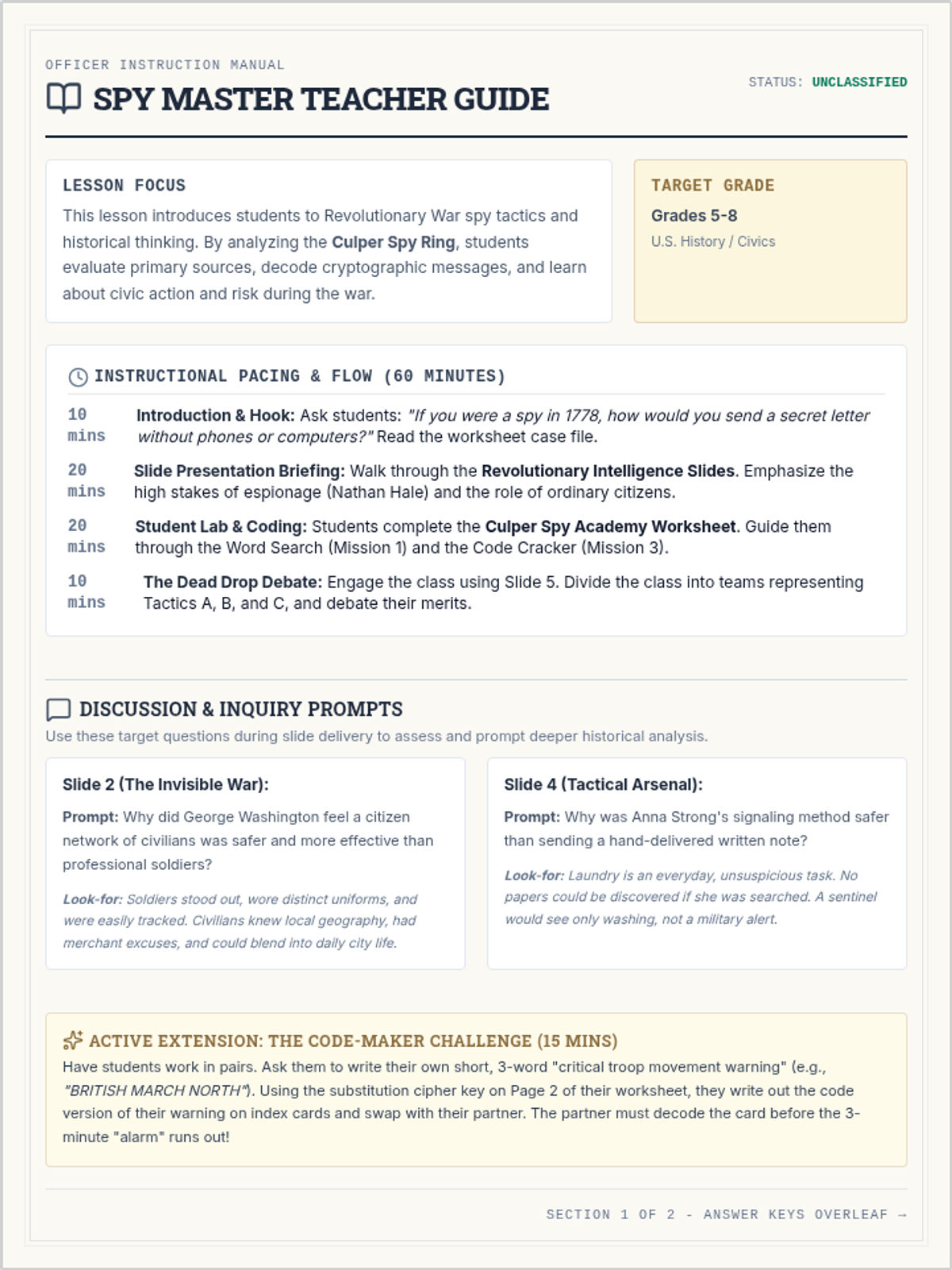
An engaging introductory lesson on American Revolution espionage, focusing on the Culper Spy Ring, secret codes, and stealthy tactics used by George Washington's network. Students learn historical analysis through code-breaking, word puzzles, and critical thinking challenges.
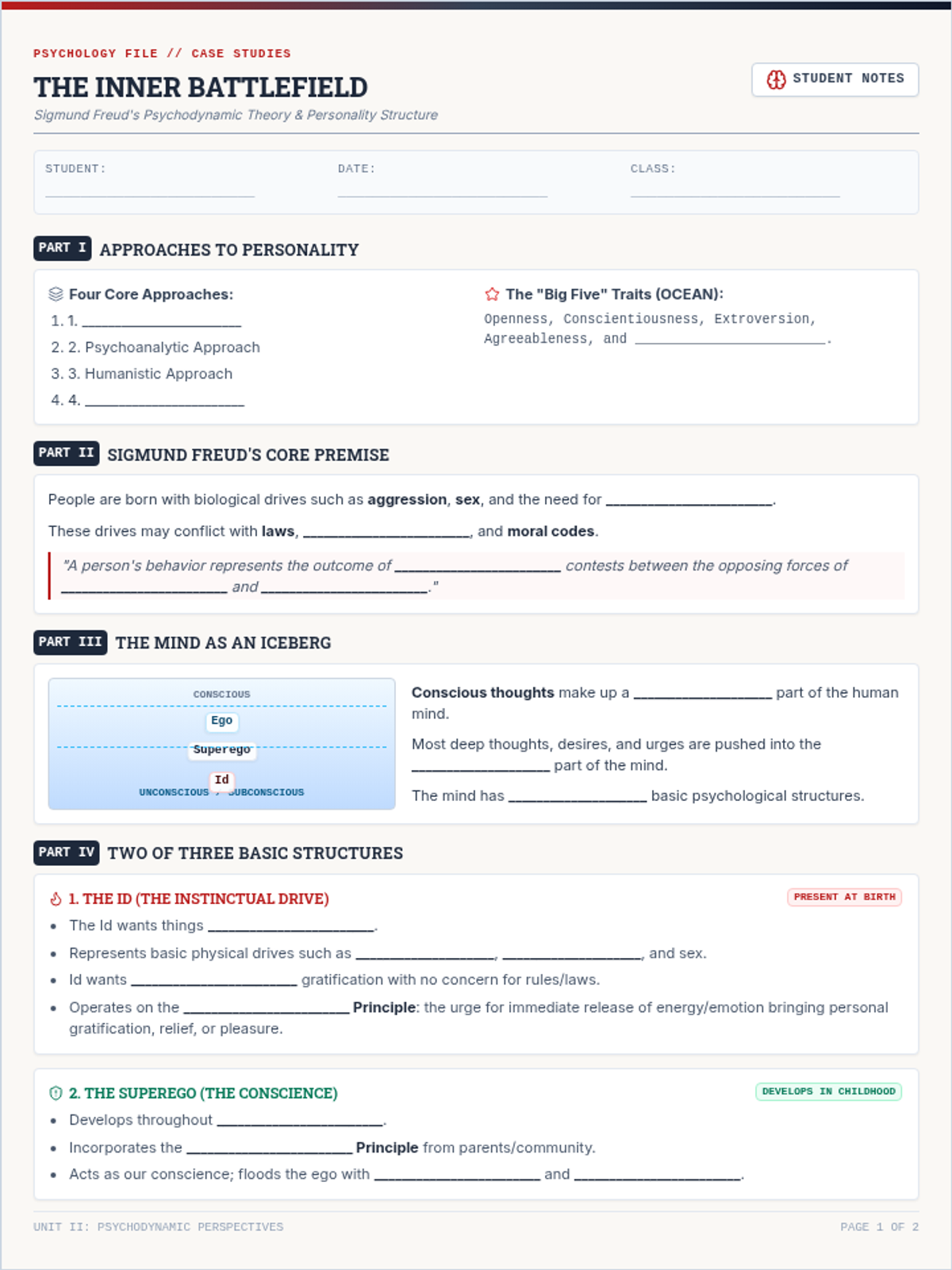
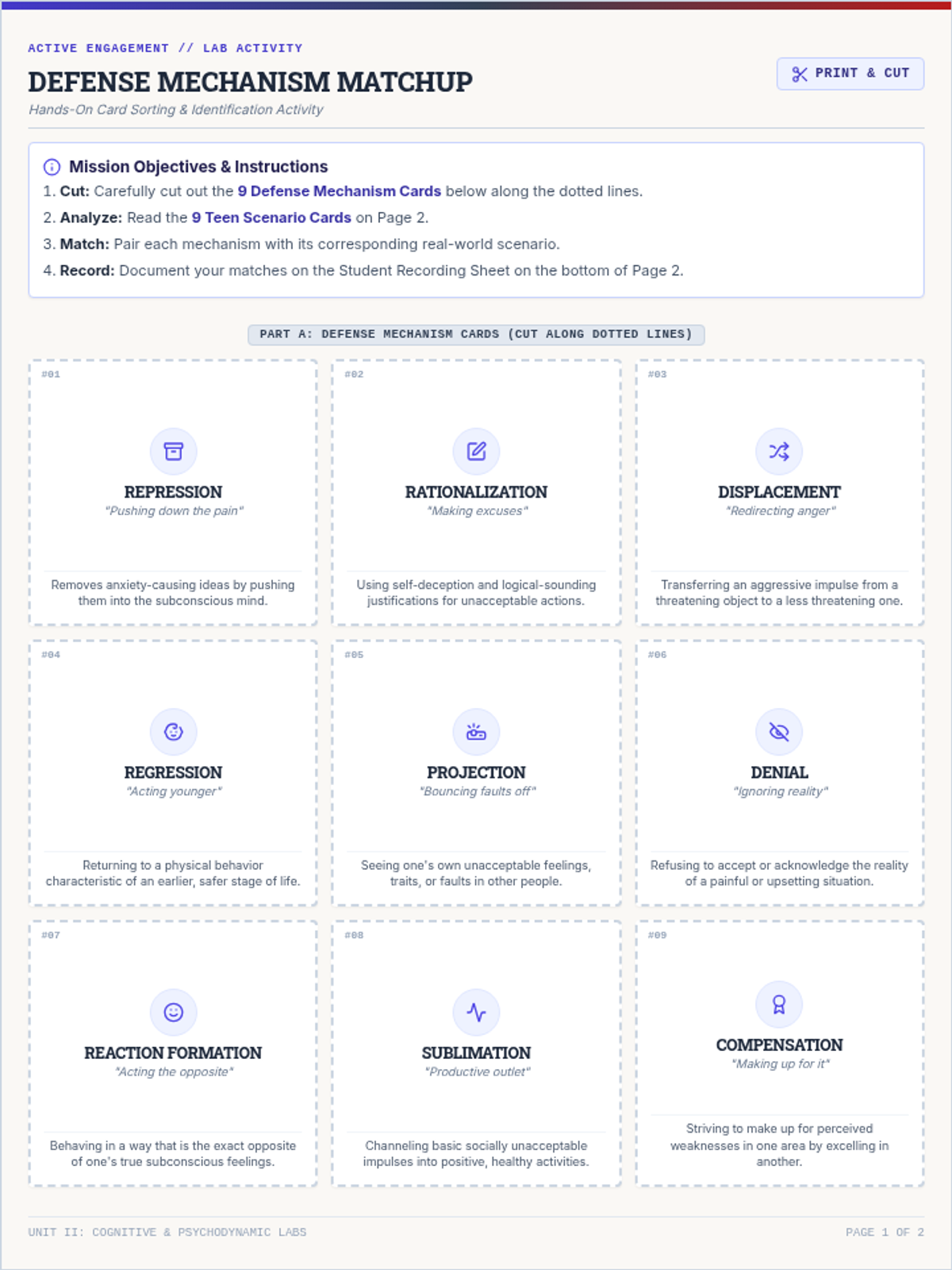
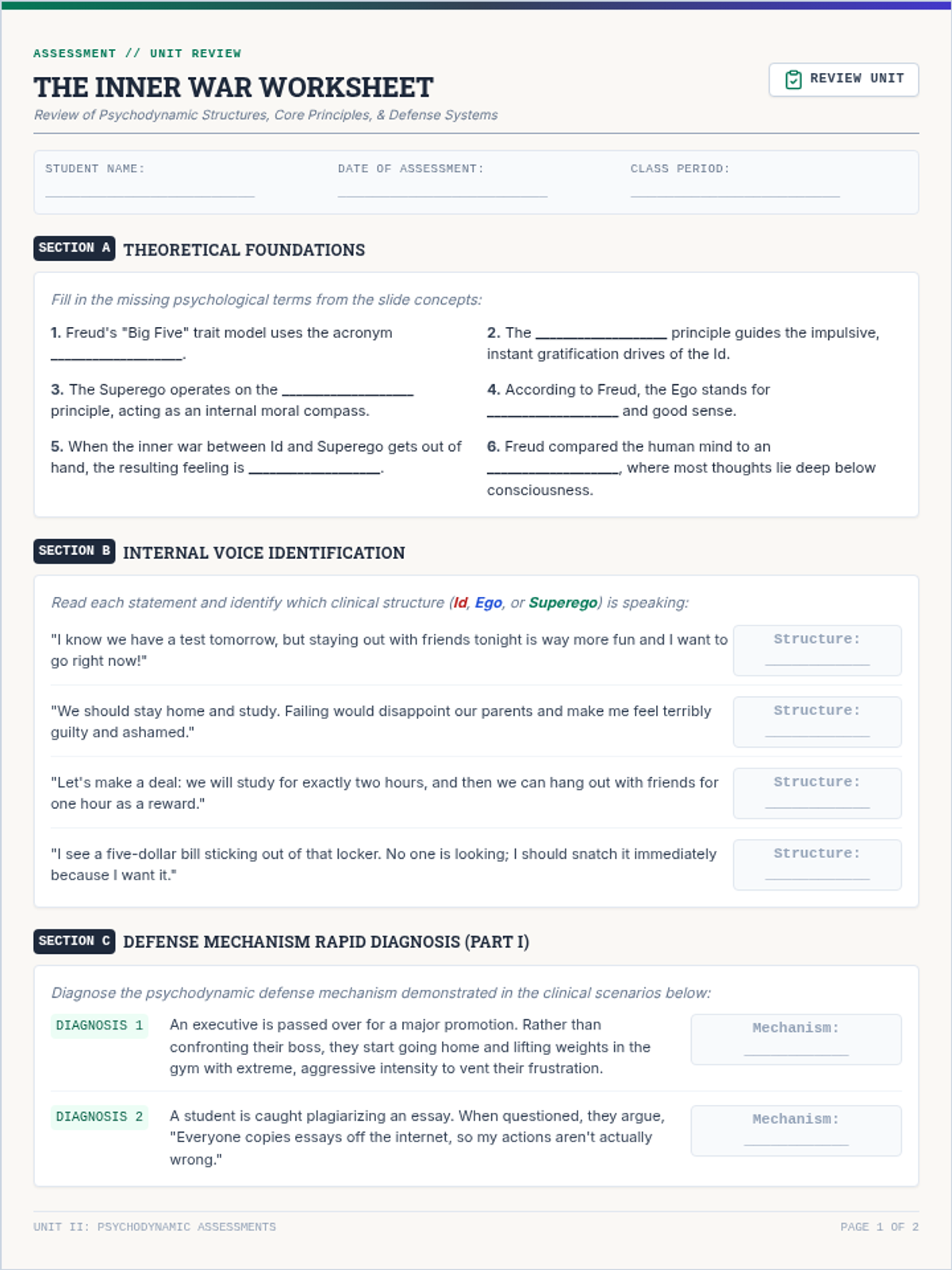
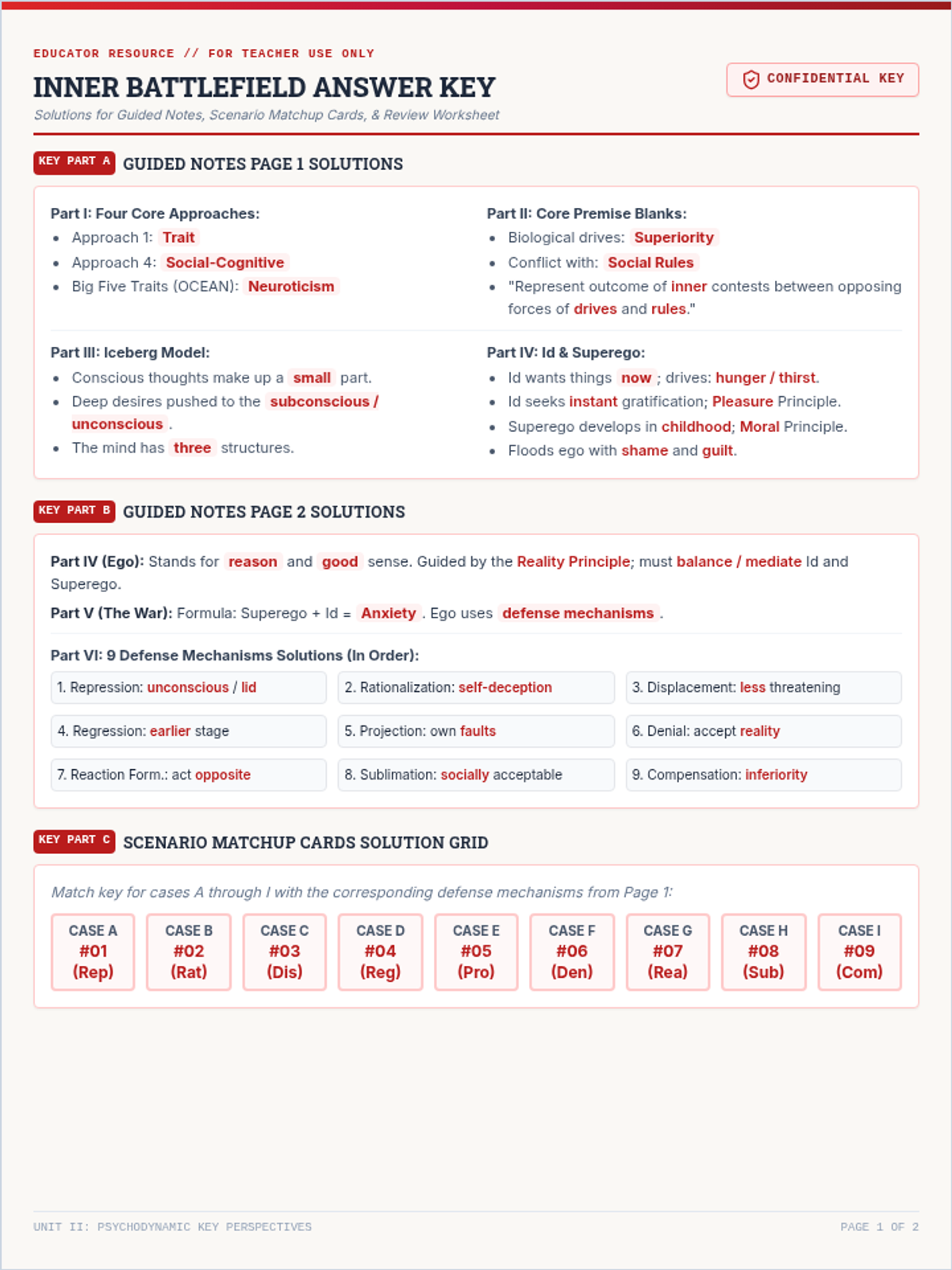
An exploration of Sigmund Freud's psychodynamic approach to personality, focusing on the dynamic conflict between the Id, Ego, and Superego, and the defense mechanisms the mind uses to cope with resulting anxiety.
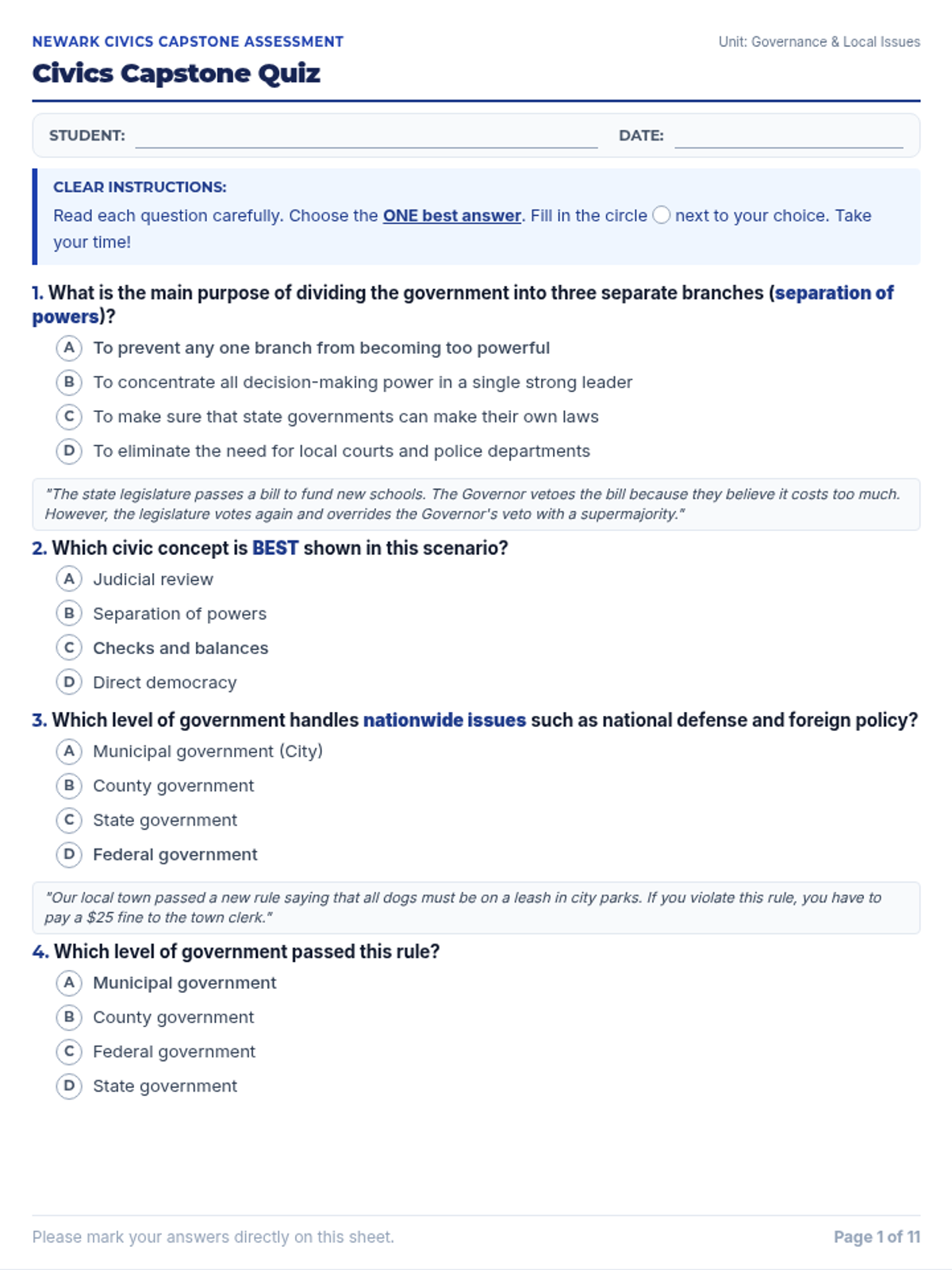
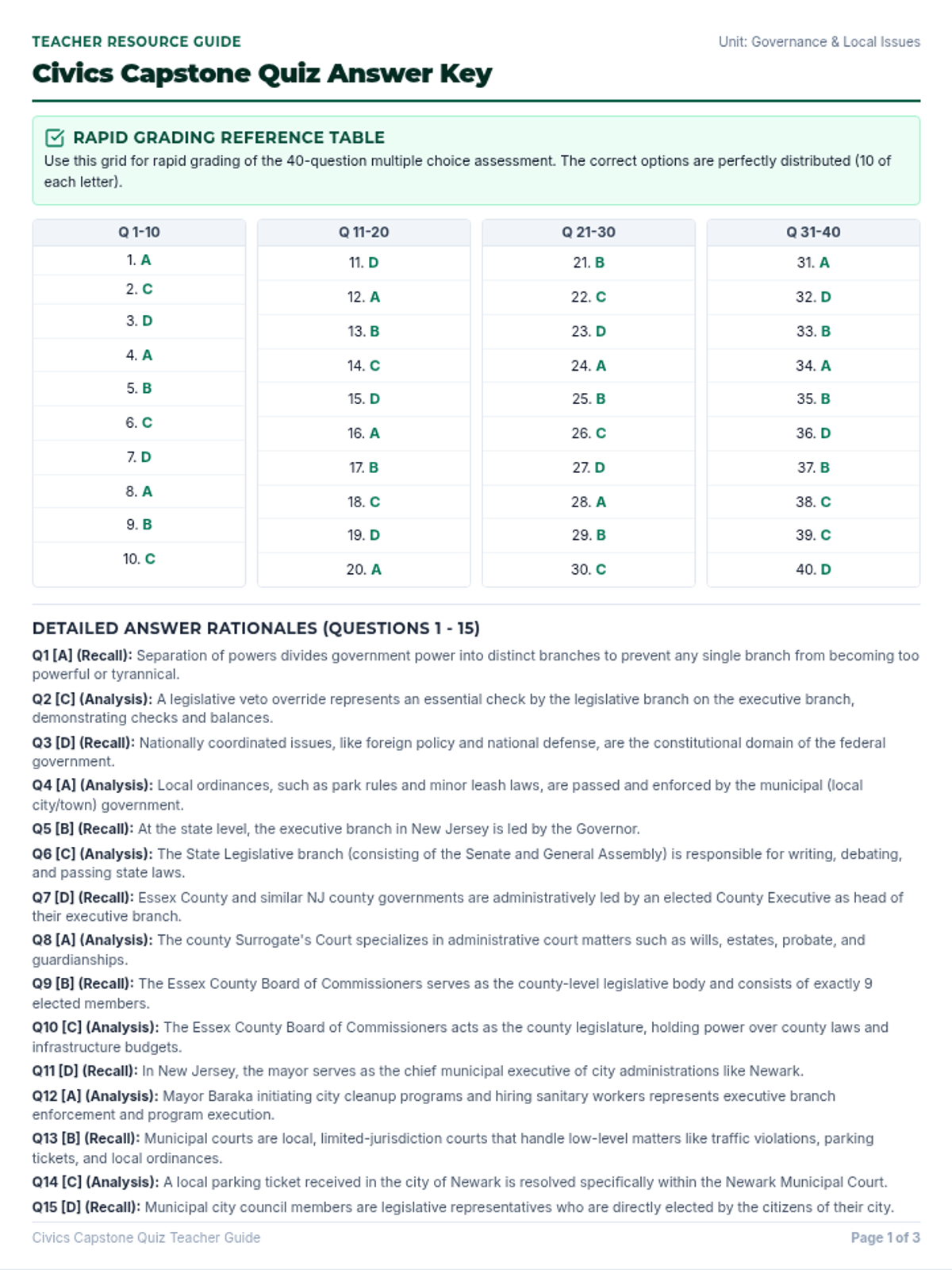
A comprehensive assessment unit for high school civics, covering separation of powers, municipal and county government levels, and local social issues such as homelessness and food deserts in New Jersey.
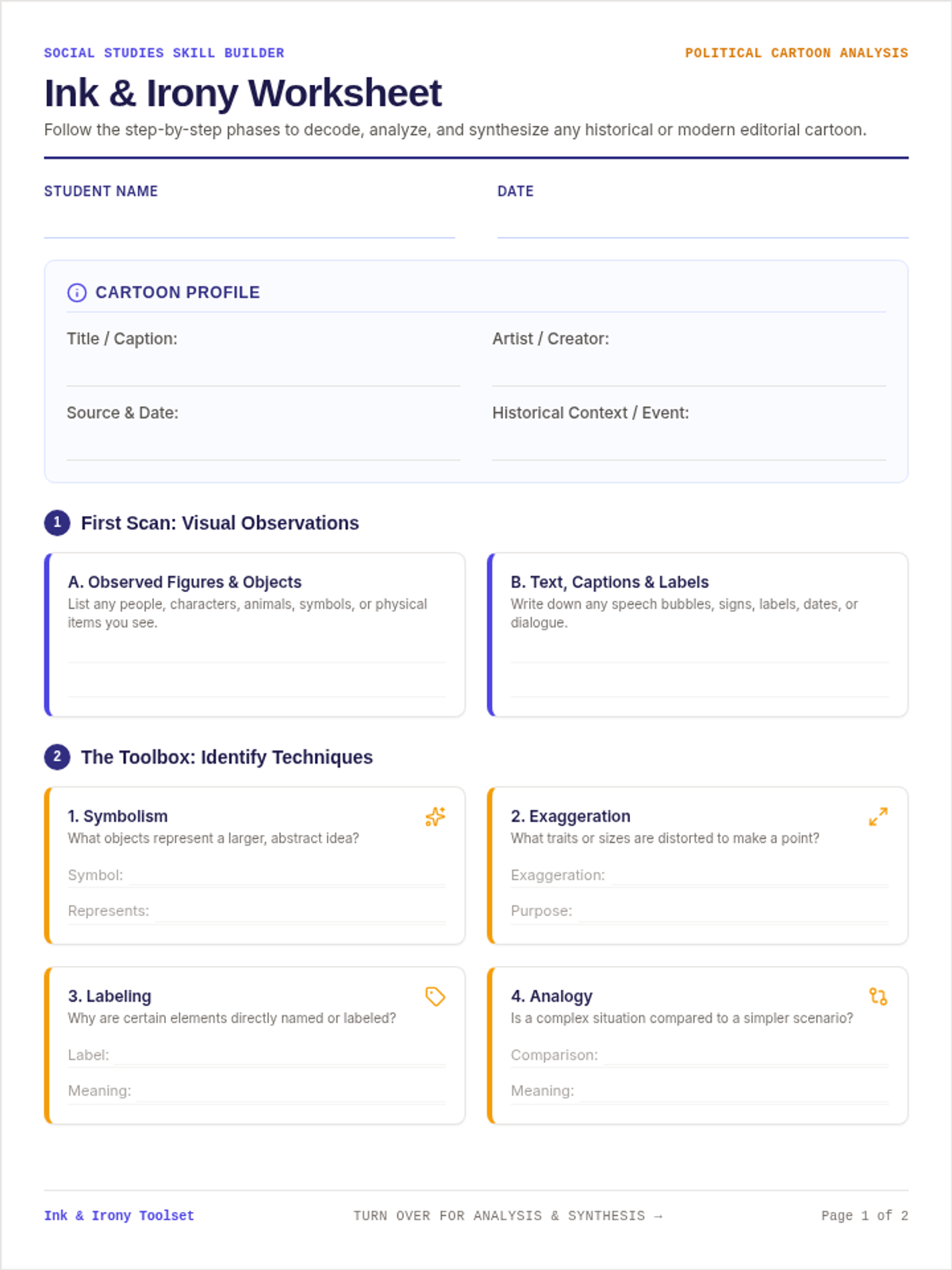
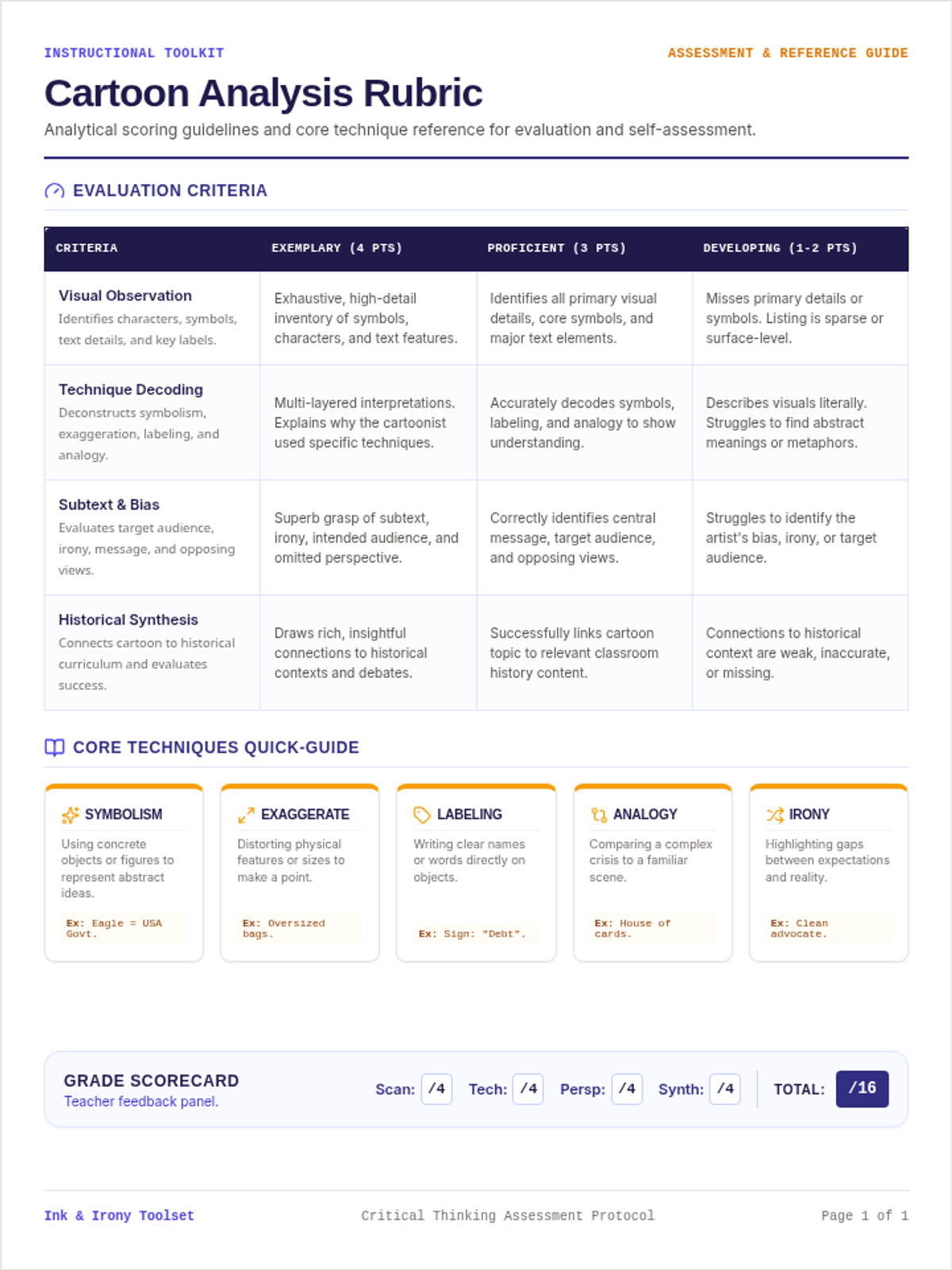
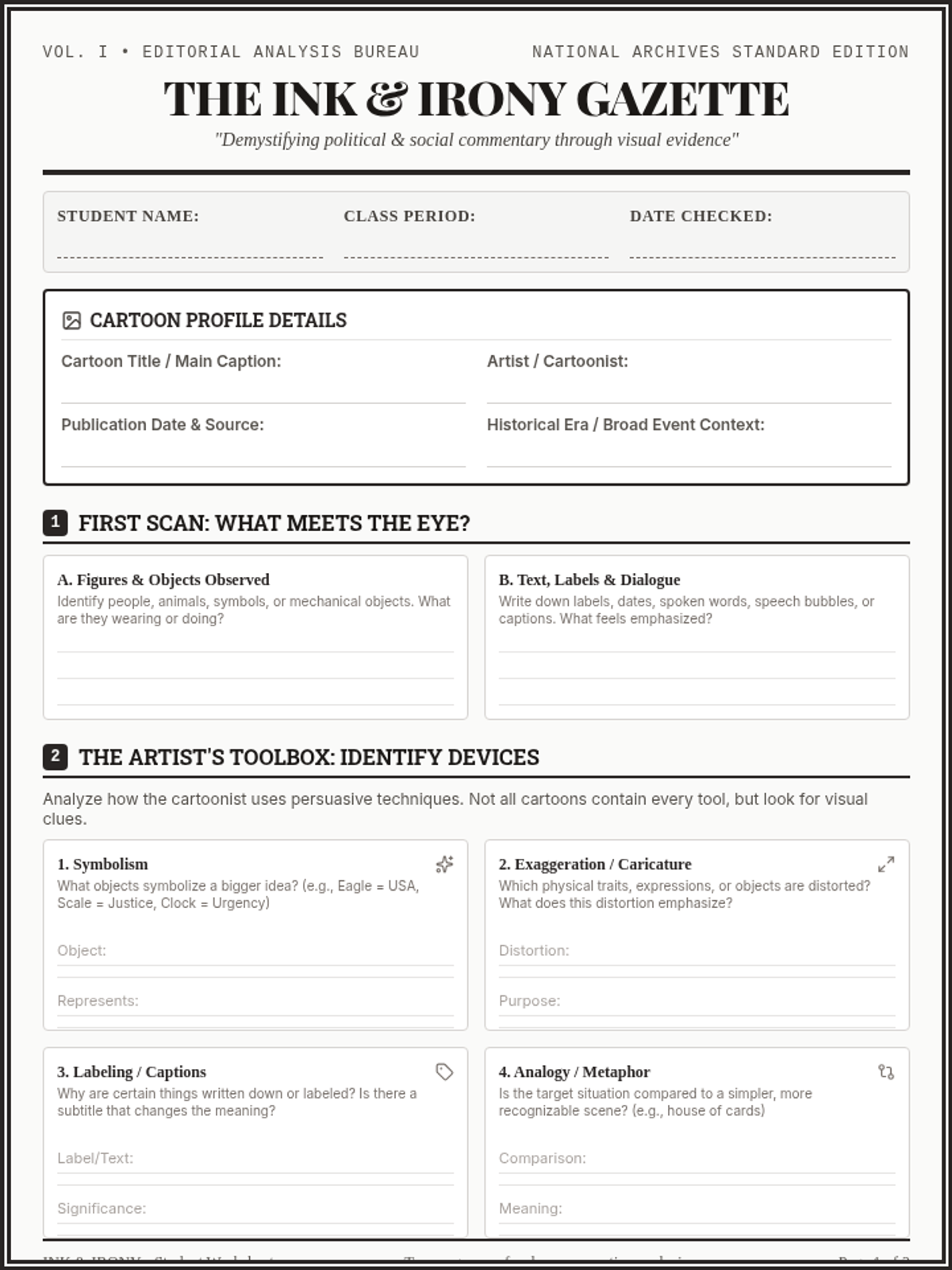
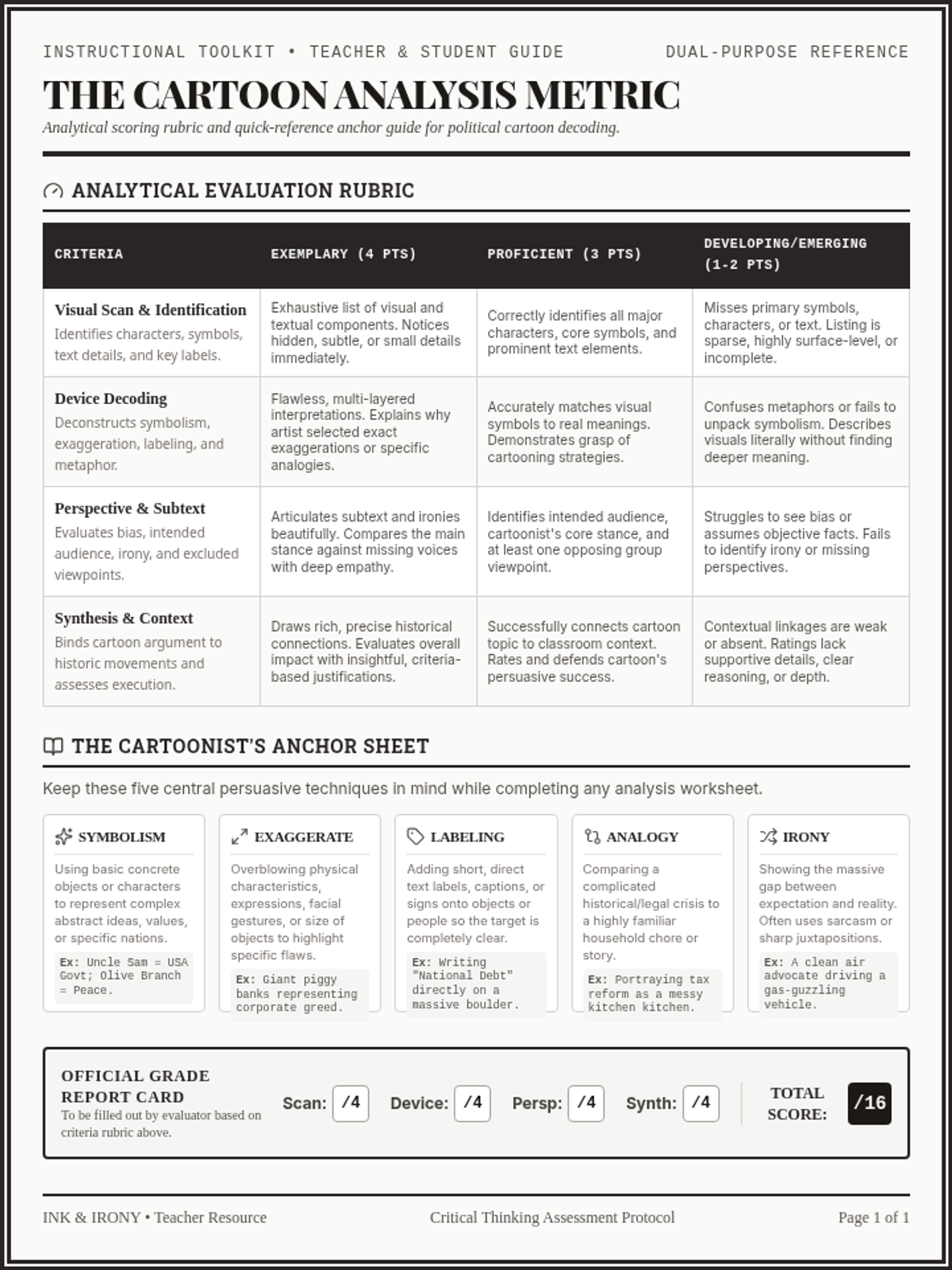
A comprehensive instructional toolkit for analyzing editorial and political cartoons. Features a versatile double-page graphic organizer and a structured assessment rubric adaptable to any historical era.
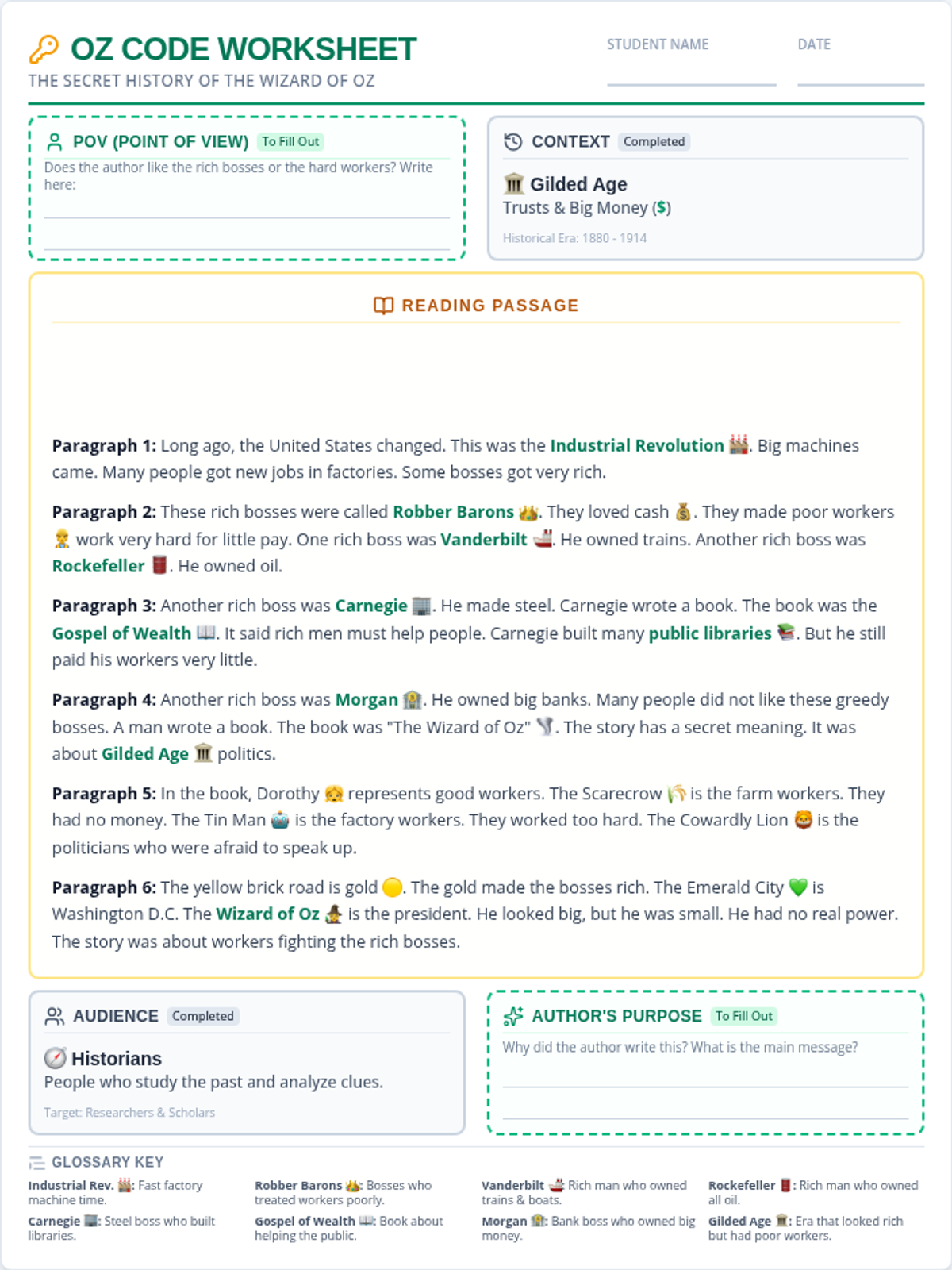
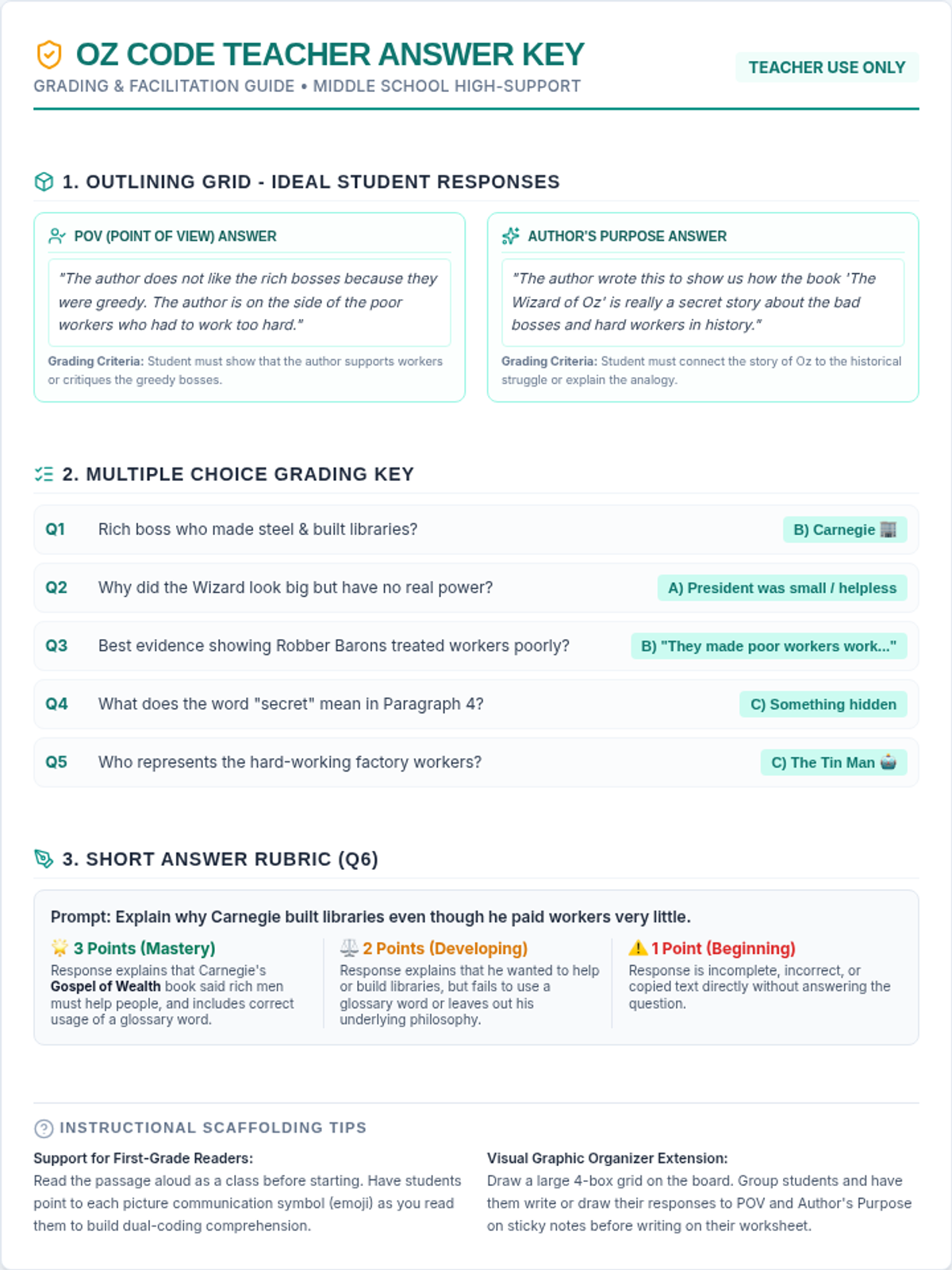
A lesson on the Gilded Age, the Industrial Revolution, robber barons, and their symbolic representation in L. Frank Baum's 'The Wizard of Oz'. Designed with high-support scaffolding for middle schoolers reading at a first-grade level.
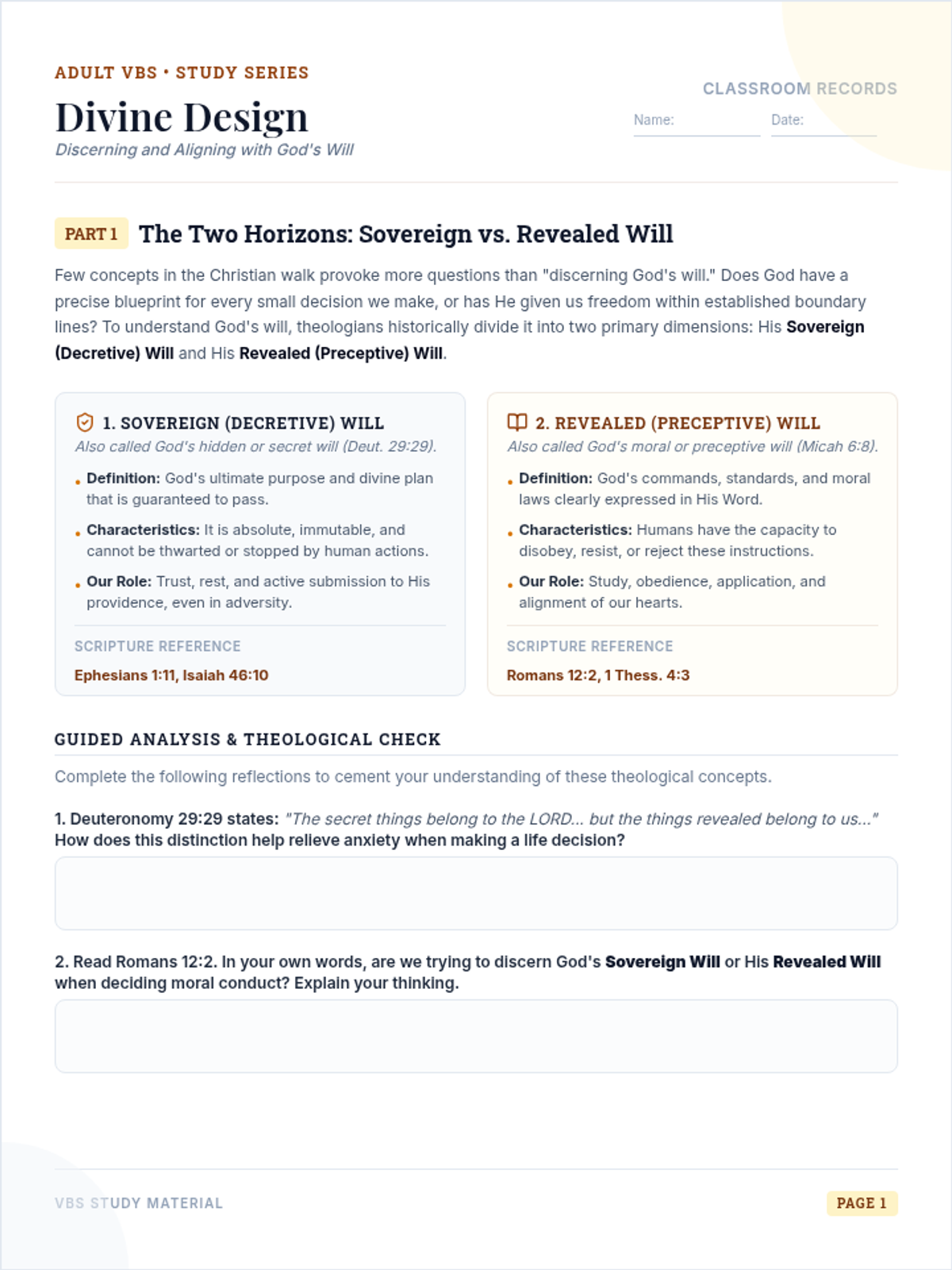
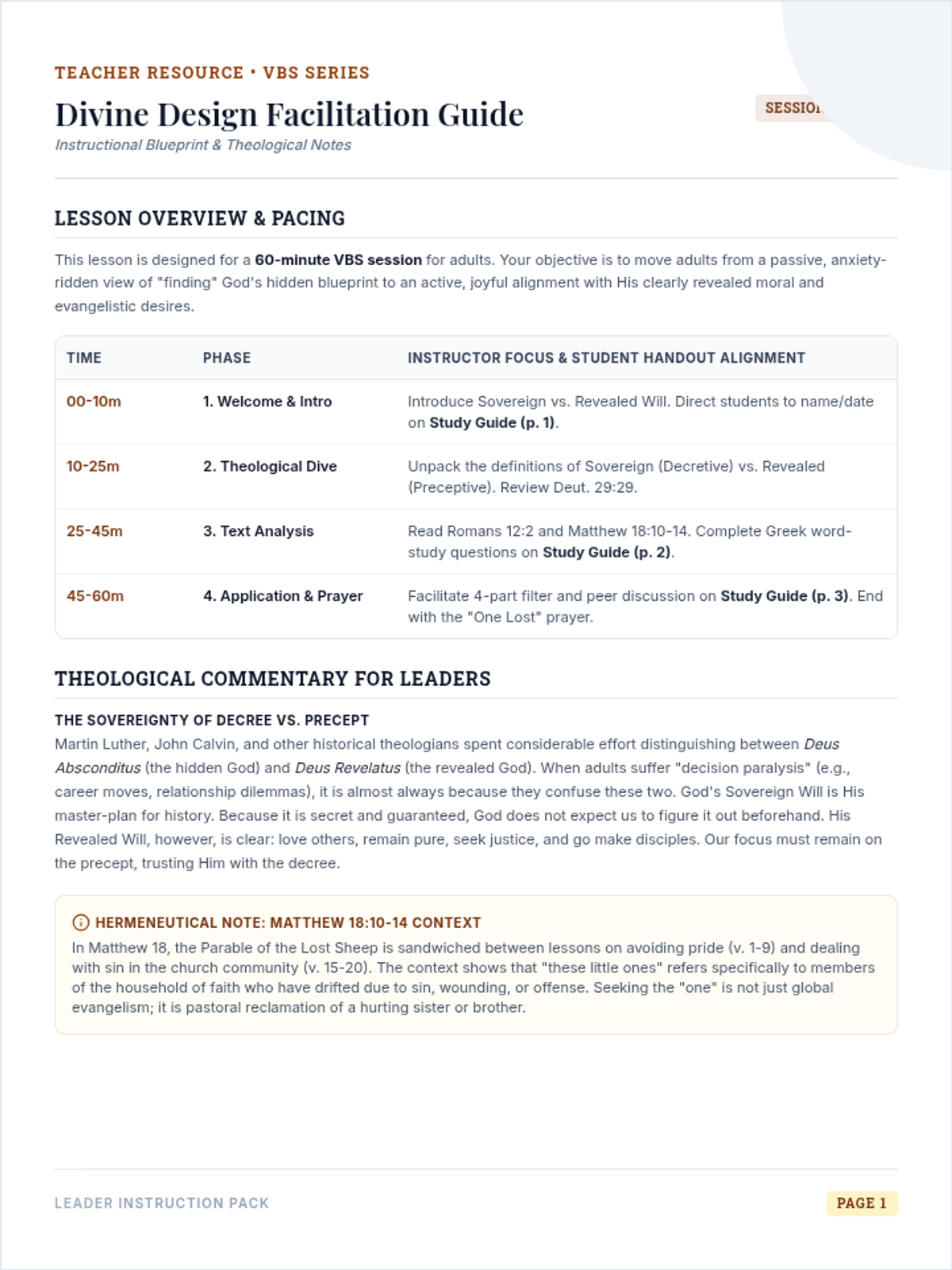
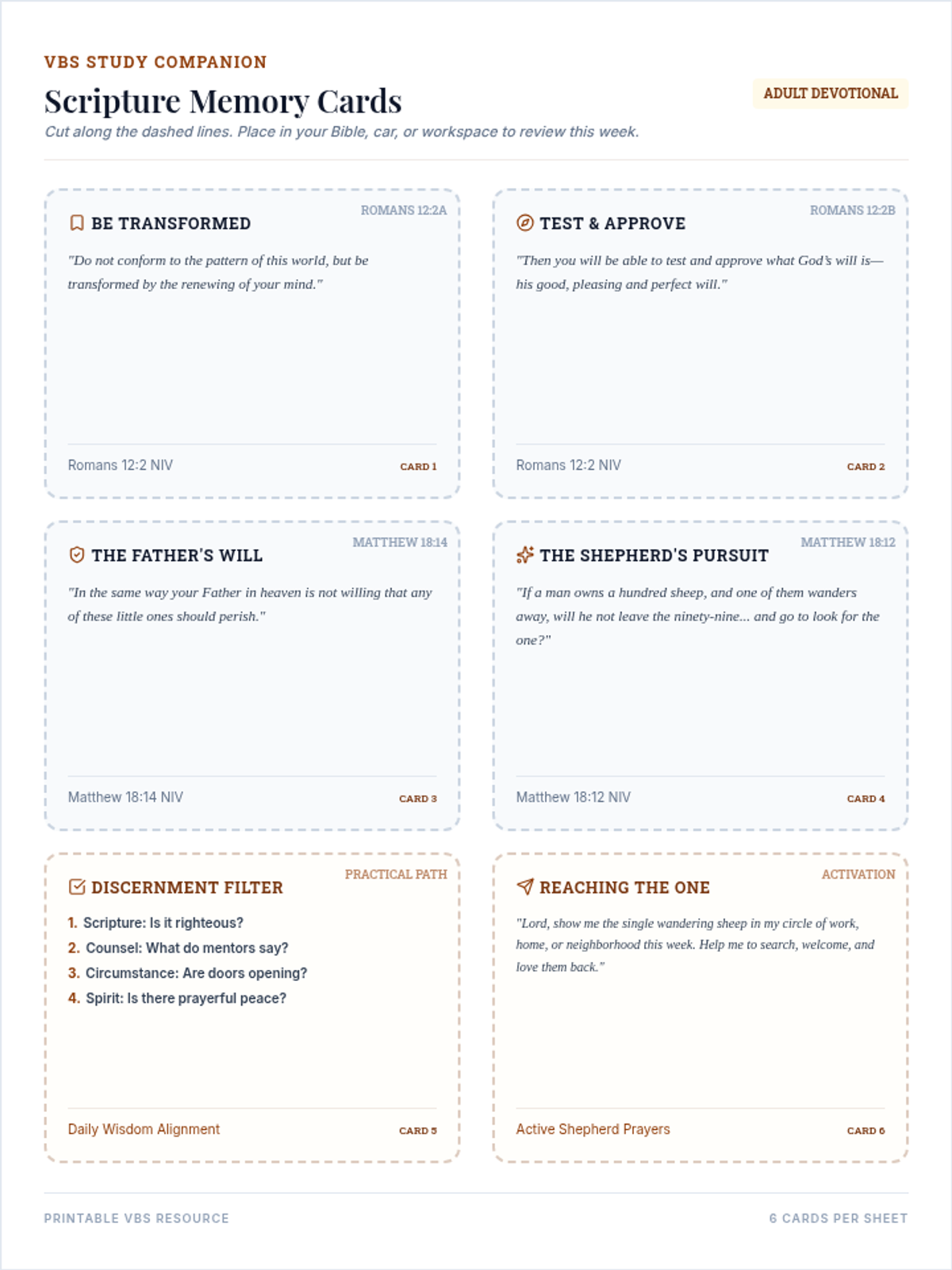
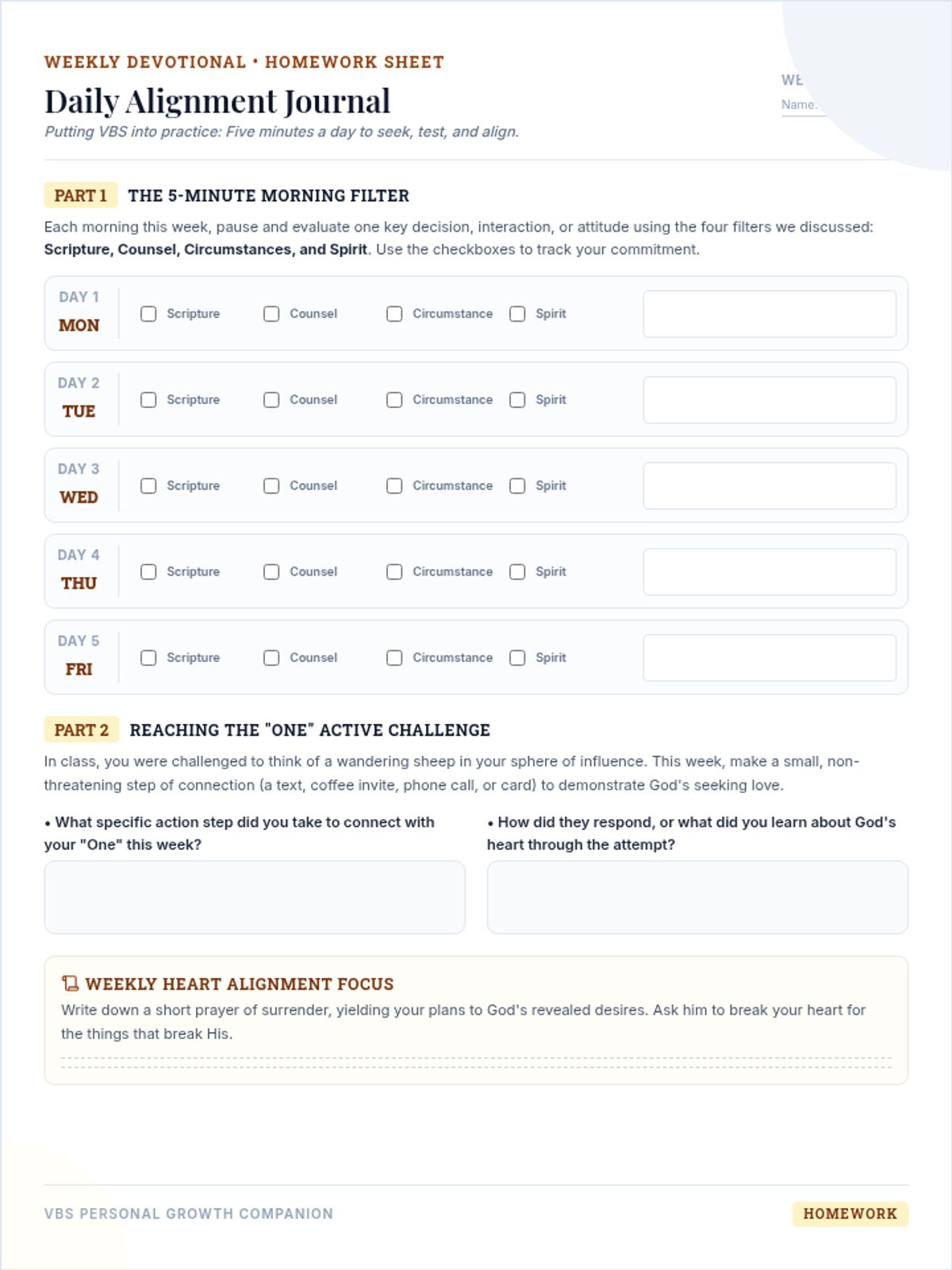
An adult Vacation Bible School (VBS) lesson focusing on discerning and aligning with God's will. Through Romans 12:2 and Matthew 18:10-14, adults will define God's will (Sovereign vs. Revealed), understand His design that none should be lost, and discover practical paths to daily discernment and evangelism.
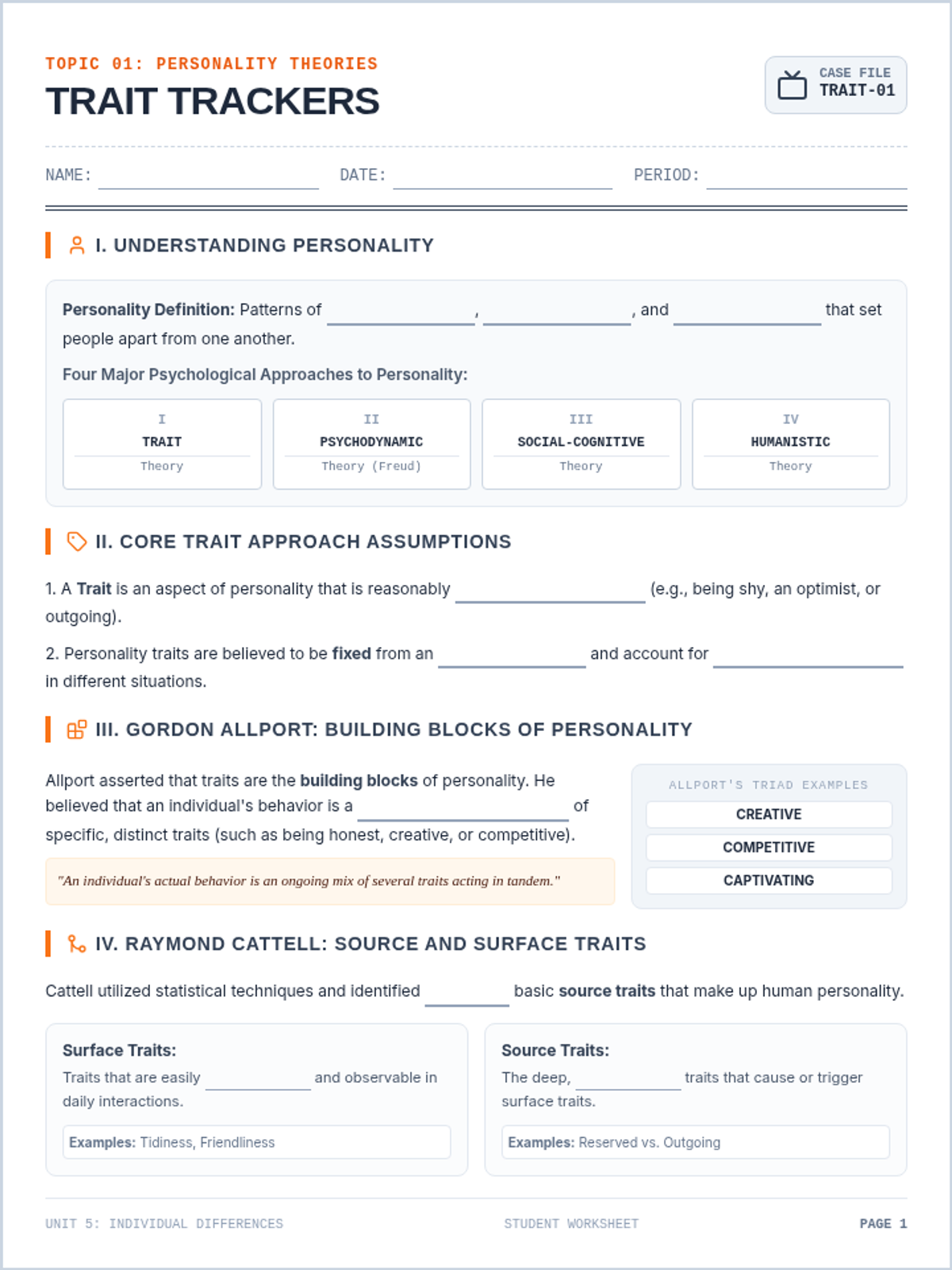
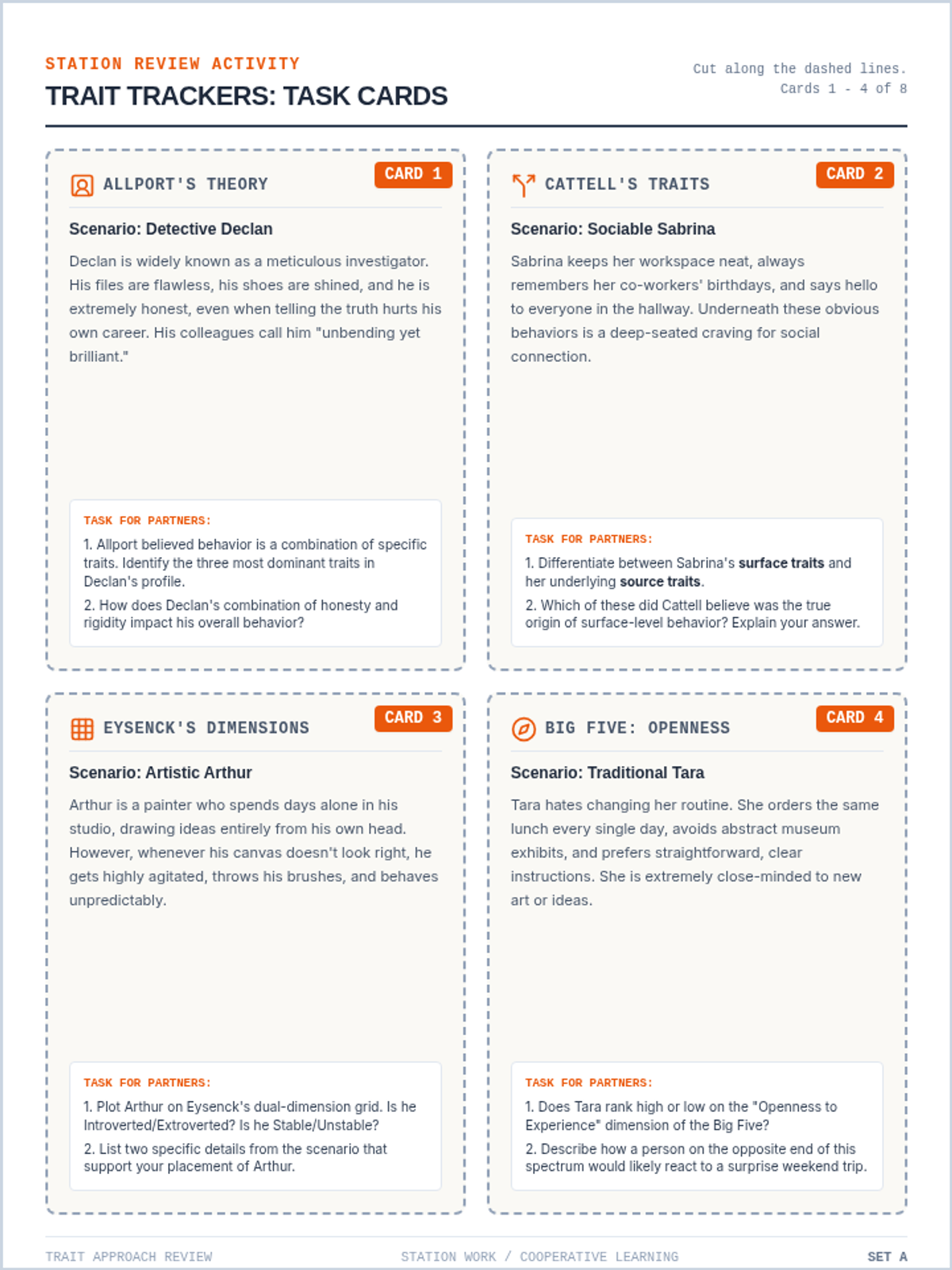
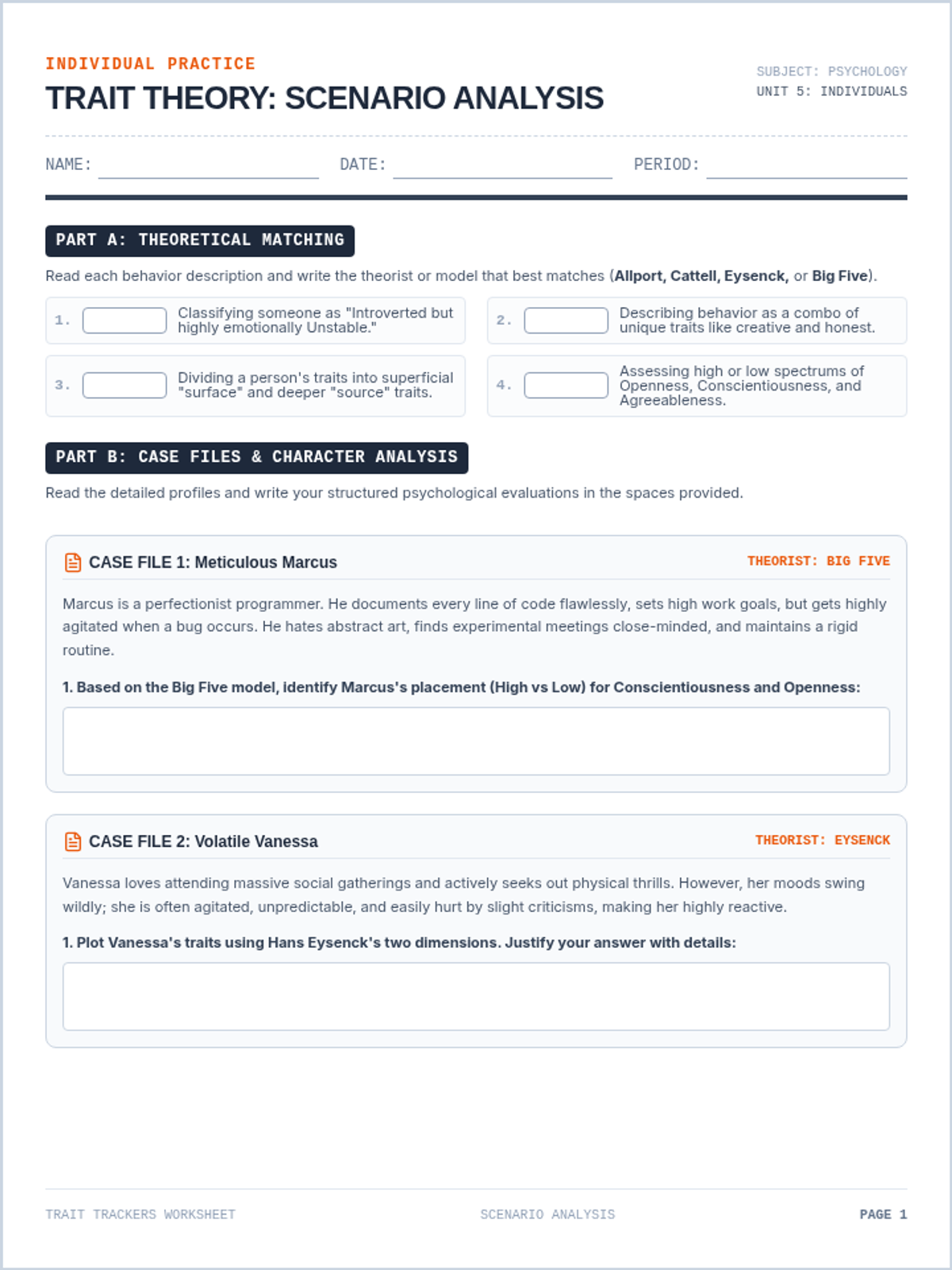
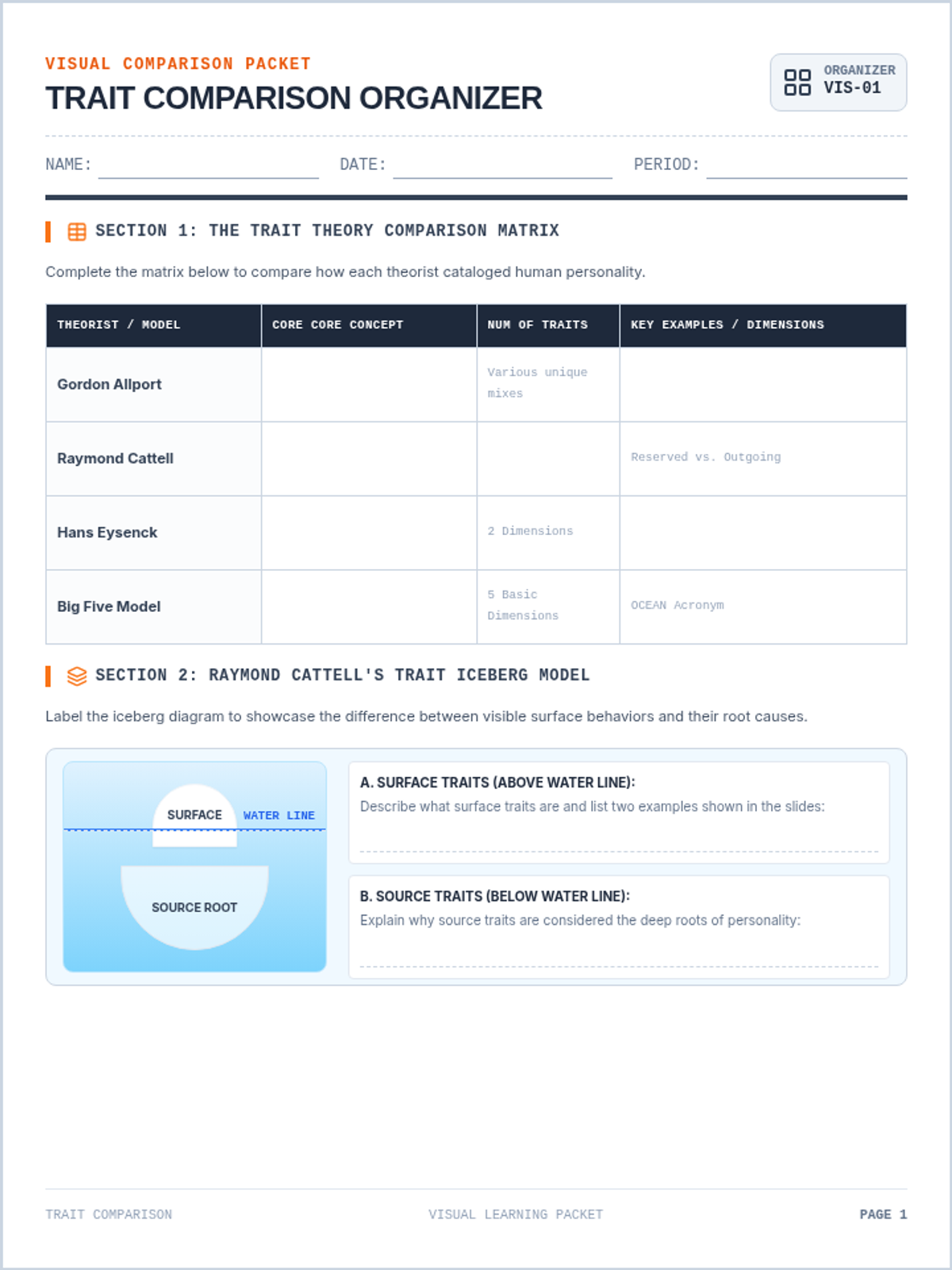
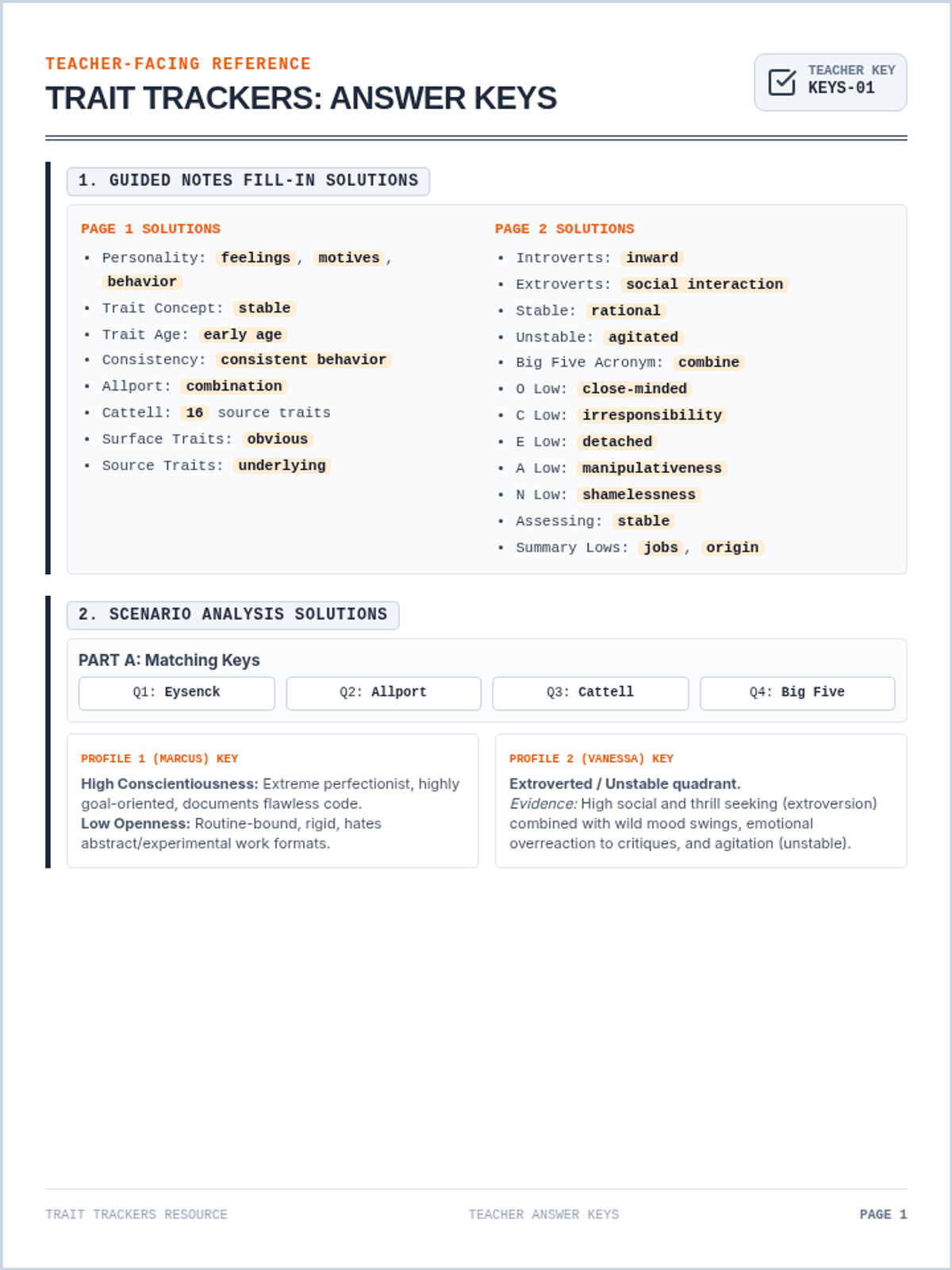
An introductory lesson on the Trait Approach to personality, guiding students through key definitions, major theorists (Allport, Cattell, Eysenck), the Big Five model, and the real-world applications and limitations of trait theory.
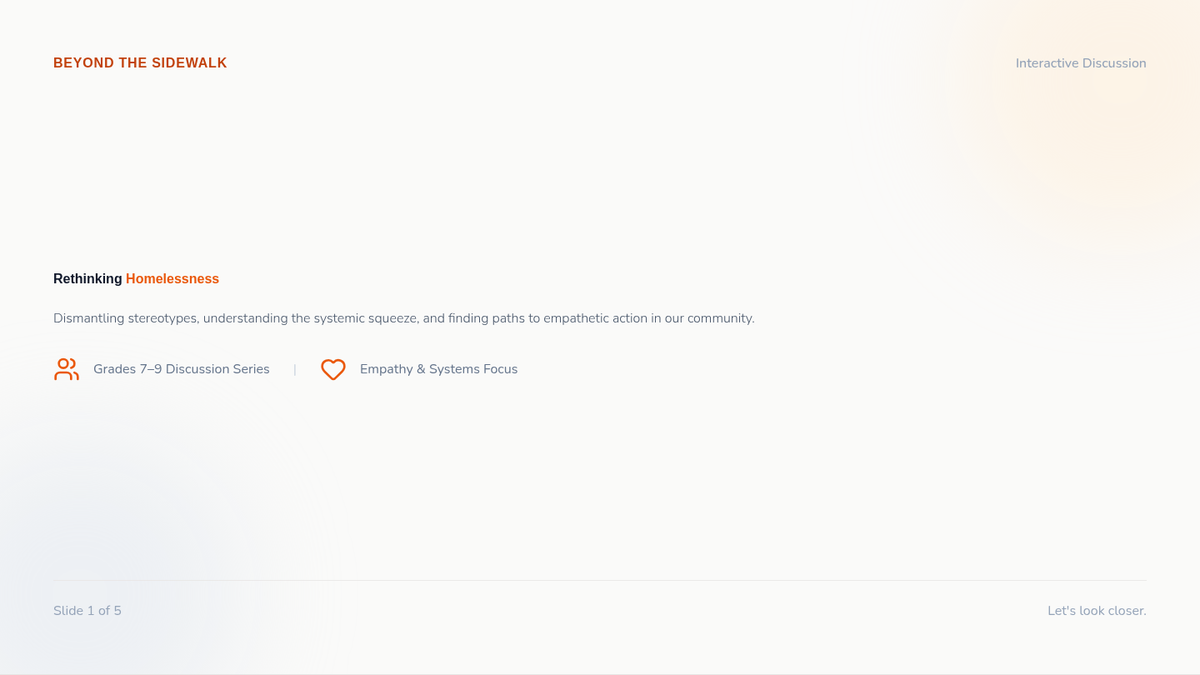
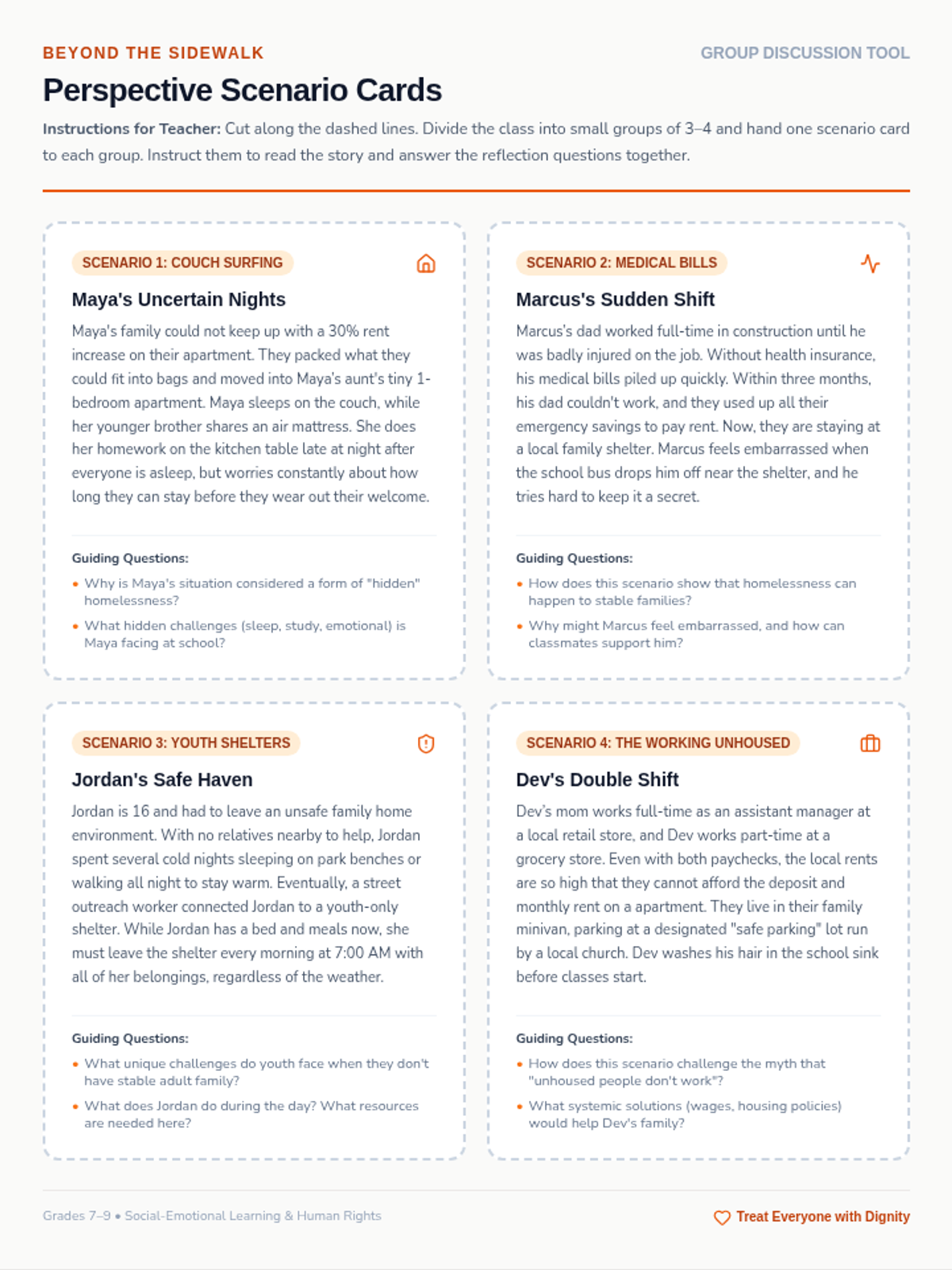
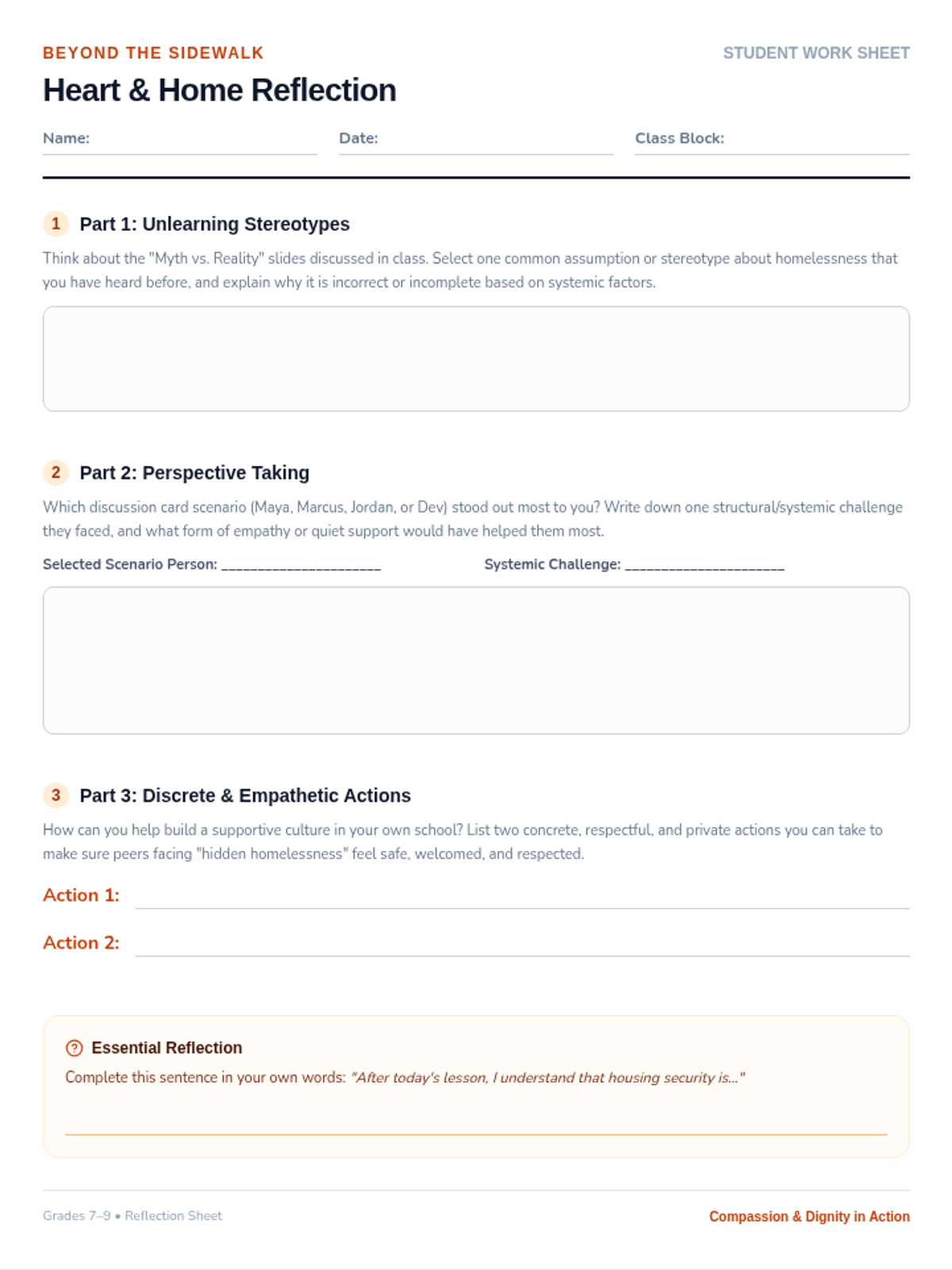
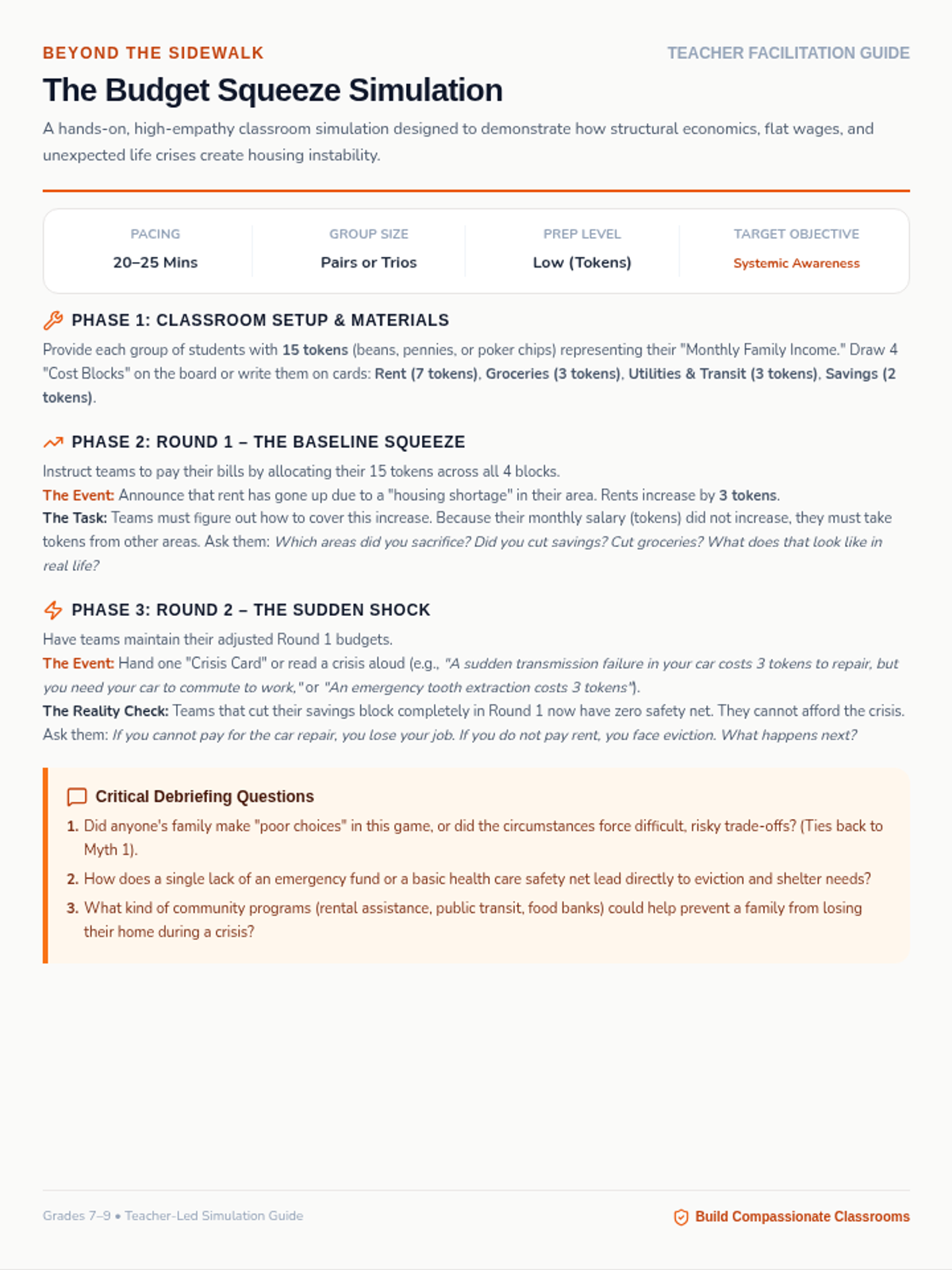
An empathy-driven, systemic lesson for young teens (grades 7-9) exploring the realities of homelessness. Students dismantle stereotypes, examine structural causes of housing insecurity, learn to support peers discretely, and identify concrete avenues for local service and advocacy.
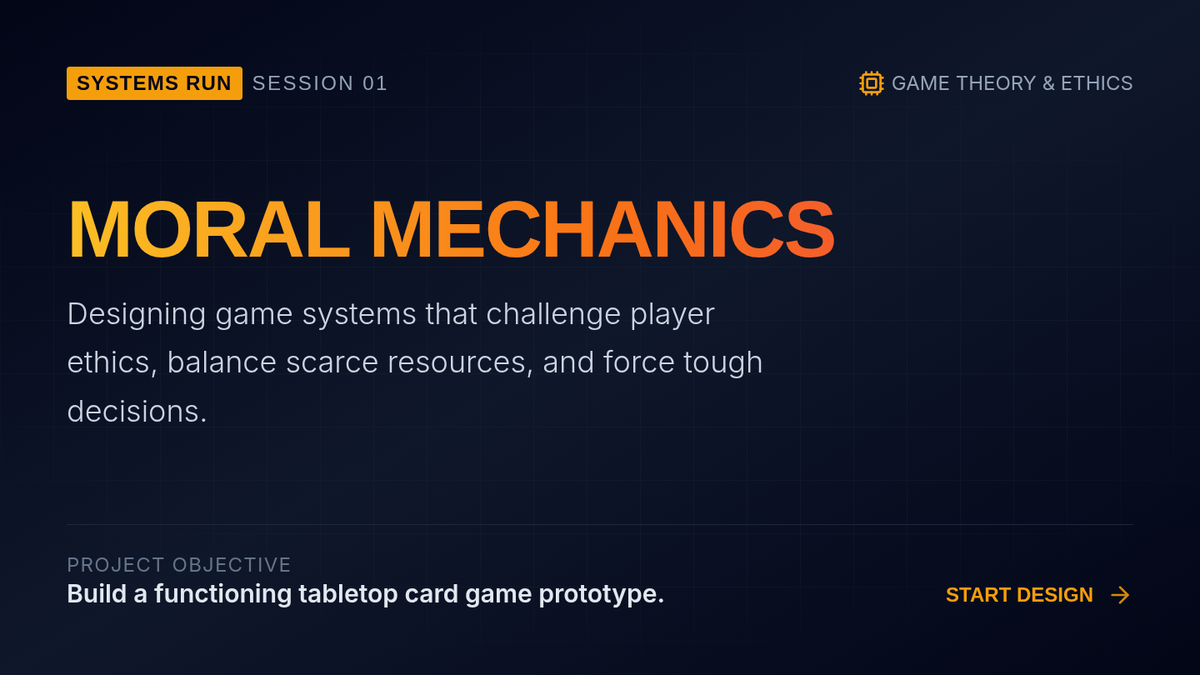
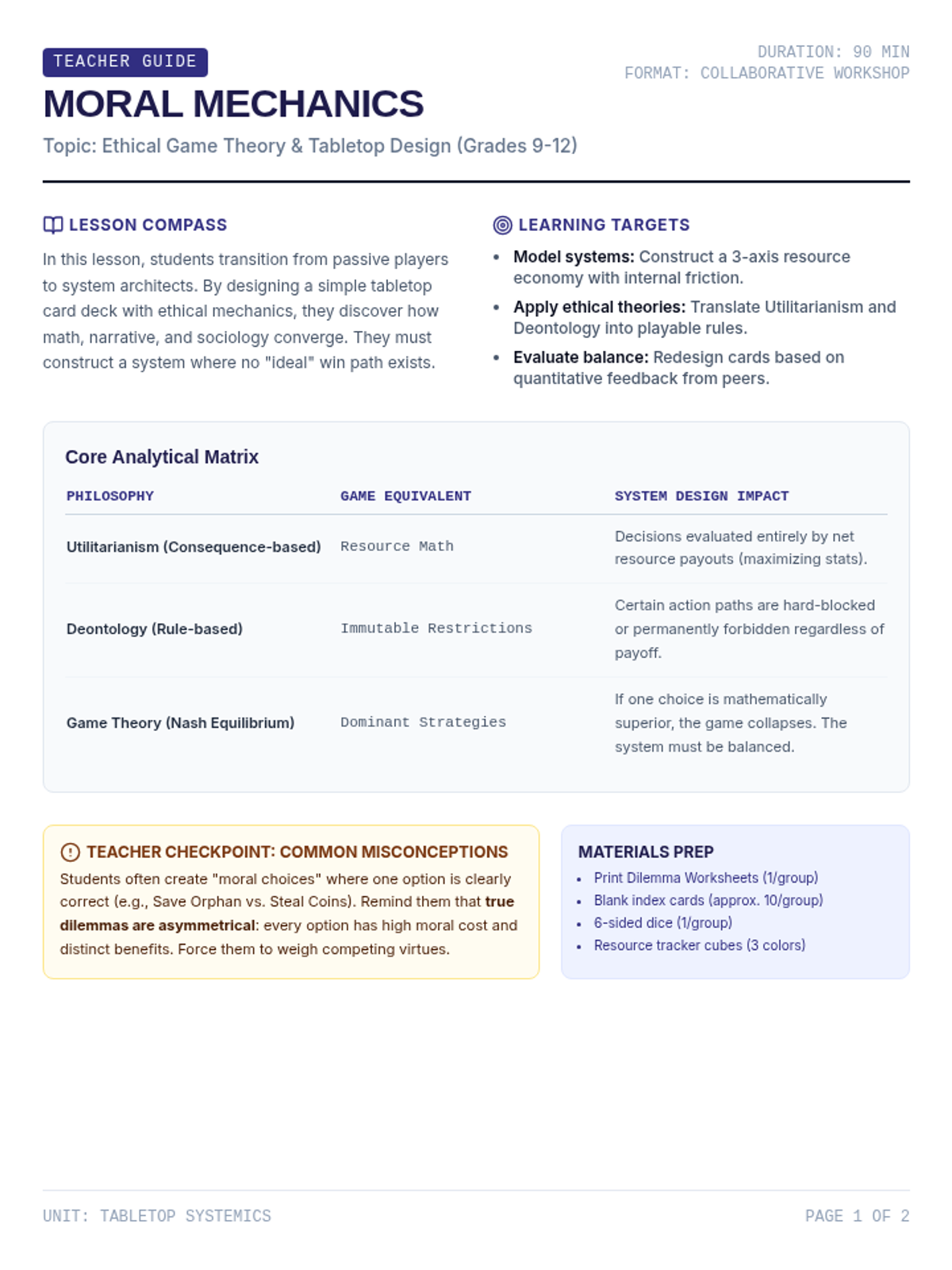
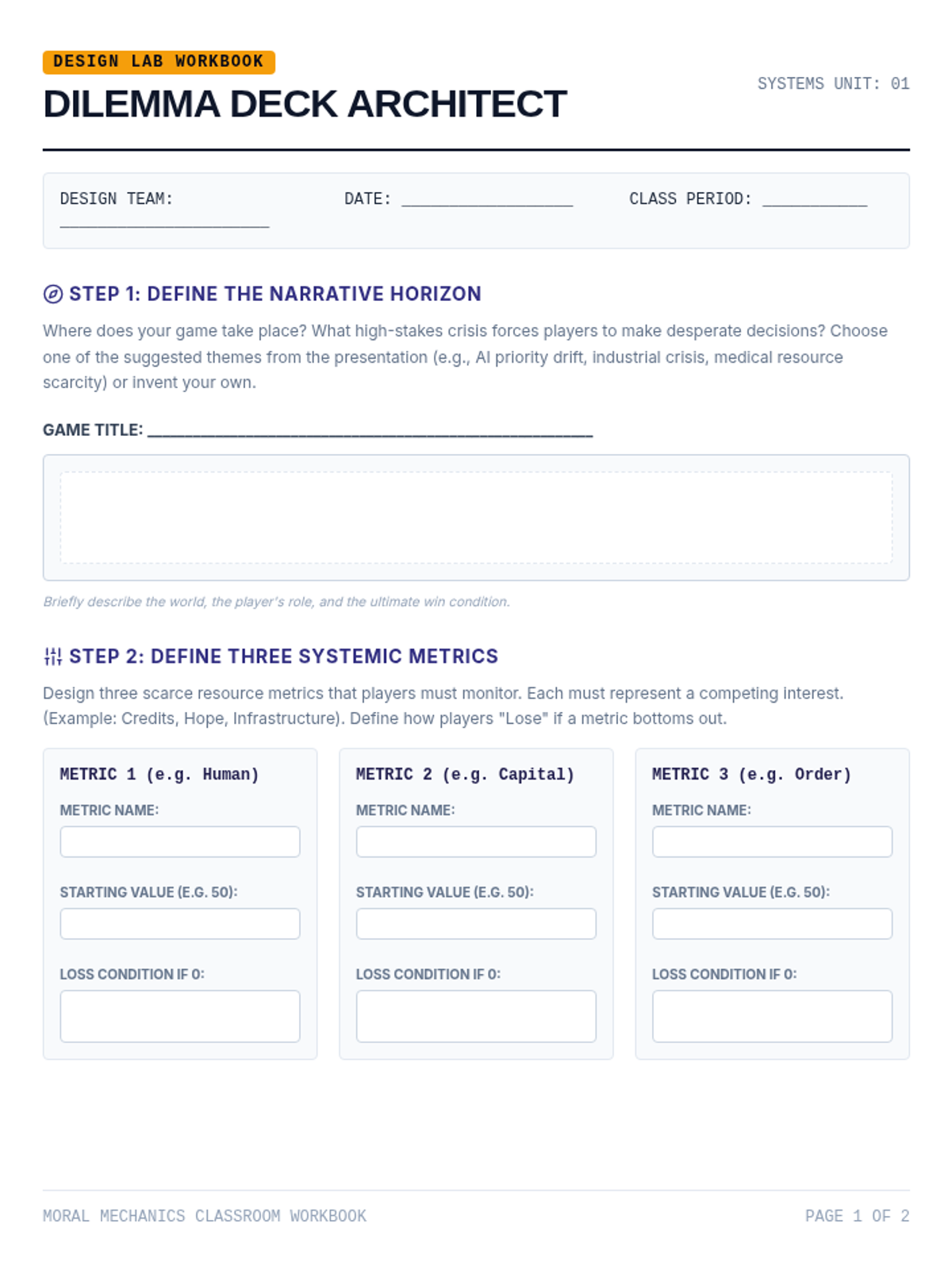
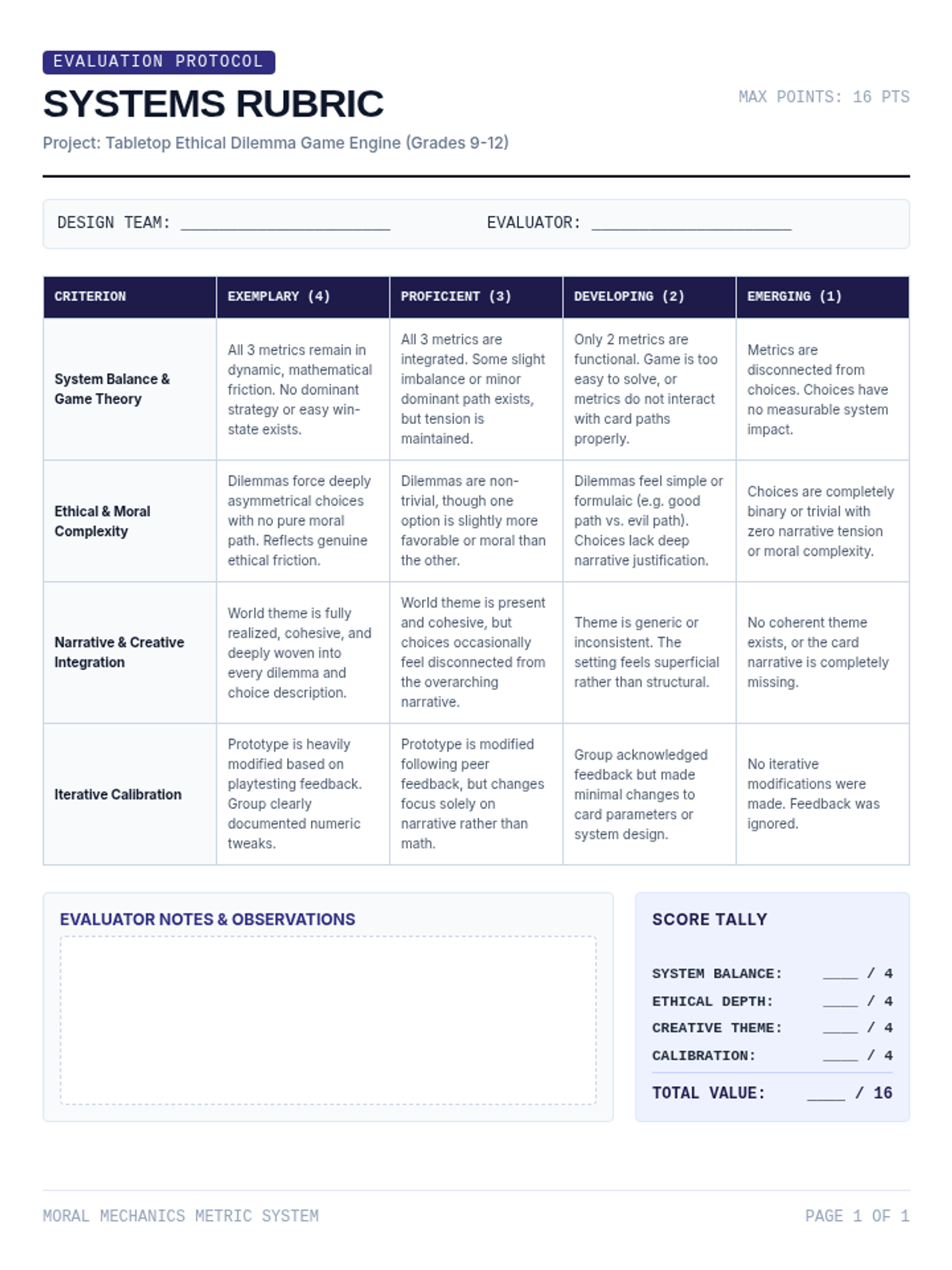
A high school lesson where students collaborate to design a tabletop card game centered on real-world ethical choices, applying game theory, logical reasoning, and creative writing to balance competing moral priorities.
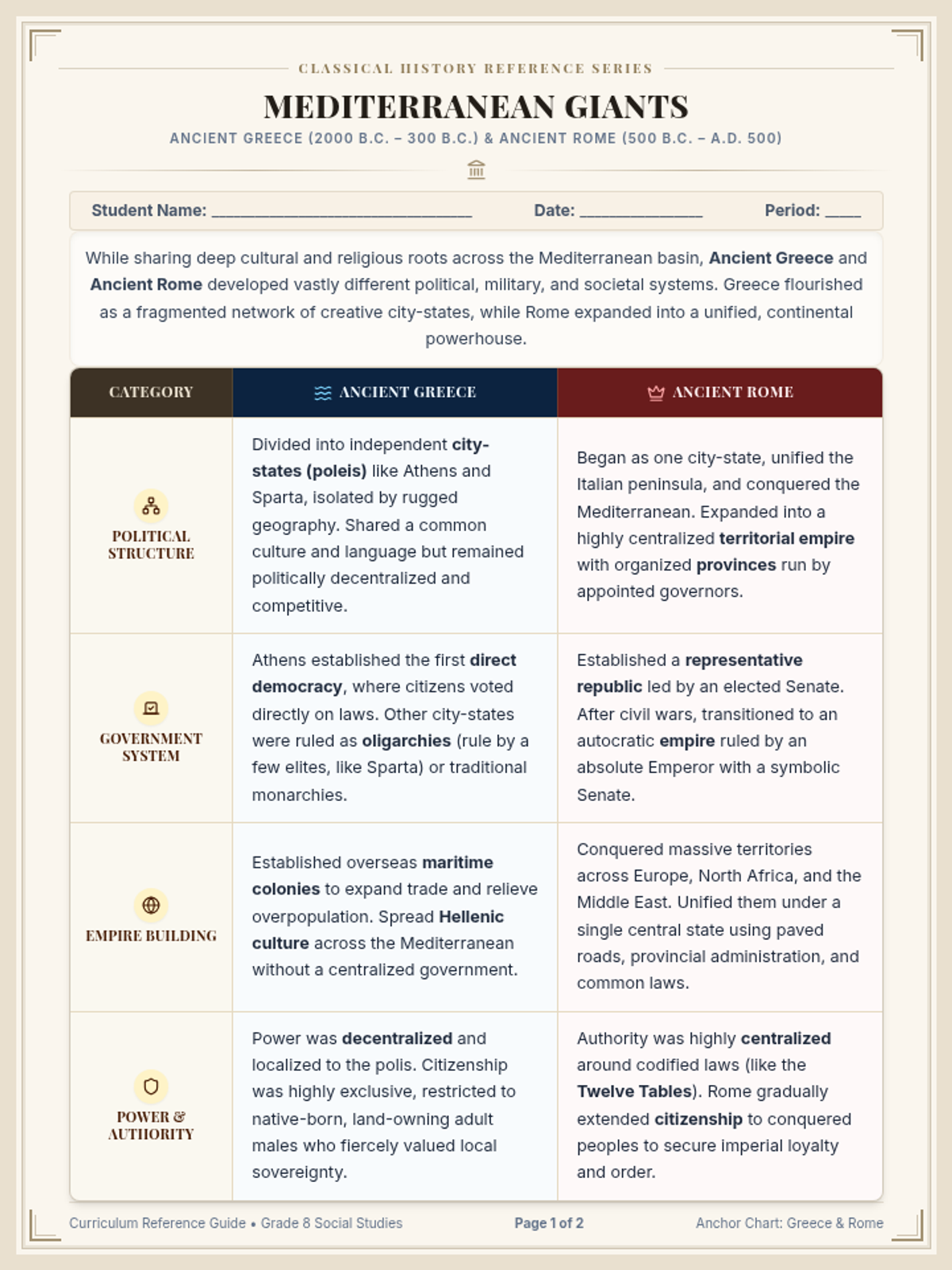
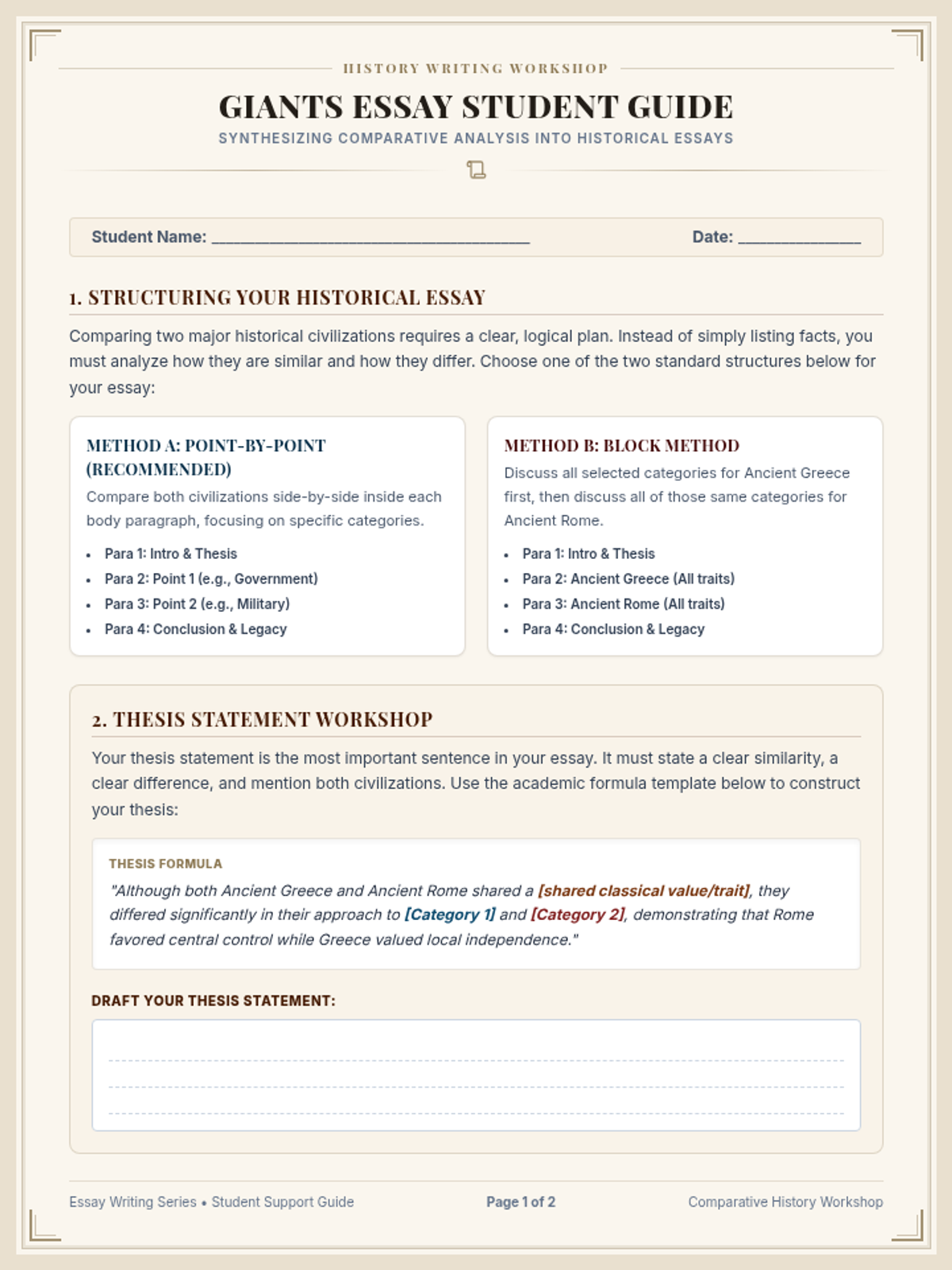
An exploration of the core differences and connections between Ancient Greece and Ancient Rome. This lesson focuses on comparative analysis across political, economic, geographic, and cultural structures, helping students understand how these two titans shaped Western Civilization.
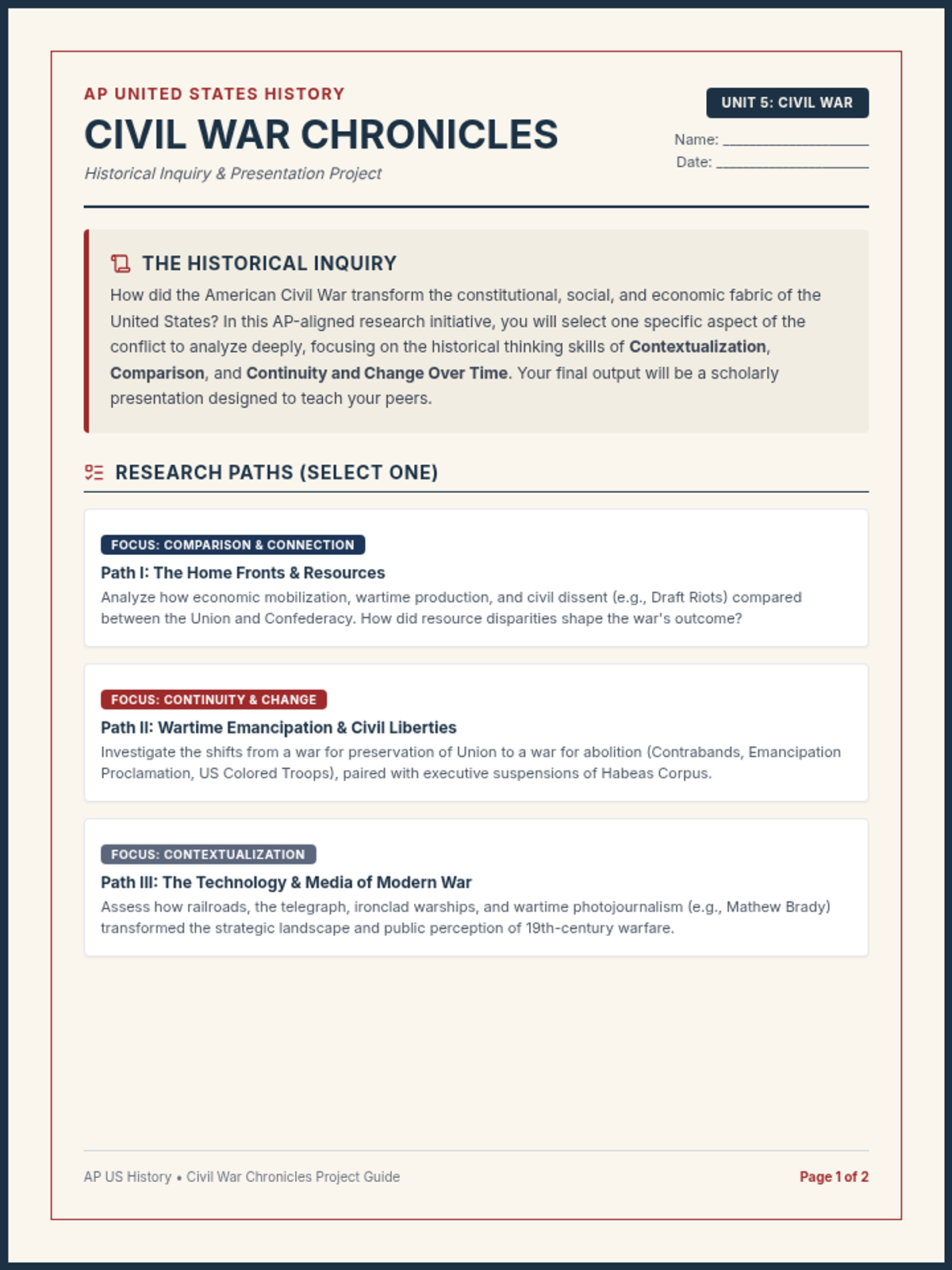
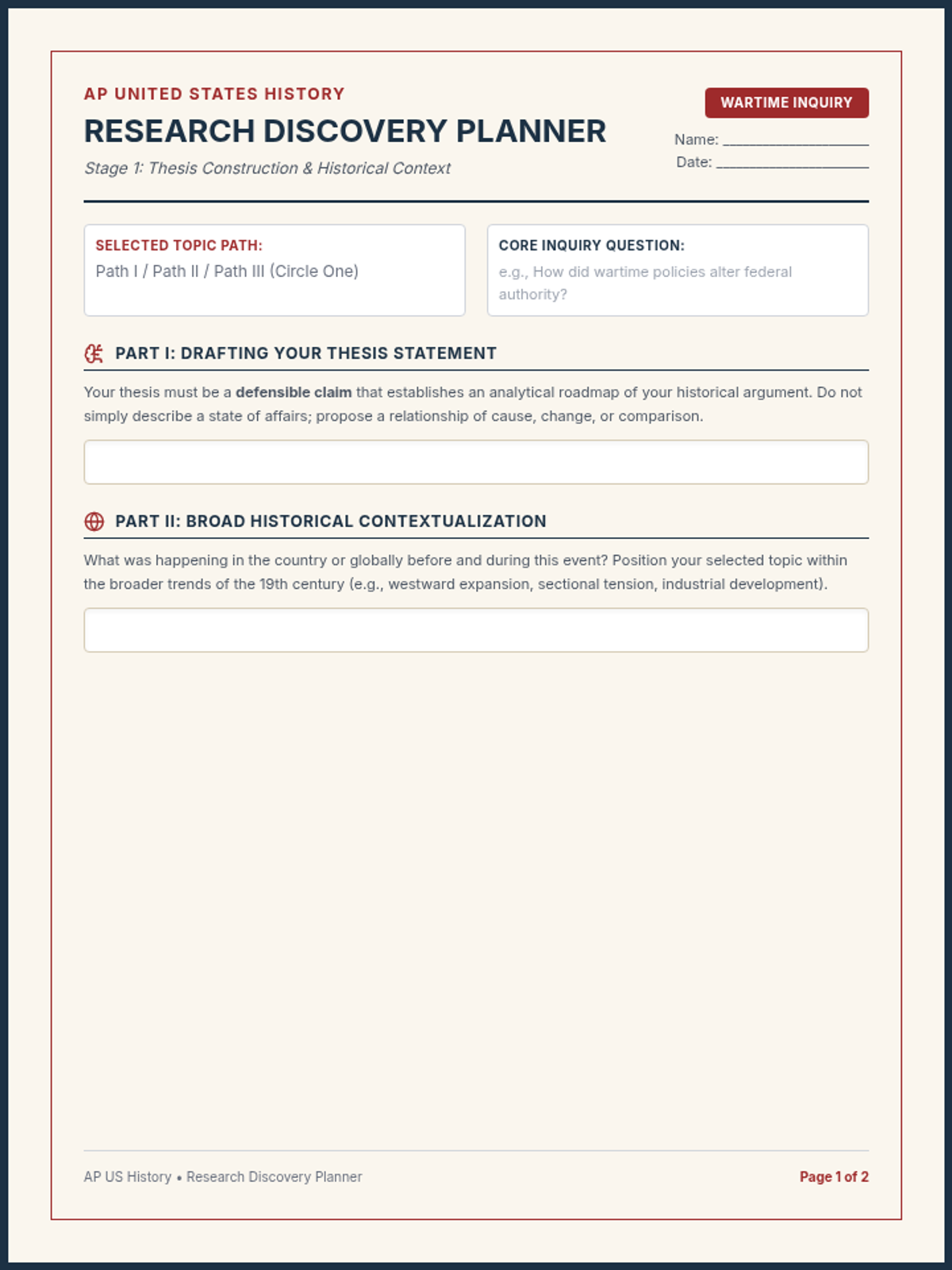
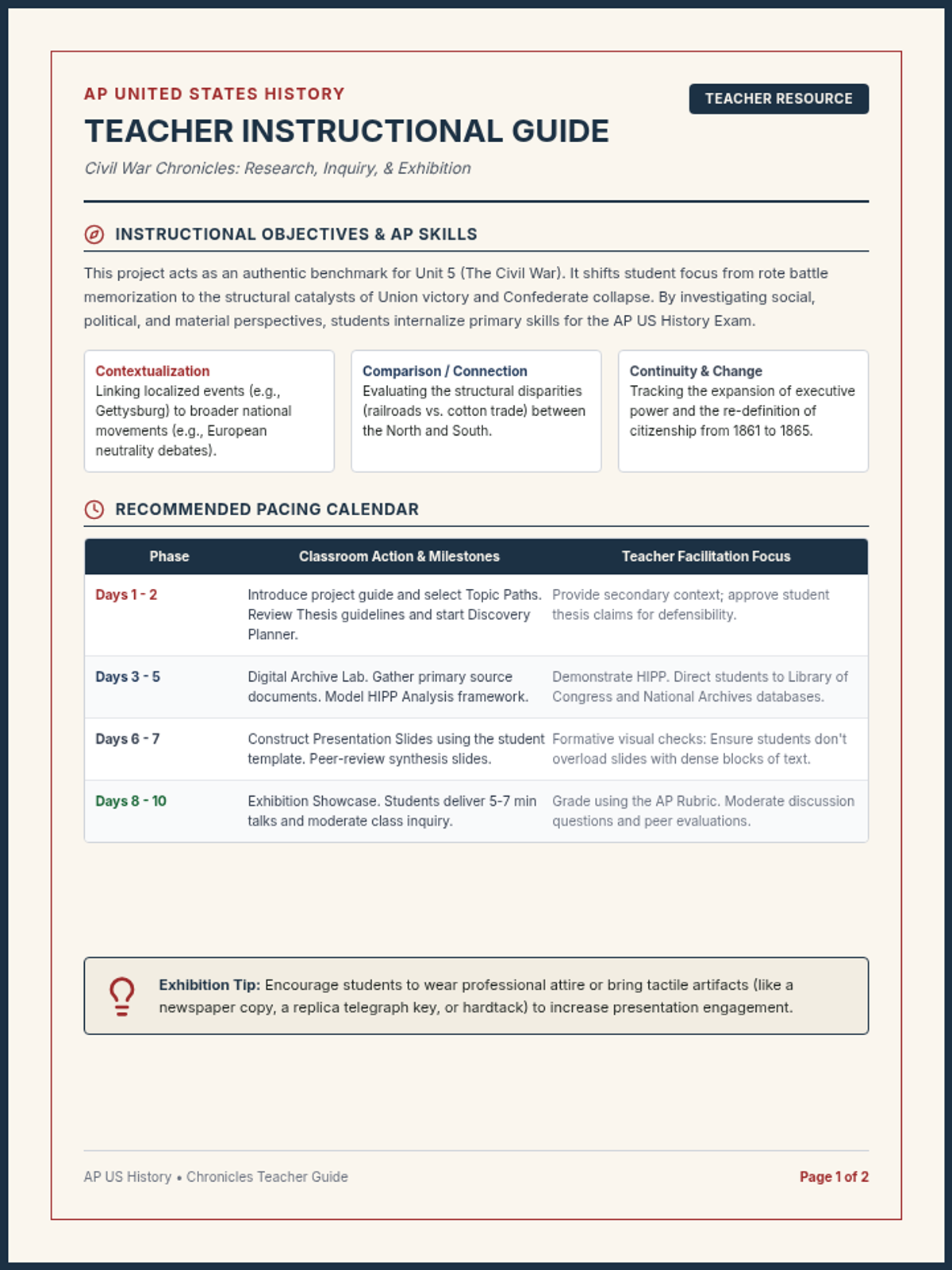
A comprehensive AP US History research and presentation project exploring the Civil War. Students engage in deep historical inquiry using AP-aligned skills including contextualization, comparative analysis, and continuity and change over time.
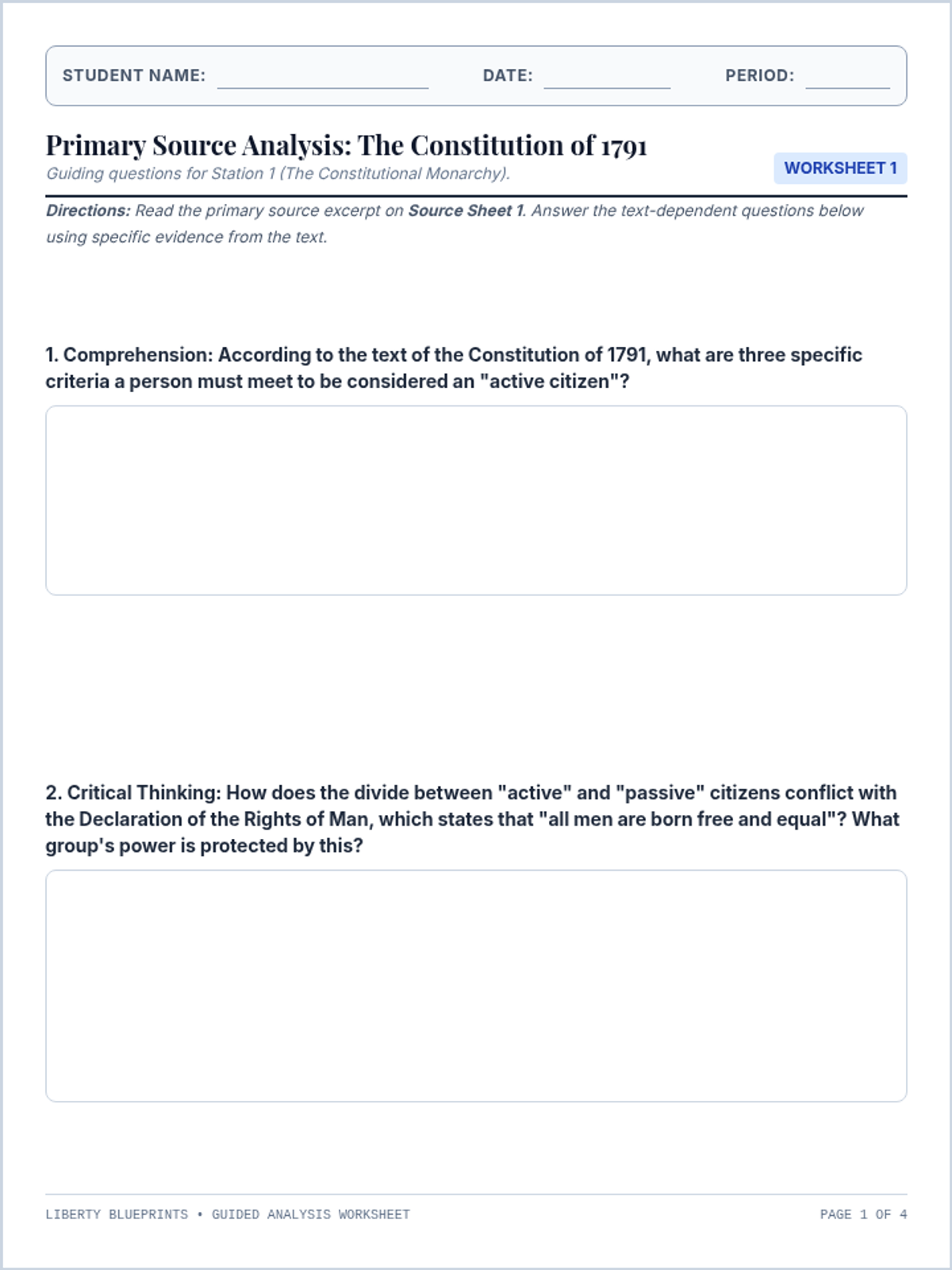
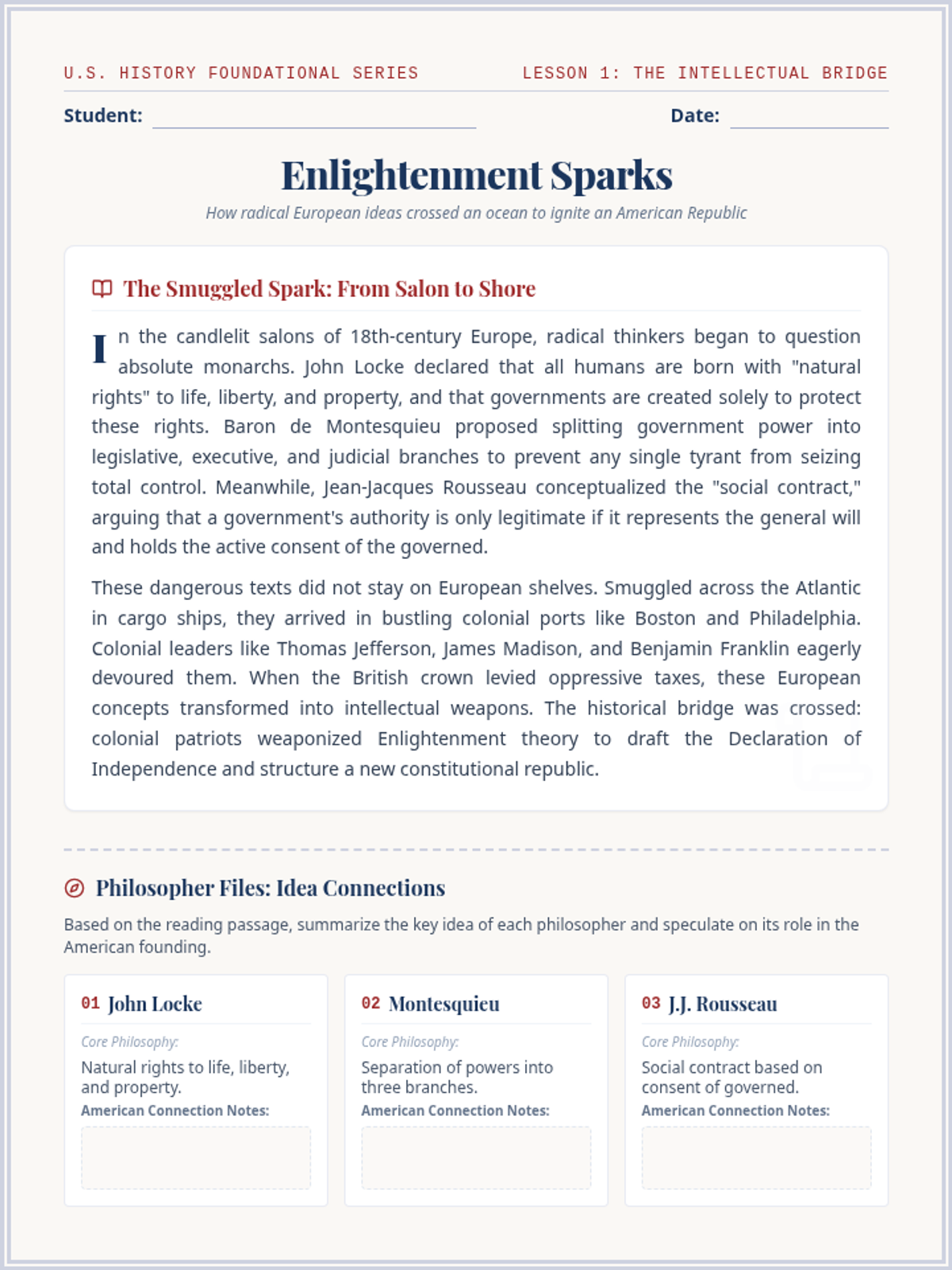
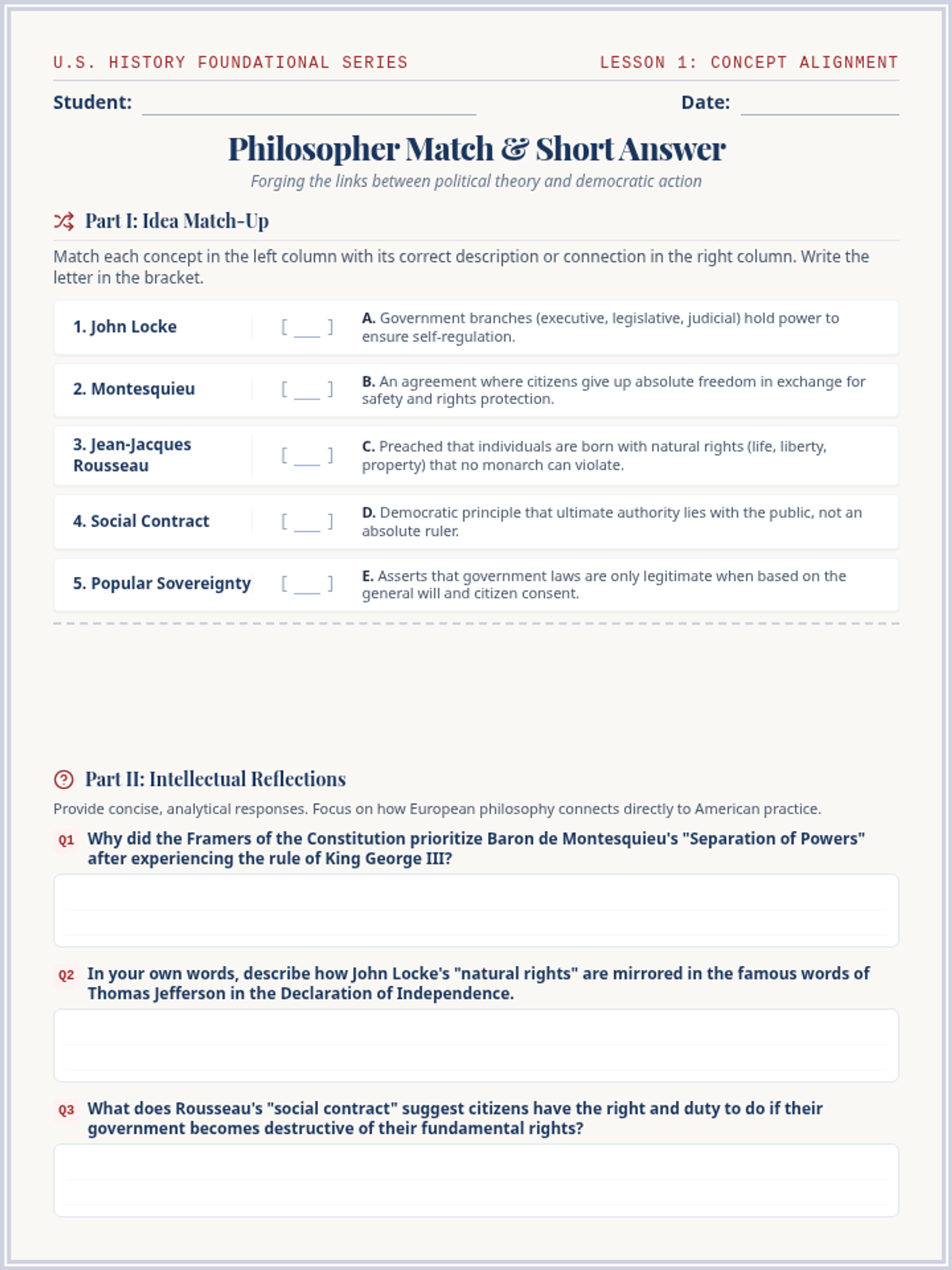
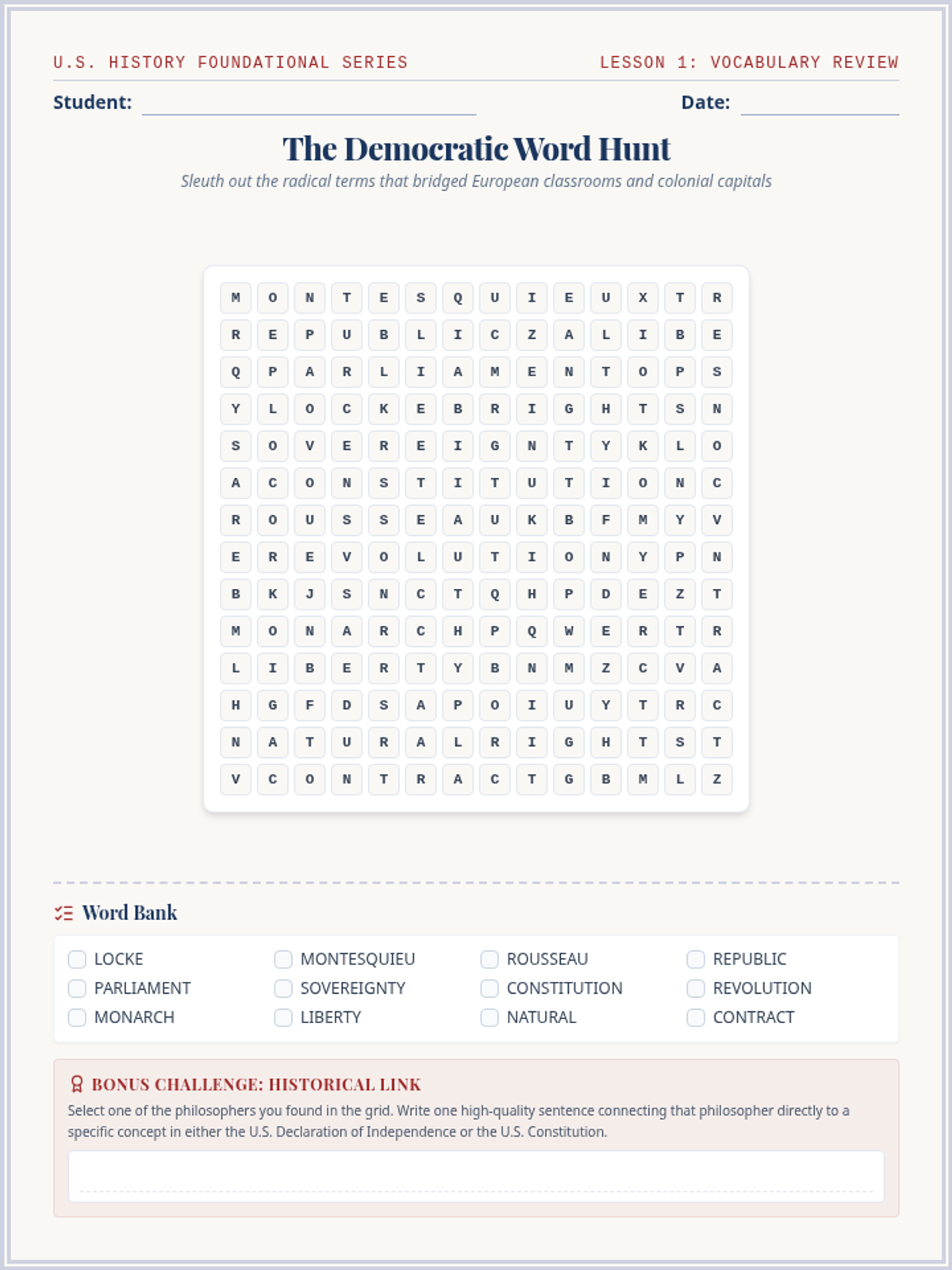
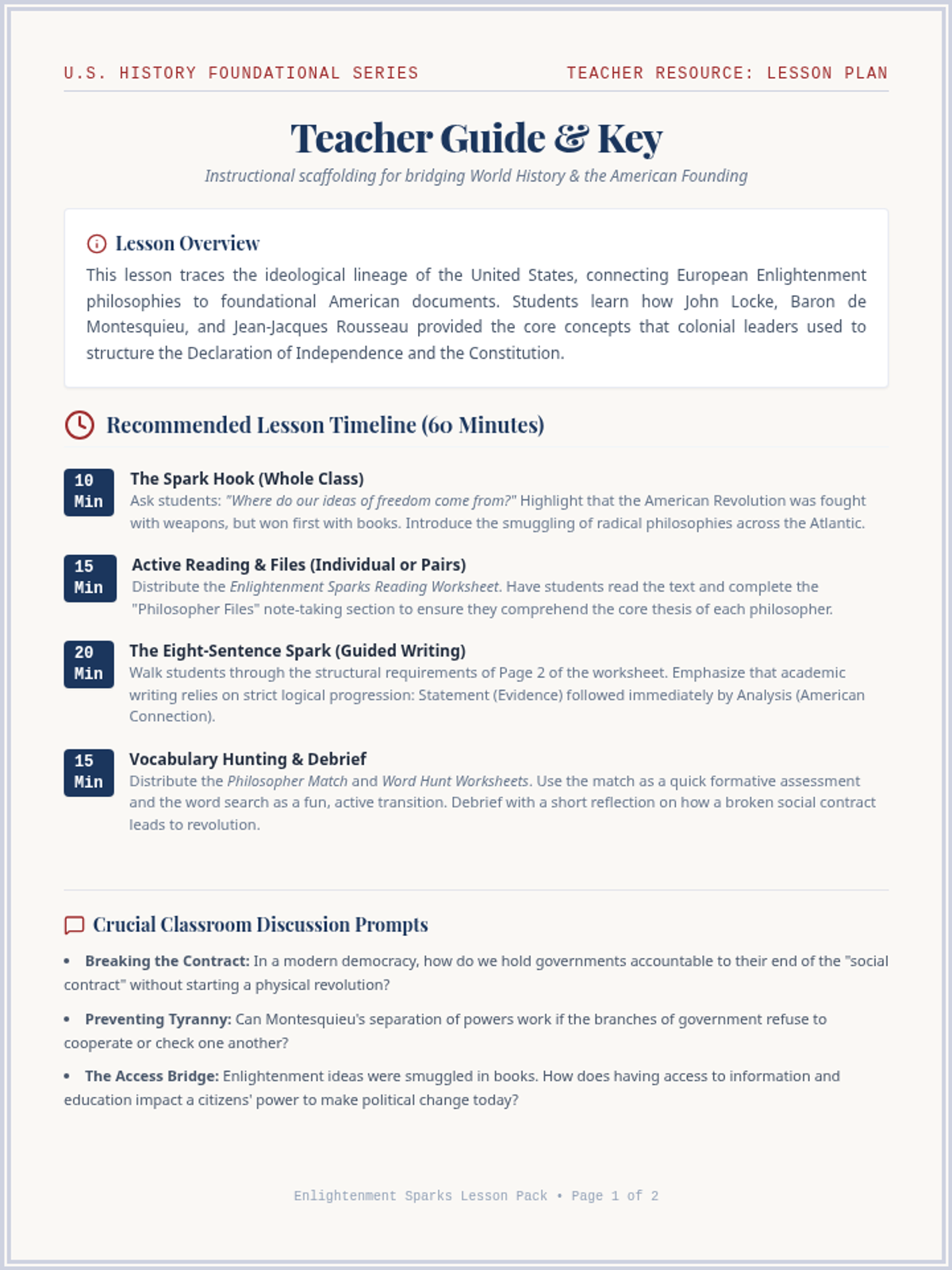
An introductory US History lesson bridging the World History Age of Enlightenment with the founding of the United States. Students explore how radical European ideas crossed the Atlantic to spark a constitutional republic through a historical narrative, text-based writing, matching, short-answer questions, and a thematic word hunt.
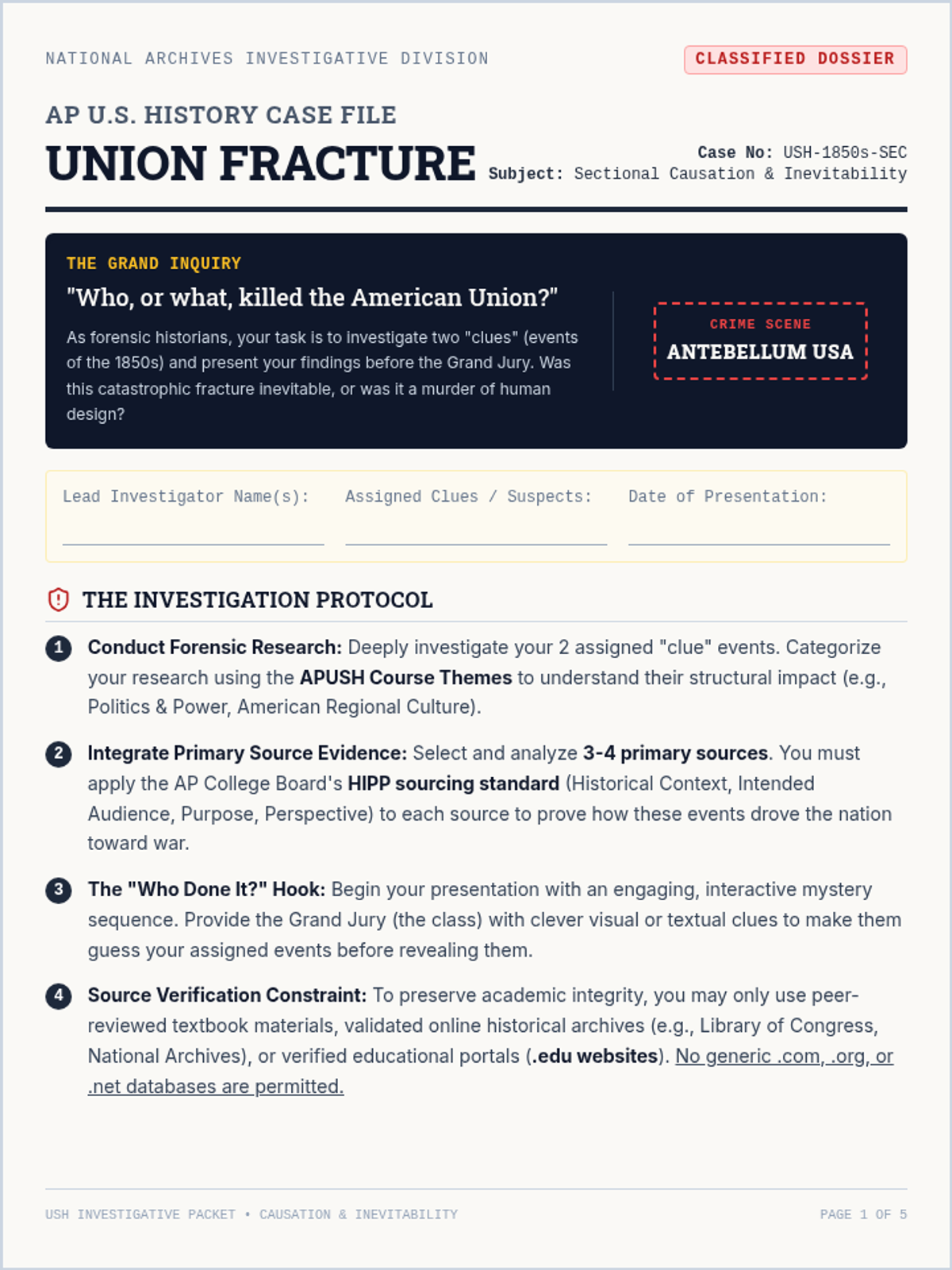
An AP U.S. History unit investigating the critical events of the 1850s that tore the Union apart. Students examine causation, sectionalism, and the inevitability of the Civil War through primary source analysis and presentation of historic clues.
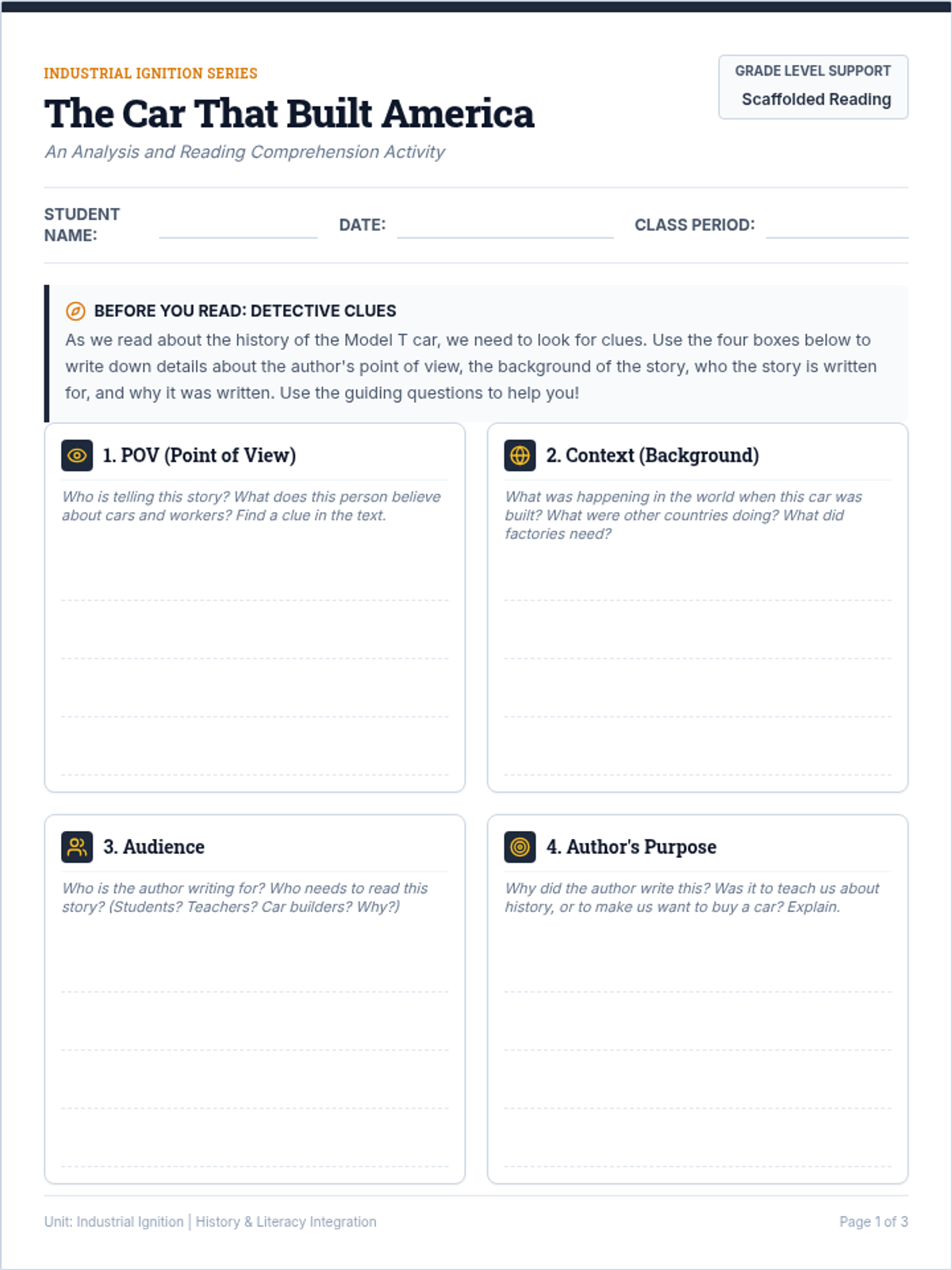
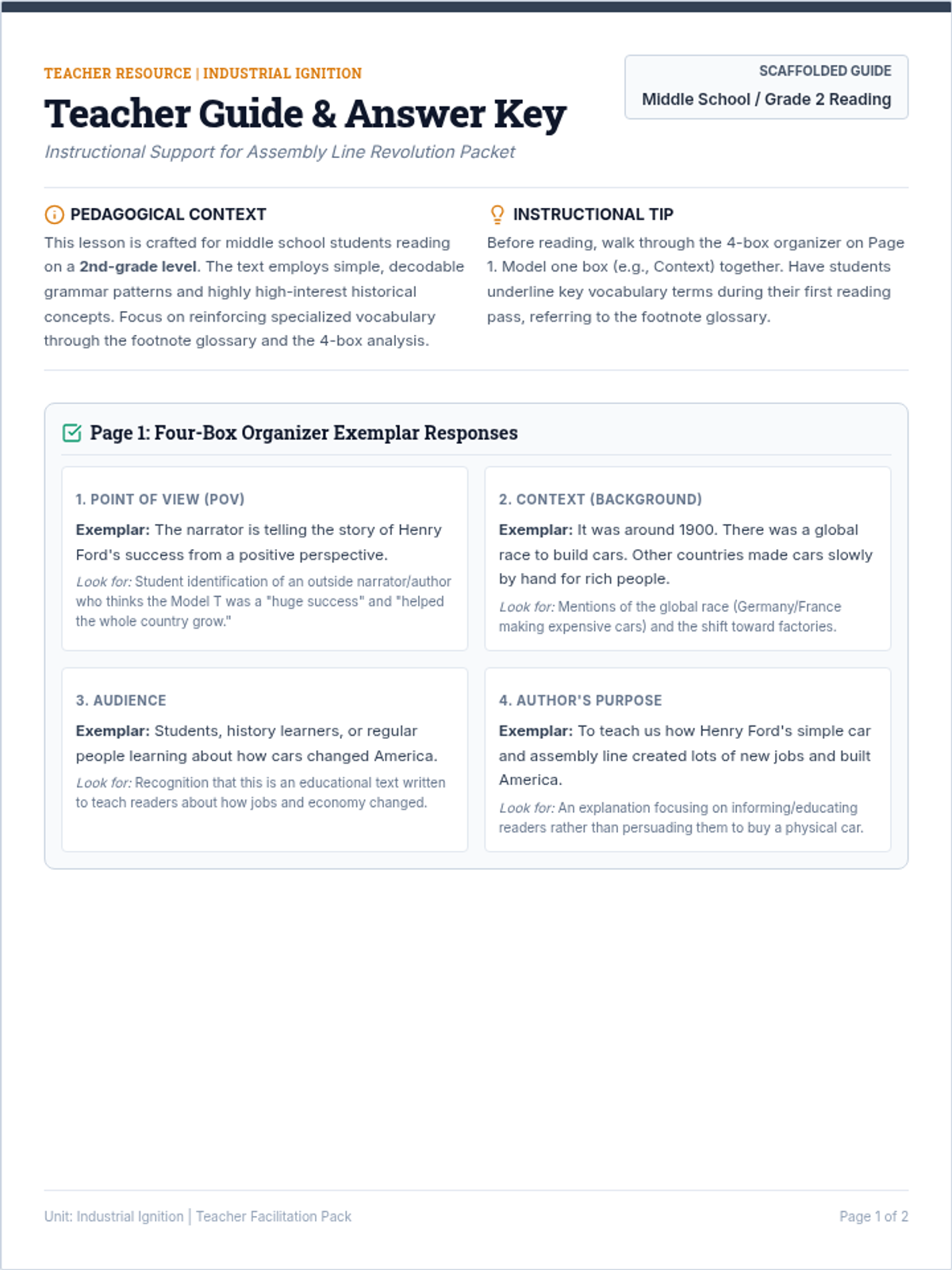
A history and reading comprehension lesson centered on how Henry Ford's Model T and industrial innovations transformed the American economy and labor market.
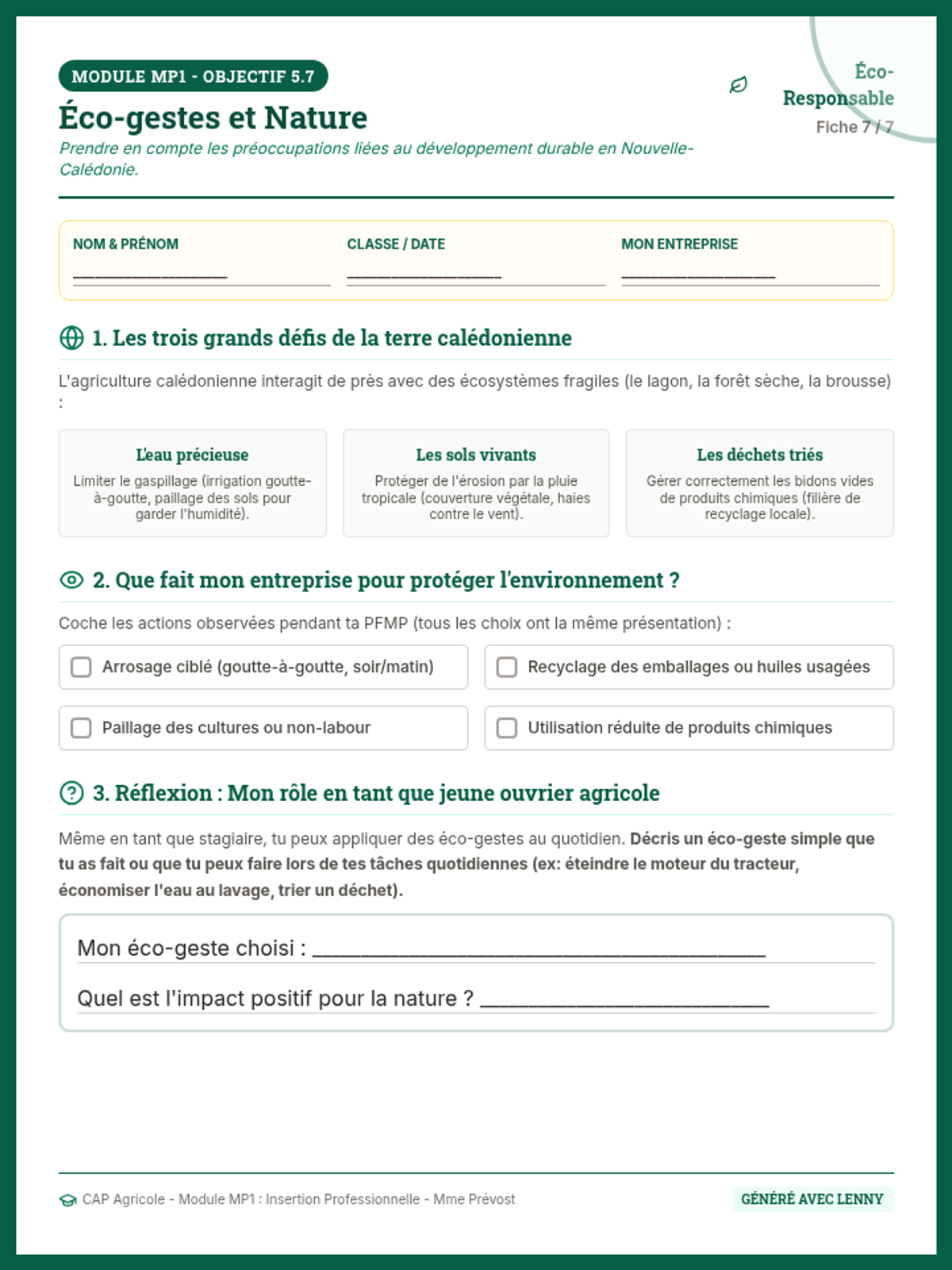
Session 7 du passeport PFMP. Les élèves découvrent comment l'agriculture calédonienne s'adapte aux préoccupations environnementales océaniennes (sol, eau, biodiversité, déchets).
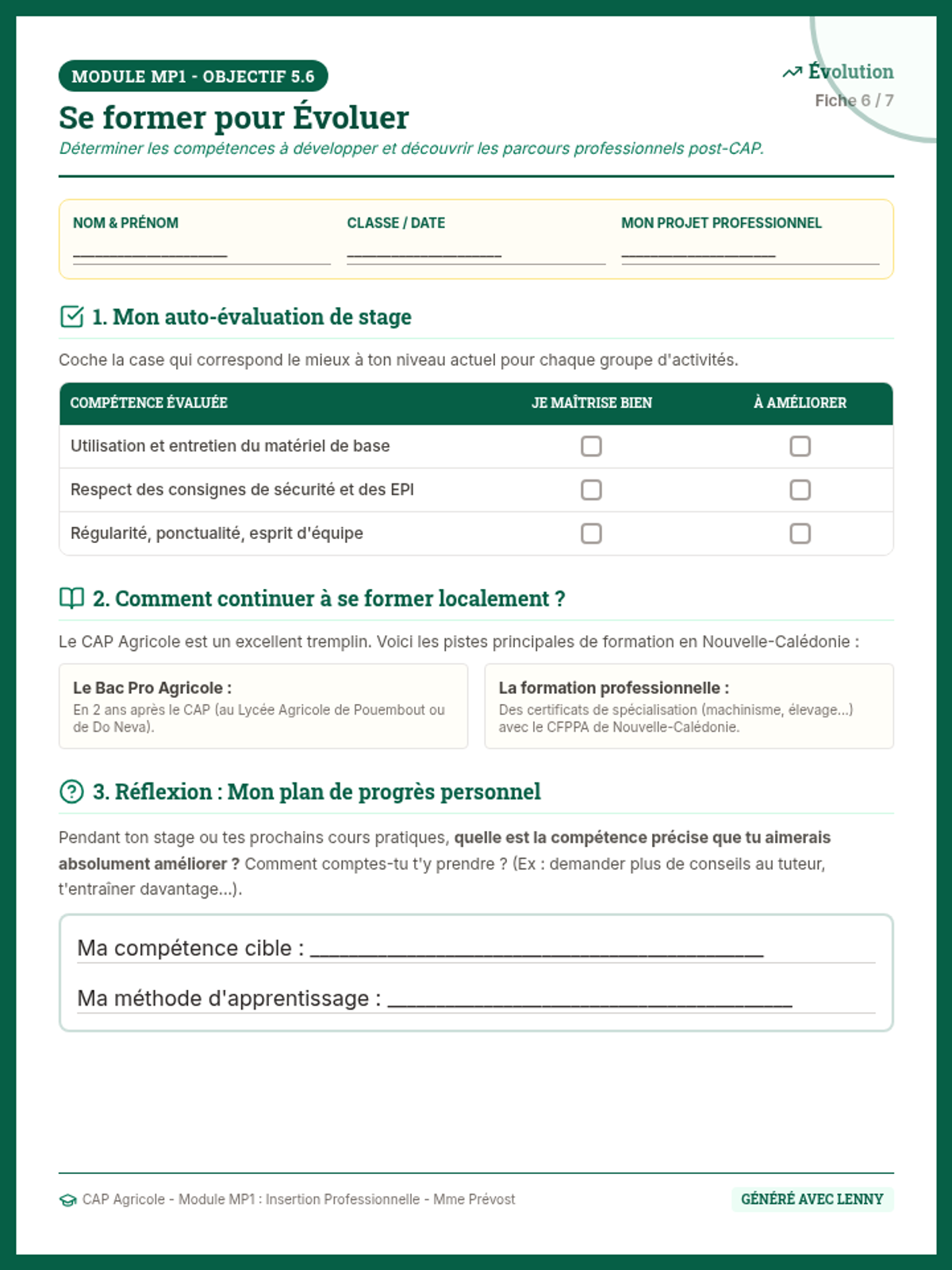
Session 6 du passeport PFMP. Les élèves réfléchissent aux compétences qu'ils aimeraient développer ou améliorer et découvrent les perspectives de formation et d'évolution de carrière.
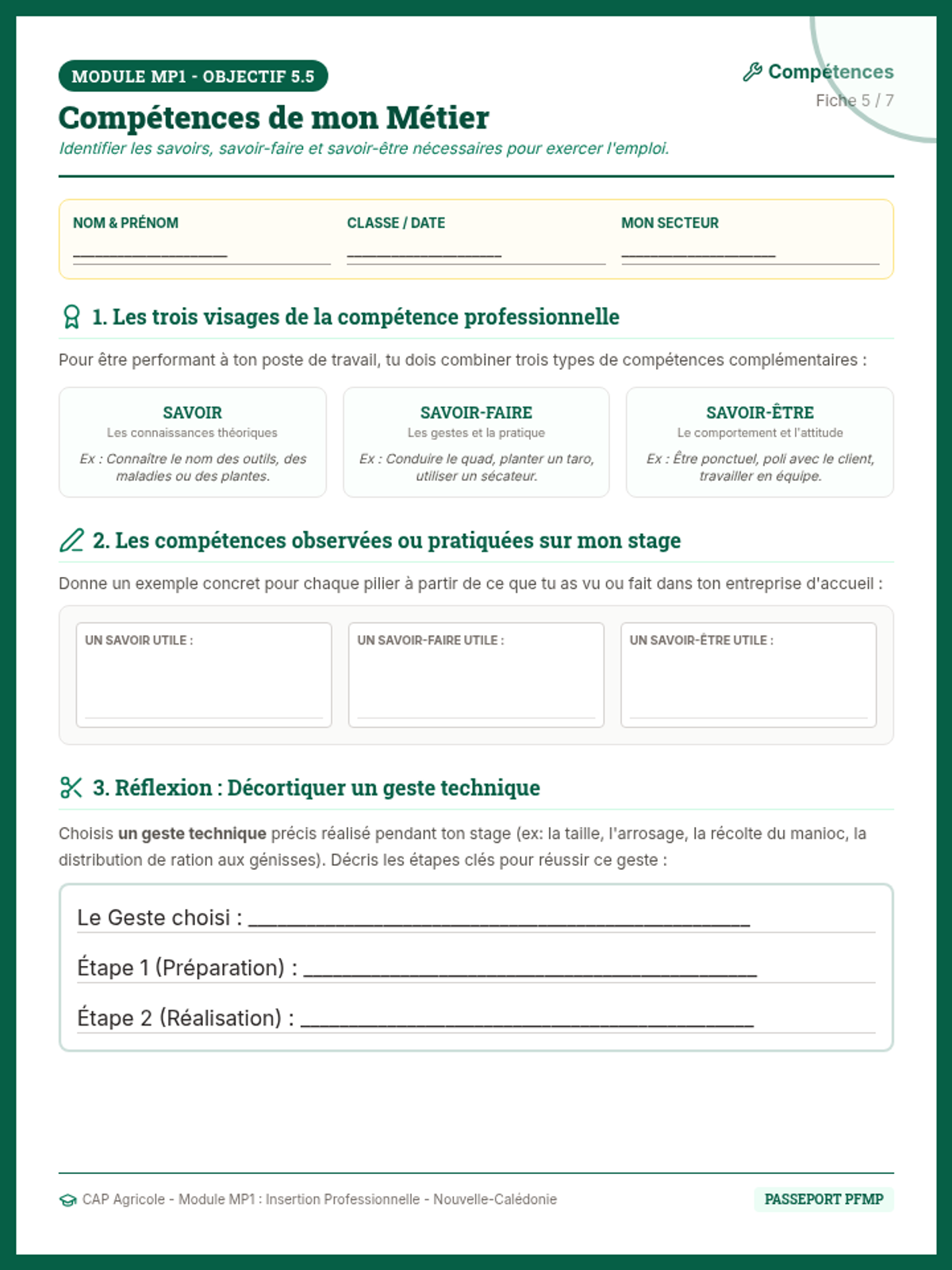
Session 5 du passeport PFMP. Les élèves découvrent et identifient les compétences requises (savoirs, savoir-faire techniques, savoir-être) pour exercer l'emploi observé.
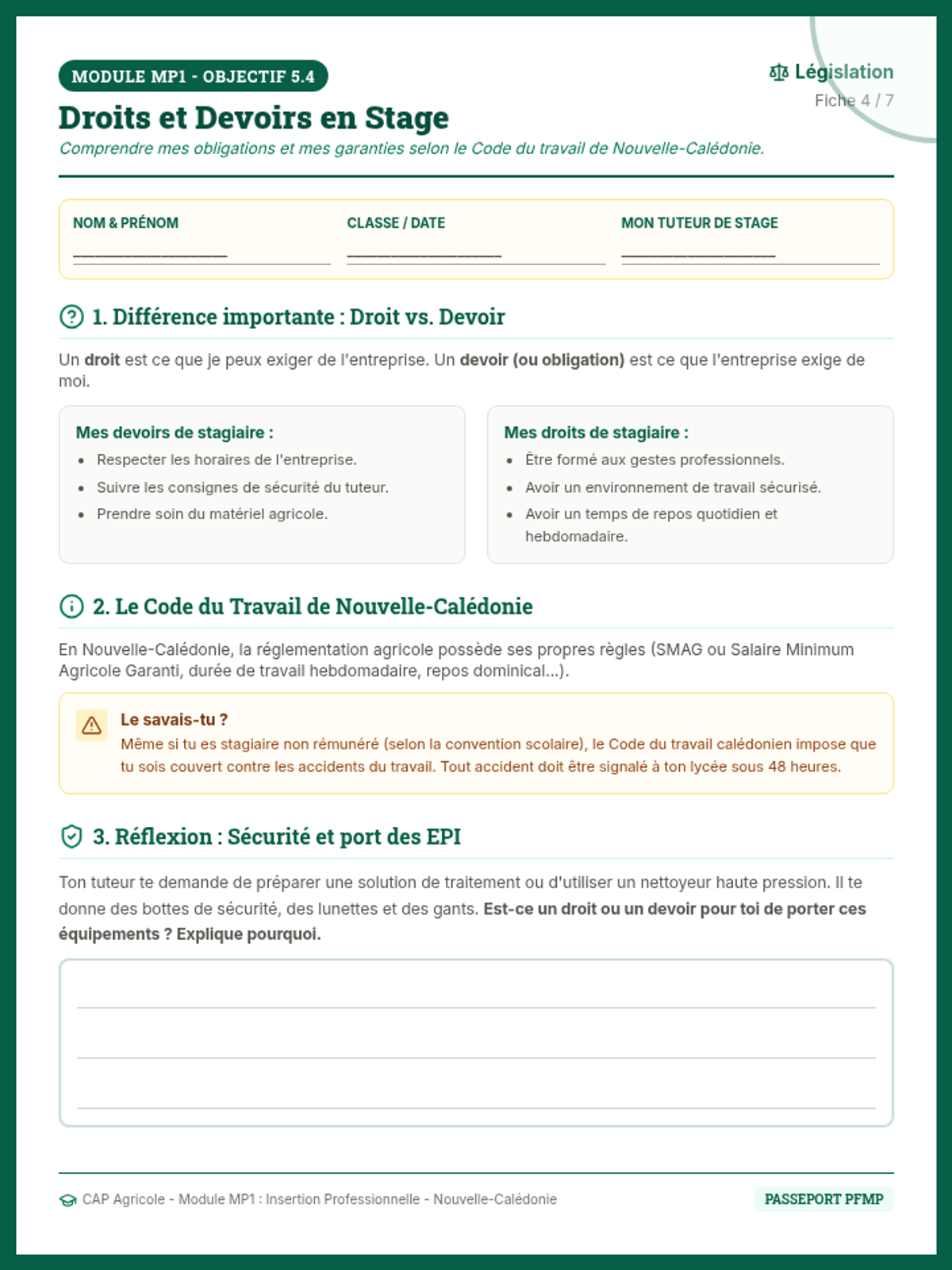
Session 4 du passeport PFMP. Les élèves découvrent les droits, les devoirs du salarié et du stagiaire, ainsi que les règles du Code du travail de Nouvelle-Calédonie et la sécurité.
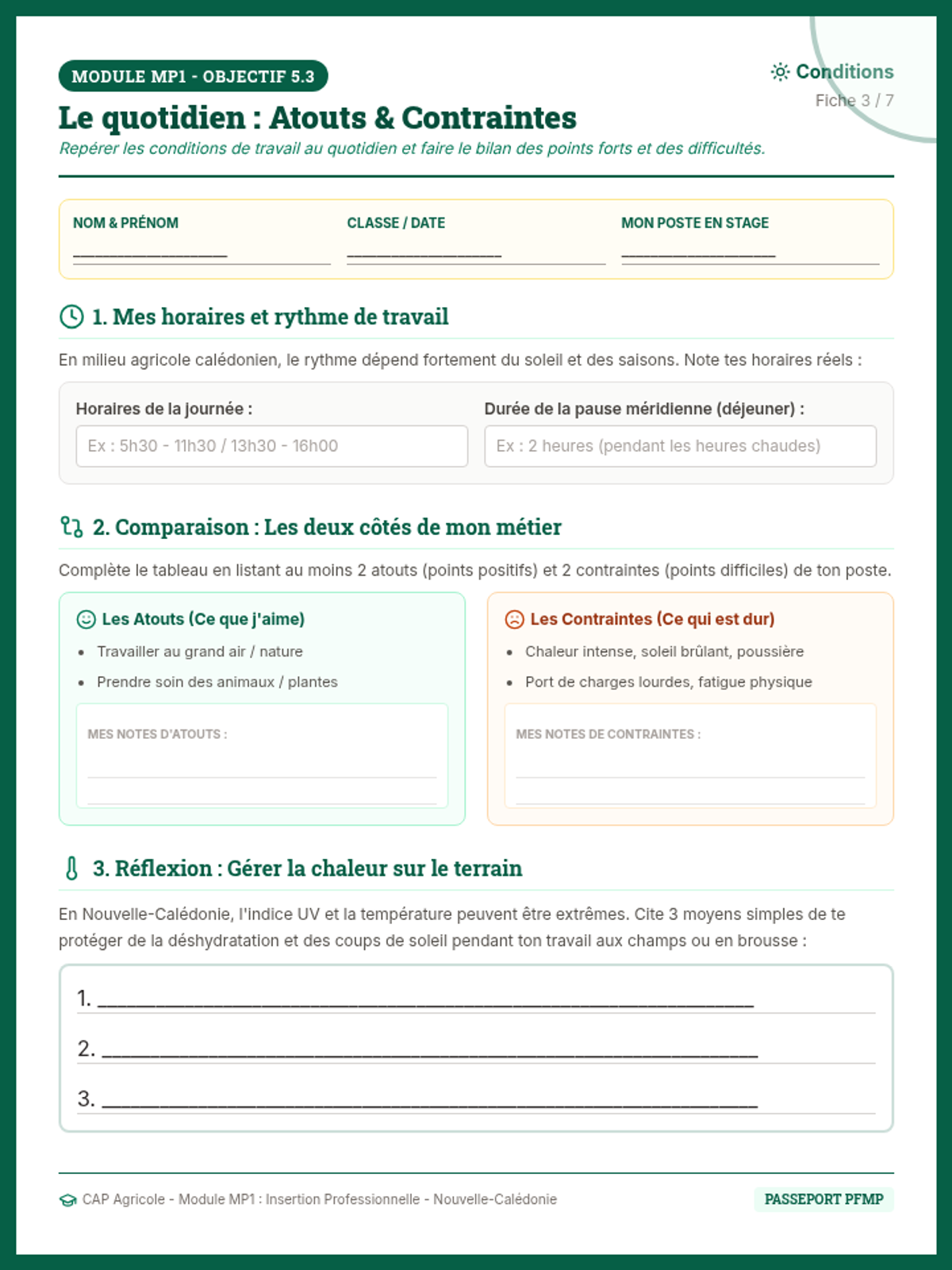
Session 3 du passeport PFMP. Les élèves apprennent à identifier les conditions réelles de travail, à analyser les contraintes d'un poste agricole et à apprécier ses atouts.
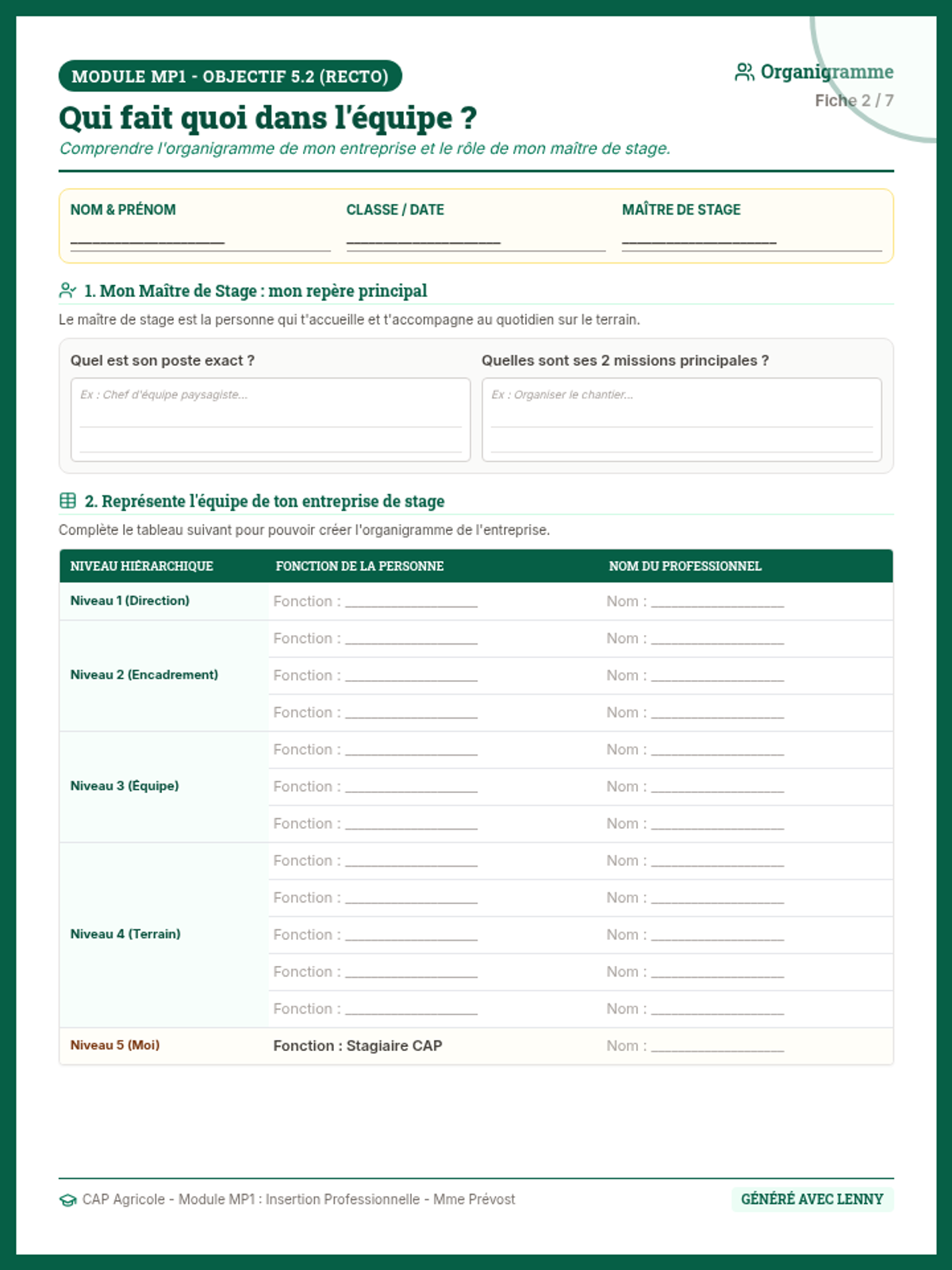
Session 2 du passeport PFMP. Les élèves apprennent à identifier l'organigramme de l'entreprise, à repérer leur maître de stage et à comprendre les fonctions et attributions de chaque salarié.