This lesson investigates the hormonal cascade of puberty and the psychological impact of early vs. late maturation for different genders. Students discuss the 'secular trend' of earlier menarche through a biopsychosocial lens.
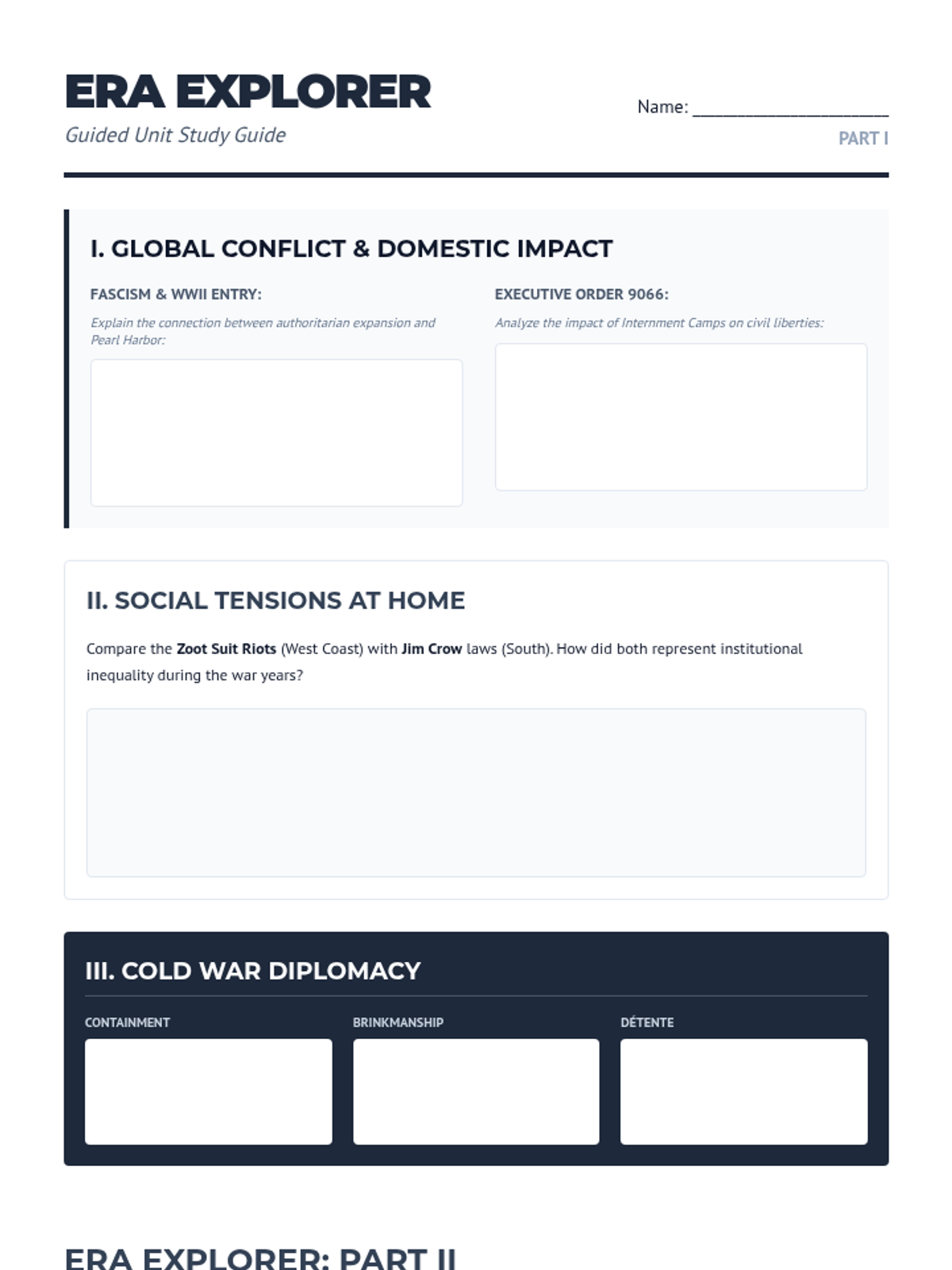
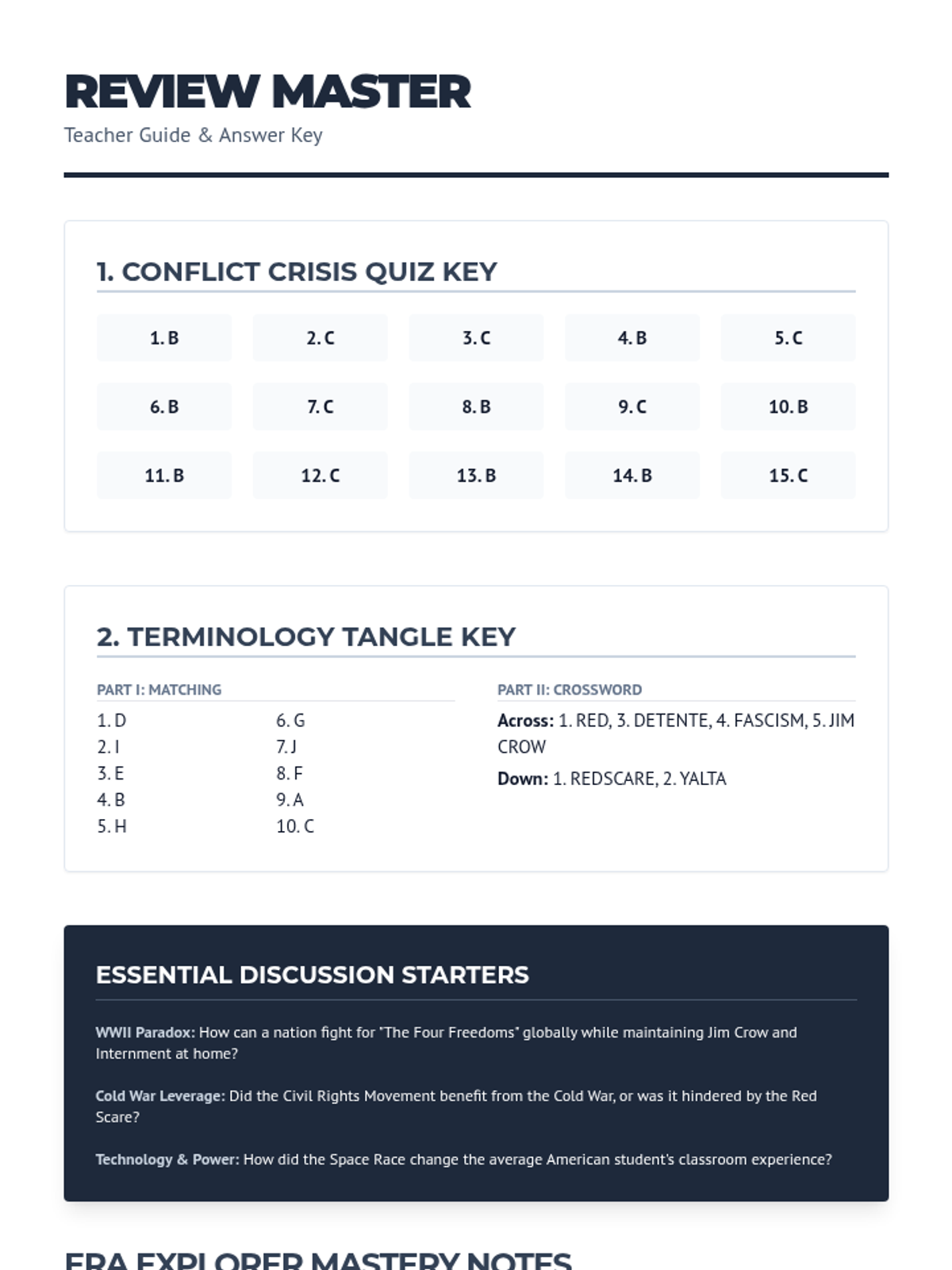
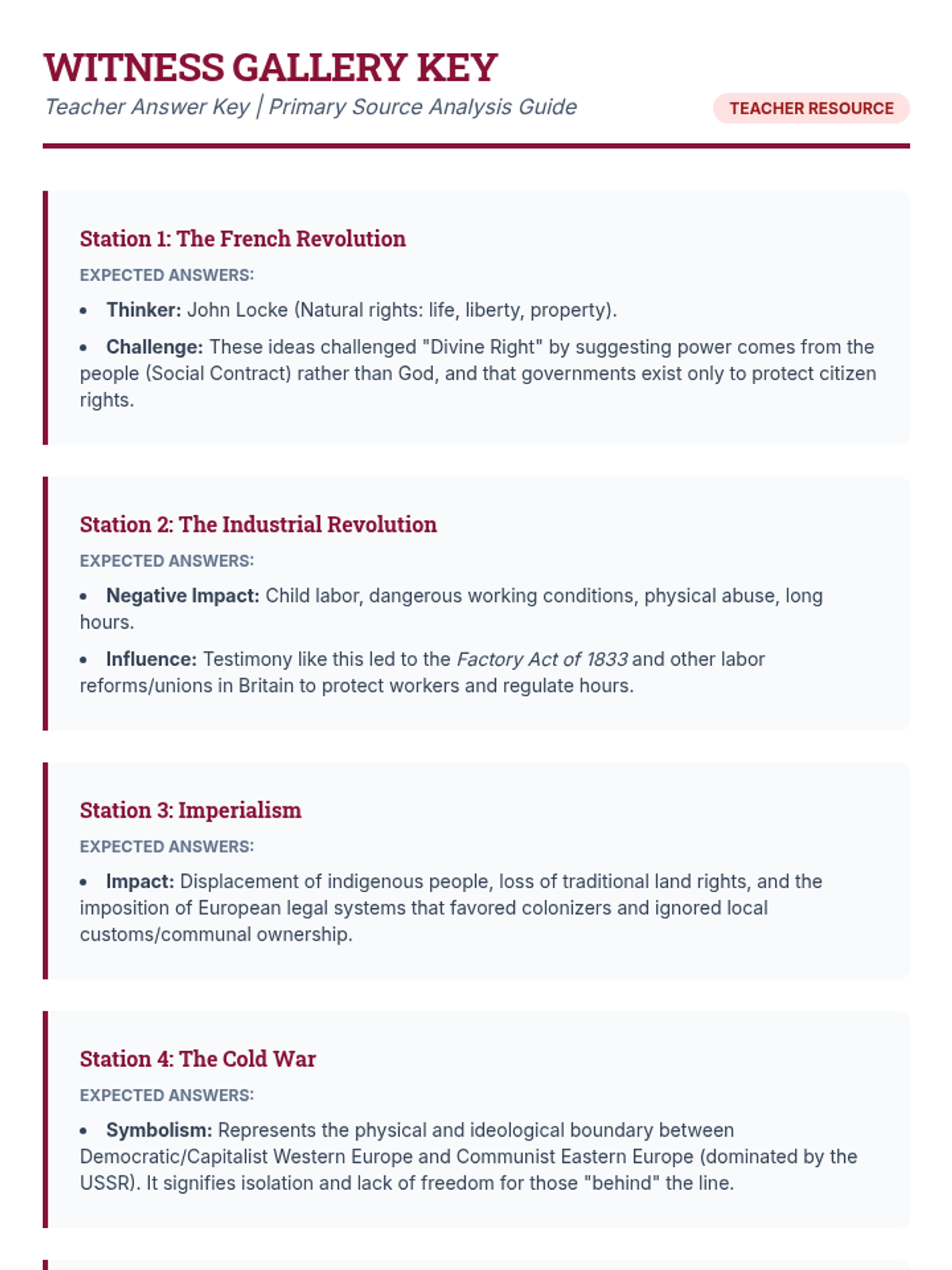
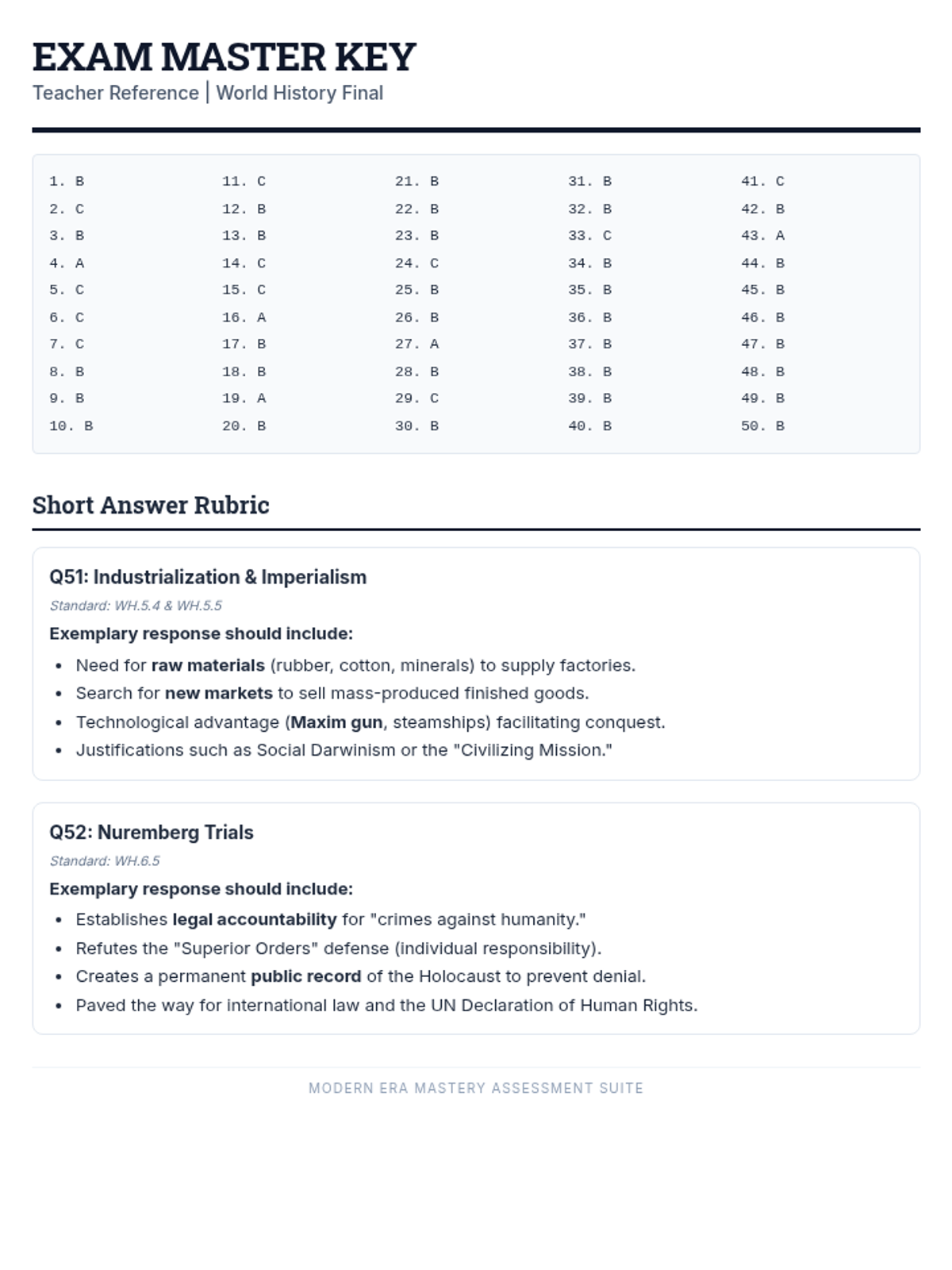
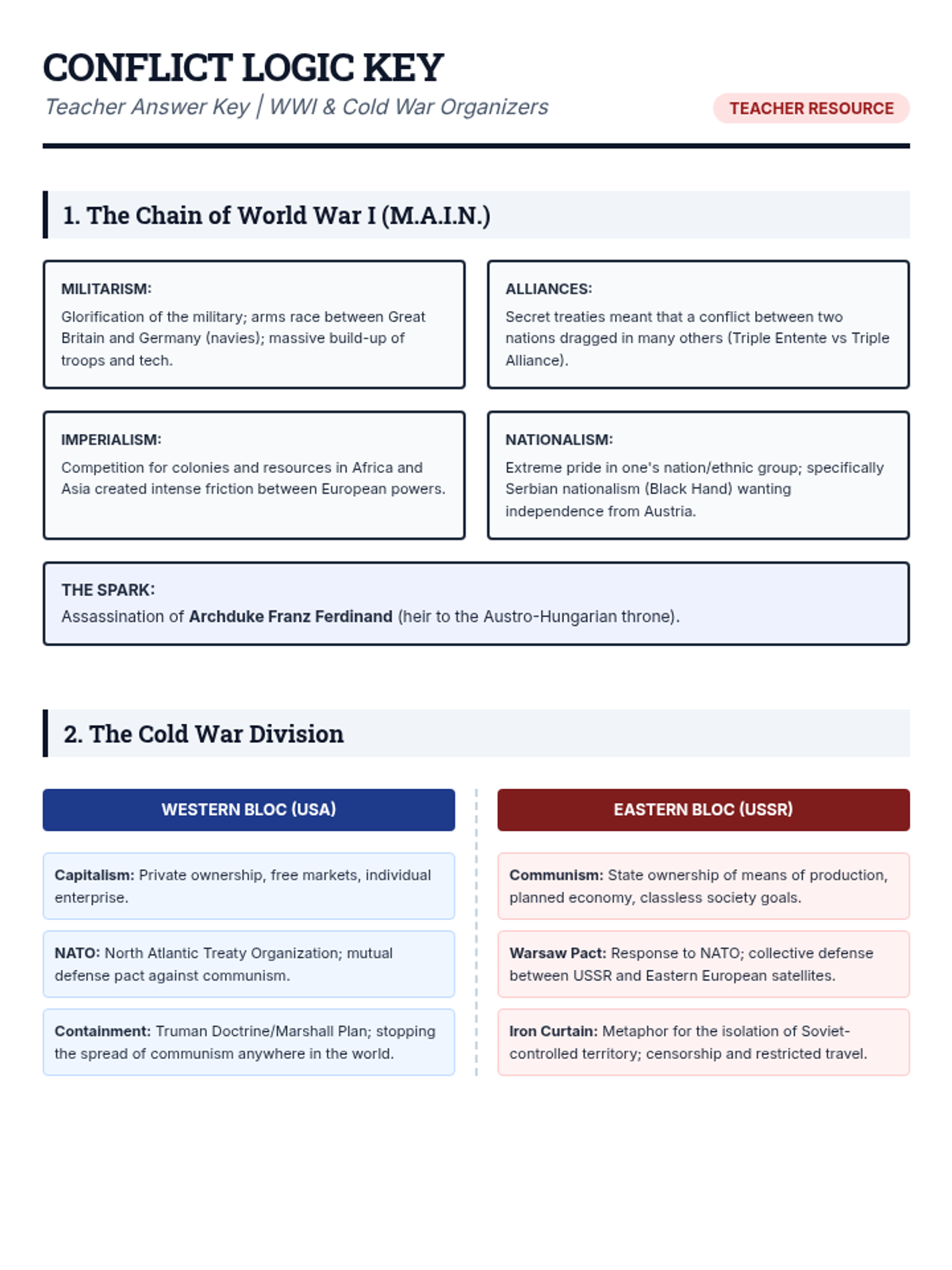
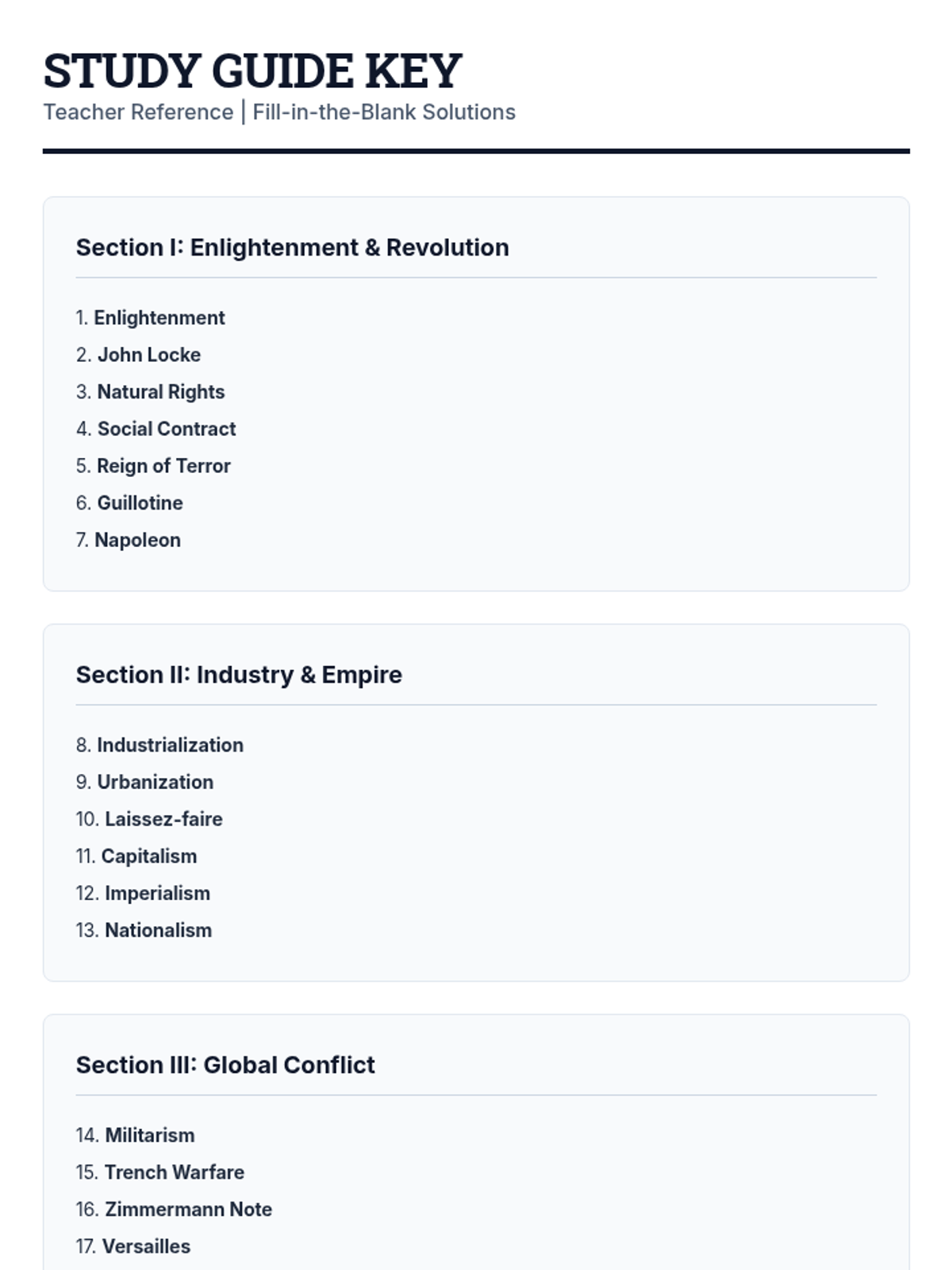
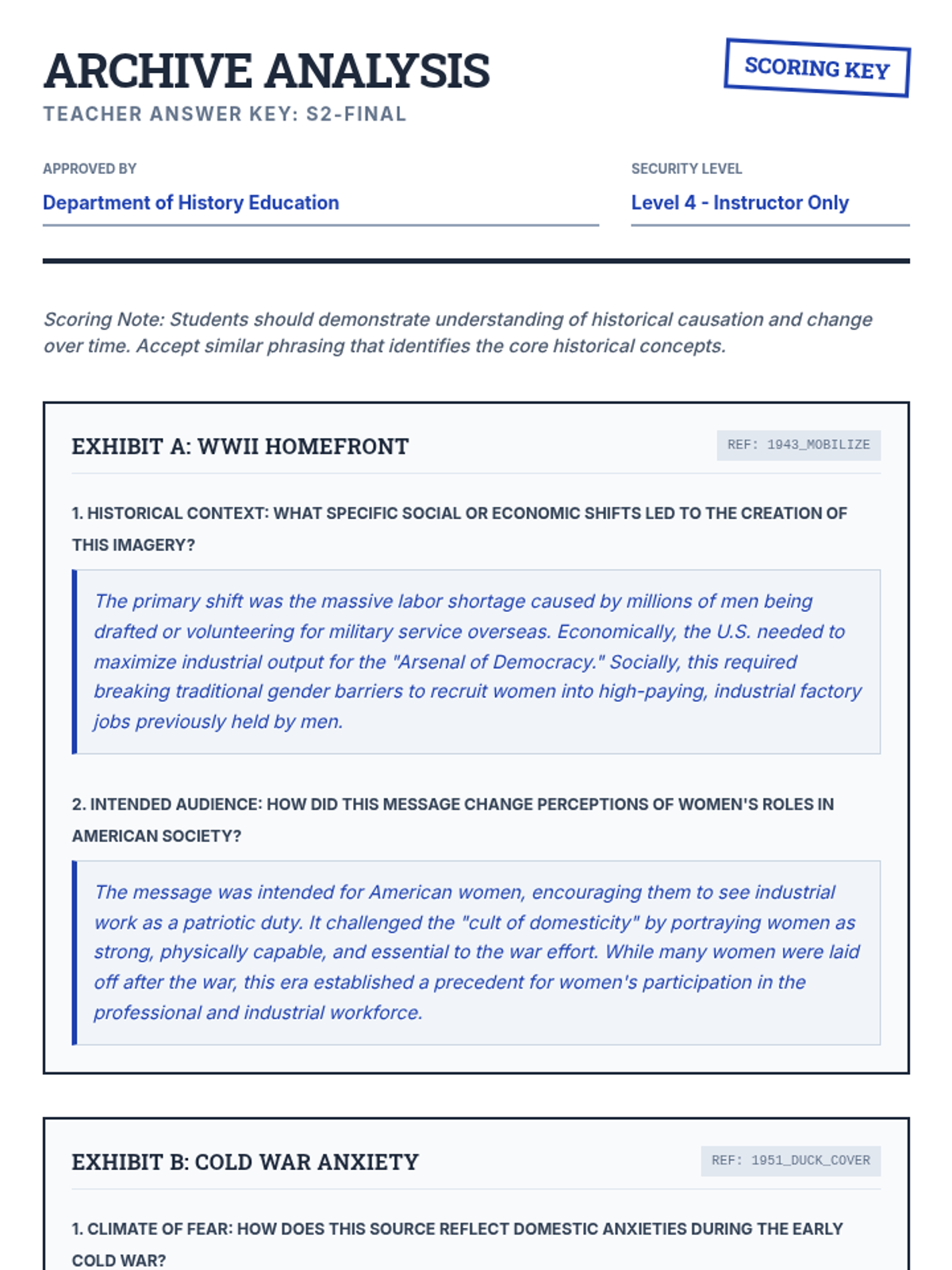
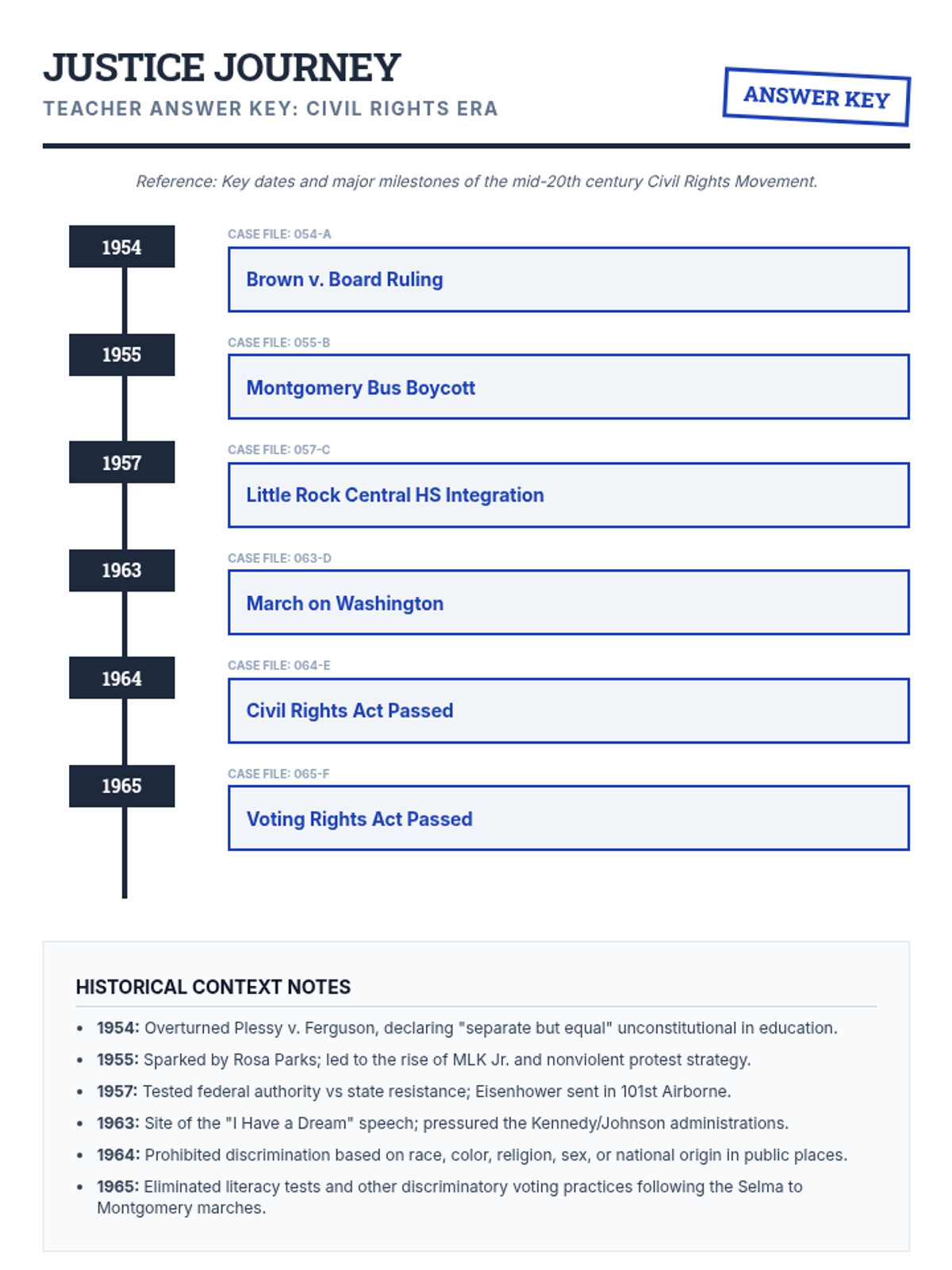
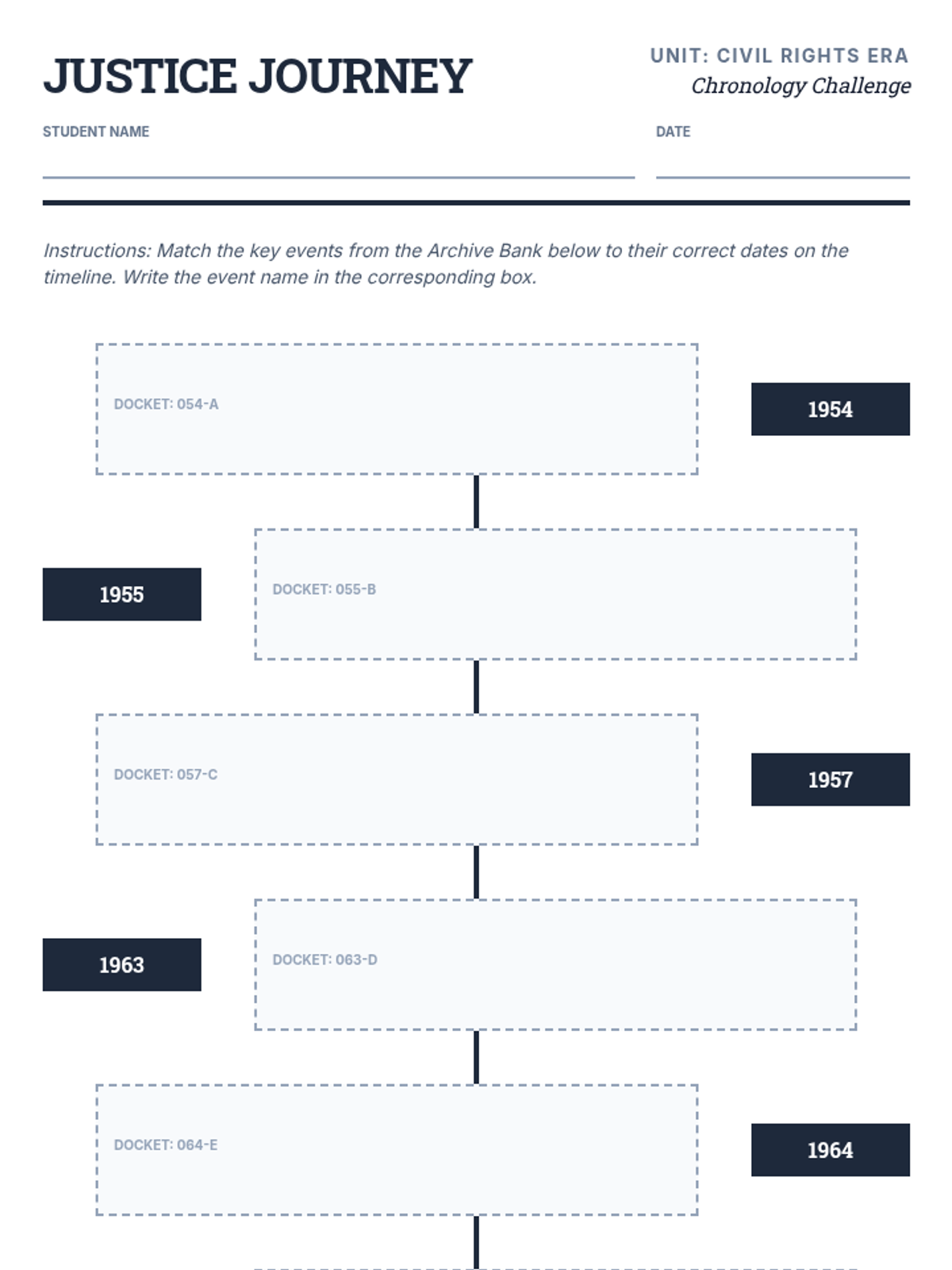
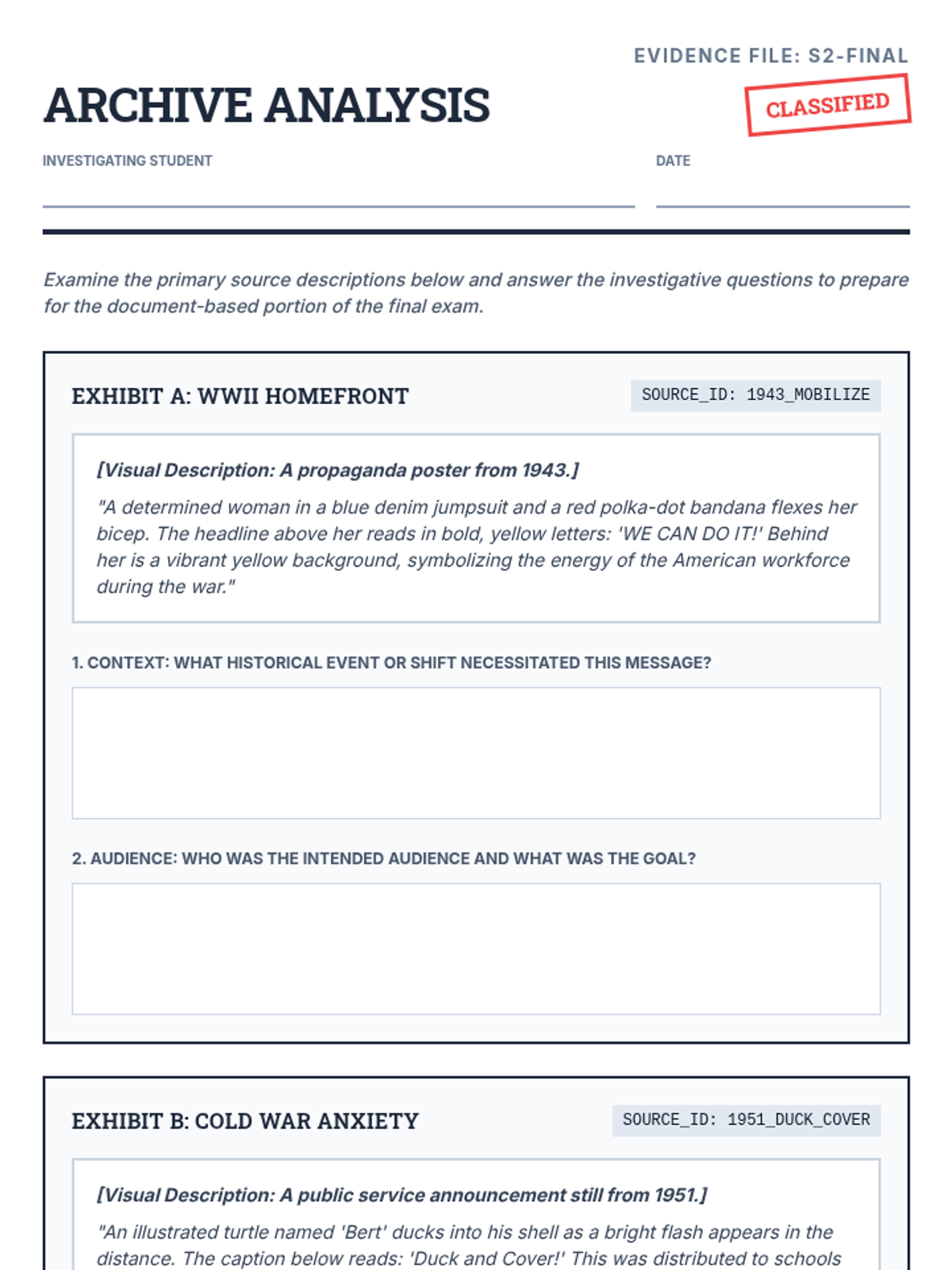
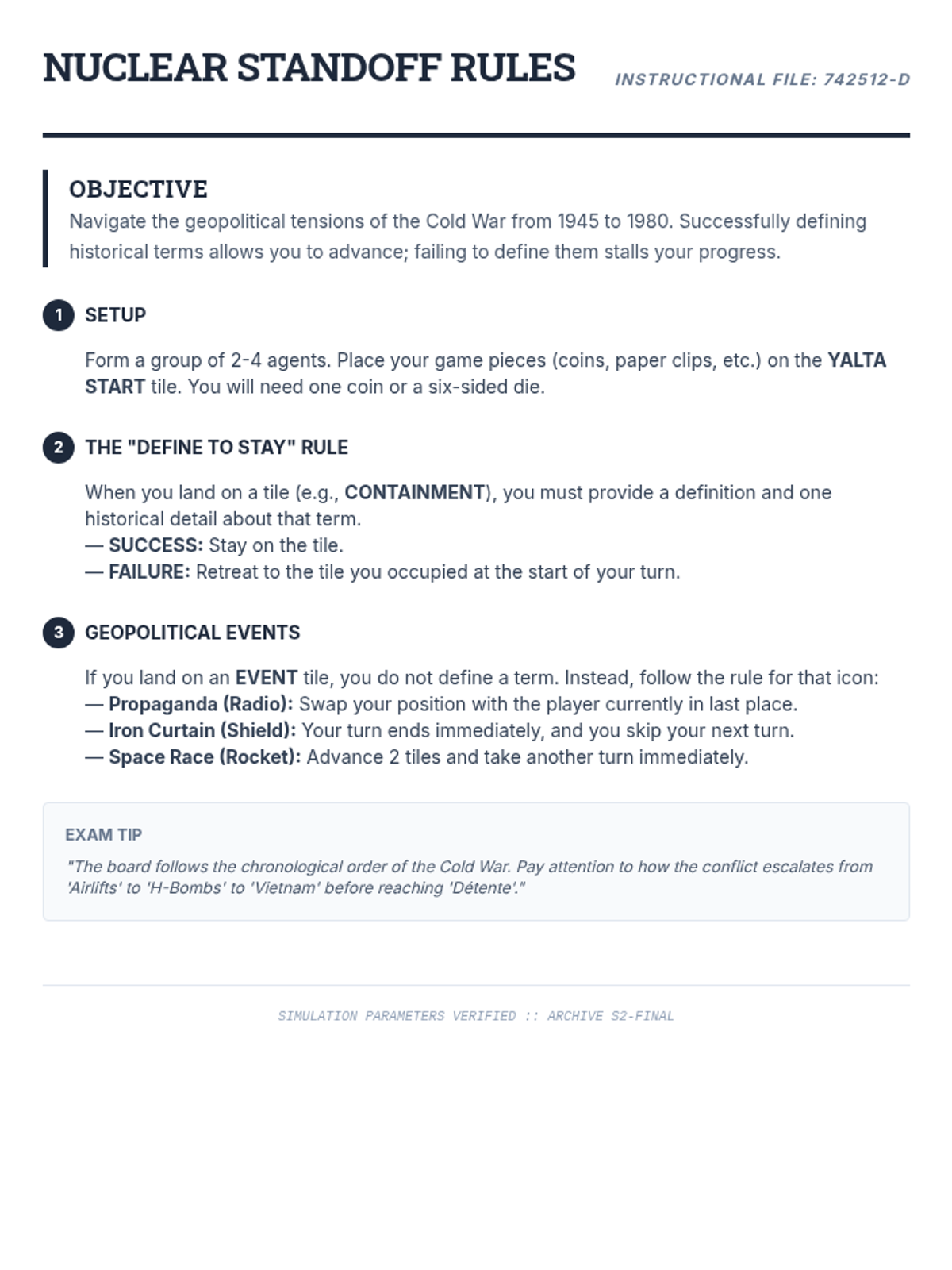
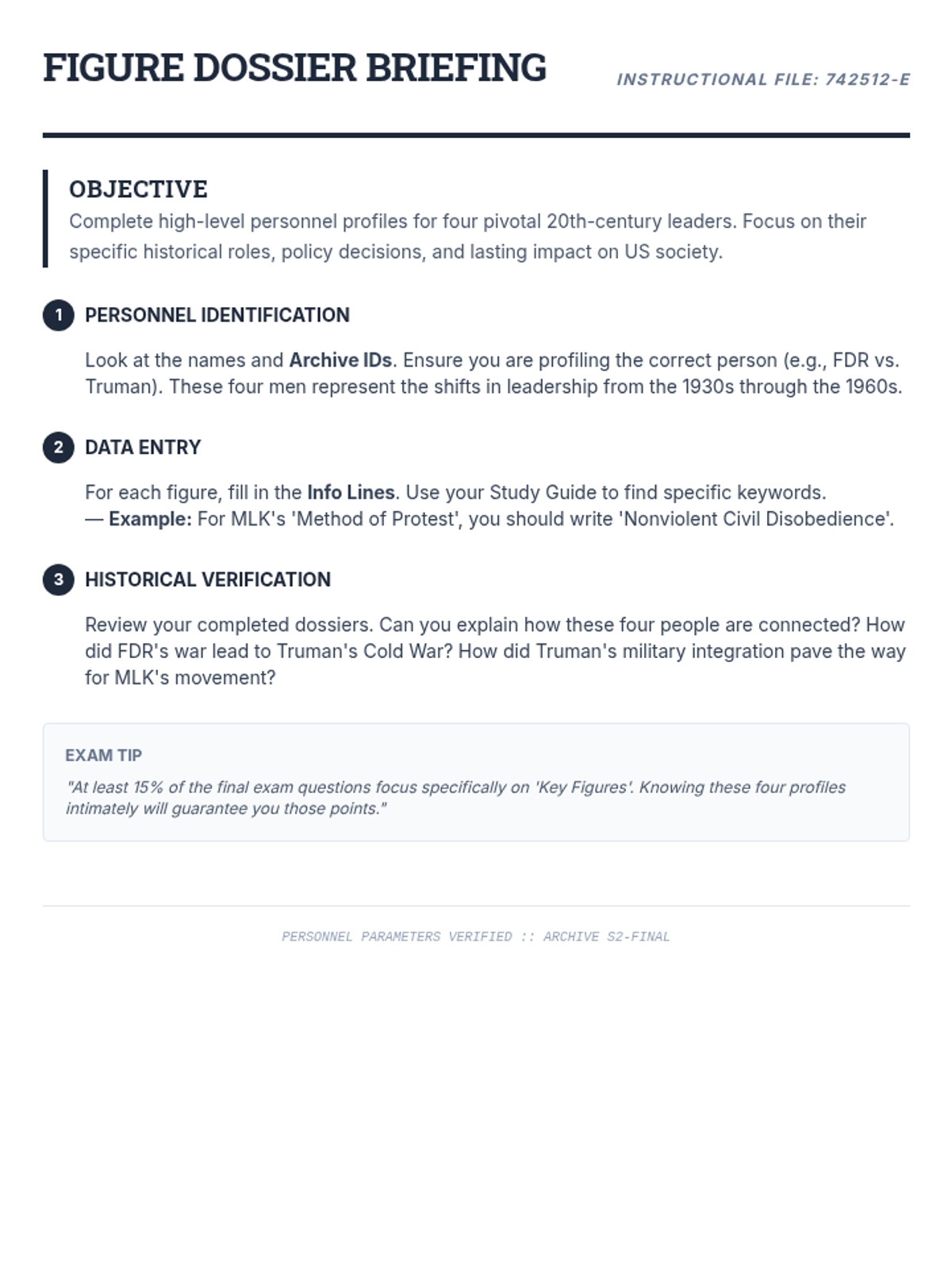
A high-impact STAAR EOC prep lesson covering U.S. History from Reconstruction through the Civil Rights Movement, focusing on primary source analysis and civic participation.
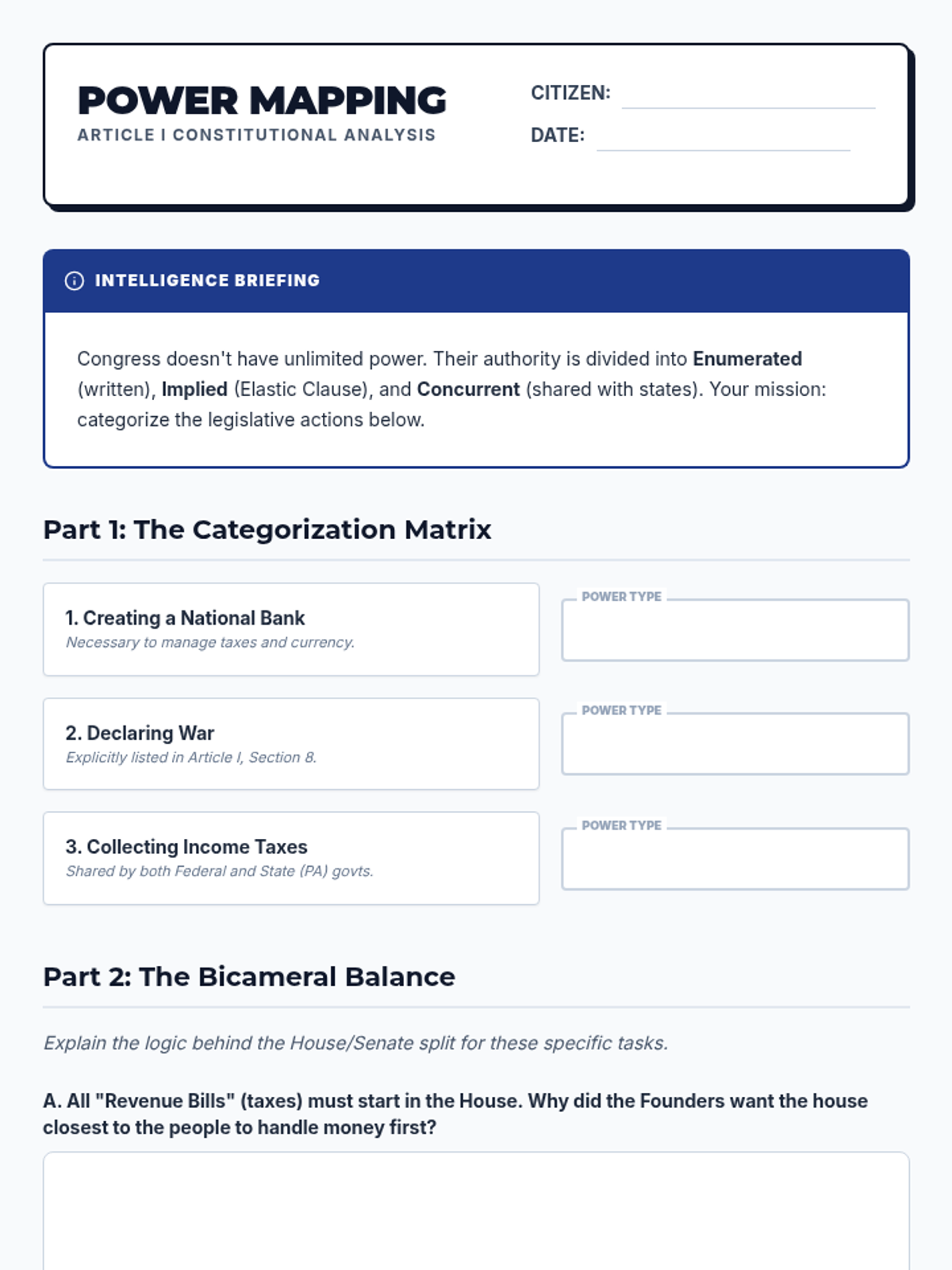
A comprehensive STAAR-aligned lesson for Grade 8 Social Studies focusing on the most challenging TEKS: government principles, geographic factors of settlement, and economic systems. Using the SHEG 'Reading Like a Historian' approach, students analyze primary sources and map historical developments to master high-stakes concepts.
A practical guide for high school students experiencing housing instability to navigate the voter registration process in Colorado, featuring a visual roadmap and educator support materials.
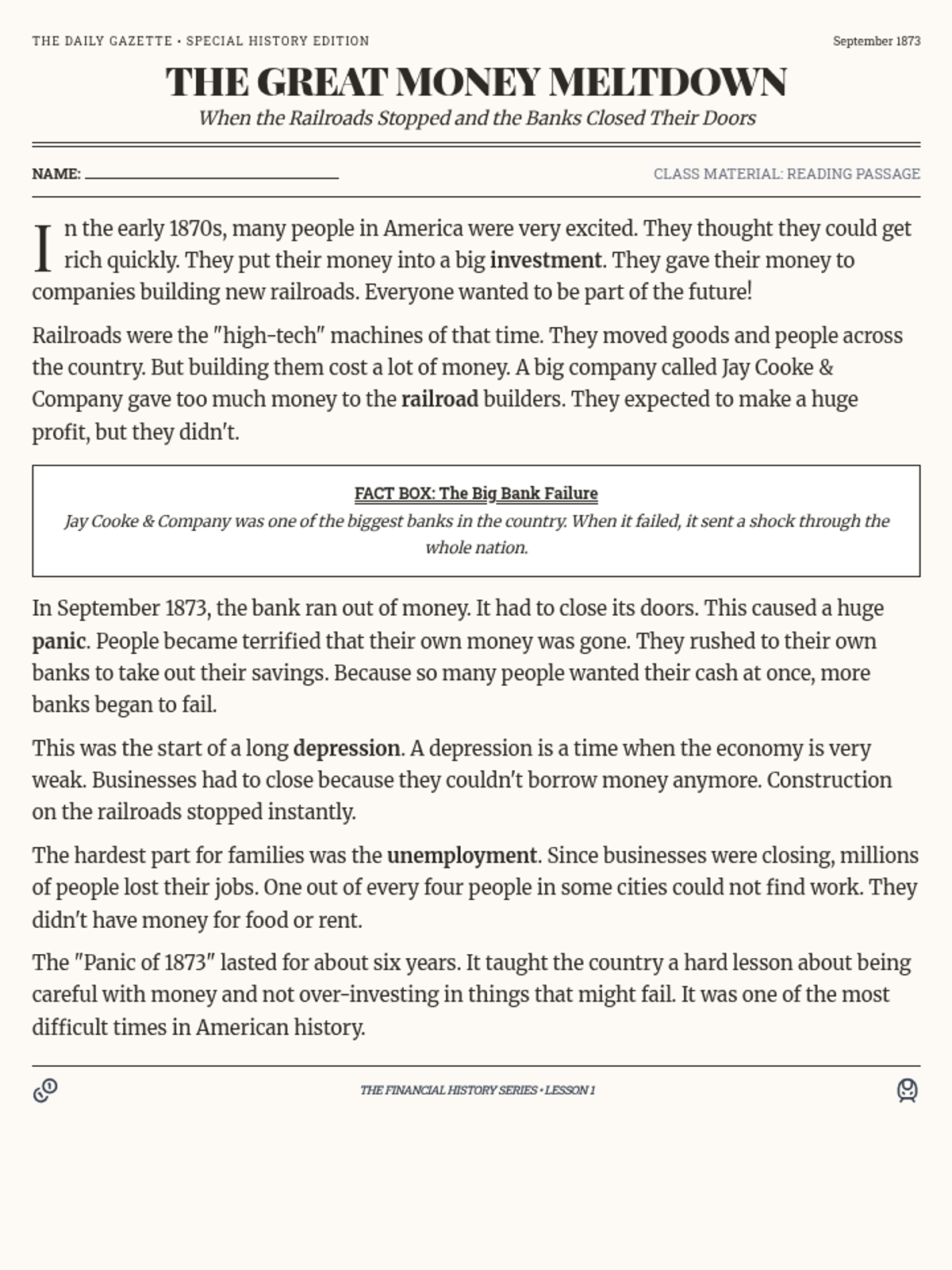
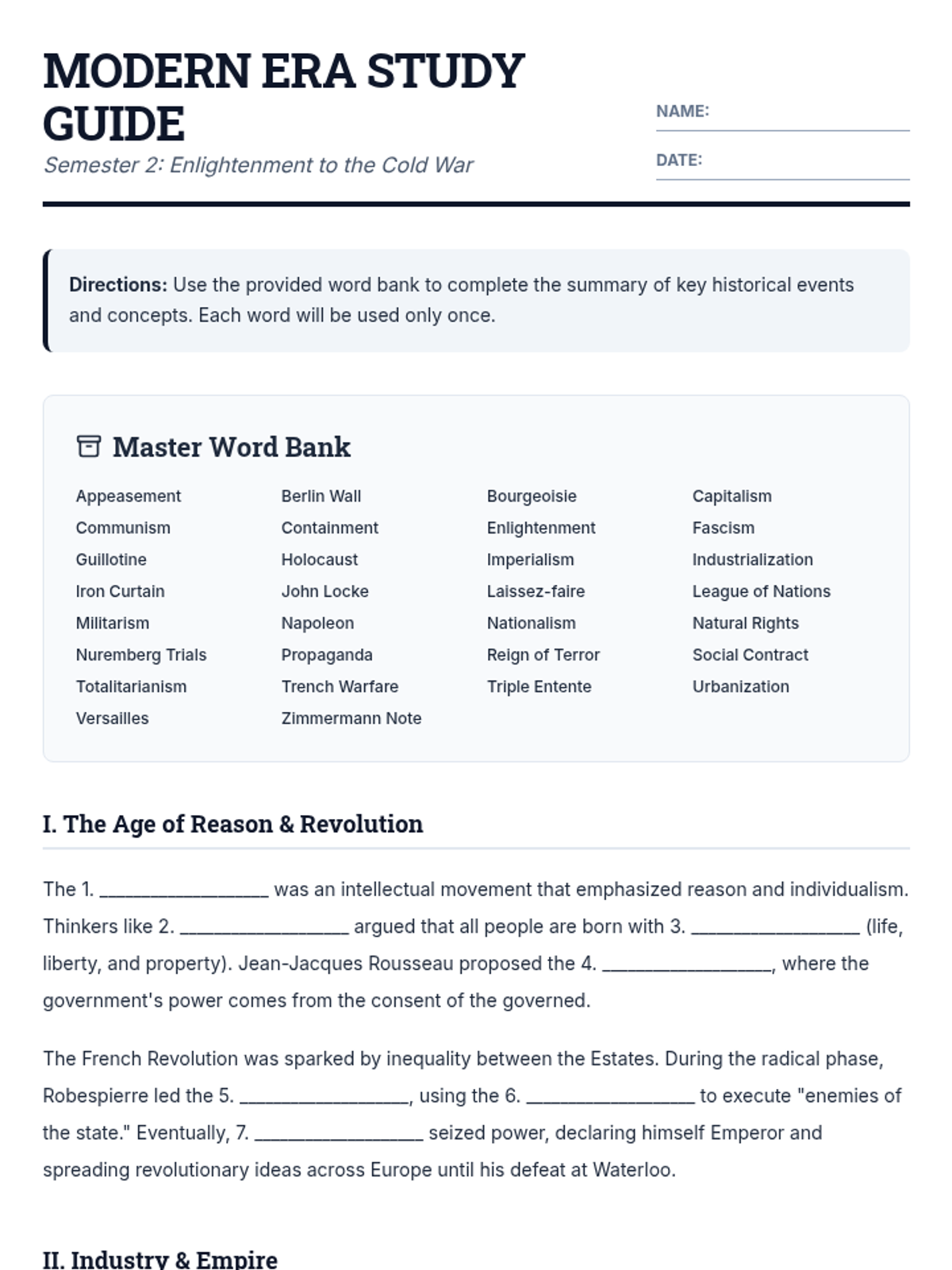
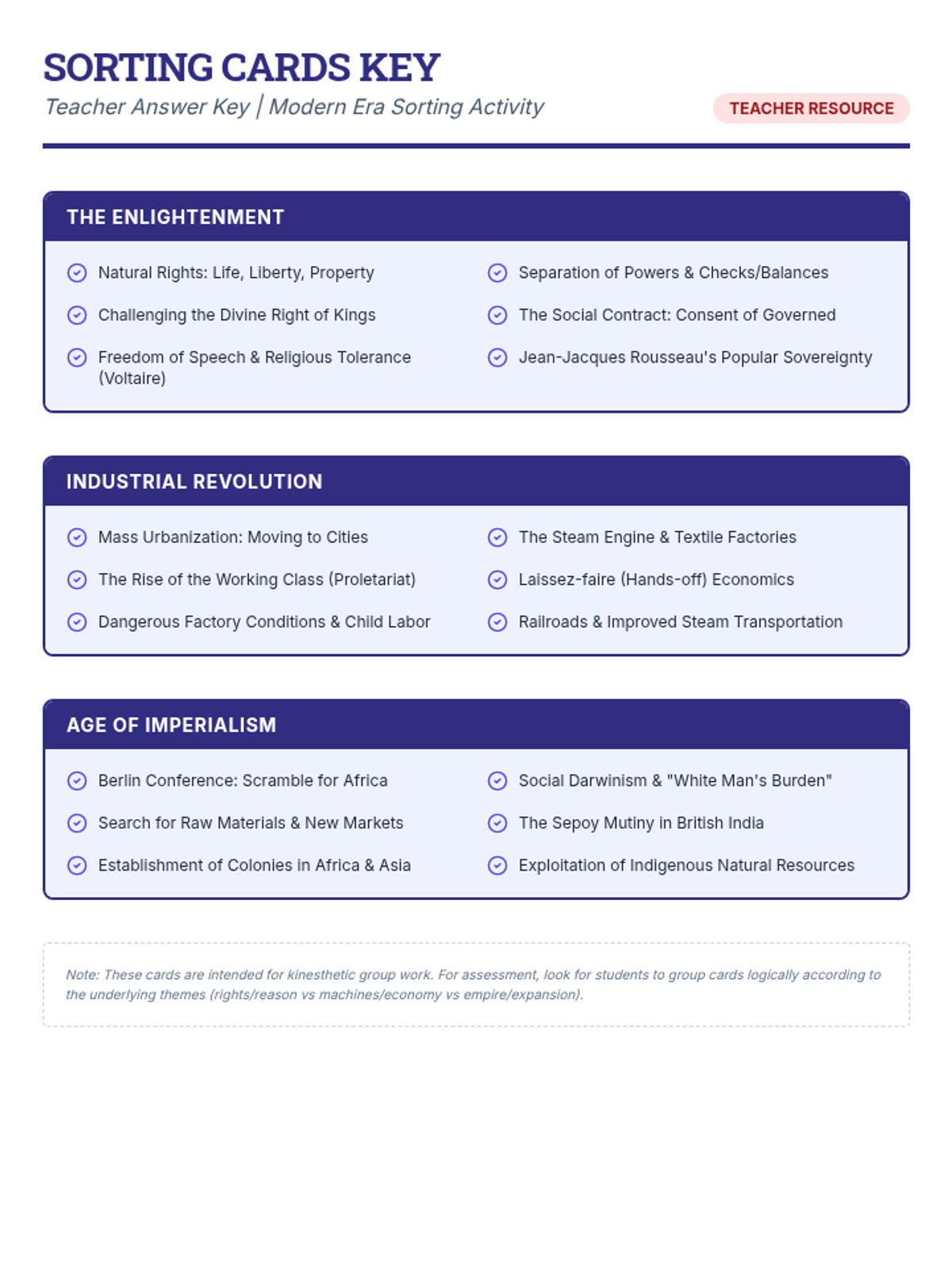
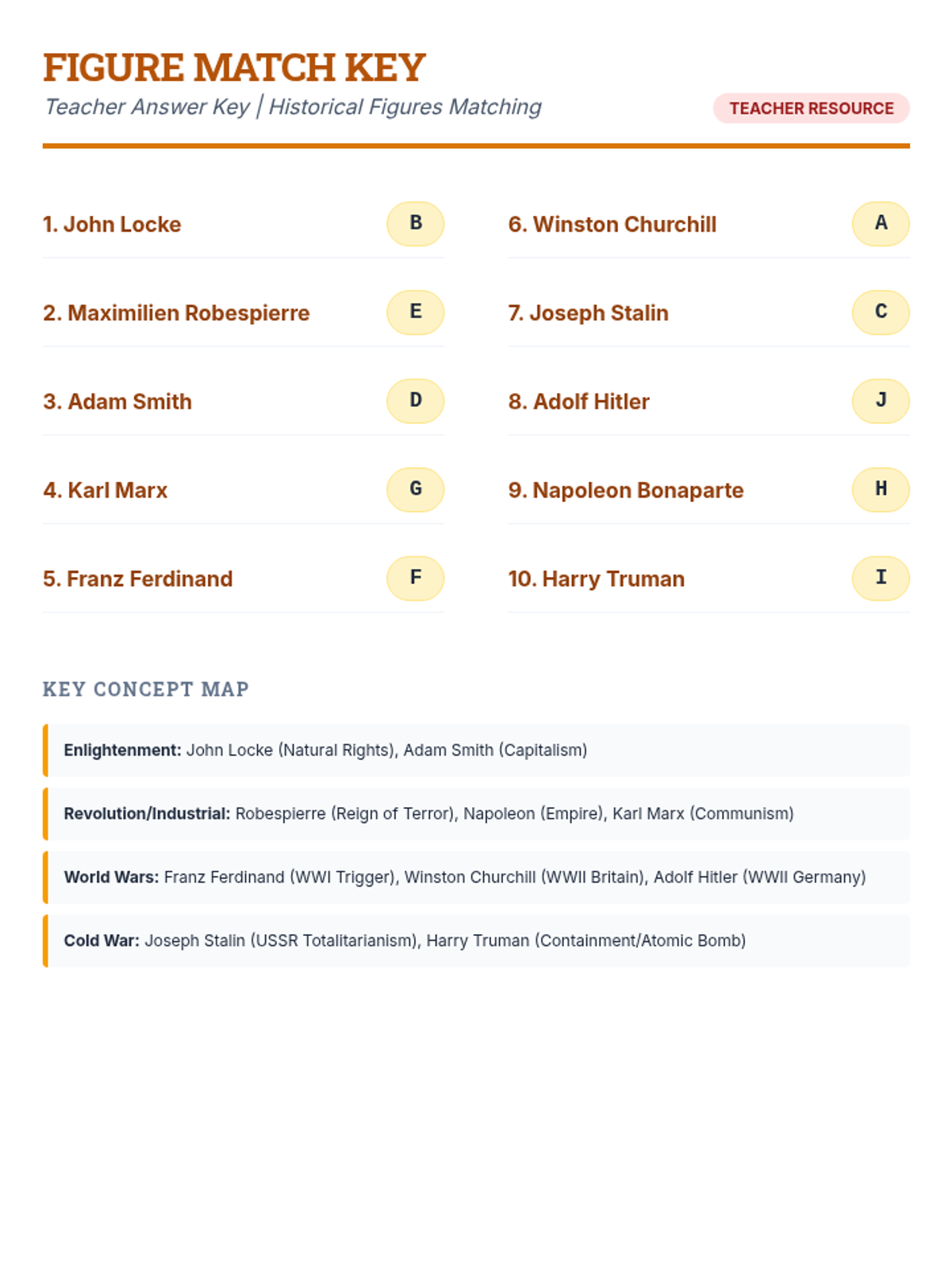
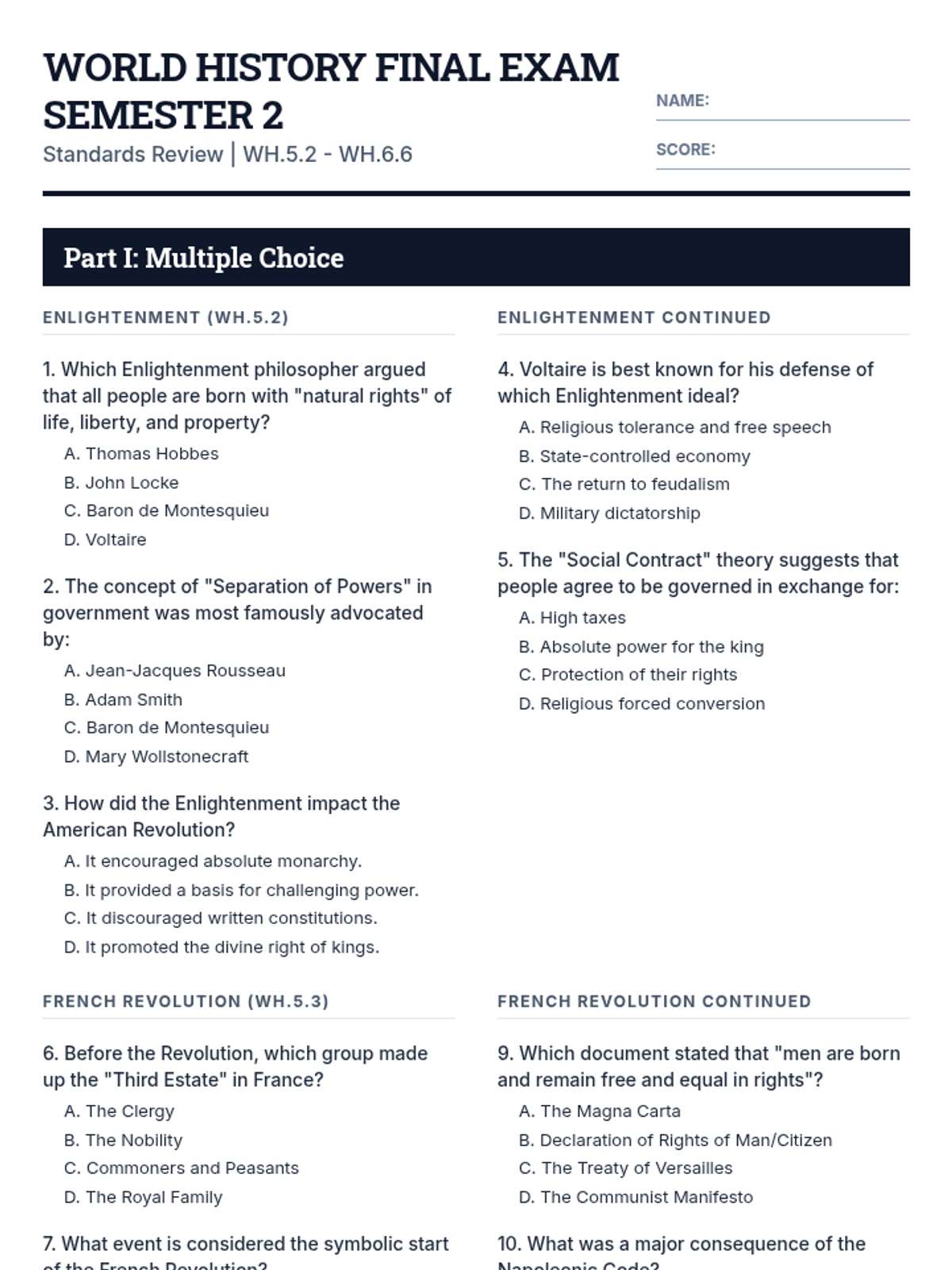
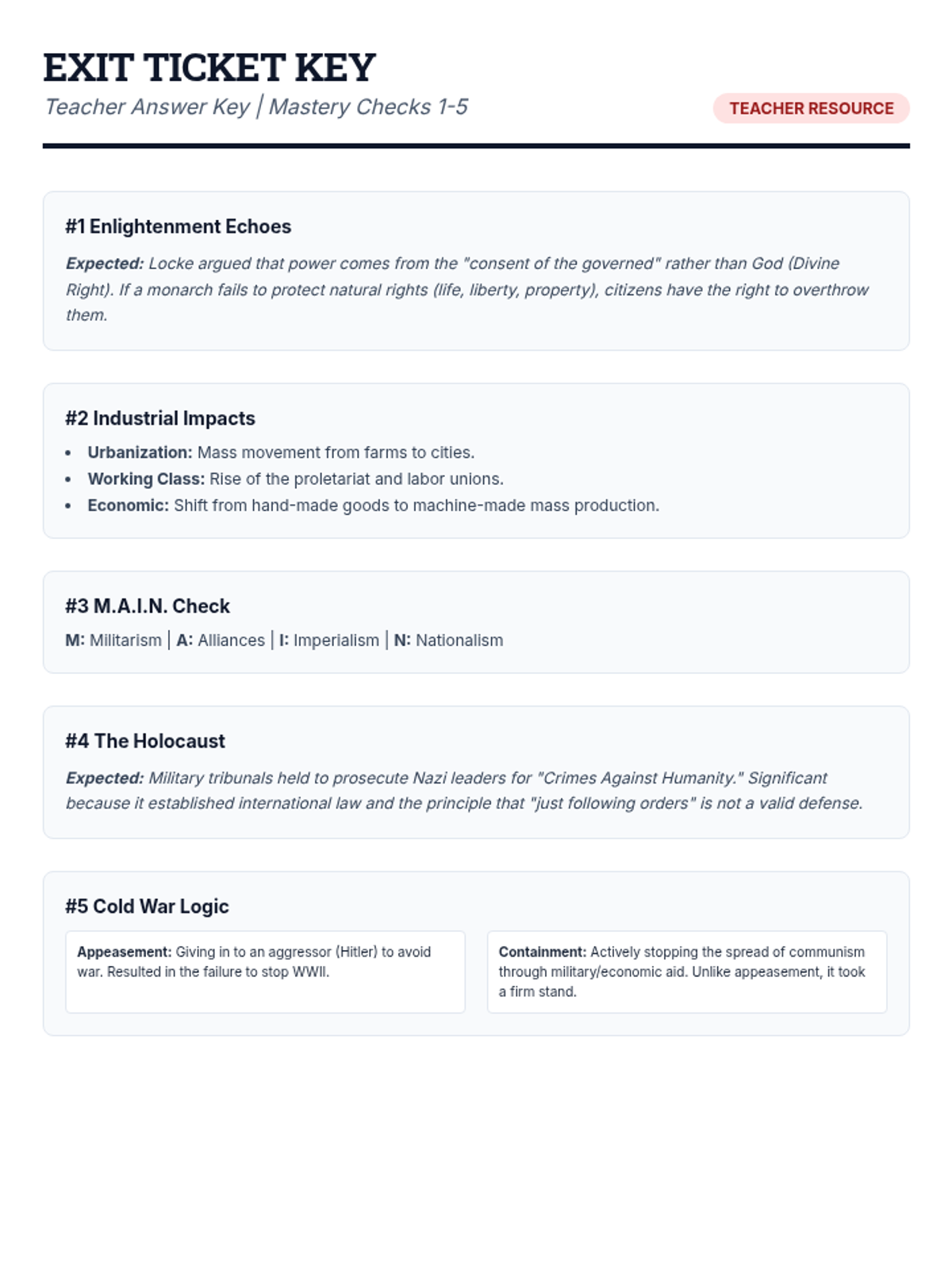
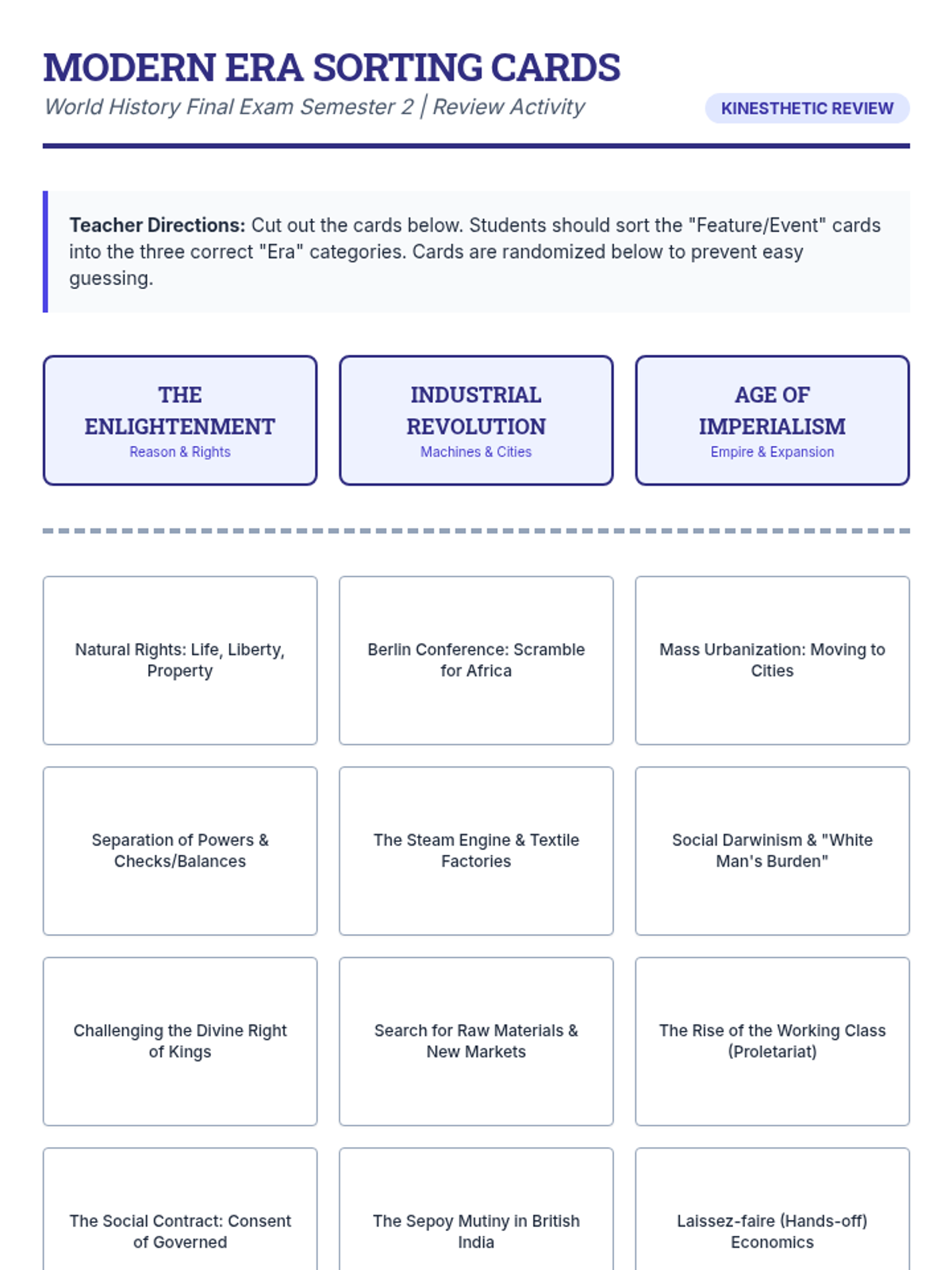
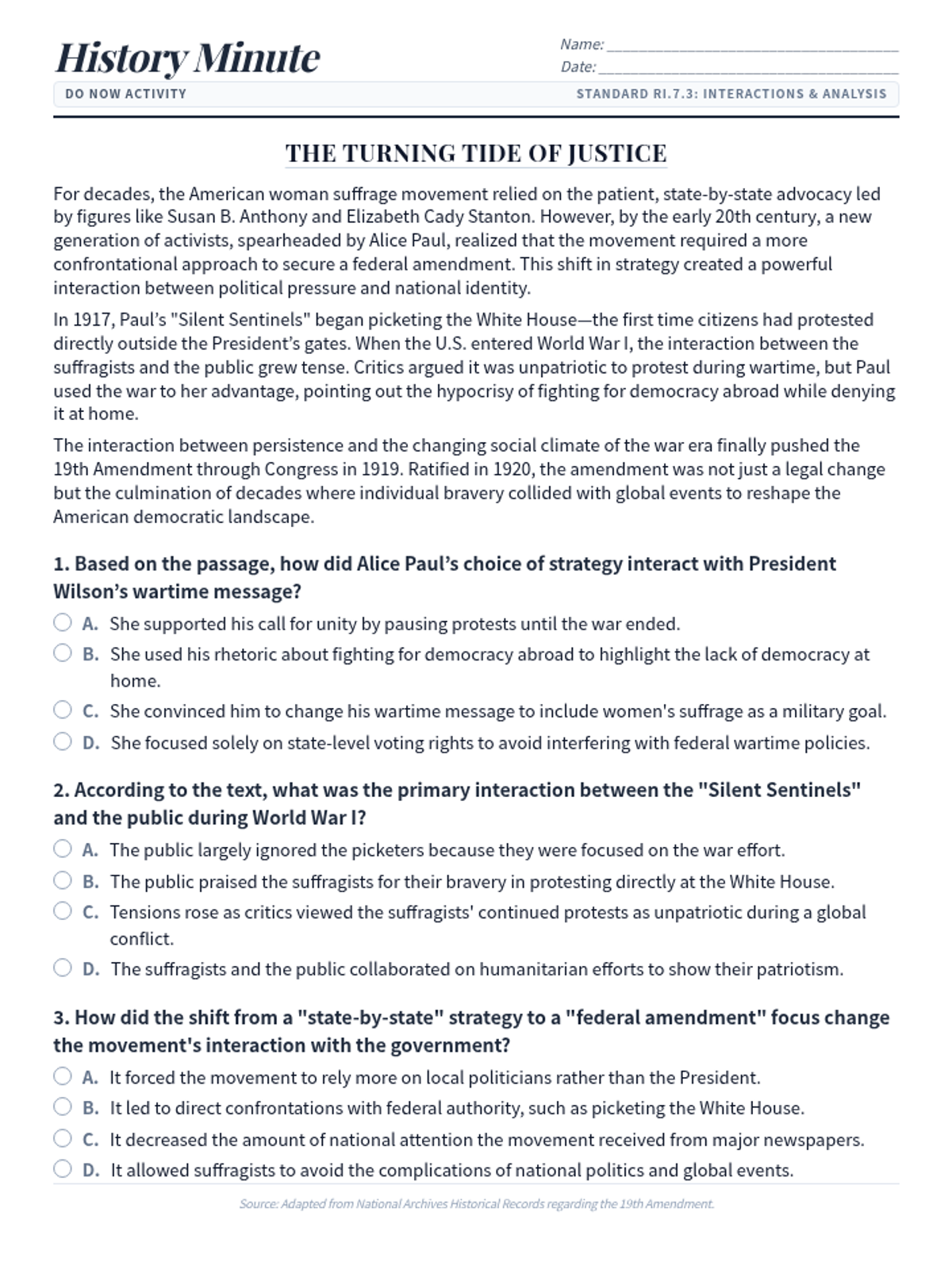
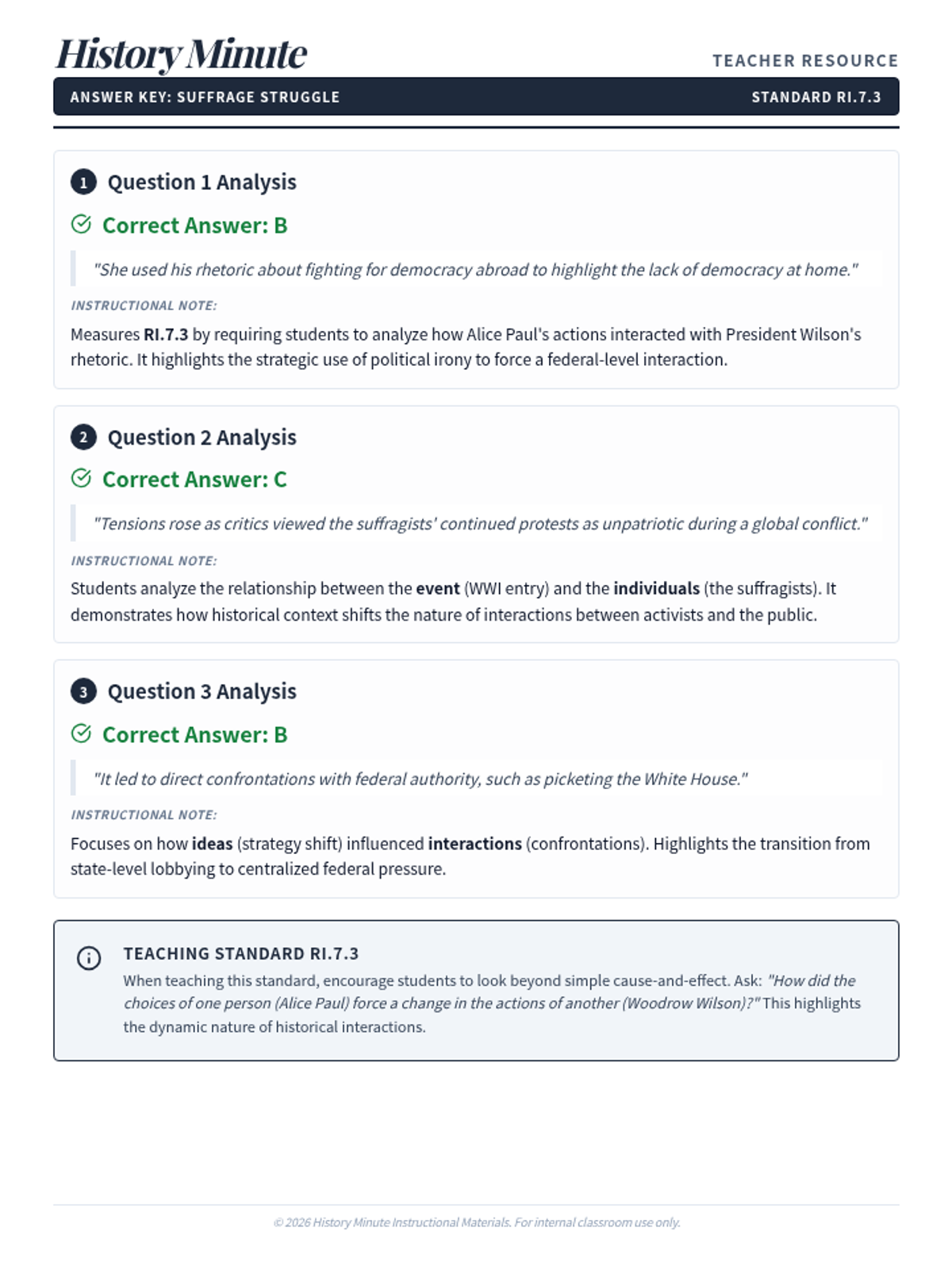
A focused practice session on the Industrial Revolution, targeting STAAR-aligned cause-and-effect skills regarding urbanization, technology, labor, and economic shifts.
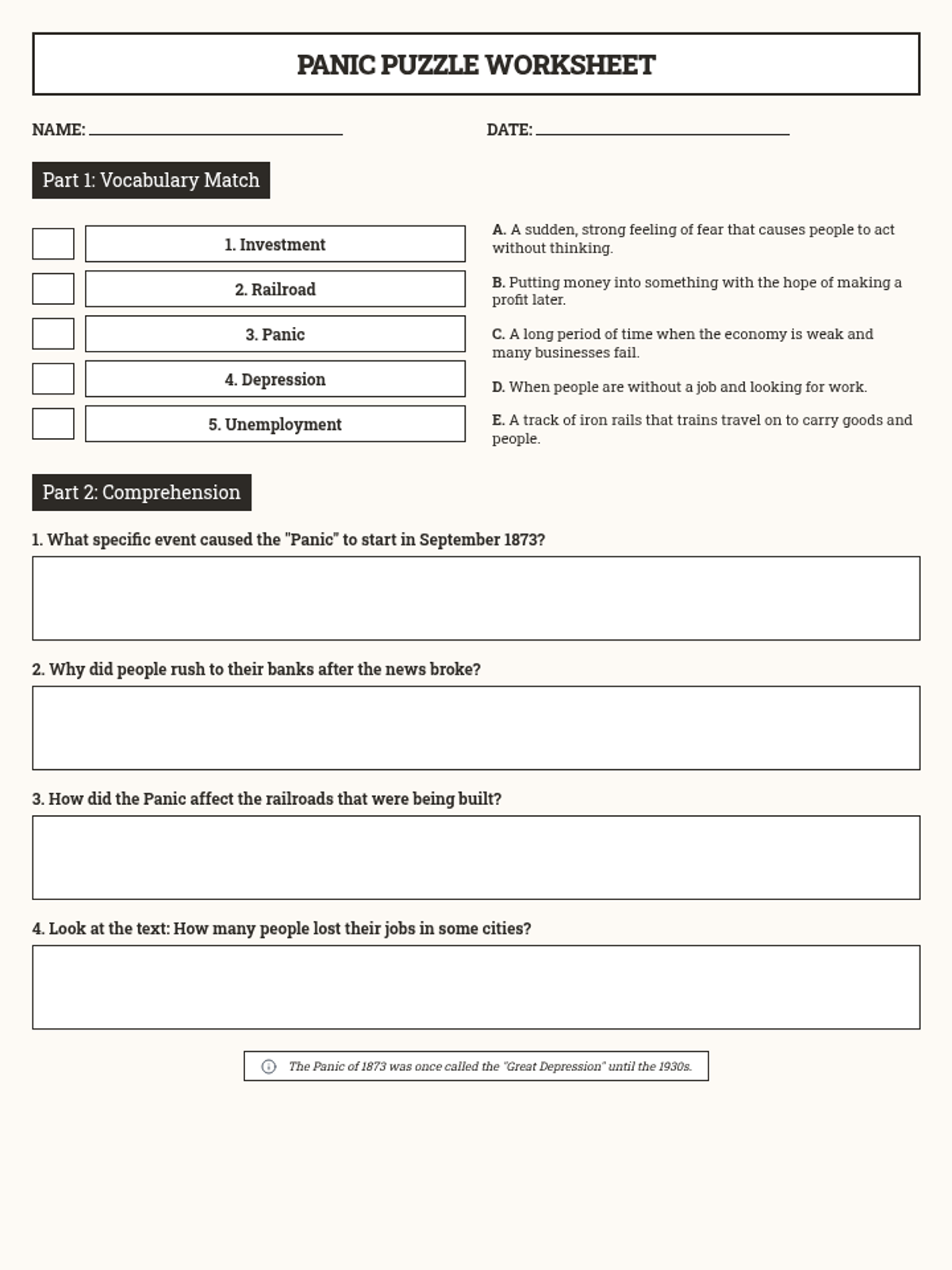
Foundational literacy activities focusing on CVC word families through tactile sorting and visual identification.
An in-depth exploration of Ancient Egyptian civilization for sixth-grade students. This lesson covers geography, social structures, religious practices, and daily life, utilizing visual slides and interactive guided notes.
A hands-on project where students analyze the six essential elements of a crime through case studies and create visual anchor charts to map legal liability.
A comprehensive exploration of the mid-to-late Tudor monarchs (Edward VI, Mary I, and Elizabeth I), focusing on how their reigns reflect shifting religious, social, and political dynamics. Students use the ALARM matrix to analyze historical significance and prepare for an in-class essay.
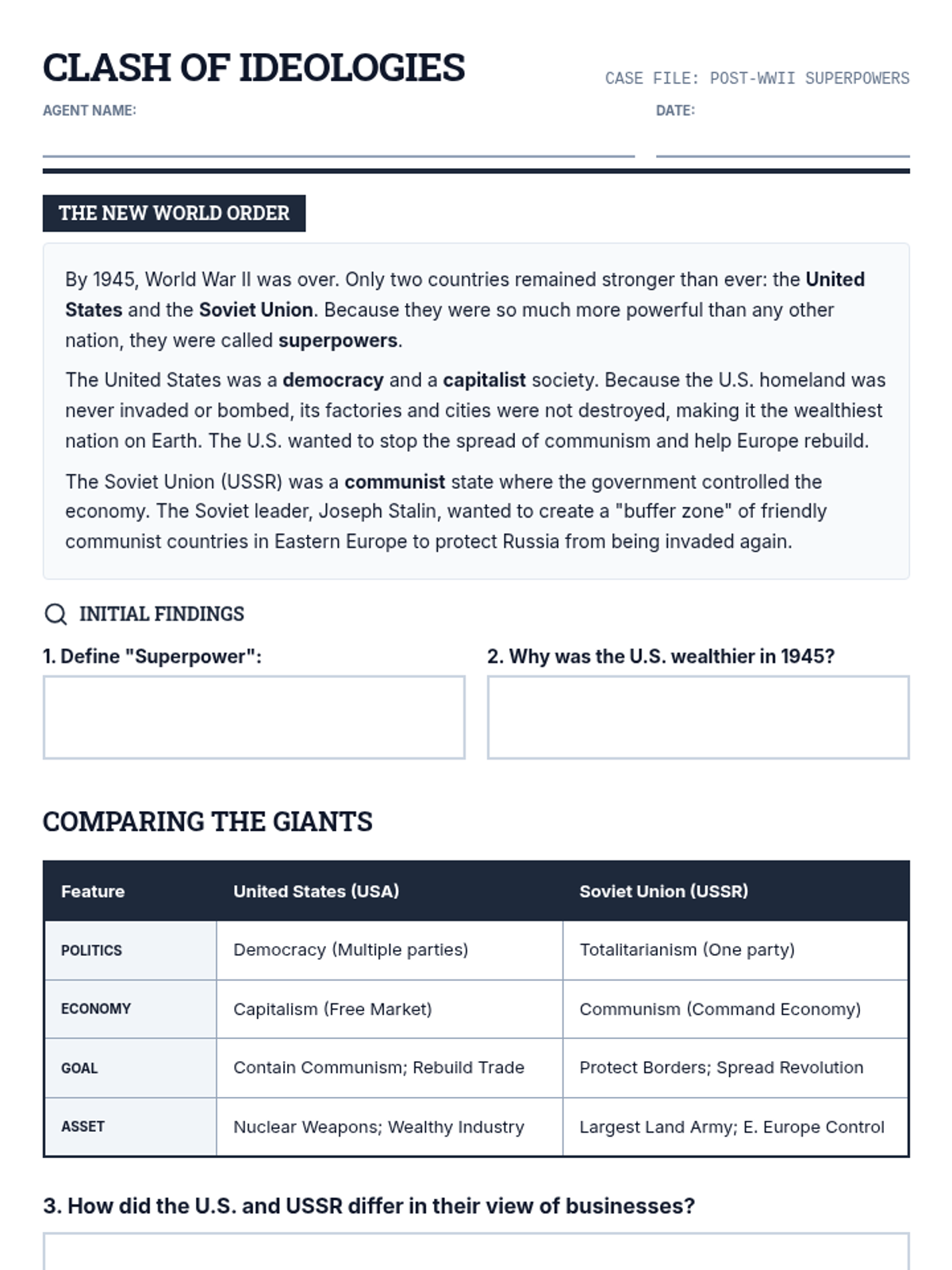
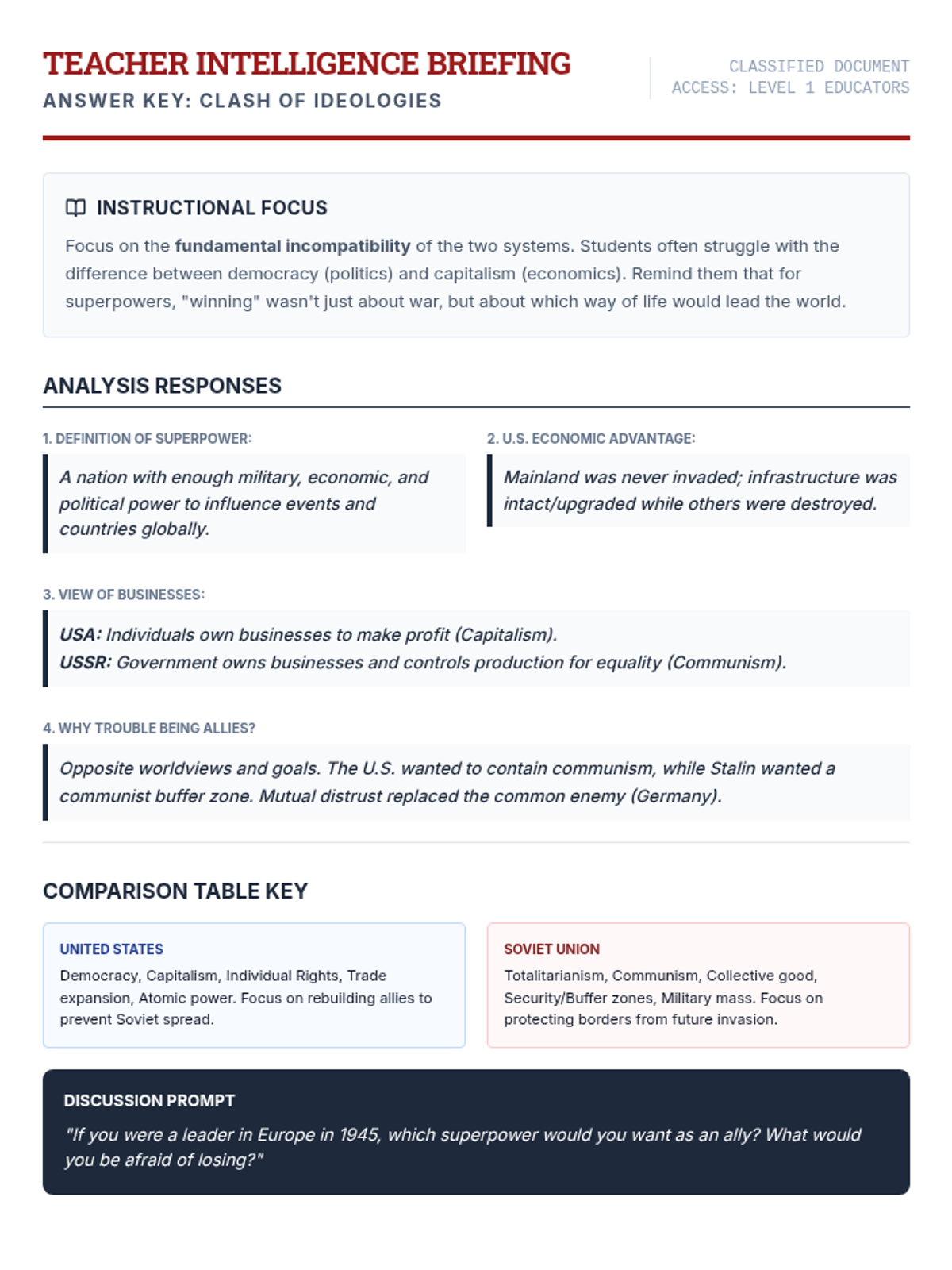
Students analyze the global fallout of the failed invasion from US, Cuban, and Soviet perspectives to produce a multi-perspective 1961 newspaper report.
Students explore the background of the Bay of Pigs invasion, the CIA's covert plan, and the execution of the operation within the context of Cold War containment.
Une leçon interactive pour maîtriser huit concepts fondamentaux de la philosophie à travers des révisions visuelles et un quiz d'évaluation.
Une ressource complète pour évaluer et consolider les connaissances des élèves de Terminale sur les notions clés du programme de philosophie en vue du Baccalauréat.
A mid-unit lesson exploring the ideological roots of Manifest Destiny and the strategic impact of the Louisiana Purchase on American growth. Students analyze primary source texts and visual evidence to understand the justifications for Westward Expansion.
An expert-level analytical exploration of the Icarus myth through the lens of Jungian archetypes, focusing on the Over-reacher and the Puer Aeternus. Includes studies on Daedalus as the Artifex and the symbolism of flight and fall.
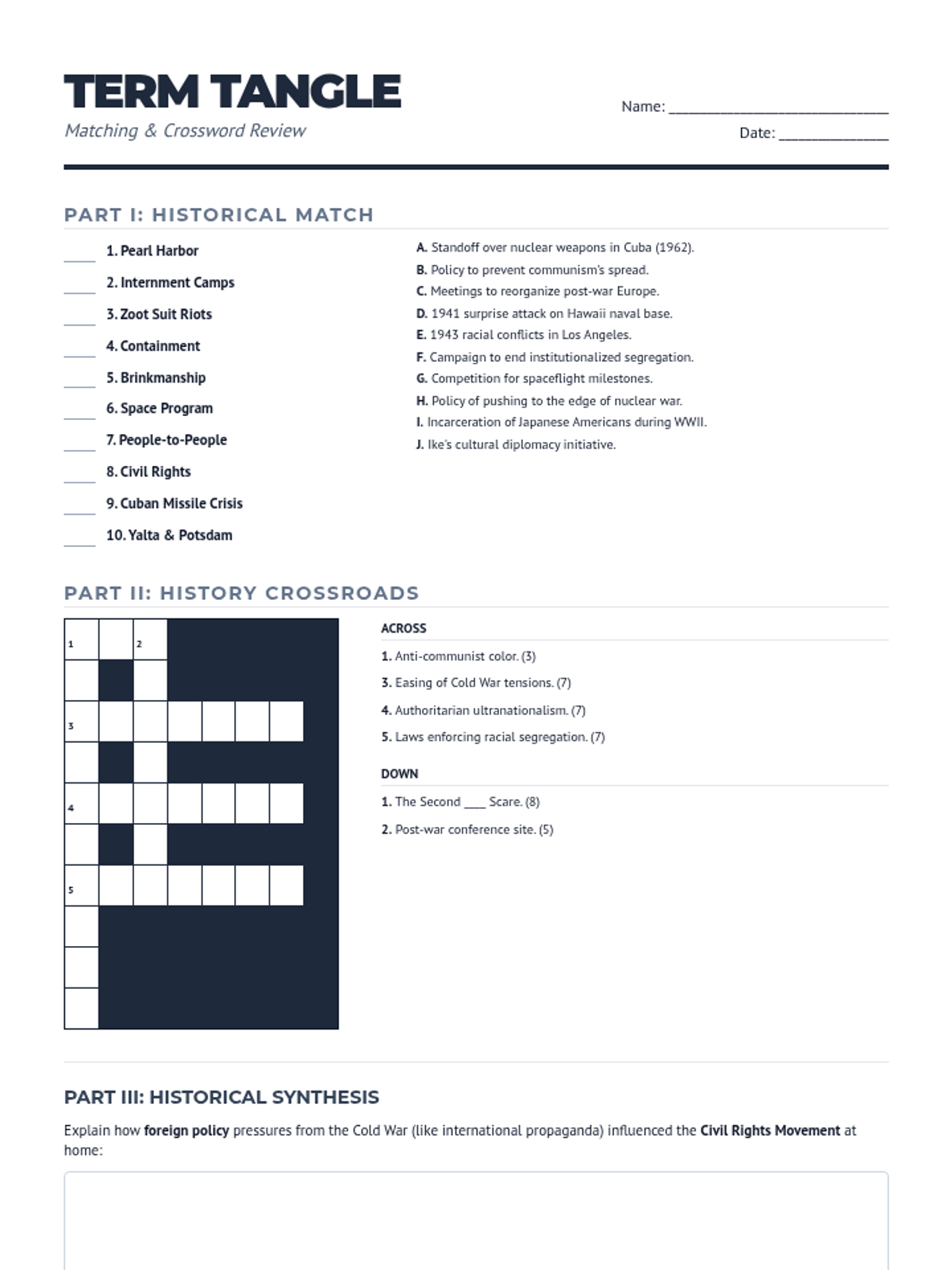
A lesson exploring the impact of industrialization on warfare during World War I, focusing on the introduction of tanks, chemical weapons, and aircraft.
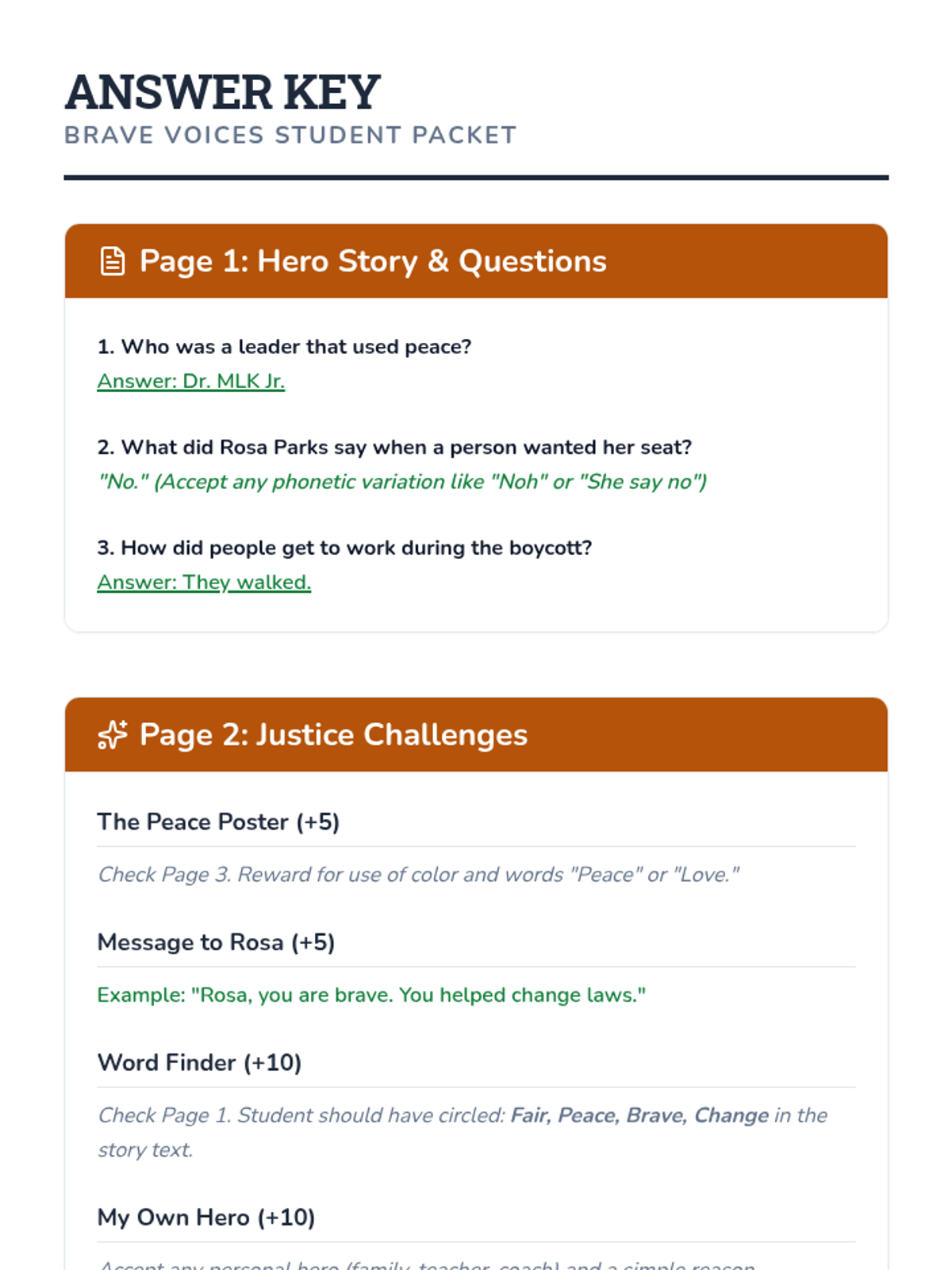
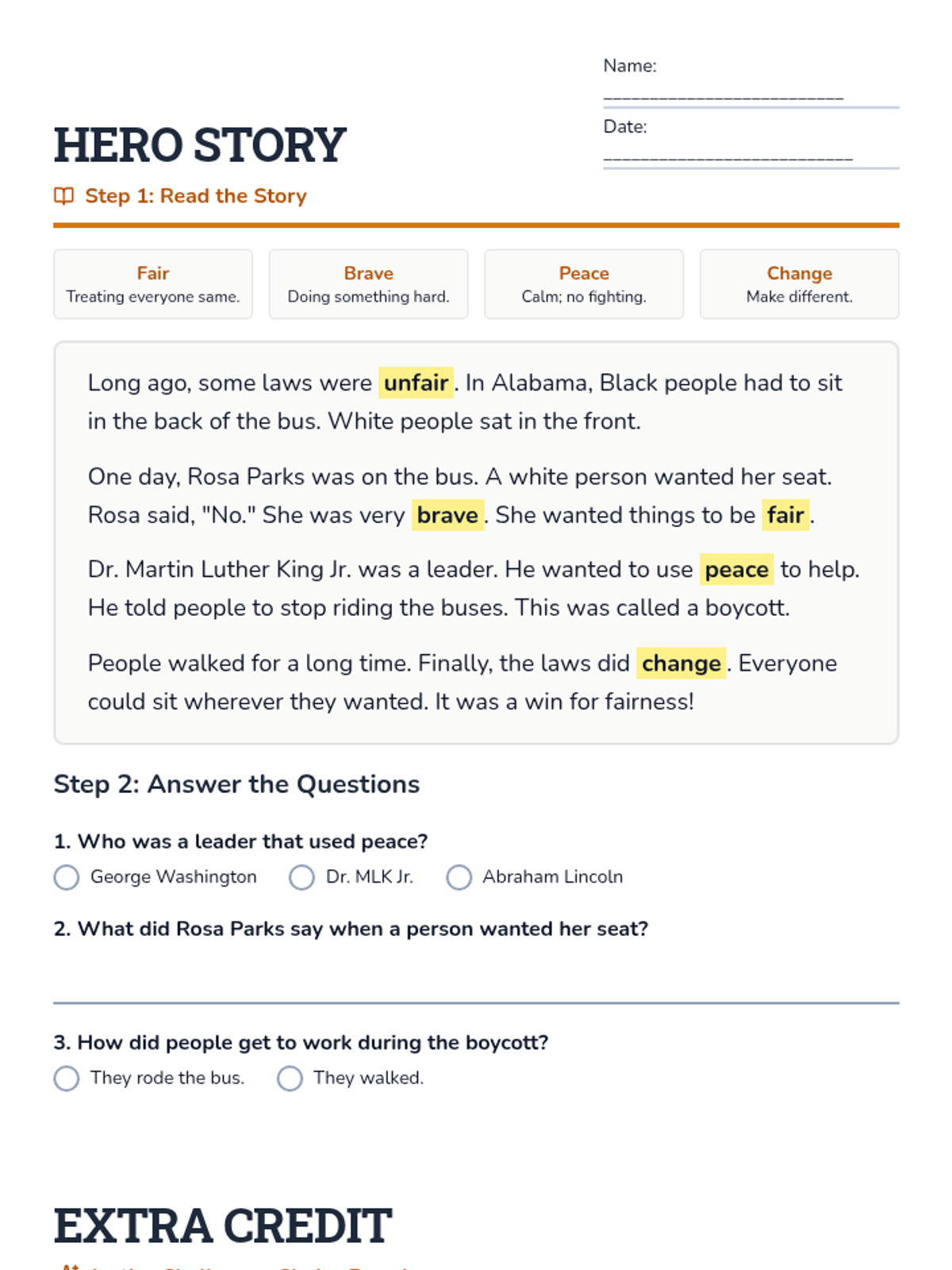
An intensive, highly scaffolded lesson on the Bill of Rights for students requiring Tier 3 support, featuring simplified language, heavy visual prompts, and step-by-step guidance.
A targeted lesson on the Bill of Rights for students requiring Tier 2 support, focusing on academic vocabulary and structured planning for a poster project.
An interactive exploration of what makes a family, celebrating diversity, responsibilities, and daily routines through a high-energy group session.
Students investigate the profound social, religious, and political impacts of centralized power, examining how the rise of nation-states led to both stability and systemic conflict across Europe.
Students rotate through stations, analyzing maps, treaties, and accounts to understand how monarchs consolidated power and defined the borders of modern Europe.
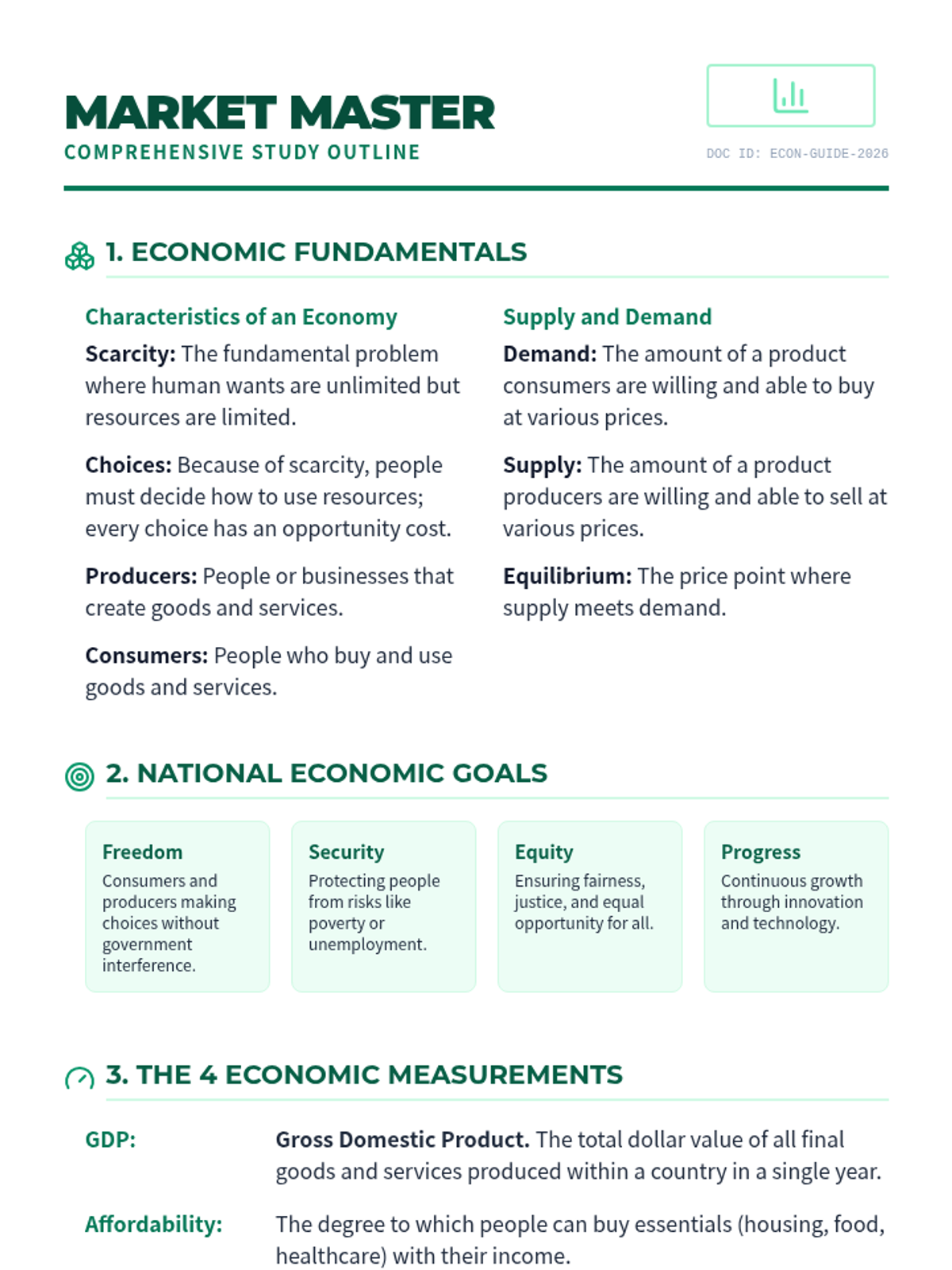
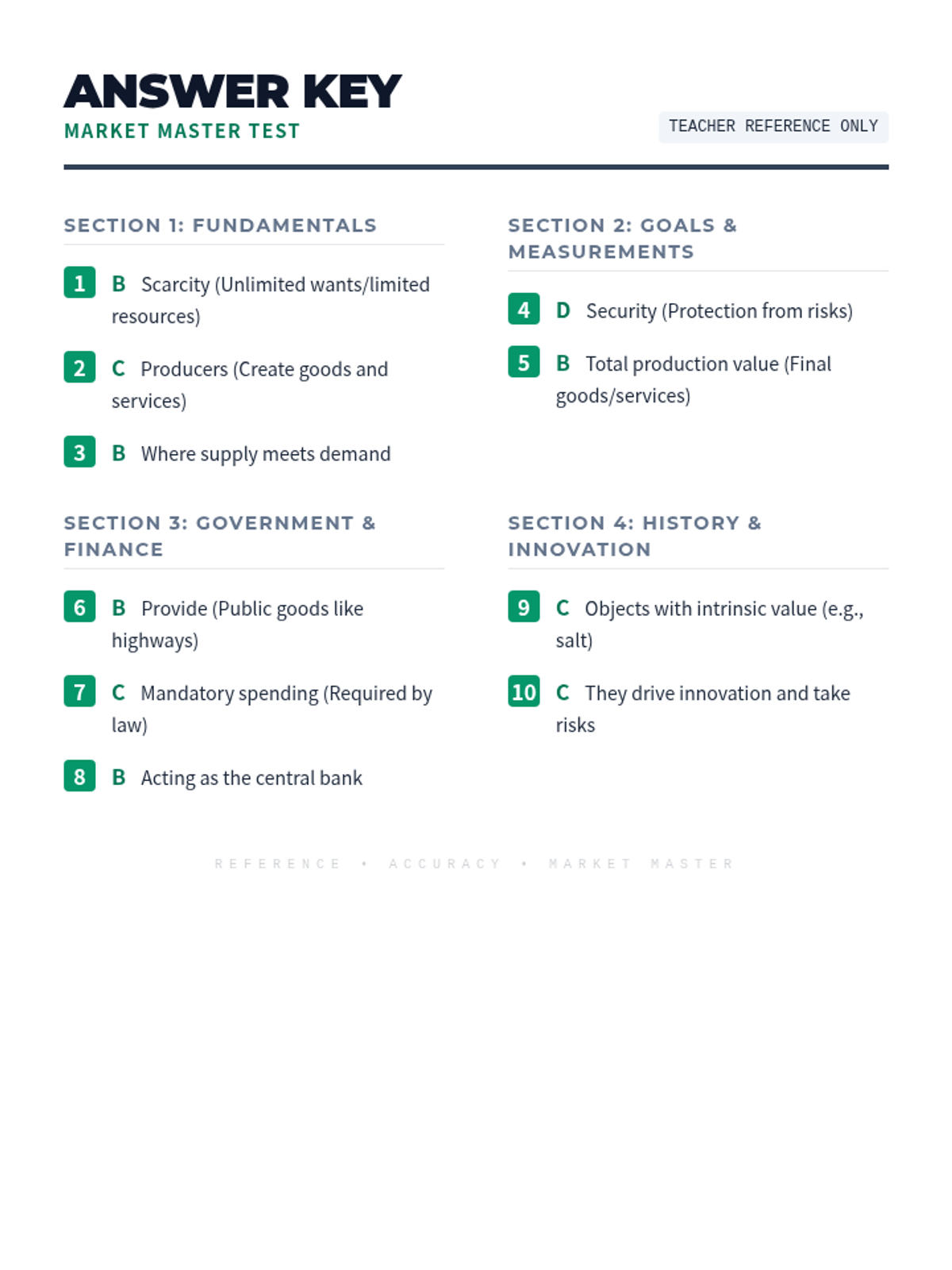
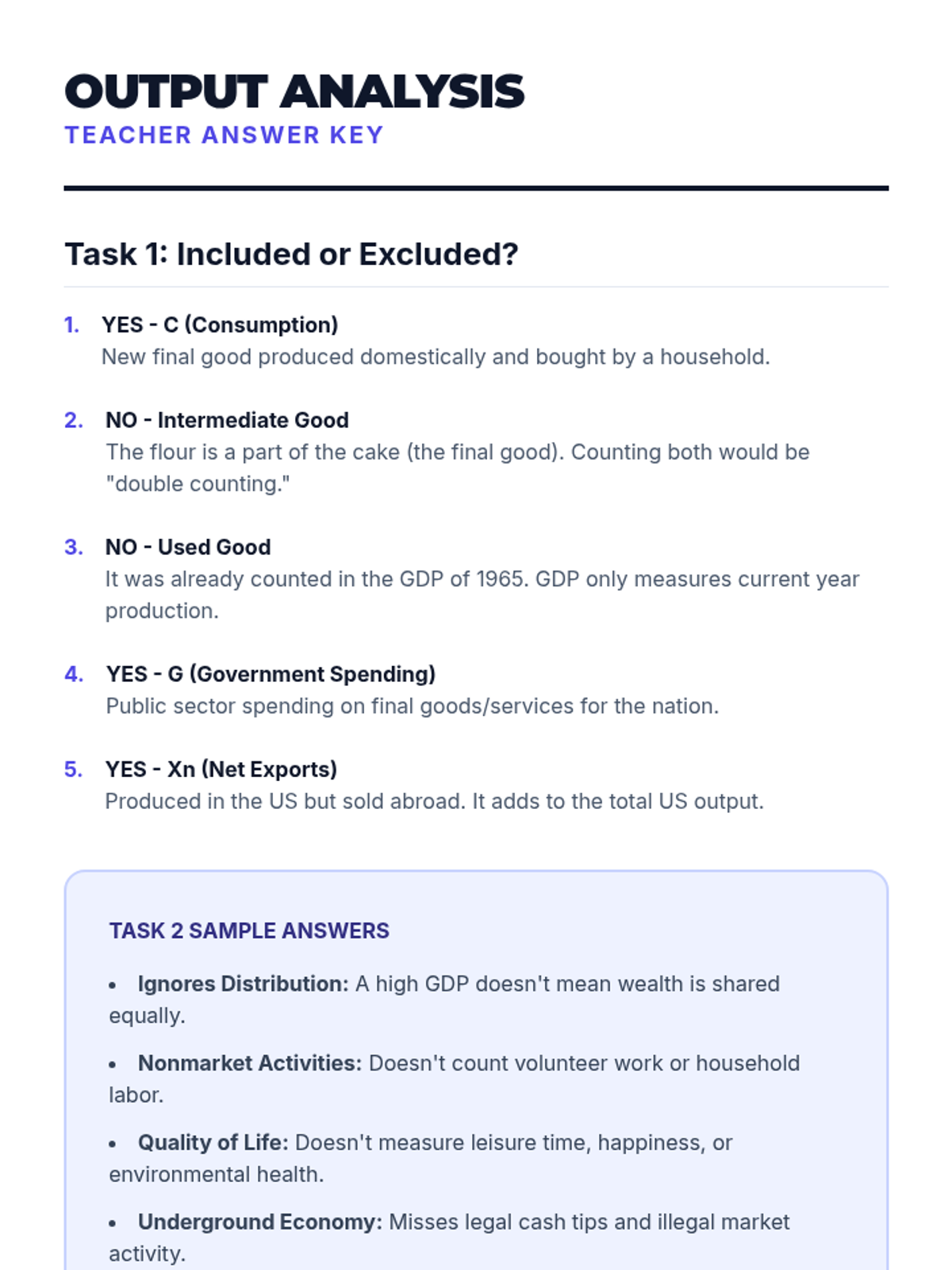
A comprehensive lesson exploring the foundational differences between microeconomics and macroeconomics through scale, perspective, and real-world application.
A study of Act 1, Scene 5, the pivotal moment where Romeo and Juliet meet at the Capulet ball. Students will analyze the shared sonnet and its religious metaphors, Tybalt's escalating rage as a driver of conflict, and the realization of the "prodigious birth of love" amidst "loathed enemy."
A study of Act 1, Scene 4, where Romeo, Mercutio, and Benvolio prepare to crash the Capulet ball. Students will analyze Mercutio's vivid Queen Mab speech, Romeo's persistent melancholy and prophetic dreams, and the tension between whimsical fantasy and dark reality.
A study of Act 1, Scene 3, introducing the Nurse and Lady Capulet's proposal of marriage to Paris. Students will analyze the Nurse's coarse humor, Lady Capulet's extended metaphor of Paris as a book, and Juliet's initial stance on marriage and obedience.
A study of Act 1, Scene 2, where Count Paris asks for Juliet's hand and Romeo and Benvolio discover the Capulet party through a chance encounter. Students will analyze the dynamics of parental choice, the role of chance, and the poetic language used to describe the ladies of Verona.
An intensive study of the opening scene and prologue of Shakespeare's Romeo and Juliet. Students will analyze the mechanics of the ancient grudge, the characterization of the principal families, and the specific poetic techniques used to establish Romeo's unrequited love for Rosaline.
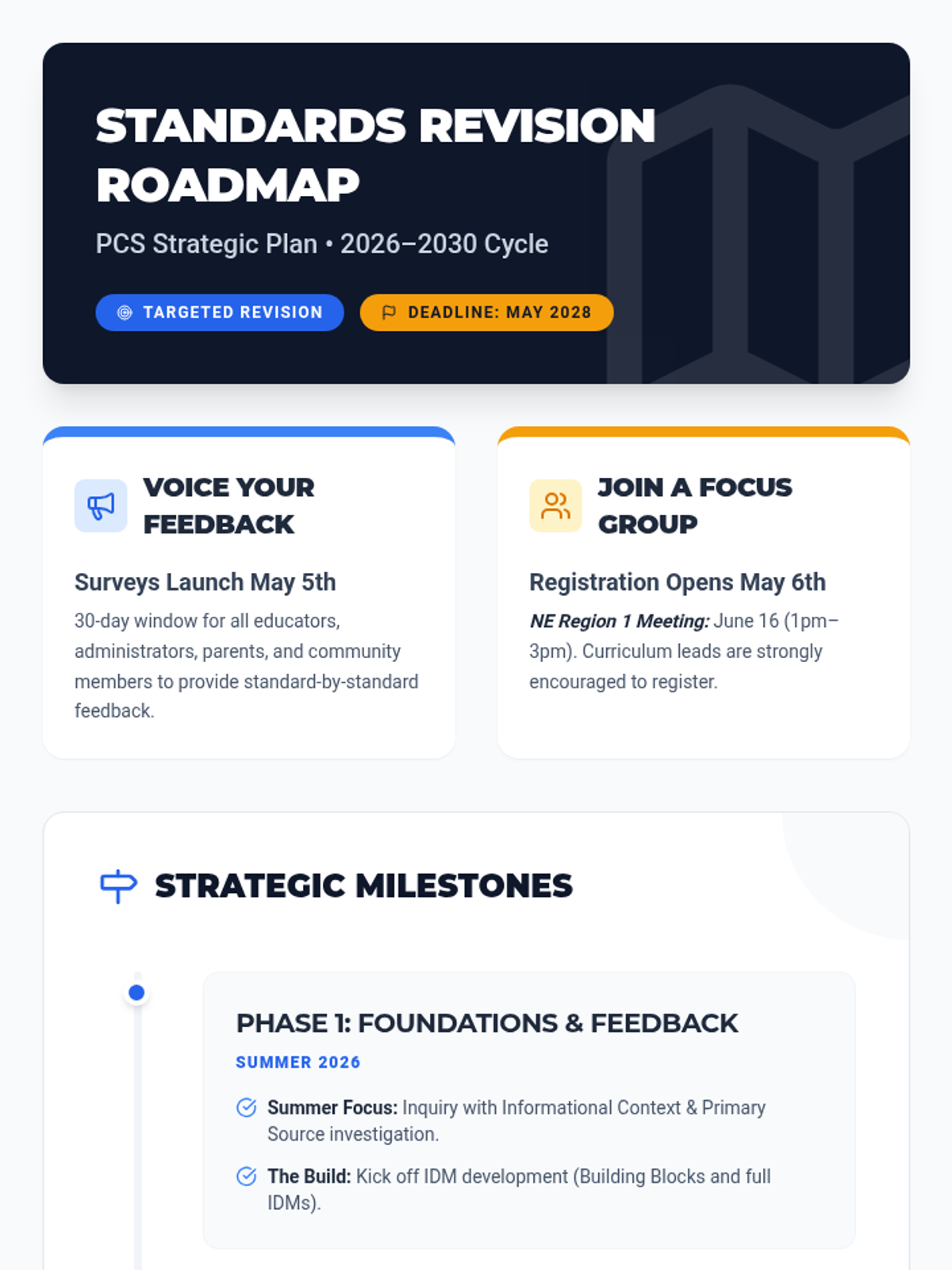
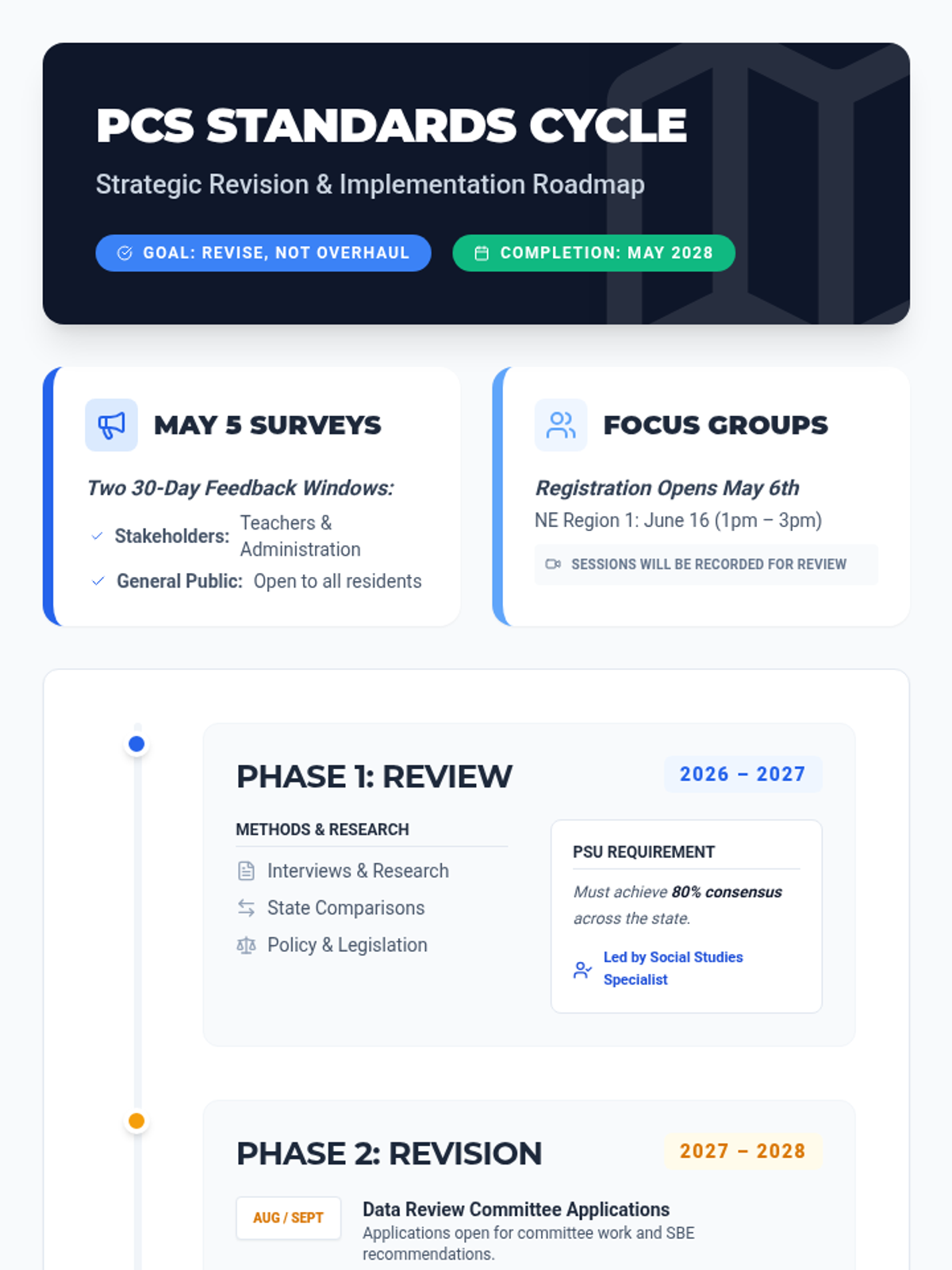
A comprehensive strategic vision plan focusing on Academic Achievement, Instructional Excellence, and School Culture to guide the district's growth and stakeholder alignment.
A bright and playful exploration of motivation theories through the lens of early childhood development. Students will analyze the 'big feelings' and 'big questions' behind behavior, using primary colors and simple scenarios to master complex psychological concepts.
An exploration of the 79 AD eruption of Mount Vesuvius and its impact on Pompeii, focusing on how archaeological evidence serves as a primary source for understanding Roman life.
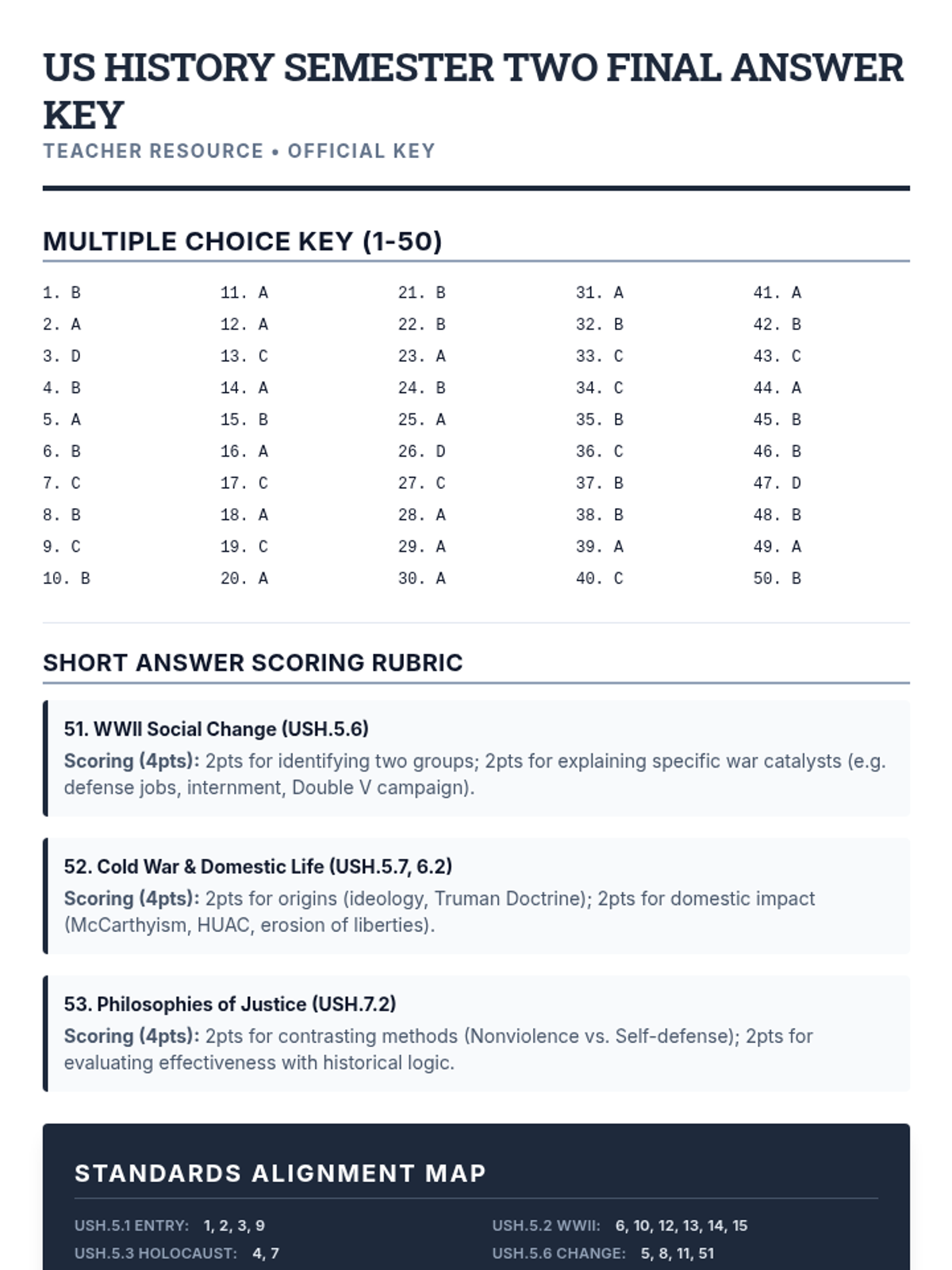
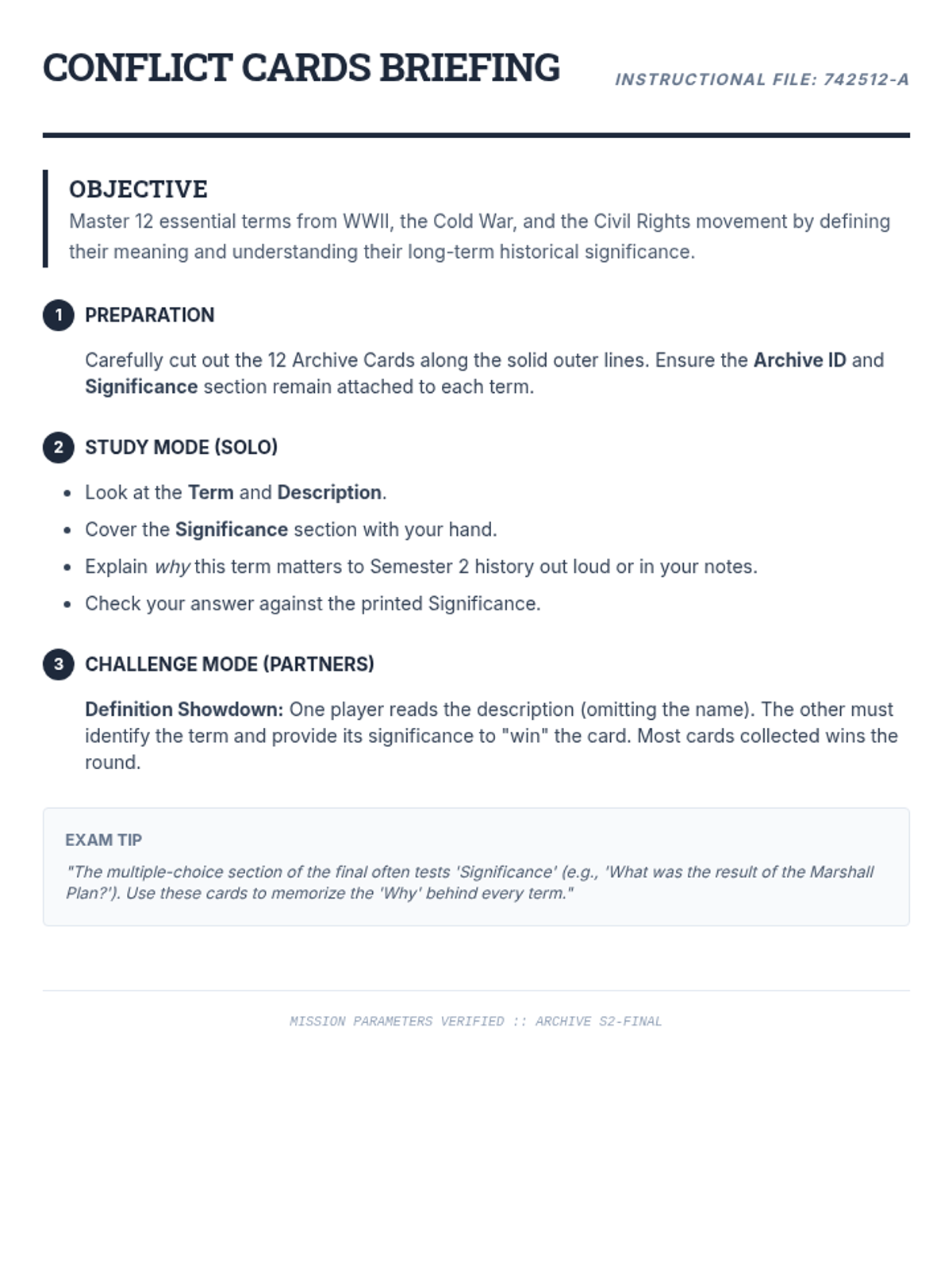
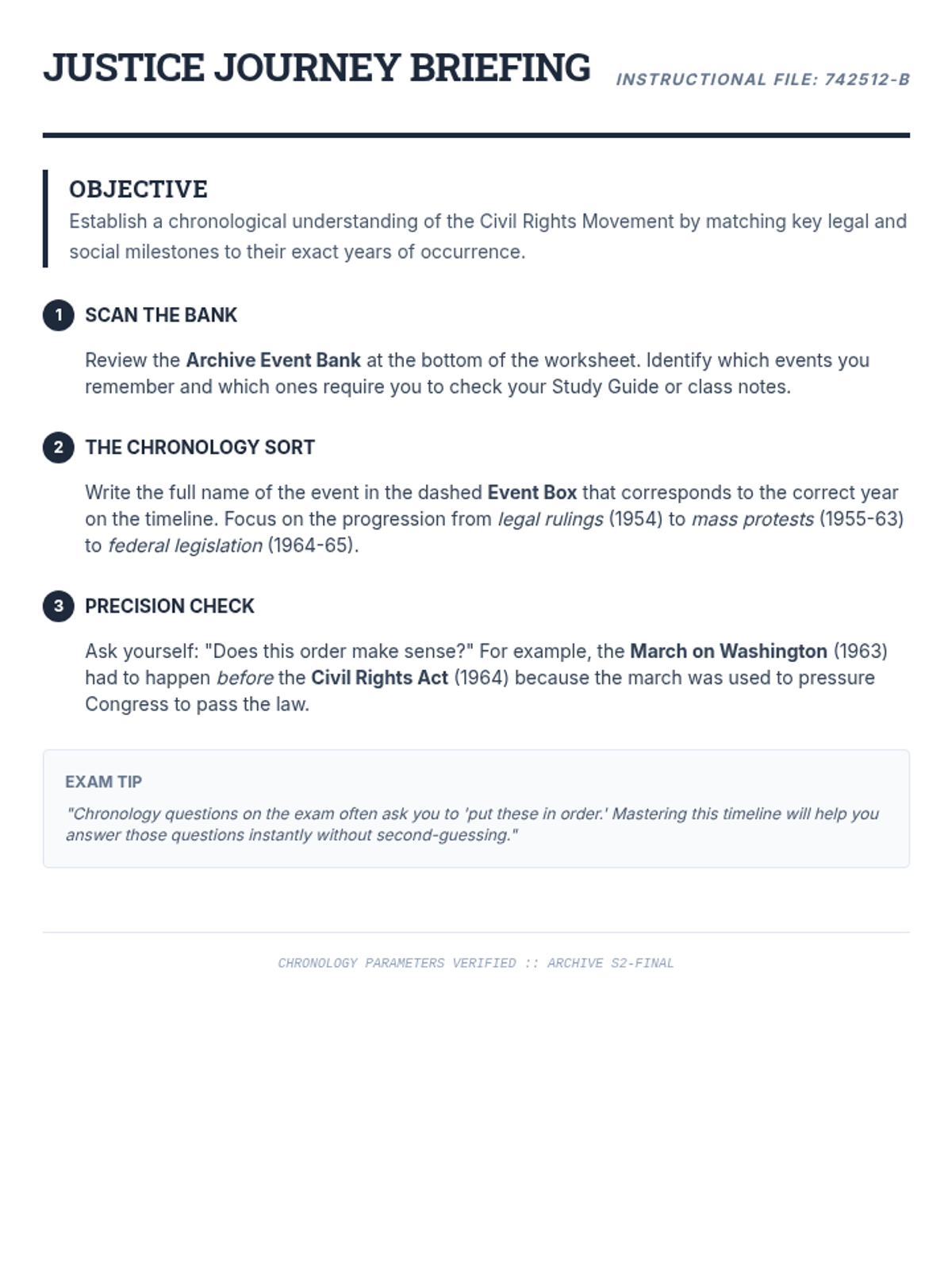
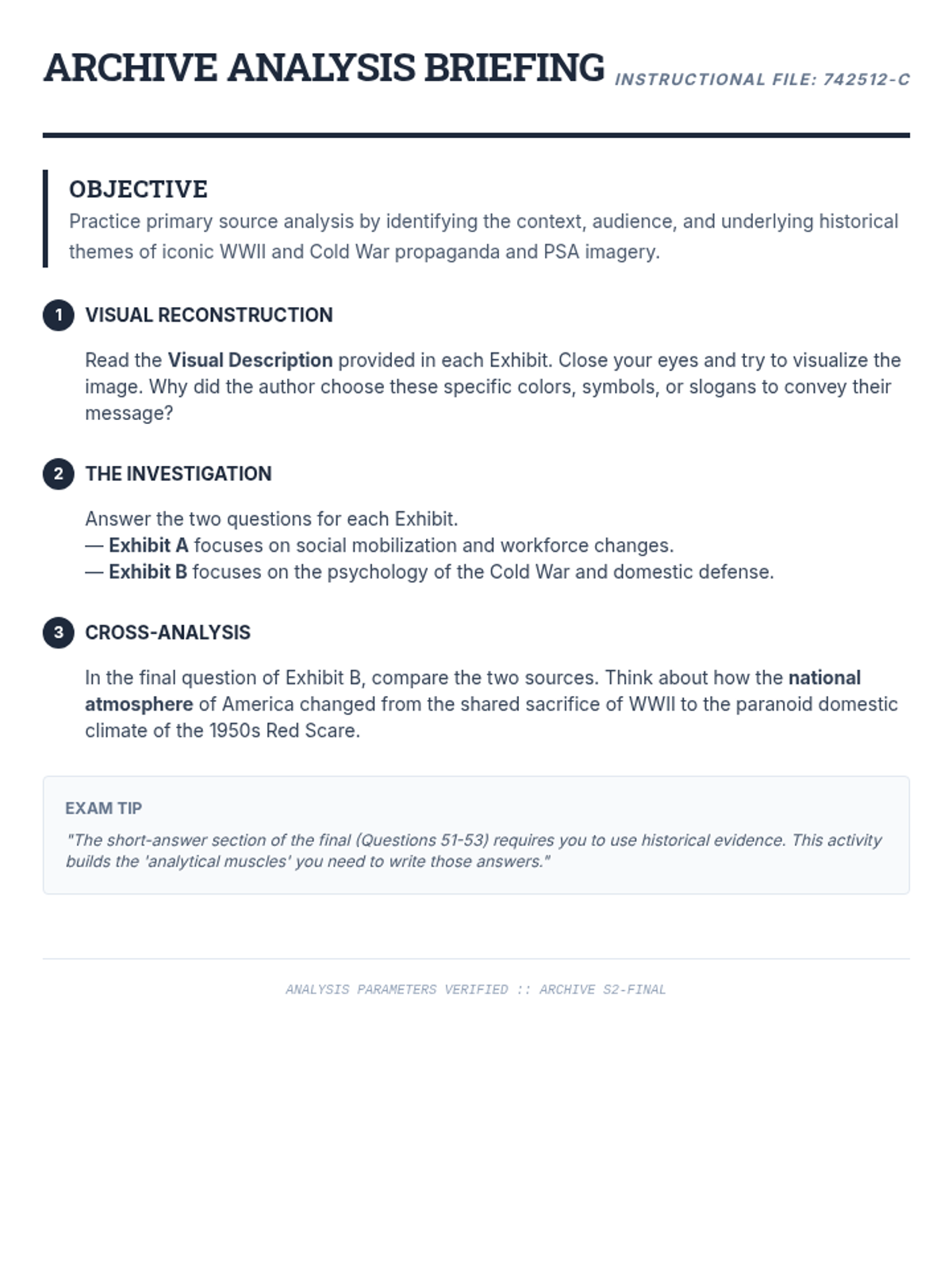
A comprehensive STAAR prep lesson focusing on Texas geography, history (Revolution and Republic), and government principles, featuring map analysis and primary source deep-dives.
An introductory lesson on Viking history, culture, and exploration designed for 3rd-grade students. This 60-minute lesson covers who the Vikings were, their longships, and their daily lives.
Day 3: Connecting personal identity to ancestry, heritage, and the land through the story of Xihuitl and the Identity Adjective Codex.
A collection of unit-wide resources including the main presentation slides, the teacher facilitation guide, and the comprehensive scope and sequence for the 5-day identity journey.
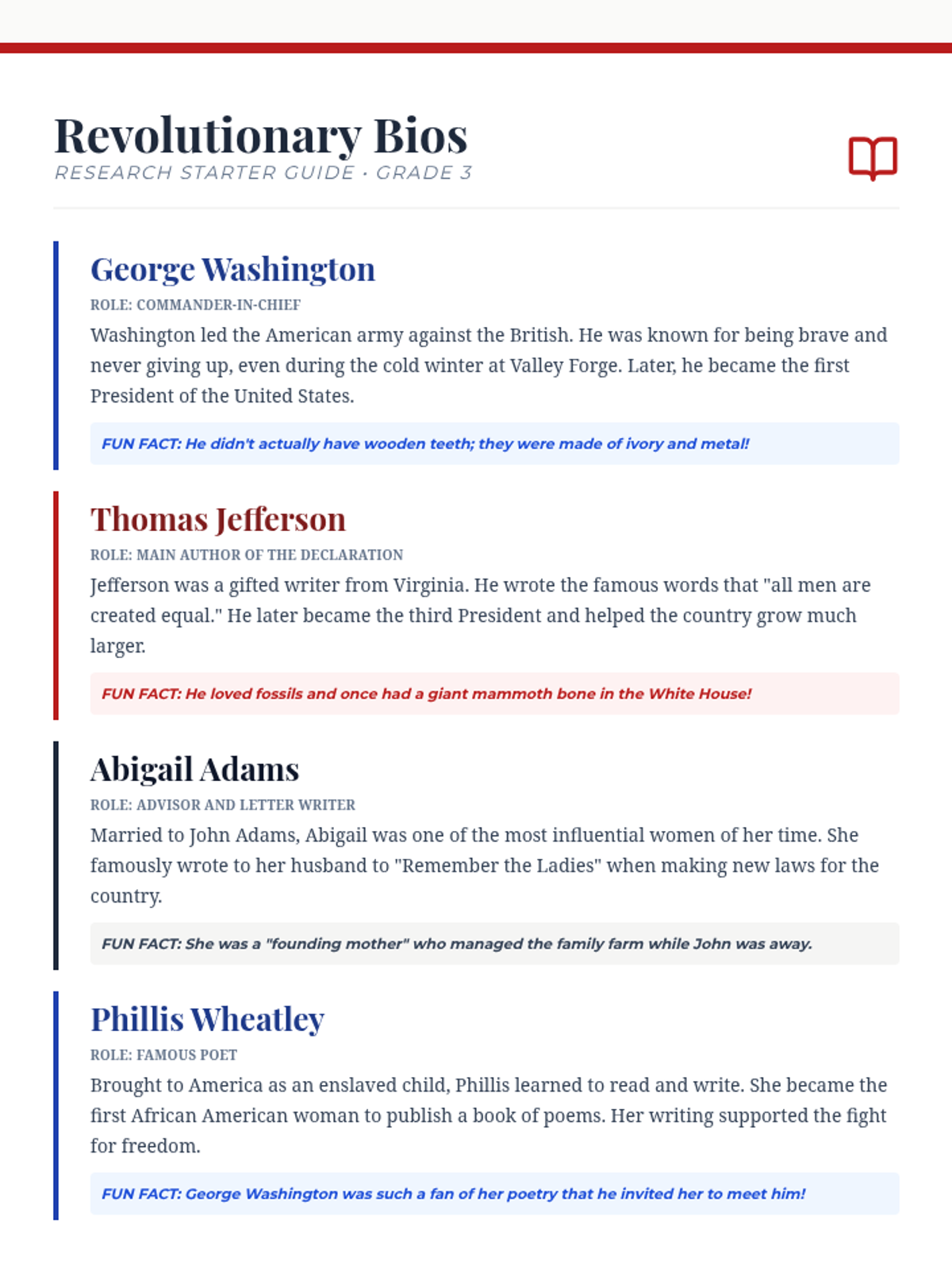
A social studies lesson for third graders exploring John Winthrop's 'City upon a Hill' sermon, focusing on the concepts of community, being a positive example, and the voyage of the Arbella.
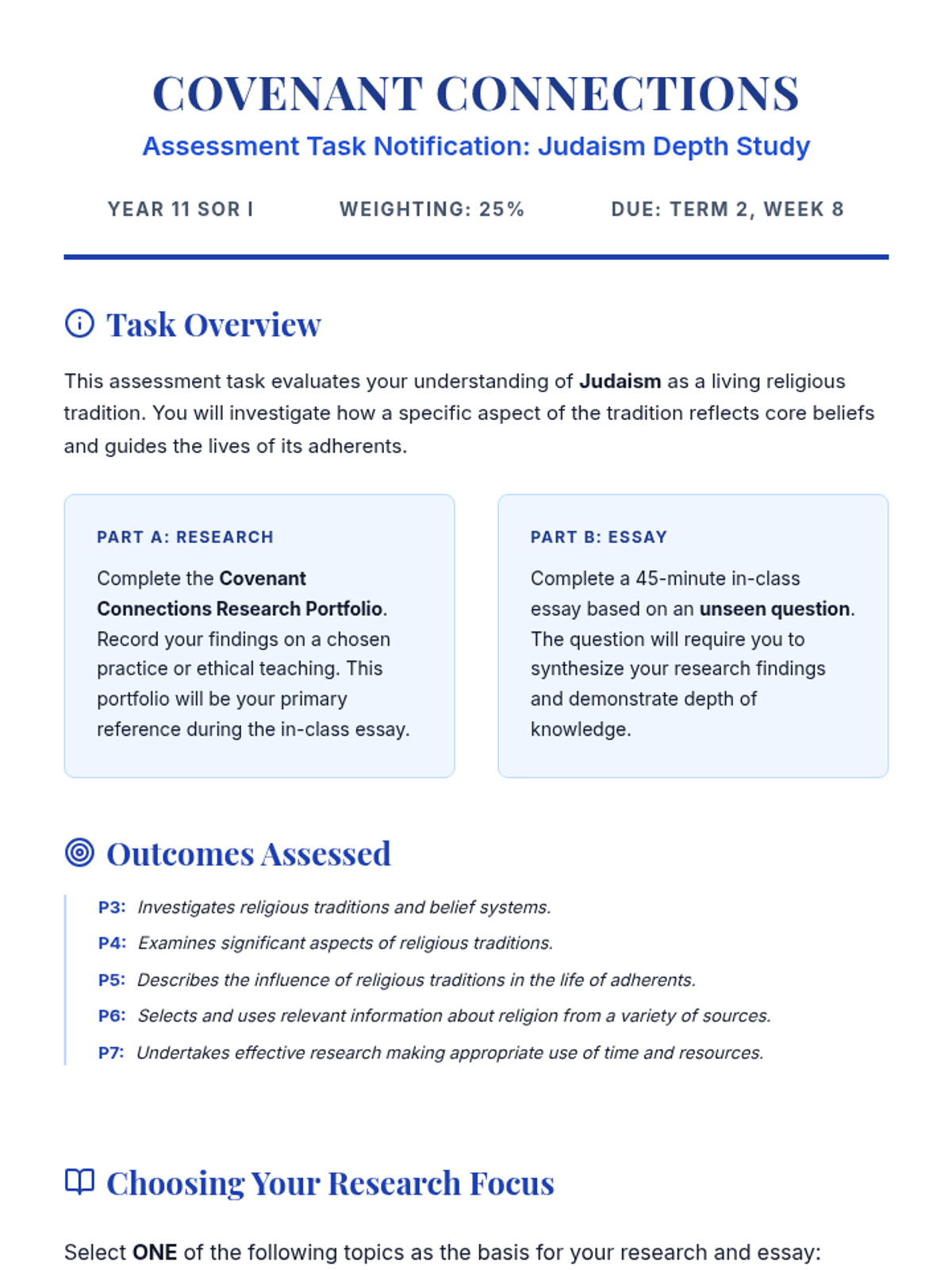
A comprehensive set of resources designed to help Year 11 Studies of Religion students structure their 'Nature of Religions' ancient religion presentation. The lesson provides a clear slide-by-slide blueprint that maps research checkpoints directly to the marking criteria, ensuring students move beyond description into sophisticated analysis.
A lesson exploring the ethical complexities of end-of-life medical decisions through real-world case studies and discussion.
An introductory lesson covering the definition, history, and the dual nature of Industrial and Organizational Psychology, specifically tailored for Indonesian undergraduate students.