Students become 'Pronoun Detectives' to identify and use the pronouns he, she, and it as replacements for nouns, featuring a detective-themed investigation and a creative 'Pronoun Pizza' extension.
A collection of short stories designed for verbal story retell, featuring story grammar elements and inferencing questions. Includes stories with kids, animals, and fantasy creatures at two different complexity levels.
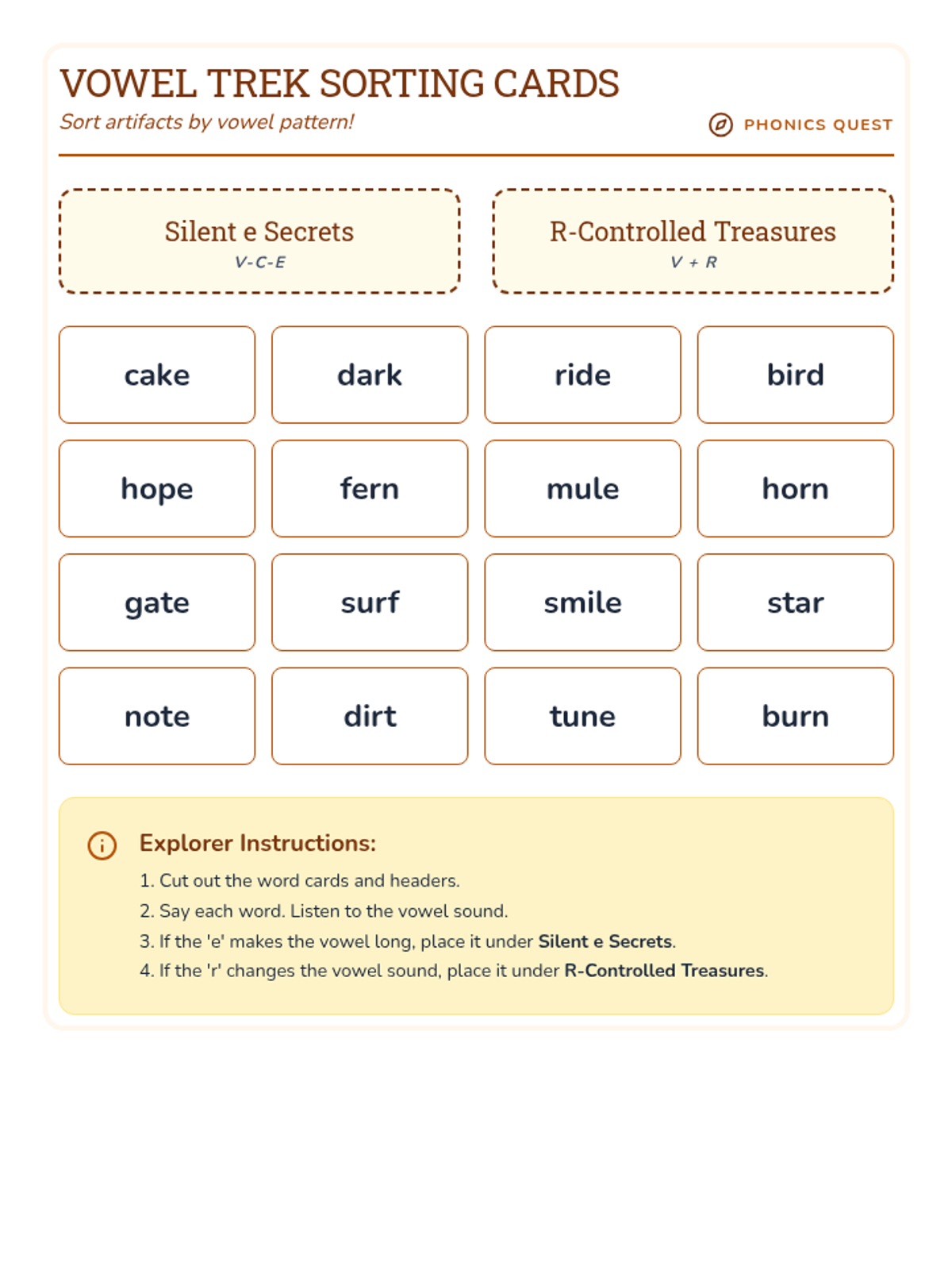
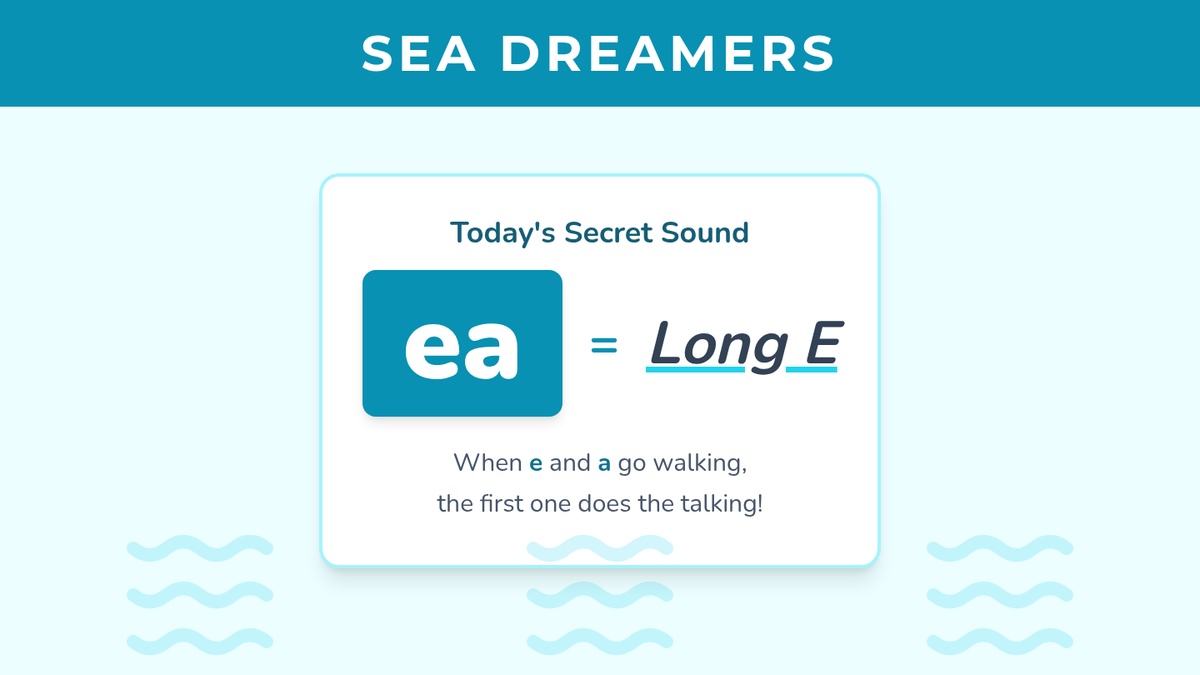
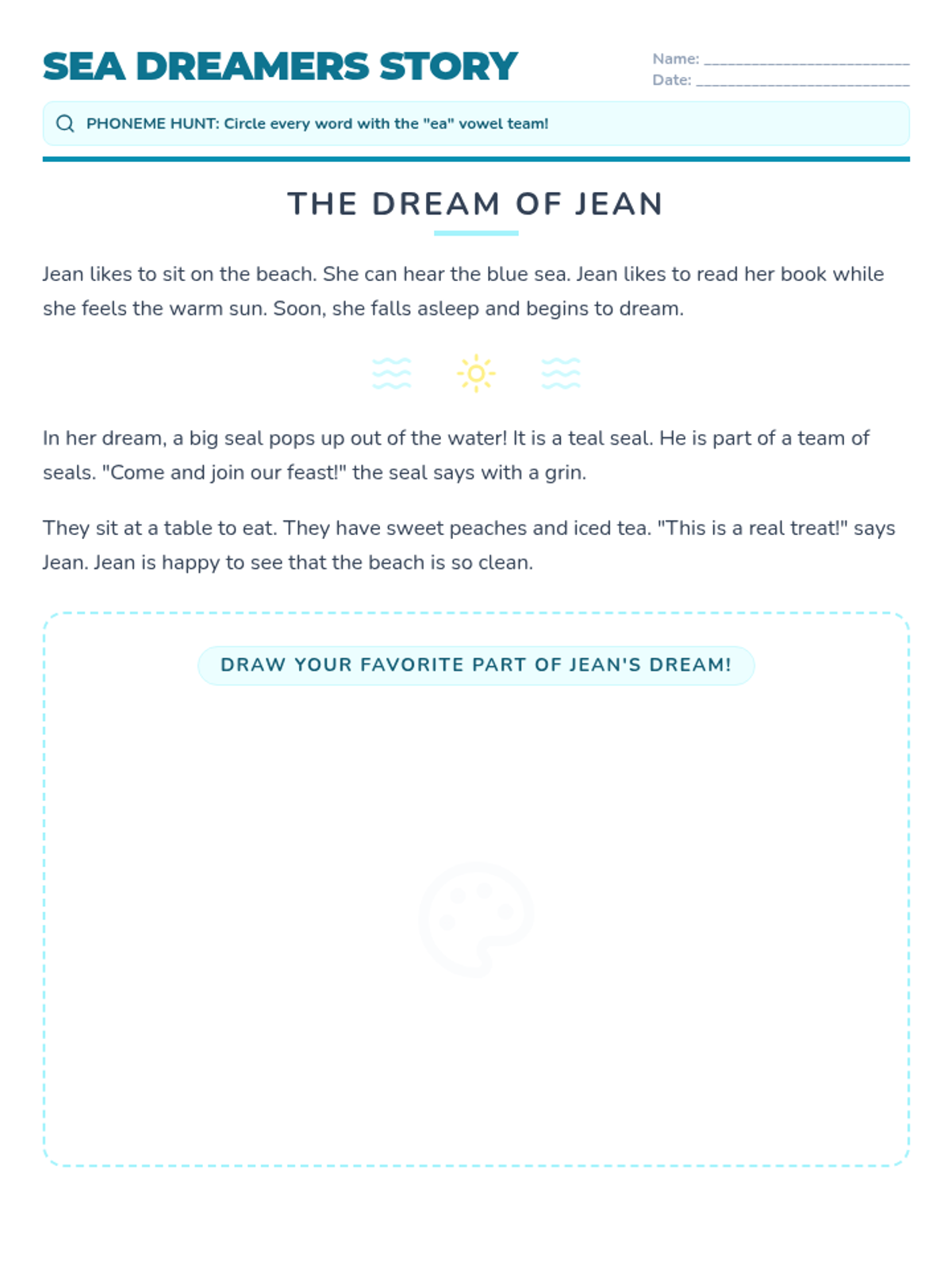
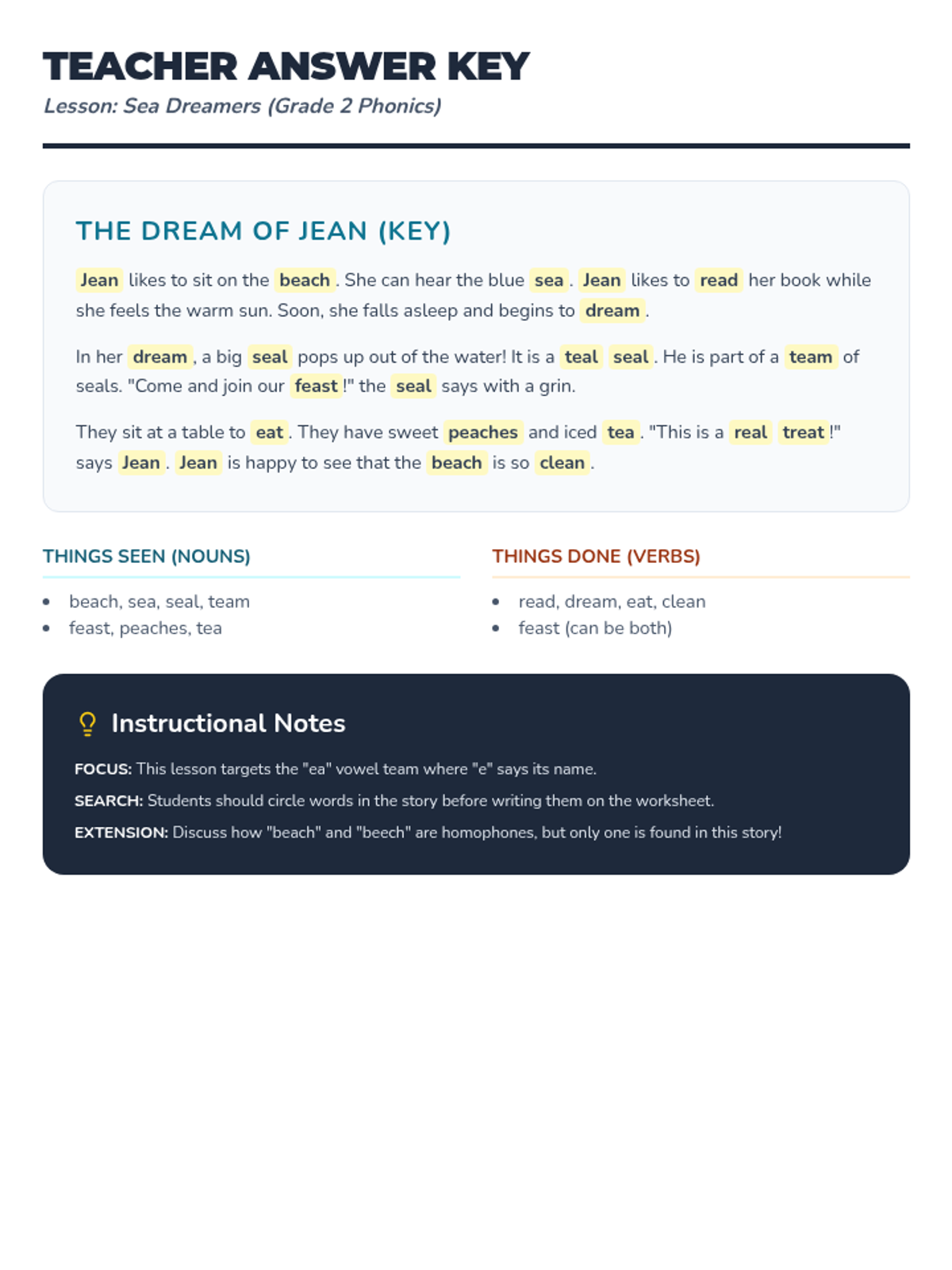
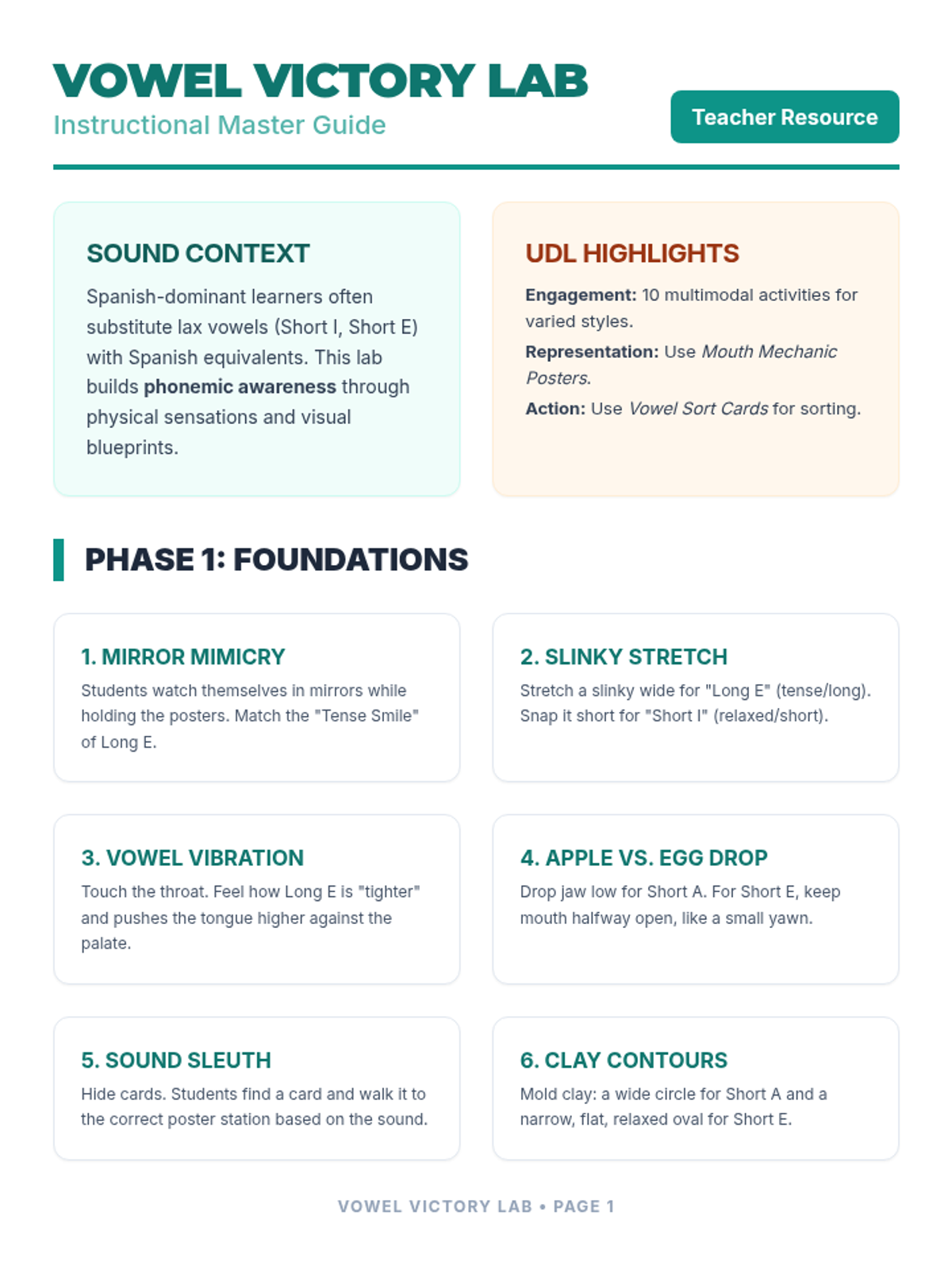
A comprehensive lesson focused on teaching the silent e (VCE) rule through the 'Magic E Academy' theme, including visual instruction and hands-on practice.
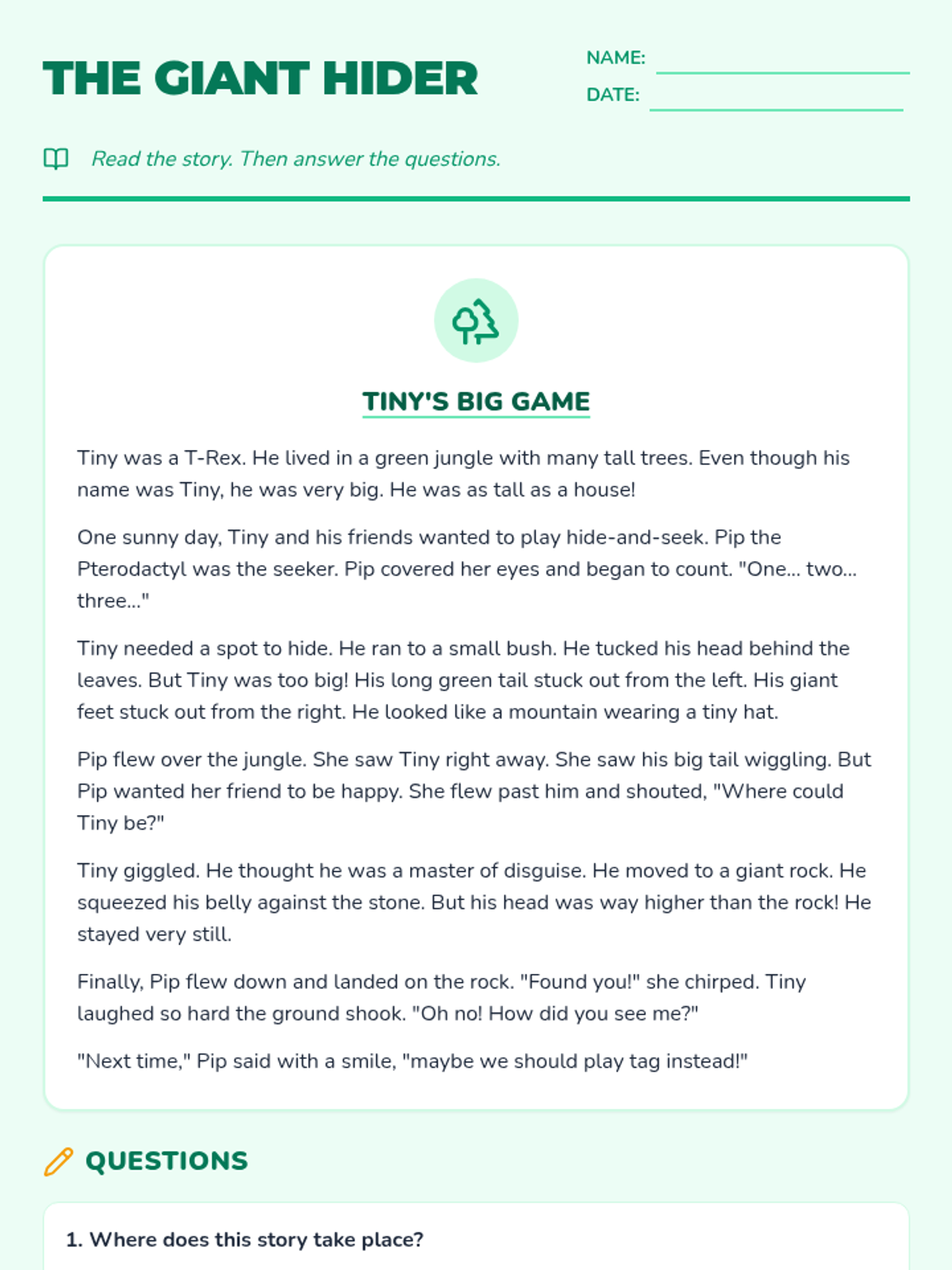
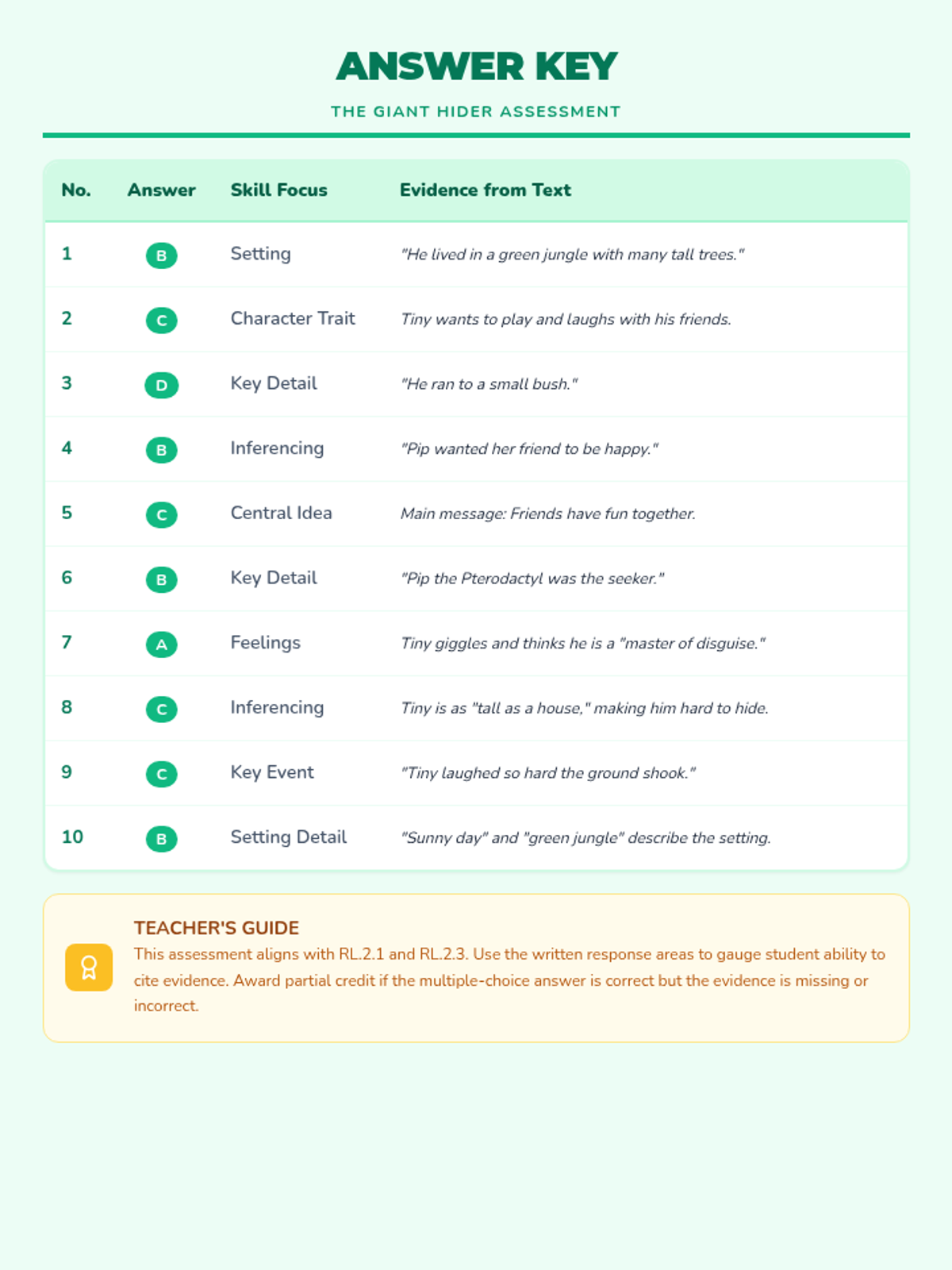
A series of three ELA homework assignments based on the story 'Oakley’s Azure Acorn,' focusing on phonics, vocabulary, comprehension, and grammar.
A 20-minute mini-lesson introducing students to the basic structure of a simple sentence, focusing on identifying the subject (who or what) and the predicate (what is happening).
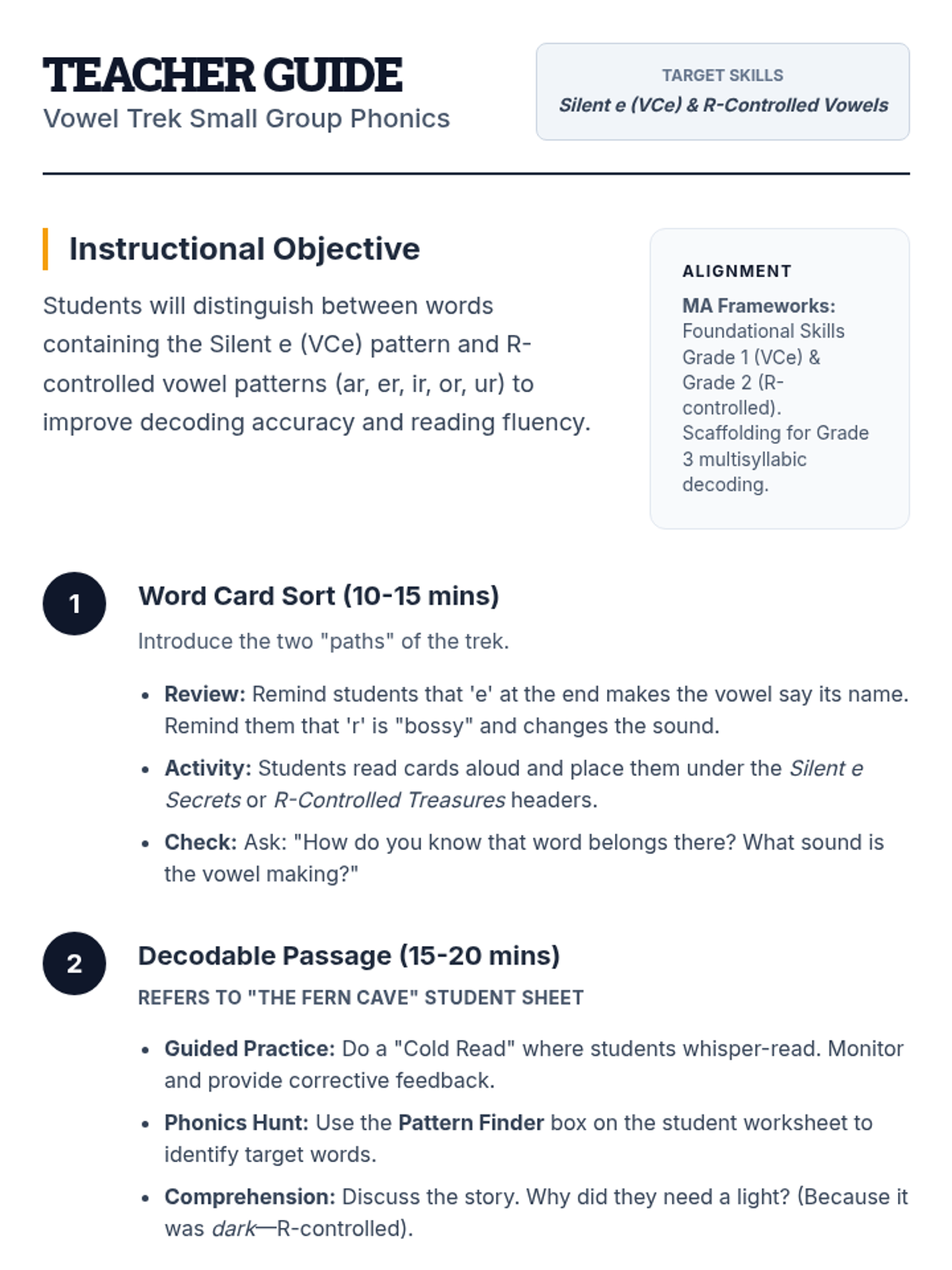
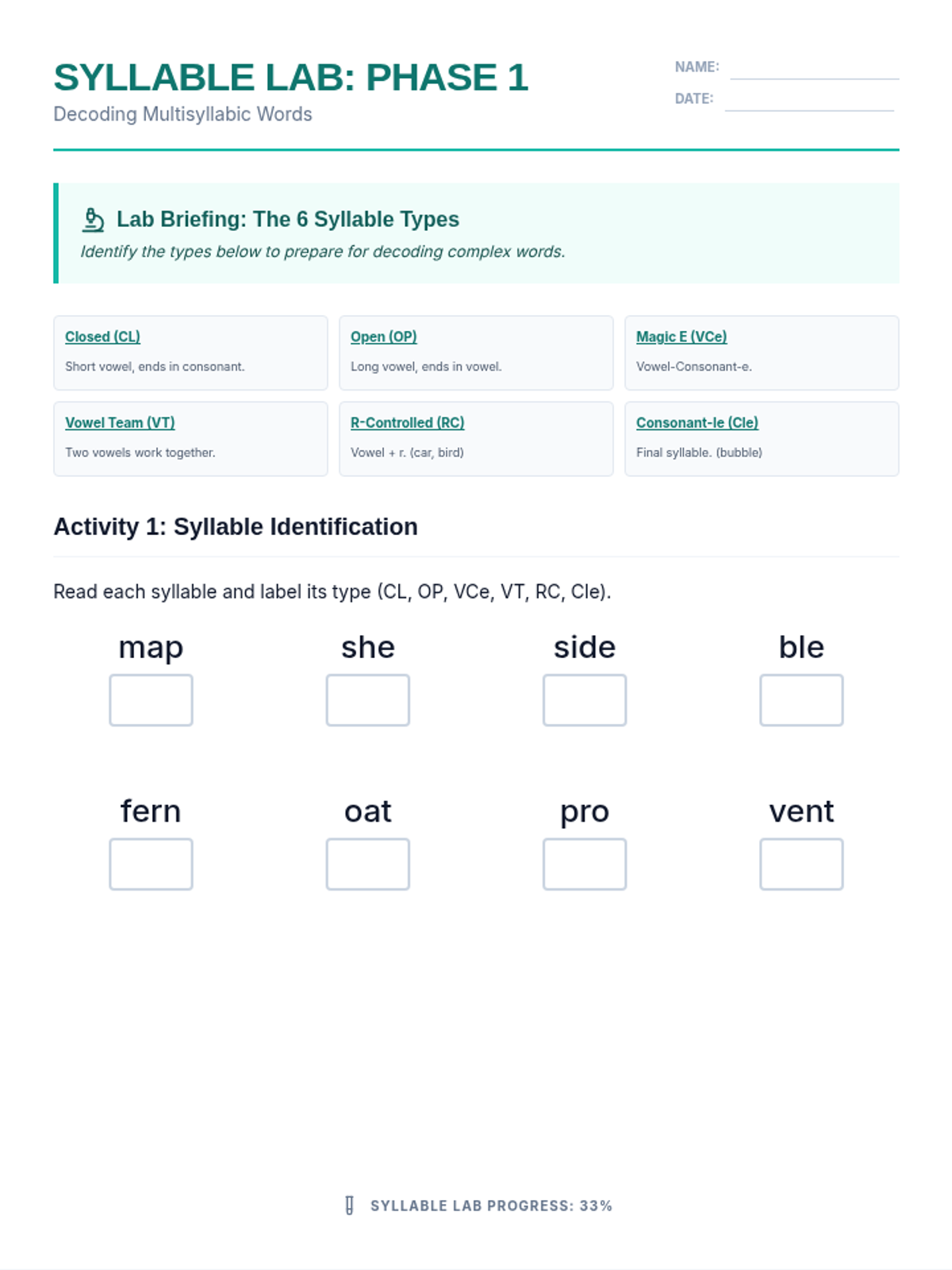
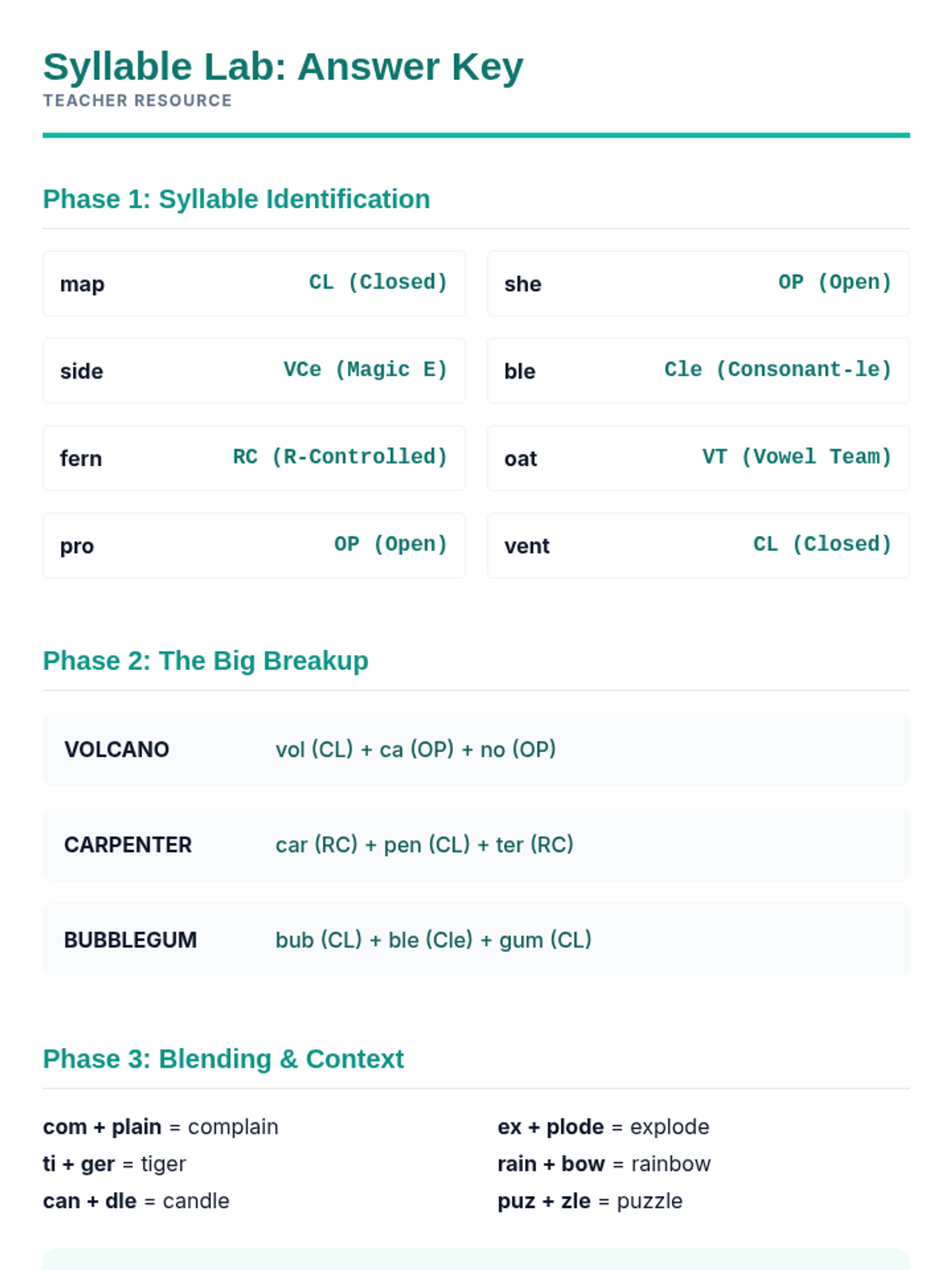
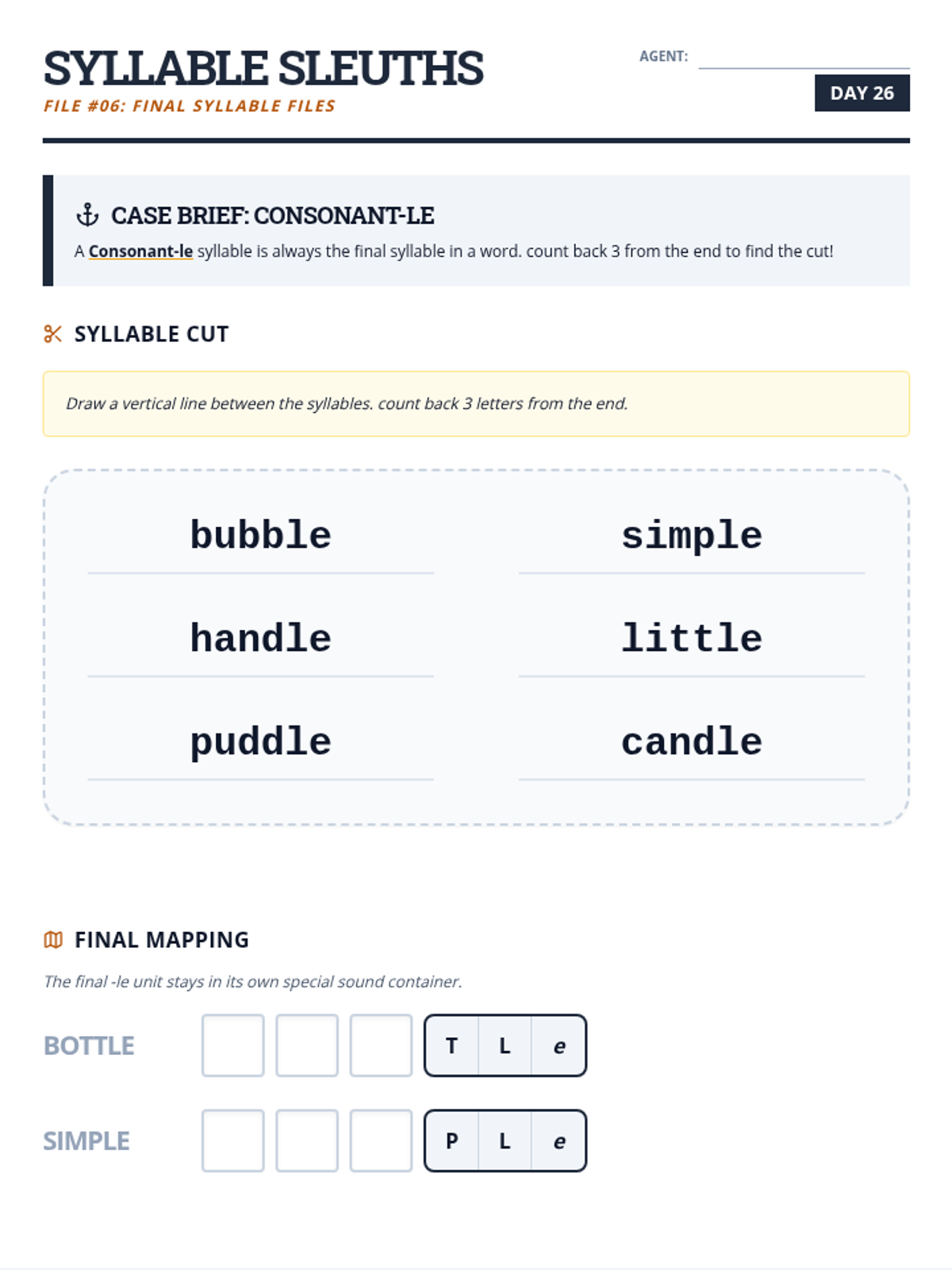
A lesson focused on decoding and dividing multisyllabic words with closed syllables through a hands-on cut-and-paste activity.
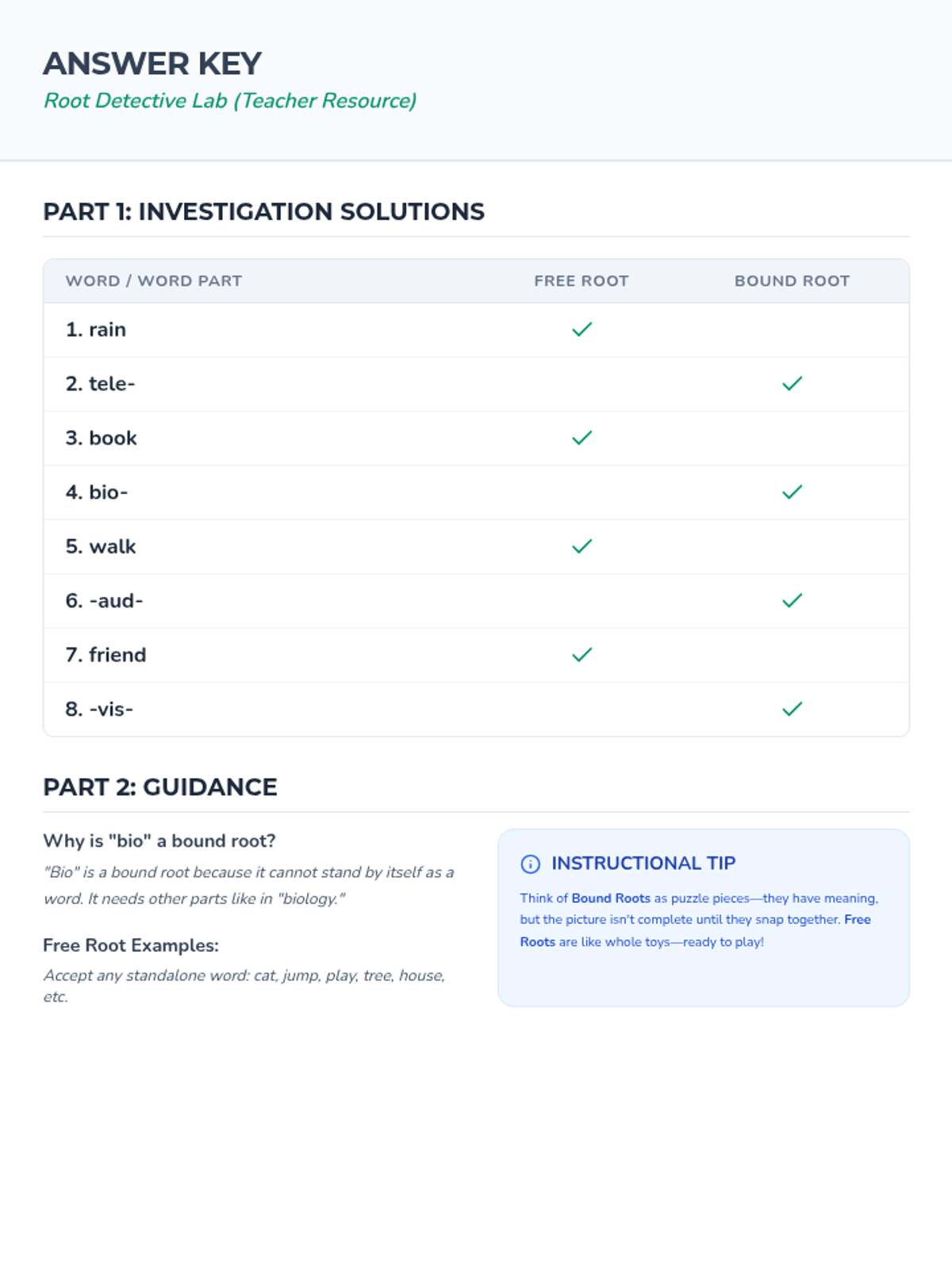
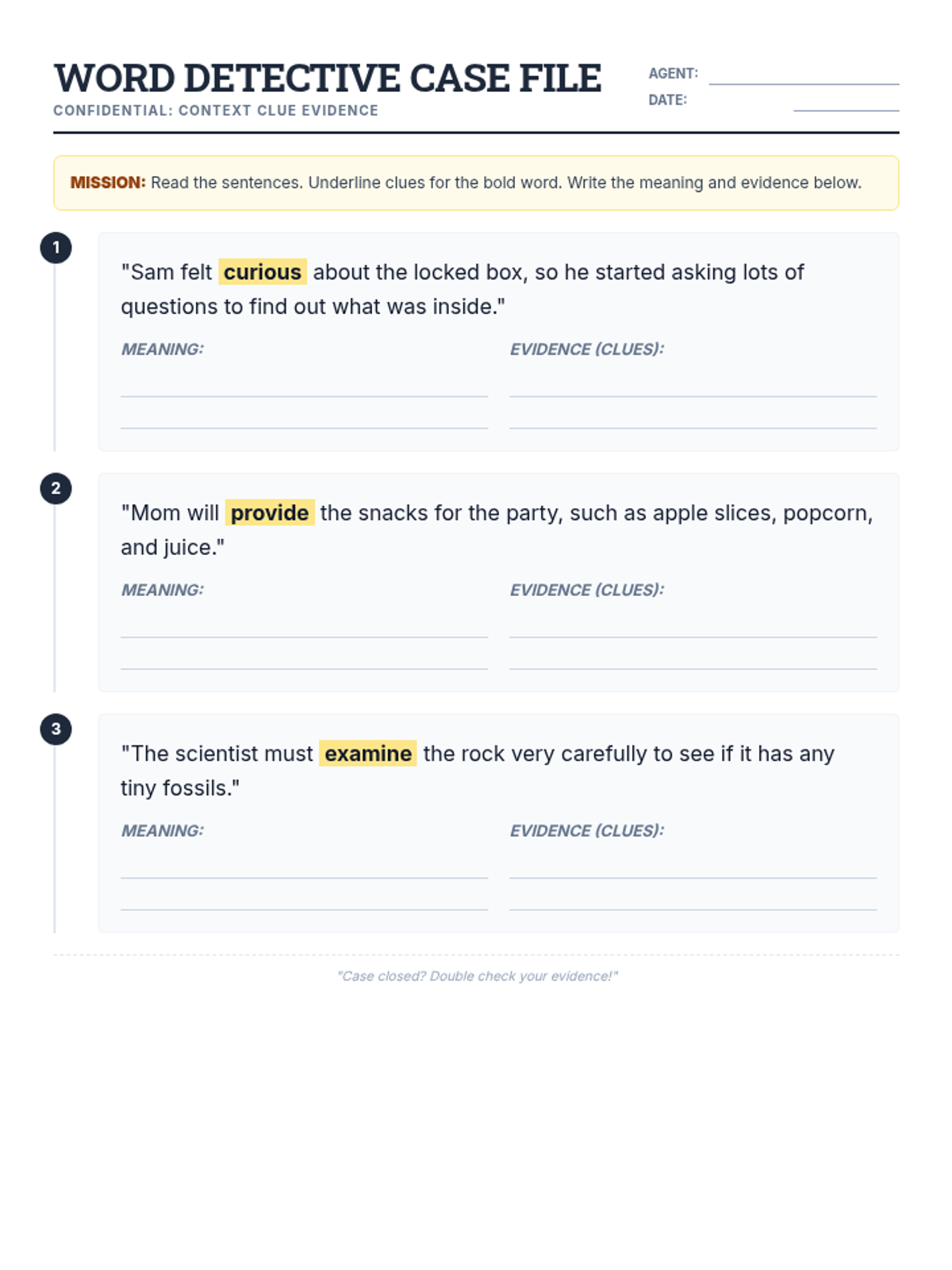
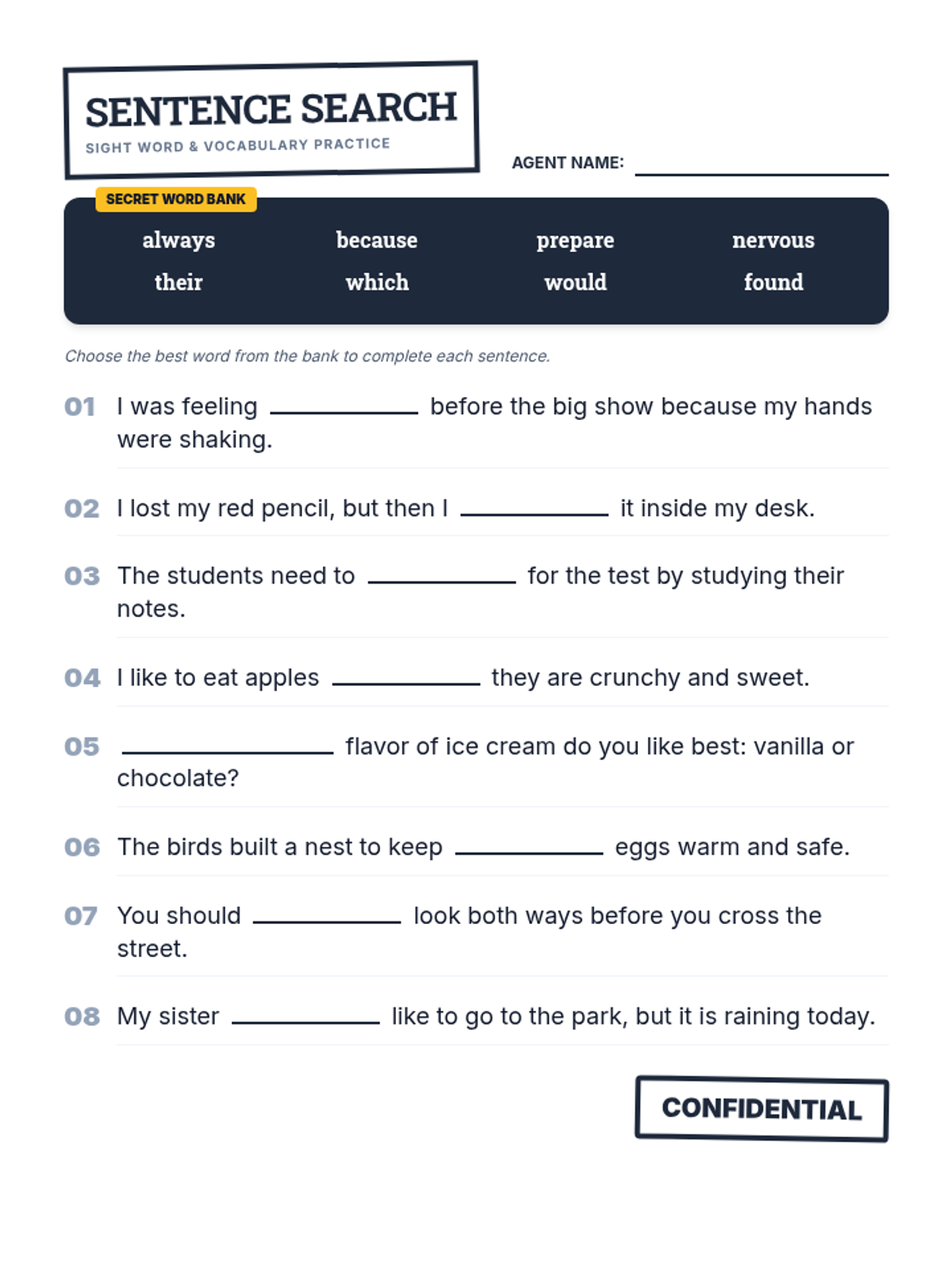
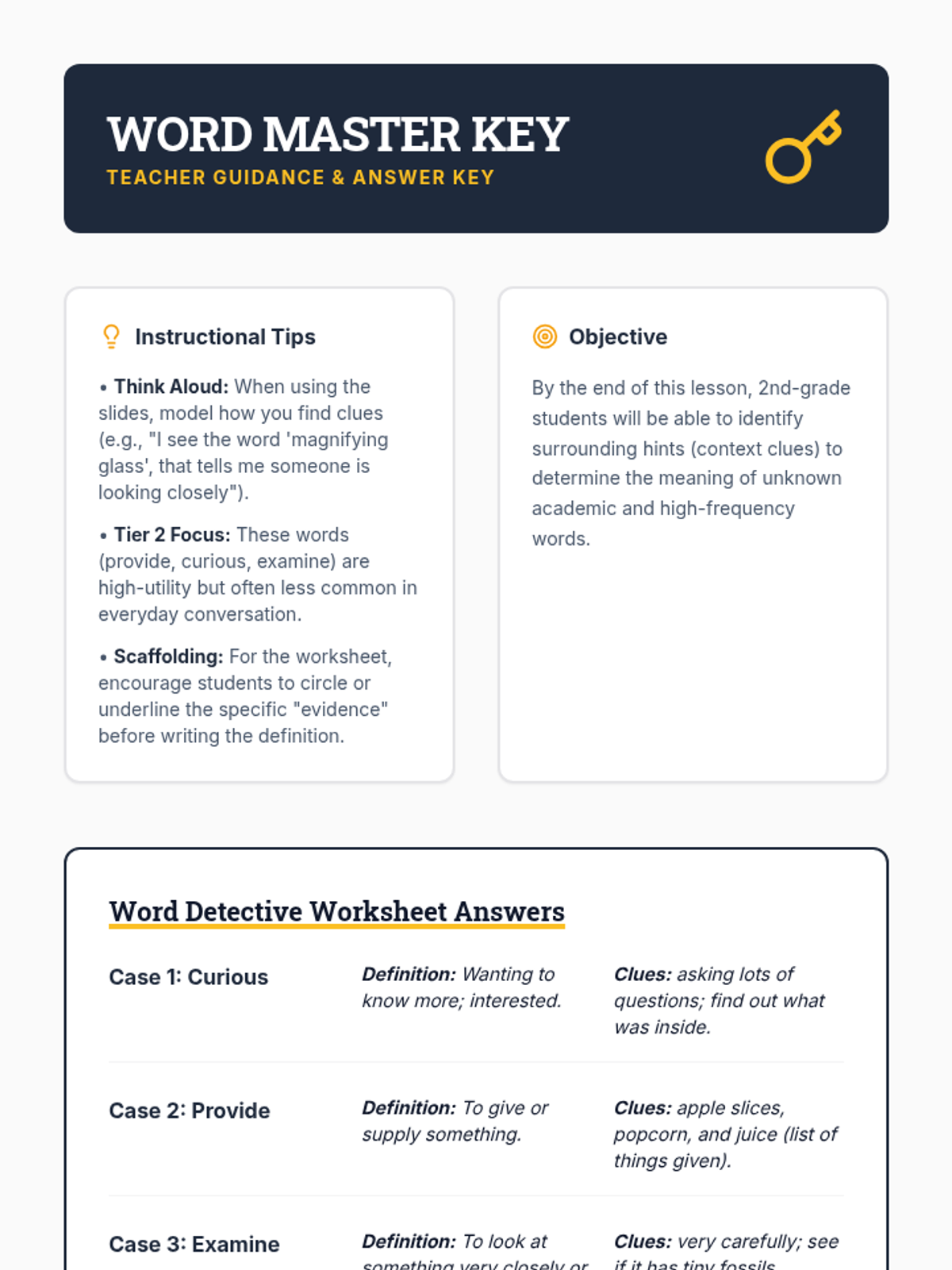
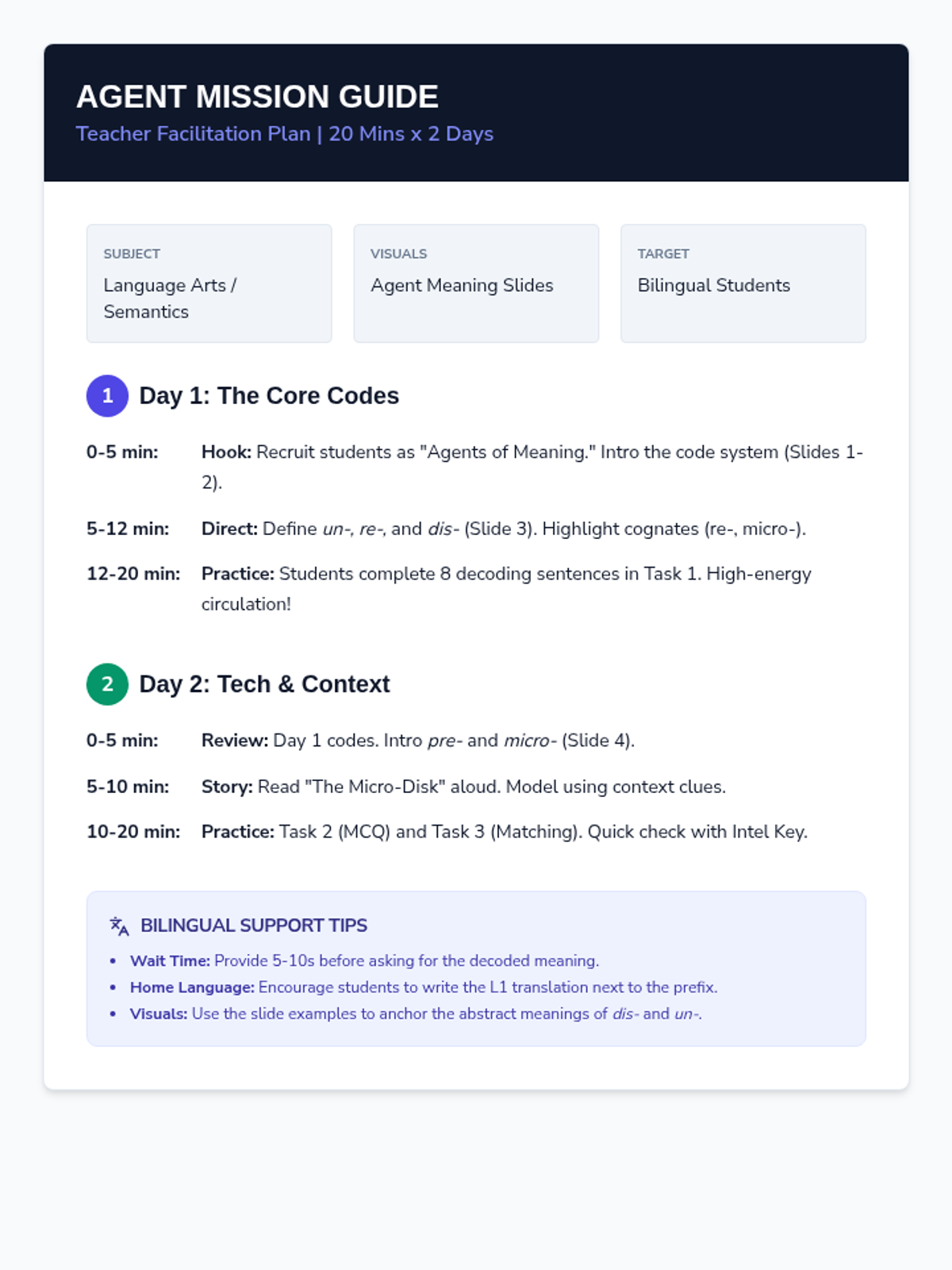
A comprehensive lesson for 2nd-3rd graders on decoding unfamiliar words using context clues, prefixes, suffixes, and root words, all framed within an engaging detective theme.
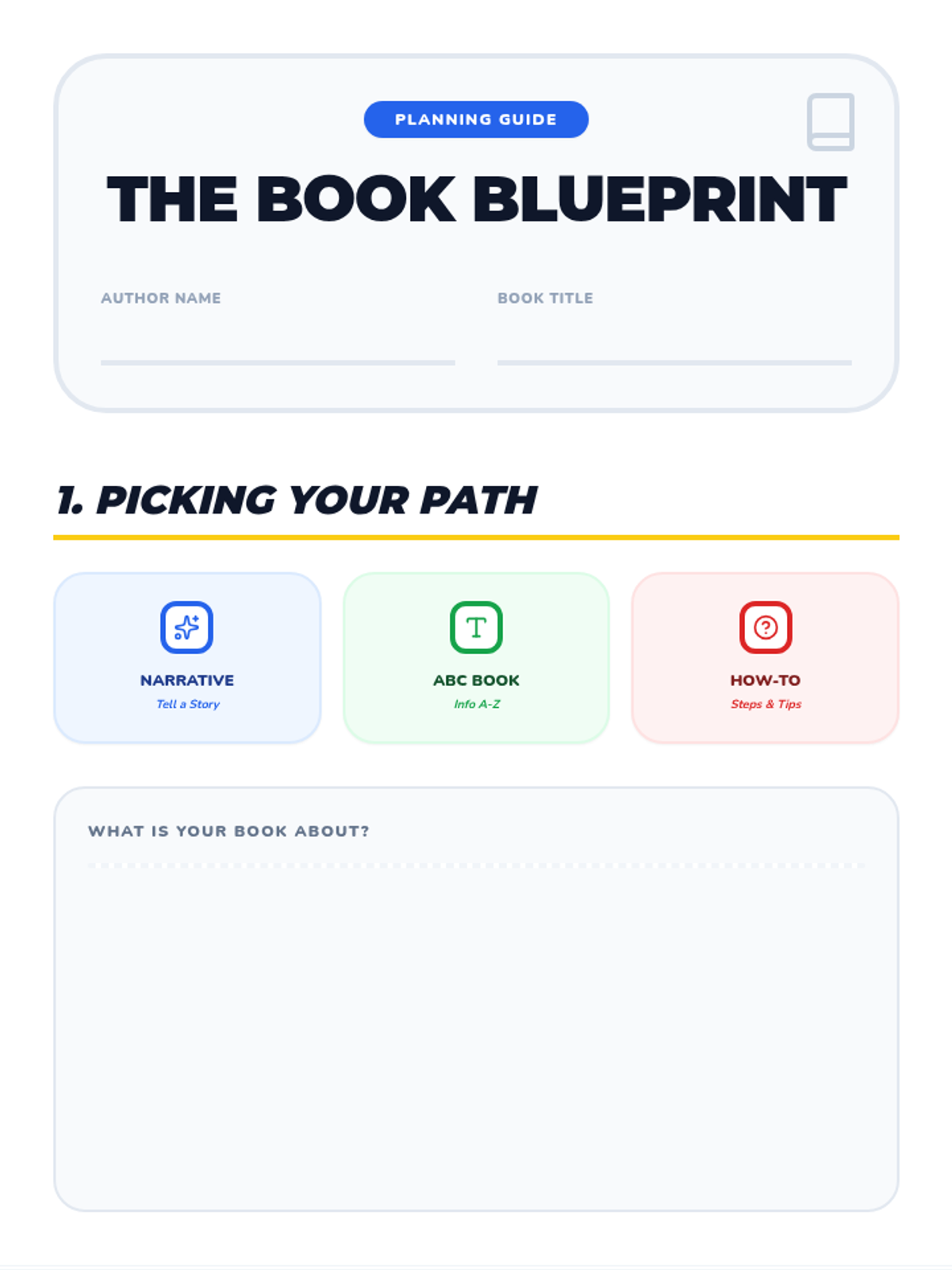
A final project where students choose their own topic to write a complete 'Maker Manual'.
Students learn to add 'Pro Tips' and warnings to make their instructions more helpful for the reader.
Focuses on the importance of listing all necessary materials and tools before starting a procedure.
Students practice breaking down familiar tasks into clear steps with matching illustrations.
Students learn to identify procedural writing and use transition words (first, next, then, finally) to order steps.
A comprehensive lesson for second graders to identify the main idea and key details in texts about pollinators. Students will explore how bees, butterflies, and other creatures help plants grow.
A quiz assessing phonogram patterns (oke/ake), double consonant endings, and simple/compound sentence construction for a diverse range of primary reading levels.
A lesson focused on identifying the 'gist' of short informational texts using a detective-themed approach to help students synthesize key information into a single sentence.
A lesson focused on identifying and reading open syllables in 2nd grade, featuring a robot-themed reading passage and comprehension activities.
This lesson teaches students how to craft a strong paragraph by combining a clear focus statement with specific supporting details, using the fascinating world of frogs as a model.
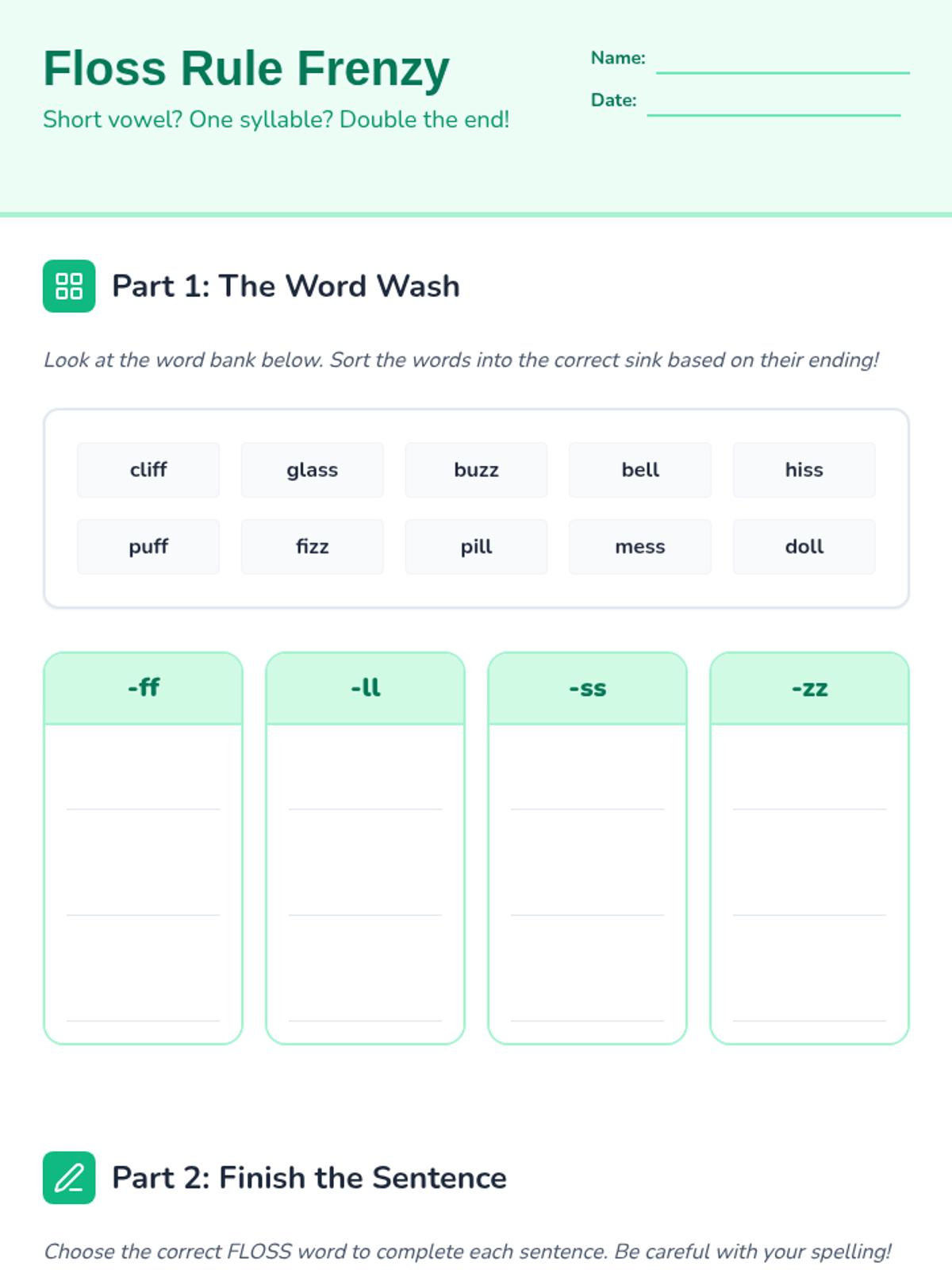
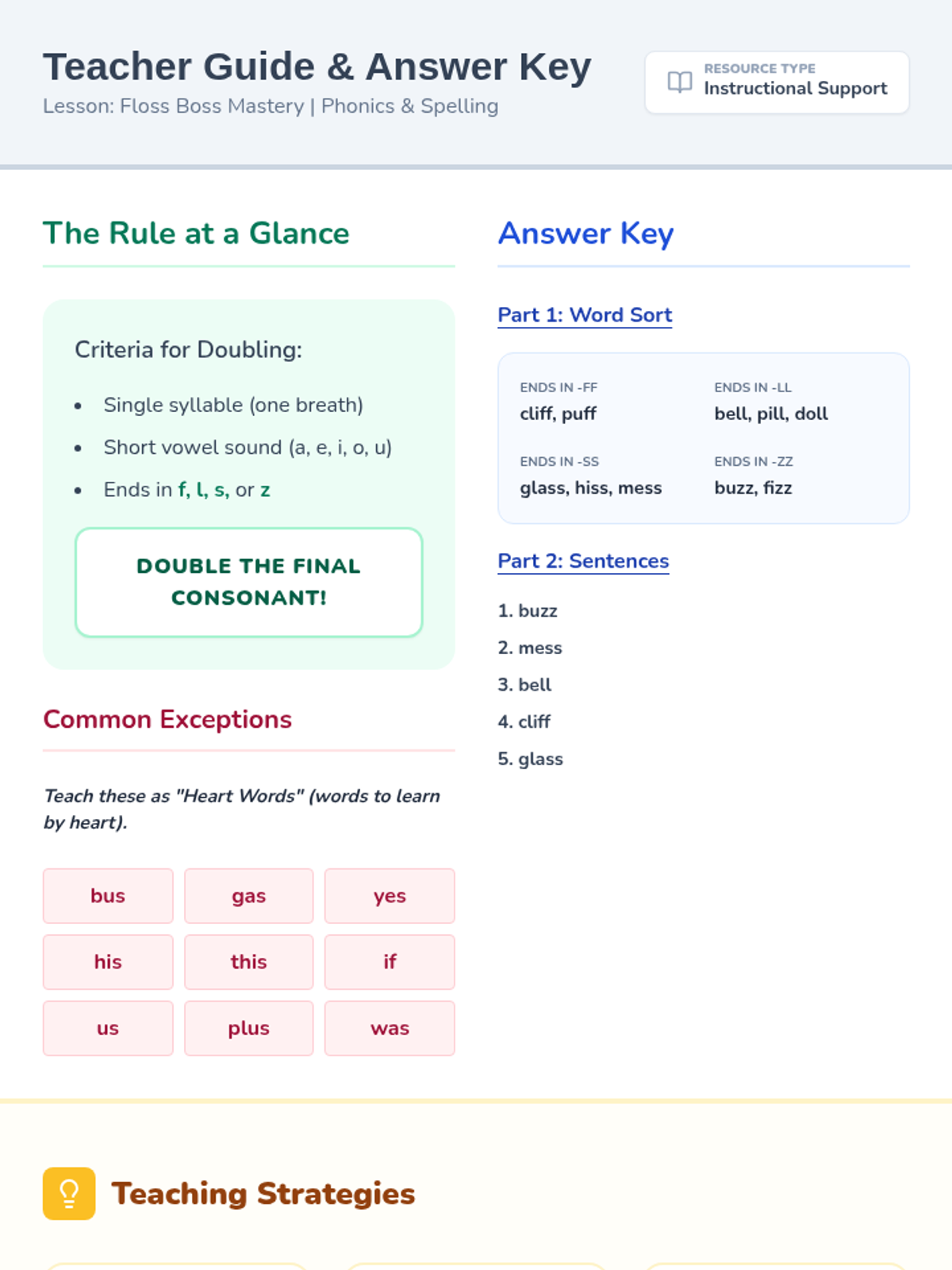
A comprehensive guide to the 1-1-1 doubling rule, helping students identify when to double the final consonant before adding -ing. Includes instructional slides, a practice worksheet, an exit ticket, and an answer key.
A comic-themed lesson teaching students how to identify and construct the beginning, middle, and end of a story using the visual and narrative structure of comic strips.
The initial diagnostic session where the tutor assesses the student's phonics knowledge, oral reading fluency, and reading comprehension.
A 2nd-grade grammar lesson focused on identifying past-tense verbs (-ed) and possessive nouns ('s) using a winter-themed narrative passage. Students practice grammar skills through a story-based worksheet and visual presentation.
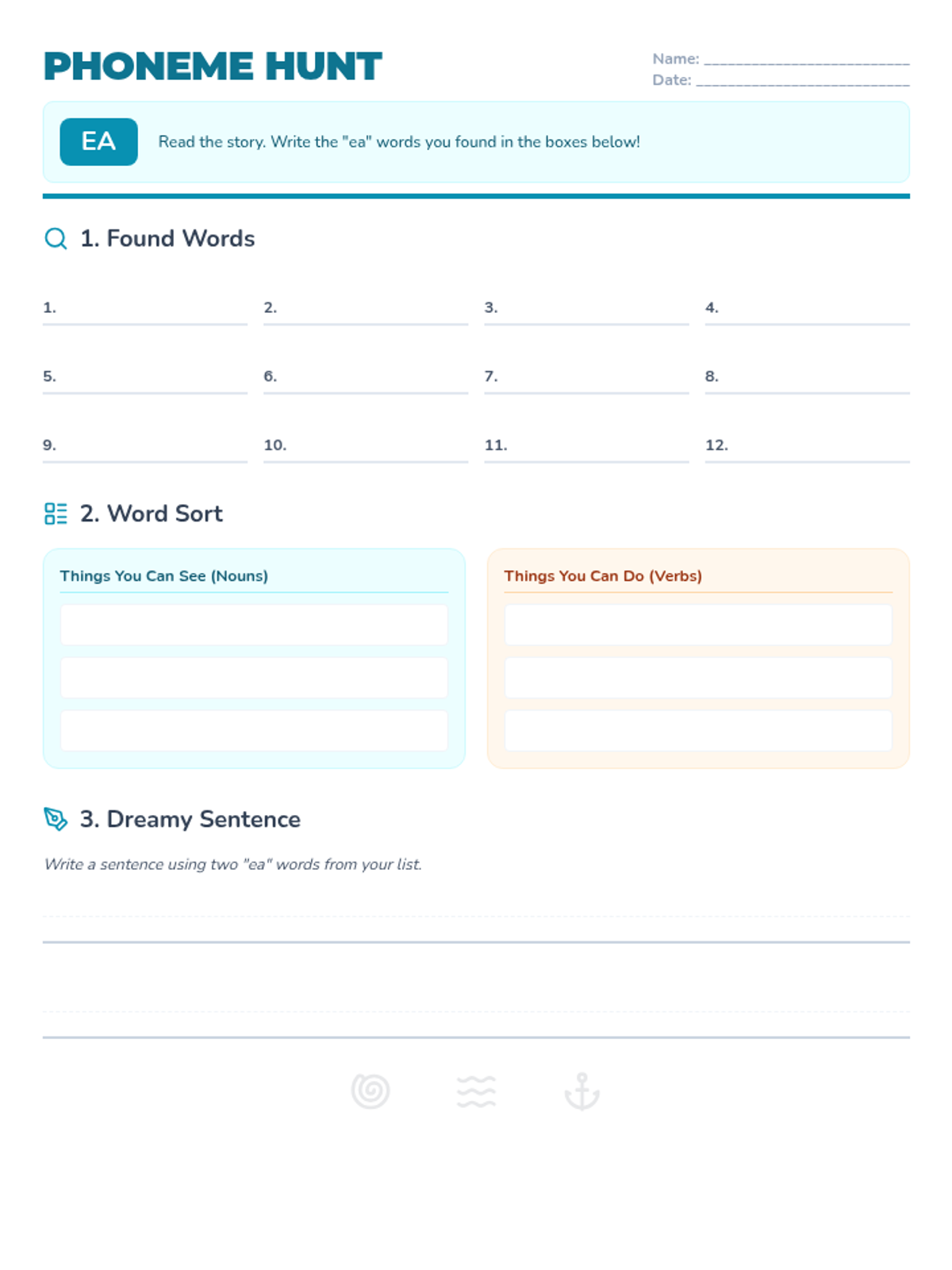
A word study lesson focused on the vowel patterns 'ue', 'ew', and 'tu' representing /u/ and /ju/ sounds, including syllable division and definitions.
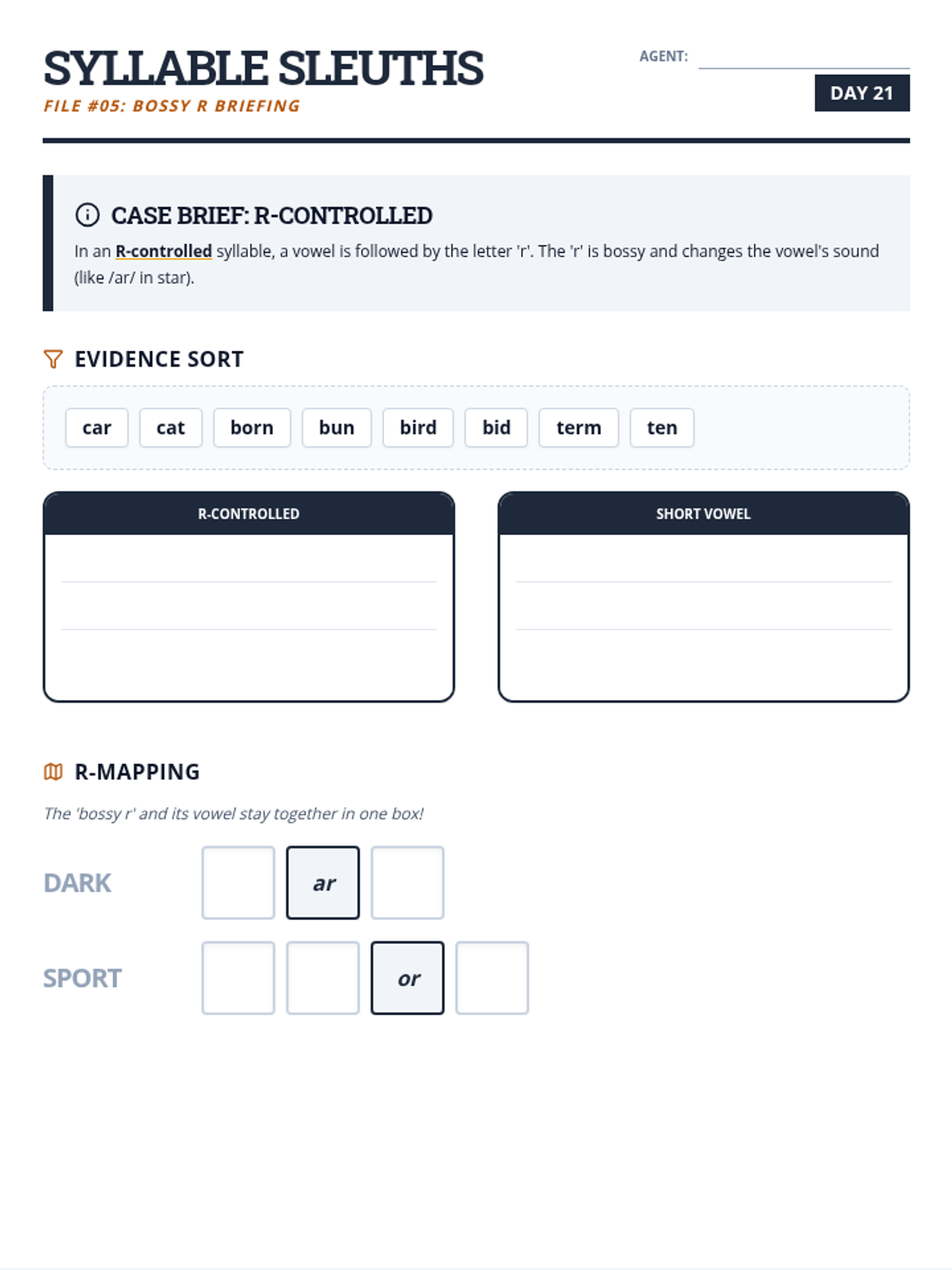
A comprehensive assessment focused on second-grade phonics standards, including long/short vowels, closed syllables, sight words 'car', 'carry', and 'every', and sentence structure.
Focuses on the first book in the Roscoe Riley Rules series, covering reading comprehension, vocabulary, and creative response activities.
A structured reflection framework for second-grade students to respond to their free reading choices, offering multiple pathways for critical thinking and creative expression.
A 15-minute high-energy mini-lesson designed to build writing stamina using the Gradual Release of Responsibility framework, featuring penguin-themed motivation.
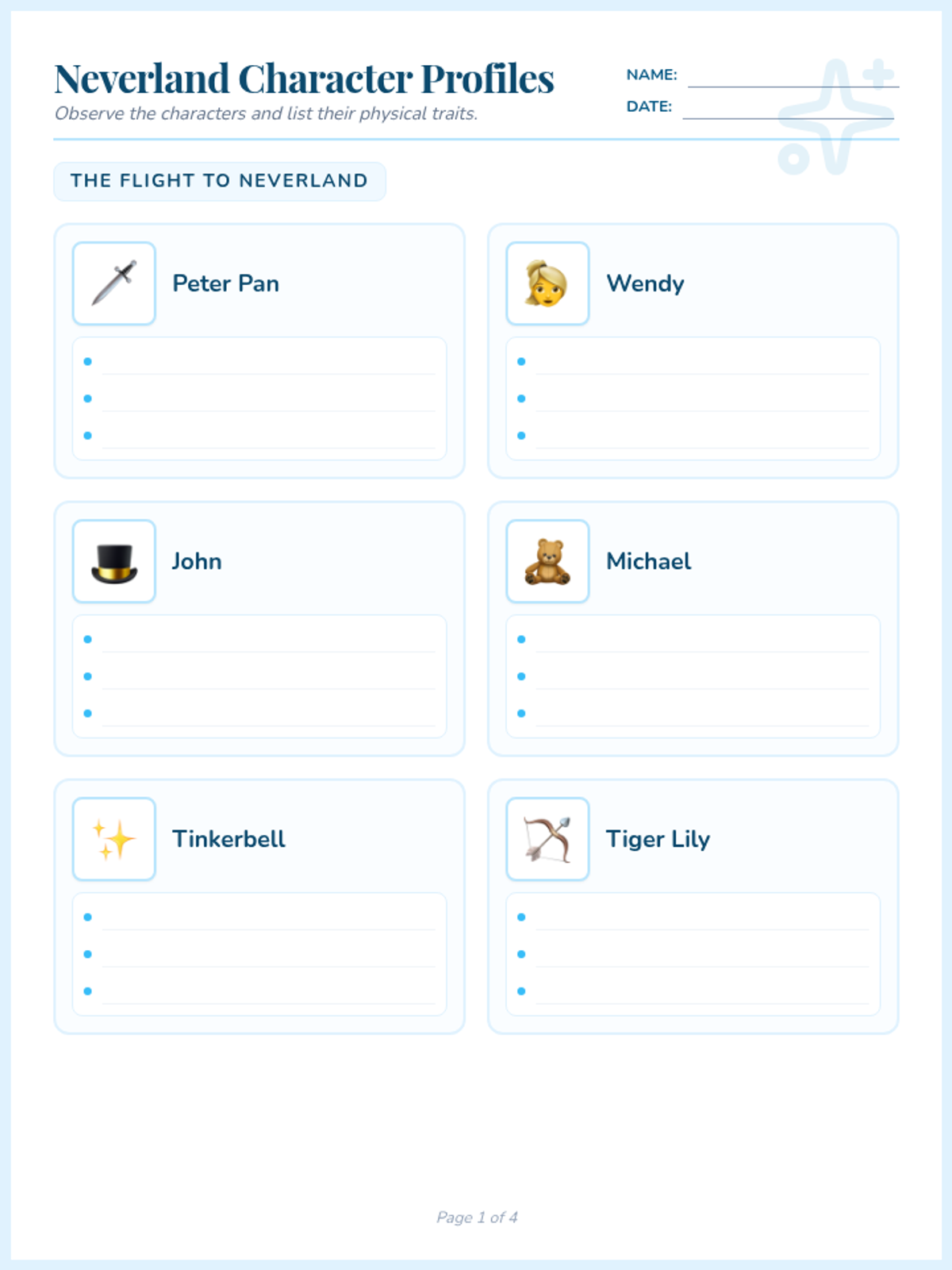
A lesson focused on descriptive language and sensory observations of the jungle, guiding students through a brainstorming process for creative writing or science observation.
A literacy and language lesson based on 'Olympig!' by Victoria Jamieson, focusing on sequencing with transition words and writing about personal resilience with TELPAS scaffolds.
A comprehensive independent book study for 'Roscoe Riley Rules: Never Glue Your Friends to Chairs', focusing on reading comprehension, vocabulary, and character analysis.
Resources for the complete novel study of Keena Ford and the Field Trip Mix-Up, including a student response journal and a sequencing activity.
A collection of 3-part story sequencing sets covering fairy tales, daily routines, and seasonal activities to help students master chronological order and narrative structure.
A lesson for 4th-grade students focused on analyzing complex plot structures, identifying chronological order in multi-event narratives, and understanding cause-effect sequencing.
A lesson focused on helping Kindergarten students identify the beginning, middle, and end of a story using simple transition words and visuals.
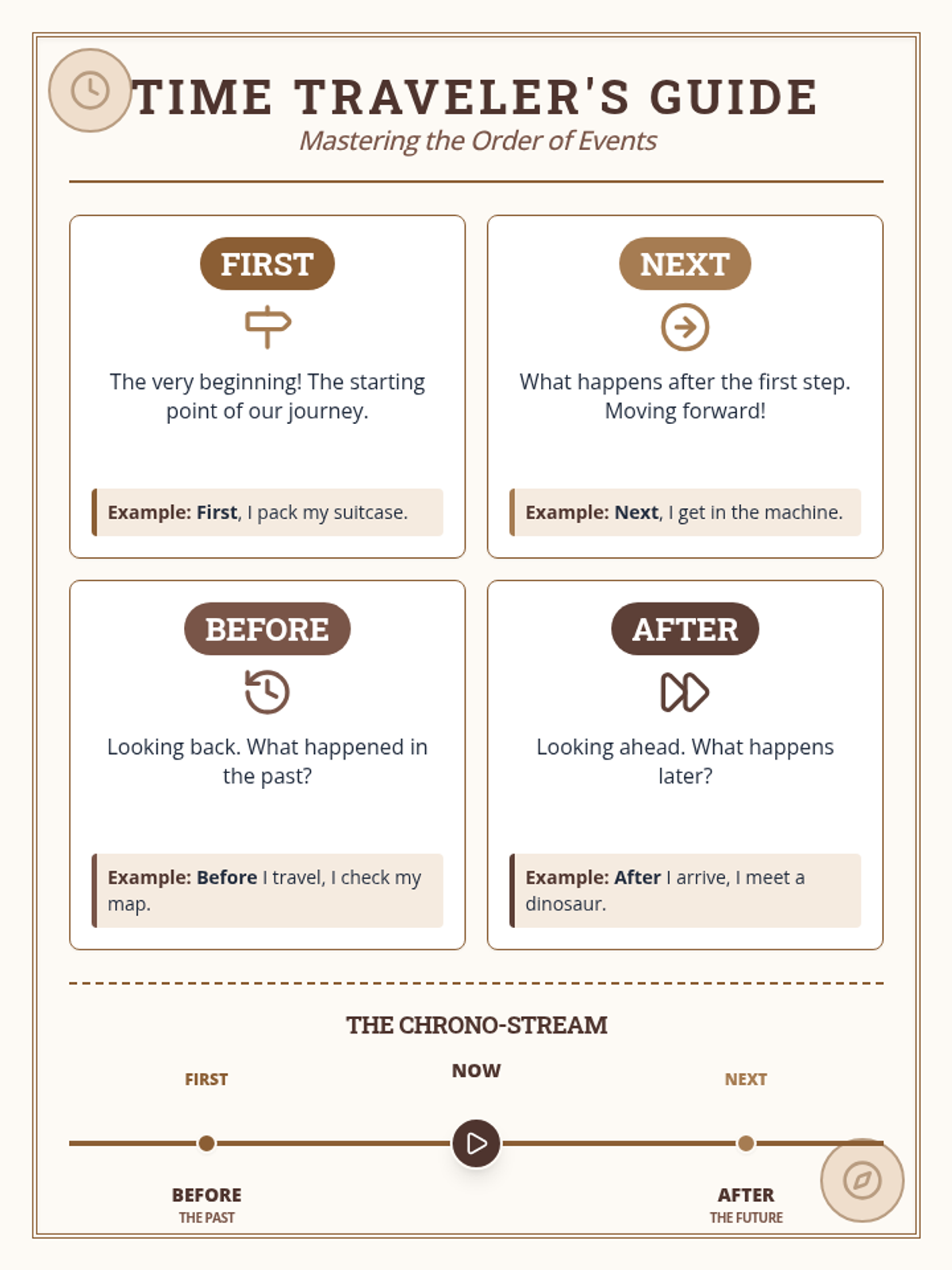
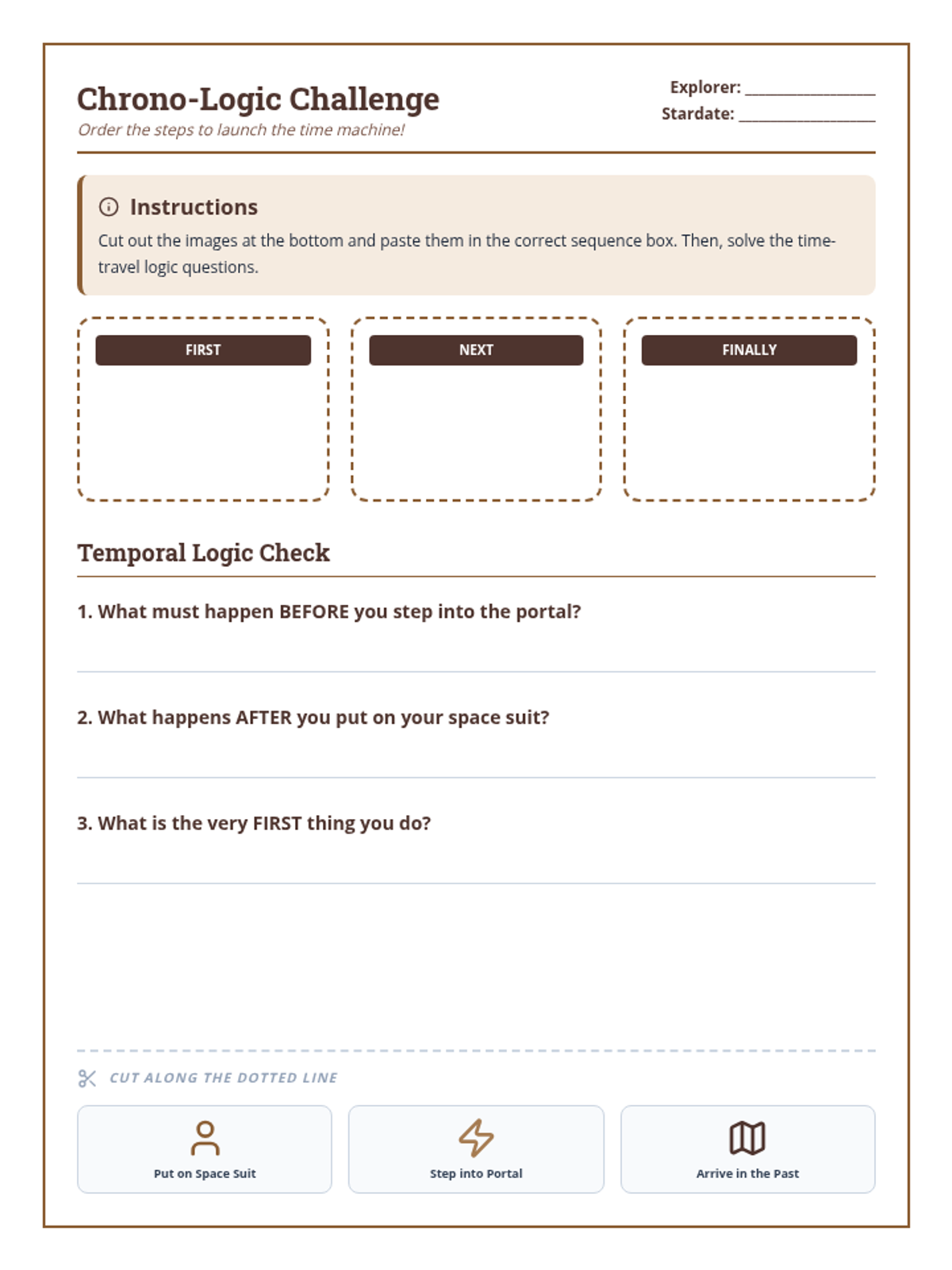
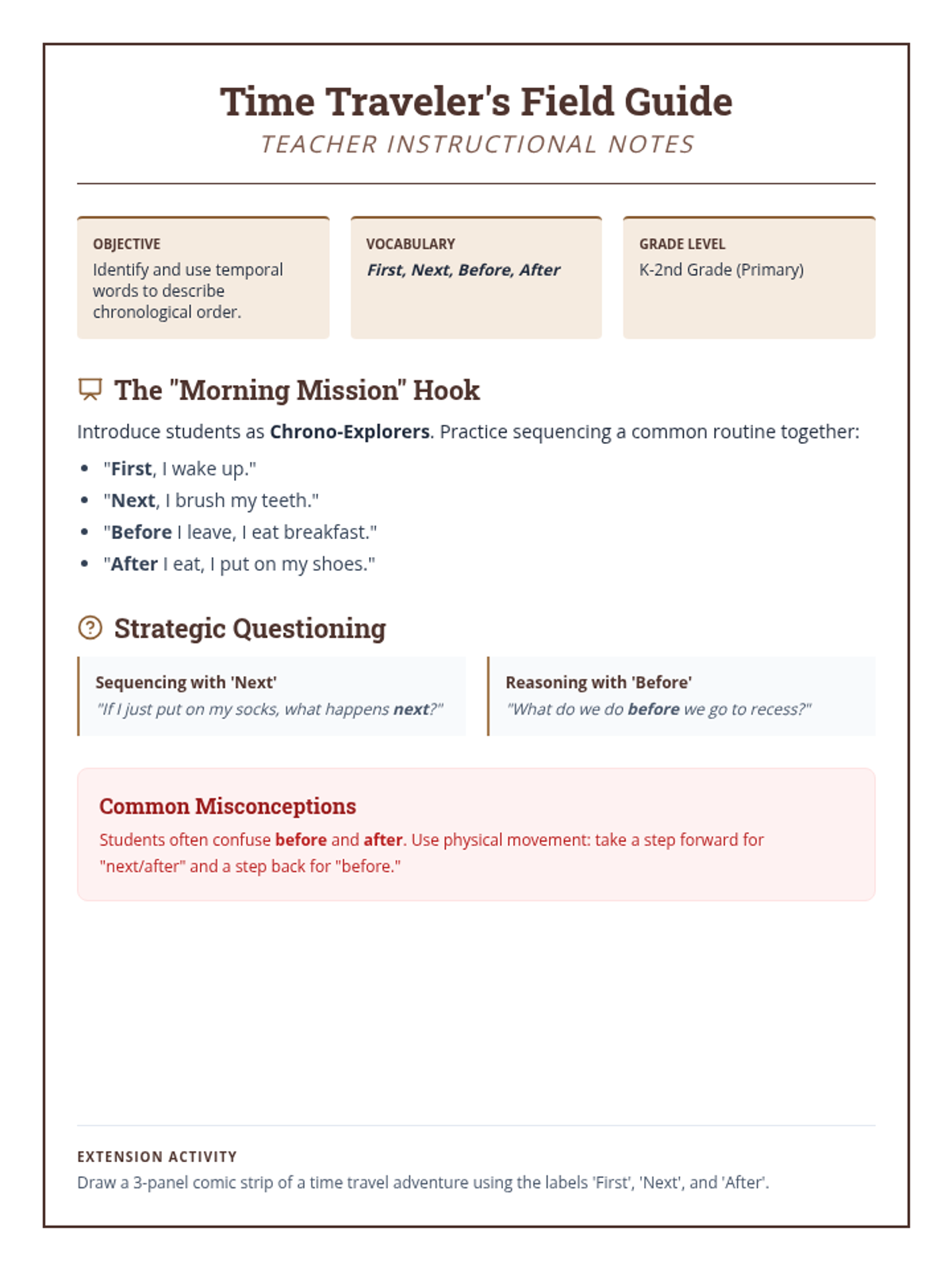
A lesson focused on helping 2nd-grade students identify the chronological order of events in short narratives using transition words.
A lesson focused on the silent-e spelling rule, teaching students when to drop the silent-e when adding suffixes that begin with a vowel.
A set of differentiated reading comprehension homework materials themed around a detective agency. Students act as 'Insight Investigators' to decode a mystery passage using various strategies.
In this follow-up lesson, students tackle 'Tricky Cases' where text types might seem mixed, and they create their own text samples to demonstrate mastery.
A lesson where students become 'Text Detectives' to identify the differences between narrative and informational texts through clue-finding and evidence-gathering.
A lesson where students become 'Story Detectives' to solve the mystery of mixed-up narratives. Students learn to use transition words and logic to sequence story events using cut-out evidence cards.
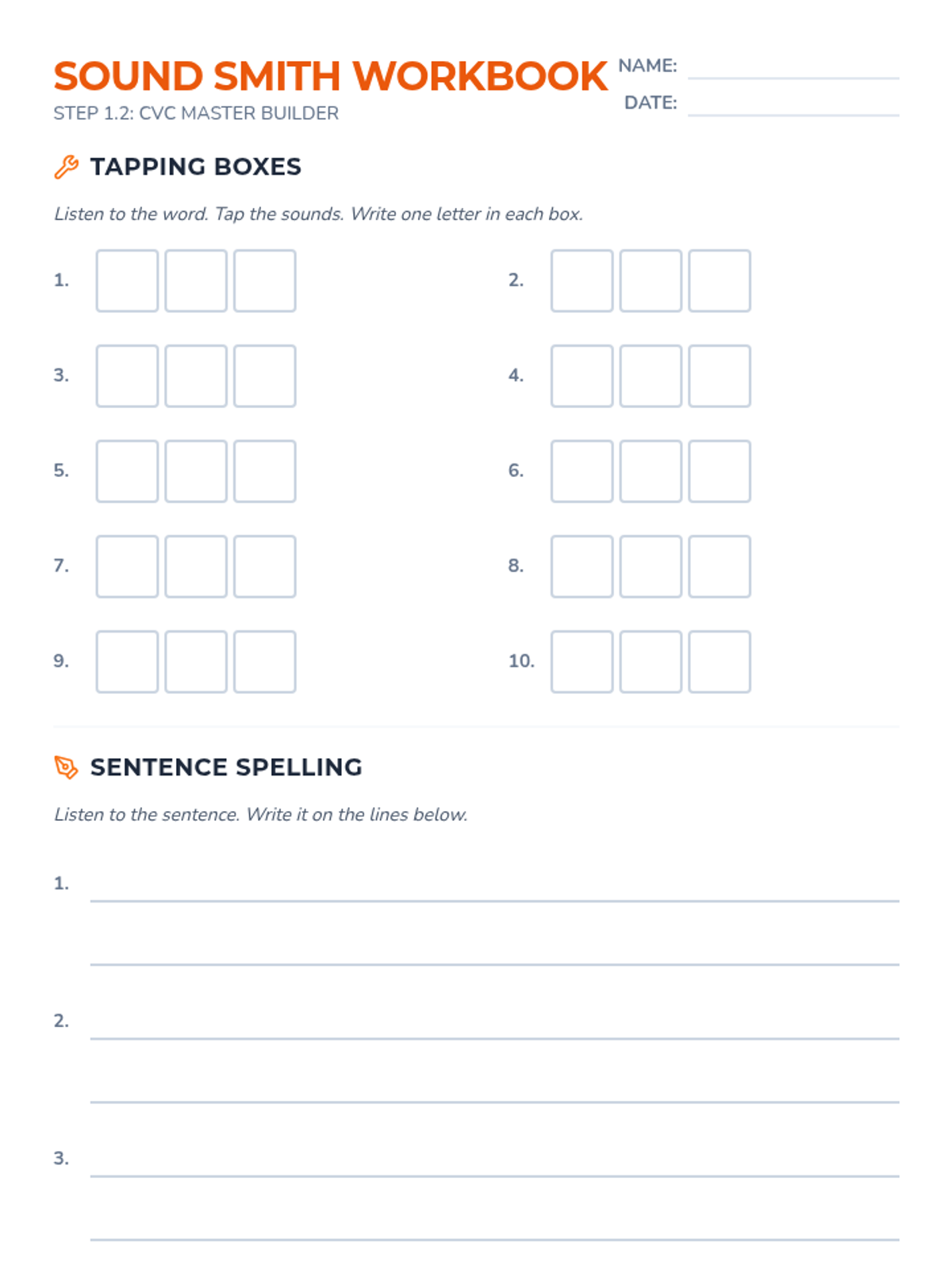
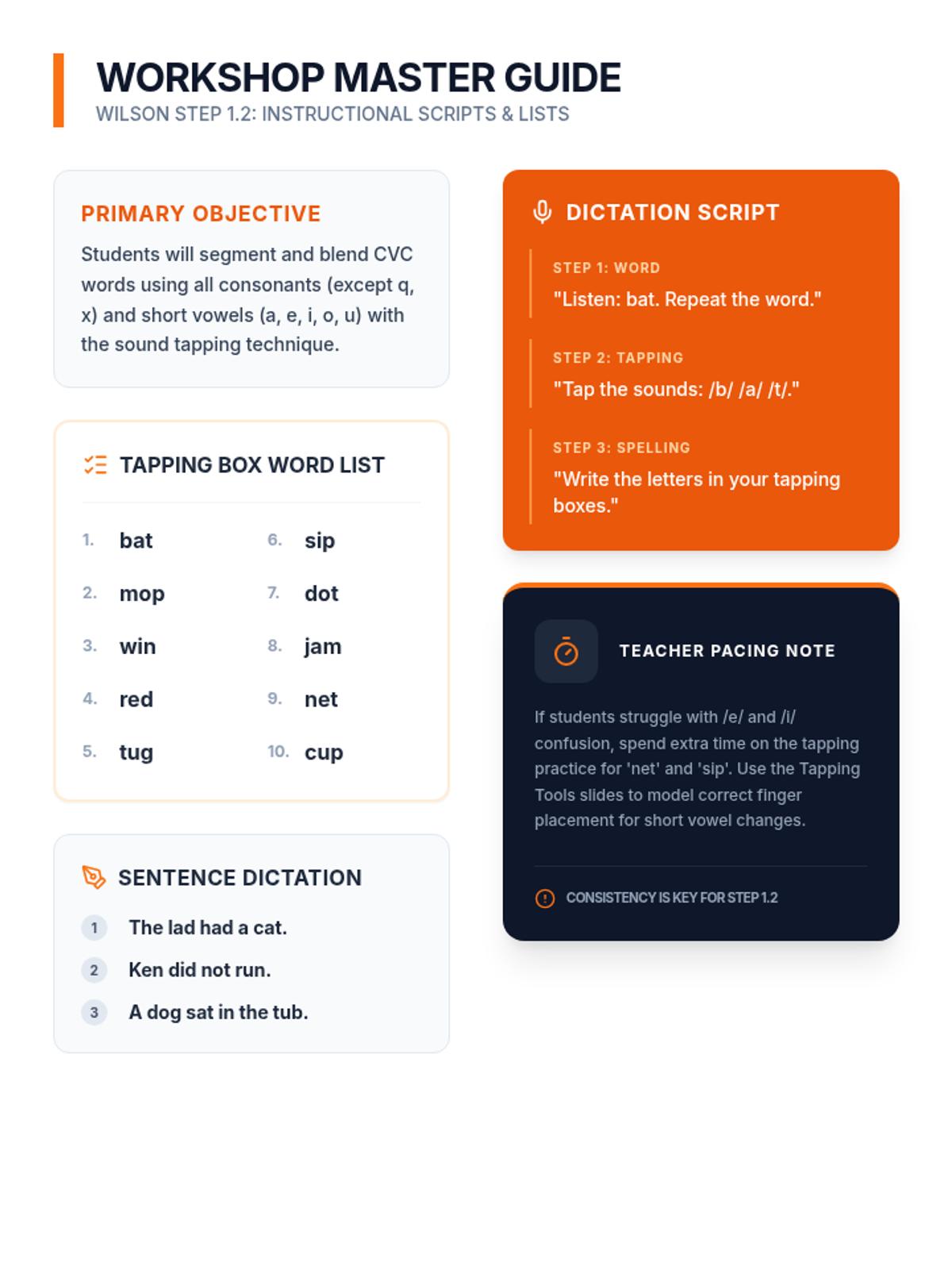
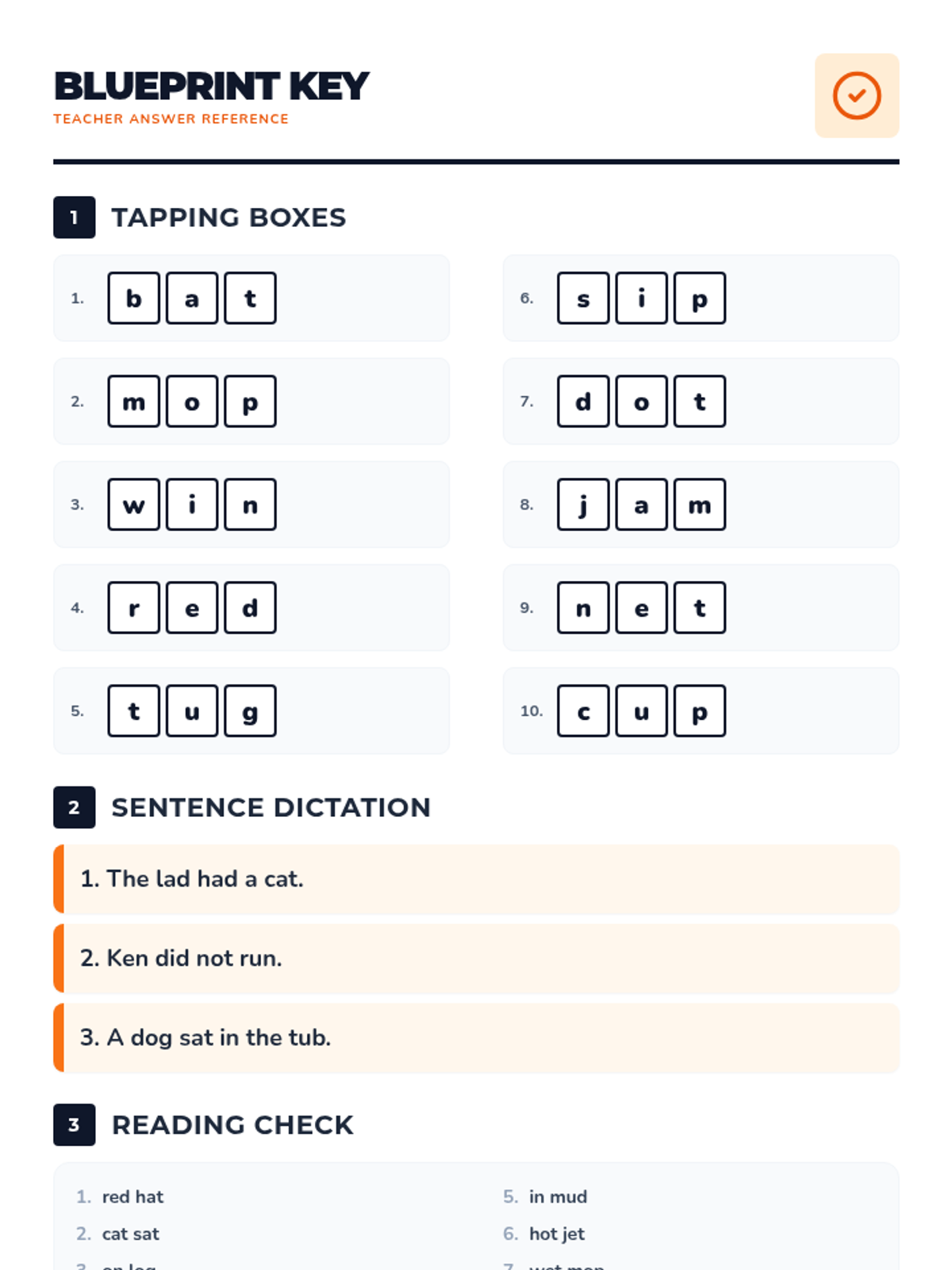
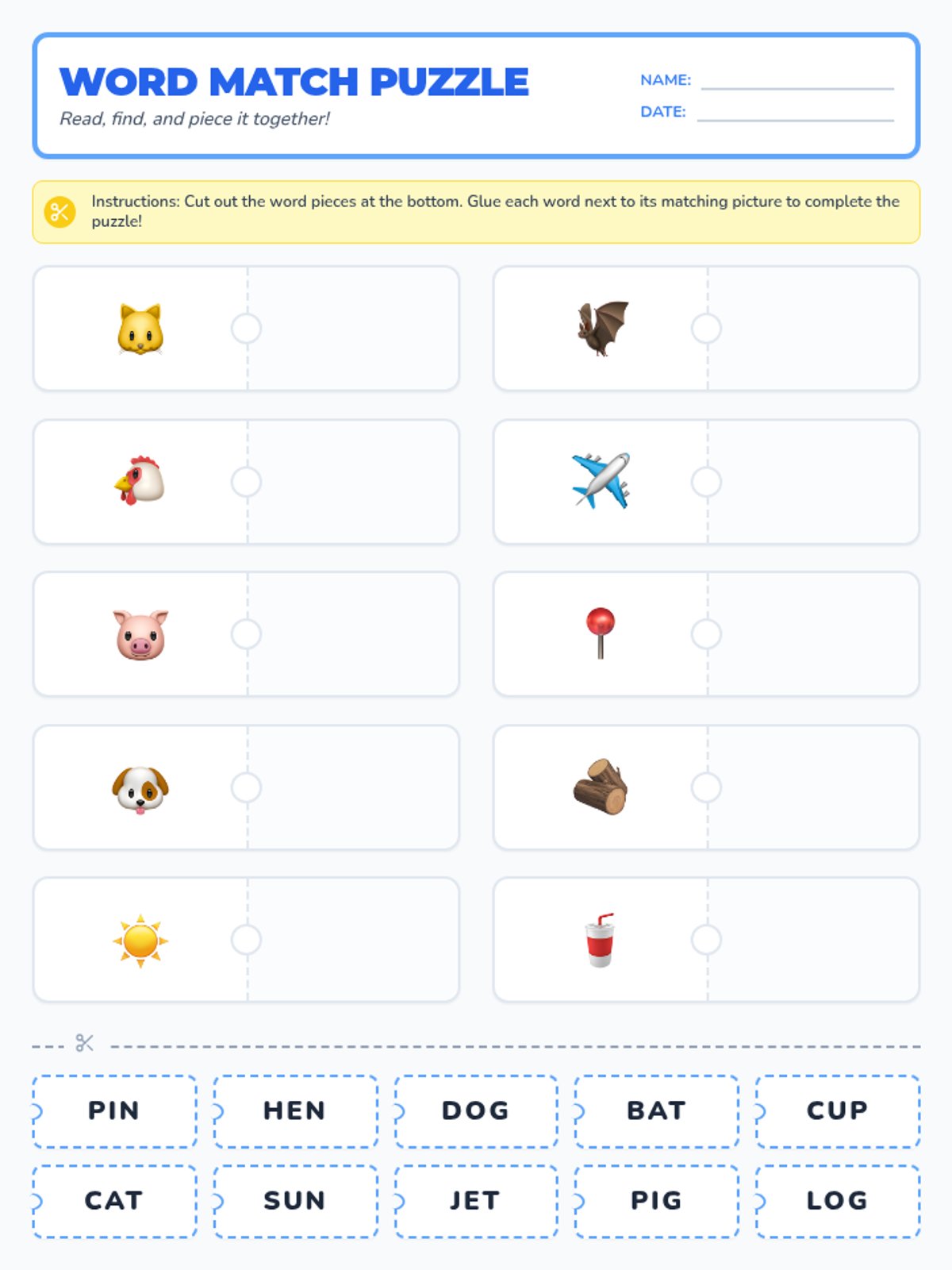
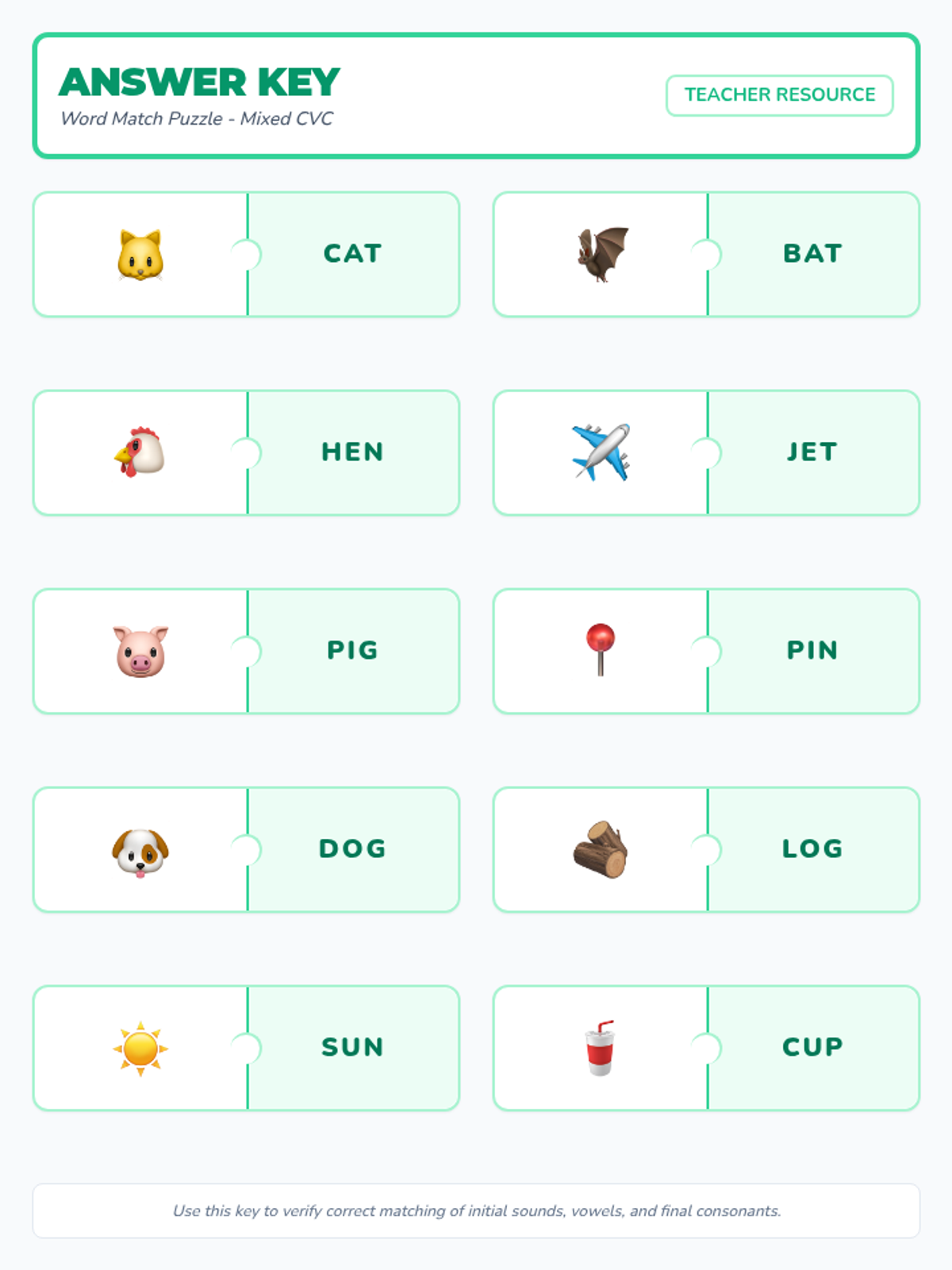
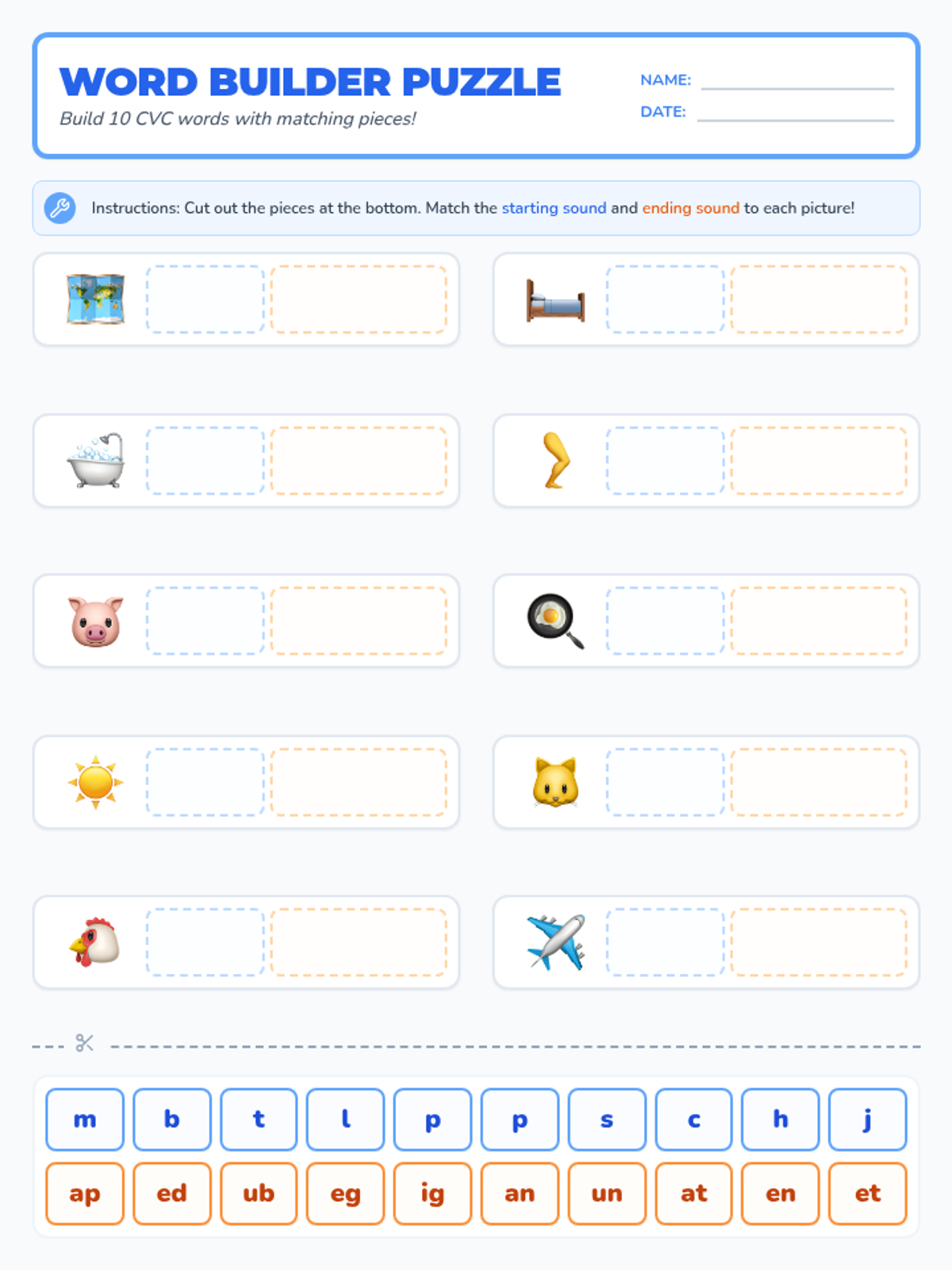
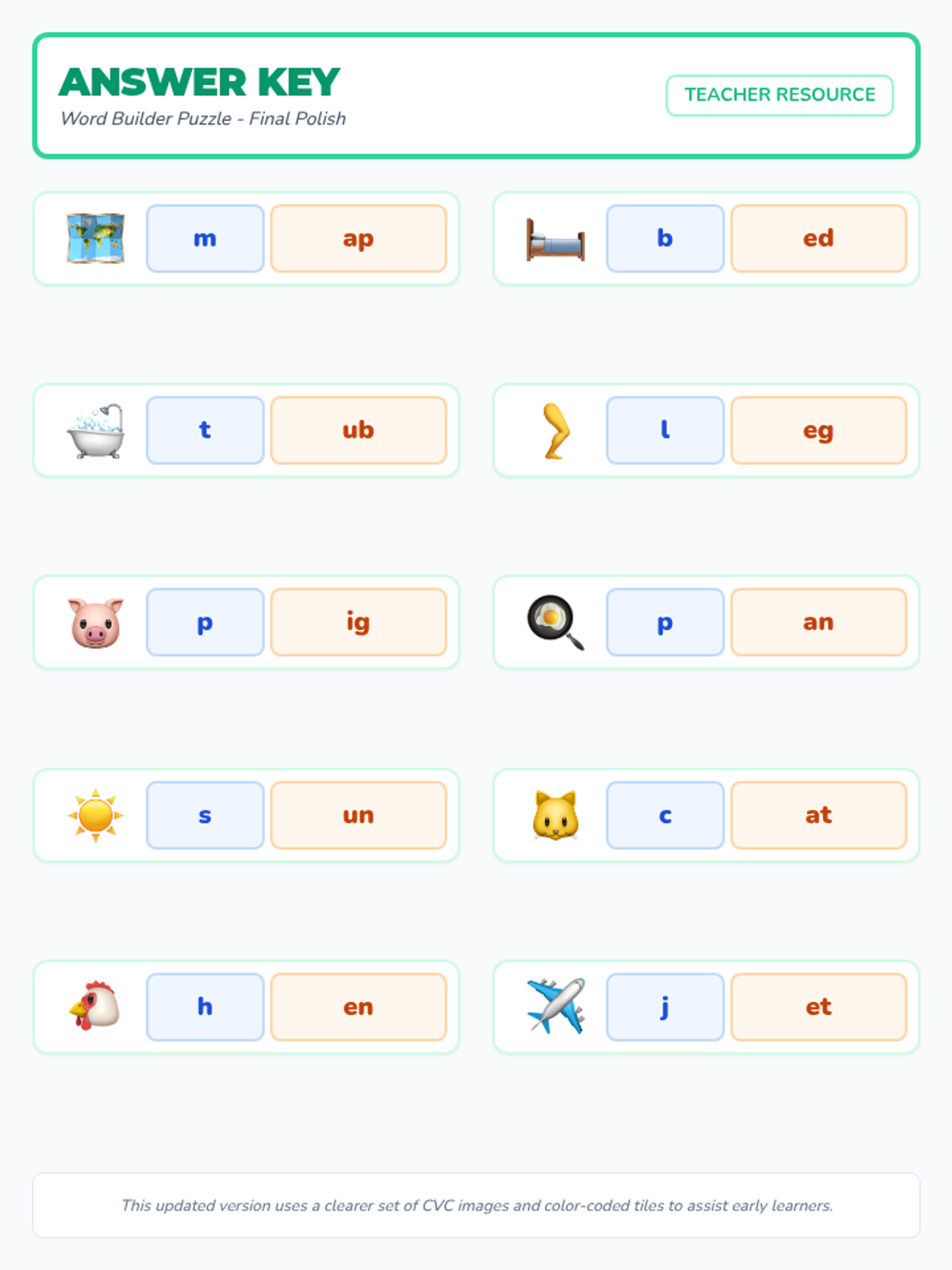
A foundational phonics lesson focused on segmenting and blending CVC words with short vowel sounds 'a', 'e', and 'u' using sound buttons and blending lines.
Culminating assessment and practice for identifying main ideas across different culinary-themed texts.
Learning to distinguish the main idea from supporting details using the analogy of "toppings and spices."
Introduction to identifying the main idea in short narrative paragraphs using the analogy of a "main ingredient."
A detective-themed lesson teaching foundational capitalization rules, including the start of sentences, proper nouns, and the pronoun 'I'. Students act as 'Capital City Detectives' to identify and fix errors in case files.