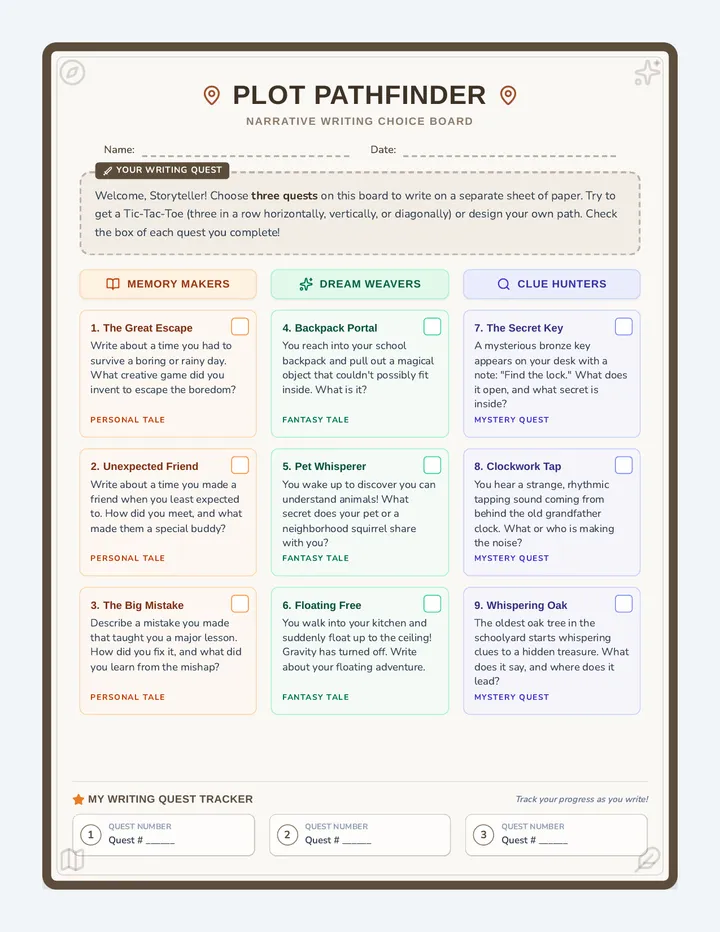
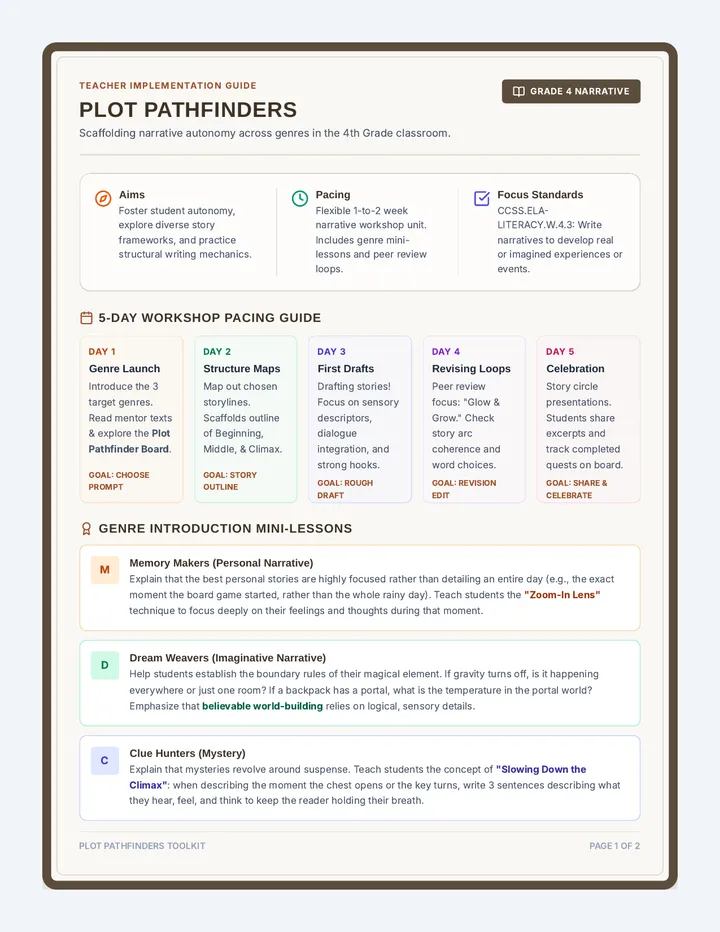
A lesson for 4th-grade students focused on analyzing complex plot structures, identifying chronological order in multi-event narratives, and understanding cause-effect sequencing.
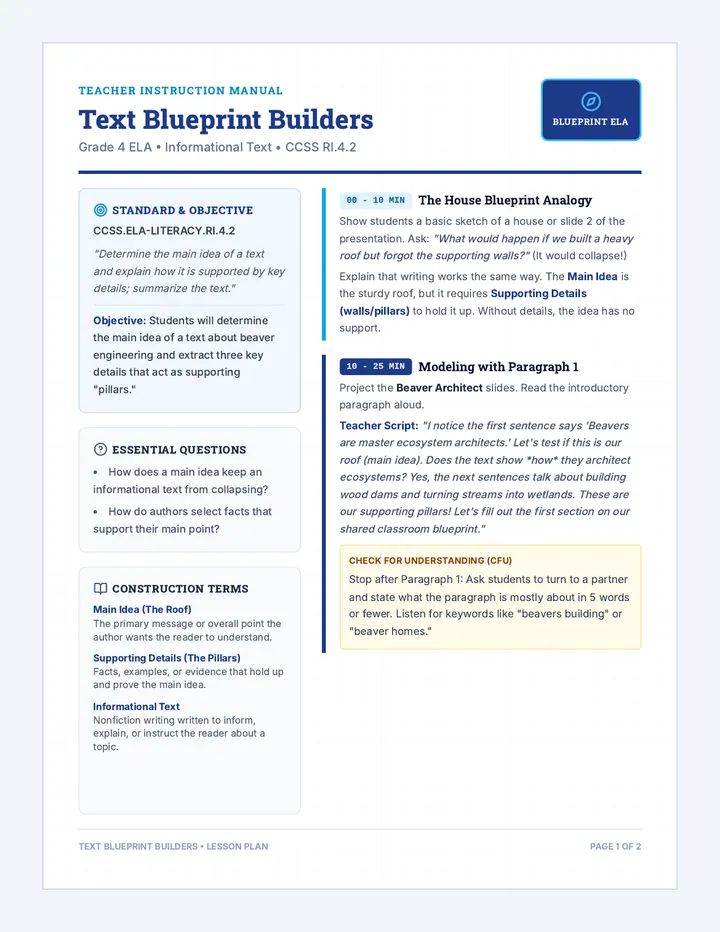
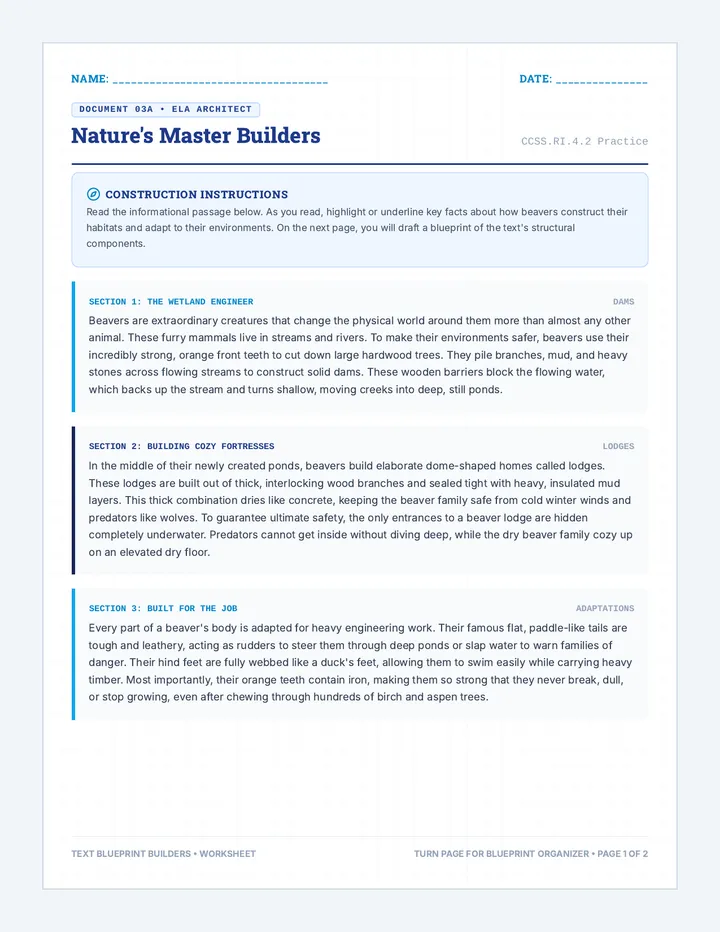
Students will learn to identify the main idea and supporting details in biographical texts about famous inventors, synthesizing information to understand their overall impact.
Students will explore how inventors identified problems (causes) and developed solutions (effects), using real-world examples like the lightbulb and the windshield wiper.
A collection of foundational homework worksheets covering reading comprehension, arithmetic, grammar, and basic fractions with a nature-inspired 'Meadow Scouts' theme.
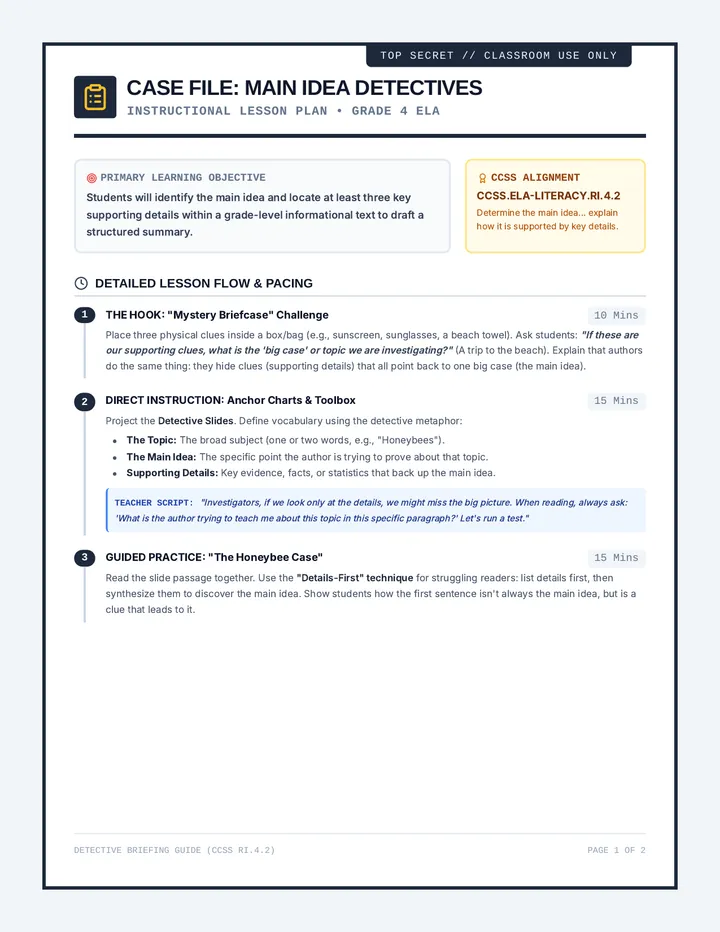
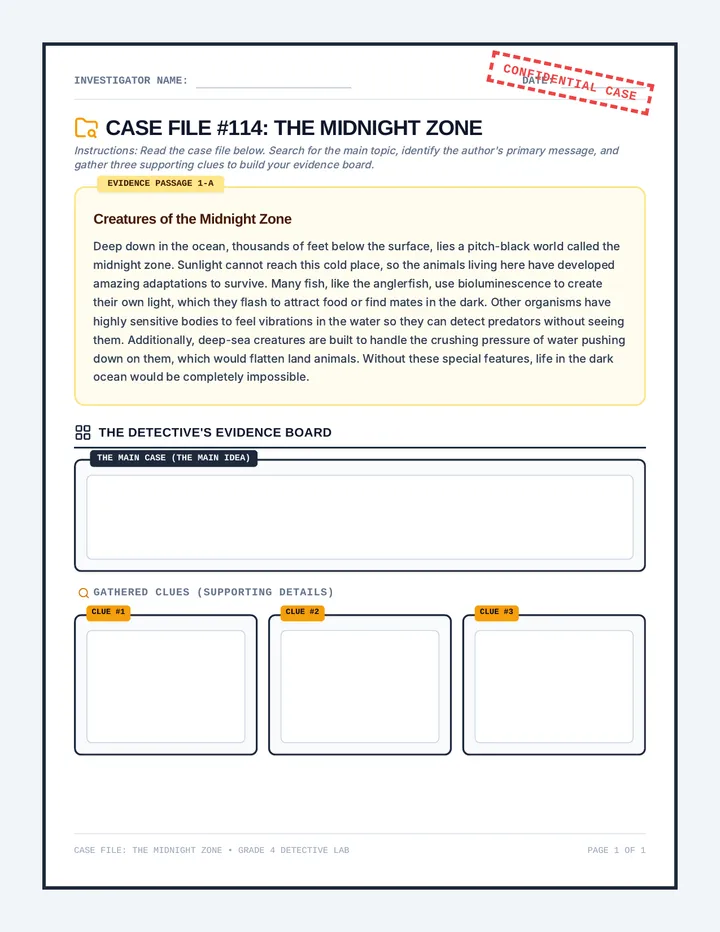
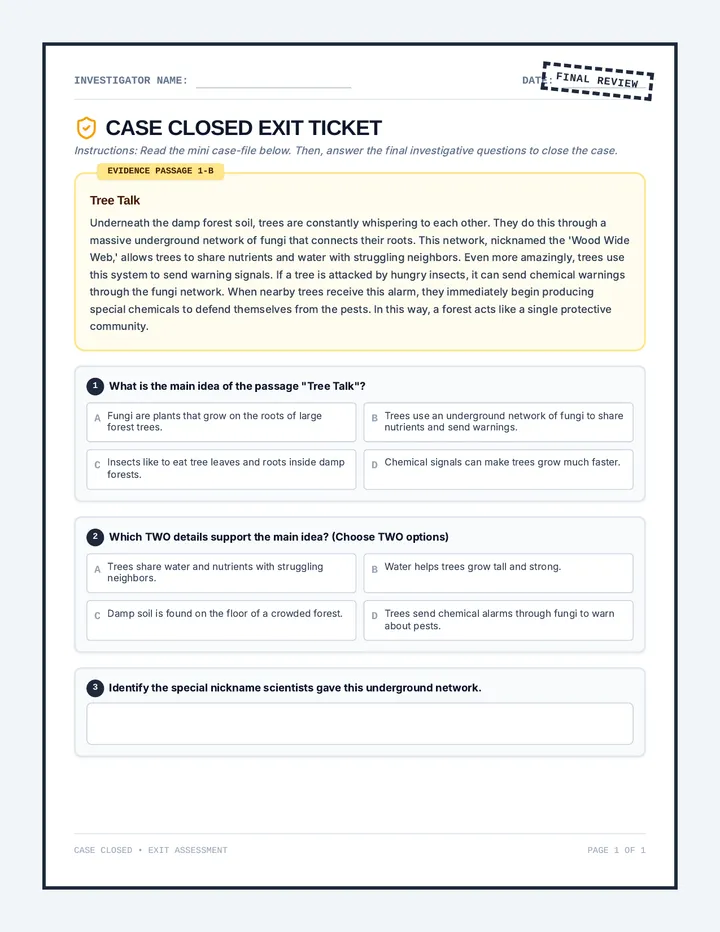
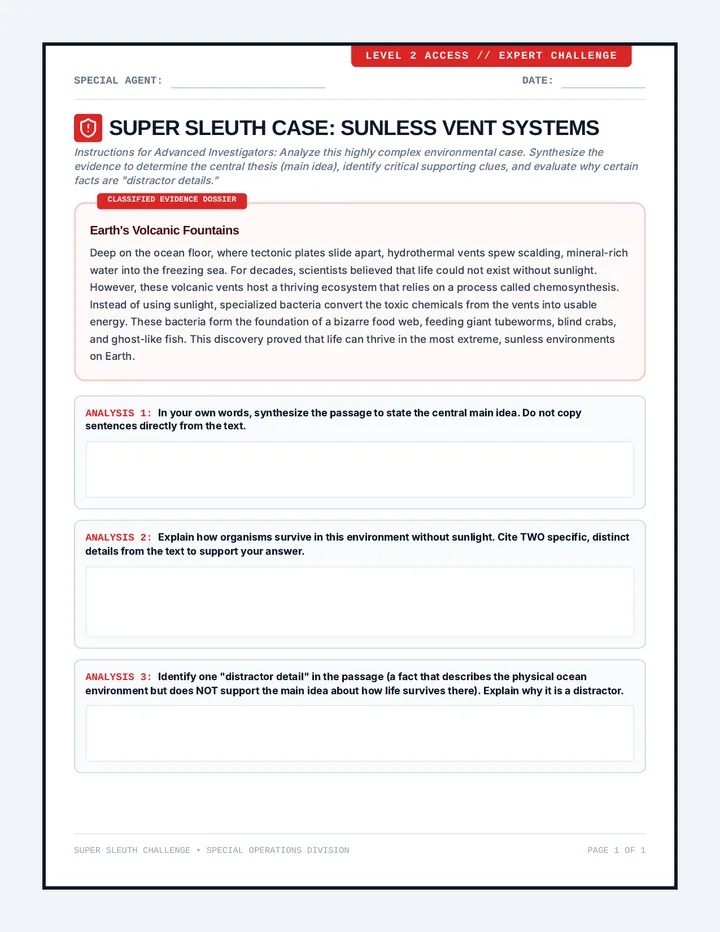
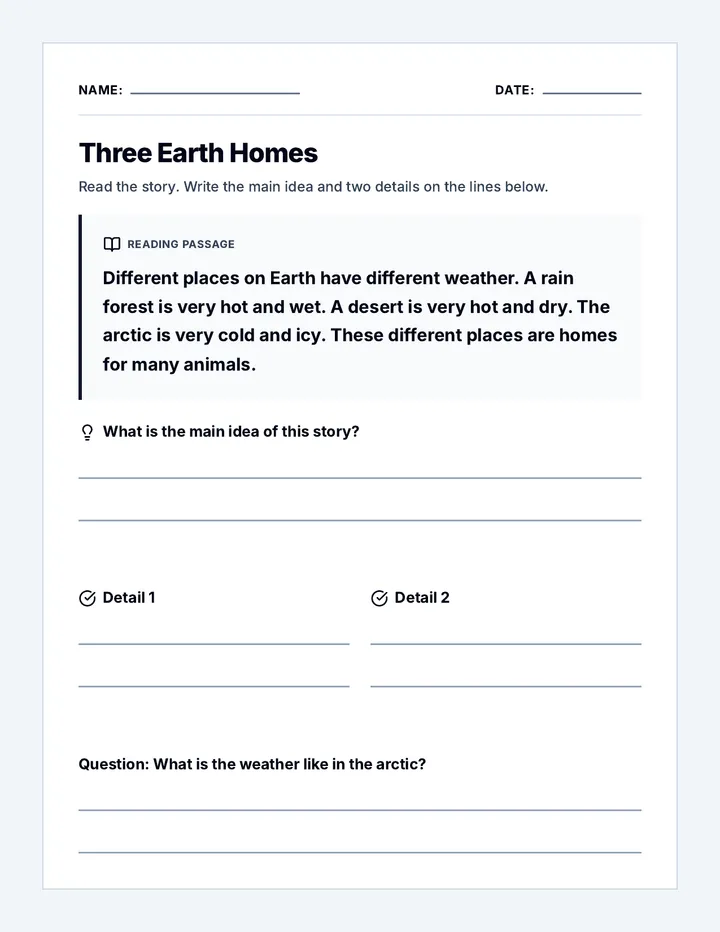
A reading intervention lesson designed to help 3rd and 4th graders master main idea, cause and effect, and sentence completion through a detective-themed series of activities. Students act as 'Reading Detectives' to uncover clues and solve literacy mysteries.
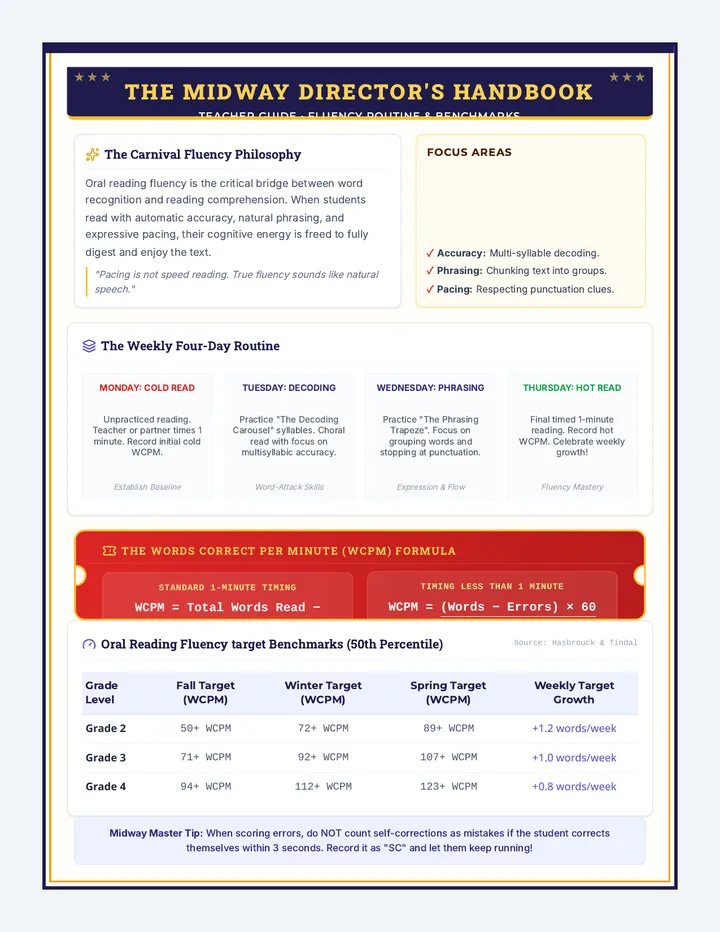
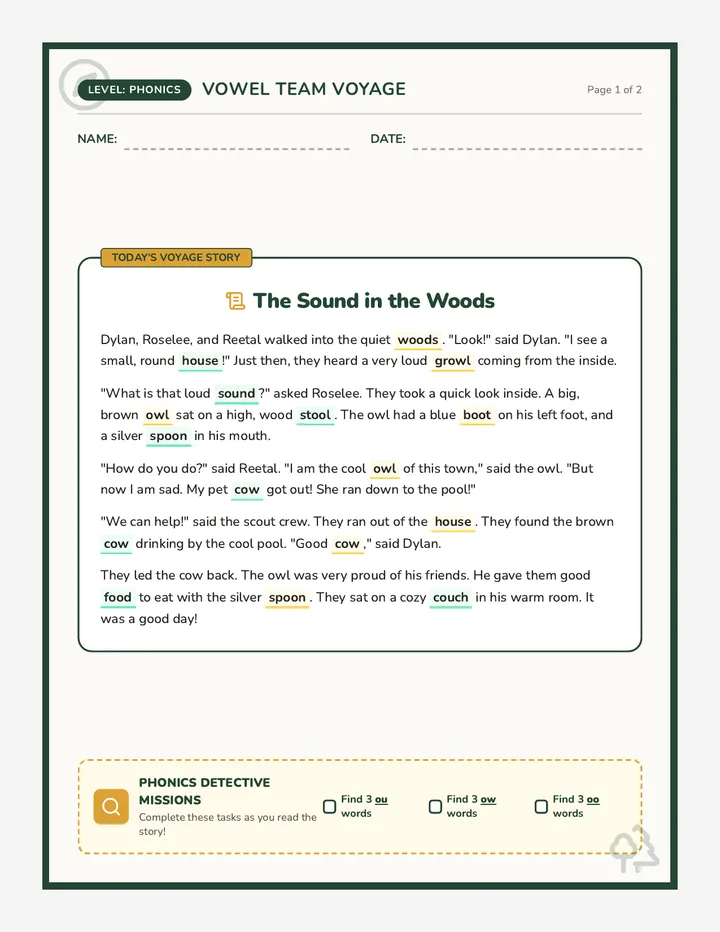
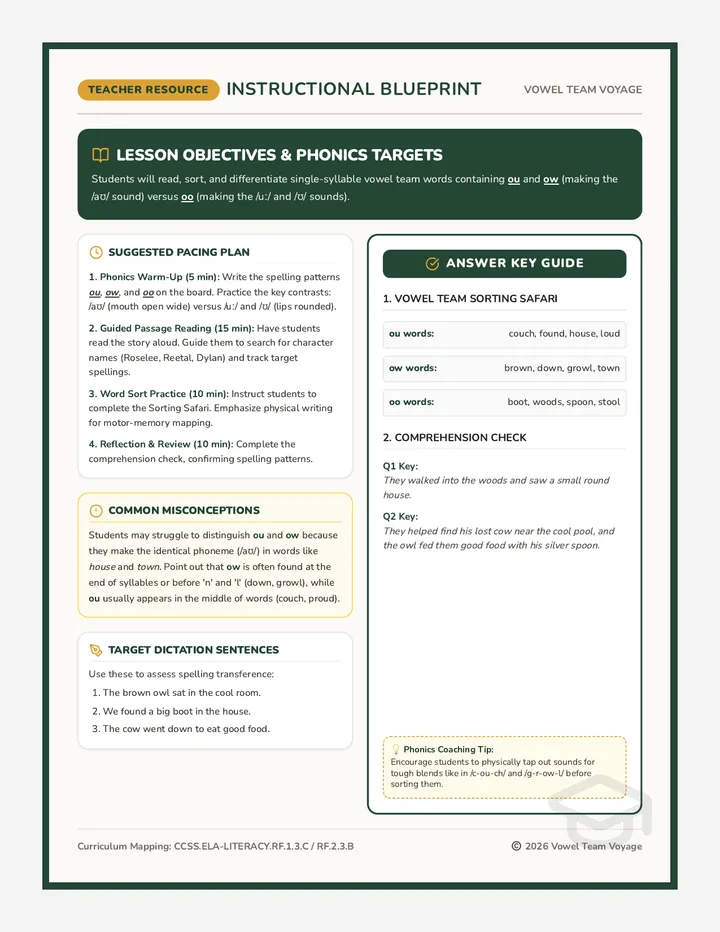
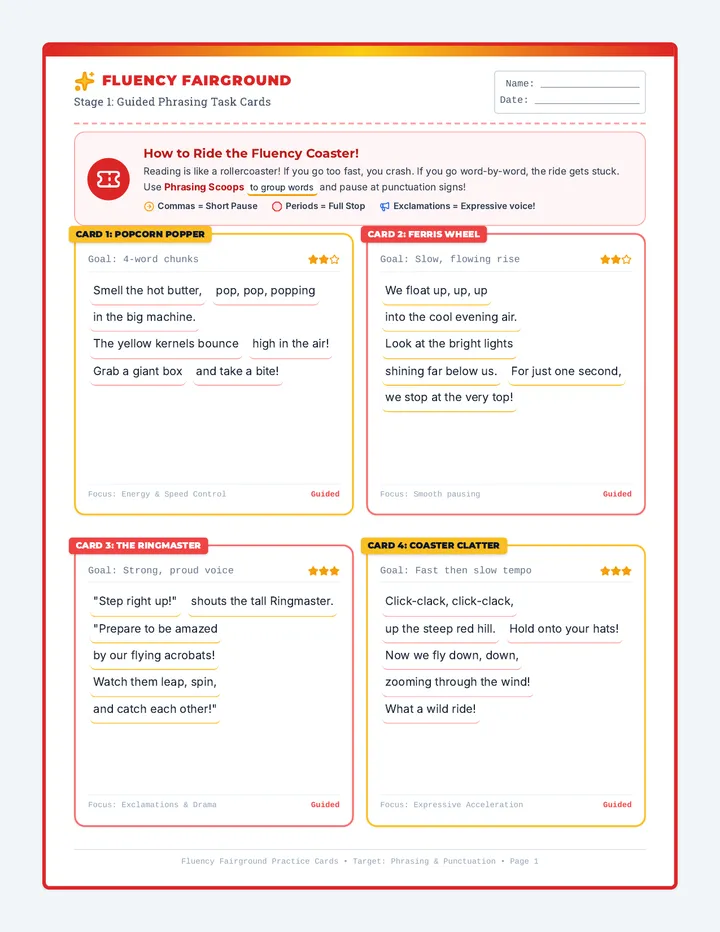
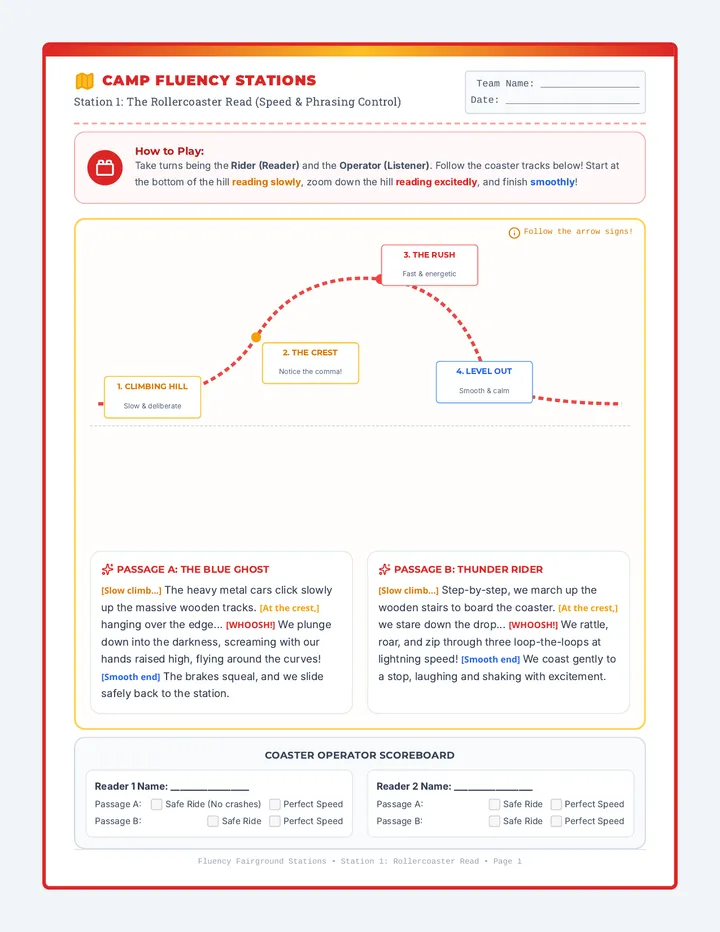
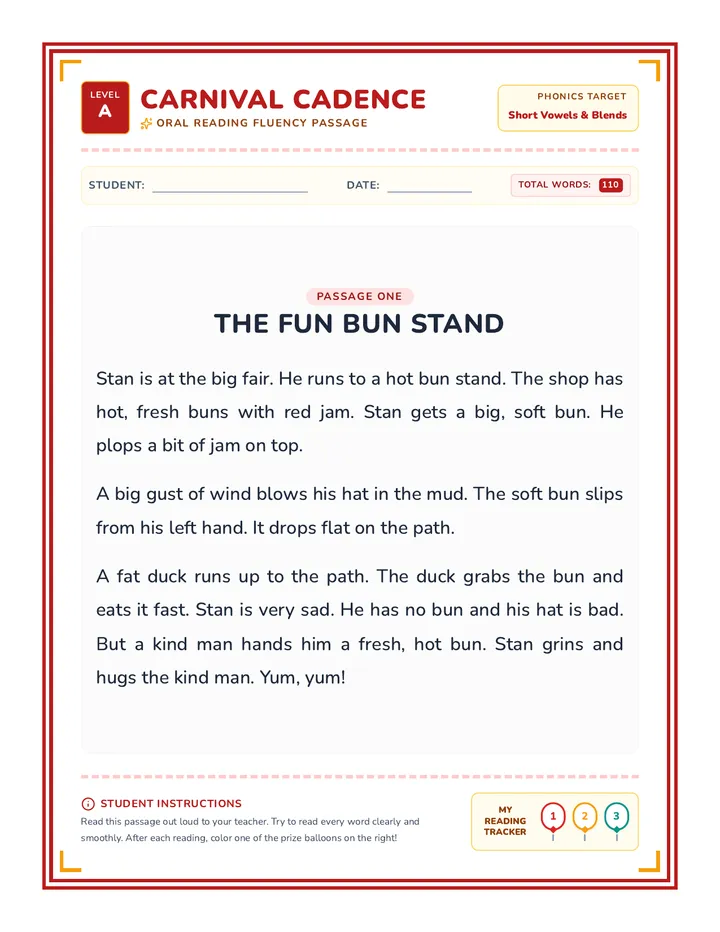
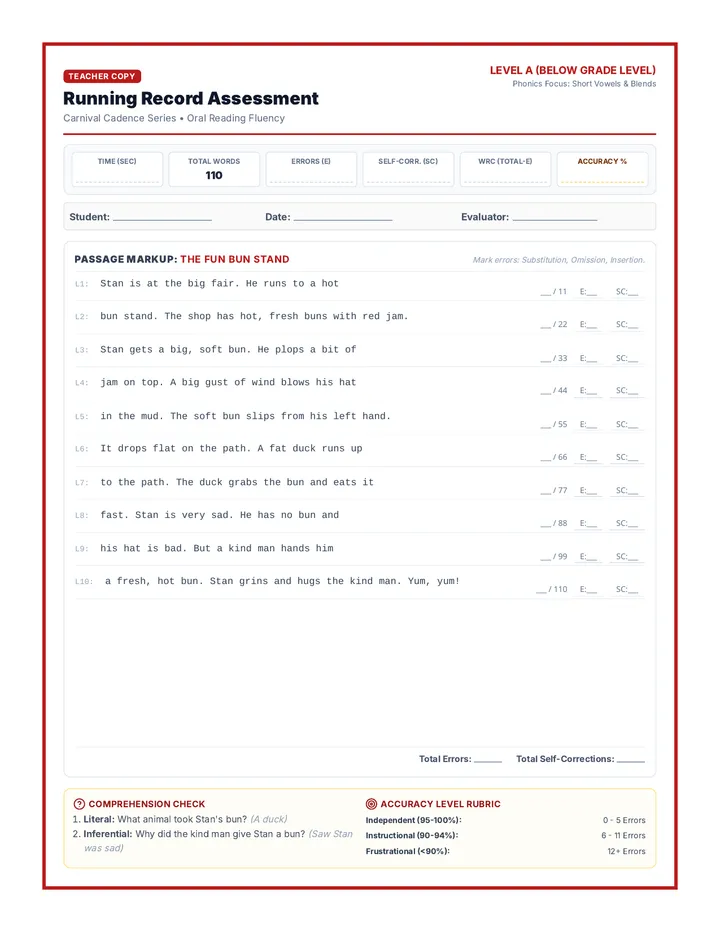
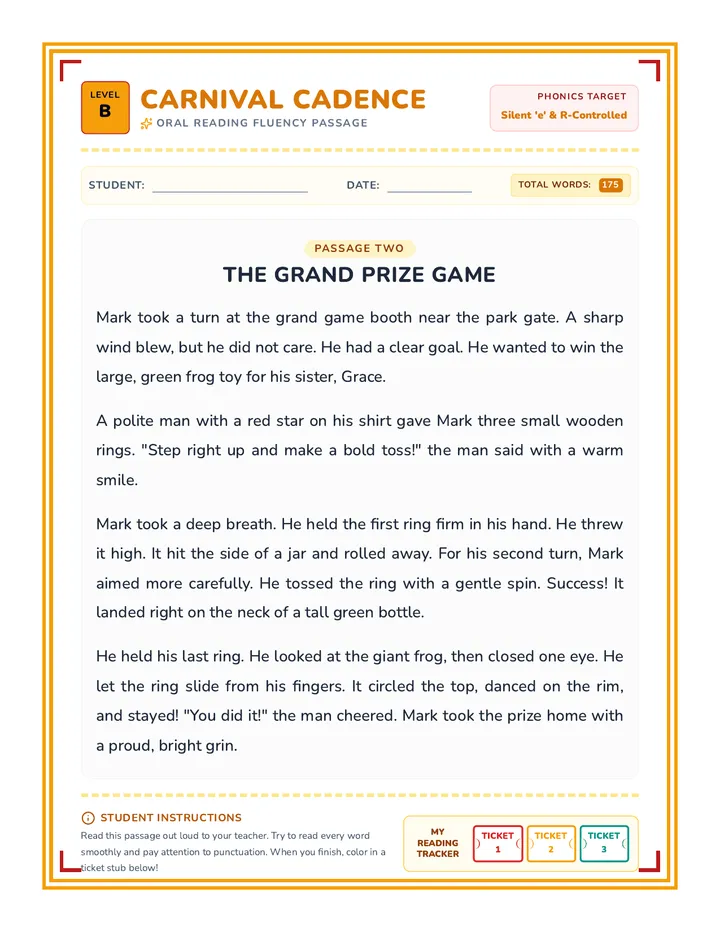
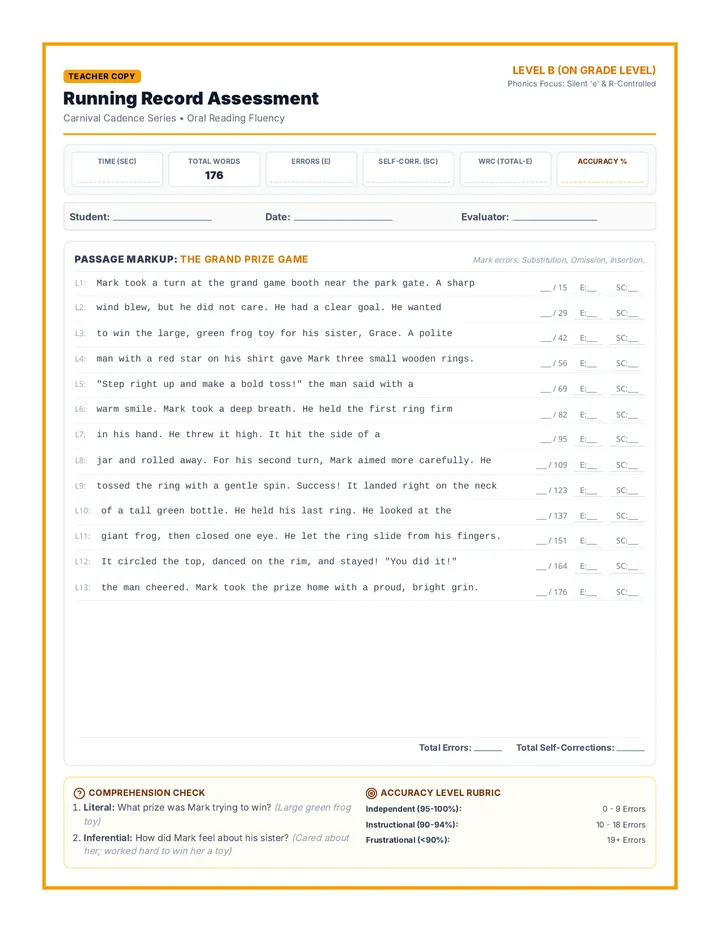
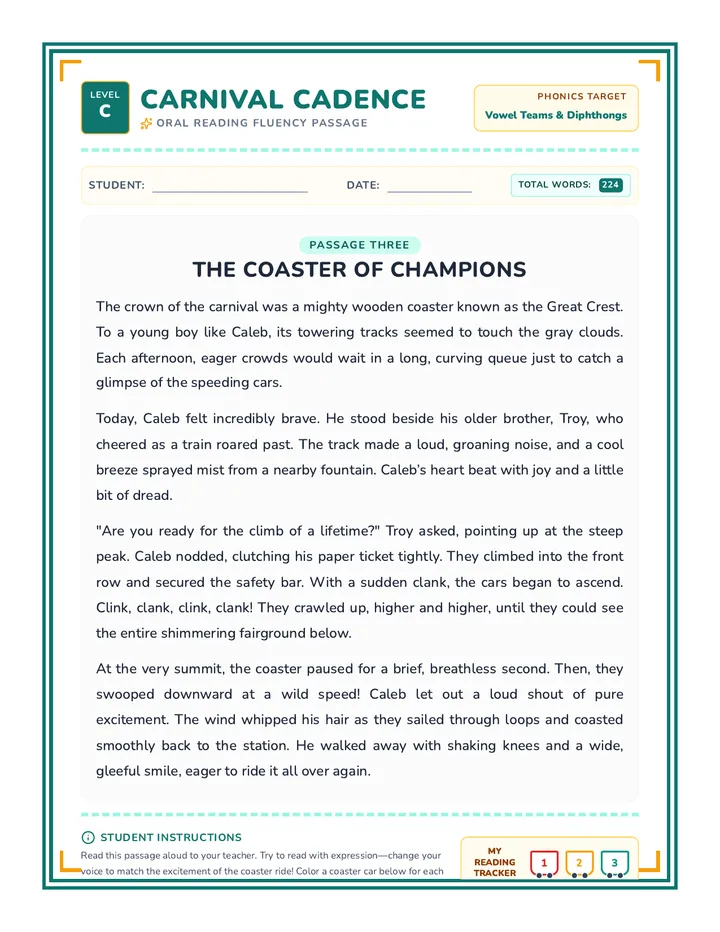
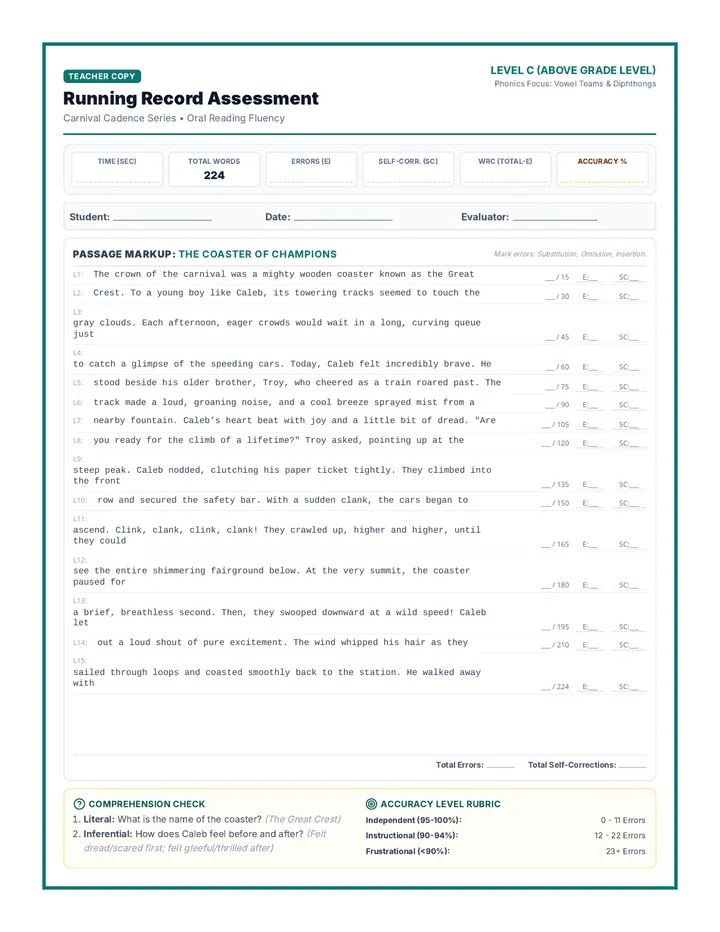
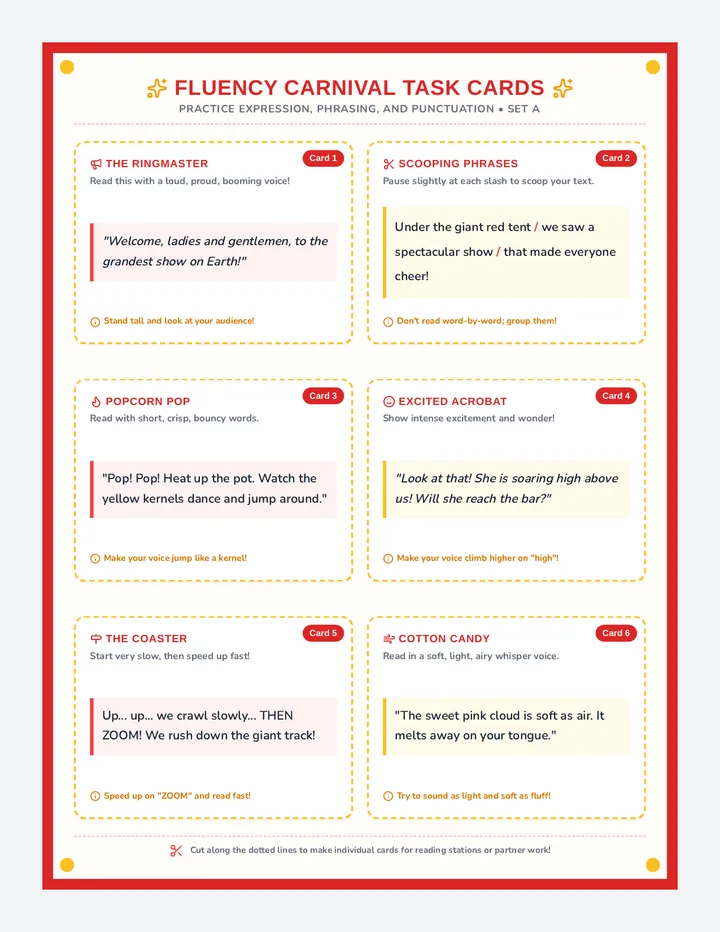
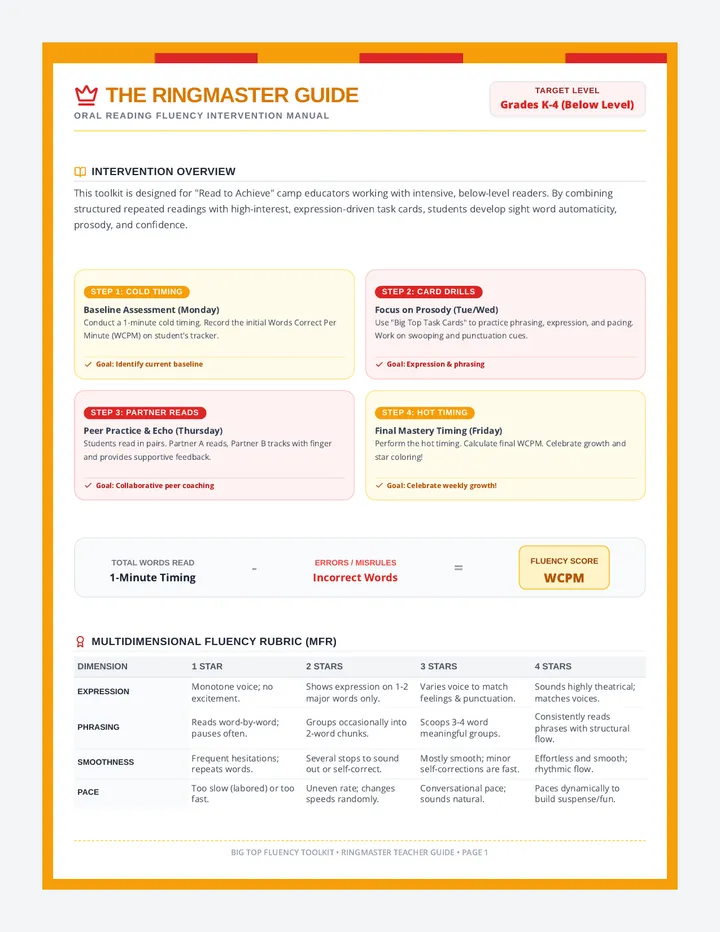
A bridge between decoding and fluent reading, this lesson focuses on mastering R-controlled vowels through speed drills, phrase scooping, and repeated reading of short, engaging passages. Students will shift from individual sound isolation to smooth, connected reading.
A reading comprehension lesson for 4th-grade EL students focusing on sea turtles, using visual supports and leveled text to build vocabulary and understanding of life cycles.
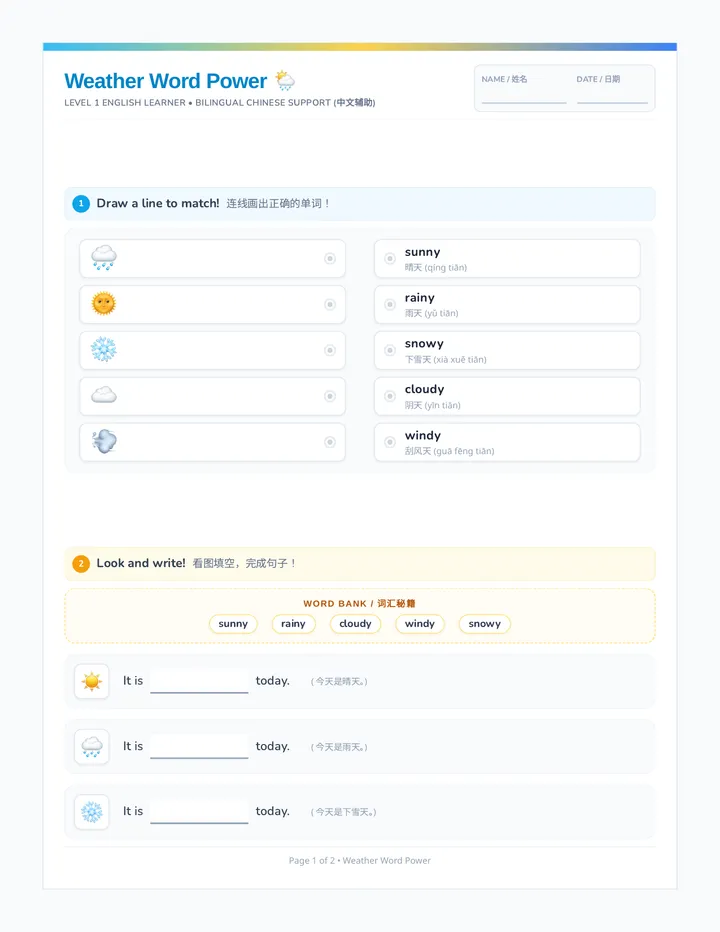
A comprehensive writing unit designed for newcomer multilingual learners to draft a fictional story about a clever rabbit. This lesson includes vocabulary building, structured planning with a brain frame, and scaffolded drafting.
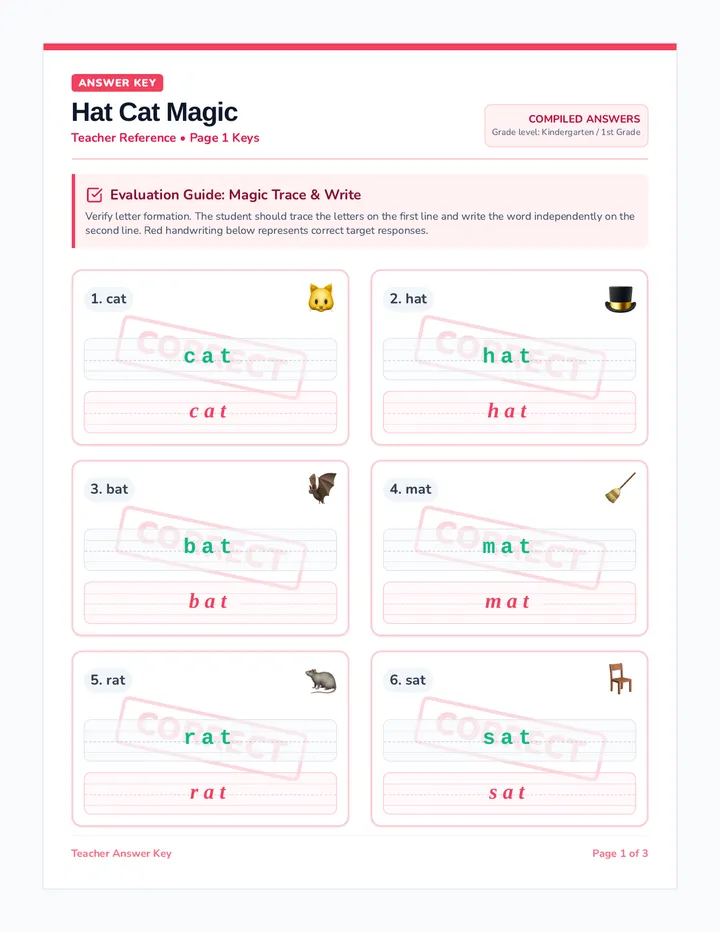
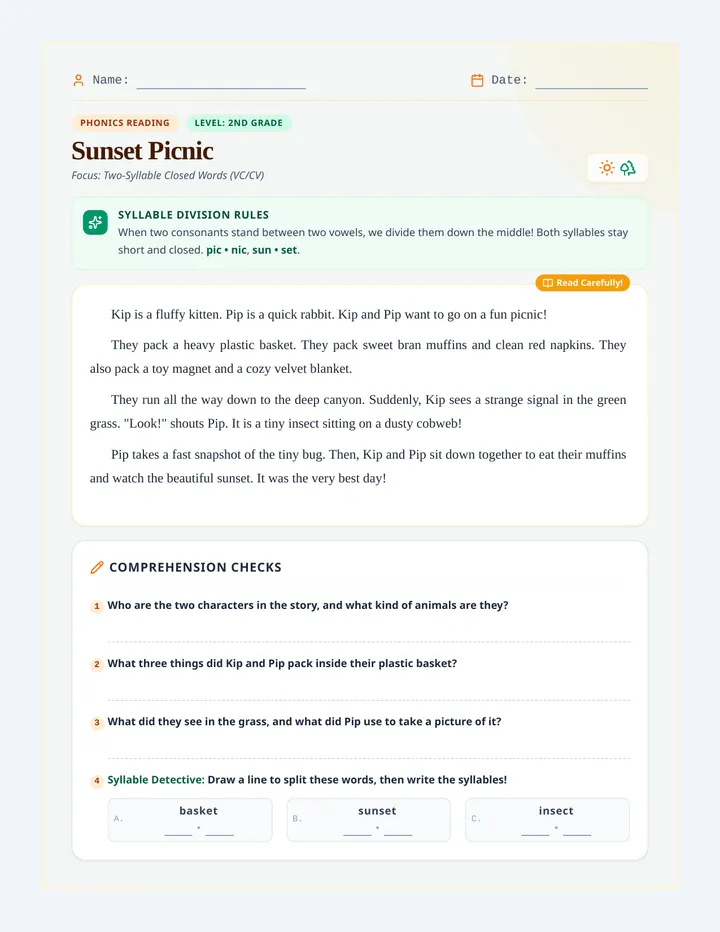
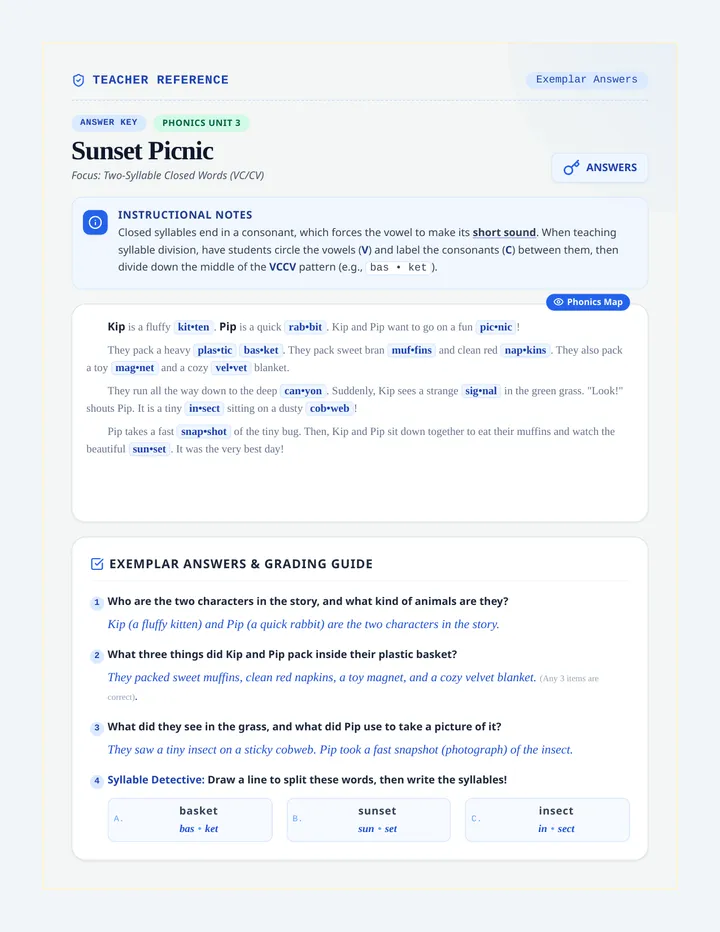
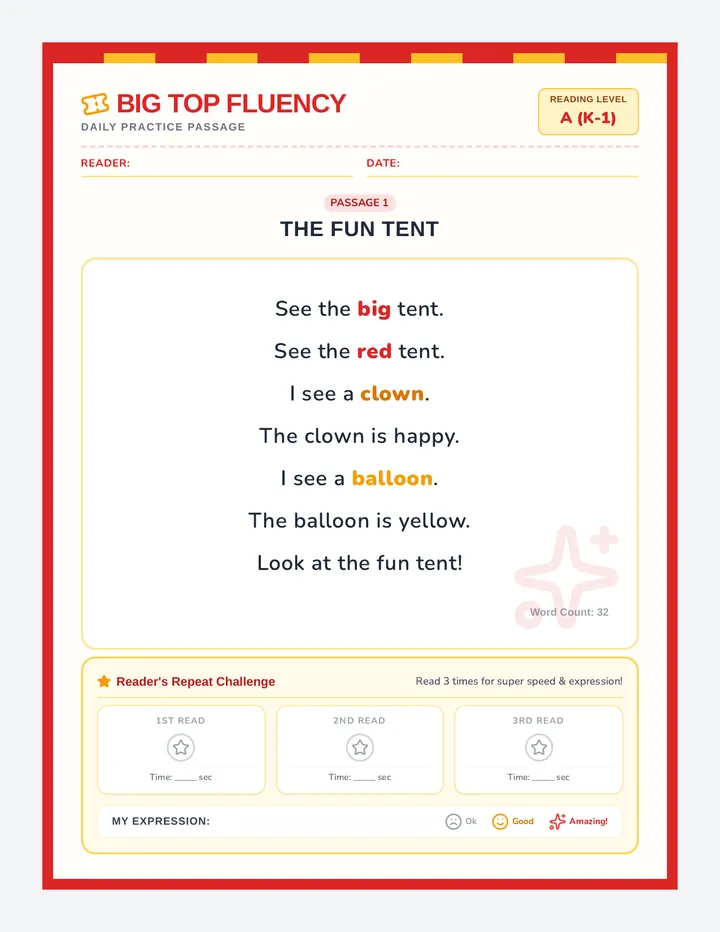
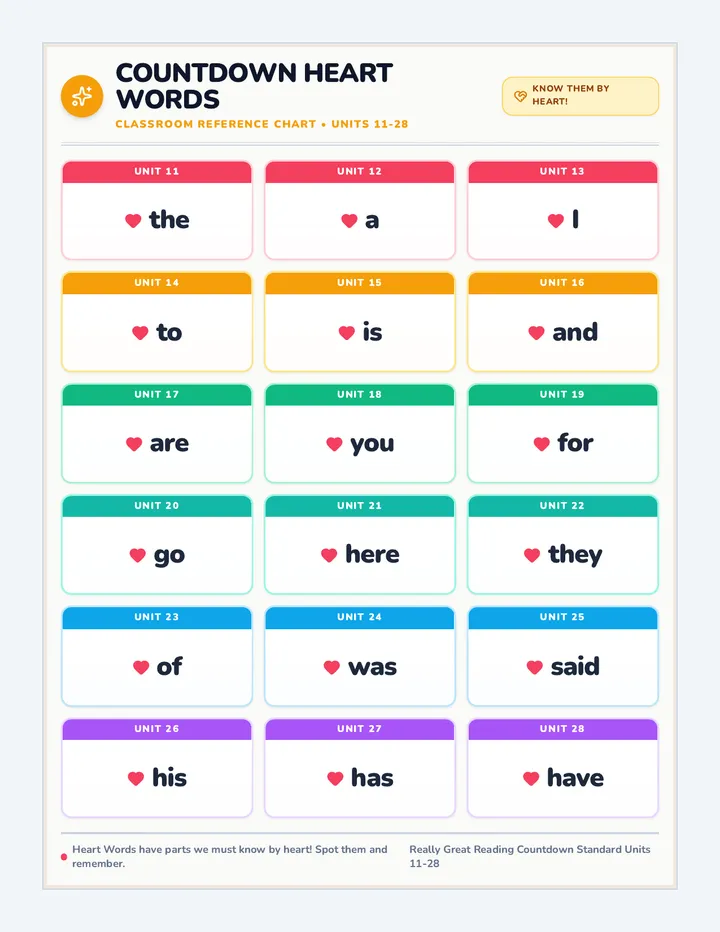
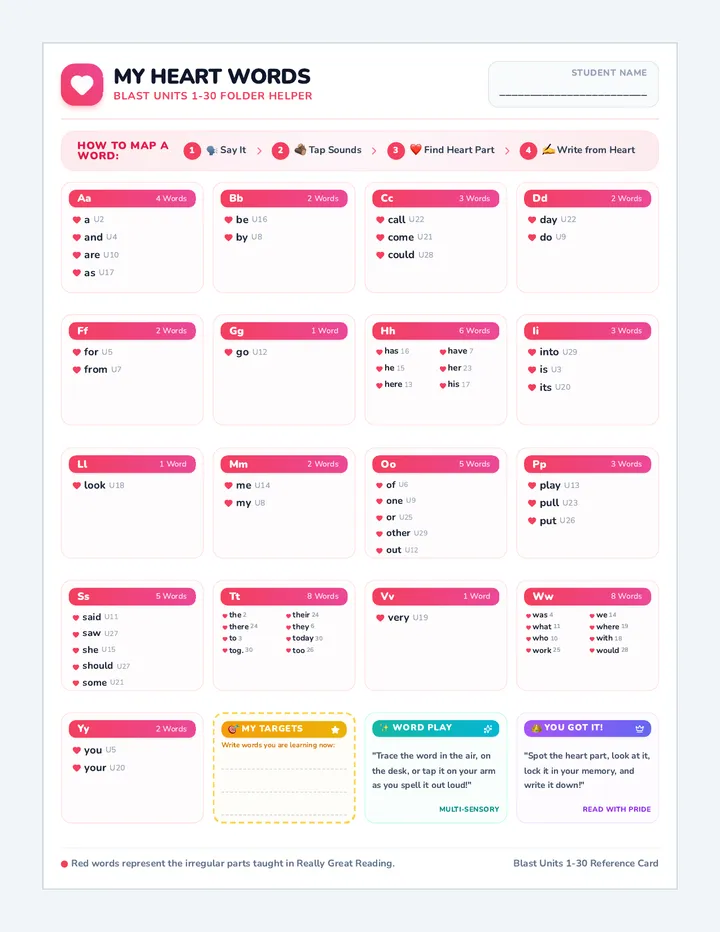
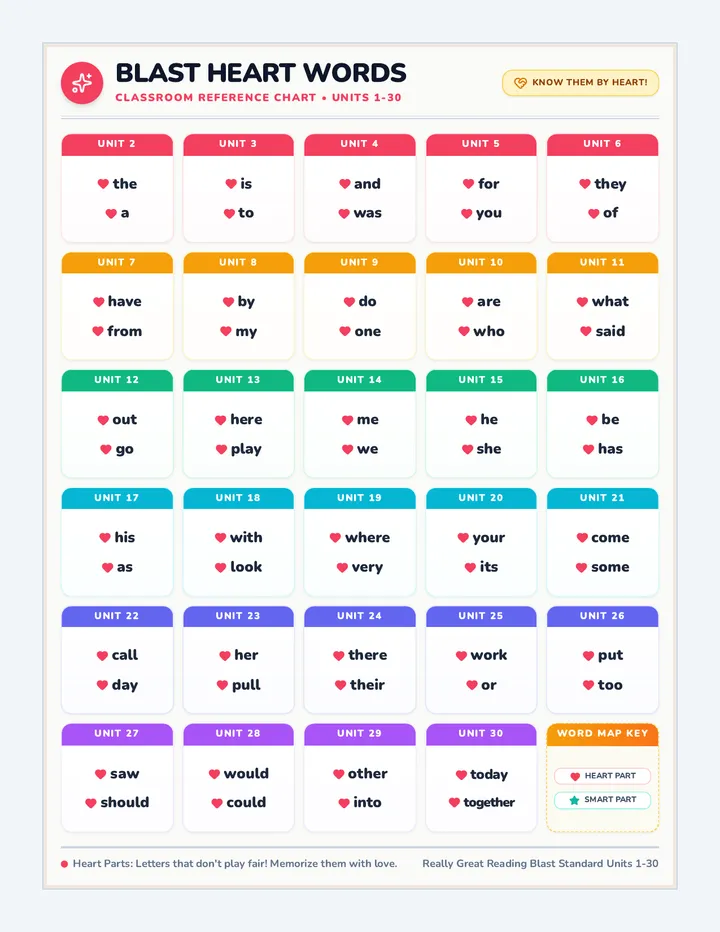
A collection of 10 short stories designed for beginning readers, focusing on CVC words and high-frequency sight words with visual comprehension support.
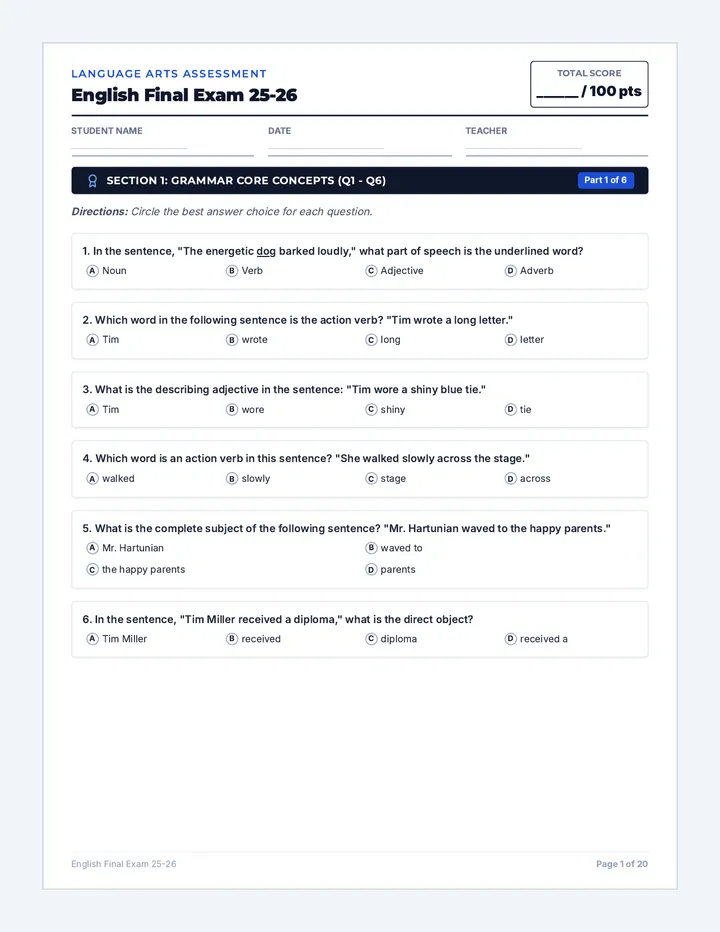
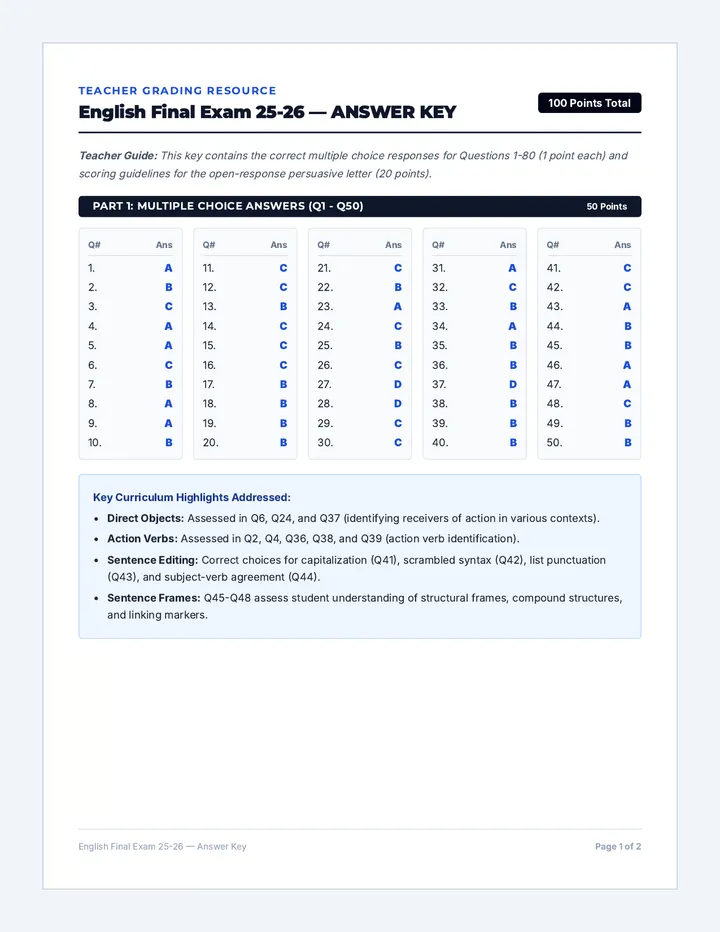
A comprehensive end-of-year assessment for Grade 4 ESL students, covering morphology, vocabulary, grammar, reading, writing, speaking, and listening.
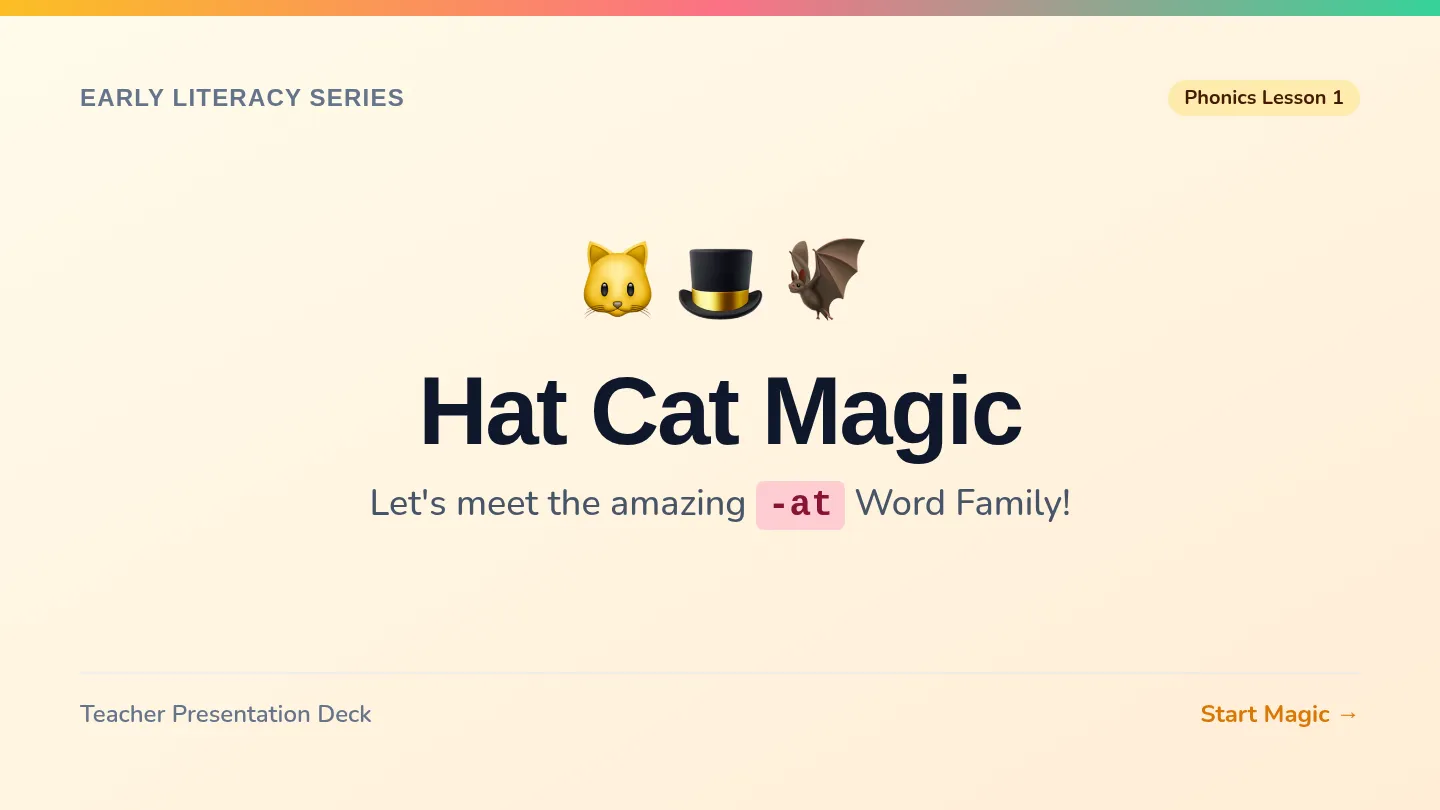
A lesson focused on mastering academic vocabulary used in reading comprehension questions. Students will learn to distinguish between common analytical verbs and concepts through a hands-on matching game and reference guides.
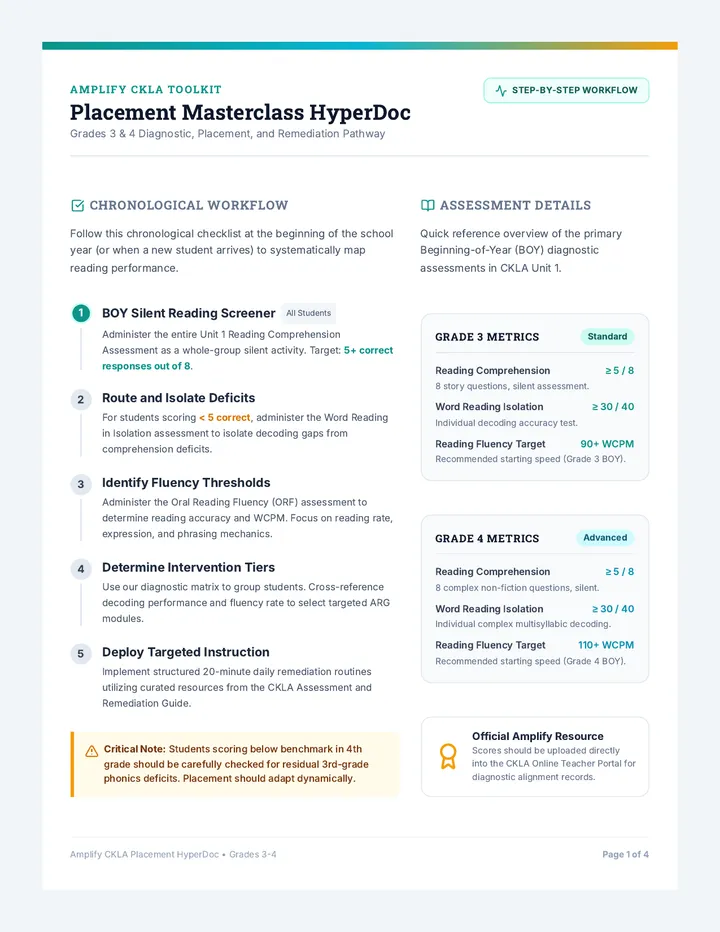
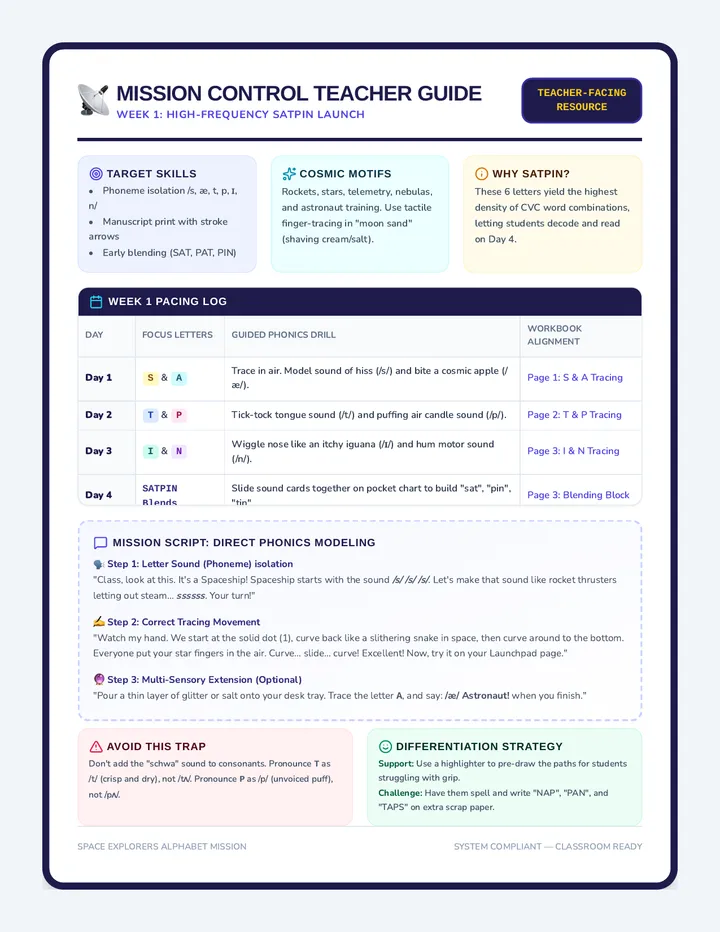
A 45-minute ESL lesson for 4th graders focused on using the R.A.P. (Read, Ask, Paraphrase) strategy to understand animal adaptations. Students will learn to identify main ideas and details while practicing their summarizing skills with informational texts about unique animal survival traits.
A 45-minute Grade 4 ESL lesson focused on interpreting information from digital news articles. Students learn to navigate digital news features, identify key facts, and answer investigation questions using text evidence.
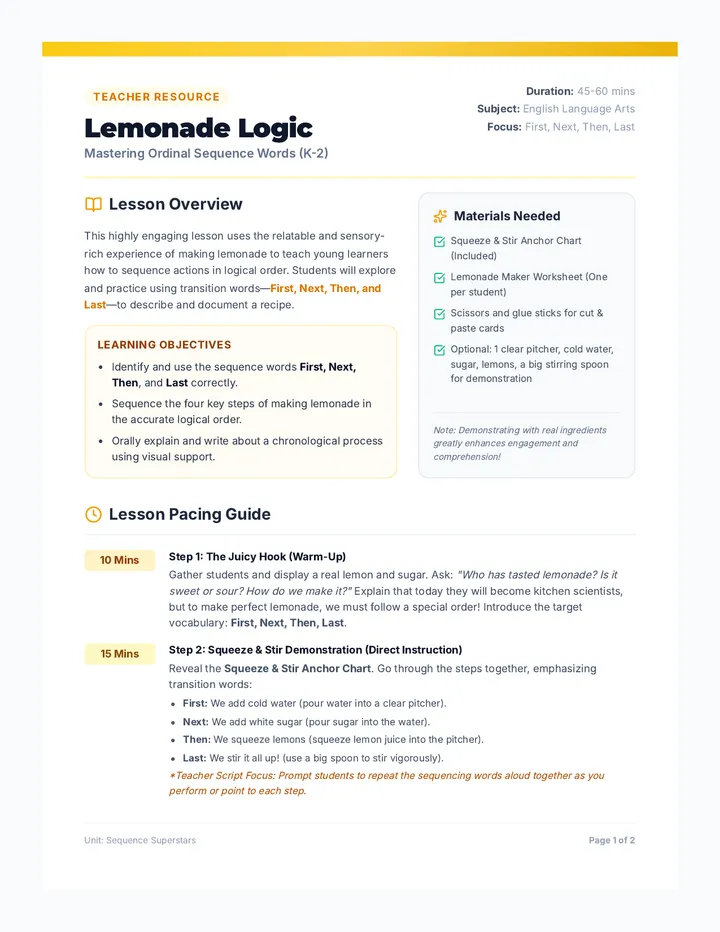
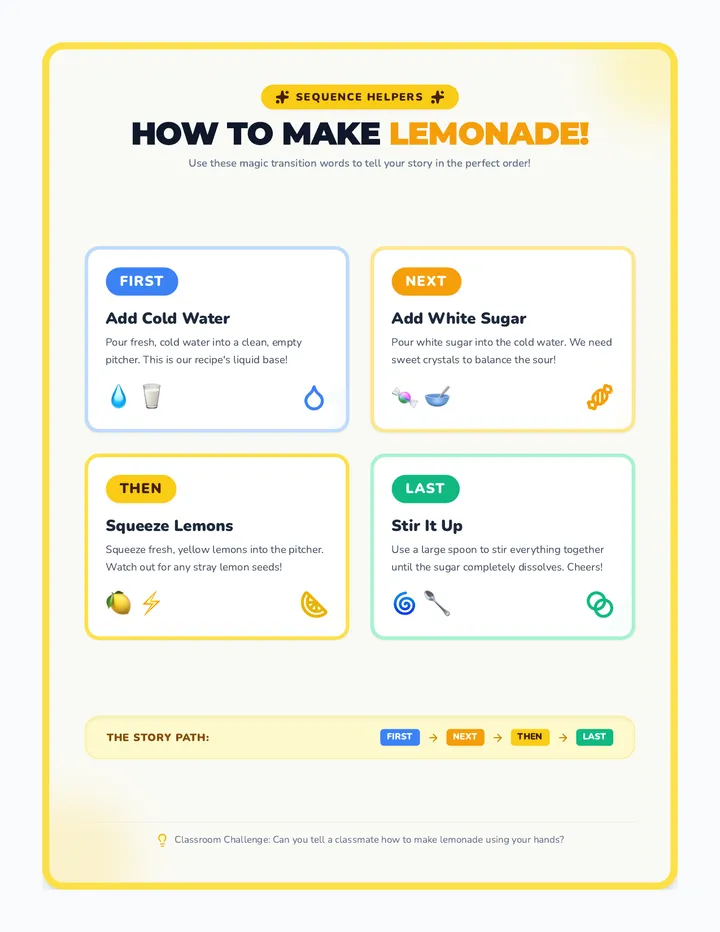
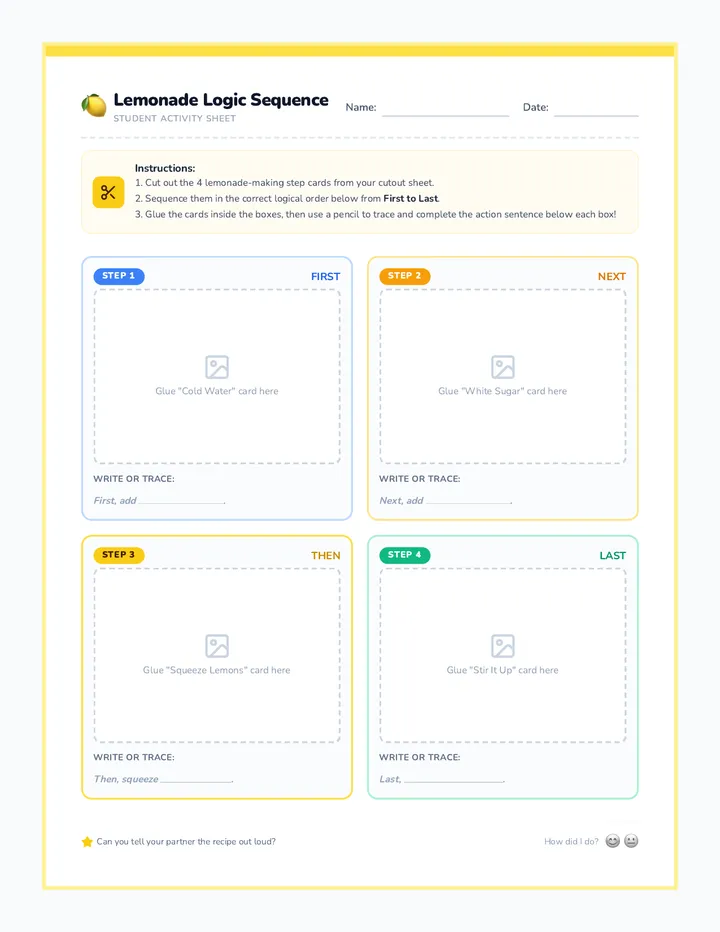
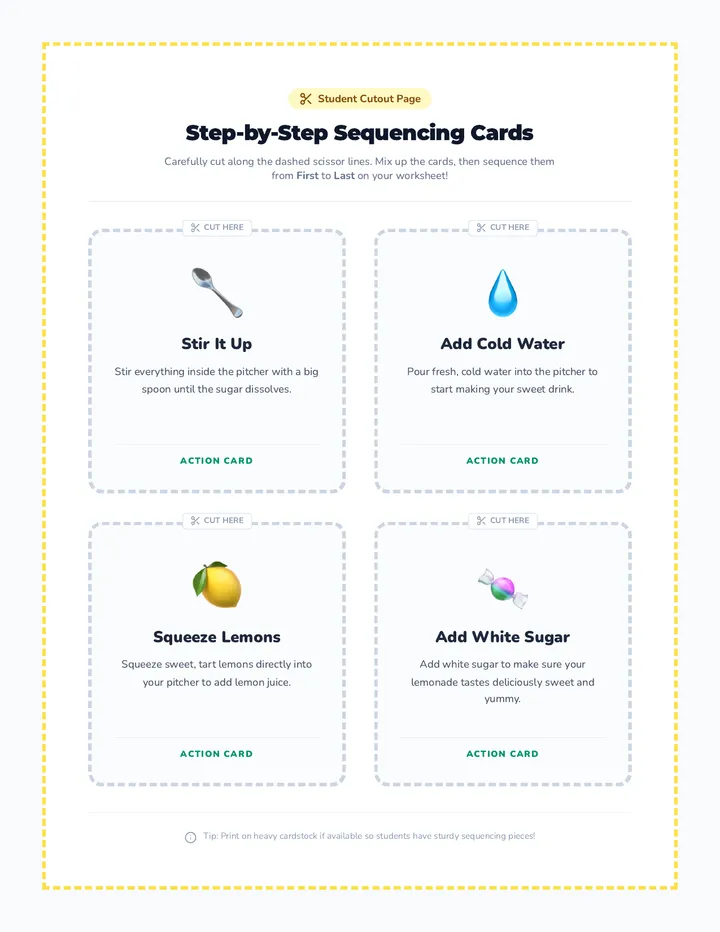
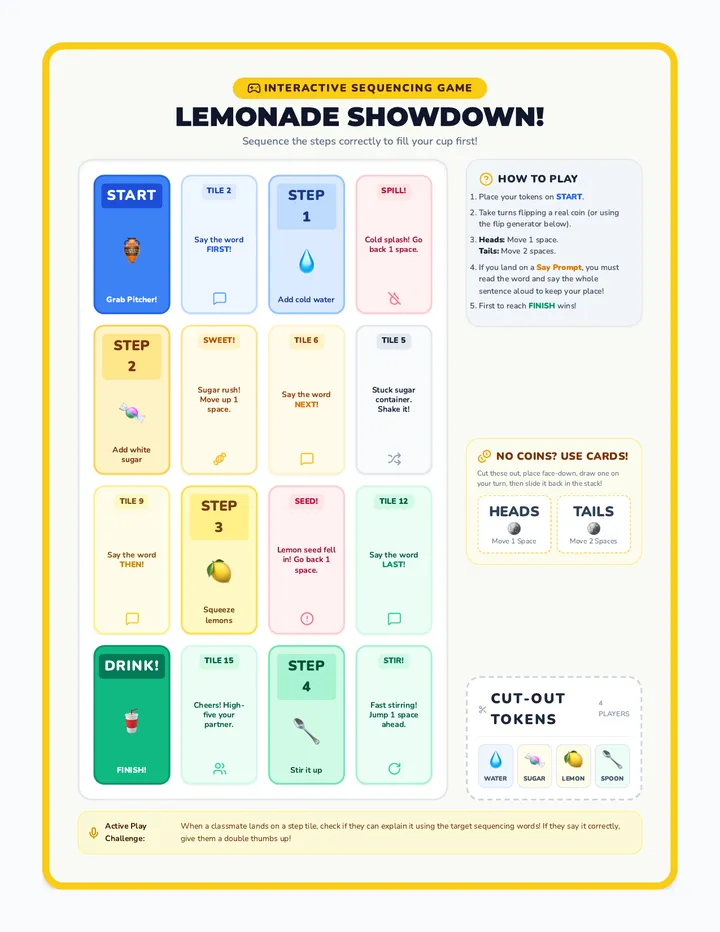
A 45-minute ESL lesson for 4th graders focused on using transitional words and phrases to sequence events, themed around building bridges between ideas.
A 45-minute writing lesson for Grade 4 ESL students (Level 3) focused on establishing characters and settings to orient the reader. Students will use sentence frames and visual maps to craft the beginning of a narrative.
A 45-minute Grade 4 ESL lesson focused on CCSS W.4.3.B, teaching students to use dialogue, sensory details, and 'show, don't tell' actions to bring characters and scenes to life.
A Grade 4 ESL lesson focused on point of view using 'The True Story of the 3 Little Pigs'. Students compare the narrator's perspective to understand how it shapes the 'facts' of a story.
A 45-minute lesson where students become newsroom investigators, learning to distinguish between objective hard news reporting and subjective opinion pieces through hands-on analysis and writing practice.
A 45-minute lesson for Grade 4 ESL students (Developing/Expanding) focused on identifying, comparing, and contrasting first-person and third-person points of view using a detective-themed 'case file' approach.
A 45-minute ESL lesson for 4th graders focused on identifying and describing cause-and-effect relationships in a scientific text about plant growth. Students use visual organizers, signal words, and sentence frames to master the concept.
An engaging 45-minute ESL lesson for Grade 4 students focused on chronological order and sequencing through the exciting lens of a space mission. Students will use transition words, sequencing cards, and a scaffolded graphic organizer to master the order of events.
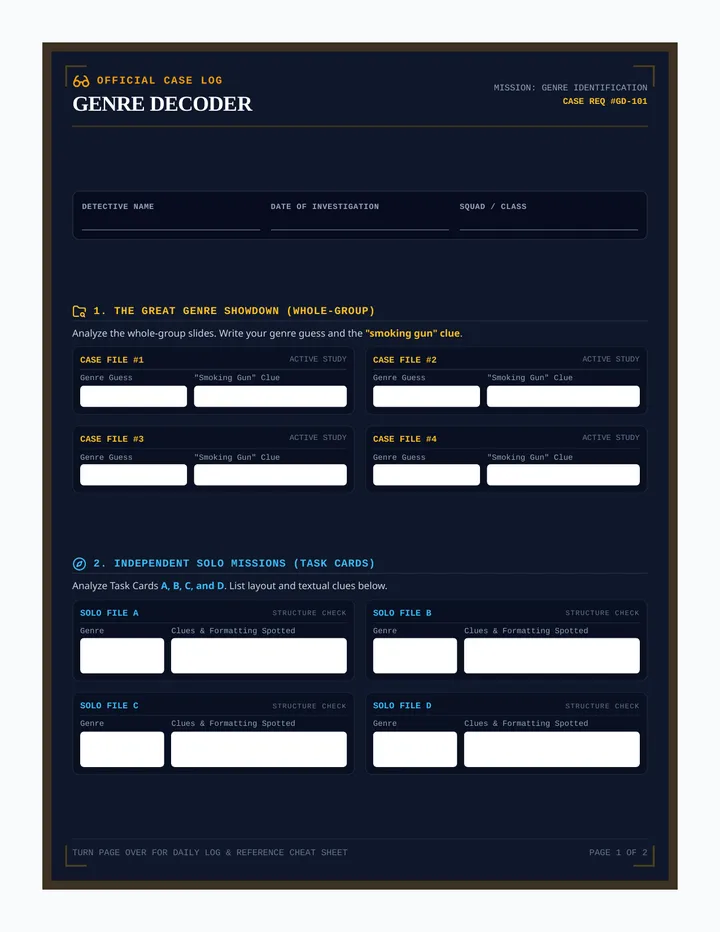
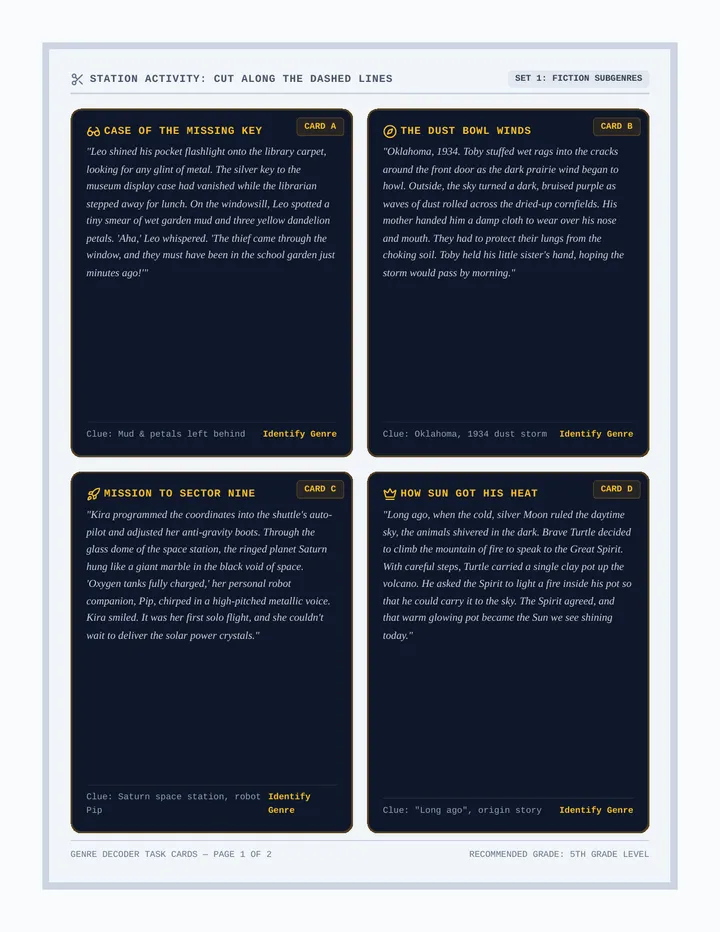
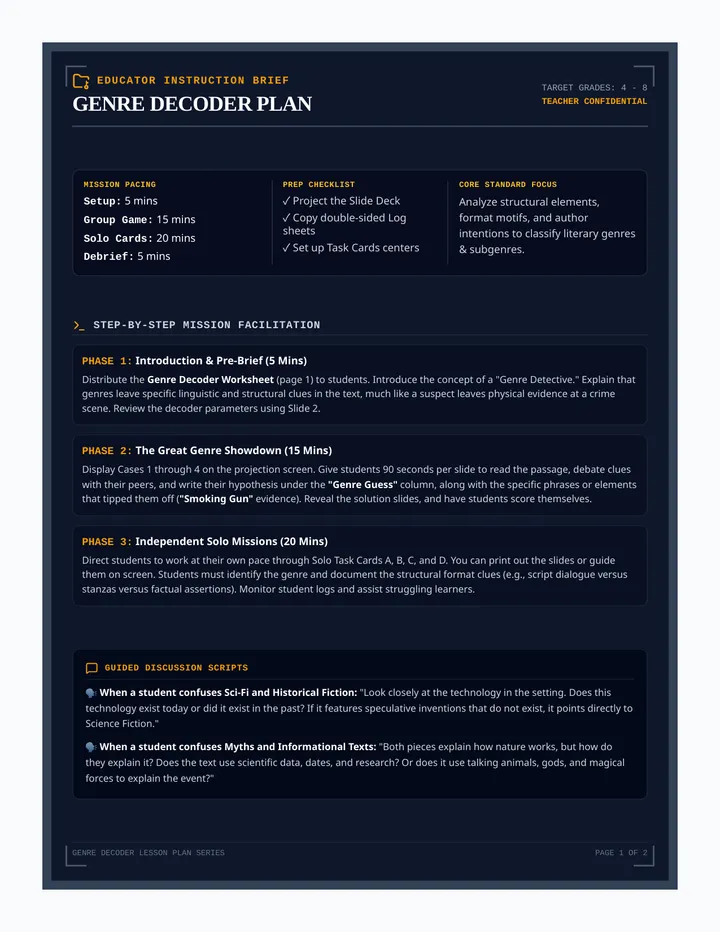
A 45-minute ESL lesson for grade 4 focused on identifying and comparing the structural elements of prose, poetry, and drama. Students act as genre detectives to find clues like stanzas, stage directions, and chapters.
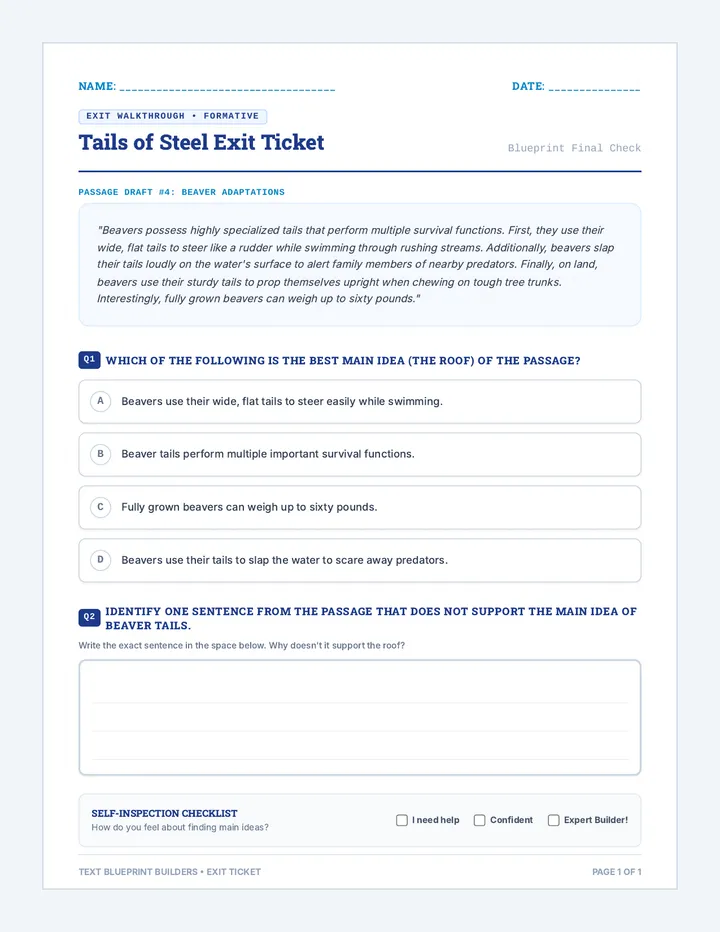
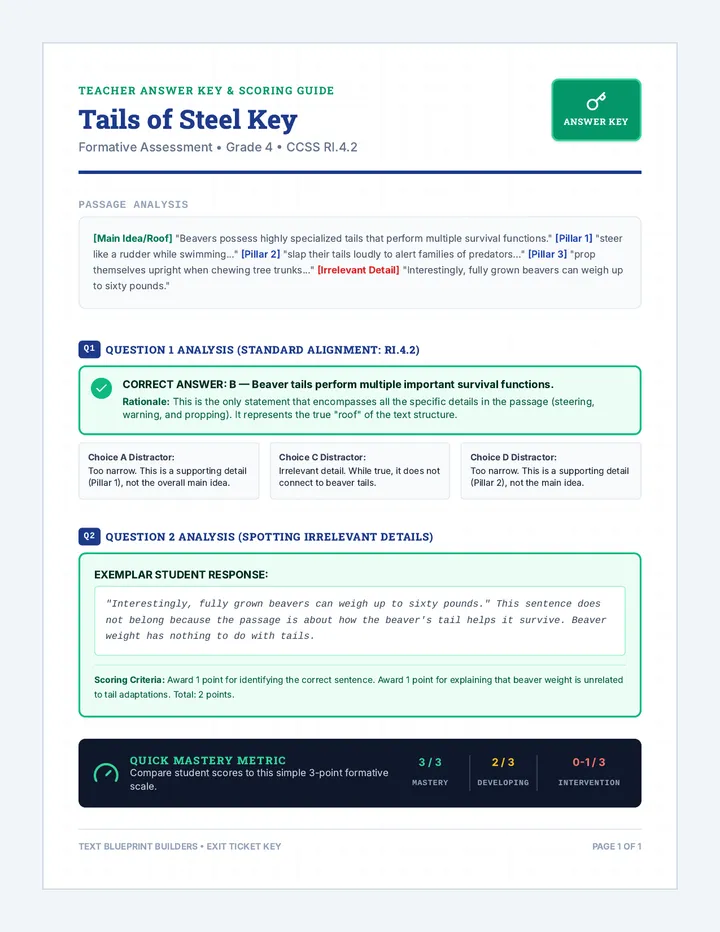
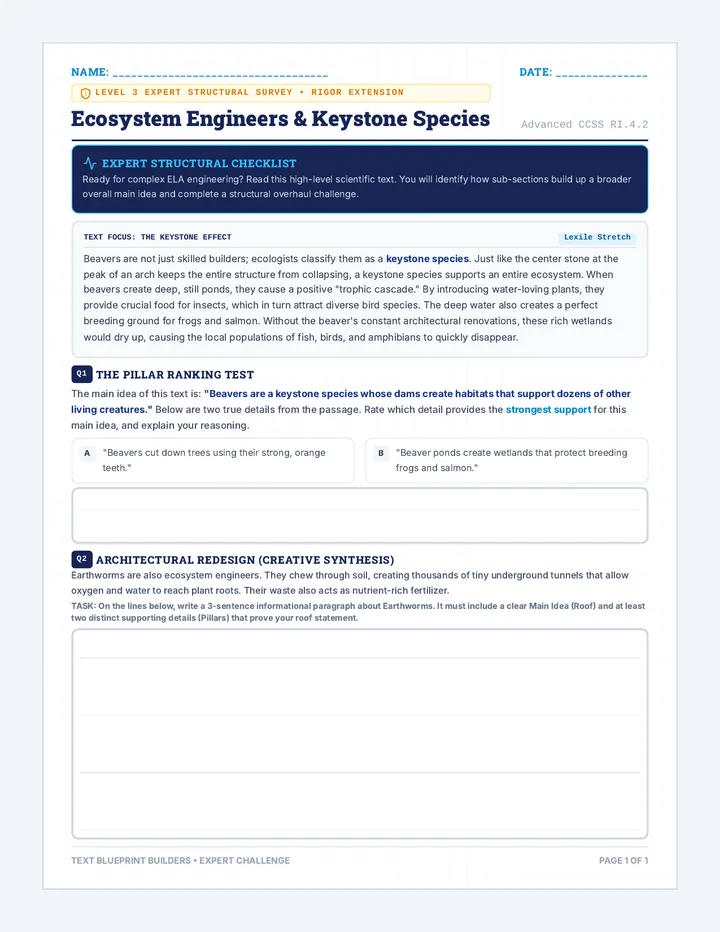
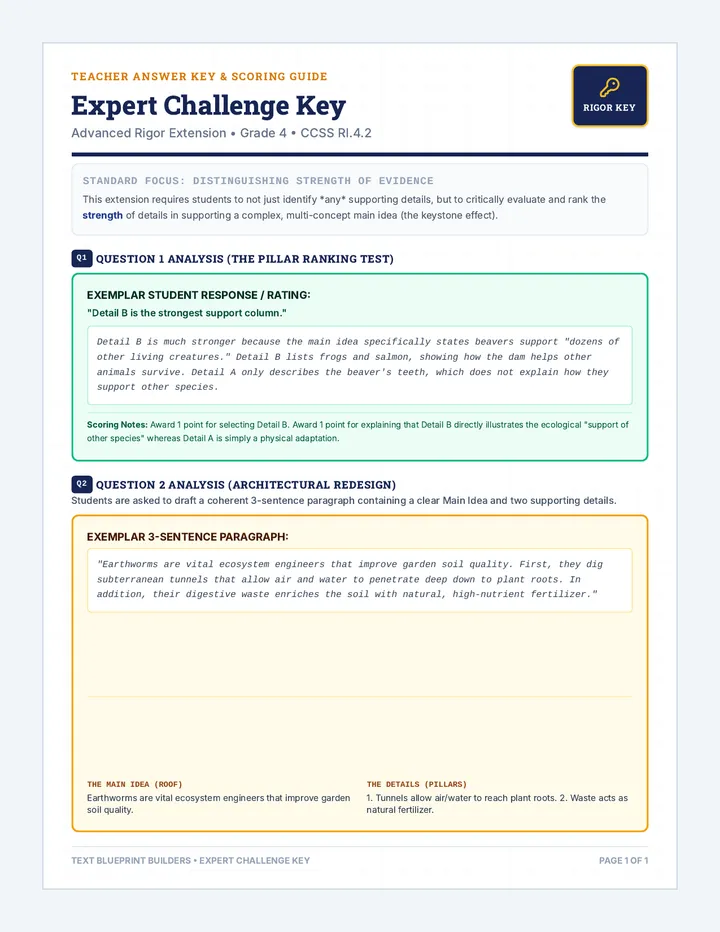
Students will identify and compare four major text structures: chronology, comparison, cause/effect, and problem/solution. Through an architectural 'blueprint' theme, ESL students will learn signal words and structural patterns to improve reading comprehension.