A mature look at the social and biological consequences of nose picking, designed to help young adults navigate personal hygiene with dignity and health awareness.
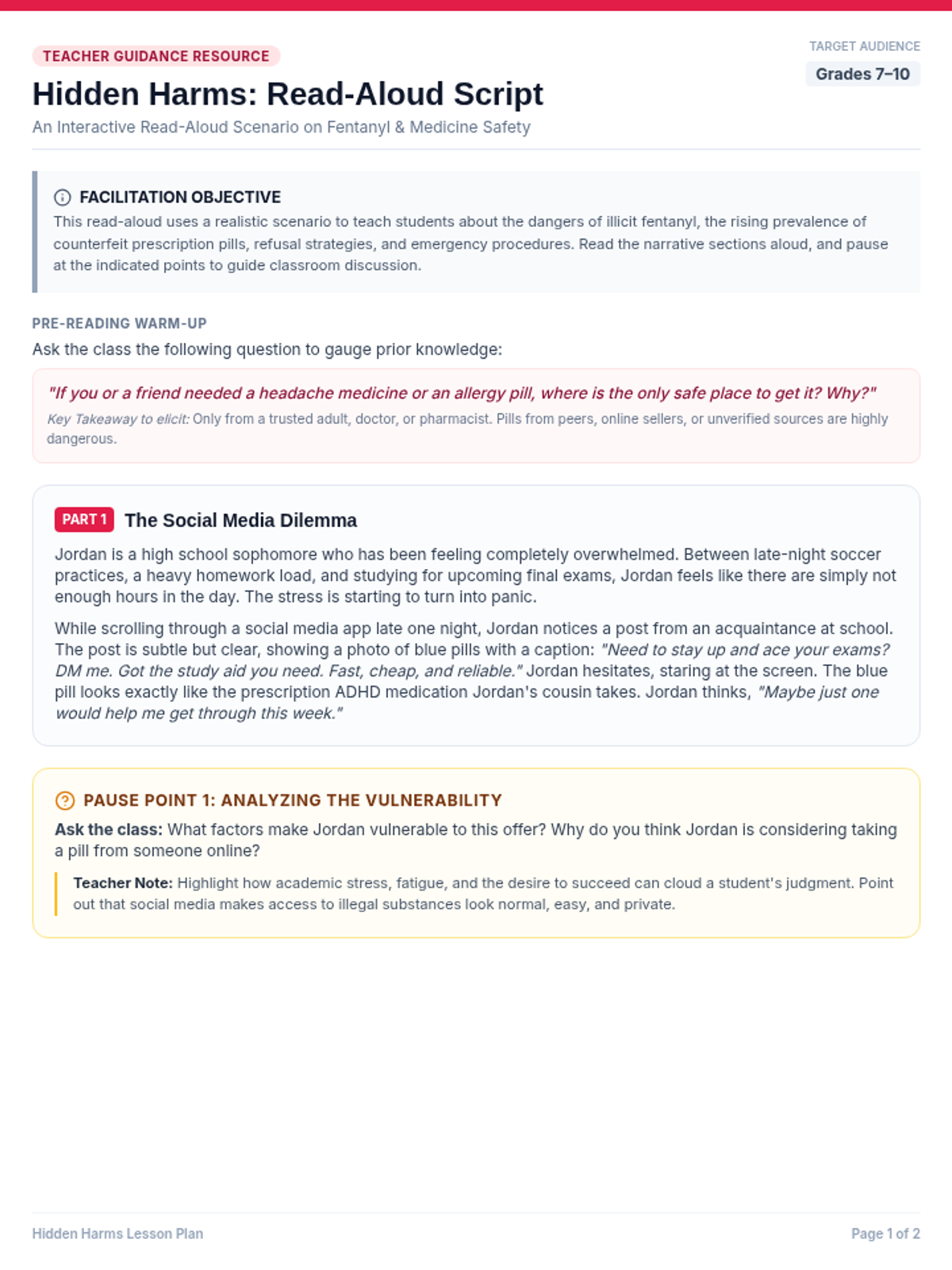
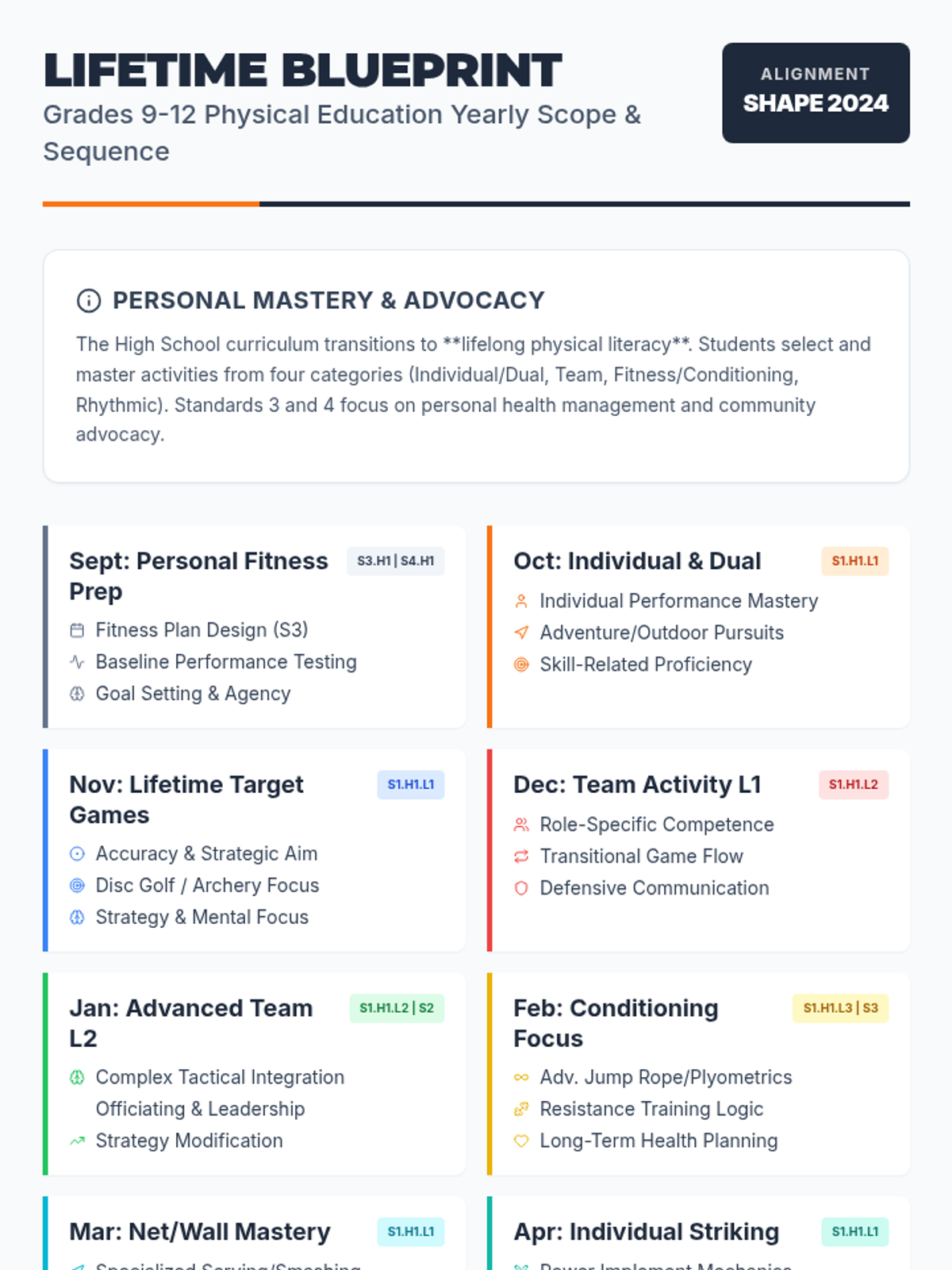
A lesson focused on the lifelong benefits of physical activity and the decision-making skills required to promote health for individuals, families, and communities.
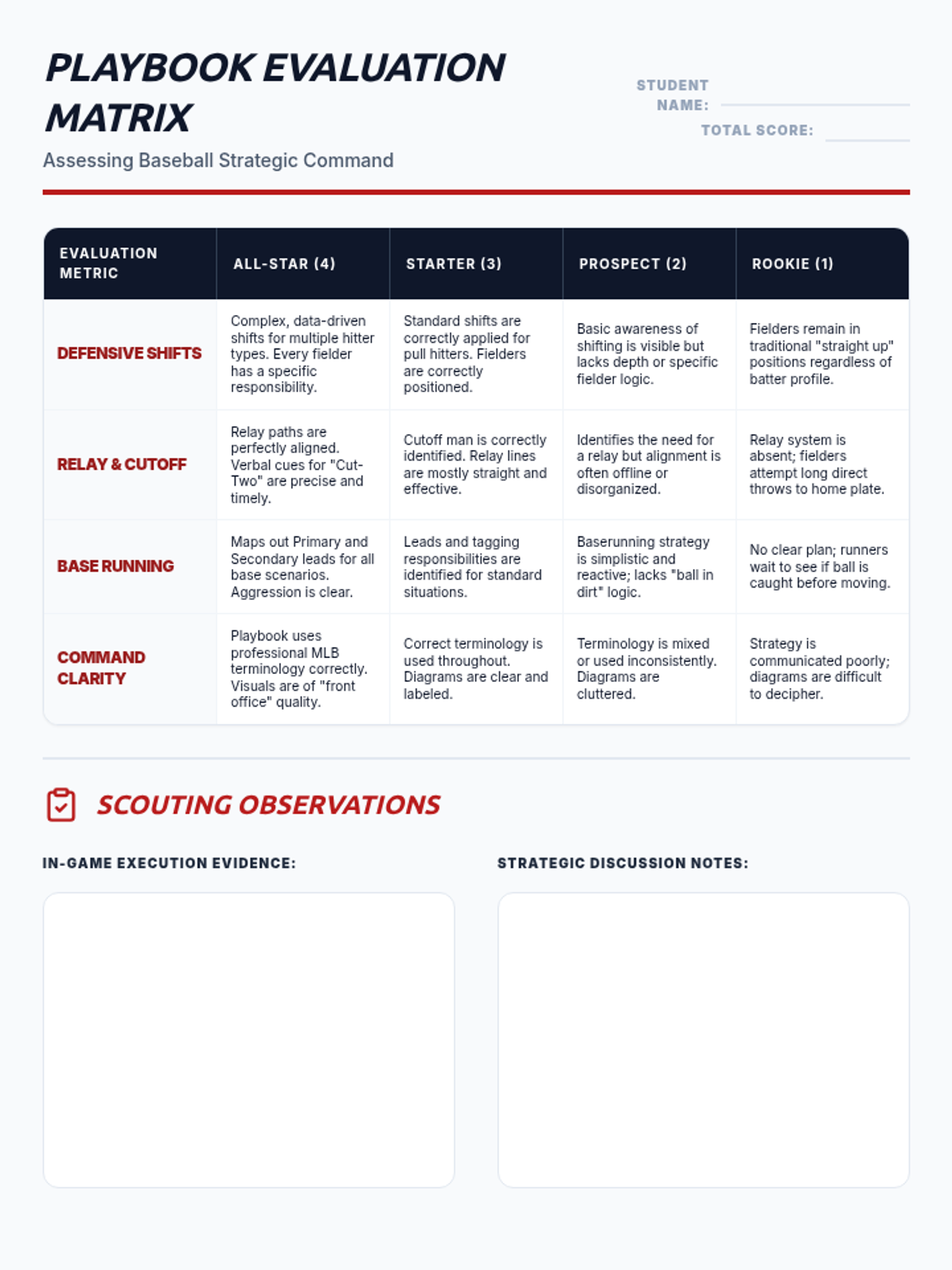
A comprehensive assessment and instructional set for middle school floor hockey, focusing on core skills, game rules, and tactical strategies.
Demonstrates how values translate into action through decision-making. Students analyze real-world dilemmas and use a decision matrix to navigate choices based on their personal value compass.
Explores the external and internal influences that shape an individual's value system. Students use easel paper and markers to collaboratively map the 'roots' of common values like family, culture, and media.
Introduces the foundational concepts of spiritual health by defining and distinguishing between beliefs and values. Students participate in a collaborative sorting activity to categorize various internal drivers.
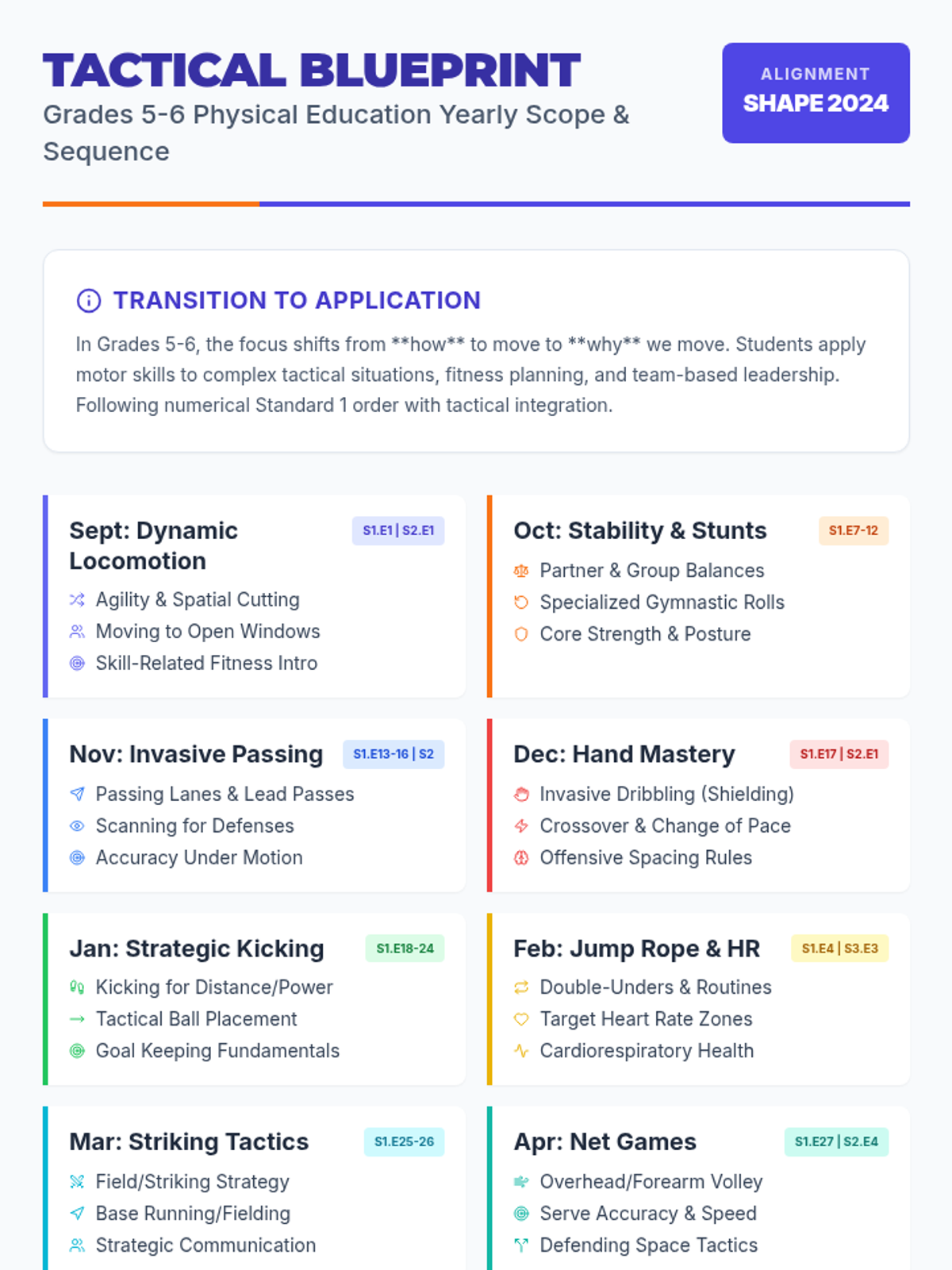
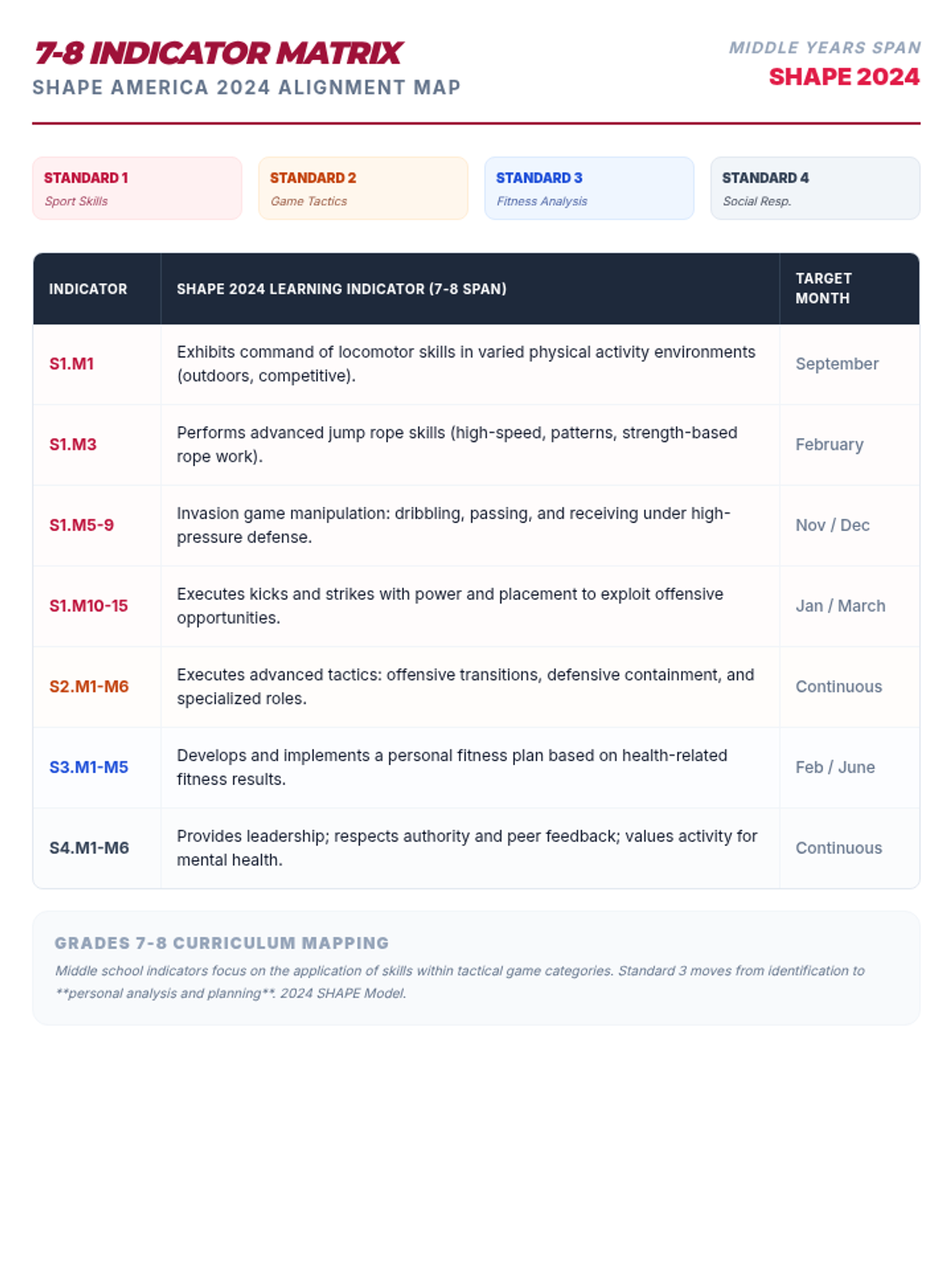
A foundational lesson covering tennis rules, scoring, strokes, and court positioning, designed to prepare students for gameplay and officiating.
A lesson focused on bilateral coordination, crossing the midline, and mild cardio fitness using clear, visual instructions for transition-aged students.
Students explore the brain-as-computer analogy to understand input, processing, and output. They then apply this knowledge to create a concussion awareness campaign using a design process, focusing on the importance of brain safety and injury prevention.
A comprehensive introduction to the six dimensions of health, focusing on how they interact to create overall well-being through the 'Wellness Wheel' model.
A 10-slide presentation exploring the history, rules, and legendary moments of Team USA hockey in the Winter Olympics.
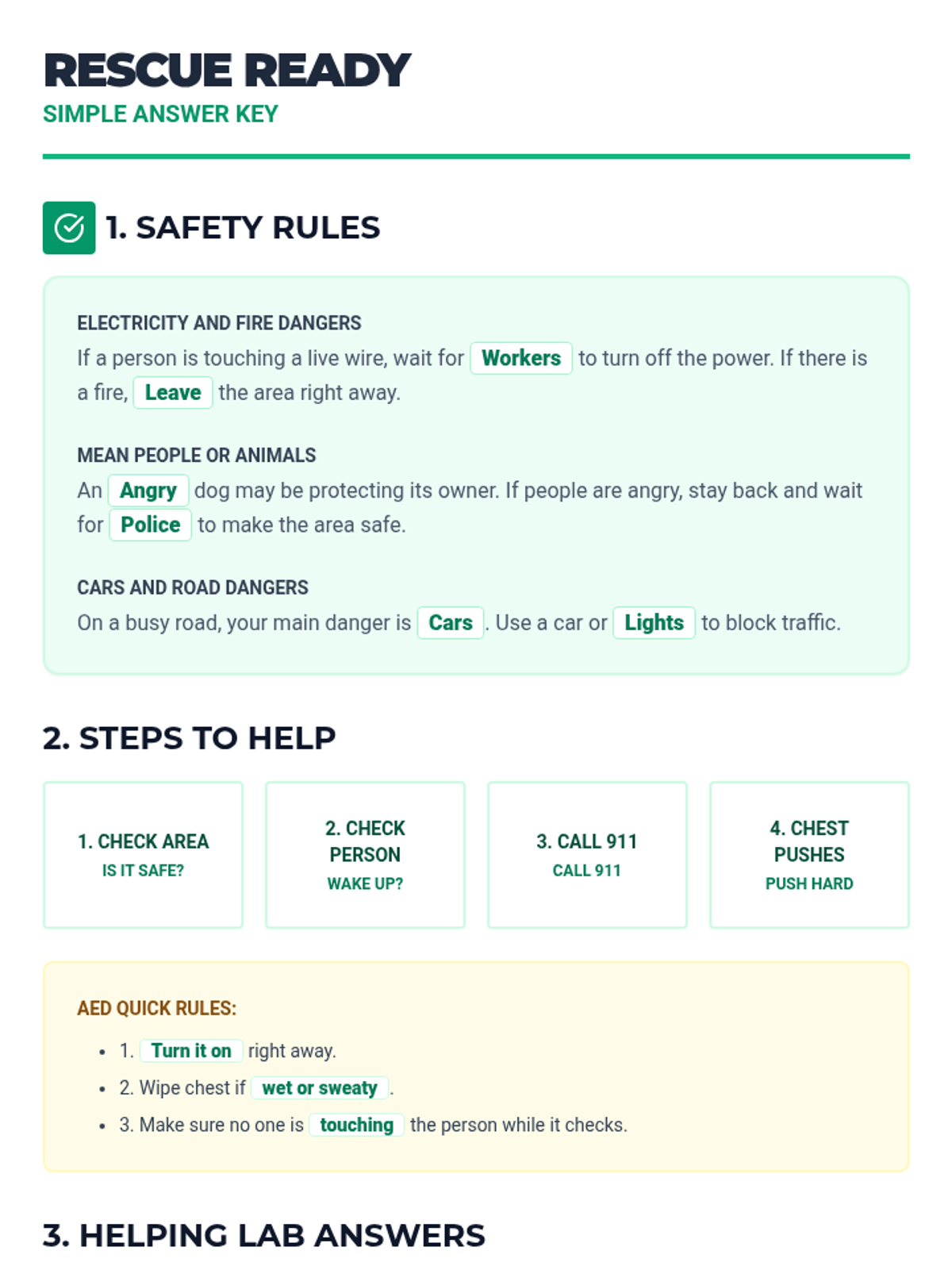
A comprehensive lesson to prepare students for fire drills, focusing on evacuation steps, identifying emergency signals, and maintaining calm. Includes visual slides, role-play activities, and assessment tools.
A 30-minute introductory lesson for high schoolers to define stress, understand the biology behind the stress response, and distinguish between positive (eustress) and negative (distress) stressors.
Introduces sustainability through waste reduction, recycling, and understanding how personal choices impact the local environment.
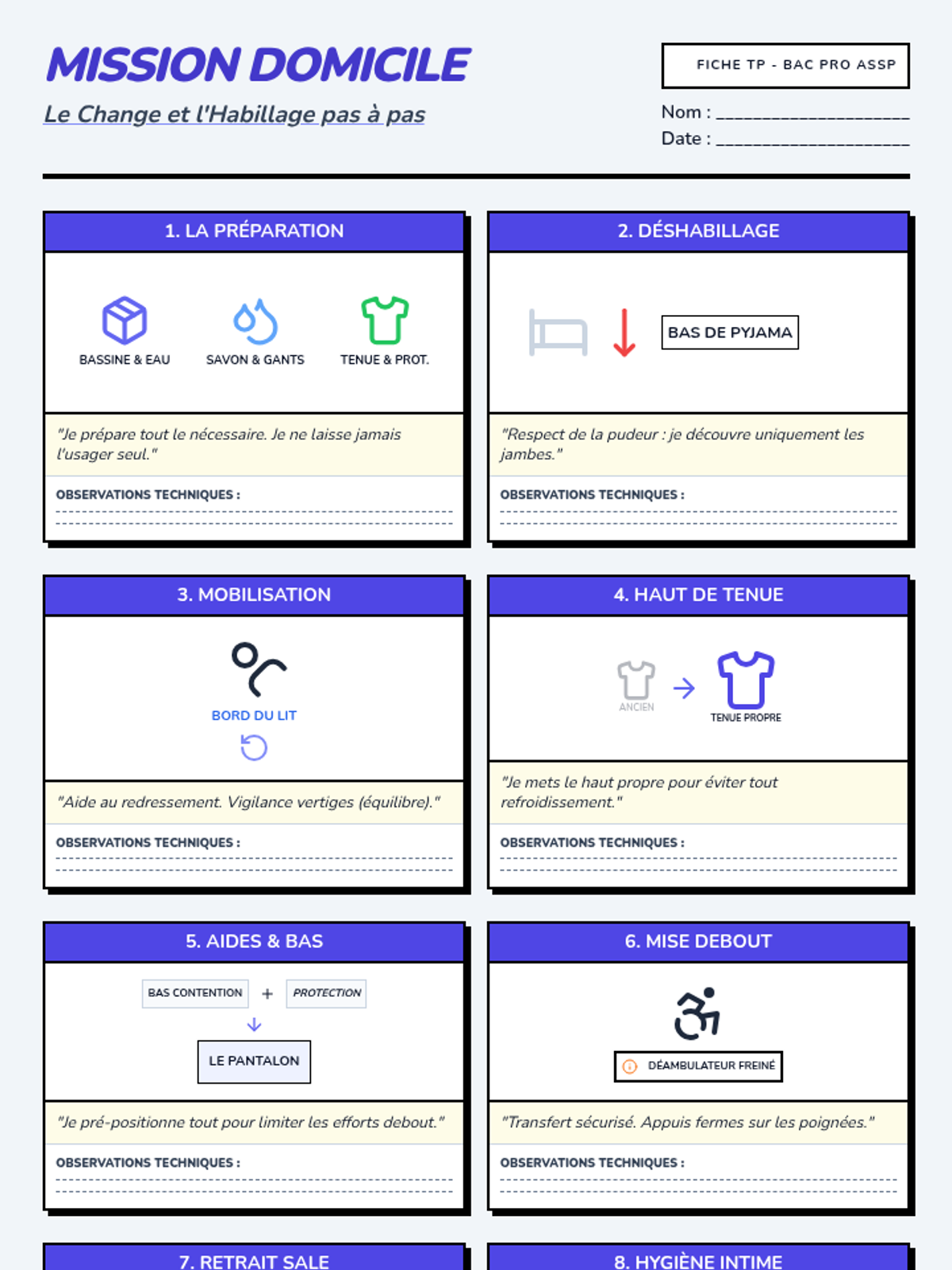
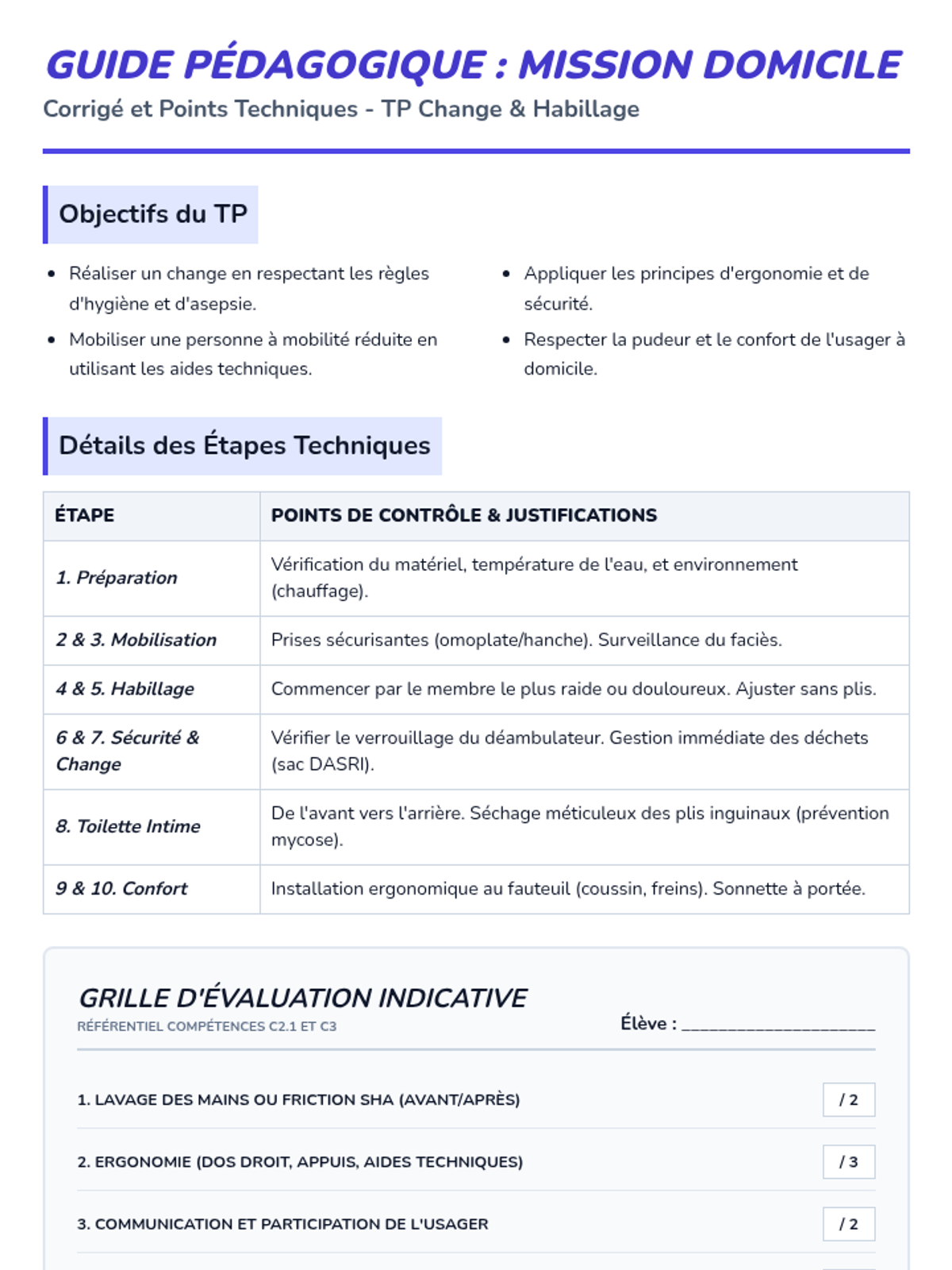
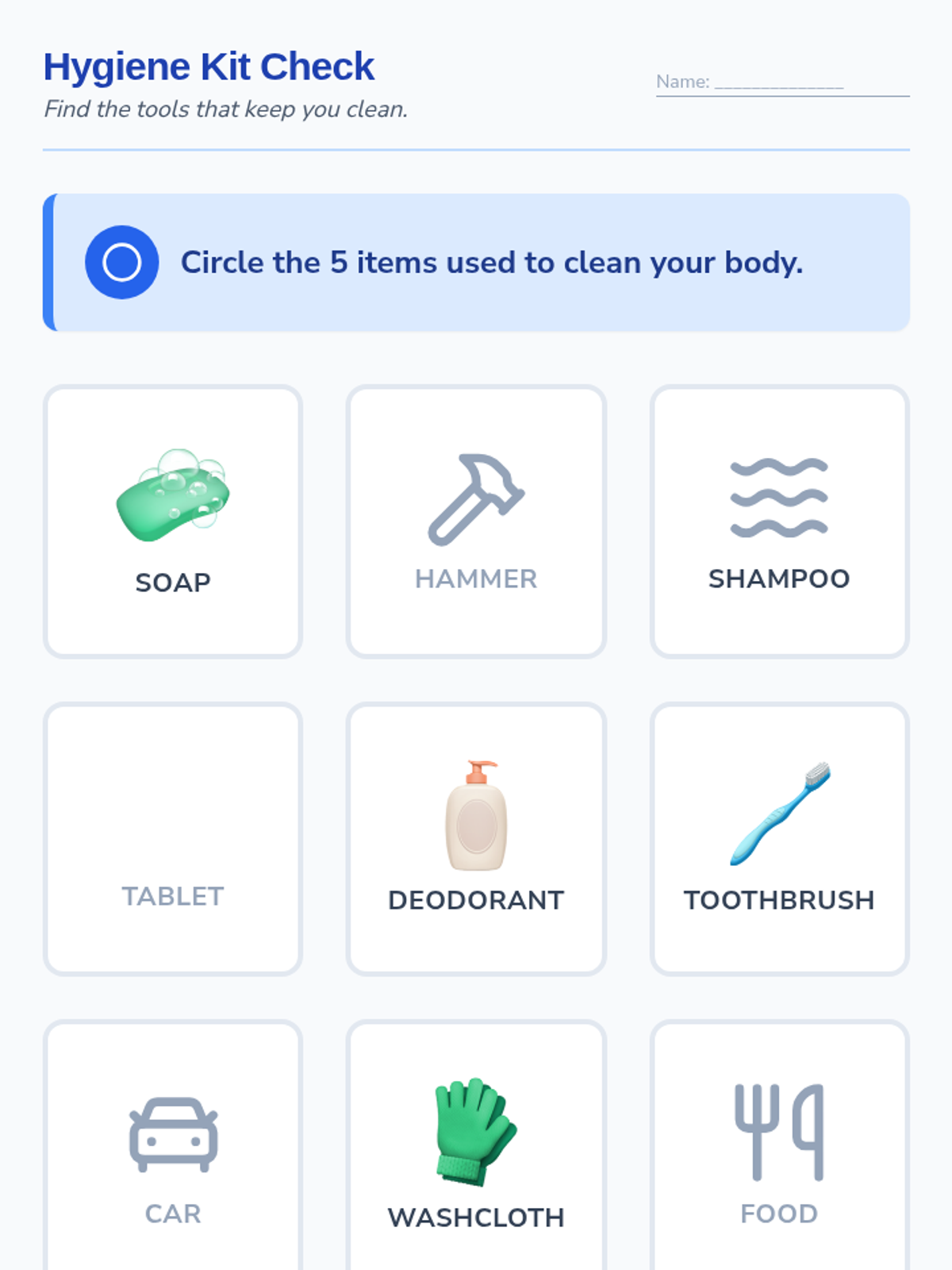
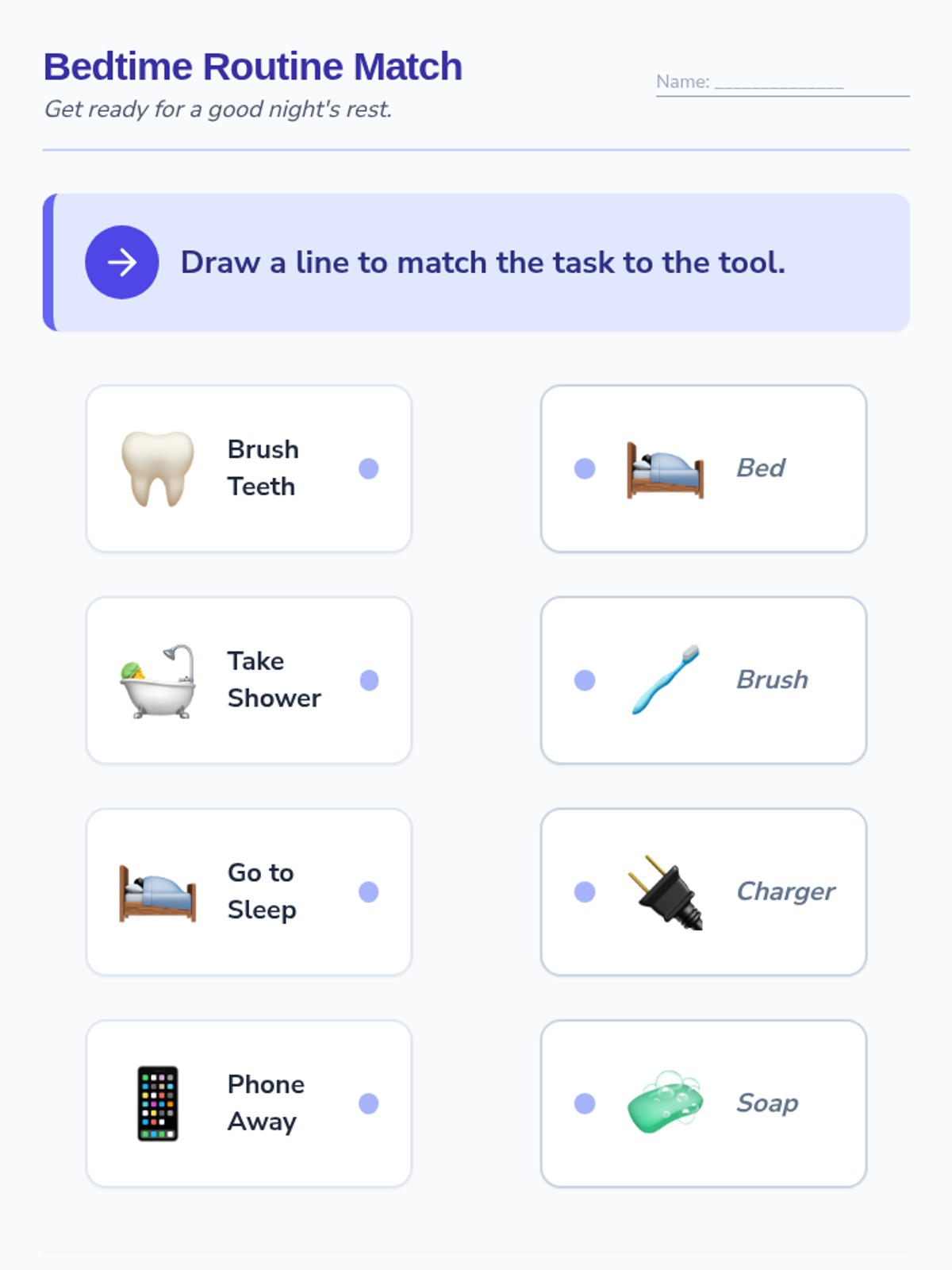
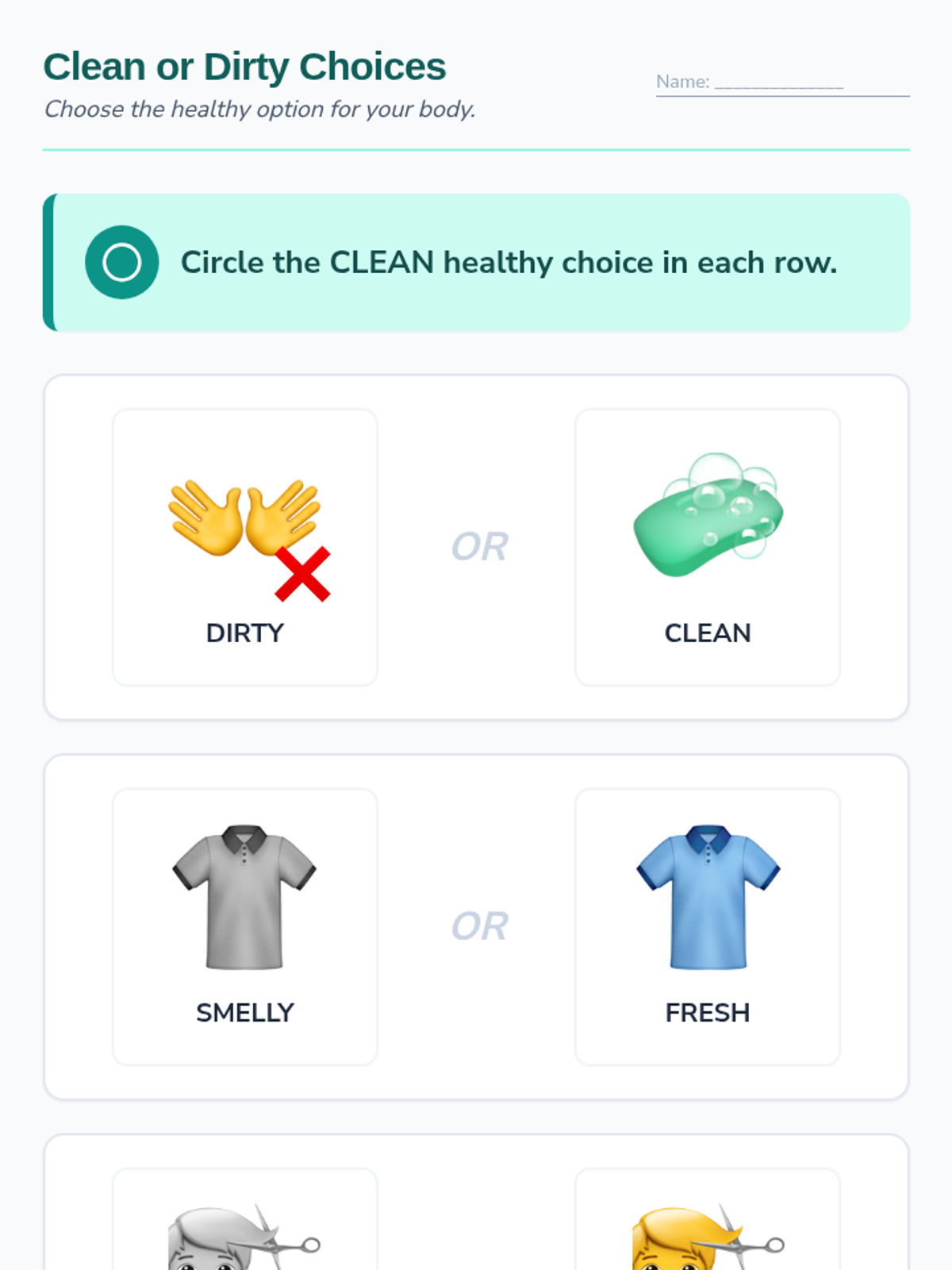
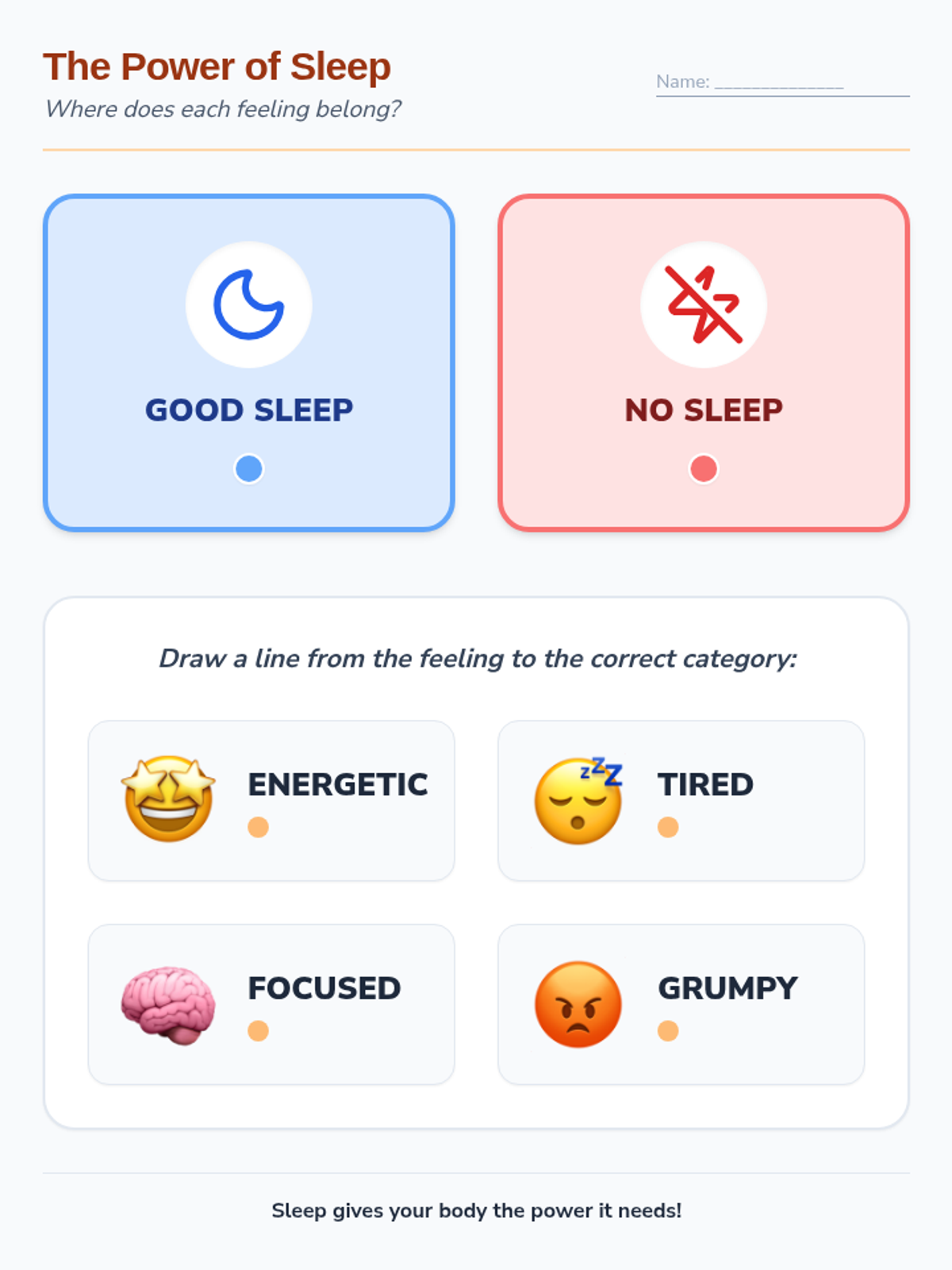
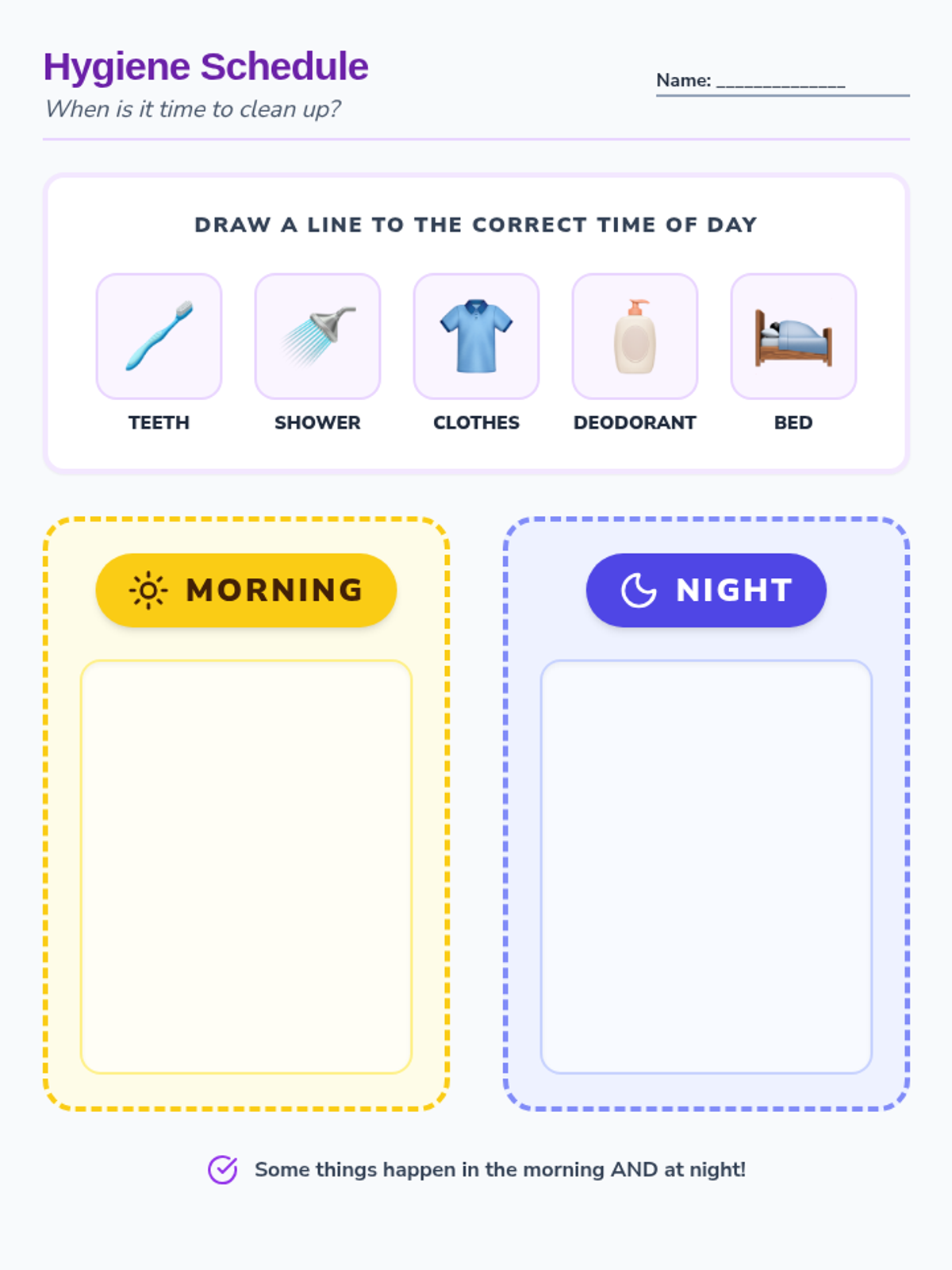
Covers basic human anatomy related to movement and health, alongside essential personal hygiene routines for daily living.
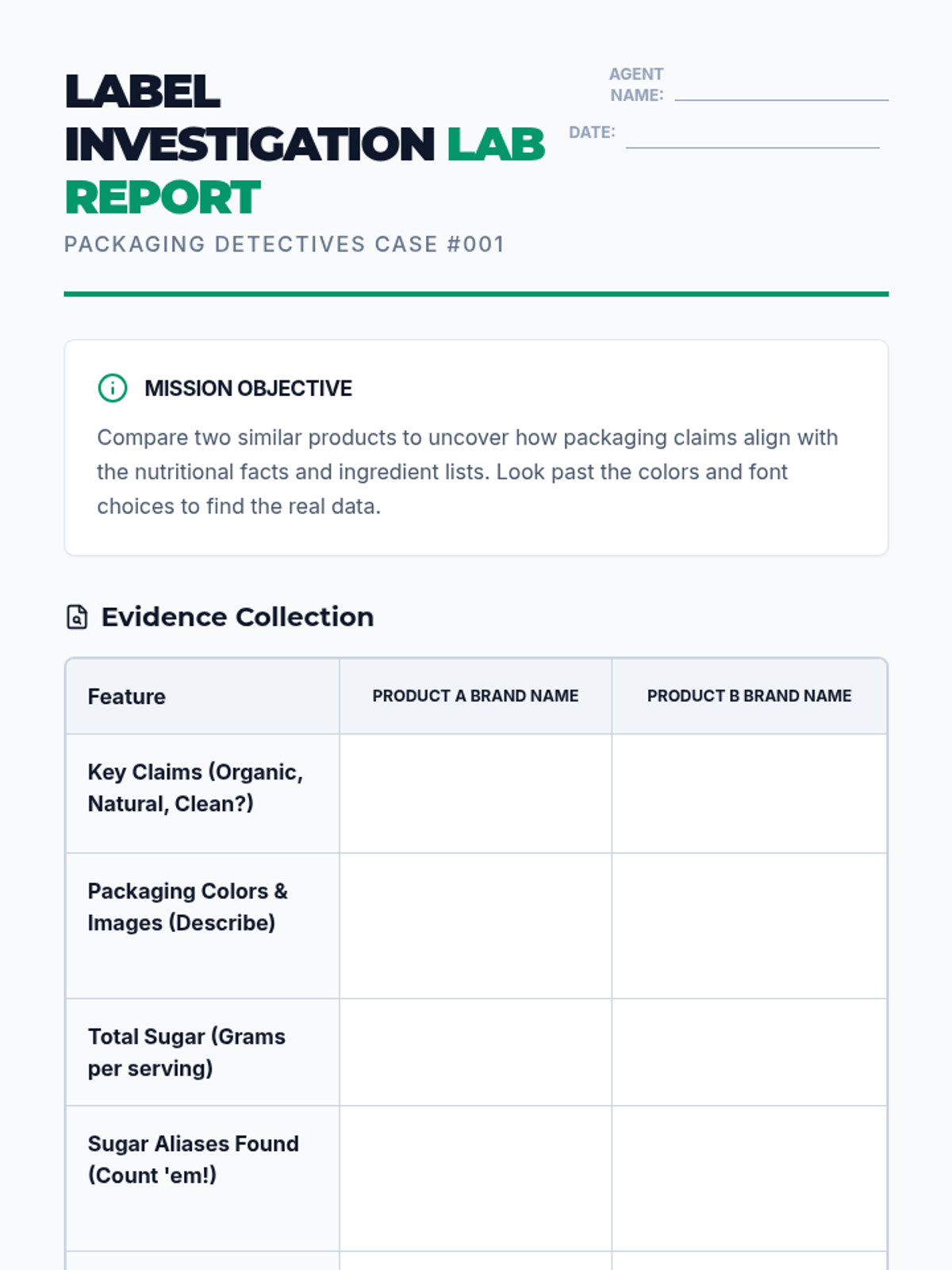
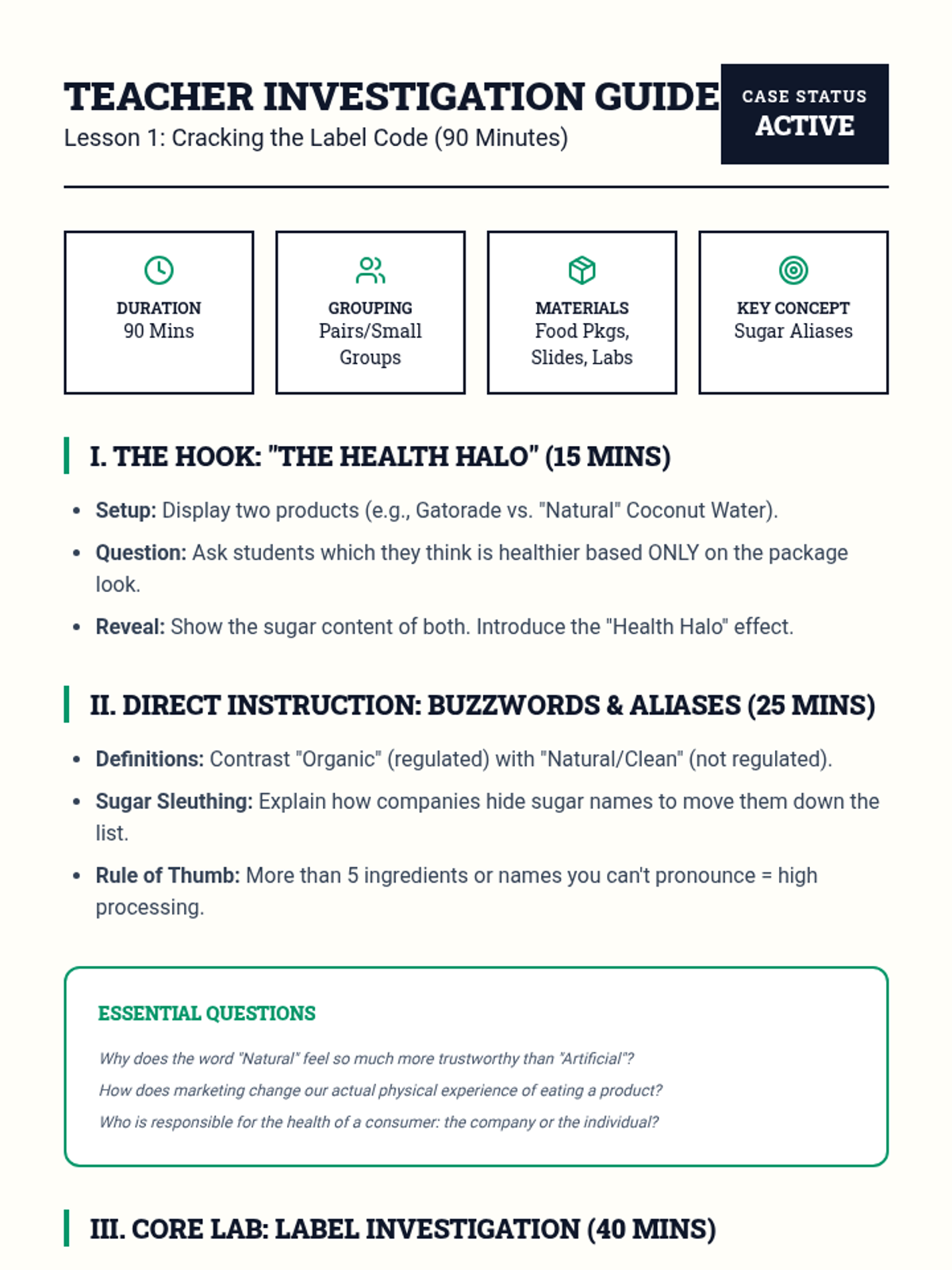
Focuses on identifying healthy food groups, reading simple food labels, and making informed nutritional choices for daily energy.