Students integrate their skills to perform multi-step conversions between mass and particles, using the mole as the essential central hub (the 'Mole Road Map').
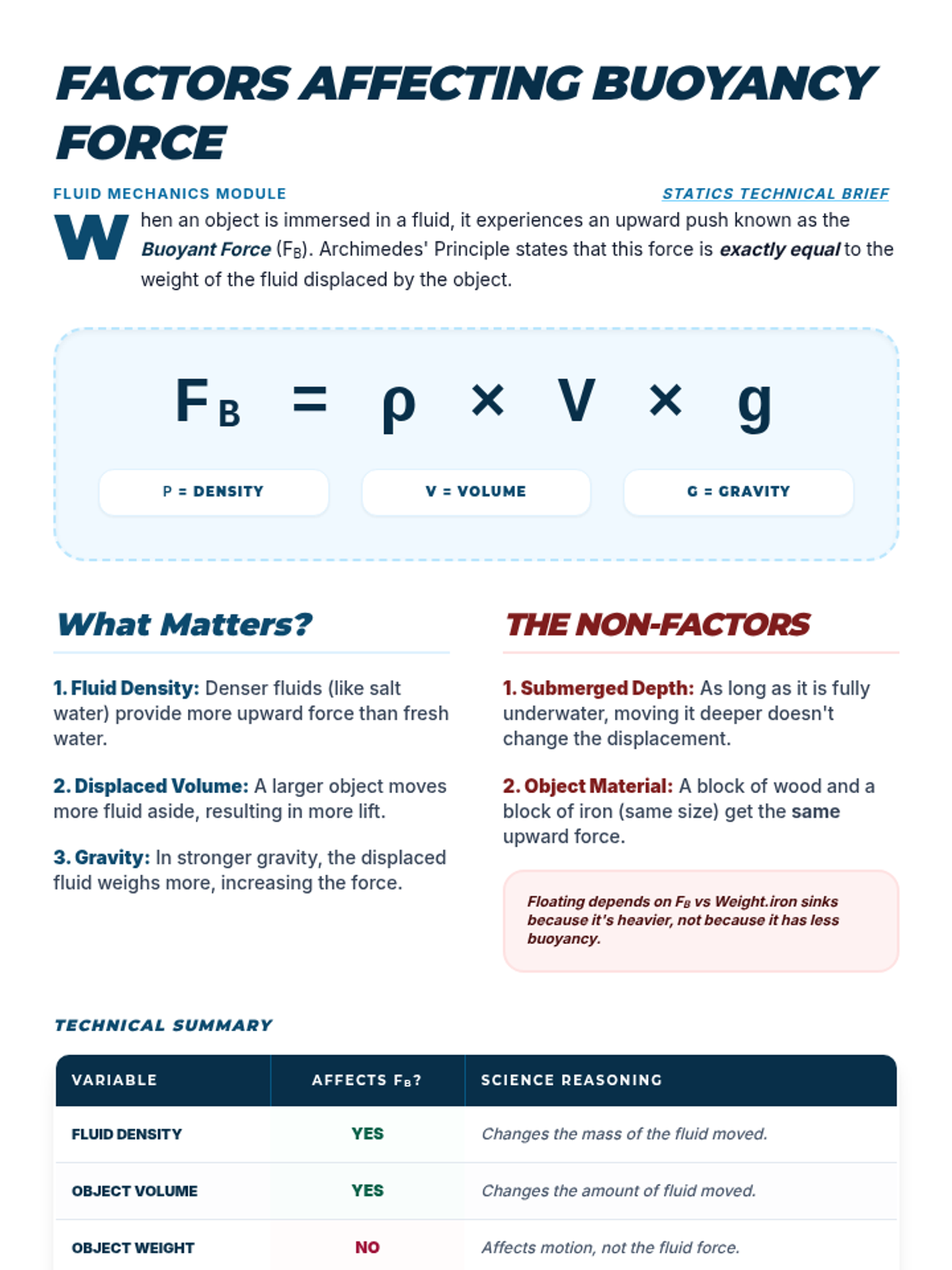
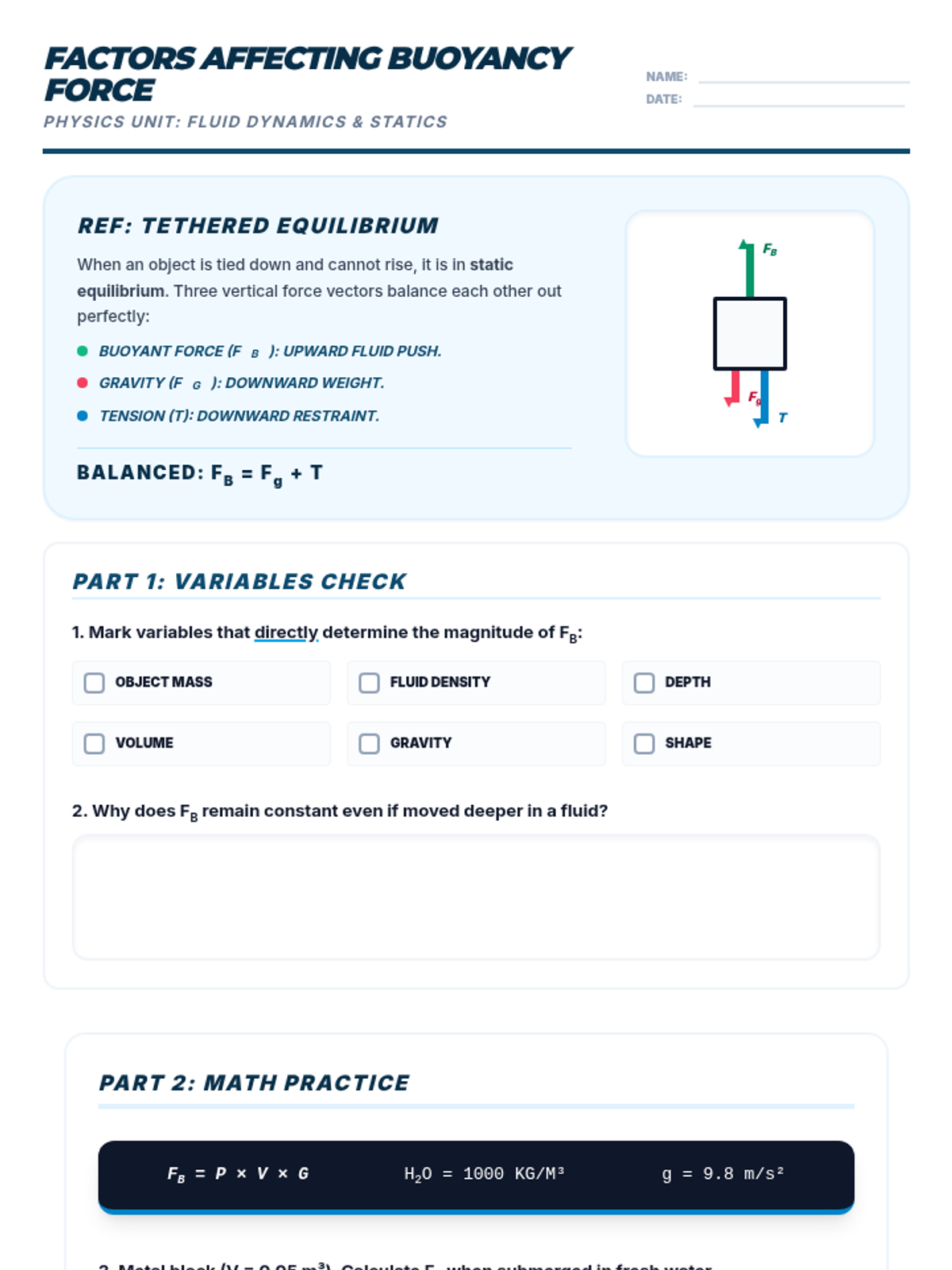
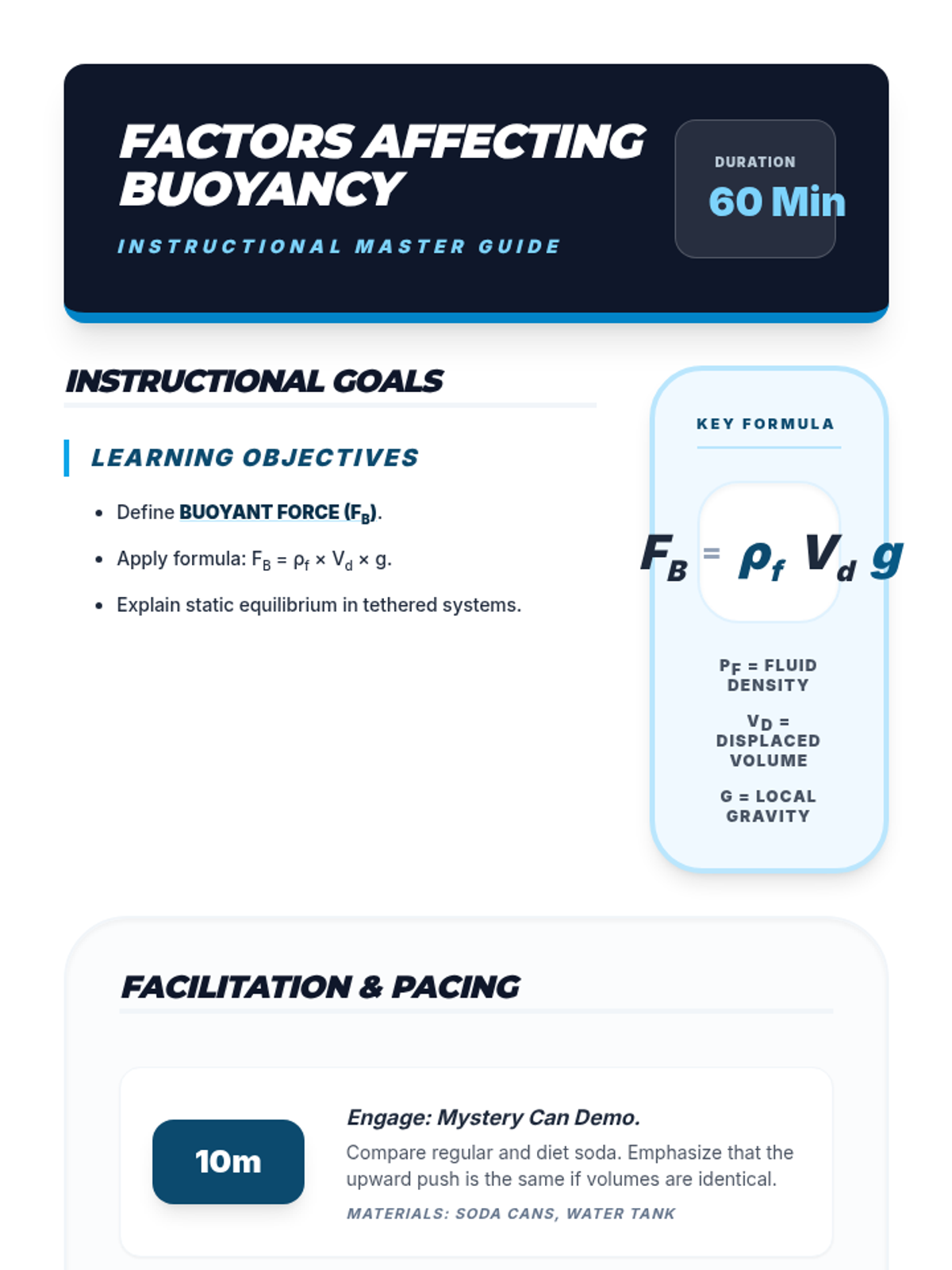
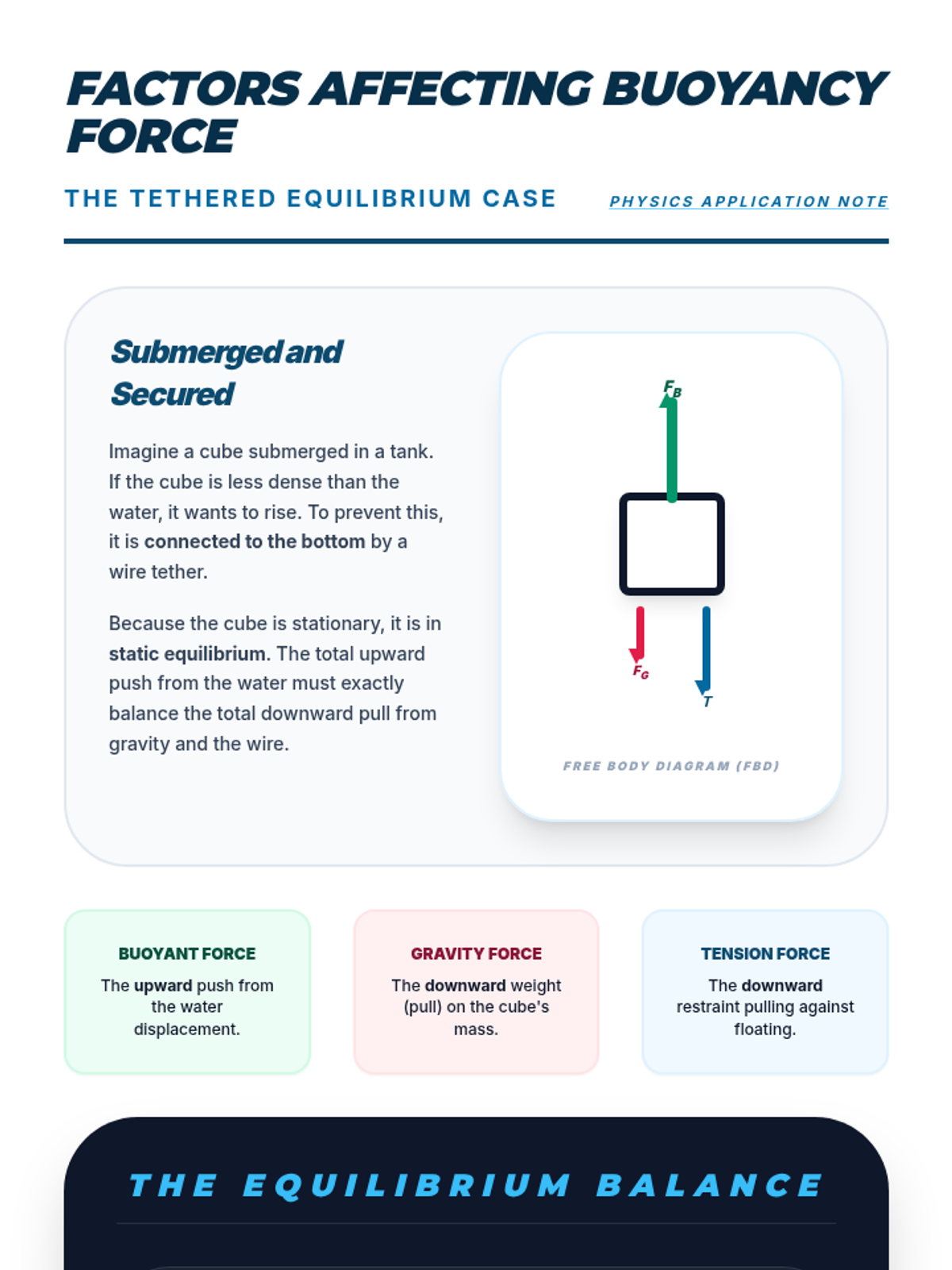
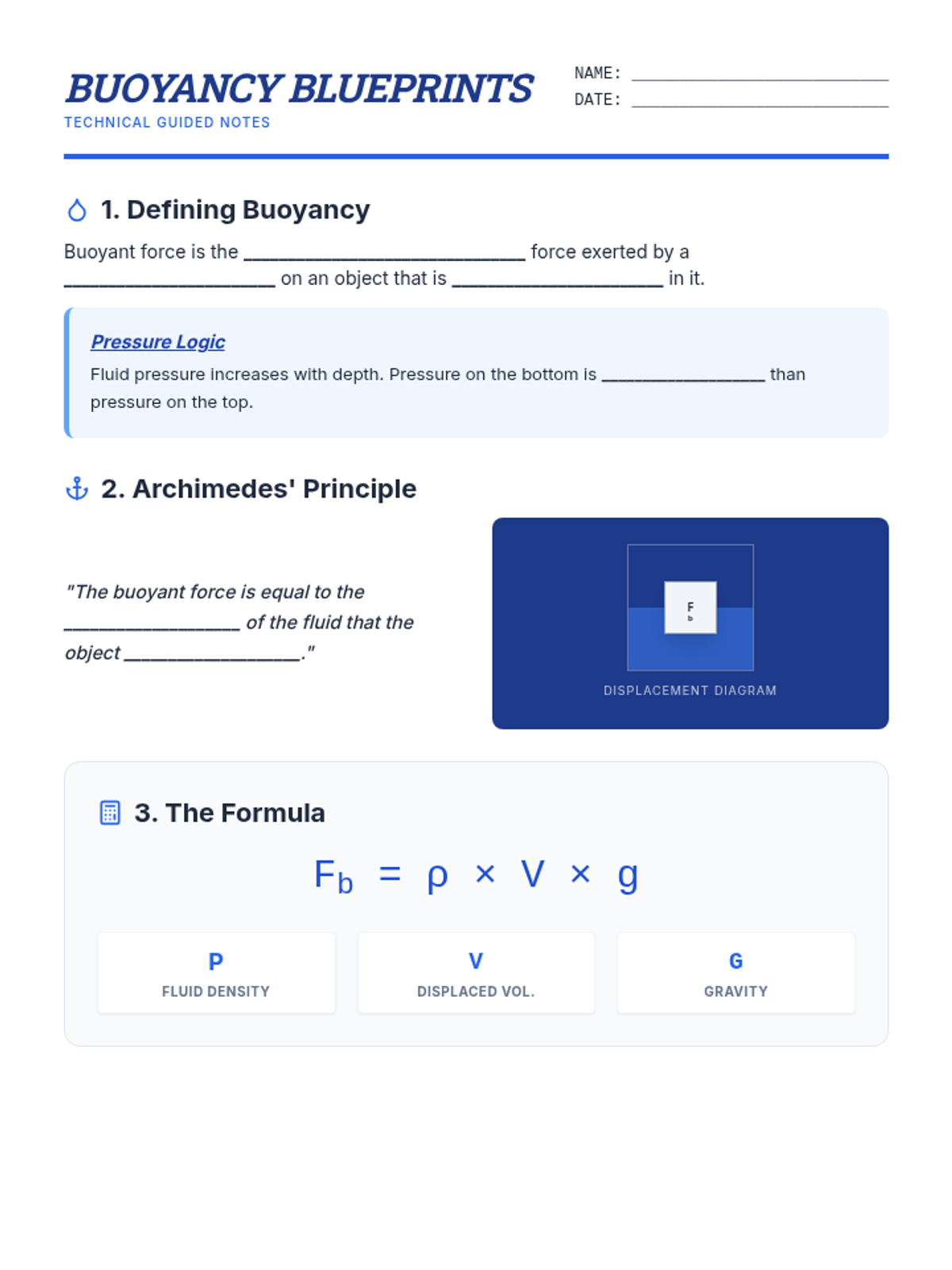
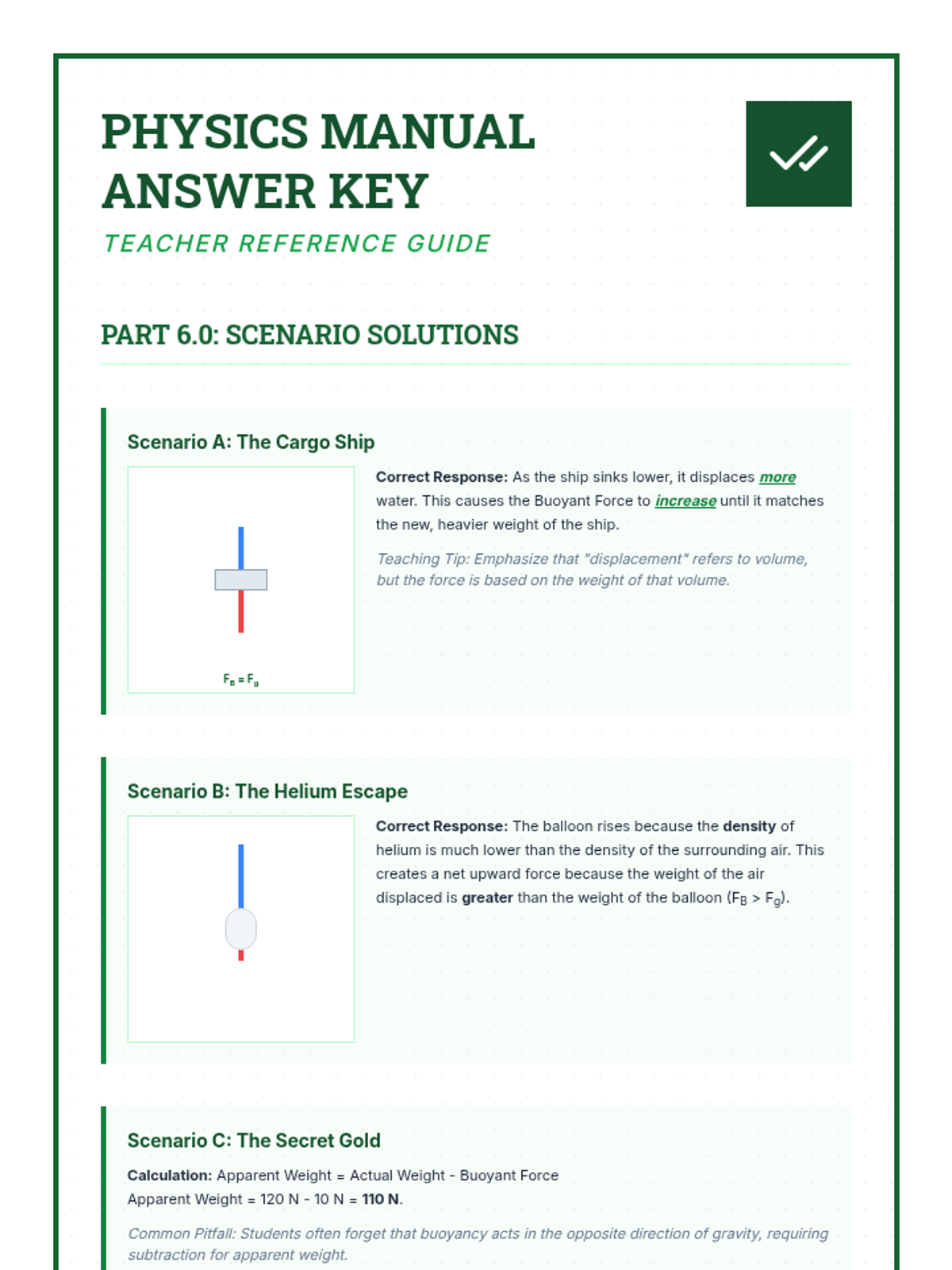
This lesson explores the physical principles of buoyant force, focusing on Archimedes' Principle and the specific factors that determine the magnitude of upward force in a fluid. Students will distinguish between variables that affect buoyancy and those that do not, such as depth and object density.
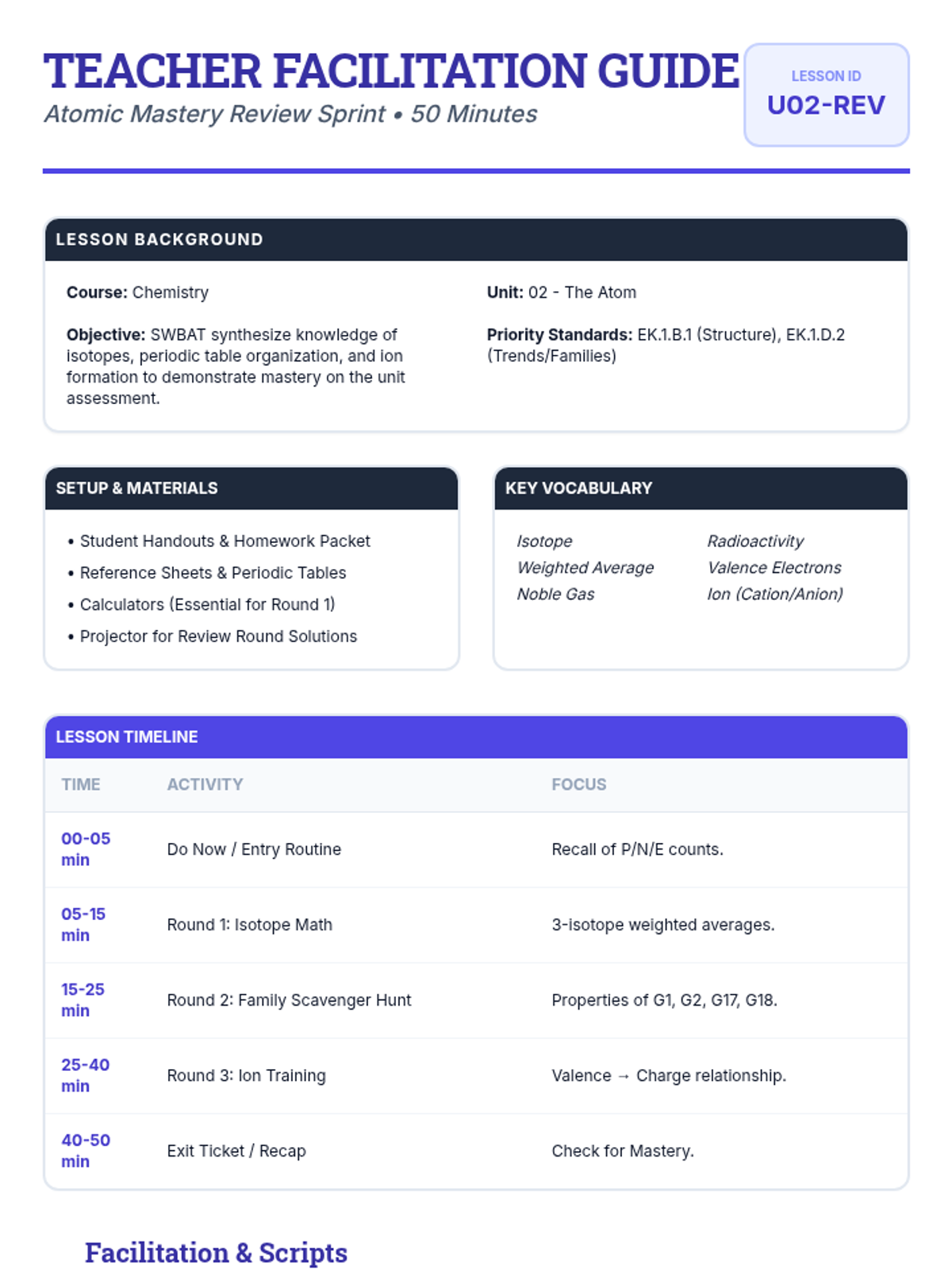
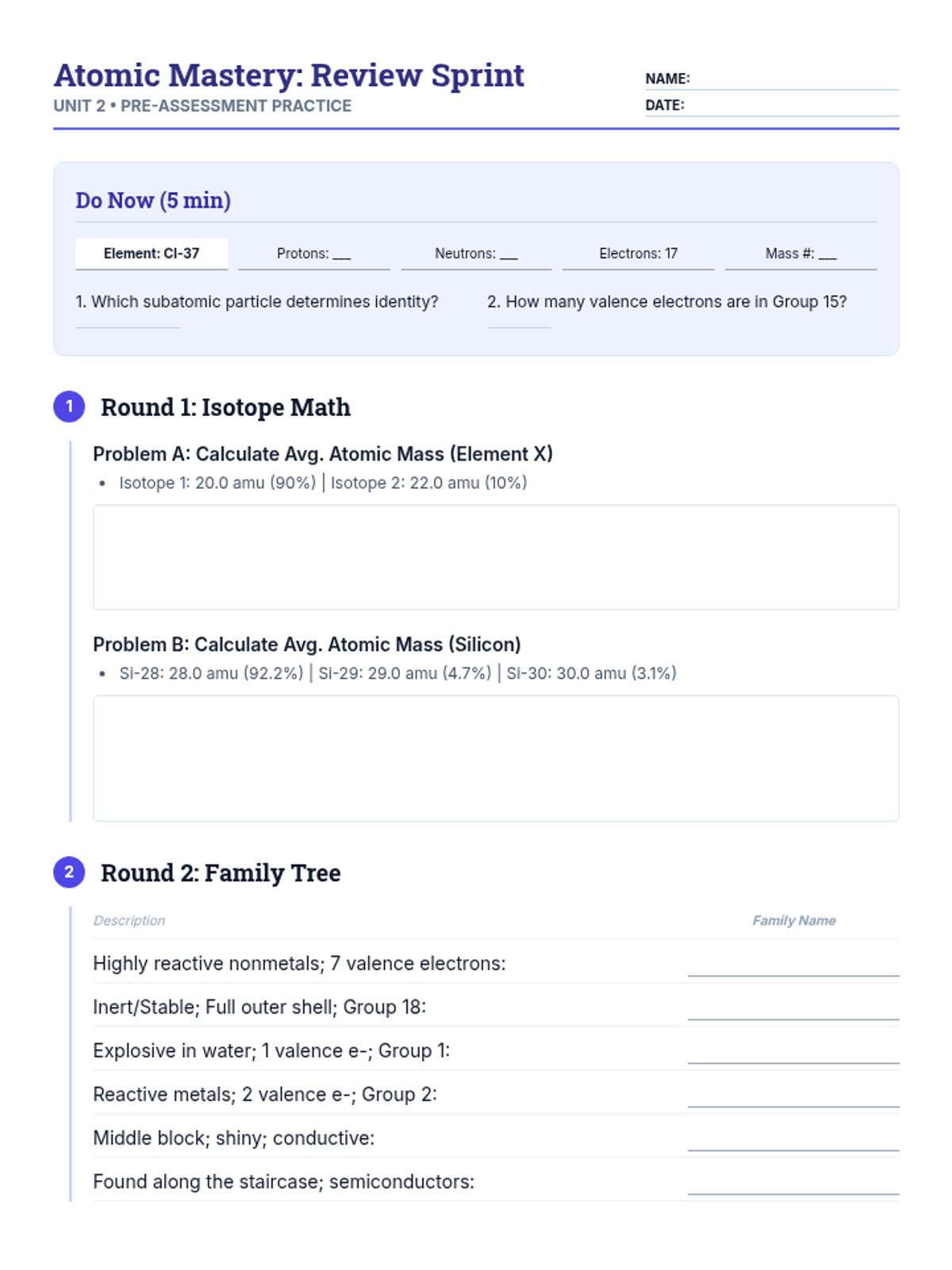
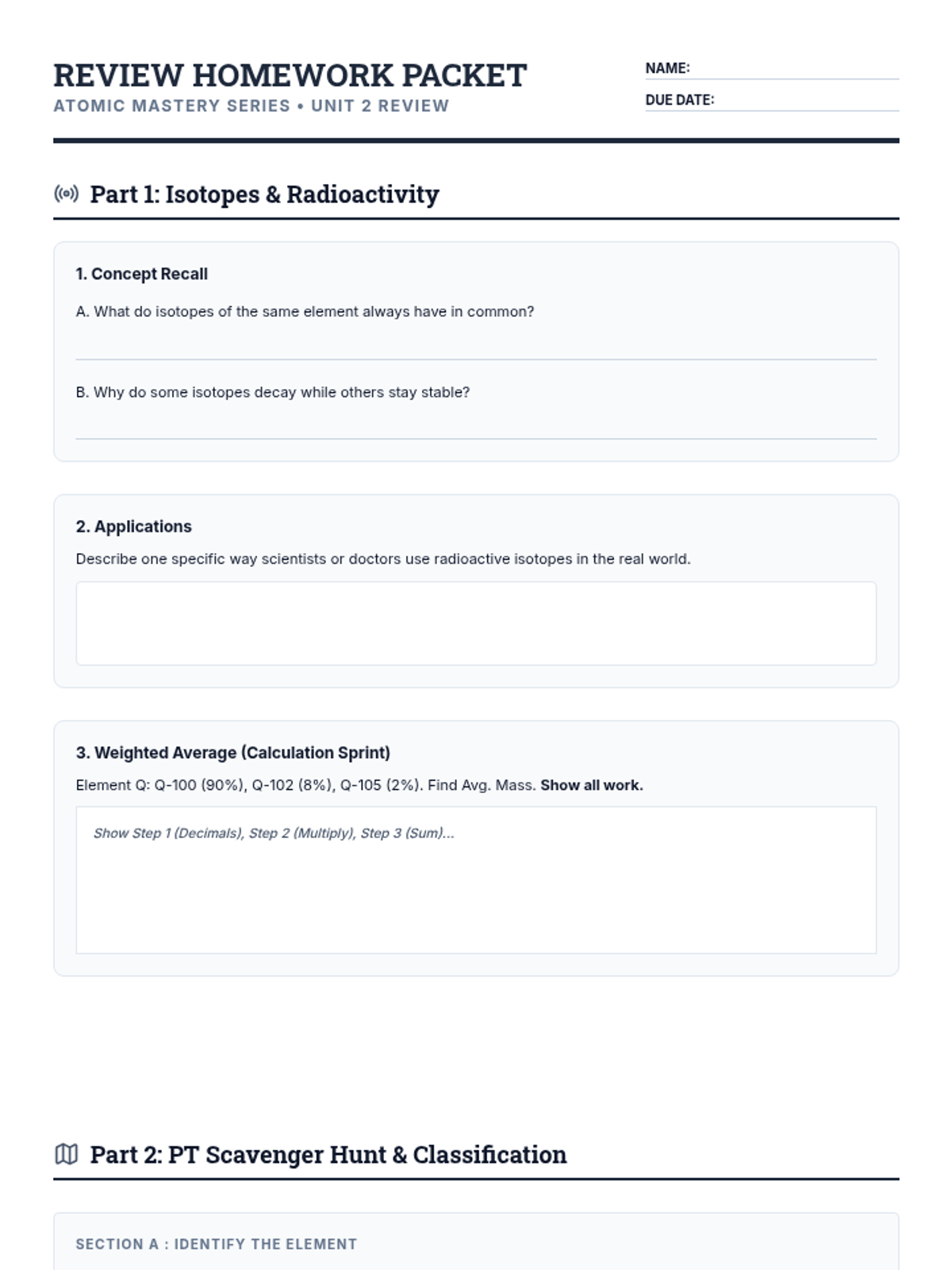
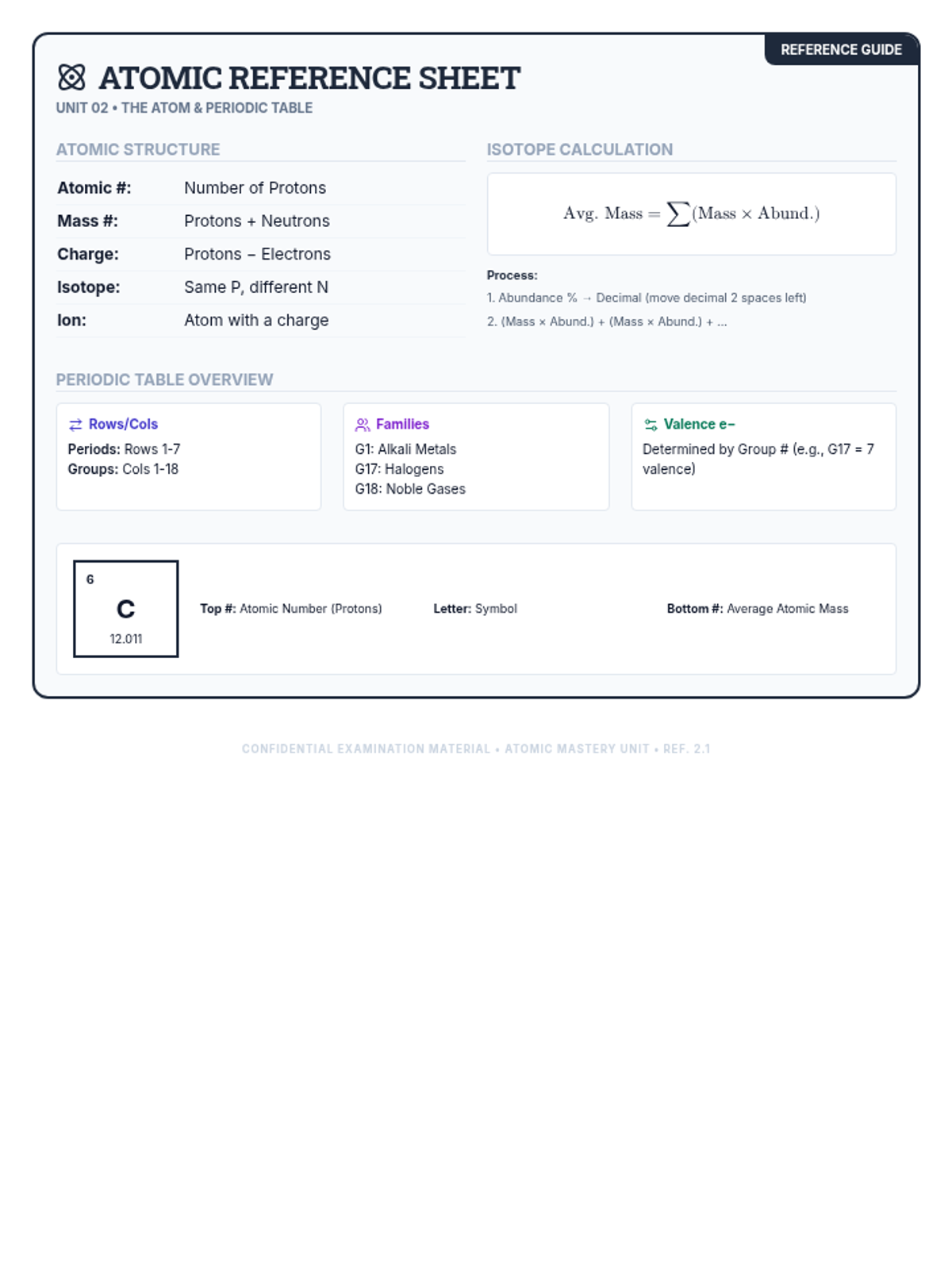
A high-energy review session with three distinct practice rounds targeting isotope math, periodic table families, and ion formation. Includes a 50-minute lesson plan and a cumulative homework packet.
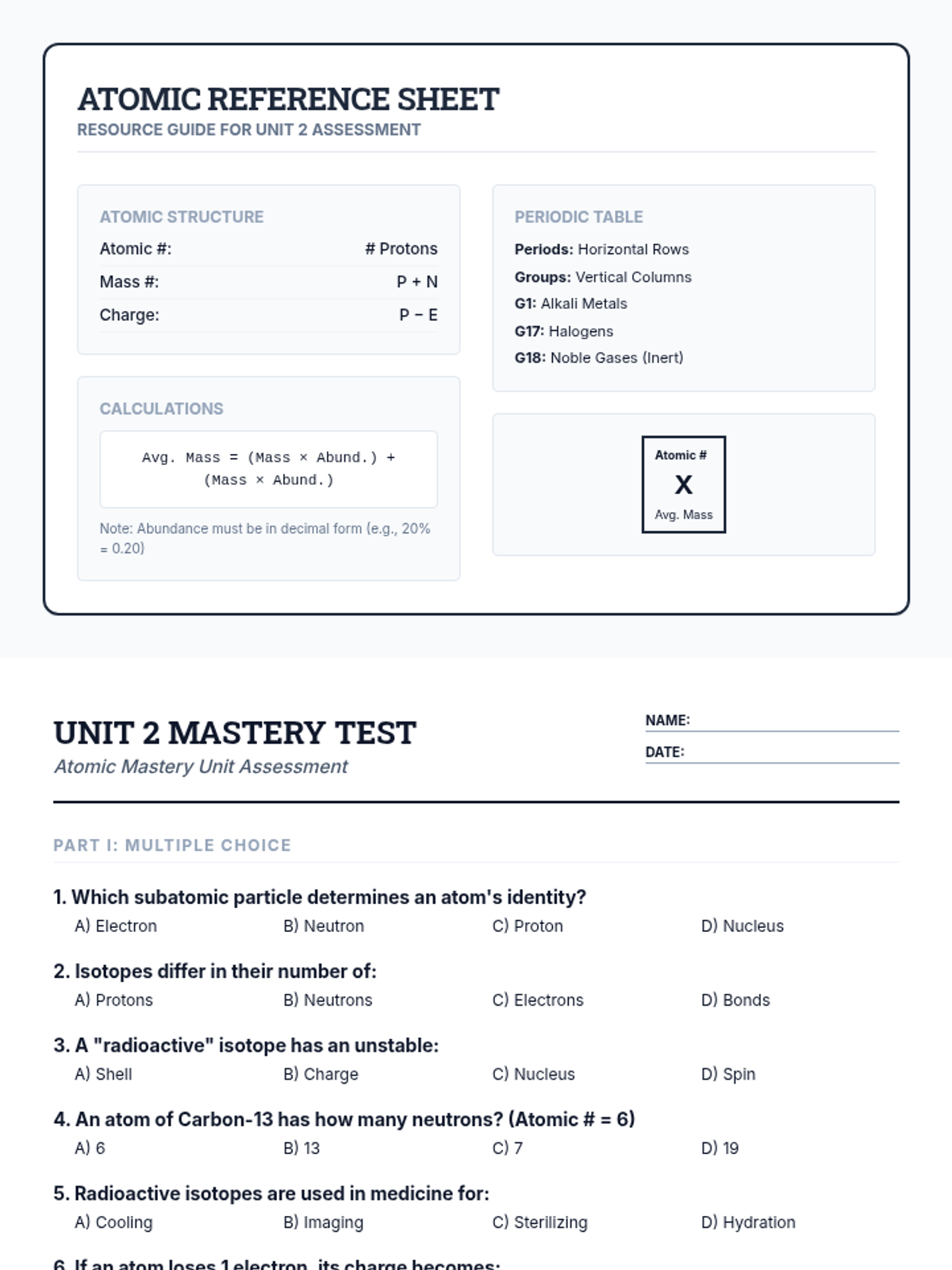
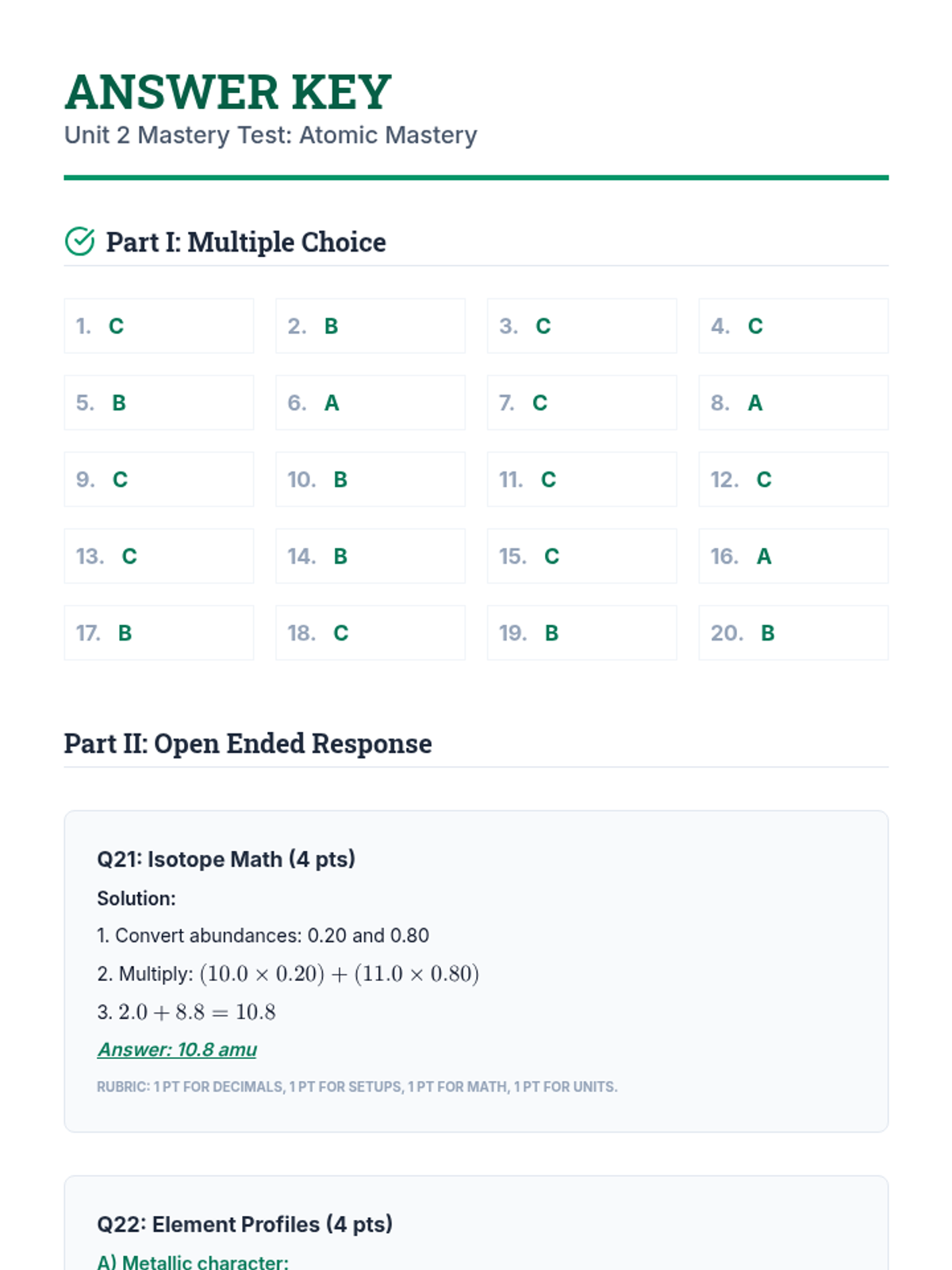
The final assessment for the unit, including a reference sheet, the unit test with multiple choice and open-ended questions, and a detailed answer key.
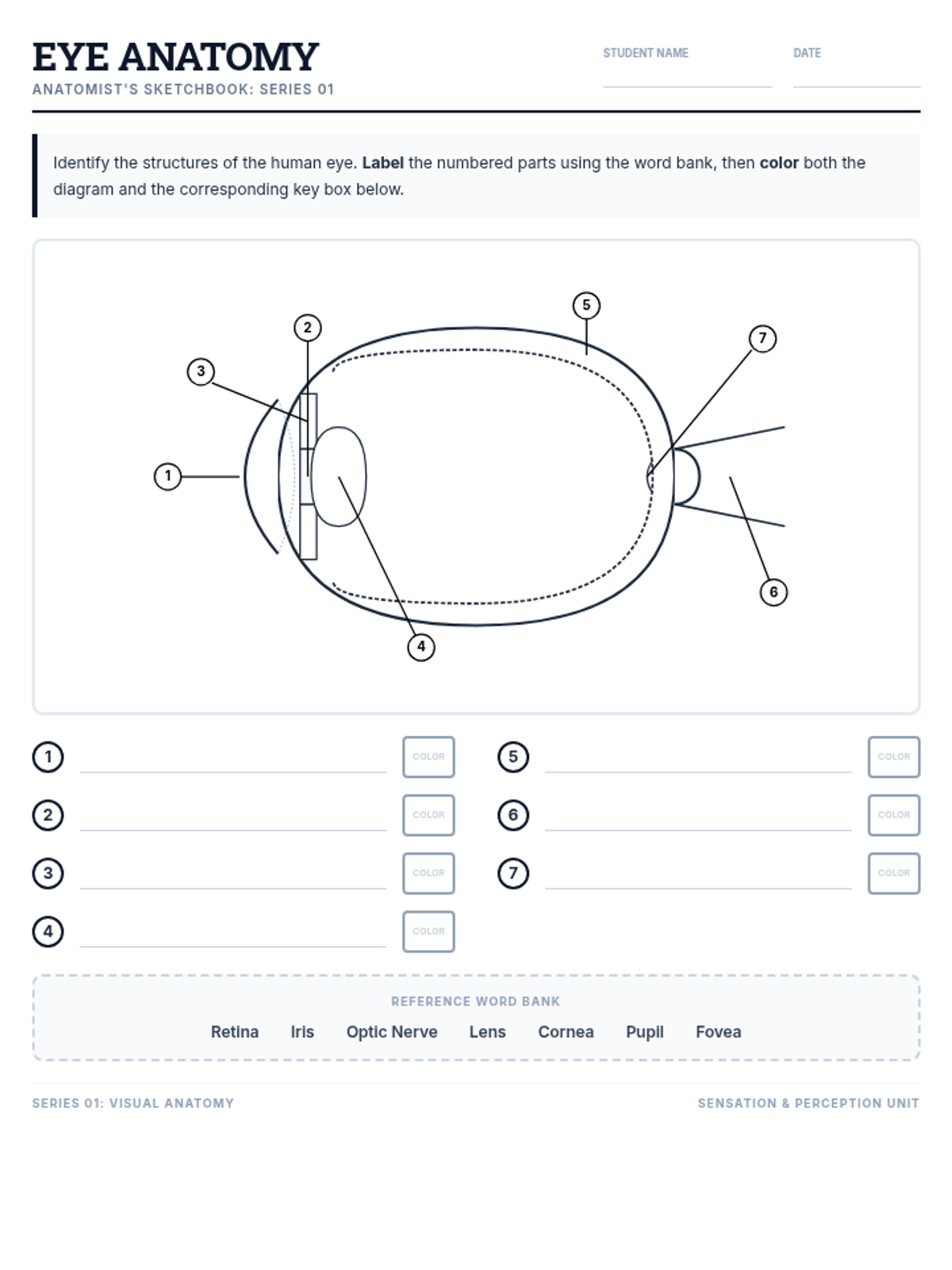
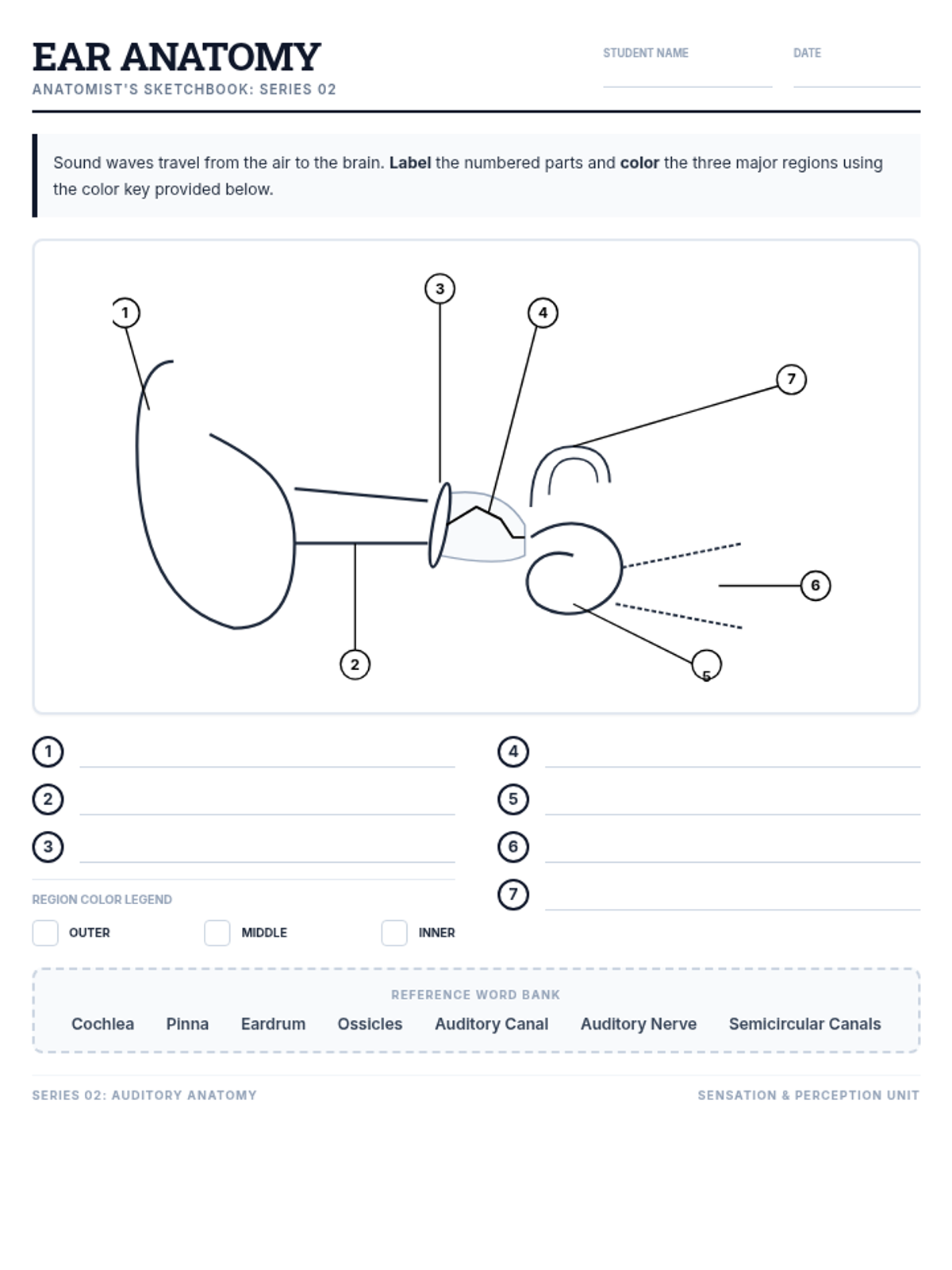
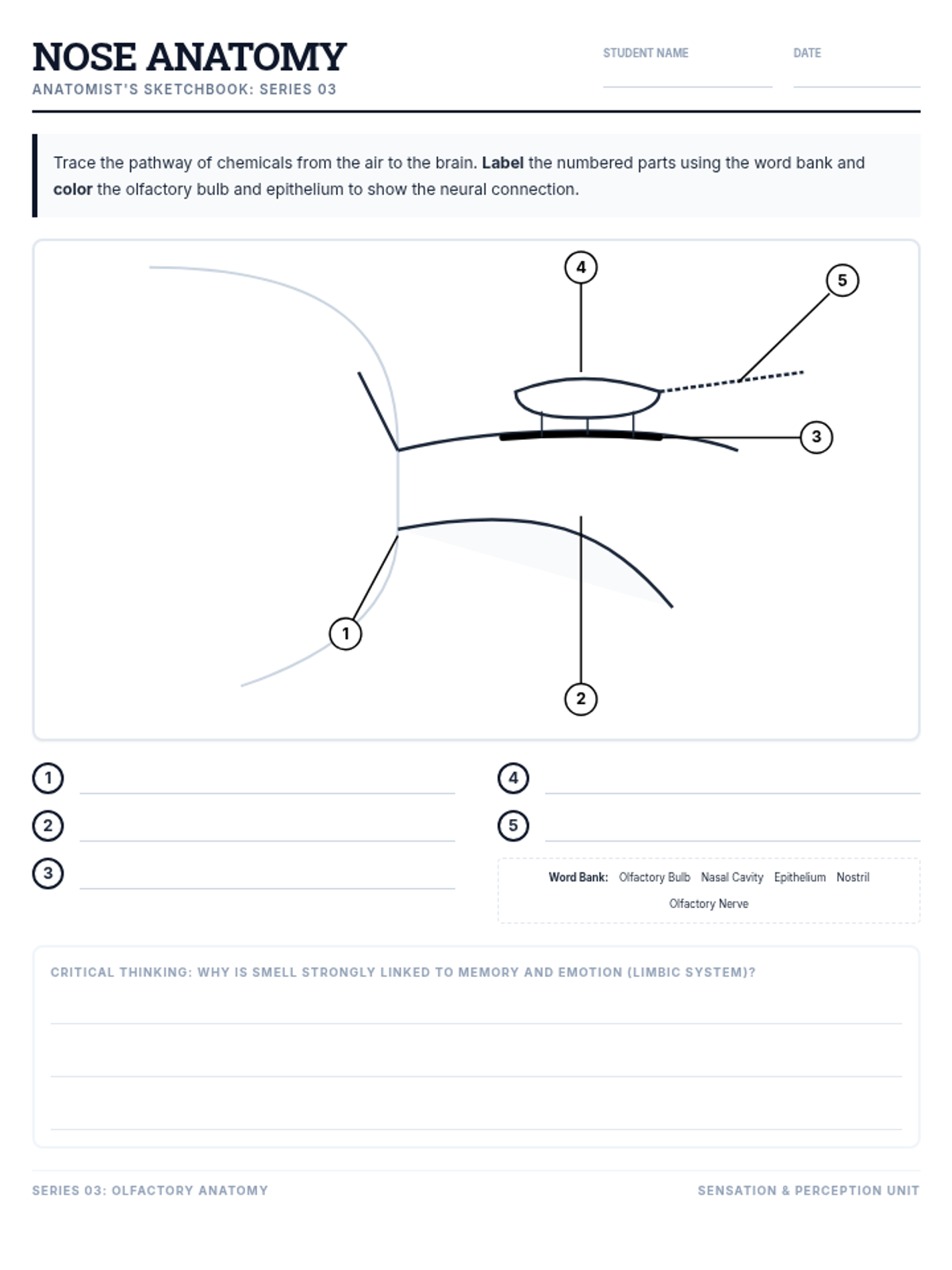
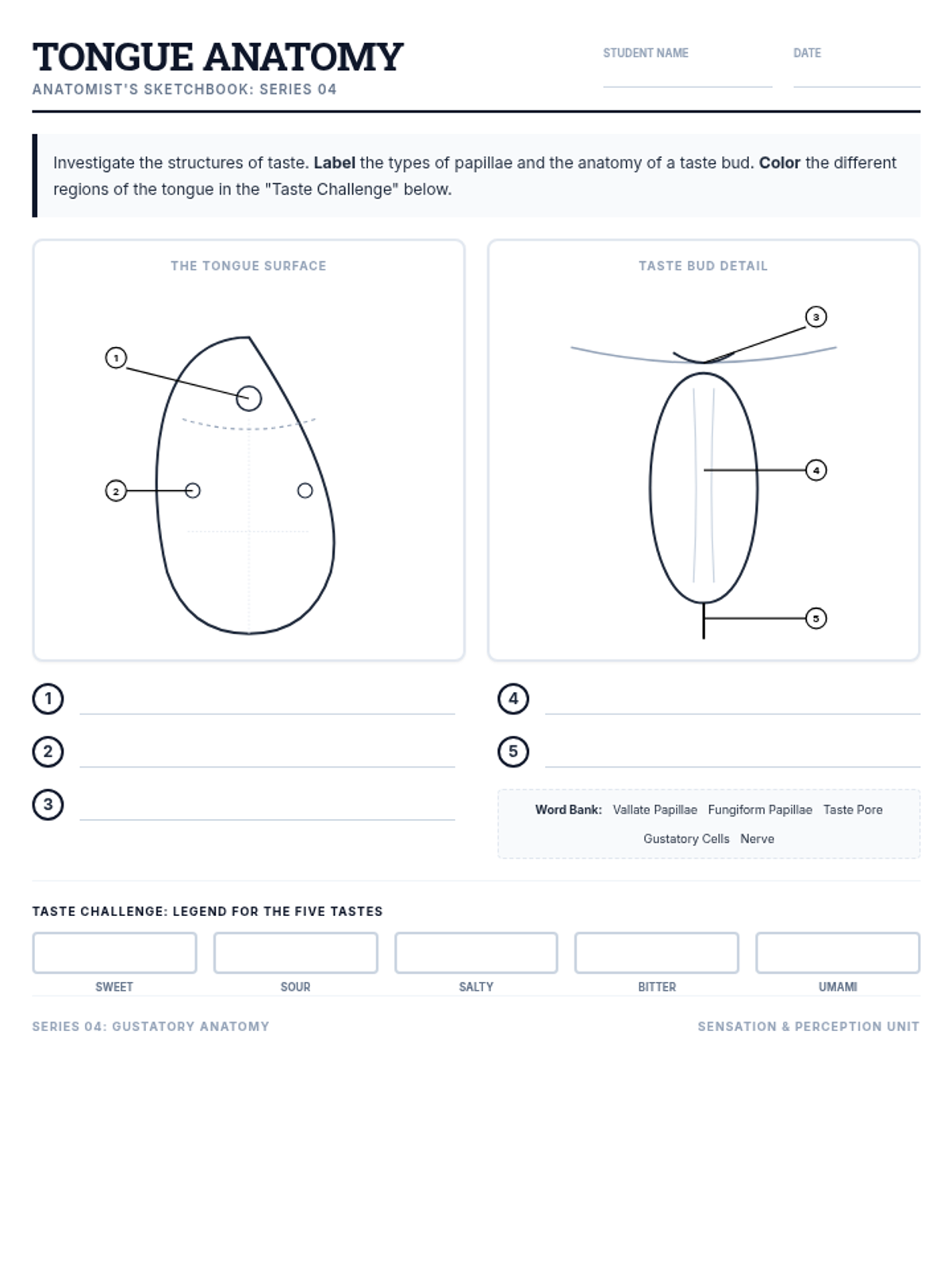
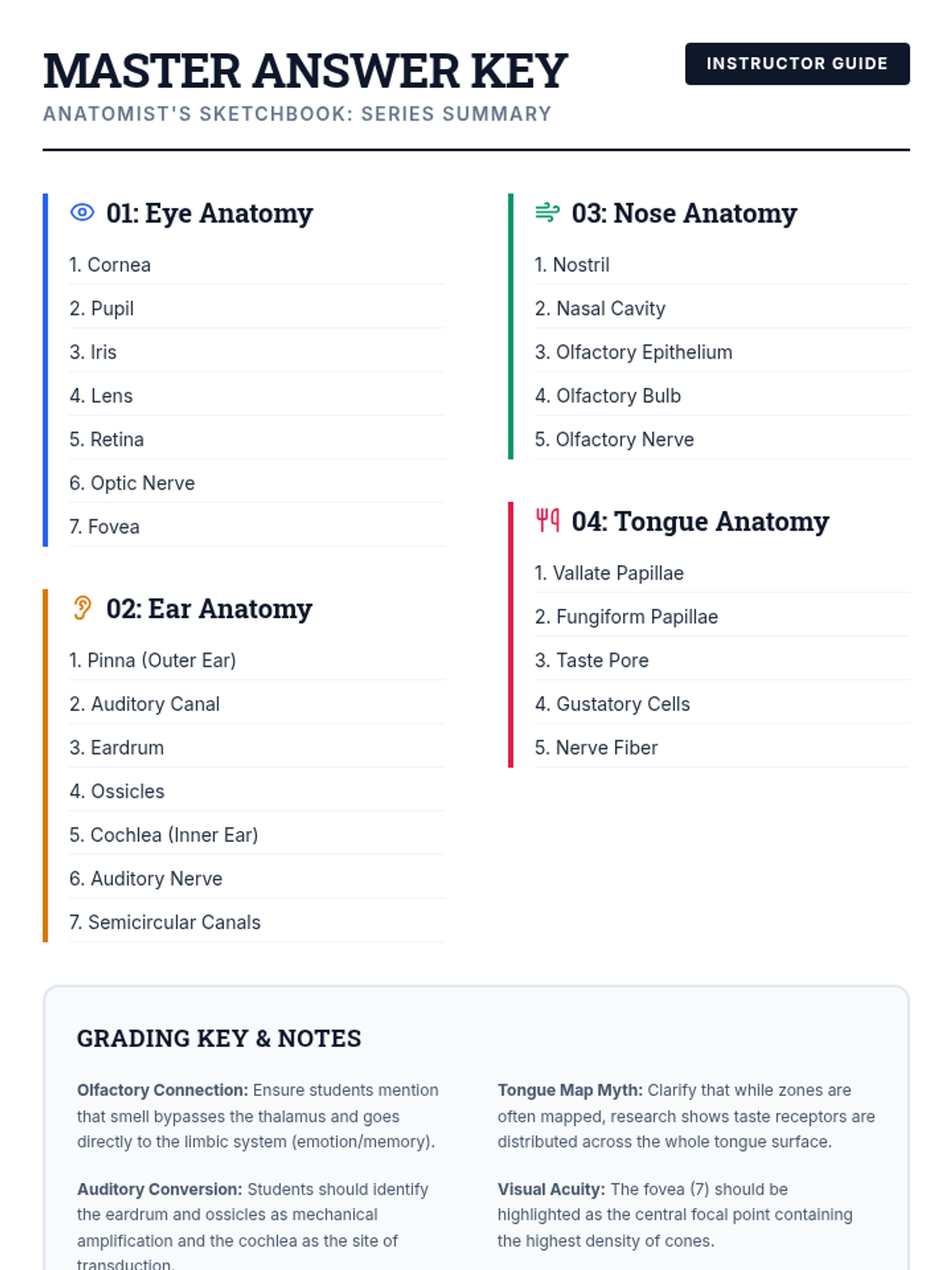
An in-depth look at the anatomical structures of the primary sensory organs, providing hands-on labeling and coloring activities to reinforce terminology.
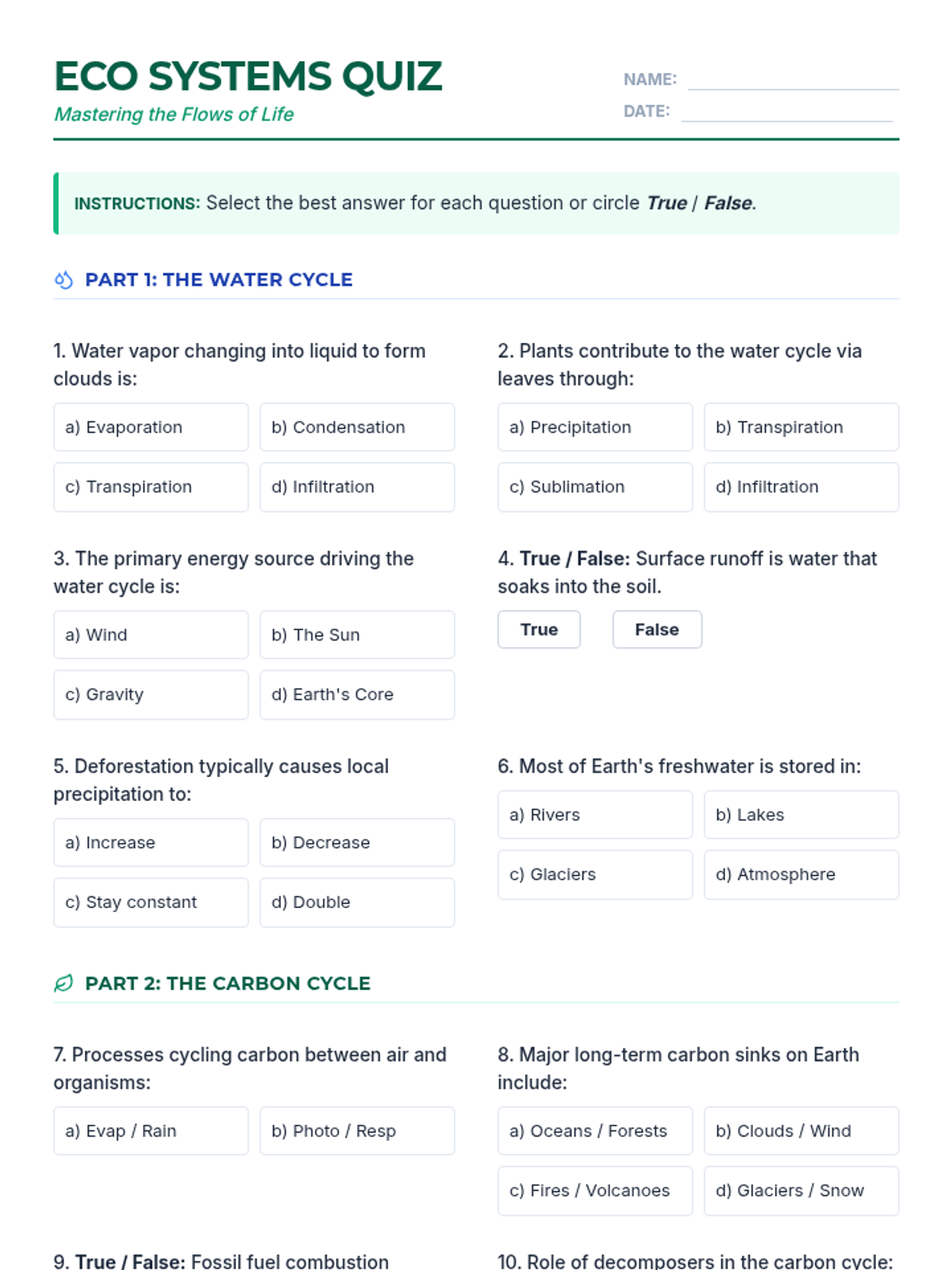
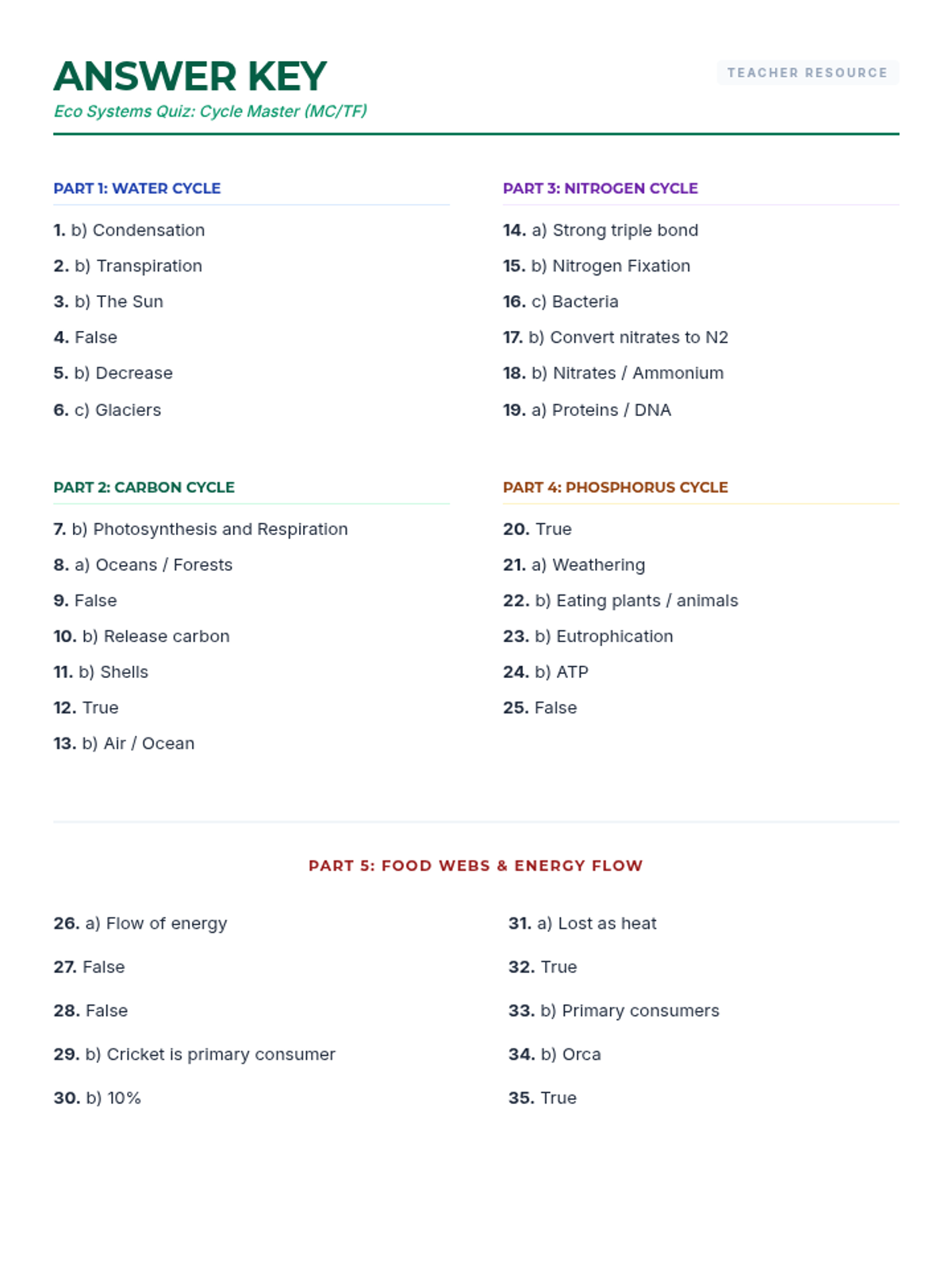
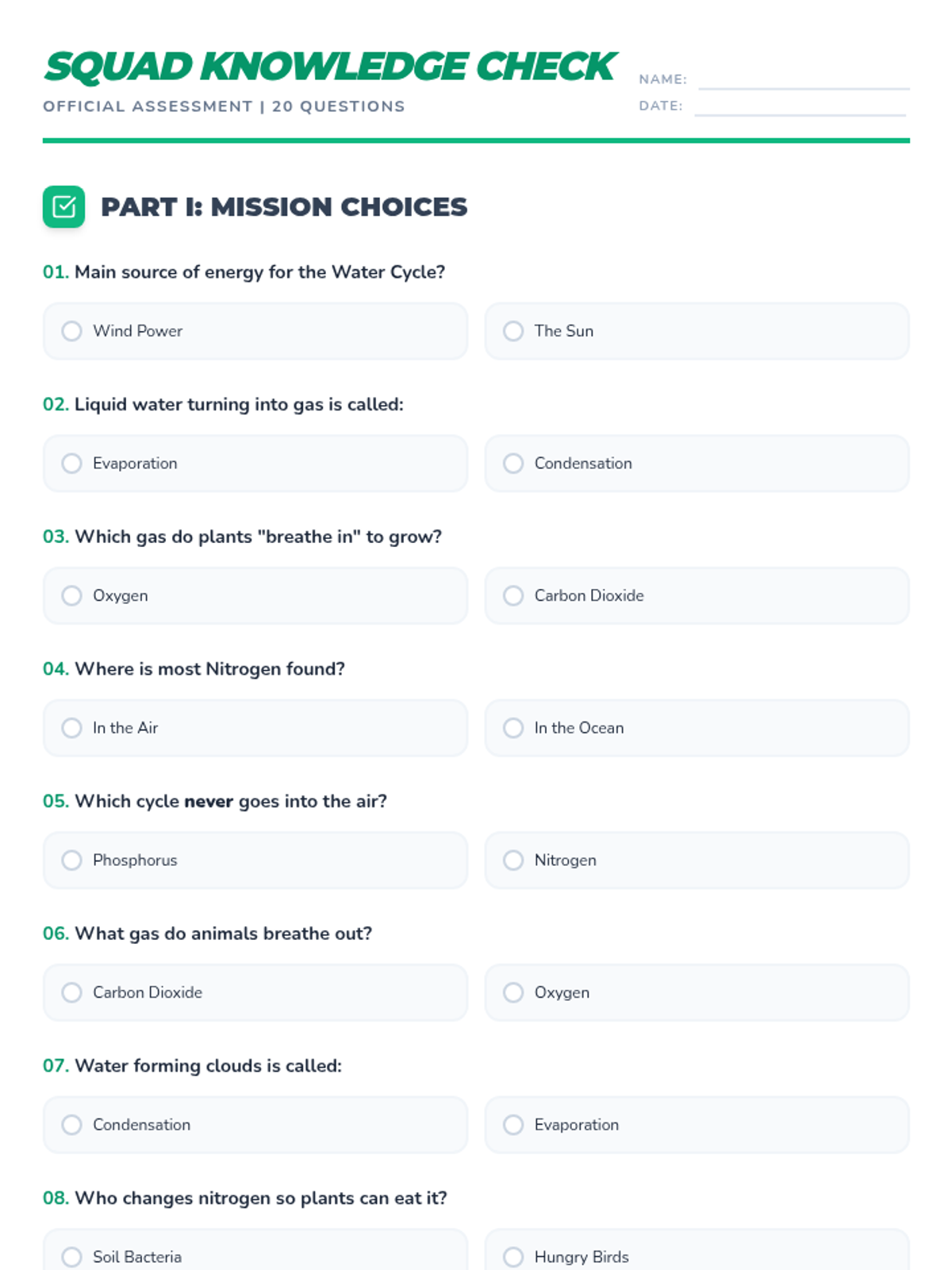
A comprehensive review lesson covering the essential biogeochemical cycles and the flow of energy through ecosystems, designed to prepare students for assessments through varied question types and difficulty levels.
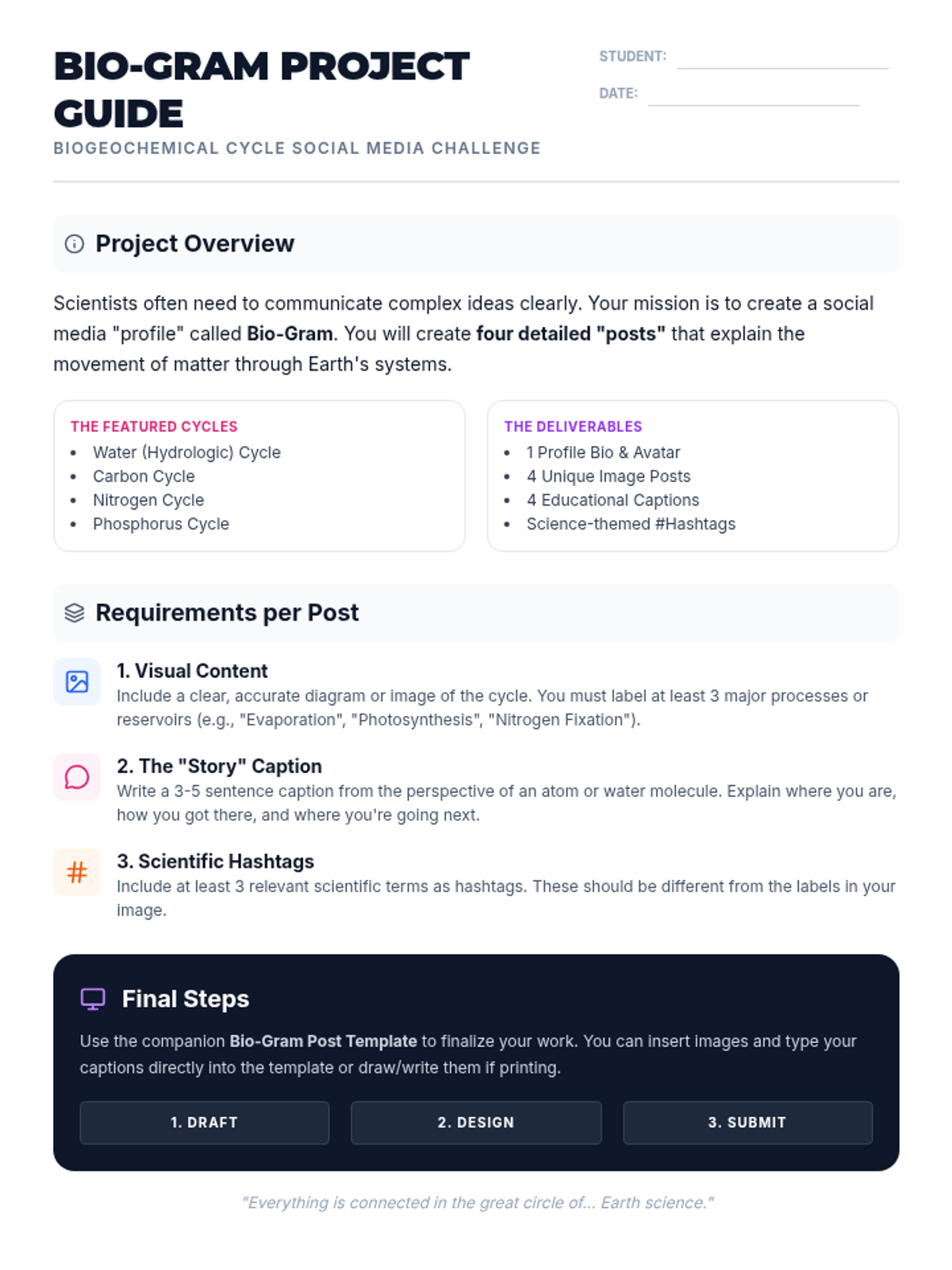
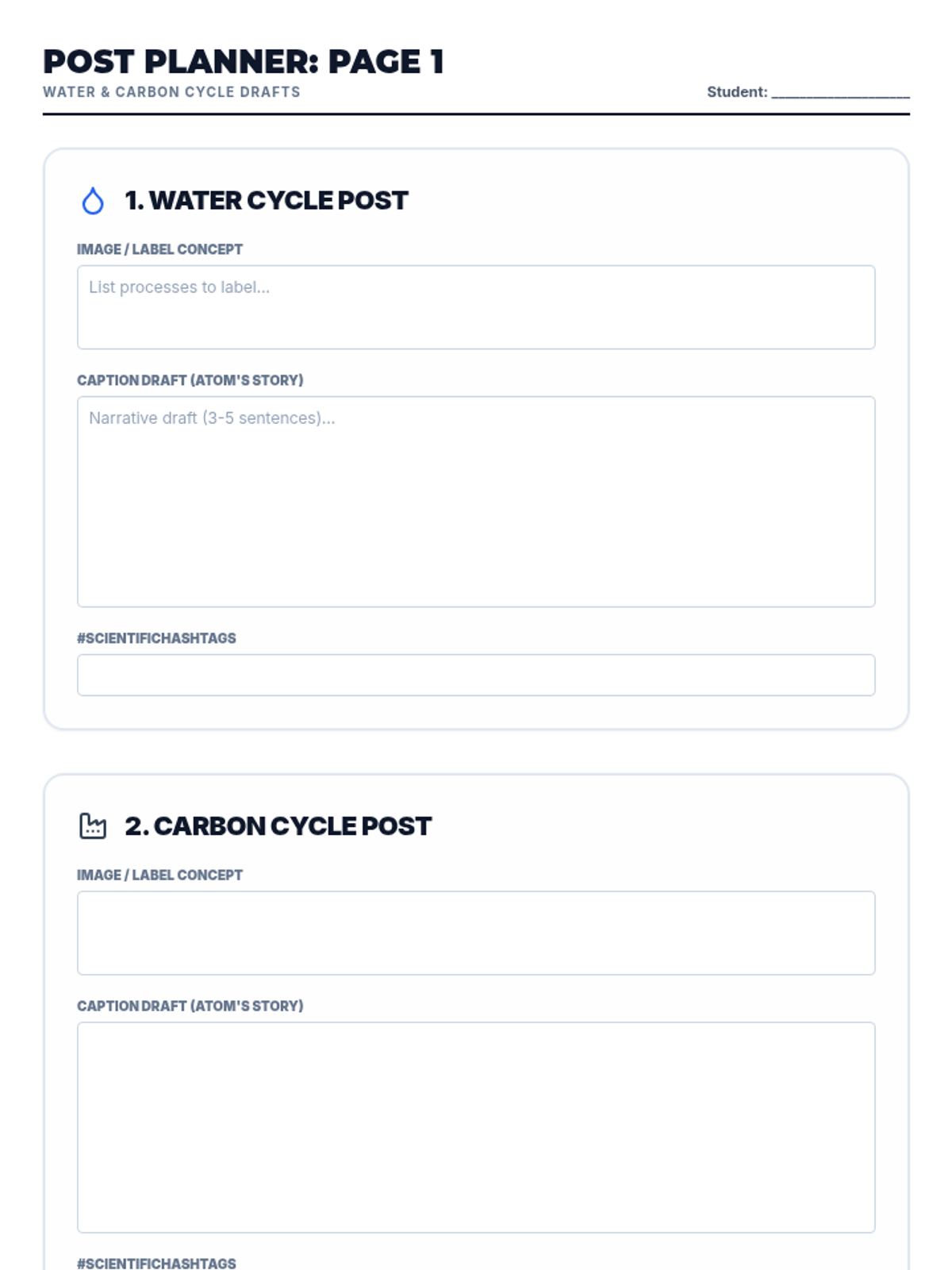
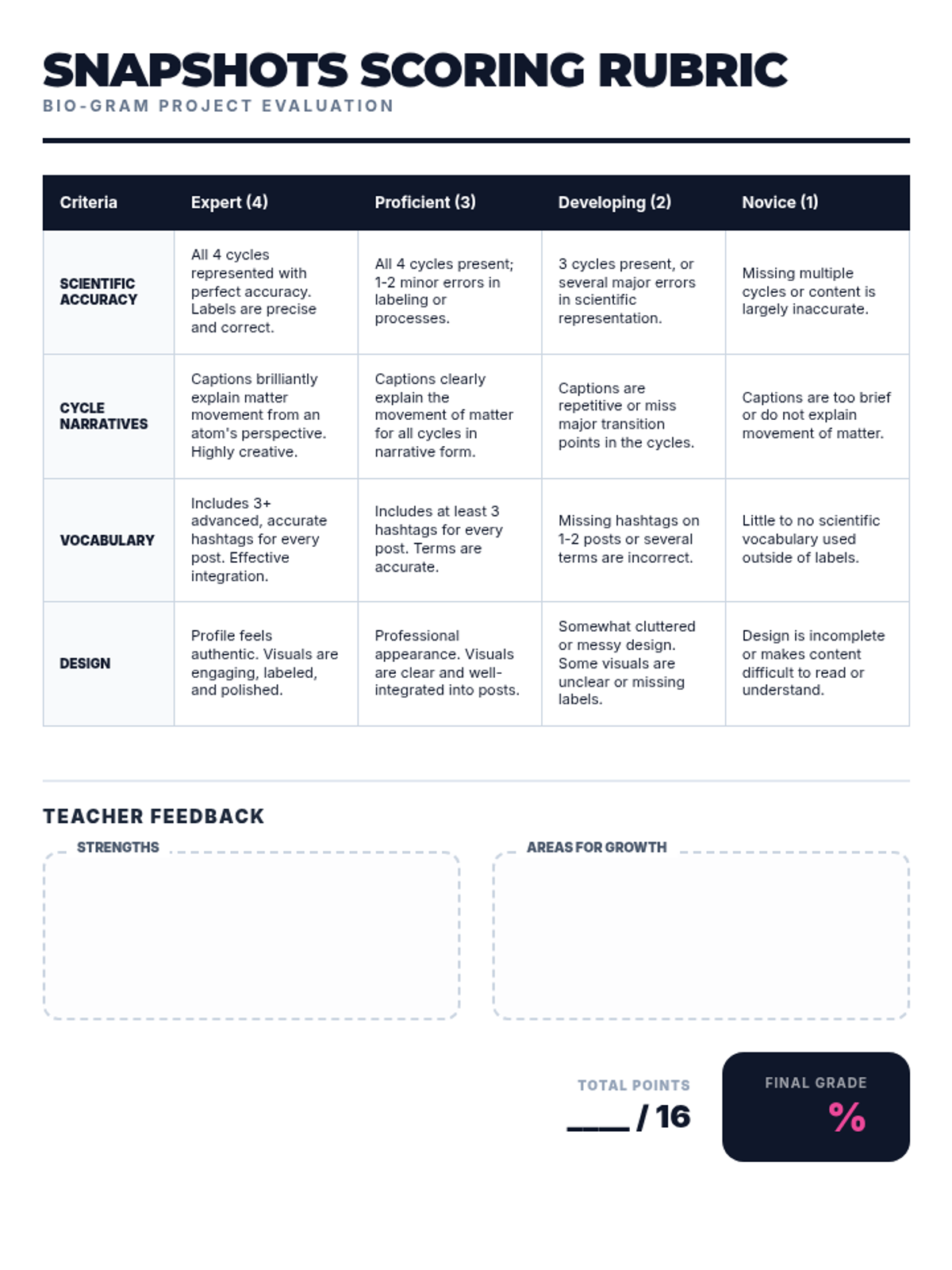
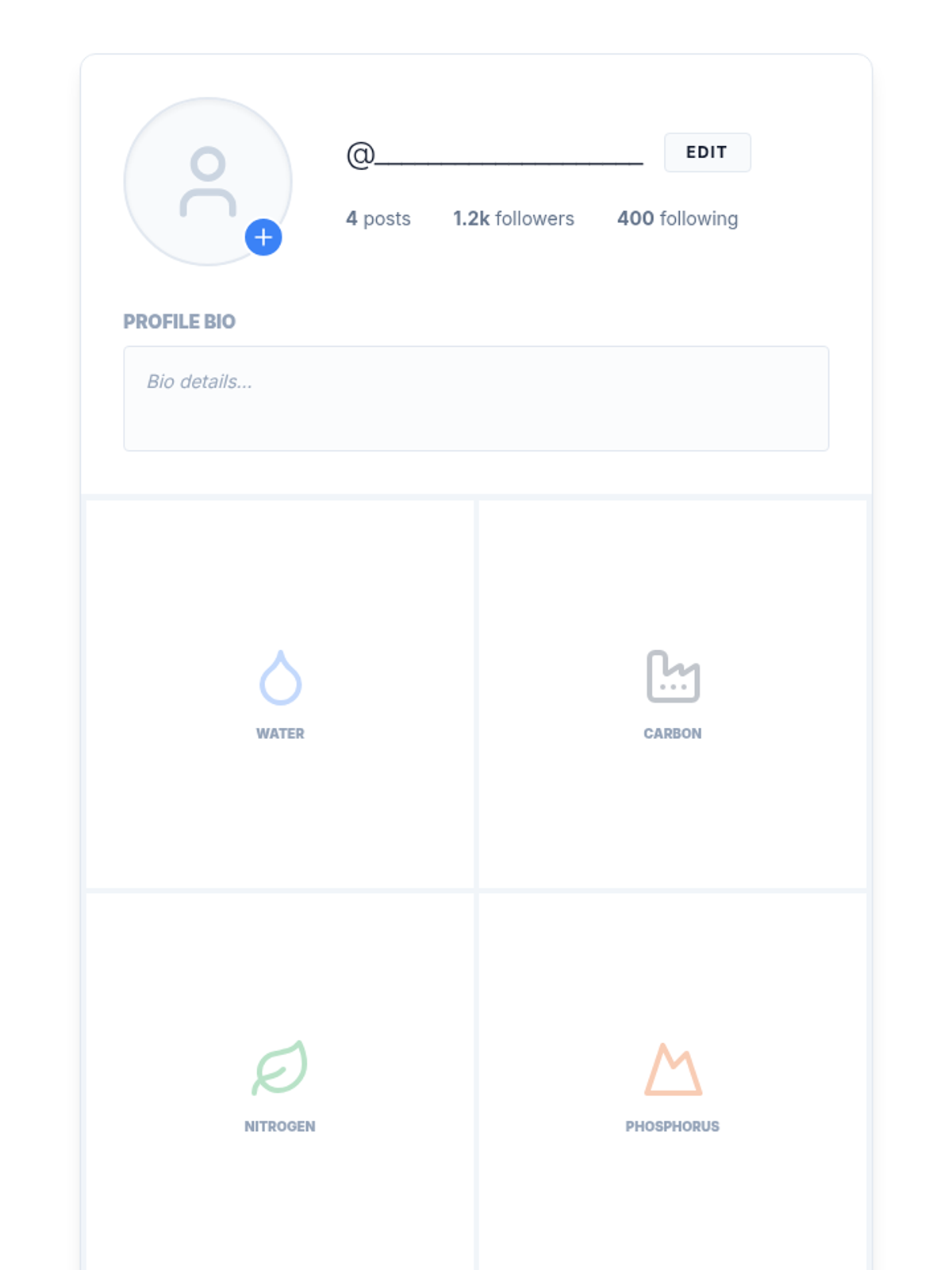
A creative project where students design an Instagram-style feed for the Carbon, Nitrogen, Water, and Phosphorus cycles to demonstrate their understanding of biogeochemical processes.
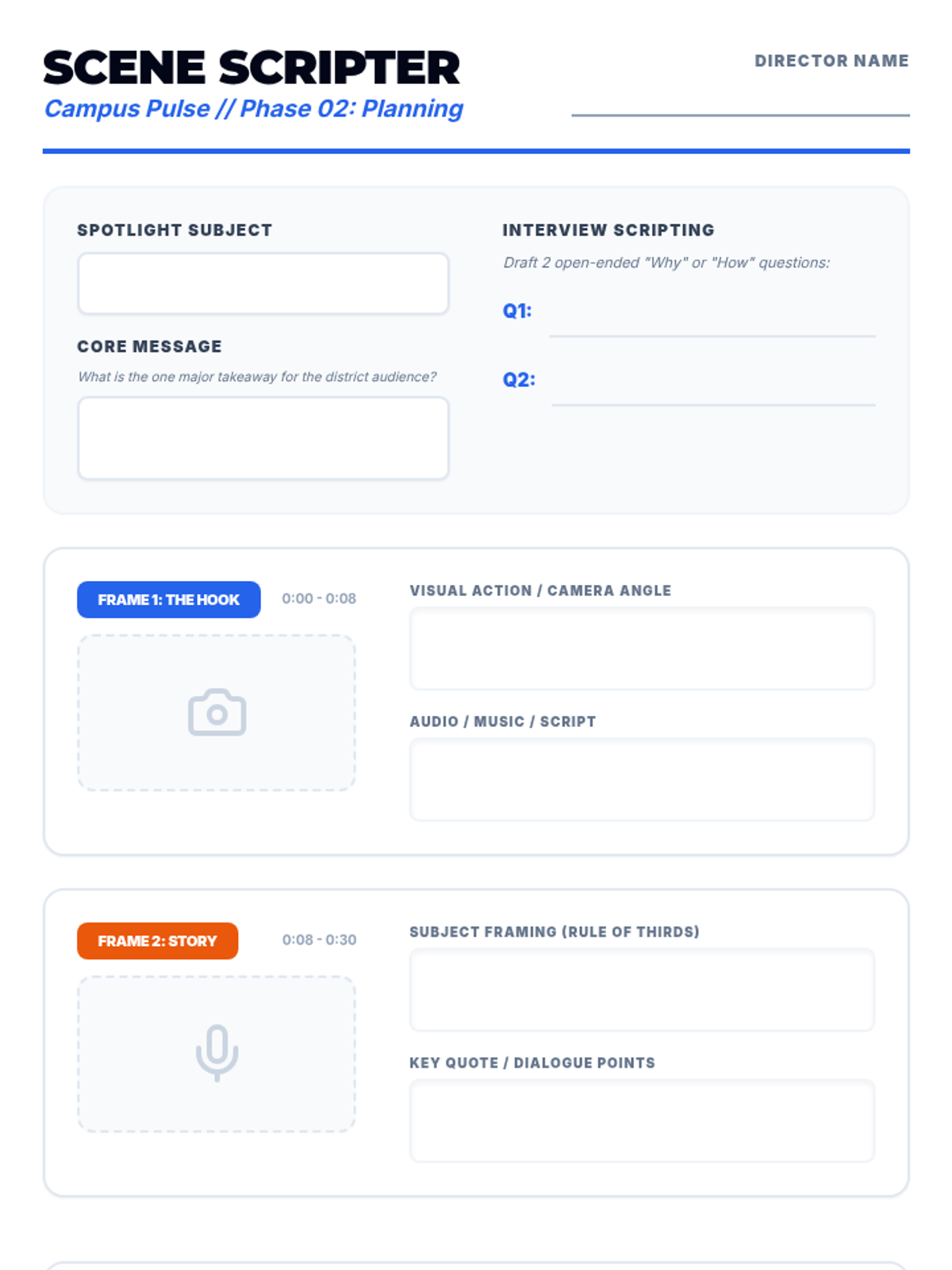
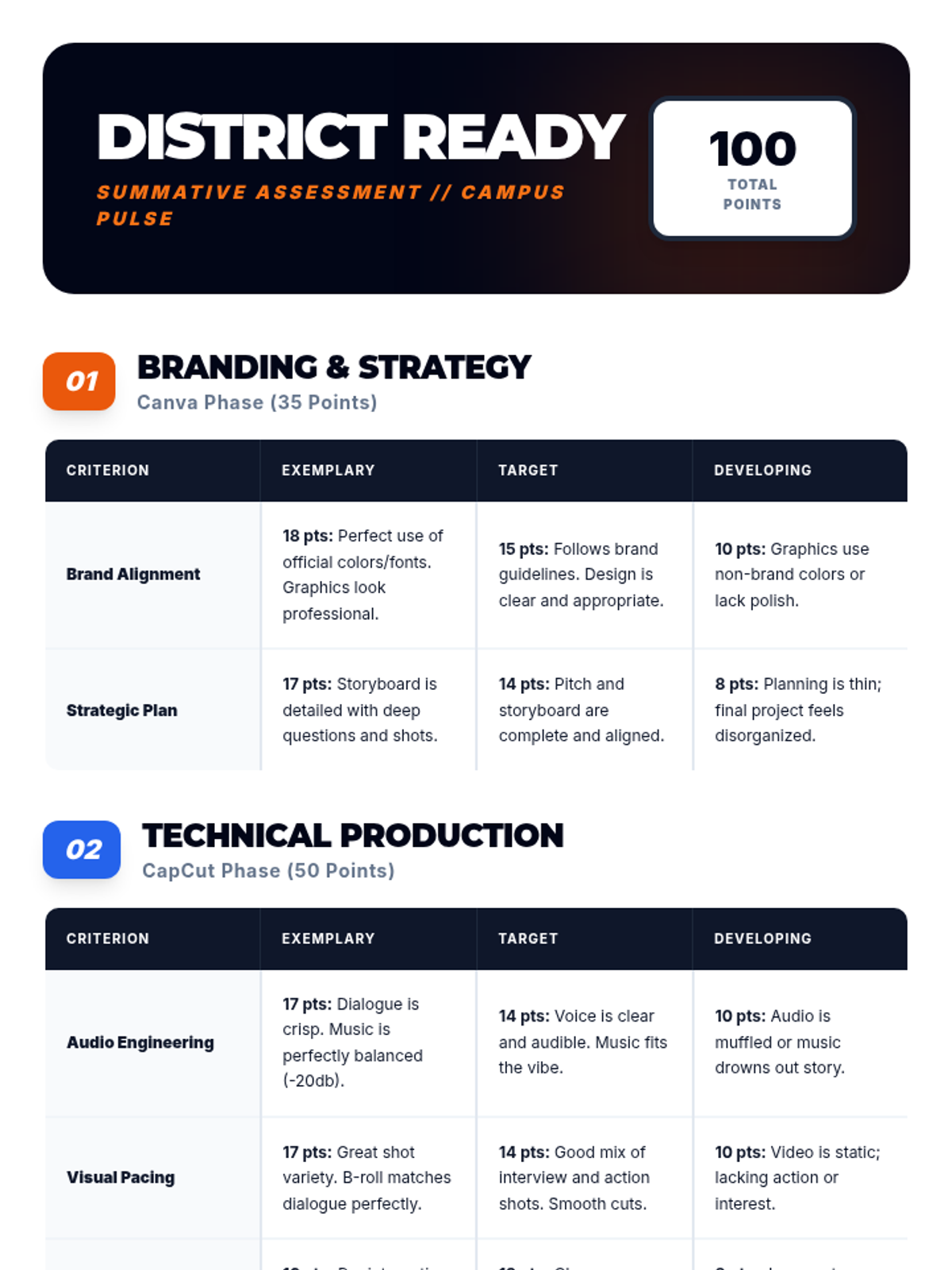
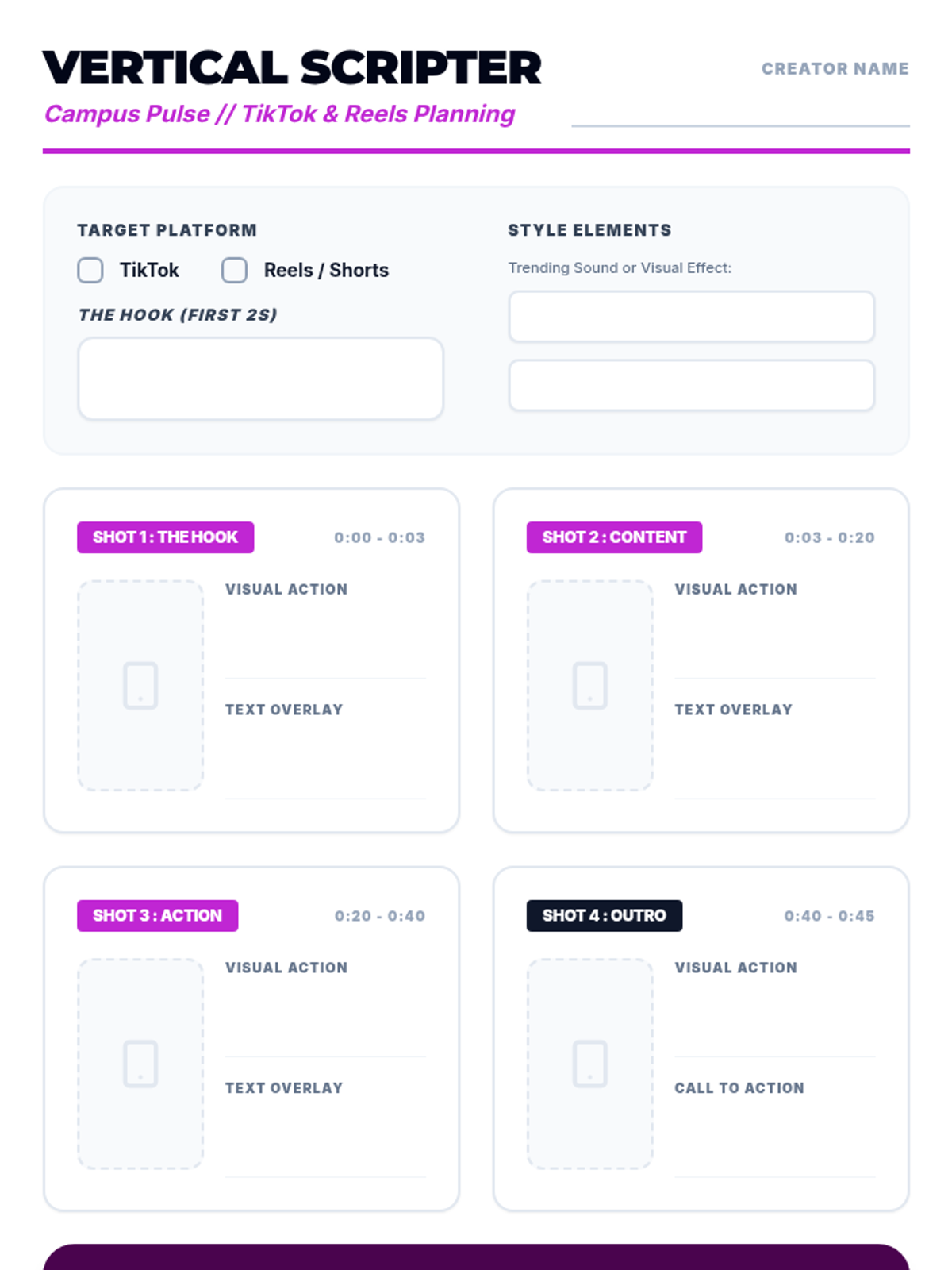
Students capture field footage and use CapCut to assemble a professional-grade short-form video featuring interviews, B-roll, and district branding.
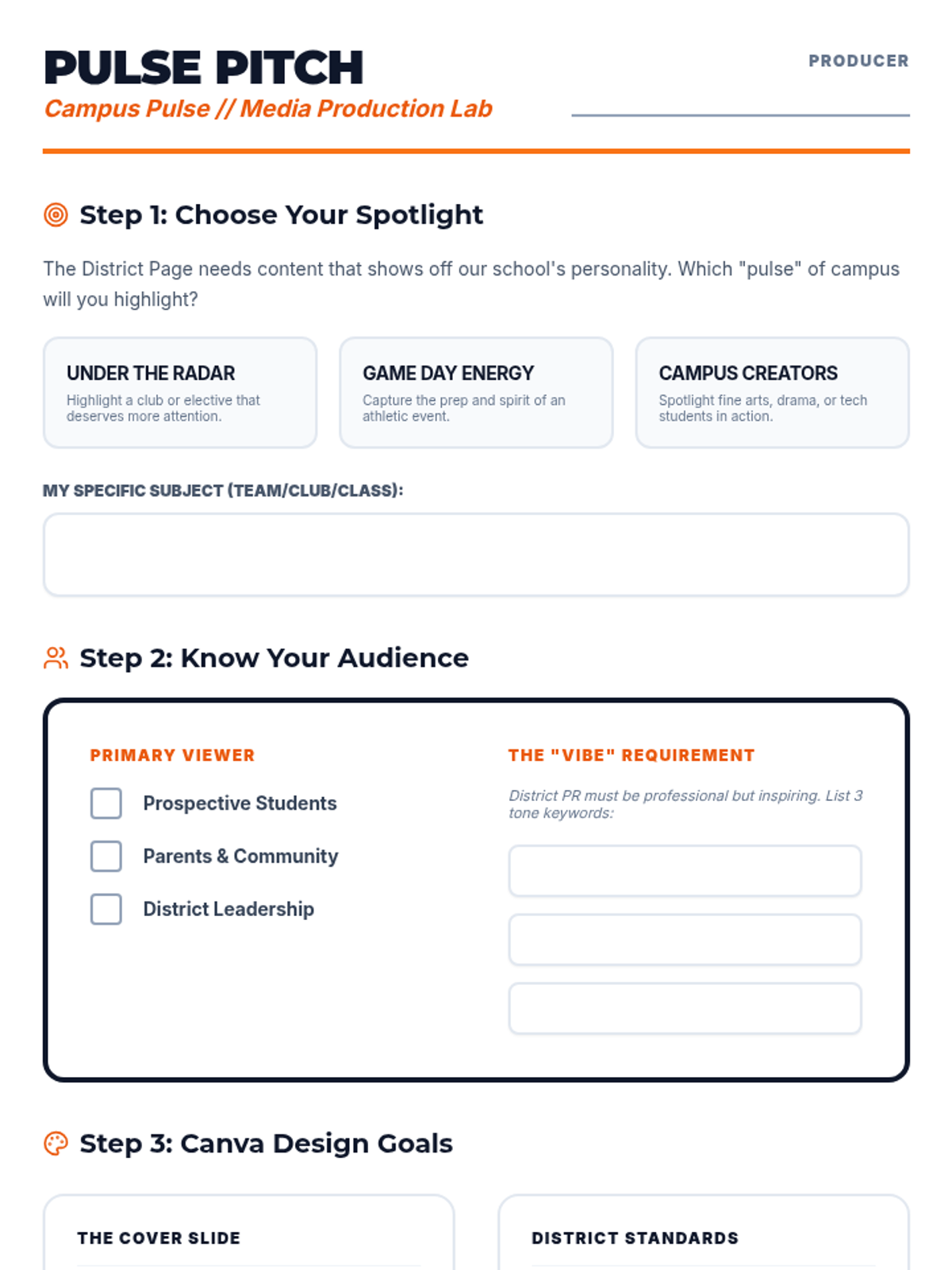
Students define their spotlight subject, research the target audience, and create professional brand assets in Canva, including a video thumbnail and intro graphic.
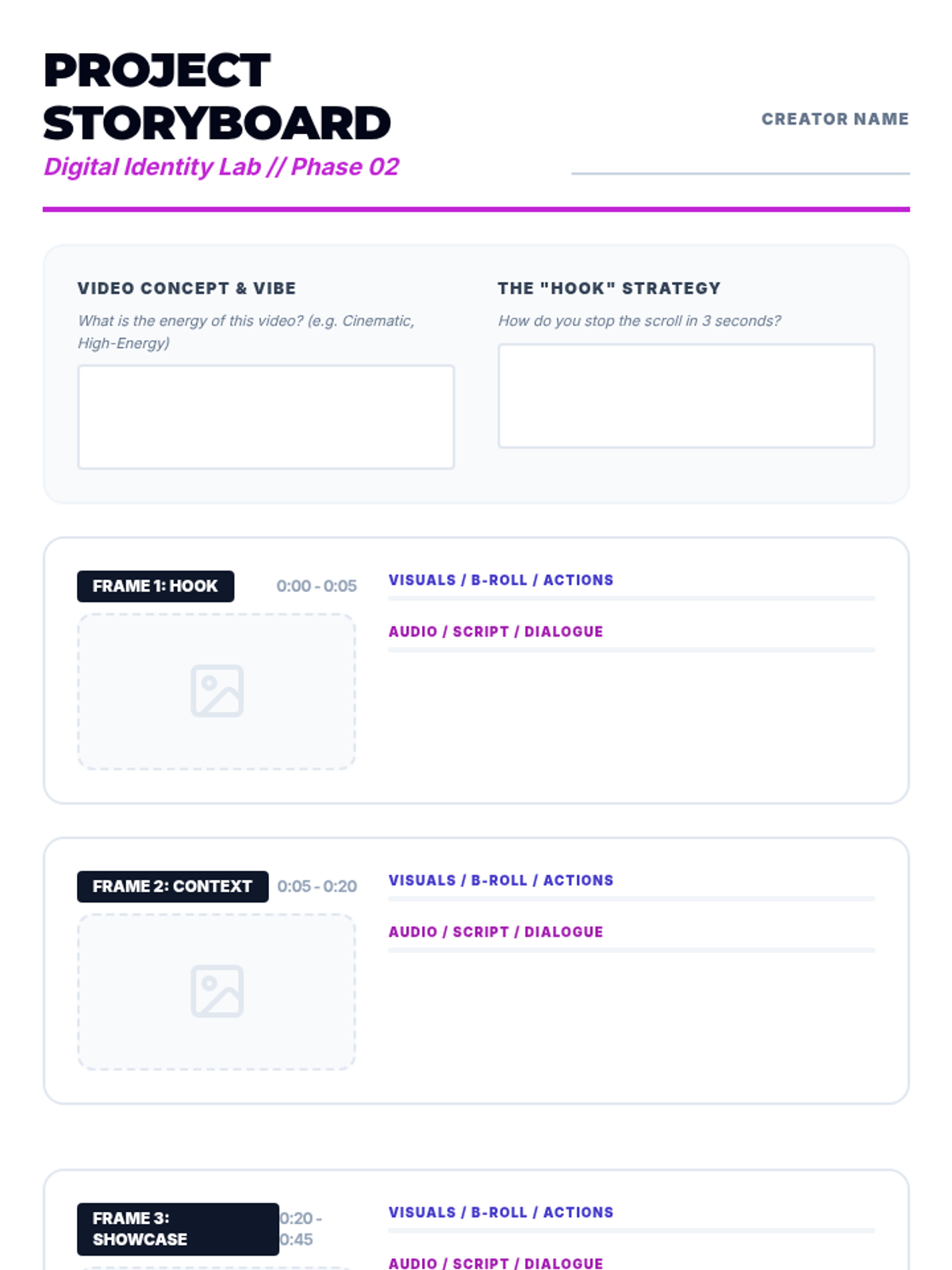
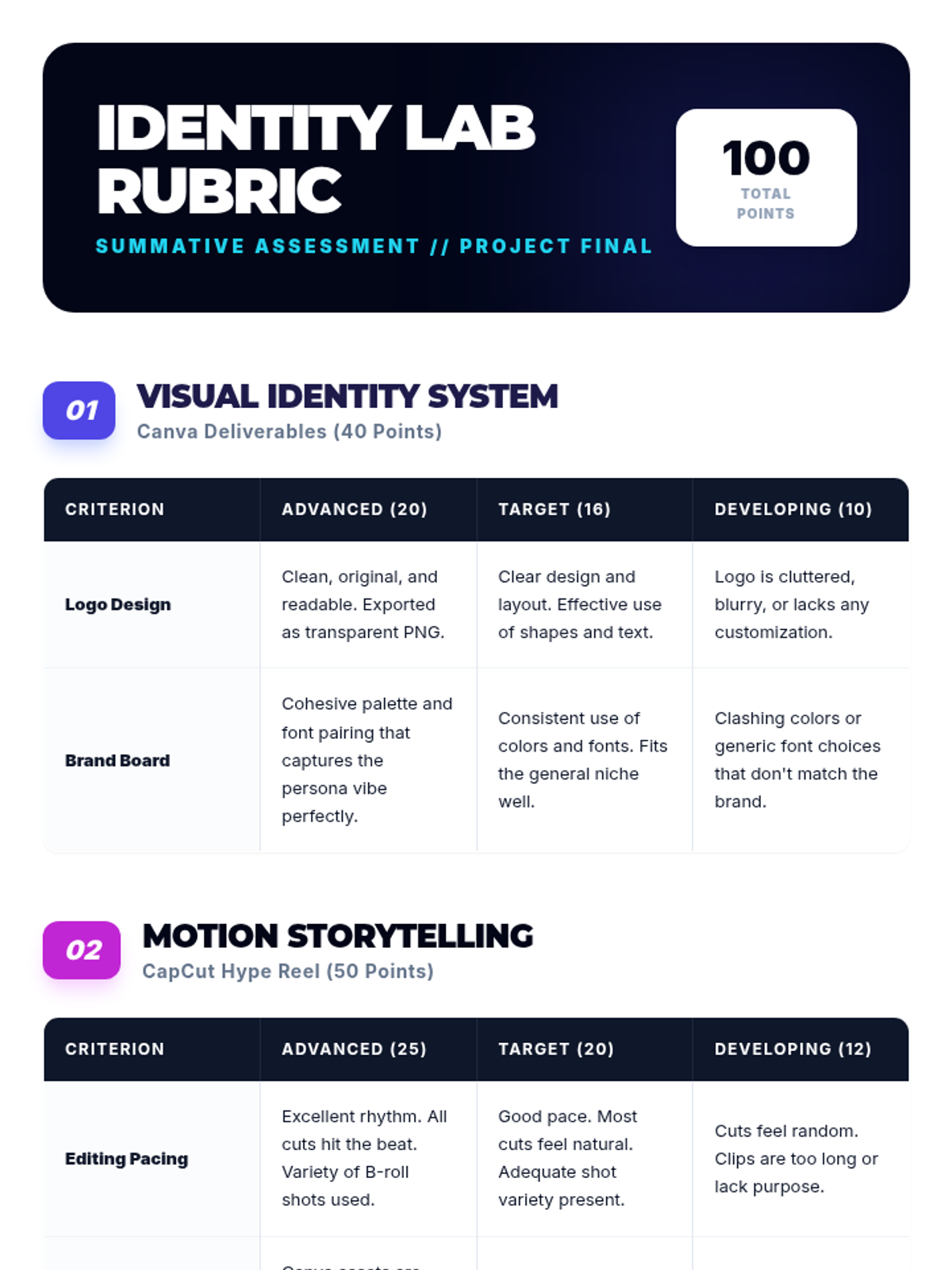
Students transition their brand into motion by creating a 60-second short-form video in CapCut, applying editing techniques like transitions, overlays, and sound design.
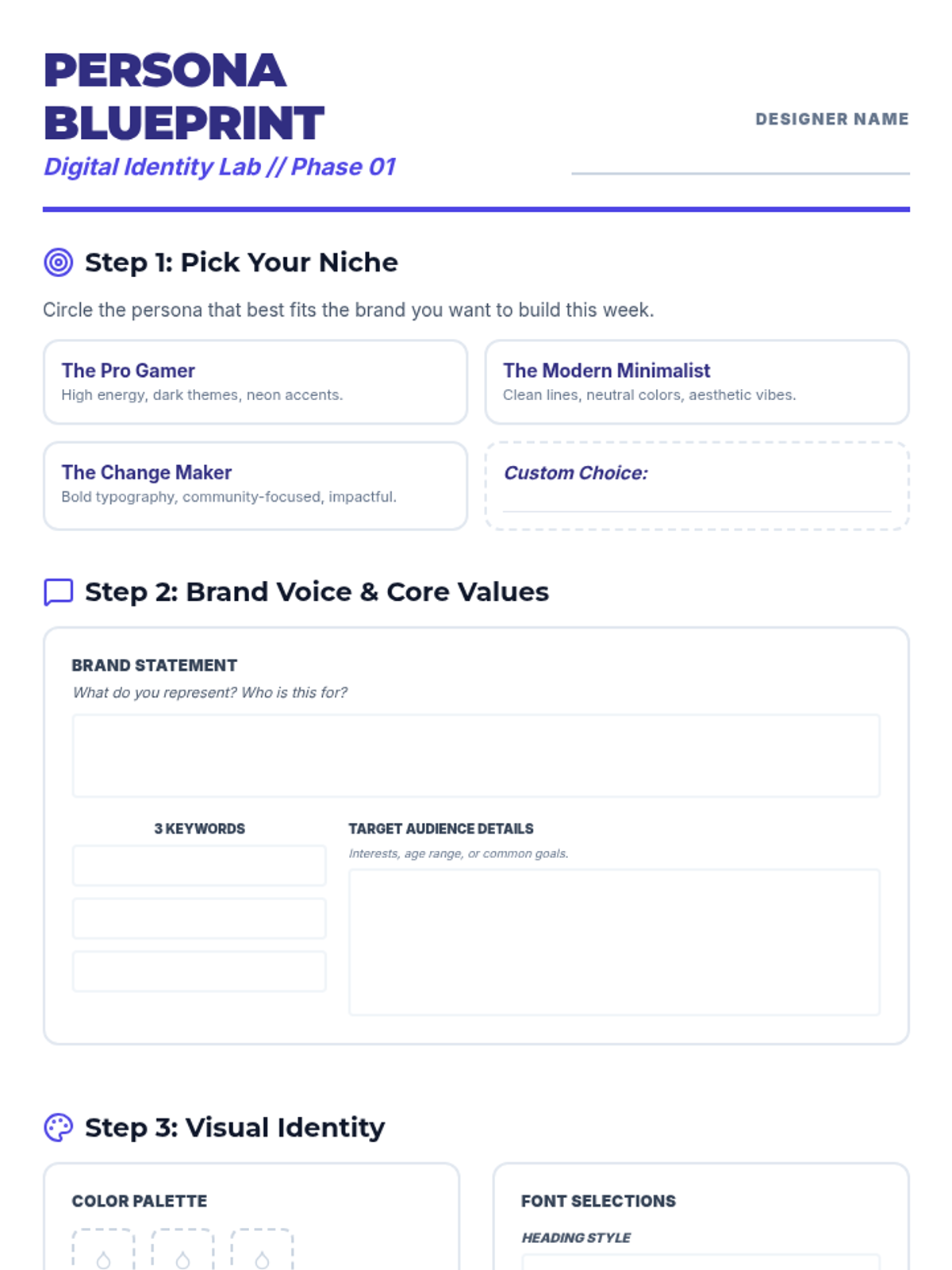
Students define their personal brand identity and create a visual 'Brand Board' using Canva, focusing on color theory, typography, and logo design.
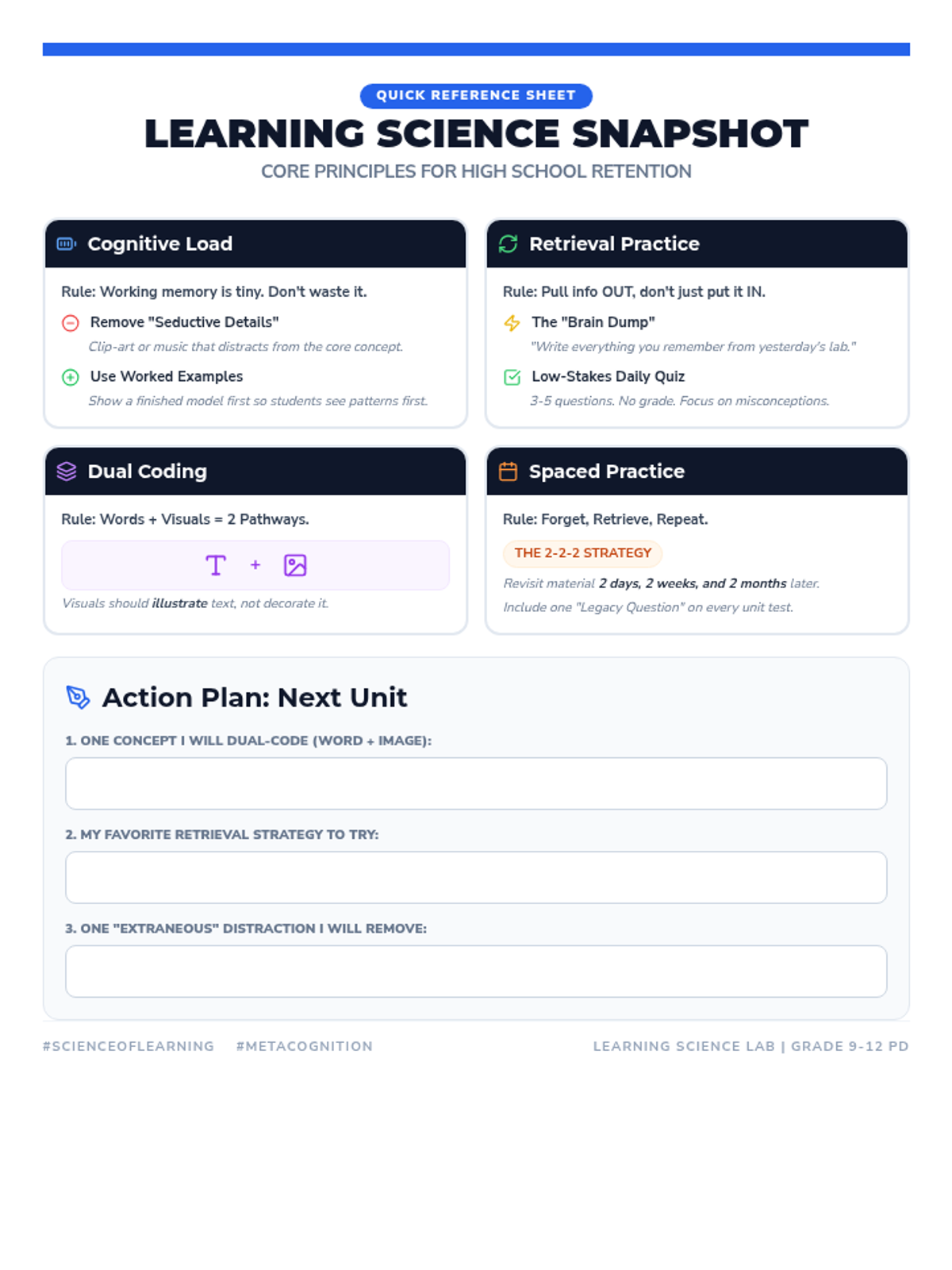
A professional development session for grades 9-12 educators exploring cognitive science principles. Teachers will learn about cognitive load theory, retrieval practice, and dual coding to enhance classroom instruction.
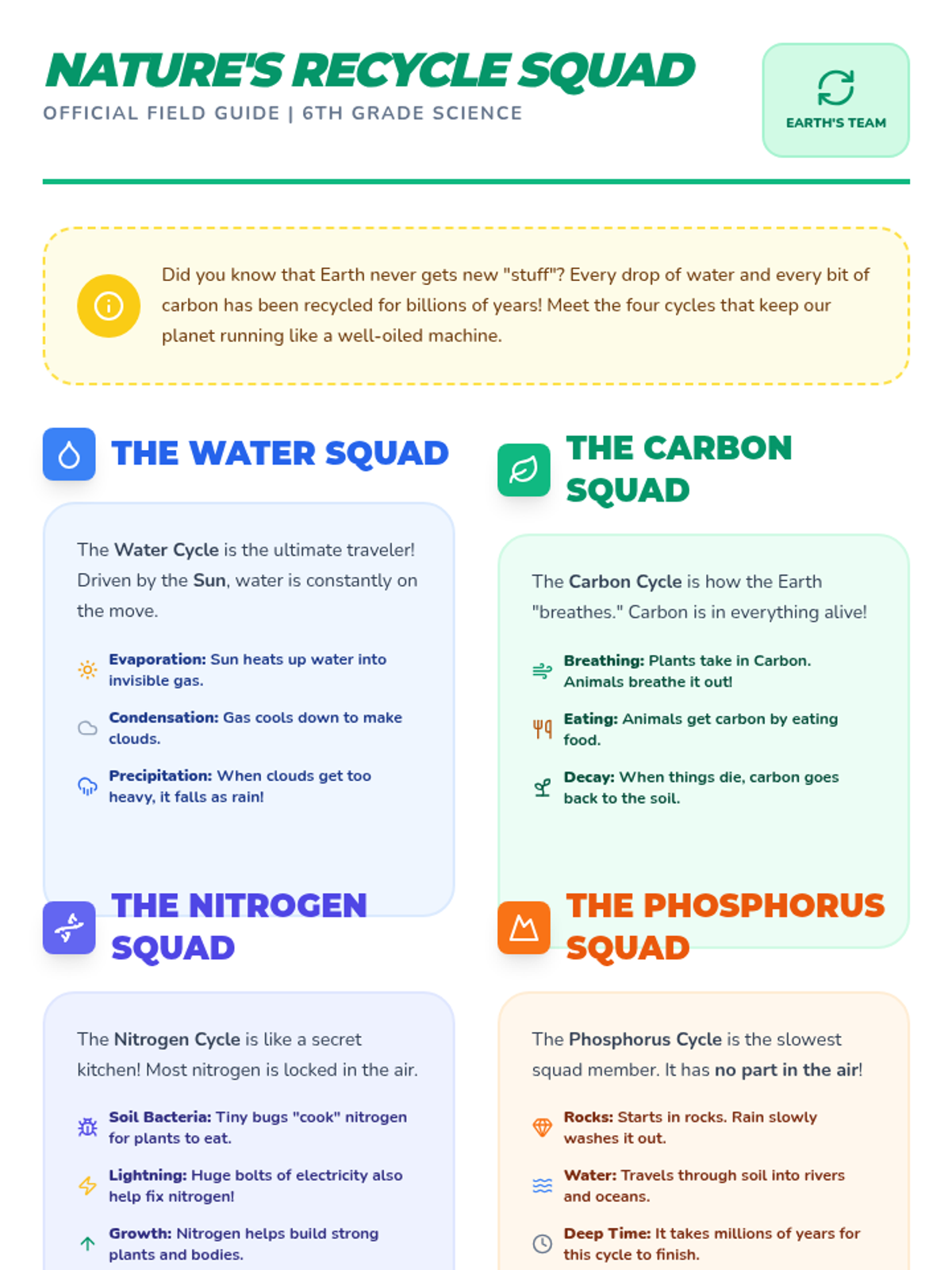
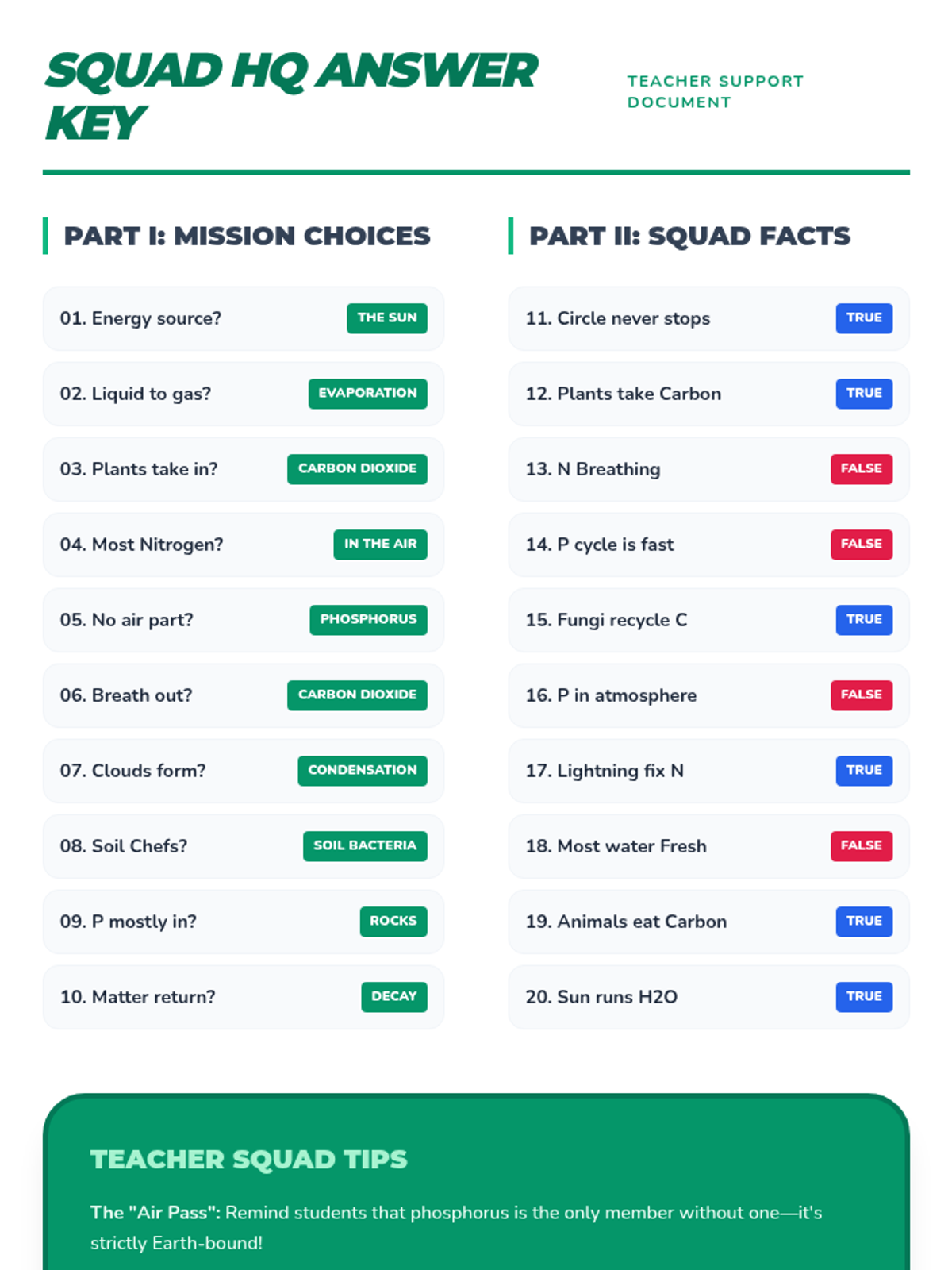
A friendly, middle-school introduction to the four major cycles of nature, focusing on how living things and the Earth work together as a 'recycle team'.
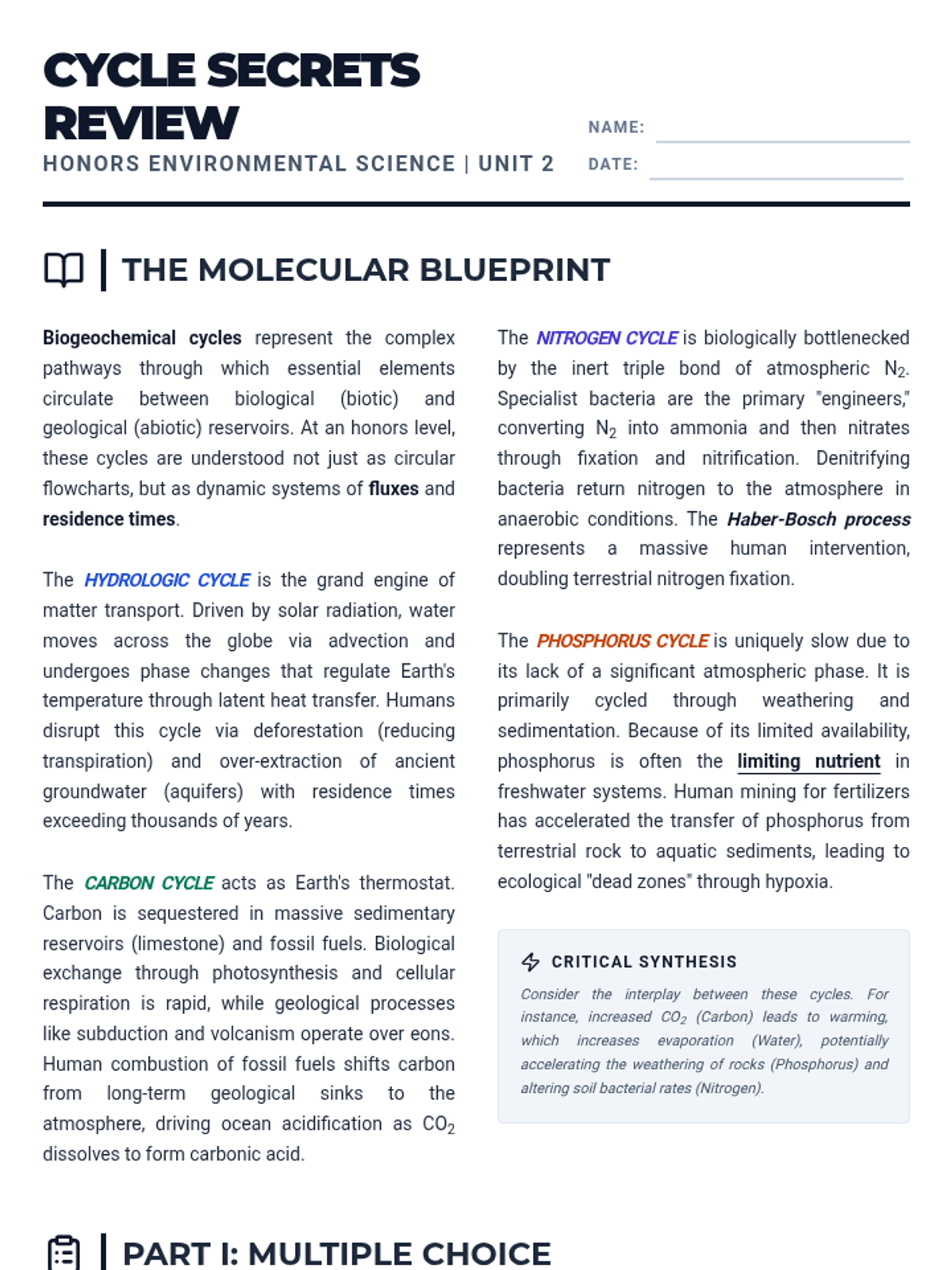
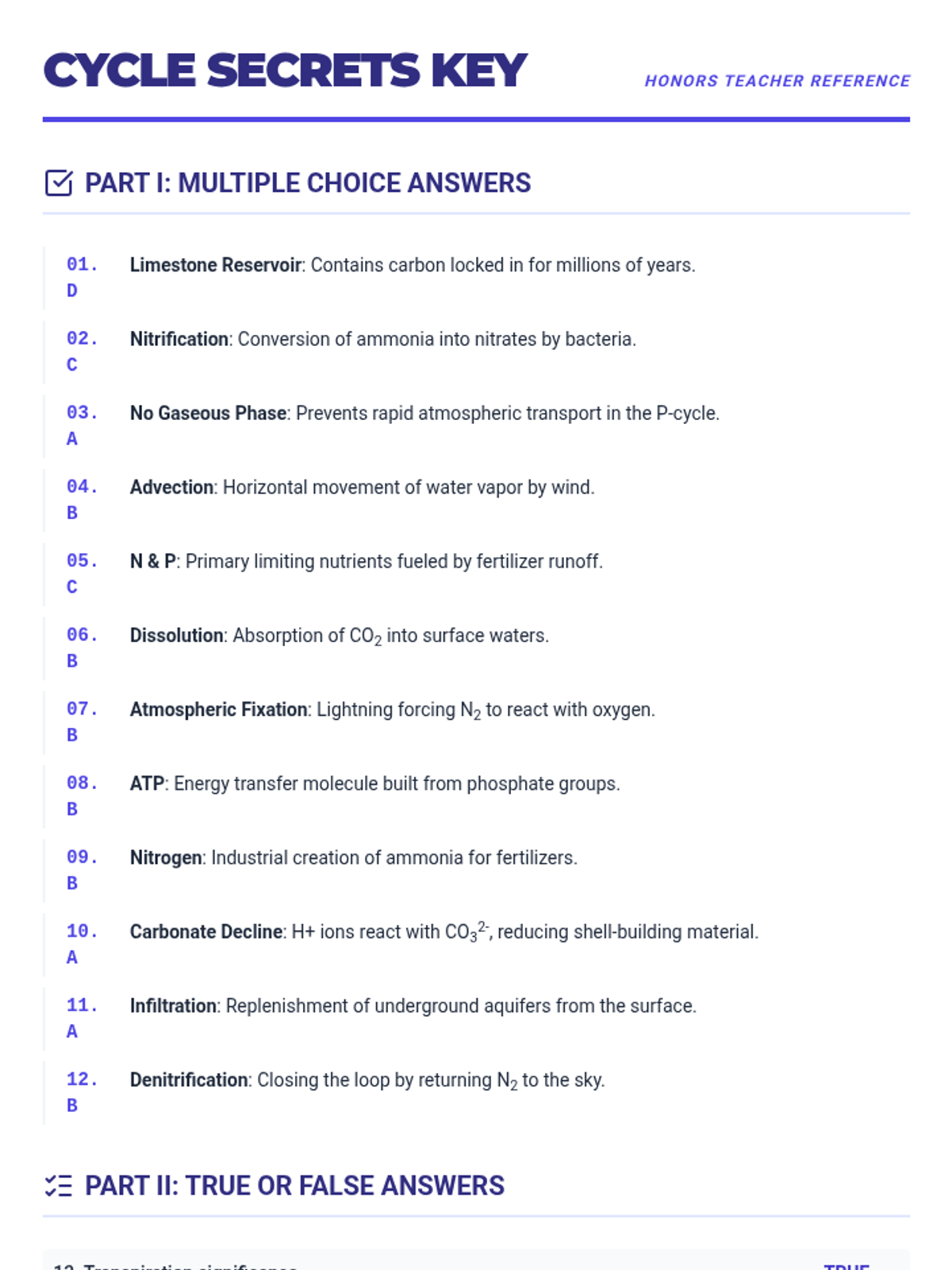
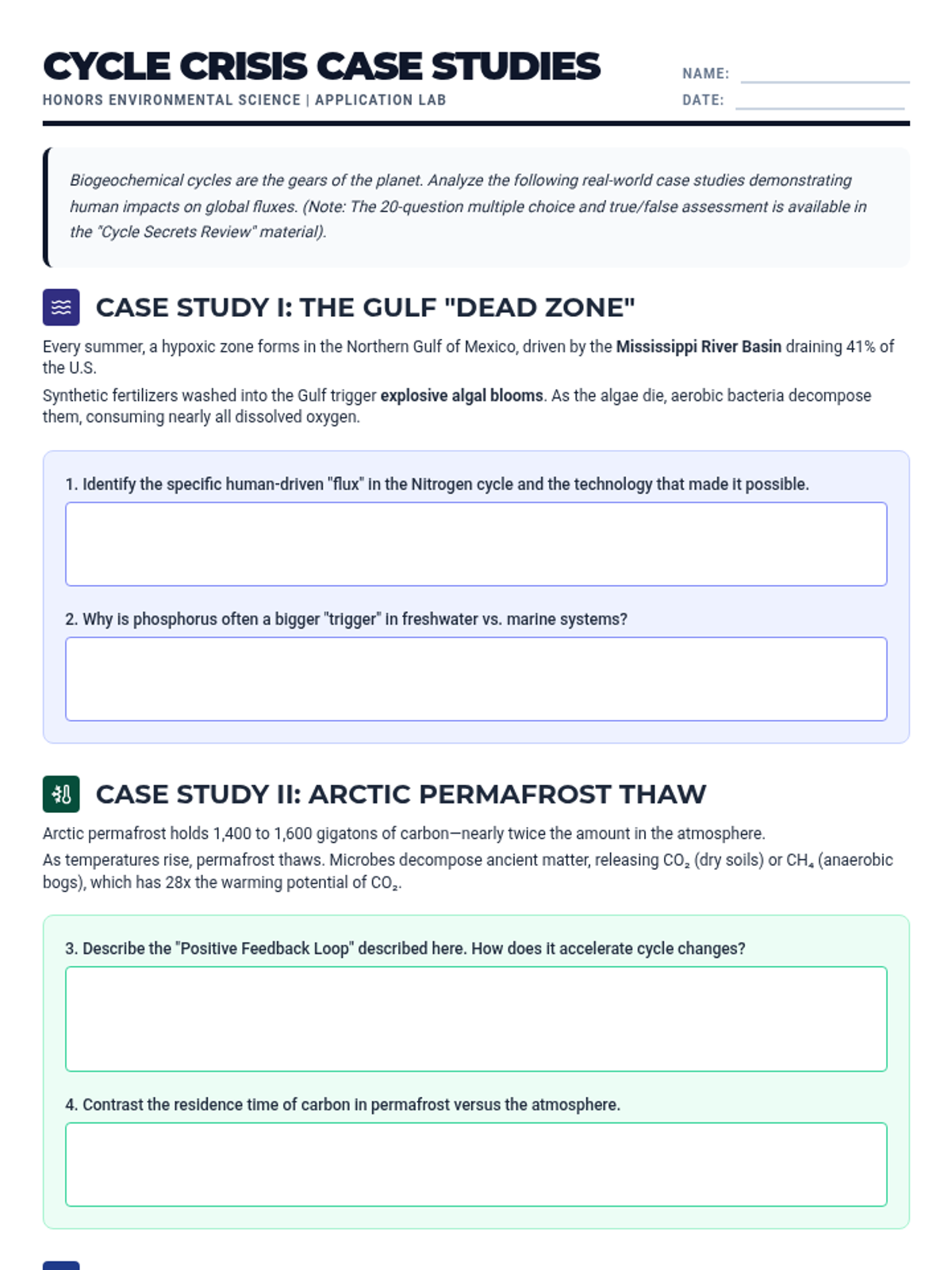
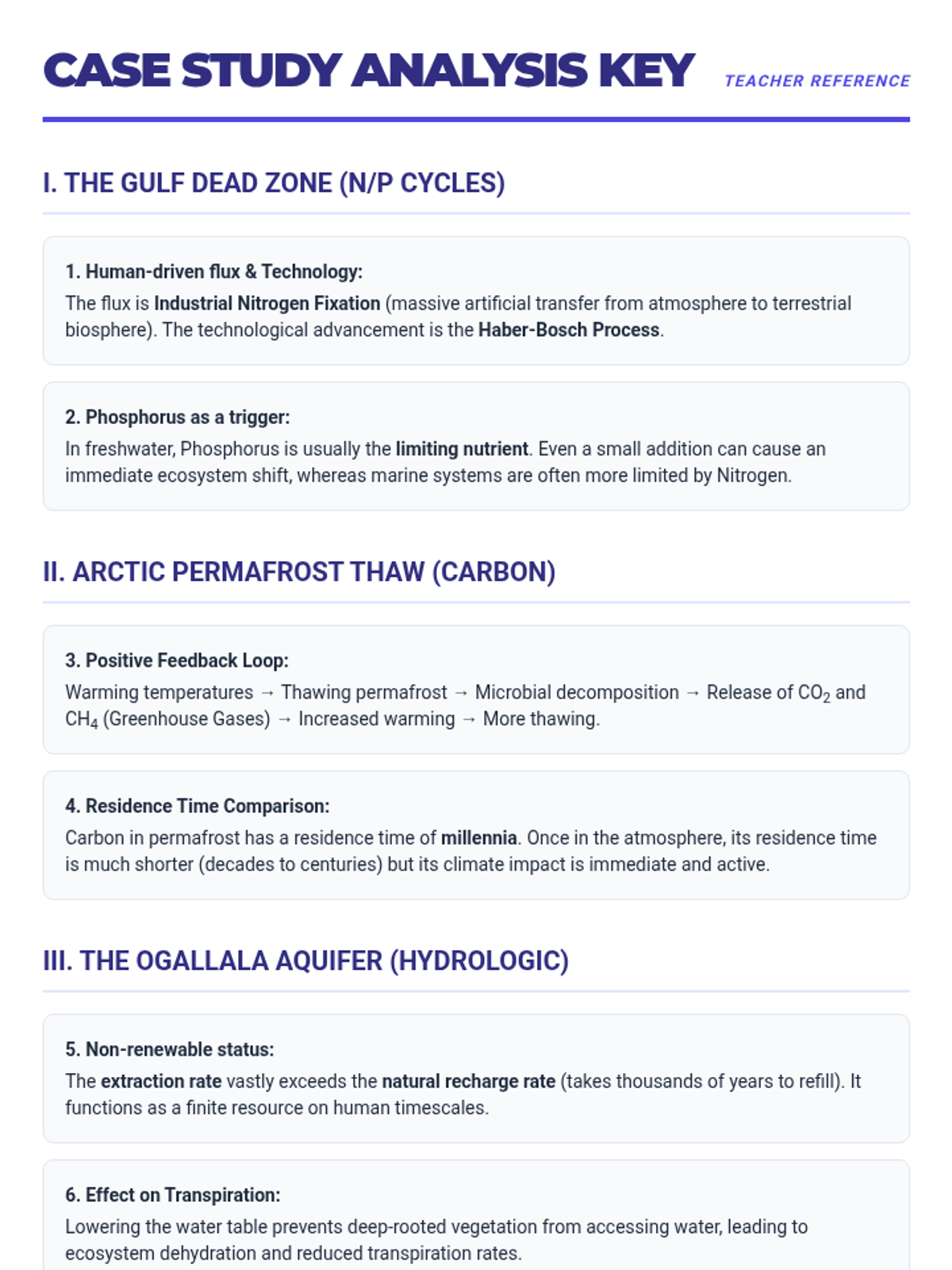
An honors-level exploration of the four major biogeochemical cycles, focusing on molecular transformations, human impact, and reservoir residence times.
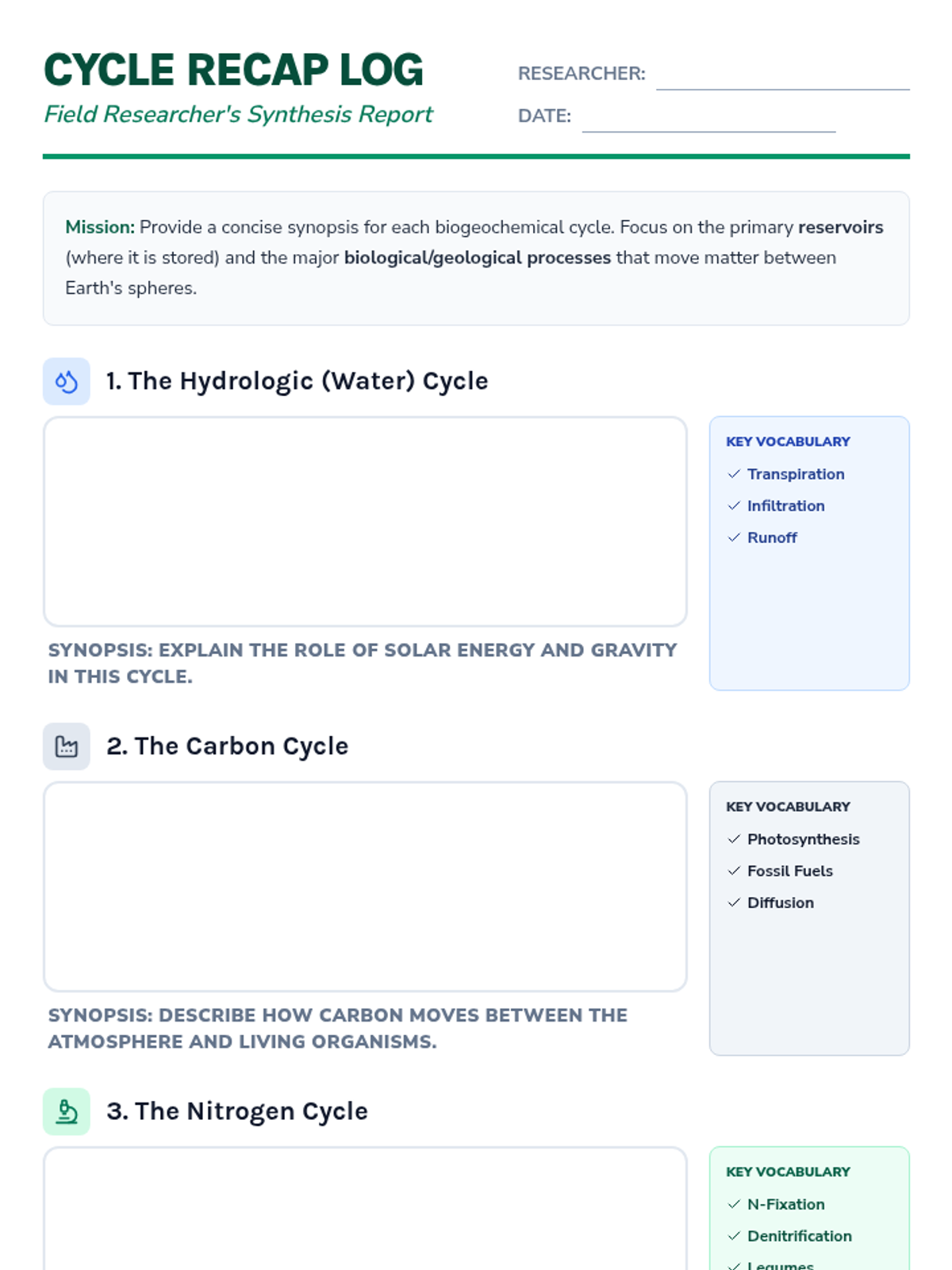
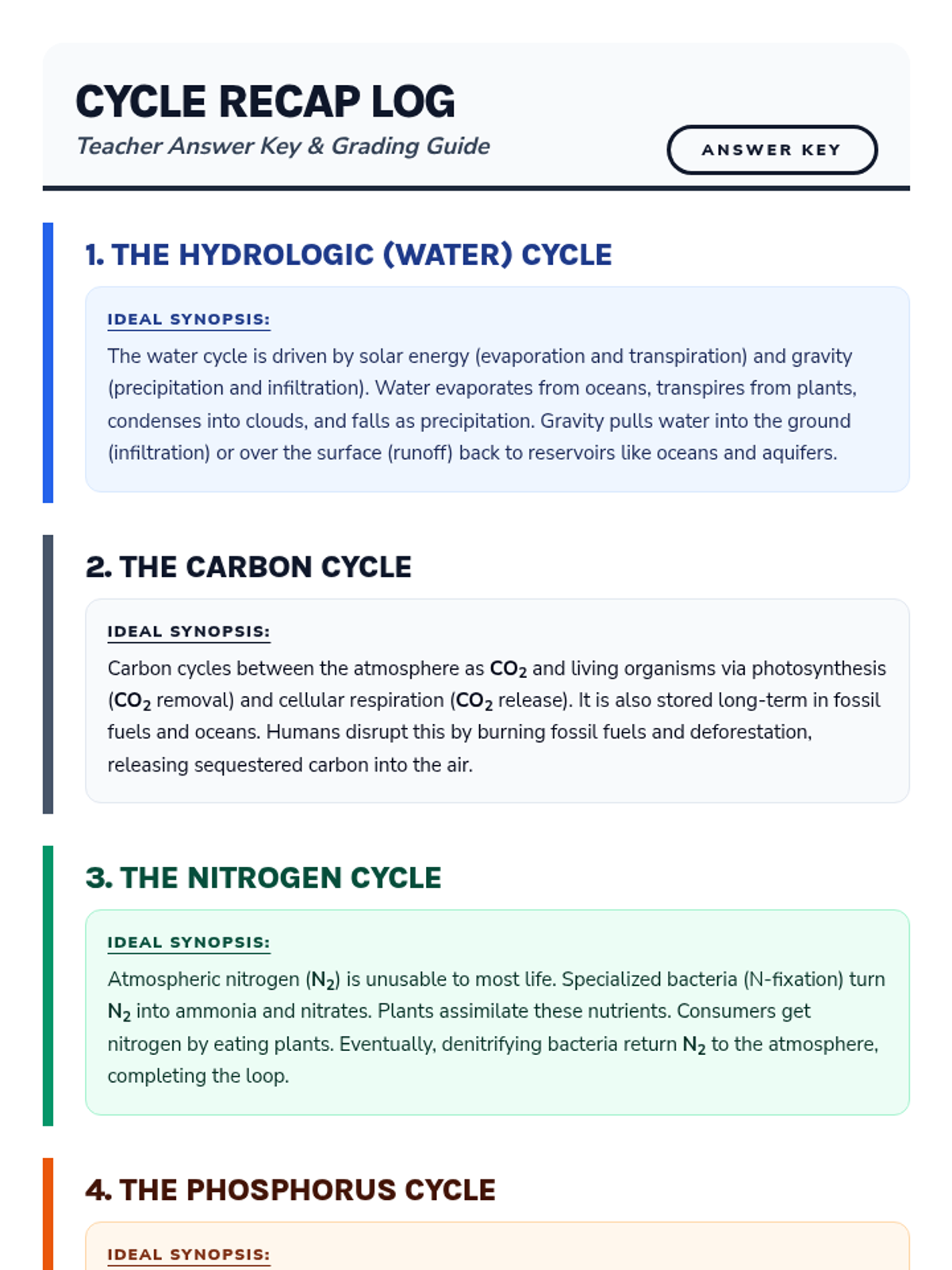
A comprehensive review of the major biogeochemical cycles: water, carbon, nitrogen, and phosphorus. Students will explore how matter moves through Earth's spheres and synthesize their knowledge in a field journal synopsis.
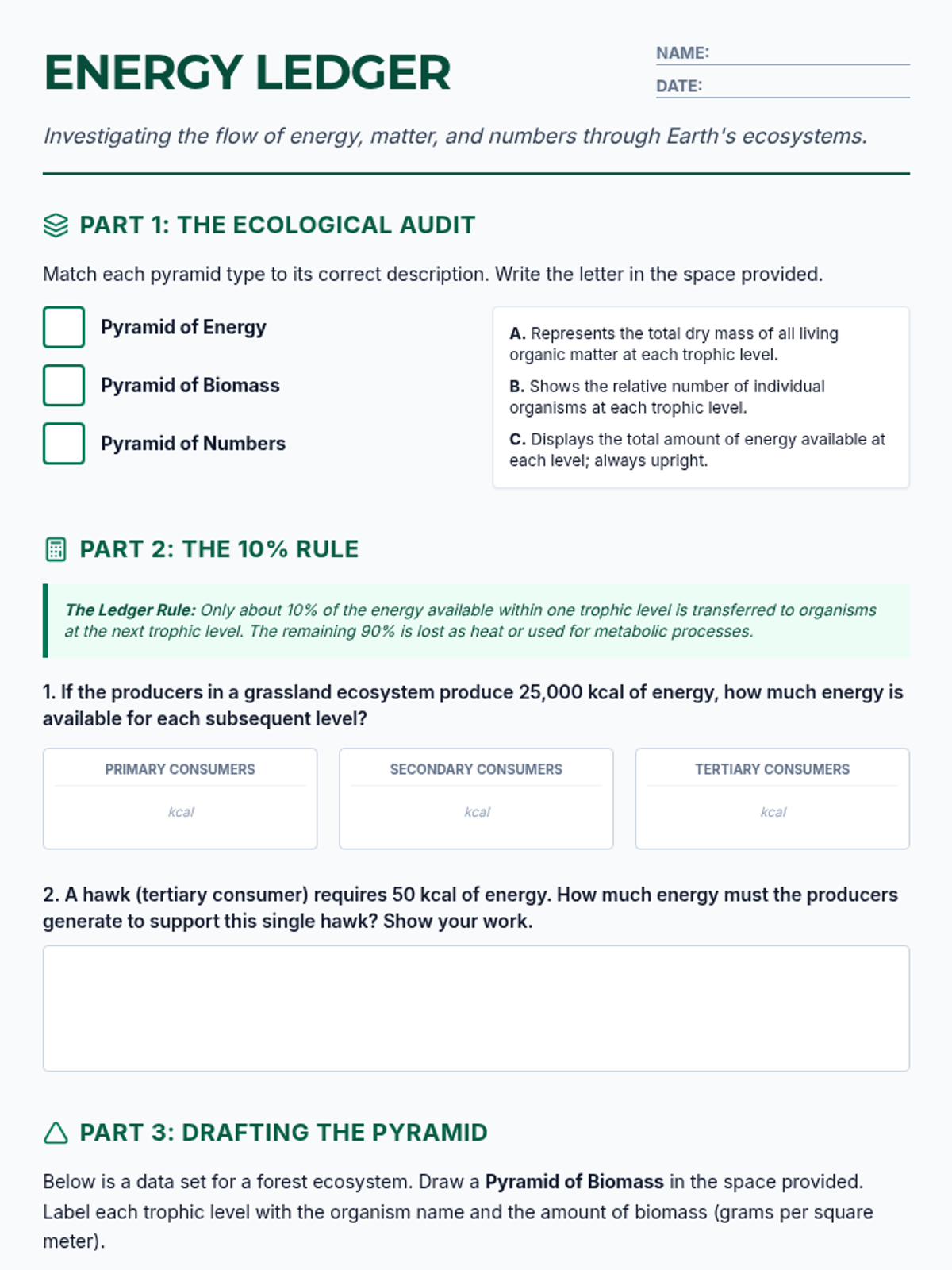
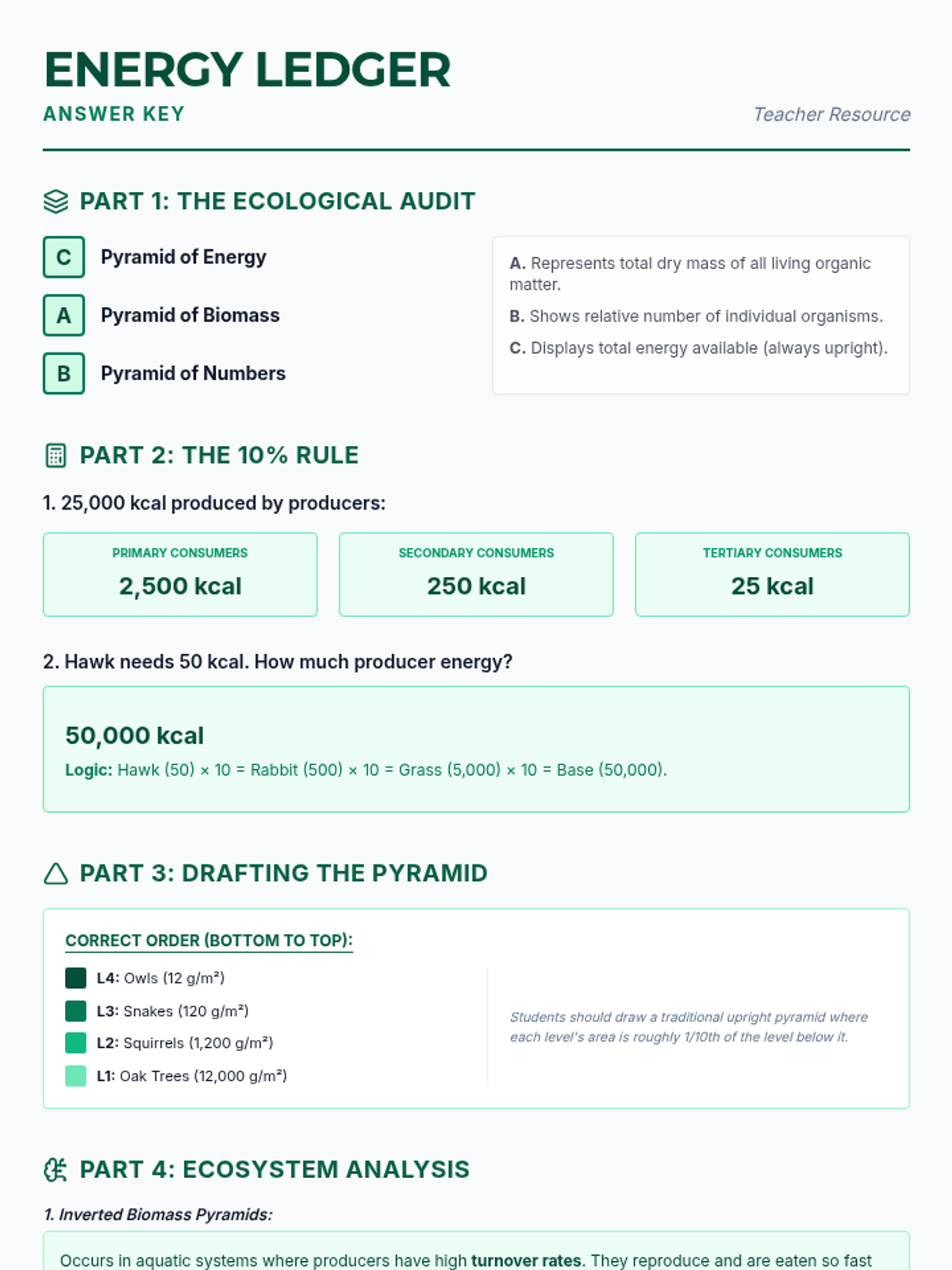
A practice-focused lesson on ecological pyramids, covering energy transfer, biomass, and population numbers using the 10% rule.
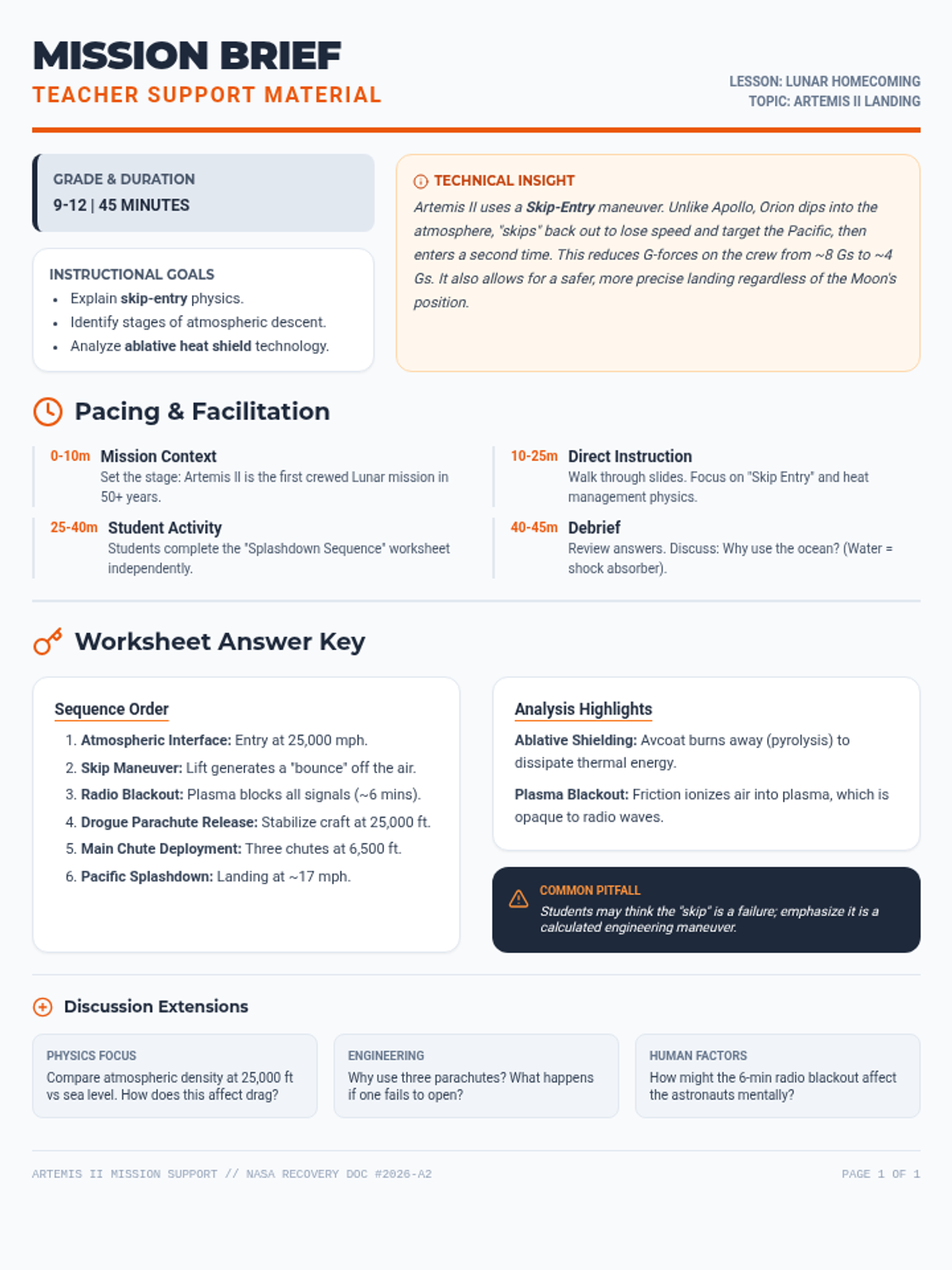
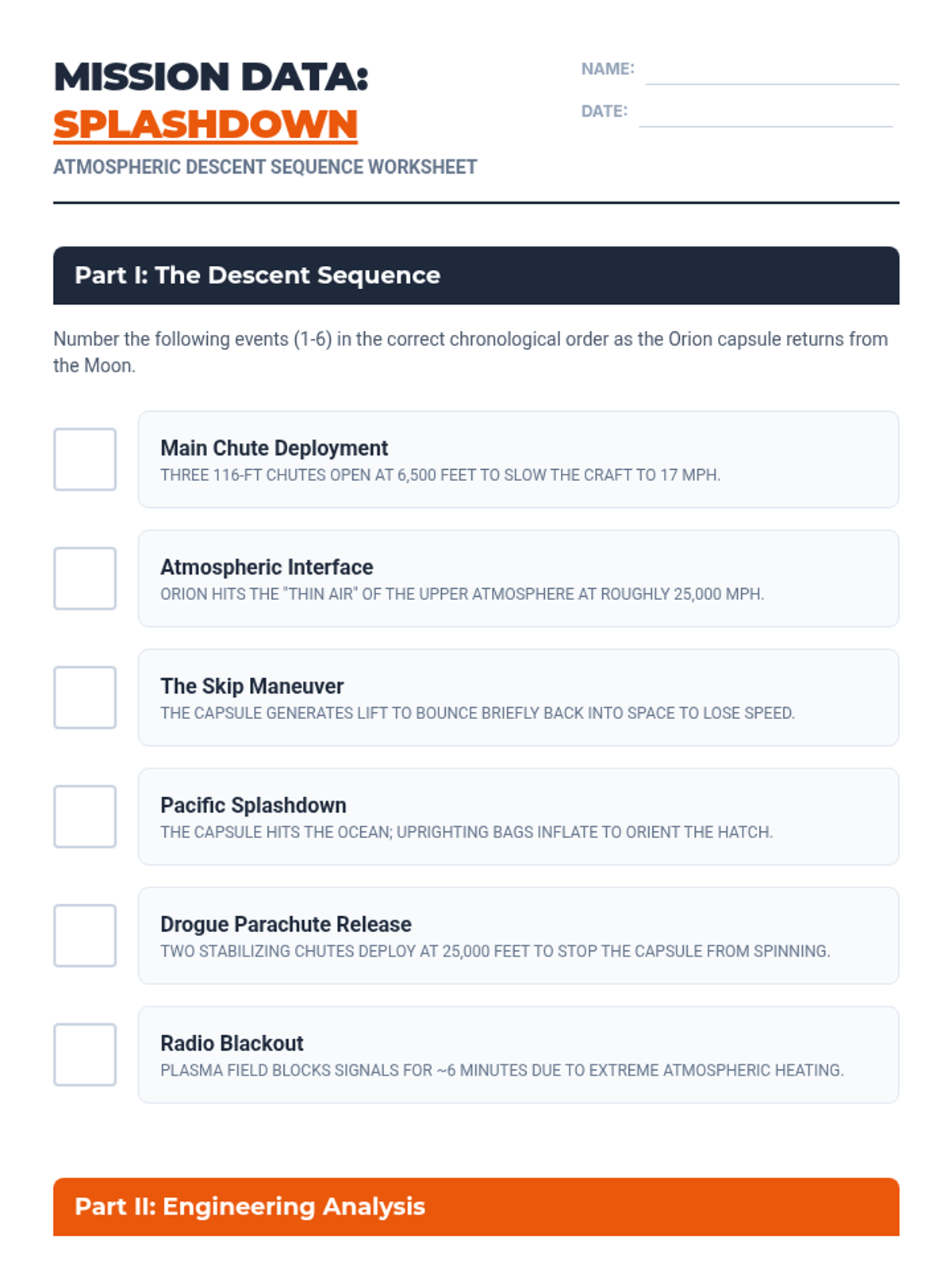
A deep dive into the engineering and physics of the Orion capsule's return to Earth, focusing on heat management, skip-entry maneuvers, and the multi-stage parachute sequence.
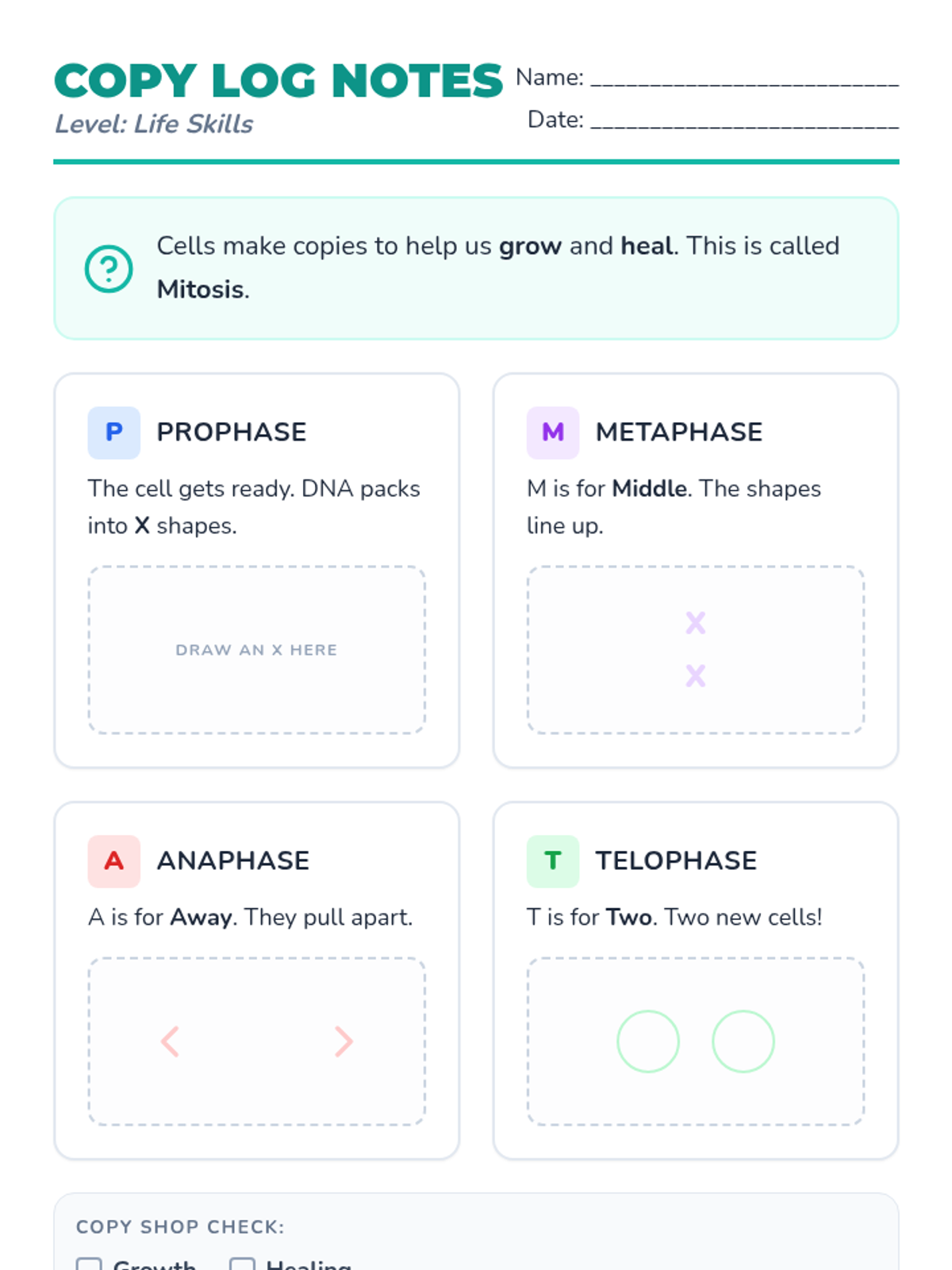
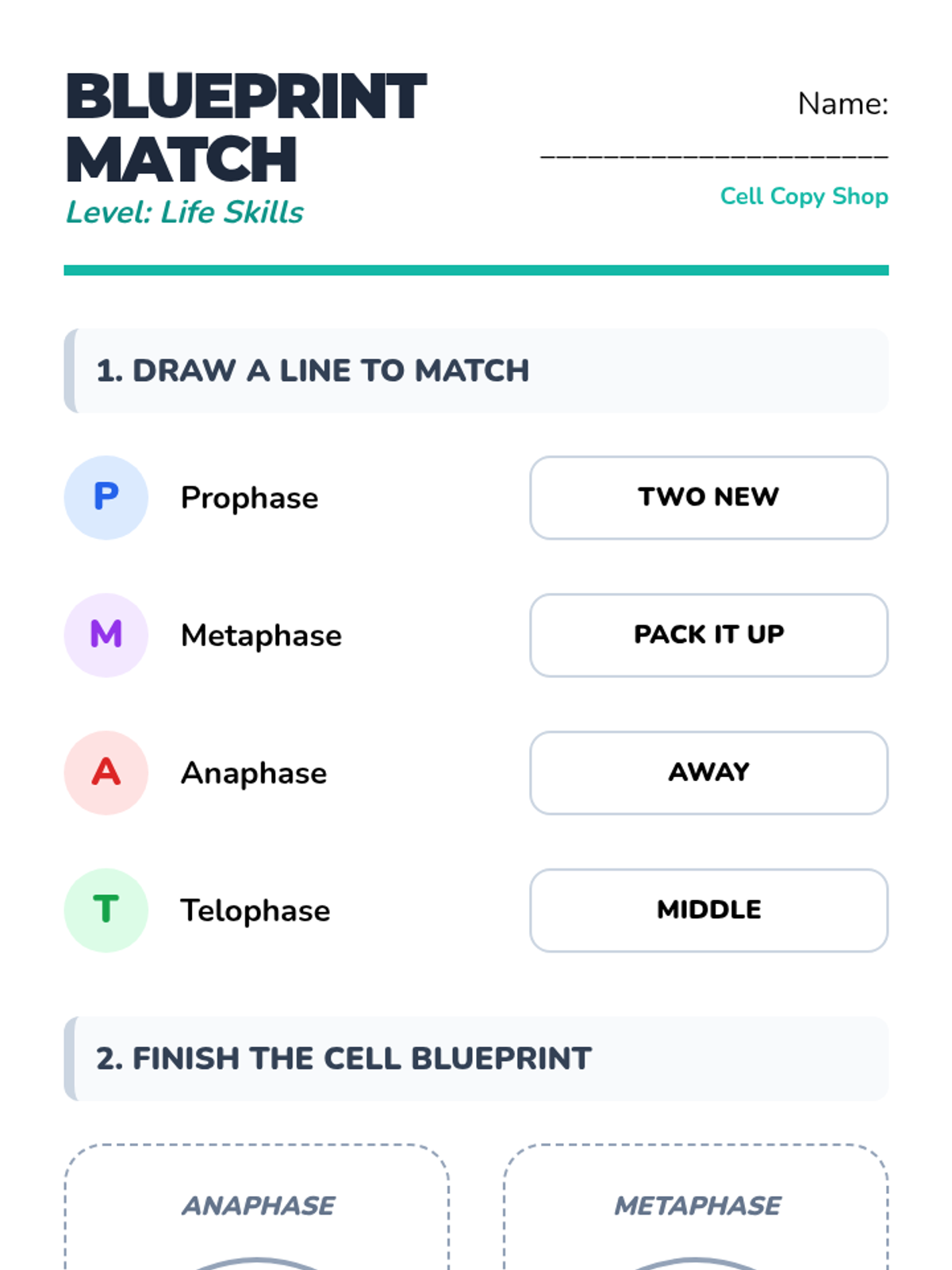
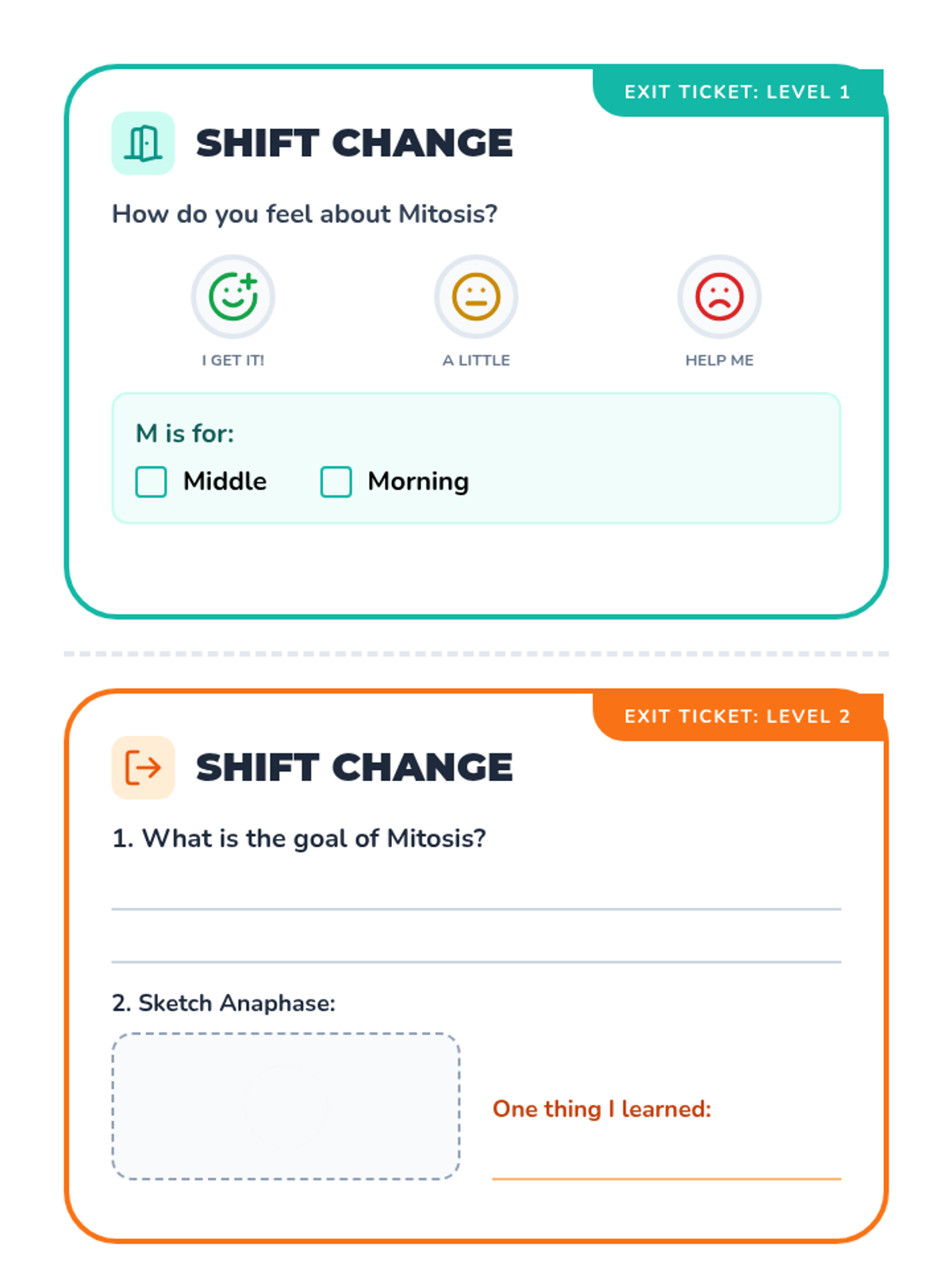
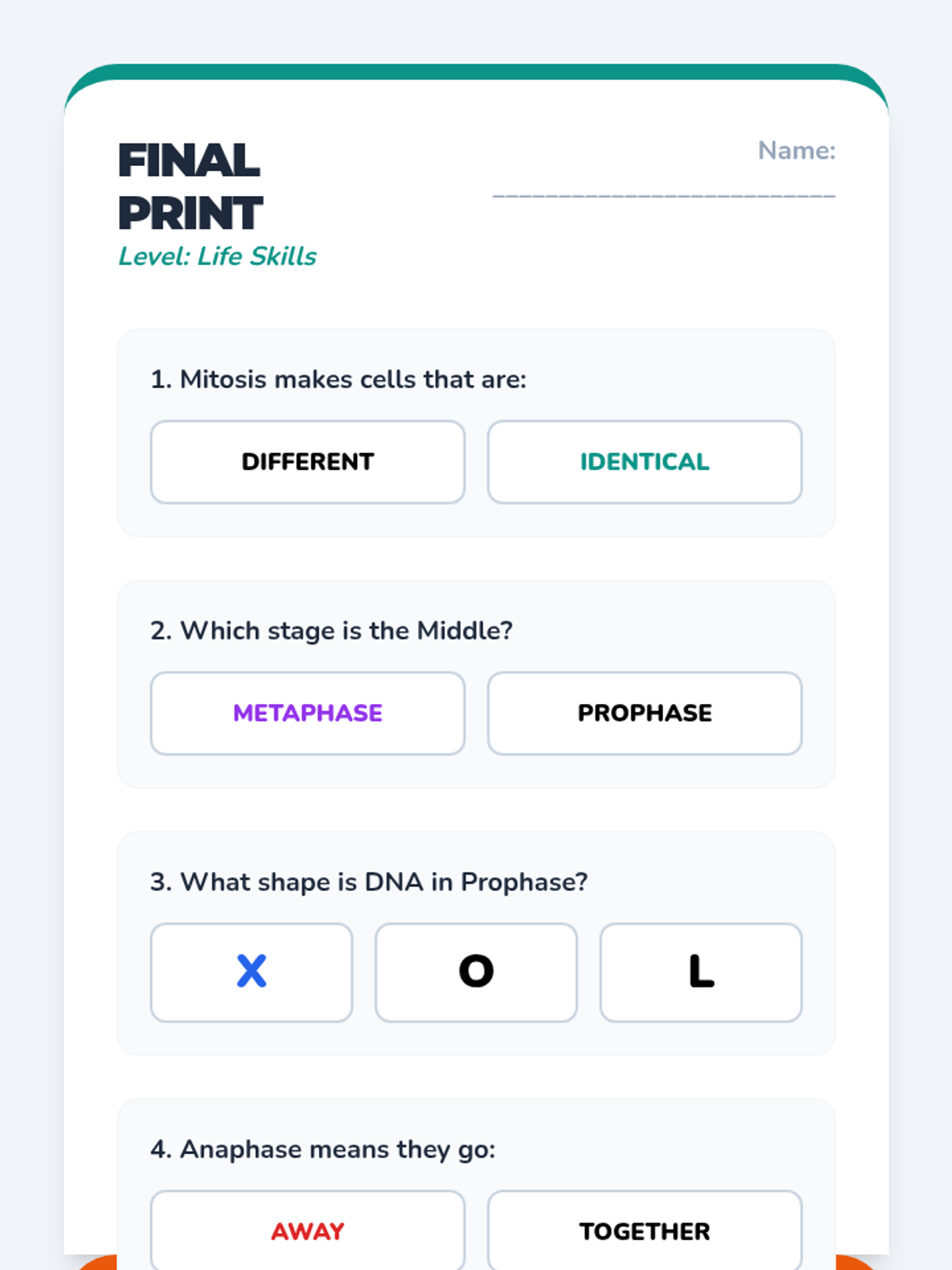
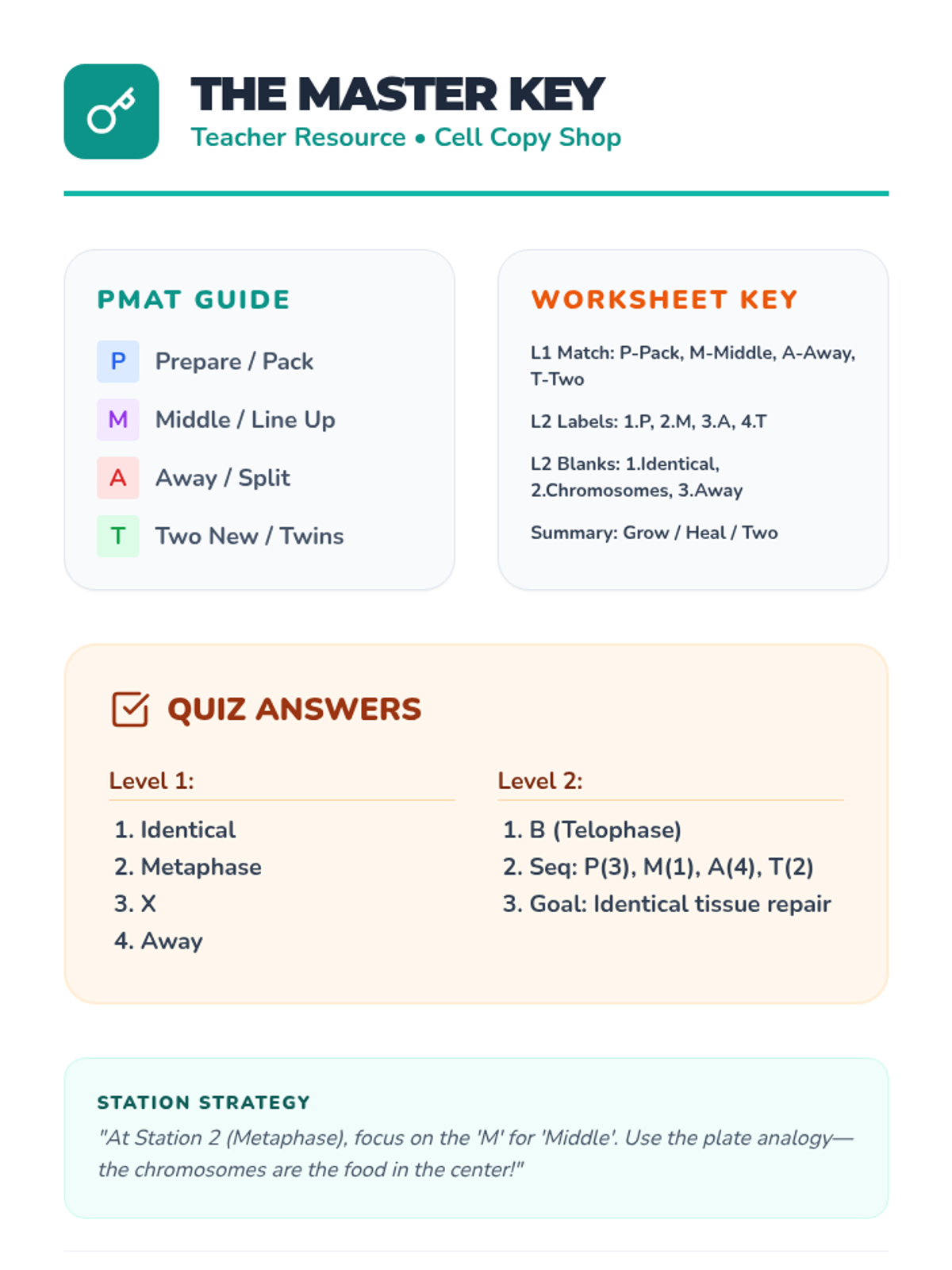
A comprehensive review of mitosis using a 'Cell Copy Shop' theme, differentiated for Life Skills and Modified Curriculum students to understand how cells make identical copies of themselves.
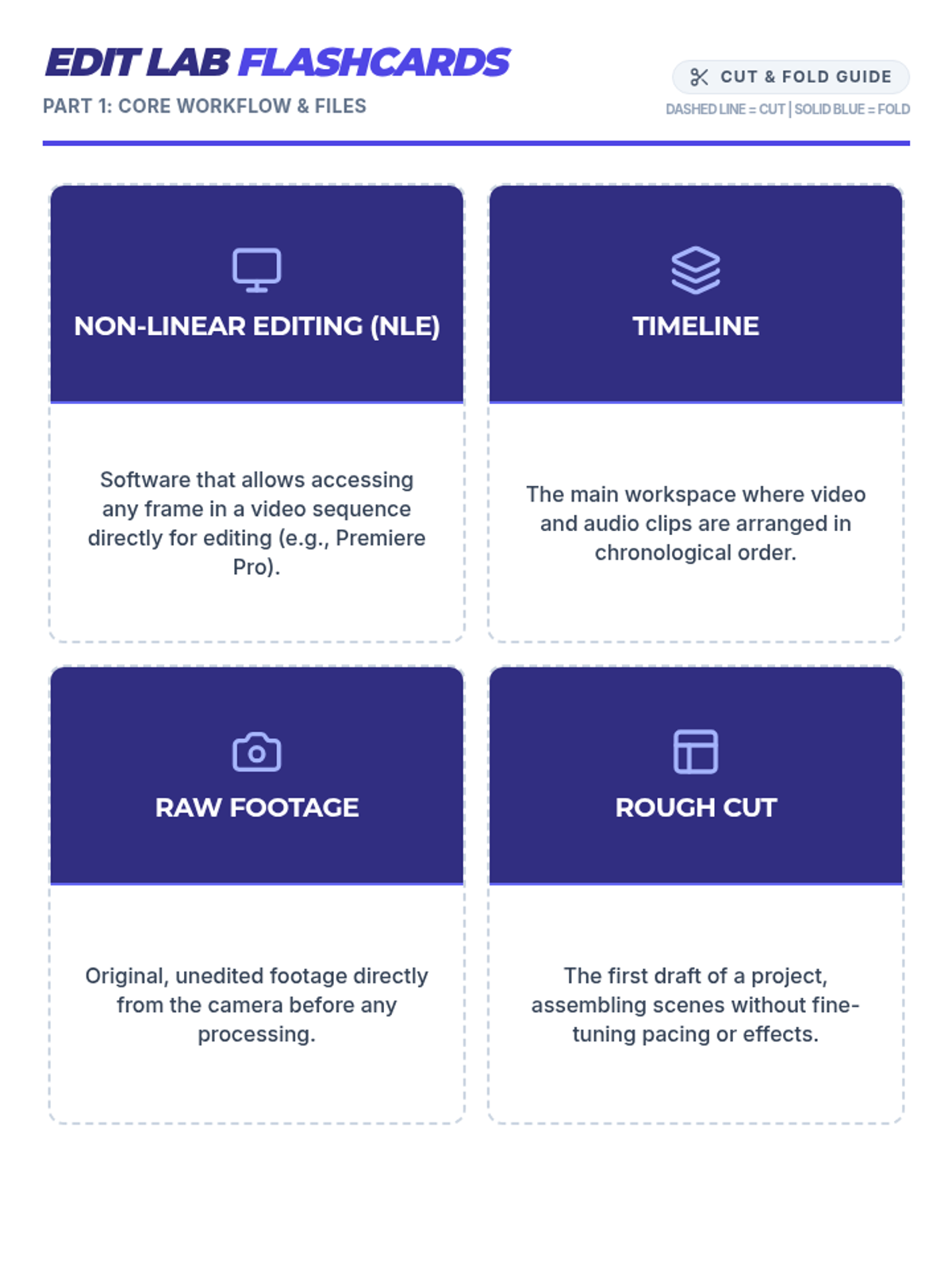
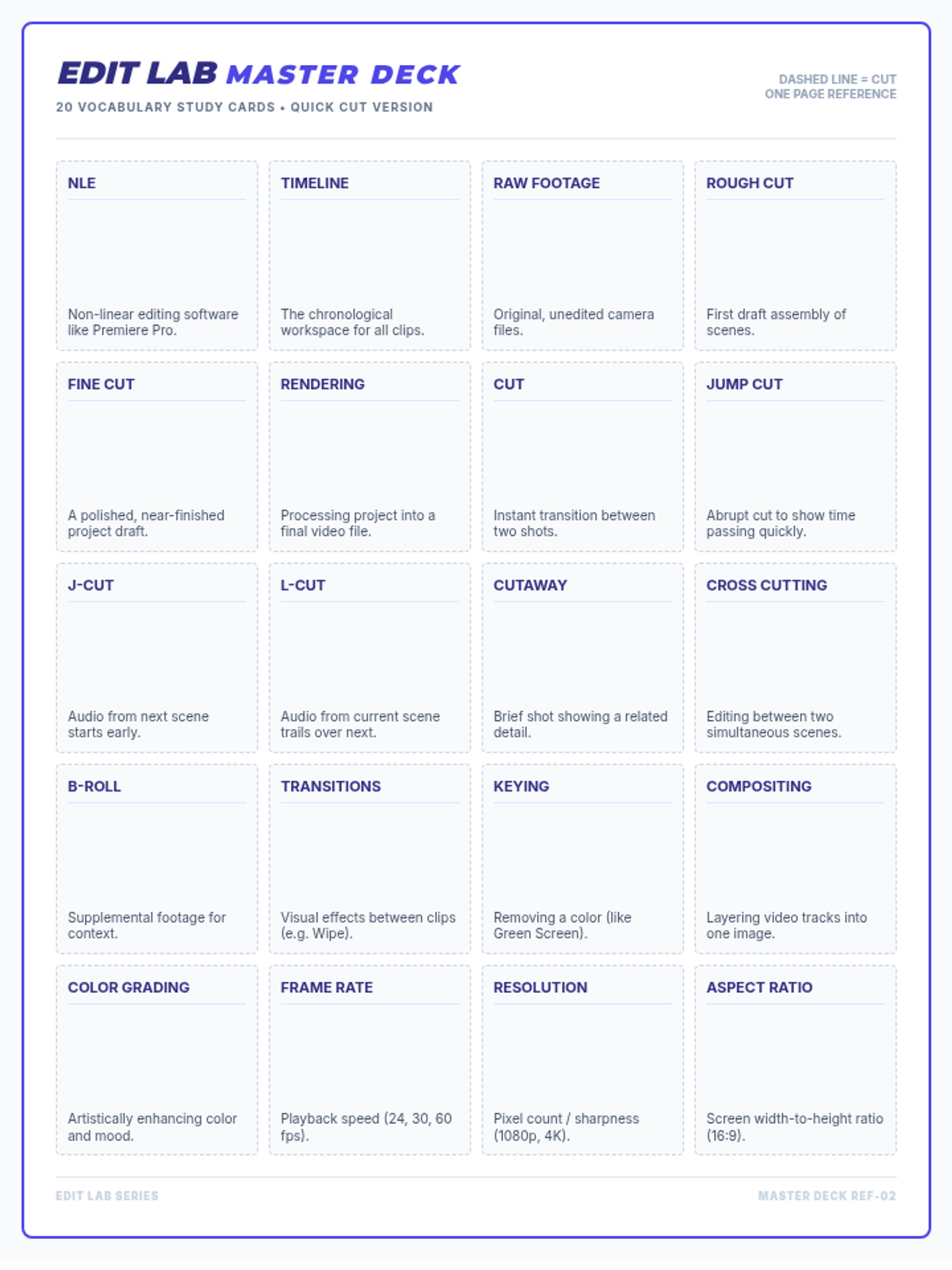
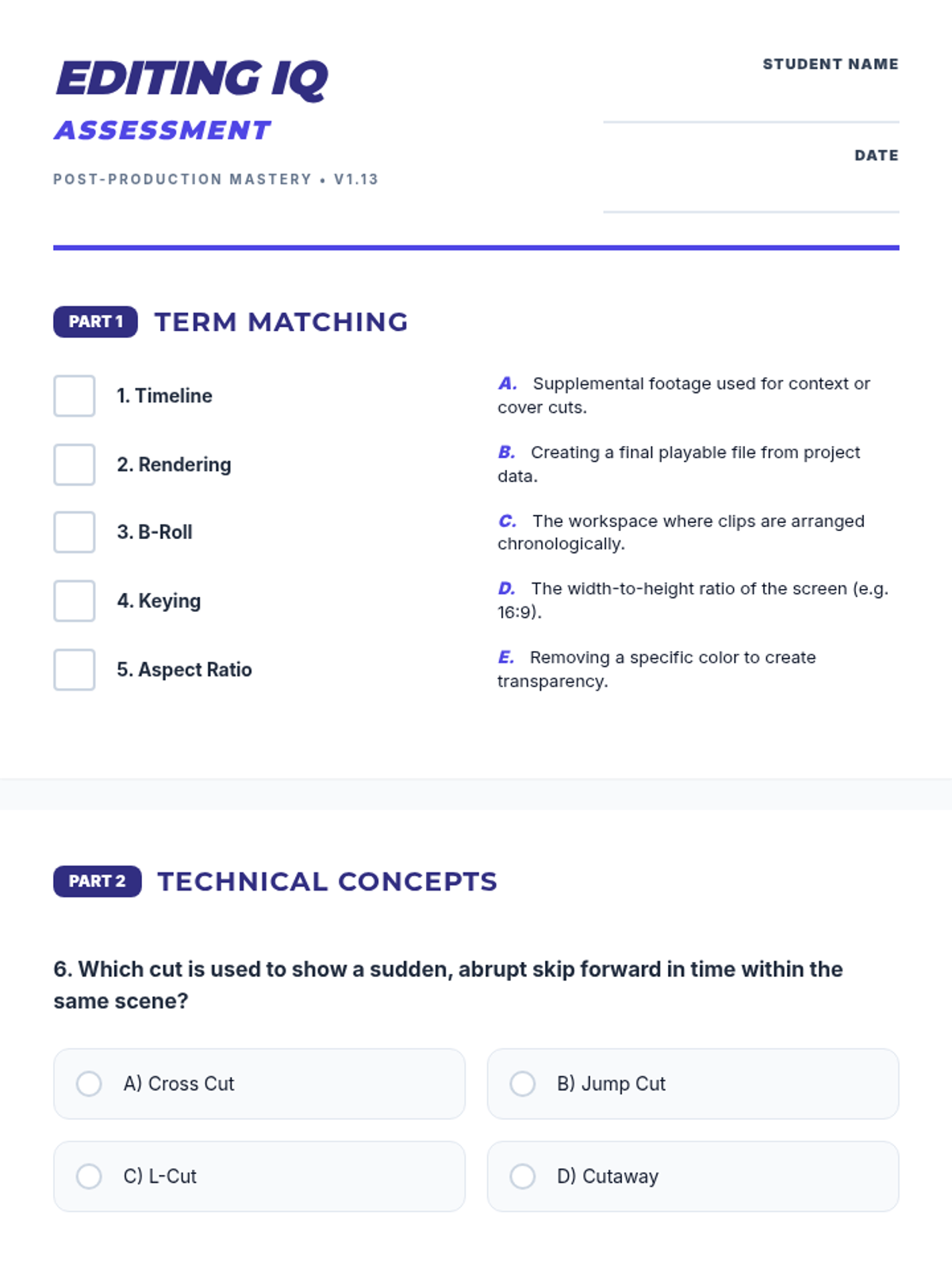
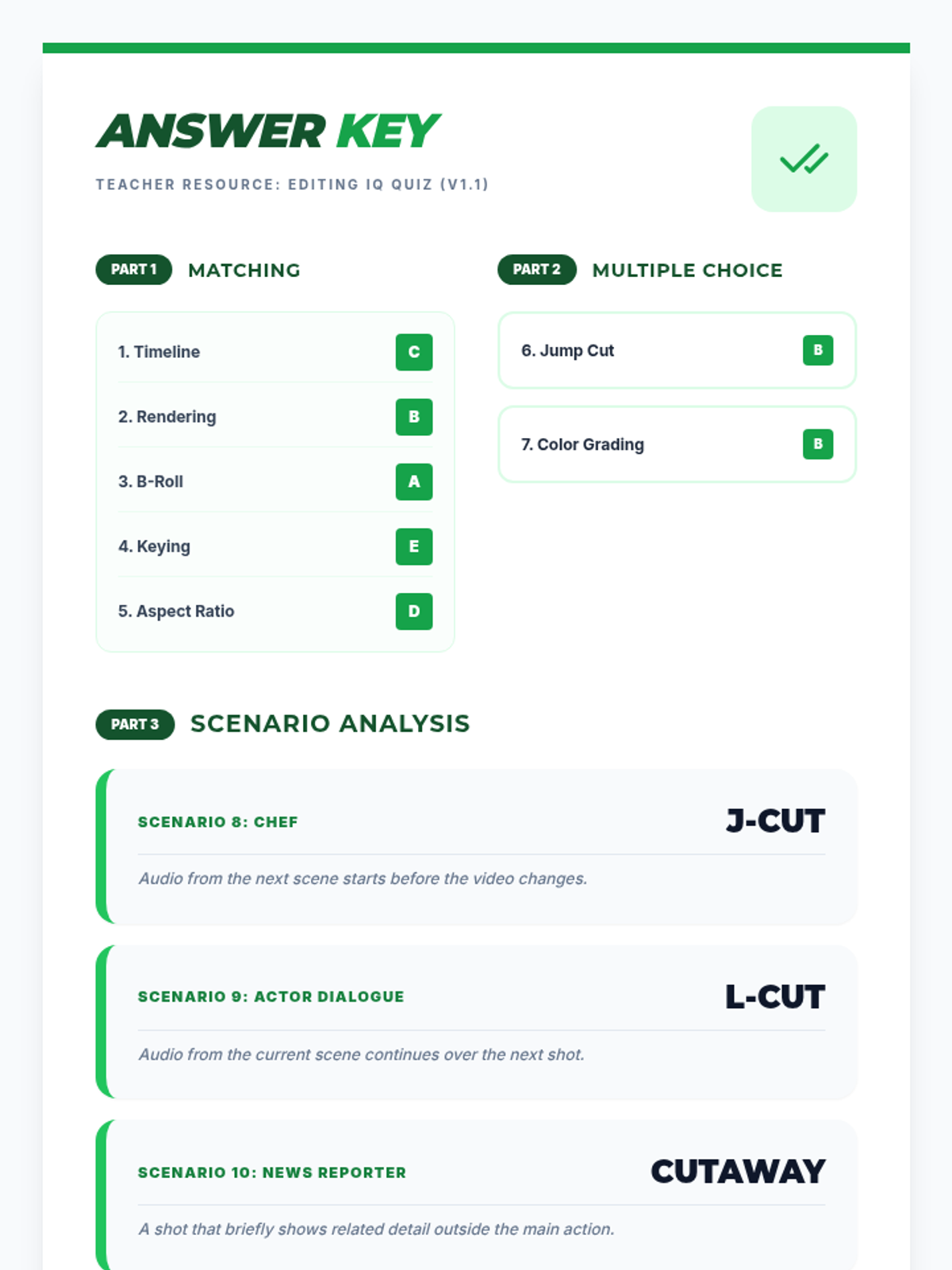
A foundational lesson on the essential terminology and workflow of video post-production, covering everything from basic cuts to technical specifications.
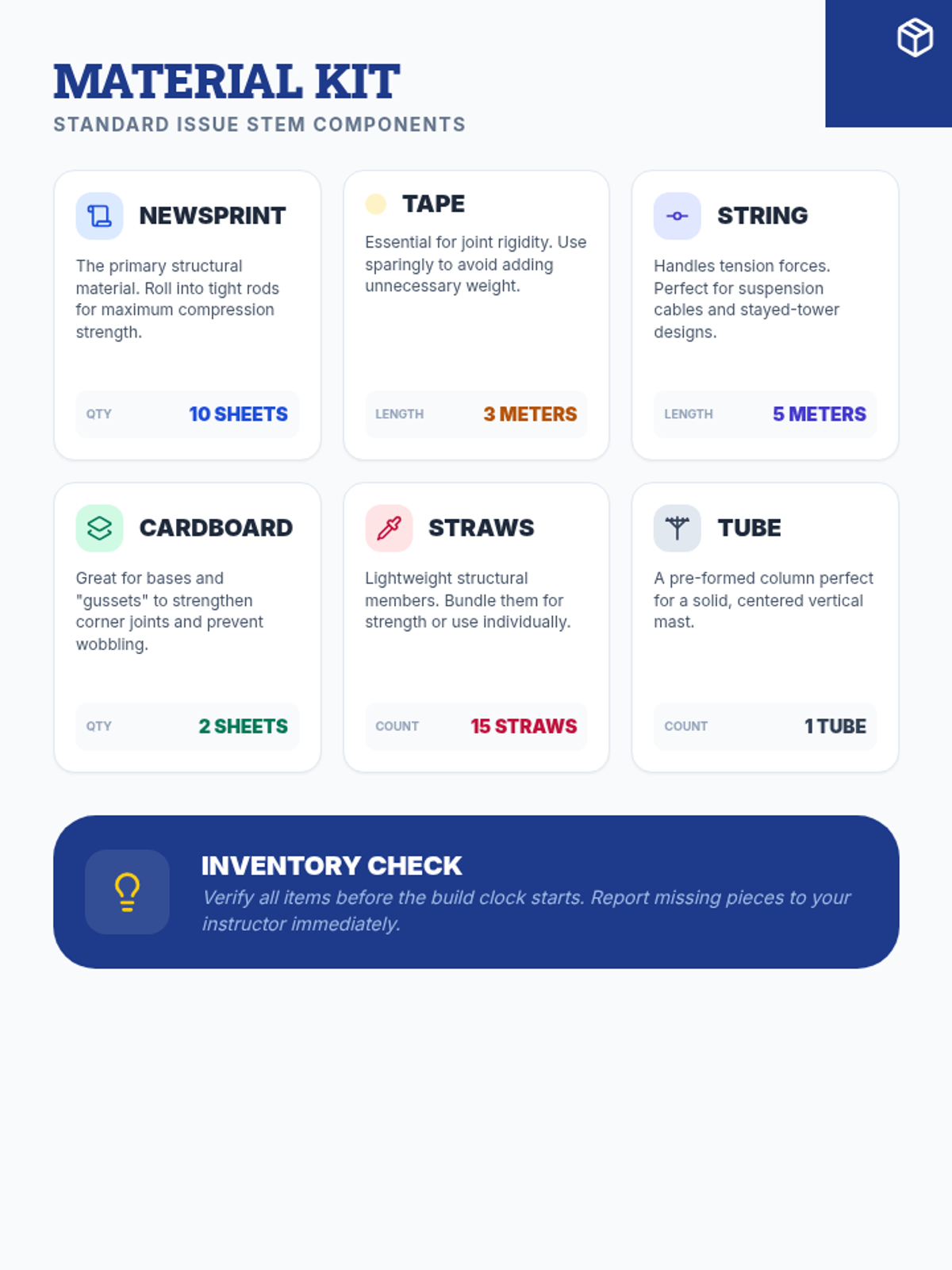
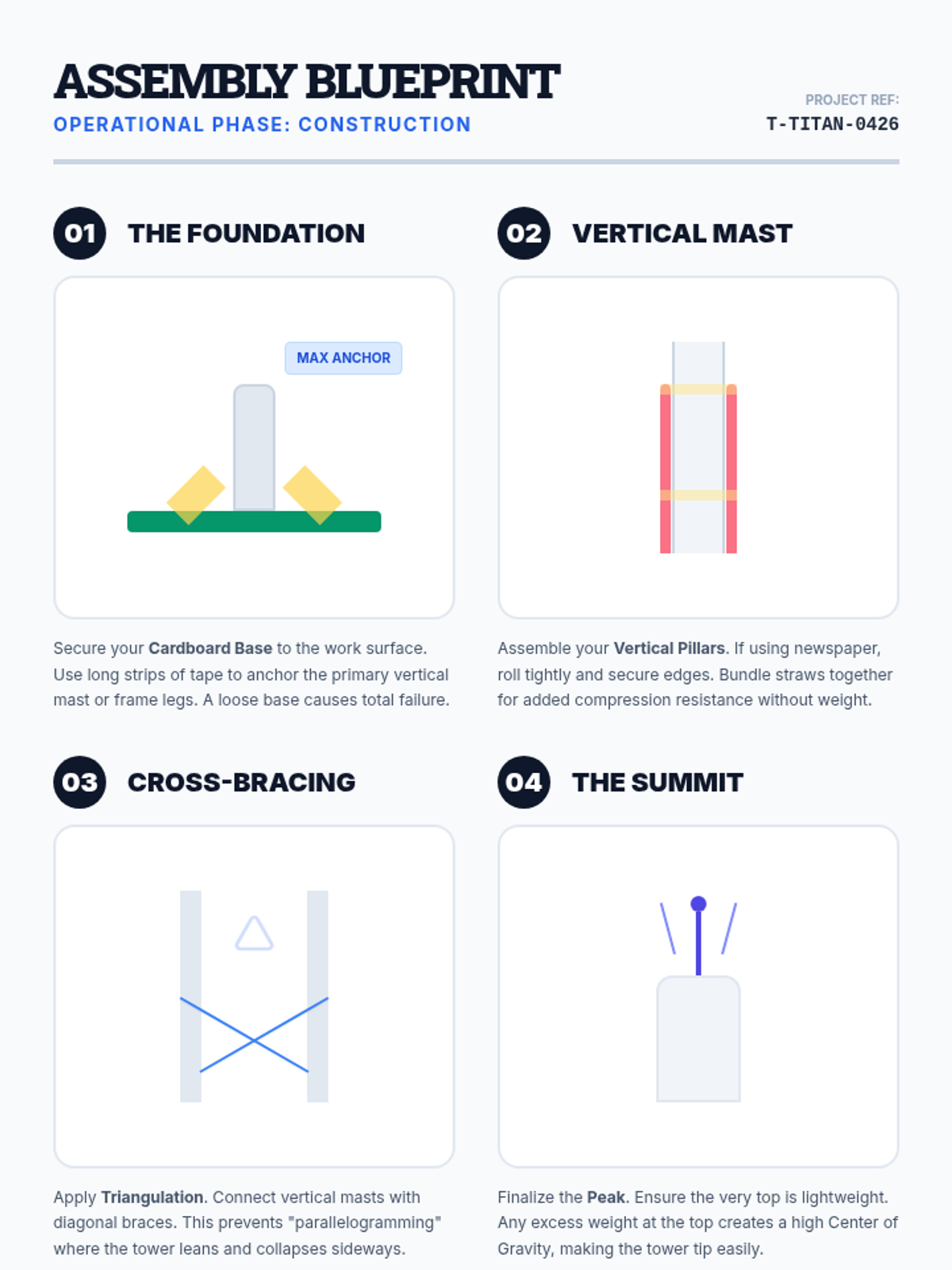
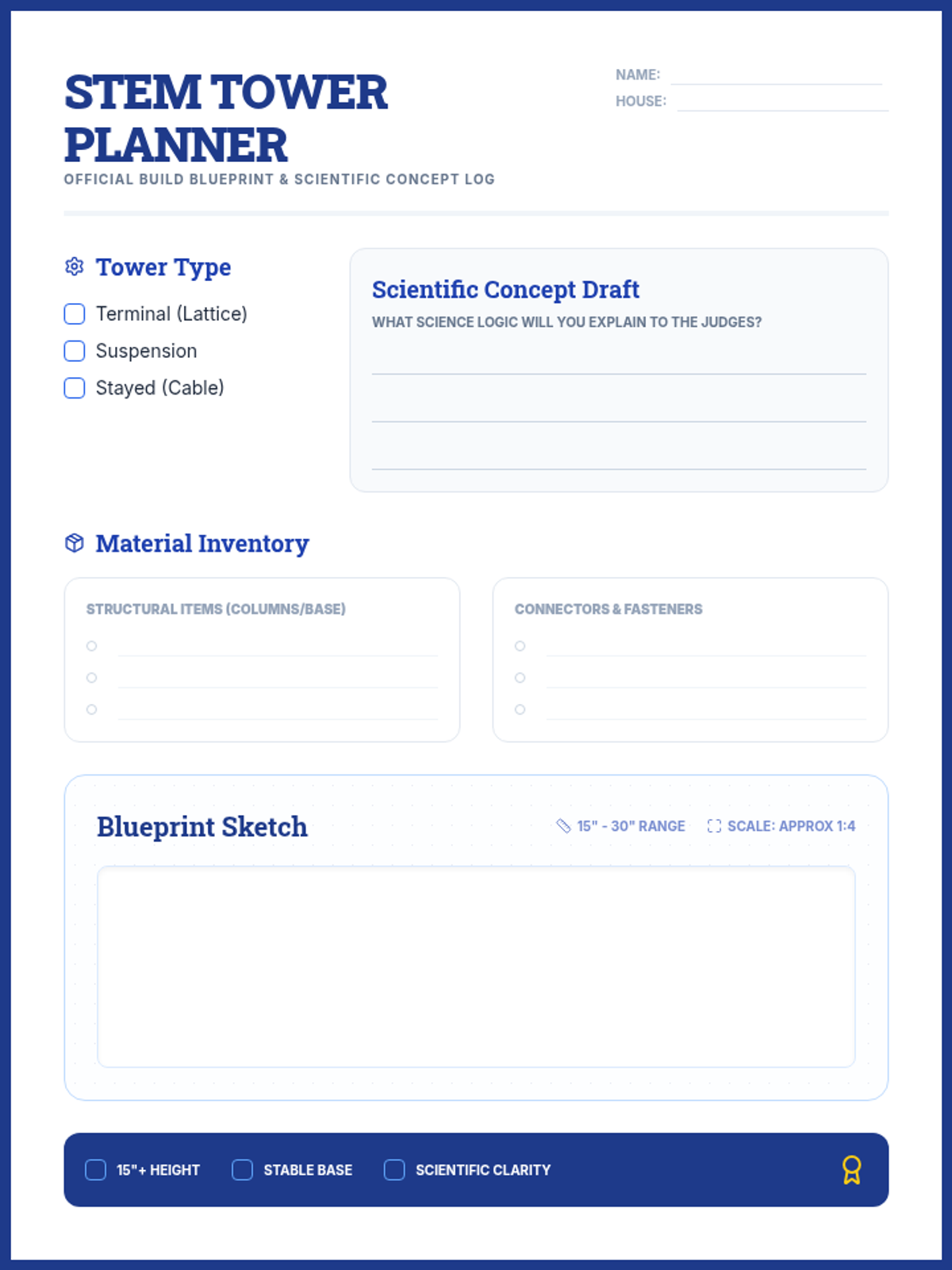
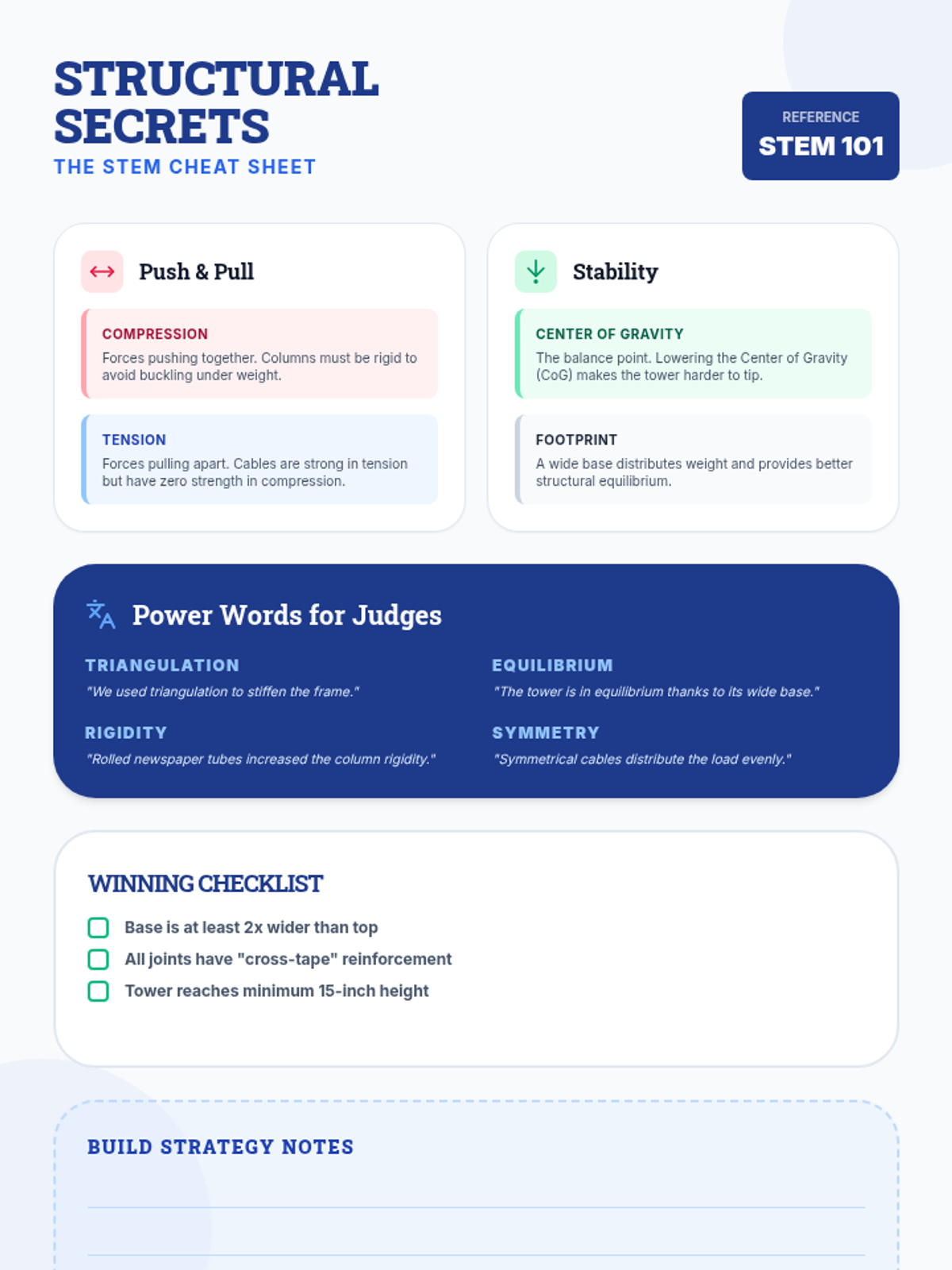
A comprehensive guide for students participating in a STEM tower building challenge, focusing on structural engineering, recycled material innovation, and scientific explanation.
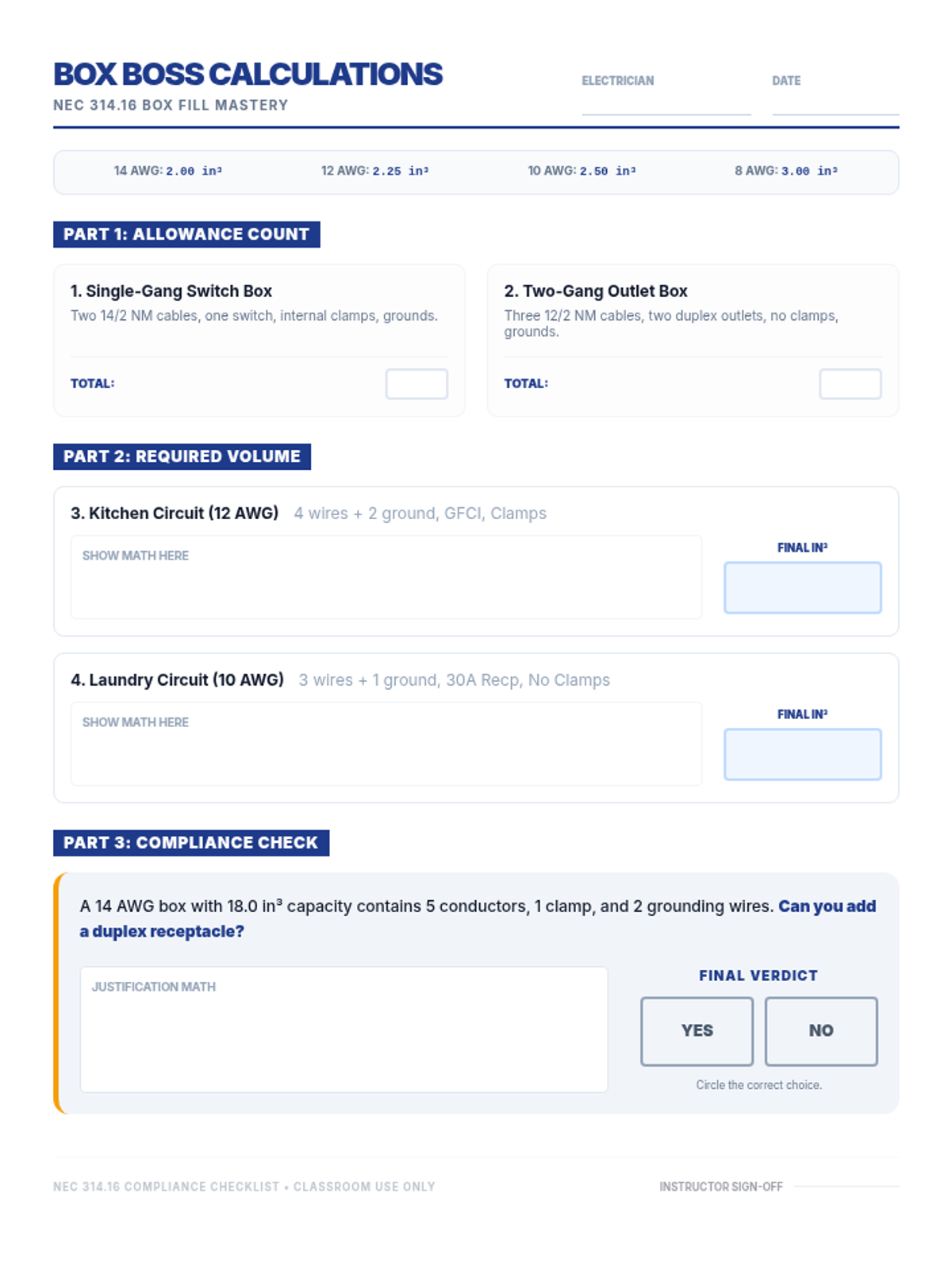
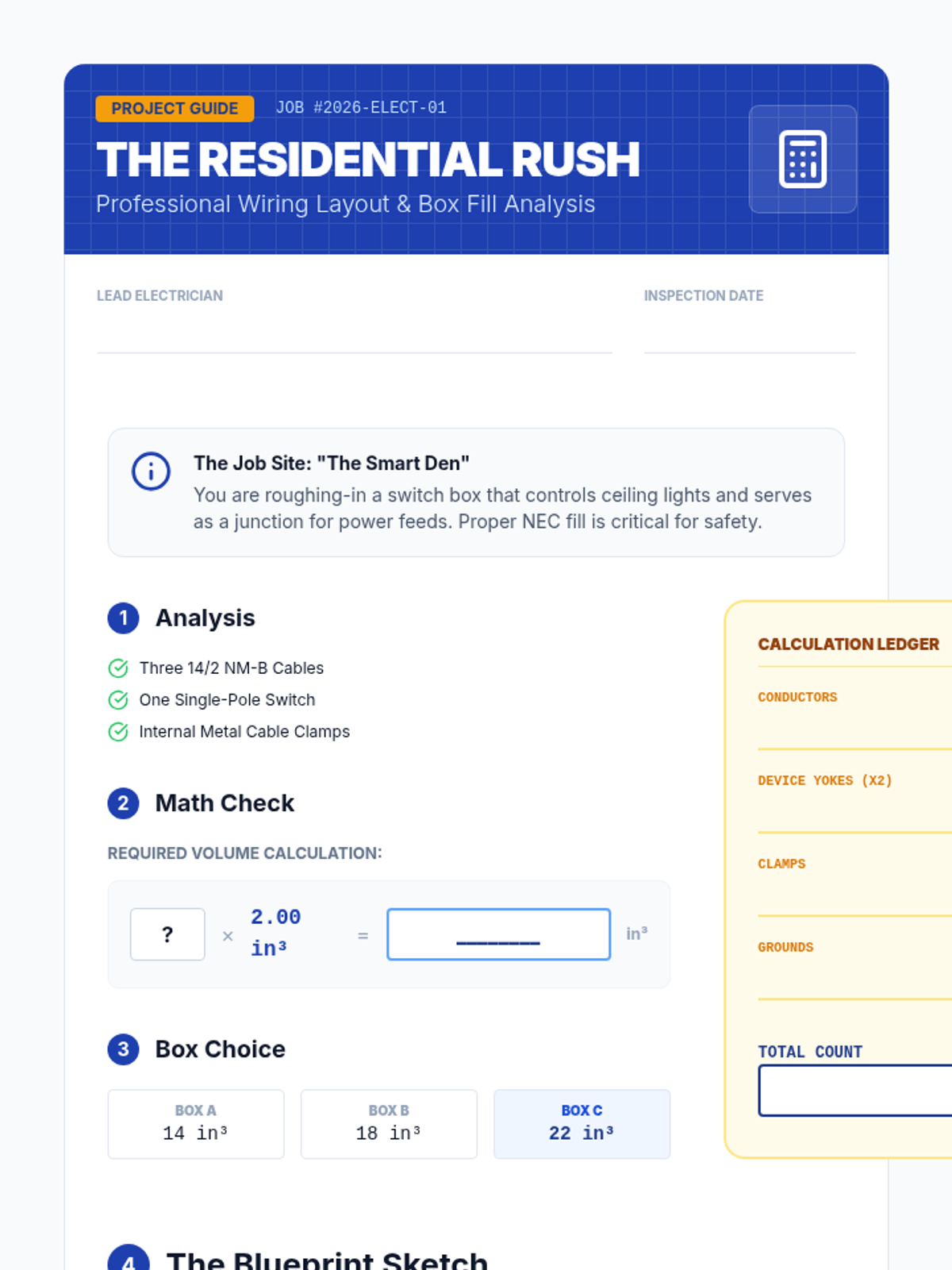
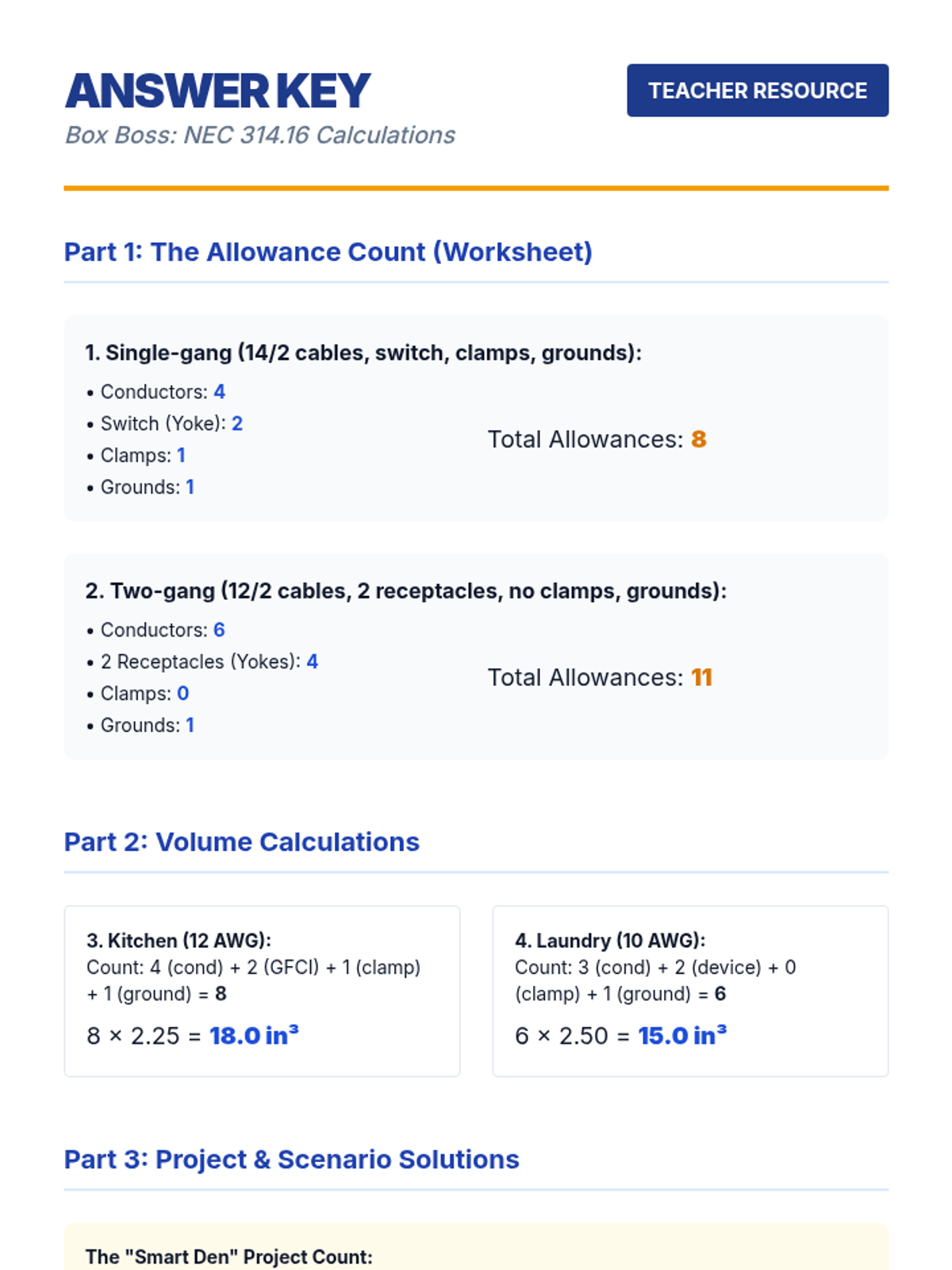
Students master the National Electrical Code (NEC) requirements for outlet box fill, calculating volume allowances for conductors, clamps, and devices to ensure electrical safety and compliance.
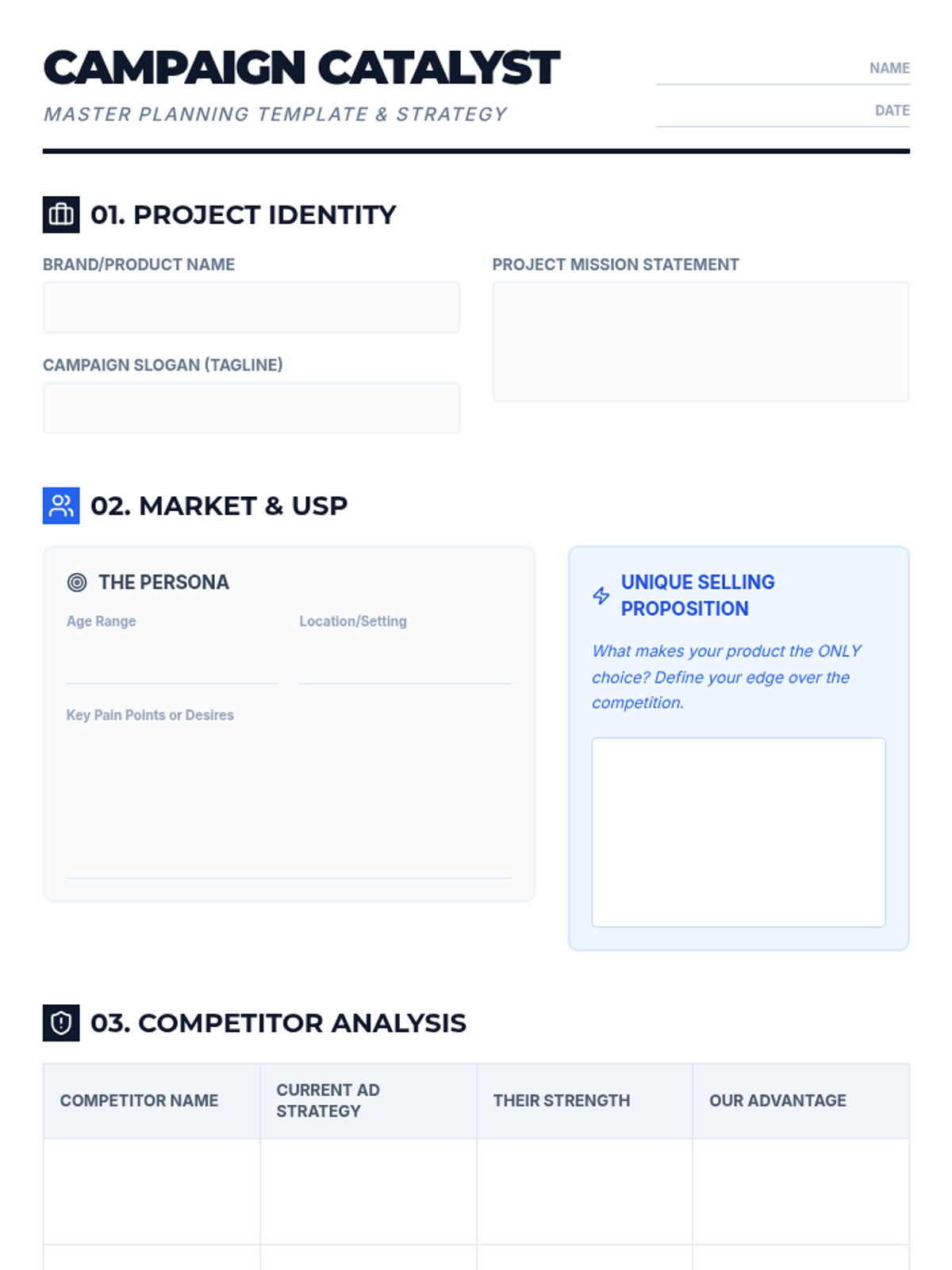
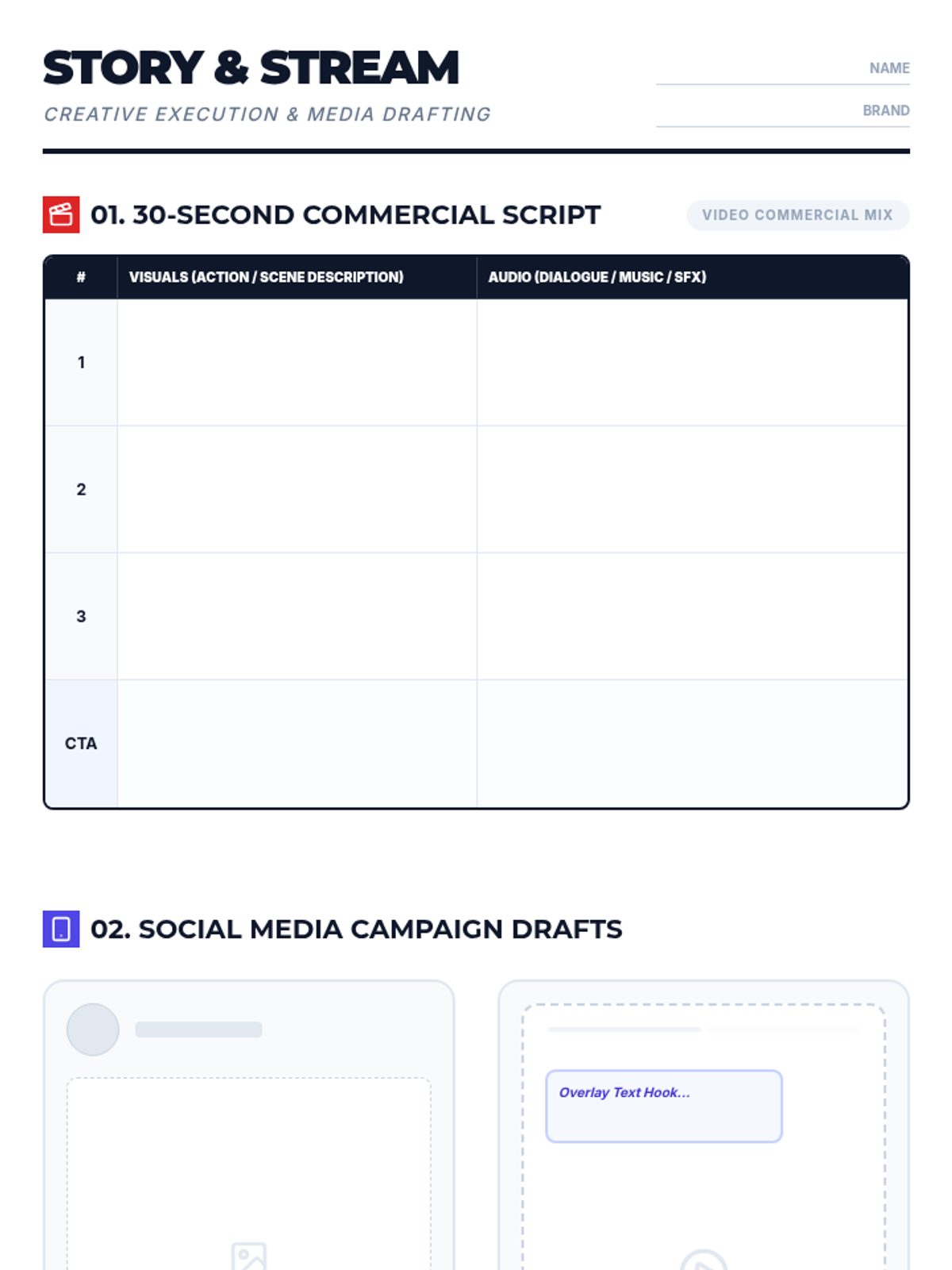
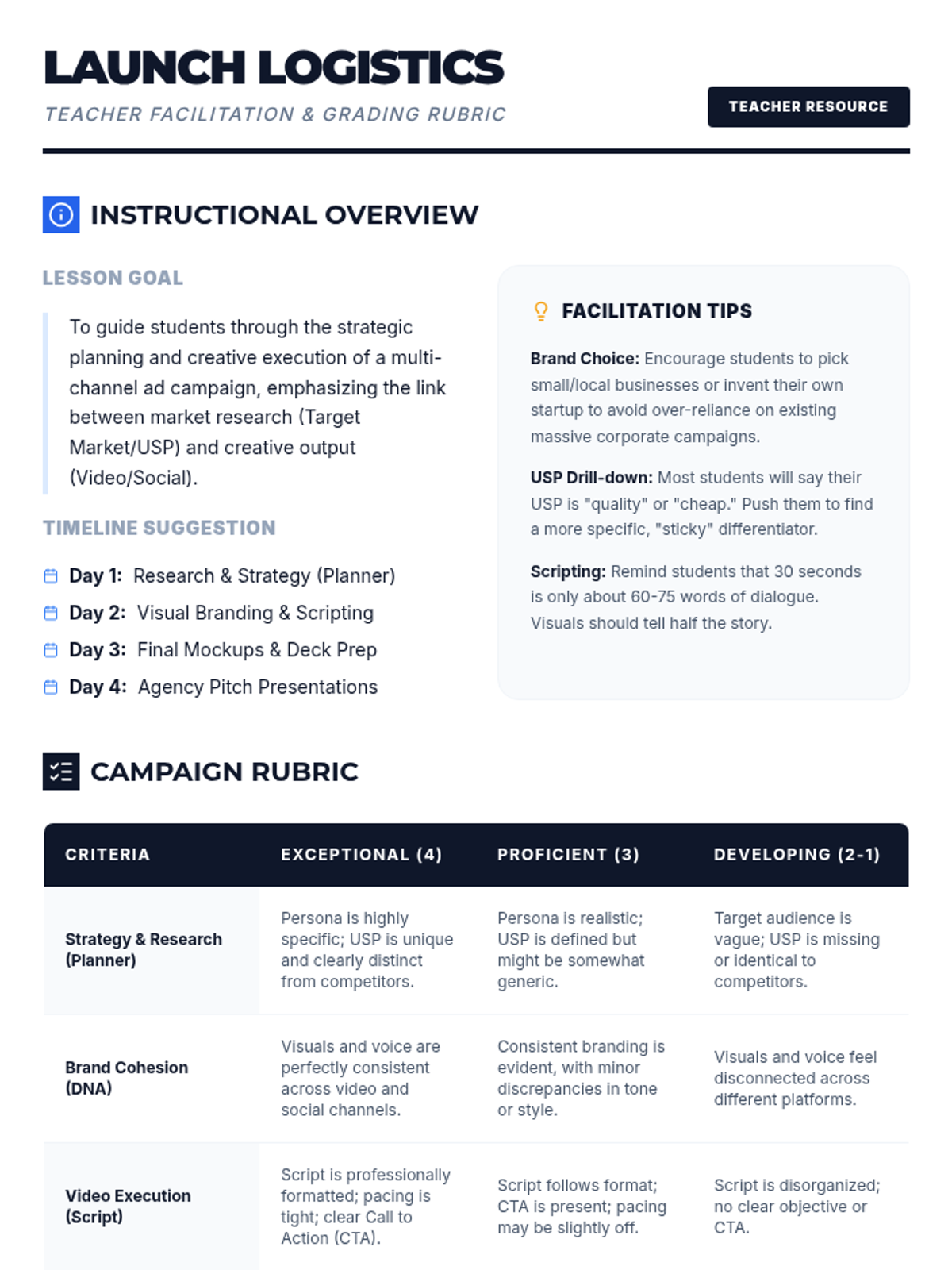
A comprehensive project-based lesson where students design a multi-channel advertising campaign, including target market analysis, competitive positioning, and creative execution across social media and video.
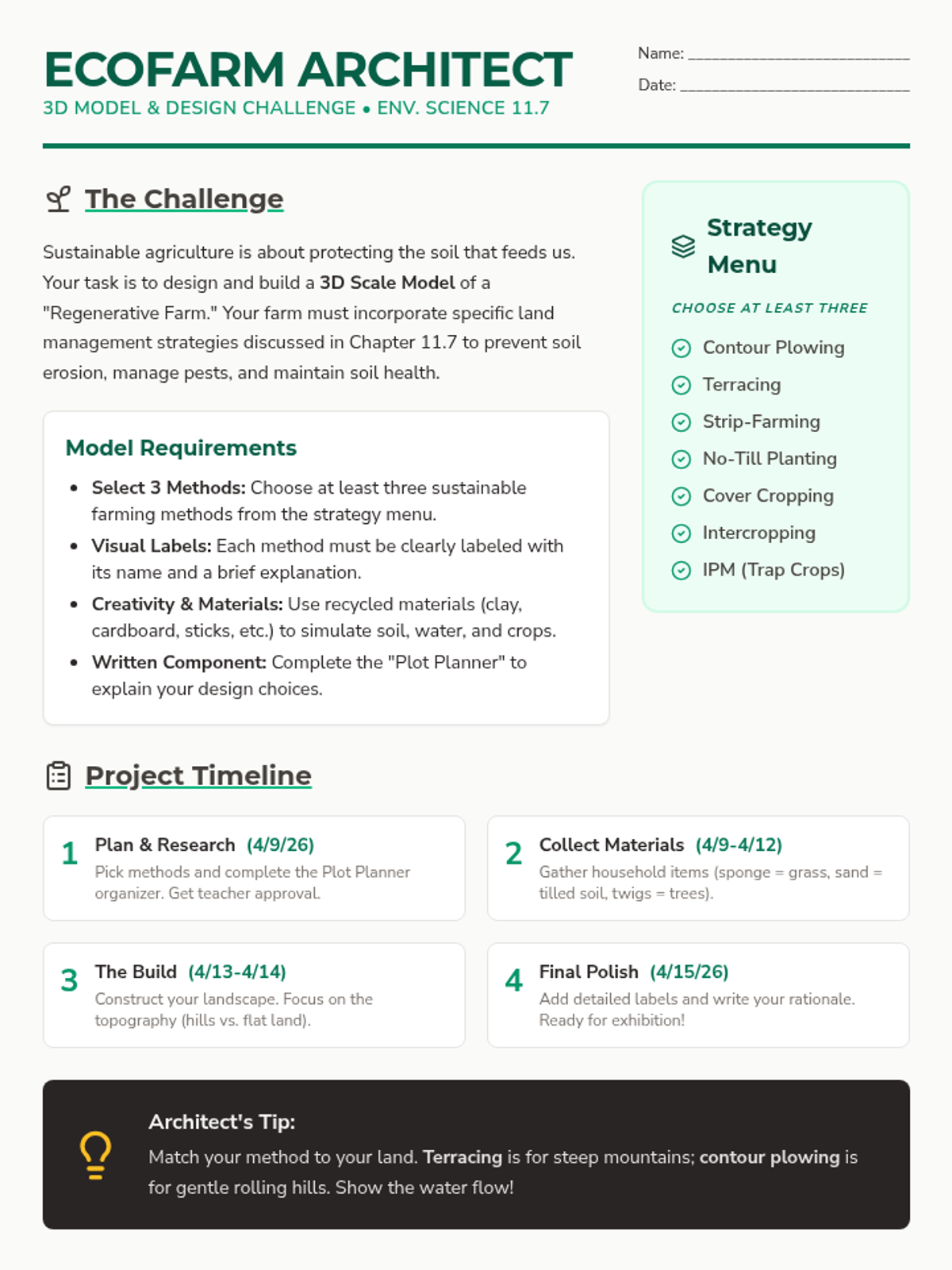
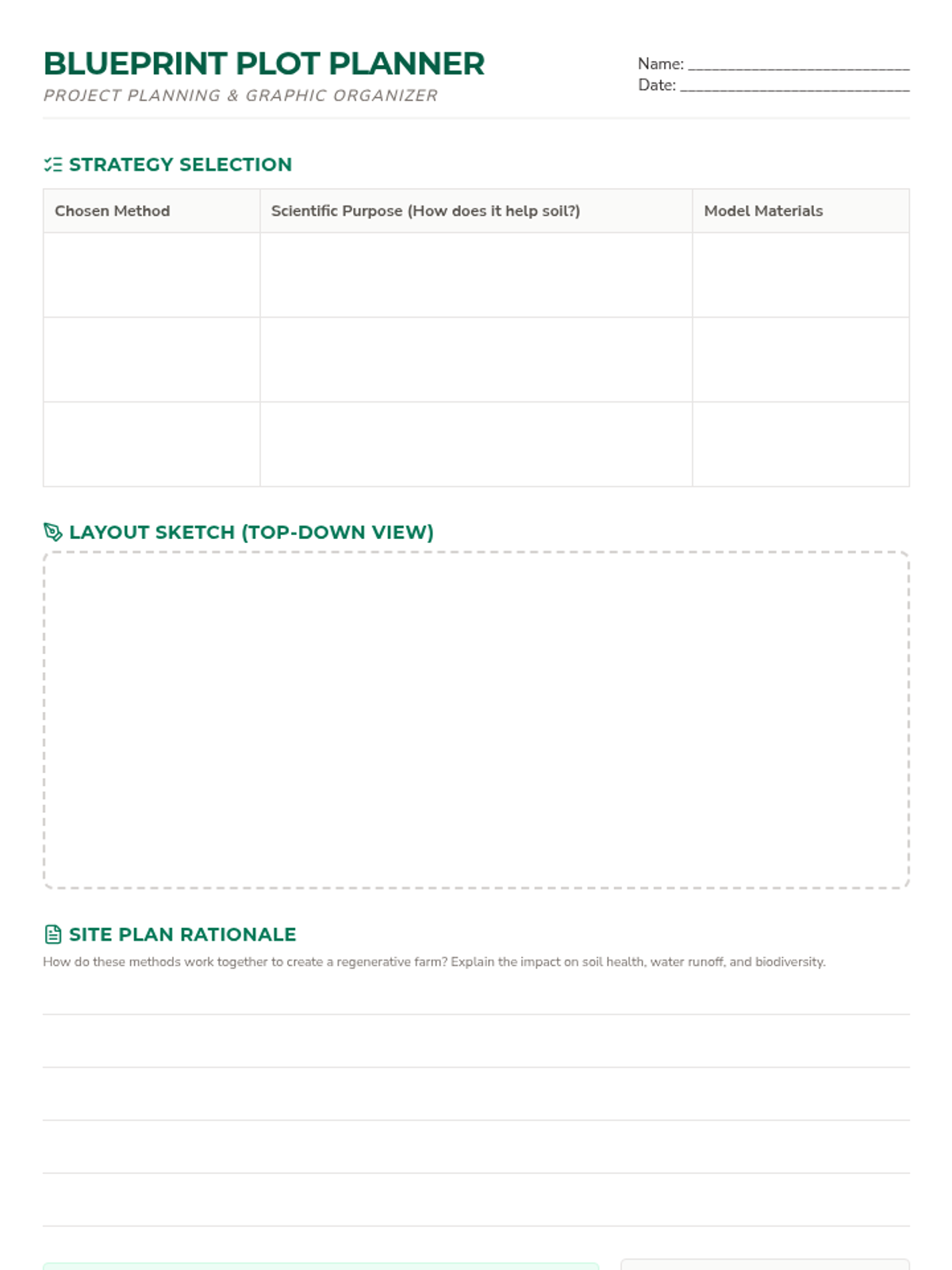
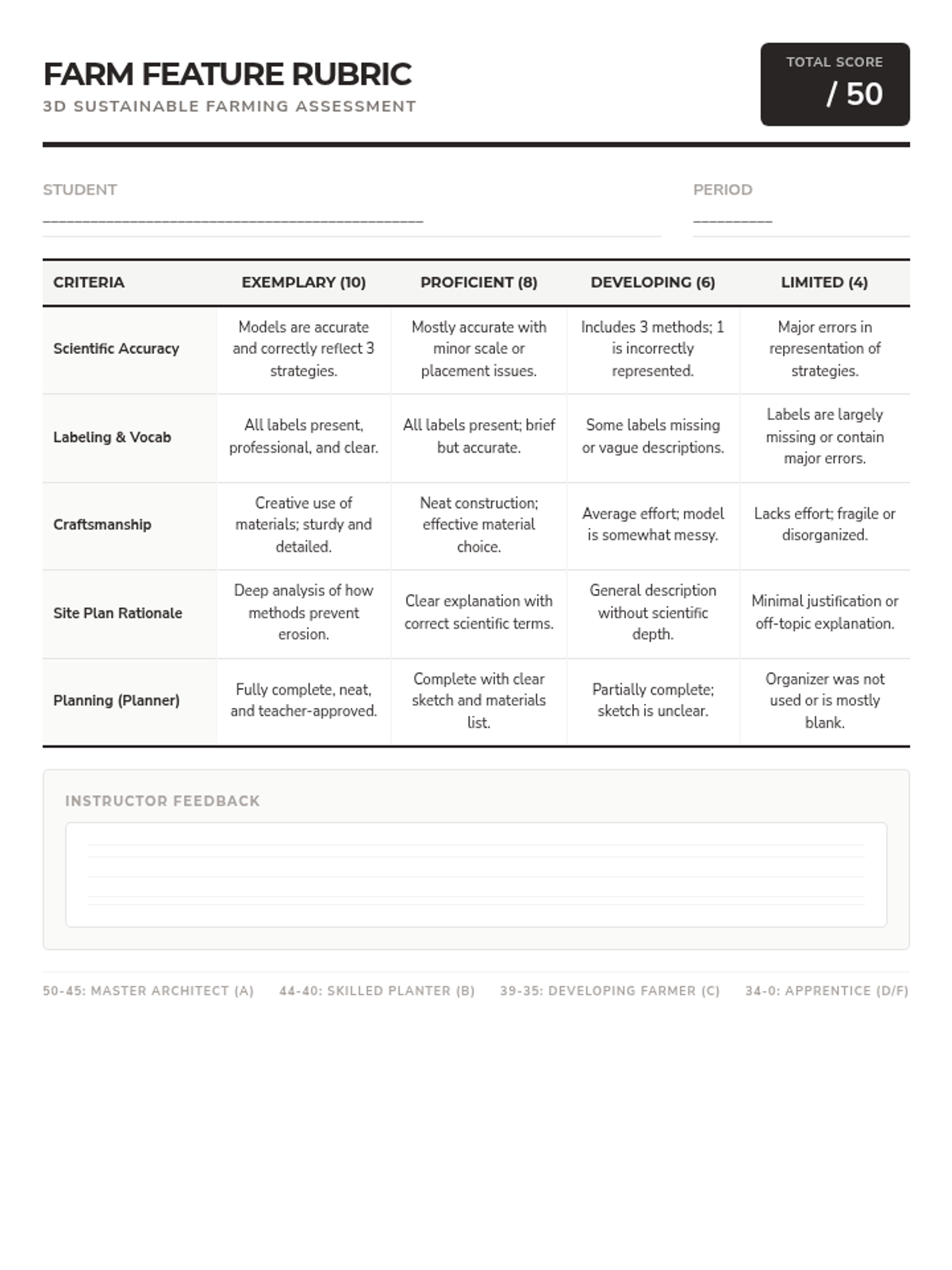
A project-based lesson where students design and build 3D models of sustainable farming landscapes to demonstrate their understanding of soil conservation and regenerative agriculture techniques.
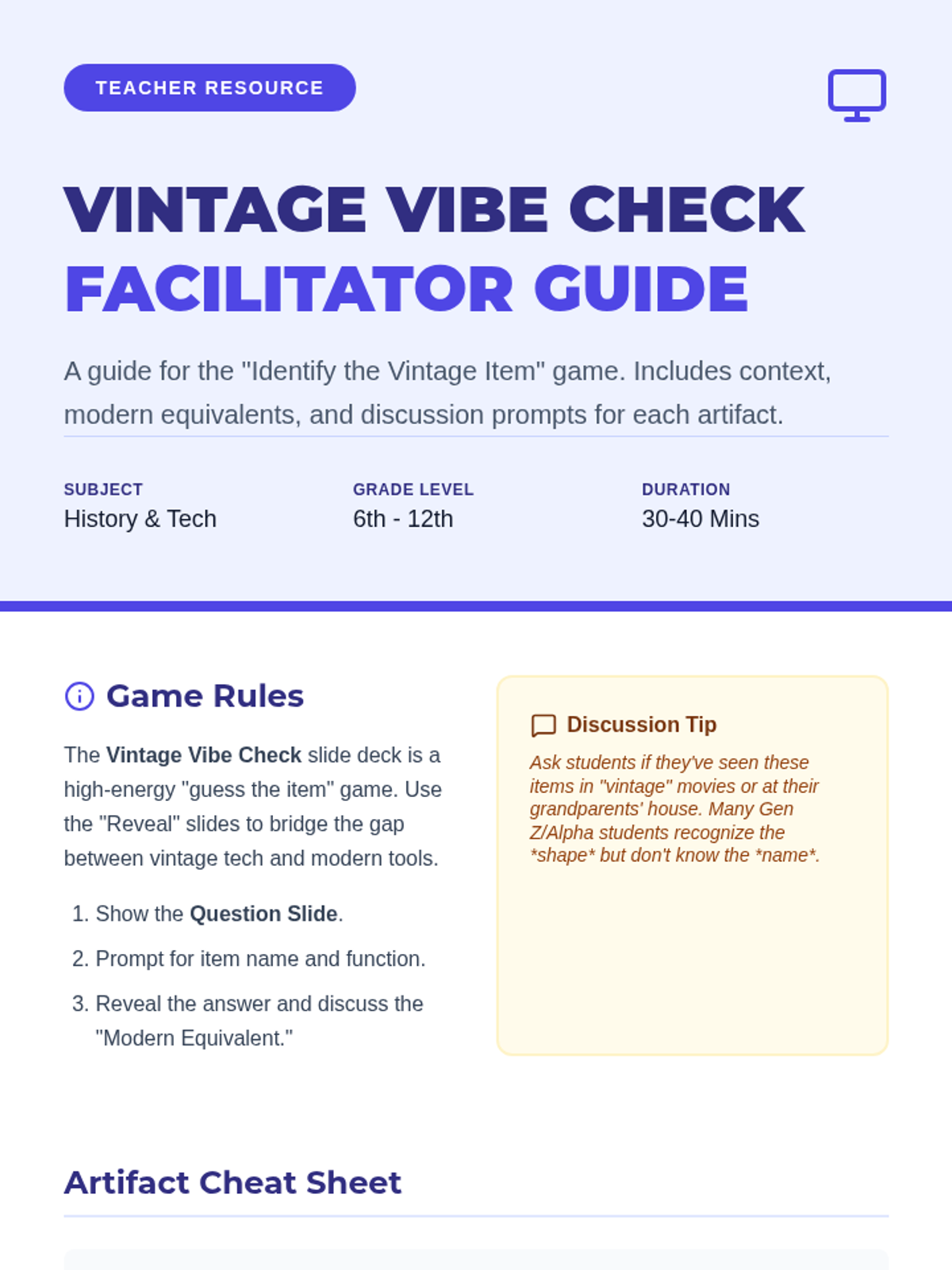
A fun, interactive game where students try to identify technology from the 1990s and earlier, comparing 'vintage' tech to modern equivalents.
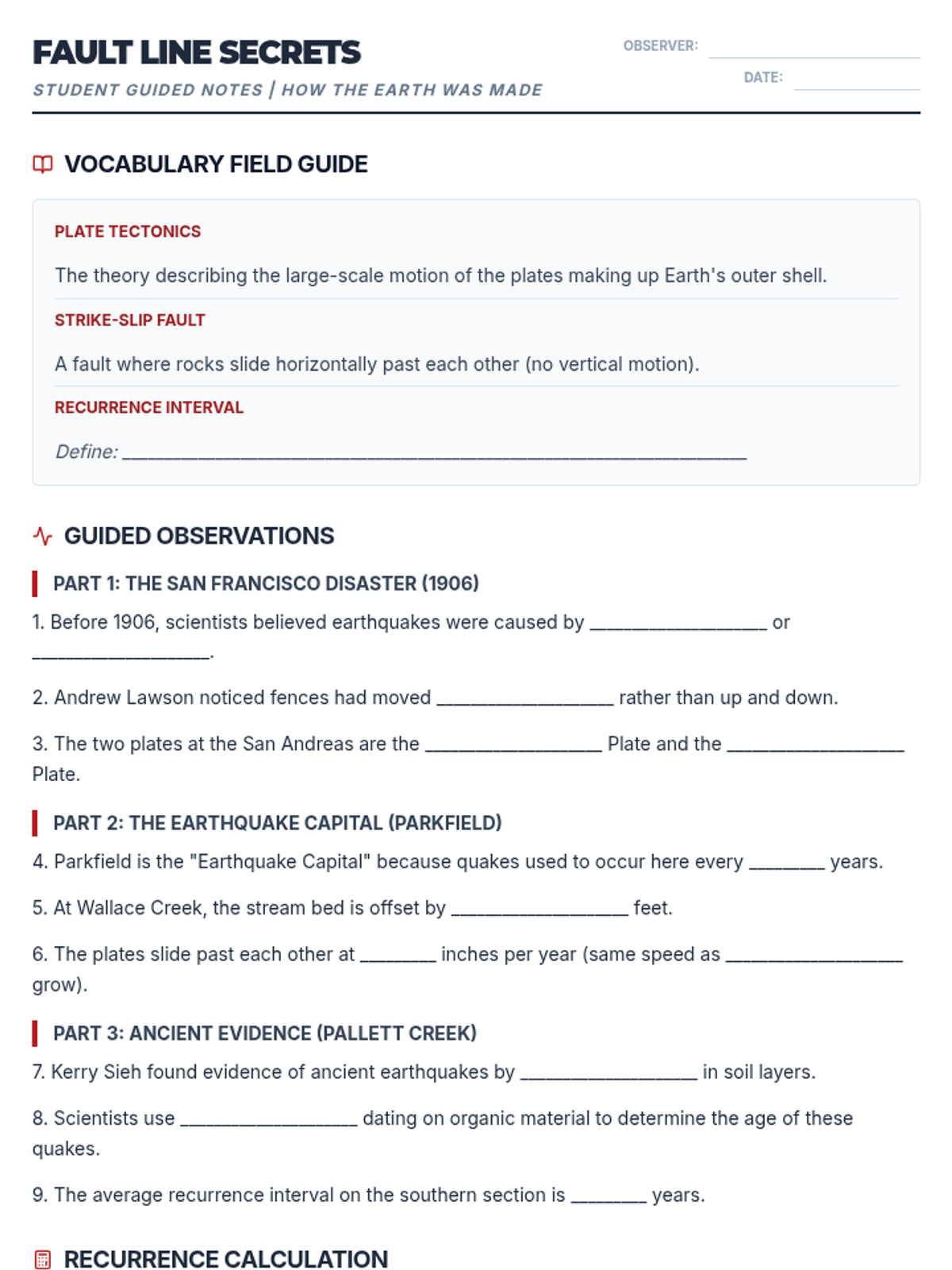
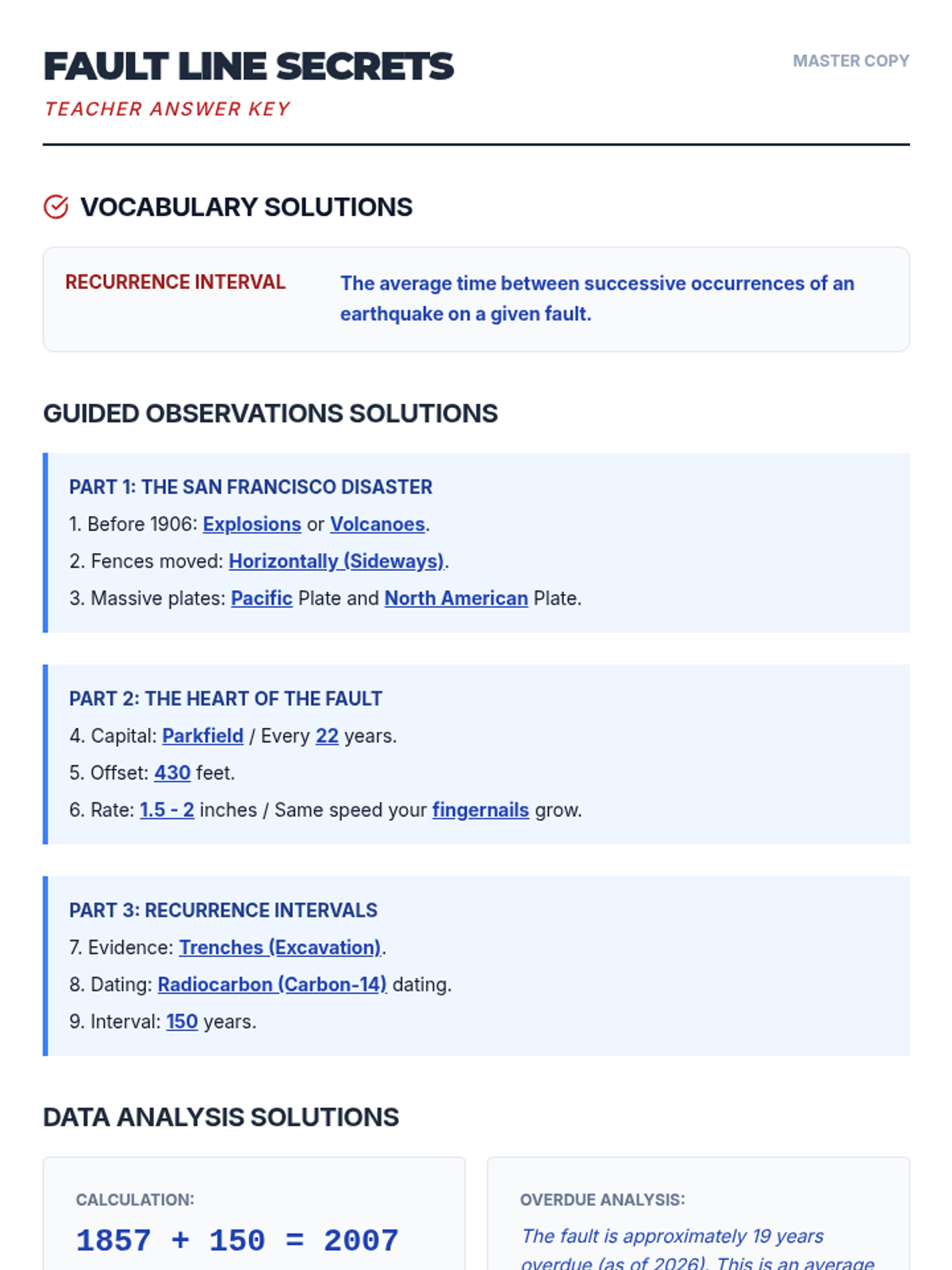
A guided exploration of the San Andreas Fault based on the 'How The Earth Was Made' documentary, focusing on plate boundary mechanics and seismic history.
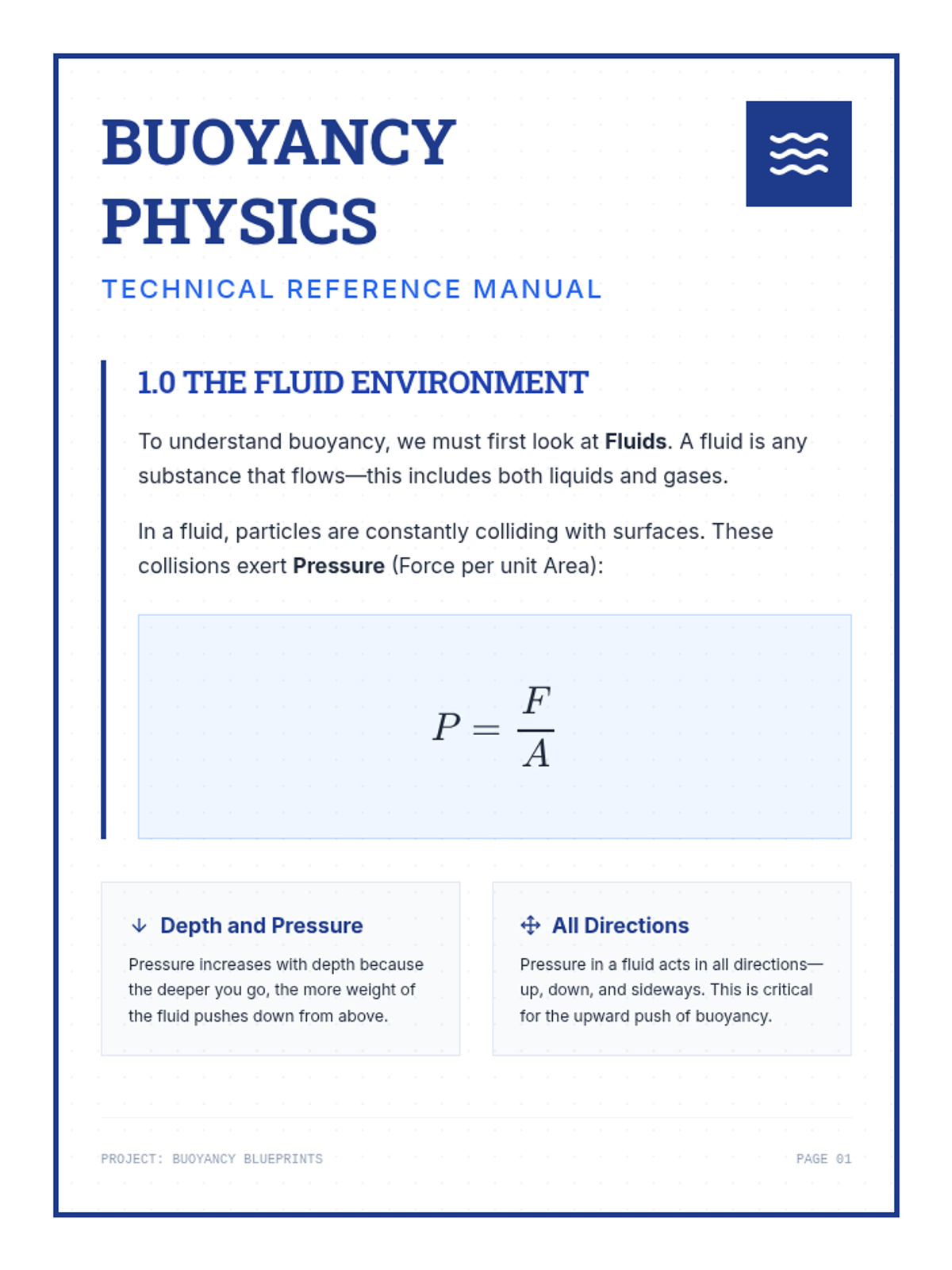
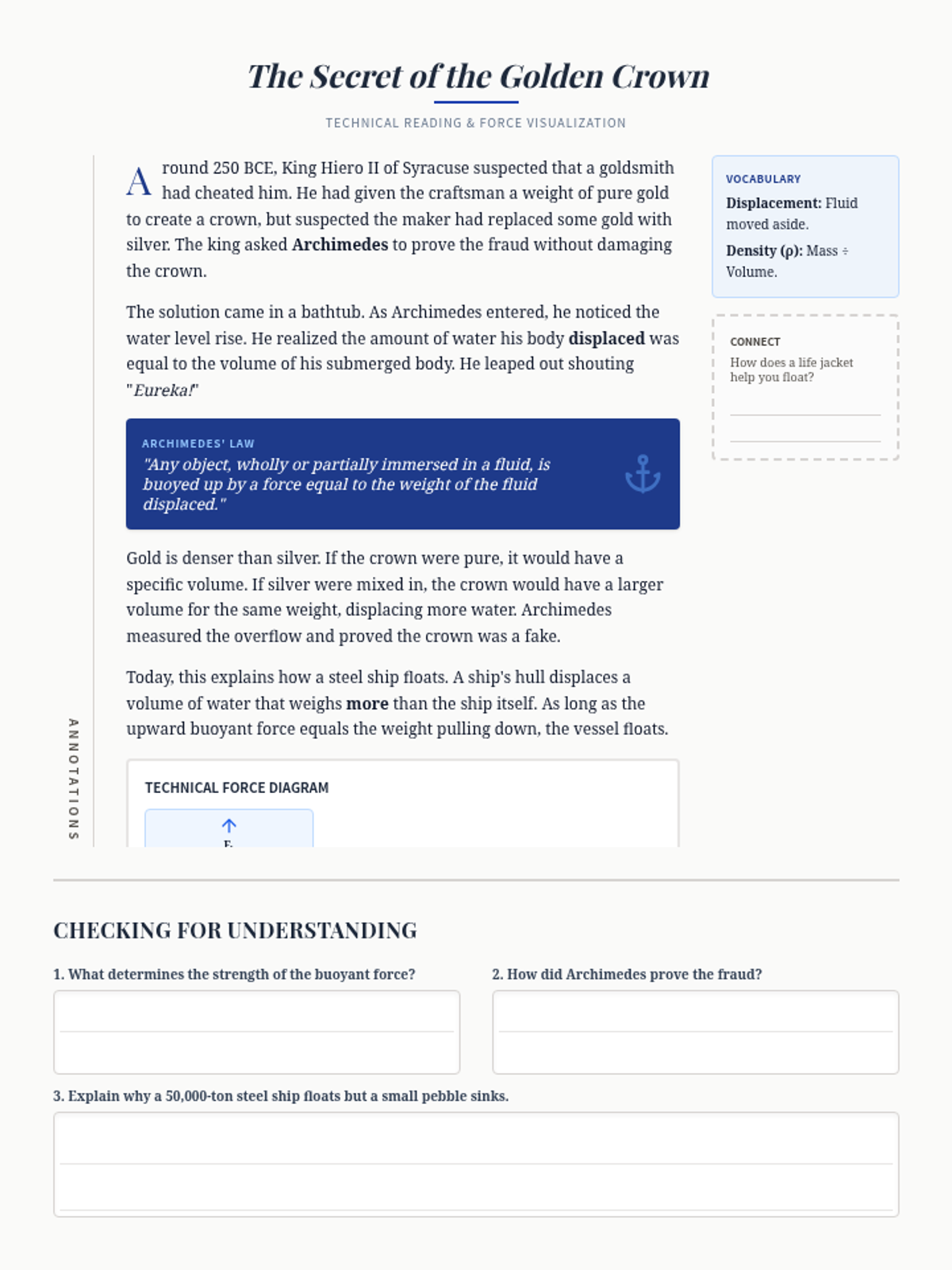
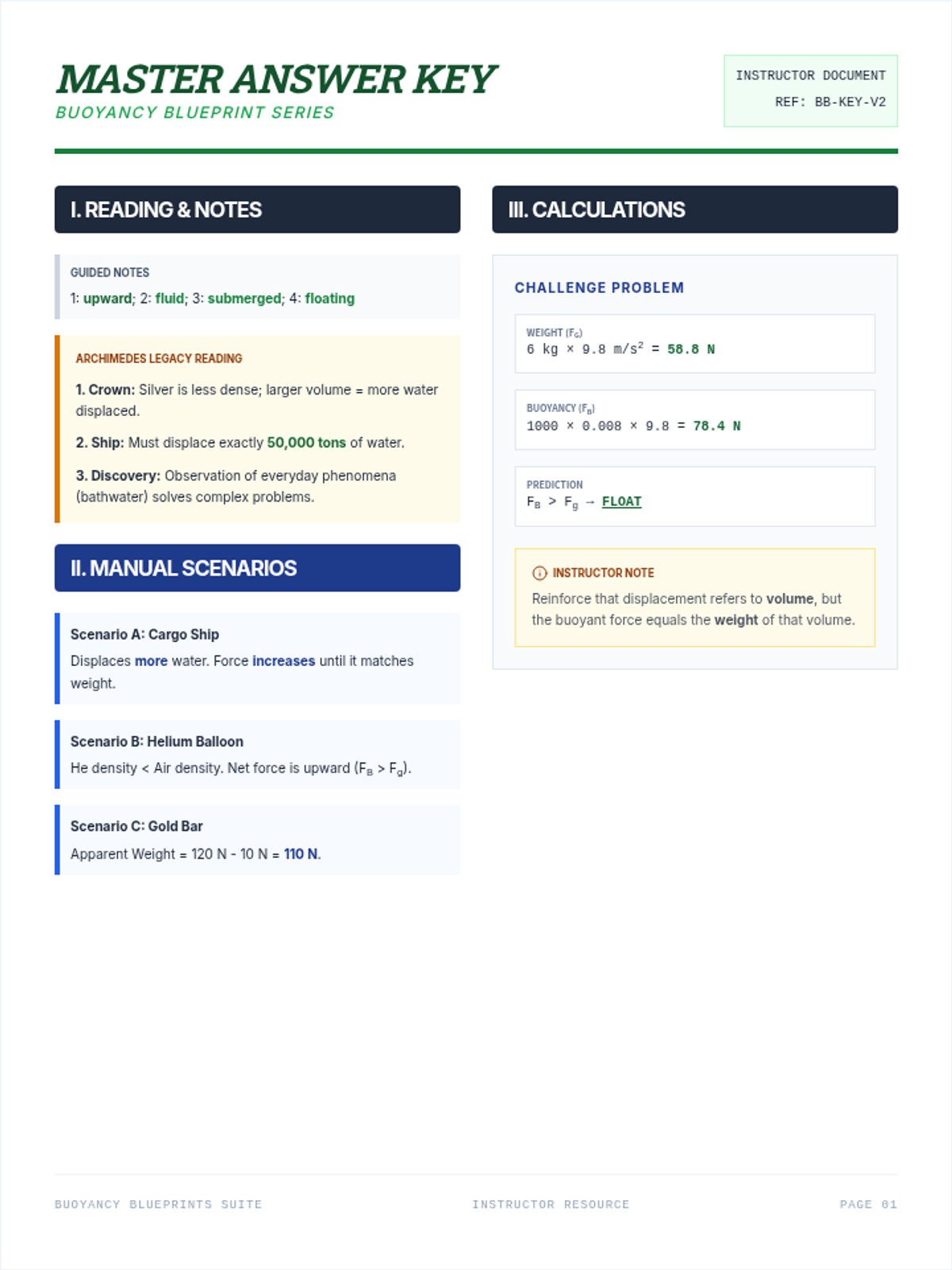
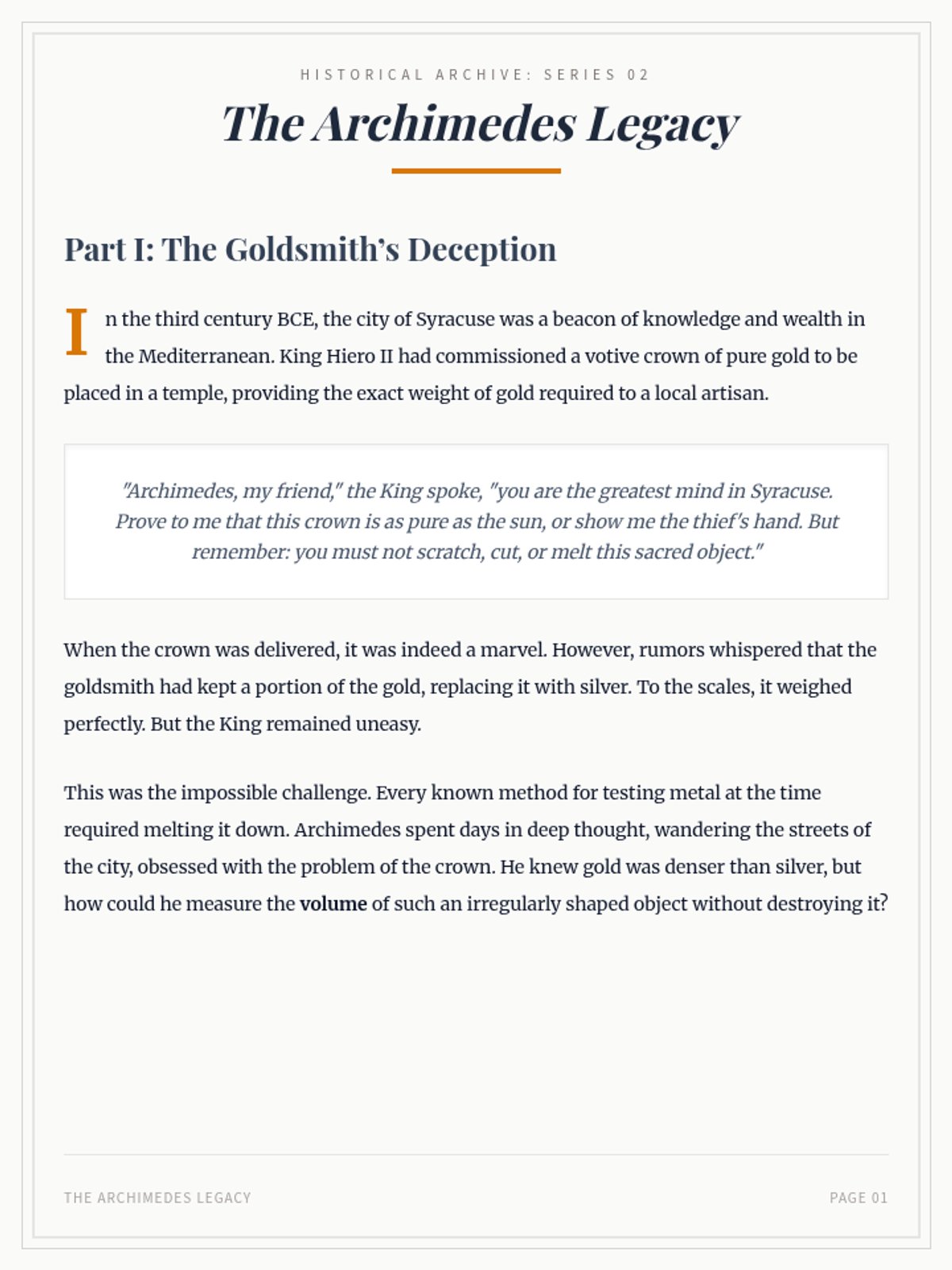
A comprehensive look at buoyant force, Archimedes' Principle, and the physics of sinking and floating through guided inquiry and technical reading.
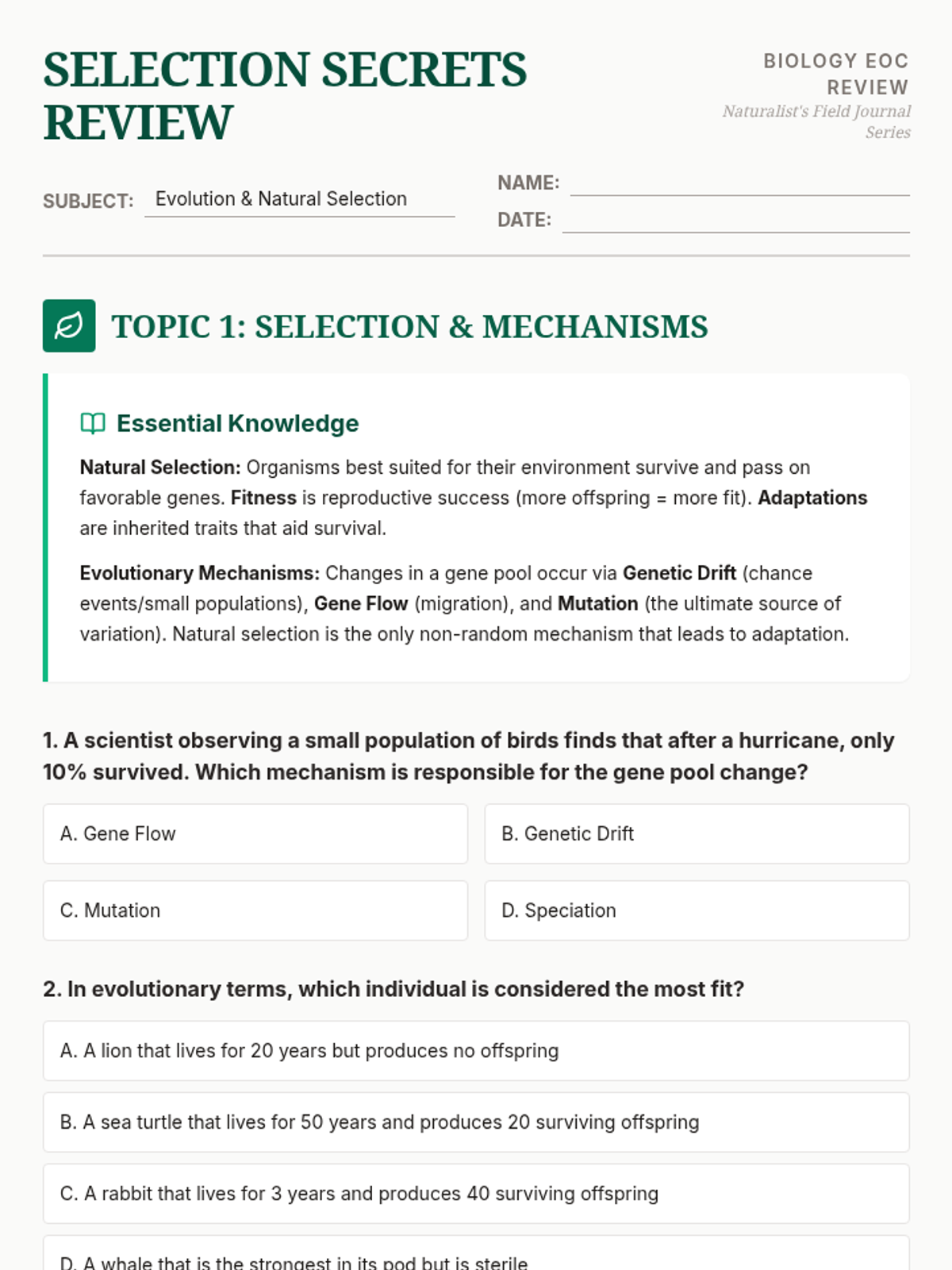
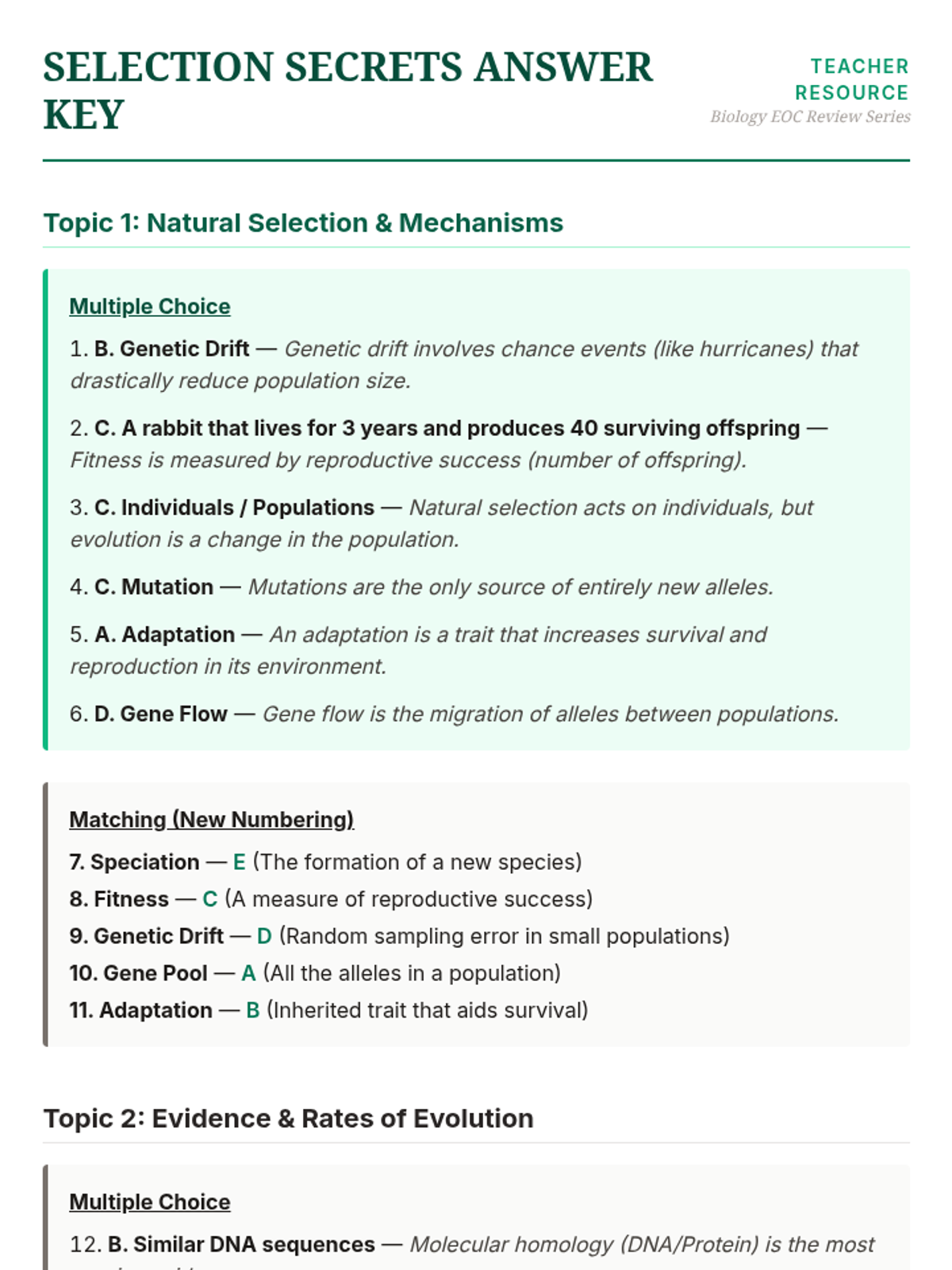
A comprehensive review of evolutionary biology concepts including natural selection, mechanisms of evolution, evidence of common ancestry, and rates of evolution designed for EOC exam preparation.
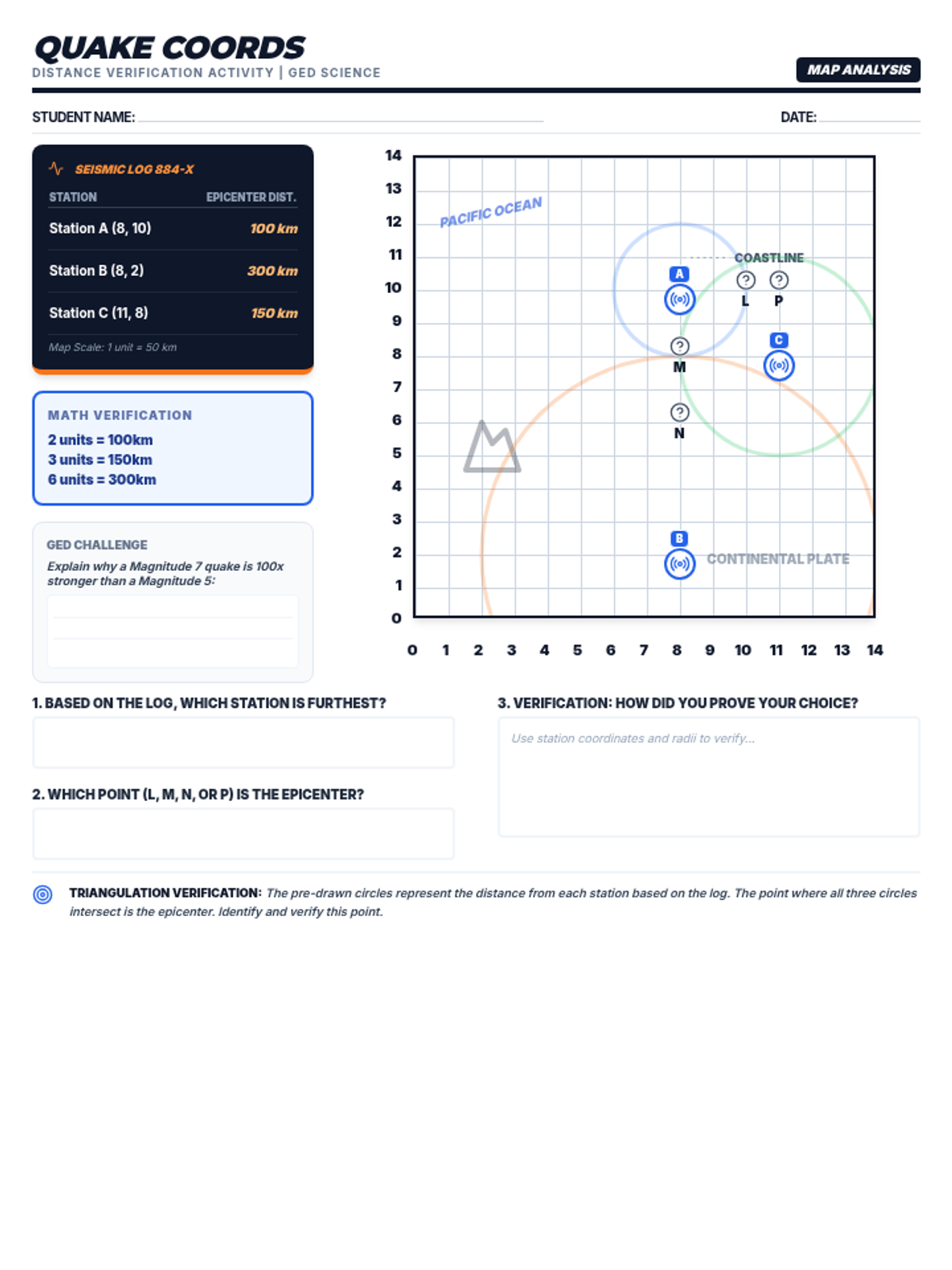
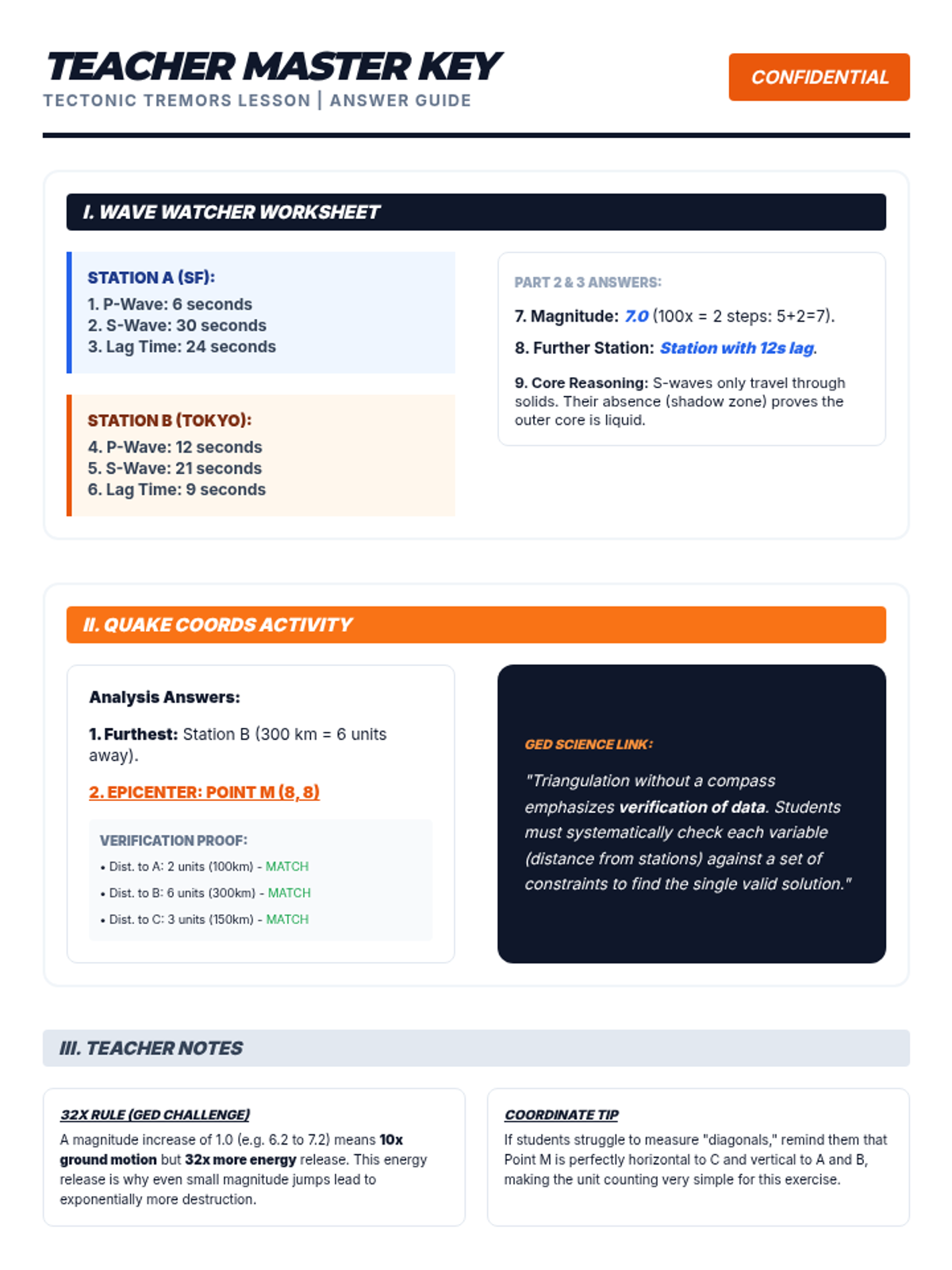
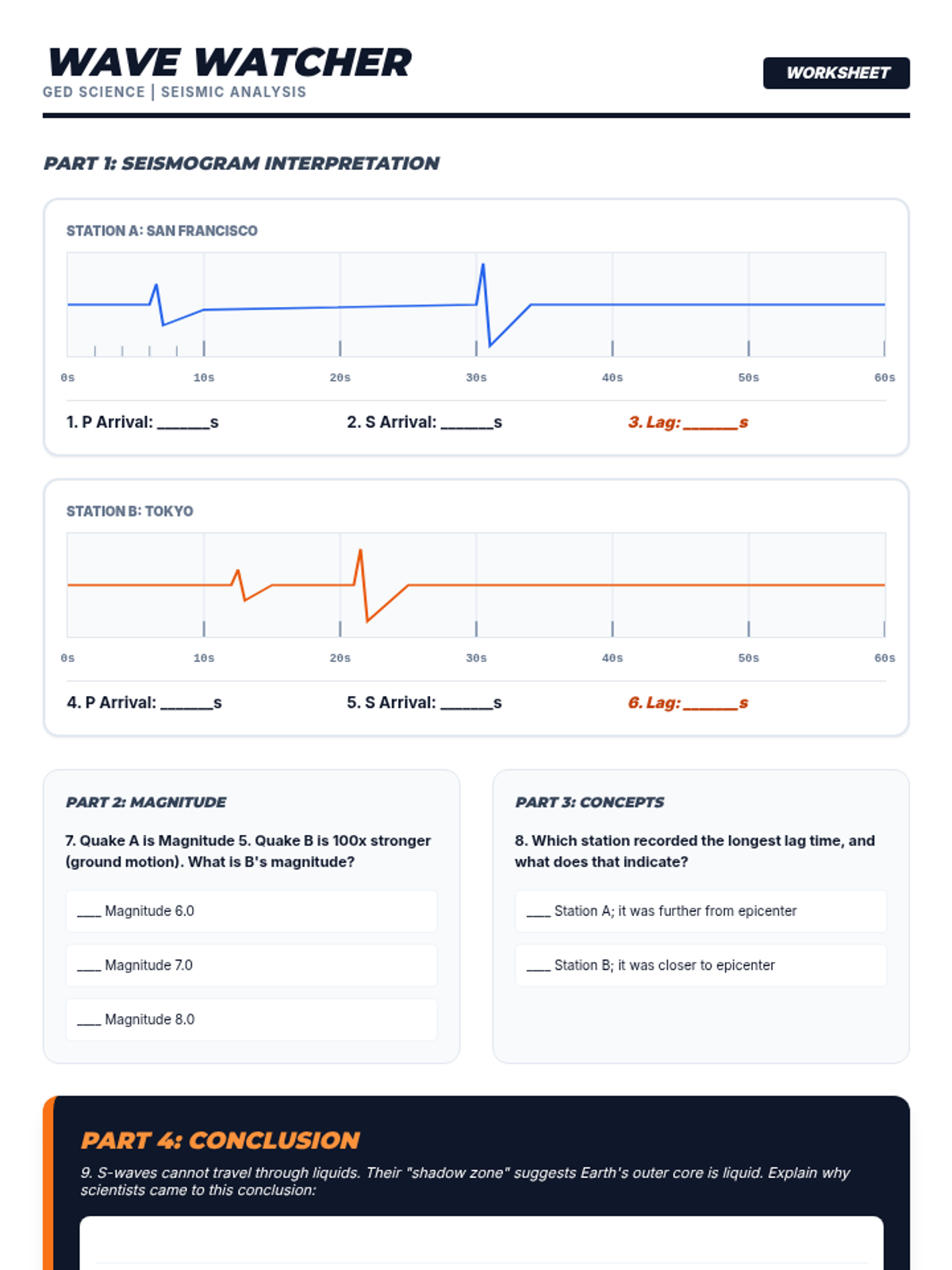
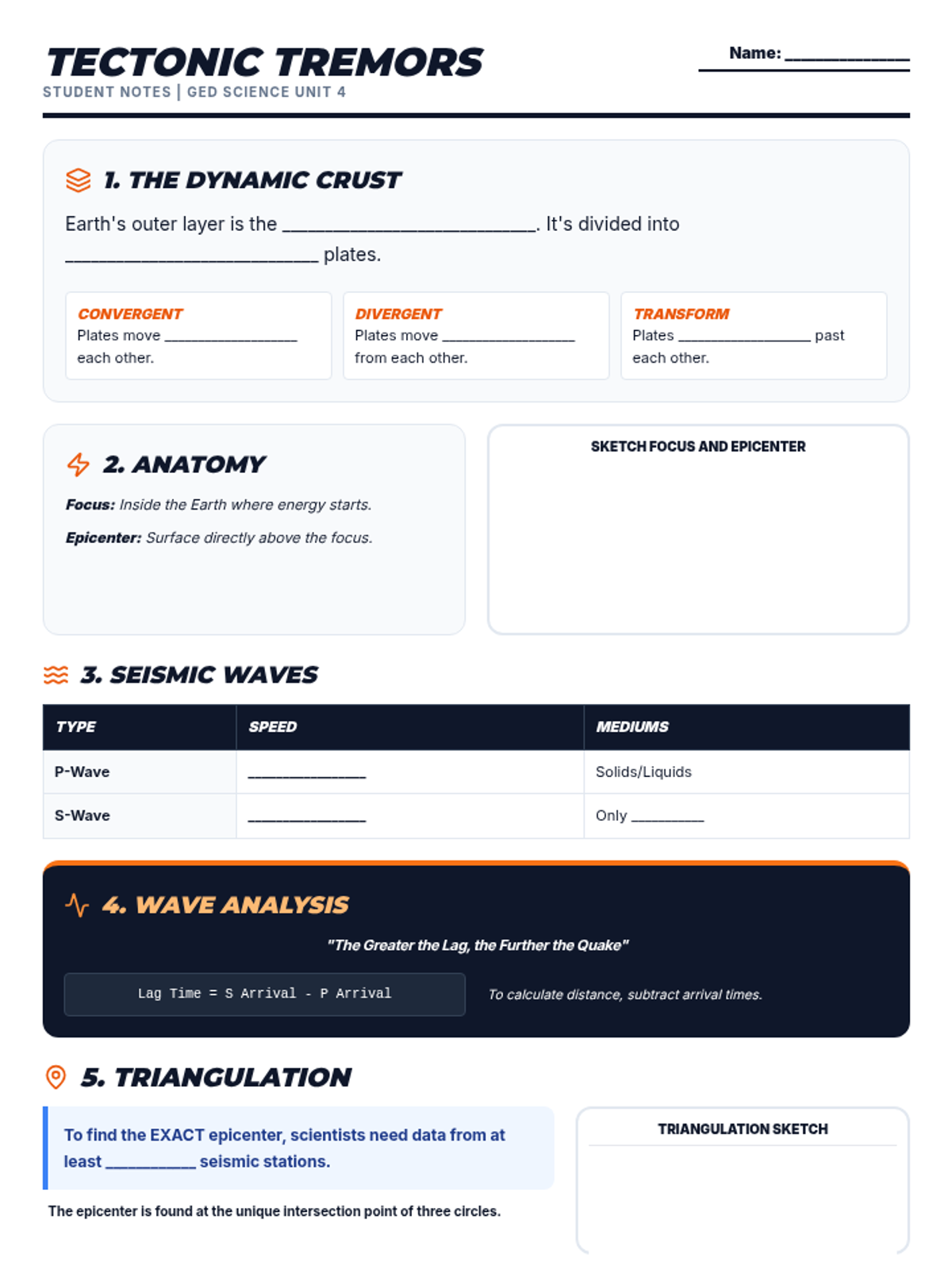
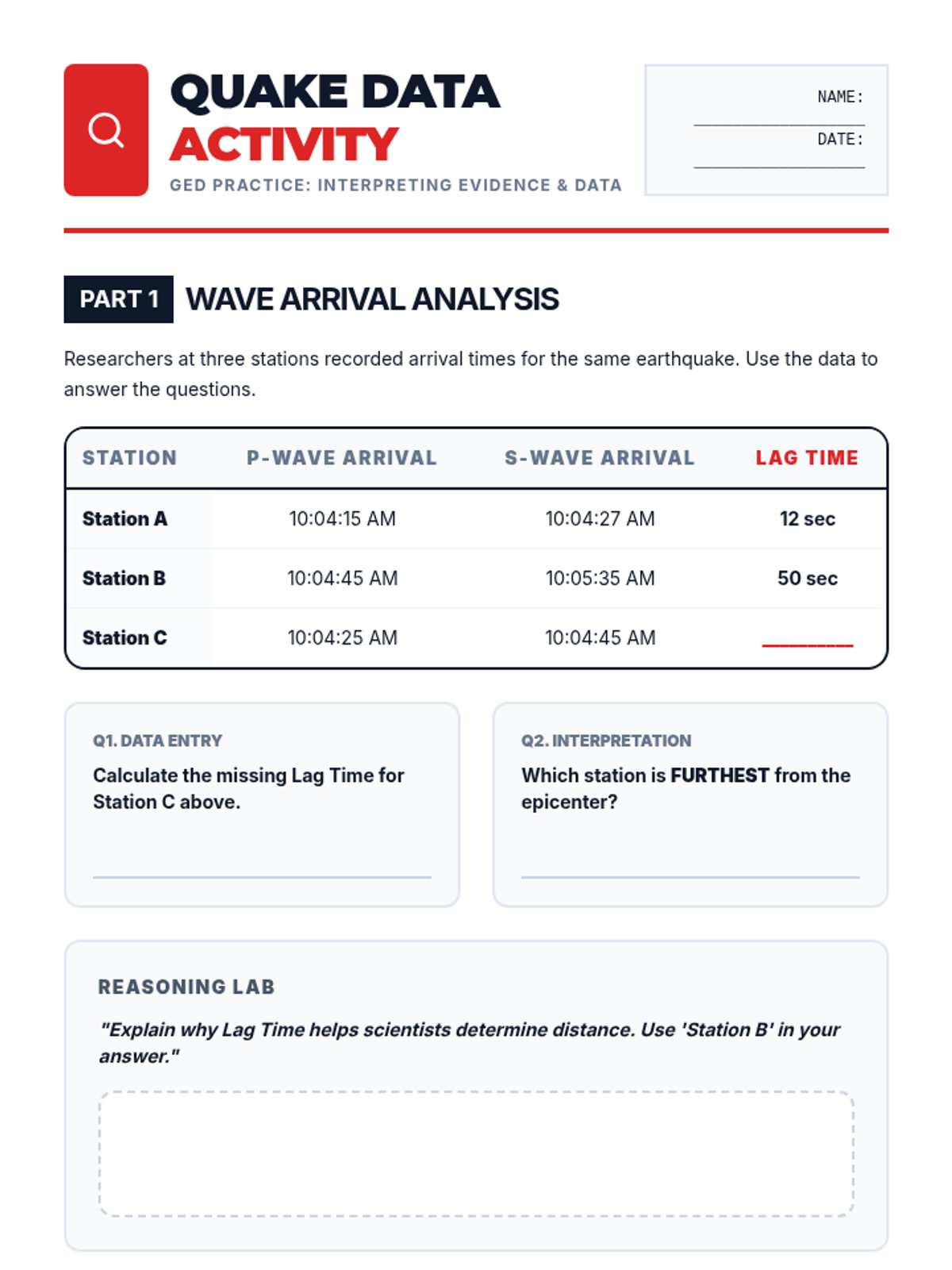
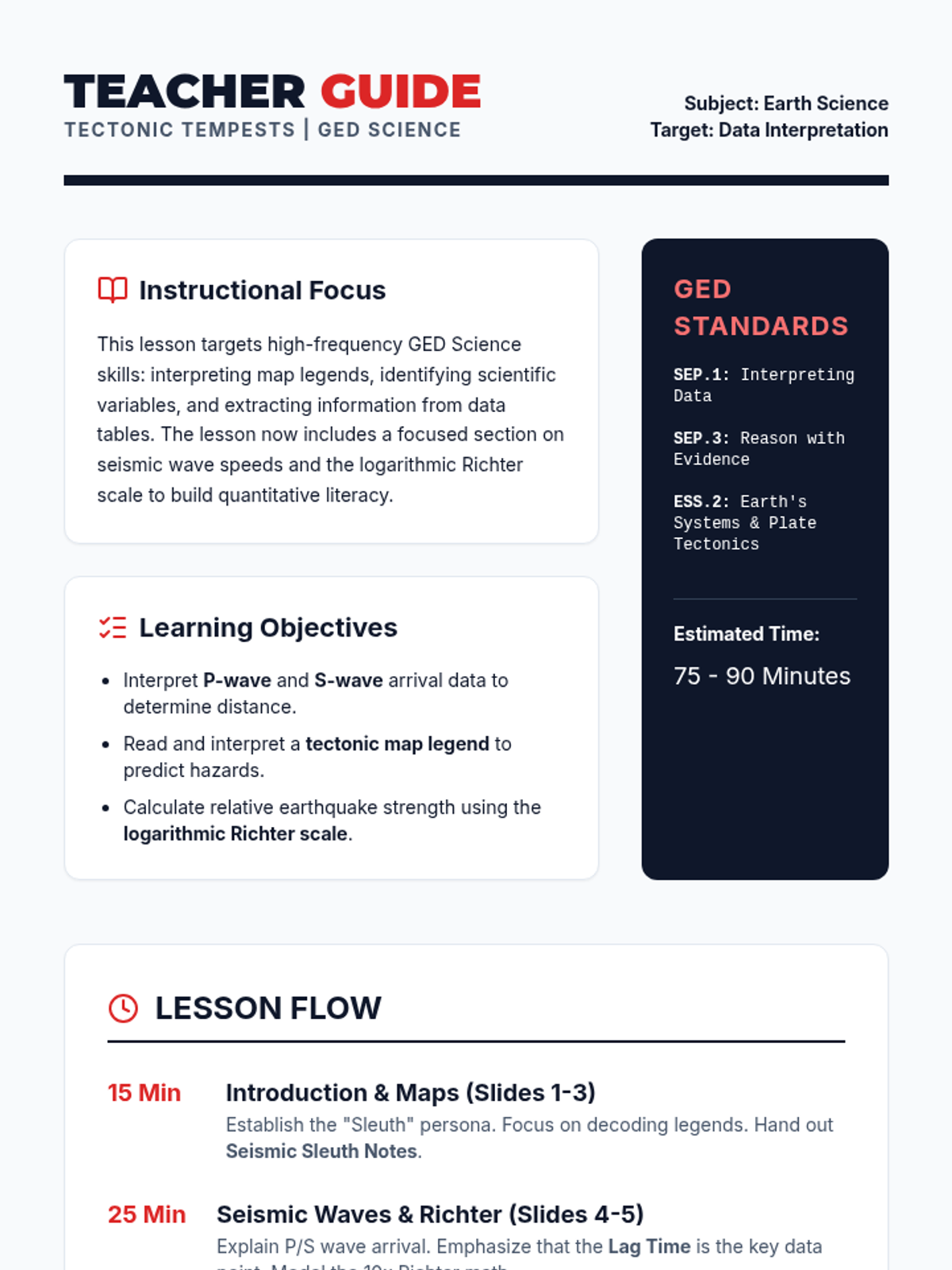
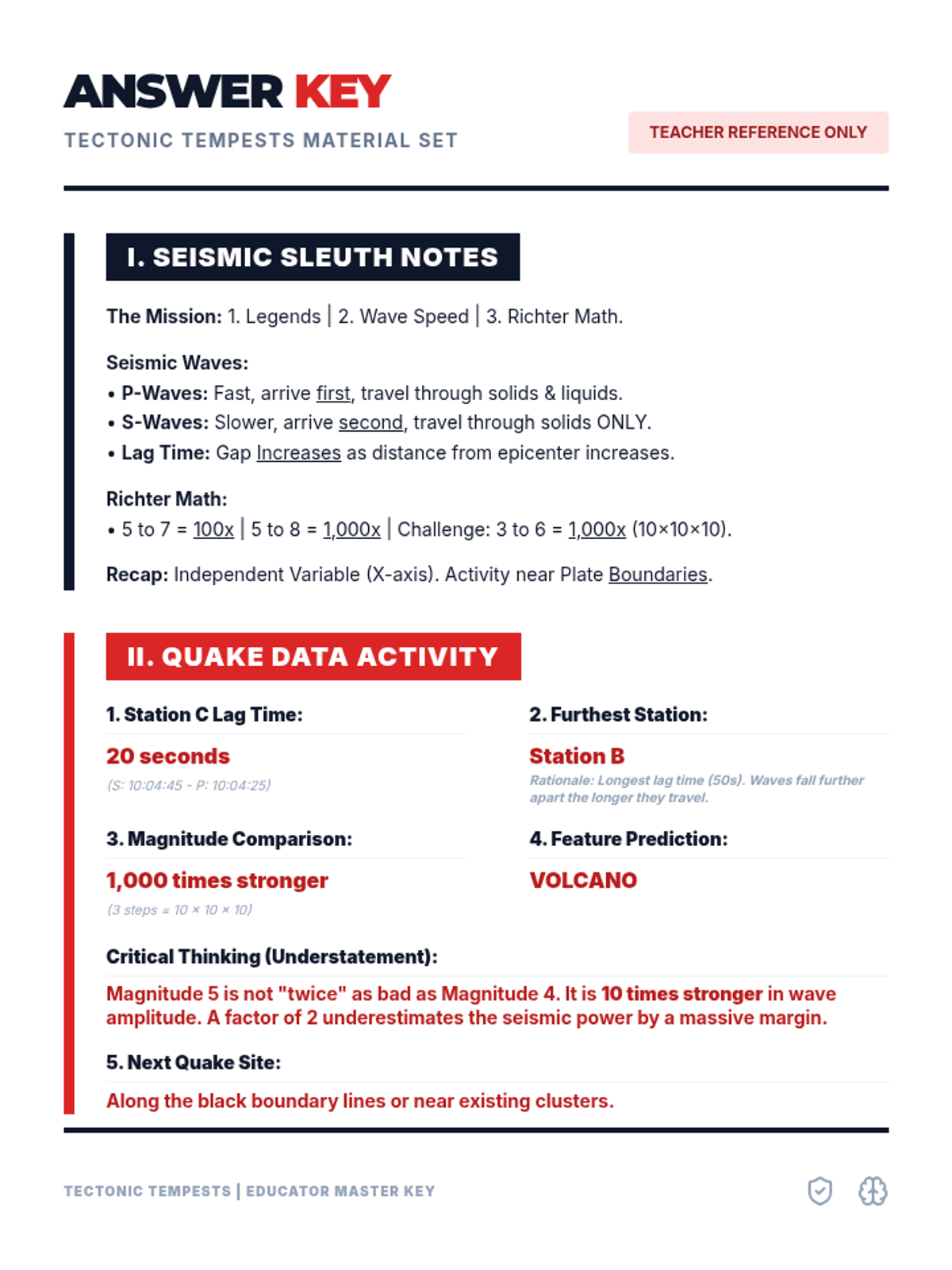
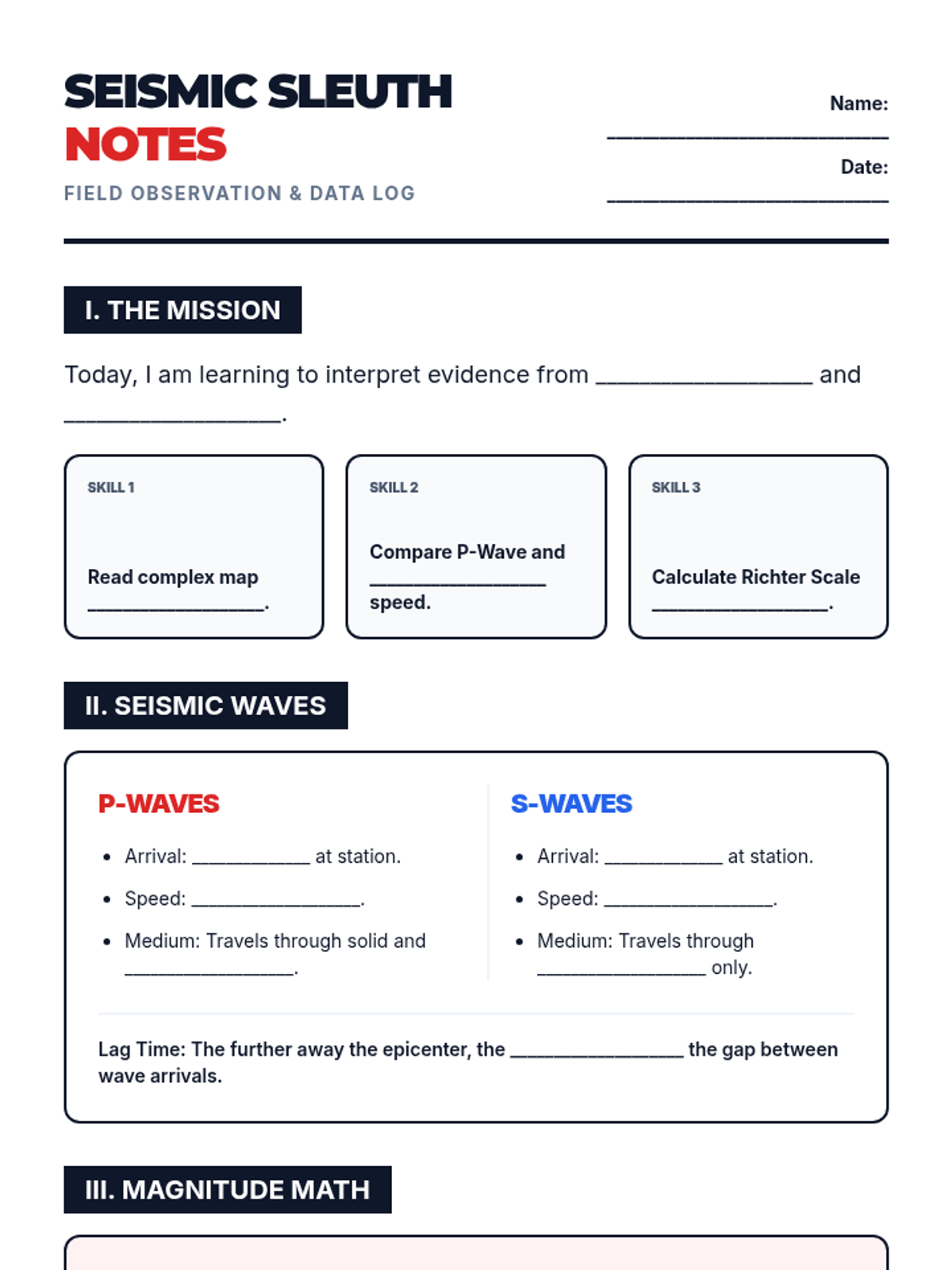
A comprehensive GED science lesson on tectonic activity, focusing on seismic wave analysis, seismograms, and the Richter scale. Students will learn to calculate S-P intervals and interpret map data to locate epicenters and volcanic hotspots.
A GED Science lesson focusing on the interpretation of maps, charts, and seismic data through the lens of volcanoes and earthquakes. Students will analyze tectonic movements and volcanic indicators to build data literacy skills.
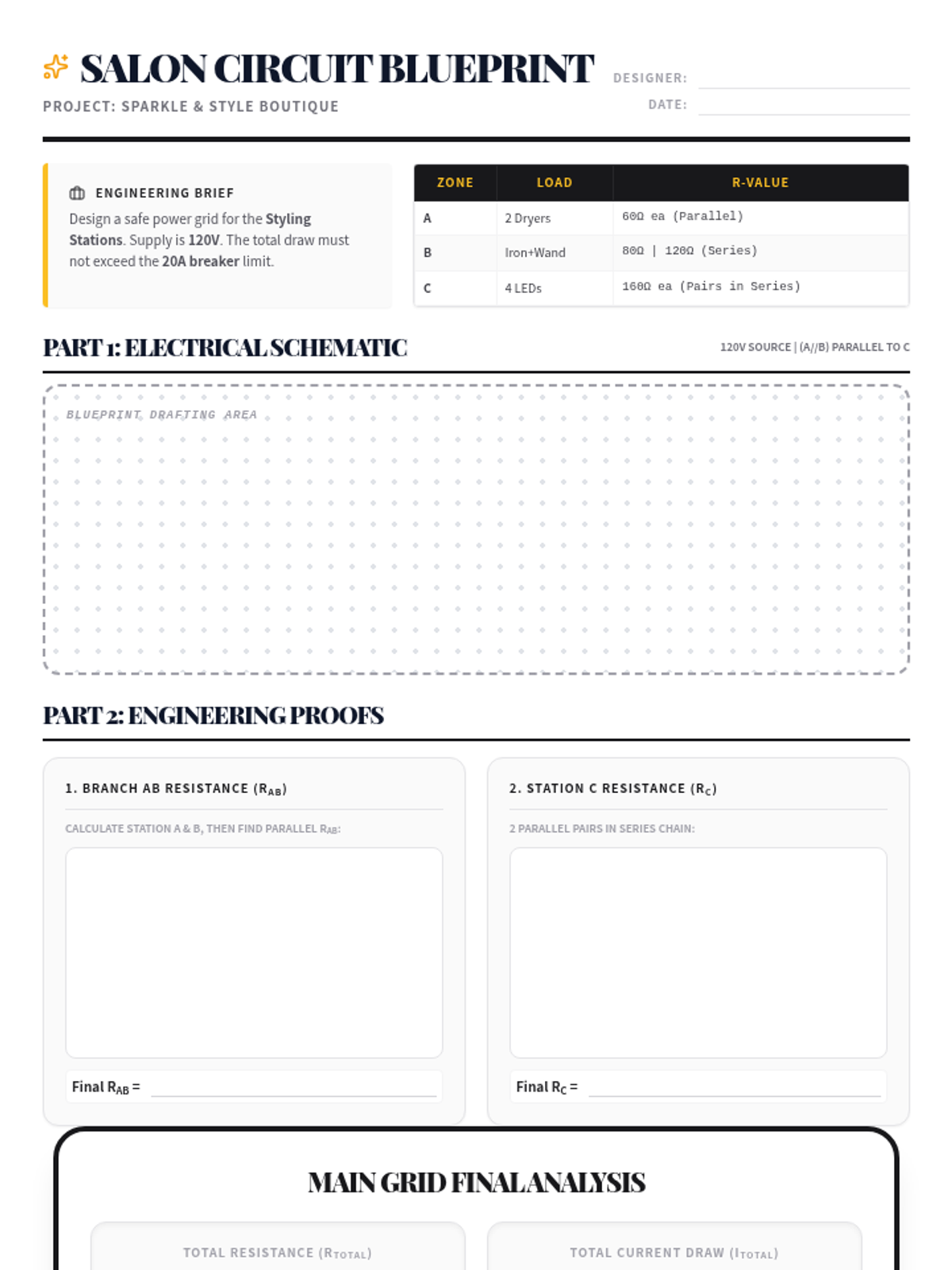
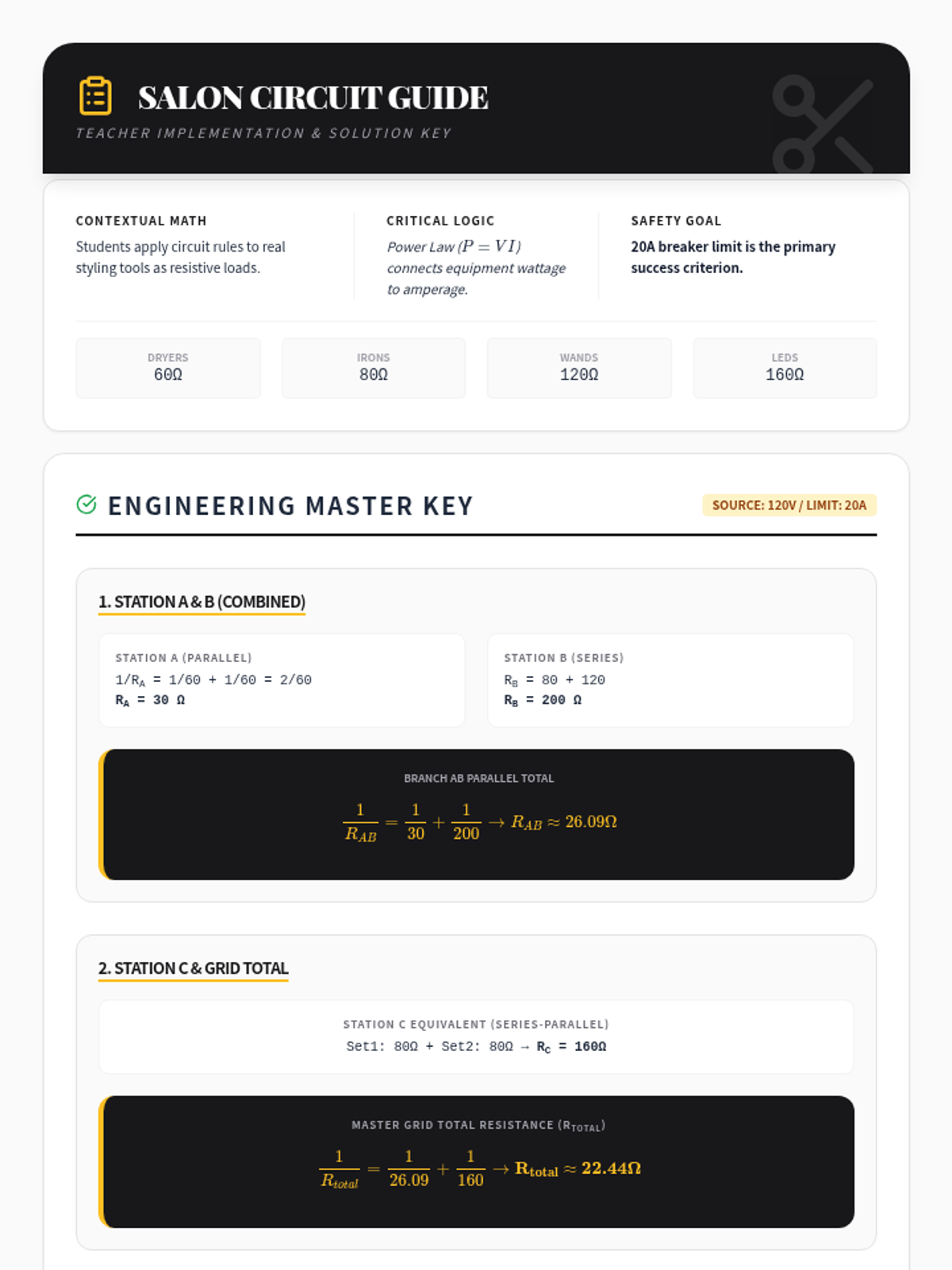
Students apply combination circuit knowledge to design the electrical layout of a modern hair salon, balancing the high current demands of professional styling tools.
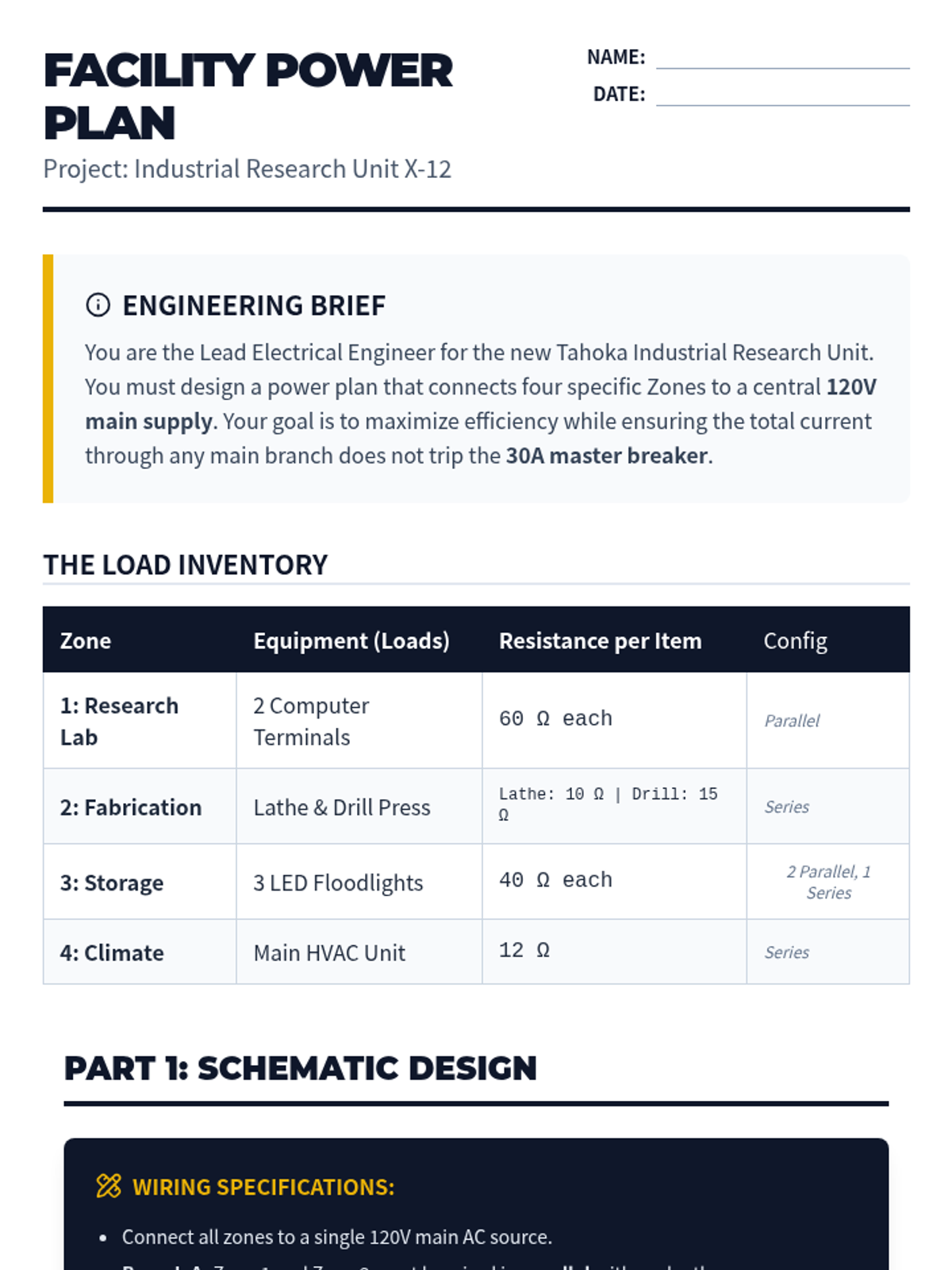
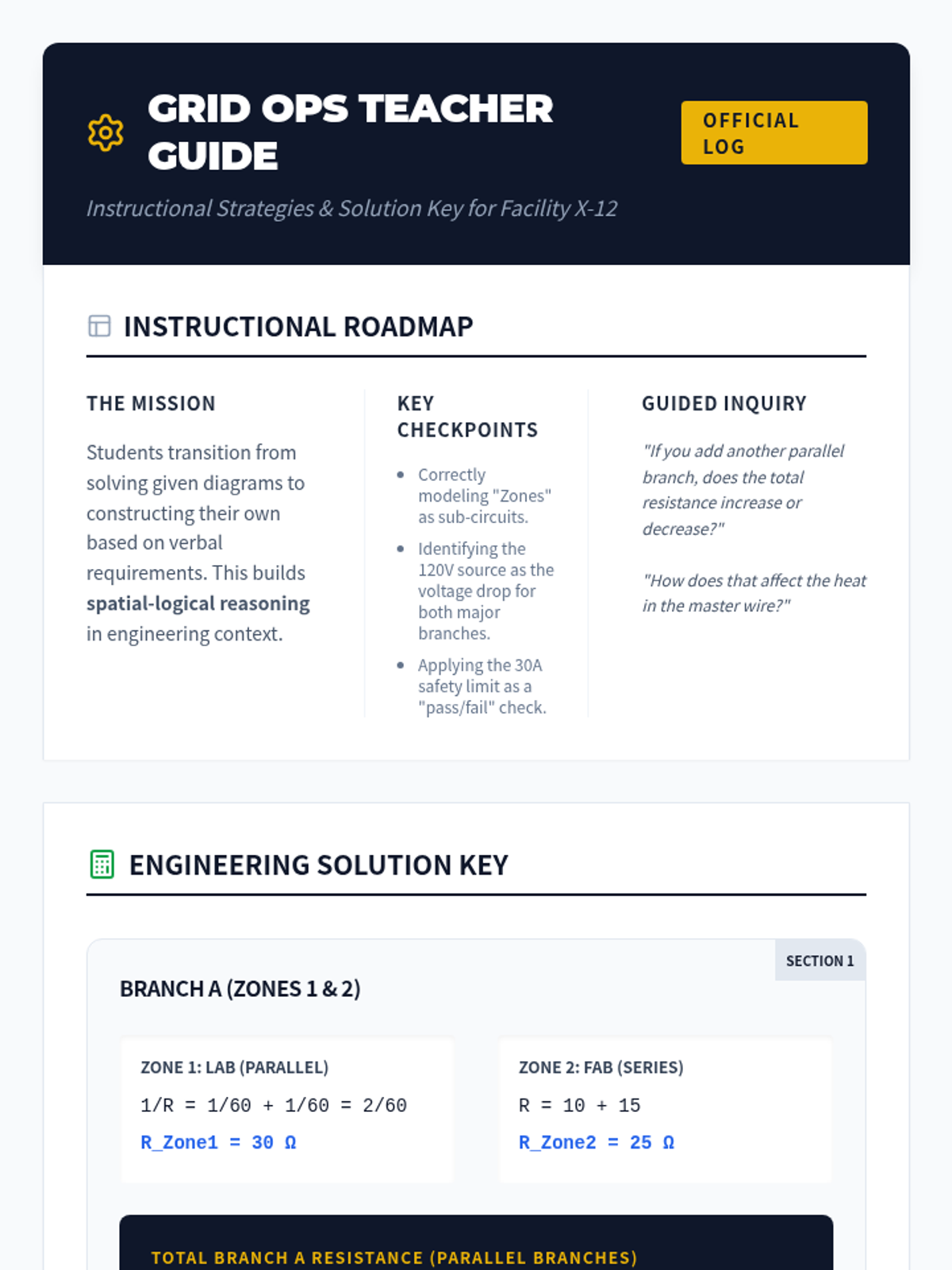
Students apply their knowledge of combination circuits and Ohm's Law to design a multi-room power plan for an industrial facility, balancing voltage requirements and current limits.
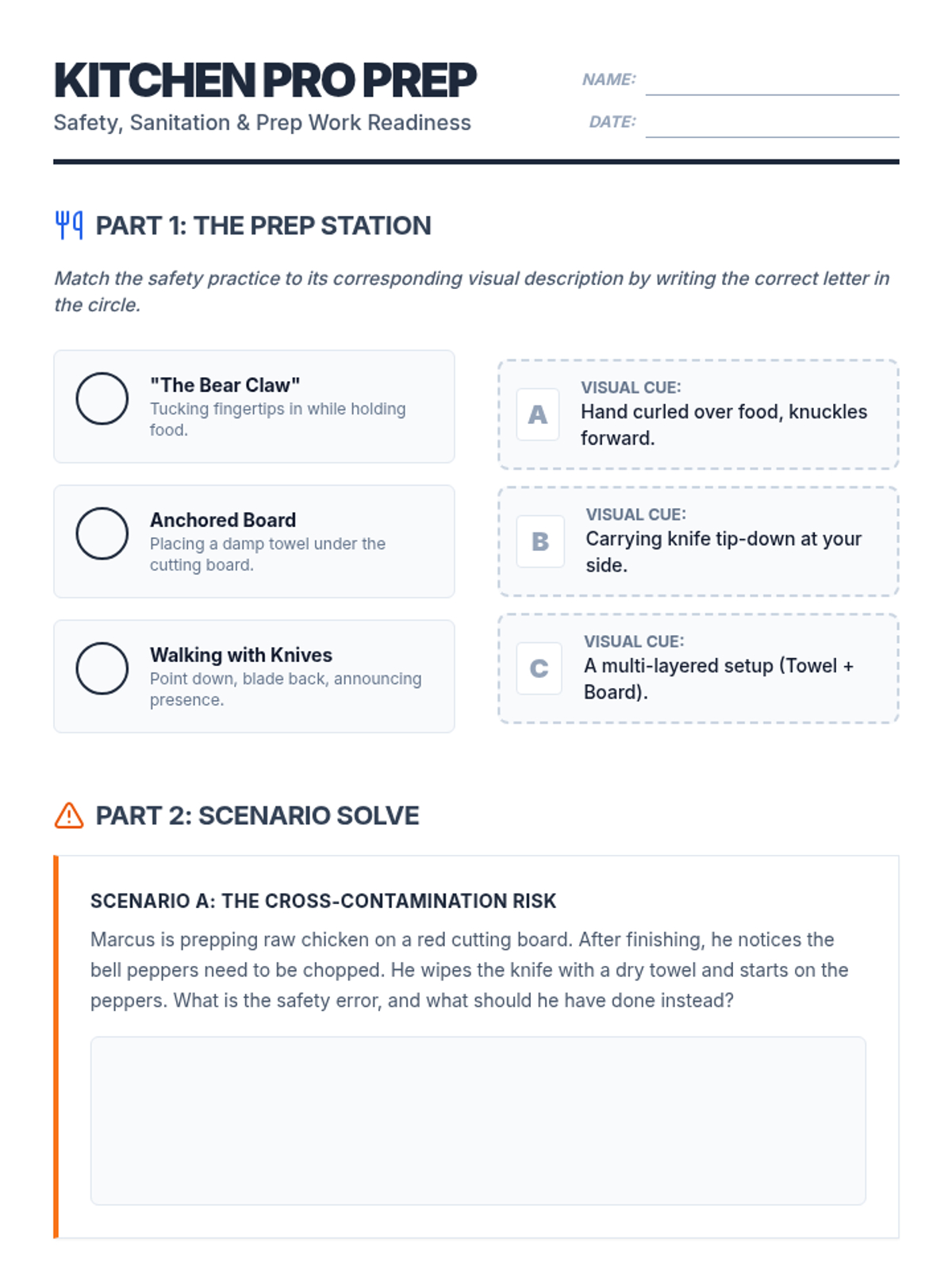
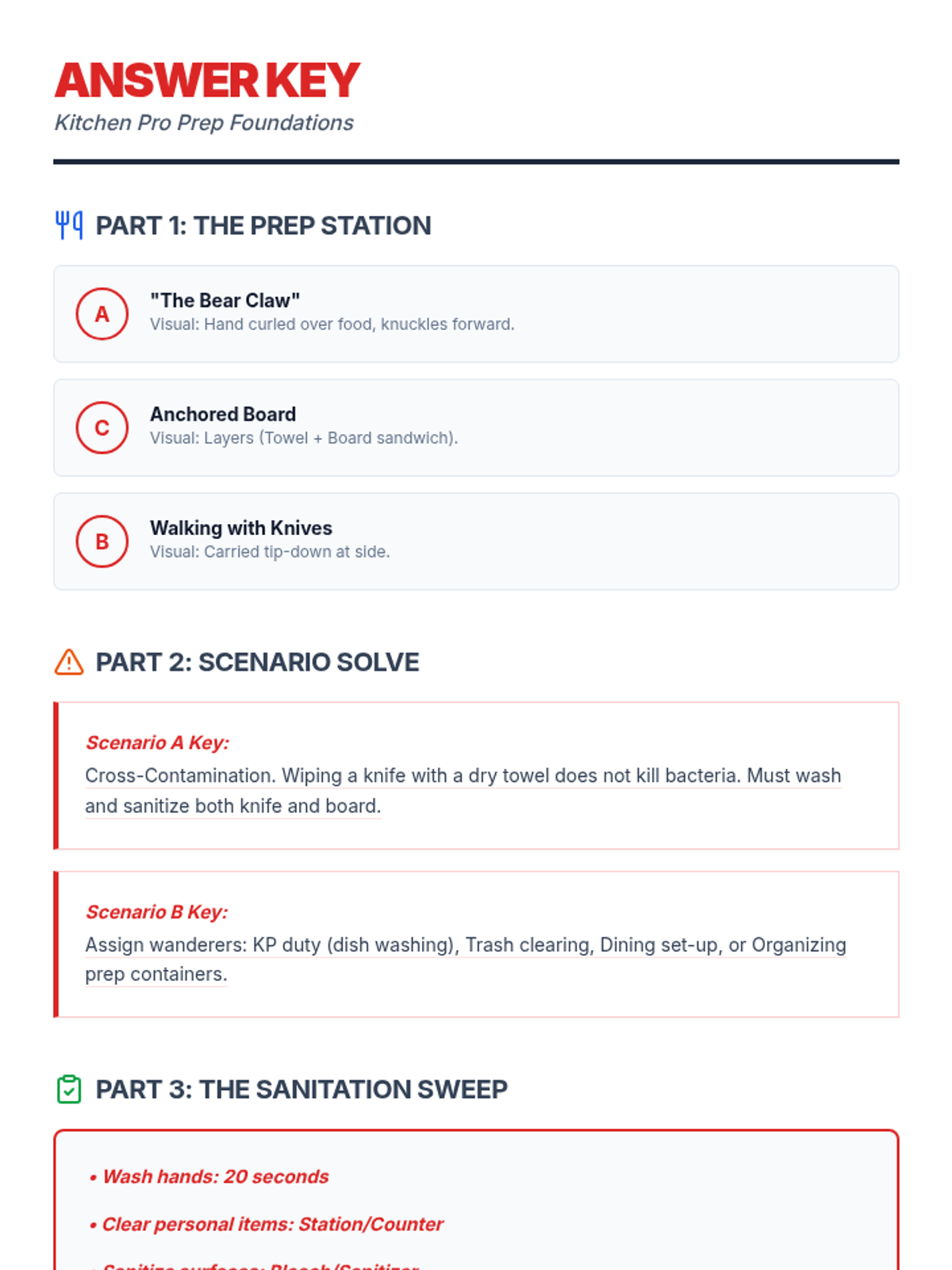
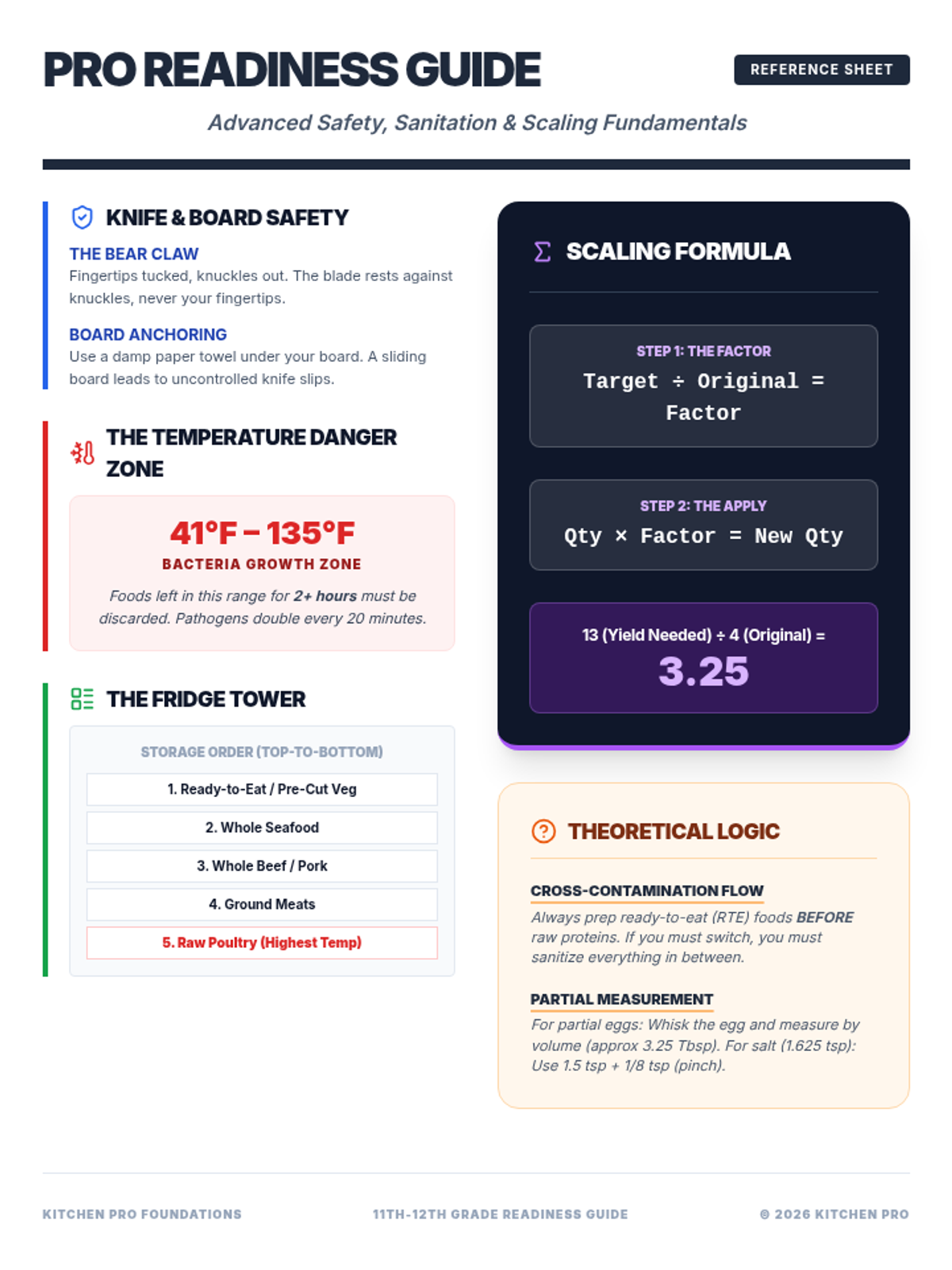
A foundational kitchen skills lesson focused on safety, sanitation, knife handling, and recipe scaling for a small group environment.
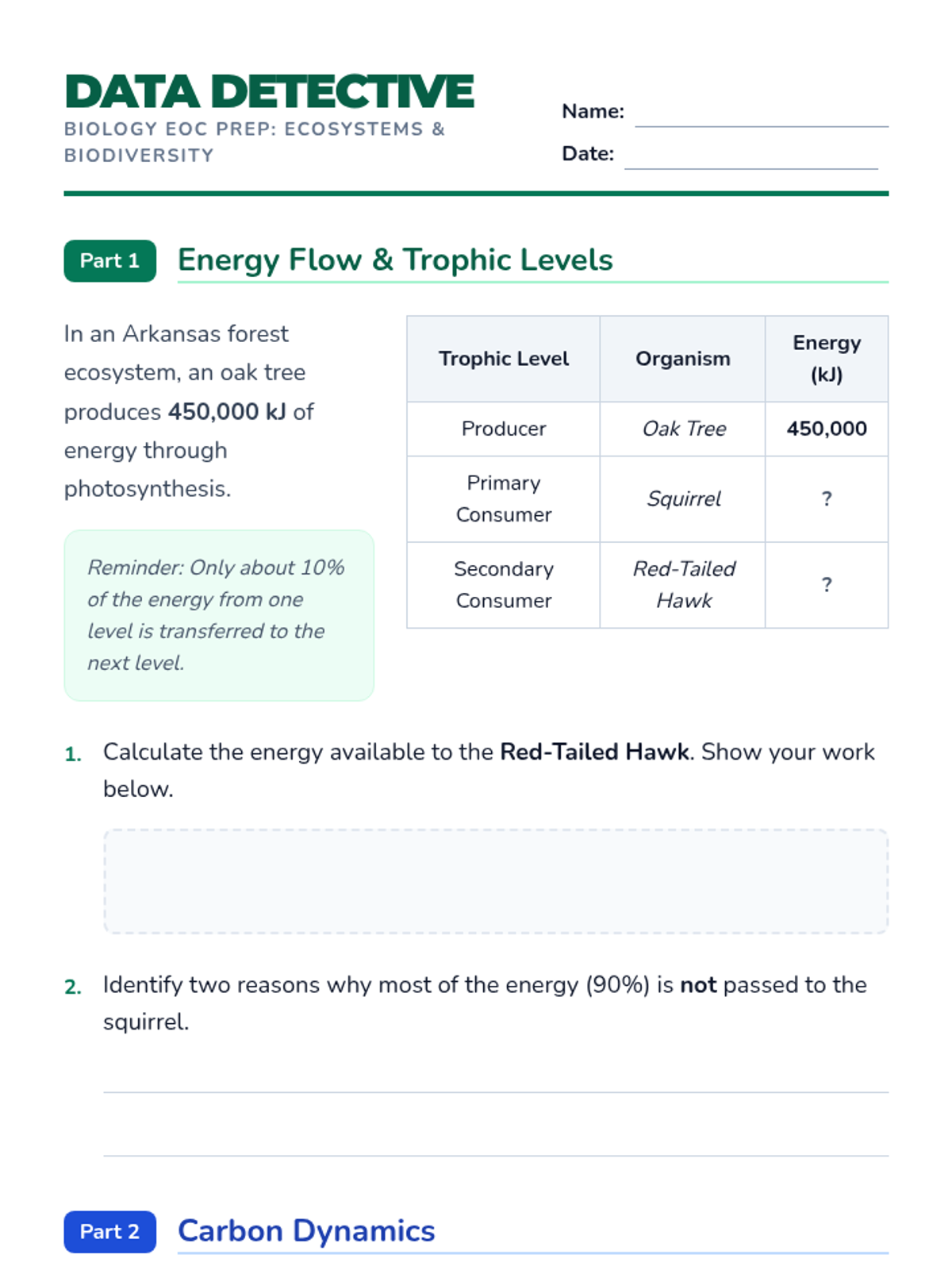
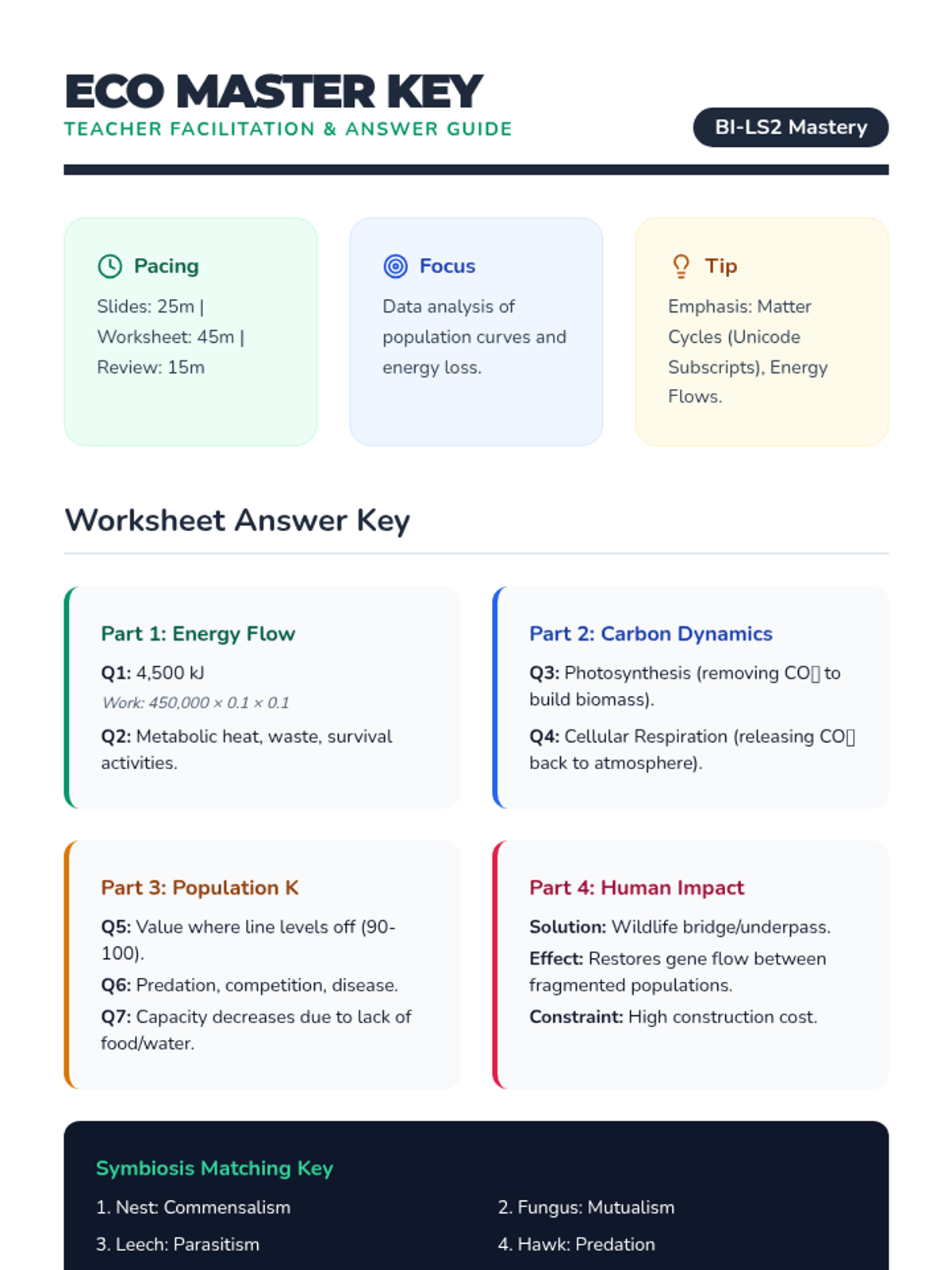
A comprehensive test prep lesson for the Arkansas Biology EOC, focusing on ecosystem dynamics, energy flow, matter cycling, and human impacts on biodiversity with a heavy emphasis on data interpretation.
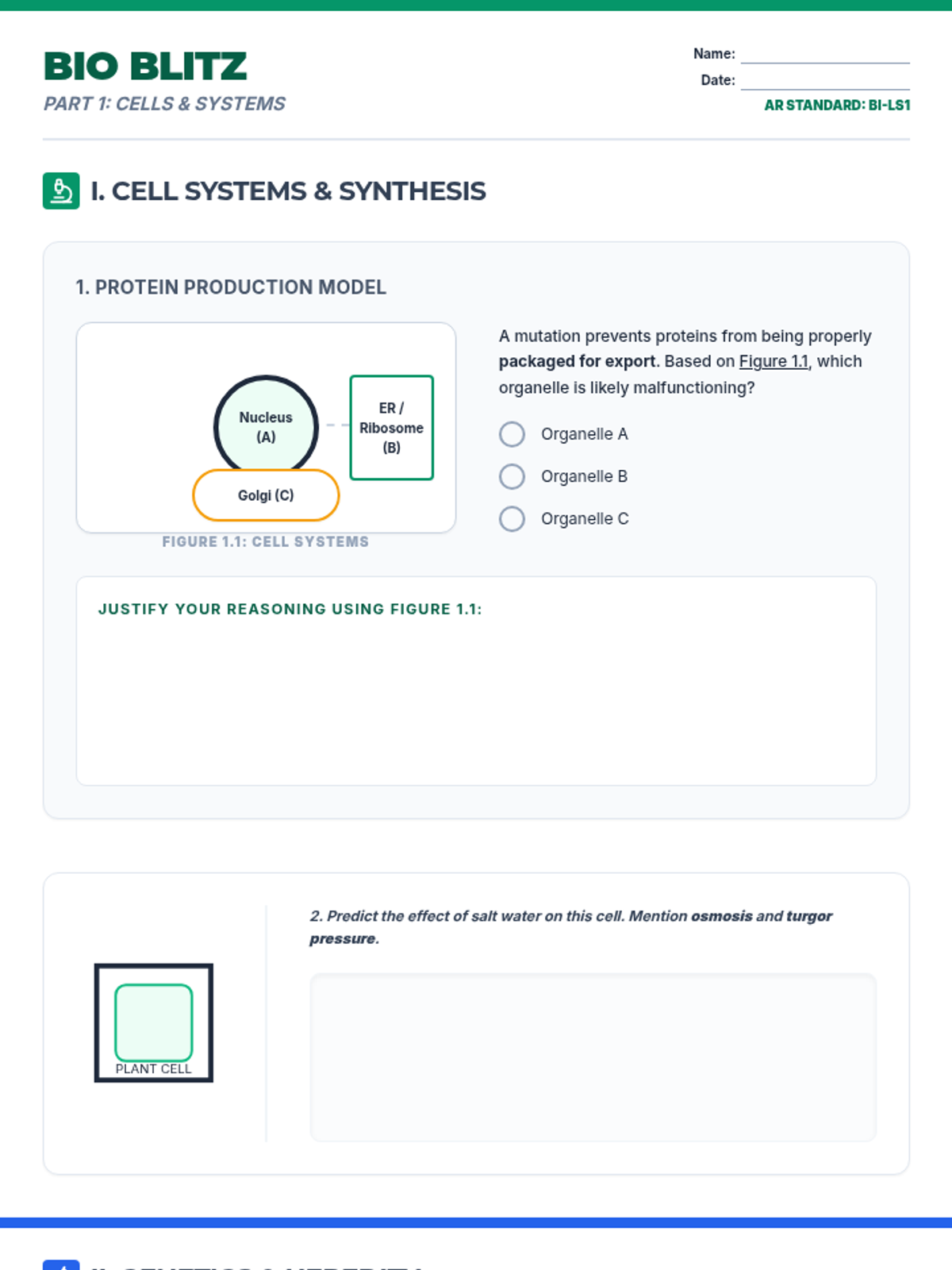
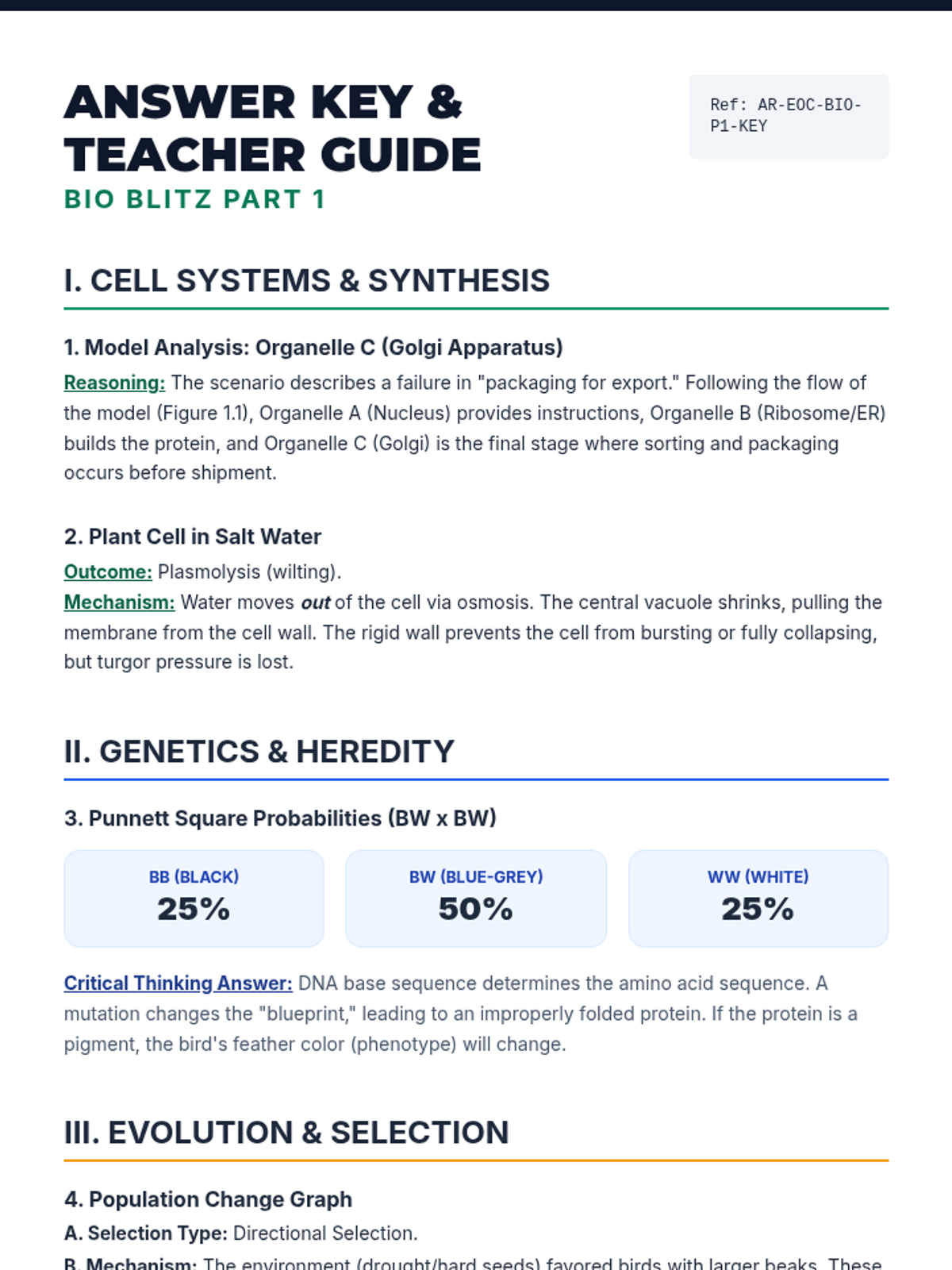
A comprehensive review session for the Arkansas Biology EOC exam, focusing on cellular processes, genetic inheritance, and evolutionary mechanisms through model-based reasoning.
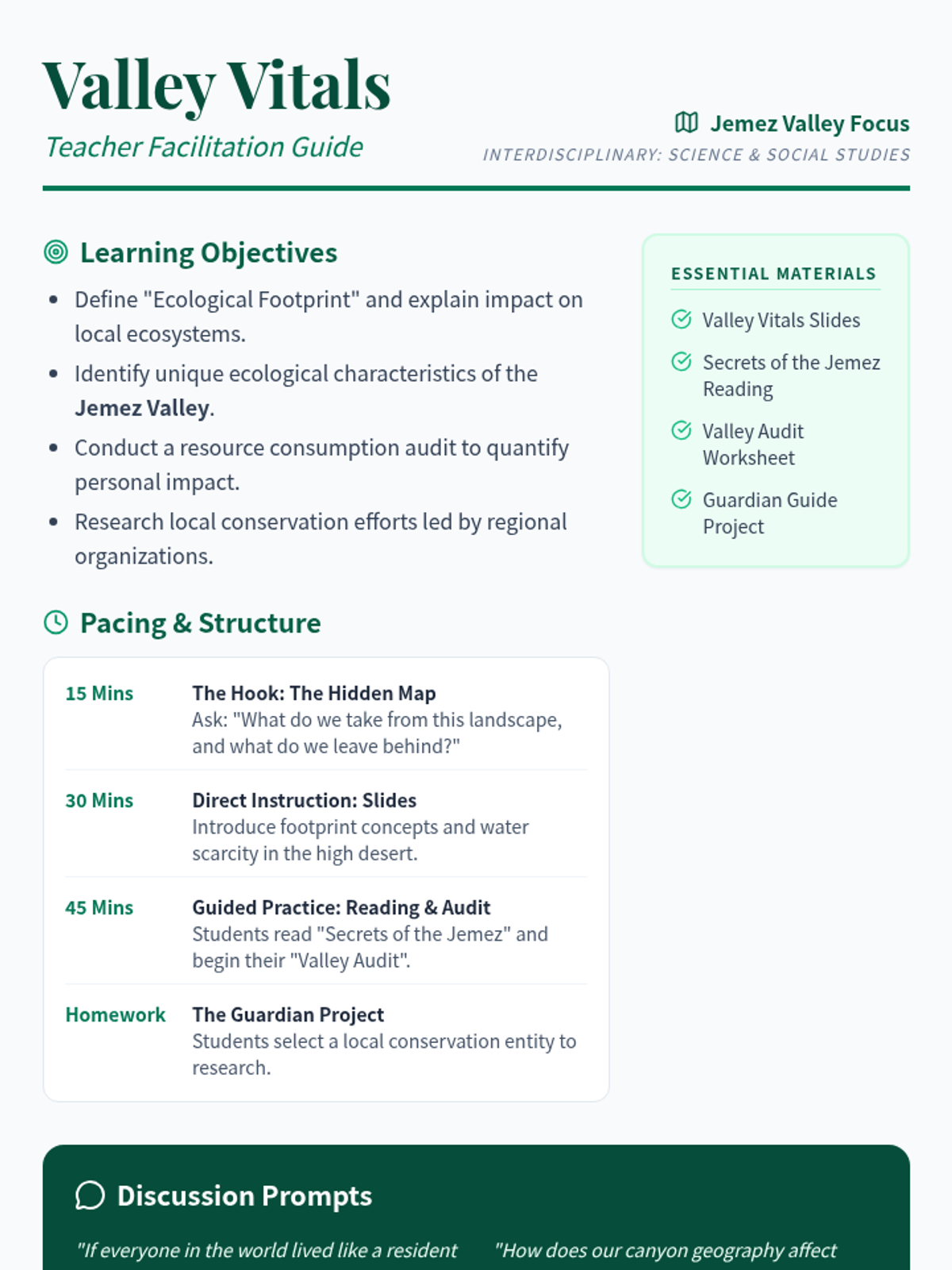
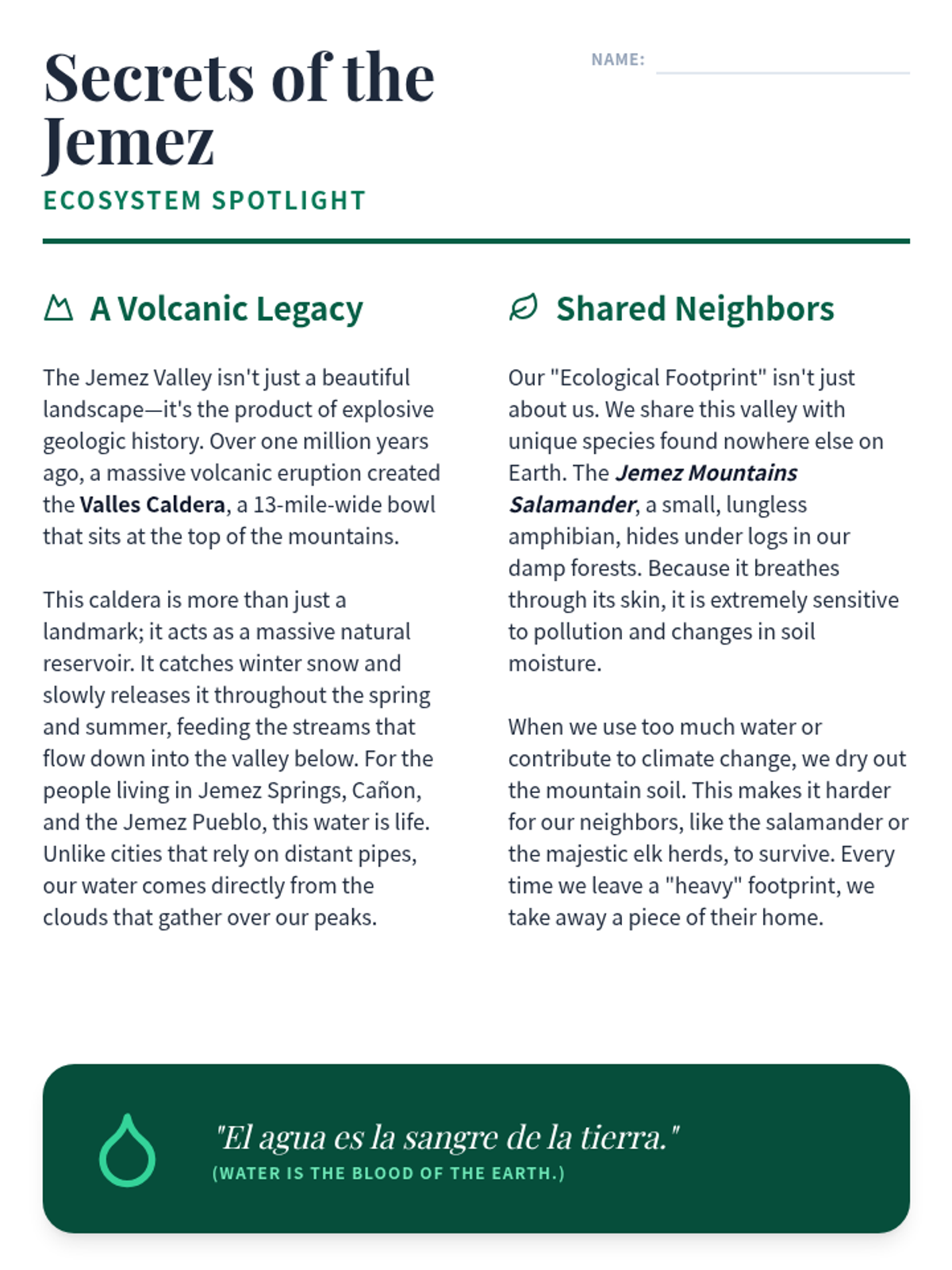
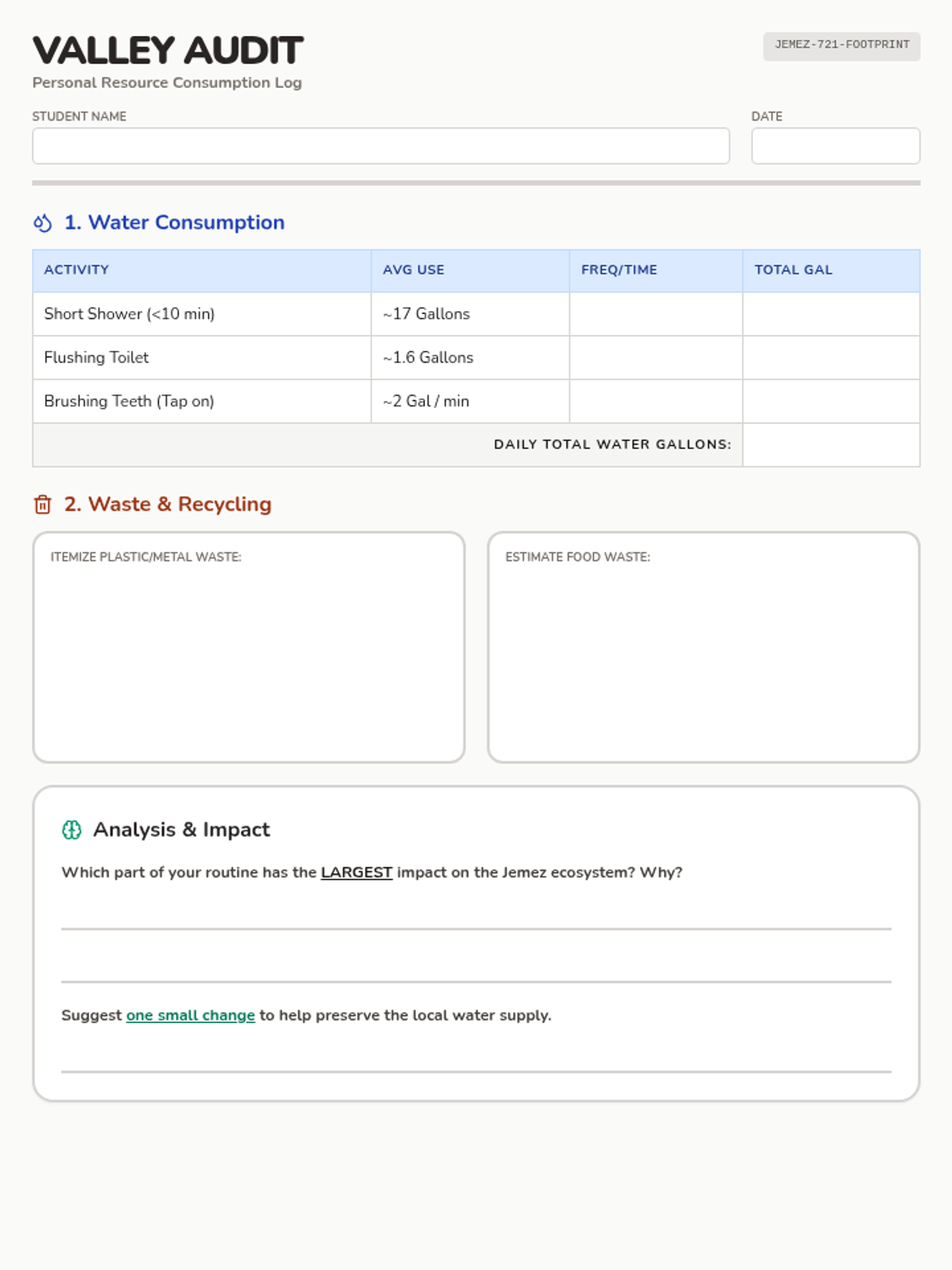
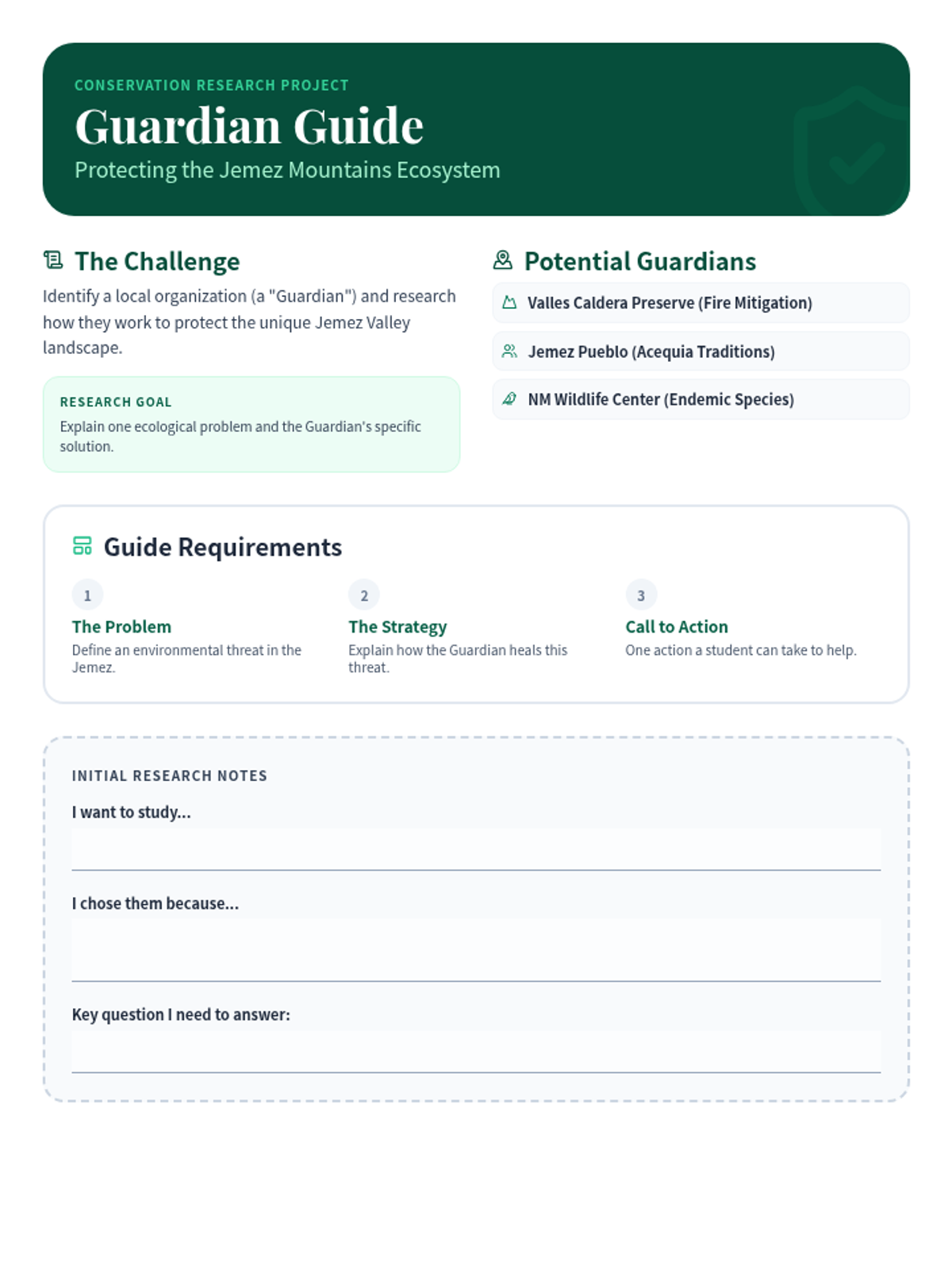
An interdisciplinary lesson exploring ecological footprints through the unique environmental context of the Jemez Valley. Students analyze local resource consumption and research regional conservation to develop a sense of environmental stewardship.
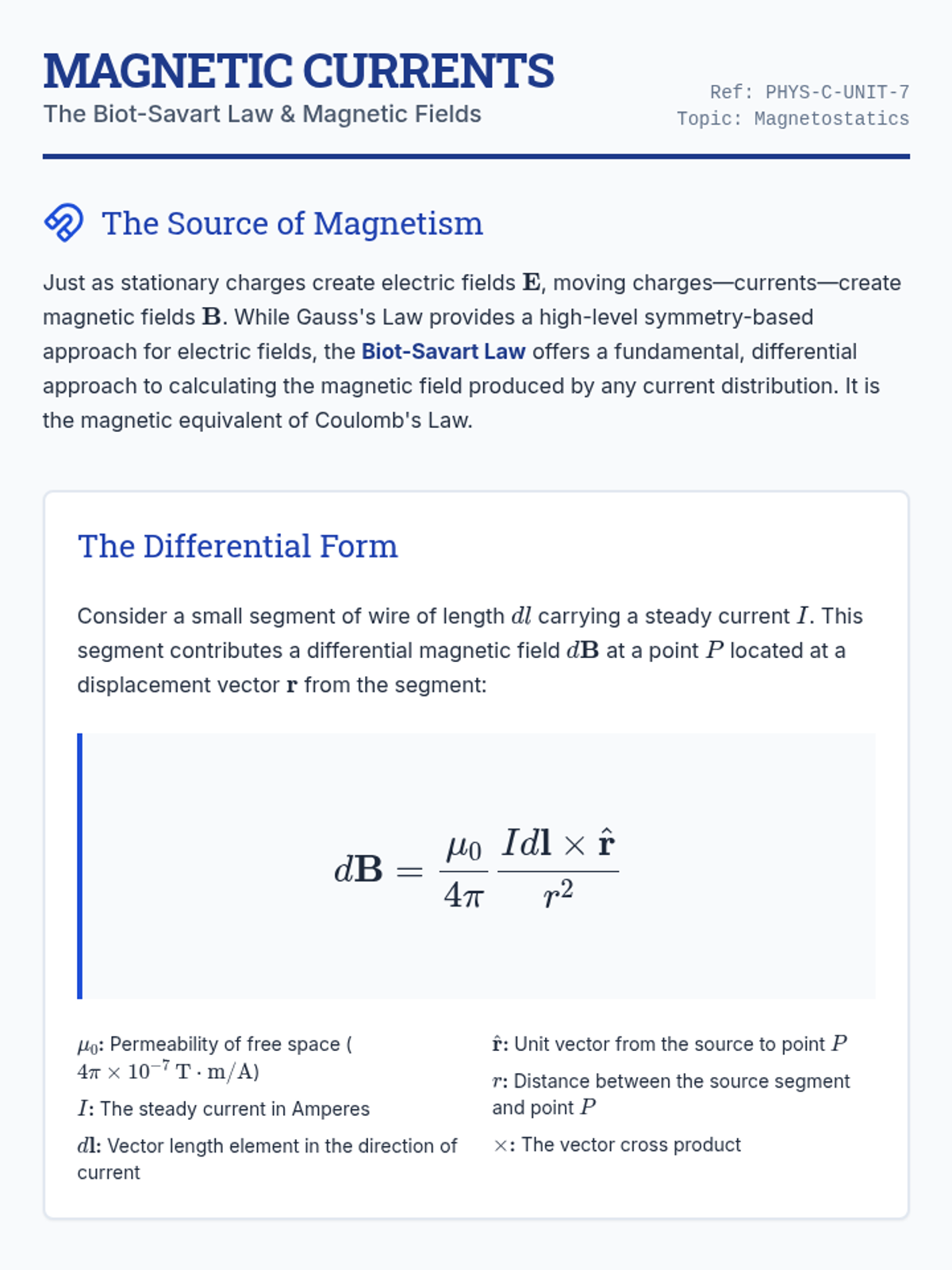
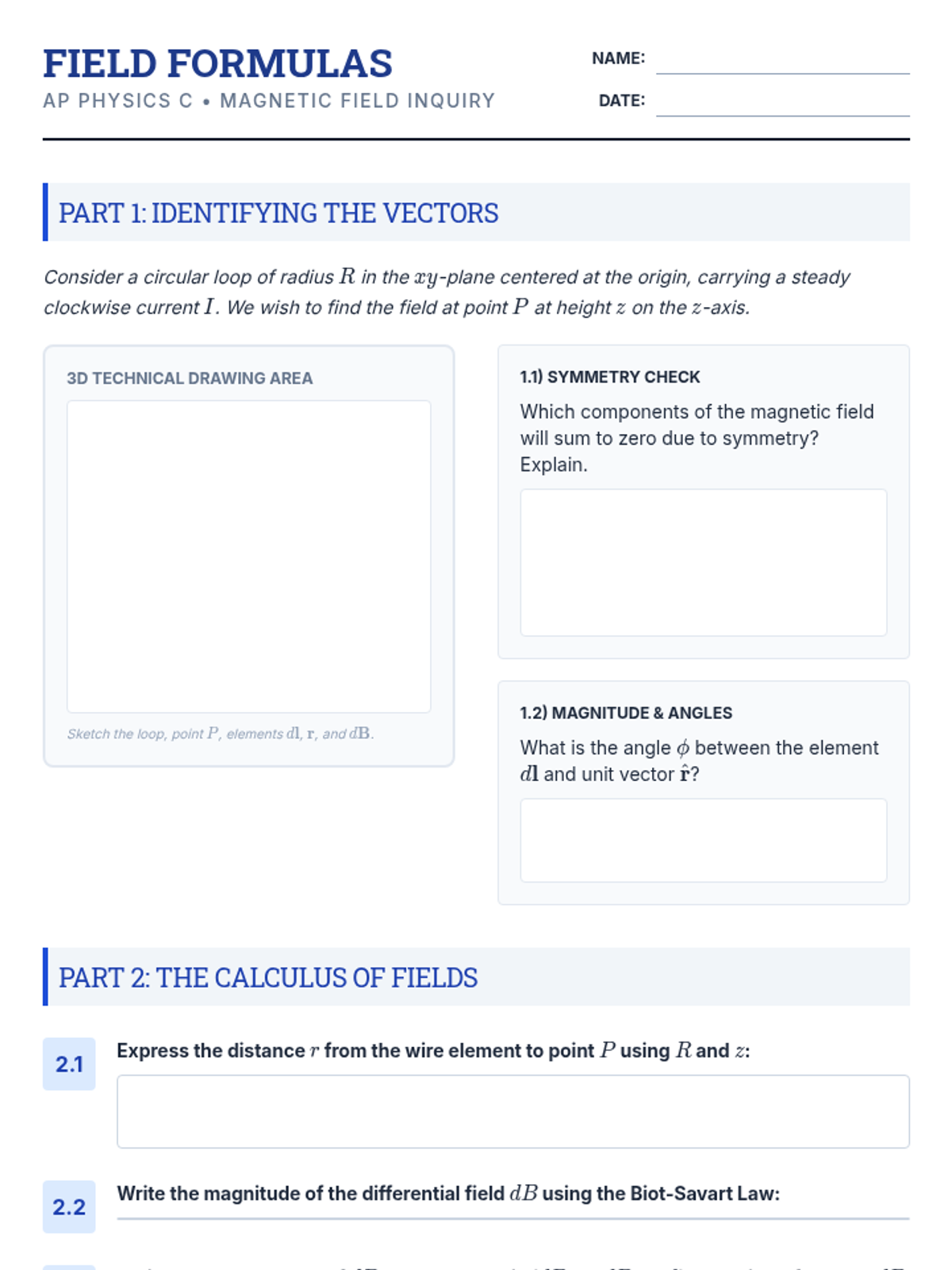
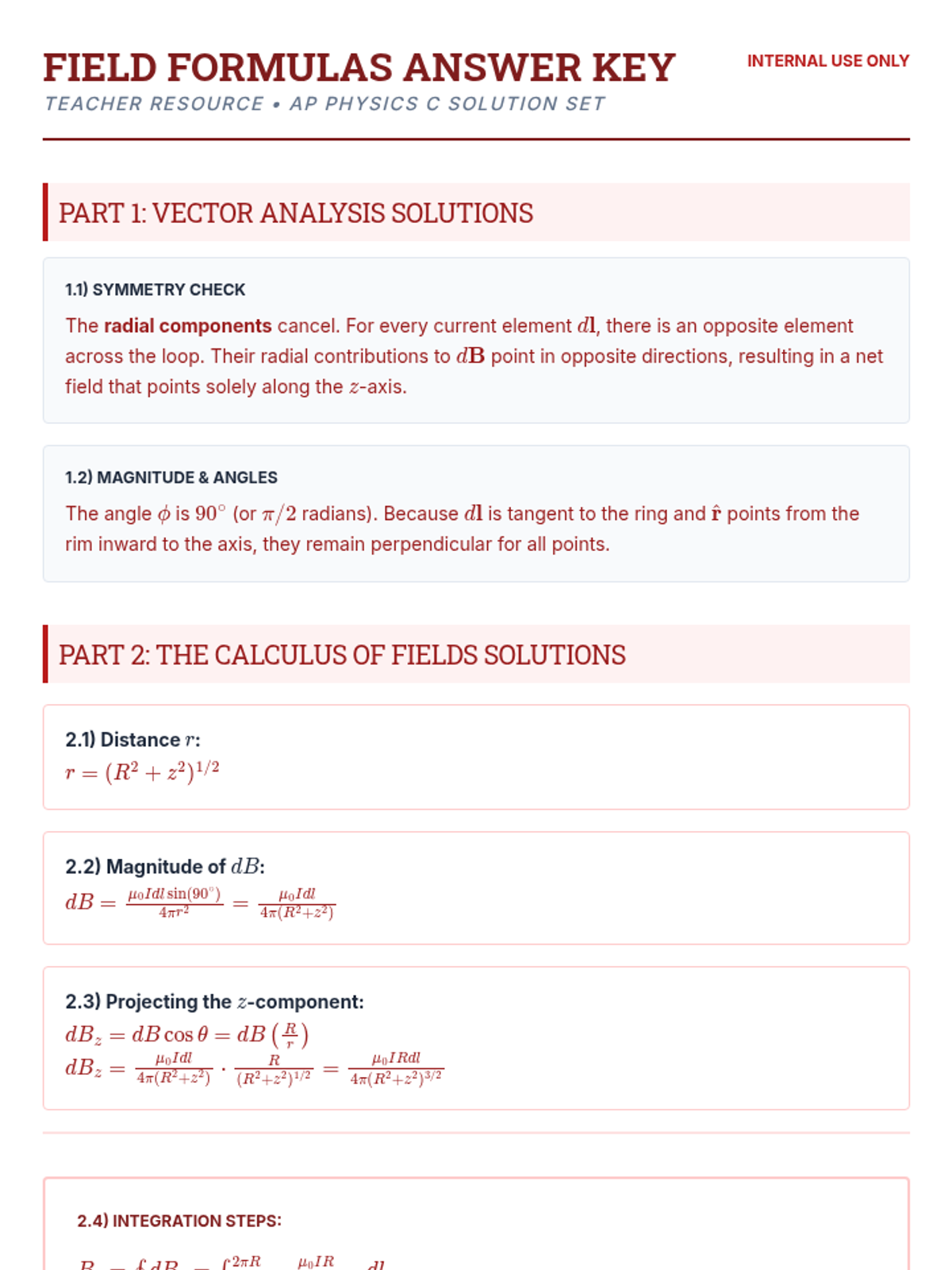
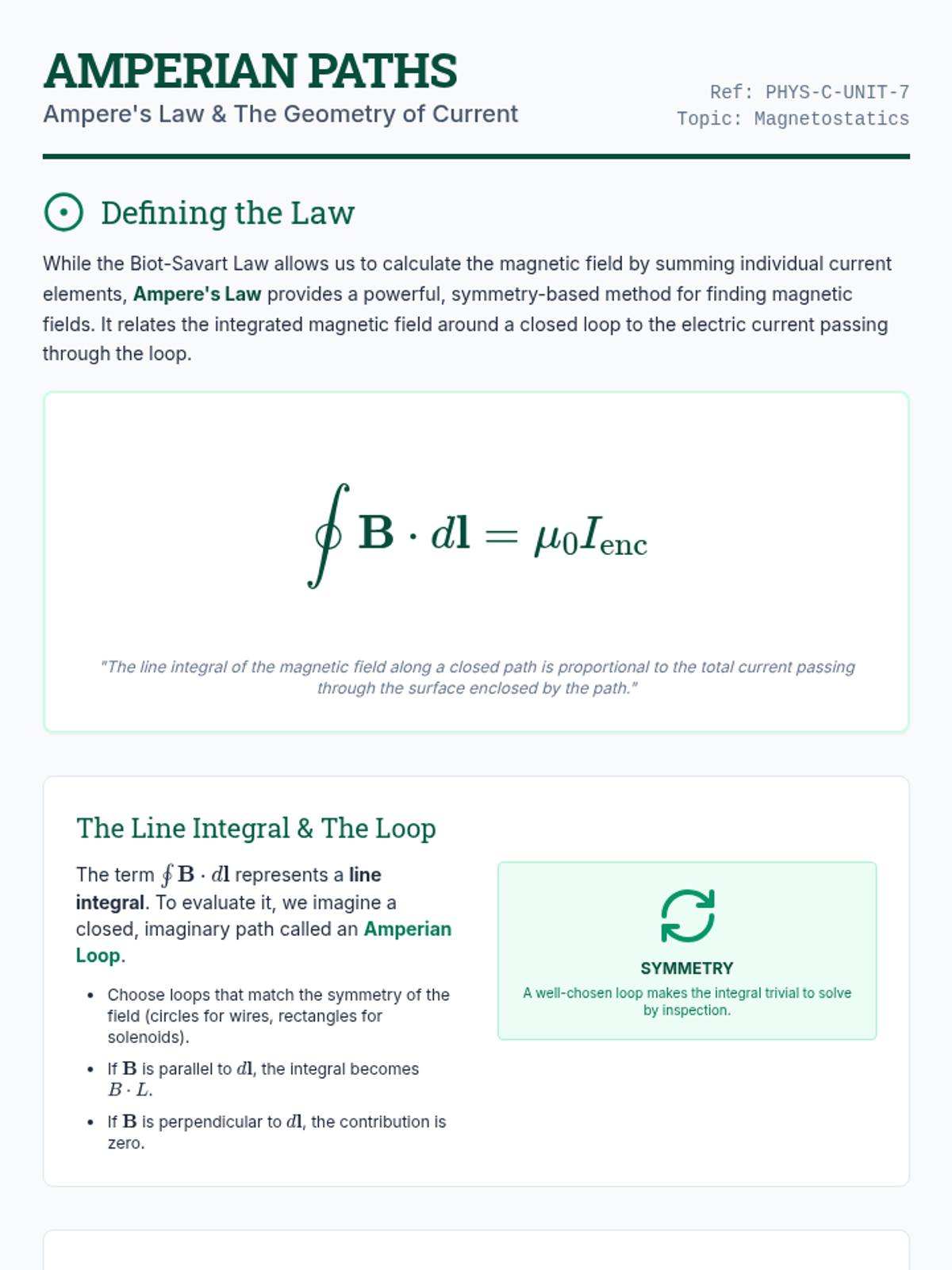
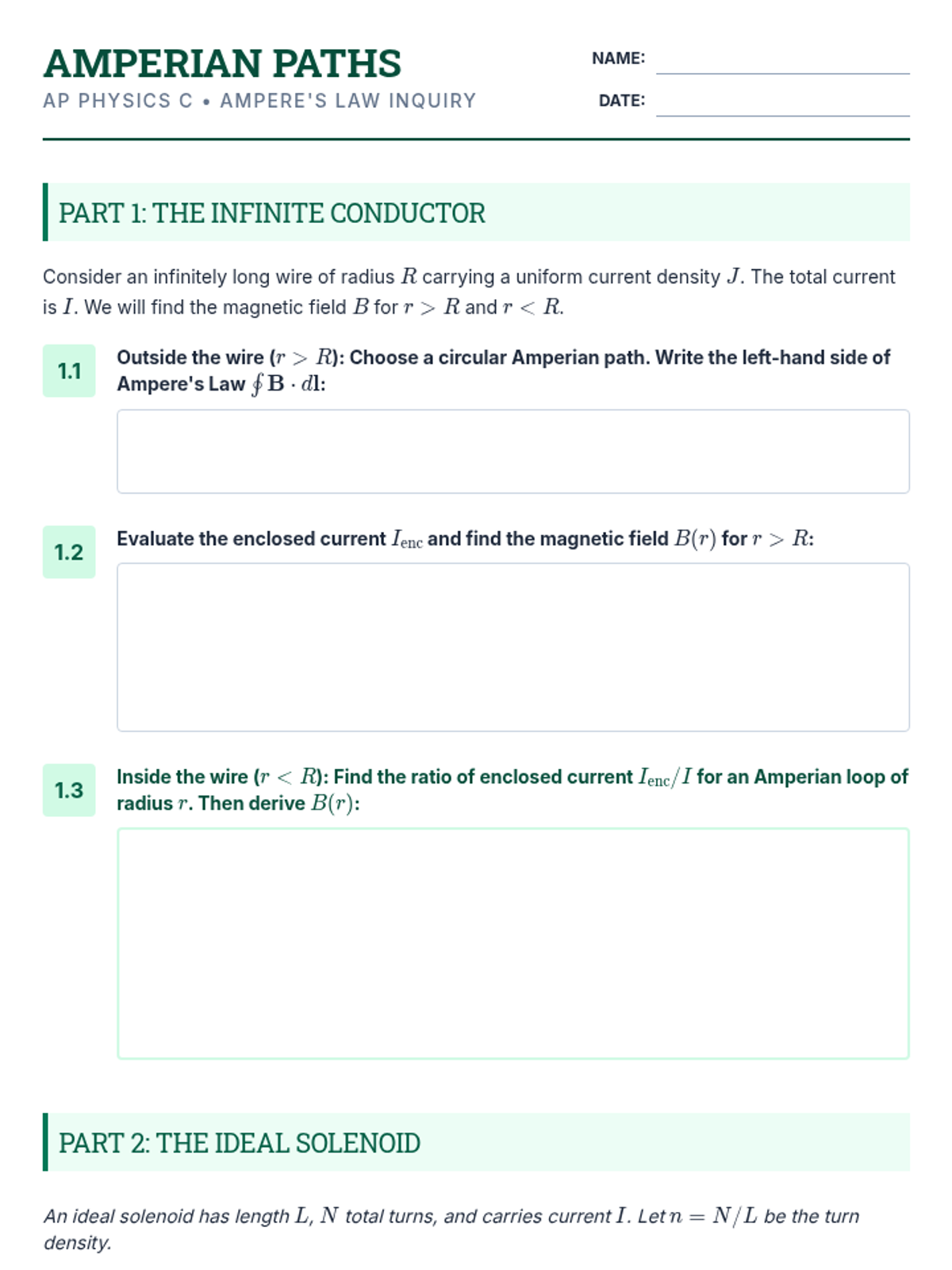
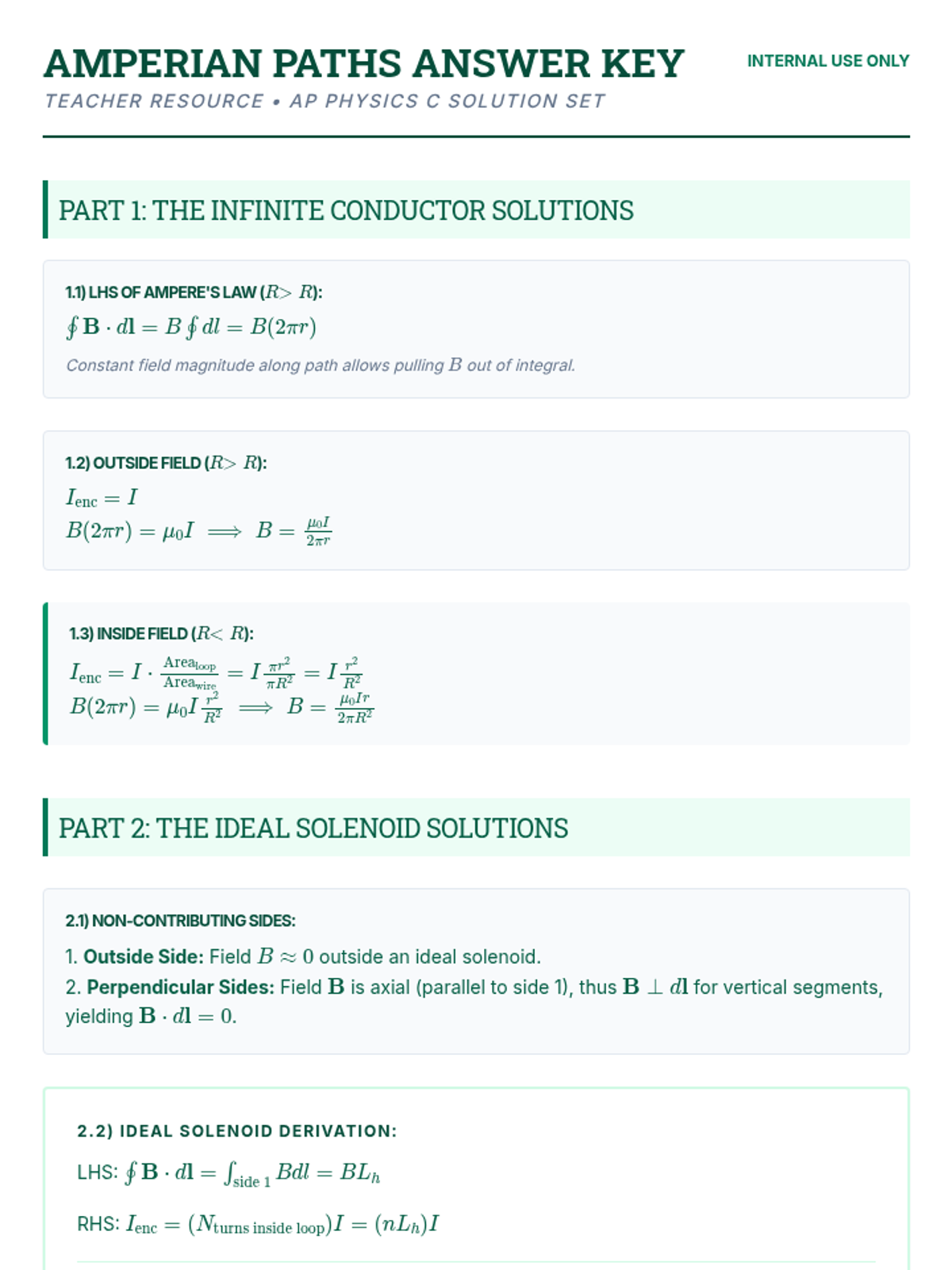
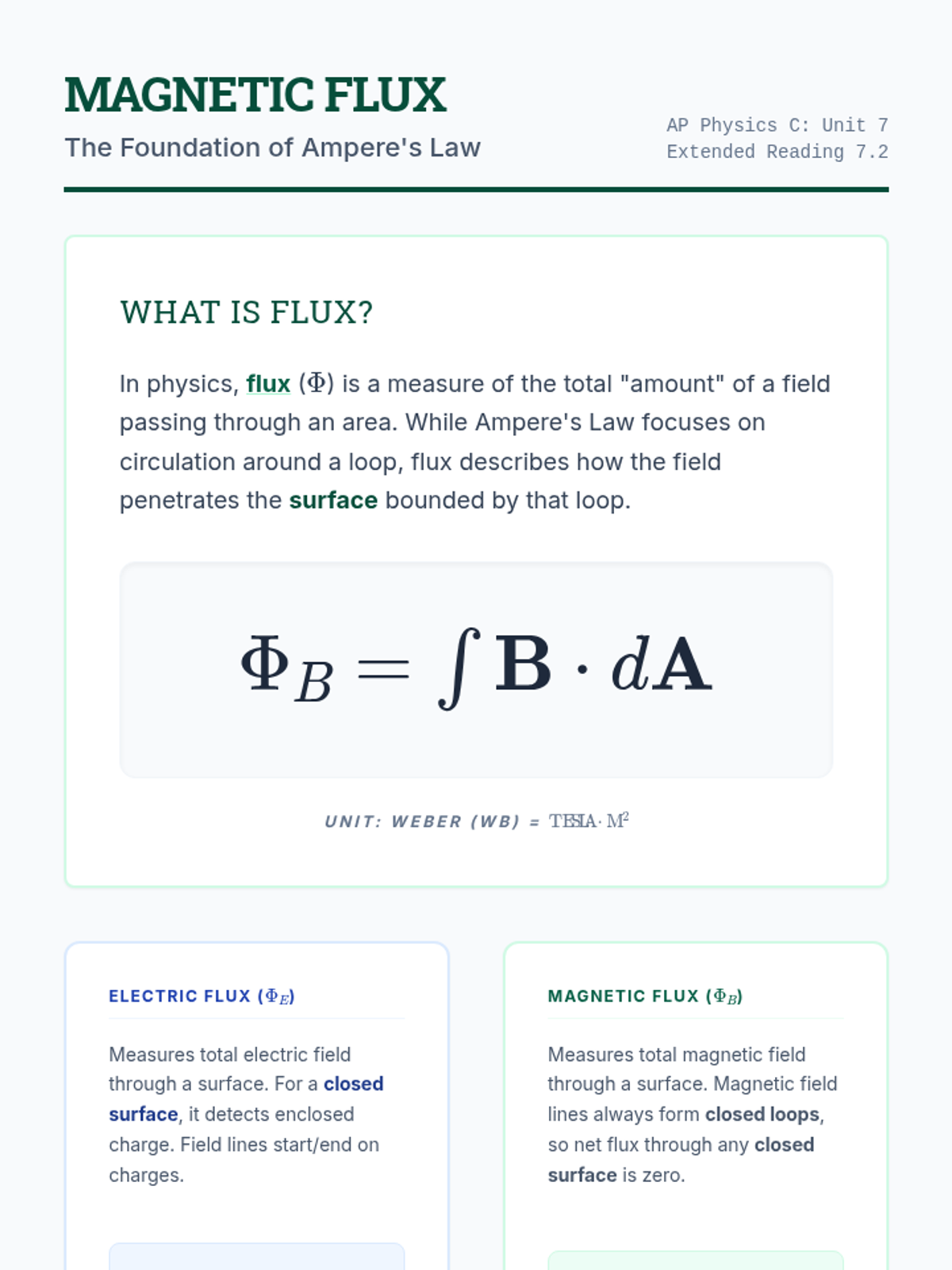
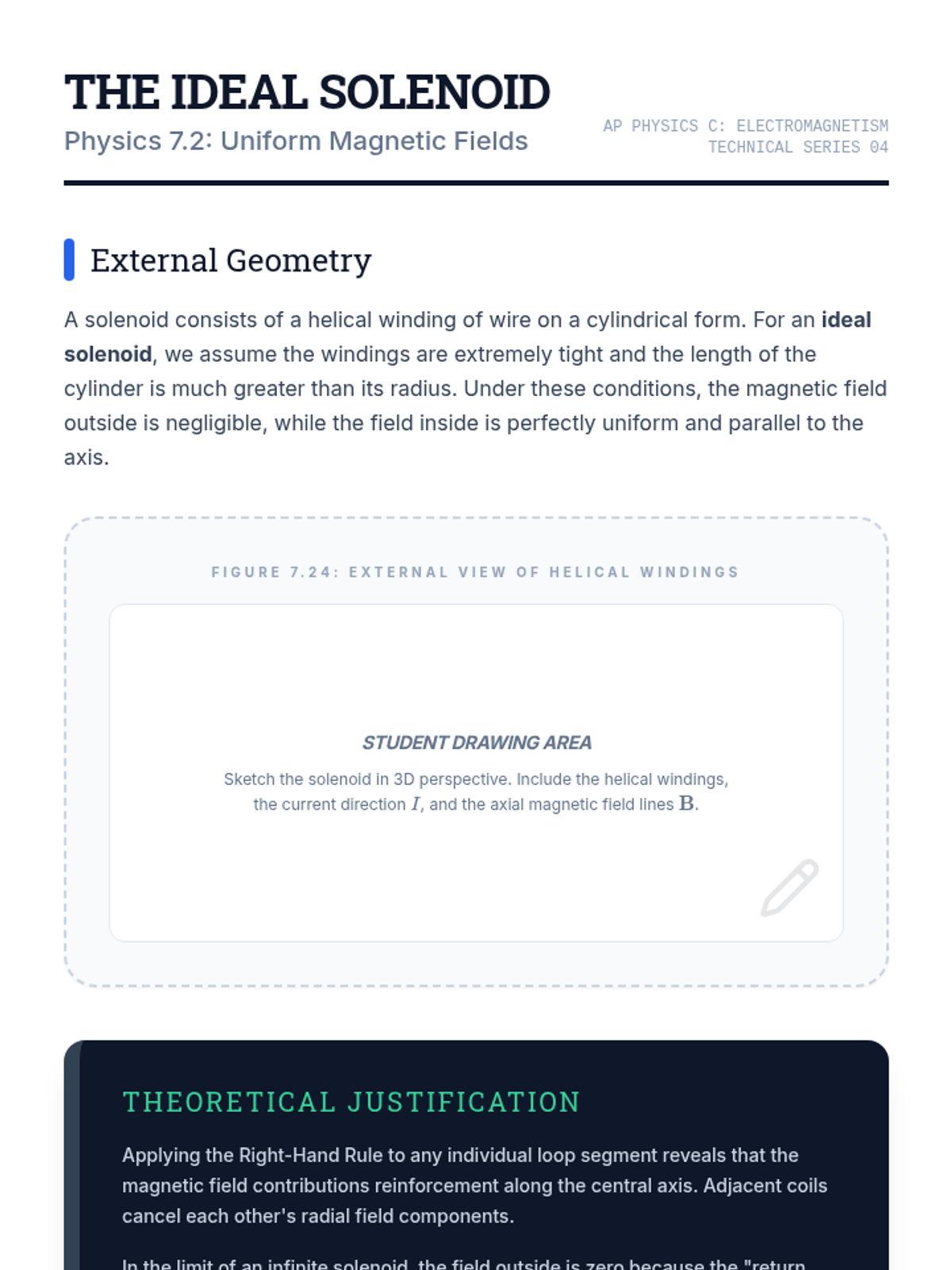
A calculus-based exploration of the Biot-Savart Law, focusing on the derivation and calculation of magnetic fields from various current-carrying geometries. Students will compare magnetic fields to electric fields and master the integration techniques required for AP Physics C.
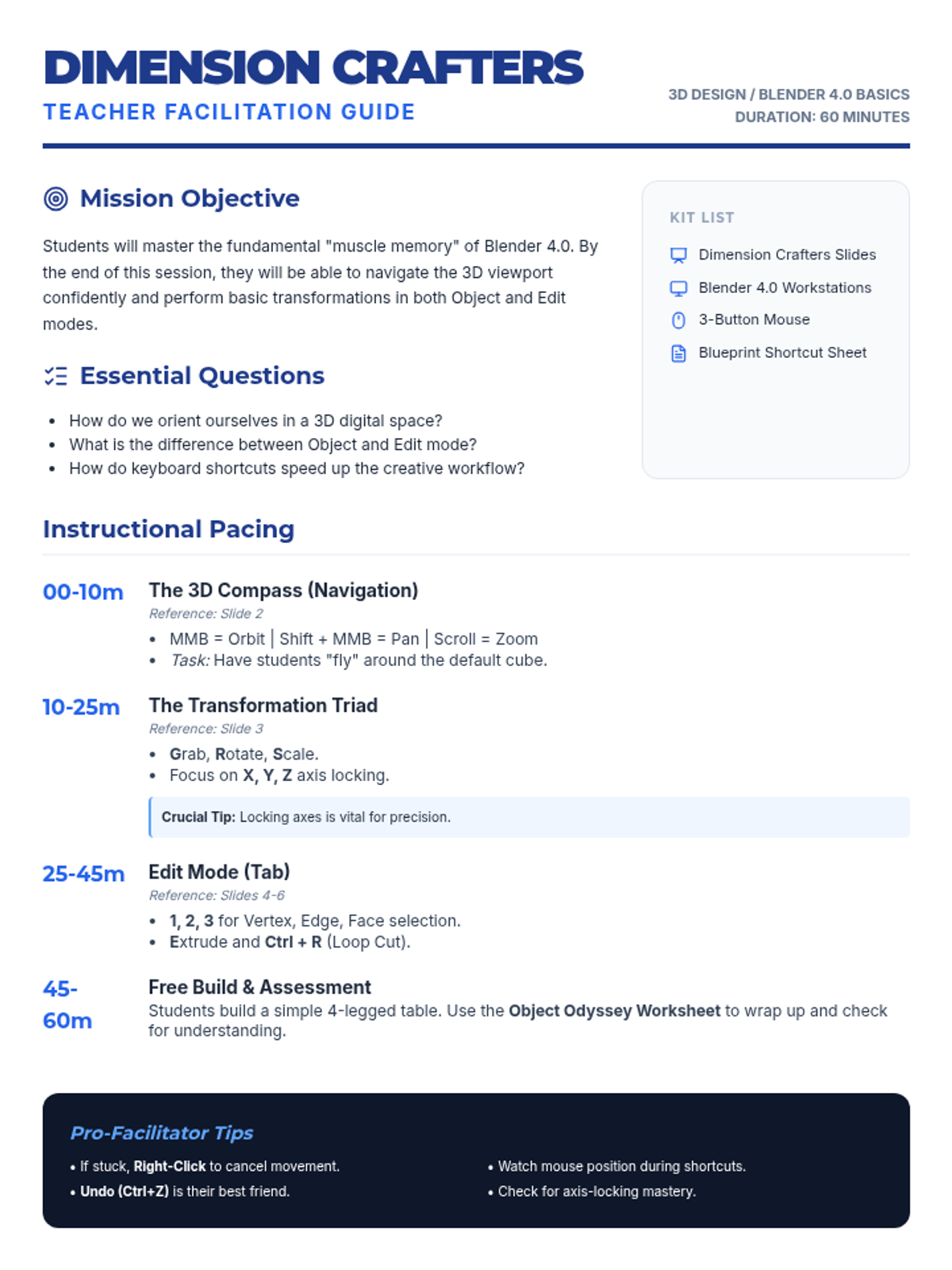
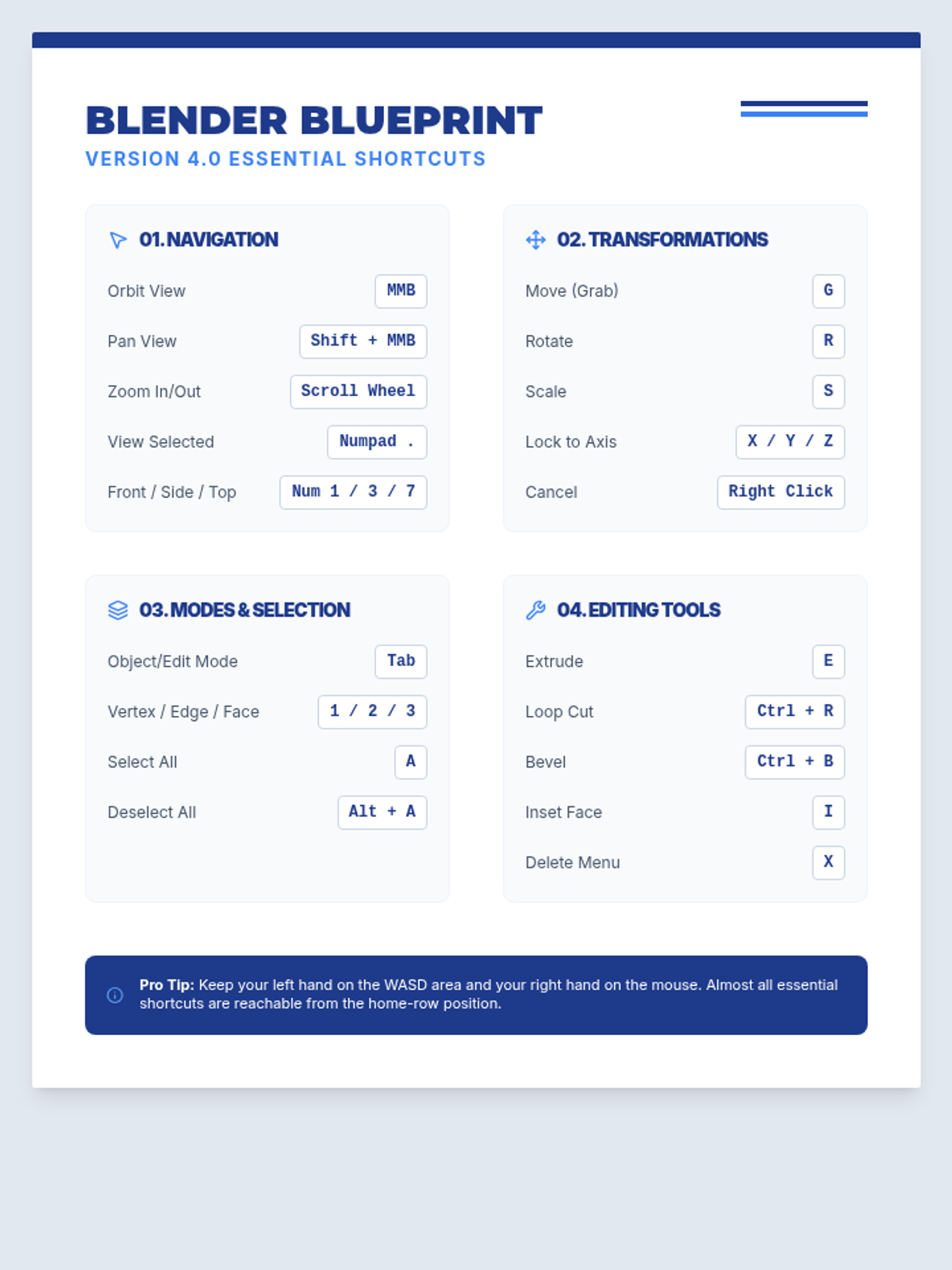
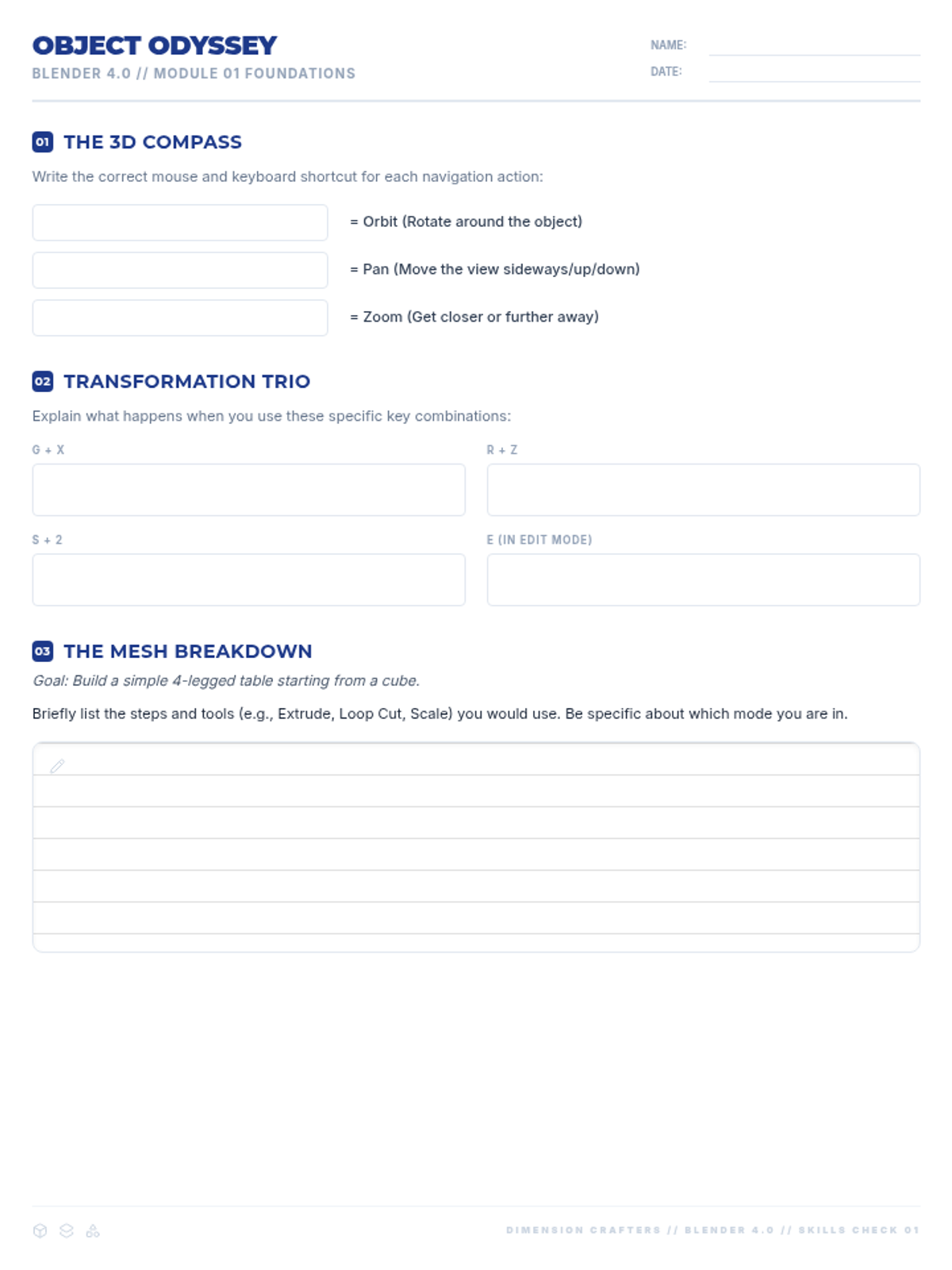
A beginner-friendly introduction to Blender 4.0, focusing on navigation, object transformations, and essential edit mode tools for 3D modeling.
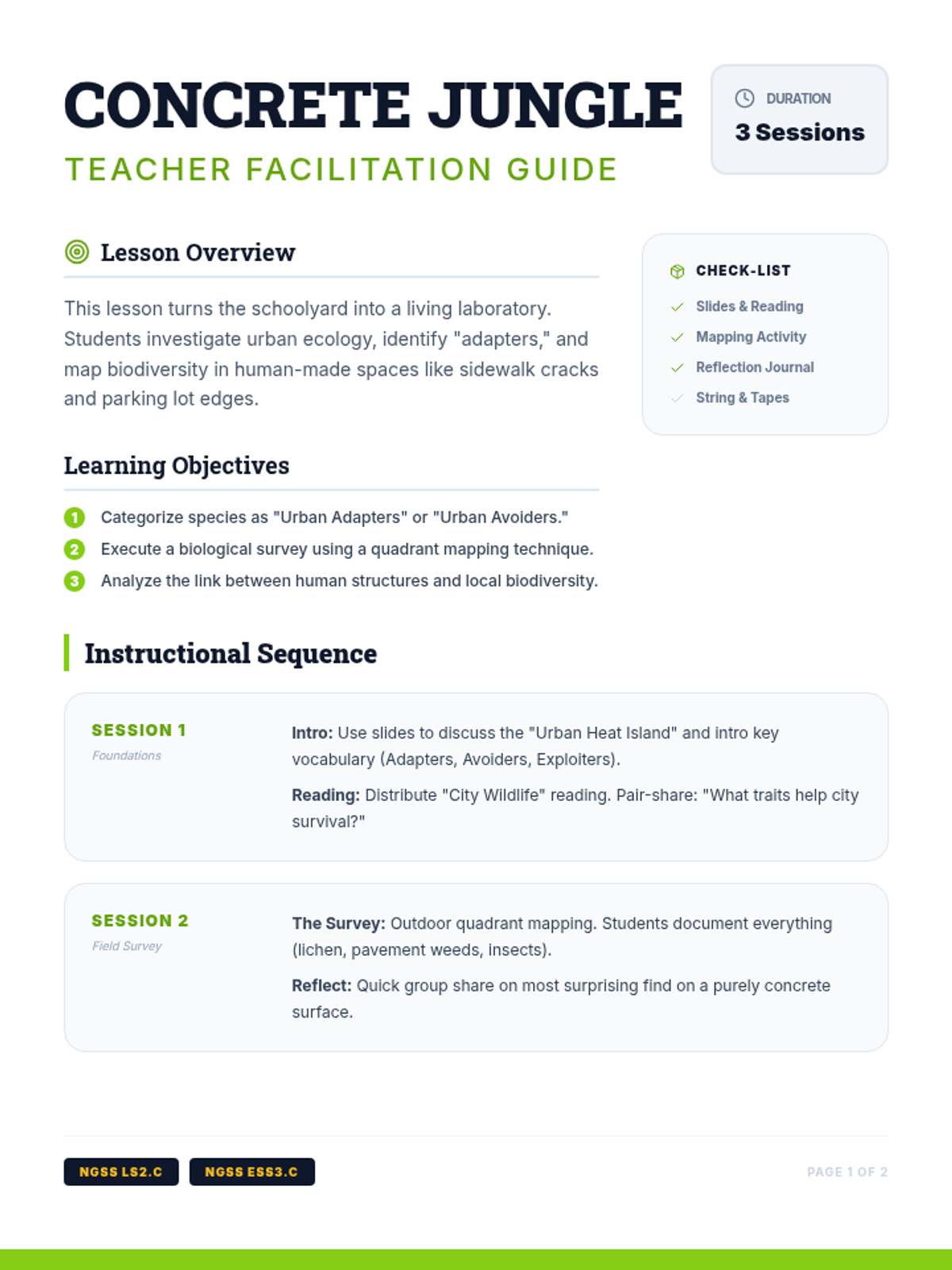
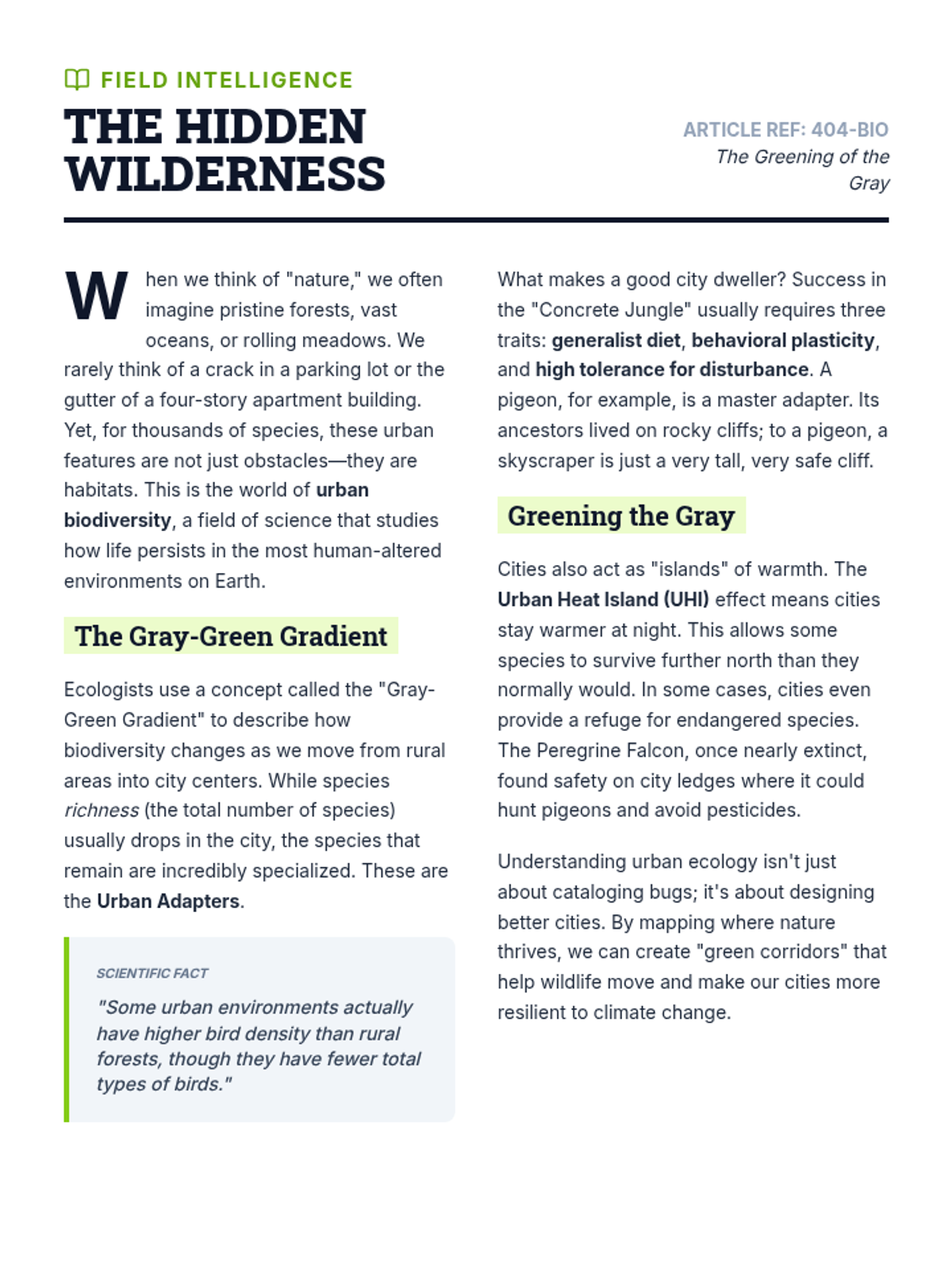
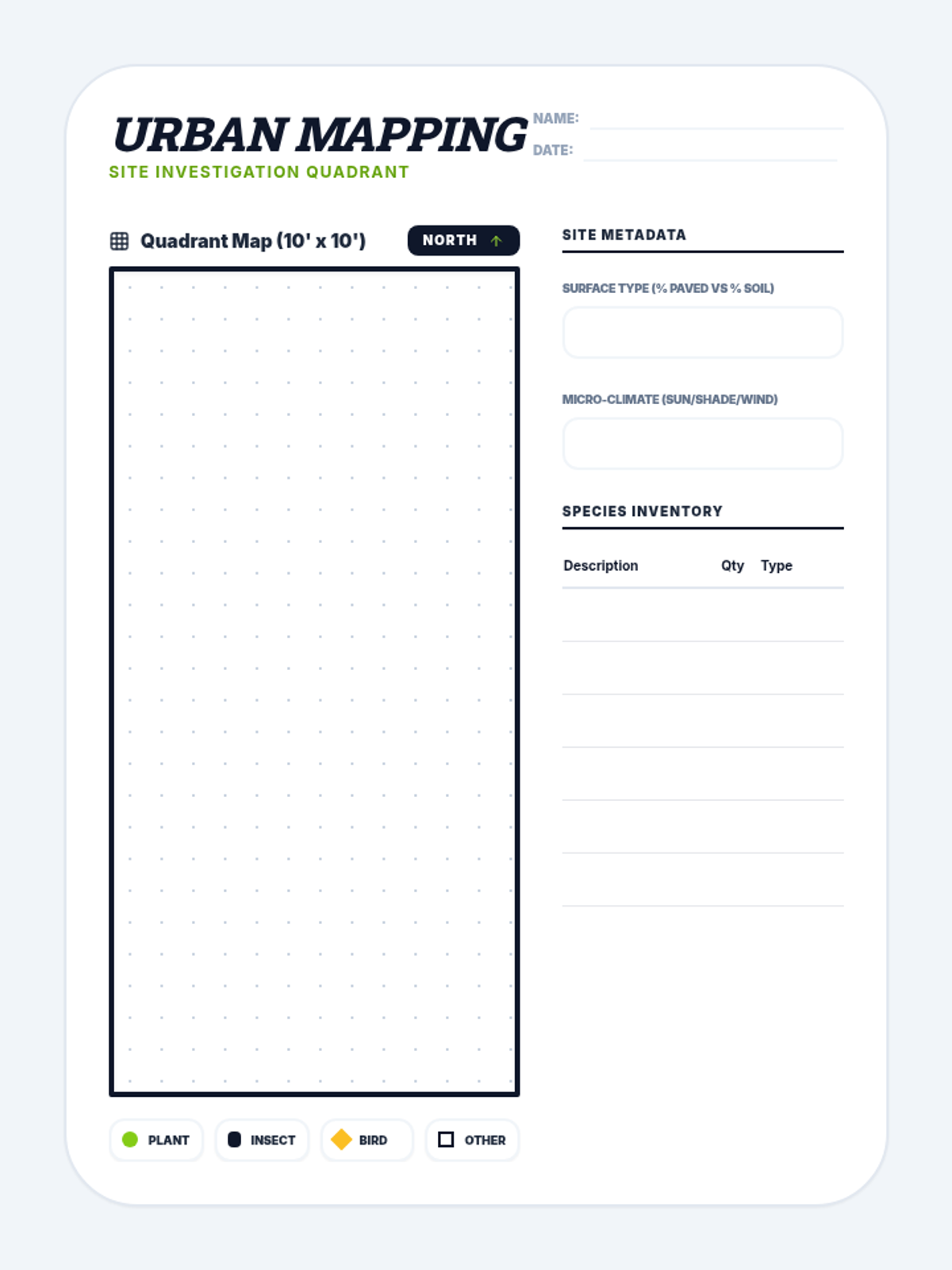
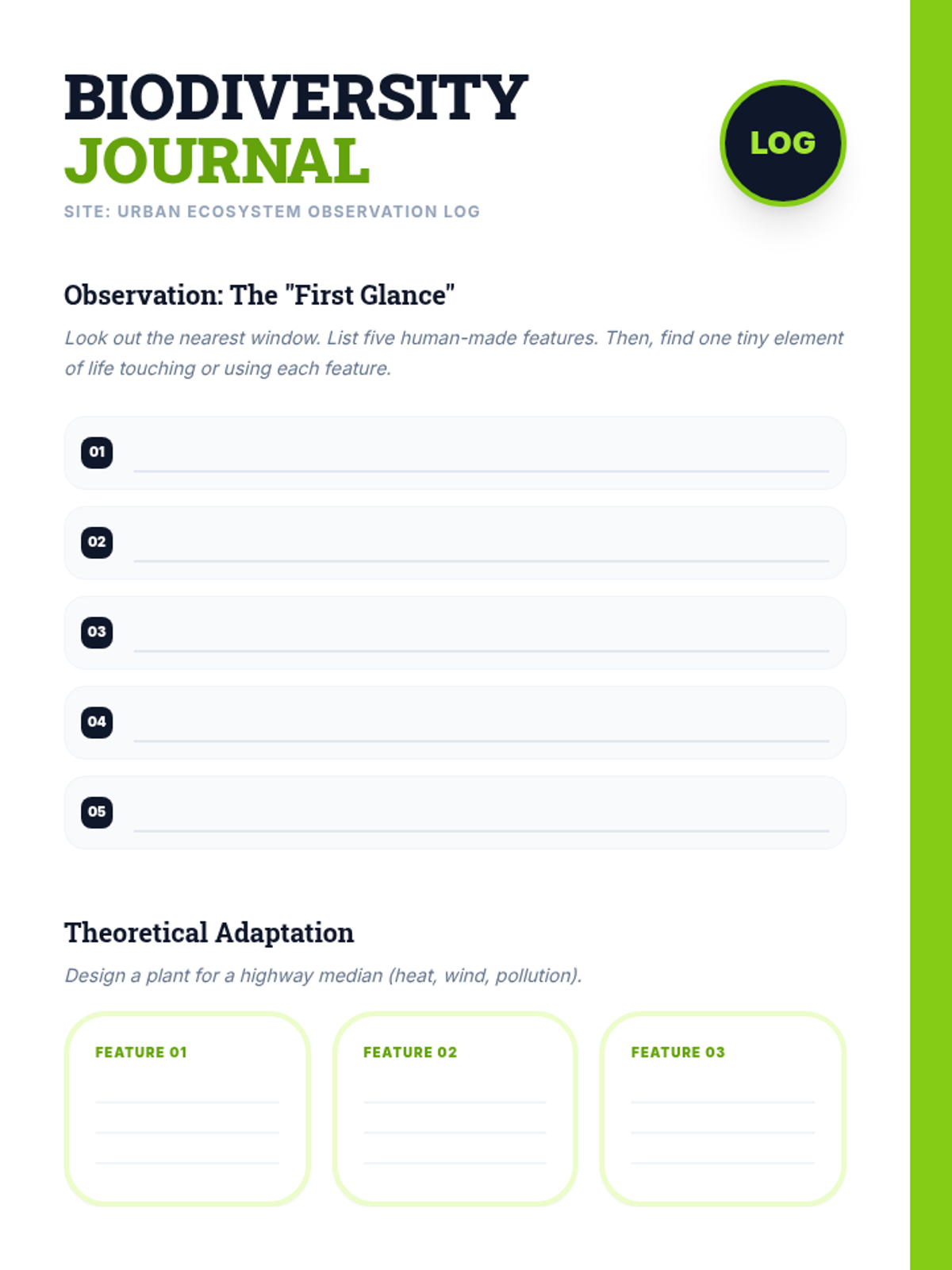
A field-based science lesson where students investigate urban ecosystems, identifying and documenting plant and animal life in developed environments to understand biodiversity and environmental stewardship.
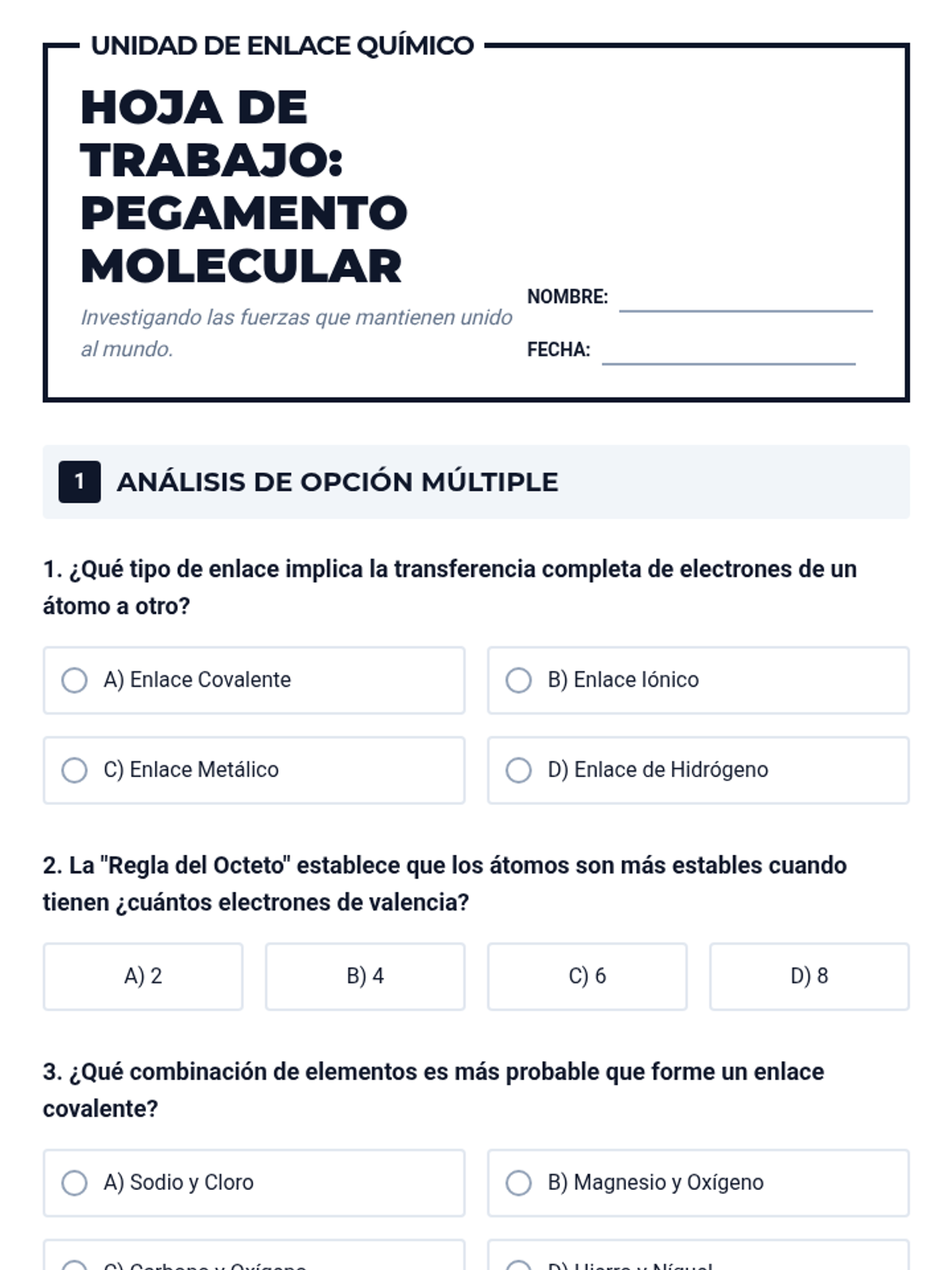
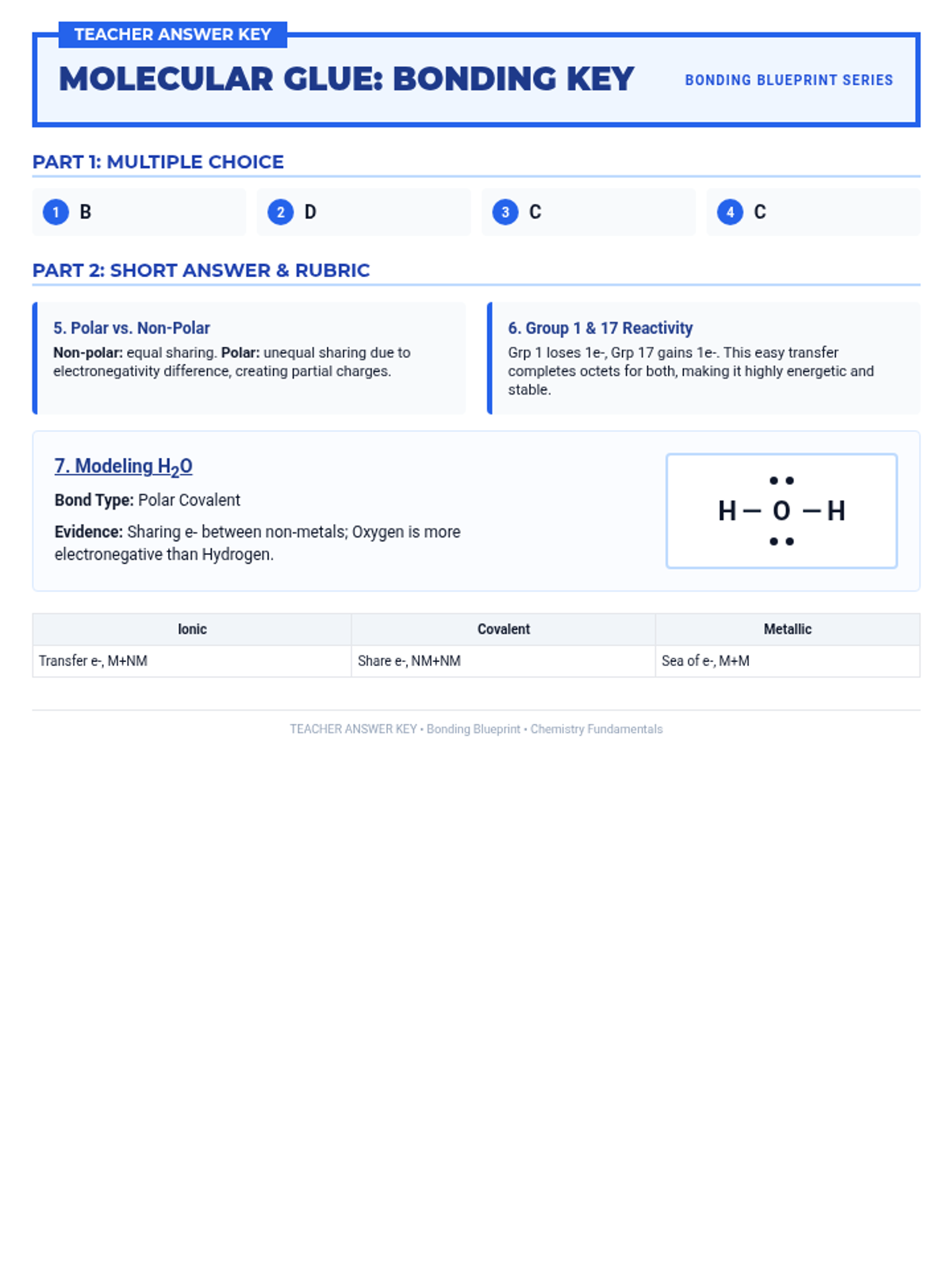
A comprehensive lesson on chemical bonding, covering ionic, covalent, and metallic bonds, electron transfer/sharing, and Lewis Dot Structures.
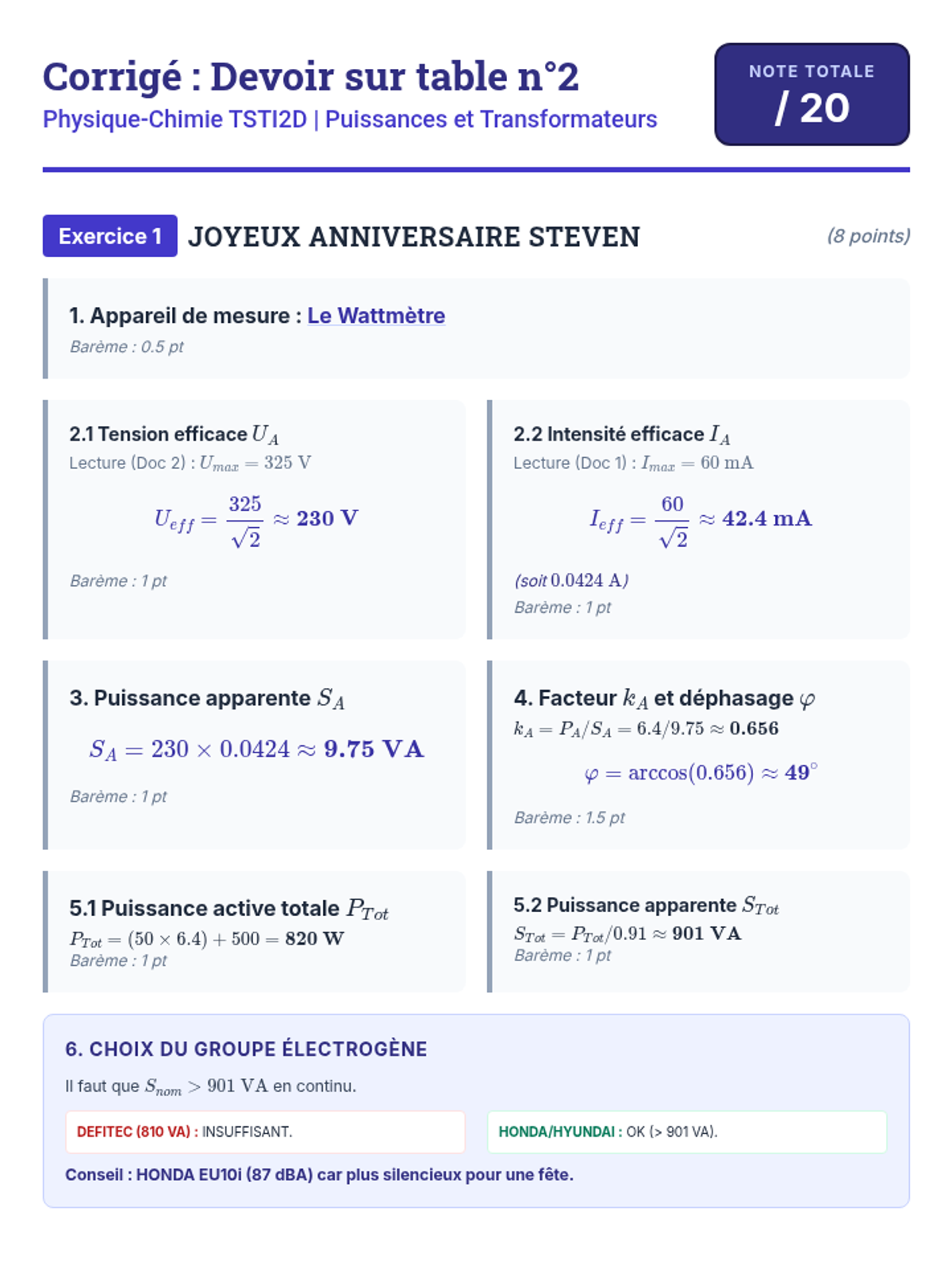
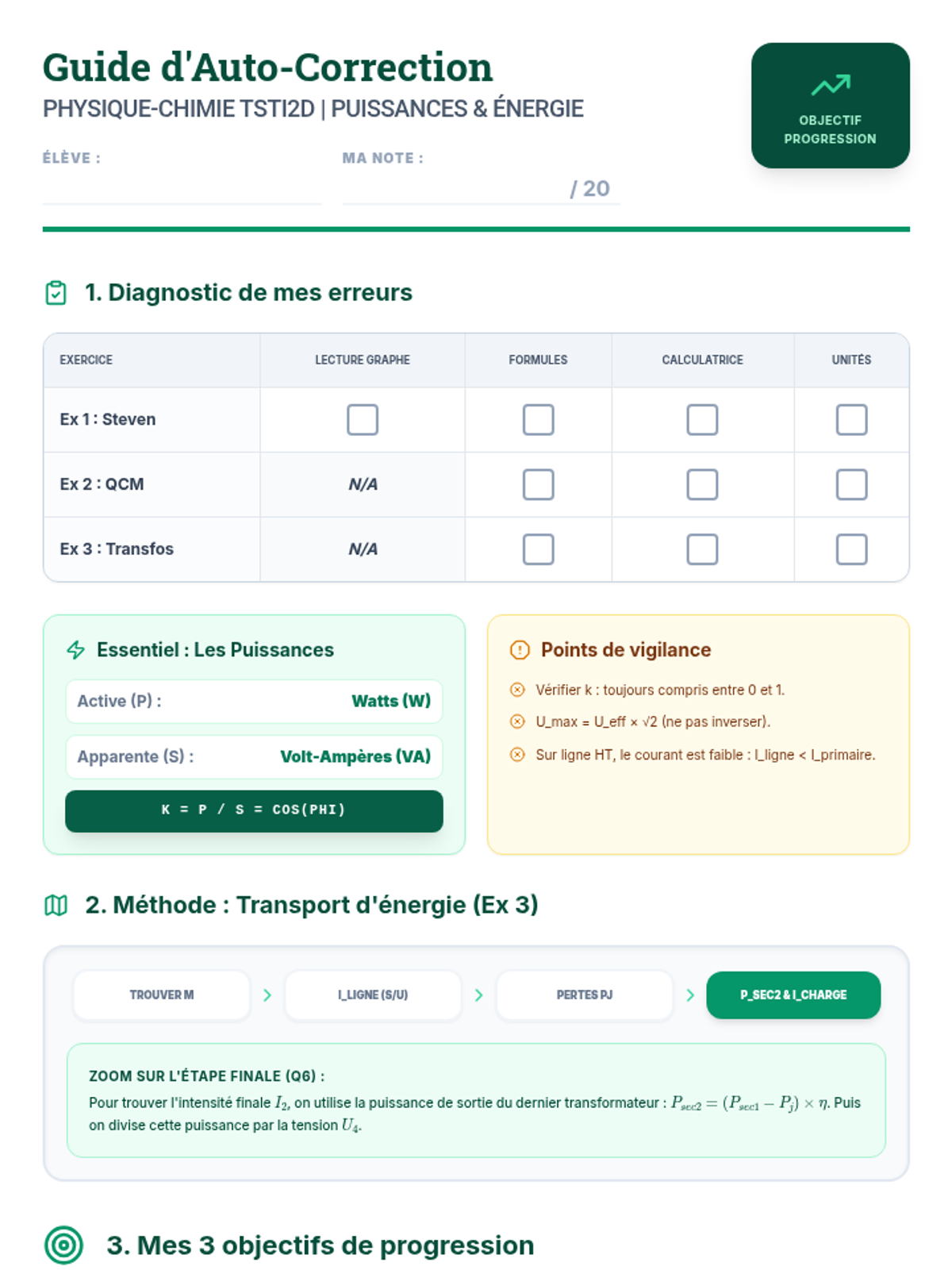
A comprehensive review and correction set for a Grade 12 (TSTI2D) Physics assessment covering AC power, power factors, and electrical transformers.
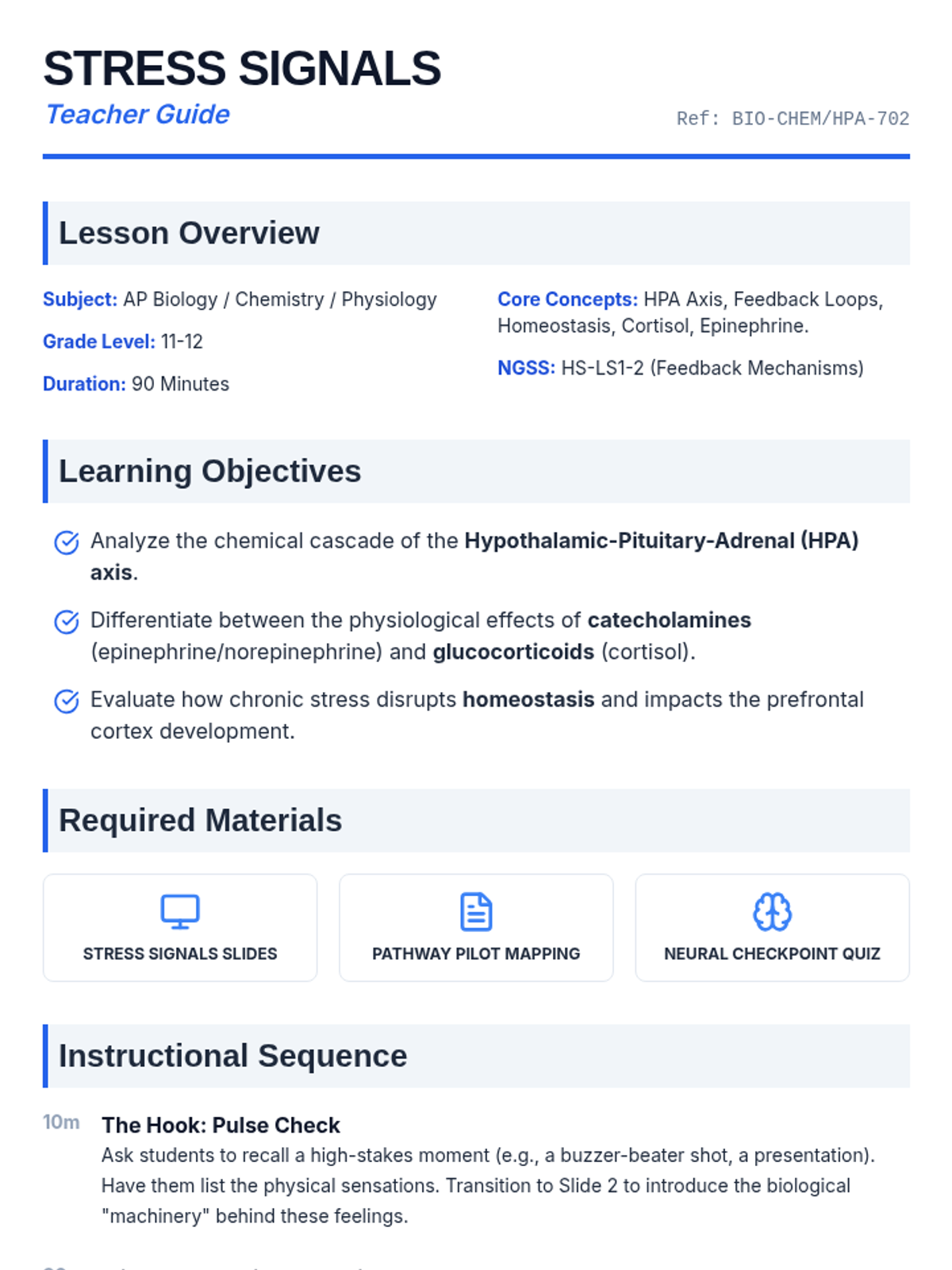
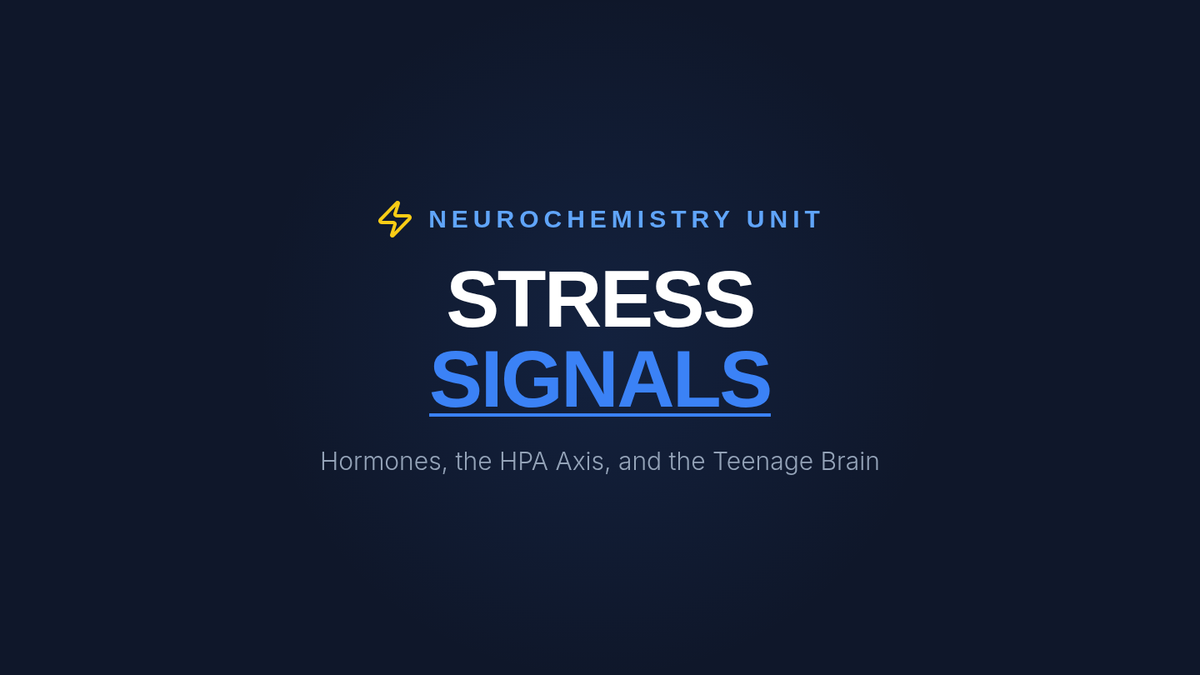
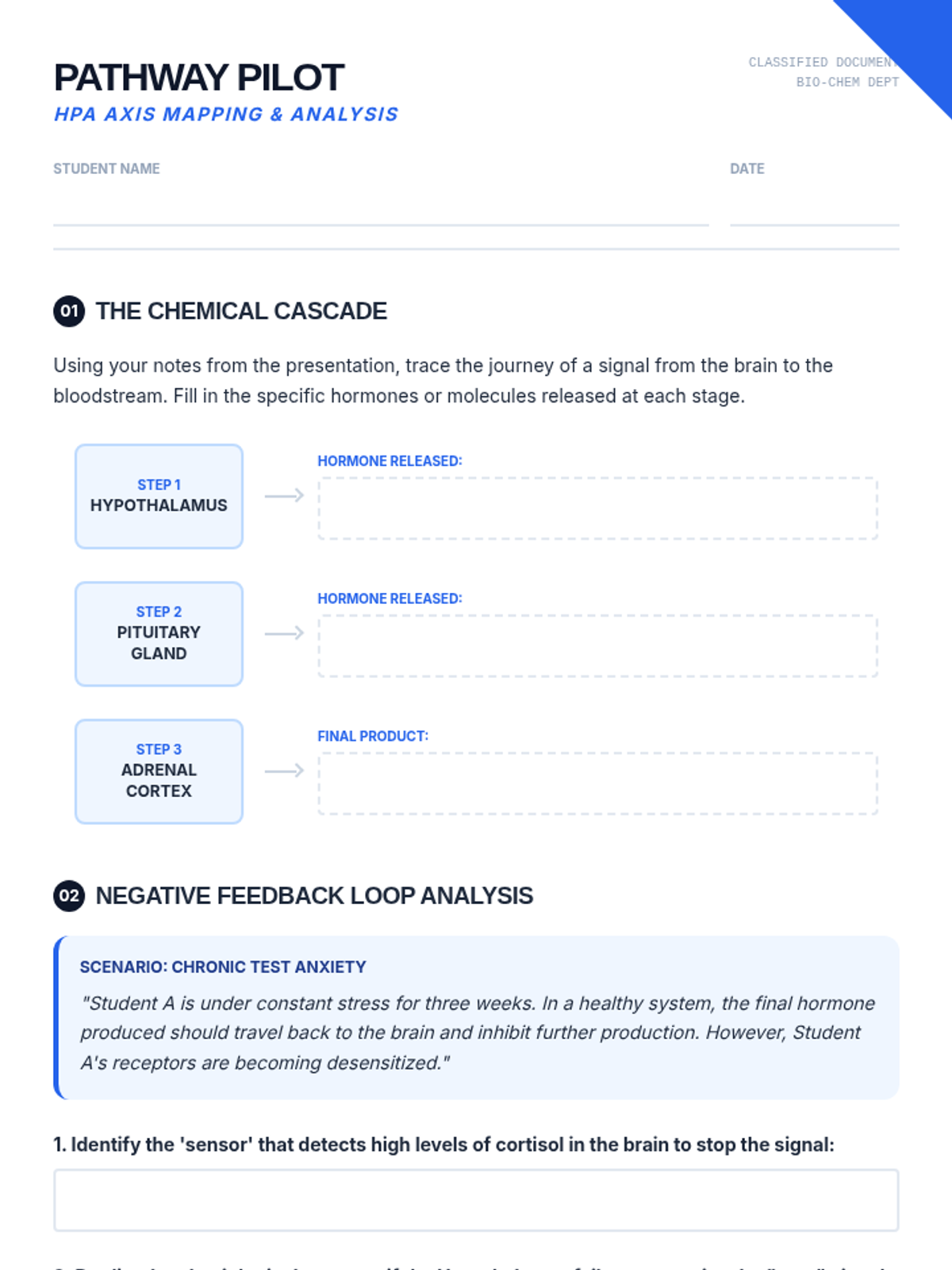
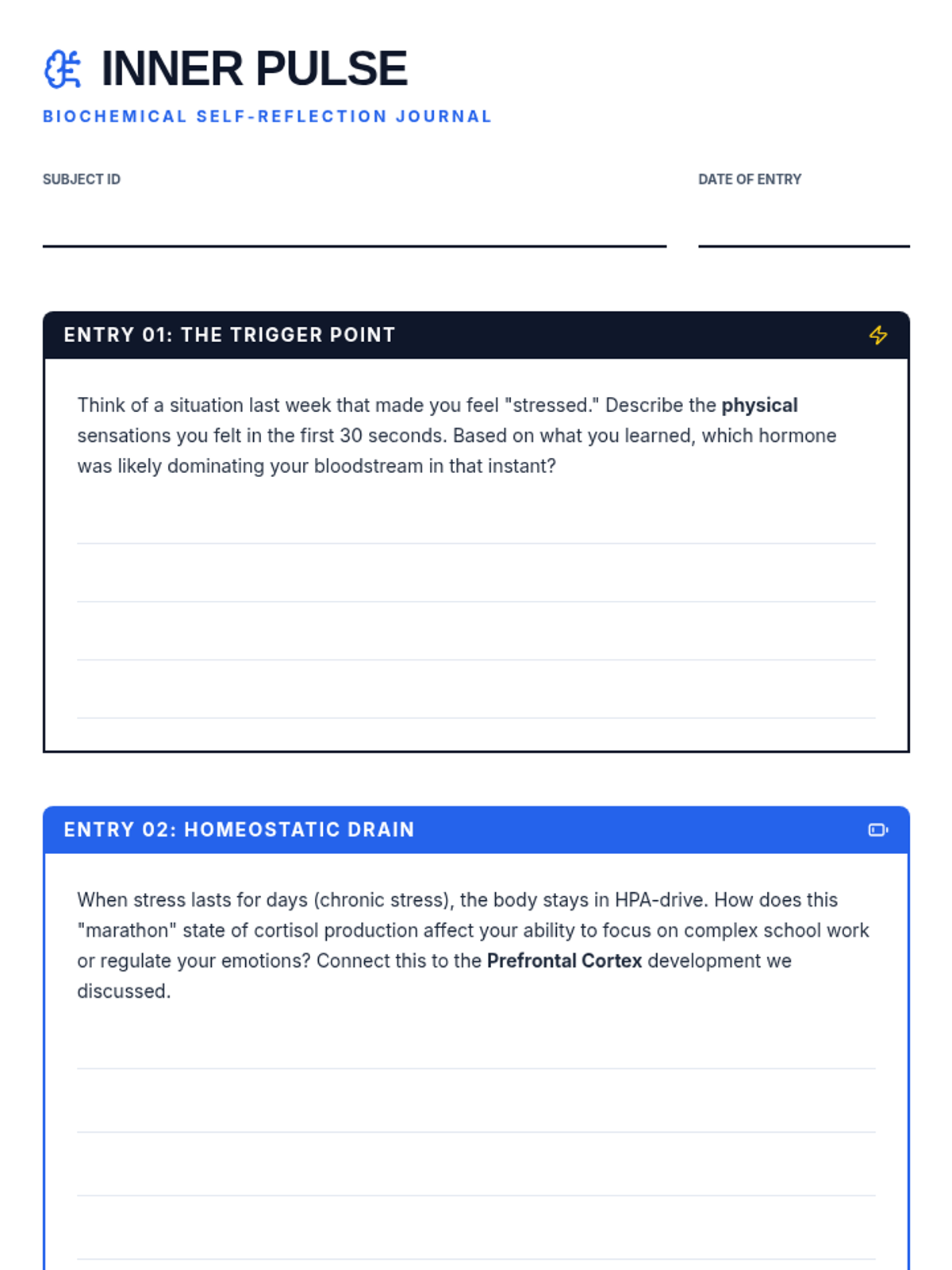
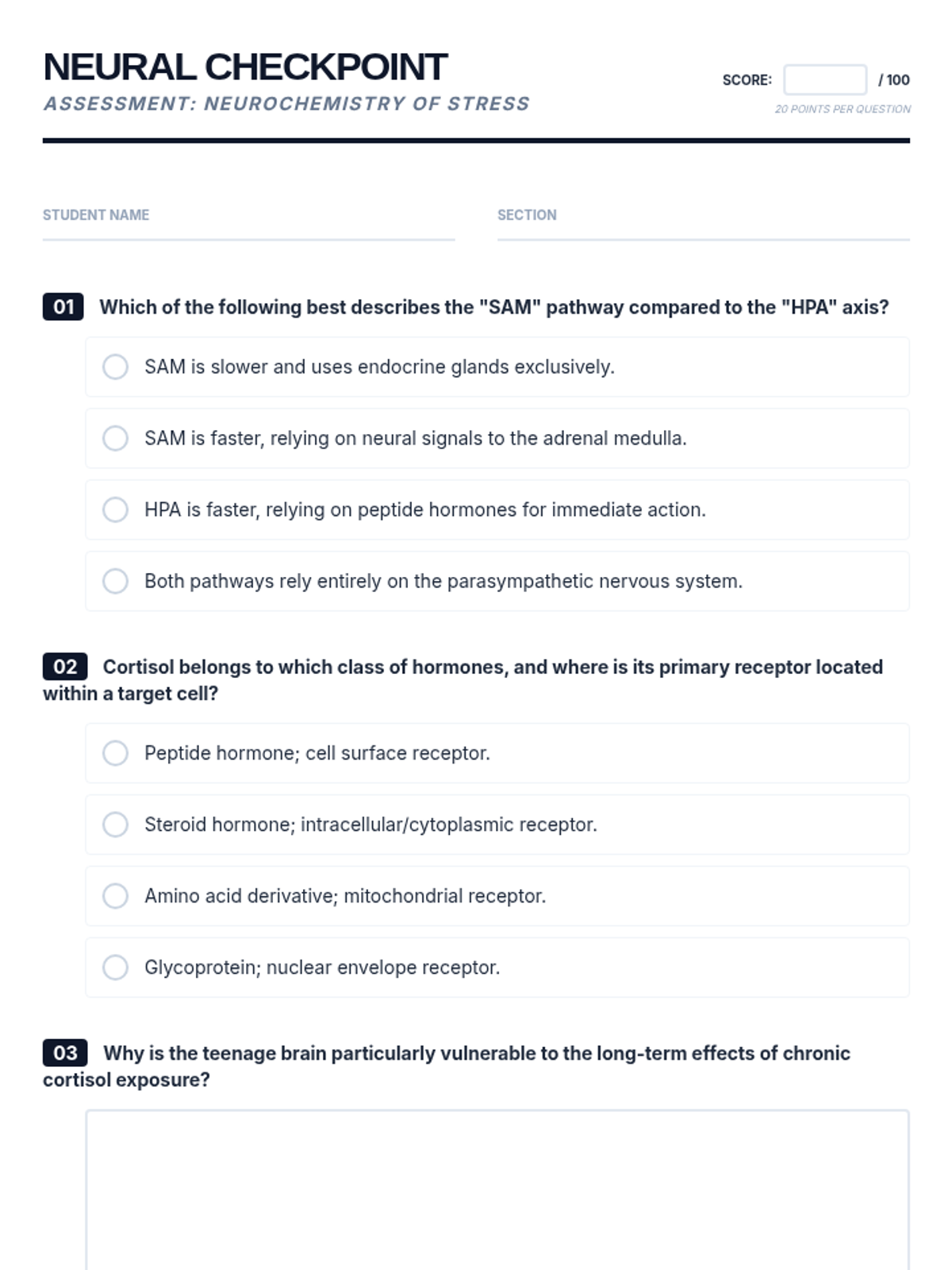
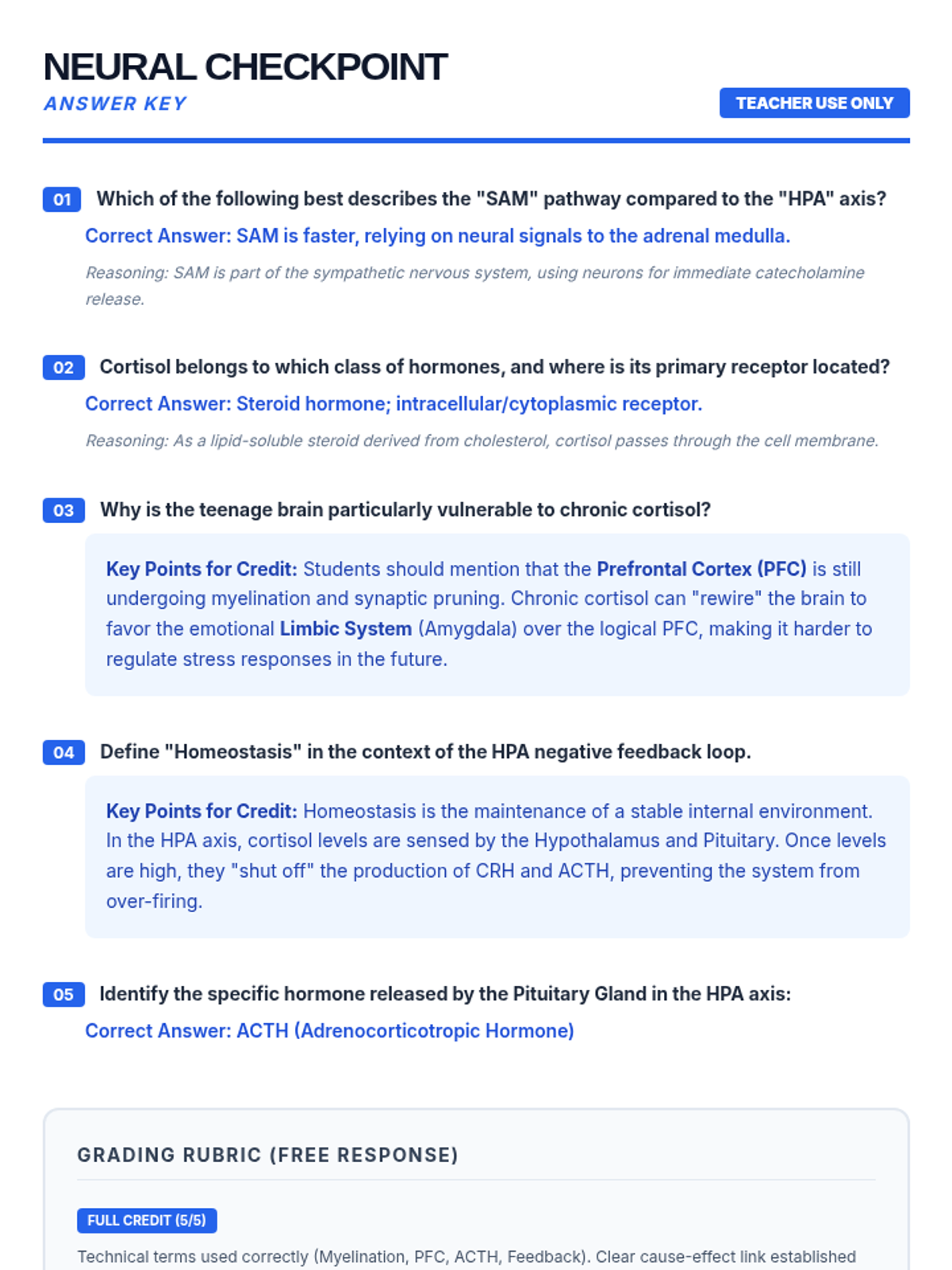
This lesson explores the biochemical pathways of the human stress response, focusing on the endocrine system's role in maintaining homeostasis. Students will analyze the HPA axis, the specific effects of cortisol and norepinephrine, and the unique physiological vulnerabilities of the developing adolescent brain.
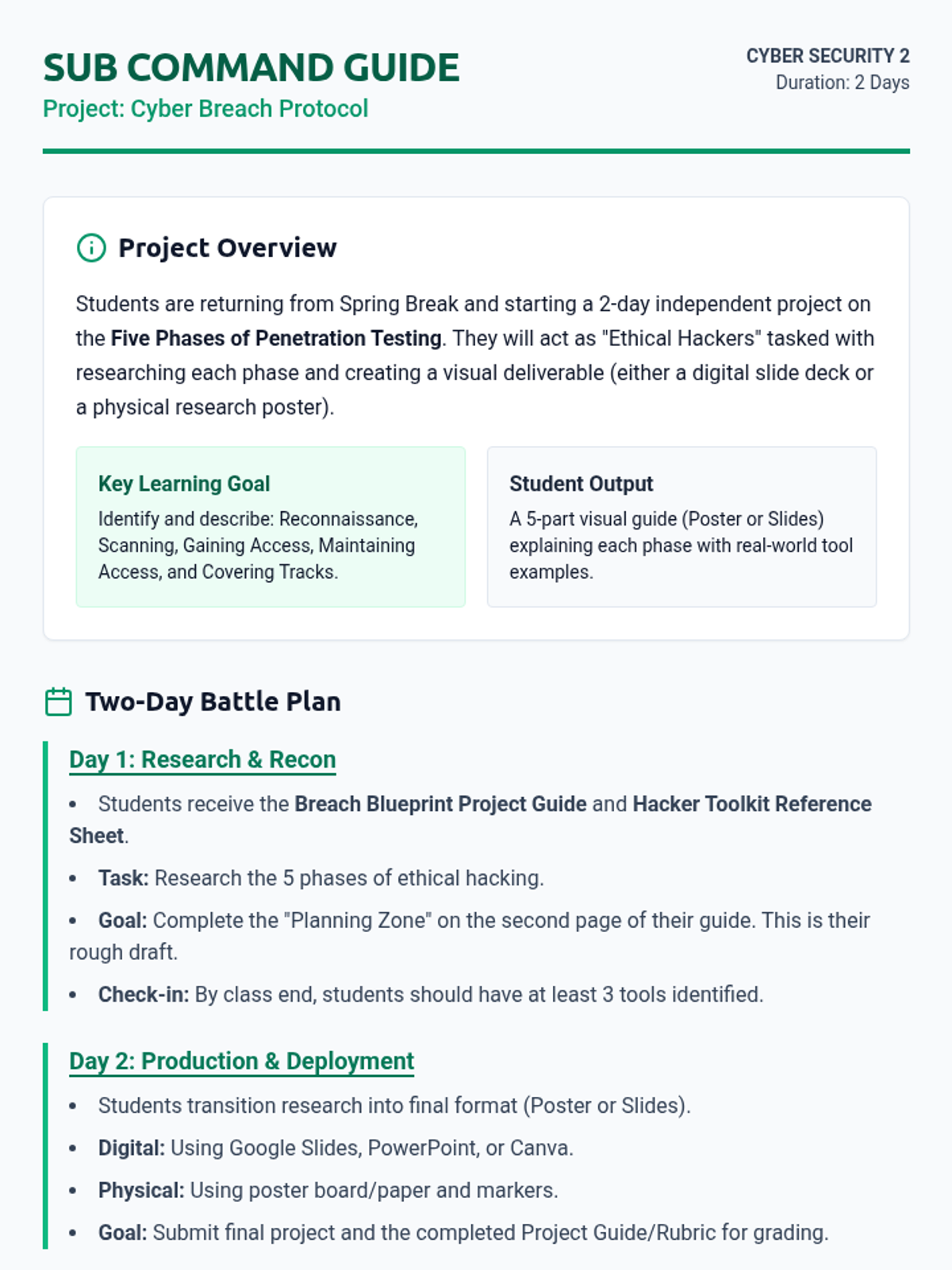
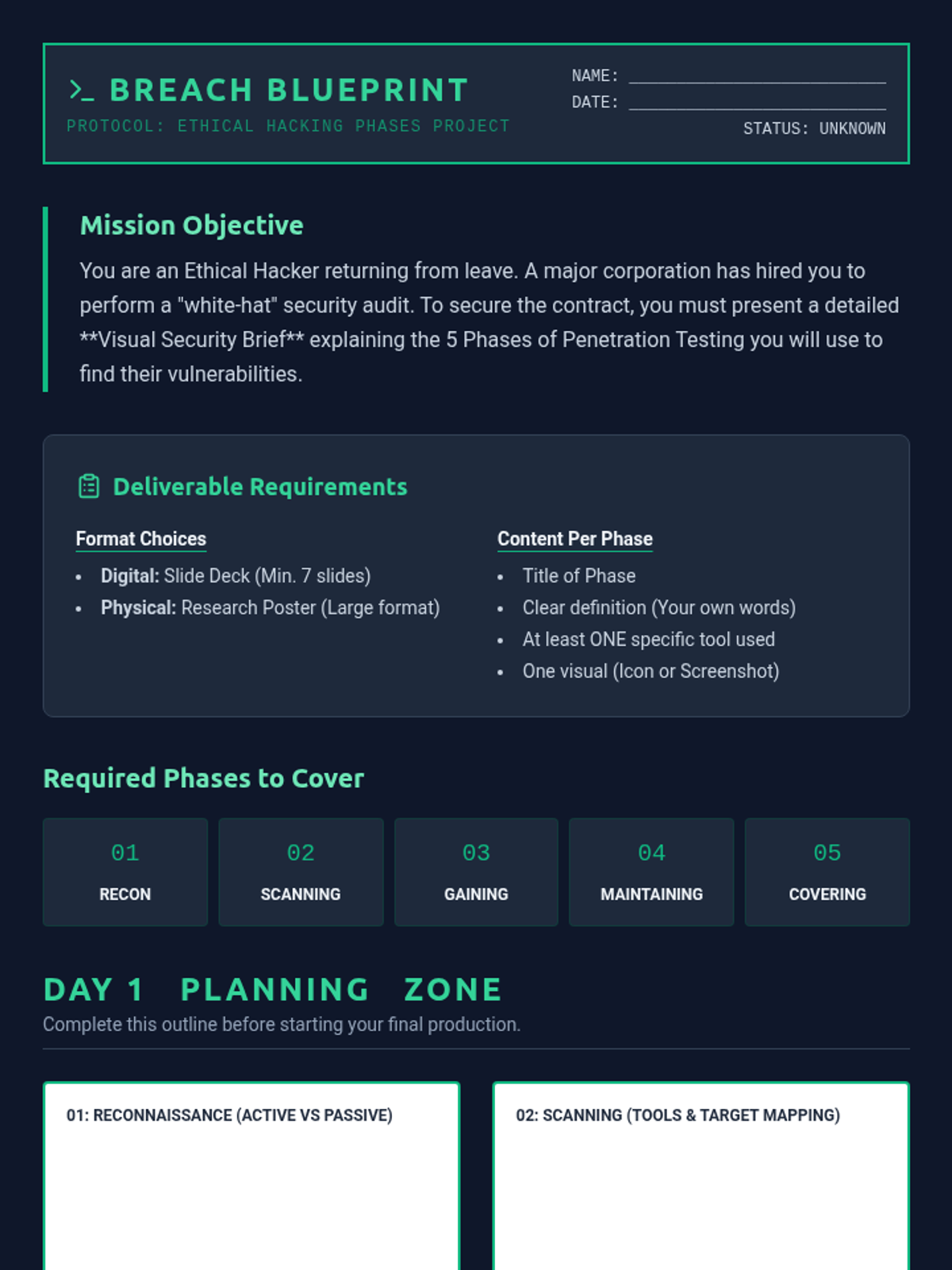
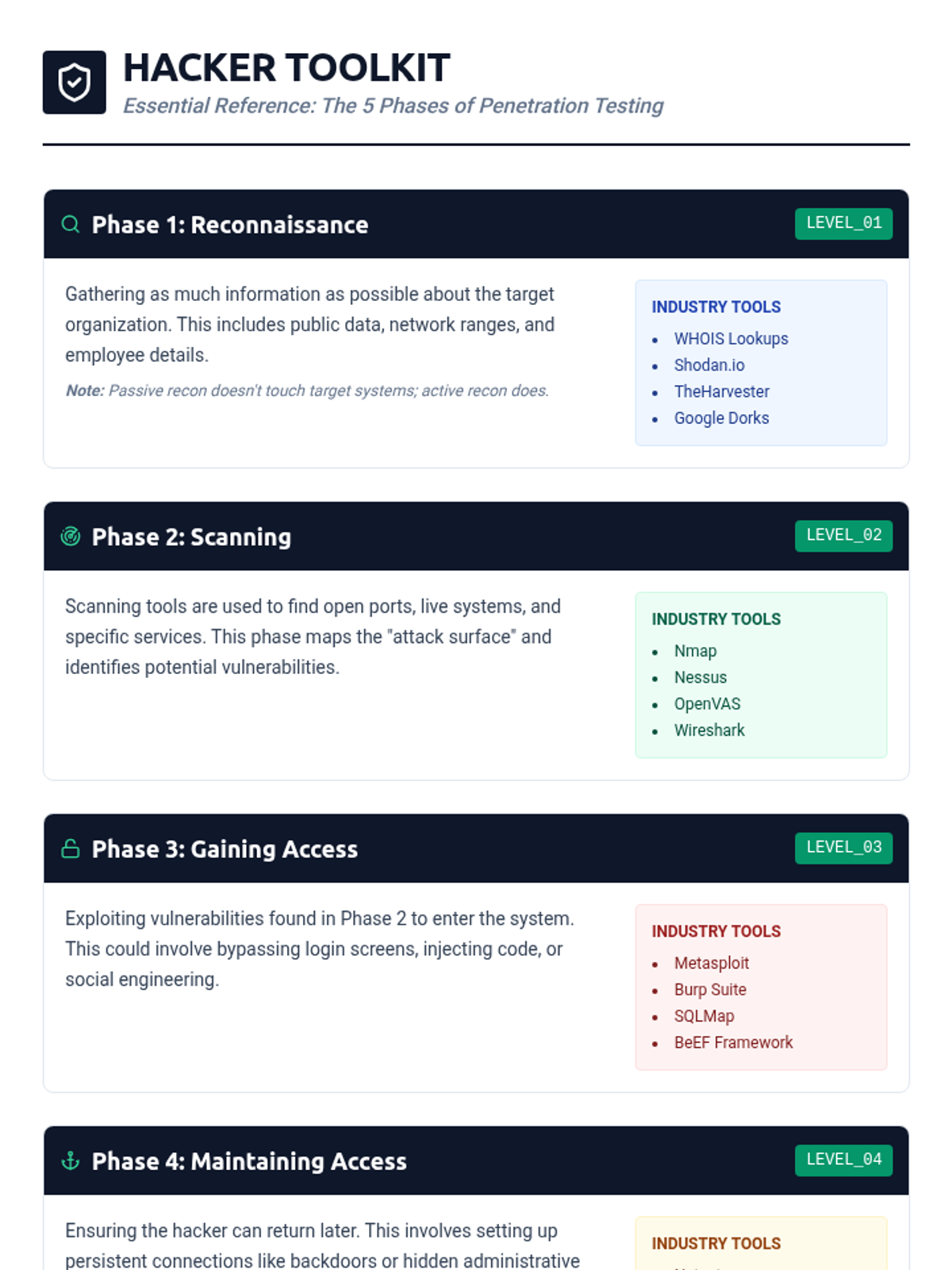
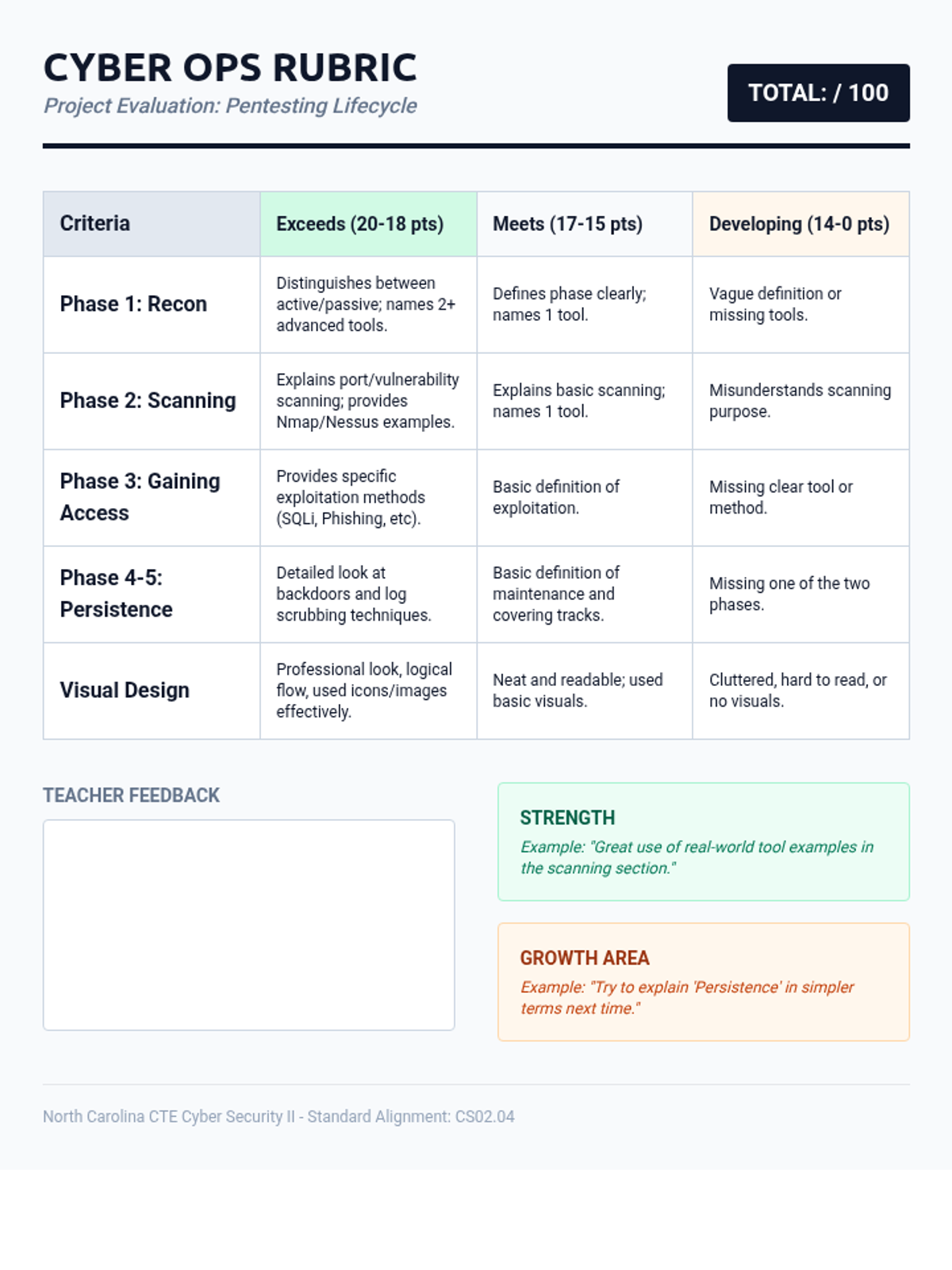
A project-based lesson where students explore the ethical hacking lifecycle. It includes research, planning, and creation phases designed for independent student work.
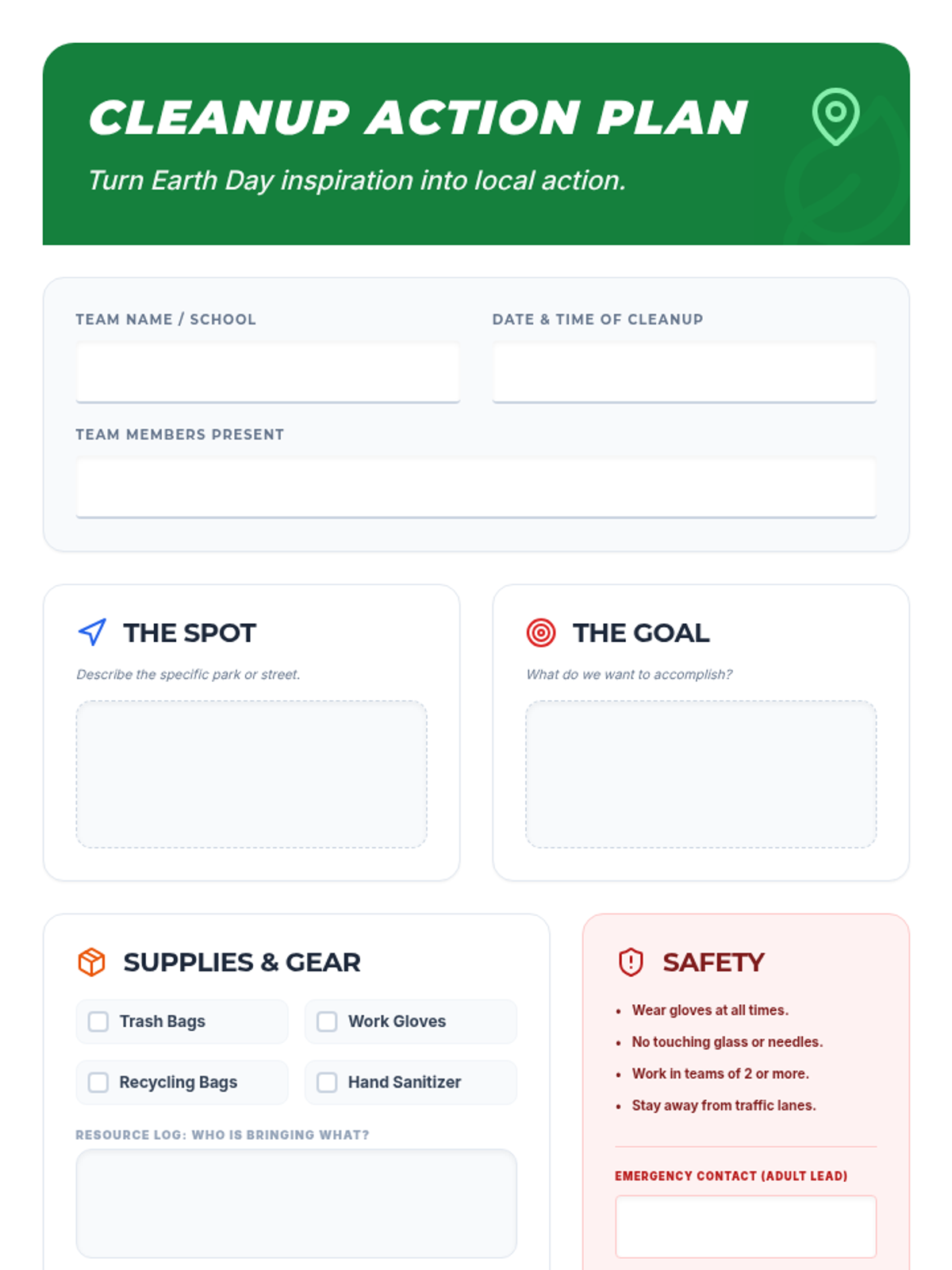
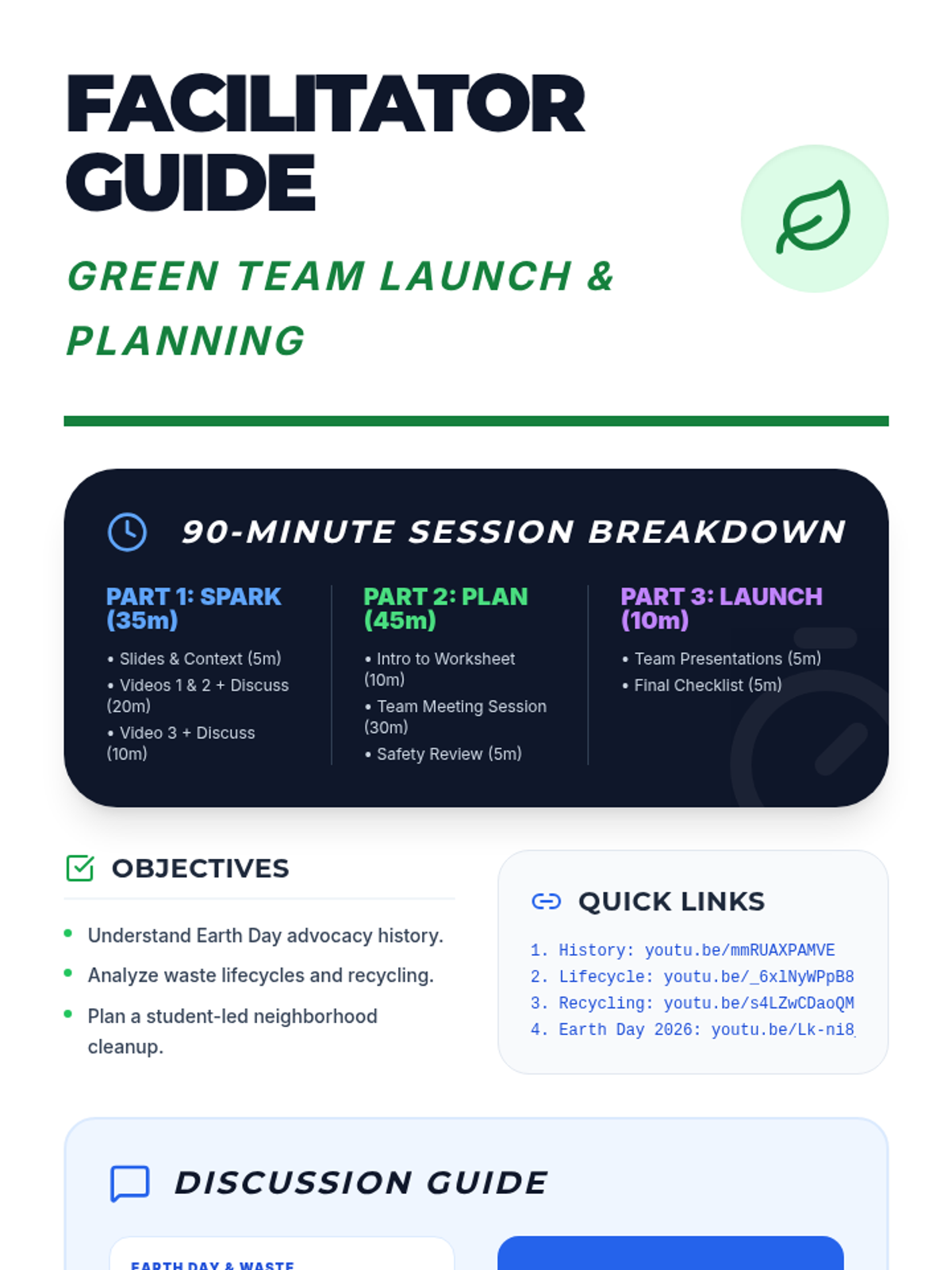
A comprehensive lesson to inspire and equip students to organize their own neighborhood or park cleanup for Earth Day. Includes background on Earth Day, the impact of waste, and a practical planning framework for student-led action.
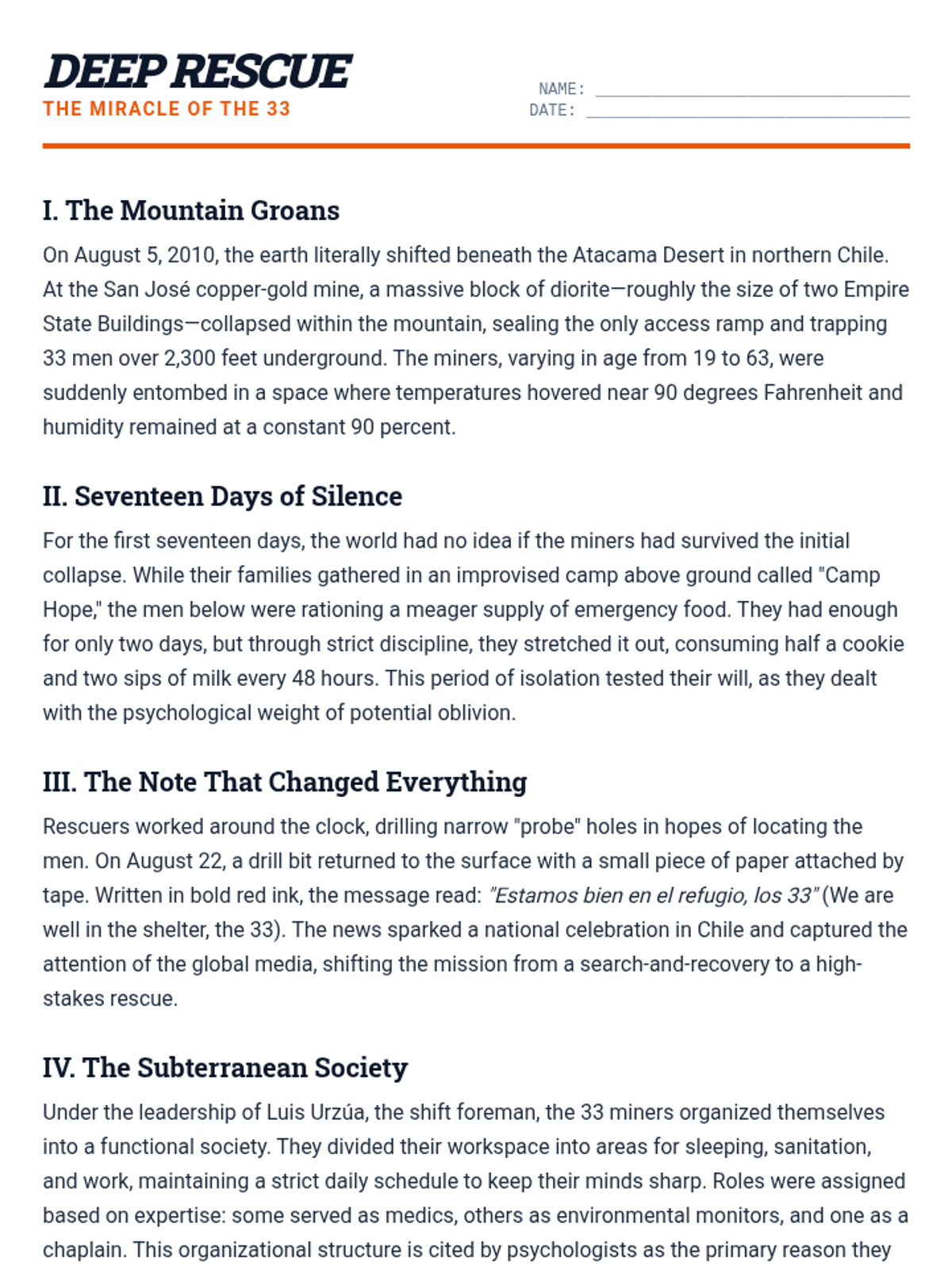
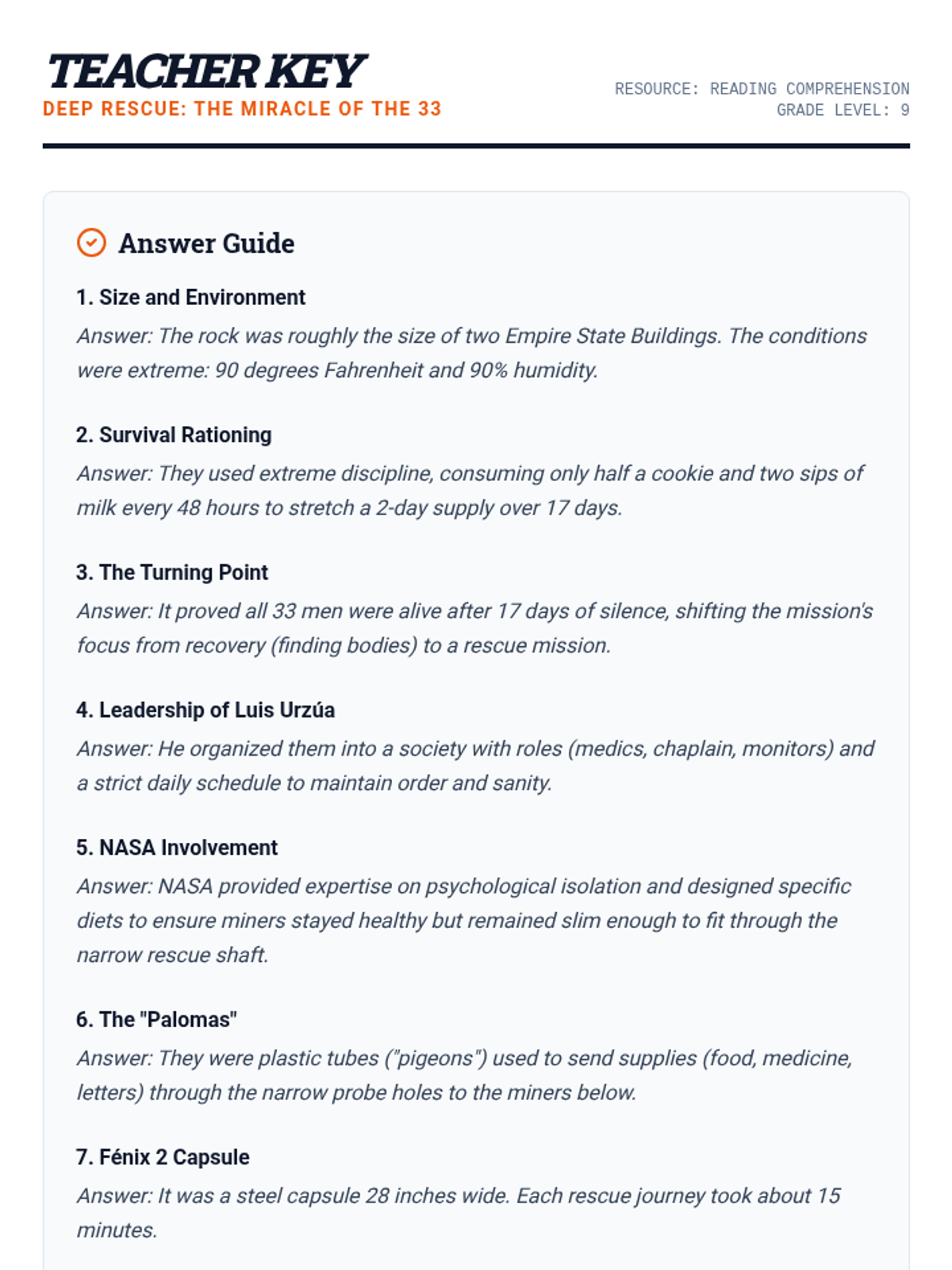
A gripping exploration of the 2010 Chilean mining disaster and the miraculous 69-day survival and rescue of 33 miners. Students will analyze the leadership, engineering, and psychological resilience required for this unprecedented operation.
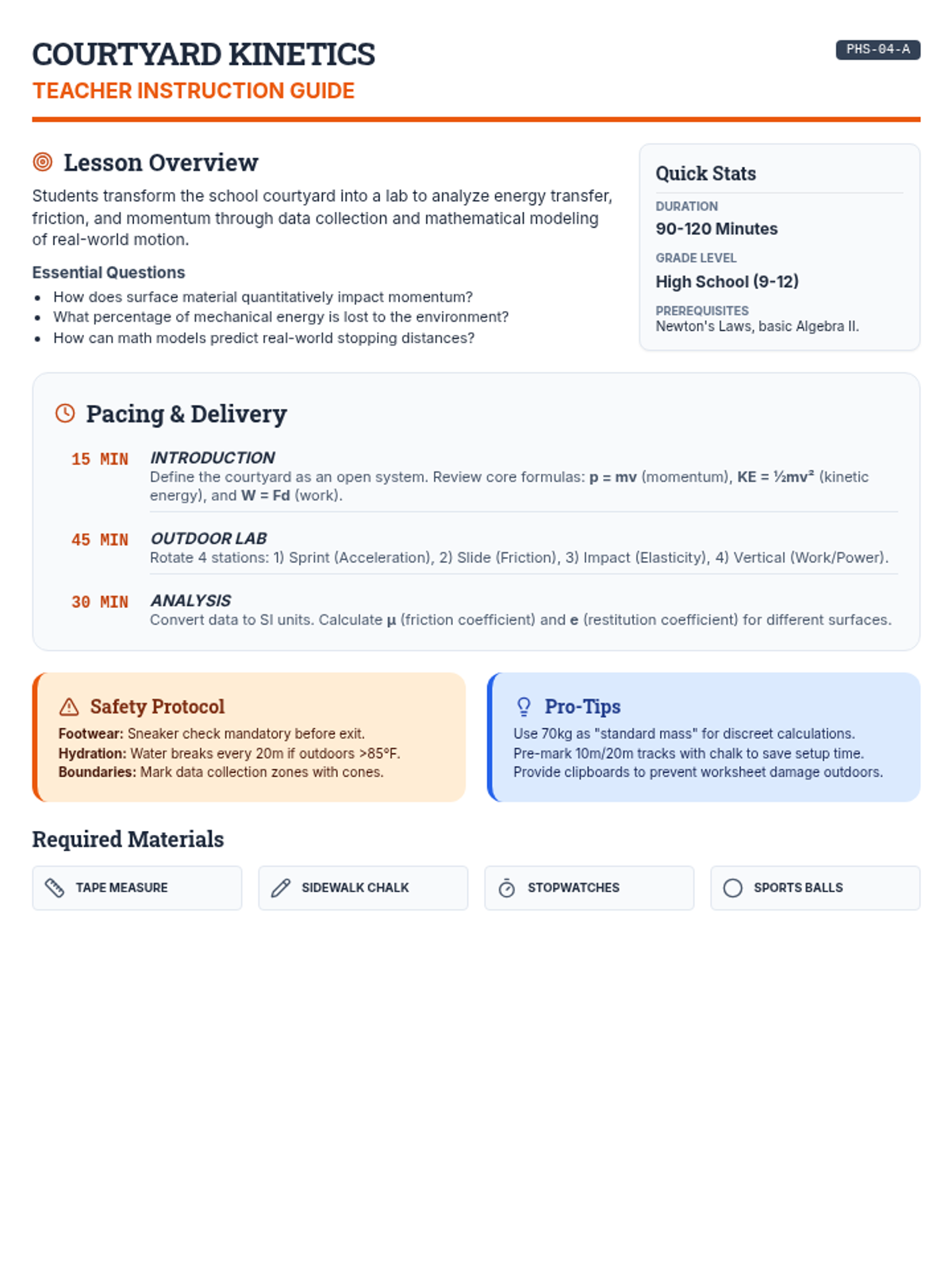
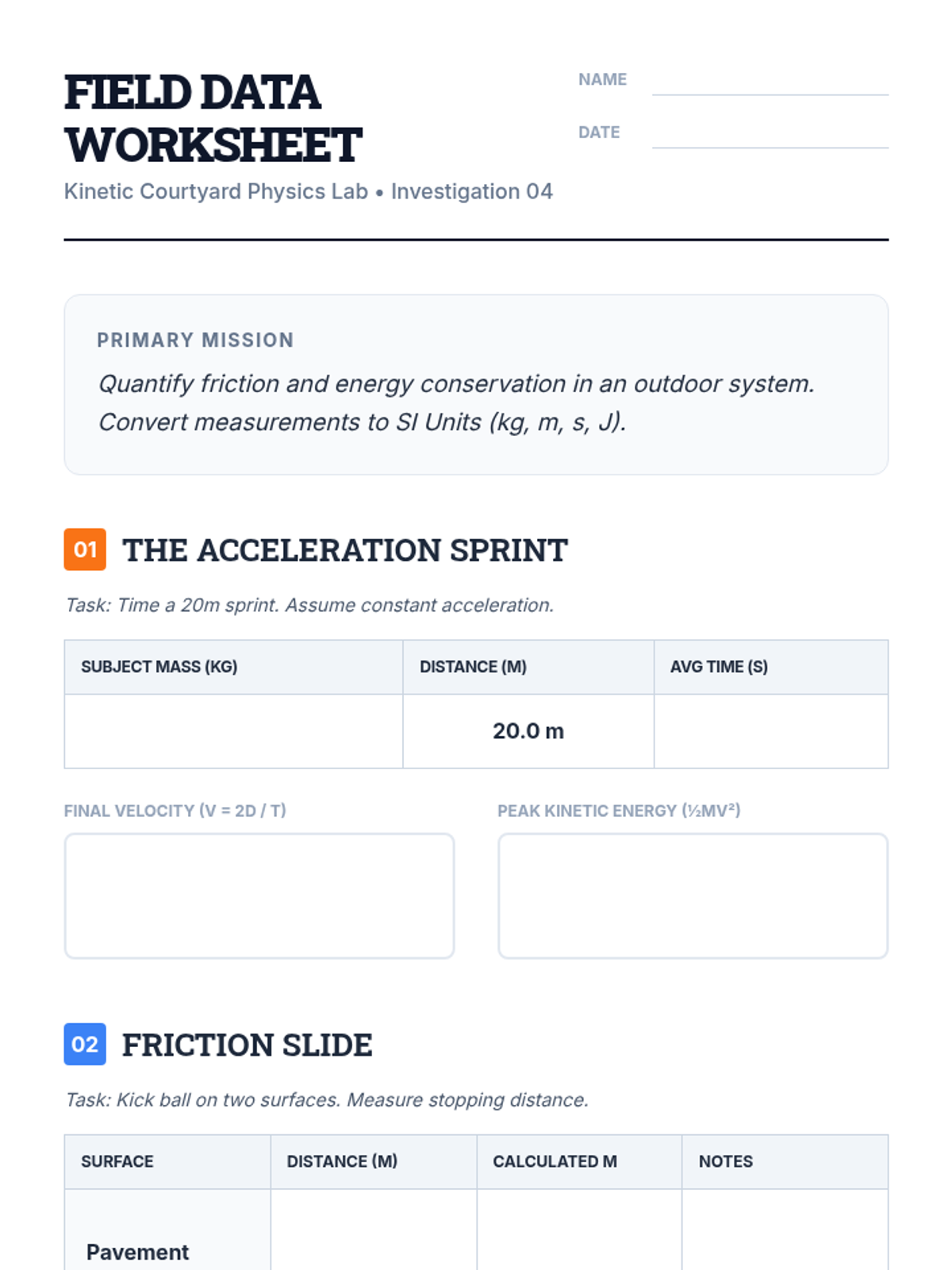
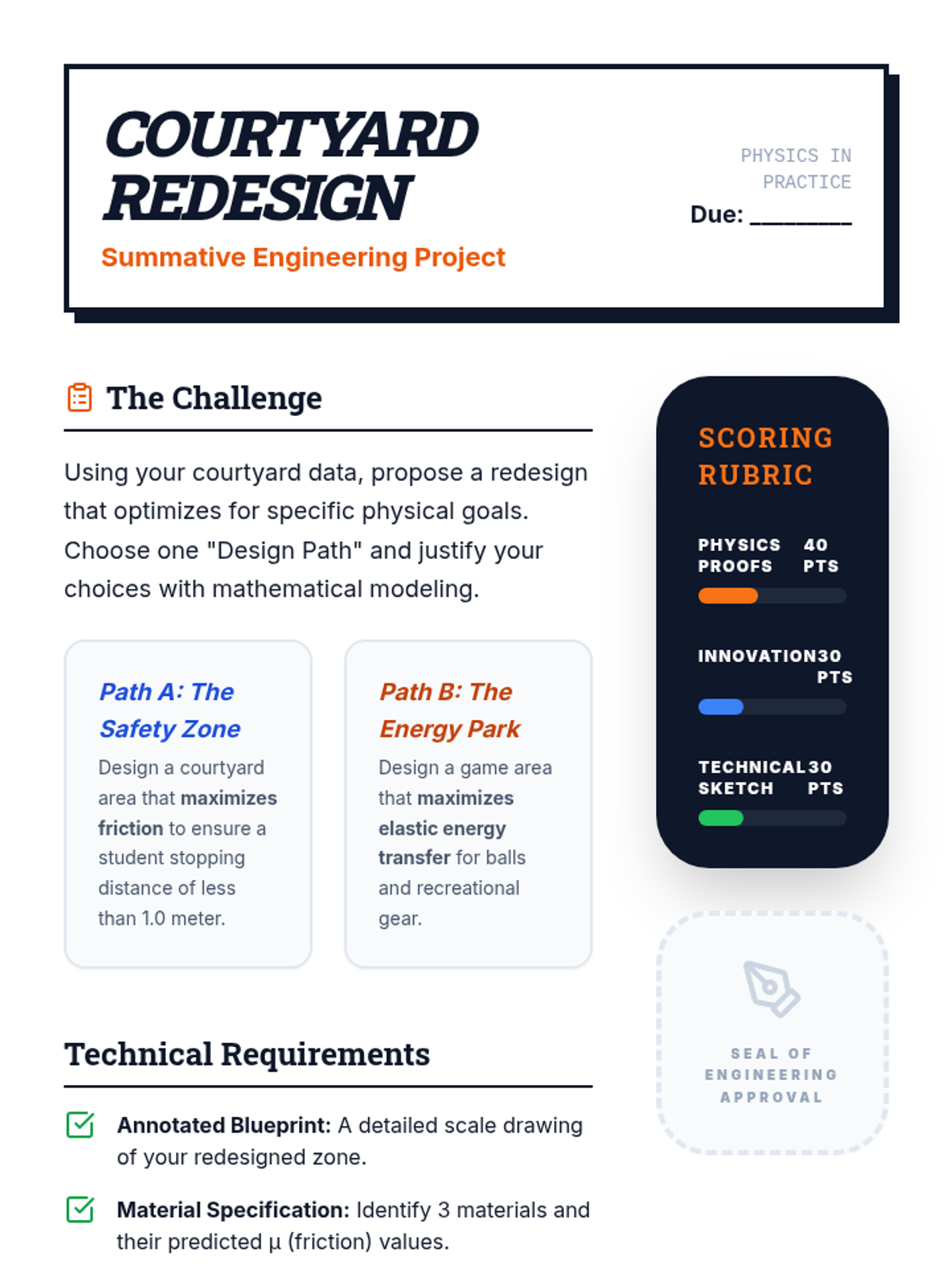
An outdoor-based physics lesson where high school students analyze energy transfer, friction, and momentum through real-world data collection and mathematical modeling in a courtyard setting.
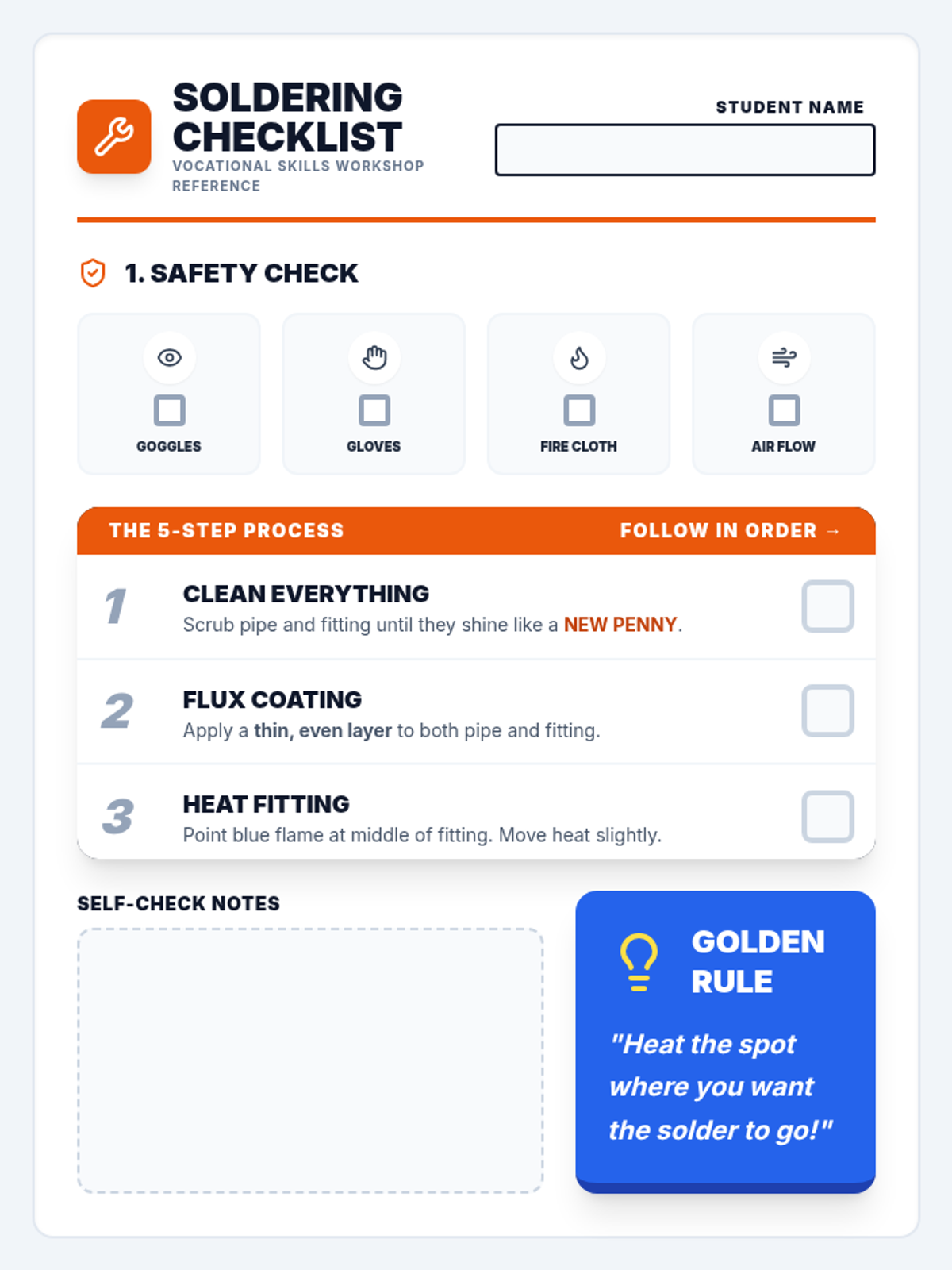
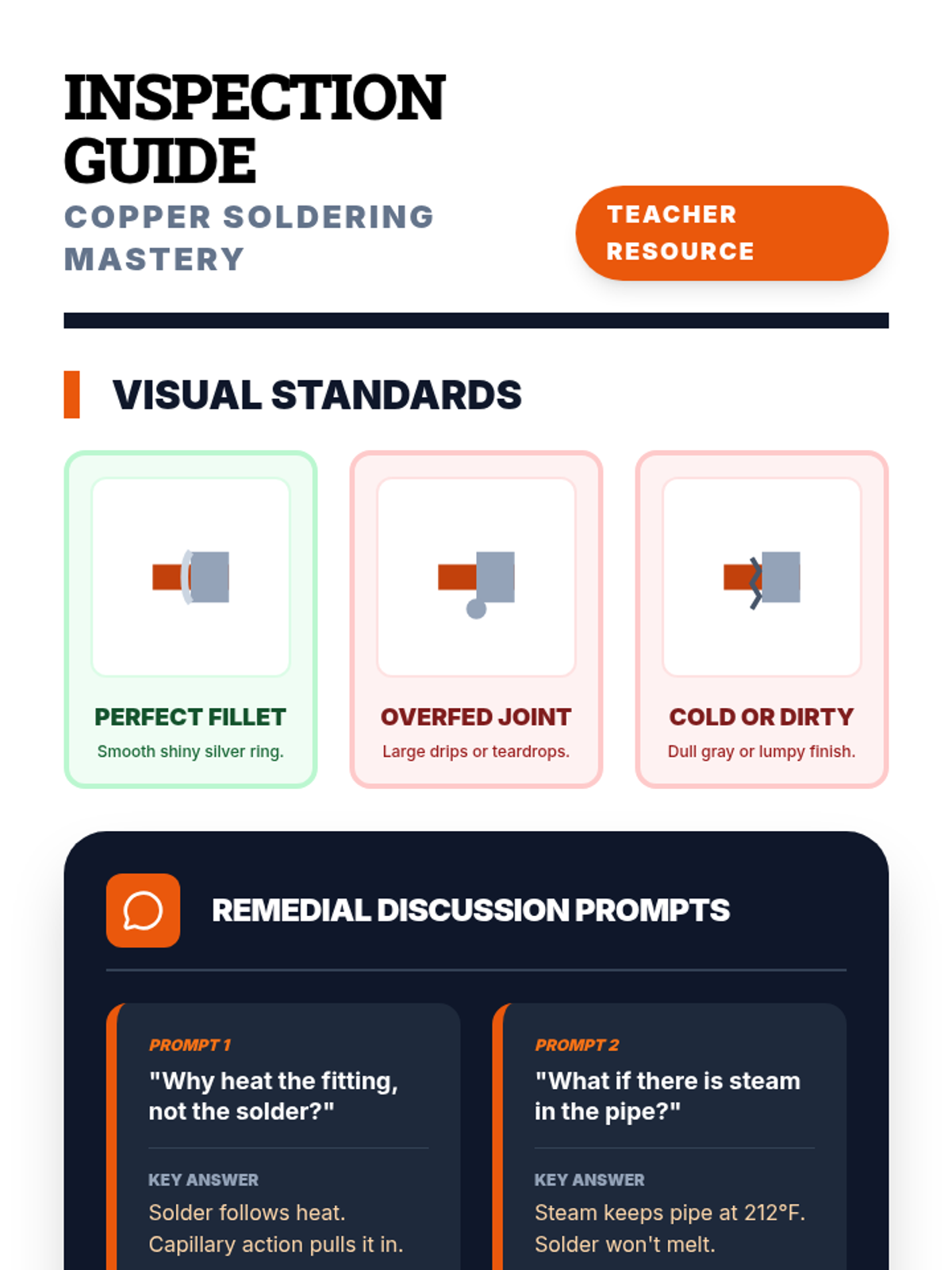
A visual, step-by-step guide to mastering copper sweat soldering, designed for remedial support and multi-level learners. The lesson focuses on safety, preparation, and the physics of capillary action through clear visual cues.