A deep dive into the engineering and physics of the Orion capsule's return to Earth, focusing on heat management, skip-entry maneuvers, and the multi-stage parachute sequence.
A lesson about the Artemis II moon mission, designed for 8th-grade students working at a 3rd-grade reading level. Includes a visual presentation, a mission log worksheet with sequencing and word scrambles, and a space-themed word search.
A comprehensive study guide and worksheet set covering states of matter, phase changes, energy transfer, and molecular attraction based on the Titan lake unit.
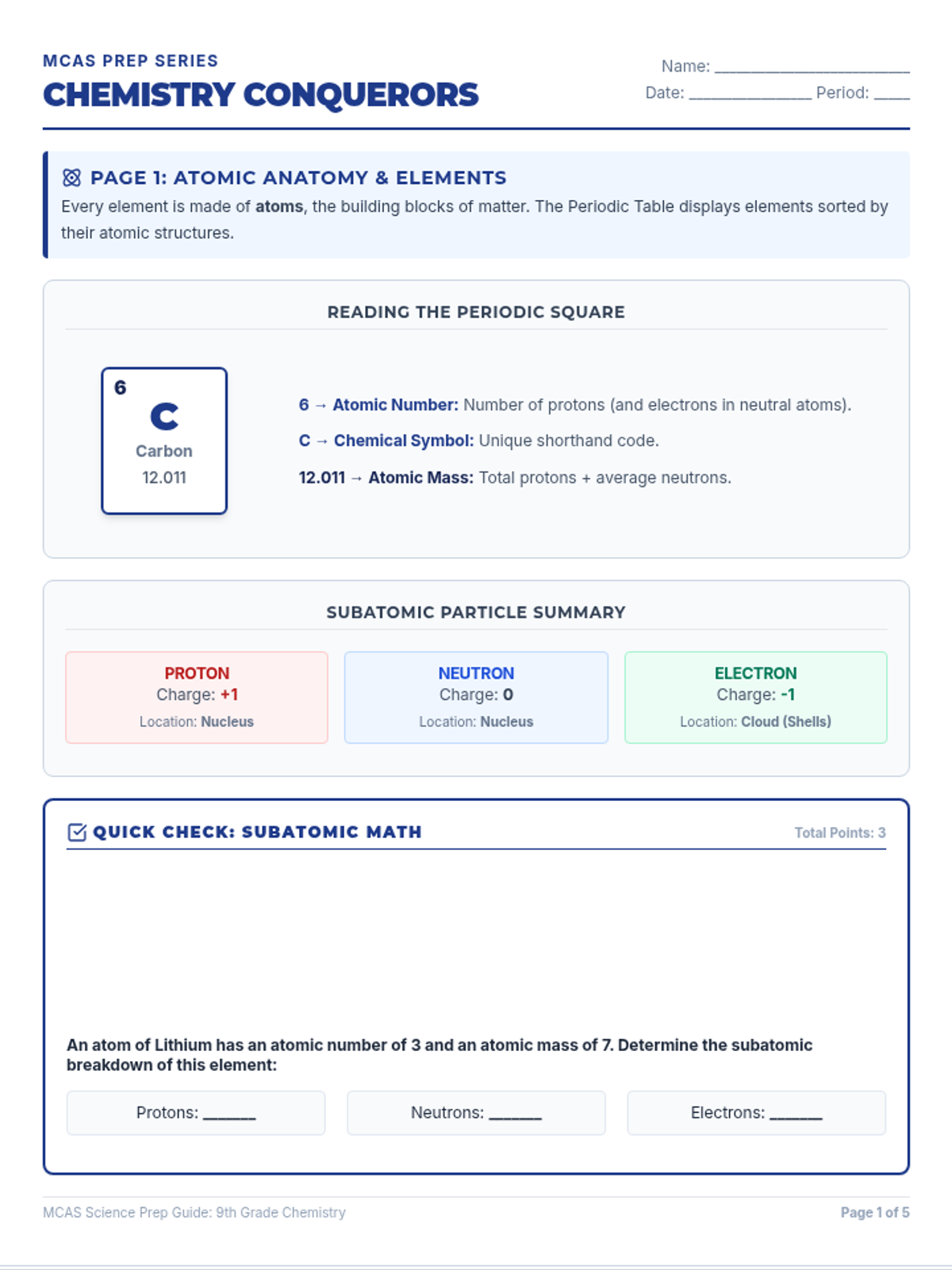
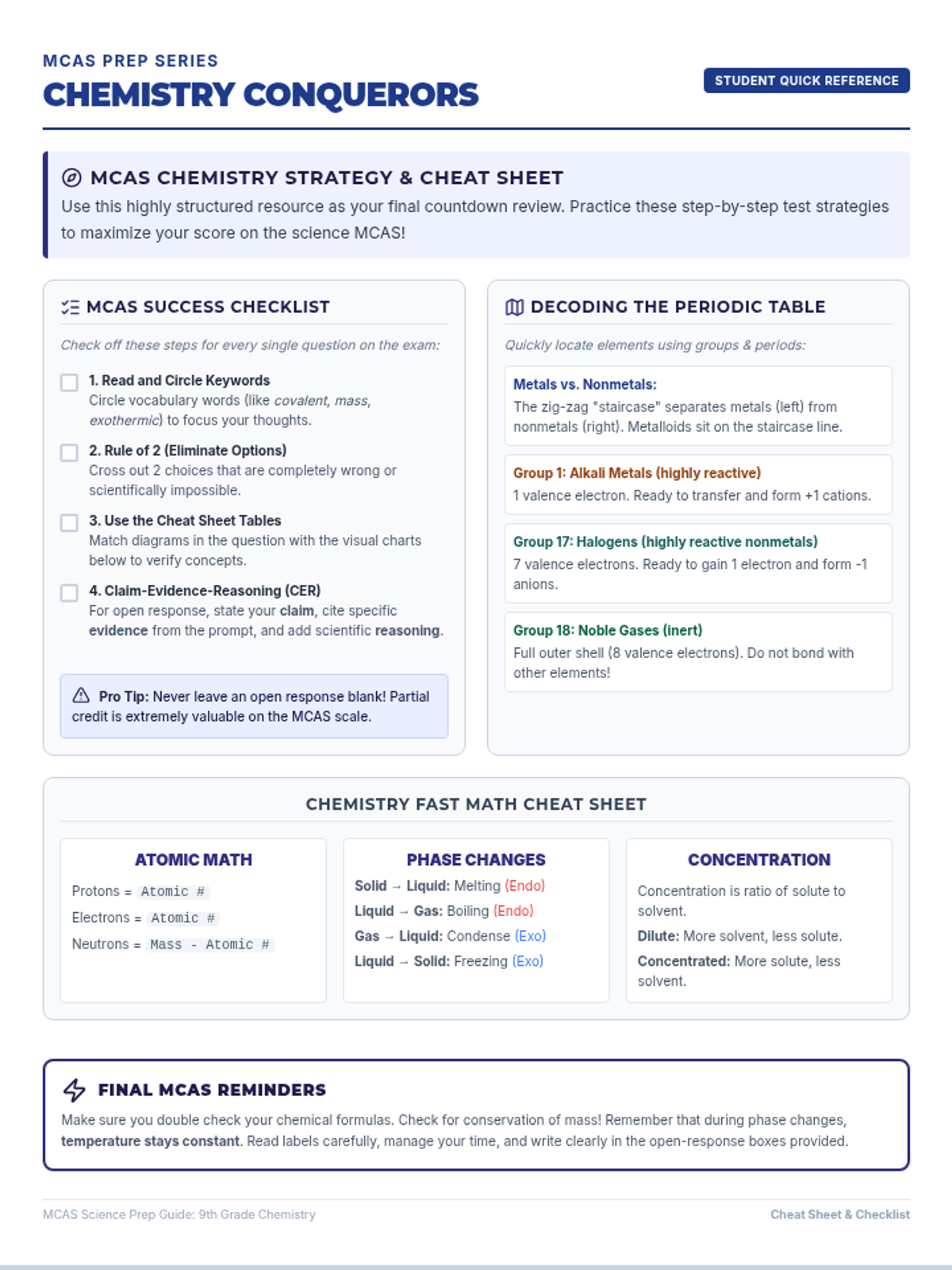
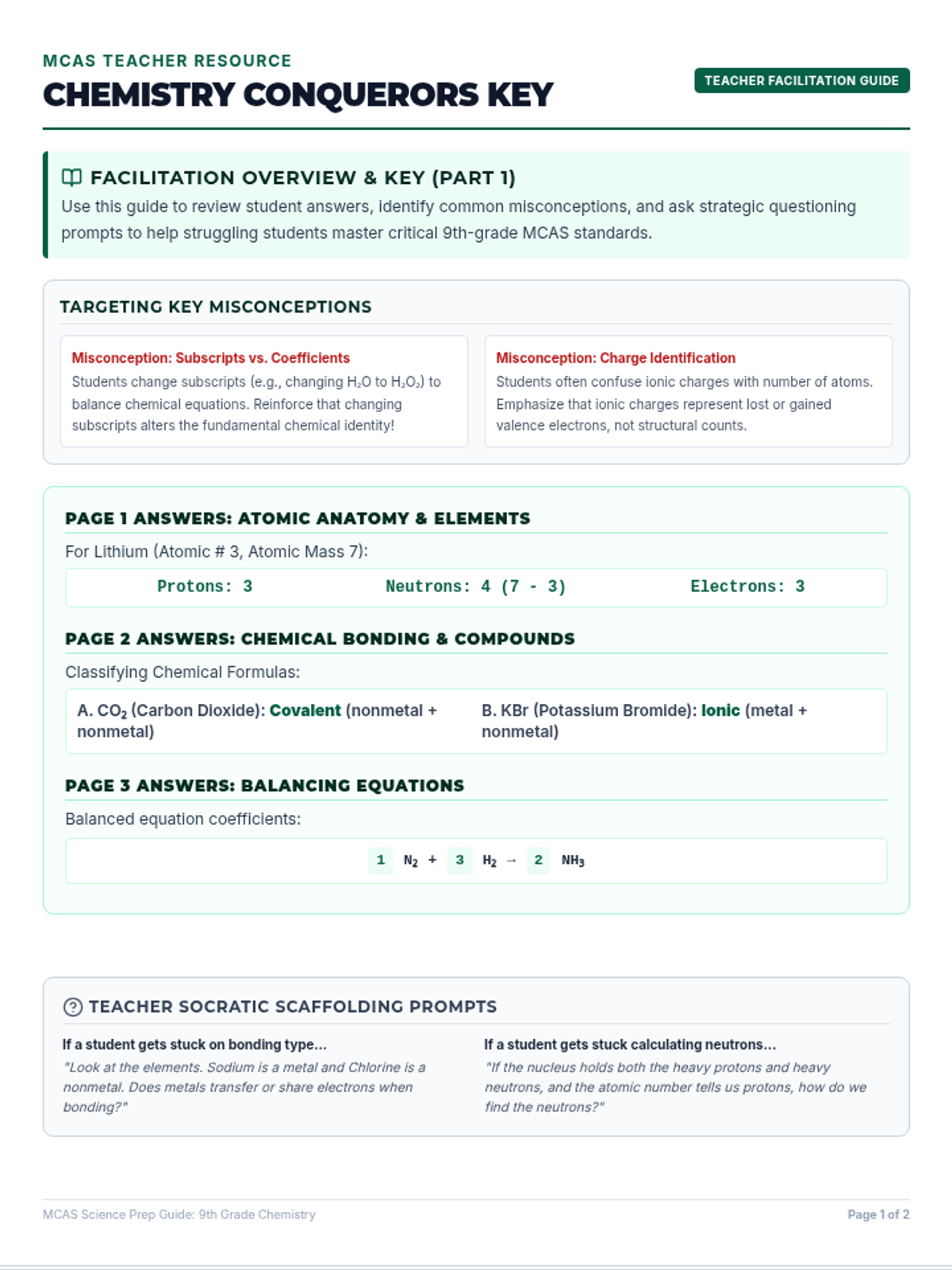
Students explore the fundamental building blocks of matter through a blueprint-style exploration of atomic structure. They learn about subatomic particles and the forces that hold them together.
A comprehensive lesson on food chains, producers, and consumers, featuring differentiated reading passages, graphic organizers, and assessments designed for 5th-grade learners at various levels.
Explores the Moon's role as a testing ground for Mars exploration and a unique platform for deep space astronomy, focusing on the Gateway station and long-duration missions.
Students explore the world of artificial intelligence and robotics, learning how to design and "train" a virtual robot using online tools. They will understand the relationship between hardware, software, and data training.
A comprehensive set of tools to help 6th-grade students master the Cornell note-taking method specifically for science concepts, featuring a guided template and instructional supports.
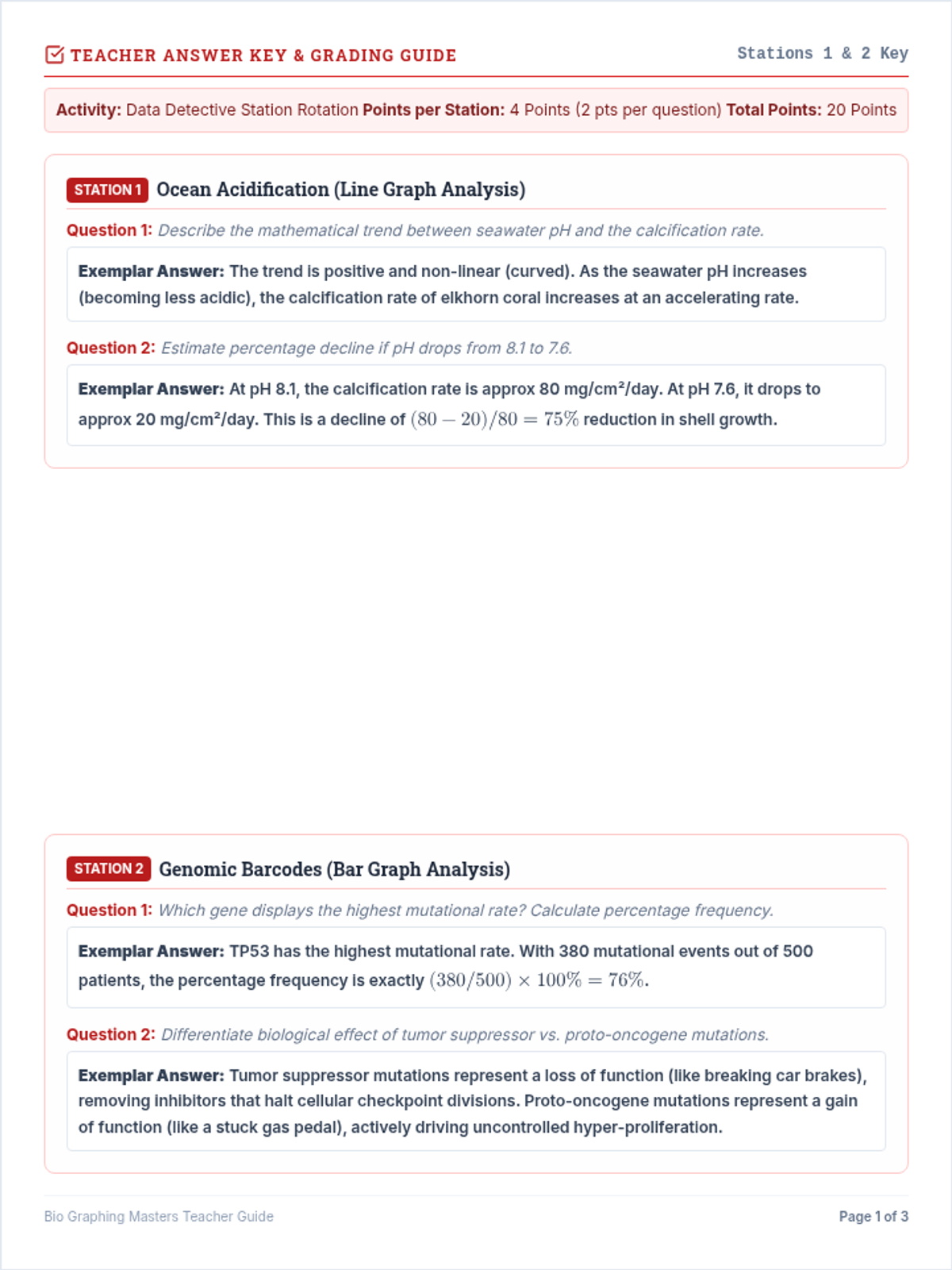
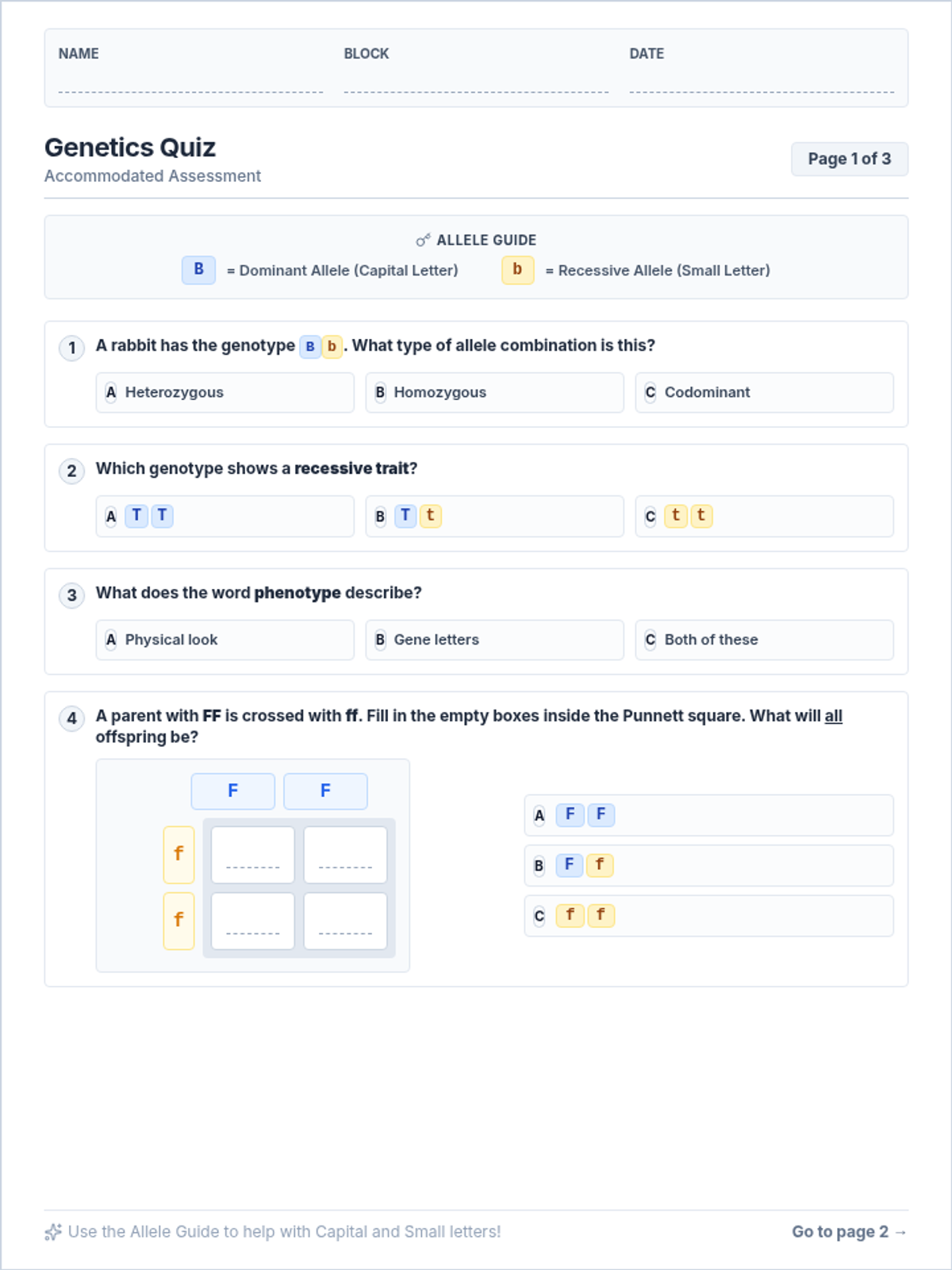
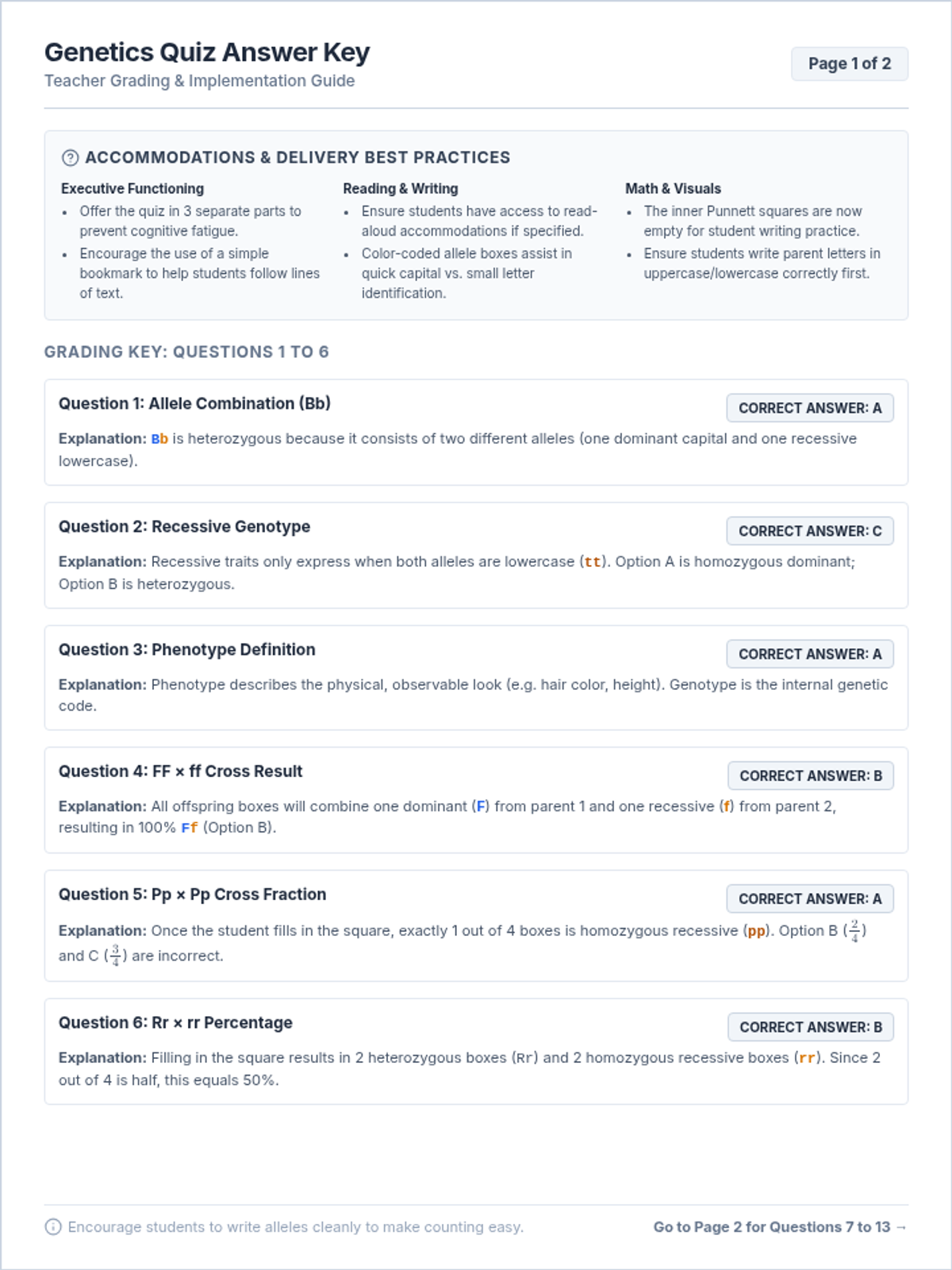
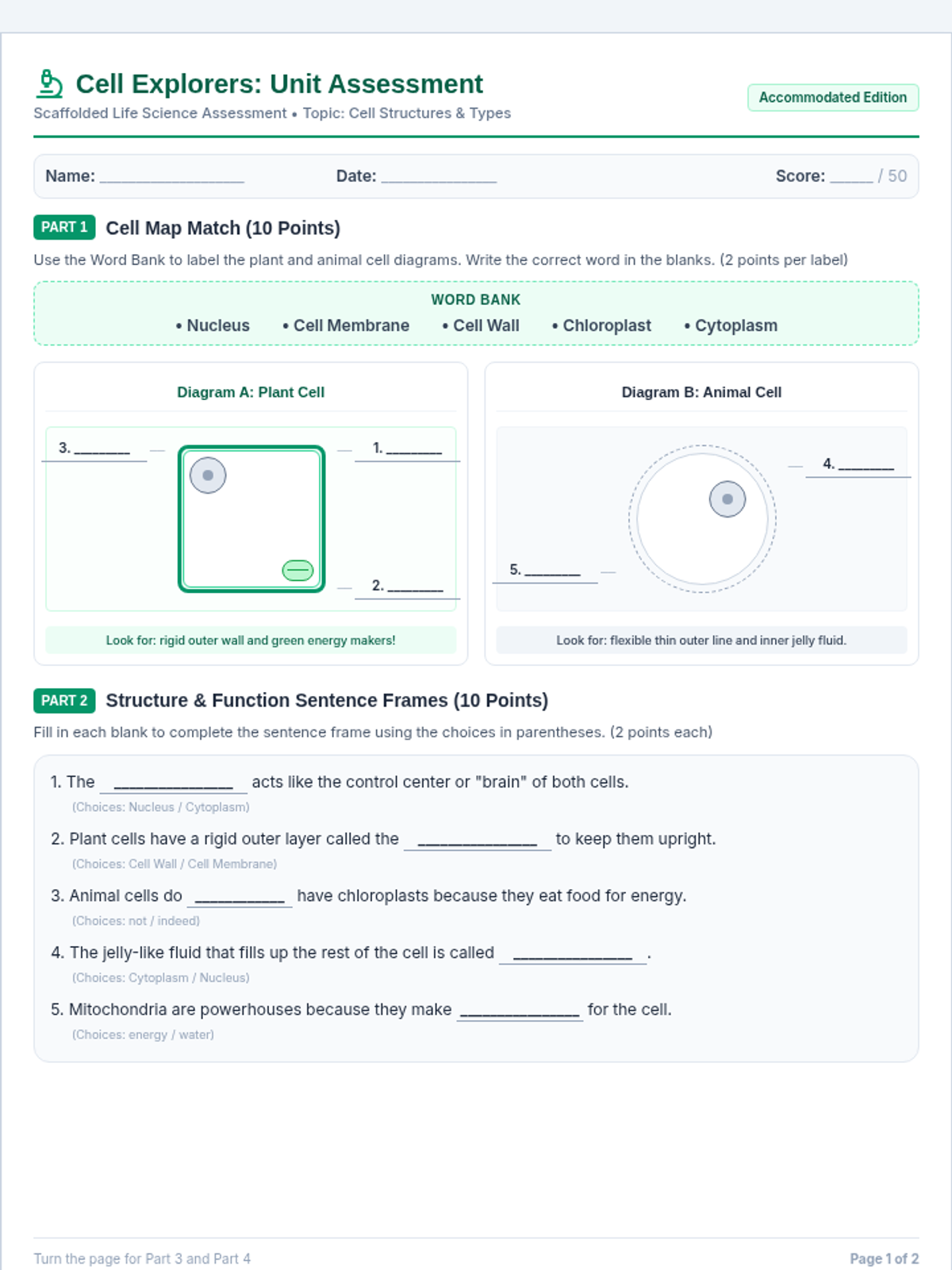
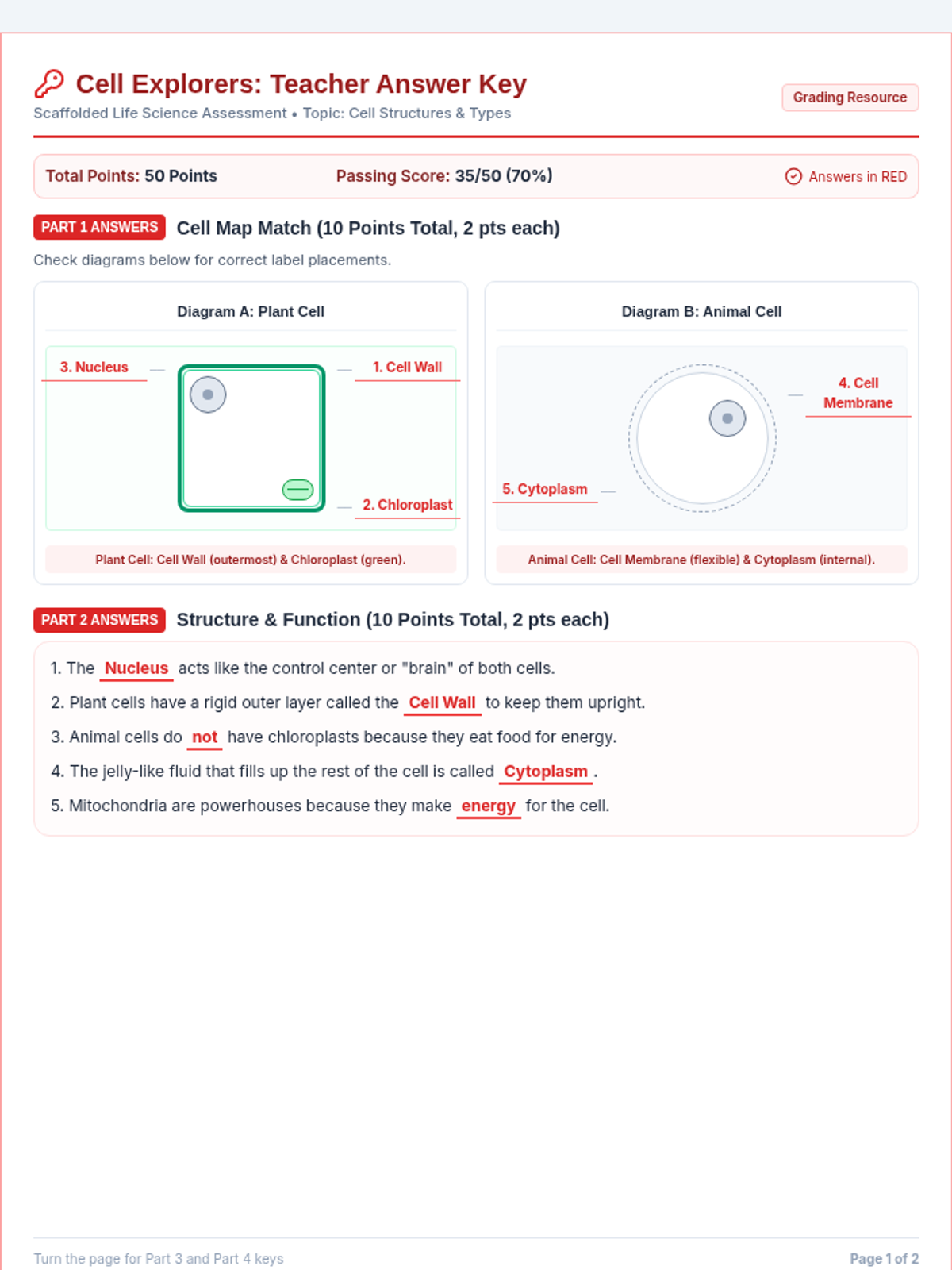
A comprehensive review of mitosis using a 'Cell Copy Shop' theme, differentiated for Life Skills and Modified Curriculum students to understand how cells make identical copies of themselves.
A hands-on STEM project where students design, build, and test catapults while mastering the art of technical instruction writing. Students will apply physics concepts and the engineering design process to create a functional siege engine and document its construction with precision.
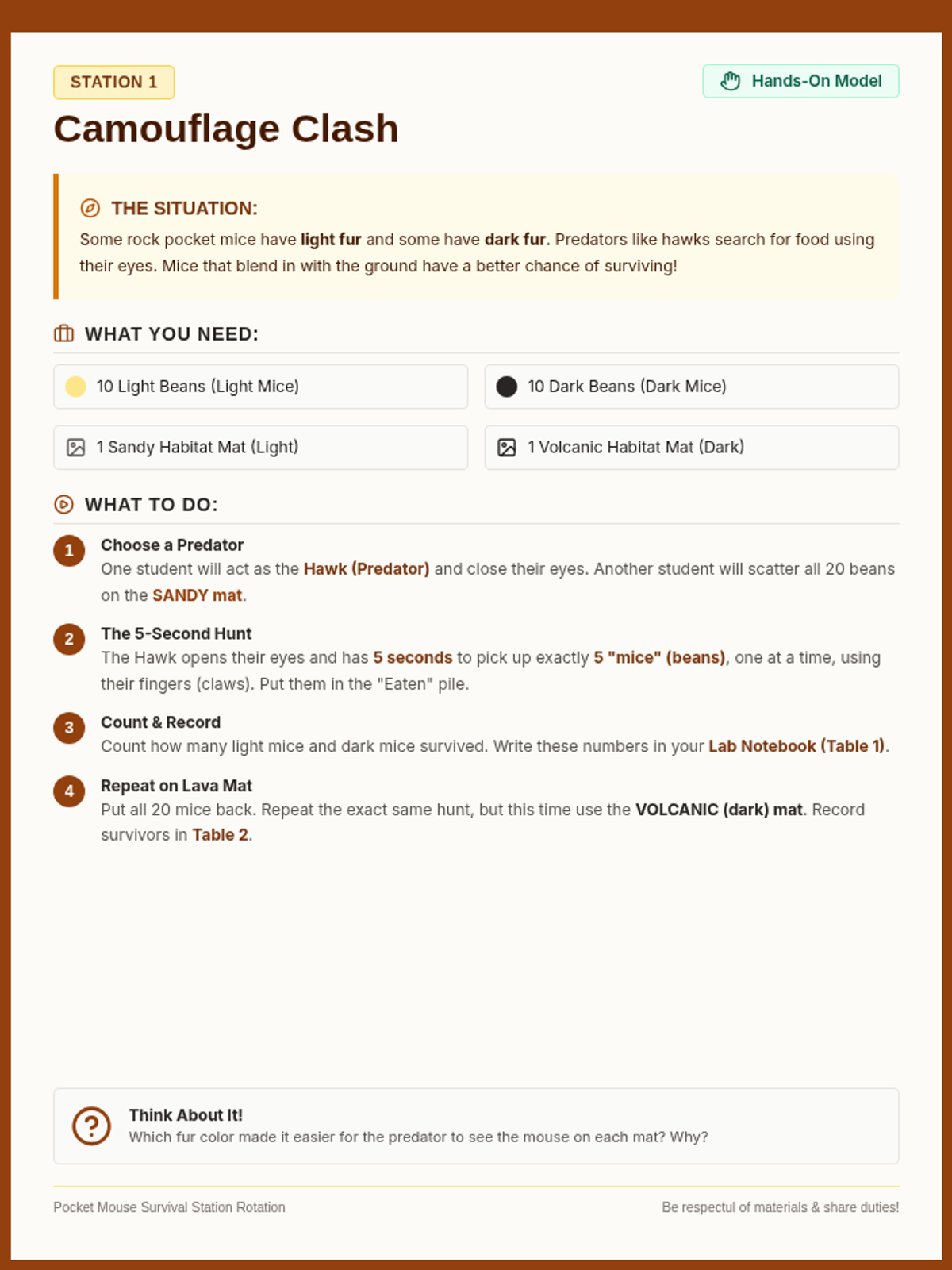
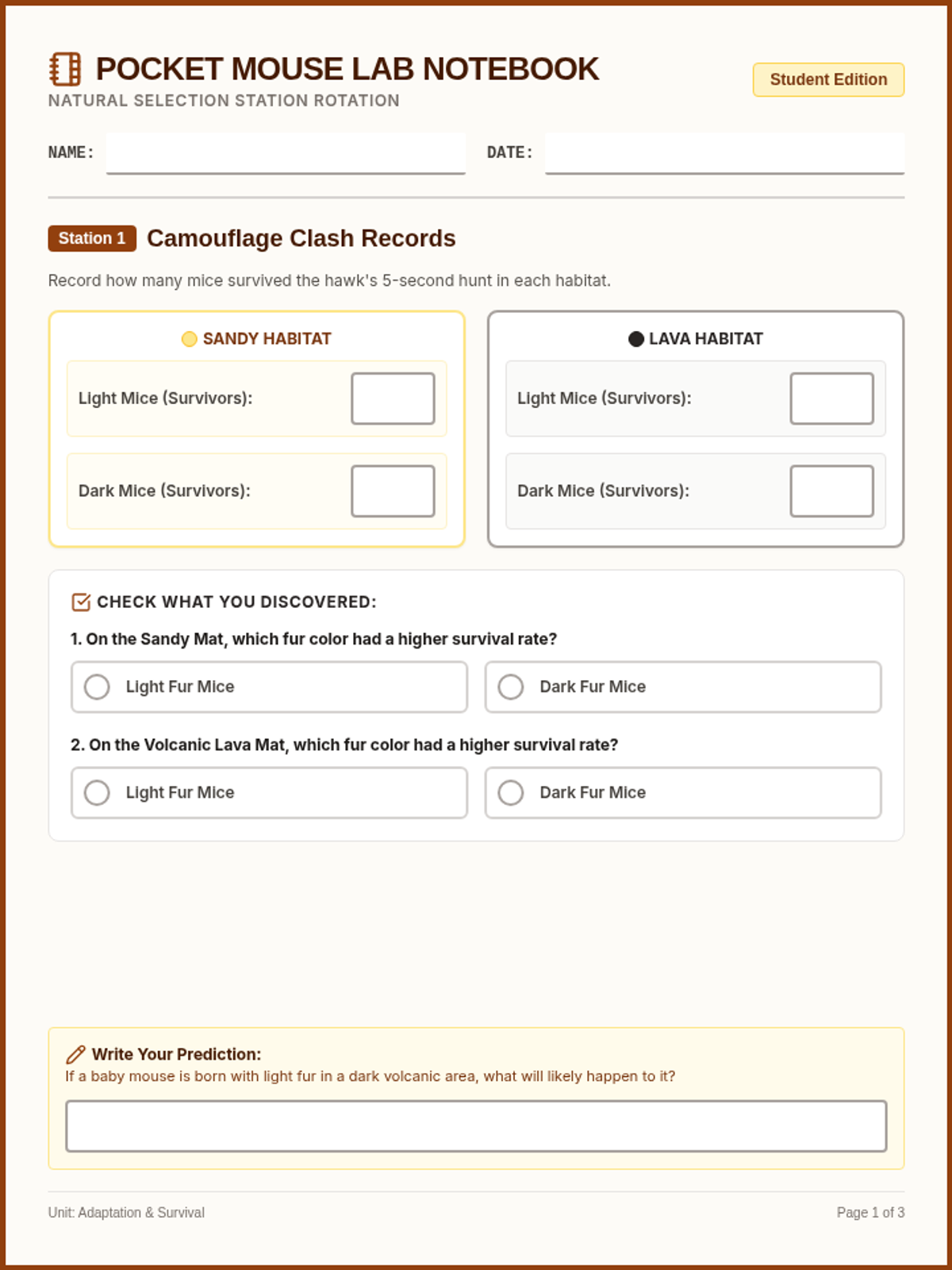
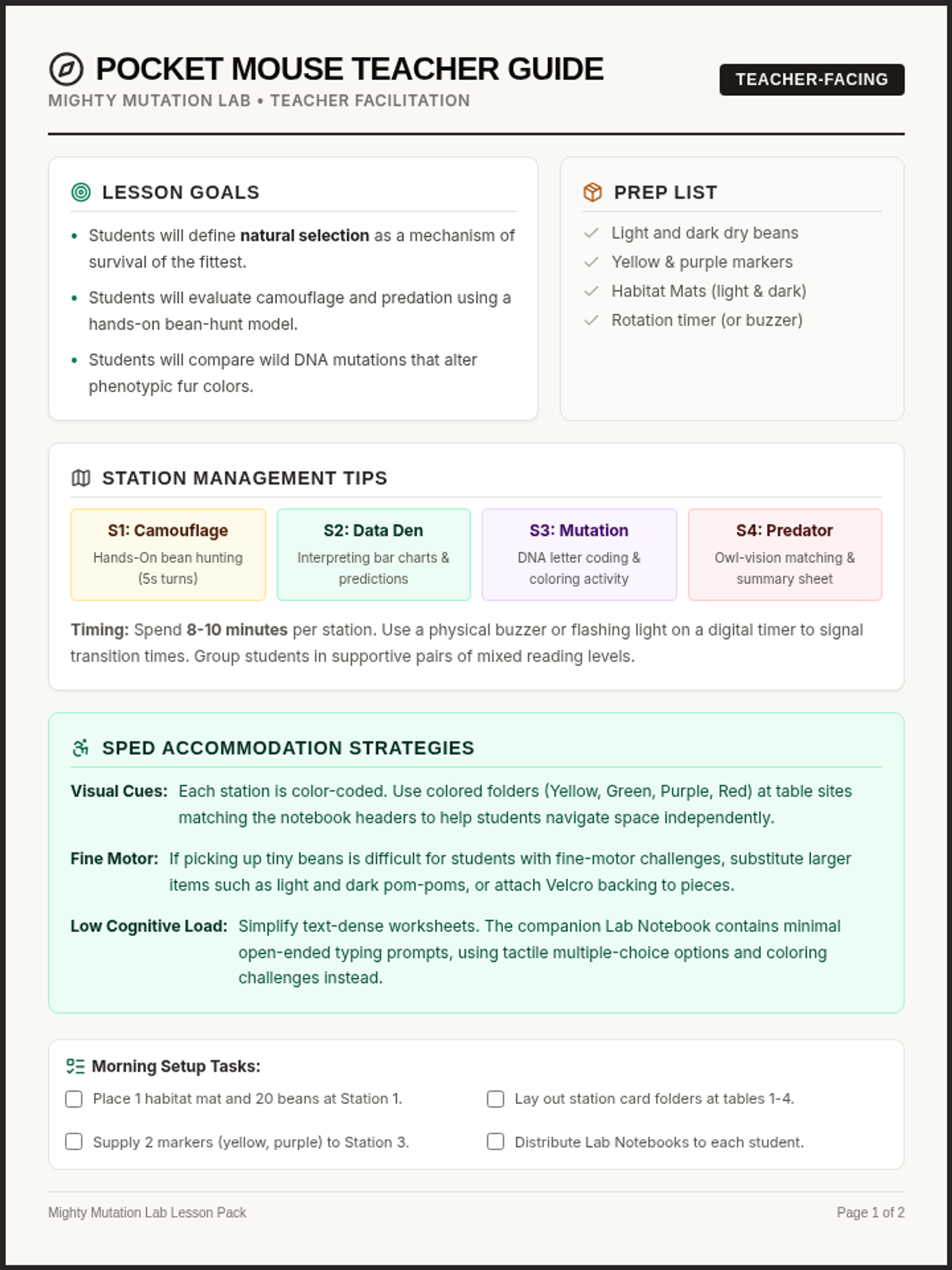
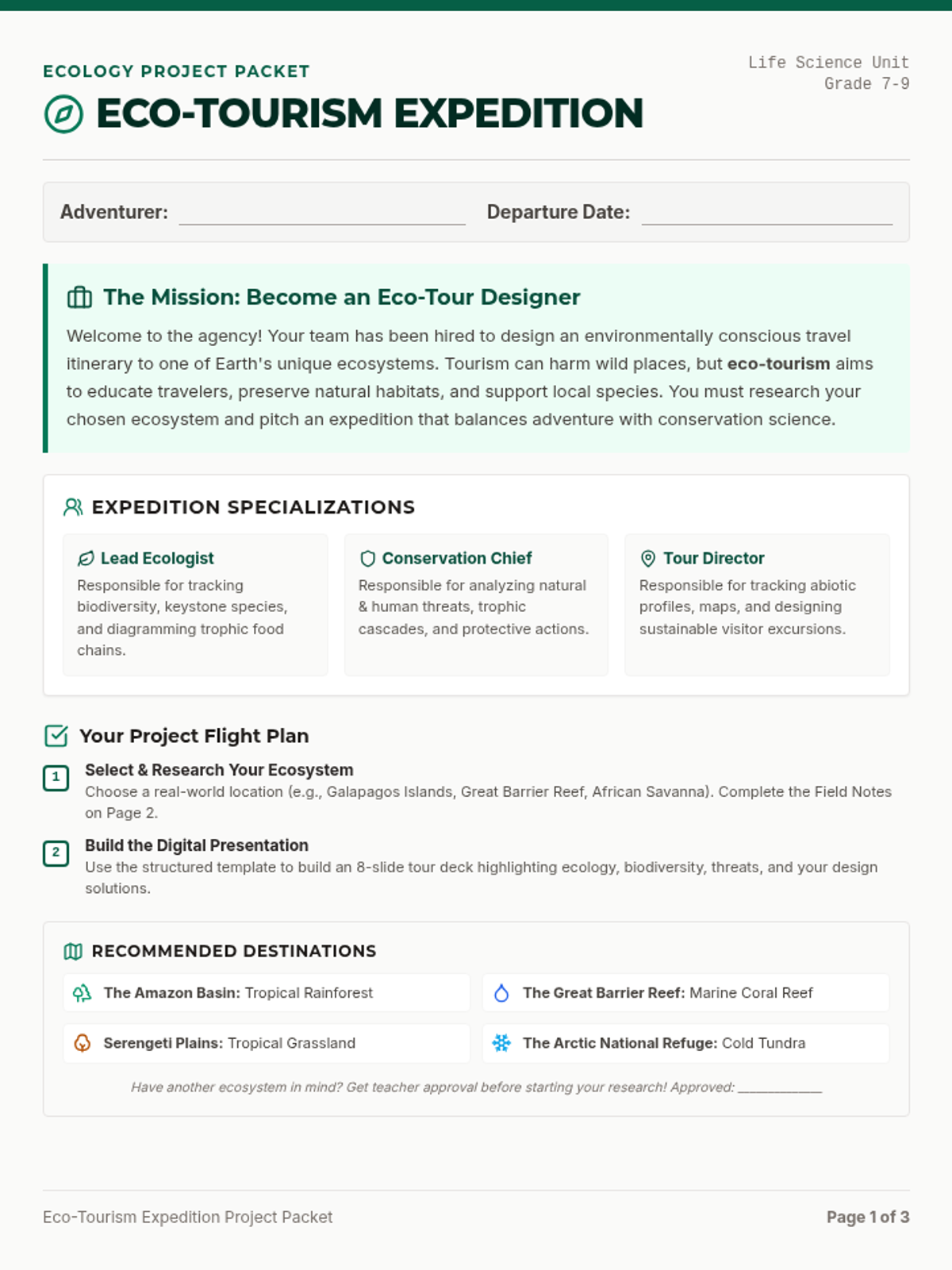
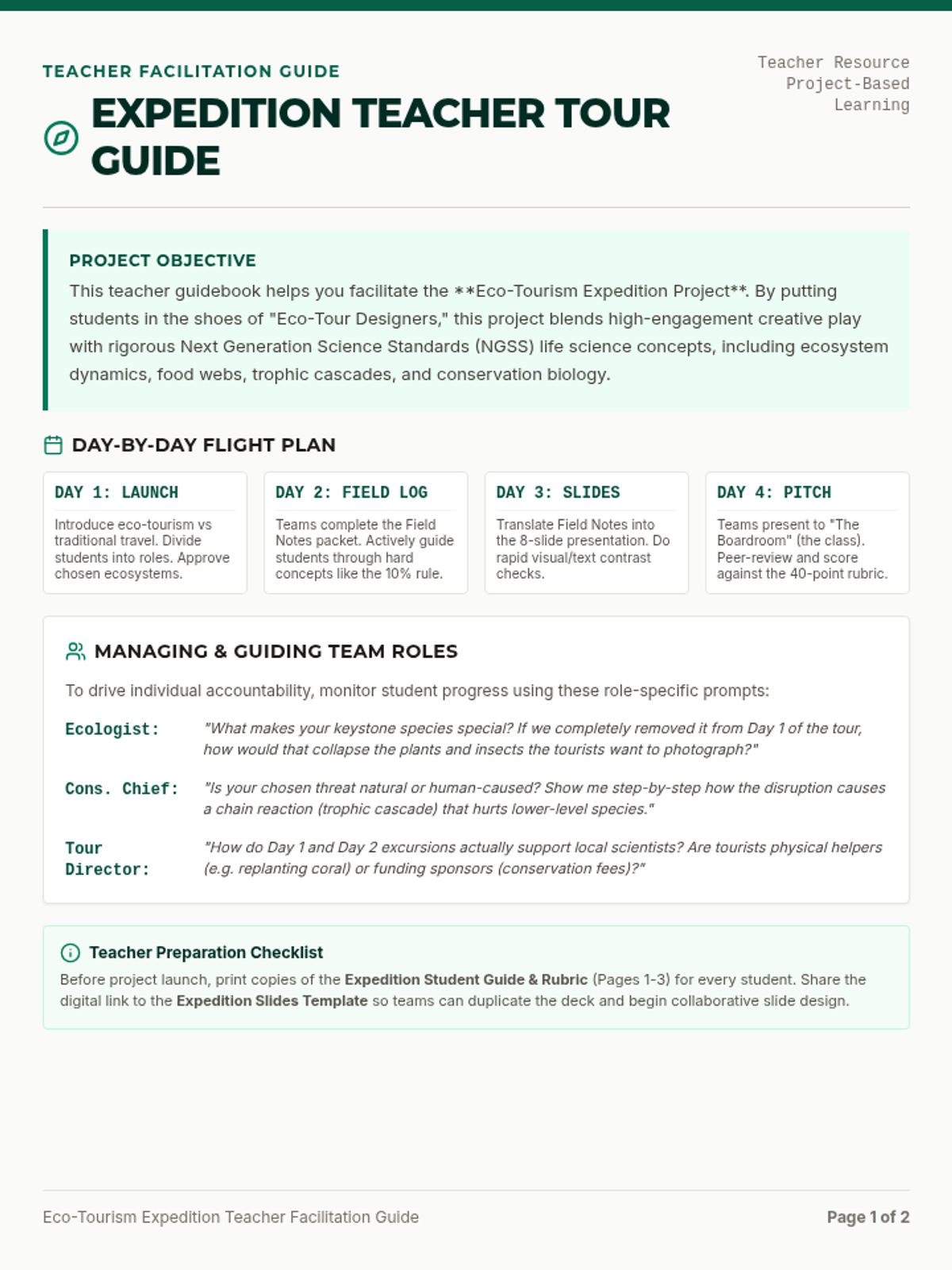
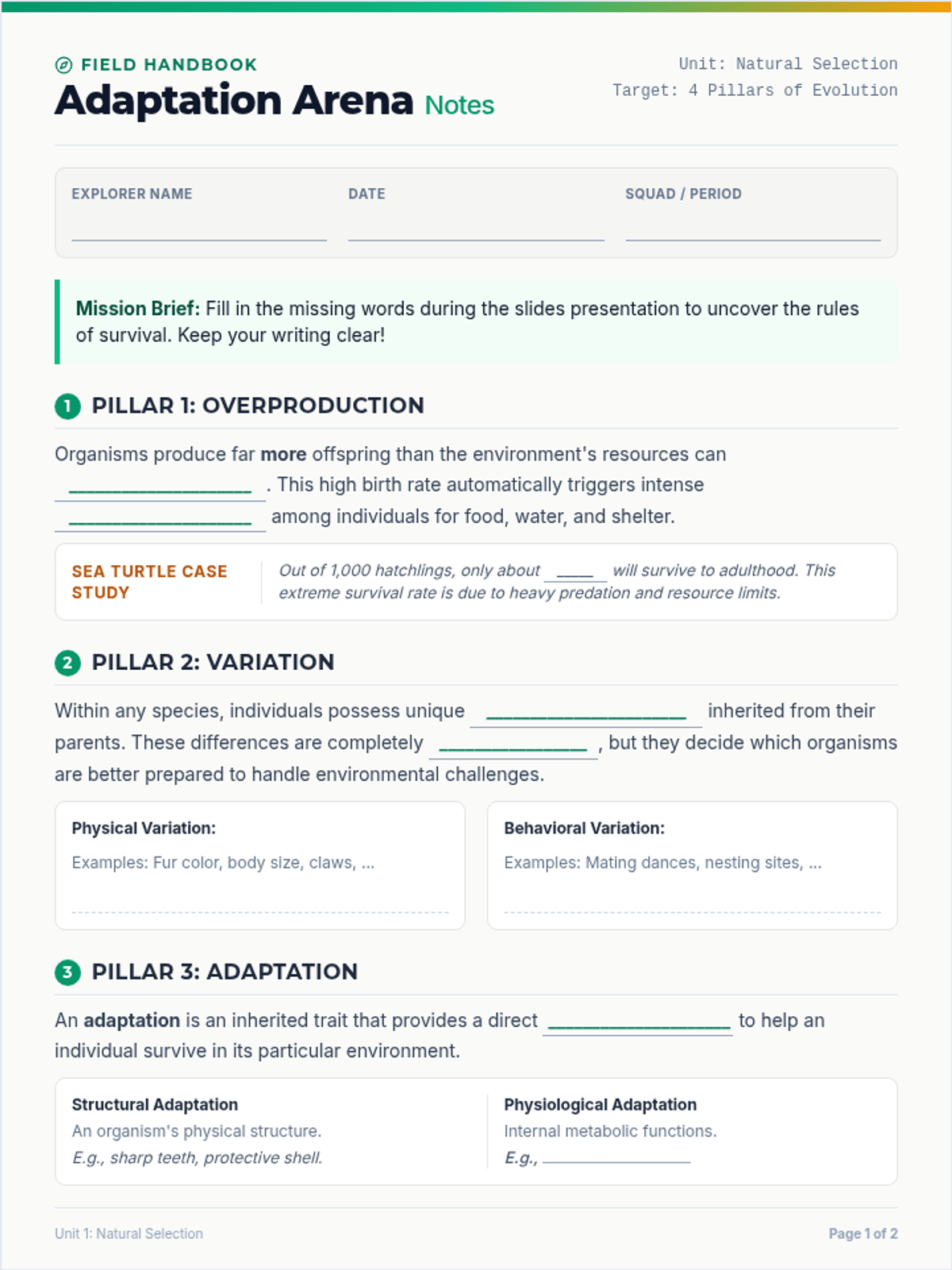
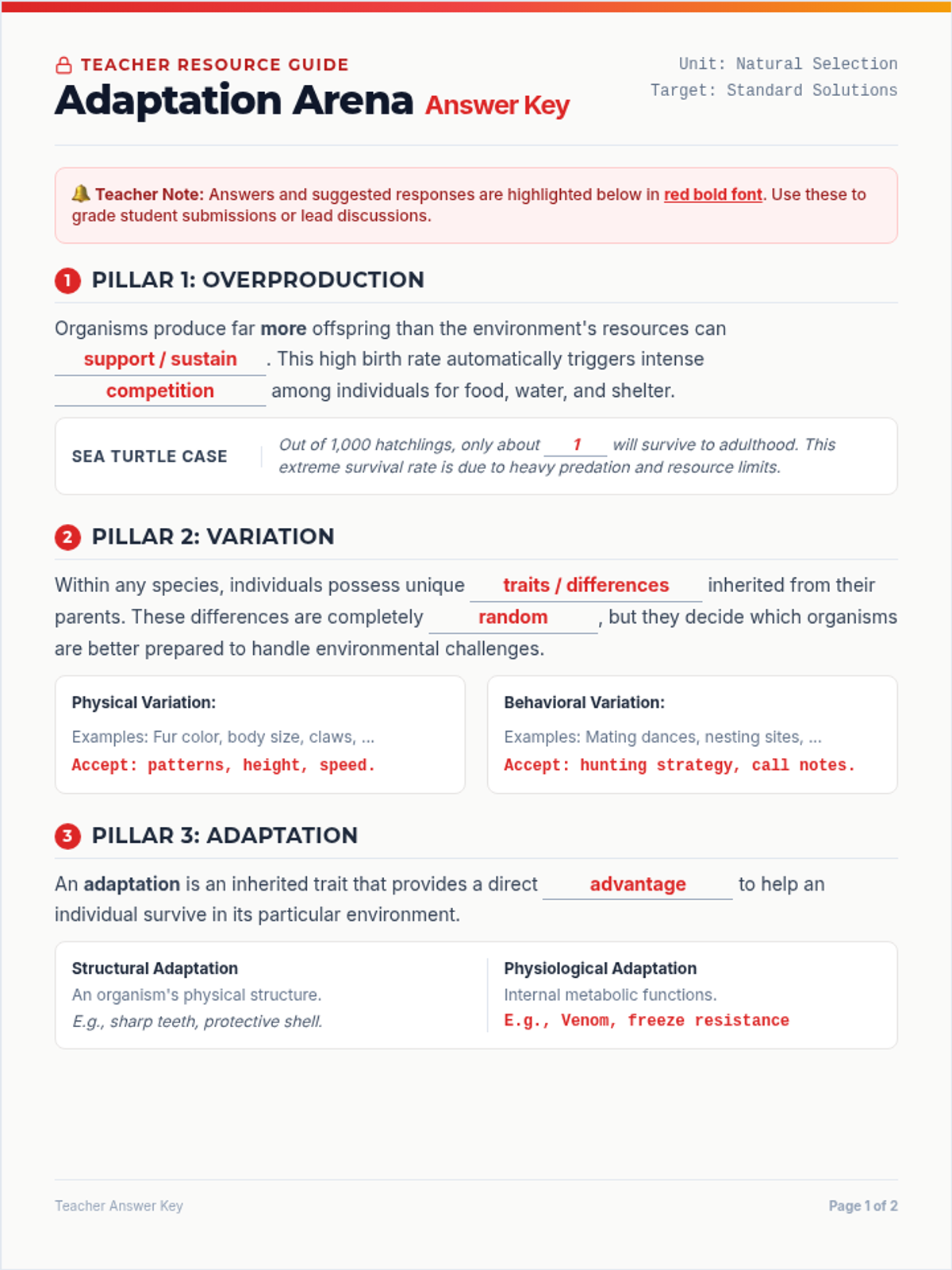
Students act as field biologists to design and build a creature with specific adaptations for an extreme Earth biome, then predict how it would need to evolve when that environment changes.
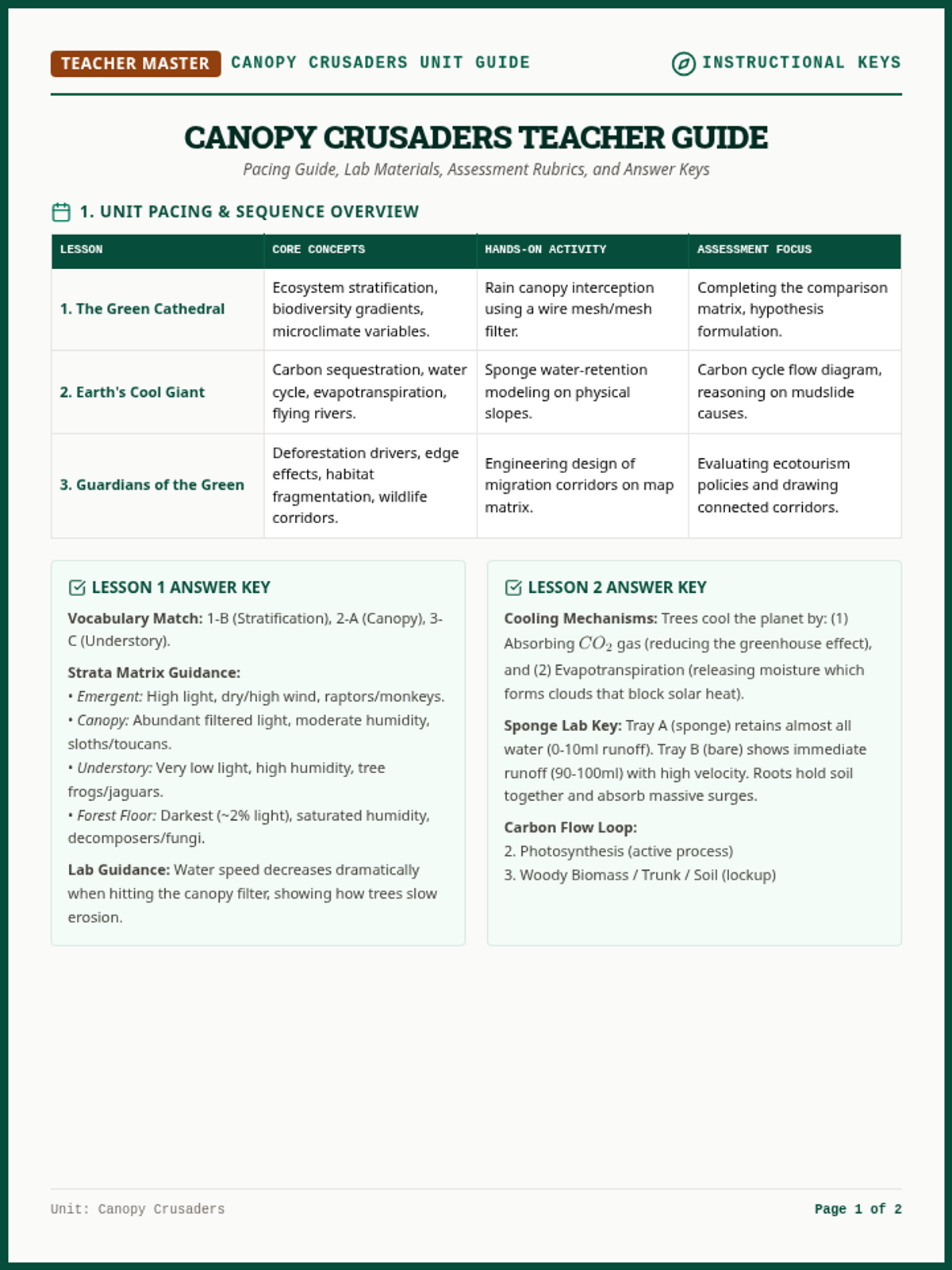
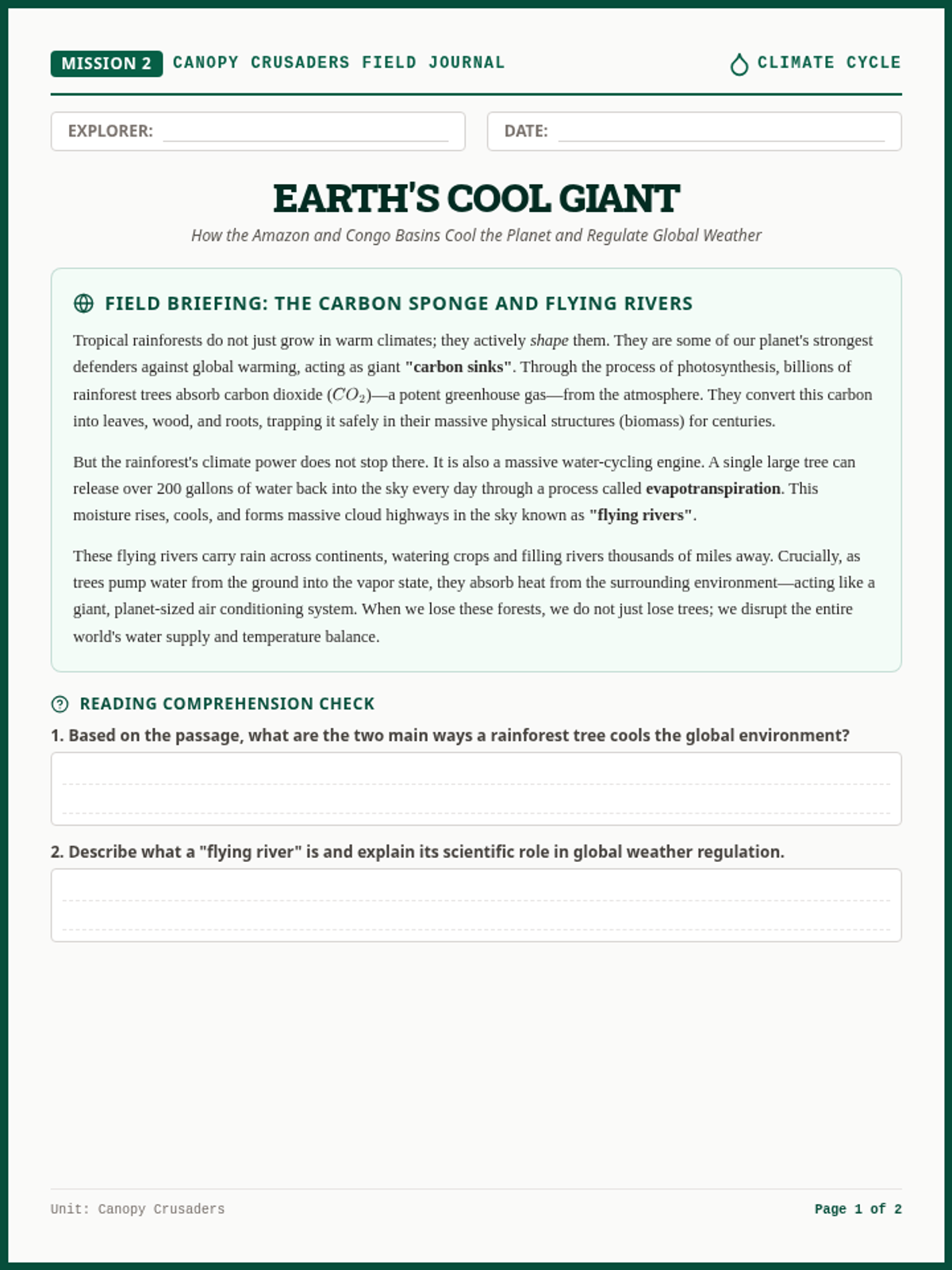
A lesson exploring the greenhouse effect, how human activities amplify it, and the role of fossil fuels in climate change.
A foundational lesson on the essential terminology and workflow of video post-production, covering everything from basic cuts to technical specifications.
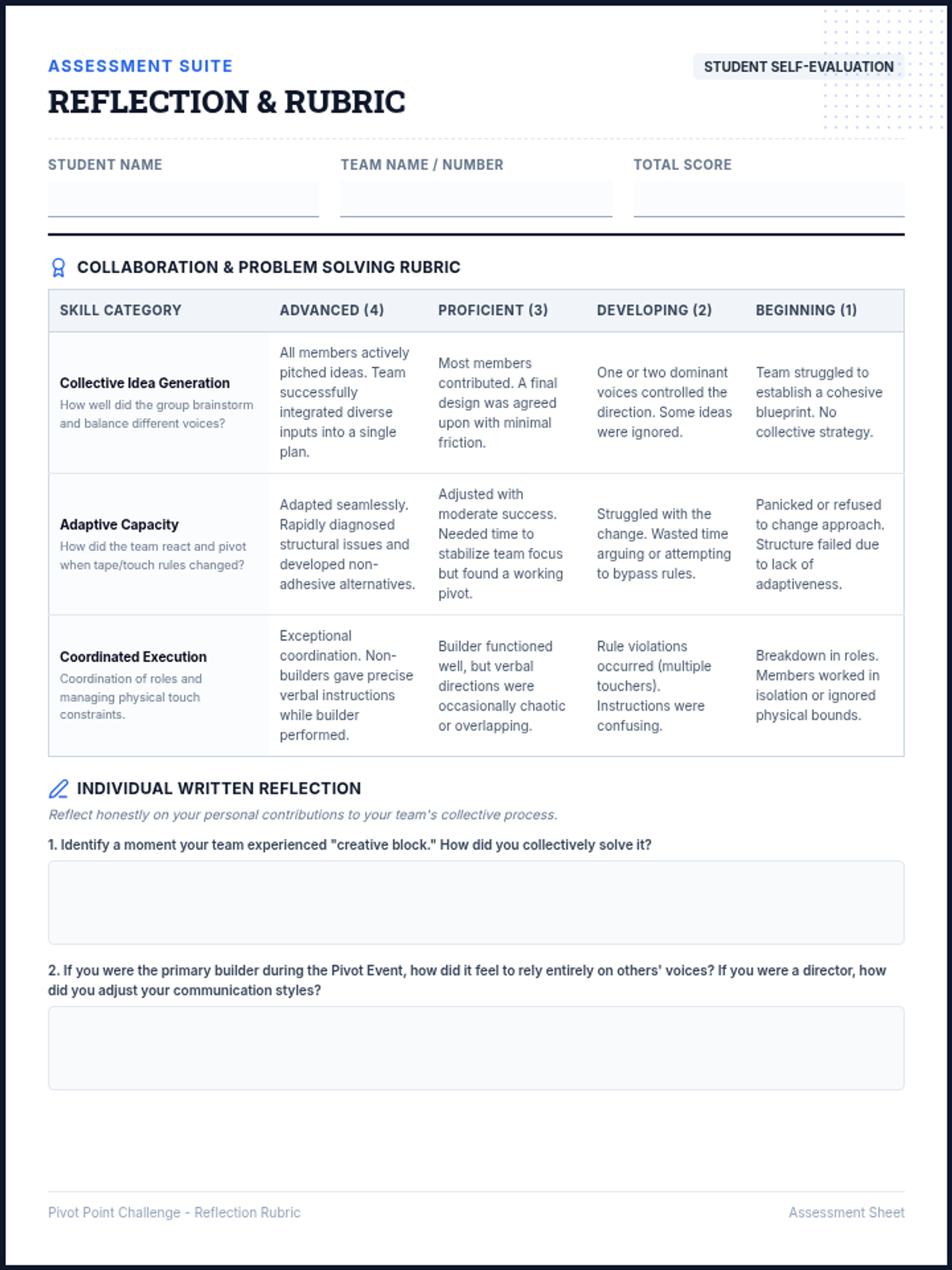
A comprehensive guide for students participating in a STEM tower building challenge, focusing on structural engineering, recycled material innovation, and scientific explanation.
Students master the National Electrical Code (NEC) requirements for outlet box fill, calculating volume allowances for conductors, clamps, and devices to ensure electrical safety and compliance.
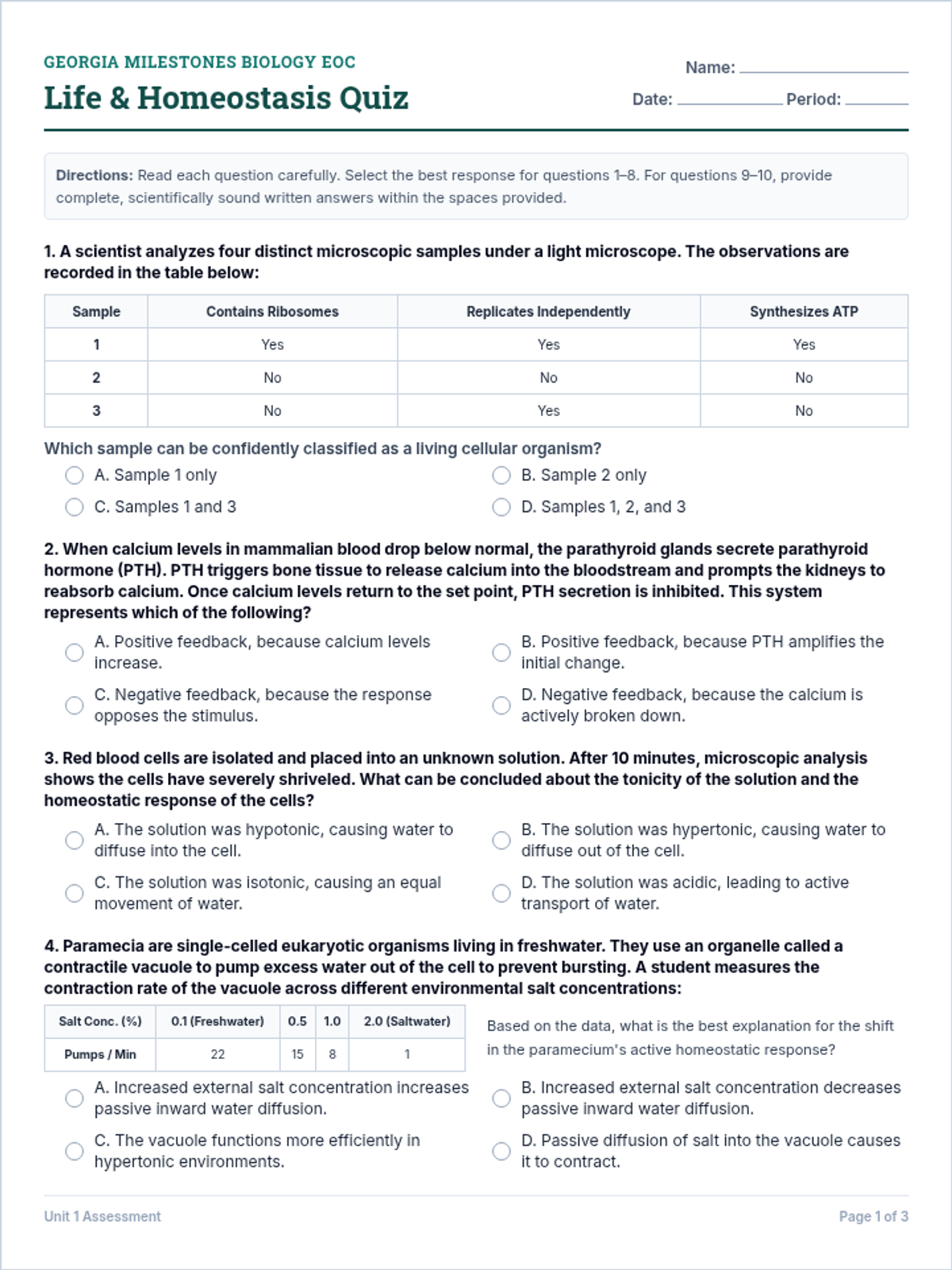
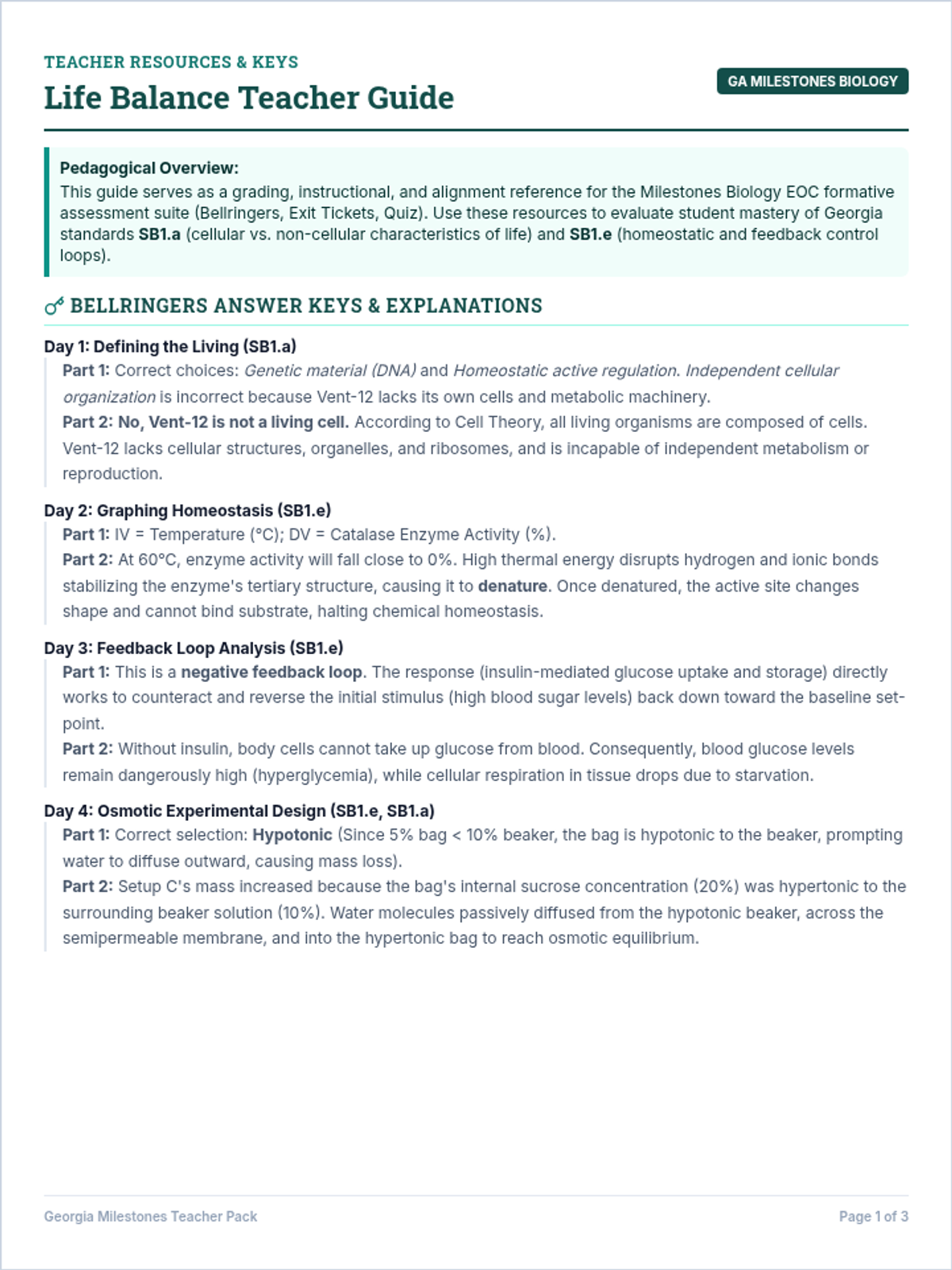
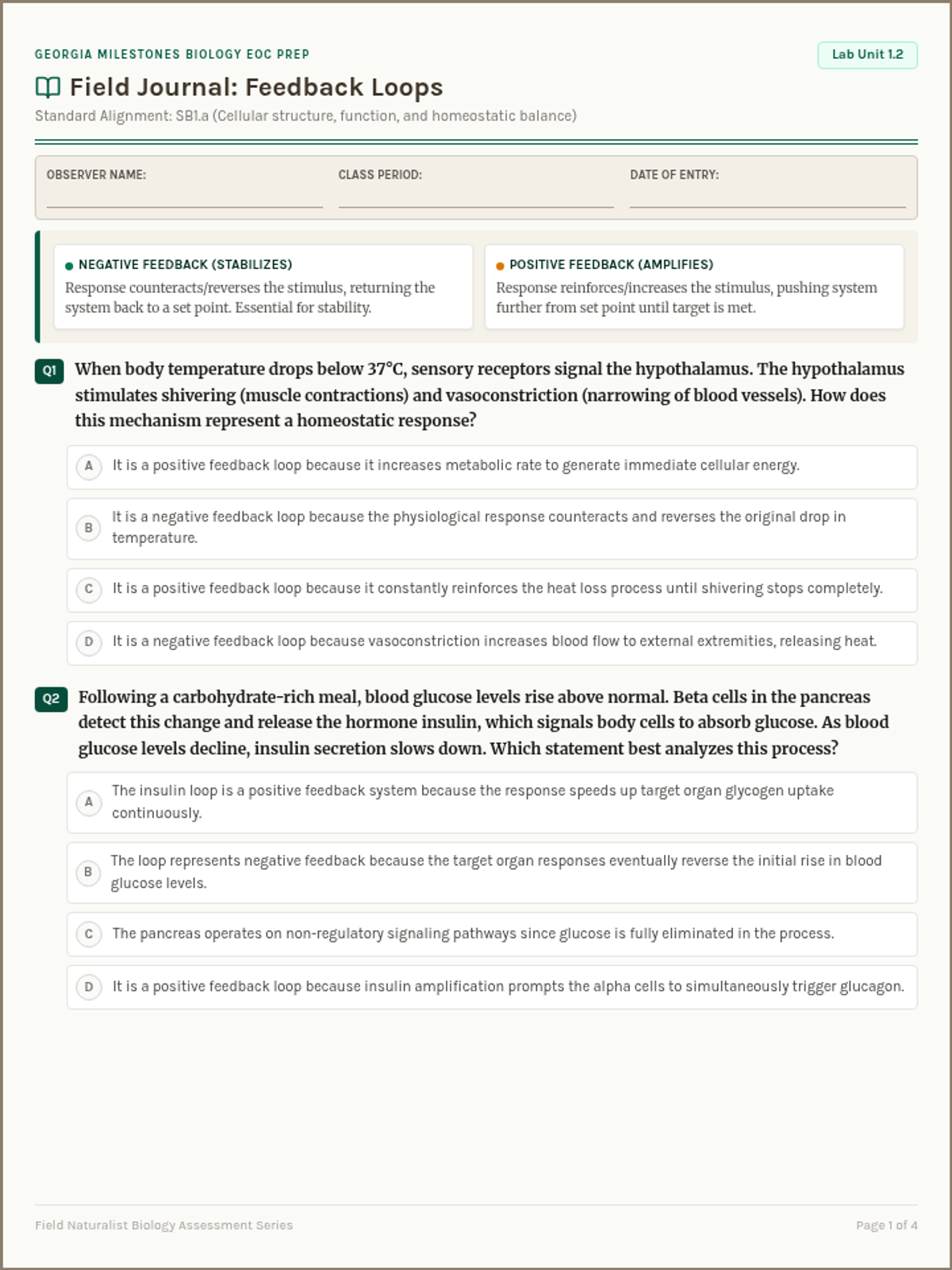
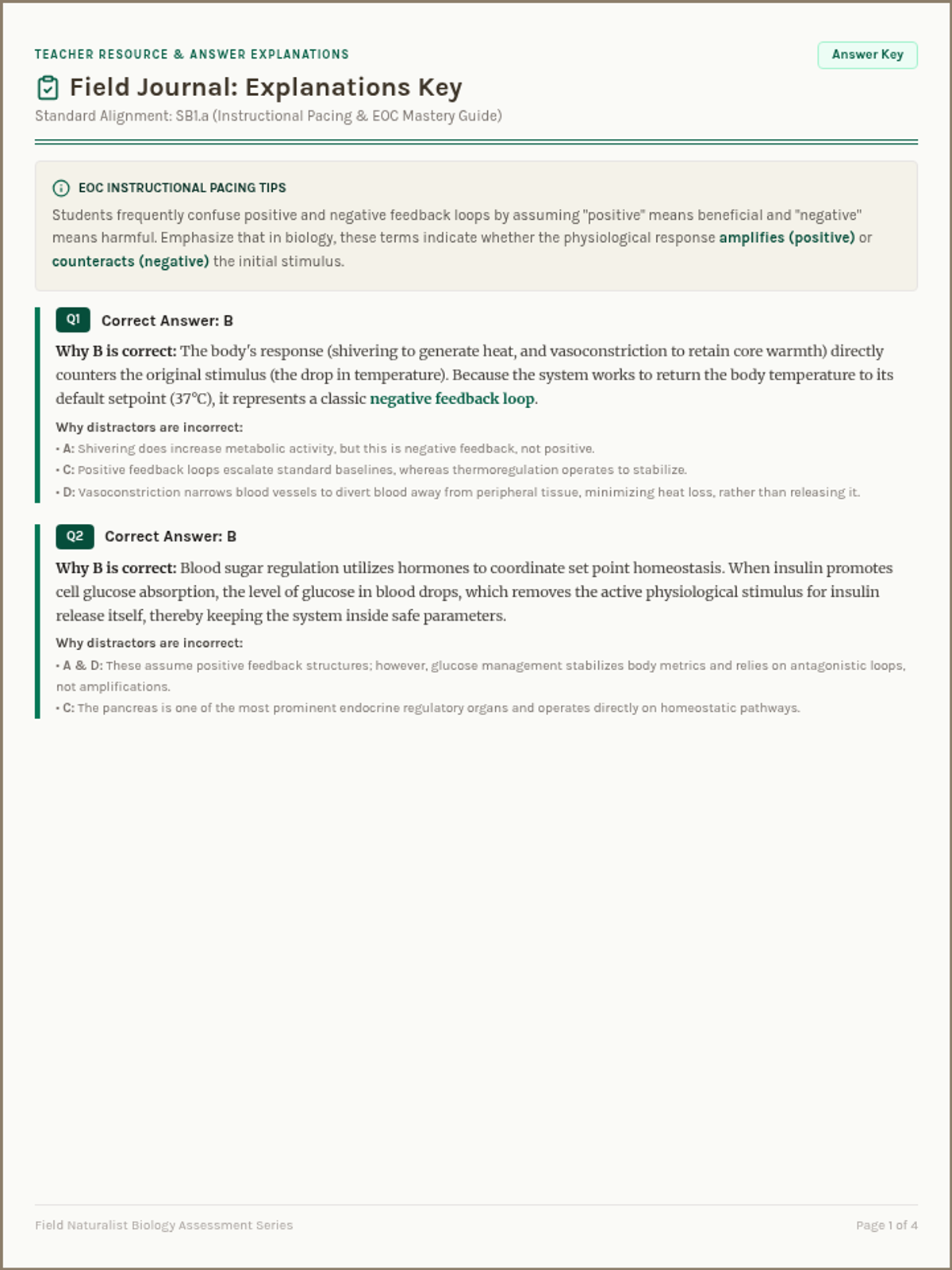
A 30-minute introductory lesson on DNA structure, base pairing rules, and the fundamentals of translation for 10th-grade Biology students.
An interactive Earth Science lesson where students visualize and draw the relationship between mantle convection currents and plate boundary movements.
A comprehensive project-based lesson where students design a multi-channel advertising campaign, including target market analysis, competitive positioning, and creative execution across social media and video.
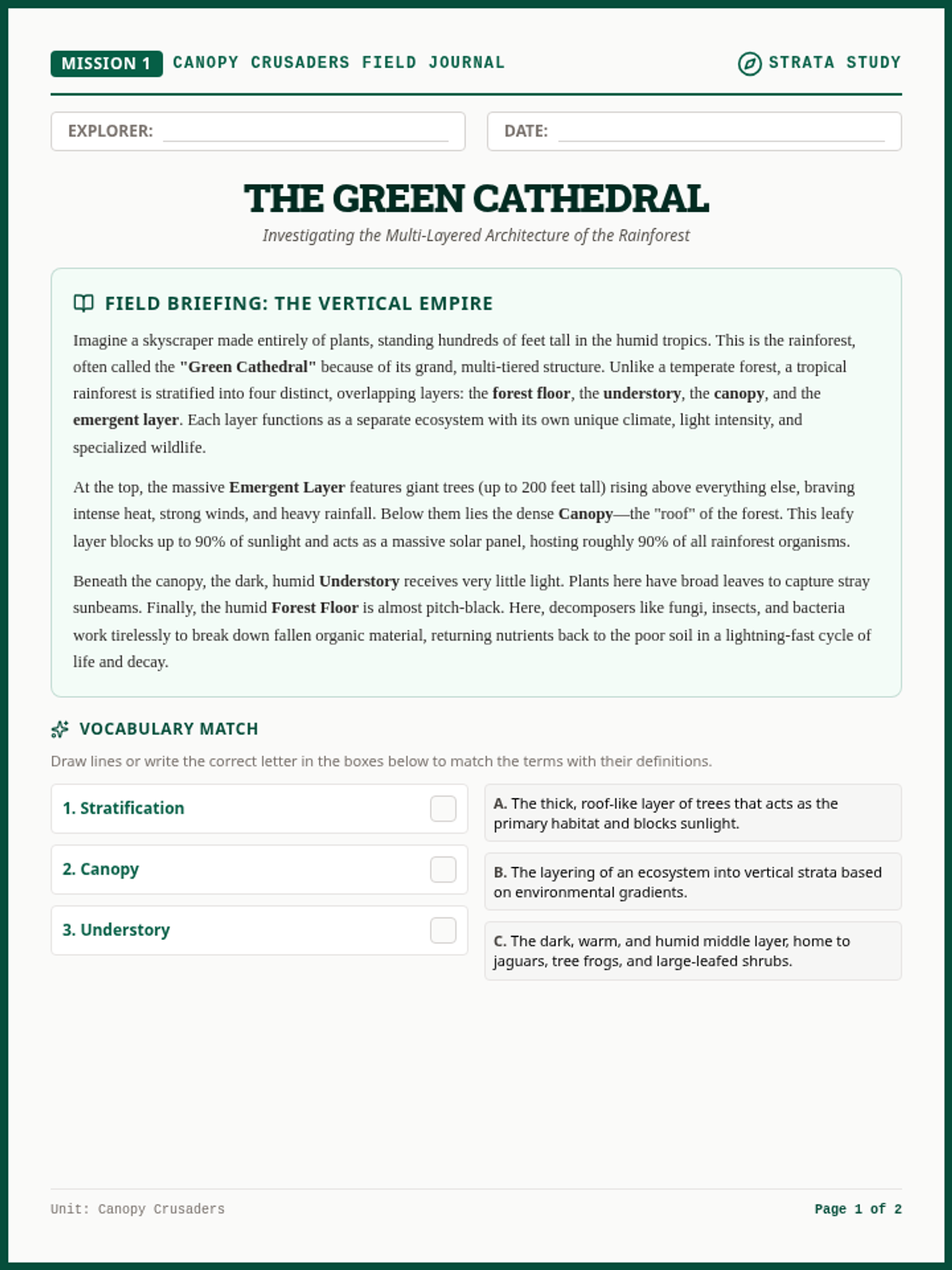
A lesson introducing four major biomes (Rainforest, Desert, Grassland, and Ocean) designed for high-interest, low-readability (Hi-Lo) instruction. This lesson bridges 2nd-grade reading levels with content suitable for a 14-year-old student.
A project-based lesson where students design and build 3D models of sustainable farming landscapes to demonstrate their understanding of soil conservation and regenerative agriculture techniques.
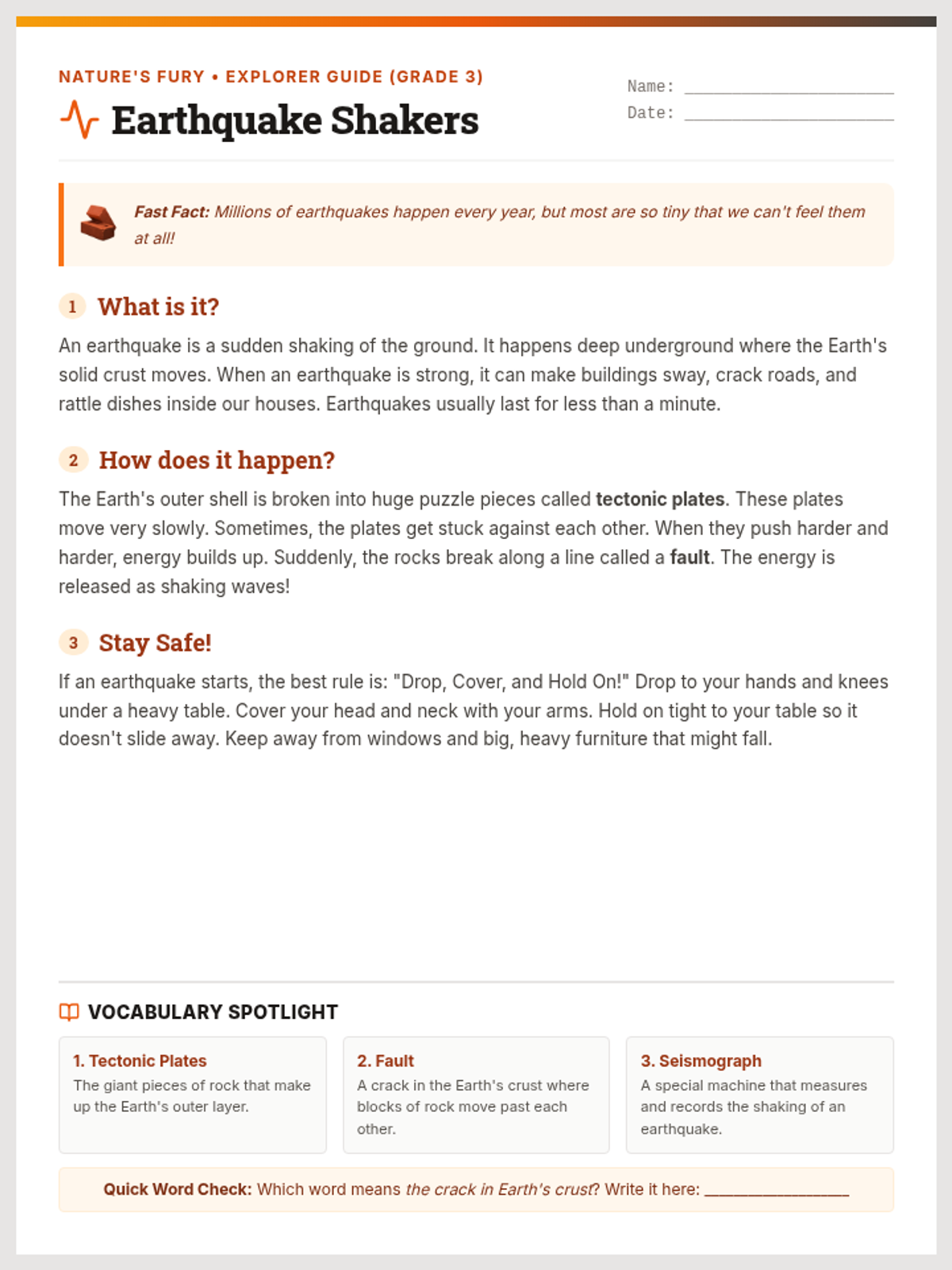
A deep dive into plate tectonics focusing on subduction zones and the explosive geological activity of the Ring of Fire. Students will explore the mechanics of plate movement and its global impact.
Explores the scientific goals of the Artemis missions, including lunar geology, the search for water ice, and using the Moon as a stepping stone for deep space exploration.