A practice-focused lesson on ecological pyramids, covering energy transfer, biomass, and population numbers using the 10% rule.
A conceptual physics assessment focusing on the density of matter through water displacement and the analysis of real-world traffic data to identify scientific patterns and anomalies.
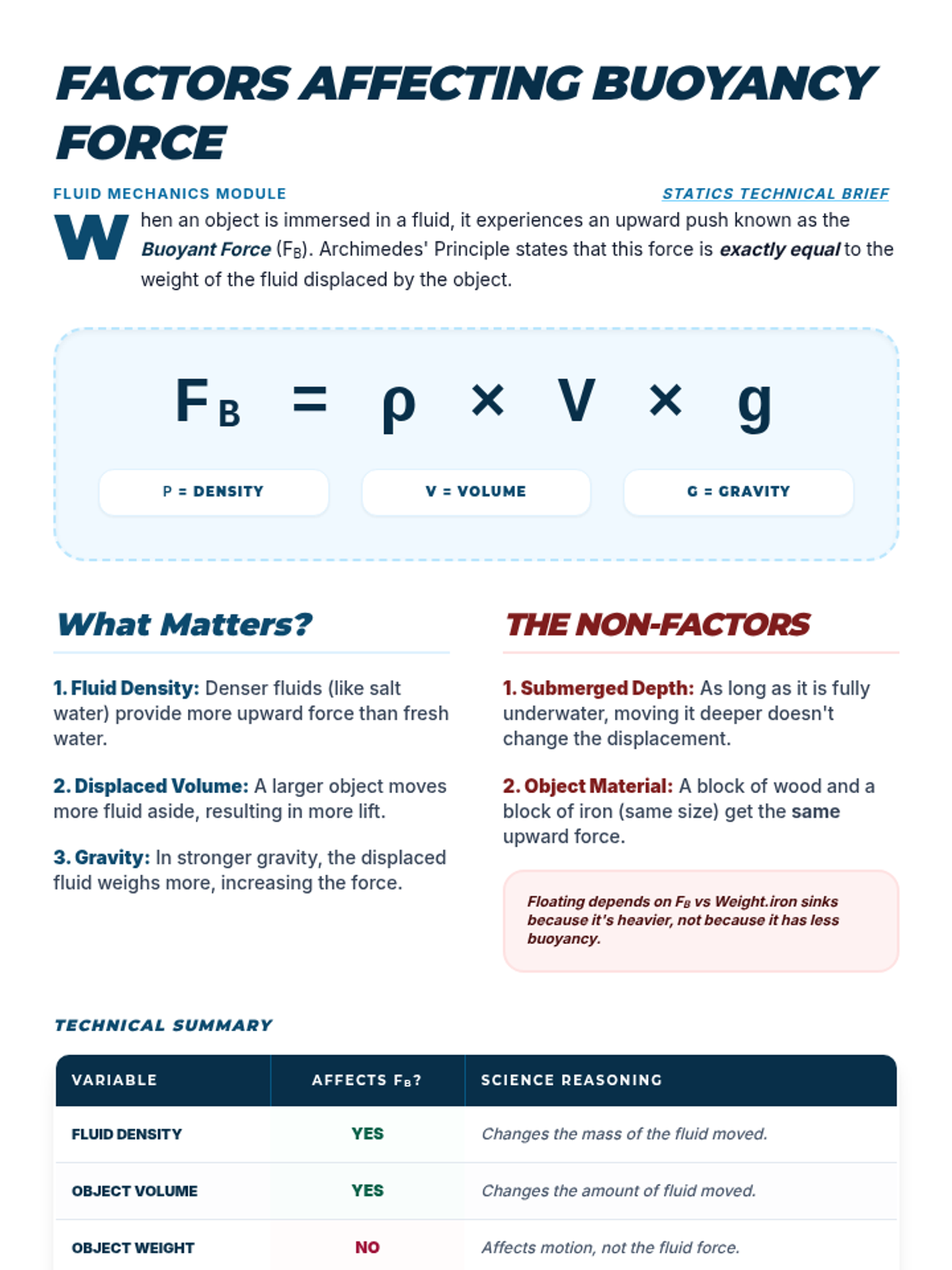
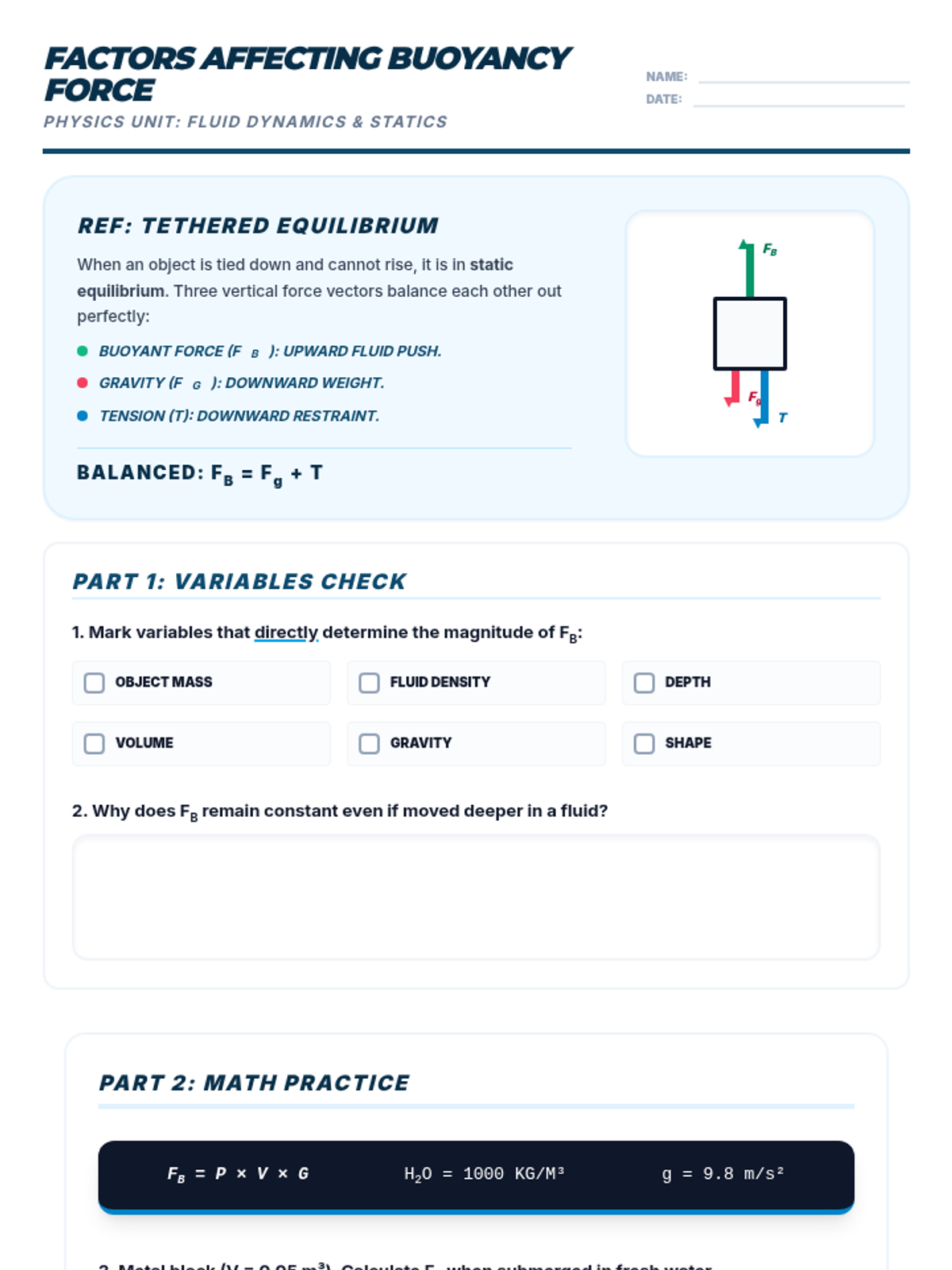
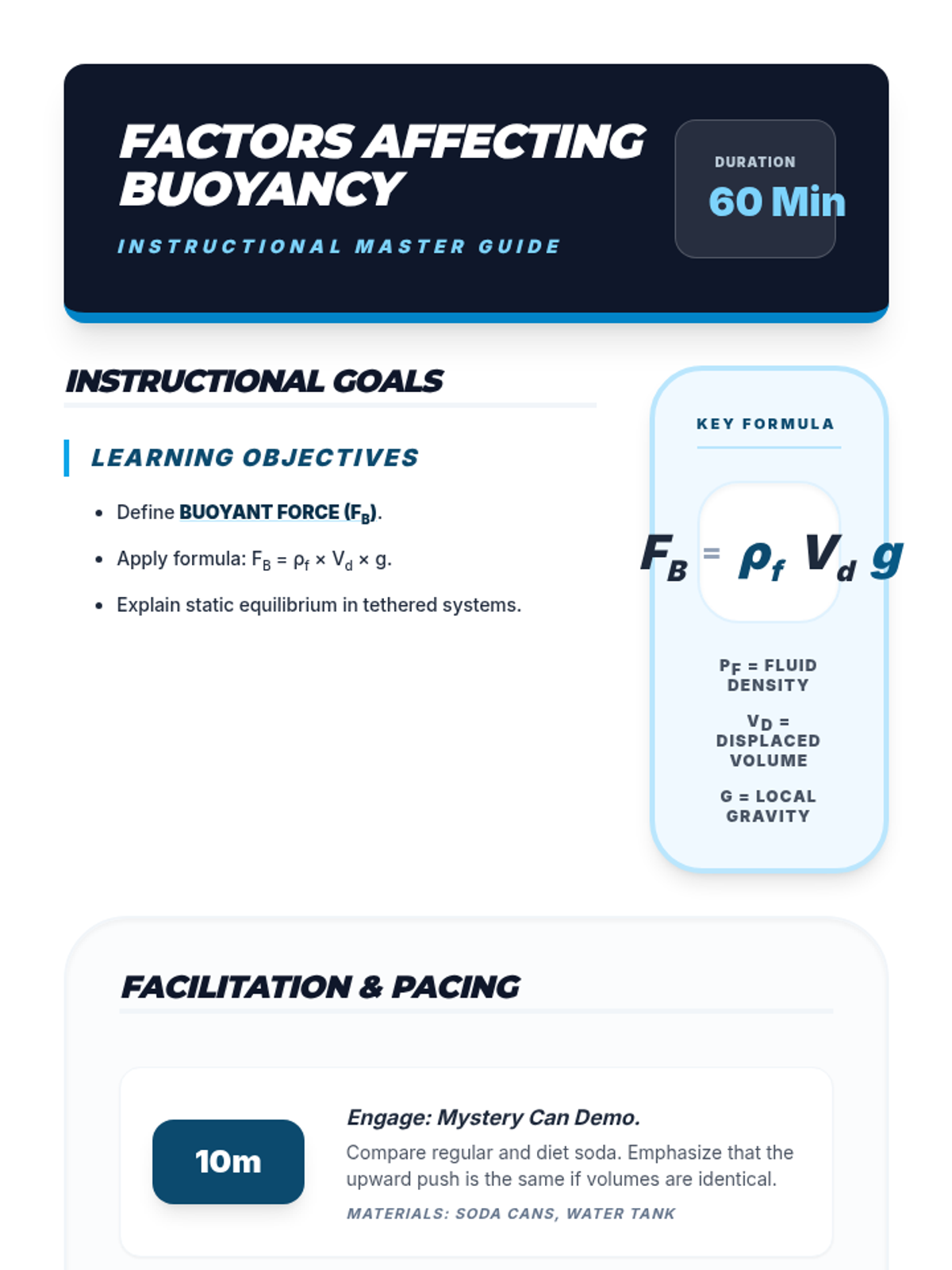
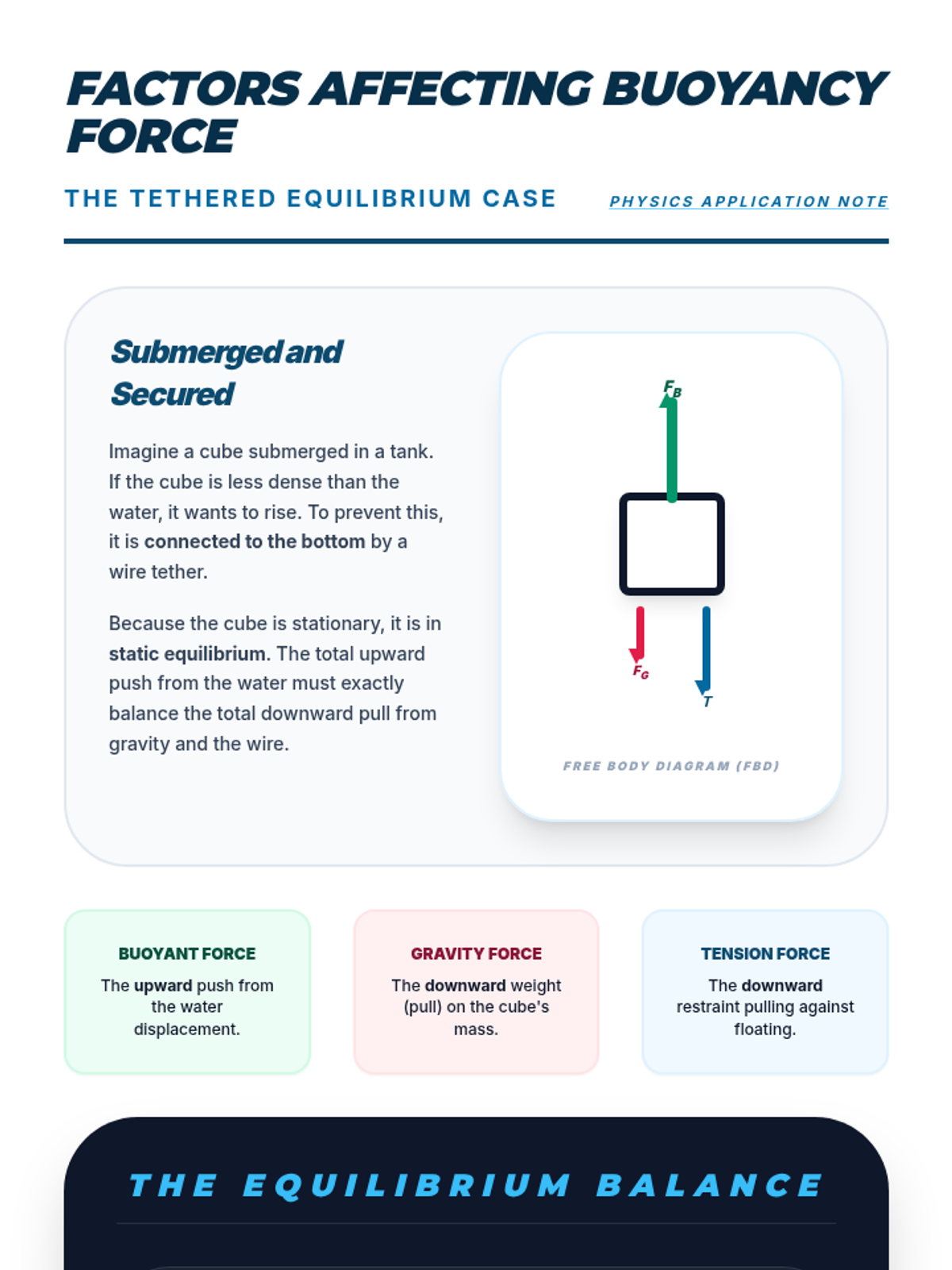
This lesson explores the physical principles of buoyant force, focusing on Archimedes' Principle and the specific factors that determine the magnitude of upward force in a fluid. Students will distinguish between variables that affect buoyancy and those that do not, such as depth and object density.
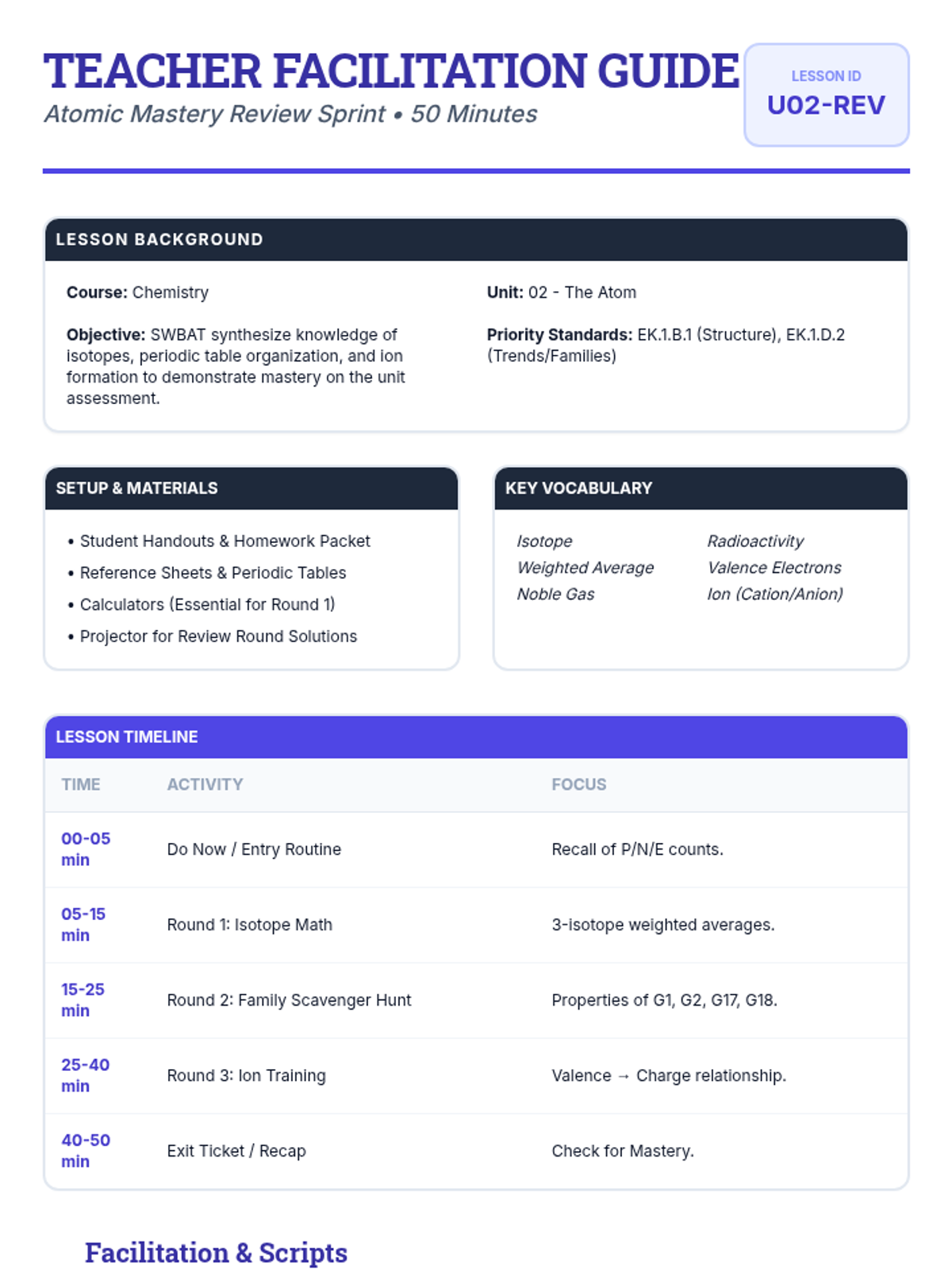
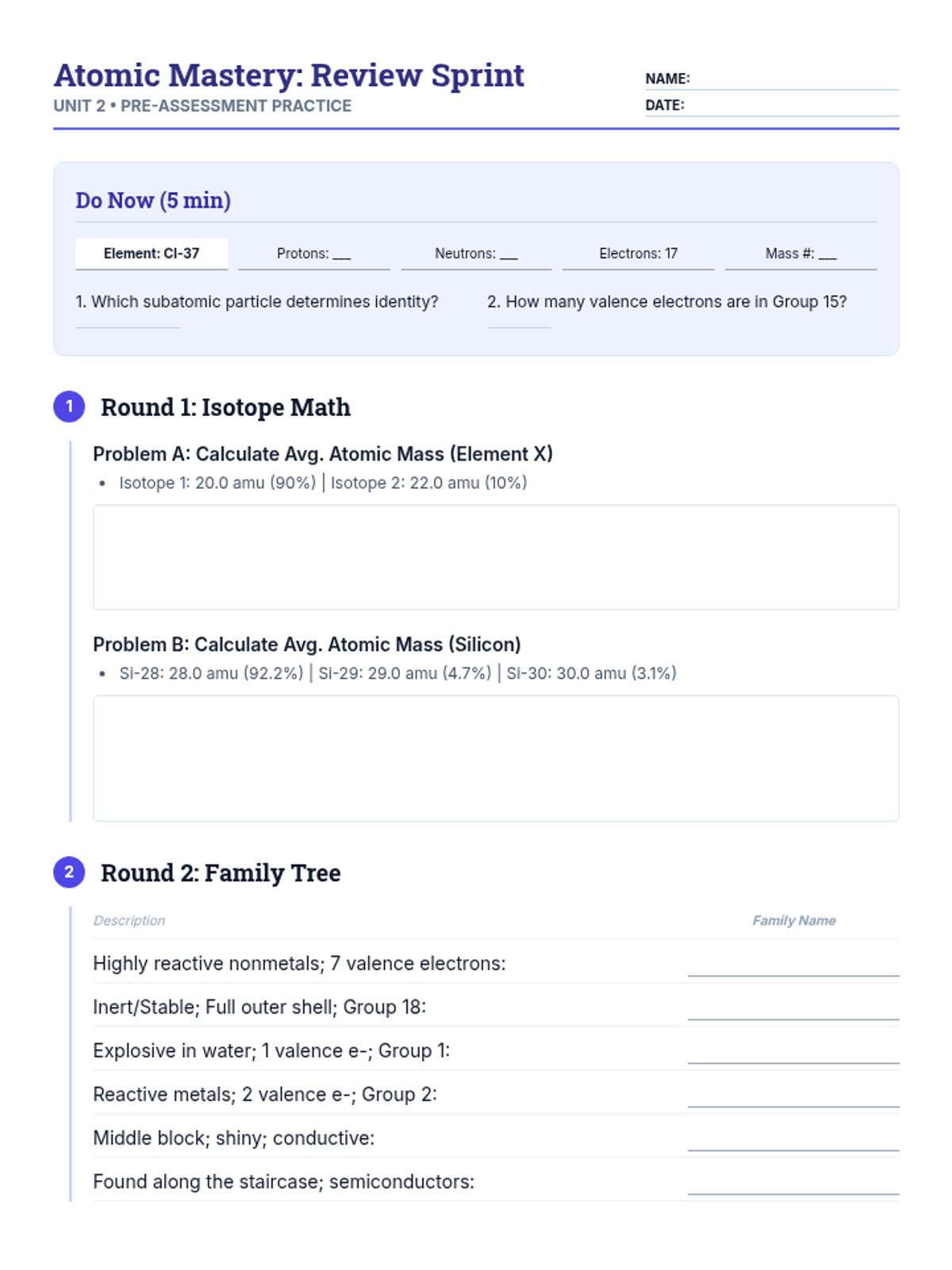
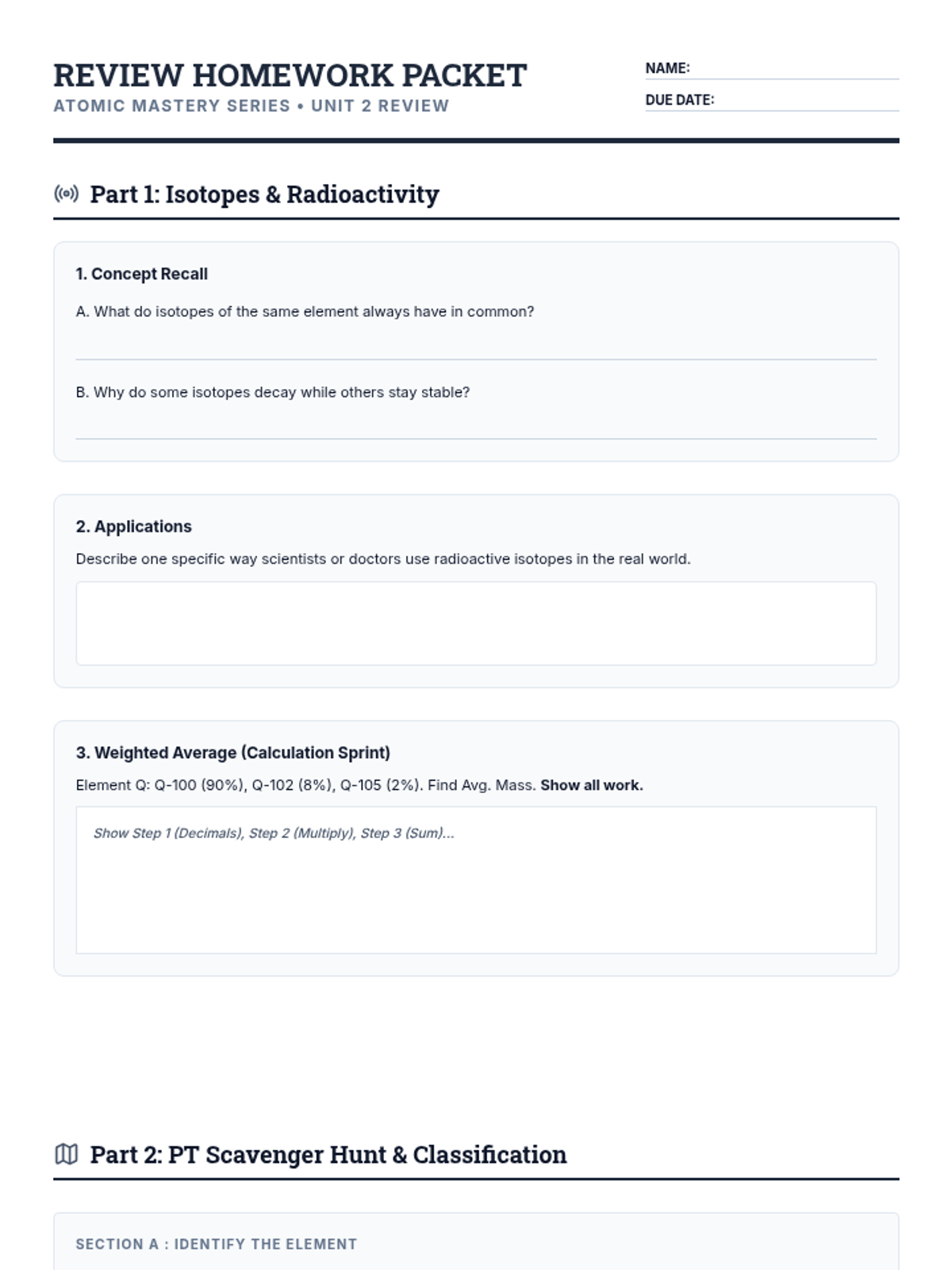
A high-energy review session with three distinct practice rounds targeting isotope math, periodic table families, and ion formation. Includes a 50-minute lesson plan and a cumulative homework packet.
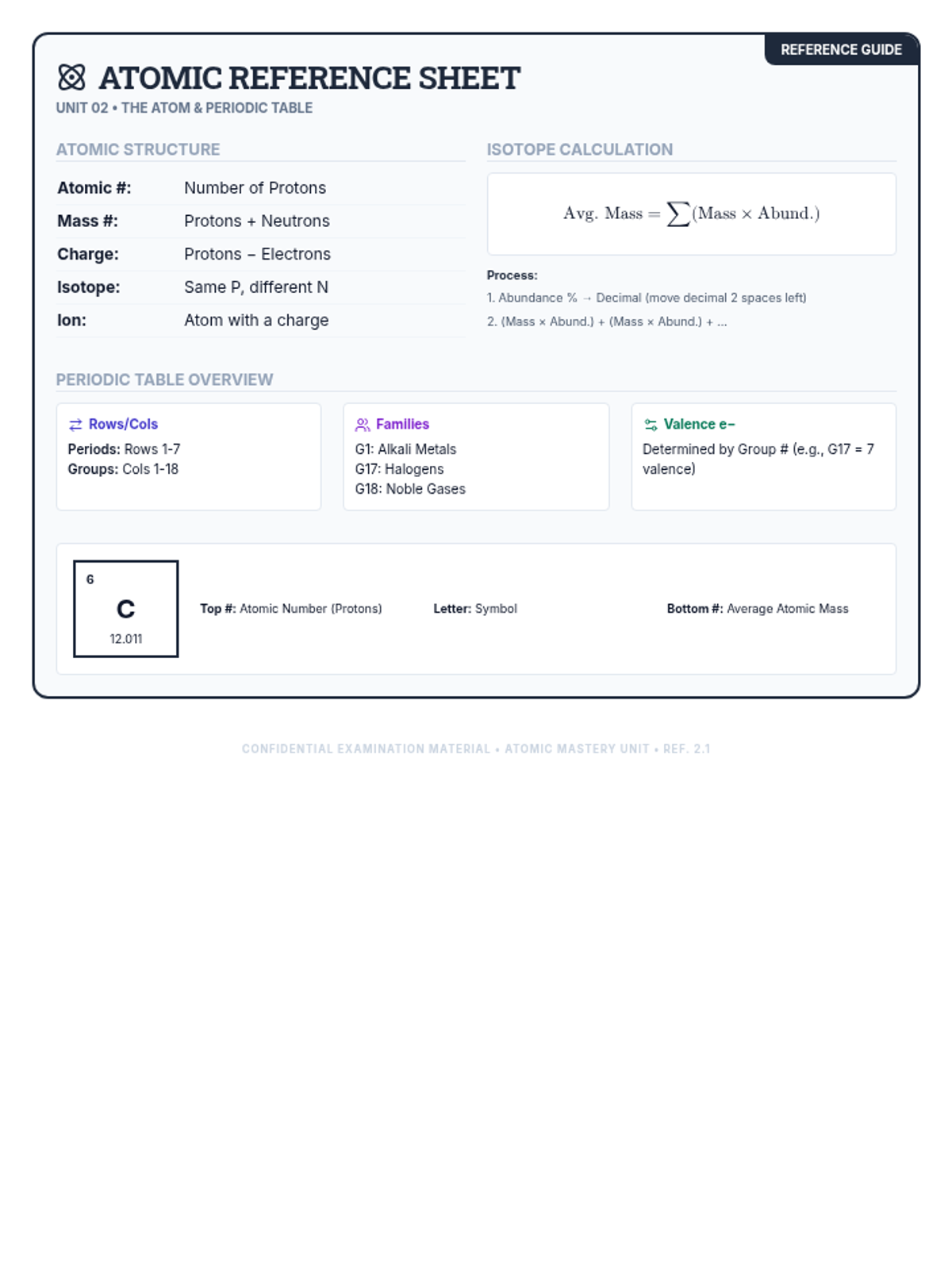
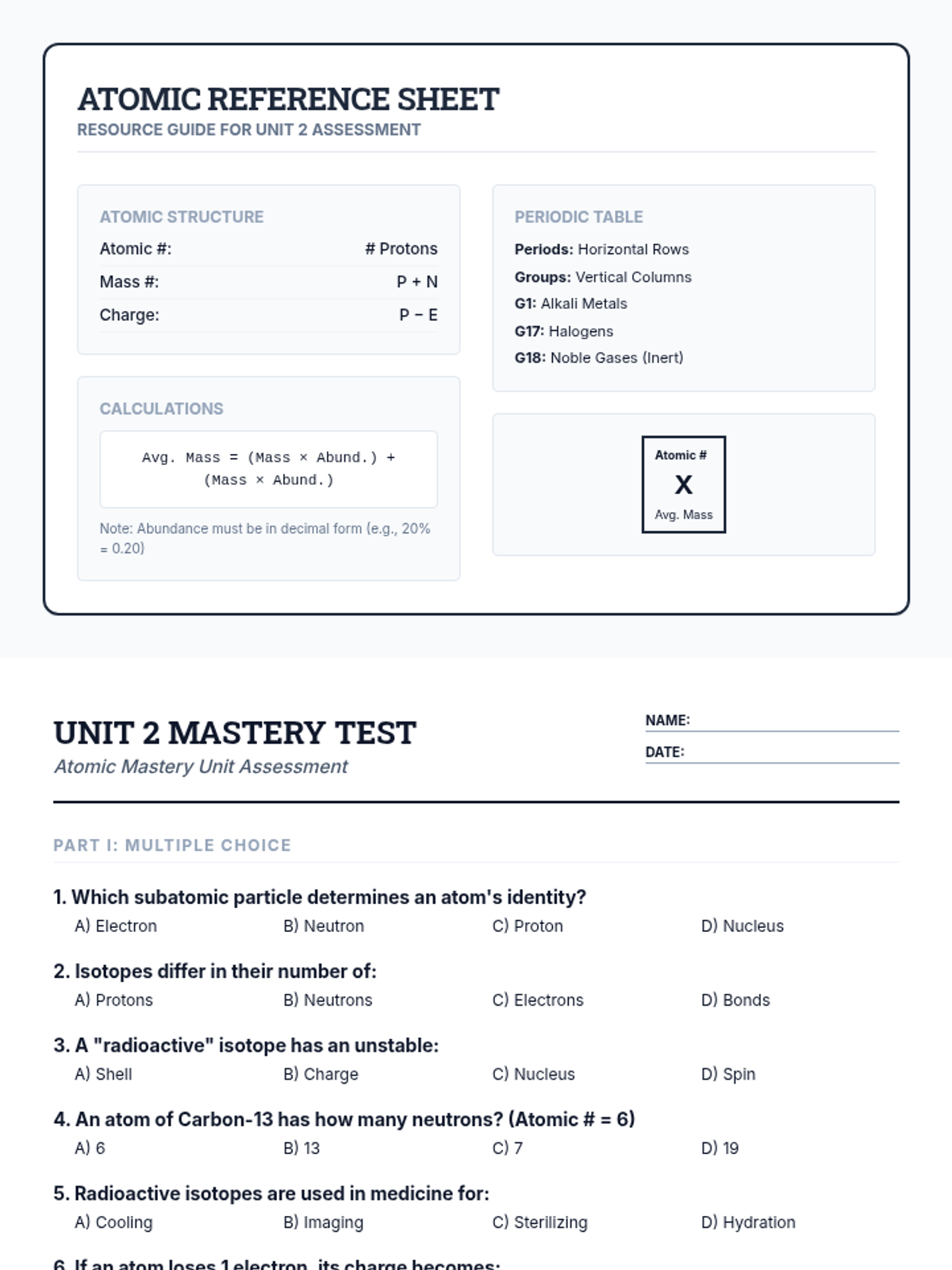
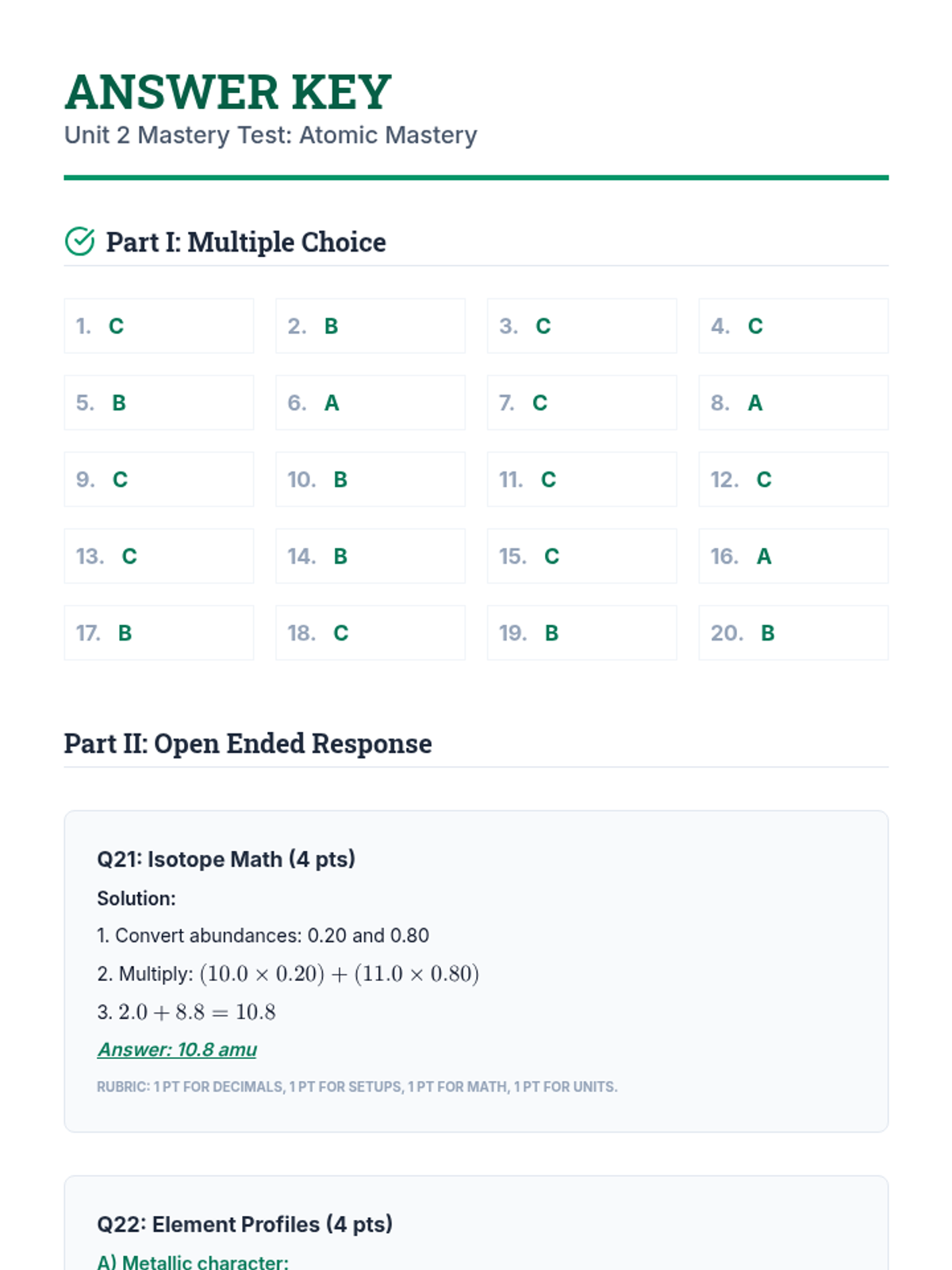
The final assessment for the unit, including a reference sheet, the unit test with multiple choice and open-ended questions, and a detailed answer key.
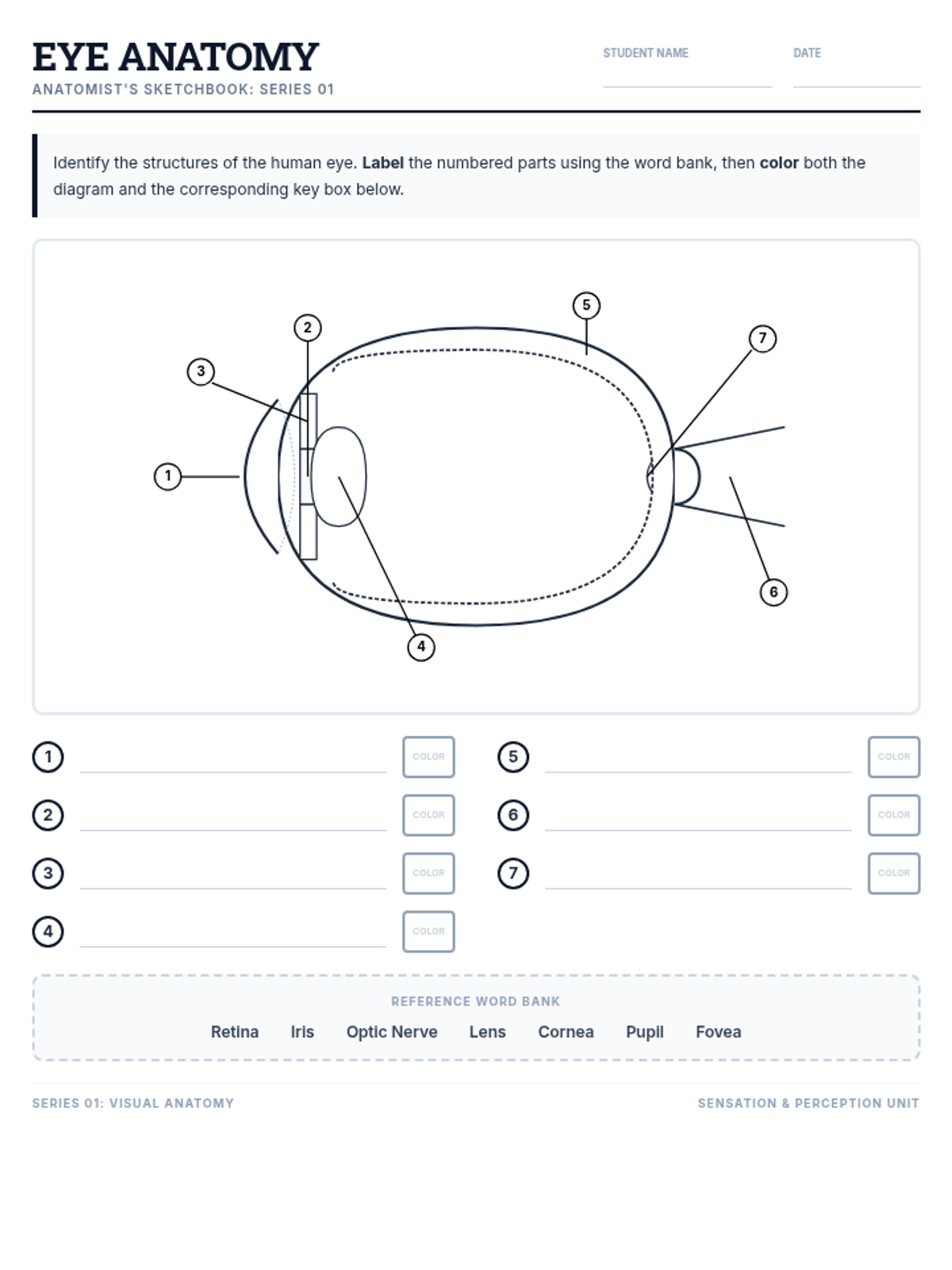
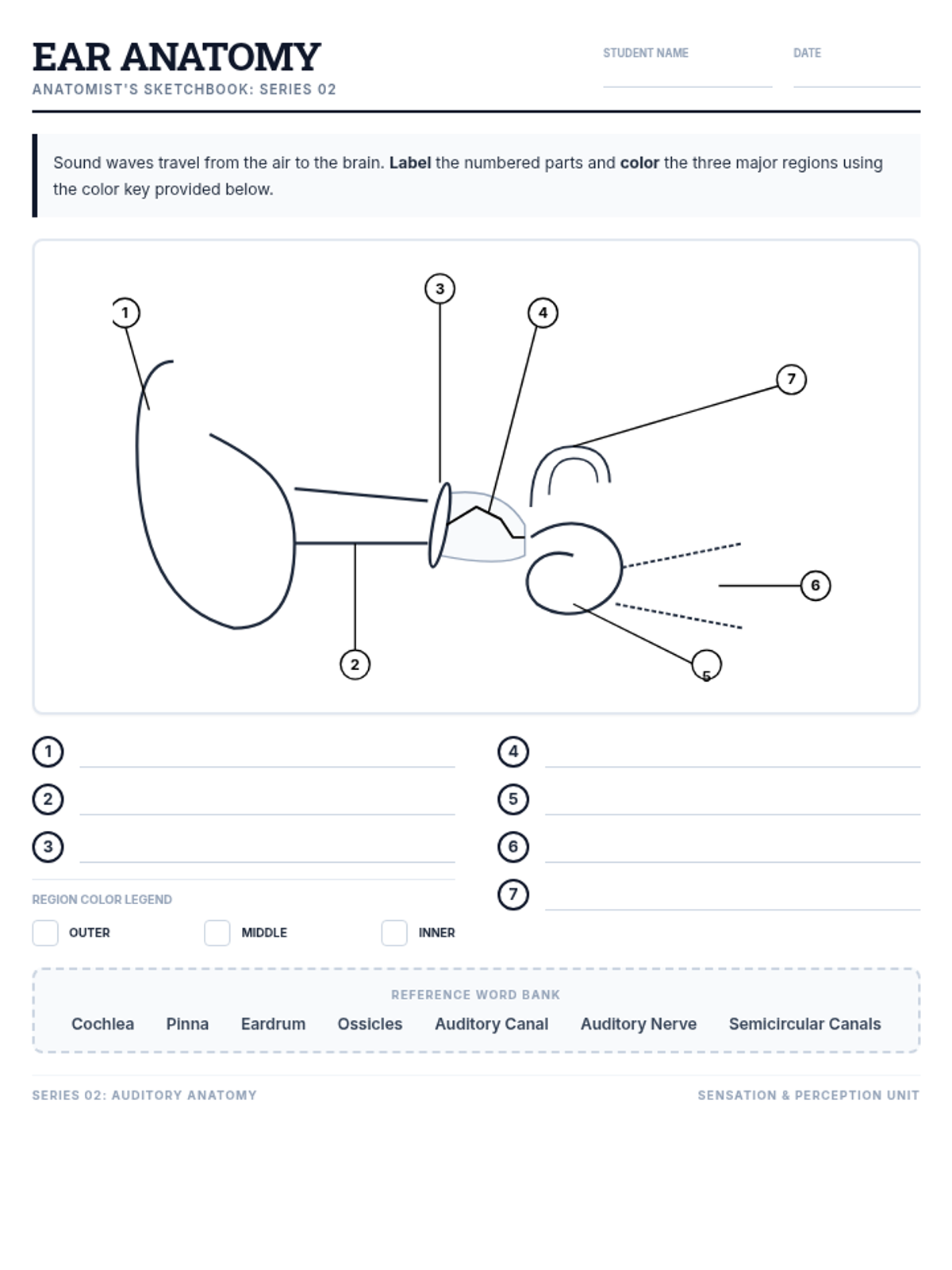
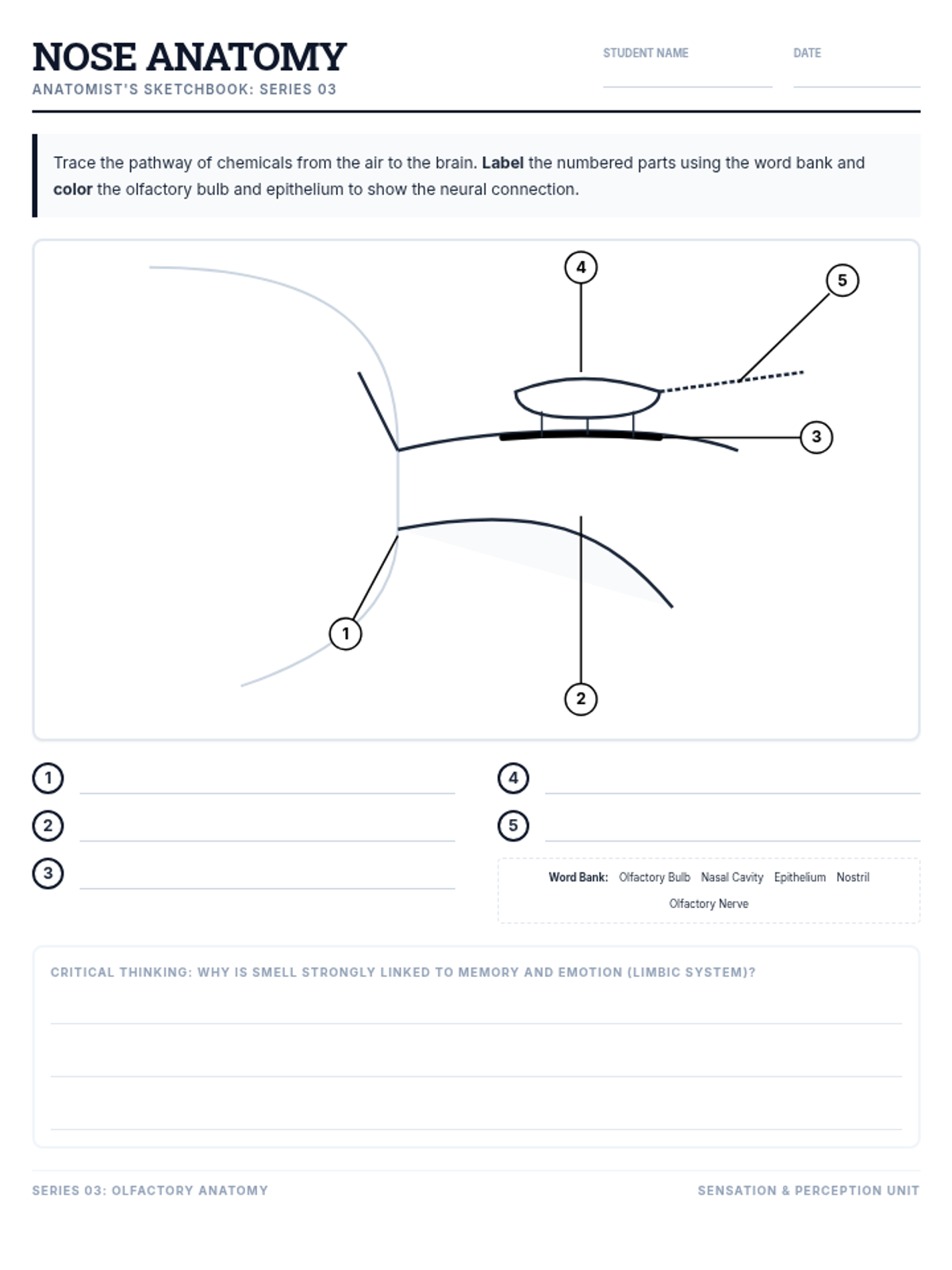
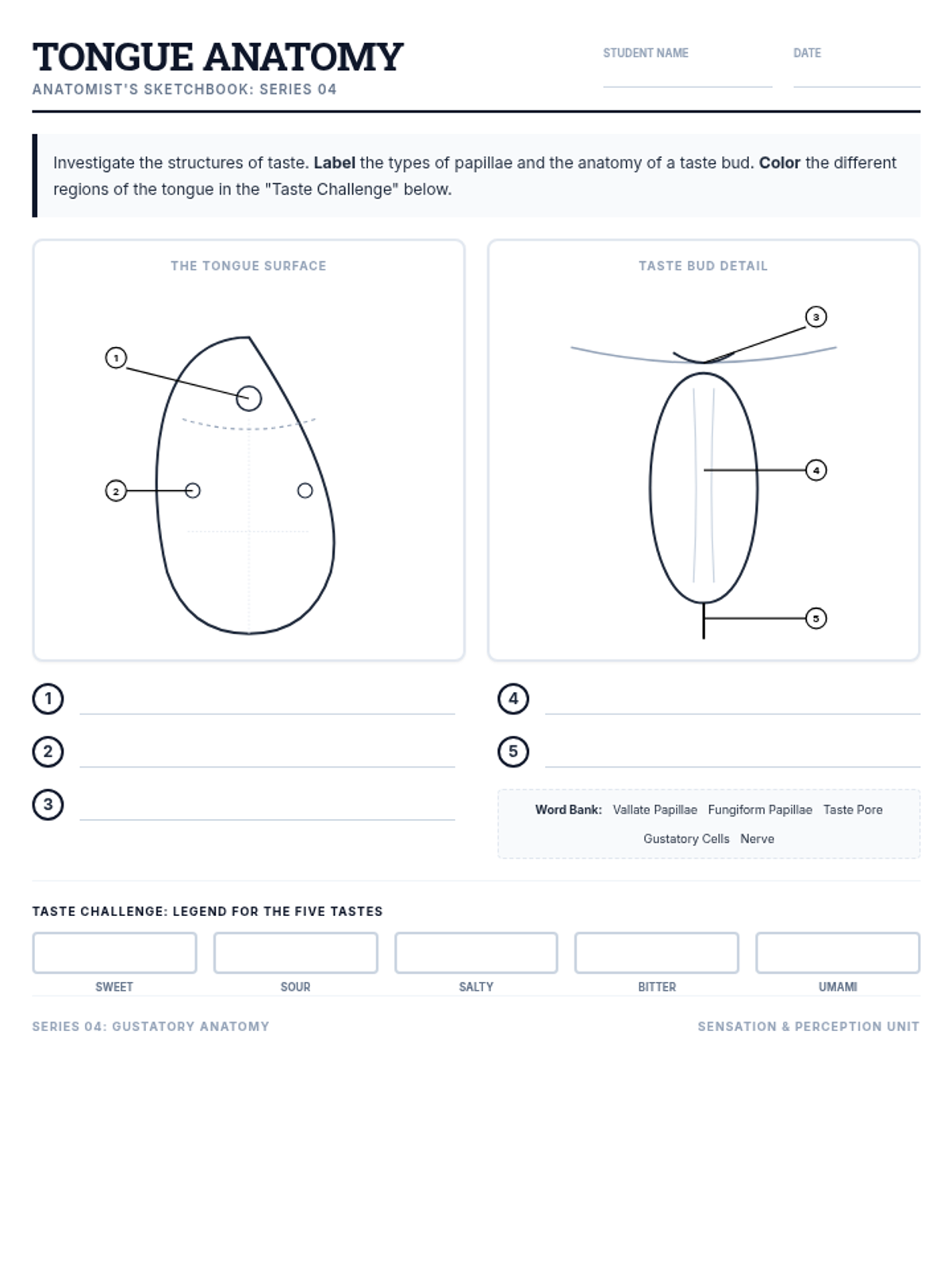
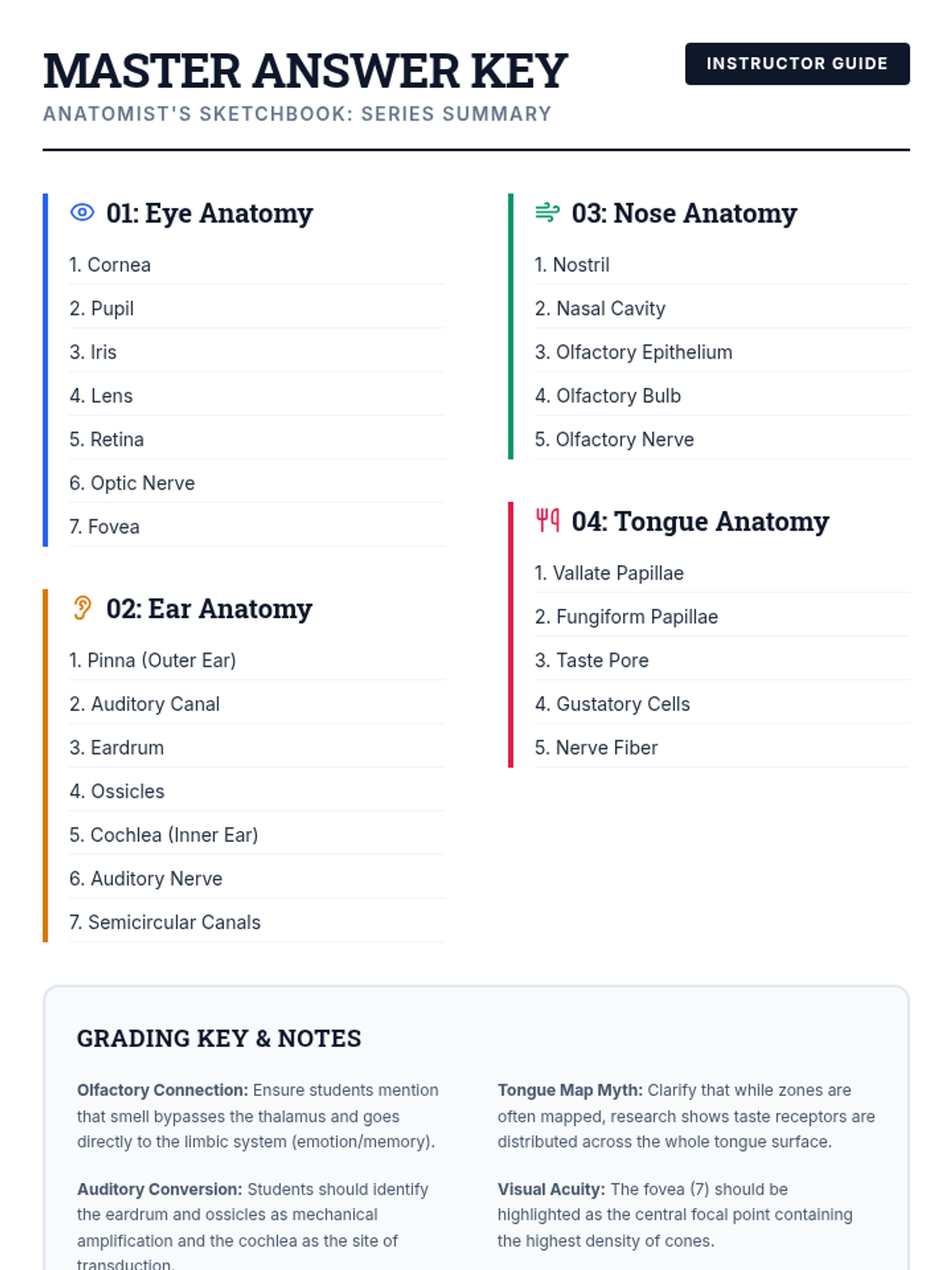
An in-depth look at the anatomical structures of the primary sensory organs, providing hands-on labeling and coloring activities to reinforce terminology.
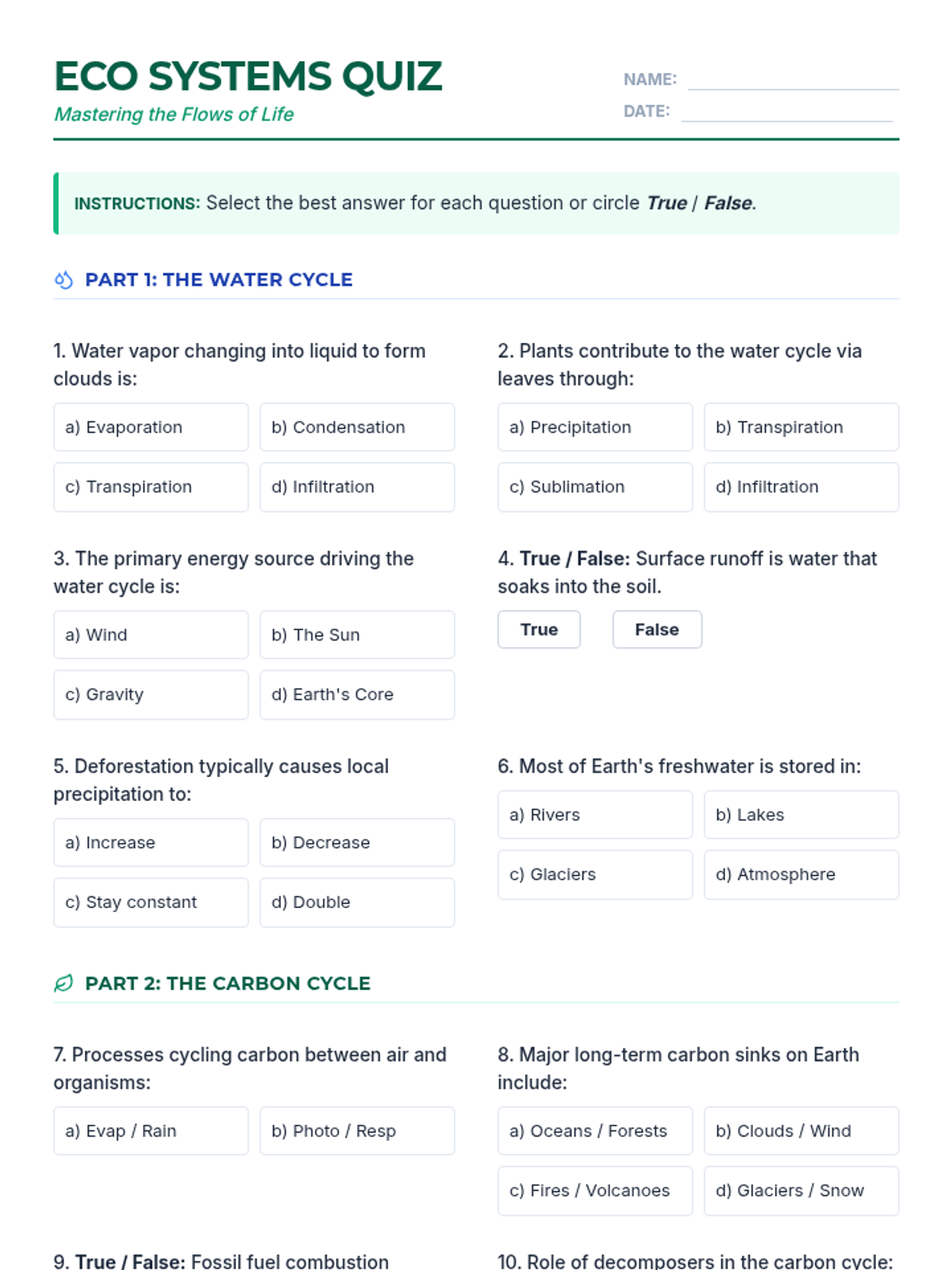
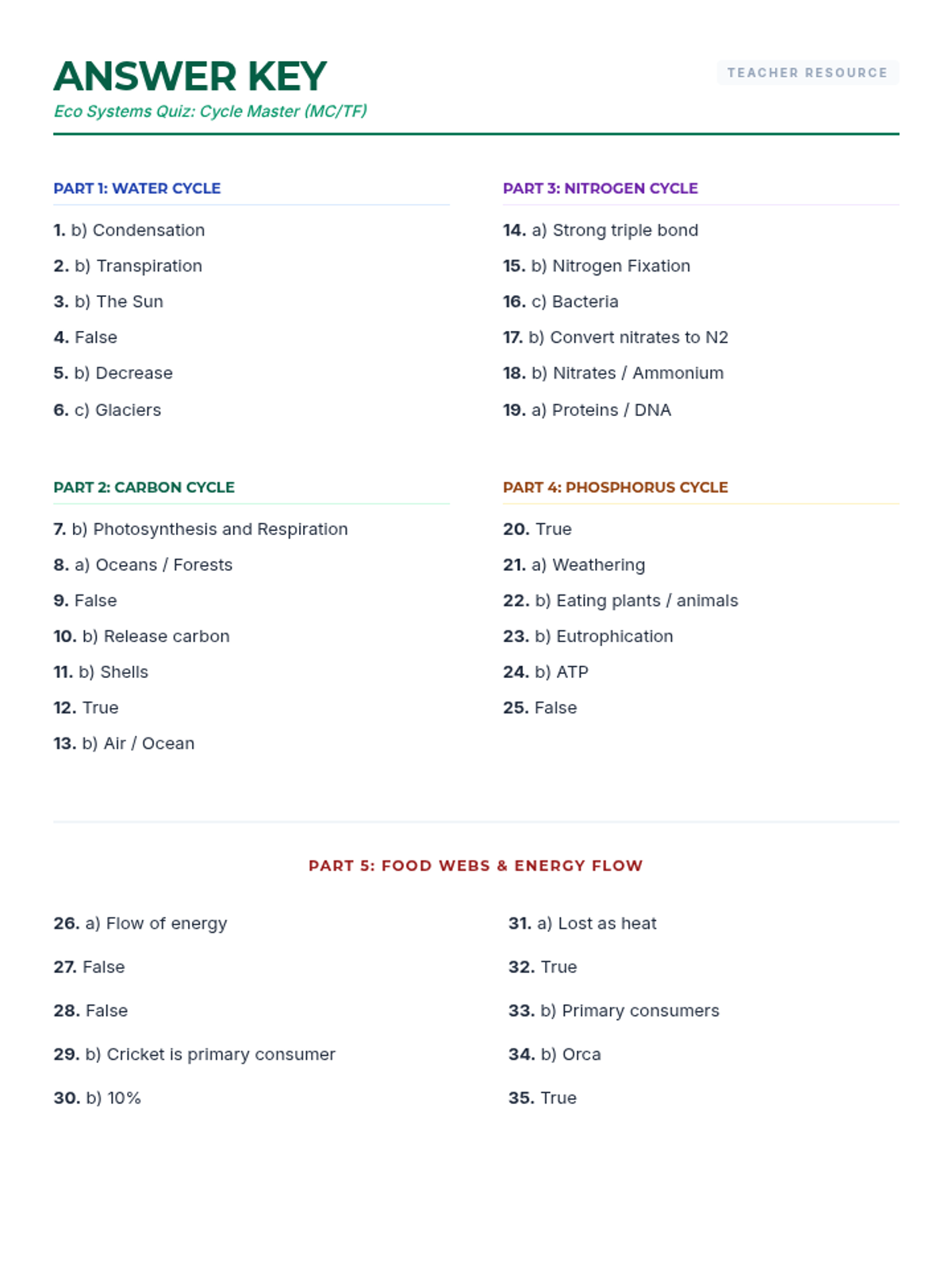
A comprehensive review lesson covering the essential biogeochemical cycles and the flow of energy through ecosystems, designed to prepare students for assessments through varied question types and difficulty levels.
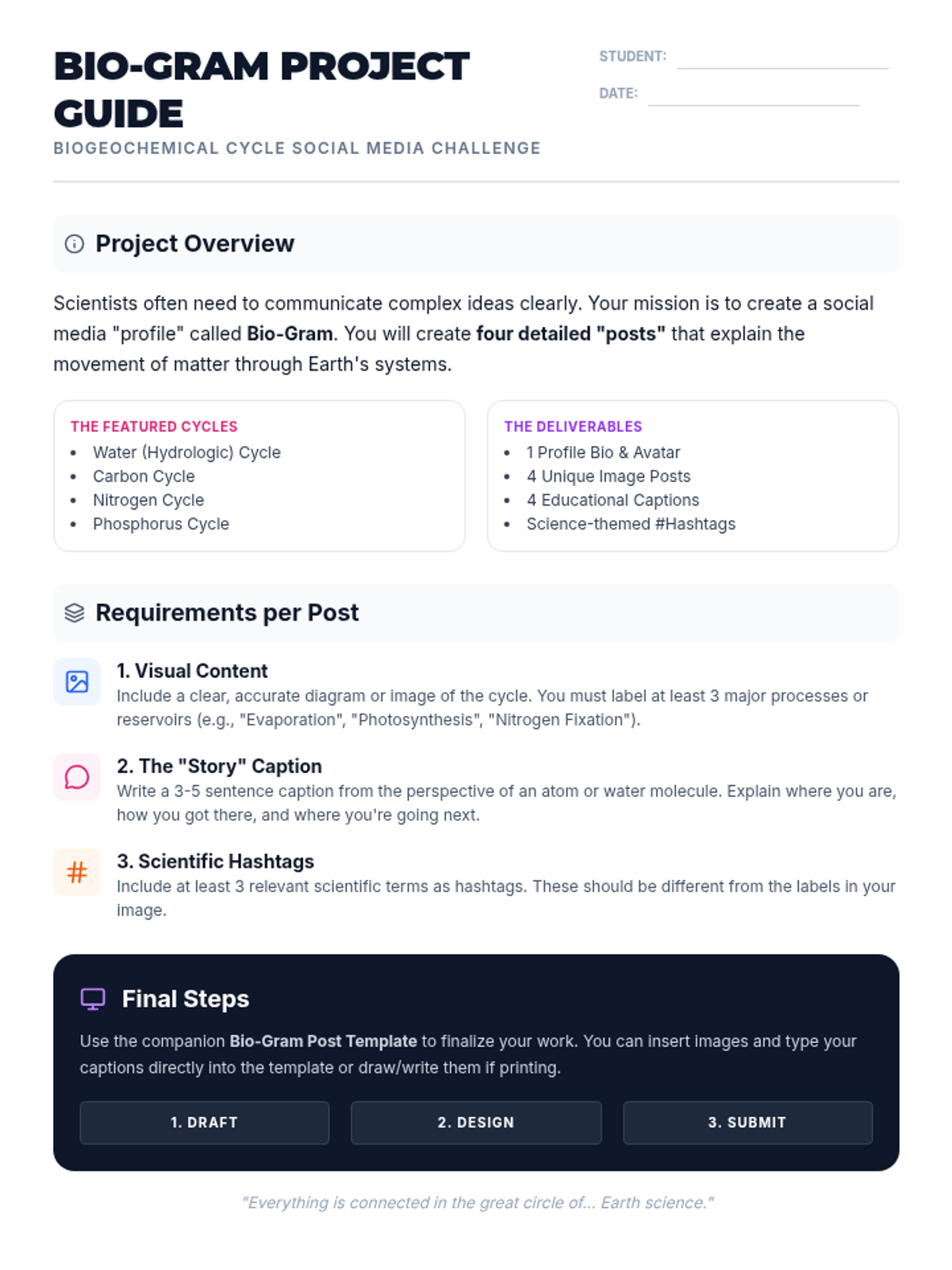
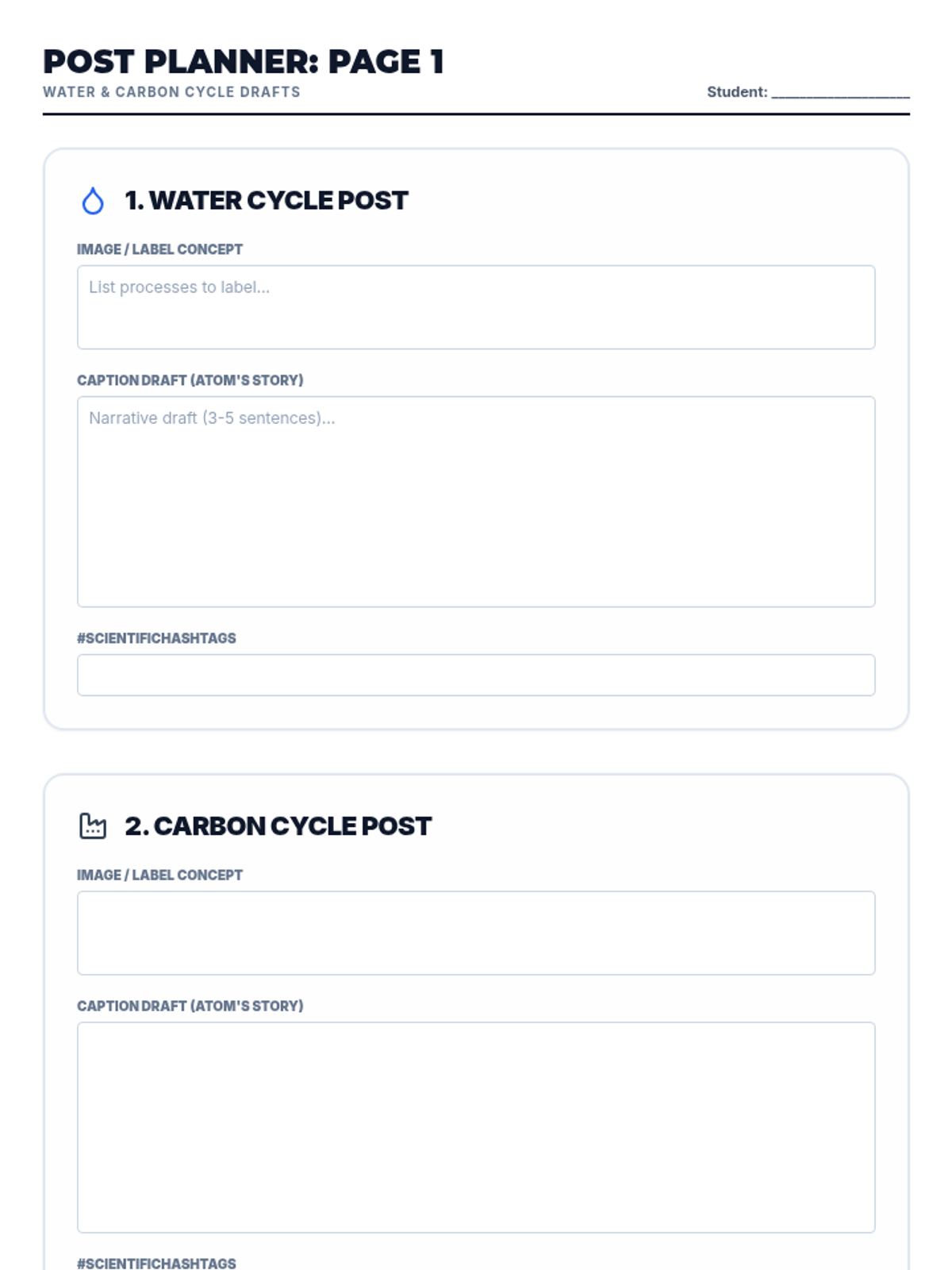
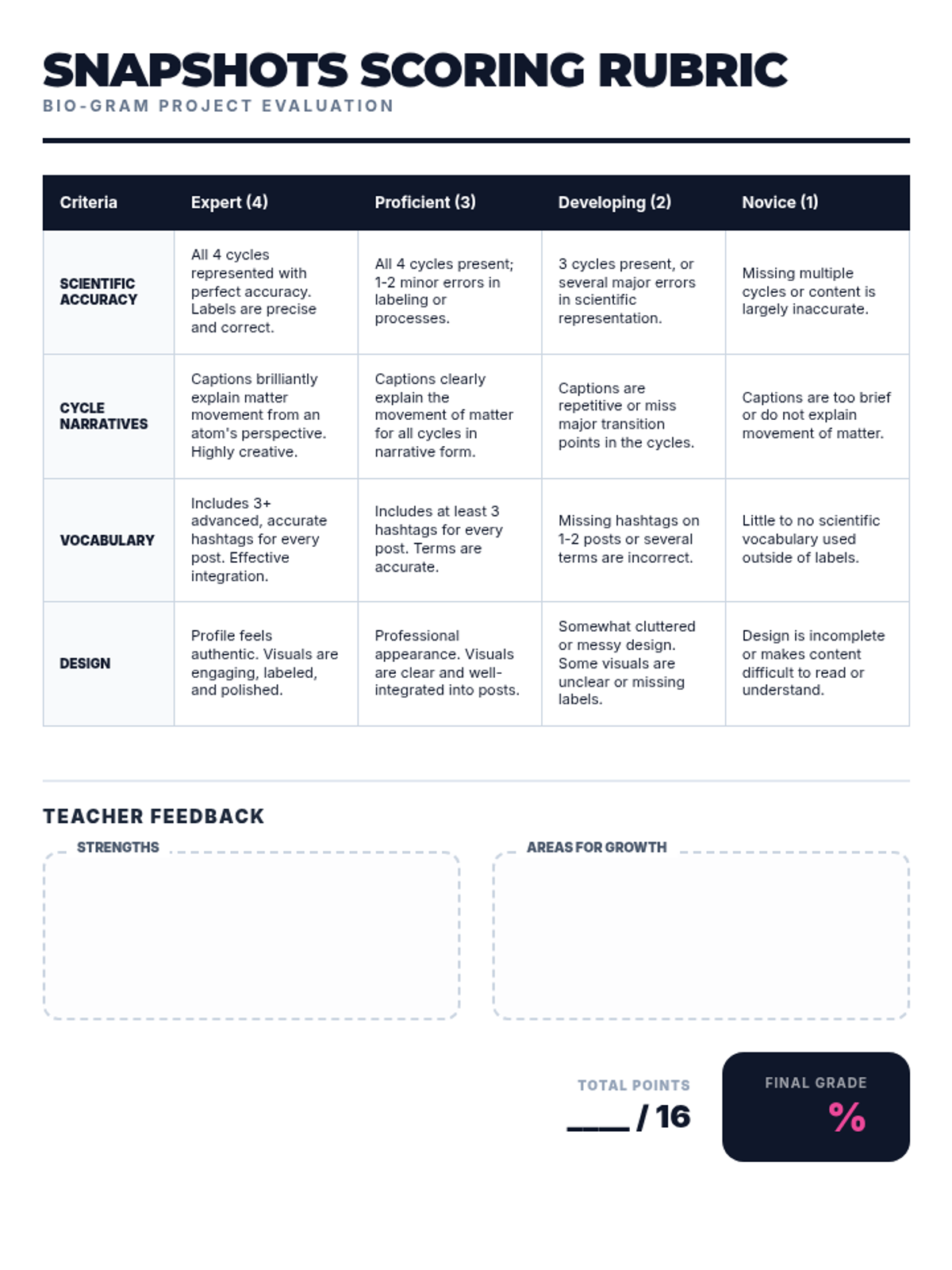
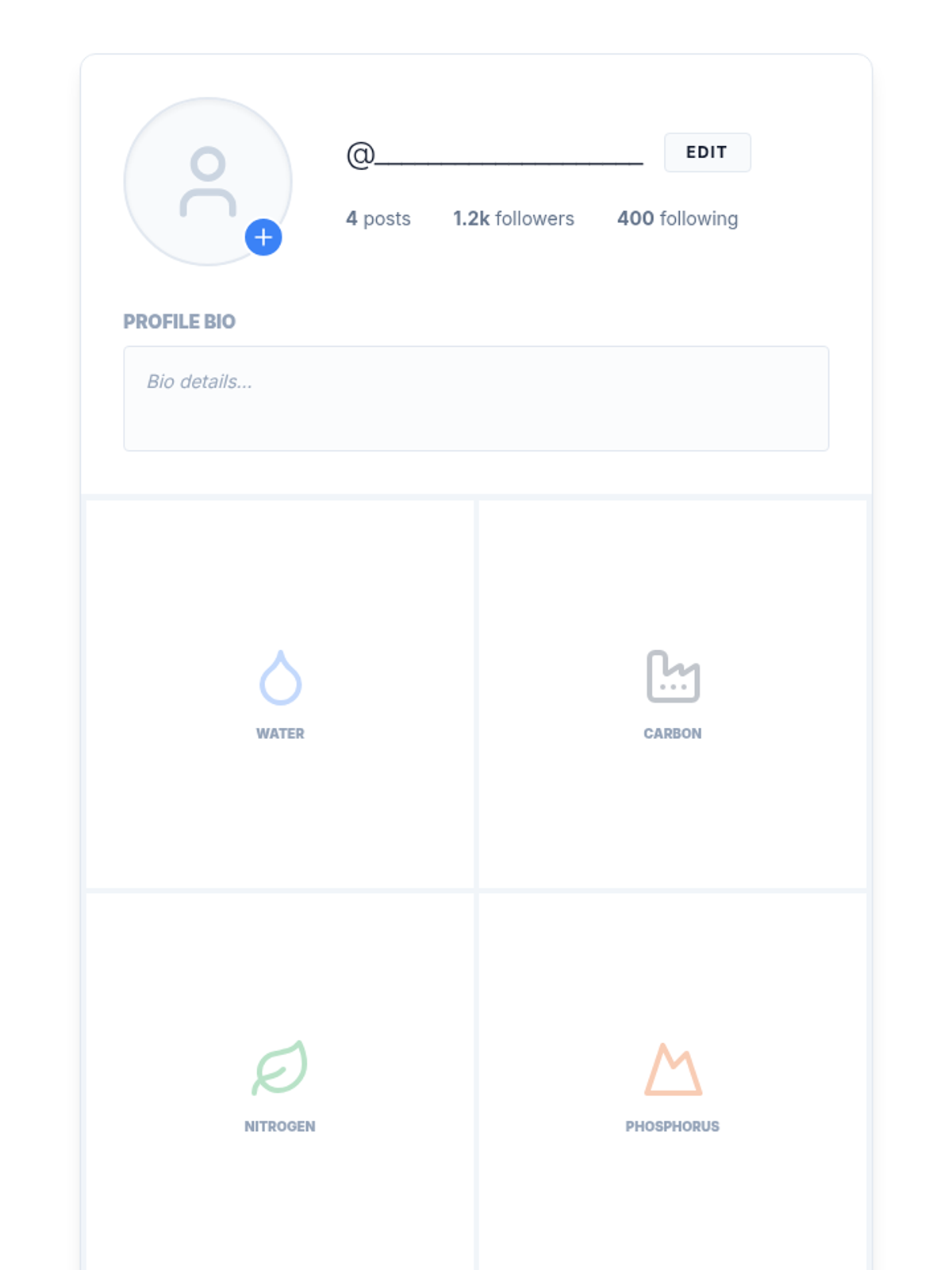
A creative project where students design an Instagram-style feed for the Carbon, Nitrogen, Water, and Phosphorus cycles to demonstrate their understanding of biogeochemical processes.
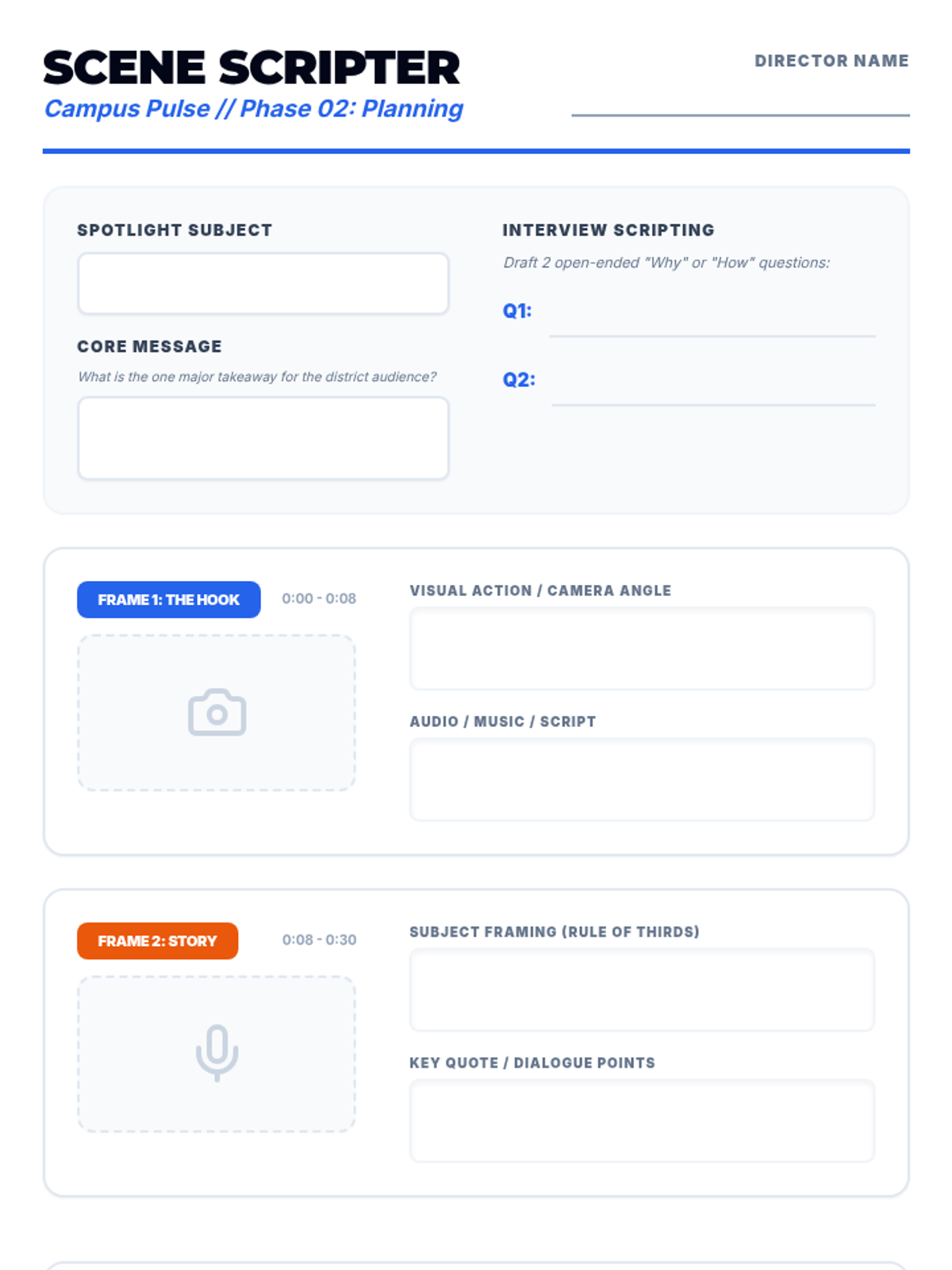
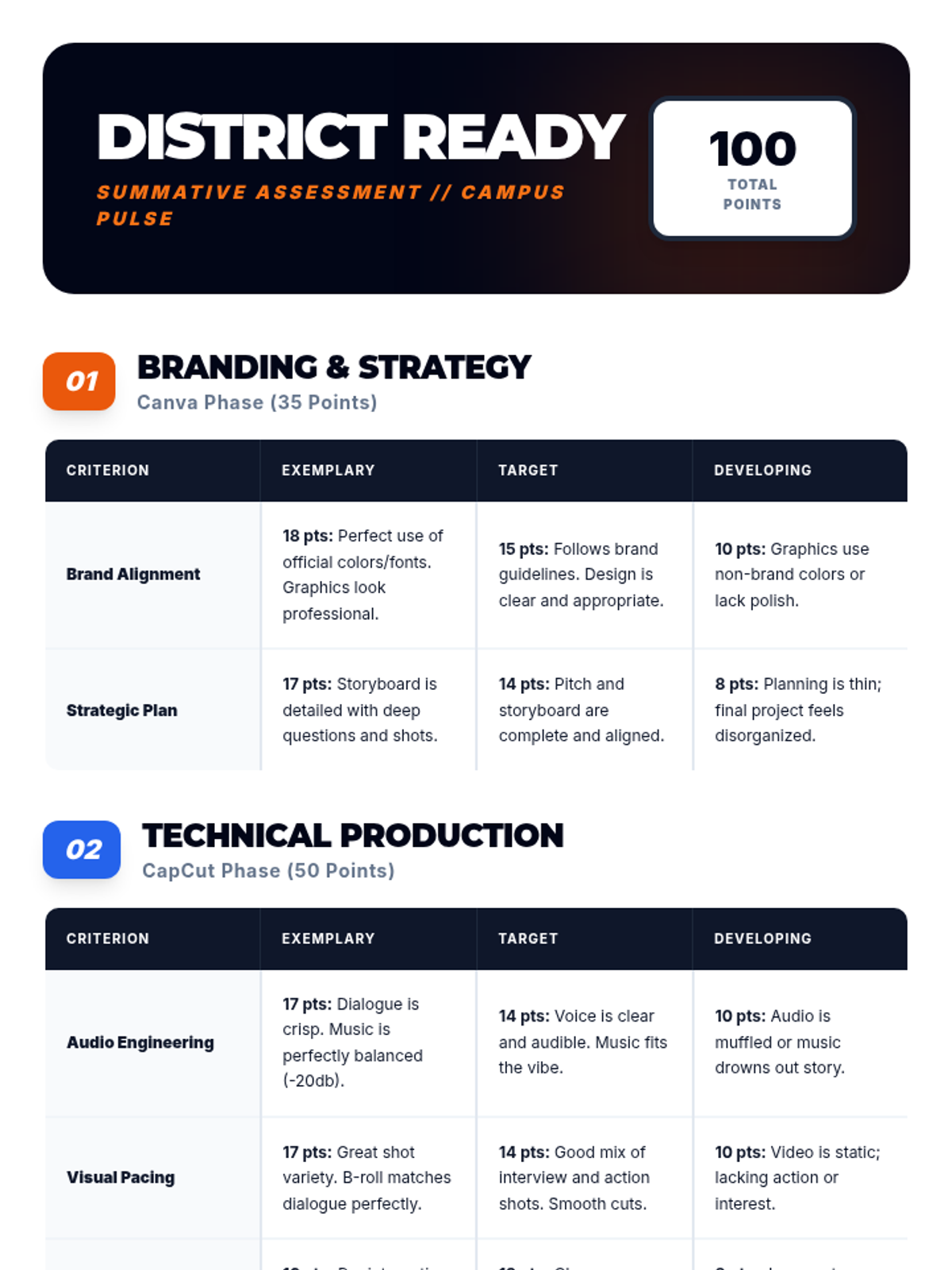
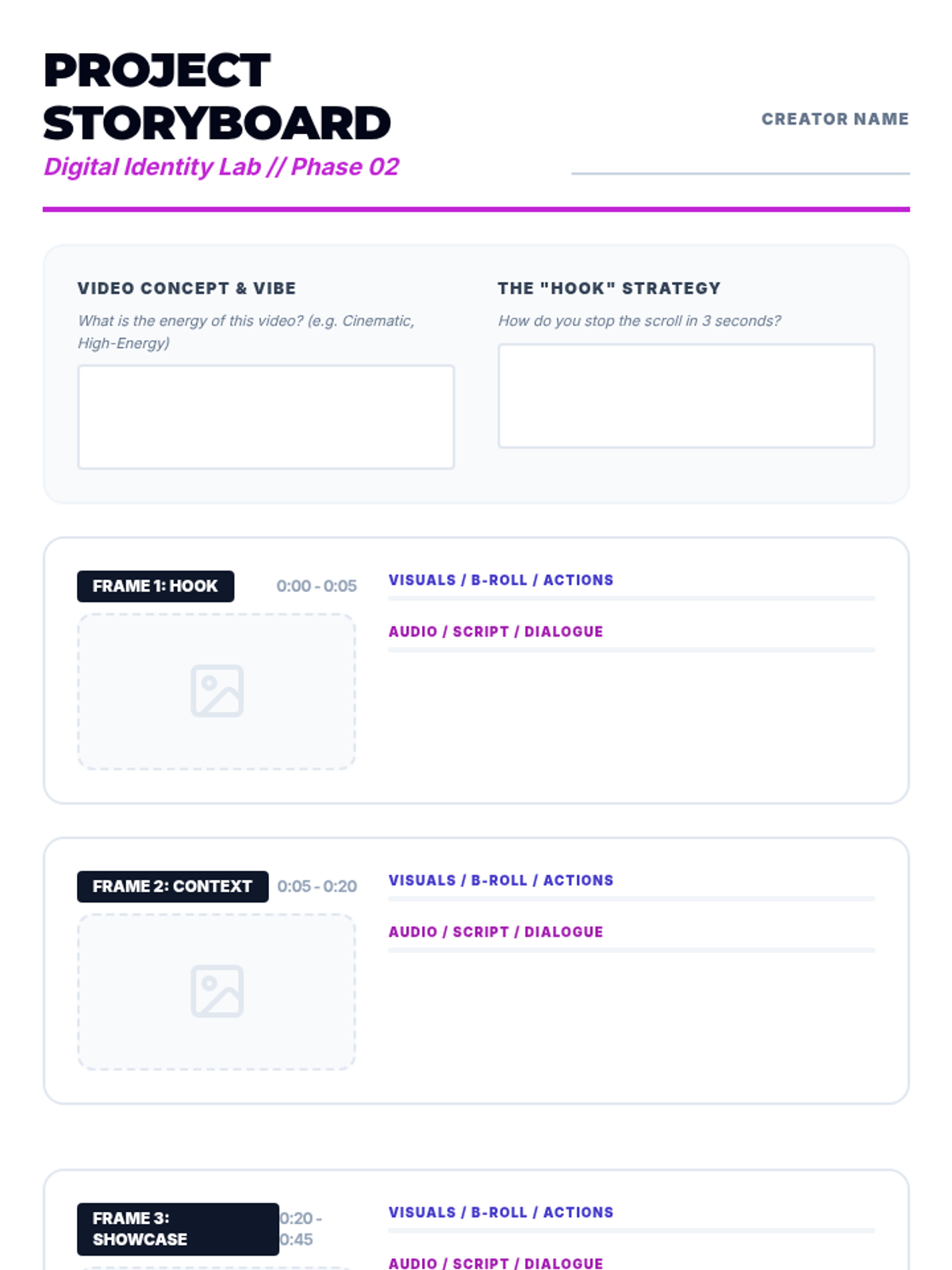
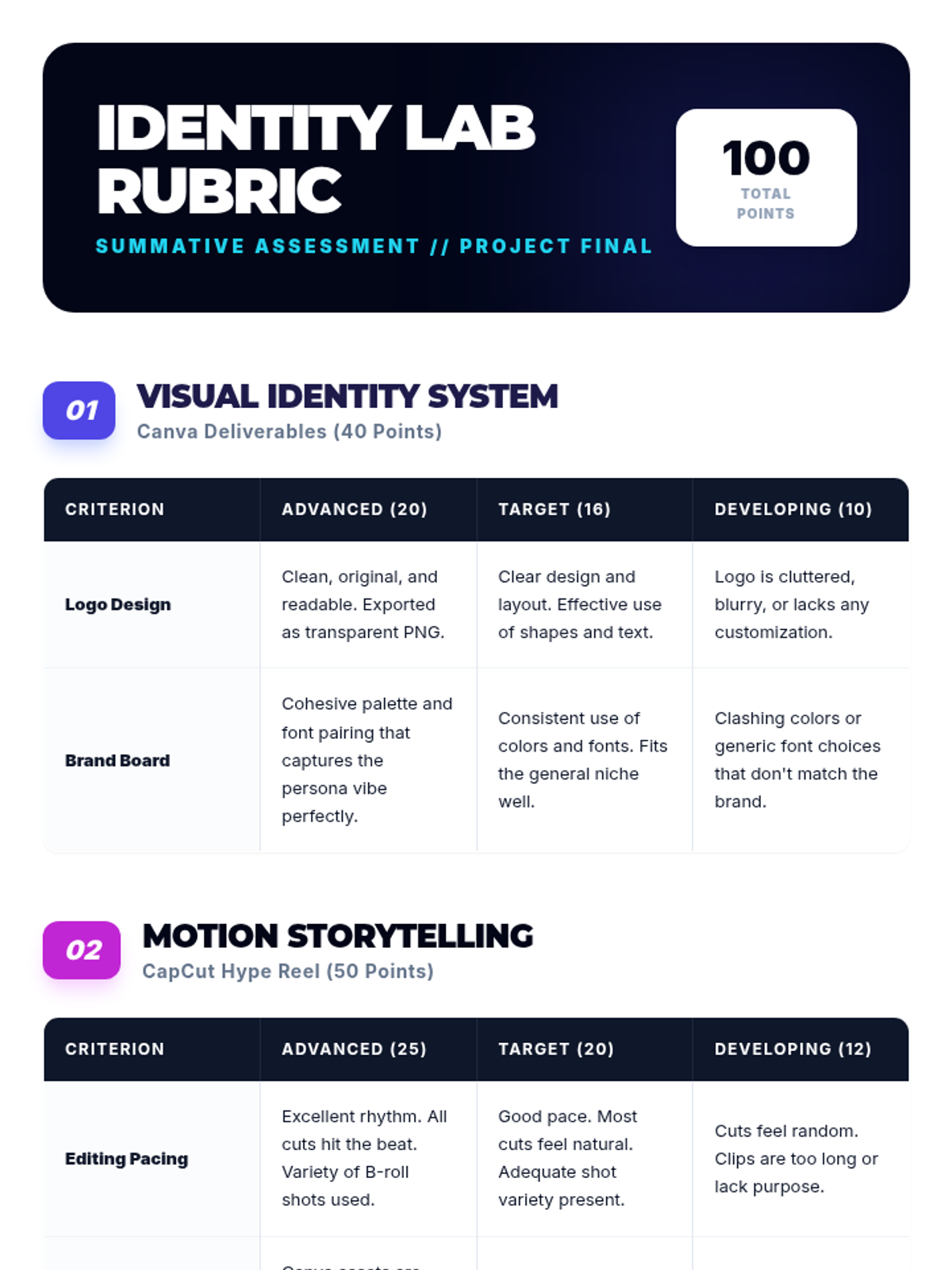
Students capture field footage and use CapCut to assemble a professional-grade short-form video featuring interviews, B-roll, and district branding.
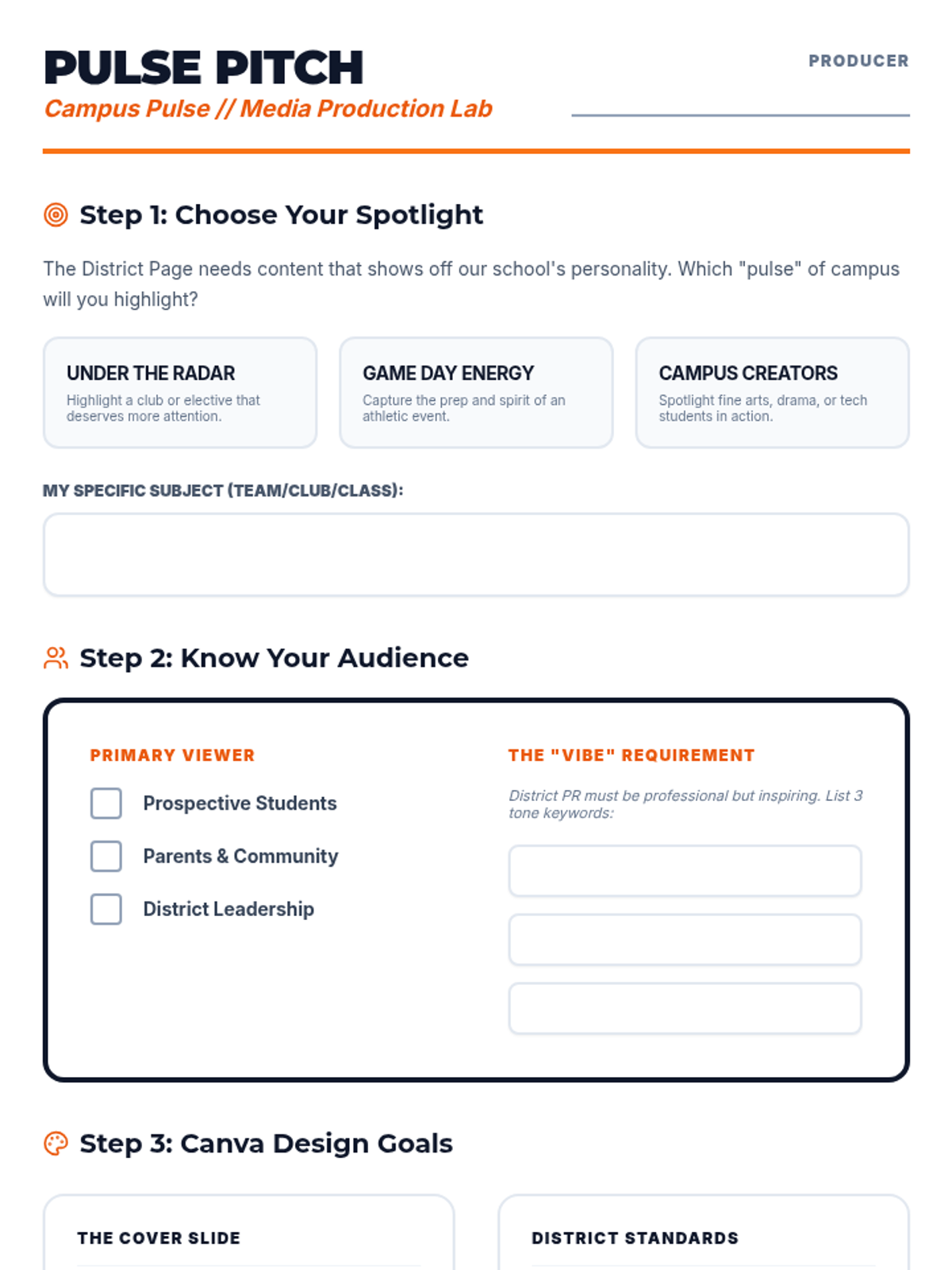
Students define their spotlight subject, research the target audience, and create professional brand assets in Canva, including a video thumbnail and intro graphic.
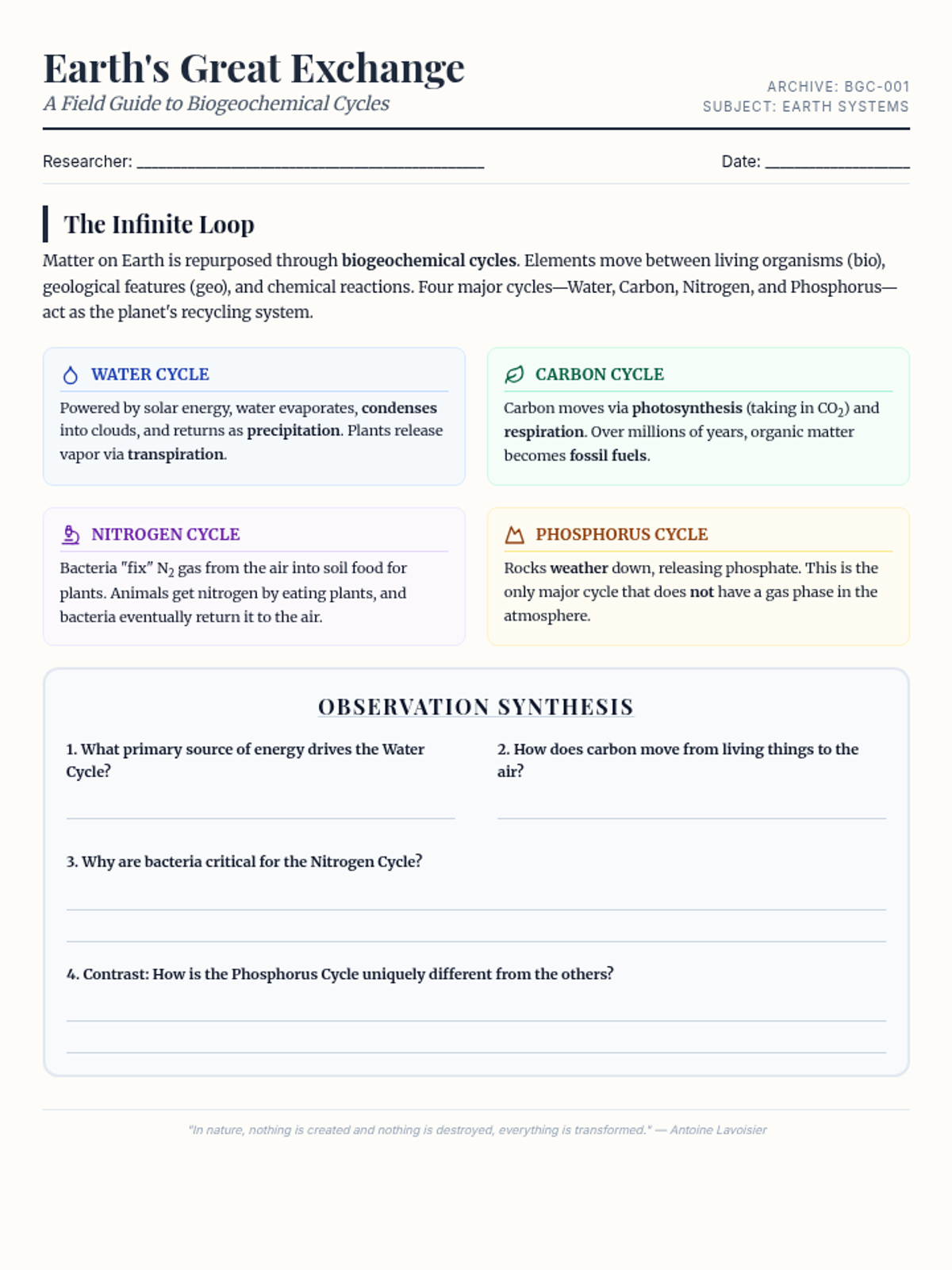
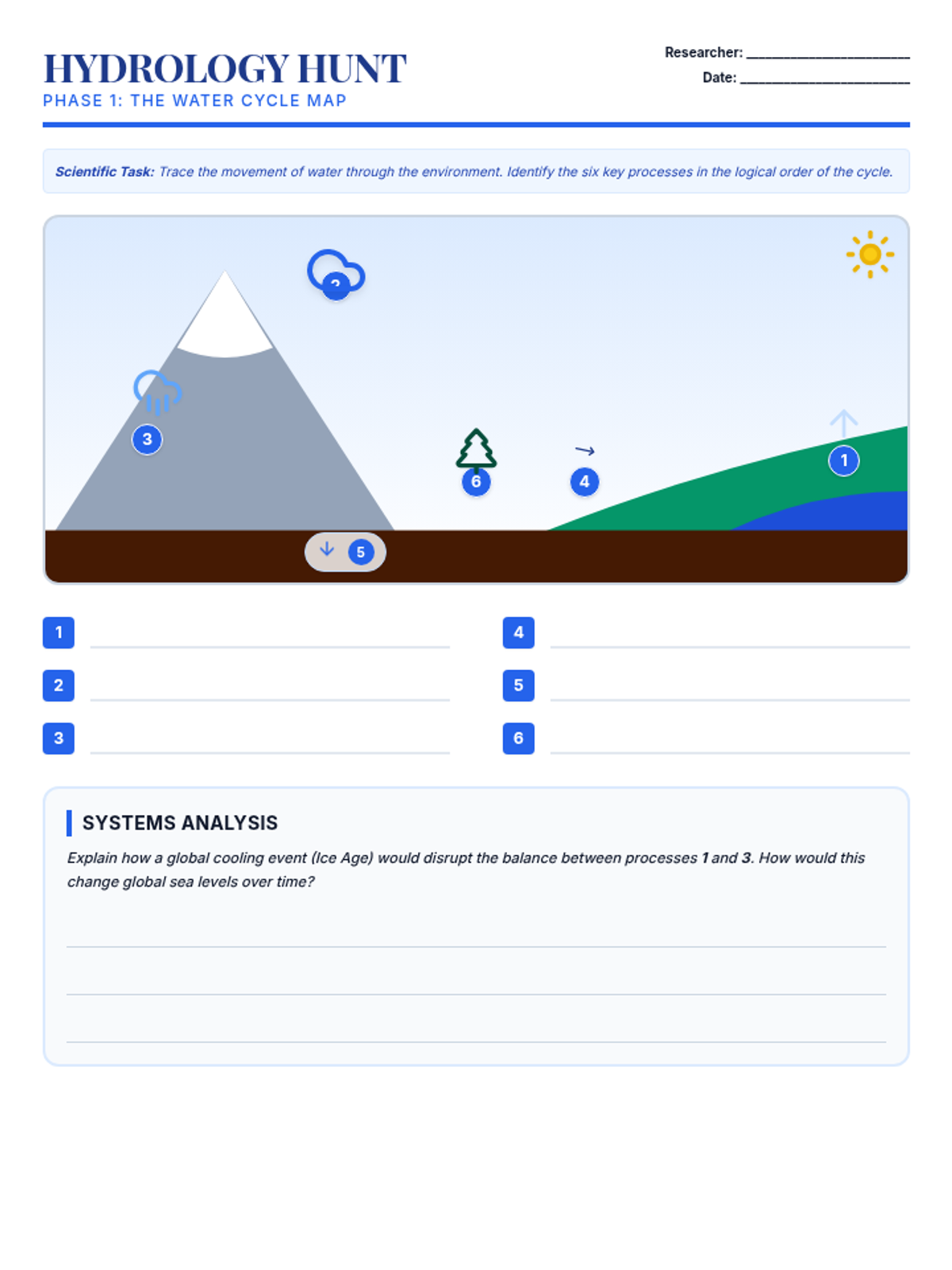
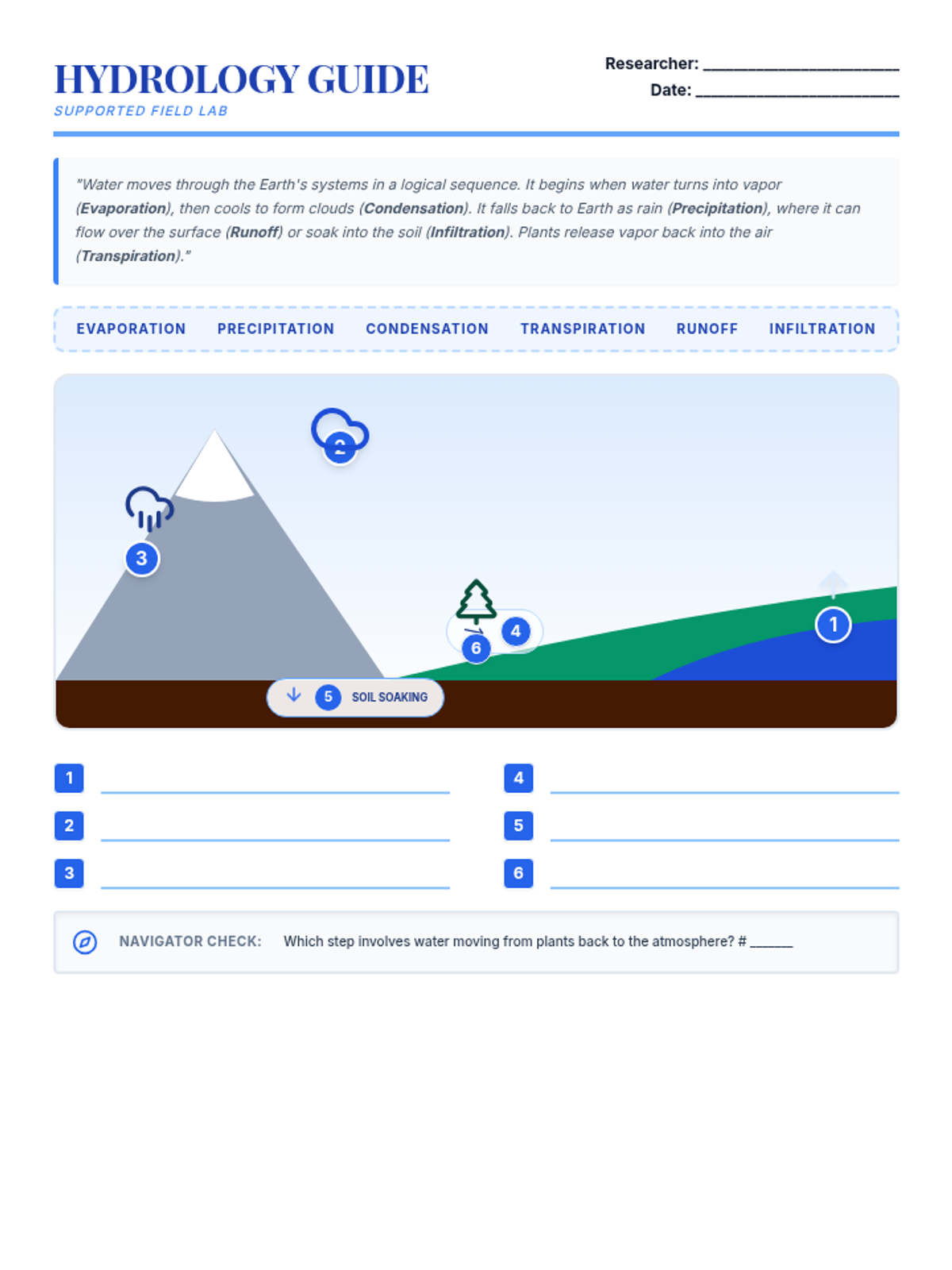
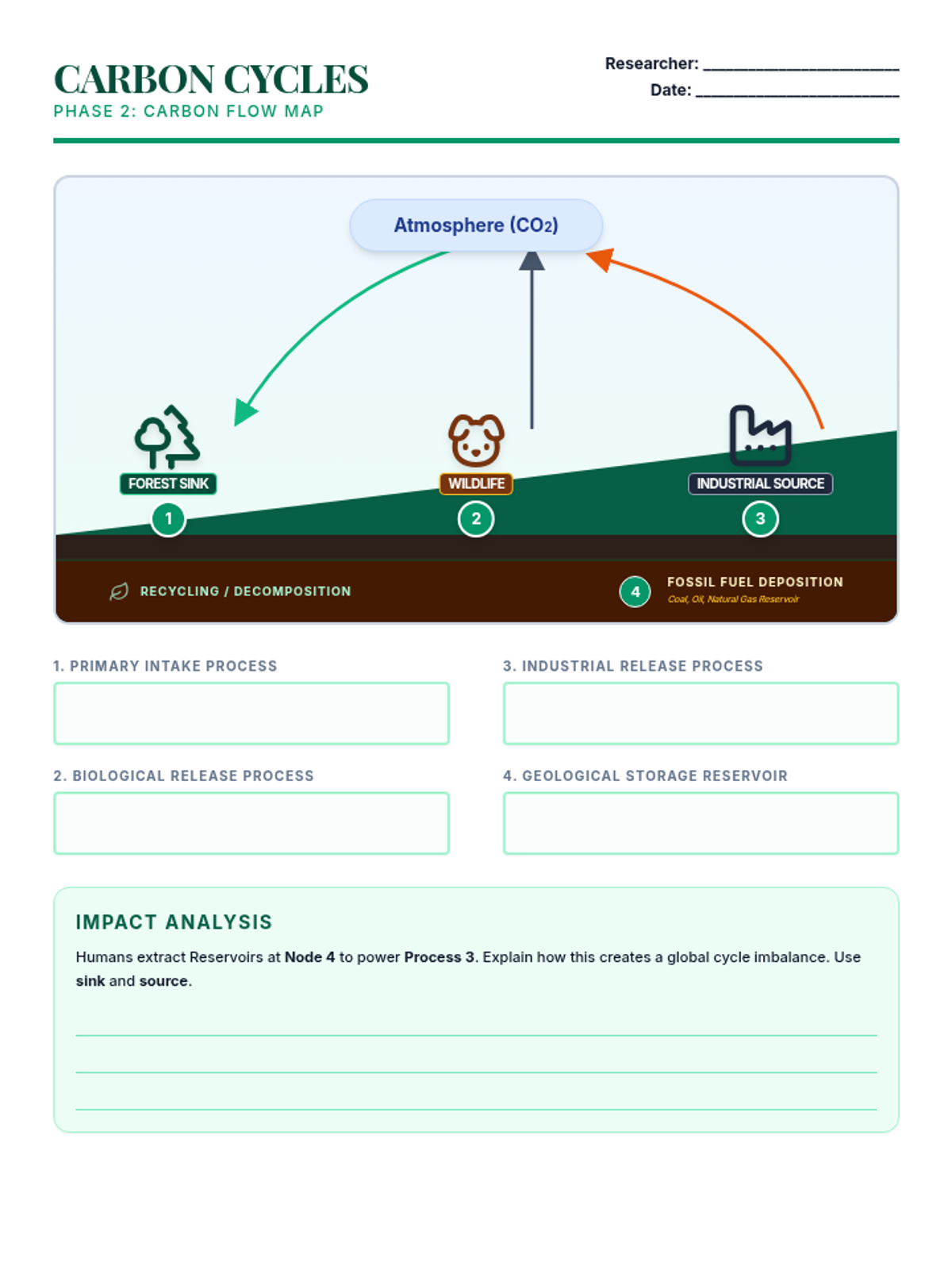
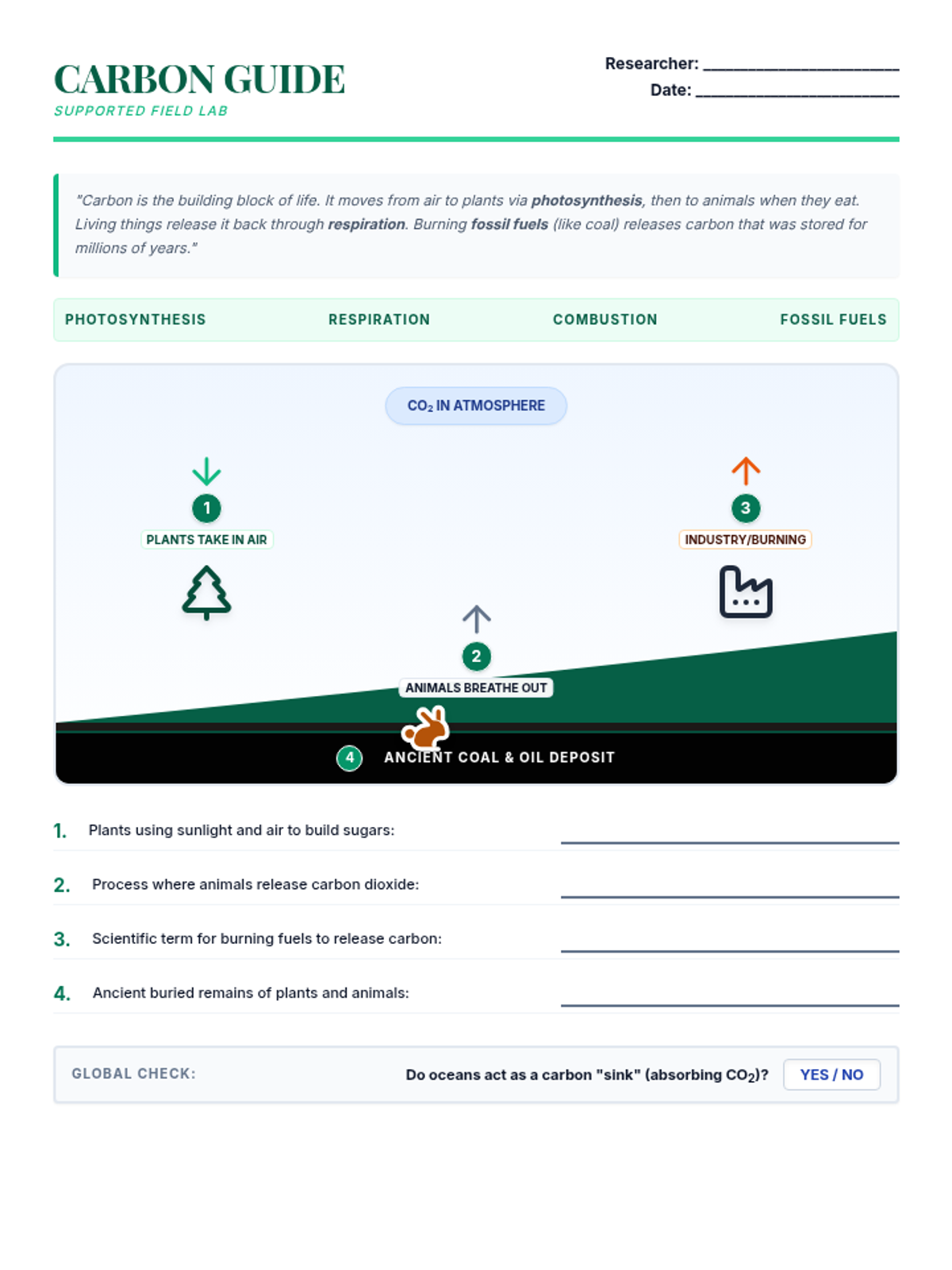
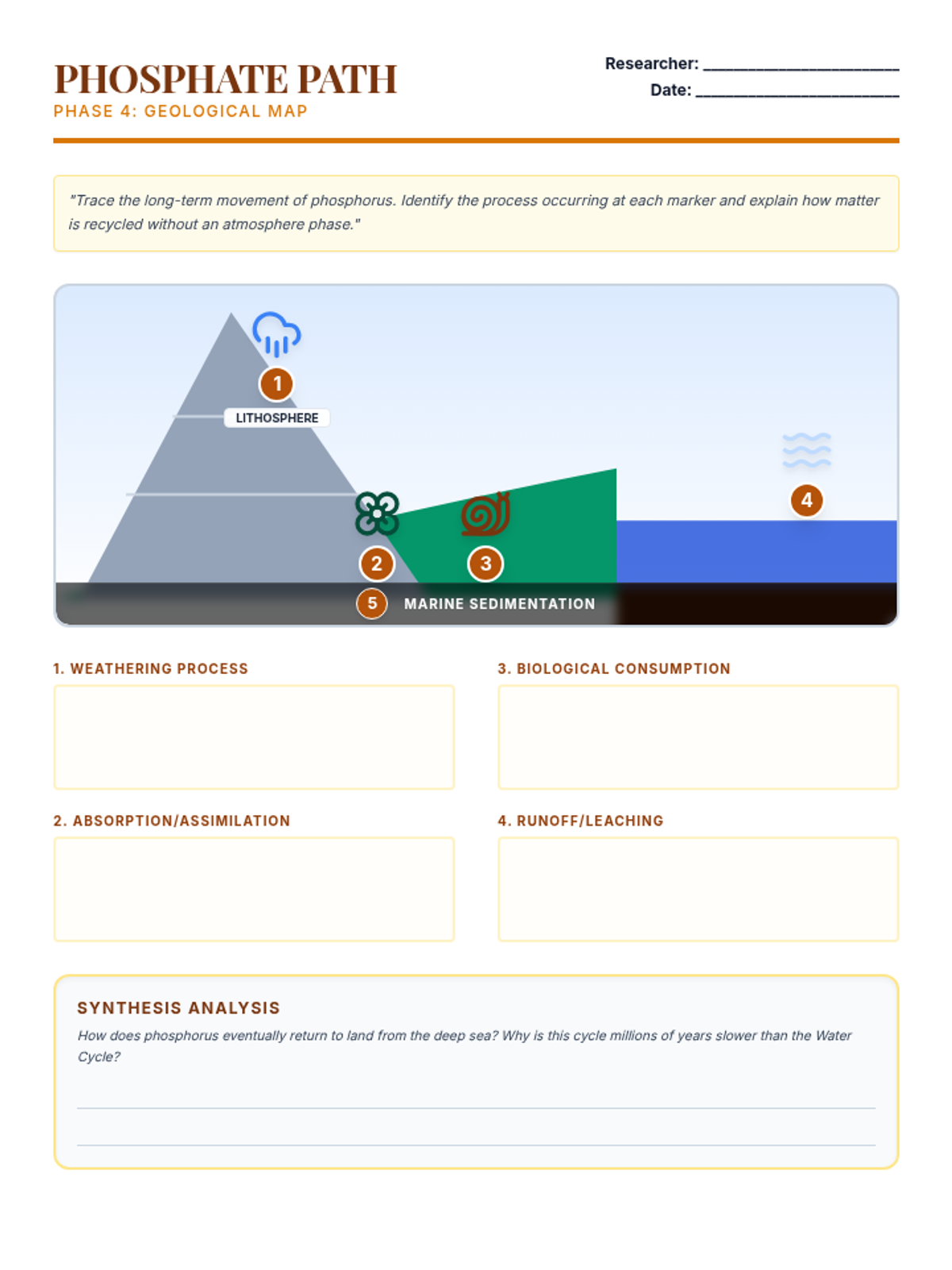
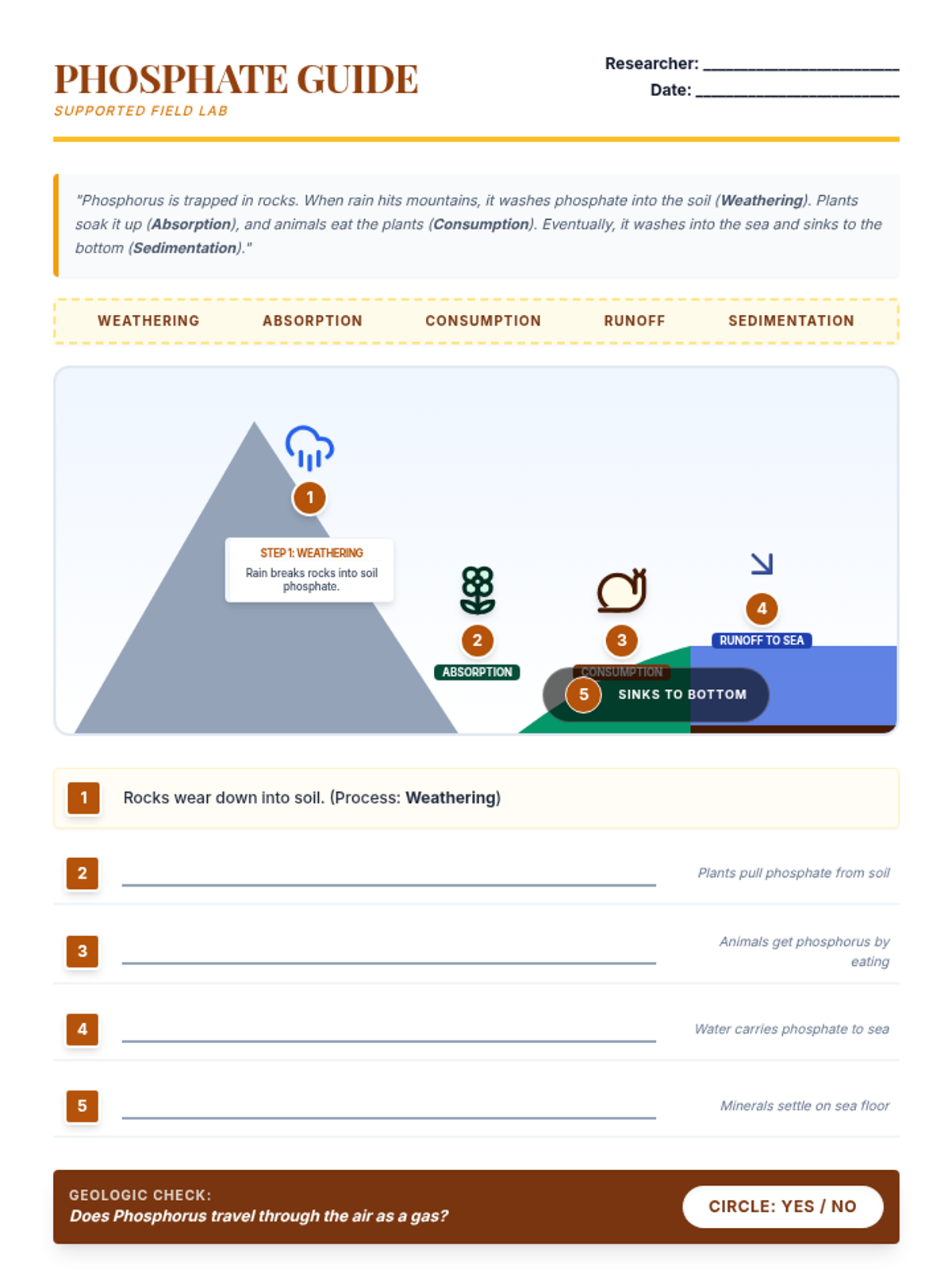
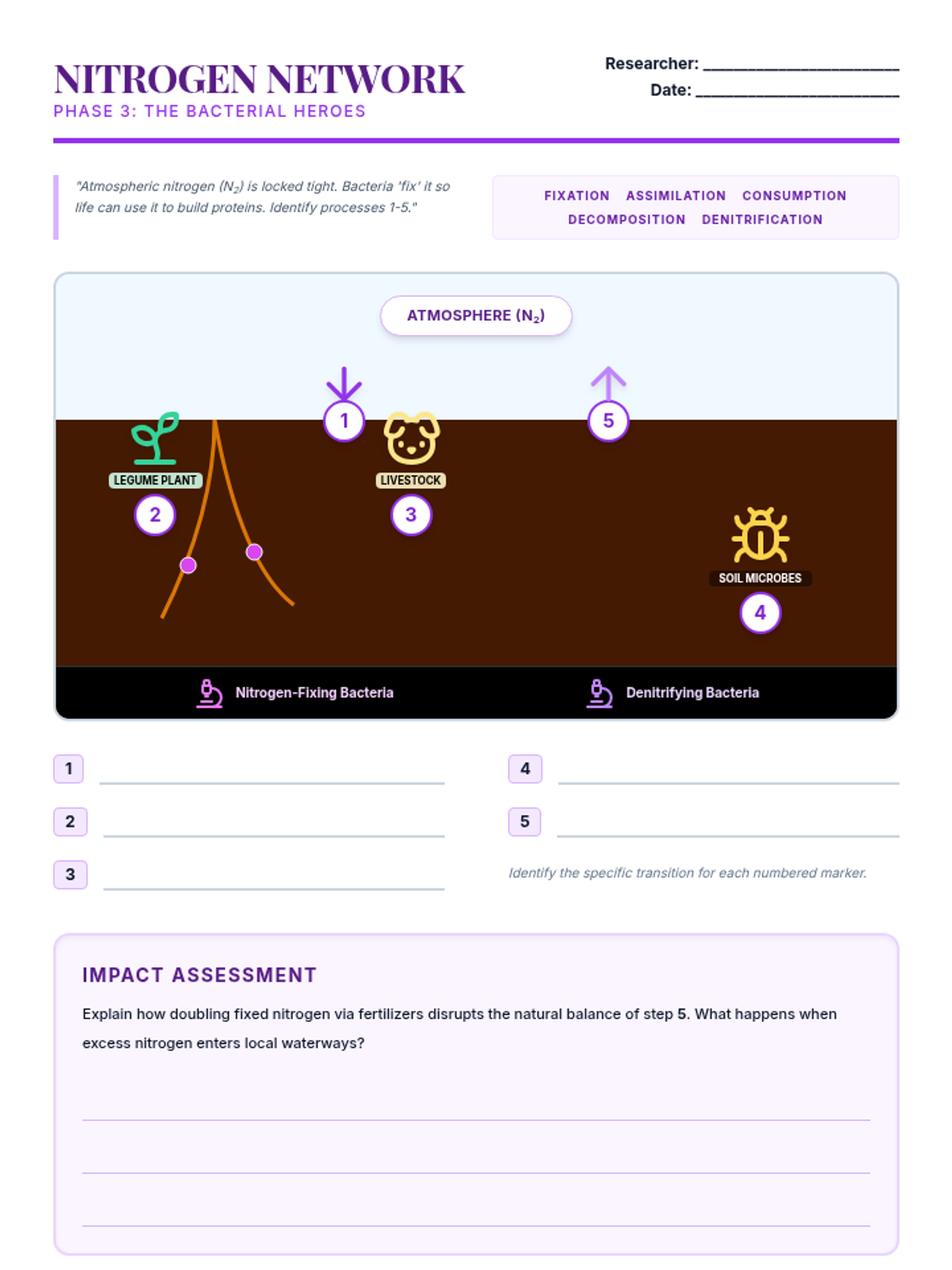
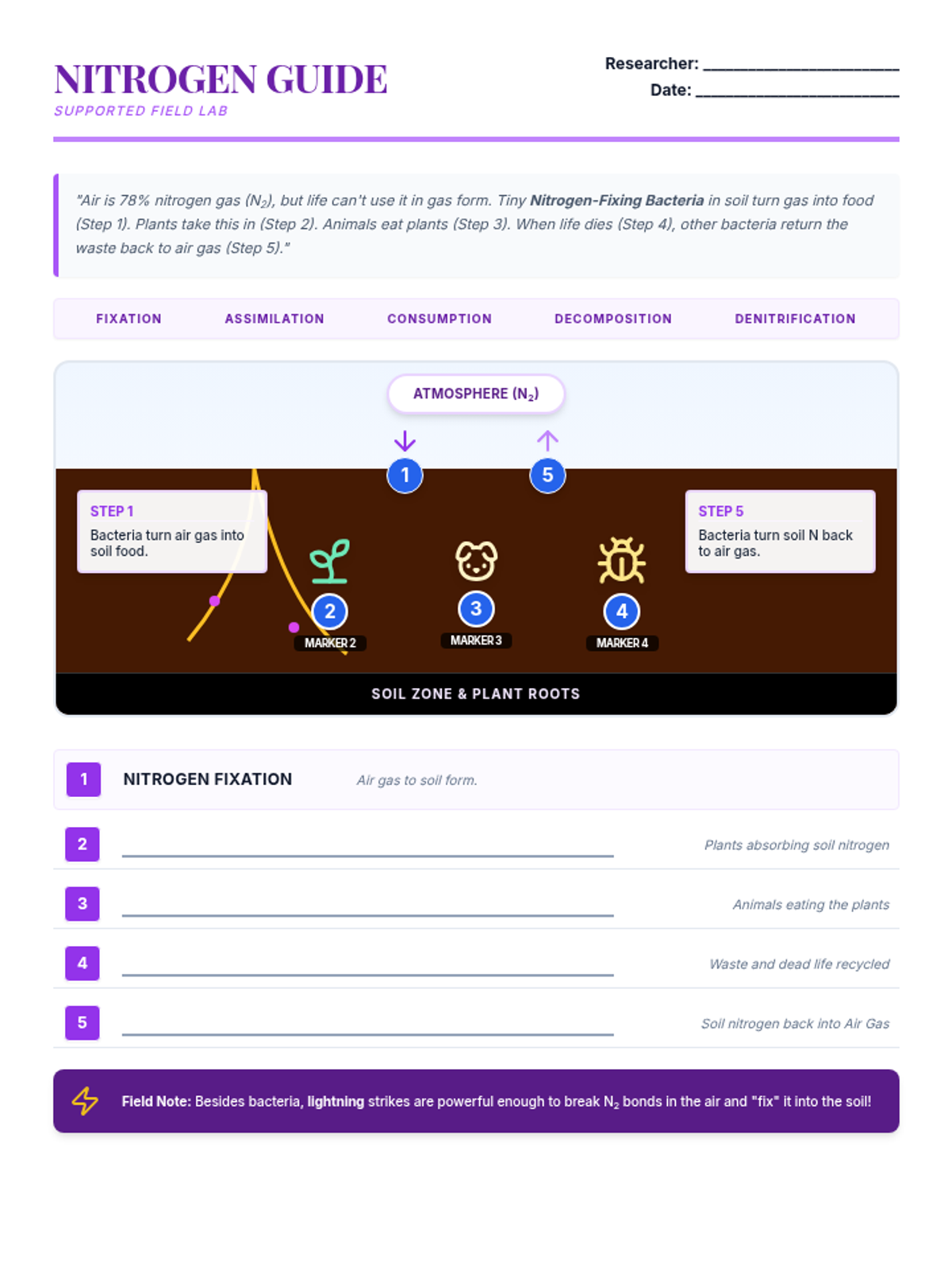
A comprehensive lesson on the four major biogeochemical cycles: Water, Carbon, Nitrogen, and Phosphorus. Students explore how matter moves through Earth's systems using a field-journal-inspired reading passage and differentiated diagram activities.
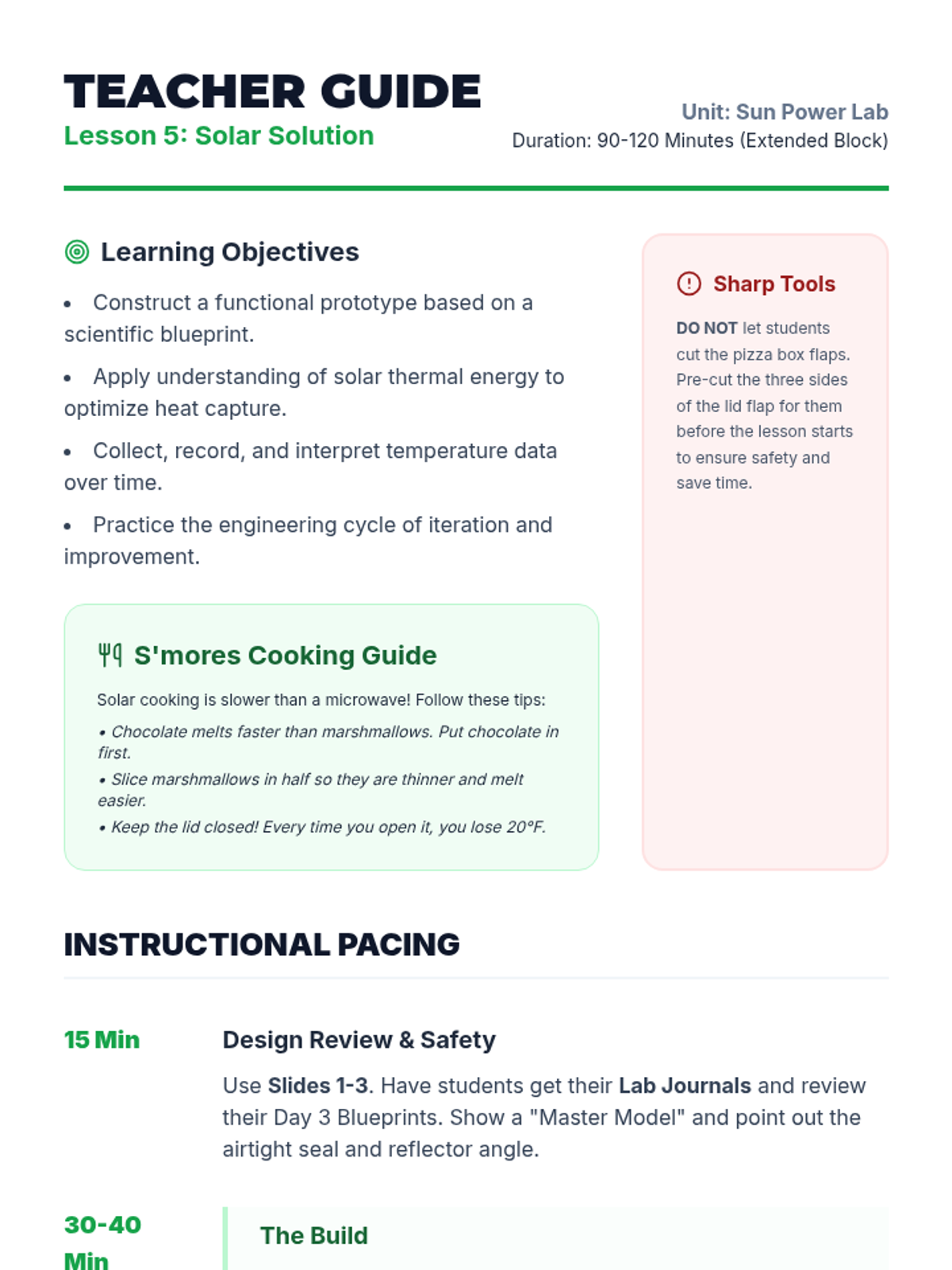
A culminating engineering challenge where students design, build, and test a solar-powered device.
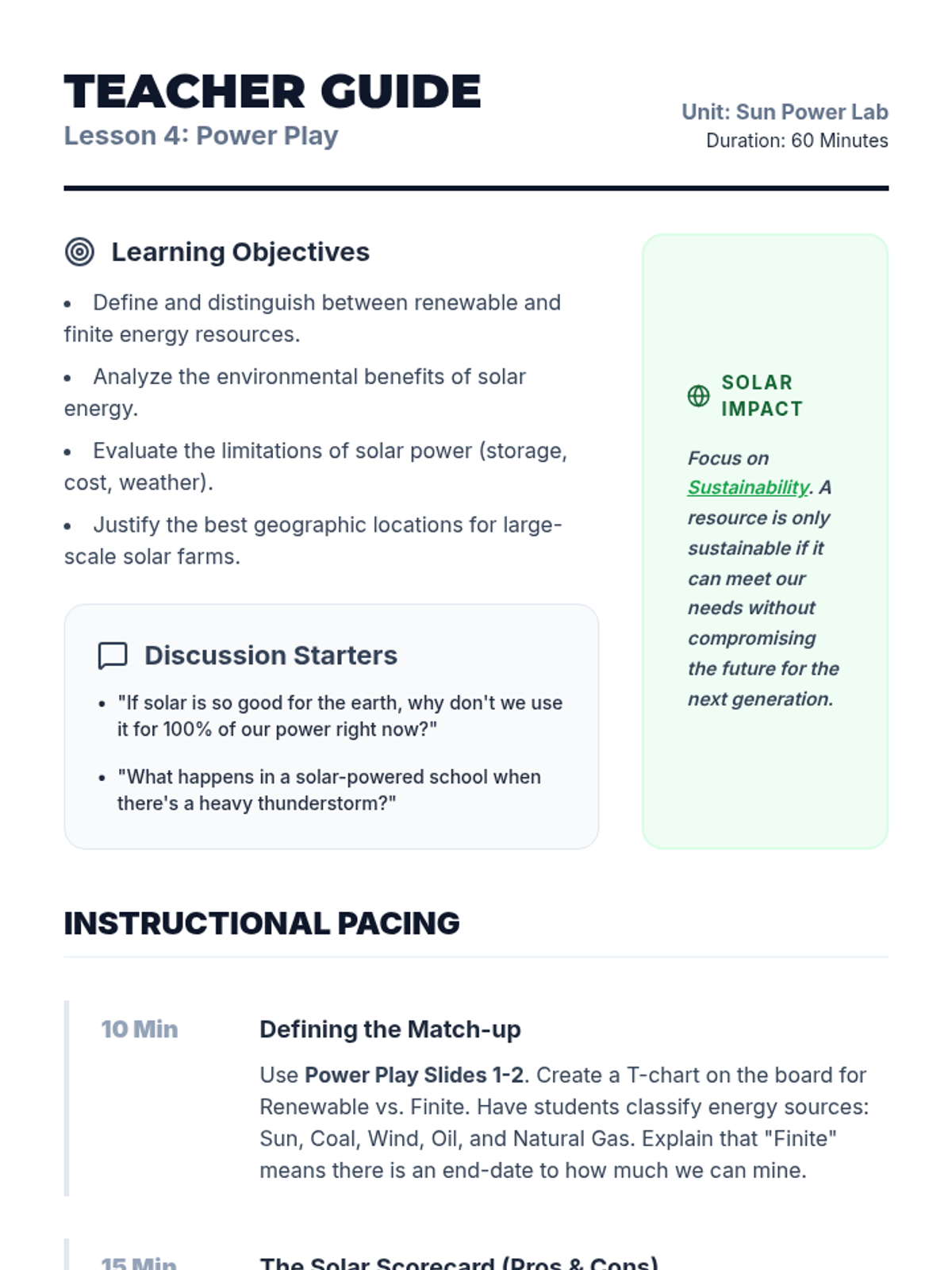
A critical look at the advantages and challenges of solar energy compared to non-renewable resources.
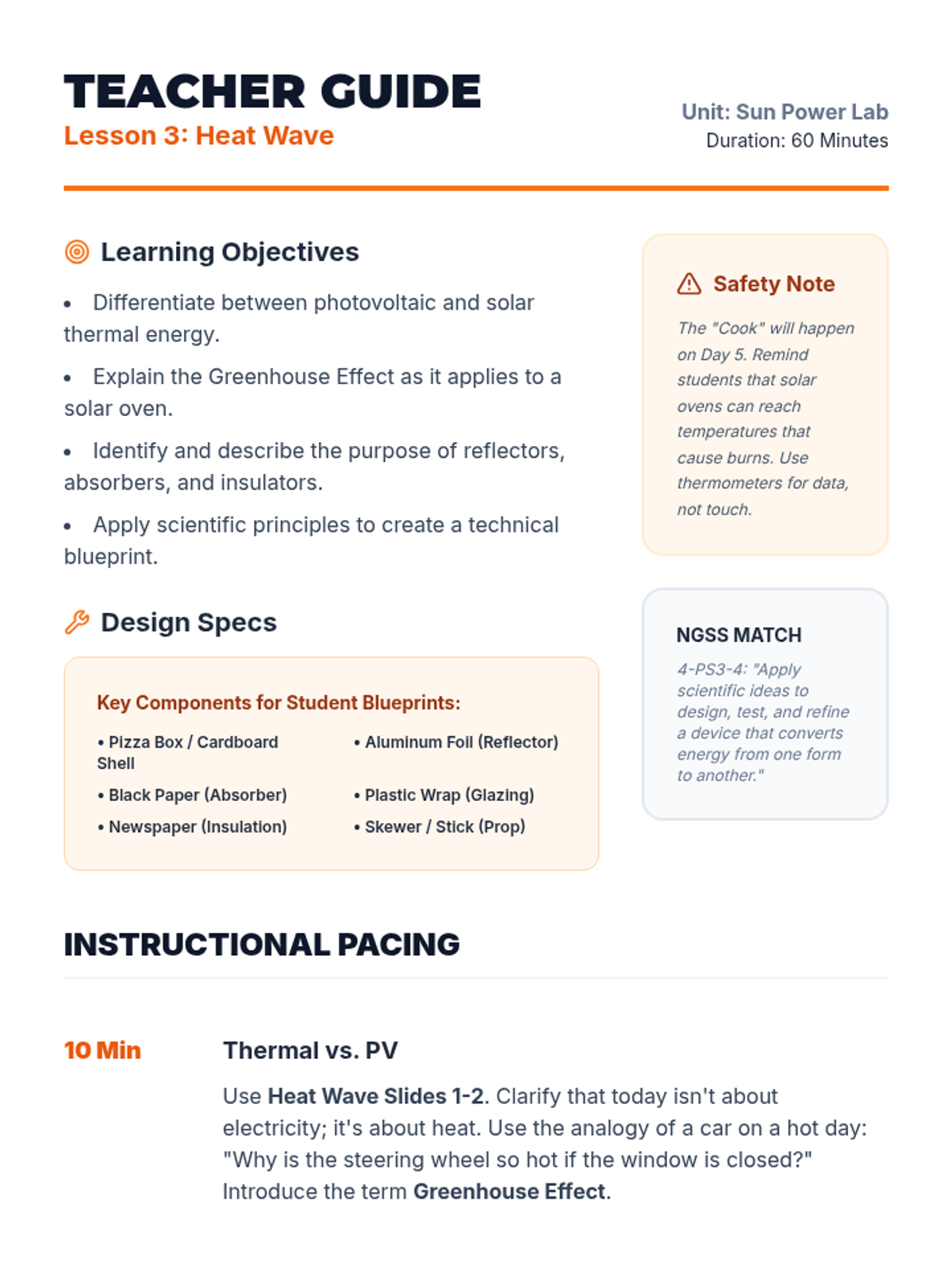
Investigates solar thermal energy and how we can use the Sun's heat for cooking and heating water.
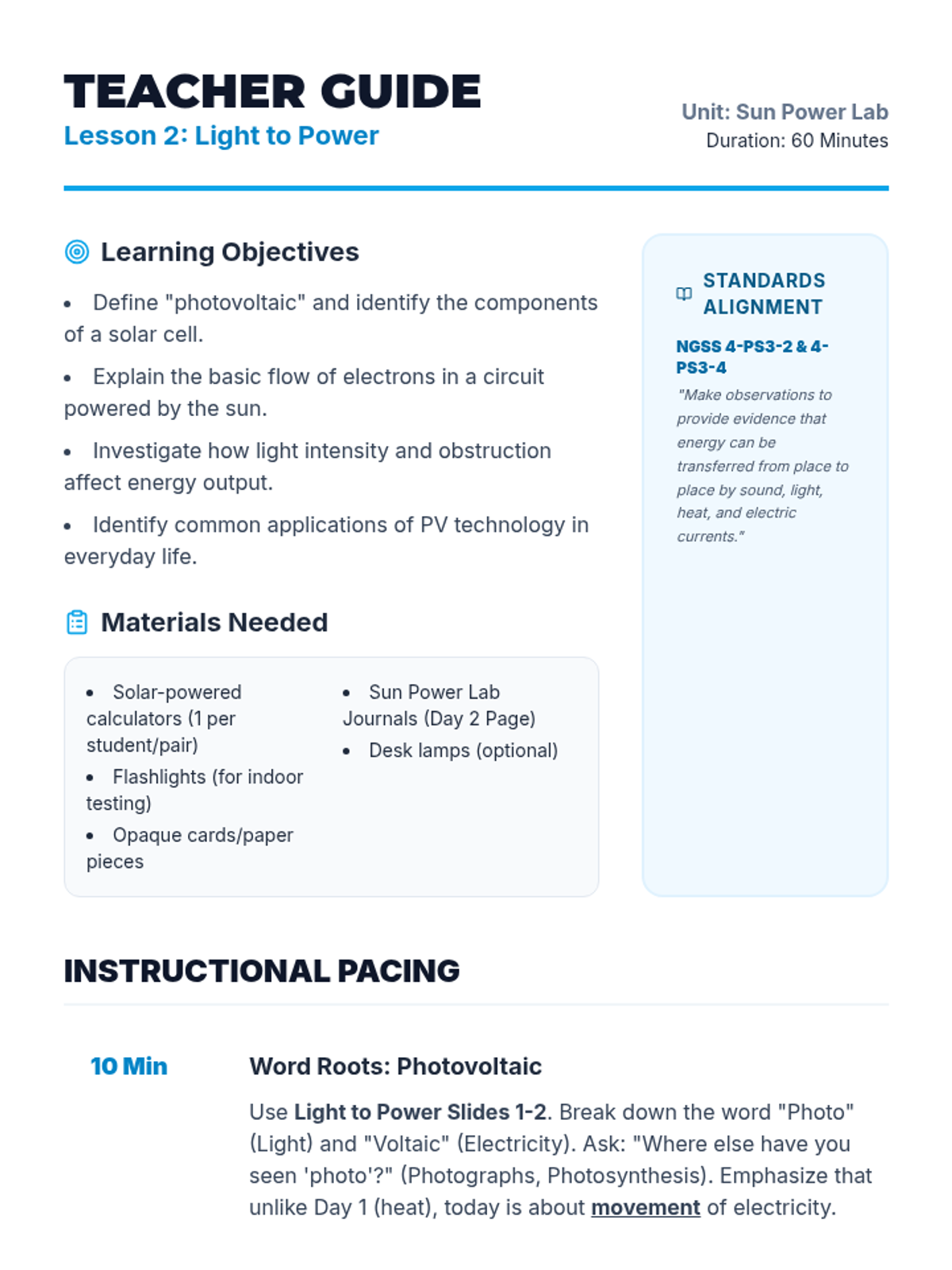
Explores the science of photovoltaic cells and how sunlight is converted directly into electricity.
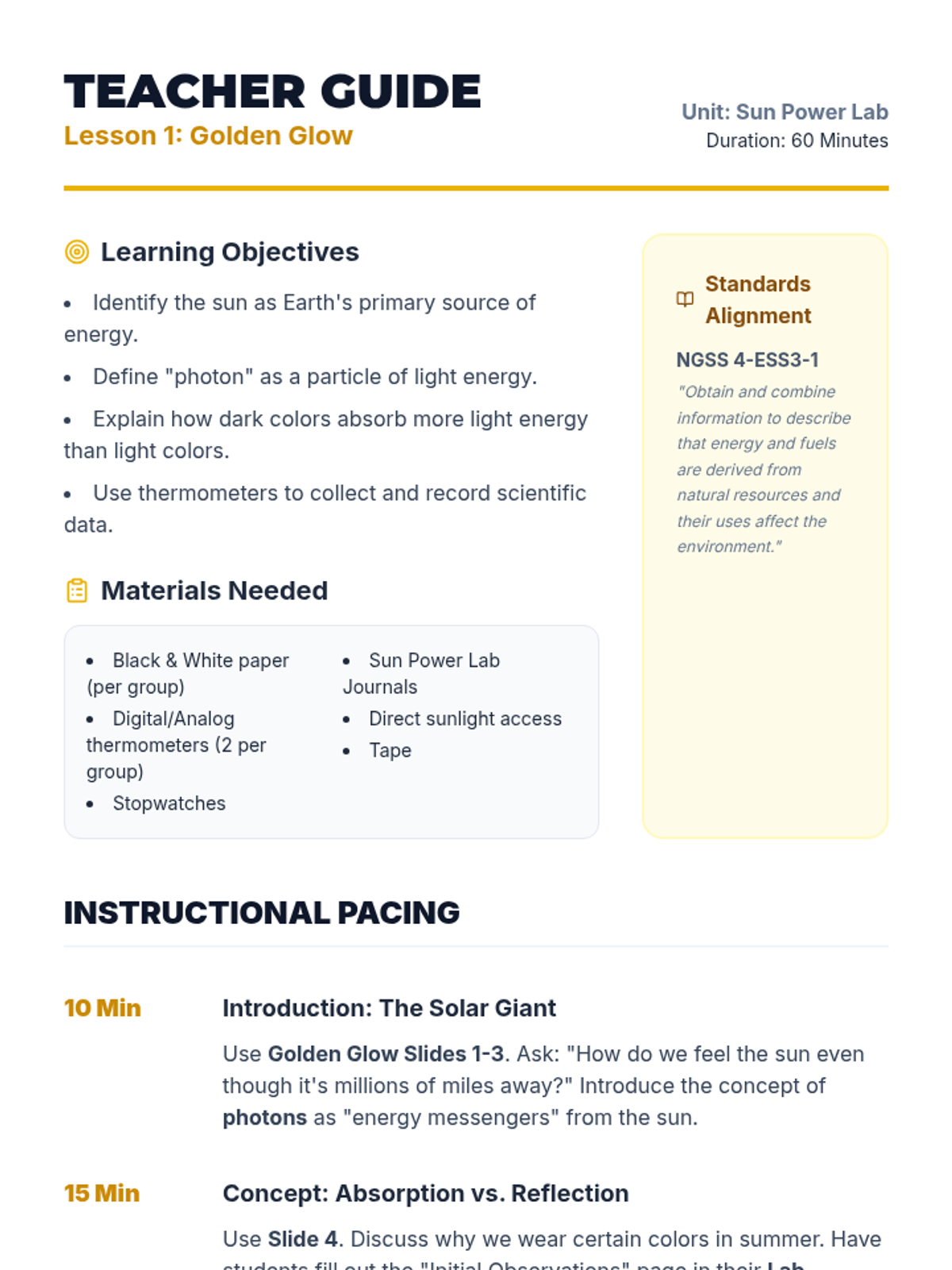
An introduction to the Sun as our primary energy source, exploring light energy and how different materials absorb solar radiation.
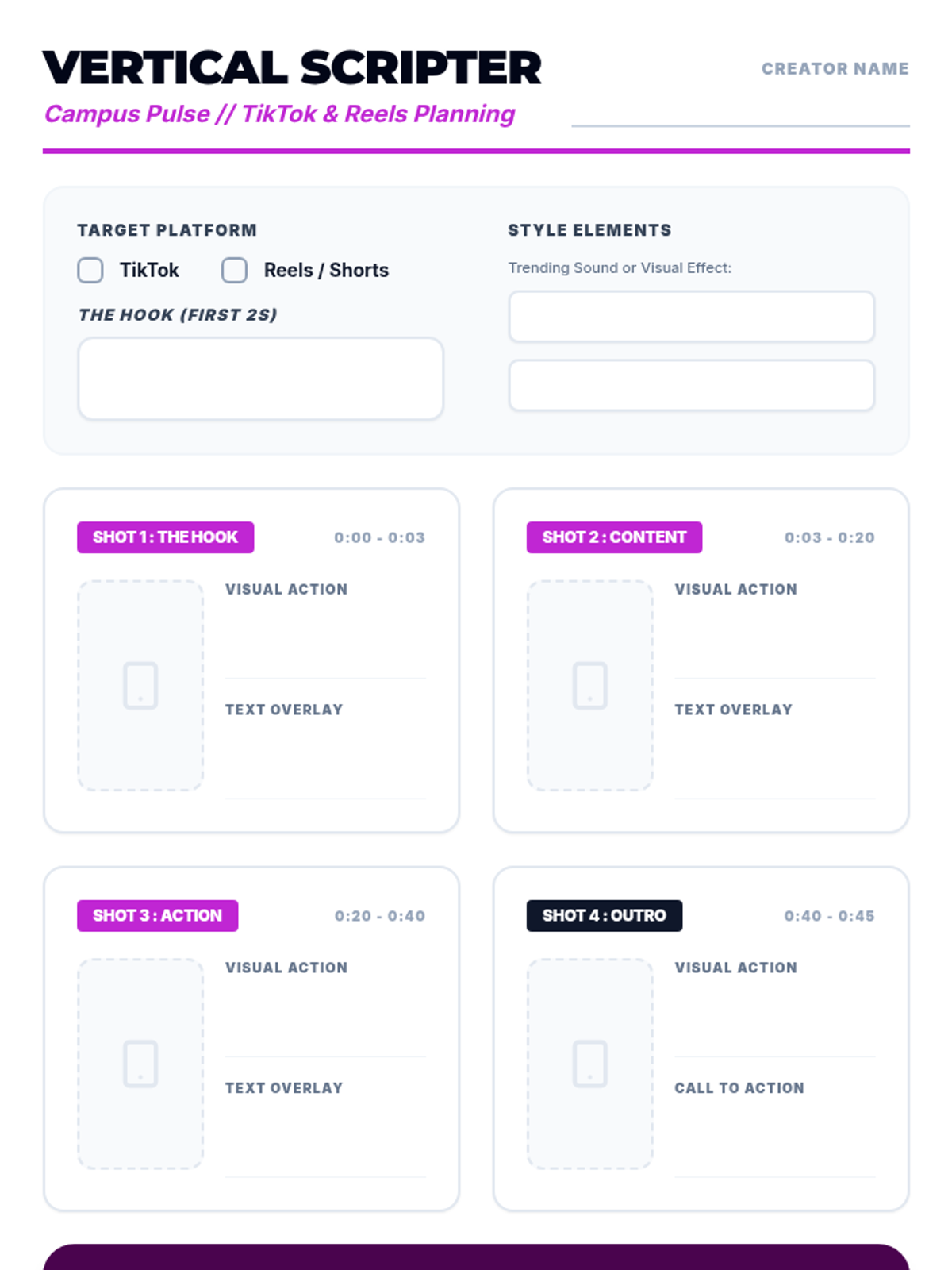
Students transition their brand into motion by creating a 60-second short-form video in CapCut, applying editing techniques like transitions, overlays, and sound design.
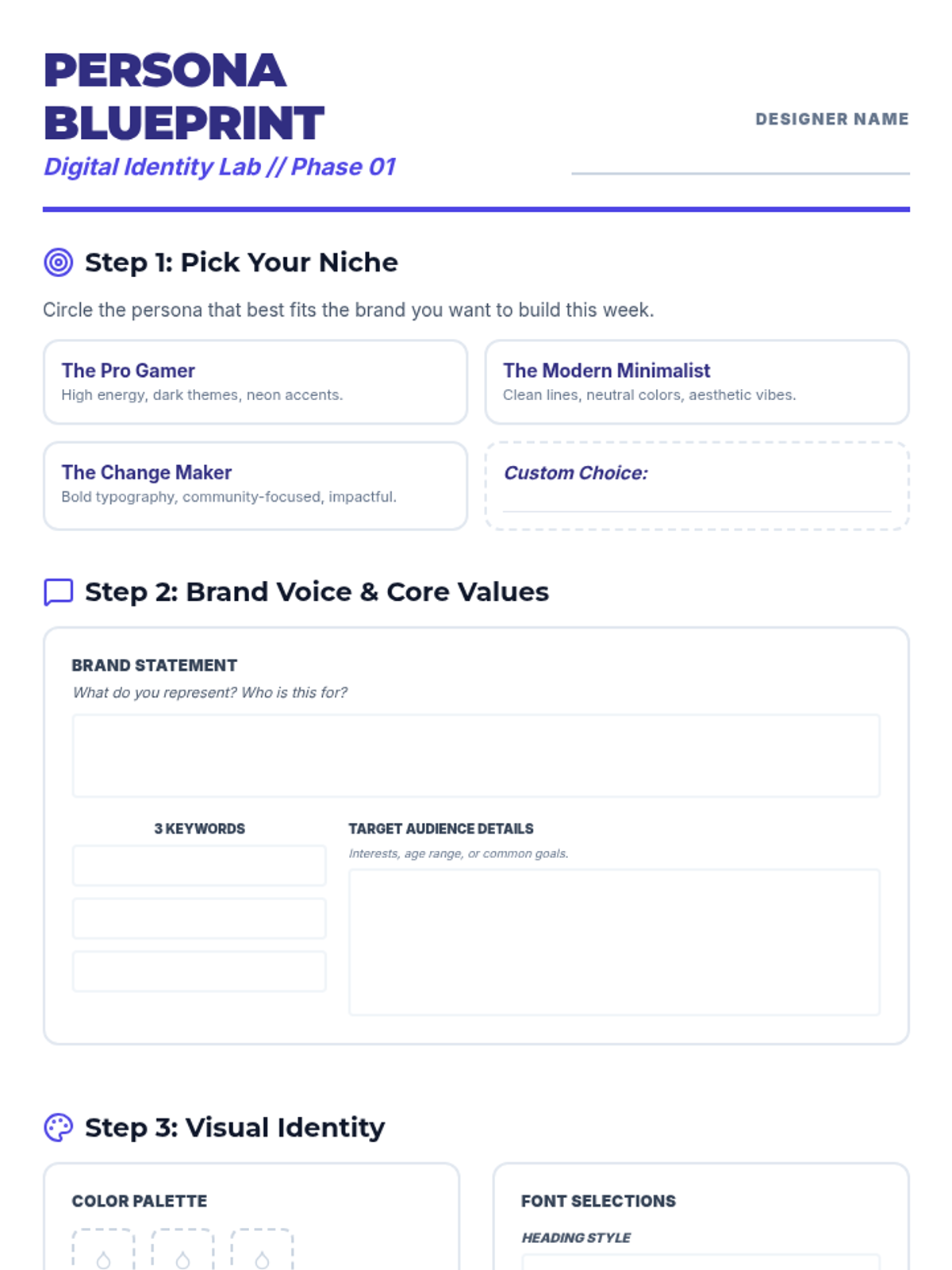
Students define their personal brand identity and create a visual 'Brand Board' using Canva, focusing on color theory, typography, and logo design.
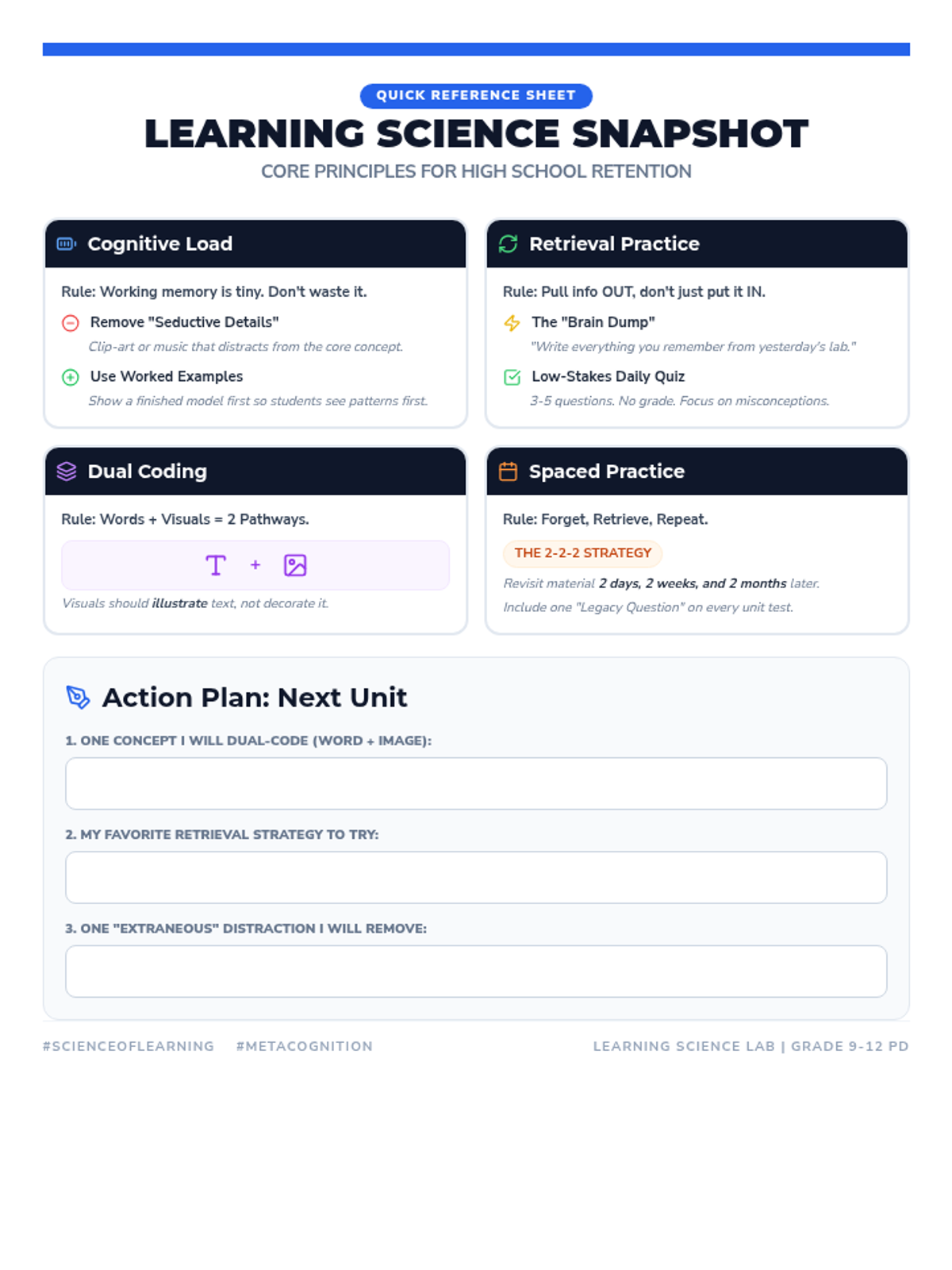
A professional development session for grades 9-12 educators exploring cognitive science principles. Teachers will learn about cognitive load theory, retrieval practice, and dual coding to enhance classroom instruction.
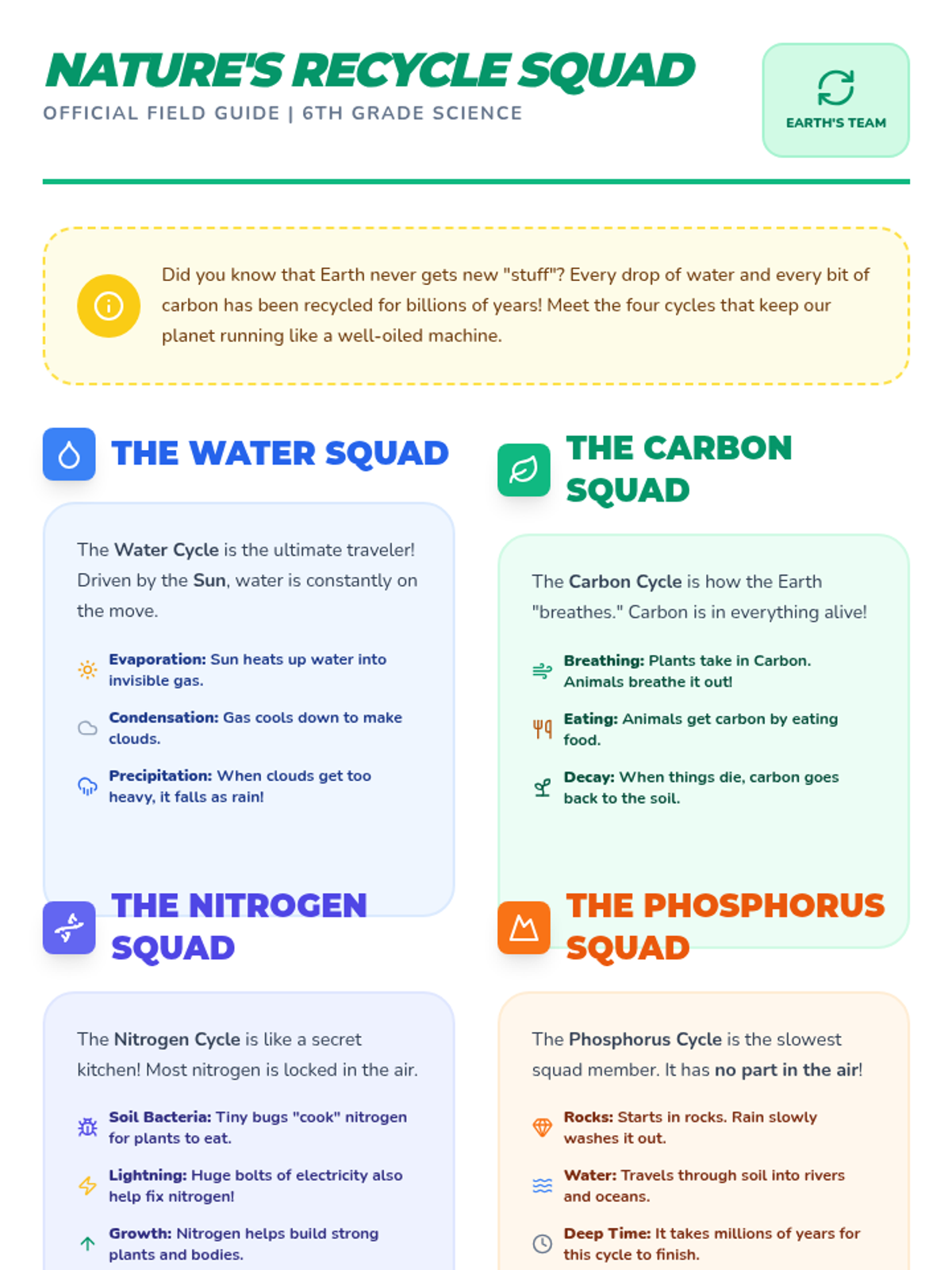
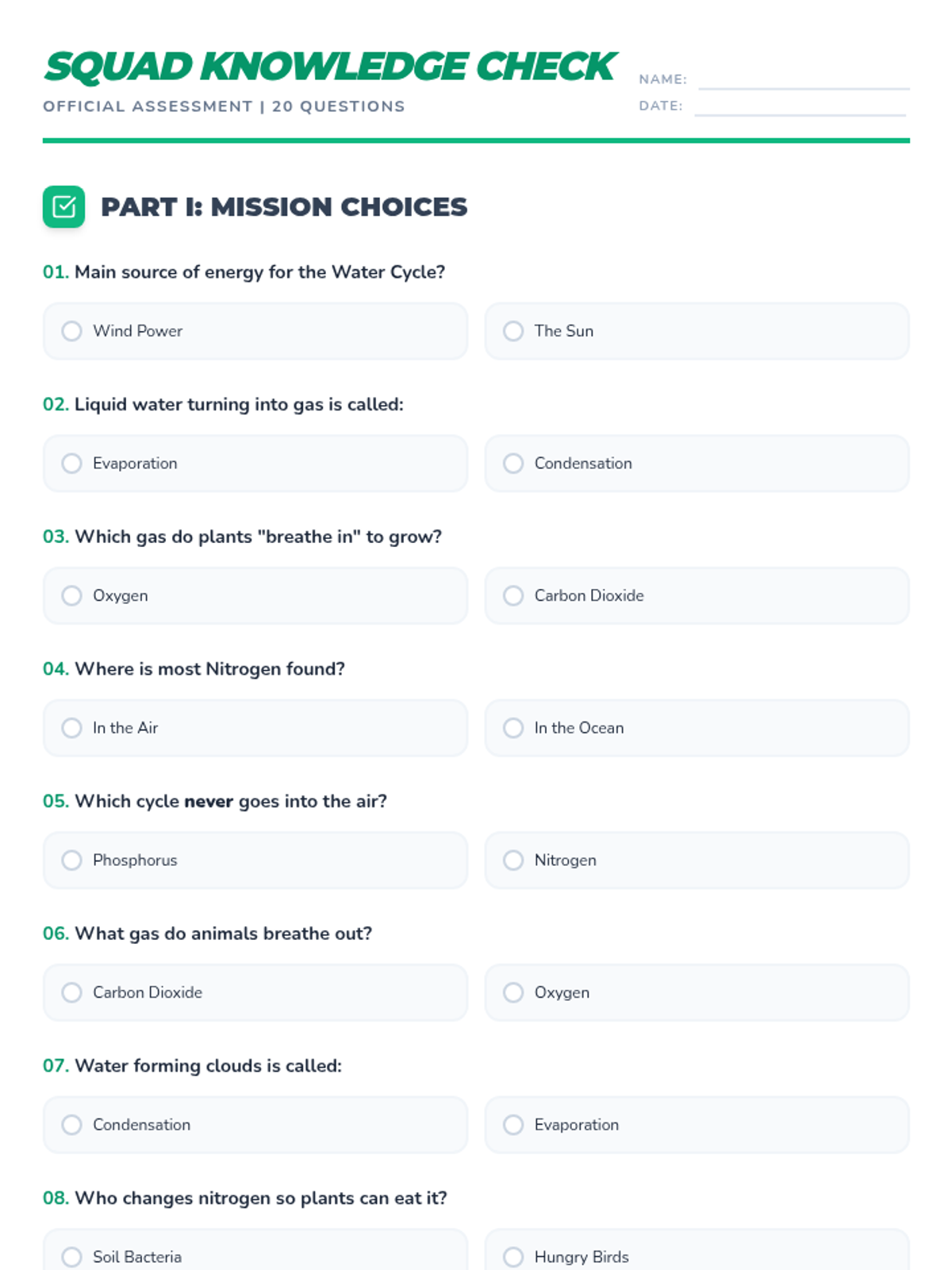
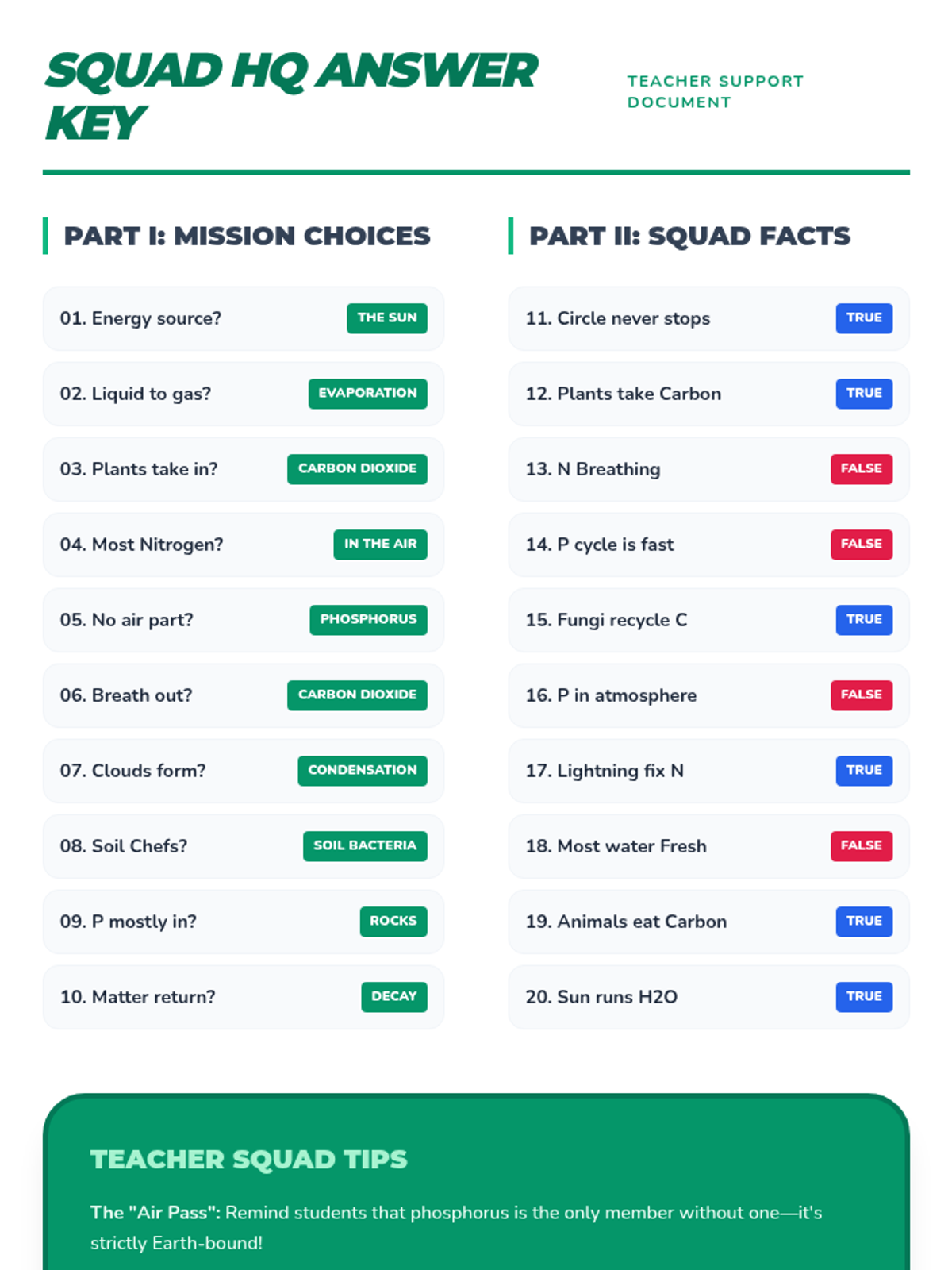
A friendly, middle-school introduction to the four major cycles of nature, focusing on how living things and the Earth work together as a 'recycle team'.
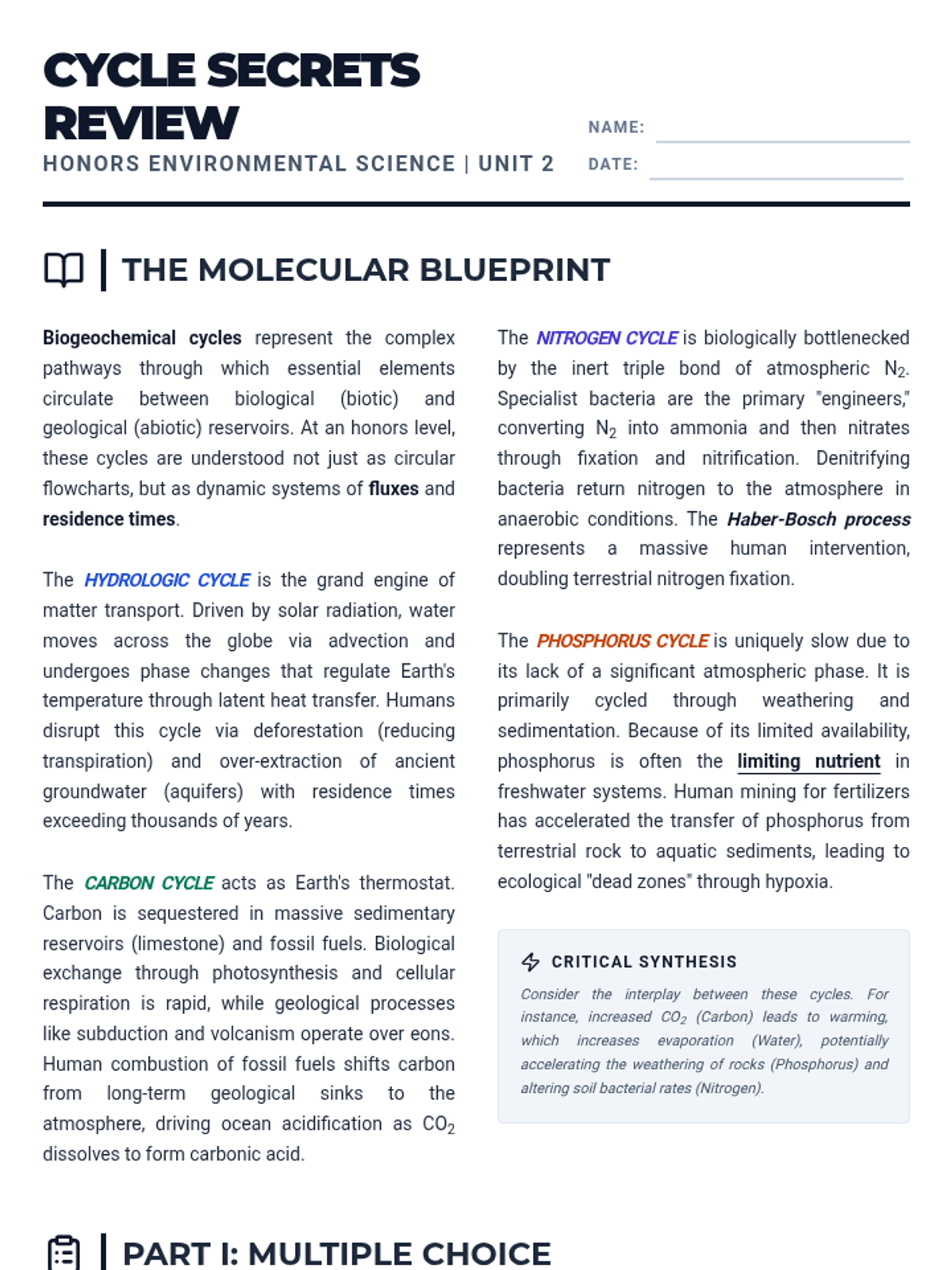
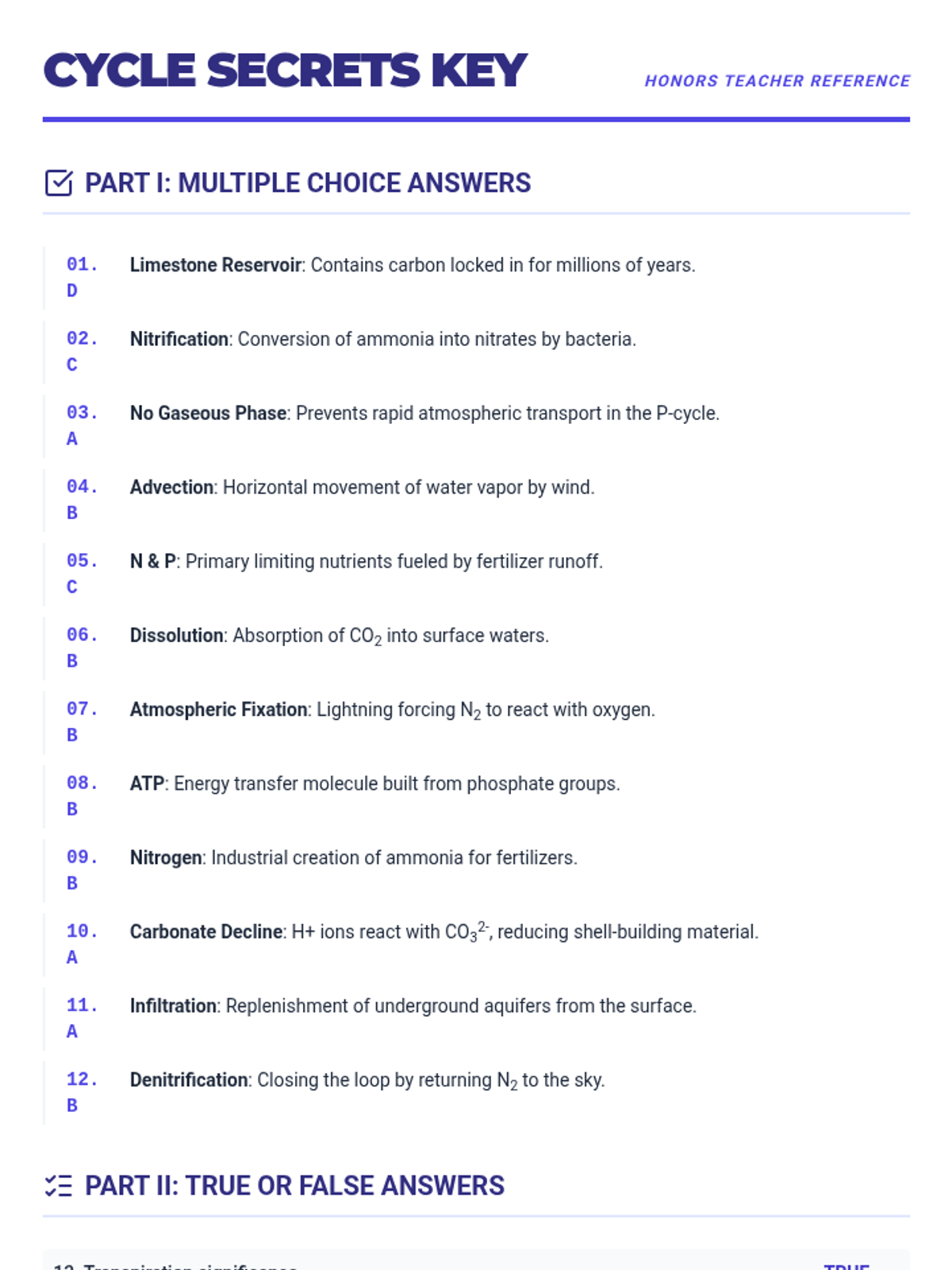
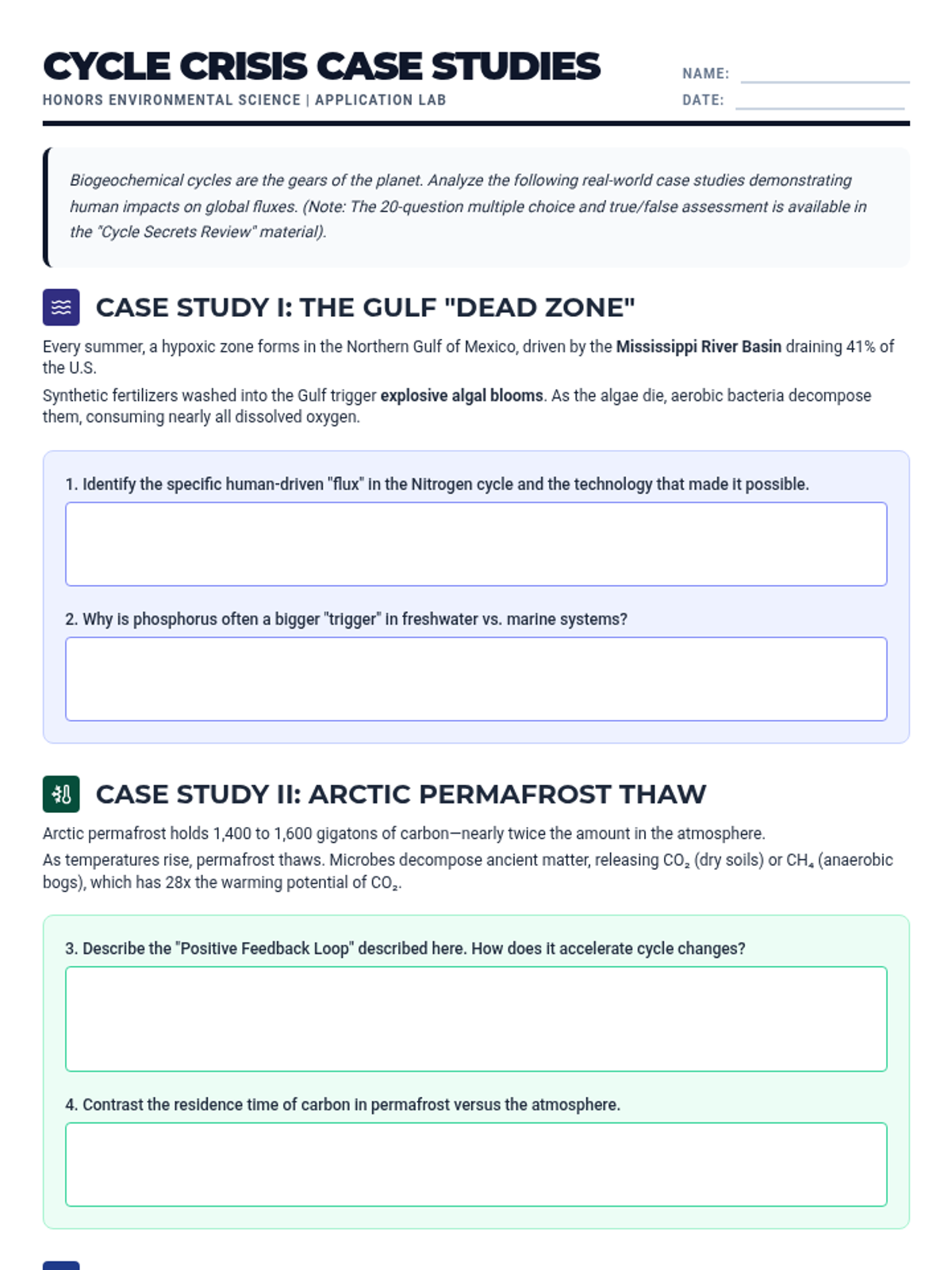
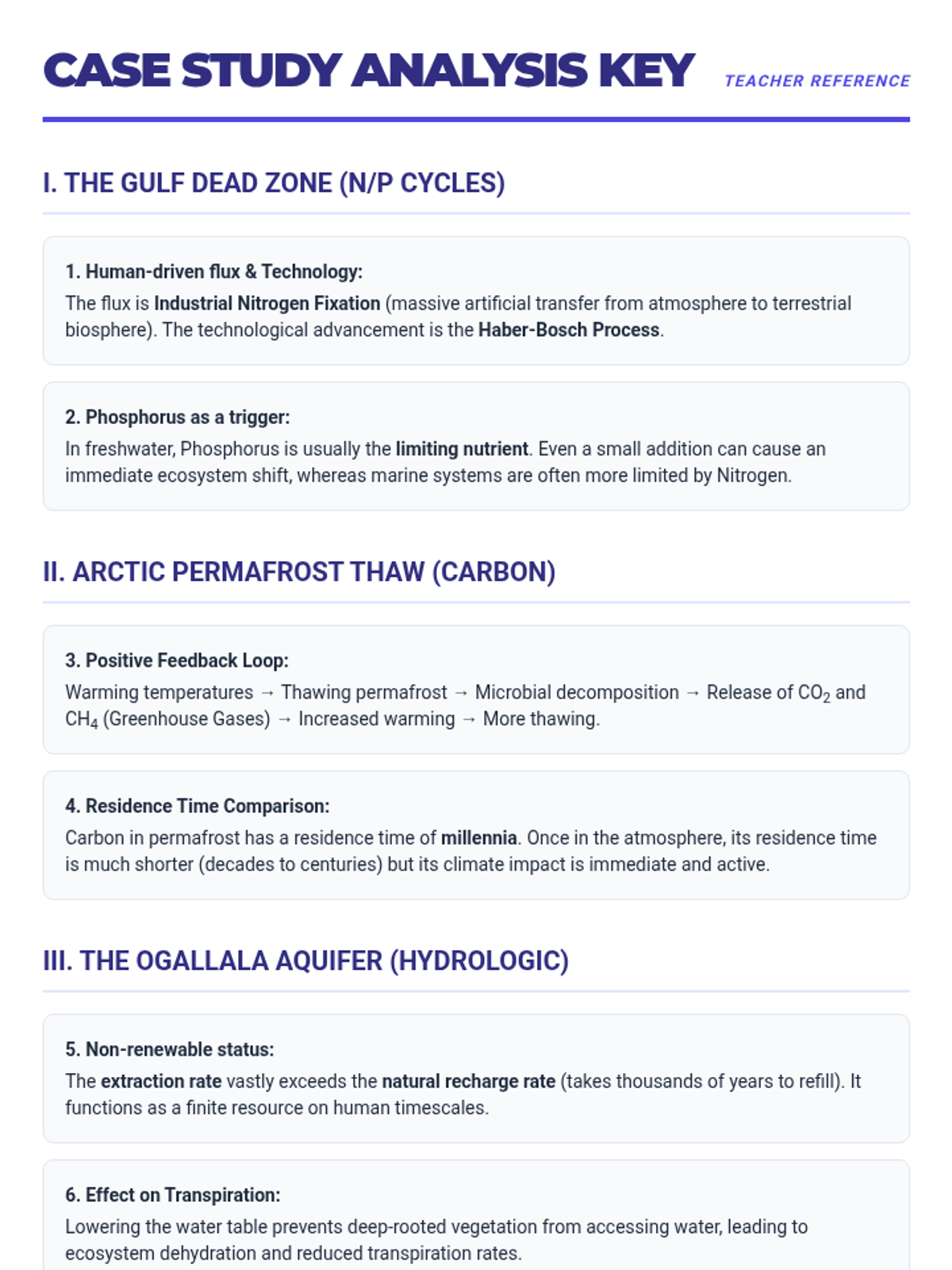
An honors-level exploration of the four major biogeochemical cycles, focusing on molecular transformations, human impact, and reservoir residence times.
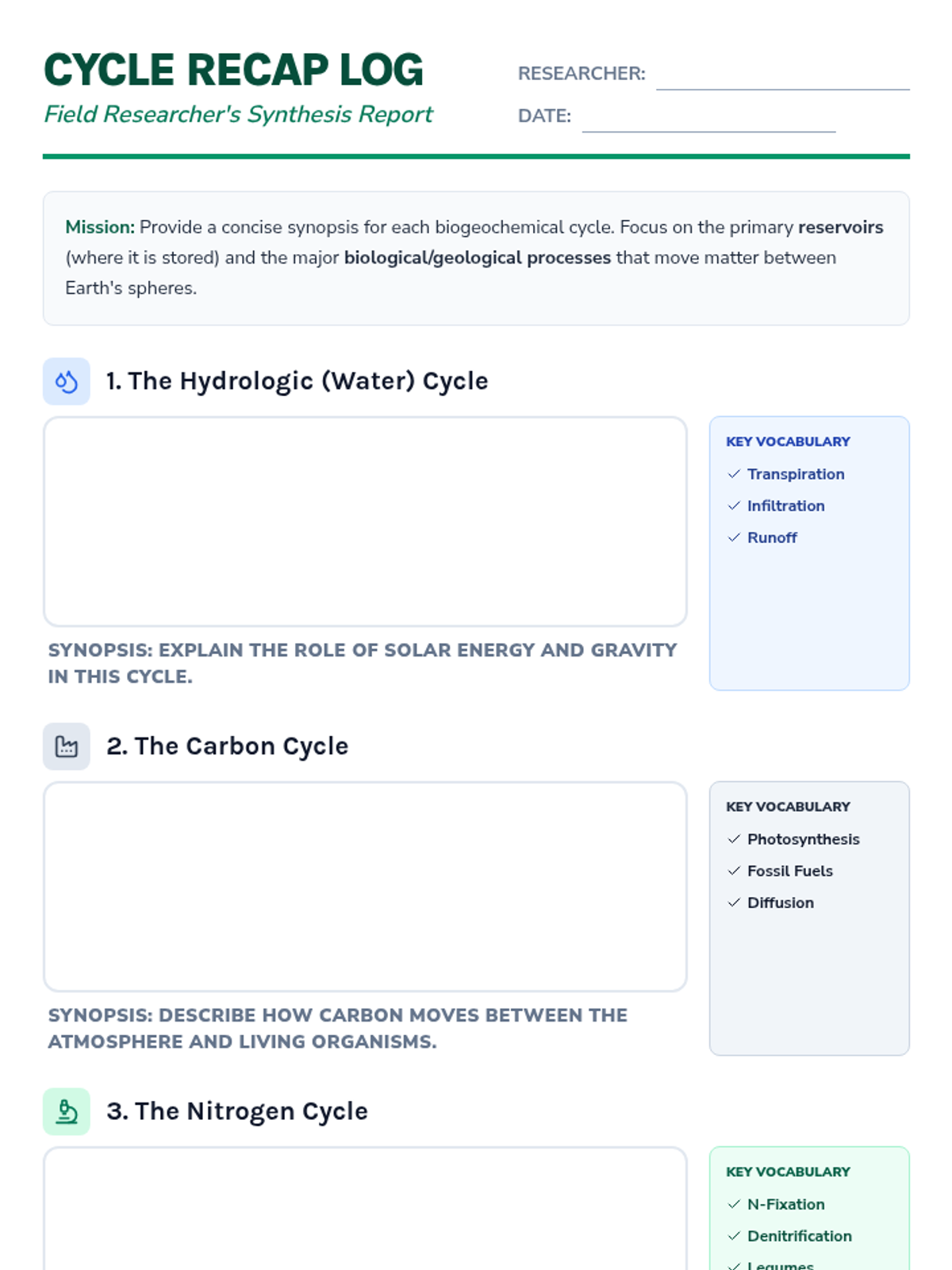
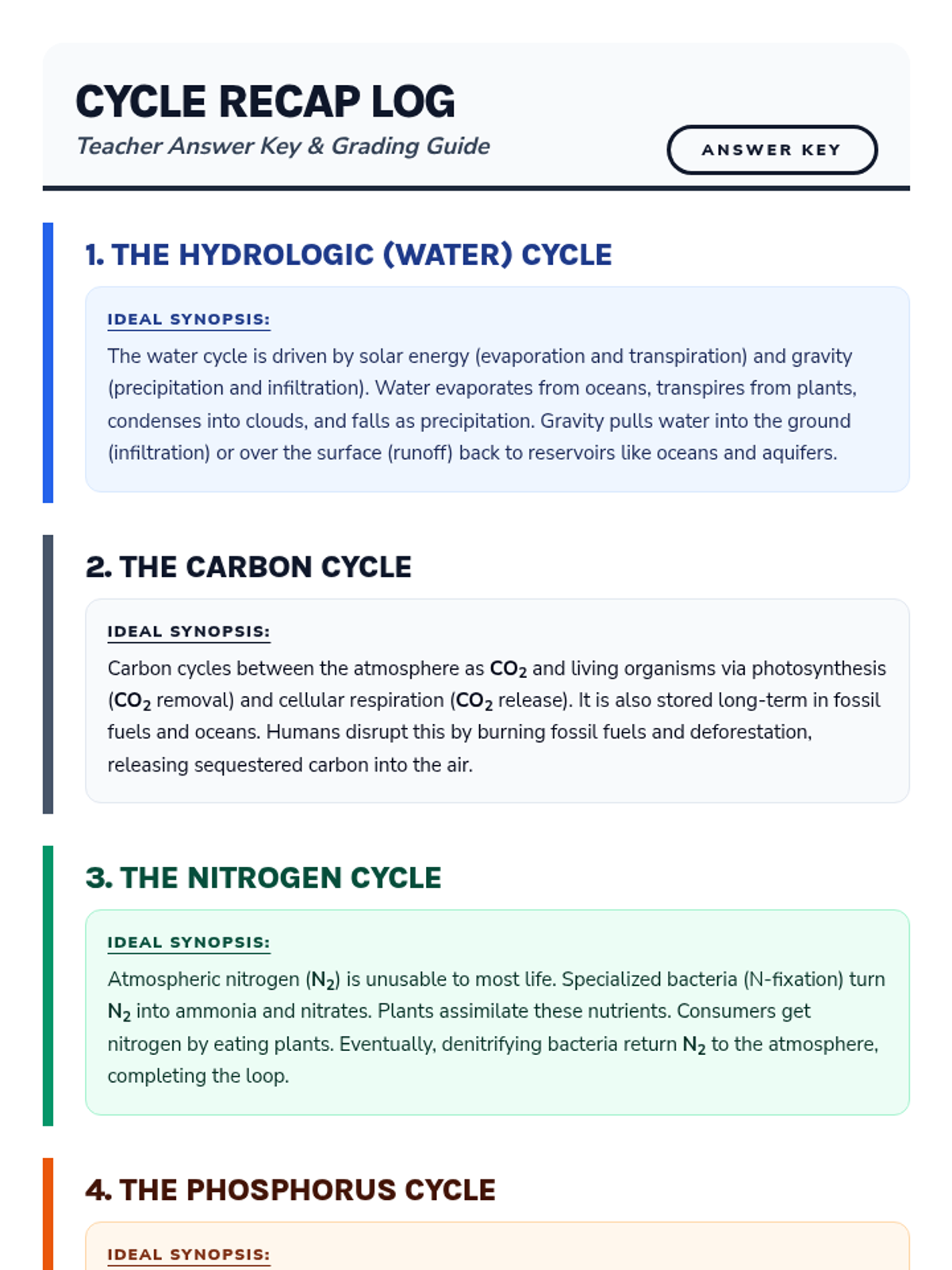
A comprehensive review of the major biogeochemical cycles: water, carbon, nitrogen, and phosphorus. Students will explore how matter moves through Earth's spheres and synthesize their knowledge in a field journal synopsis.
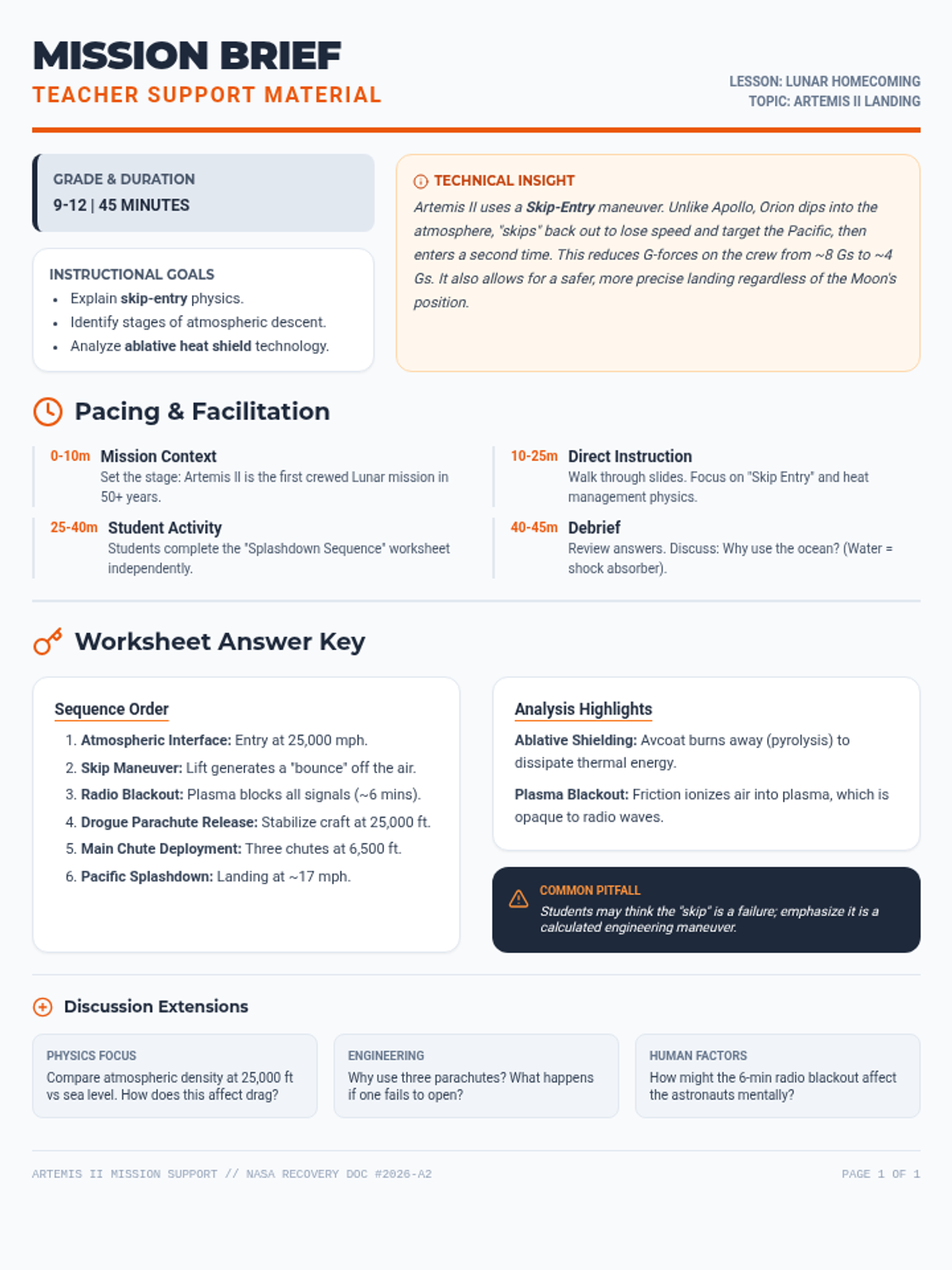
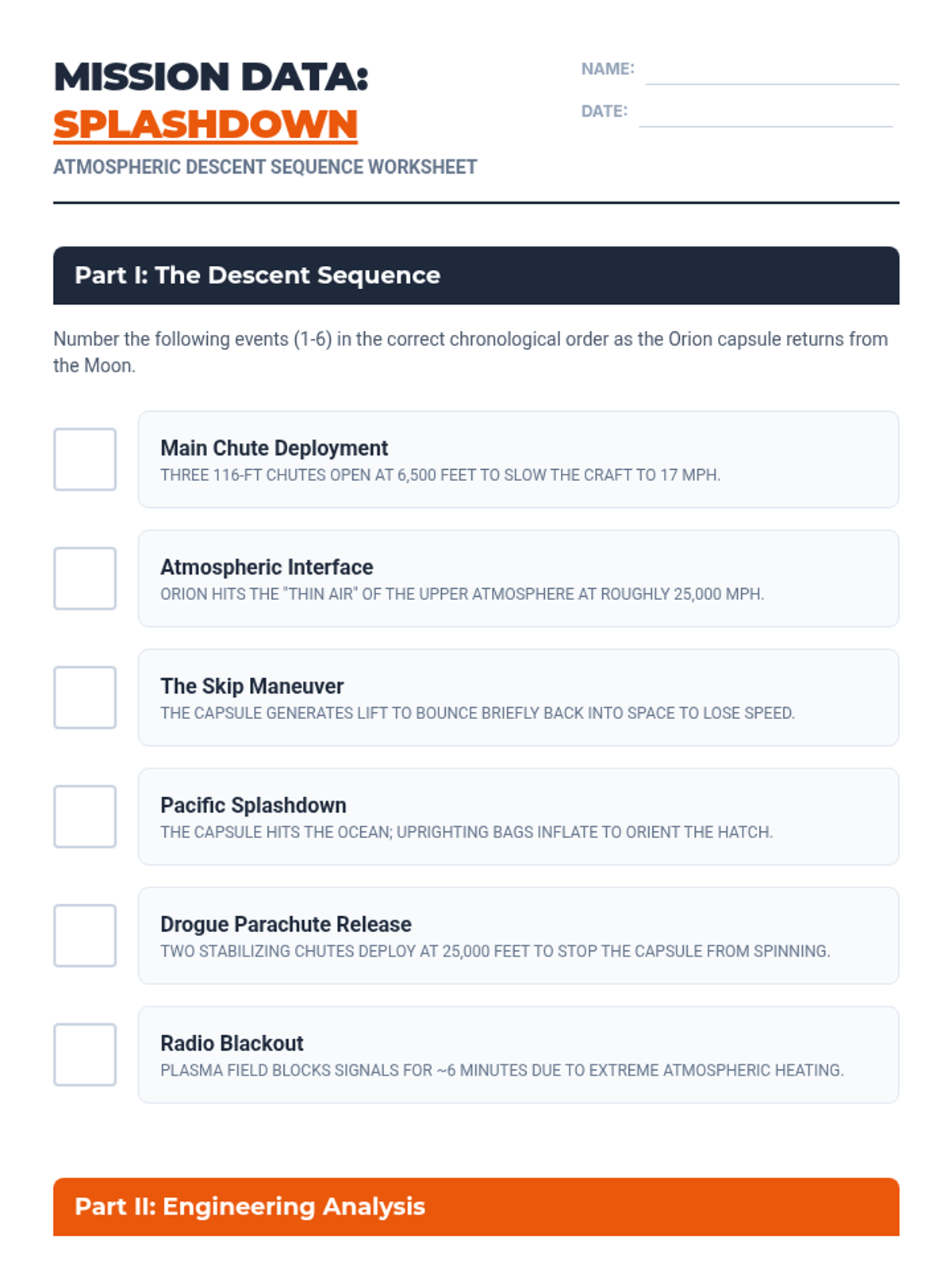
A deep dive into the engineering and physics of the Orion capsule's return to Earth, focusing on heat management, skip-entry maneuvers, and the multi-stage parachute sequence.
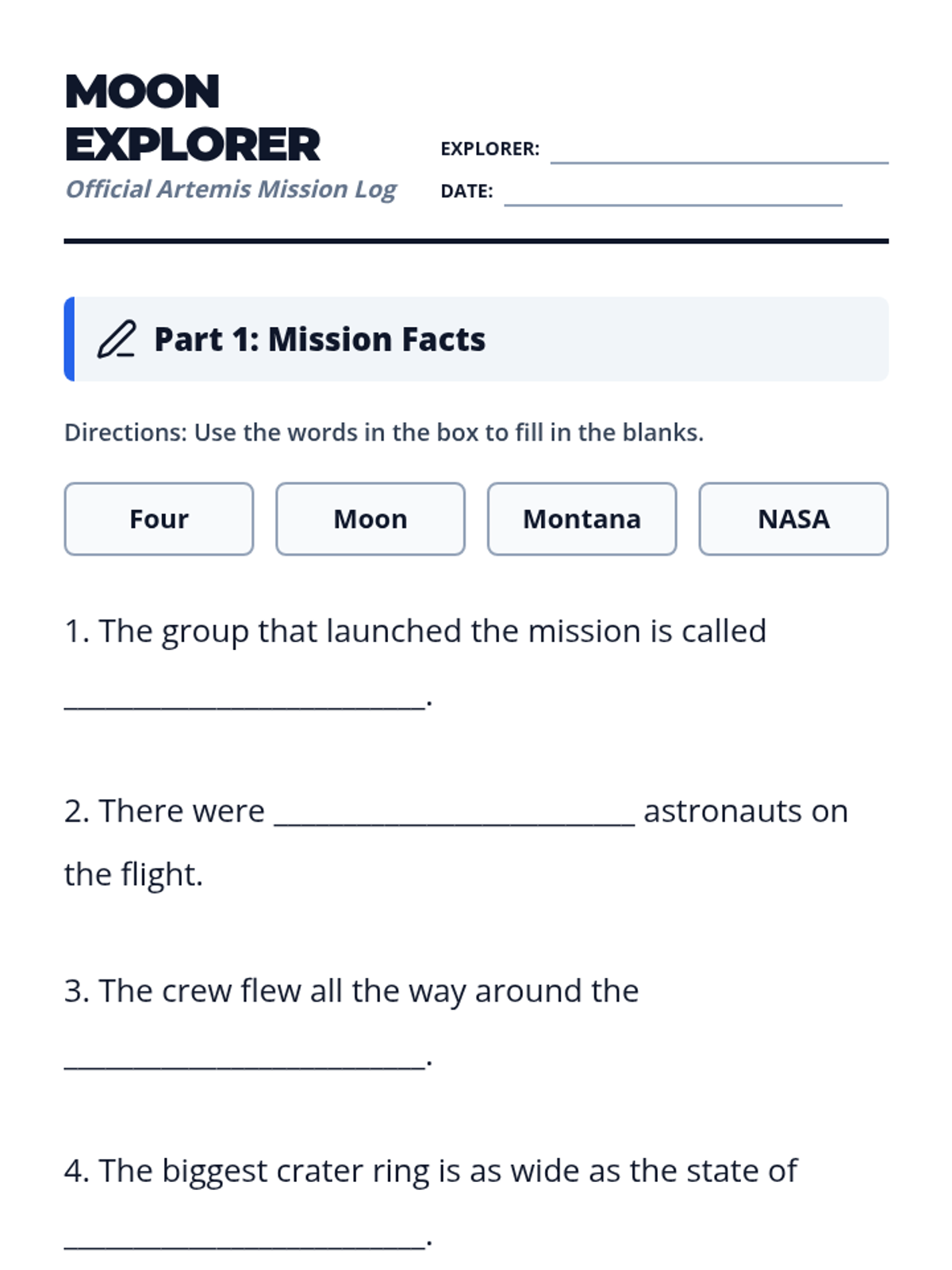
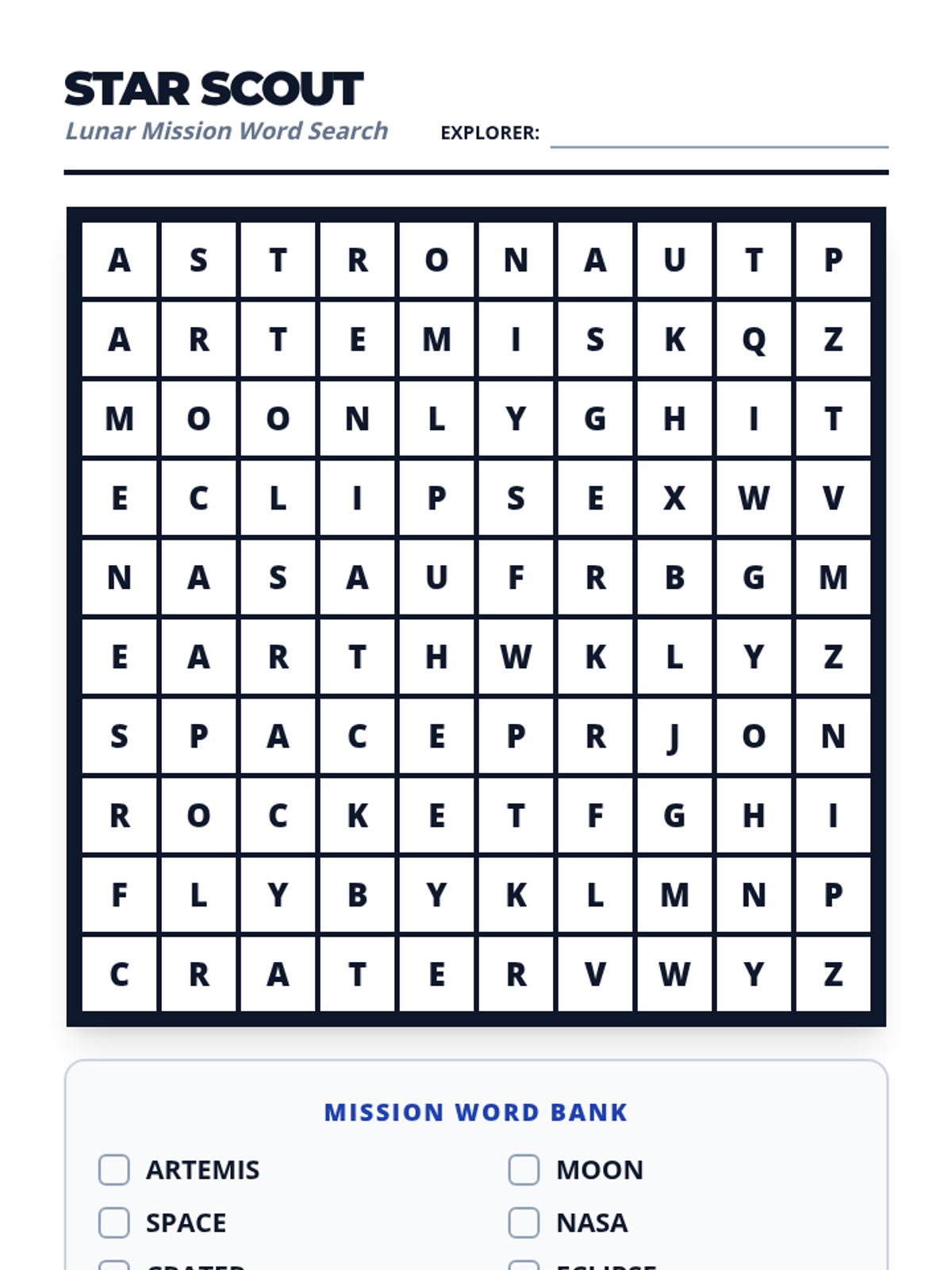
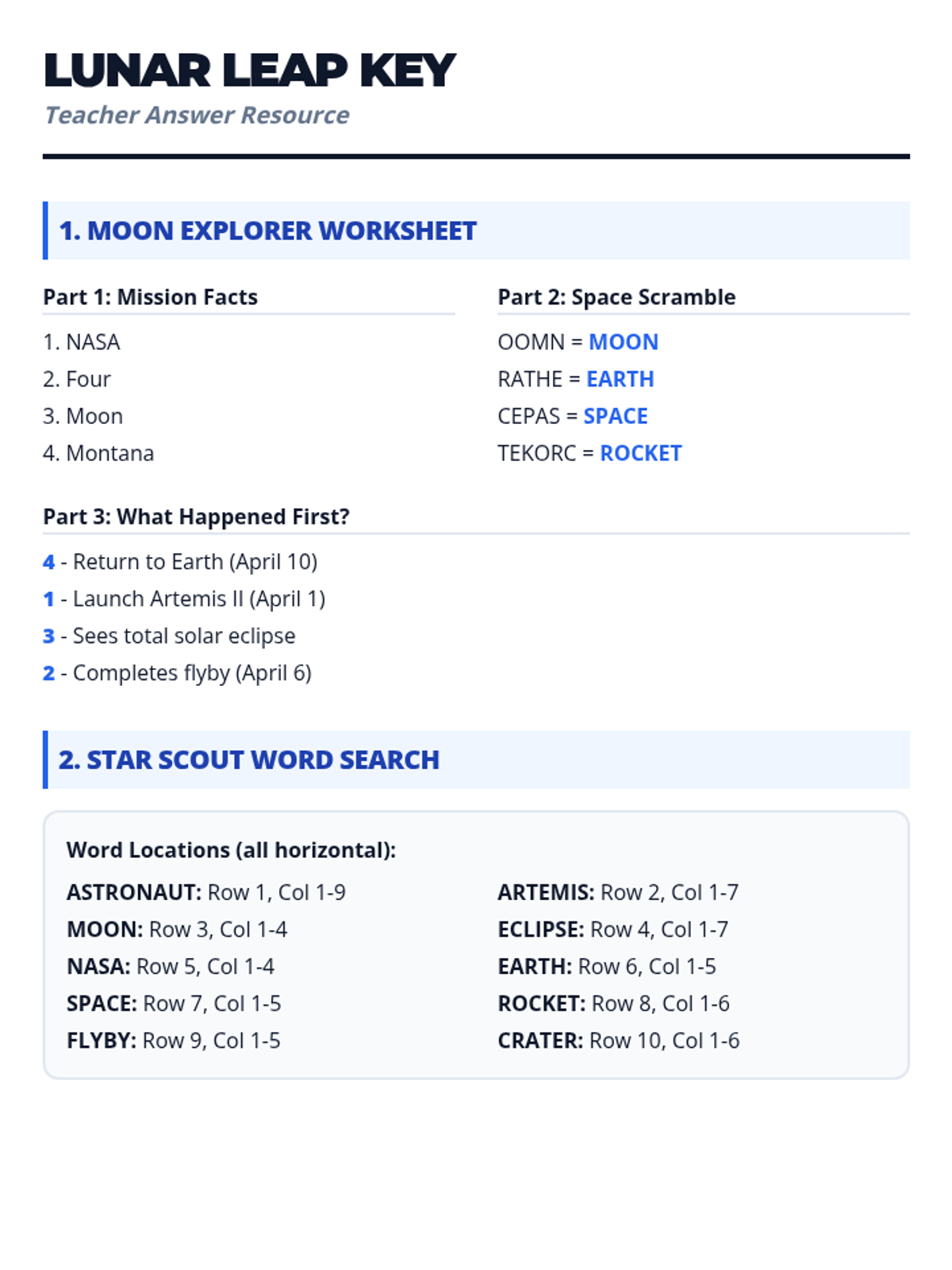
A lesson about the Artemis II moon mission, designed for 8th-grade students working at a 3rd-grade reading level. Includes a visual presentation, a mission log worksheet with sequencing and word scrambles, and a space-themed word search.
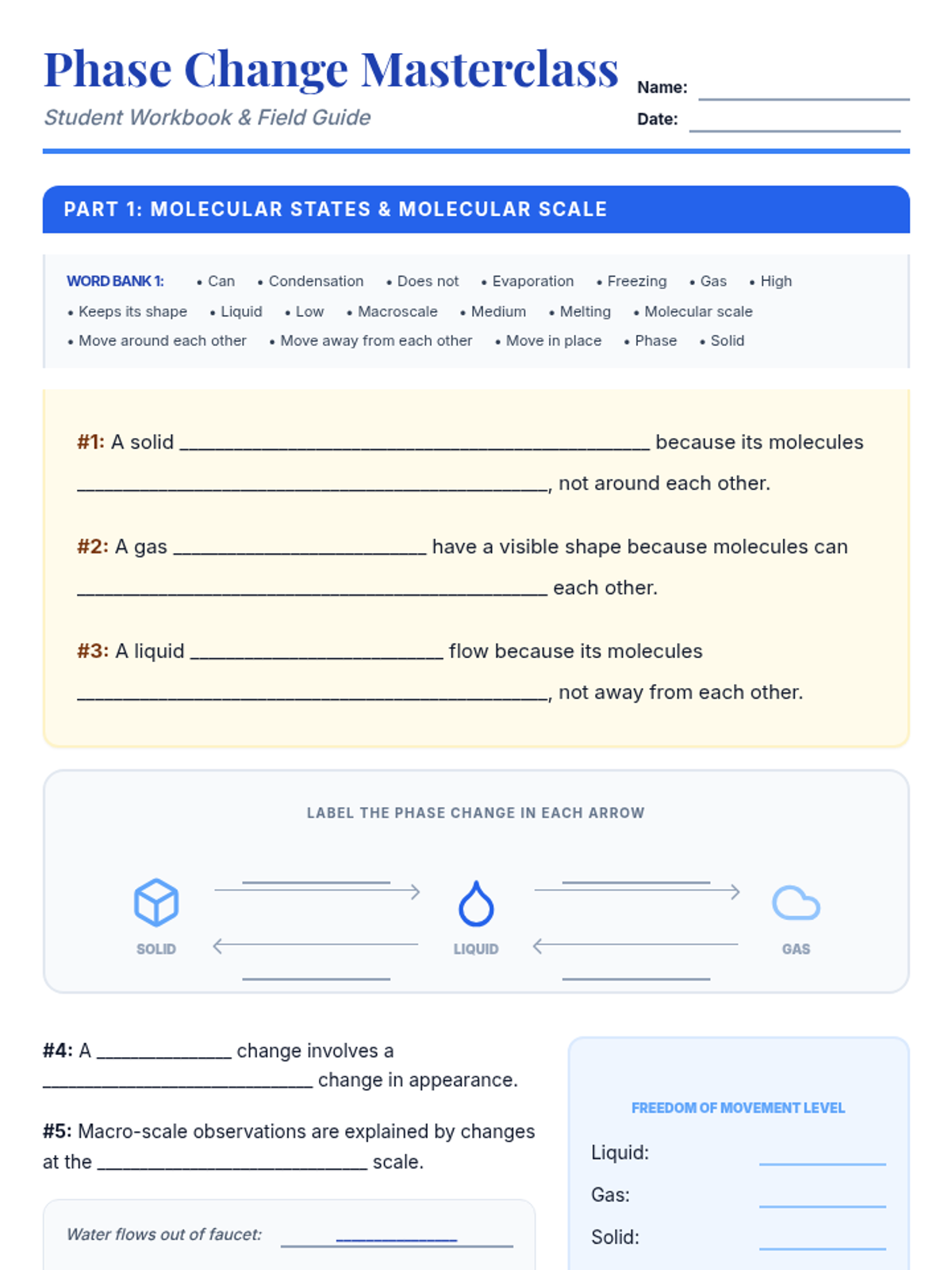
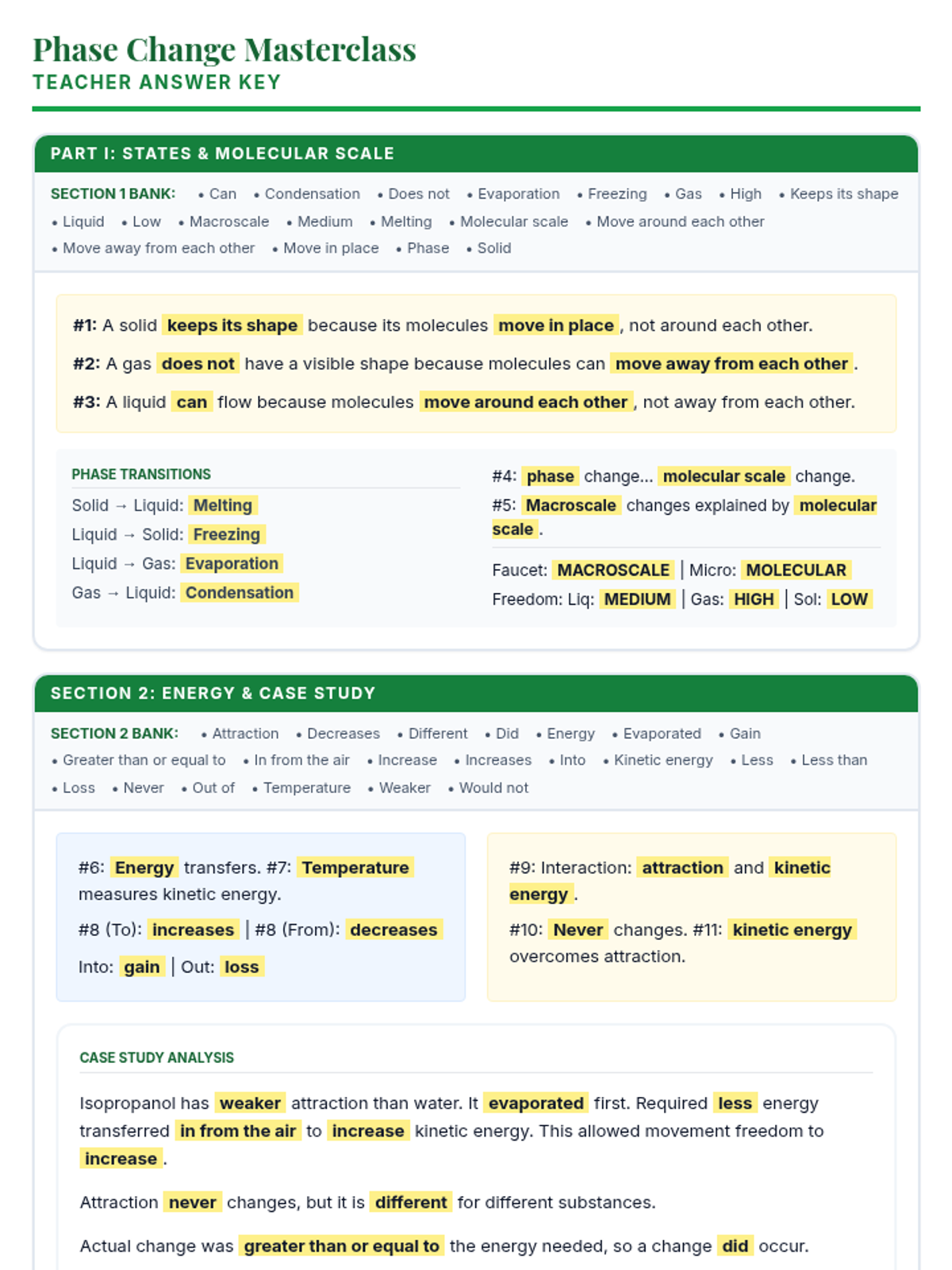
A comprehensive study guide and worksheet set covering states of matter, phase changes, energy transfer, and molecular attraction based on the Titan lake unit.
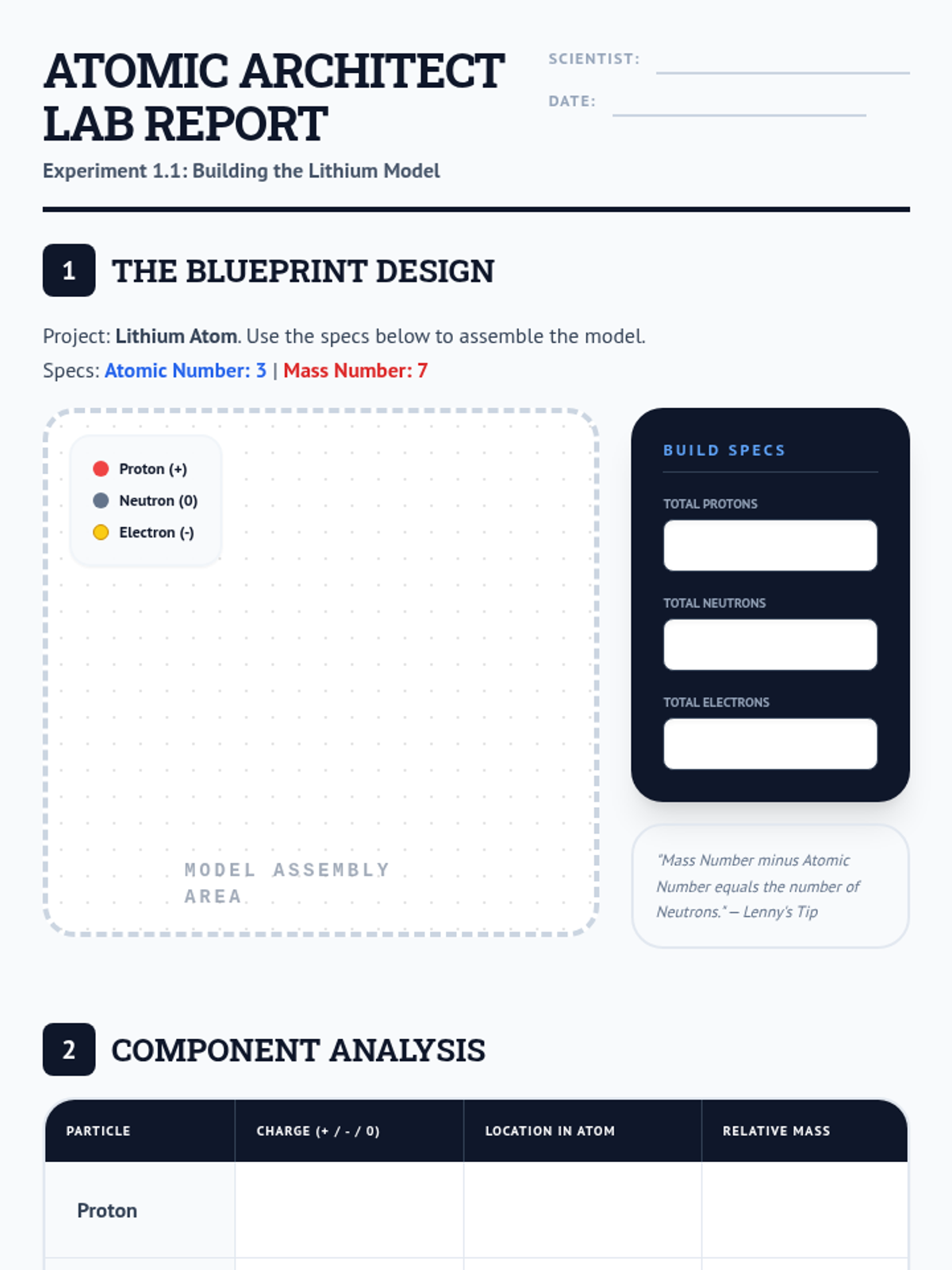
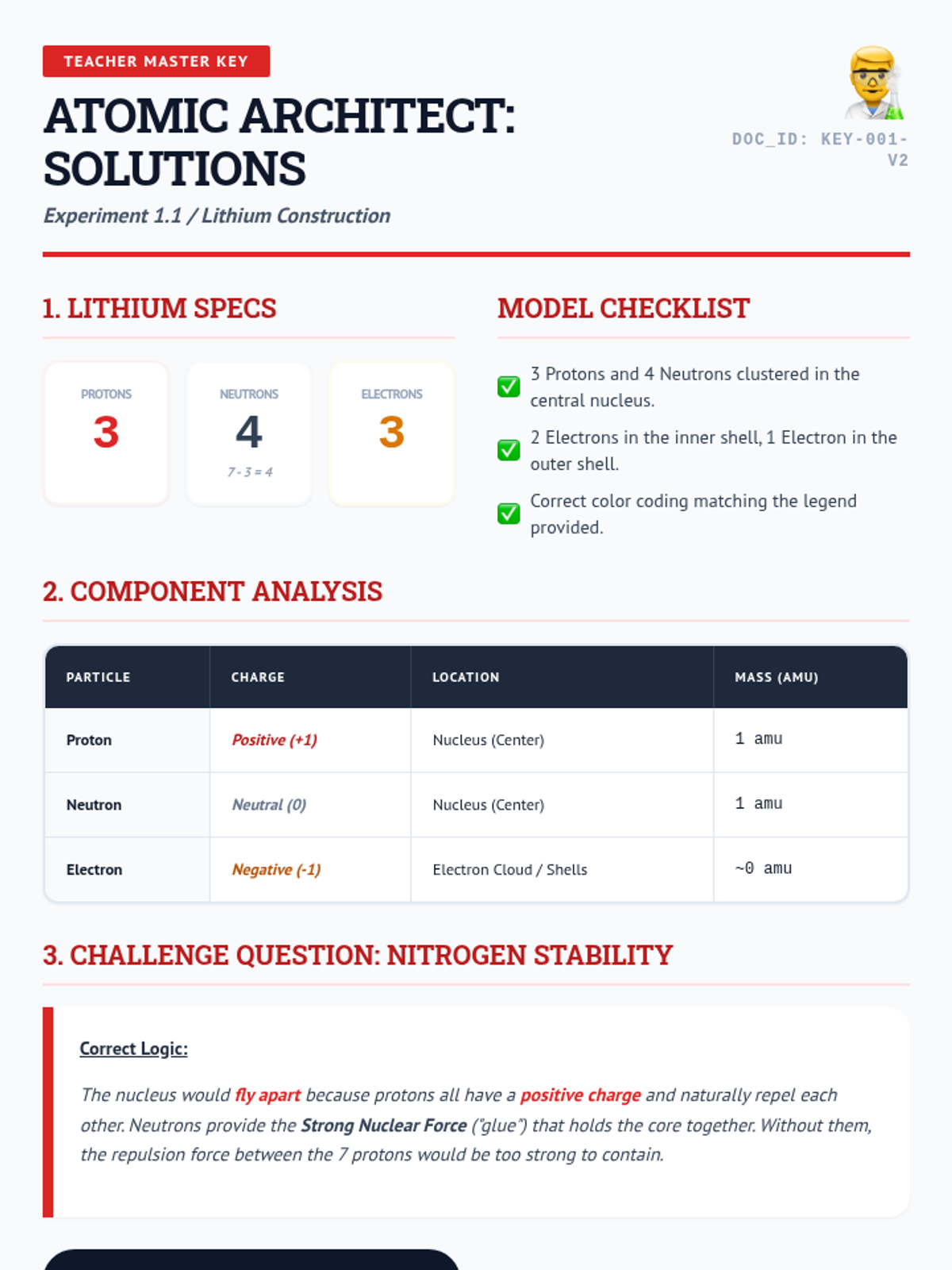
Students explore the fundamental building blocks of matter through a blueprint-style exploration of atomic structure. They learn about subatomic particles and the forces that hold them together.