A culminating project-based lesson where students build models of the first eighteen elements and participate in a gallery walk to demonstrate mastery of atomic theory.
A dedicated hub for educators featuring a K-12 curriculum scope, professional development guides, and quick-reference AI cheat sheets.
High school students analyze the impact of generative AI on careers and society, mastering advanced prompt engineering and debating complex ethical dilemmas.
Middle schoolers dive into the mechanics of neural networks and the ethical implications of AI in daily life, focusing on digital citizenship and algorithmic fairness.
Middle elementary students investigate how training data shapes AI behavior, identifying bias in simple systems and experimenting with basic prompt engineering.
Students in grades 1-2 explore how machines learn to recognize patterns and assist humans, introducing basic classification and the idea of helpful technology.
Introduces Kindergarteners to the concept of AI as a 'thinking' tool that follows instructions and learns from examples, focusing on the difference between robots and AI.
A hands-on laboratory experience where students use microscopes to observe and document biological and physical specimens at varying magnifications.
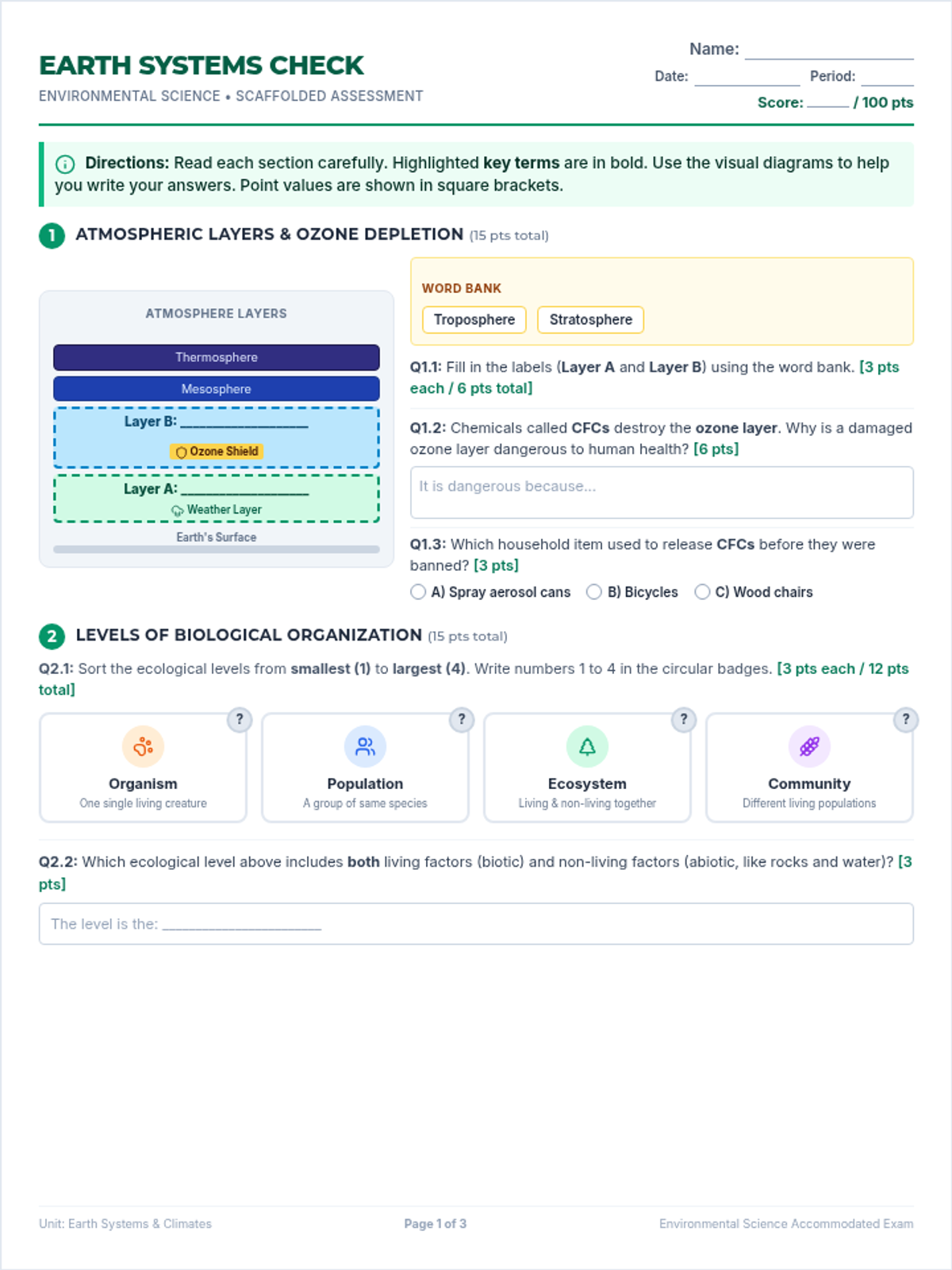
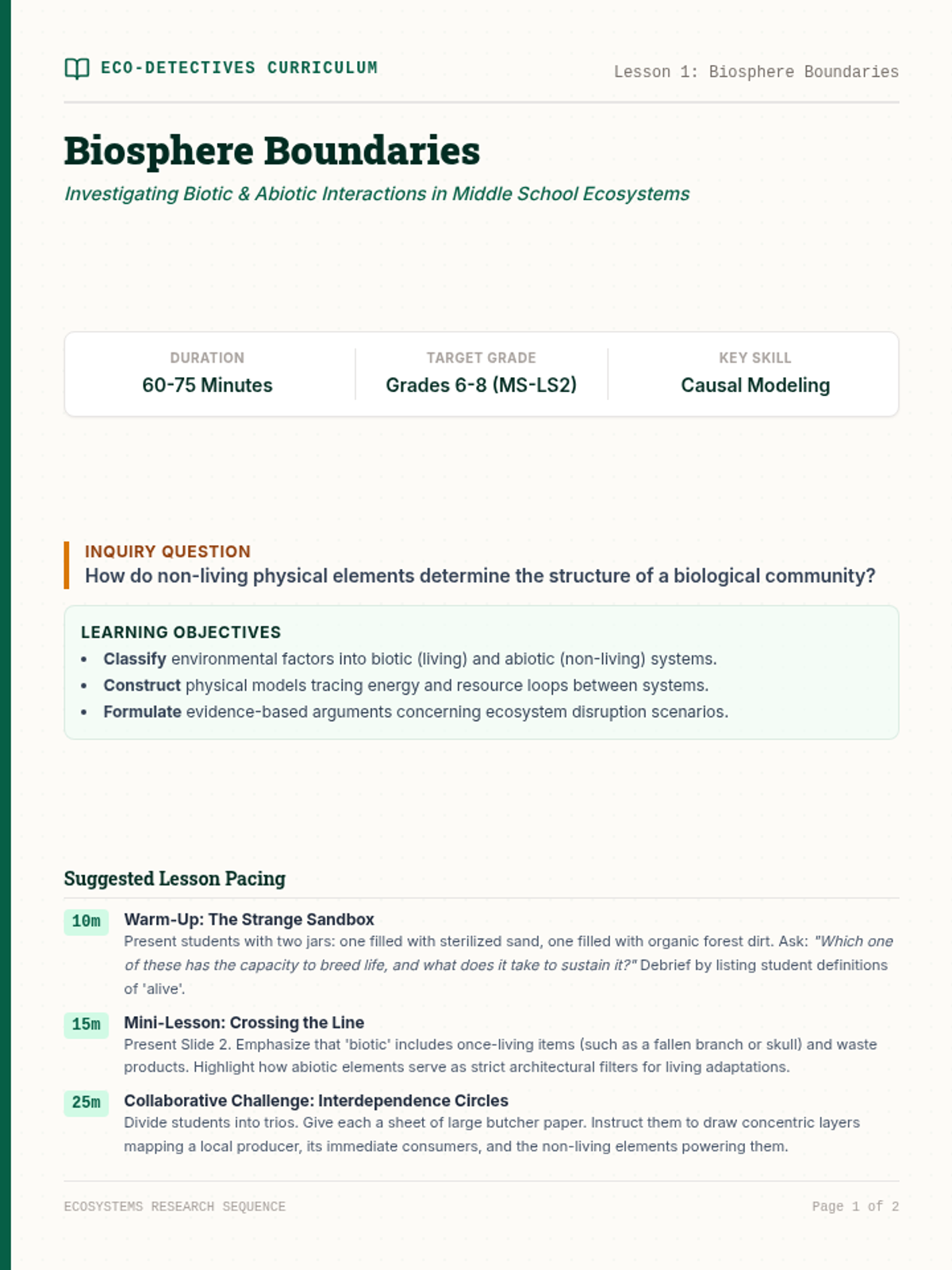
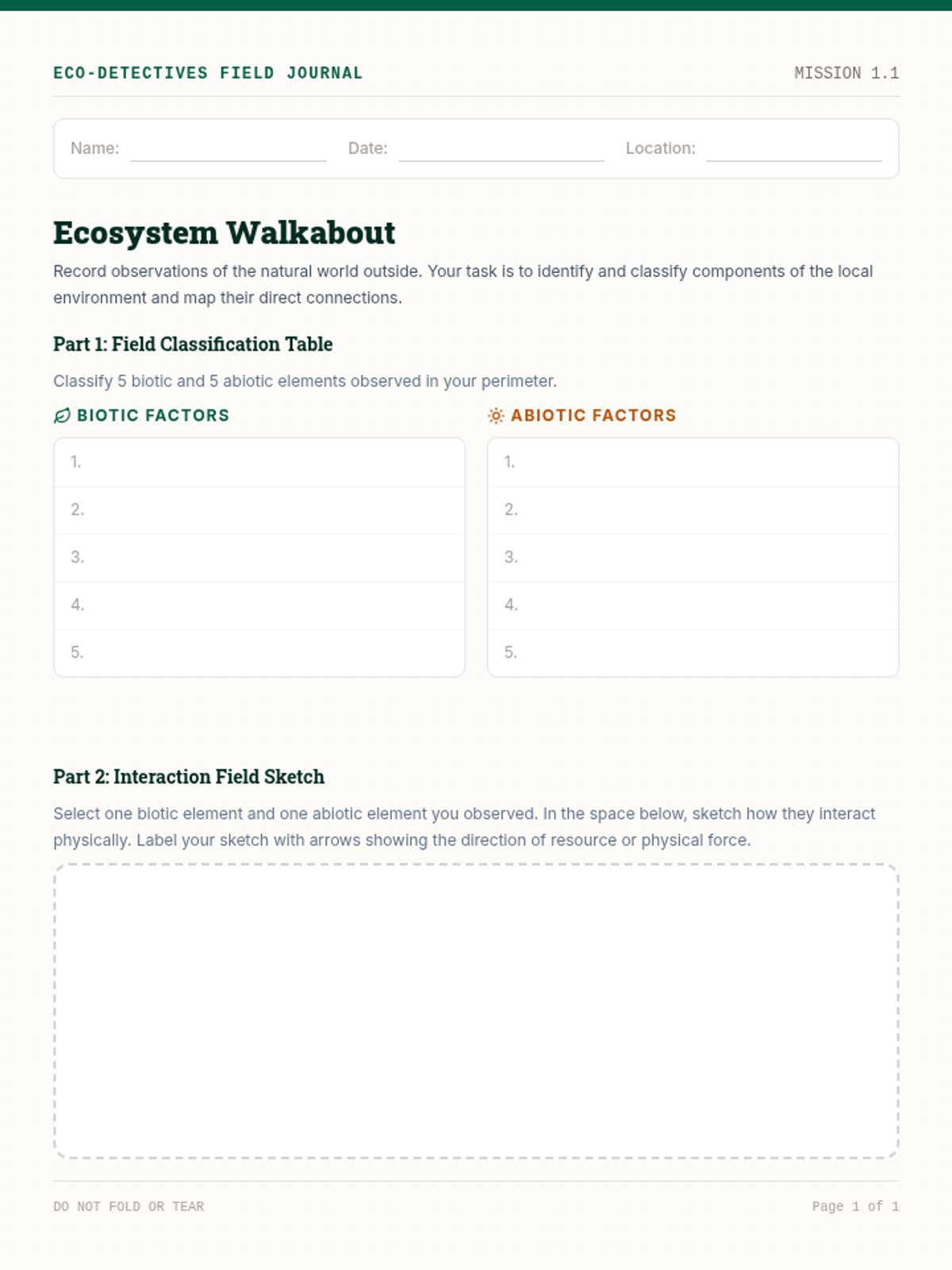
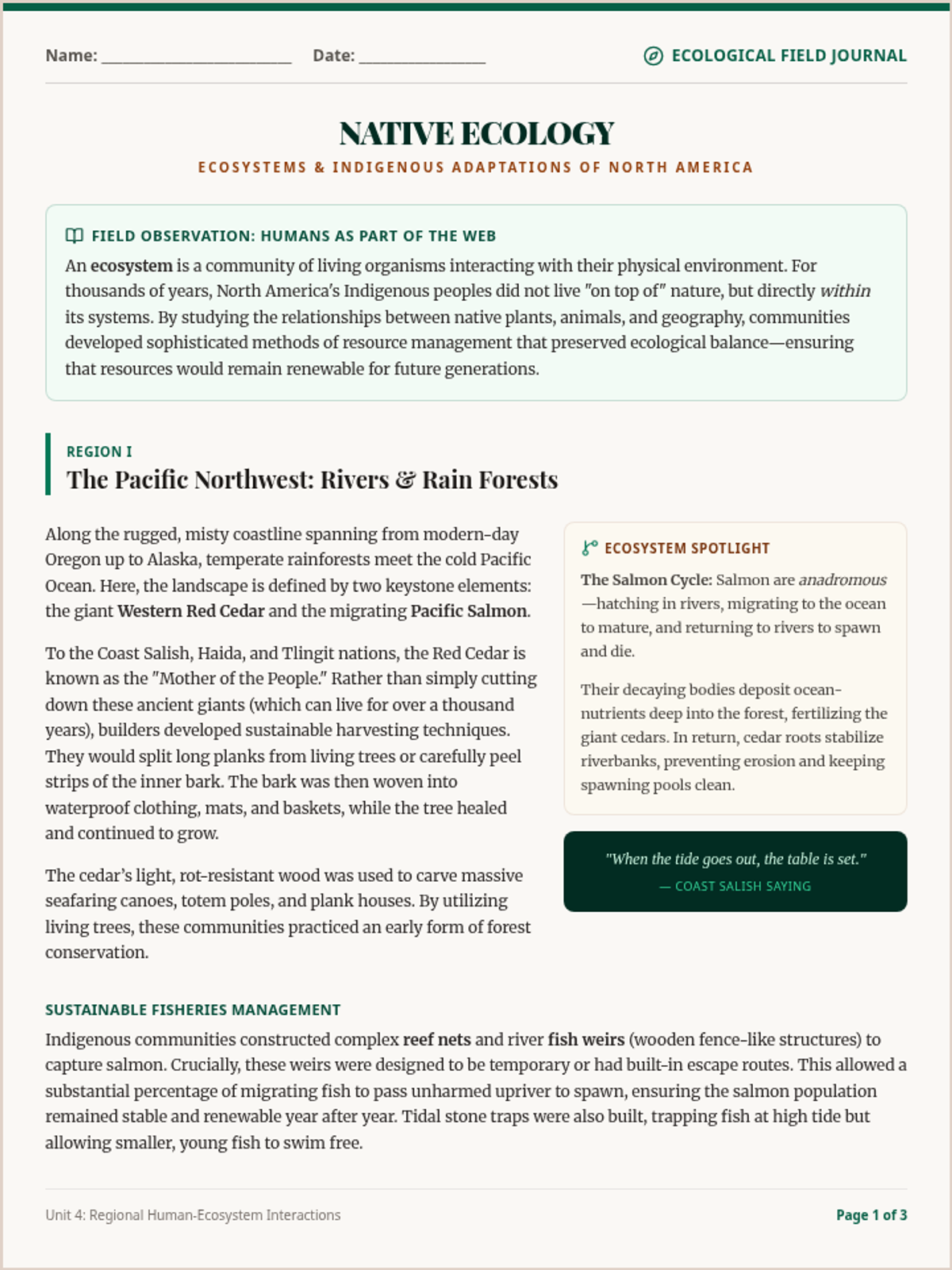
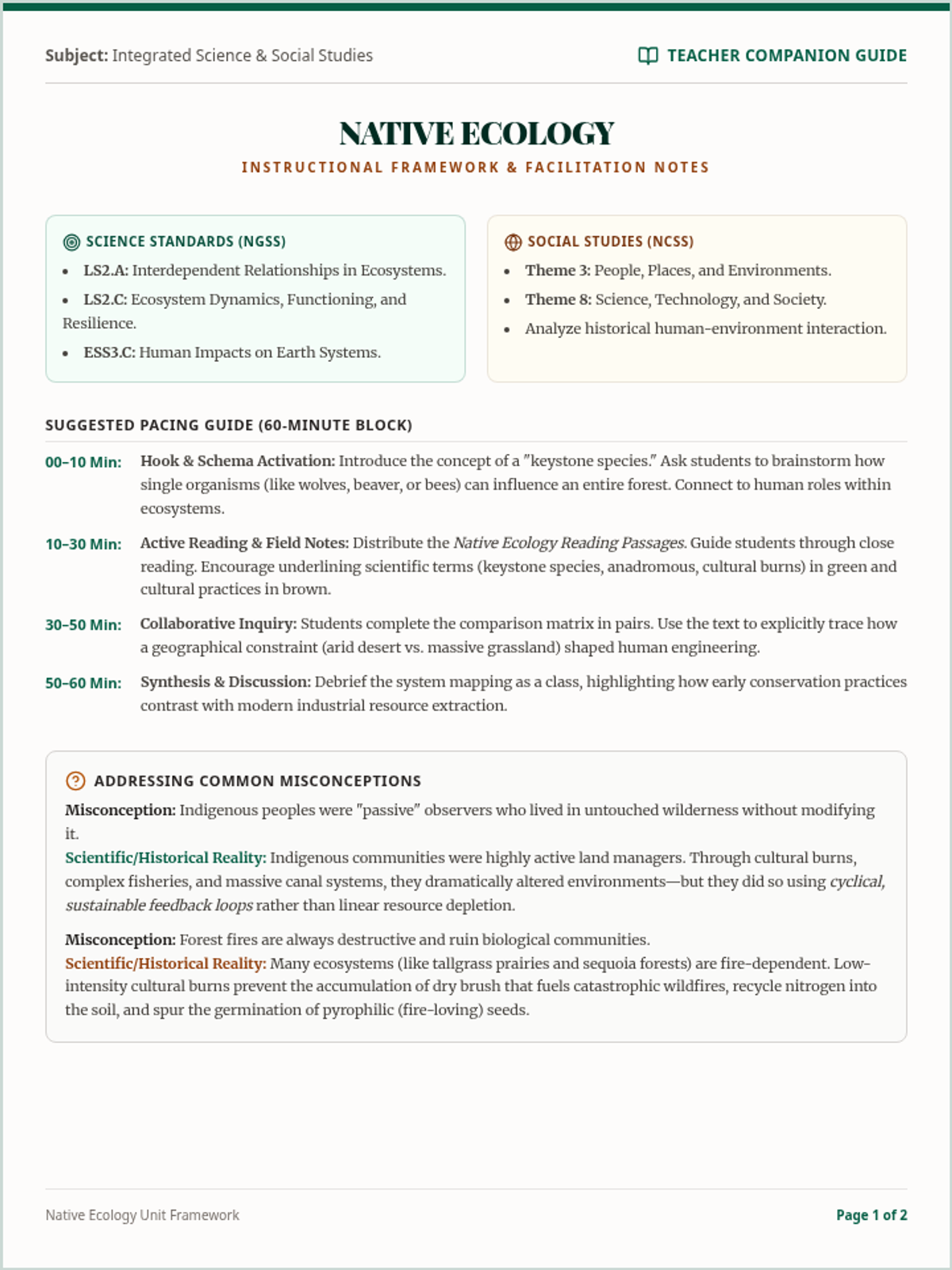
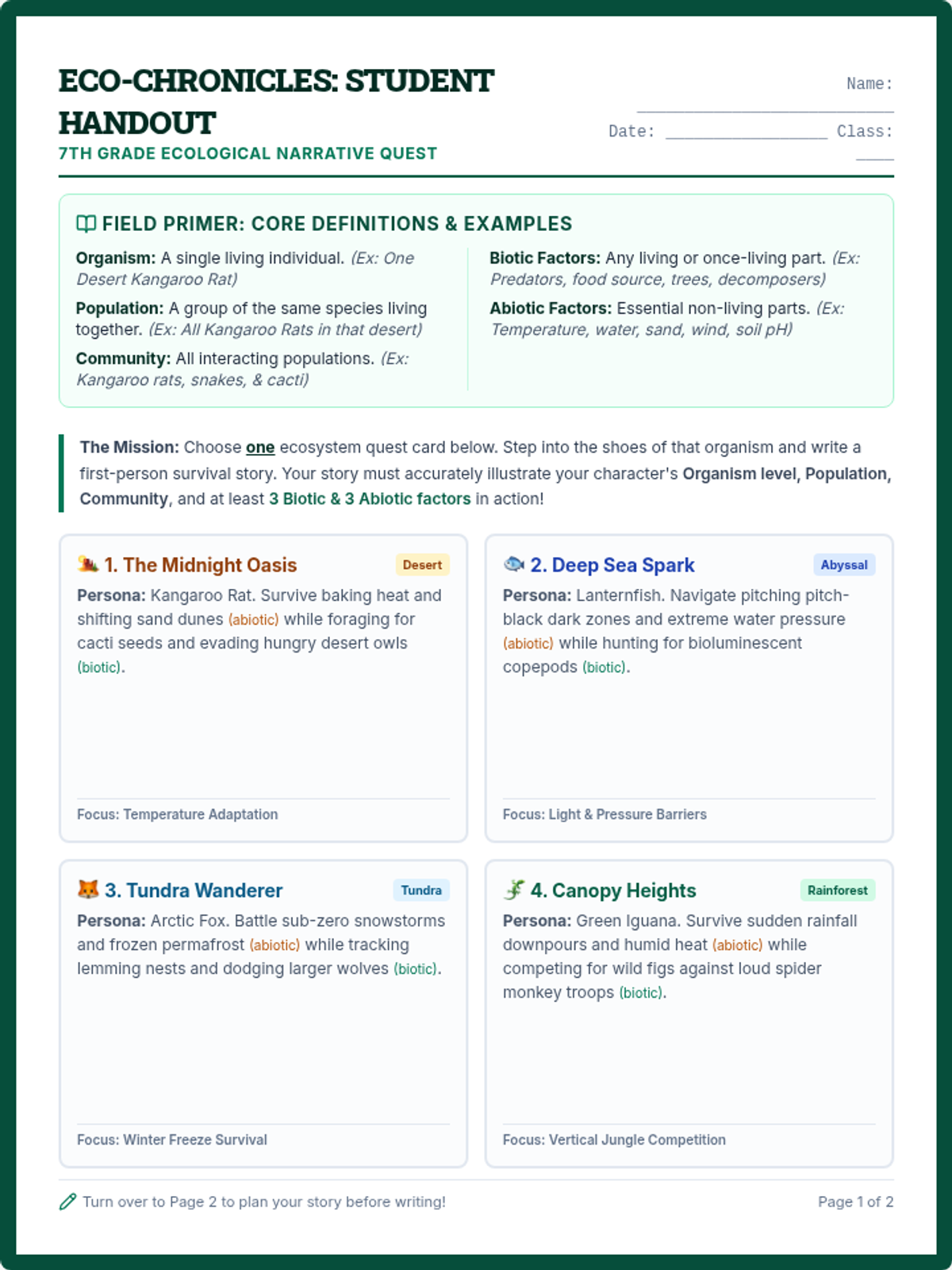
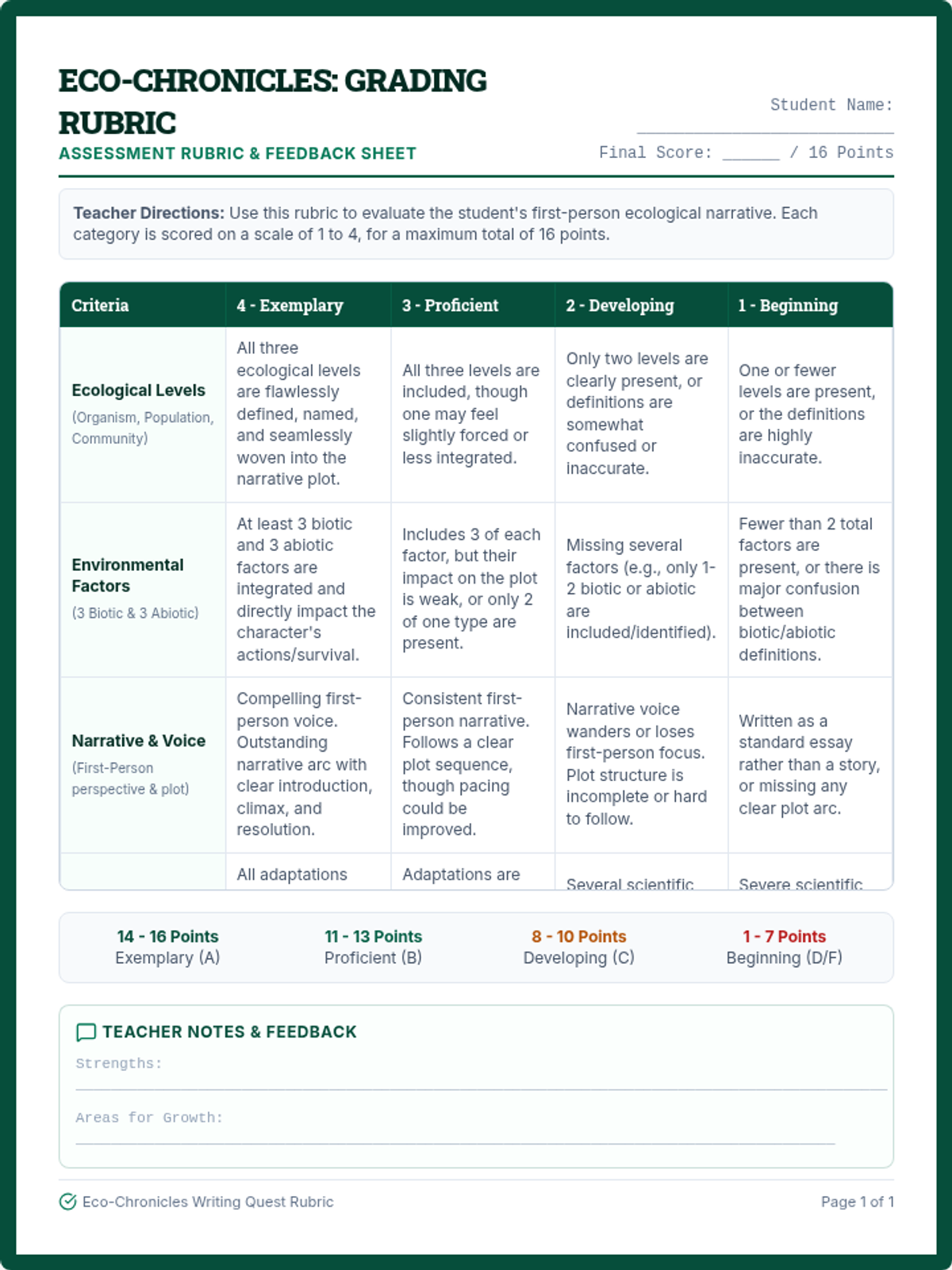
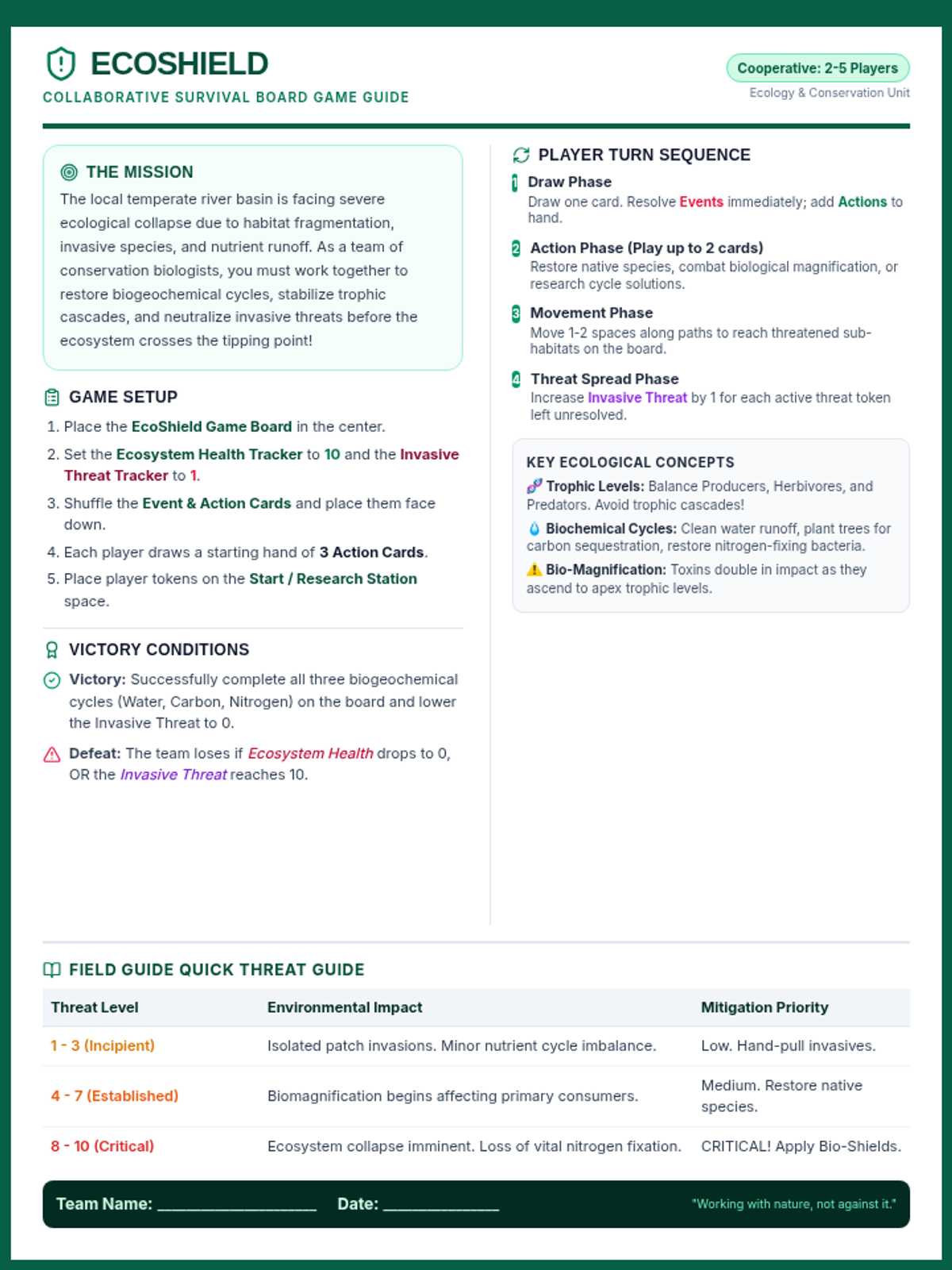
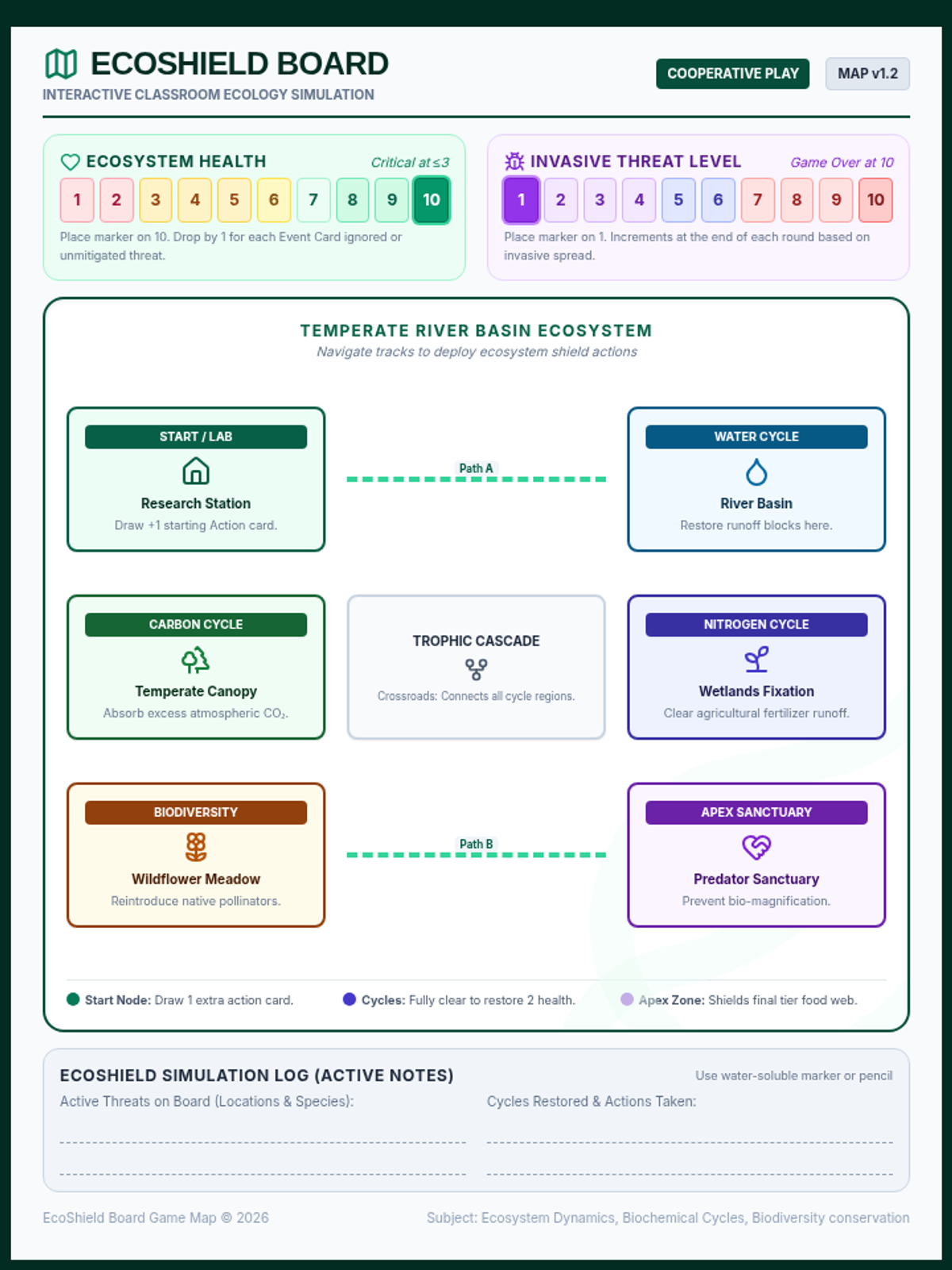
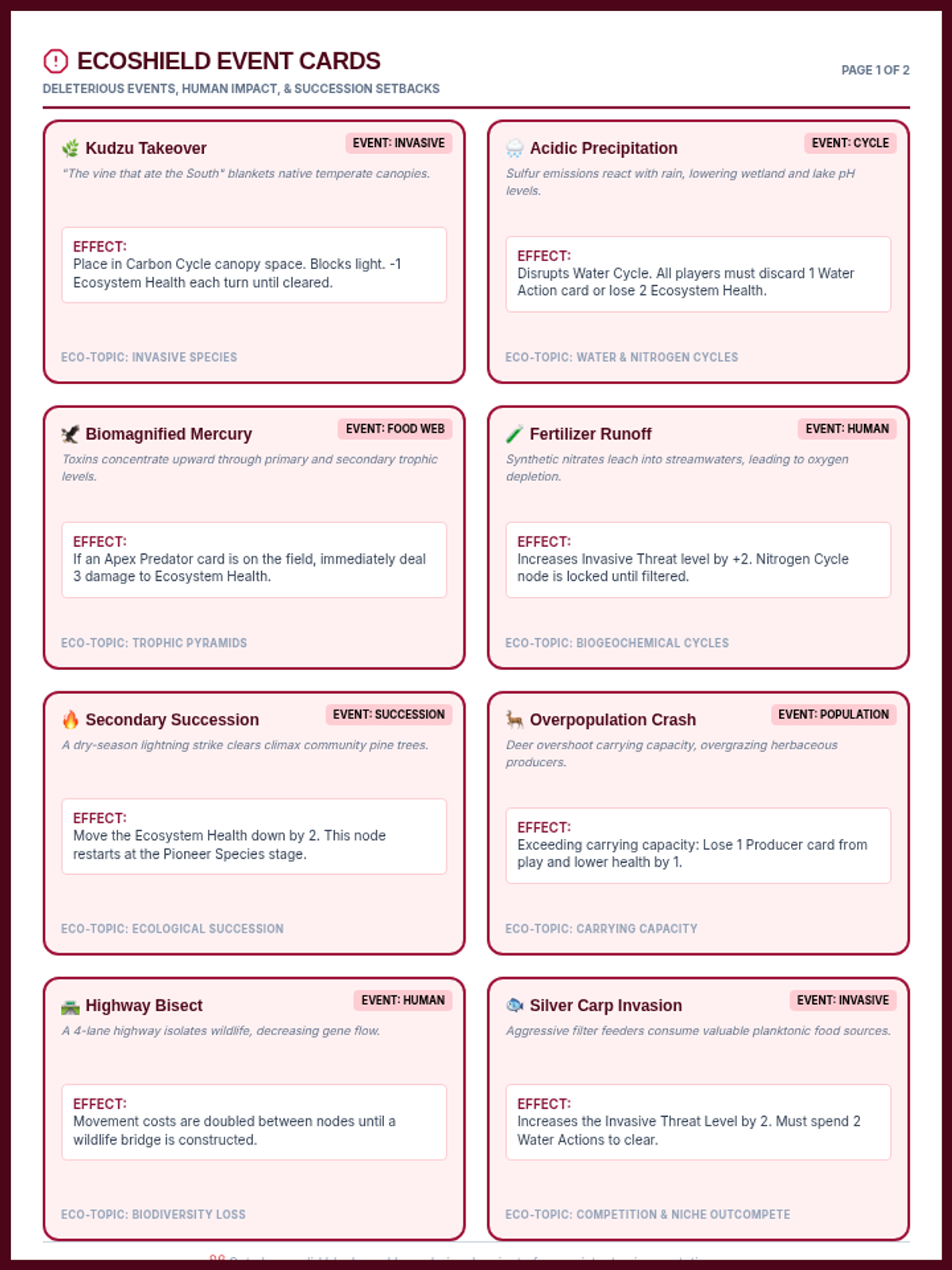
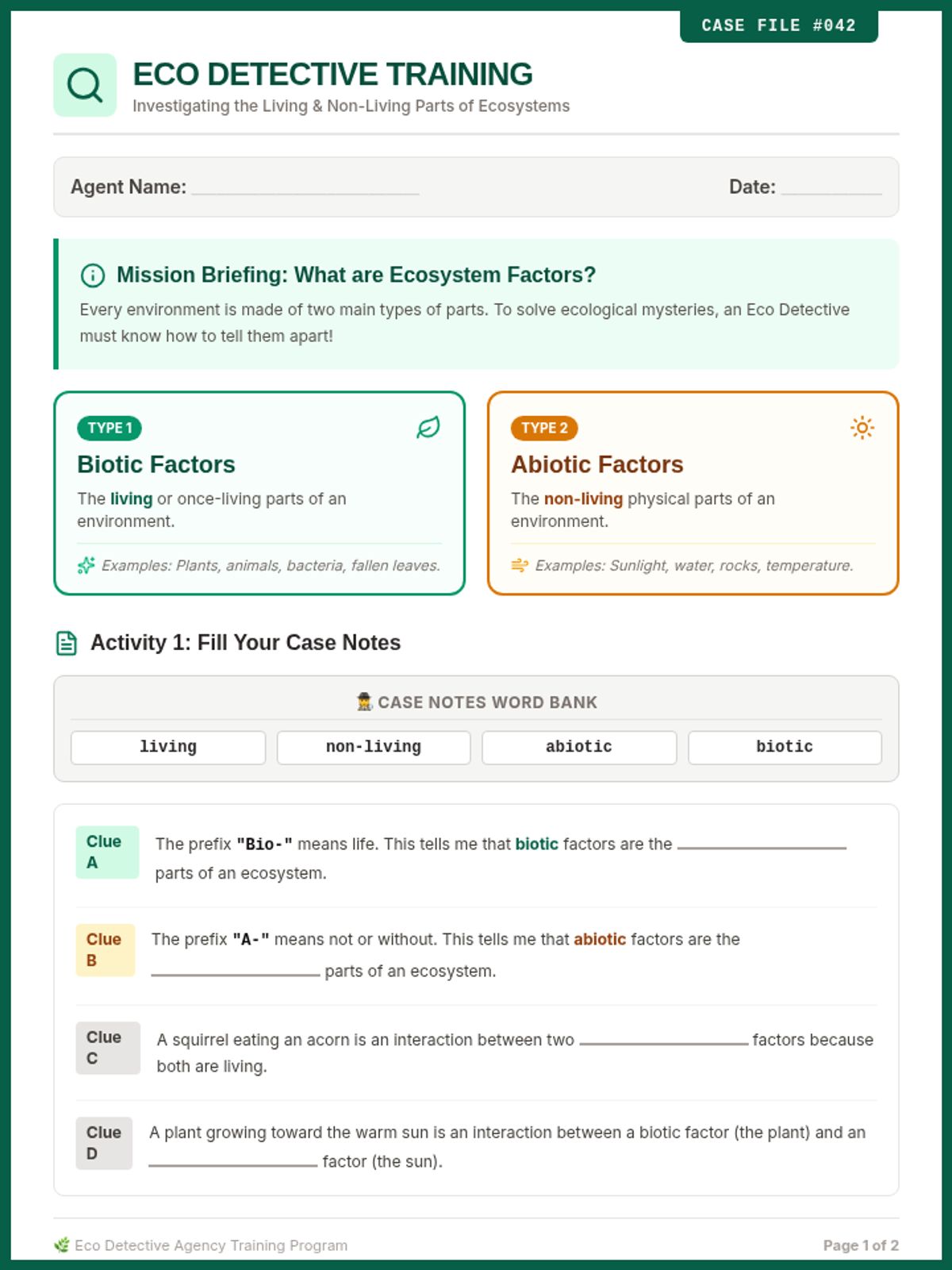
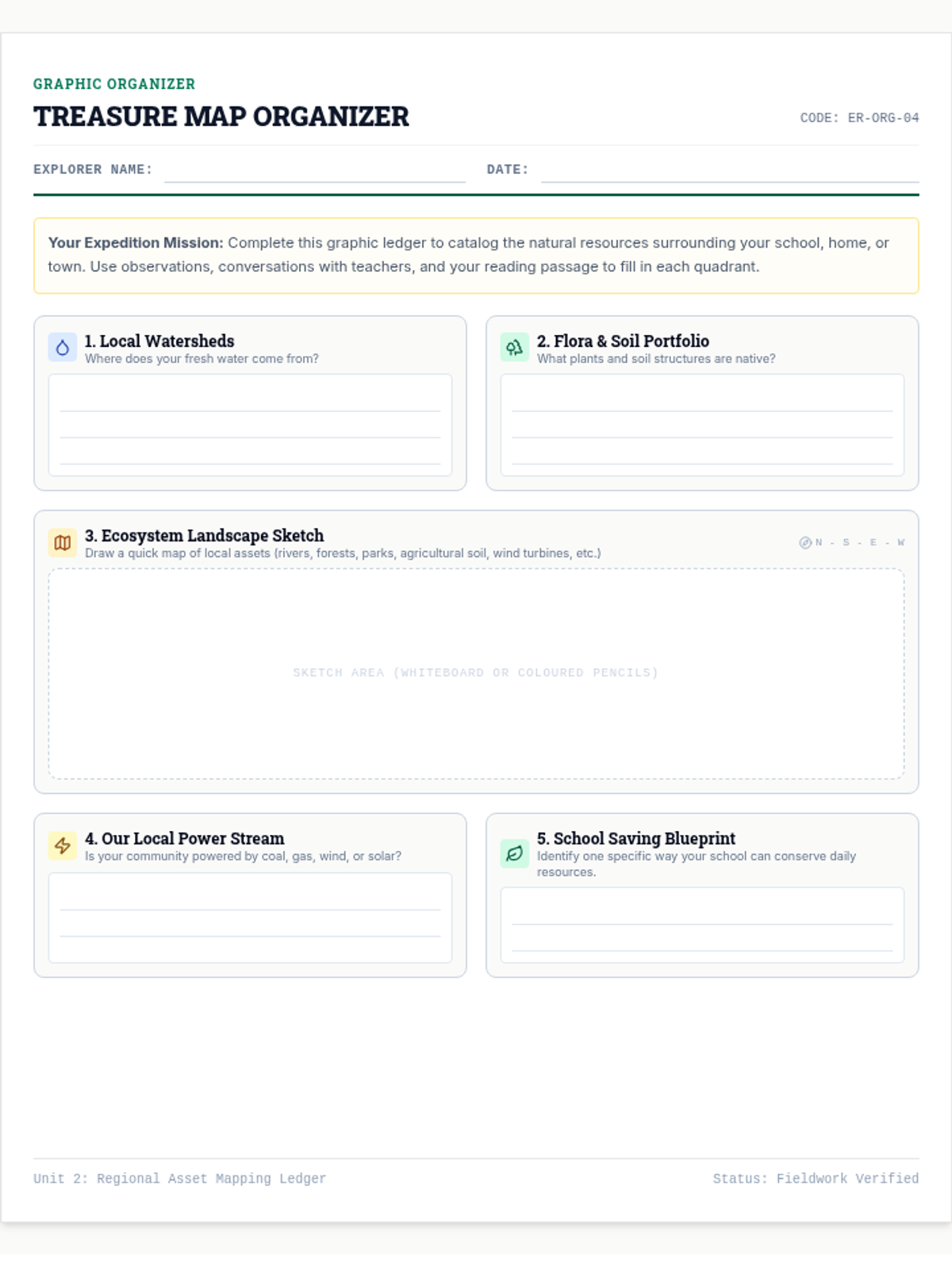
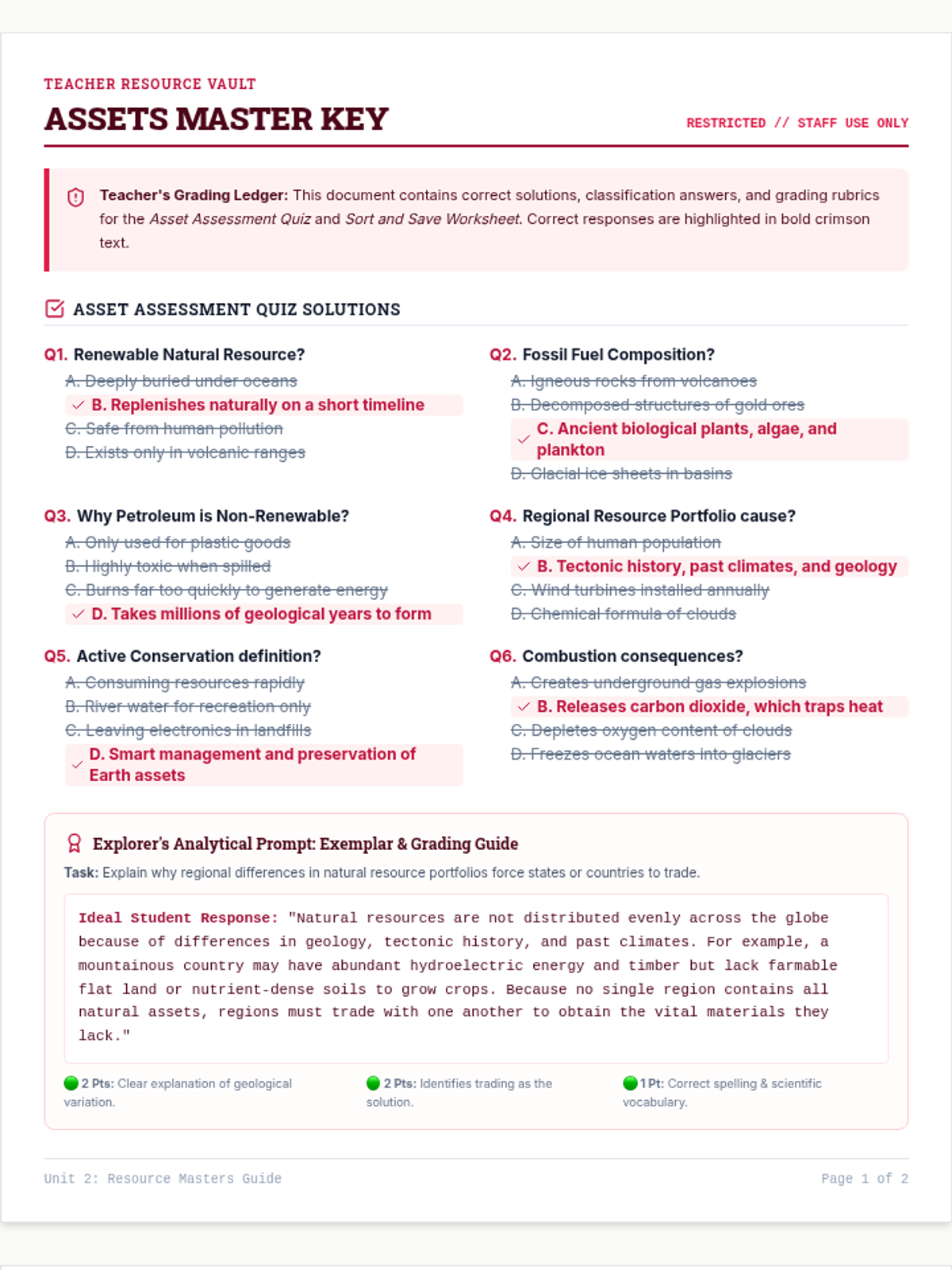
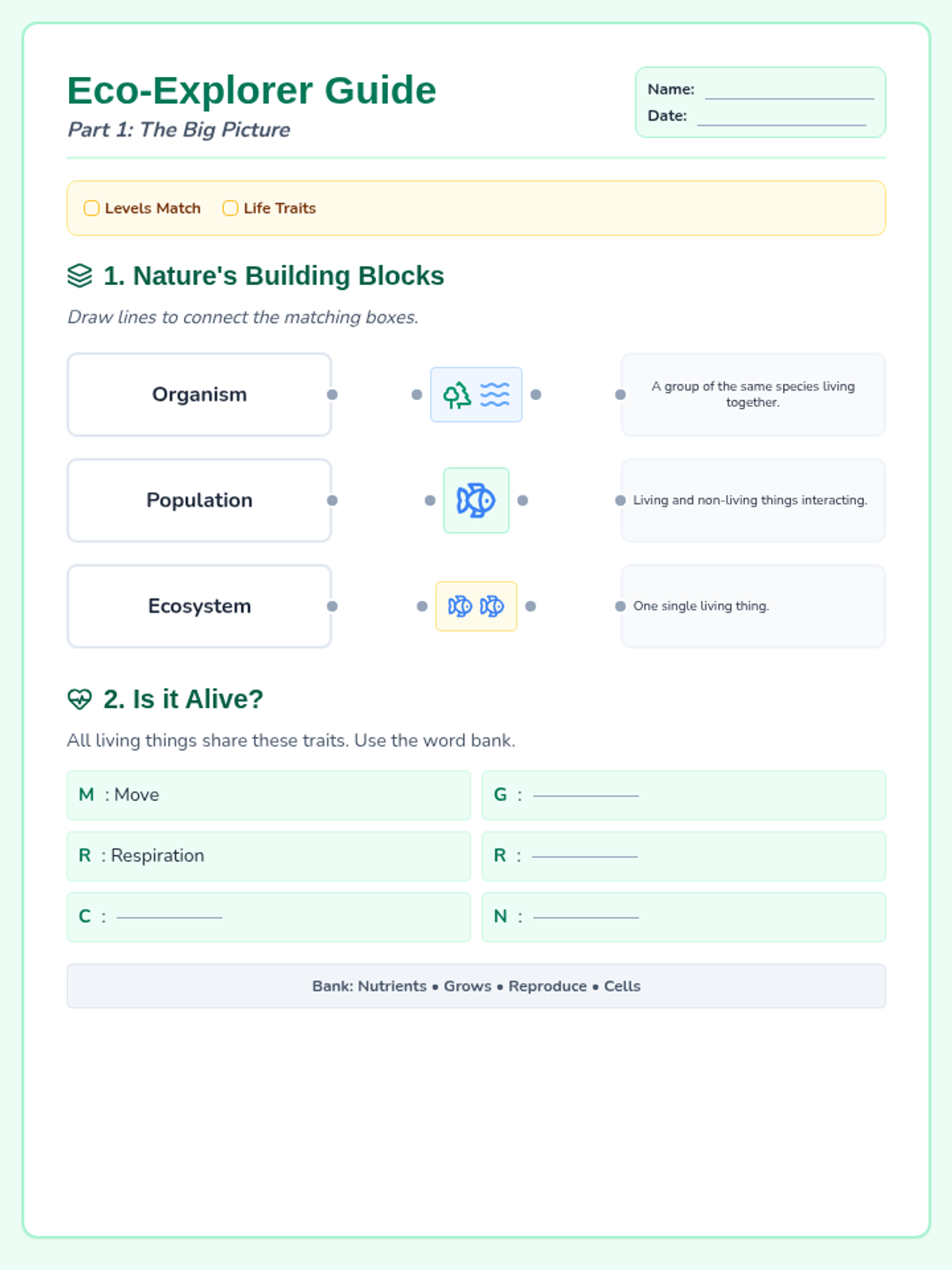
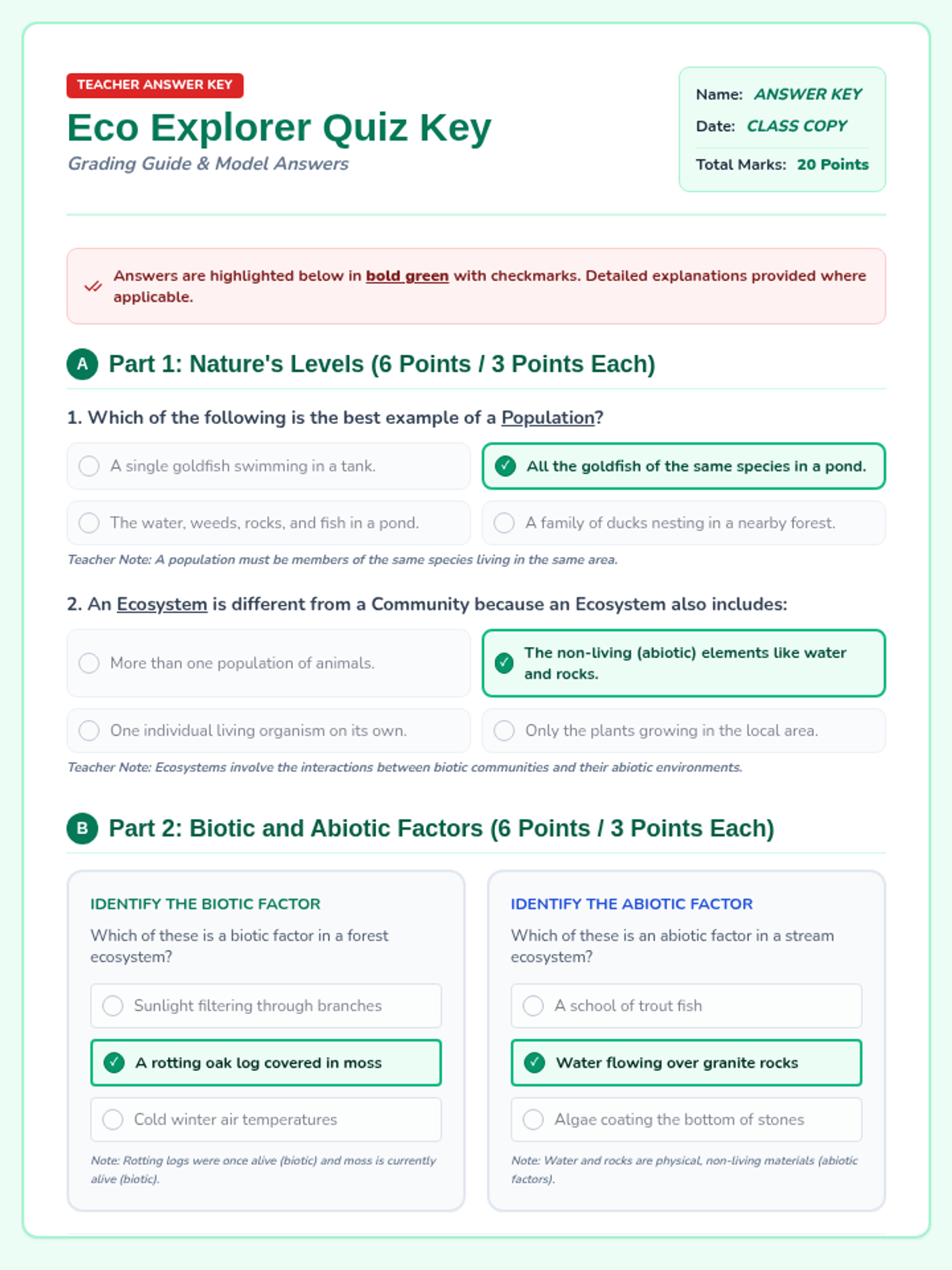
A lesson exploring the delicate balance of ecosystems, focusing on how biodiversity sustains life and how human activities like deforestation, pollution, and conservation efforts shape our planet's future.
Reviewing the three types of heat transfer through interactive slides and a graphic organizer to connect concepts to everyday life.
An introductory lesson on the classification of matter, covering atoms, elements, compounds, and mixtures (homogeneous and heterogeneous). Students will learn to distinguish between pure substances and mixtures through visual models and real-world examples.
A comprehensive lesson on orcas, covering their role as apex predators, their complex social and communication structures, and the evolutionary adaptations that have made them masters of the ocean.
A self-contained independent research activity where students explore the scientific method and experimental variables through a themed 'digital dossier' webquest. Ideal for substitute teacher days as it requires minimal instruction and promotes independent inquiry.
A biology lesson themed around the mysterious Jane Doe character, covering human body systems, ecosystems, and food webs with specialized supports for neurodivergent learners.
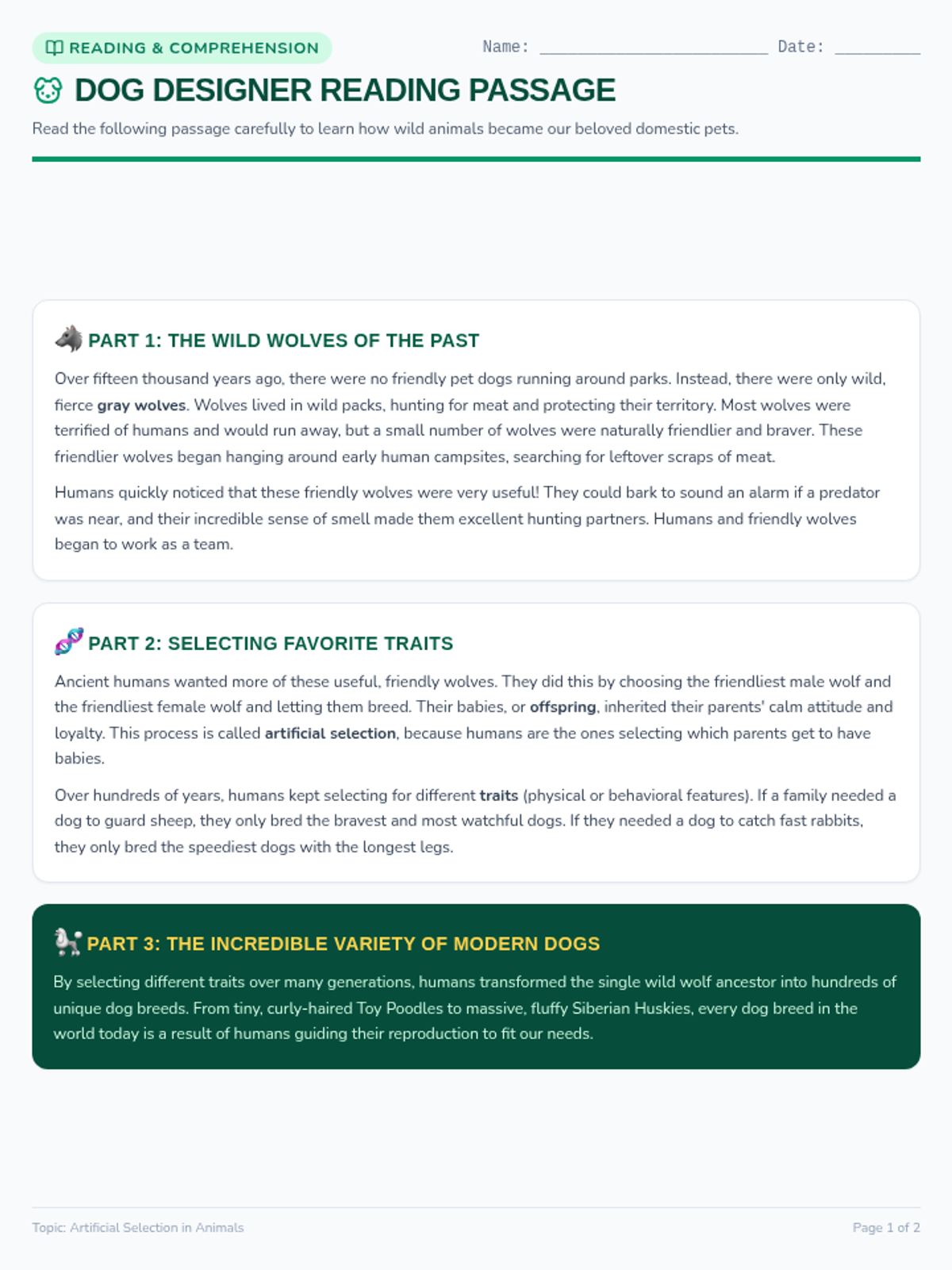
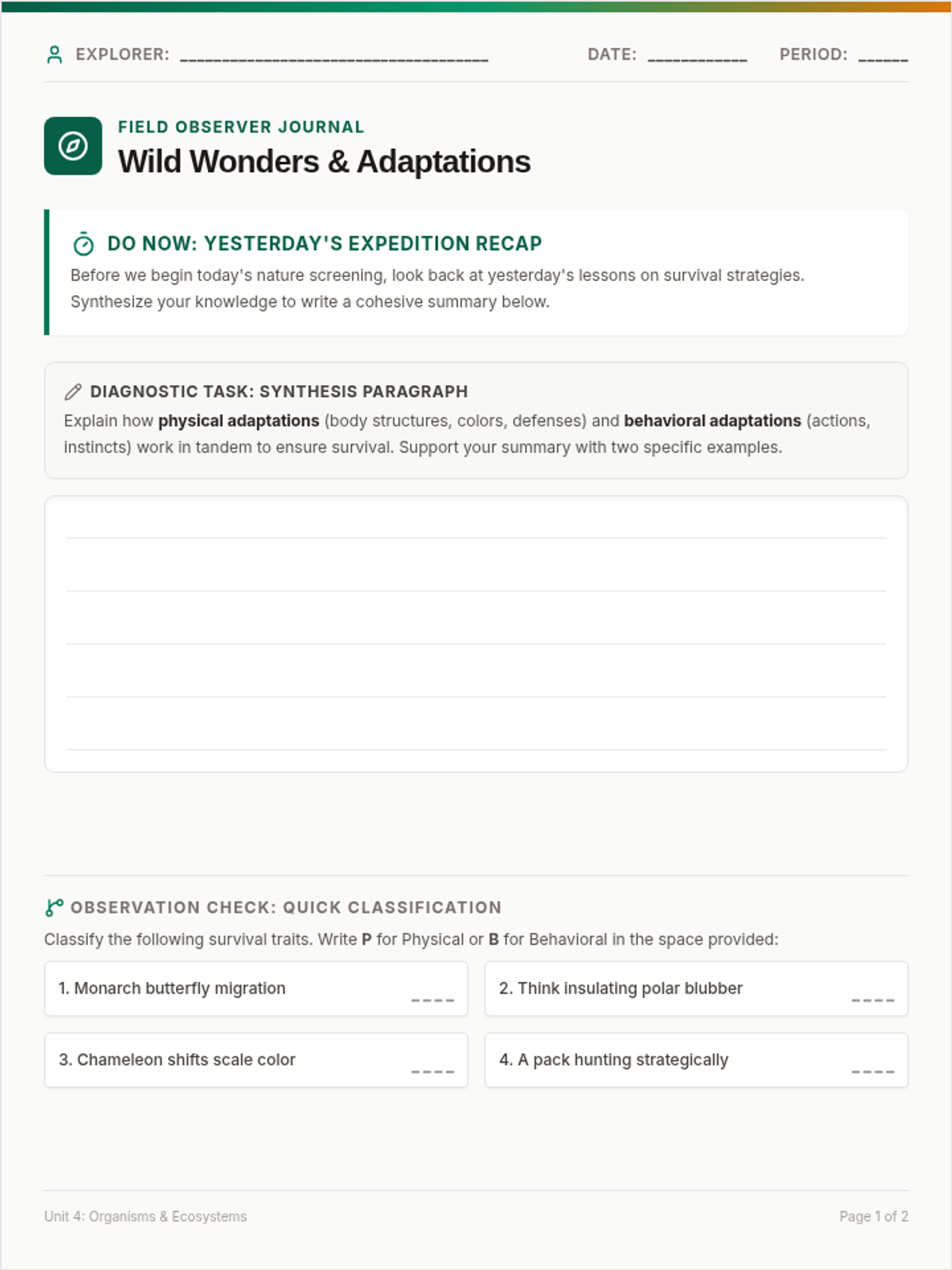
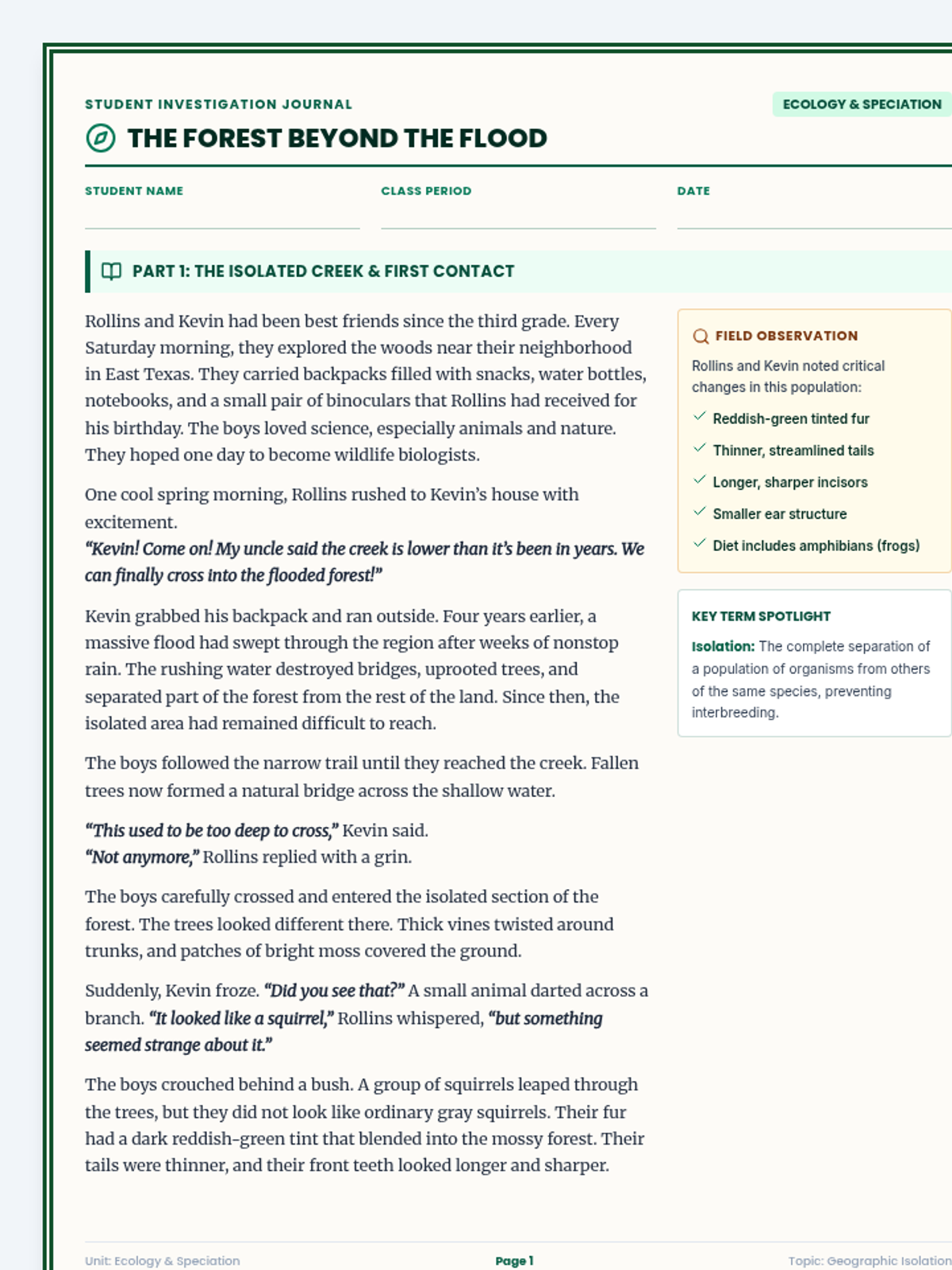
An introduction to Charles Darwin's historic voyage on the HMS Beagle and the foundational concepts of natural selection and adaptation. Students will explore how observations of the natural world led to one of science's most important theories.
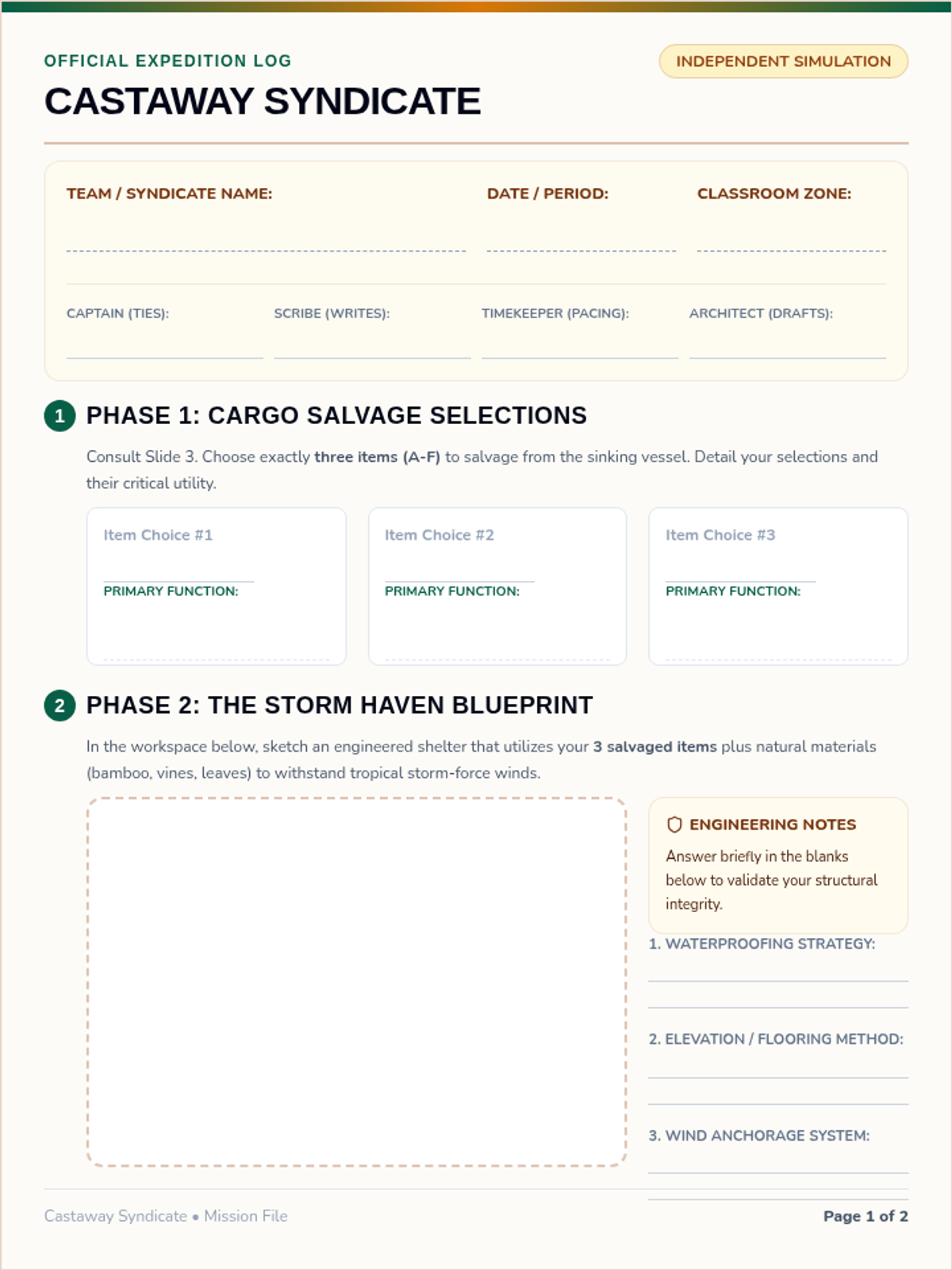
A hands-on engineering challenge where students apply physics concepts like gravity, acceleration, and impact force to design and build a protective casing for an egg drop.
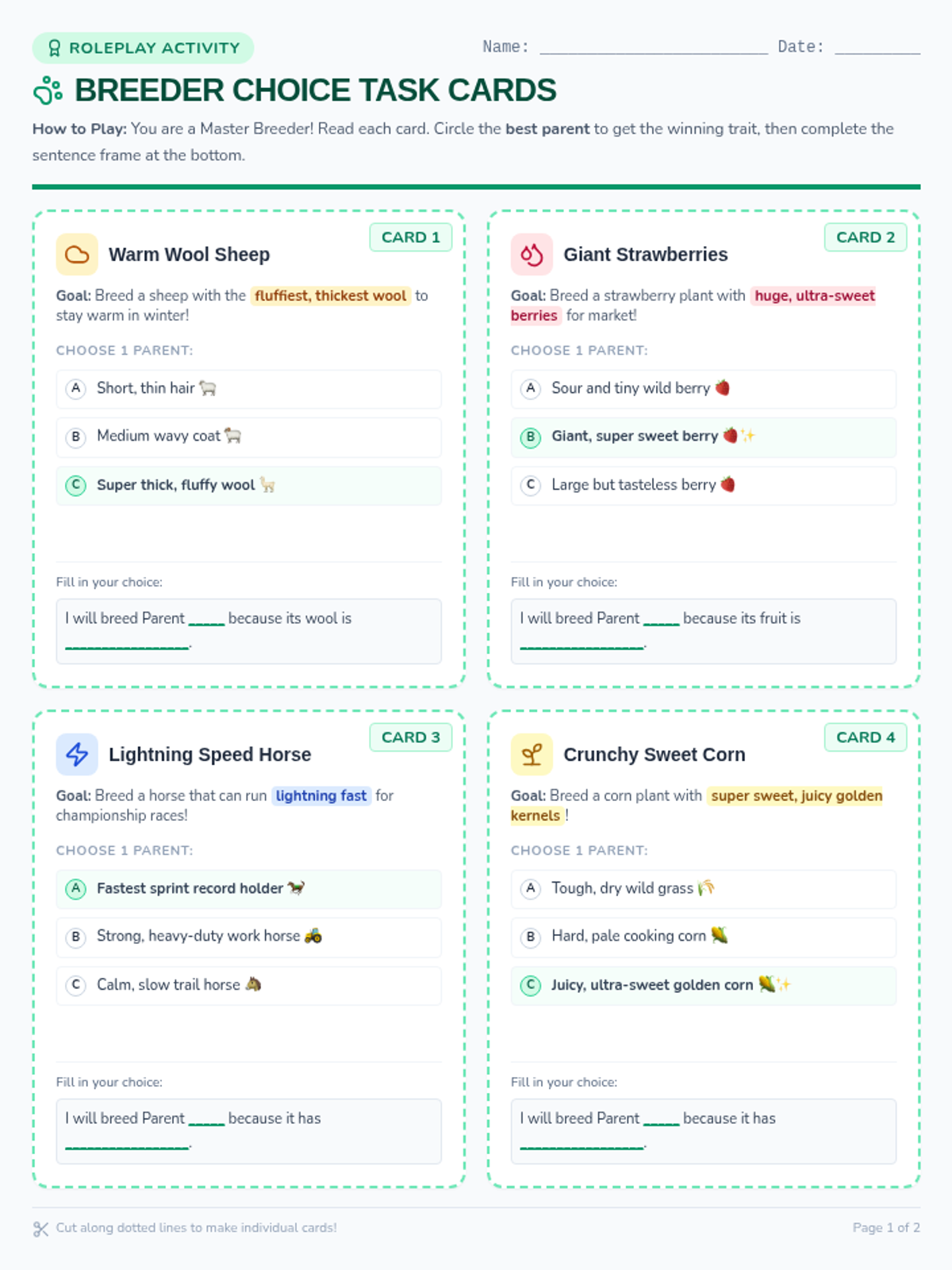
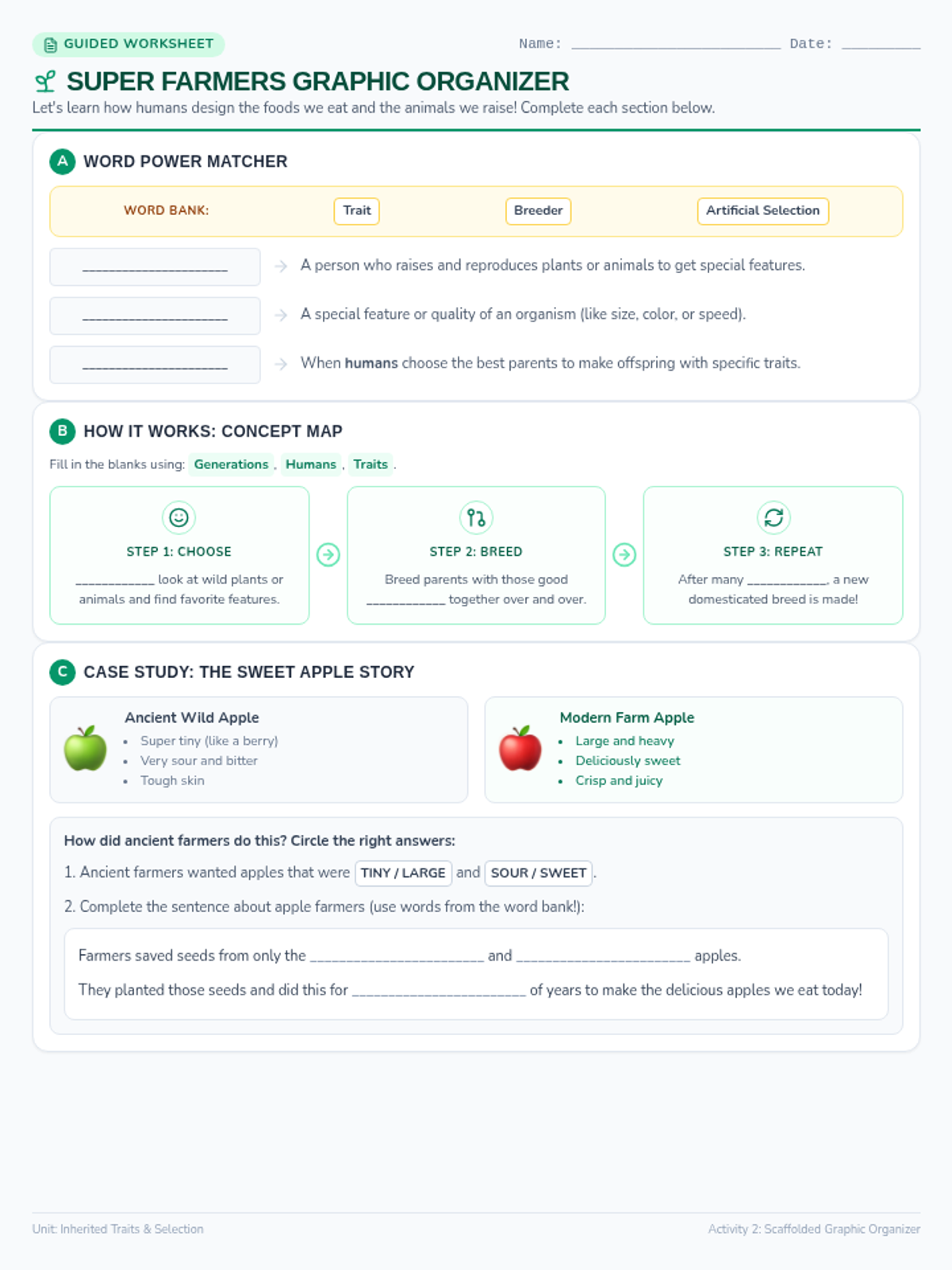
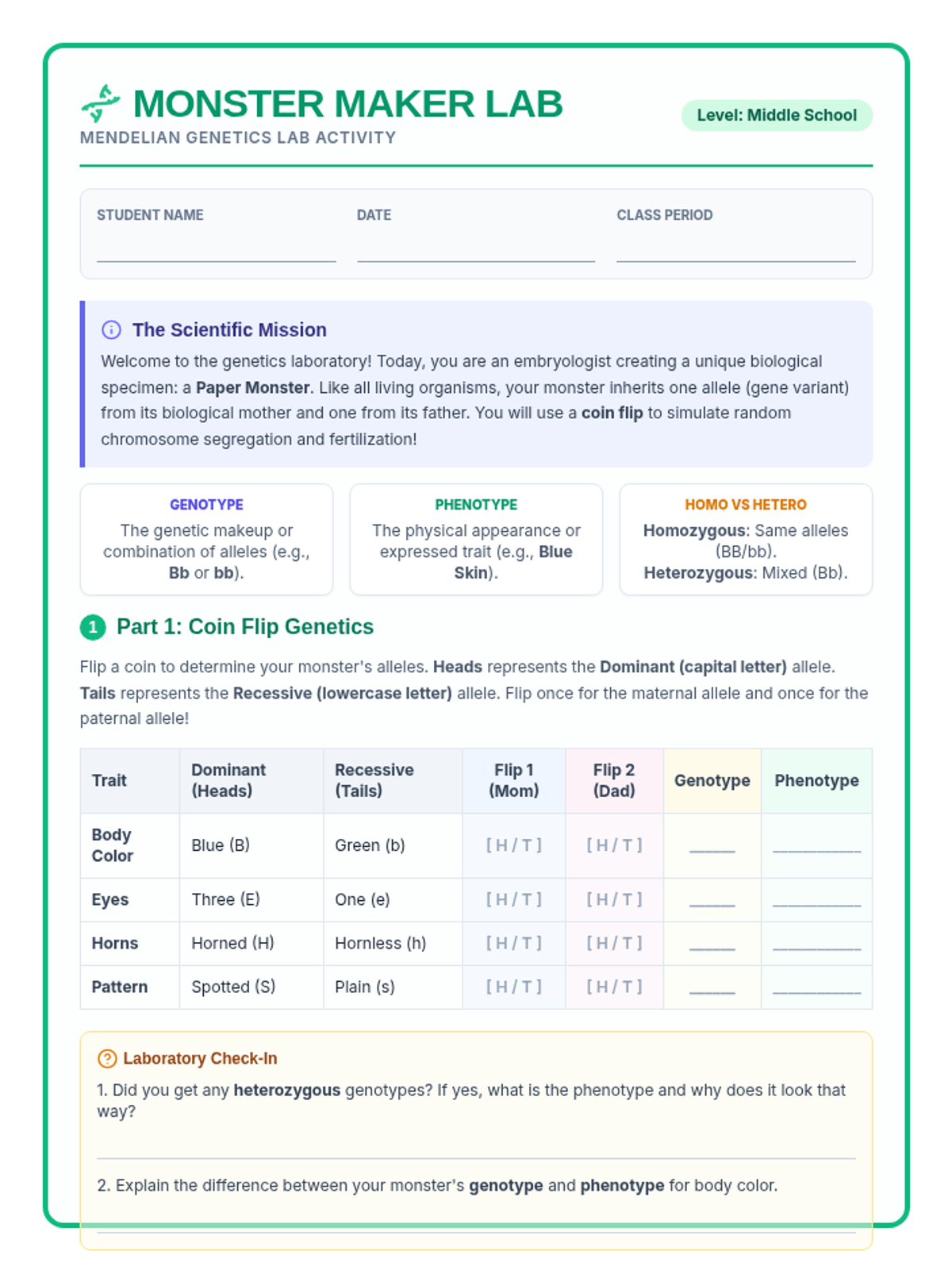
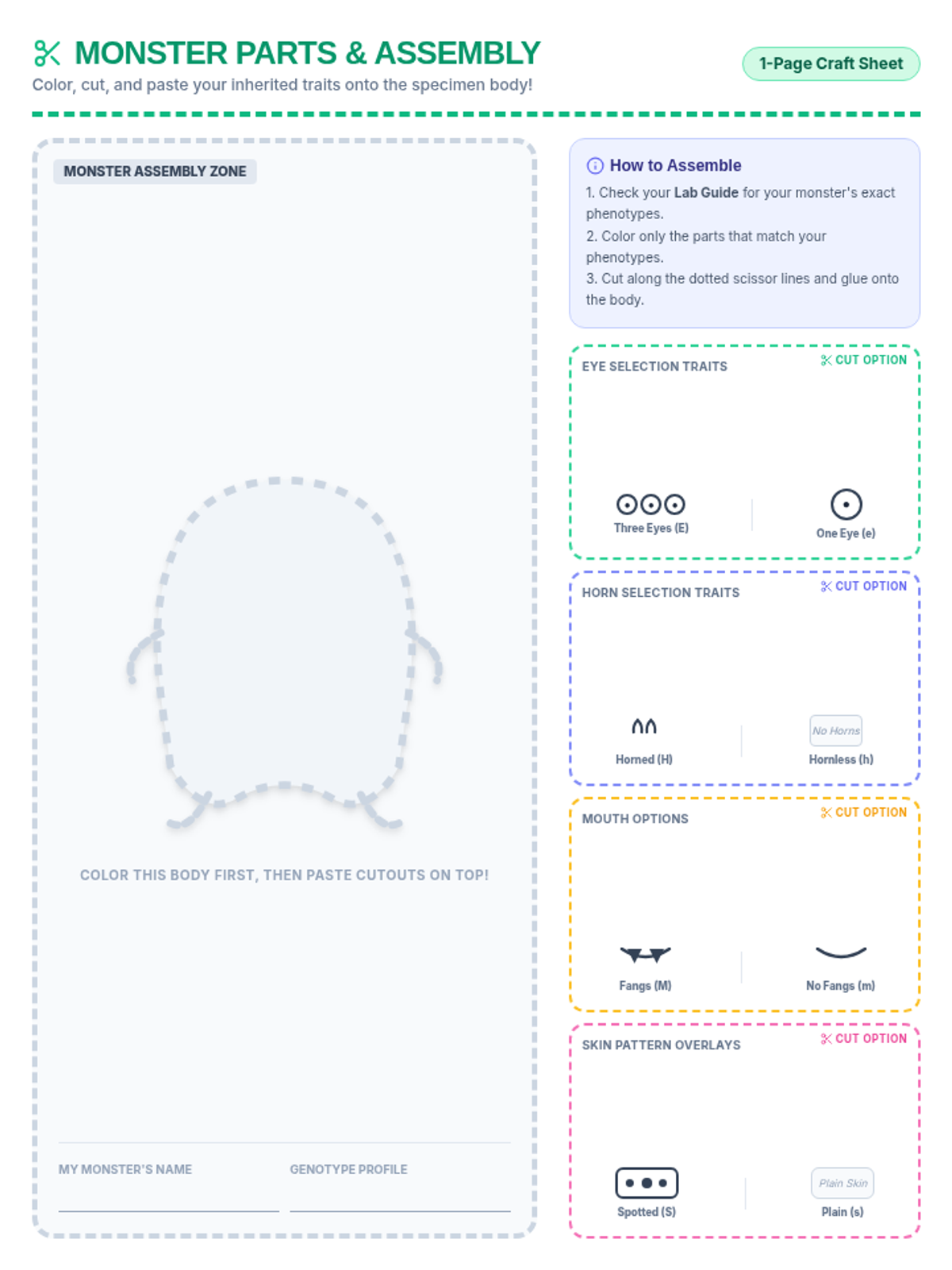
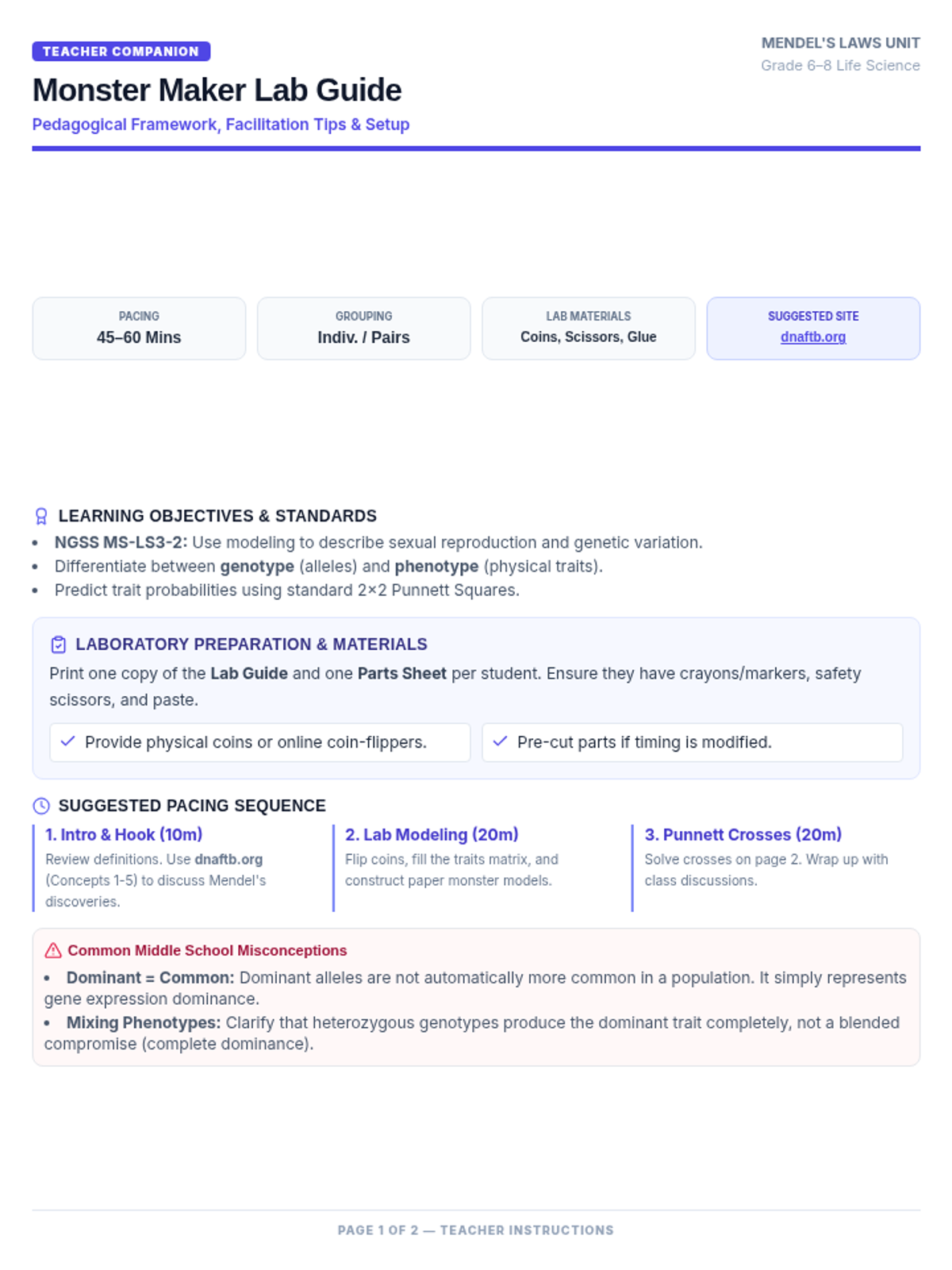
Students become geneticists to decode the blueprint of life. They'll master Punnett squares, distinguish between genotypes and phenotypes, and apply their knowledge to create unique creatures through the laws of inheritance.
An interactive lesson exploring Earth's internal structure and the dynamic movements of tectonic plates that shape our planet's surface. Students will identify layers, map plate boundaries, and understand the mechanics behind seismic and volcanic activity.
A collaborative jigsaw activity where students become experts on Earth's layers, plate boundaries, and geologic effects to piece together the puzzle of plate tectonics.
A comprehensive slide deck providing a high-level overview of major science disciplines and their sub-topics, tailored for middle school students.
An exploration of major Greek constellations, their associated myths, and the basic science of stellar observation.
A lesson exploring how wind acts as a powerful sculptor, shaping the Earth's surface through erosion and deposition over long periods of time. Students will identify key landforms created by wind and understand the processes that form them.
An engaging, hands-on lesson where students explore the physical properties of matter through a structured anchor chart, an interactive notebook foldable, and a real-world scavenger hunt.
A comprehensive assessment suite covering continental drift, Pangea, and geological evidence through visual labeling, simplified quizzes, and short-answer prompts.
A comprehensive lesson exploring Earth's internal structure and the dynamic movements of tectonic plates at different boundaries. Students will learn to identify Earth's layers and explain the geological features created by plate interactions.
A comprehensive final assessment for the Ocean Architects unit, evaluating student understanding of marine anatomy, specialized biological adaptations, and the comparative differences between major oceanic groups.
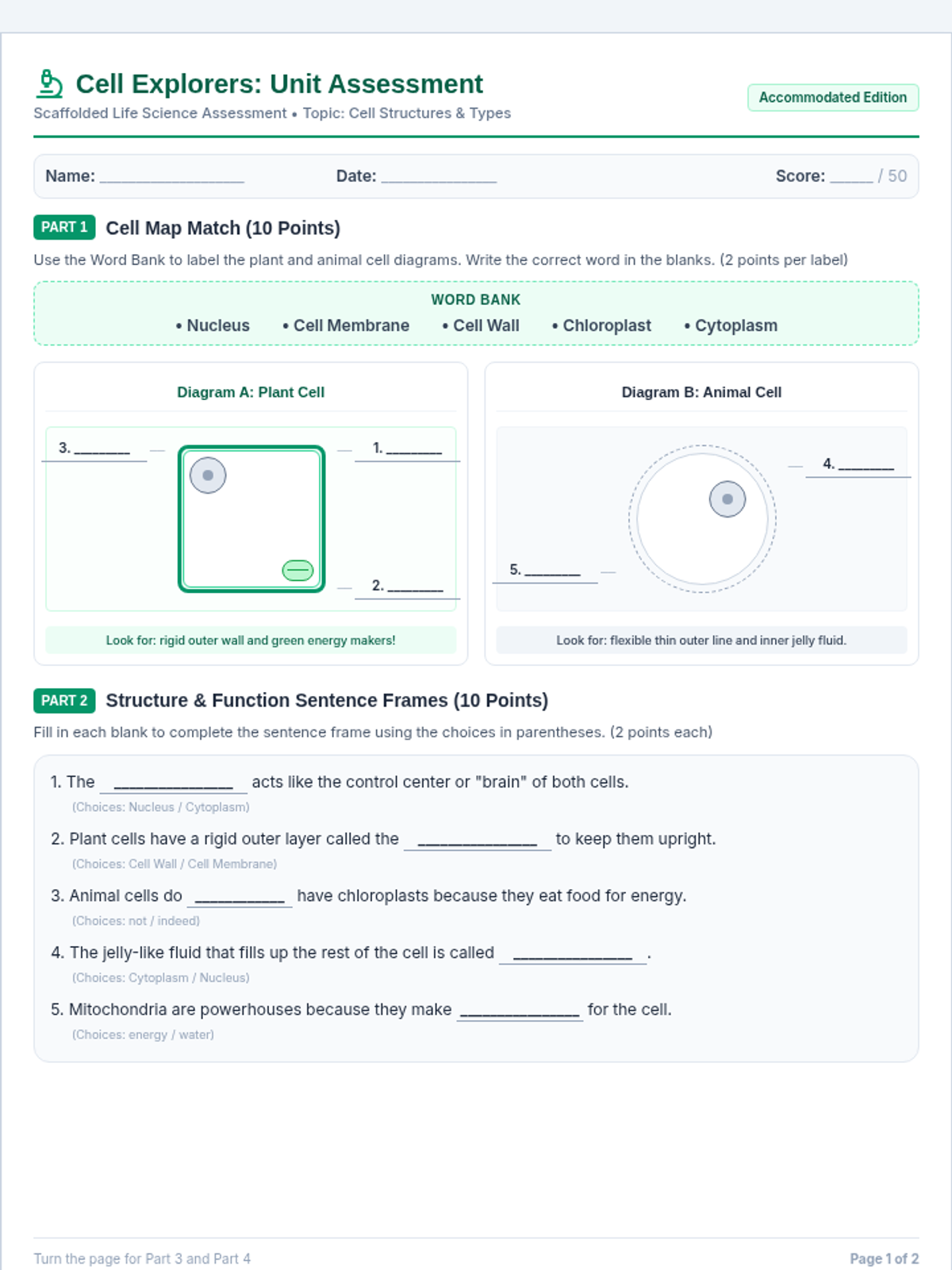
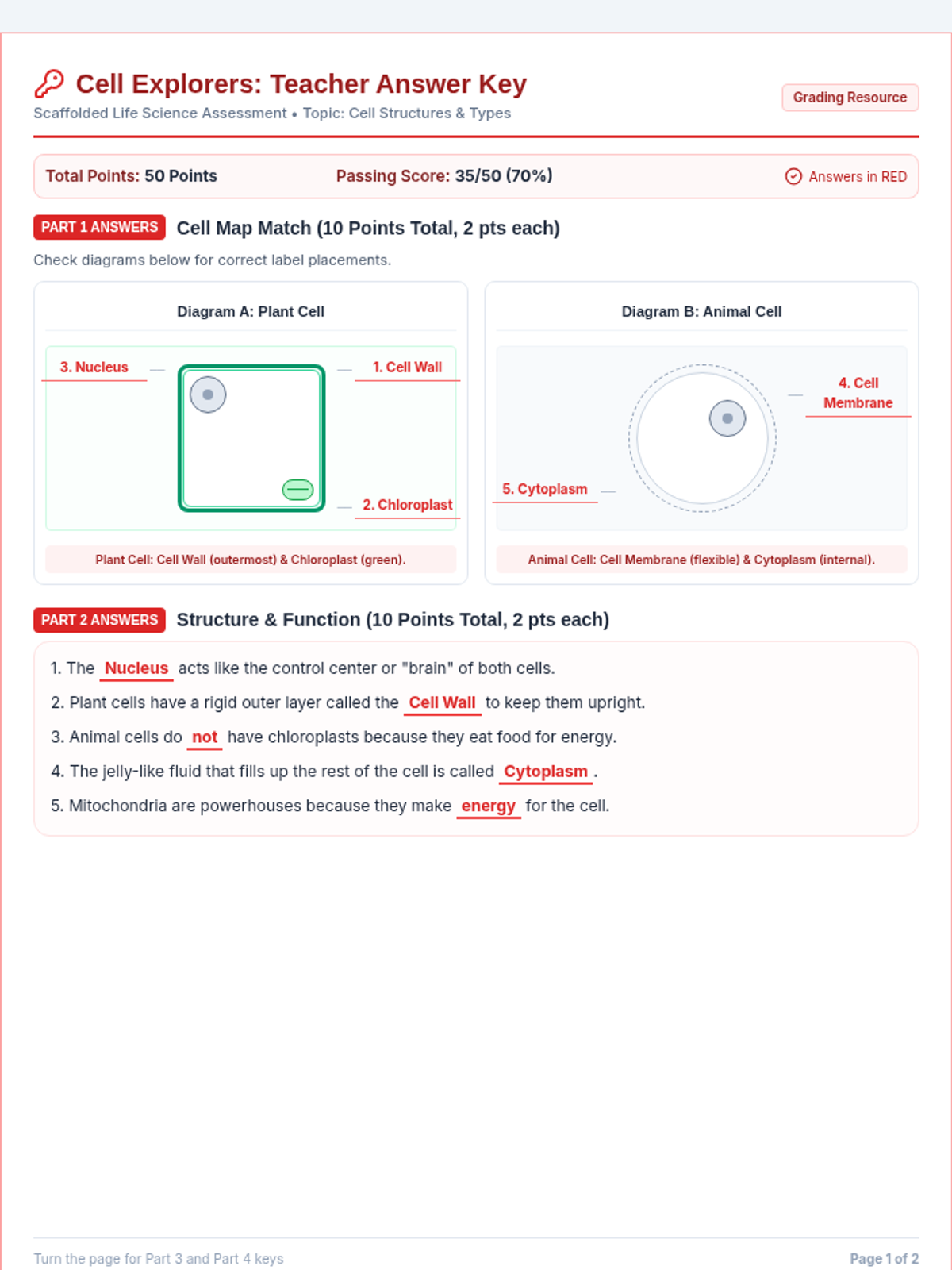
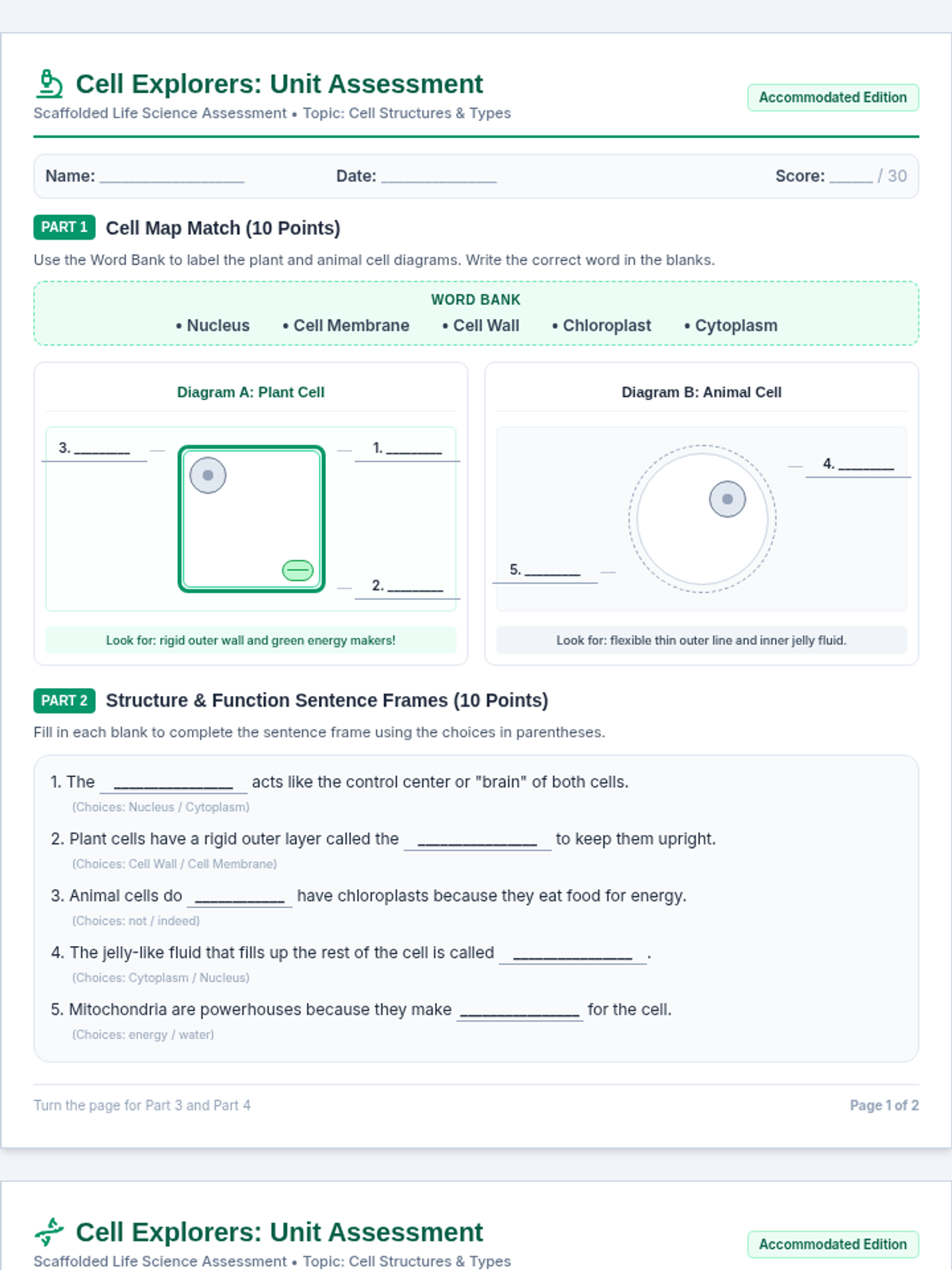
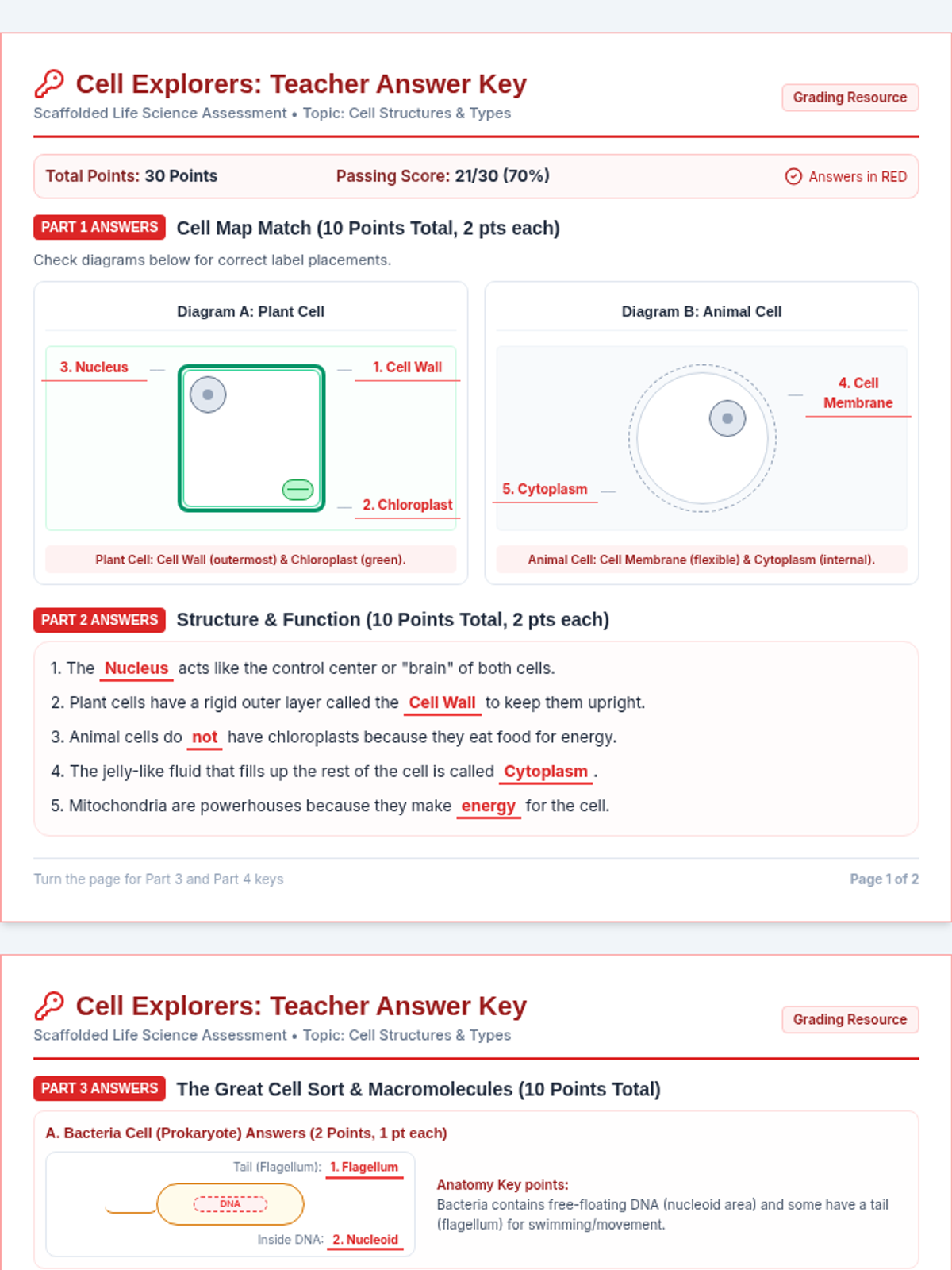
A review of plant and animal cell organelles and their functions, featuring diagram identification and matching activities.
A high-energy review lesson focusing on the three methods of heat transfer: conduction, convection, and radiation. Students participate in a team-based challenge to identify and explain thermal energy movement in real-world scenarios.
An introductory lesson on honeybees featuring differentiated reading passages and activities tailored for 1st-6th grade reading levels.
A comprehensive lesson exploring the three methods of heat transfer—conduction, convection, and radiation—through visual models and vocabulary-focused doodle notes.
A comprehensive 7-week guide for middle school students to conduct a deep-dive study into a scientific topic of their choice. This project shifts focus from experimentation to expertise, guiding students from initial brainstorming to a final exhibition.
A magical introduction to soil classification using the soil texture triangle, featuring the ponies of Equestria to guide students through percentages and classification.
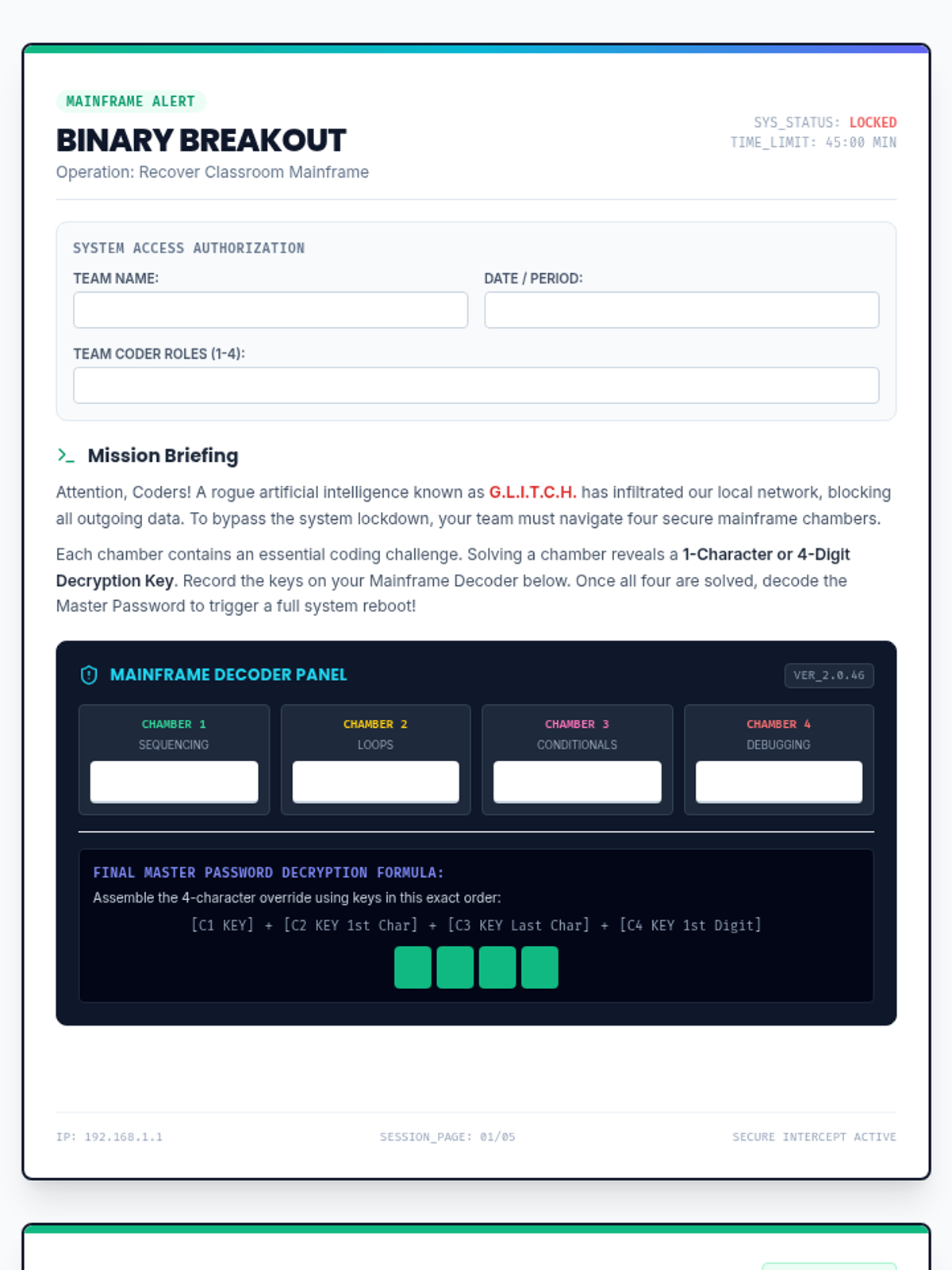
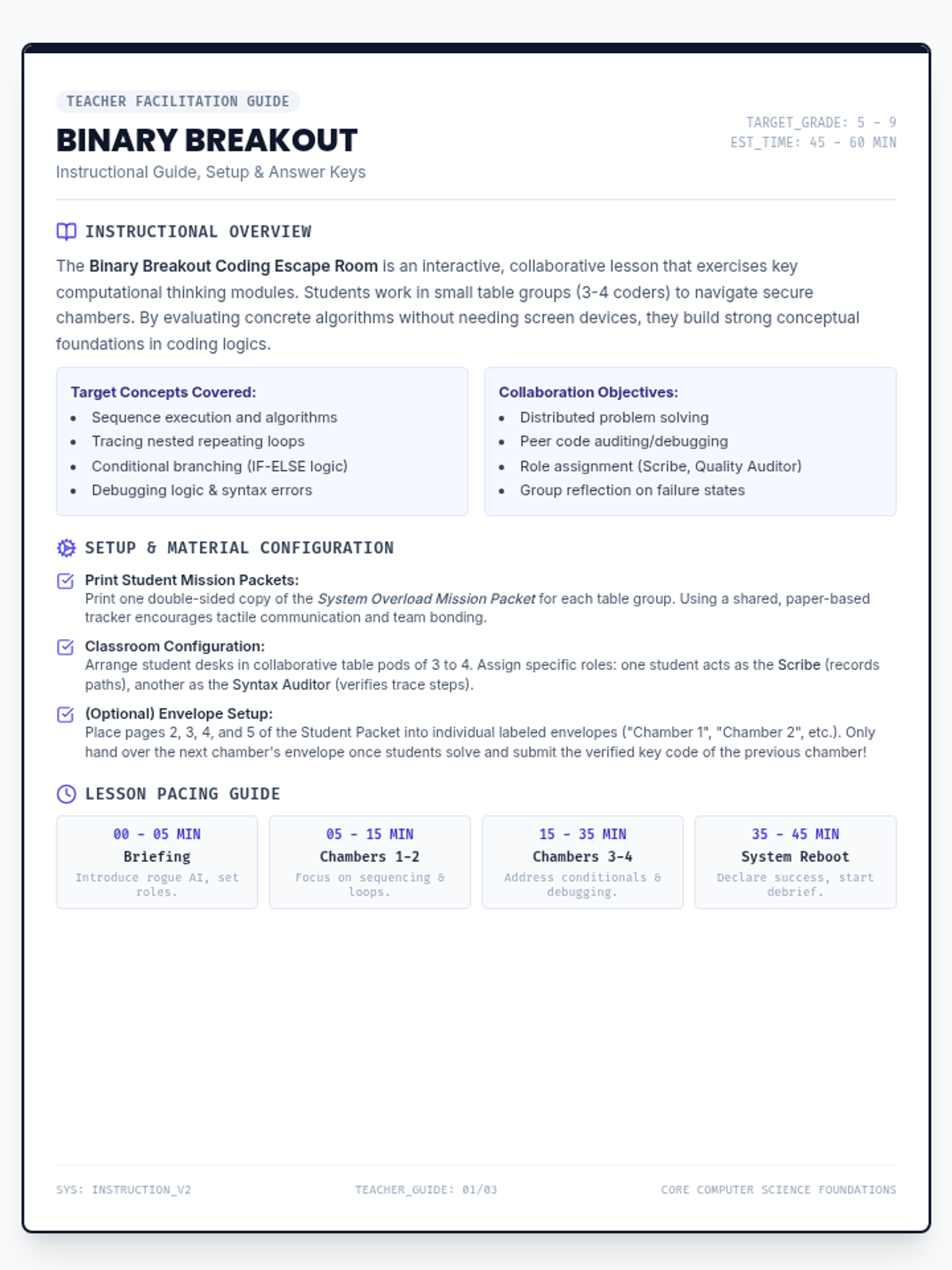
Students dive deeper into coding by exploring variables and loops through tournament statistics, team scores, and game-time data analysis.
Students learn the basics of computational thinking, focusing on algorithms and sequencing by designing basketball plays and tournament brackets.
A creative project-based lesson where students research and design an educational poster about a specific global biome, focusing on adaptations, food webs, and conservation. Now expanded to include an informative research paper component.