Students connect geometry to physical science by solving density problems using volume calculations.
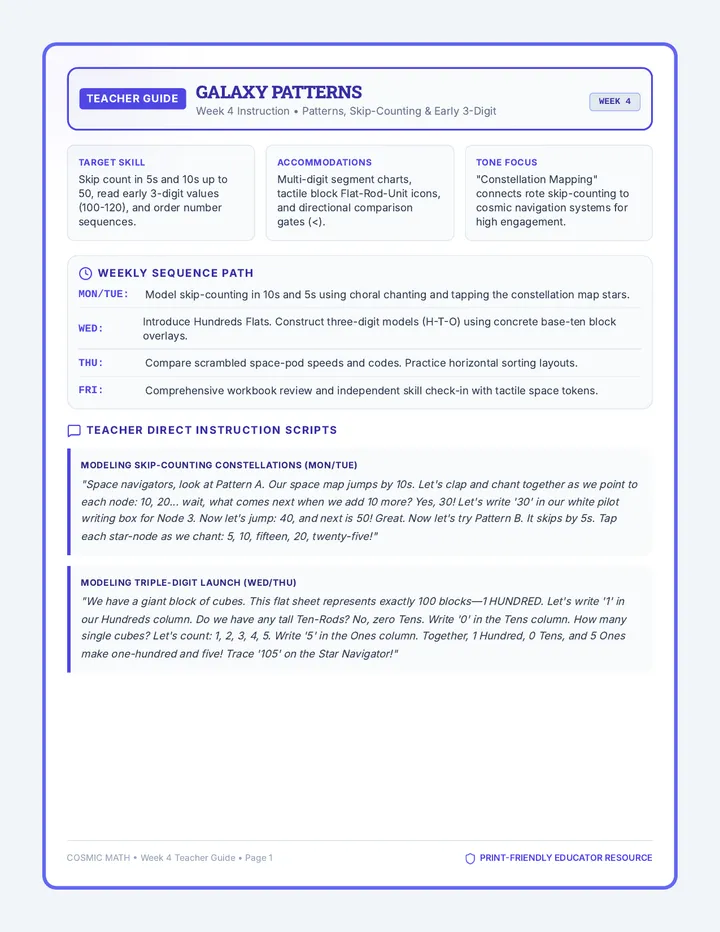
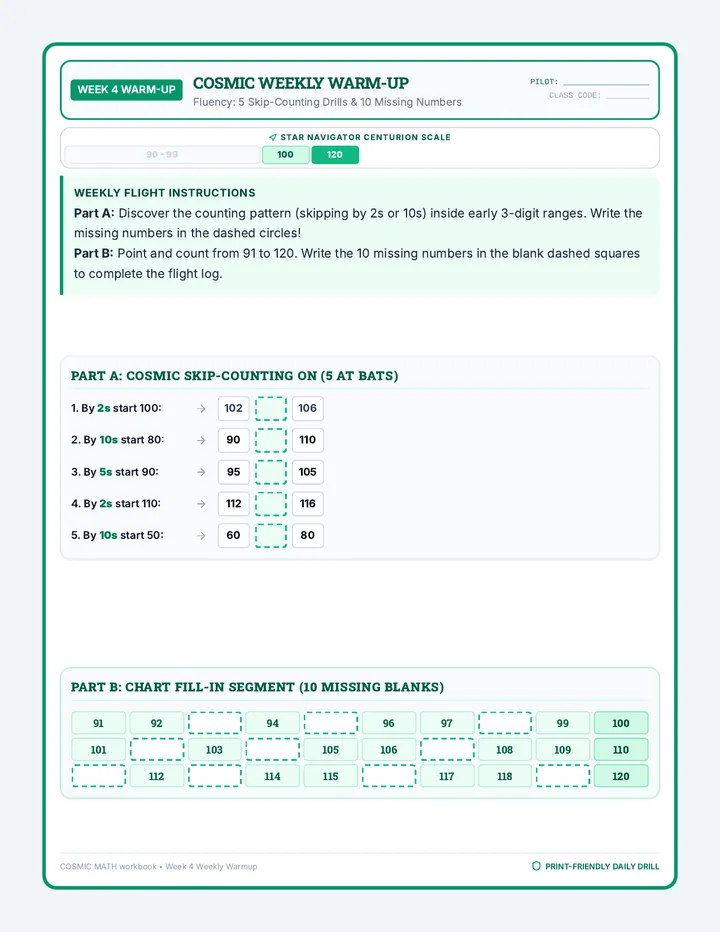
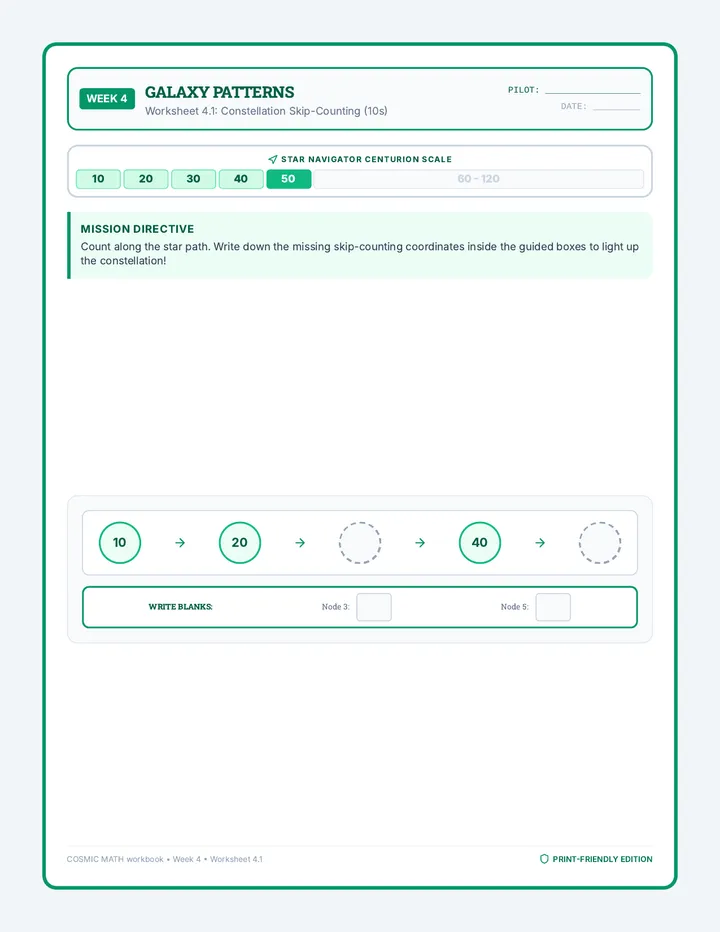
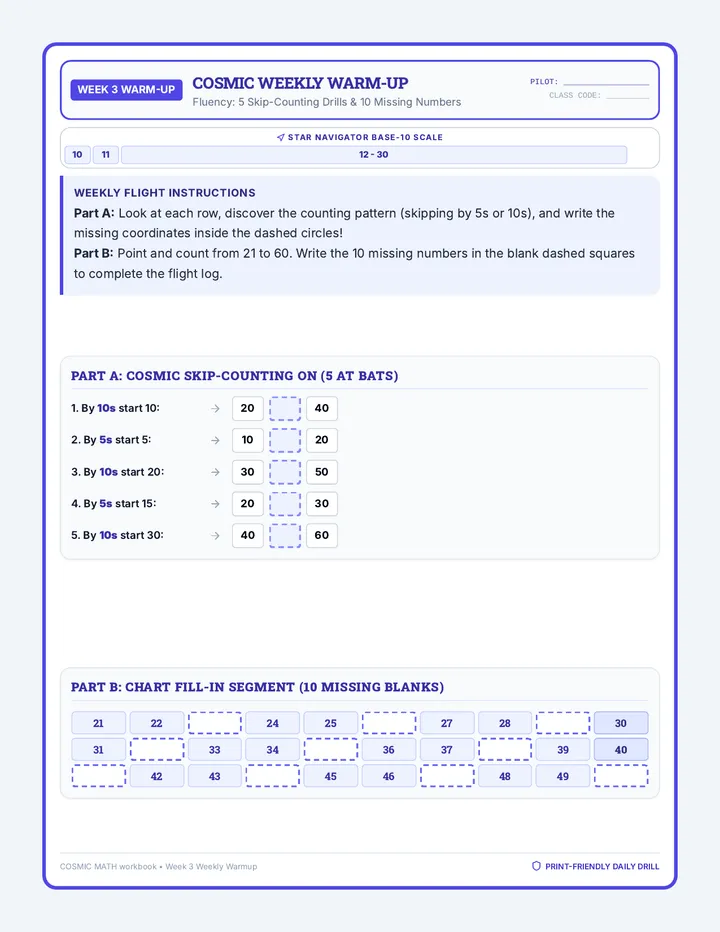
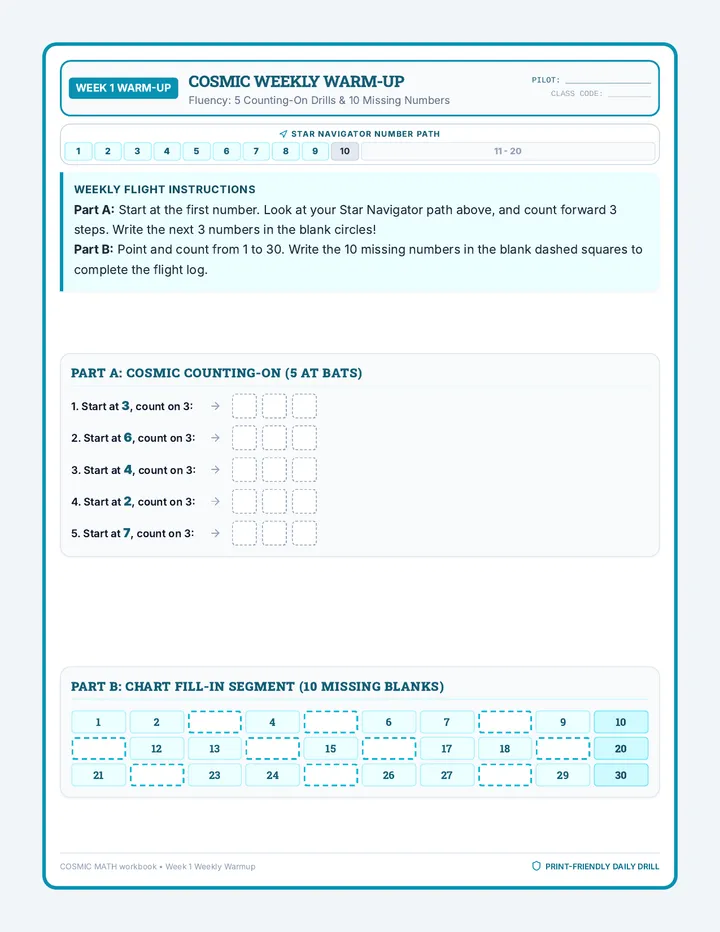
Introduces early 3-digit numbers (100-120), visual skip-counting (2s, 5s, 10s) using constellation maps, and ordering cosmic objects to build sequential logic.
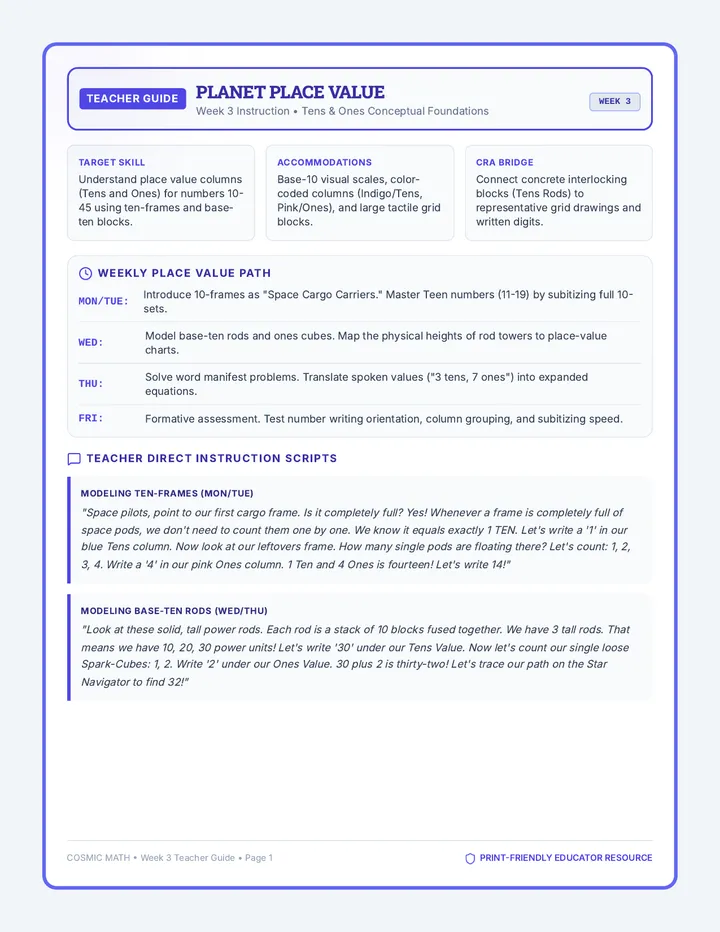
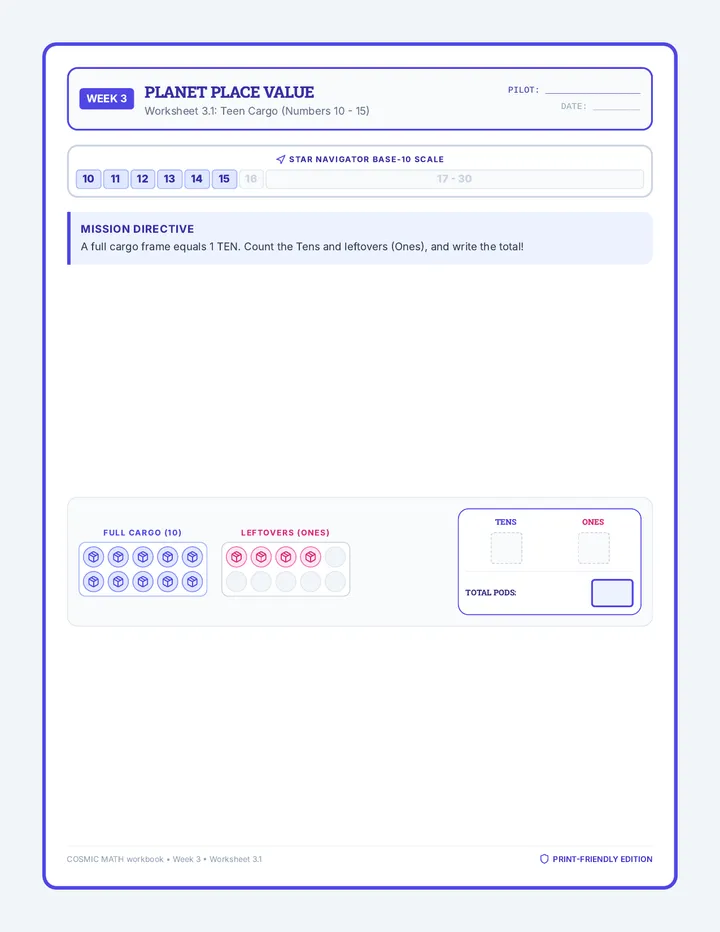
Focuses on identifying double-digit numbers (10-99), representing them using ten-frames and printable base-ten icons, and writing numbers in expanded place value charts (tens and ones) with clear physical boundaries.
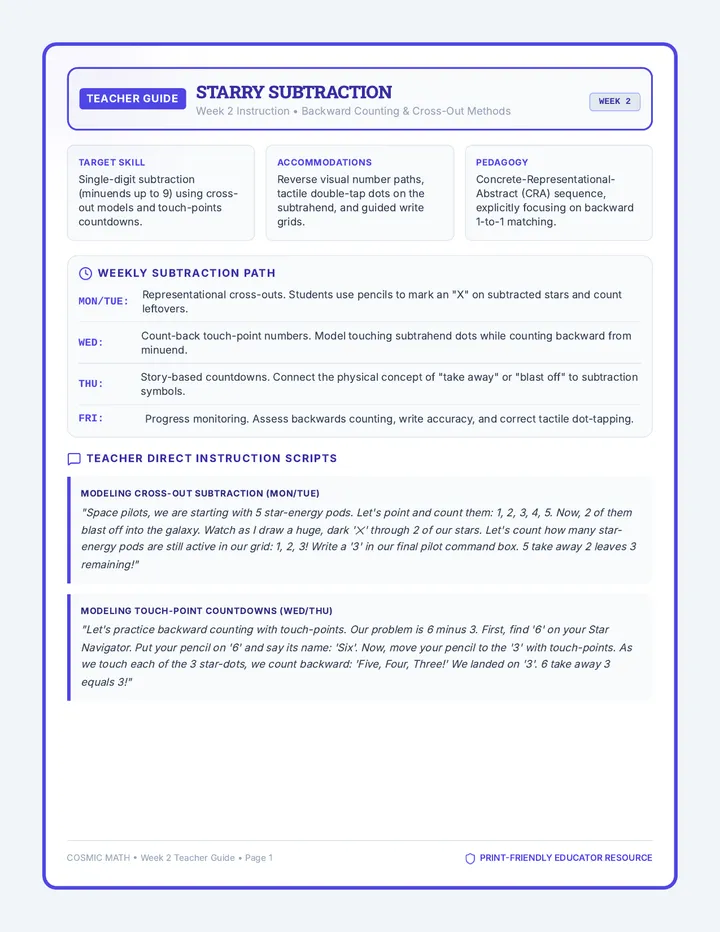
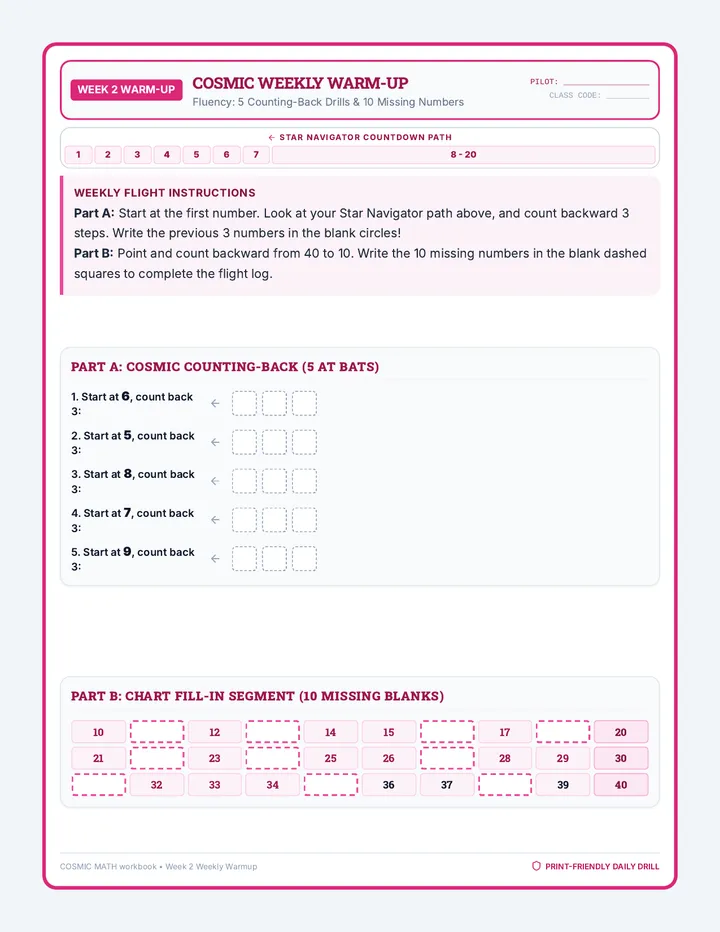
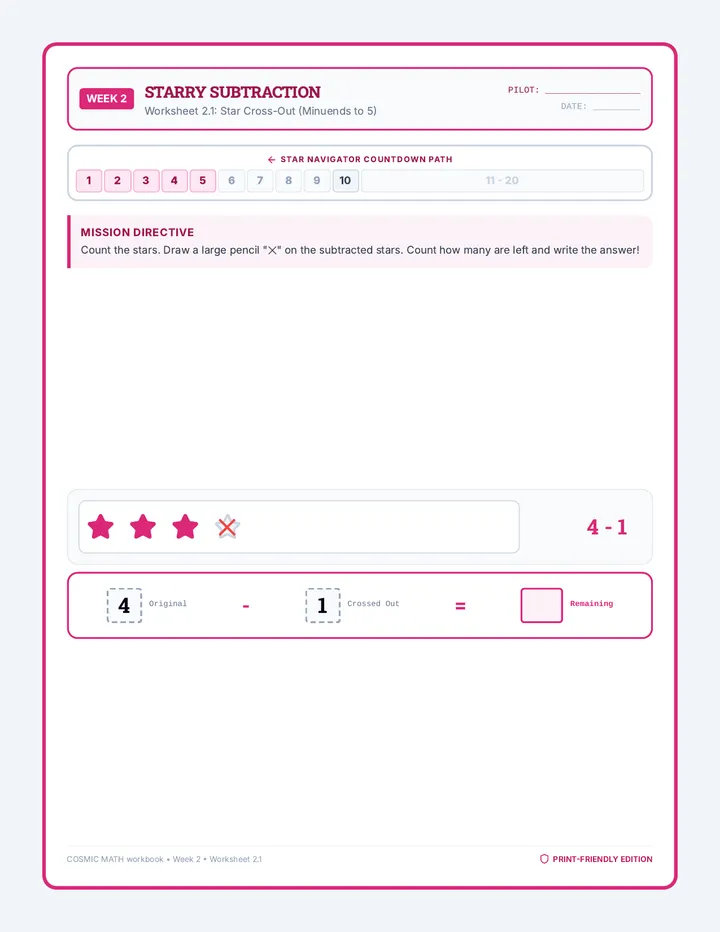
Covers single-digit subtraction (1-9) with cosmic countdowns, crossing-out stars or rocket fuel cells, embedded touch-points for backwards counting, and structured workspace templates.
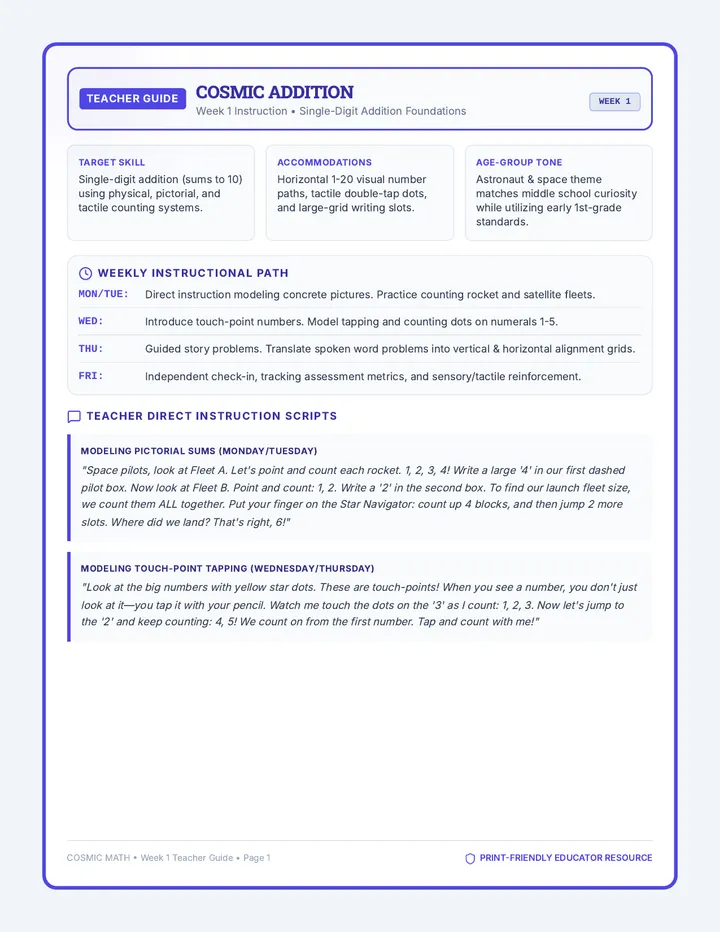
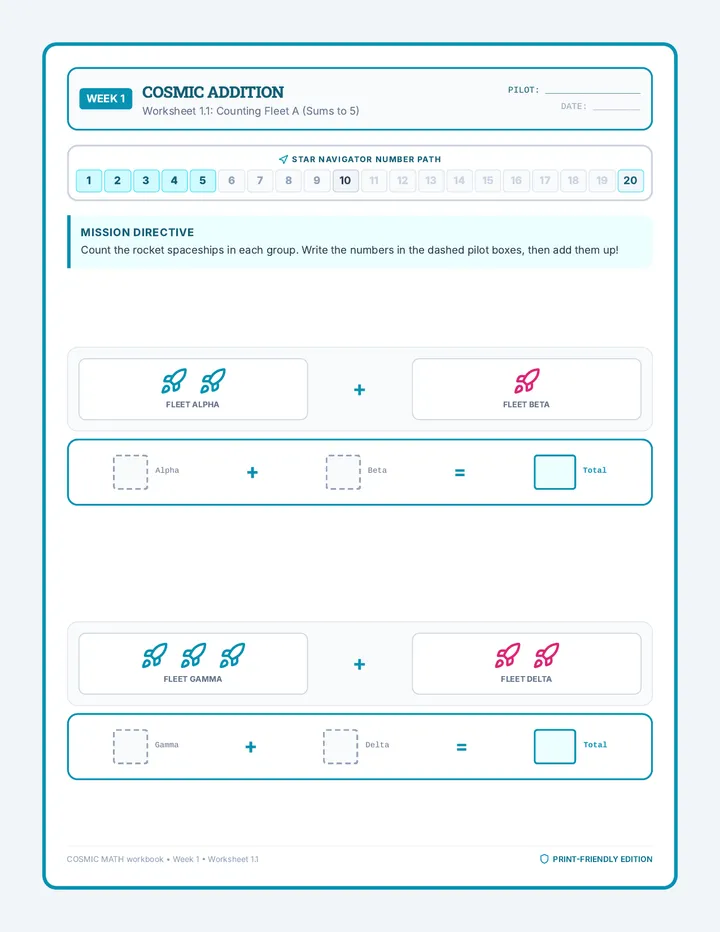
Focuses on single-digit addition (1-9) using embedded touch-point numbers, pictorial representations of spaceships and stars, a persistent 1-20 number path, and large guided workspace boxes for physical alignment.
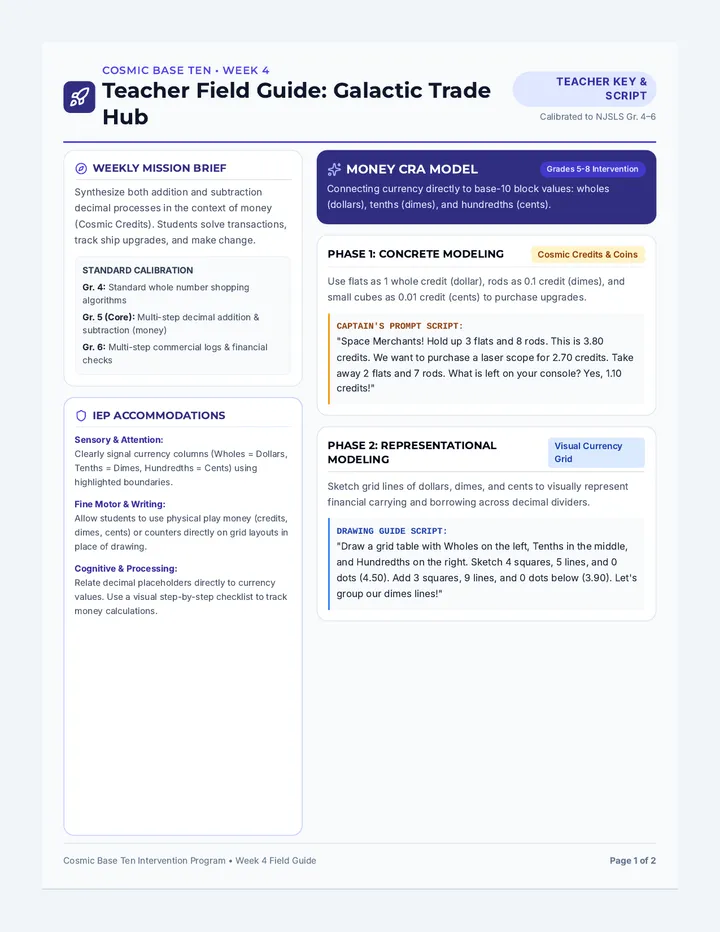
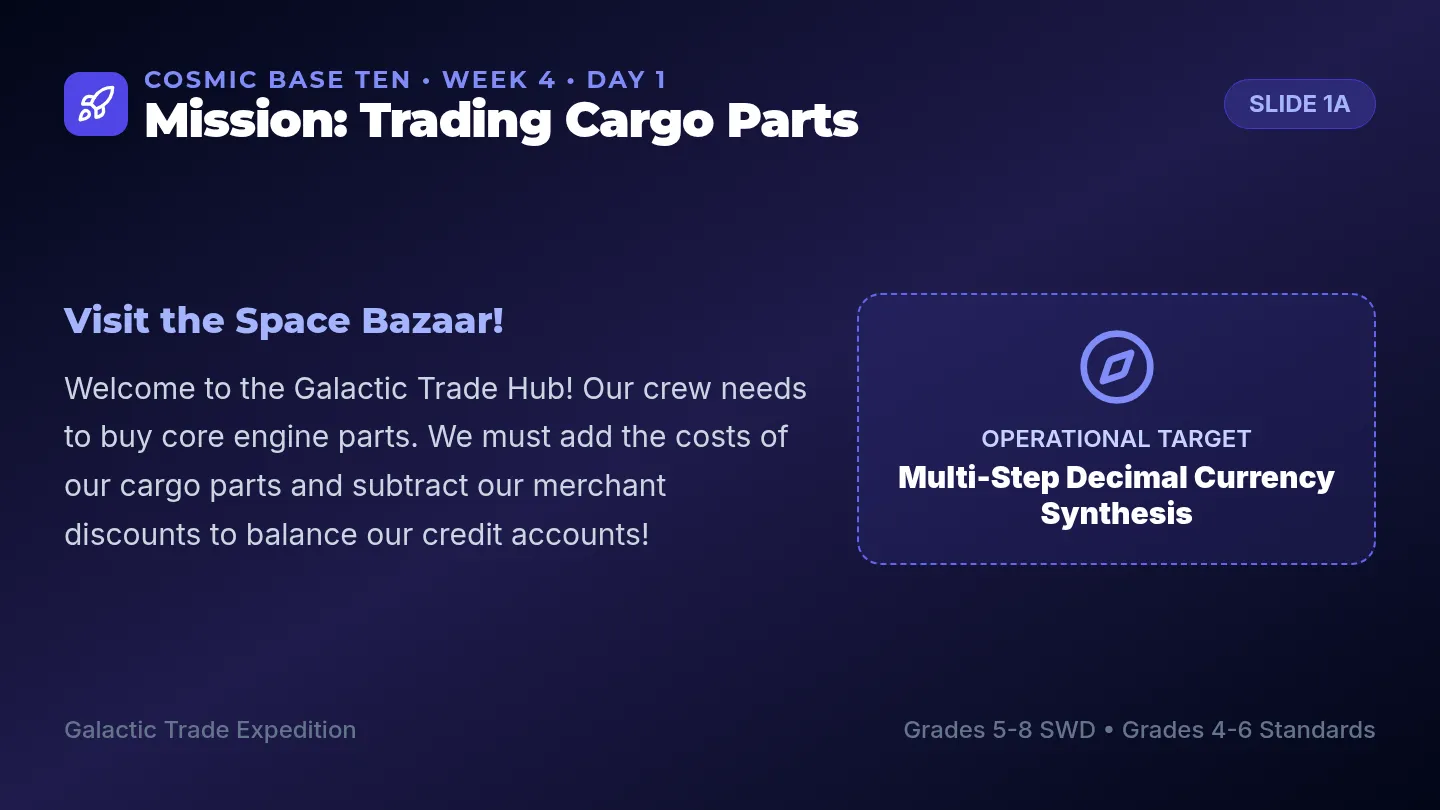
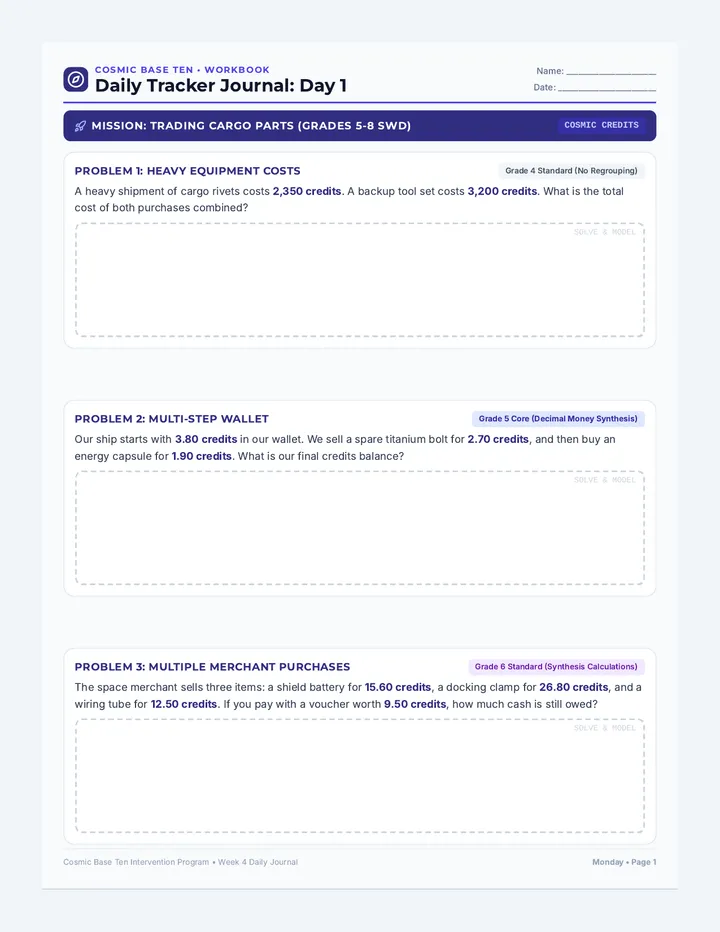
Week 4 is the capstone week where students synthesize their additive and subtractive decimal skills in the context of money. They solve multi-step commercial transactions, balance credit records, and purchase starship upgrades.
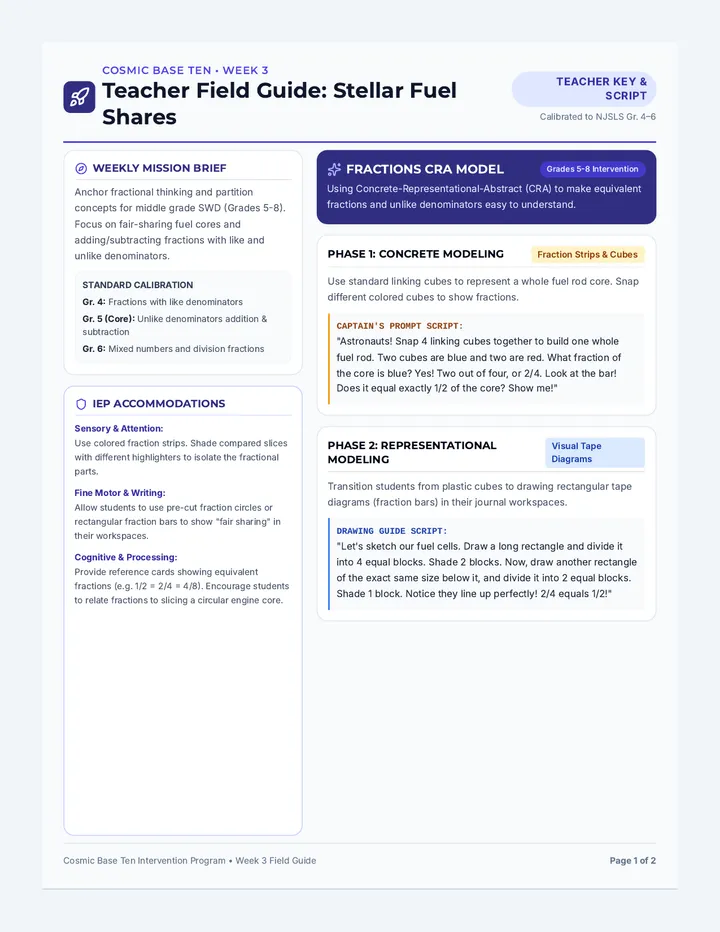
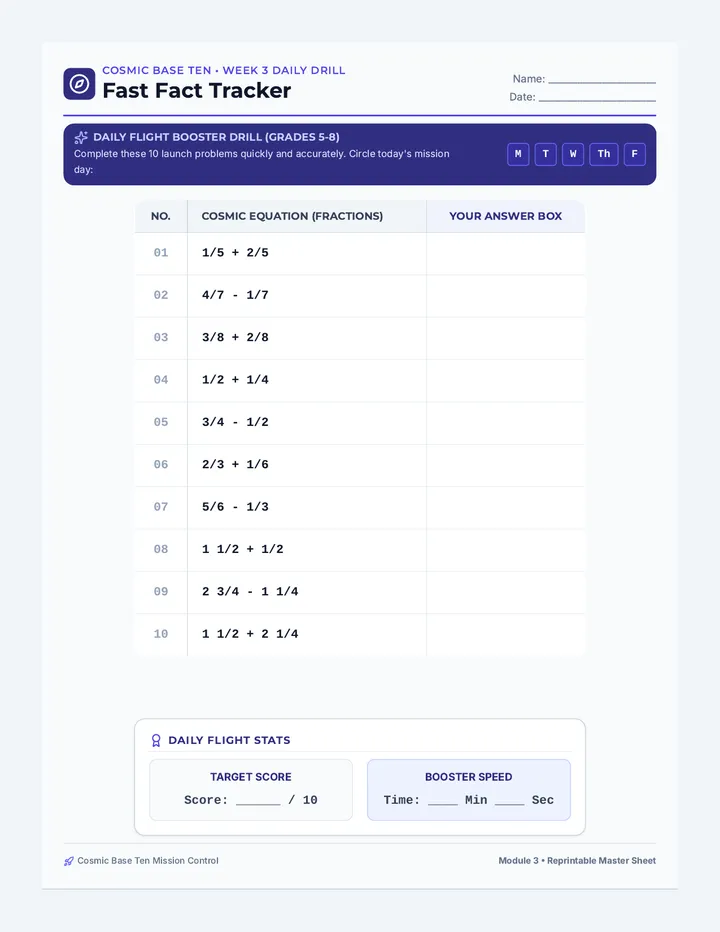
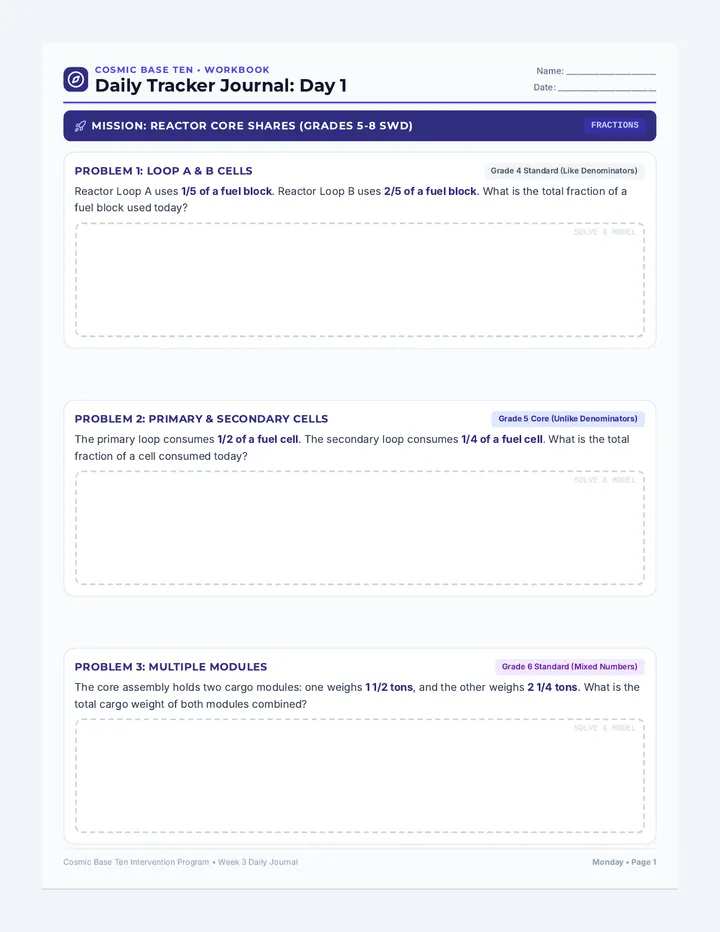
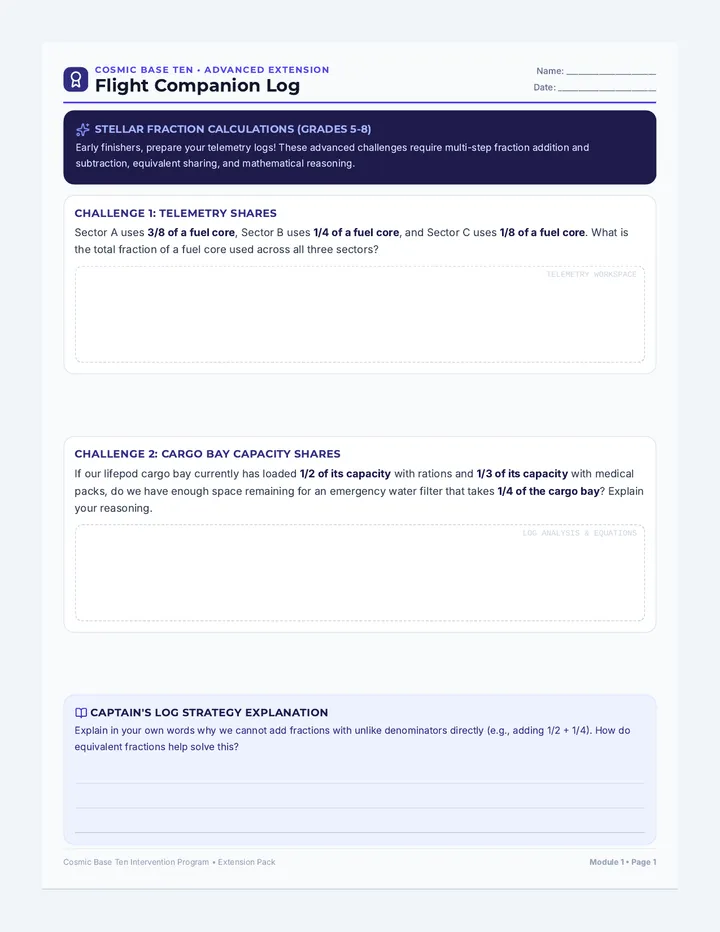
Week 3 focuses on partitioning, equivalent fractions, and adding or subtracting fractions with like and unlike denominators. Students practice fair-sharing reactor cores, dividing cargo weight, and mapping stellar orbits using fraction bars.
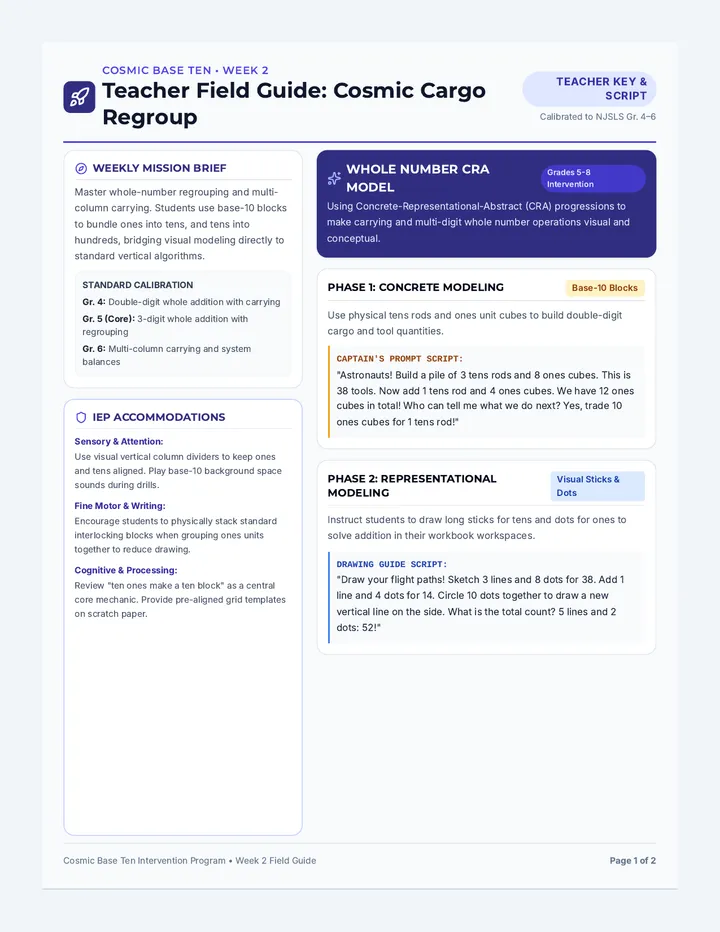
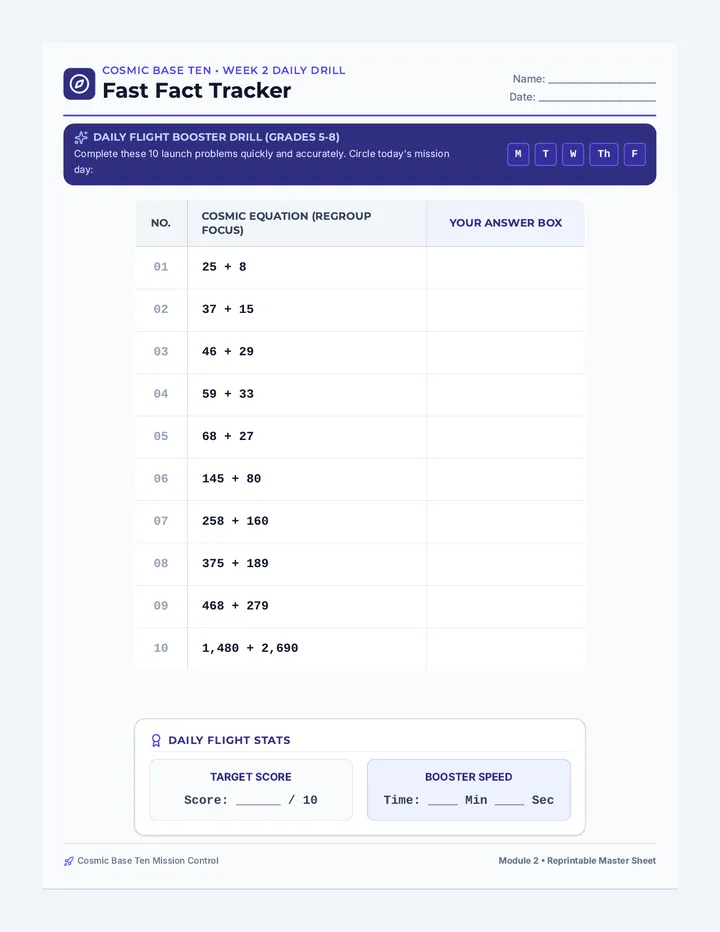
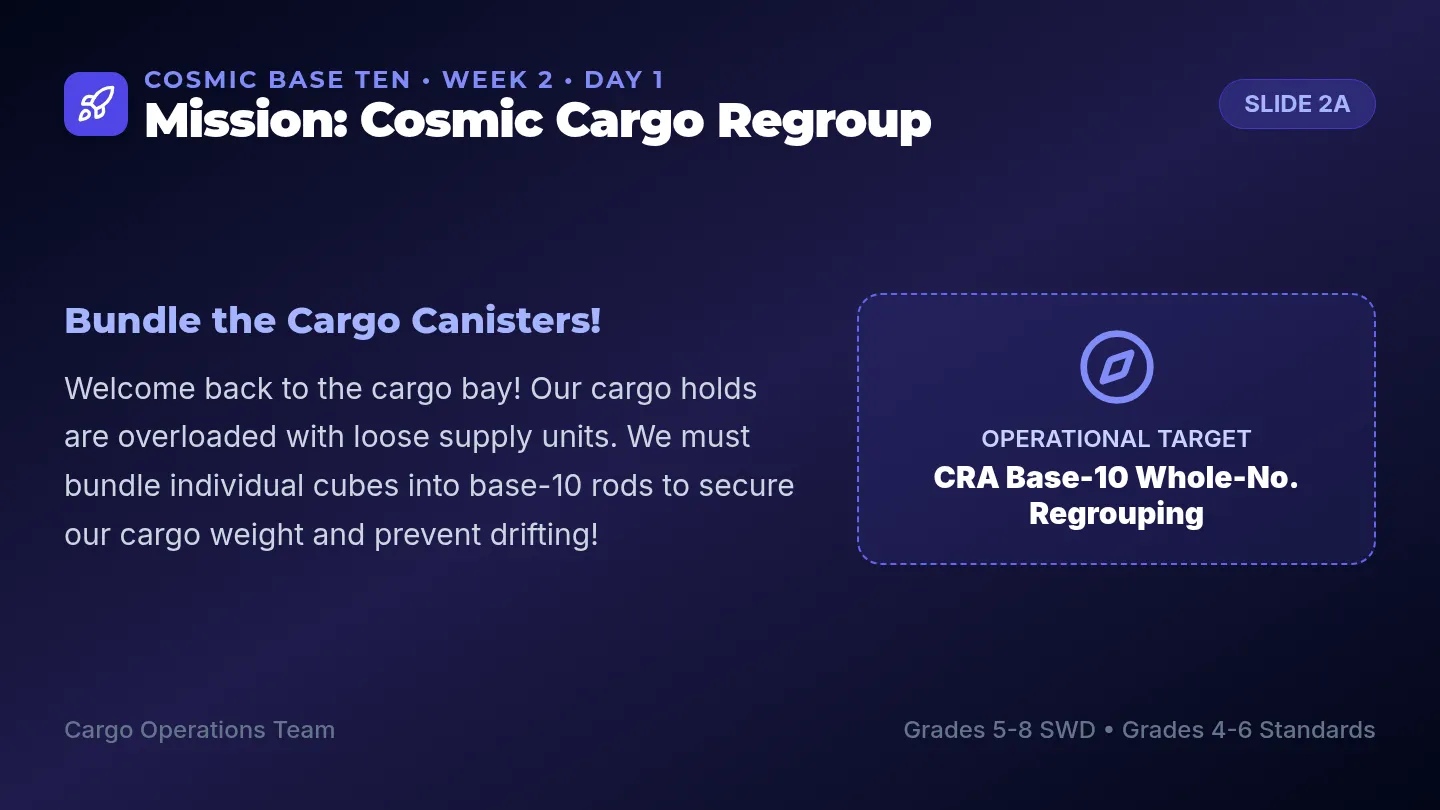
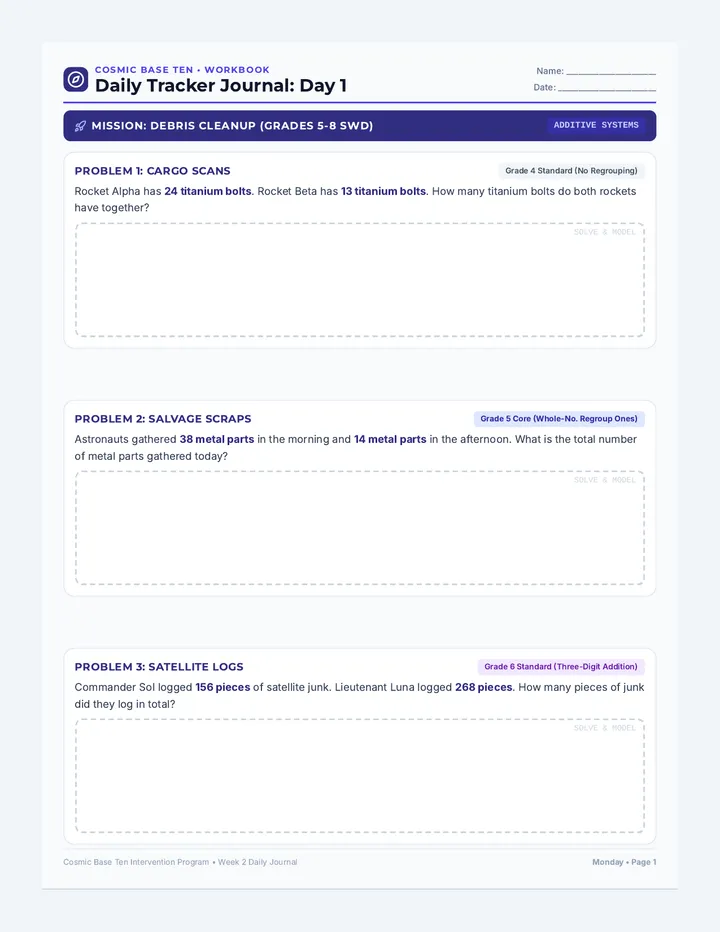
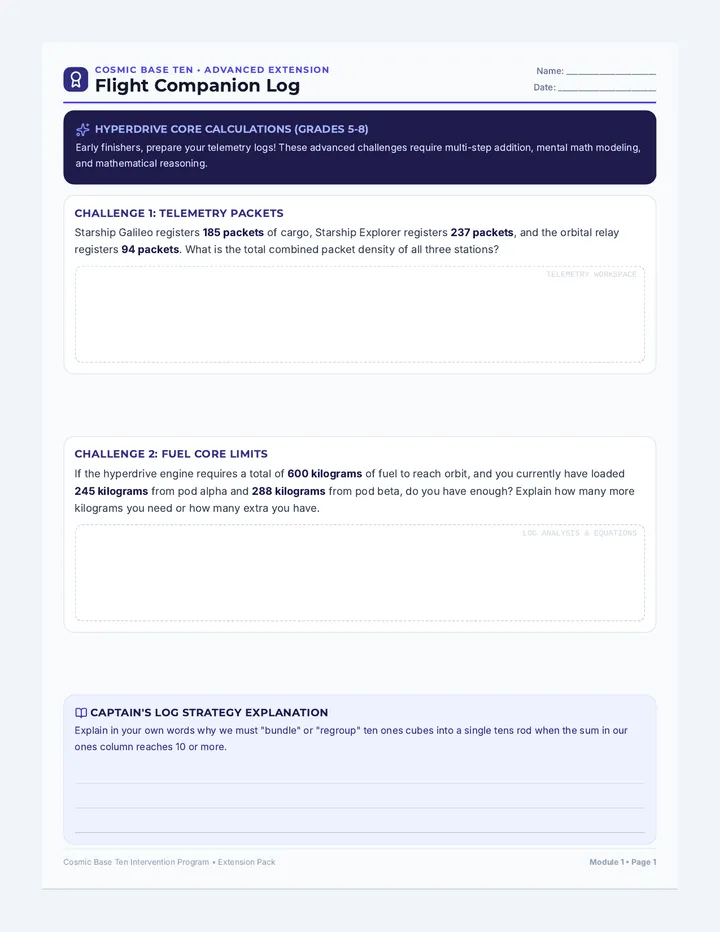
Week 2 focuses on mastering whole-number regrouping and multi-column carrying in the context of starship cargo inventories. Students use base-10 blocks to bundle ones into tens and tens into hundreds, bridging visual modeling directly to standard vertical algorithms.
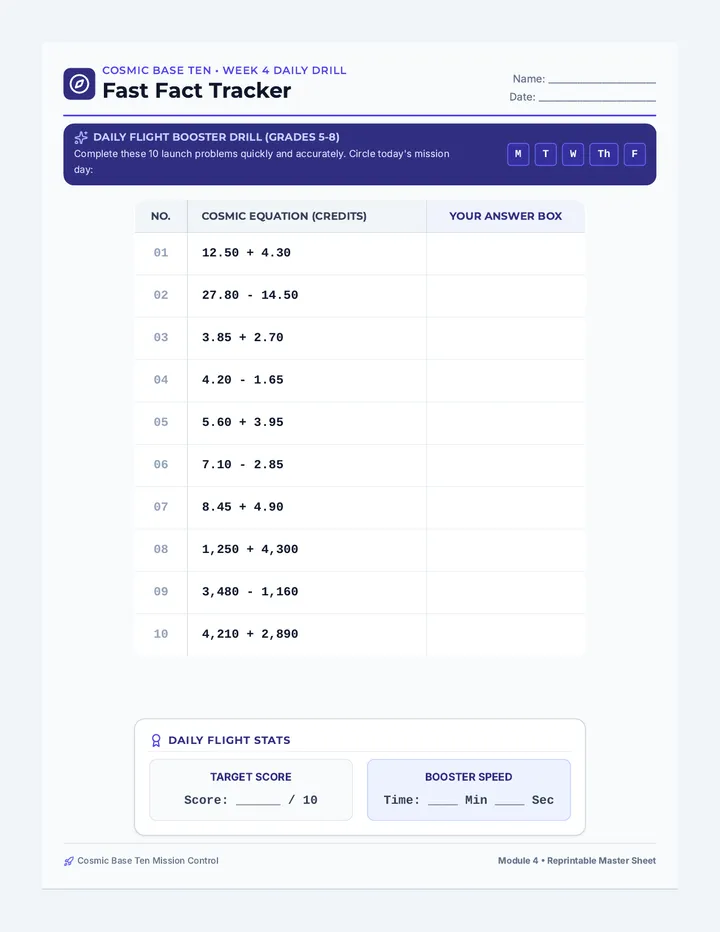
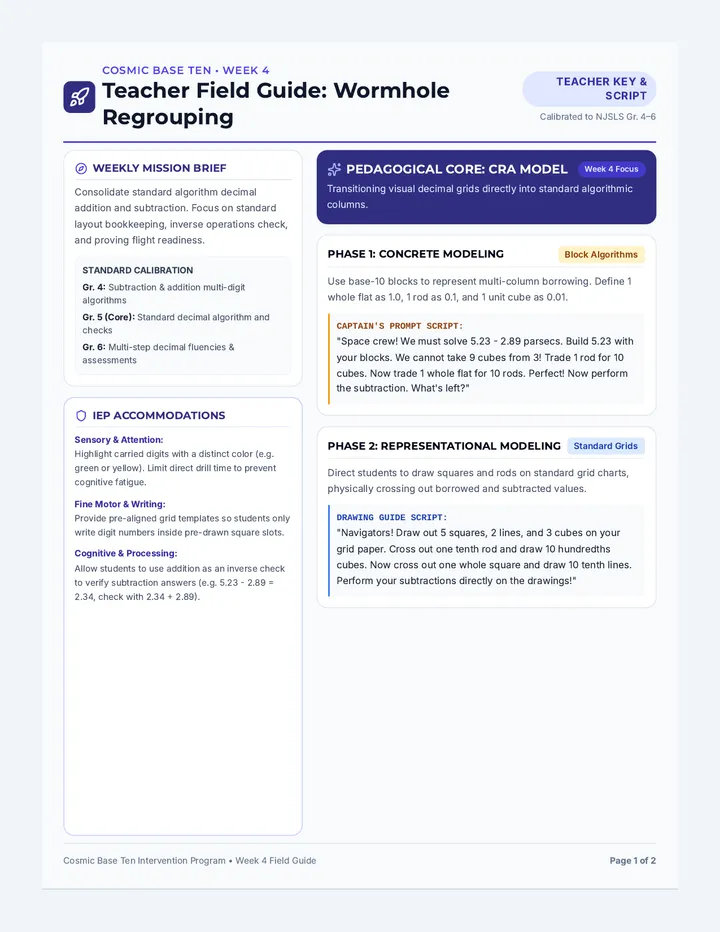
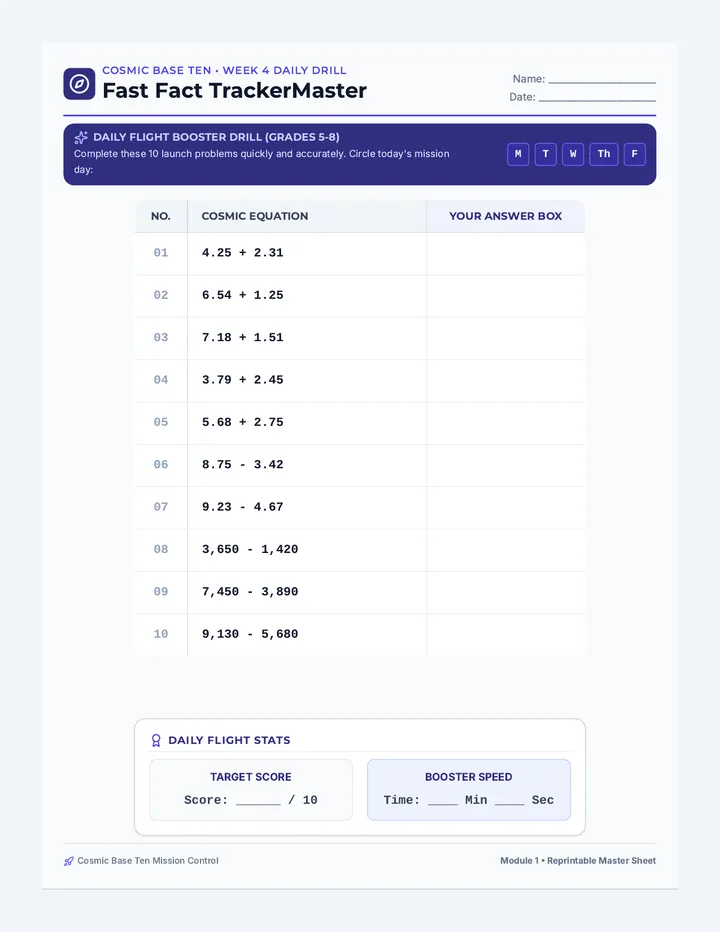
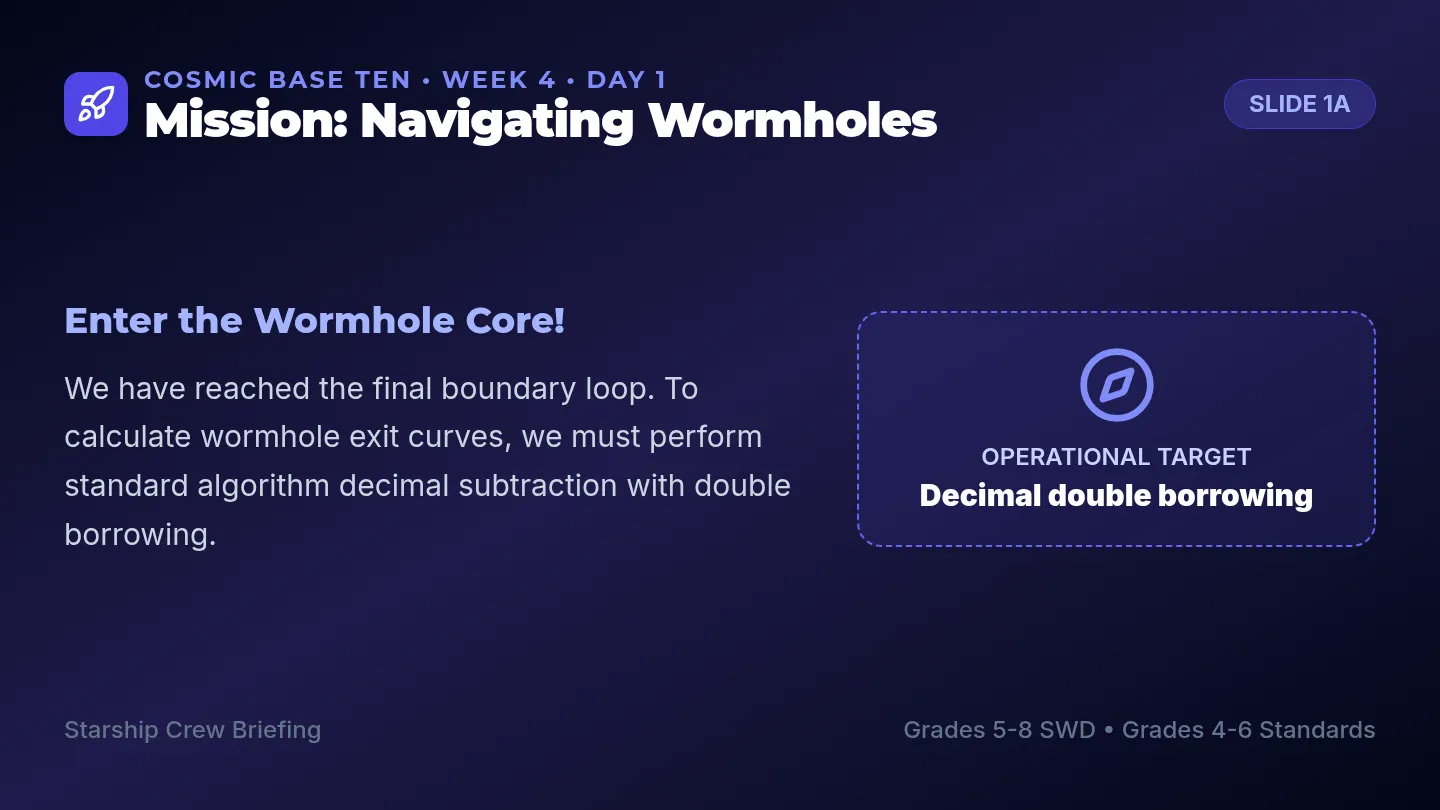
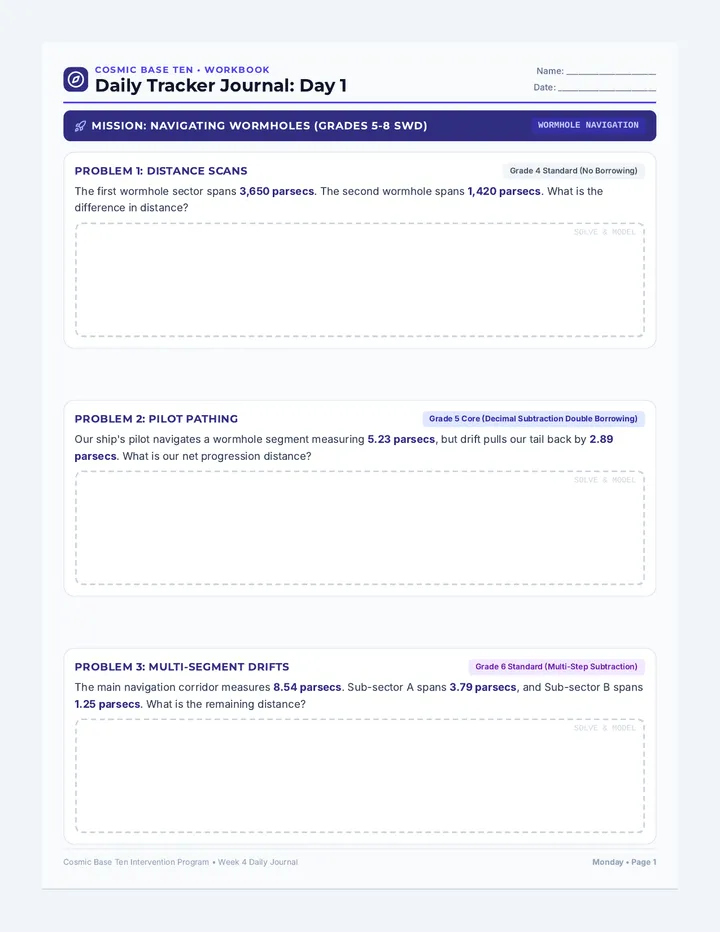
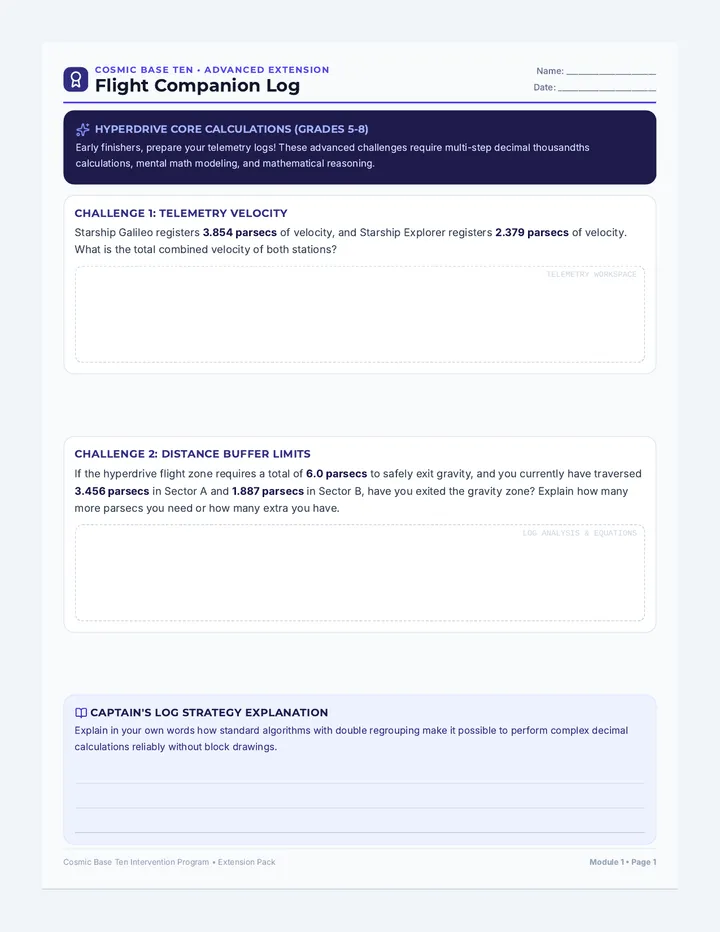
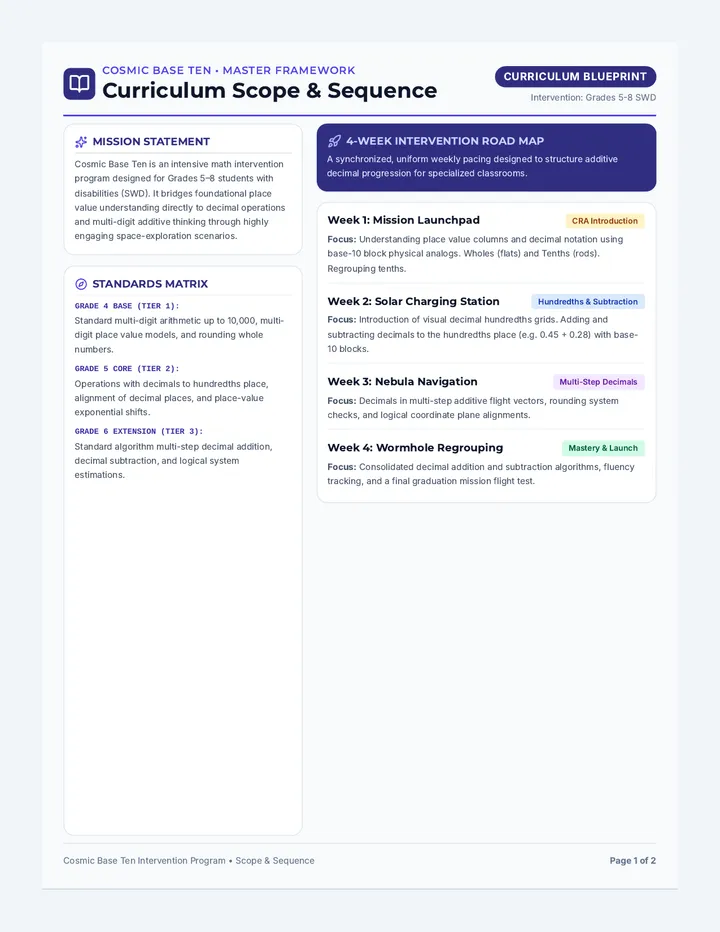
Week 4 focuses on standard algorithm decimal addition and subtraction, multi-step problem consolidation, and direct assessment of skills to confirm crew flight readiness.
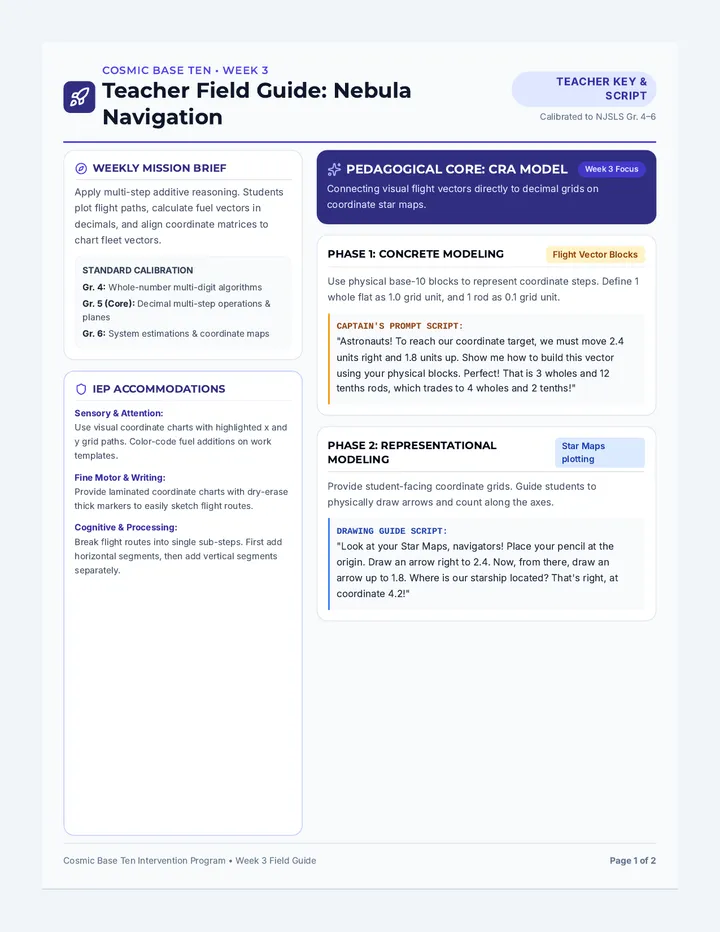
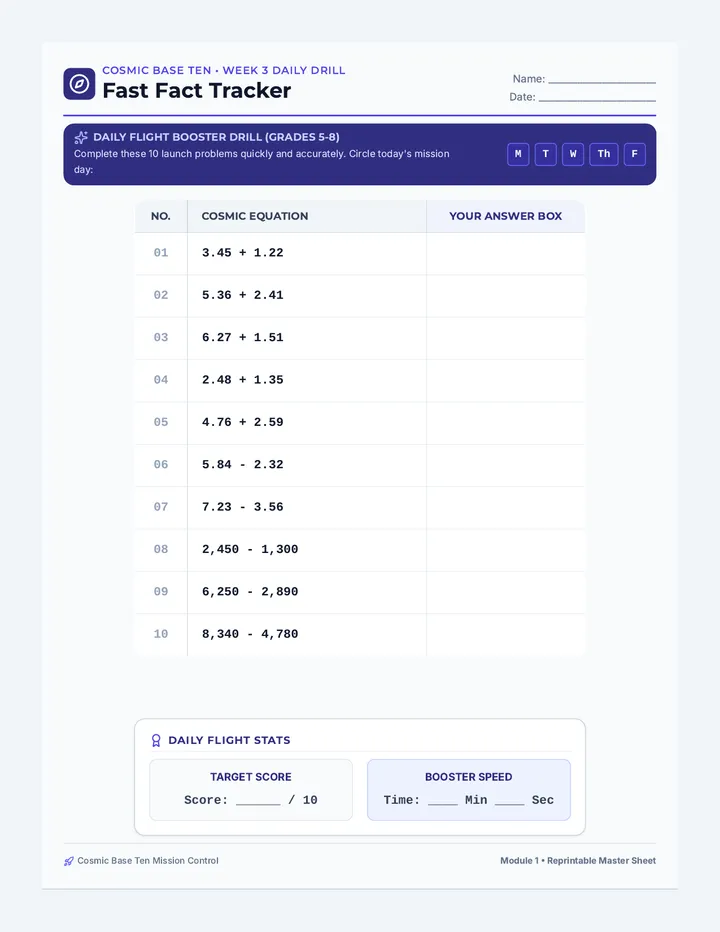
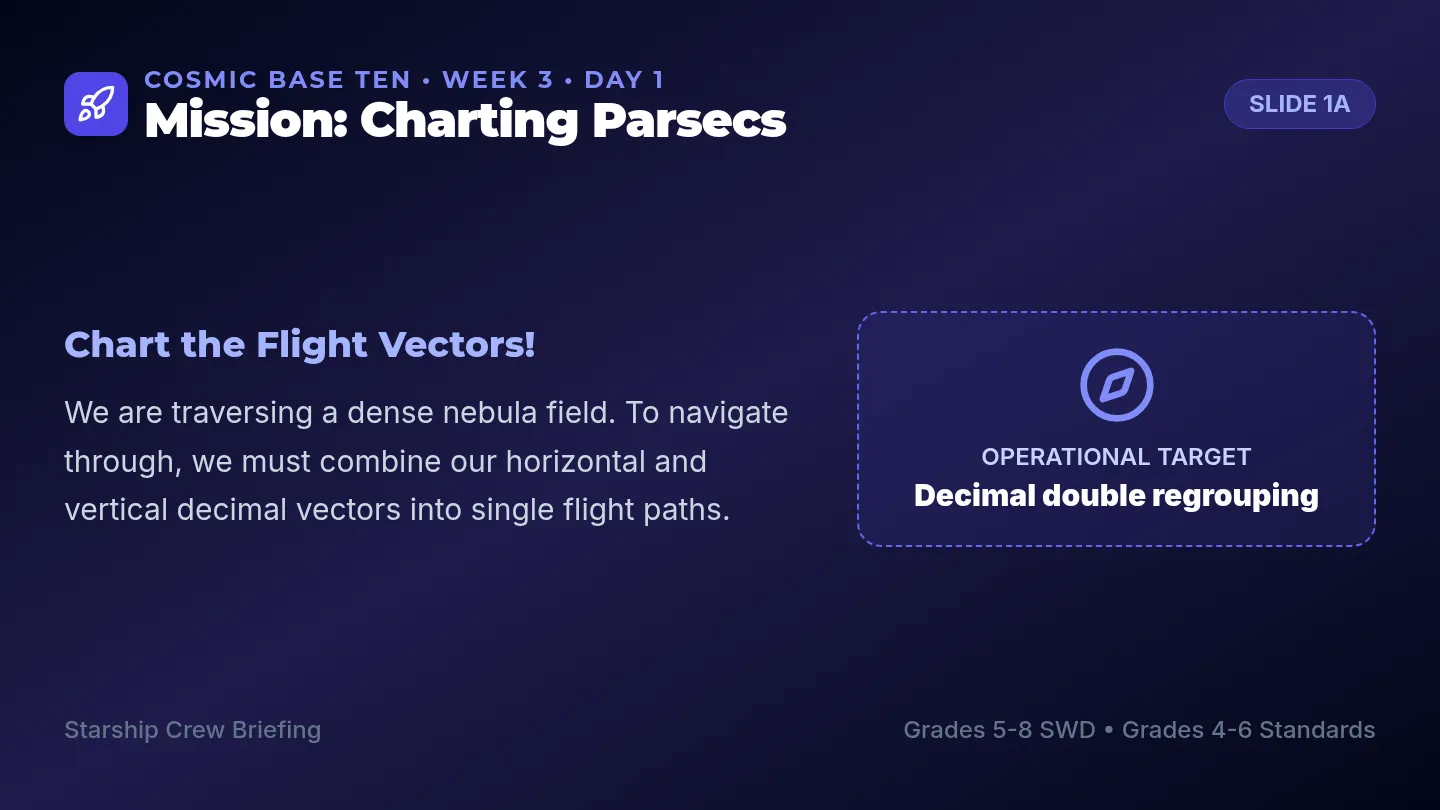
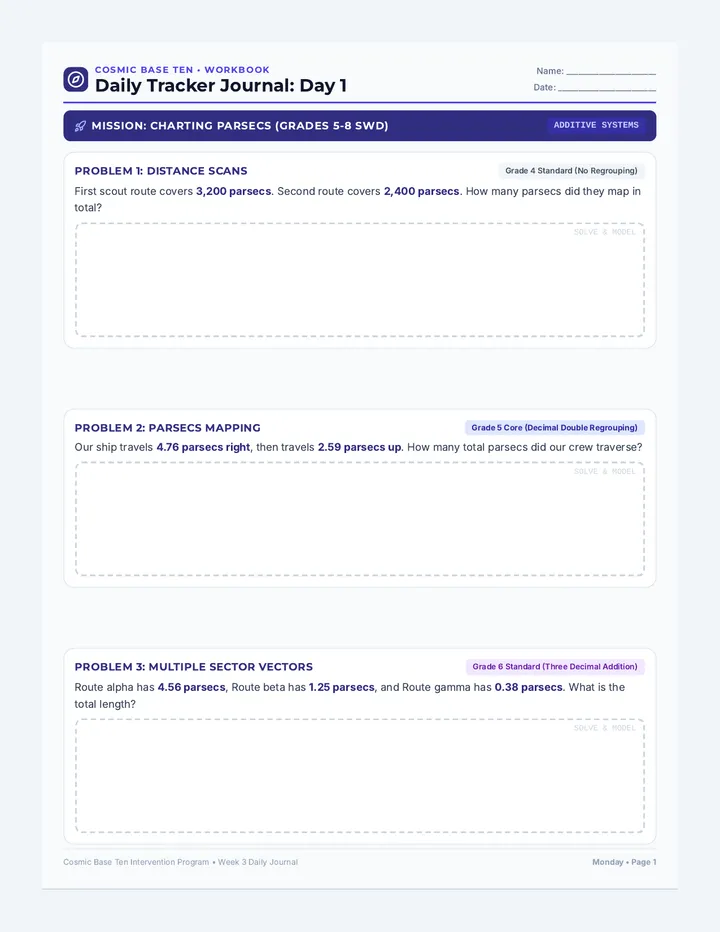
Week 3 focuses on multi-step additive reasoning, decimal subtraction, and aligning coordinates using star charts and compass tools to plan flight vectors for the fleet.
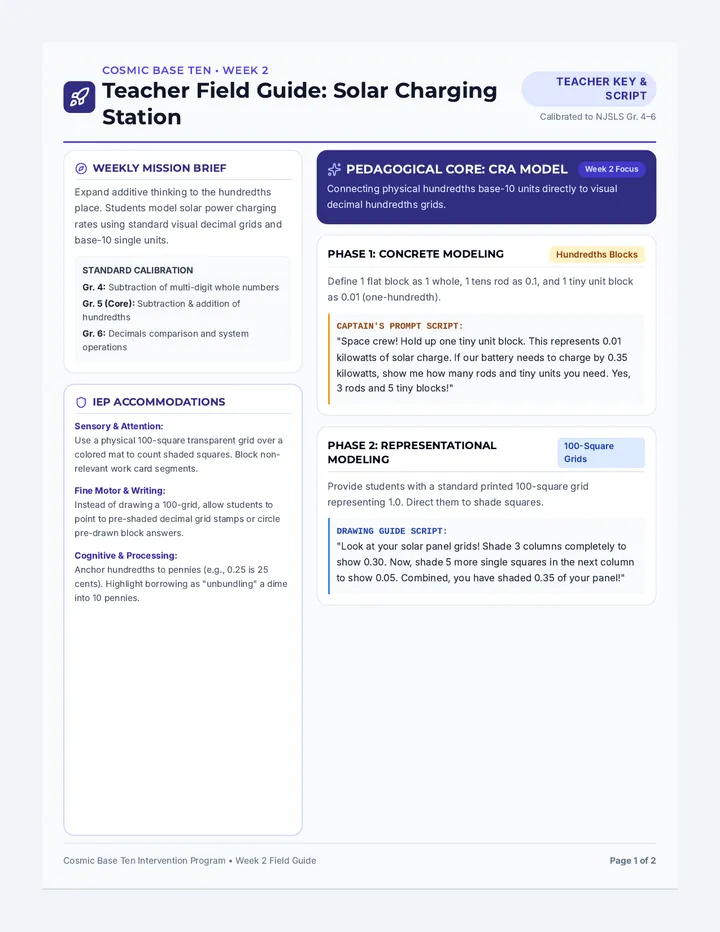
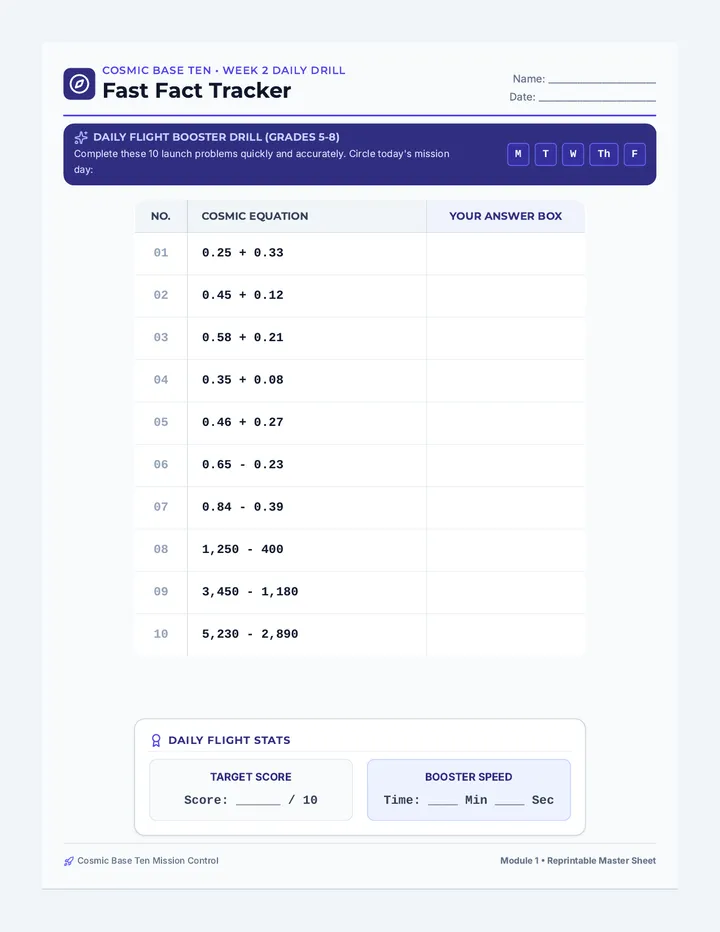
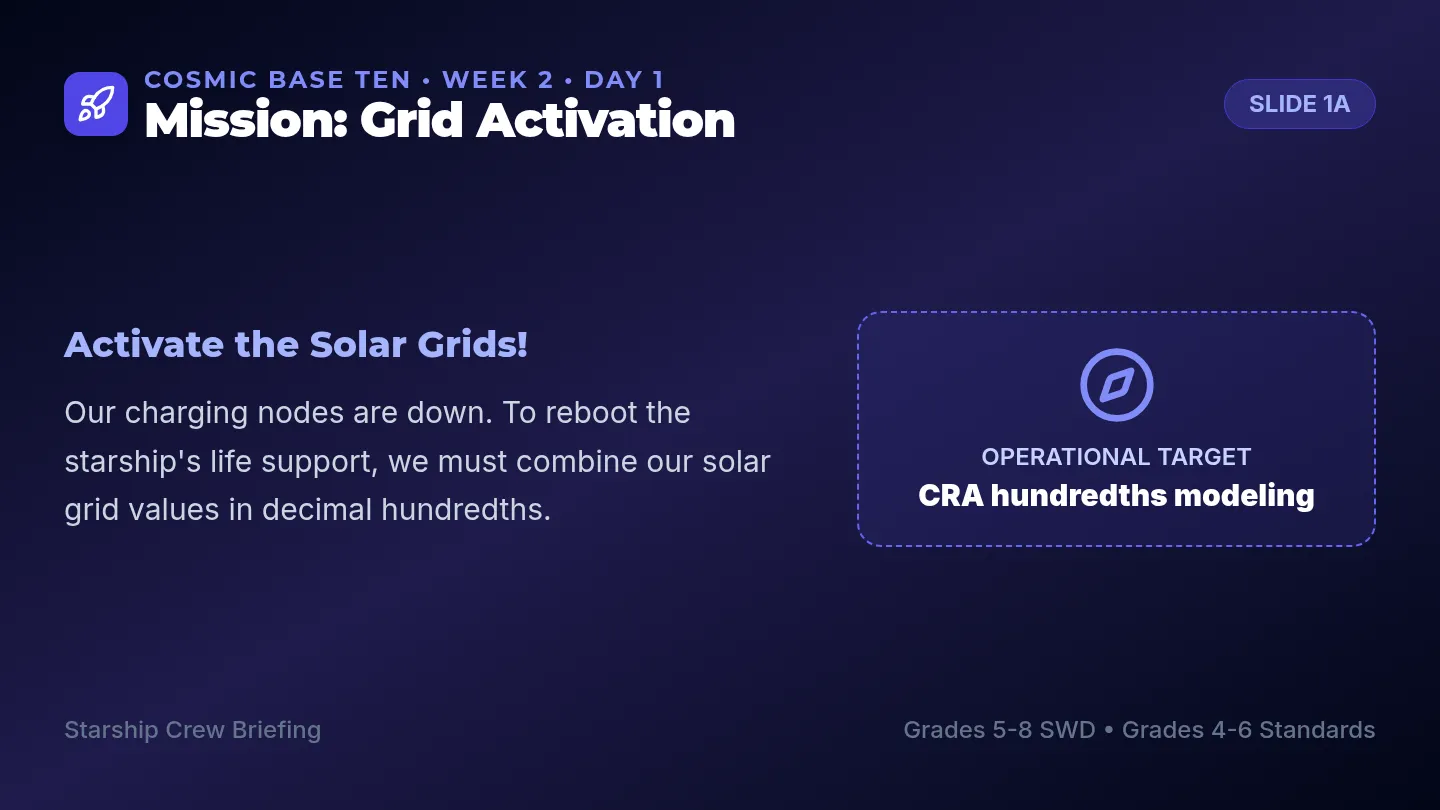
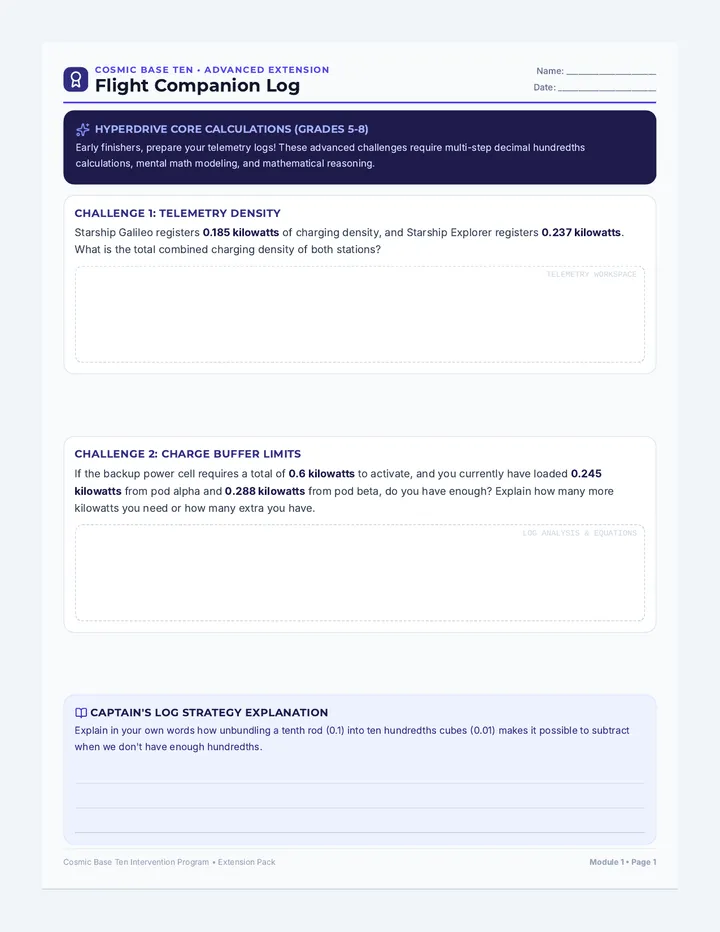
Week 2 focuses on decimal addition and subtraction with and without regrouping, using visual decimal grids and standard plastic base-10 blocks to represent tenths and hundredths in solar charging grid scenarios.
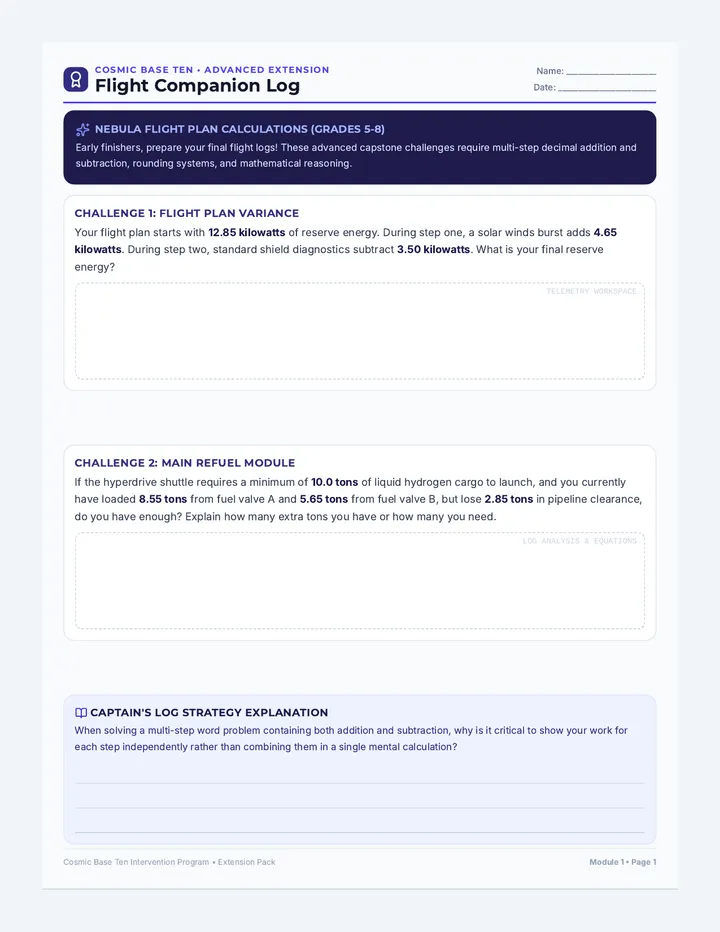
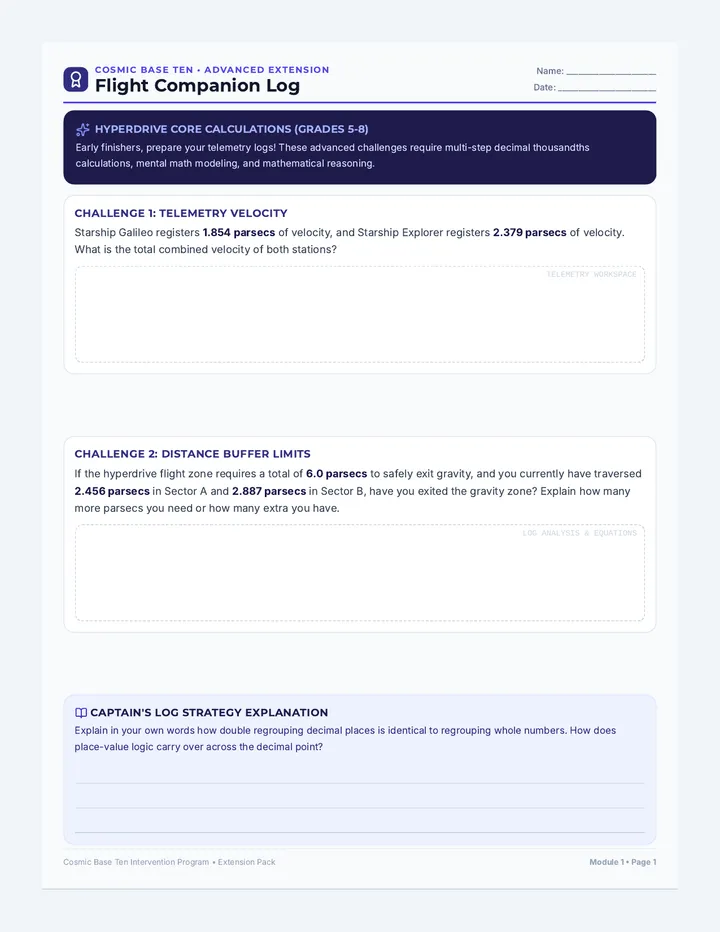
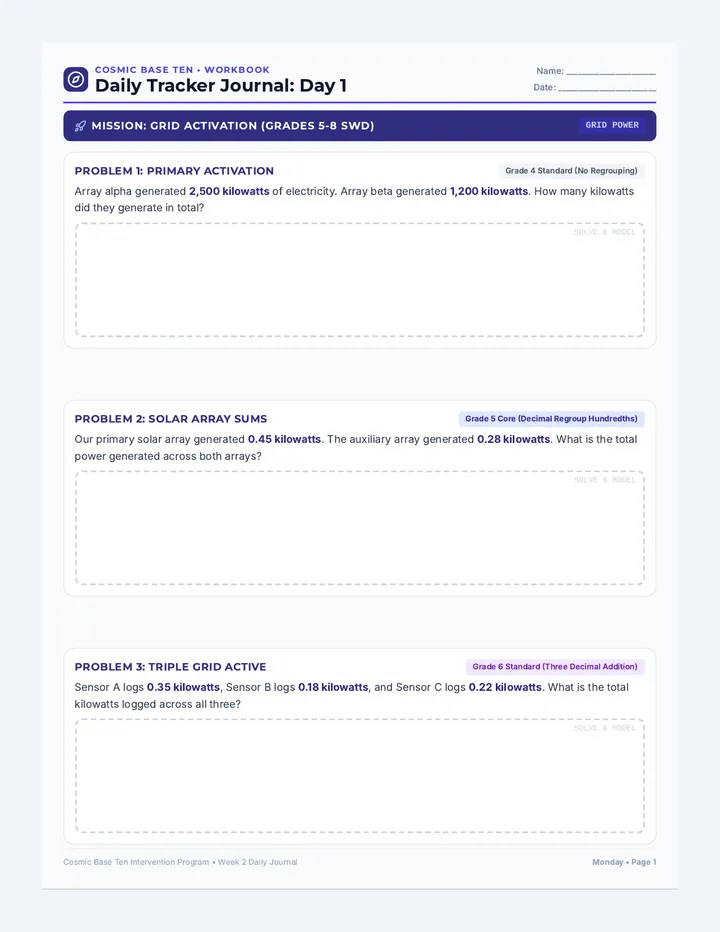
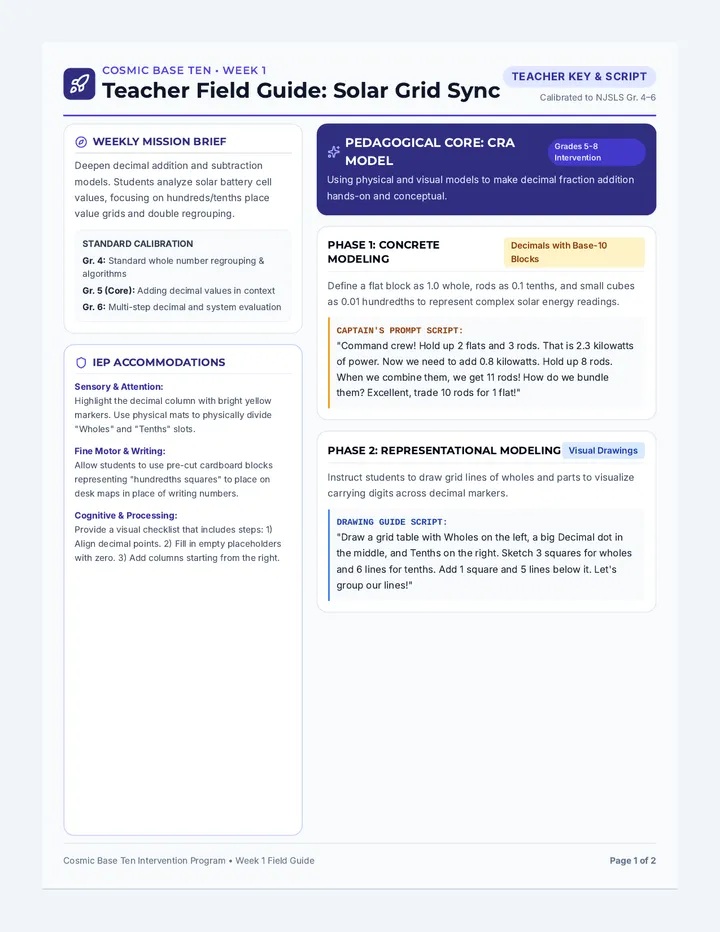
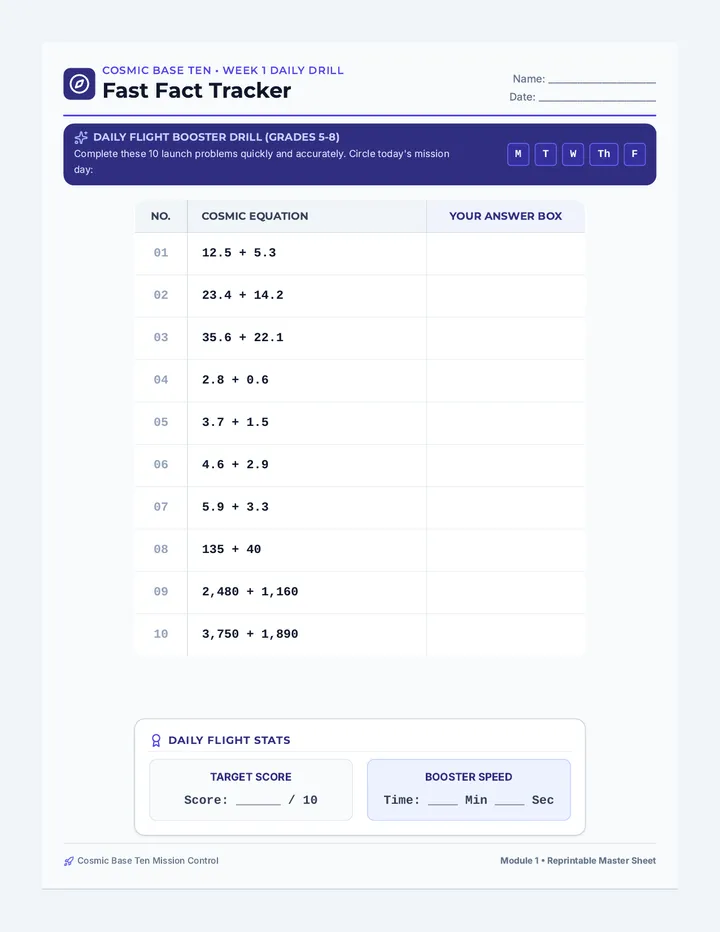
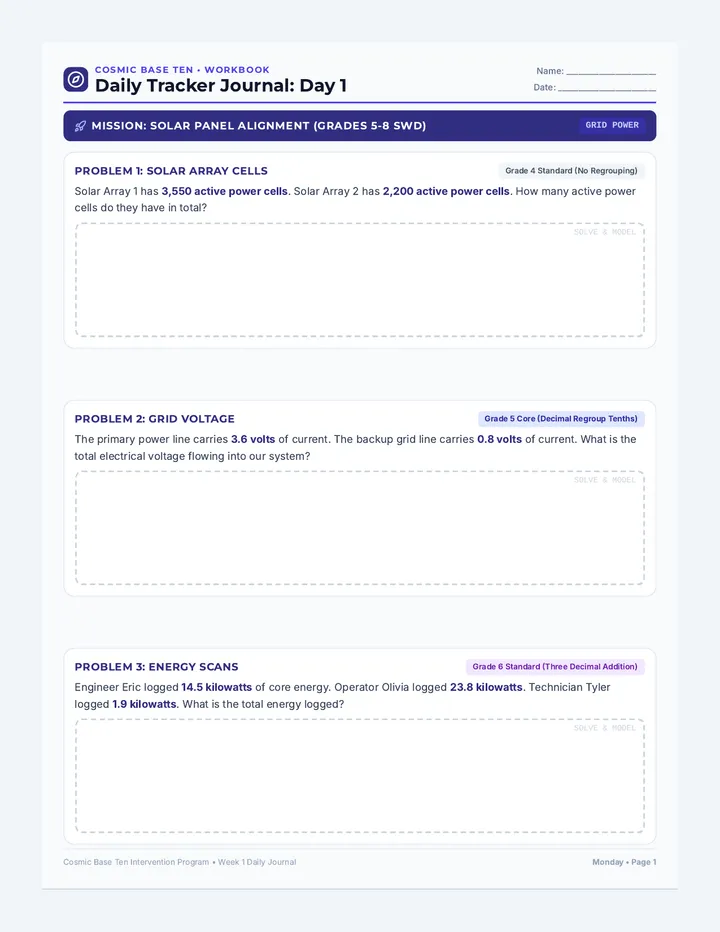
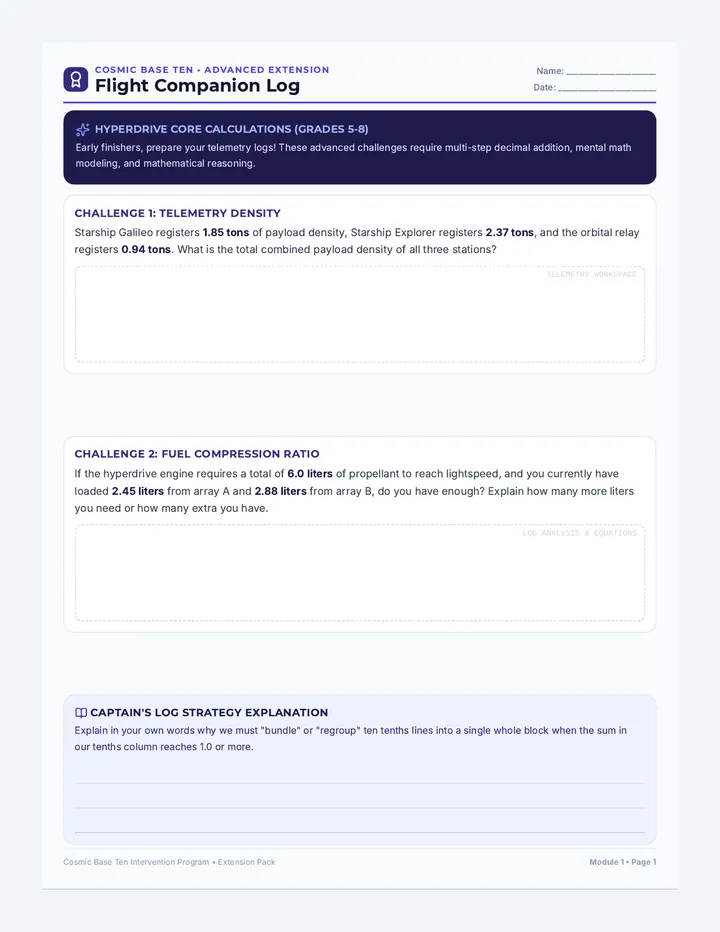
Week 1 focuses on deepening place value understanding and multi-step addition of decimals and whole numbers in space grid systems. Students practice regrouping tenths and wholes, balancing battery loads, and tracking fuel payload readings.
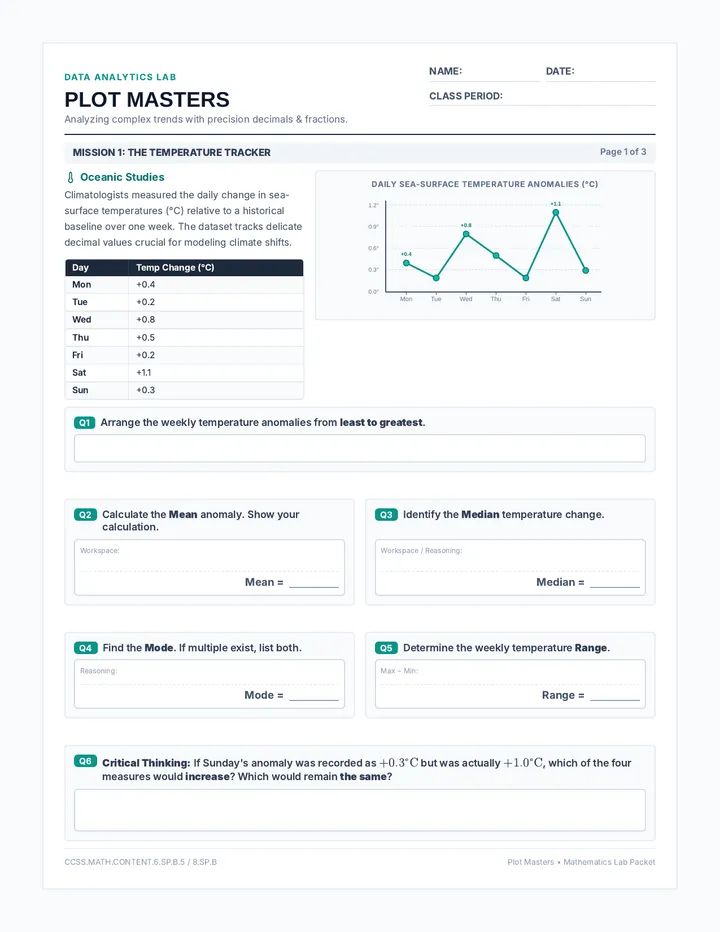
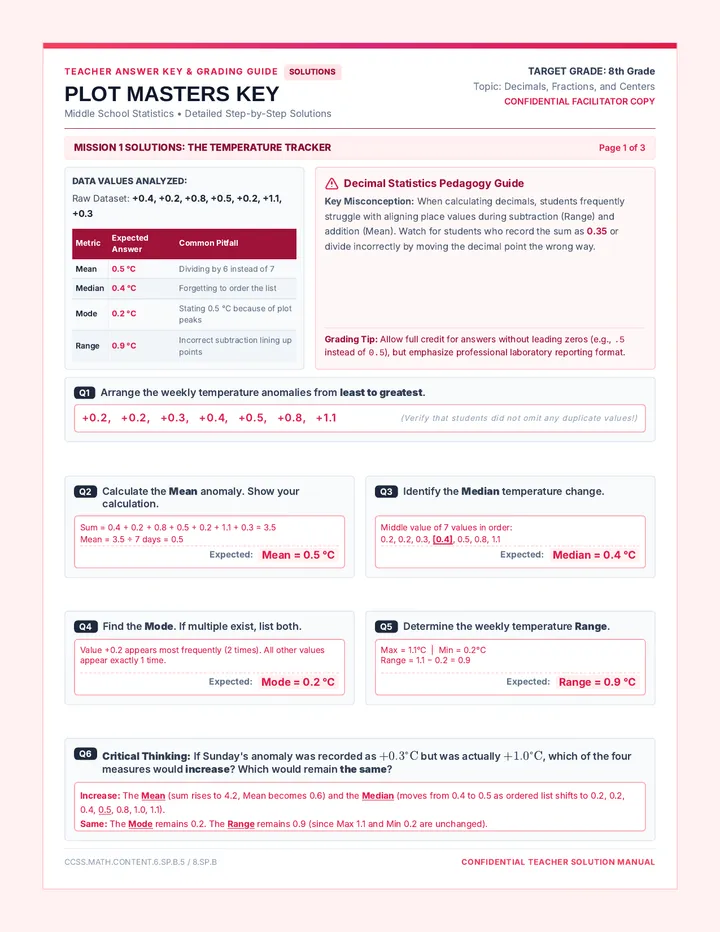
An advanced statistics lesson for 8th-grade students focused on interpreting data from line graphs, histograms, and scatter plots containing decimals and fractions. Students calculate and compare the mean, median, mode, and range of complex datasets.
Une leçon interactive et rythmée sur le théorème de Pythagore, sa réciproque, sa contraposée et ses applications réelles, conçue pour les élèves de 4ème et 3ème avec des défis et quiz en direct.
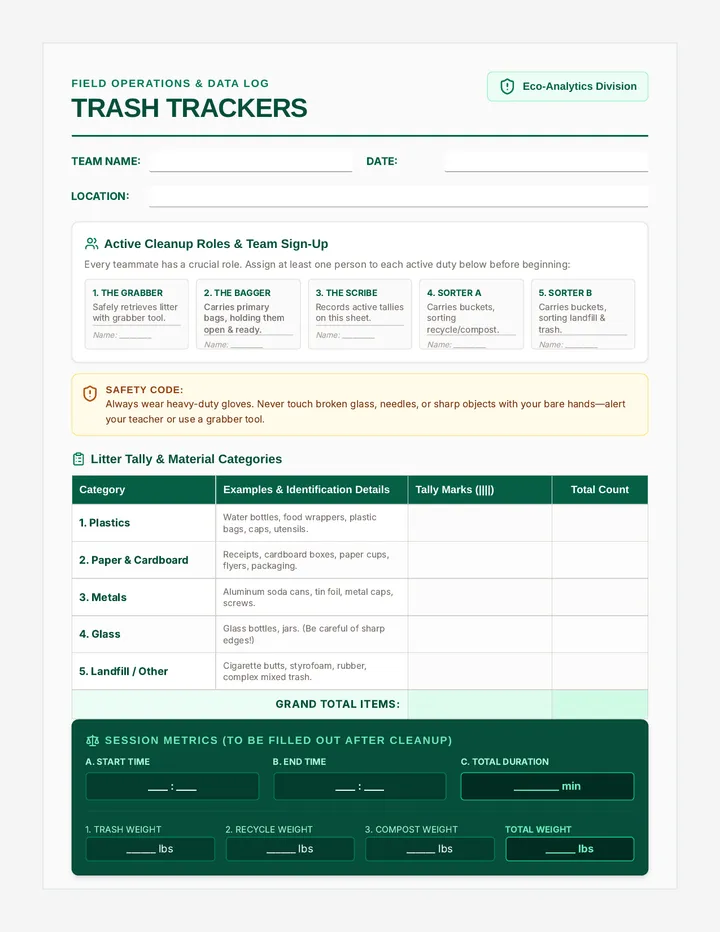
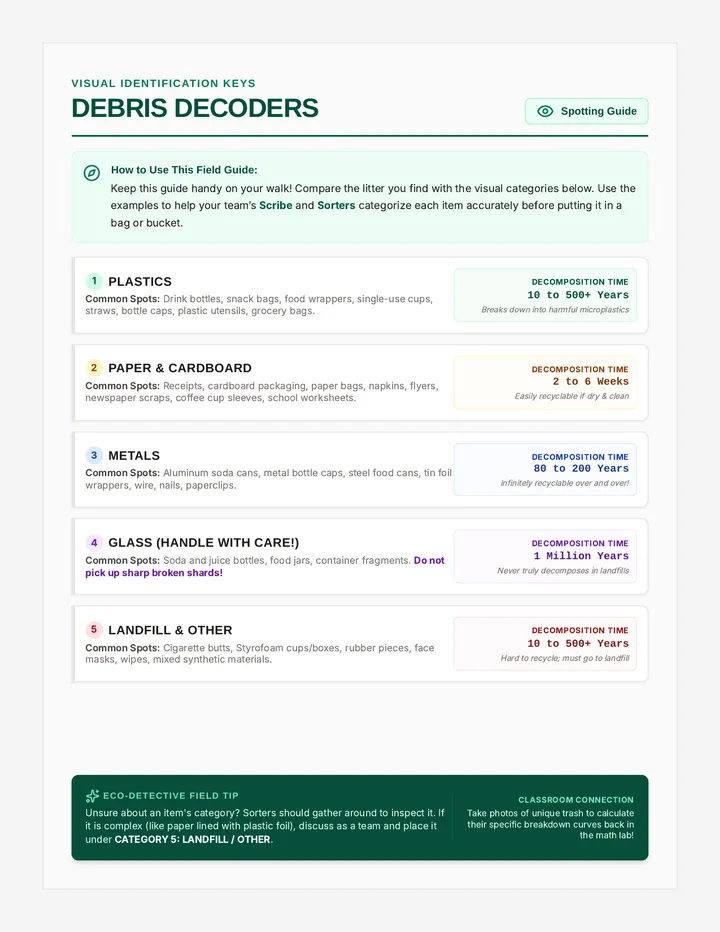
A hands-on, community-based mathematics and environmental science lesson. Students take on specific active roles during a community cleanup to collect, weigh, and analyze litter data, converting their real-world findings into rates, ratios, percentages, and visual graphs.
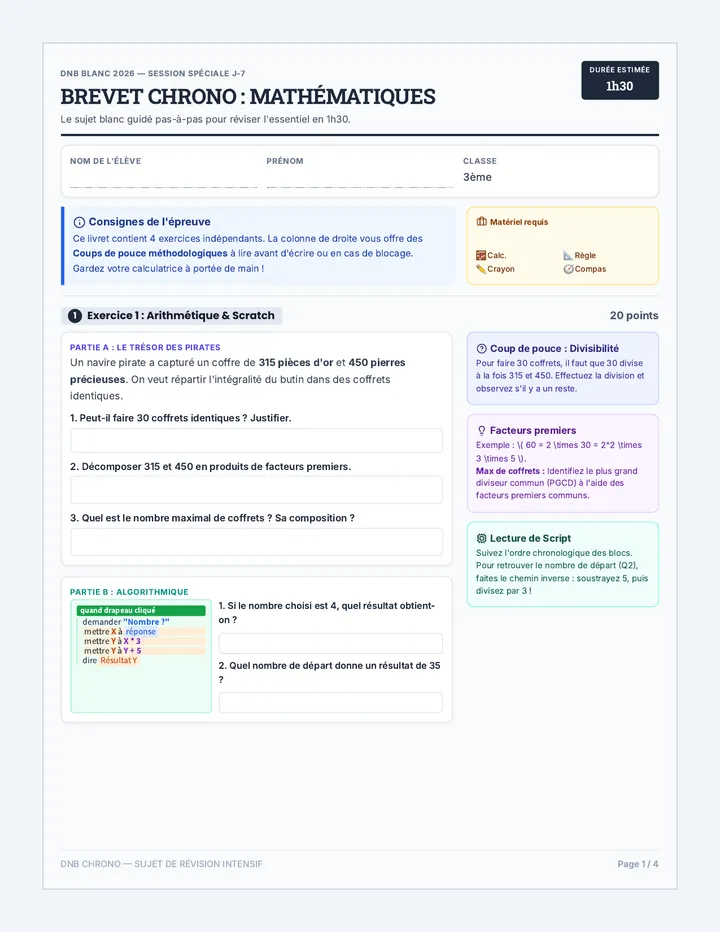
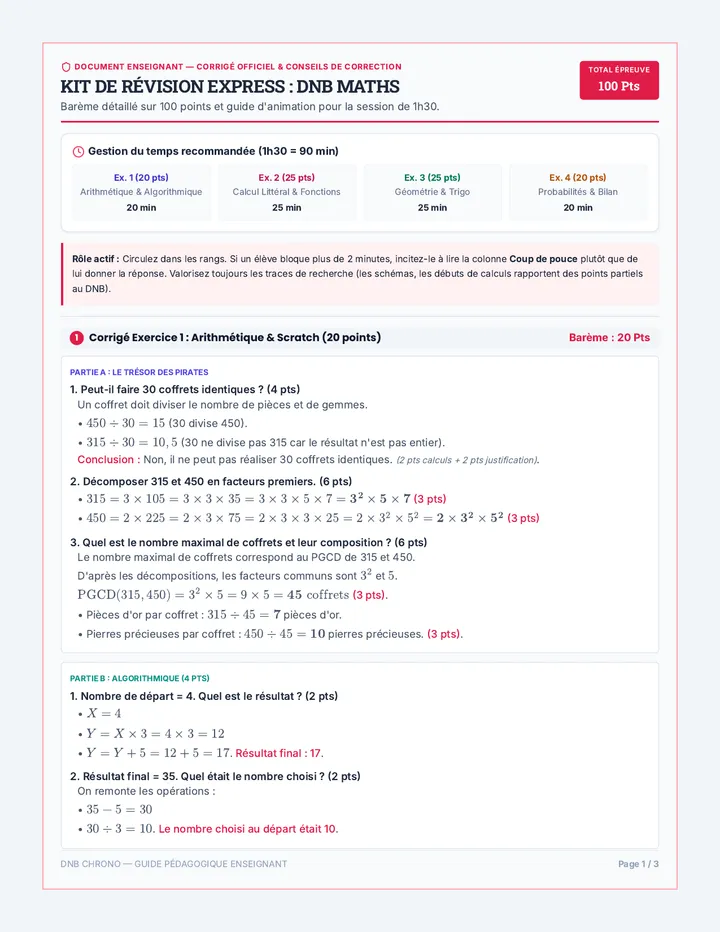
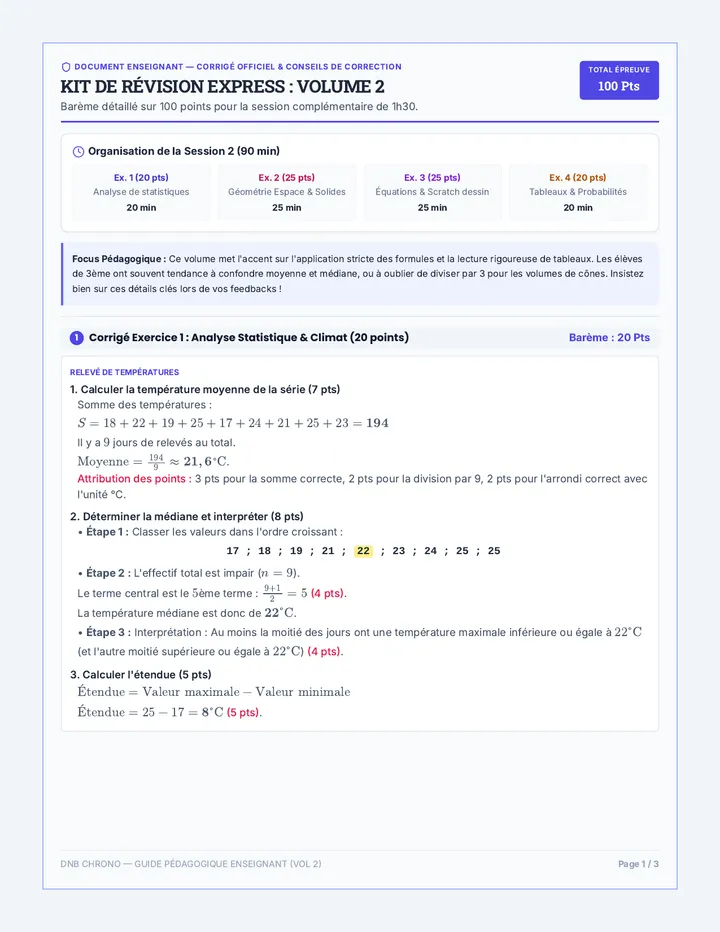
Un kit complet de révision de dernière minute pour le DNB de Mathématiques, comprenant un sujet blanc guidé pas-à-pas pour les élèves et un corrigé détaillé avec barème pour l'enseignant.
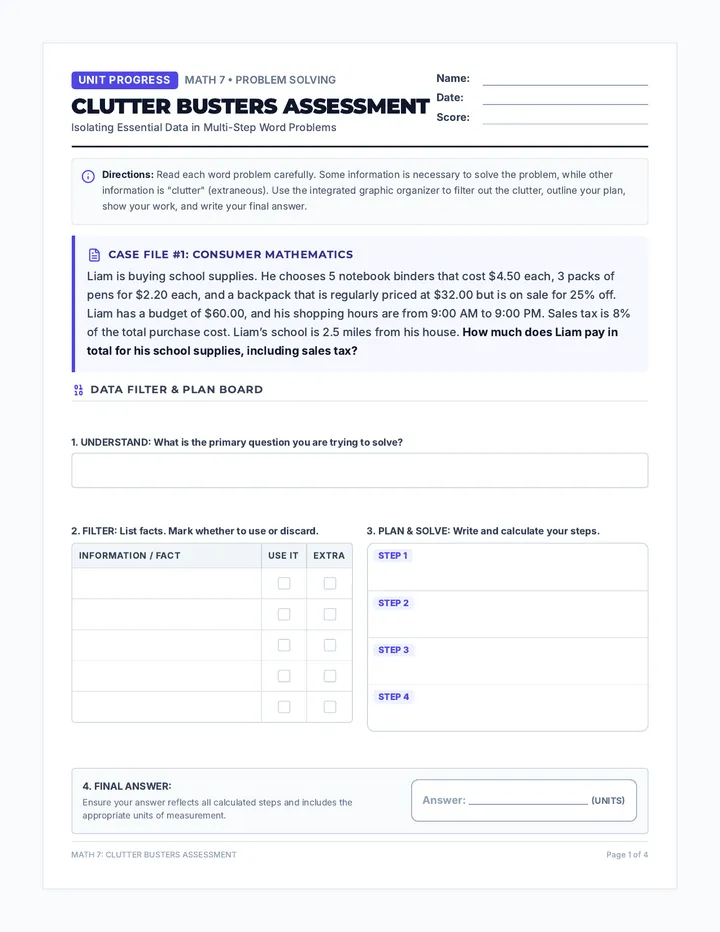
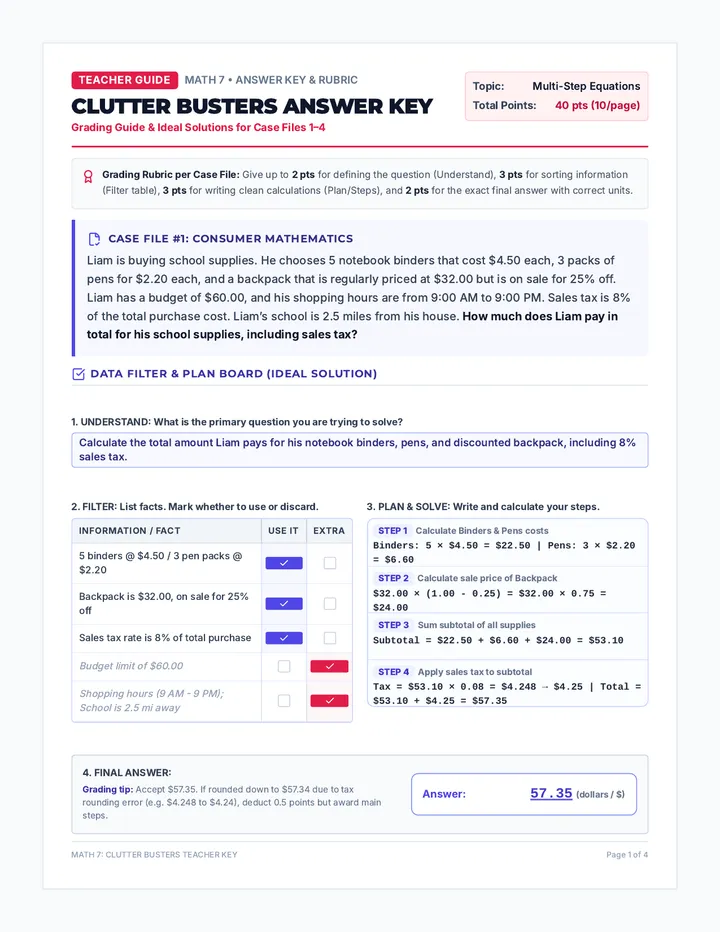
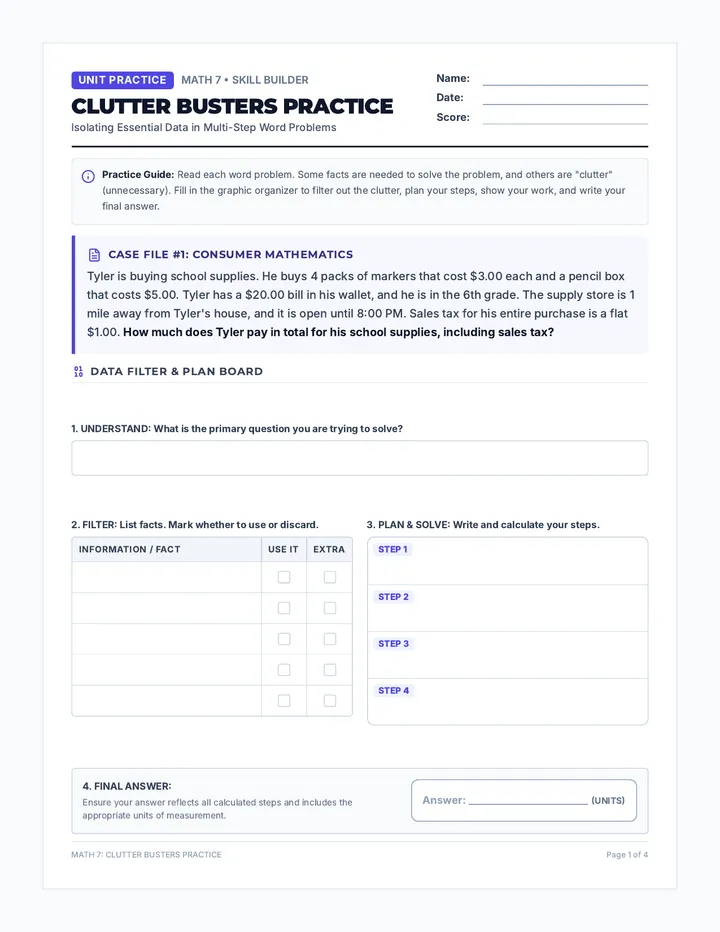
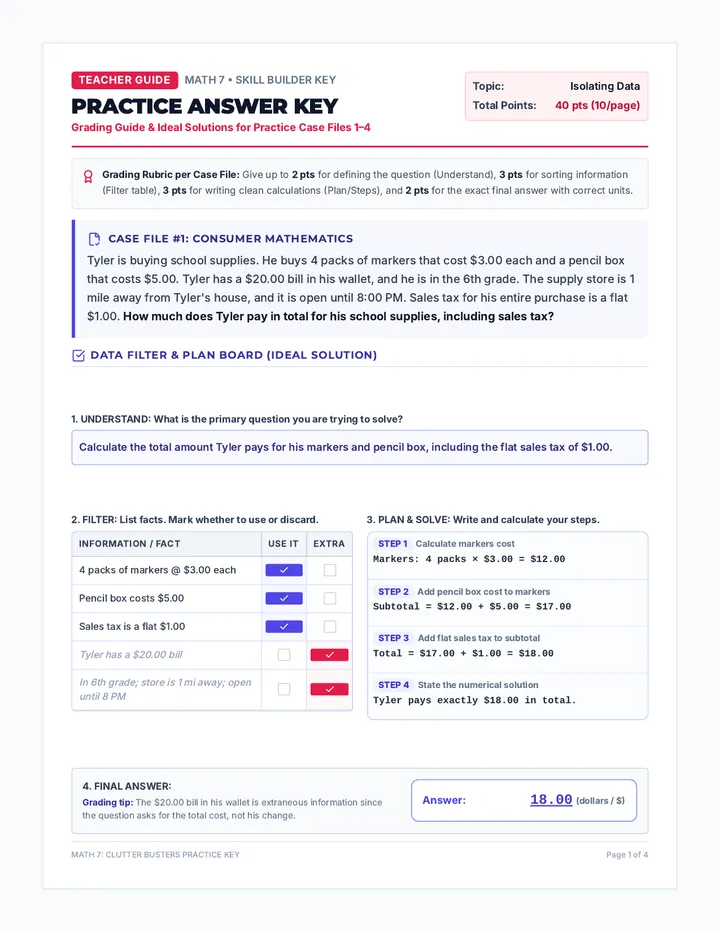
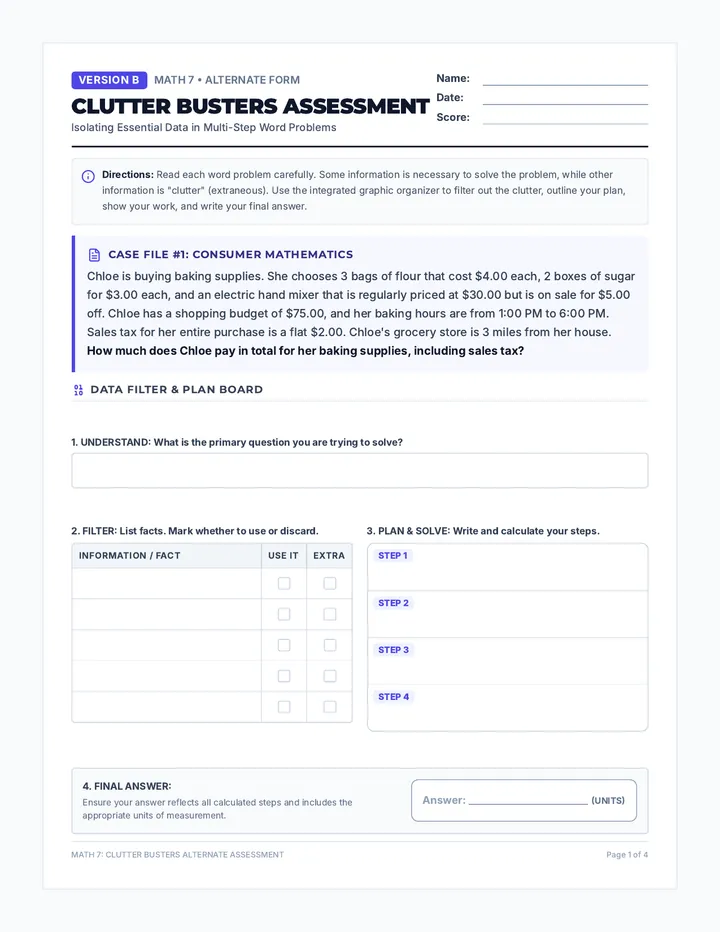
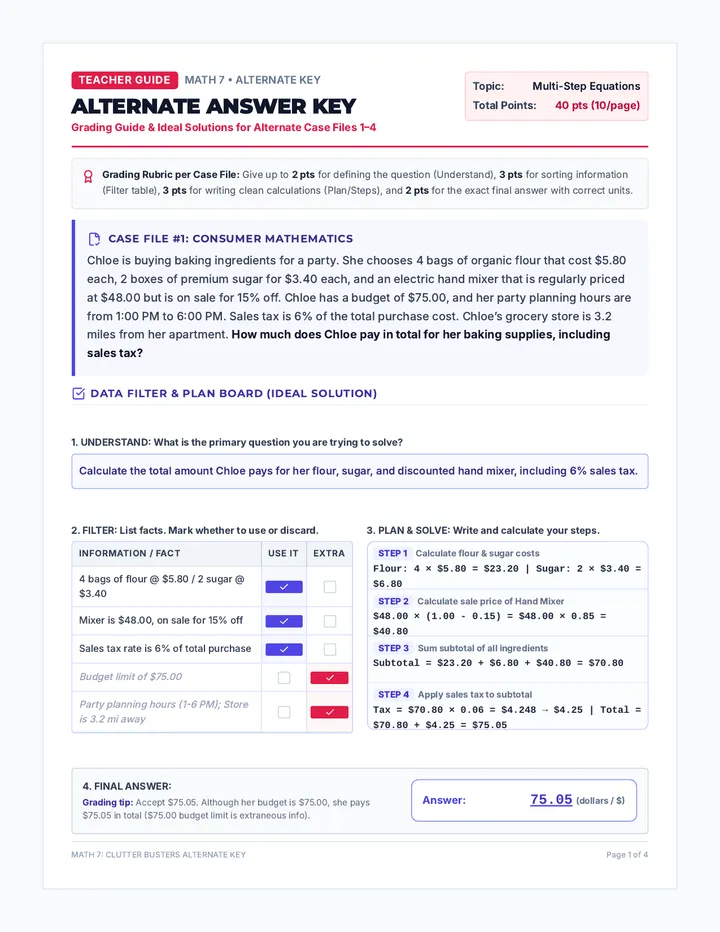
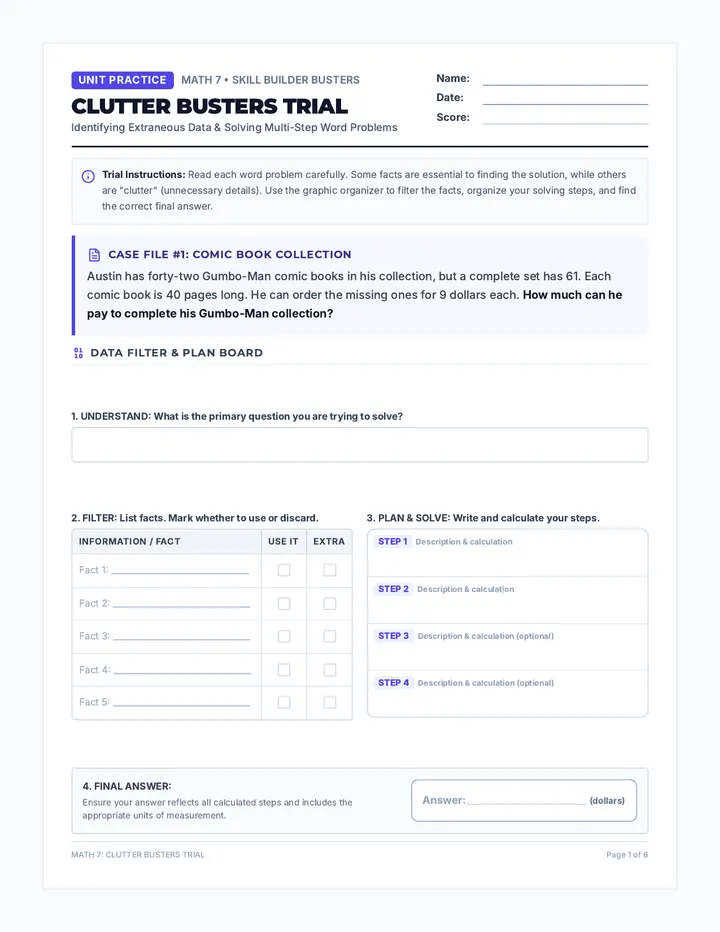
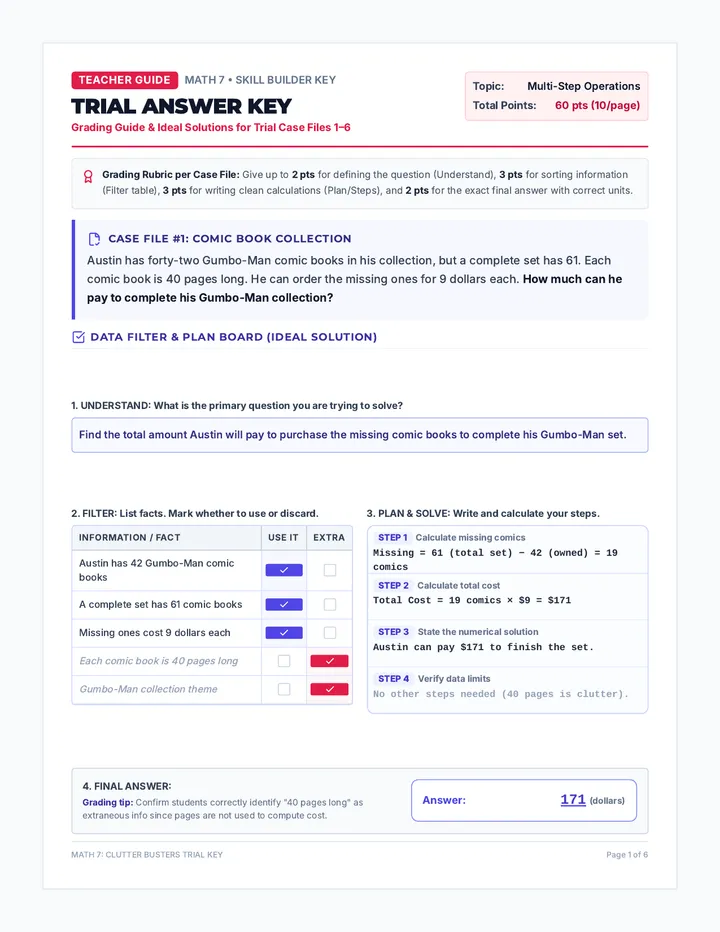
A middle-school math lesson focused on identifying and isolating extraneous information in multi-step word problems. It teaches students to separate relevant data from distracting context using an intuitive, column-based graphic organizer.
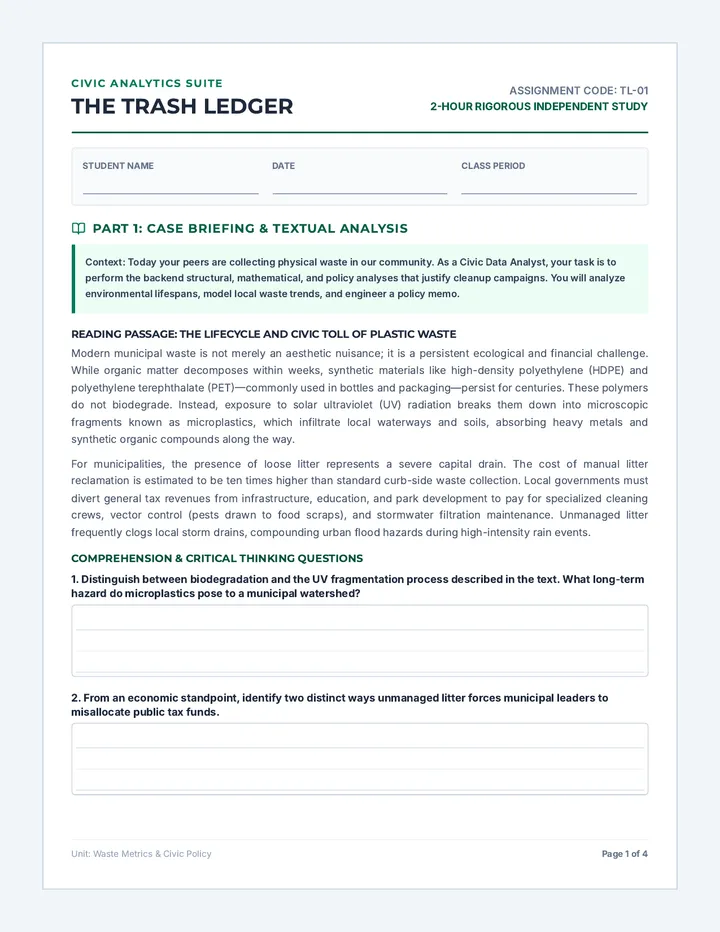
A rigorous mathematical and analytical alternative assignment for students missing the community service cleanup. Students analyze local waste data, calculate trash accumulation rates, and write a data-driven proposal to local leaders.
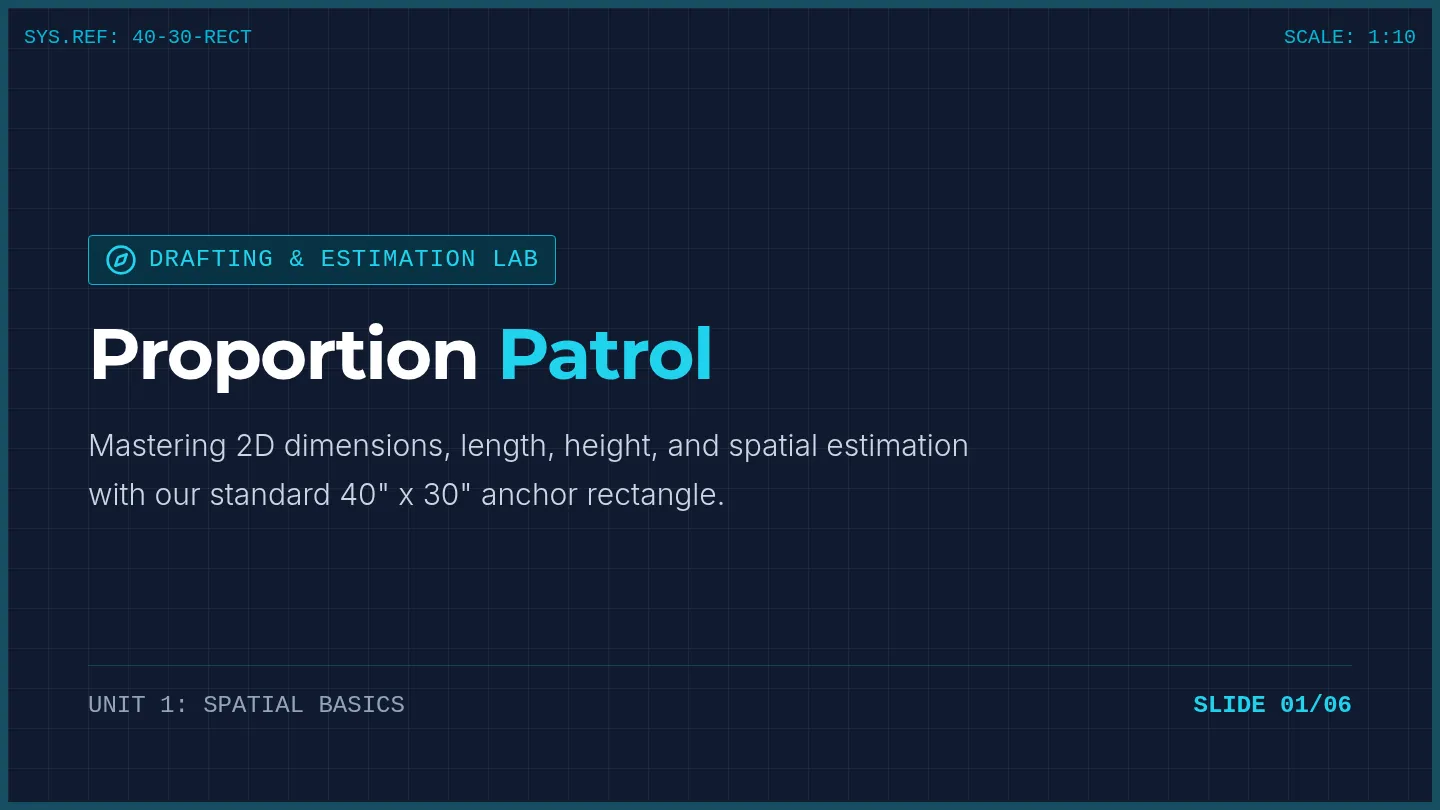
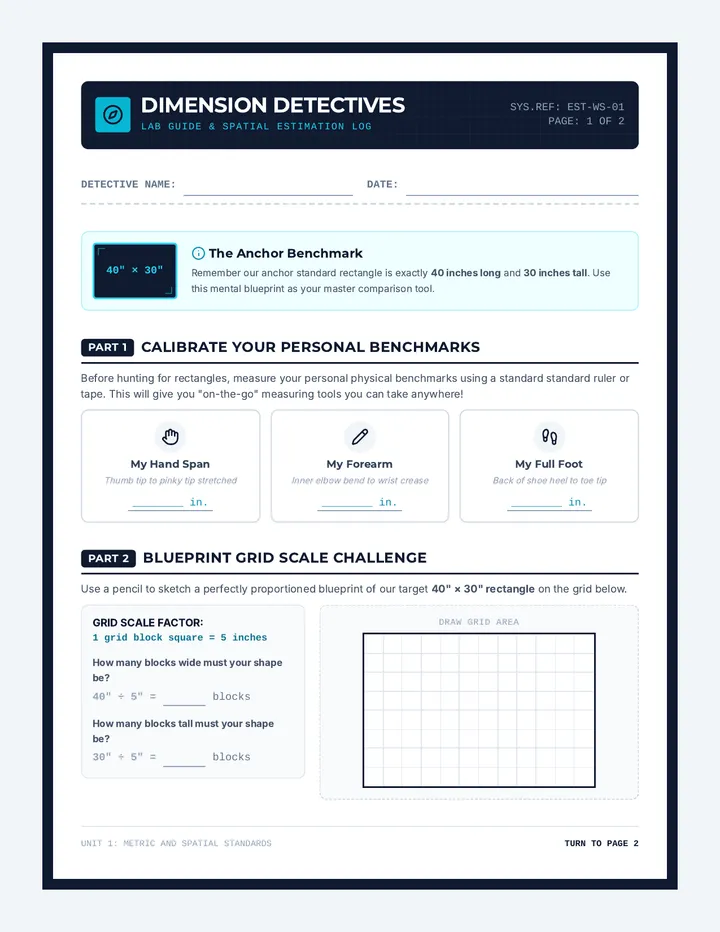
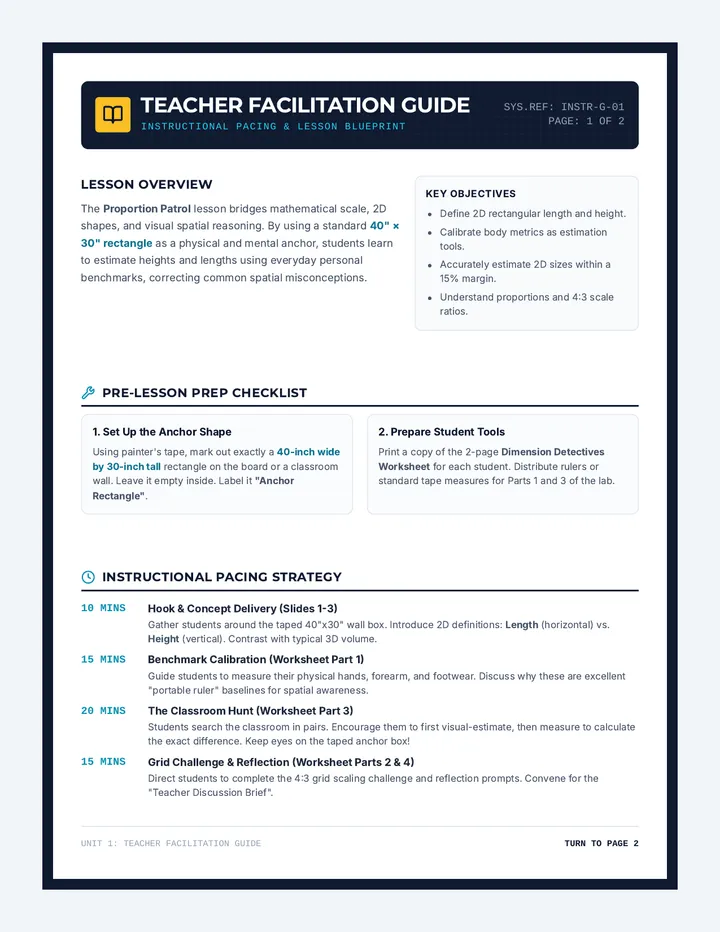
A hands-on, highly visual lesson focusing on 2D shape dimensions, length, height, and spatial estimation using a 40-inch by 30-inch standard rectangle as a primary anchor point for real-world scaling.
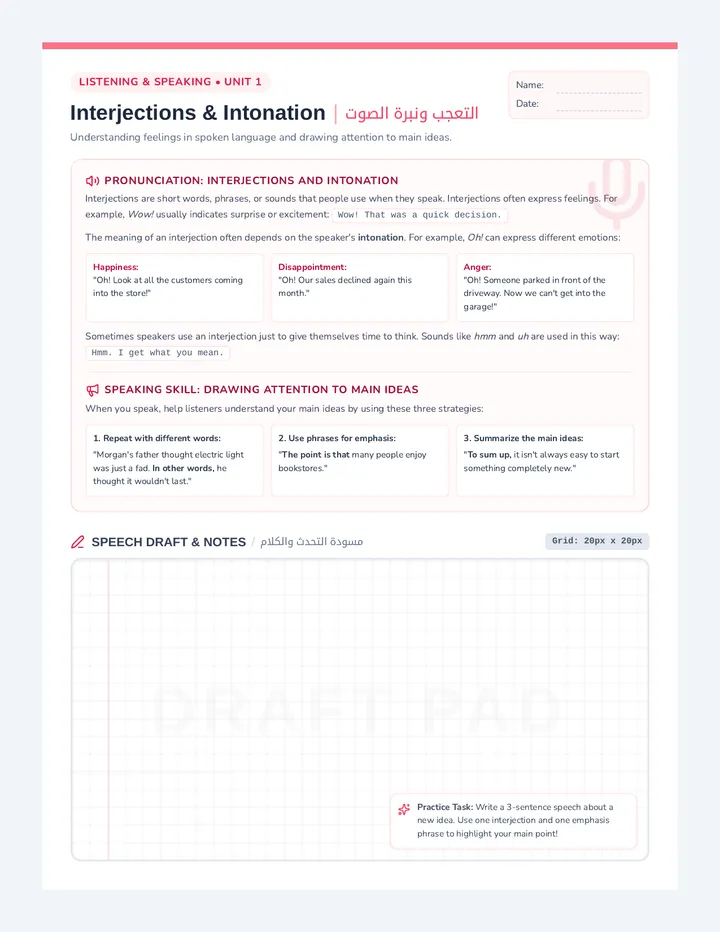
A premium, student-facing draft and rule booklet for English Listening and Speaking (L&S) across 8 core units of pronunciation and speech skills.
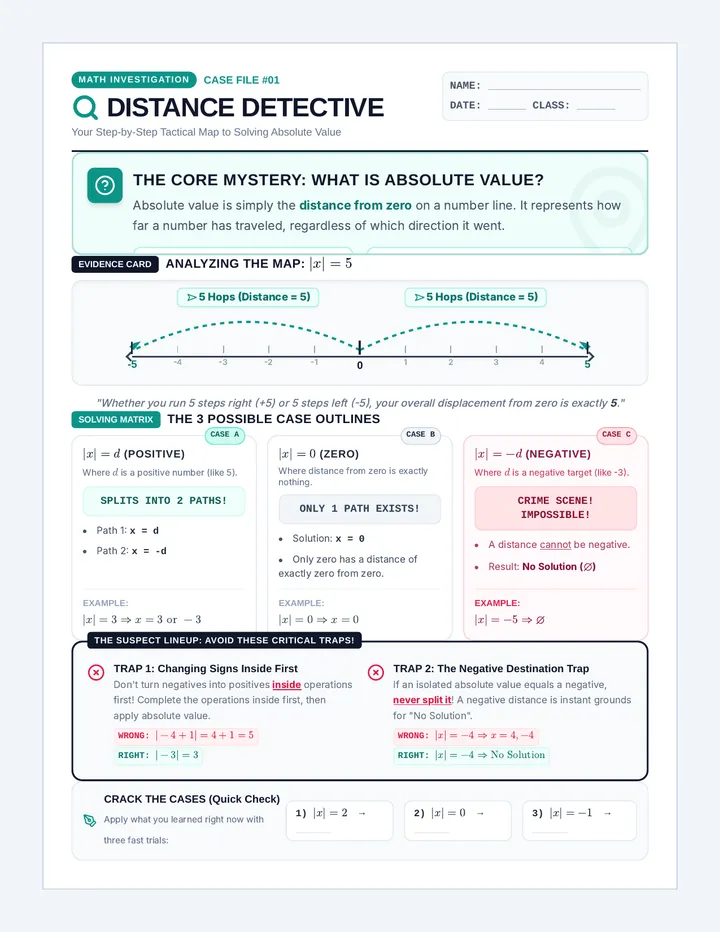
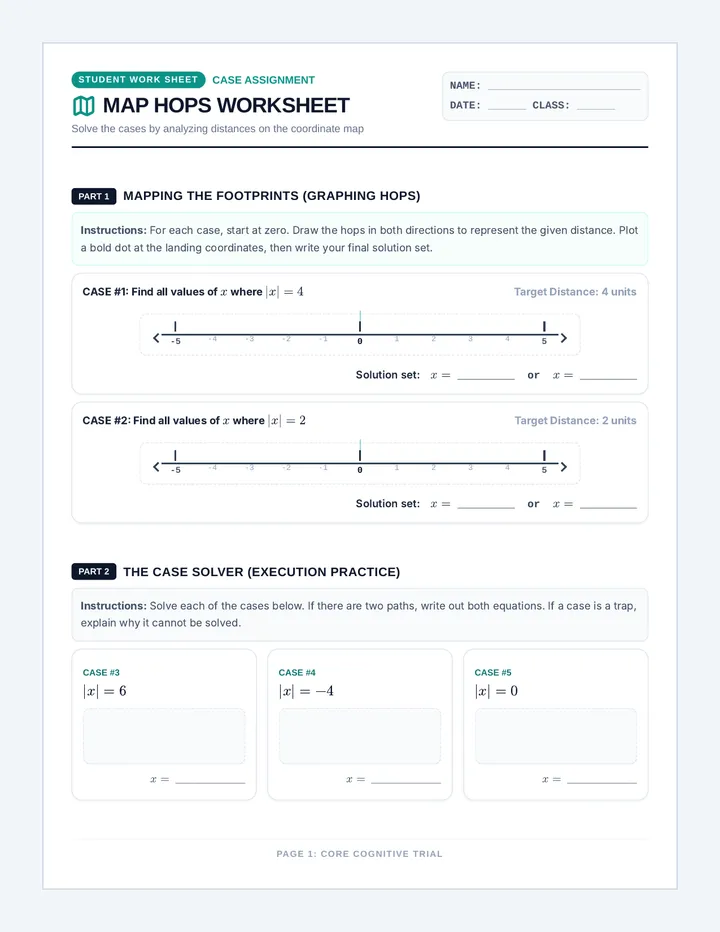
An introductory math lesson designed to teach the fundamentals of absolute value as distance on a number line. It includes conceptual breakdowns, visual guides, and coaching tools for educators.
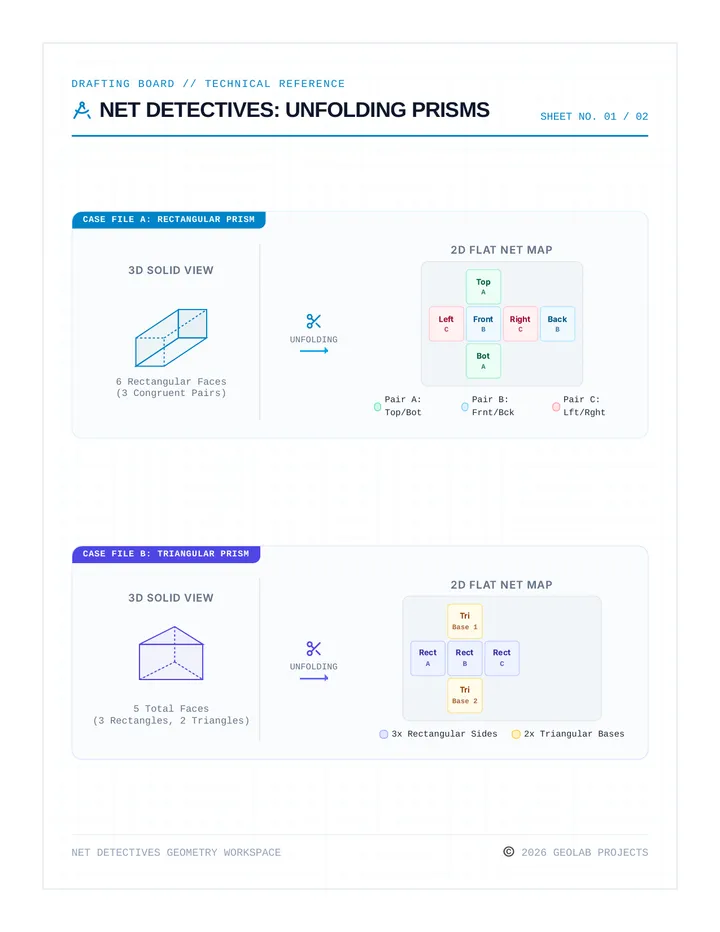
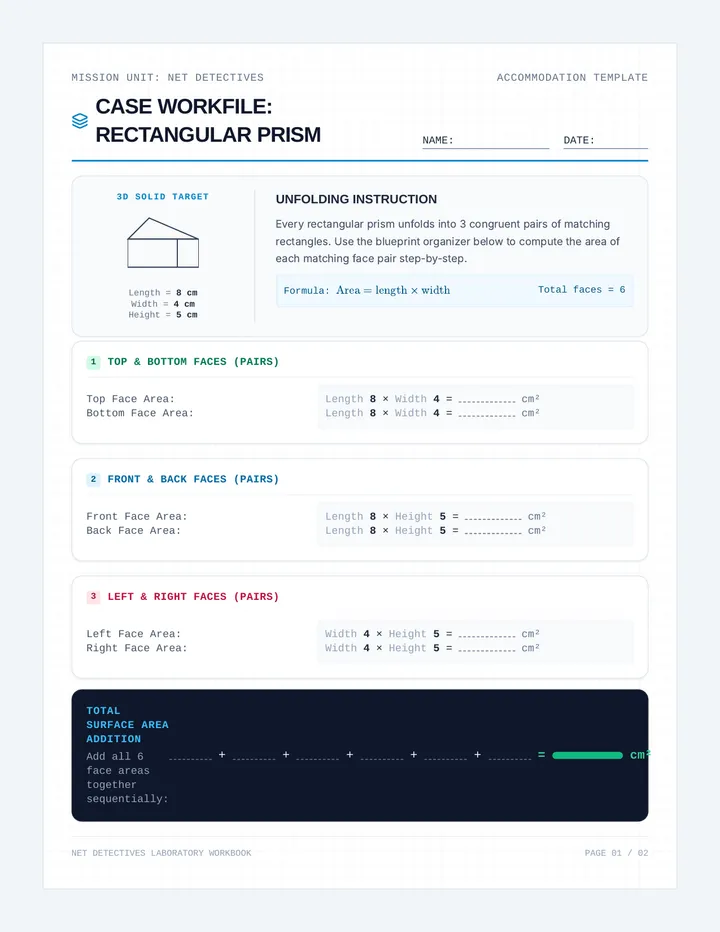
A highly visual, scaffolding lesson that guides students through unfolding three-dimensional prisms and pyramids into two-dimensional nets to calculate their surface area. Features graphic organizer templates, step-by-step scaffolding slides, and interactive blueprint-style anchor charts.