This lesson explores the 'blends' where micro-expressions of one emotion appear over a macro-expression of another (e.g., a flash of anger over a smile). Students analyze complex social scenarios to interpret these contradictions.
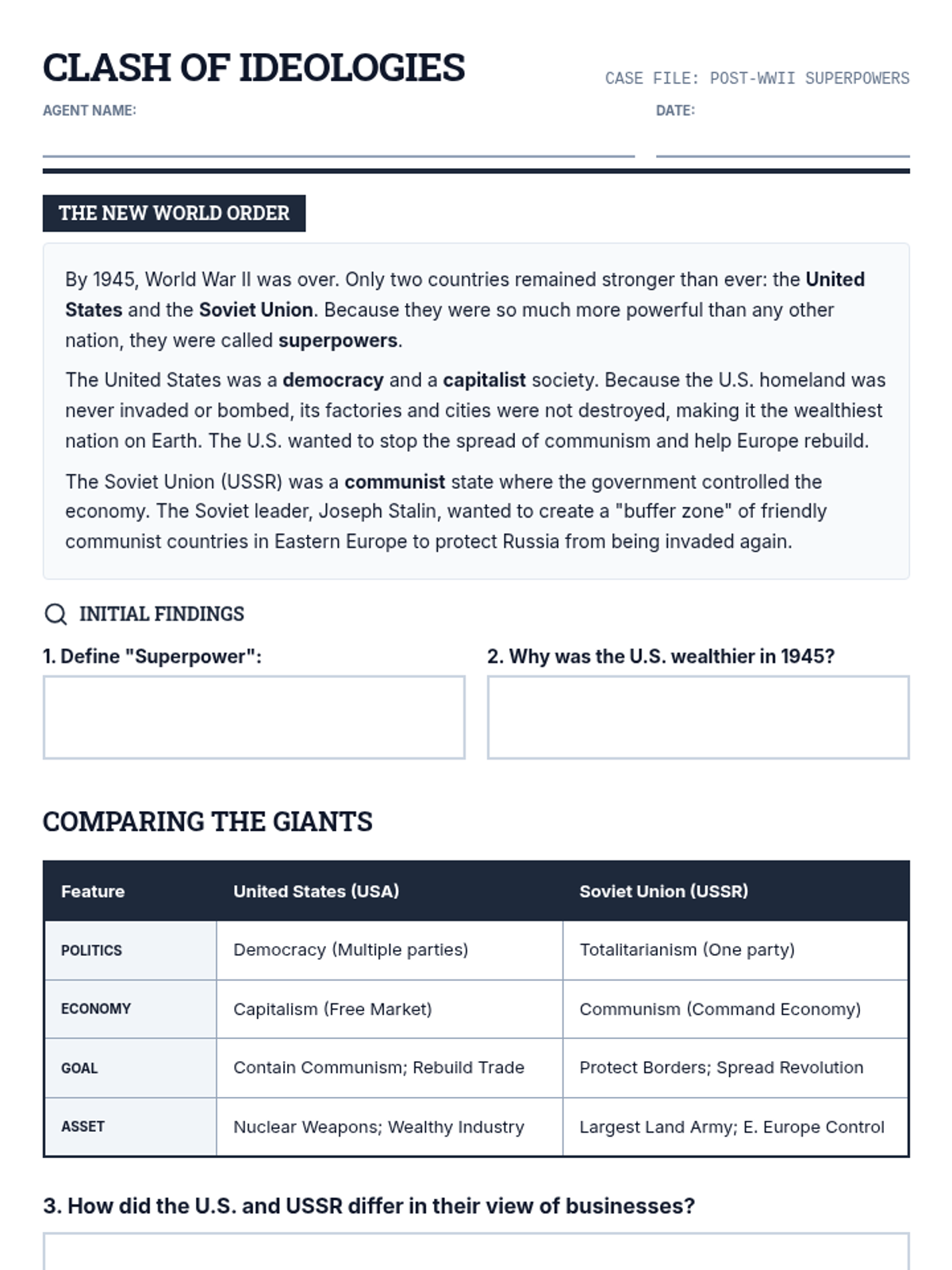
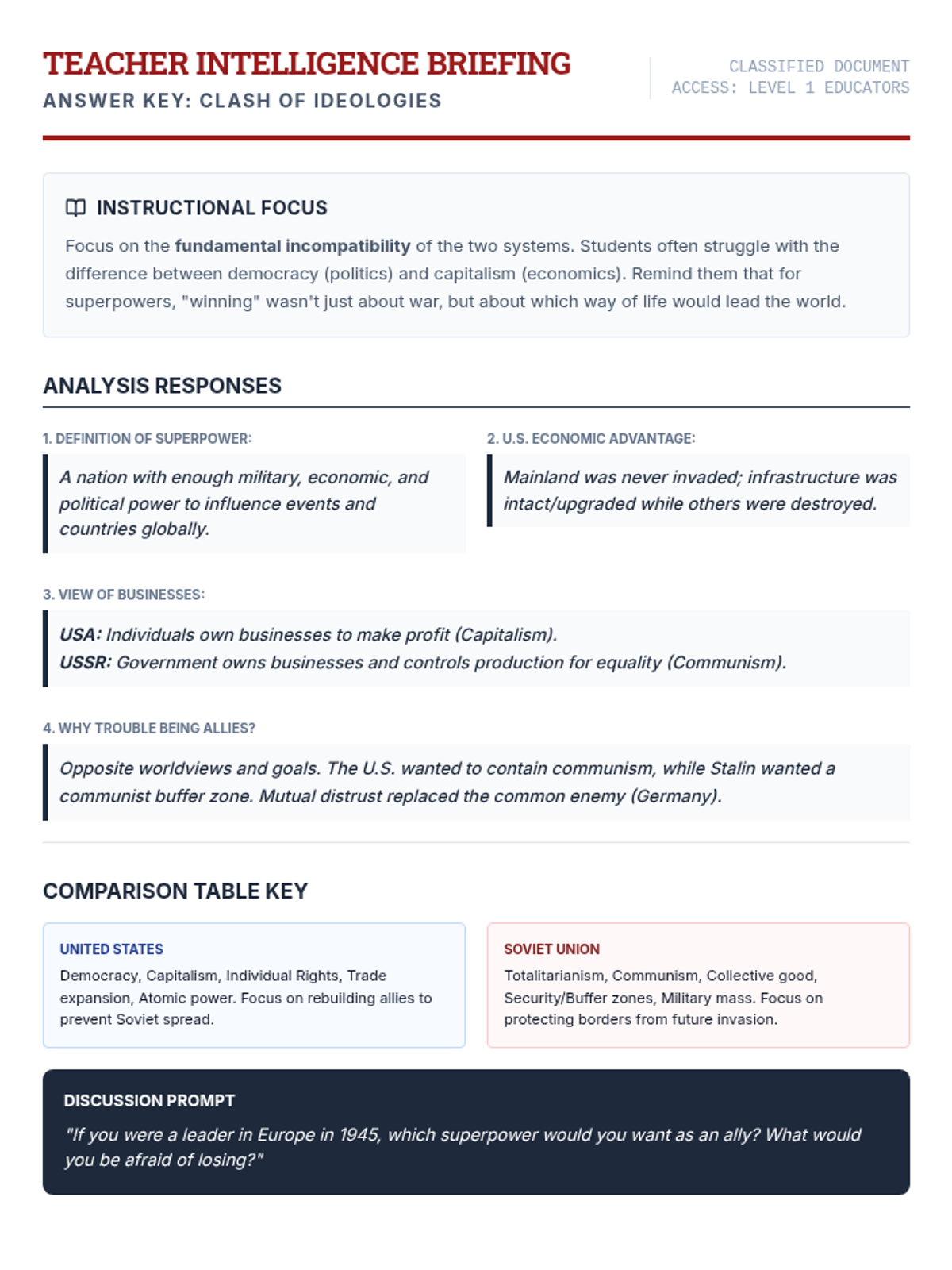
A middle-school lesson exploring the rise of the United States and the Soviet Union as rival superpowers following World War II, focusing on their competing ideologies and world influence.
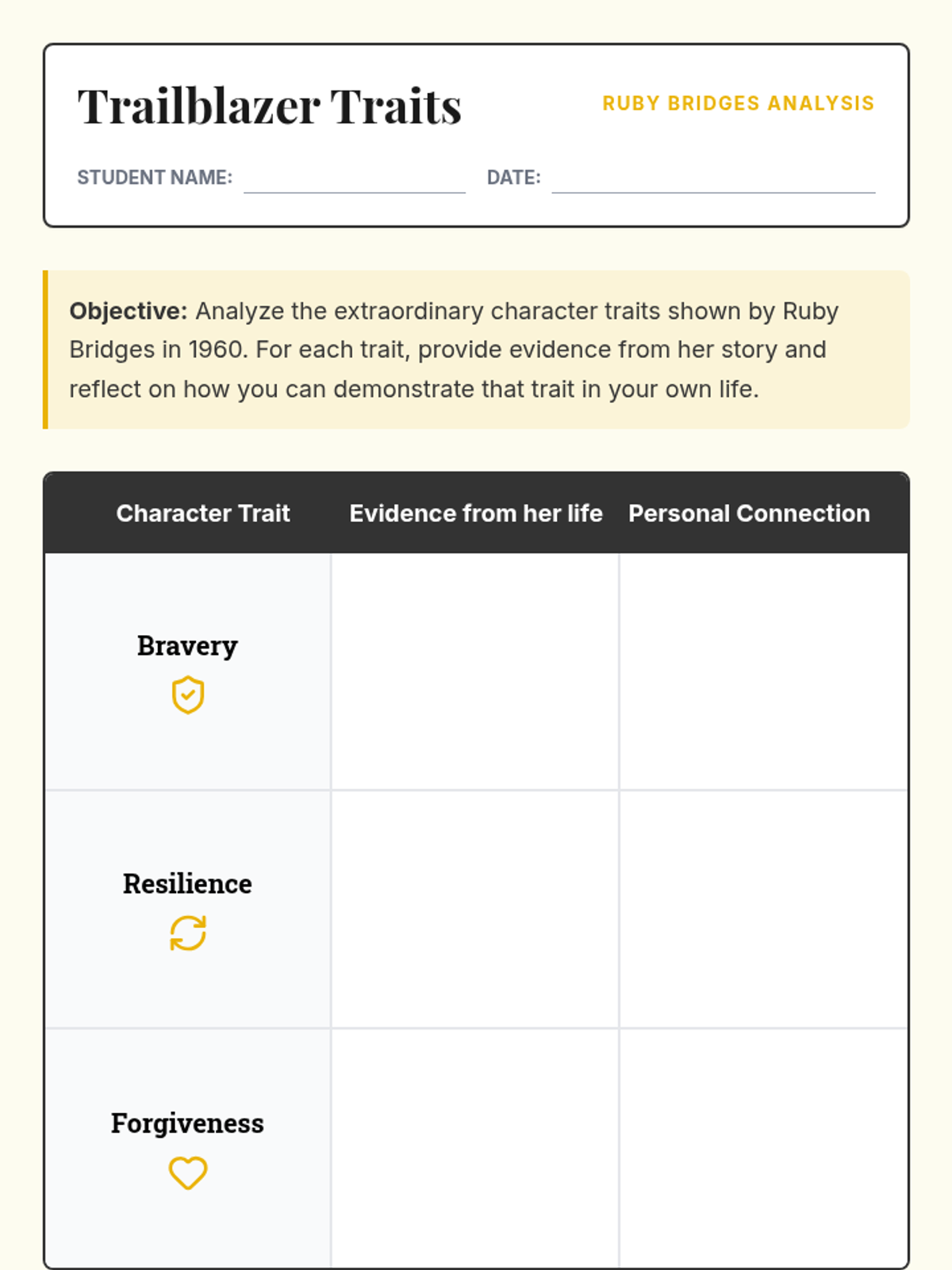
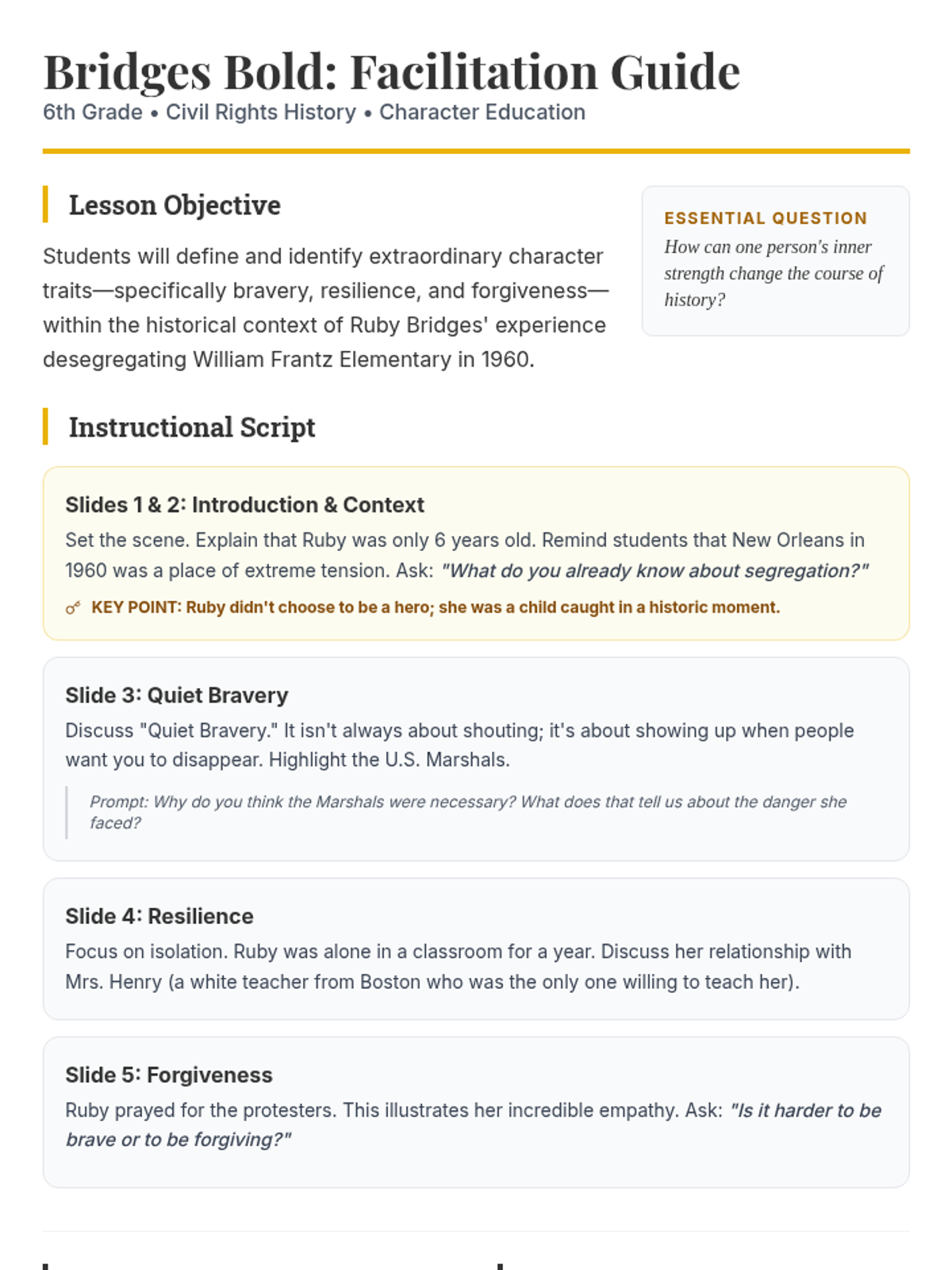
A lesson exploring the extraordinary character traits of Ruby Bridges, focusing on her bravery, resilience, and impact on the Civil Rights Movement. Students will analyze primary source accounts and reflect on how they can apply these traits in their own lives.
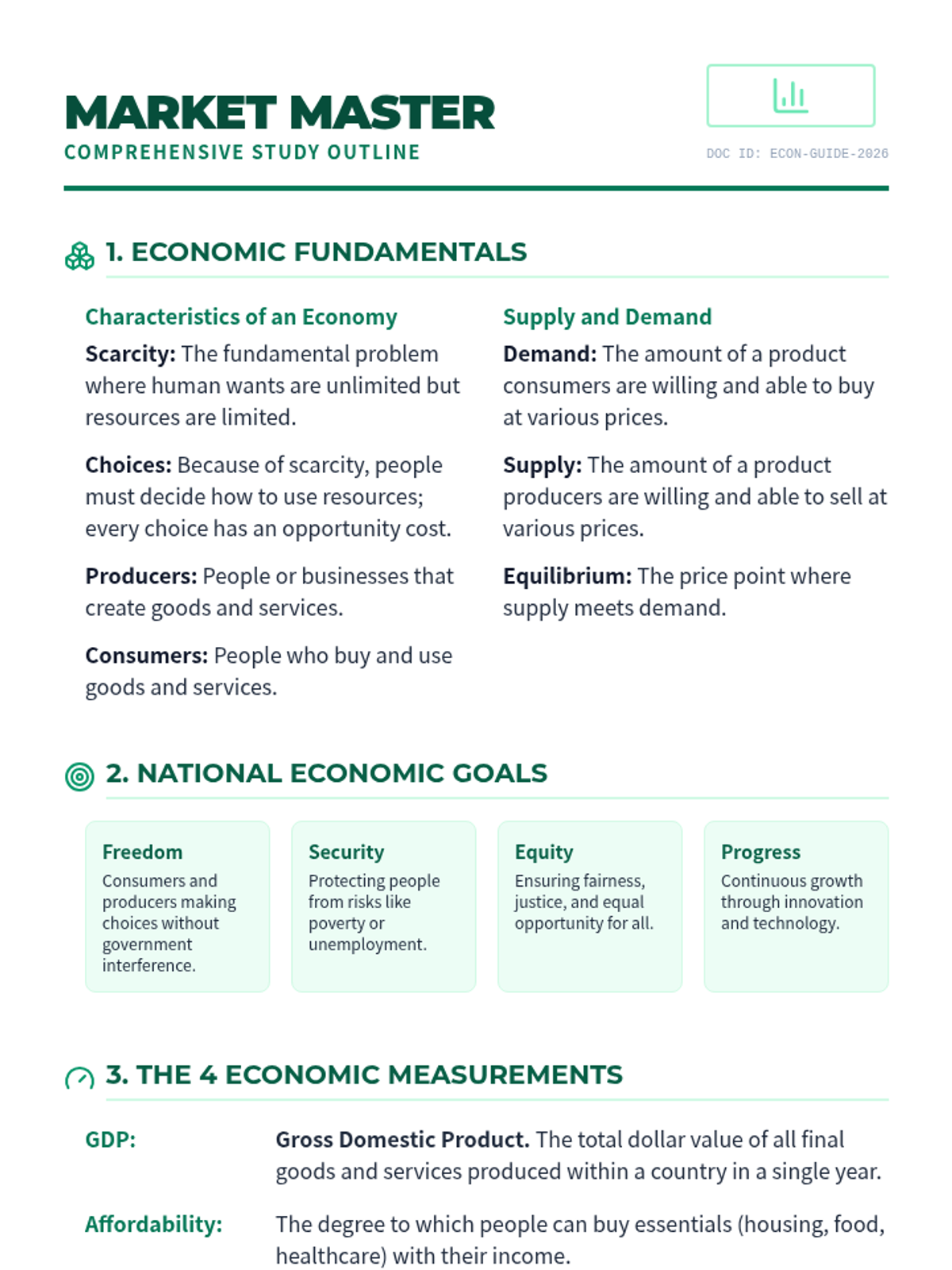
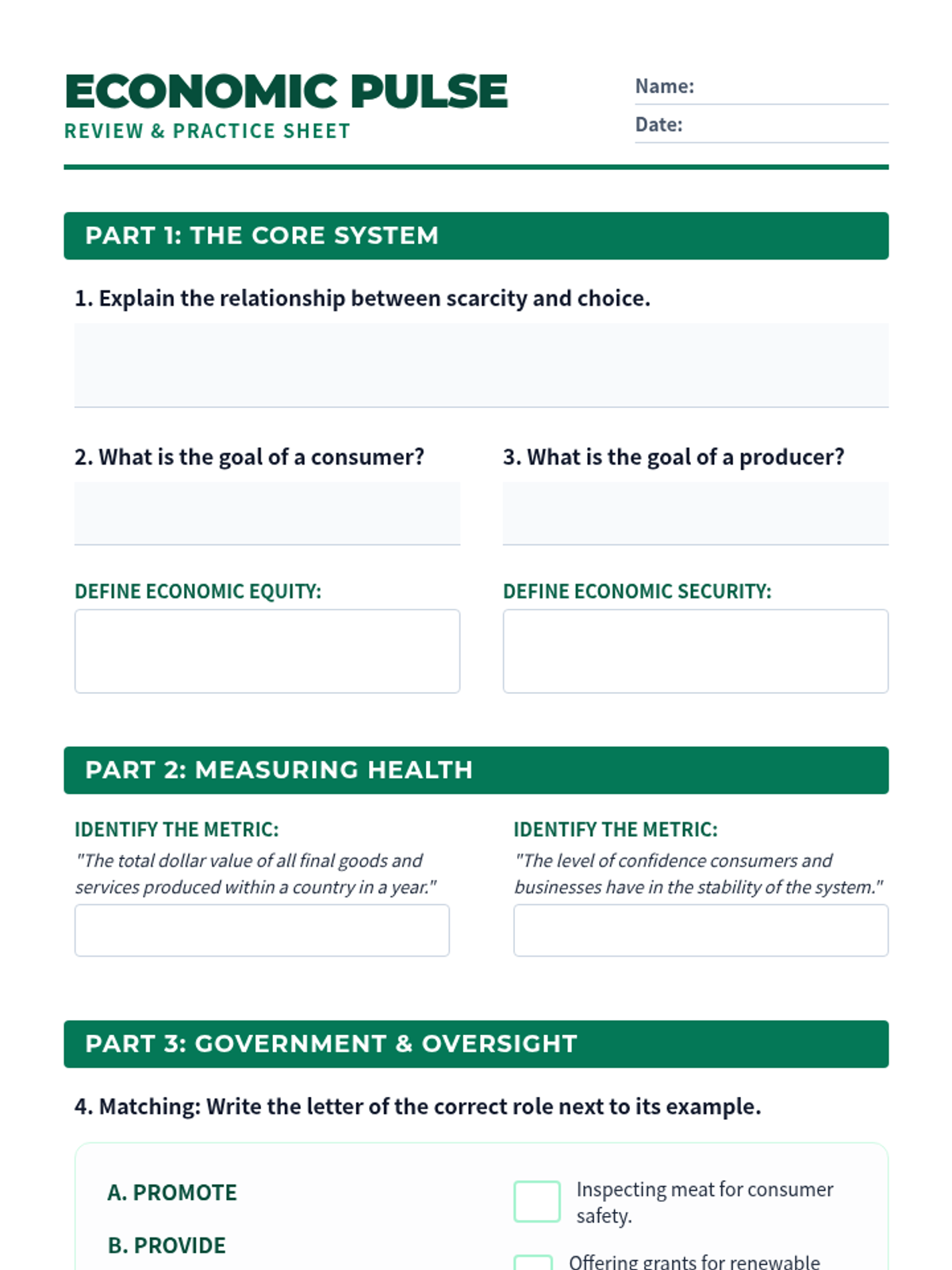
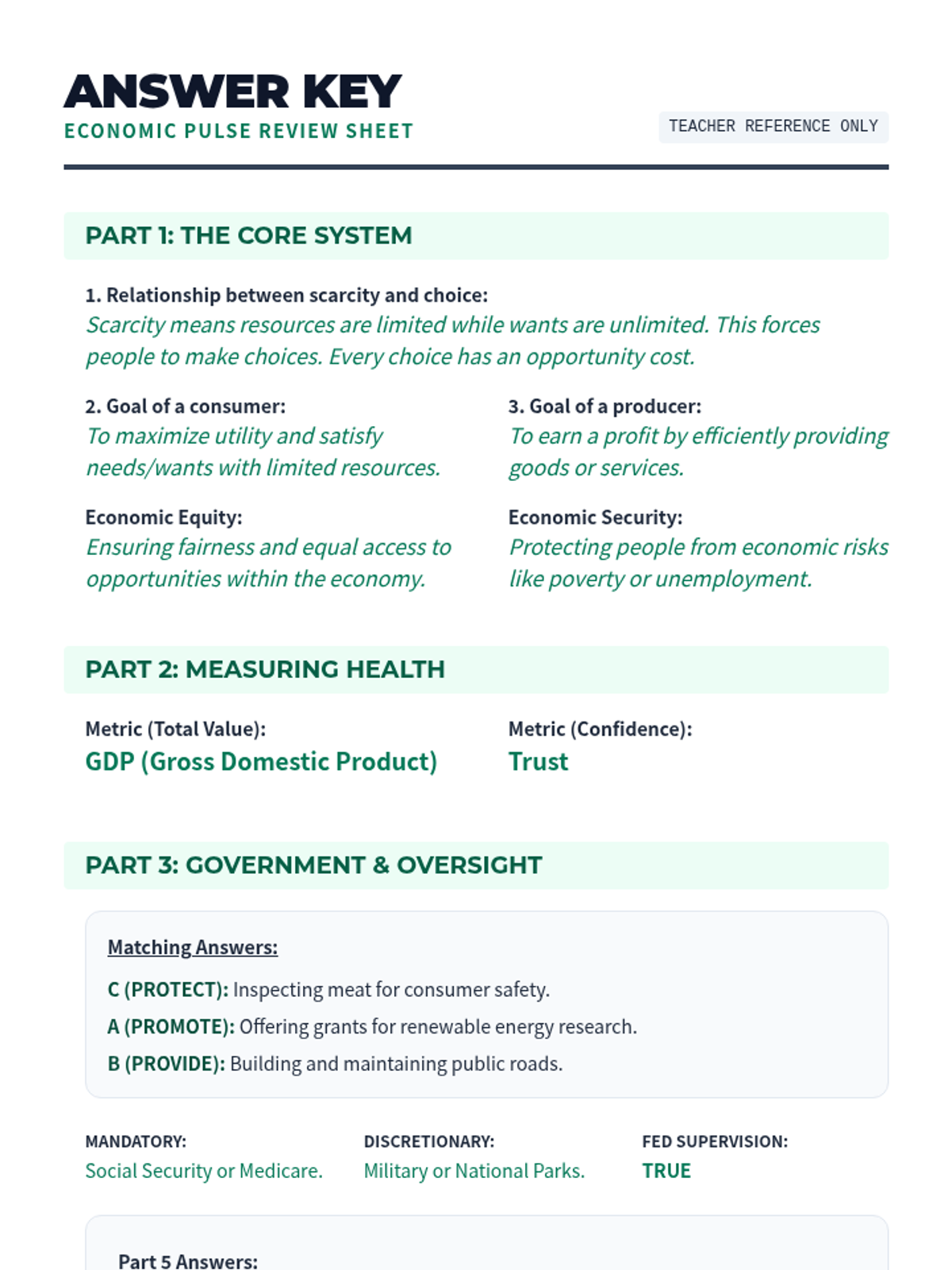
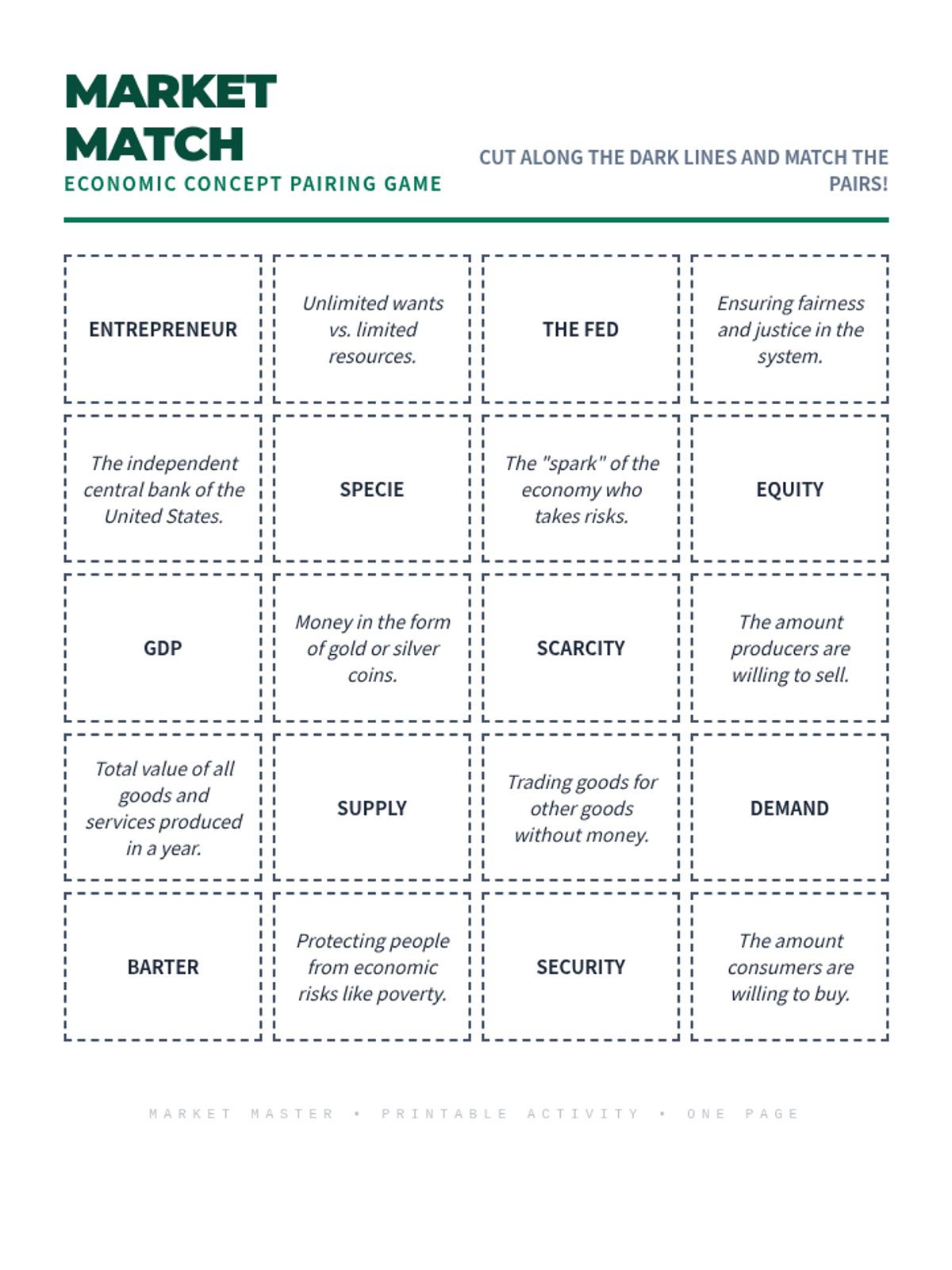
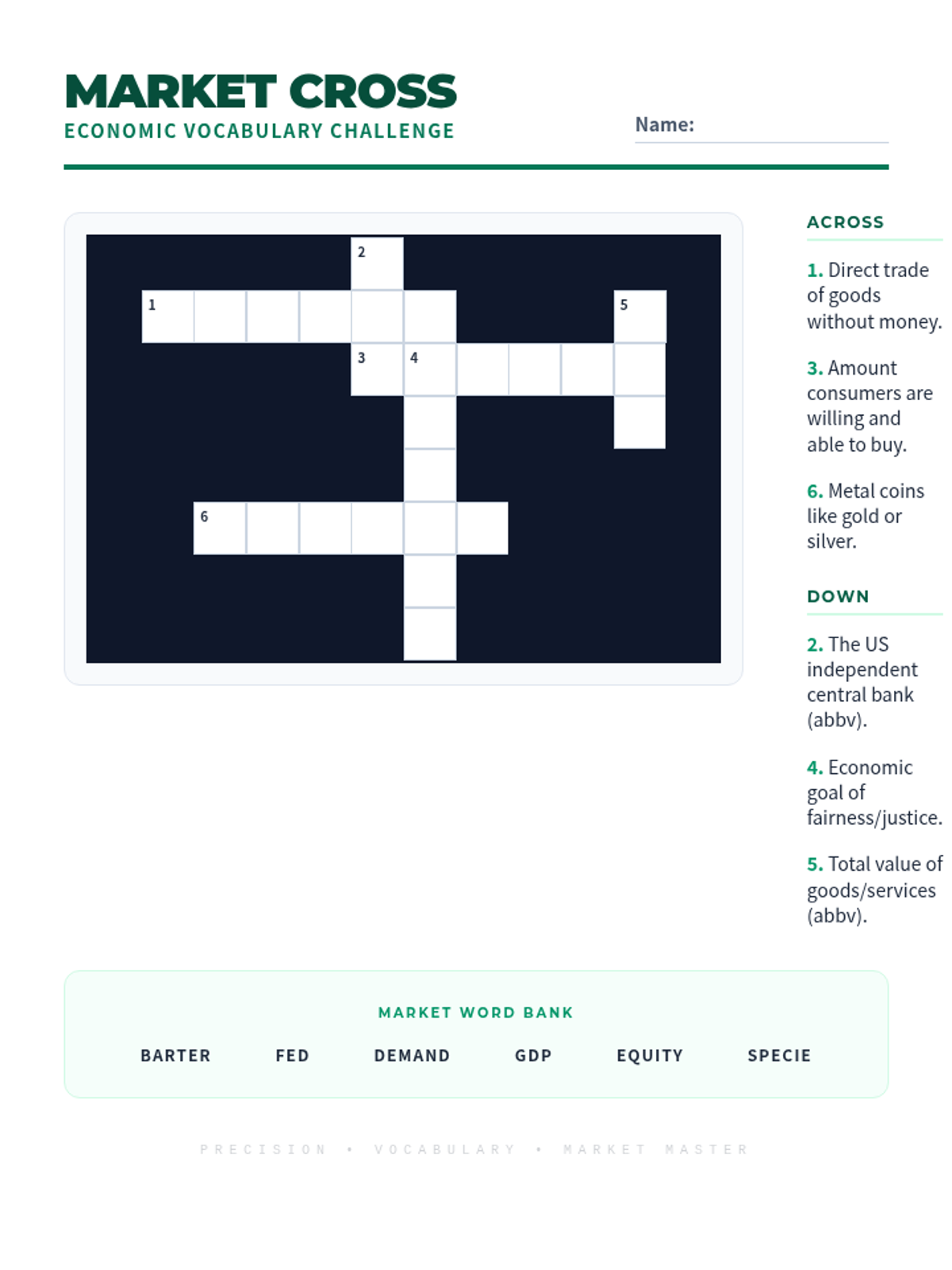
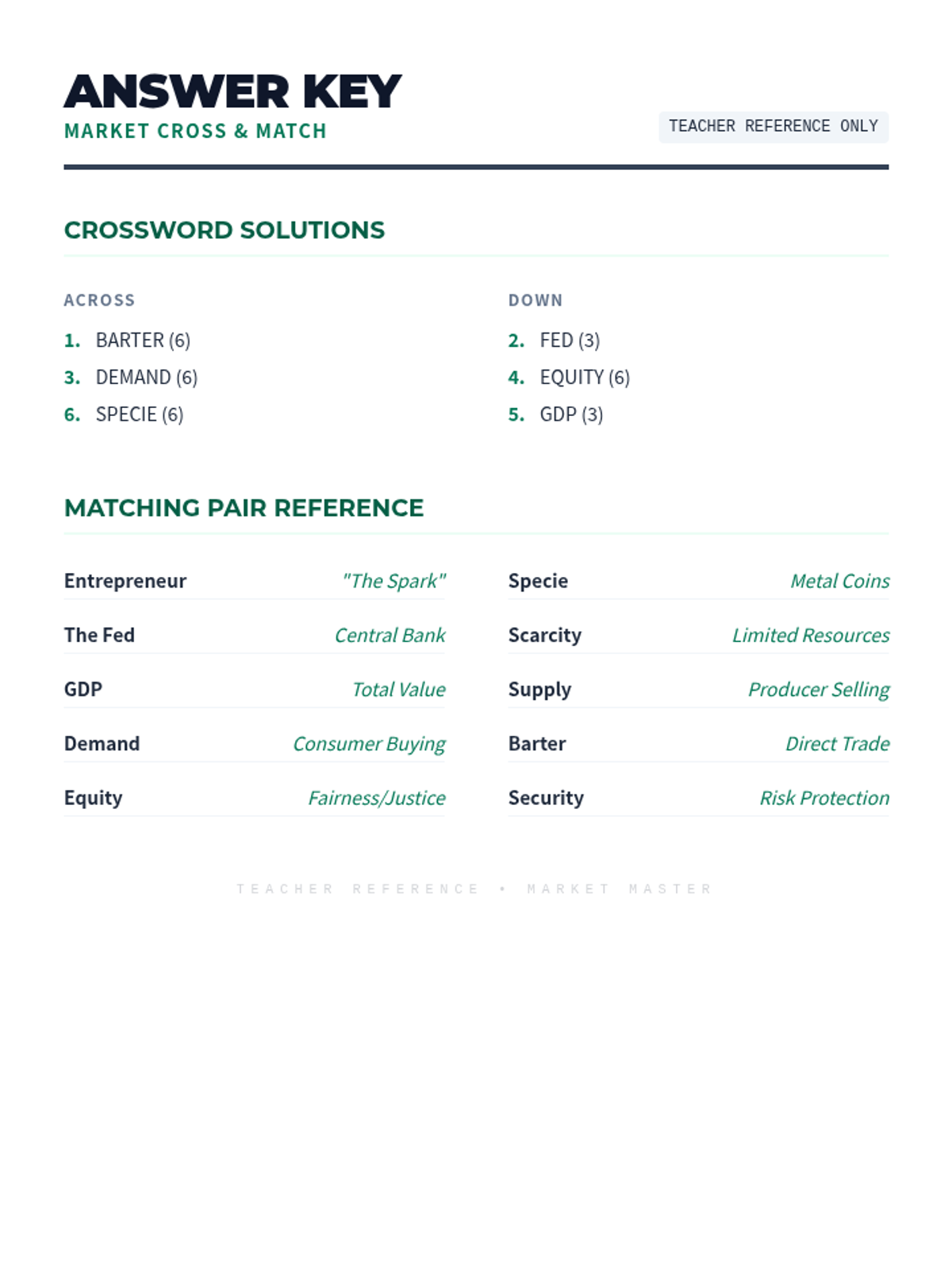
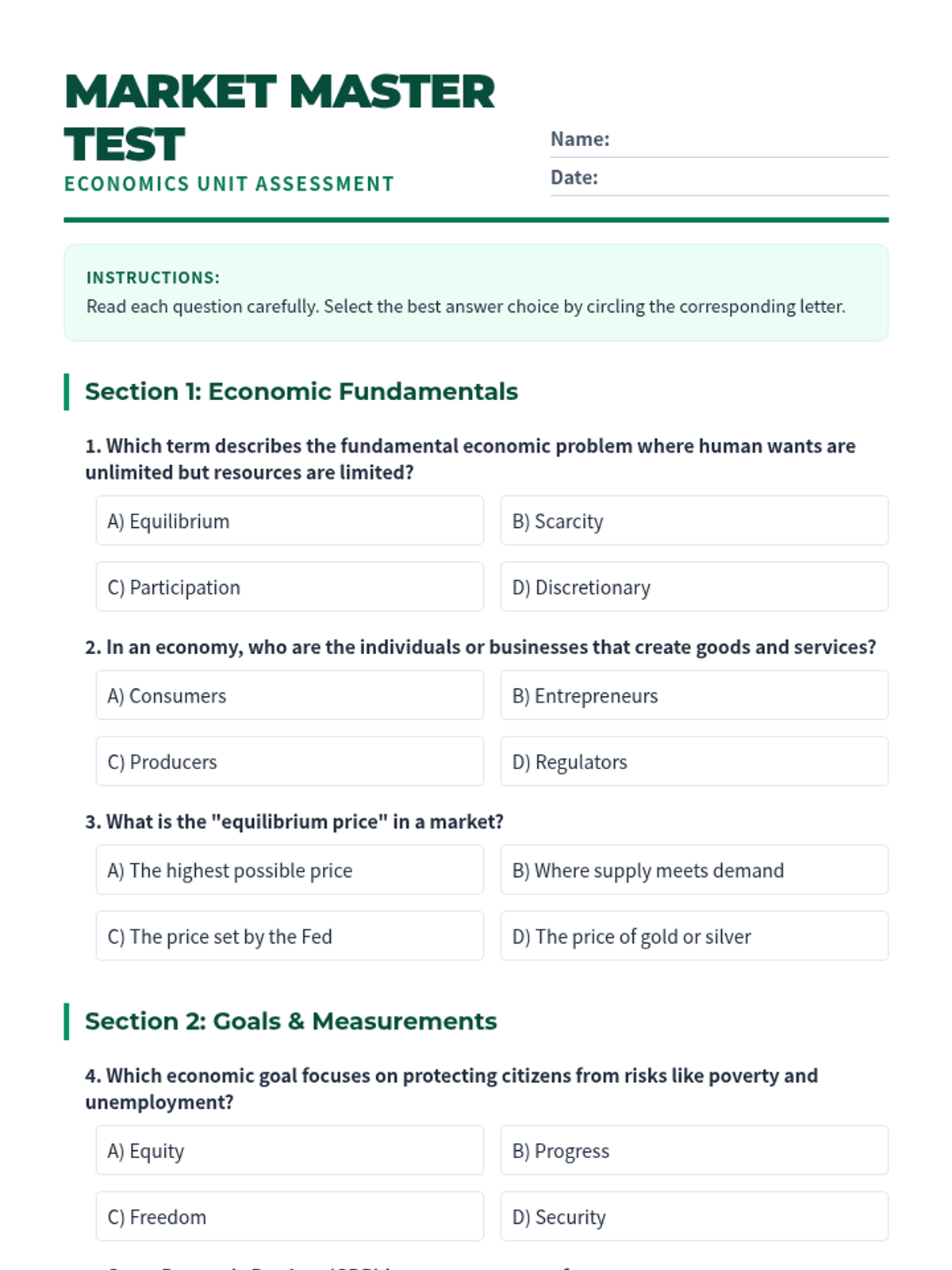
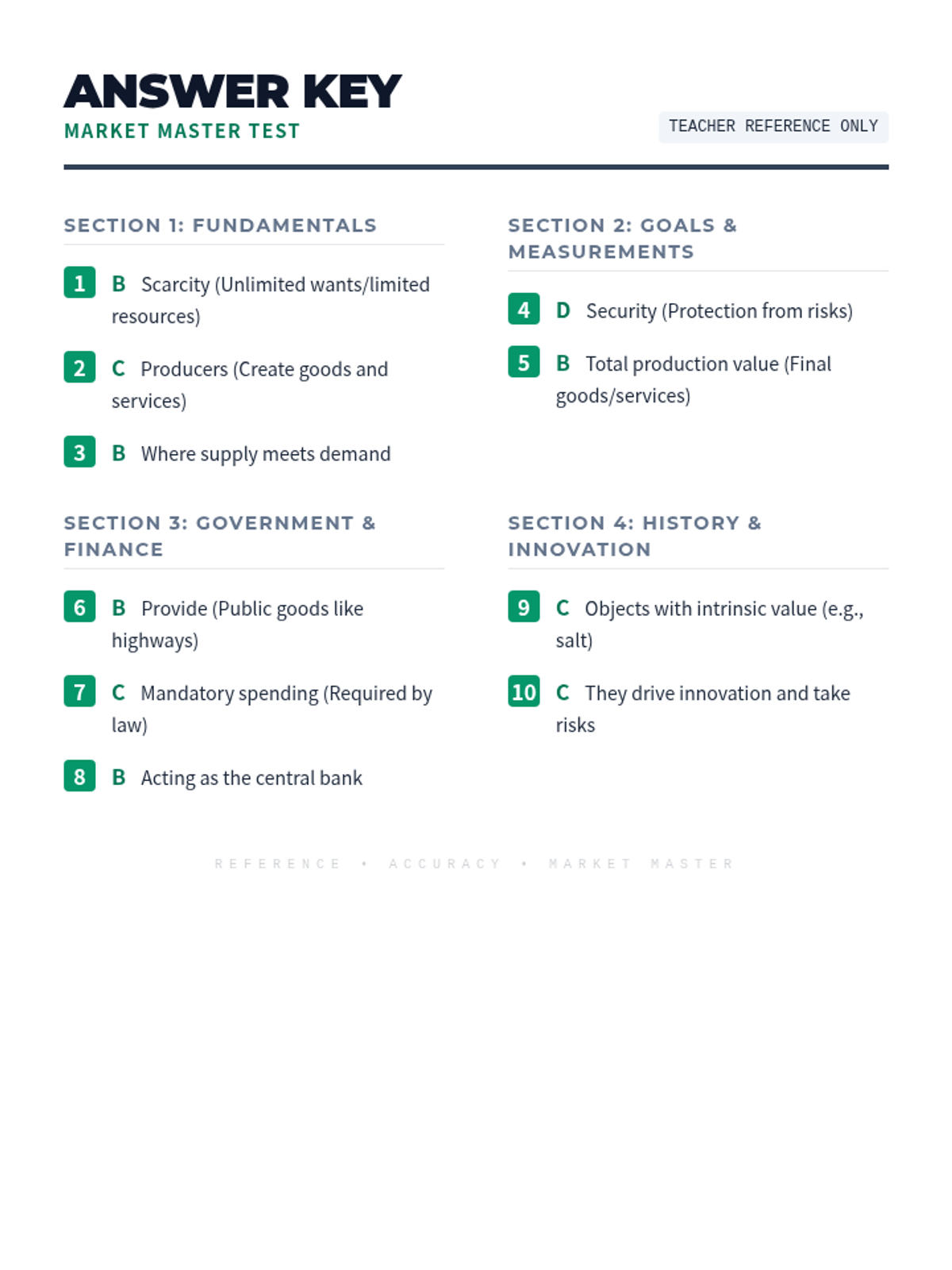
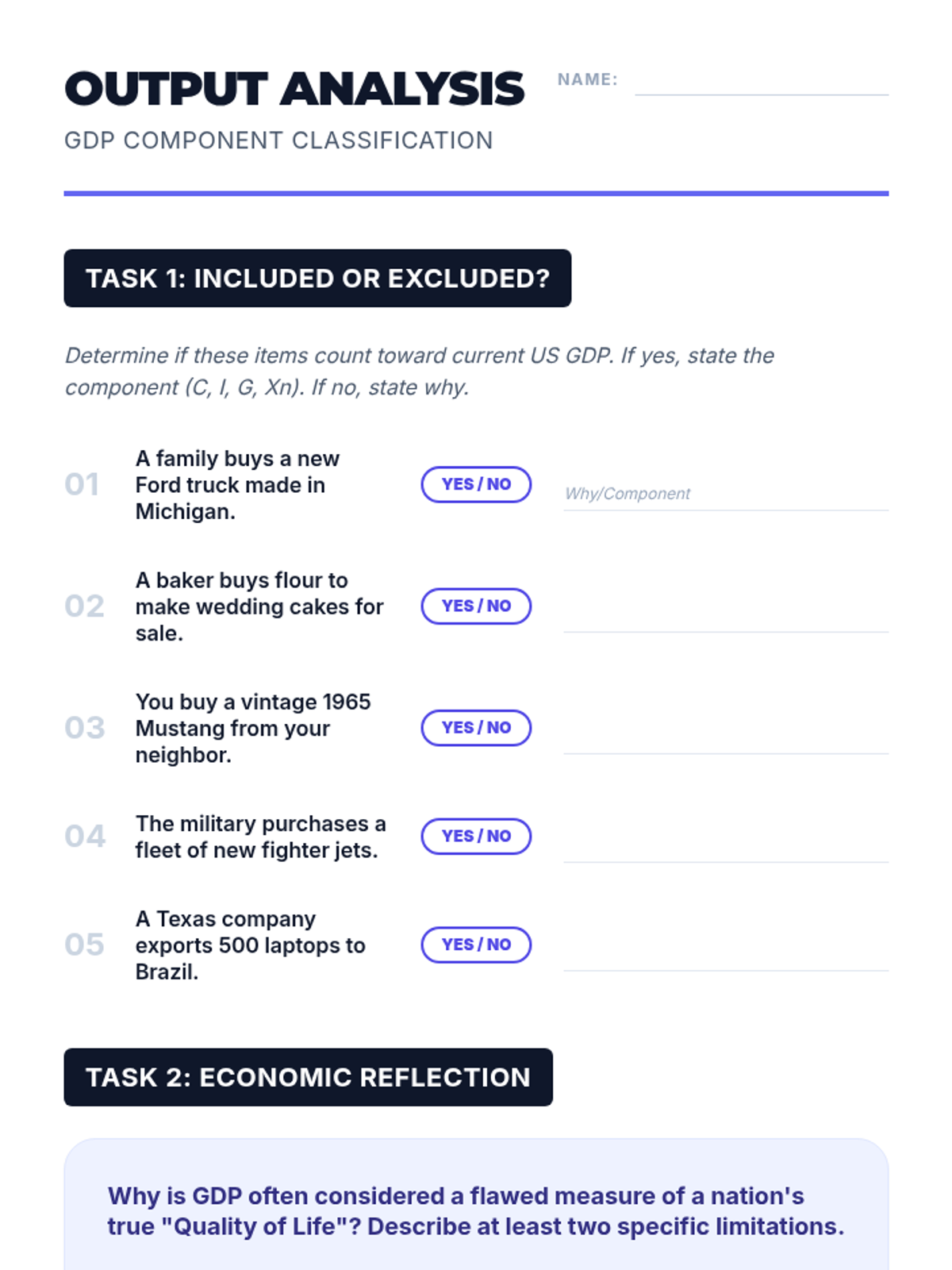
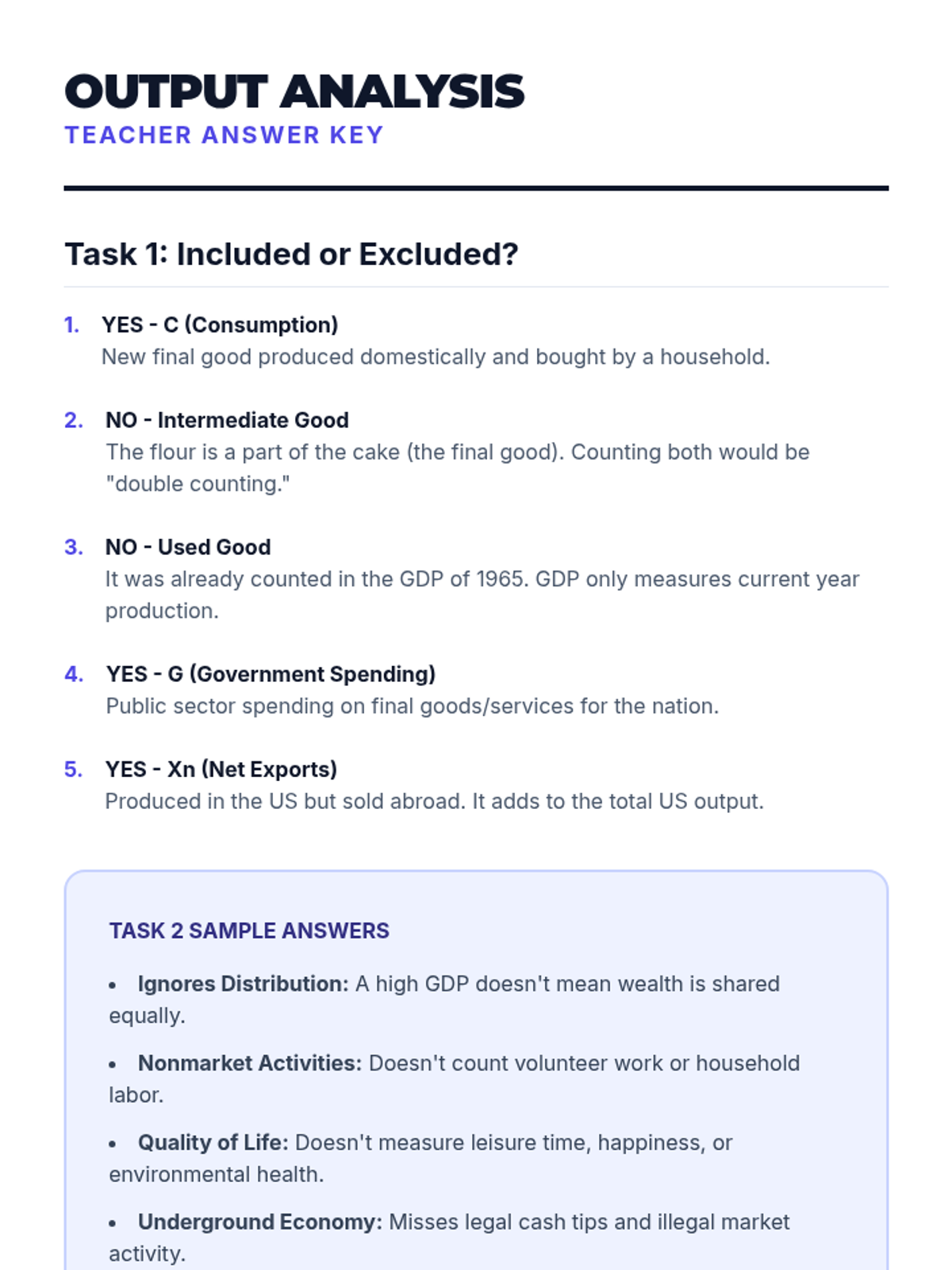
A comprehensive set of study materials covering fundamental economic concepts, government roles, the Federal Reserve, and the history of money.
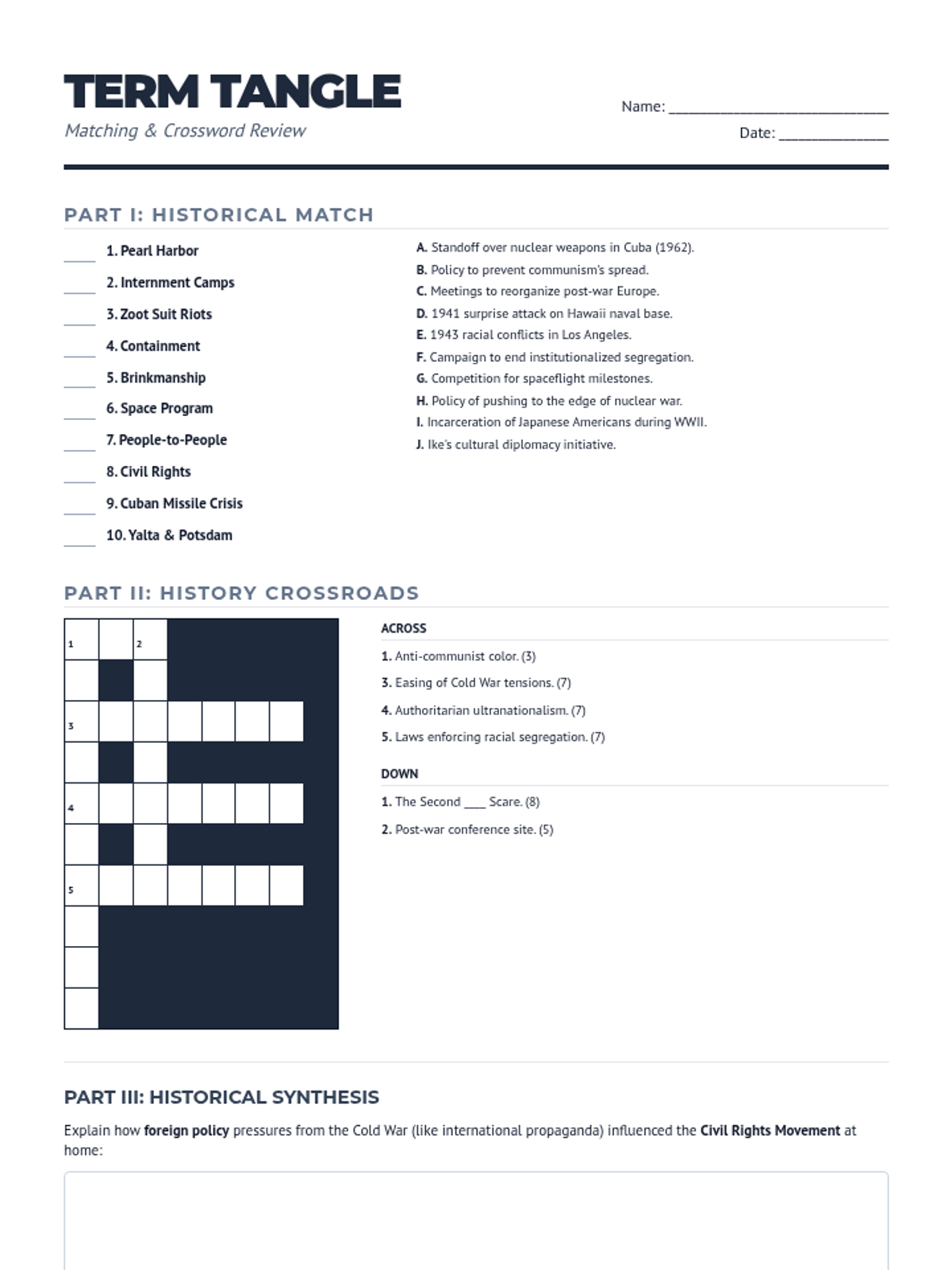
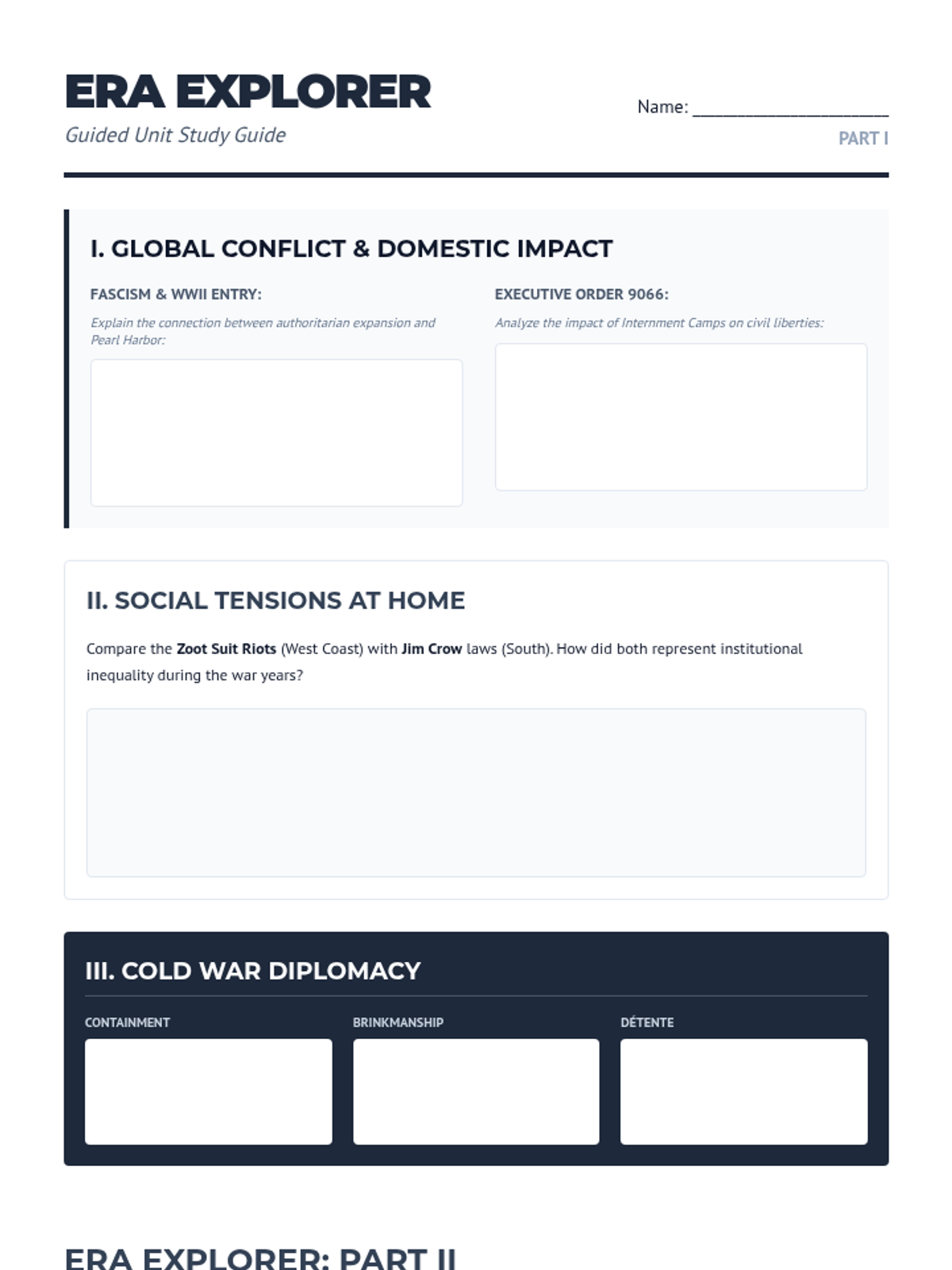
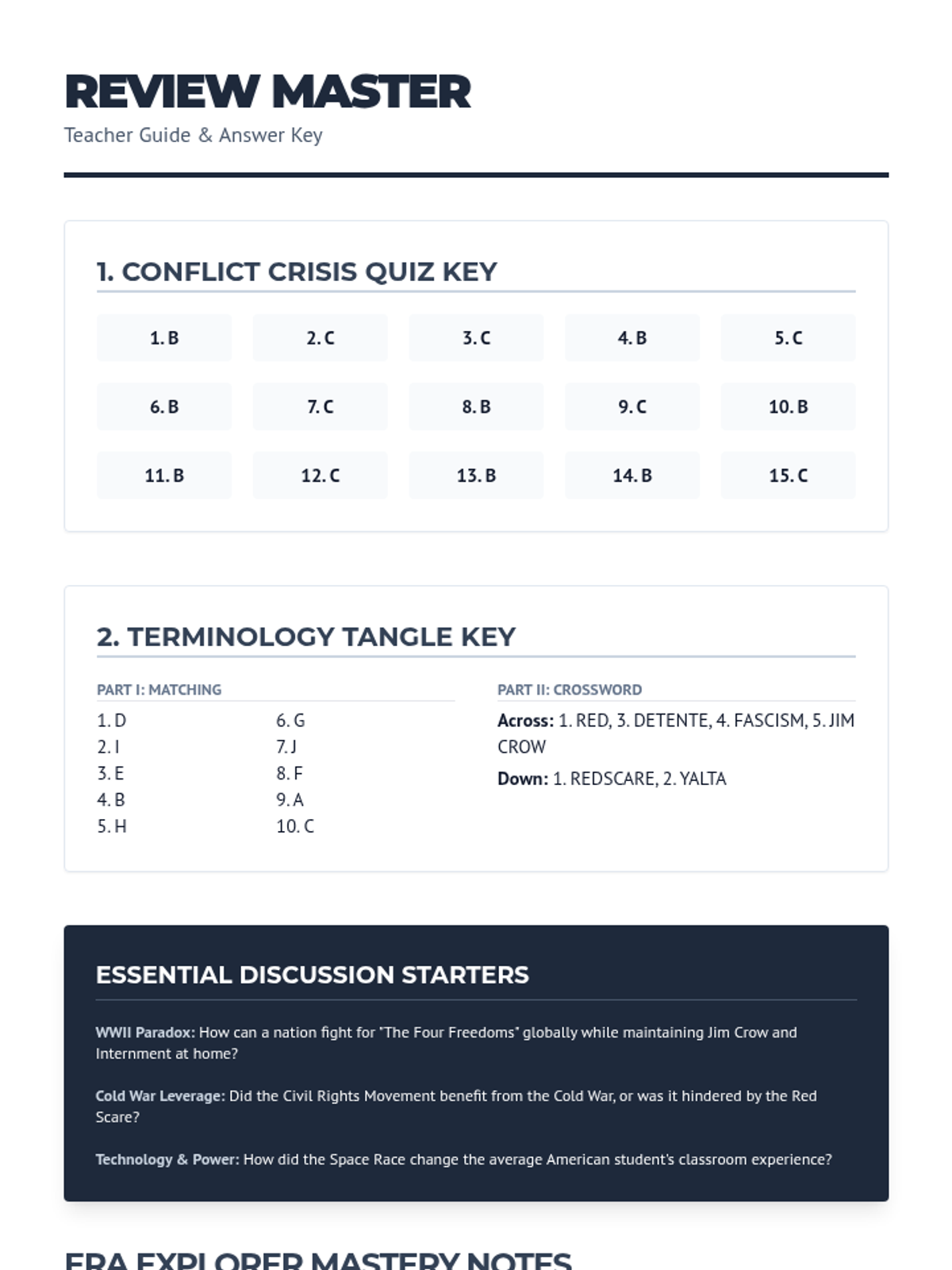
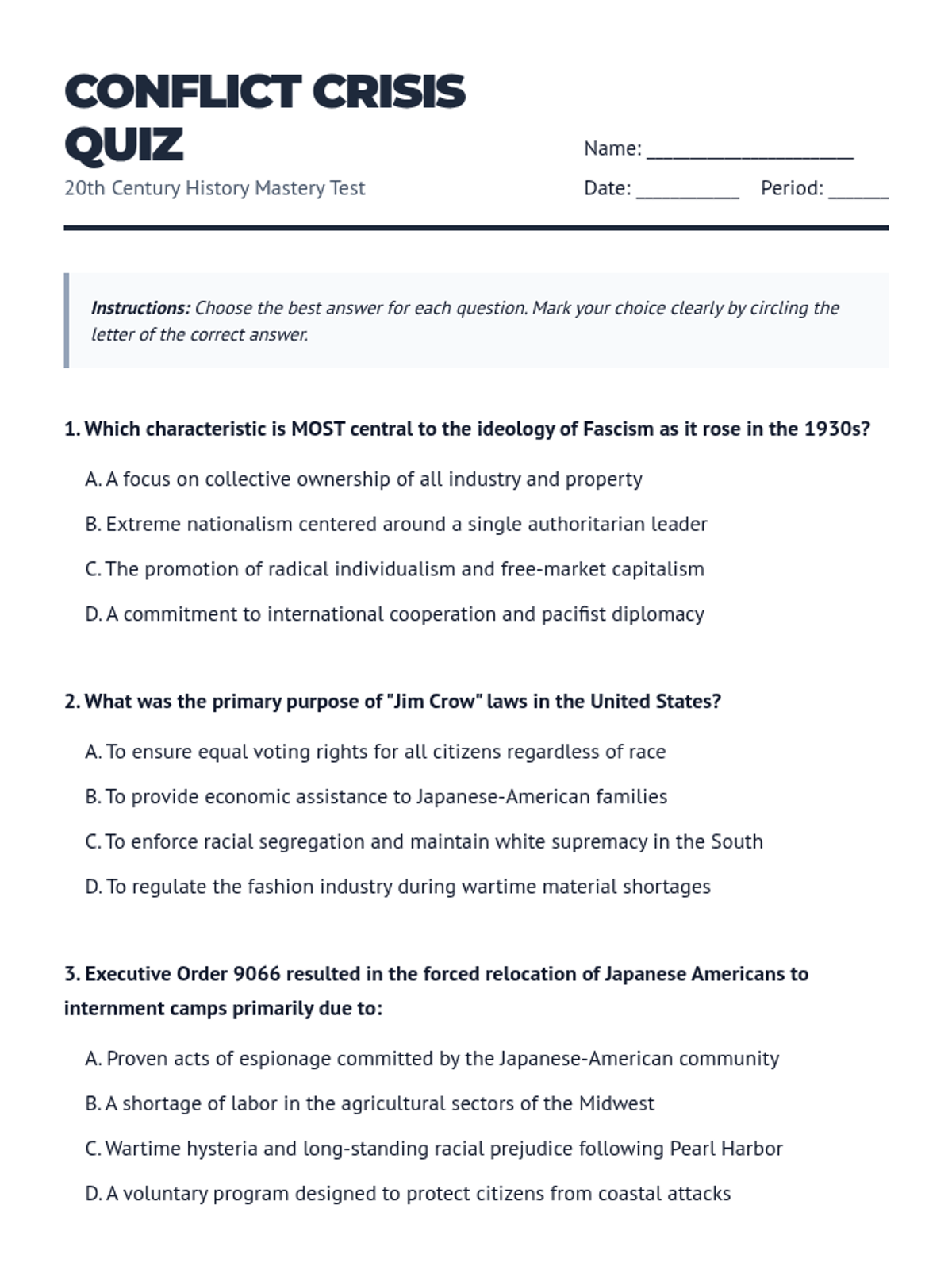
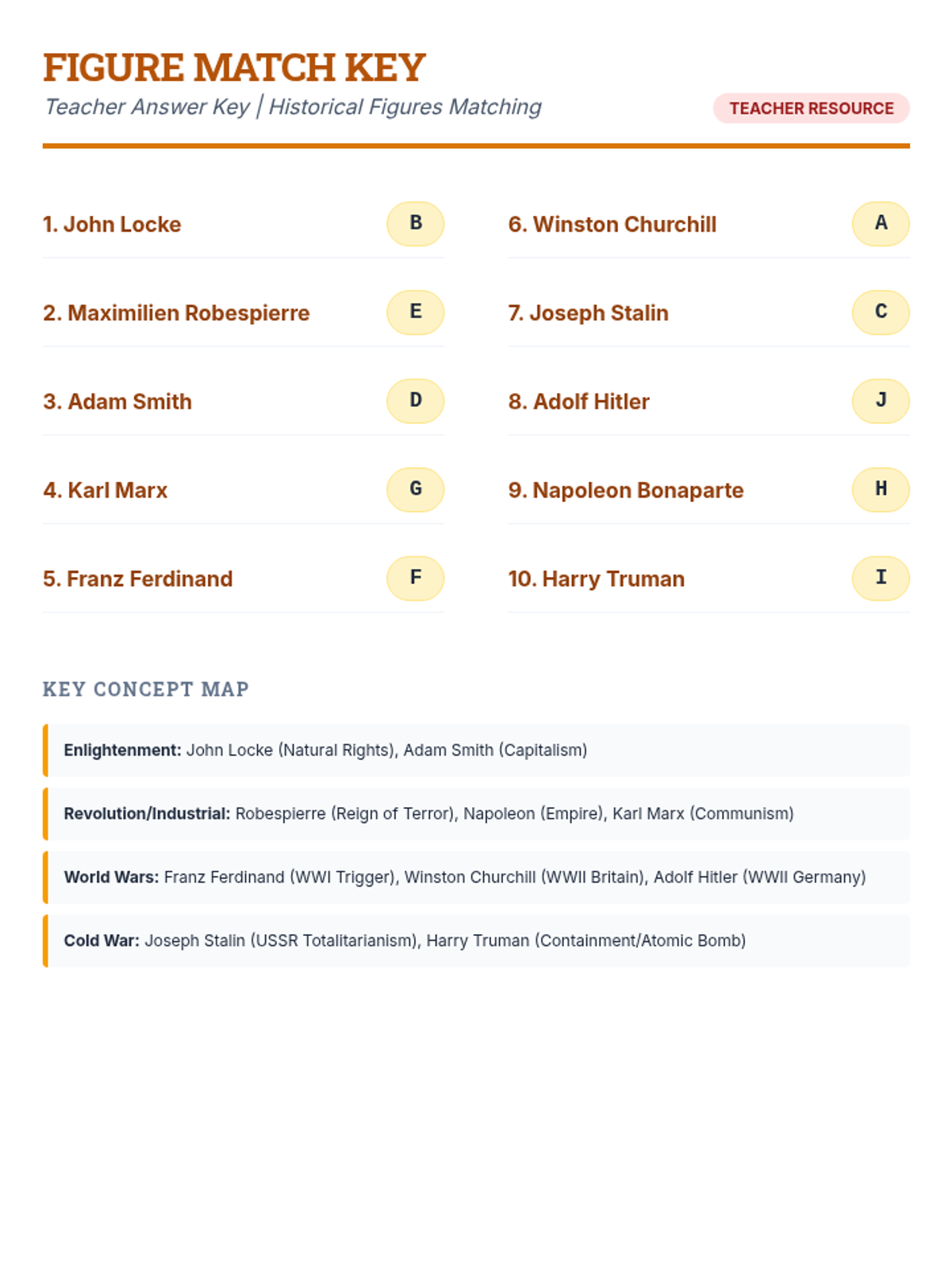
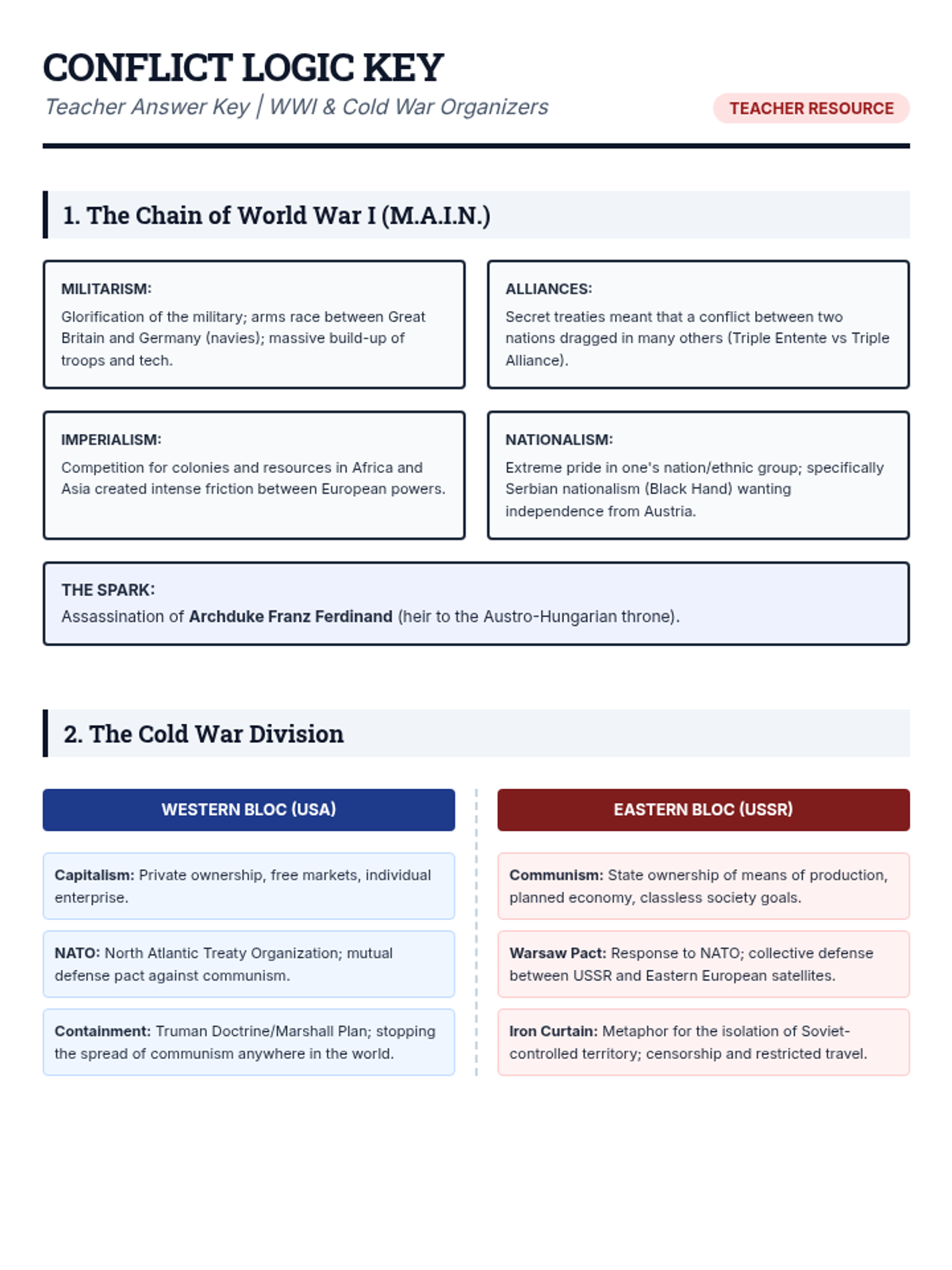
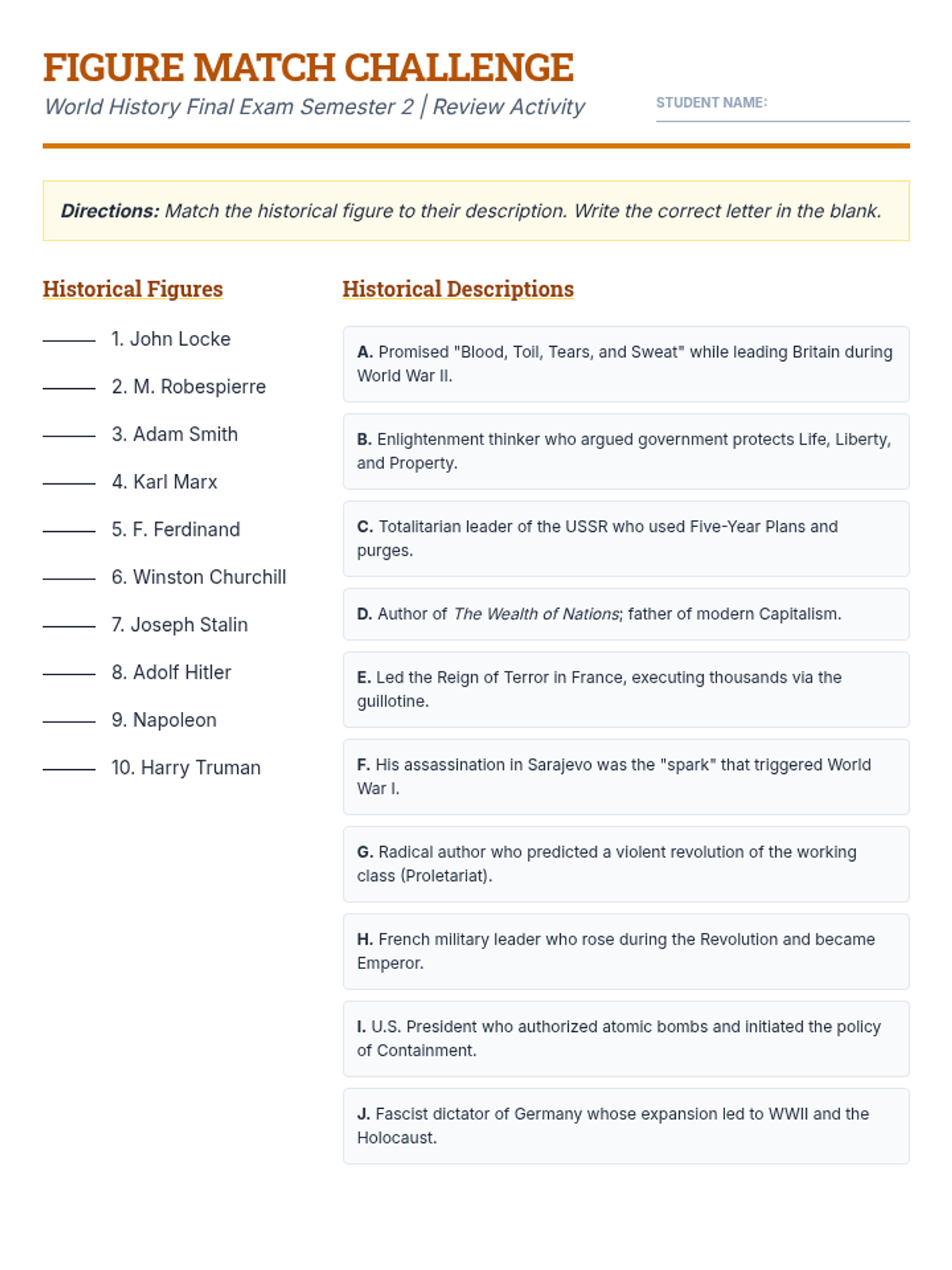
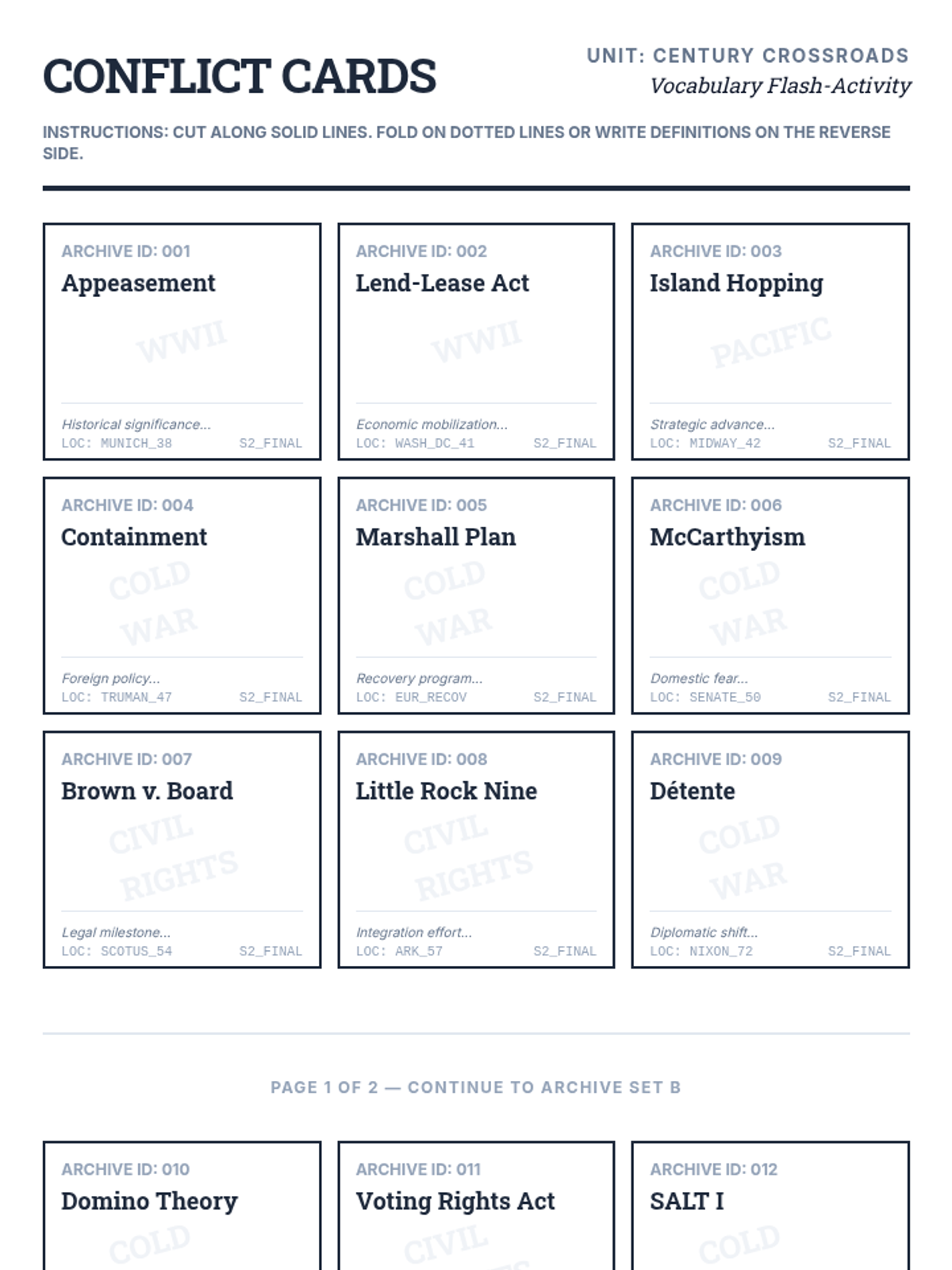
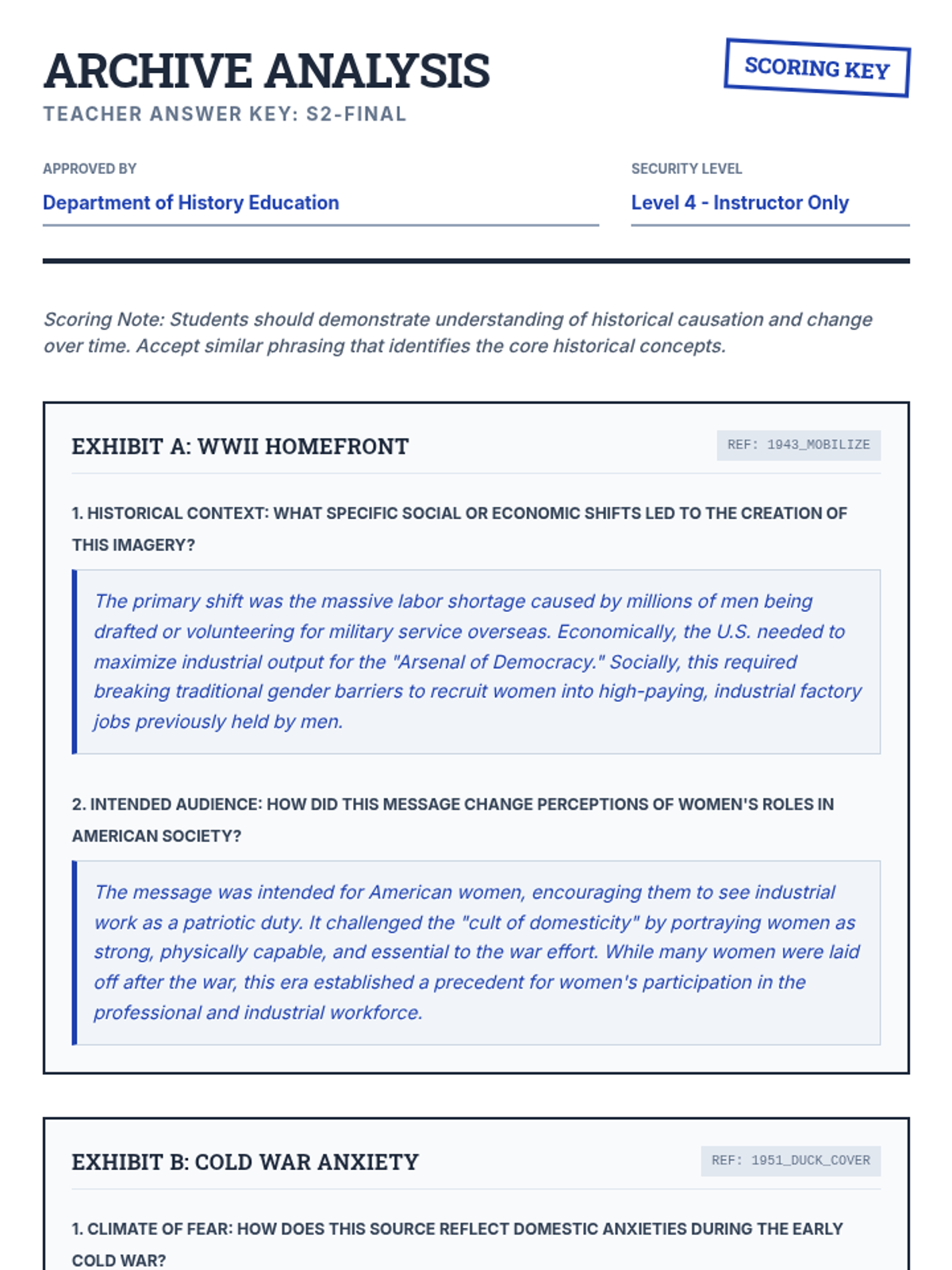
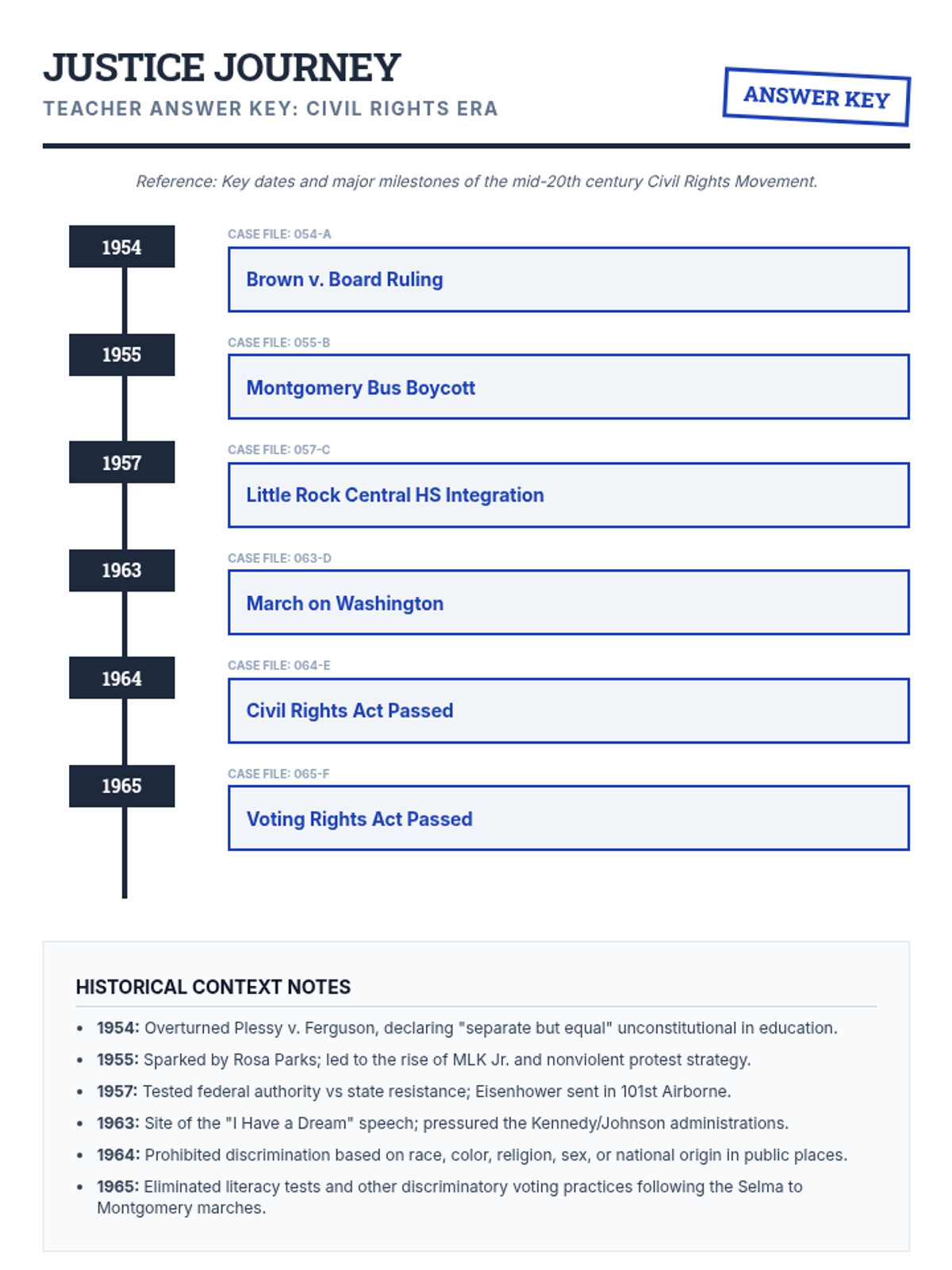
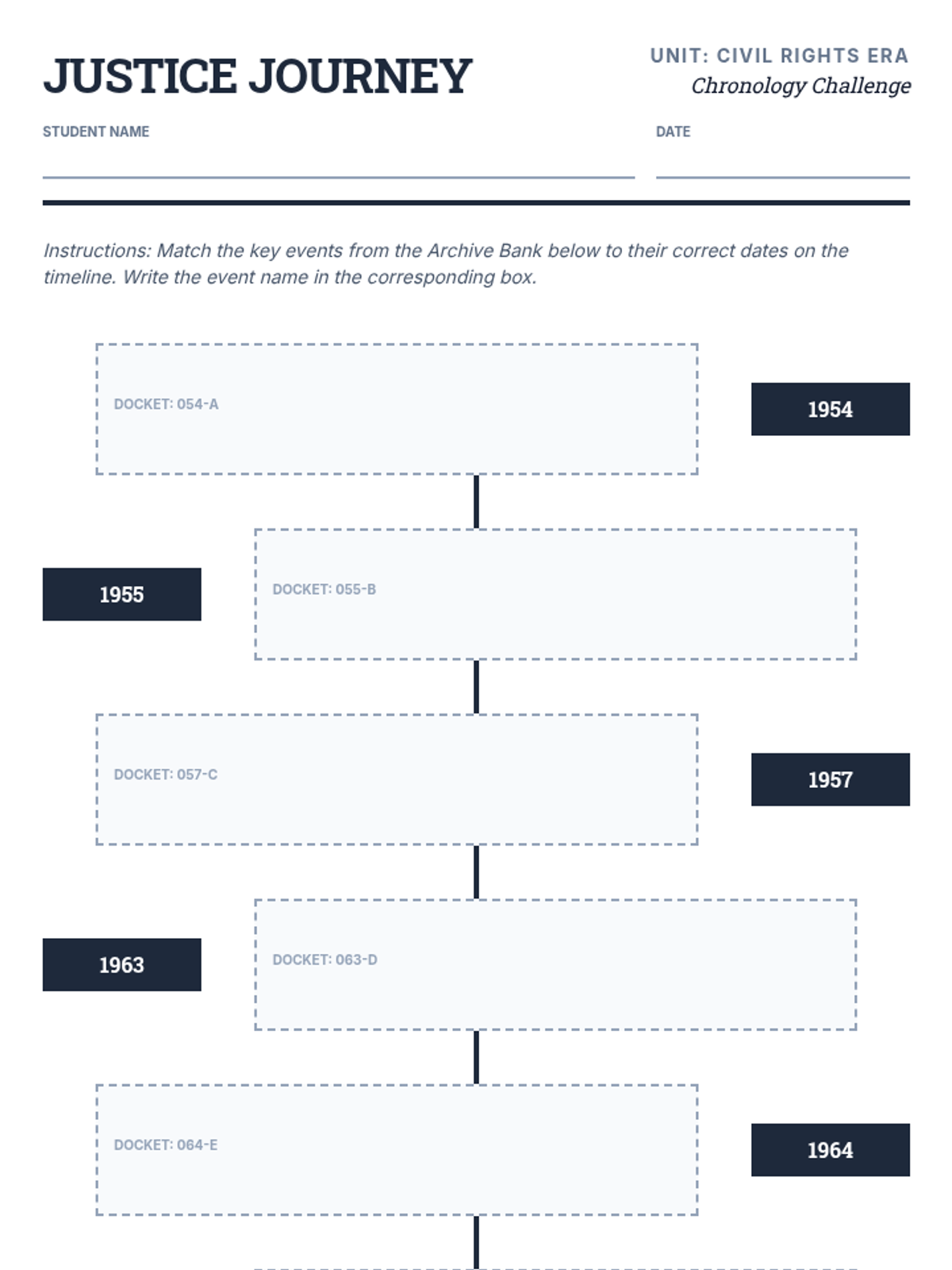
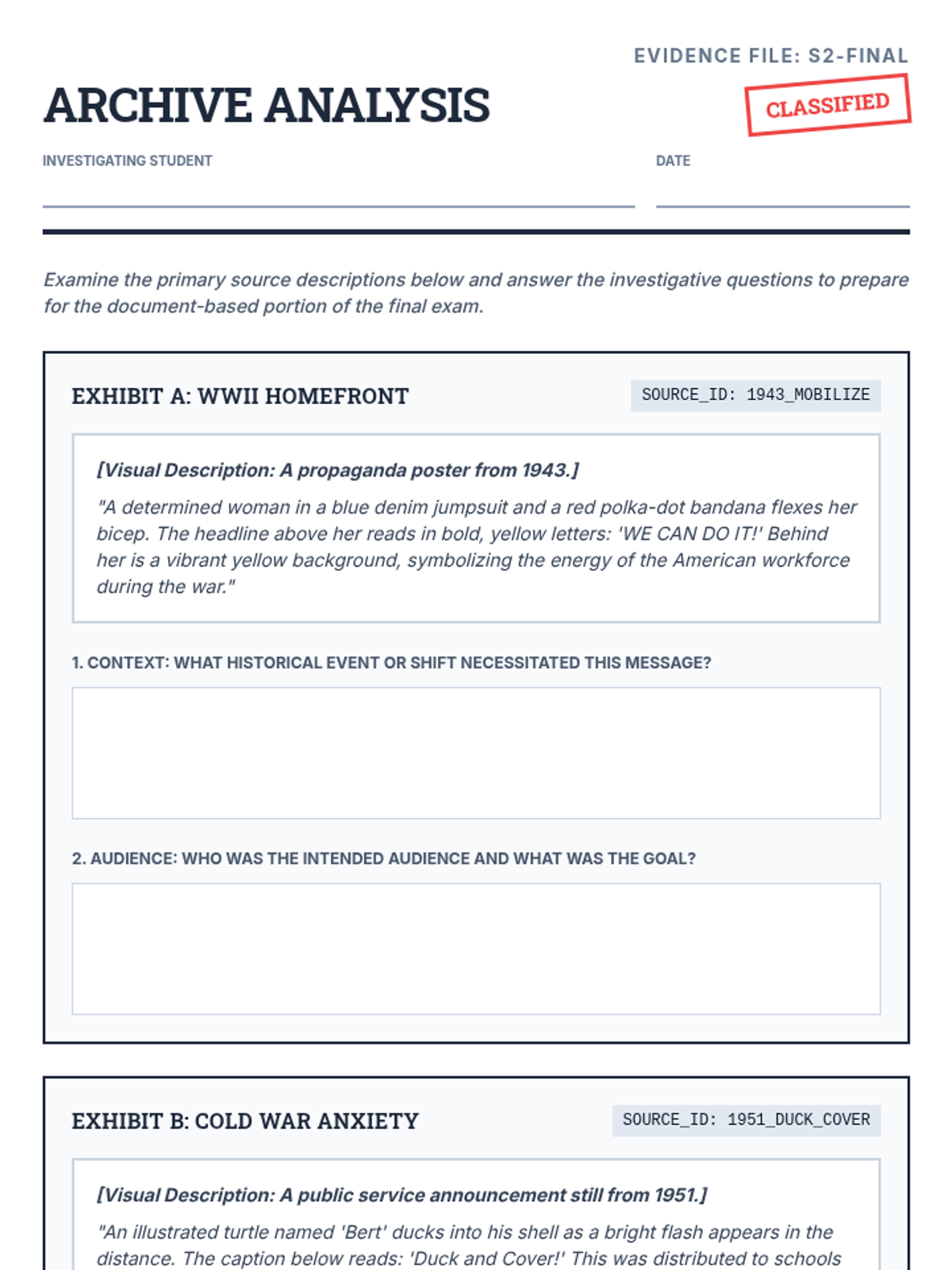
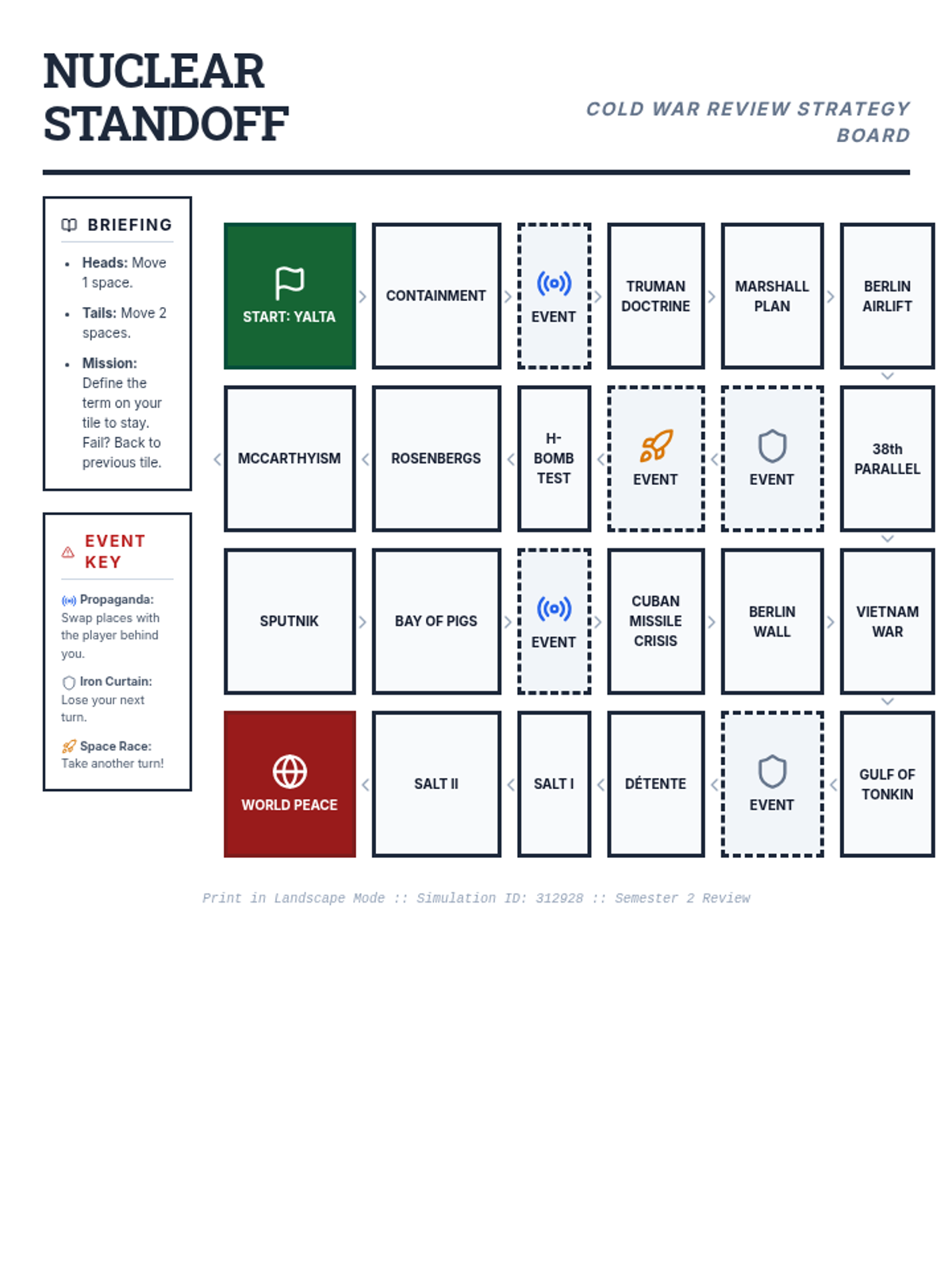
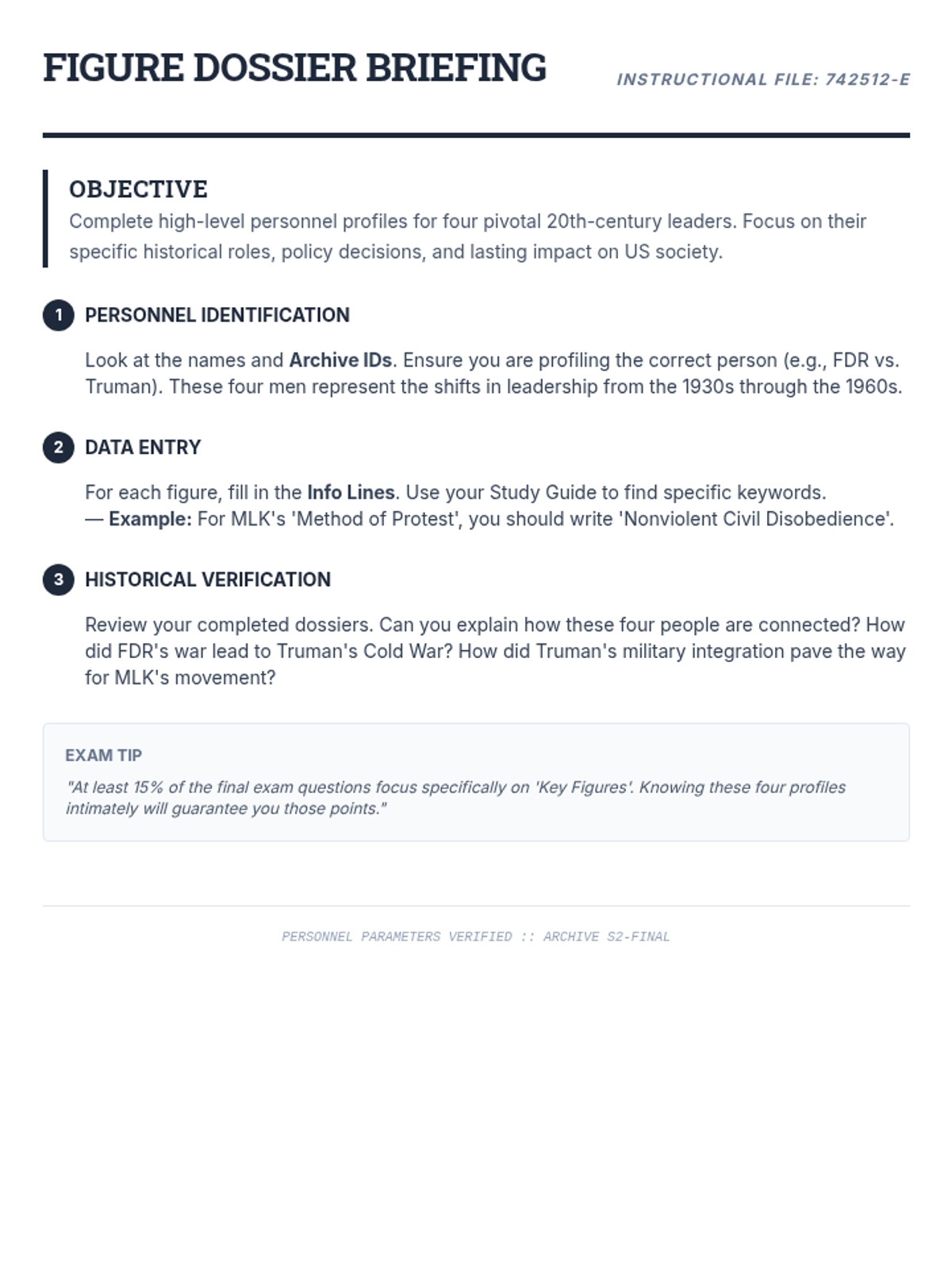
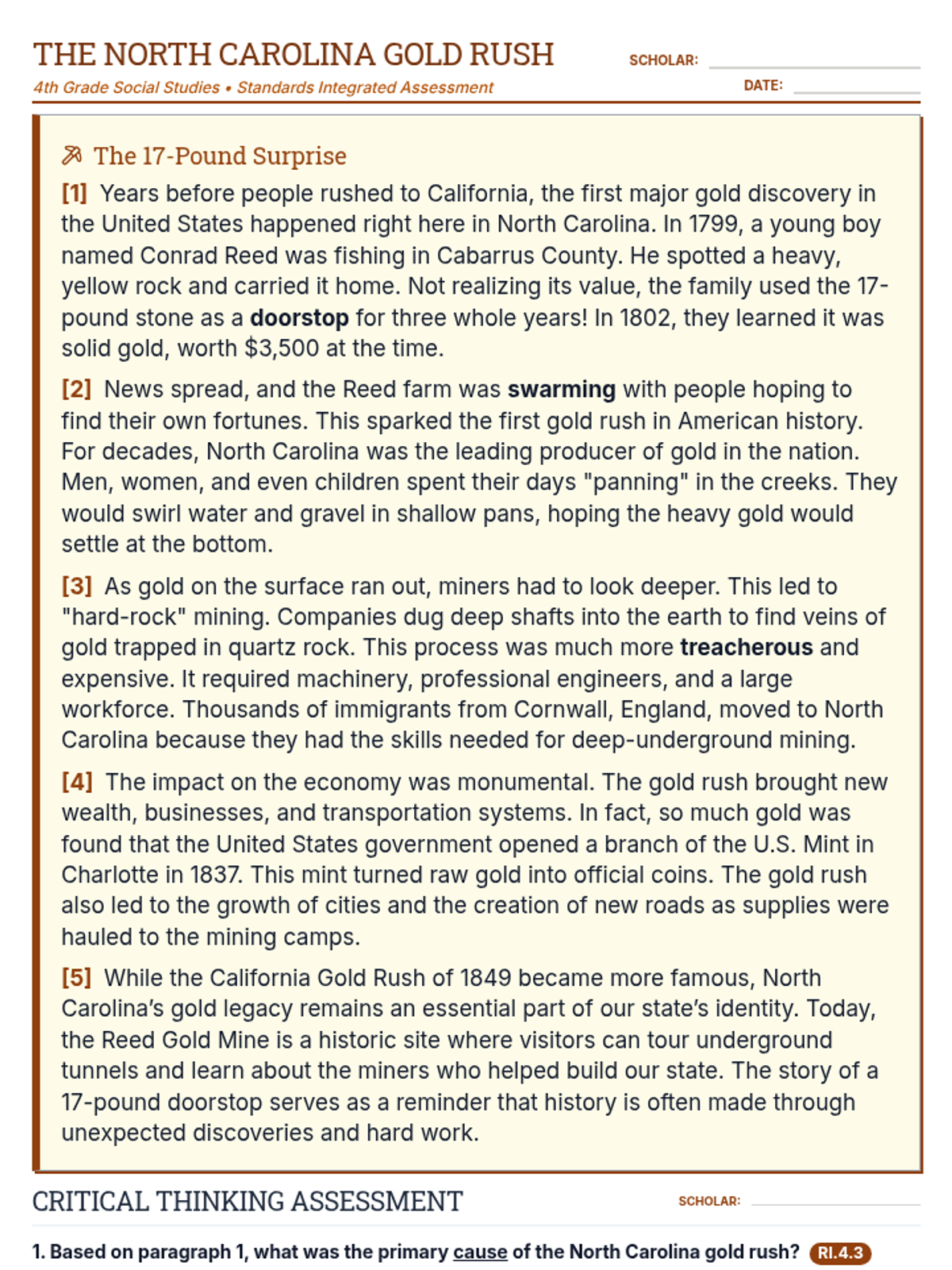
A comprehensive review lesson covering major 20th-century events from the rise of Fascism through the Civil Rights Movement and the Cold War. Students will engage with vocabulary, cause-and-effect relationships, and key historical facts through matching, crosswords, and guided study templates.
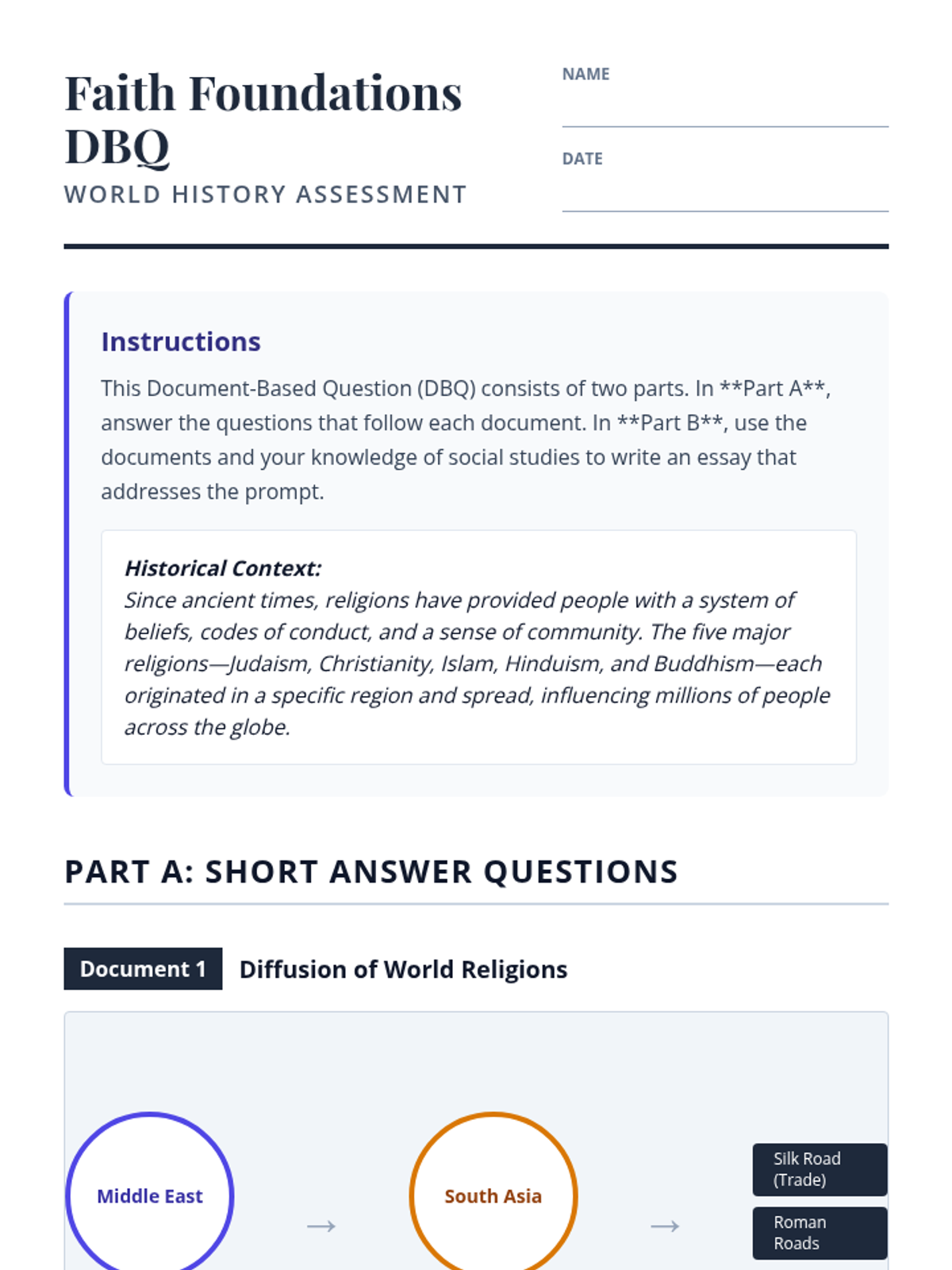
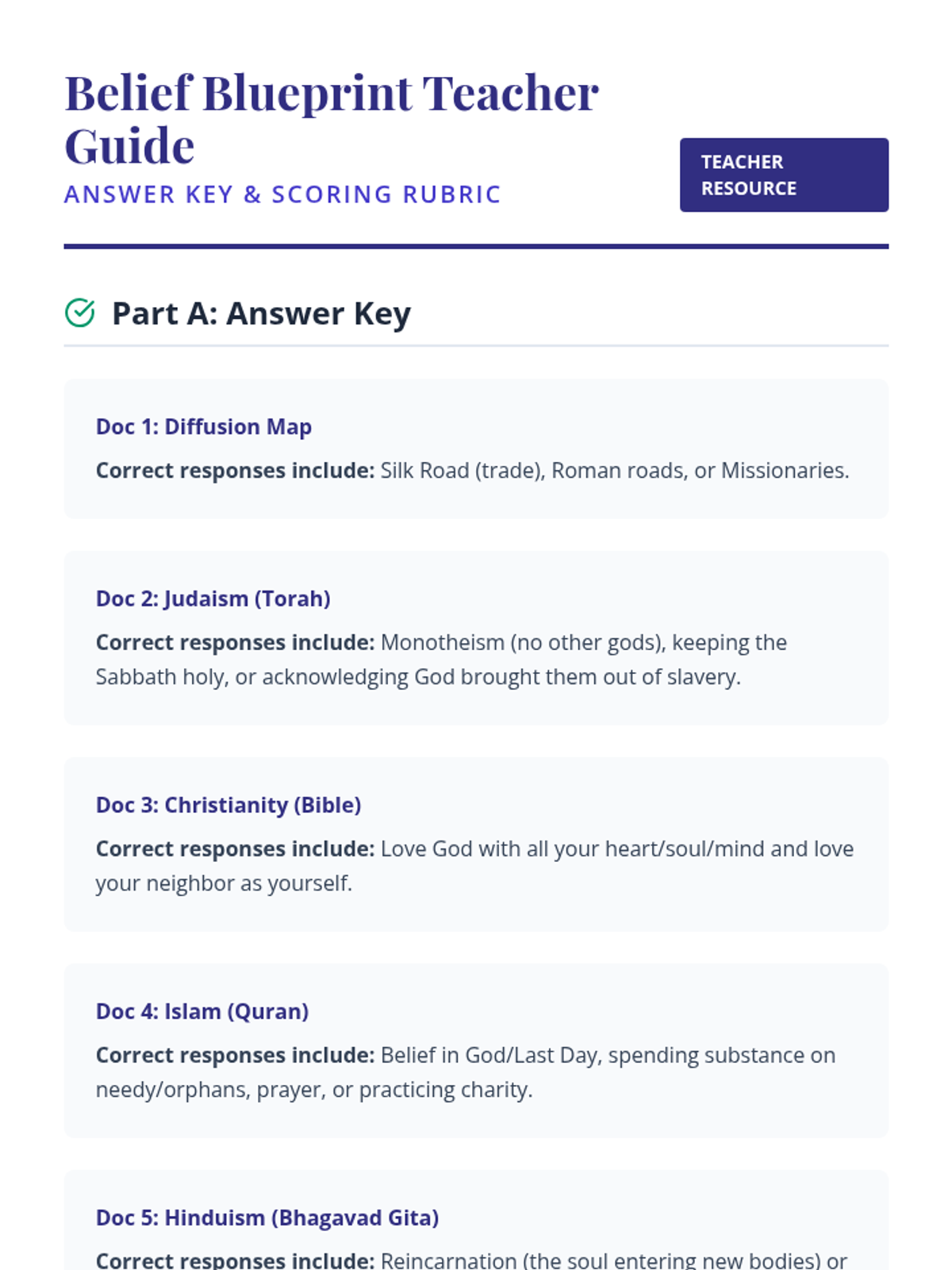
A comprehensive assessment package focused on the Five Major World Religions, utilizing a New York State Document-Based Question (DBQ) format with maps and sacred text analysis.
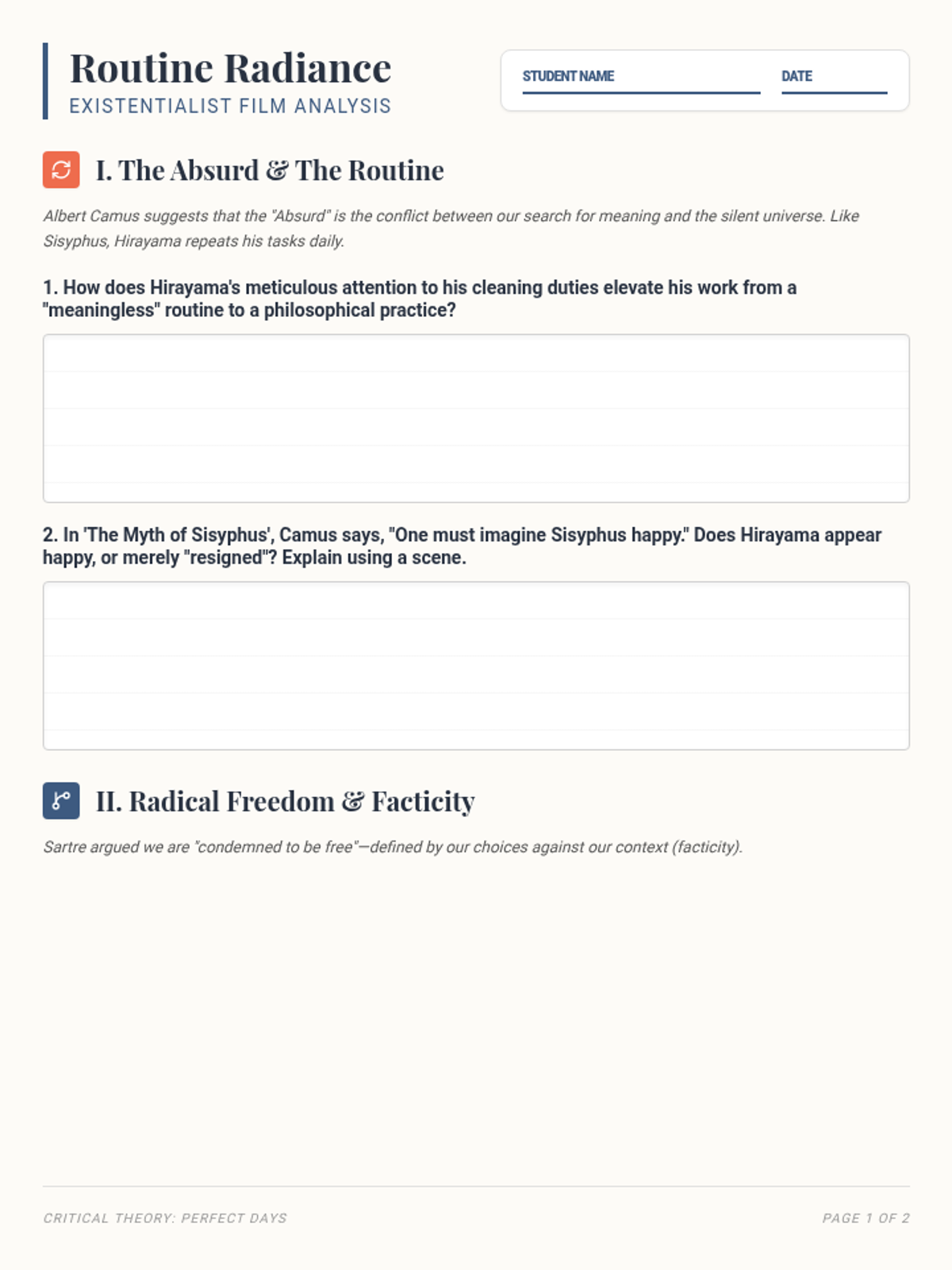
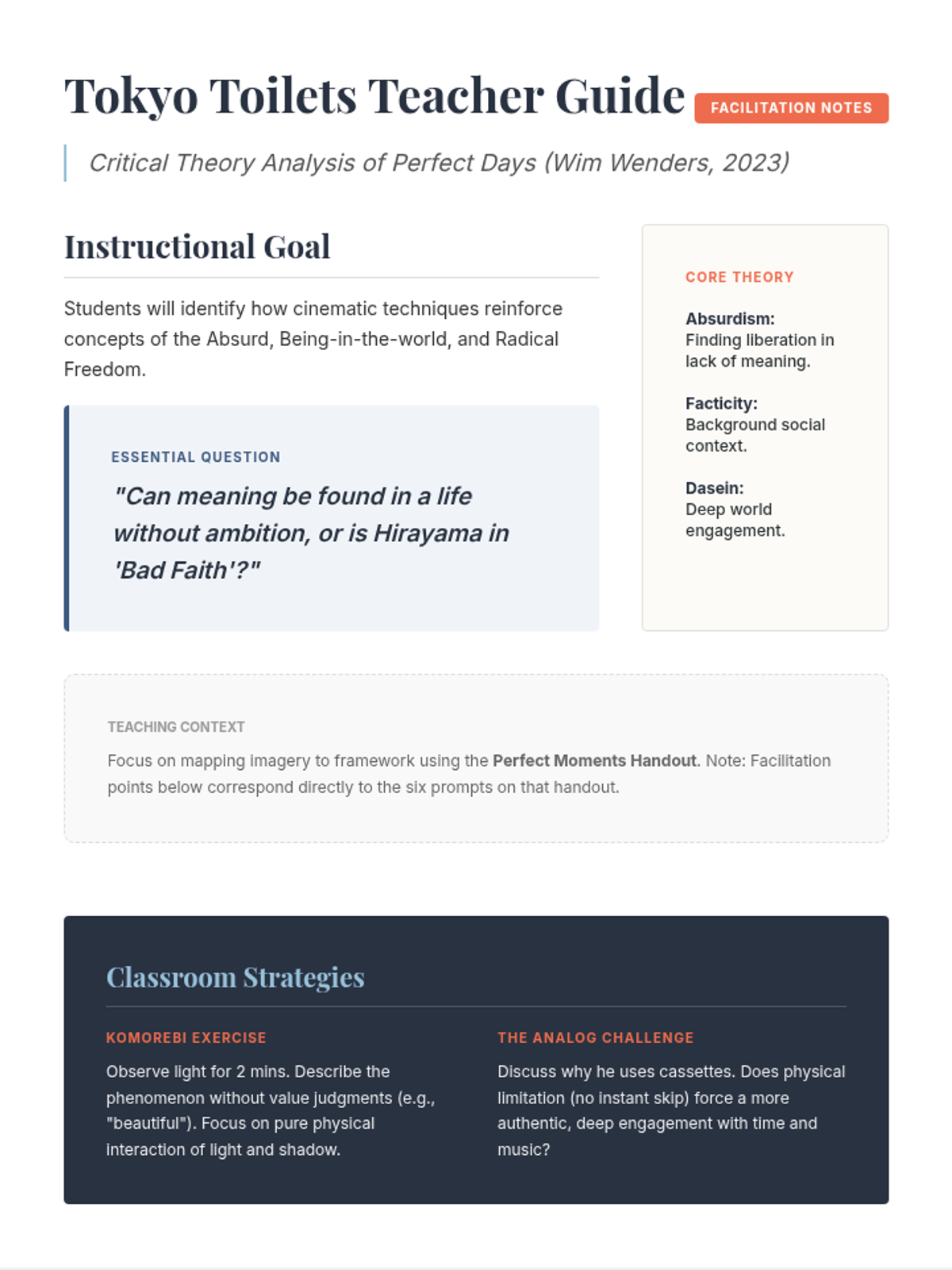
A deep dive into Wim Wenders' film 'Perfect Days' using existentialist philosophy to analyze the protagonist's repetitive routine and radical choices. Students explore themes of the absurd, authenticity, and 'komorebi' through critical theory.
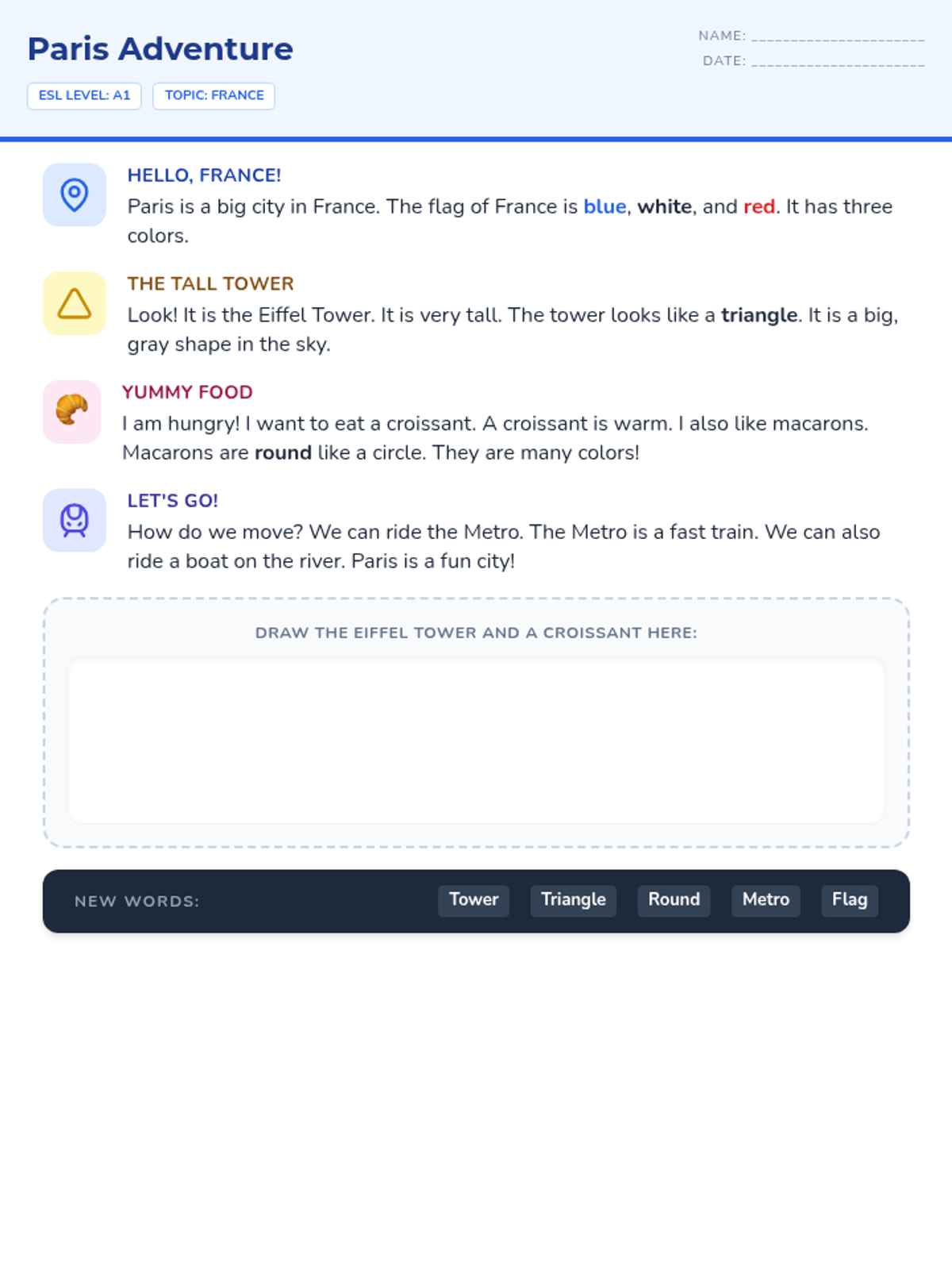
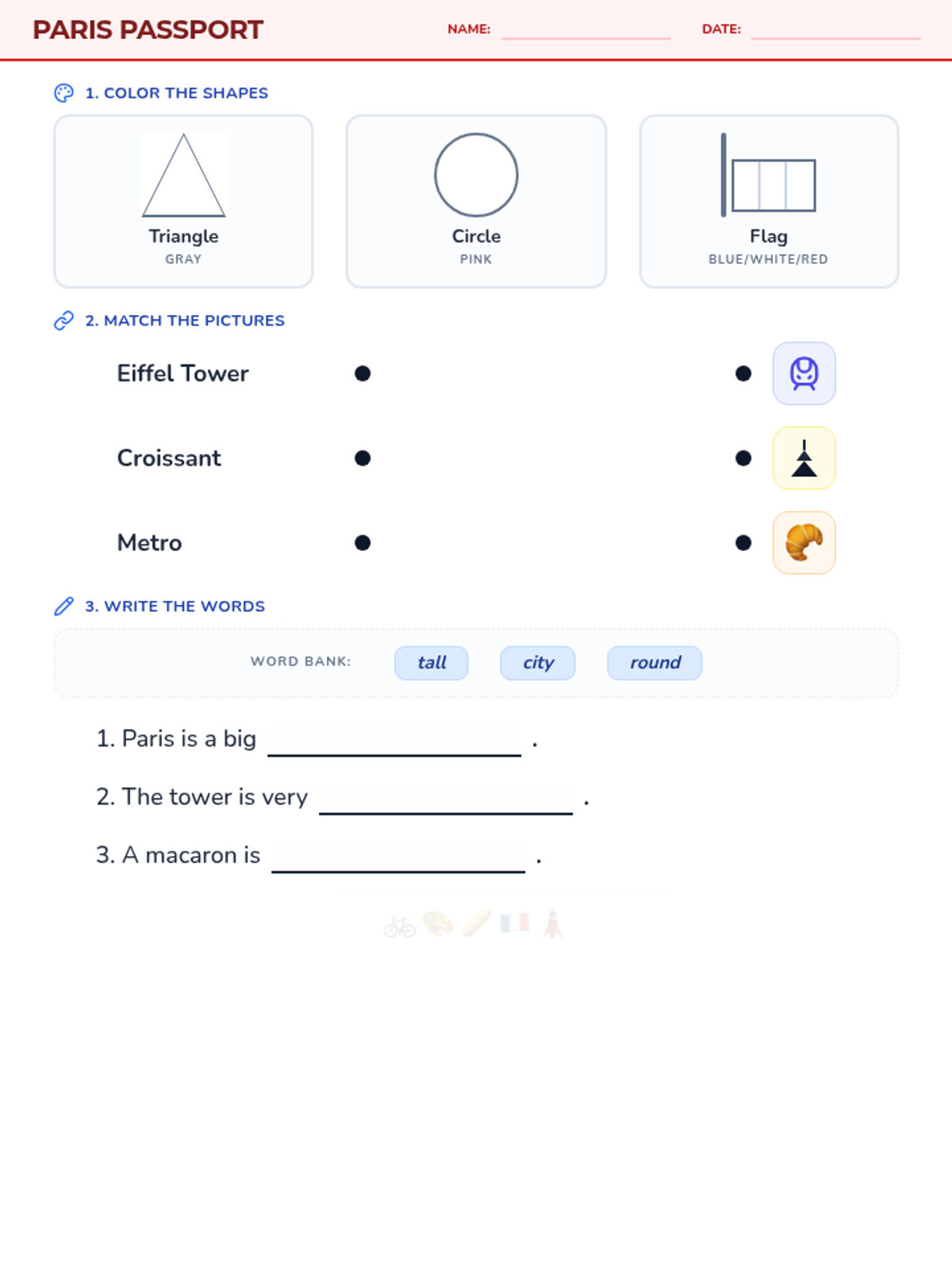
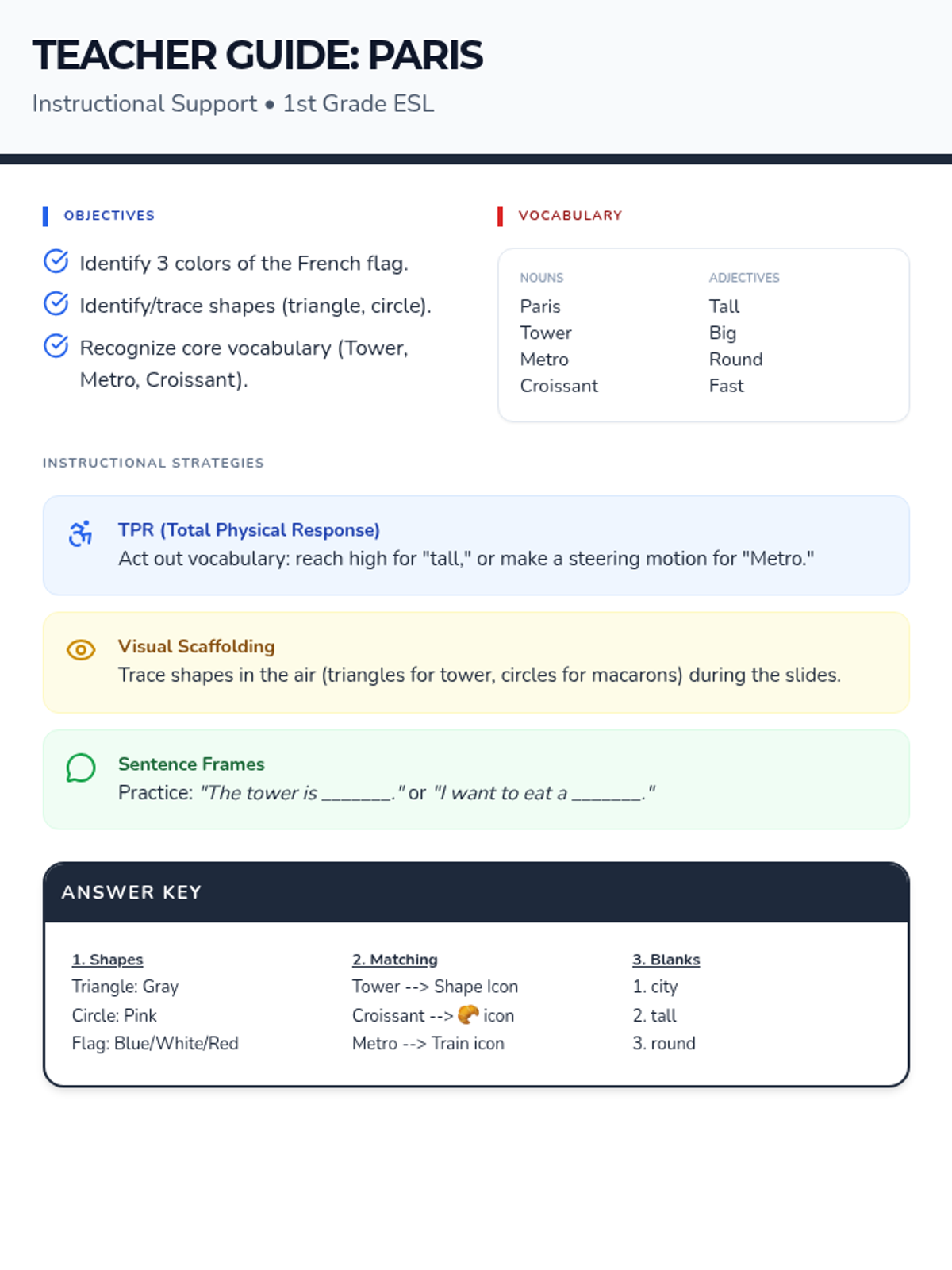
A beginner-friendly introduction to Paris, France, designed for 1st-grade ESL students. This lesson covers iconic landmarks, French food, basic colors, and modes of transportation through simple language and vibrant visuals.
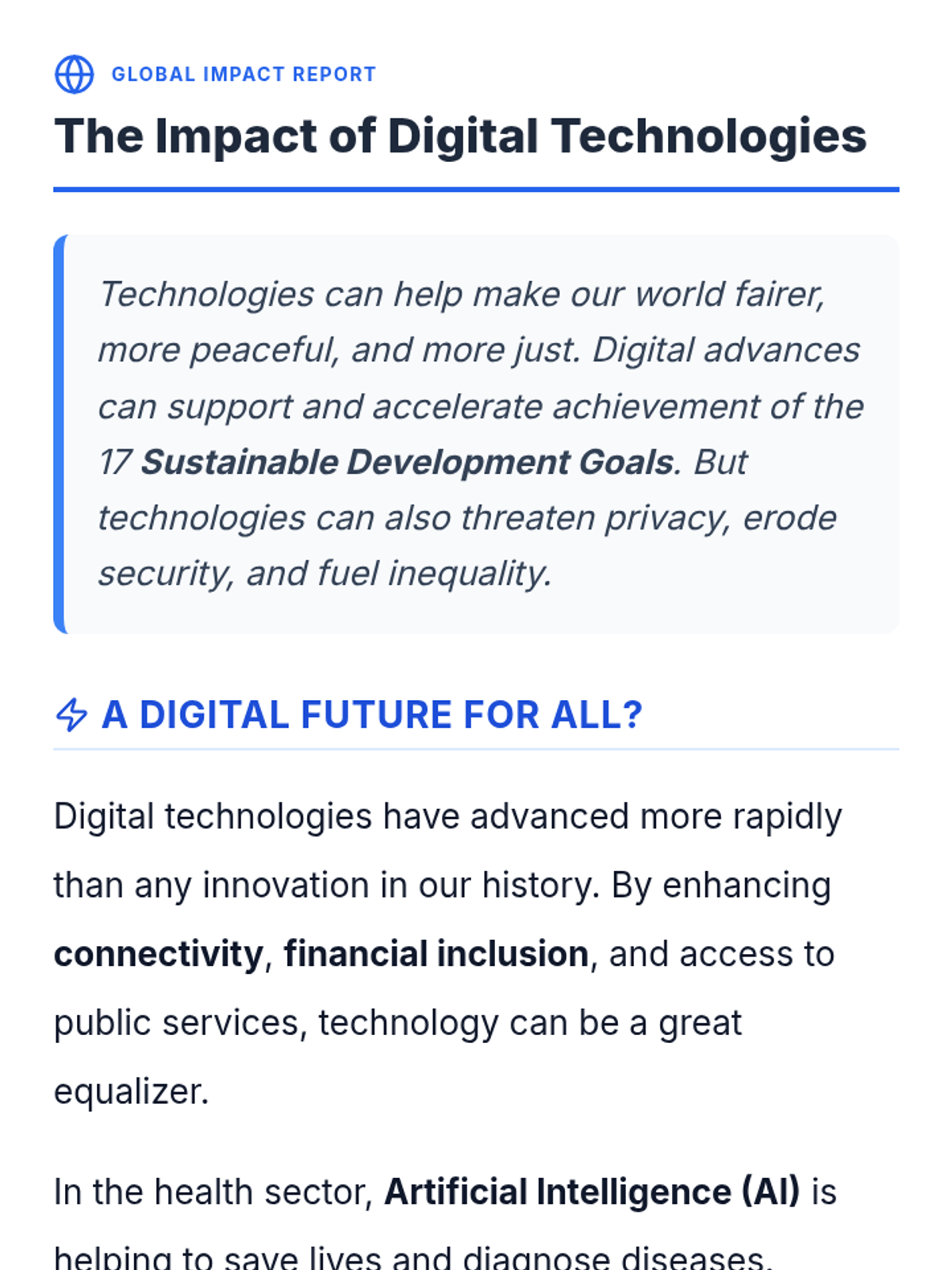
A lesson exploring the dual nature of digital advancements, focusing on their potential to either bridge social gaps or widen inequalities based on UN reports.
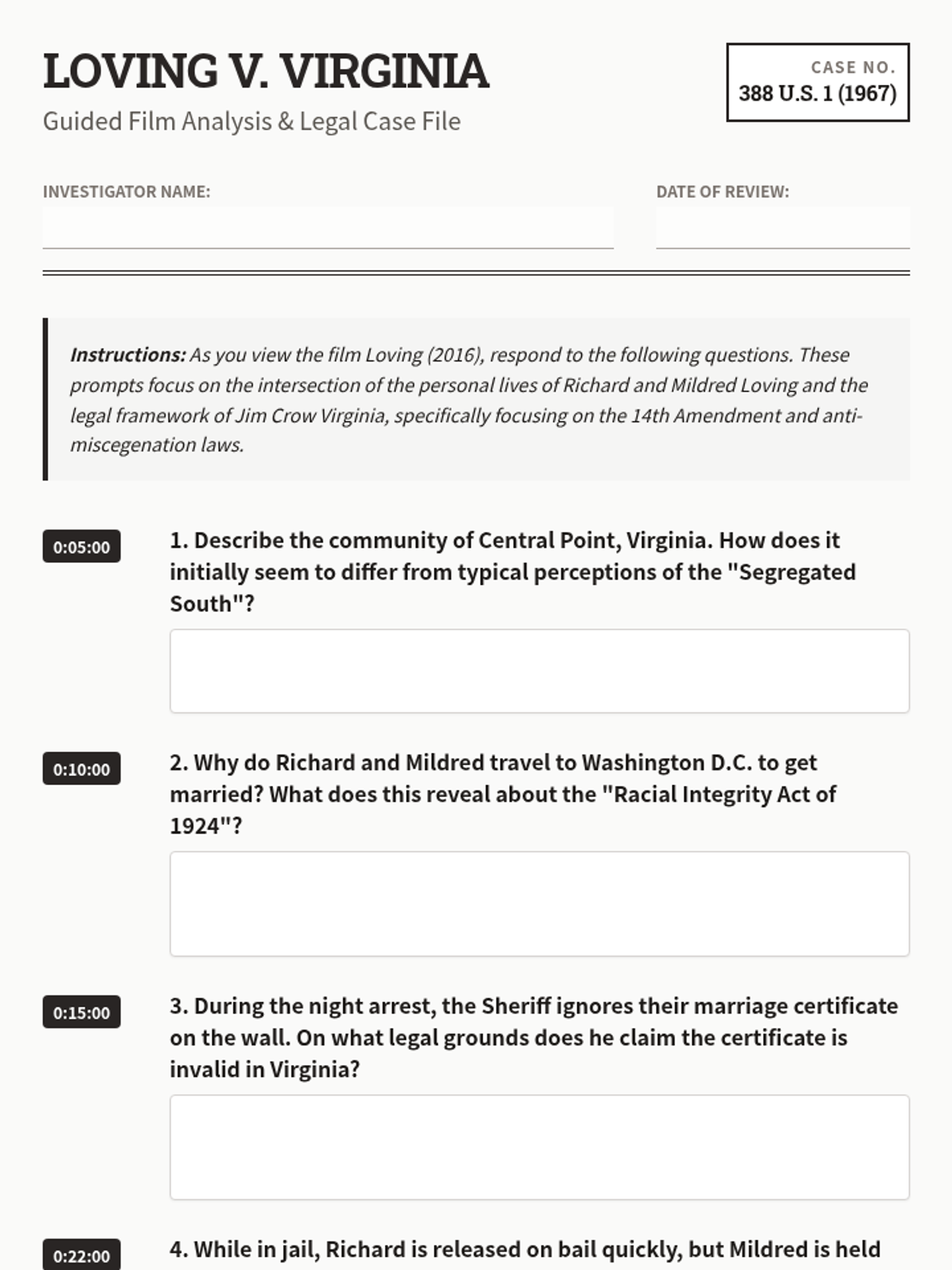
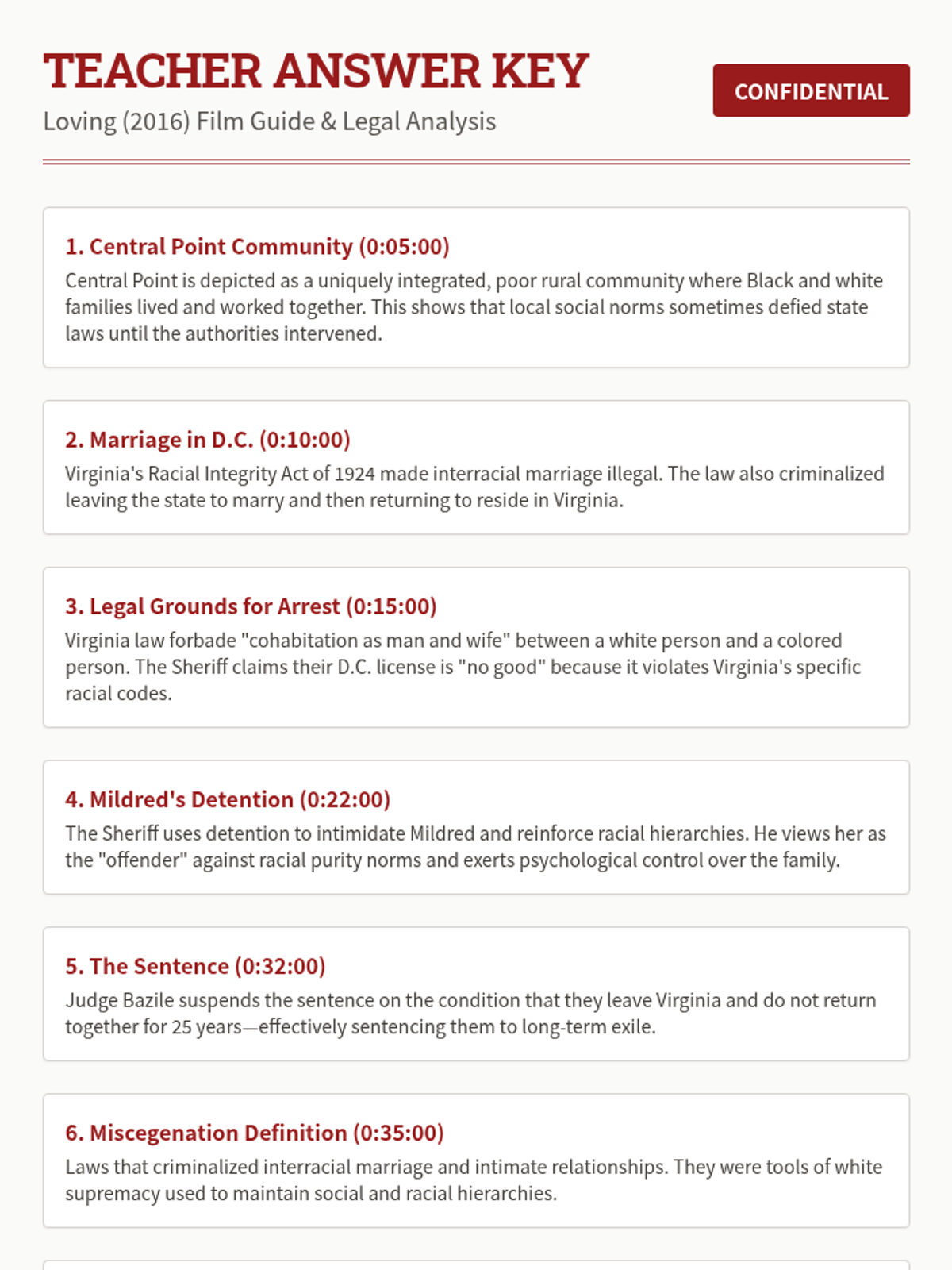
A guided exploration of the landmark Supreme Court case Loving v. Virginia through the lens of the 2016 film. Students analyze the 14th Amendment, Jim Crow laws, and the human impact of anti-miscegenation legislation.
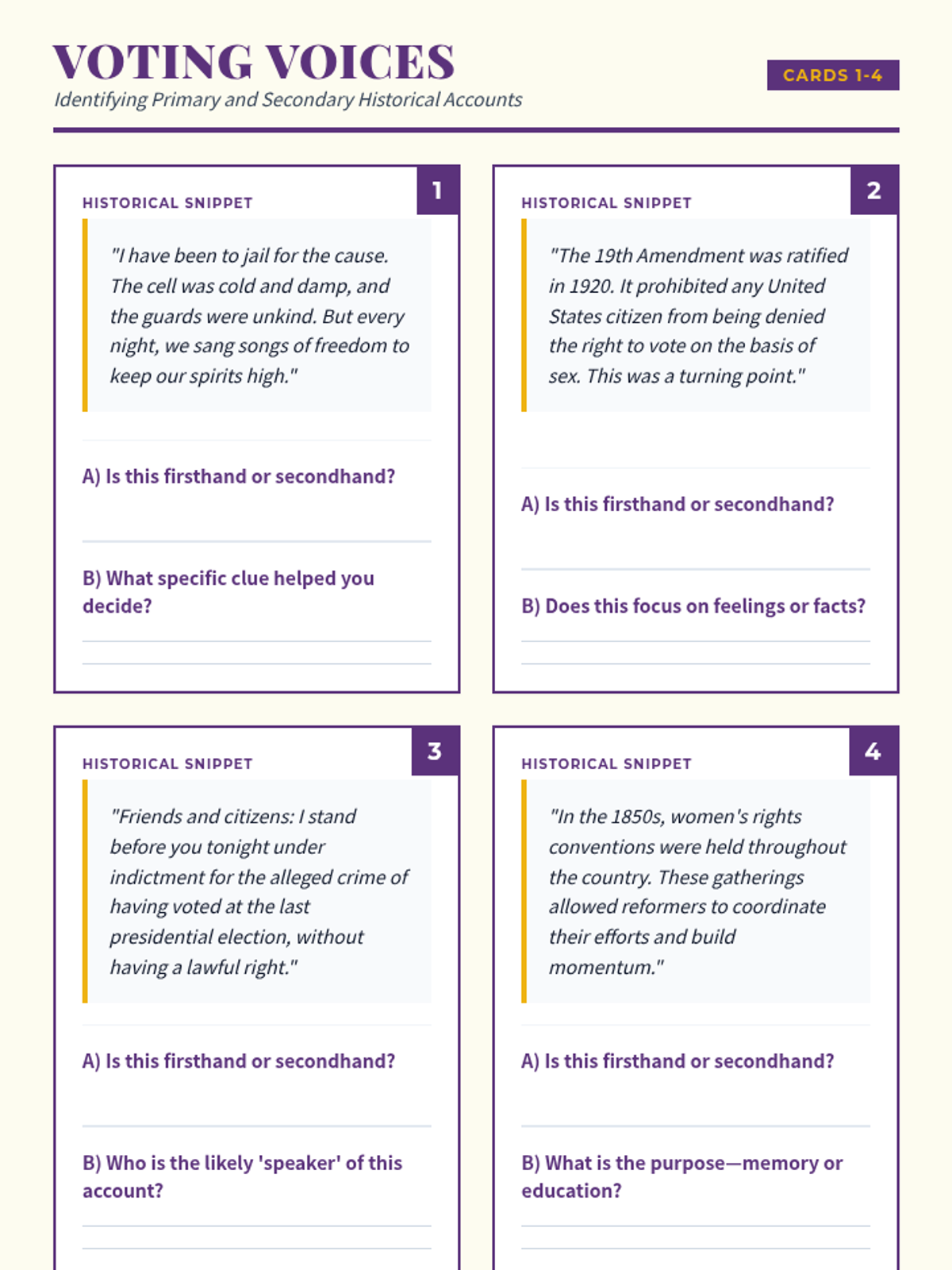
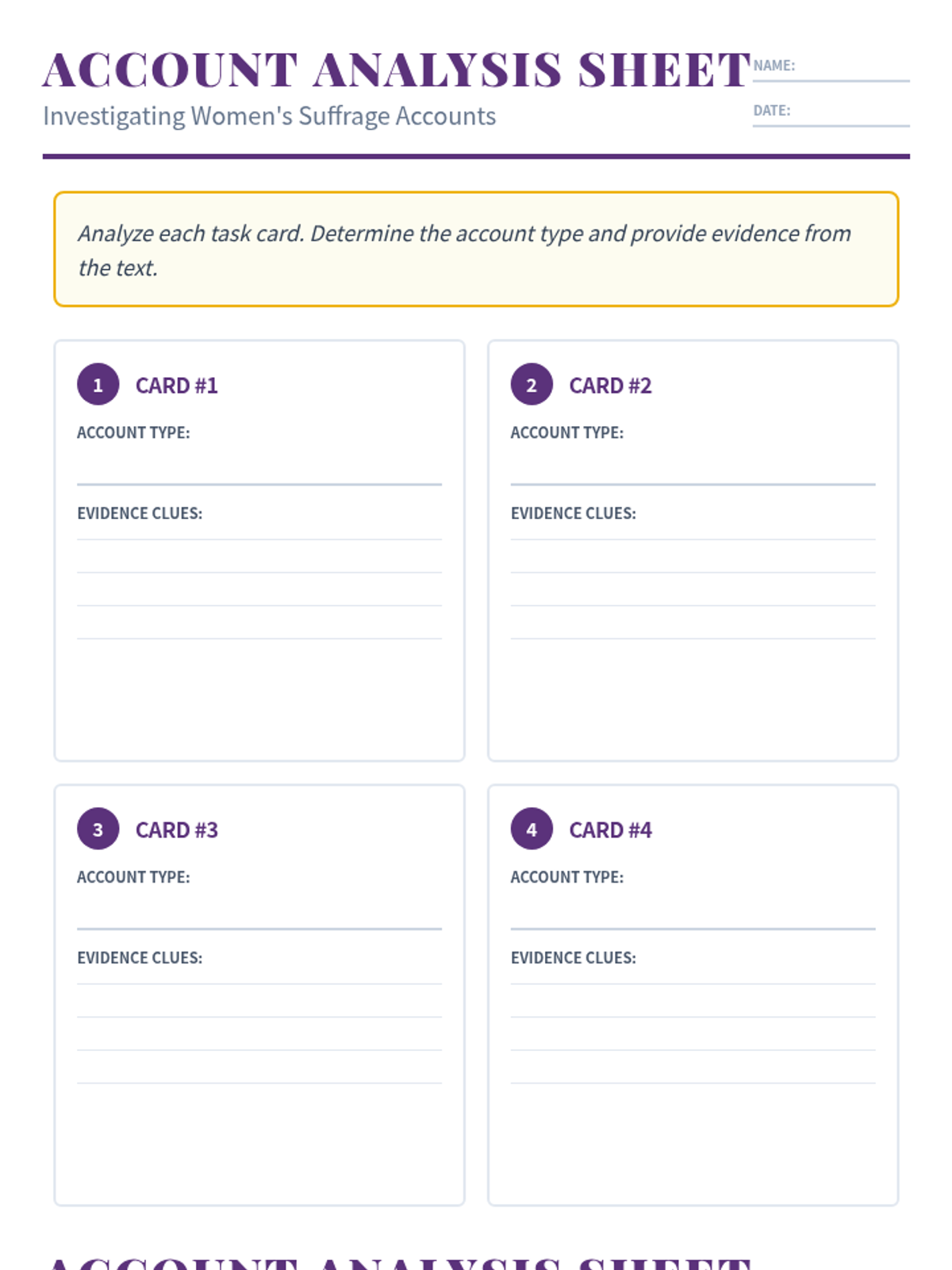
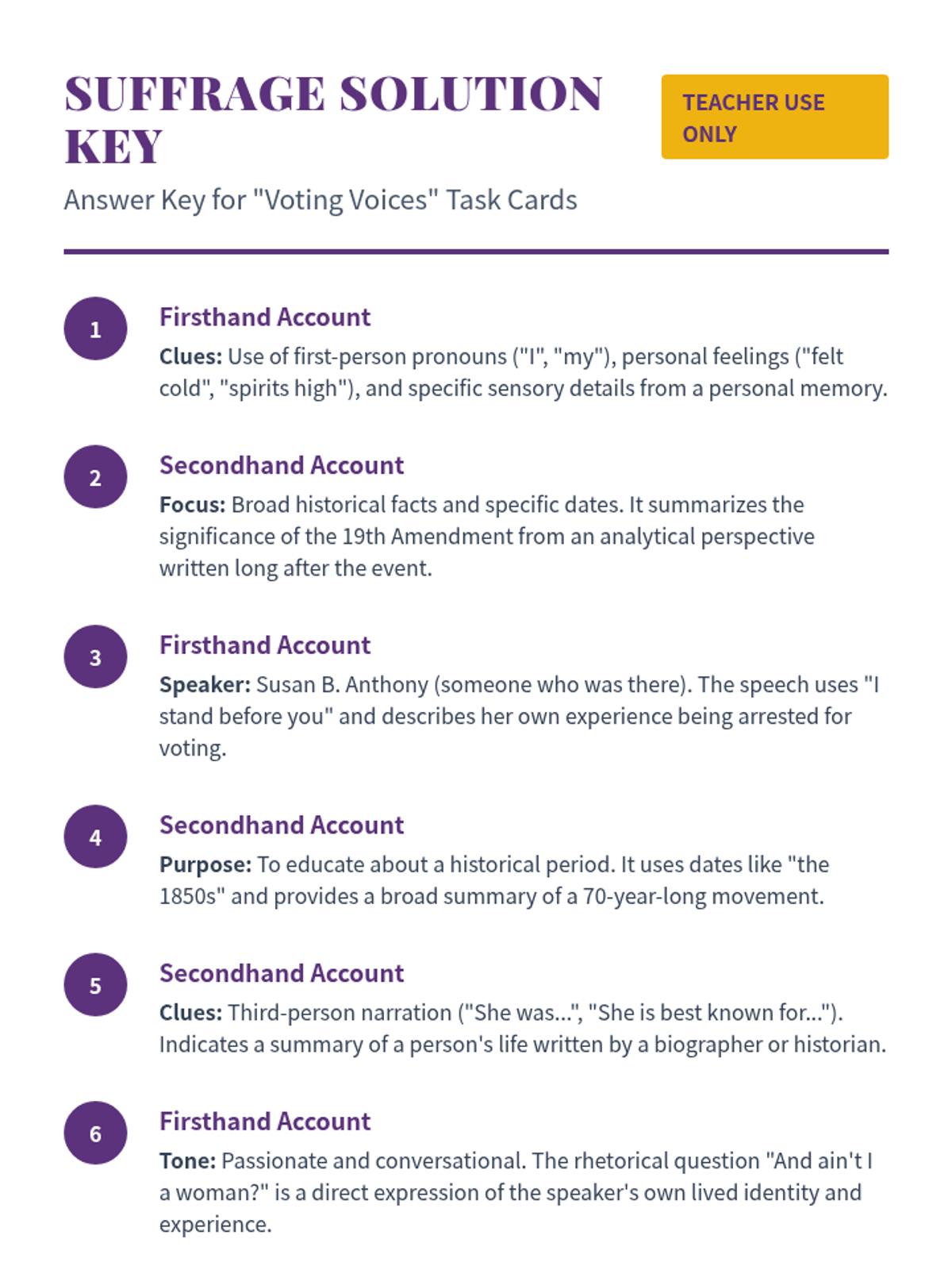
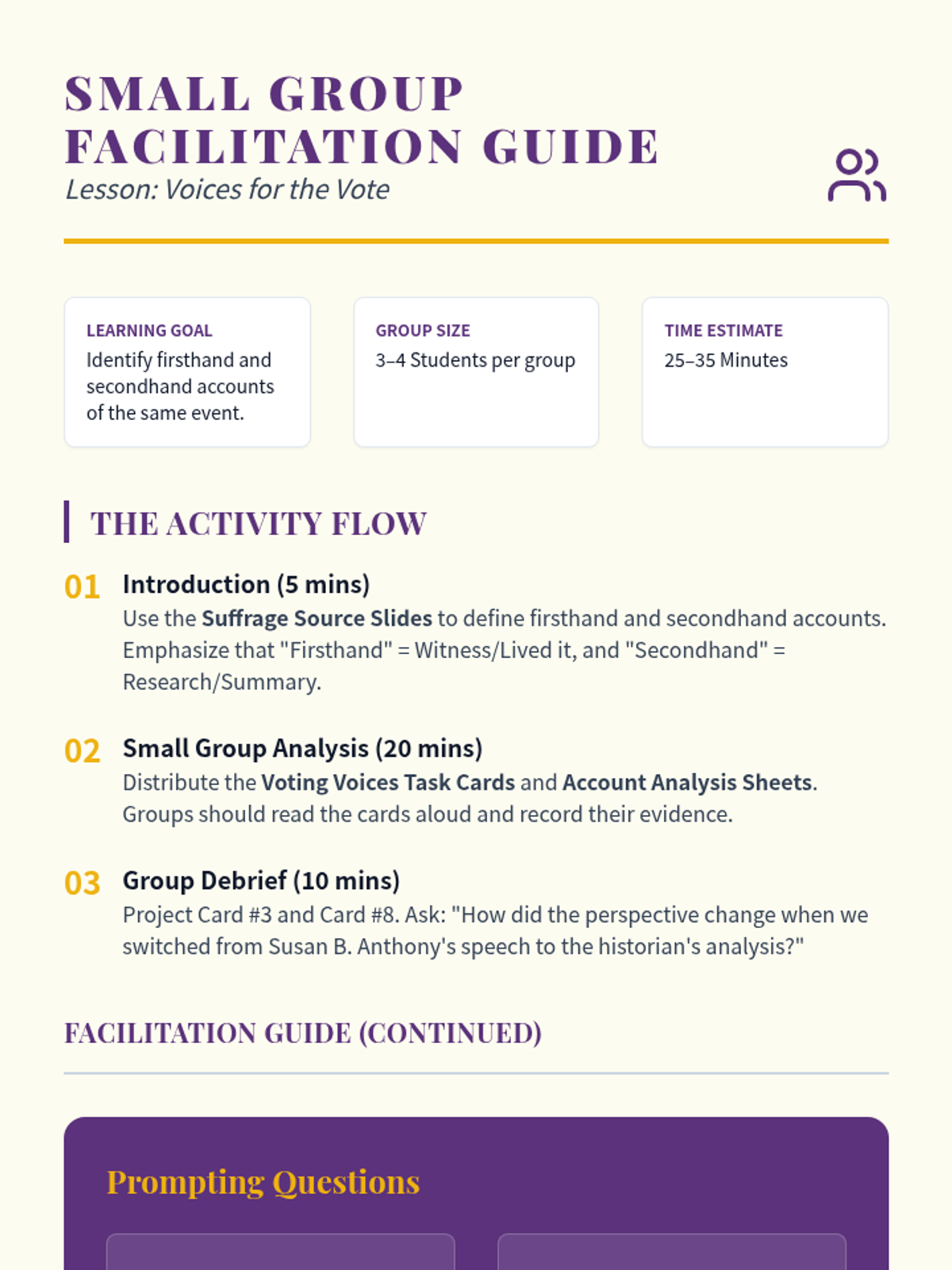
A lesson focused on distinguishing between firsthand and secondhand accounts through the lens of the Women's Suffrage Movement. Students will analyze primary and secondary sources to understand different perspectives and historical reporting.
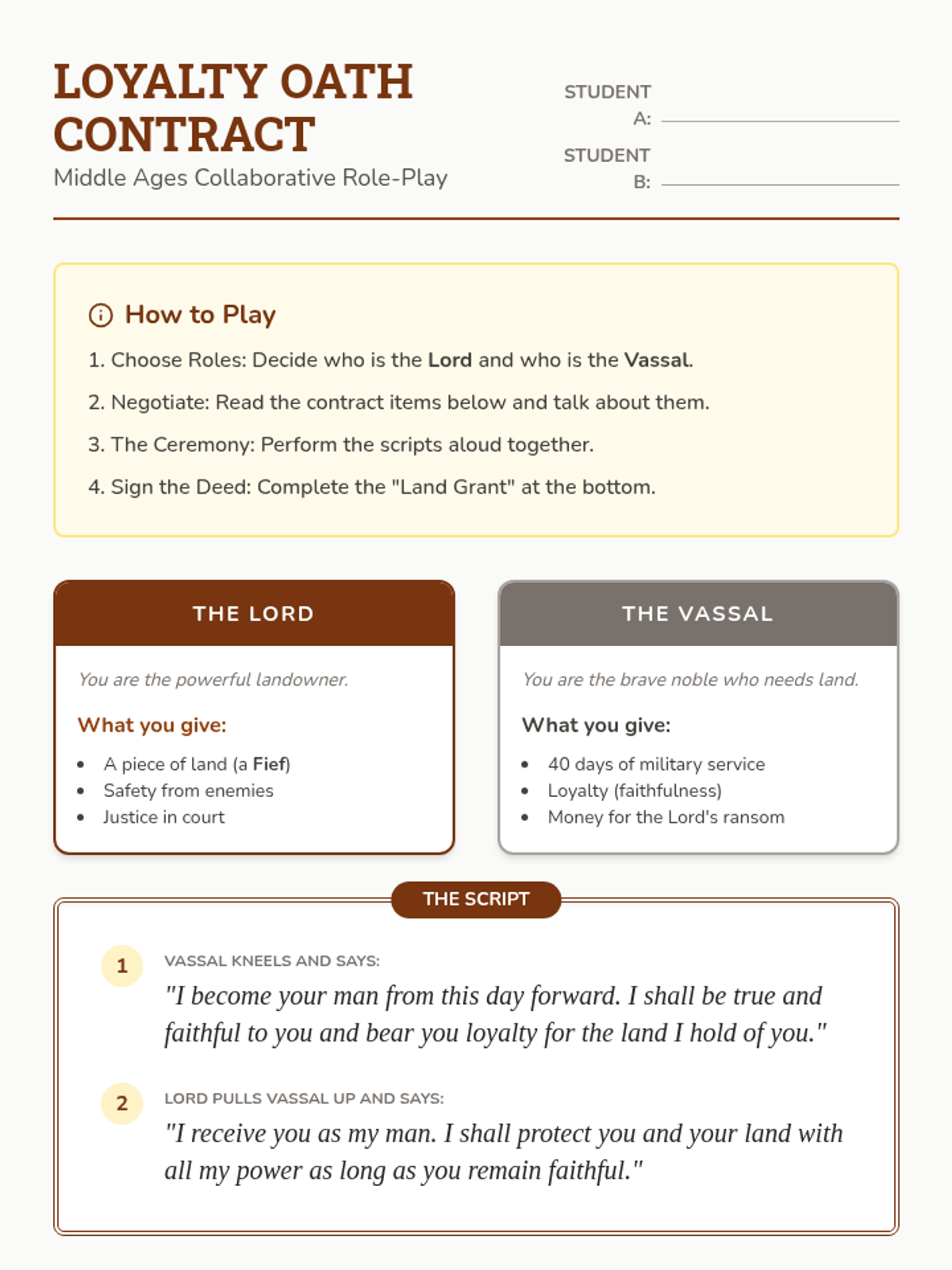
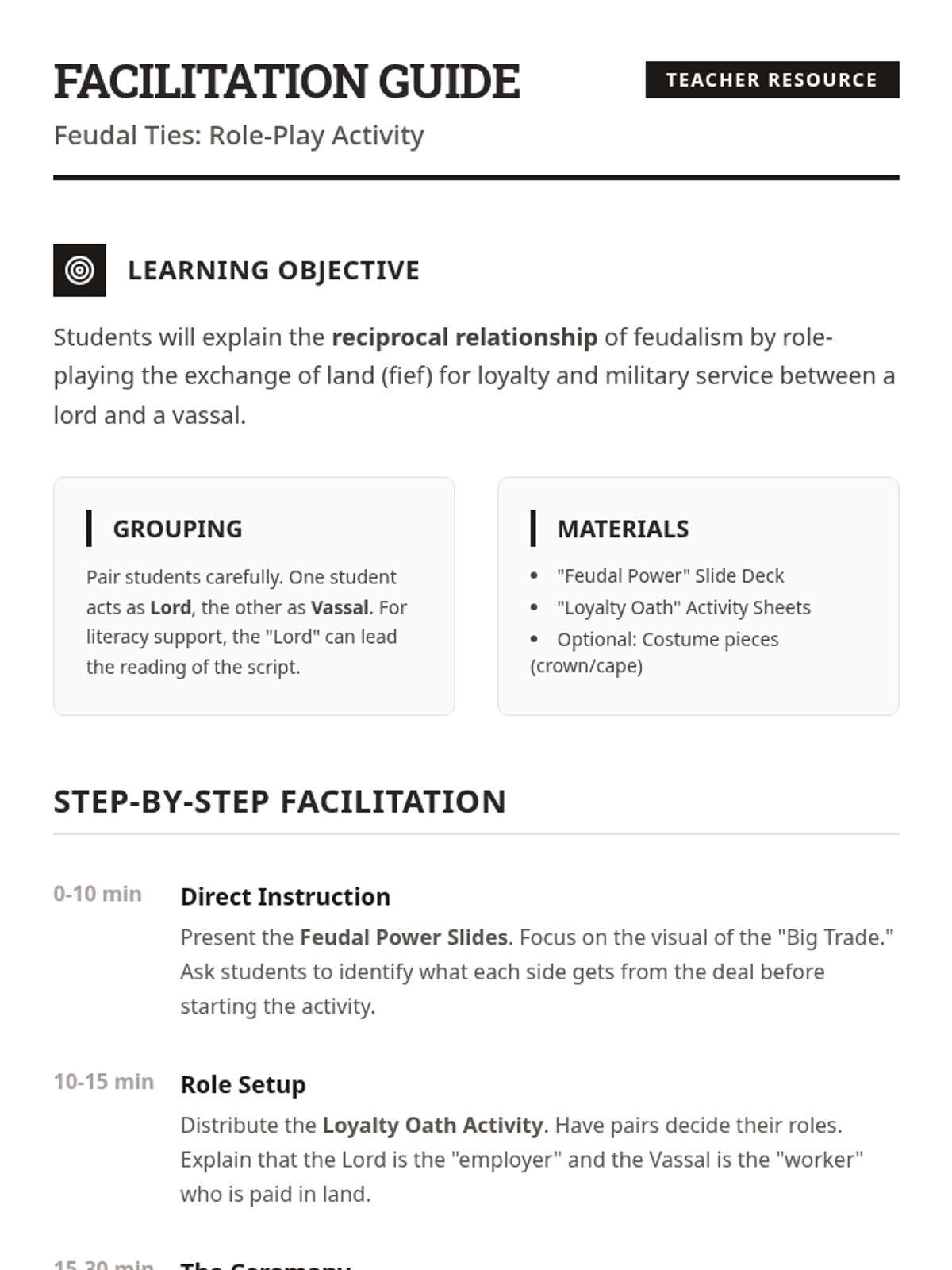
A collaborative lesson where students step into the roles of the medieval social hierarchy to understand the exchange of land for loyalty. Designed for two students with accessible language and clear role-play prompts.
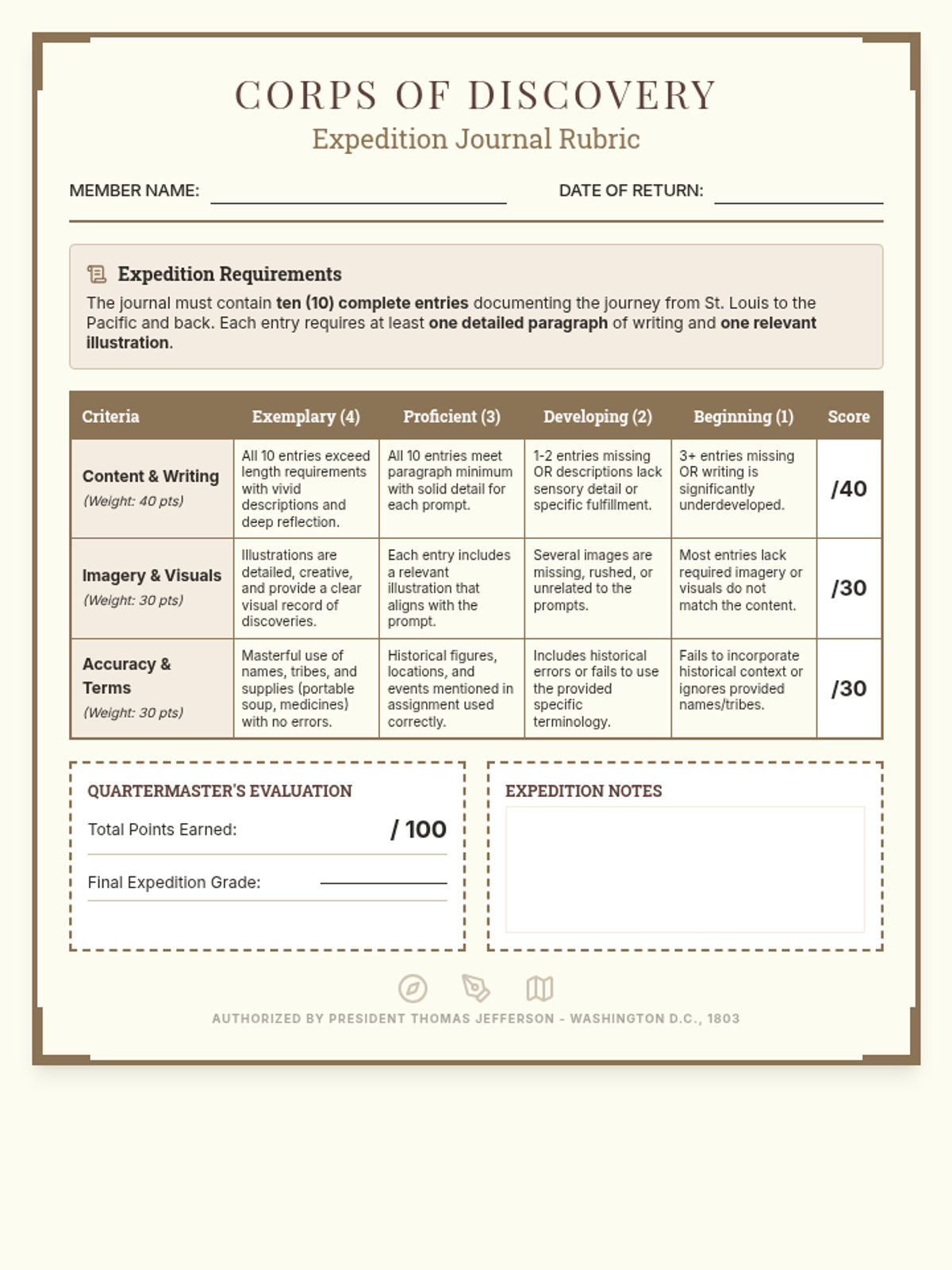
A rubric and assessment tool for the Lewis and Clark Road Trip journal assignment, focusing on content, imagery, and historical accuracy.
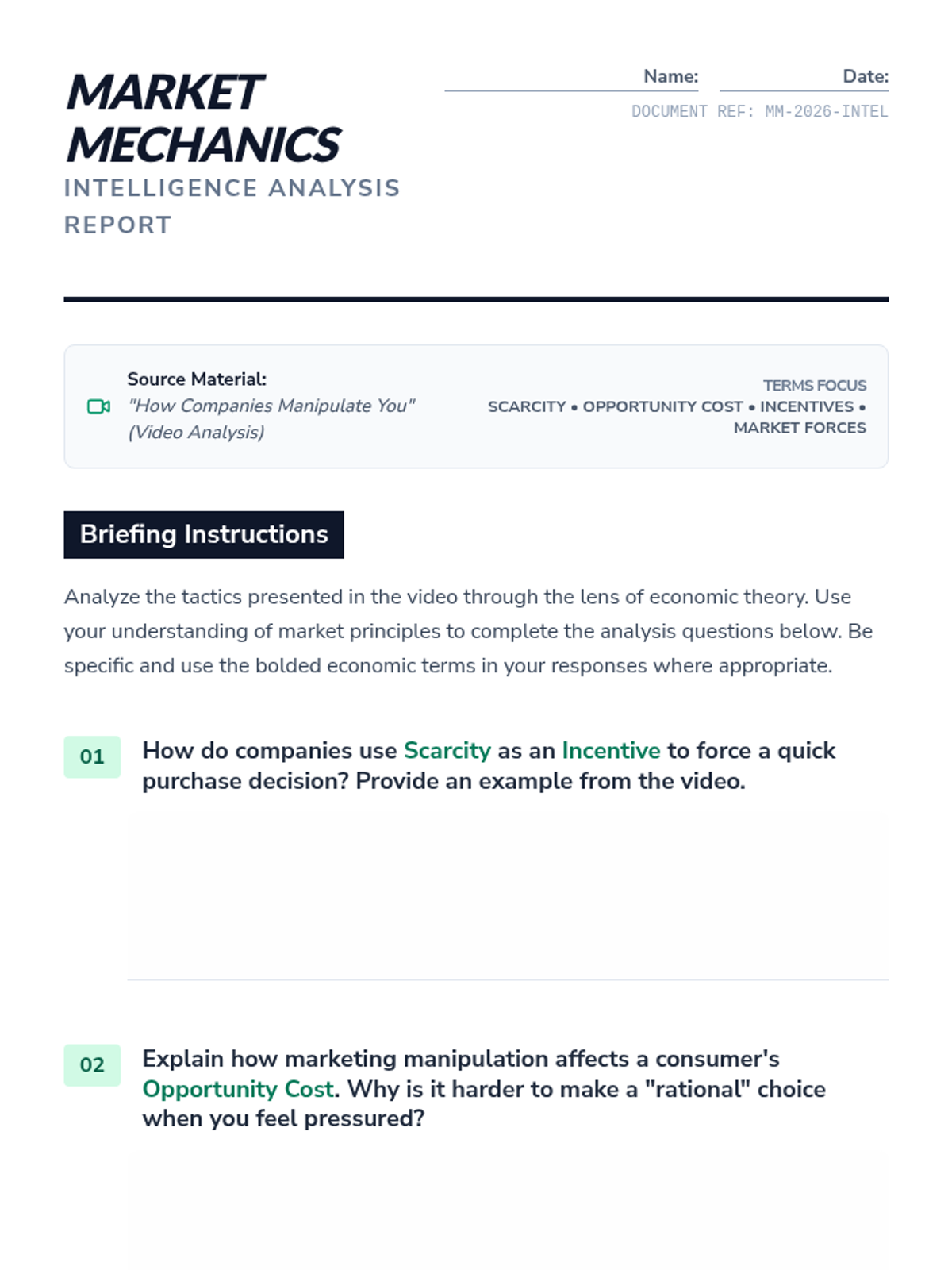
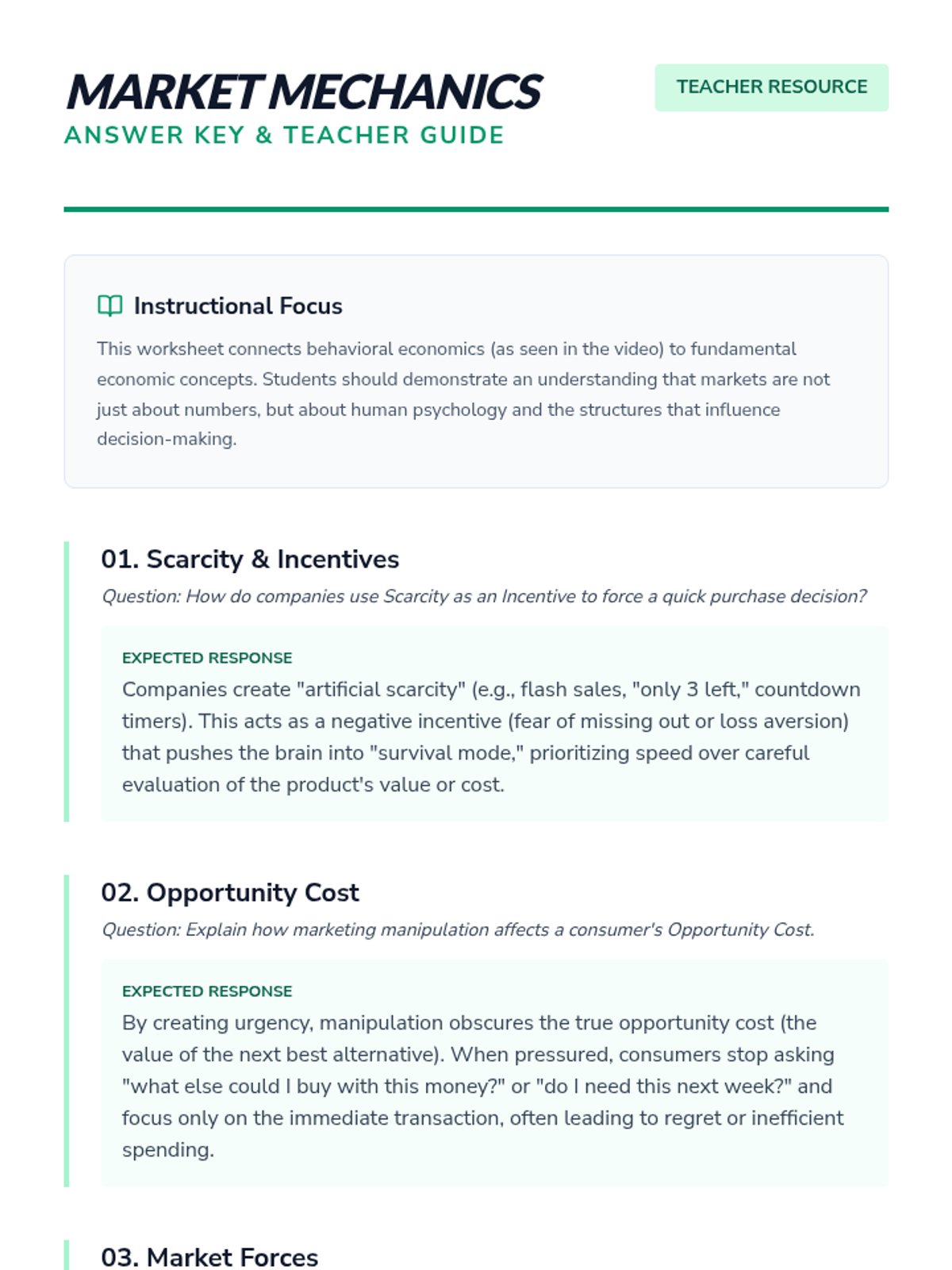
A deep dive into how economic principles like scarcity, incentives, and market forces shape consumer behavior and market structures. Students analyze real-world marketing tactics through the lens of economic theory.
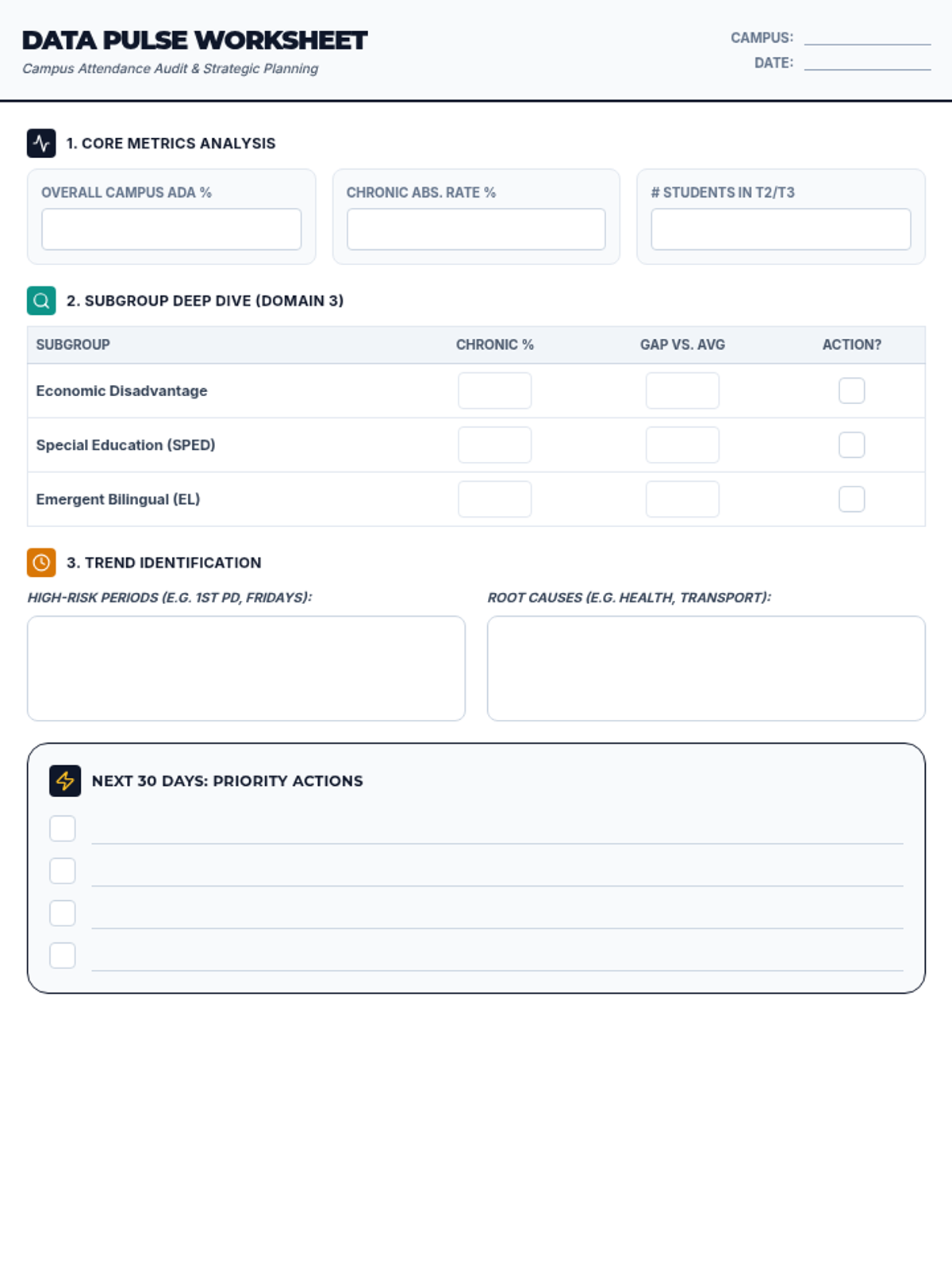
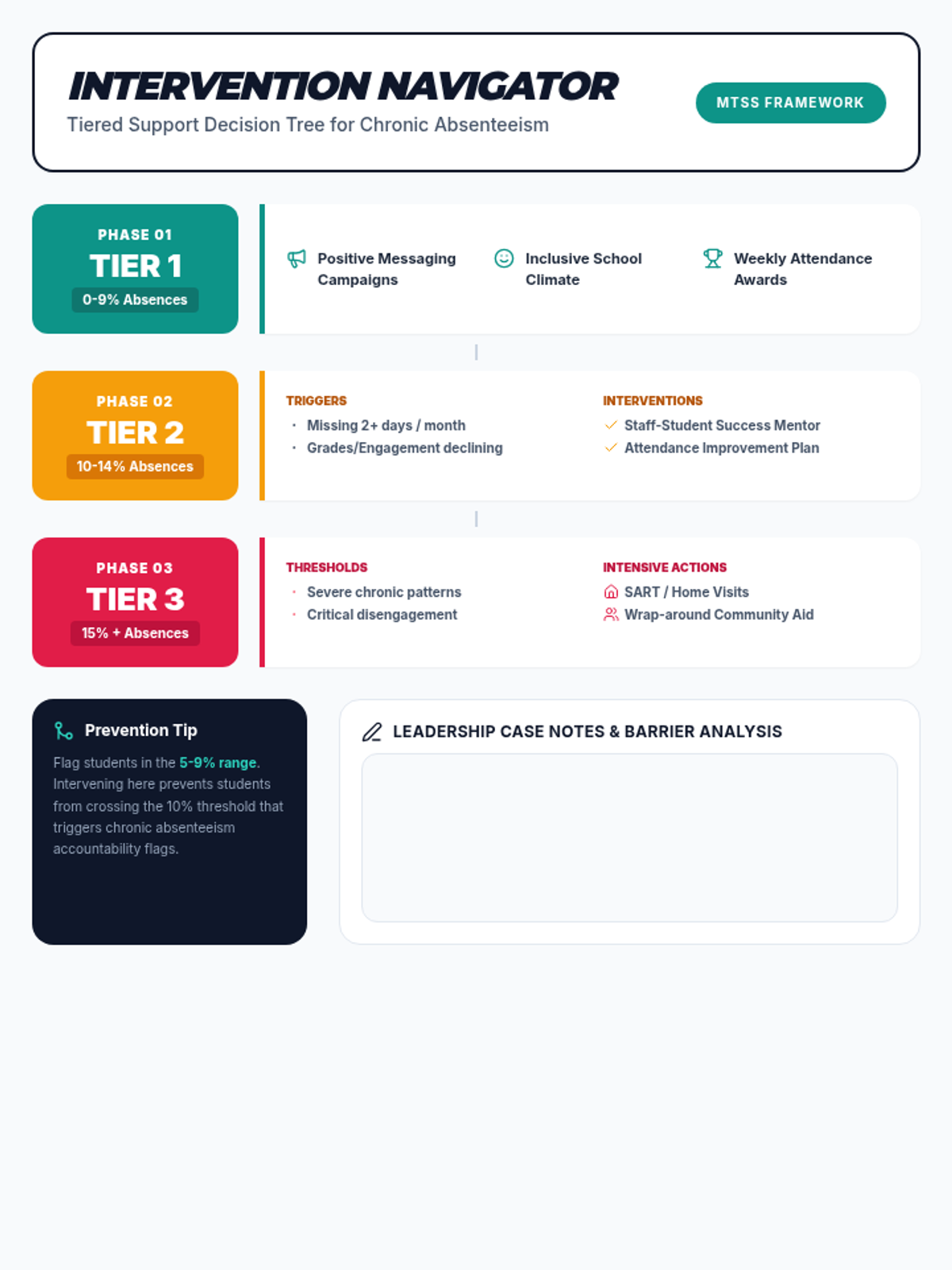
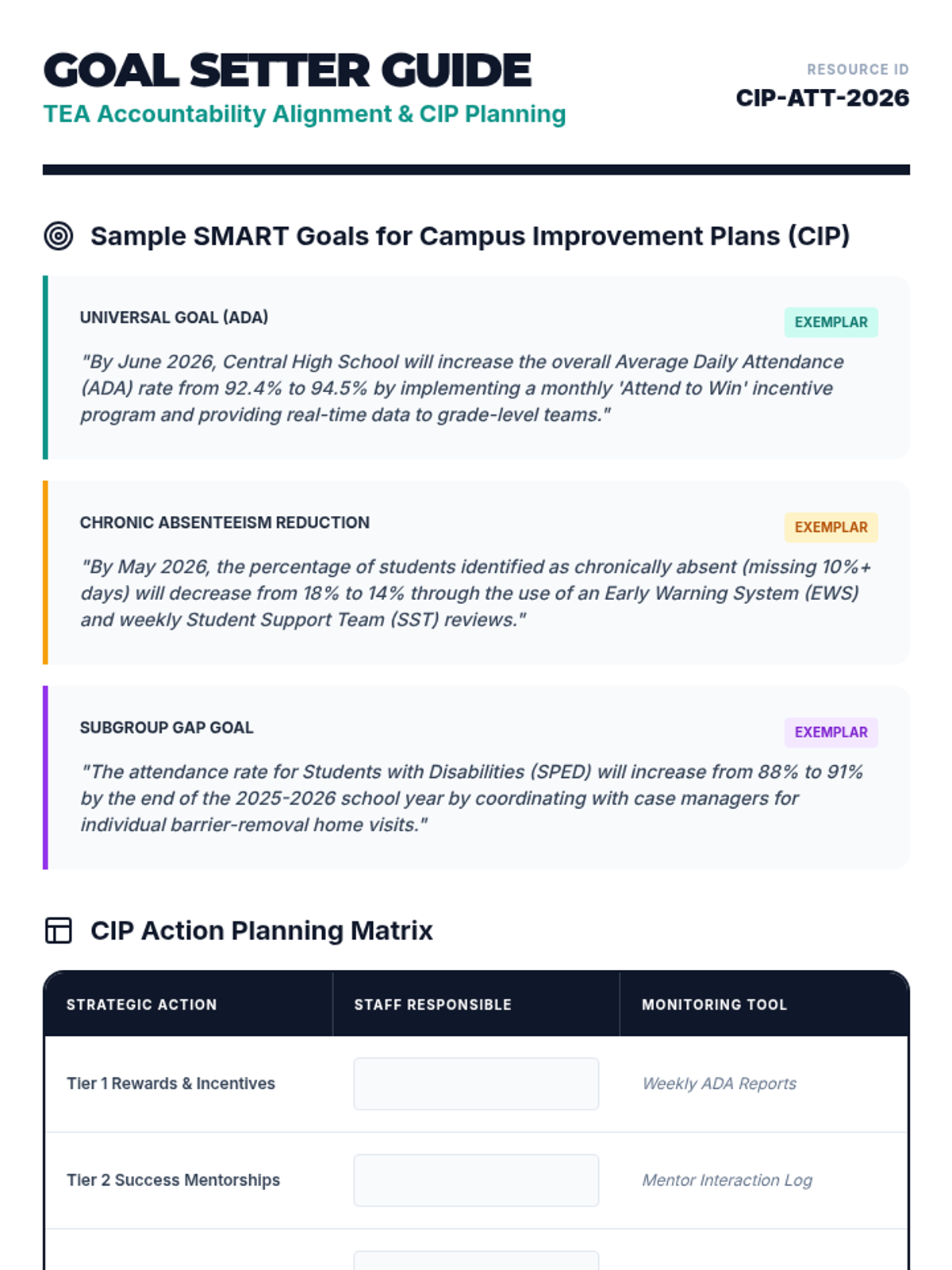
A comprehensive toolkit for high school leaders to analyze attendance data, distinguish chronic absenteeism from average daily attendance, and implement TEA-aligned tiered interventions to improve campus accountability.
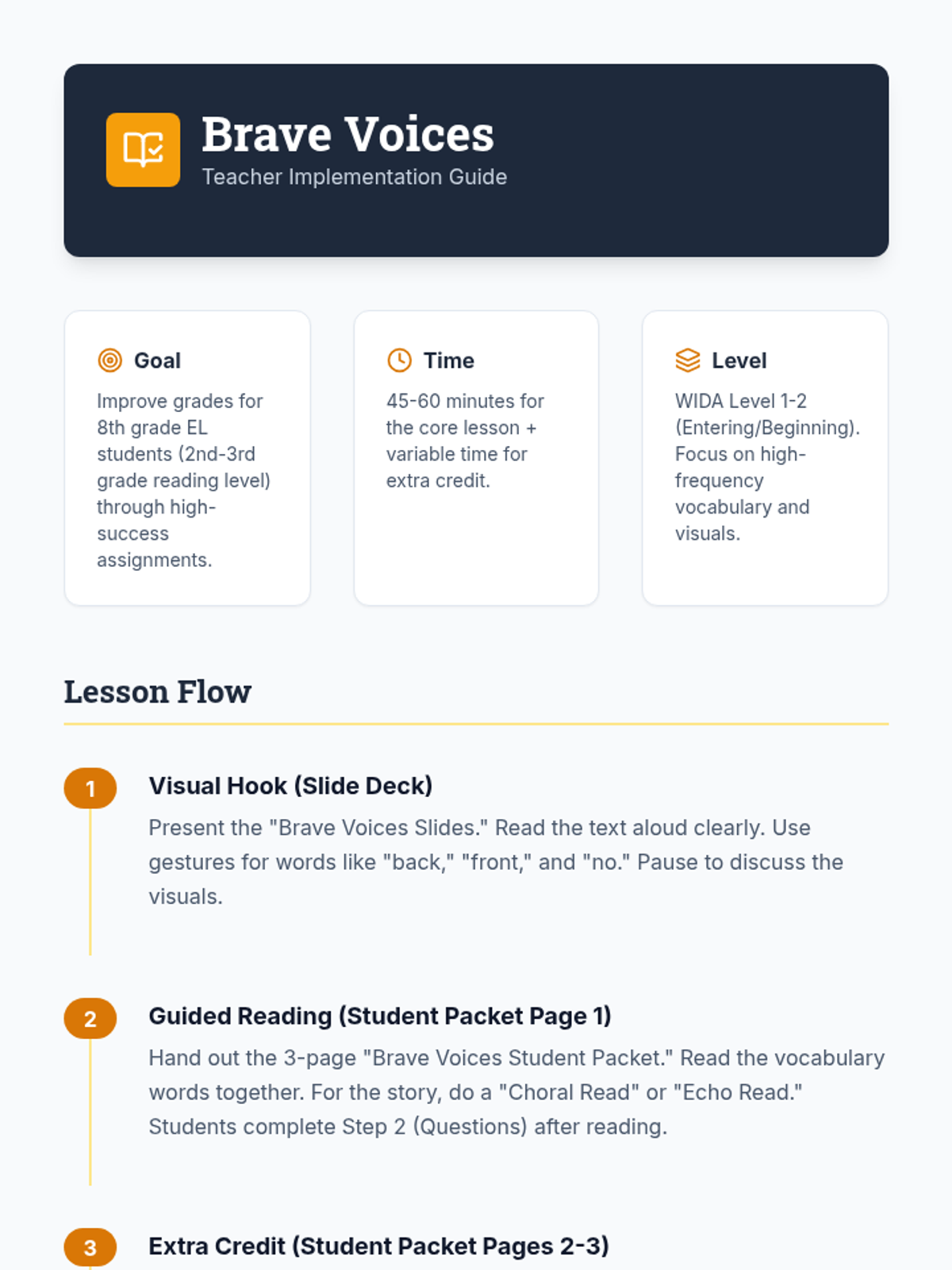
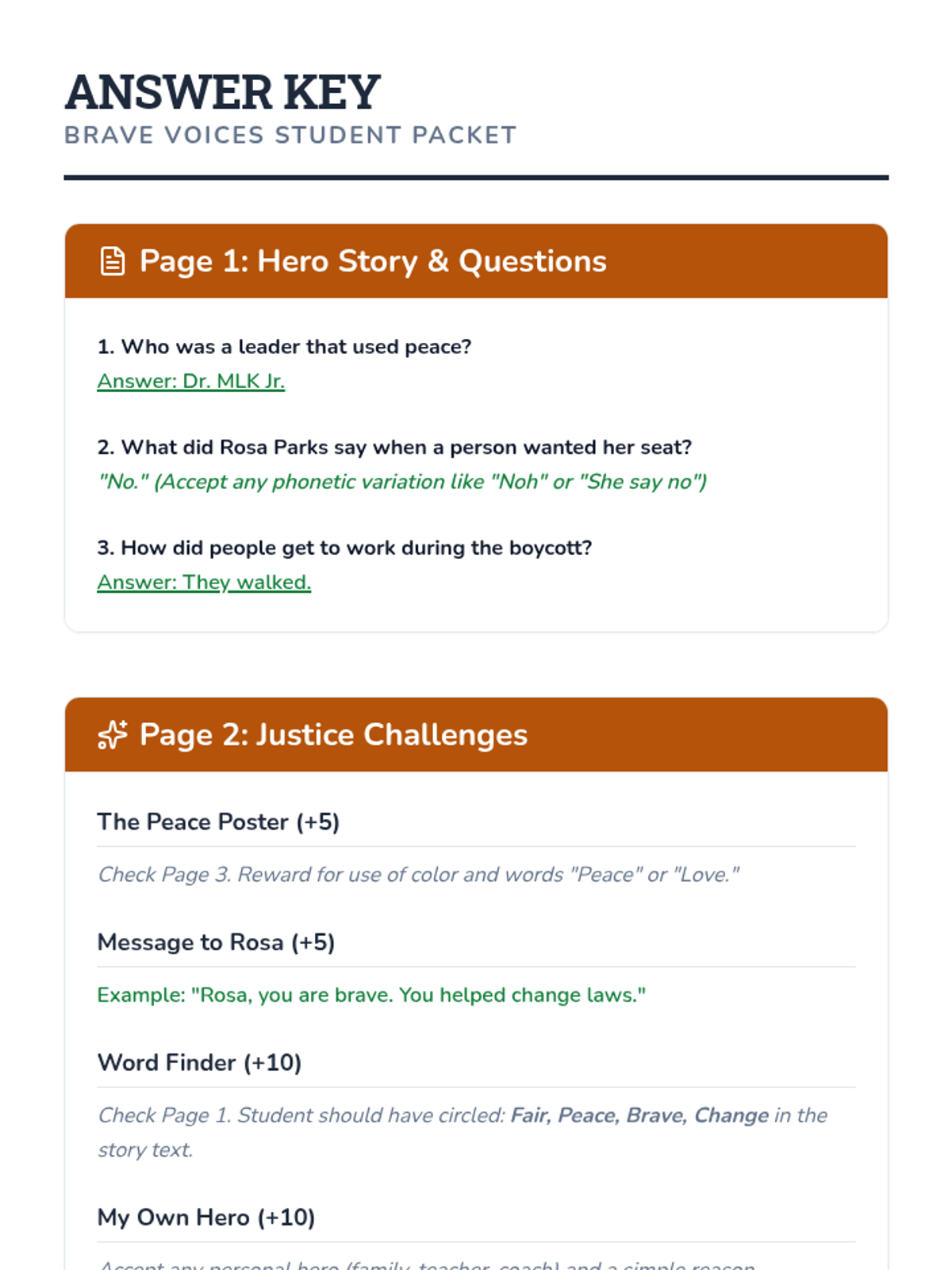
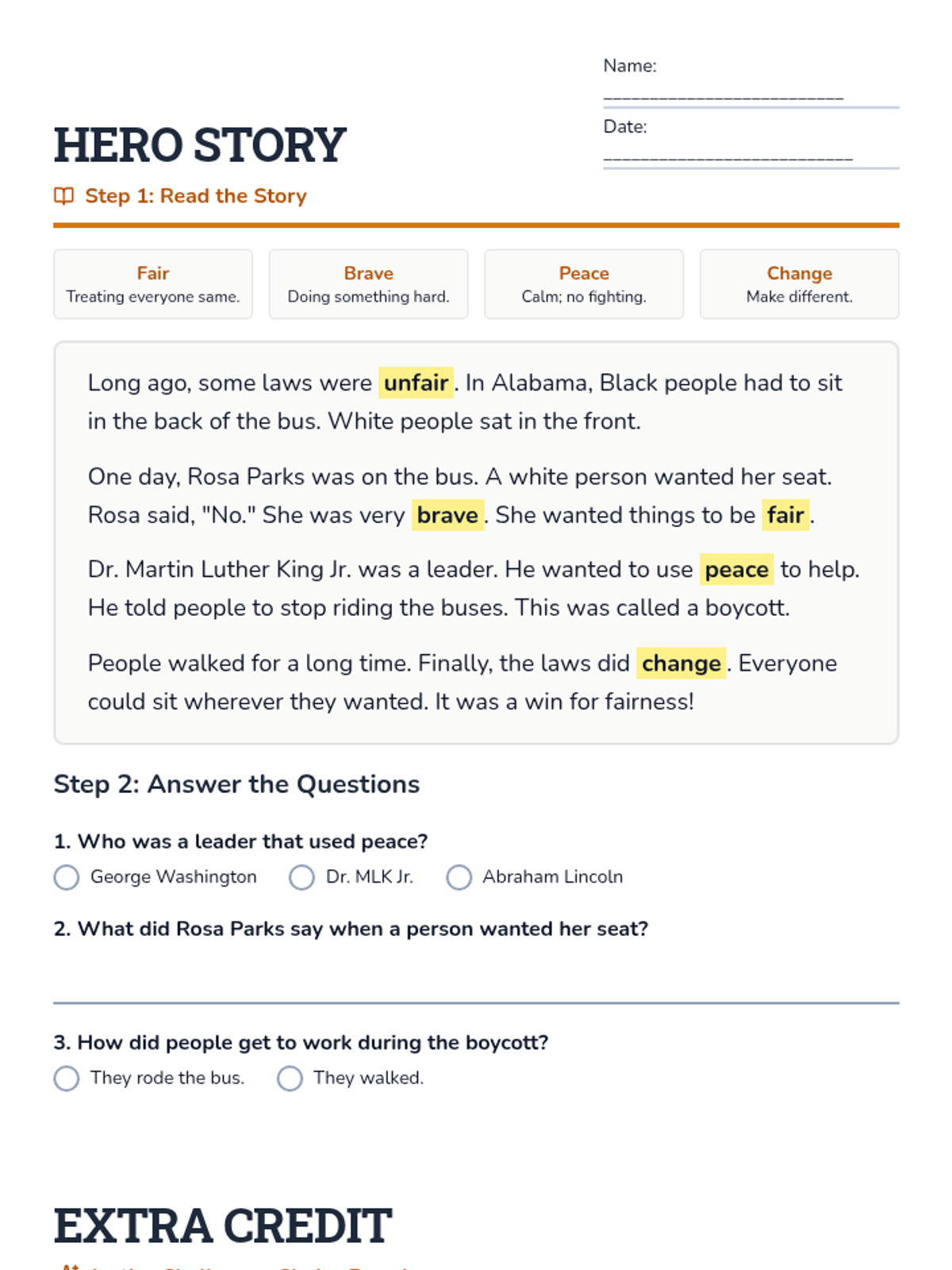
A lesson exploring the leadership of Martin Luther King Jr. and the collective action of the Montgomery Bus Boycott using simple language and structured activities.
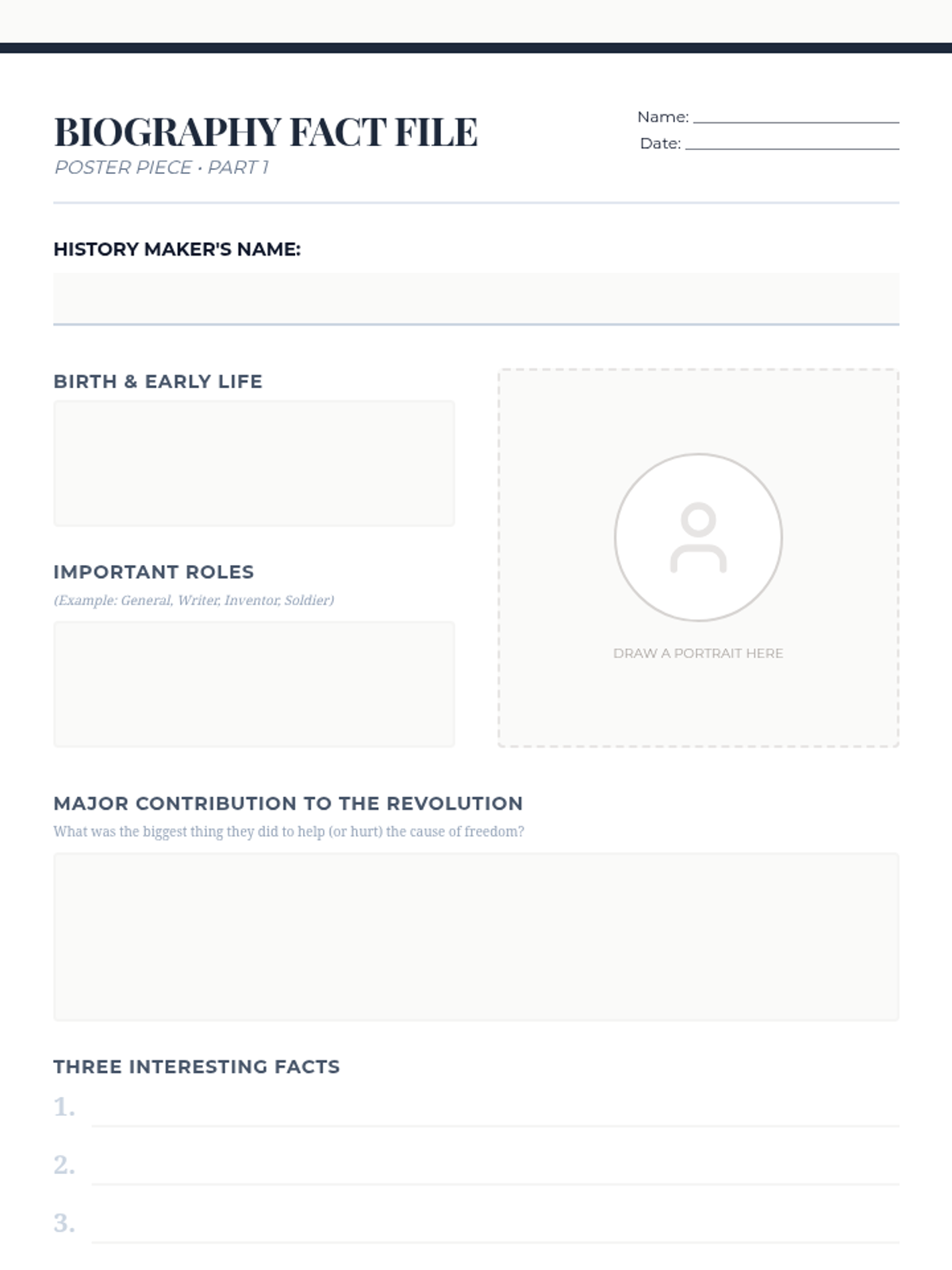
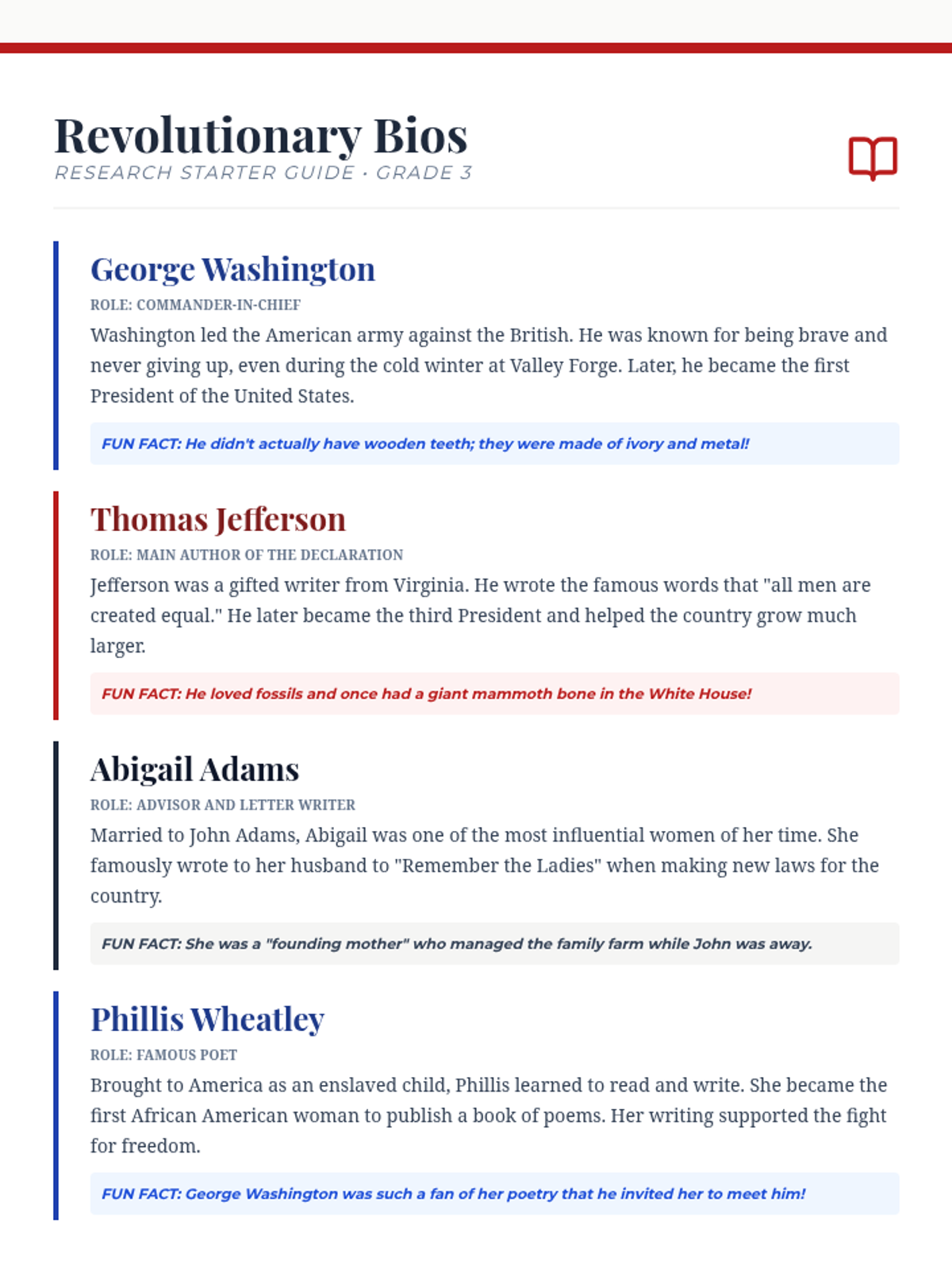
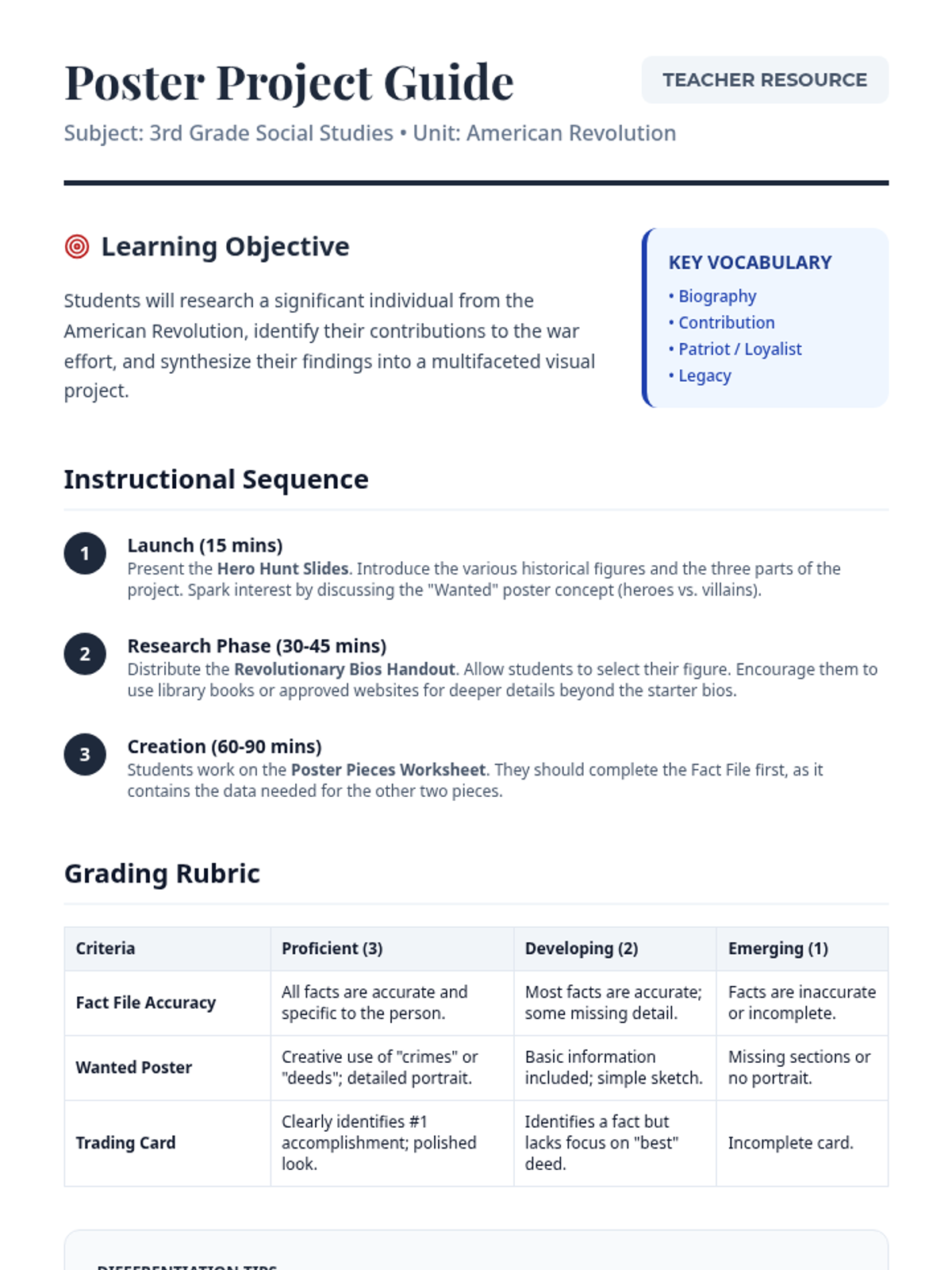
Students choose a historical figure from the American Revolution to research and represent through a fact file, a wanted poster, and a trading card.
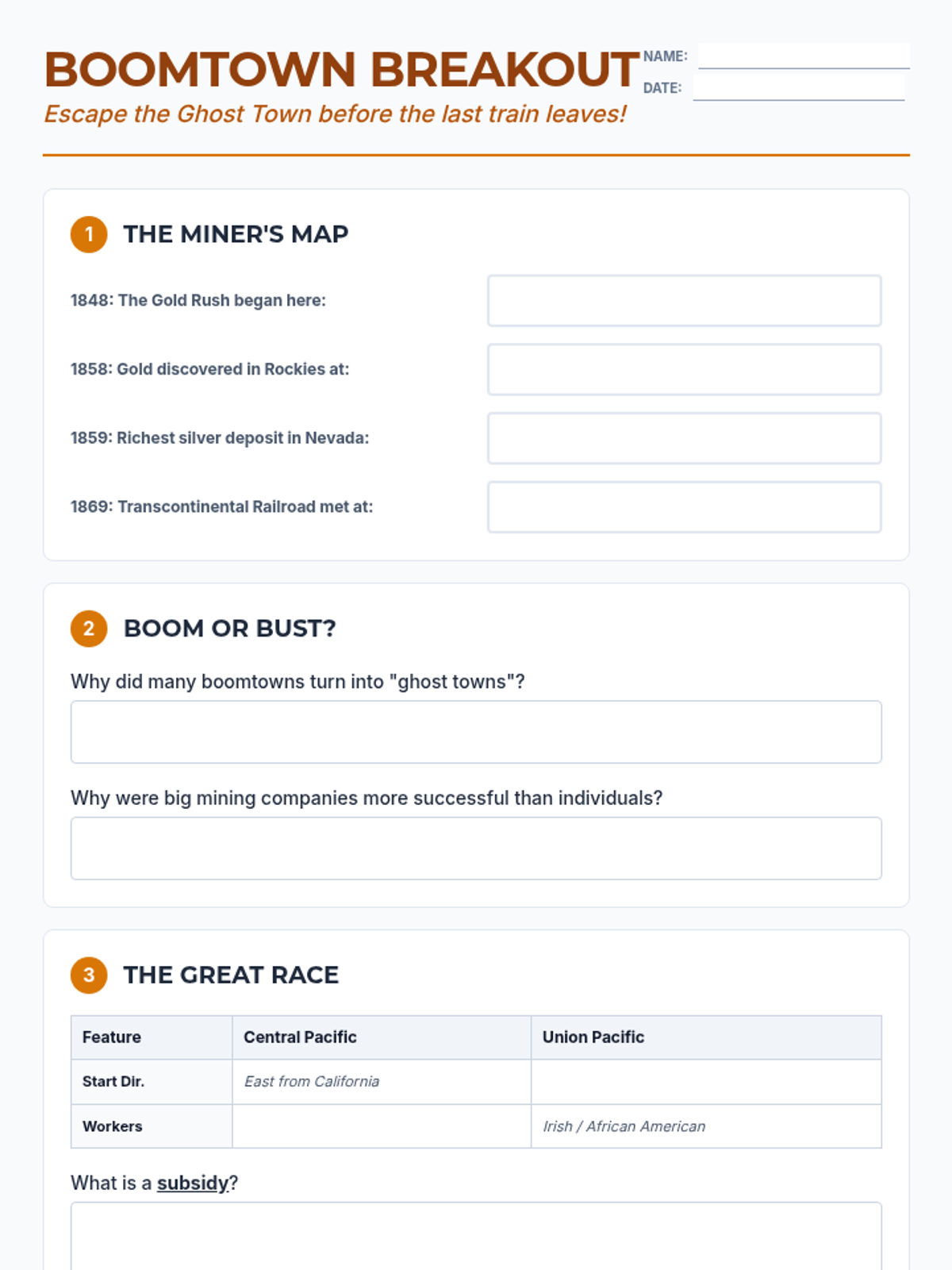
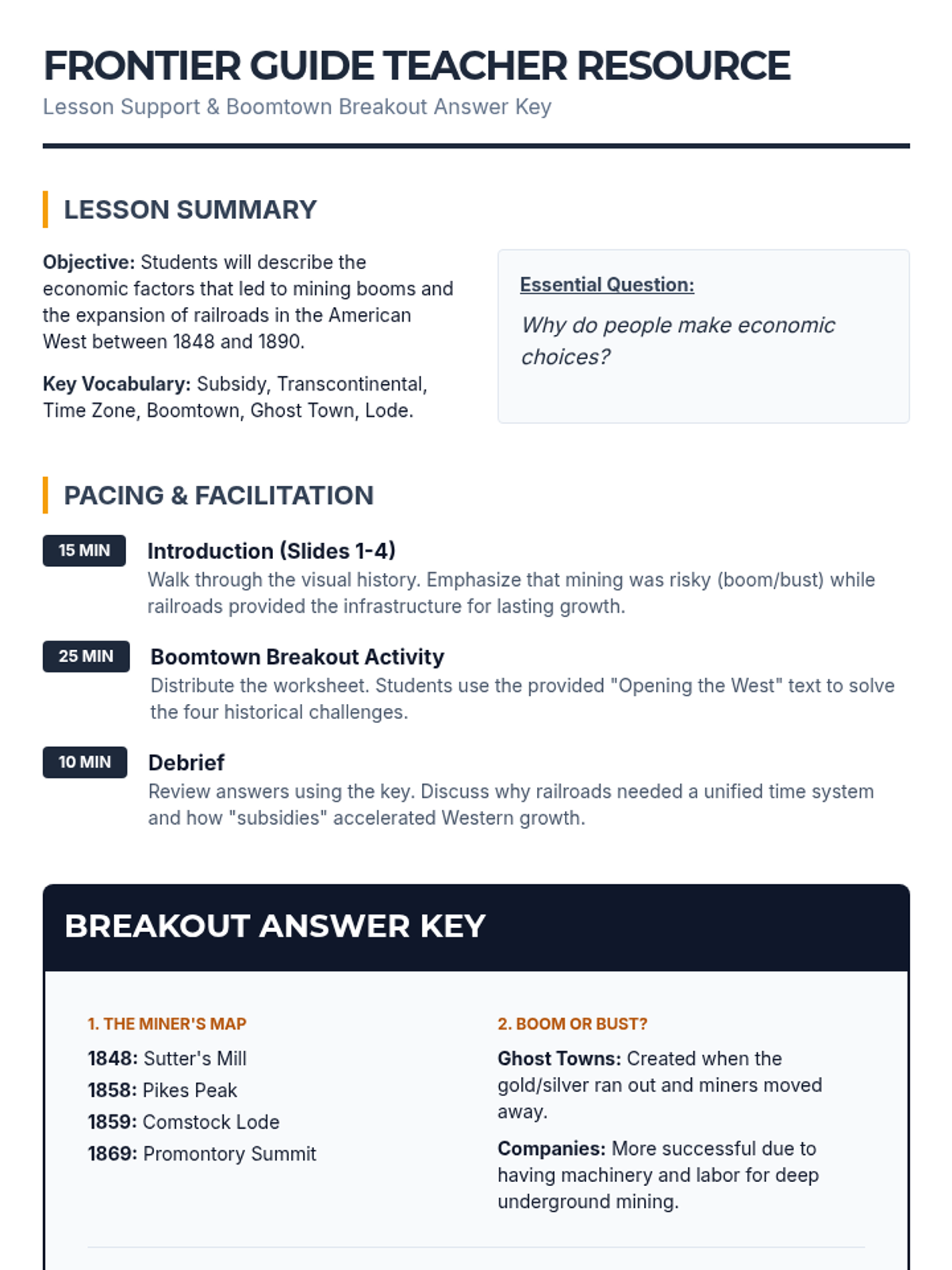
A high-energy lesson on the expansion of the American West, featuring an interactive escape room activity and a visual guide to the mining boom and railroad expansion.
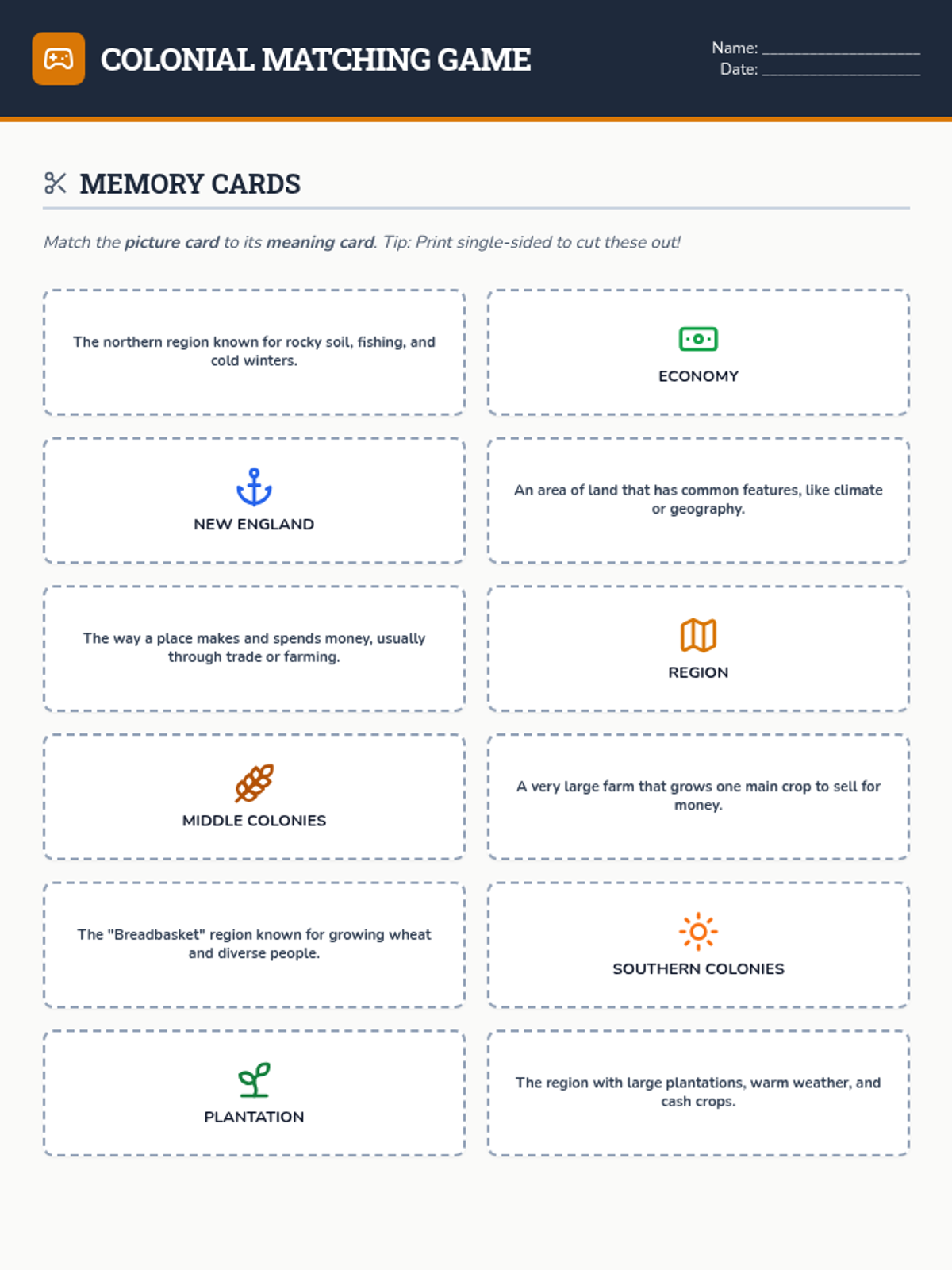
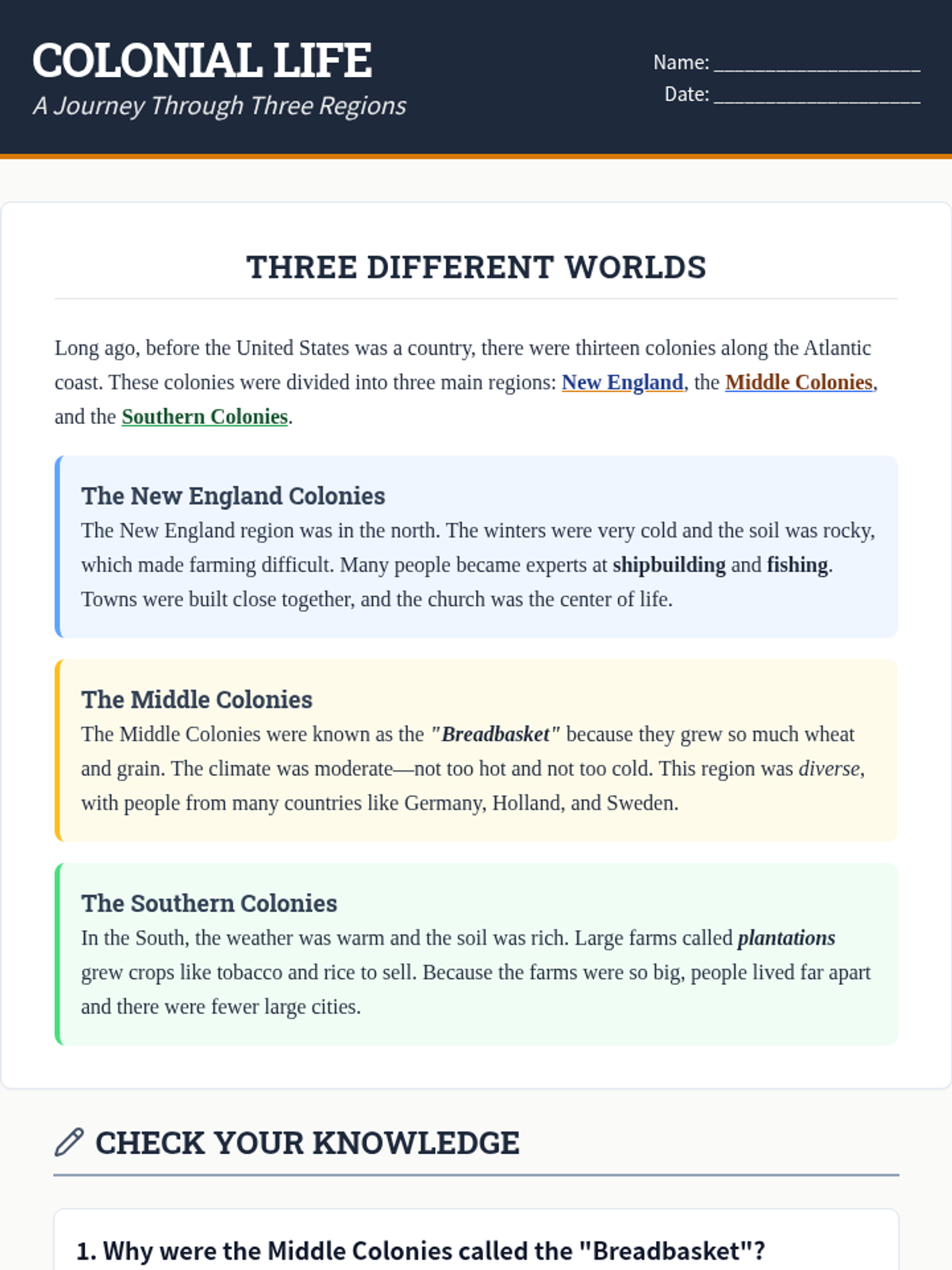
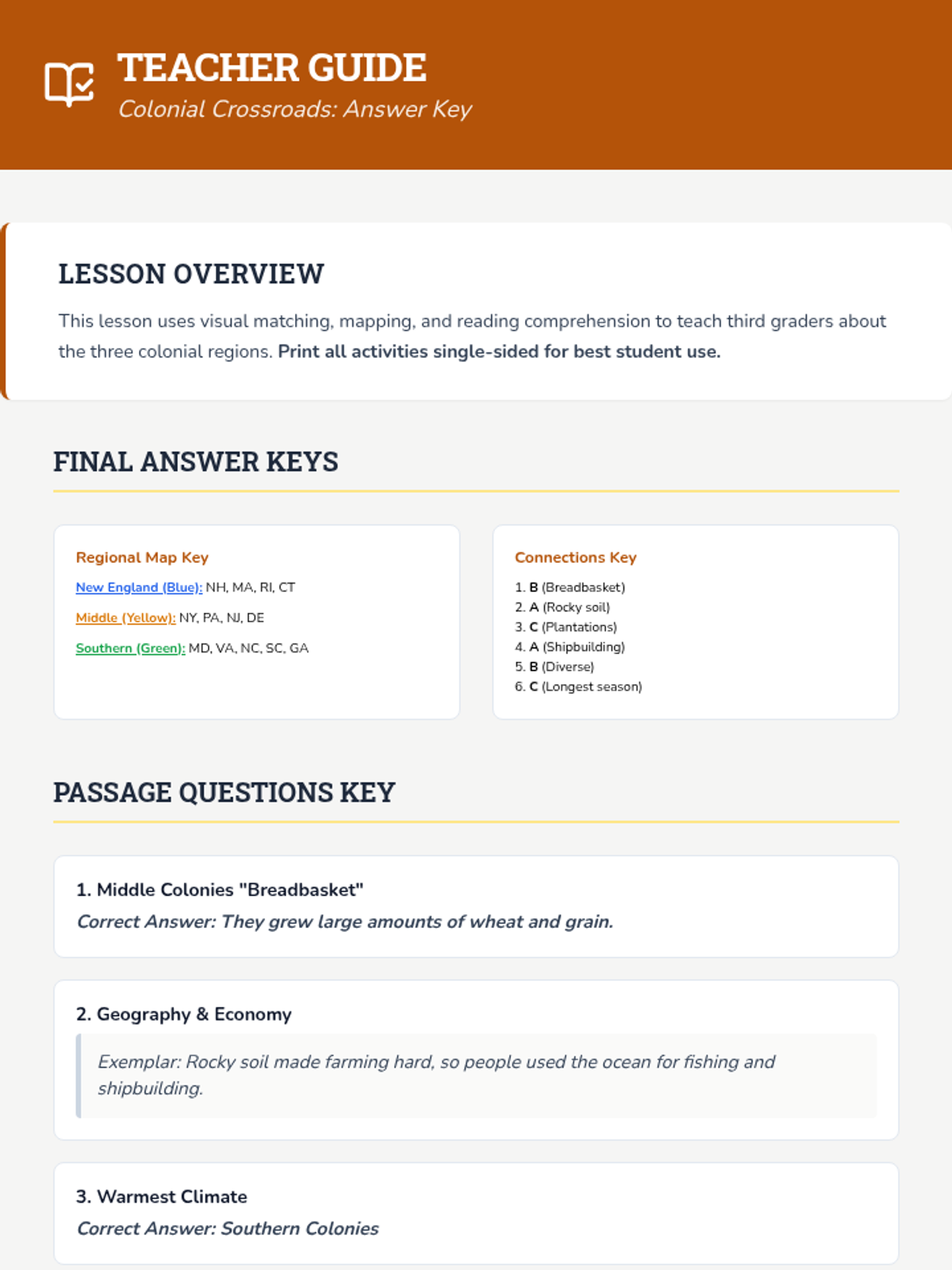
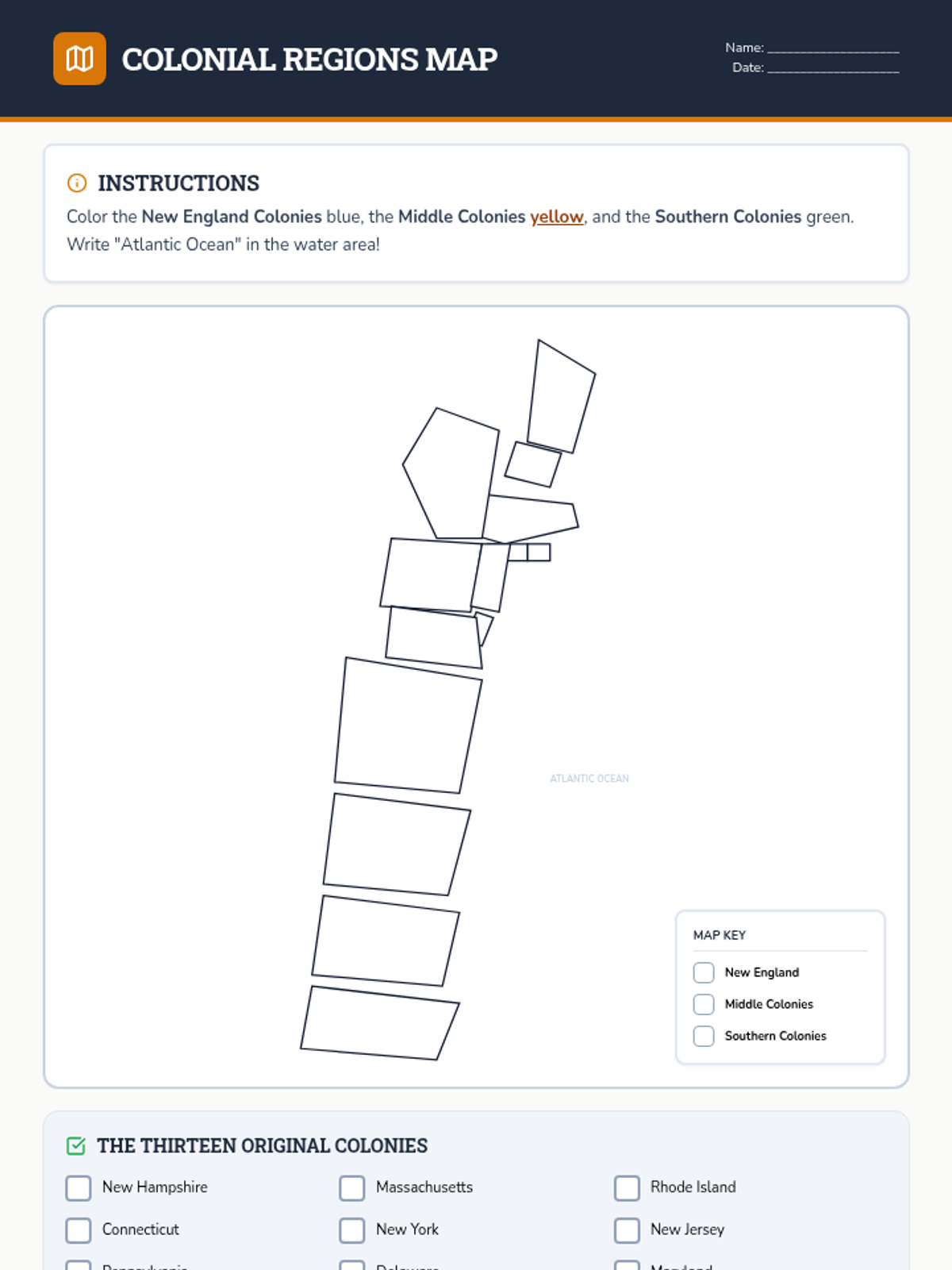
An introductory lesson for third graders to explore the distinct regions of the original thirteen colonies, focusing on geography, climate, and daily life.
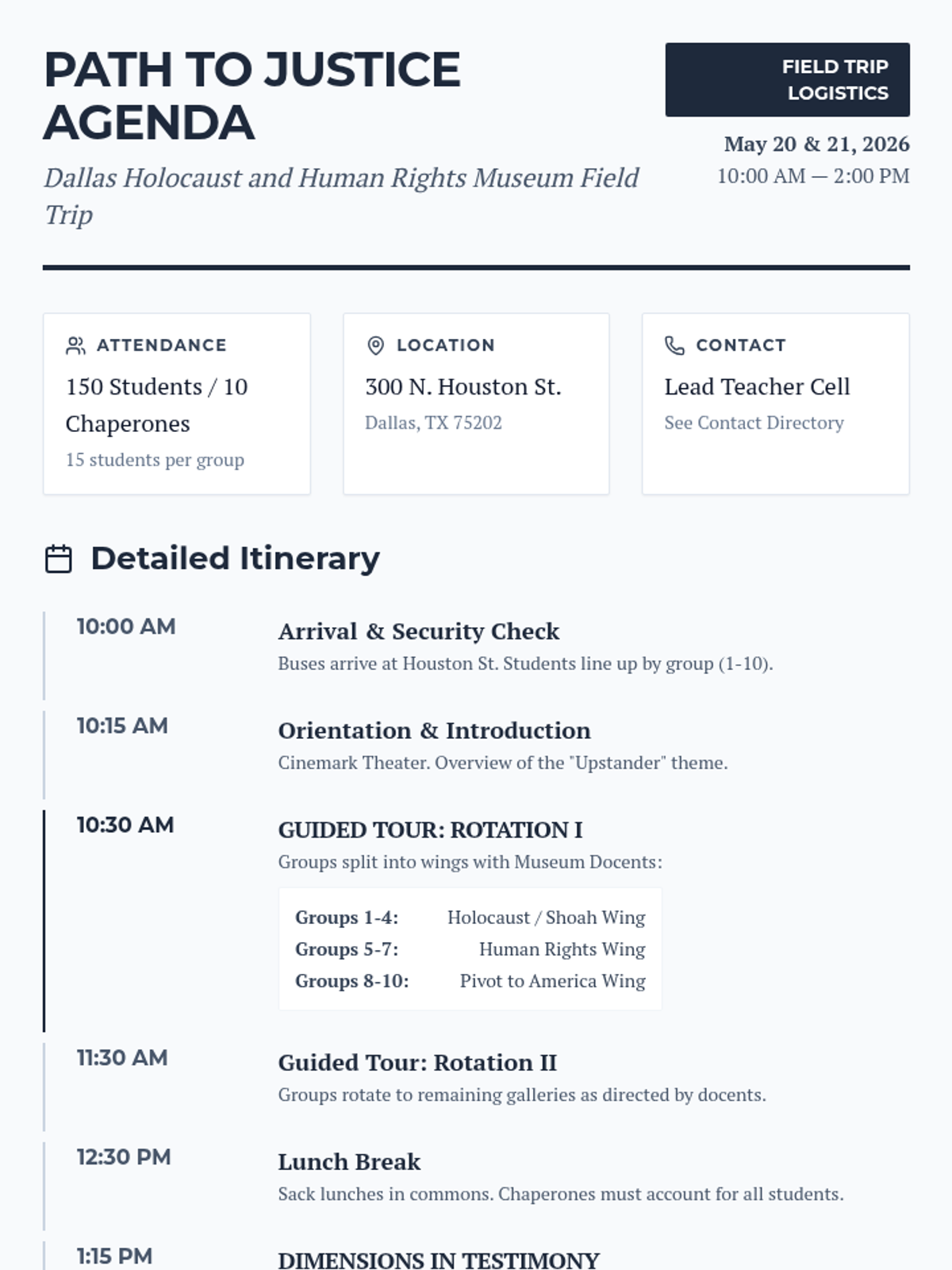
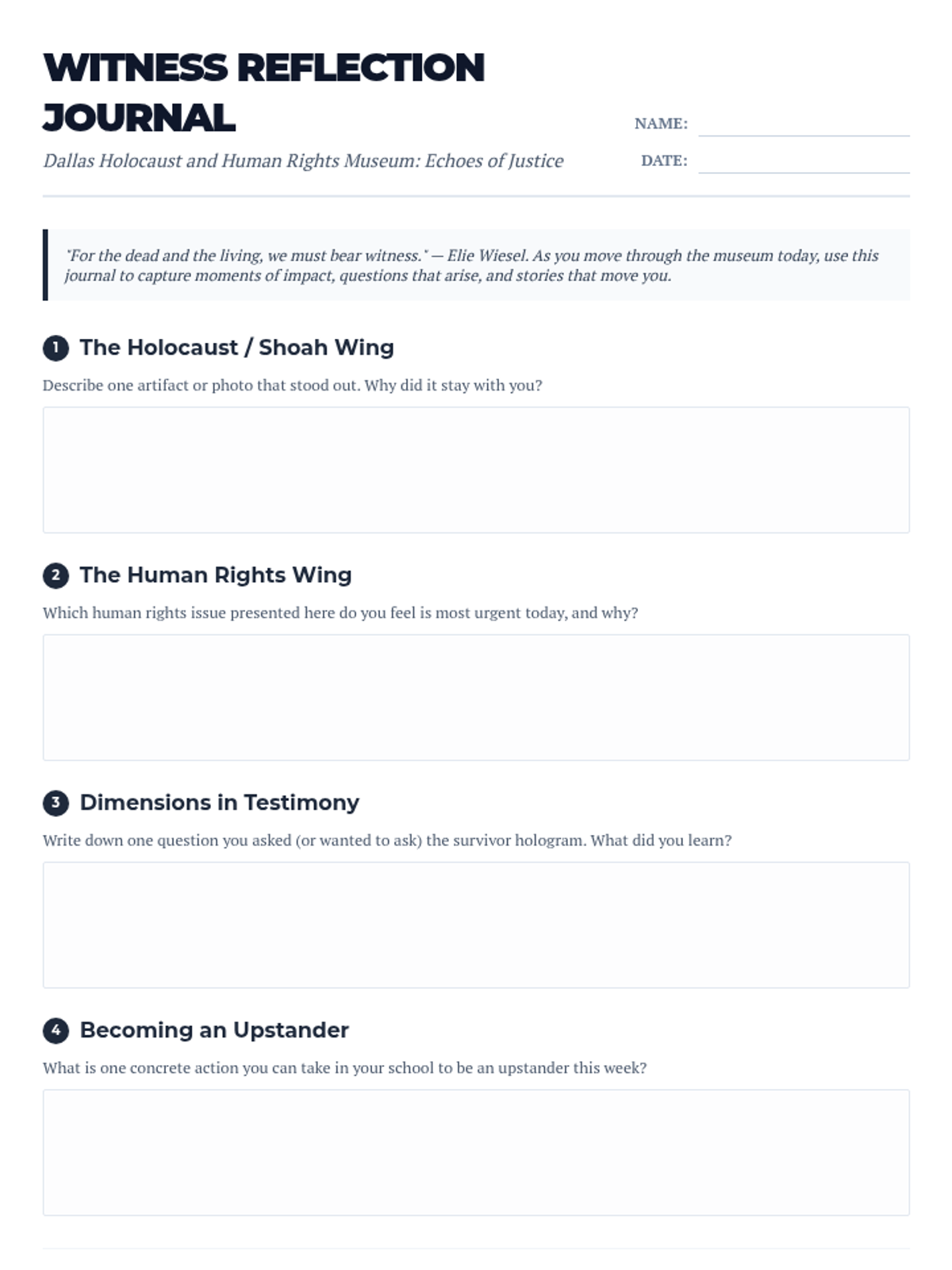
A comprehensive field trip plan for a visit to the Dallas Holocaust and Human Rights Museum, focusing on the history of the Holocaust, human rights struggles, and the importance of upstander behavior.
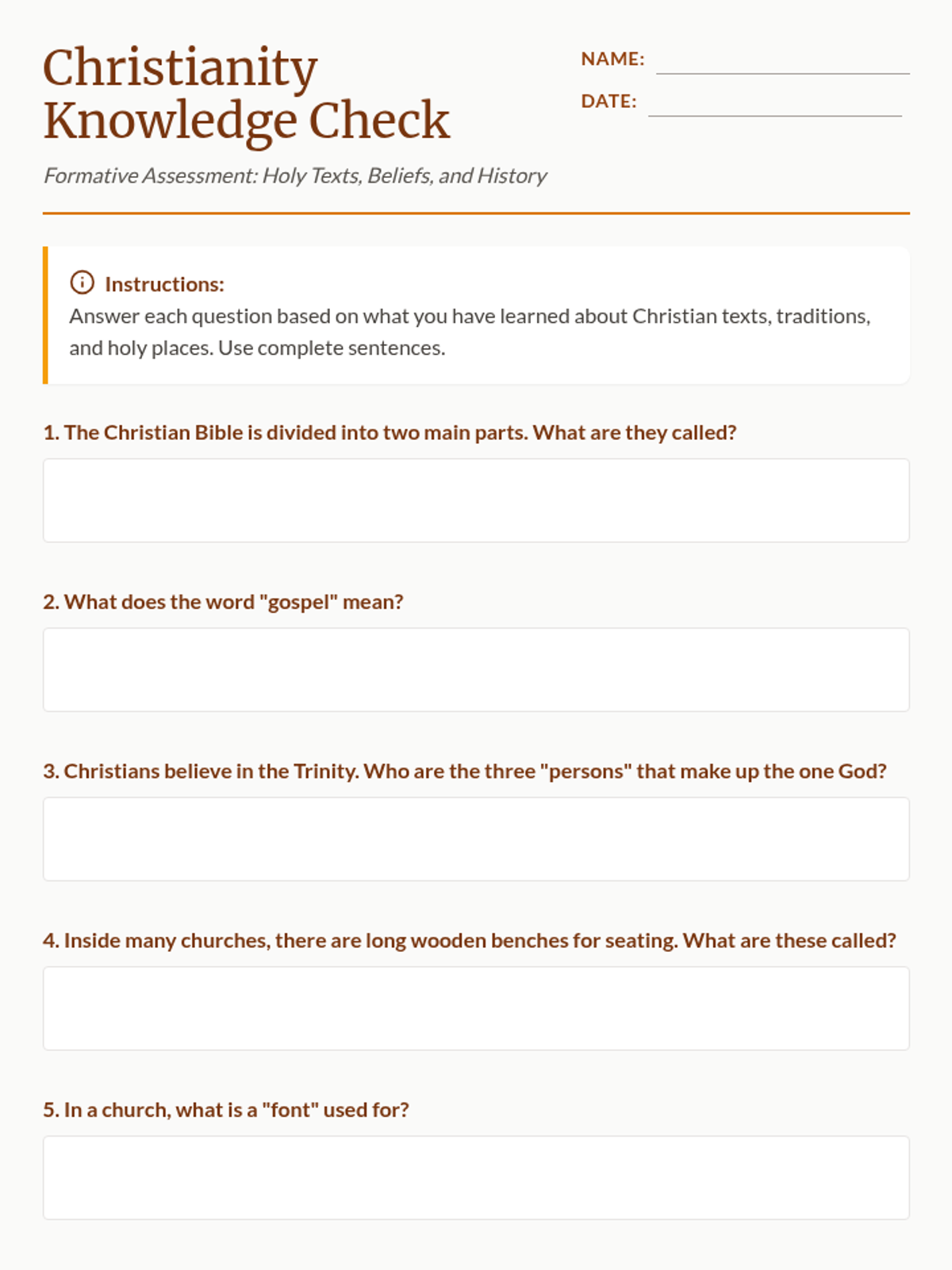
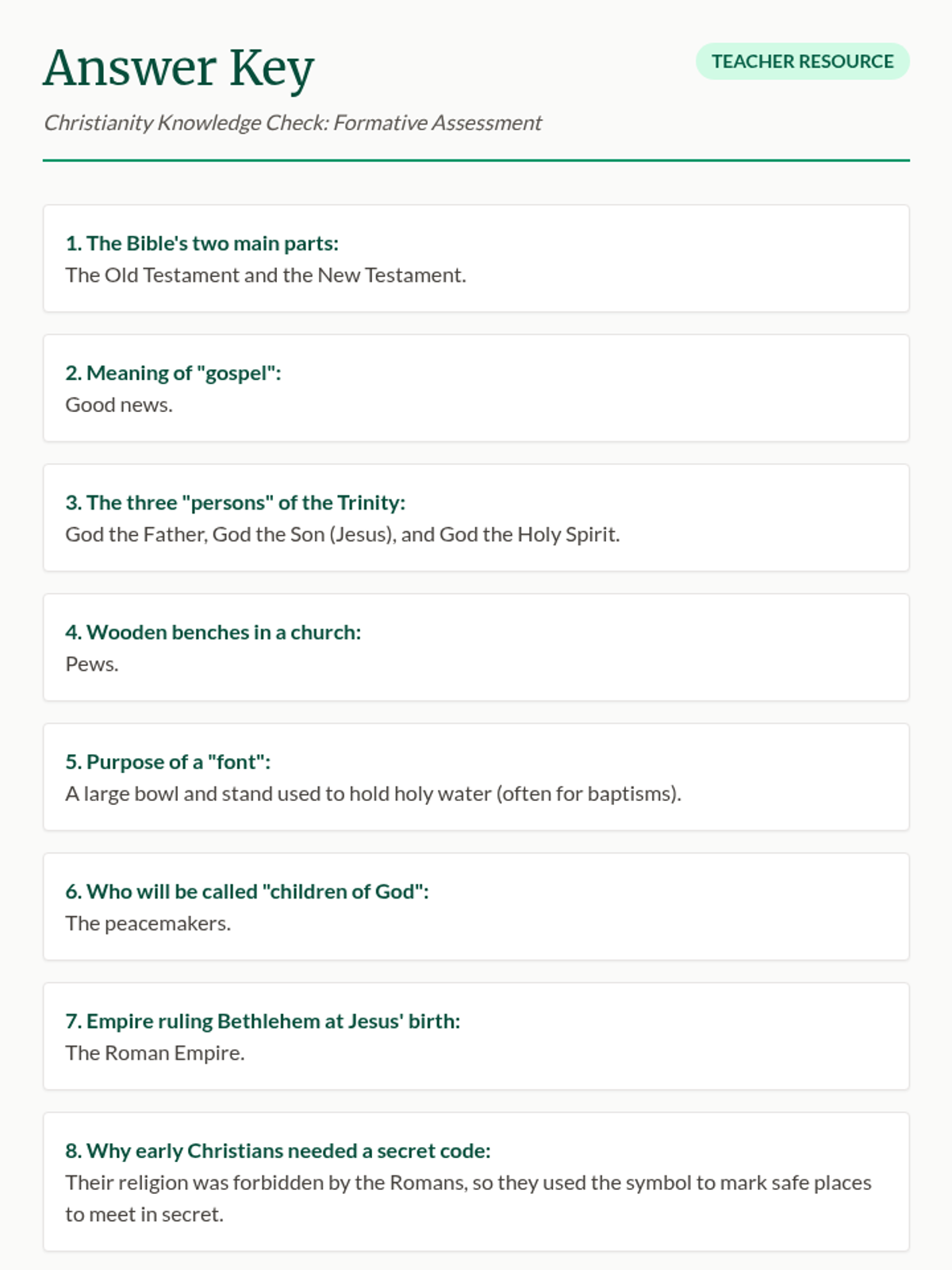
A lesson exploring the foundational texts, beliefs, and history of Christianity through the study of holy texts, sacred spaces, and key historical figures.
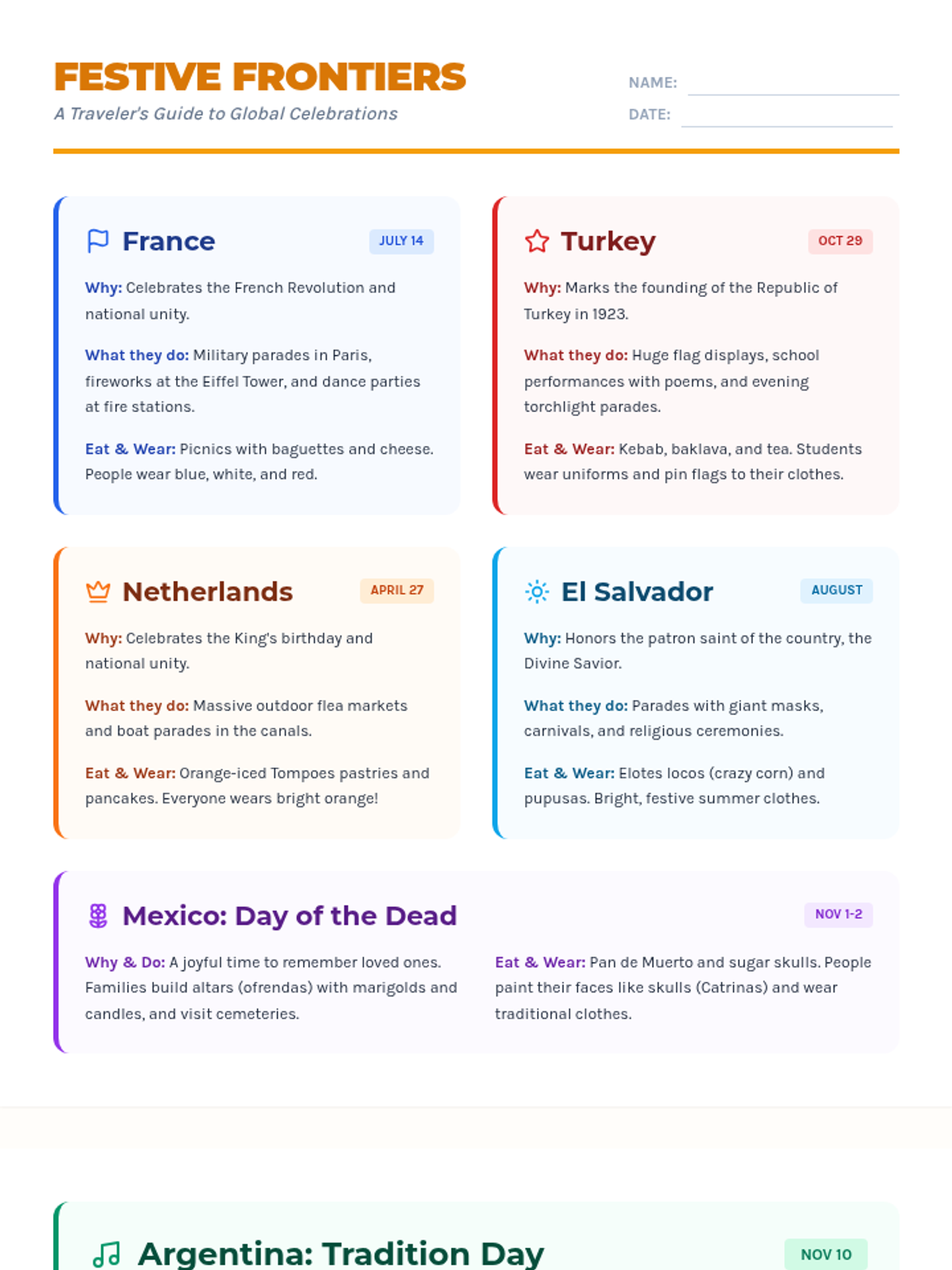
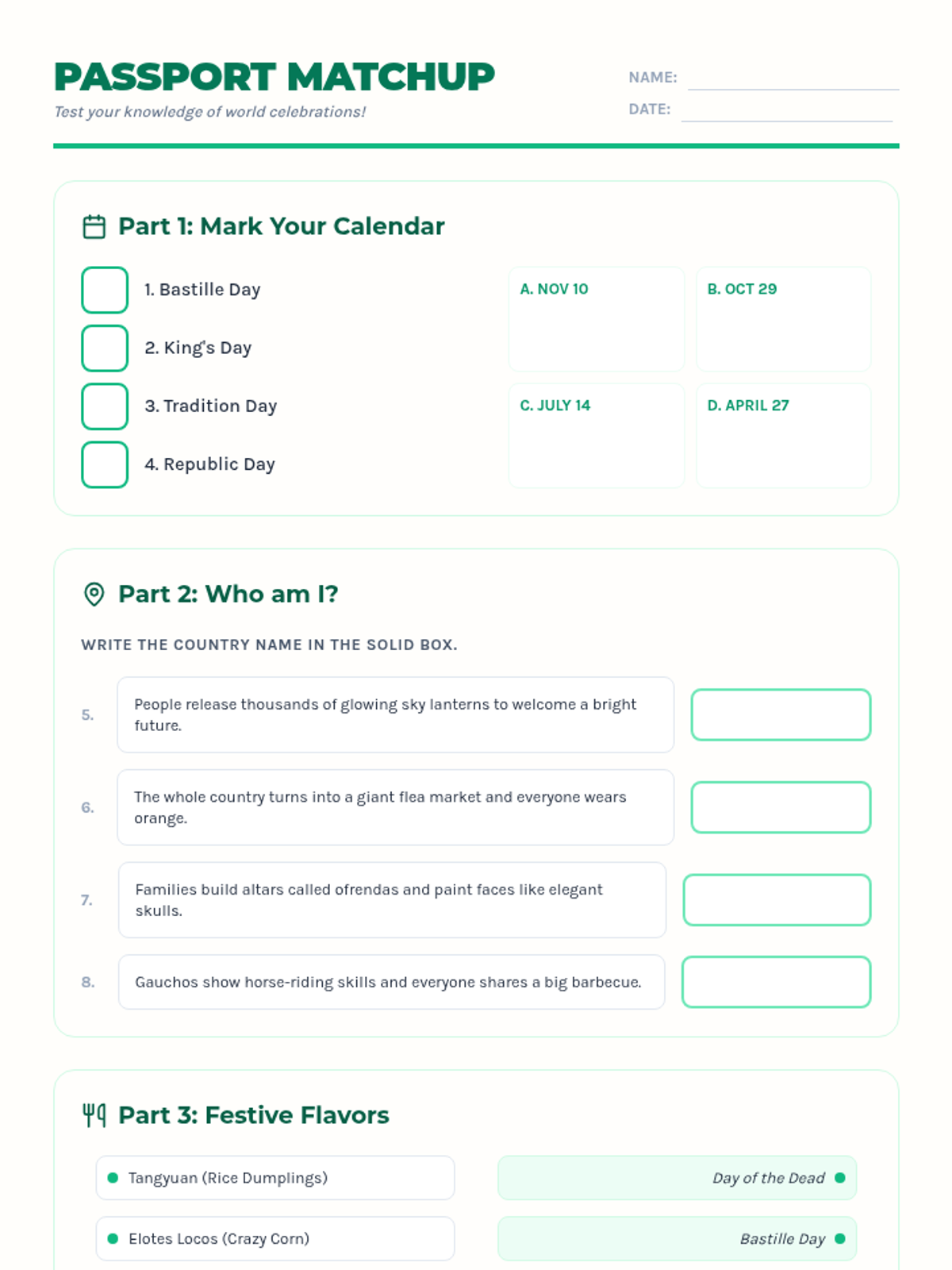
Explore traditional festivals from seven different countries through detailed reading passages and interactive matching activities designed for upper-intermediate ESL students.
An introductory exploration of the foundations of Islam, covering the Five Pillars, geography, and practices of worship for 6th-grade students.
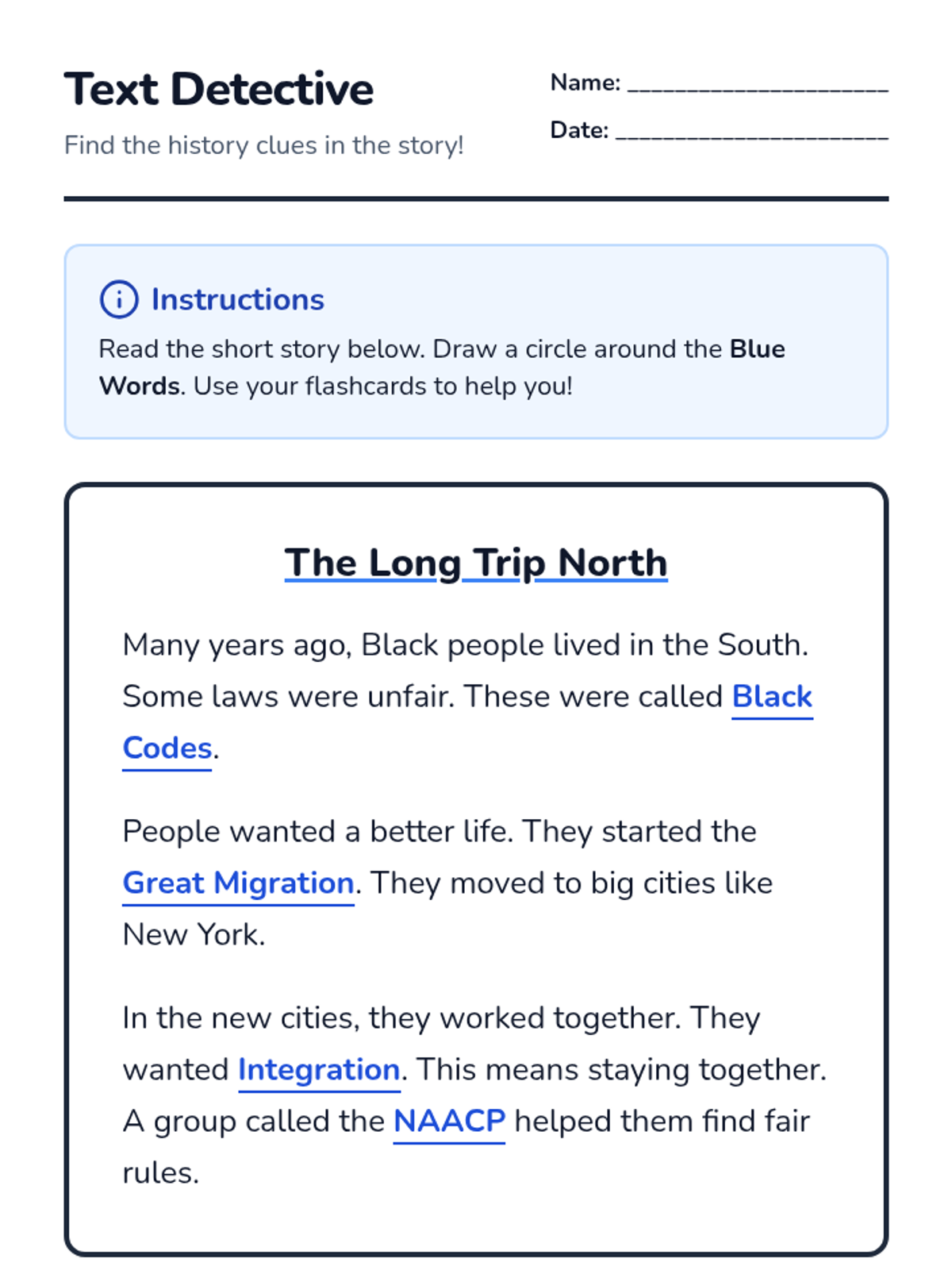
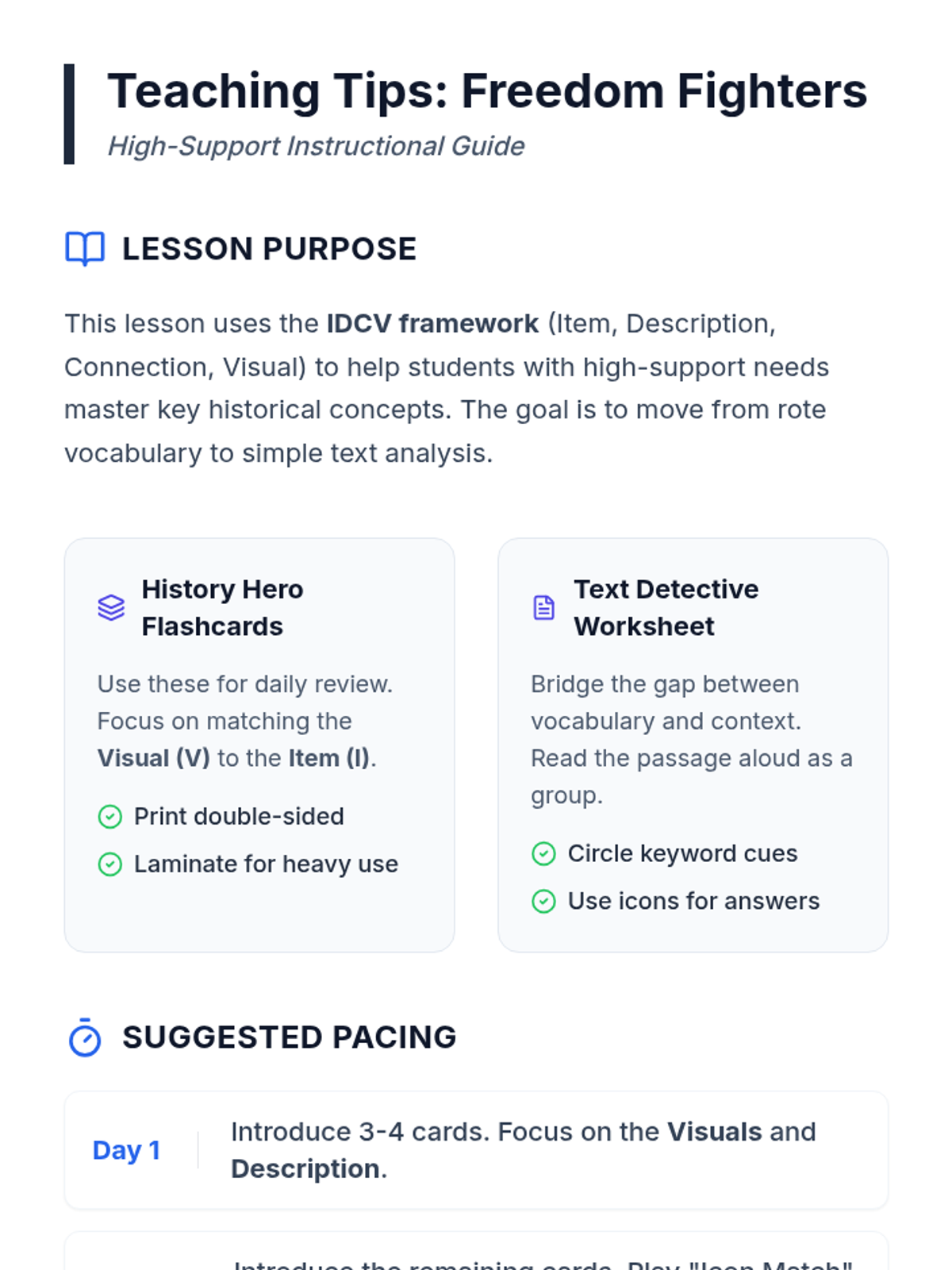
A set of resources focused on analyzing key terms and movements from early 20th-century African American history, designed for students with high-support needs.
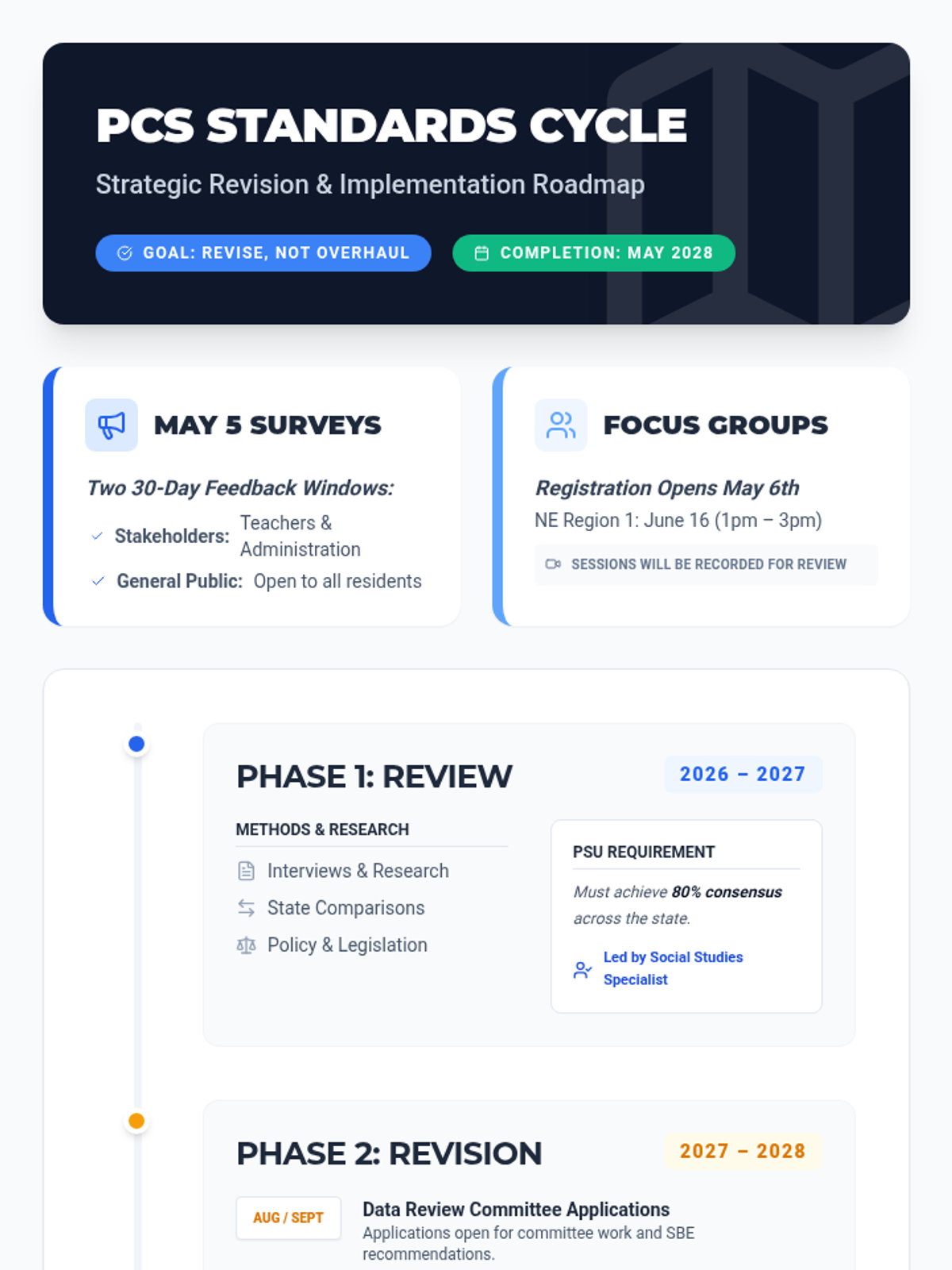
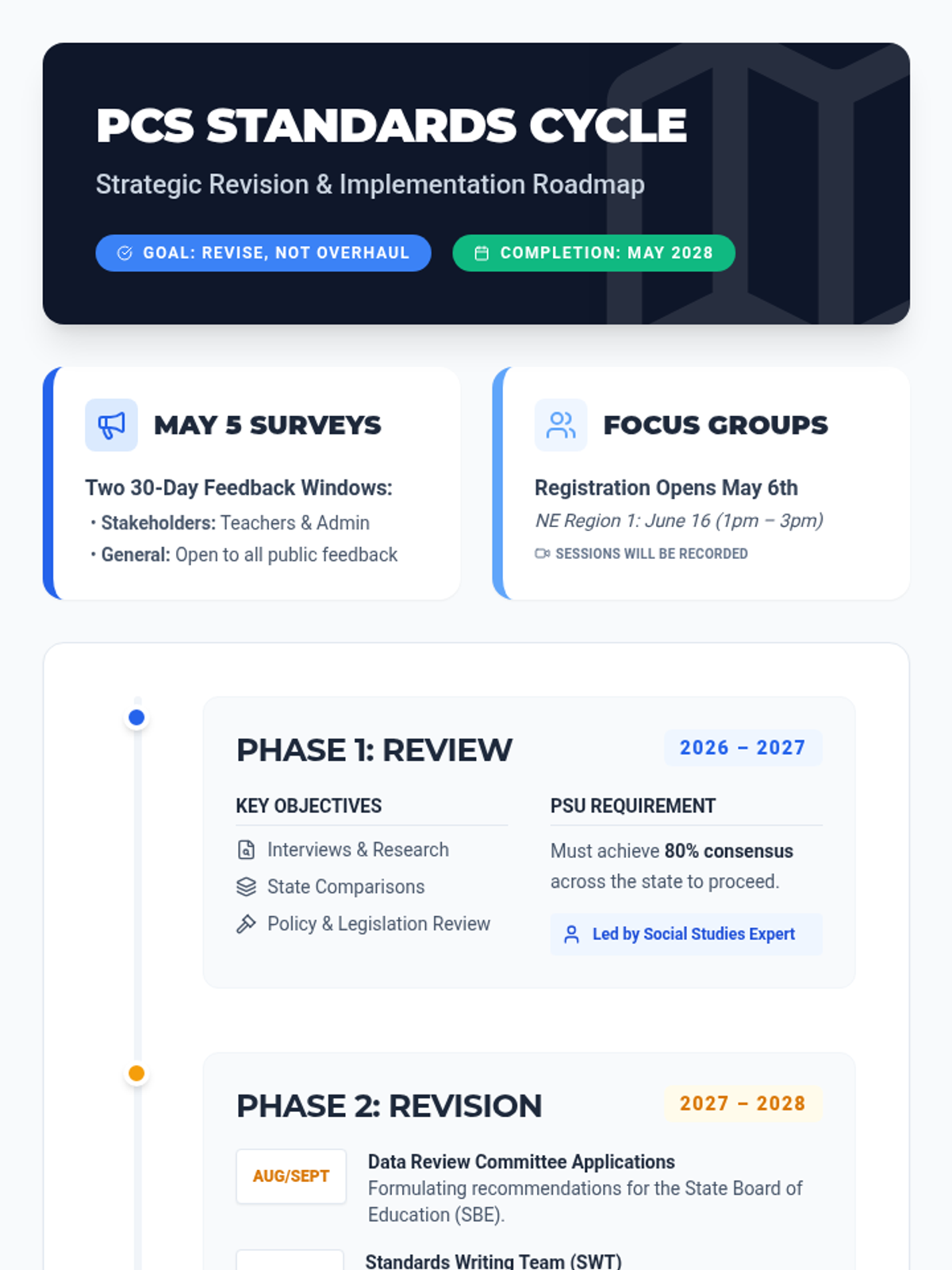
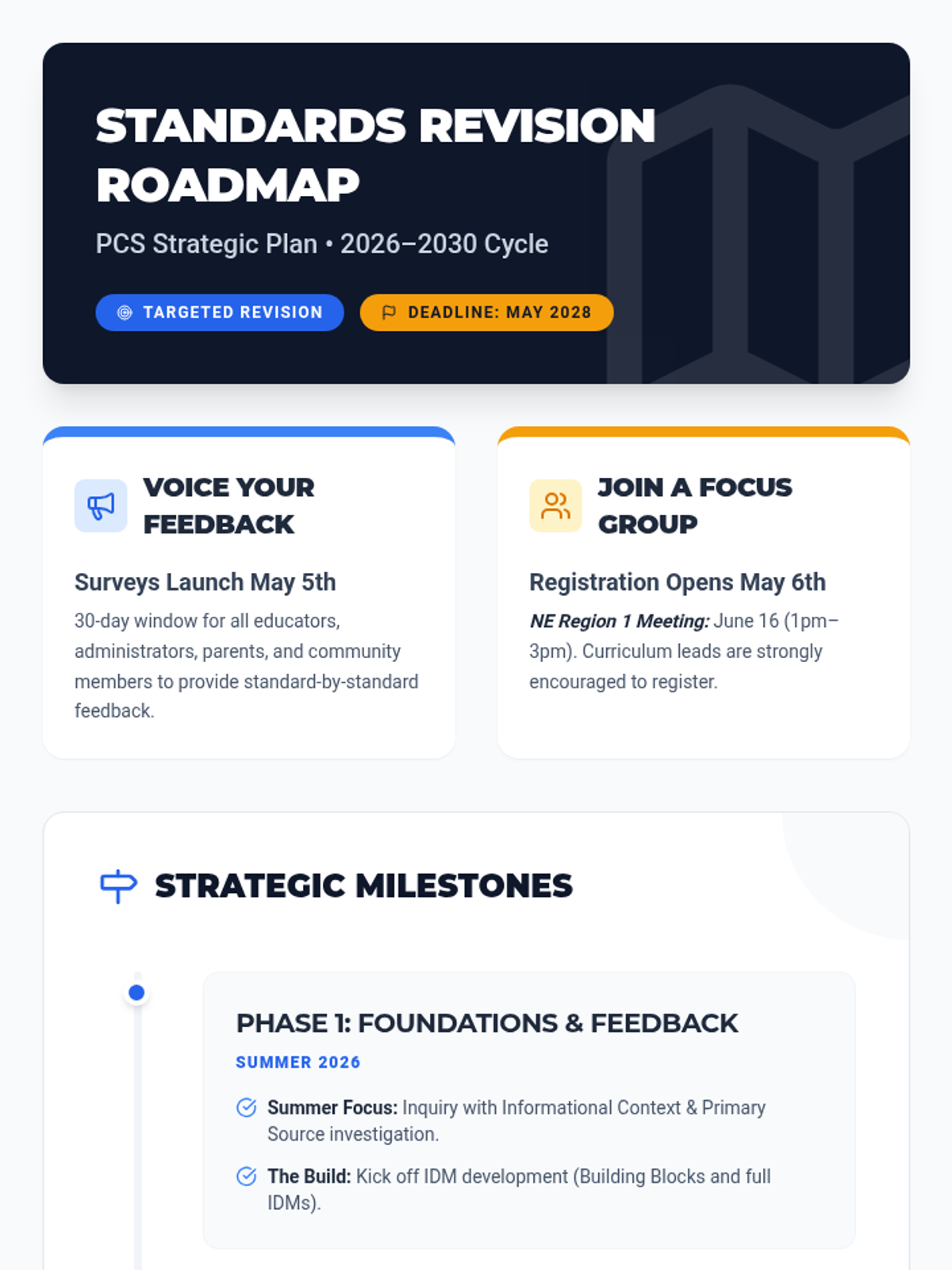
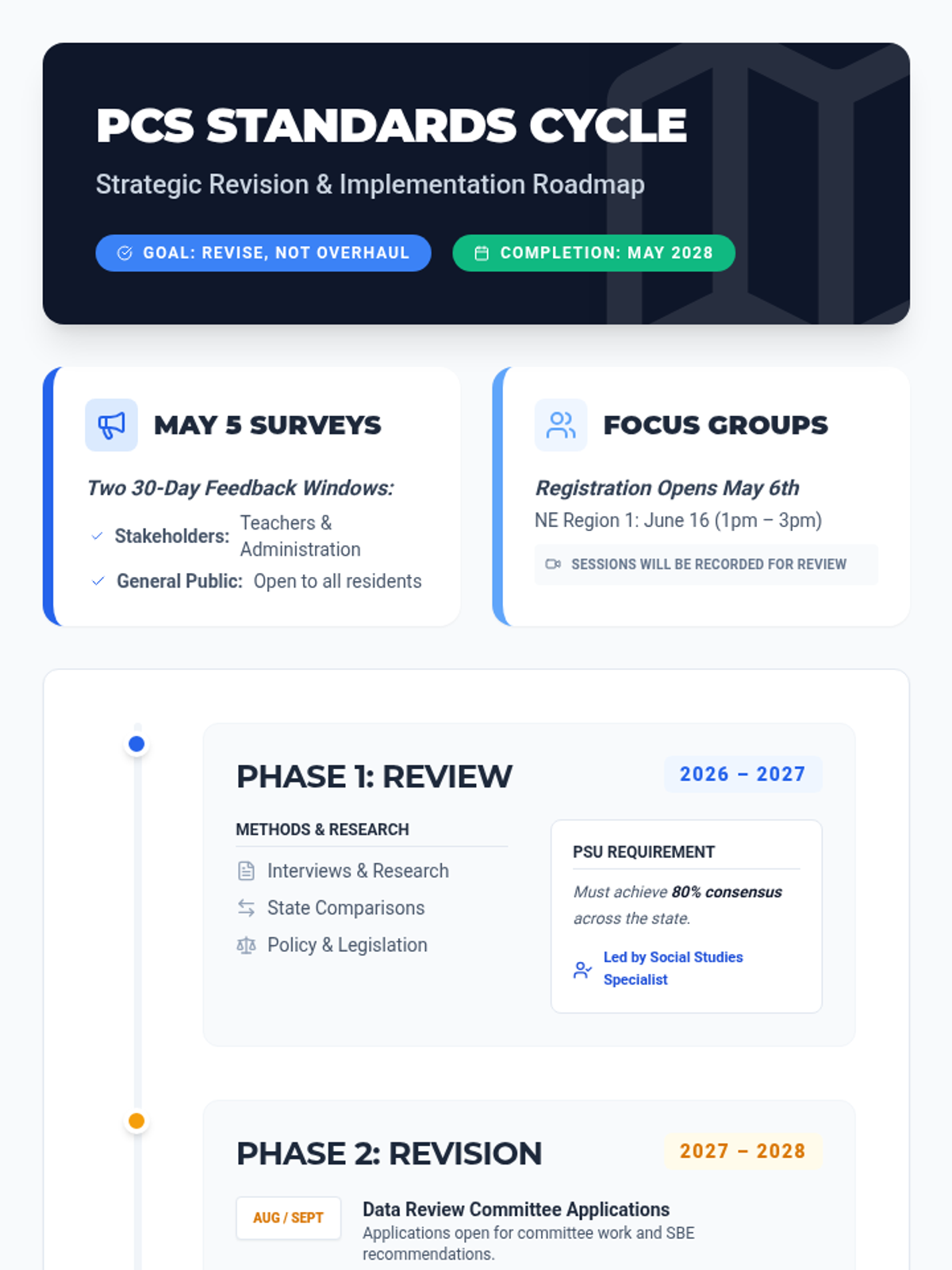
A comprehensive guide to the PCS standards revision process, including the multi-year timeline, feedback cycles, and curriculum build phases from 2026 to 2030.
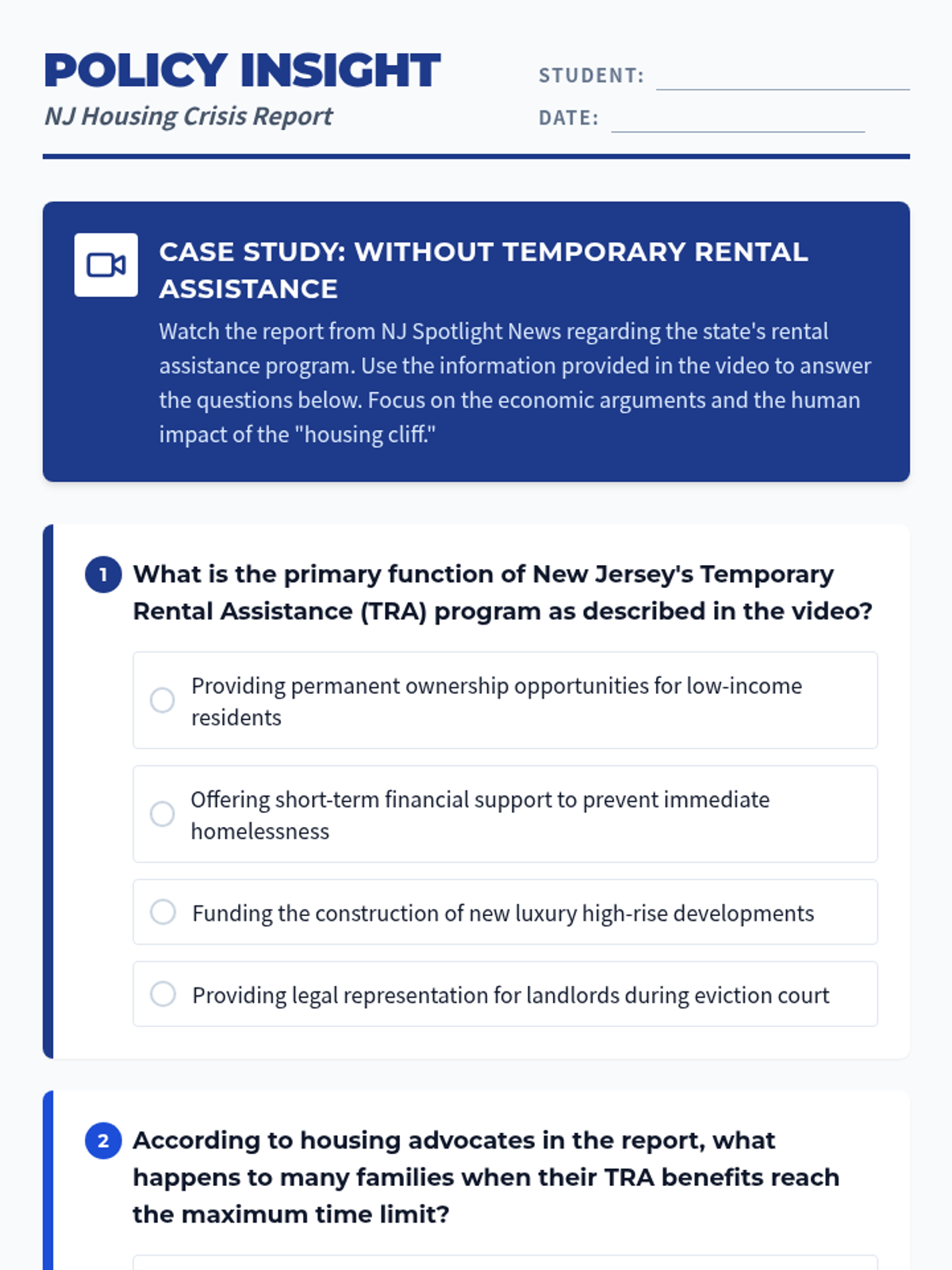
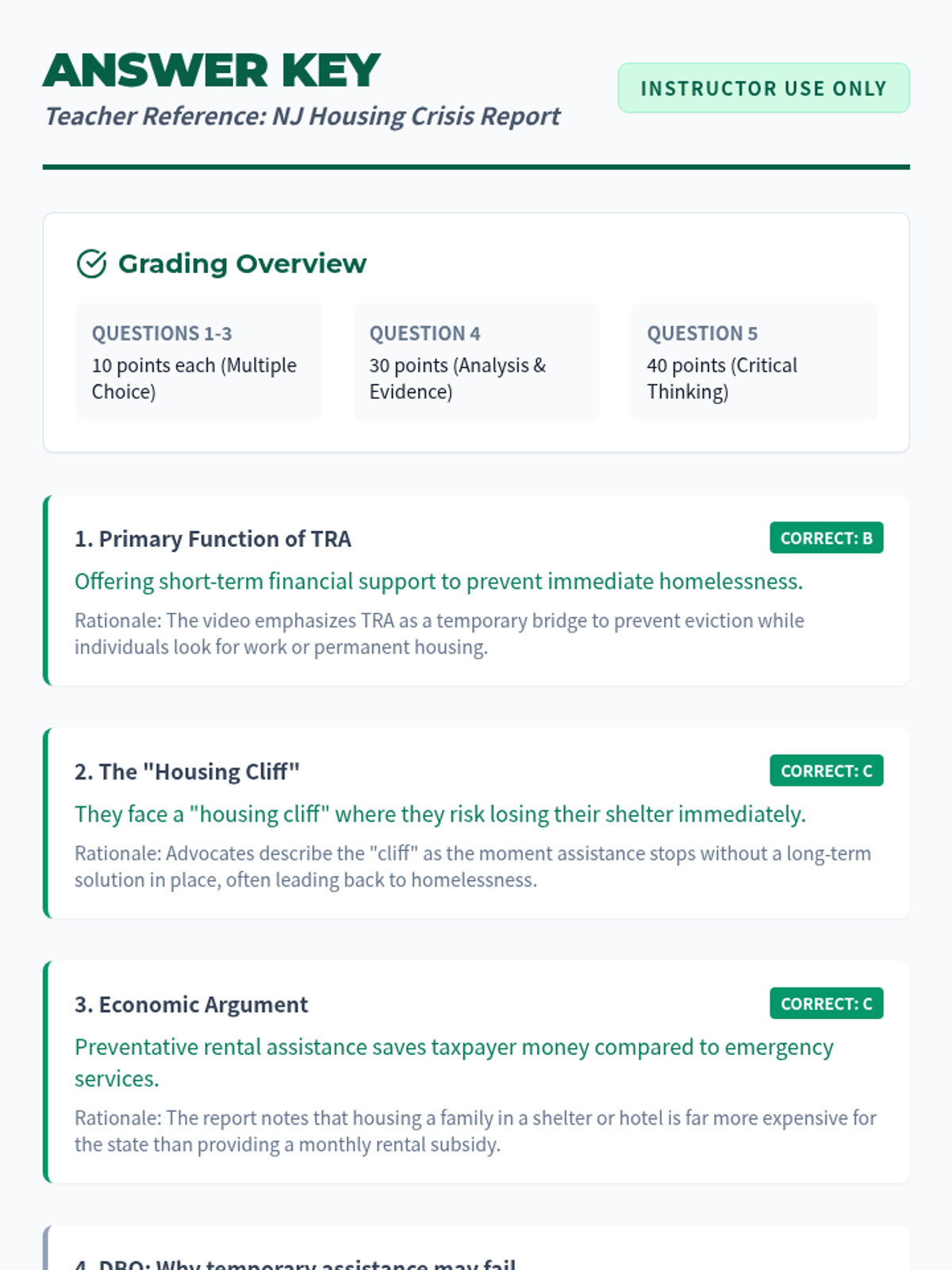
This lesson explores the impact of New Jersey's Temporary Rental Assistance (TRA) program on preventing homelessness, analyzing the economic and social benefits of housing stability through a news report lens.
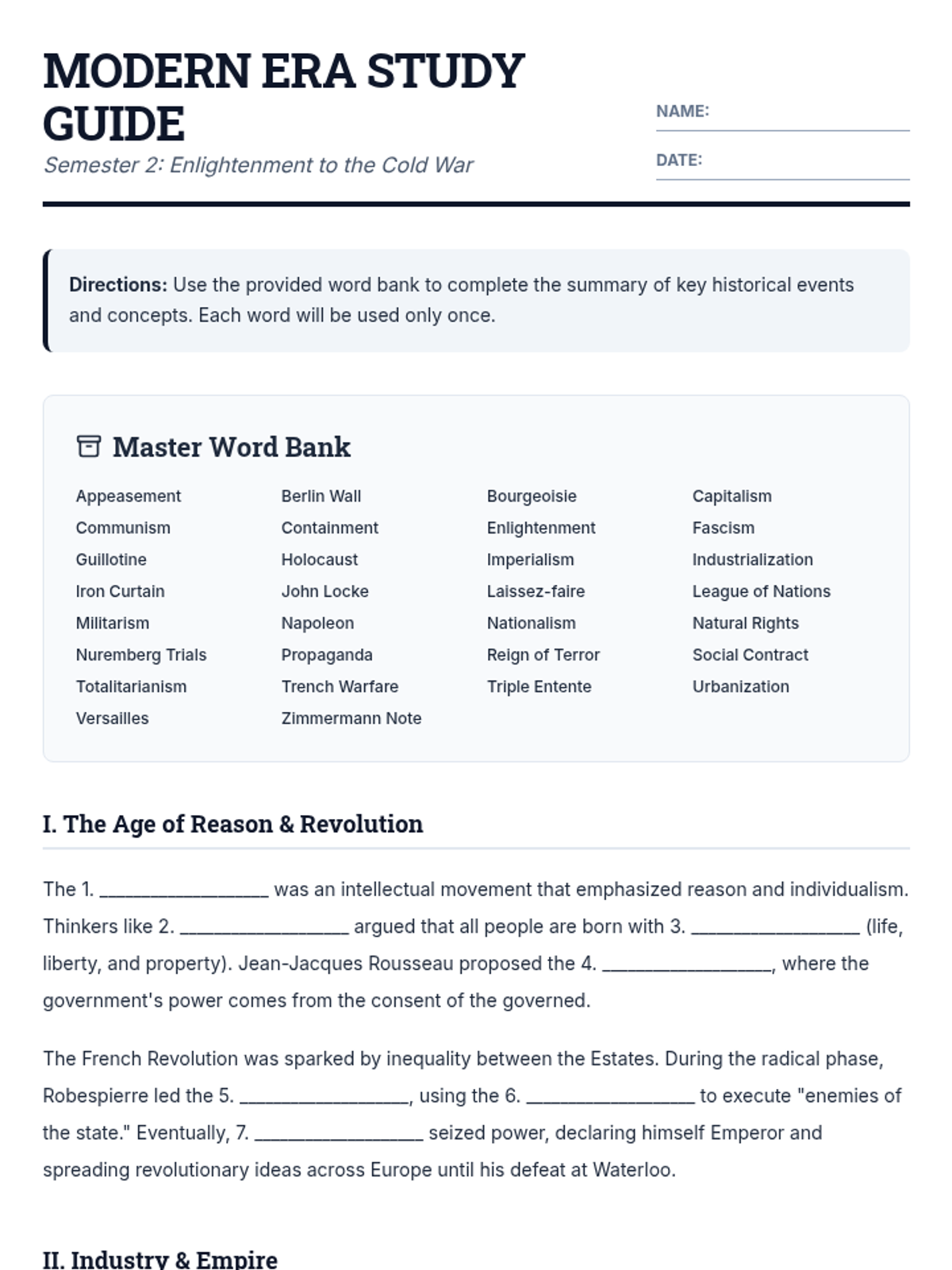
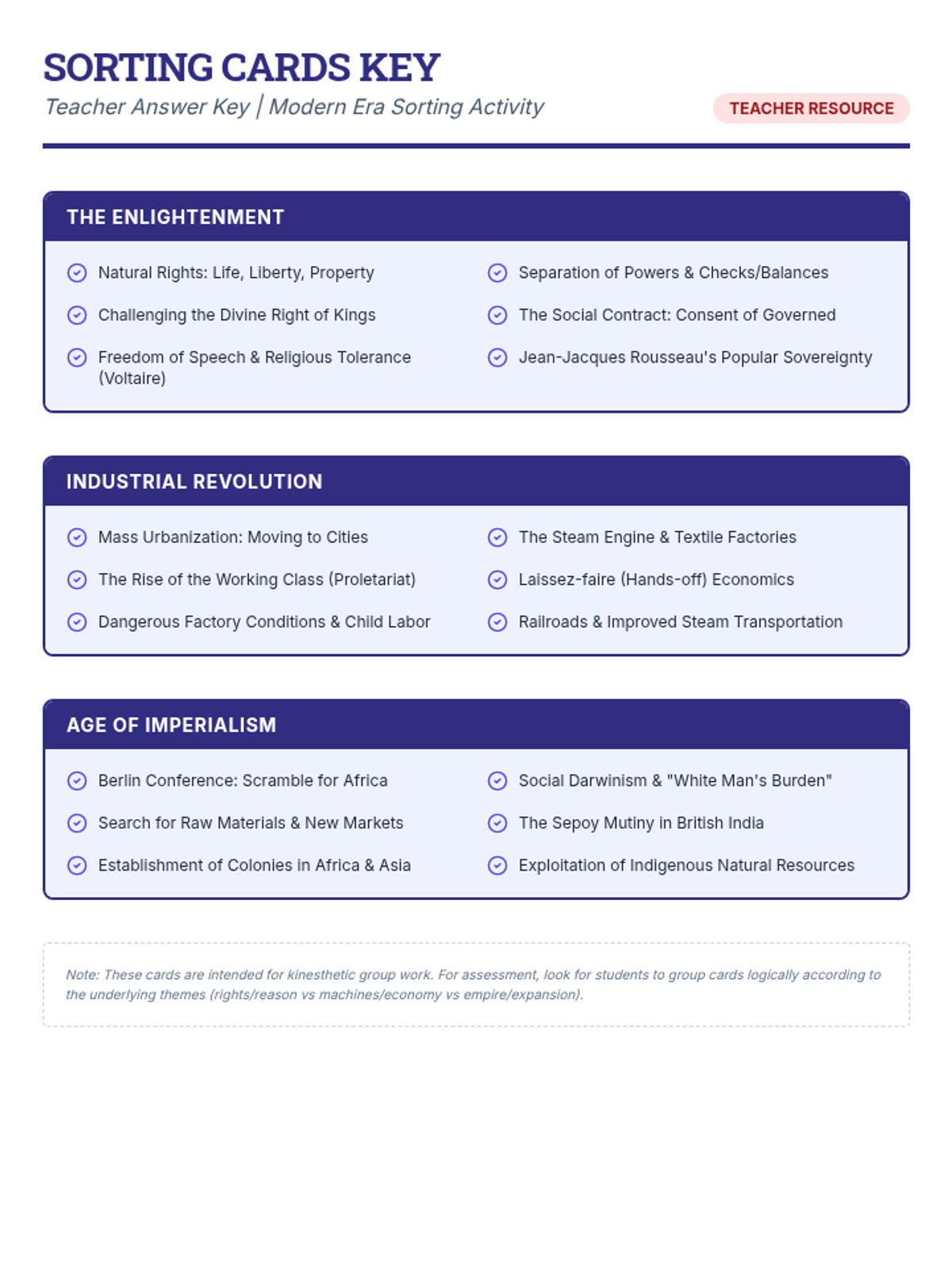
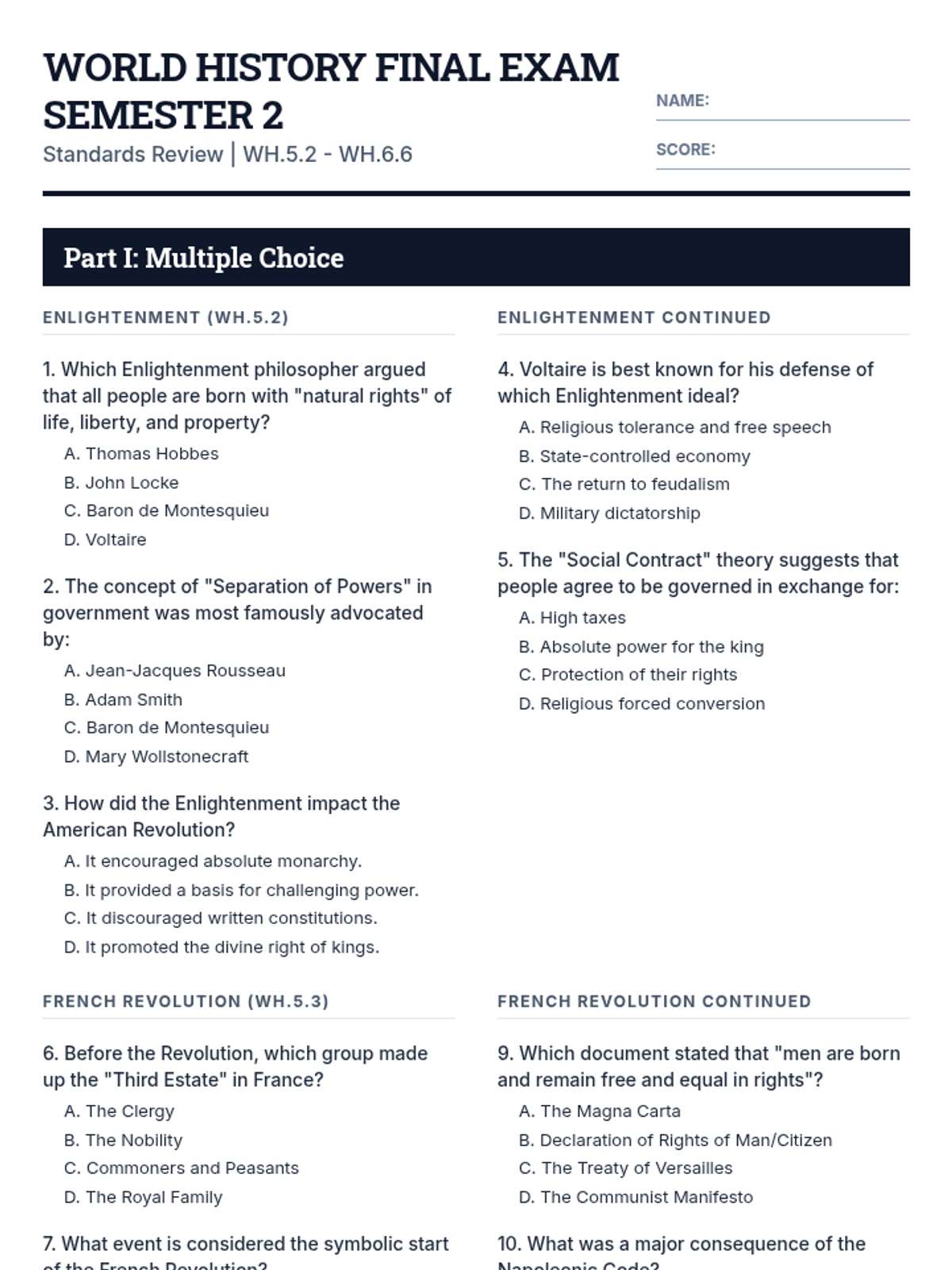
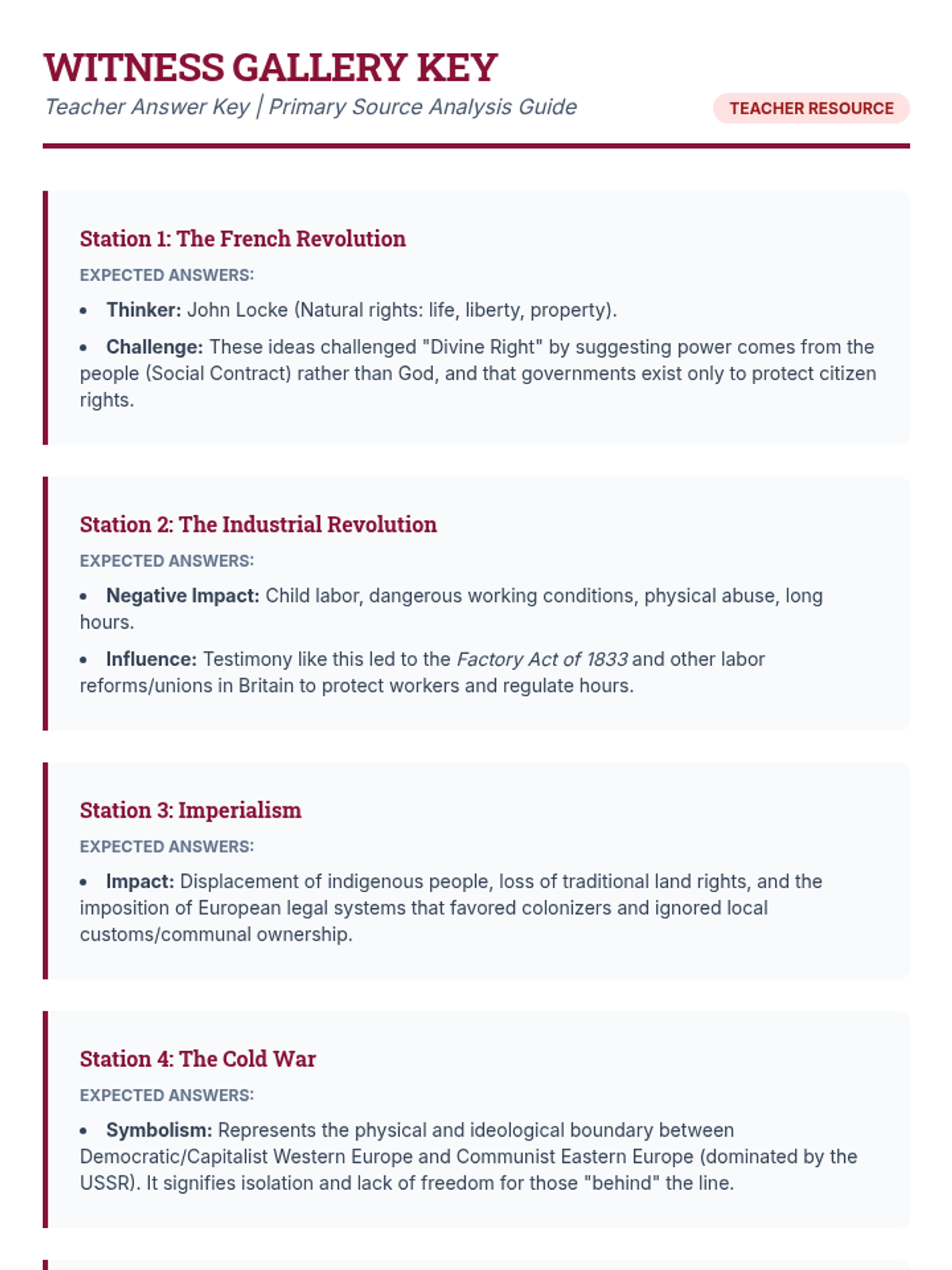
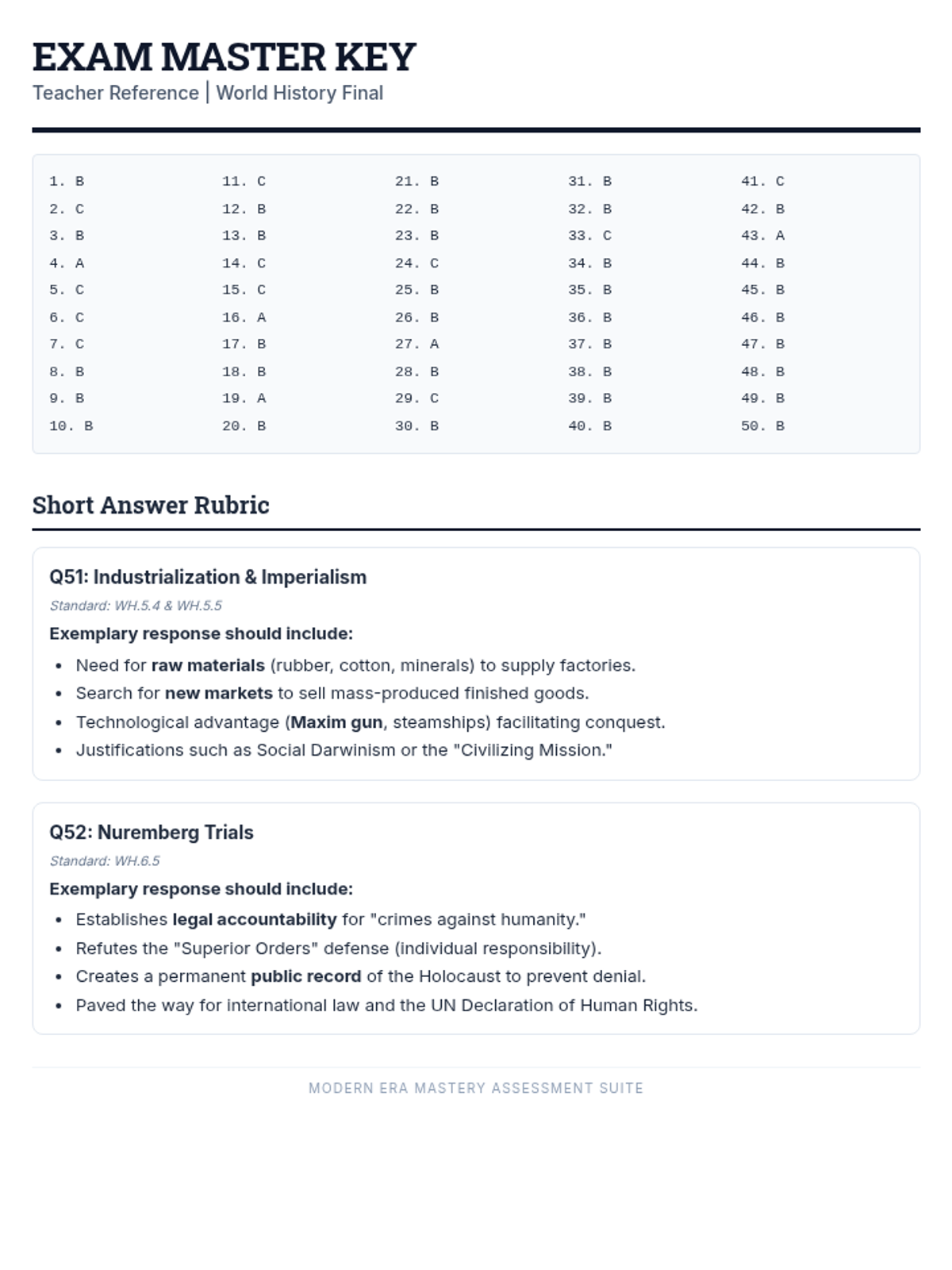
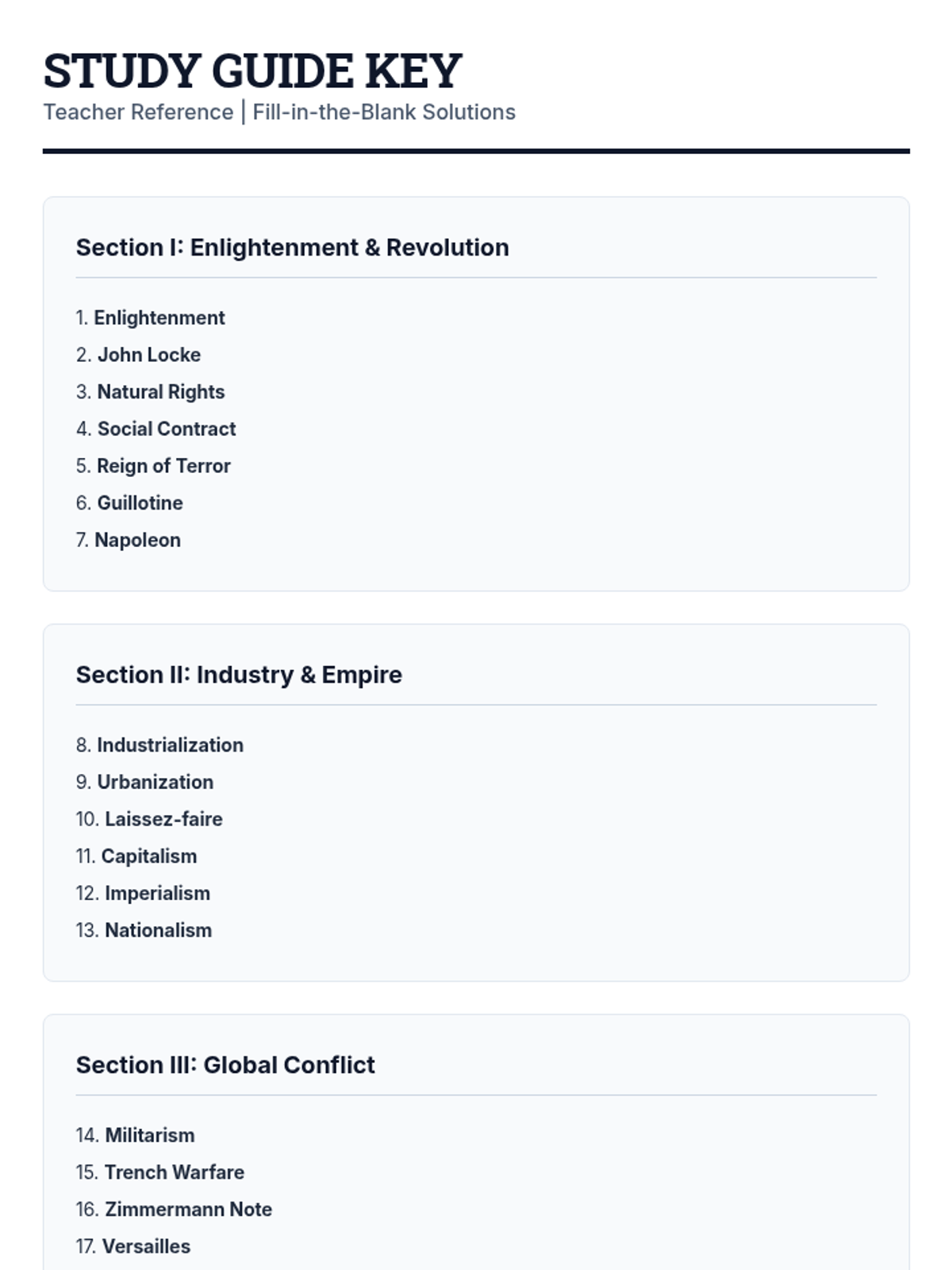
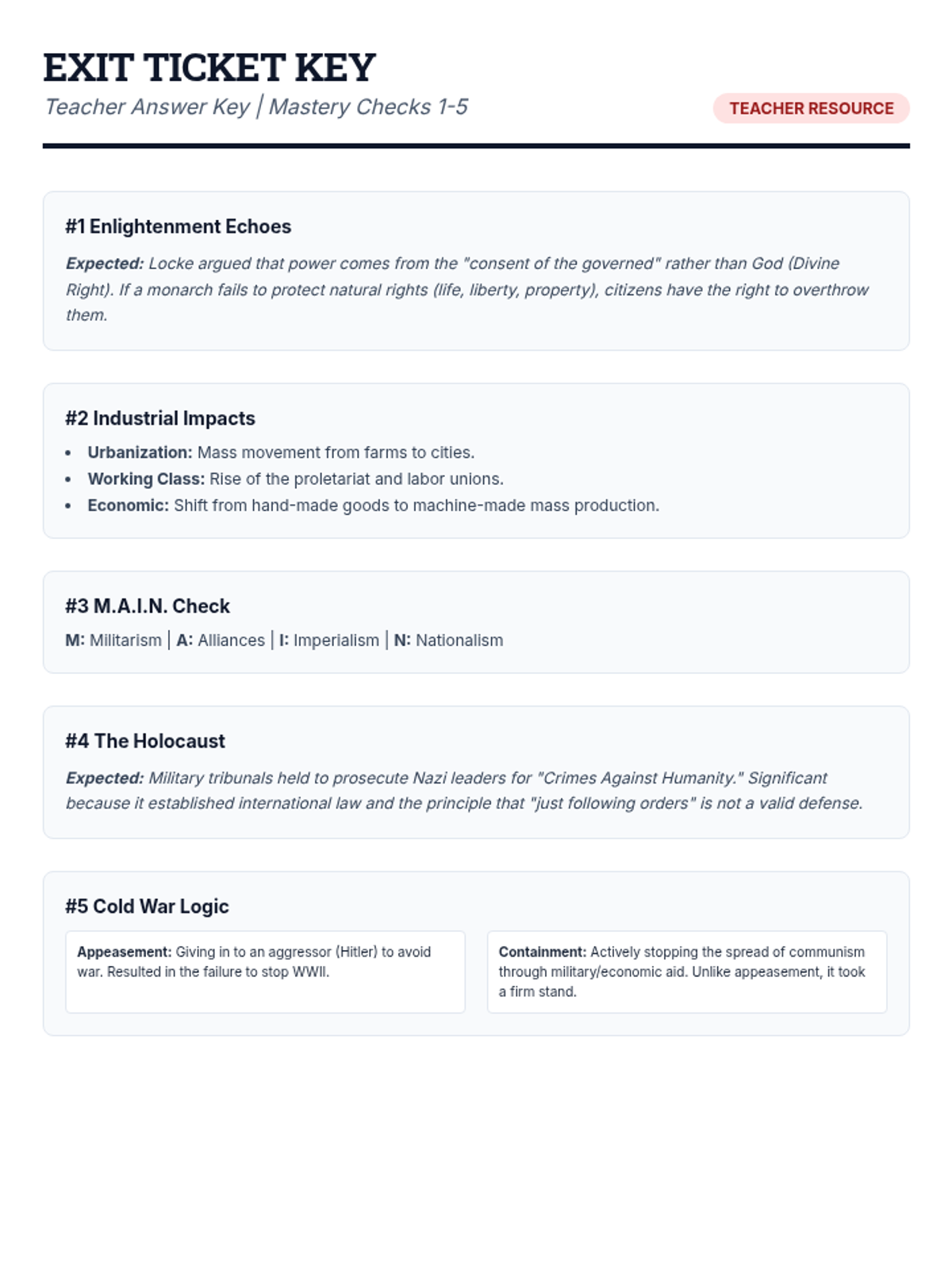
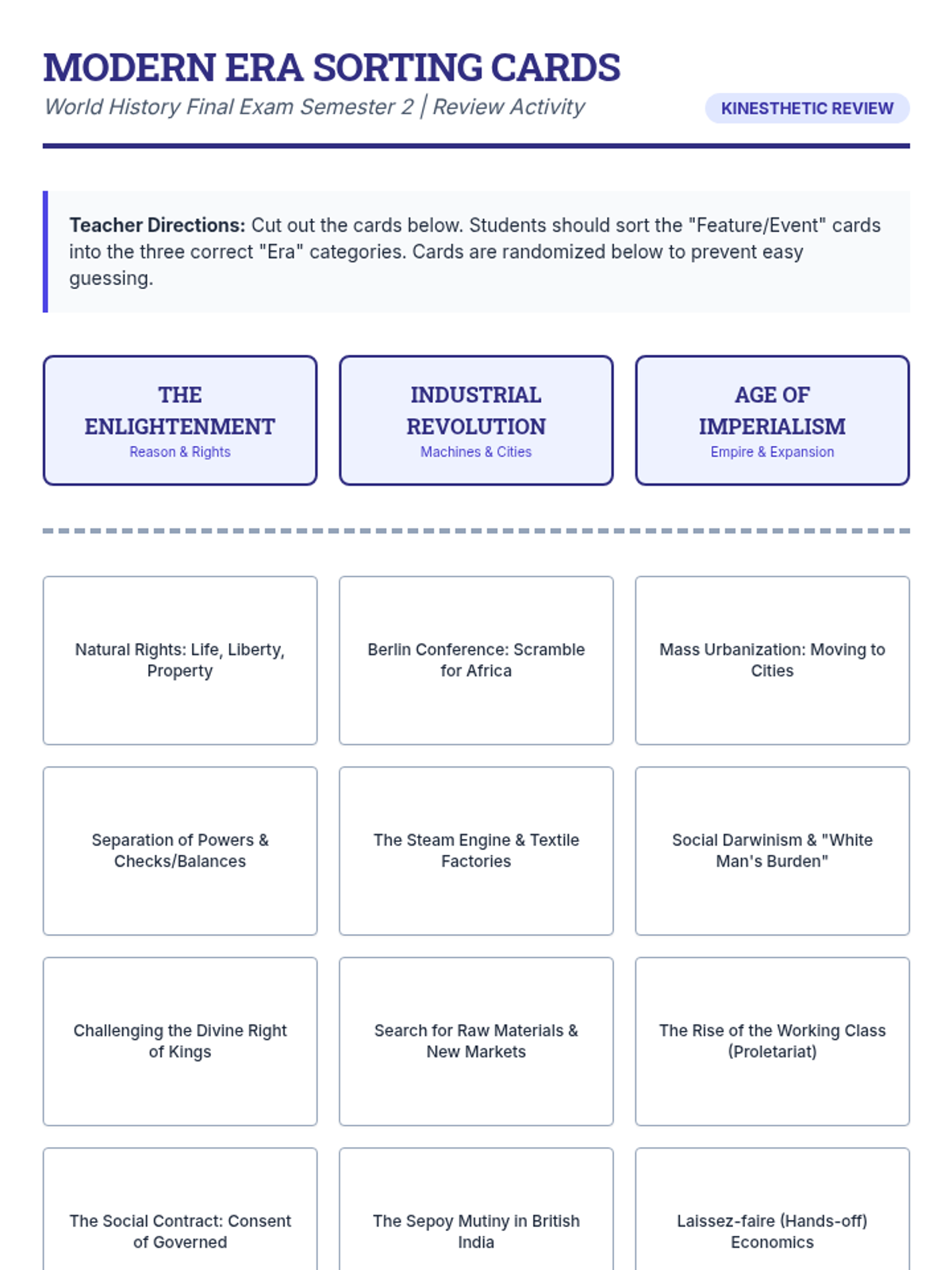
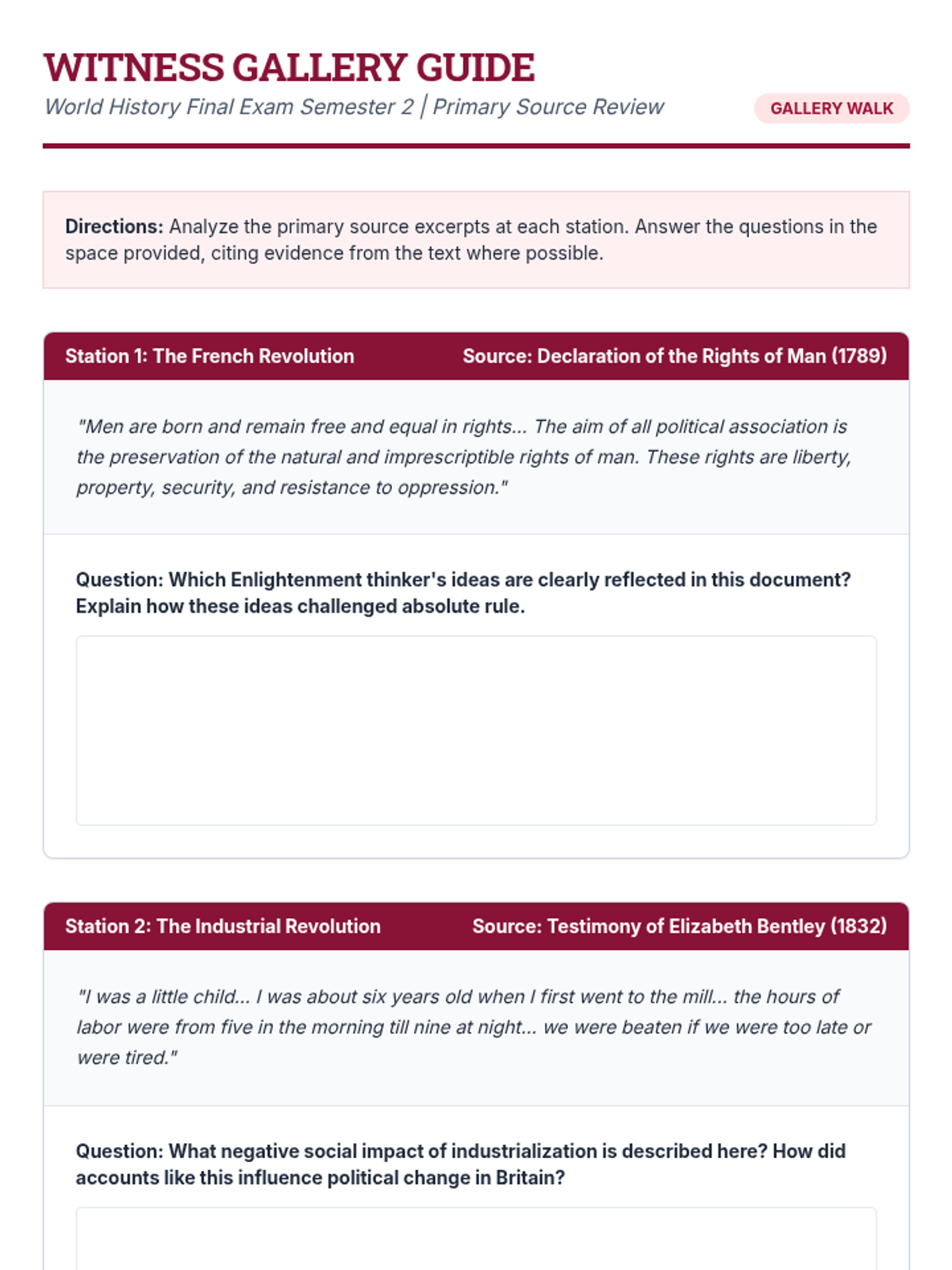
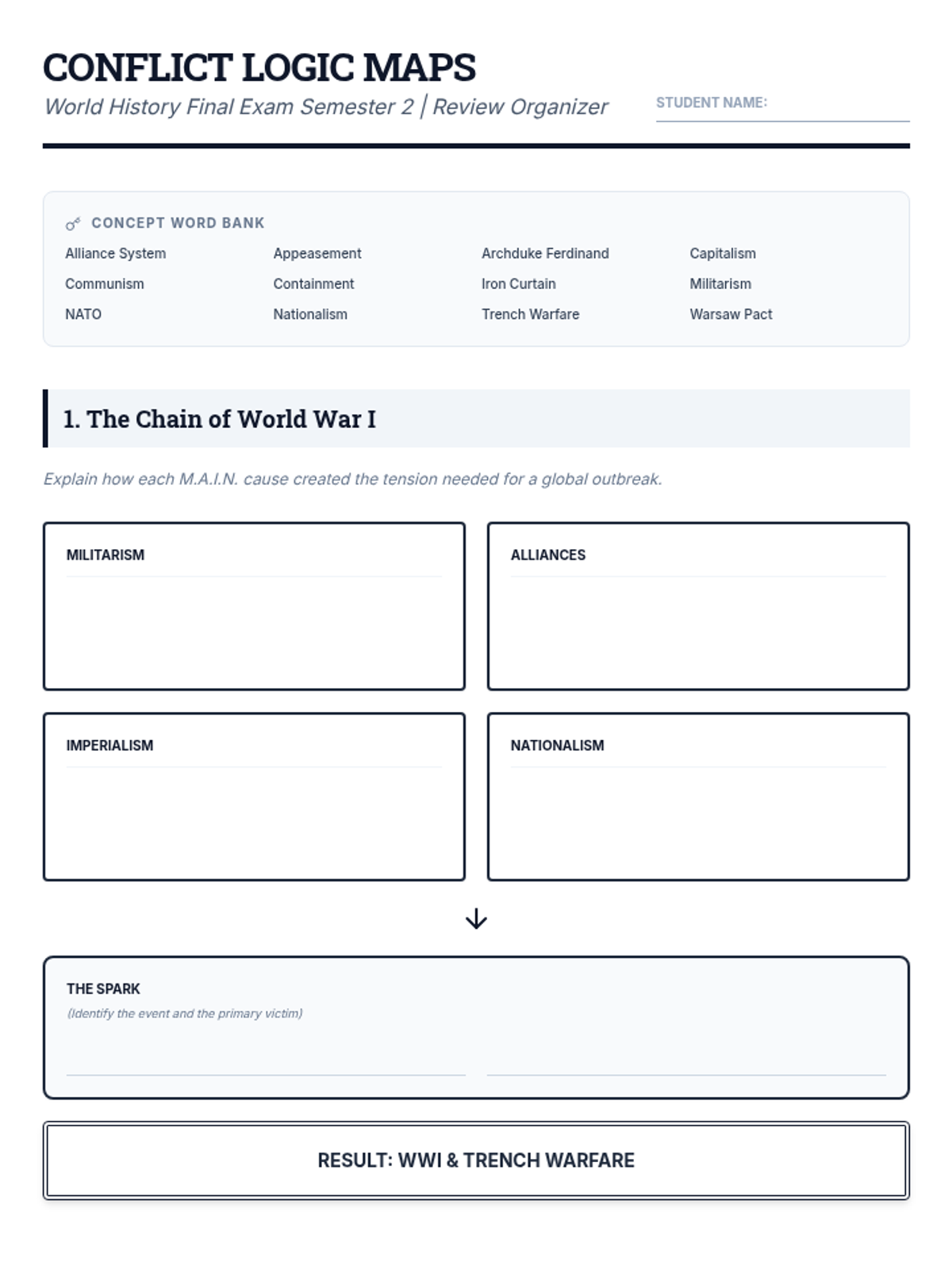
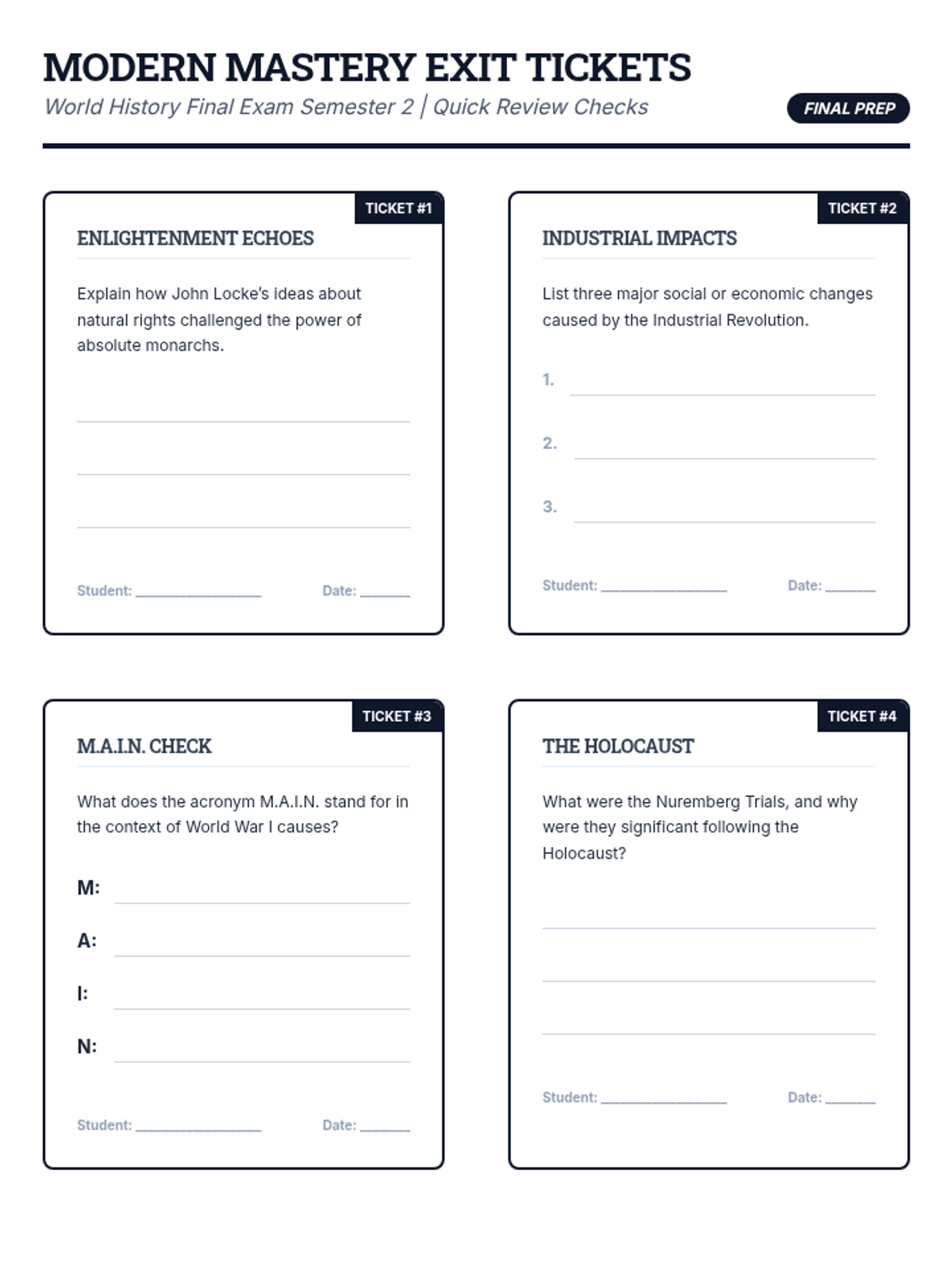
A comprehensive review and assessment package covering World History from the Enlightenment through the Cold War, aligned with state standards.
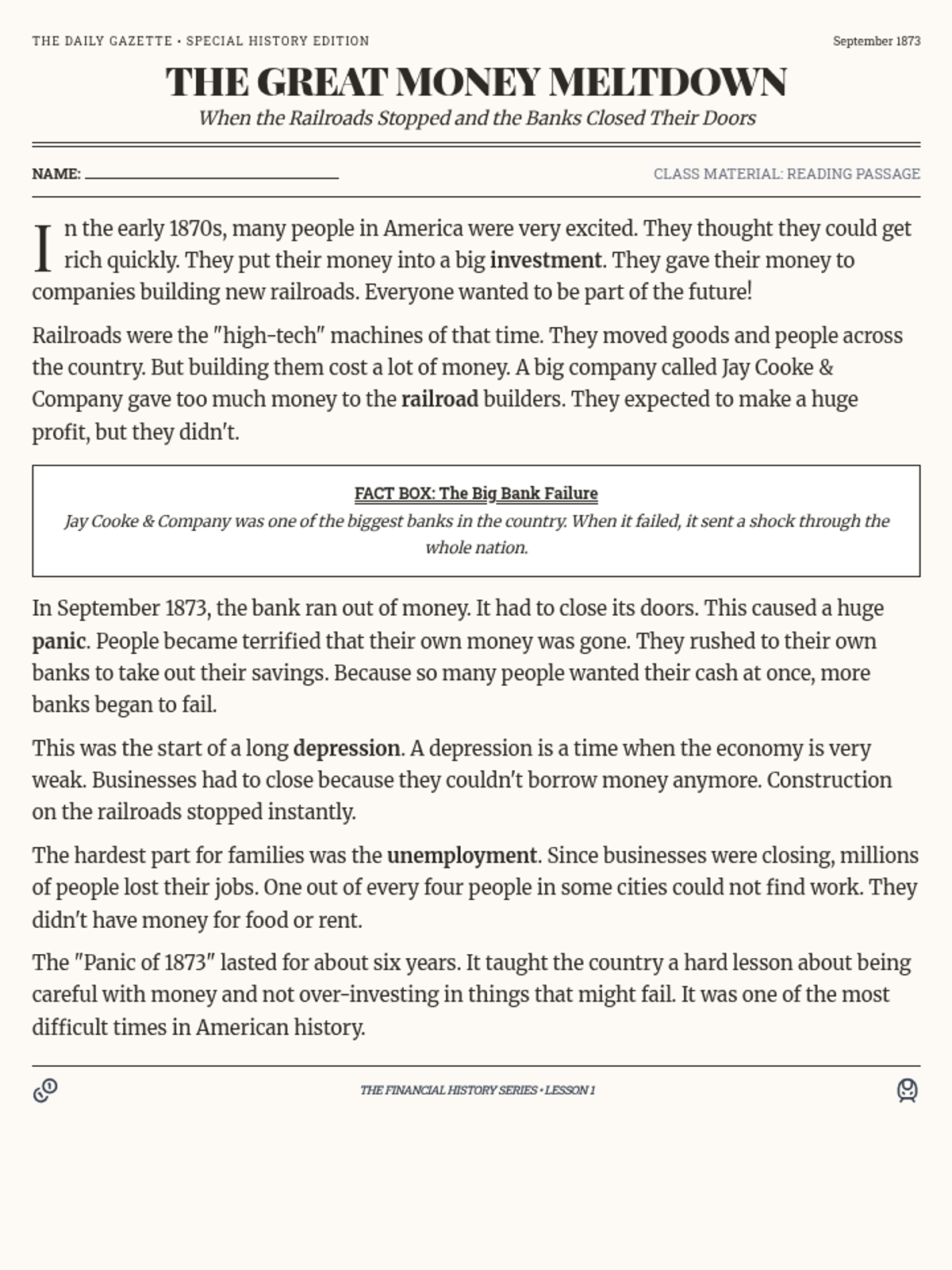
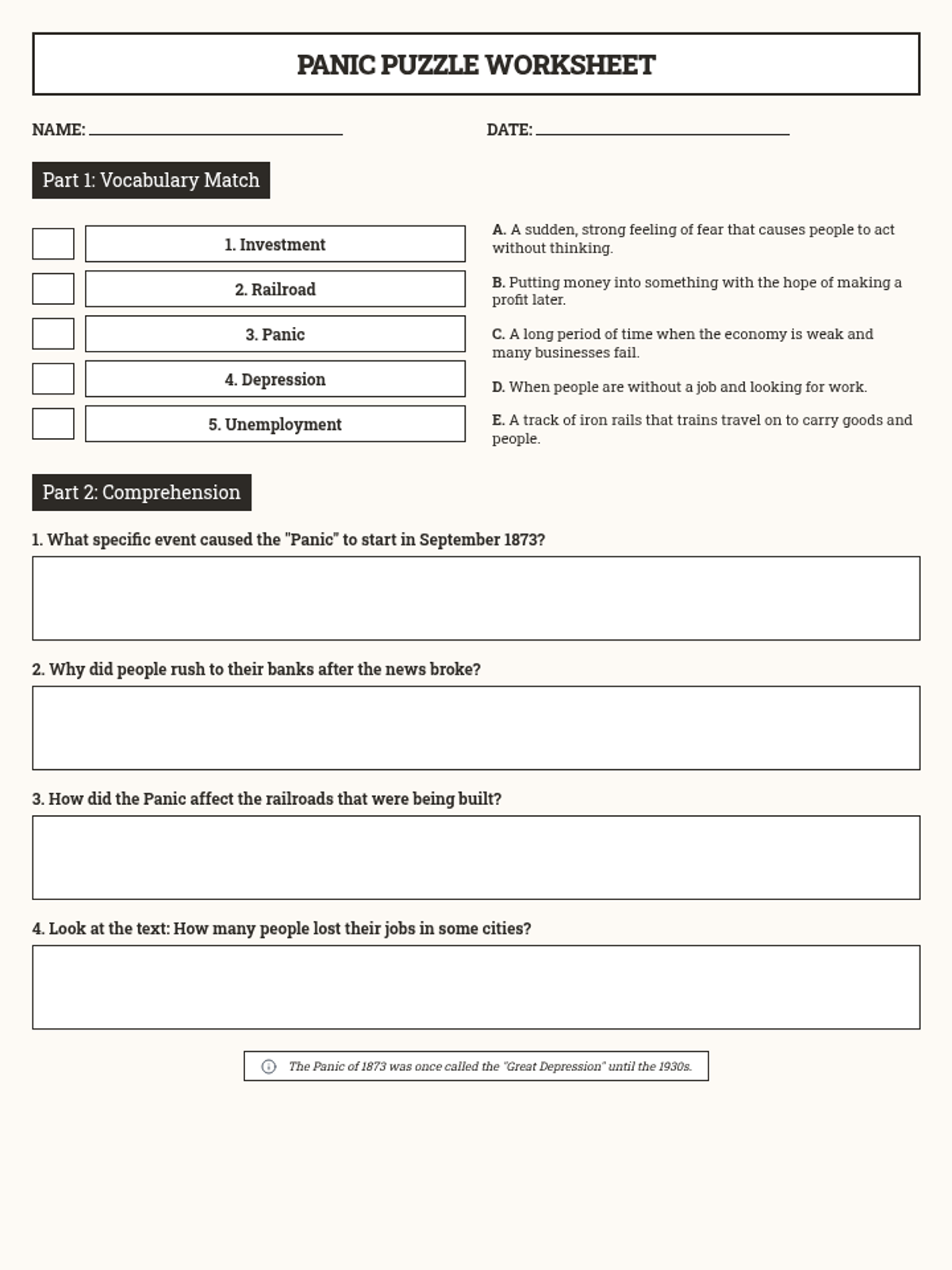
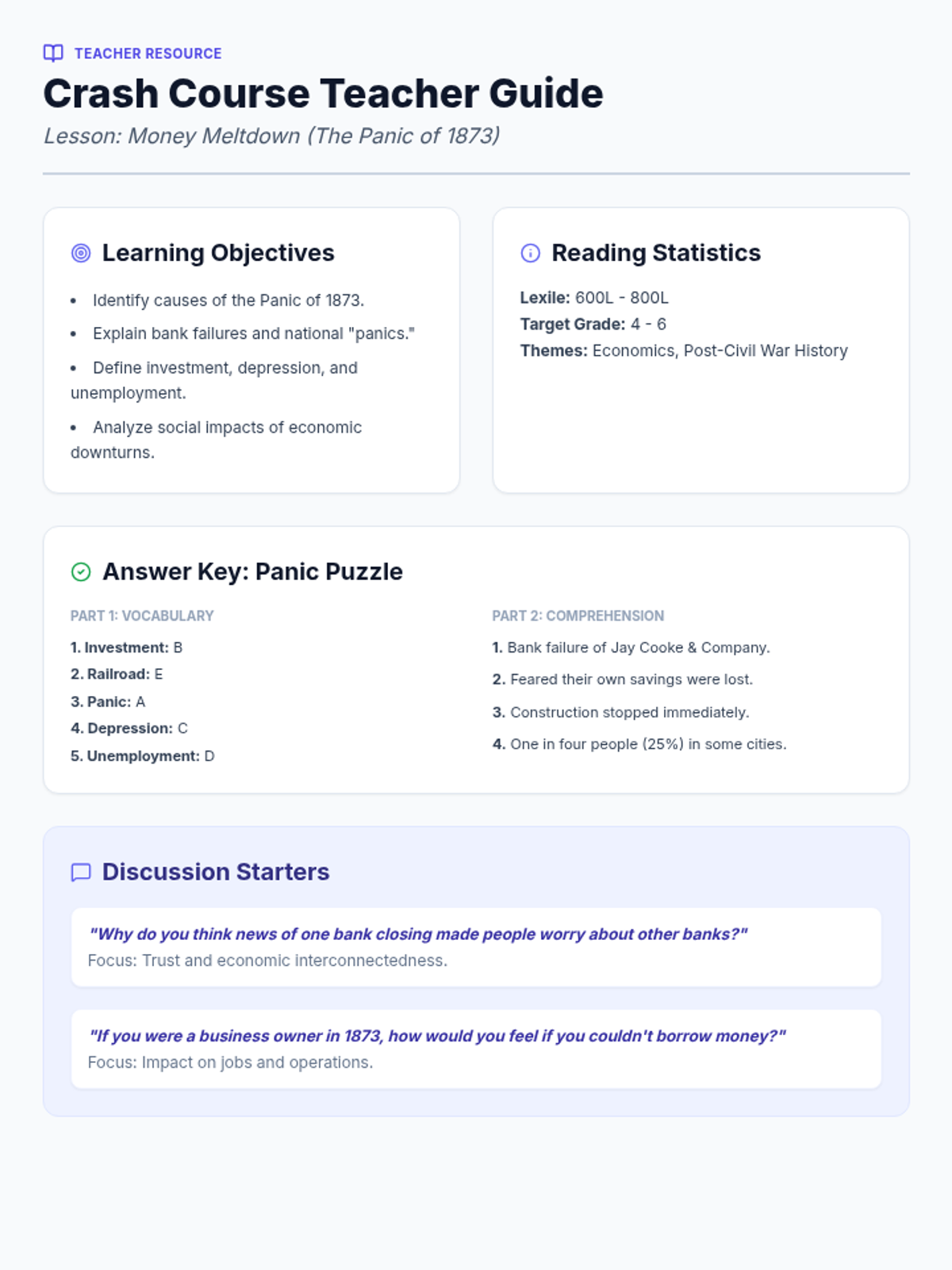
A lesson exploring the causes and effects of the Panic of 1873 through a simplified reading passage and vocabulary activities. Students learn how a railroad investment bubble led to a national economic crisis.
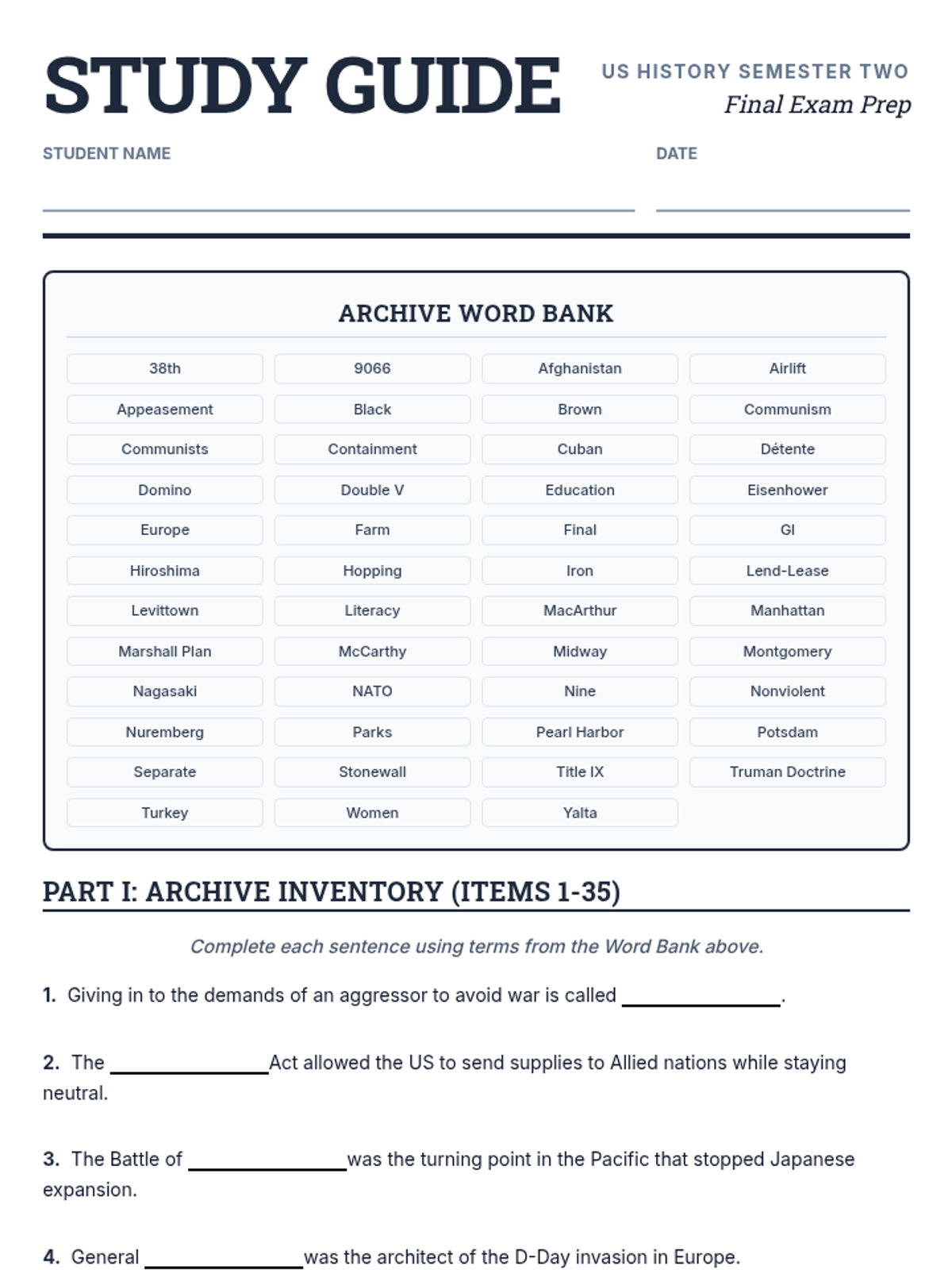
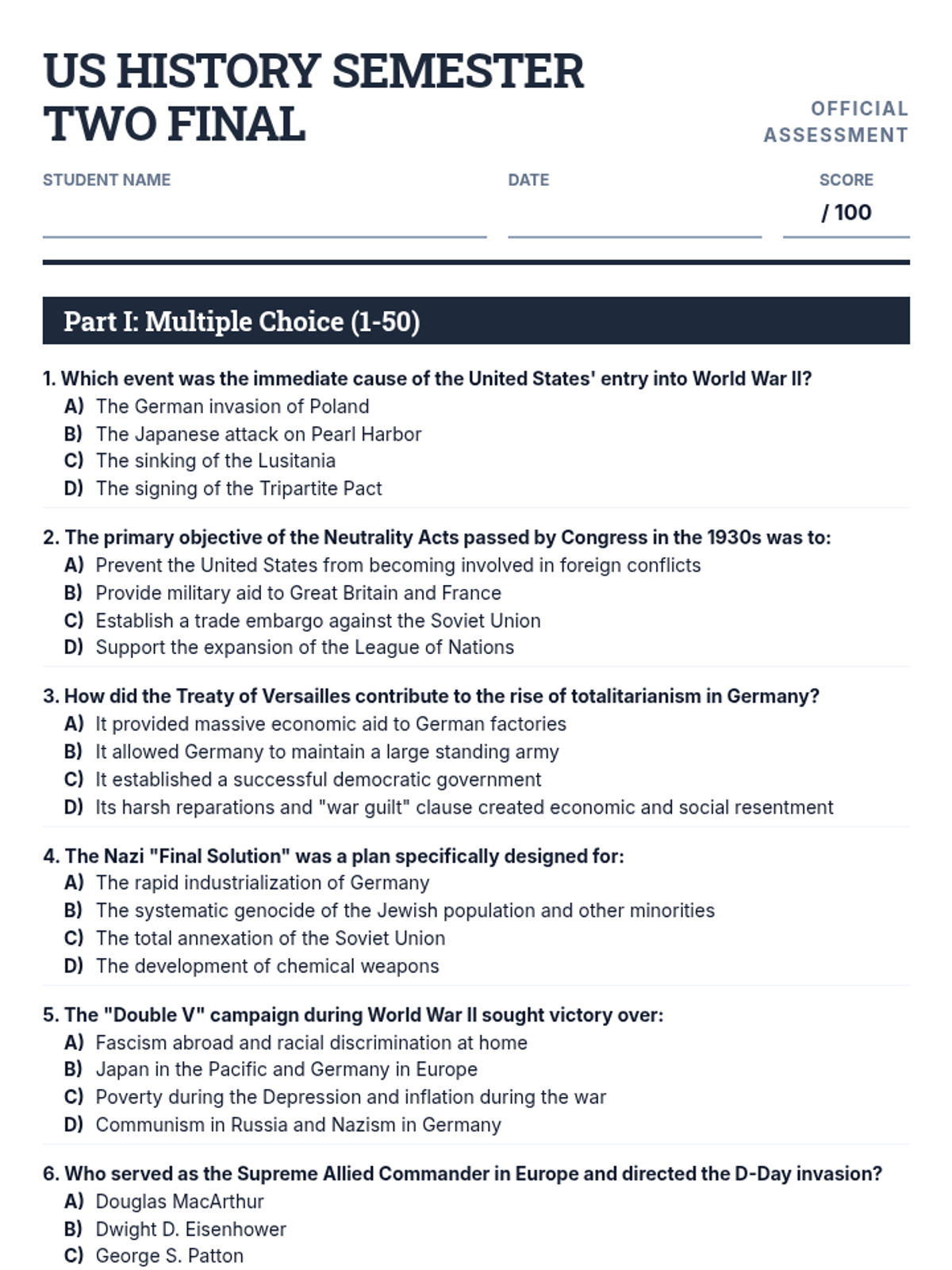
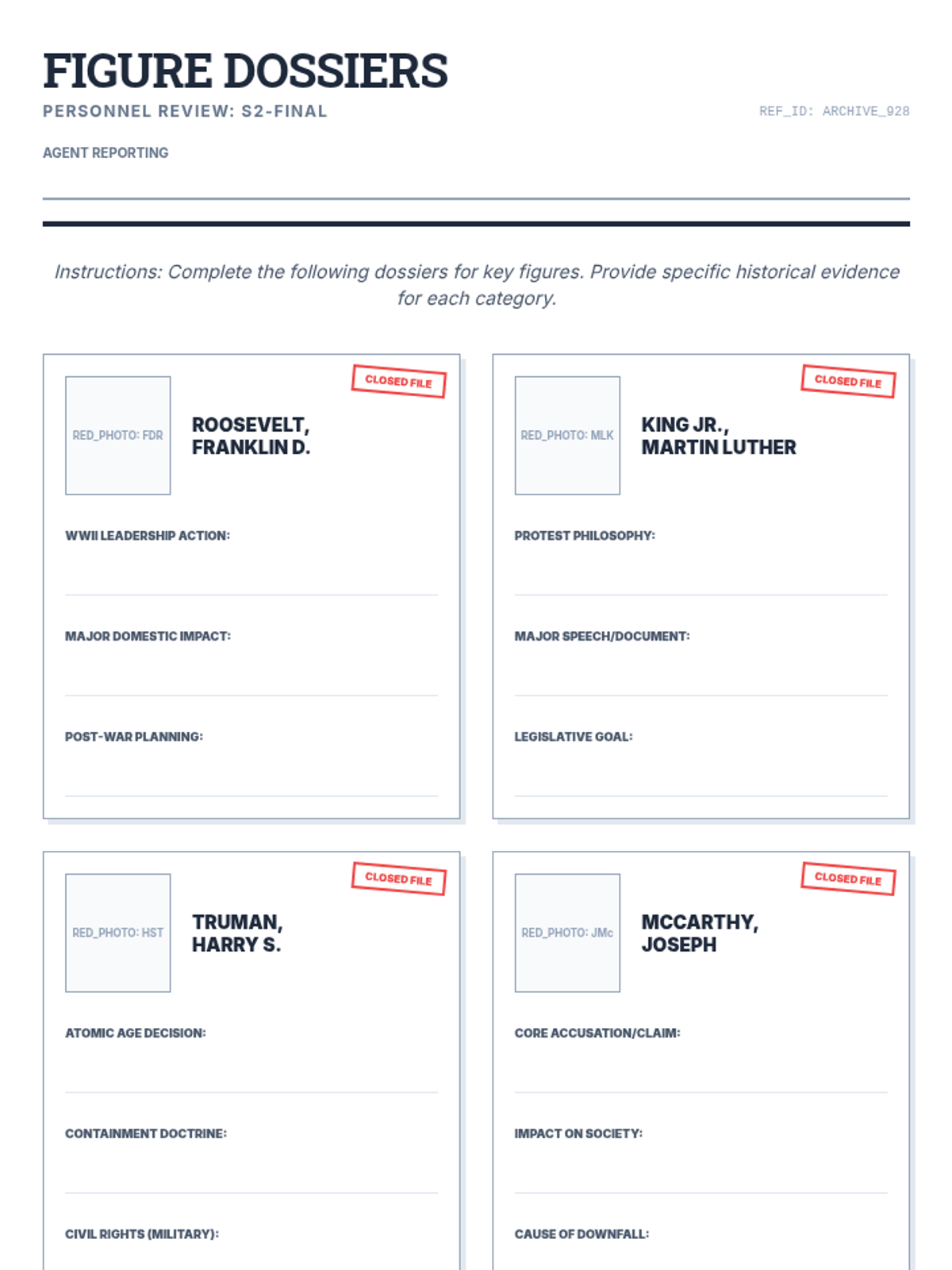
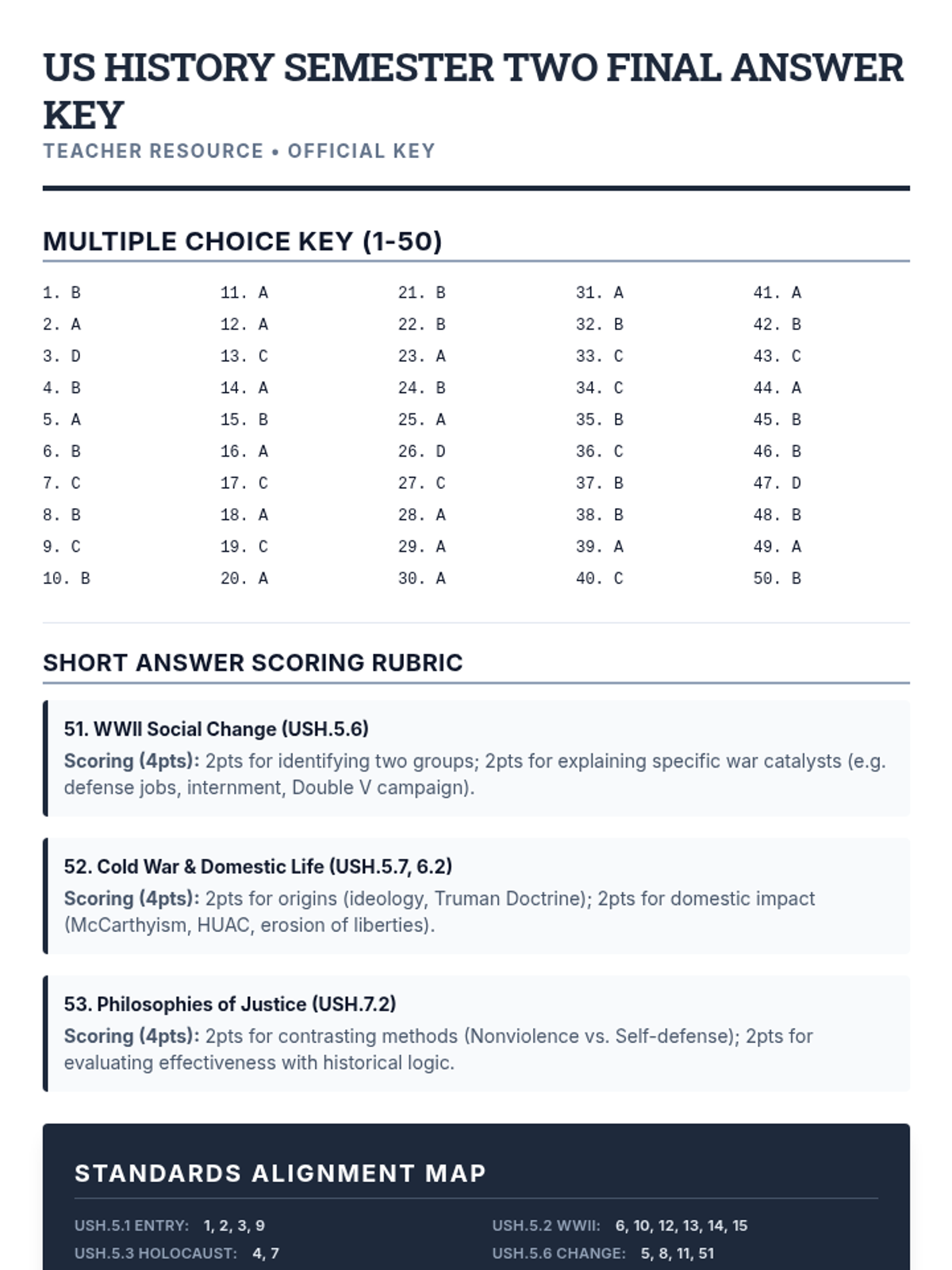
The final assessment phase for Semester 2, including a structured study guide and a comprehensive 50-question exam with short answer components.
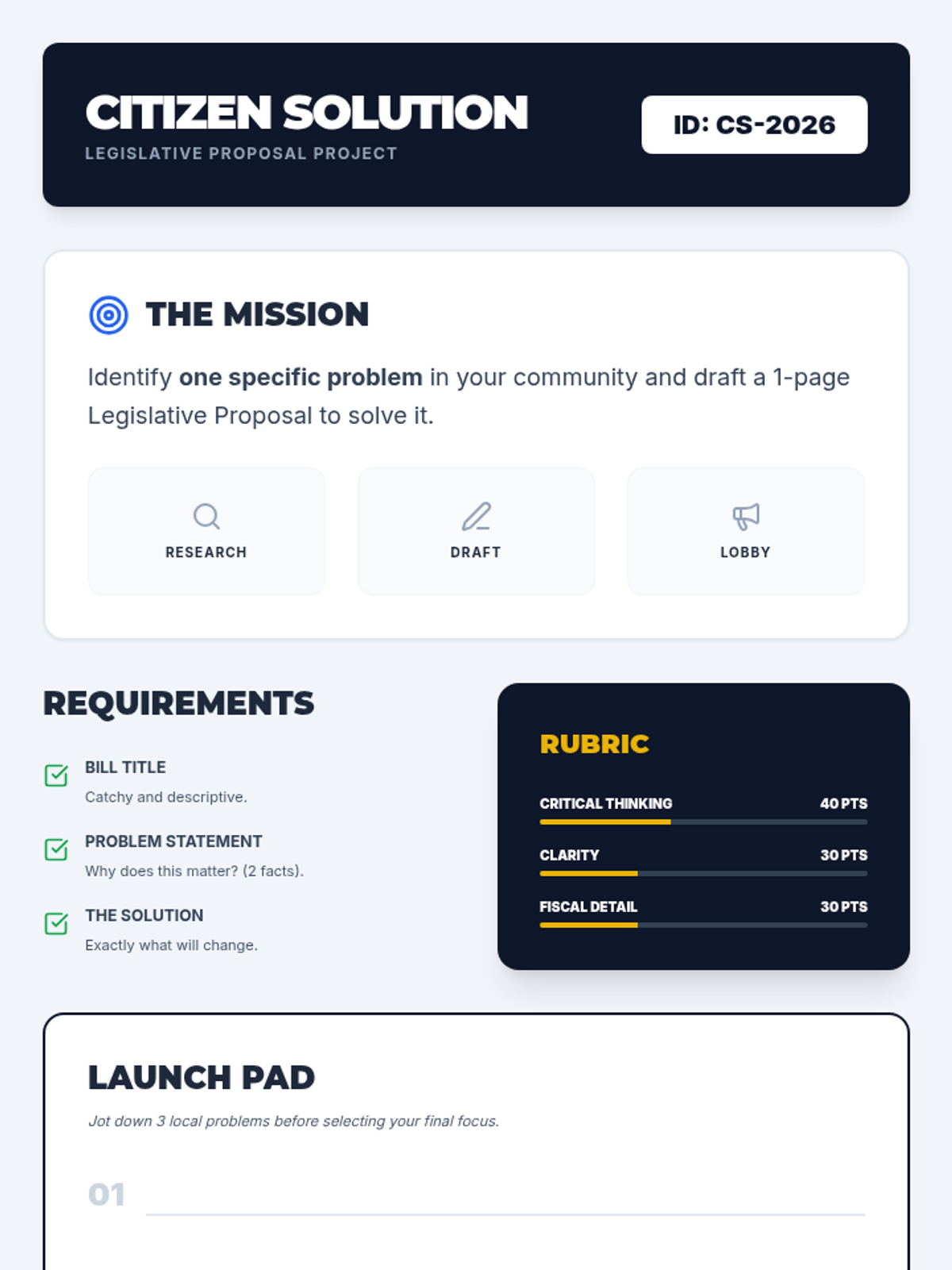
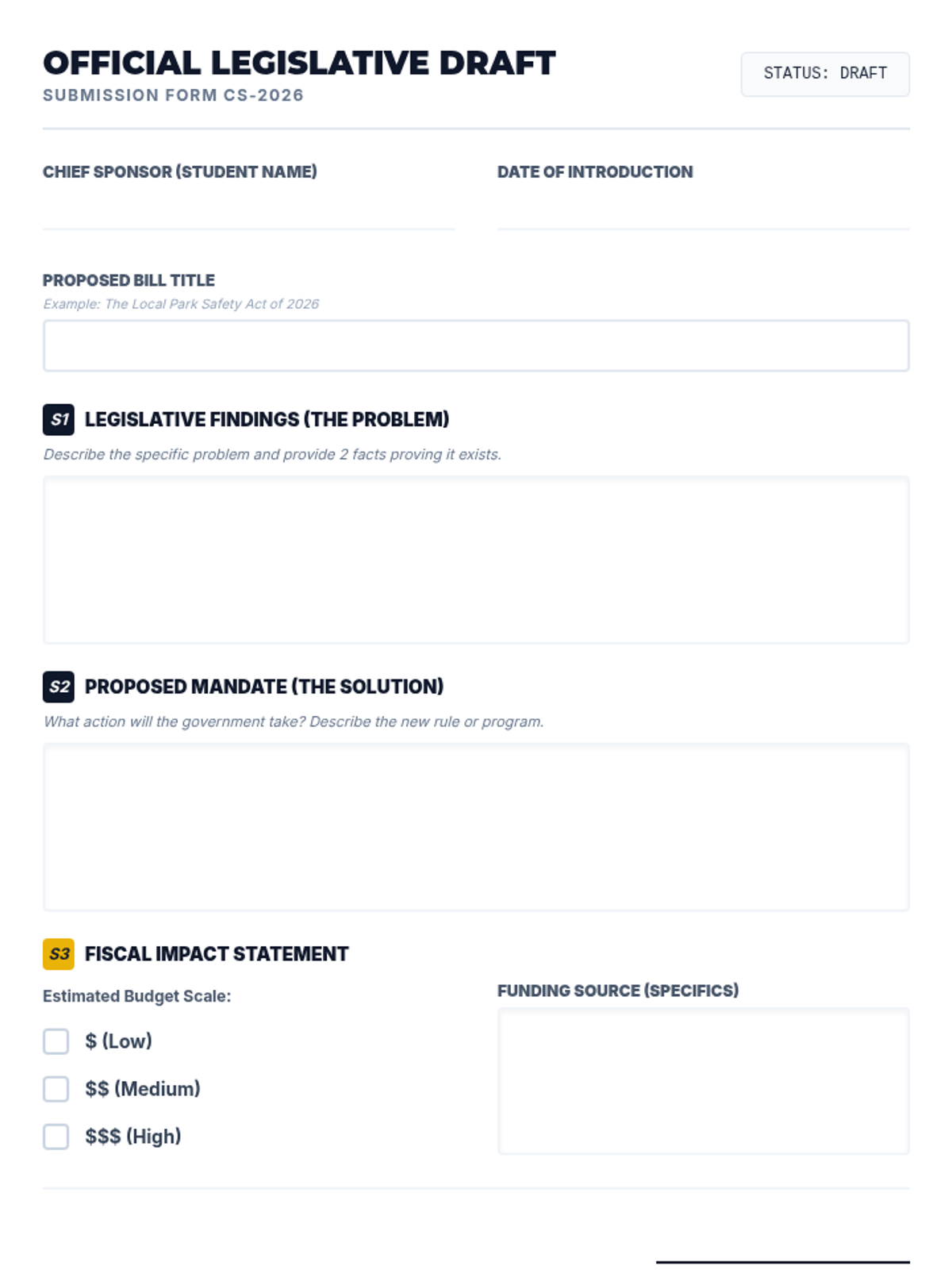
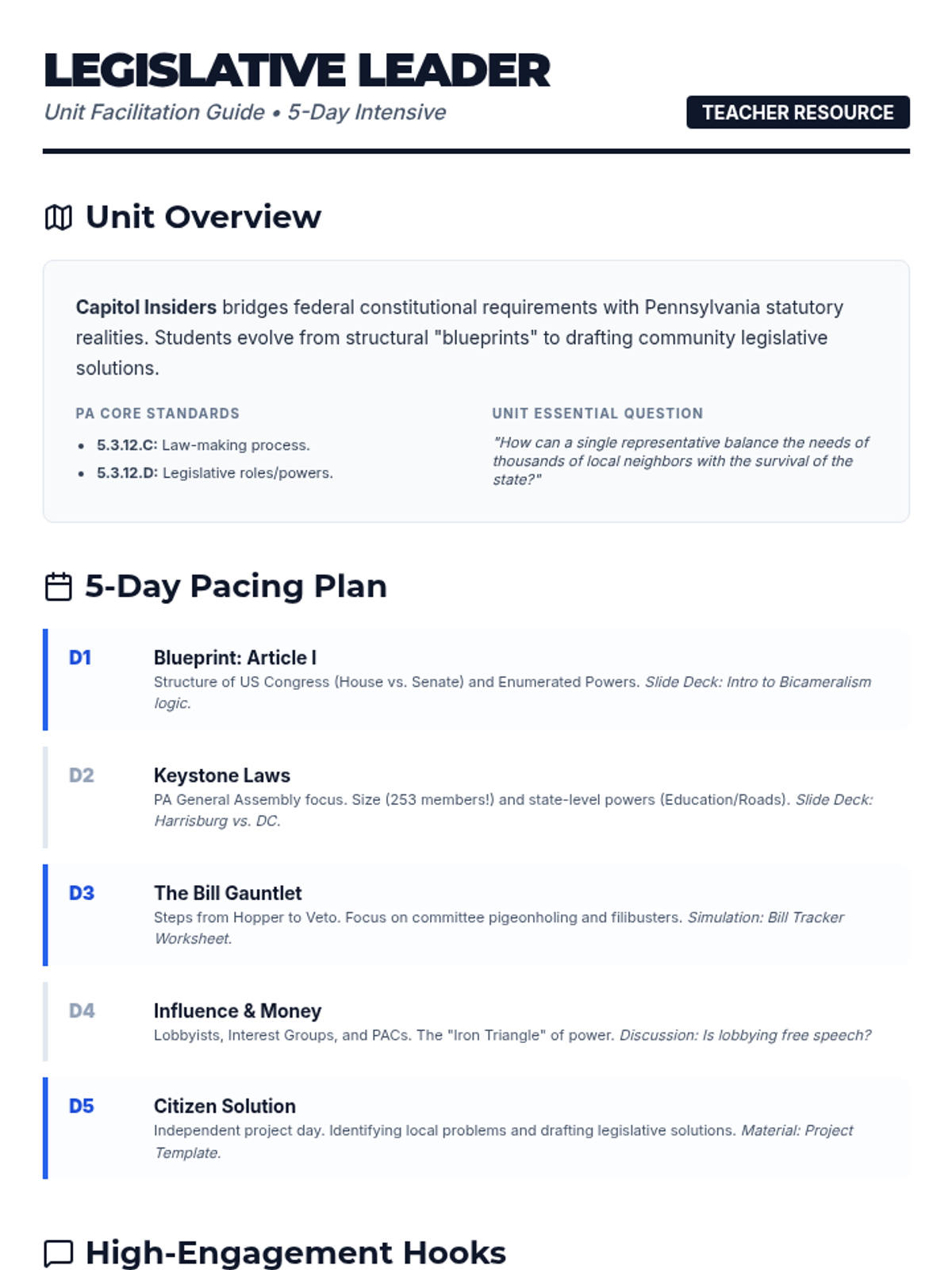
A culminating lesson where students apply their knowledge to identify a local problem and draft a simple legislative solution.
Examines the external forces that shape legislation, including lobbying, special interest groups, and constituent pressure.
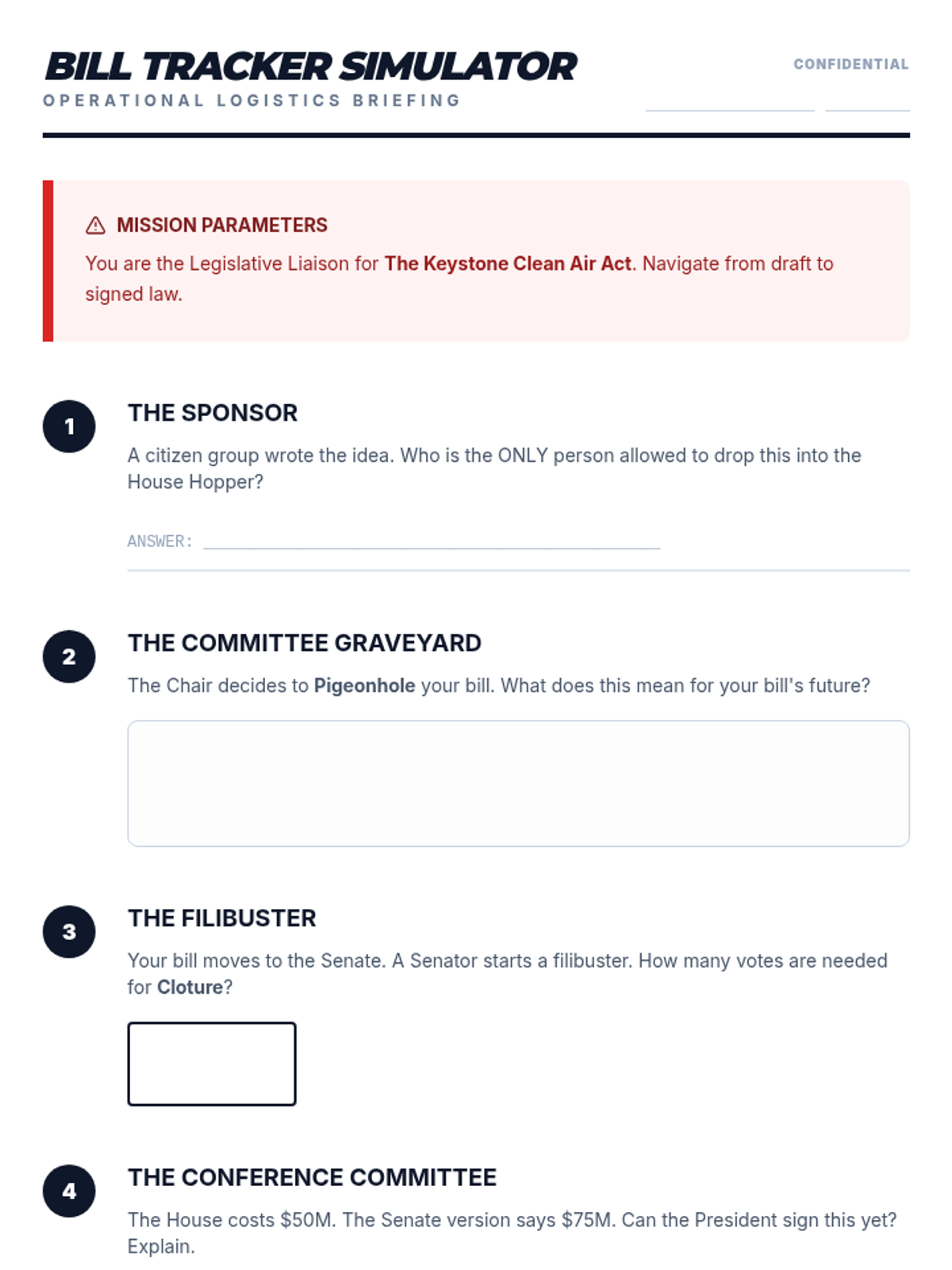
A deep dive into the complex journey of a bill from introduction to presidential or gubernatorial signature, including the role of committees and filibusters.
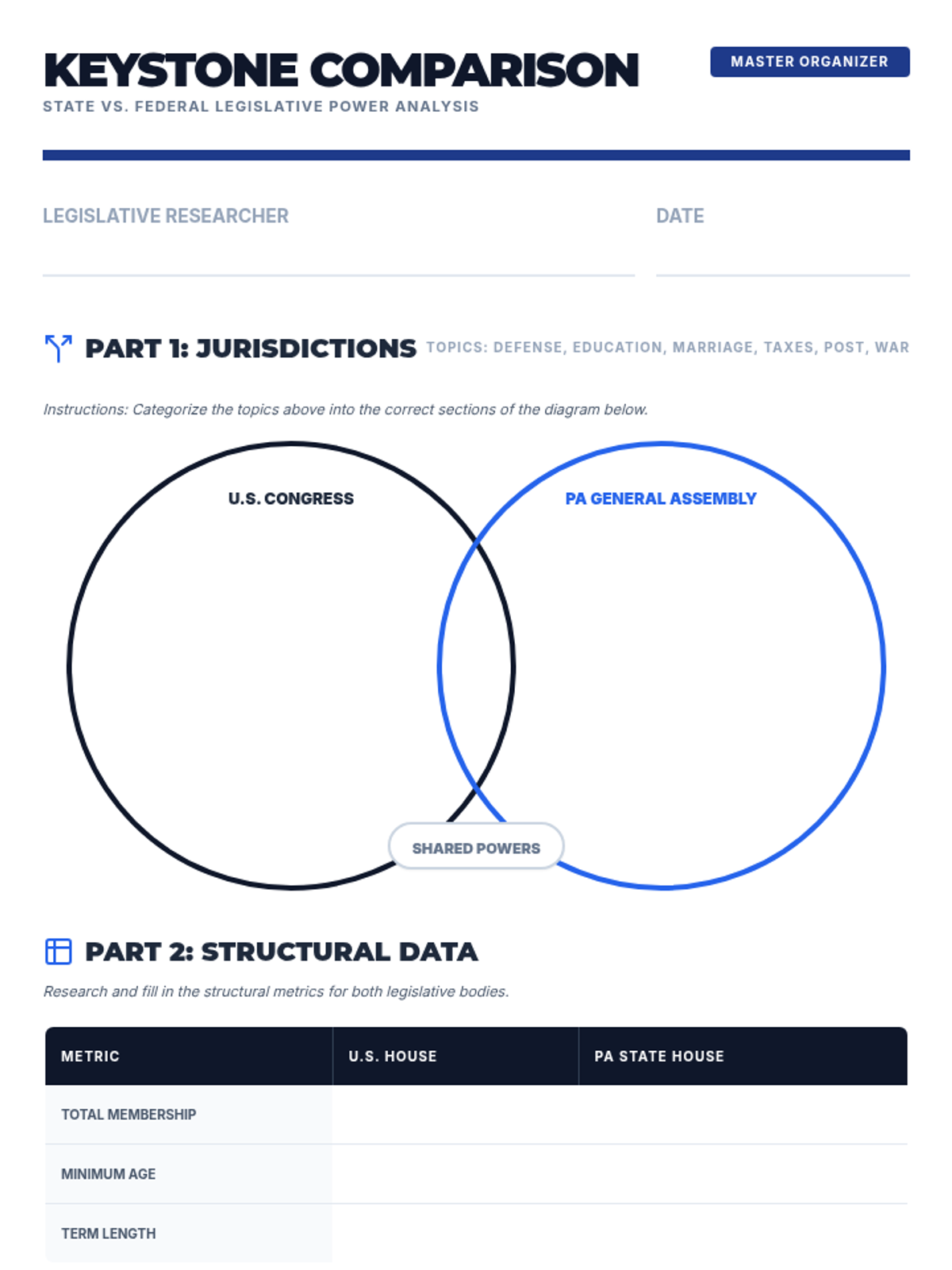
Explores the specific structure and functions of the Pennsylvania General Assembly, comparing and contrasting it with the federal system to meet PA state standards.
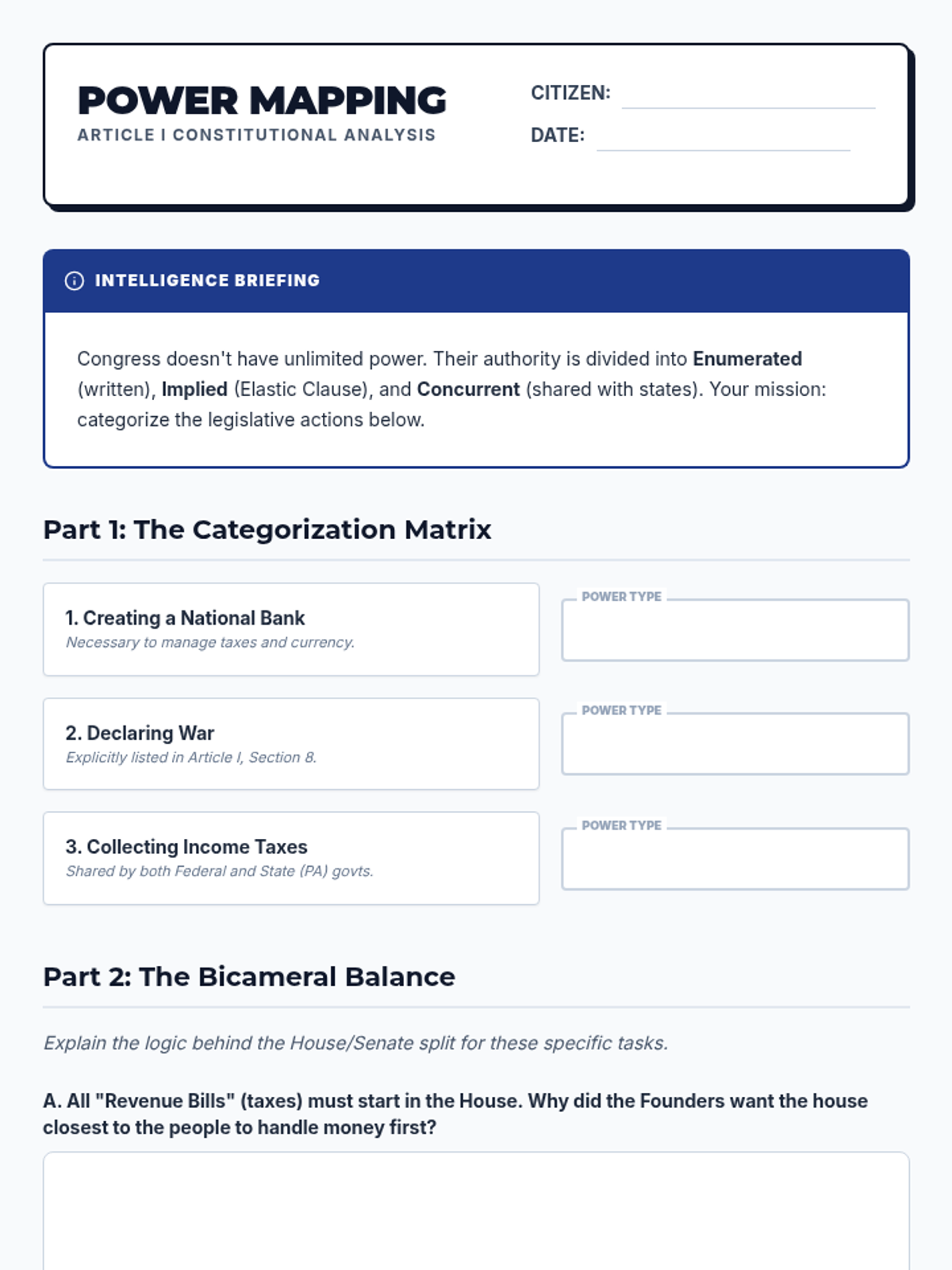
Focuses on the structure, bicameralism, and enumerated powers of the United States Congress as outlined in Article I of the Constitution.
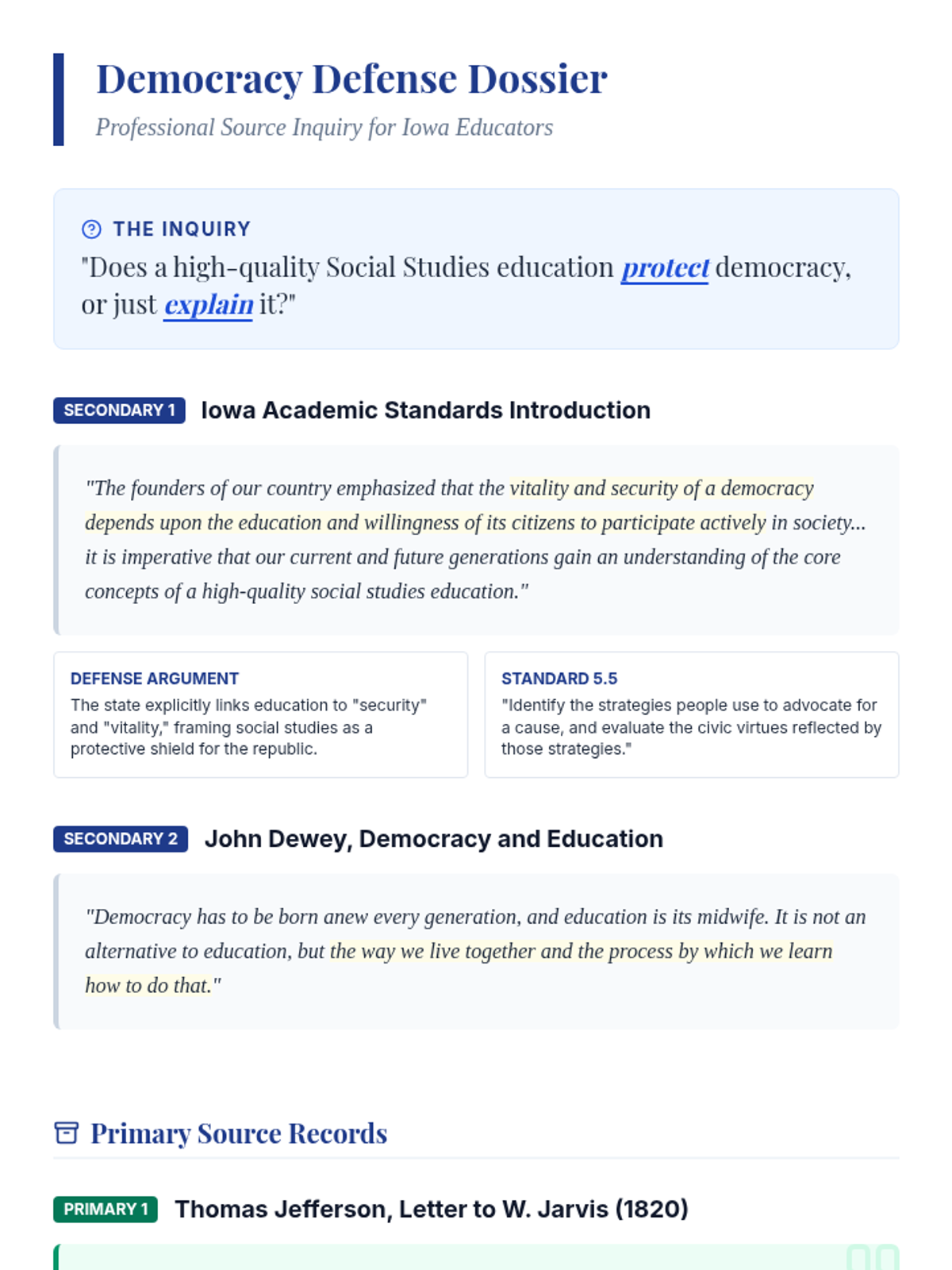
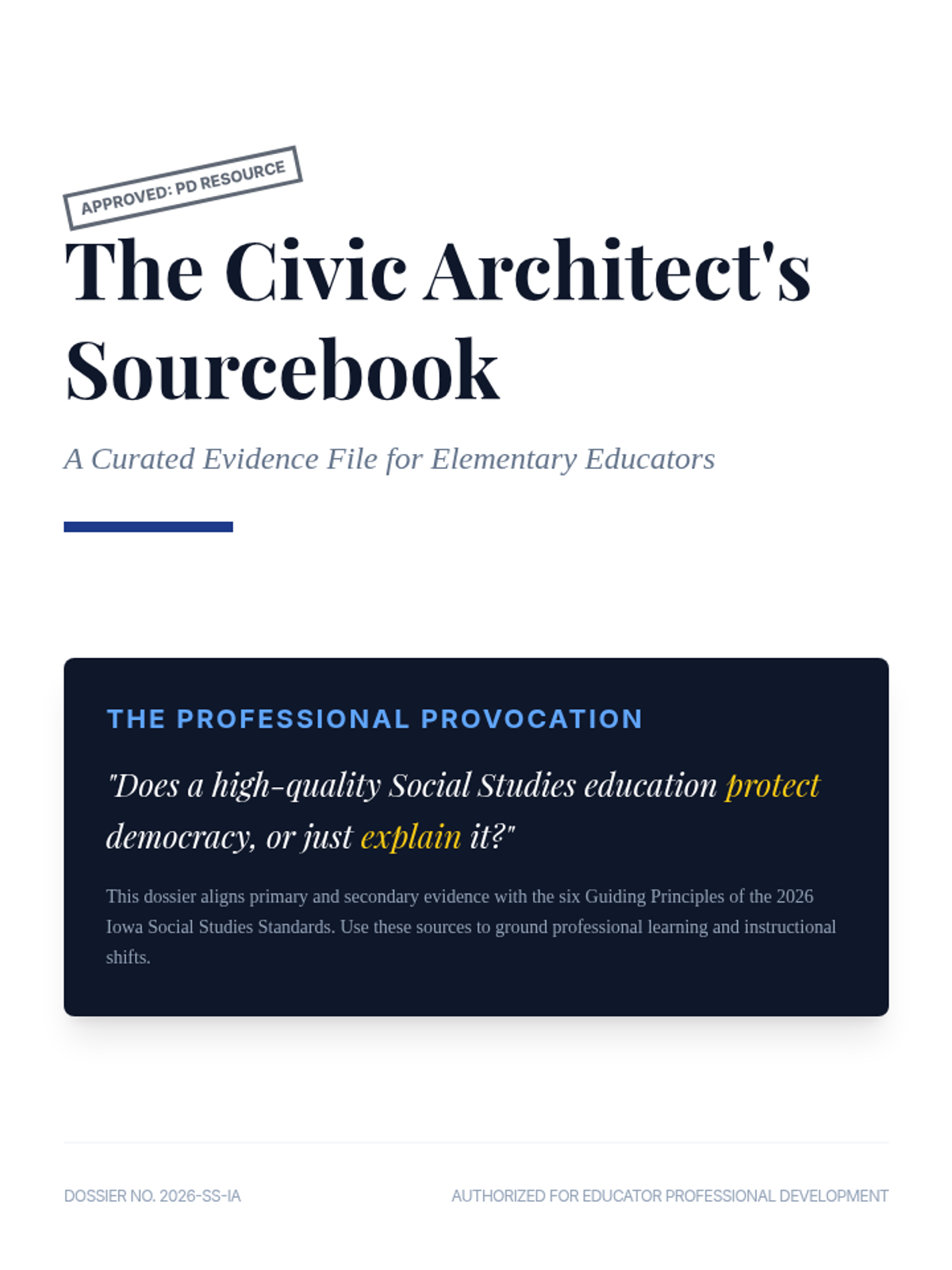
A professional development resource set for elementary teachers to examine the role of social studies in democracy using primary and secondary sources aligned to the 2026 Iowa Social Studies Standards.
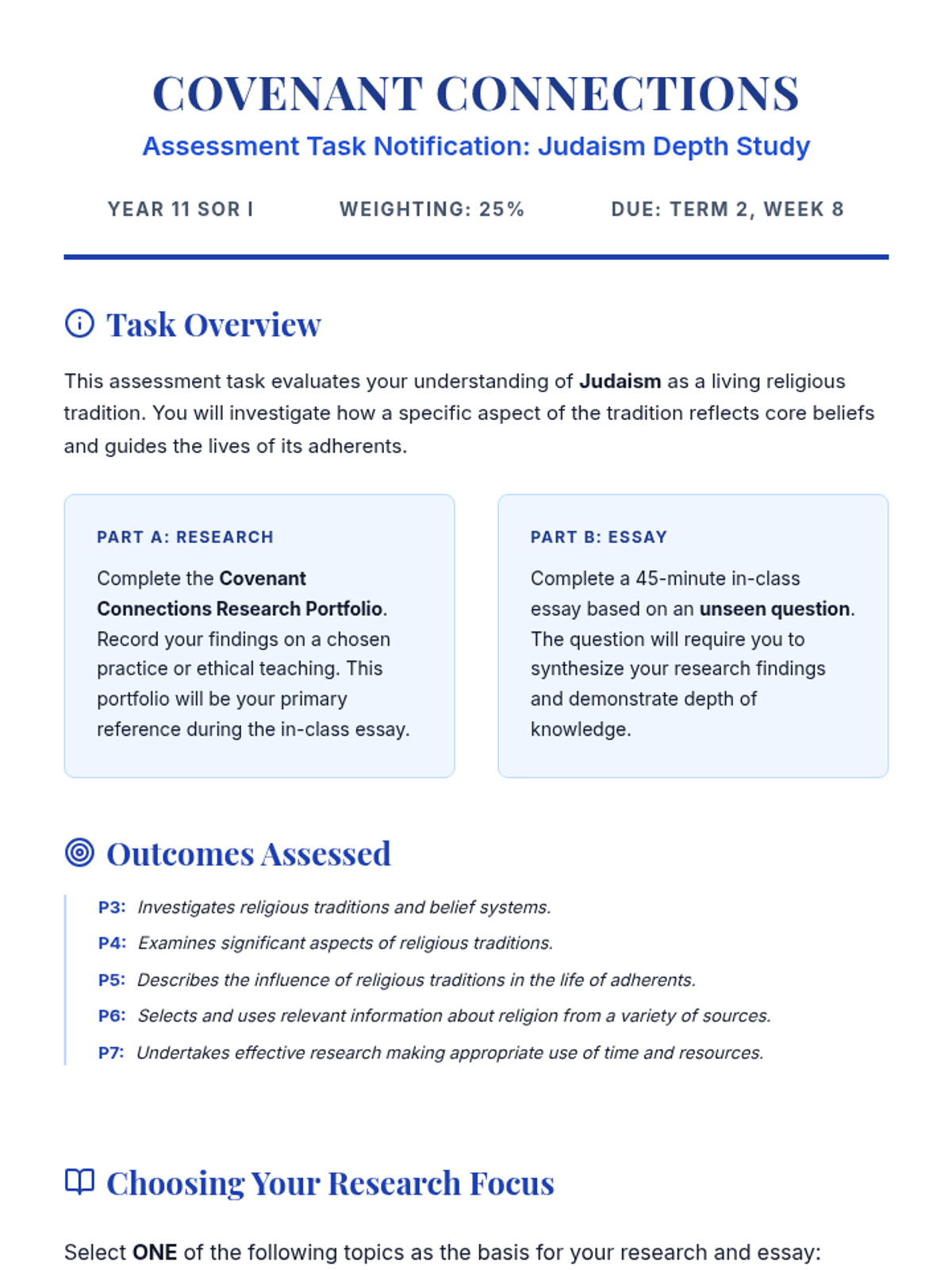
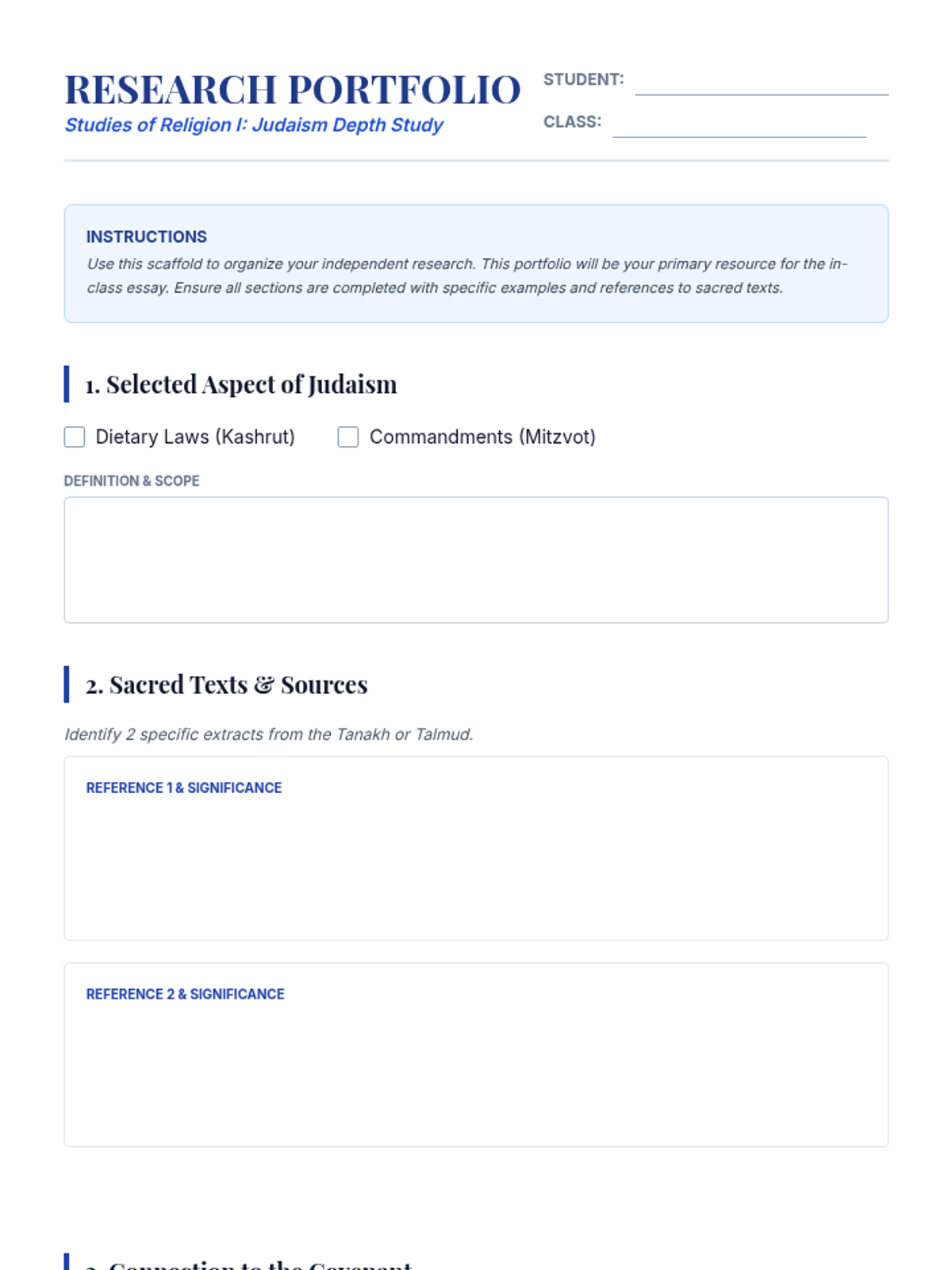
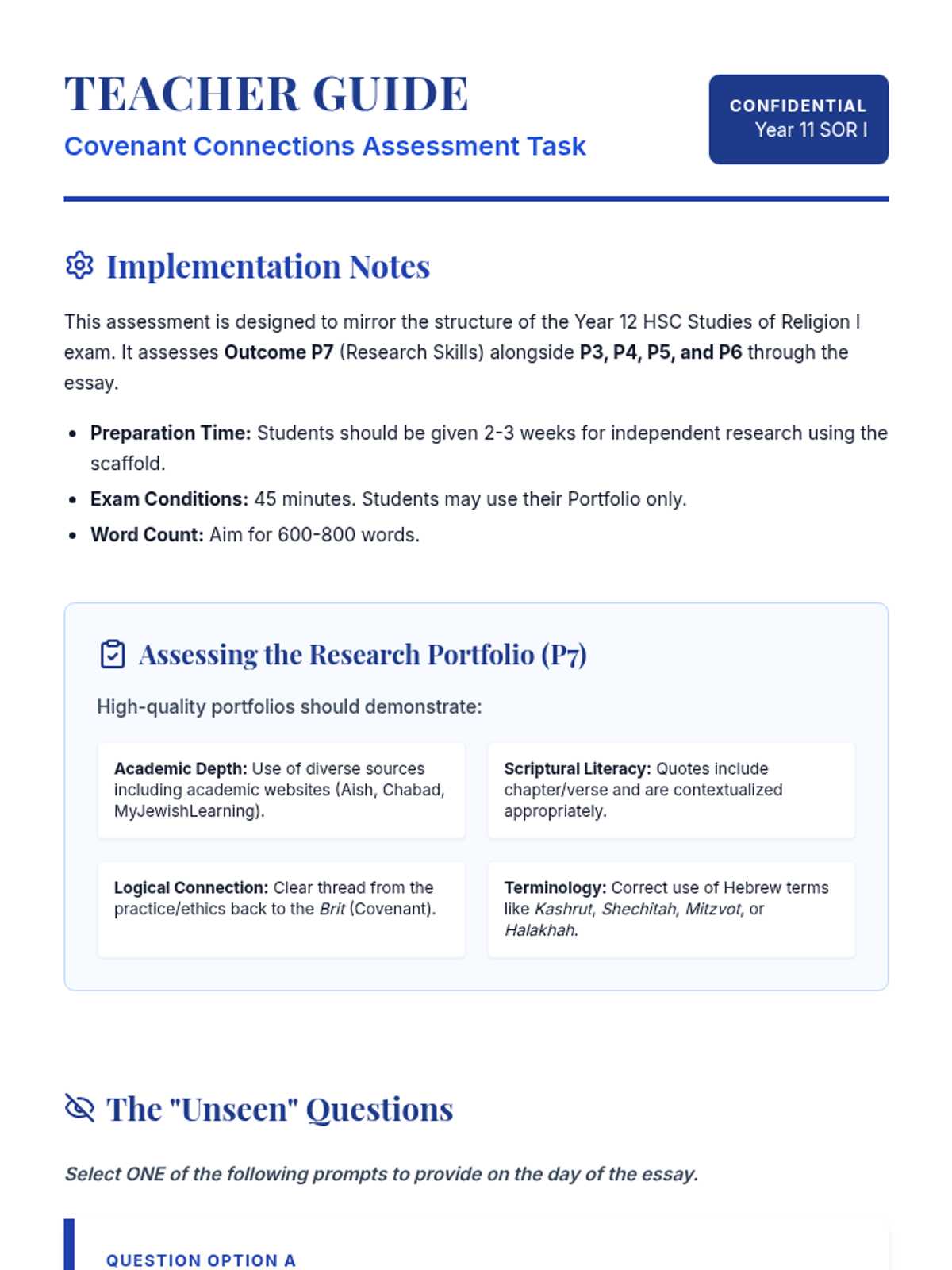
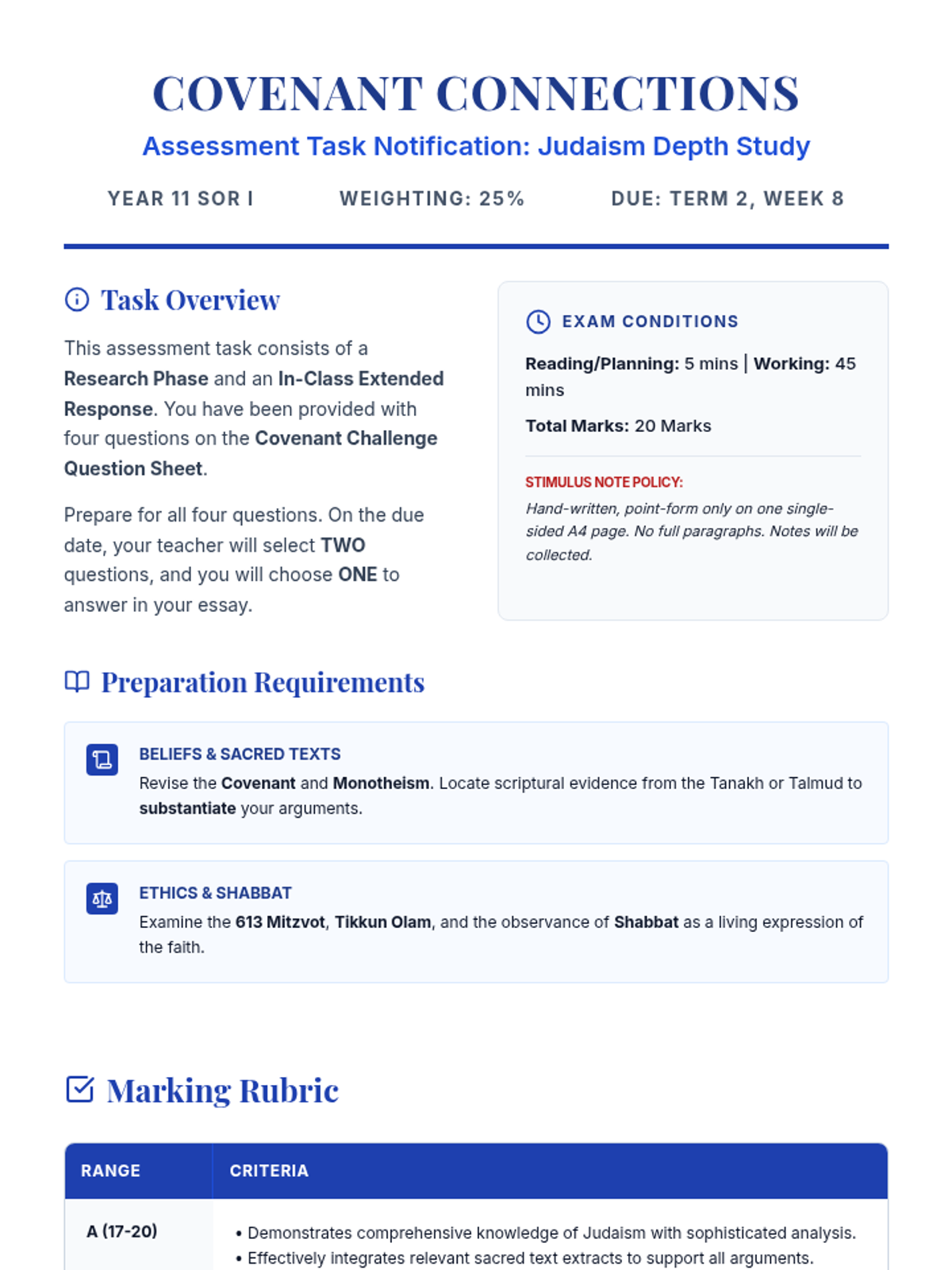
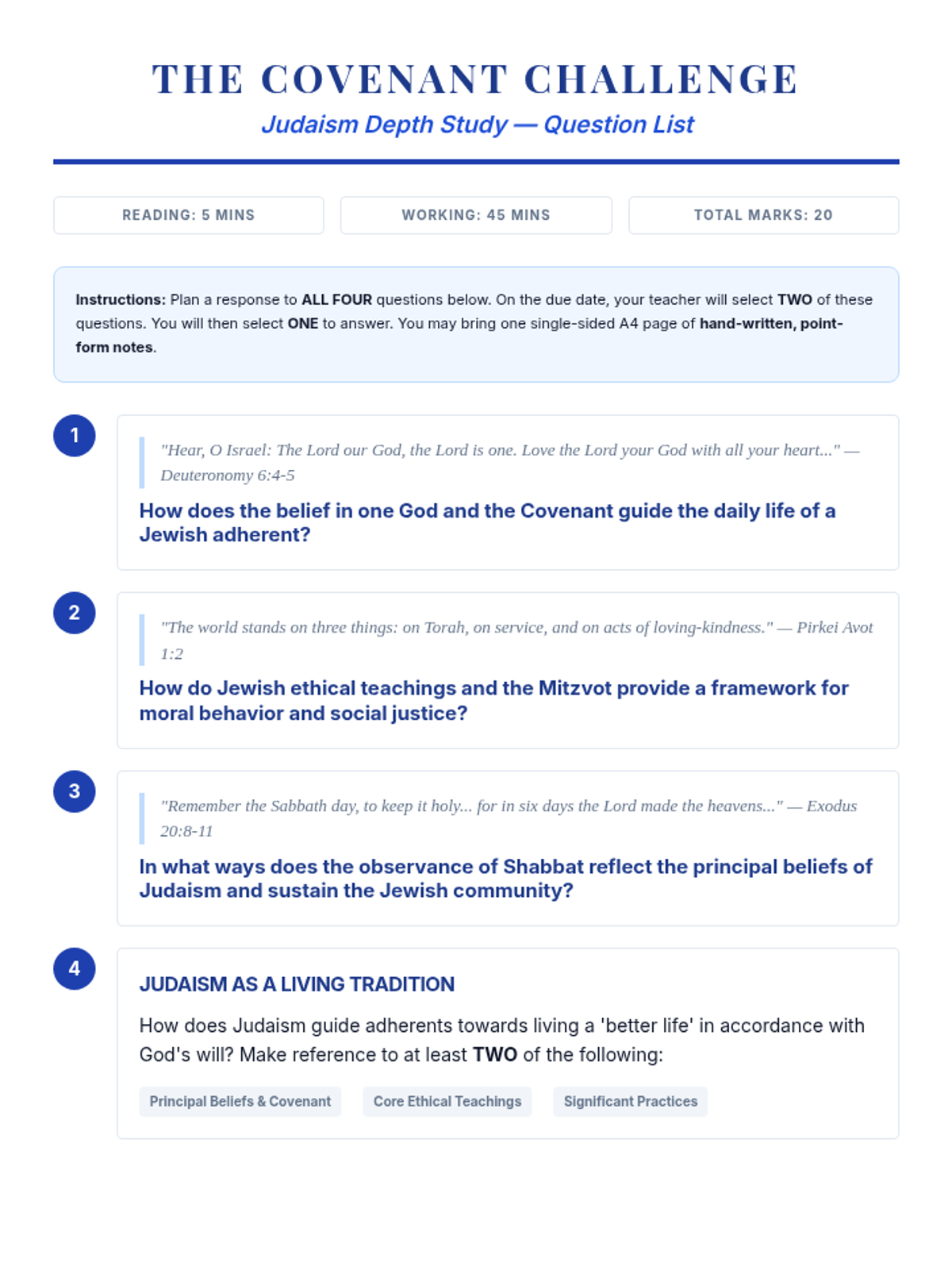
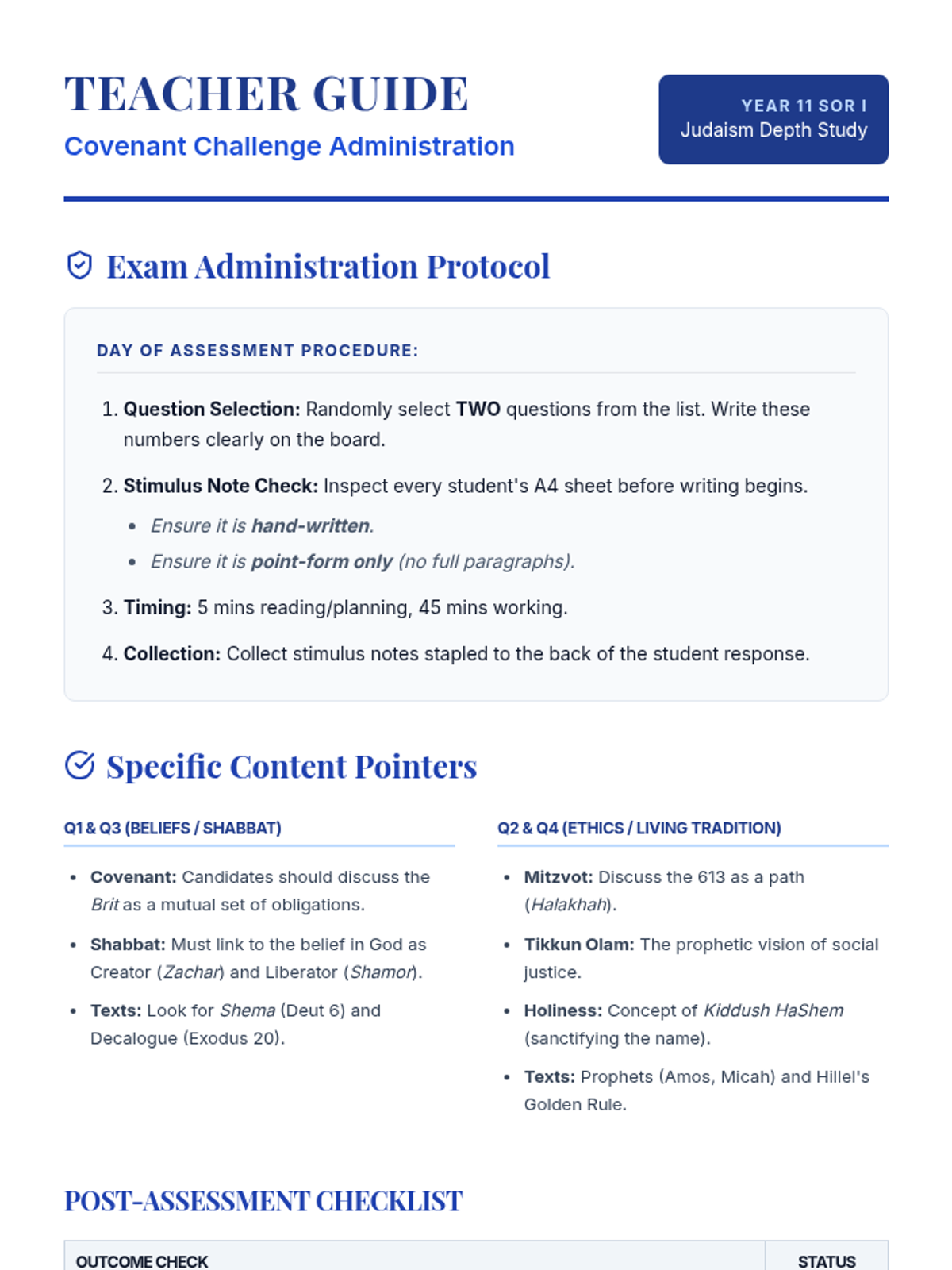
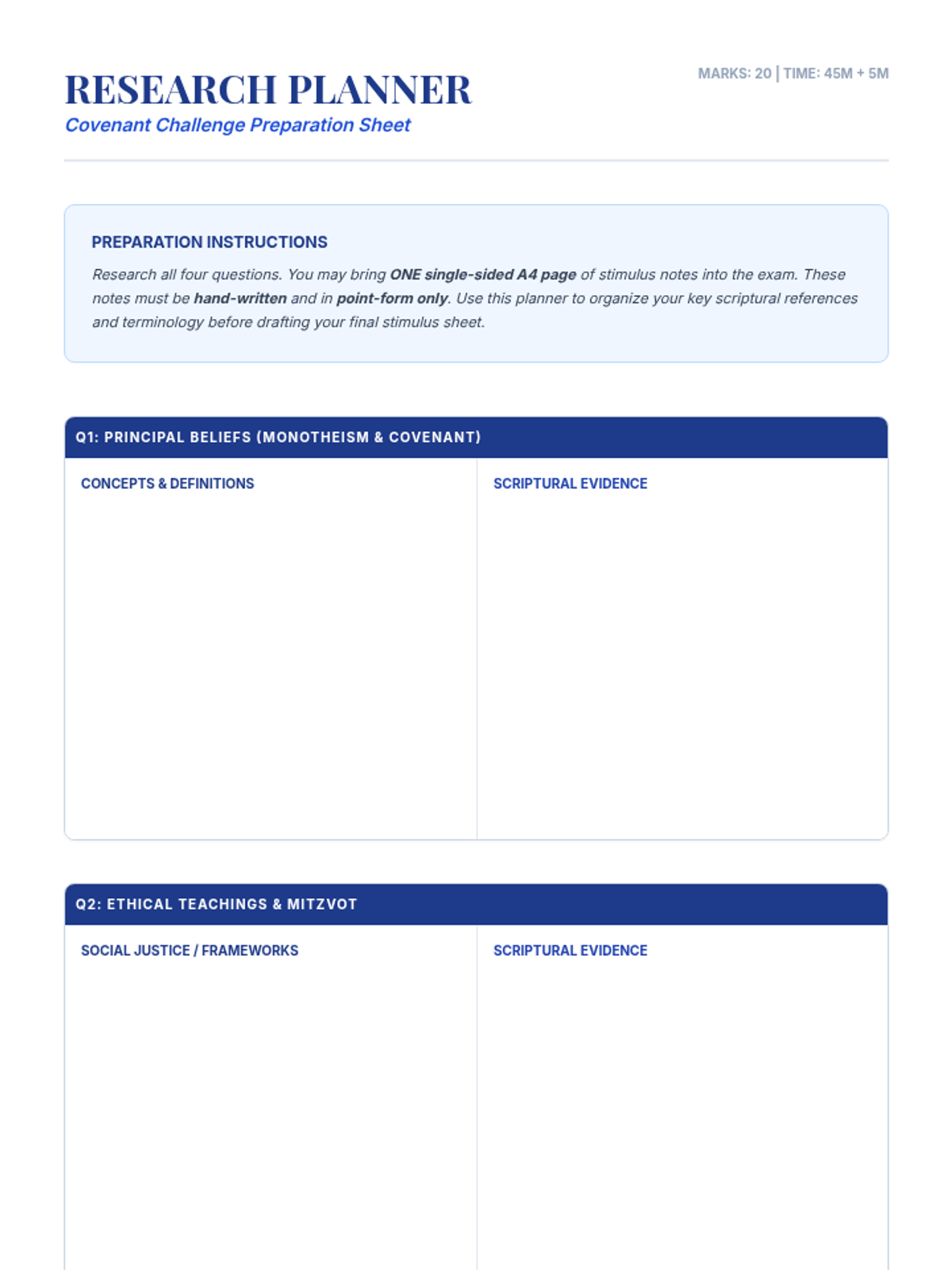
A comprehensive assessment package for Year 11 Studies of Religion I focusing on the Judaism Depth Study, featuring a research task and an in-class essay based on an unseen question.
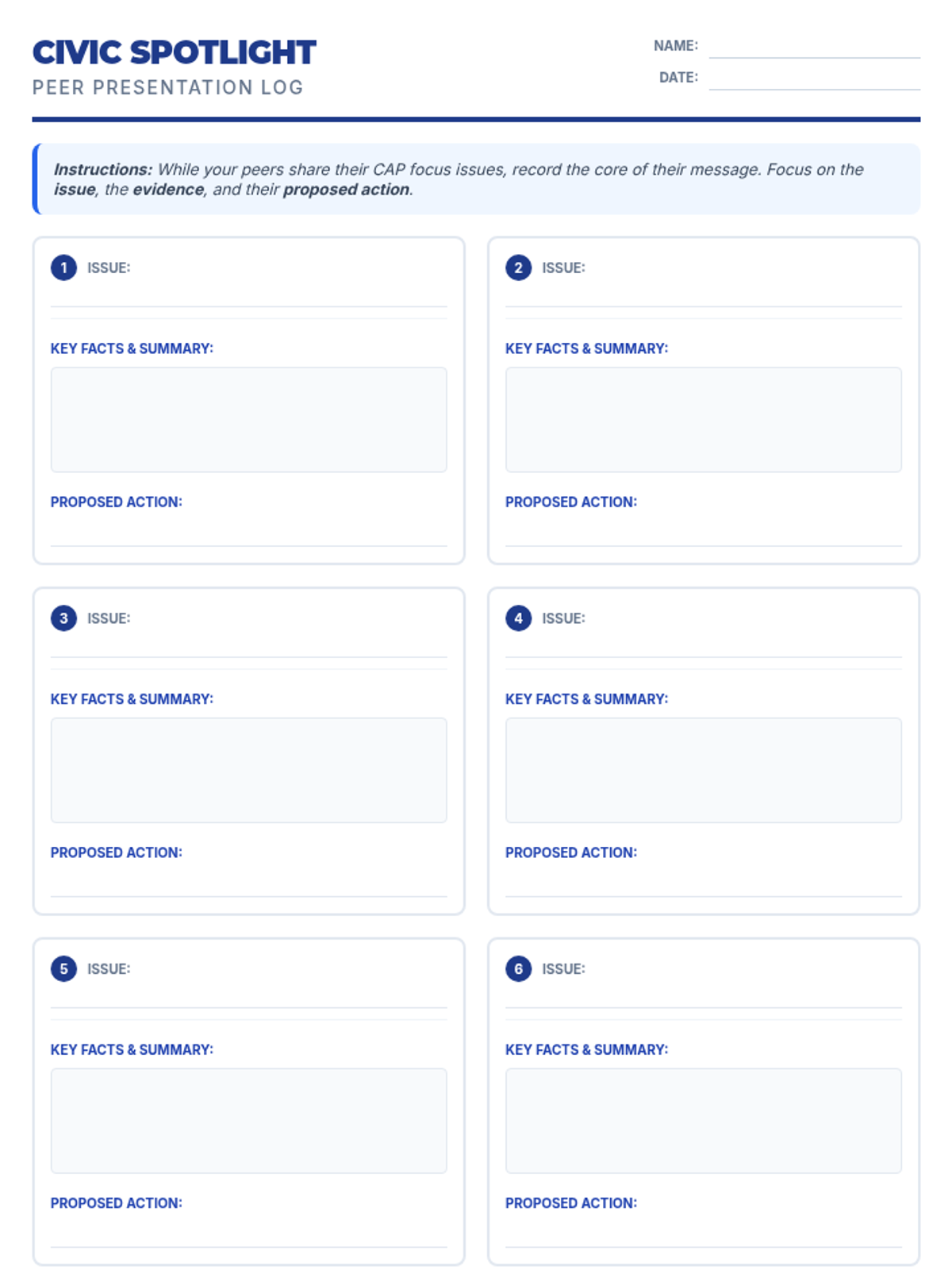
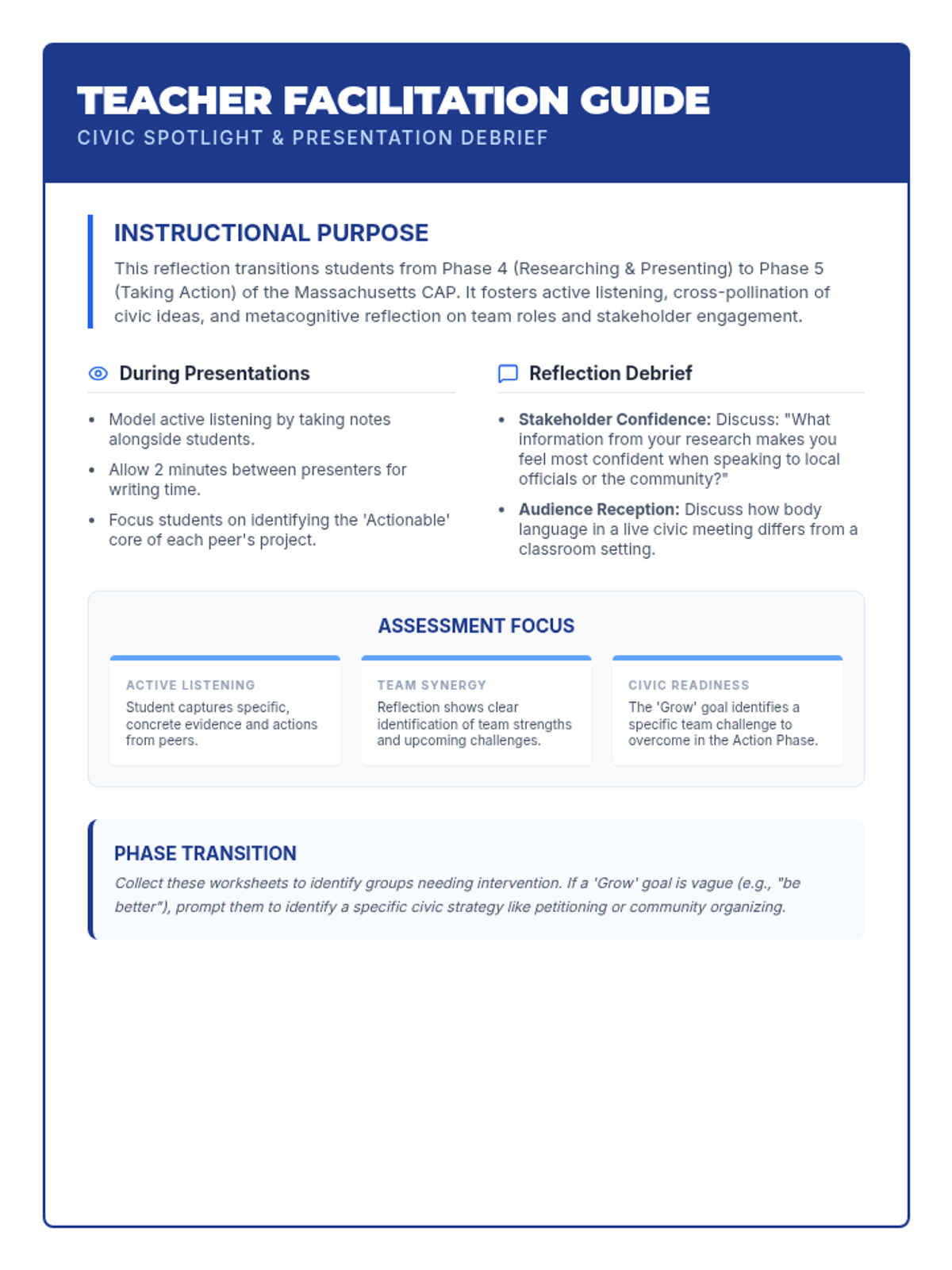
A wrap-up lesson for the Civics Action Project focus issue presentations, centered on peer feedback and student self-reflection to prepare for the action phase.
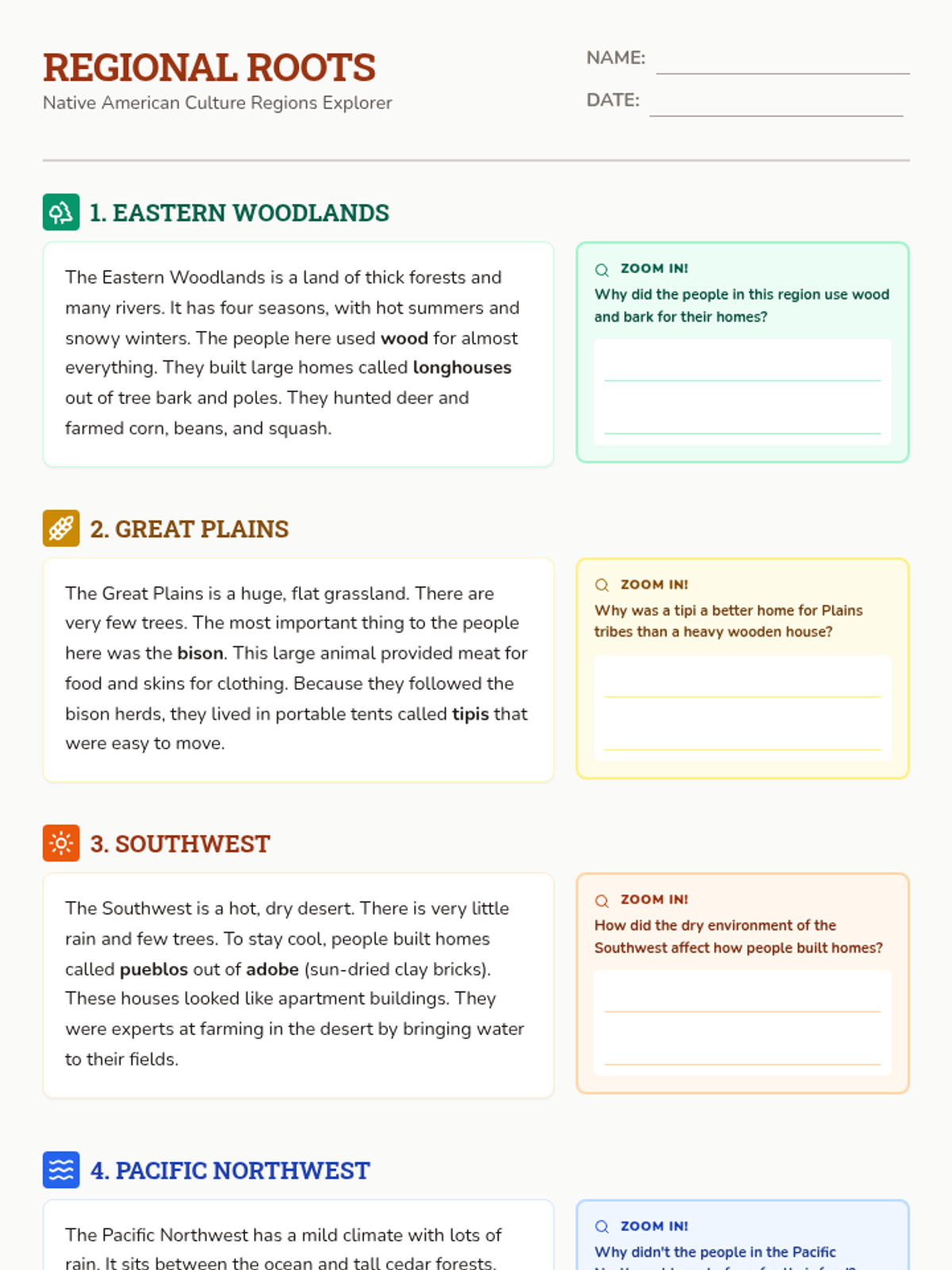
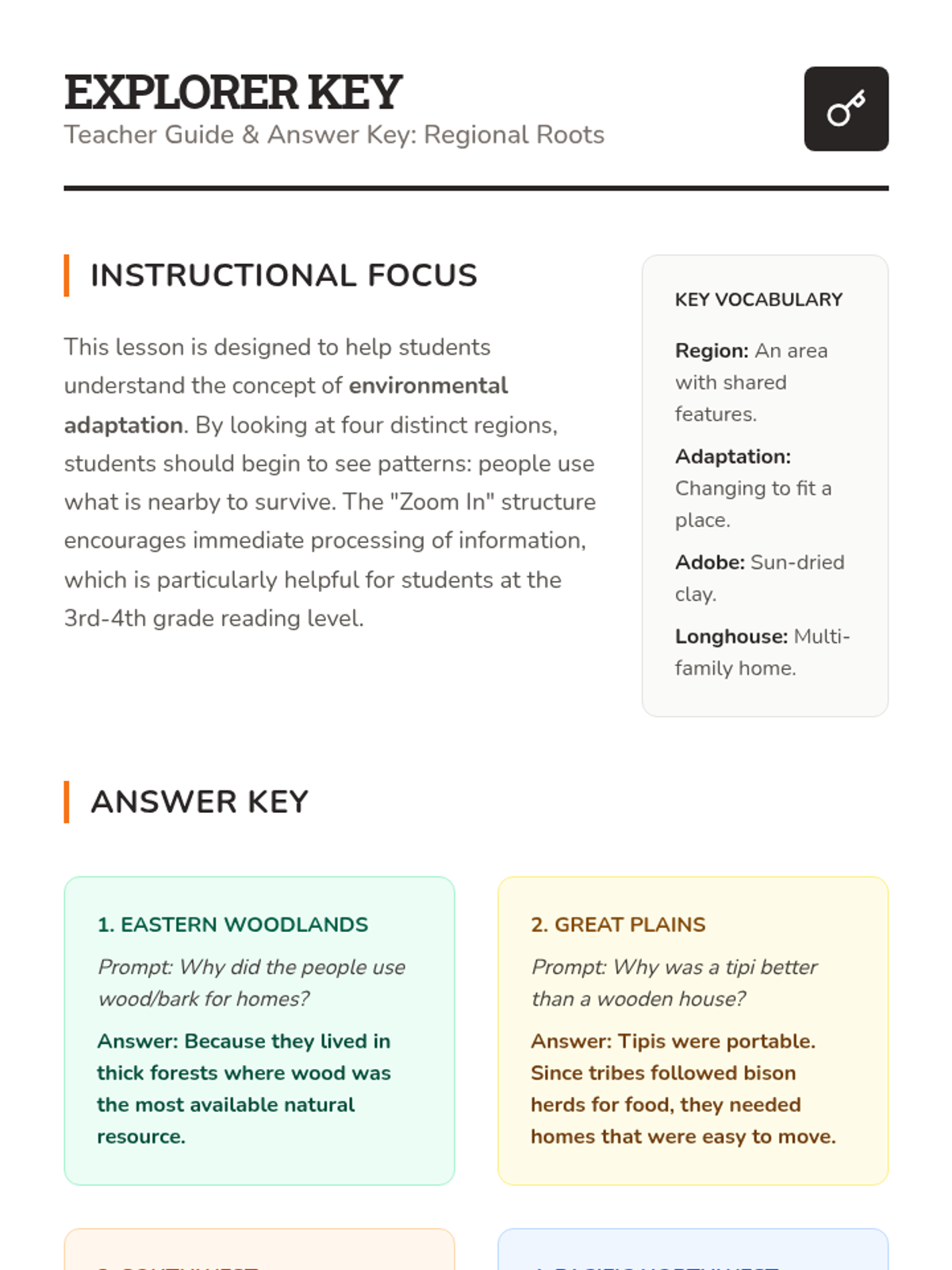
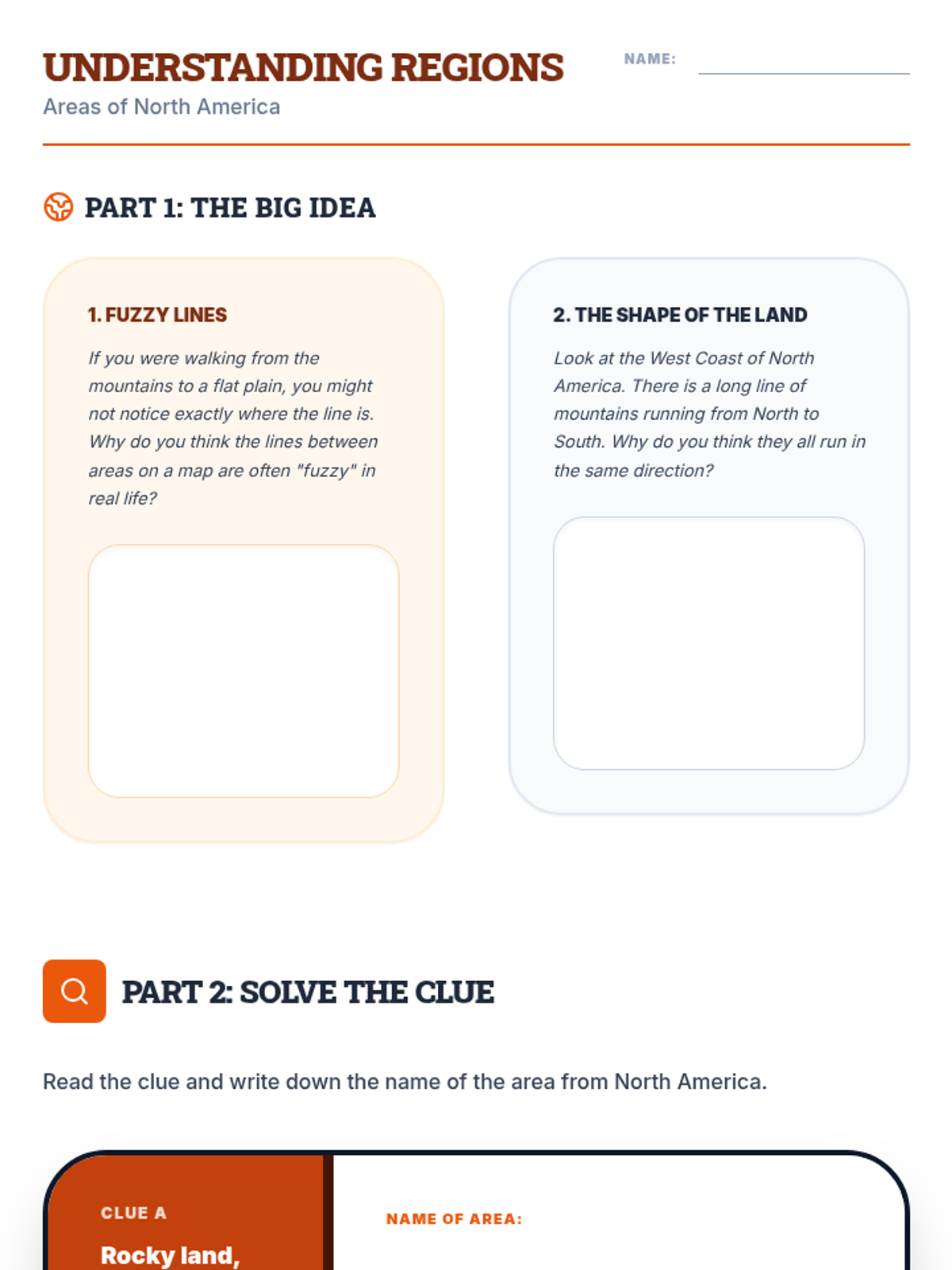
A lesson introducing the concept of cultural regions among Native American tribes, focusing on how different environments shaped unique ways of life across North America.
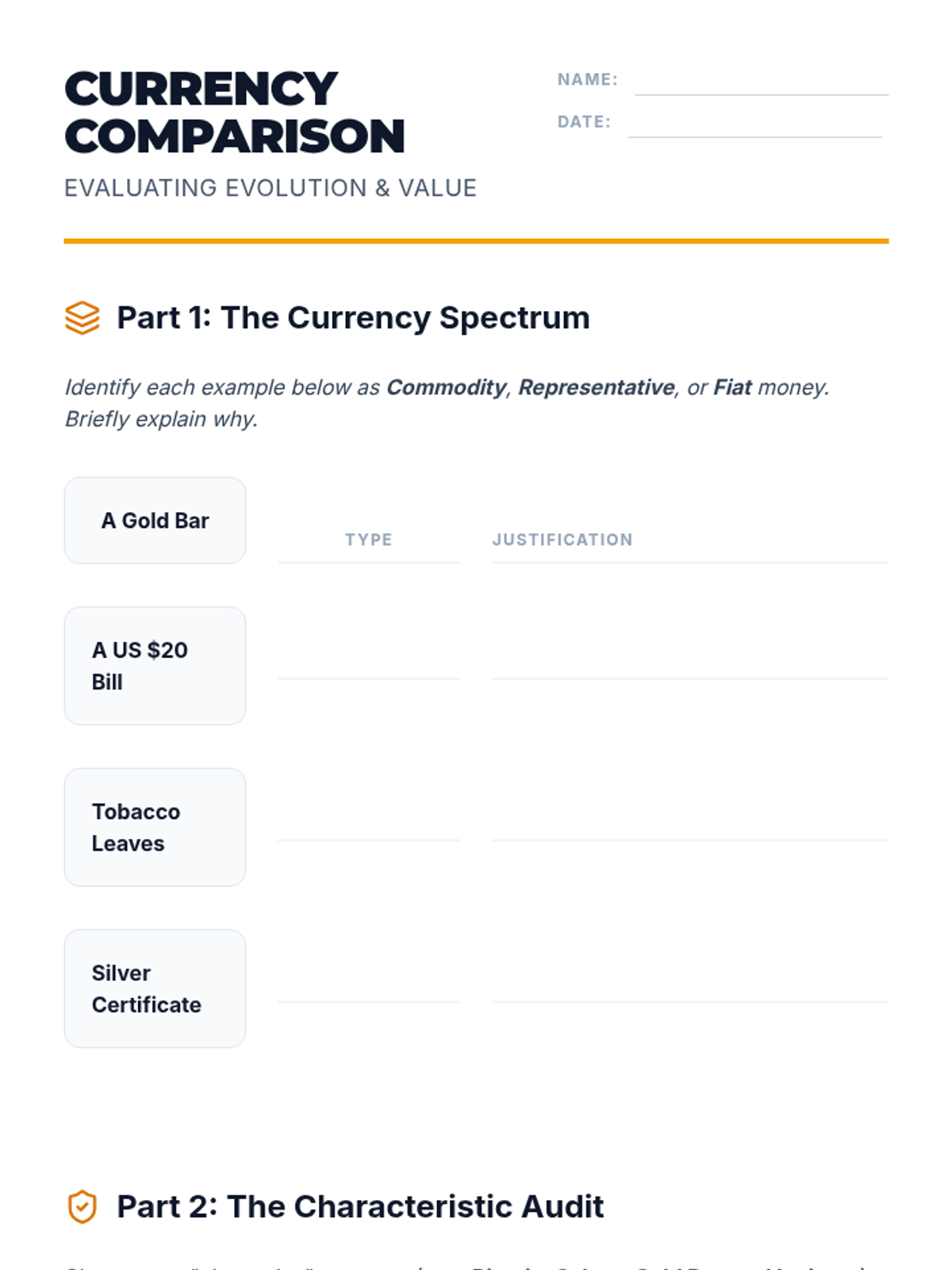
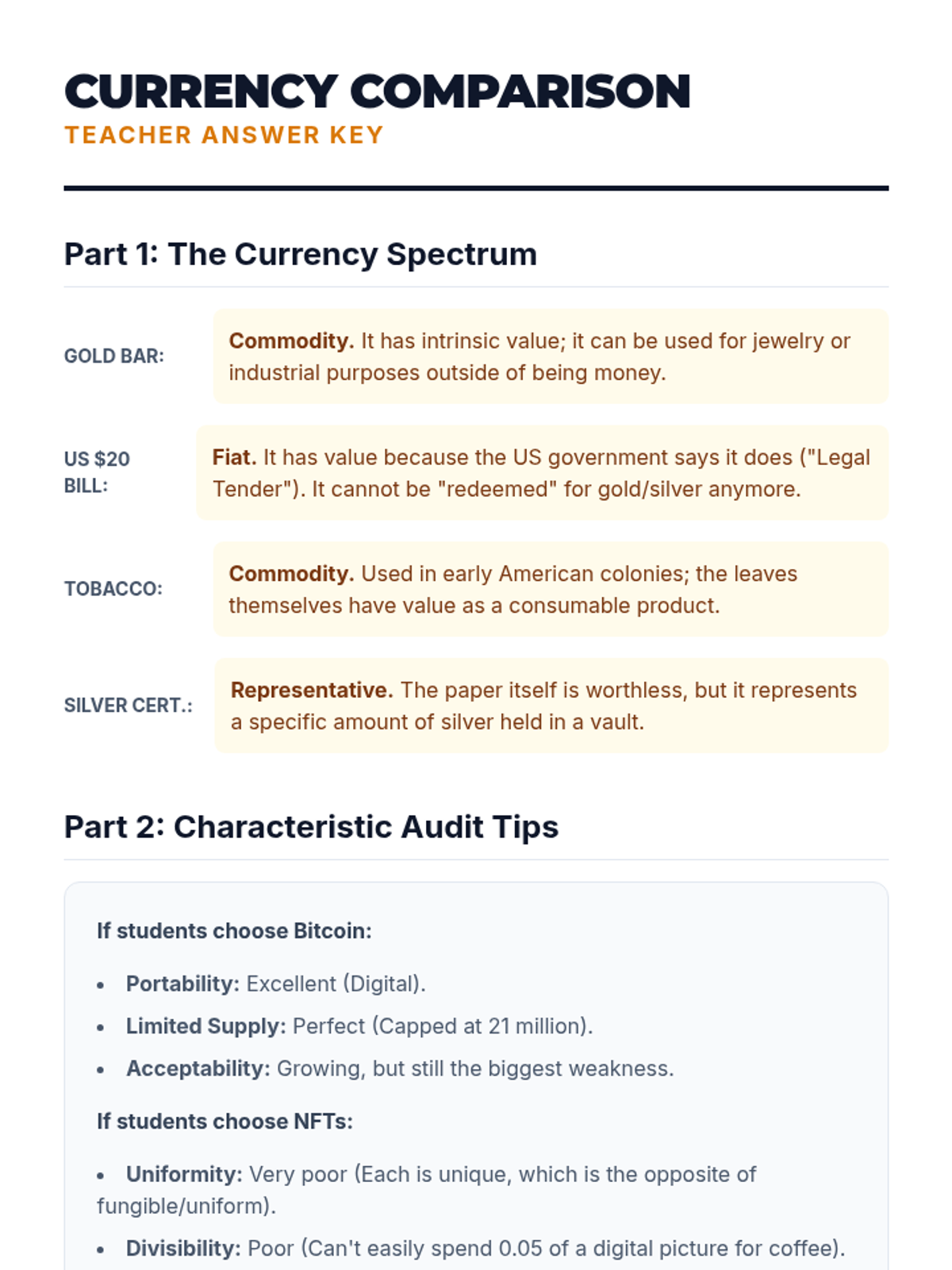
An exploration of the history and types of currency, from commodity money to fiat systems, designed for a 90-minute block.
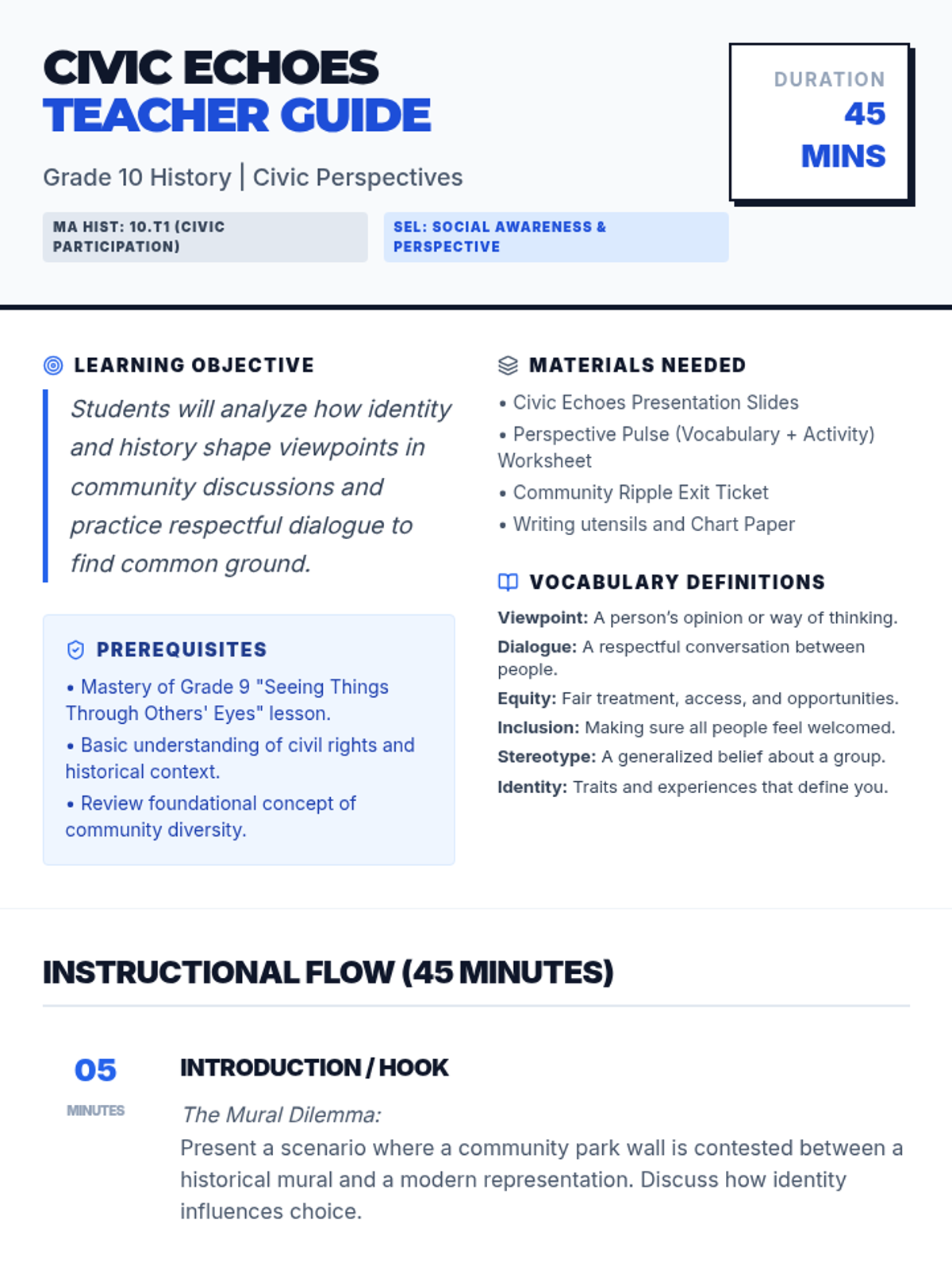
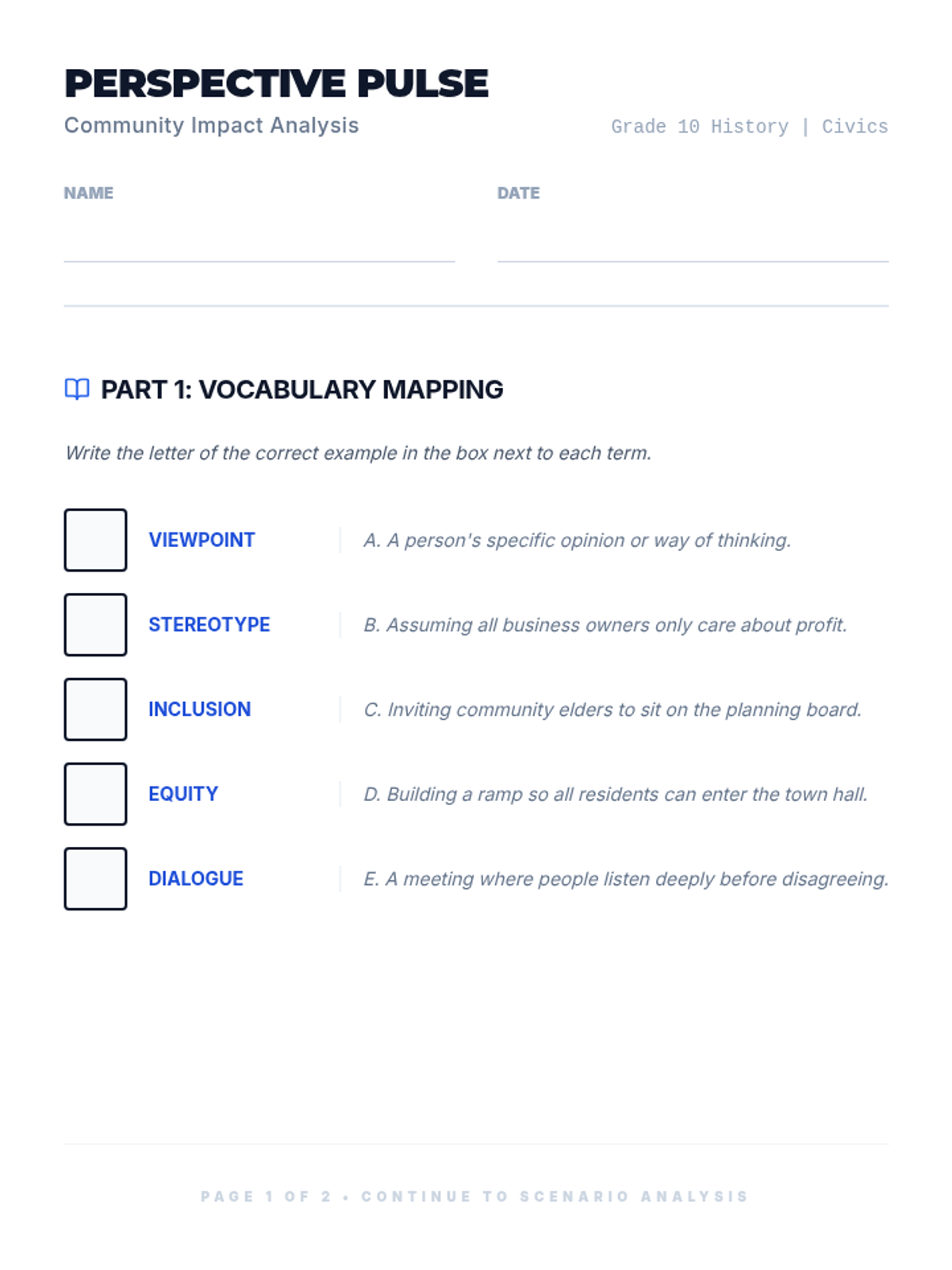
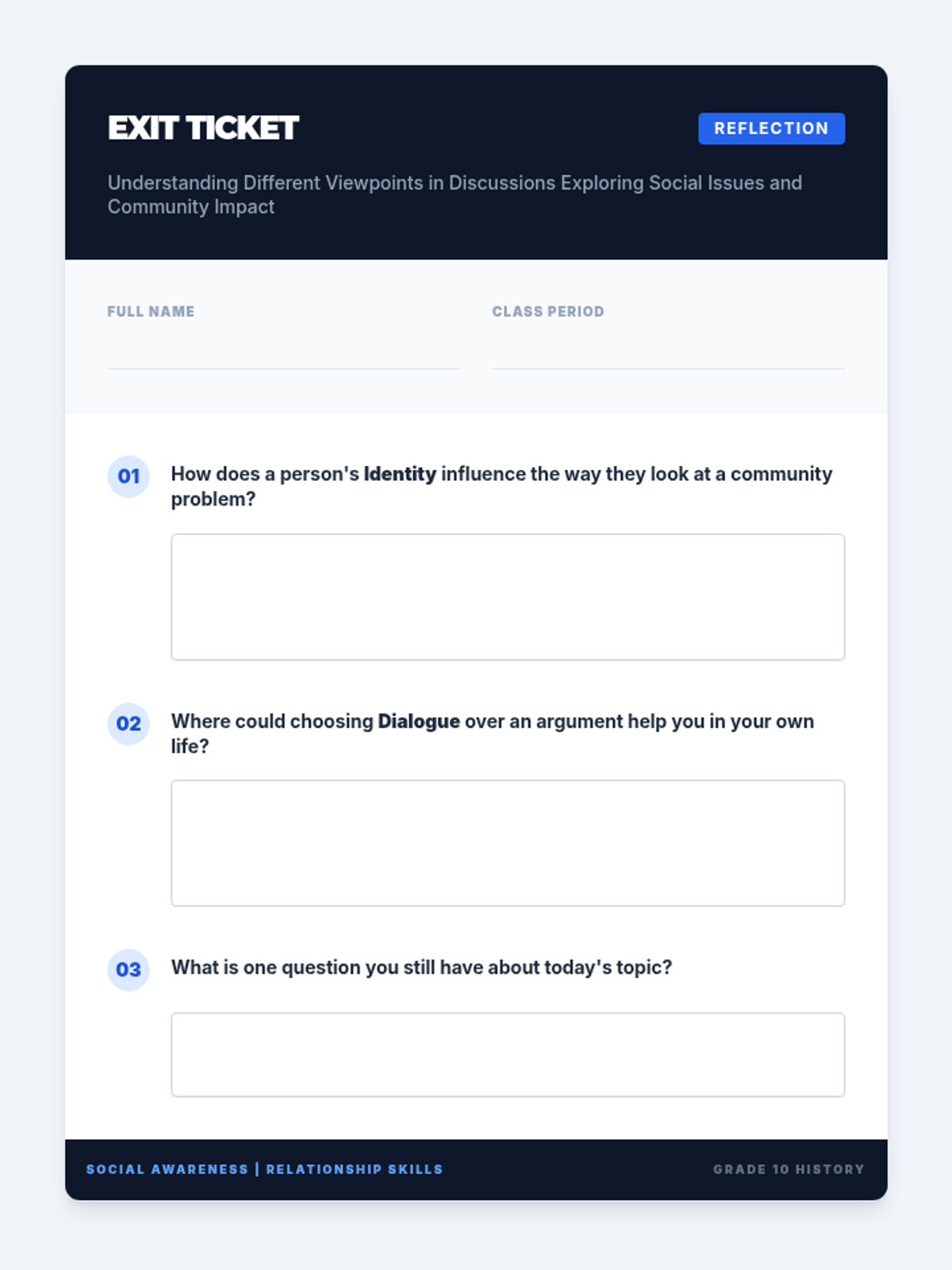
A Grade 10 History lesson focused on developing social awareness and relationship skills through the analysis of community viewpoints. Students explore how individual identities and historical contexts shape perspectives on social issues.
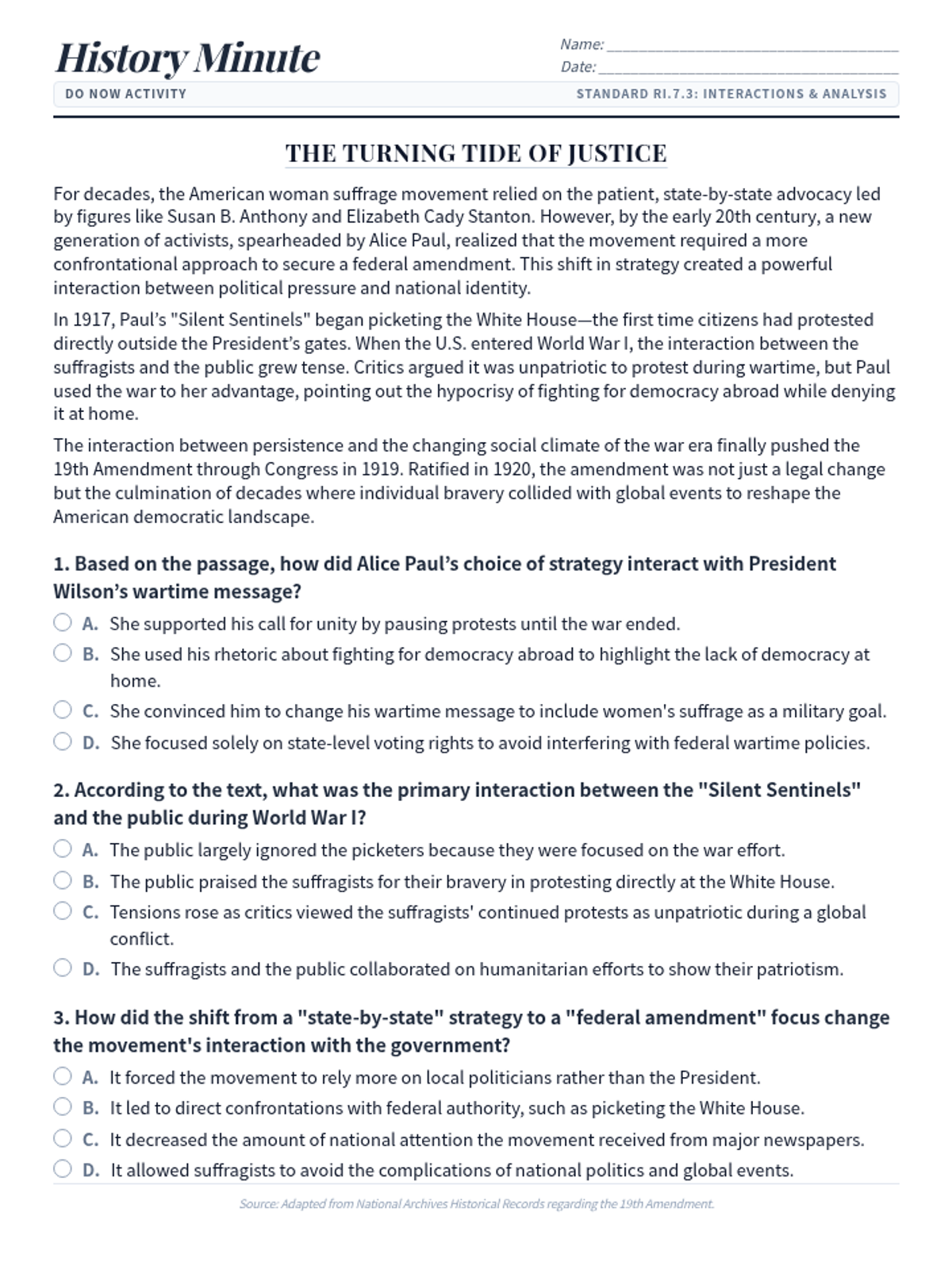
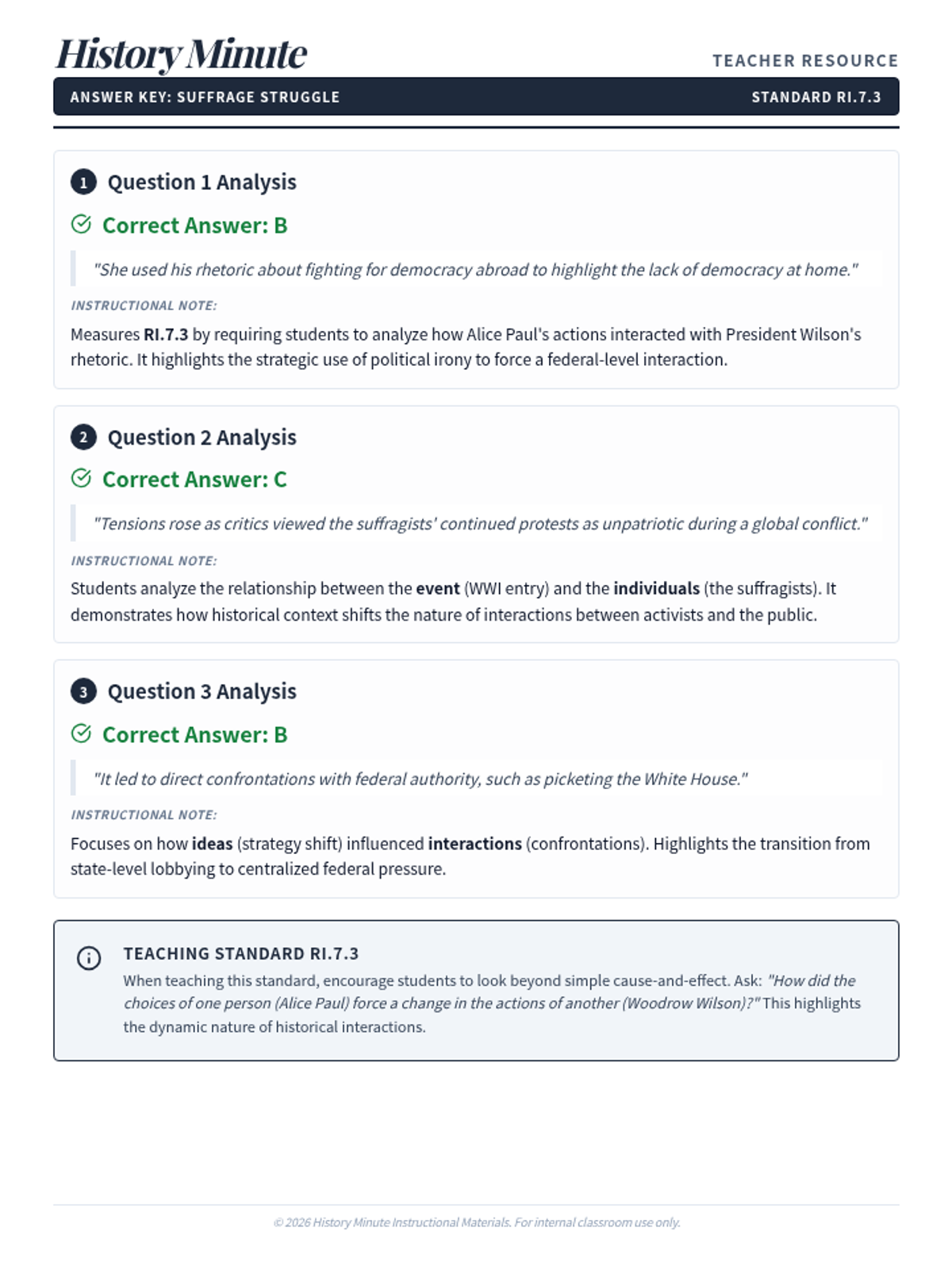
A lesson exploring the interactions between key figures and events in the Women's Suffrage movement, specifically focusing on the shift to a federal amendment strategy.
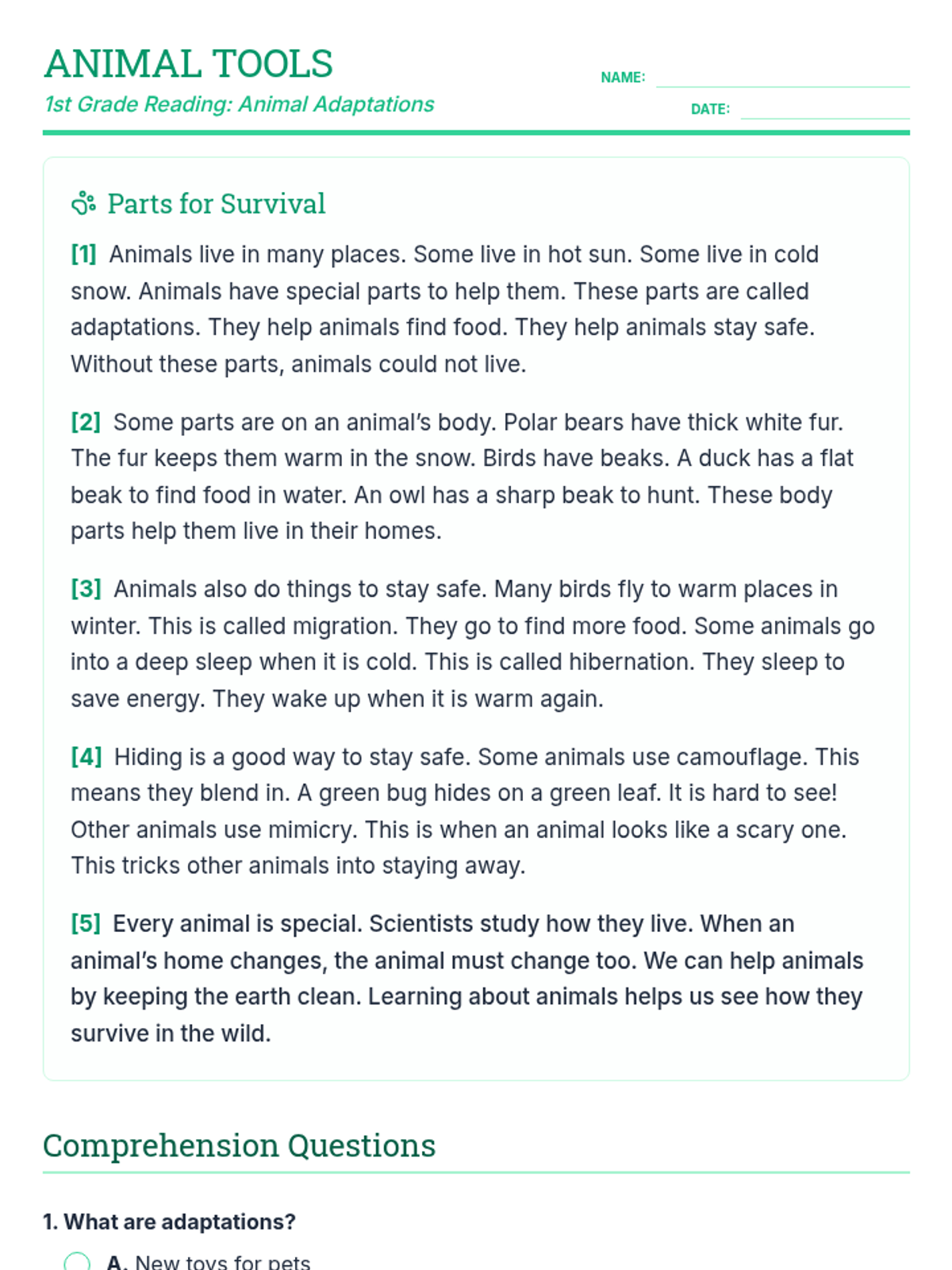
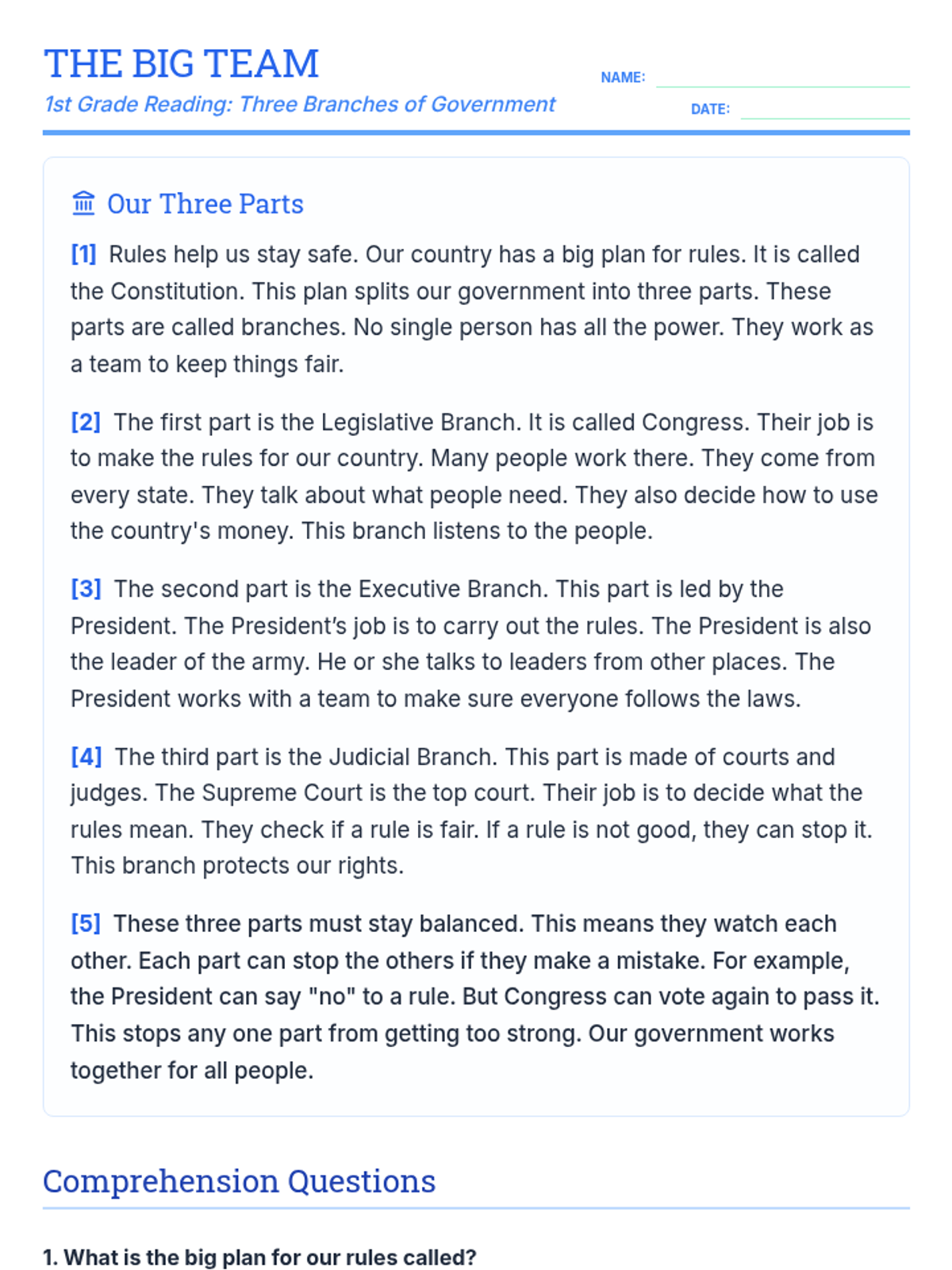
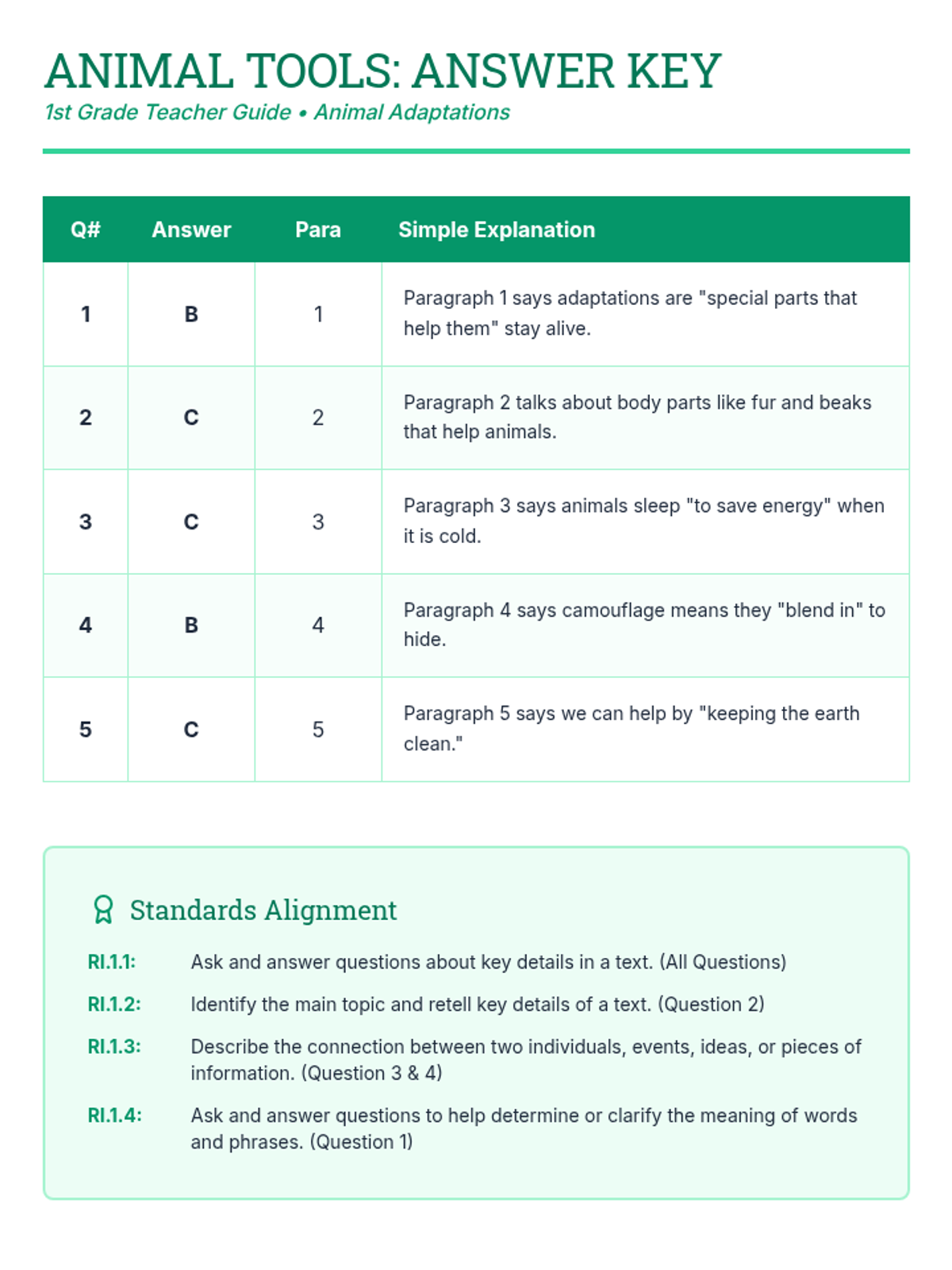
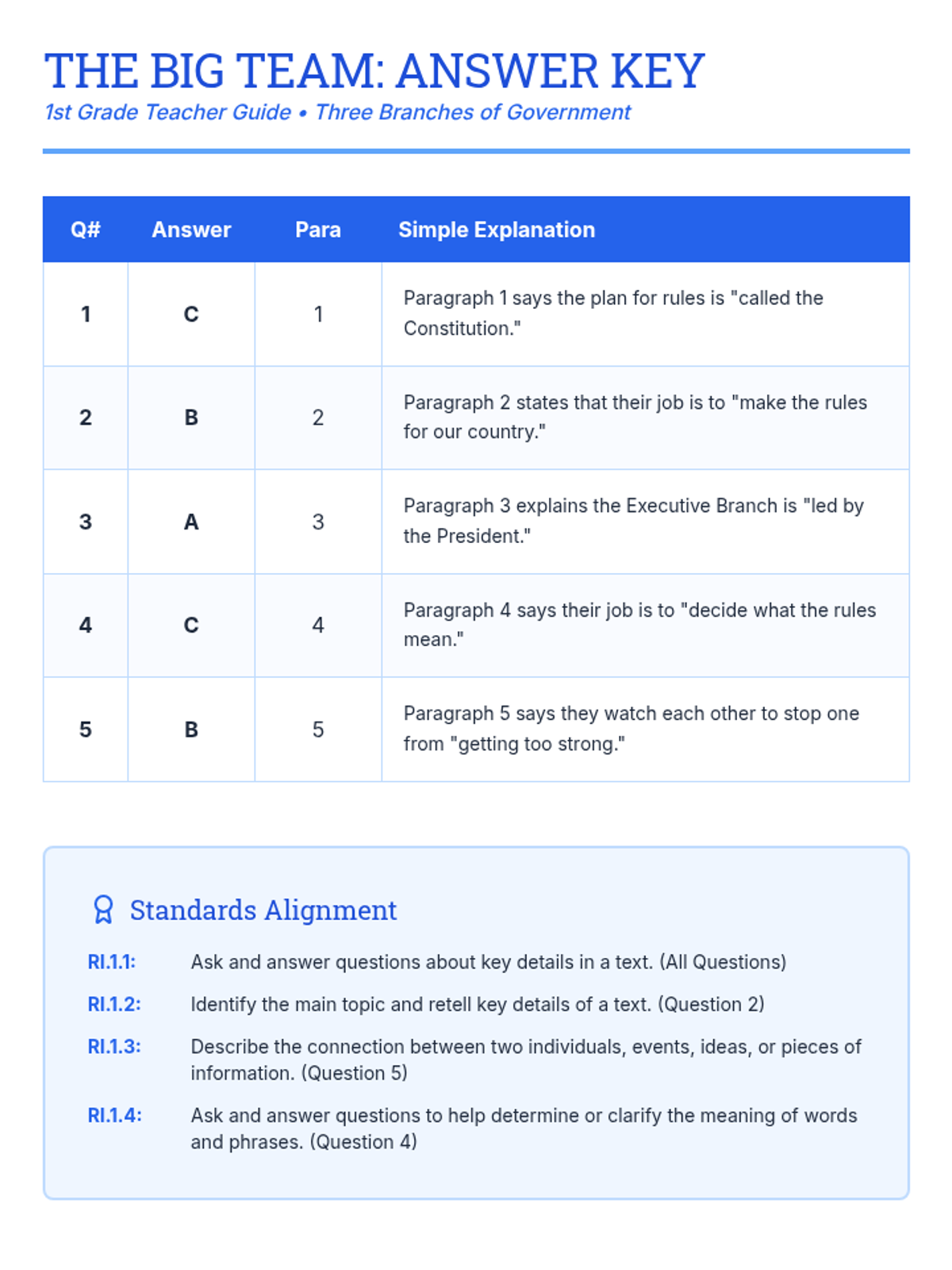
A comprehensive reading comprehension lesson focusing on RI.1, RI.2, RI.3, and RI.4 standards through the lenses of Animal Adaptations and the Three Branches of Government.
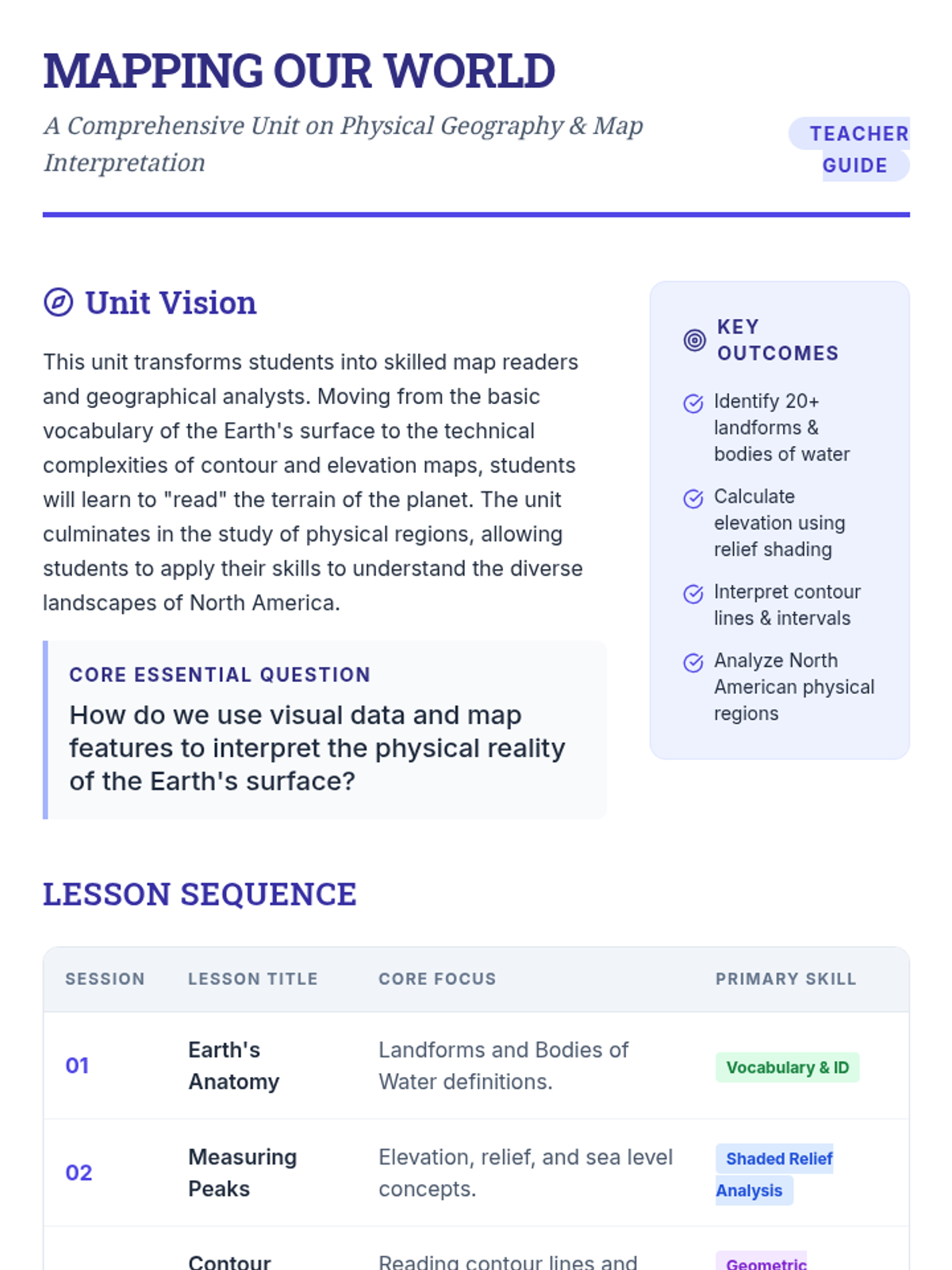
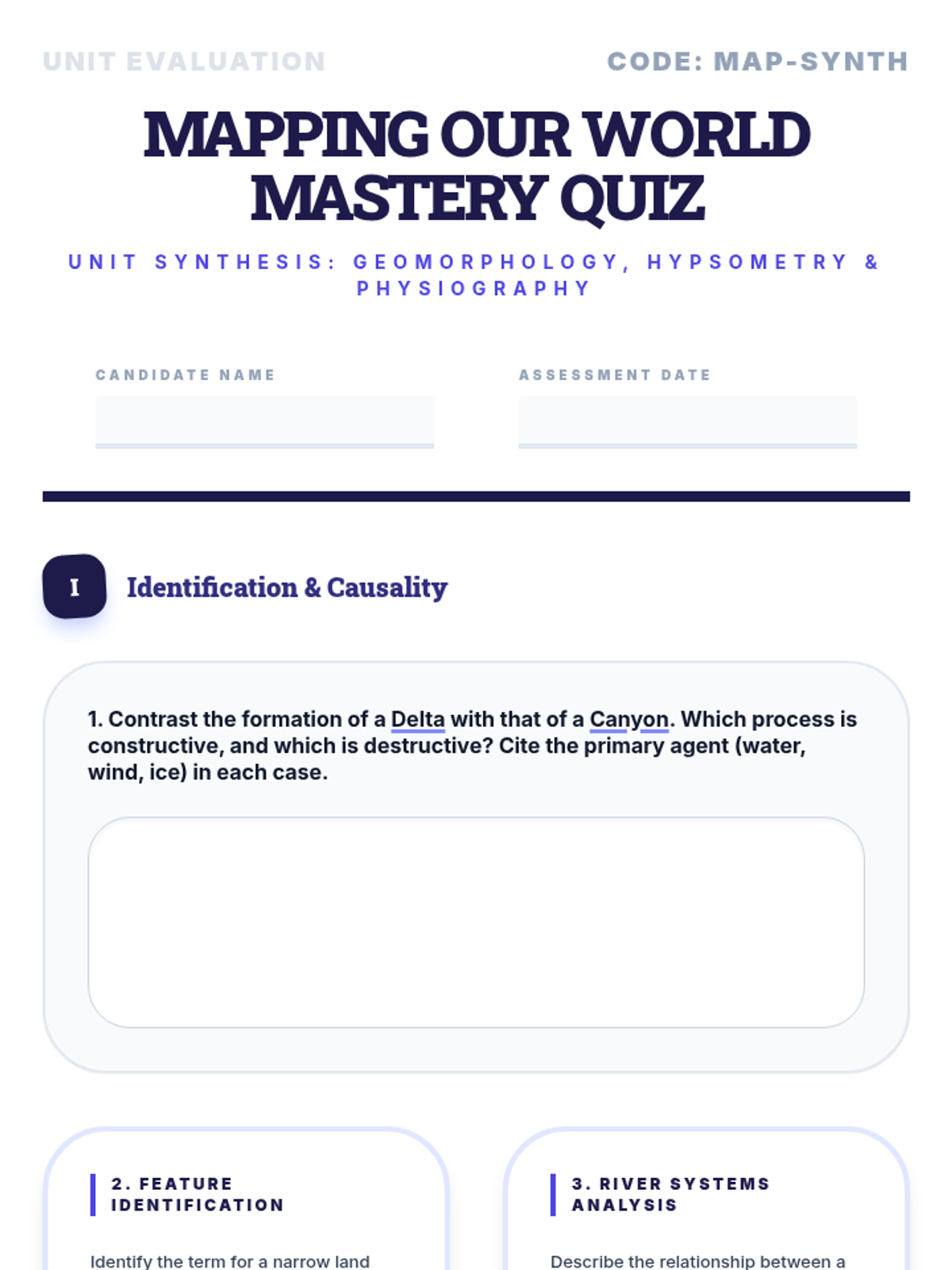
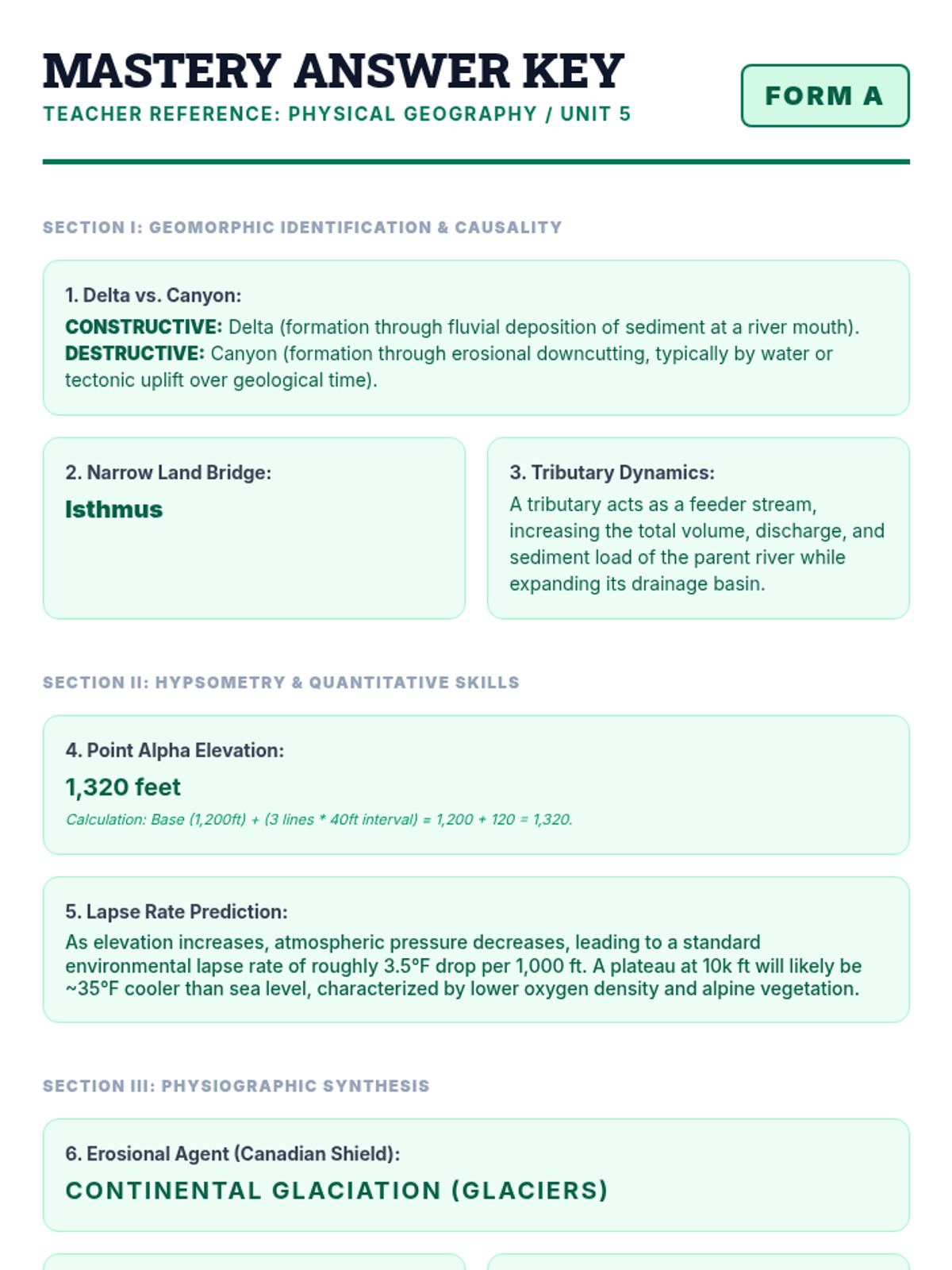
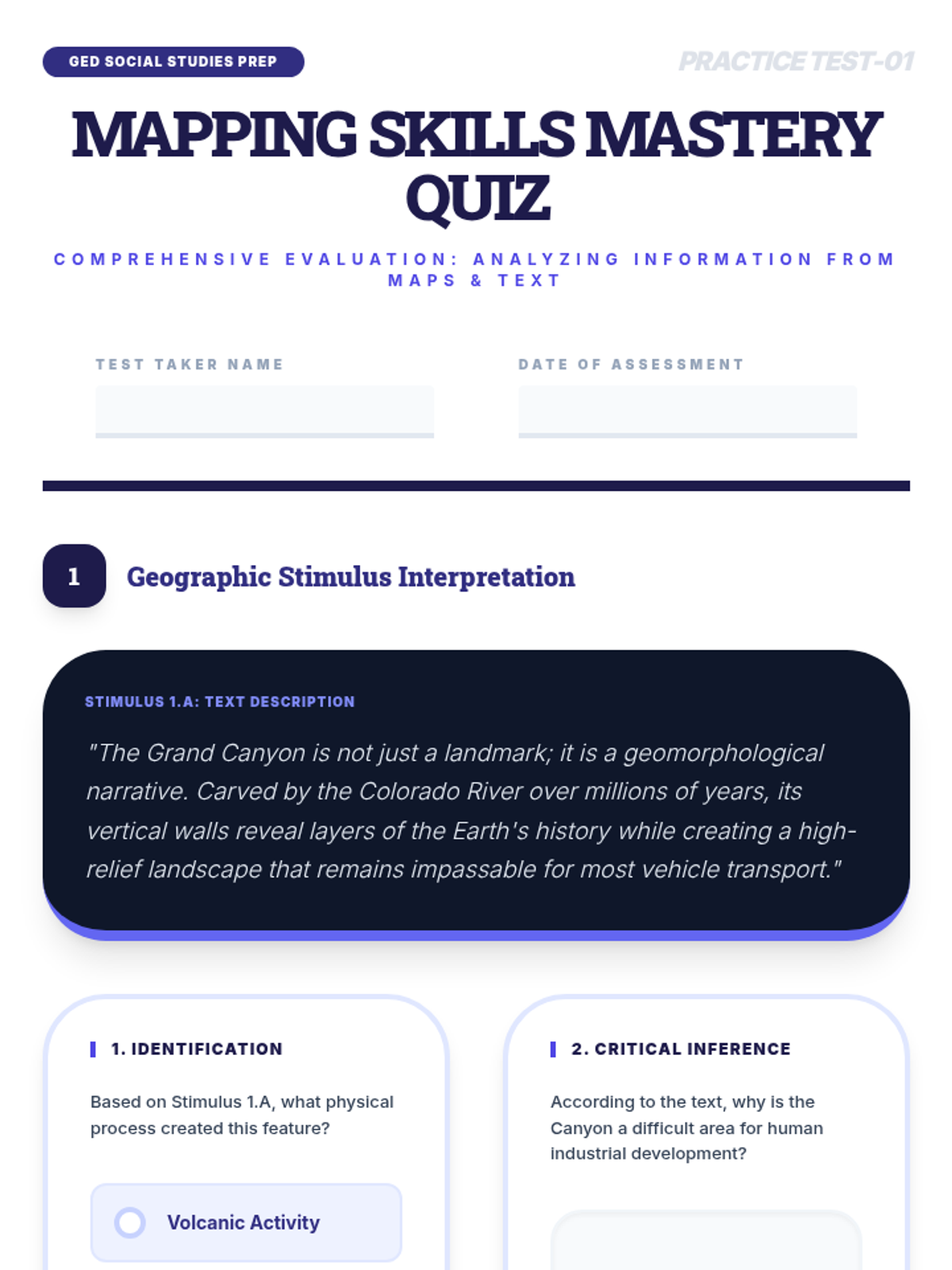
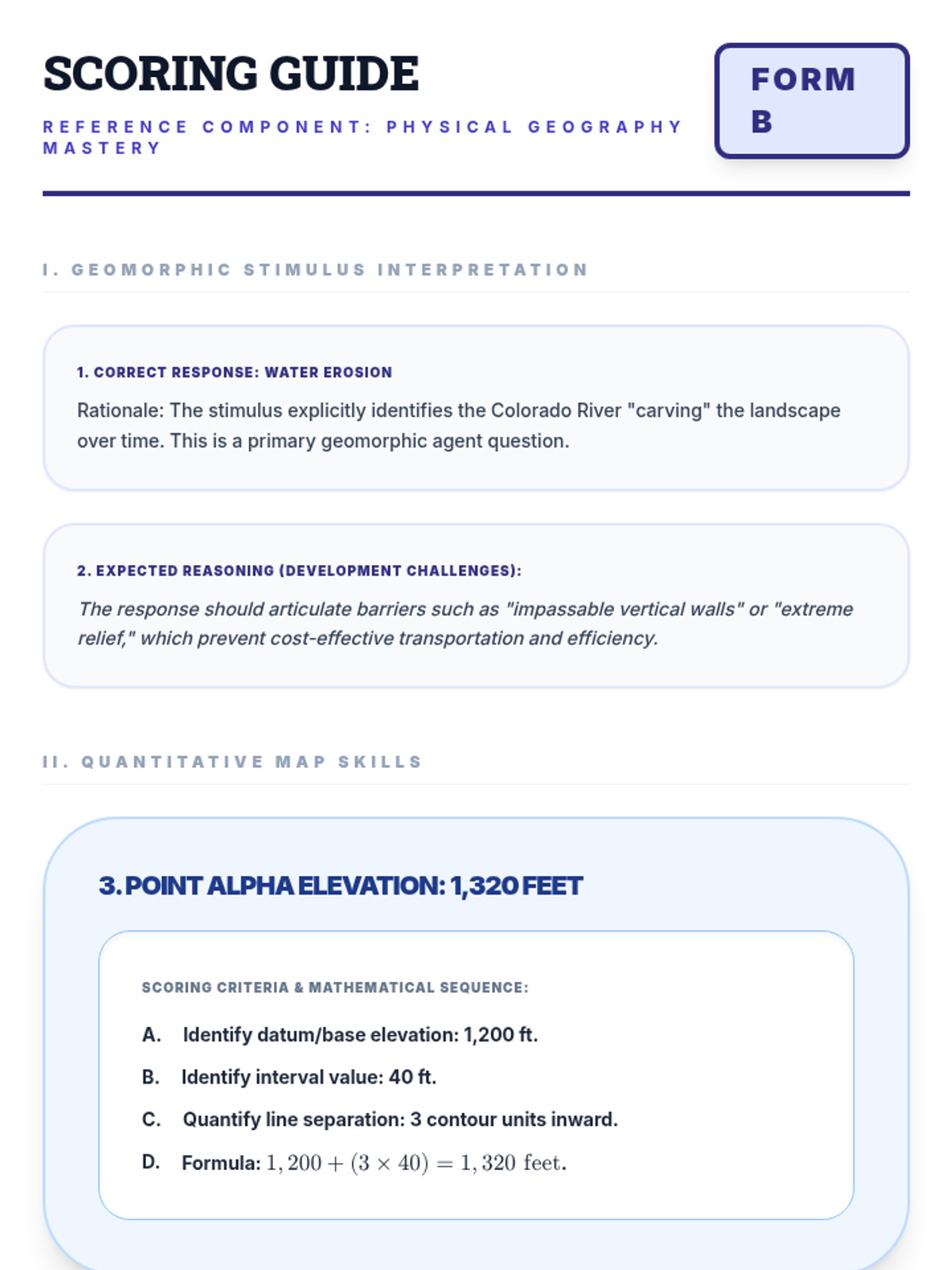
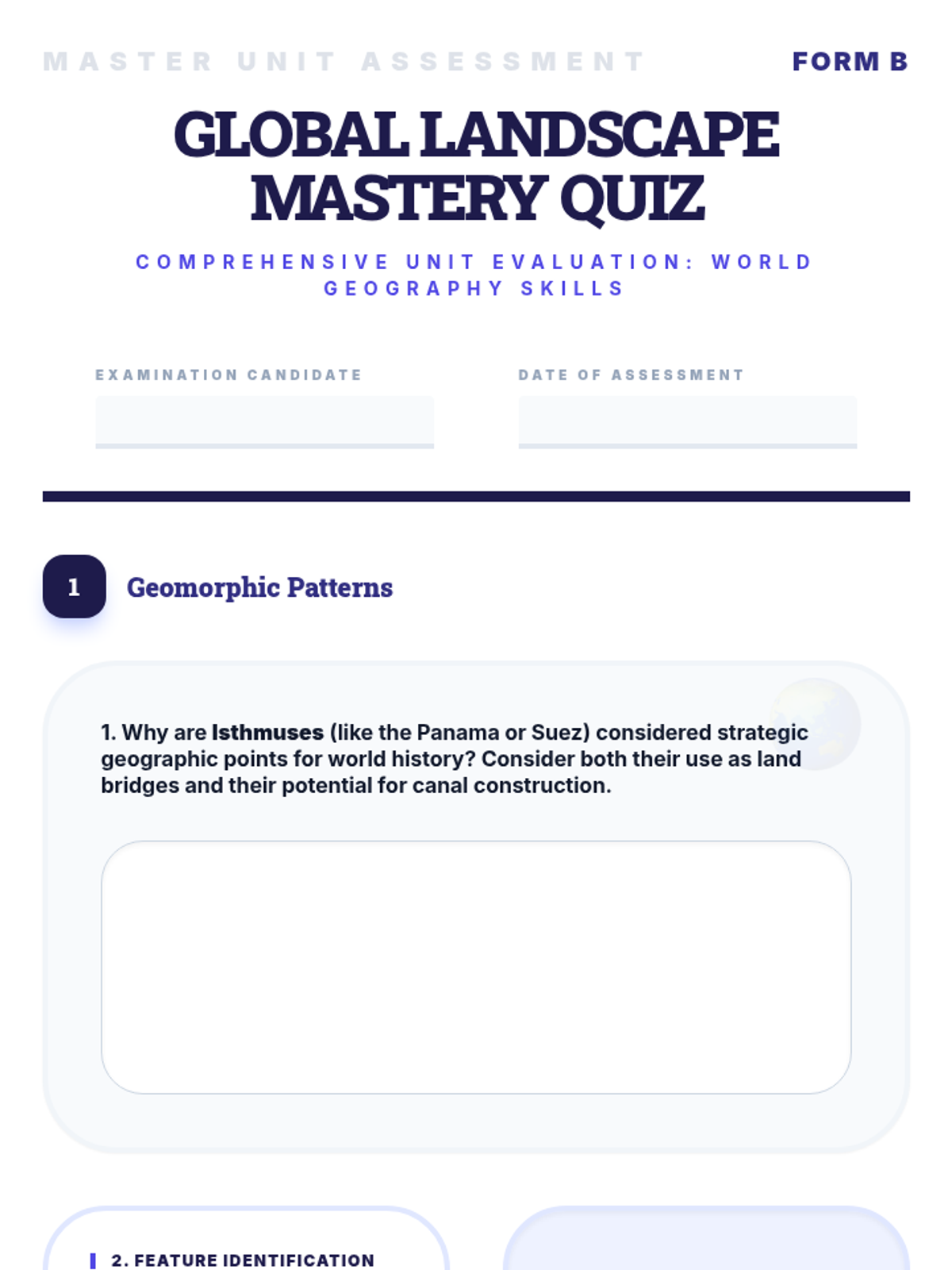
A final assessment and review lesson to verify student mastery of the unit's geography skills.
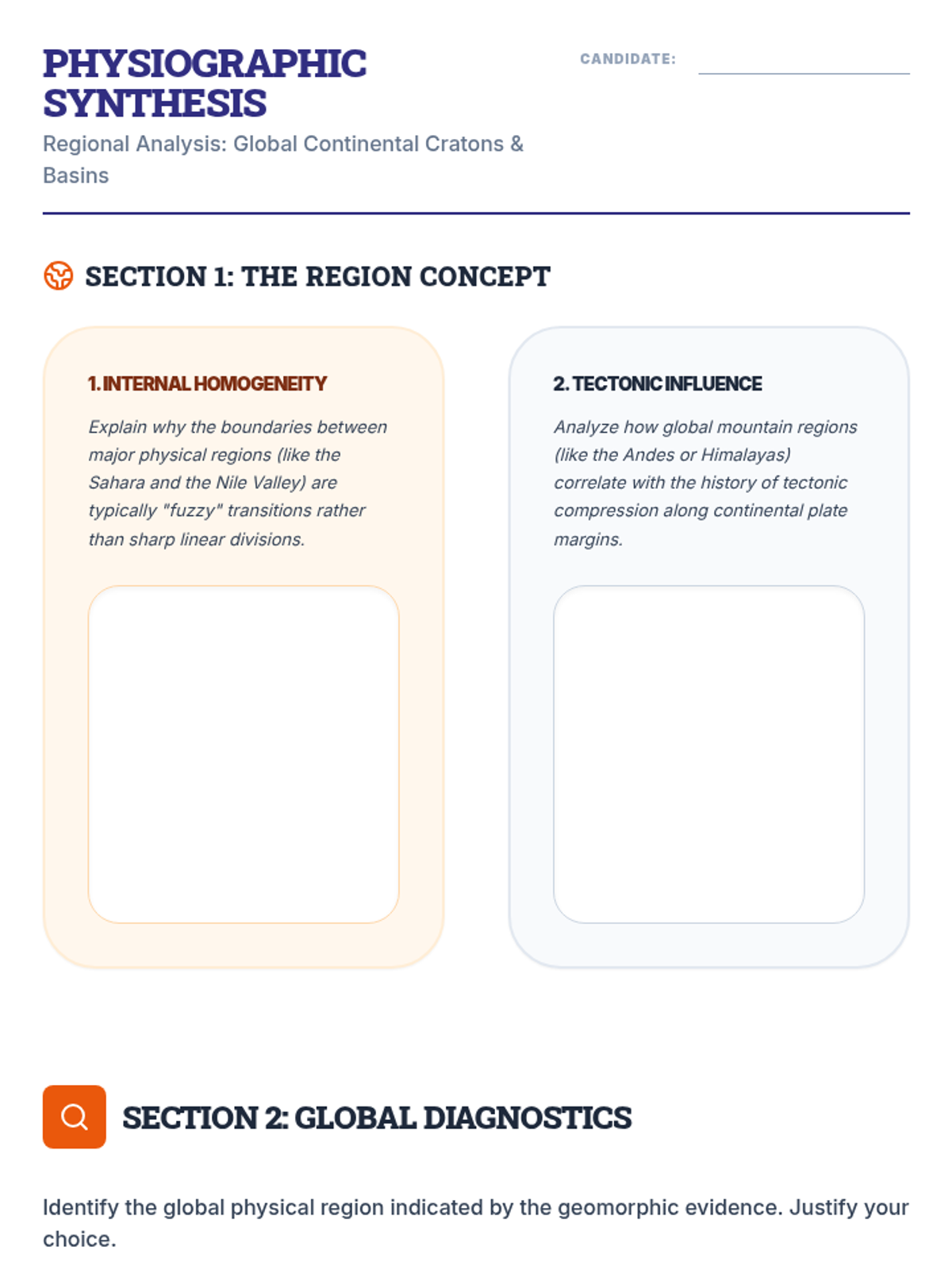
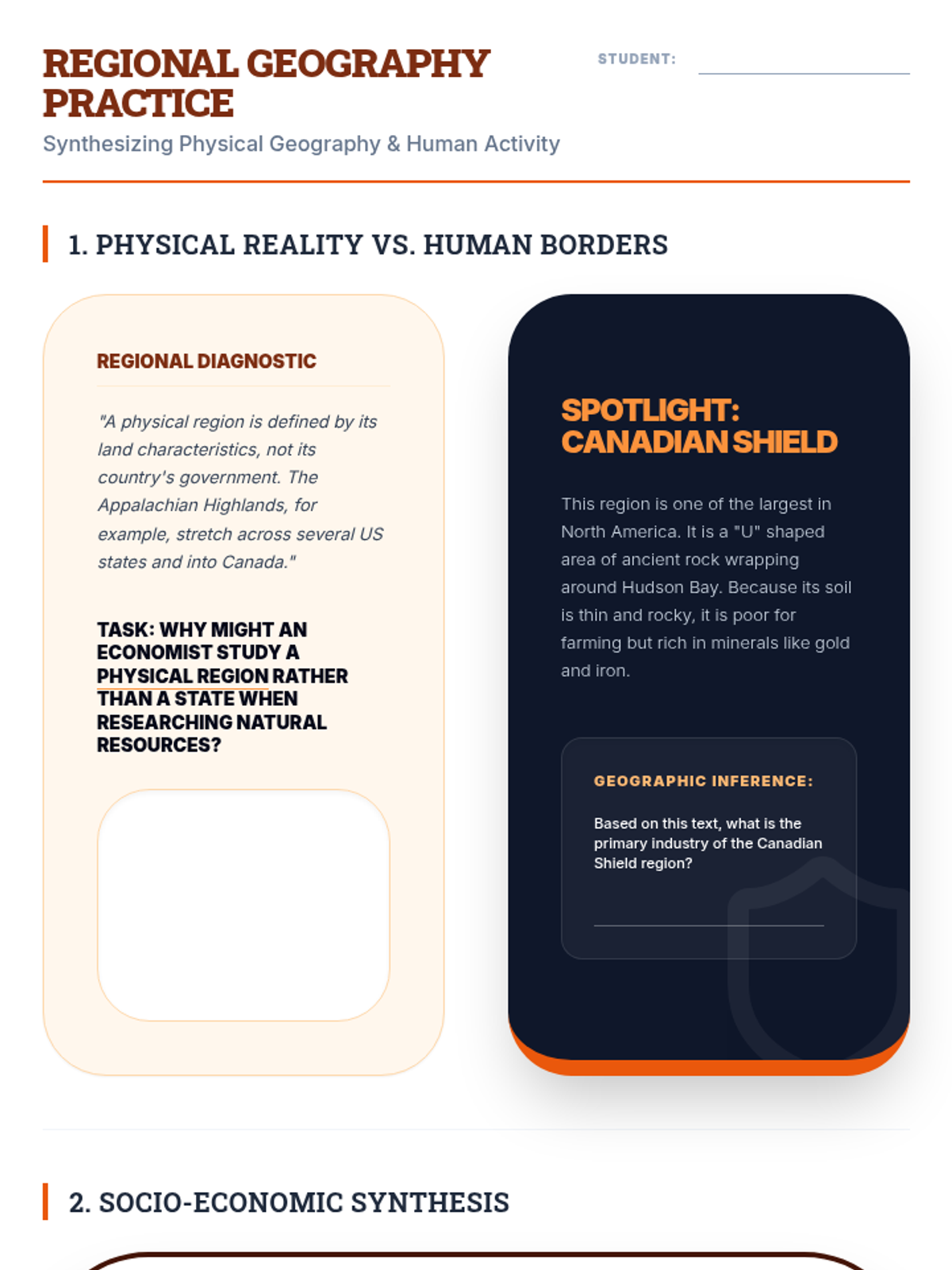
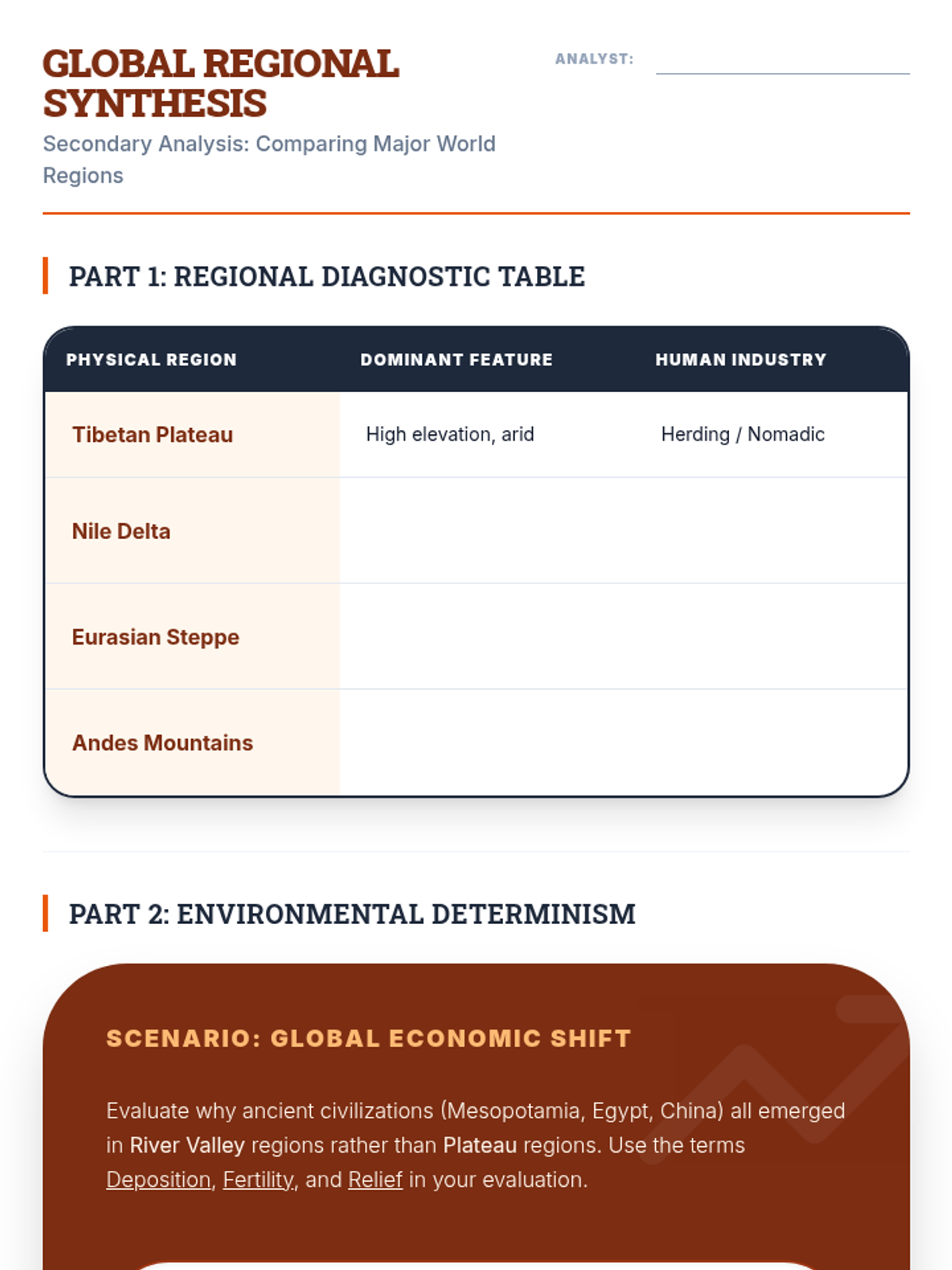
Analyzing the major physical regions of the world and their impact on human settlement and activity.
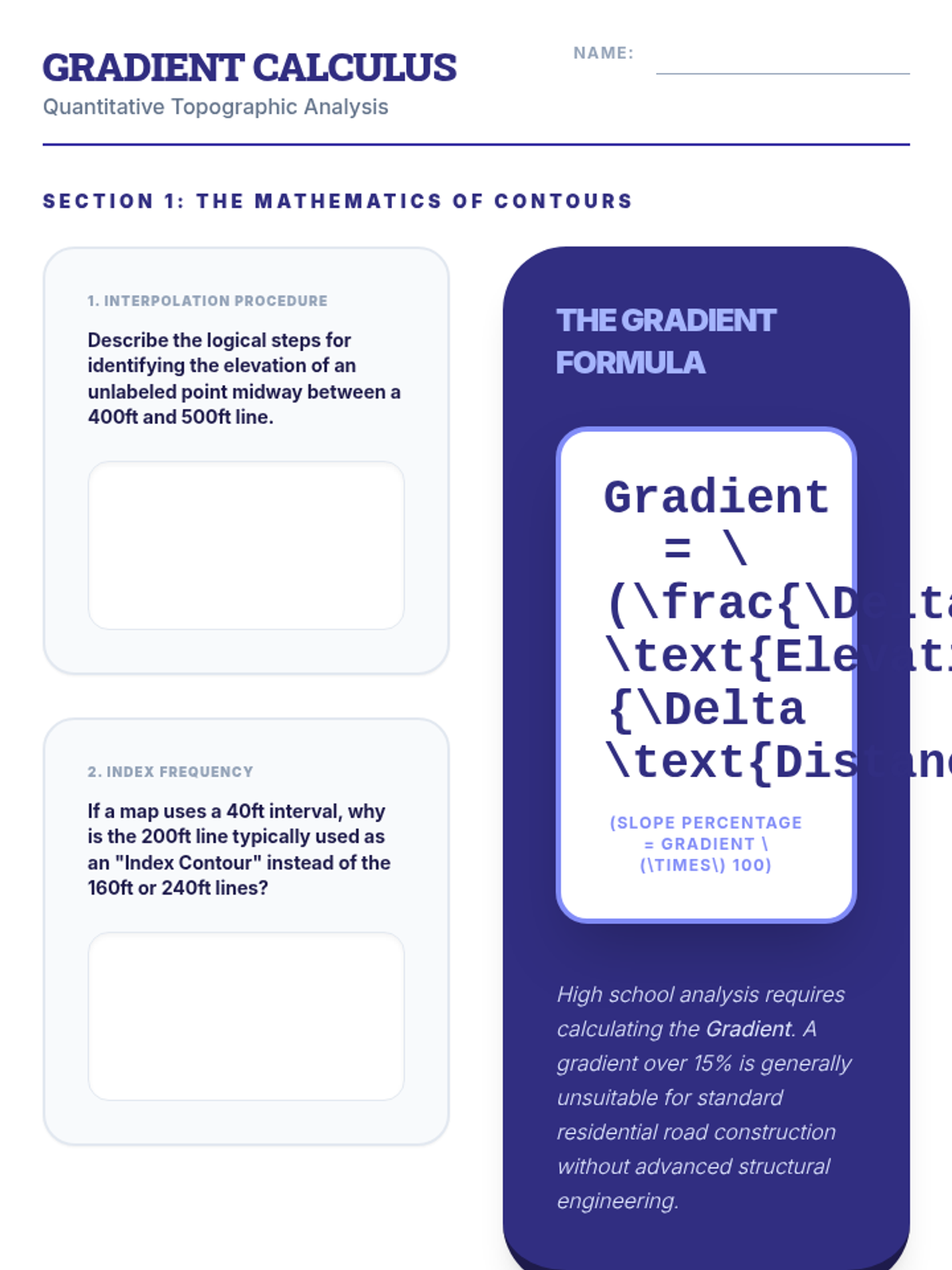
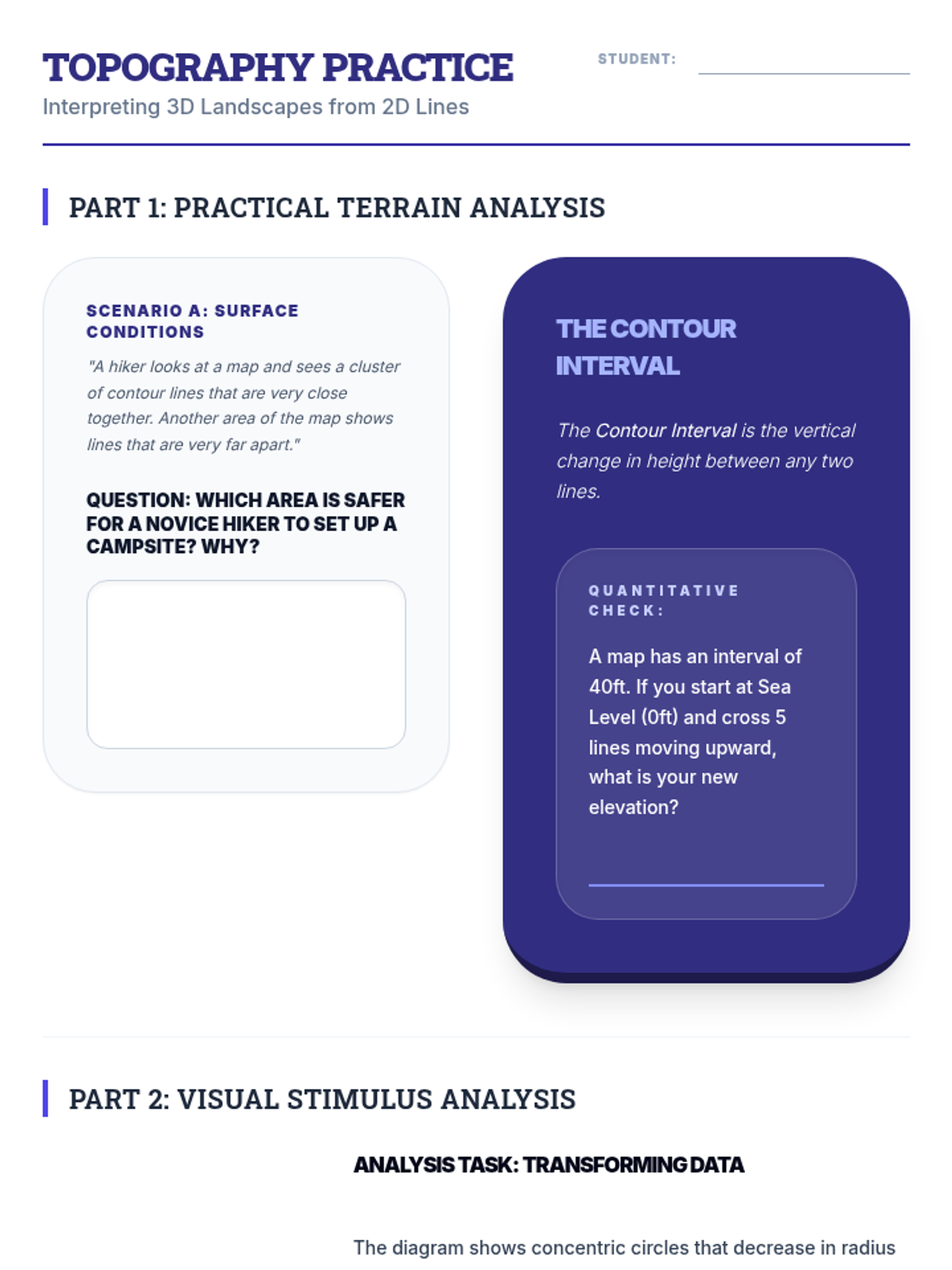
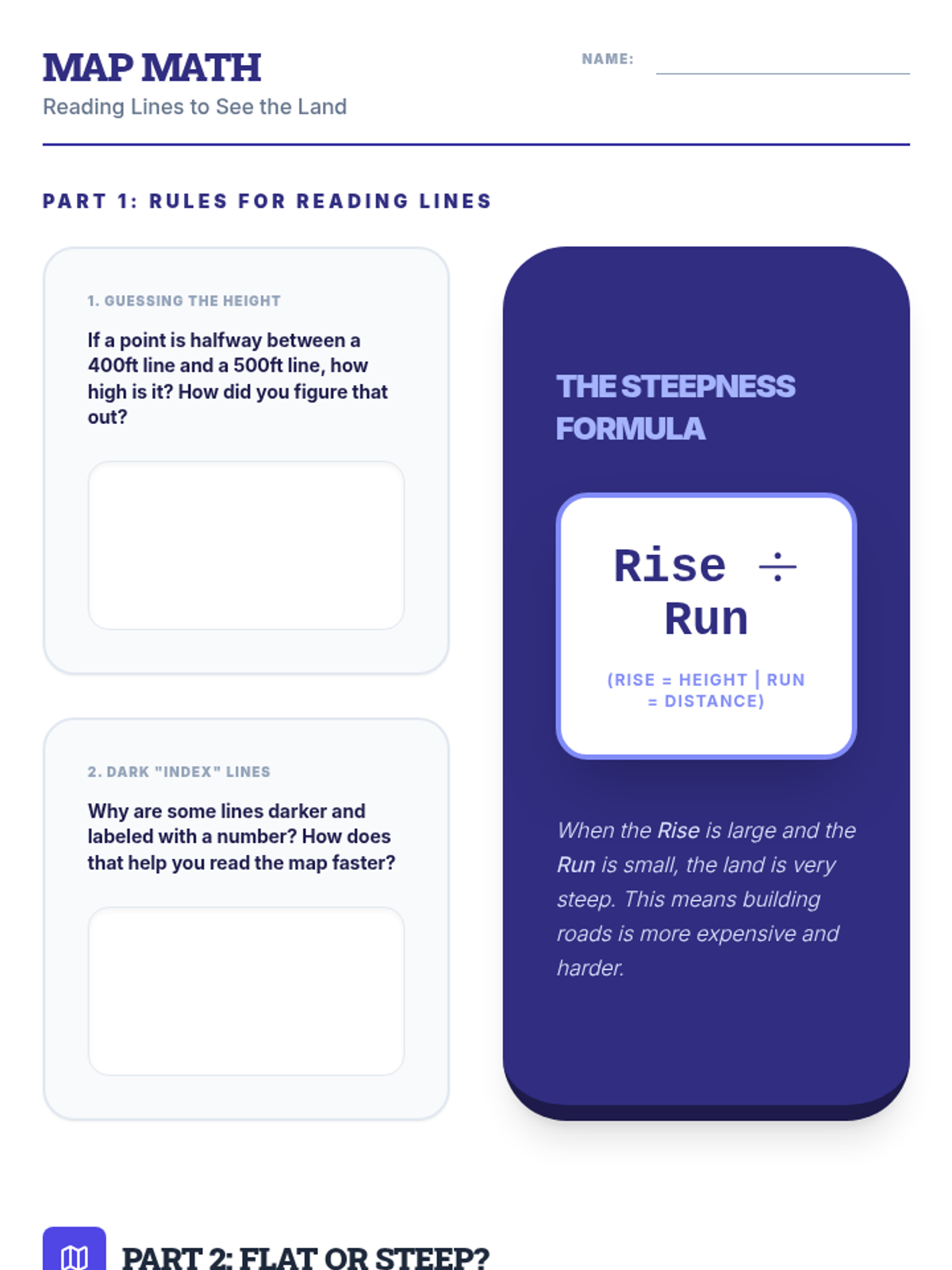
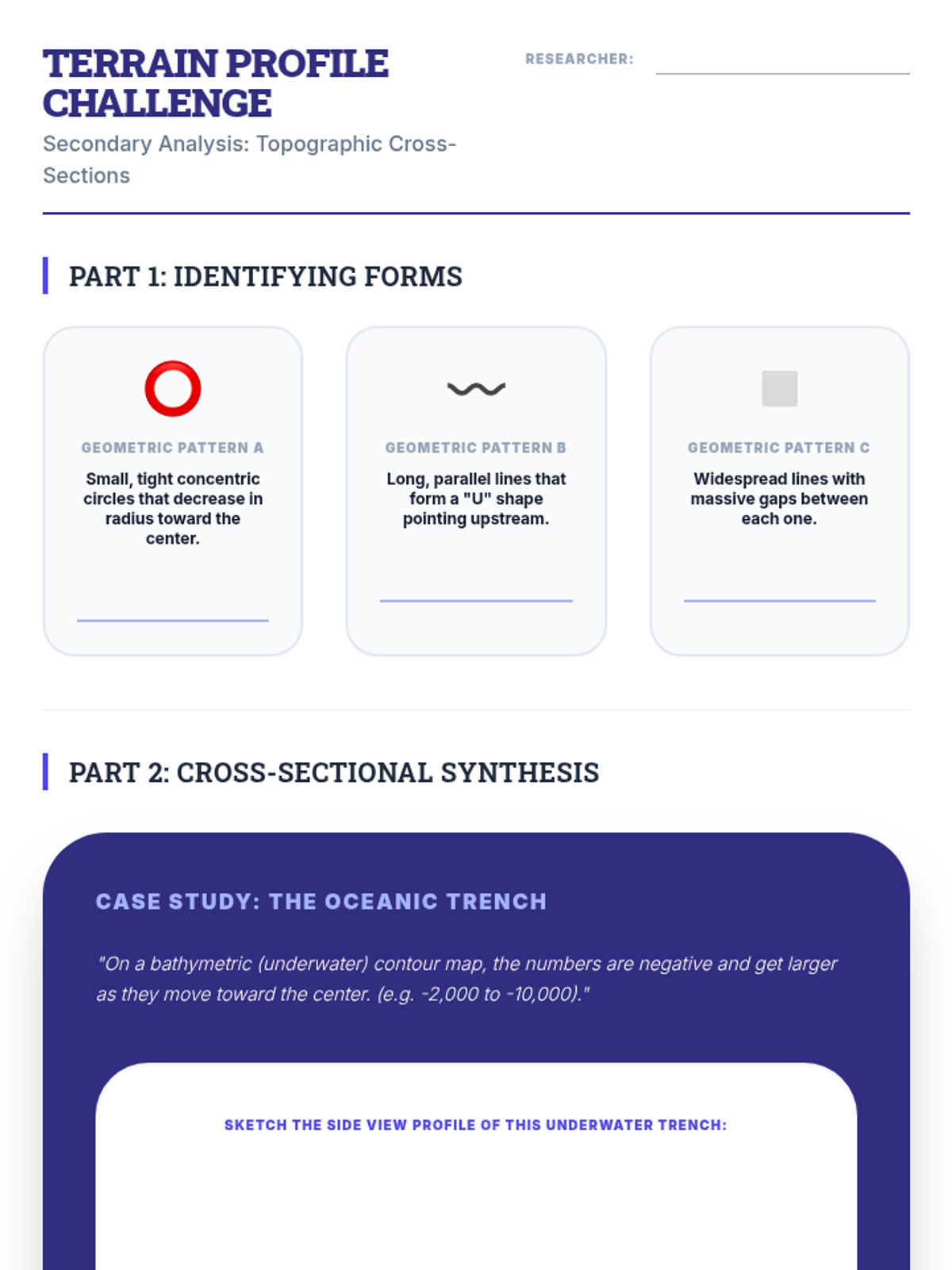
Using contour maps to visualize 3D terrain and calculate gradients across various global landscapes.
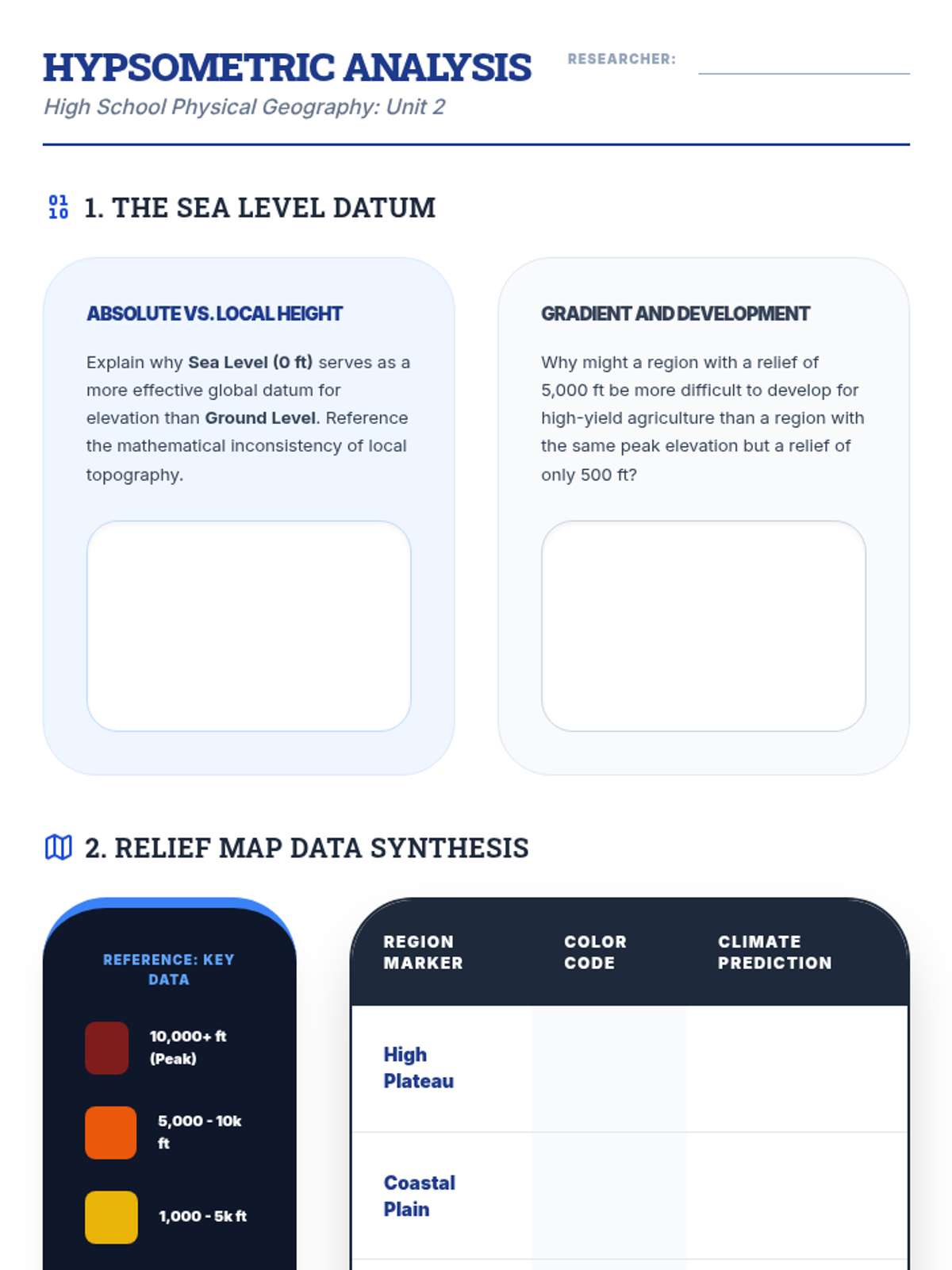
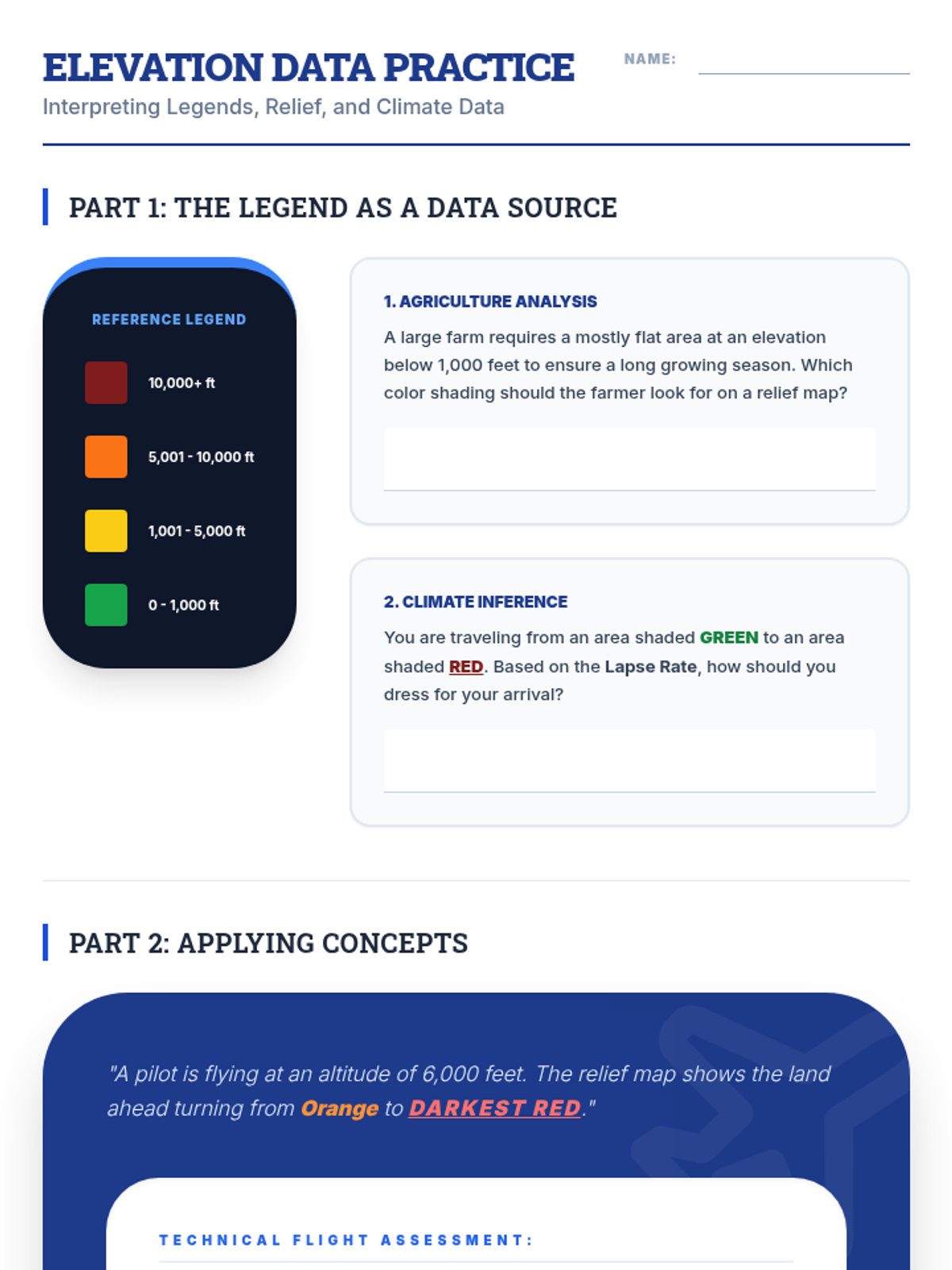
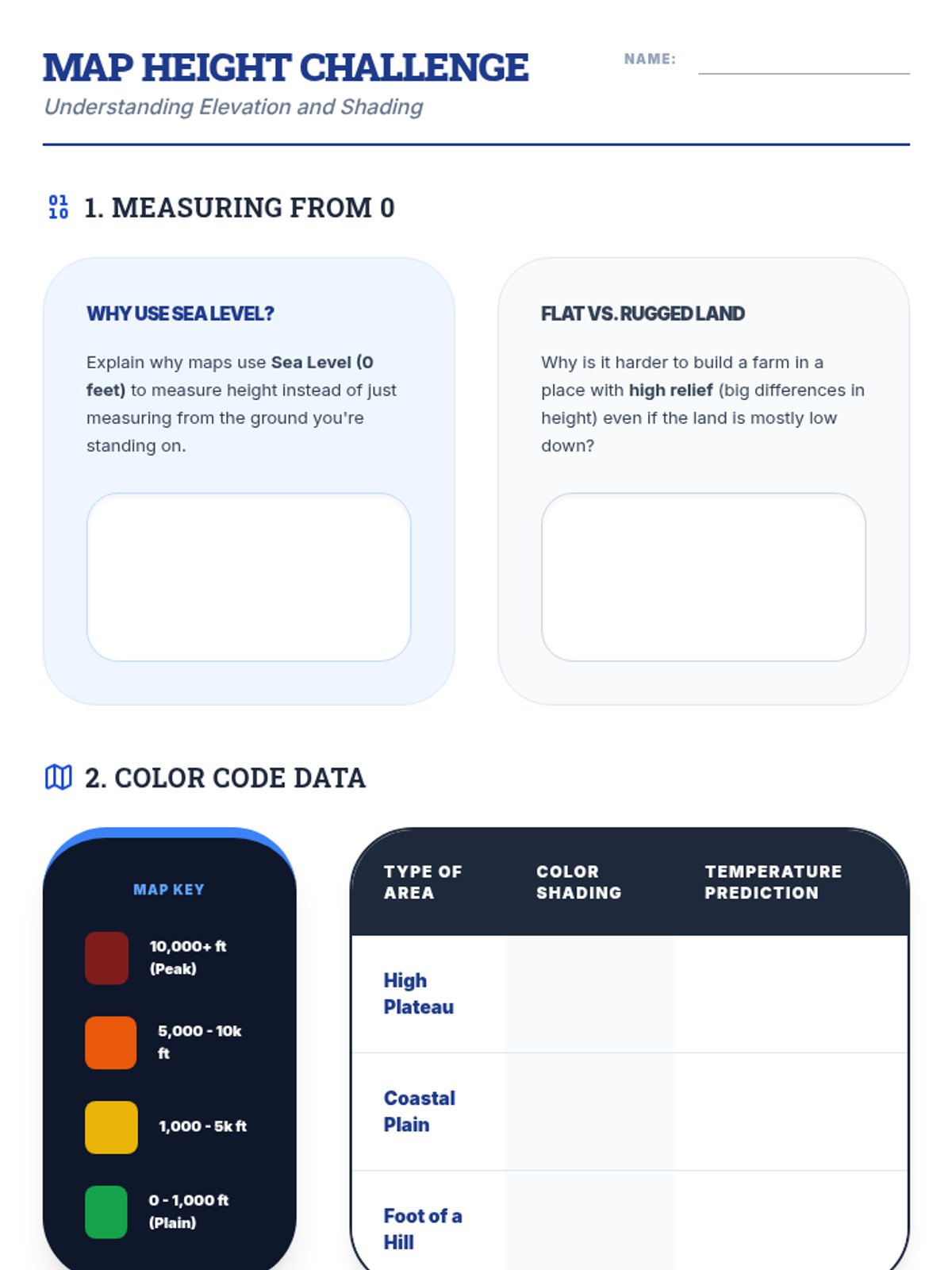
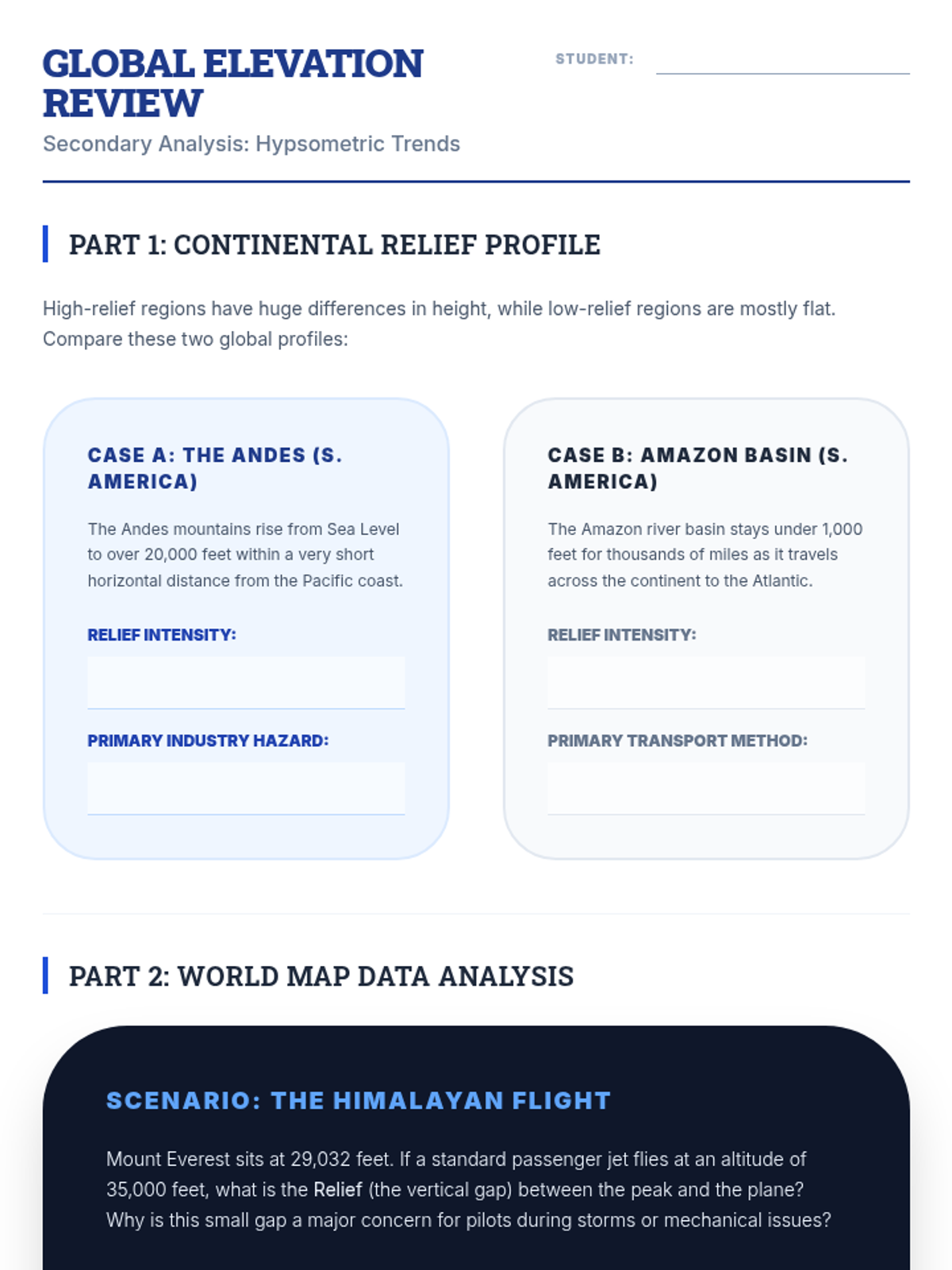
Mastering the use of relief shading and elevation data to interpret global mountain ranges and basins.
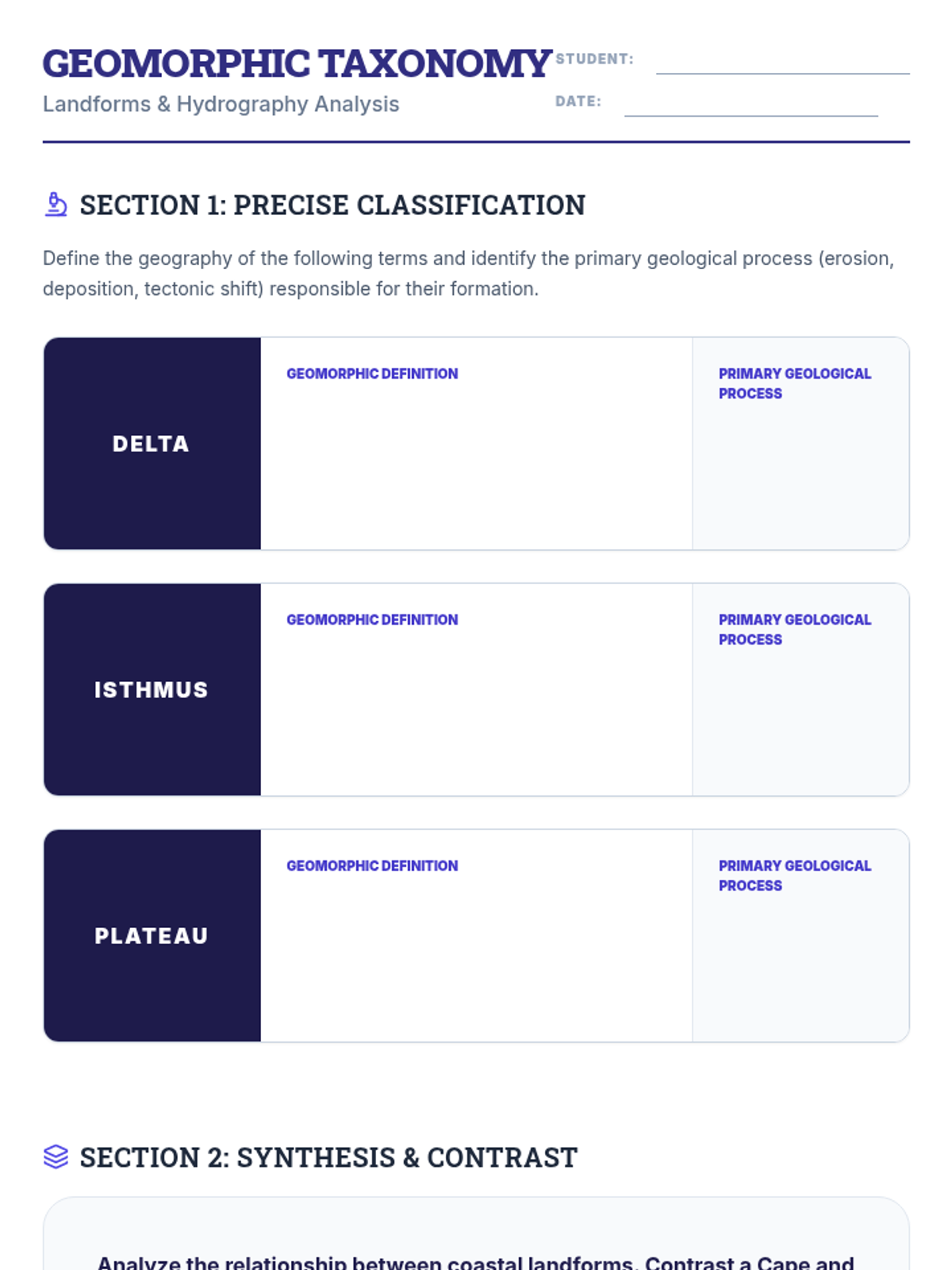
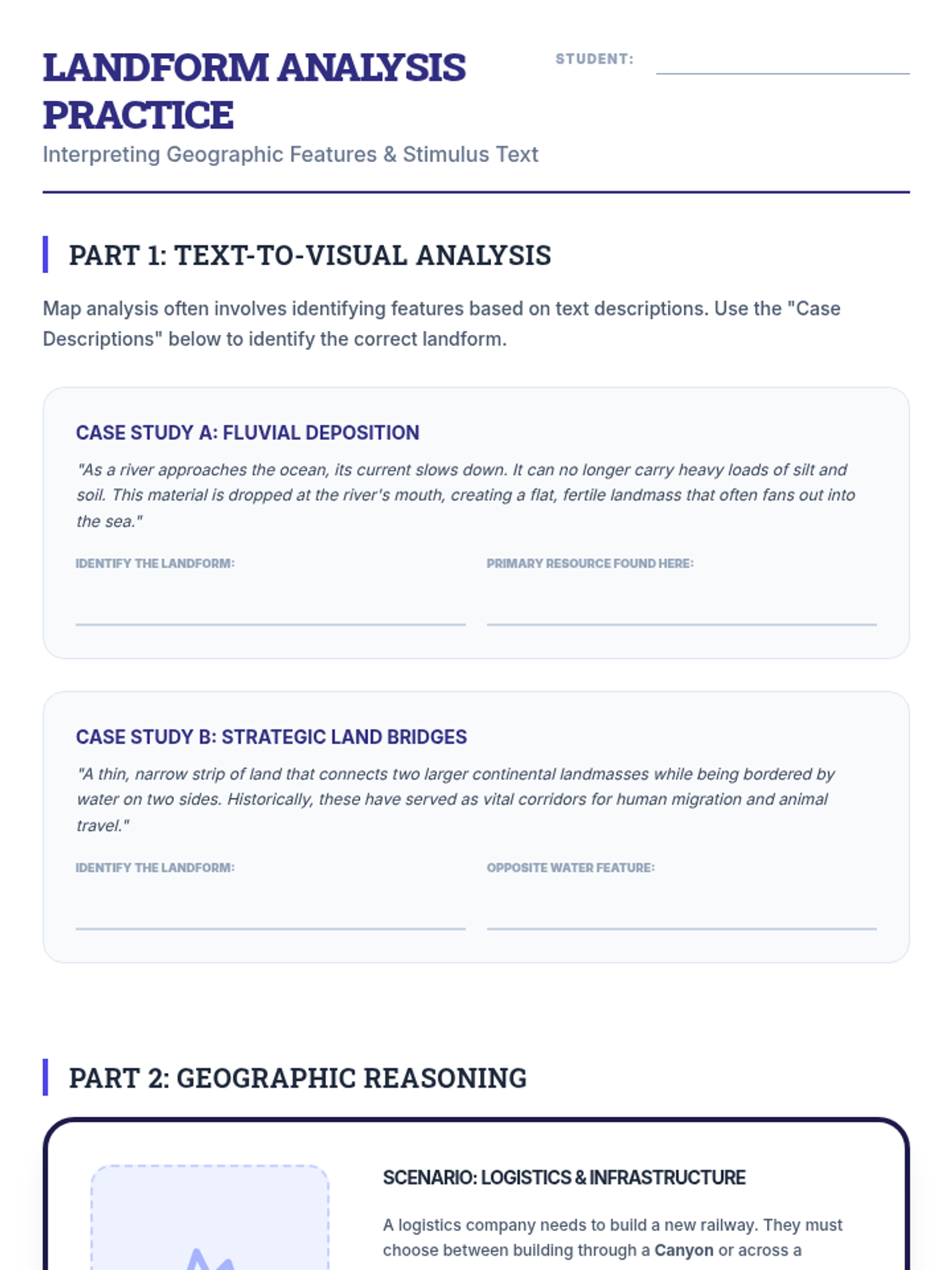
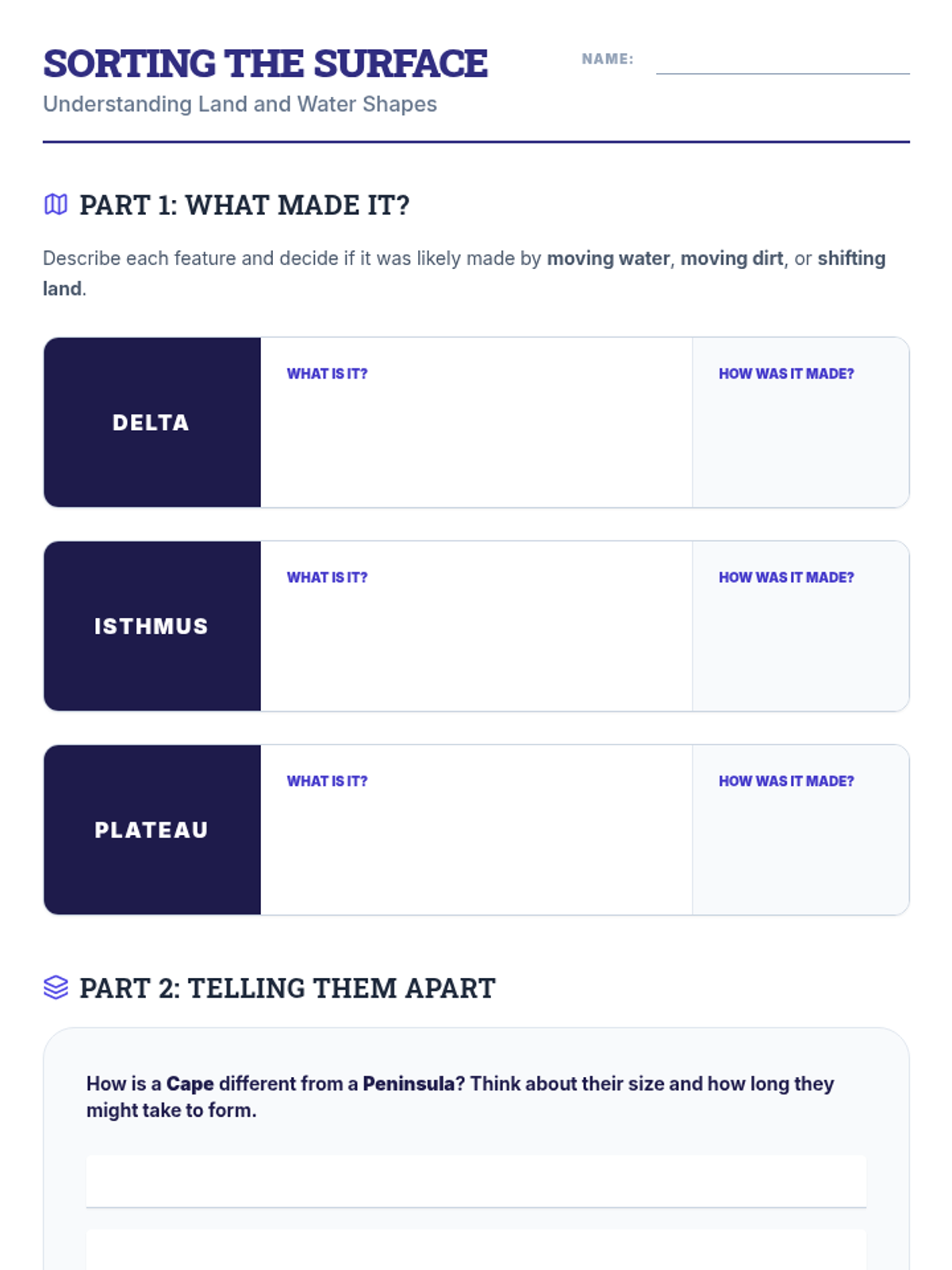
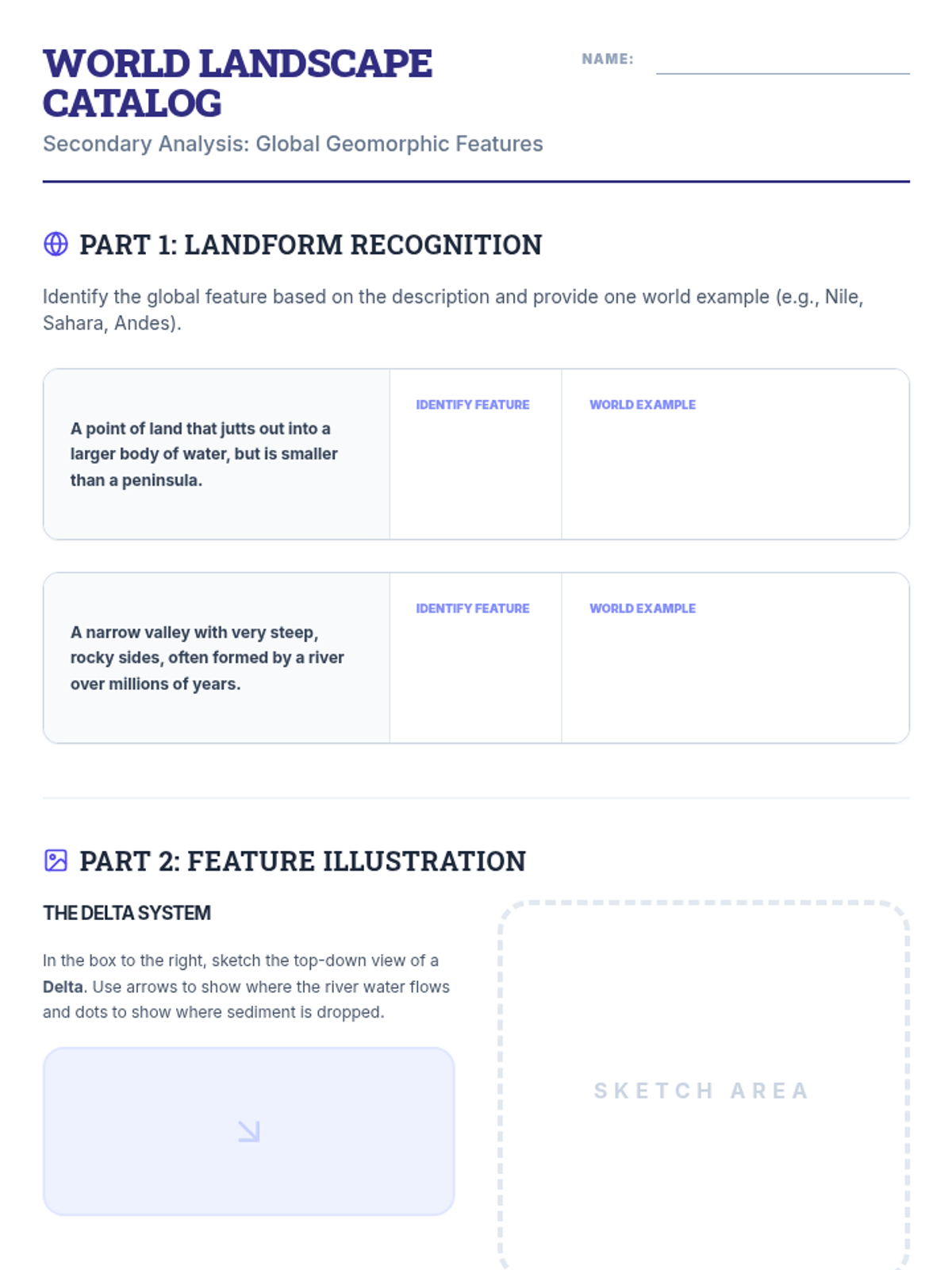
Identification of major landforms and bodies of water found across the seven continents.