A 10th-grade biology lesson exploring the cell membrane's structure and function, focusing on cholesterol's role in fluidity and aquaporins in water balance through a Socratic seminar and a medical case study.
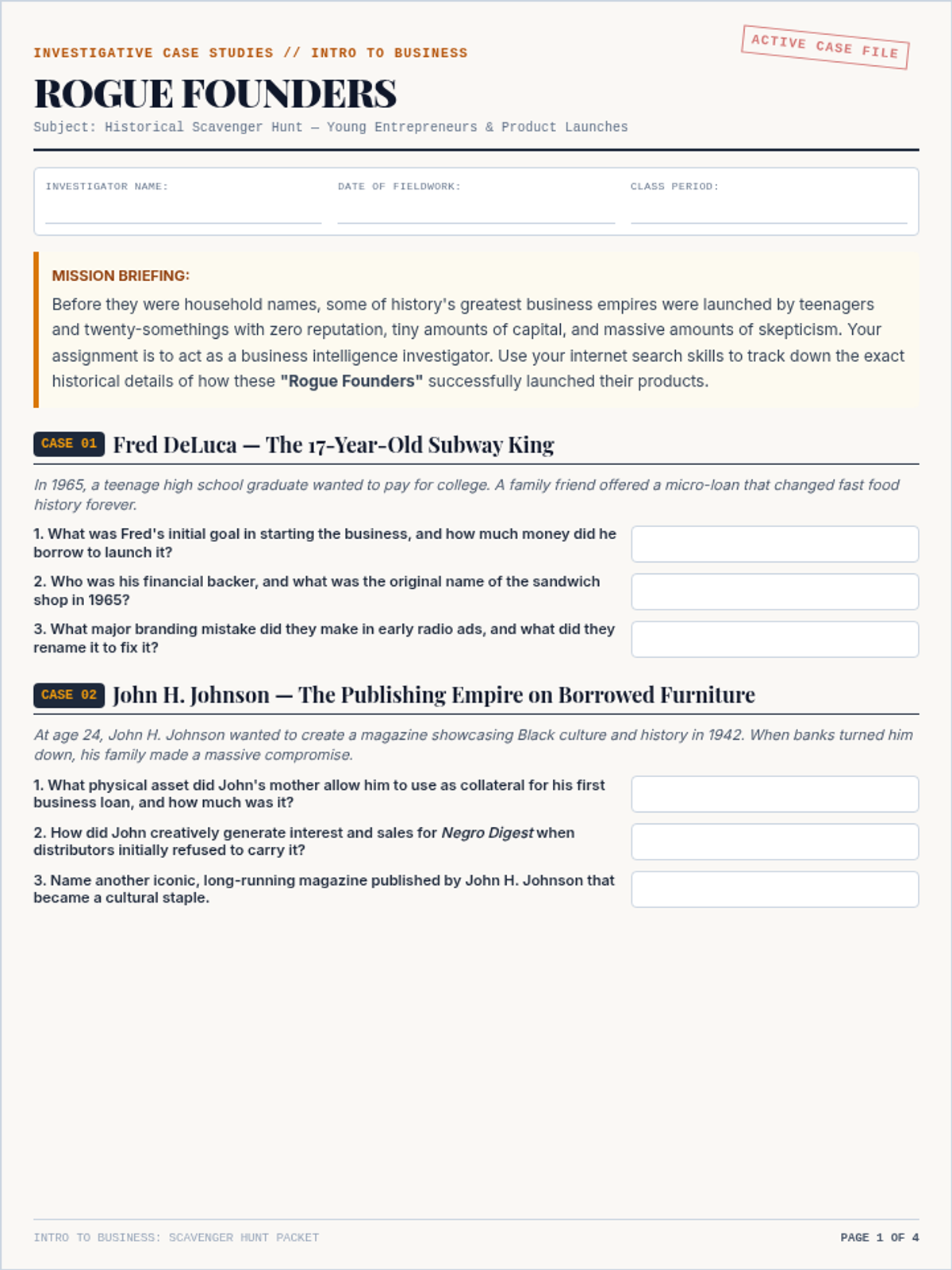
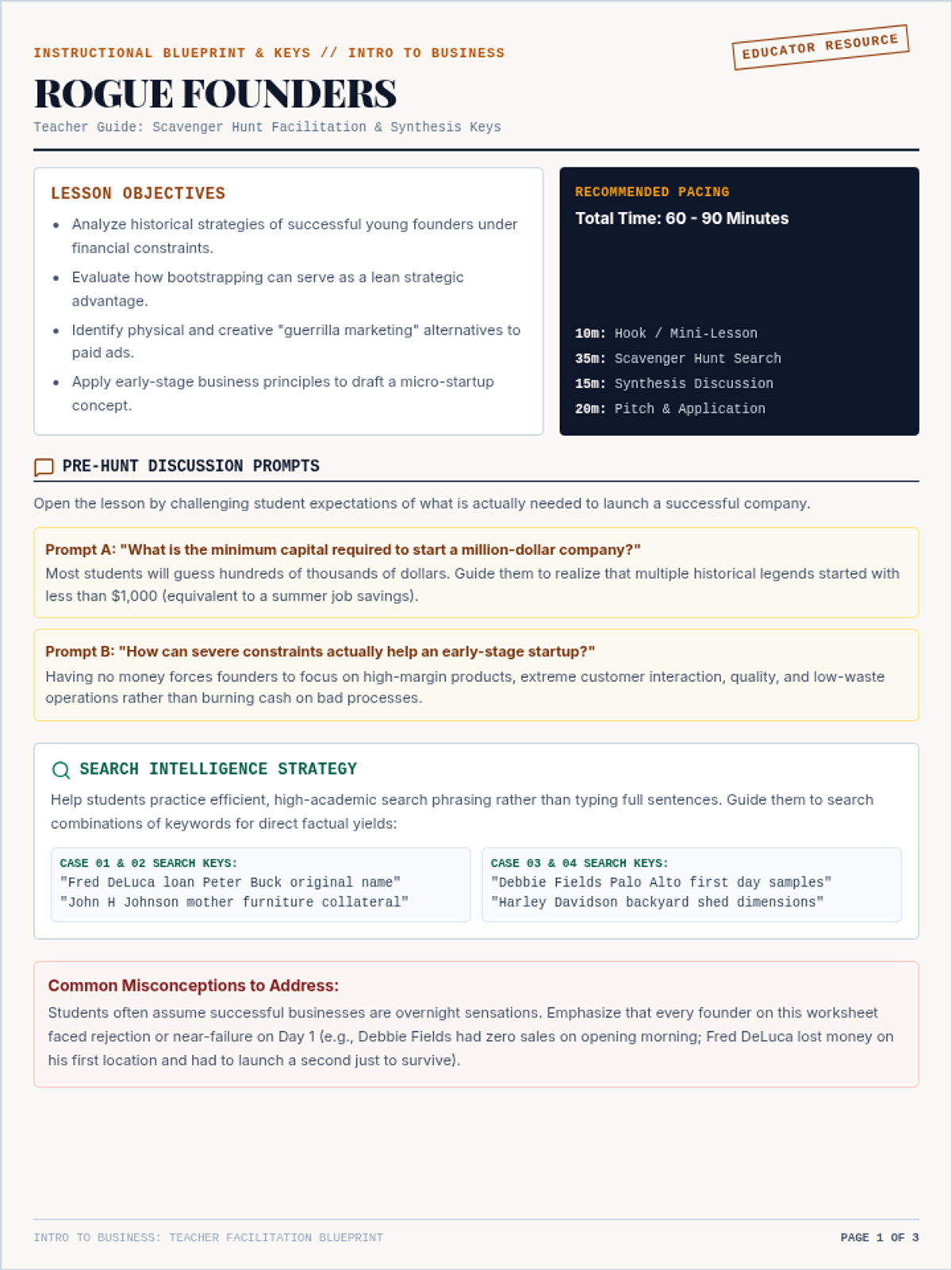
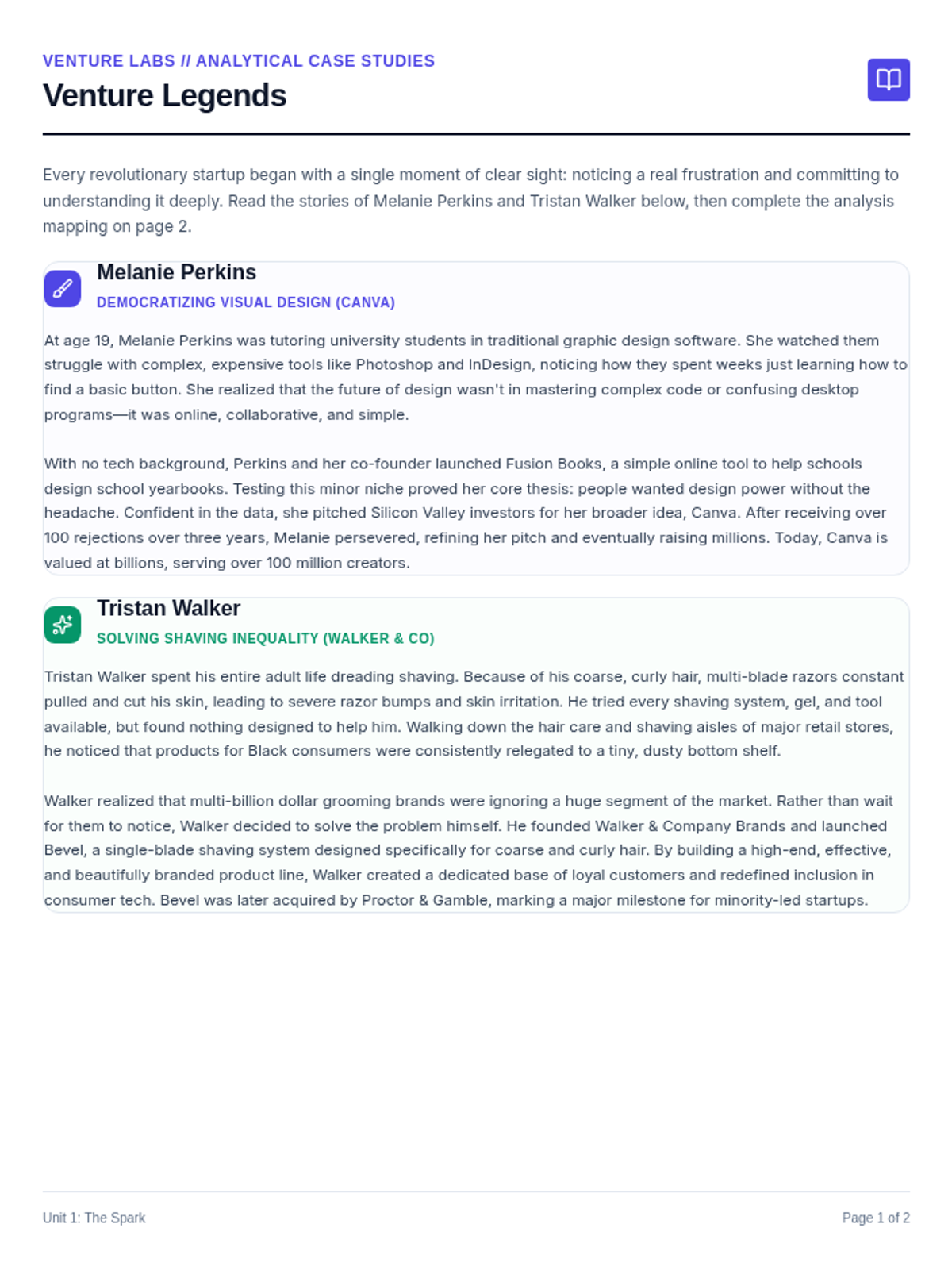
A high school introduction to business lesson exploring the journeys of historical young entrepreneurs who defied the odds. Students conduct an internet scavenger hunt to investigate their startup strategies, financial hurdles, and marketing breakthroughs.
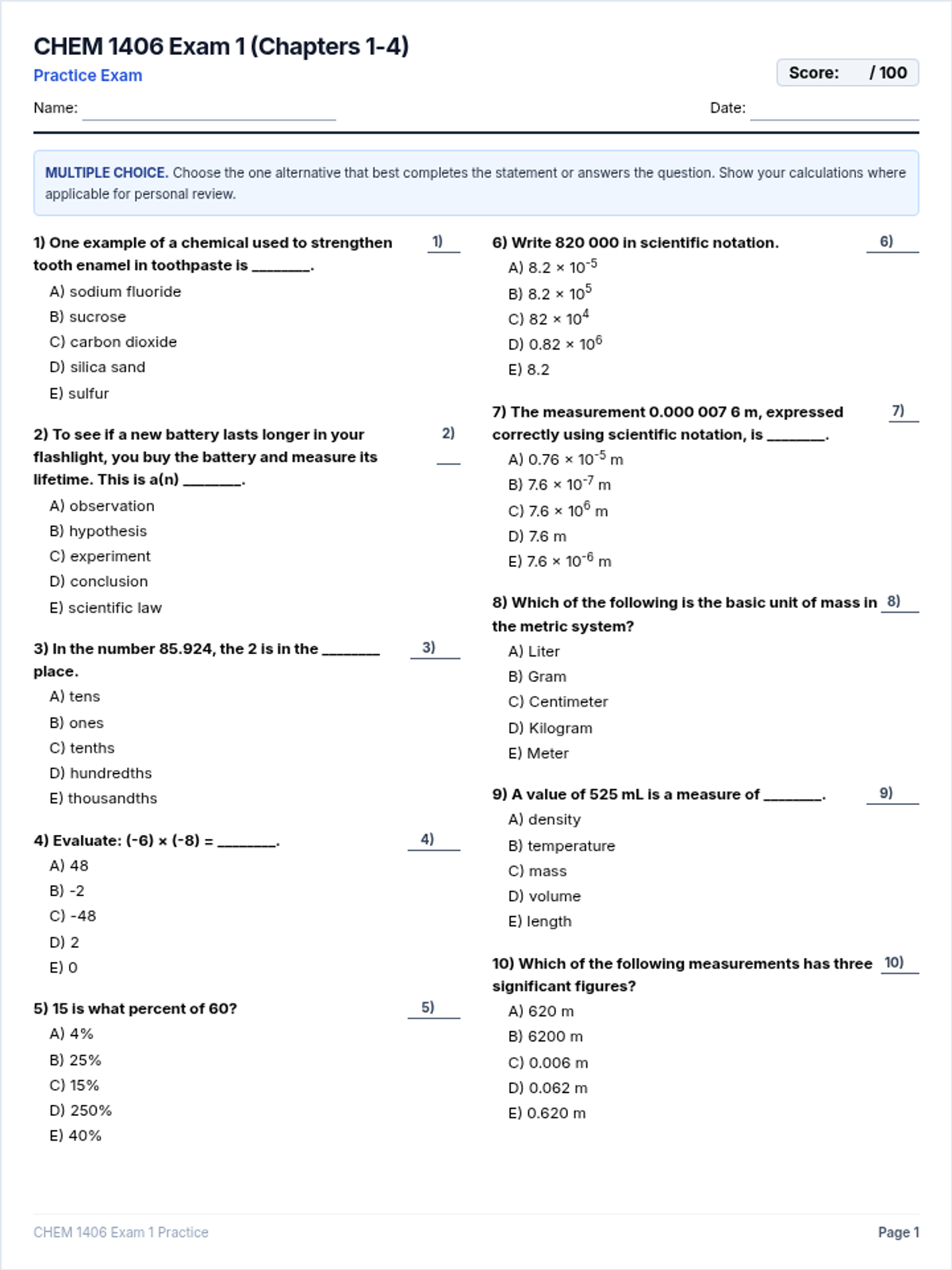
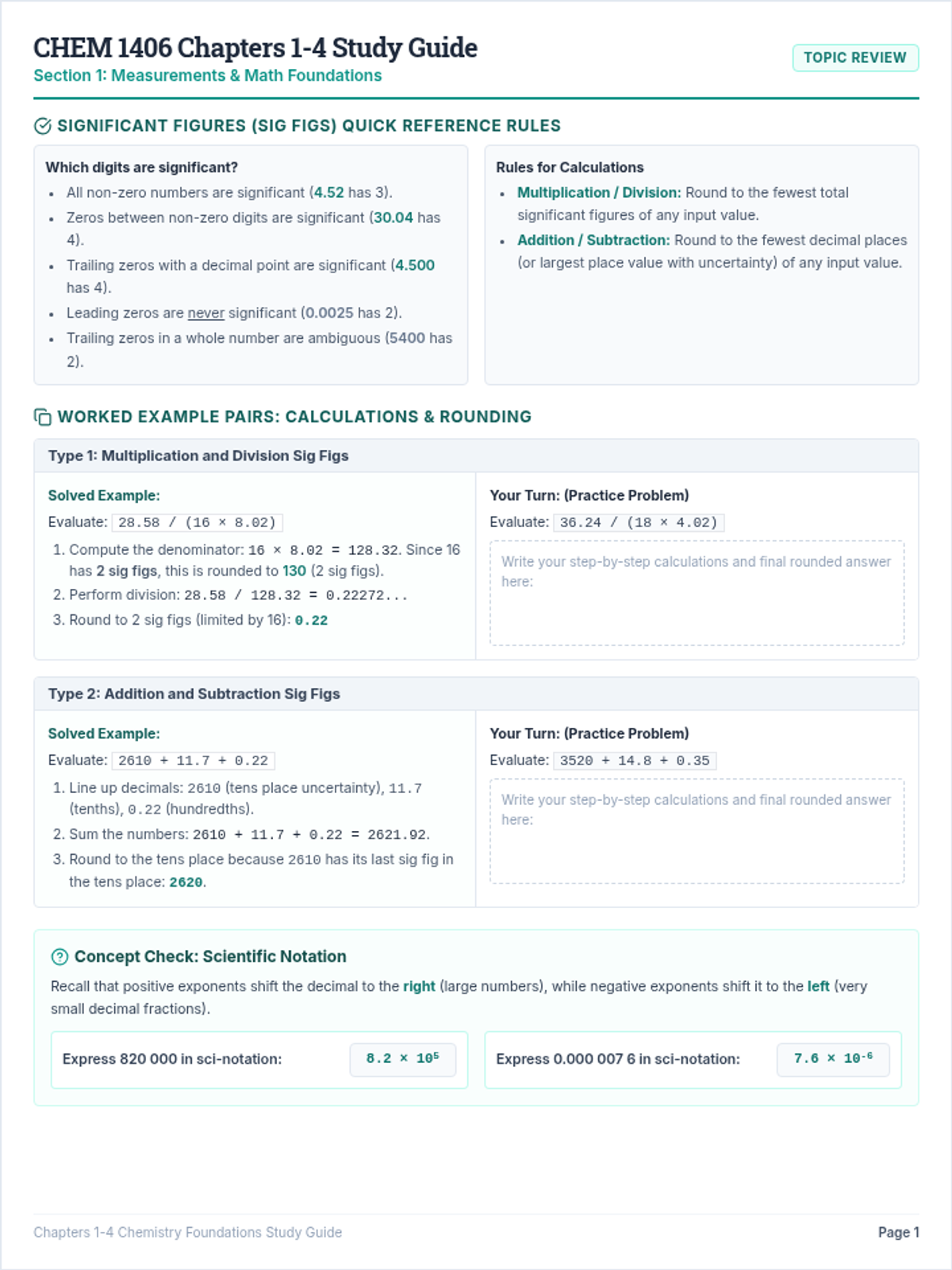
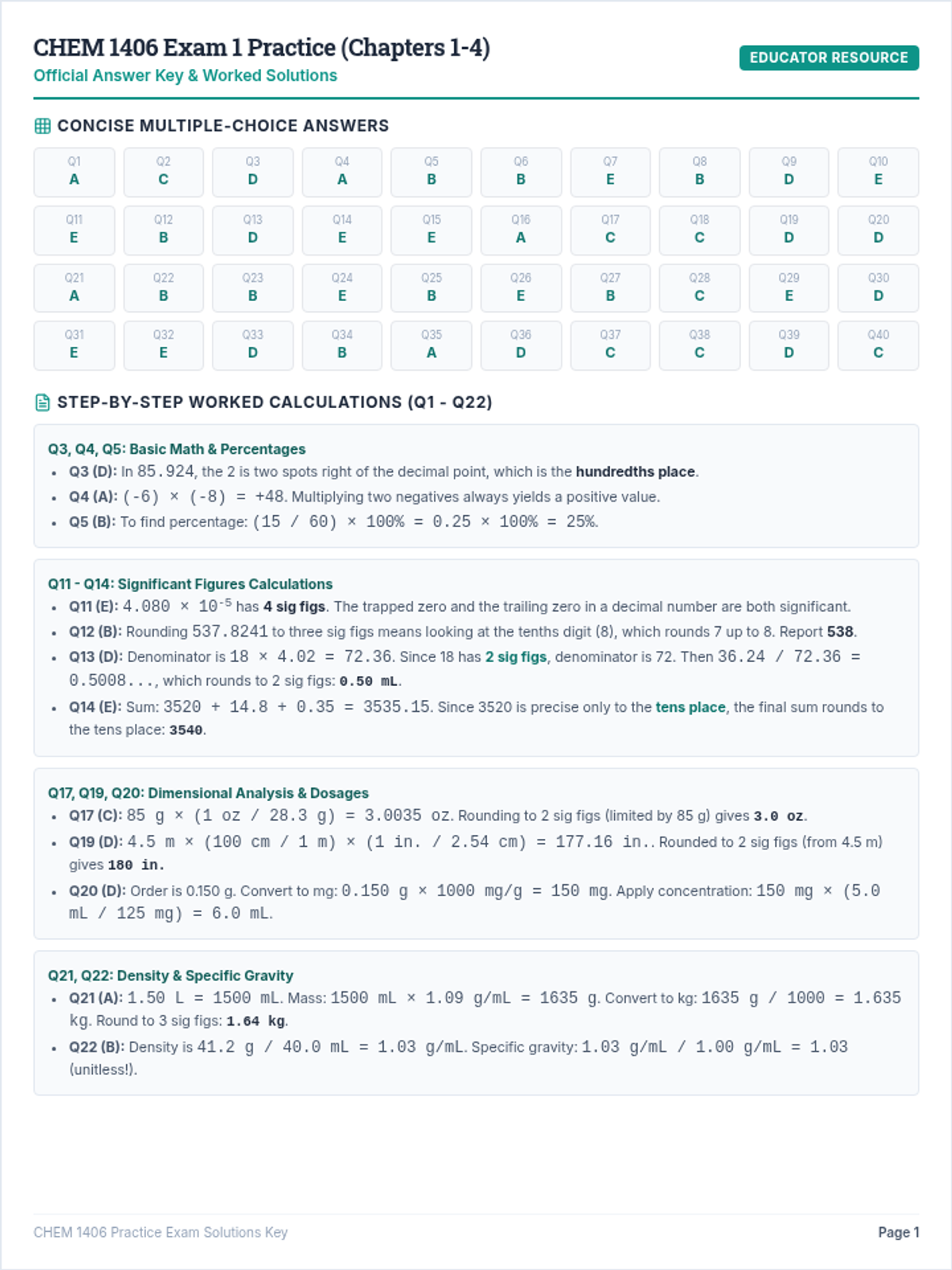
Comprehensive preparation unit covering chemistry fundamentals from Chapters 1 to 4, including scientific measurements, matter, energy, and atomic structure. Contains a parallel practice exam, a detailed study guide, and an answer key with worked solutions.
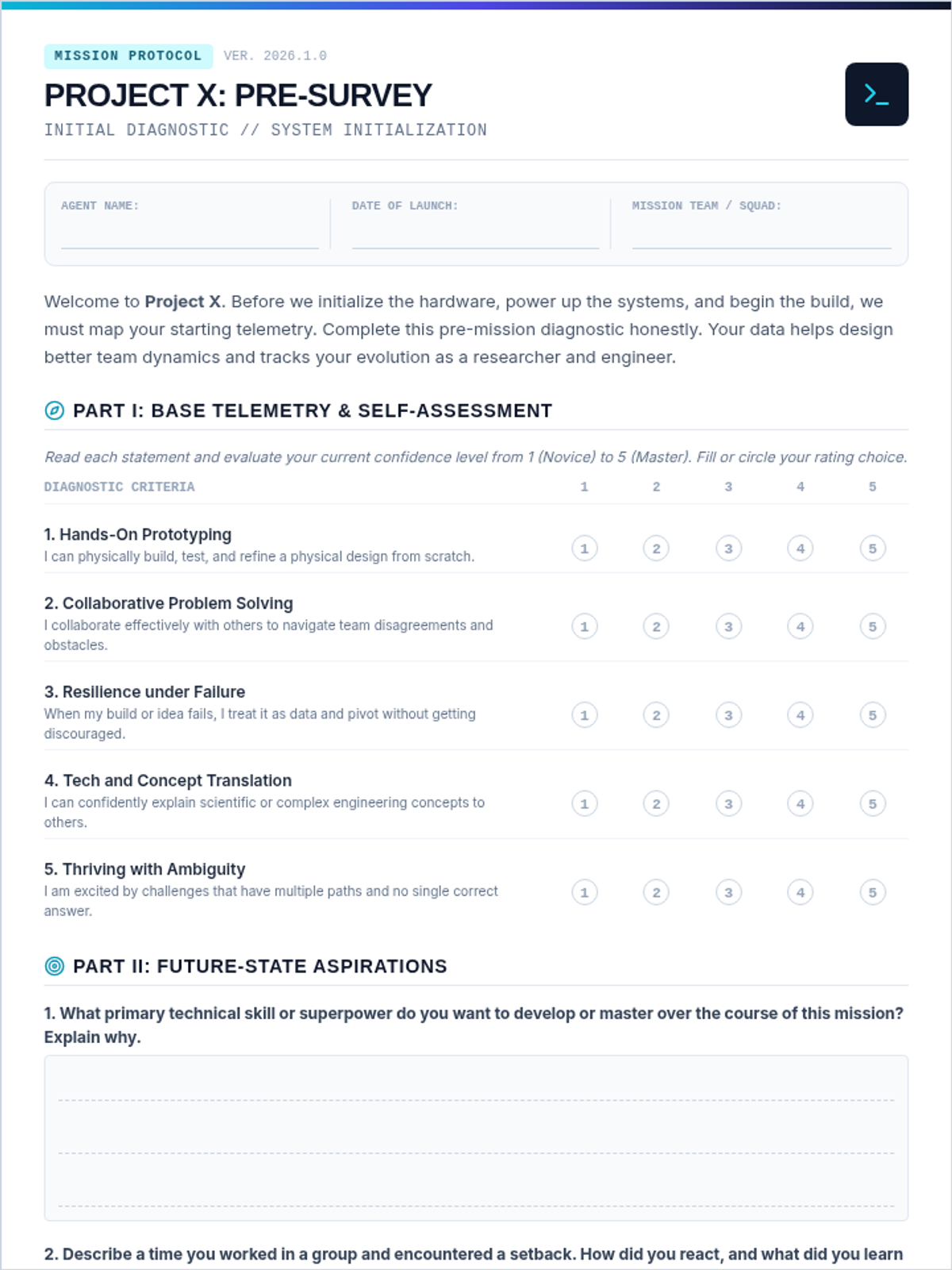
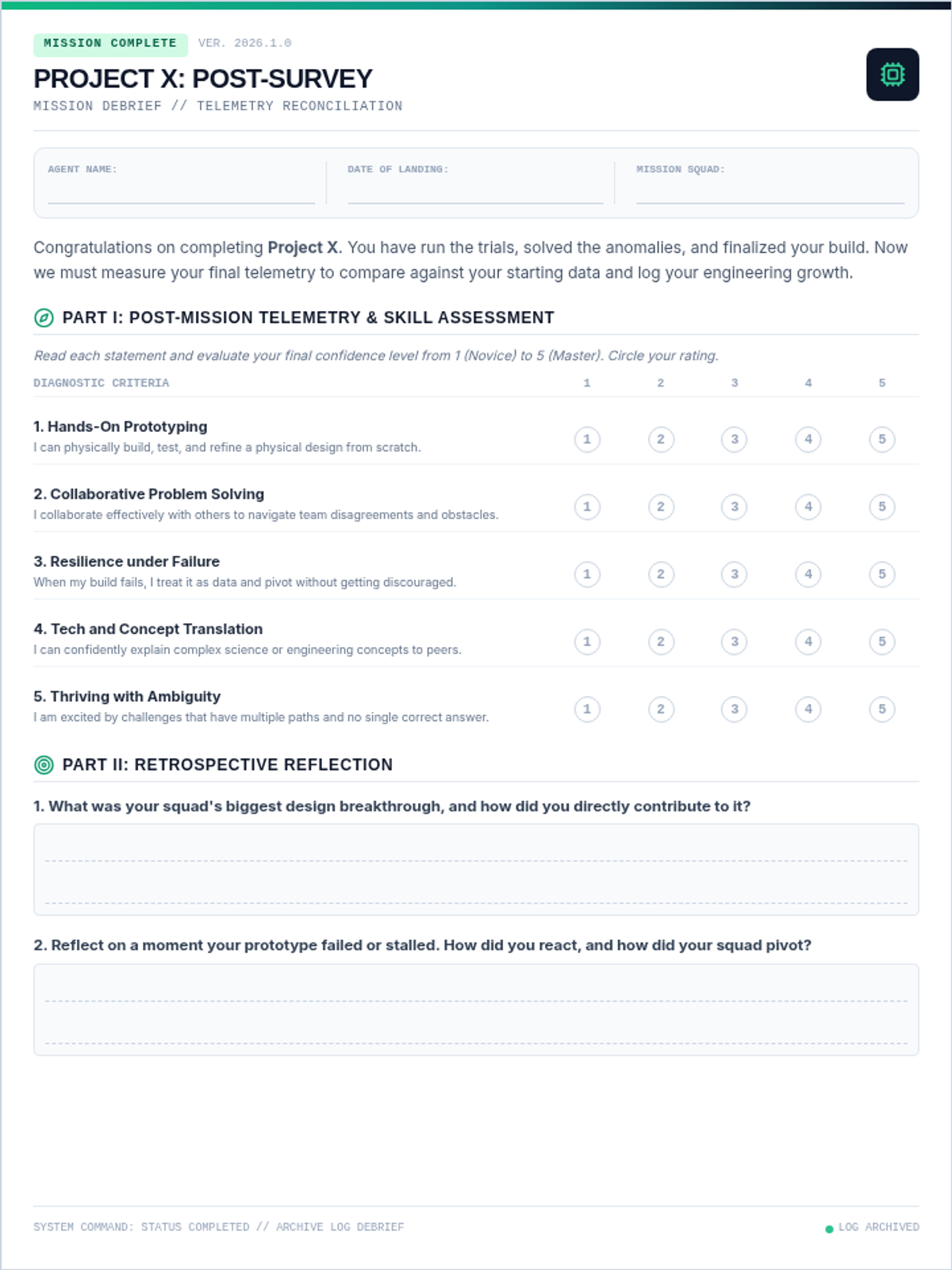
A student-centered engineering and design initiative where students engage in hands-on science and technology challenges. This lesson contains the pre- and post-surveys to measure students' growth in confidence, teamwork, and technical skills.
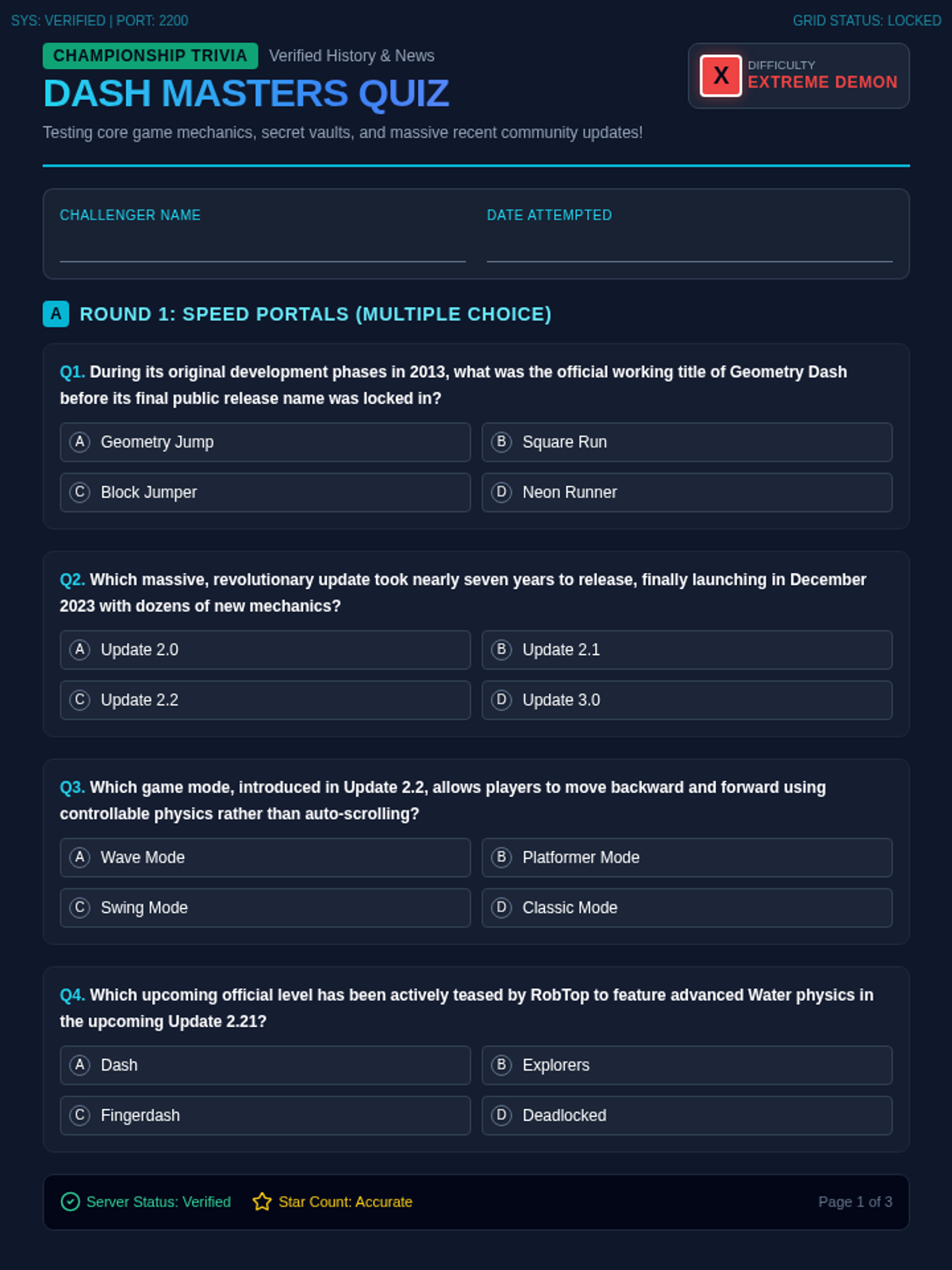
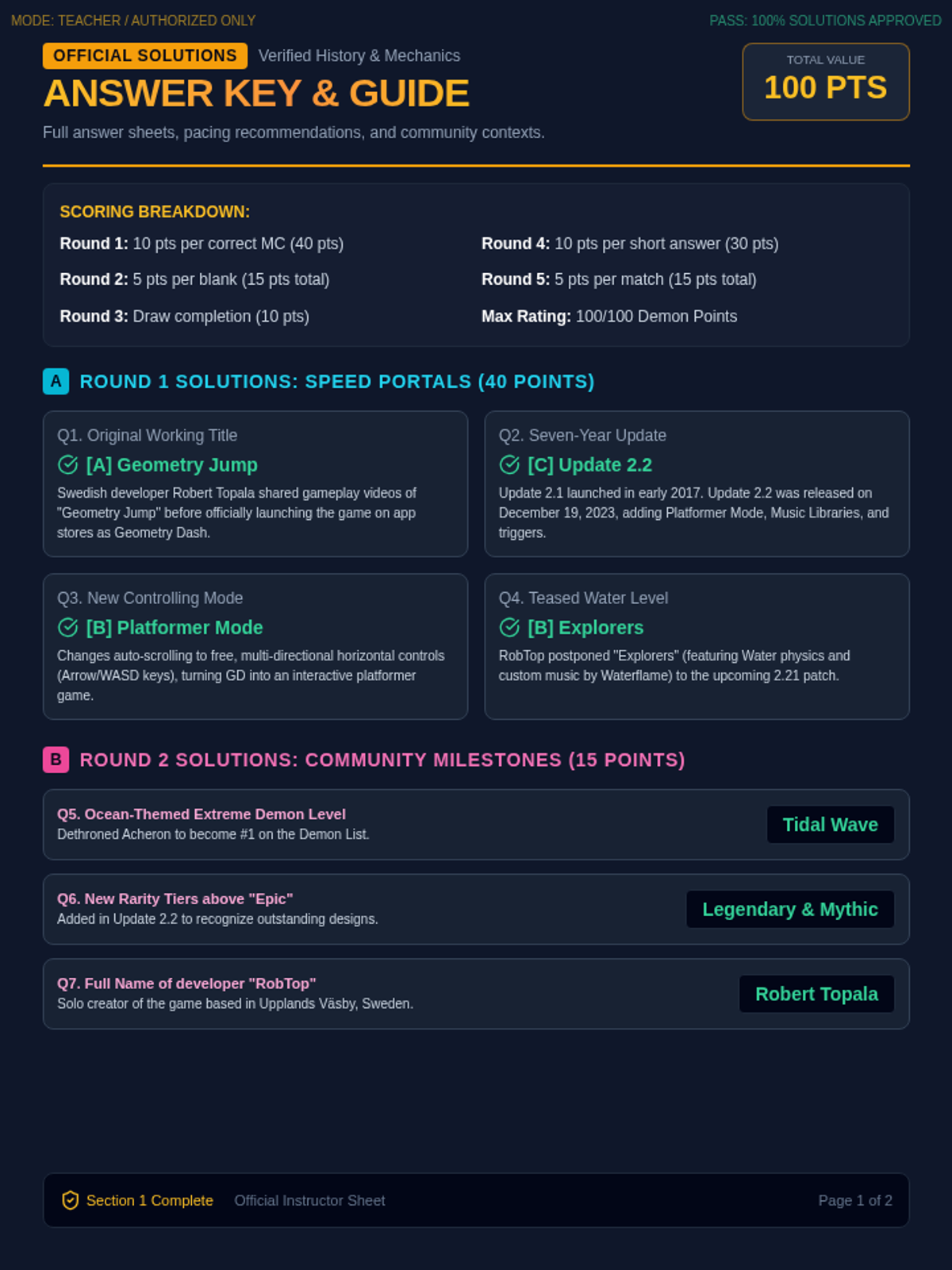
A fun-filled, competitive trivia challenge centered around the history, mechanics, and recent community updates of the sensation Geometry Dash. Perfect for gaming clubs, brain breaks, or student-led activities.
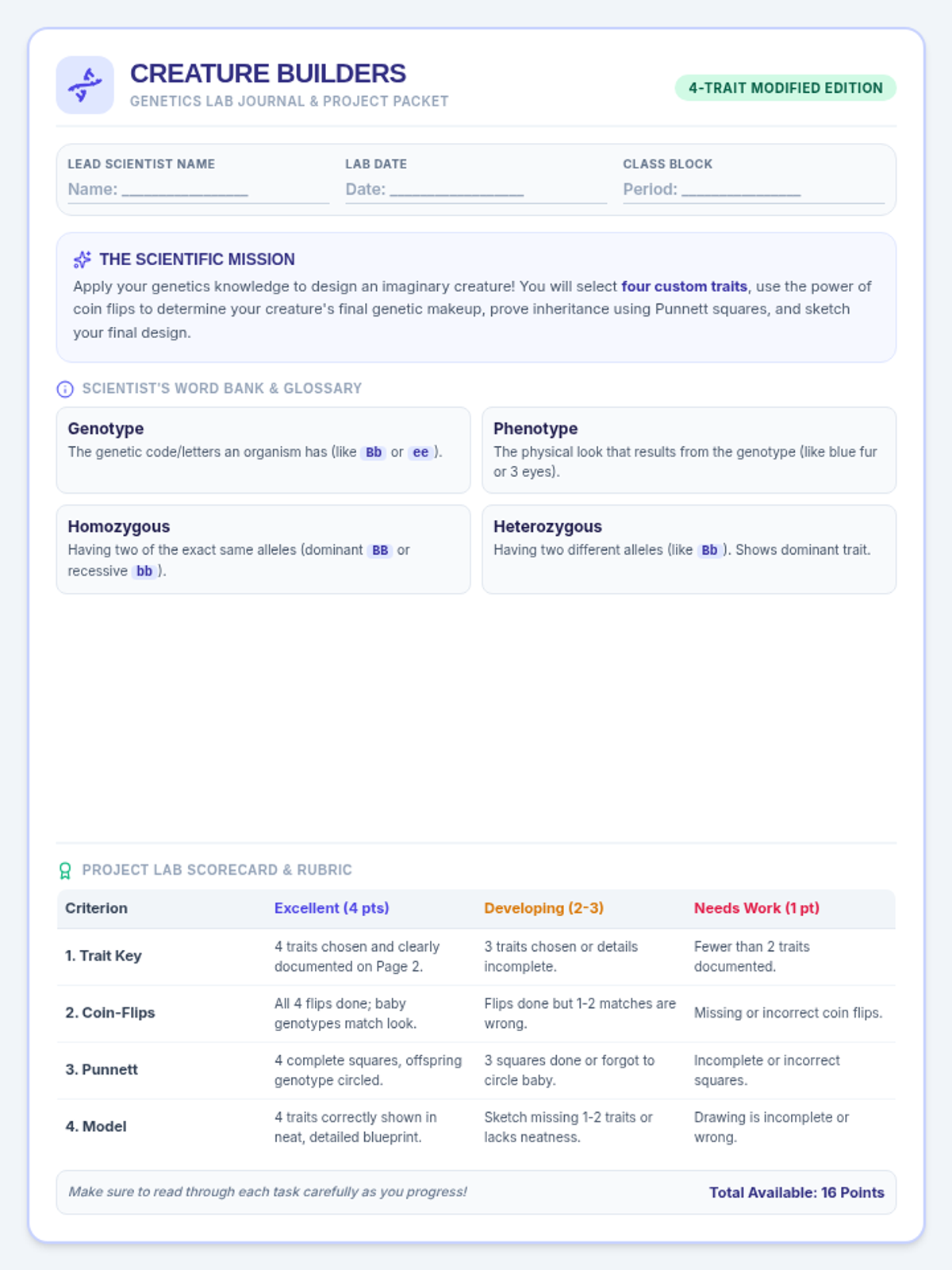
A multi-day hands-on genetics project where students choose traits, flip coins to determine genotypes, solve Punnett squares, and build a model of their designed species.
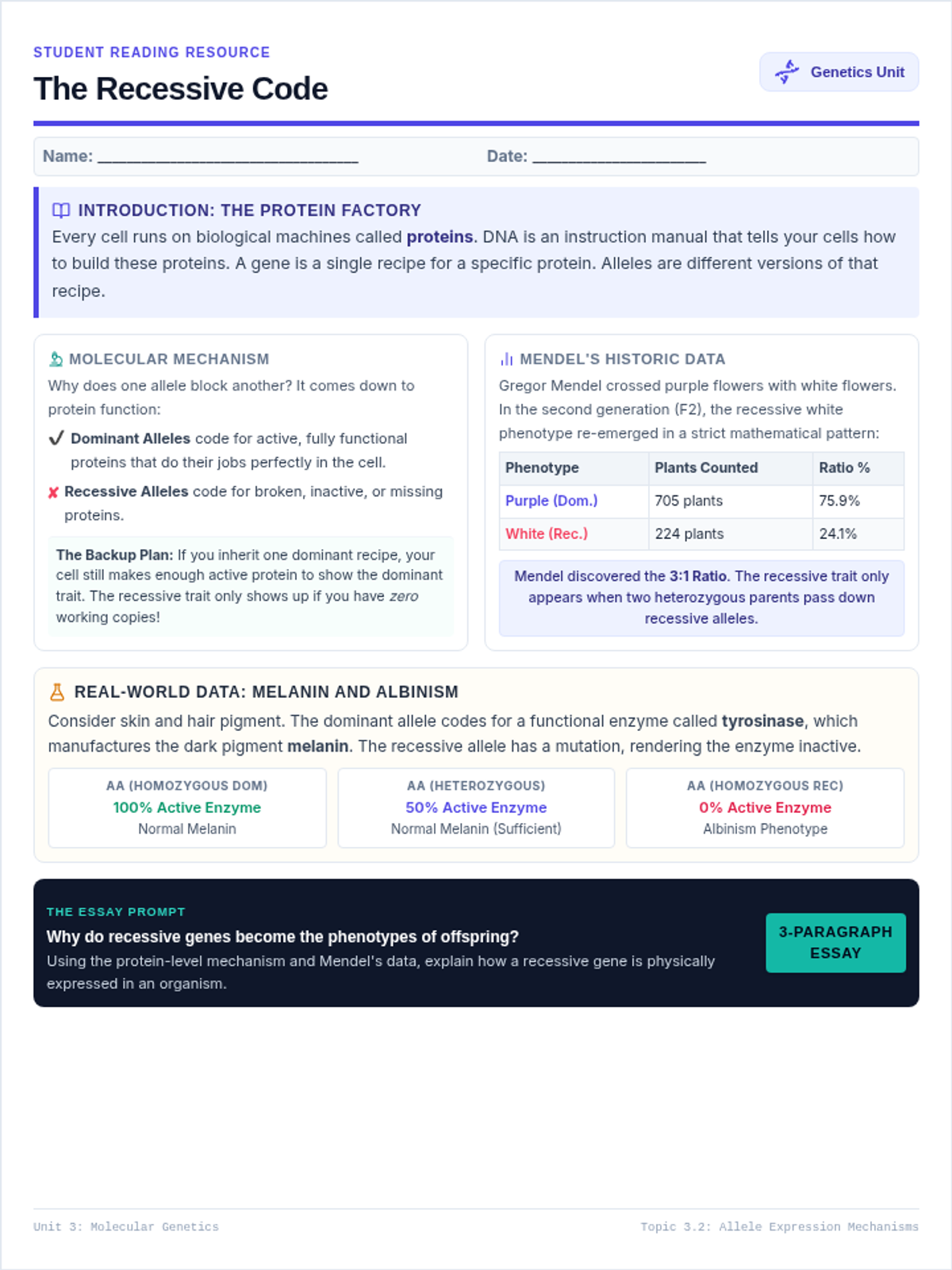
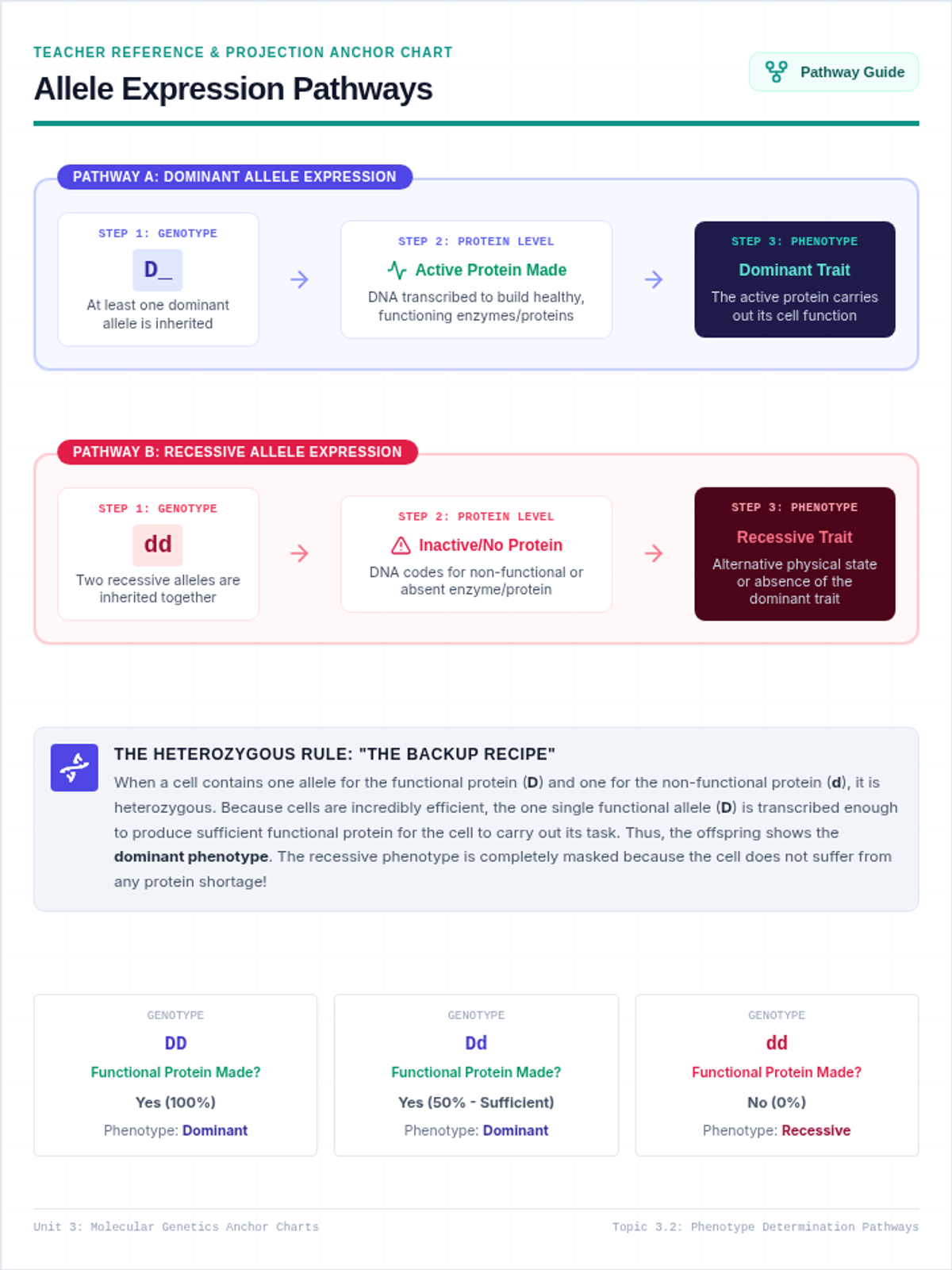
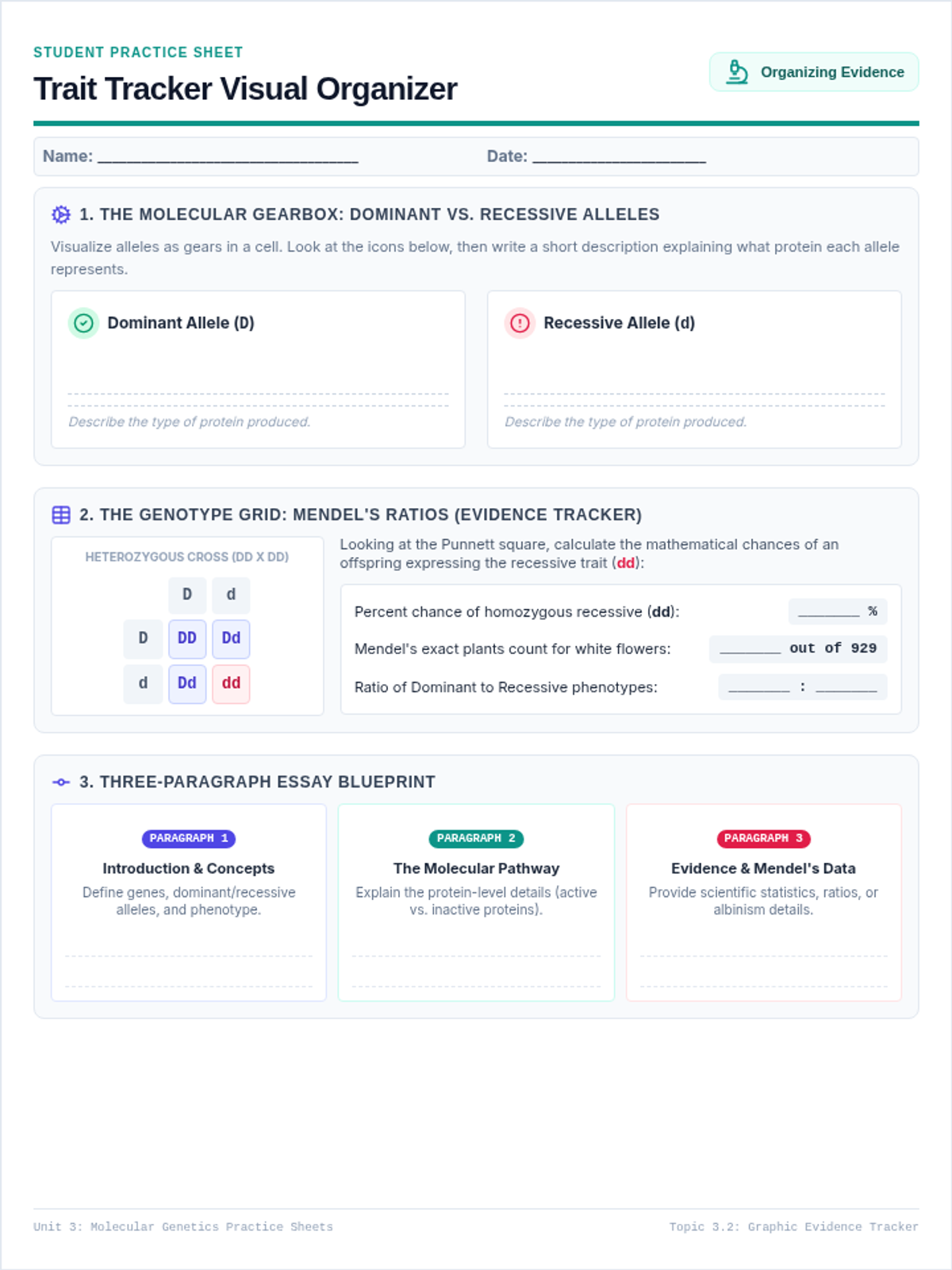
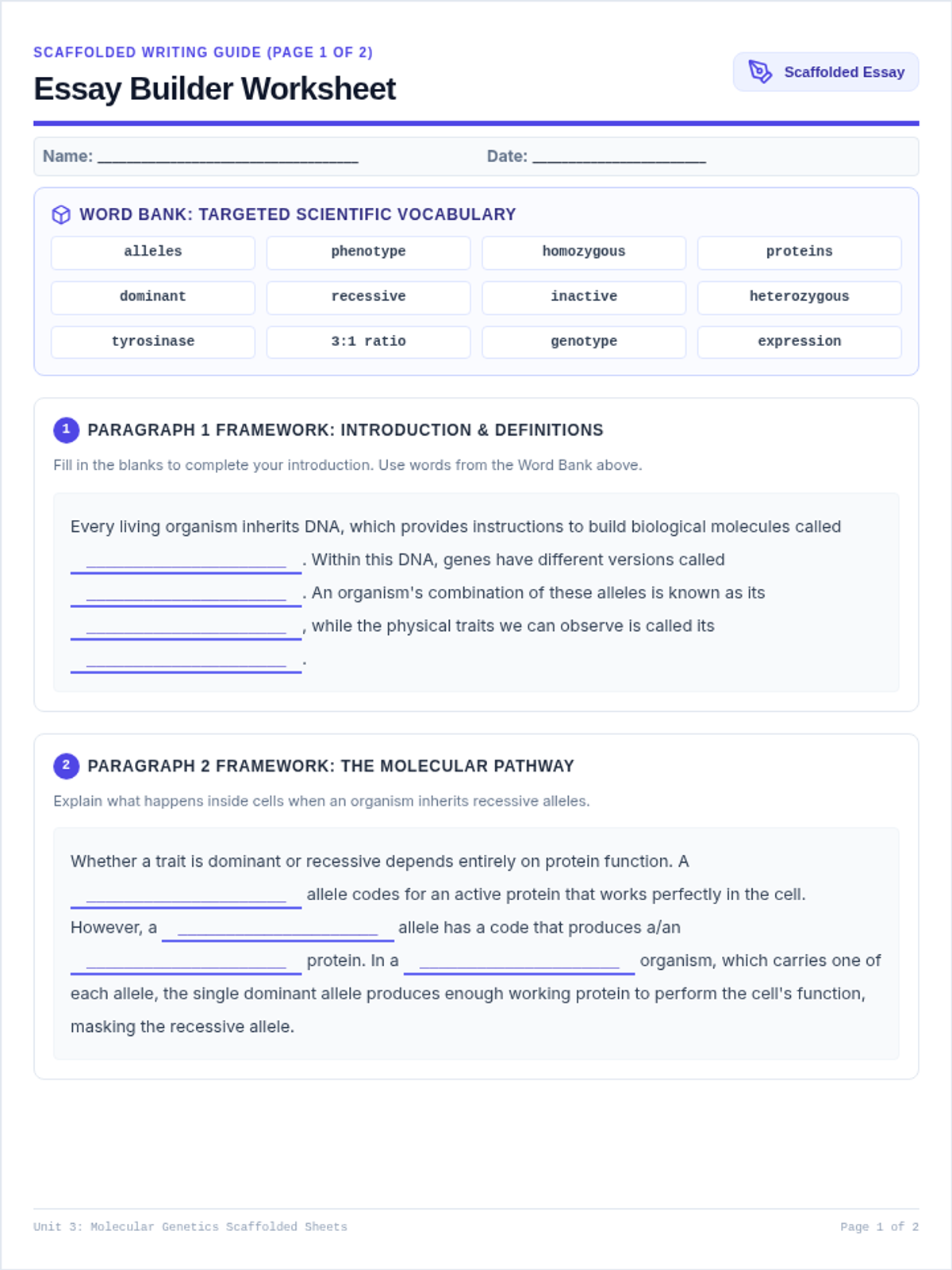
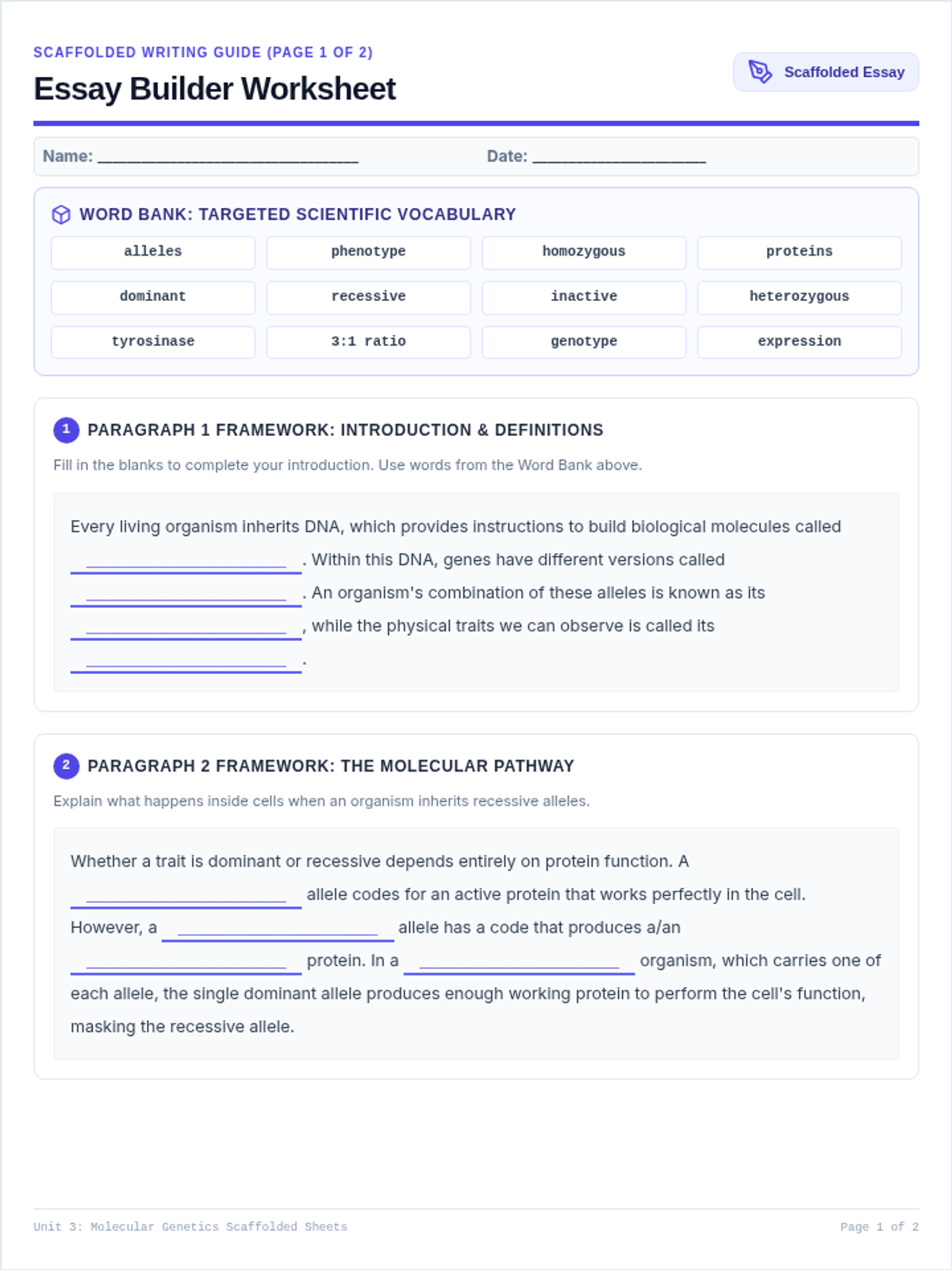
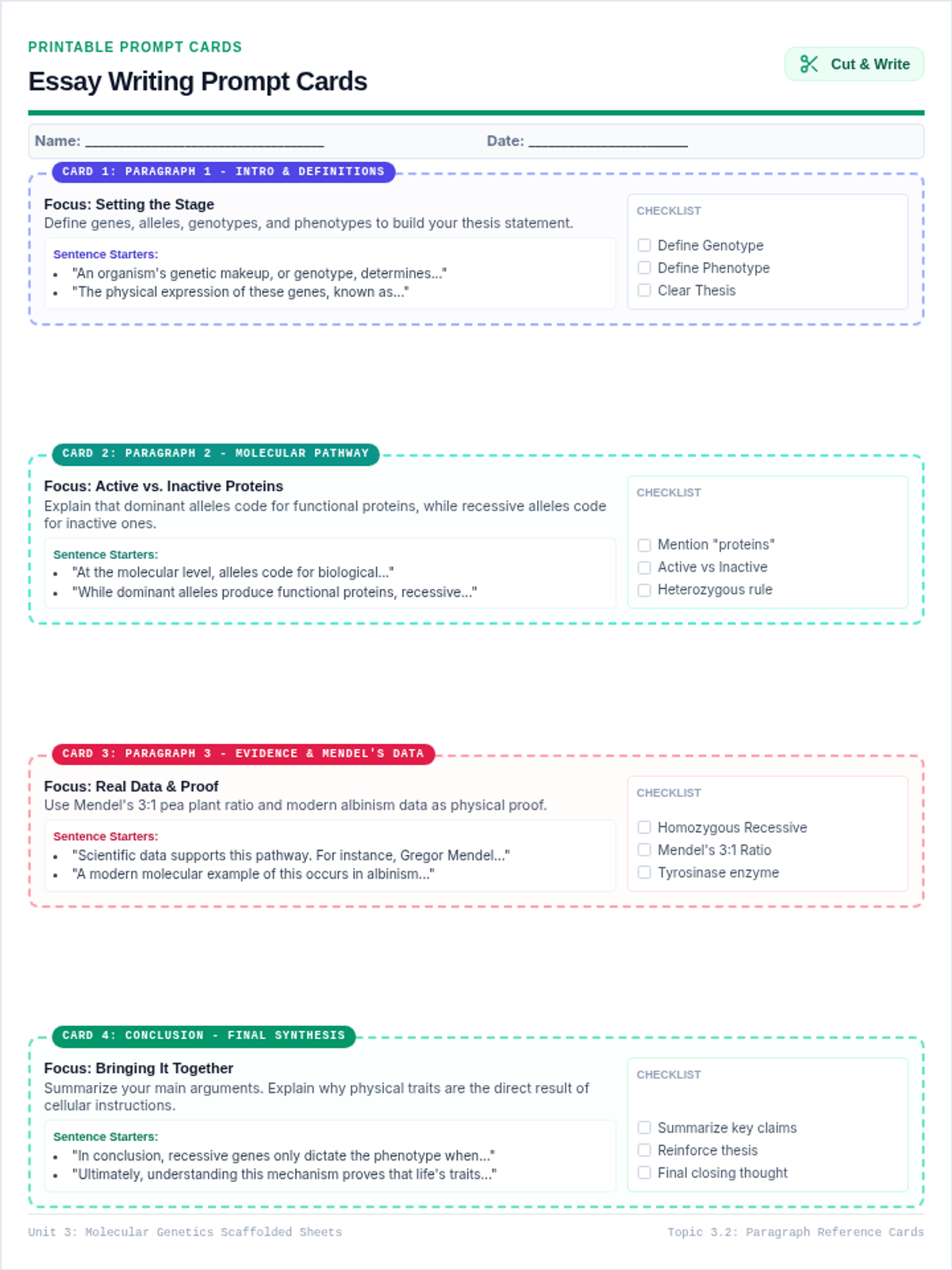
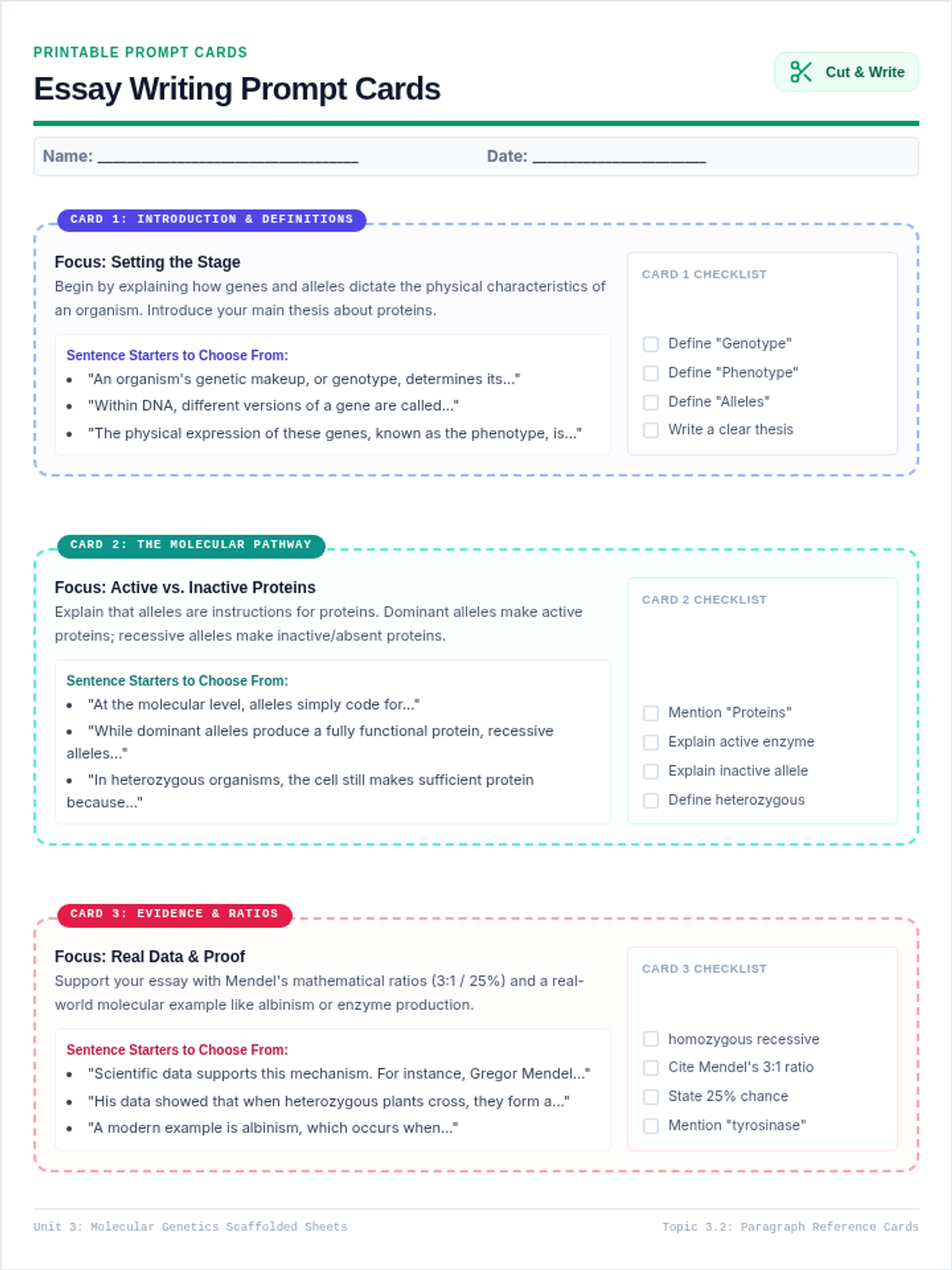
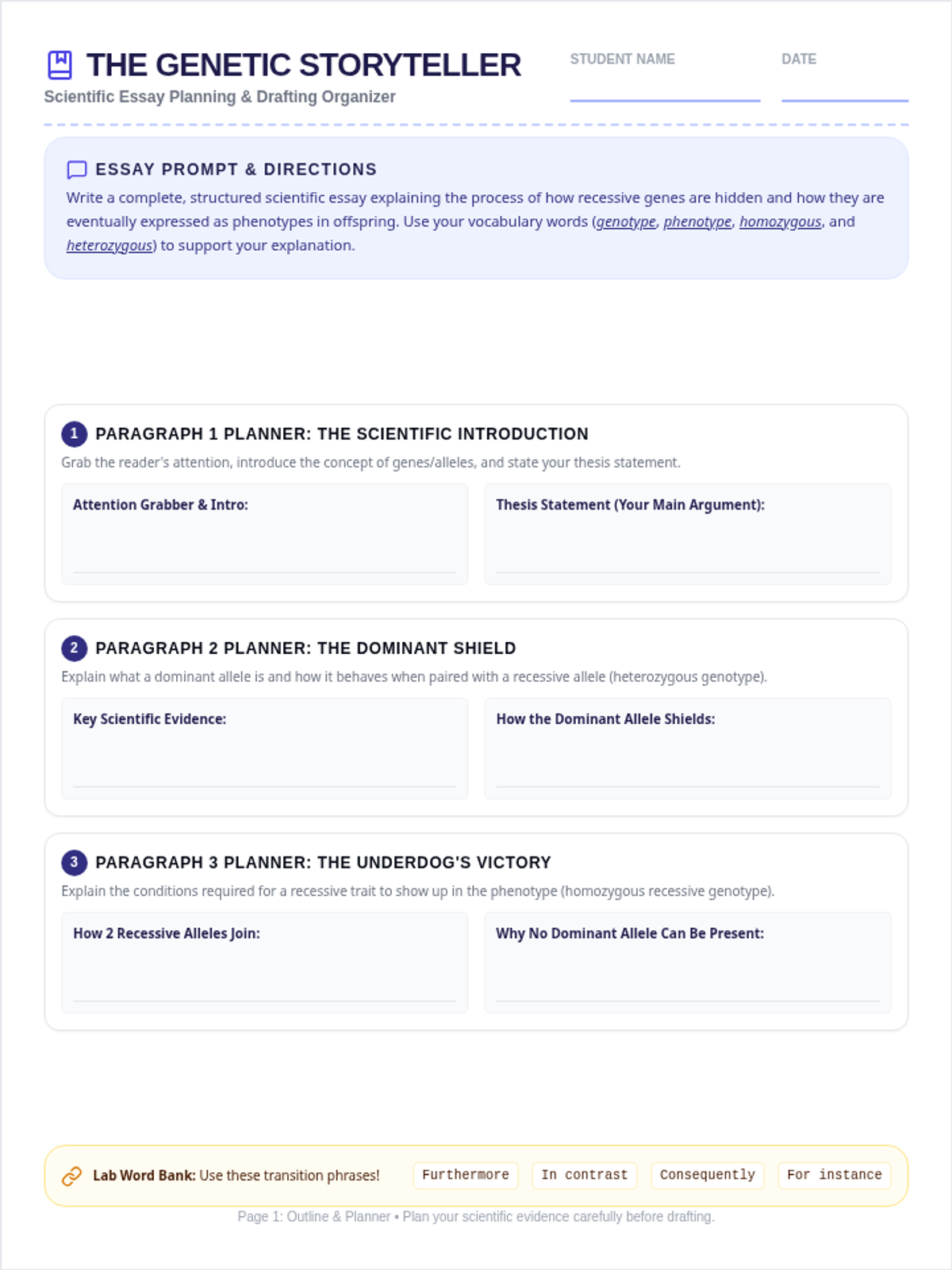
A comprehensive genetics lesson scaffolding the science of recessive gene expression. Students analyze molecular pathways, Mendel's data, and complete a structured three-paragraph essay using visual guides and sentence starters.
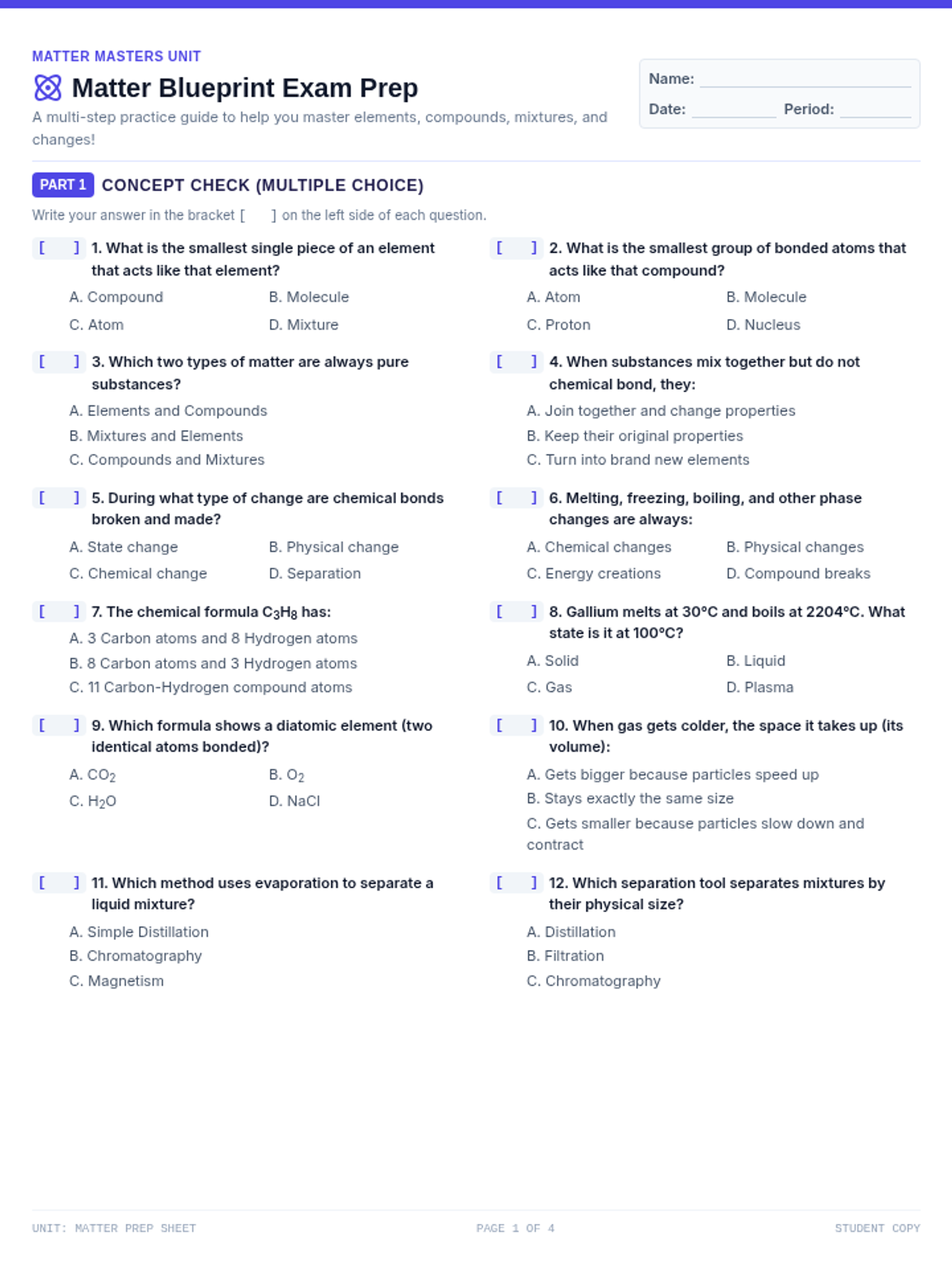
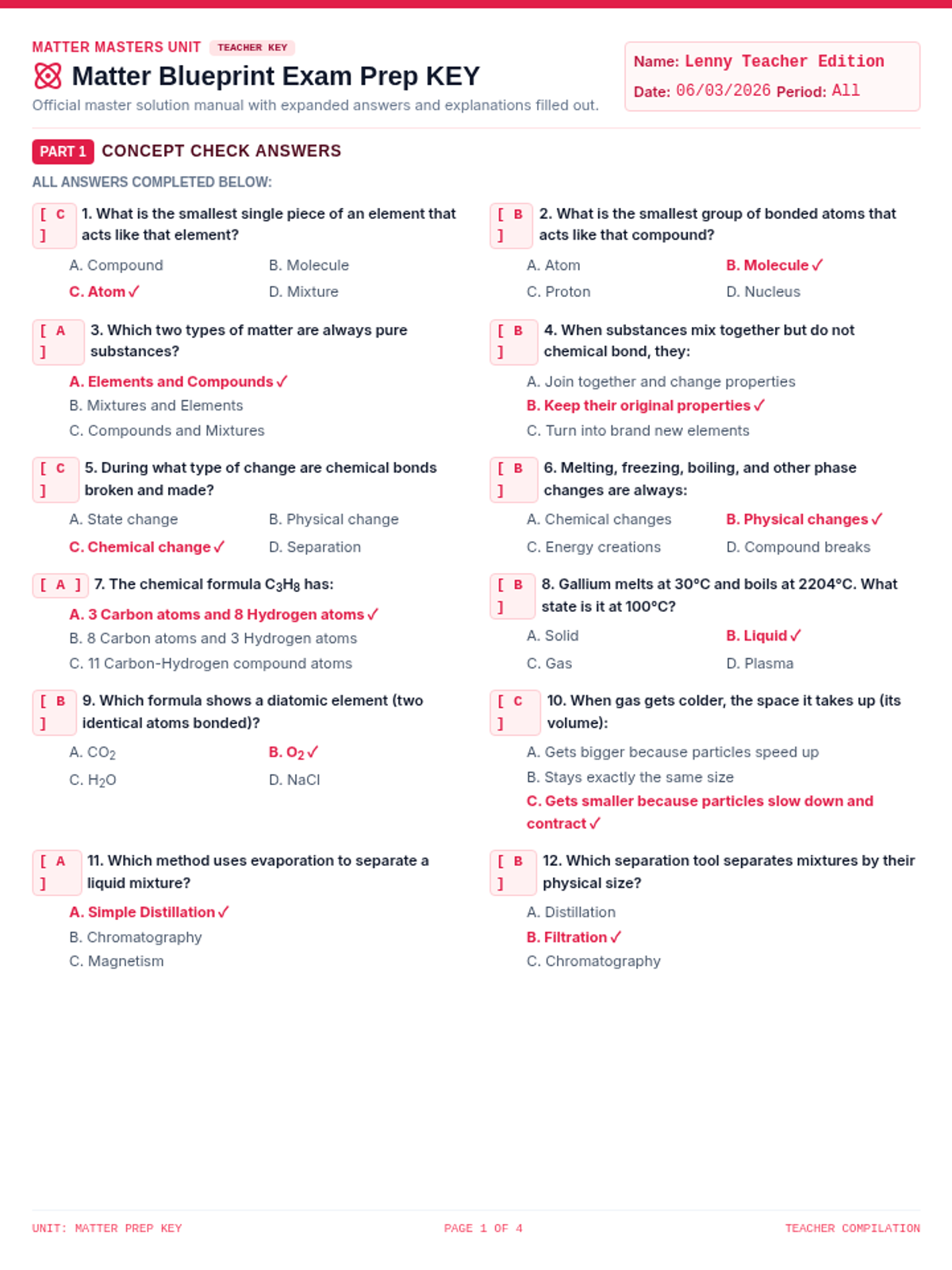
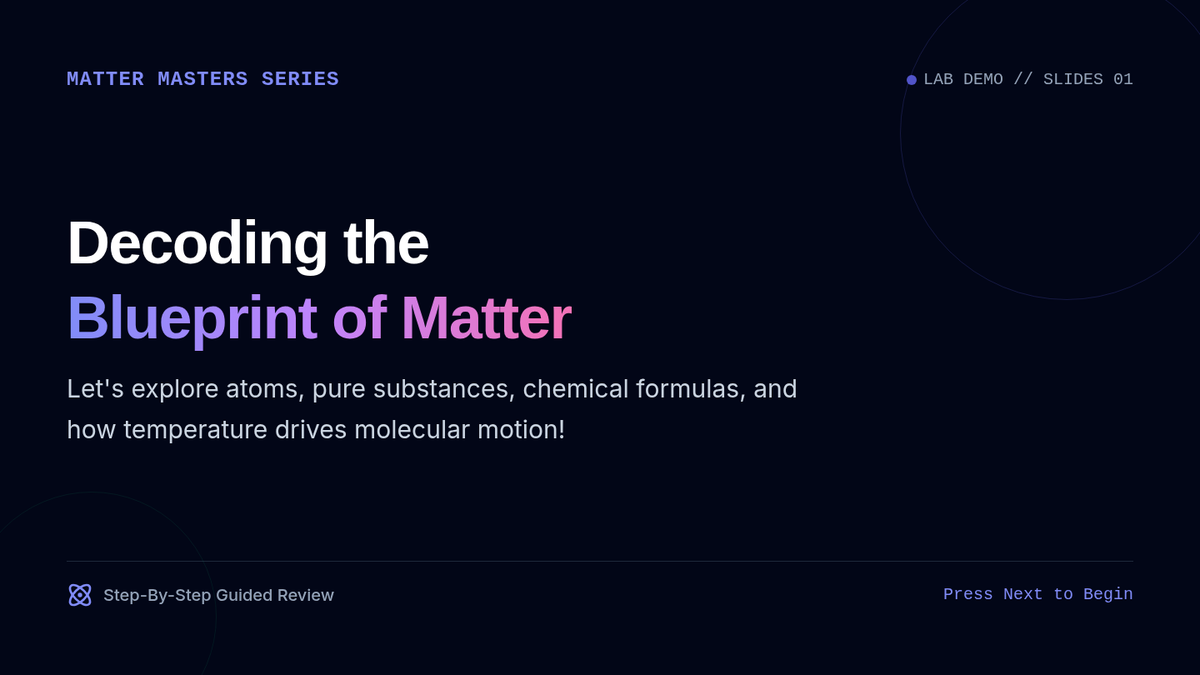
An introductory unit on the properties, classifications, and phases of matter. Students explore elements, compounds, mixtures, phase changes, and chemical reactions through visual and hands-on activities.
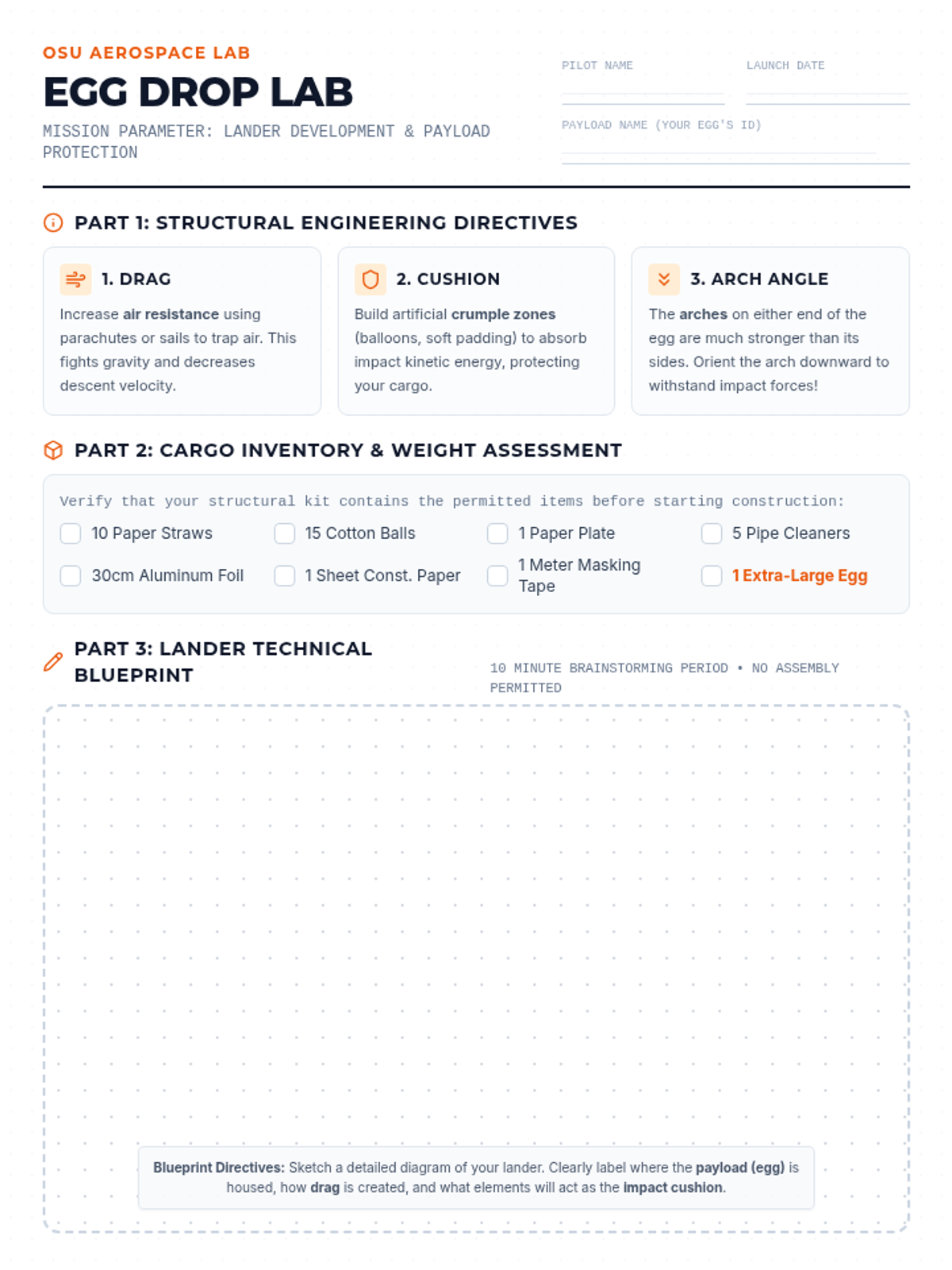
An engaging, hands-on physics and engineering lesson where students design, build, and test protective landing craft for fragile payloads (eggs), exploring forces, deceleration, and structural integrity.
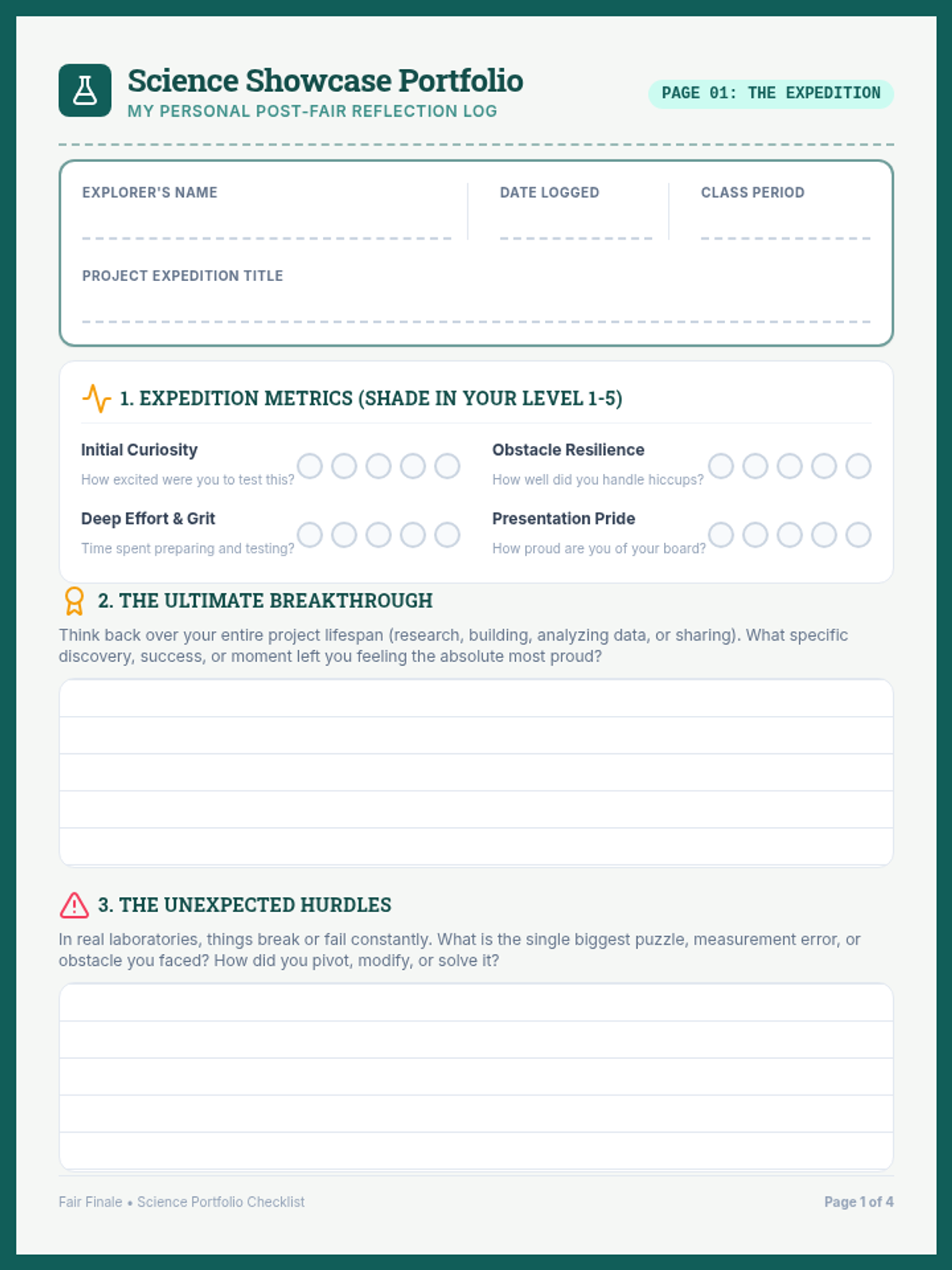
A reflection-focused lesson designed to guide students through evaluating their own science fair projects, reviewing their peers' work, and outlining future experimental improvements.
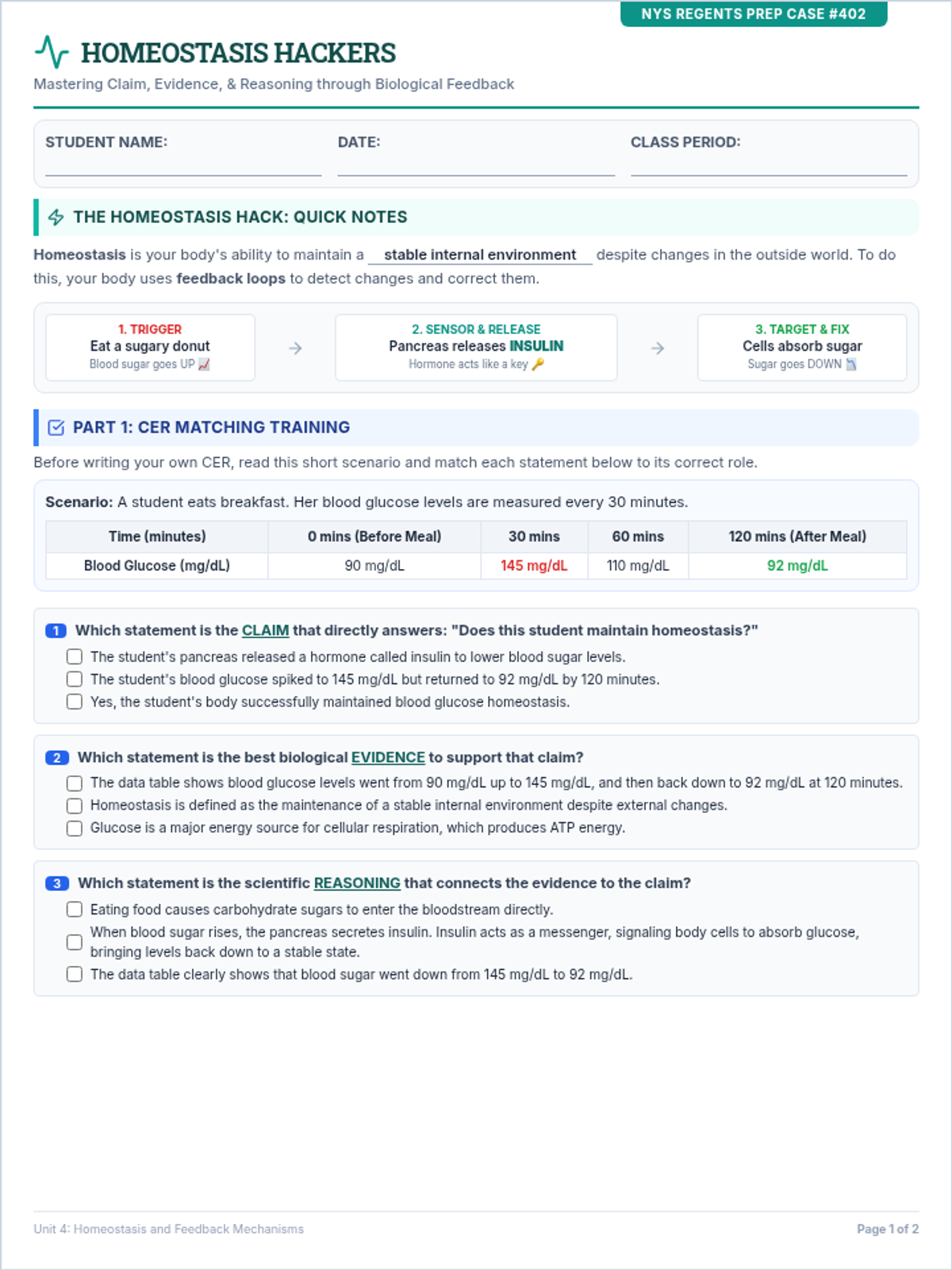
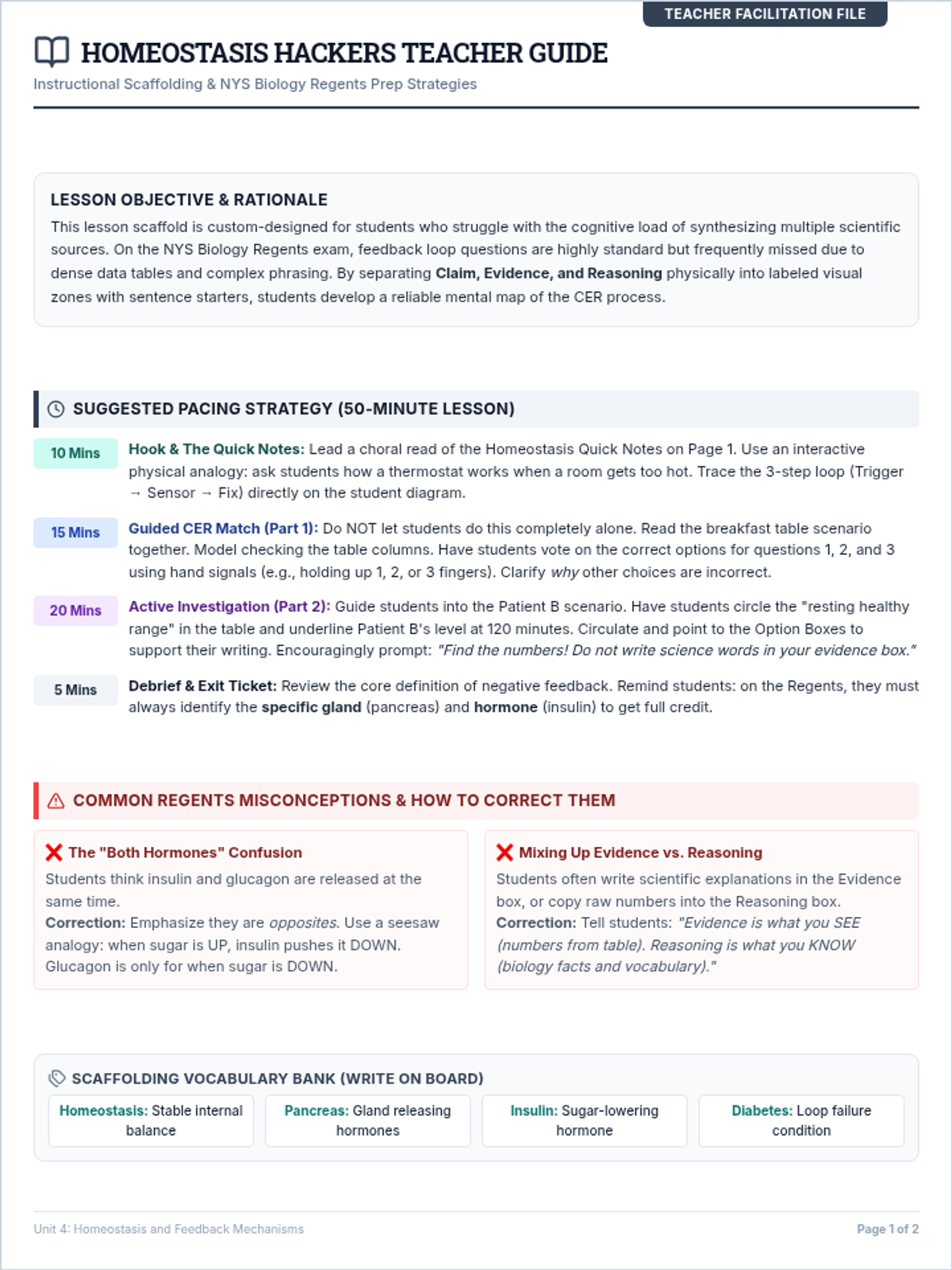
A comprehensive NYS Biology Regents preparation lesson focused on mastering the Claim-Evidence-Reasoning (CER) framework through the lens of Homeostasis and Feedback Mechanisms (specifically blood glucose regulation). Designed with heavy scaffolding, visual organizers, and multiple-choice matching for struggling learners.
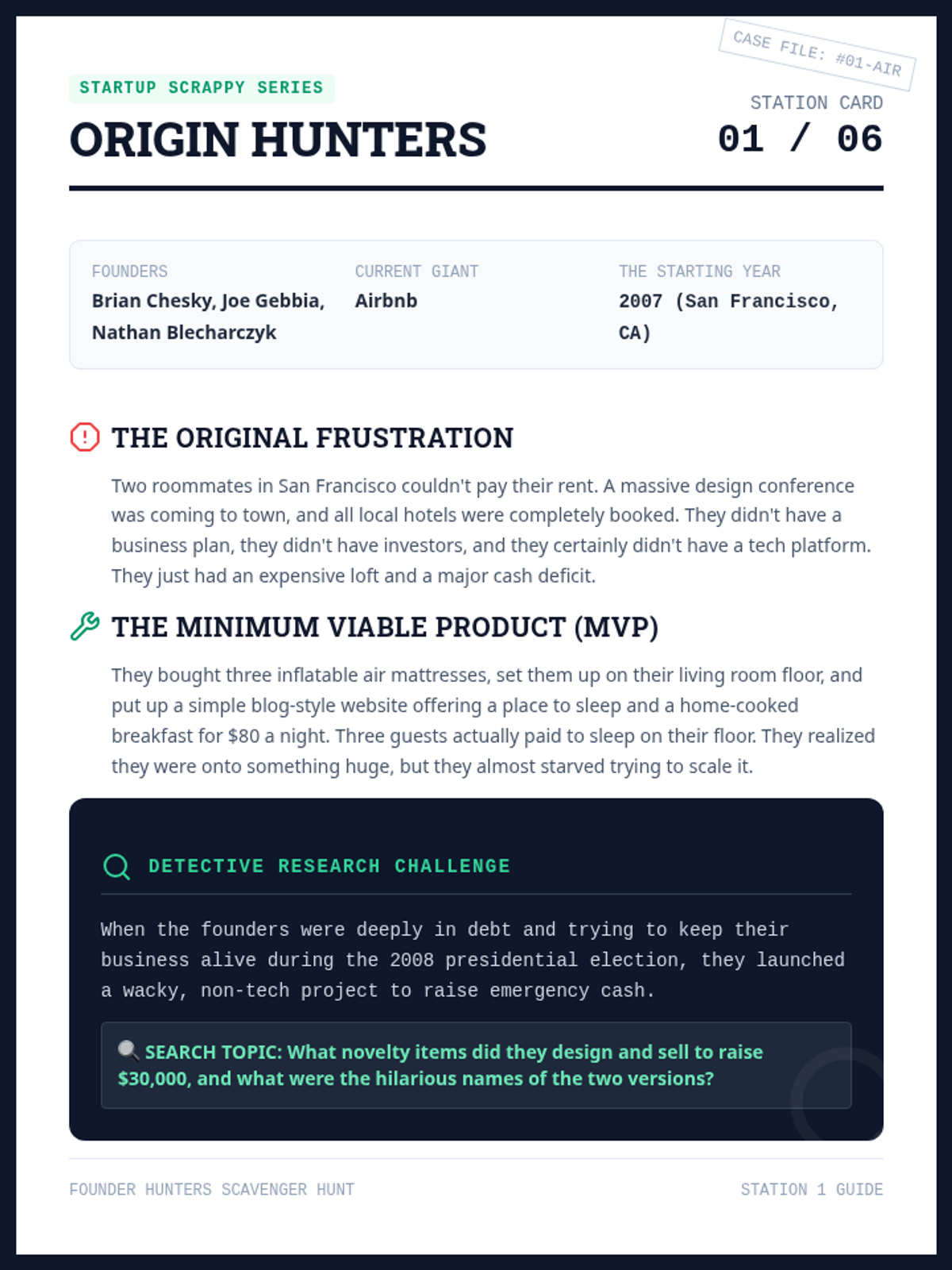
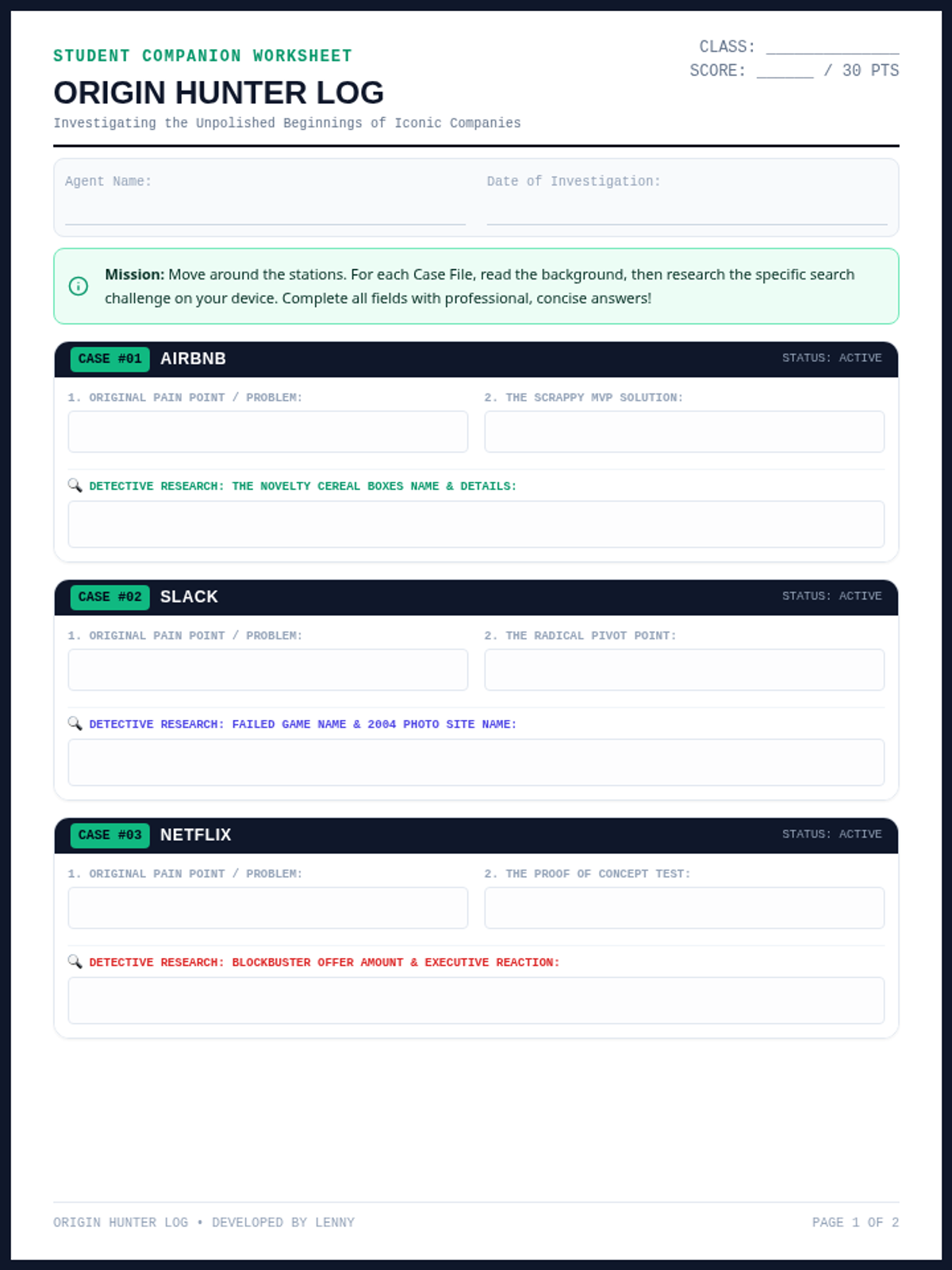
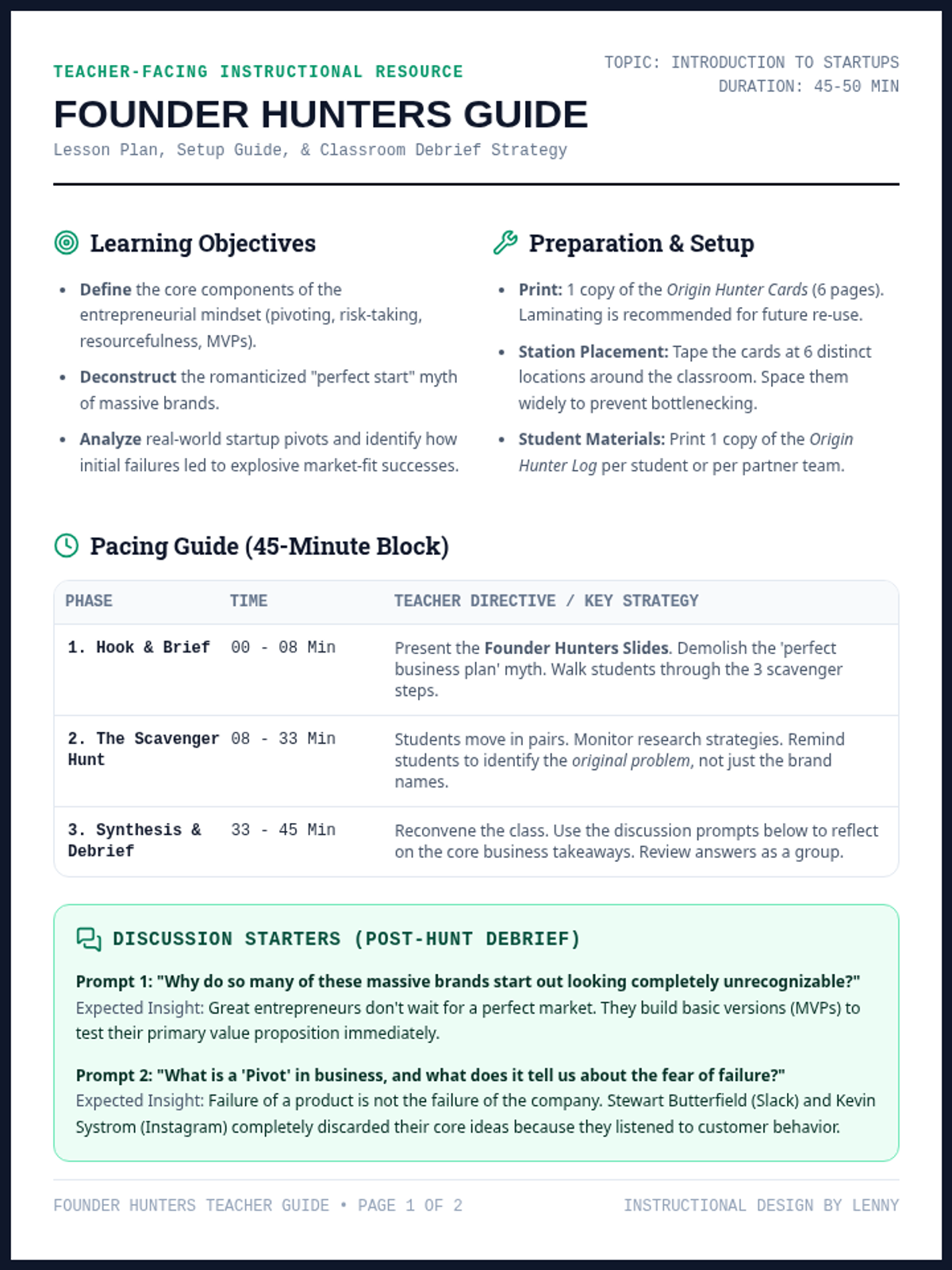
A high-energy, collaborative introductory lesson on entrepreneurship where students become 'Origin Hunters,' investigating the real-world, messy, and inspiring starting points of famous household brands.
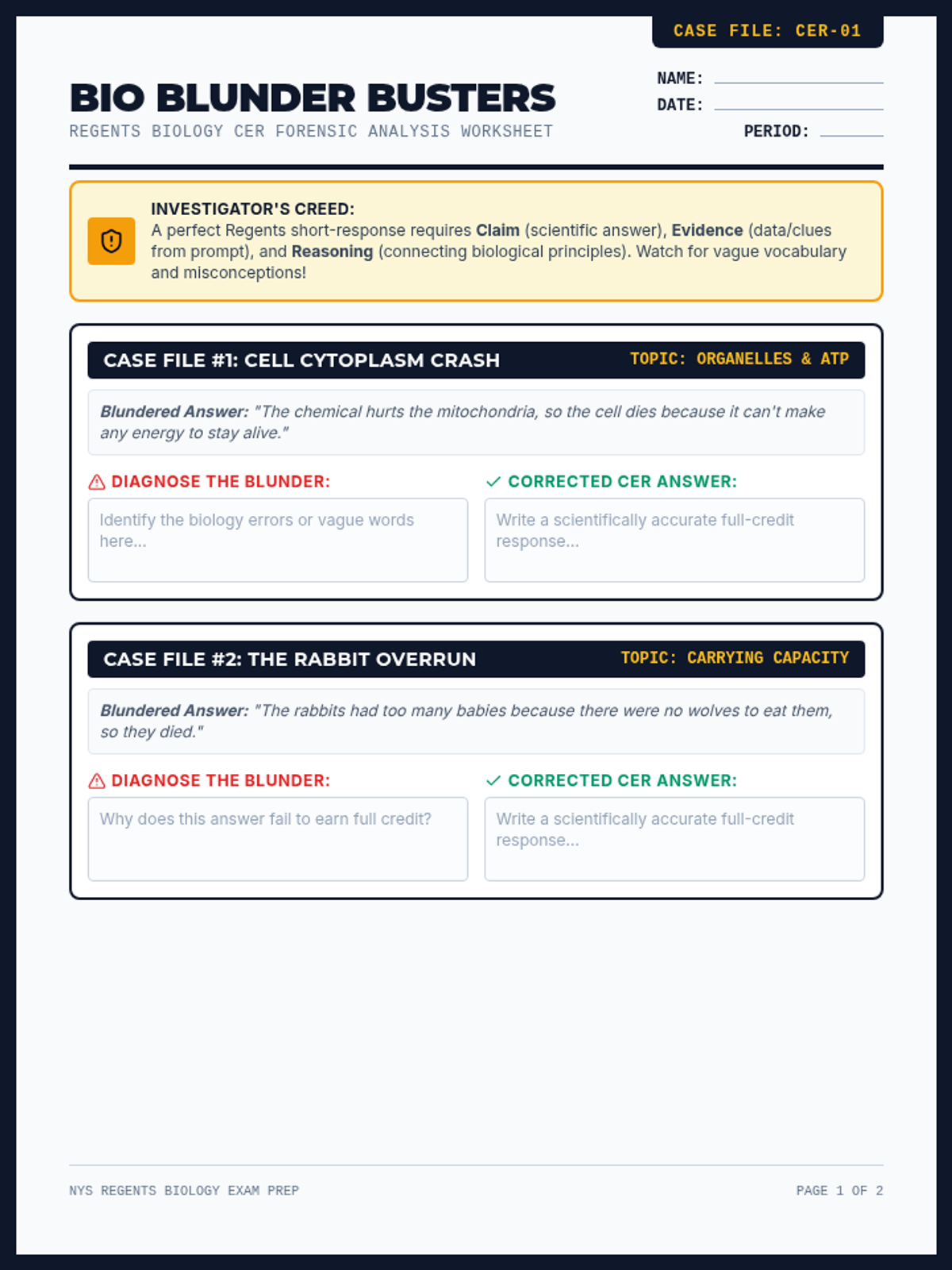
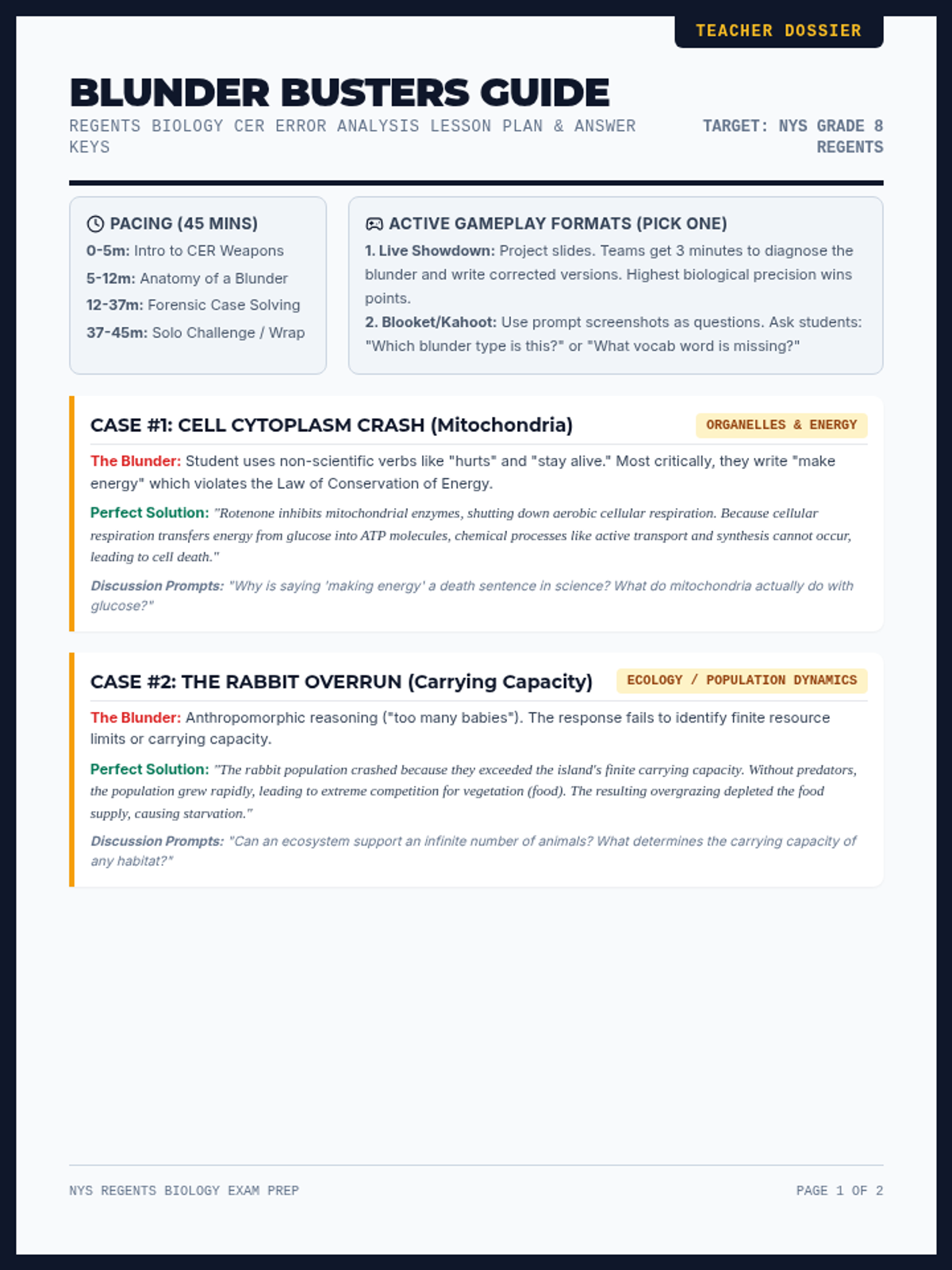
A highly engaging Regents Biology lesson focused on Claim-Evidence-Reasoning (CER) error analysis. Students act as science detectives to identify, analyze, and correct common exam blunders across major biology topics like ecology, cell division, and human impact.
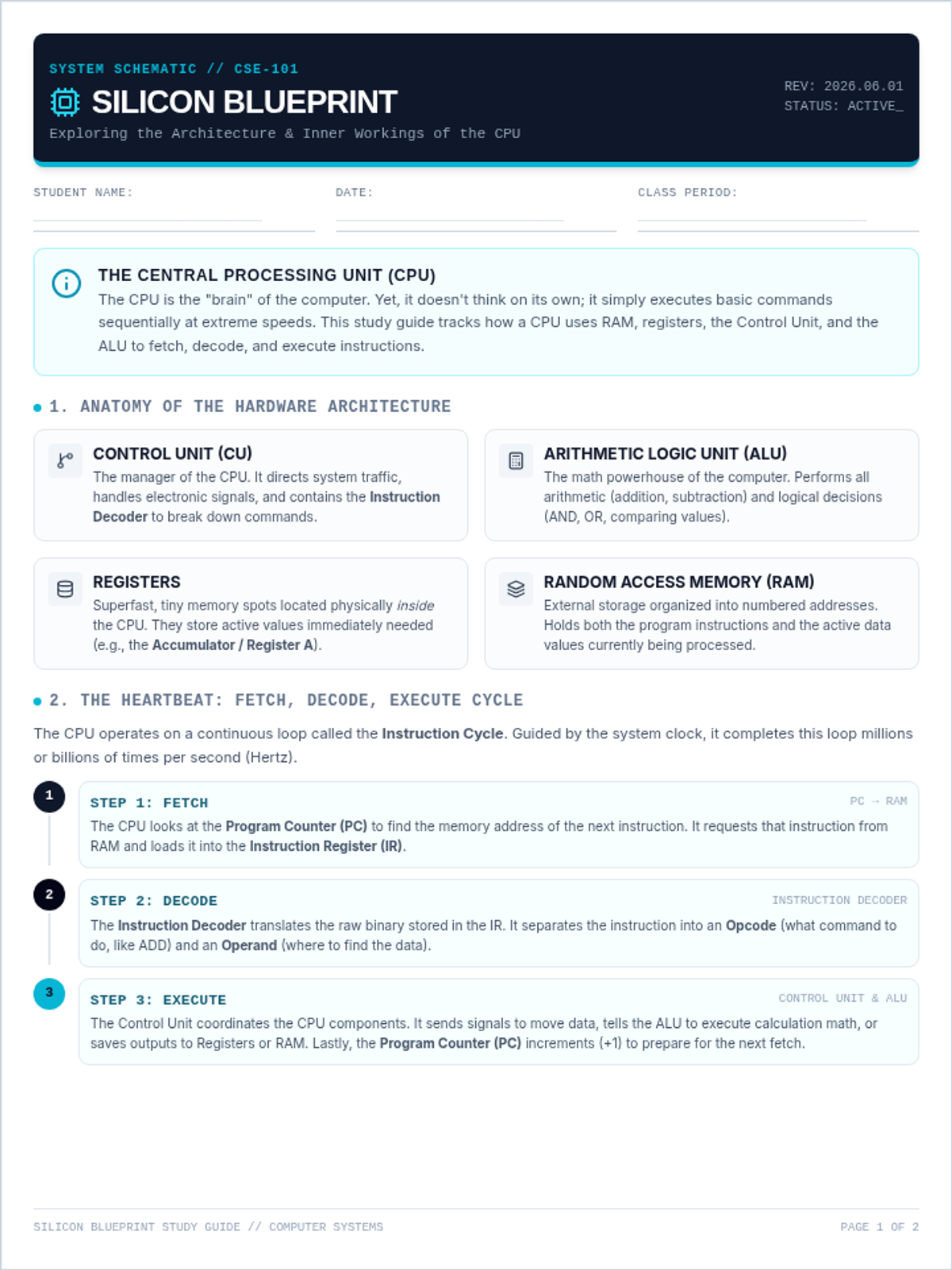
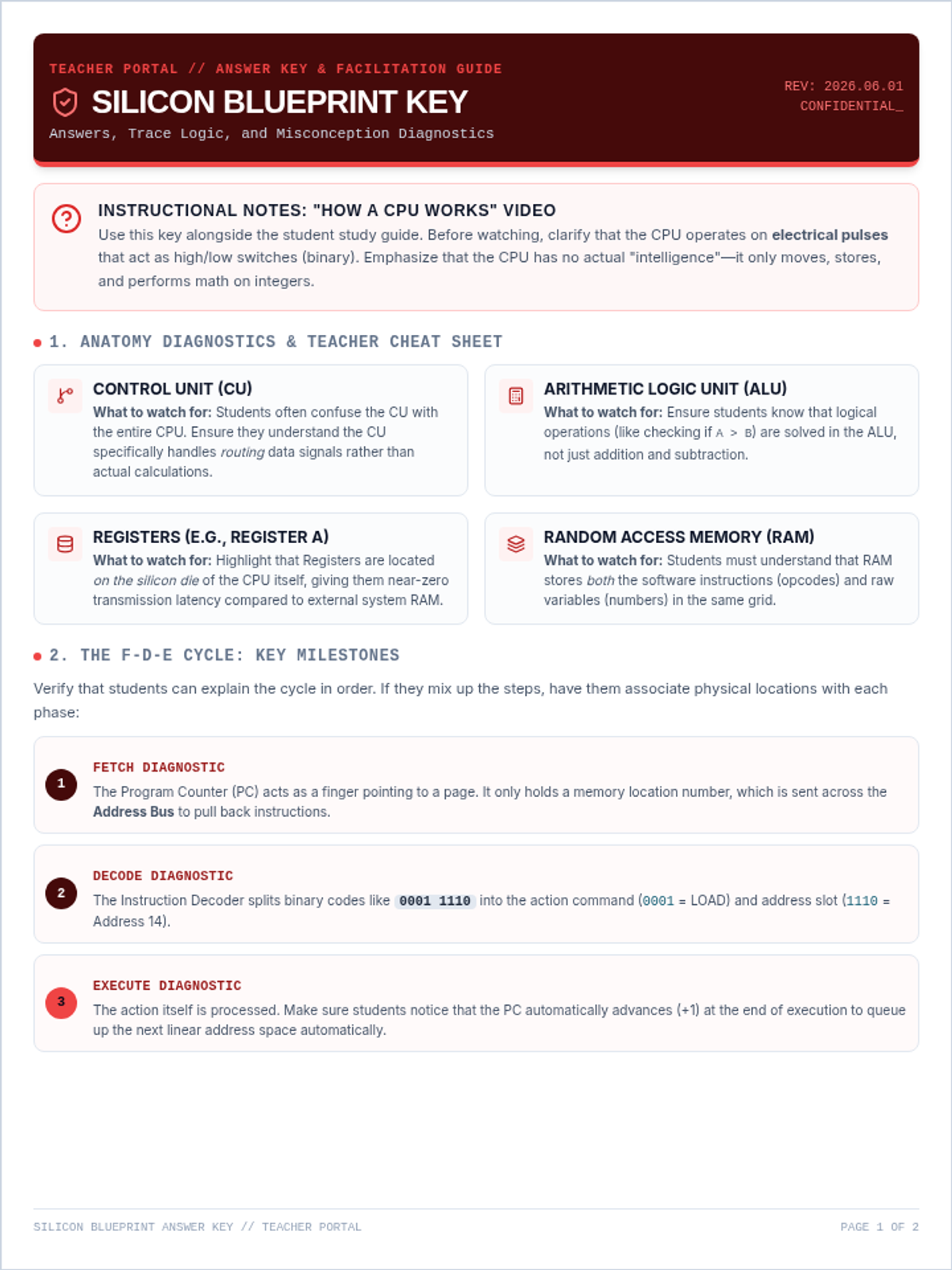
A comprehensive introduction to computer architecture, focusing on the CPU, internal registers, RAM, and the Fetch-Decode-Execute instruction cycle. Features a student-facing schematic study guide and a detailed teacher answer key with program trace steps.
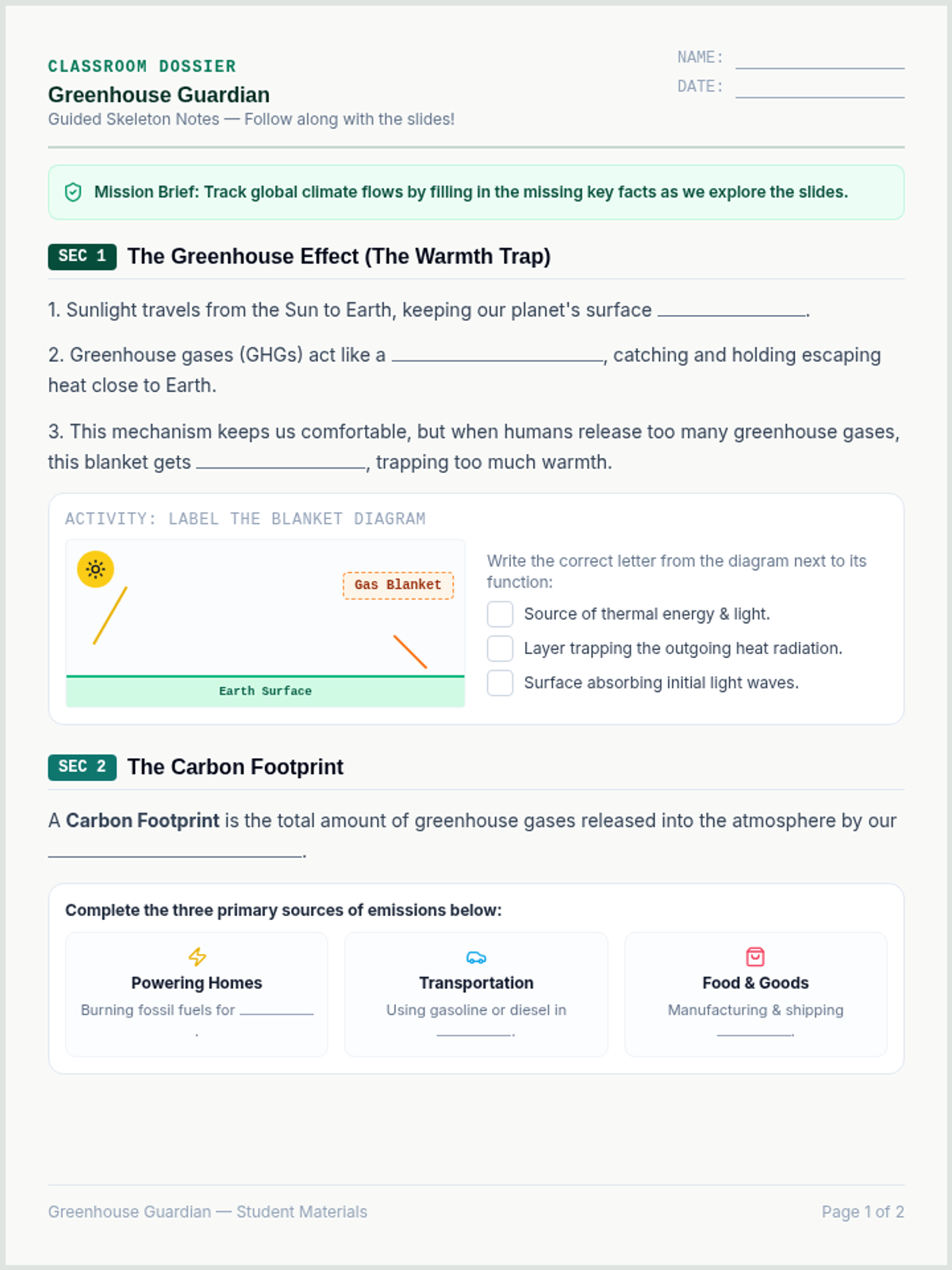
An introductory lesson exploring the greenhouse effect, carbon footprints, and deforestation. Includes an engaging visual slideshow and printable guided skeleton notes to keep students active and focused during instruction.
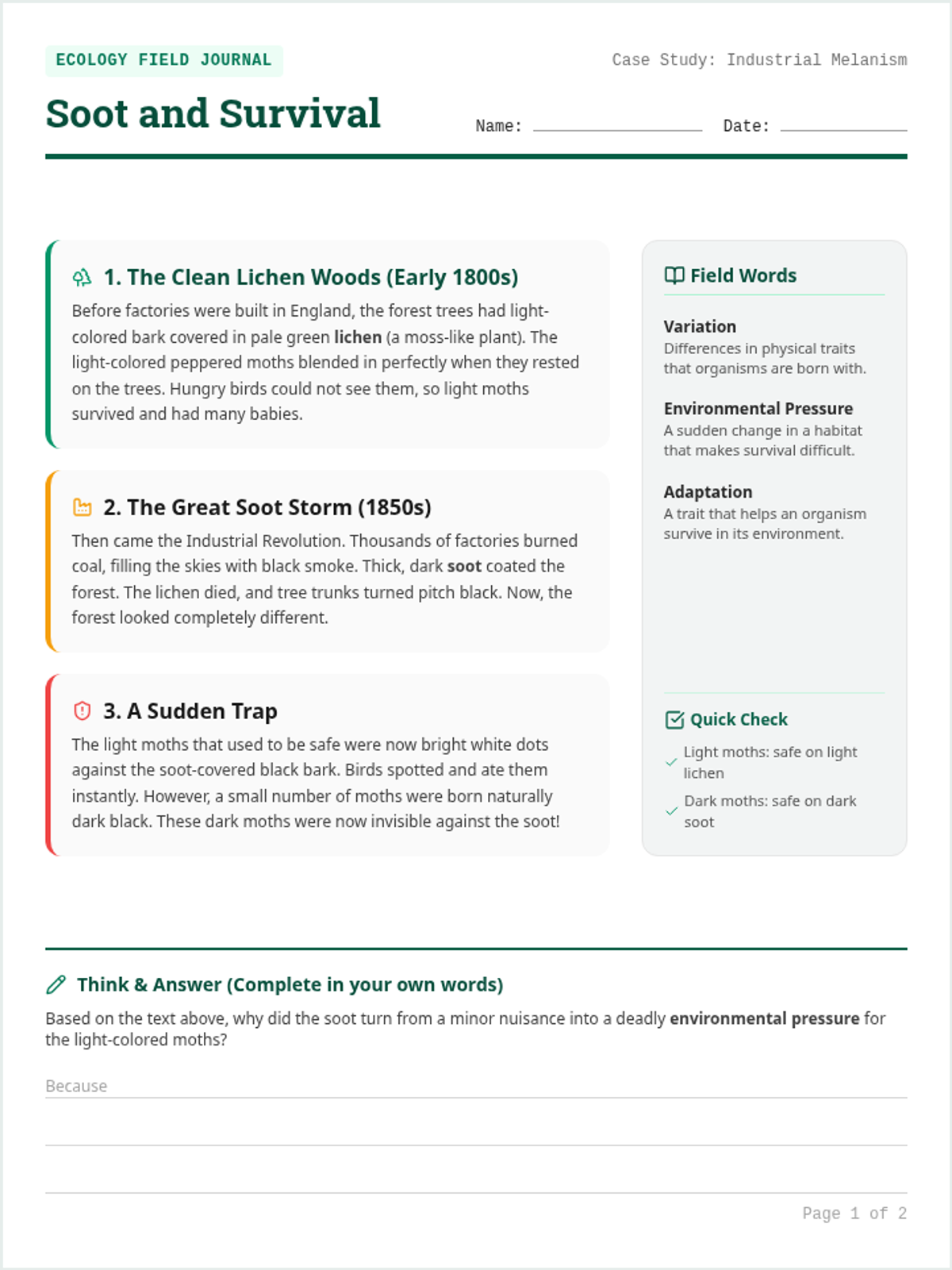
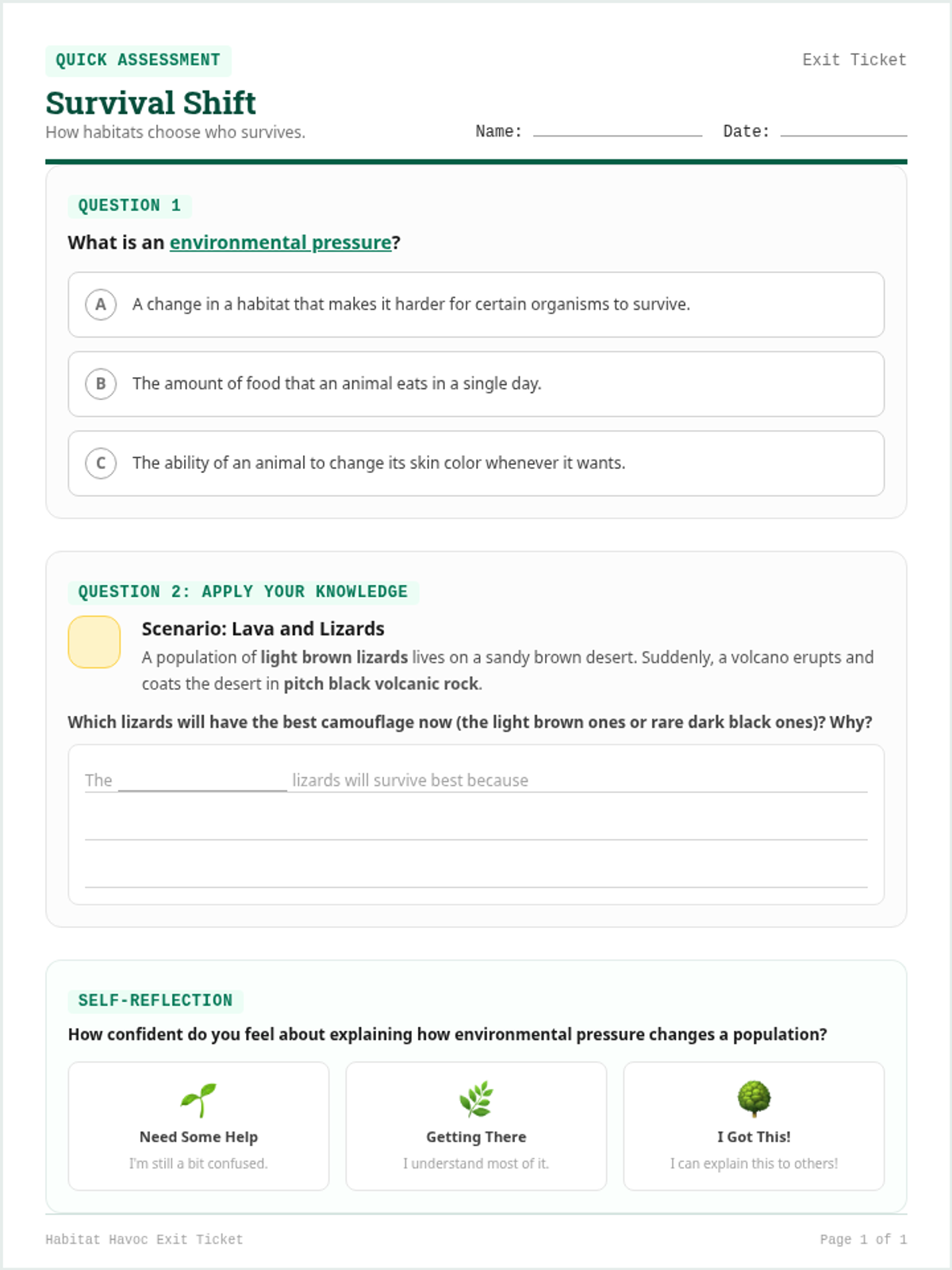
An extension lesson focusing on environmental pressures and natural selection using the classic peppered moth case study. Designed with scaffolding, visual aids, and clear graphic organizers for 9-10th grade special education students.
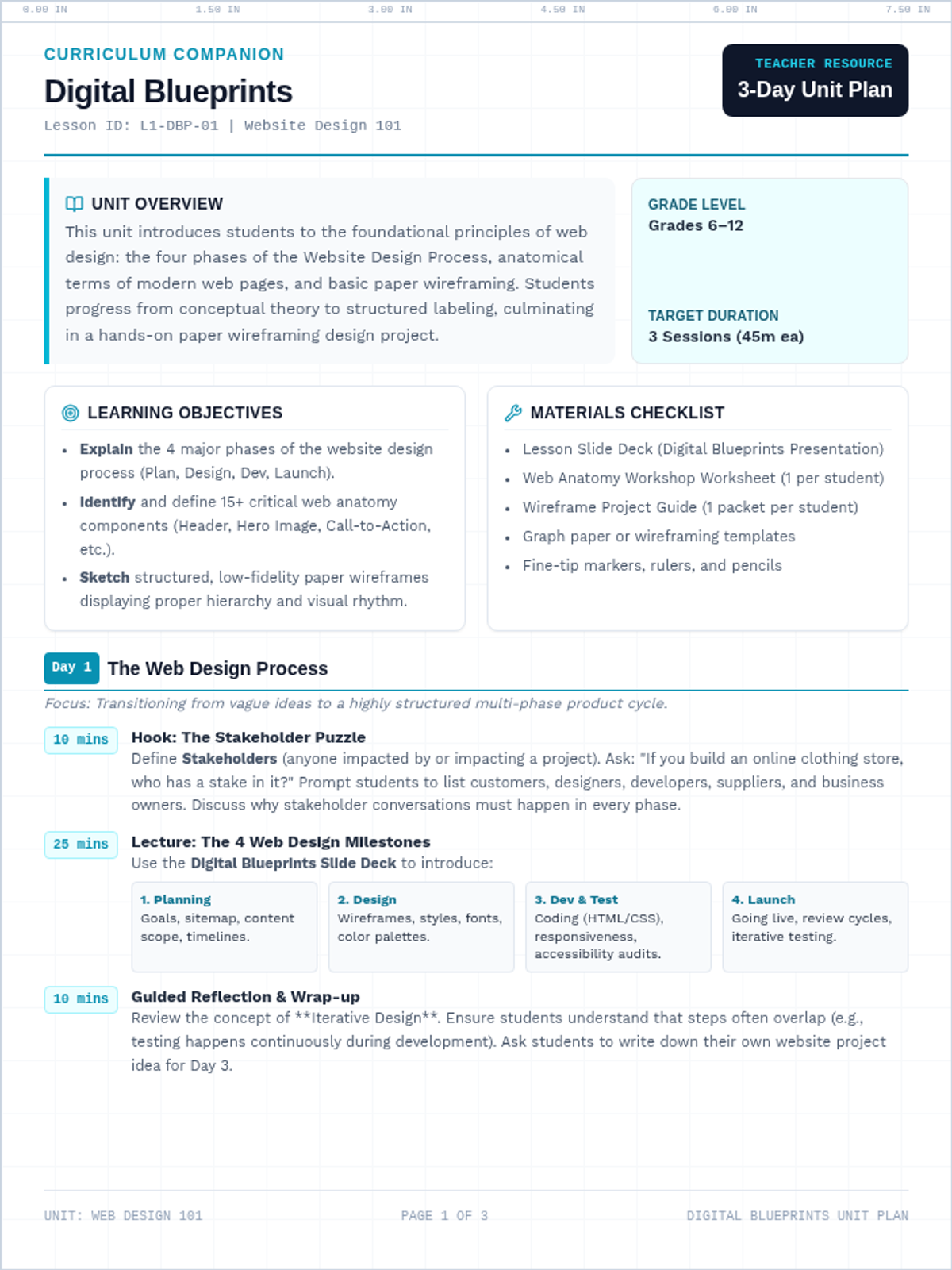
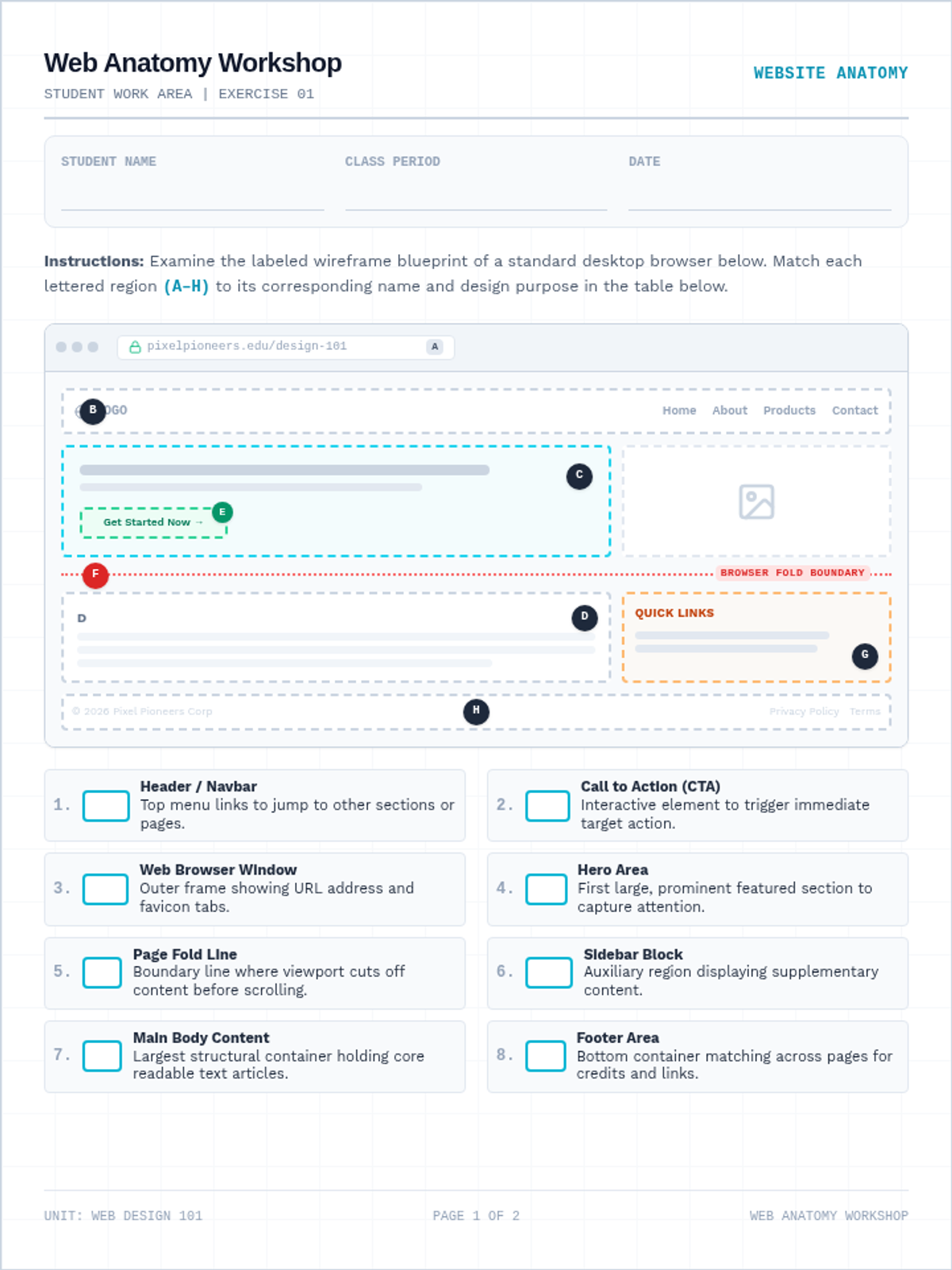
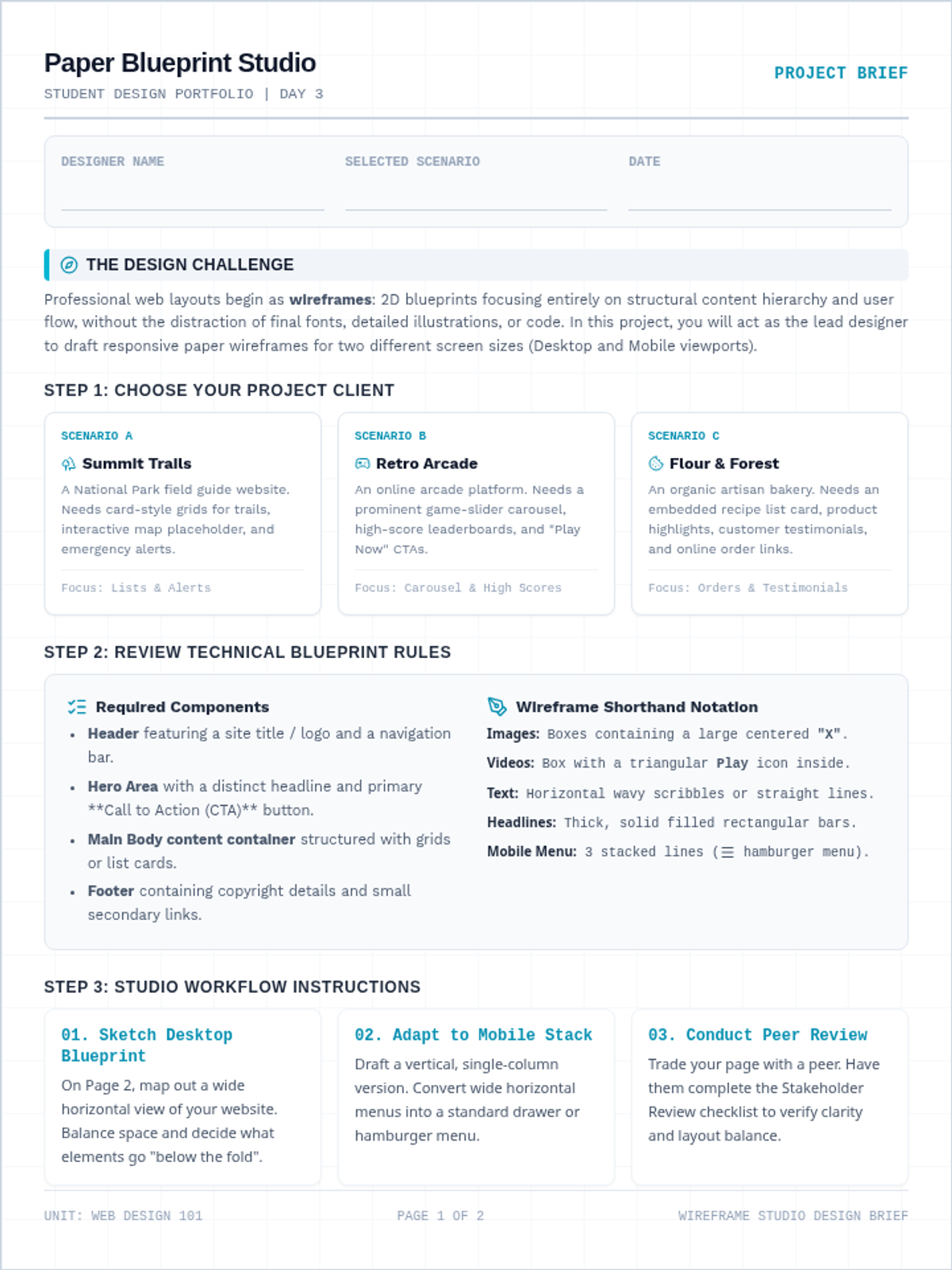
An introductory lesson on web design principles, covering the website design process, anatomy of a webpage, and paper wireframe sketching. Includes interactive slides, an anatomy and vocabulary worksheet, a paper-based wireframing project guide, and a comprehensive teacher guide.
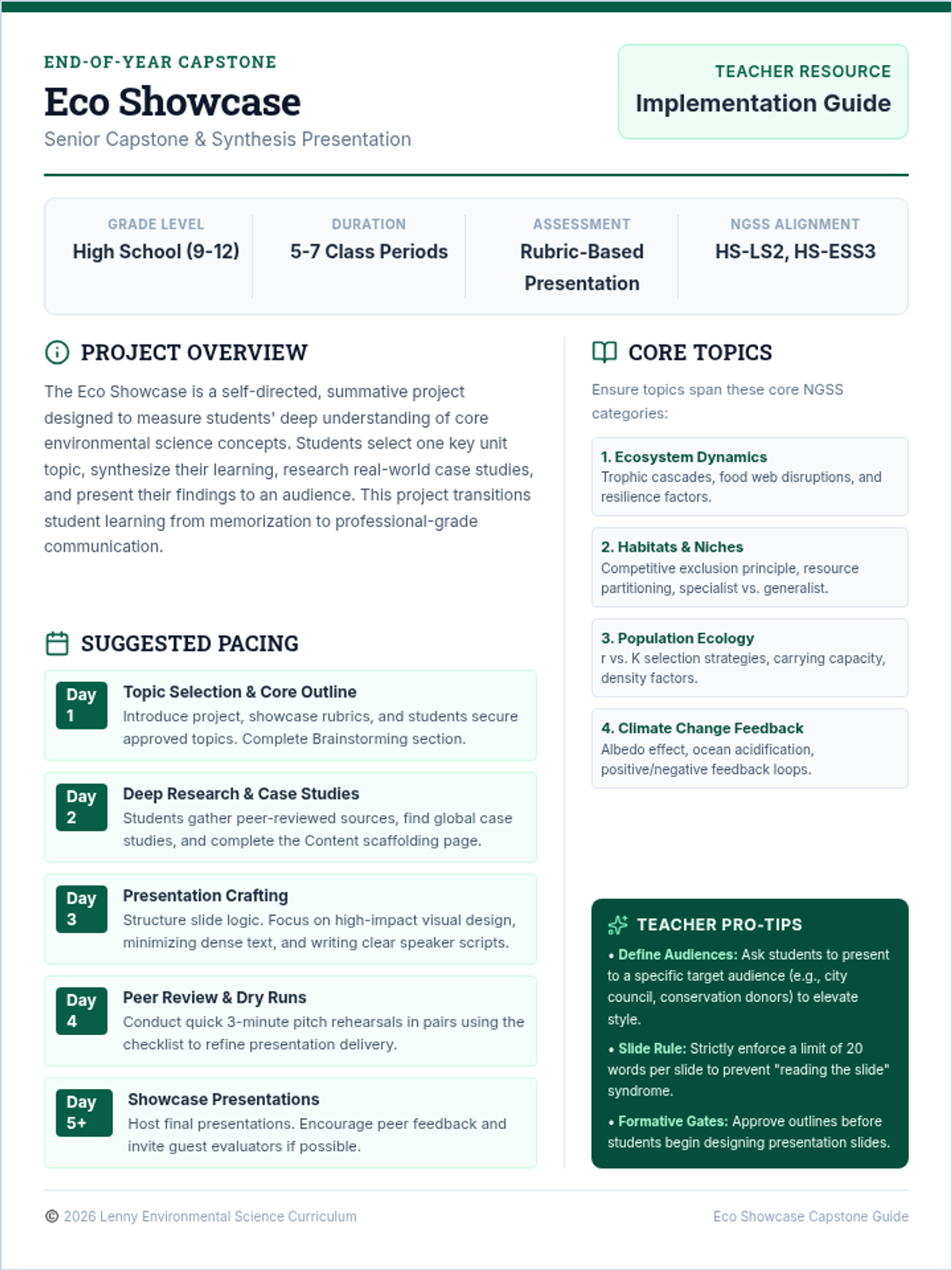
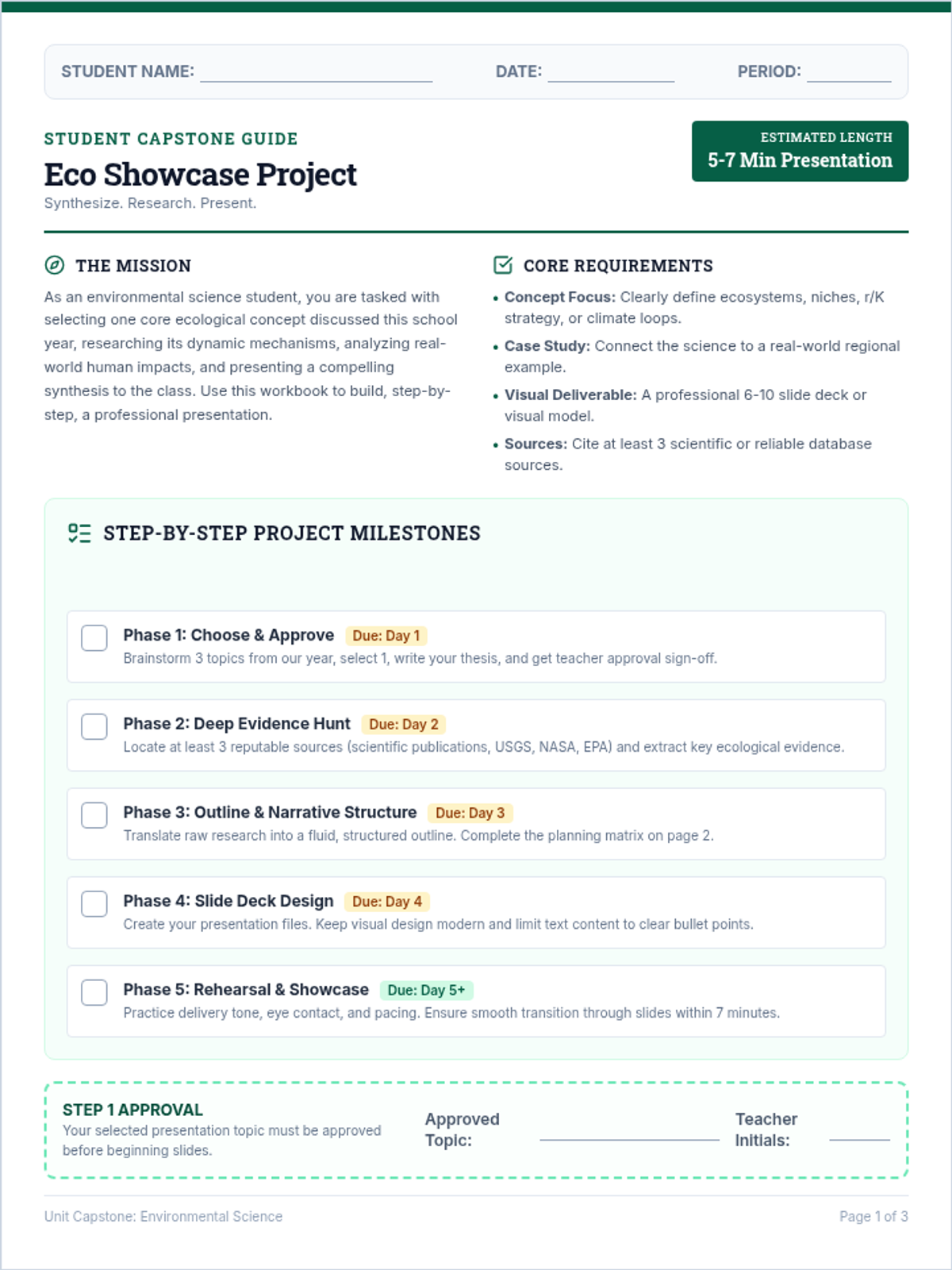
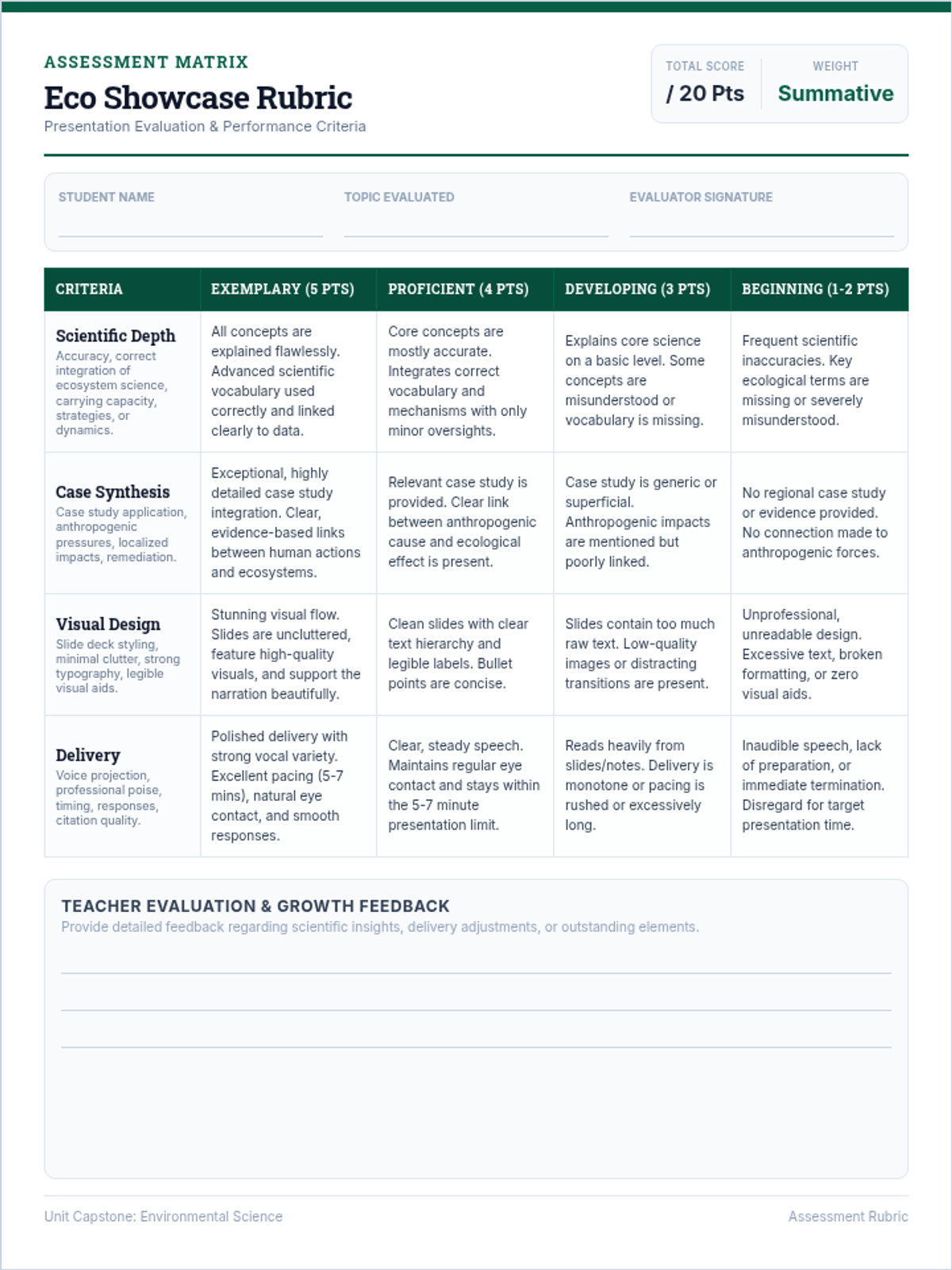
A comprehensive end-of-year capstone project where students select an environmental science topic, conduct in-depth synthesis, and design a professional presentation. This packet contains a detailed teacher guide, student planning pages, checklist, and a grading rubric.
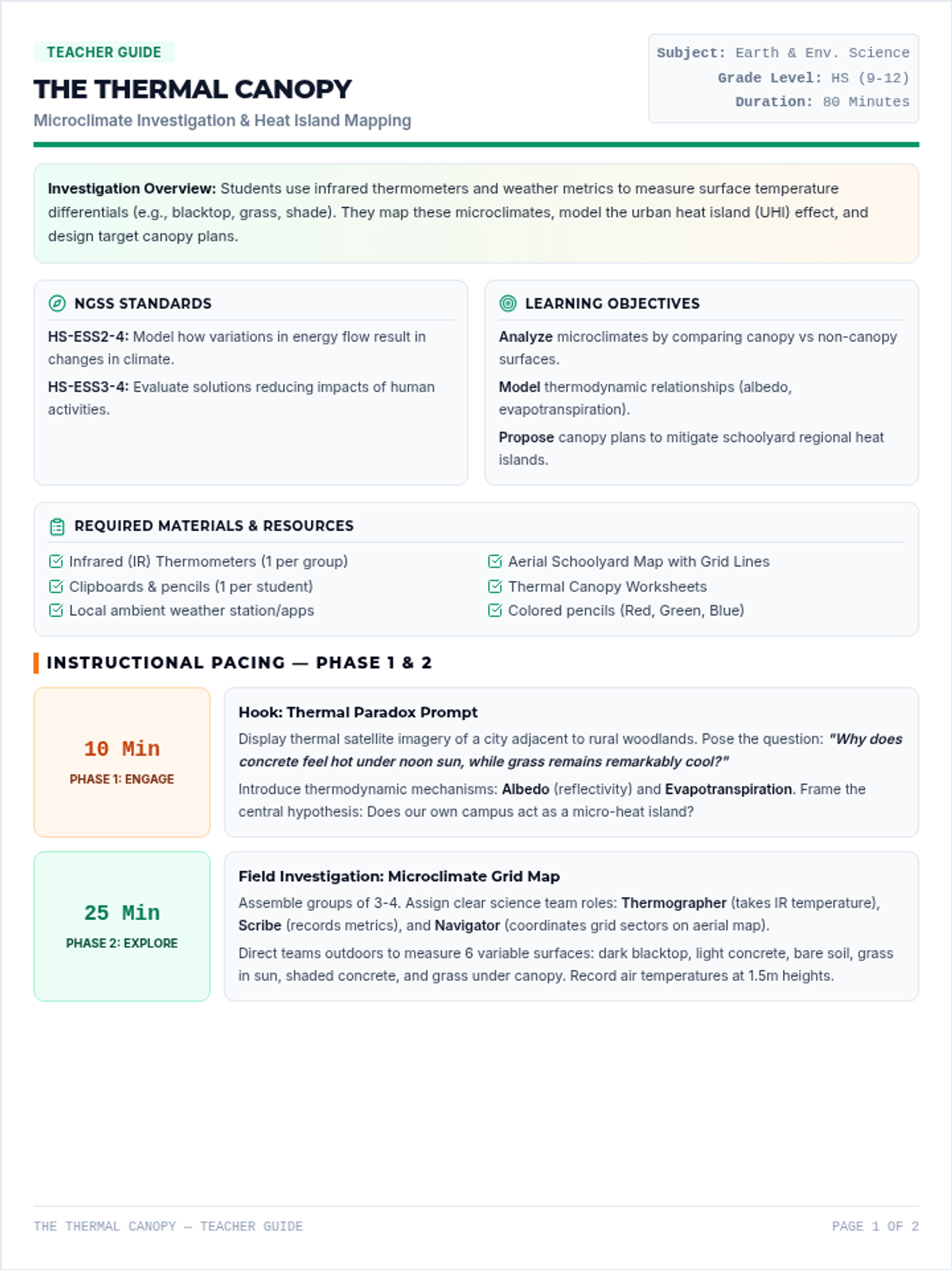
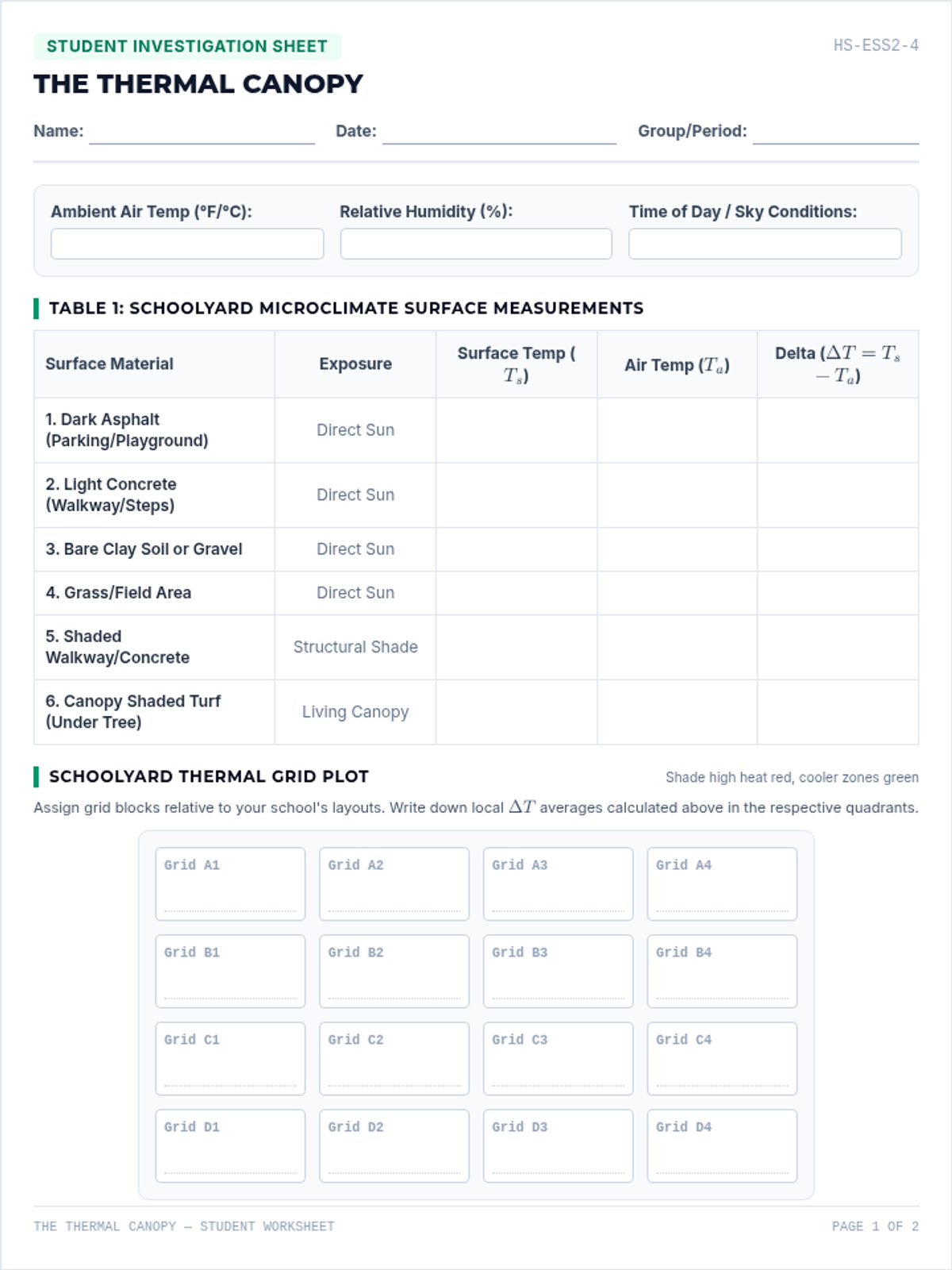
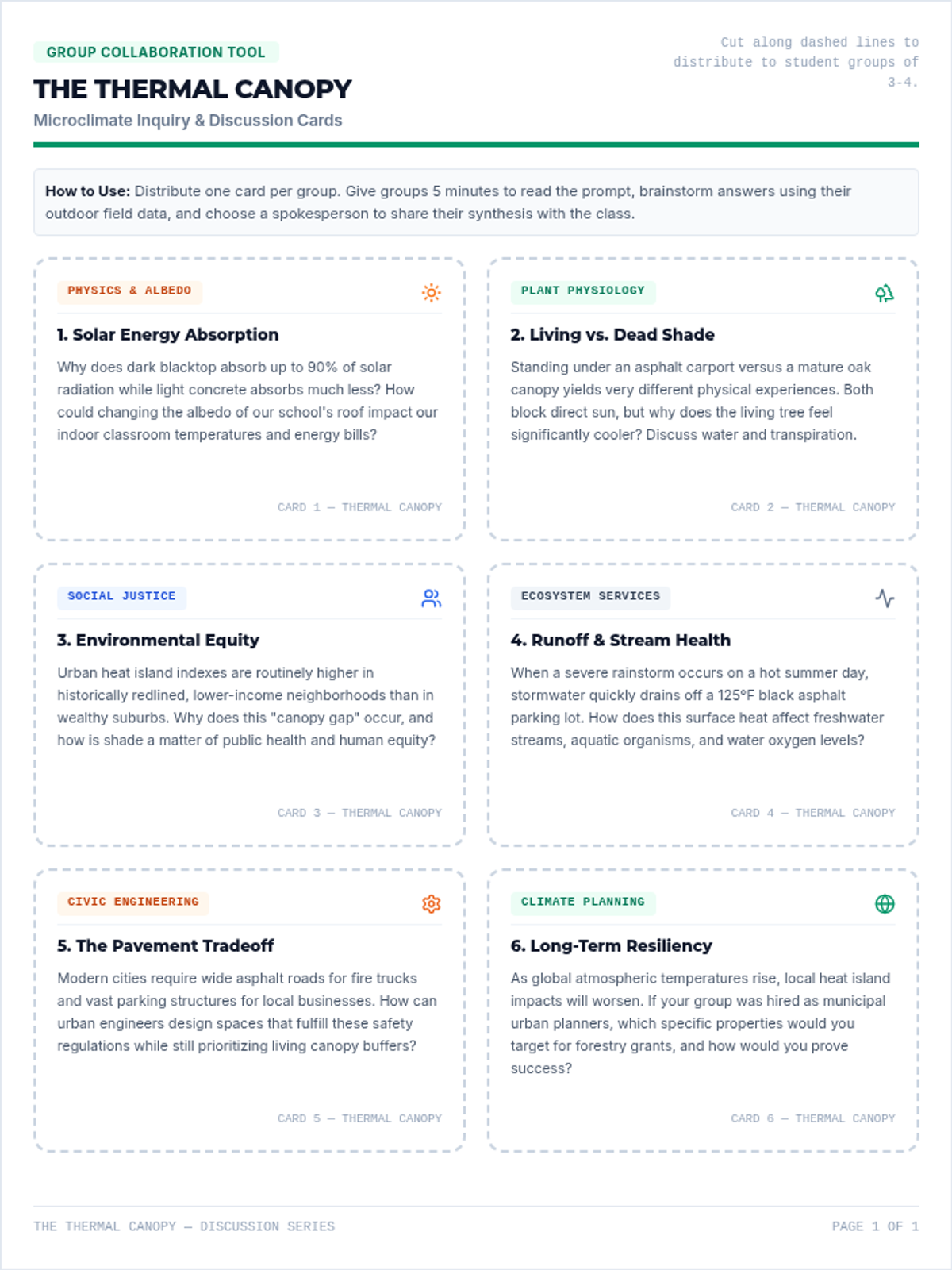
A hands-on environmental science lesson where high school students investigate schoolyard microclimates using temperature mapping and weather data, analyzing the local urban heat island effect and proposing canopy-based mitigation.
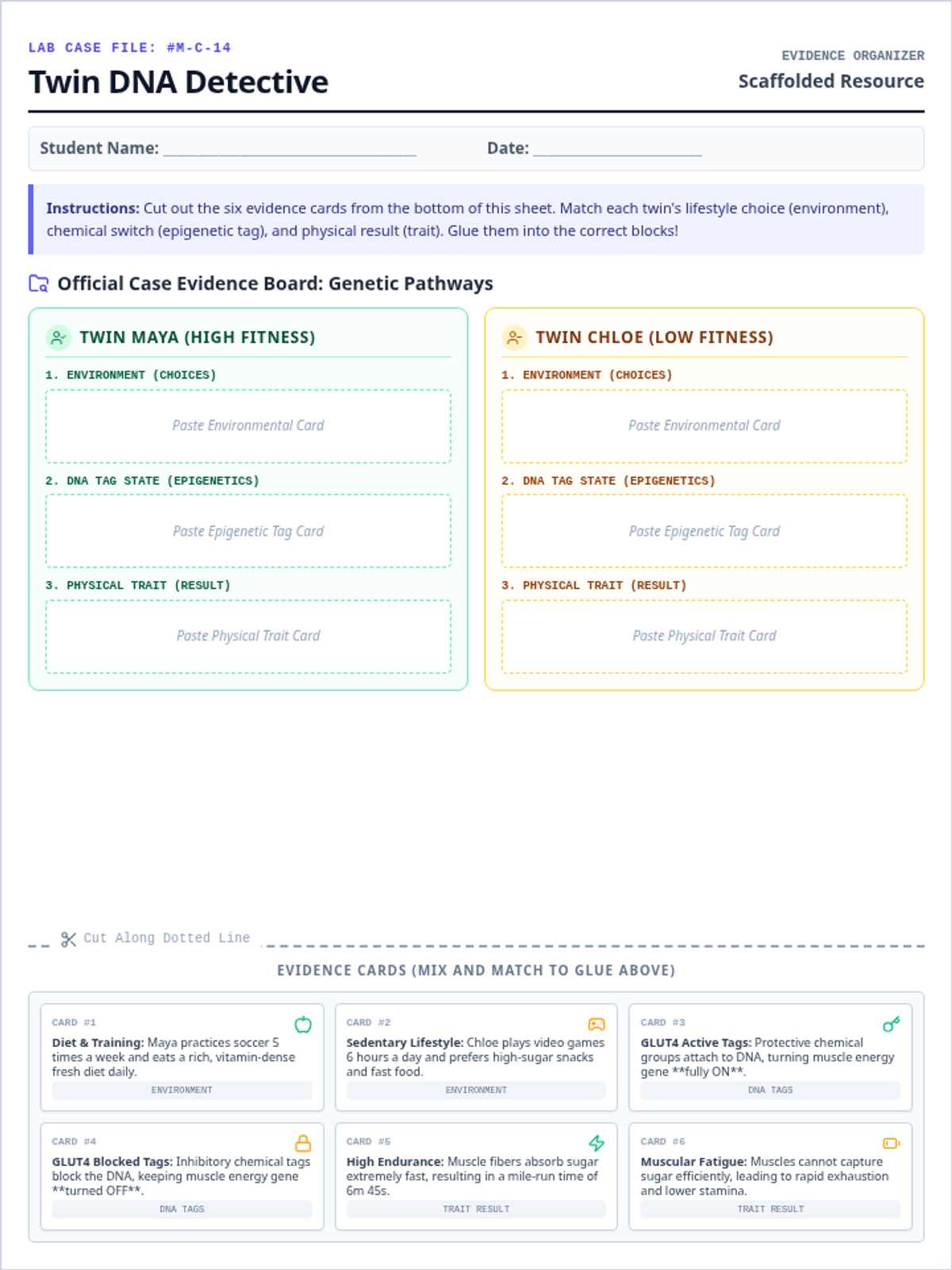
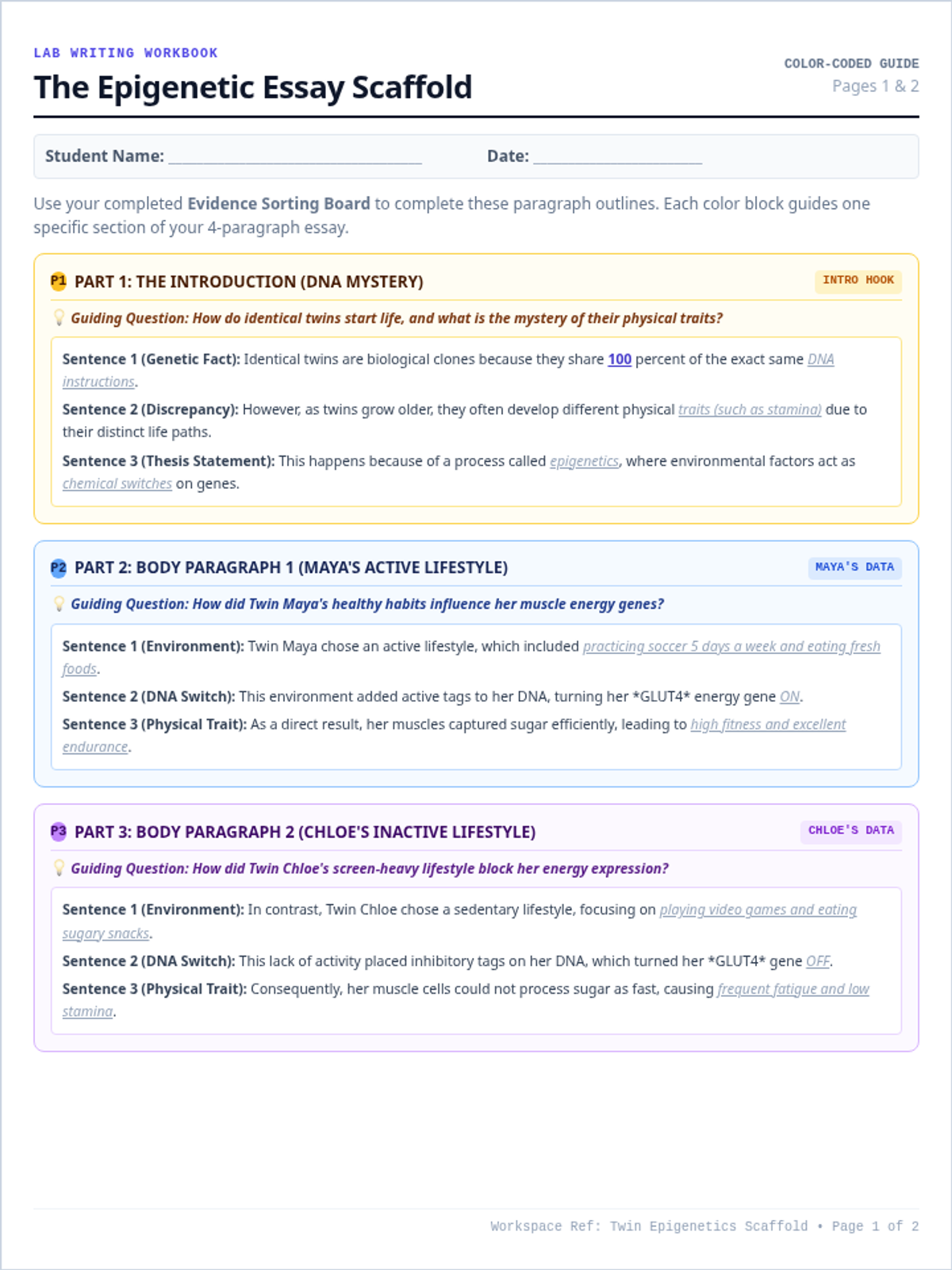
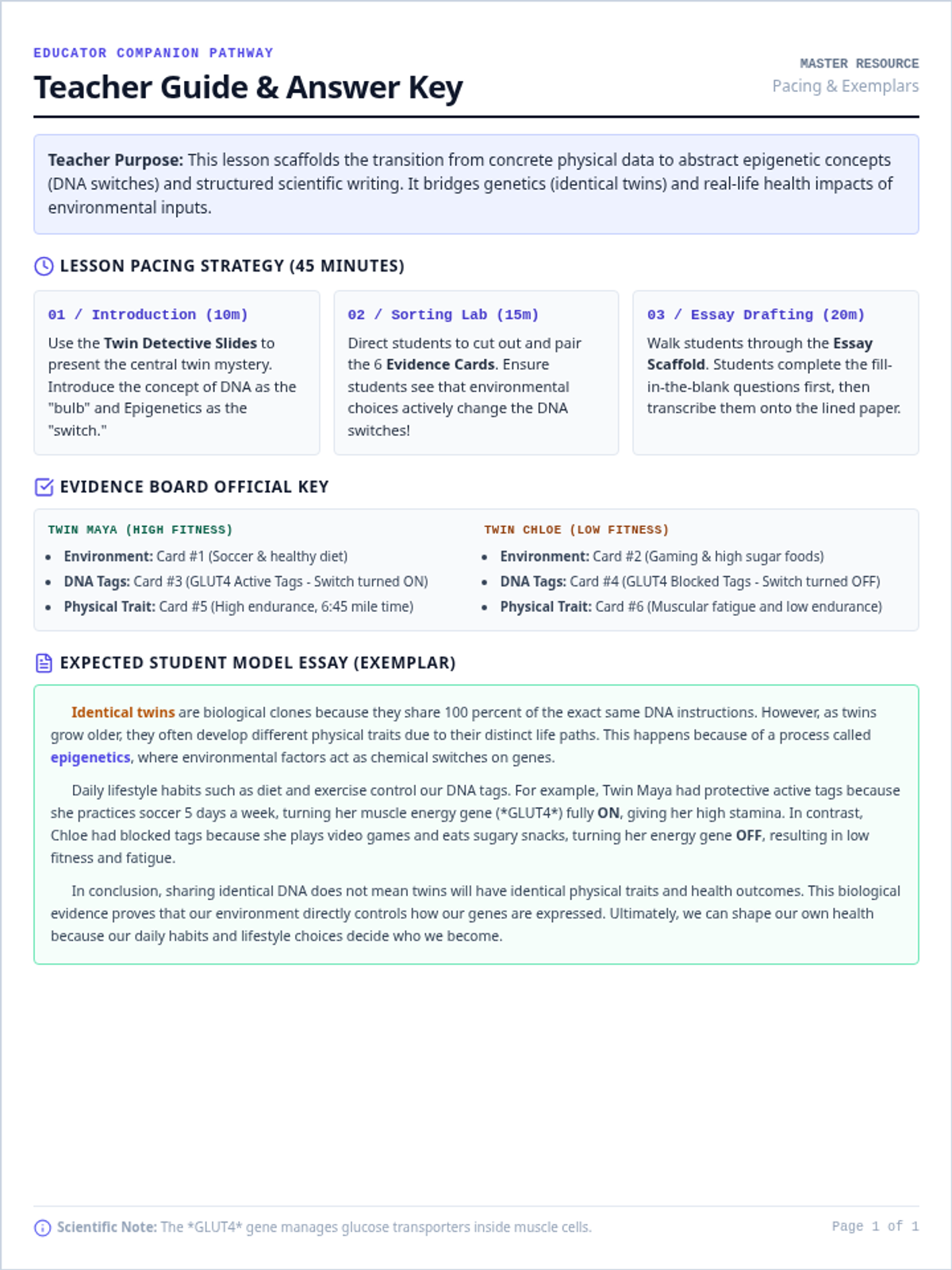
Students investigate how identical twins with identical DNA can develop different physical traits due to epigenetics. Through color-coded data sorting and sentence-by-sentence graphic organizers, students draft a complete three-paragraph scientific explanation.
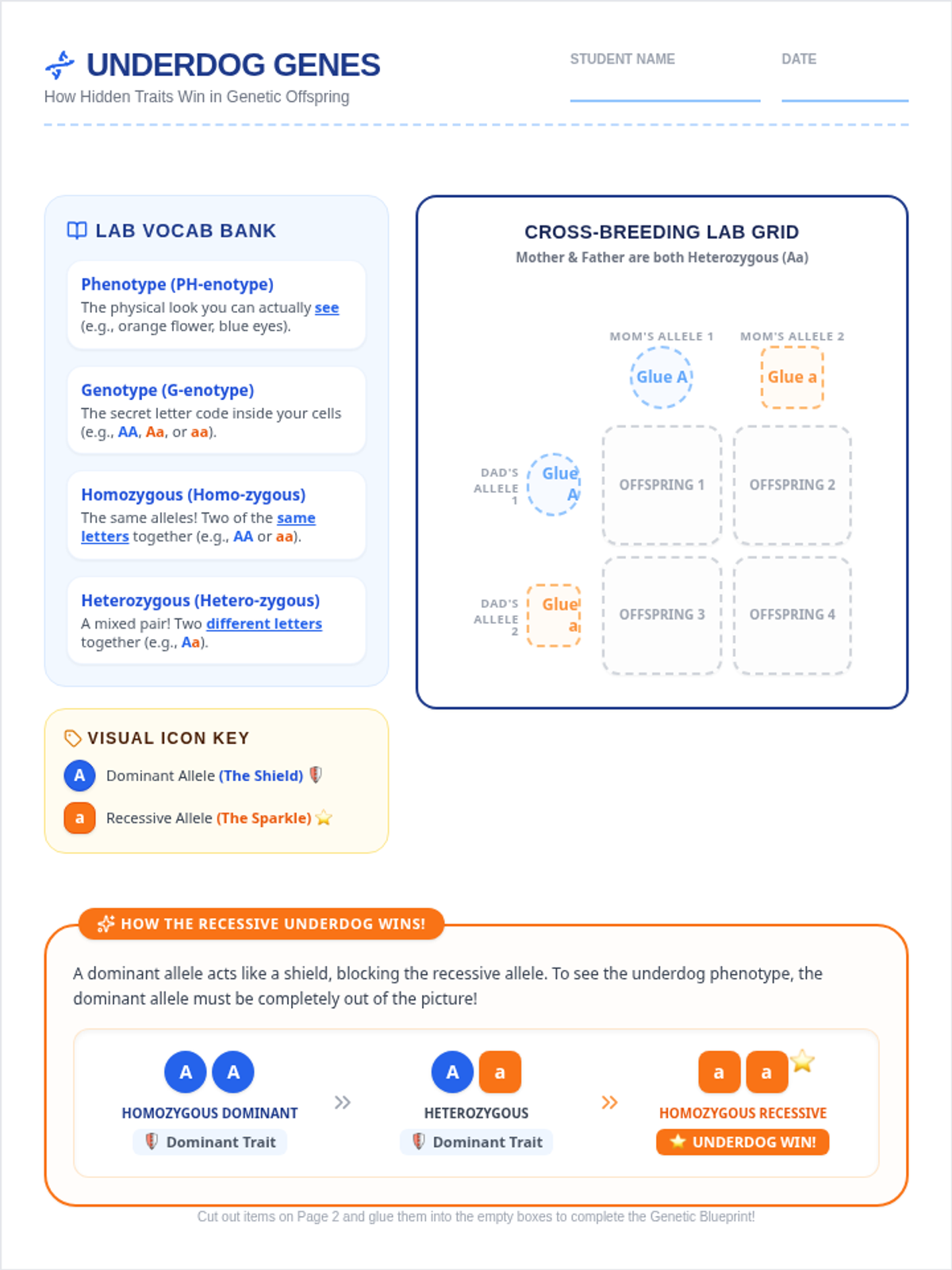
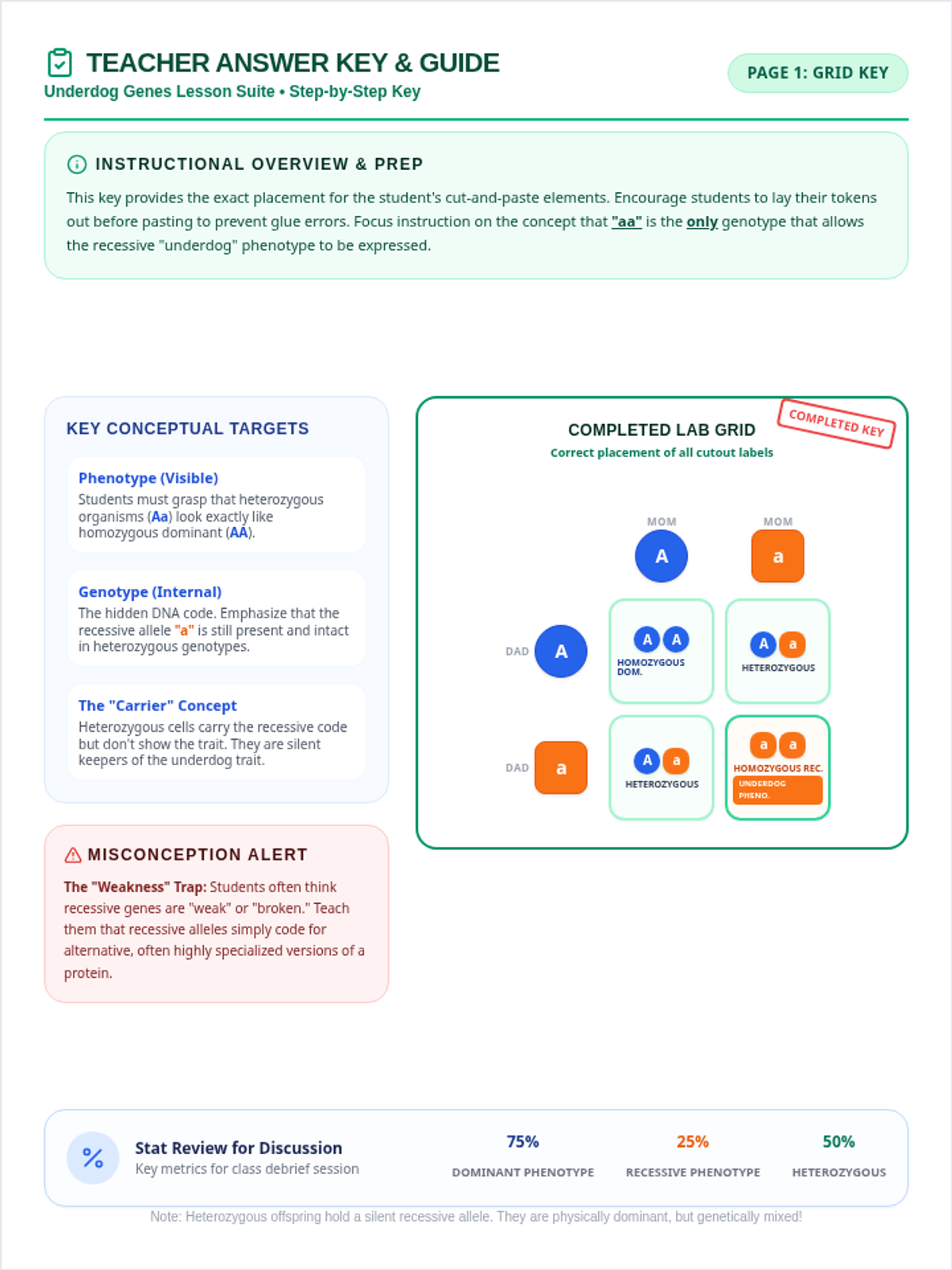
A hands-on, highly scaffolded science lesson exploring how recessive alleles express their phenotypes. Students use visual icon coding, cut-and-paste labels, a simplified vocabulary bank, and guided paragraph frames to explain genetic expression step-by-step.
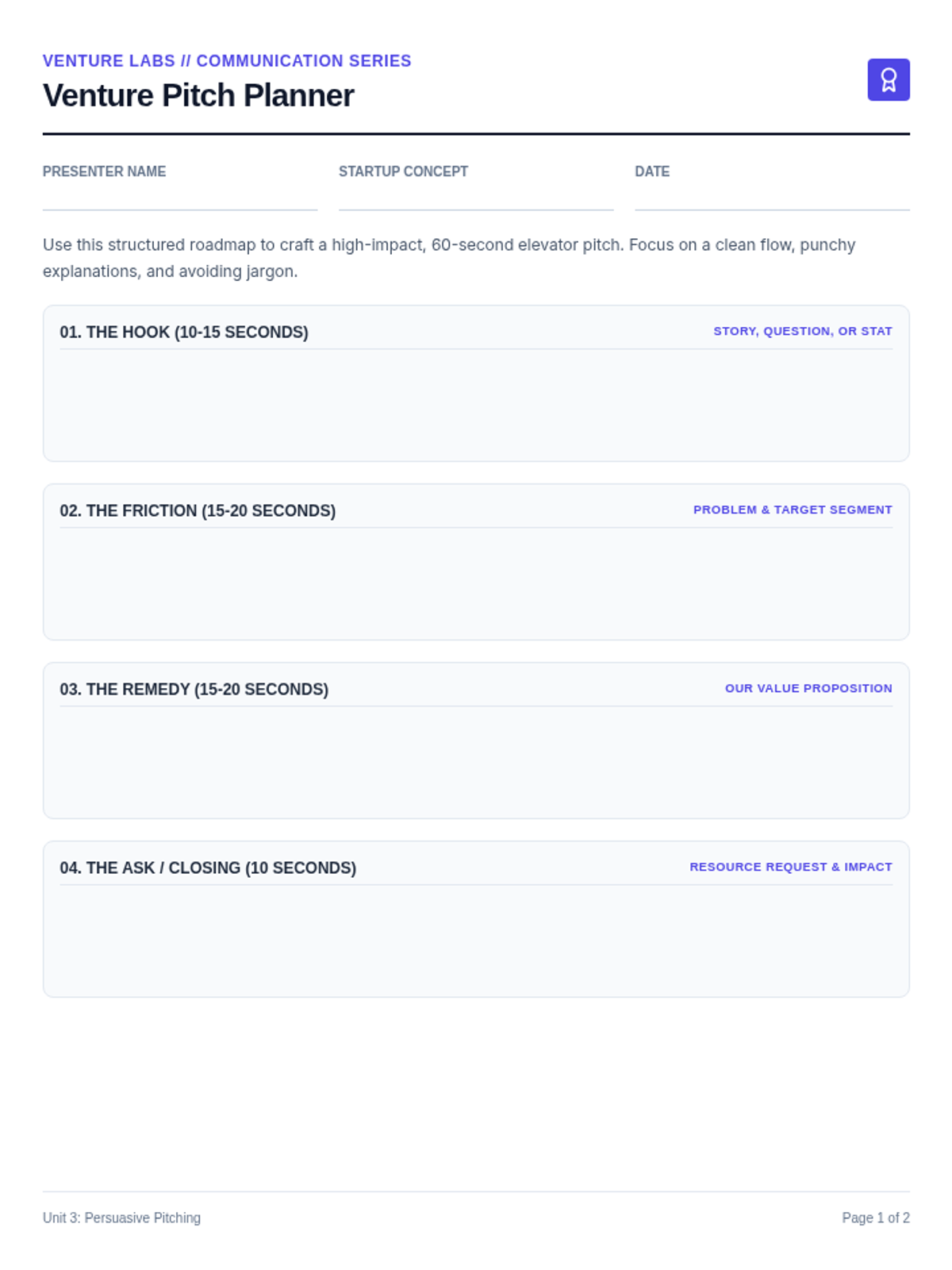
Craft a persuasive business pitch and deliver/review startup presentations to simulate a real-world investor round.
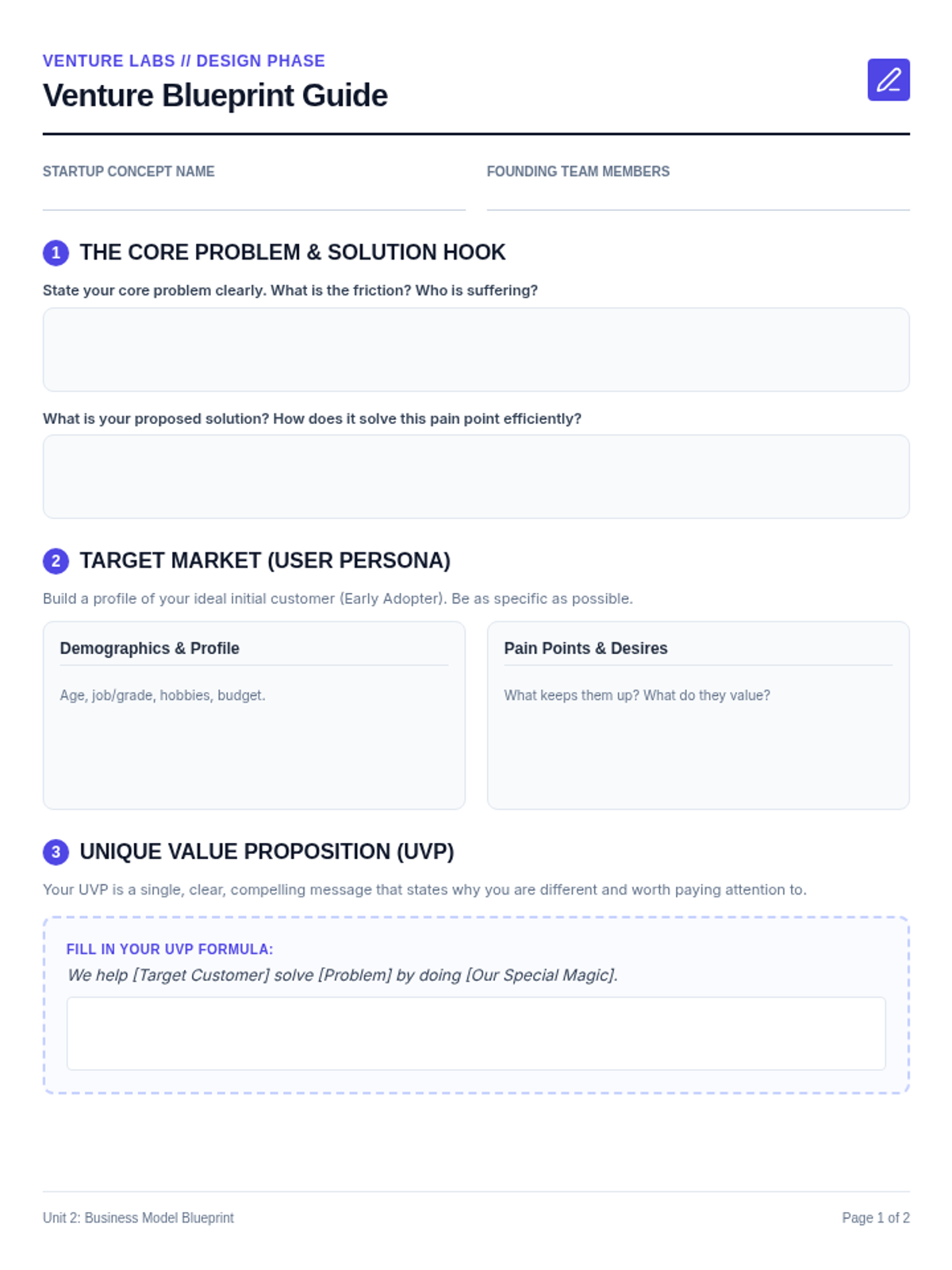
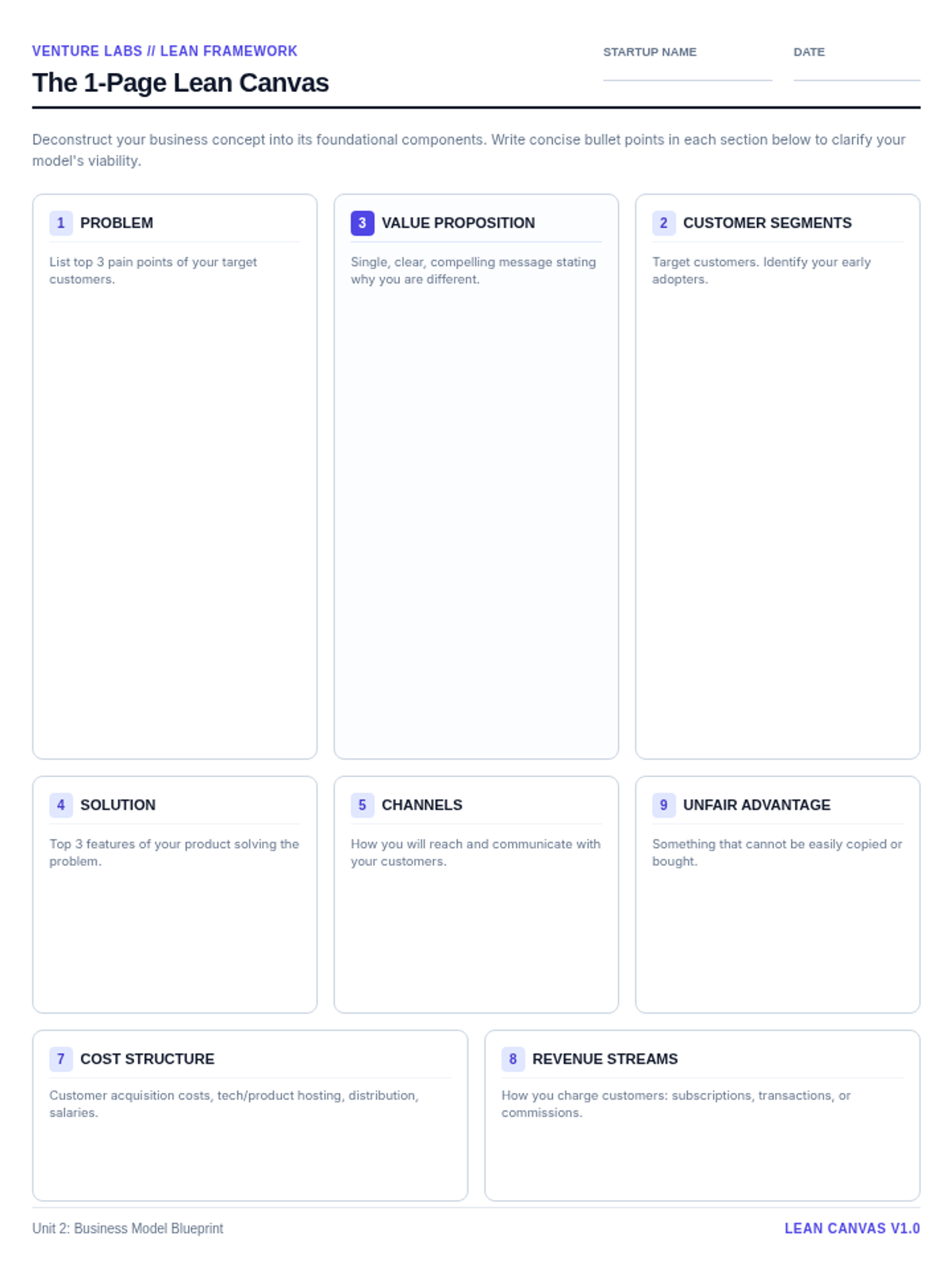
Deconstruct business model basics and complete a streamlined Lean Canvas for a student-led venture concept.
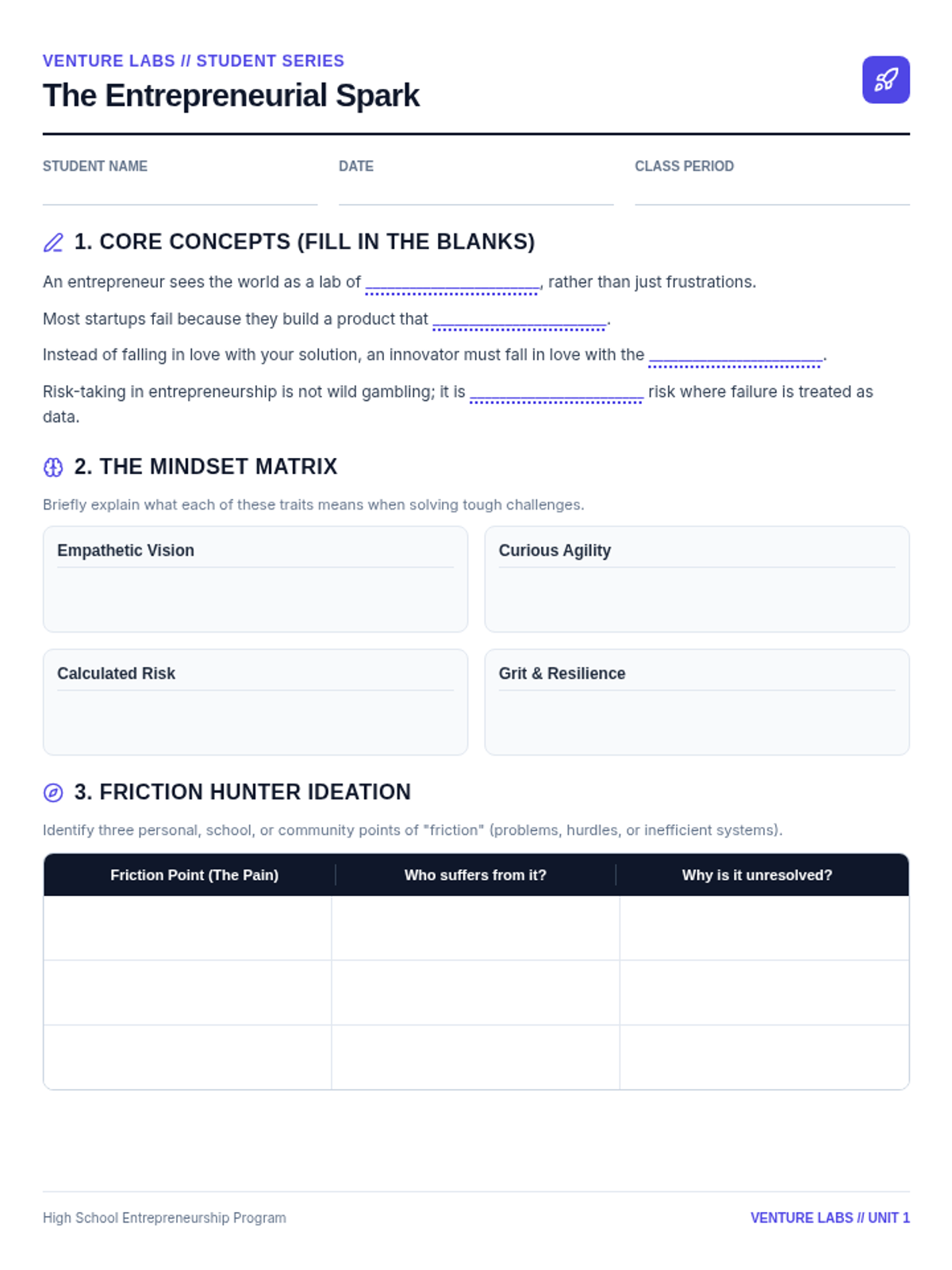
Explore the entrepreneurial mindset, identify real-world problems, and brainstorm innovative startup solutions.
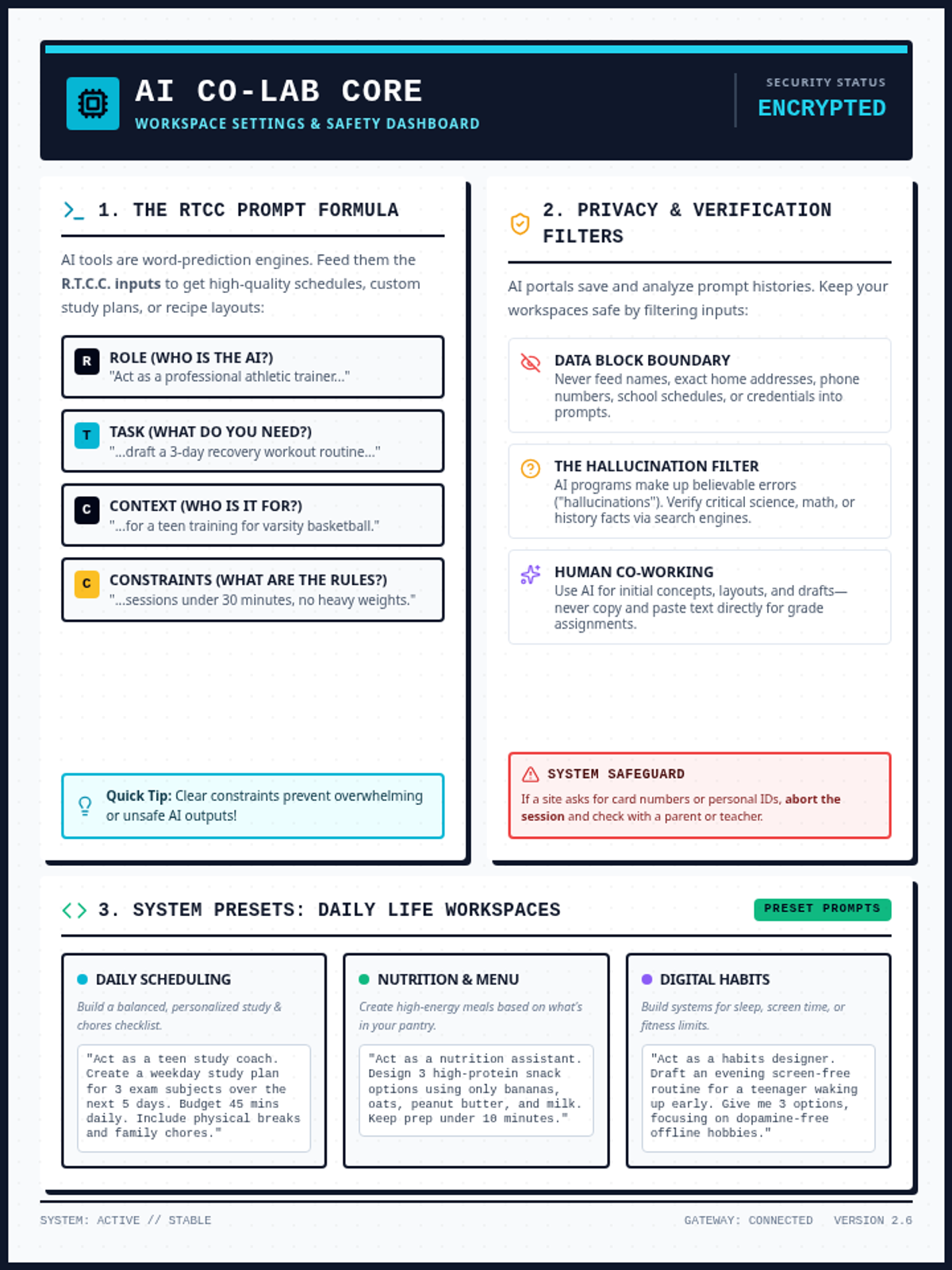
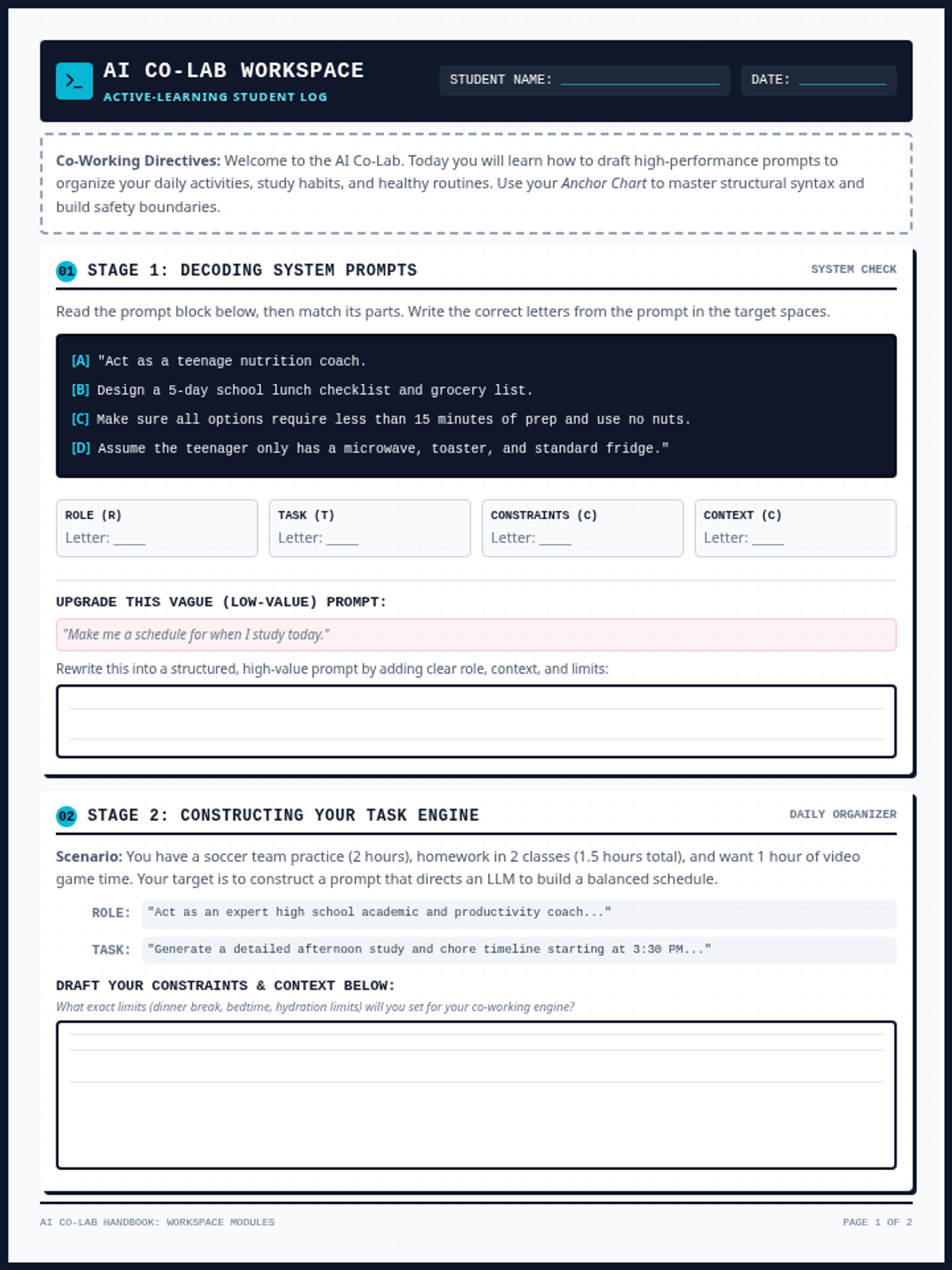
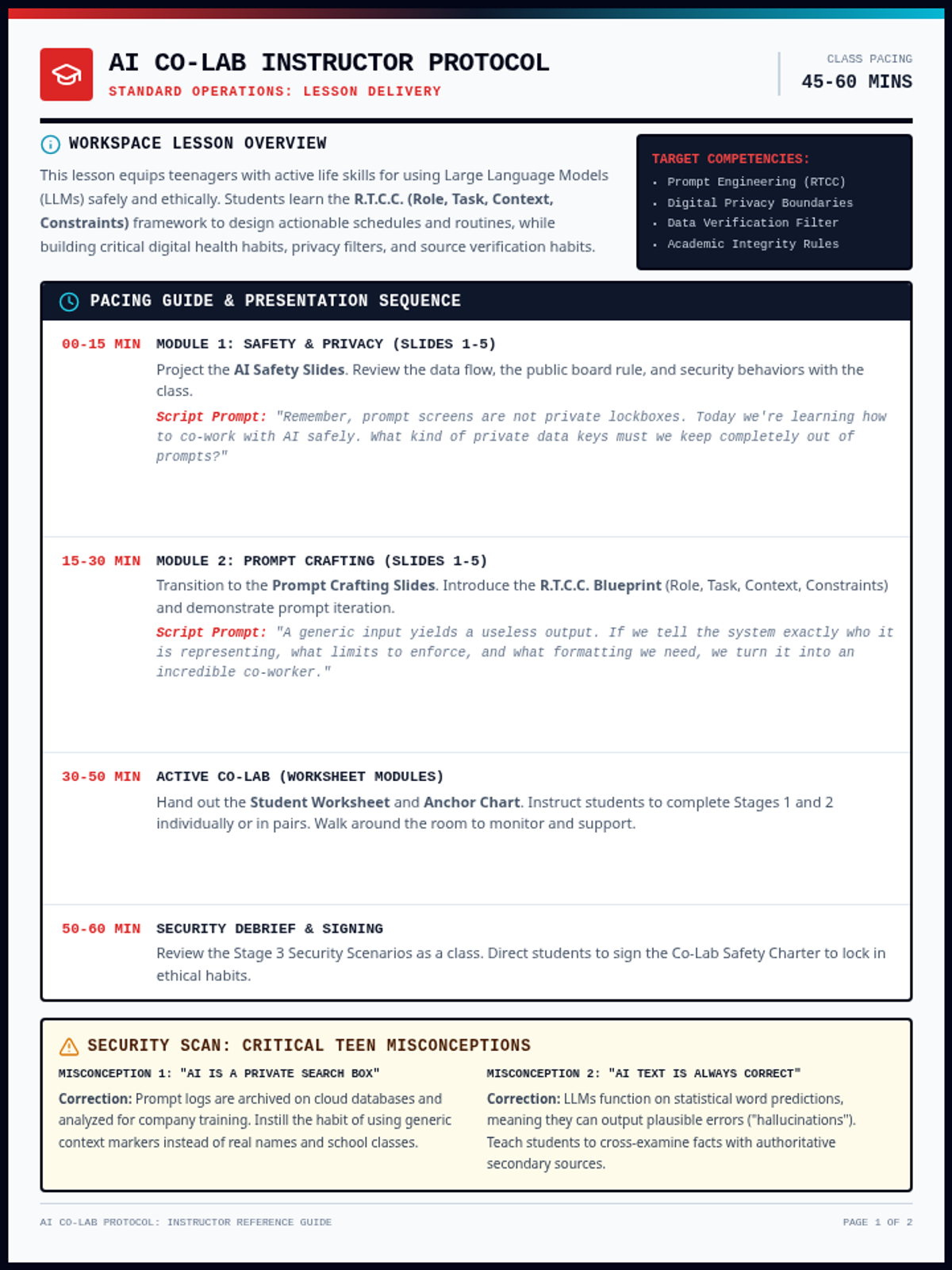
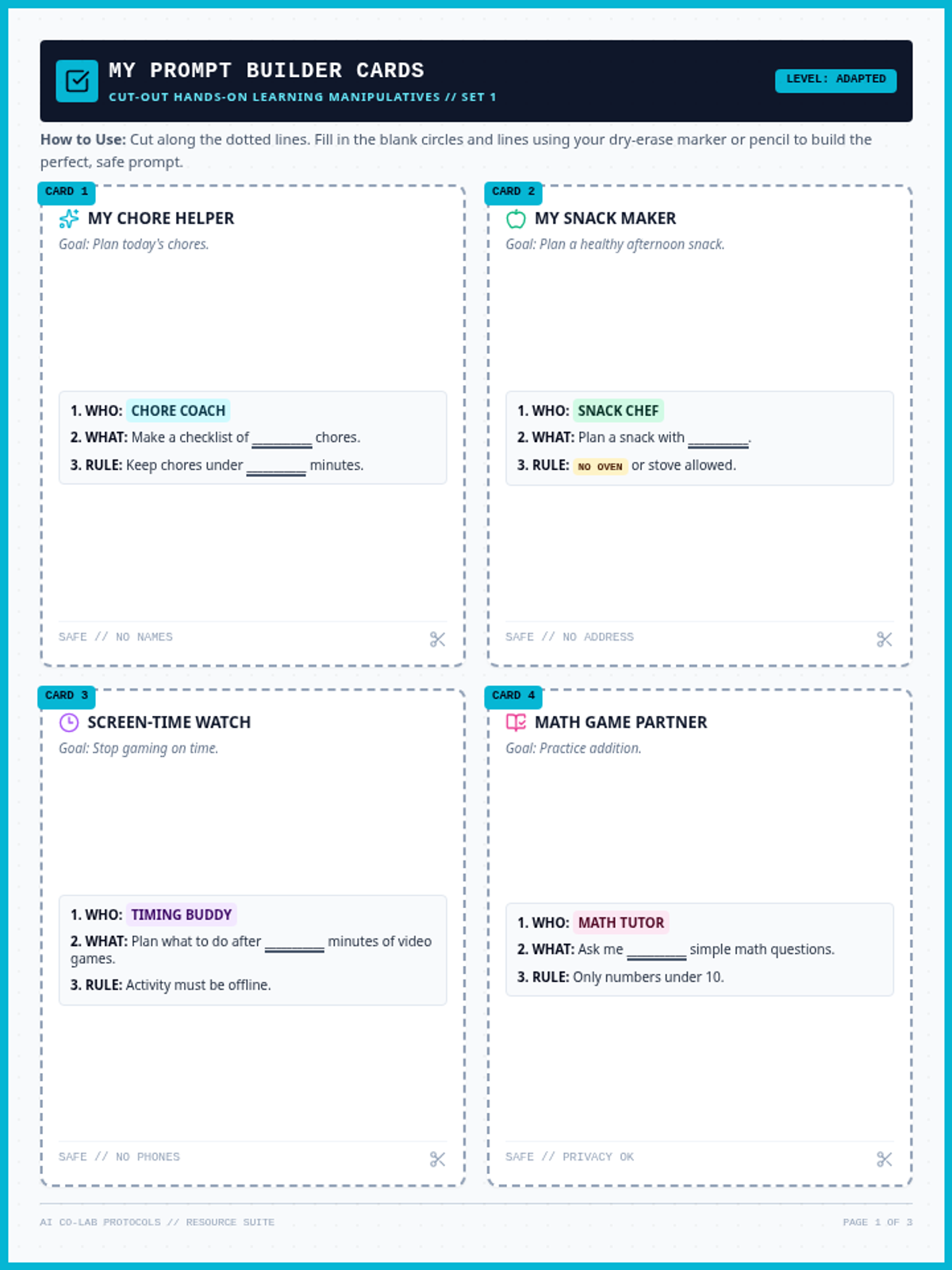
A complete guide for teenagers to responsibly use AI for everyday learning tasks, mastering critical safety habits, privacy boundaries, and advanced prompting techniques.
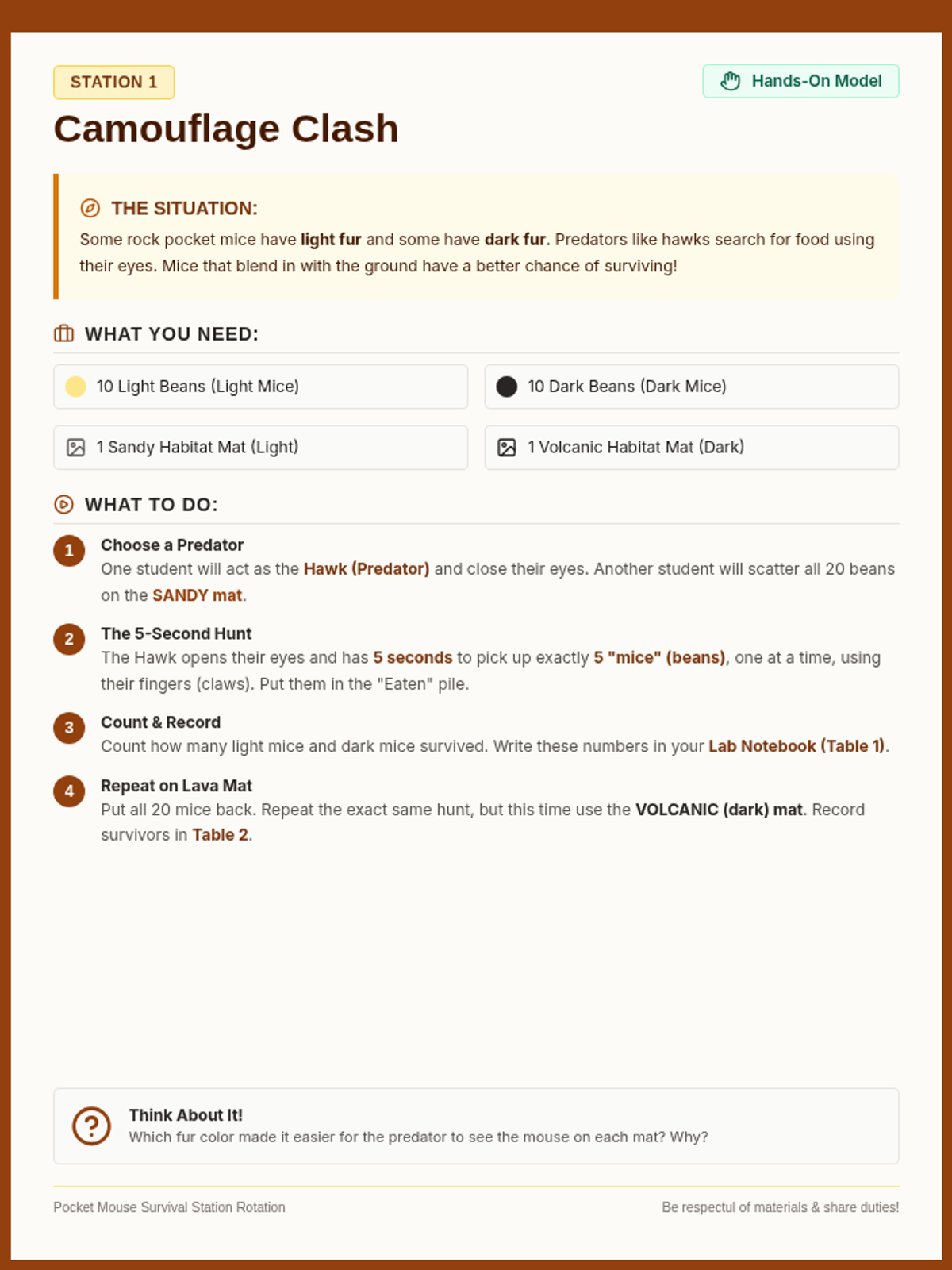
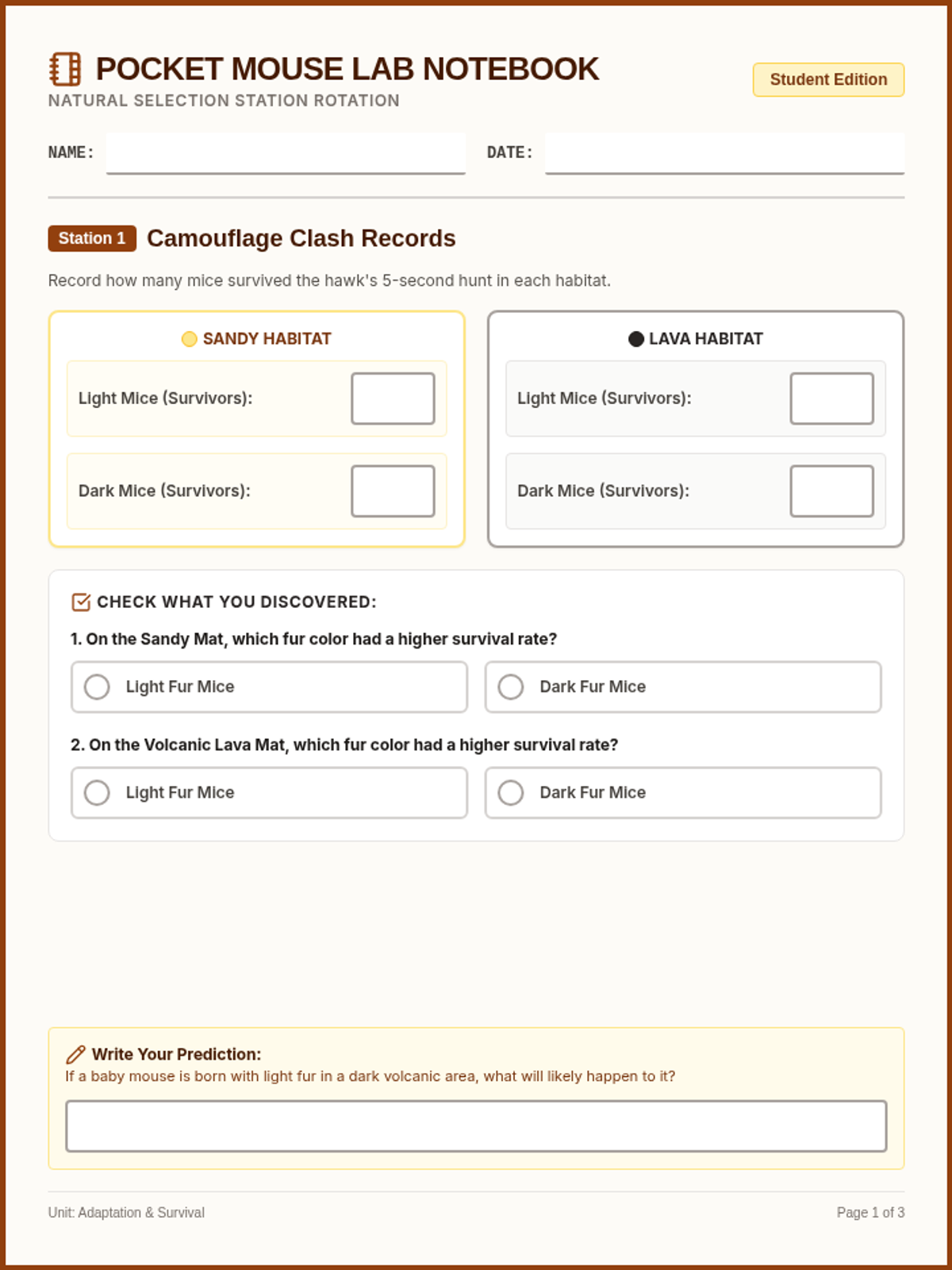
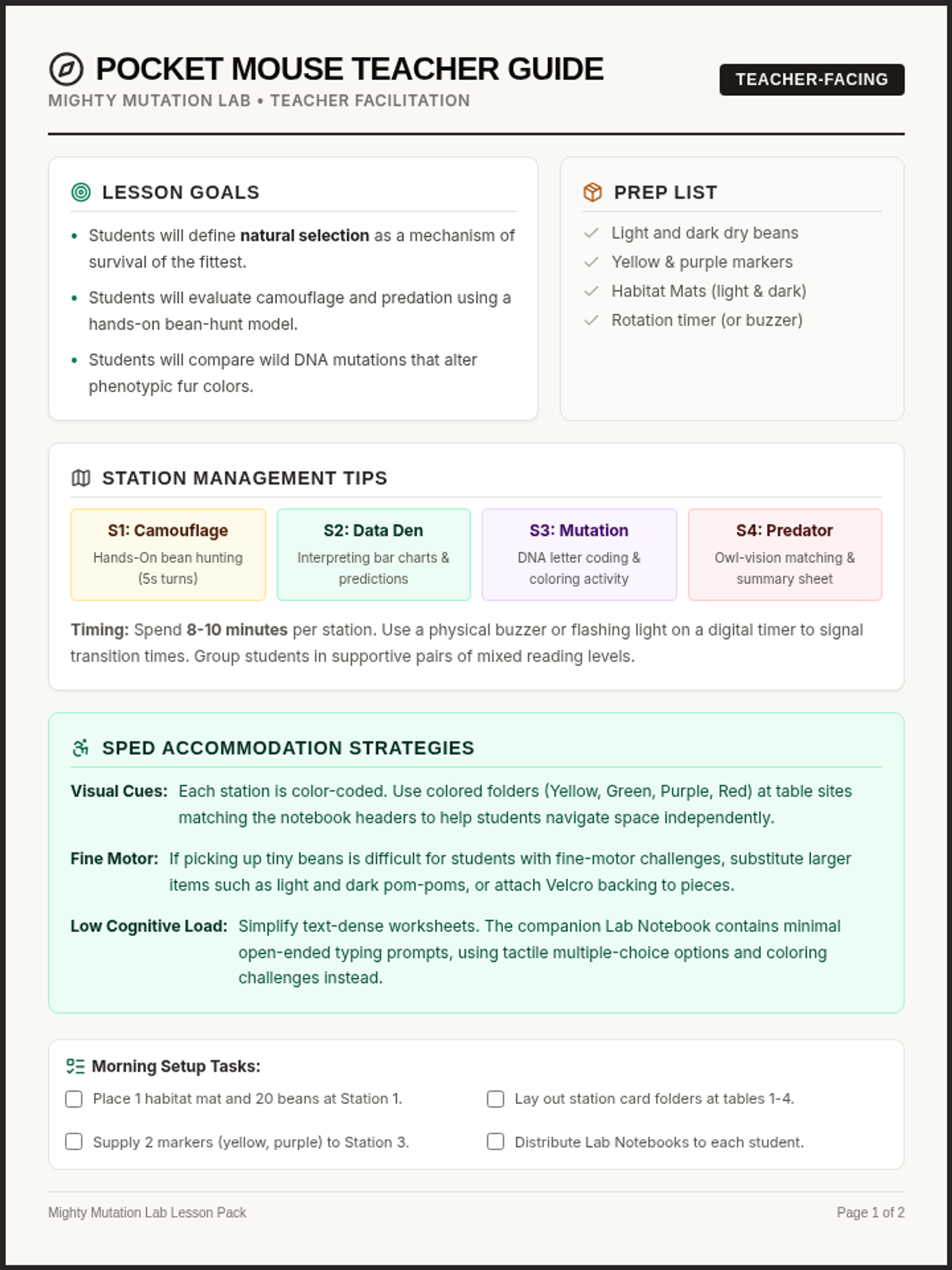
A Station Rotation Lab lesson focusing on natural selection and survival of the fittest using the real-world Rock Pocket Mouse scenario, designed to be high school special education friendly.
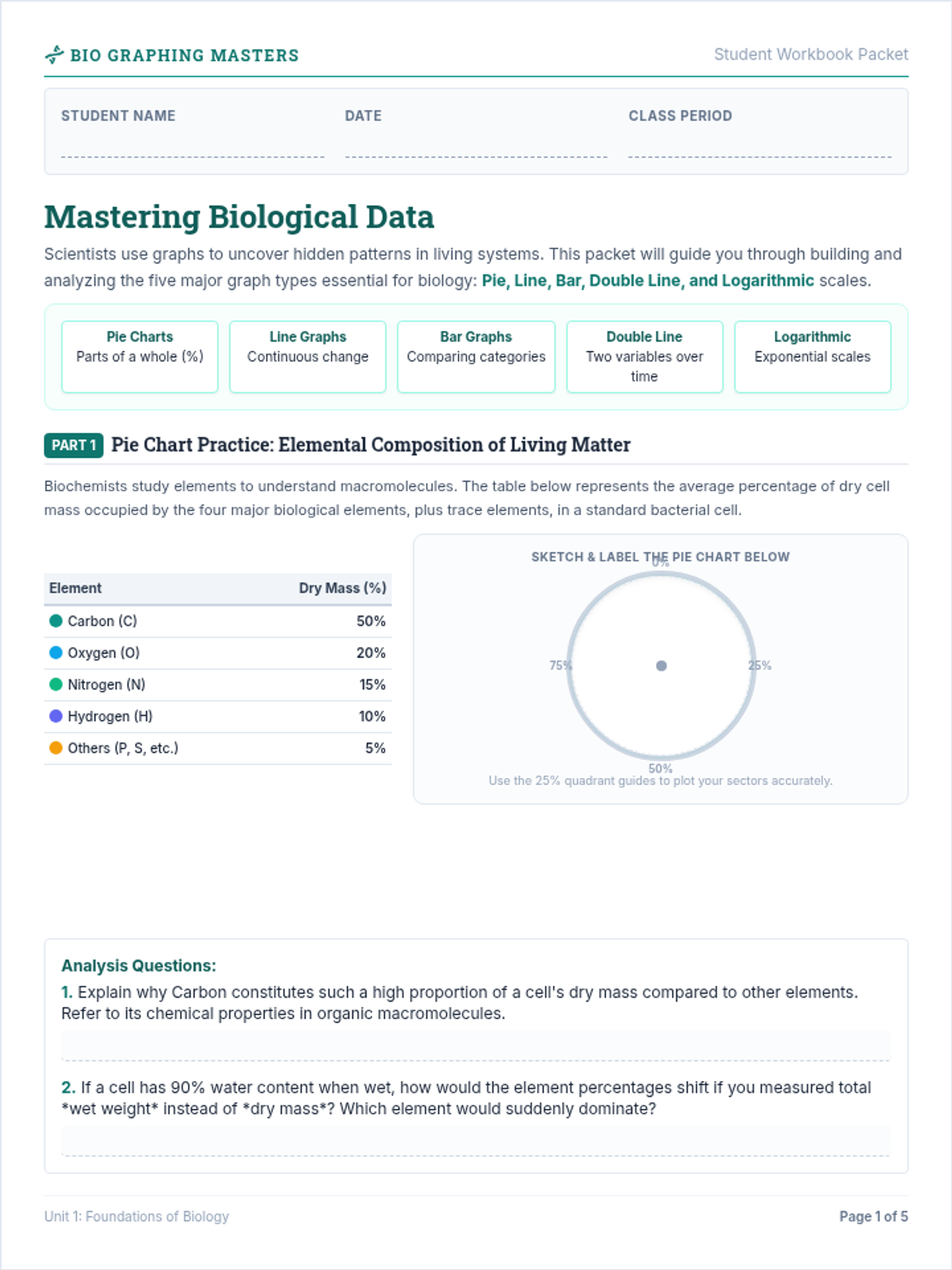
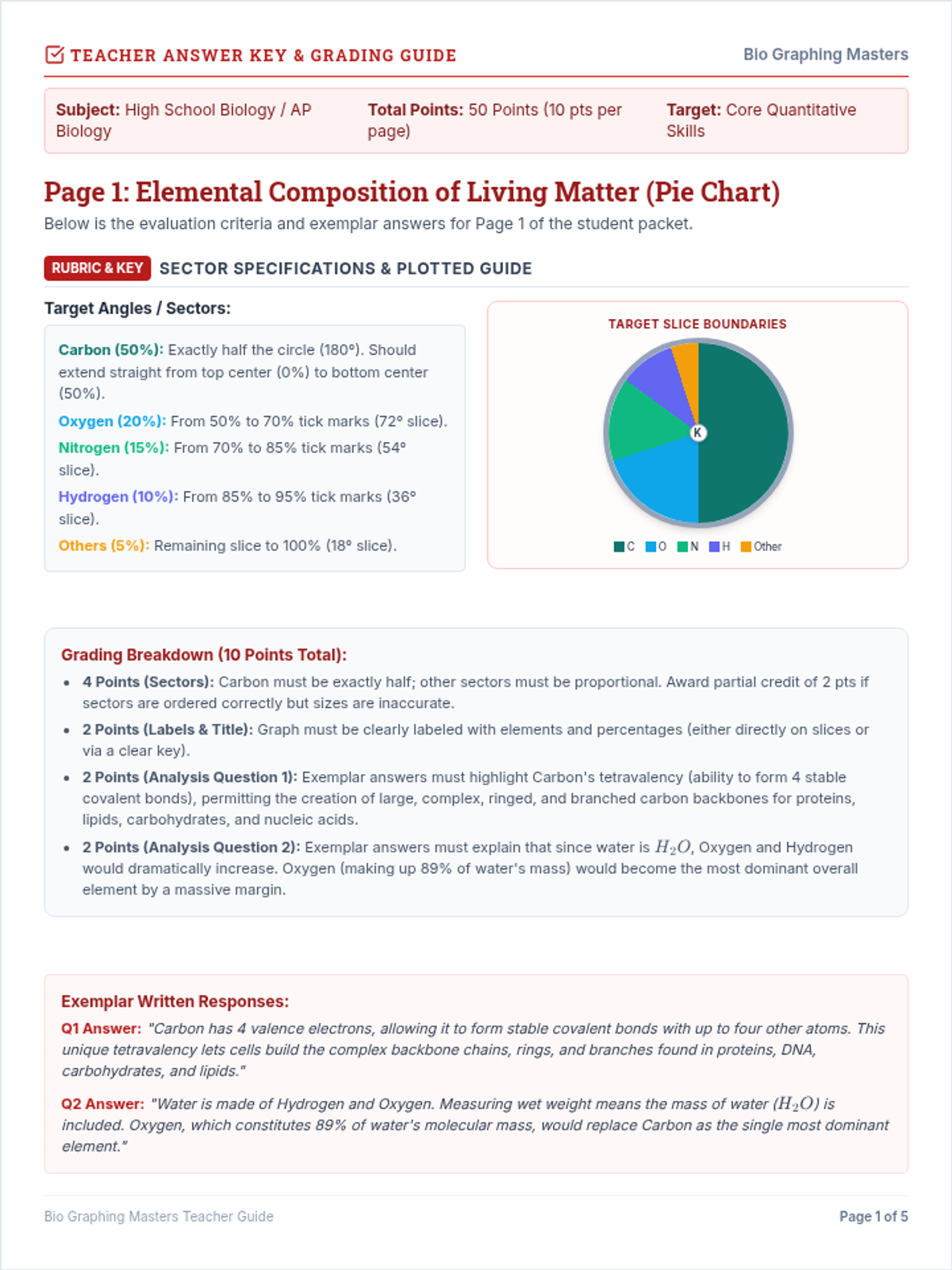
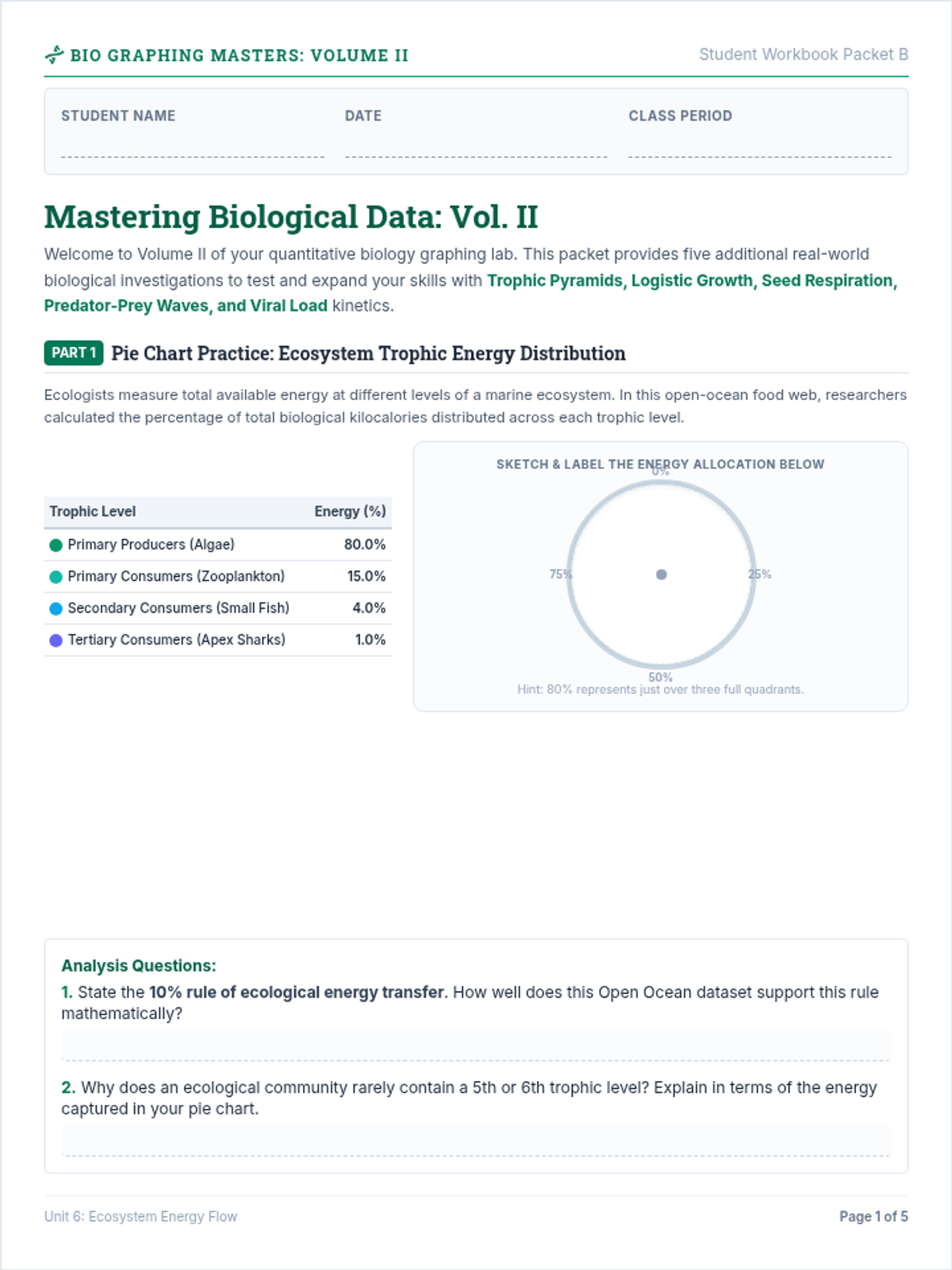
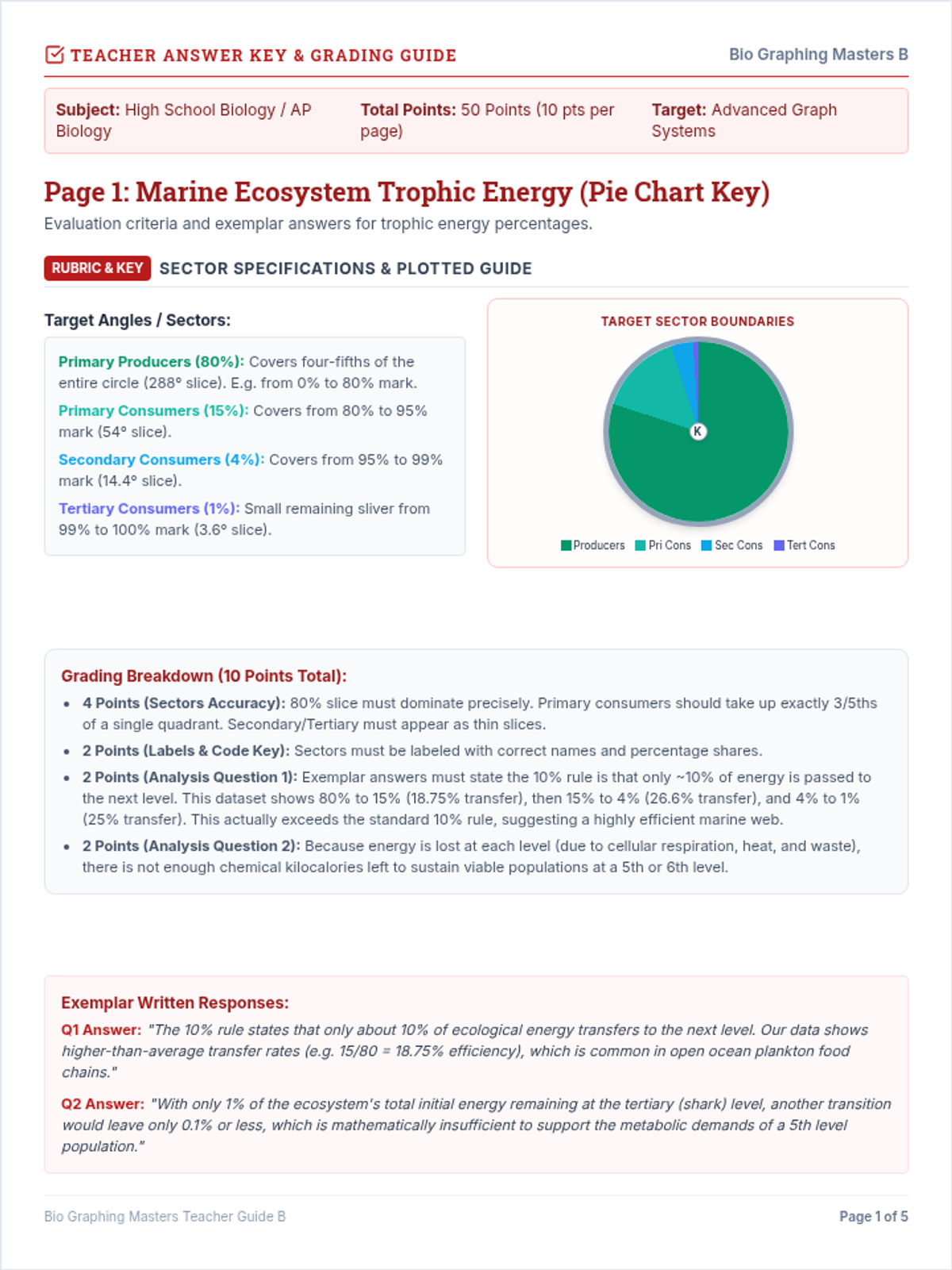
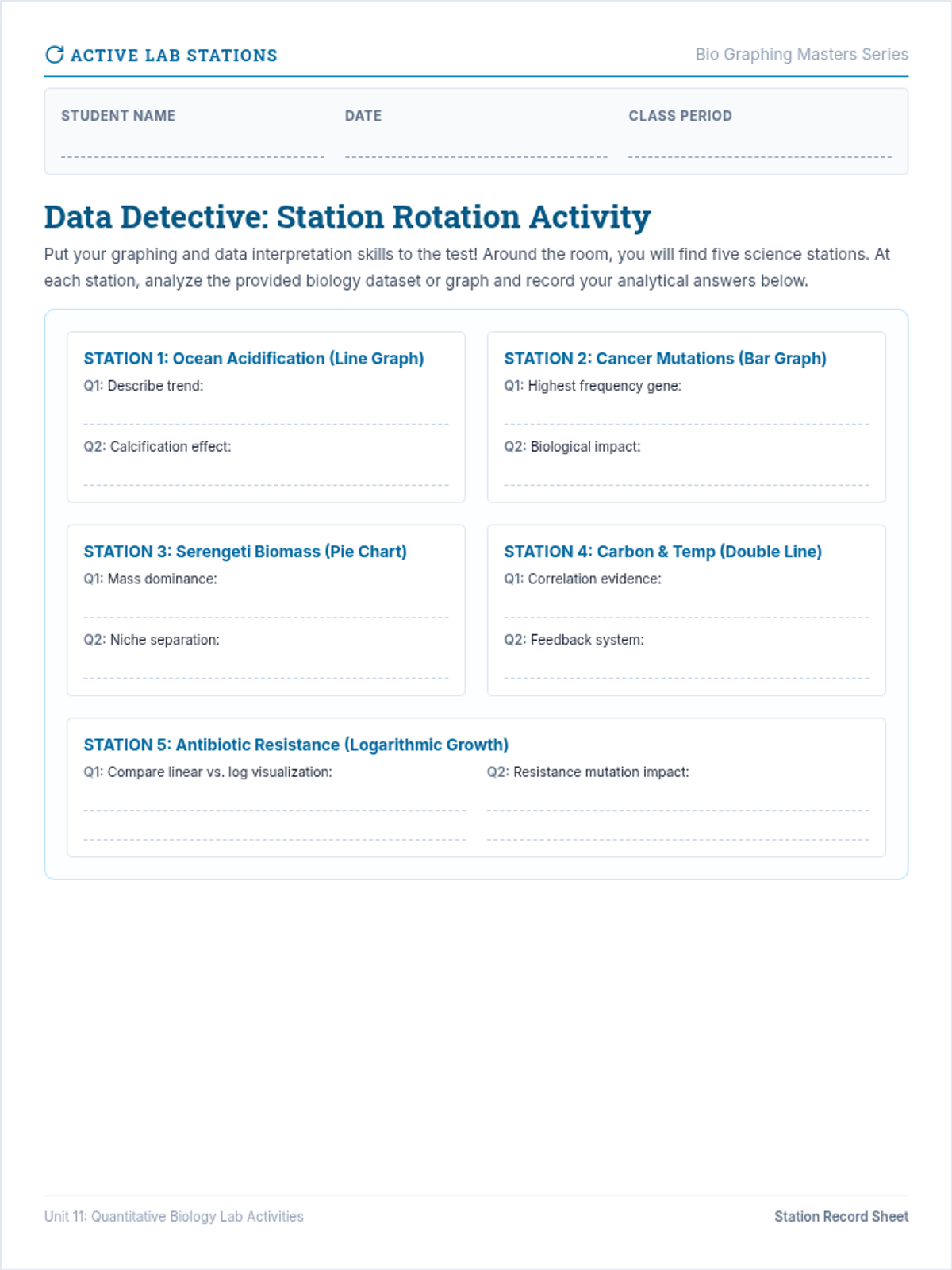
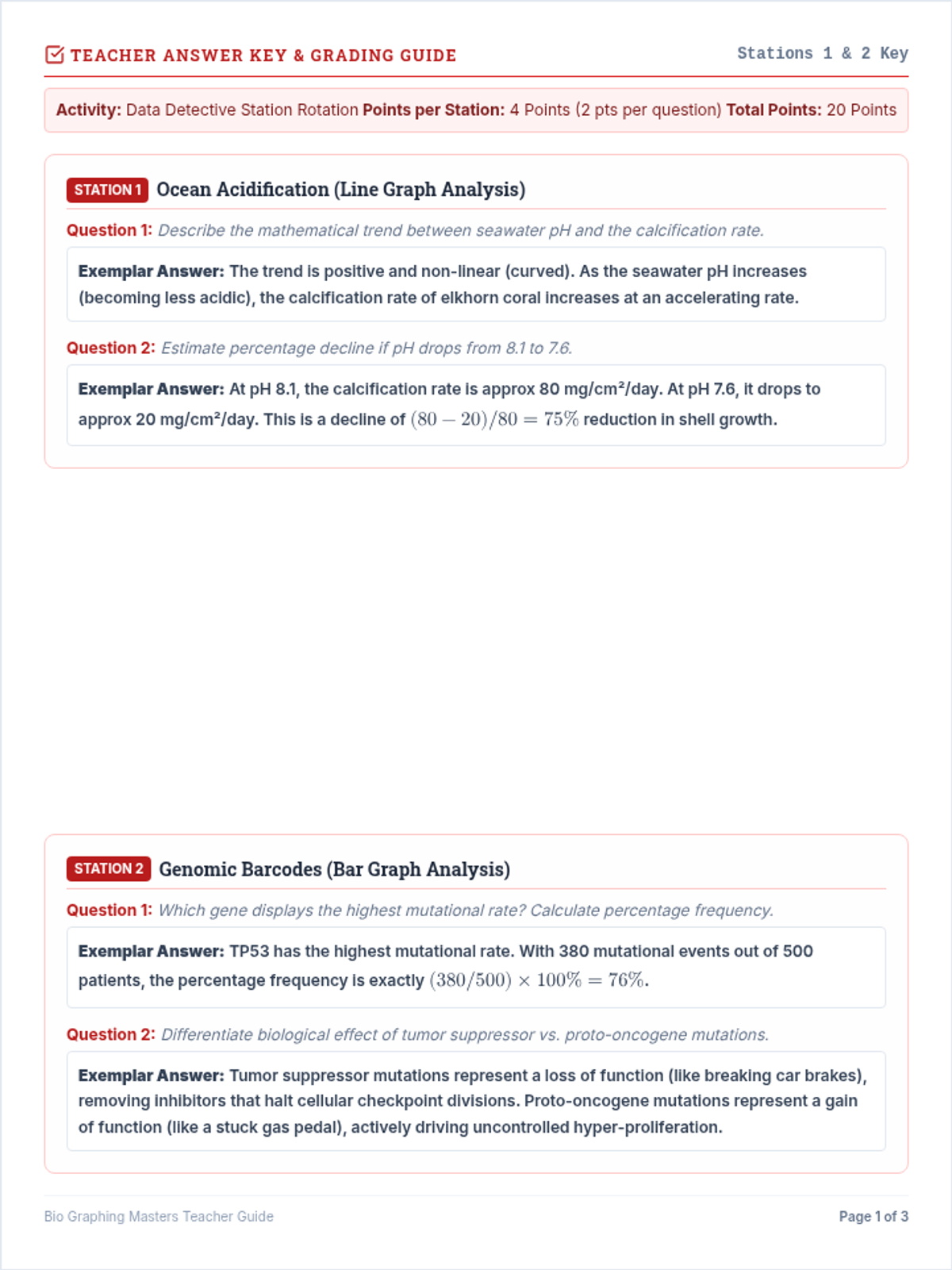
A comprehensive graphing skills lesson in biology. Students will learn how to parse, select, and construct five key graph types (pie, line, bar, double line, and logarithmic graphs) using authentic biological datasets.