Students are introduced to a large map of the United States and learn to locate the capital city and other key historical sites. They practice cardinal directions and map key skills to plot the 'stops' for their upcoming virtual road trip.
Master the essential terminology of Ancient Rome through visual and descriptive flashcards.
Solve complex multiplication word problems using multiple strategies including arrays and area models.
Track and reflect on daily reading progress with differentiated logs for various ability levels.
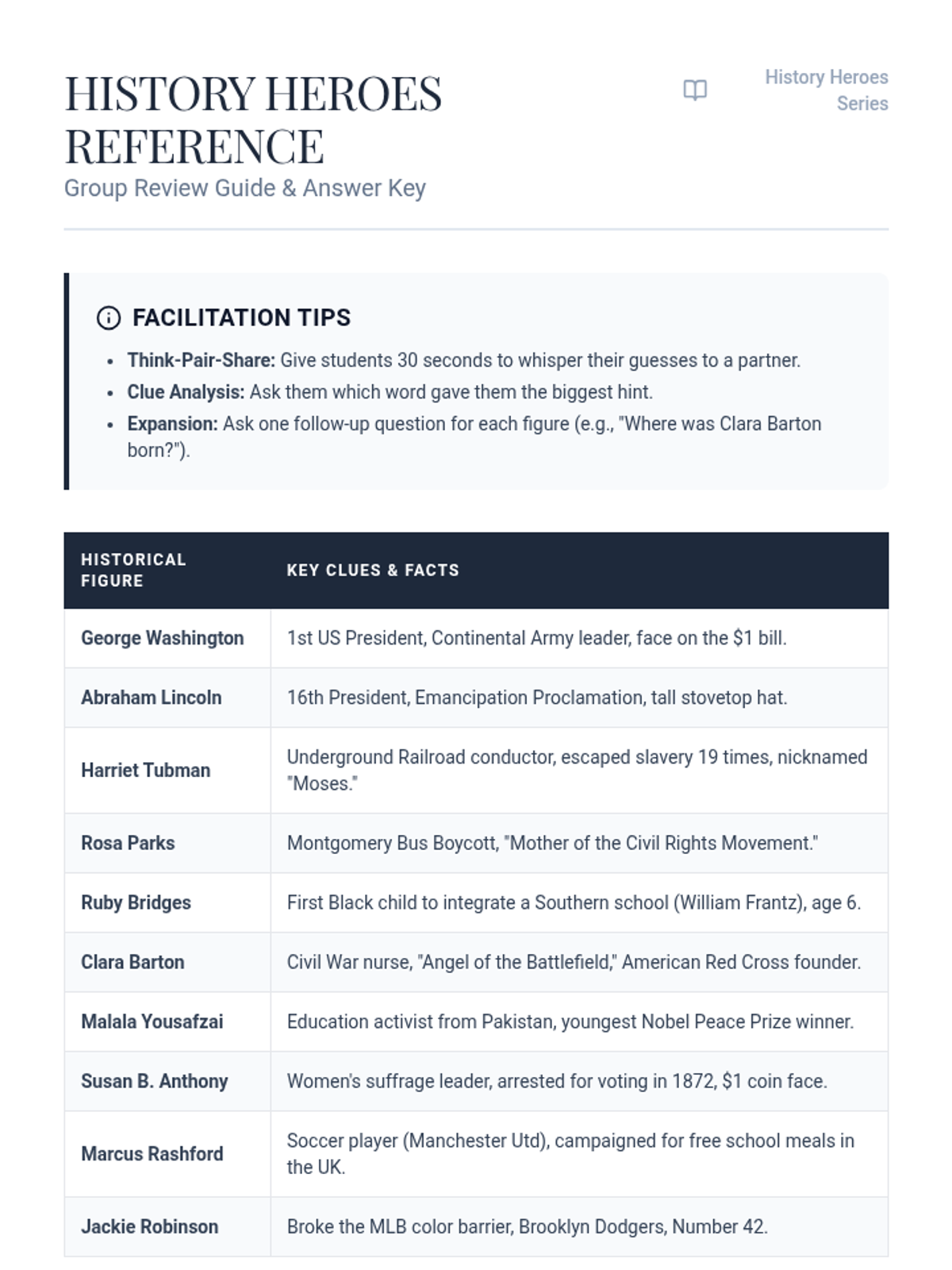
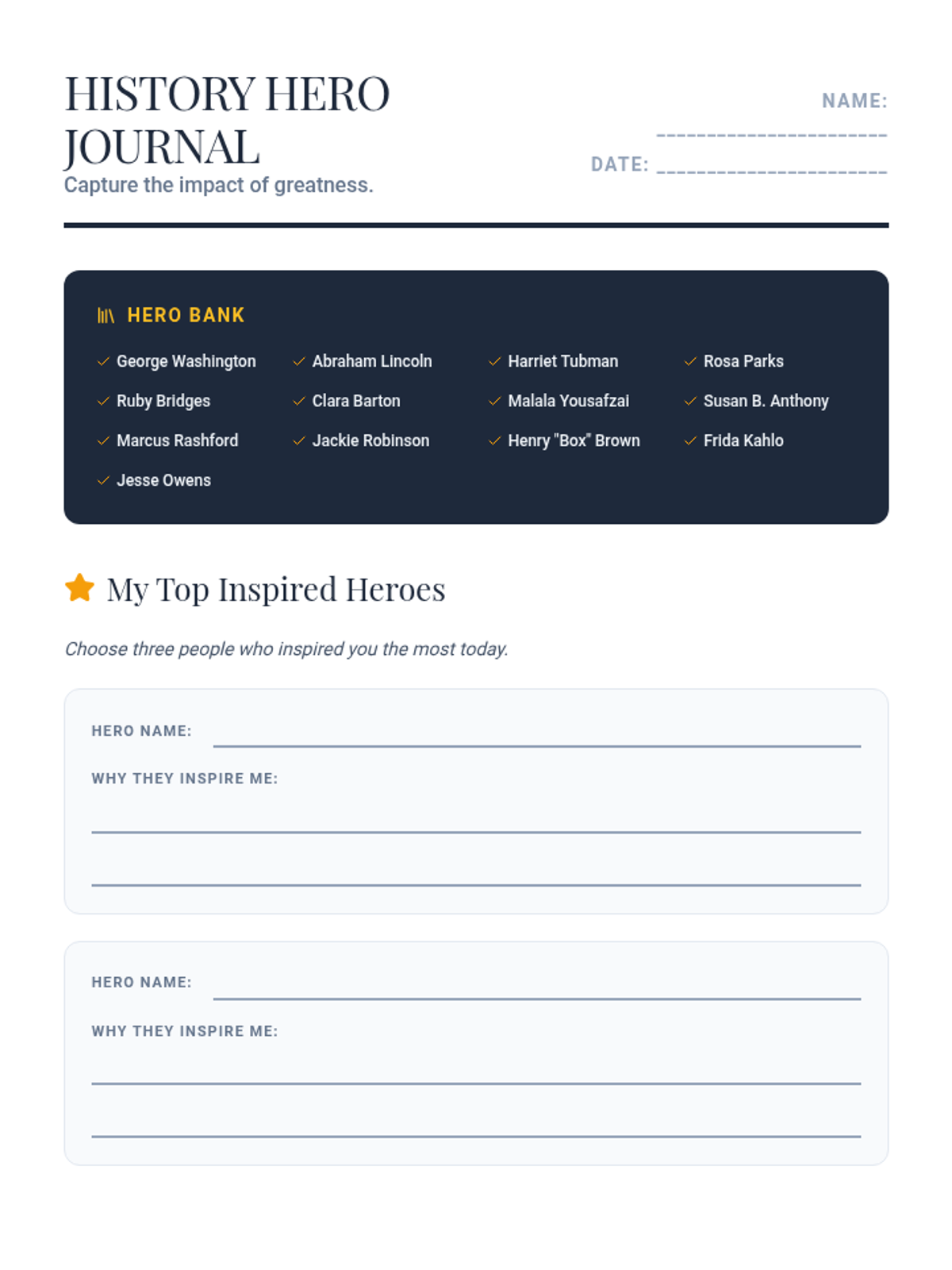
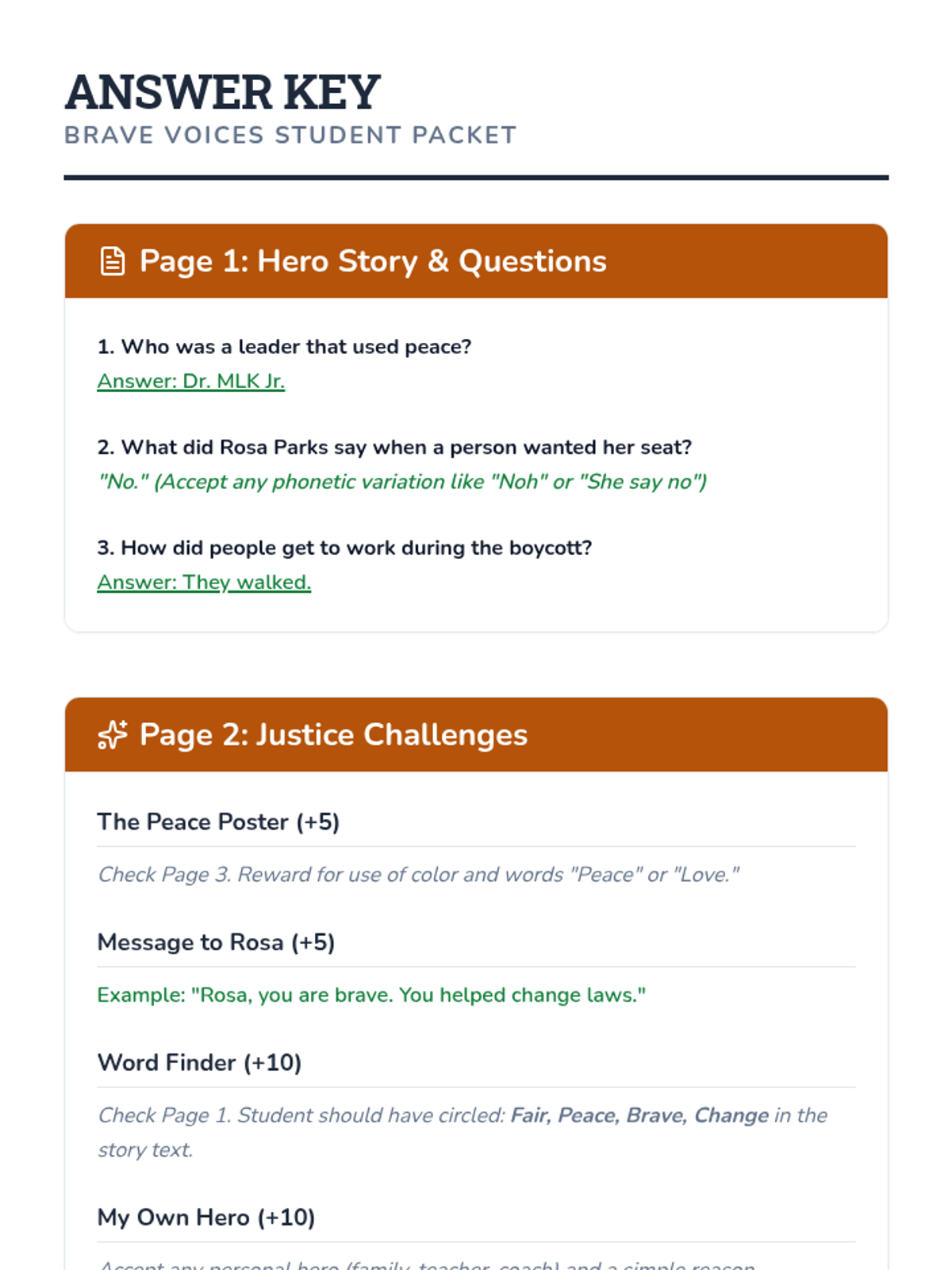
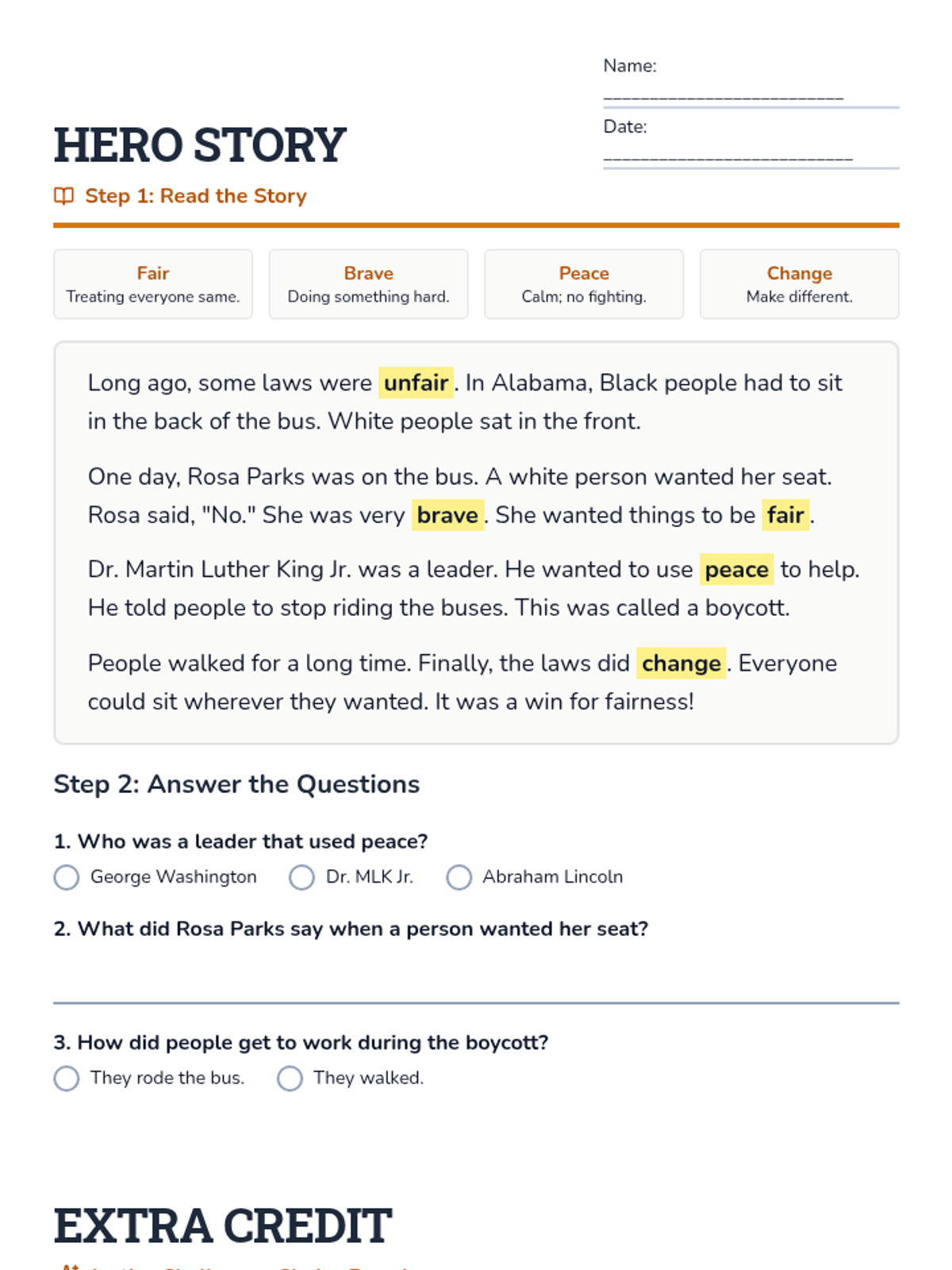
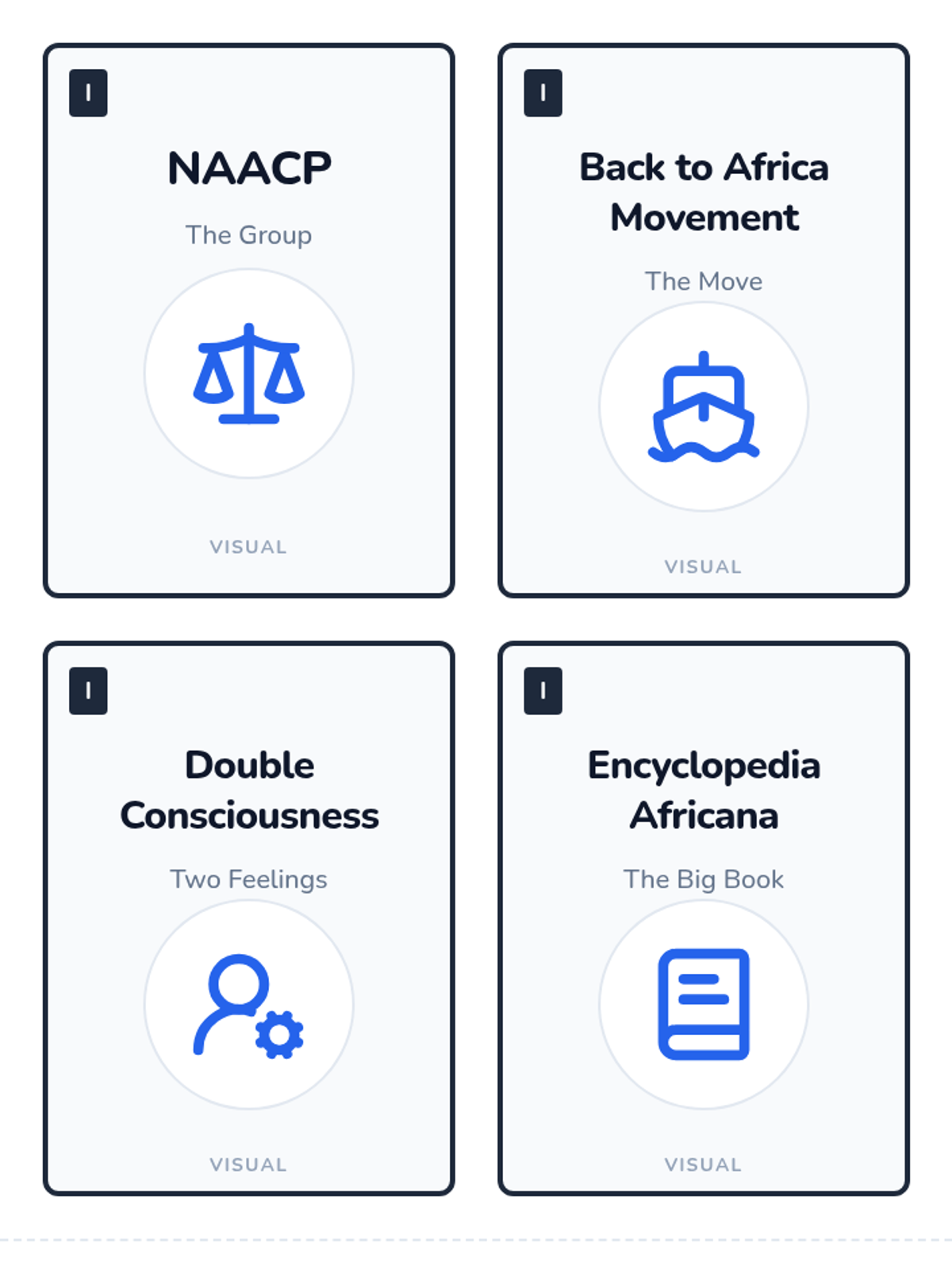
Analyze the key figures, events, and documents of the American Civil Rights Movement.
Explore how plants transform sunlight into energy through the process of photosynthesis.
A 30-45 minute lesson exploring both the religious origins and secular traditions of Easter, including a social story for behavioral expectations and a symbol-matching activity.
Discover the shape of our nation through the US Map and review all symbols with a sorting challenge.
Explore the history and meaning of the Liberty Bell and the White House as symbols of independence and leadership.
Introduce the concept of national symbols and focus on the American Flag and the Bald Eagle as symbols of freedom and strength.
A lesson investigating the political instability that led to the Fall of Rome, featuring differentiated evidence files for diverse reading levels. Students work collaboratively to diagnose the empire's 'political sickness.'
A comprehensive lesson on the colonial bread-making process, featuring the roles of millers and bakers, bartering practices, and sequencing the steps from grain to loaf.
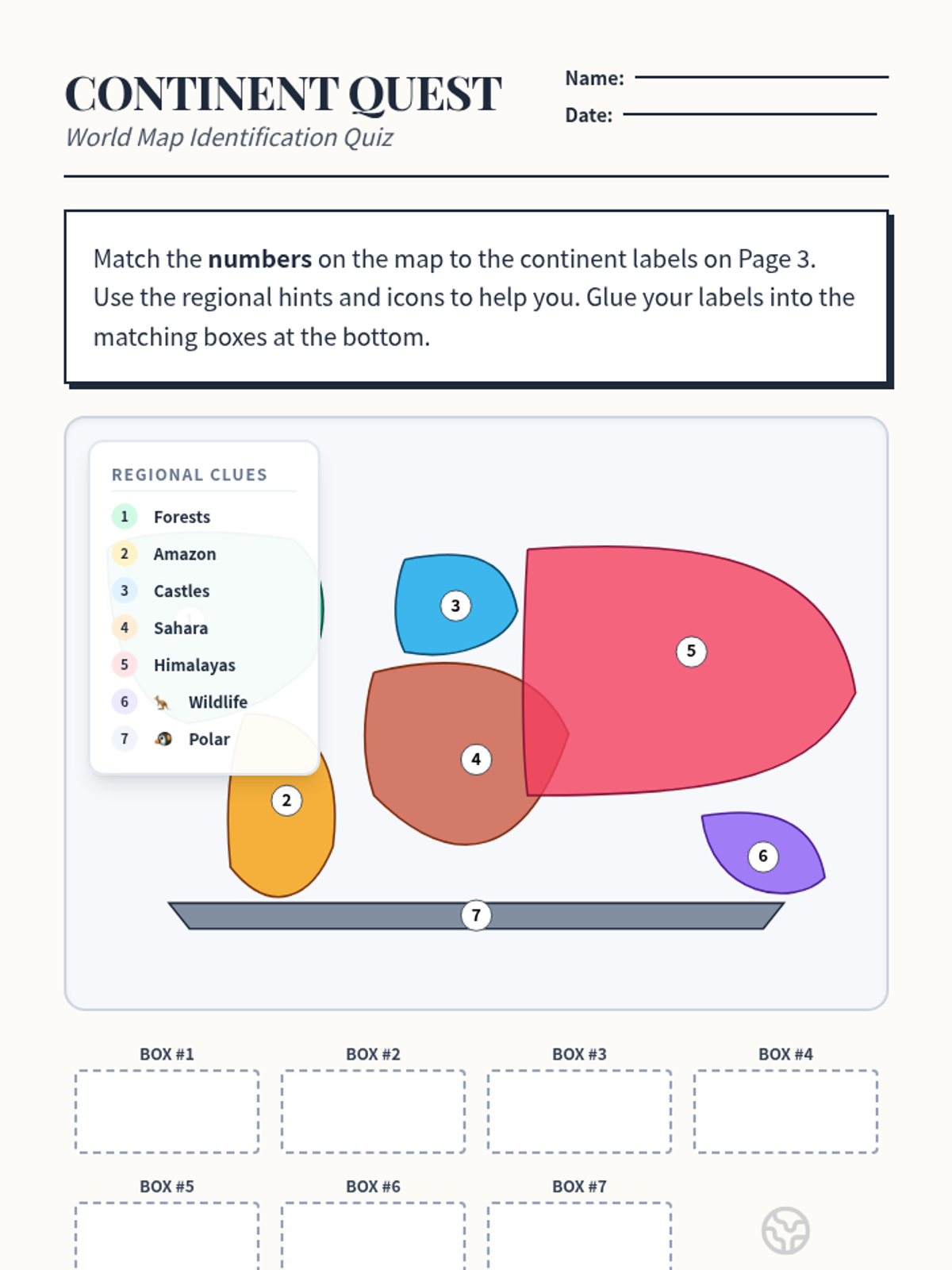
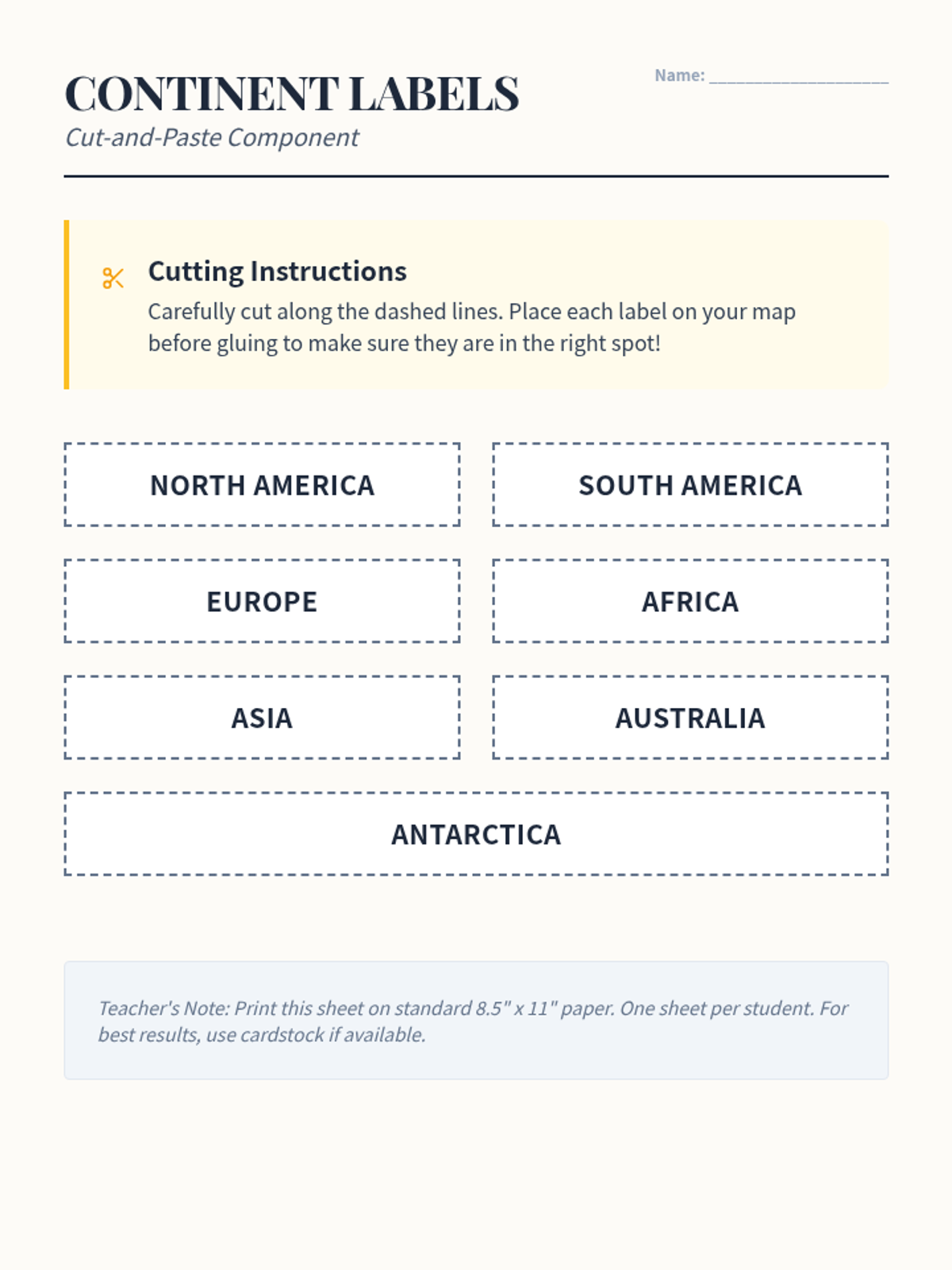
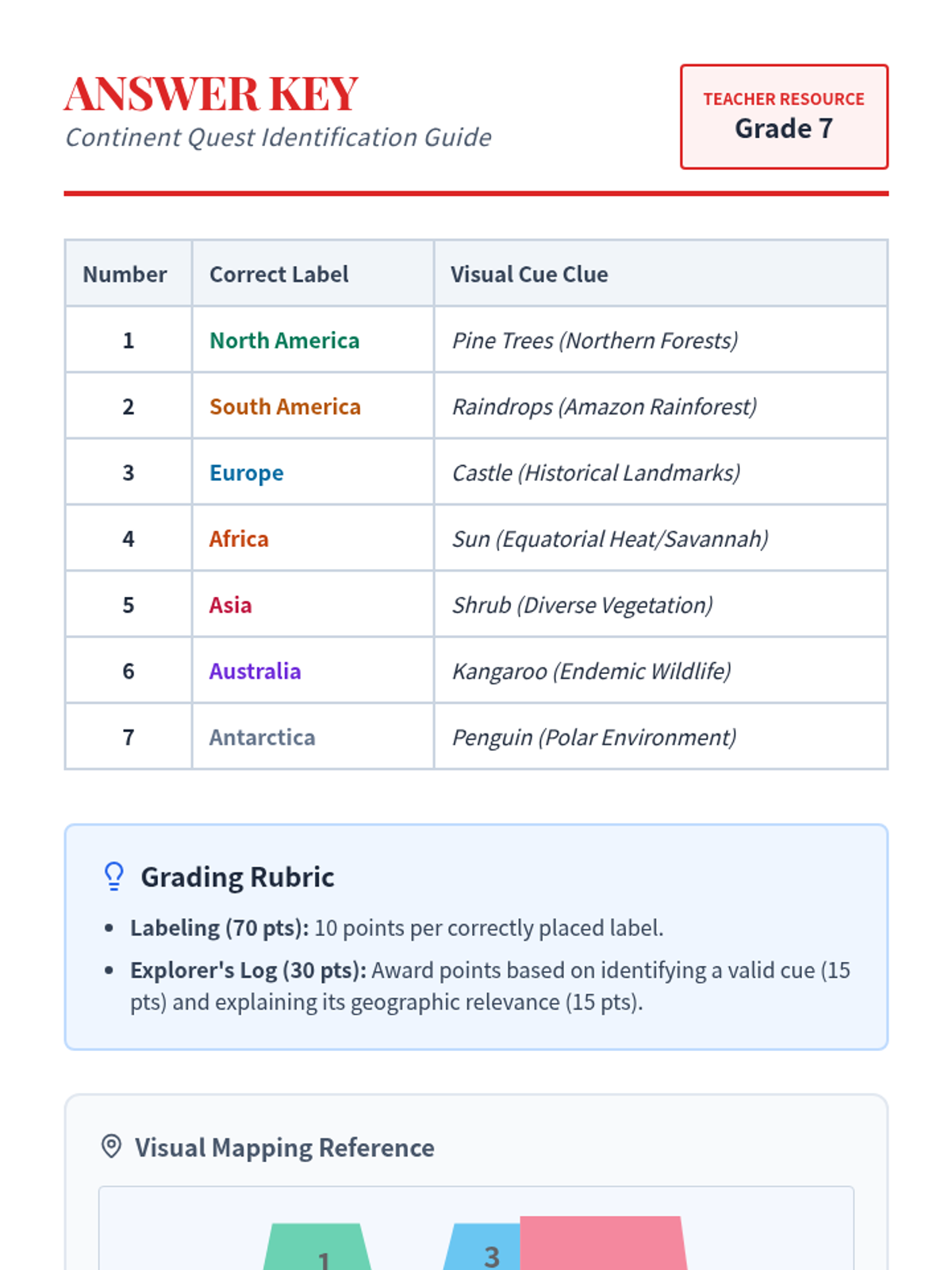
A quick visual identification activity where students recognize the seven continents by their silhouettes alone.
A 2nd-grade exploration of the Creek and Cherokee cultures, focusing on their unique environments, homes, and traditions in the Southeast.
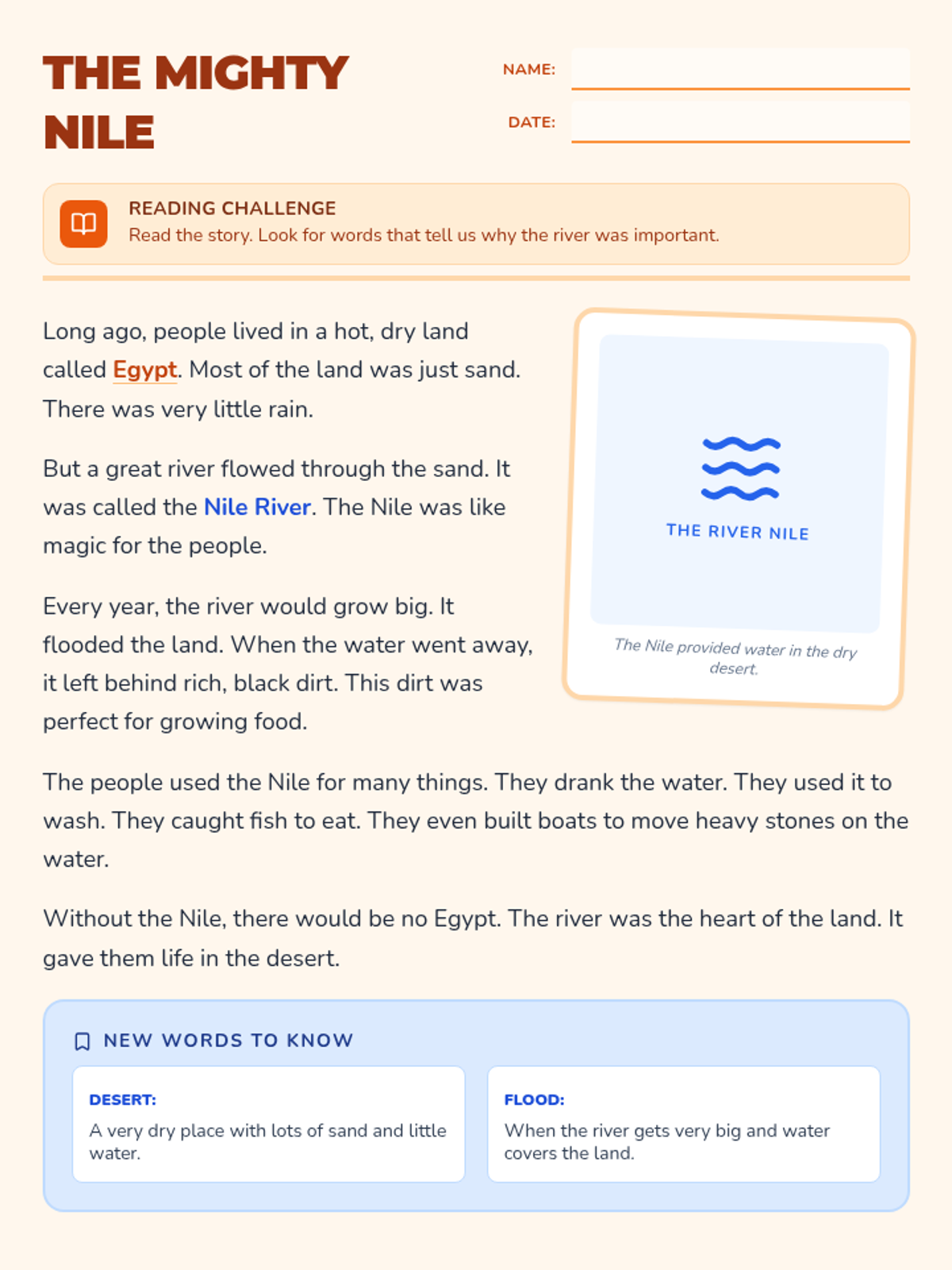
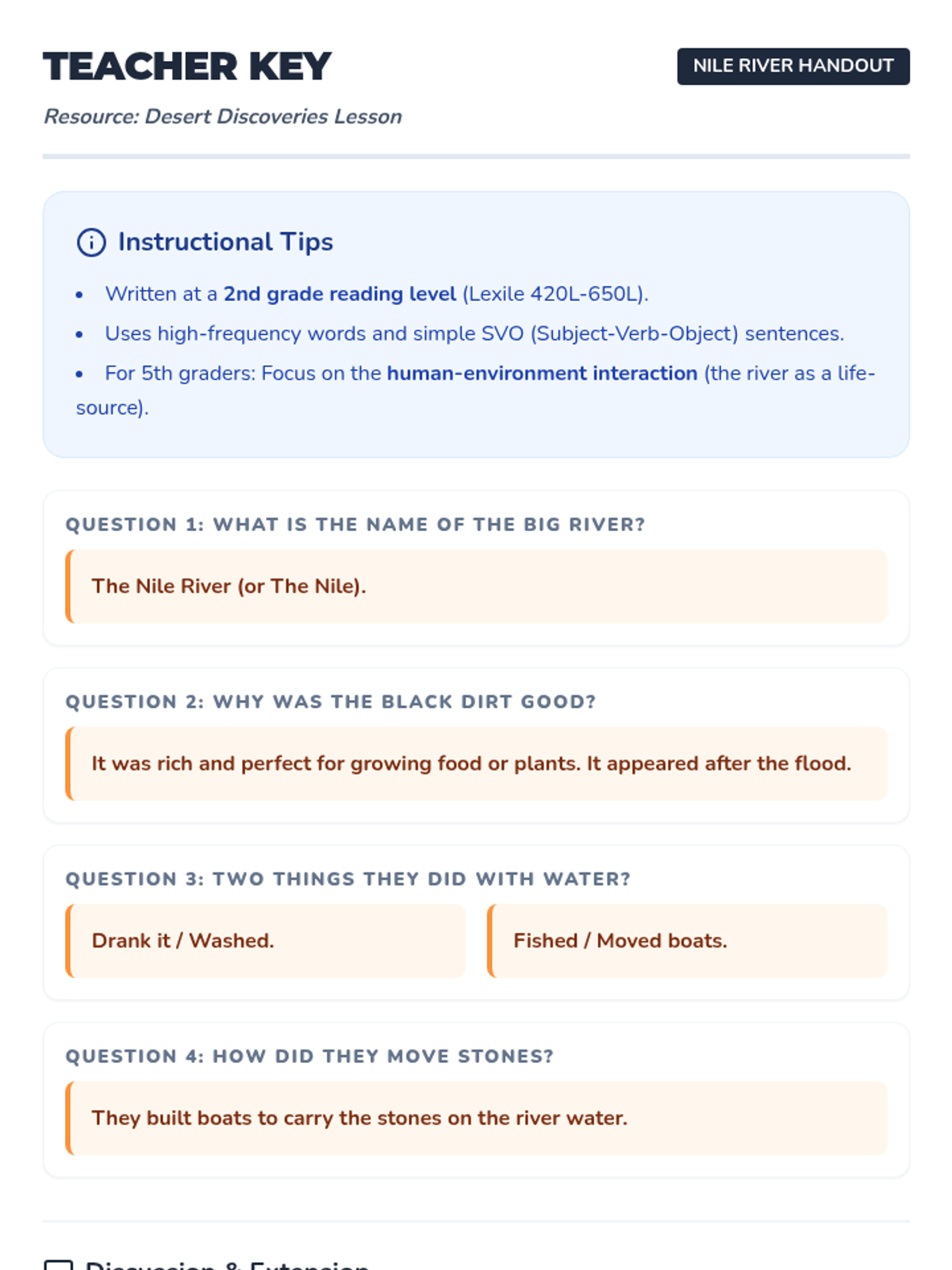
An introduction to the social structure and daily life of ancient Egyptians, focusing on pharaohs, workers, and travel on the Nile.