An introductory lesson on Ancient Egypt tailored for students reading at a 2nd-grade level, focusing on the importance of the Nile River for survival and civilization.
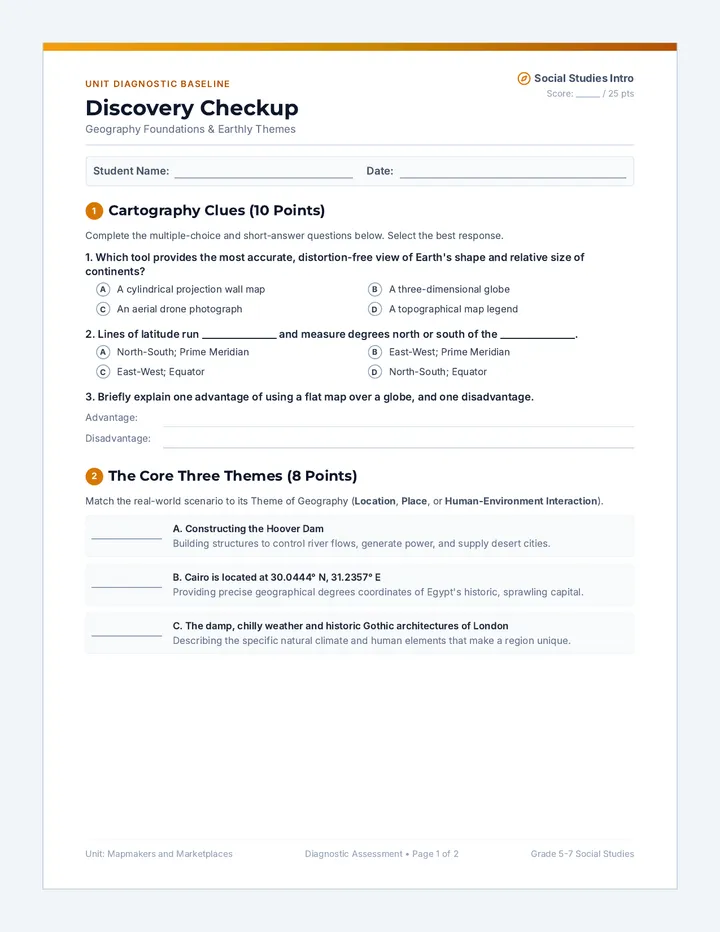
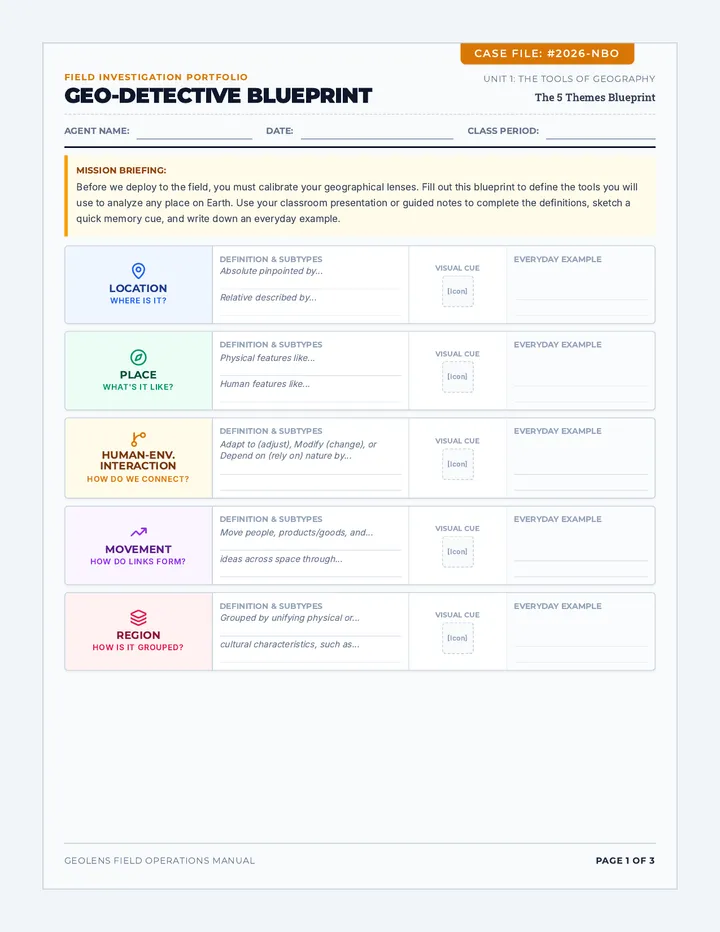
An introductory social studies sequence exploring geography foundations, core geographical themes, and basic economics. Students participate in highly interactive lessons, readings, task cards, and hands-on worksheets.
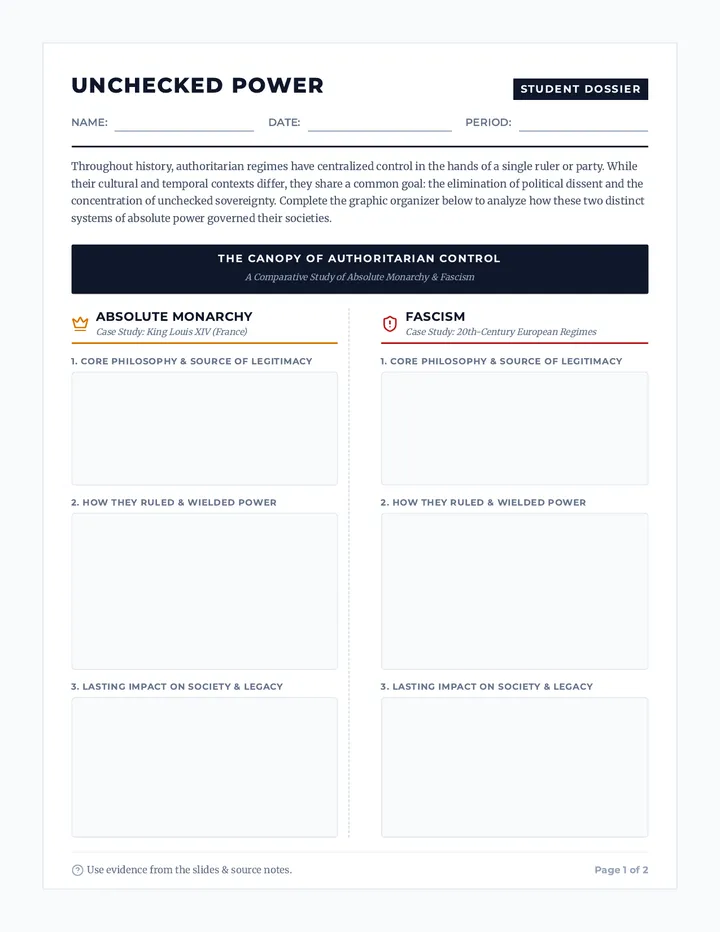
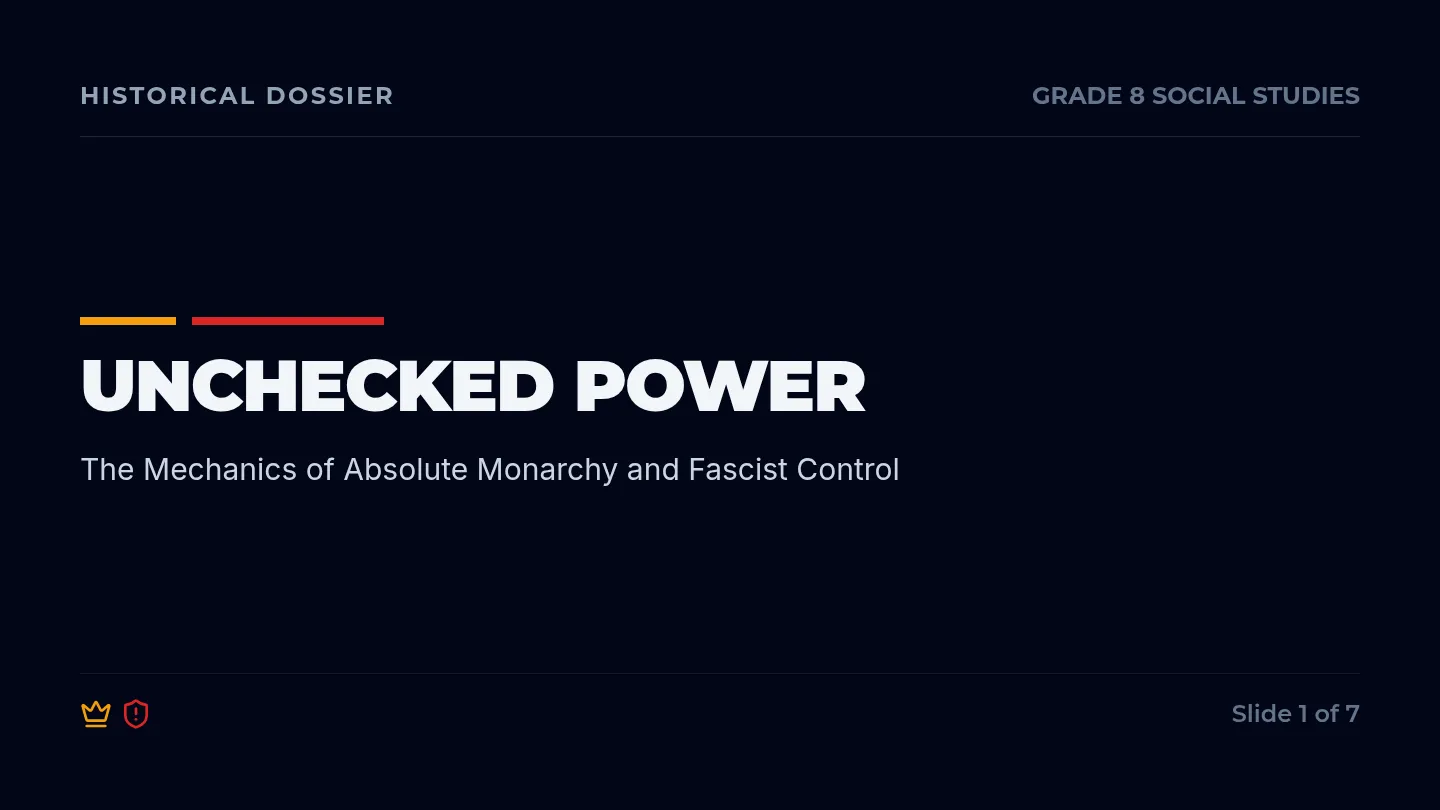
This lesson explores authoritarian government types, specifically absolute monarchy and fascism. Students analyze how rulers like King Louis XIV of France and 20th-century European dictators seized, wielded, and maintained power, and the lasting social and historical impacts of their regimes.
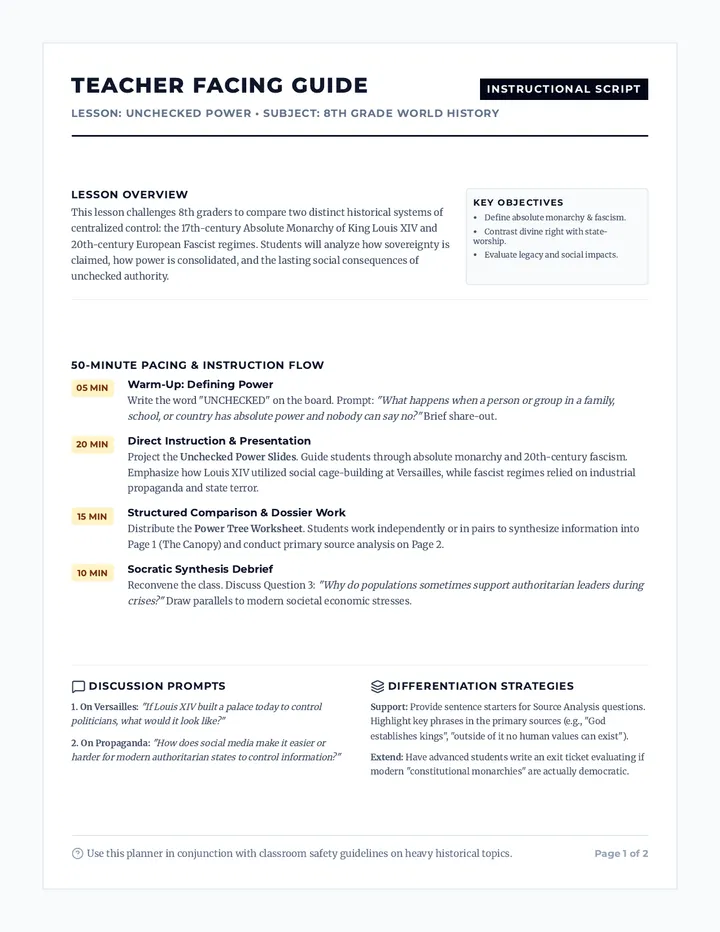
A comprehensive 2-page print-ready teacher resource containing a step-by-step 50-minute lesson plan, pacing recommendations, classroom discussion prompts, differentiation strategies, and a complete answer key for the student worksheet.
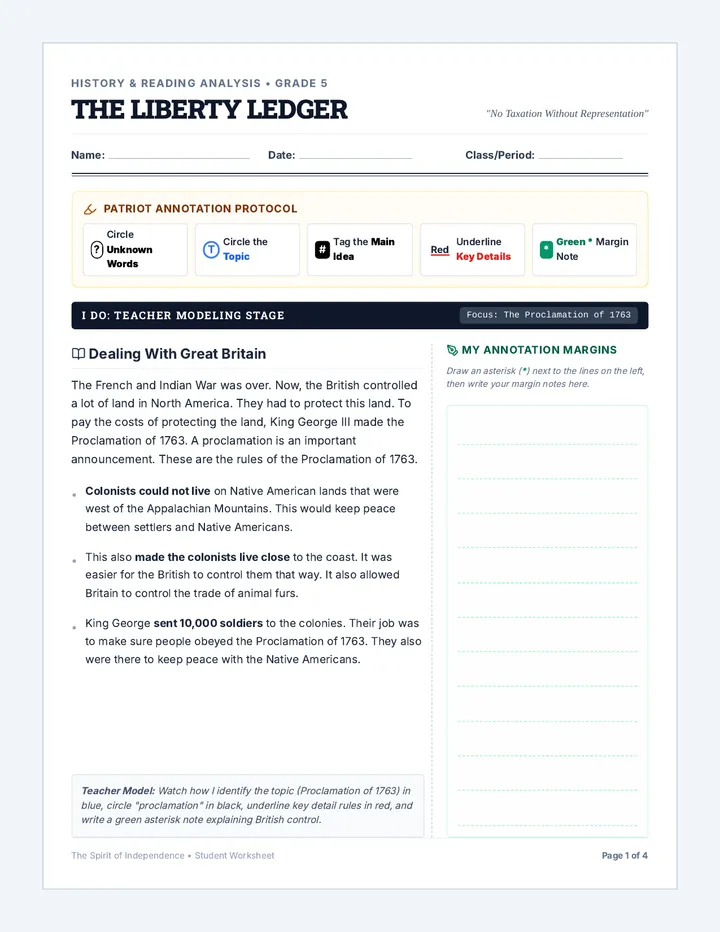
A fifth-grade social studies and active reading unit exploring the growing friction between Great Britain and the American colonies, focusing on the causes, consequences, and motivated actions that led to the American Revolution.
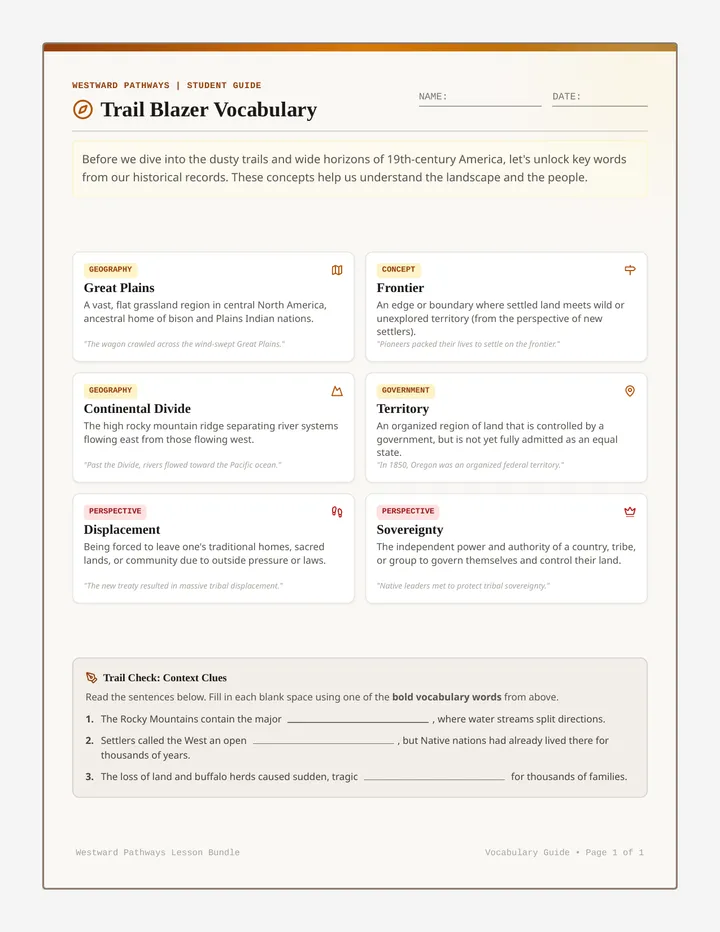
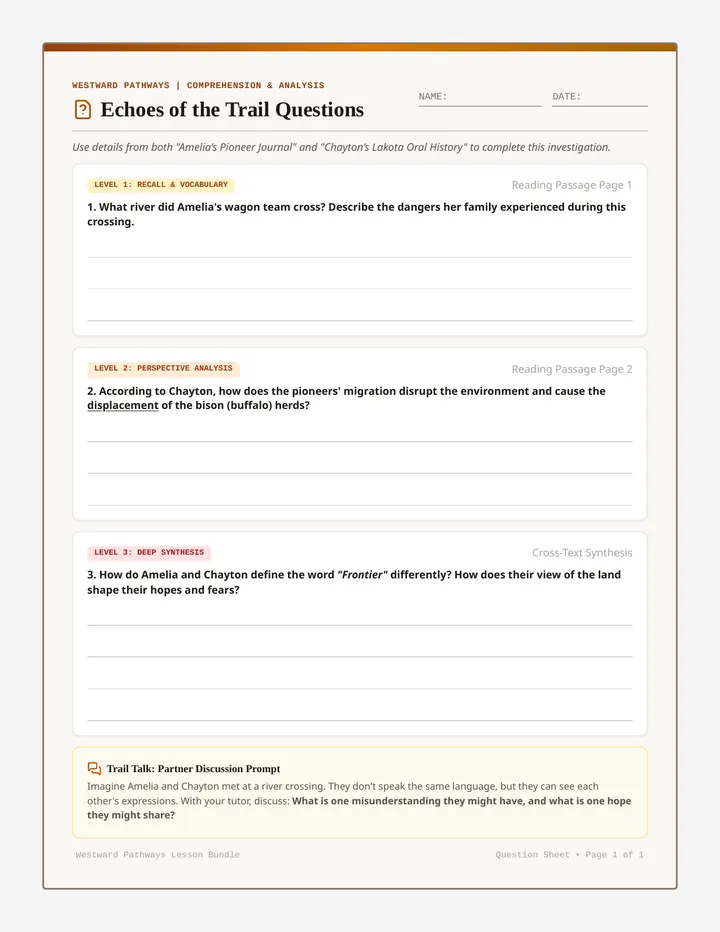
A 60-minute tutoring session for incoming 5th graders exploring Westward Expansion. The session introduces dual perspectives—a pioneer journal and an Indigenous narrative—alongside crucial geographical vocabulary and leveled reading comprehension questions.
A dramatic, highly visual 7-slide presentation detailing the principles of authoritarianism, absolute monarchy under King Louis XIV (including Divine Right and Versailles), and 20th-century European Fascism. Uses a powerful charcoal, crimson, and amber color palette with large, highly legible text.
An immersive 3rd-grade Project-Based Learning unit where students act as museum curators to design and exhibit a living history museum, answering the driving question: How did where colonist lived shape how they lived?
An immersive 8th-grade geography lesson where students apply the Five Themes of Geography to analyze Nairobi, Kenya. Through a DBQ-style investigation, students decode primary sources, map data, and texts to construct a geographic profile of a dynamic global city.
An elegant, 2-page print-ready student graphic organizer and primary source analysis worksheet focusing on Absolute Monarchy (King Louis XIV) and Fascism (20th-century European regimes). Includes a structured comparison grid and synthesis prompts with ample writing space.
A comprehensive unit on child development from birth through age 18, focusing on physical, cognitive, and social-emotional growth across early childhood, middle childhood, and adolescence.
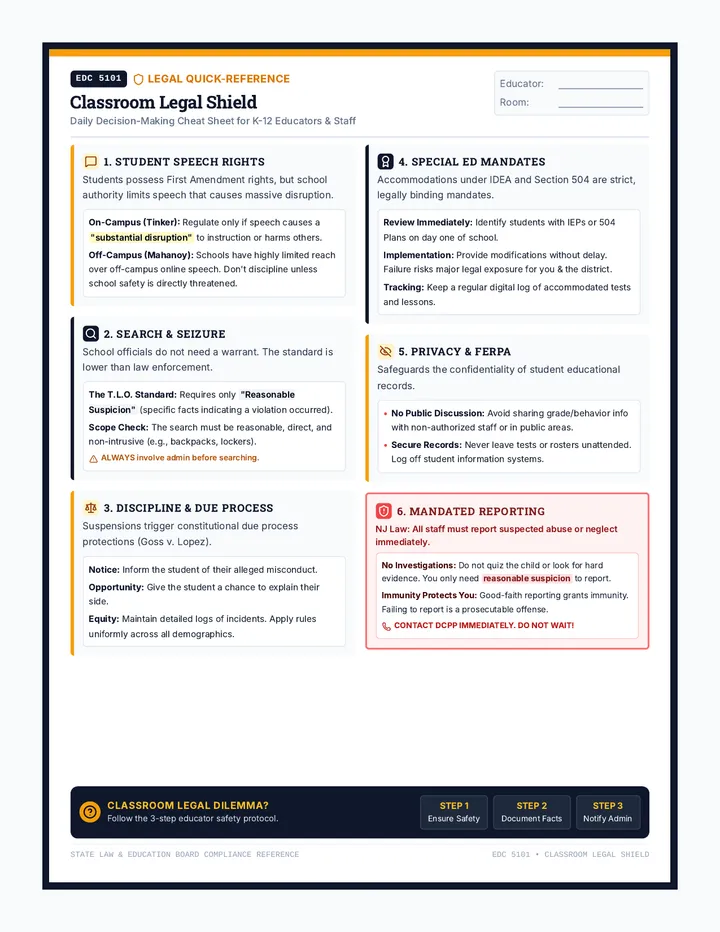
An essential legal overview for K-12 educators and support staff, covering crucial constitutional rights, student privacy, mandatory reporting, and school search parameters to keep teachers protected and compliant.
A leveled reading comprehension and synthesis worksheet containing graduated questions and an interactive dialogue prompt to analyze dual perspectives on Westward Expansion.