A comprehensive lesson covering the geography, culture, government, and economy of Japan, including a detailed presentation and a guided research log for students to record findings in complete sentences.
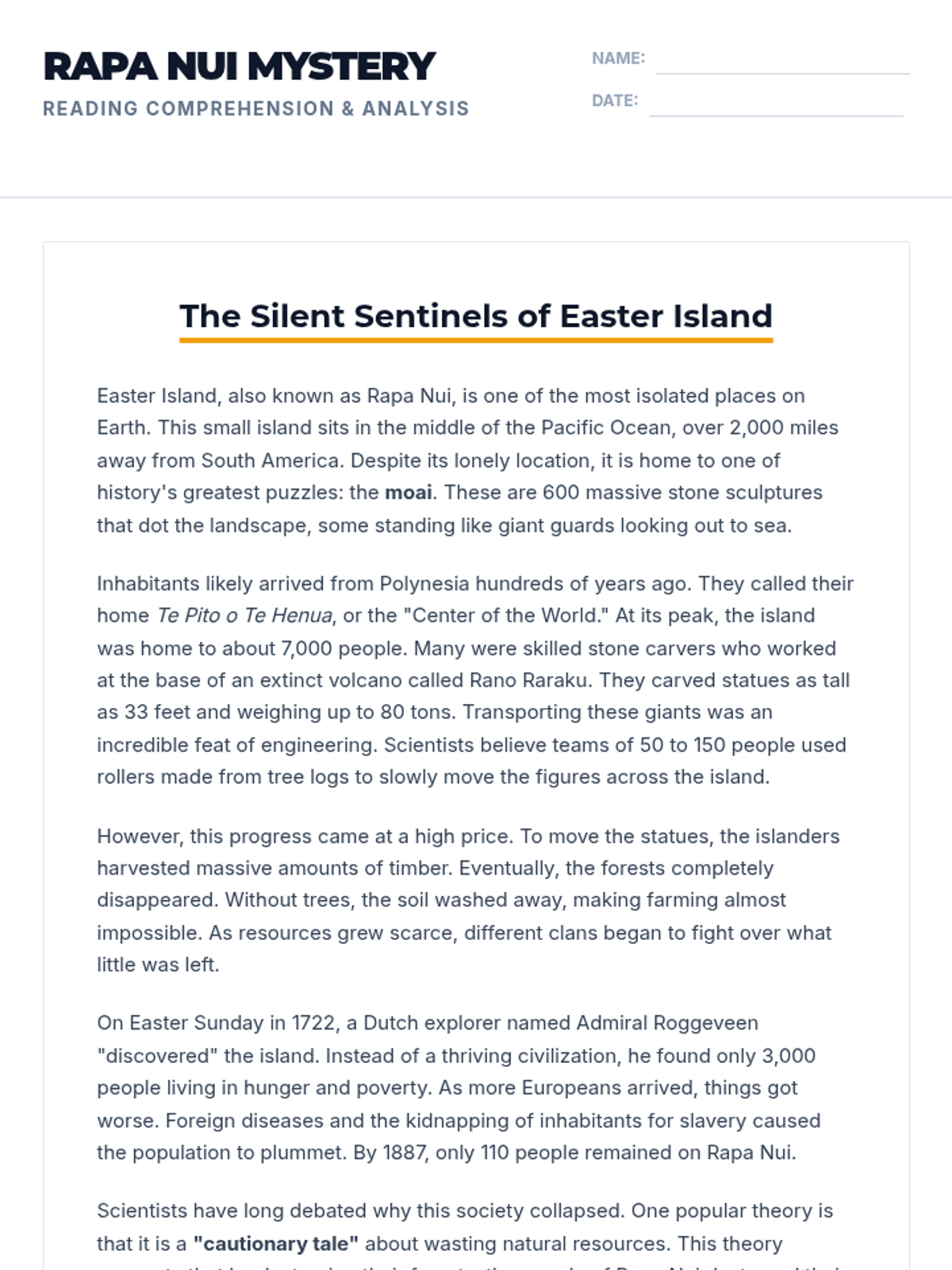
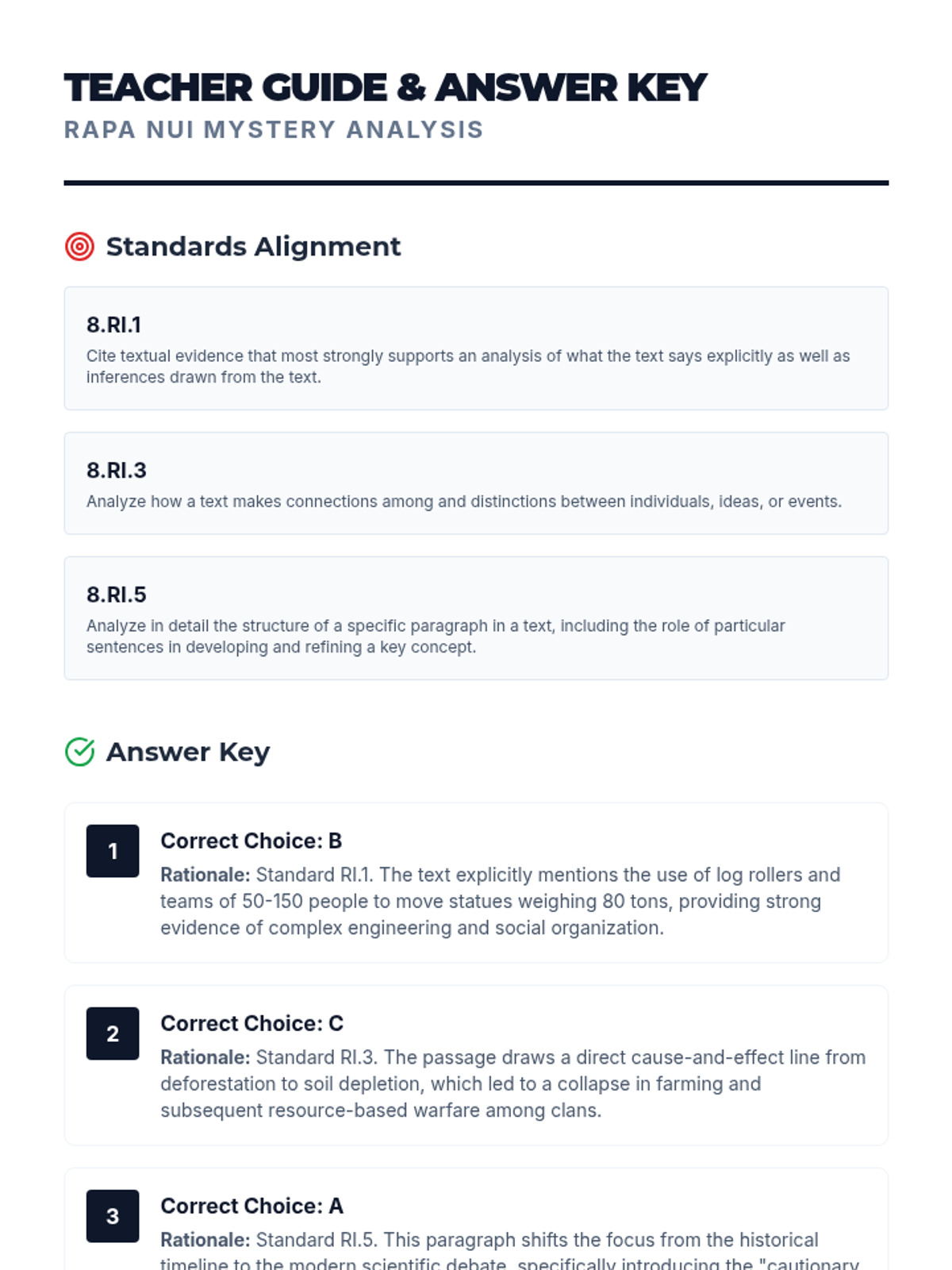
A comprehensive lesson exploring the mystery of Easter Island, focusing on evidence-based inferences, structural analysis, and the connections between historical events. Students will analyze the environmental and social factors that led to the decline of Rapa Nui's civilization.
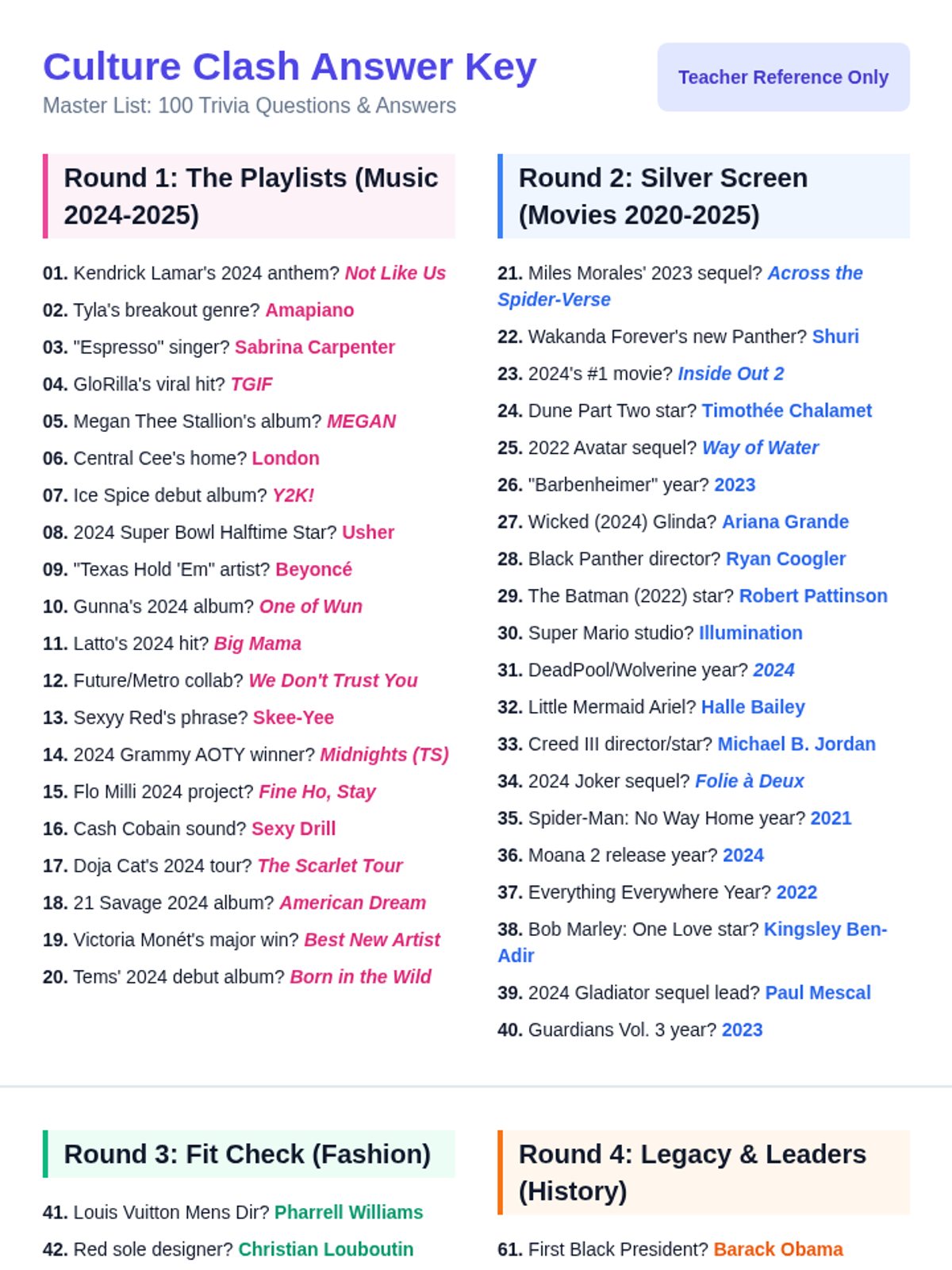
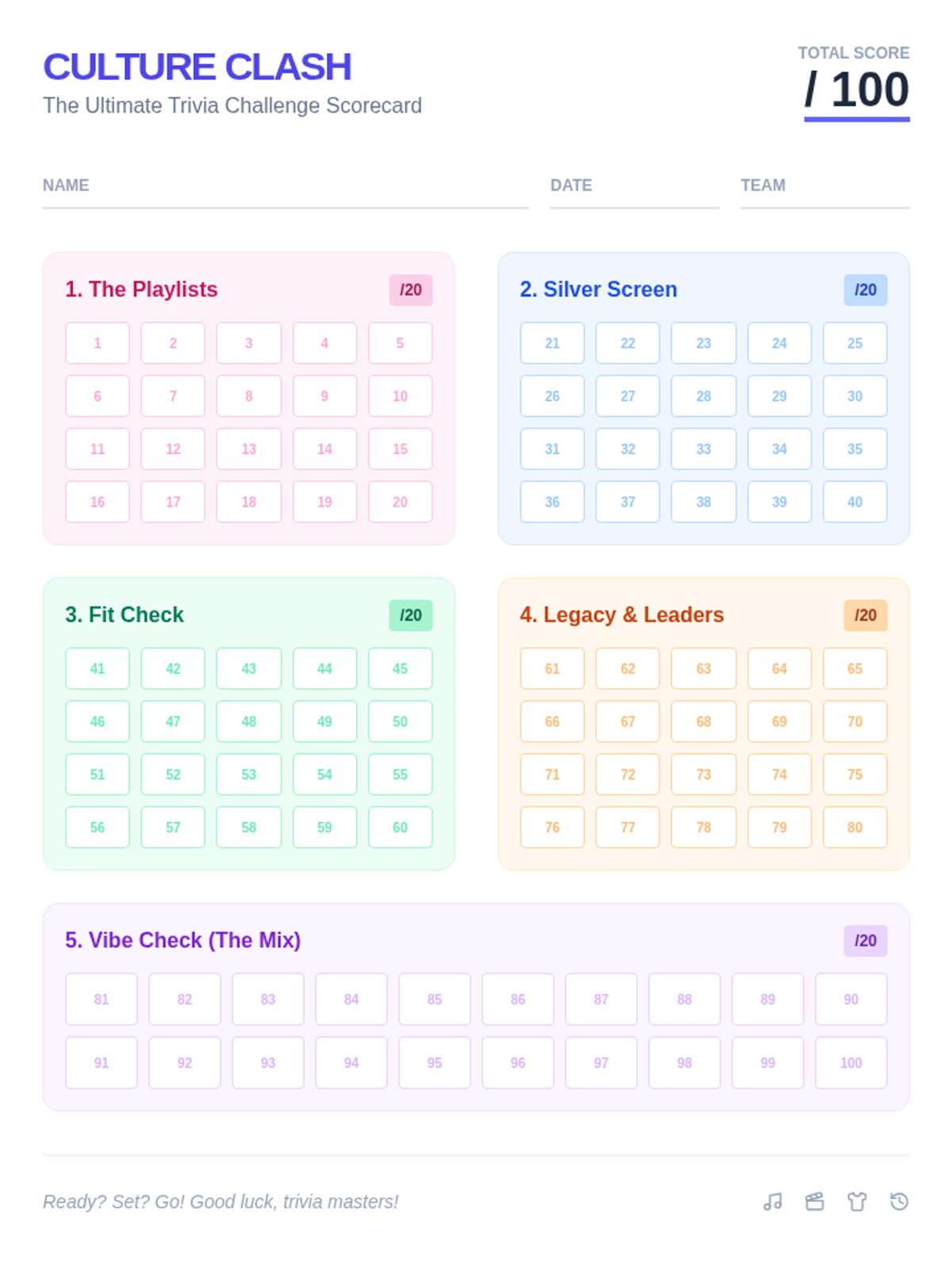
A high-energy, 100-question trivia game designed for middle school students, covering modern music, movies, fashion, and black history. The lesson promotes cultural literacy and engagement through a competitive game format.
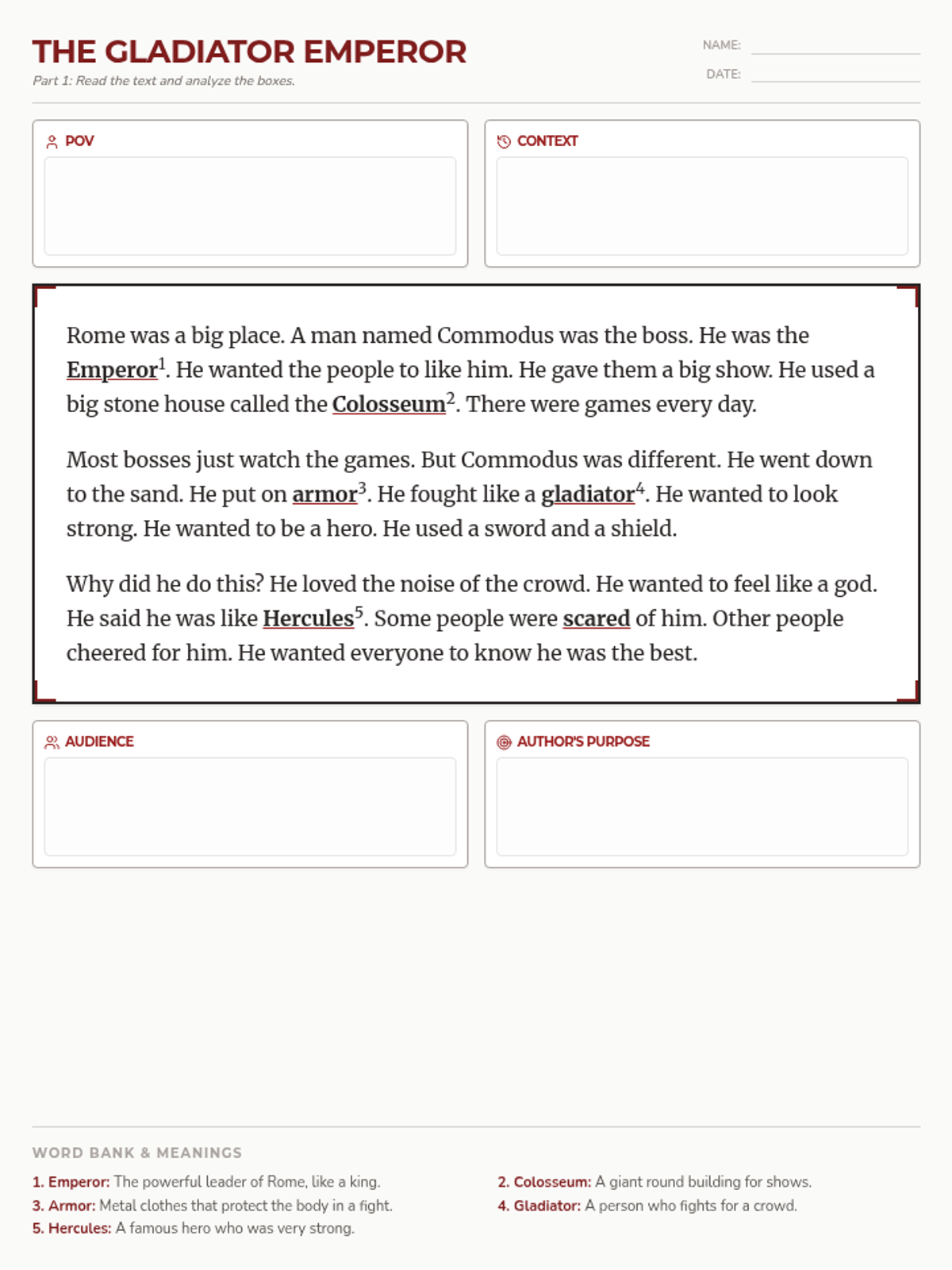
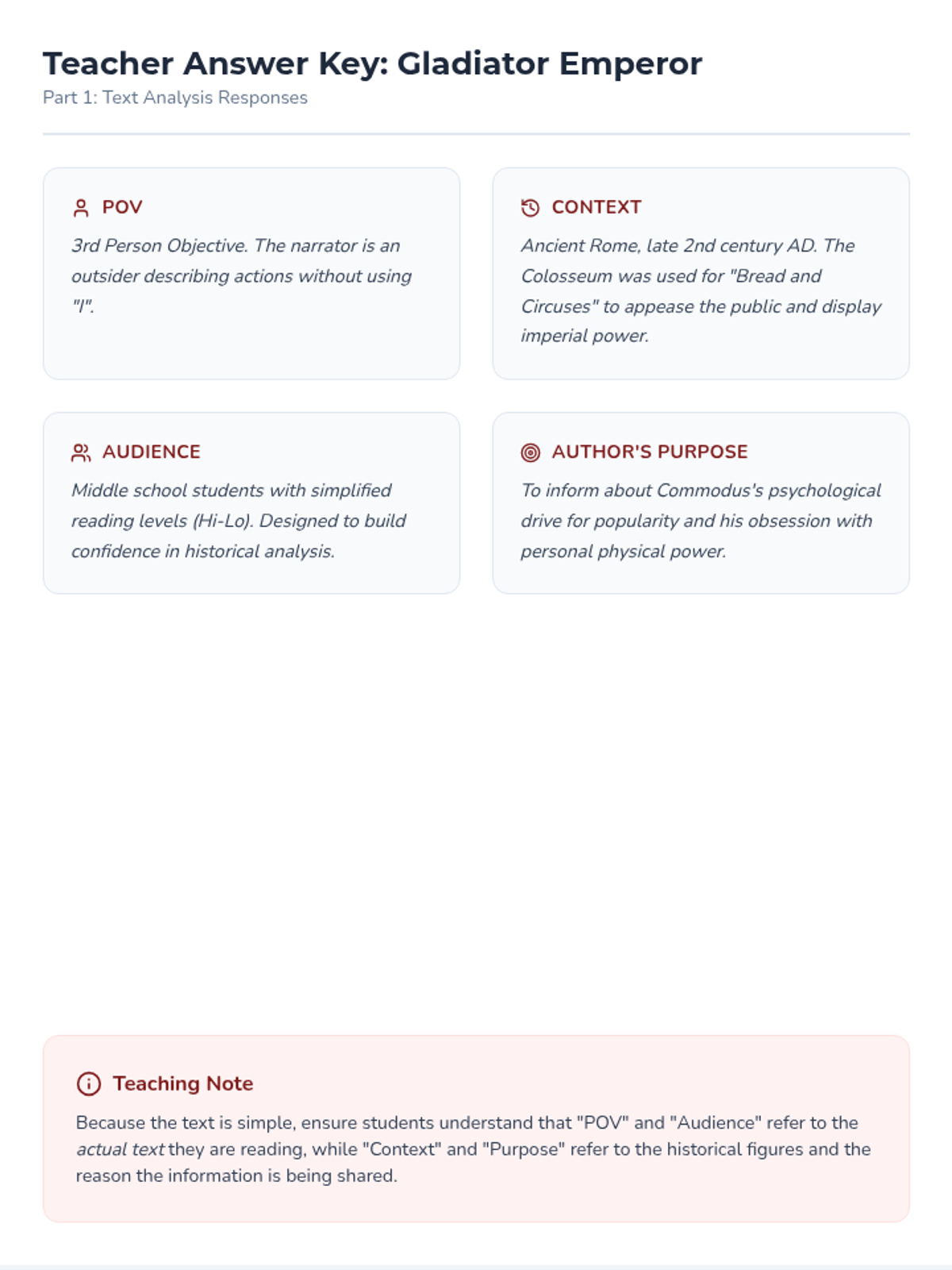
A lesson exploring the political and personal motivations of Emperor Commodus in the Roman Colosseum, designed for middle school students with differentiated reading levels.
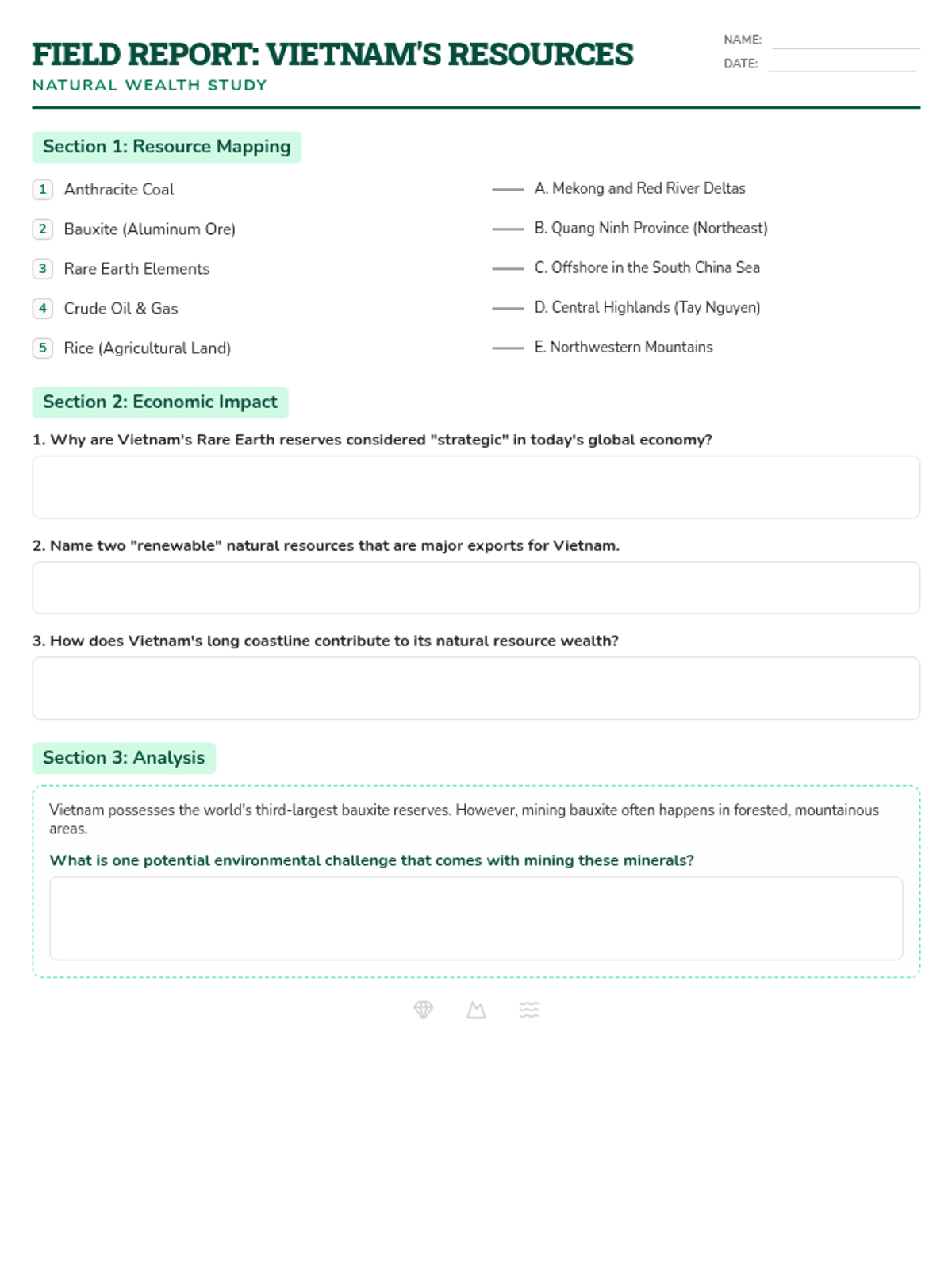
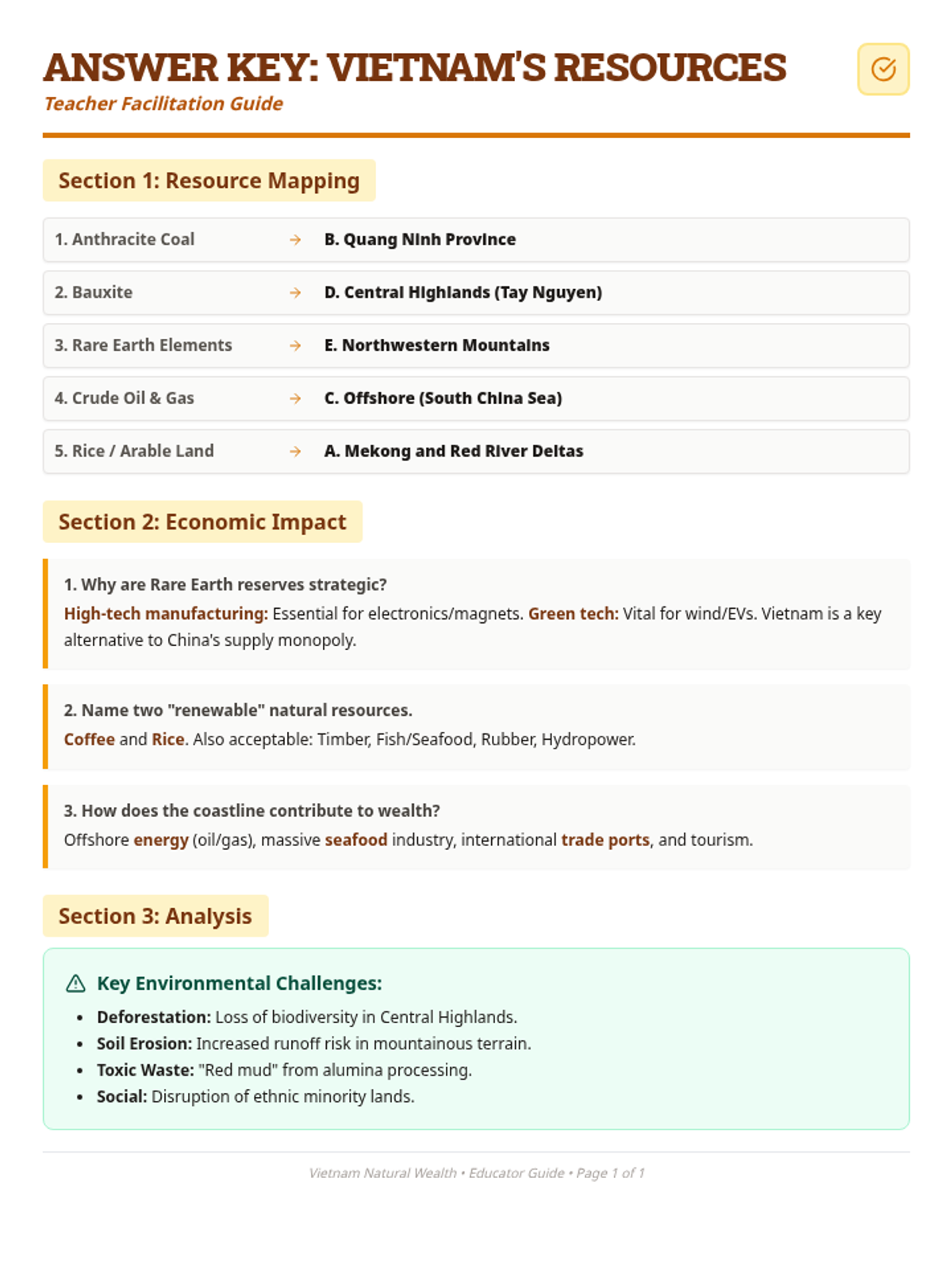
This lesson explores Vietnam's primary natural resources, including minerals, energy sources, and agricultural land, highlighting their geographic distribution and economic importance.
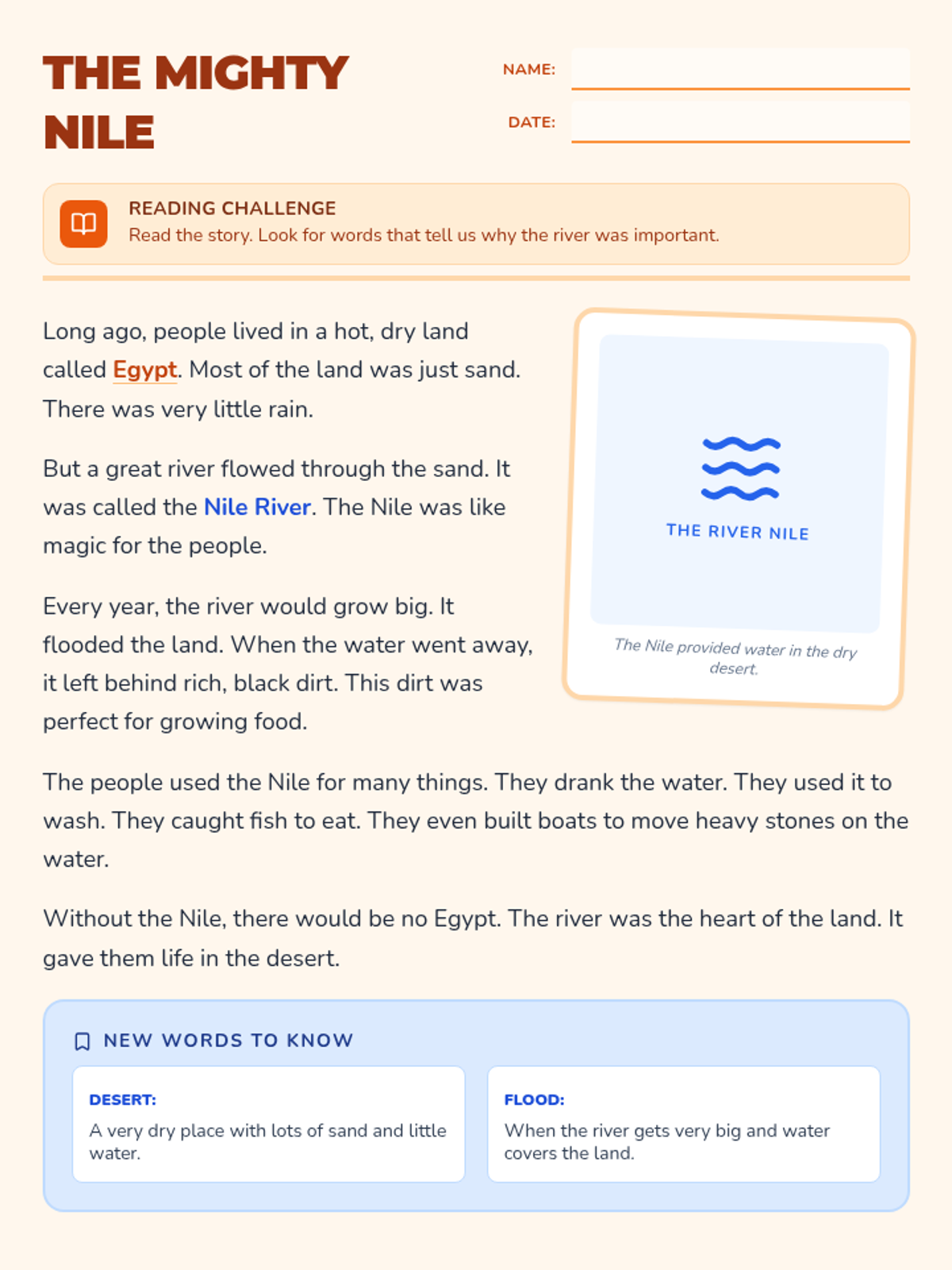
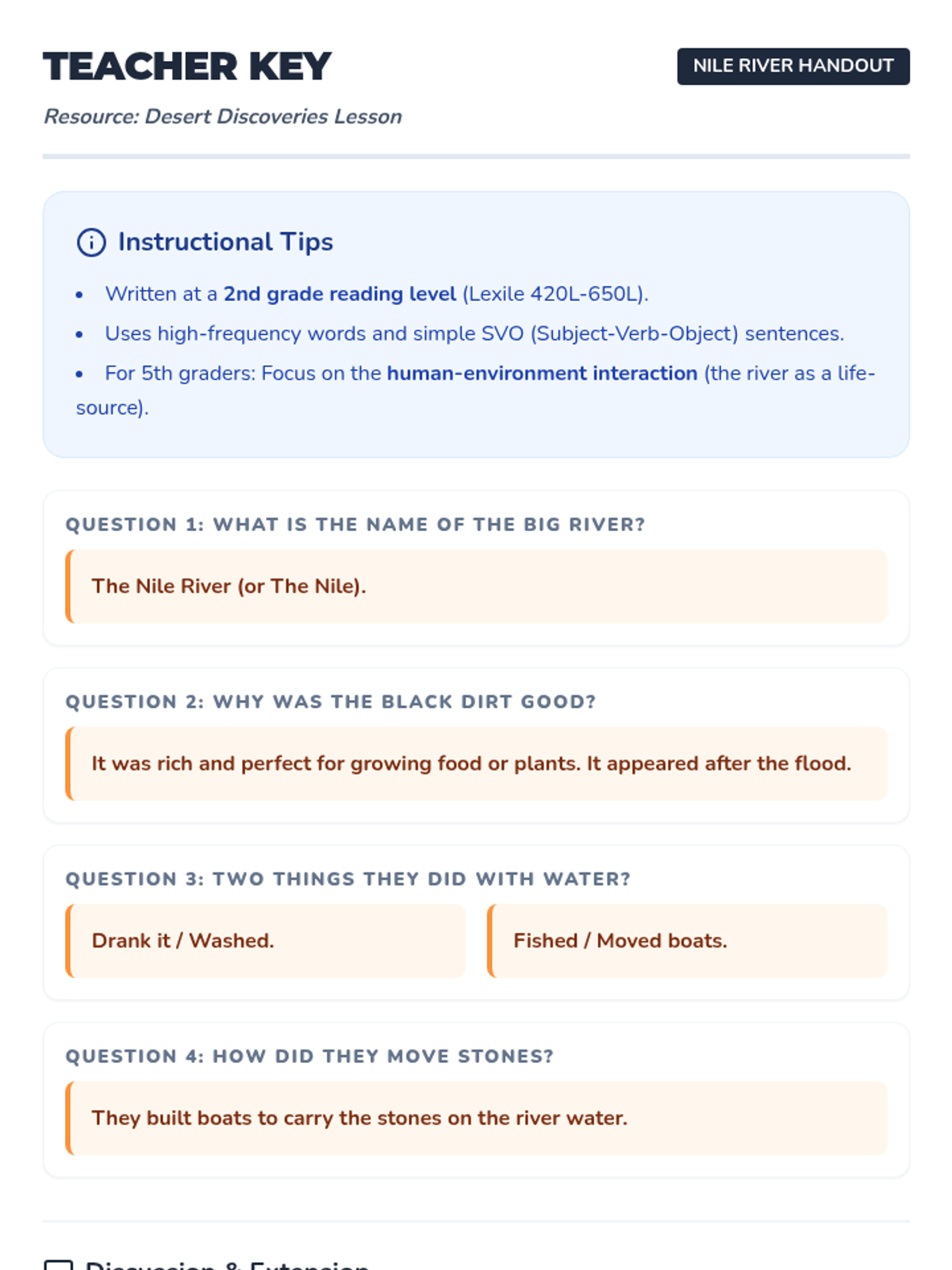
An introductory lesson on Ancient Egypt tailored for students reading at a 2nd-grade level, focusing on the importance of the Nile River for survival and civilization.
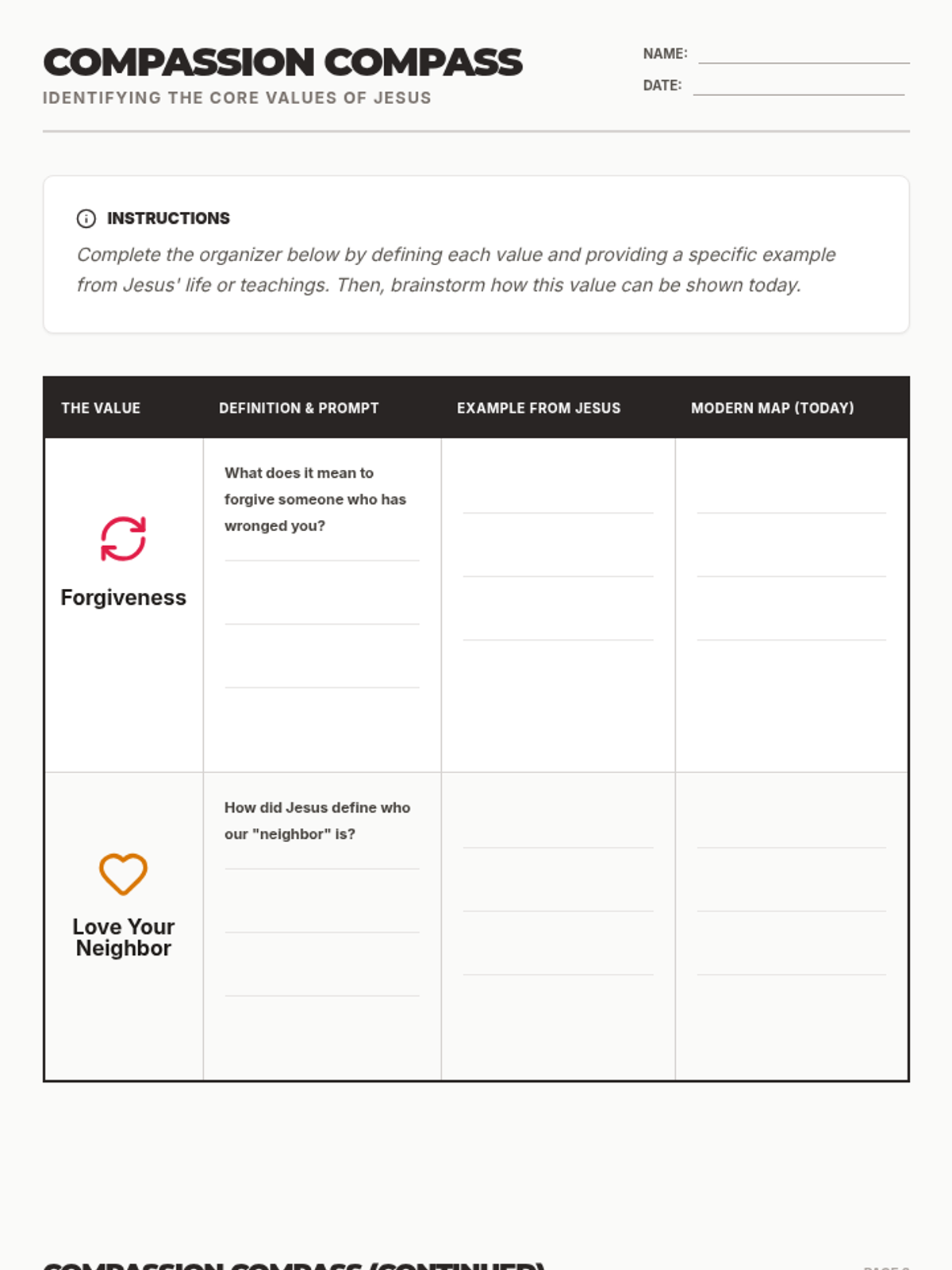
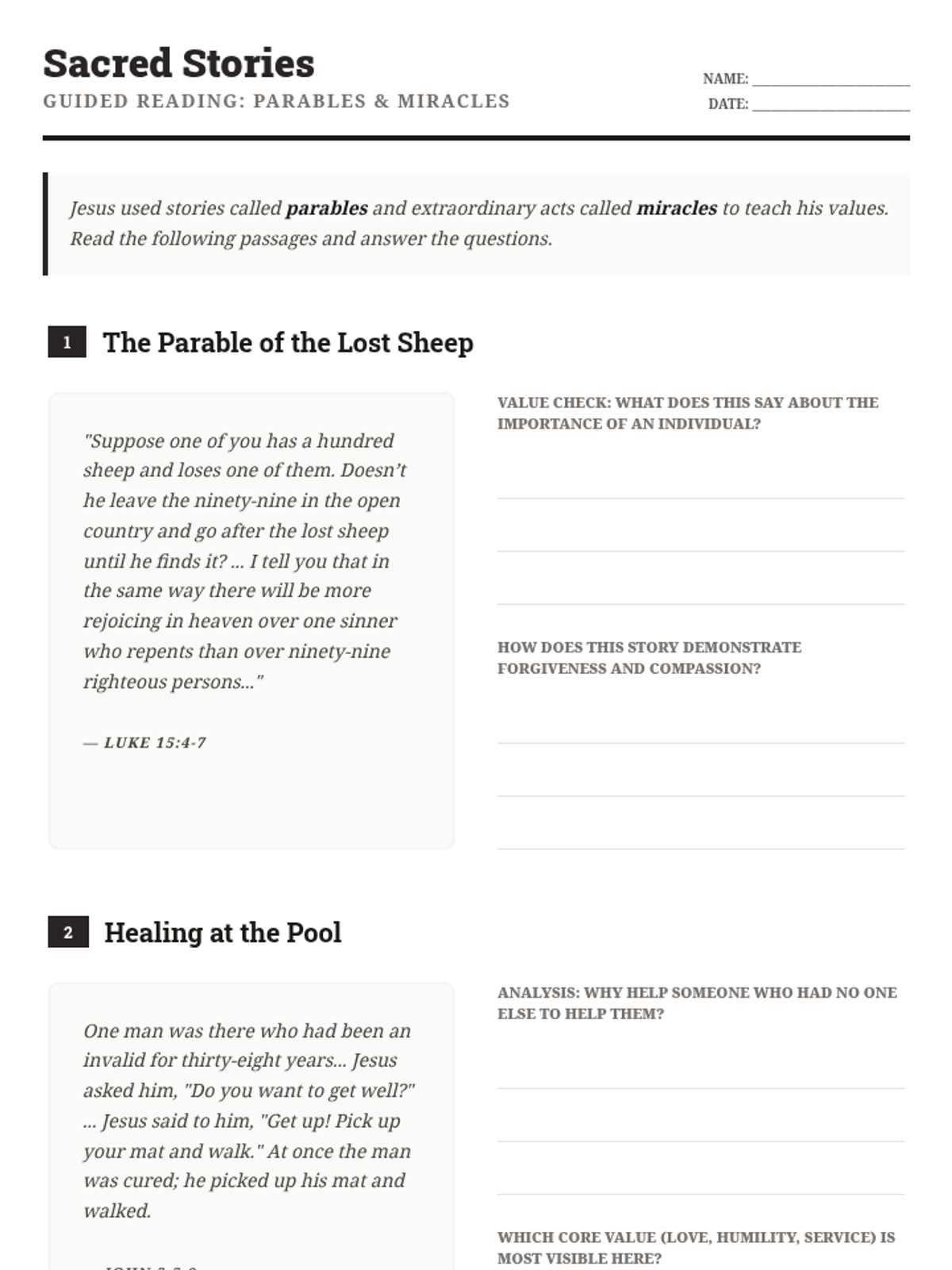
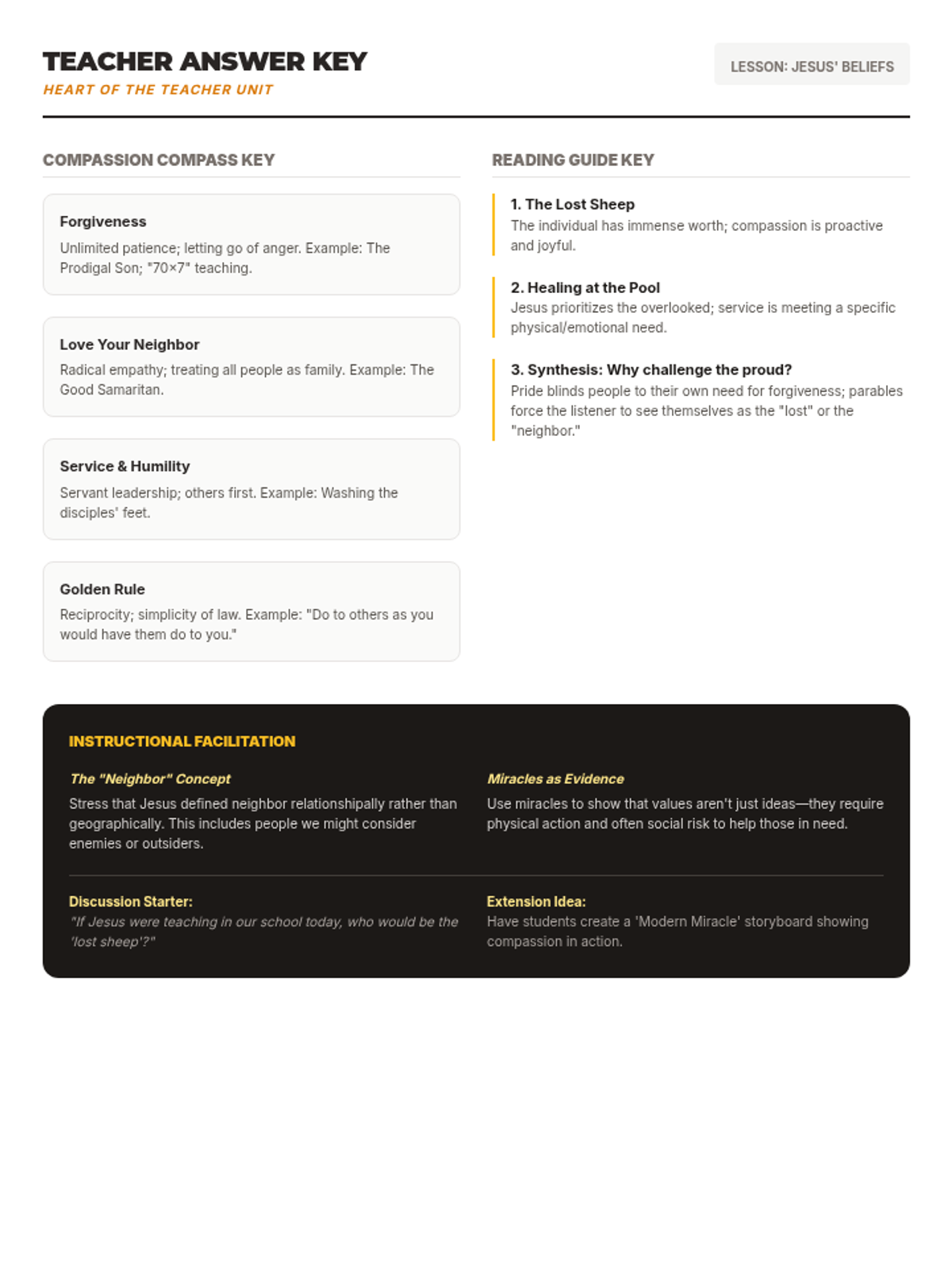
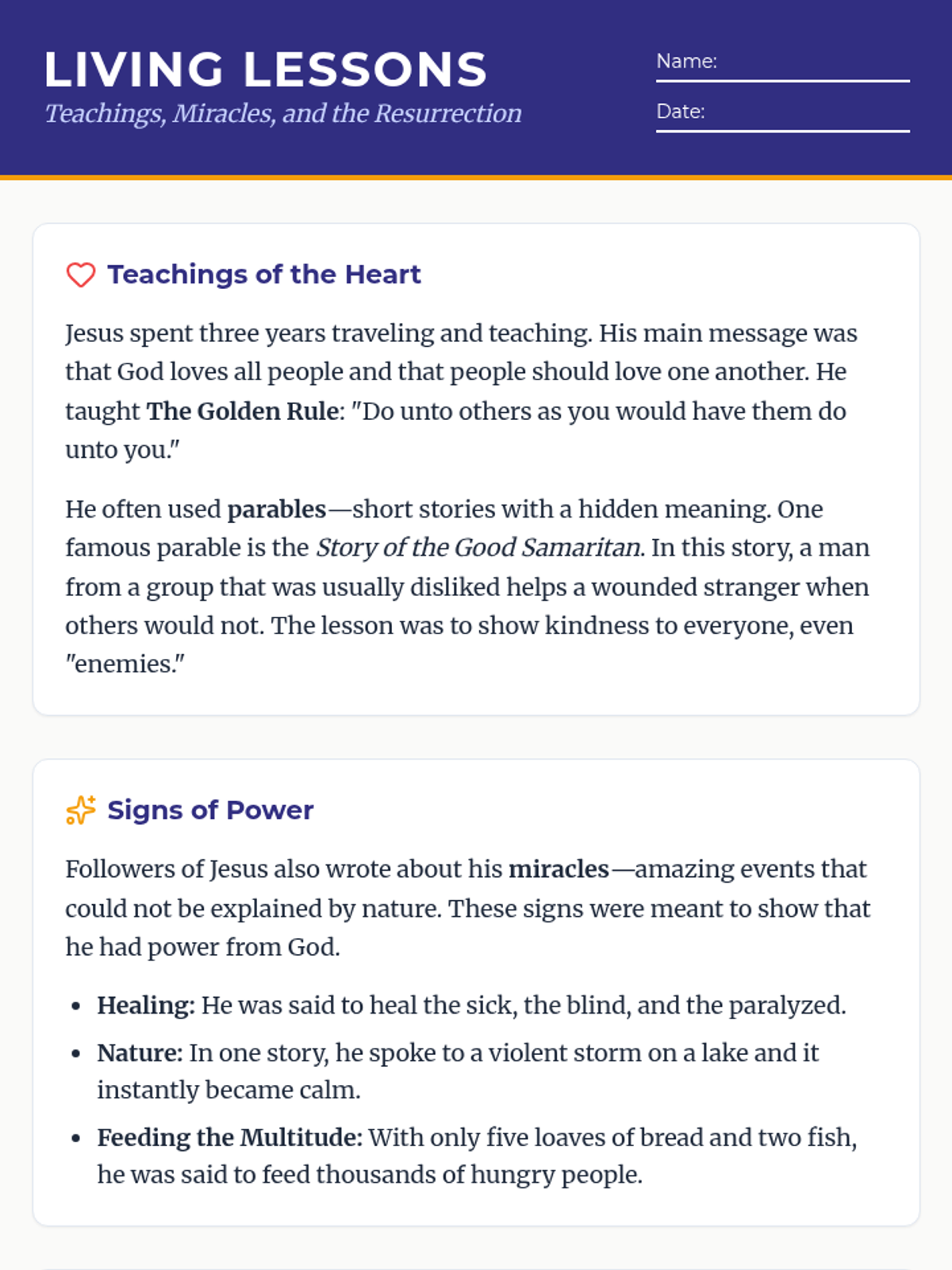
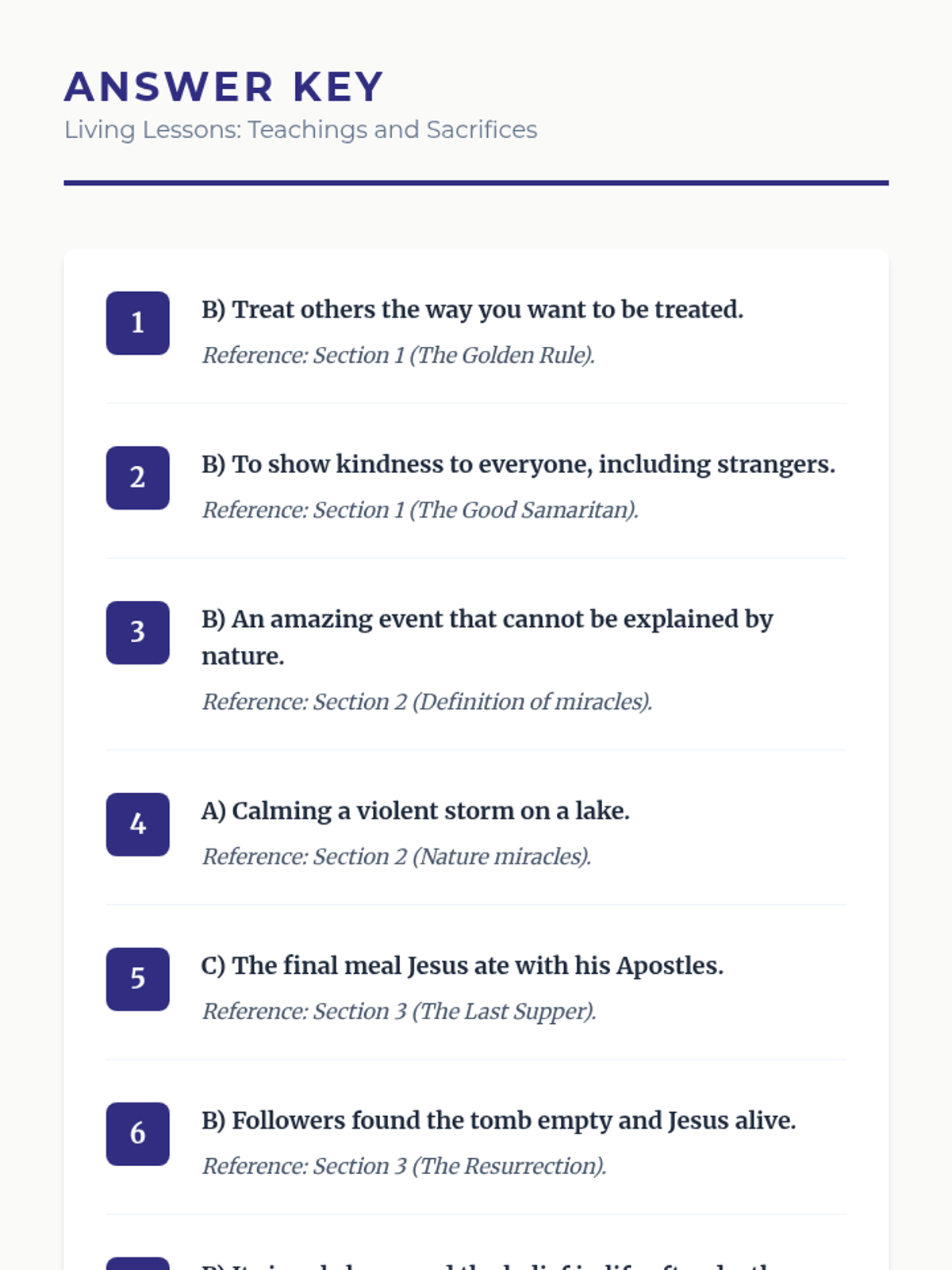
A lesson exploring the core values and beliefs of Jesus, focusing on compassion, forgiveness, humility, and service through parables and miracles.
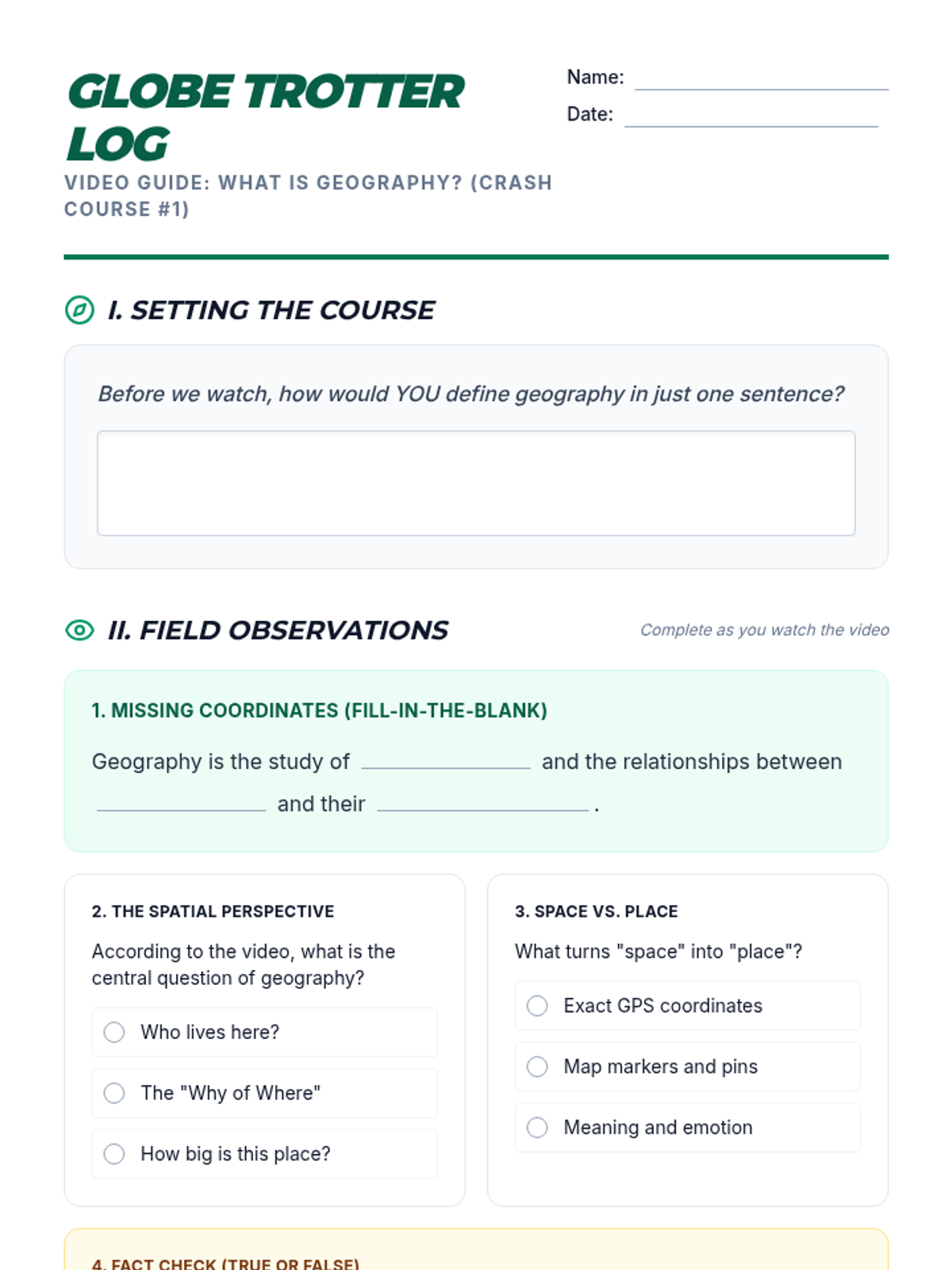
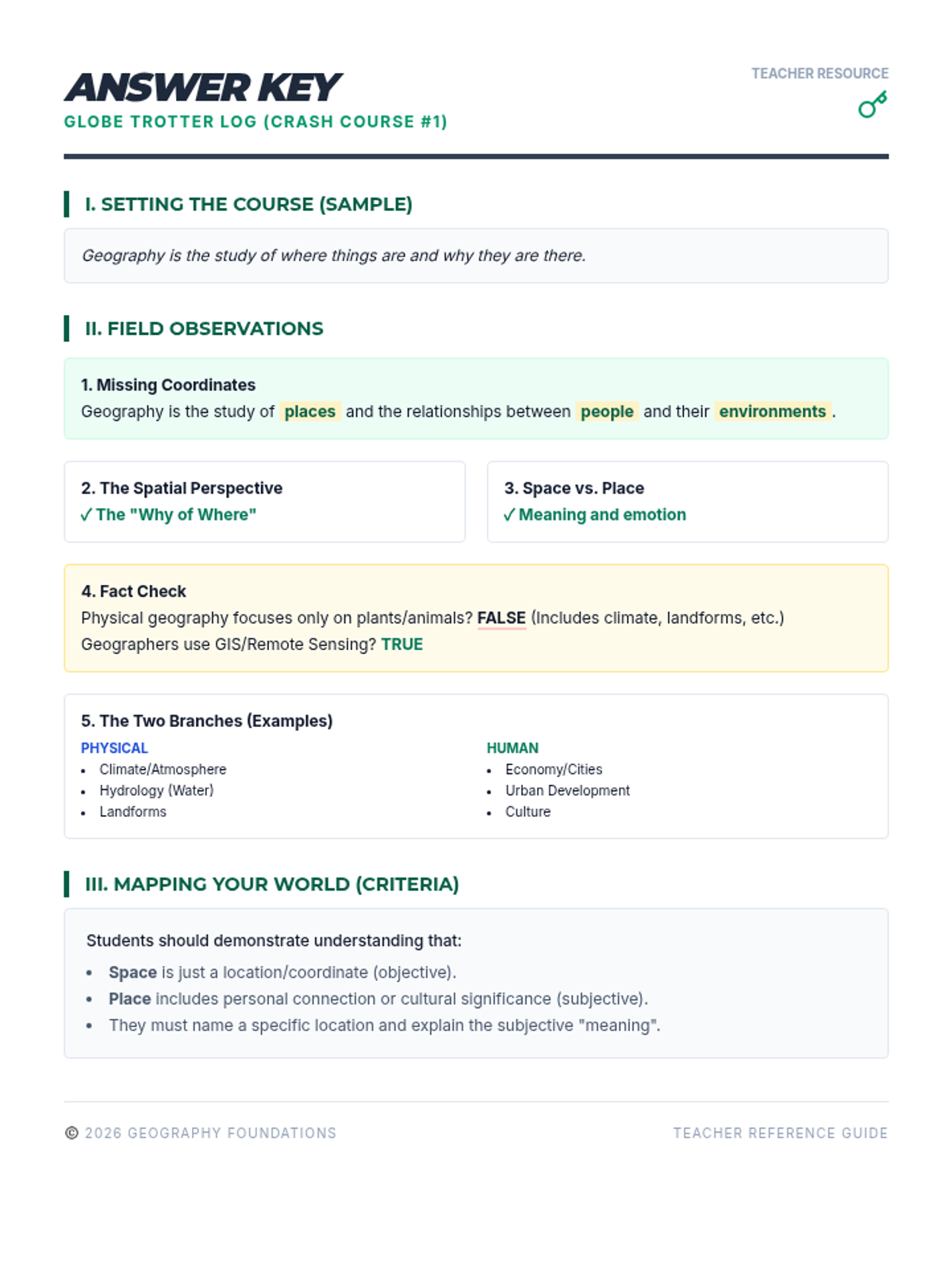
An introductory lesson exploring the core concepts of geography, including the spatial perspective, the difference between physical and human geography, and the fundamental 'why of where' based on Crash Course Geography #1.
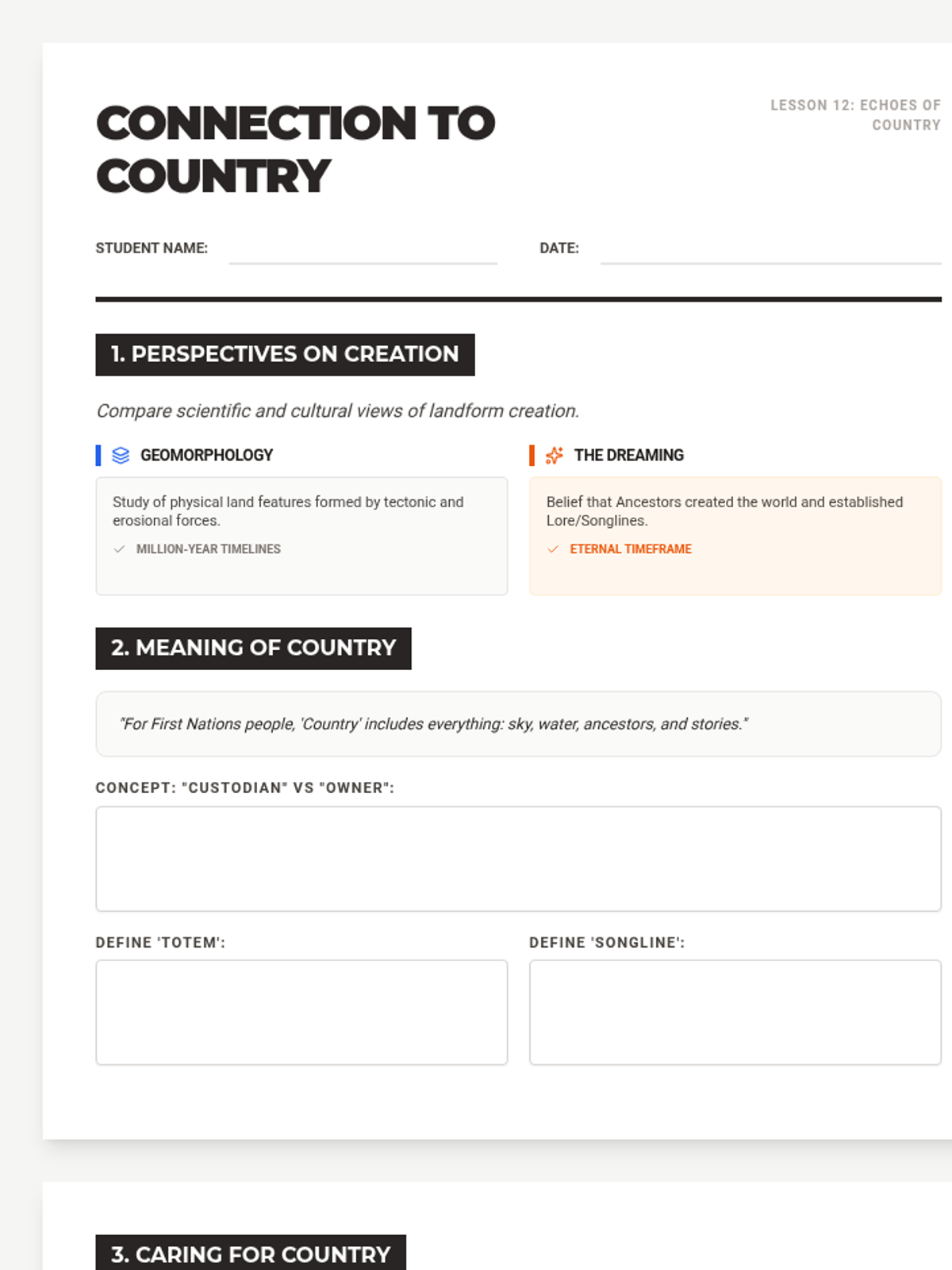
Explores the deep spiritual and cultural connection First Nations Australians have with the land, comparing geomorphological creation with Dreamtime stories and investigating traditional 'Caring for Country' land management practices.
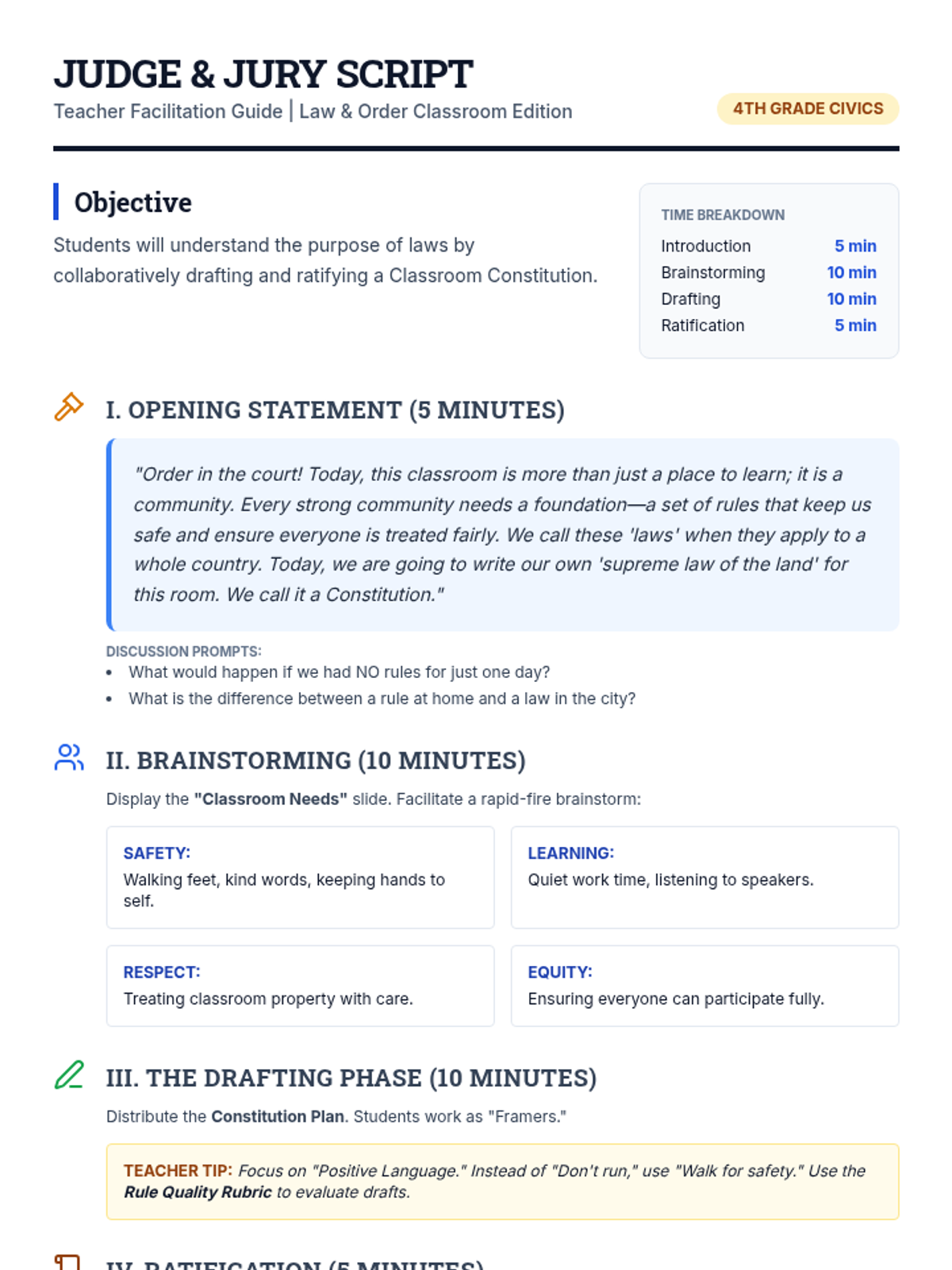
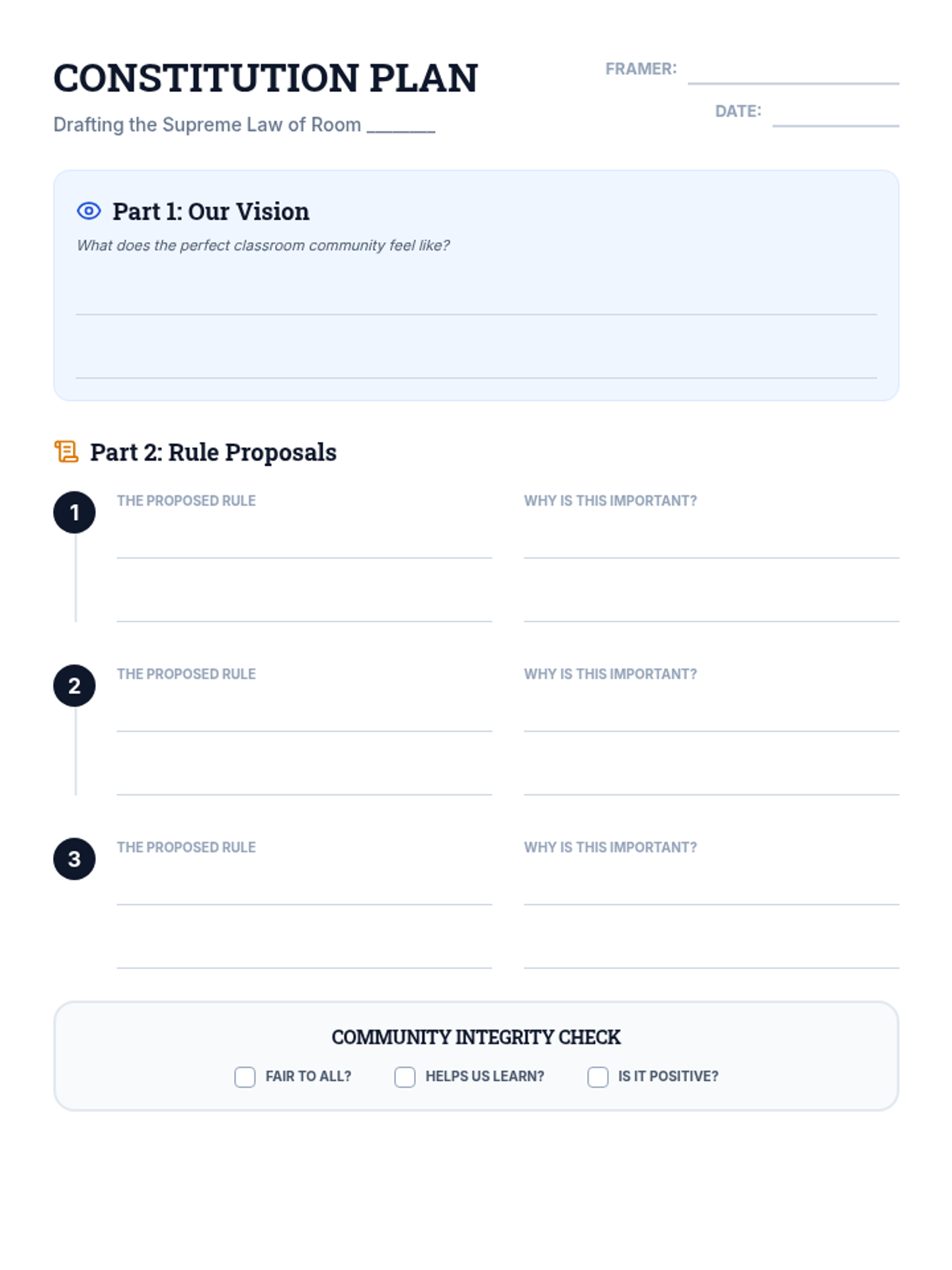
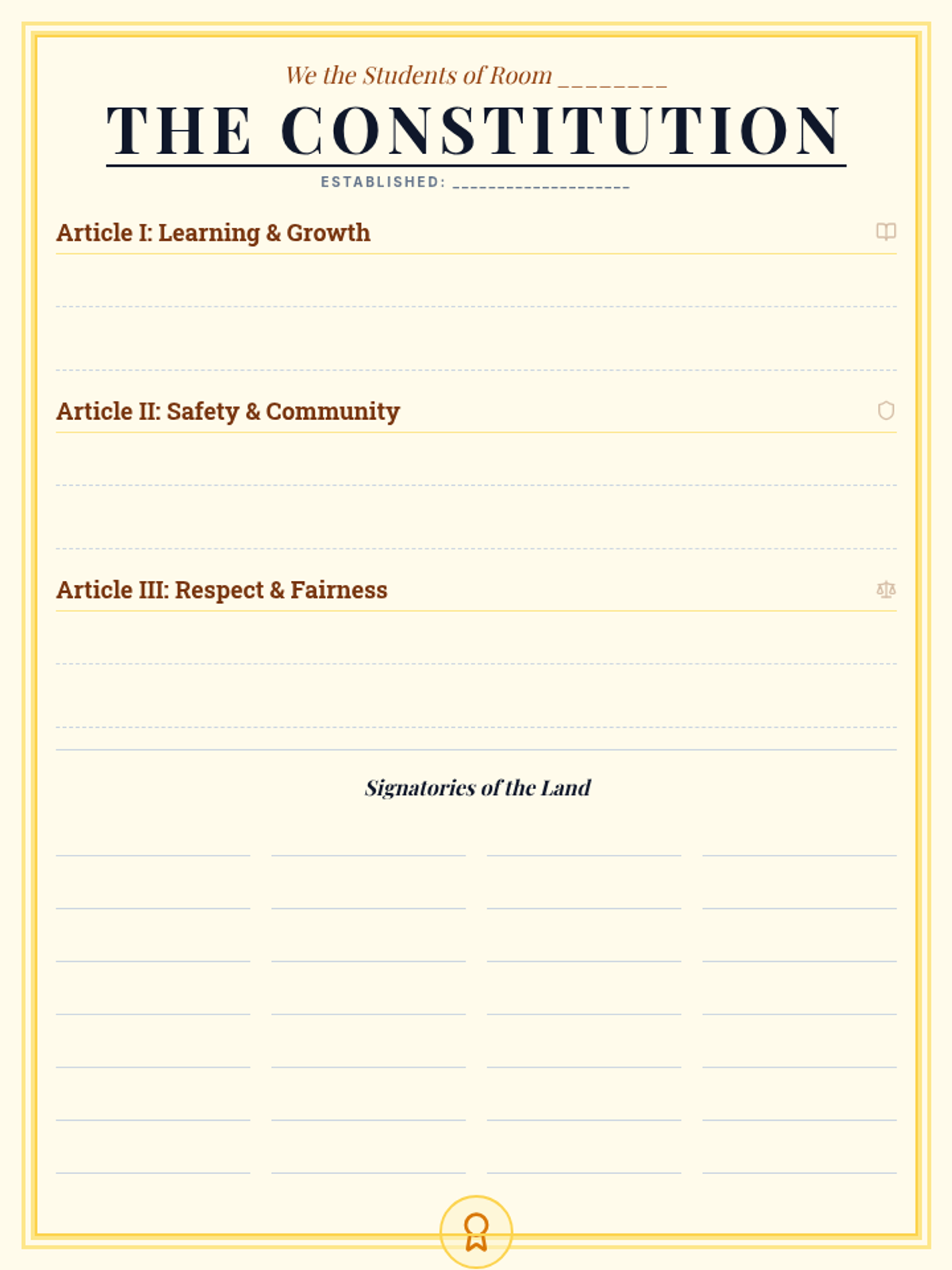
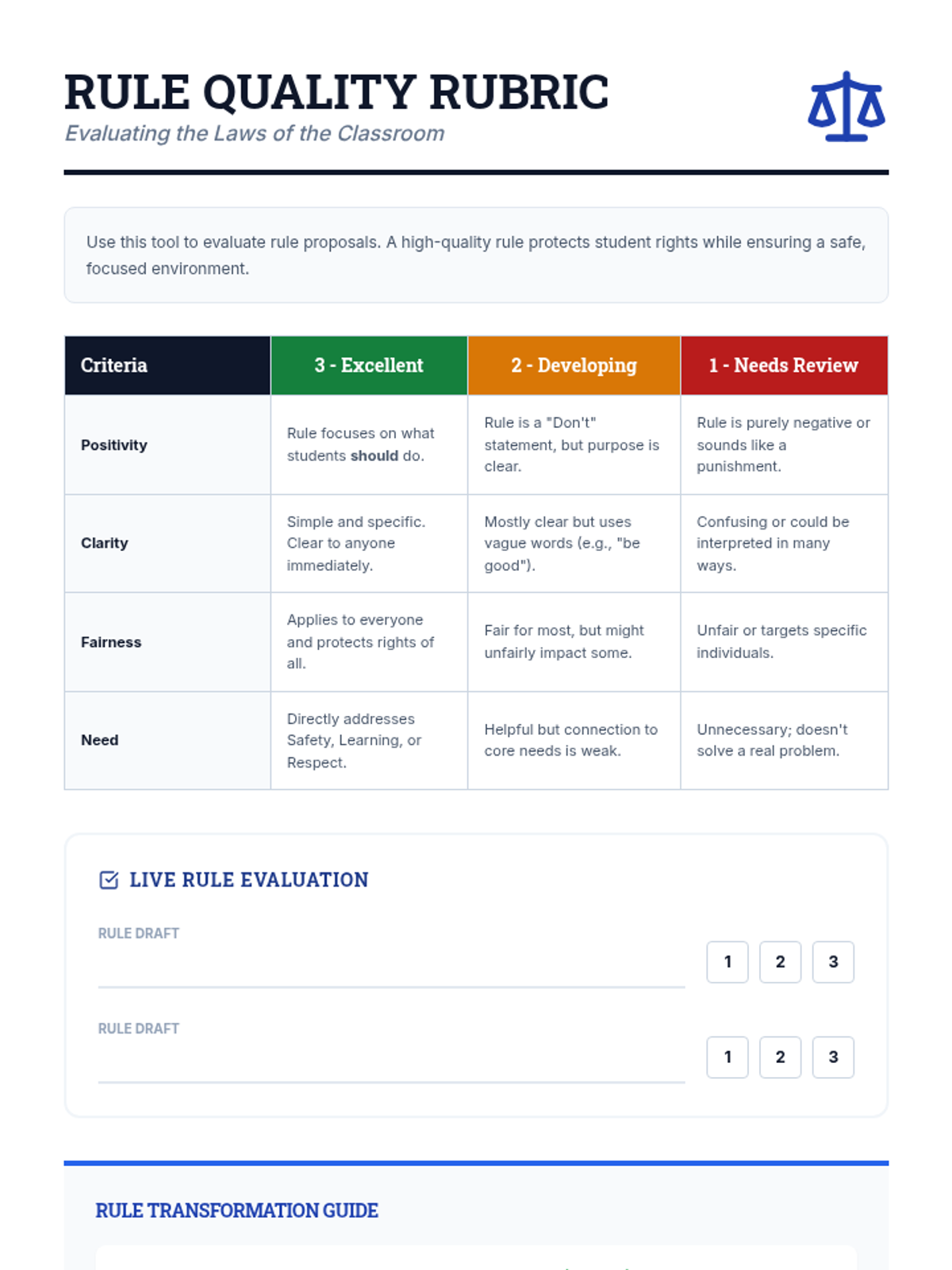
A civics lesson where 4th graders explore the necessity of laws by drafting their own classroom constitution, learning about community, fairness, and democratic participation.
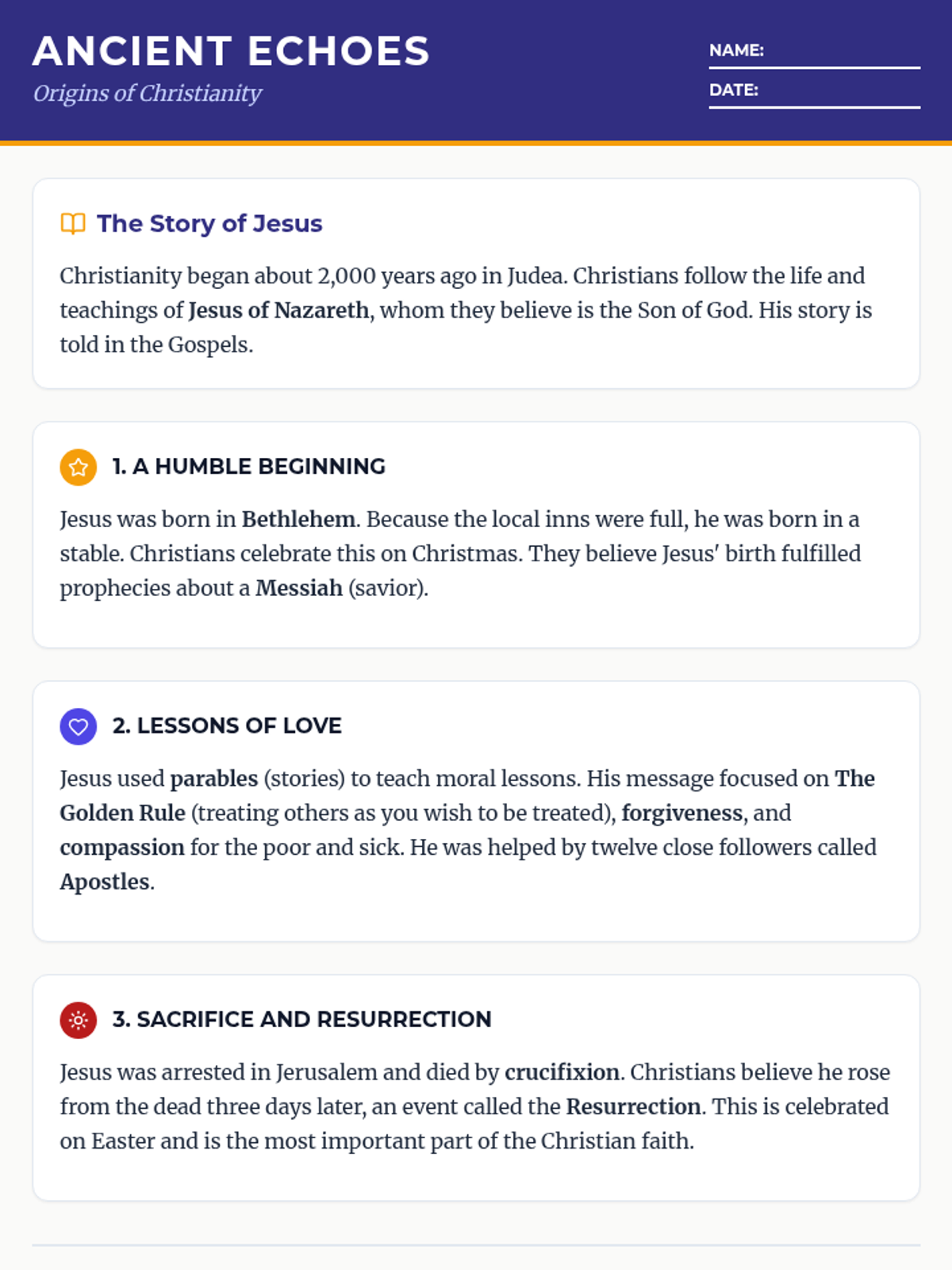
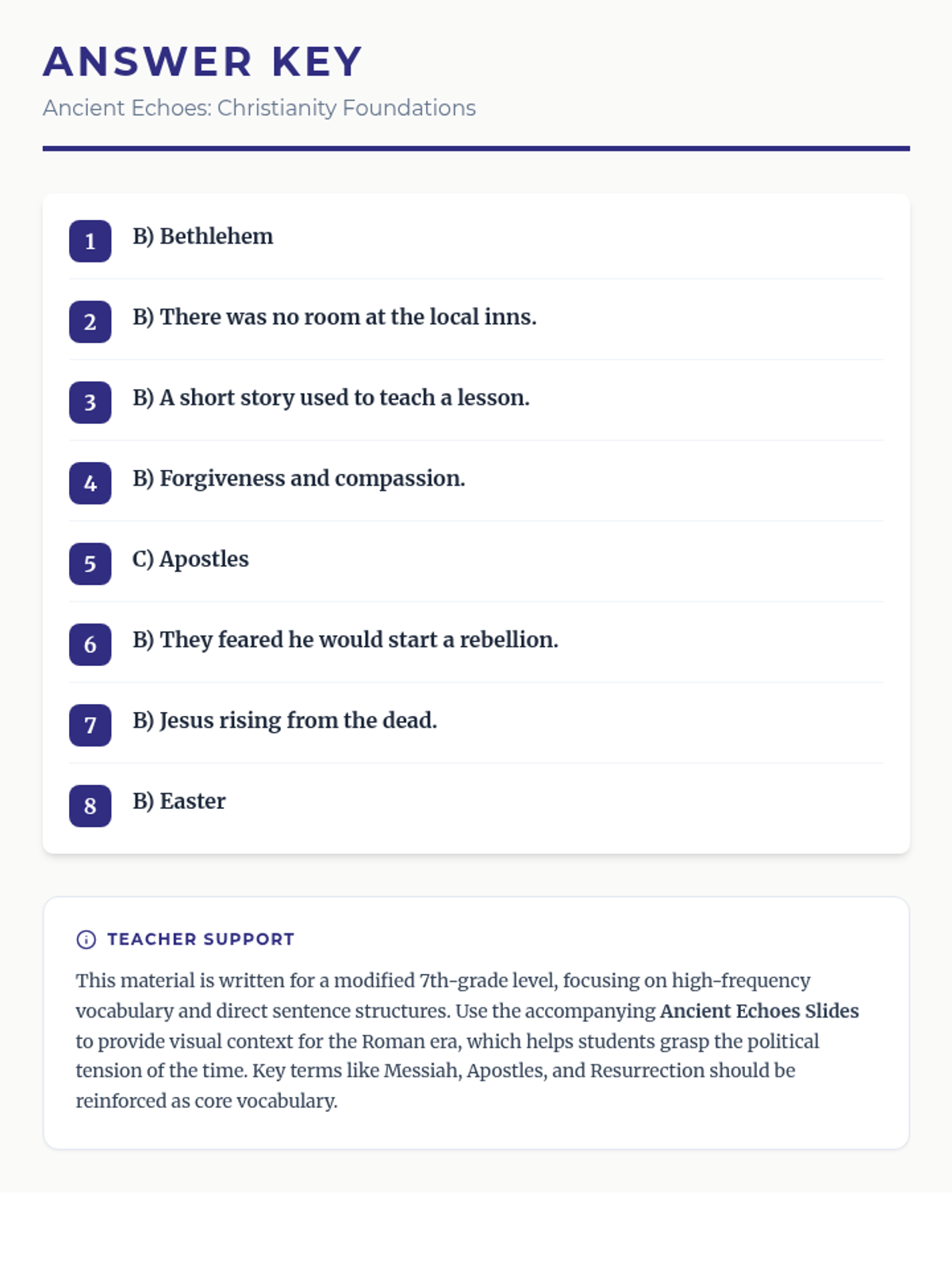
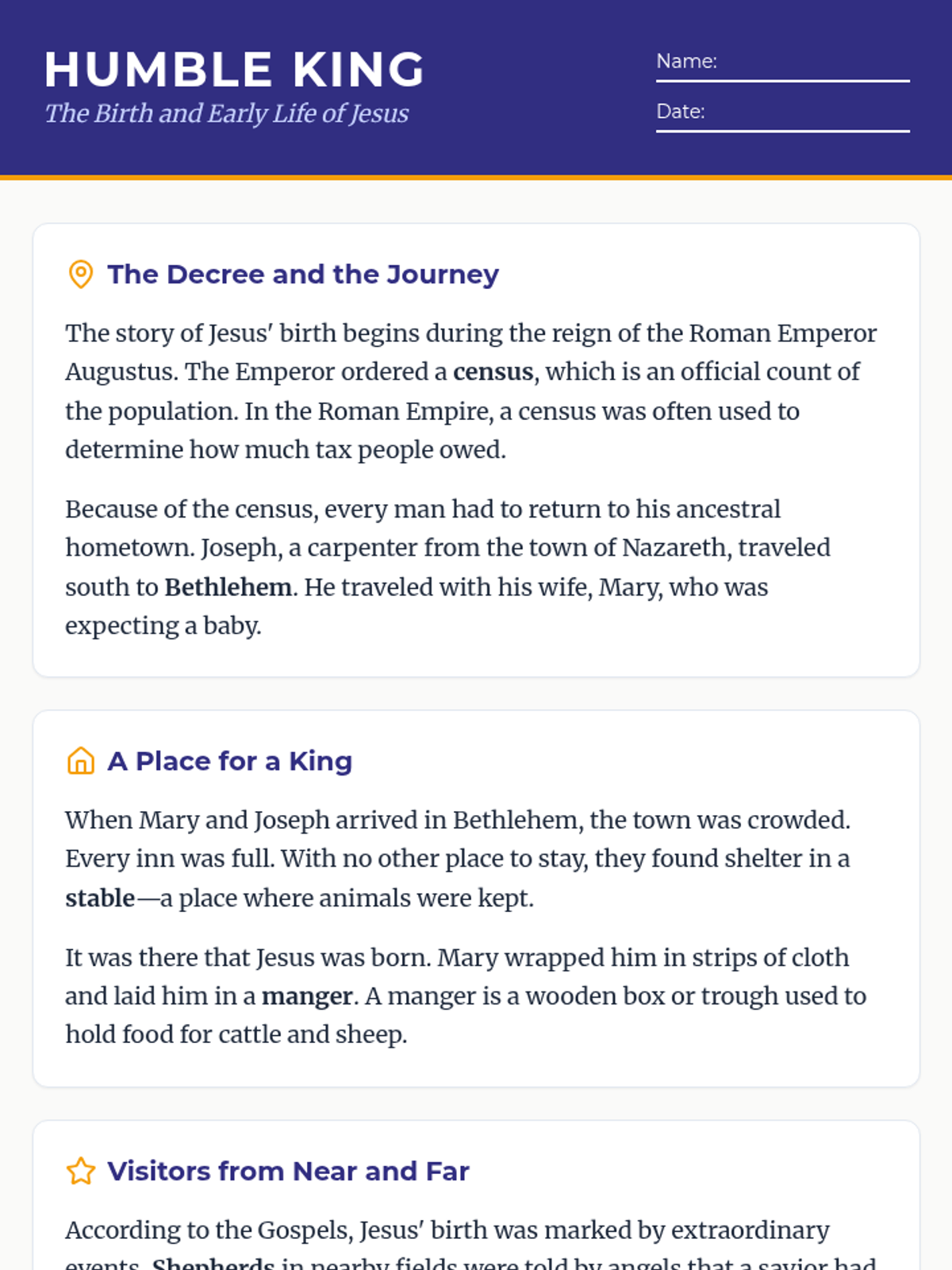
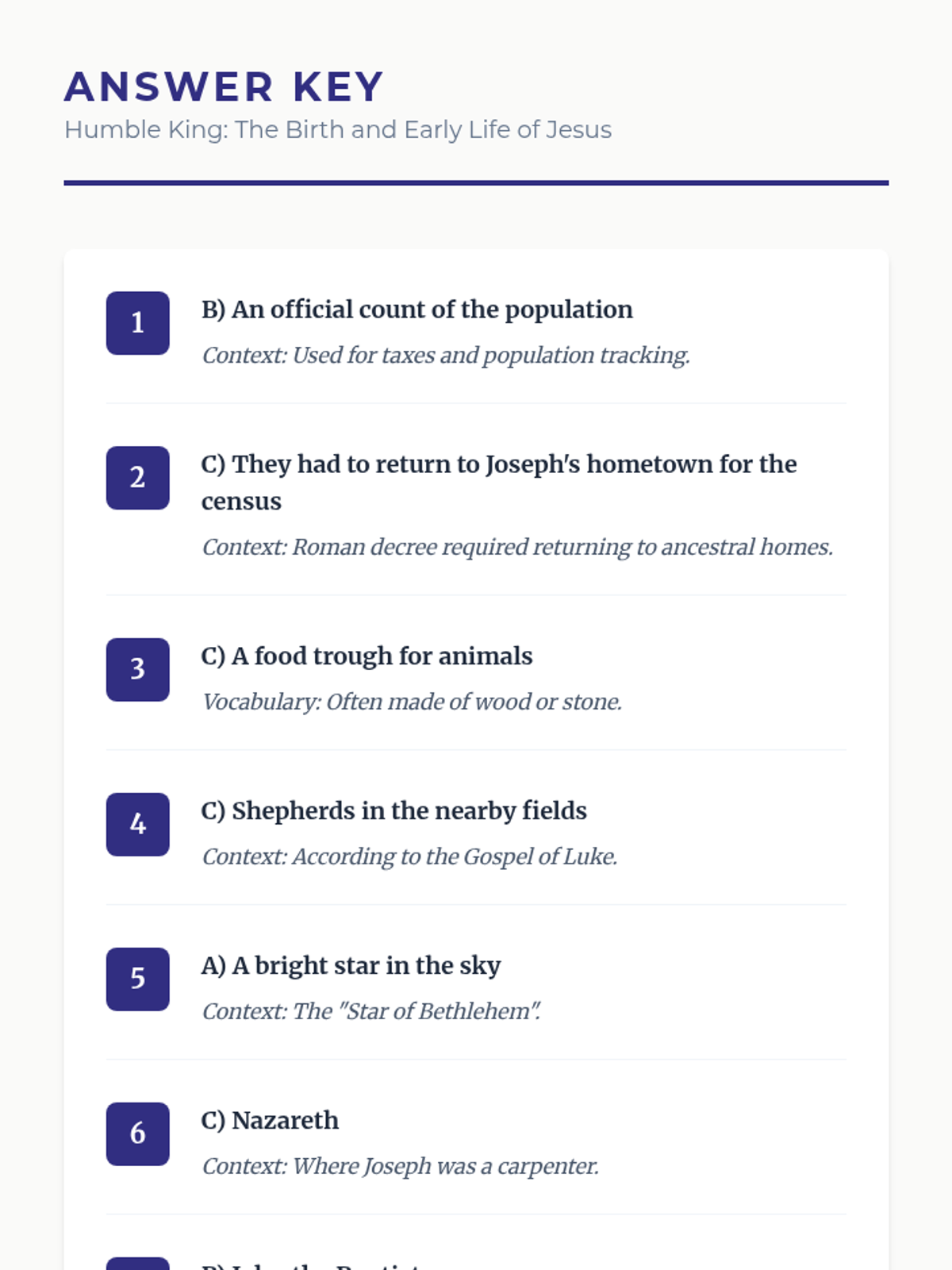
A lesson exploring the foundational narratives of Christianity, focusing on the life and teachings of Jesus of Nazareth at a modified 7th-grade reading level.
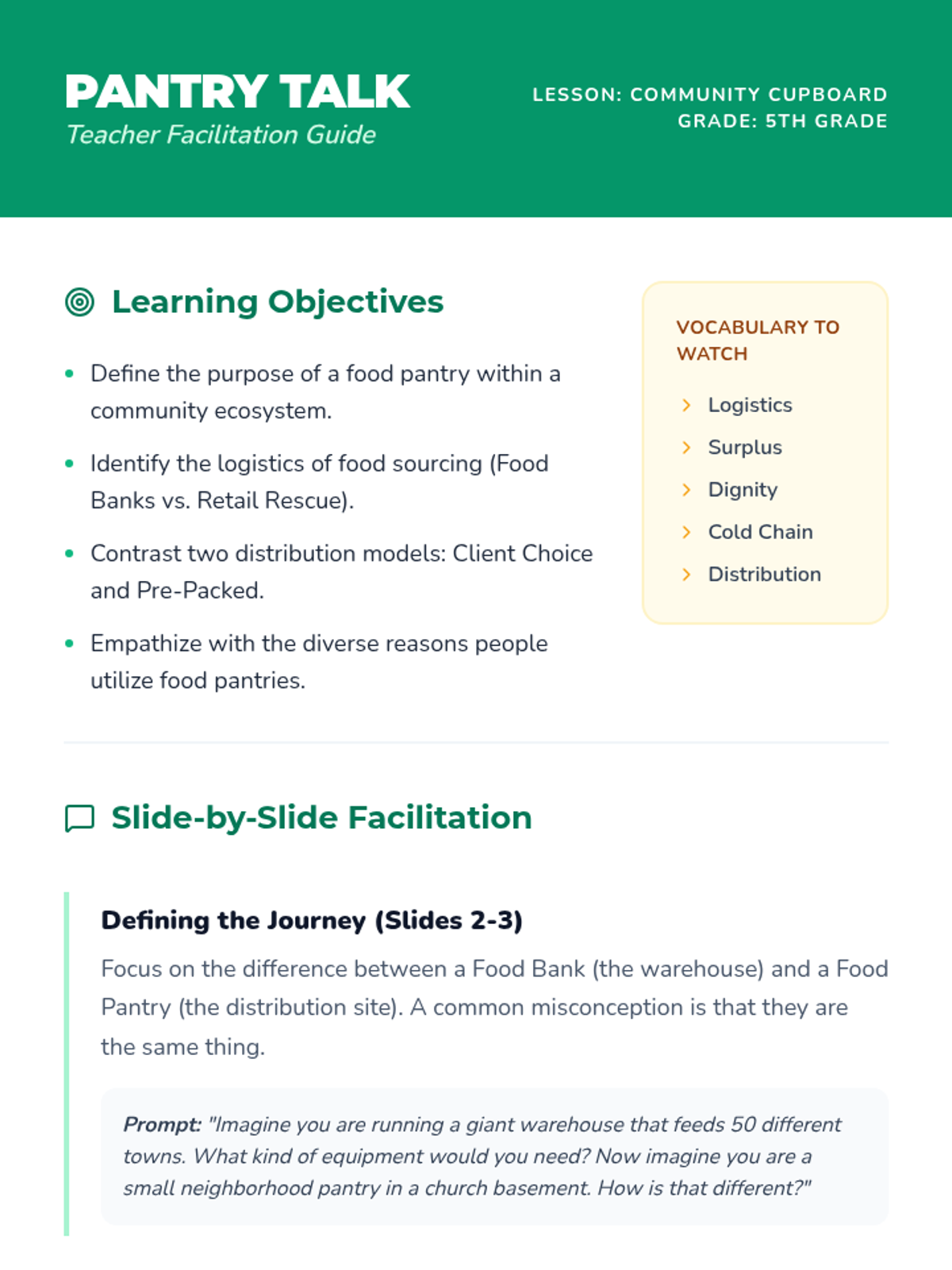
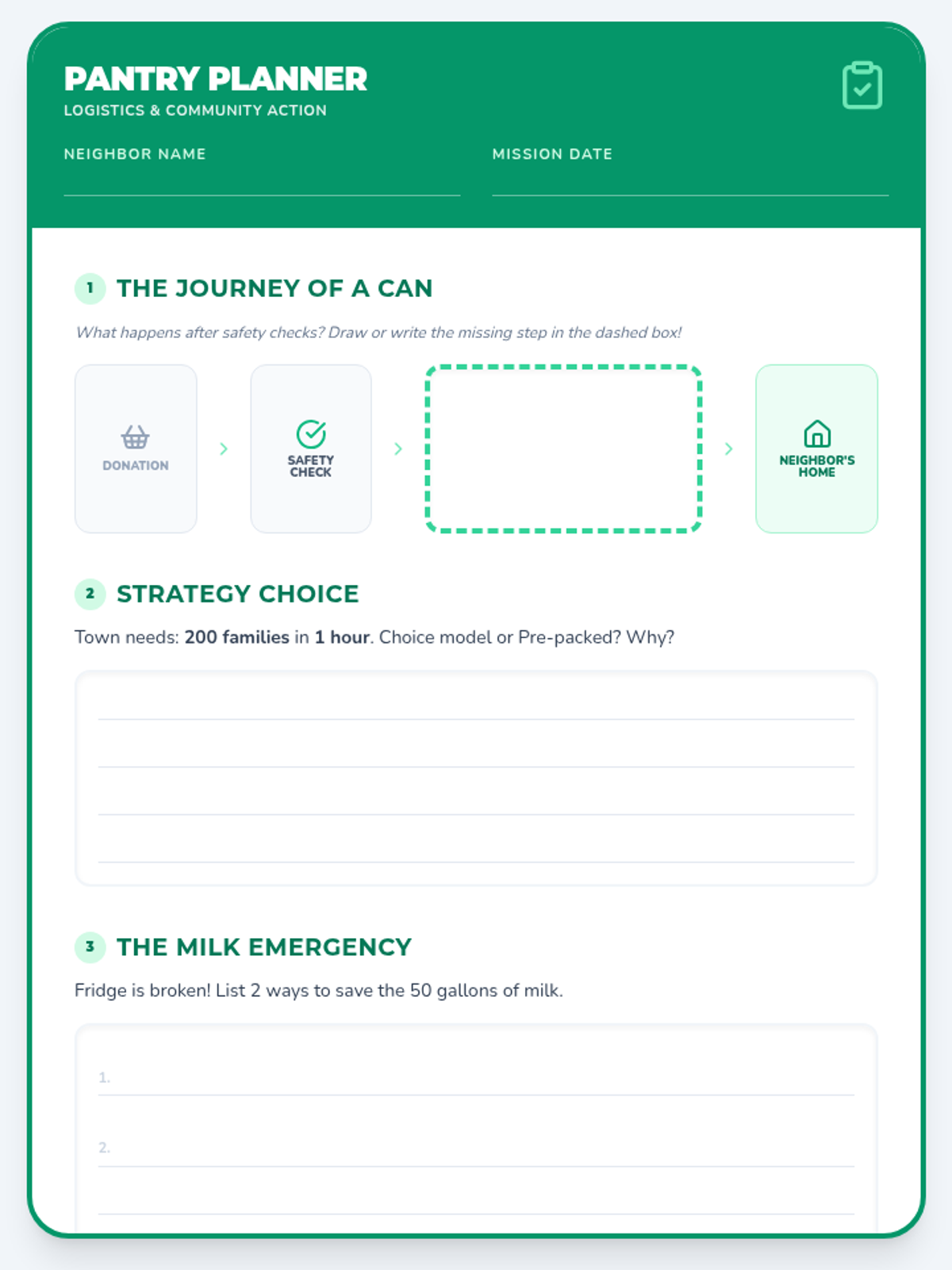
This lesson introduces 5th-grade students to the concept of a food pantry, focusing on the logistics of how food is sourced, organized, and distributed to help community neighbors.
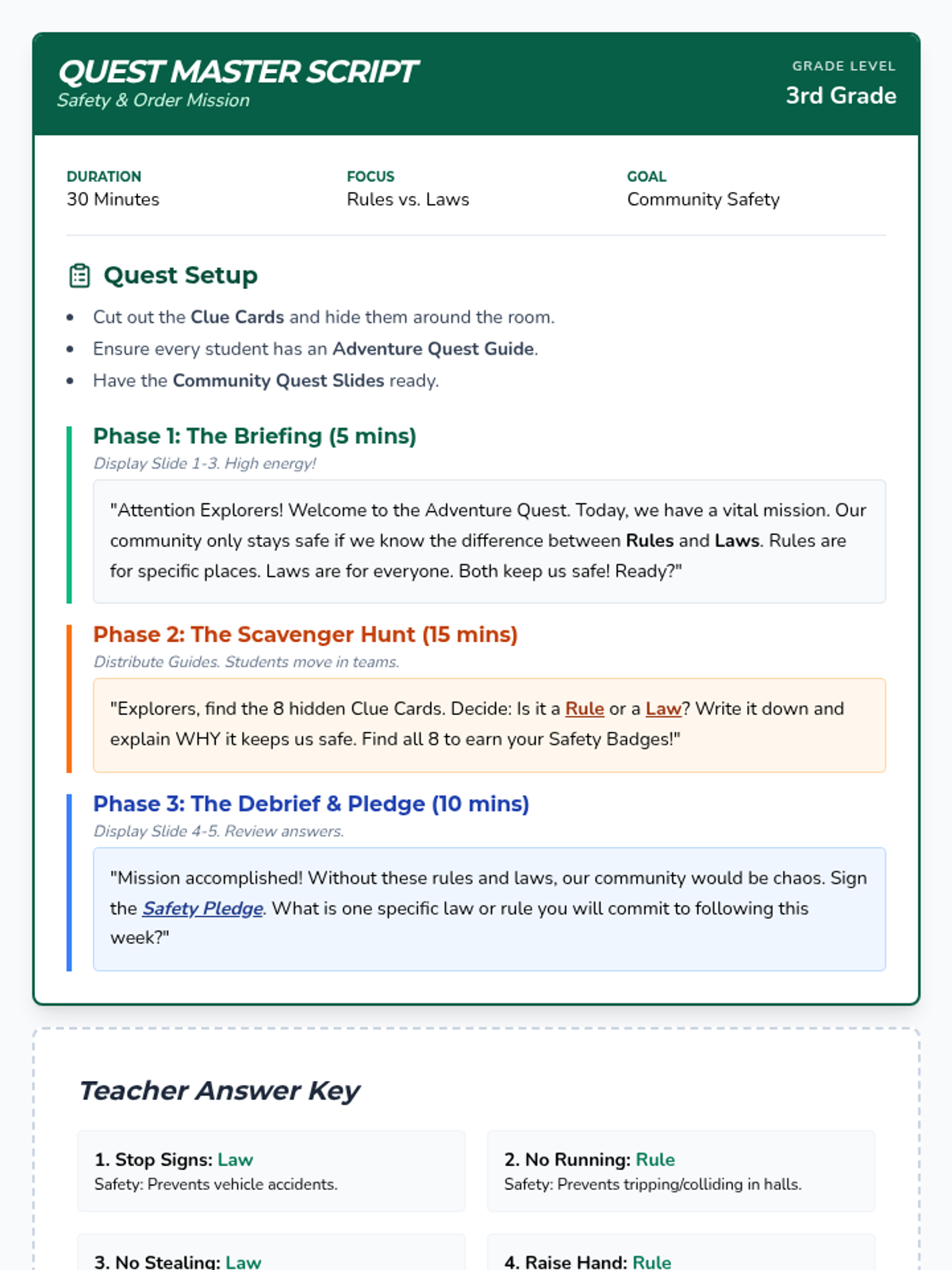
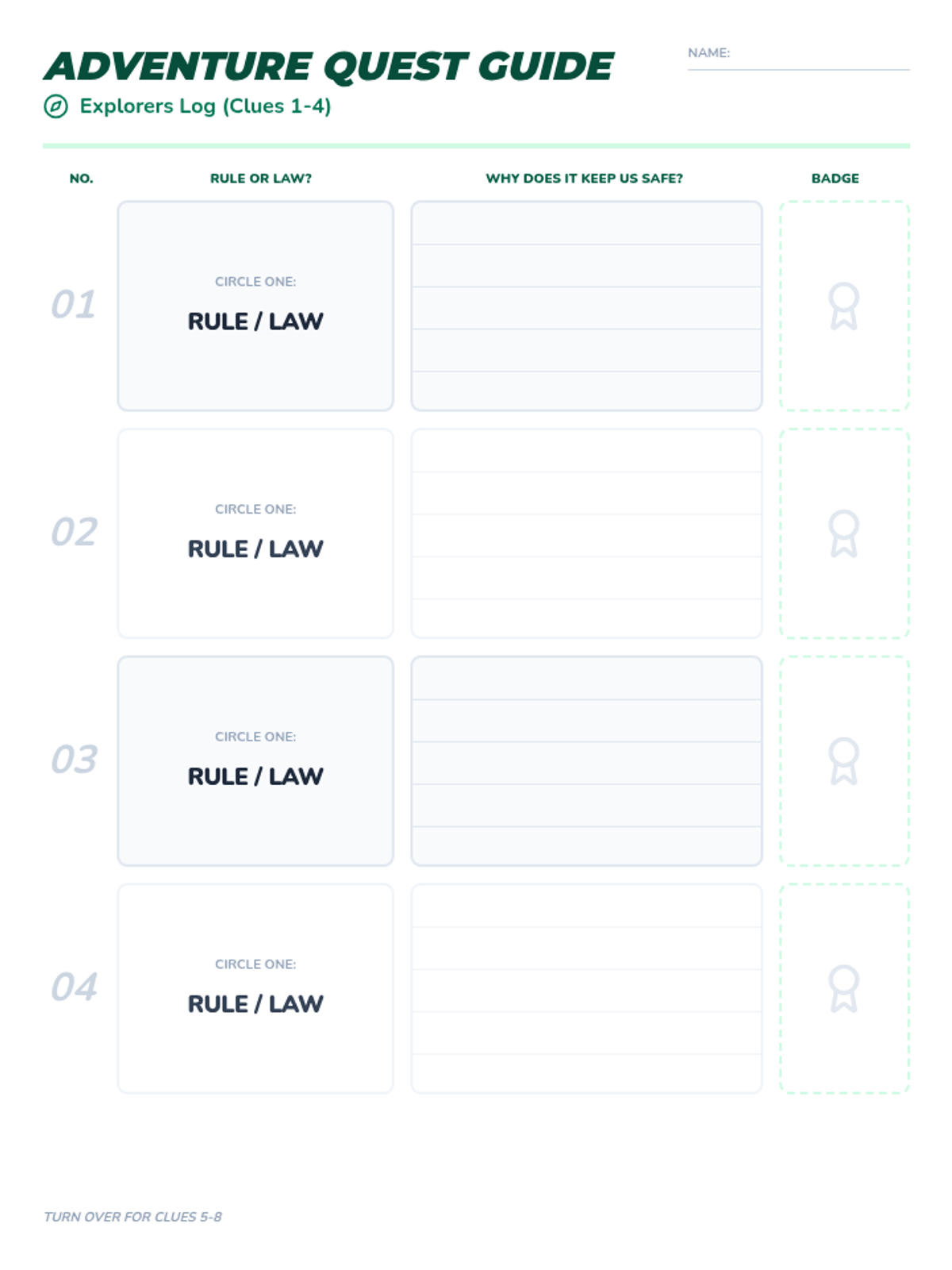
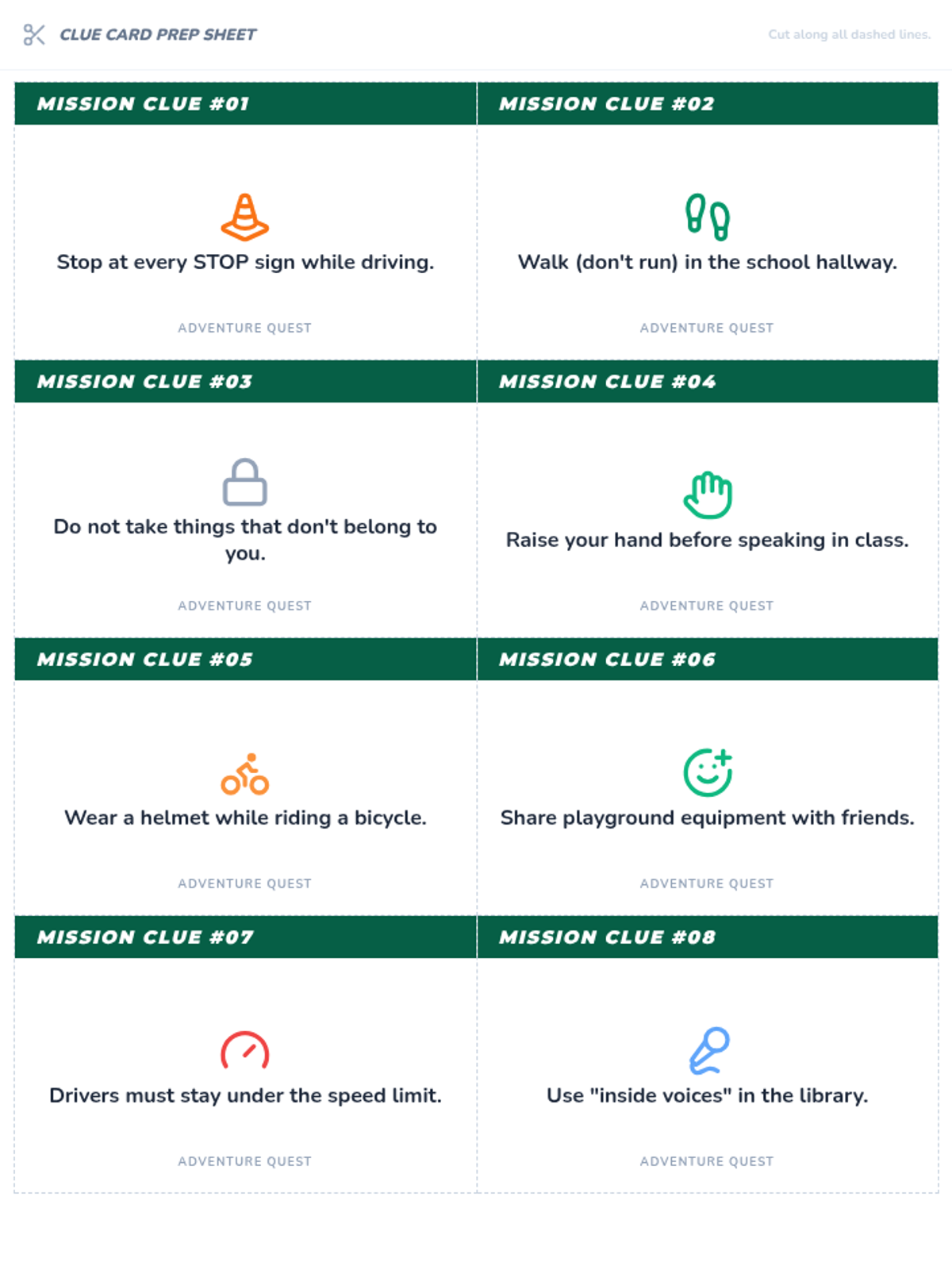
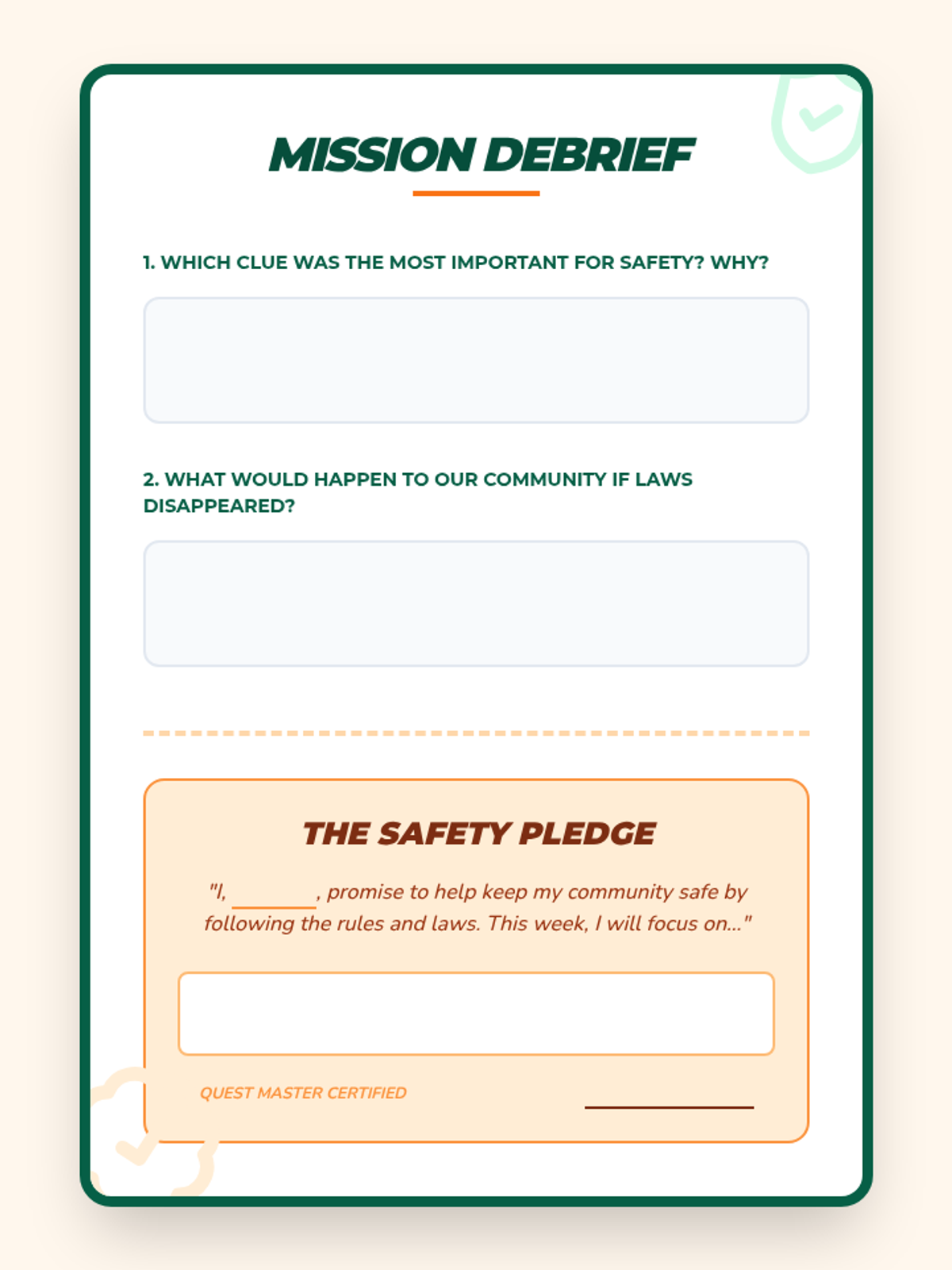
Students embark on a scavenger hunt quest to distinguish between rules and laws while discovering how they ensure community safety. The lesson concludes with a personal pledge to uphold safety standards.
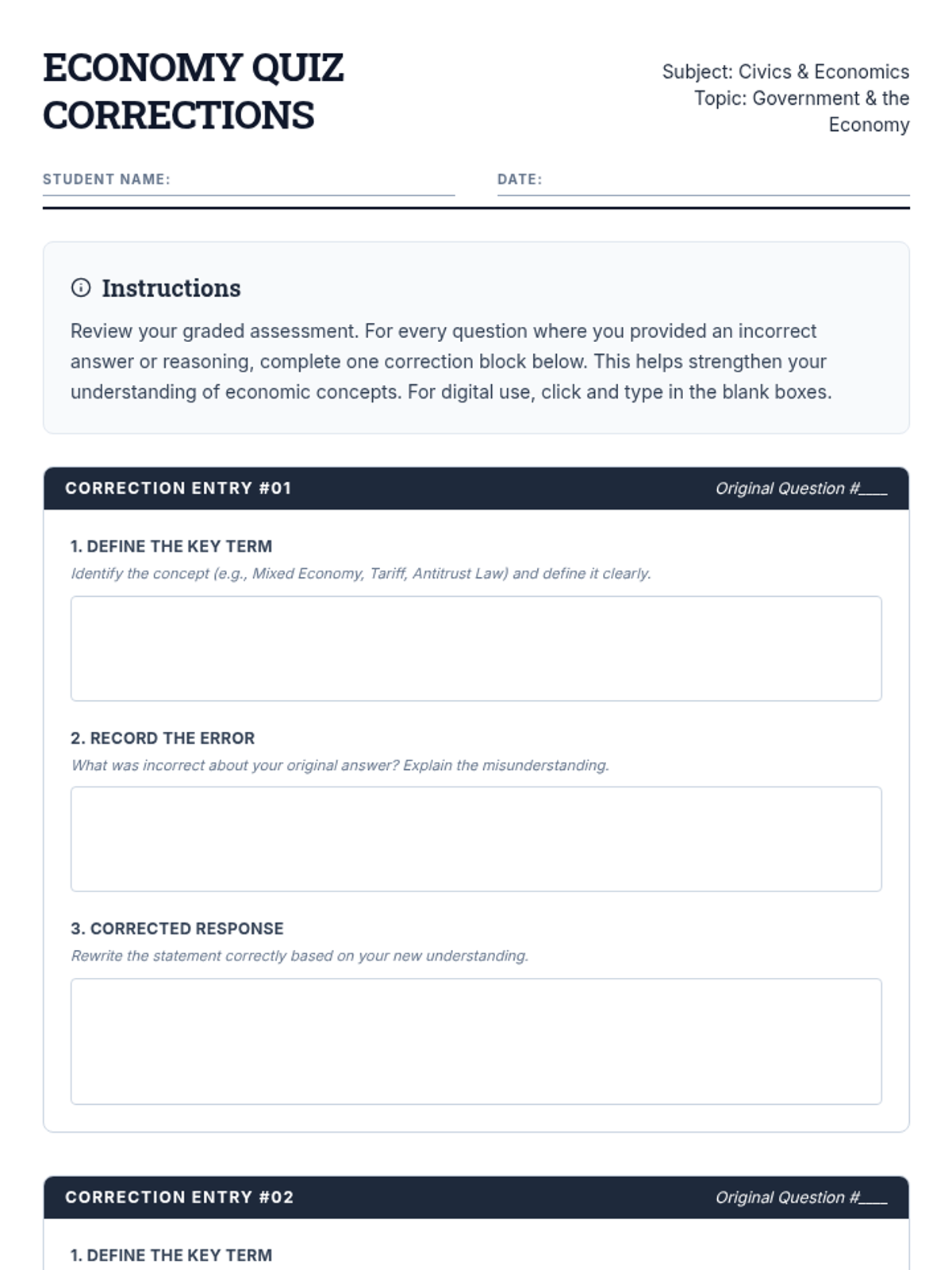
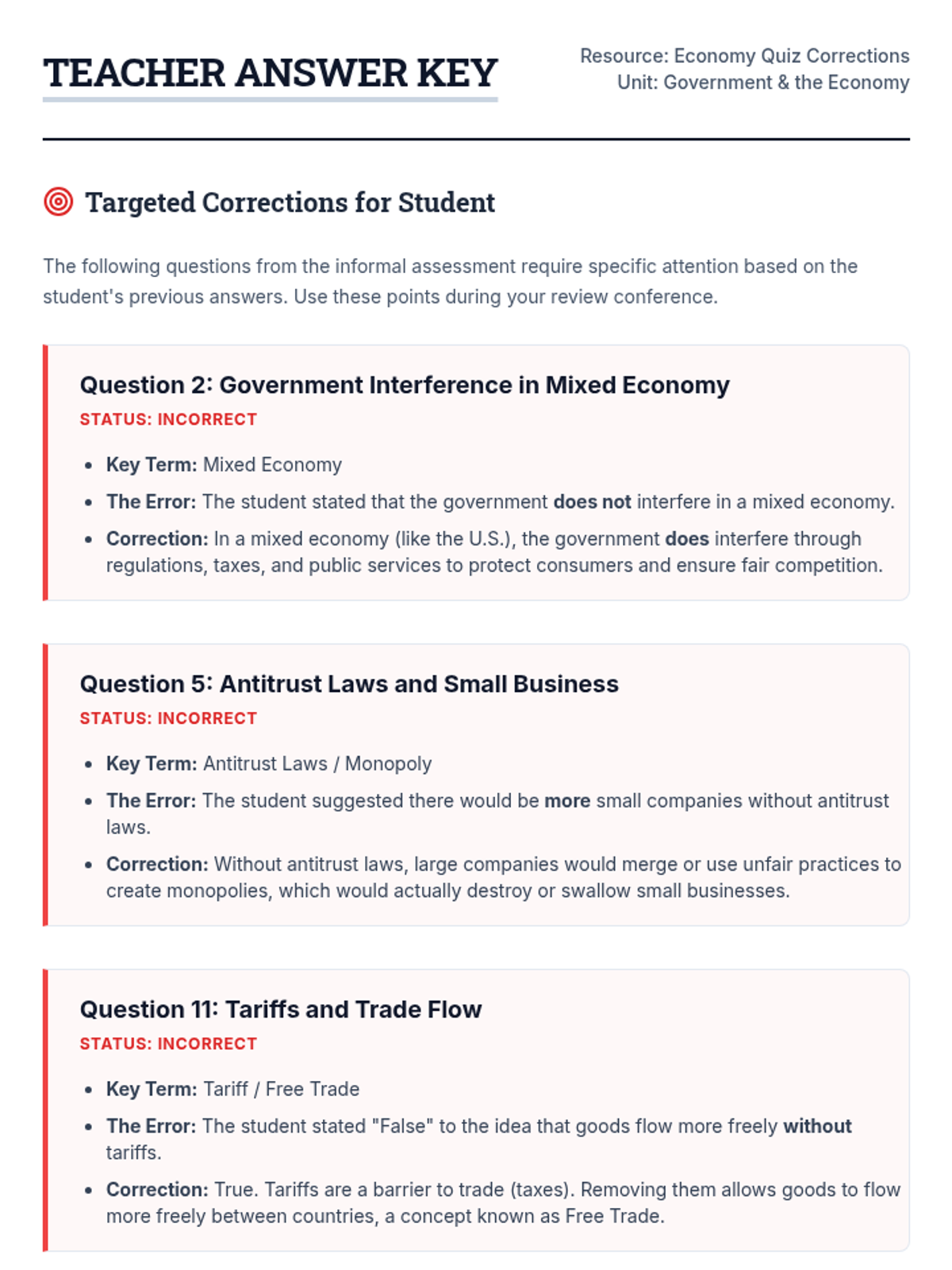
A targeted intervention lesson focused on correcting misconceptions regarding government intervention in the economy, specifically mixed vs. command economies, antitrust legislation, and international trade (tariffs).
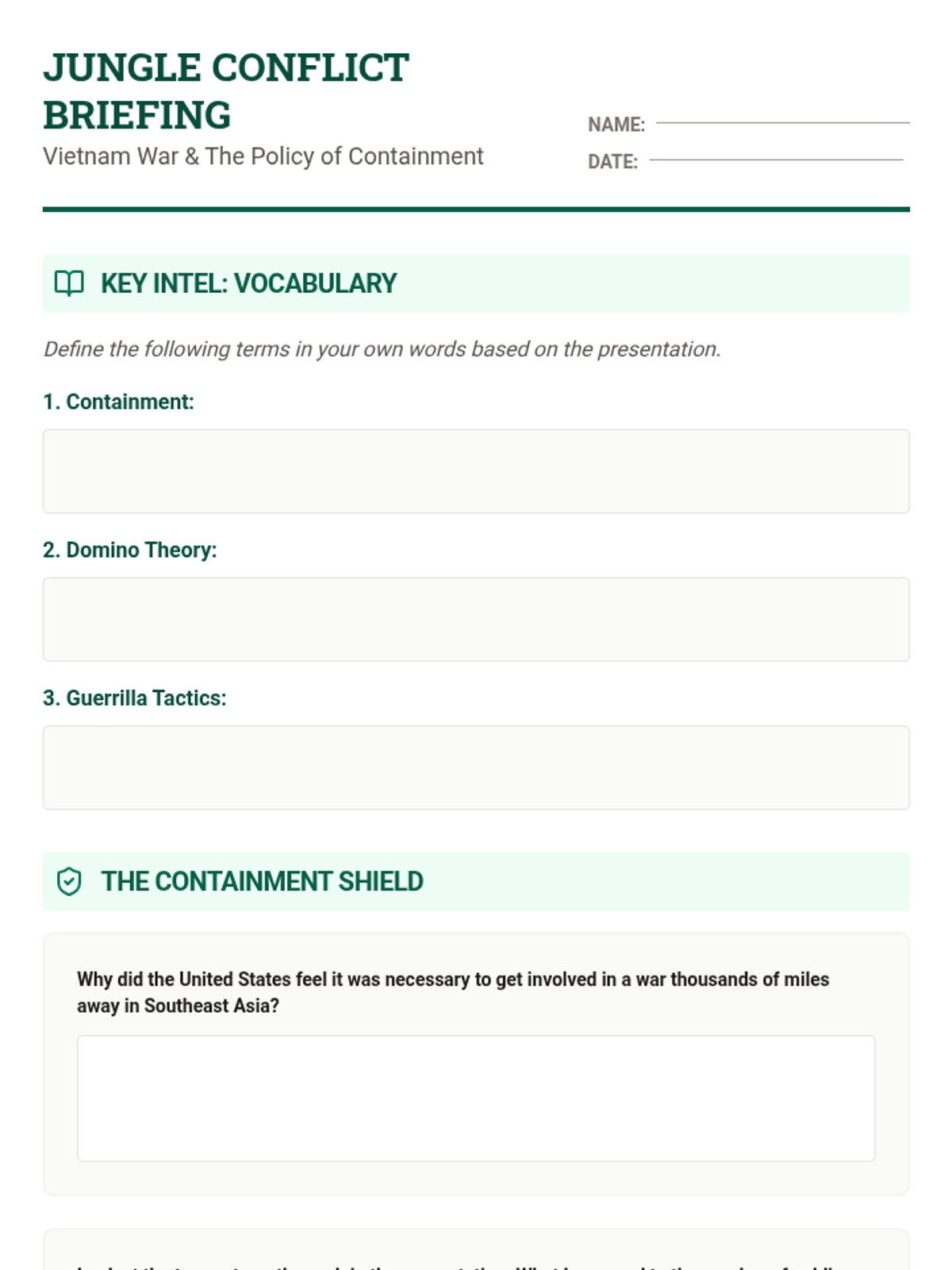
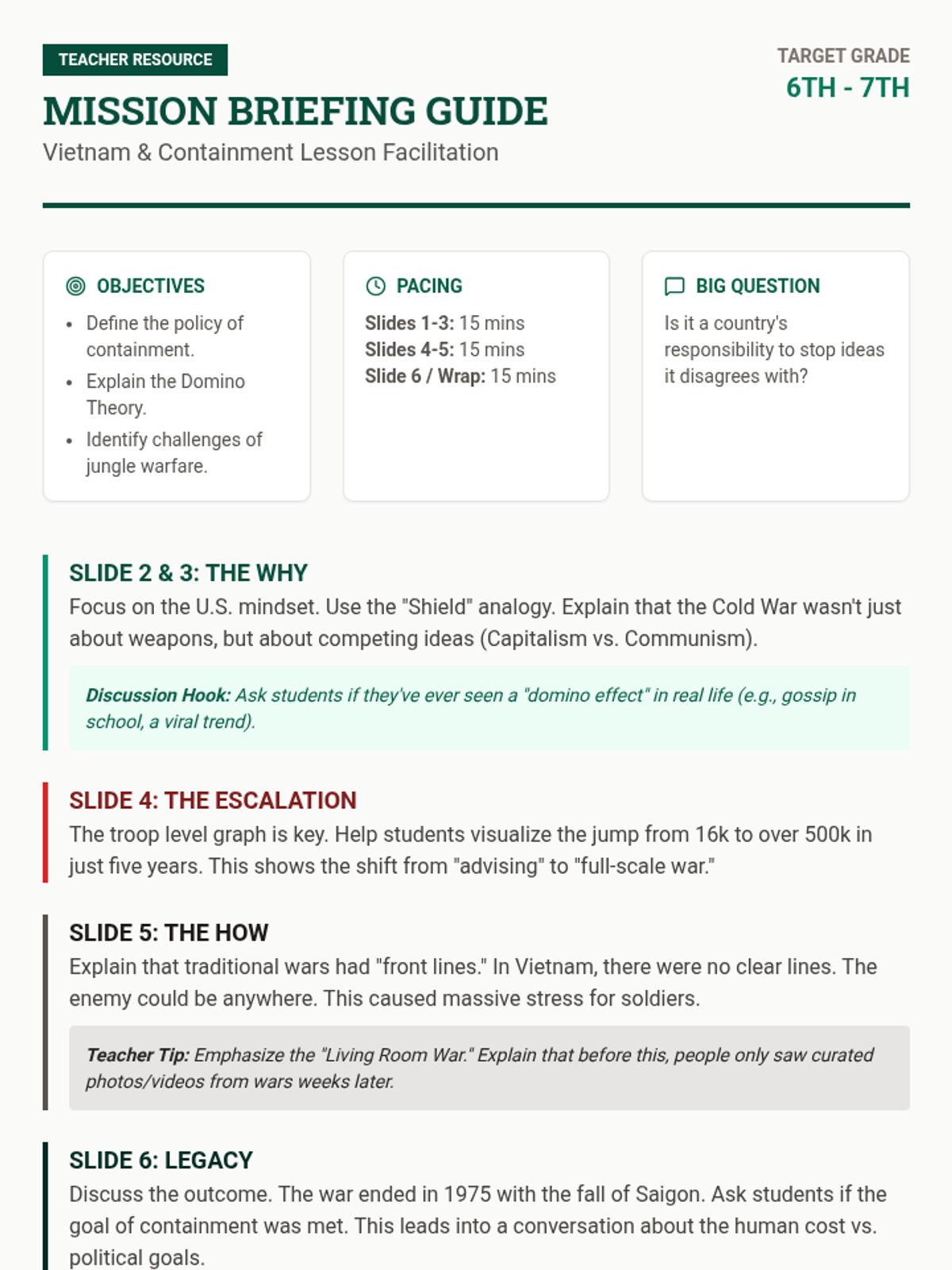
This lesson explores the origins of the Vietnam War through the lens of the US policy of containment and the Domino Theory, designed for middle school students.
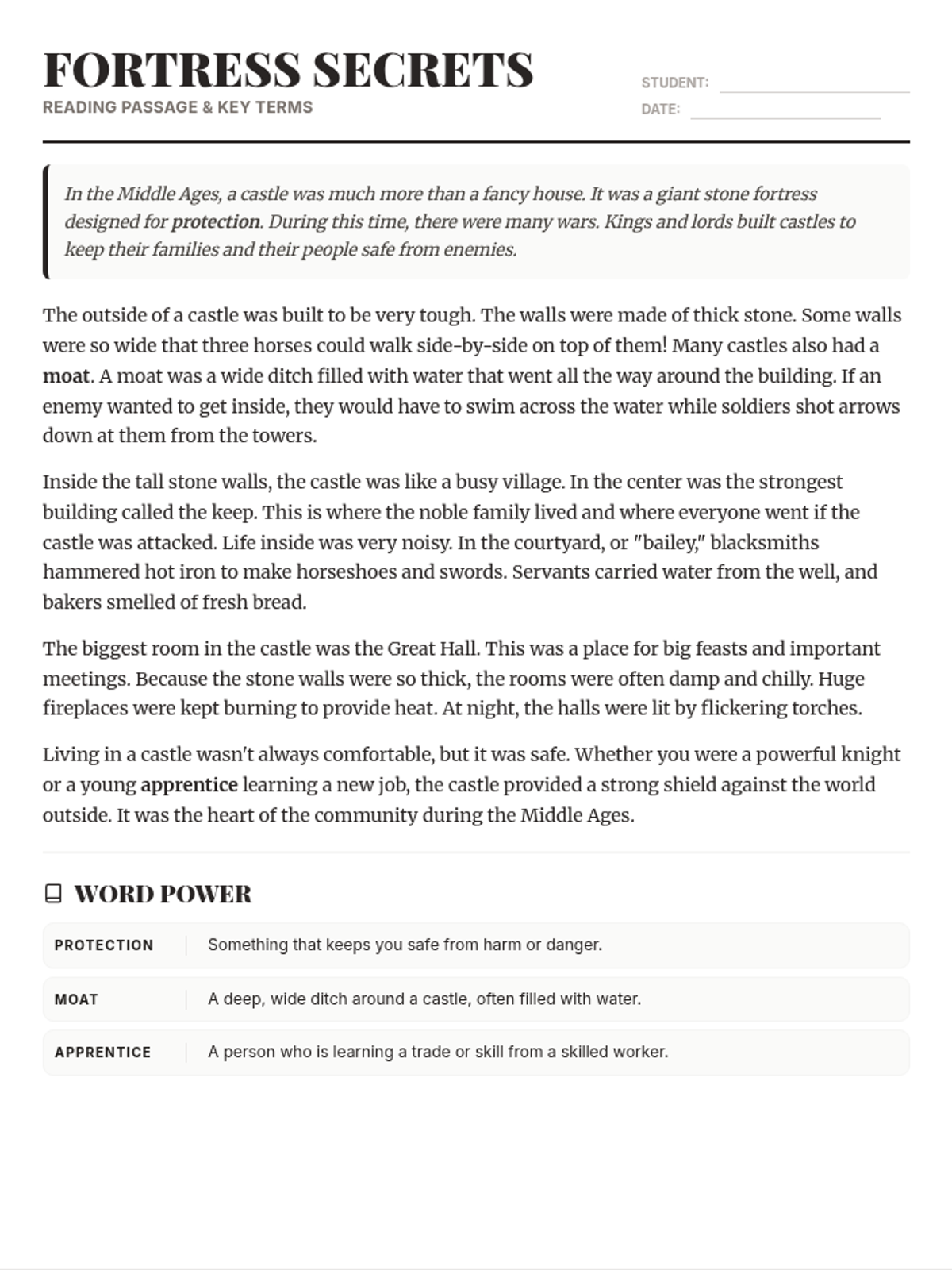
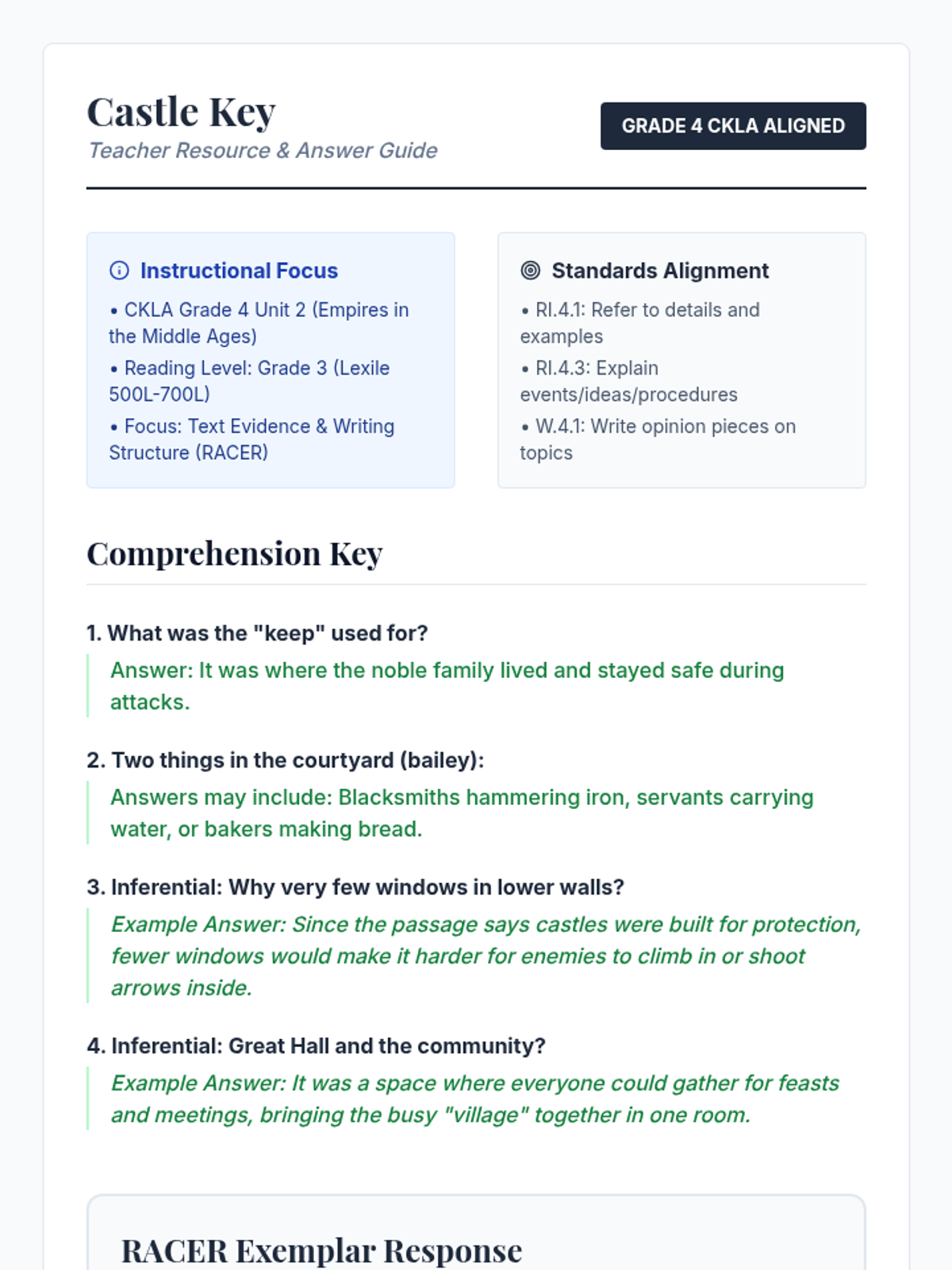
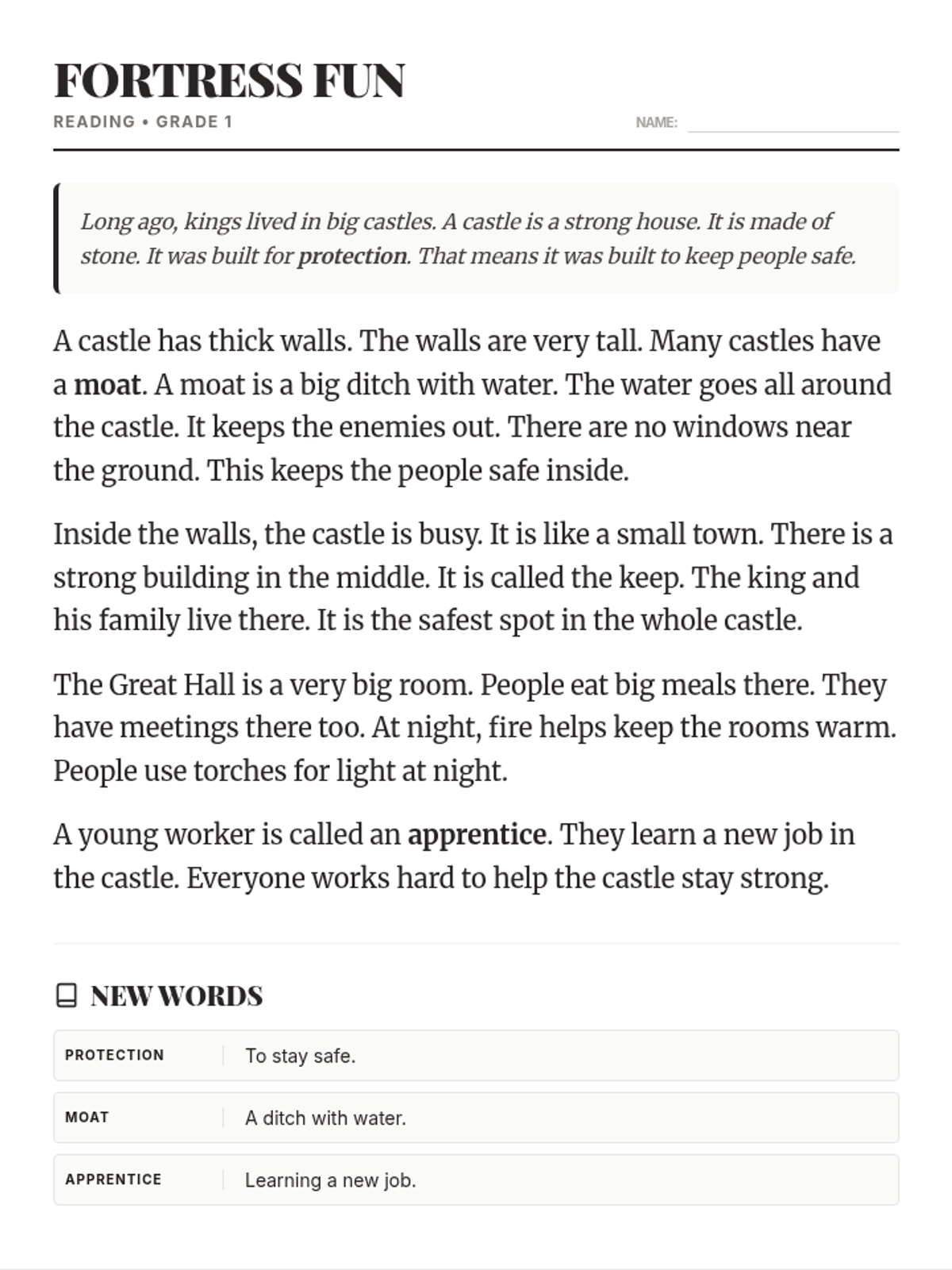
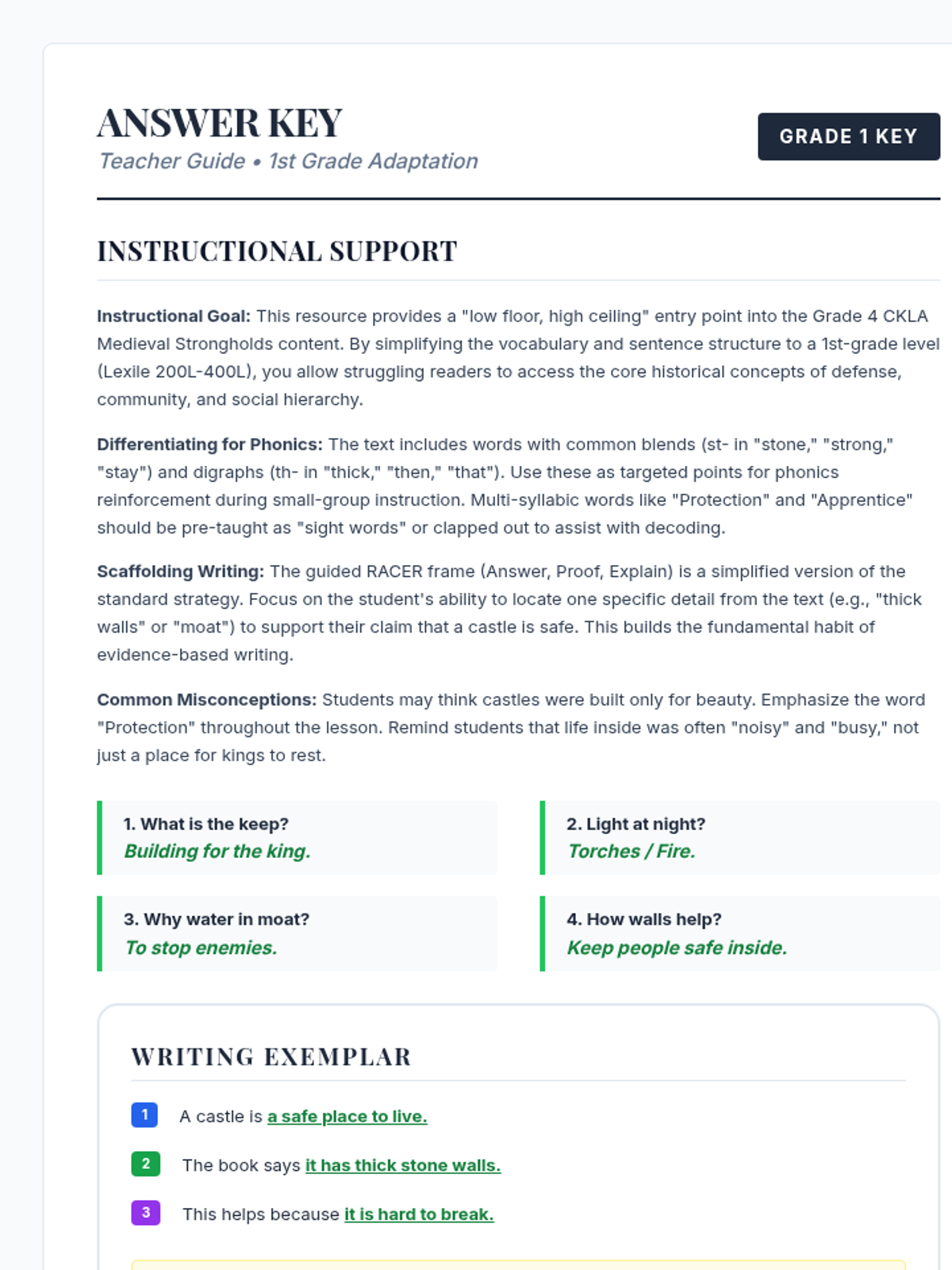
A lesson focusing on life in a medieval castle, featuring a reading passage adapted for Grade 3 reading levels that aligns with Grade 4 CKLA social studies standards. Students will practice vocabulary, answer comprehension questions, and use the RACER strategy for an open response.
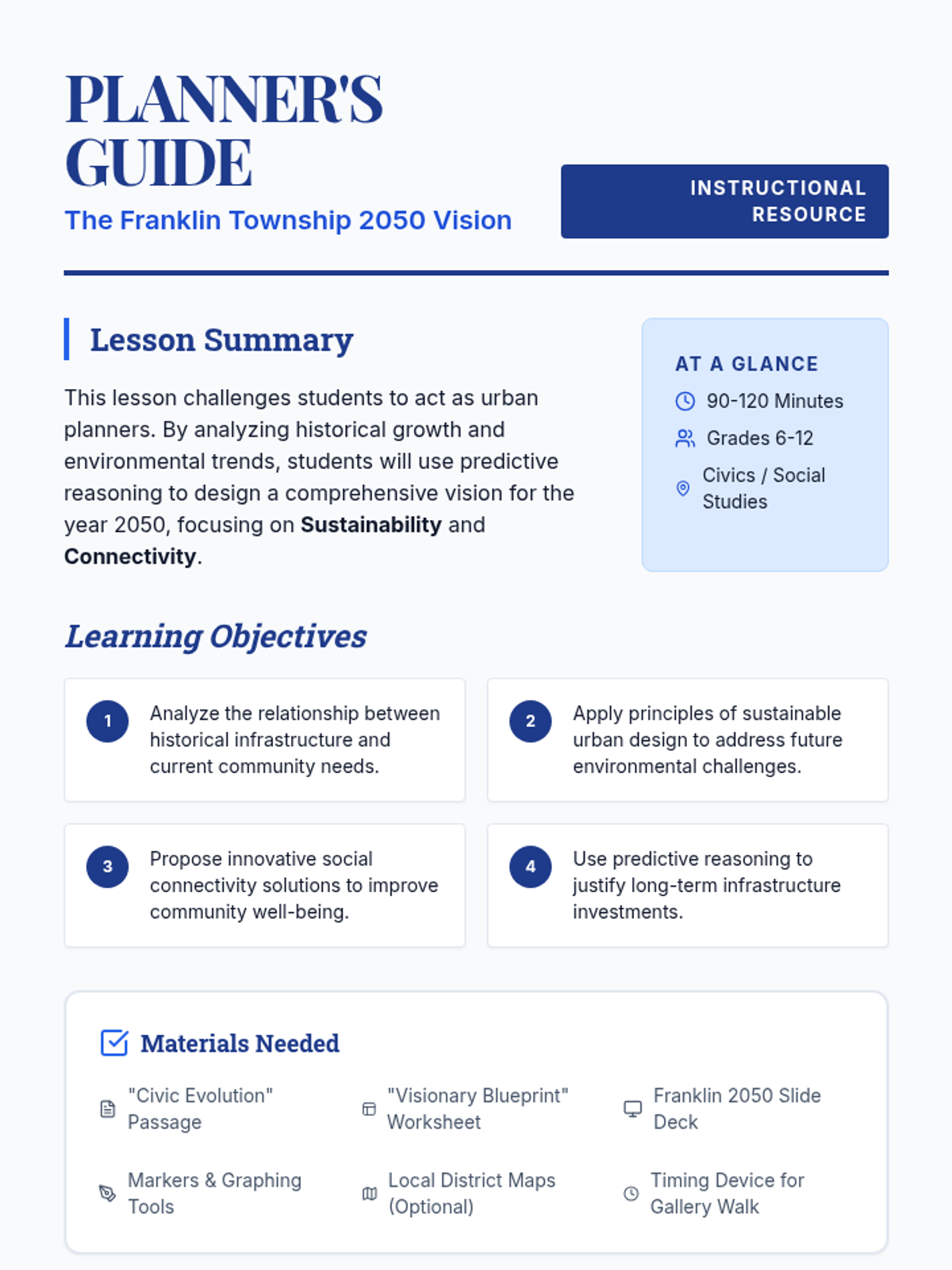
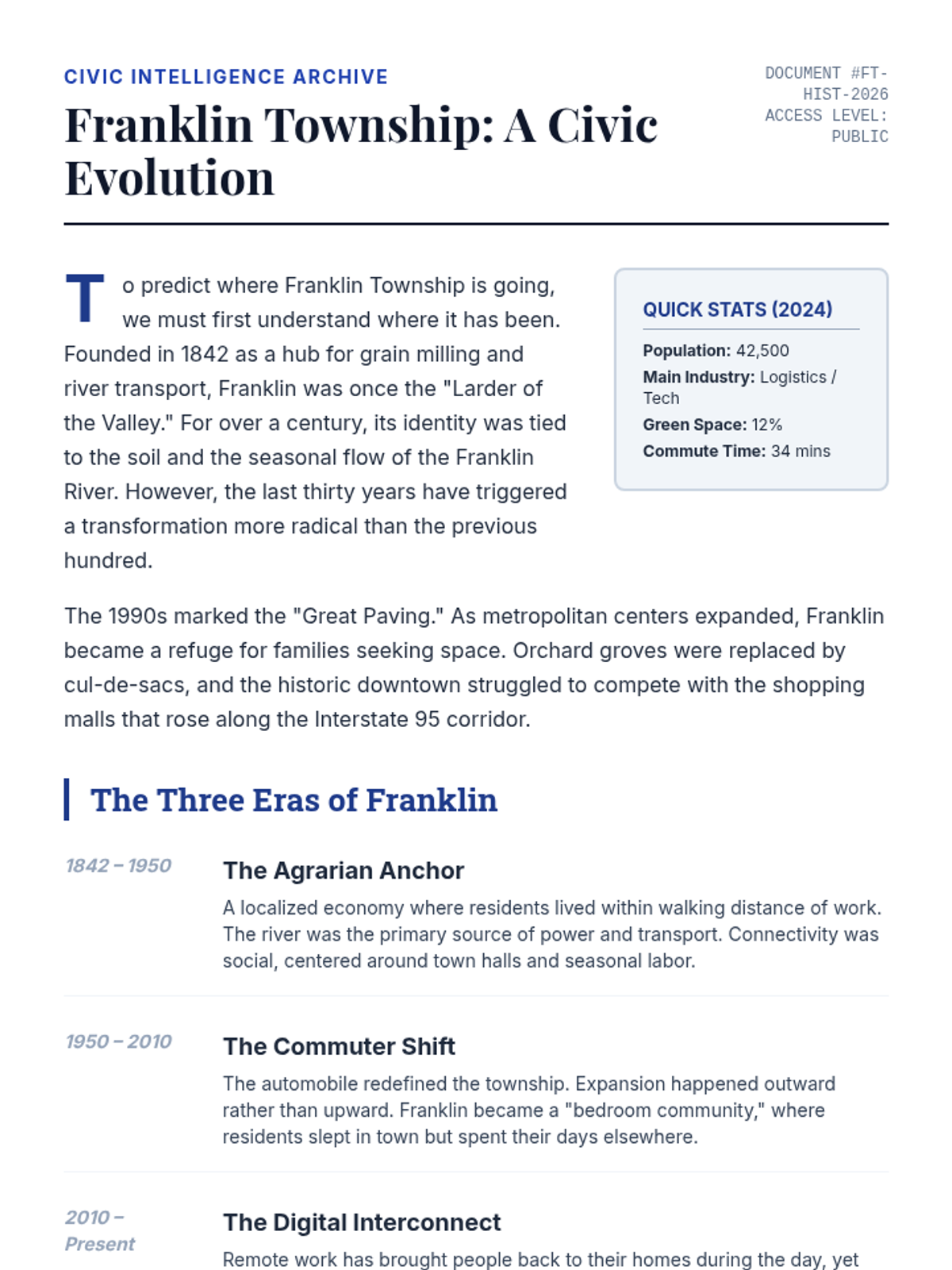
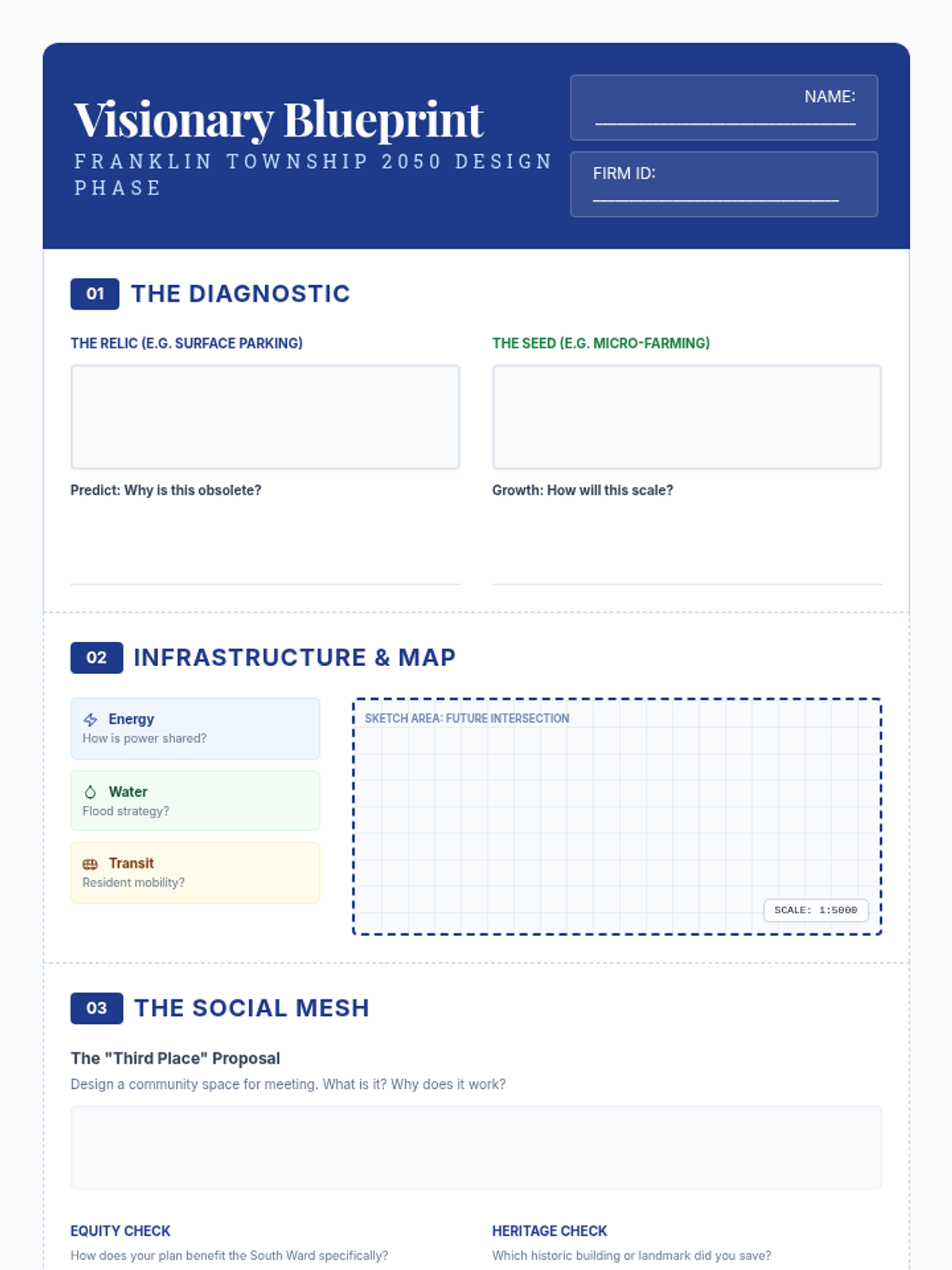
A civic design lesson where students apply historical context and sustainability principles to imagine their community in 2050. Students analyze local evolution and propose infrastructure and social connectivity improvements.
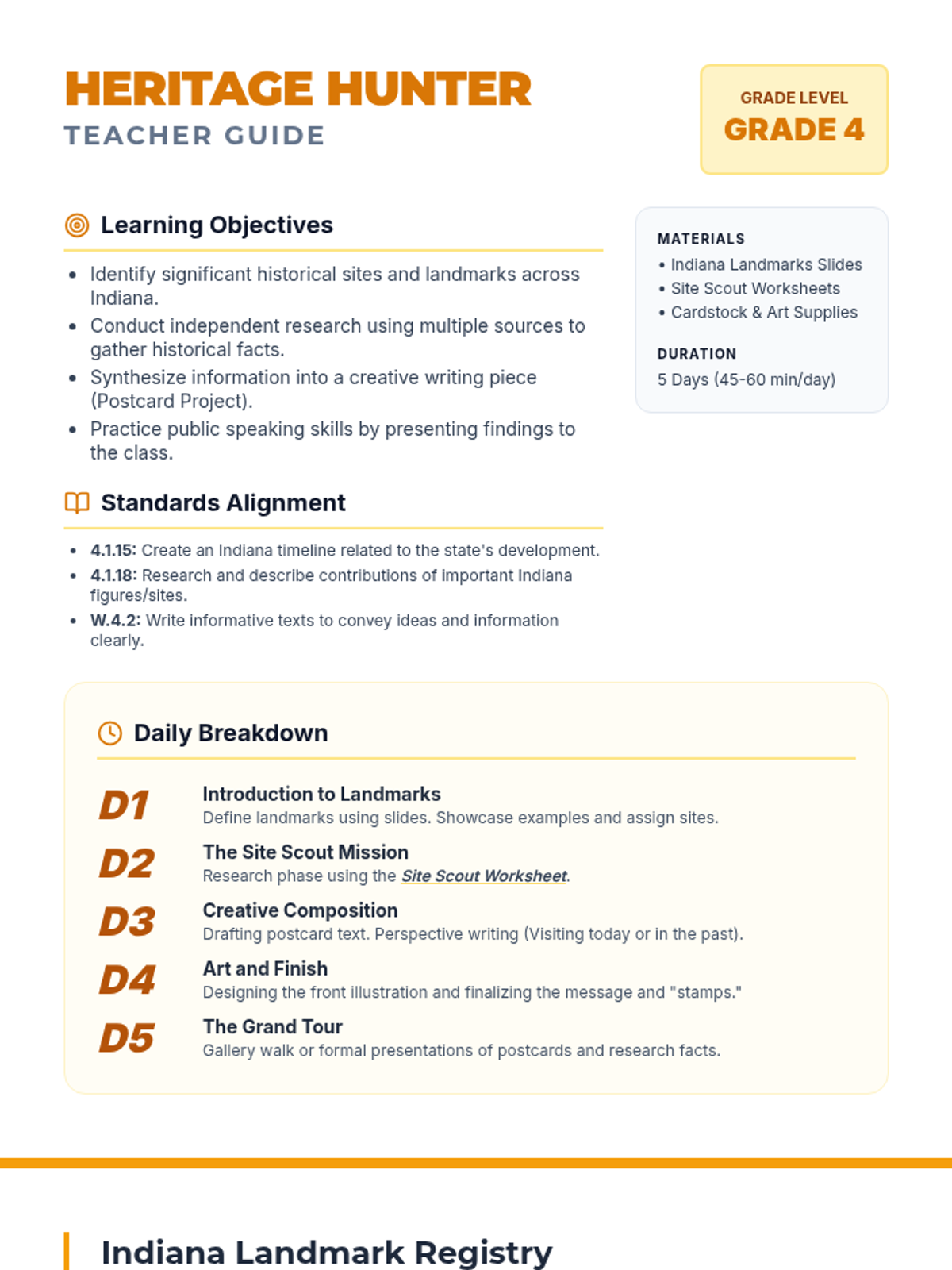
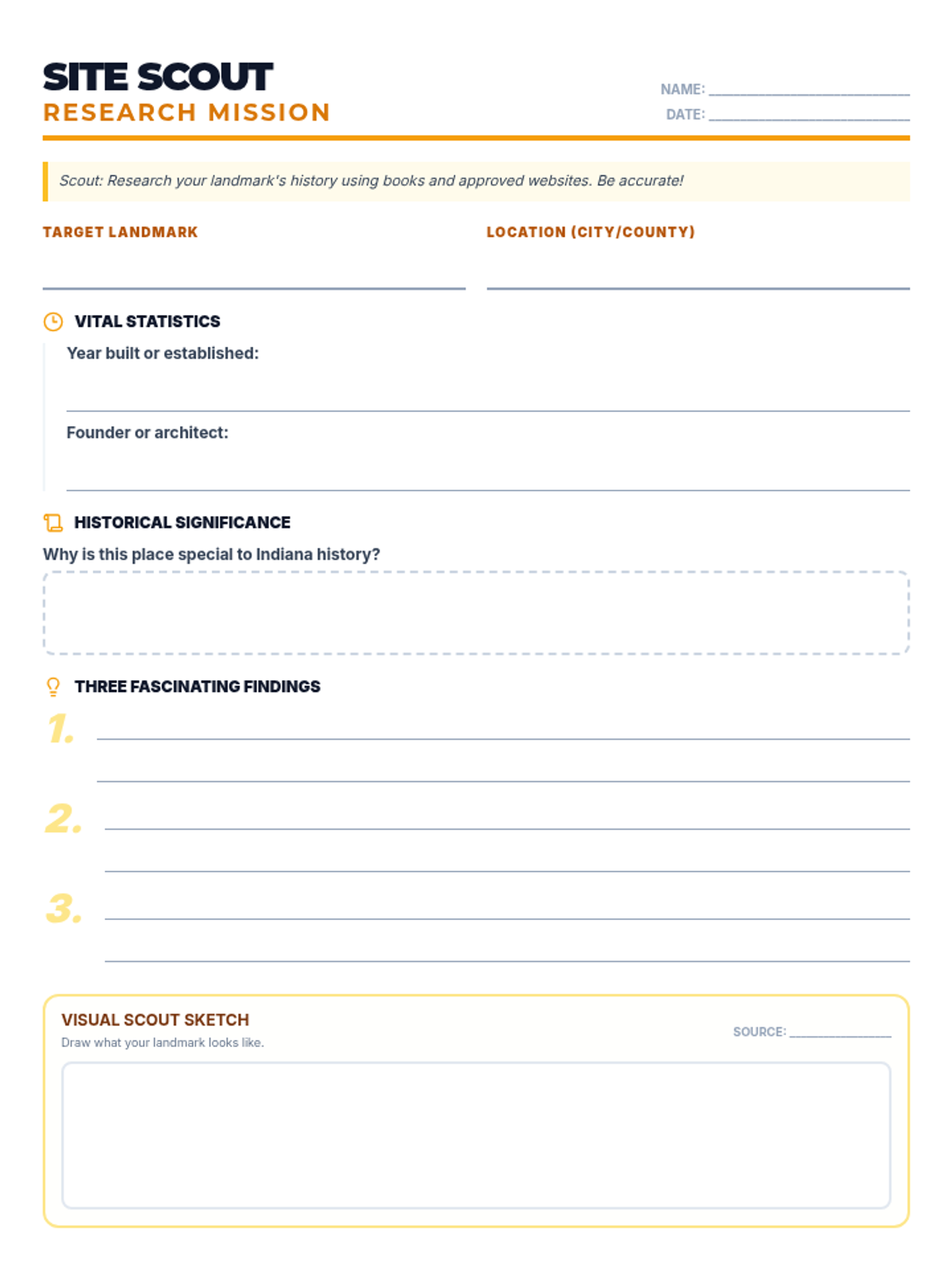
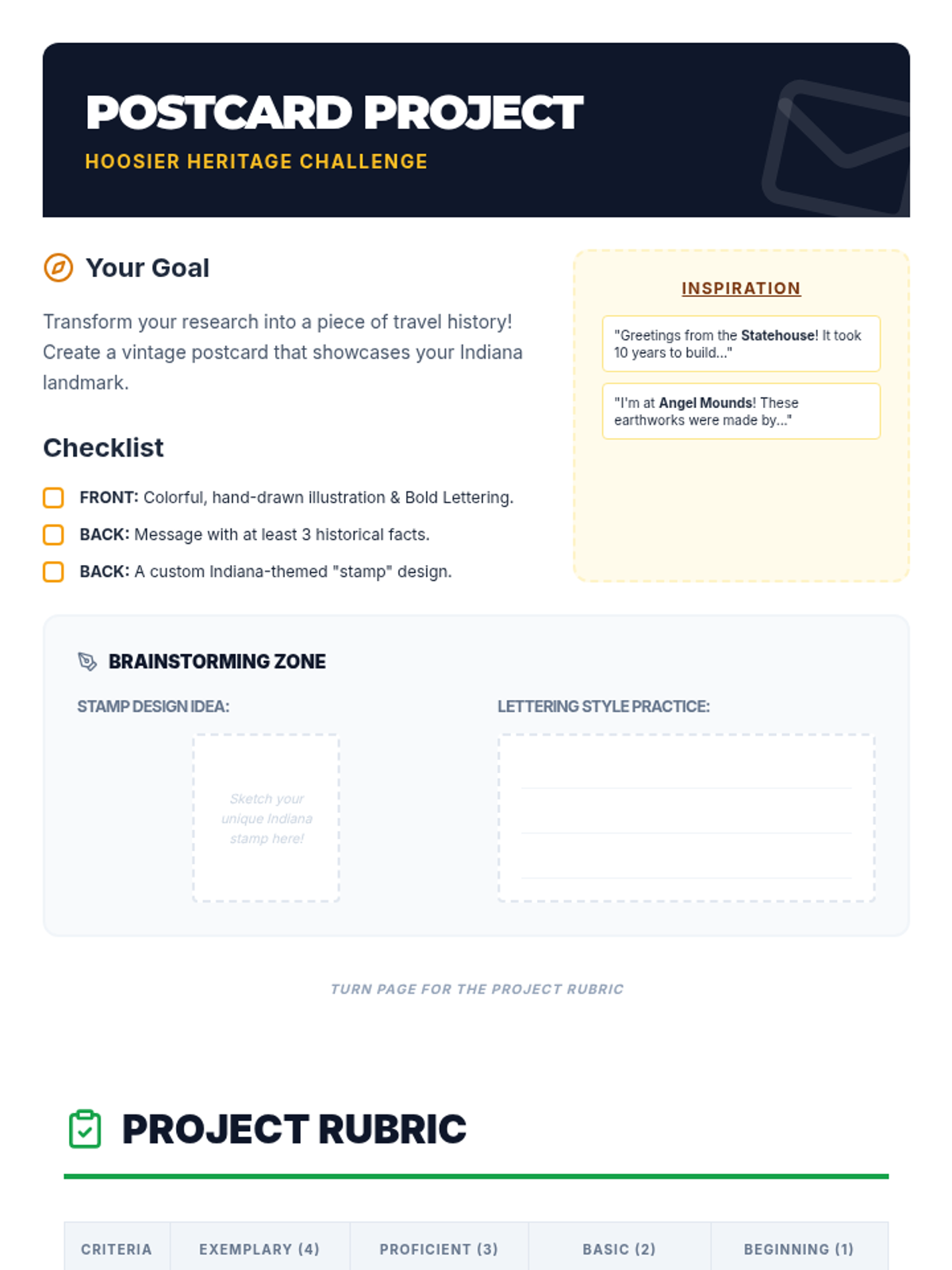
A project-based social studies lesson where 4th graders research and present on Indiana historical landmarks, synthesizing history, writing, and public speaking skills.