A high-energy, 100-question trivia game designed for middle school students, covering modern music, movies, fashion, and black history. The lesson promotes cultural literacy and engagement through a competitive game format.
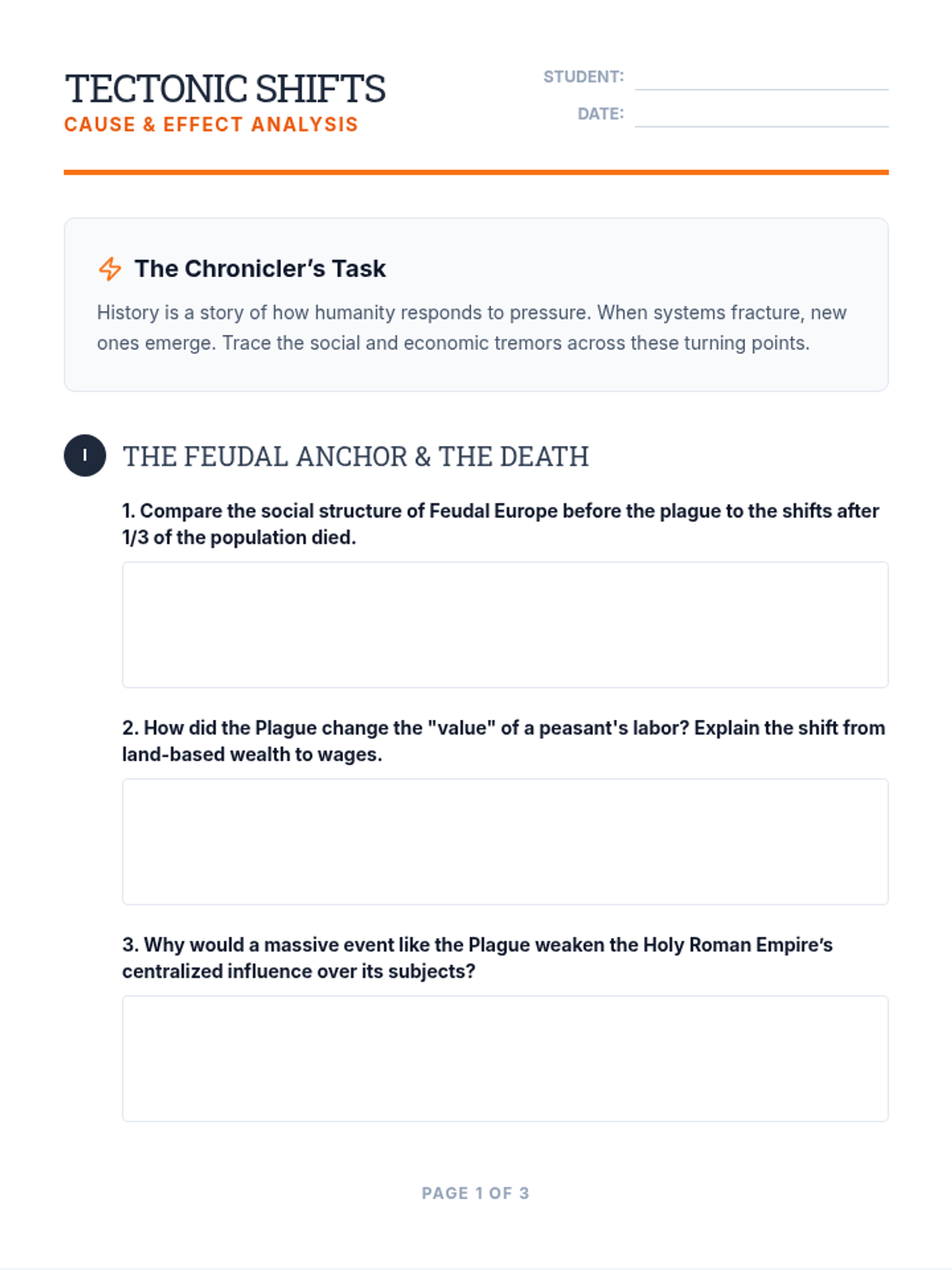
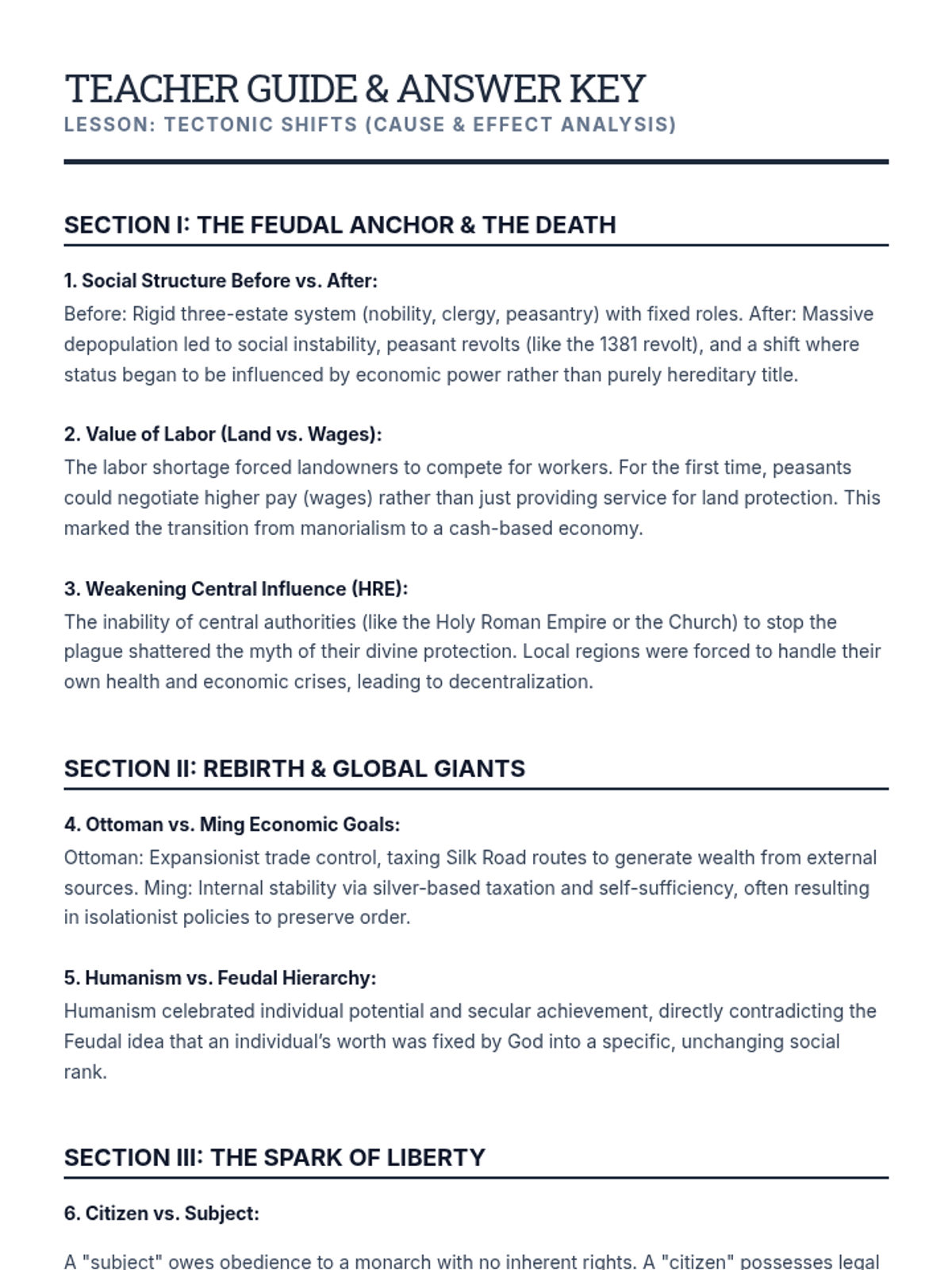
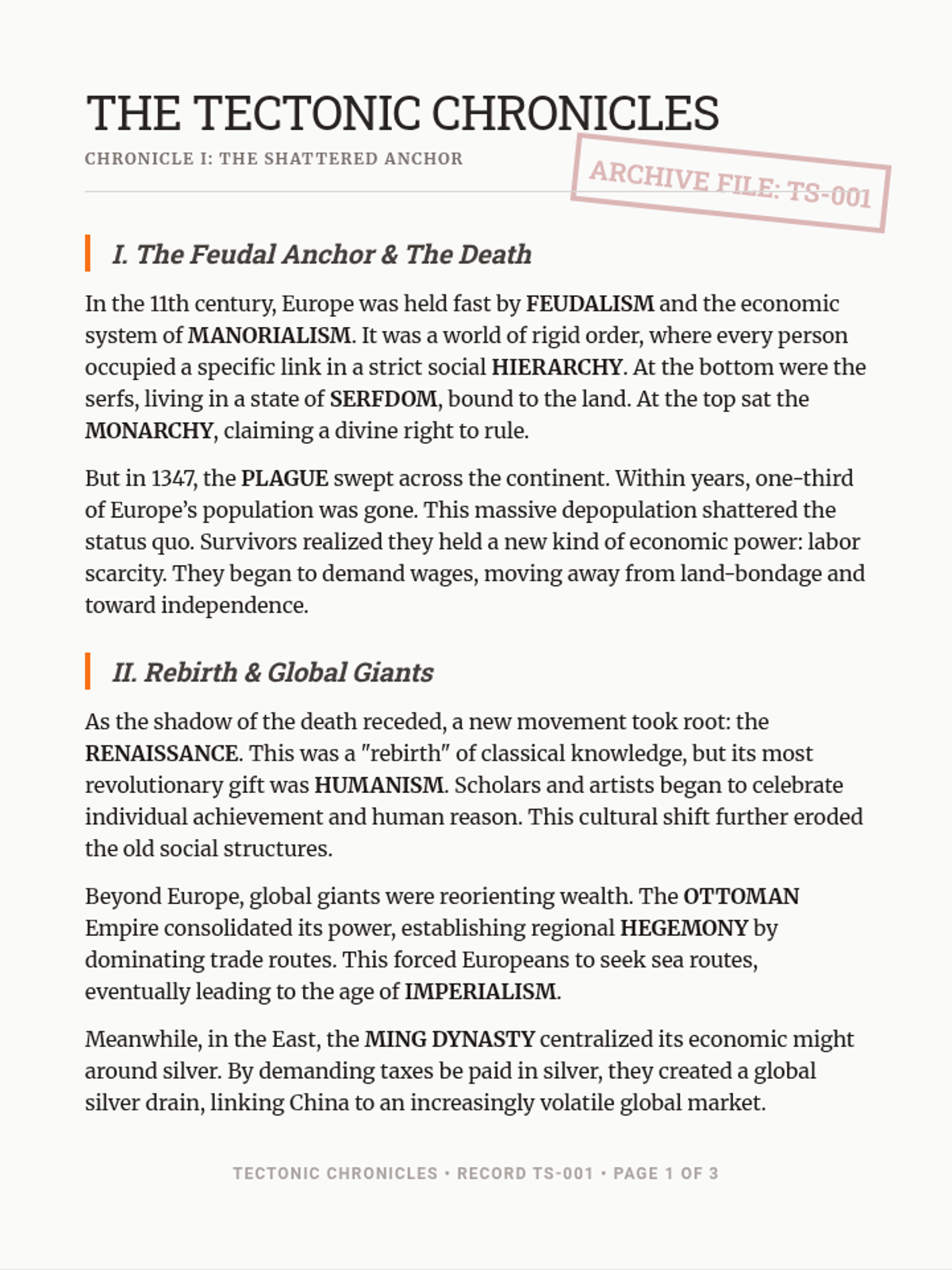
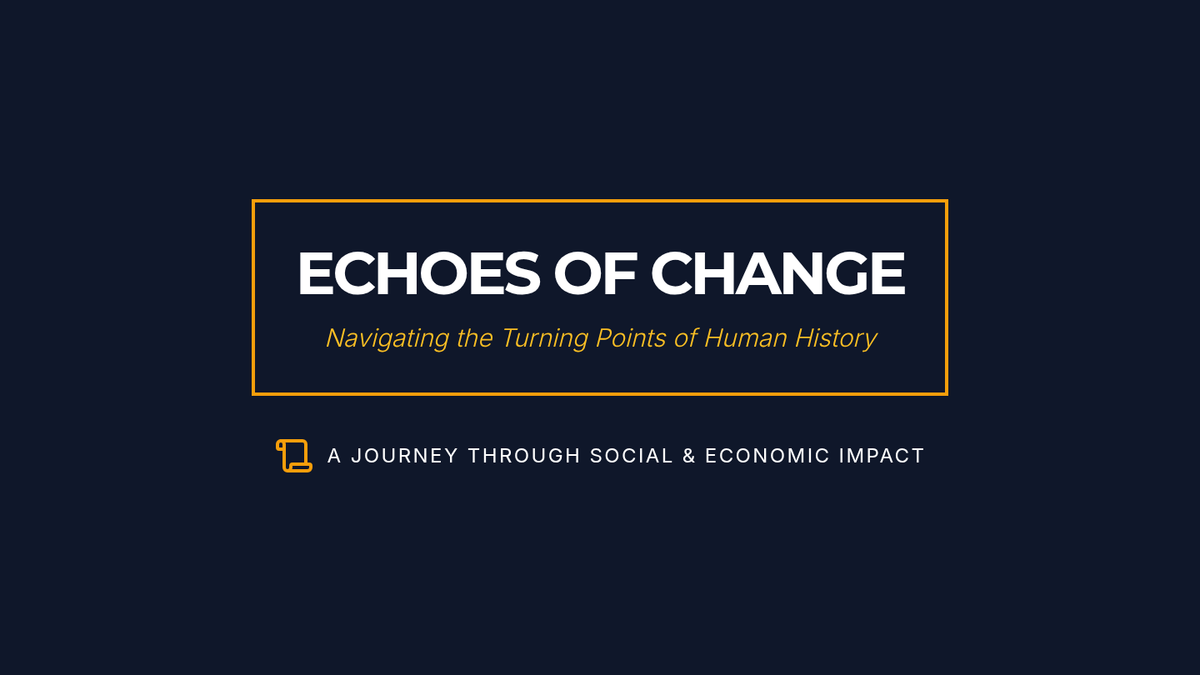
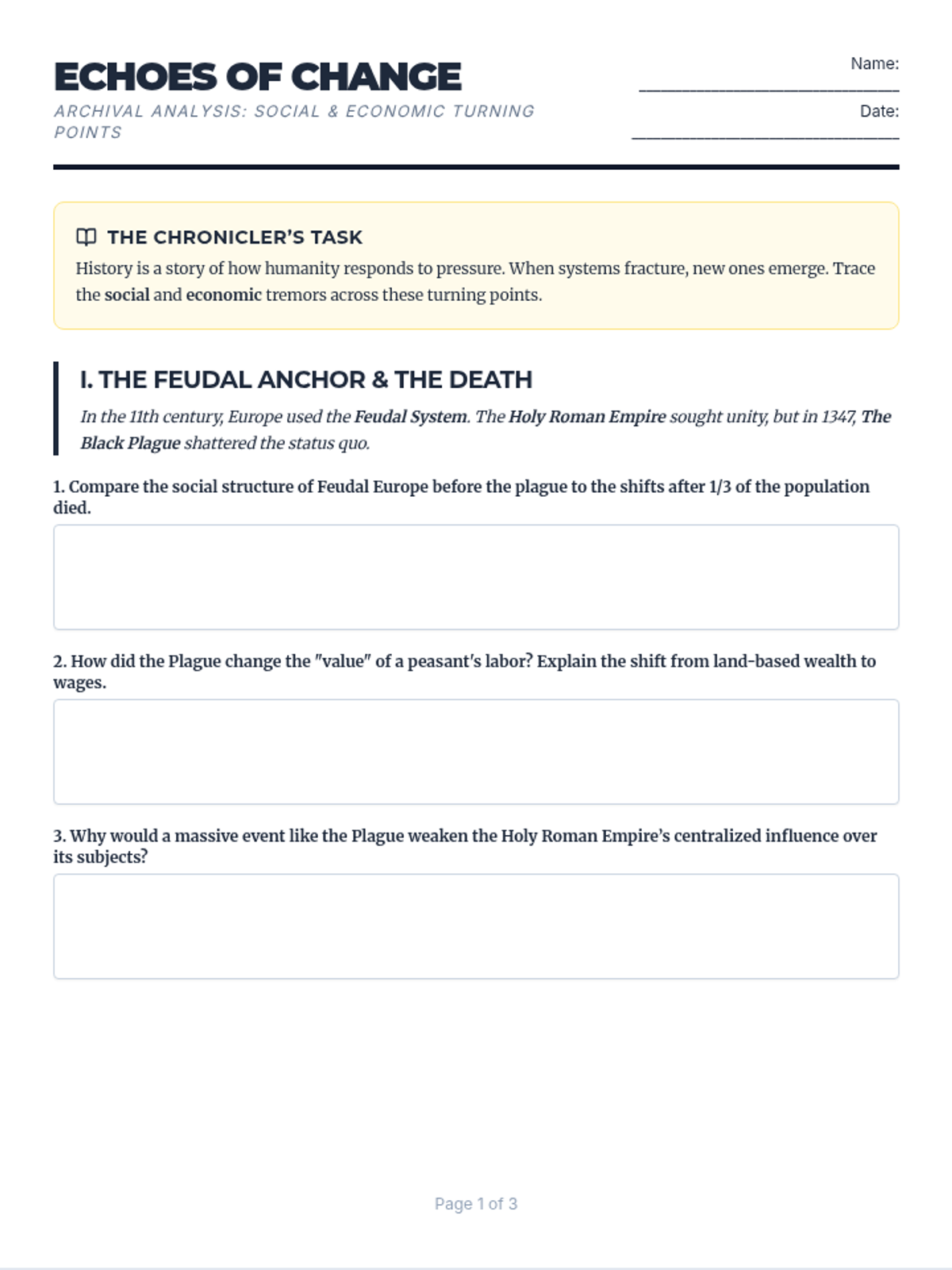
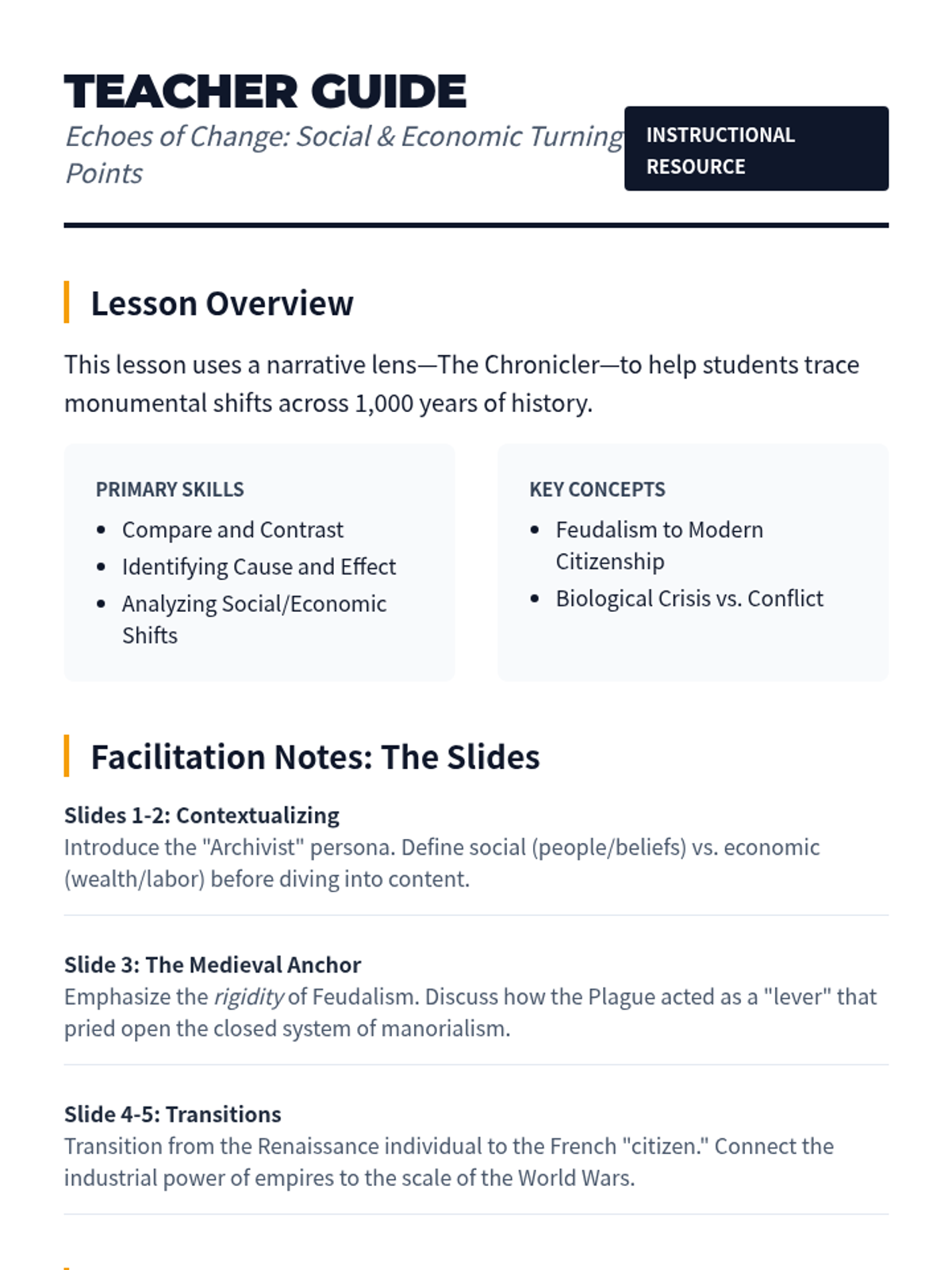
A comprehensive lesson focusing on historical cause and effect, tracing how social and economic pressures triggered major turning points from the Middle Ages to the 20th century.
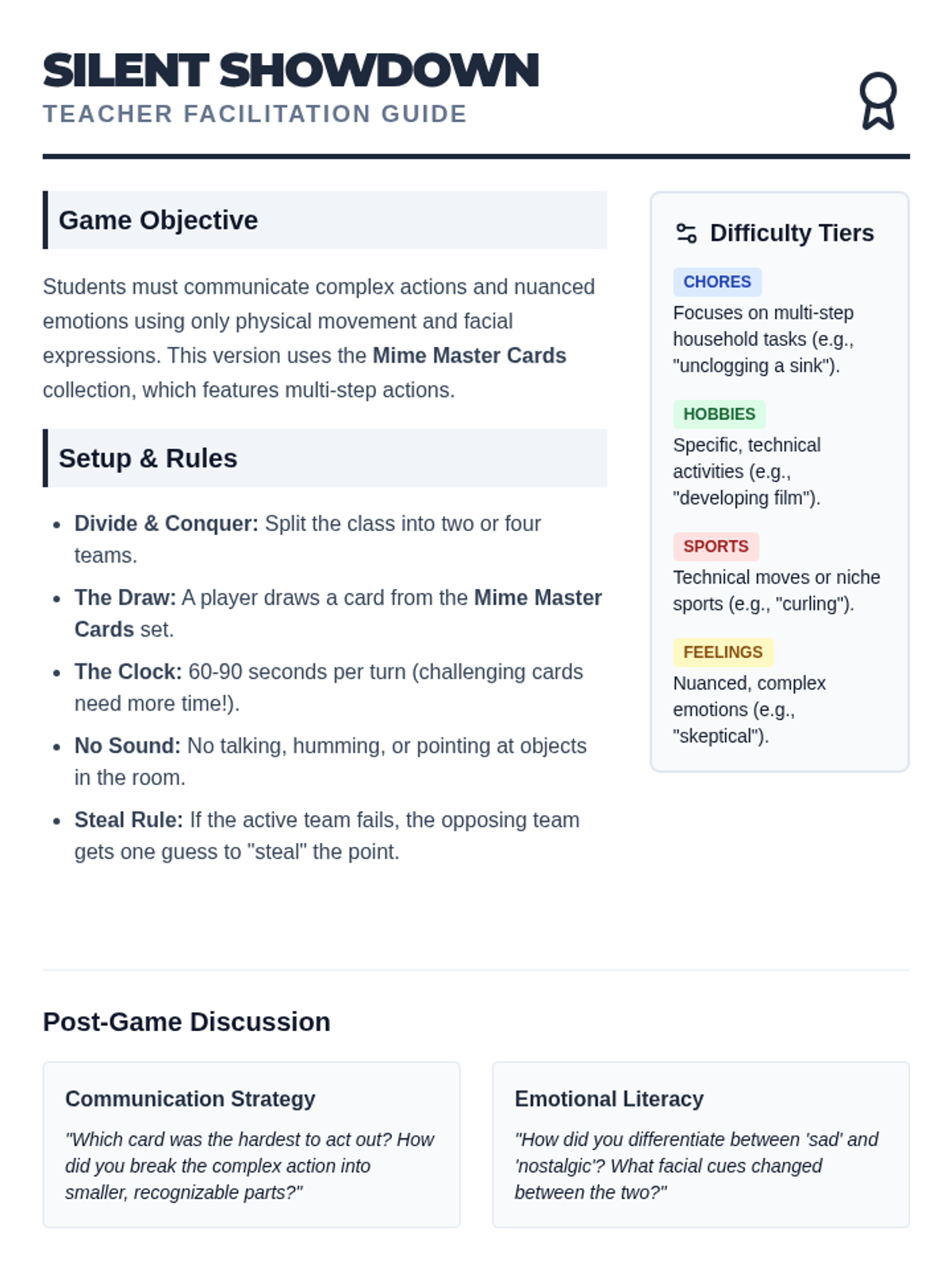
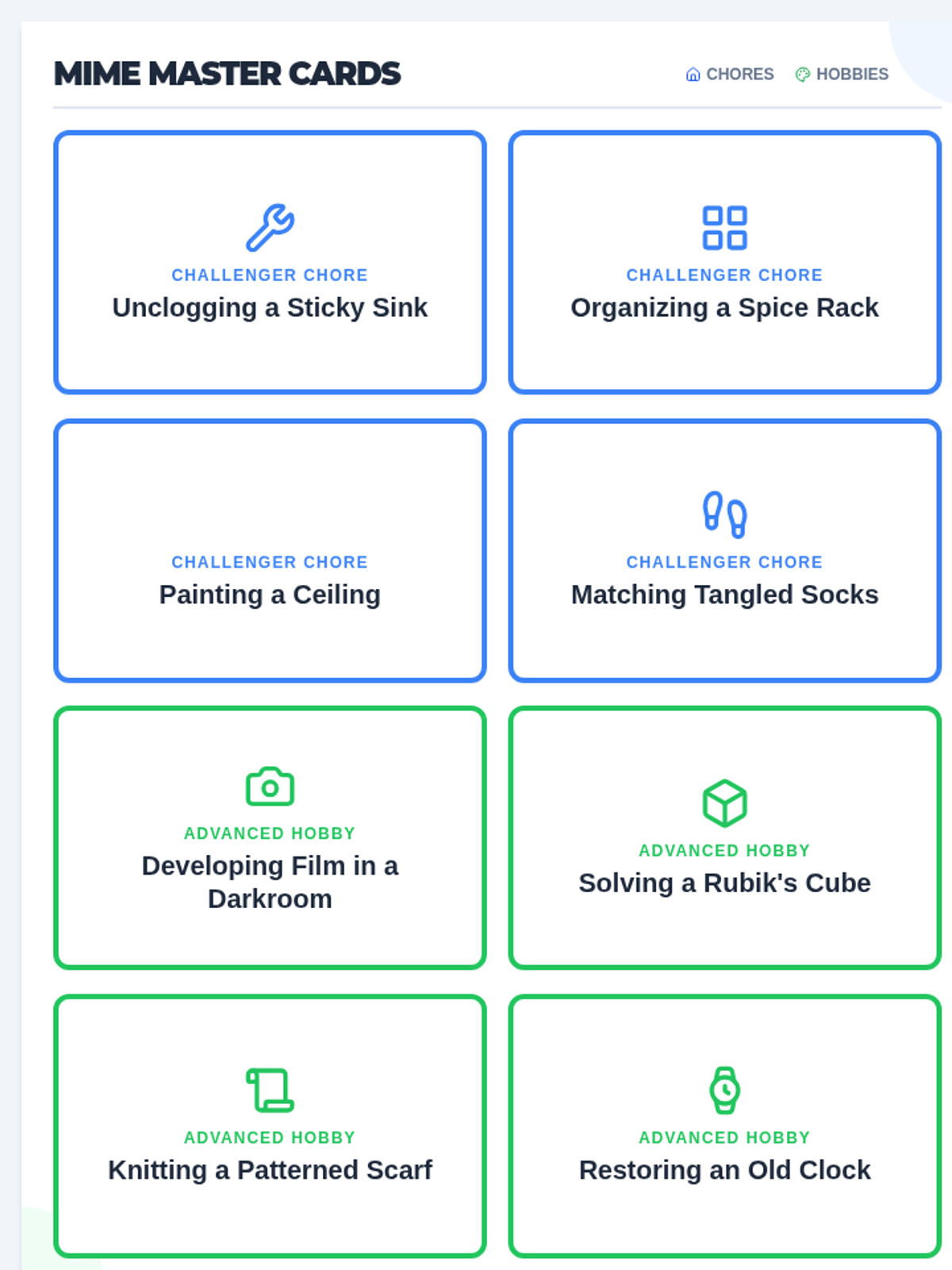
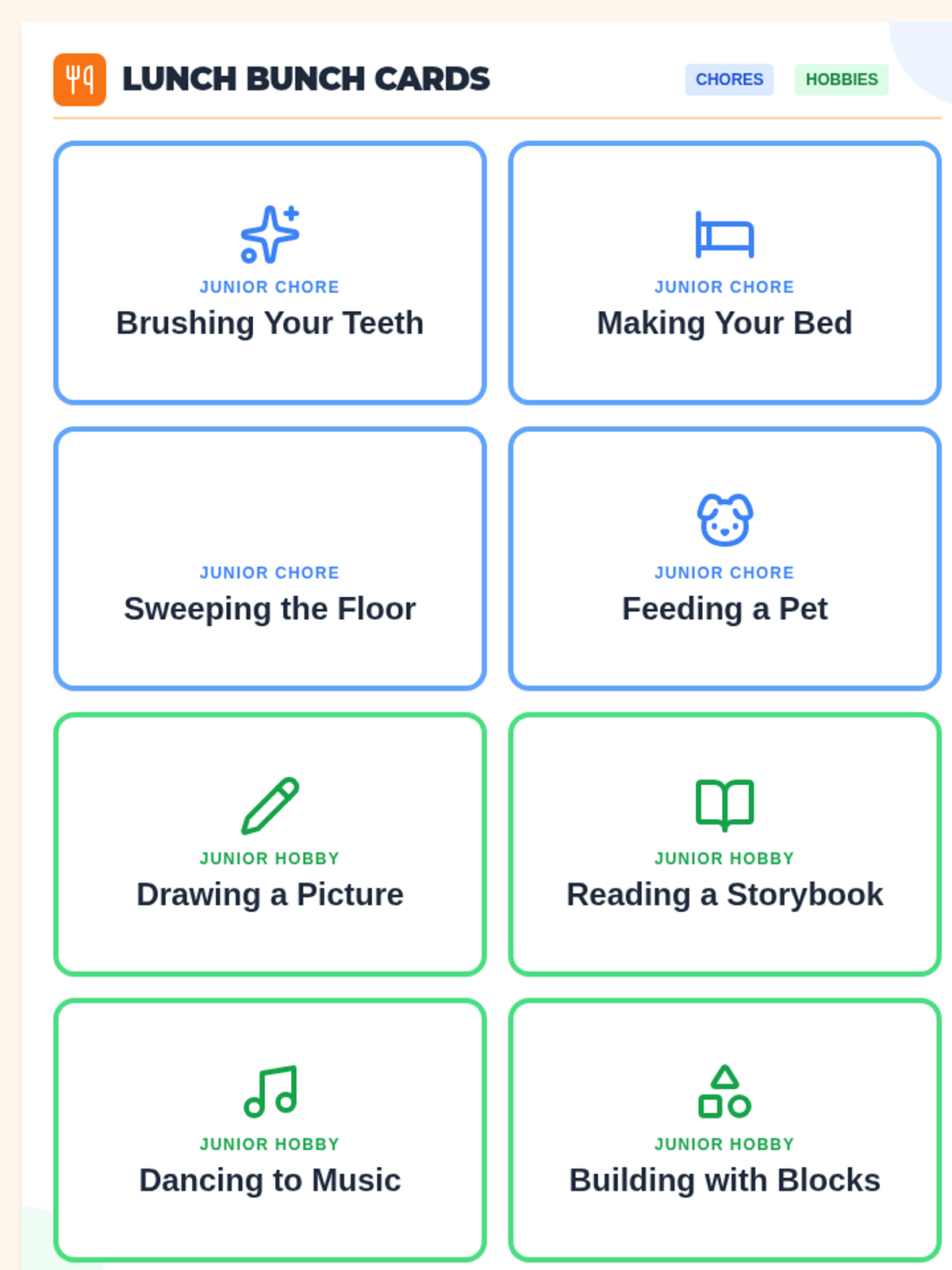
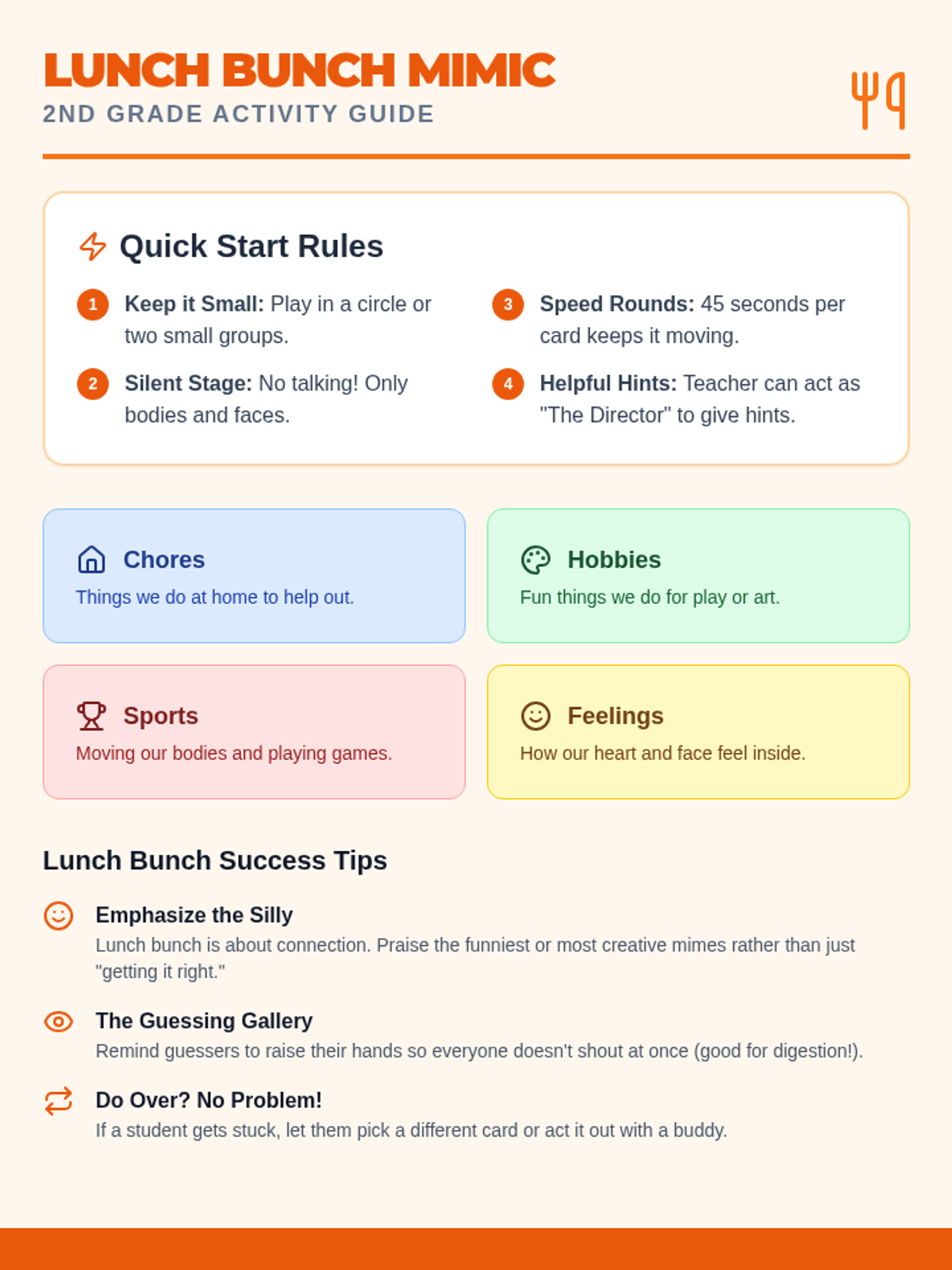
A dynamic lesson on non-verbal communication with two paths: a challenging 'Mime Master' level for older students and a simplified 'Lunch Bunch' version designed for 2nd grade social-emotional learning and casual play.
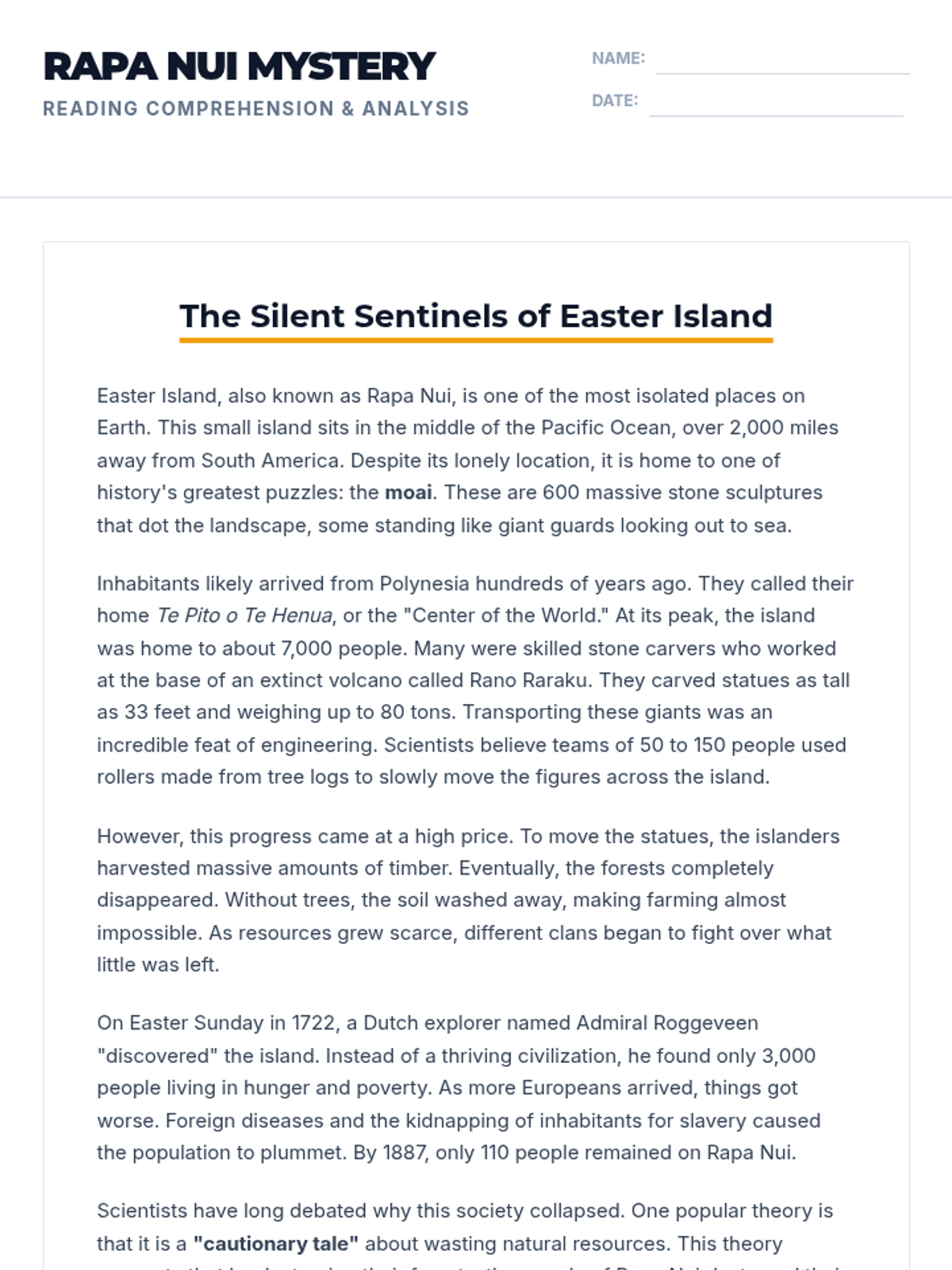
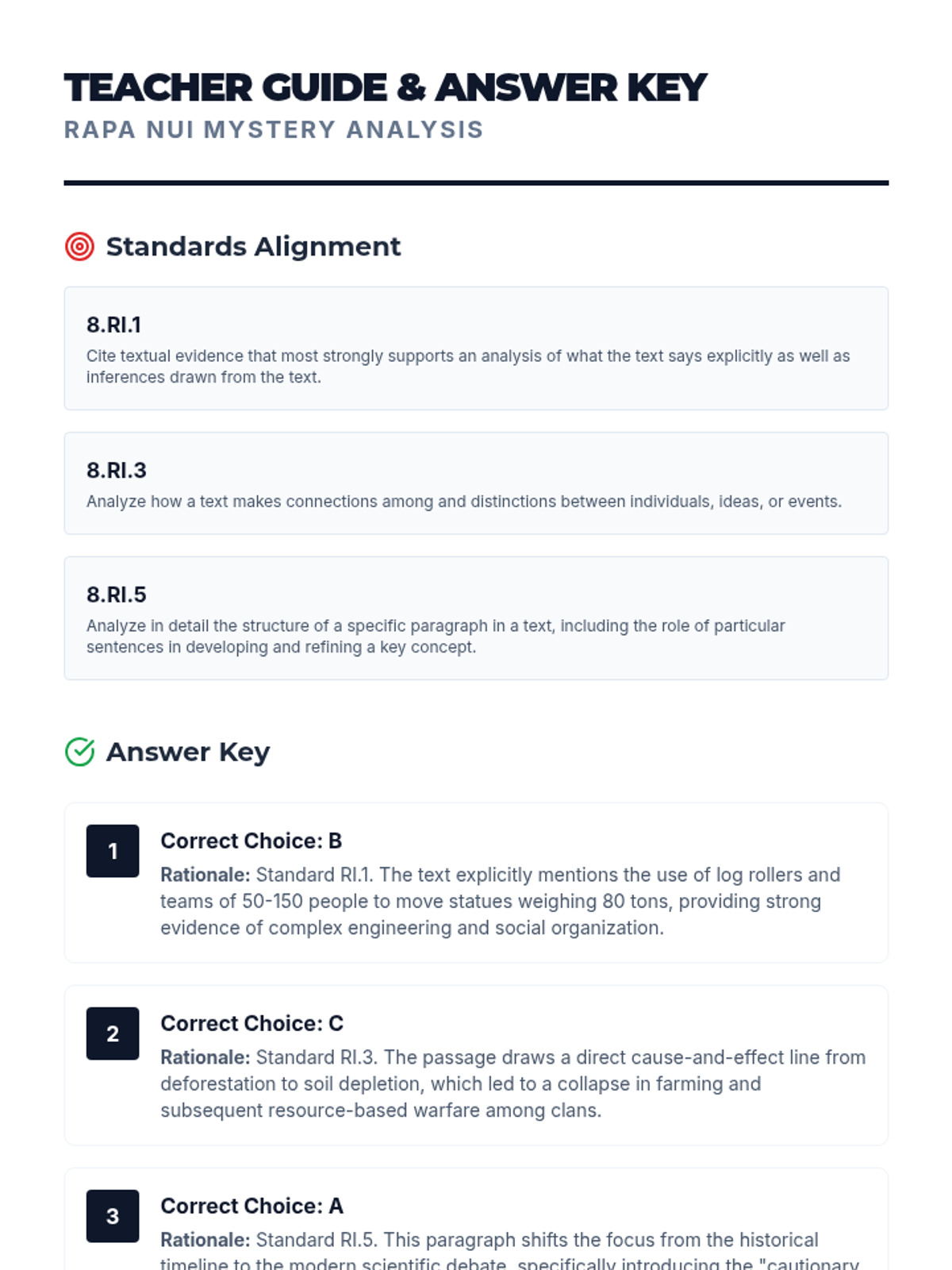
A comprehensive lesson exploring the mystery of Easter Island, focusing on evidence-based inferences, structural analysis, and the connections between historical events. Students will analyze the environmental and social factors that led to the decline of Rapa Nui's civilization.
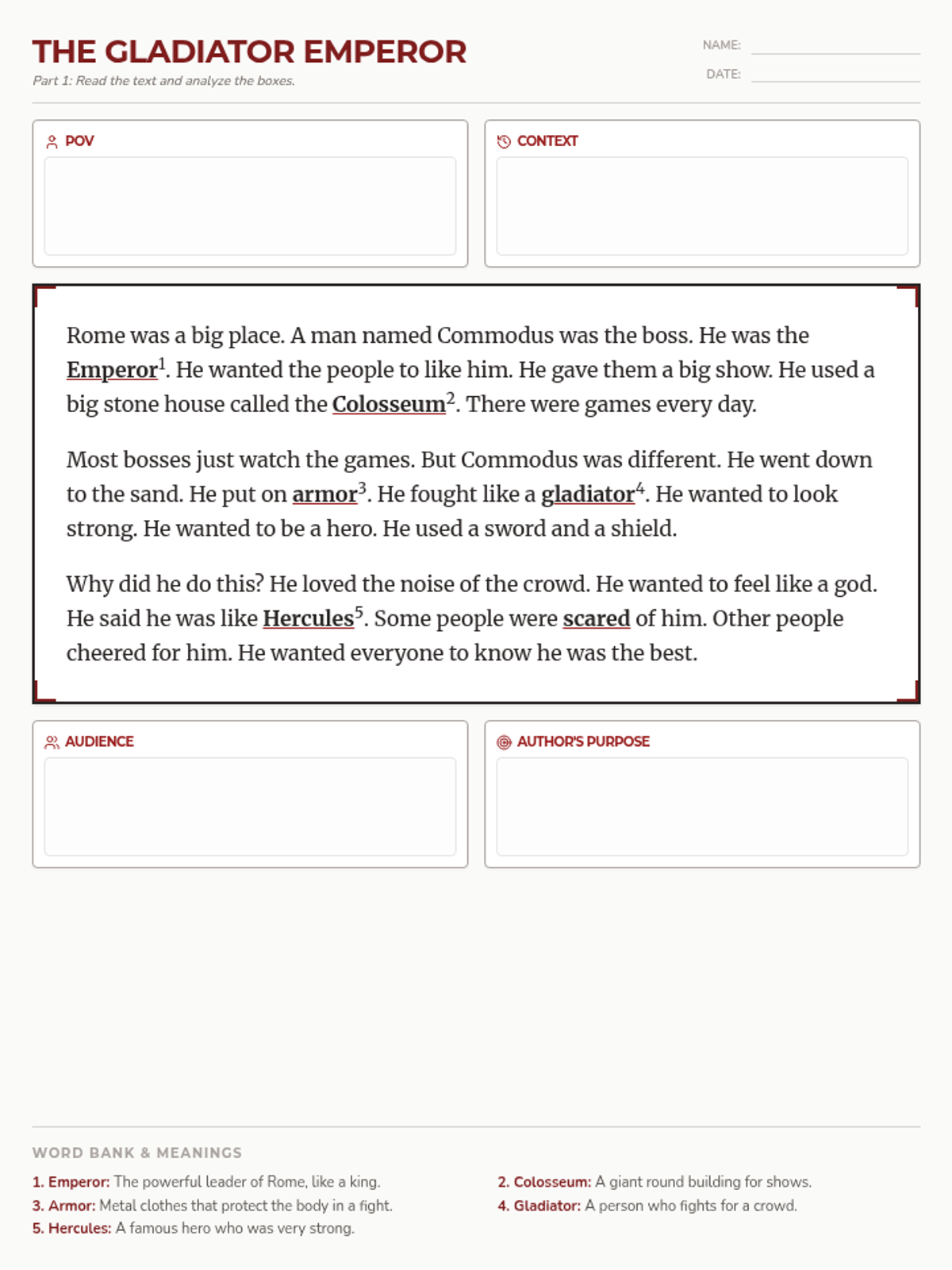
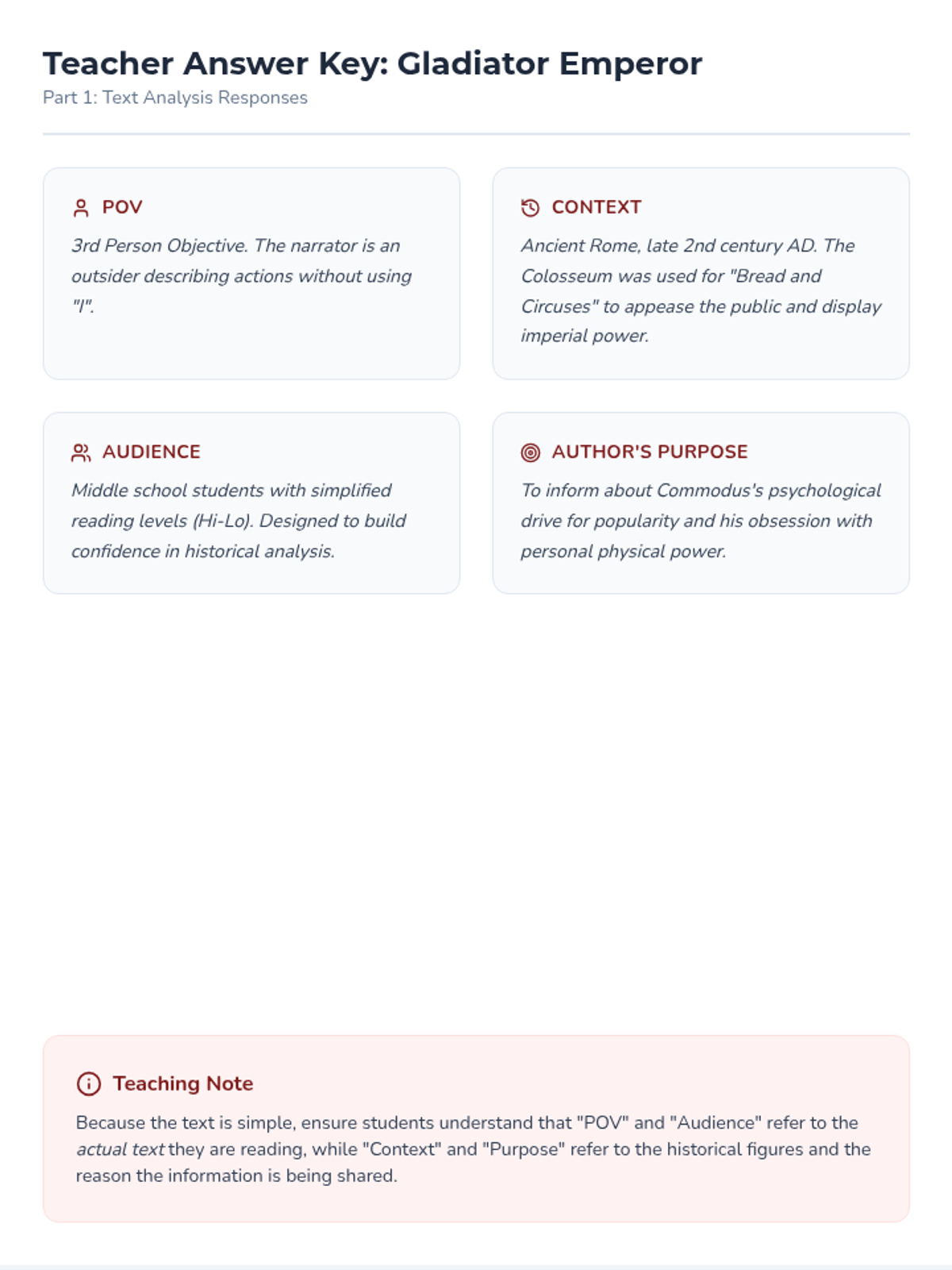
A lesson exploring the political and personal motivations of Emperor Commodus in the Roman Colosseum, designed for middle school students with differentiated reading levels.
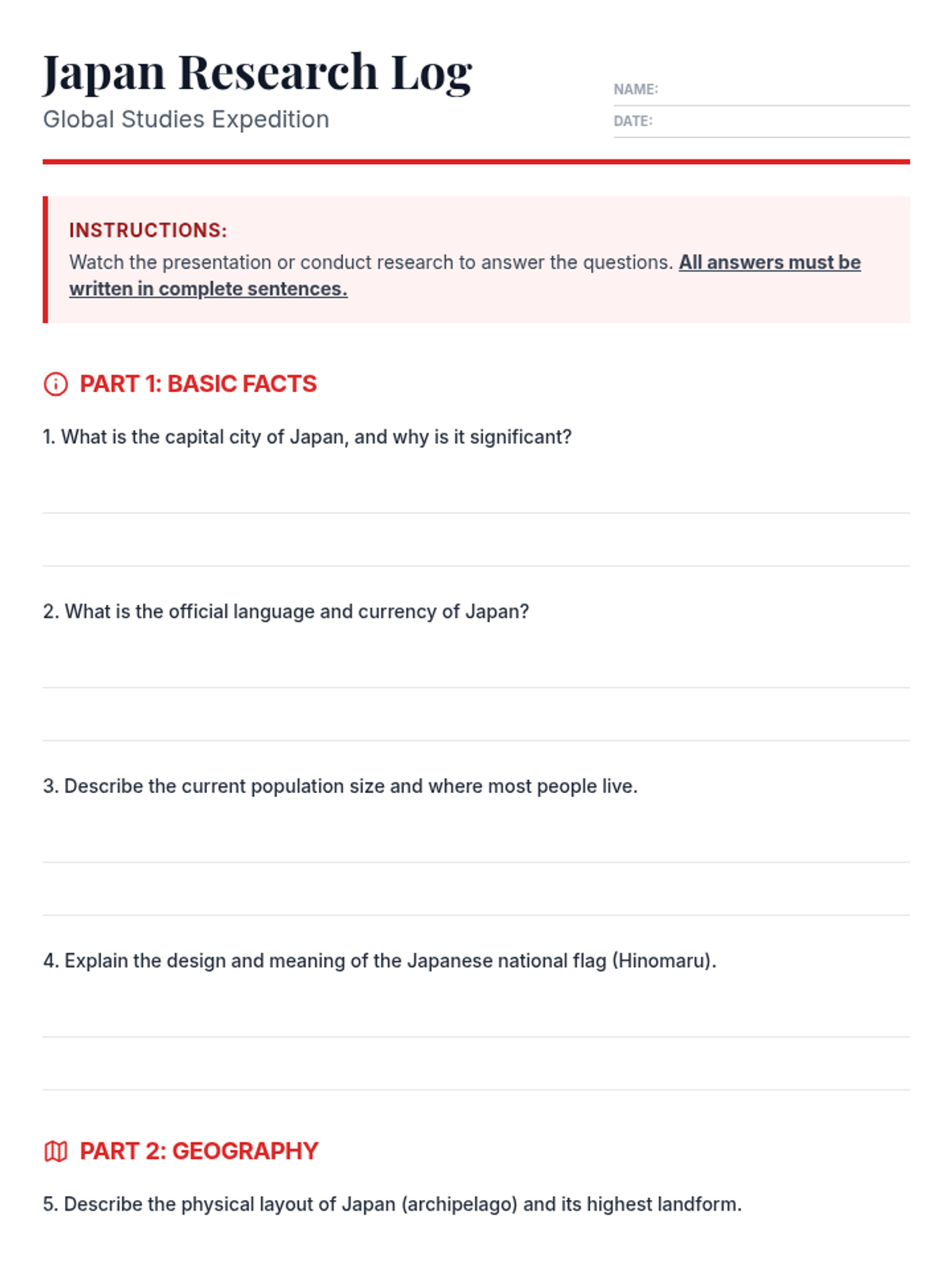
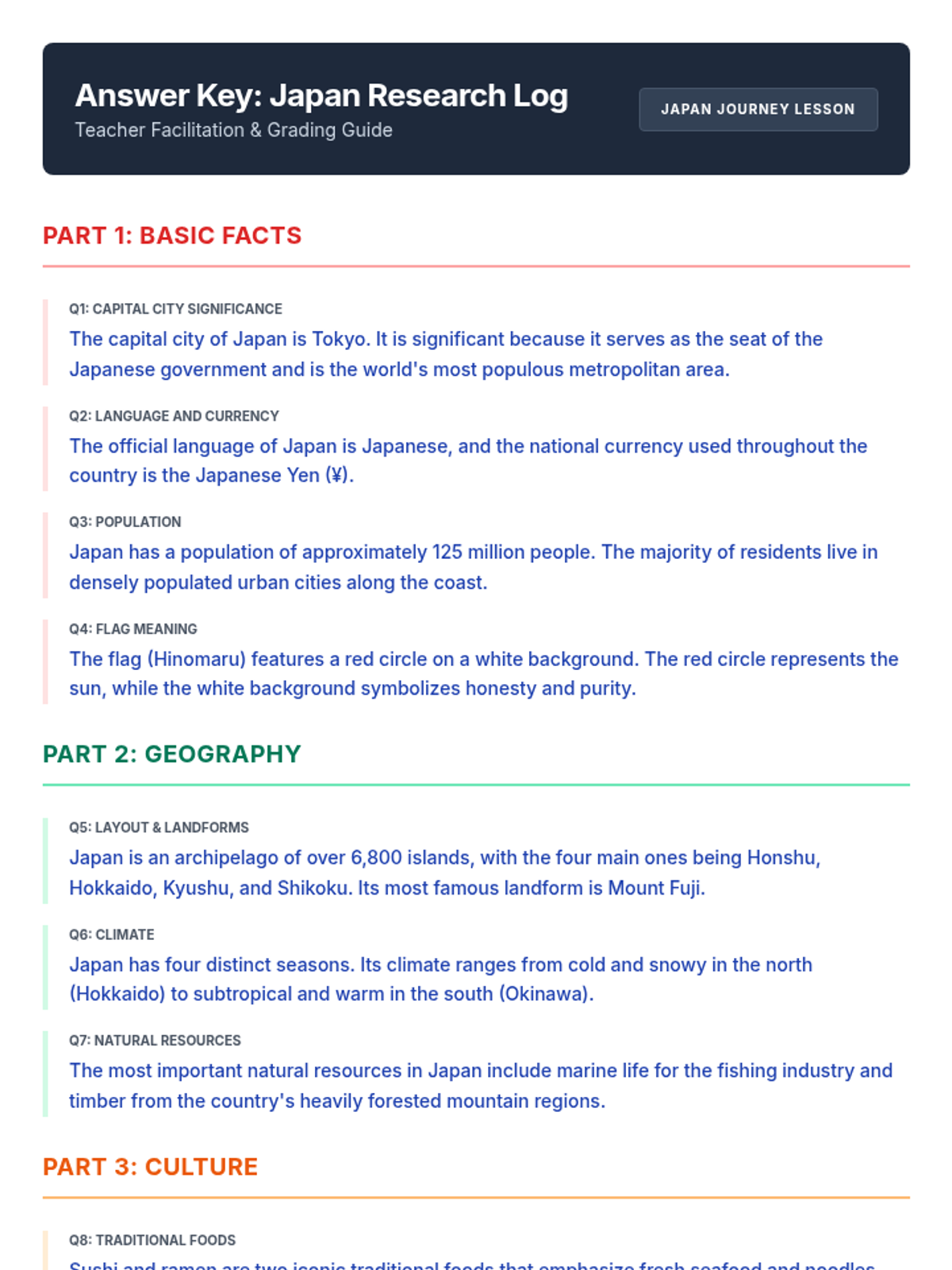
A comprehensive lesson covering the geography, culture, government, and economy of Japan, including a detailed presentation and a guided research log for students to record findings in complete sentences.
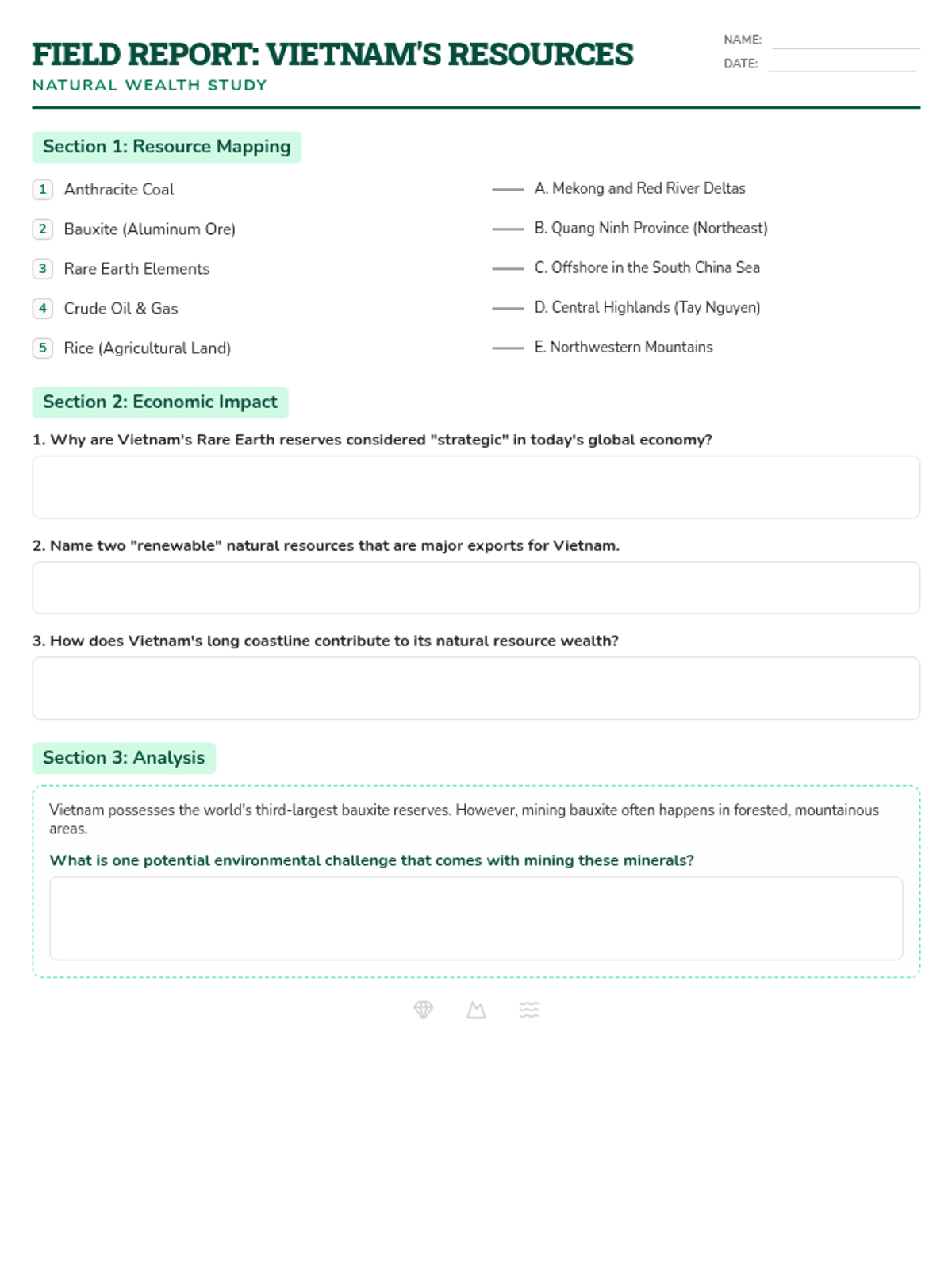
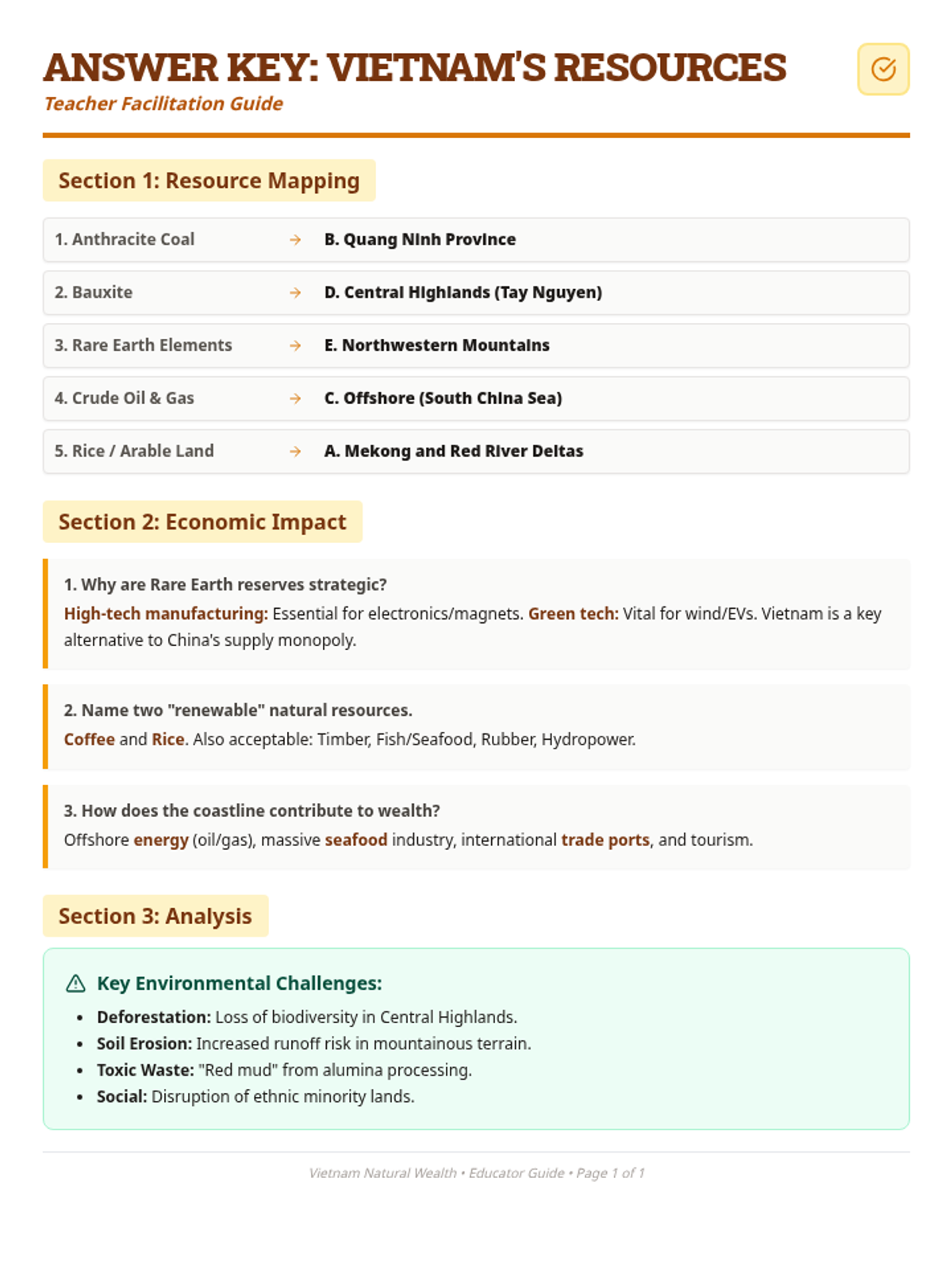
This lesson explores Vietnam's primary natural resources, including minerals, energy sources, and agricultural land, highlighting their geographic distribution and economic importance.
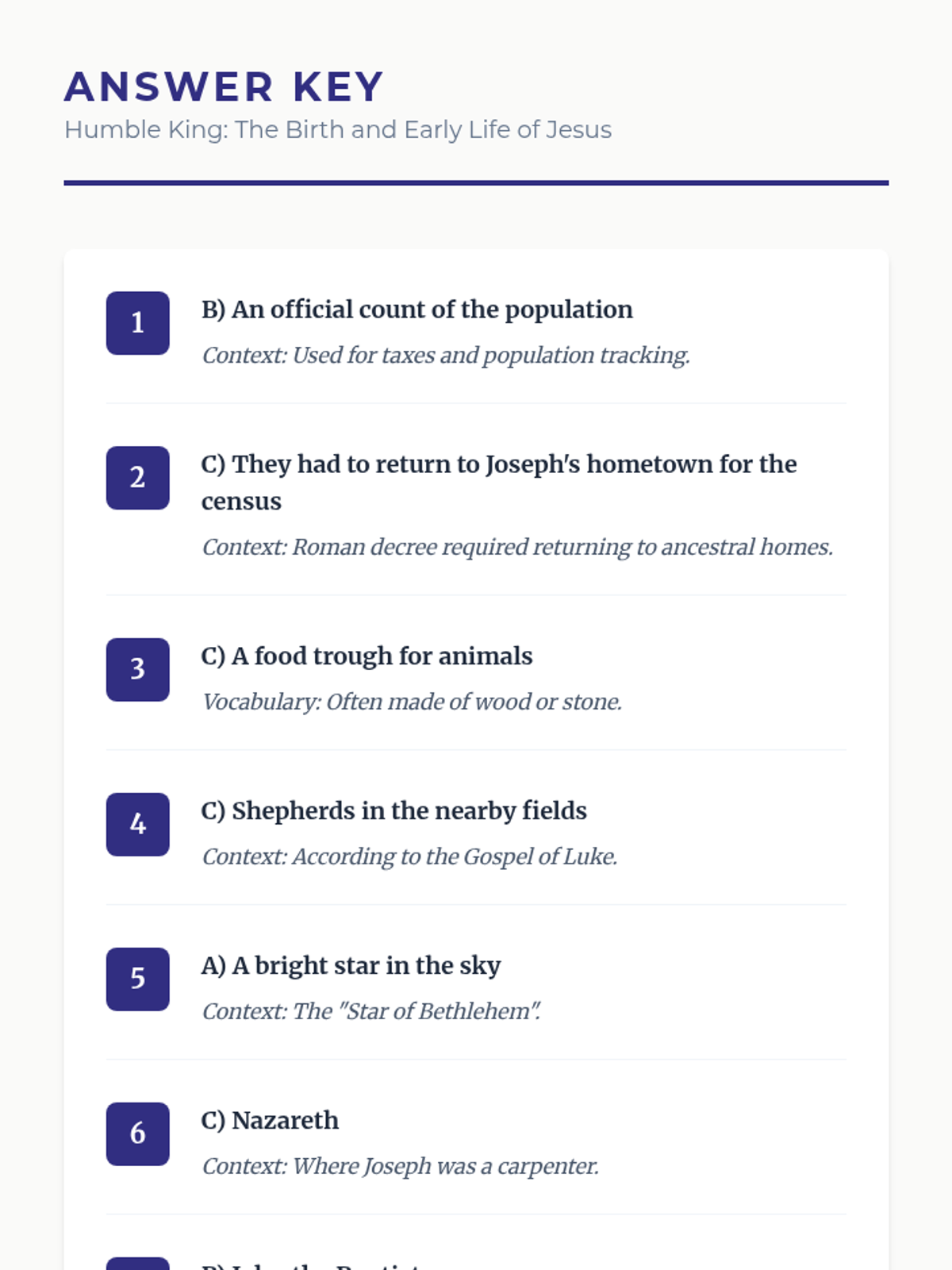
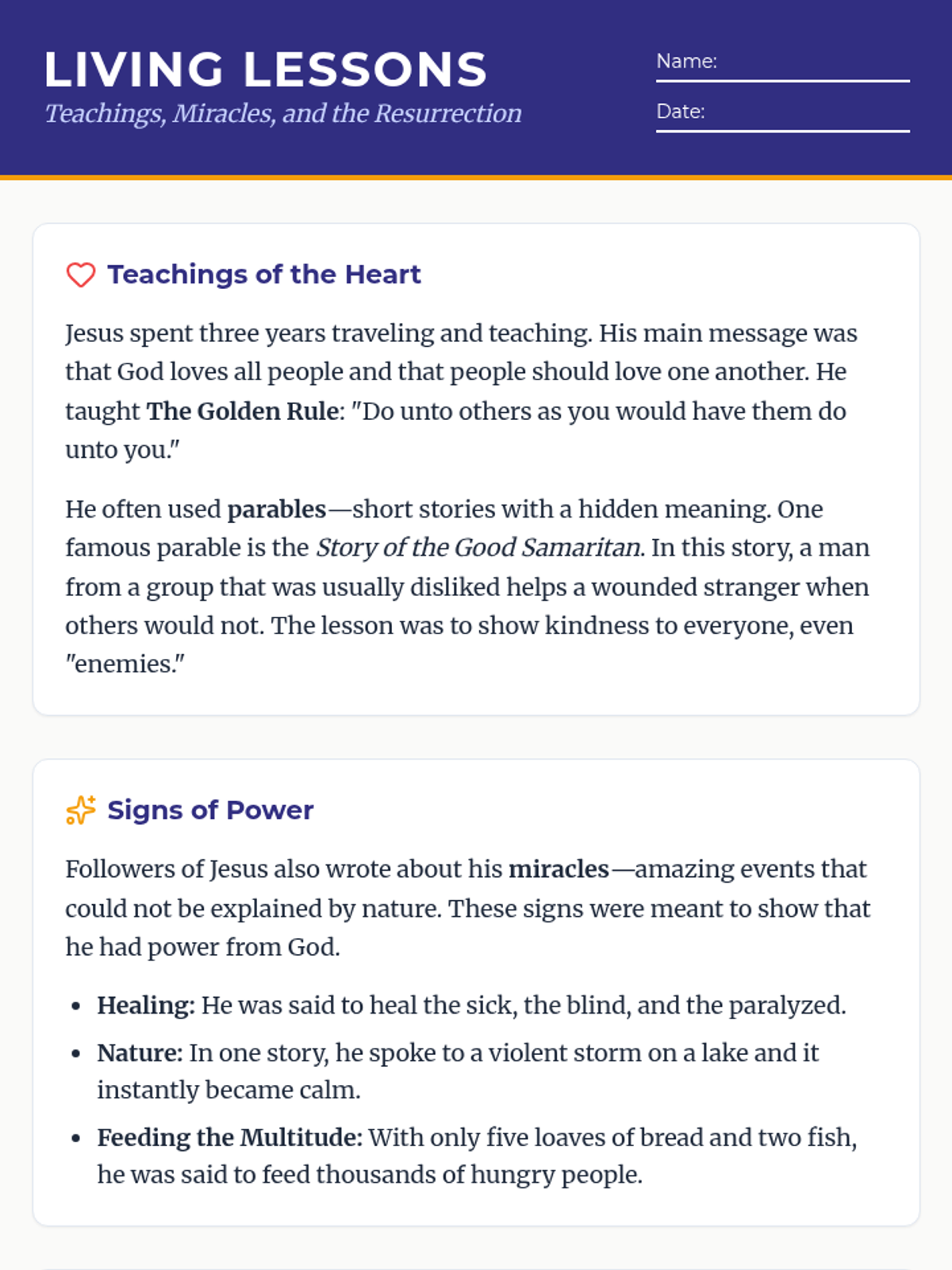
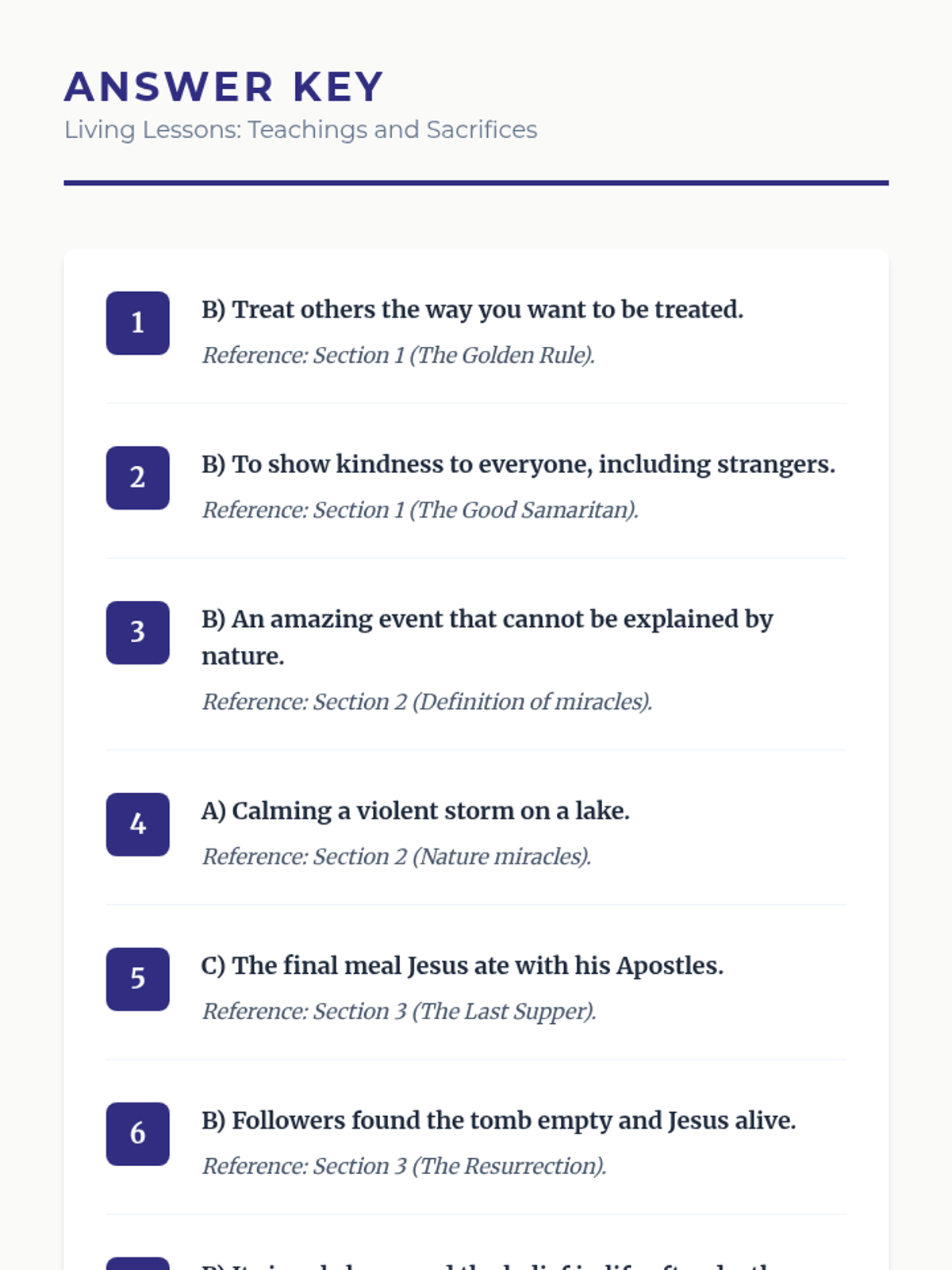
A lesson exploring the core values and beliefs of Jesus, focusing on compassion, forgiveness, humility, and service through parables and miracles.
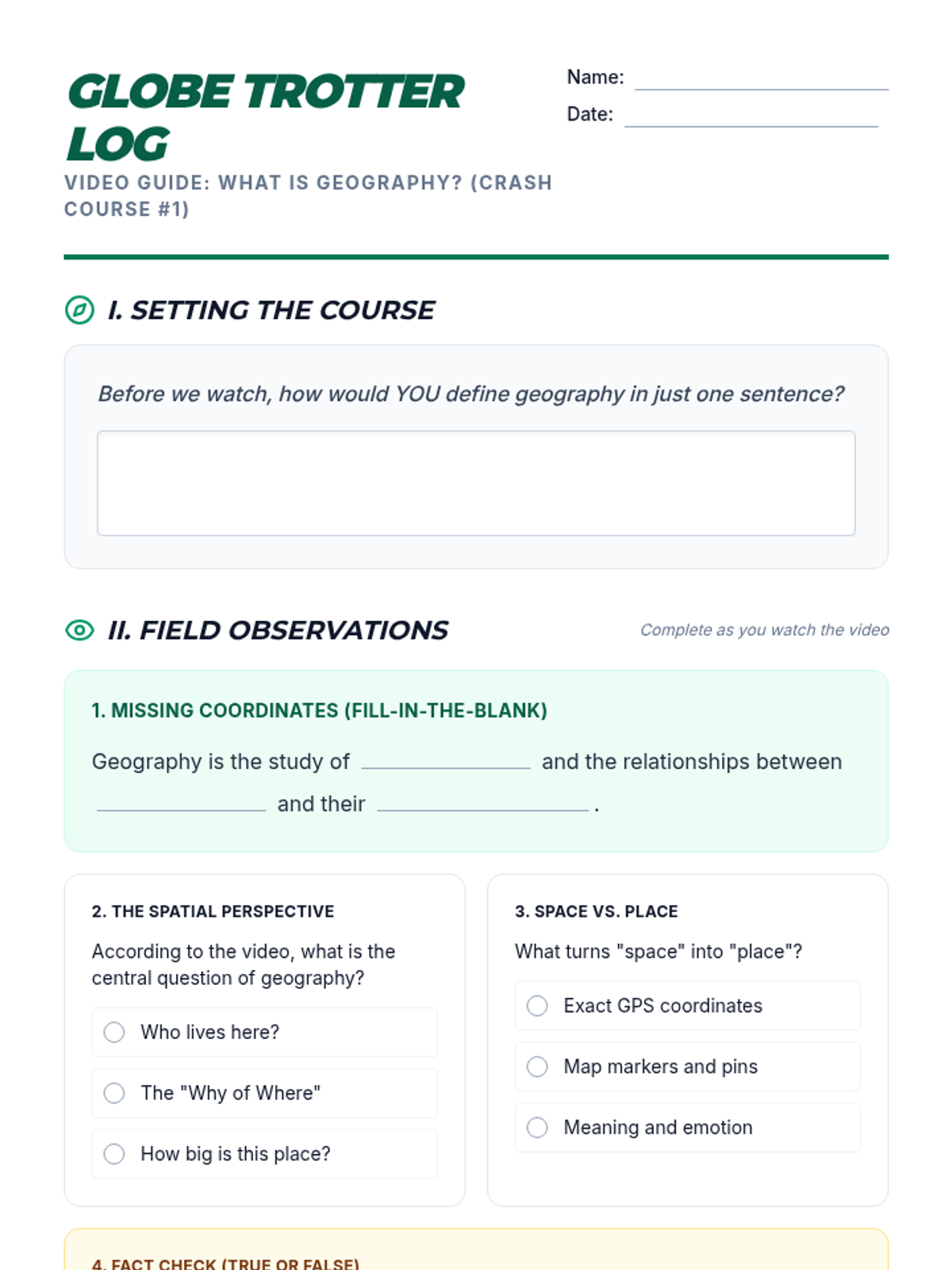
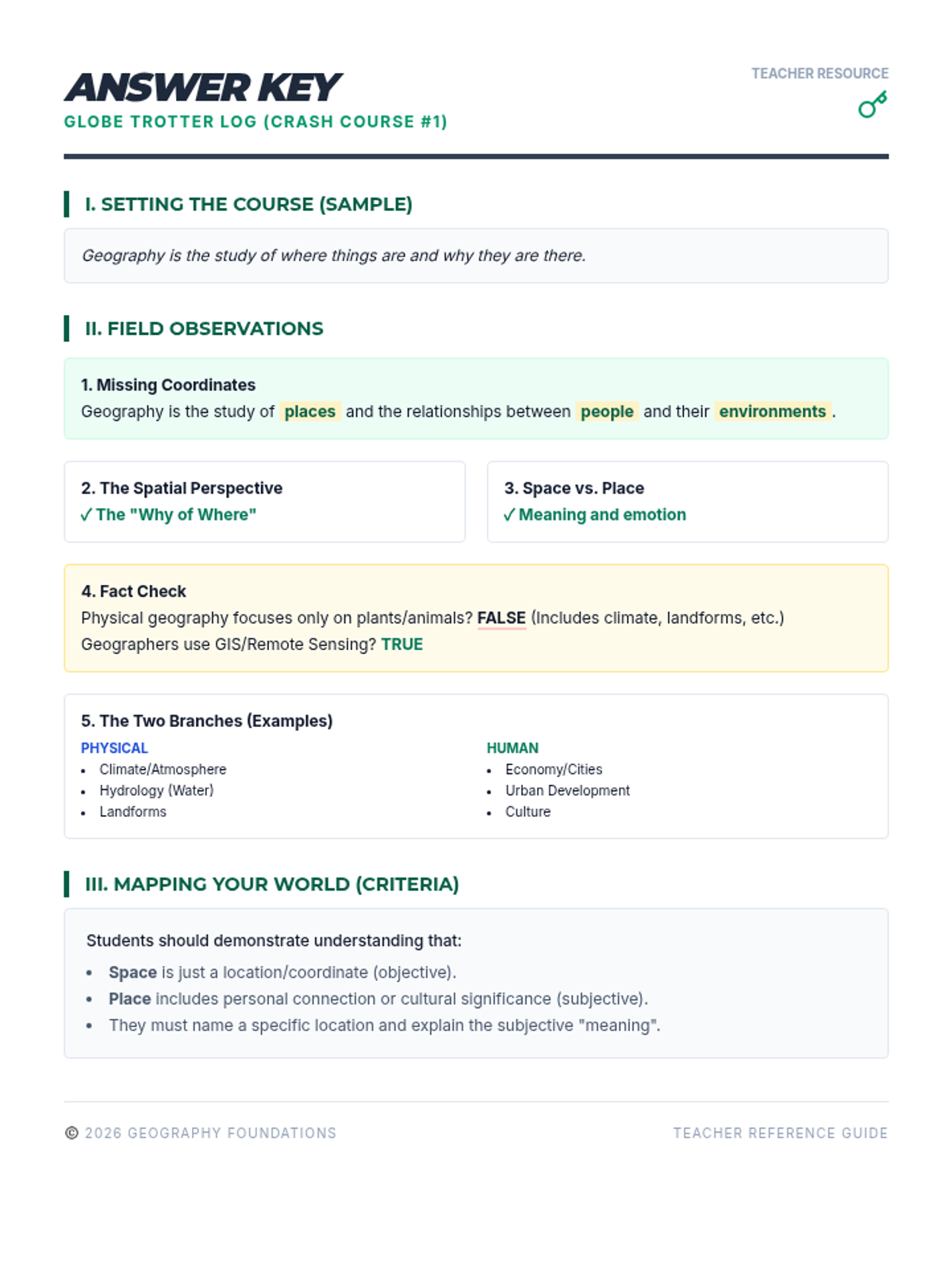
An introductory lesson exploring the core concepts of geography, including the spatial perspective, the difference between physical and human geography, and the fundamental 'why of where' based on Crash Course Geography #1.
A comprehensive exploration of world-shaping historical events from the Middle Ages to the 20th century, focusing on the social and economic shifts that defined humanity's path. Students will use a narrative framework to analyze and compare the impact of plagues, empires, and revolutions.
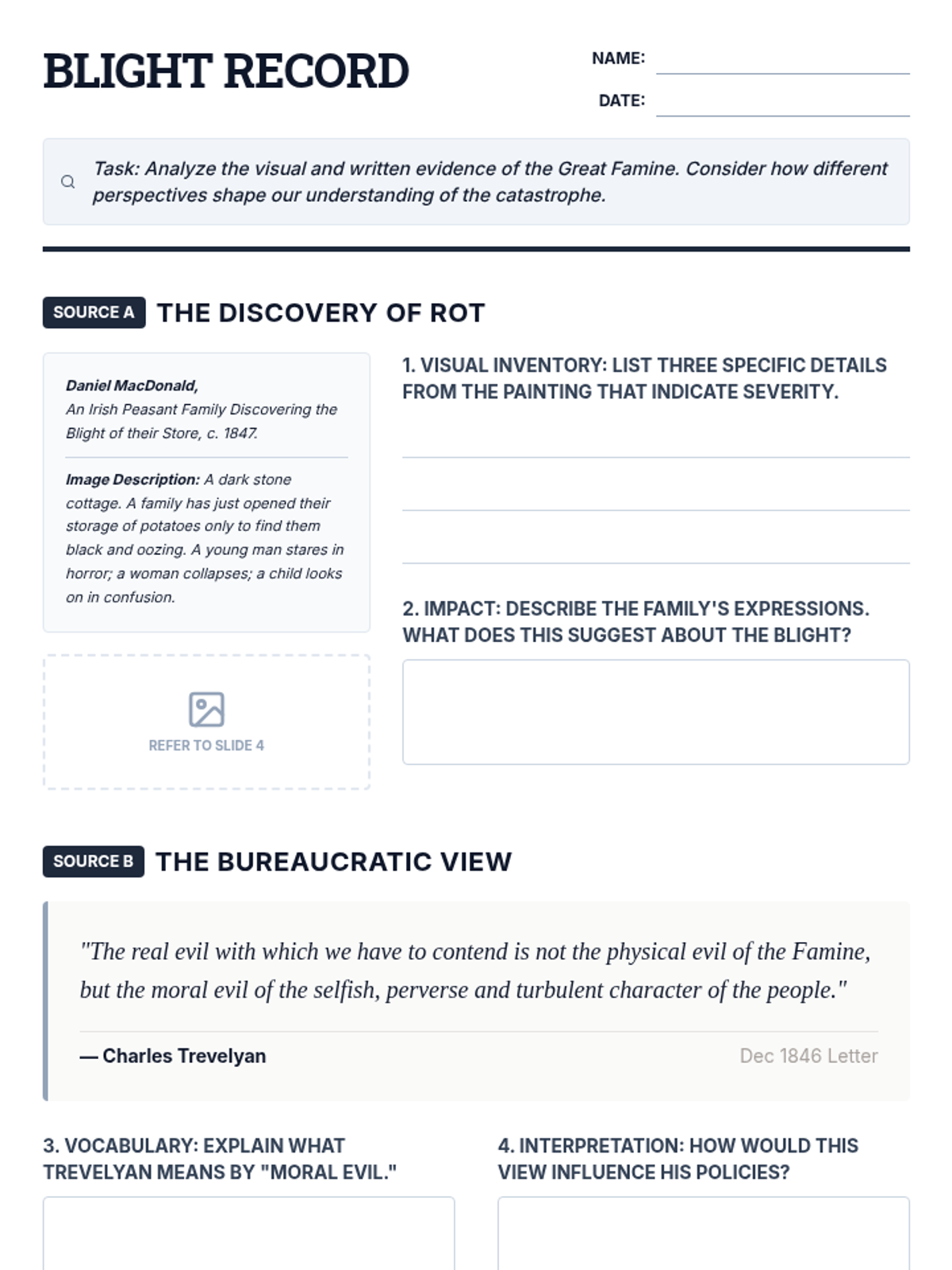
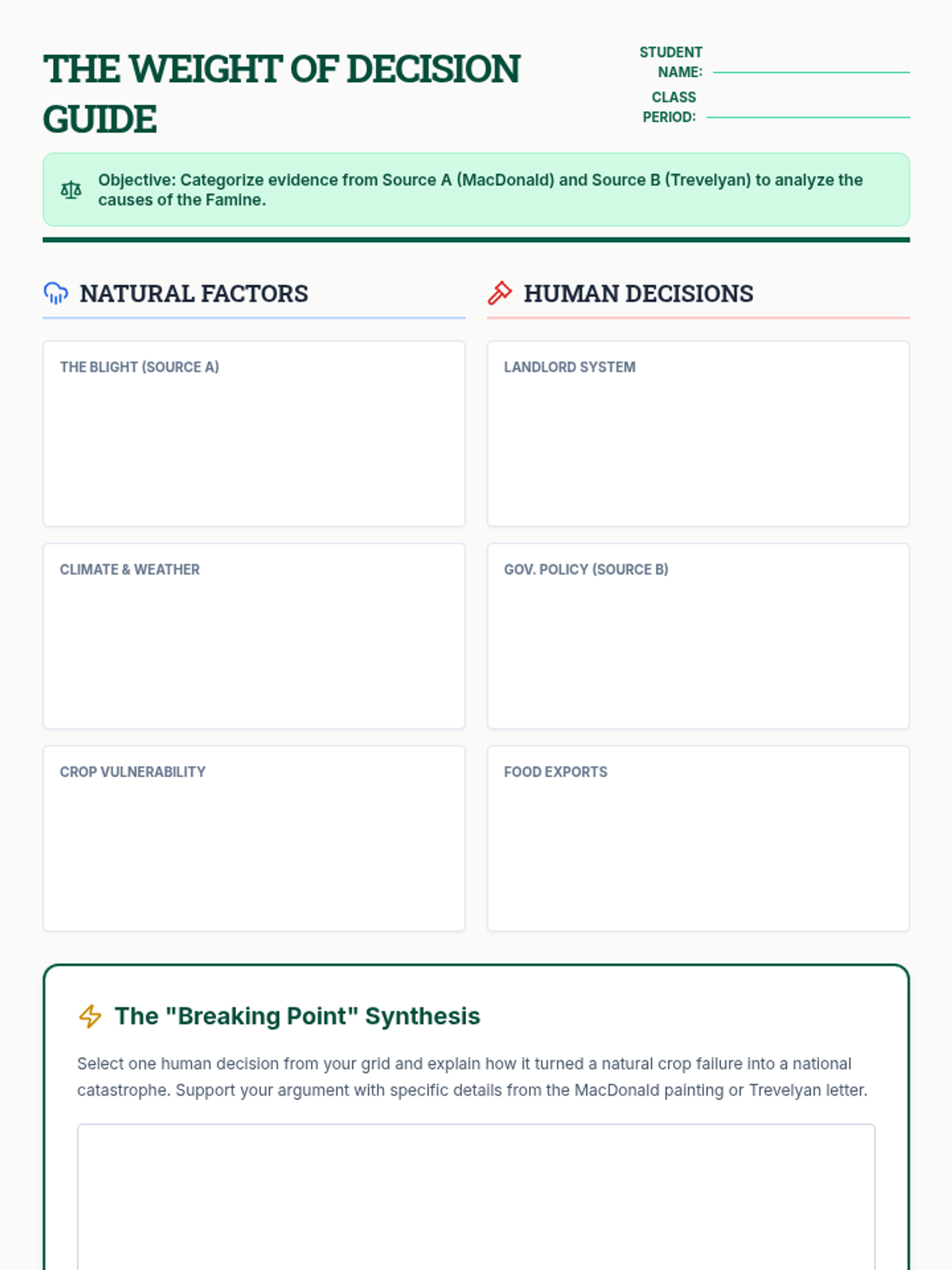
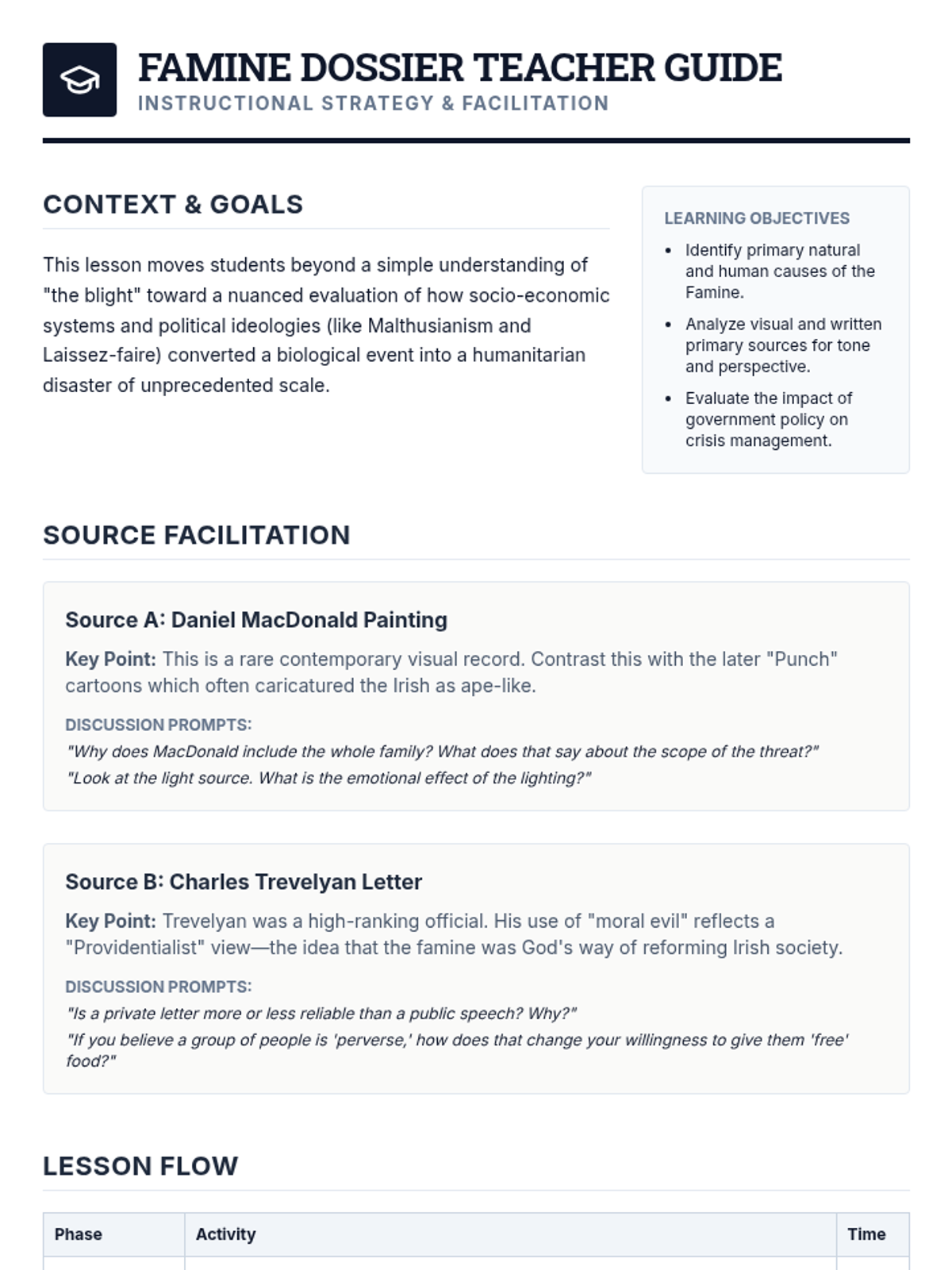
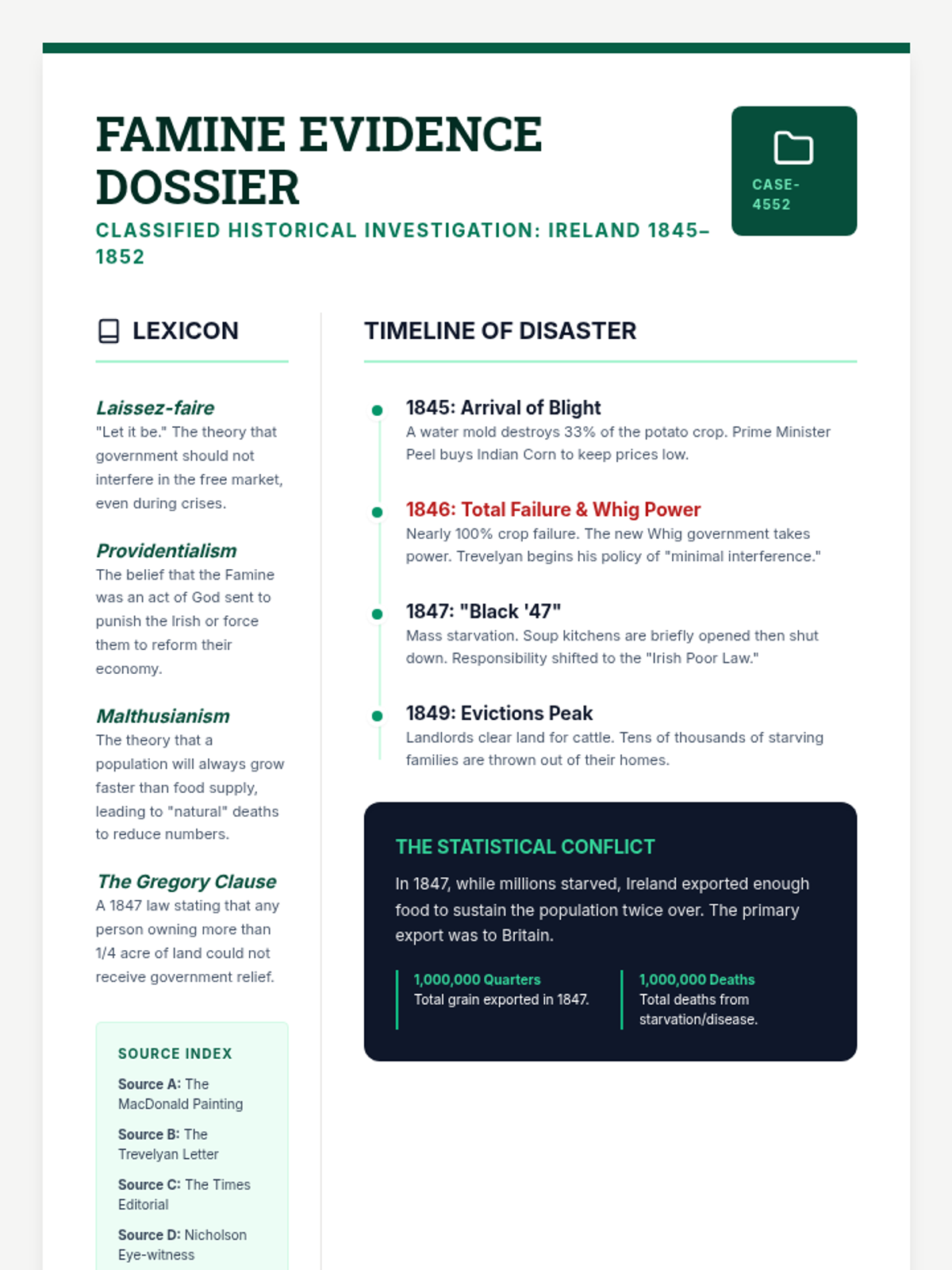
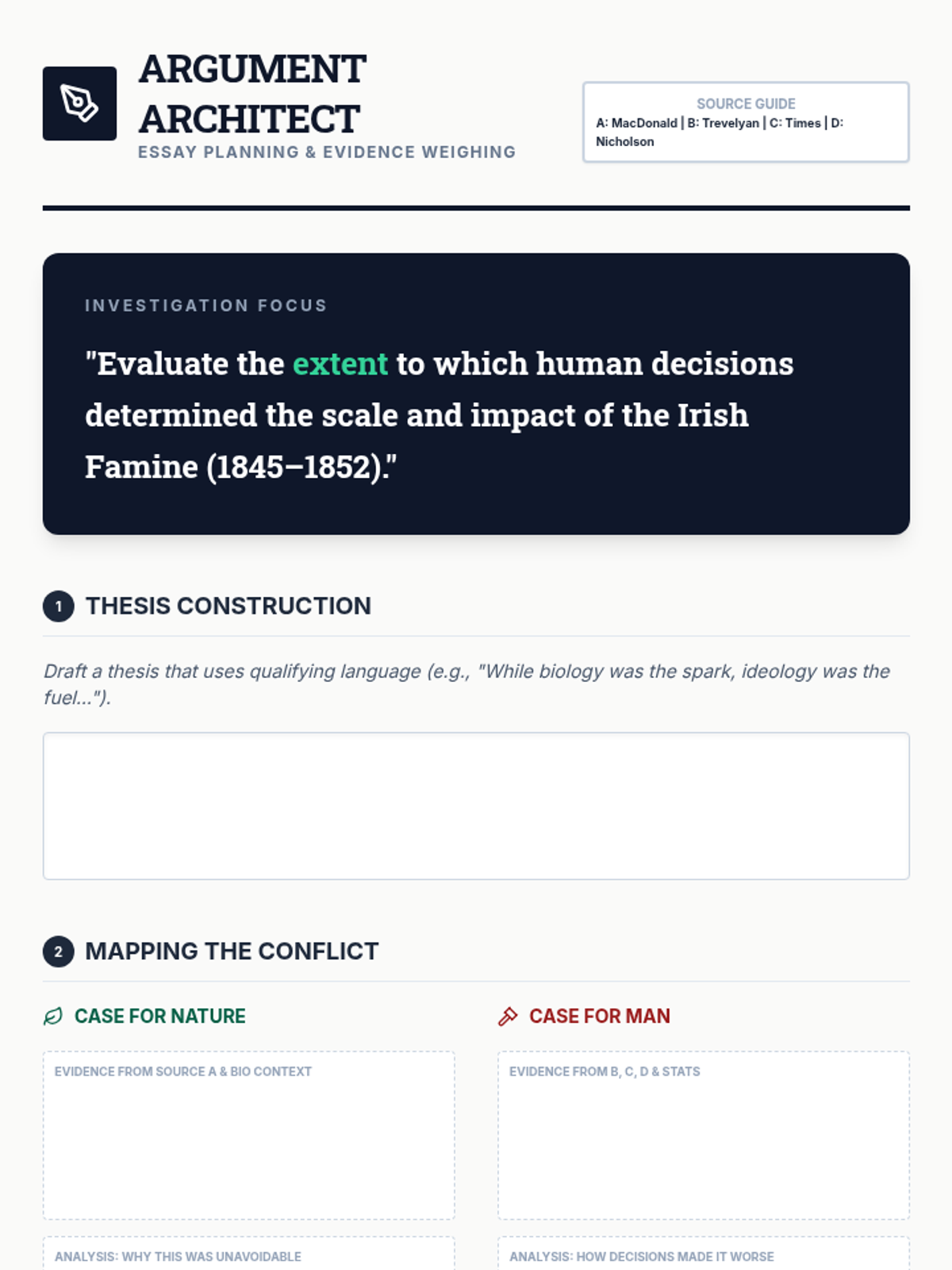
A comprehensive investigation into the Great Irish Famine, examining the intersection of biological catastrophe and political decision-making. Students analyze primary sources to evaluate the relative weight of natural and human factors in the tragedy.
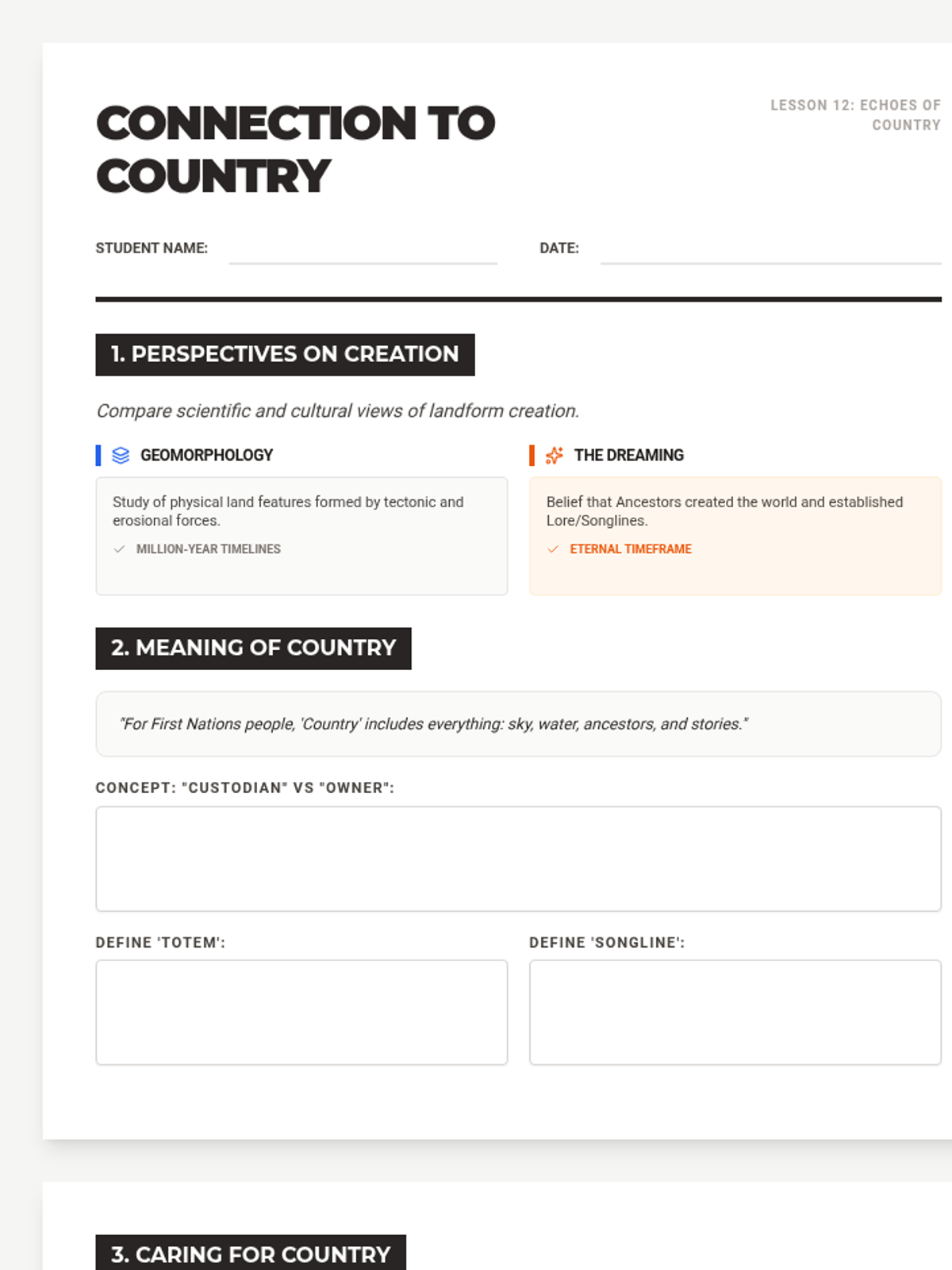
Explores the deep spiritual and cultural connection First Nations Australians have with the land, comparing geomorphological creation with Dreamtime stories and investigating traditional 'Caring for Country' land management practices.
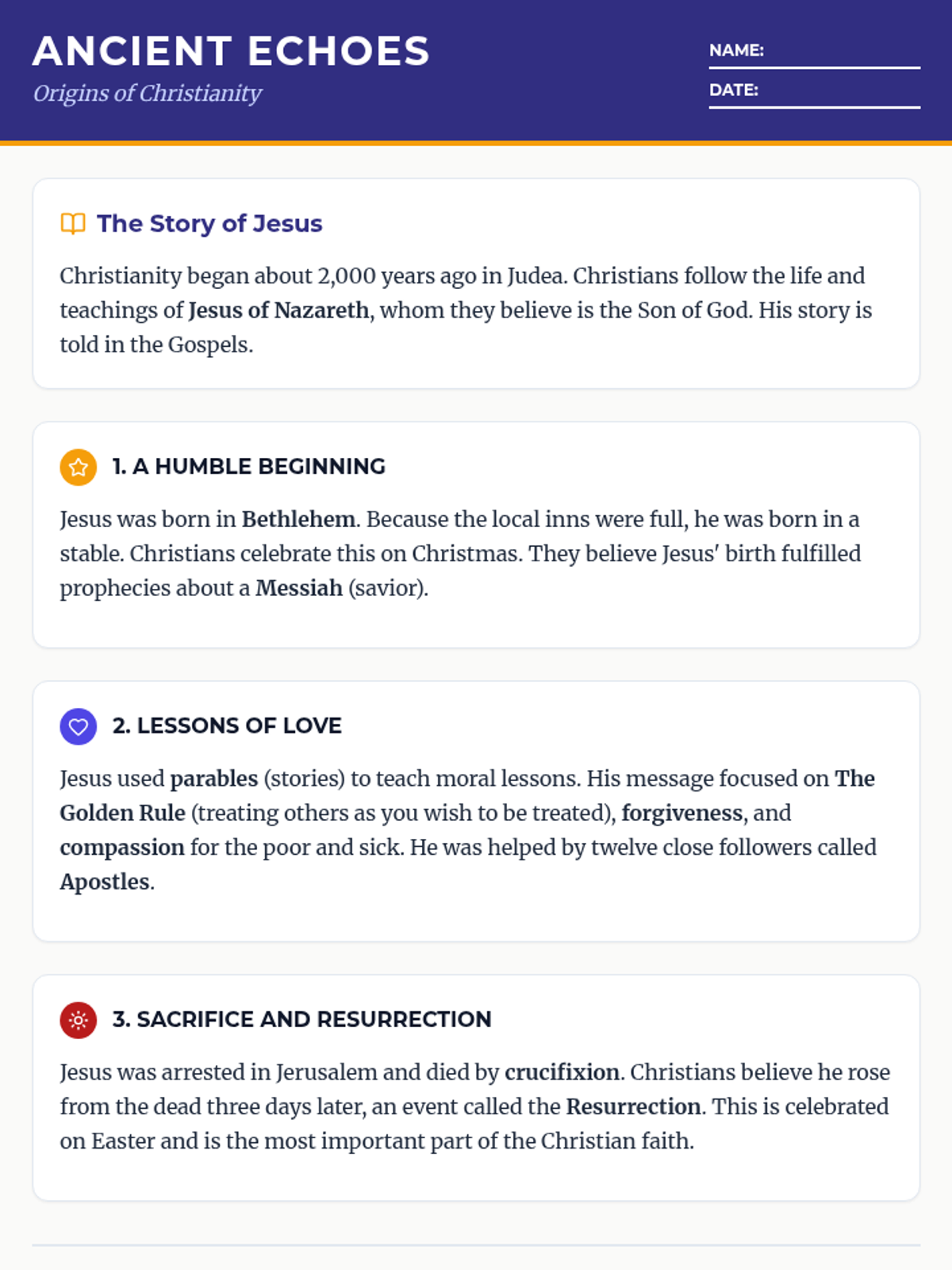
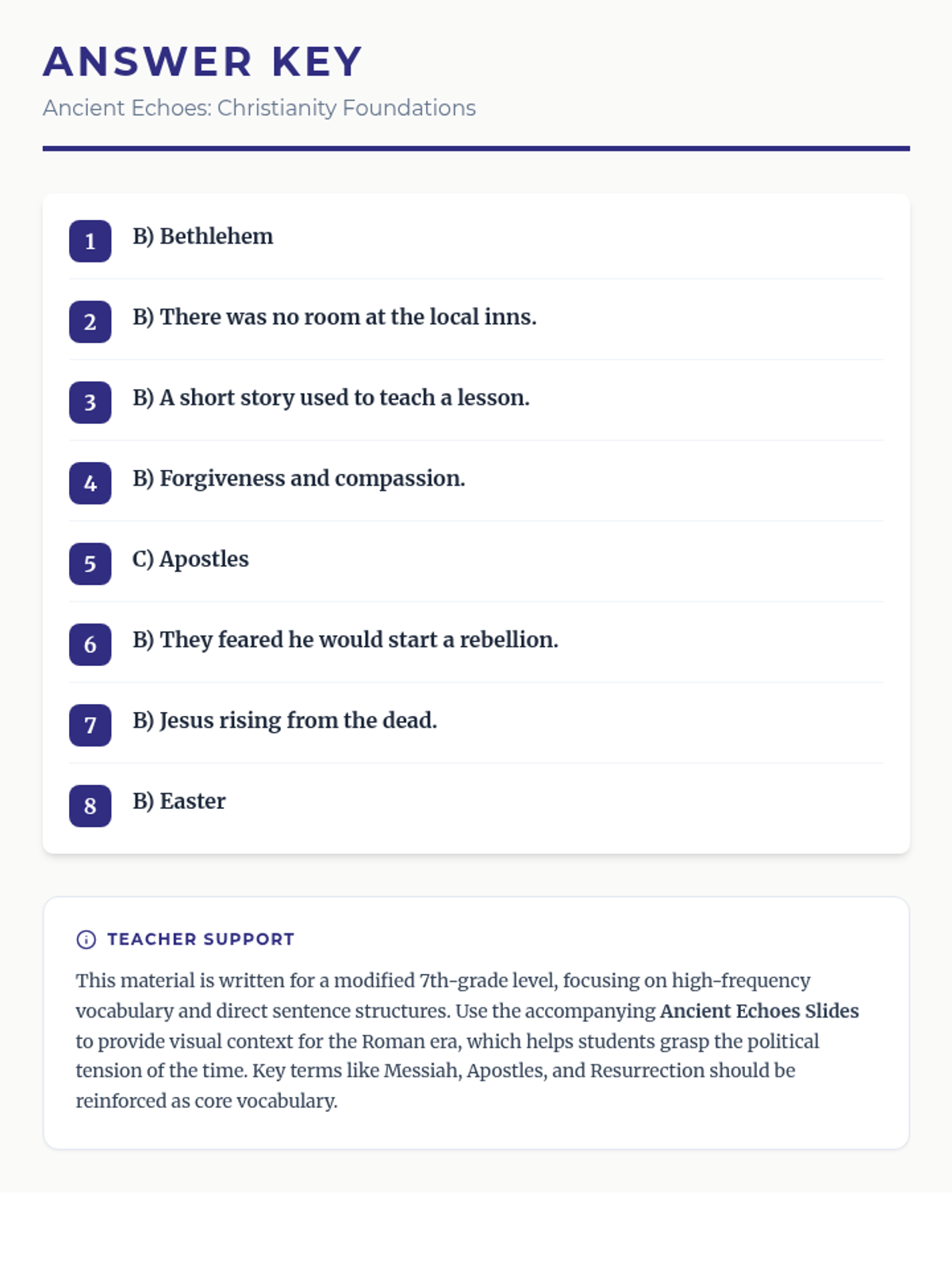
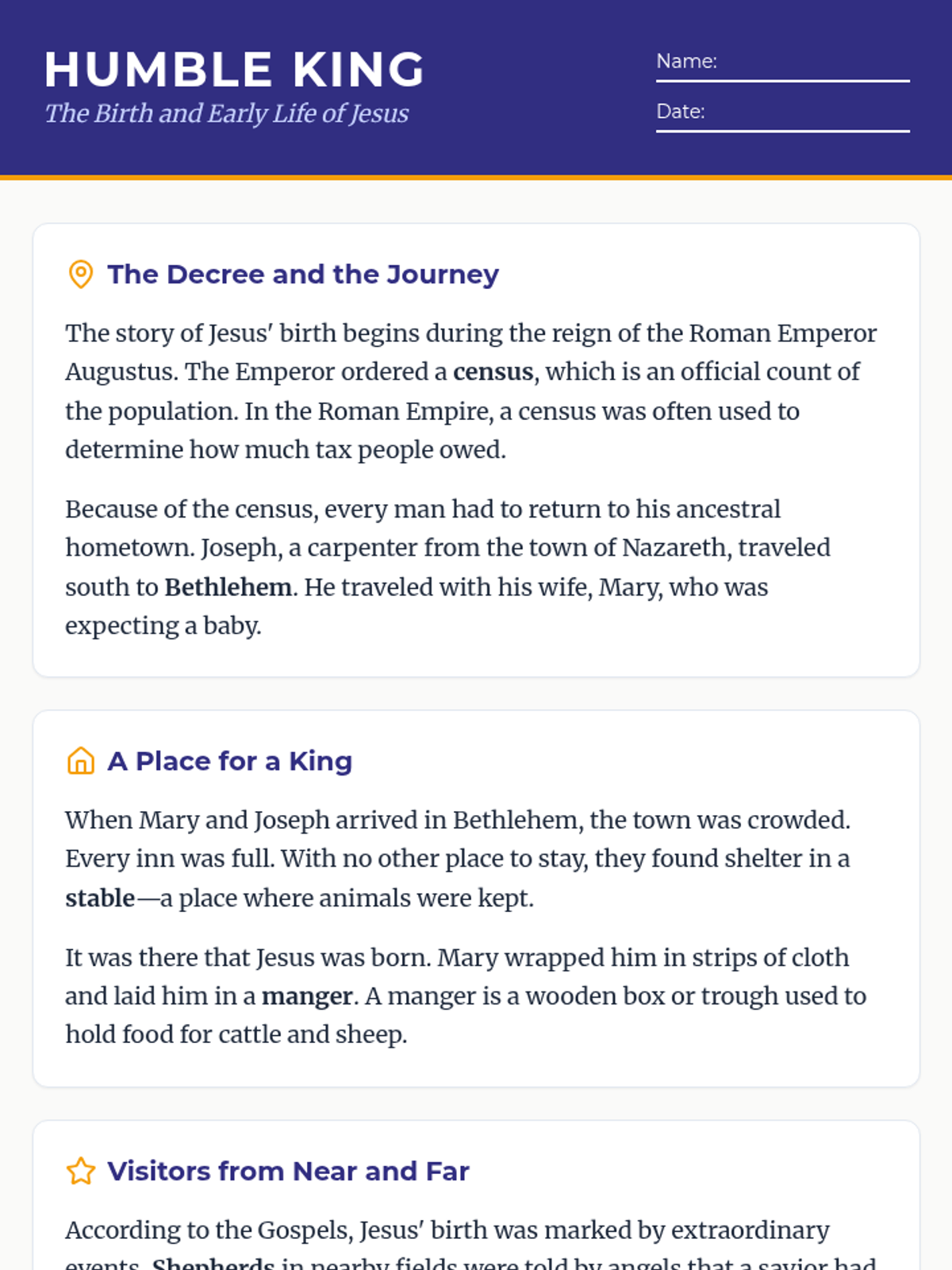
A lesson exploring the foundational narratives of Christianity, focusing on the life and teachings of Jesus of Nazareth at a modified 7th-grade reading level.
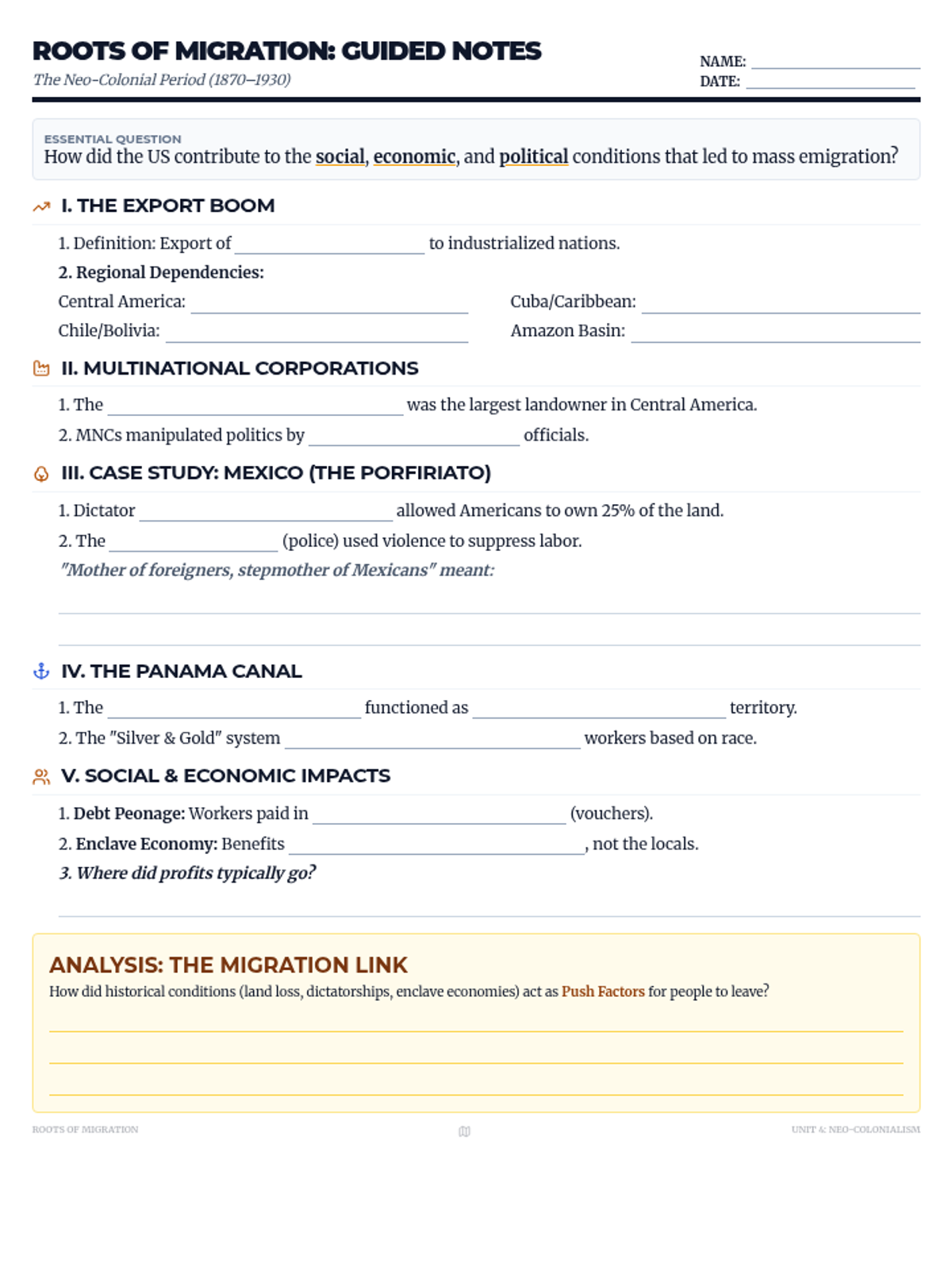
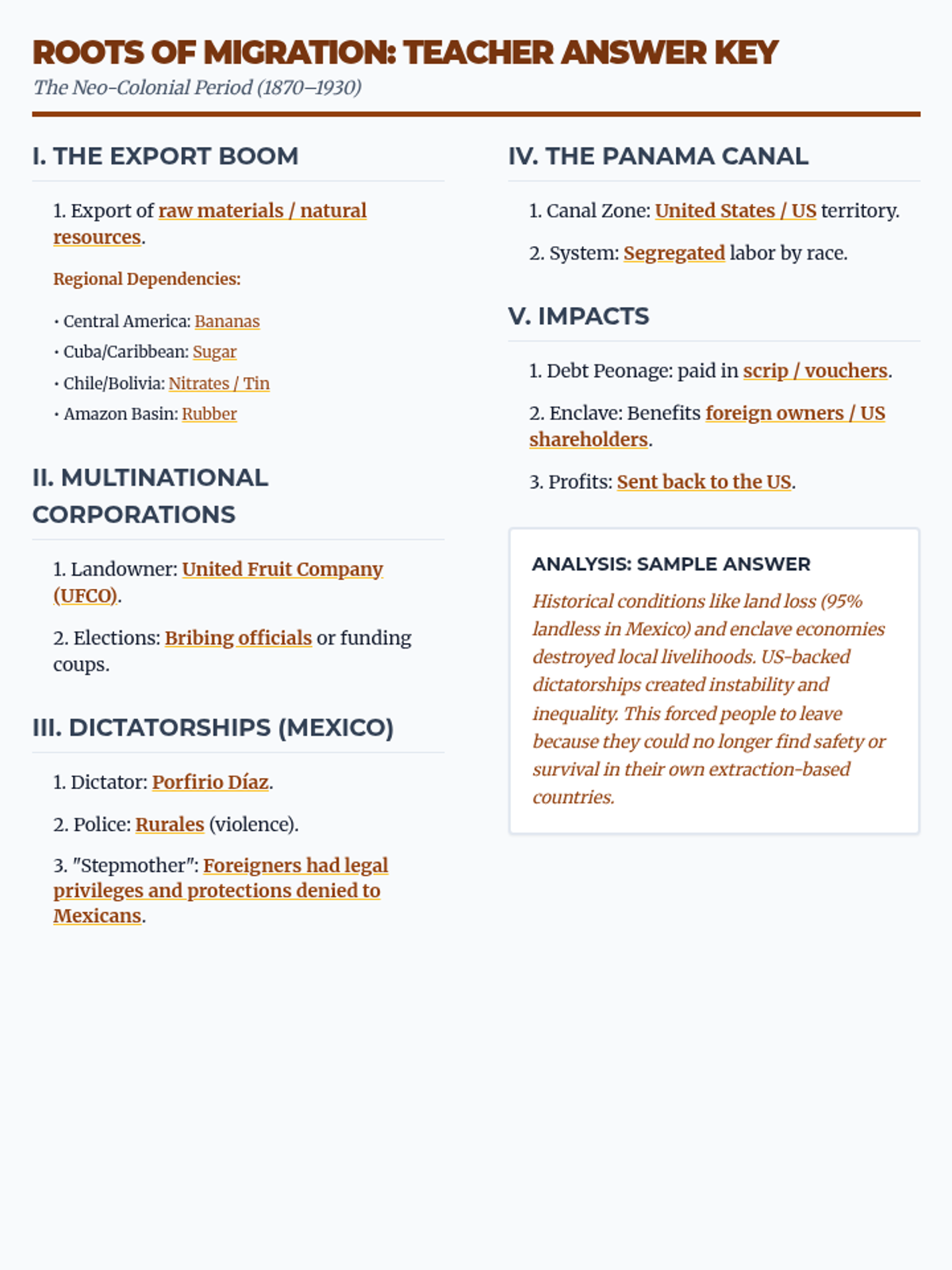
A lesson exploring the neo-Colonial Period in Latin America (1870-1930), focusing on how US economic and political influence via multinational corporations created the conditions for long-term migration patterns.
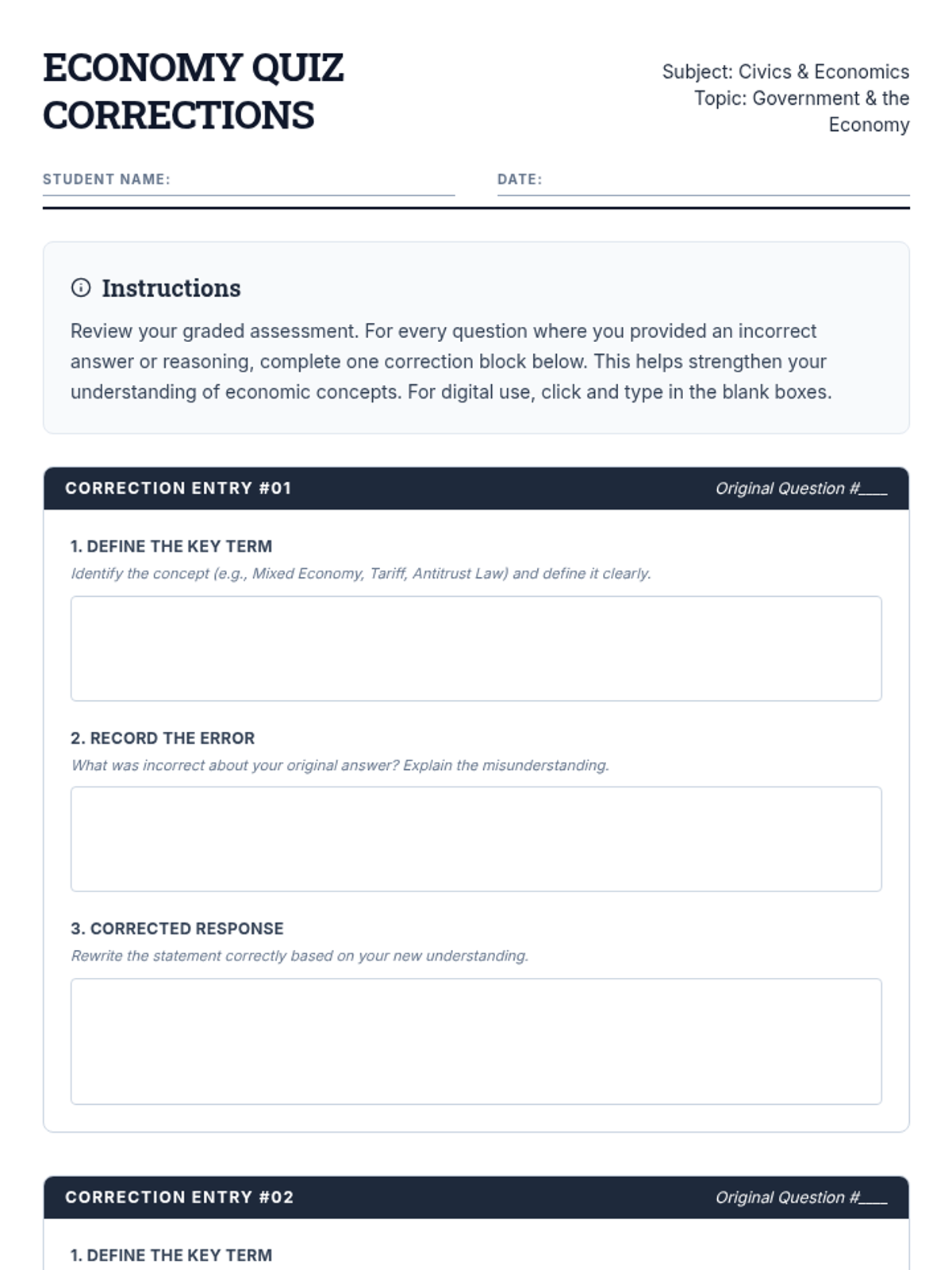
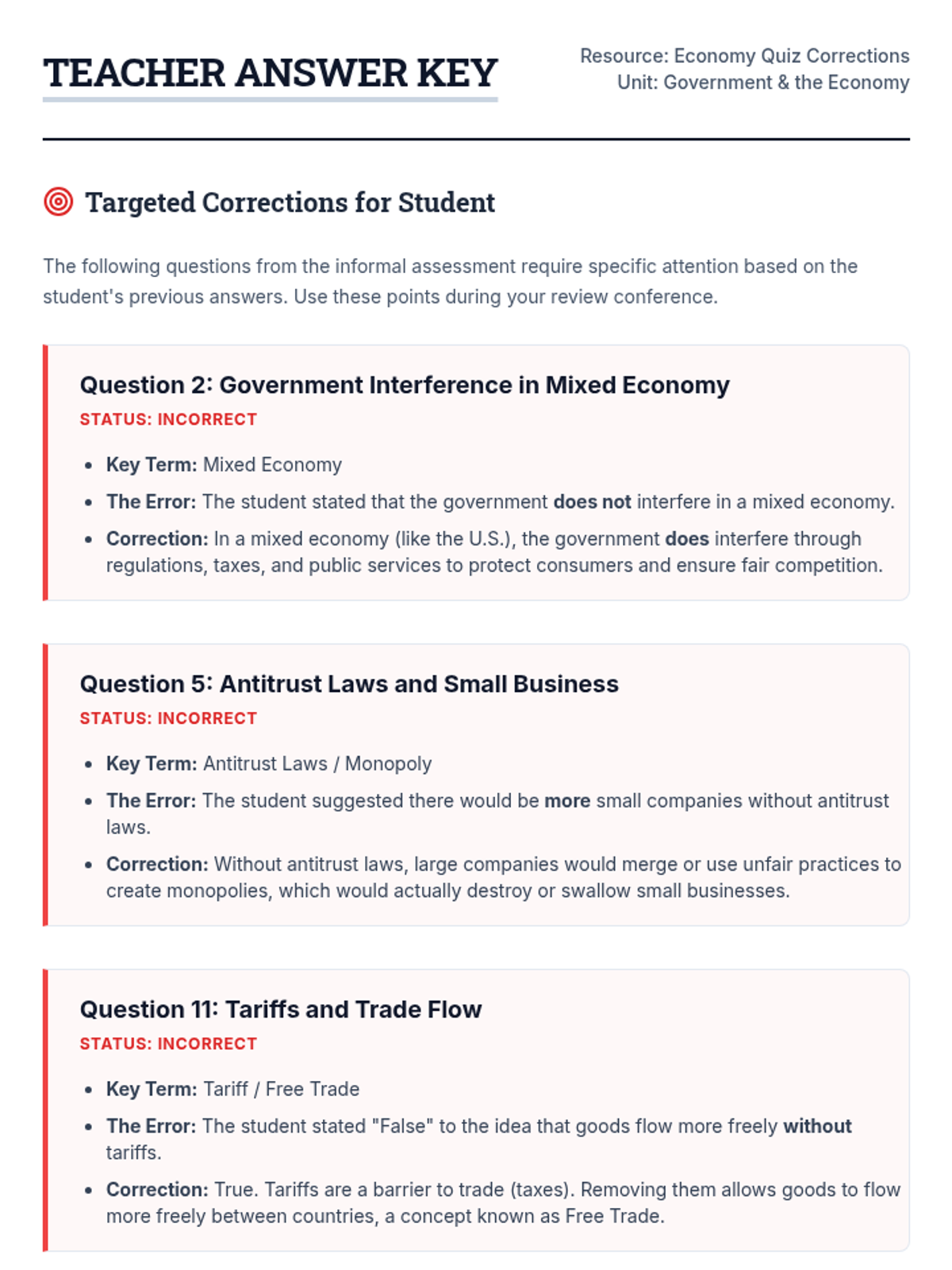
A targeted intervention lesson focused on correcting misconceptions regarding government intervention in the economy, specifically mixed vs. command economies, antitrust legislation, and international trade (tariffs).
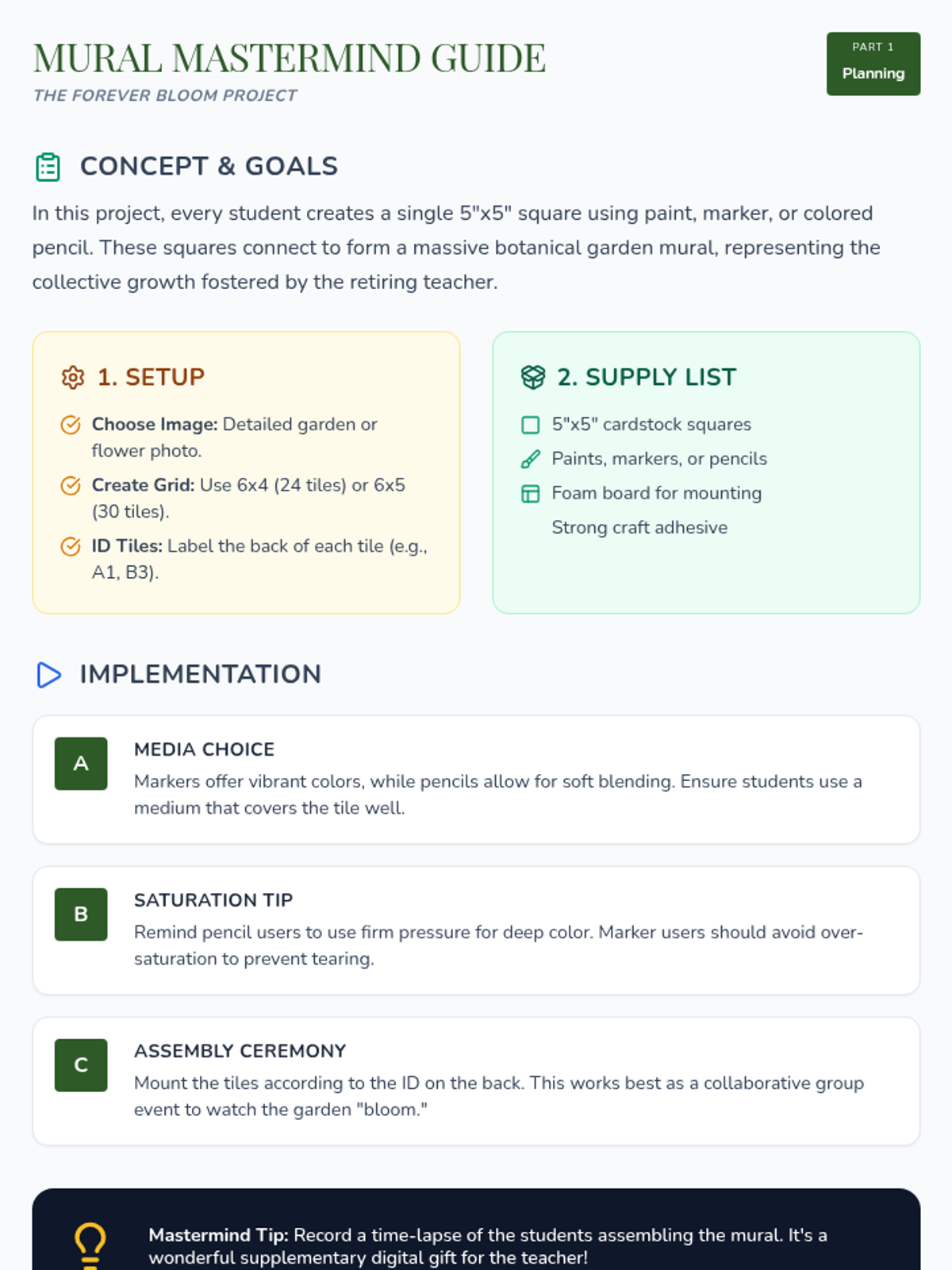
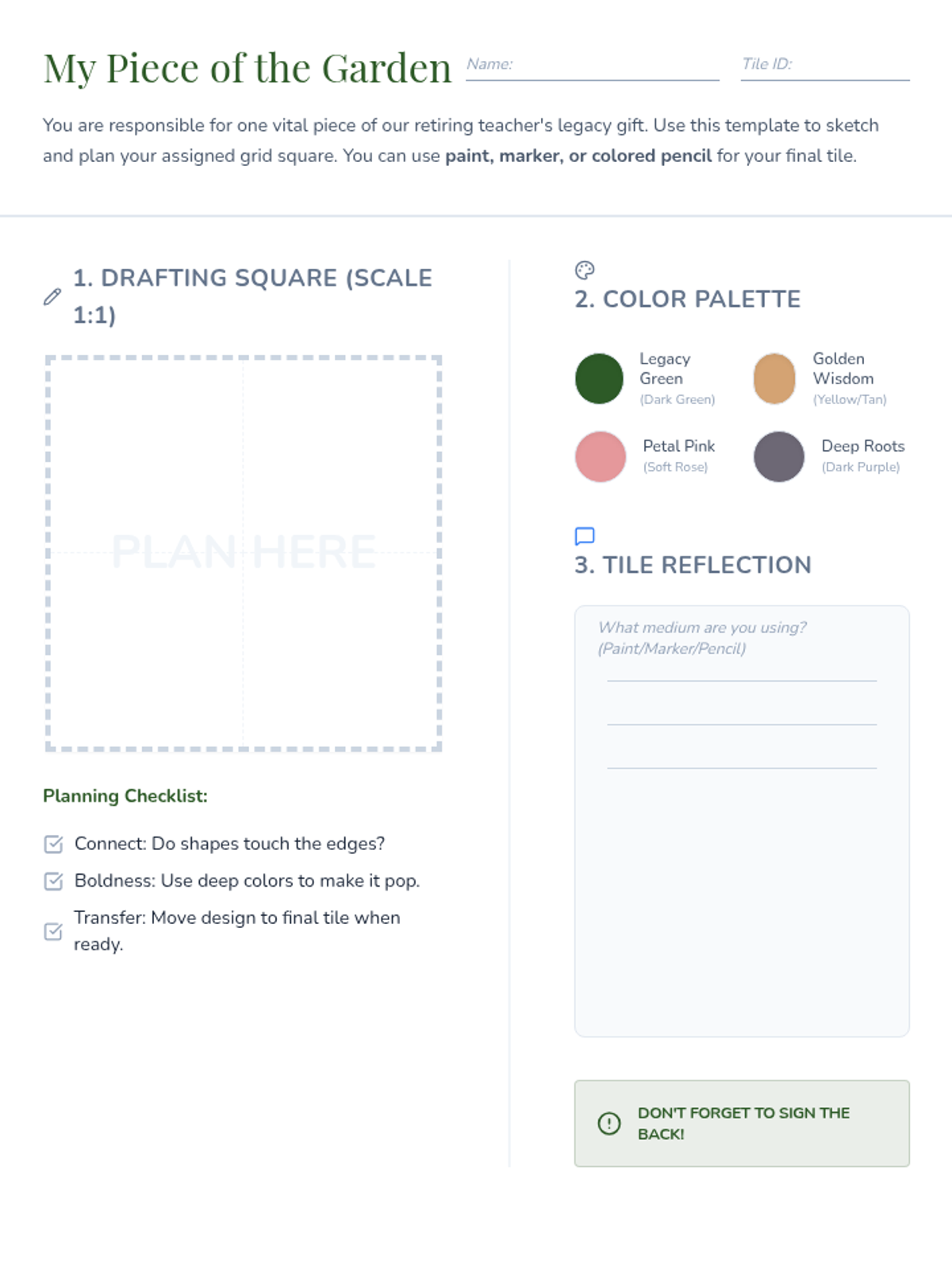
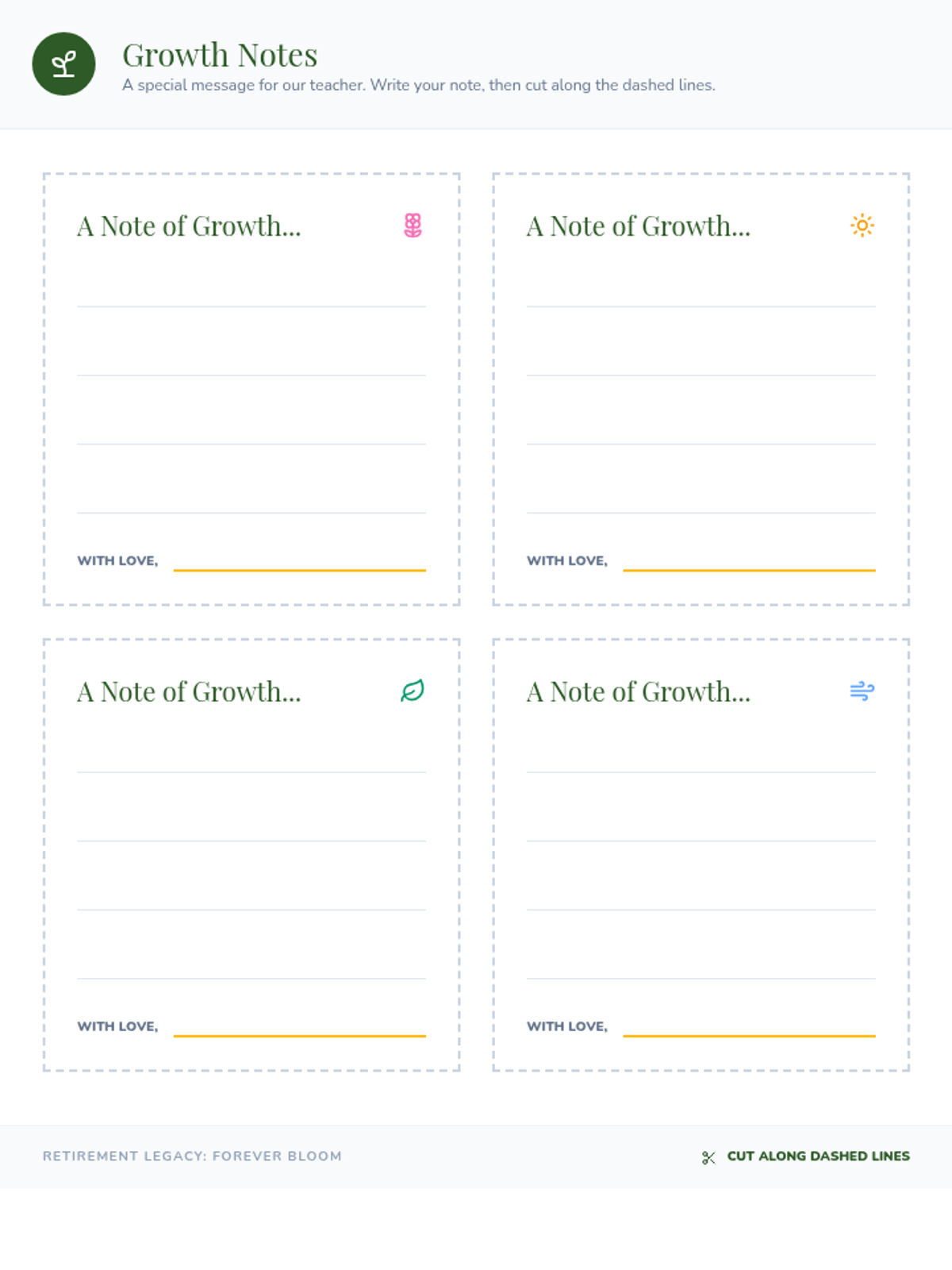
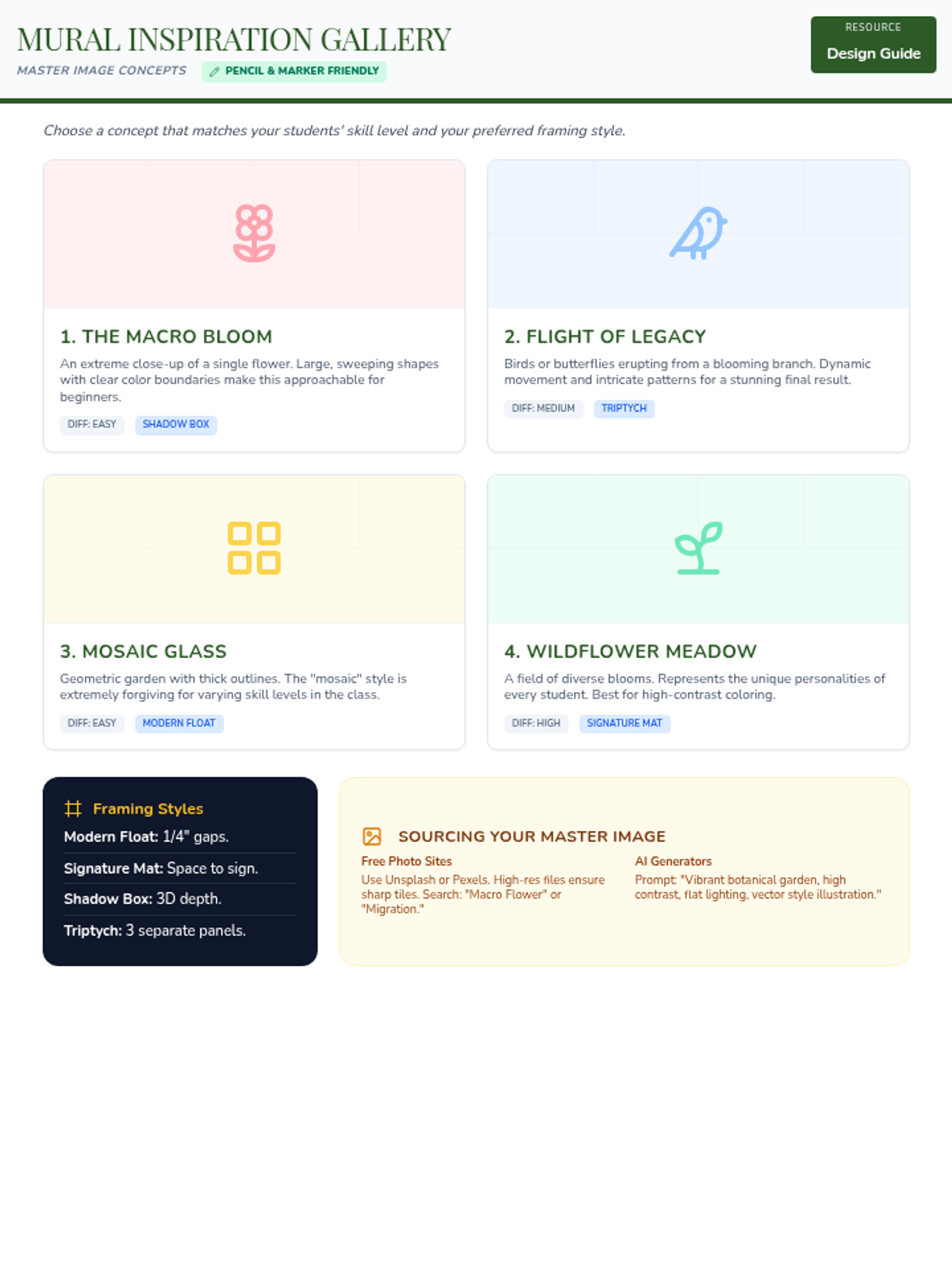
Students explore the theme of 'Blooming' through a collaborative grid mural project, where each individual piece contributes to a larger-than-life garden masterpiece for a retiring teacher.
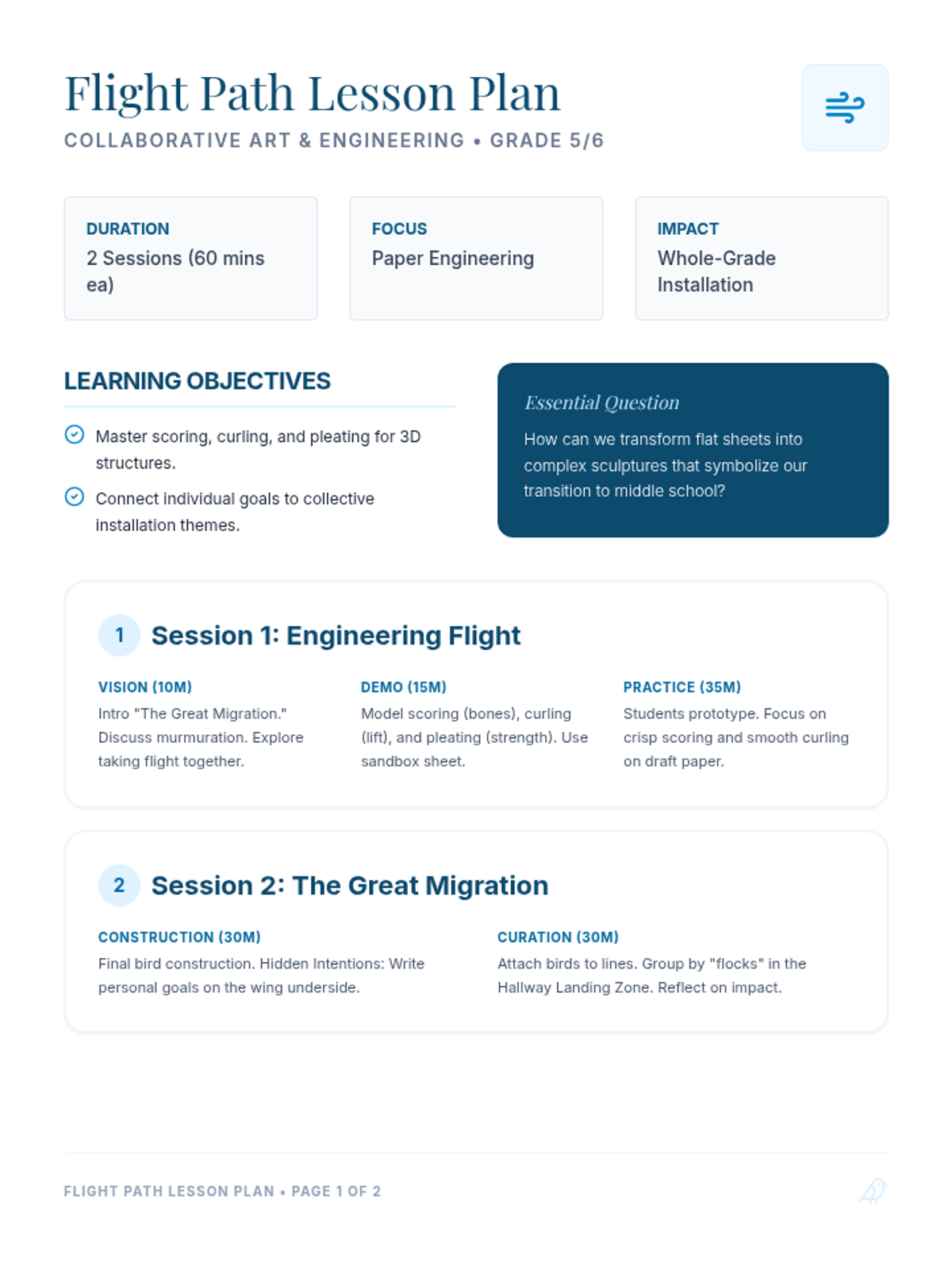
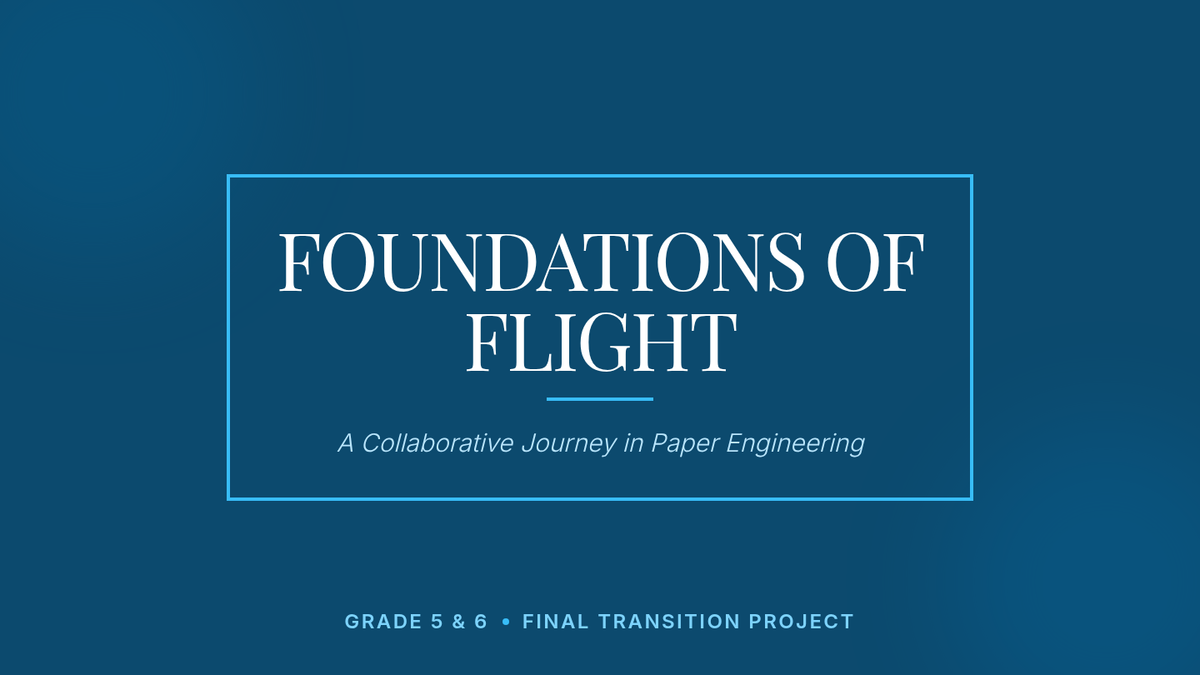
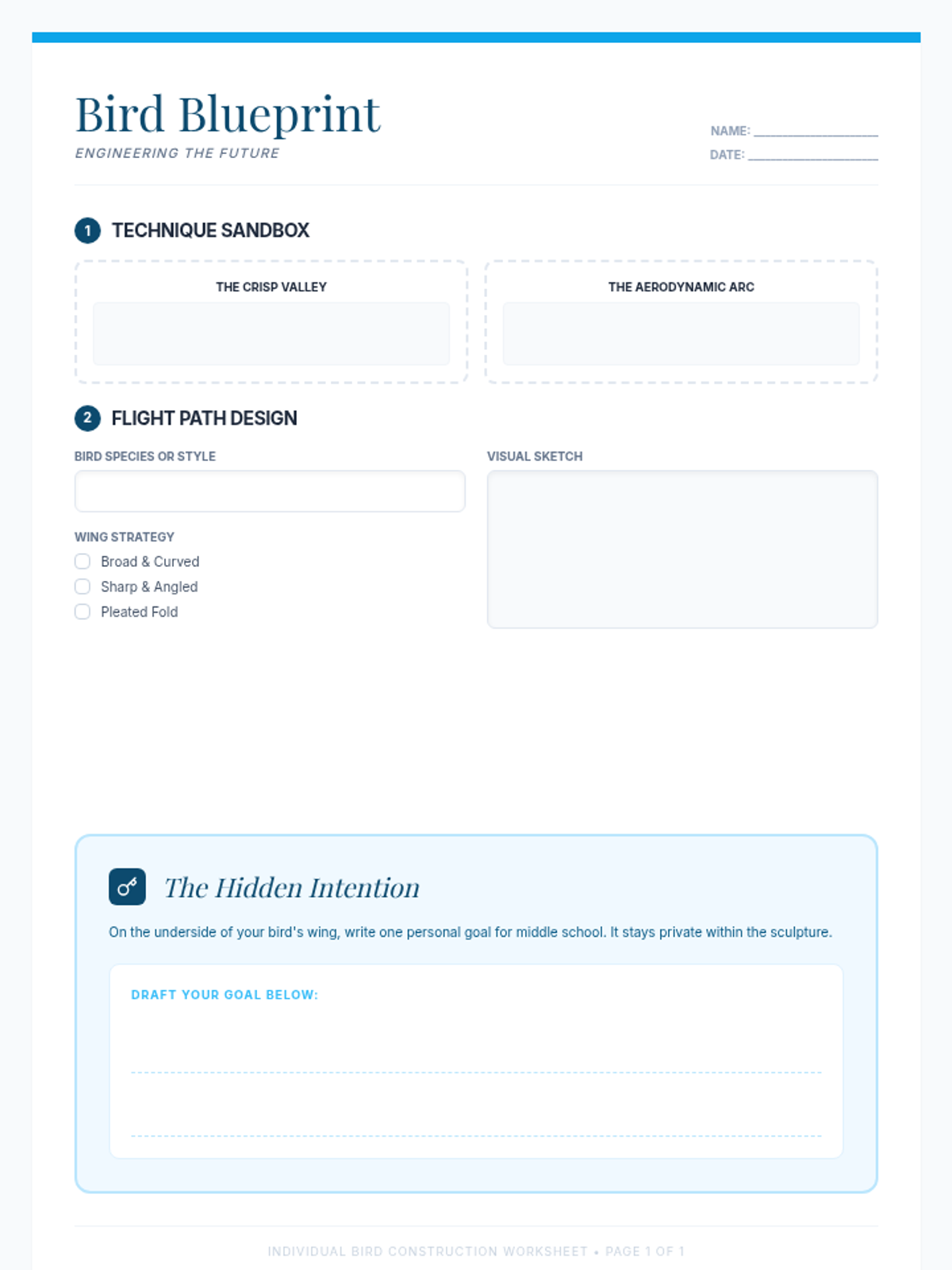
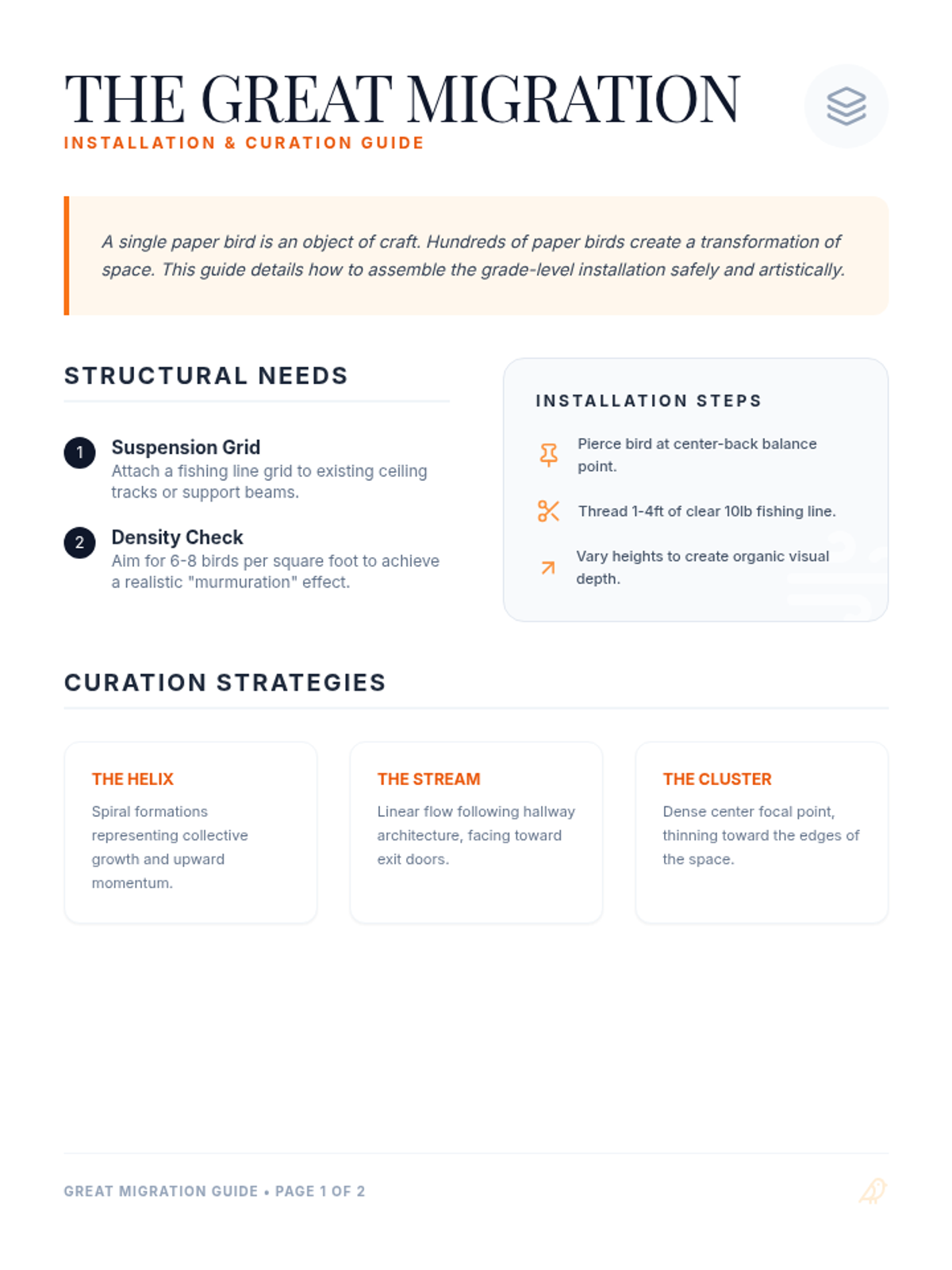
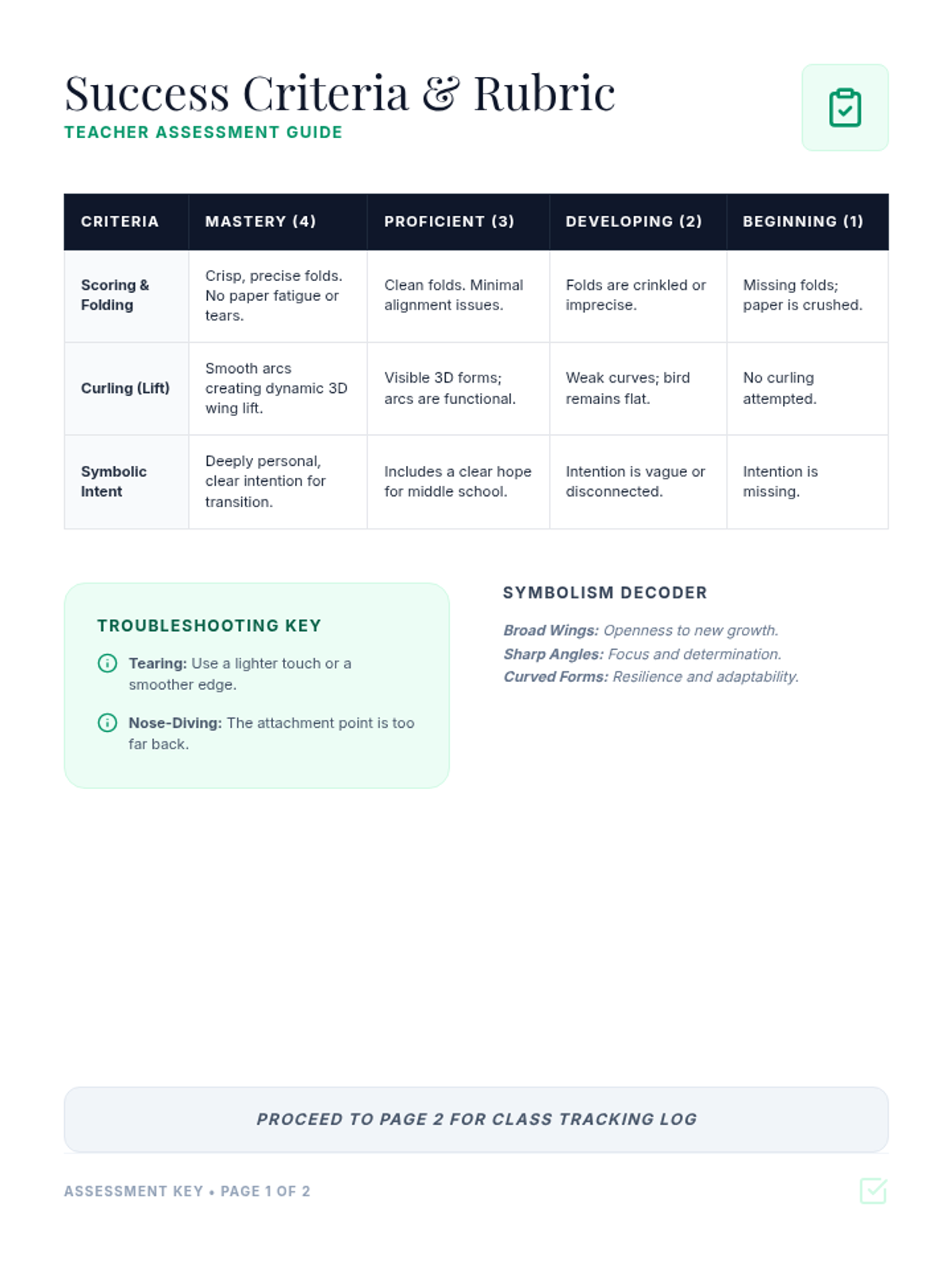
A collaborative art and engineering lesson where students design individual paper birds to form a massive grade-level installation, symbolizing their collective transition to middle school.
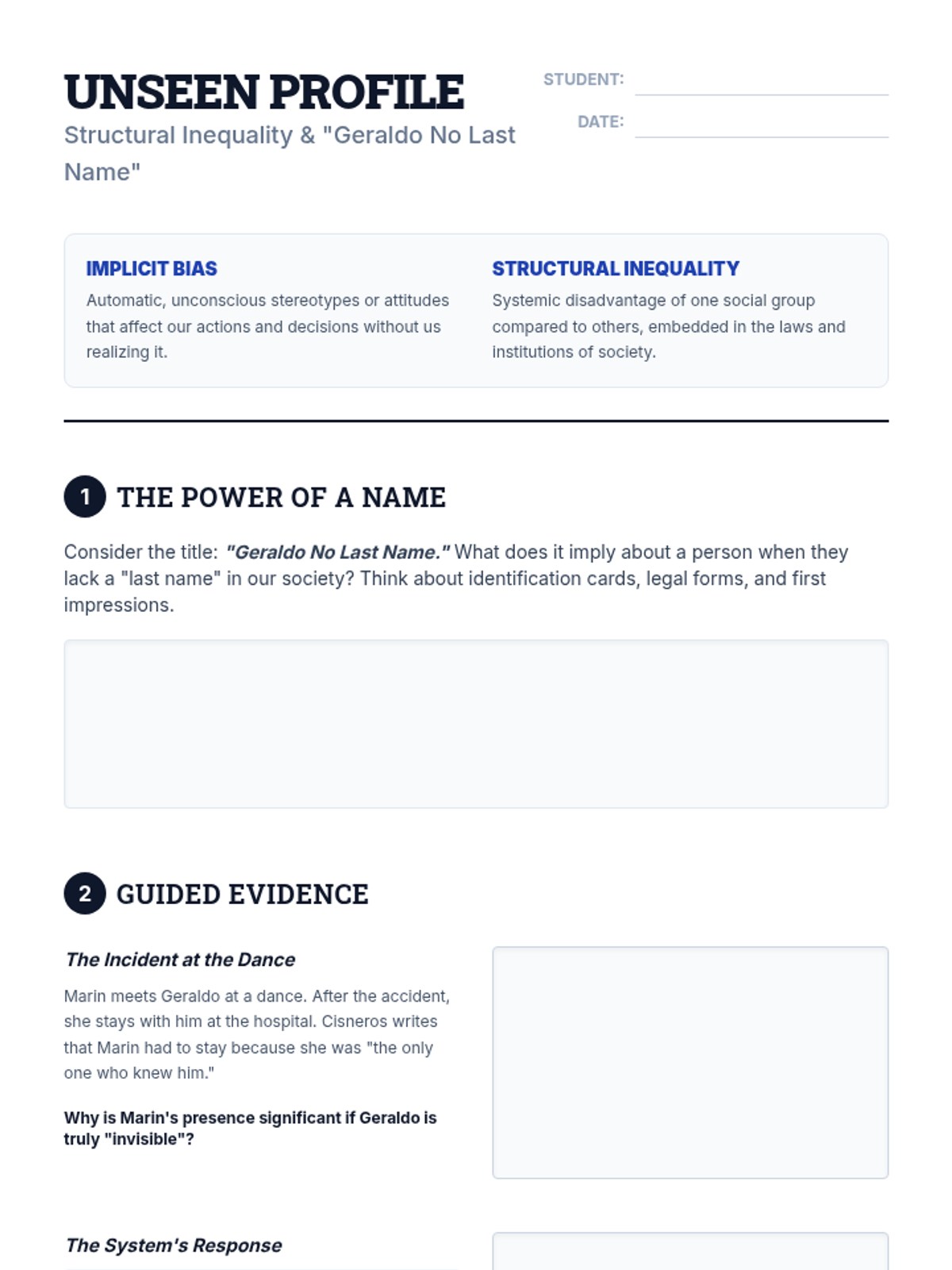
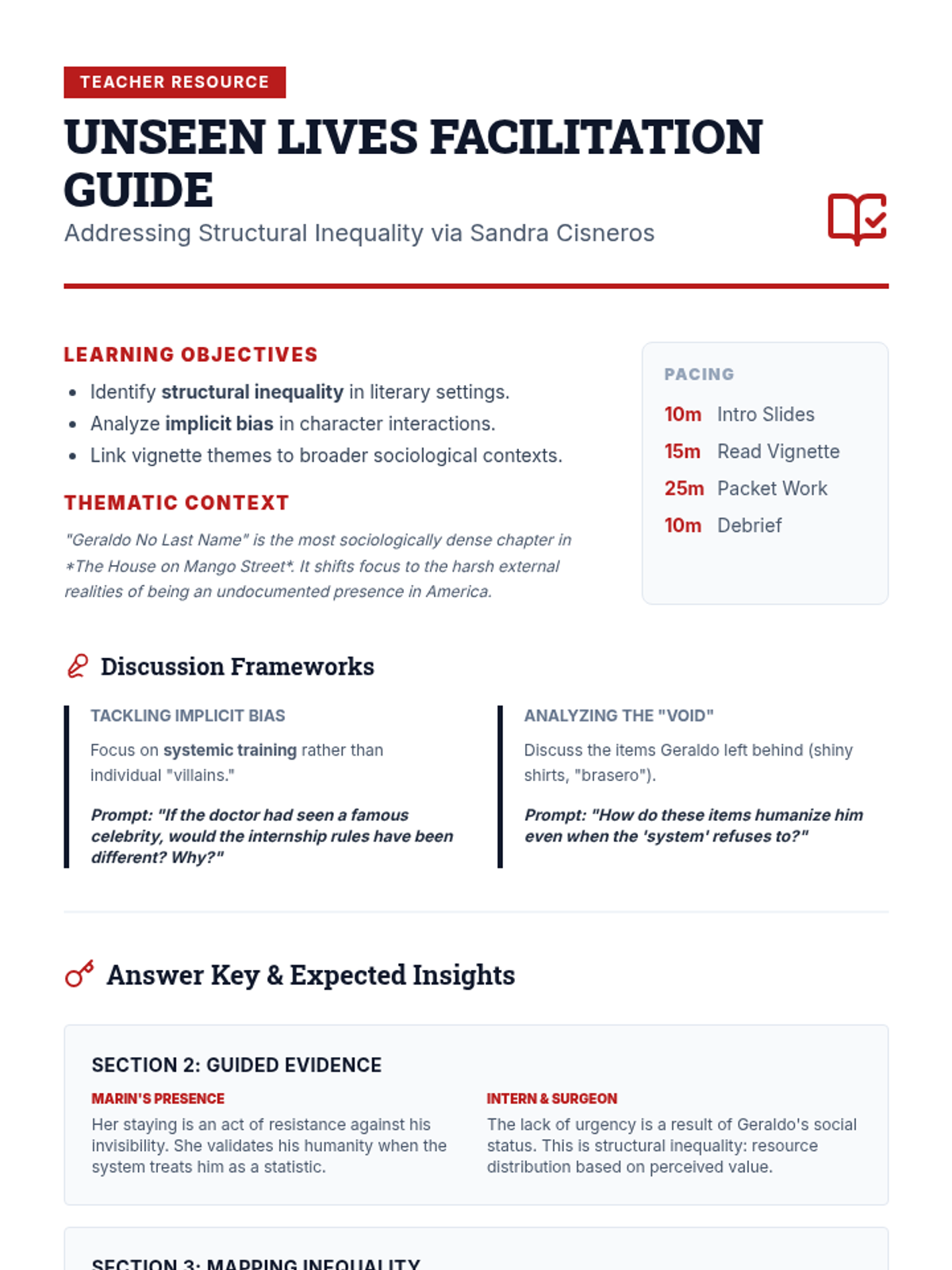
A deep dive into Sandra Cisneros's 'Geraldo No Last Name,' examining how structural inequality and implicit bias render individuals invisible within society. Students will analyze the vignette to understand the systemic forces at play in the characters' lives.
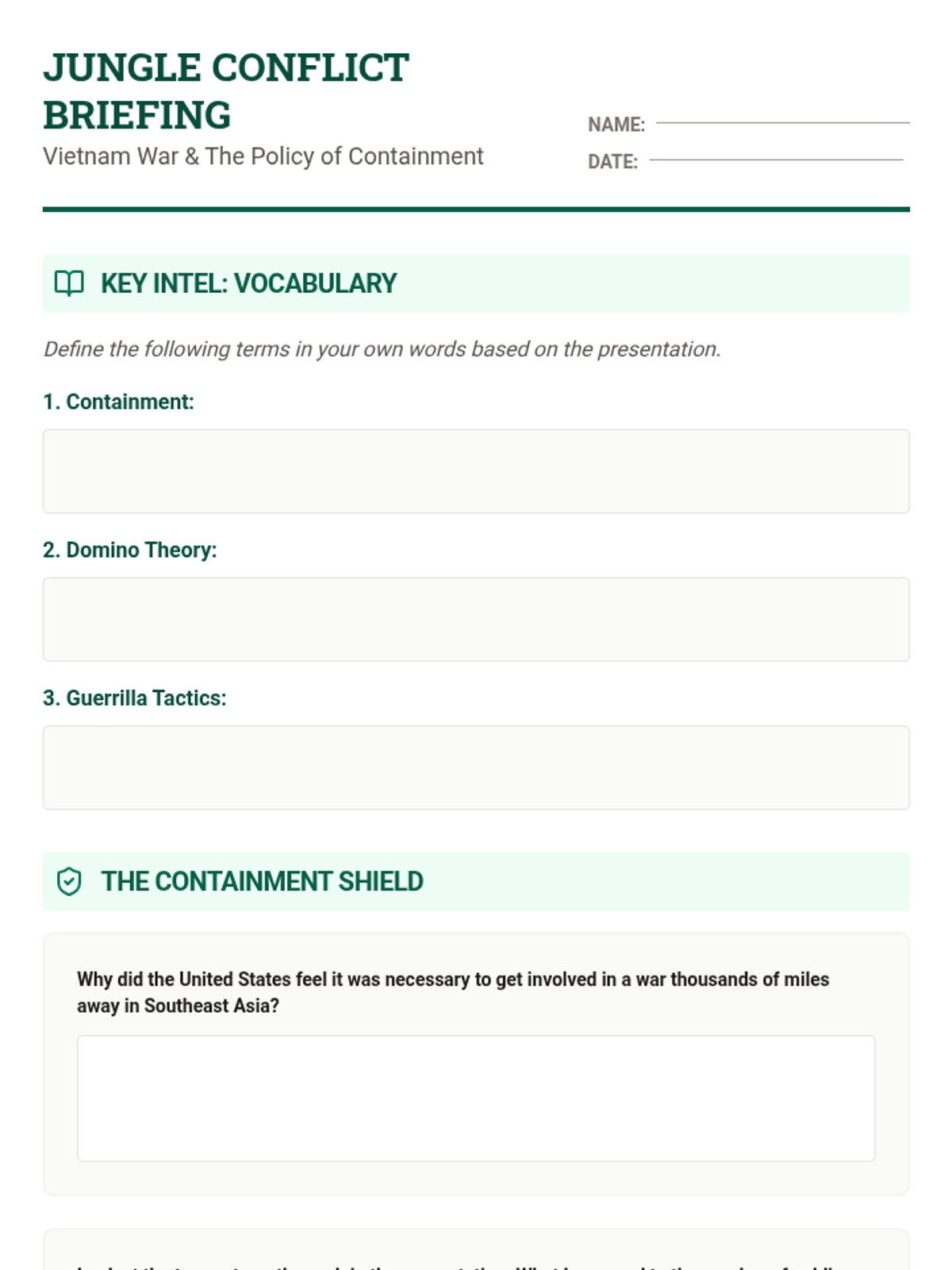
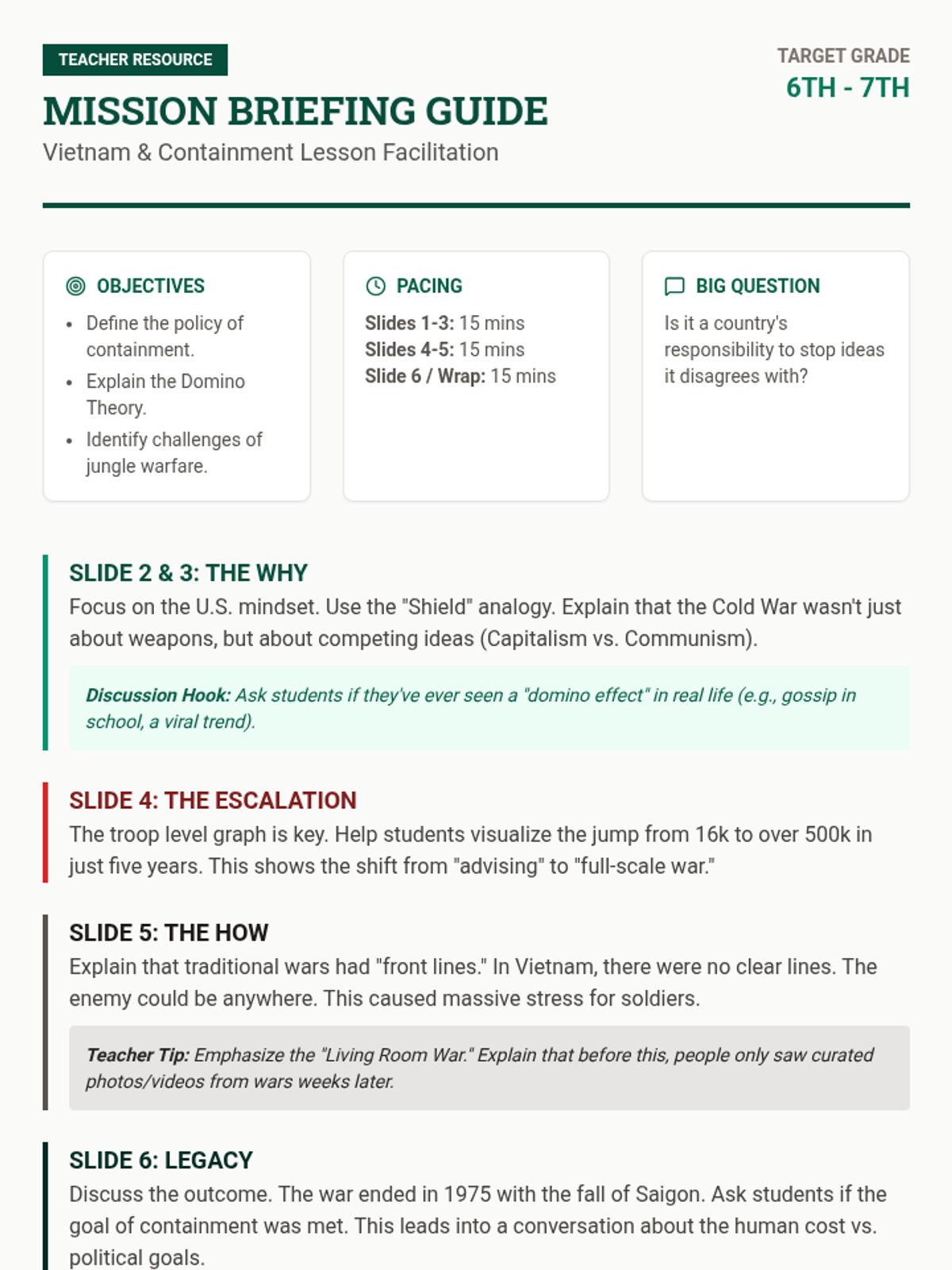
This lesson explores the origins of the Vietnam War through the lens of the US policy of containment and the Domino Theory, designed for middle school students.
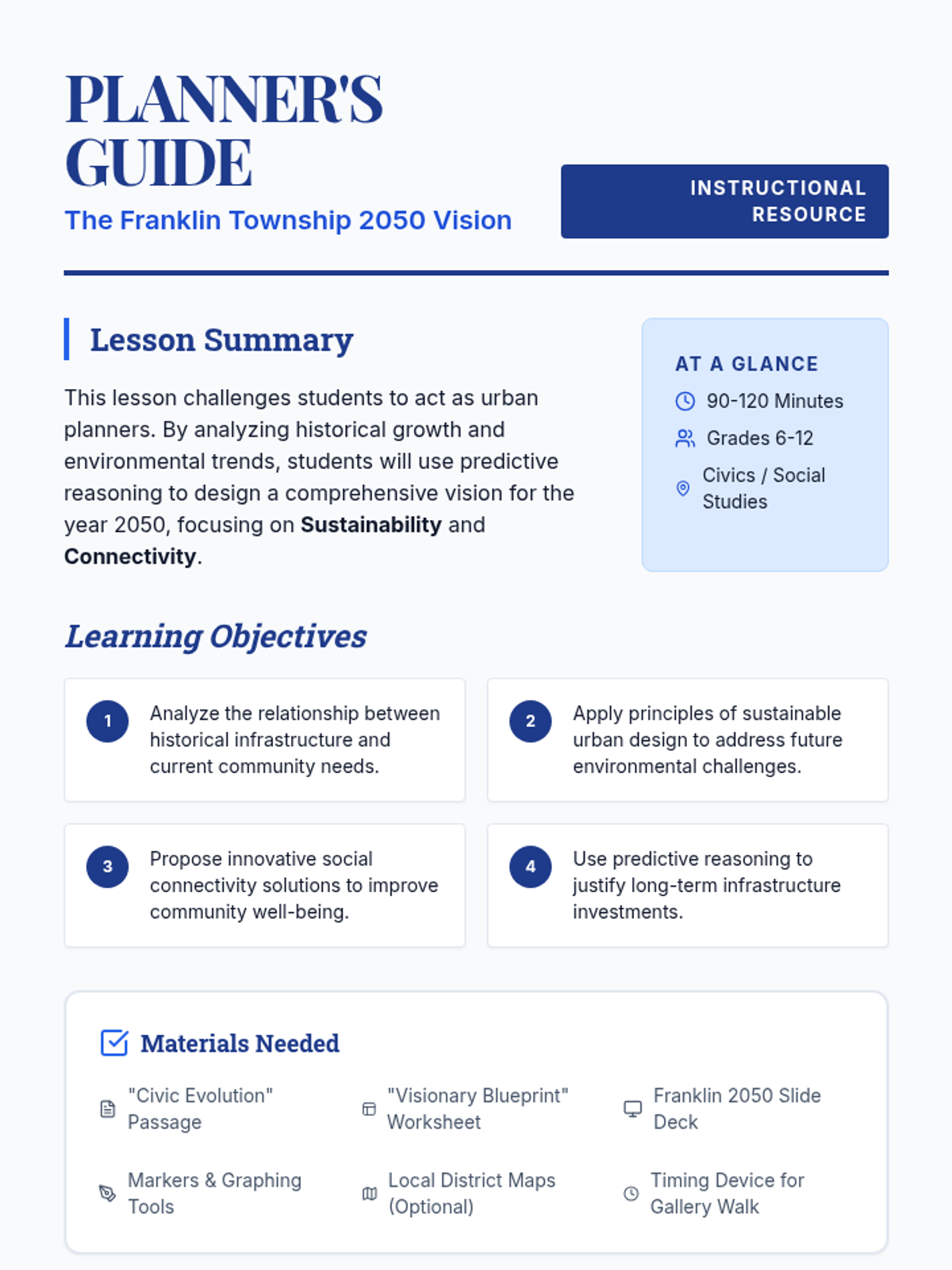
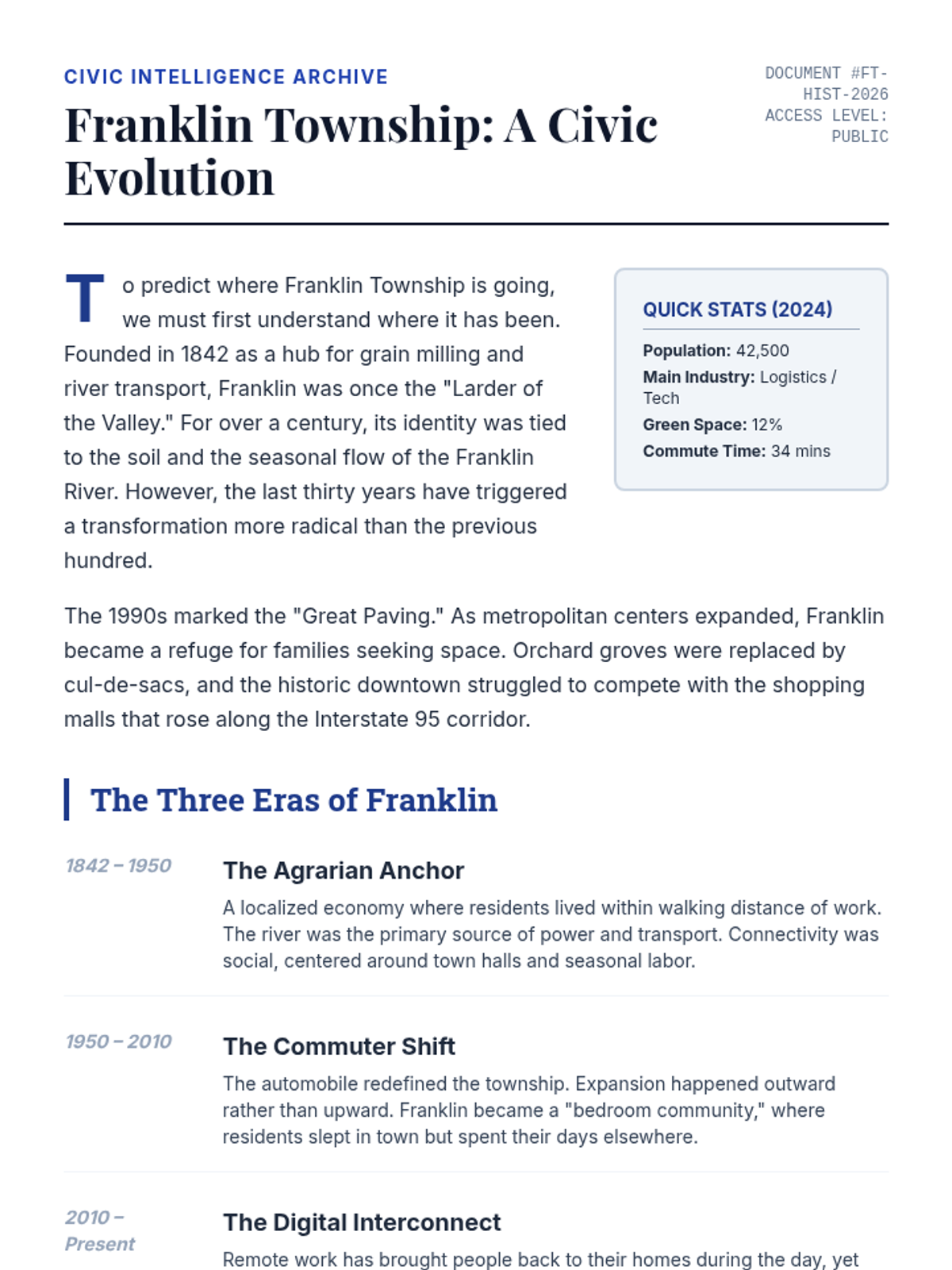
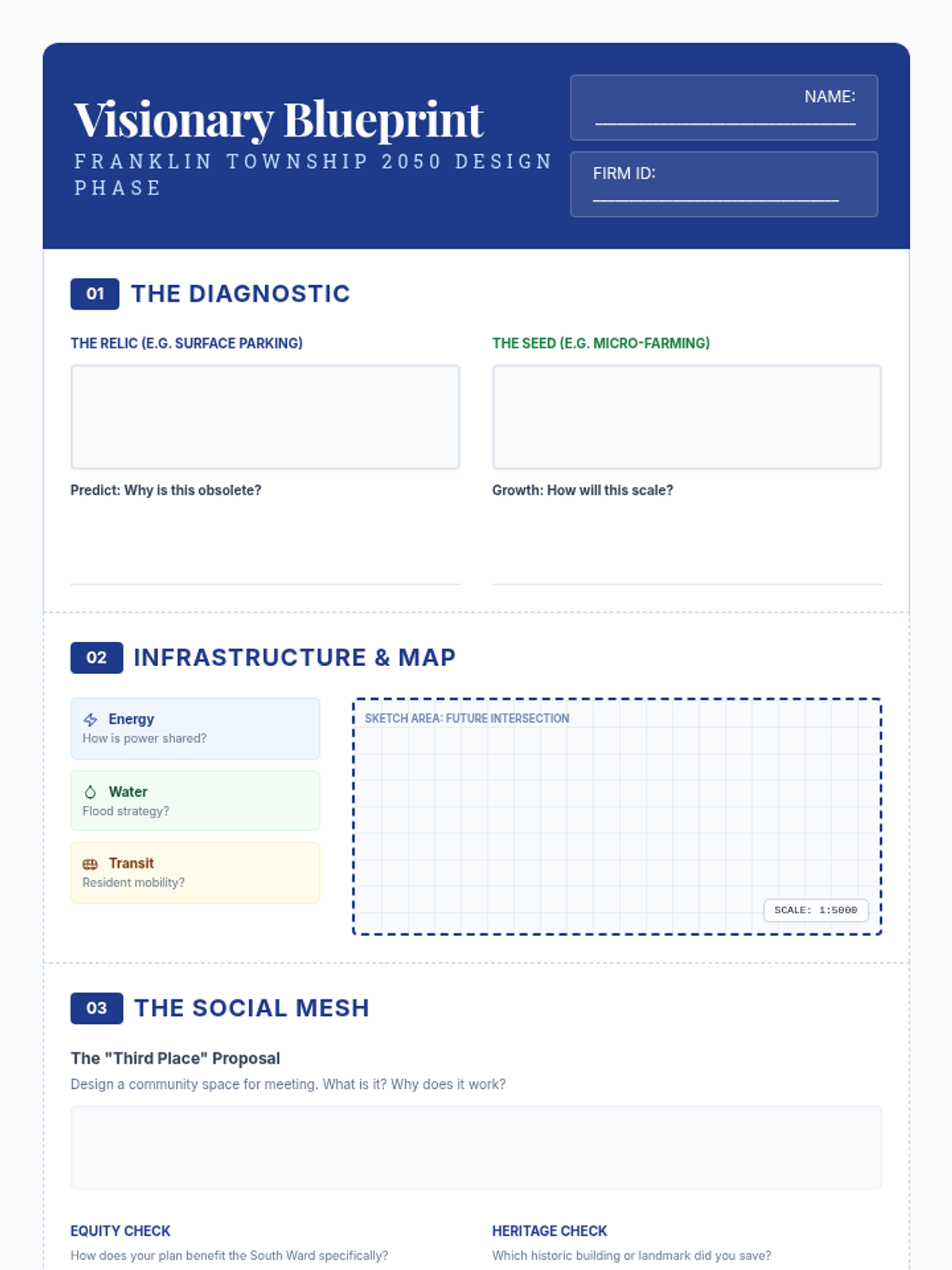
A civic design lesson where students apply historical context and sustainability principles to imagine their community in 2050. Students analyze local evolution and propose infrastructure and social connectivity improvements.
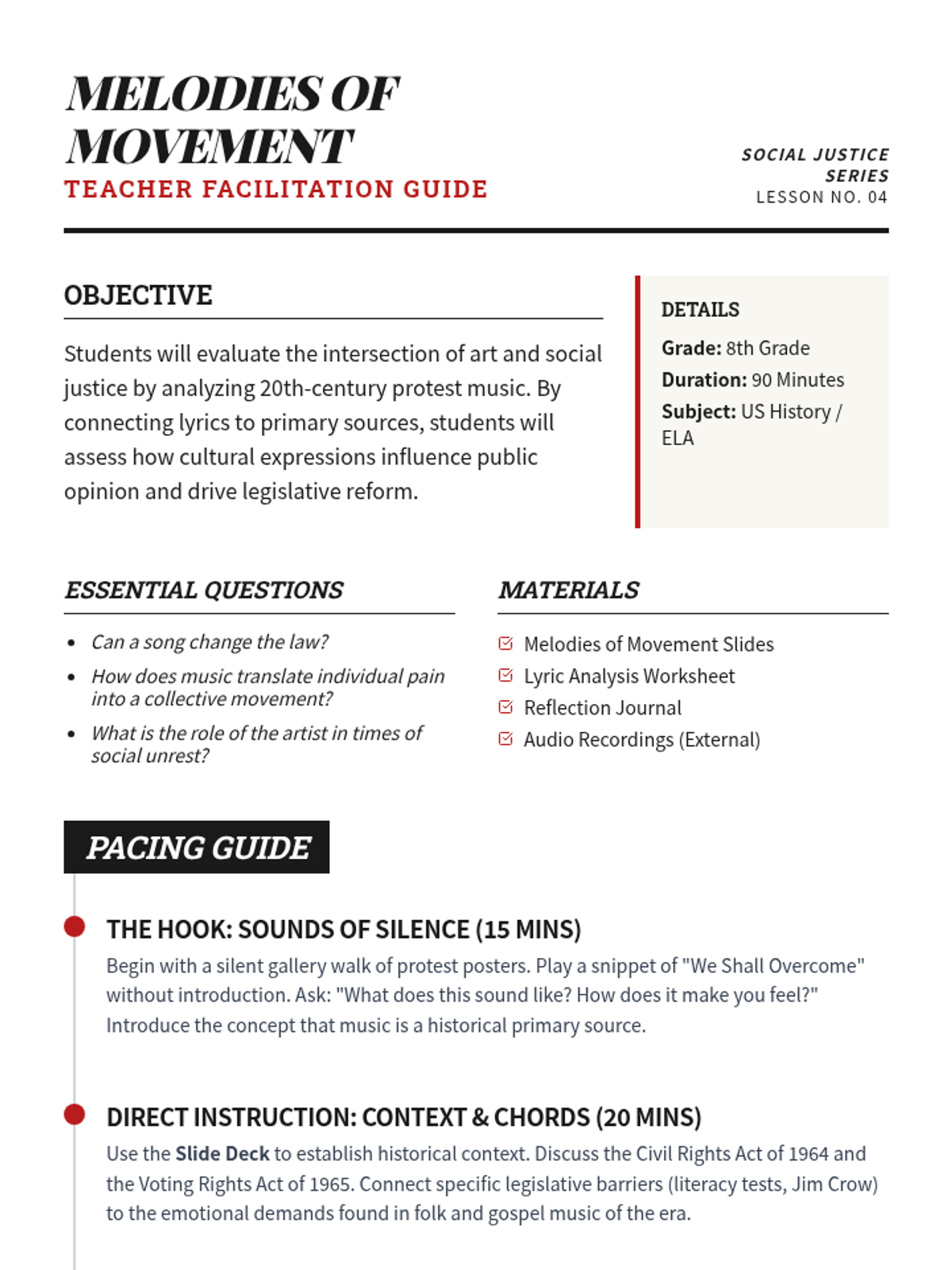
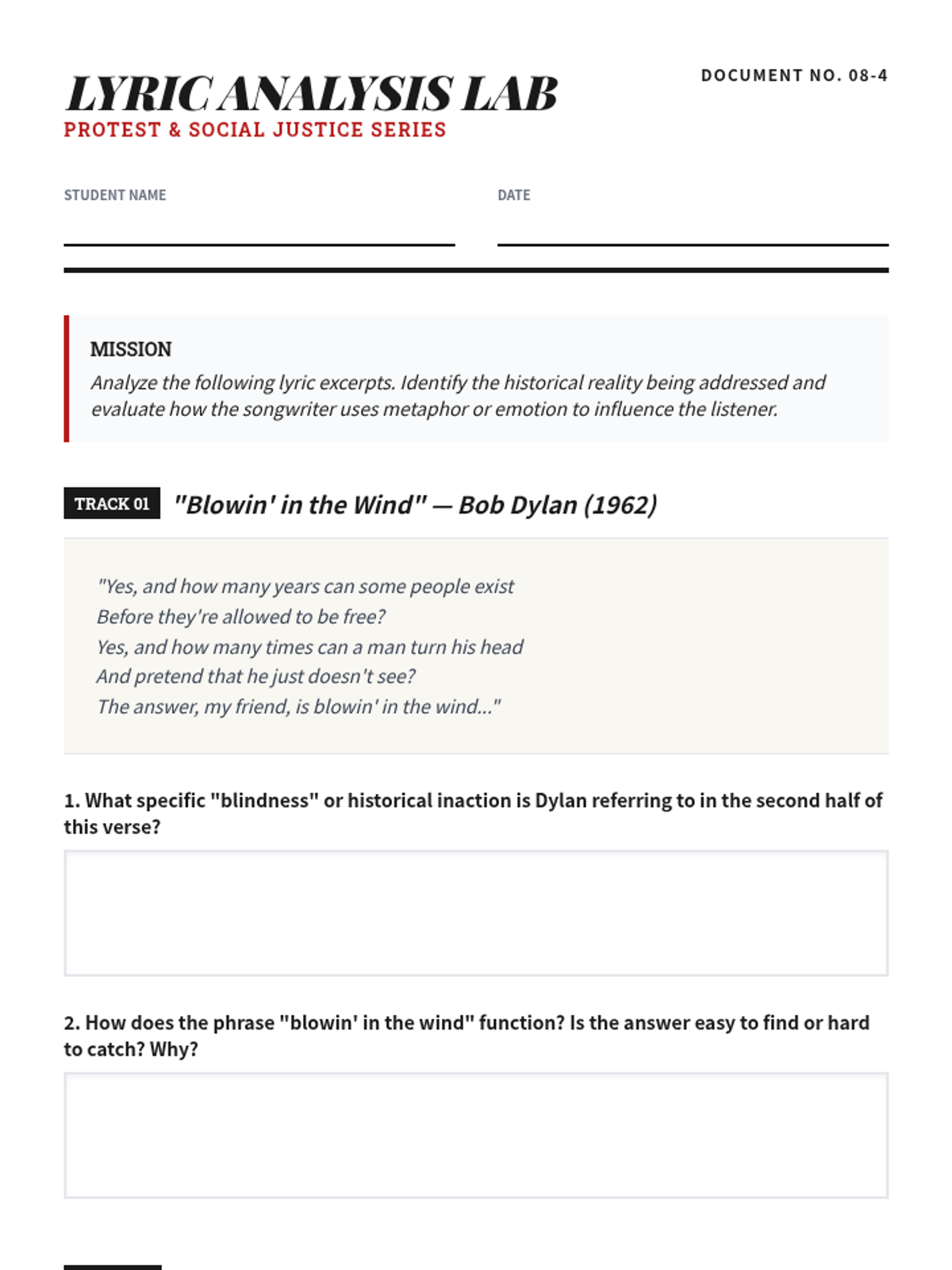
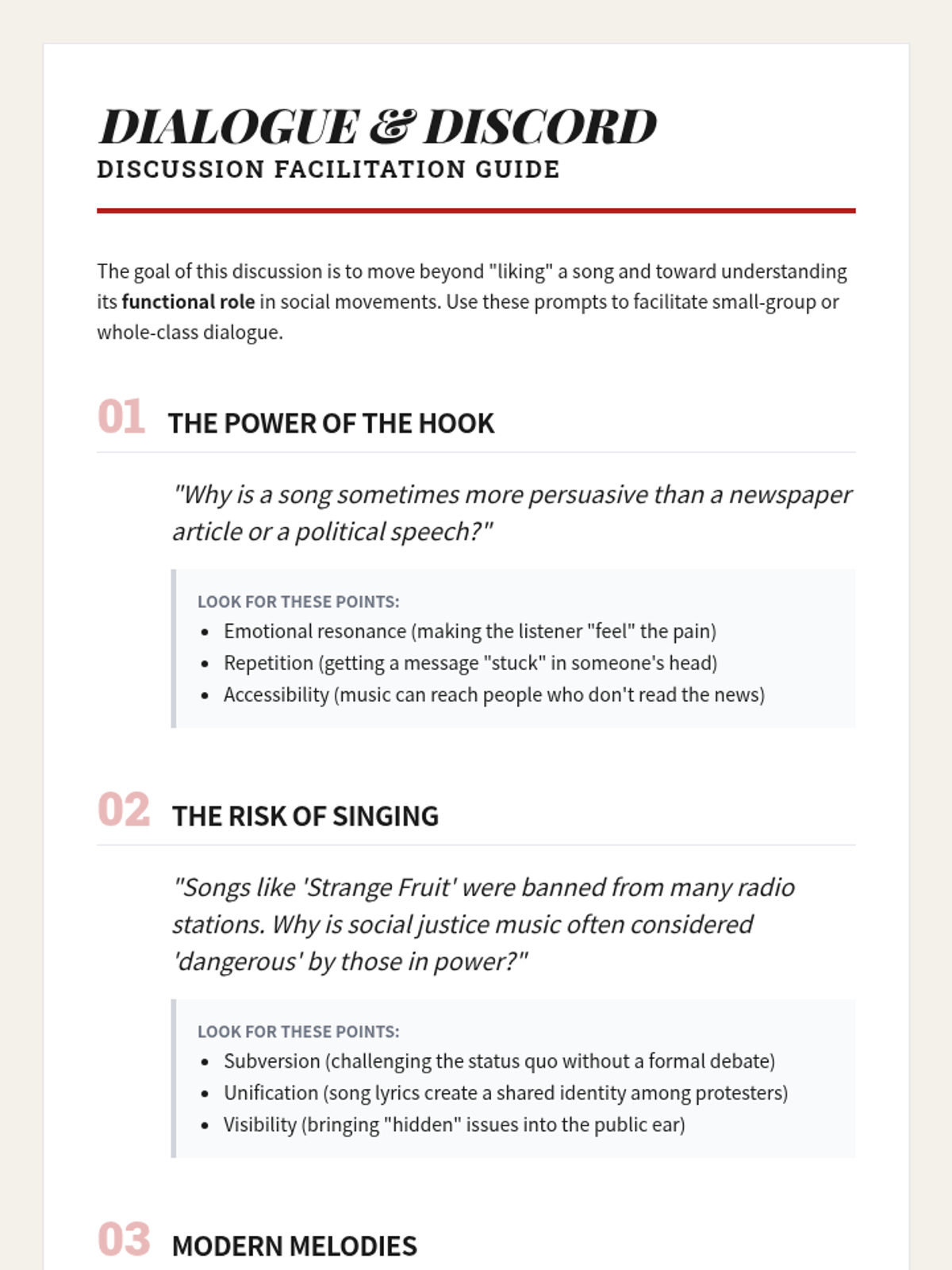
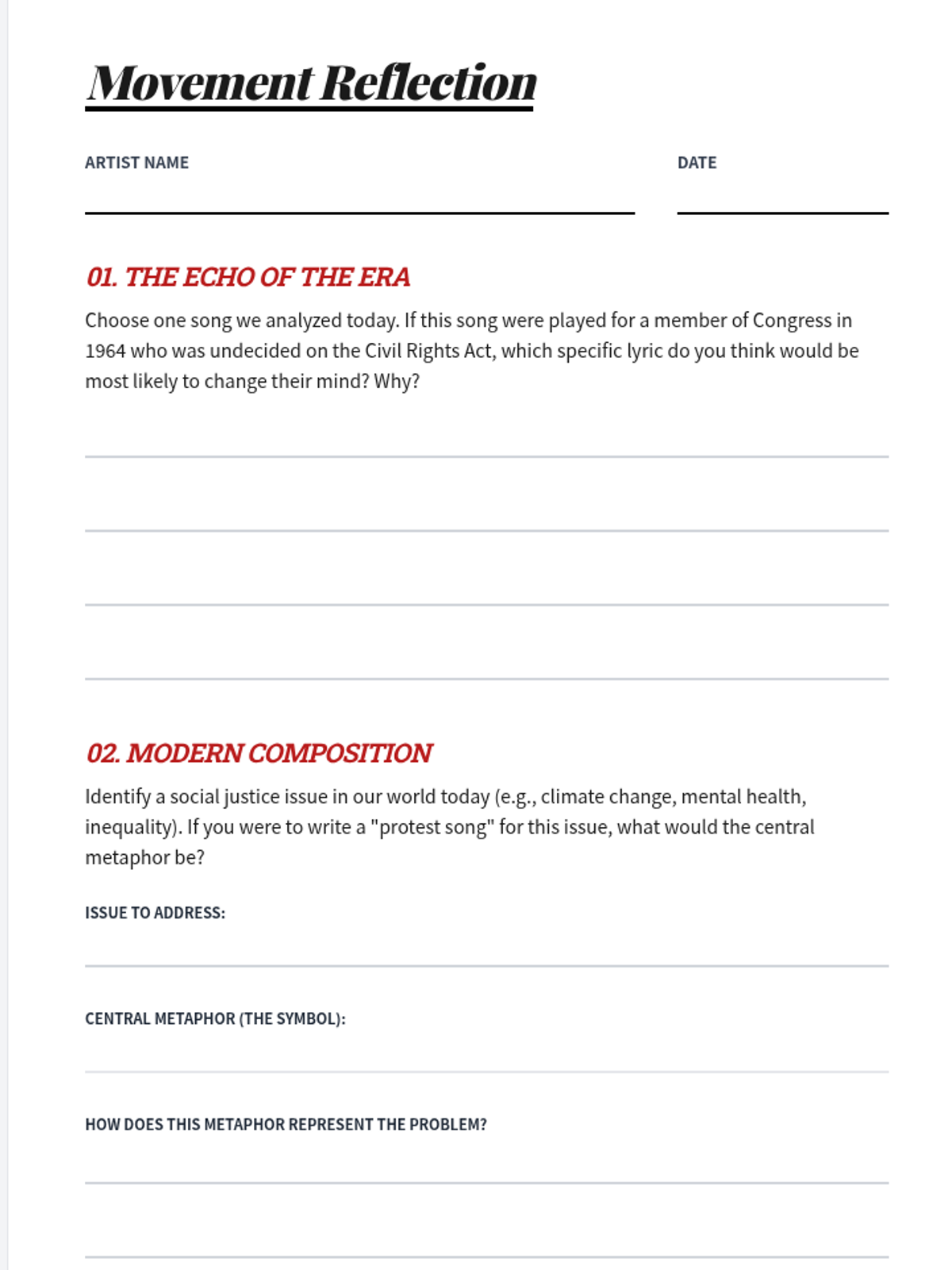
Eighth-grade students analyze protest music from the Civil Rights era to evaluate art's influence on public opinion and legislative change. This lesson connects lyrics with primary sources to understand cultural expressions of social justice.