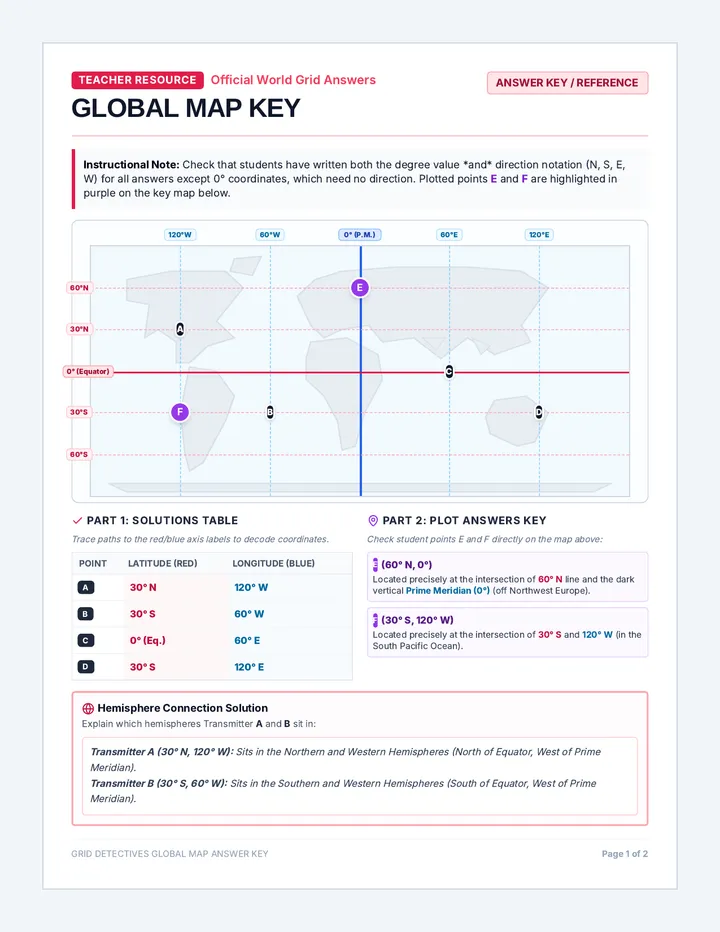
Students learn to decode and create road maps by exploring standard symbols like keys, compass roses, and boundaries. They apply these skills by designing a map of their own neighborhood route from home to school.
Students identify the eleven states of the West region and memorize their capital cities through a matching game and map assessment.
An exploration of the unique culture, major landmarks, and diverse populations that characterize the West region.
Students learn about the natural resources that drive the West's economy, including timber, minerals, fish, and fertile soil for agriculture.
An investigation into the diverse climate zones of the West, from the temperate rainforests of the Northwest to the arid deserts of the Southwest.
Students explore the physical geography of the West region, including the Rocky Mountains, the Sierra Nevada, the Great Basin, and the Pacific Coast.
Students master the states and capitals of the Southwest through interactive matching and map-based activities.
A deep dive into the vibrant cultural history of the Southwest, featuring Native American traditions, Spanish influence, and modern regional life.
Discovery of the Southwest's rich natural resources, including minerals, oil, and the vital importance of water management.
An investigation into the arid climate of the Southwest, examining extreme temperatures, rainfall patterns, and how living things adapt.
Students explore the physical features of the Southwest, focusing on the Colorado River, the Grand Canyon, and the various desert landscapes.
An introductory exploration of Ancient Egypt's core components: the Nile river, social hierarchy, daily life, and the role of the pharaoh.
A foundational introductory lesson for a unit on the Harlem Renaissance, designed for students reading at a 2nd-grade level. The lesson focuses on initial vocabulary exposure and self-assessment of prior knowledge.
A comprehensive look at the unique natural and cultural features of the Southwest, including the Sonoran Desert, the Colorado River, and Mesa Verde. Students will explore how geography shapes the environment and human history.
A comprehensive look at the Dust Bowl for 4th graders, covering the environmental causes, the daily hardships of 'Black Blizzards', the migration to California, and the government's recovery efforts.
A lesson focused on the Winter Olympics through the lens of five participating nations: Norway, USA, Japan, Italy, and Canada. Students explore geography, culture, and athletic achievements to understand the global spirit of the games.
A festive Valentine's Day-themed lesson that introduces 2nd-grade students to geography and vexillology. Students will learn to identify key countries on a map and recognize their flags through a creative 'Global Hearts' craft activity.