A professional development session for high school teachers focused on reflecting on the implementation of learning science strategies in their classrooms. Participants analyze successes, troubleshoot challenges, and iterate on their action plans.
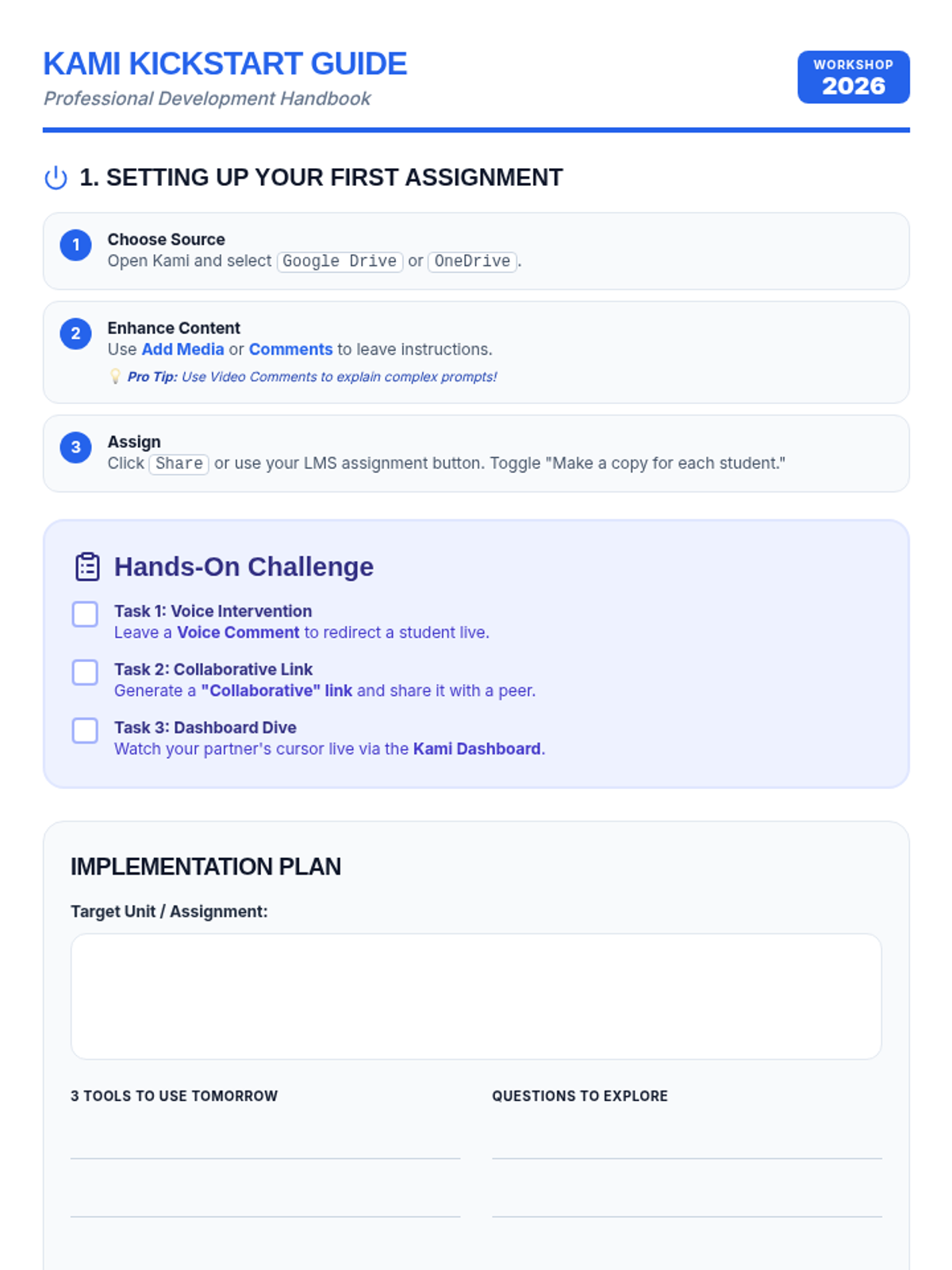
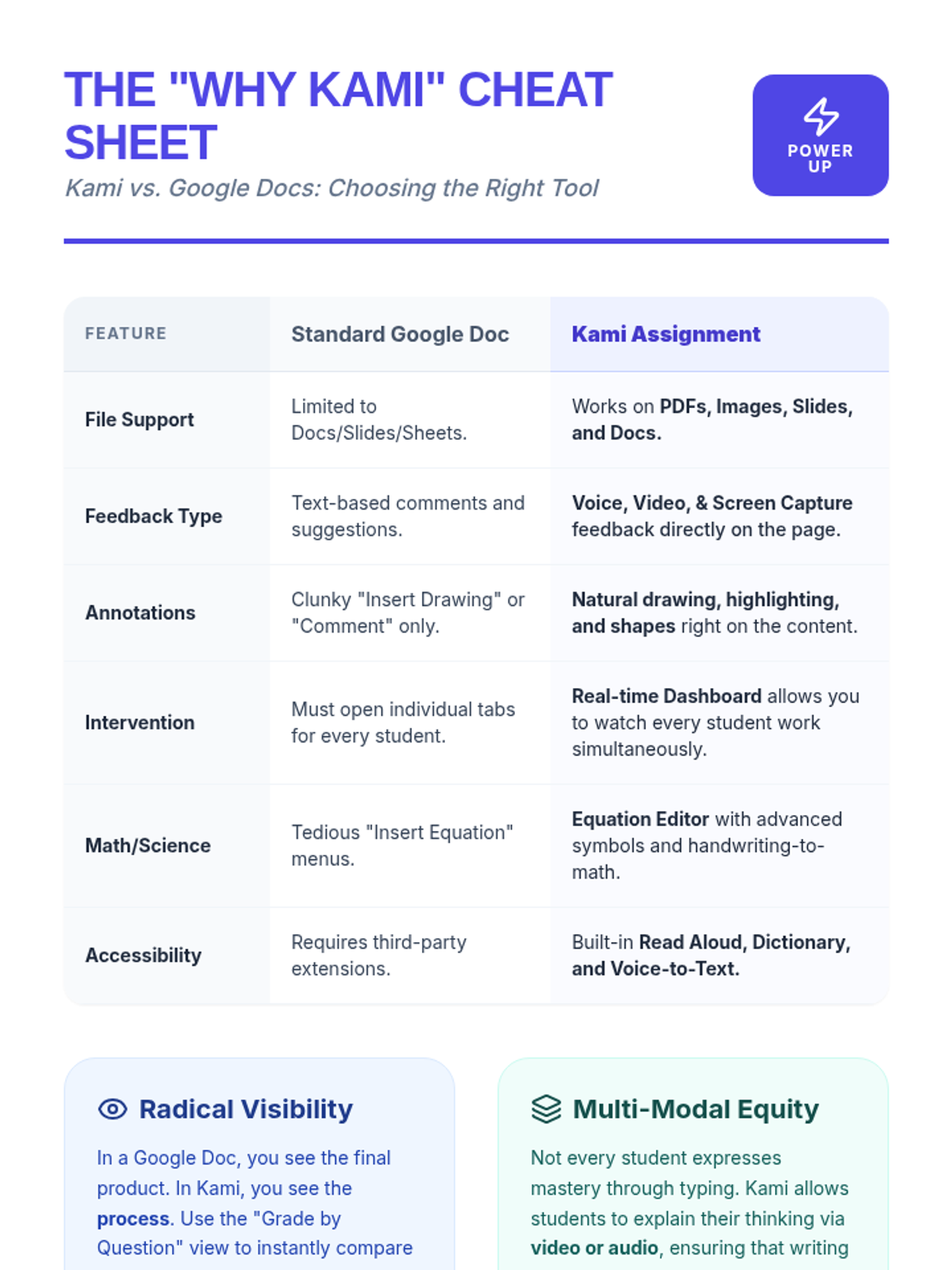
A professional development session for teachers on leveraging Kami to transform static documents into interactive learning experiences, focusing on real-time feedback and collaboration.
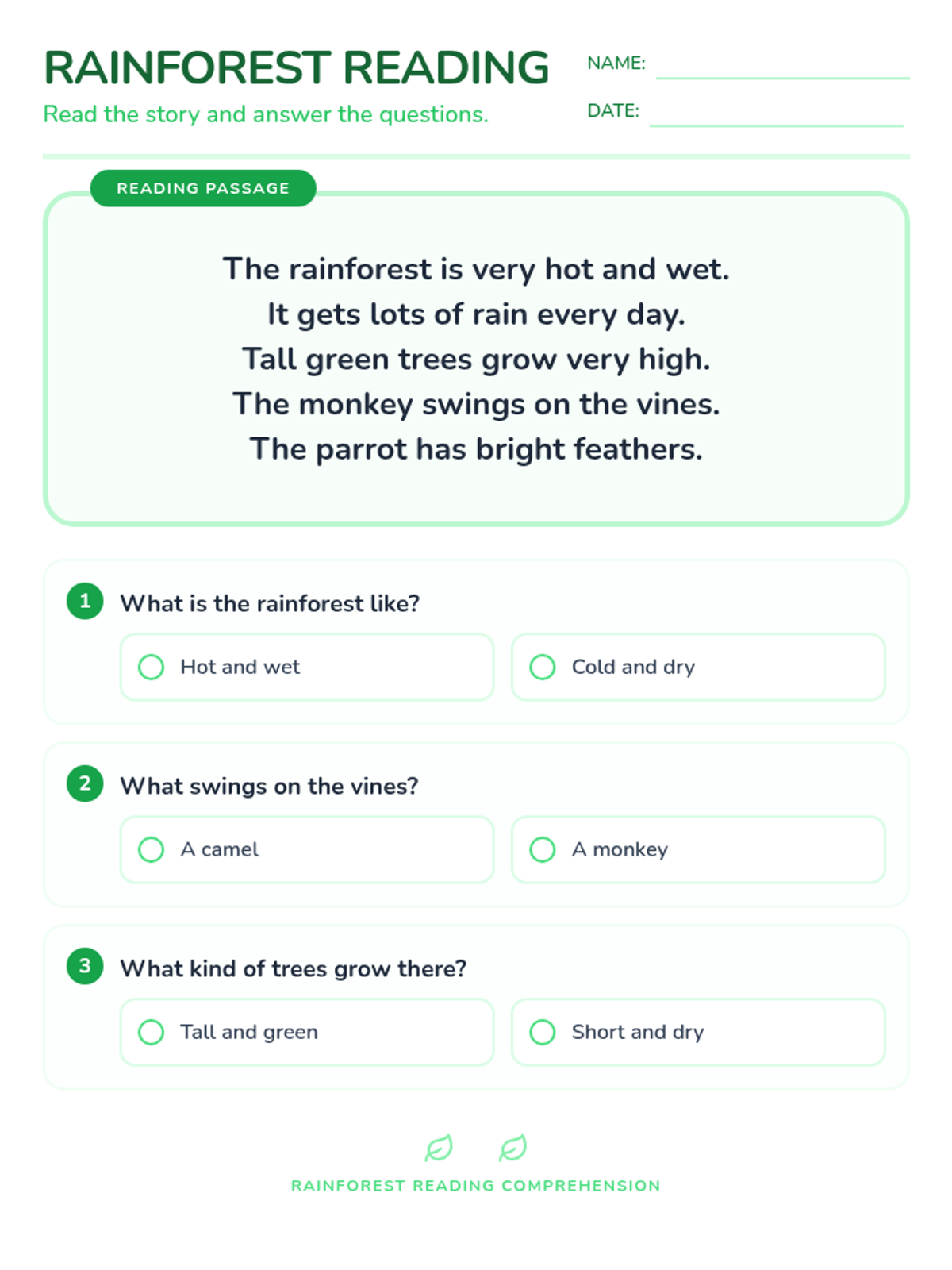
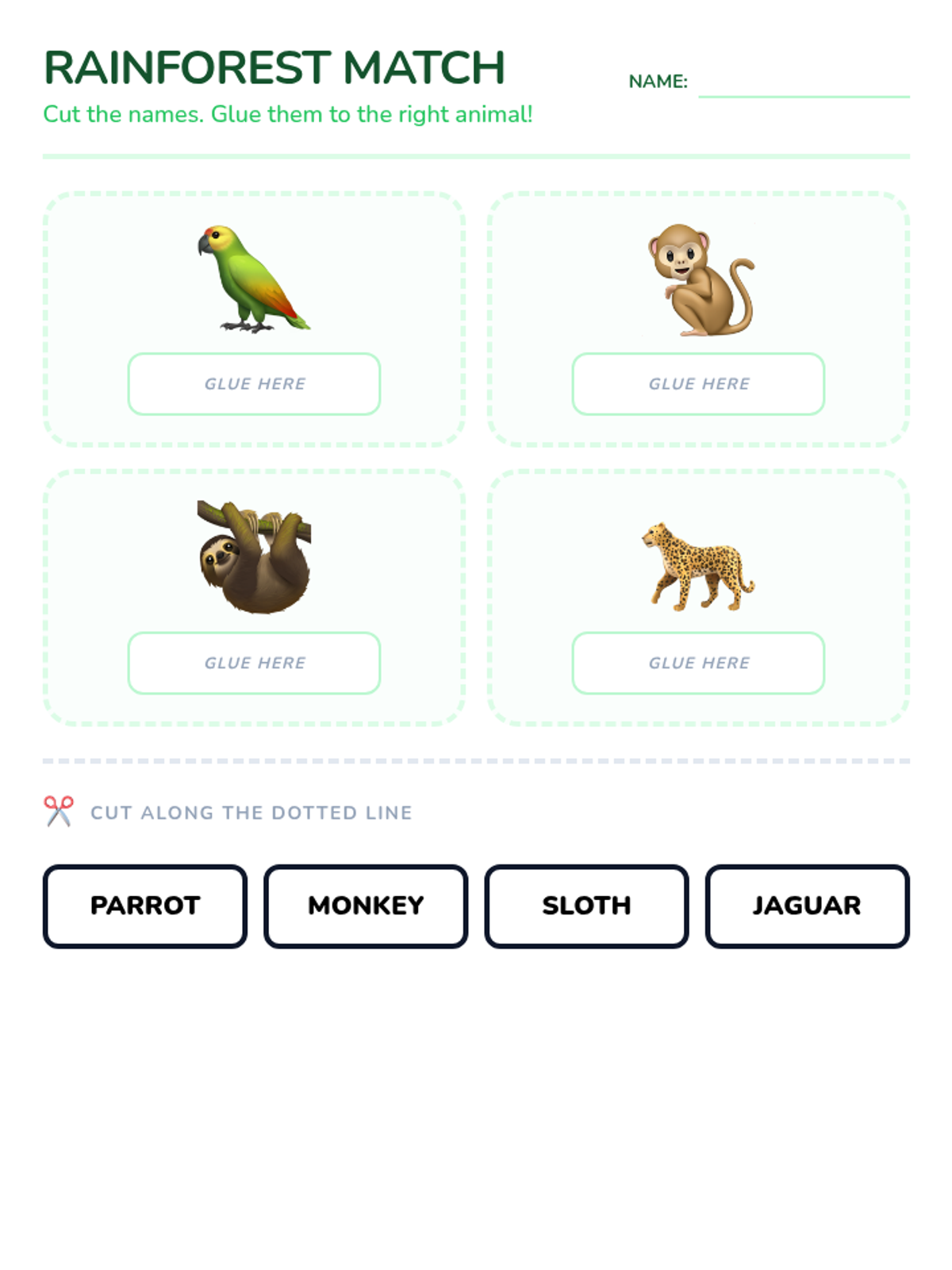
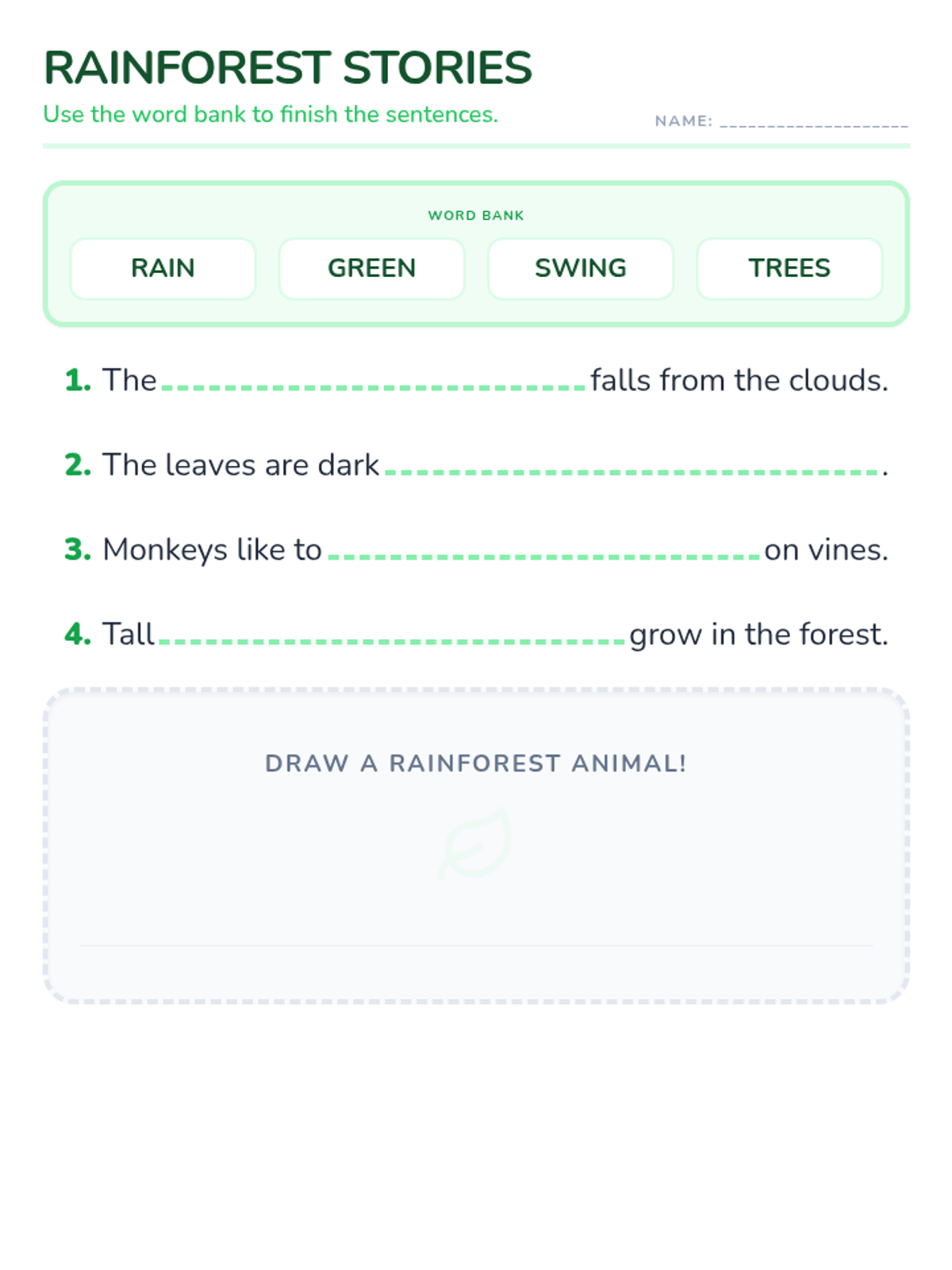
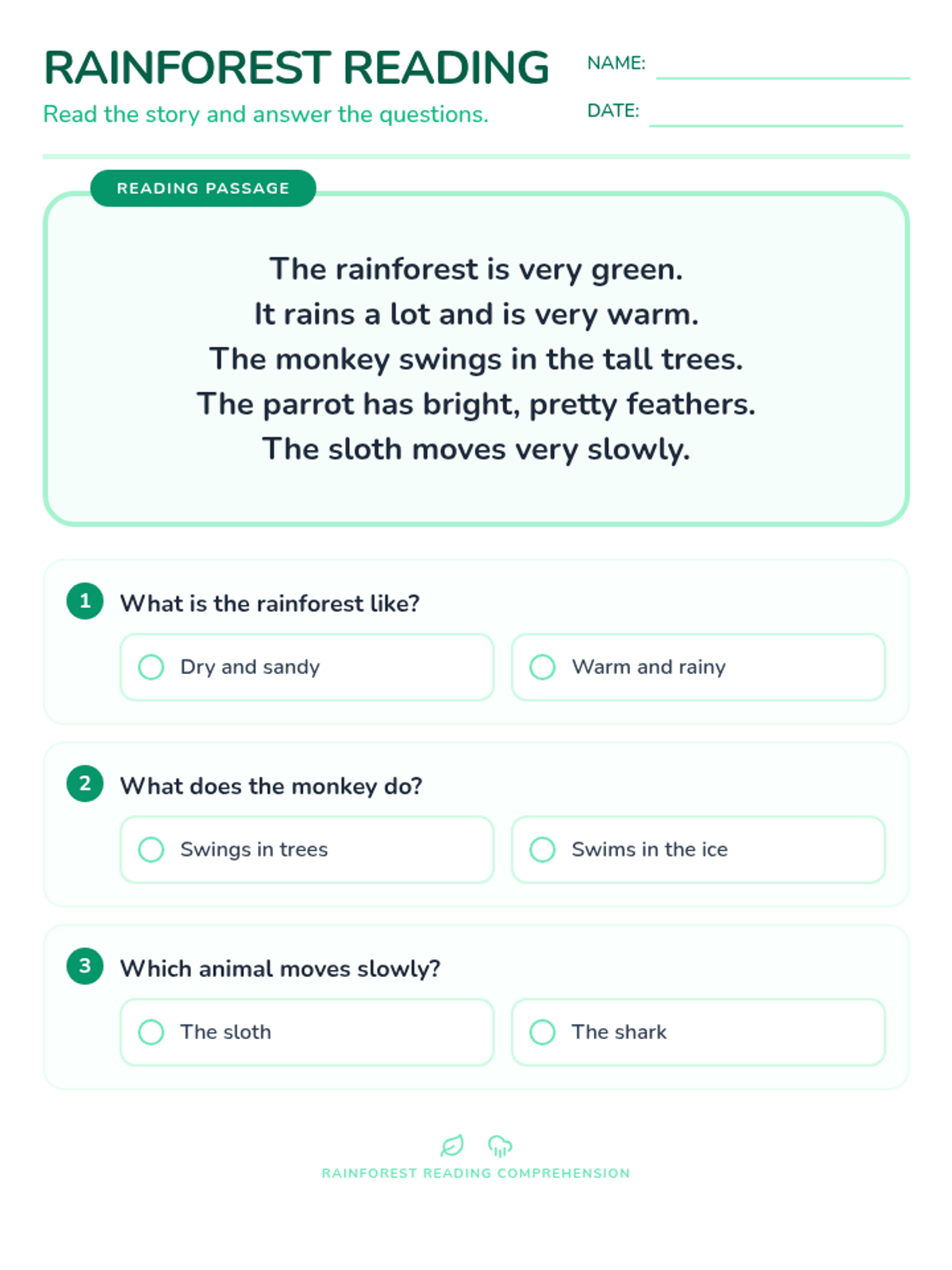
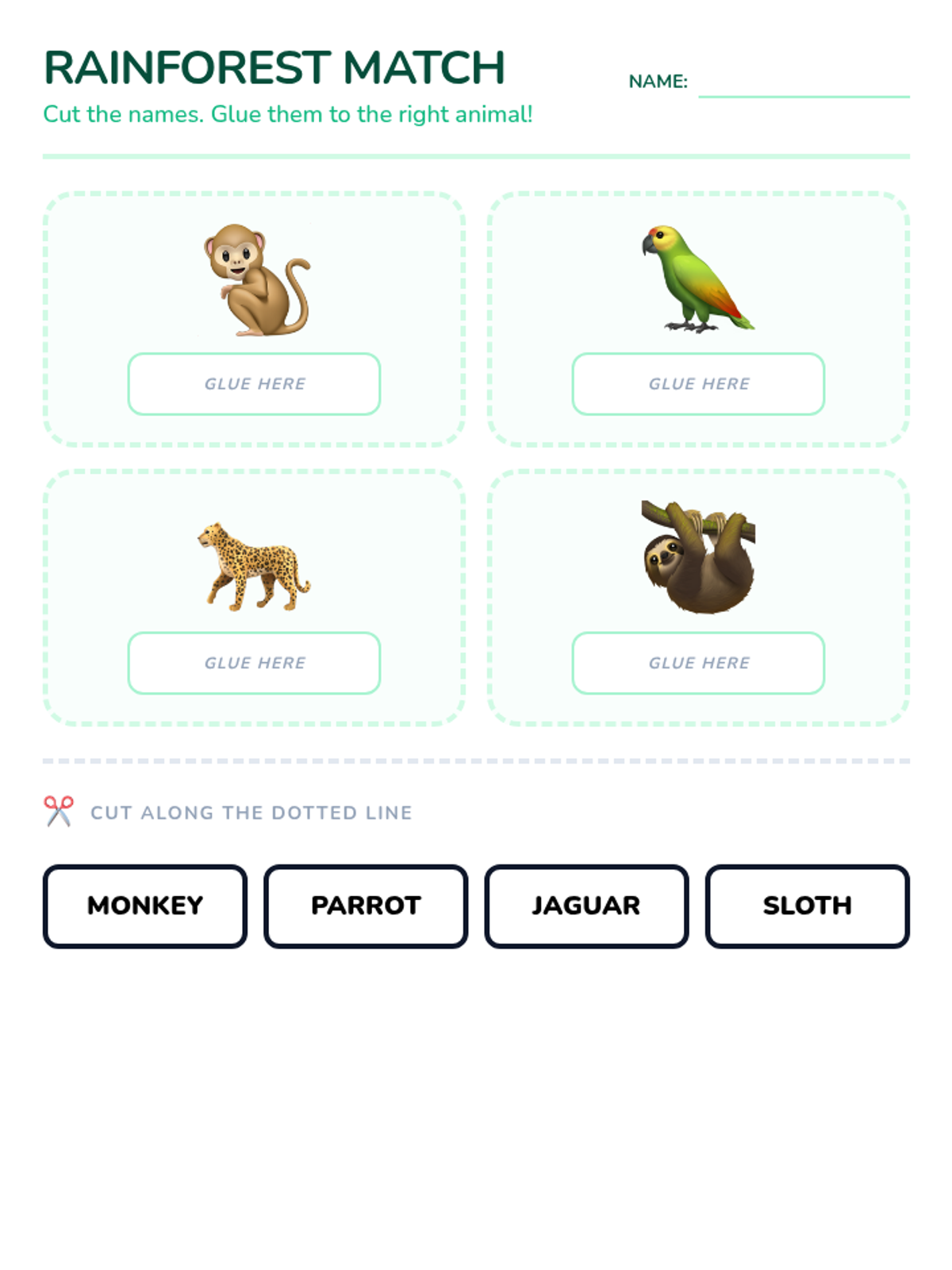
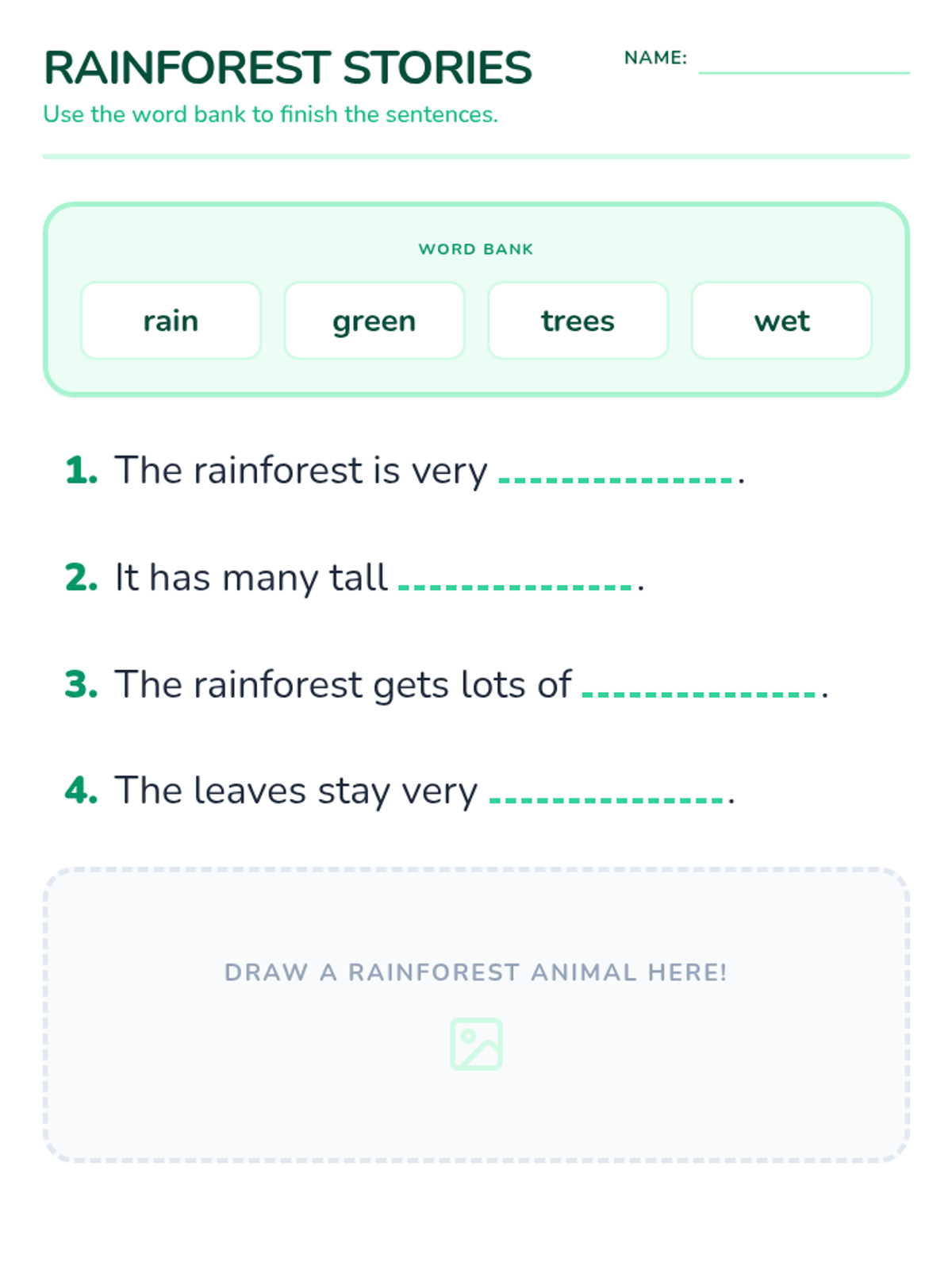
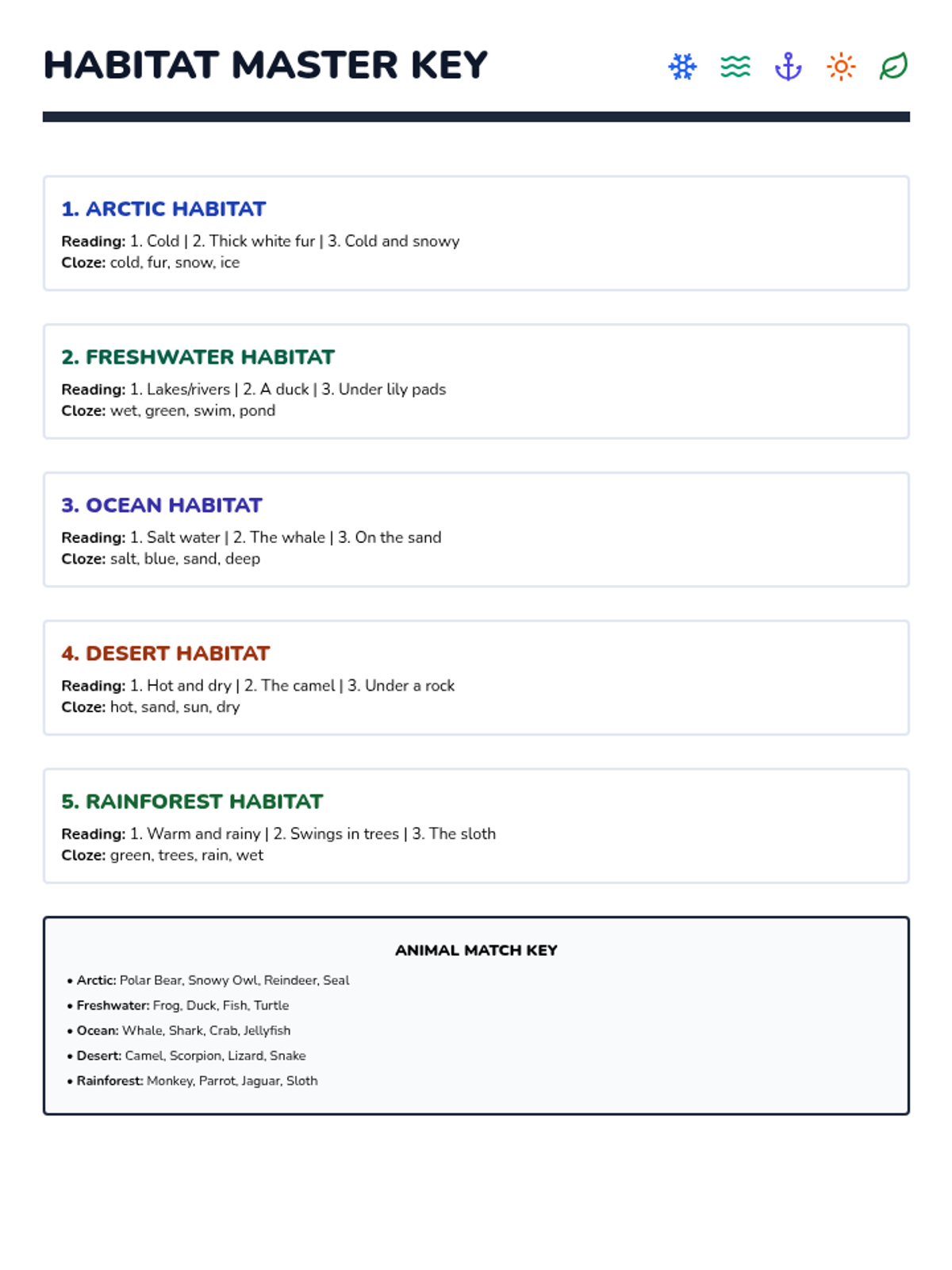
An exploration of the lush and rainy rainforest habitat, focusing on the layers of the forest and colorful animals like parrots and monkeys.
An exploration of the lush and rainy rainforest habitat, focusing on the layers of the forest and colorful animals like monkeys and parrots.
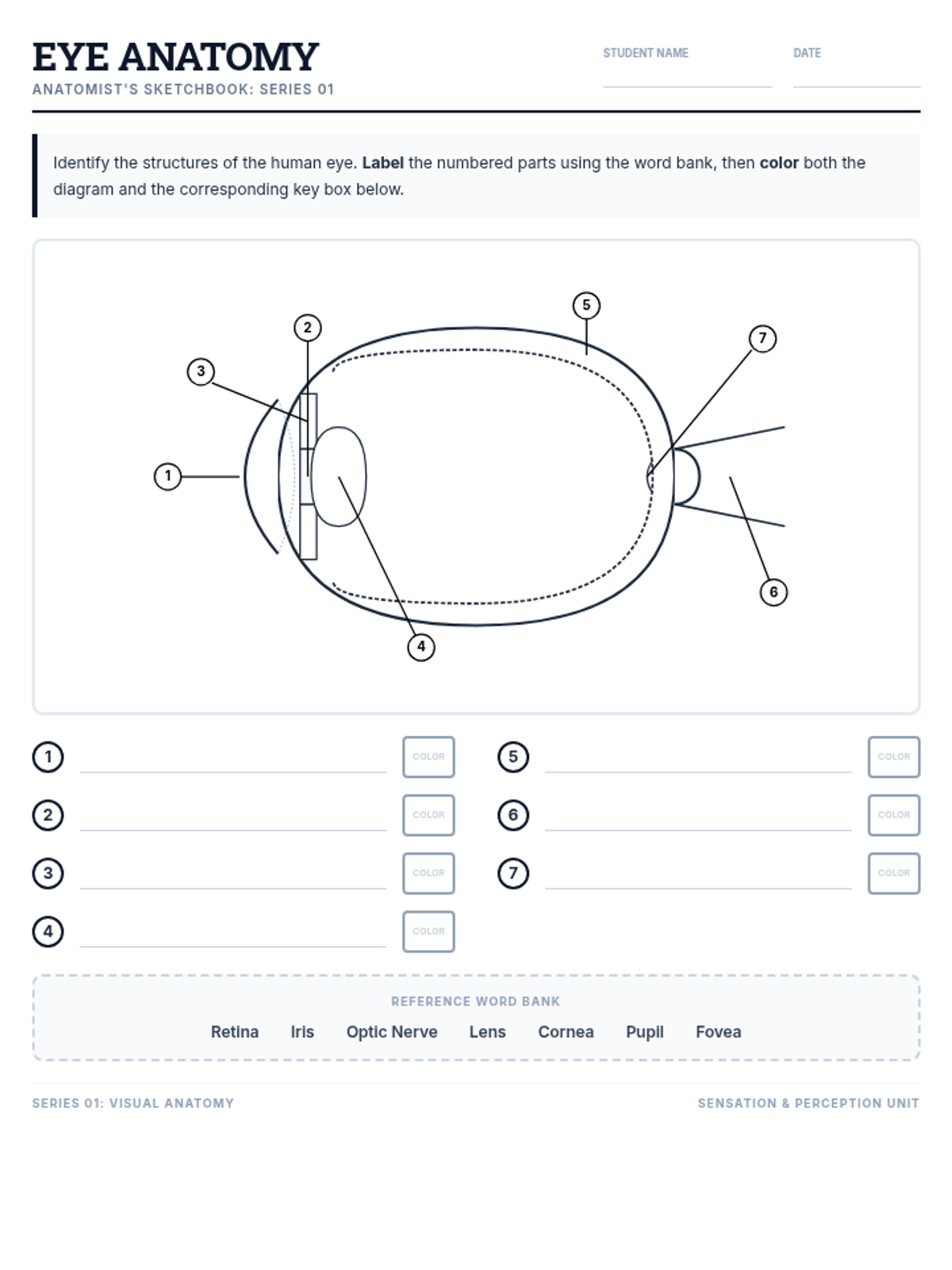
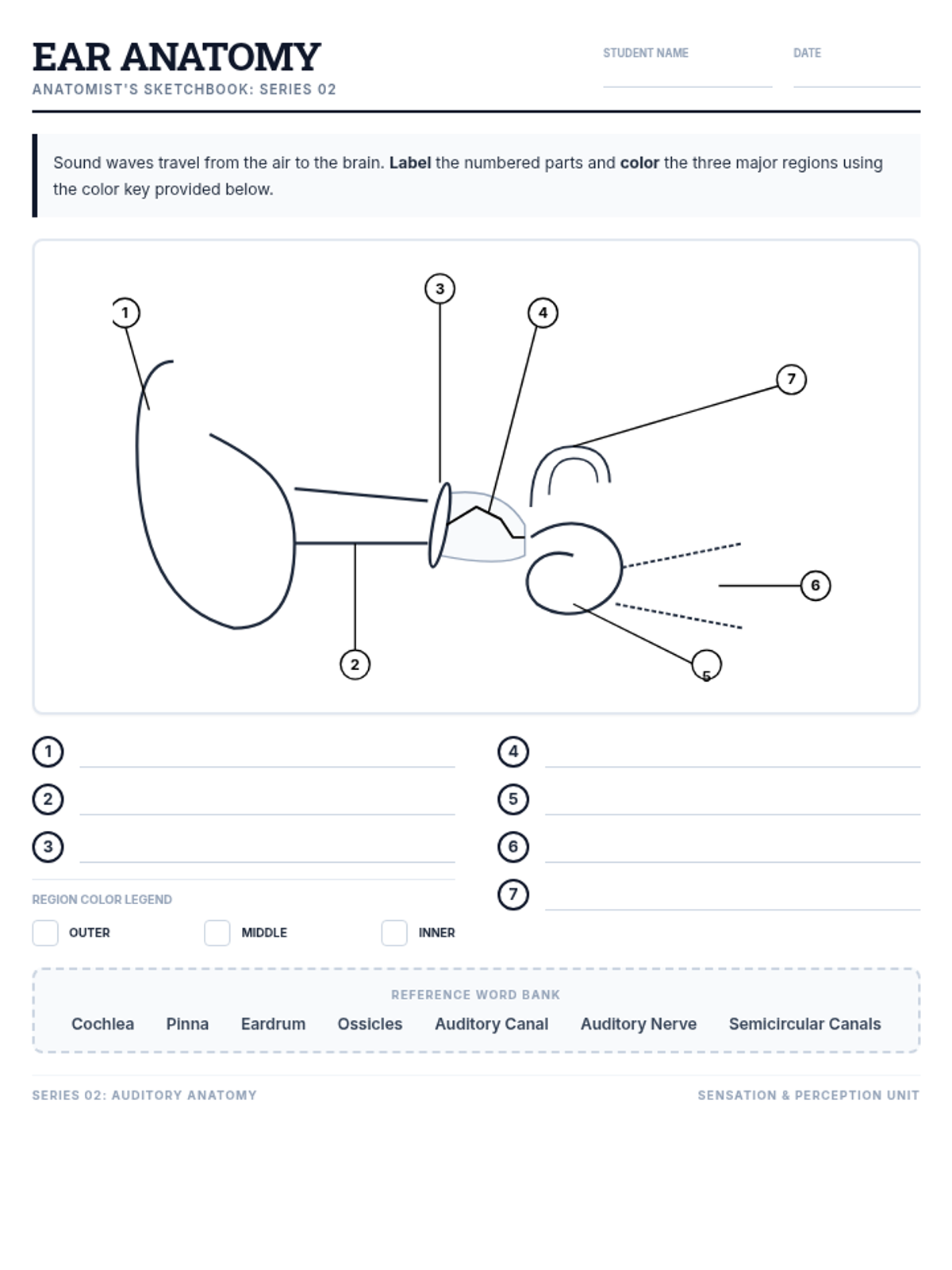
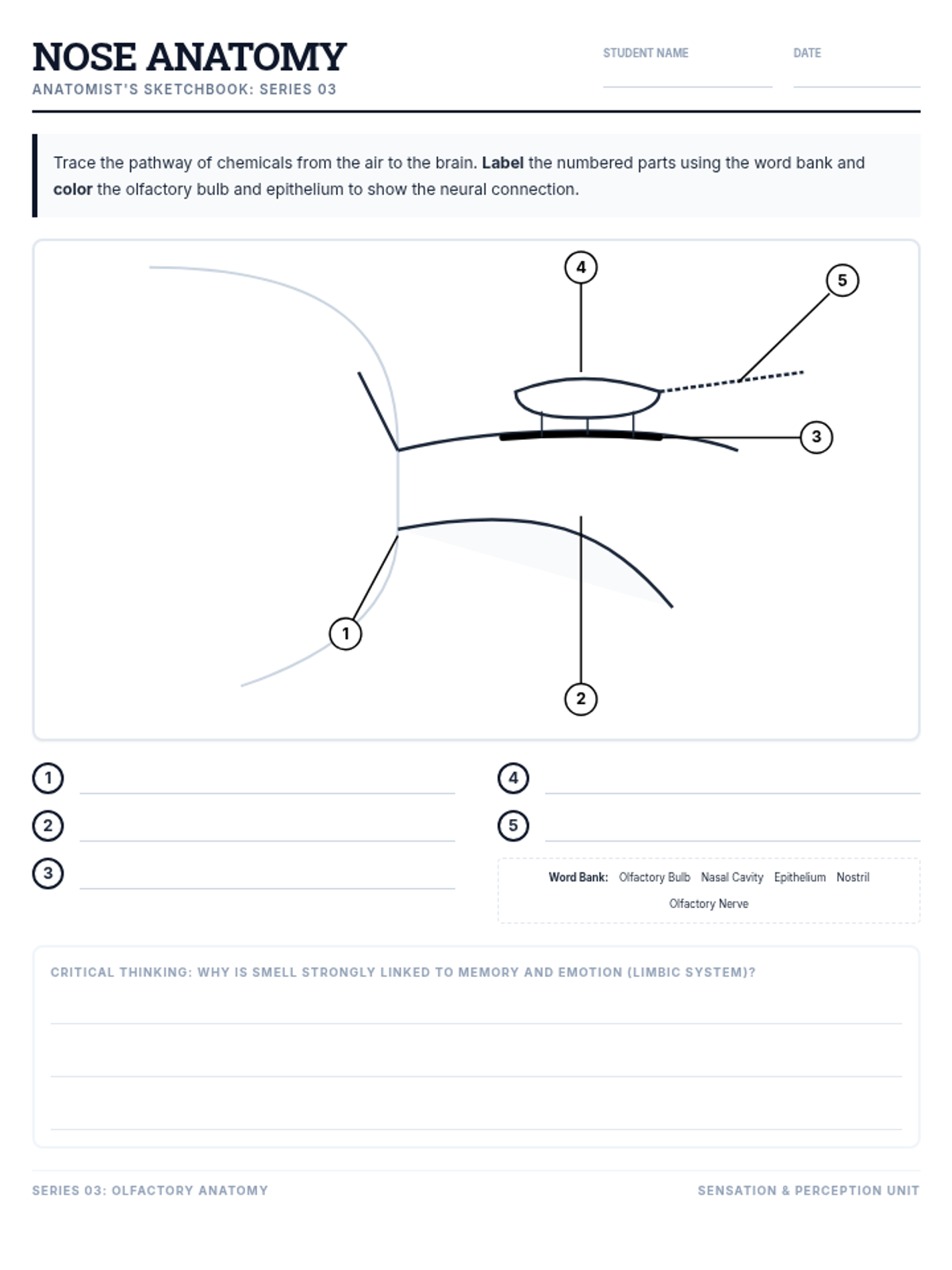
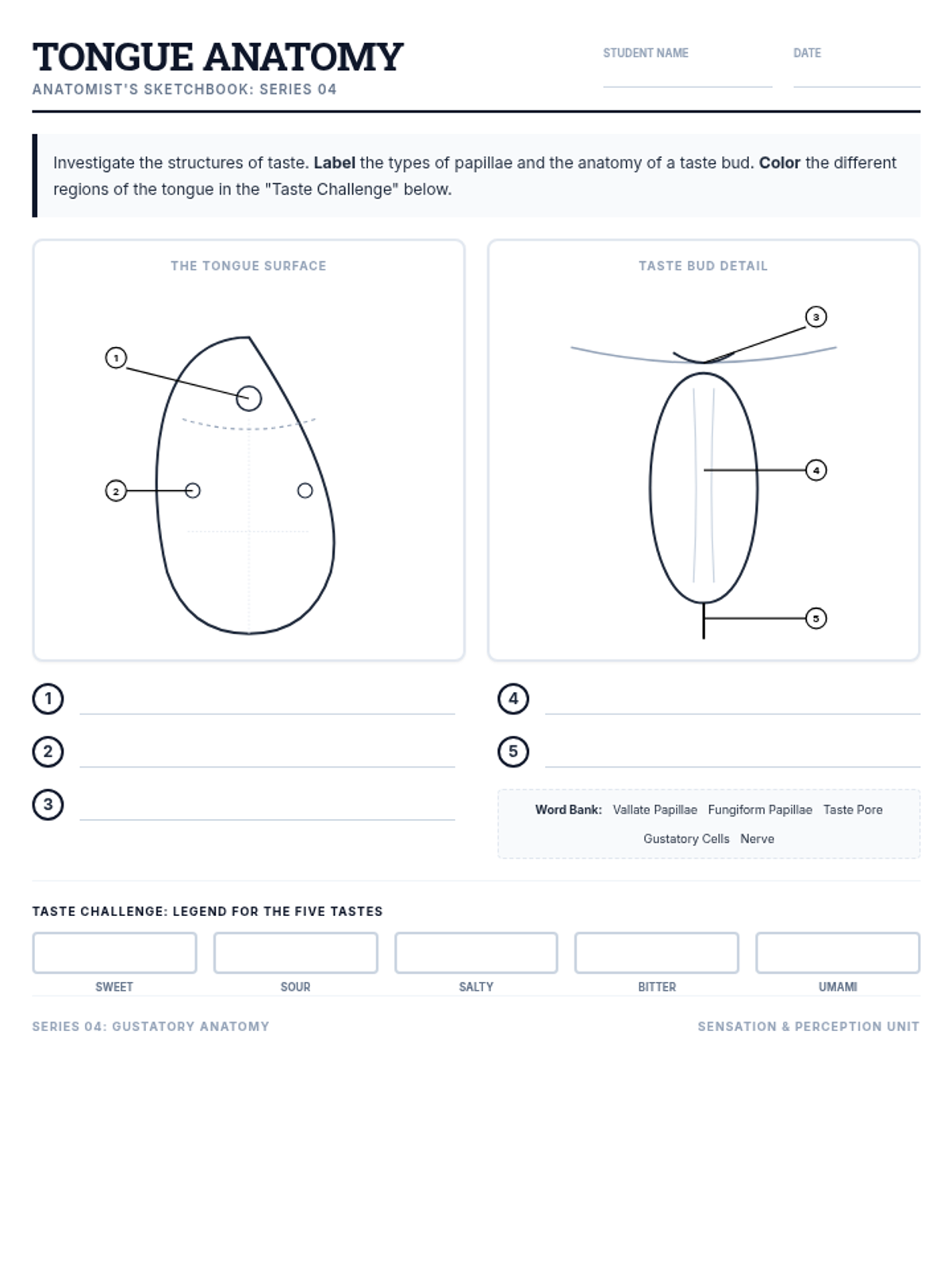
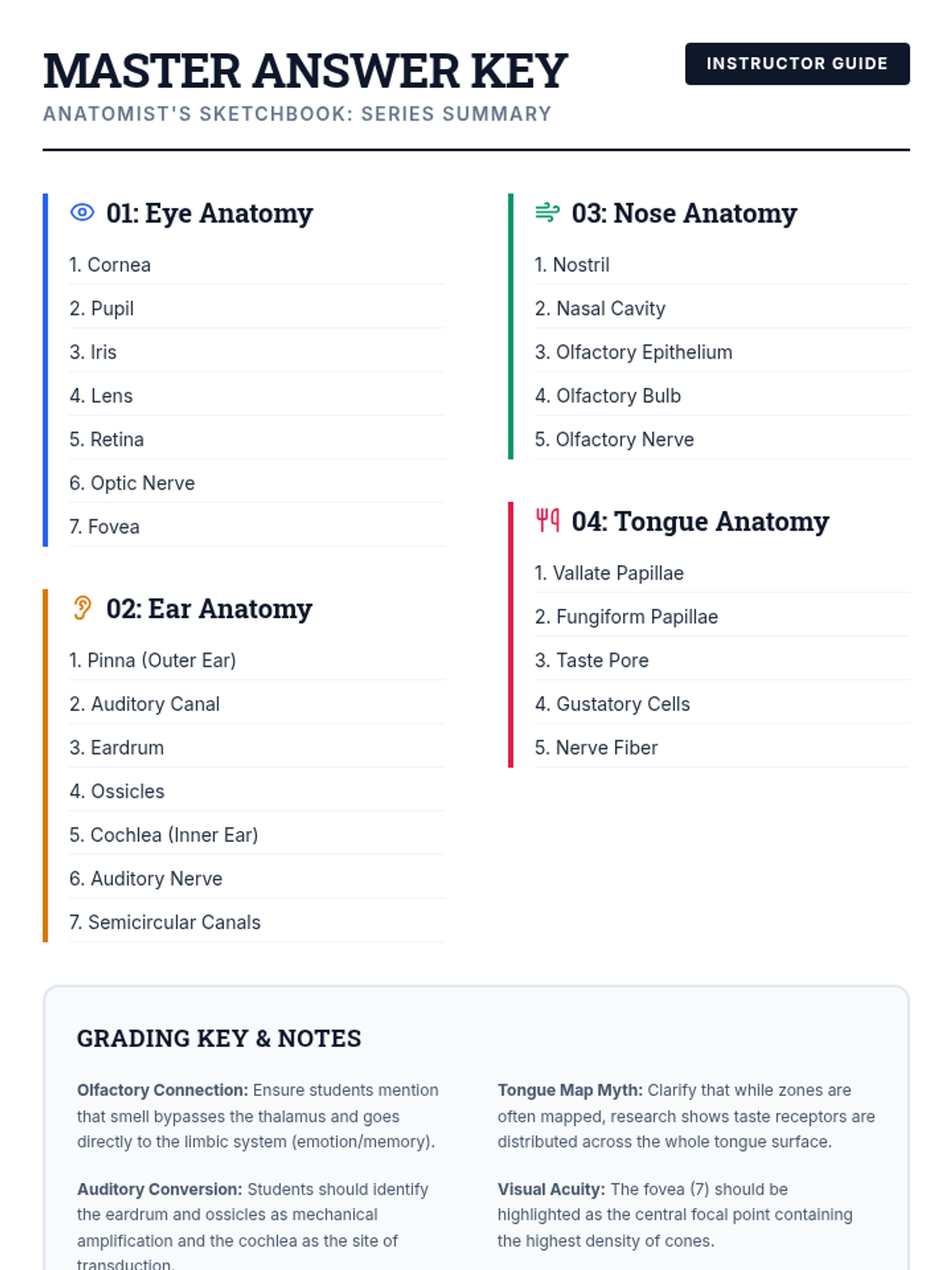
An in-depth look at the anatomical structures of the primary sensory organs, providing hands-on labeling and coloring activities to reinforce terminology.
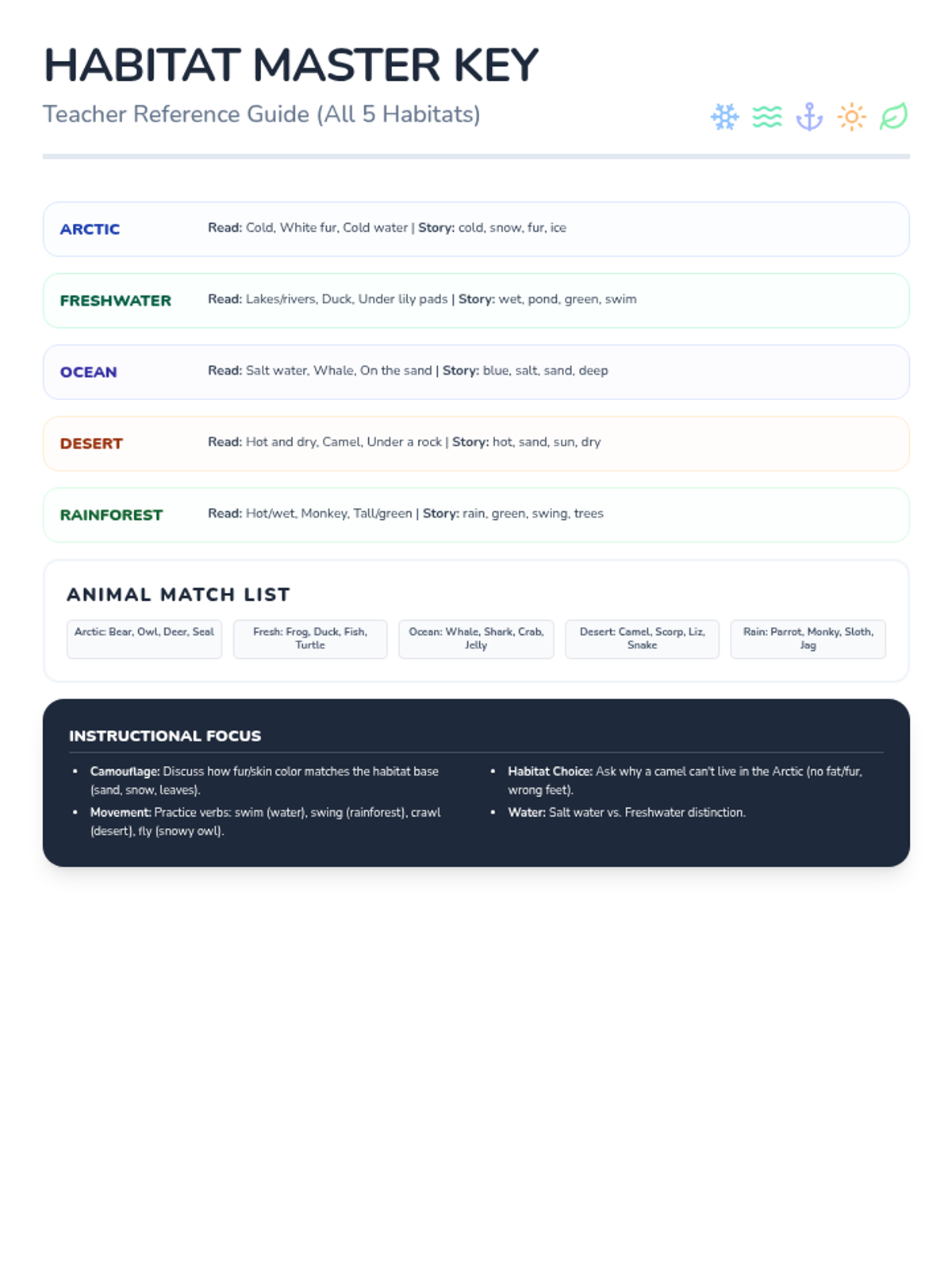
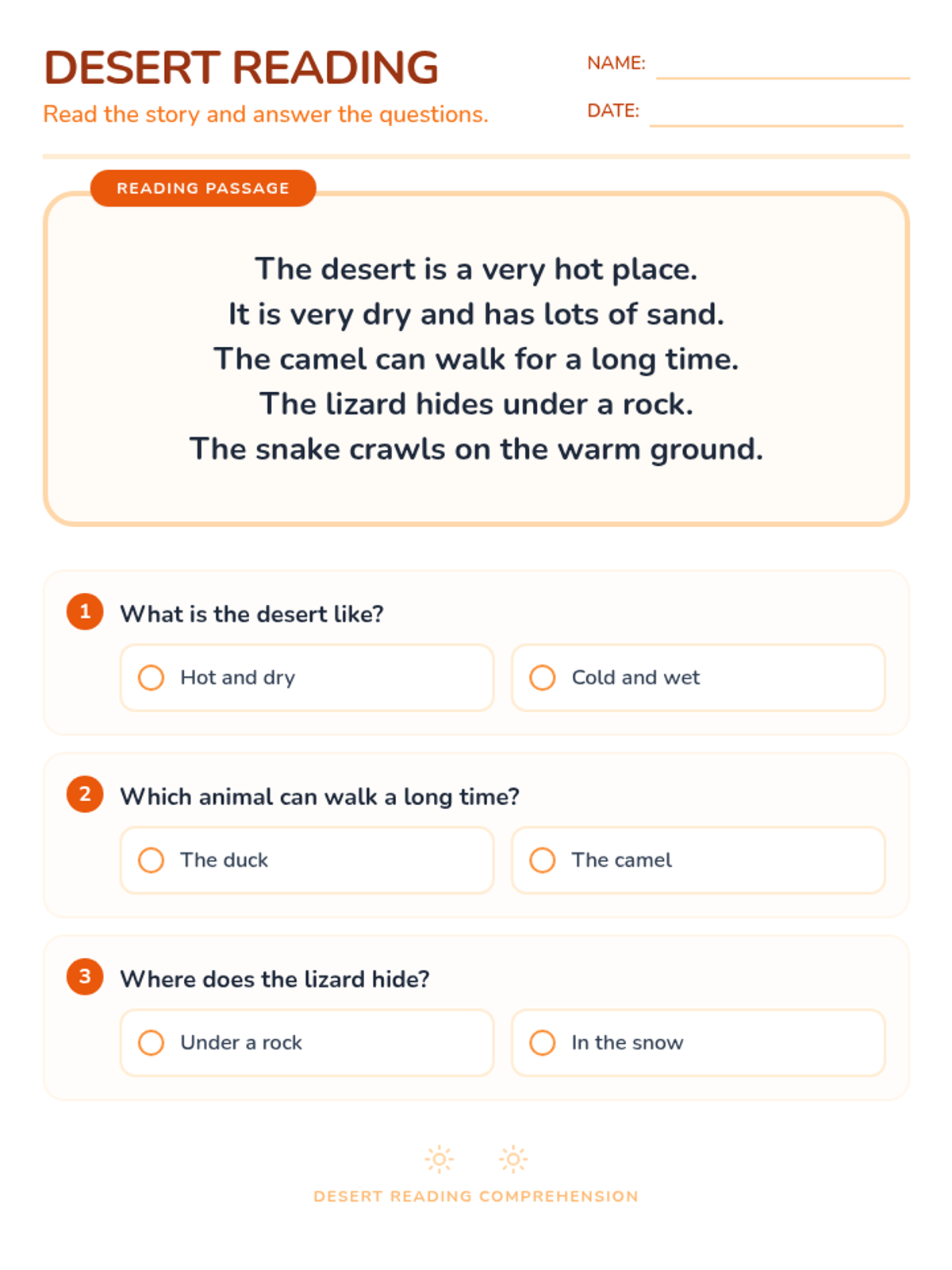
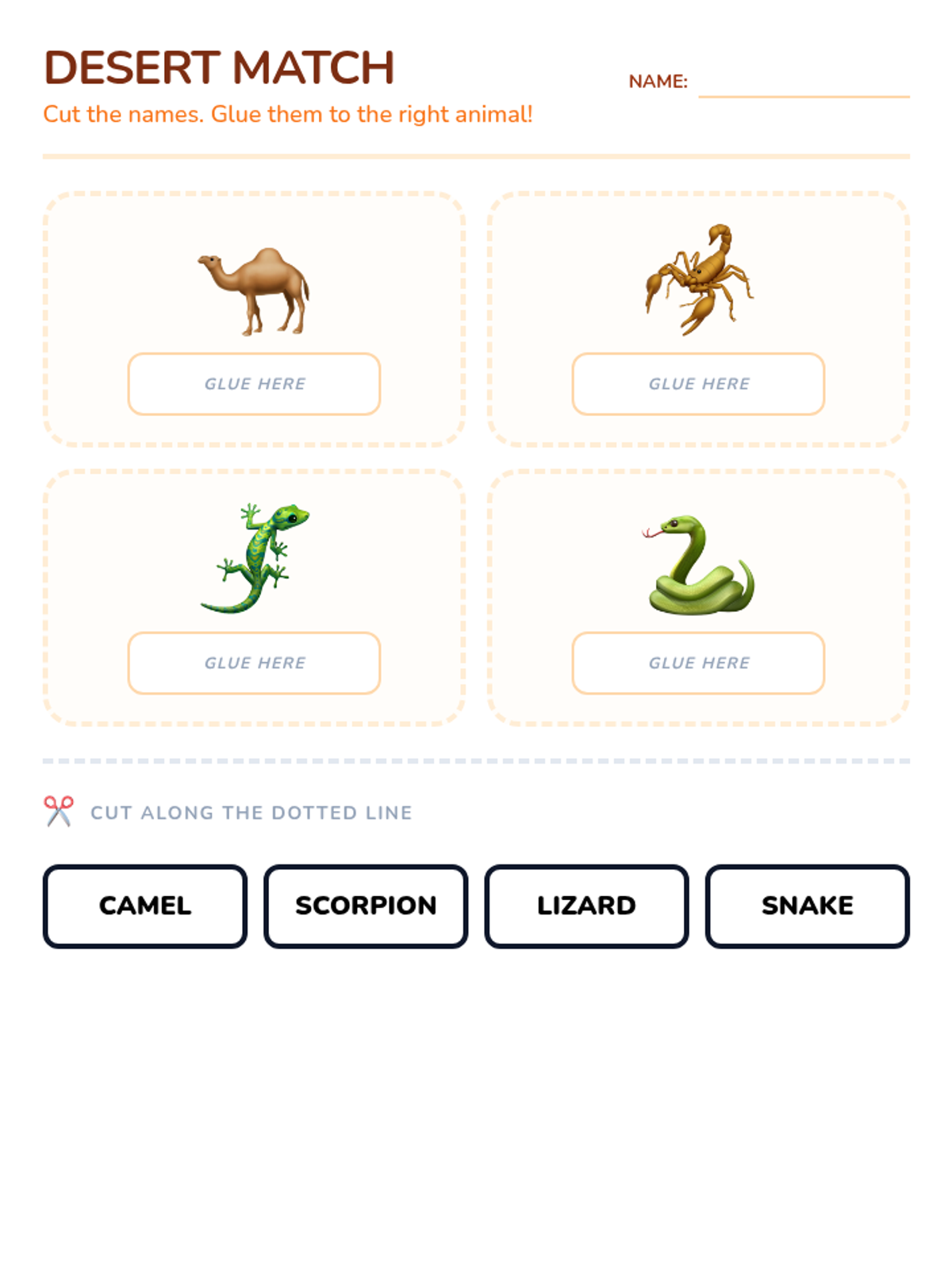
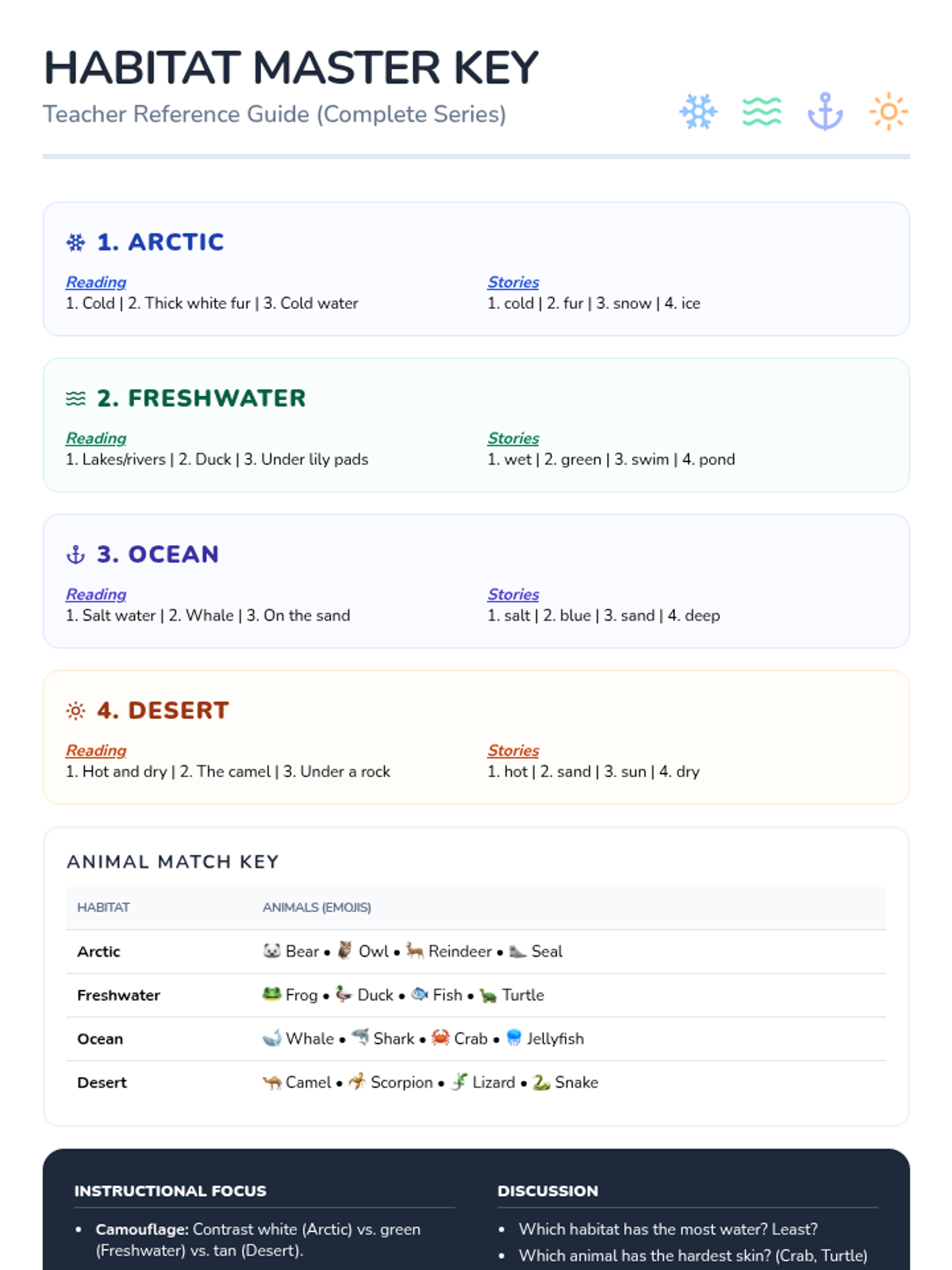
An exploration of the hot and dry desert habitat, focusing on how animals like camels and lizards survive with very little water.
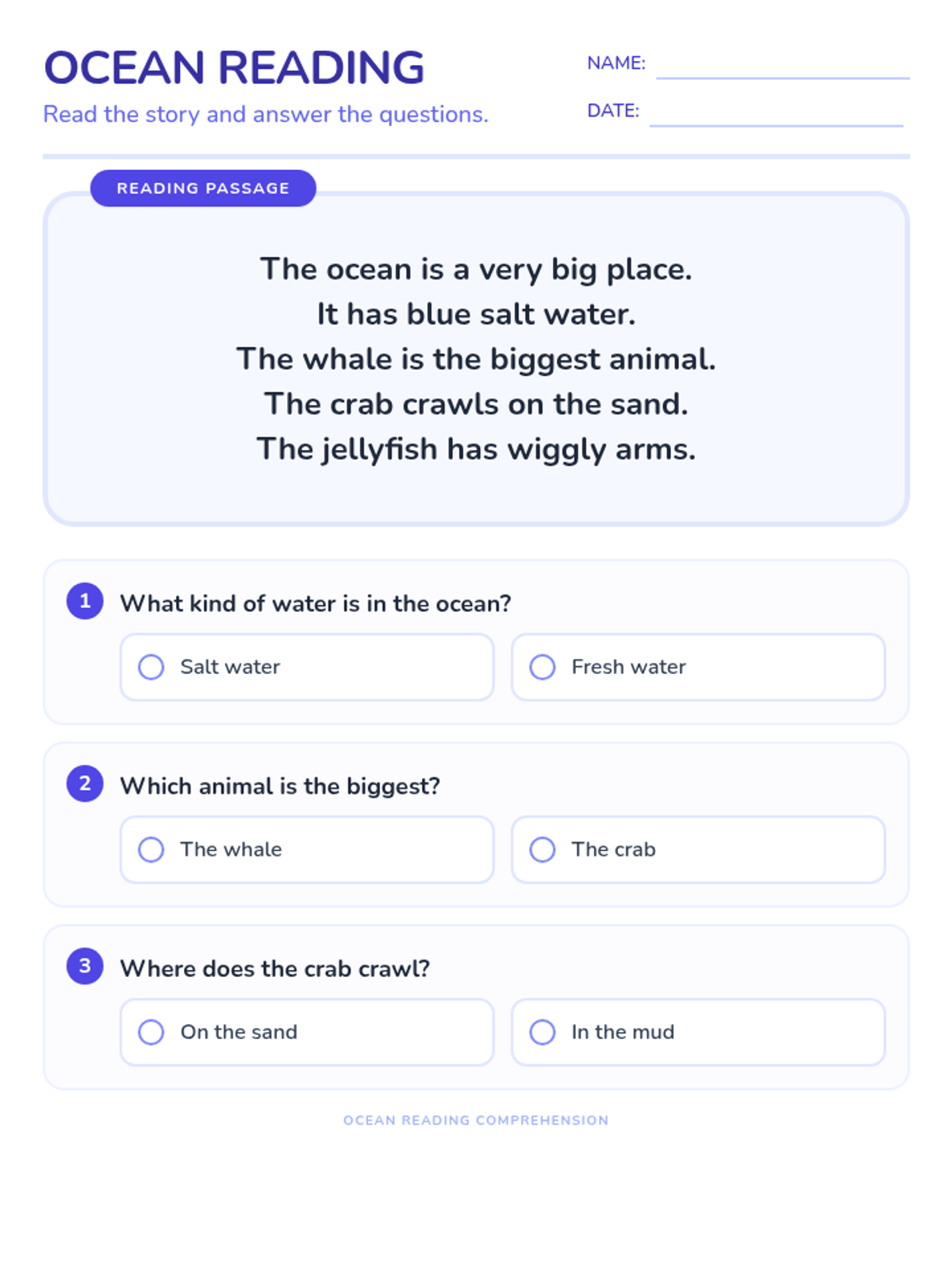
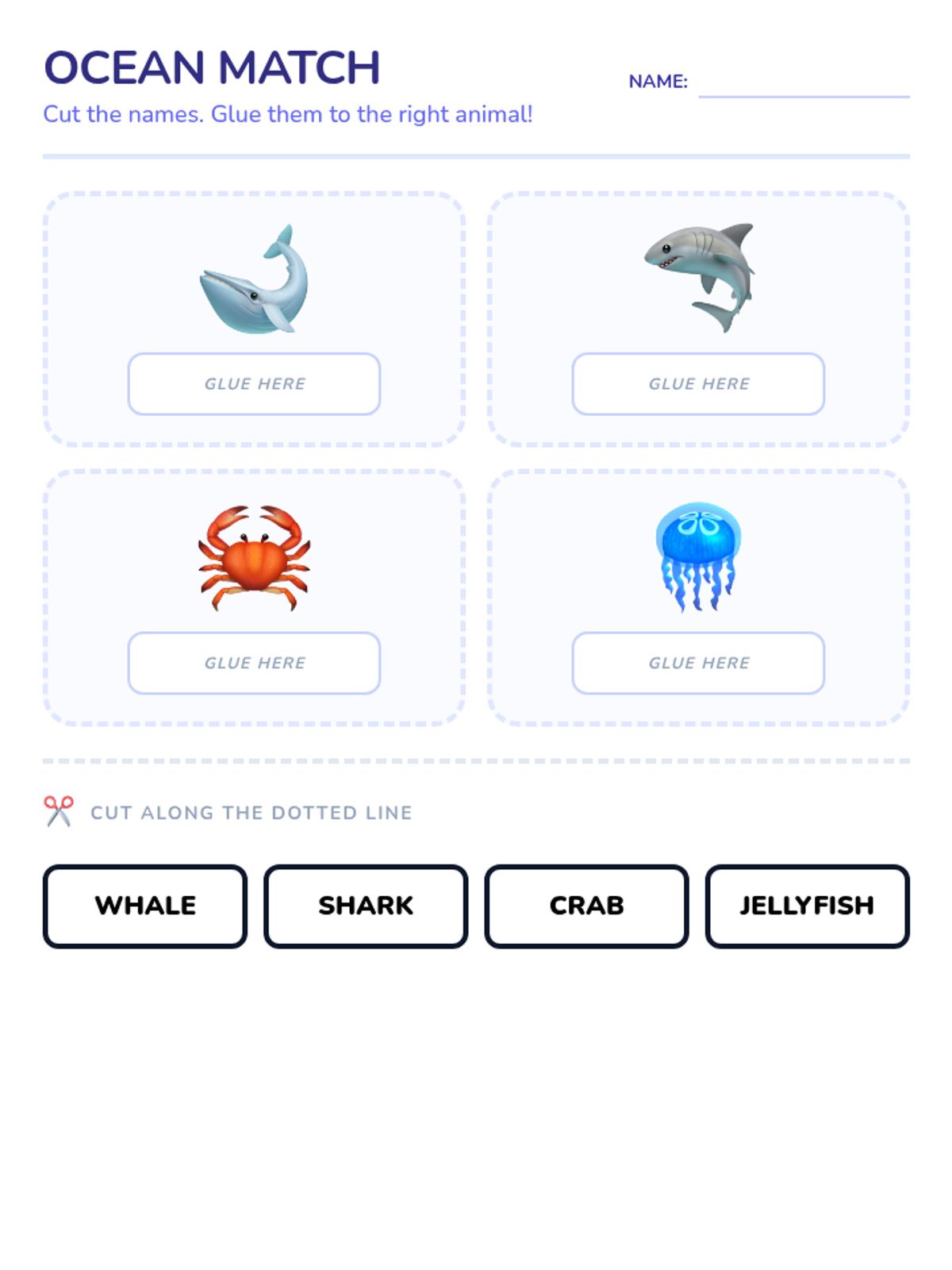
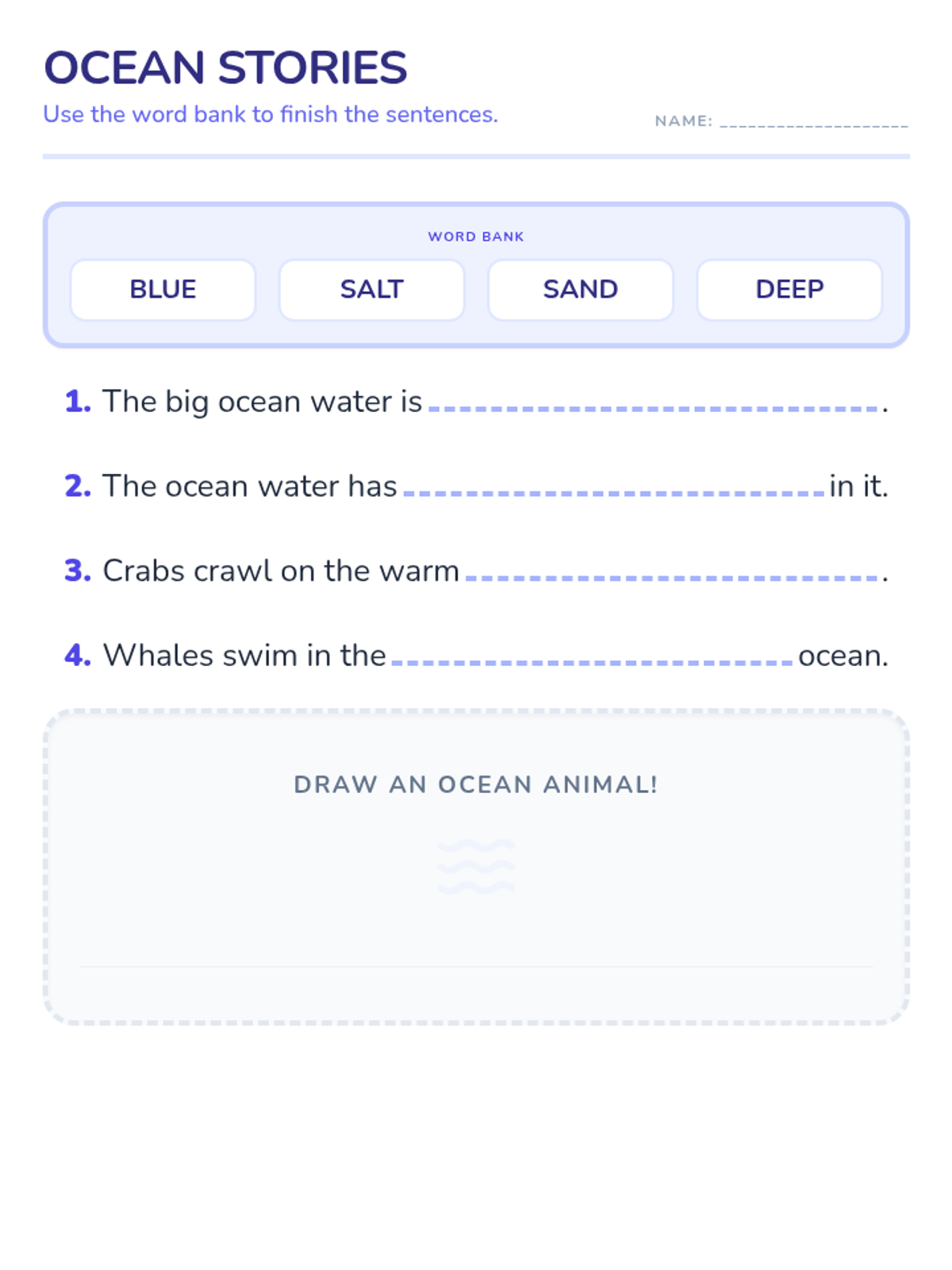
A captivating lesson for young explorers to discover the vast ocean habitat, focusing on salt water and amazing creatures like whales, sharks, and crabs.
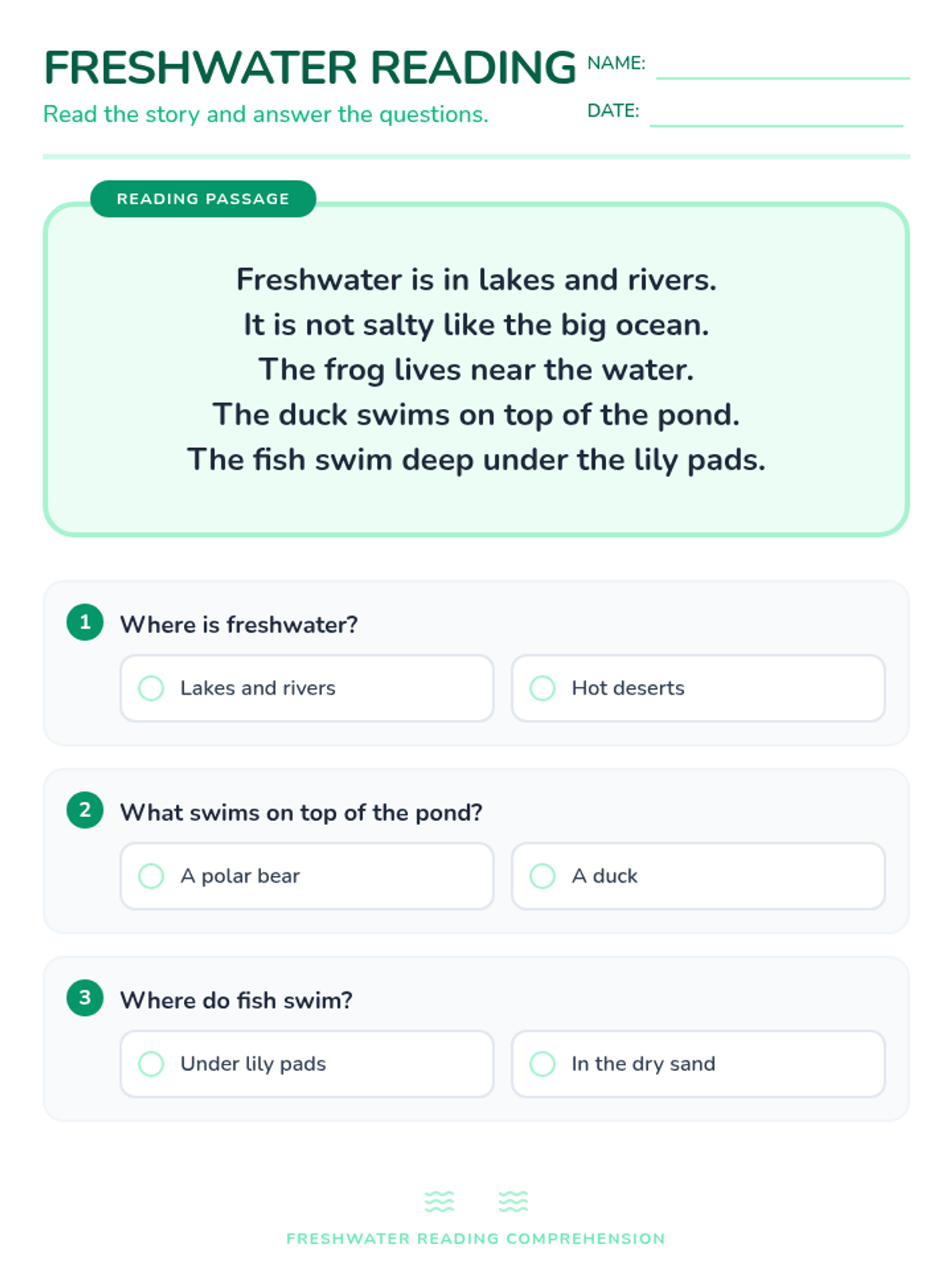
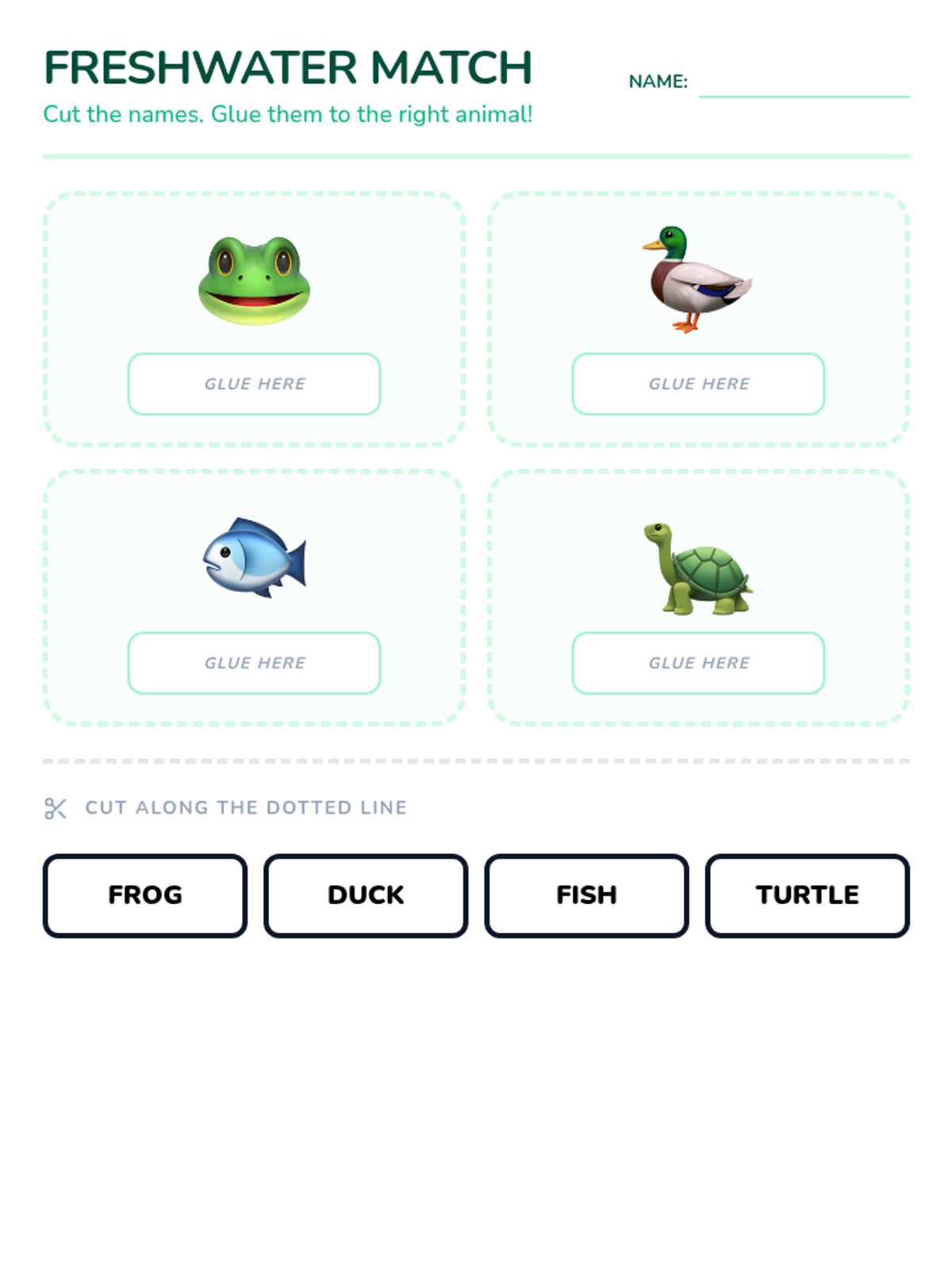
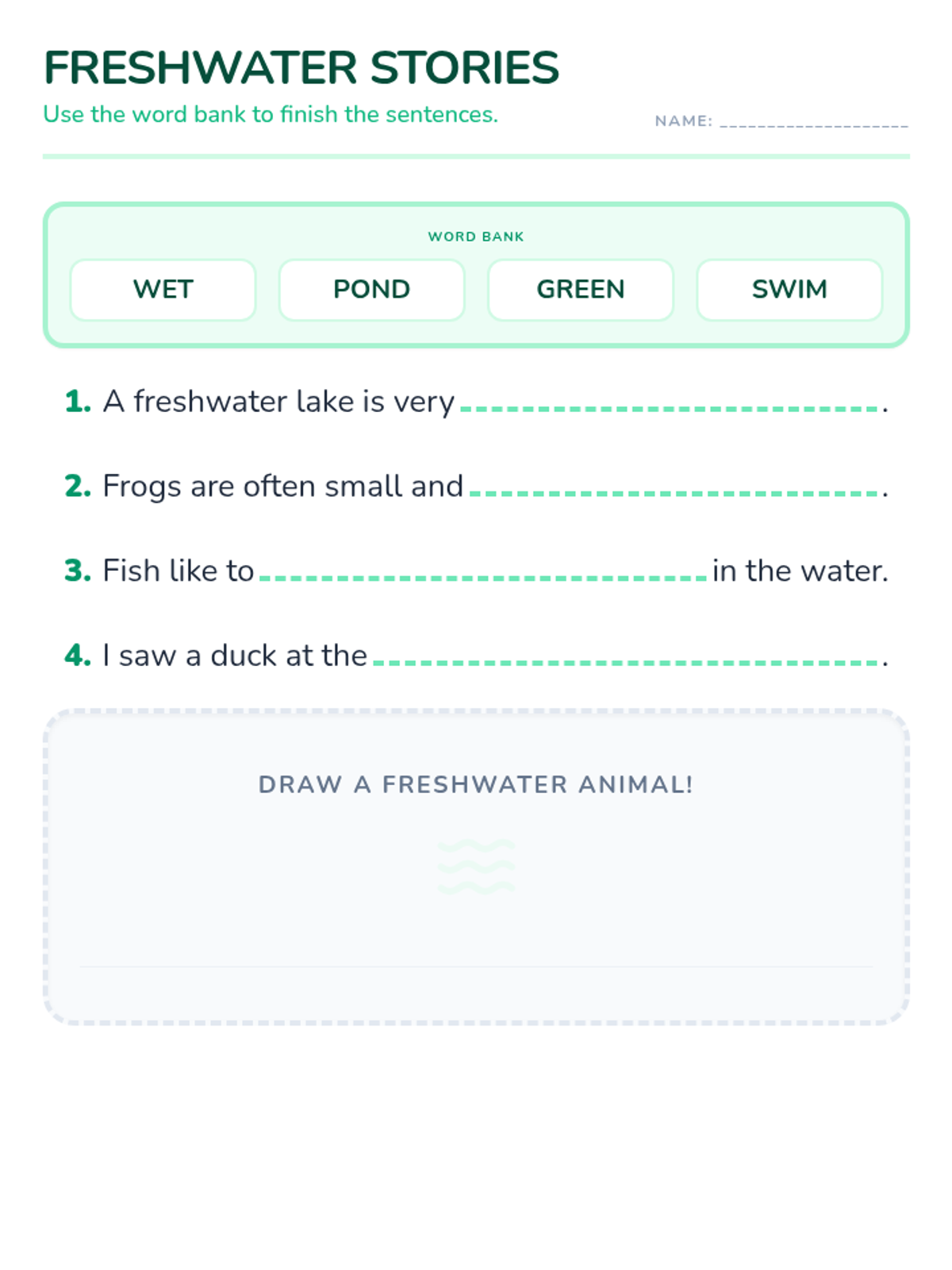
A foundational lesson for early elementary students exploring freshwater habitats like ponds and rivers, focusing on animals such as frogs, ducks, and fish.
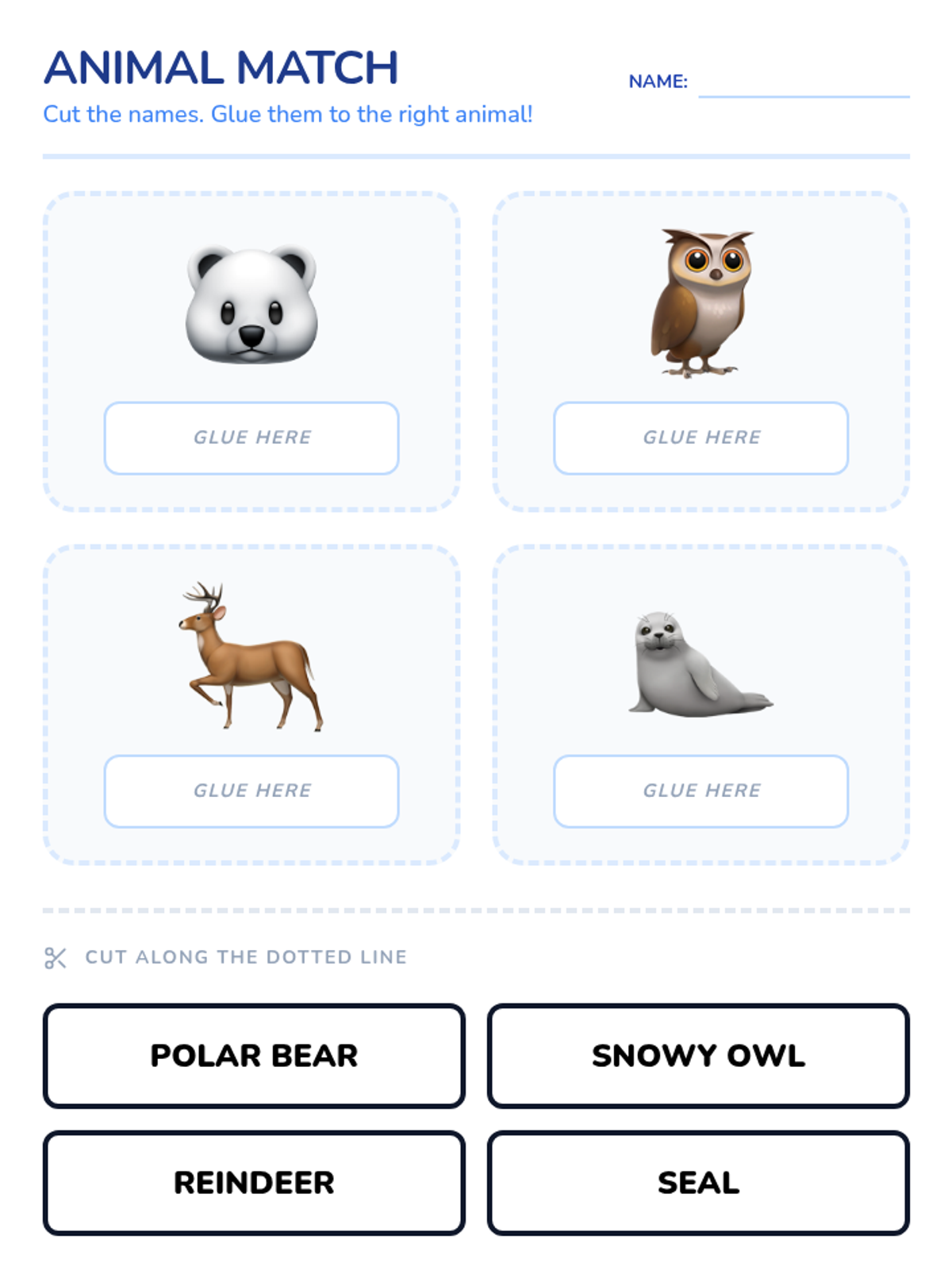
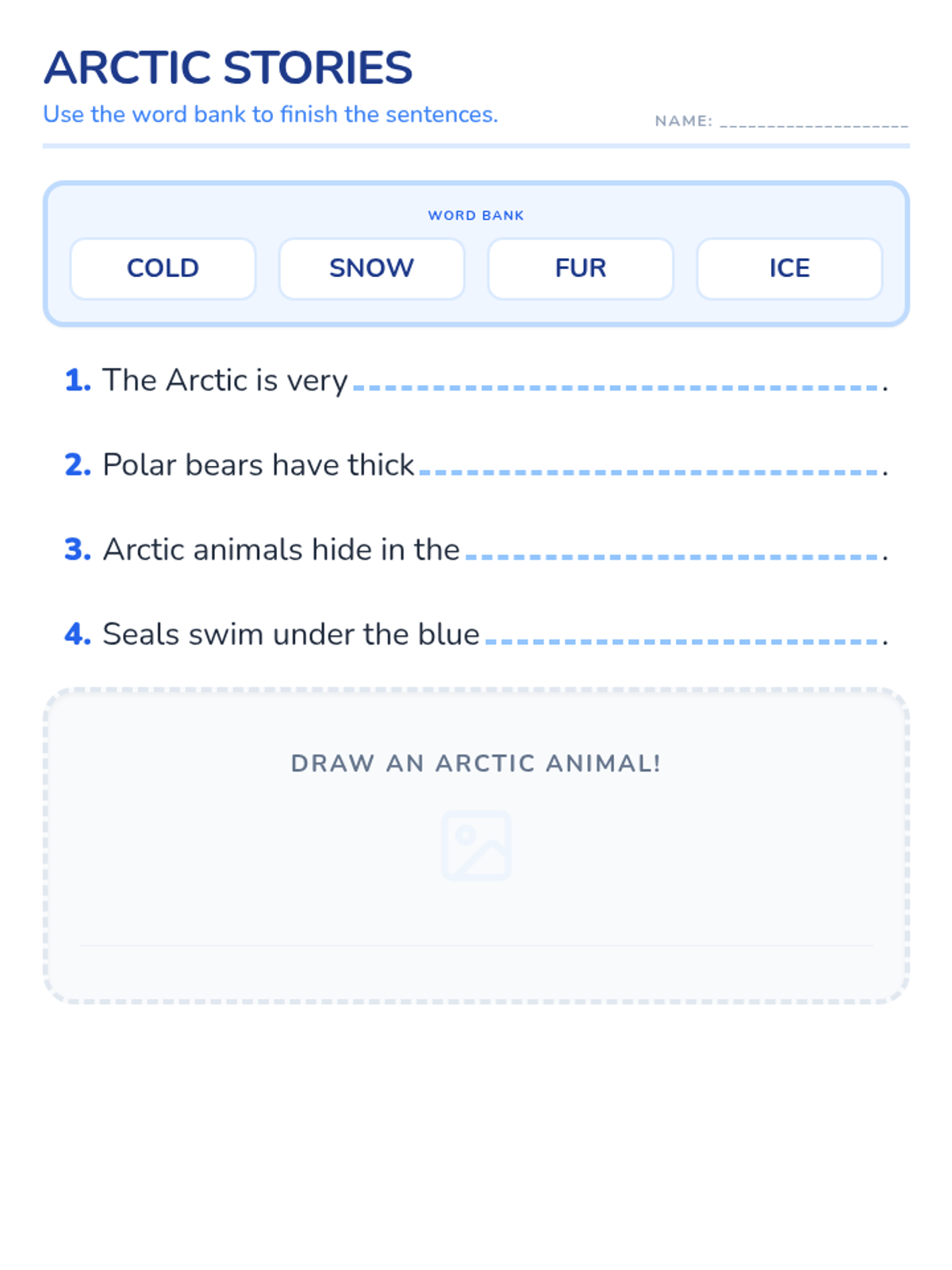
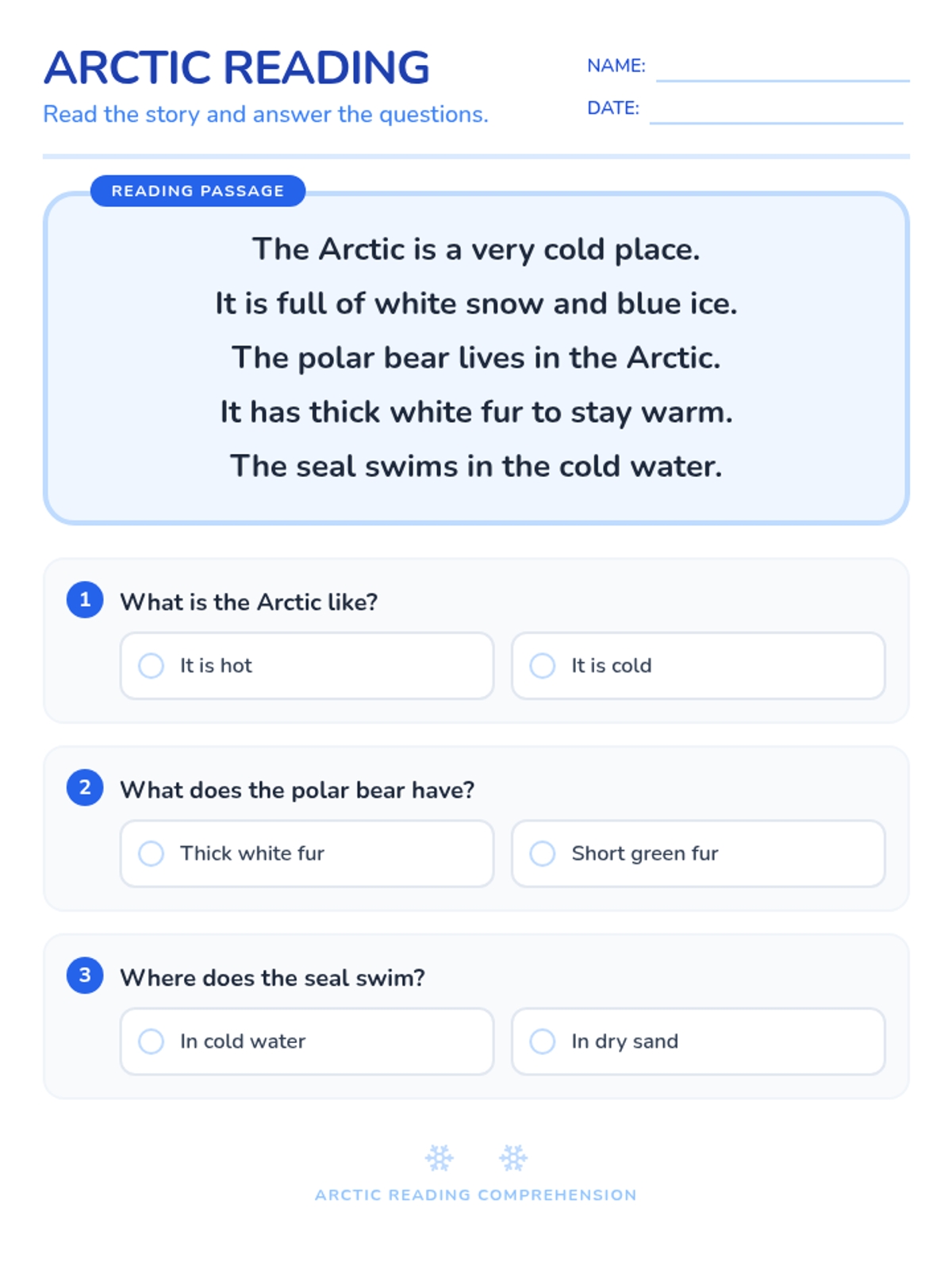
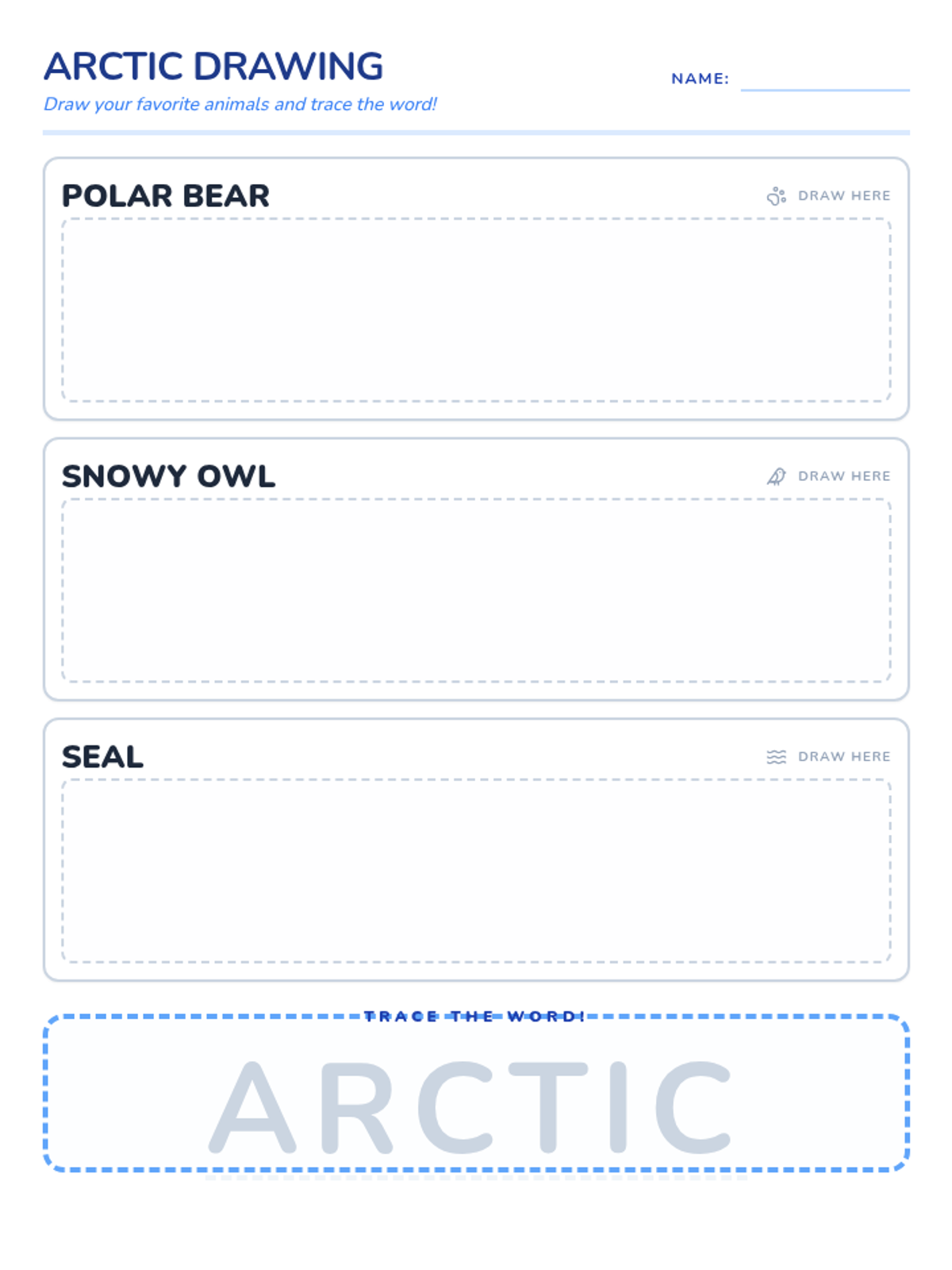
An introductory lesson for young learners about the Arctic habitat and the unique animals that call it home, focusing on adaptations like white fur and blubber.
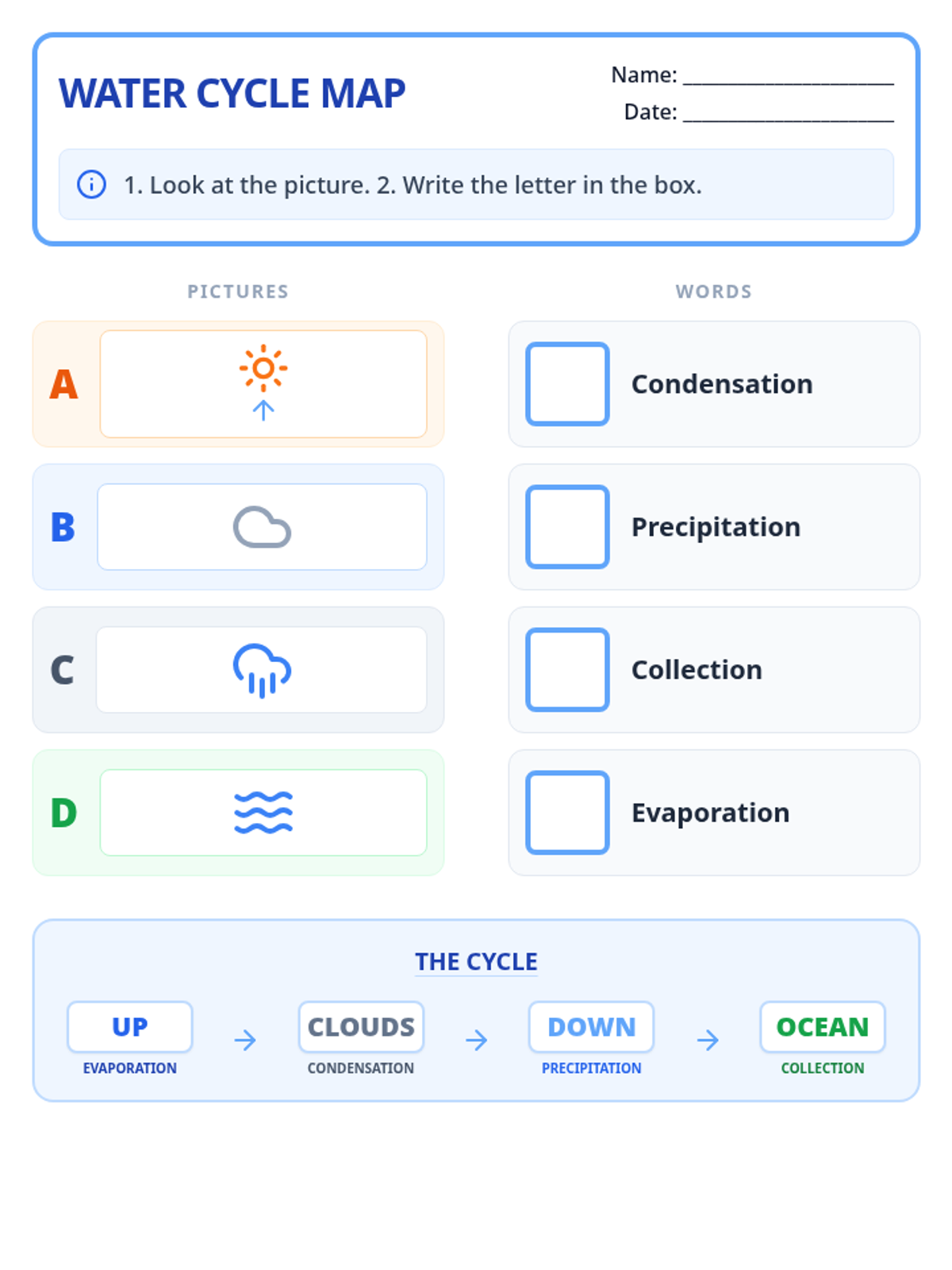
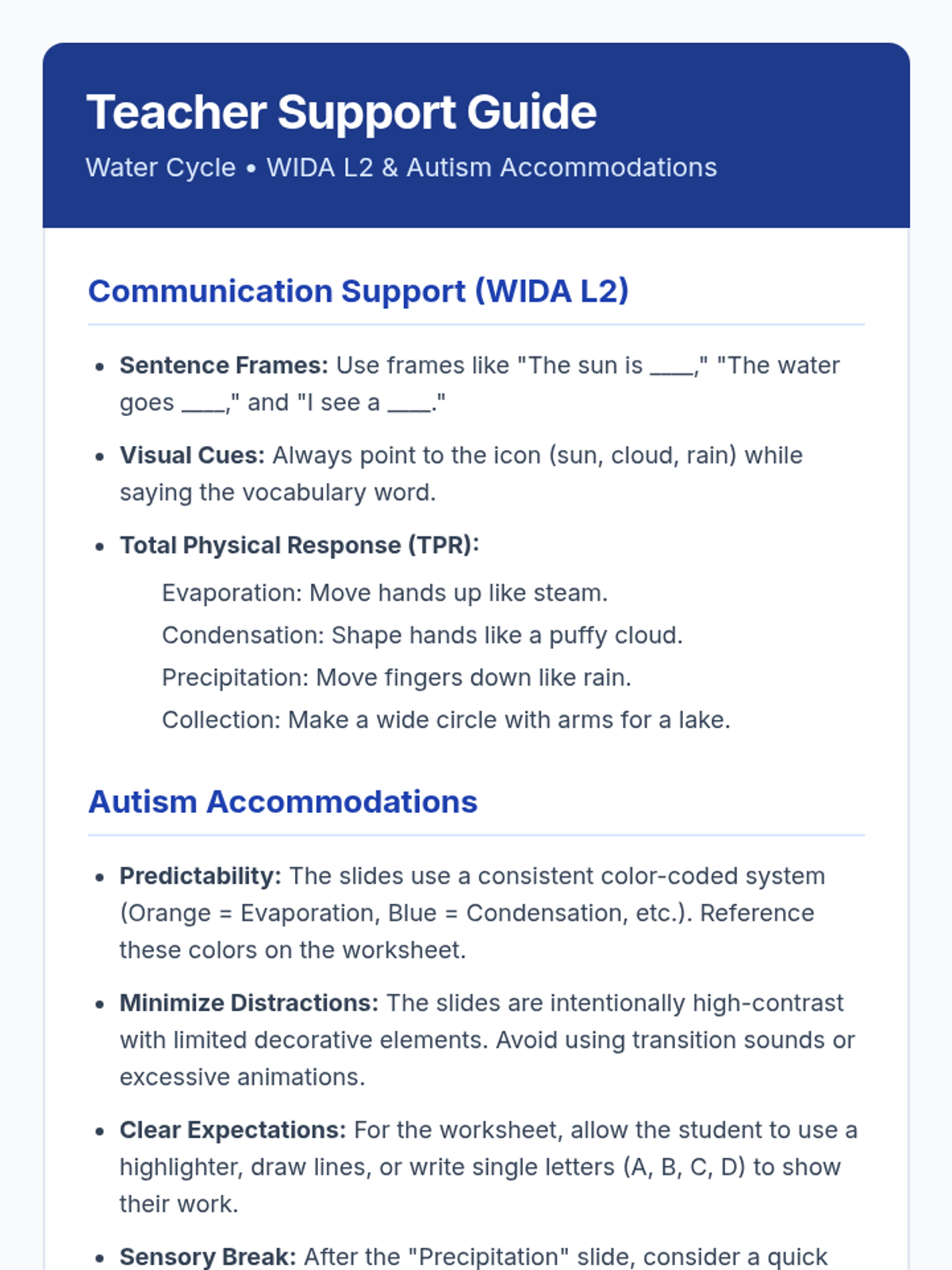
An introductory lesson on the water cycle specifically designed for 3rd-grade students with WIDA Level 2 English proficiency and autism. It focuses on clear visuals, simplified language, and predictable structures to explain how water moves through the environment.
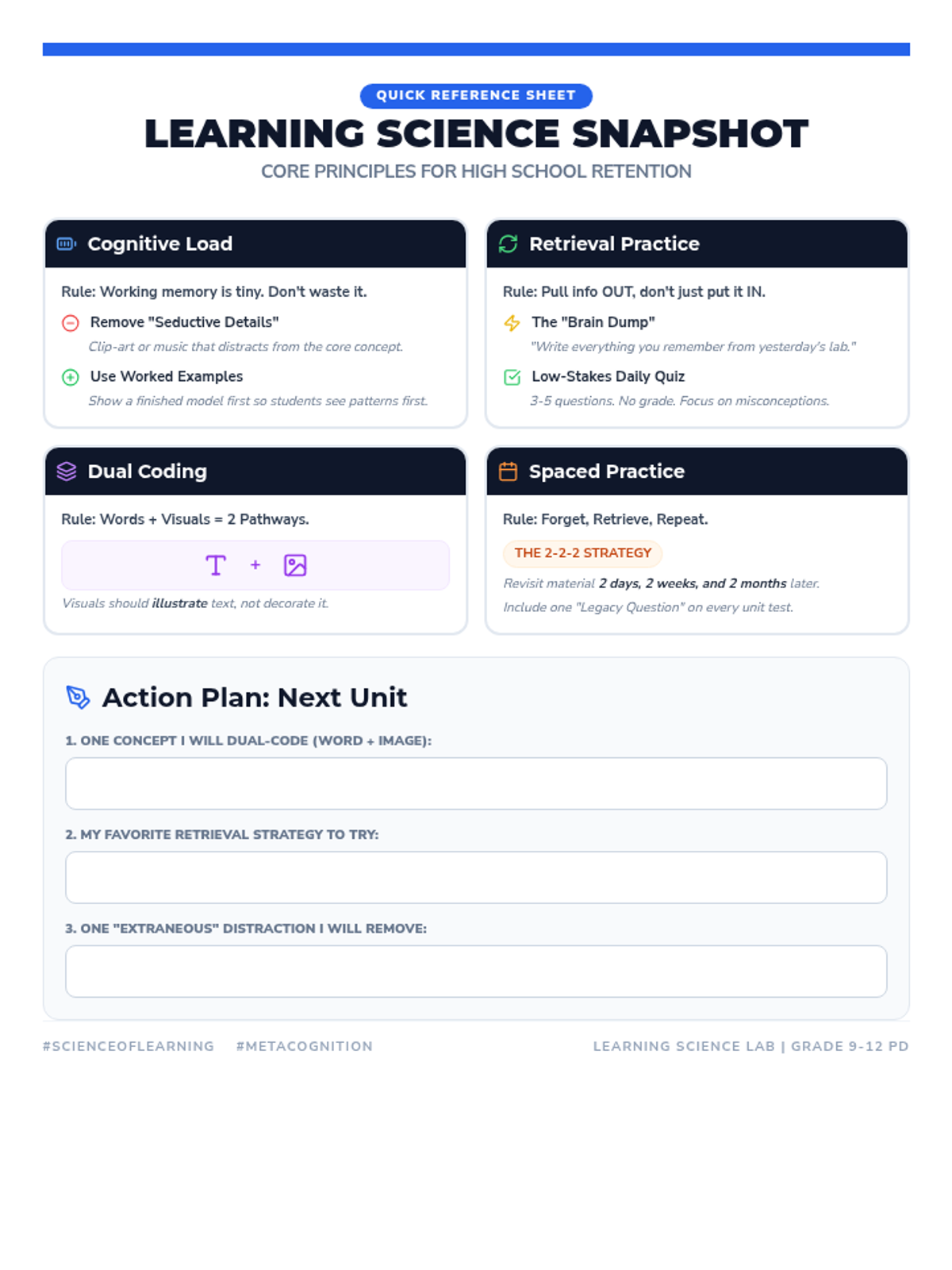
A professional development session for grades 9-12 educators exploring cognitive science principles. Teachers will learn about cognitive load theory, retrieval practice, and dual coding to enhance classroom instruction.
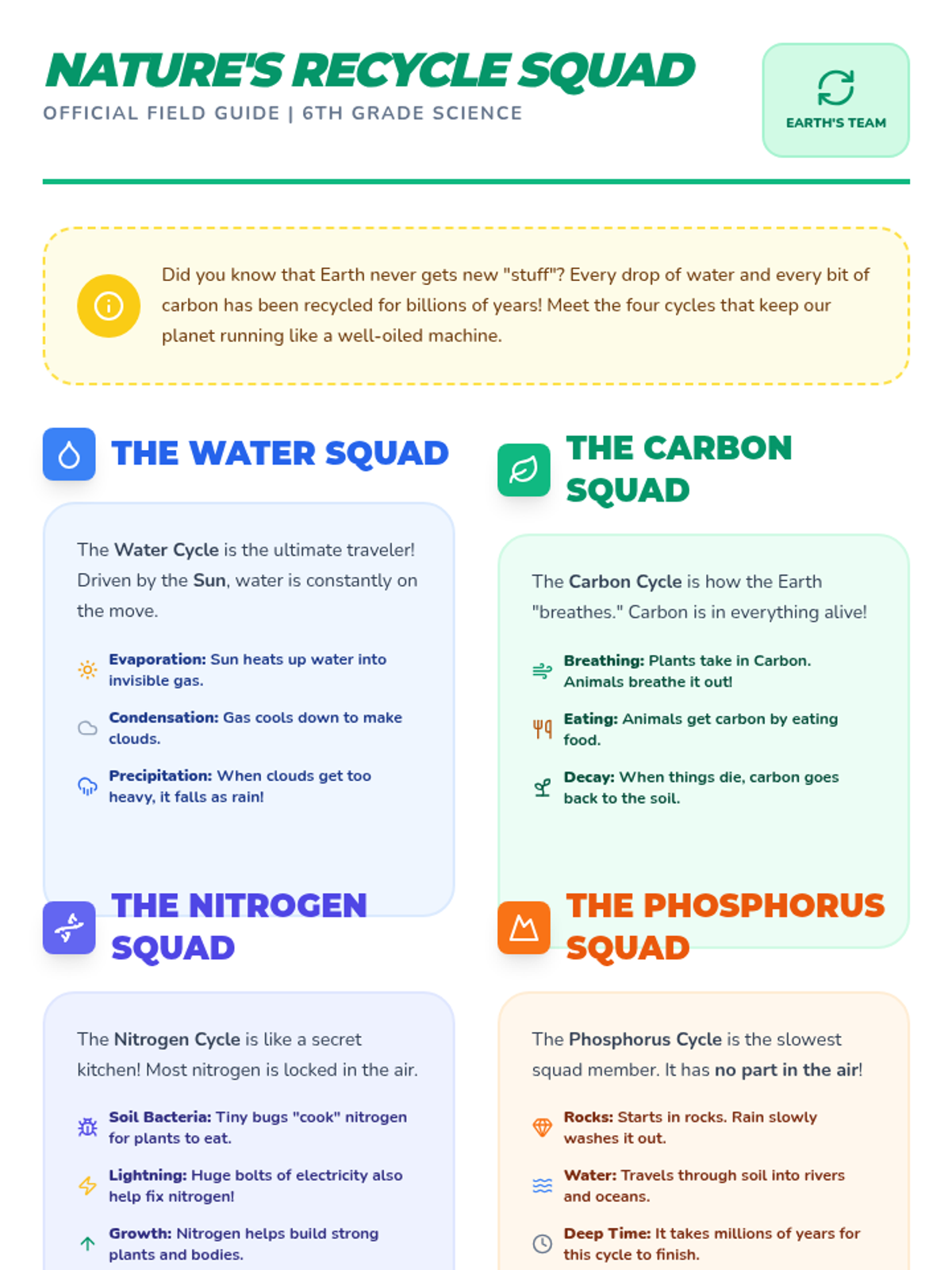
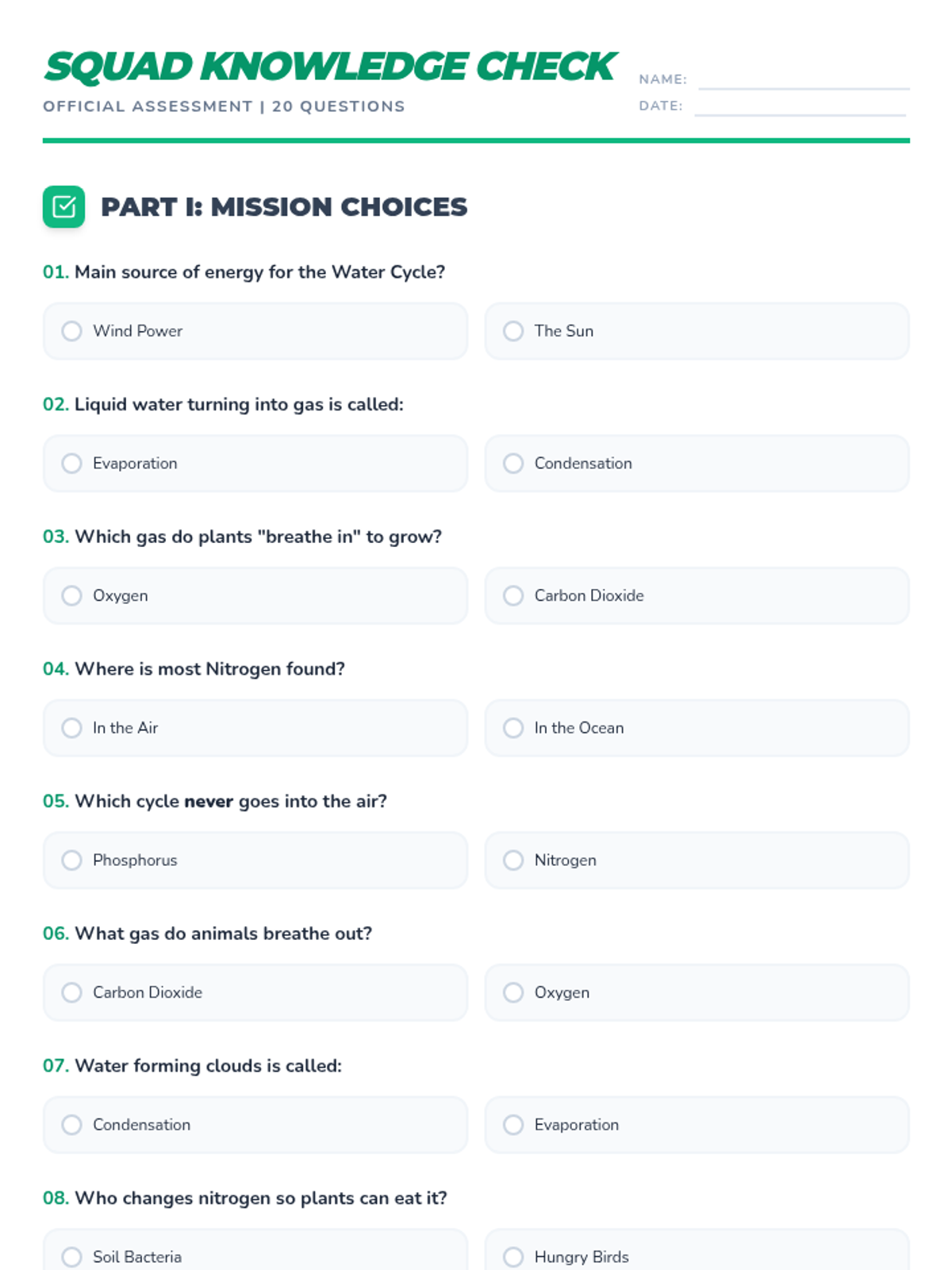
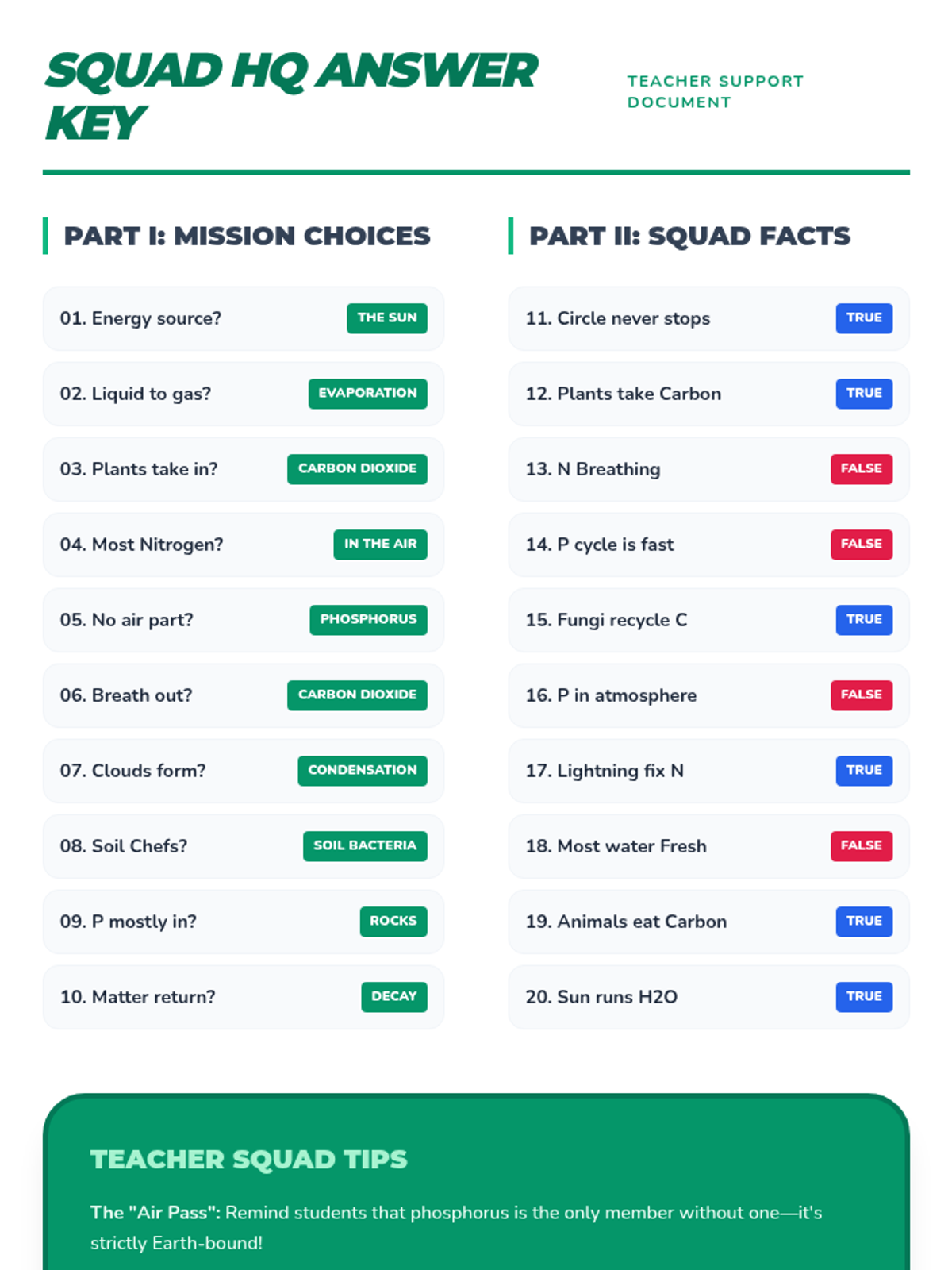
A friendly, middle-school introduction to the four major cycles of nature, focusing on how living things and the Earth work together as a 'recycle team'.
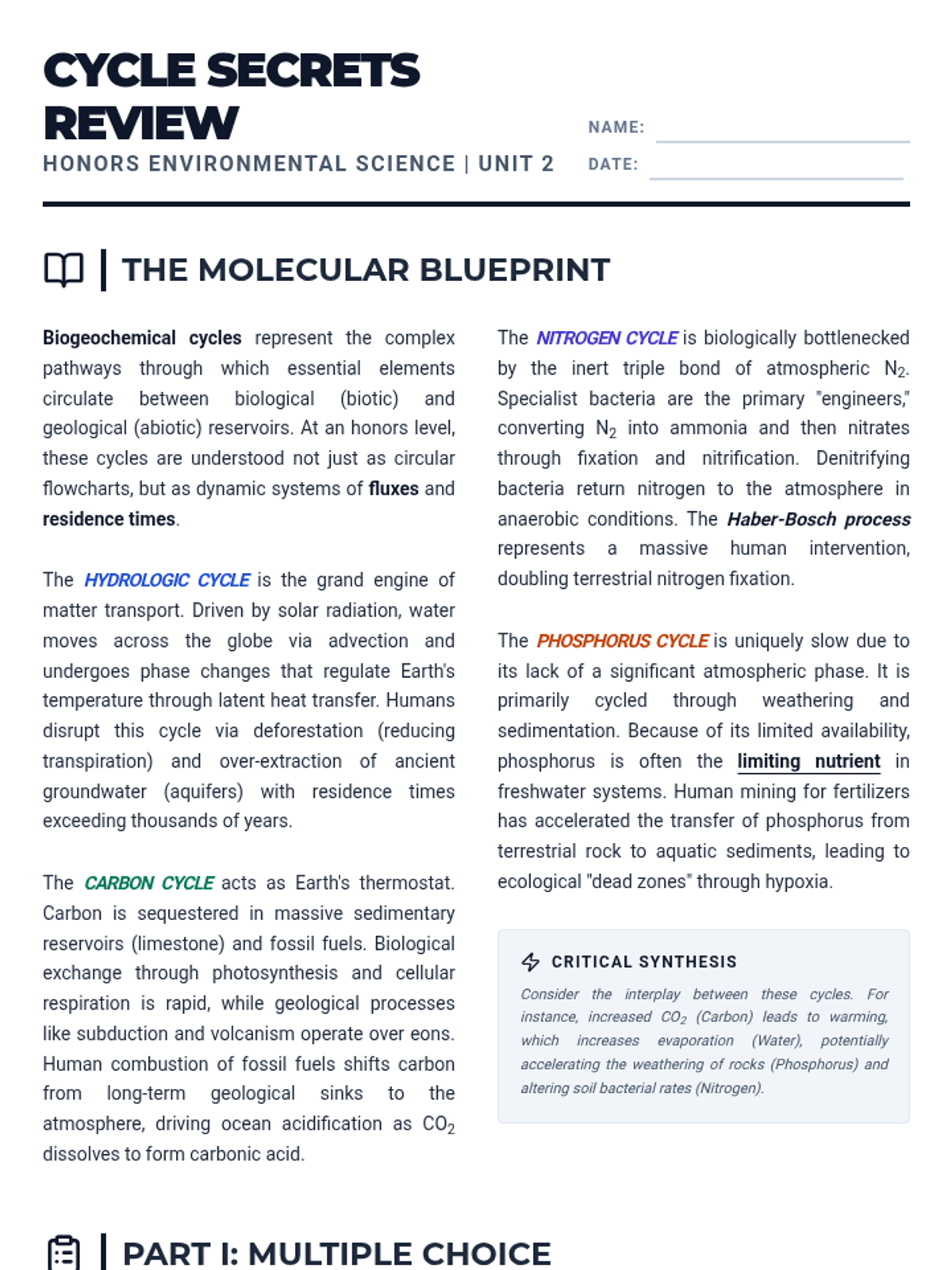
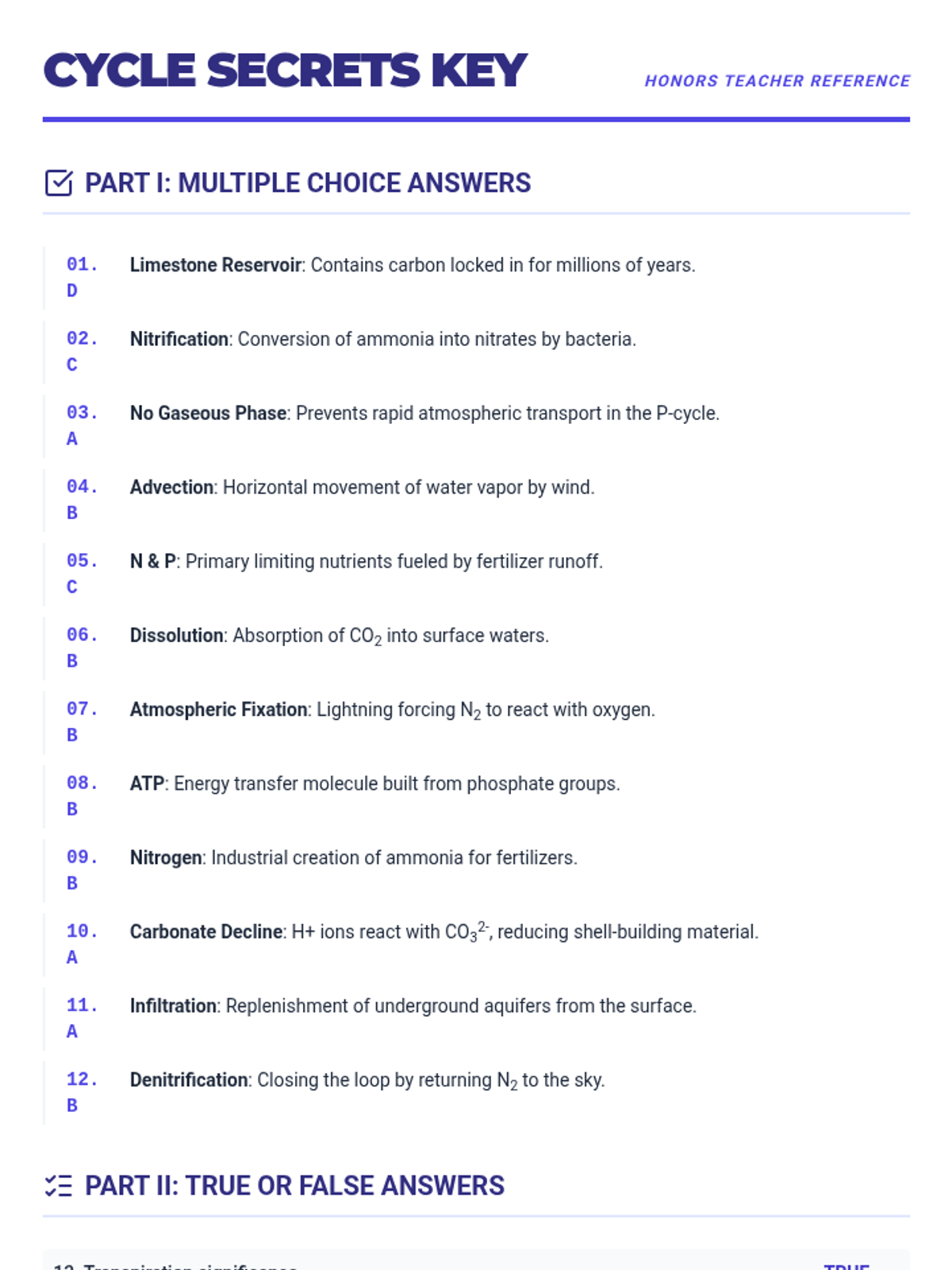
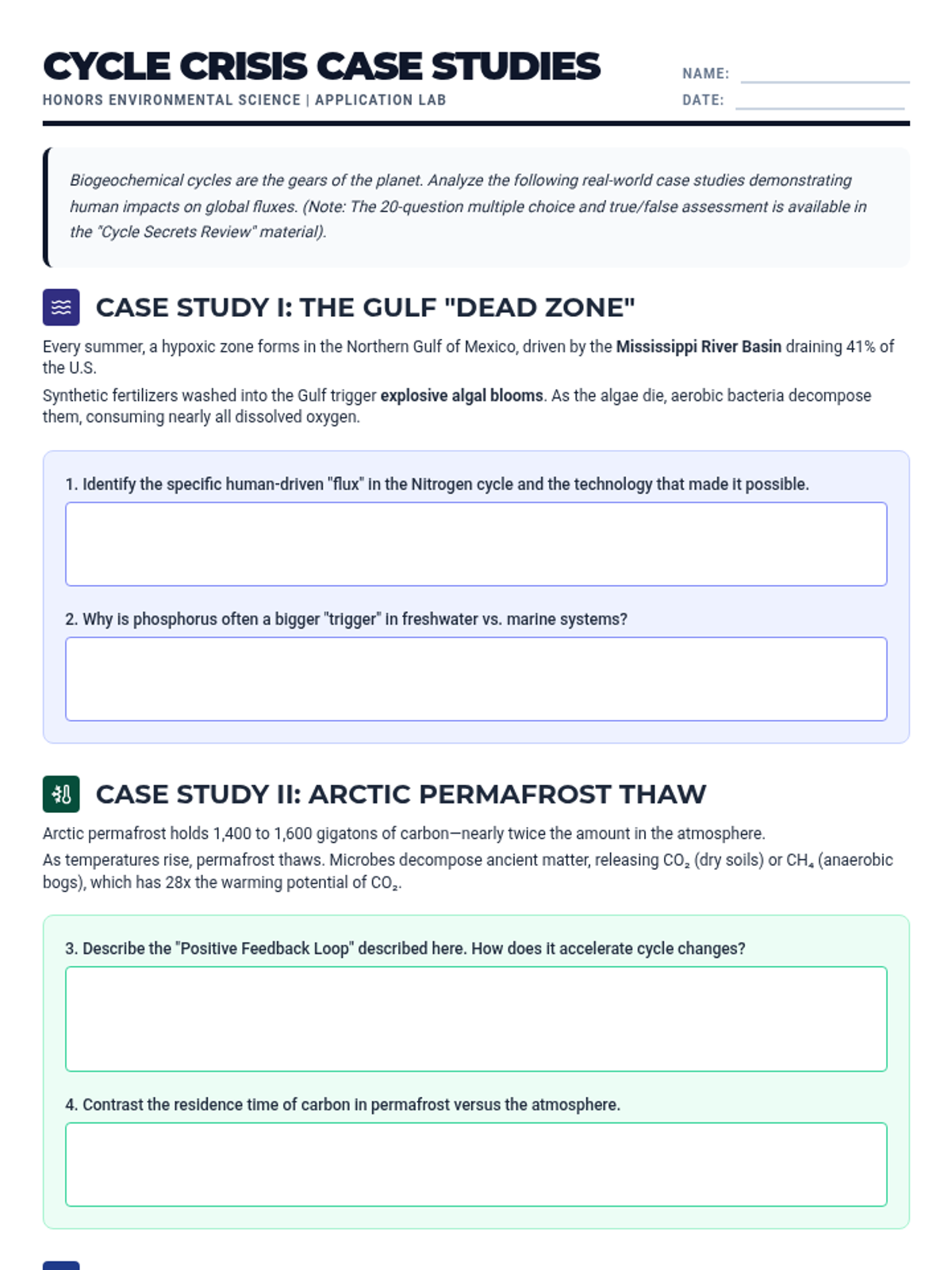
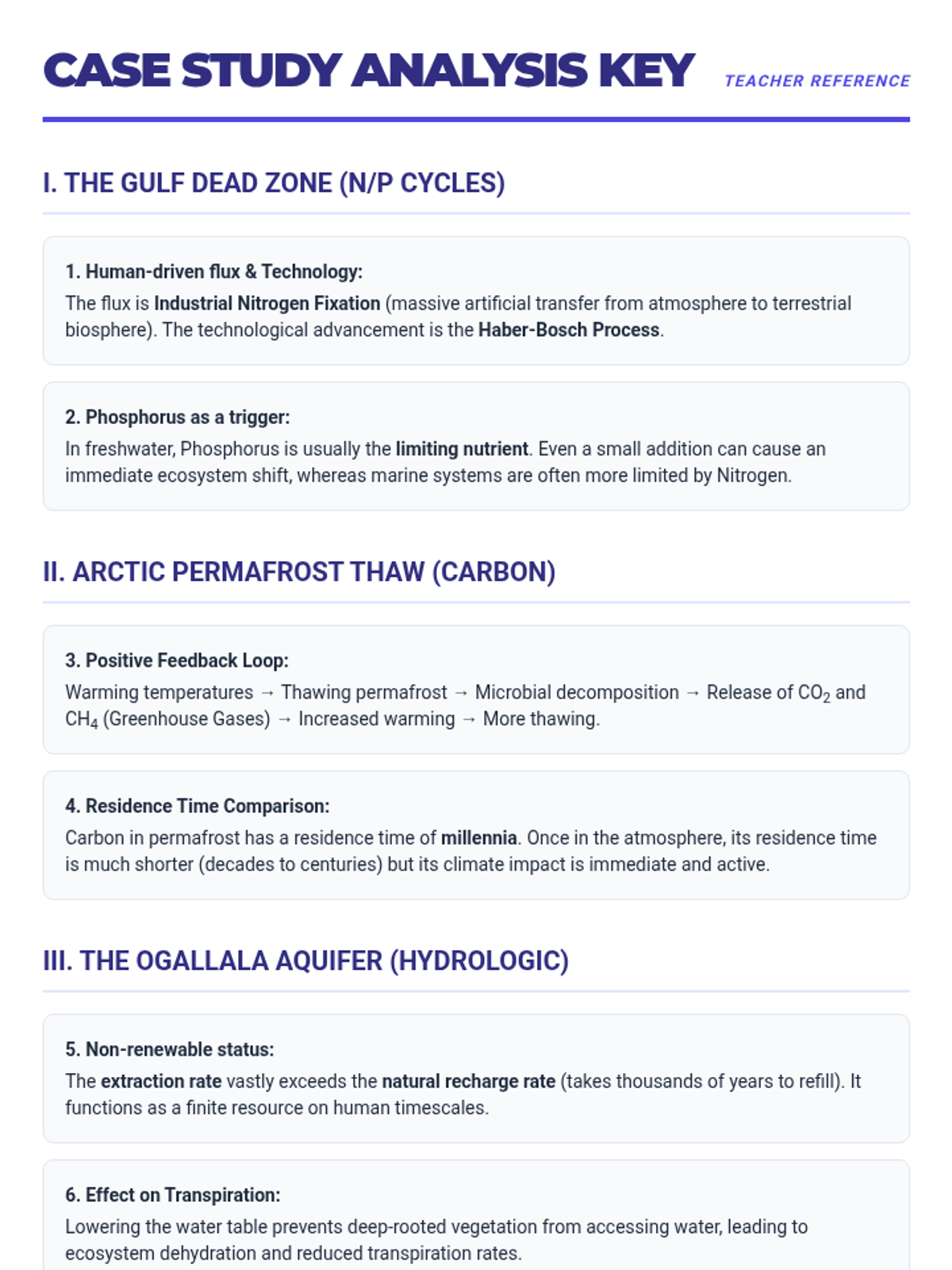
An honors-level exploration of the four major biogeochemical cycles, focusing on molecular transformations, human impact, and reservoir residence times.
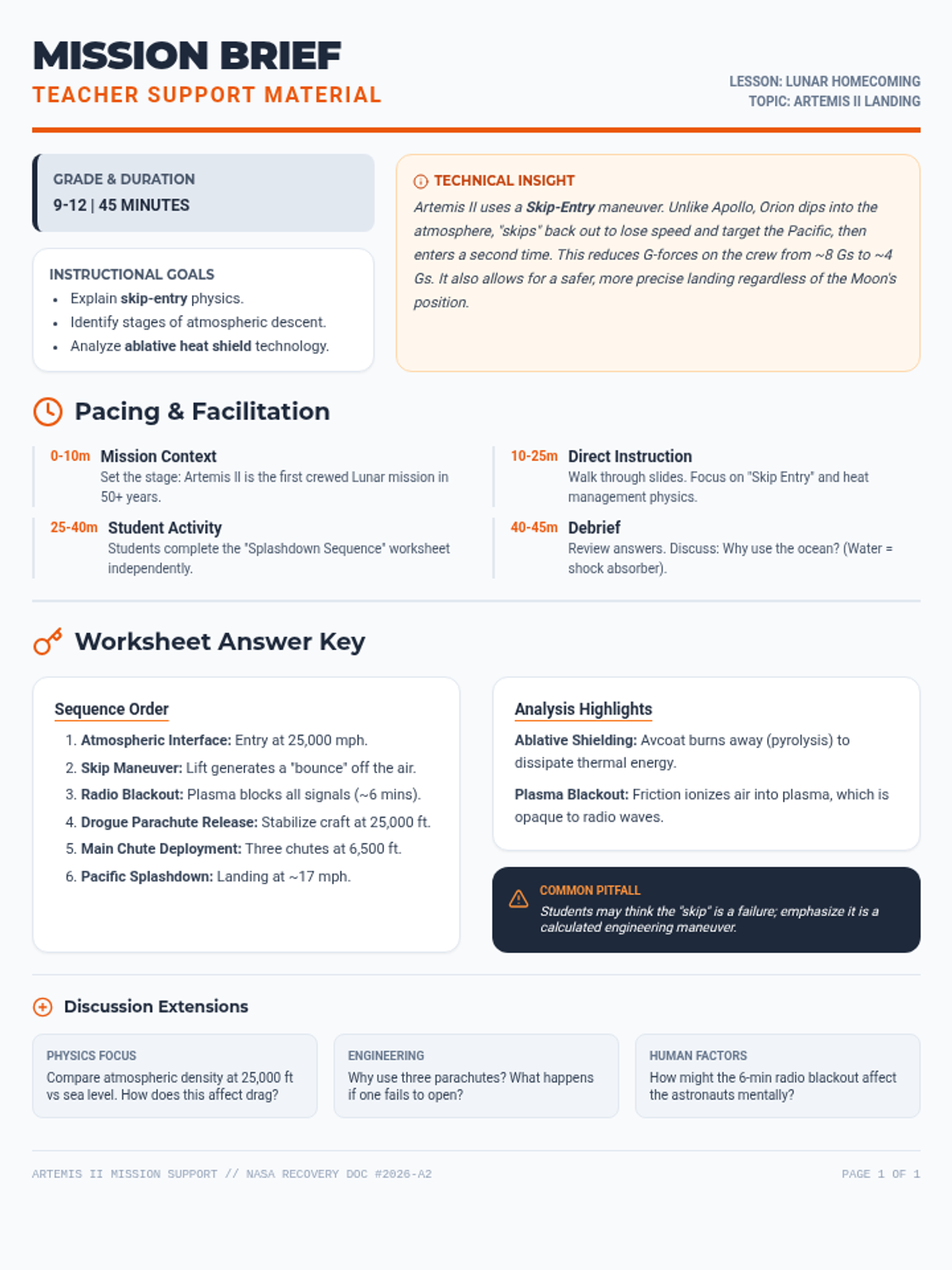
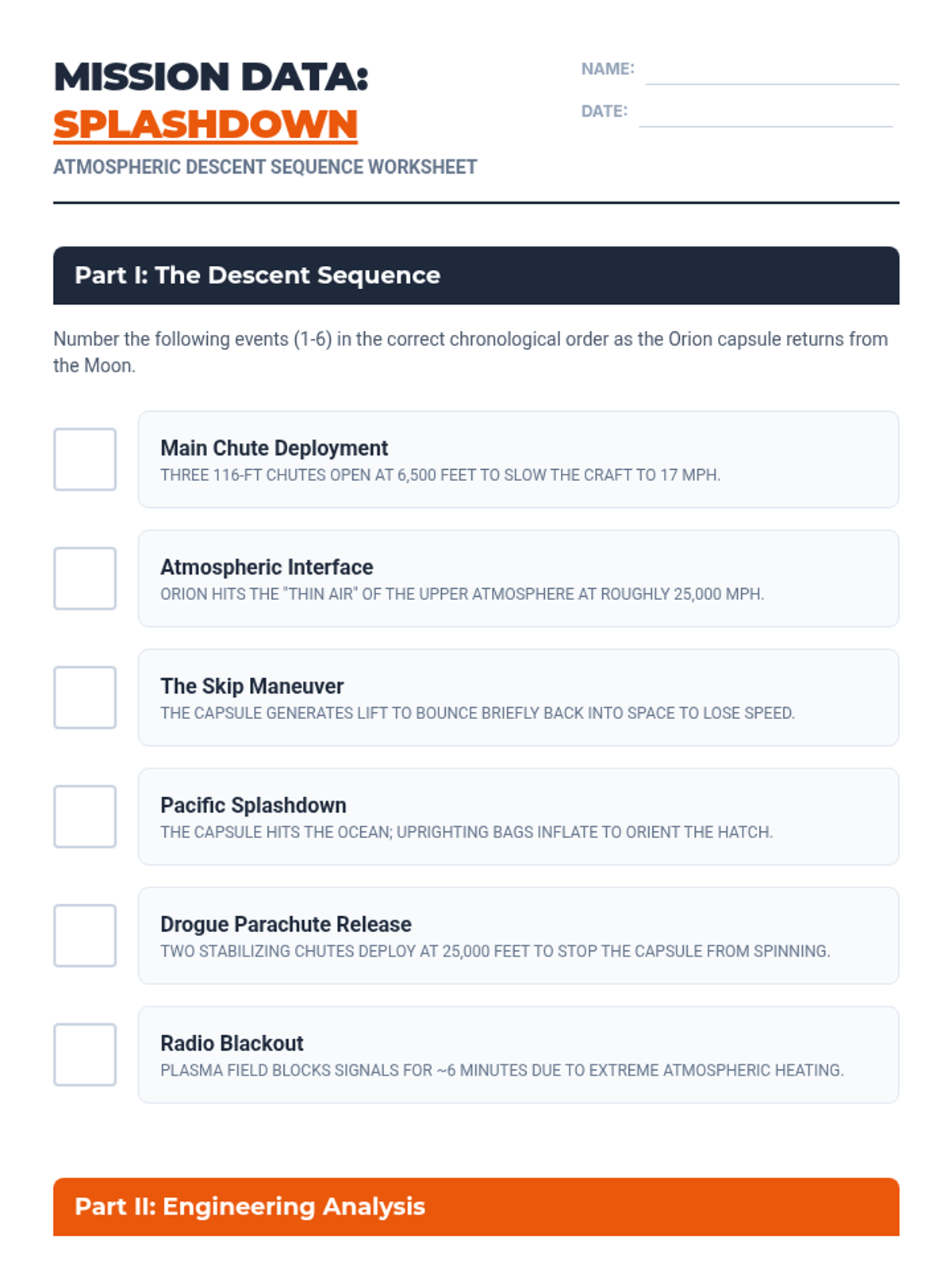
A deep dive into the engineering and physics of the Orion capsule's return to Earth, focusing on heat management, skip-entry maneuvers, and the multi-stage parachute sequence.
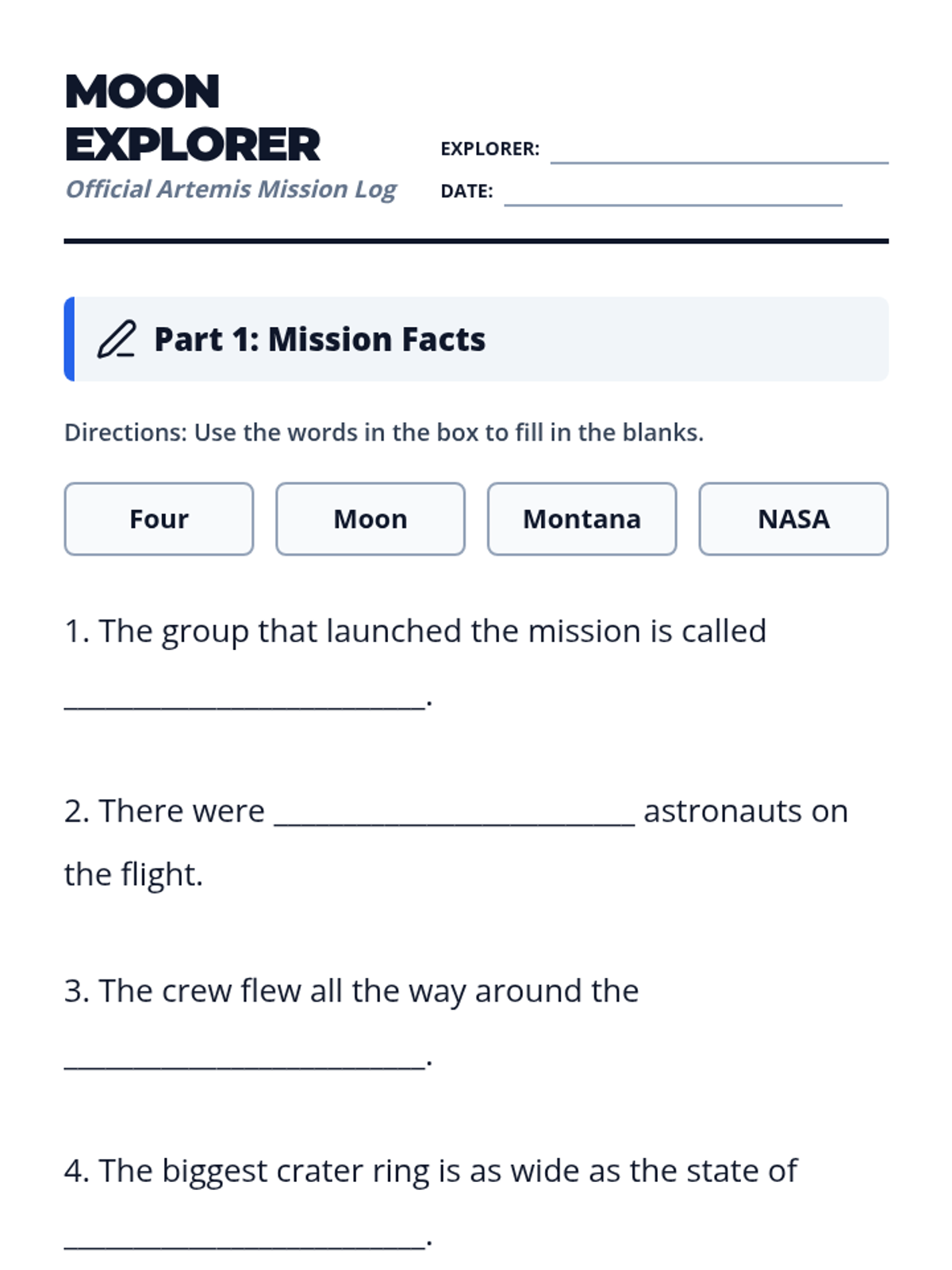
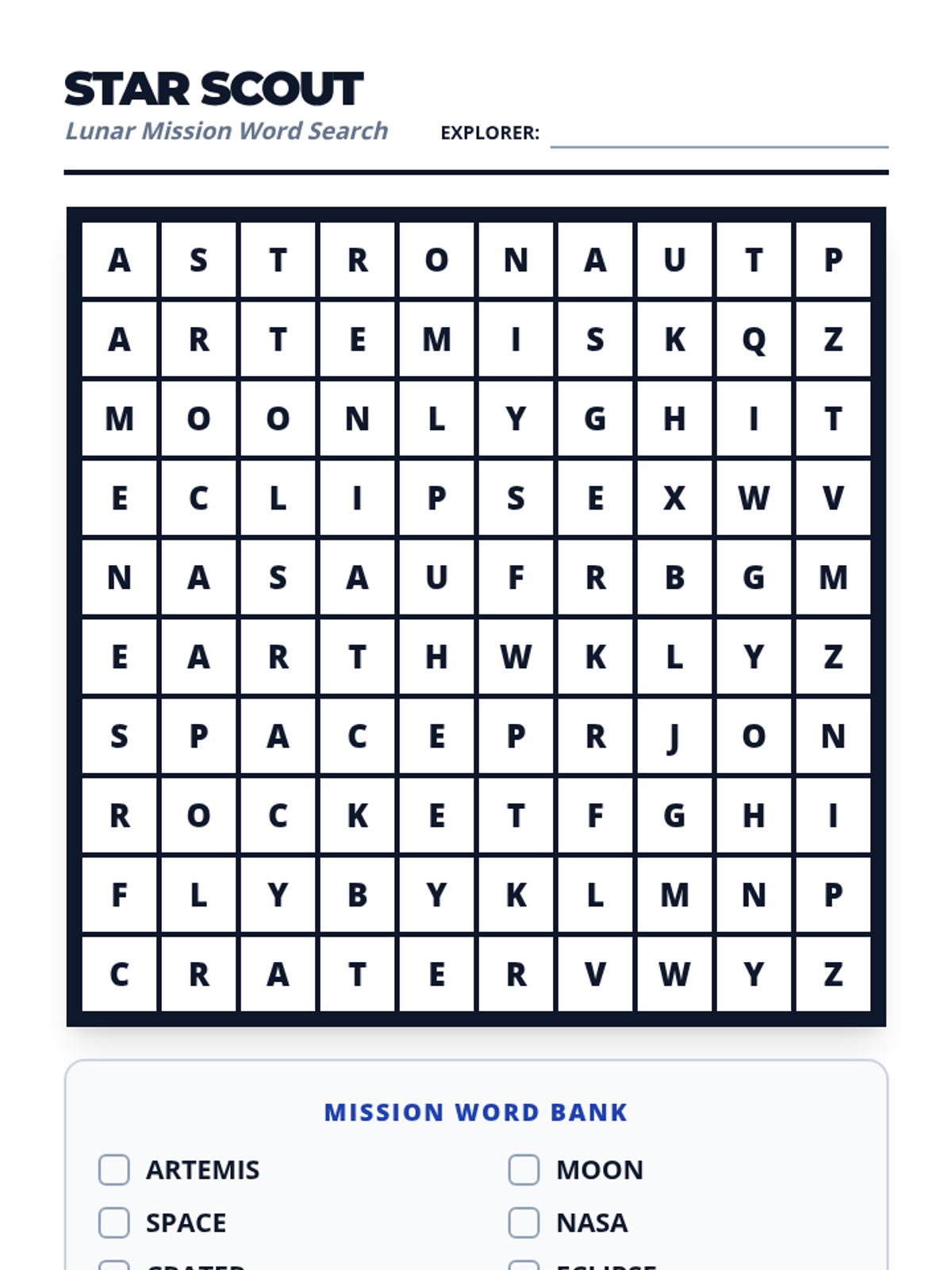
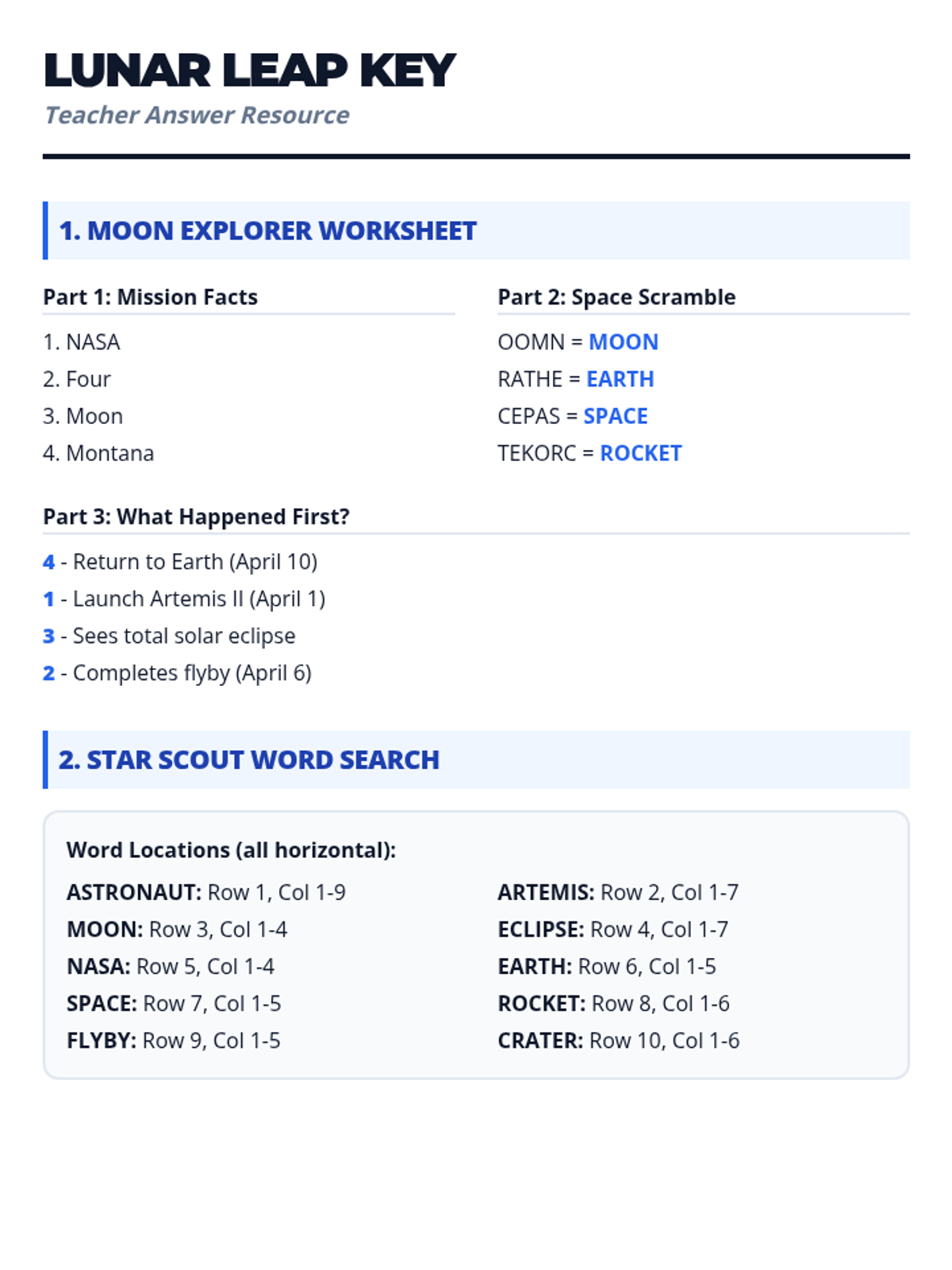
A lesson about the Artemis II moon mission, designed for 8th-grade students working at a 3rd-grade reading level. Includes a visual presentation, a mission log worksheet with sequencing and word scrambles, and a space-themed word search.
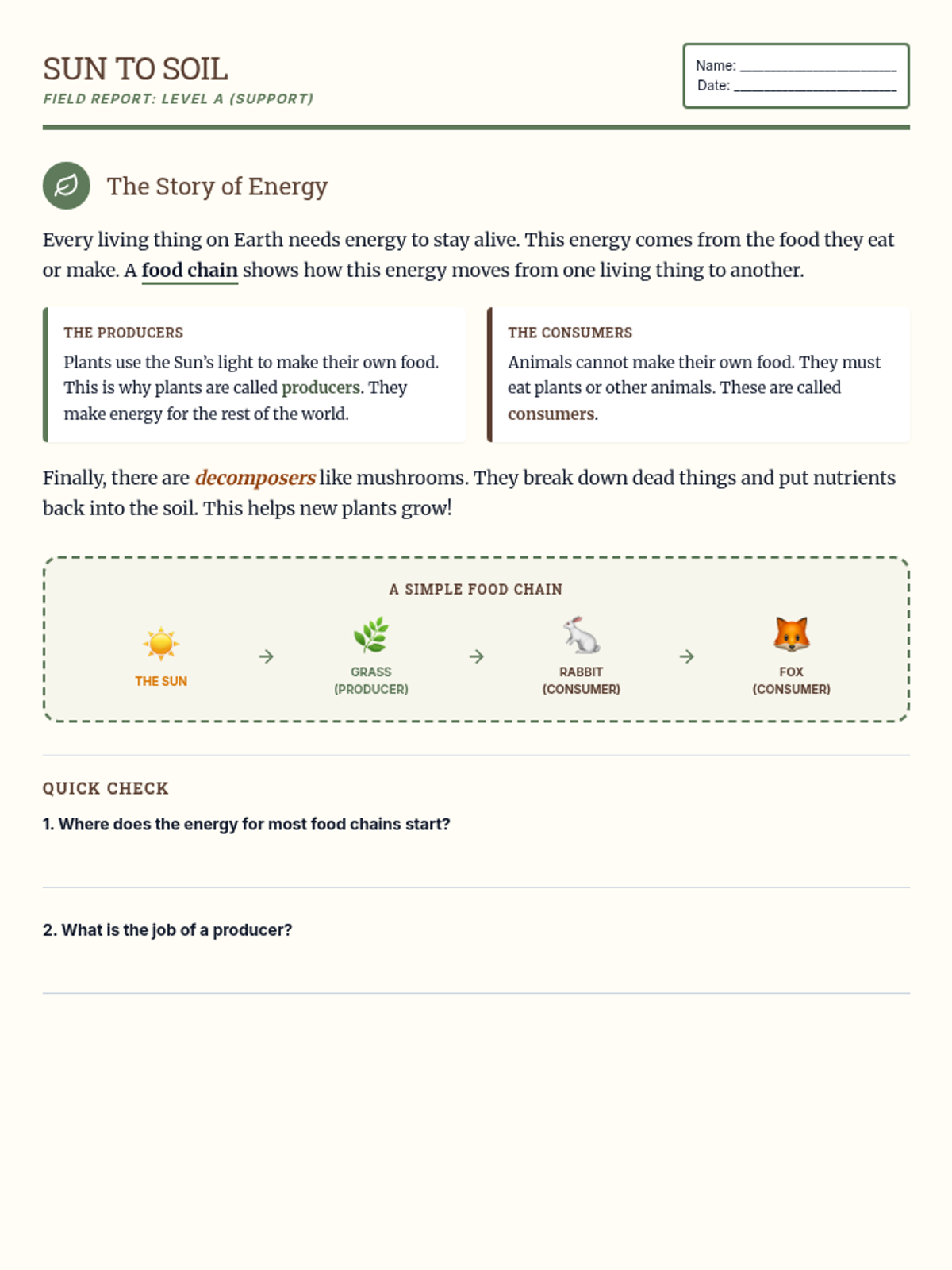
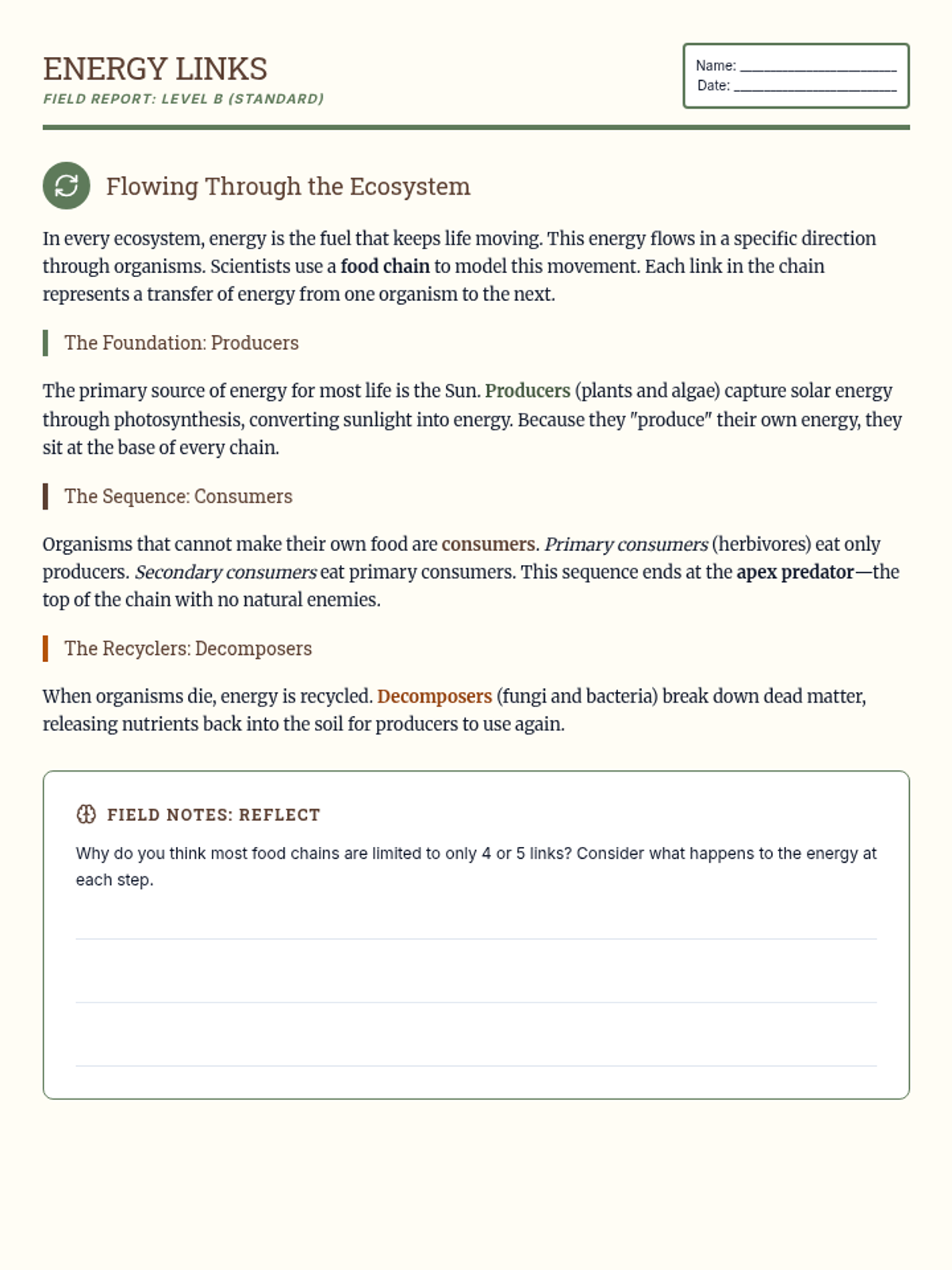
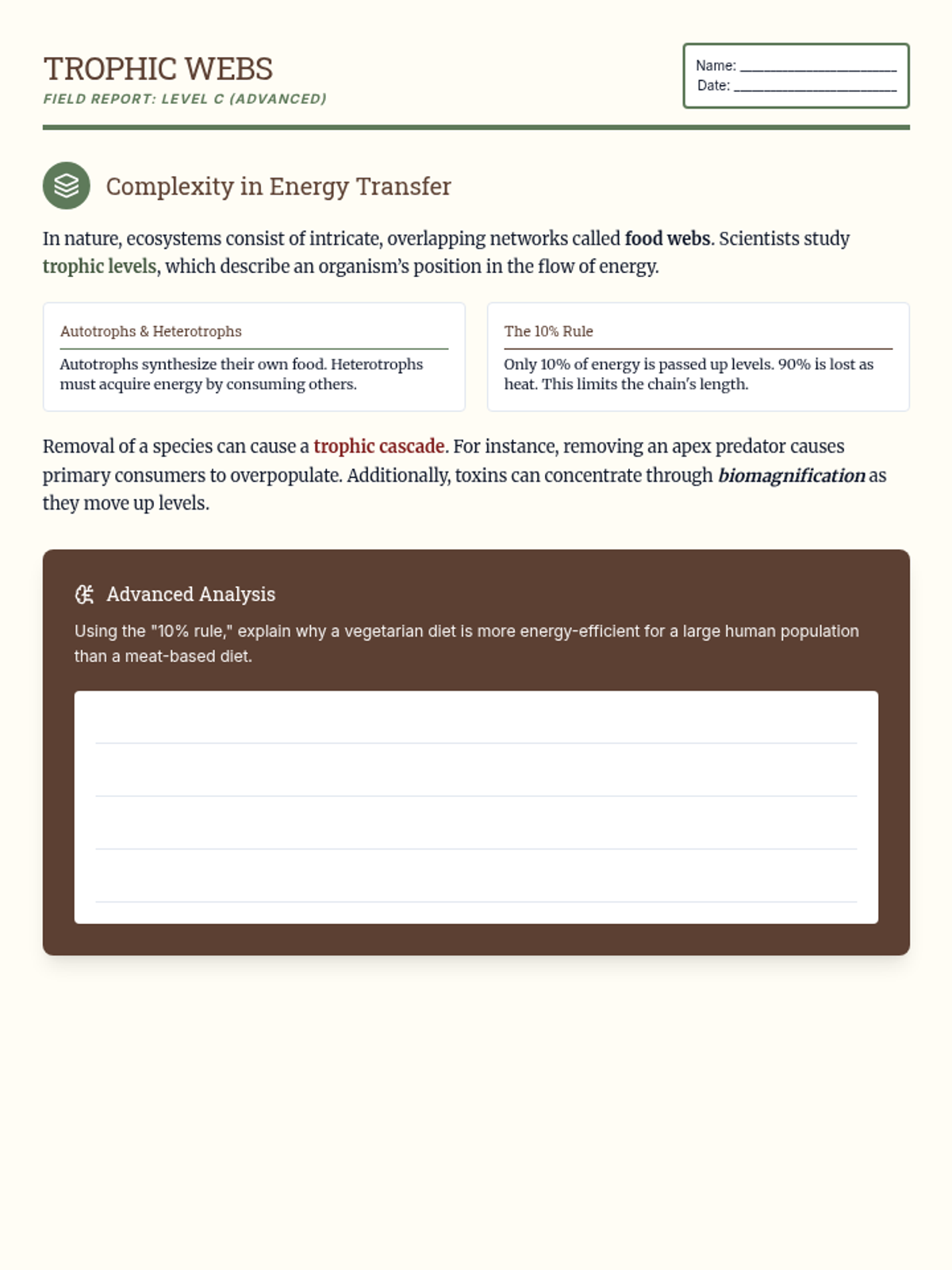
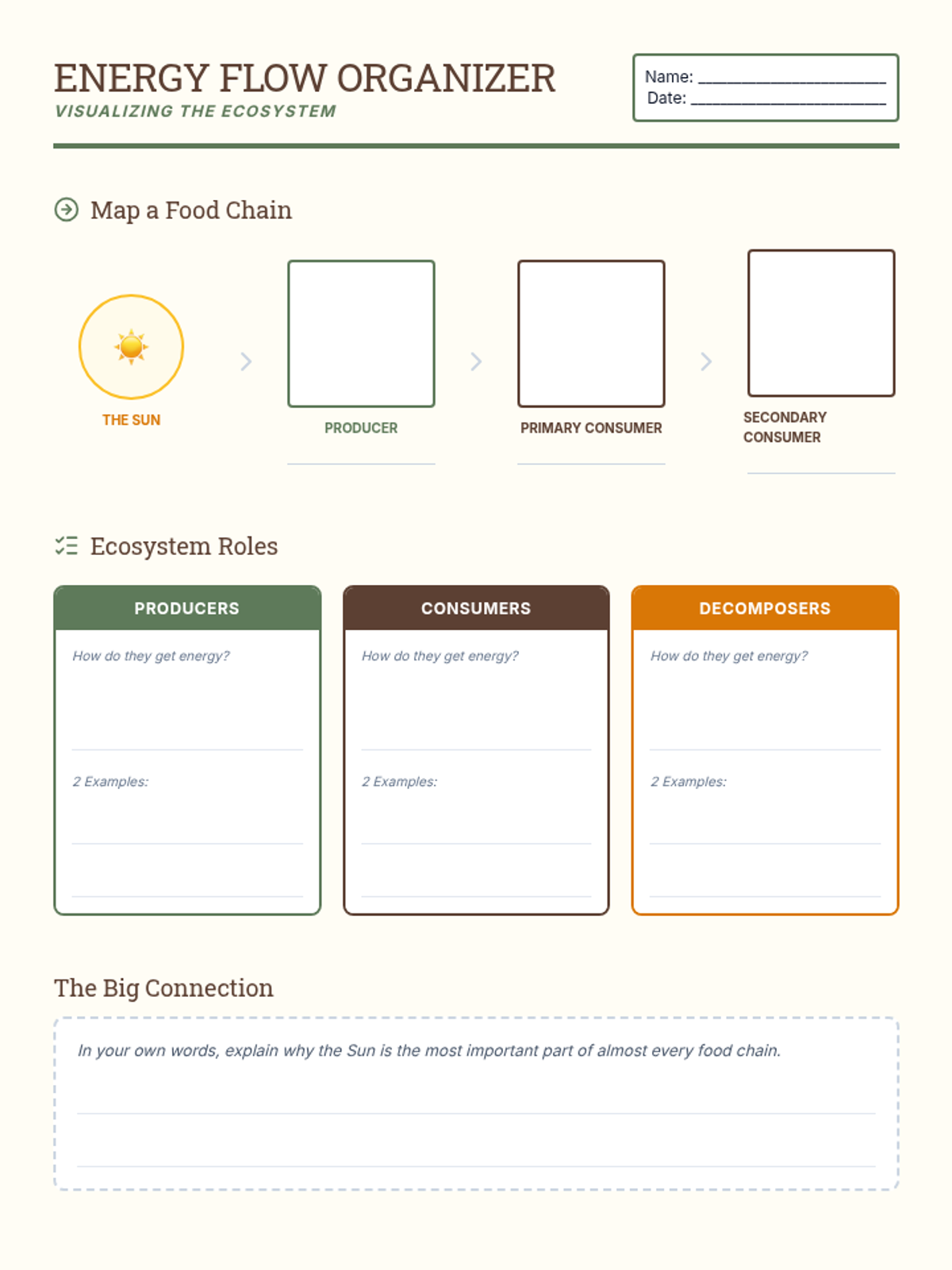
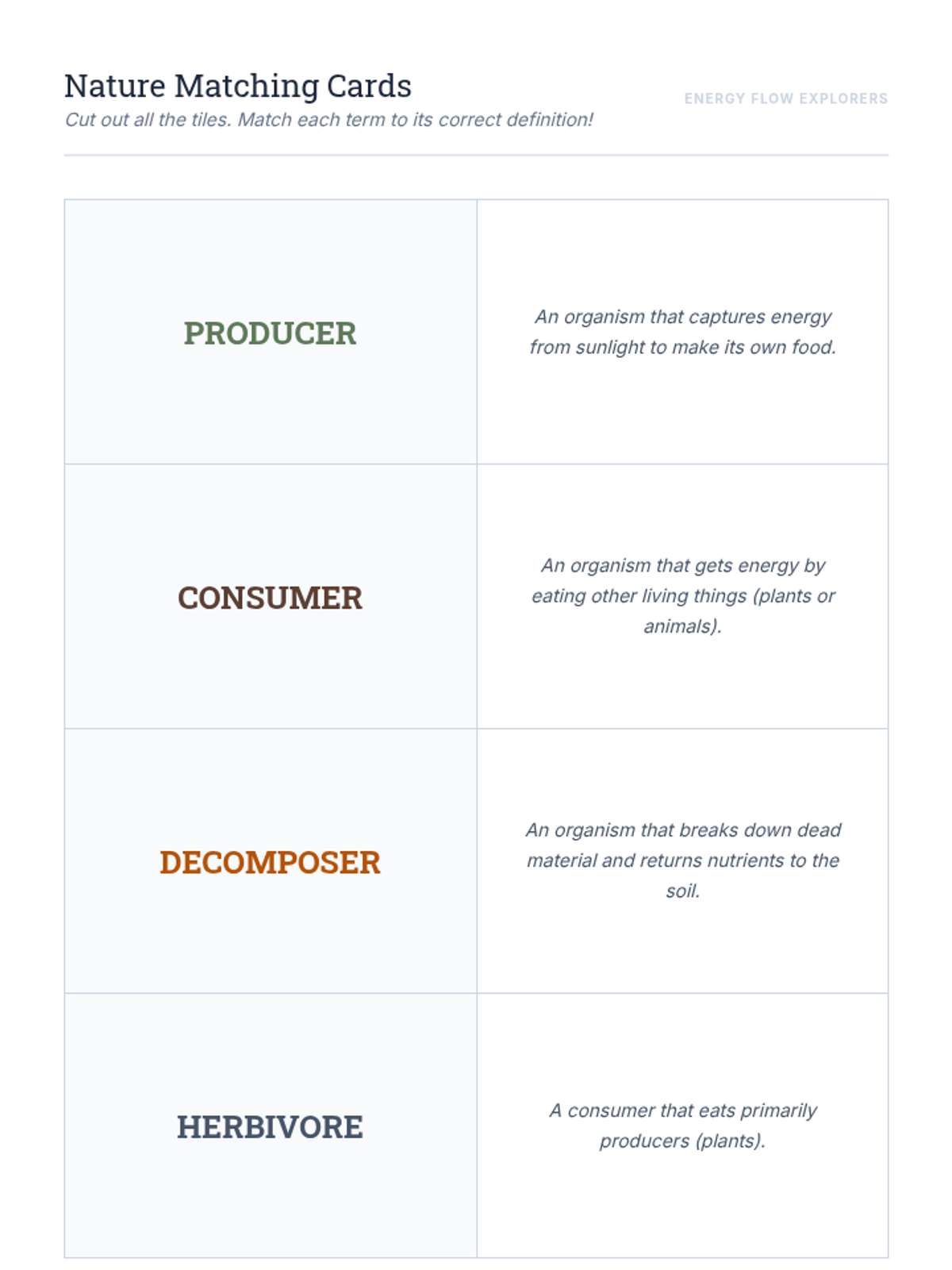
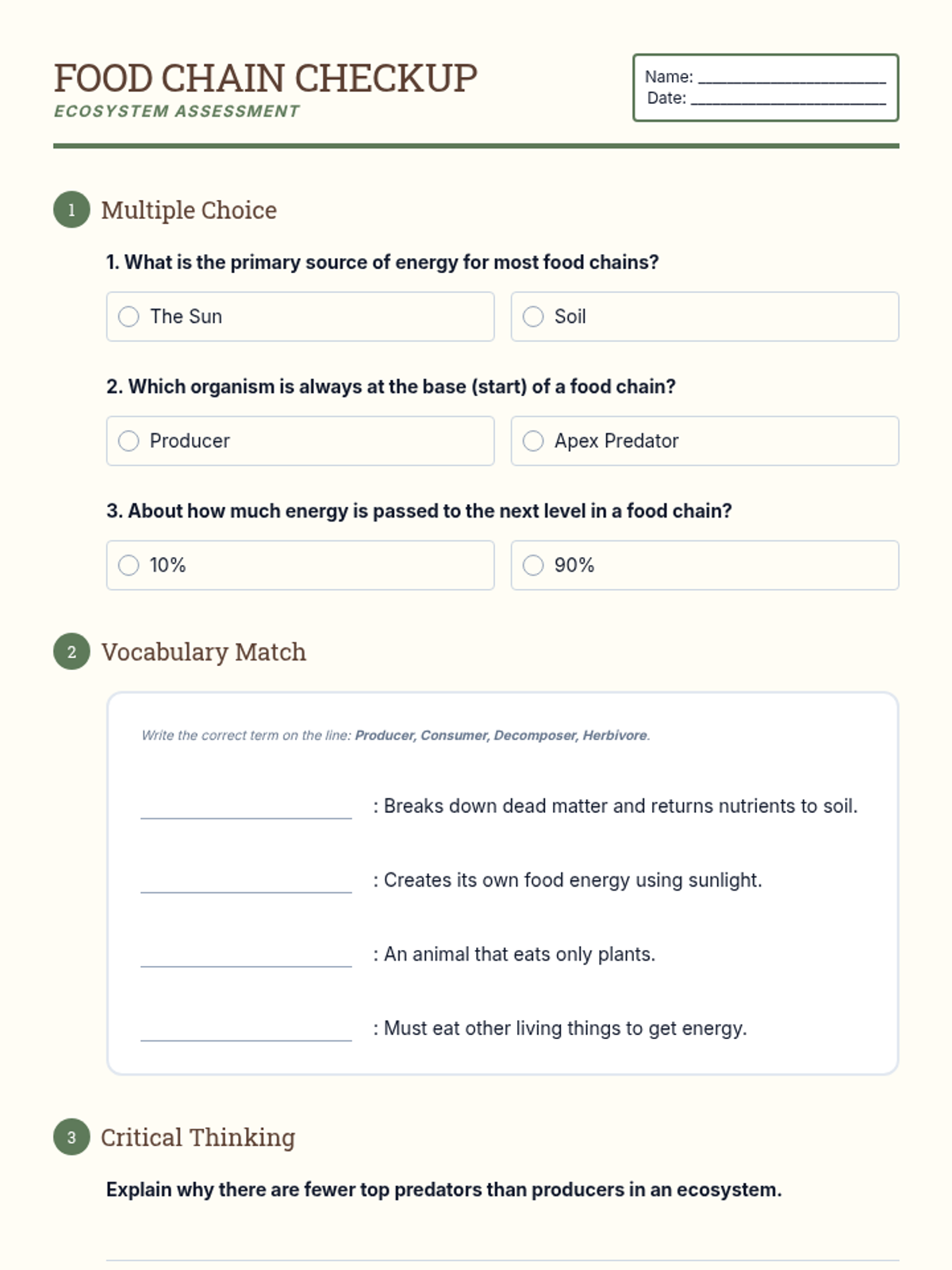
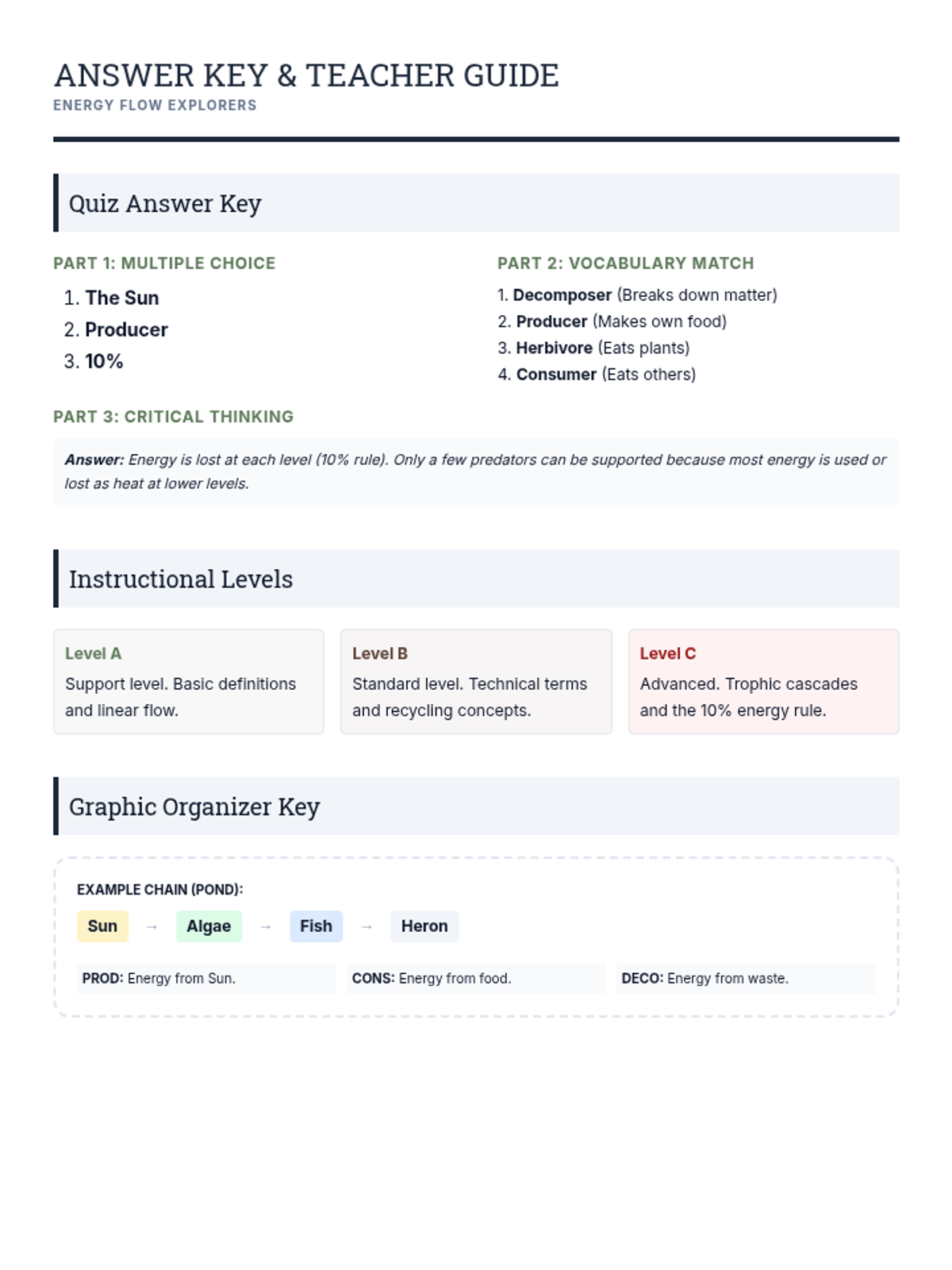
A comprehensive lesson on food chains, producers, and consumers, featuring differentiated reading passages, graphic organizers, and assessments designed for 5th-grade learners at various levels.
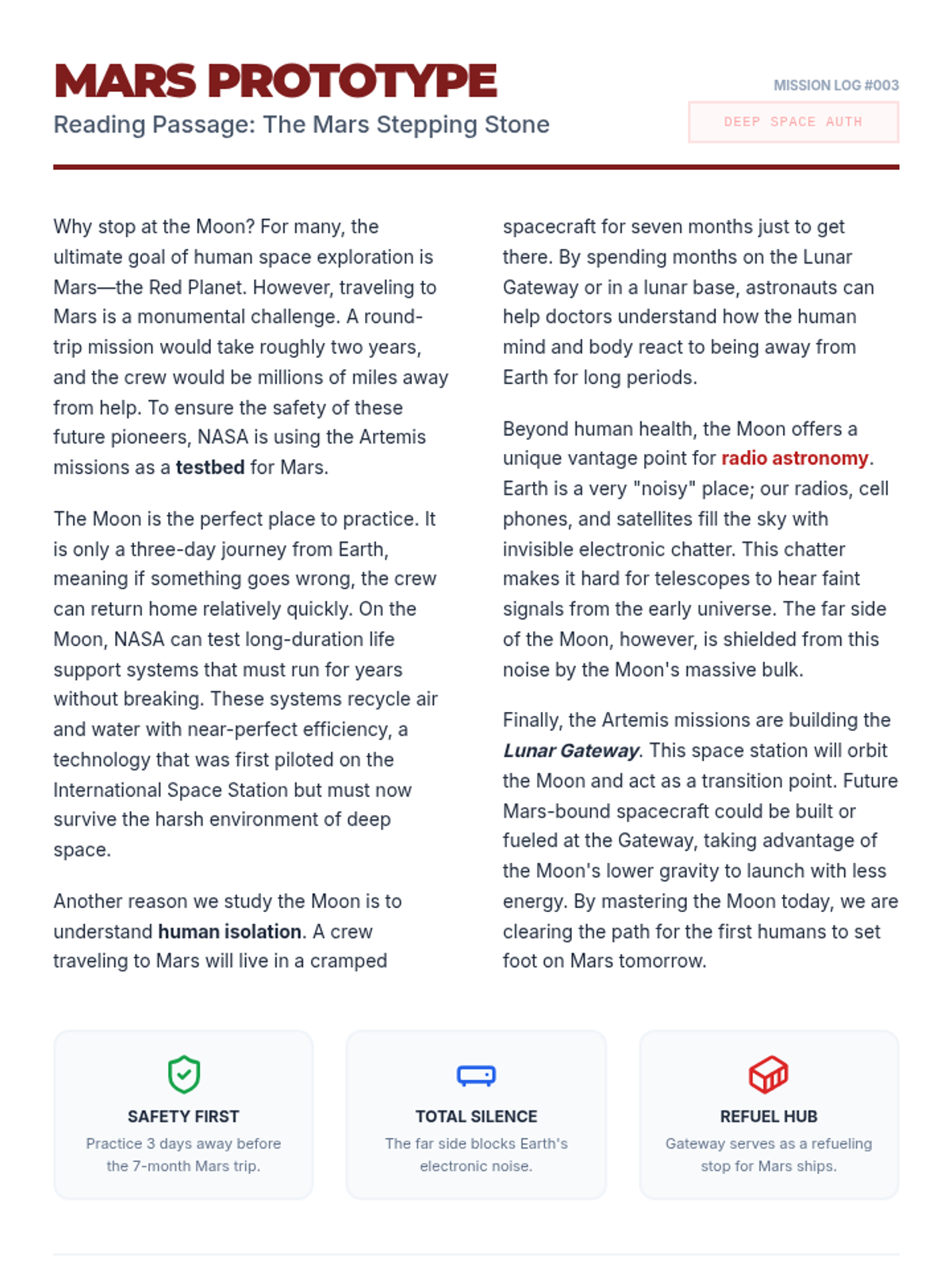
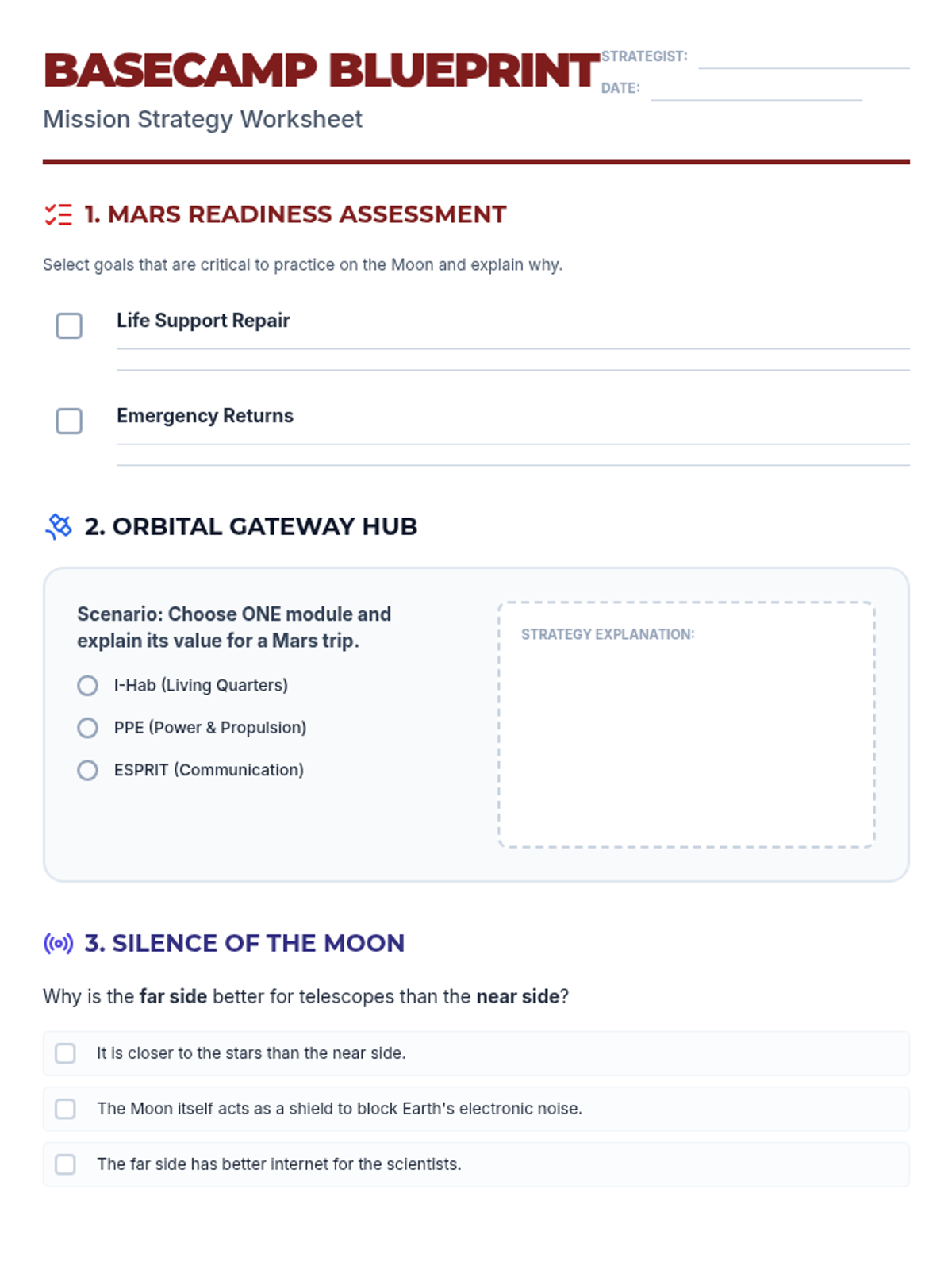
Explores the Moon's role as a testing ground for Mars exploration and a unique platform for deep space astronomy, focusing on the Gateway station and long-duration missions.
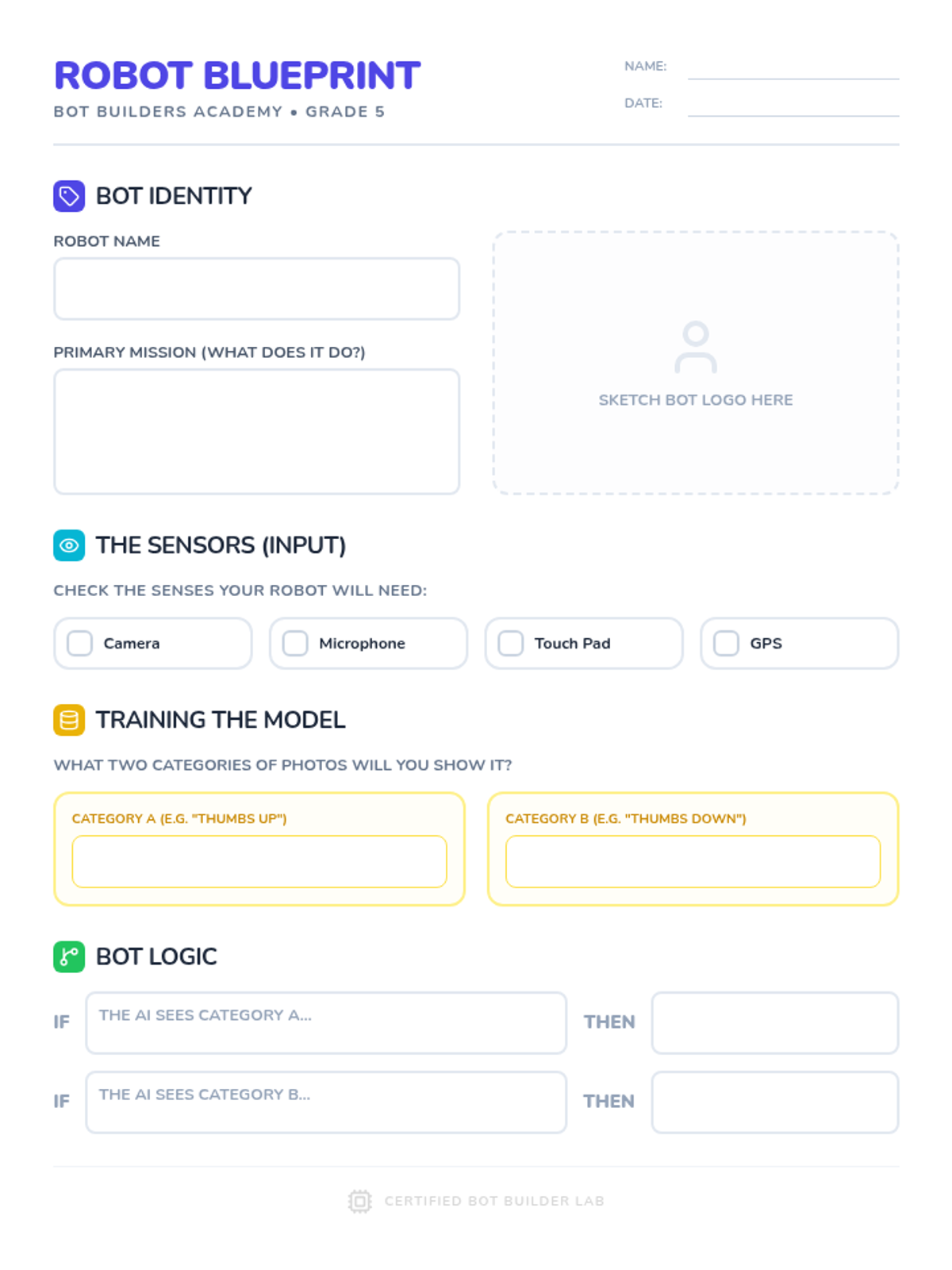
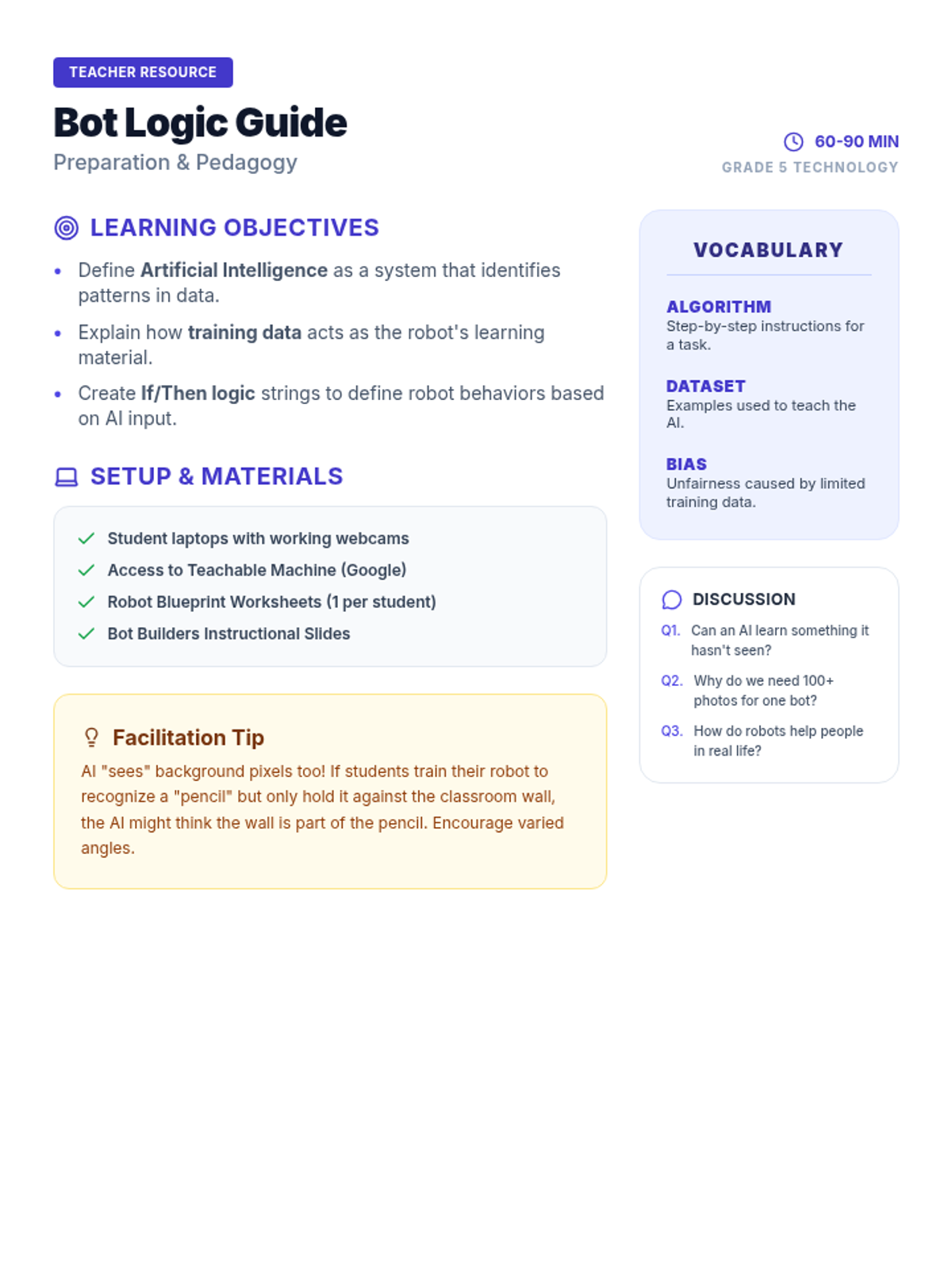
Students explore the world of artificial intelligence and robotics, learning how to design and "train" a virtual robot using online tools. They will understand the relationship between hardware, software, and data training.
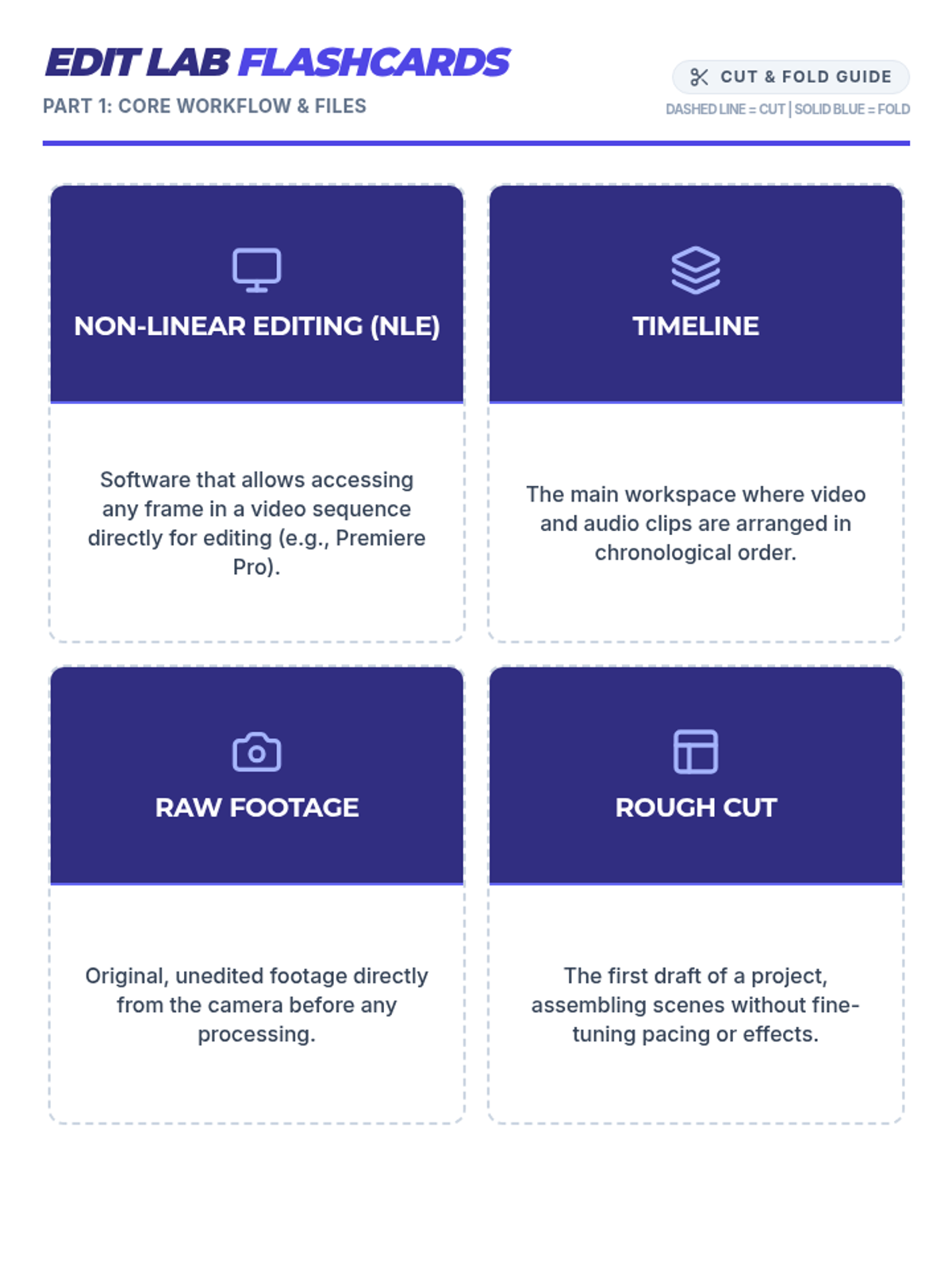
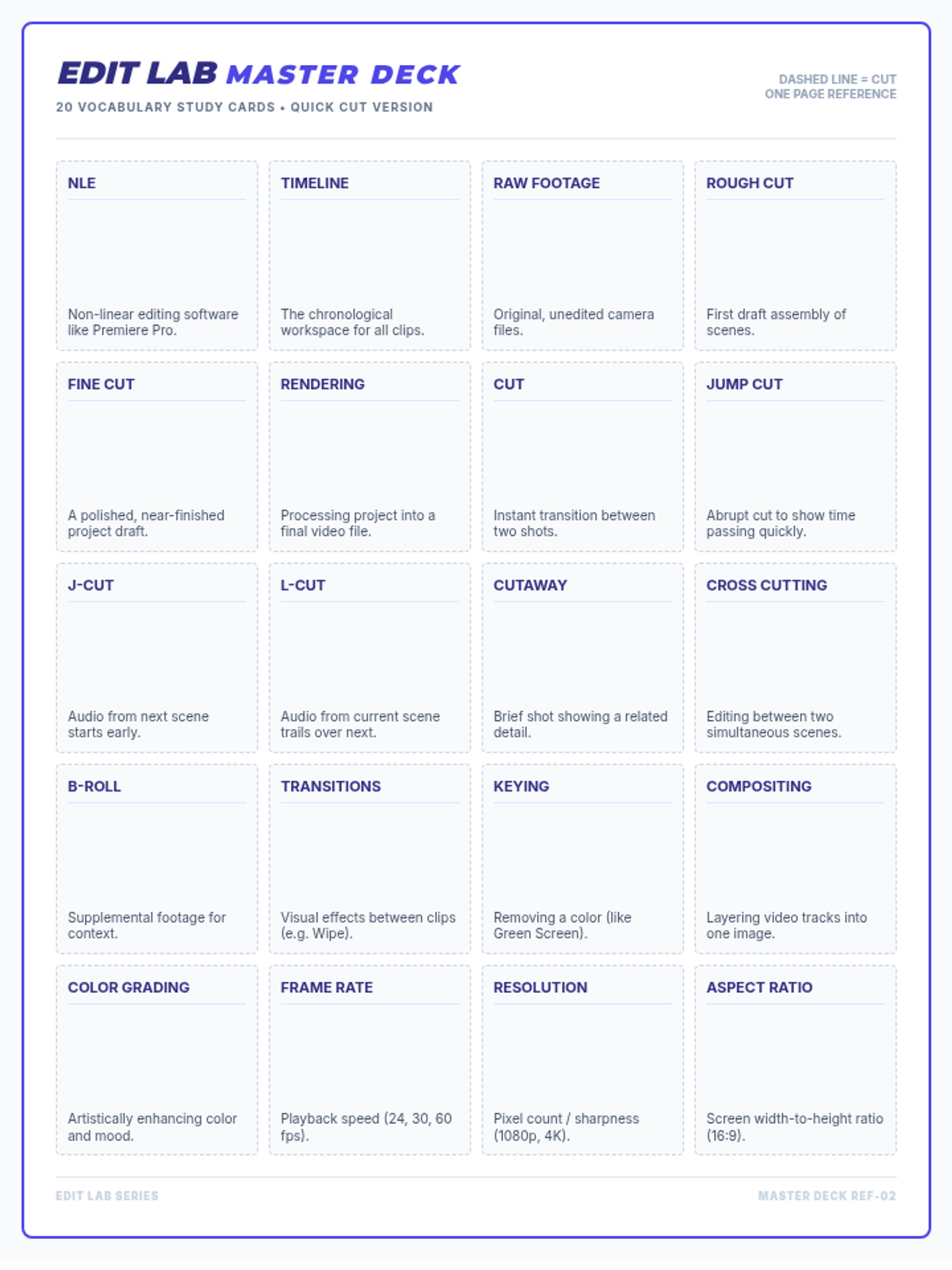
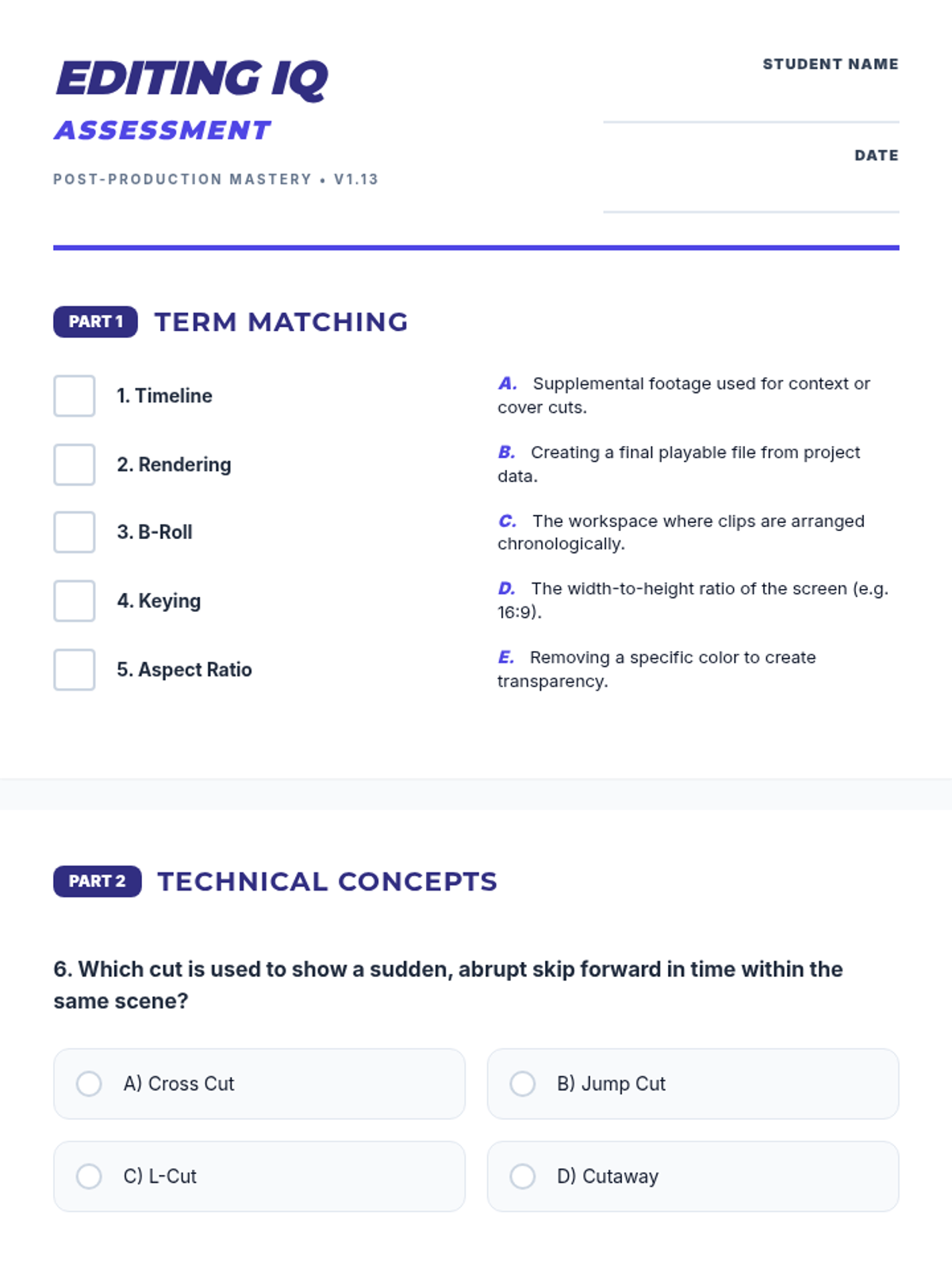
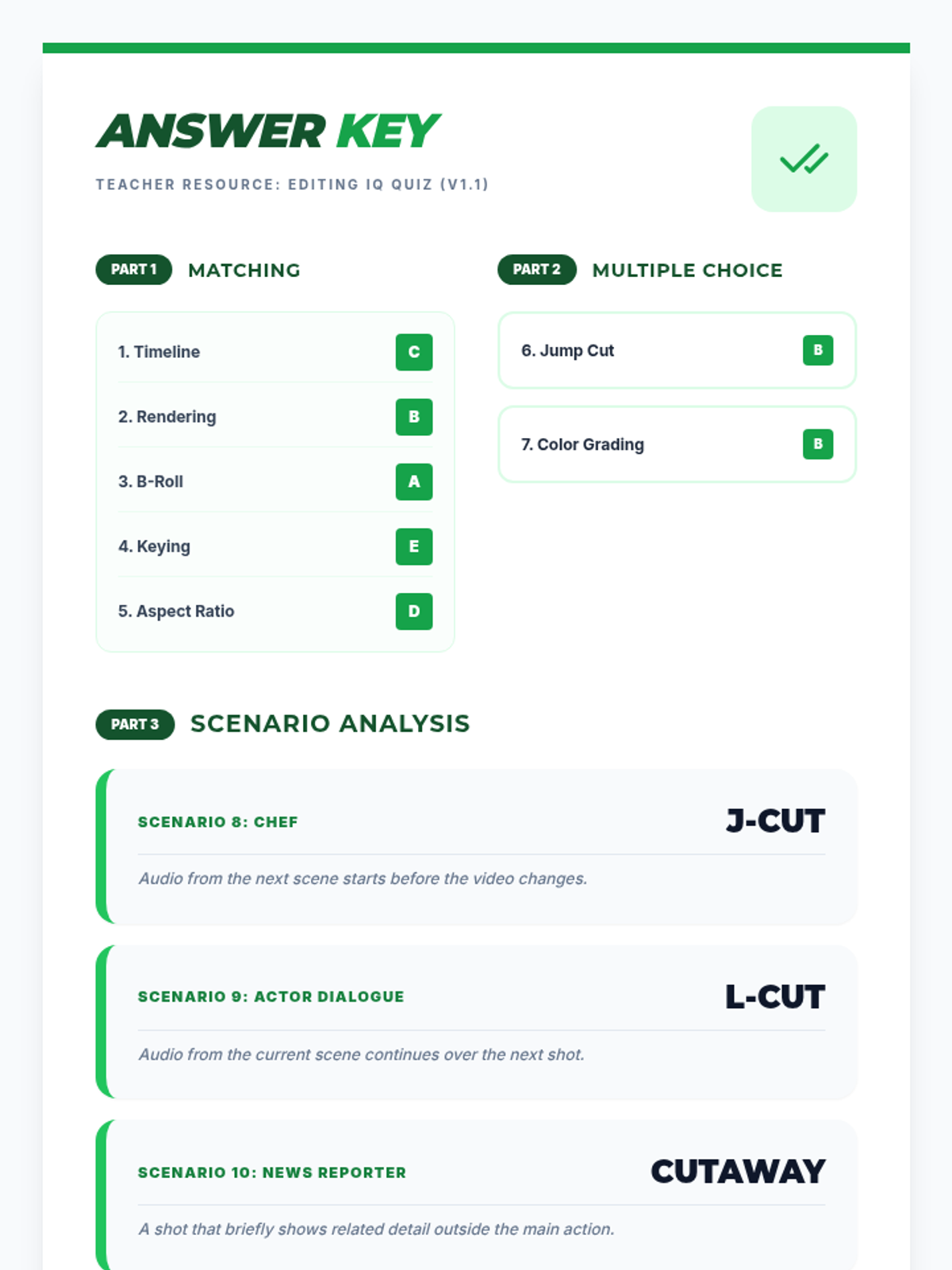
A foundational lesson on the essential terminology and workflow of video post-production, covering everything from basic cuts to technical specifications.
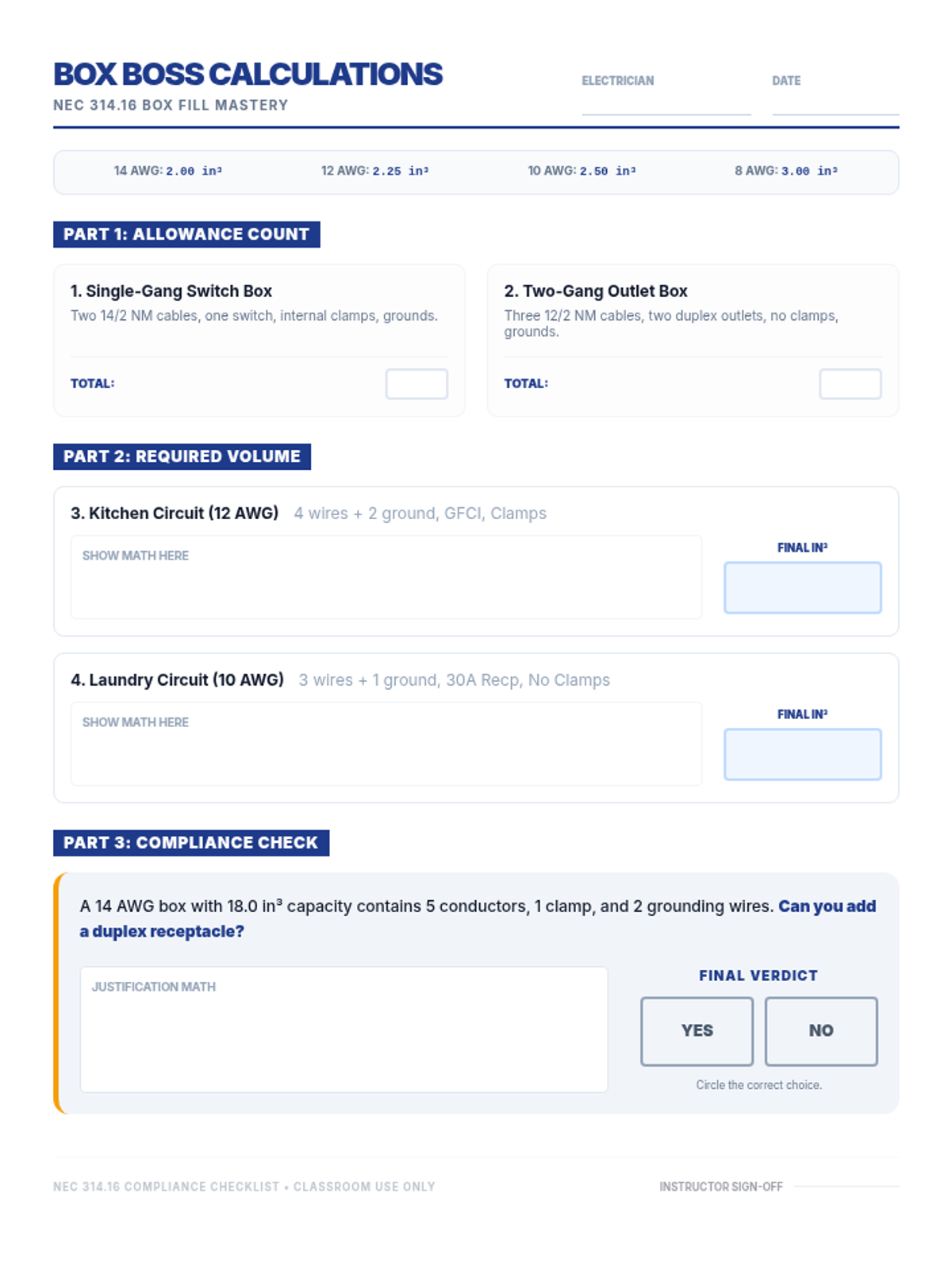
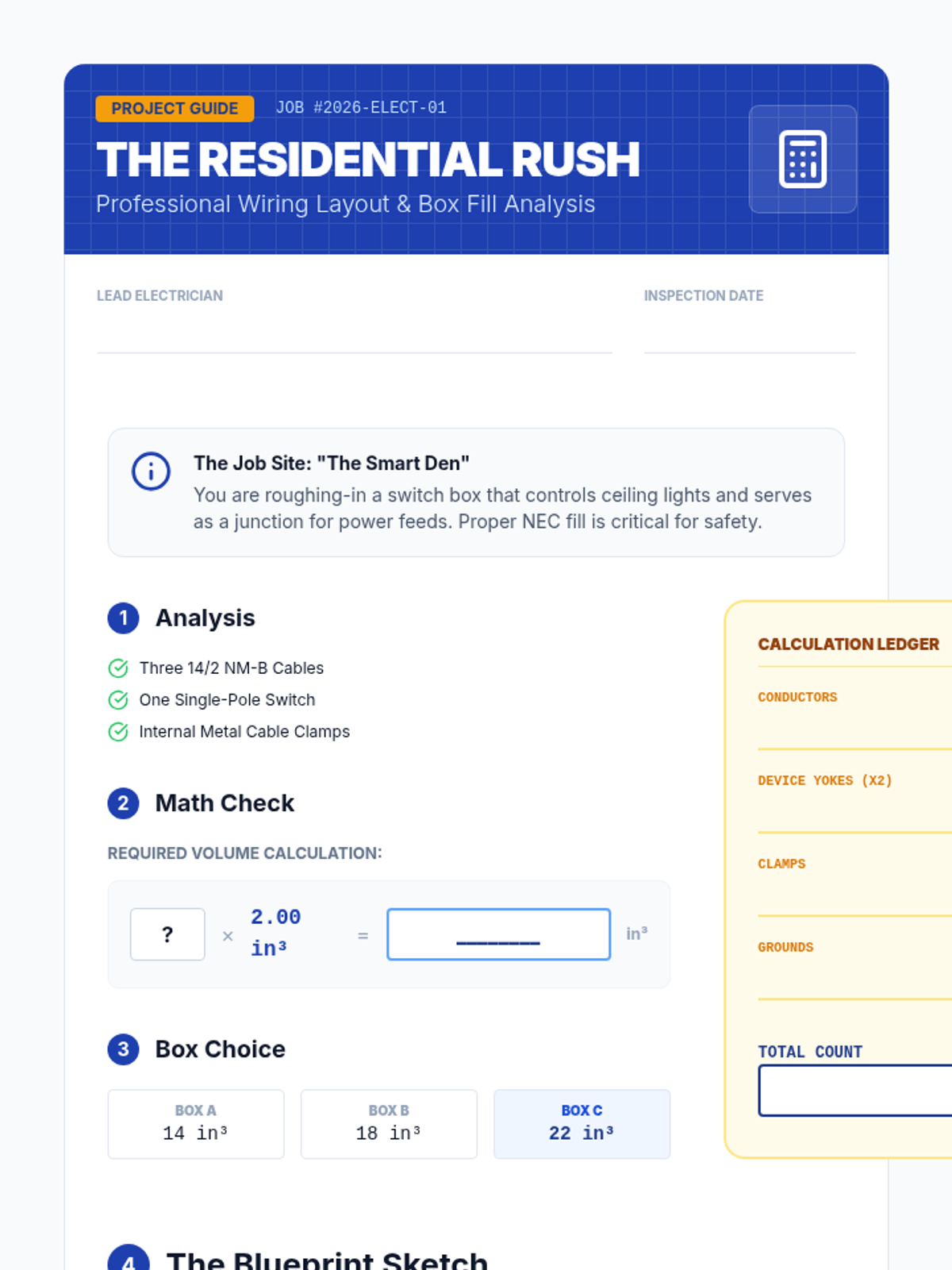
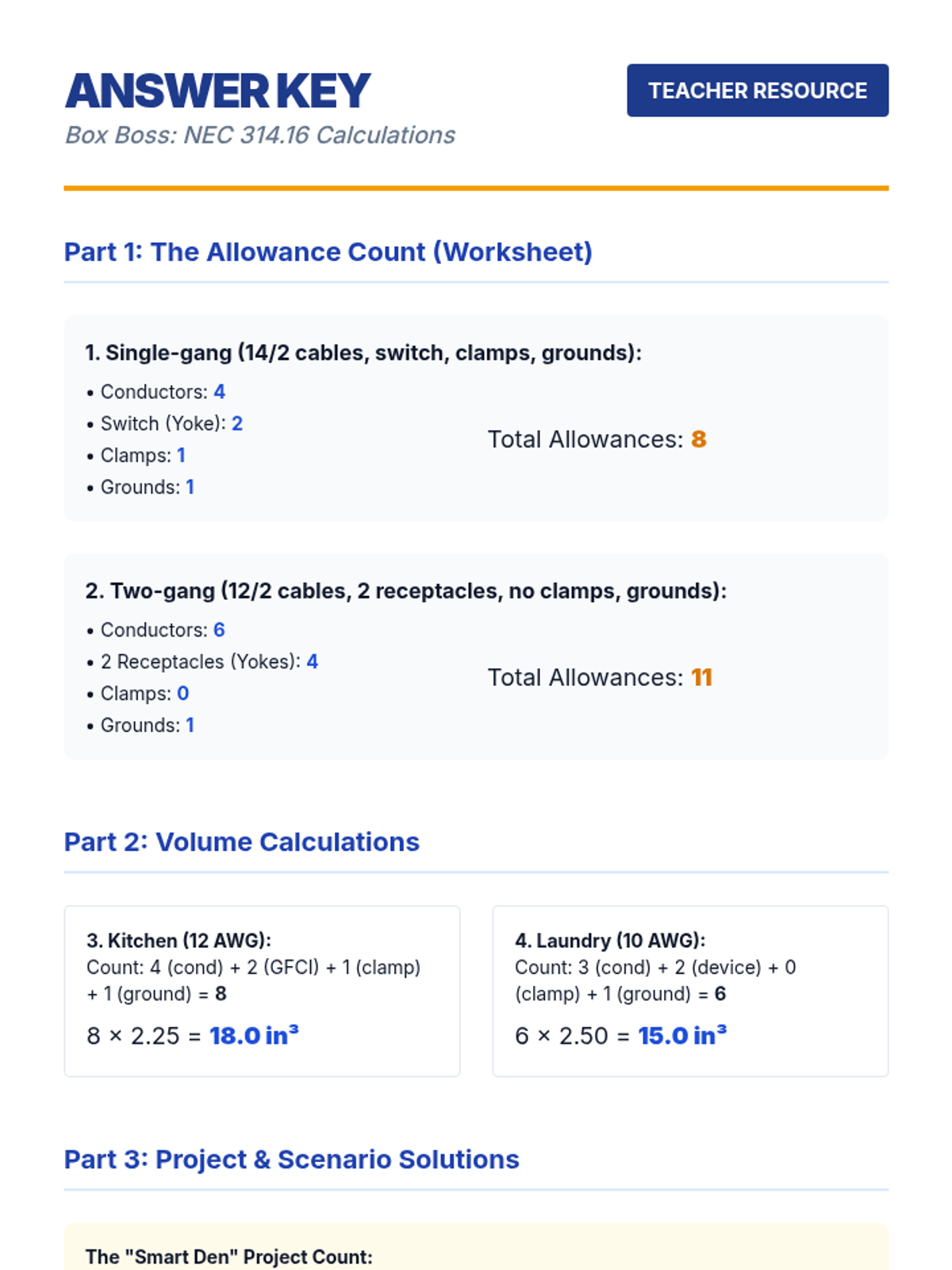
Students master the National Electrical Code (NEC) requirements for outlet box fill, calculating volume allowances for conductors, clamps, and devices to ensure electrical safety and compliance.
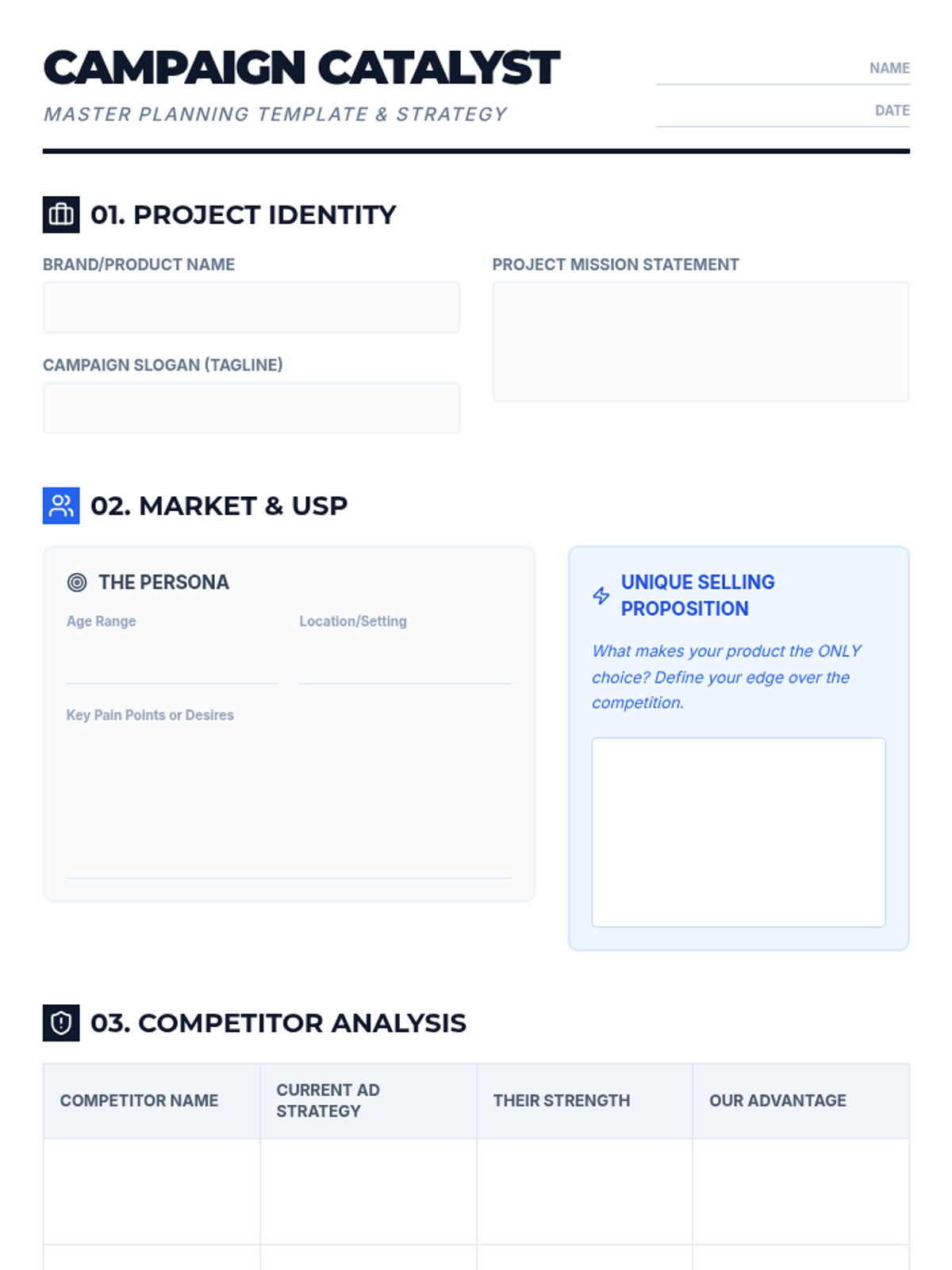
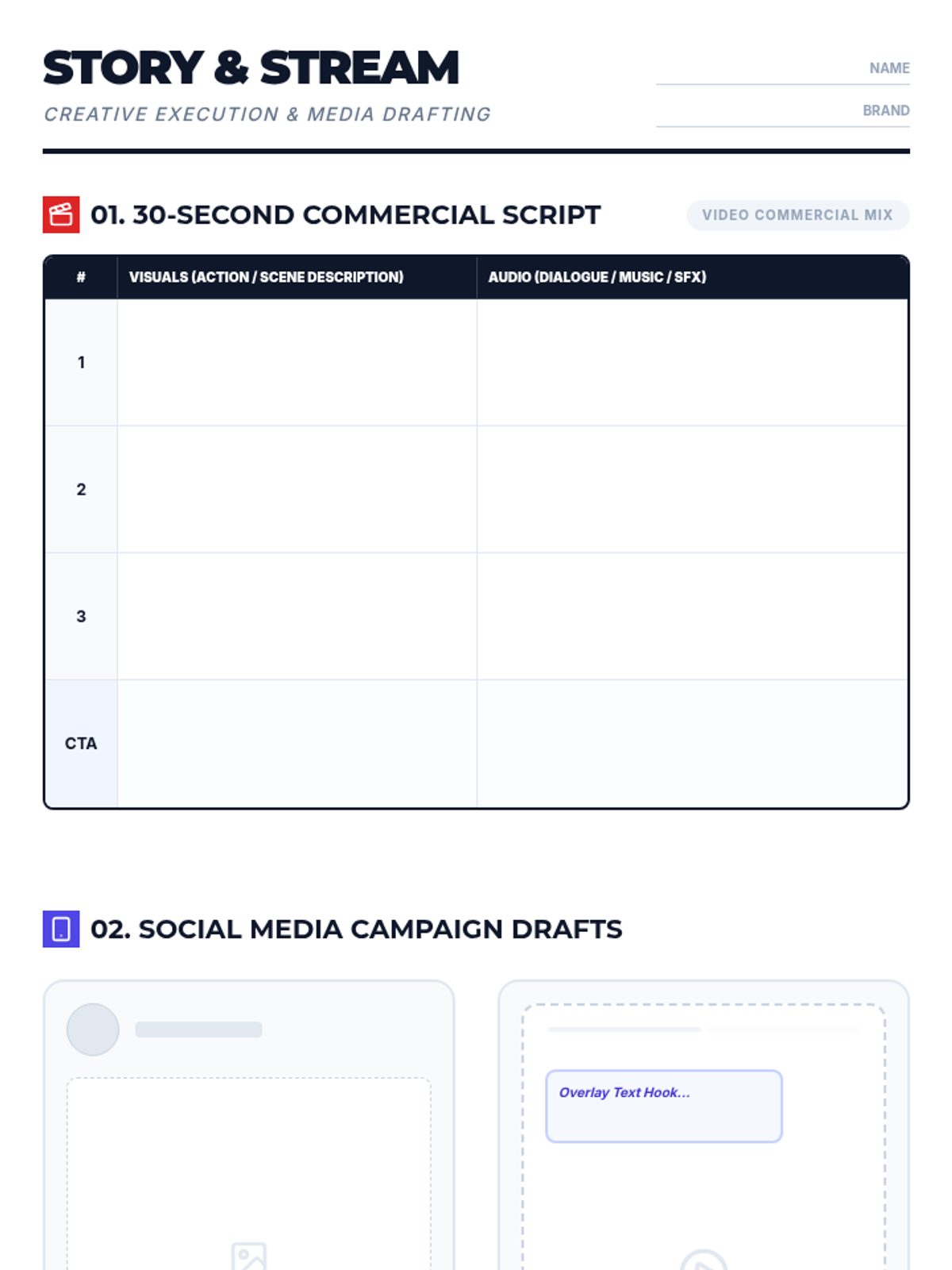
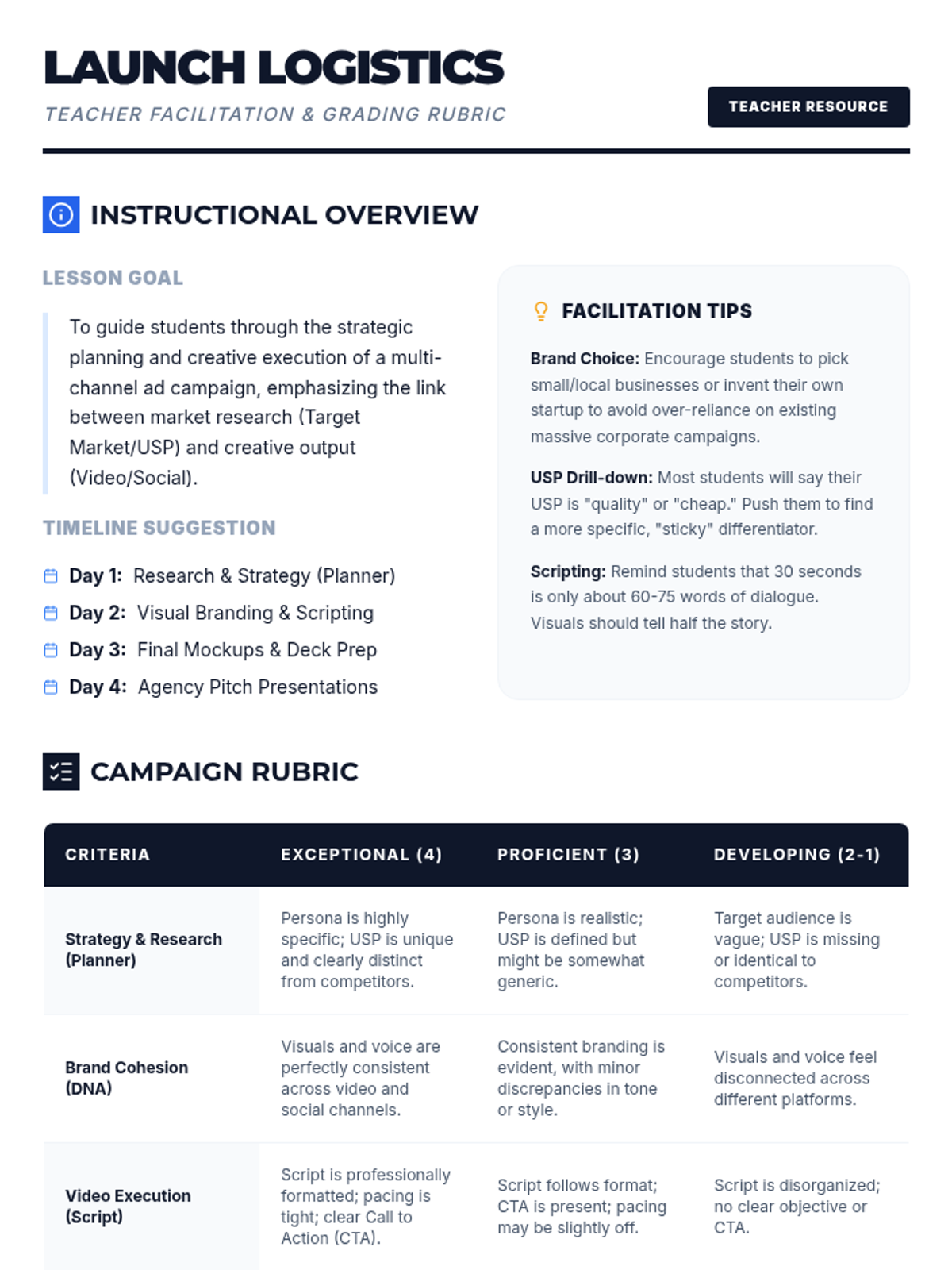
A comprehensive project-based lesson where students design a multi-channel advertising campaign, including target market analysis, competitive positioning, and creative execution across social media and video.
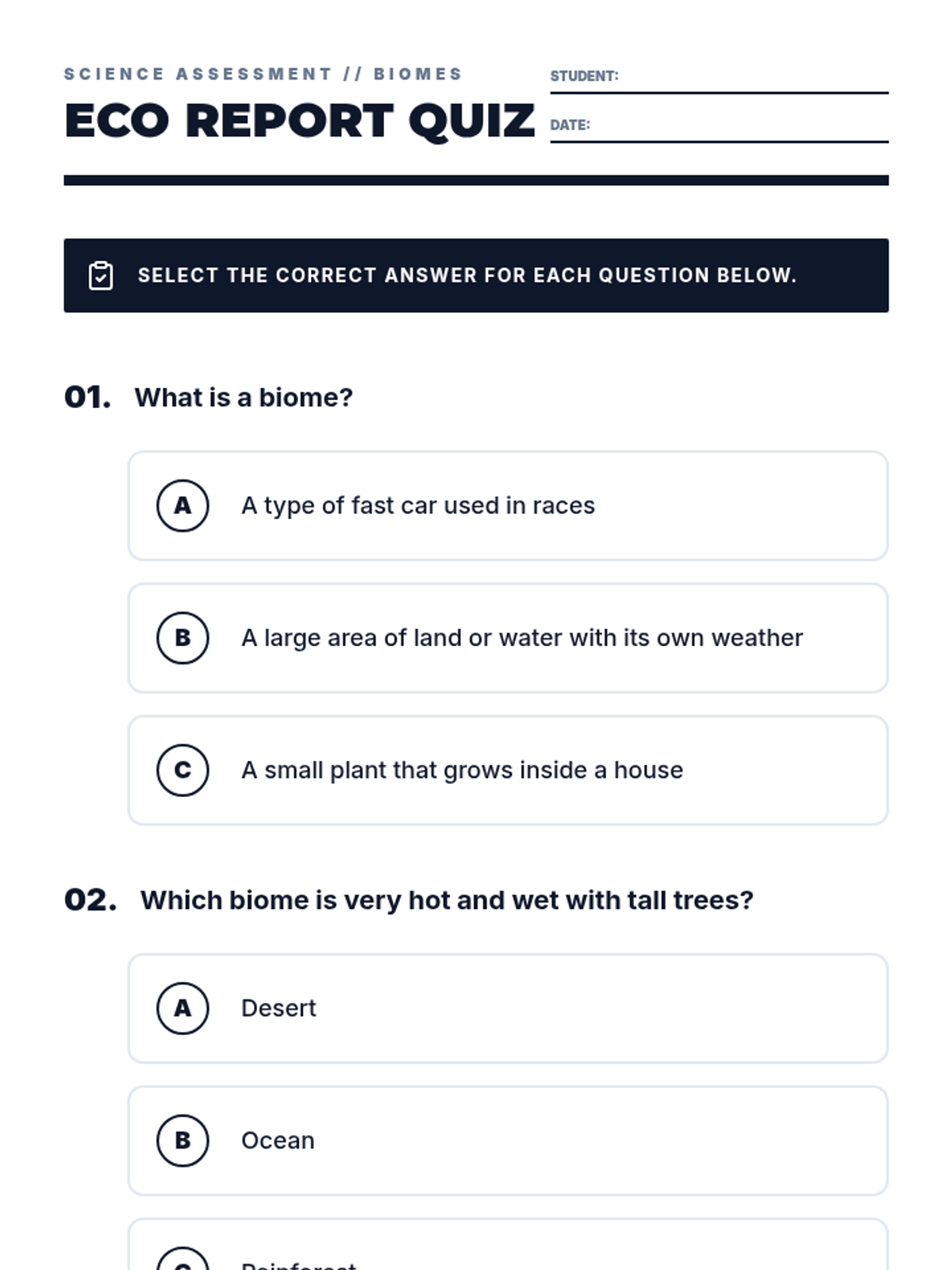
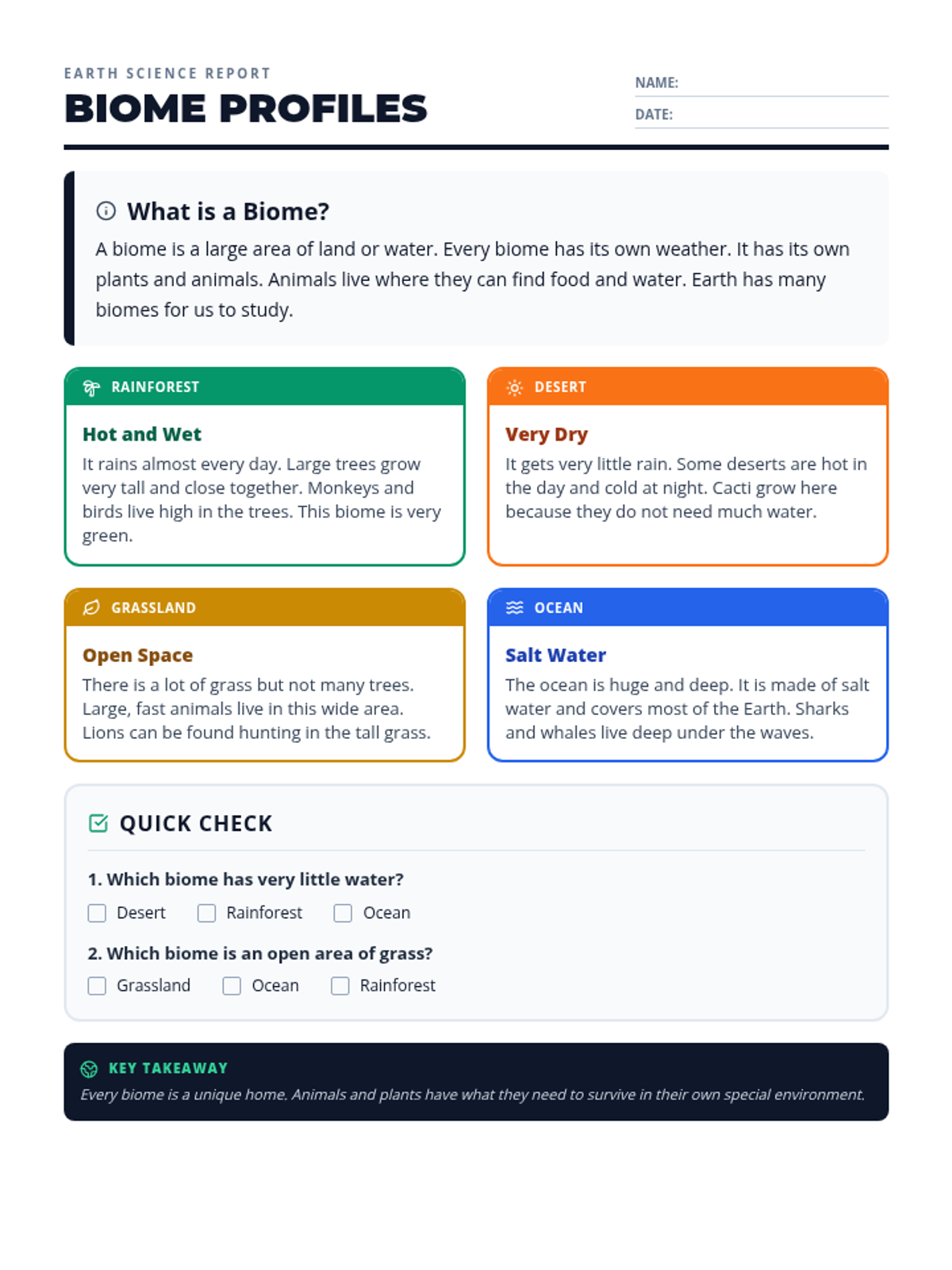
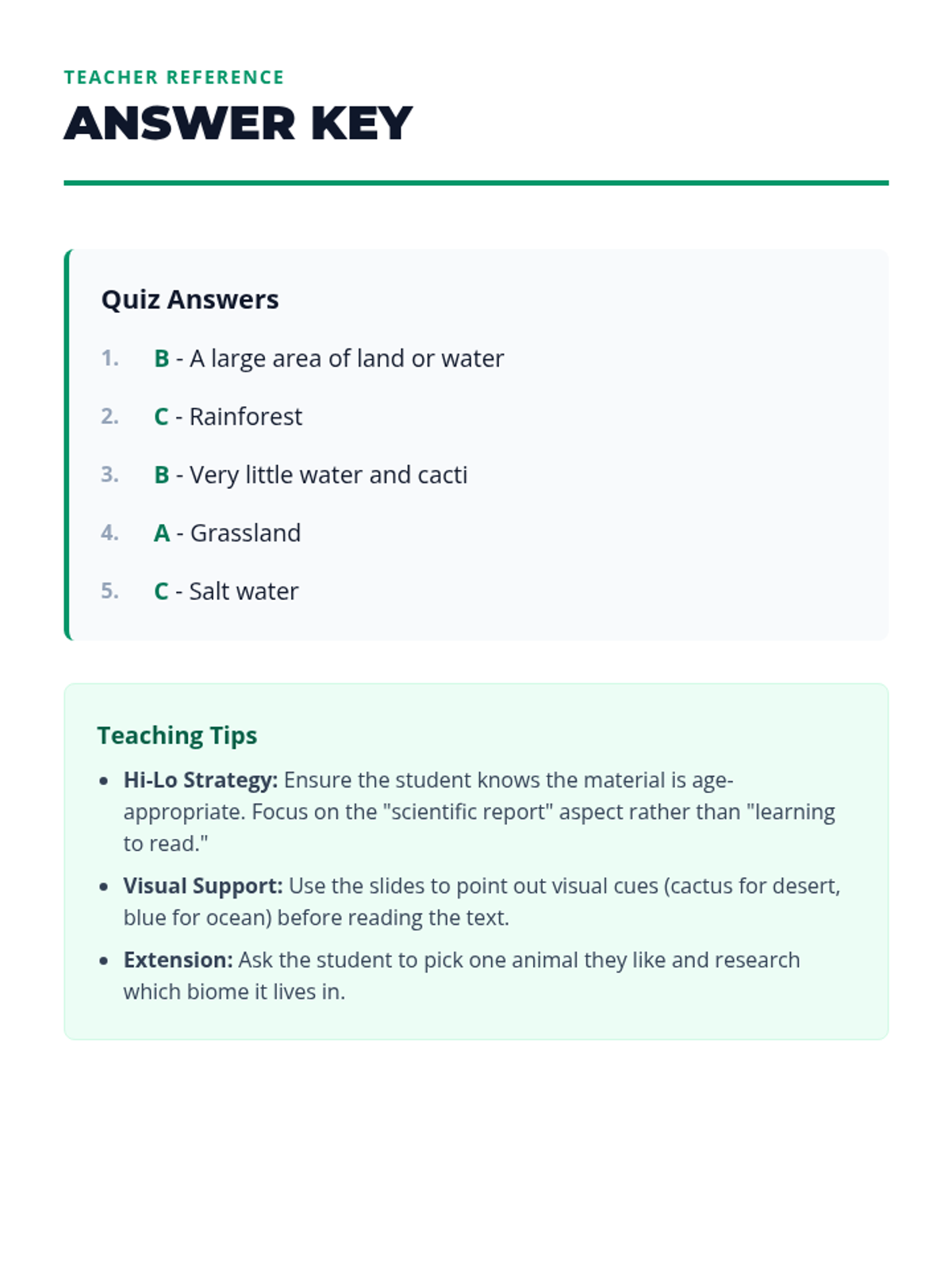
A lesson introducing four major biomes (Rainforest, Desert, Grassland, and Ocean) designed for high-interest, low-readability (Hi-Lo) instruction. This lesson bridges 2nd-grade reading levels with content suitable for a 14-year-old student.
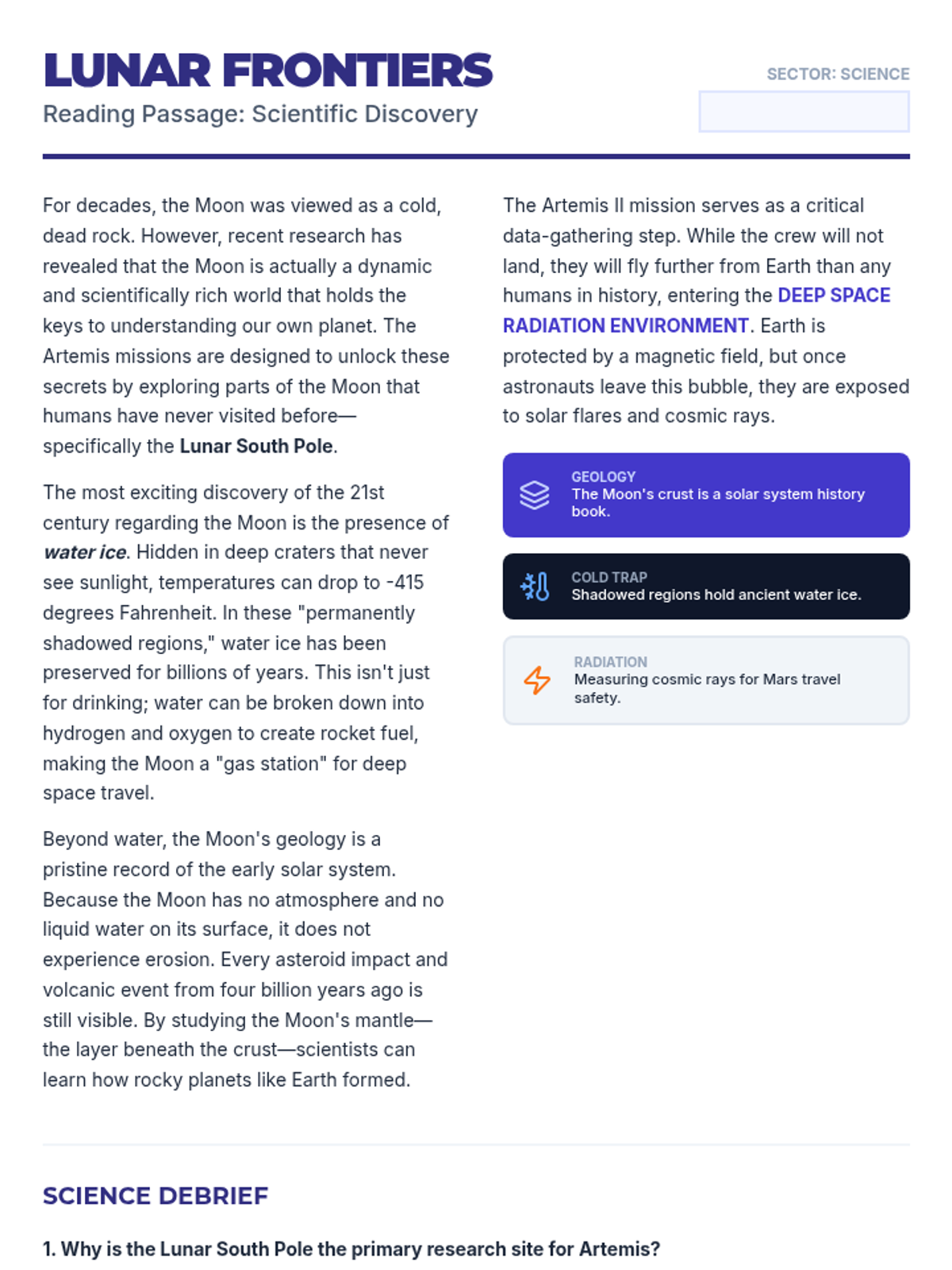
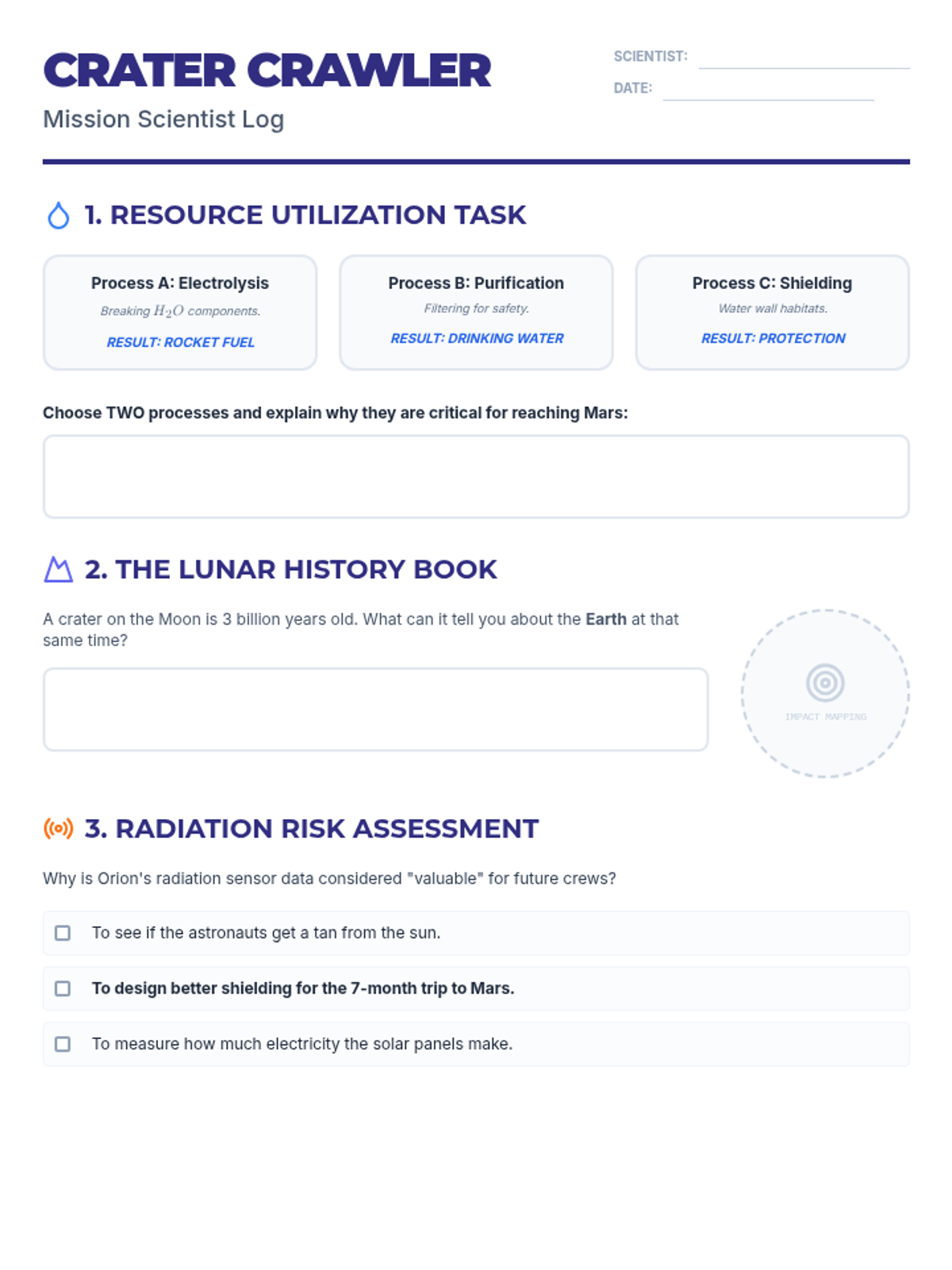
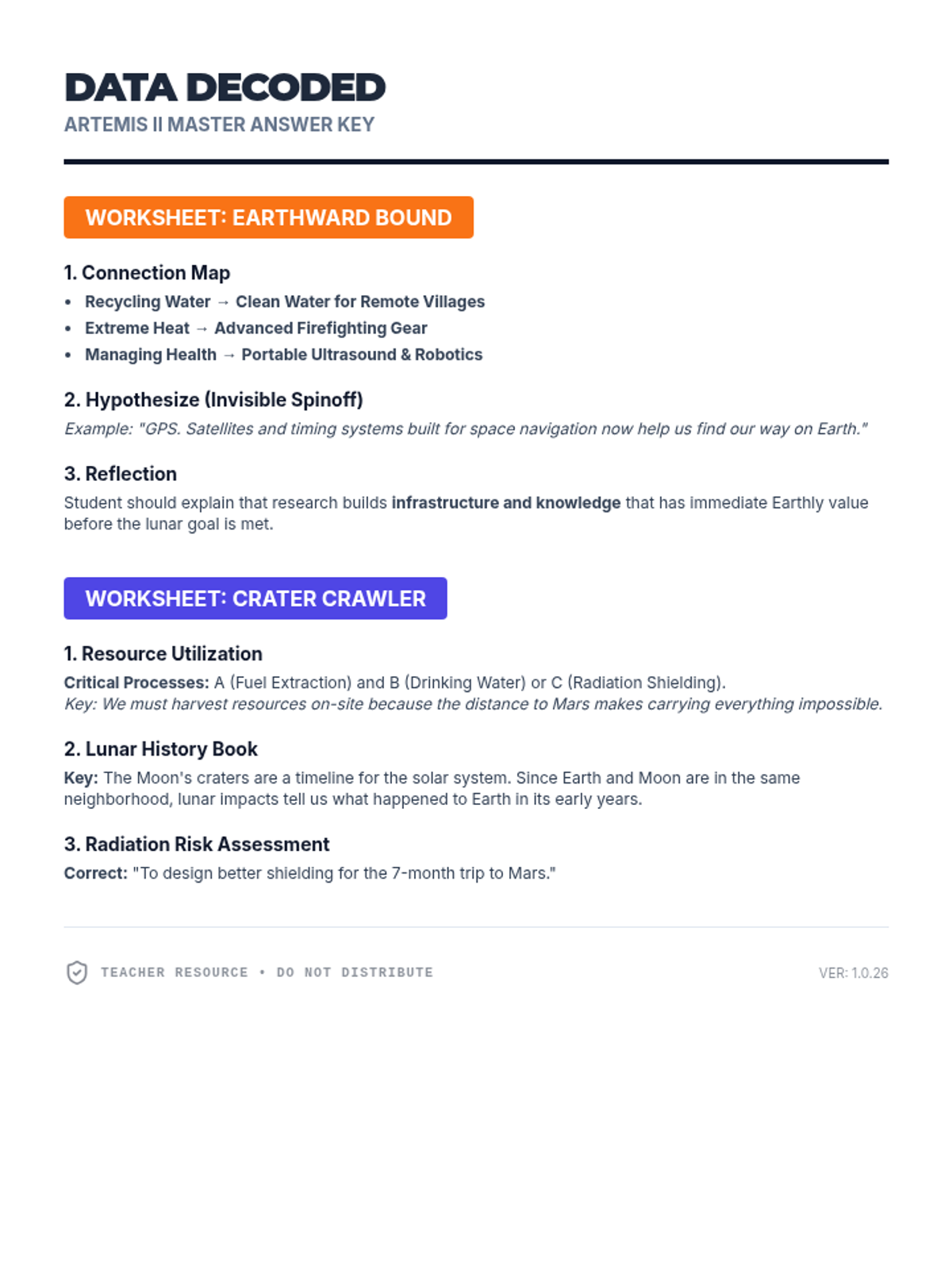
Explores the scientific goals of the Artemis missions, including lunar geology, the search for water ice, and using the Moon as a stepping stone for deep space exploration.
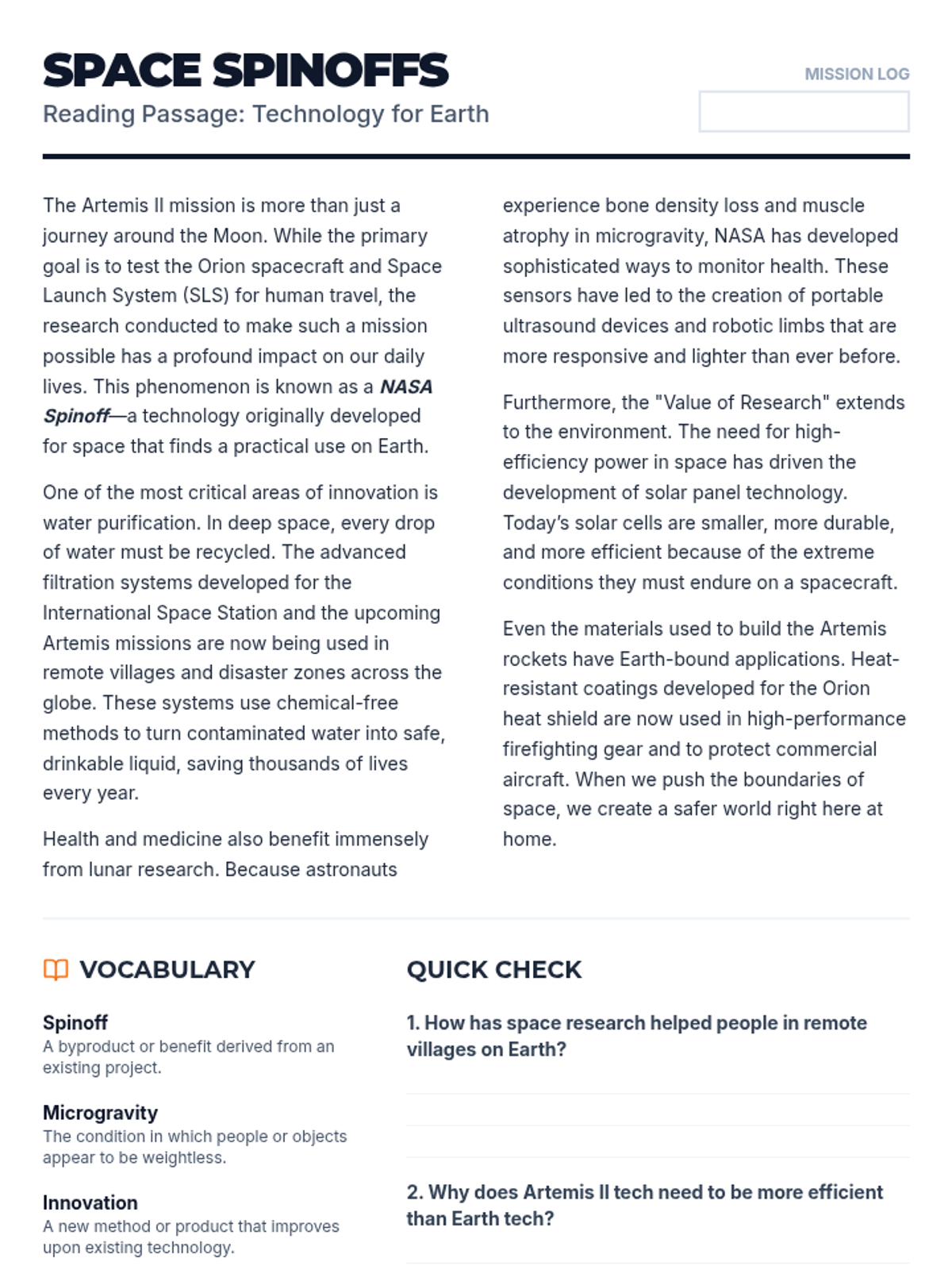
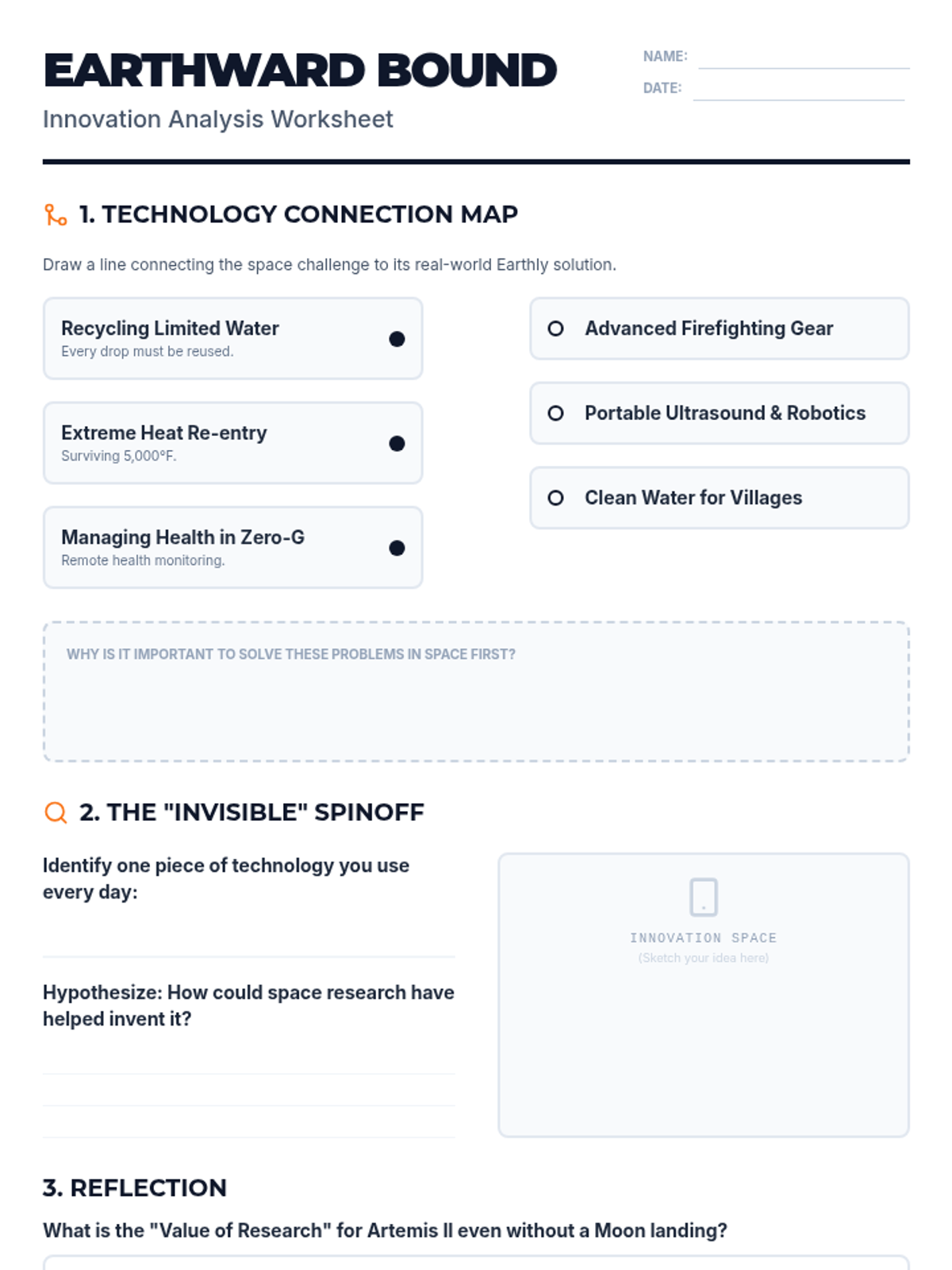
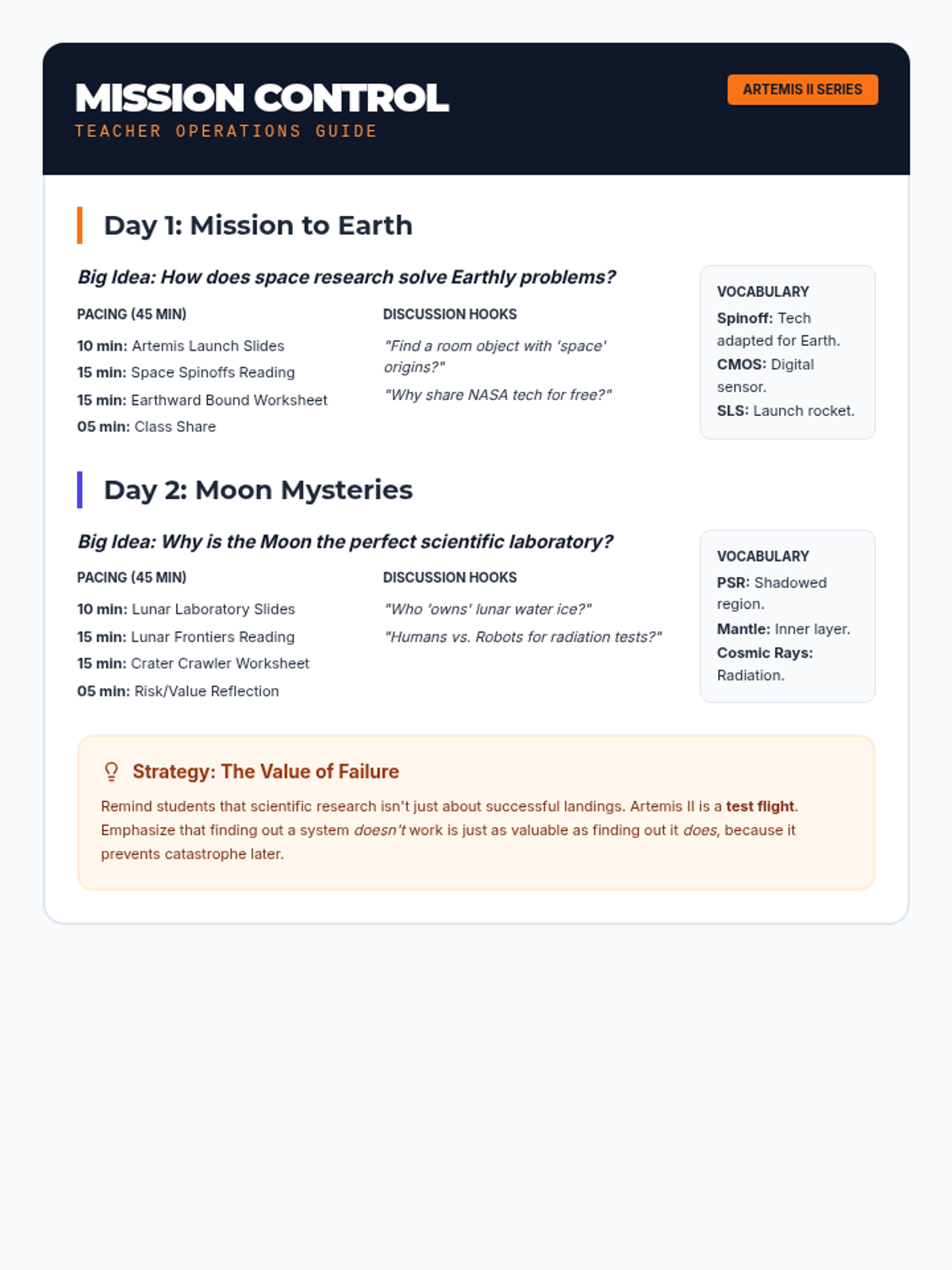
Focuses on the Artemis II mission's role in driving technological advancements that benefit life on Earth, from water purification to advanced materials.
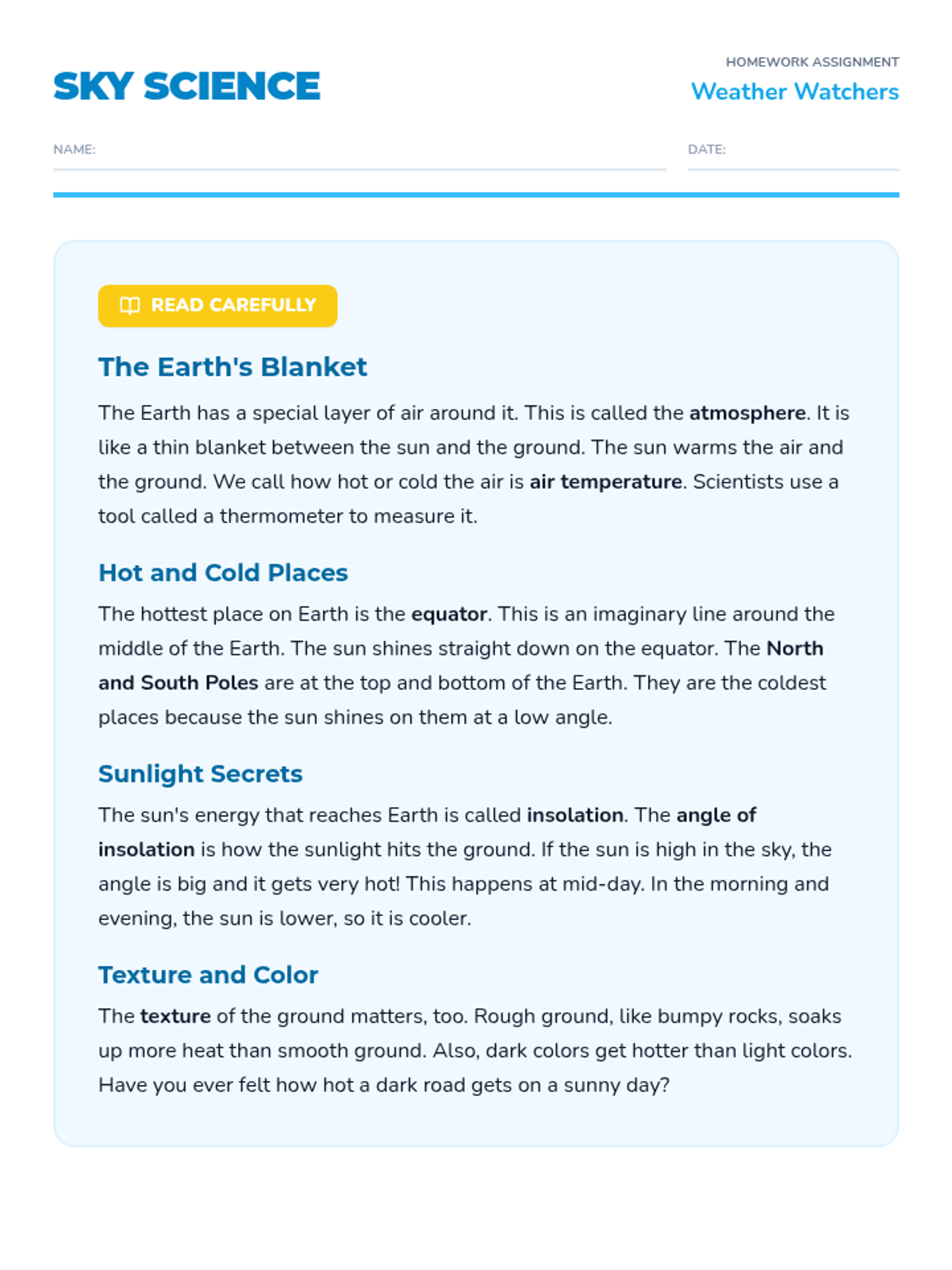
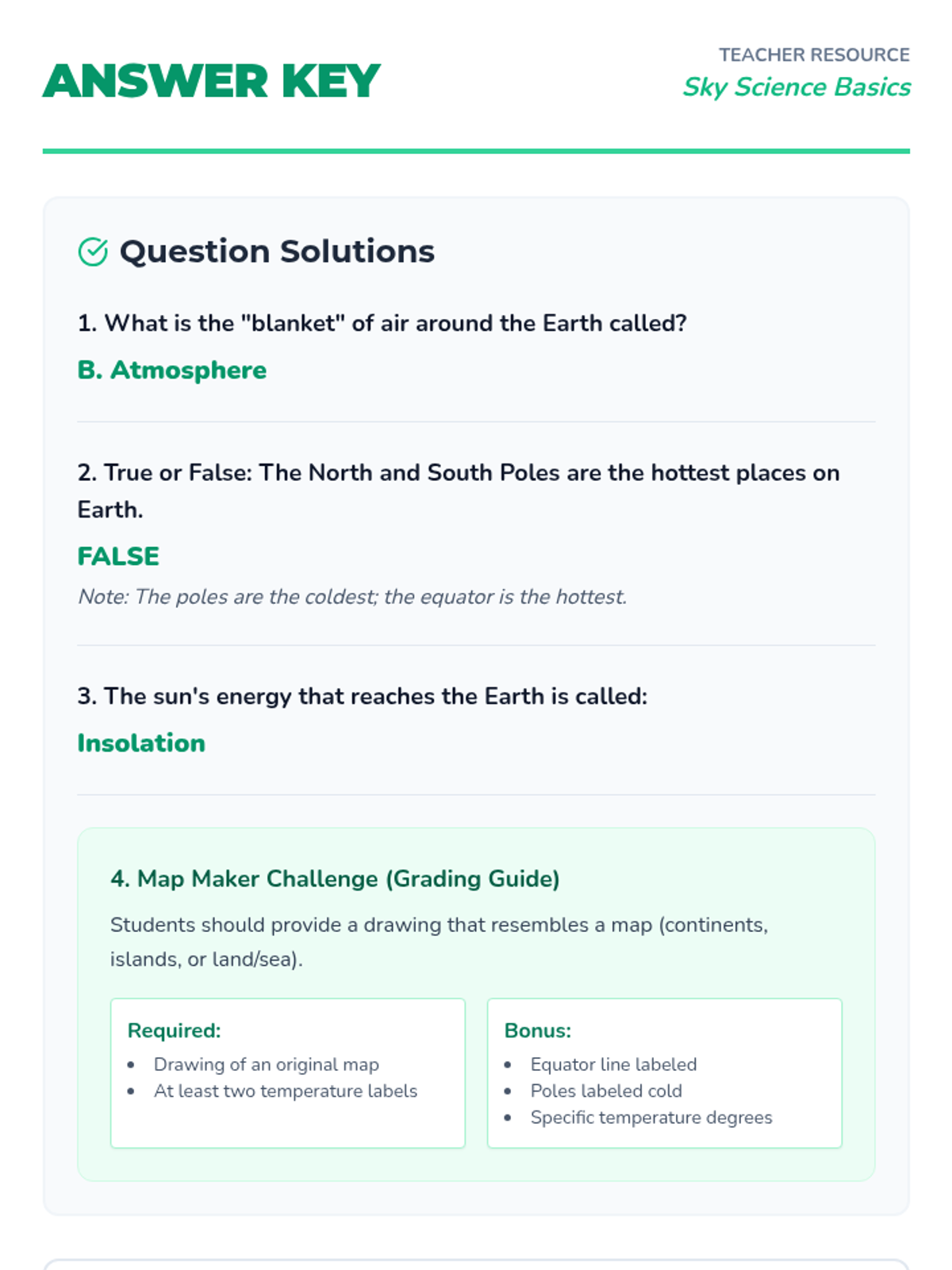
An introductory lesson on the Earth's atmosphere and how air temperature changes due to factors like location, texture, and color, adapted for 2nd-grade readers.
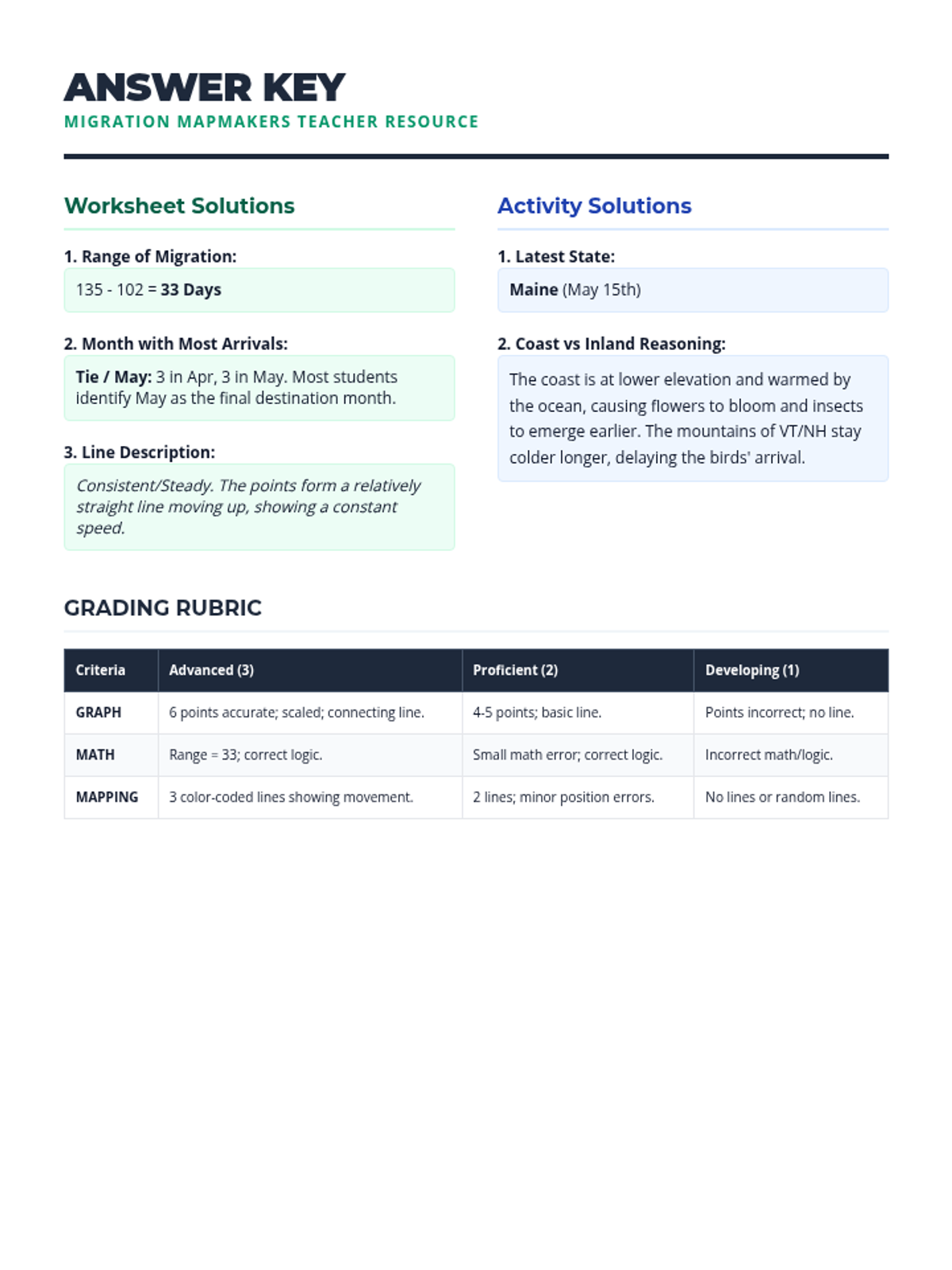
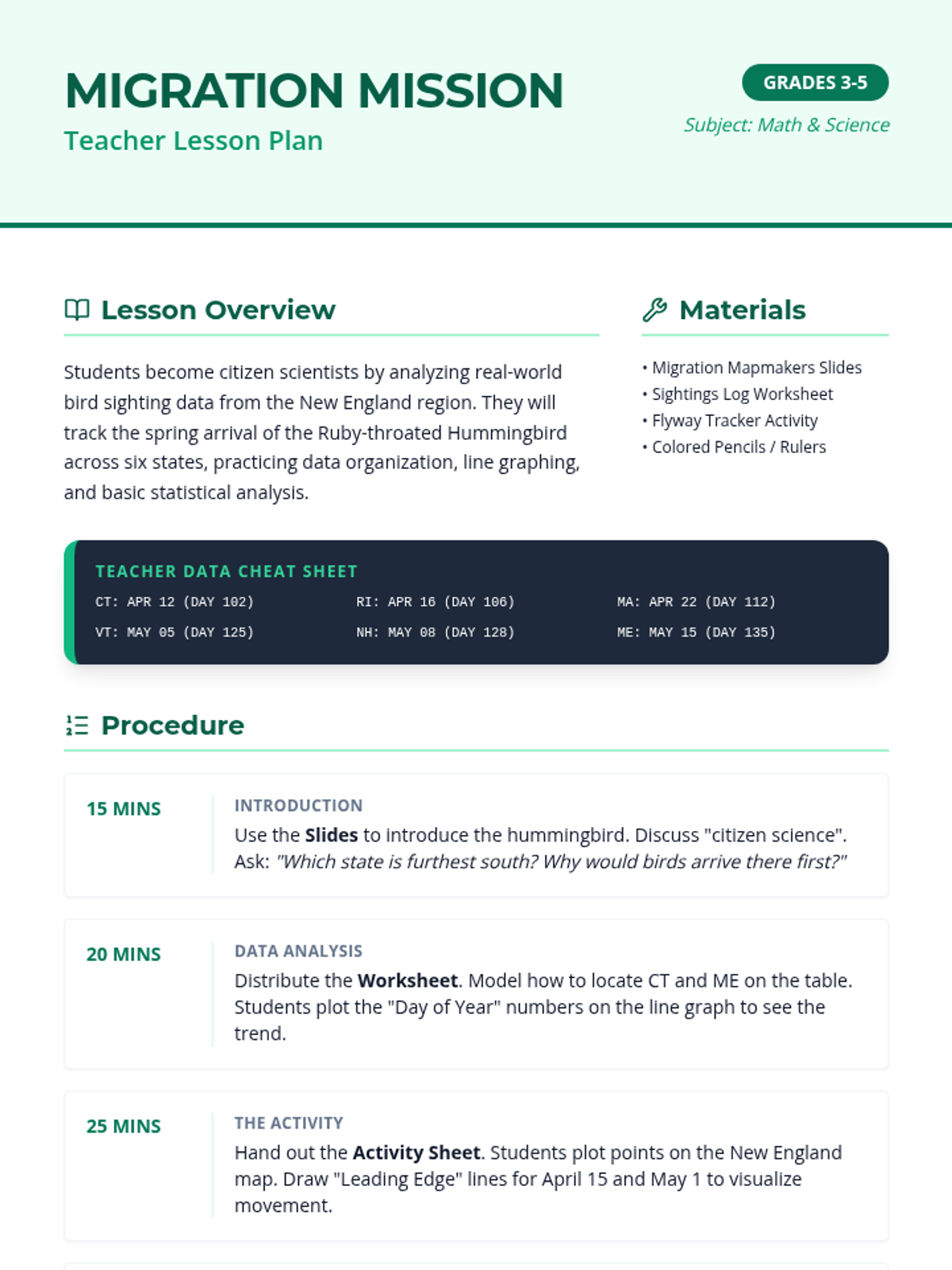
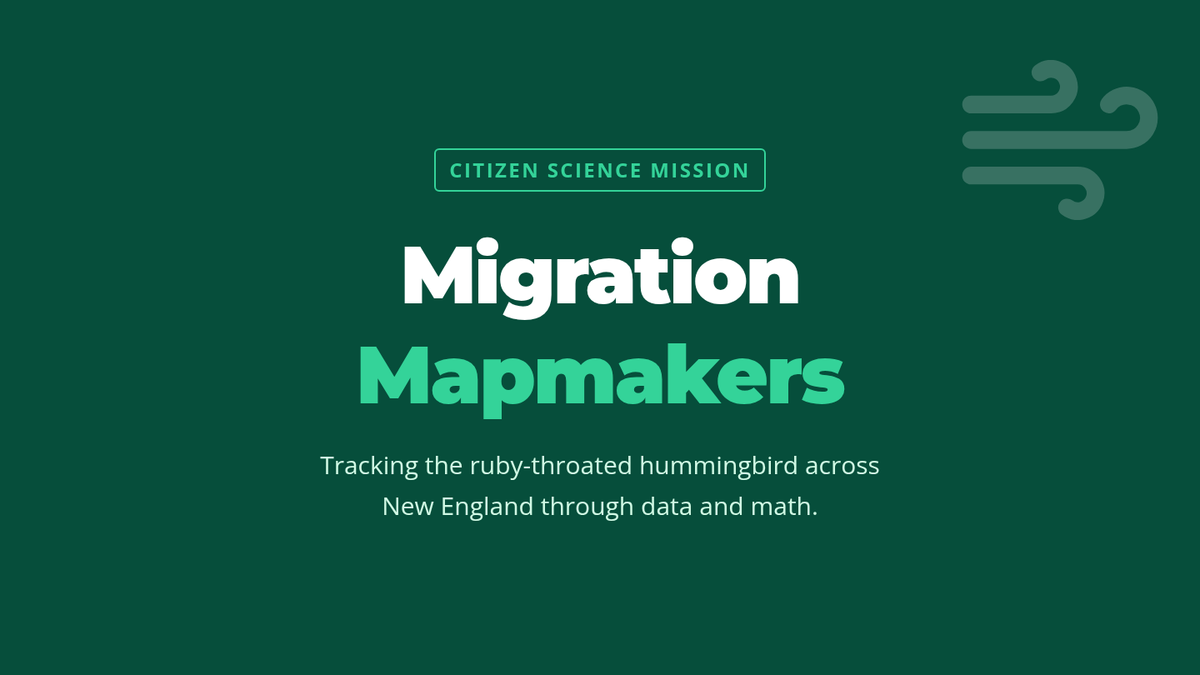
A hands-on lesson where students analyze real-world citizen science data to track bird migration through New England, integrating math, geography, and biology.