An introductory lesson covering the definition, history, and the dual nature of Industrial and Organizational Psychology, specifically tailored for Indonesian undergraduate students.
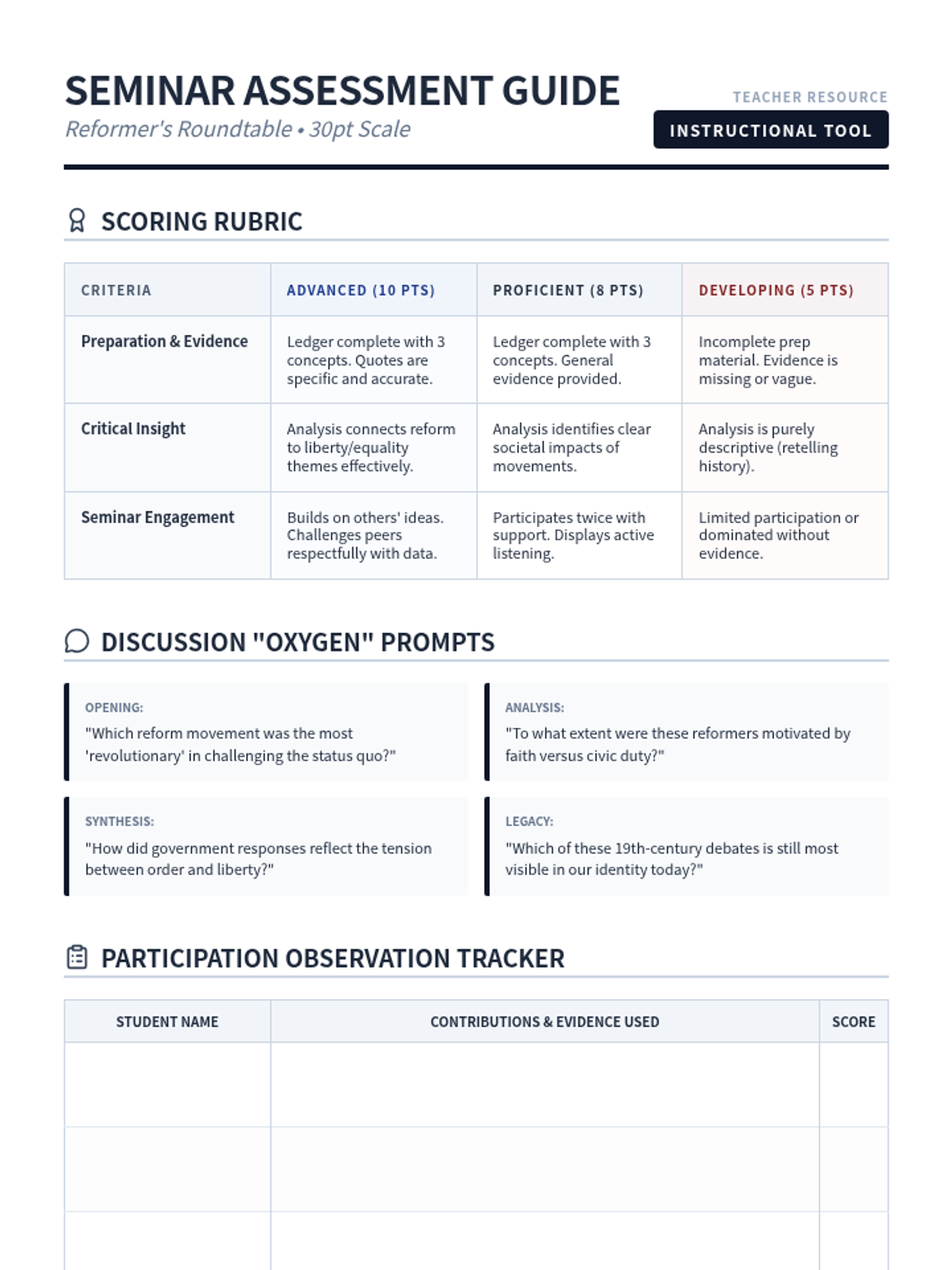
A deep dive into the 1856 caning of Charles Sumner, exploring the breakdown of political civility, the southern code of honor, and the escalating sectional tensions that led to the American Civil War. Students analyze the motivations of both Brooks and Sumner and evaluate the national reaction to this violent event.
A lesson exploring the ethical complexities of end-of-life medical decisions through real-world case studies and discussion.
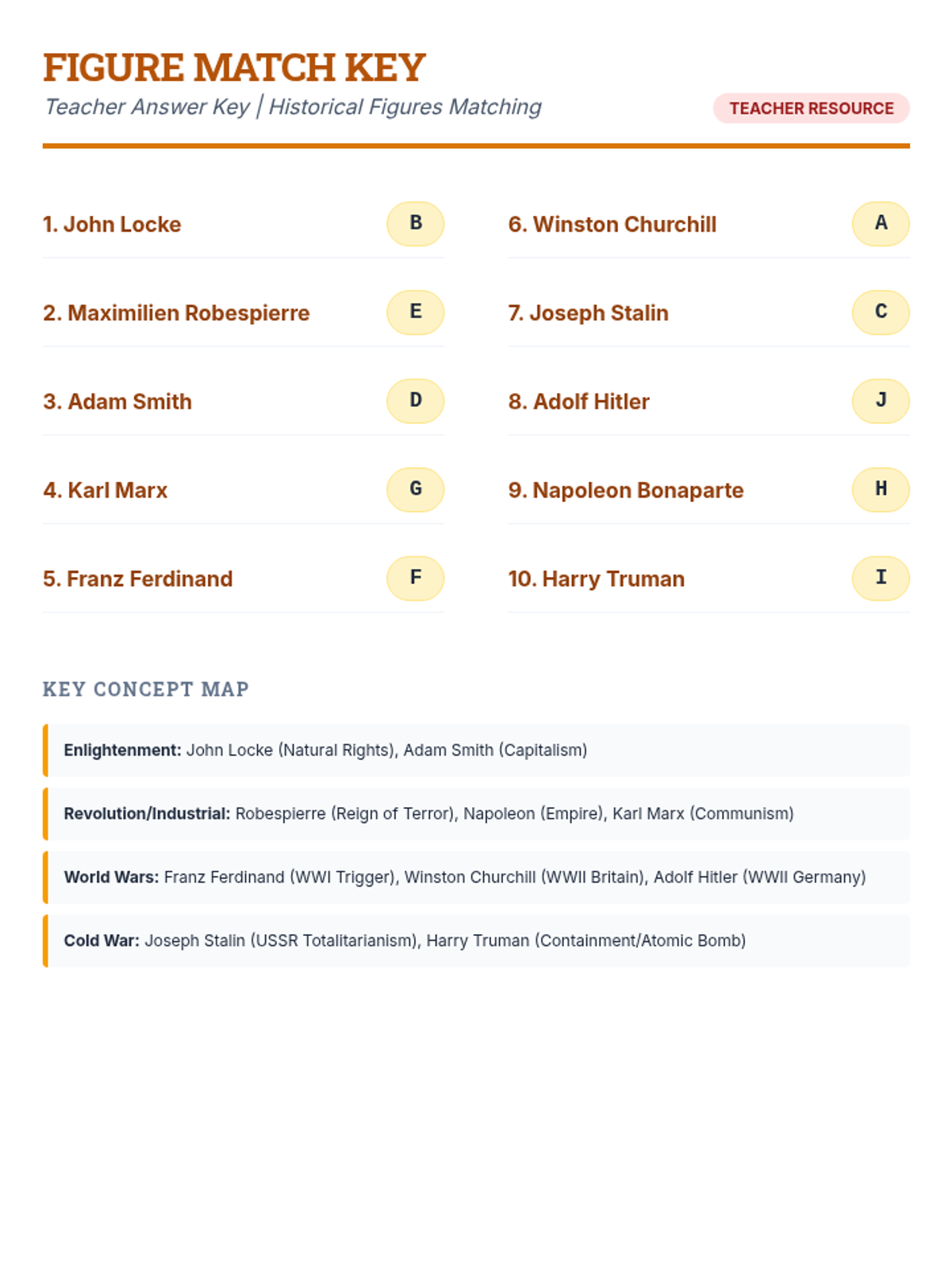
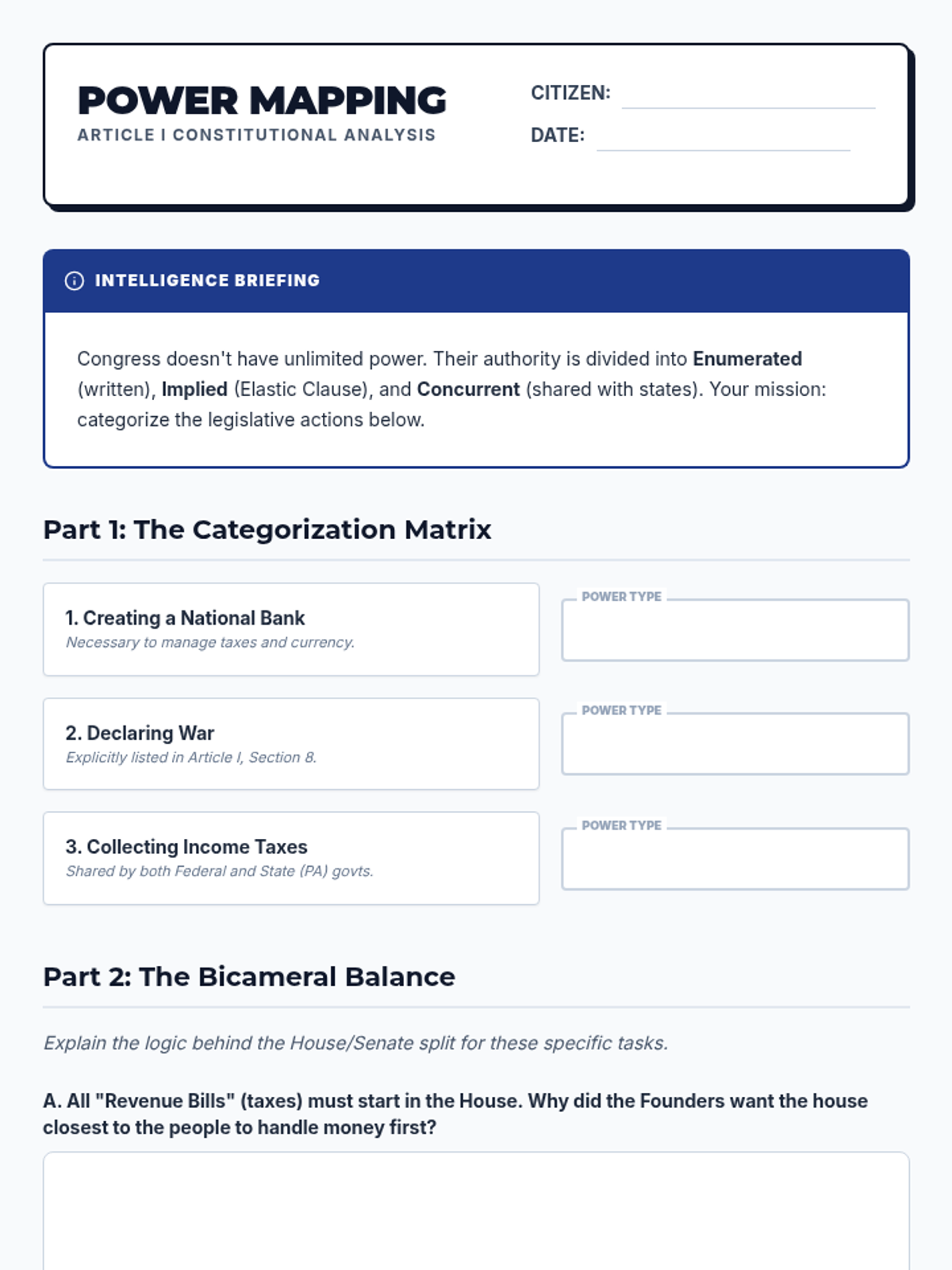
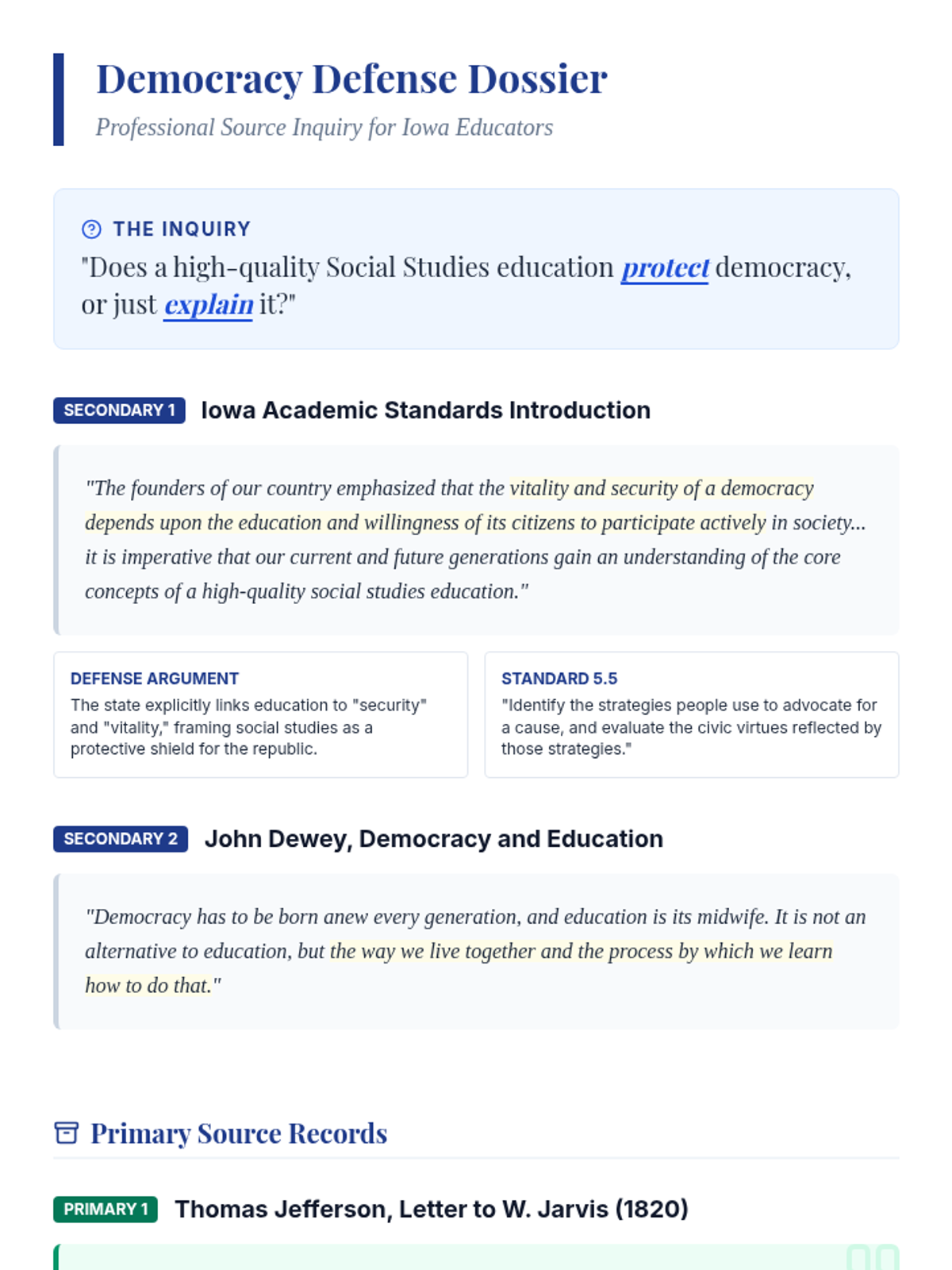
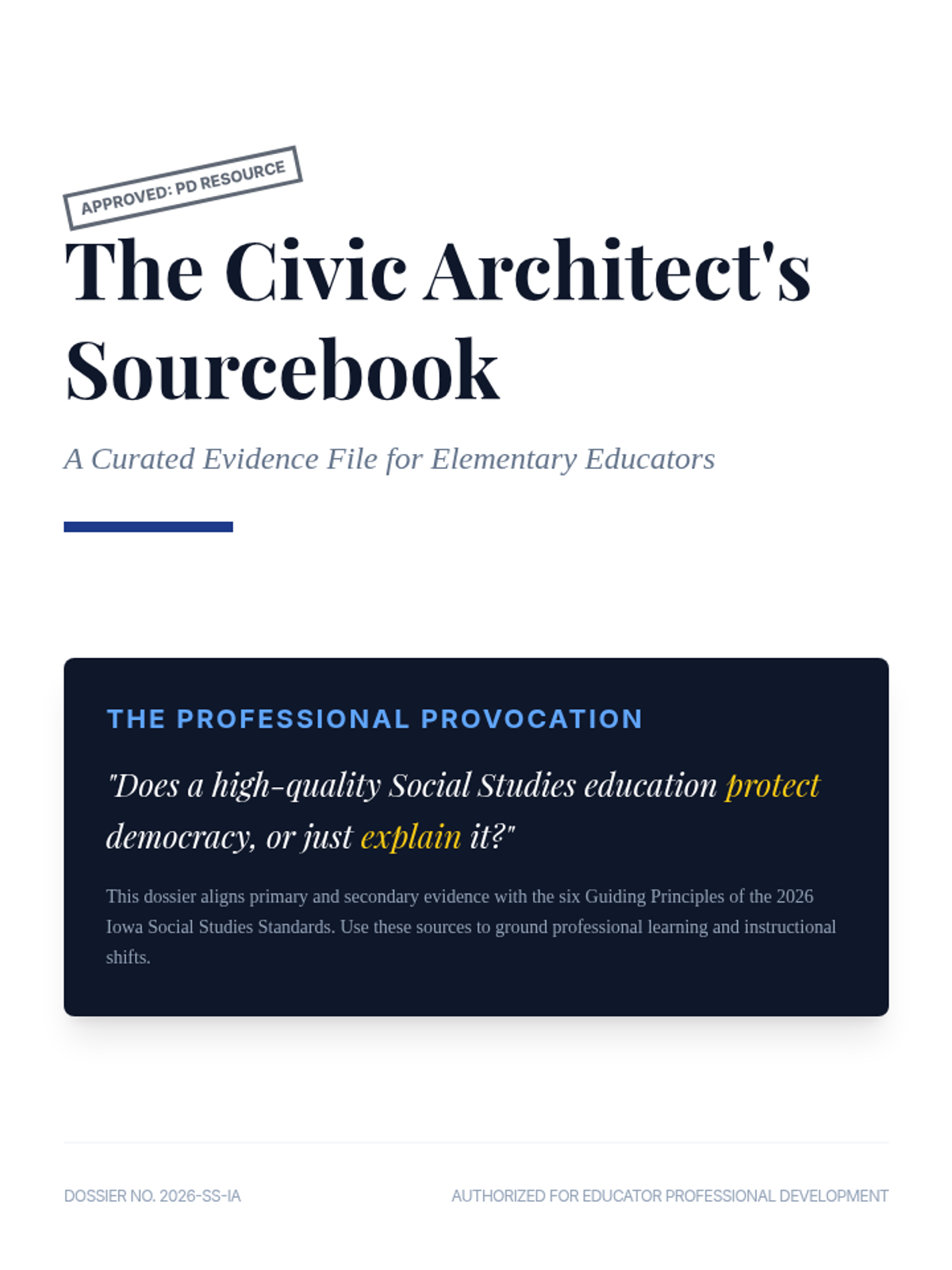
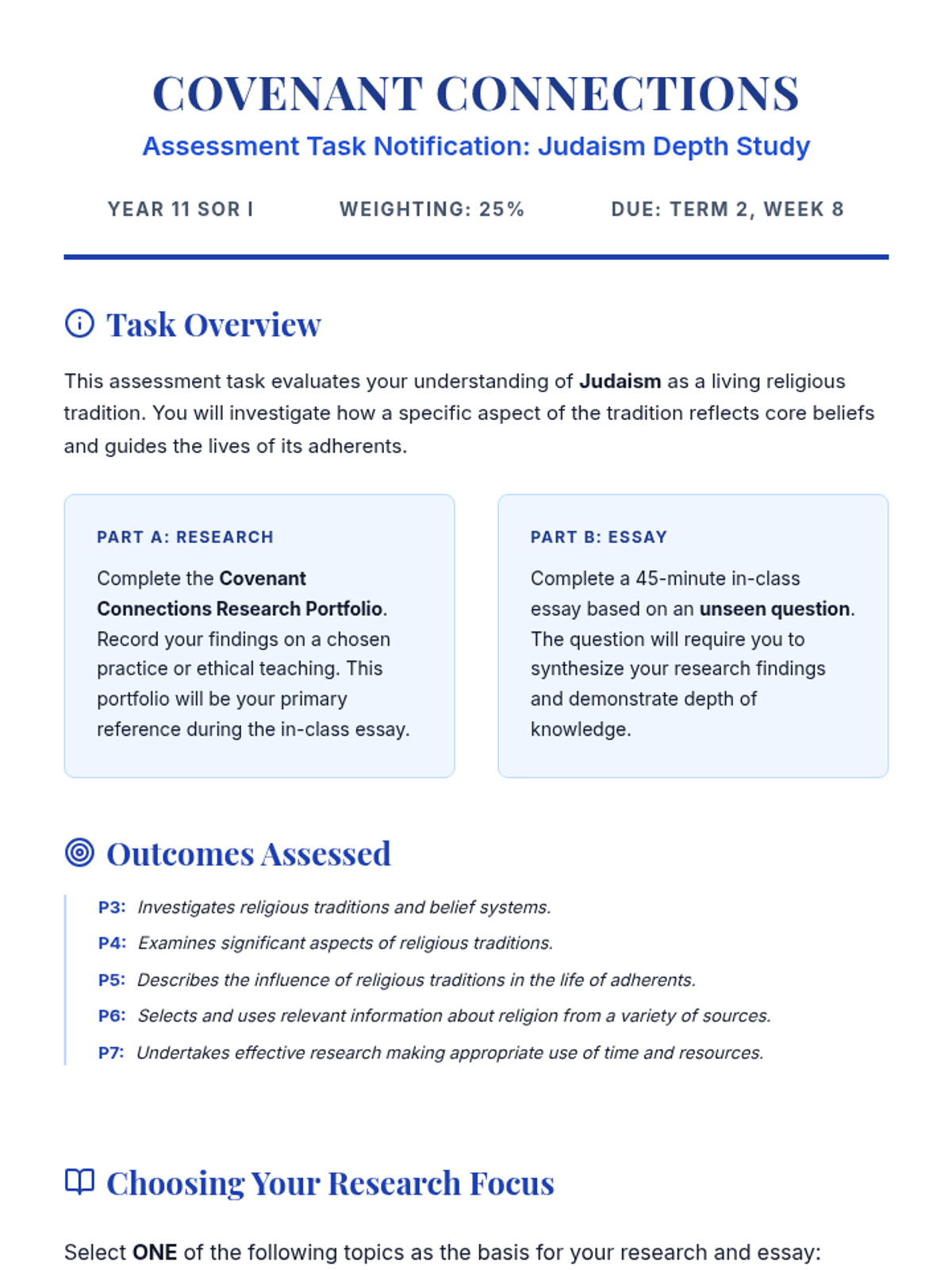
A comprehensive document-based project exploring the rise, reforms, and ultimate downfall of Napoleon Bonaparte through primary and secondary source analysis.
This lesson explores the rise of absolute monarchies and the subsequent emergence of enlightened despots who attempted to blend autocratic power with Enlightenment ideals. Students will analyze the reigns of key figures such as Peter the Great, Frederick the Great, and Catherine the Great.
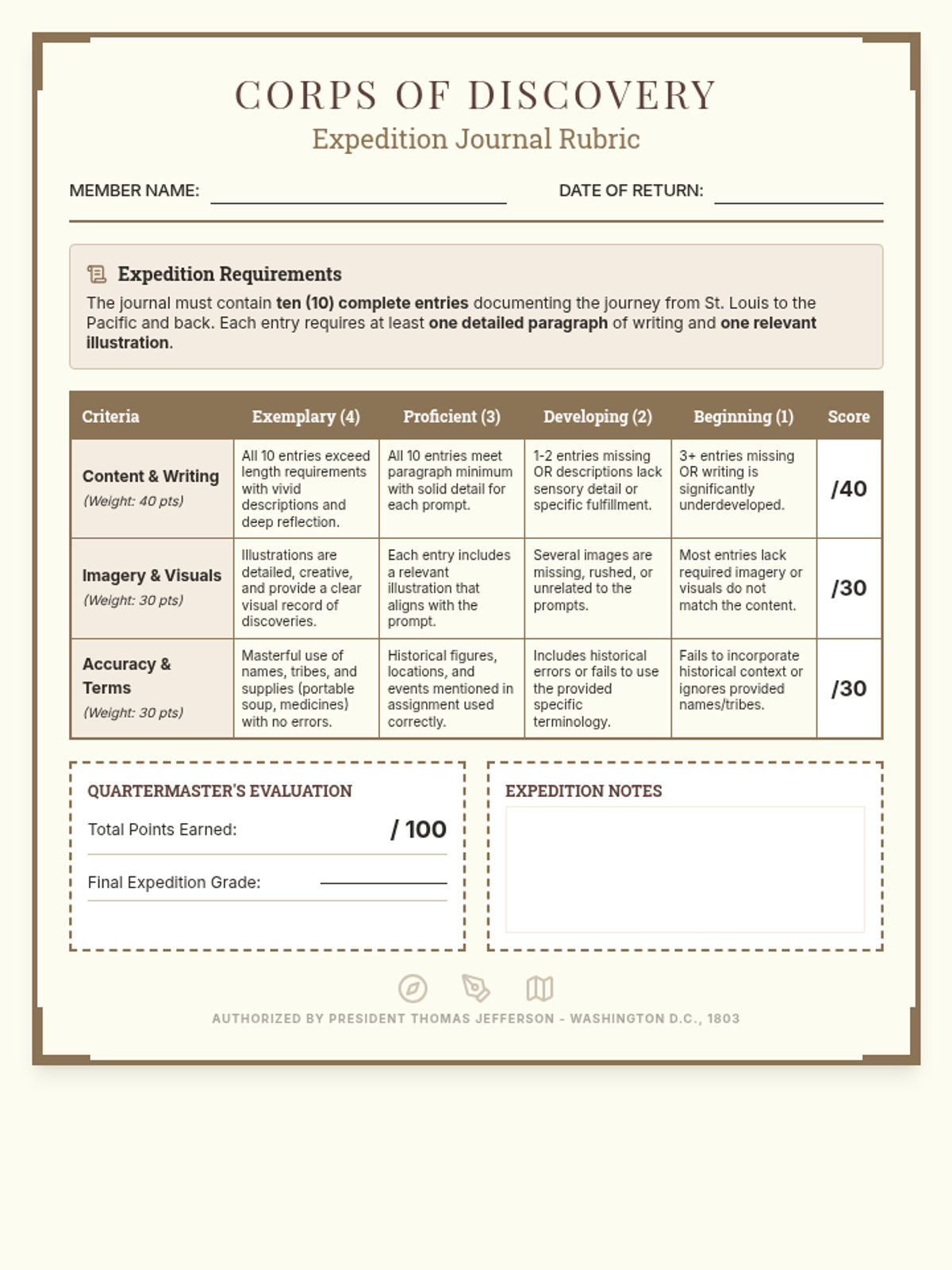
A deep dive into the life of Nelson Mandela, focusing on his struggle against apartheid and his vision for a unified South Africa. Students will explore historical context and the power of reconciliation.
This lesson explores the complex ethical and strategic arguments surrounding the United States' decision to use atomic weapons against Japan in 1945. Students will analyze primary arguments and engage in a 'This or That' decision-making activity to understand the historical dilemma.
Cette formation pour les professeurs de TPS-PS vise à professionnaliser la conception des "traces" d'activités (cahiers de vie, affichages). En s'appuyant sur les photos de classe et les guides 2025, les enseignants apprennent à rendre les apprentissages explicites pour les élèves et les familles.
Cette formation vise à outiller les conseillers pédagogiques pour l'analyse et l'exploitation de ressources diverses (vidéos, manuels, guides) dans le cadre de la formation continue des professeurs des écoles en français, conformément aux orientations stratégiques nationales.
Cette leçon vise à introduire un projet d'écriture authentique en Grande Section : rédiger un message aux parents pour annoncer une sortie scolaire. Elle s'appuie sur l'observation de messages existants pour définir des critères de réussite et initier la planification selon les programmes 2025.
A lesson exploring the complex role and impact of the American Revolution on American Indian tribes, focusing on the conflicting meanings of liberty and the struggle for land.
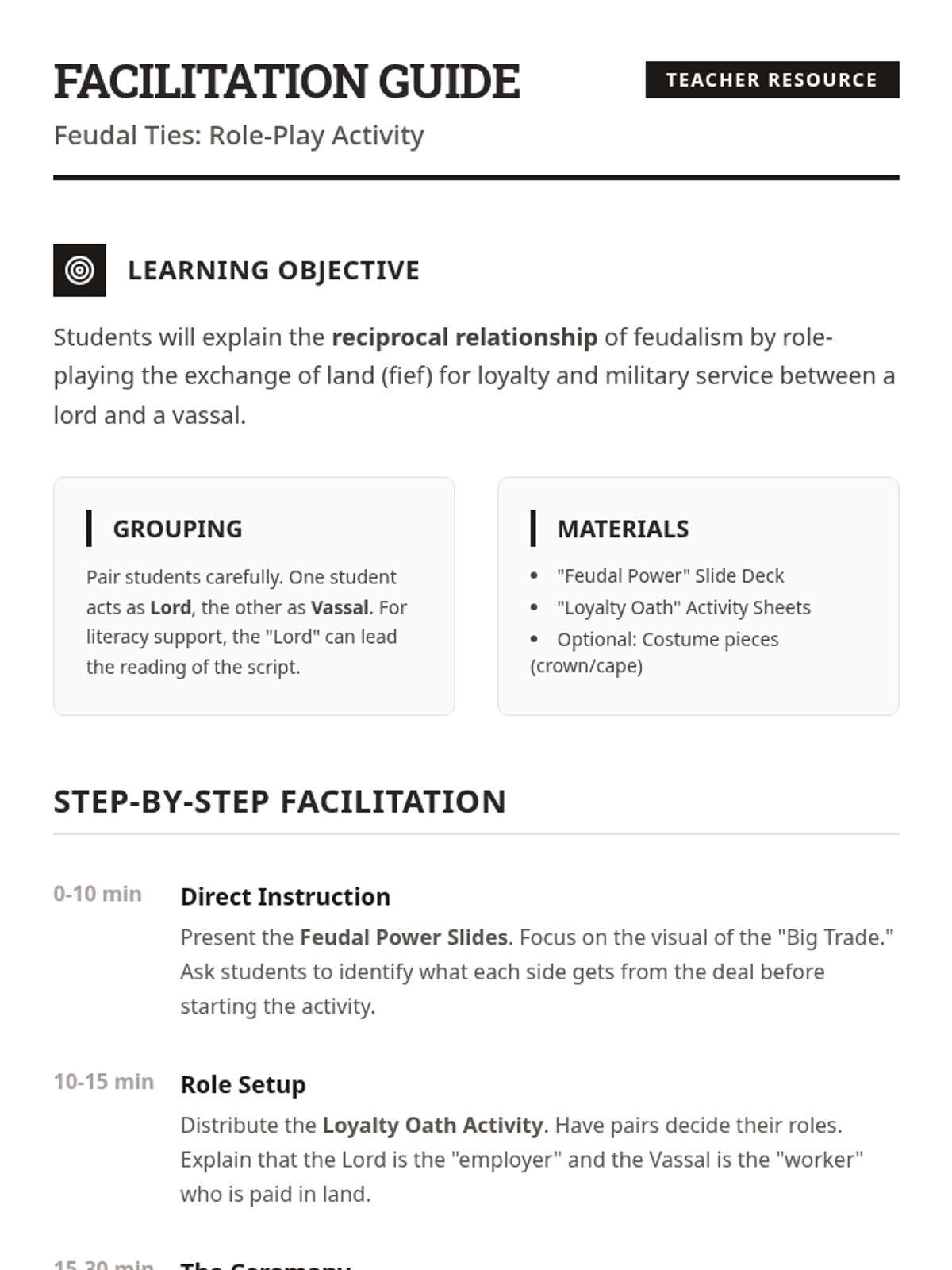
This lesson traces the structural and functional evolution of the U.S. federal court system from its constitutional origins to the modern day, focusing on key legislative acts and judicial shifts.
A lesson exploring the legal and social definitions of refugees, asylum seekers, and internally displaced persons to help students understand the complexities of global displacement.
A deep dive into 20th-century US History through the lens of Forrest Gump, covering the Civil Rights Movement, the Vietnam War, and the Cold War era. Students will analyze the film's portrayal of historical events and distinguish between cinematic fiction and historical reality.
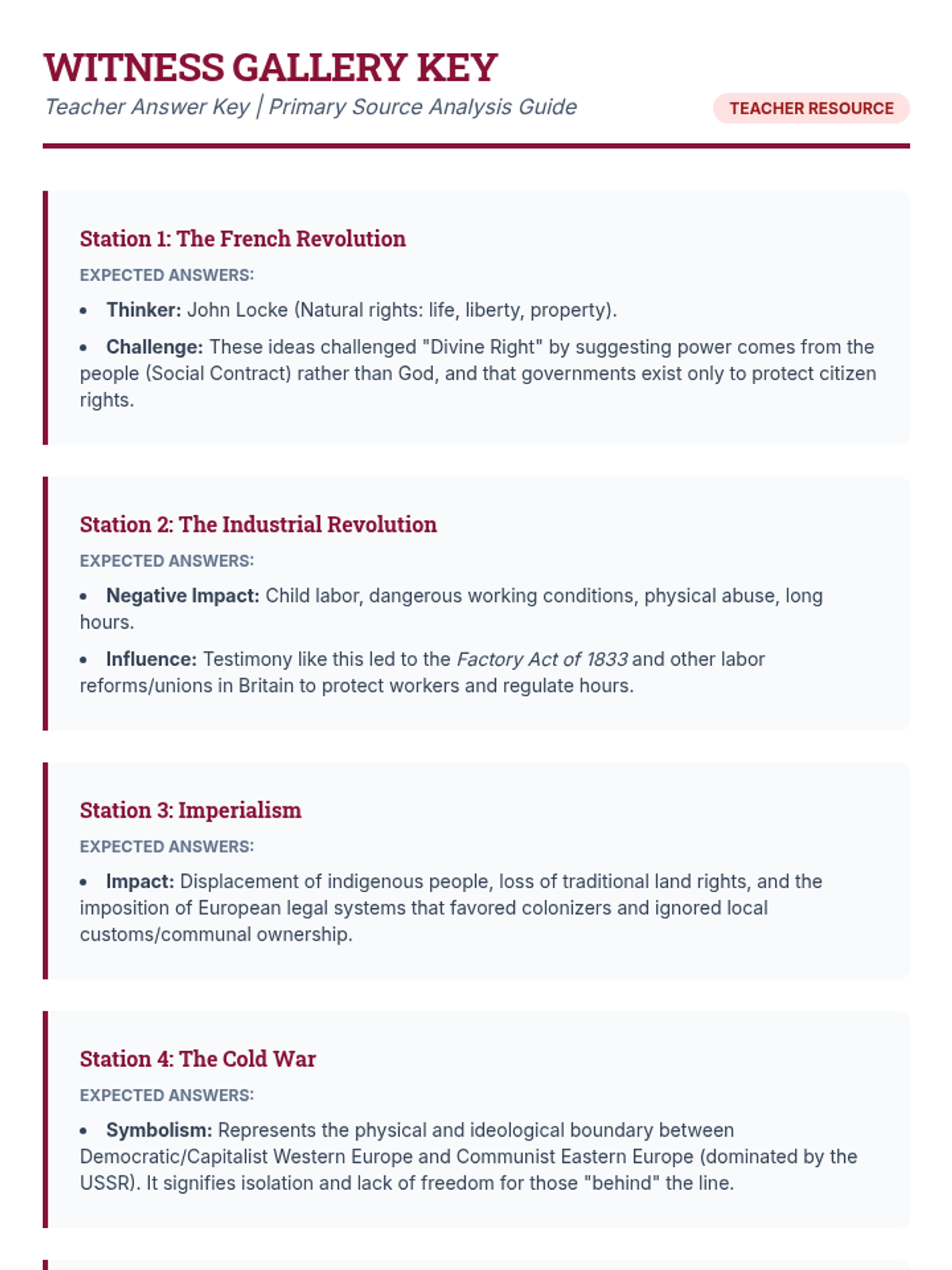
A high-intensity jigsaw activity designed for APUSH students to analyze 10 foundational primary sources of the American Revolution, exploring diverse perspectives from Patriots, Loyalists, women, and enslaved people.
A 45-minute reading comprehension lesson for 3rd grade ESL students exploring diverse food cultures and eating habits across five countries. Students will practice identifying key details and comparing different cultural traditions.
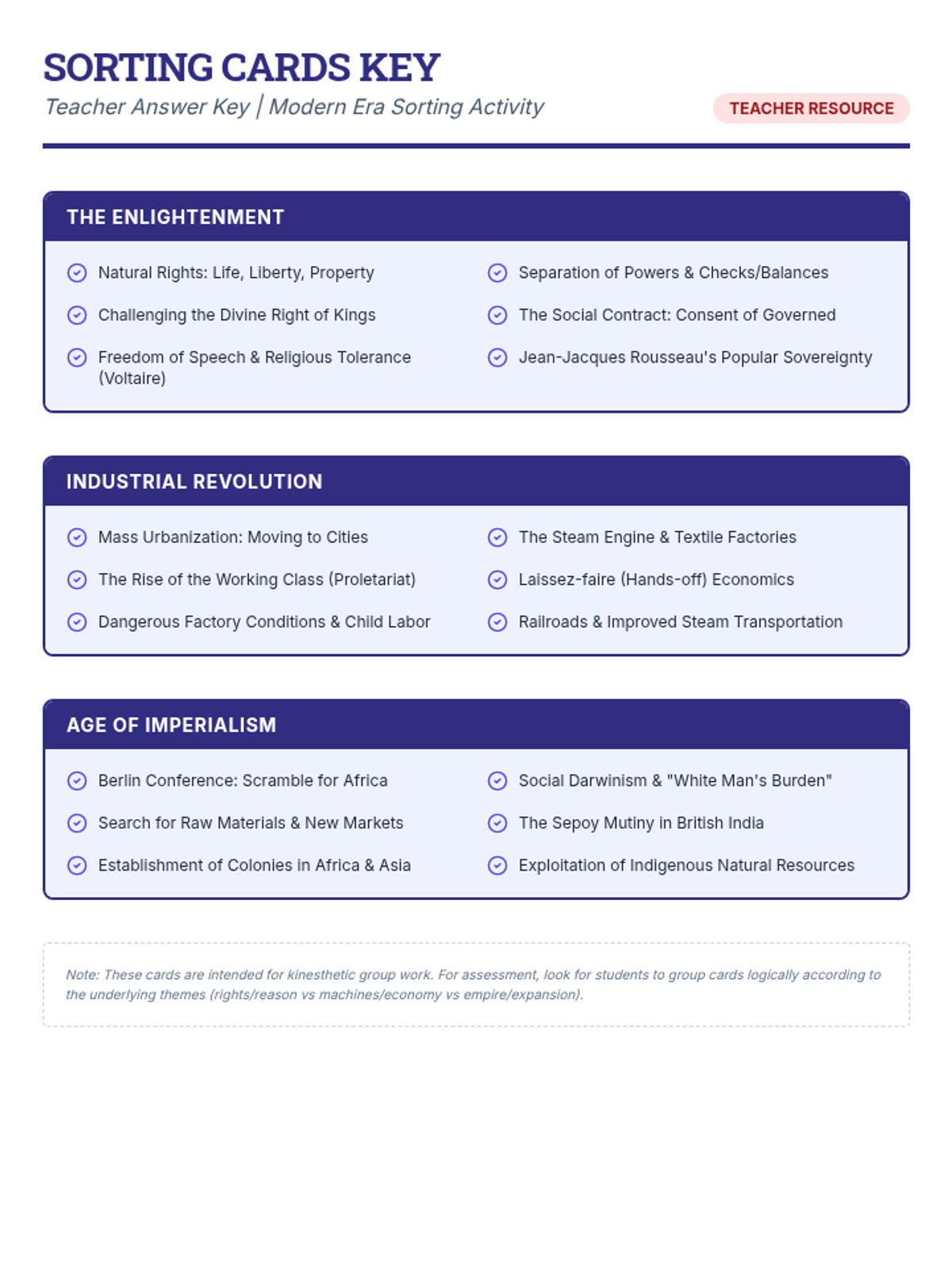
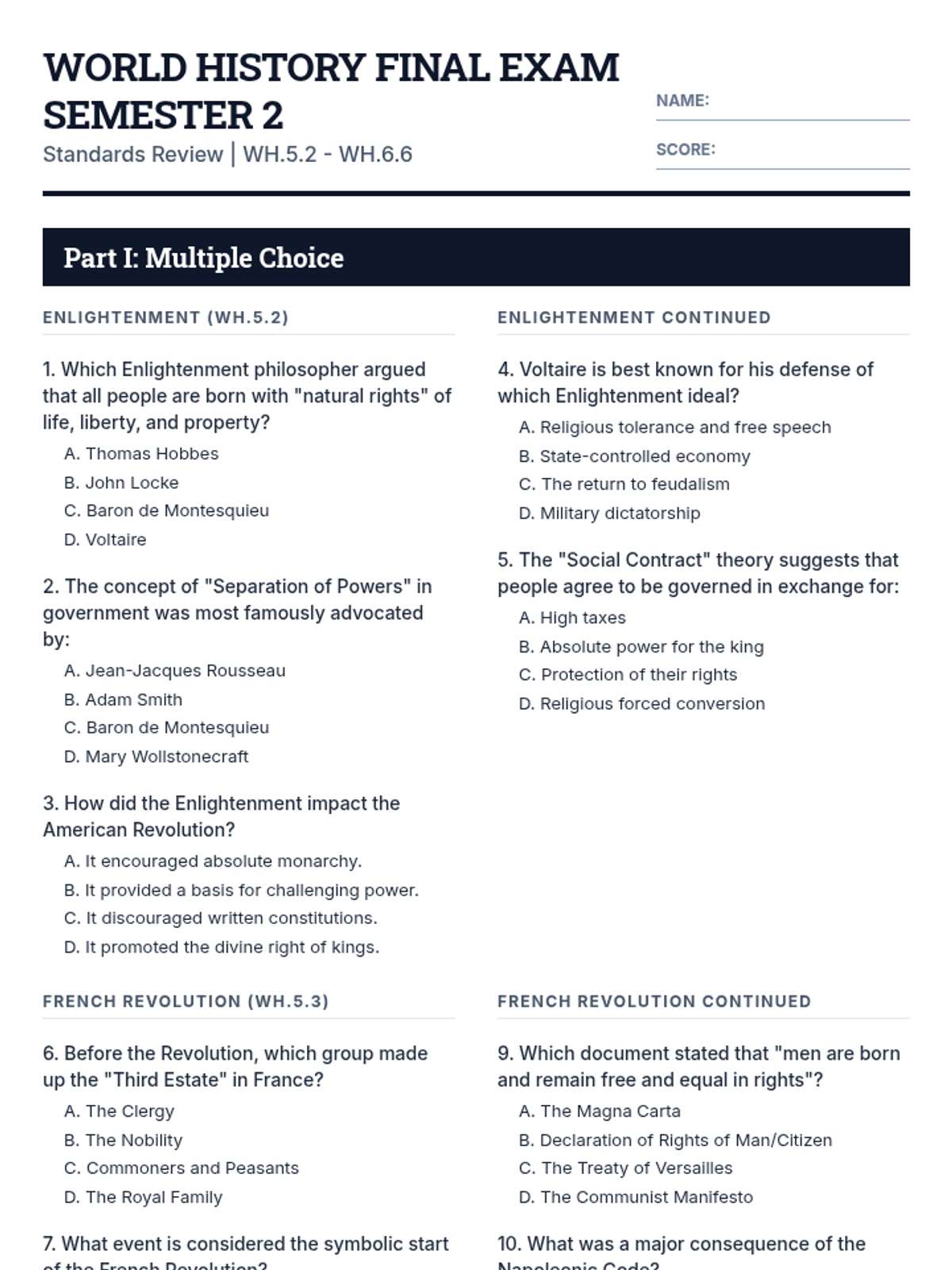
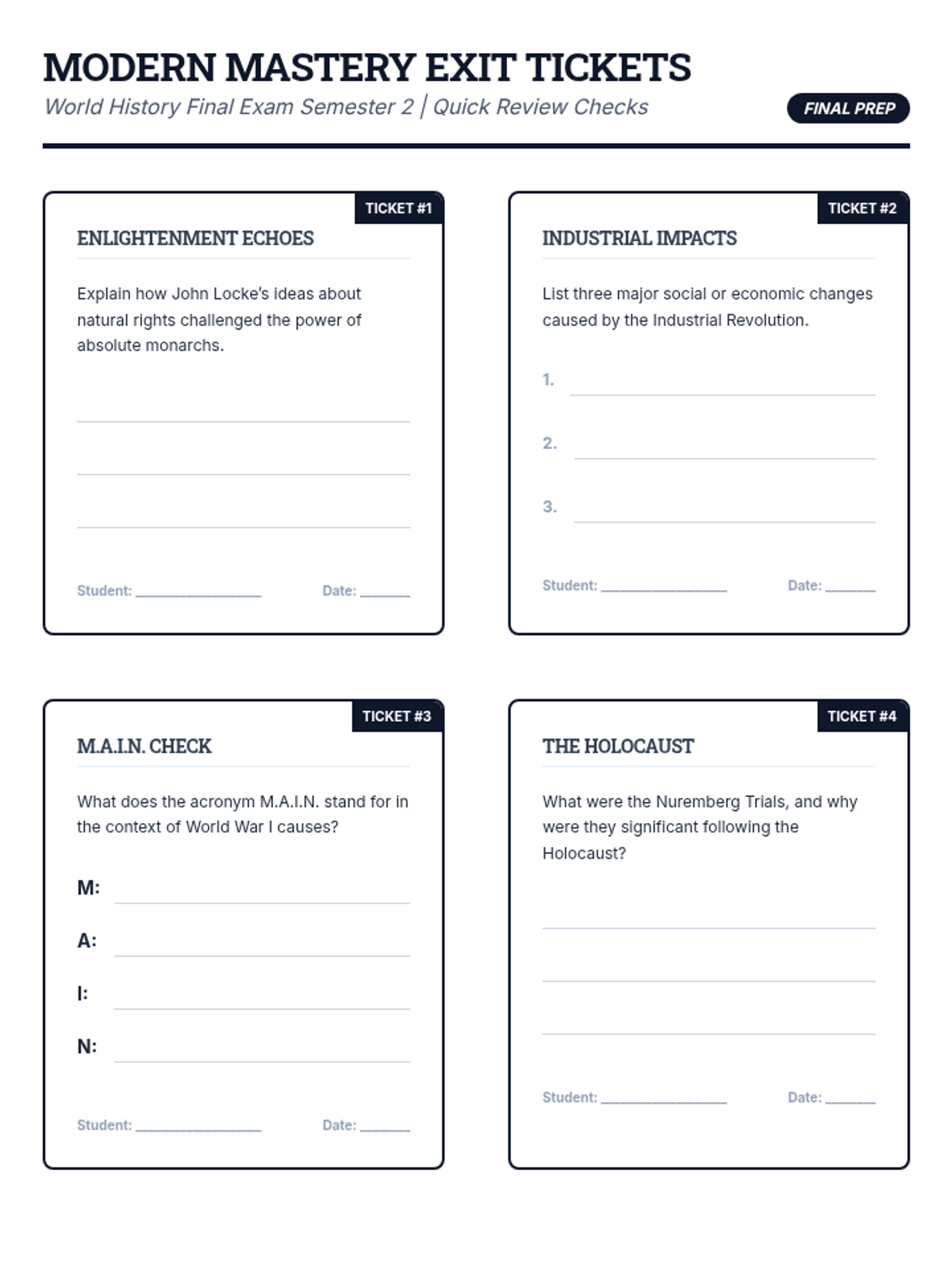
A comprehensive look at the Enlightenment, focusing on the major philosophes, their groundbreaking ideas on government and society, and the enduring impact of their work on modern democracy.
A practice exam focusing on the rights and responsibilities of individuals in legal and employment contexts, as well as factors affecting economic decisions. Includes multiple choice, data interpretation, and an extended response section.
This lesson explores the life and influence of Anne Boleyn, examining her as a 'proto-feminist' figure who defied 16th-century gender norms and acted as a catalyst for the English Reformation. Students will analyze her power dynamics with Henry VIII and her lasting impact on the Tudor legacy and future feminist movements.
An exploration of Australia's entry into World War II, focusing on the constitutional and cultural ties to the British Empire that led to the declaration of war in 1939.
An in-depth exploration of Charles Sumner's role as a radical abolitionist and political catalyst in the years leading up to the American Civil War. This lesson examines his rhetoric, legislative strategies, and the national impact of his physical assault on the Senate floor.
An introductory exploration of Greek Mythology, focusing on the purpose of myths, the major Olympian gods, and foundational stories like Pandora's Box. Students will identify central ideas, analyze key details, and build domain-specific vocabulary.
A lesson exploring the complexities of Fourth Amendment protections in the digital age through 10 realistic search warrant scenarios involving electronics. Students will analyze legal dilemmas, identify exceptions, and argue the constitutionality of various search and seizure methods.
An exploration of the systemic failures that led to the outbreak of World War II, structured around the mnemonic acronym FAILURE. Students analyze political, economic, and social factors of the 1930s.
A project-based unit where students become investigative journalists, uncovering hyper-local history through research and audio storytelling. Students will research, script, record, and edit a three-minute podcast episode focused on an untold story from their own community.
This lesson explores the transformative reign of Henry VIII and Anne Boleyn, focusing on the religious, political, and social upheavals of the English Reformation and its lasting impact on English society.
An exploration of the internal and external factors that led to the collapse of the Tokugawa Shogunate, including social unrest, economic stagnation, and the pressure of Western imperialism.
A comprehensive exploration of Japan's rapid transformation from a feudal society to a global industrial power during the Meiji Restoration.
An exploration of the nervous system's building blocks, focusing on neuron structure, the synaptic gap, and the chemical messengers that drive human behavior and sensation.
A regional investigation into the social and economic consequences of global warming in Latin America, focusing on human displacement, glacial melt in the Andes, and agricultural shifts. Students analyze a detailed text and construct a Claim-Evidence-Reasoning (CER) argument.
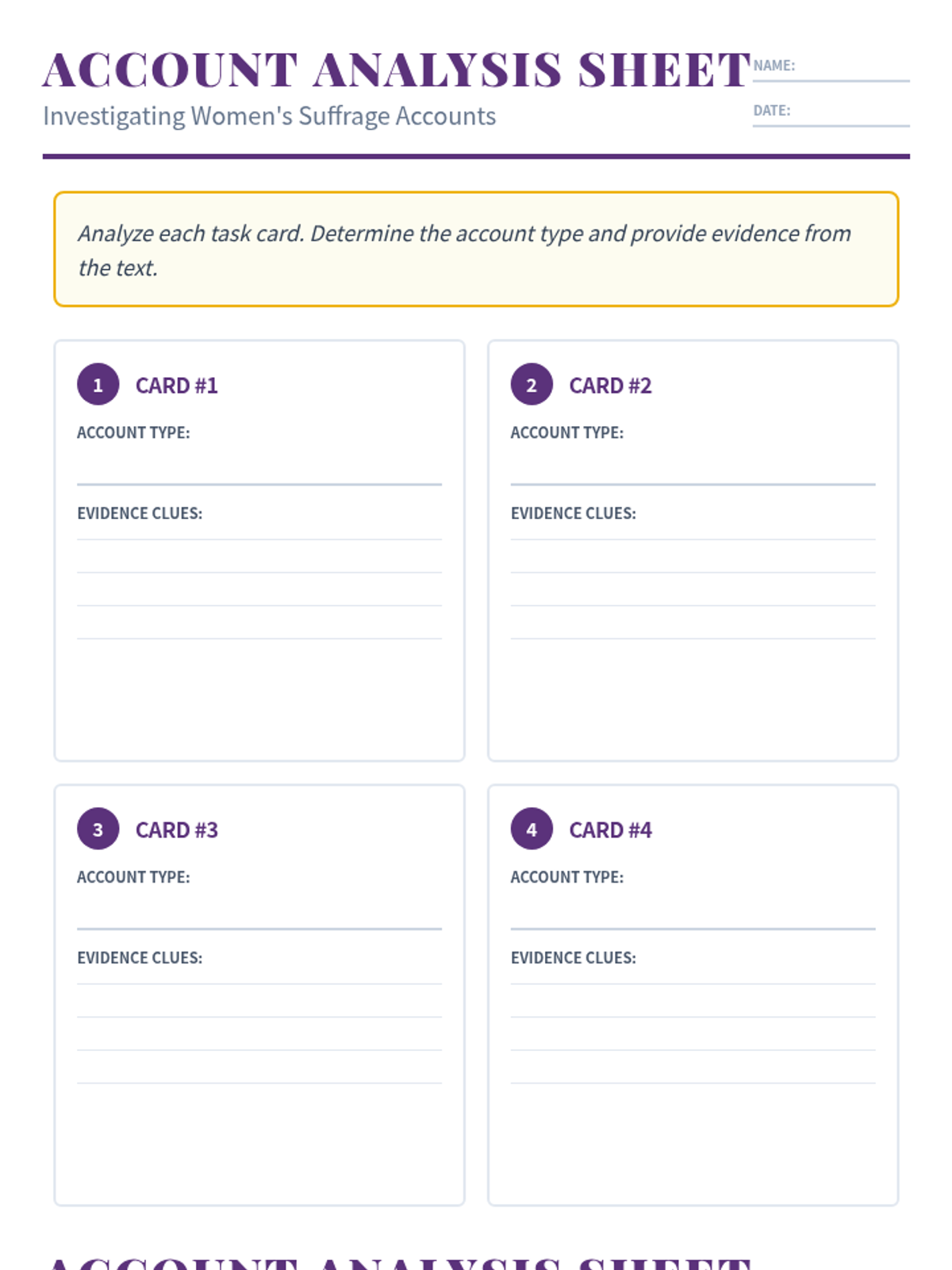
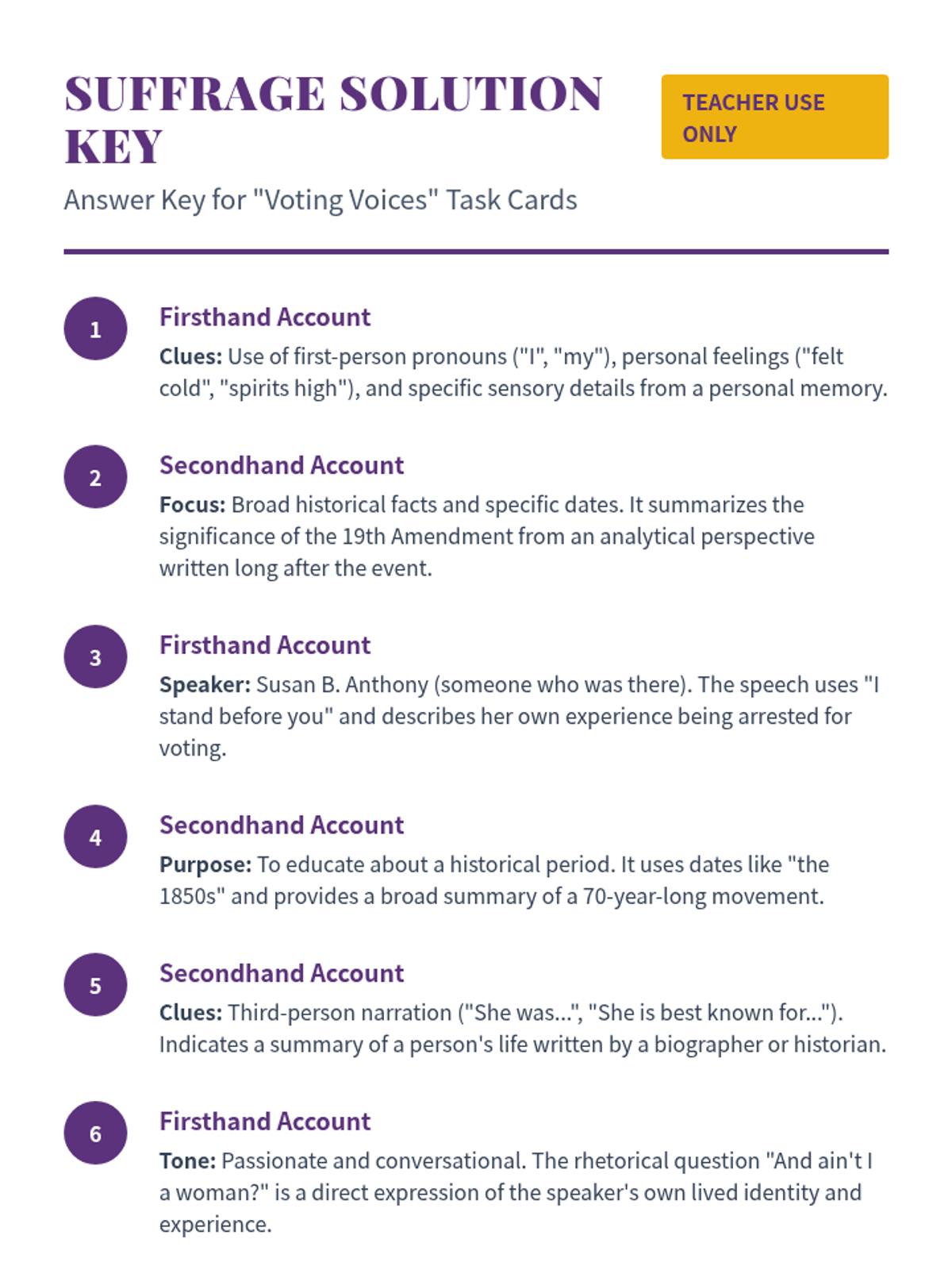
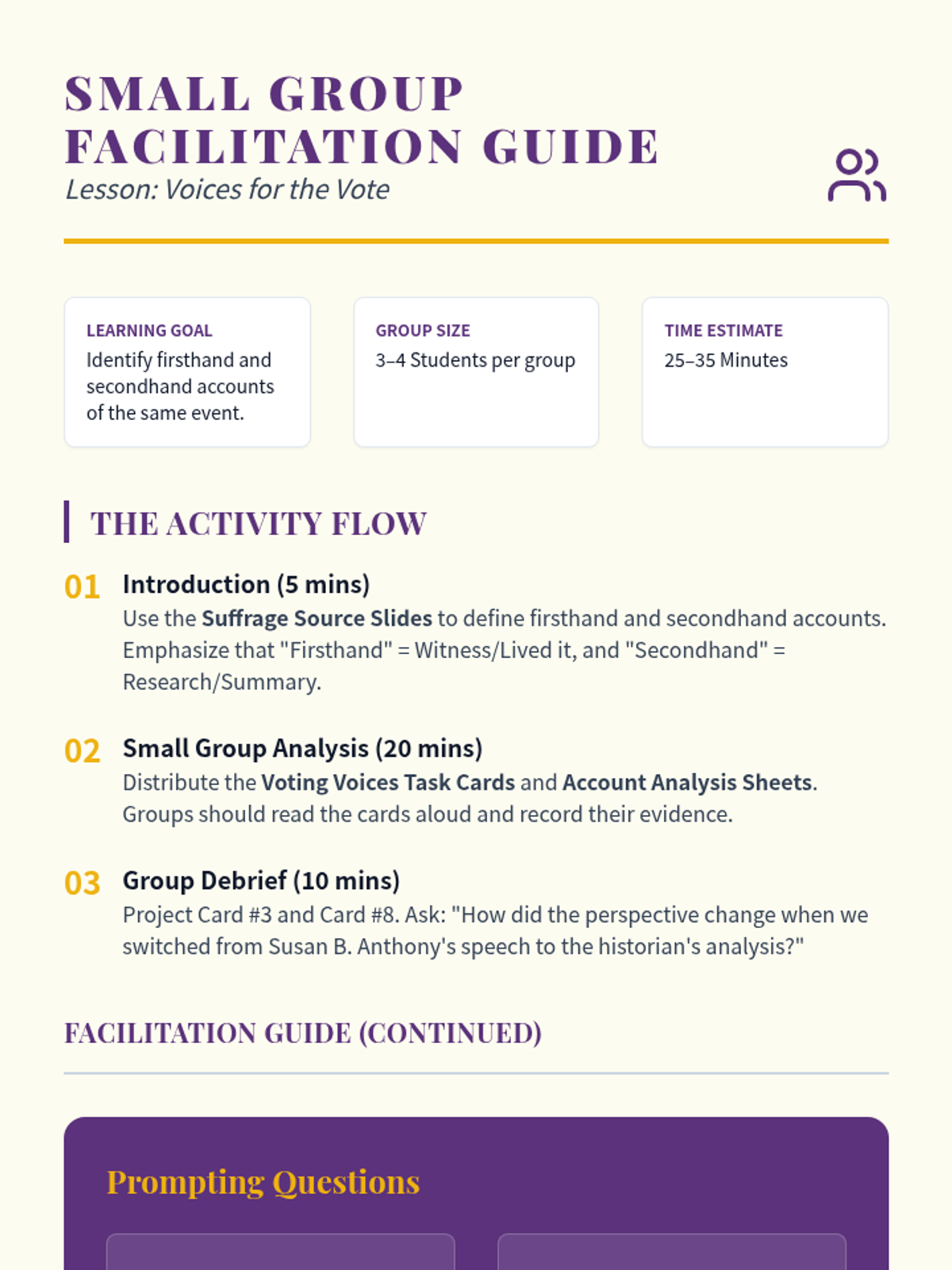
A deep dive into the contributions of Black women to the suffrage movement, focusing on their dual advocacy for racial and gender equality. Students will analyze key figures and the concept of intersectional activism.
An introductory lesson to the Holocaust designed to build necessary background knowledge and thematic awareness for students beginning 'The Devil\'s Arithmetic'. Students explore key terminology, the escalation of the Holocaust, and the central role of memory.
A collection of creative and motivational countdown posters designed for Social Studies classrooms preparing for the STAAR test.
A fast-paced opening activity designed to spark debate and critical thinking about the insanity defense through primary source analysis. Students examine historical legal standards and grapple with the moral complexities of criminal responsibility.
Une exploration des causes et des premières étapes de la Révolution française, de la crise de l'Ancien Régime à la Déclaration des Droits de l'Homme.
A warm-up activity focused on the chronological events leading to the ratification of the U.S. Constitution, formatted to align with 11th-grade state assessment standards.
A project-based lesson where students design museum exhibit panels analyzing how the expansion of slavery in the 1850s led to the Civil War. Students focus on cause-and-effect relationships through historical research and visual design.
A 45-minute exploration of the historical roots and recent escalations between Iran, Israel, and the United States, focusing on the transition from a 'shadow war' to direct confrontation.
A lesson focused on mastering the chronological flow of key events in Ancient Greek and Roman history, prepared in the STAAR assessment format.
A comparison of 17th and 18th-century European political systems, focusing on the transition from traditional divine right monarchy to the reform-minded Enlightened Absolutism.
A fast-paced review game lesson focusing on the causes, spread, and societal impacts of the Black Death through drawing and acting.
An interactive review lesson that uses a board game and role-play elements to examine the diverse motivations and religious perspectives of the Crusades. Students evaluate the social, economic, and spiritual drivers behind the conflict from multiple viewpoints.
A comprehensive lesson exploring the Cuban Refugee Crisis through music, primary source analysis, and historical context, focusing on the human experience of displacement and the resilience of the Cuban-American community.