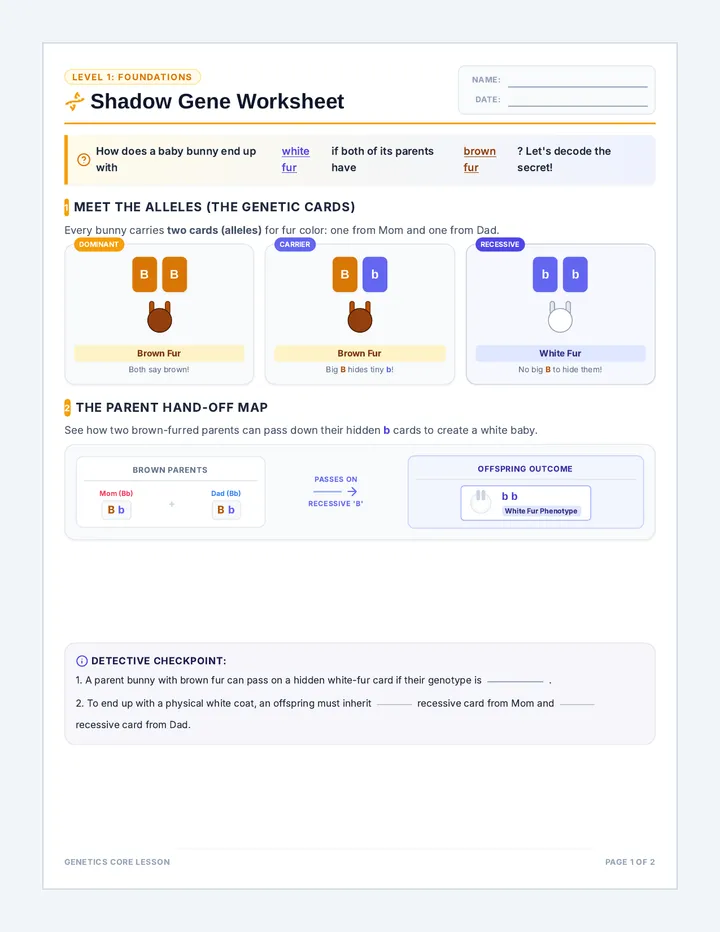
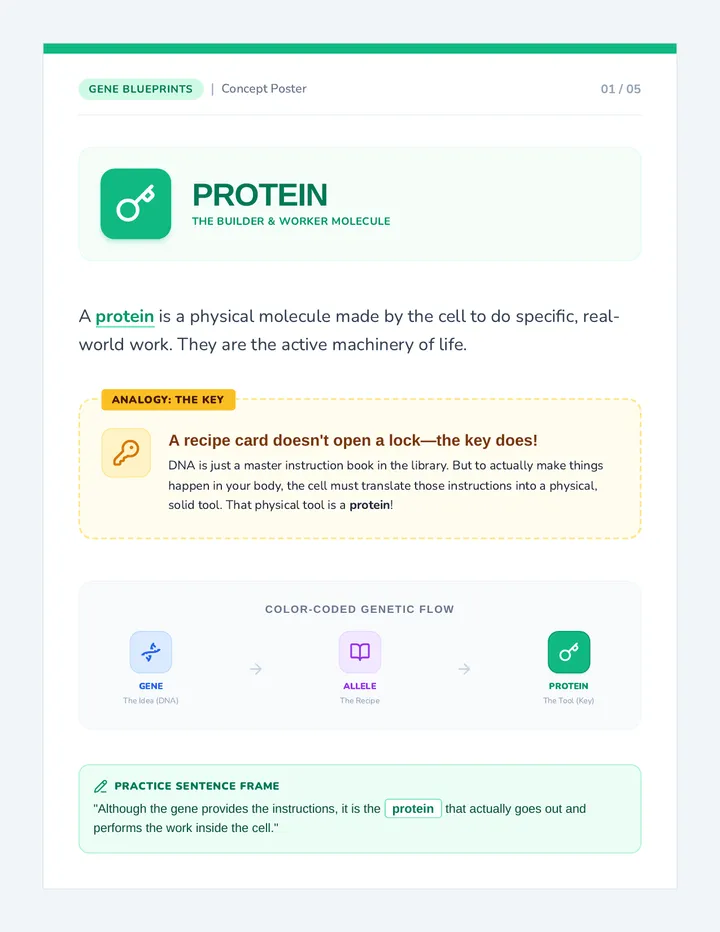
A high-energy, fast-paced introduction to Design Thinking where students identify and solve everyday school 'friction points' through empathy, rapid ideation, and prototyping.
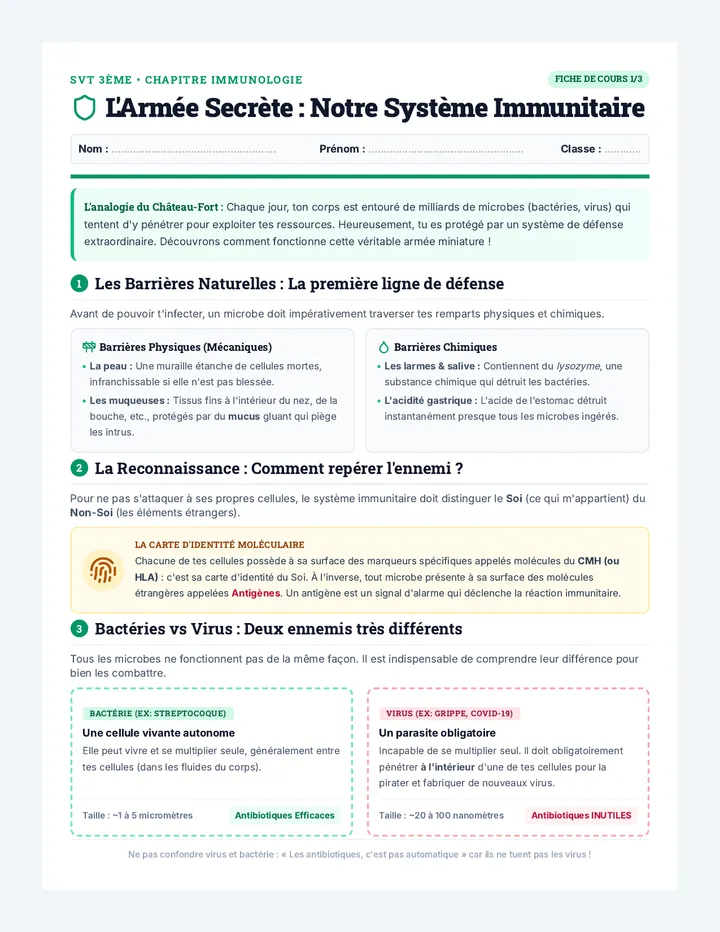
A 9th-grade conceptual physics lesson focusing on the relationship between mass, volume, and density, specifically applied to geological samples like basalt and granite. Students will learn to calculate density, understand its physical significance through analogies, and evaluate lab accuracy using percent error.
A lesson exploring the environmental consequences of industrialization and deforestation through the lens of 'The Lorax', focusing on ecosystem services and biodiversity loss.
A dedicated hub for educators featuring a K-12 curriculum scope, professional development guides, and quick-reference AI cheat sheets.
High school students analyze the impact of generative AI on careers and society, mastering advanced prompt engineering and debating complex ethical dilemmas.
Middle schoolers dive into the mechanics of neural networks and the ethical implications of AI in daily life, focusing on digital citizenship and algorithmic fairness.
Middle elementary students investigate how training data shapes AI behavior, identifying bias in simple systems and experimenting with basic prompt engineering.
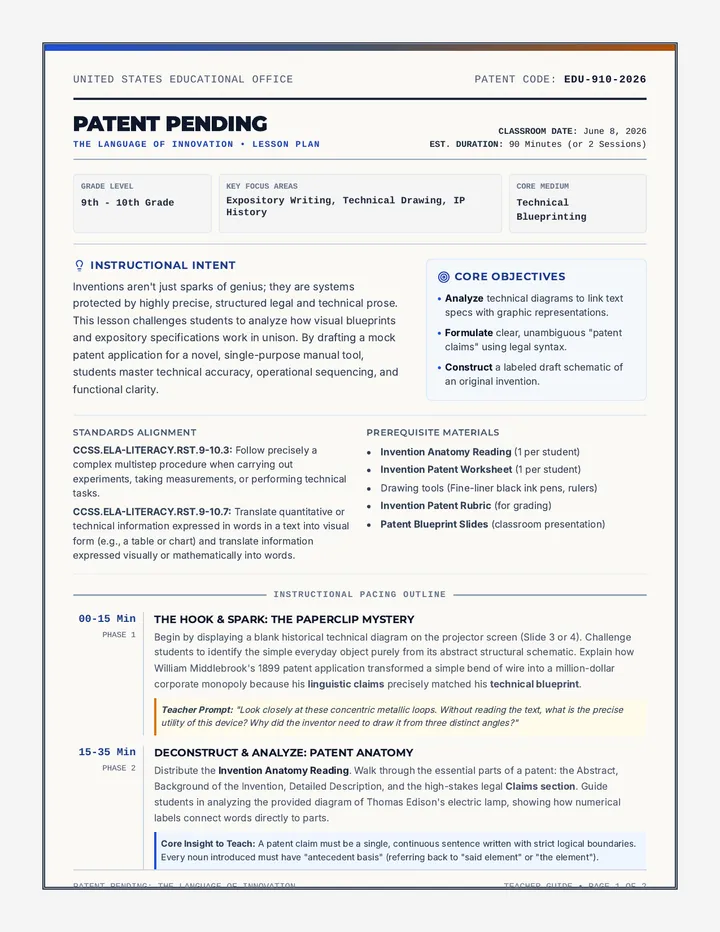
Students in grades 1-2 explore how machines learn to recognize patterns and assist humans, introducing basic classification and the idea of helpful technology.
Introduces Kindergarteners to the concept of AI as a 'thinking' tool that follows instructions and learns from examples, focusing on the difference between robots and AI.
A comprehensive Biology lesson covering the cell cycle, DNA replication, protein synthesis, and Mendelian/non-Mendelian genetics, specifically designed for STAAR EOC preparation. Students explore the flow of genetic information and the patterns of inheritance through model-based reasoning and problem-solving.
A comprehensive EOC prep lesson covering evolution, natural selection, taxonomy, and ecological systems through a case-study lens. Students analyze evidence of common ancestry and model energy flow and nutrient cycling in ecosystems.
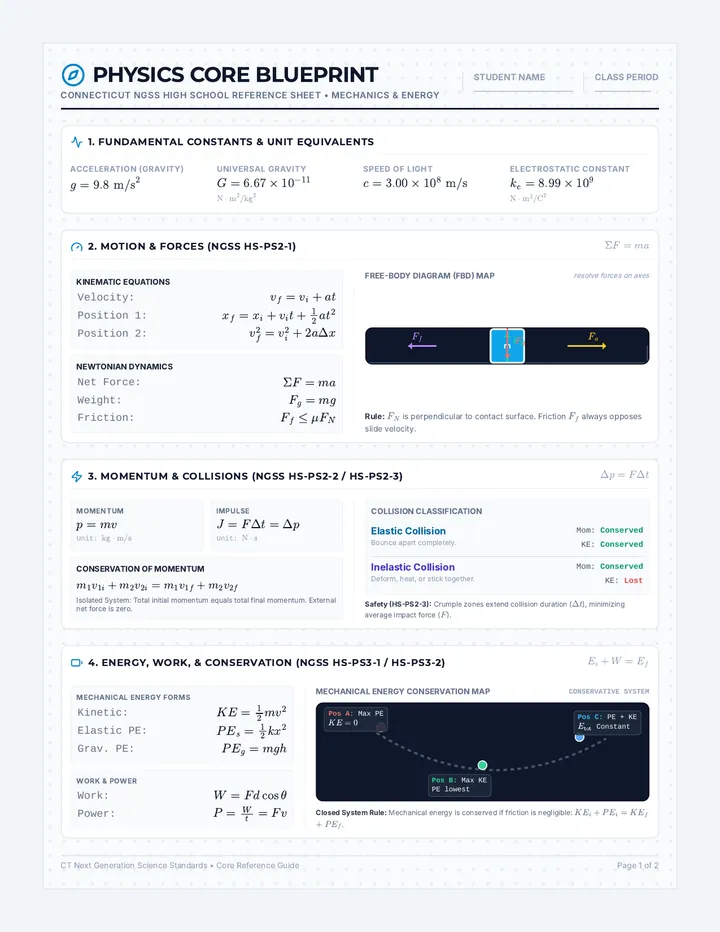
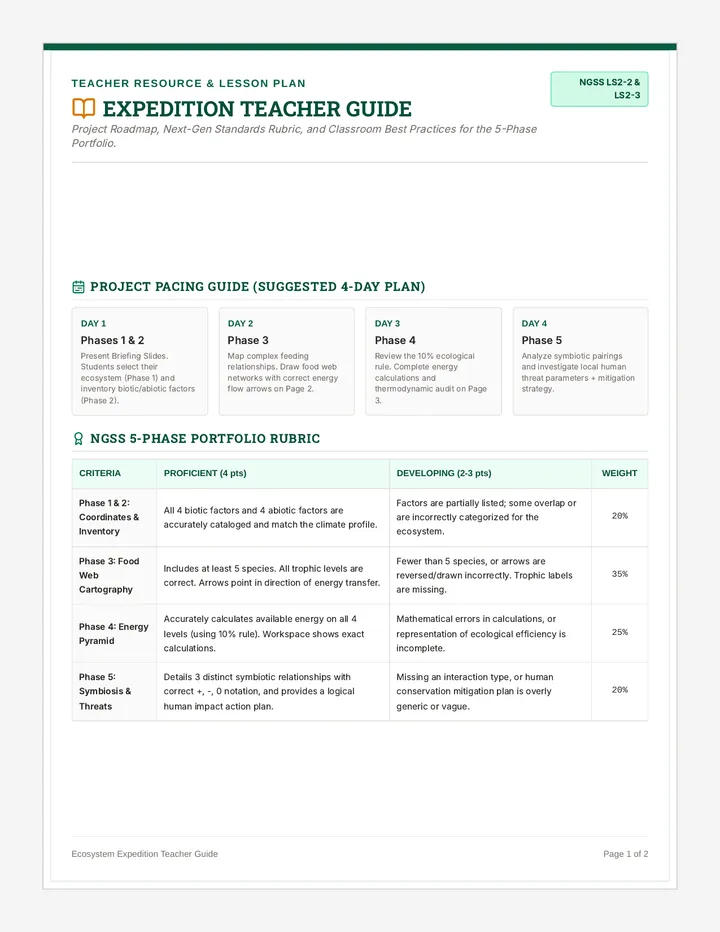
A comprehensive Grade 8 Science lesson focused on Newton's Laws, balanced and unbalanced forces, and energy transformations, specifically designed for STAAR preparation. This lesson uses a 5E instructional model and includes inquiry-based labs and STAAR-aligned assessment questions.
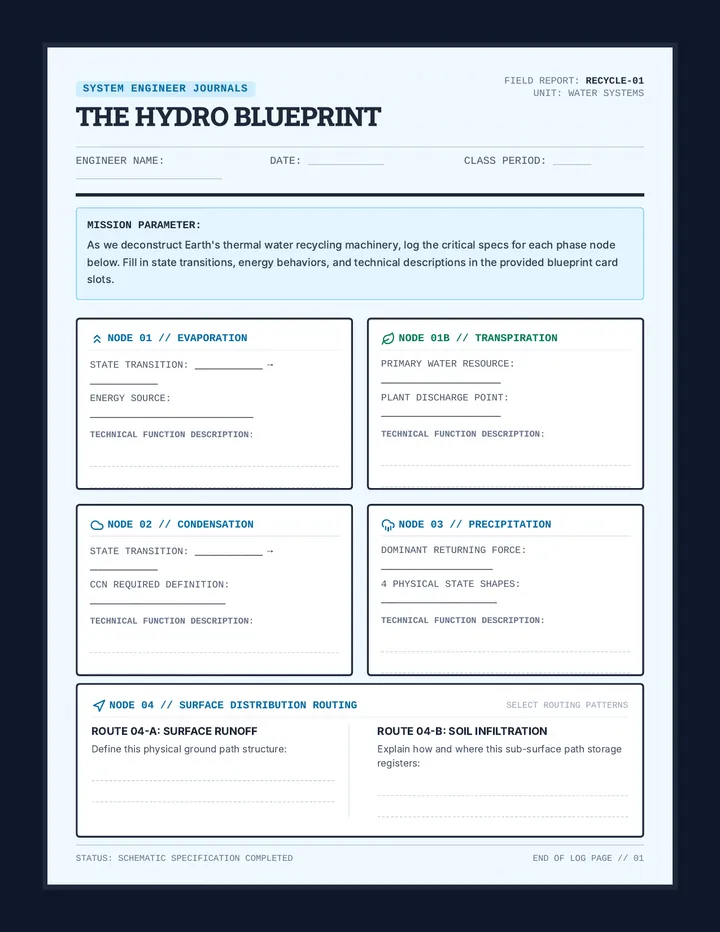
A comprehensive Grade 8 Science lesson covering Earth and space systems (TEKS 8.9 and 8.10). Students explore plate tectonics, the rock cycle, and weather systems through a Texas Gulf Coast lens, specifically focusing on Calhoun County geography and the role of the Sun in driving Earth's processes.
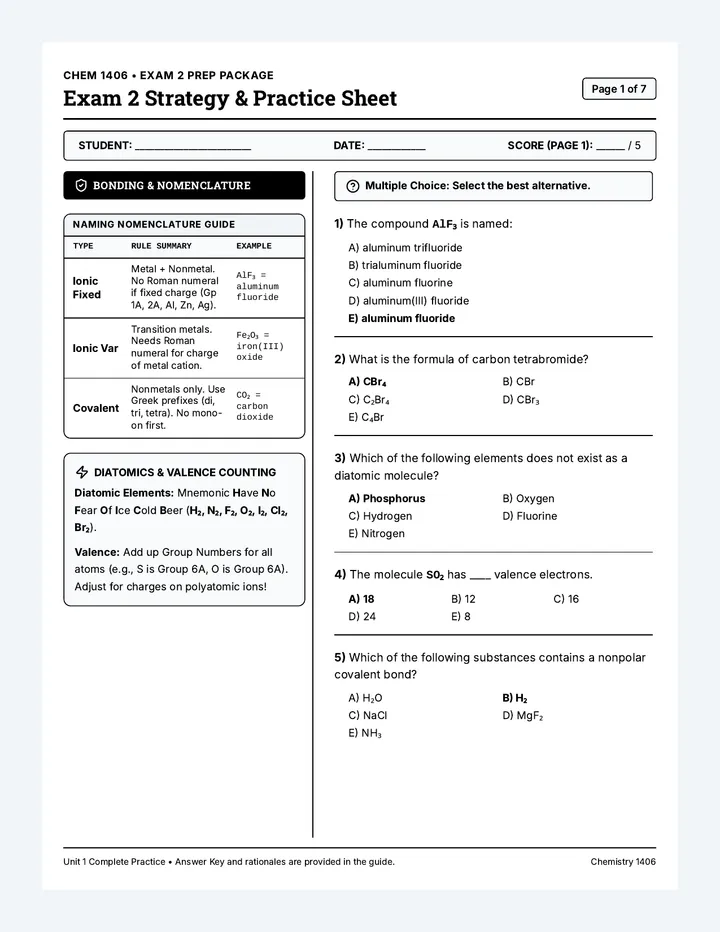
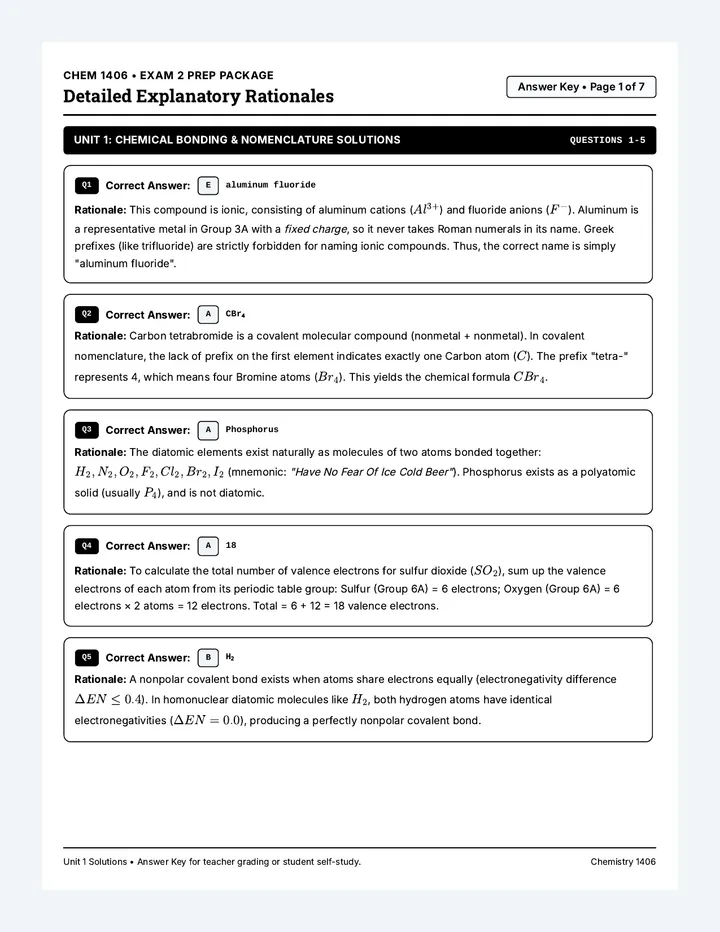
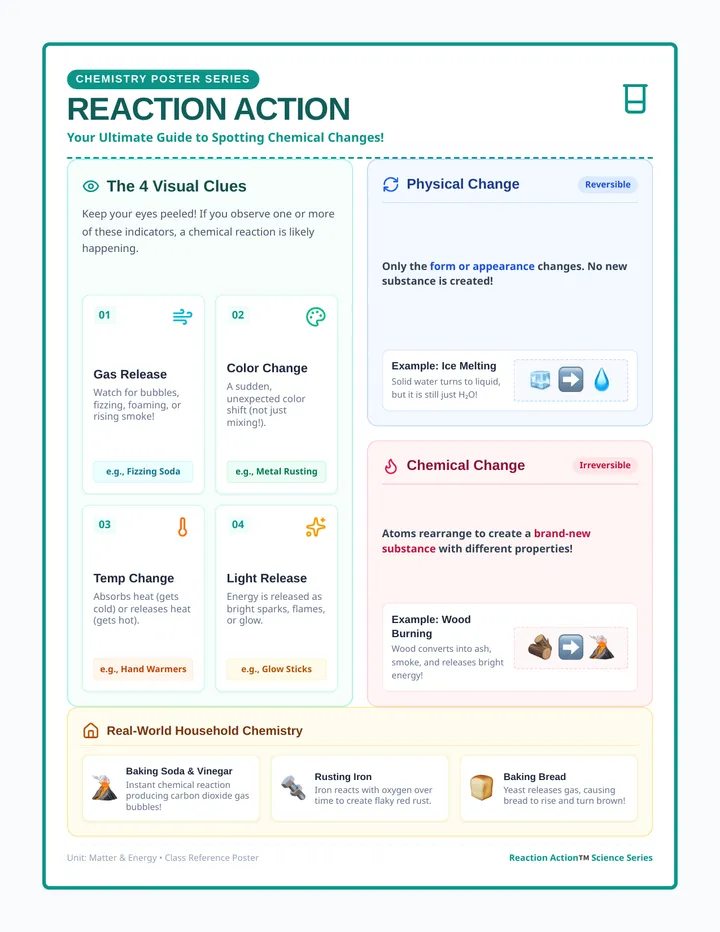
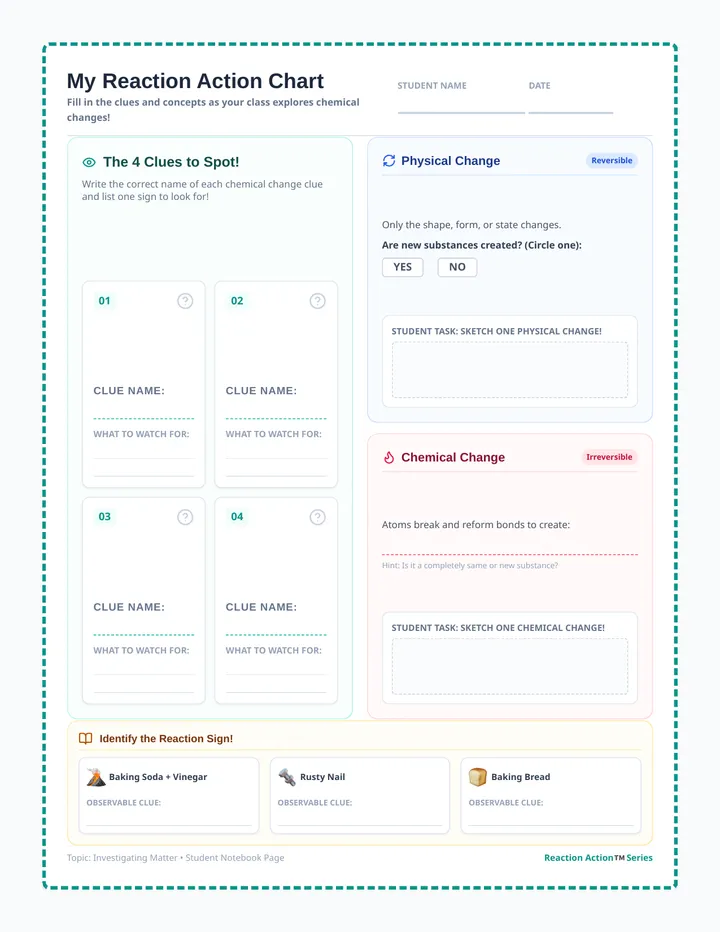
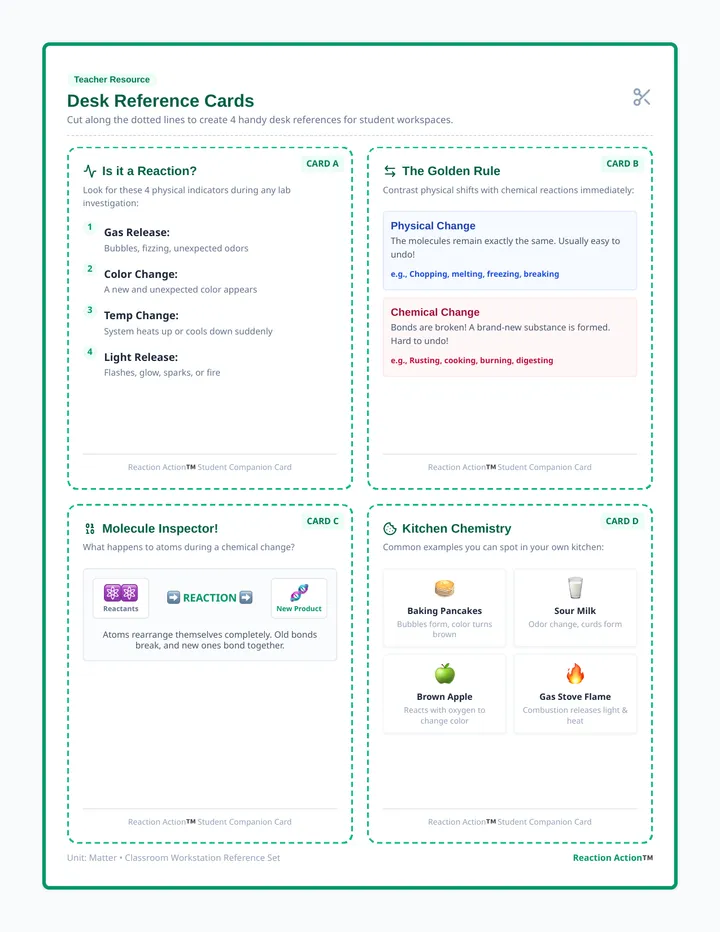
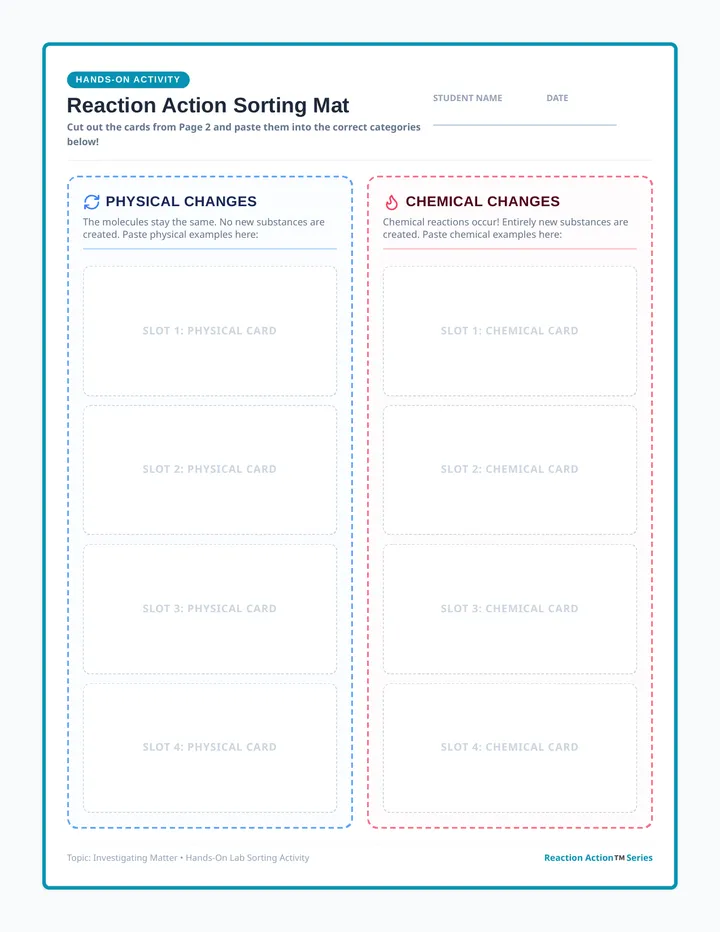
A comprehensive Grade 8 Science lesson covering atoms, the periodic table, and chemical reactions, aligned with TEKS 8.5A-E. Features model-based instruction using Johnstone's triangle to prepare students for STAAR success.
A hands-on laboratory experience where students use microscopes to observe and document biological and physical specimens at varying magnifications.
A high-school level exploration of password security, focusing on the mathematical concepts of entropy and why length often beats complexity in real-world defense.
A focused lesson on the mechanics of the cell cycle and DNA replication, emphasizing timing, key stages like S-phase and mitosis, and the process of cytokinesis.
Students will trace the evolution of the atomic model through key scientists and experiments, culminating in an understanding of modern atomic structure and vocabulary.
A lesson focused on the foundational building blocks of life (macromolecules) and how body systems work together to maintain a stable internal environment (homeostasis).
A lesson exploring the delicate balance of ecosystems, focusing on how biodiversity sustains life and how human activities like deforestation, pollution, and conservation efforts shape our planet's future.
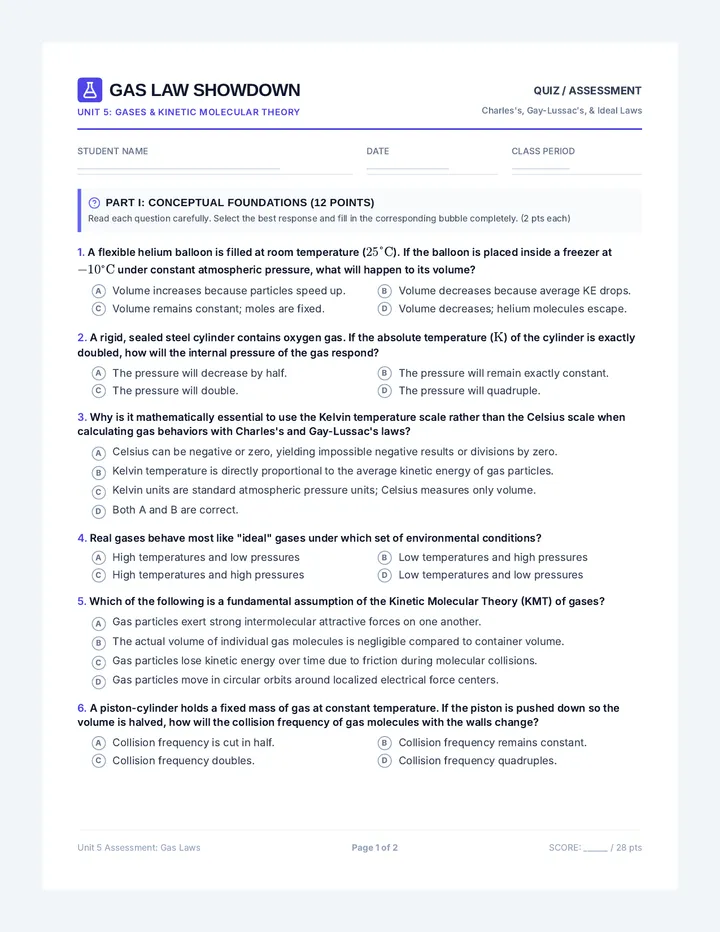
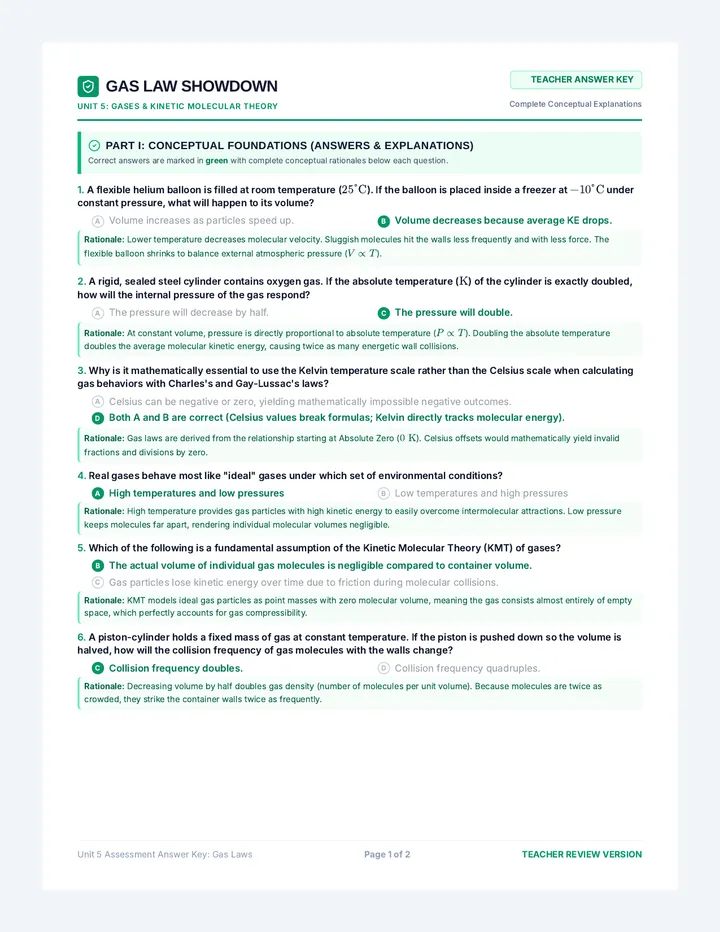
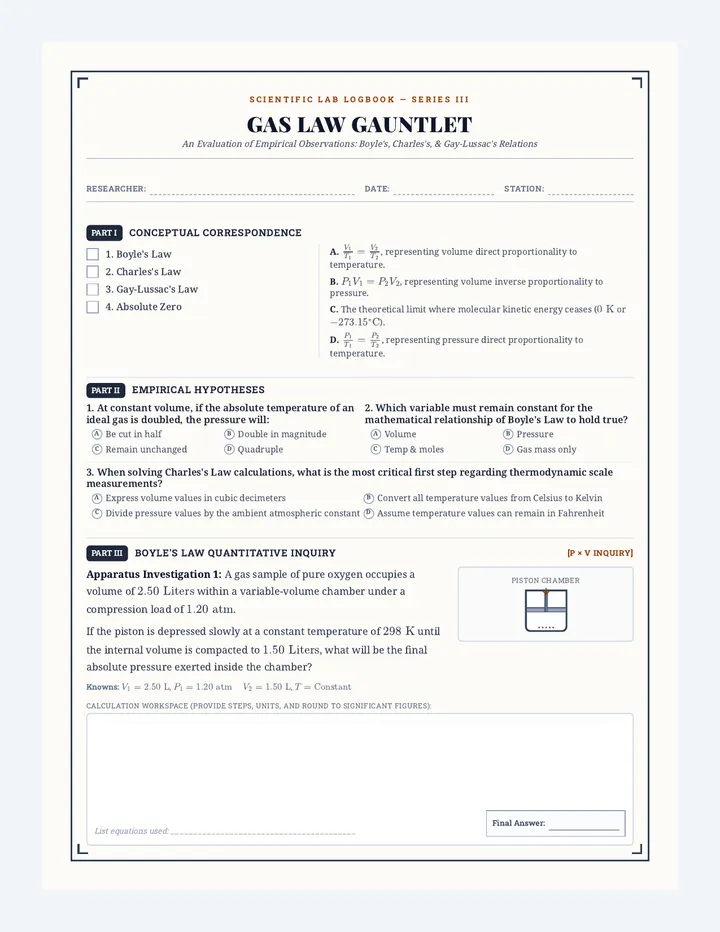
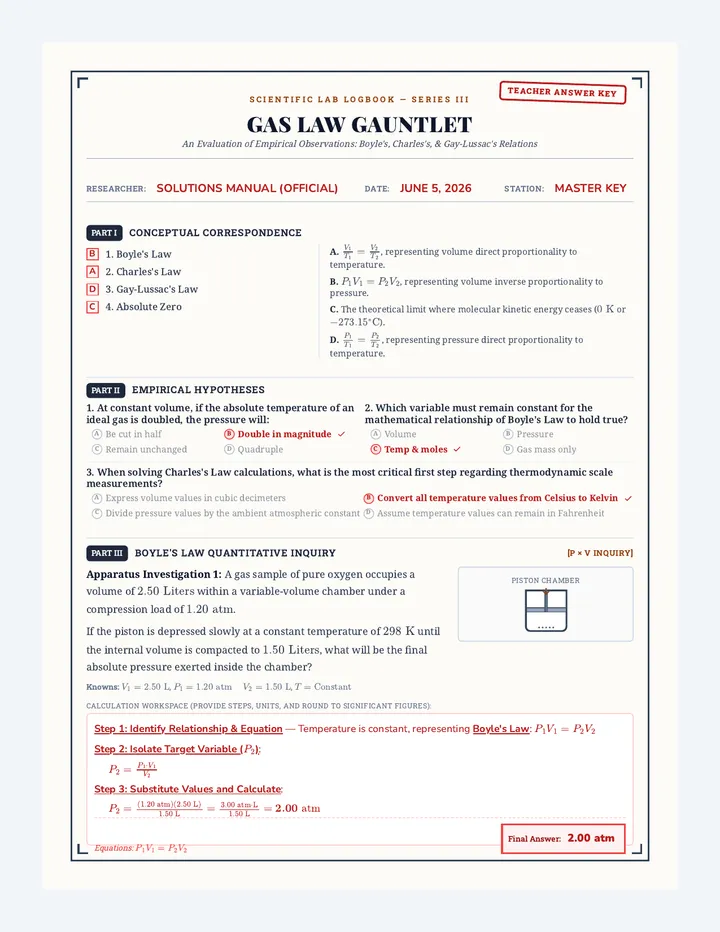
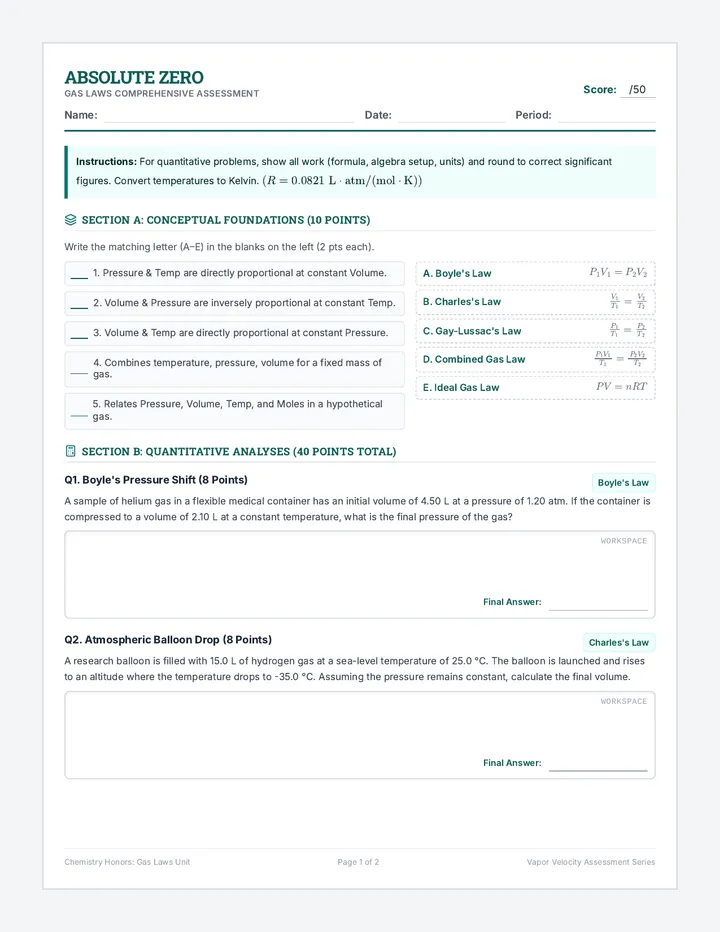
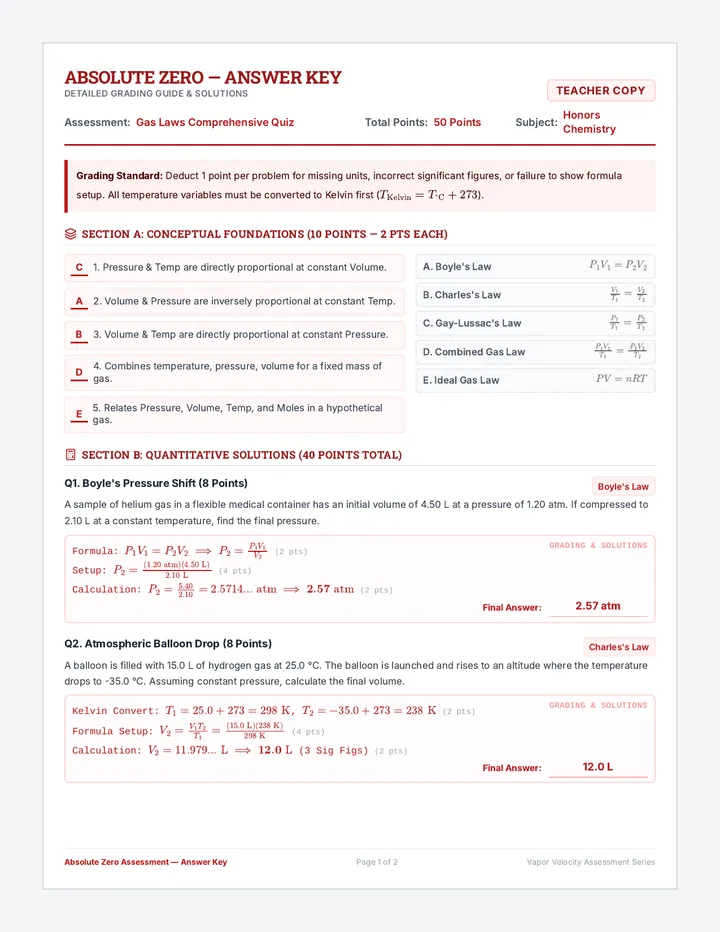
A high-energy, activity-dense lesson focused on Dalton's Law of Partial Pressures, mole fractions, and collecting gas over water, utilizing the POGIL framework to transition from conceptual modeling to mathematical mastery.
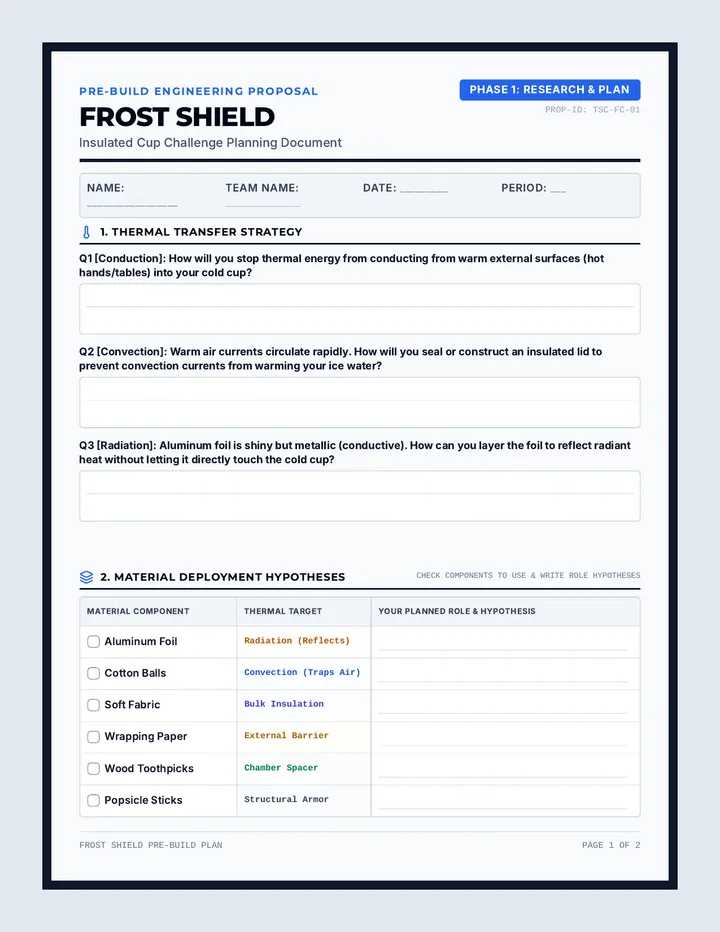
Reviewing the three types of heat transfer through interactive slides and a graphic organizer to connect concepts to everyday life.
An introductory lesson on the classification of matter, covering atoms, elements, compounds, and mixtures (homogeneous and heterogeneous). Students will learn to distinguish between pure substances and mixtures through visual models and real-world examples.
A vocabulary-focused lesson on the core concepts of evolution and genetics, featuring a collaborative 'I Have, Who Has' game to reinforce definitions and visual representations.
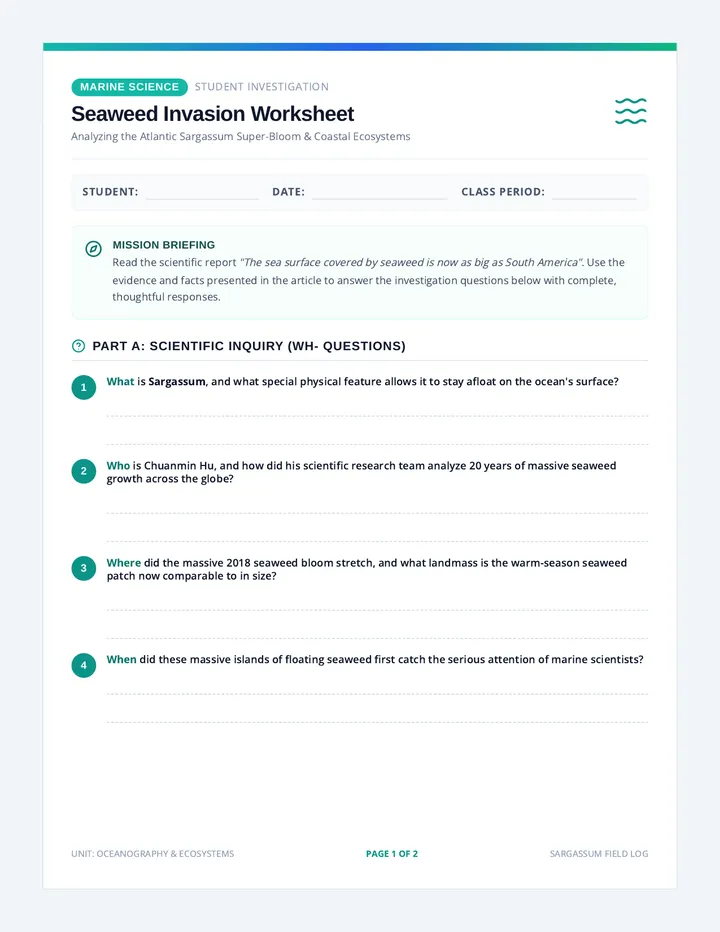
A deep dive into marine environments and the impact of plastic pollution, featuring cause-and-effect analysis and collaborative problem-solving for 7th grade ELD students.
A comprehensive ELD lesson for 7th graders focusing on the ecological and social importance of urban forests, featuring tiered supports for mixed proficiency levels.
A comprehensive 5E lesson exploring electromagnetic induction through the construction of motors and generators, modeling field interactions, and analyzing real-world applications like transformers.
Students explore the shared ancestry of fish and mammals, analyzing homologous bone structures and building cladograms to visualize divergent evolution.
A comprehensive overview of the six major invertebrate groups, covering body structures, habitats, reproduction, and unique characteristics for 8th-grade science.
A comprehensive lesson on orcas, covering their role as apex predators, their complex social and communication structures, and the evolutionary adaptations that have made them masters of the ocean.
A comprehensive exploration of angular momentum, torque relationships, and conservation principles for AP Physics 1 students.
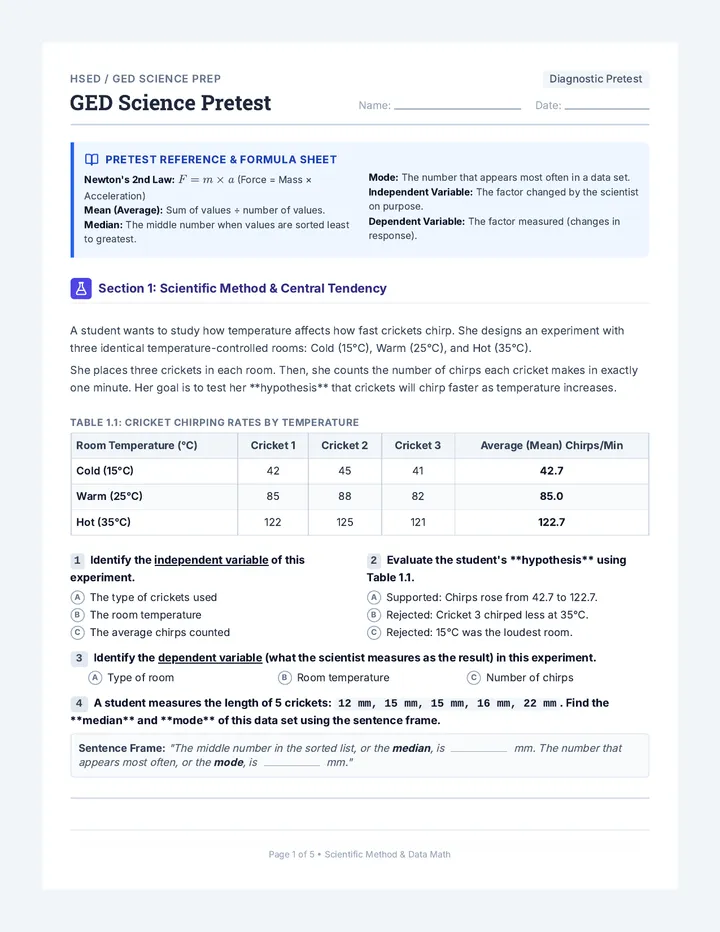
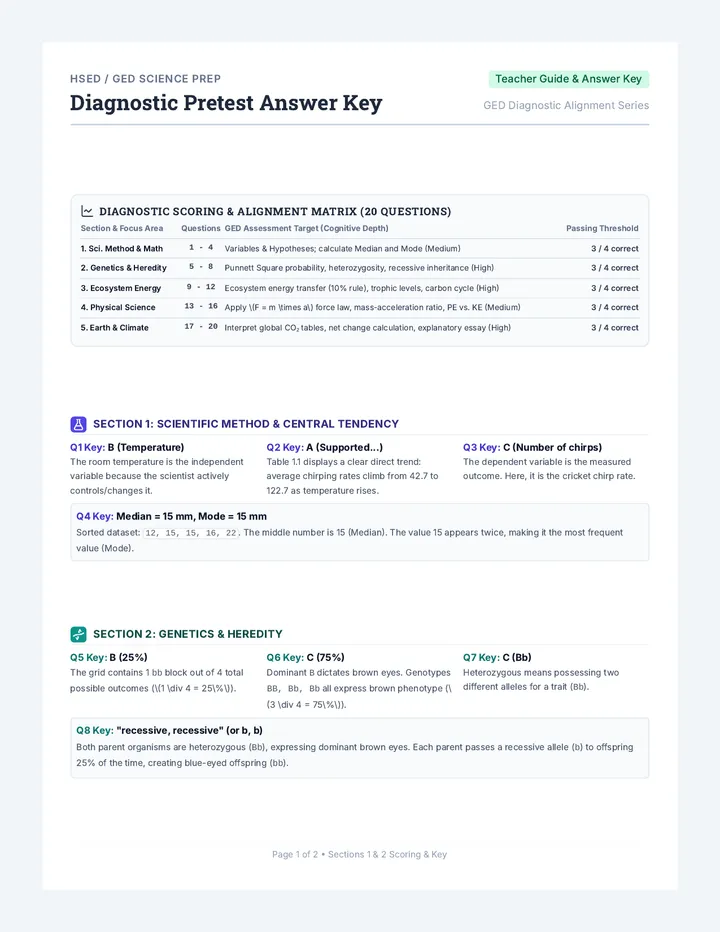
A self-contained independent research activity where students explore the scientific method and experimental variables through a themed 'digital dossier' webquest. Ideal for substitute teacher days as it requires minimal instruction and promotes independent inquiry.
A biology lesson themed around the mysterious Jane Doe character, covering human body systems, ecosystems, and food webs with specialized supports for neurodivergent learners.
A comprehensive review of ecology, cycling of matter, genetics, and body systems based on the Investigation 14-16 exam. Students will practice analyzing food webs, identifying mutations, and explaining ecosystem stability.
A comprehensive lesson exploring the physics of sound resonance in open and closed pipes, focusing on harmonics, wave patterns, and mathematical relationships.
An introduction to Charles Darwin's historic voyage on the HMS Beagle and the foundational concepts of natural selection and adaptation. Students will explore how observations of the natural world led to one of science's most important theories.
A 7th-grade biology lesson exploring Mendelian genetics and probability through a hands-on coin-flipping activity to create unique organisms. Students will master Punnett squares and differentiate between dominant and recessive traits.
A comprehensive lesson on DNA transcription and translation, covering base-pairing rules and how to use a codon chart to build protein sequences.
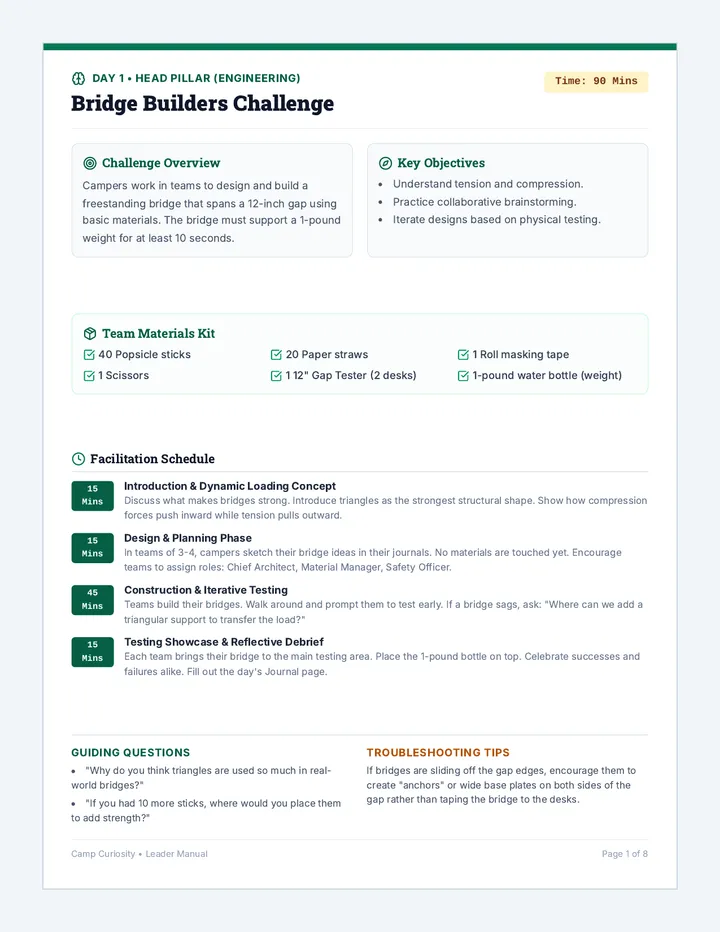
A hands-on engineering challenge where students apply physics concepts like gravity, acceleration, and impact force to design and build a protective casing for an egg drop.
An introductory lesson on evolution for 9th-grade special education students, focusing on Charles Darwin's journey, the HMS Beagle, and the core principles of natural selection and adaptation.
A hands-on simulation where students model genetic mutations and track survival rates across different environmental shifts to understand natural selection.