A deep dive into marine environments and the impact of plastic pollution, featuring cause-and-effect analysis and collaborative problem-solving for 7th grade ELD students.
A hands-on laboratory experience where students use microscopes to observe and document biological and physical specimens at varying magnifications.
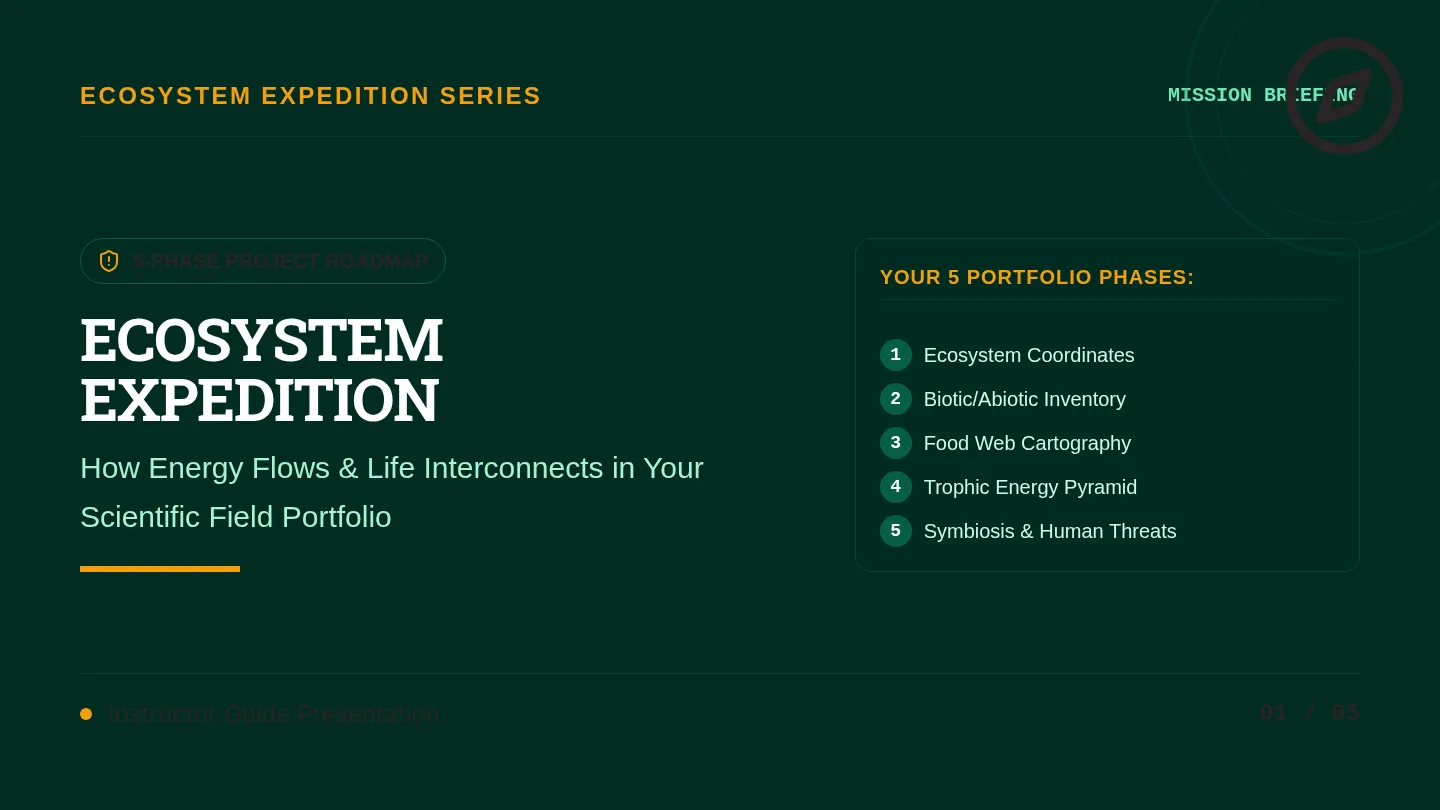
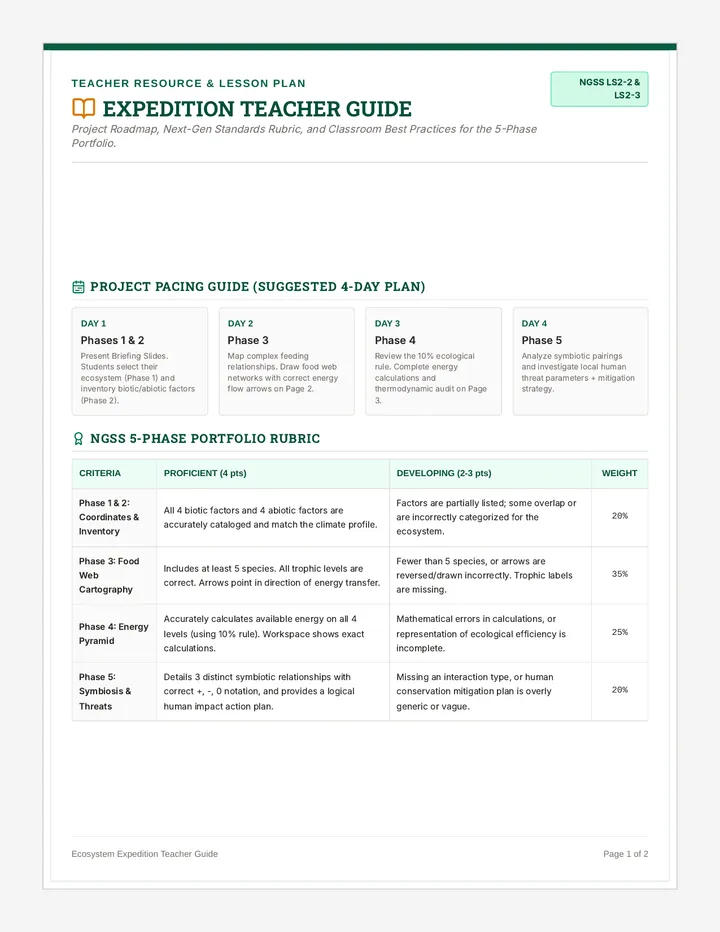
A lesson exploring the delicate balance of ecosystems, focusing on how biodiversity sustains life and how human activities like deforestation, pollution, and conservation efforts shape our planet's future.
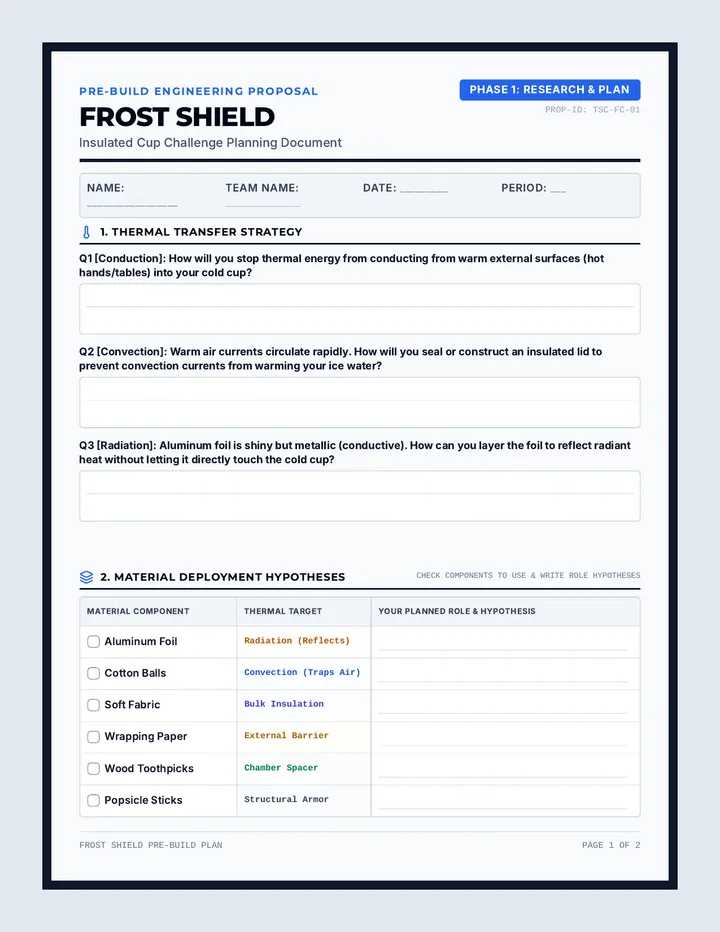
Reviewing the three types of heat transfer through interactive slides and a graphic organizer to connect concepts to everyday life.
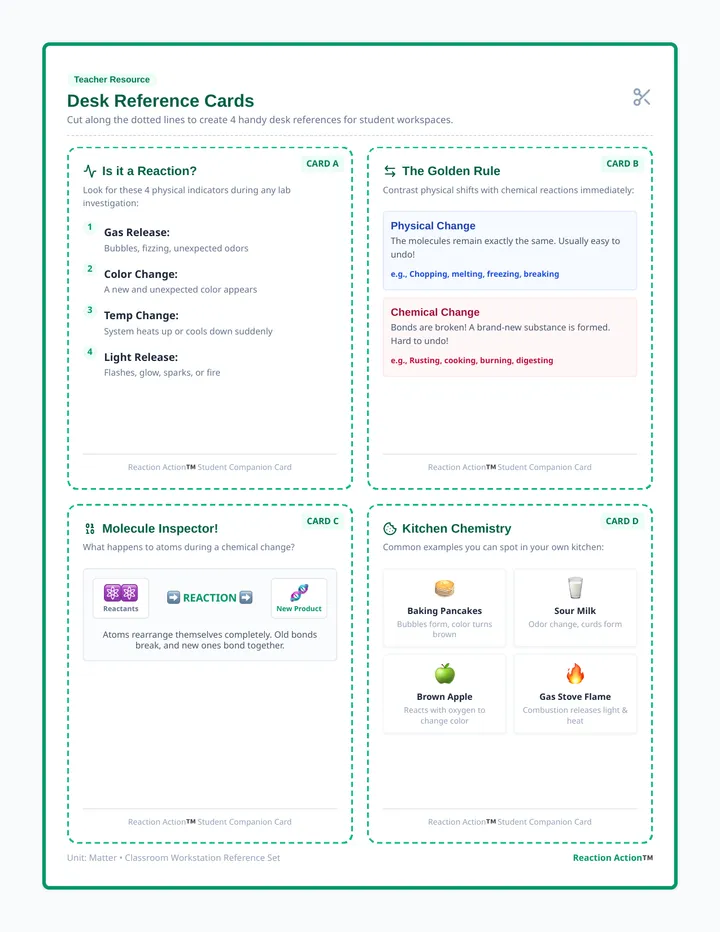
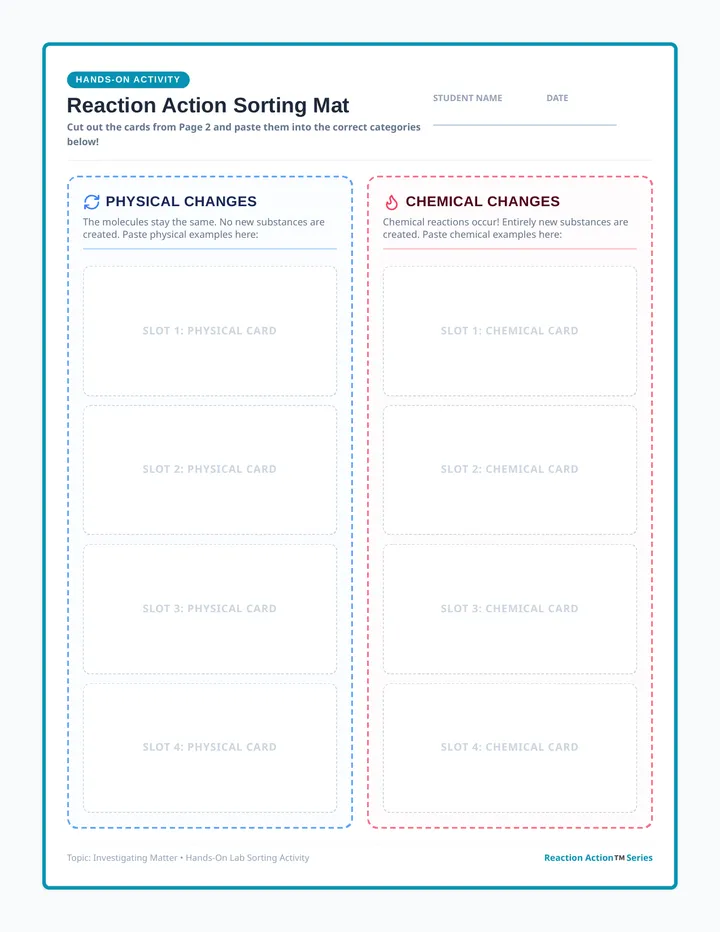
An introductory lesson on the classification of matter, covering atoms, elements, compounds, and mixtures (homogeneous and heterogeneous). Students will learn to distinguish between pure substances and mixtures through visual models and real-world examples.
A vocabulary-focused lesson on the core concepts of evolution and genetics, featuring a collaborative 'I Have, Who Has' game to reinforce definitions and visual representations.
A comprehensive ELD lesson for 7th graders focusing on the ecological and social importance of urban forests, featuring tiered supports for mixed proficiency levels.
A comprehensive lesson exploring how light and sound function as signals in our community, how they are produced through vibrations and sources, and the unique properties of shadows and volume.
Students explore the shared ancestry of fish and mammals, analyzing homologous bone structures and building cladograms to visualize divergent evolution.
A comprehensive lesson on orcas, covering their role as apex predators, their complex social and communication structures, and the evolutionary adaptations that have made them masters of the ocean.