A mini-lesson introducing the fundamentals of informative writing, framing the writer as a teacher who provides facts and clear explanations without personal opinion.
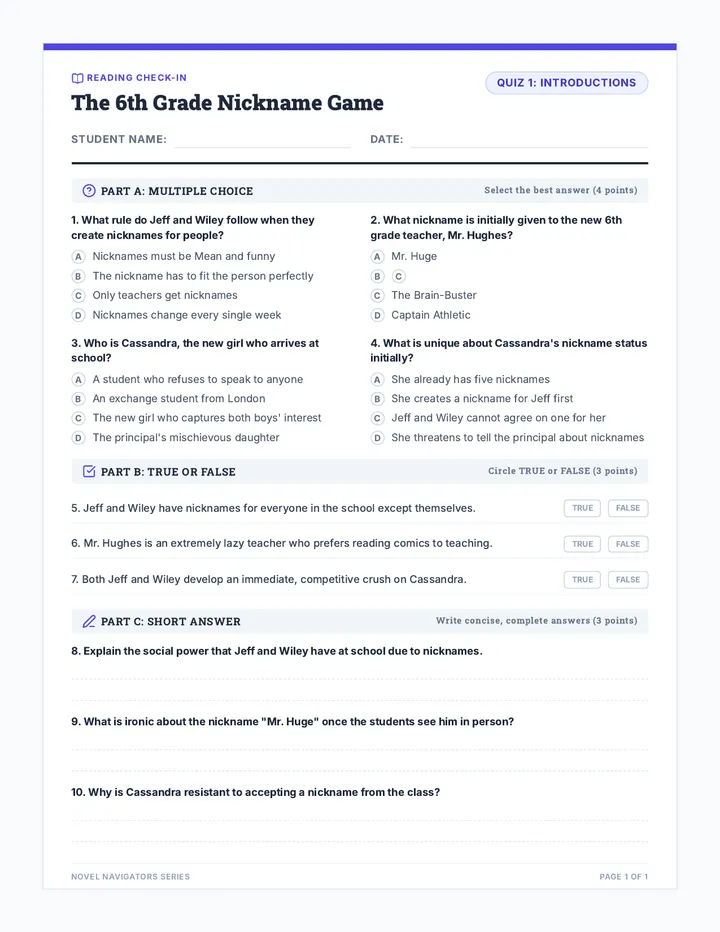
A comprehensive set of reading comprehension check-in quizzes for five popular middle-grade novels. Each novel features two specialized quizzes—one focusing on initial character introductions and the other on major plot resolutions.
A comprehensive assessment suite of creative writing rubrics, checklists, and slides for Short Fiction, Poetry, and Personal Narratives, designed to guide Middle and High School writers in analyzing thematic depth, voice, and craft.
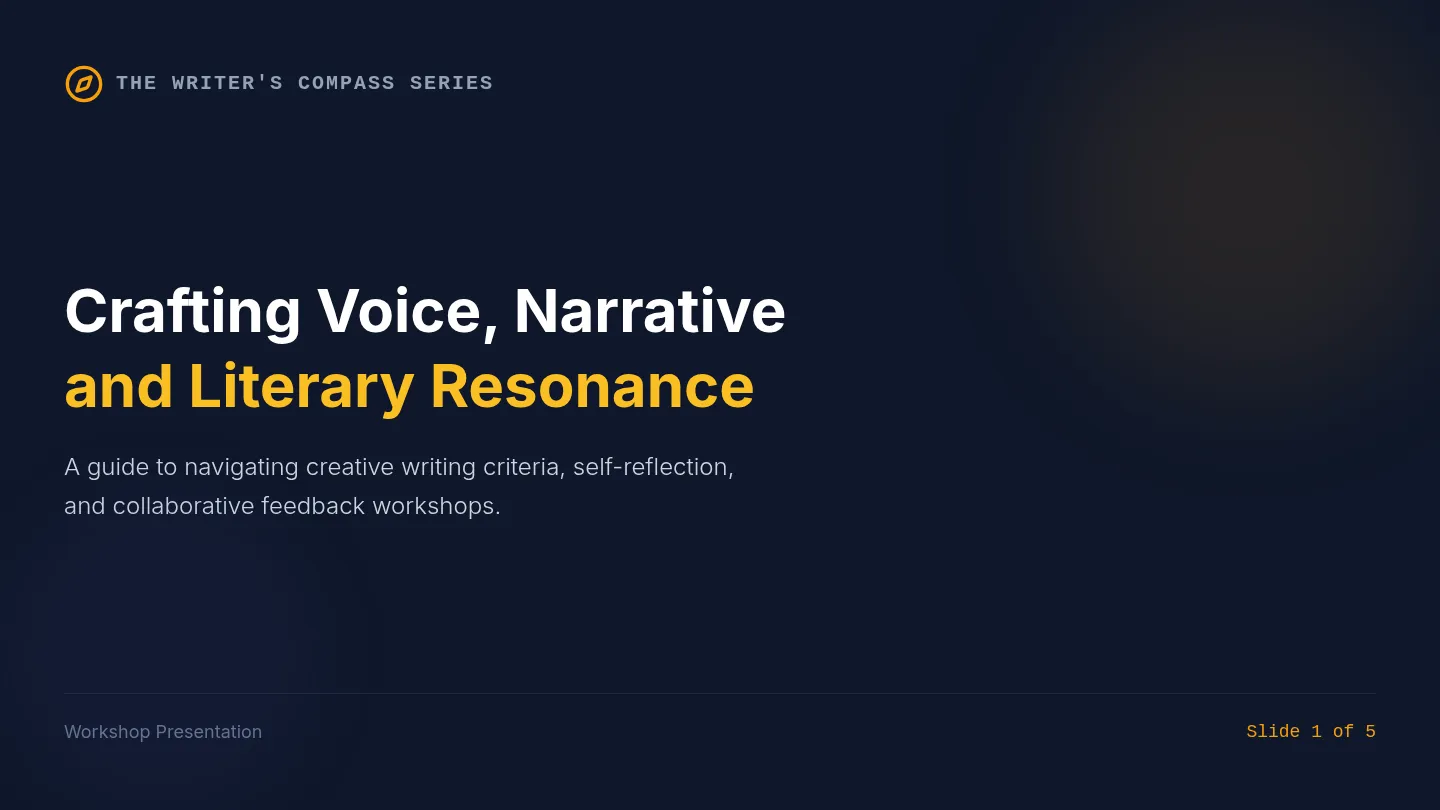
An instructional slide deck designed for presentations. This 5-slide deck guides students through the key elements of 'The Writer's Compass' assessment criteria, specifically mapping out the expectations for fiction, poetry, personal narratives, and the peer review workshop. All text is designed at or above the presentation threshold (24px+).
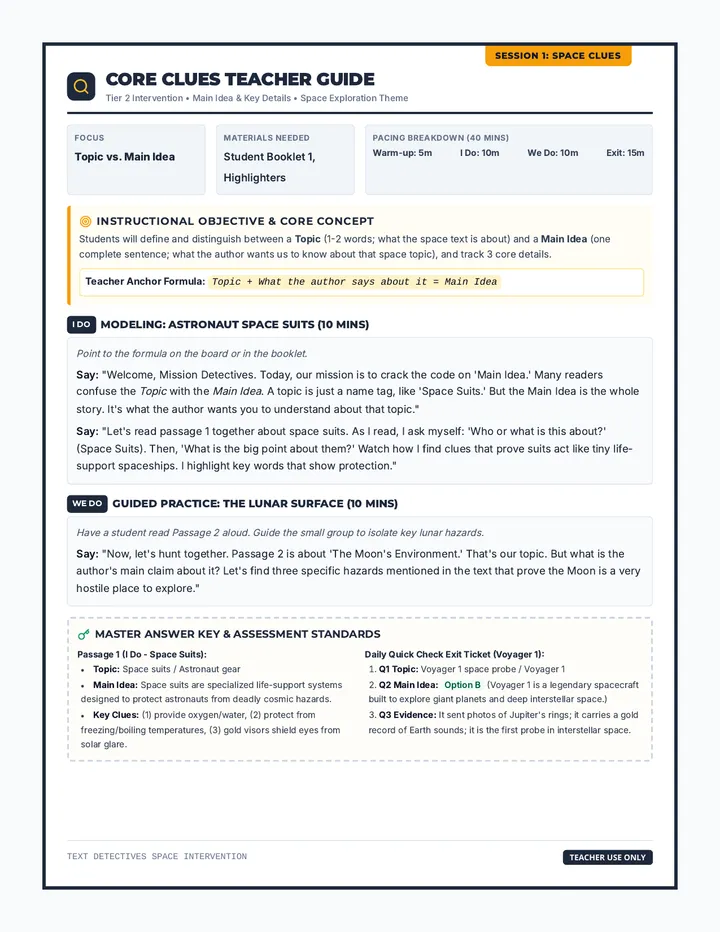
A Tier 2 reading comprehension intervention sequence designed for sixth-grade students. This three-session program utilizes a structured, scaffolded approach to help students identify key details, filter out distracting information, and craft precise main idea summaries.
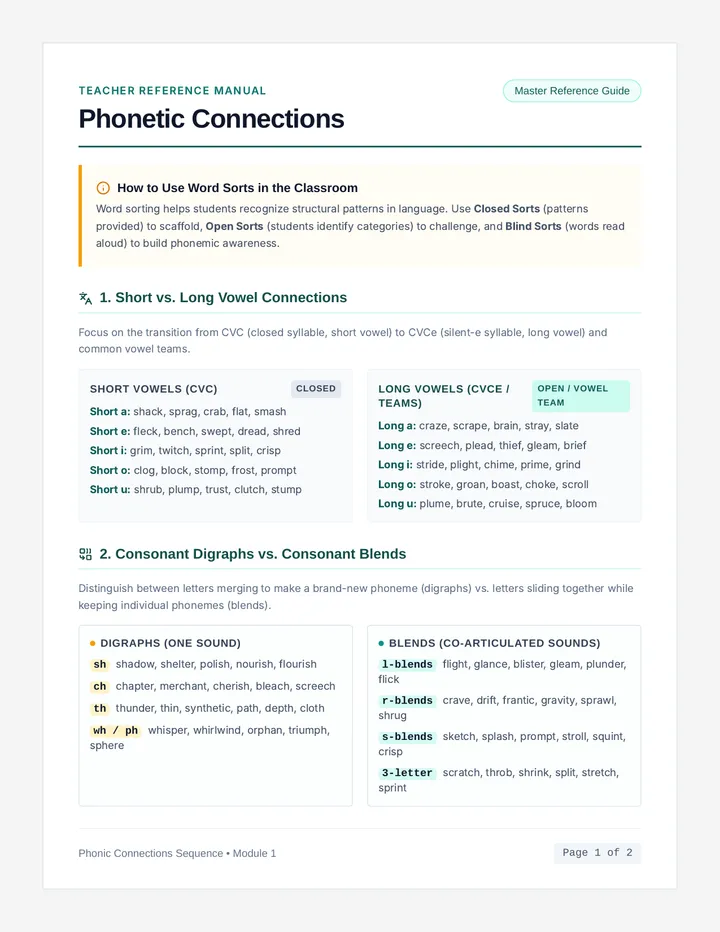
A foundational phonics lesson centered around sorting words by their phonetic connections, including vowel patterns, digraphs, blends, and complex spelling rules. Includes a master reference guide for teachers and a clean, versatile student sorting activity sheet.
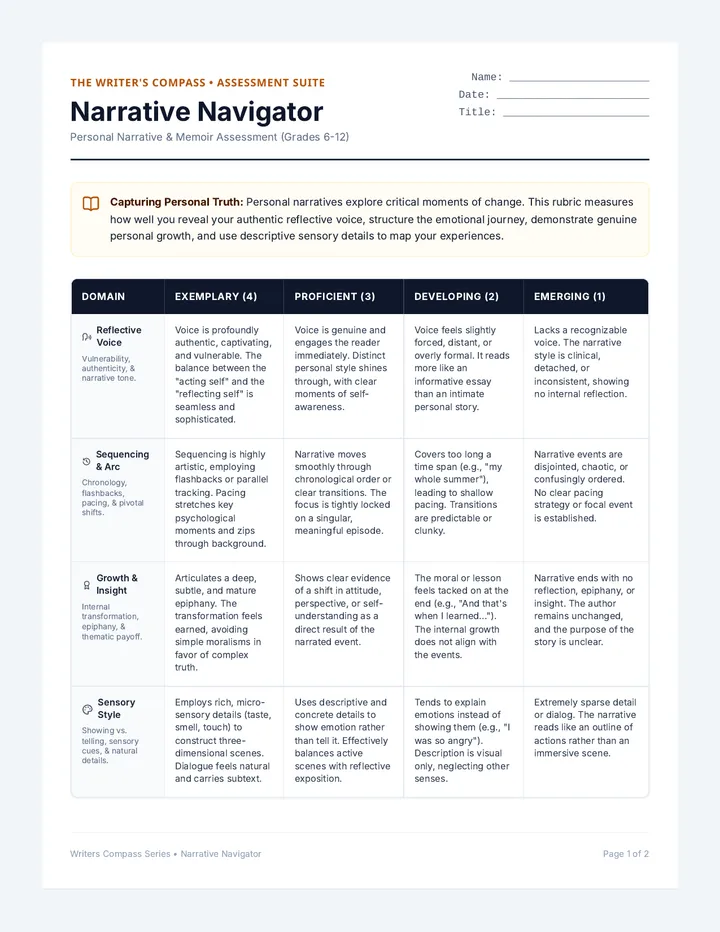
A 2-page printable assessment tool for Personal Narratives. Page 1 contains an analytic rubric evaluating Reflective Voice, Narrative Arc, Emotional Truth & Growth, and Sensory Style. Page 2 includes a self-reflection prompt and an actionable Peer-to-Peer Story Circle feedback template.
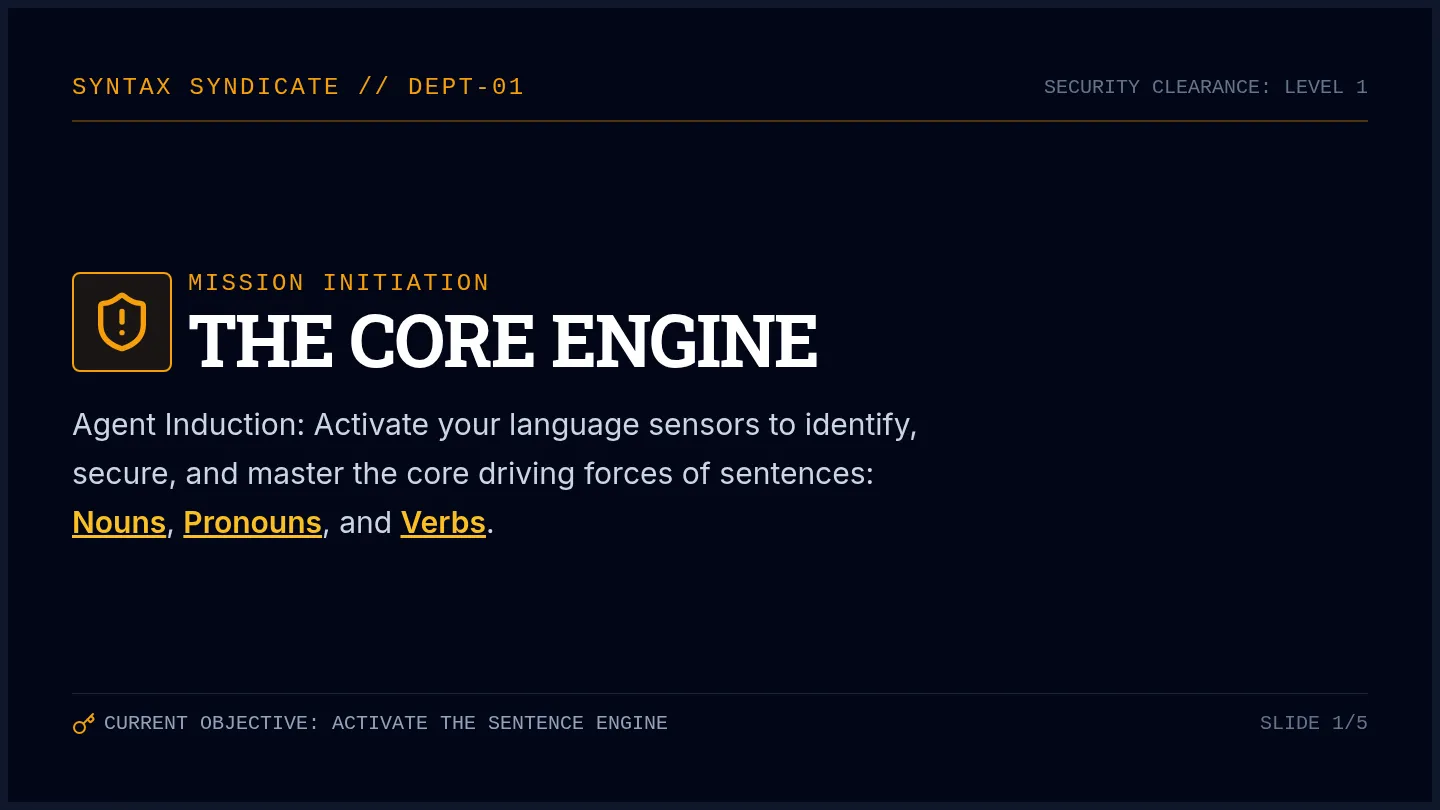
A spy-themed 4-day parts of speech review sequence for 6th and 7th graders. Students become secret agents in the 'Syntax Syndicate', cracking codes and completing missions to master nouns, pronouns, verbs, adjectives, adverbs, prepositions, conjunctions, and interjections, culminating in a collaborative classroom escape room.
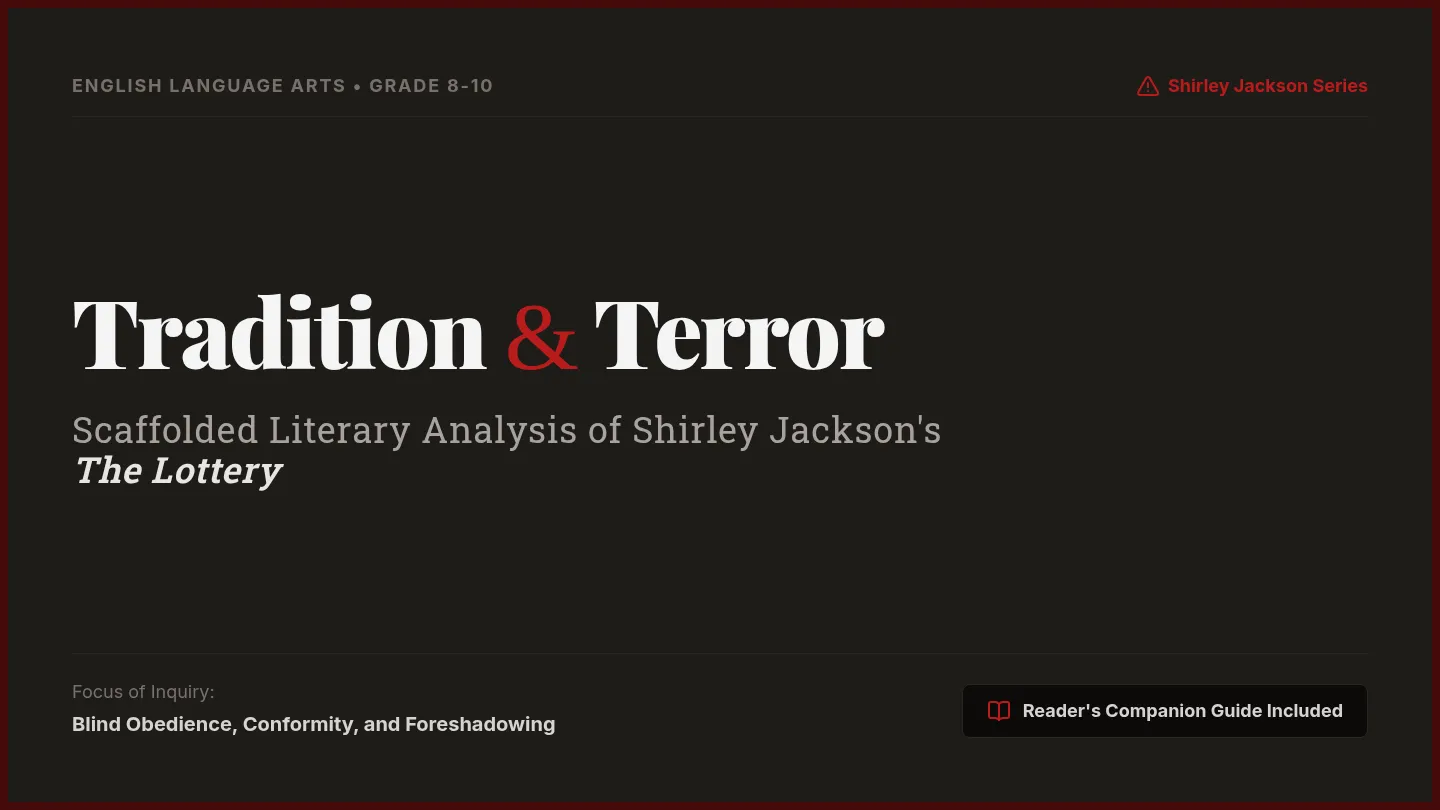
A scaffolded literary analysis of Shirley Jackson's classic short story 'The Lottery', exploring the themes of blind tradition and social conformity. This lesson bundle features interactive presentation slides, scaffolded worksheets with direct text chunks and sentence starter support, a targeted exit ticket, and a teacher's facilitation guide.
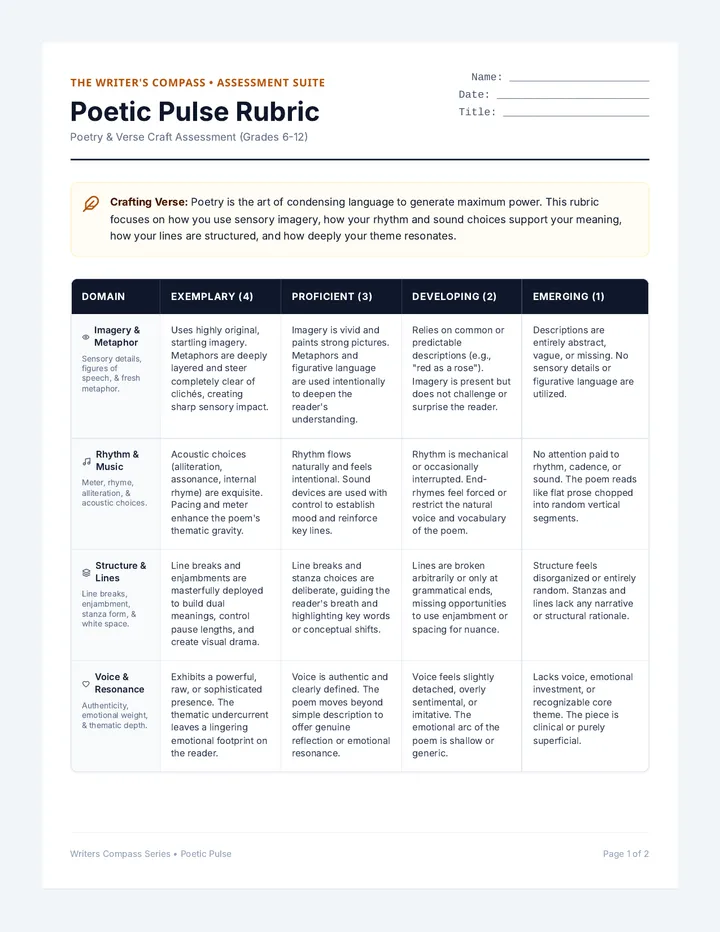
A 2-page printable assessment tool for Poetry. Page 1 contains a creative, highly detailed rubric evaluating Imagery, Rhythm & Sound, Form & Lineation, and Emotional Impact. Page 2 includes a Poetry Revision Checklist and a peer commentary workshop template.
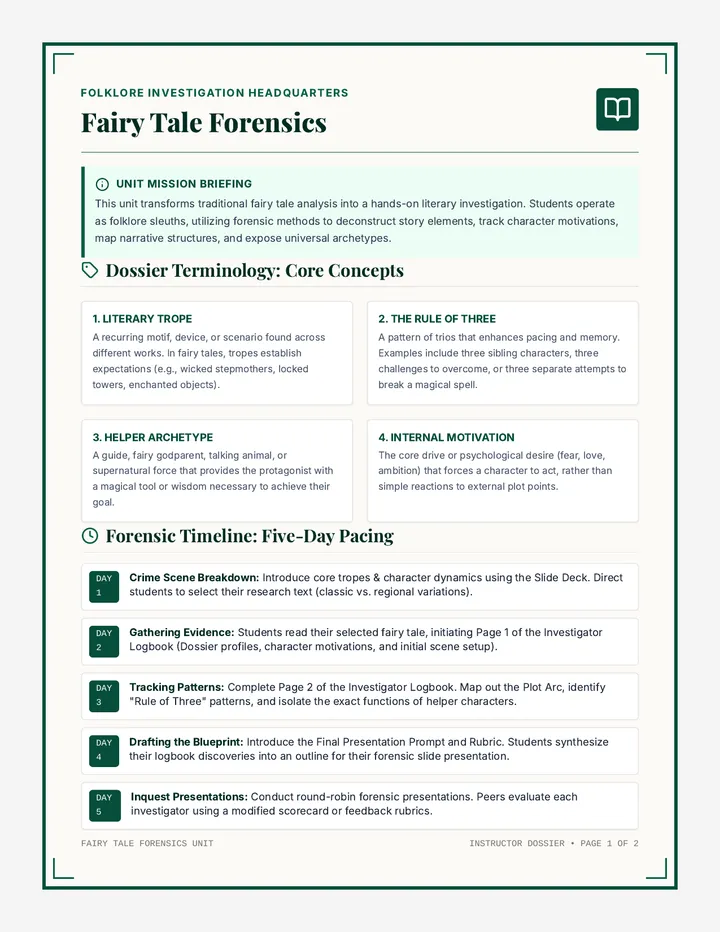
A comprehensive literary research unit designed to guide students through a structural and character analysis of classic and regional fairy tales. Students assume the role of folklore investigators, tracking standard tropes, character motivations, helper archetypes, and plot designs, culminating in an analytical presentation.
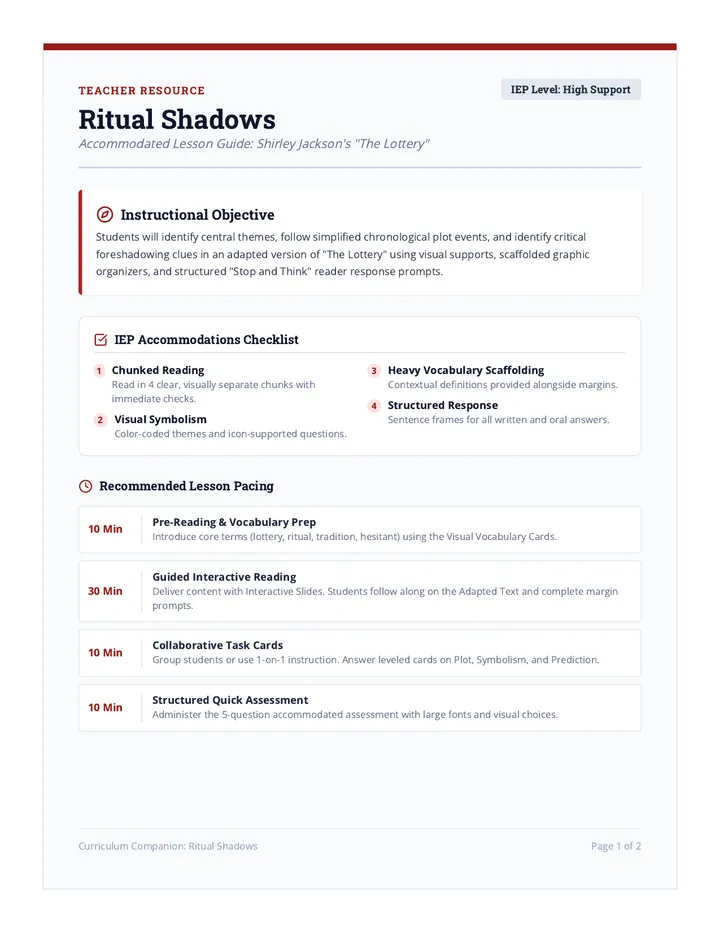
A highly supportive, adapted literature study of Shirley Jackson's 'The Lottery.' This lesson contains a simplified, guided text with margin prompts, interactive slide deck, heavy vocabulary scaffolding cards, leveled task cards, a structured assessment, and a comprehensive teacher guide.
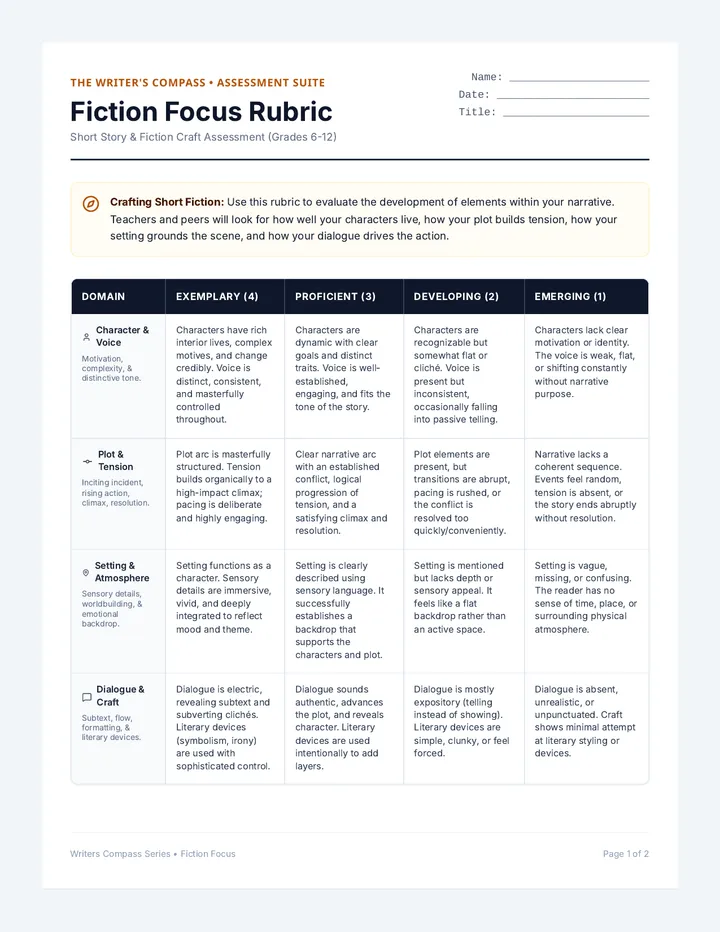
A 2-page printable assessment tool for Short Fiction. Page 1 contains a highly detailed analytic rubric covering Character, Plot Arc, Setting, and Dialogue, complete with Middle and High School standards. Page 2 includes a self-reflection guide and peer feedback workspace with ample handwriting lines.